window.__IS_SSR__=true
window.__INITIAL_STATE__={
"attachmentsReducer": {
"audio_0": {
"type": "attachments",
"id": "audio_0",
"imgSizes": {
"kqedFullSize": {
"file": "https://ww2.kqed.org/news/wp-content/themes/KQED-unified/img/audio_bgs/background0.jpg"
}
}
},
"audio_1": {
"type": "attachments",
"id": "audio_1",
"imgSizes": {
"kqedFullSize": {
"file": "https://ww2.kqed.org/news/wp-content/themes/KQED-unified/img/audio_bgs/background1.jpg"
}
}
},
"audio_2": {
"type": "attachments",
"id": "audio_2",
"imgSizes": {
"kqedFullSize": {
"file": "https://ww2.kqed.org/news/wp-content/themes/KQED-unified/img/audio_bgs/background2.jpg"
}
}
},
"audio_3": {
"type": "attachments",
"id": "audio_3",
"imgSizes": {
"kqedFullSize": {
"file": "https://ww2.kqed.org/news/wp-content/themes/KQED-unified/img/audio_bgs/background3.jpg"
}
}
},
"audio_4": {
"type": "attachments",
"id": "audio_4",
"imgSizes": {
"kqedFullSize": {
"file": "https://ww2.kqed.org/news/wp-content/themes/KQED-unified/img/audio_bgs/background4.jpg"
}
}
},
"placeholder": {
"type": "attachments",
"id": "placeholder",
"imgSizes": {
"thumbnail": {
"file": "https://cdn.kqed.org/wp-content/uploads/2024/12/KQED-Default-Image-816638274-2000x1333-1-160x107.jpg",
"width": 160,
"height": 107,
"mimeType": "image/jpeg"
},
"medium": {
"file": "https://cdn.kqed.org/wp-content/uploads/2024/12/KQED-Default-Image-816638274-2000x1333-1-800x533.jpg",
"width": 800,
"height": 533,
"mimeType": "image/jpeg"
},
"medium_large": {
"file": "https://cdn.kqed.org/wp-content/uploads/2024/12/KQED-Default-Image-816638274-2000x1333-1-768x512.jpg",
"width": 768,
"height": 512,
"mimeType": "image/jpeg"
},
"large": {
"file": "https://cdn.kqed.org/wp-content/uploads/2024/12/KQED-Default-Image-816638274-2000x1333-1-1020x680.jpg",
"width": 1020,
"height": 680,
"mimeType": "image/jpeg"
},
"1536x1536": {
"file": "https://cdn.kqed.org/wp-content/uploads/2024/12/KQED-Default-Image-816638274-2000x1333-1-1536x1024.jpg",
"width": 1536,
"height": 1024,
"mimeType": "image/jpeg"
},
"fd-lrg": {
"file": "https://cdn.kqed.org/wp-content/uploads/2024/12/KQED-Default-Image-816638274-2000x1333-1-1536x1024.jpg",
"width": 1536,
"height": 1024,
"mimeType": "image/jpeg"
},
"fd-med": {
"file": "https://cdn.kqed.org/wp-content/uploads/2024/12/KQED-Default-Image-816638274-2000x1333-1-1020x680.jpg",
"width": 1020,
"height": 680,
"mimeType": "image/jpeg"
},
"fd-sm": {
"file": "https://cdn.kqed.org/wp-content/uploads/2024/12/KQED-Default-Image-816638274-2000x1333-1-800x533.jpg",
"width": 800,
"height": 533,
"mimeType": "image/jpeg"
},
"post-thumbnail": {
"file": "https://cdn.kqed.org/wp-content/uploads/2024/12/KQED-Default-Image-816638274-2000x1333-1-672x372.jpg",
"width": 672,
"height": 372,
"mimeType": "image/jpeg"
},
"twentyfourteen-full-width": {
"file": "https://cdn.kqed.org/wp-content/uploads/2024/12/KQED-Default-Image-816638274-2000x1333-1-1038x576.jpg",
"width": 1038,
"height": 576,
"mimeType": "image/jpeg"
},
"xxsmall": {
"file": "https://cdn.kqed.org/wp-content/uploads/2024/12/KQED-Default-Image-816638274-2000x1333-1-160x107.jpg",
"width": 160,
"height": 107,
"mimeType": "image/jpeg"
},
"xsmall": {
"file": "https://cdn.kqed.org/wp-content/uploads/2024/12/KQED-Default-Image-816638274-2000x1333-1-672x372.jpg",
"width": 672,
"height": 372,
"mimeType": "image/jpeg"
},
"small": {
"file": "https://cdn.kqed.org/wp-content/uploads/2024/12/KQED-Default-Image-816638274-2000x1333-1-672x372.jpg",
"width": 672,
"height": 372,
"mimeType": "image/jpeg"
},
"xlarge": {
"file": "https://cdn.kqed.org/wp-content/uploads/2024/12/KQED-Default-Image-816638274-2000x1333-1-1020x680.jpg",
"width": 1020,
"height": 680,
"mimeType": "image/jpeg"
},
"full-width": {
"file": "https://cdn.kqed.org/wp-content/uploads/2024/12/KQED-Default-Image-816638274-2000x1333-1-1920x1280.jpg",
"width": 1920,
"height": 1280,
"mimeType": "image/jpeg"
},
"guest-author-32": {
"file": "https://cdn.kqed.org/wp-content/uploads/2025/01/KQED-Default-Image-816638274-1333x1333-1-160x160.jpg",
"width": 32,
"height": 32,
"mimeType": "image/jpeg"
},
"guest-author-50": {
"file": "https://cdn.kqed.org/wp-content/uploads/2025/01/KQED-Default-Image-816638274-1333x1333-1-160x160.jpg",
"width": 50,
"height": 50,
"mimeType": "image/jpeg"
},
"guest-author-64": {
"file": "https://cdn.kqed.org/wp-content/uploads/2025/01/KQED-Default-Image-816638274-1333x1333-1-160x160.jpg",
"width": 64,
"height": 64,
"mimeType": "image/jpeg"
},
"guest-author-96": {
"file": "https://cdn.kqed.org/wp-content/uploads/2025/01/KQED-Default-Image-816638274-1333x1333-1-160x160.jpg",
"width": 96,
"height": 96,
"mimeType": "image/jpeg"
},
"guest-author-128": {
"file": "https://cdn.kqed.org/wp-content/uploads/2025/01/KQED-Default-Image-816638274-1333x1333-1-160x160.jpg",
"width": 128,
"height": 128,
"mimeType": "image/jpeg"
},
"detail": {
"file": "https://cdn.kqed.org/wp-content/uploads/2025/01/KQED-Default-Image-816638274-1333x1333-1-160x160.jpg",
"width": 160,
"height": 160,
"mimeType": "image/jpeg"
},
"kqedFullSize": {
"file": "https://cdn.kqed.org/wp-content/uploads/2024/12/KQED-Default-Image-816638274-2000x1333-1.jpg",
"width": 2000,
"height": 1333
}
}
},
"bayareabites_115549": {
"type": "attachments",
"id": "bayareabites_115549",
"meta": {
"index": "attachments_1716263798",
"site": "bayareabites",
"id": "115549",
"found": true
},
"parent": 115548,
"imgSizes": {
"small": {
"file": "https://ww2.kqed.org/app/uploads/sites/24/2017/02/gettyimages-566573603-4645c33dce100ba8bd78221f58b5adab1b3b3e35-520x390.jpg",
"width": 520,
"mimeType": "image/jpeg",
"height": 390
},
"twentyfourteen-full-width": {
"file": "https://ww2.kqed.org/app/uploads/sites/24/2017/02/gettyimages-566573603-4645c33dce100ba8bd78221f58b5adab1b3b3e35-1038x576.jpg",
"width": 1038,
"mimeType": "image/jpeg",
"height": 576
},
"thumbnail": {
"file": "https://ww2.kqed.org/app/uploads/sites/24/2017/02/gettyimages-566573603-4645c33dce100ba8bd78221f58b5adab1b3b3e35-160x120.jpg",
"width": 160,
"mimeType": "image/jpeg",
"height": 120
},
"fd-sm": {
"file": "https://ww2.kqed.org/app/uploads/sites/24/2017/02/gettyimages-566573603-4645c33dce100ba8bd78221f58b5adab1b3b3e35-960x720.jpg",
"width": 960,
"mimeType": "image/jpeg",
"height": 720
},
"post-thumbnail": {
"file": "https://ww2.kqed.org/app/uploads/sites/24/2017/02/gettyimages-566573603-4645c33dce100ba8bd78221f58b5adab1b3b3e35-672x372.jpg",
"width": 672,
"mimeType": "image/jpeg",
"height": 372
},
"xsmall": {
"file": "https://ww2.kqed.org/app/uploads/sites/24/2017/02/gettyimages-566573603-4645c33dce100ba8bd78221f58b5adab1b3b3e35-375x281.jpg",
"width": 375,
"mimeType": "image/jpeg",
"height": 281
},
"kqedFullSize": {
"file": "https://ww2.kqed.org/app/uploads/sites/24/2017/02/gettyimages-566573603-4645c33dce100ba8bd78221f58b5adab1b3b3e35.jpg",
"width": 1878,
"height": 1409
},
"large": {
"file": "https://ww2.kqed.org/app/uploads/sites/24/2017/02/gettyimages-566573603-4645c33dce100ba8bd78221f58b5adab1b3b3e35-1020x765.jpg",
"width": 1020,
"mimeType": "image/jpeg",
"height": 765
},
"xlarge": {
"file": "https://ww2.kqed.org/app/uploads/sites/24/2017/02/gettyimages-566573603-4645c33dce100ba8bd78221f58b5adab1b3b3e35-1180x885.jpg",
"width": 1180,
"mimeType": "image/jpeg",
"height": 885
},
"guest-author-50": {
"file": "https://ww2.kqed.org/app/uploads/sites/24/2017/02/gettyimages-566573603-4645c33dce100ba8bd78221f58b5adab1b3b3e35-50x50.jpg",
"width": 50,
"mimeType": "image/jpeg",
"height": 50
},
"guest-author-96": {
"file": "https://ww2.kqed.org/app/uploads/sites/24/2017/02/gettyimages-566573603-4645c33dce100ba8bd78221f58b5adab1b3b3e35-96x96.jpg",
"width": 96,
"mimeType": "image/jpeg",
"height": 96
},
"medium": {
"file": "https://ww2.kqed.org/app/uploads/sites/24/2017/02/gettyimages-566573603-4645c33dce100ba8bd78221f58b5adab1b3b3e35-800x600.jpg",
"width": 800,
"mimeType": "image/jpeg",
"height": 600
},
"guest-author-64": {
"file": "https://ww2.kqed.org/app/uploads/sites/24/2017/02/gettyimages-566573603-4645c33dce100ba8bd78221f58b5adab1b3b3e35-64x64.jpg",
"width": 64,
"mimeType": "image/jpeg",
"height": 64
},
"guest-author-32": {
"file": "https://ww2.kqed.org/app/uploads/sites/24/2017/02/gettyimages-566573603-4645c33dce100ba8bd78221f58b5adab1b3b3e35-32x32.jpg",
"width": 32,
"mimeType": "image/jpeg",
"height": 32
},
"fd-med": {
"file": "https://ww2.kqed.org/app/uploads/sites/24/2017/02/gettyimages-566573603-4645c33dce100ba8bd78221f58b5adab1b3b3e35-1180x885.jpg",
"width": 1180,
"mimeType": "image/jpeg",
"height": 885
},
"detail": {
"file": "https://ww2.kqed.org/app/uploads/sites/24/2017/02/gettyimages-566573603-4645c33dce100ba8bd78221f58b5adab1b3b3e35-150x150.jpg",
"width": 150,
"mimeType": "image/jpeg",
"height": 150
},
"medium_large": {
"file": "https://ww2.kqed.org/app/uploads/sites/24/2017/02/gettyimages-566573603-4645c33dce100ba8bd78221f58b5adab1b3b3e35-768x576.jpg",
"width": 768,
"mimeType": "image/jpeg",
"height": 576
},
"guest-author-128": {
"file": "https://ww2.kqed.org/app/uploads/sites/24/2017/02/gettyimages-566573603-4645c33dce100ba8bd78221f58b5adab1b3b3e35-128x128.jpg",
"width": 128,
"mimeType": "image/jpeg",
"height": 128
},
"xxsmall": {
"file": "https://ww2.kqed.org/app/uploads/sites/24/2017/02/gettyimages-566573603-4645c33dce100ba8bd78221f58b5adab1b3b3e35-240x180.jpg",
"width": 240,
"mimeType": "image/jpeg",
"height": 180
}
},
"publishDate": 1487869250,
"modified": 1487869357,
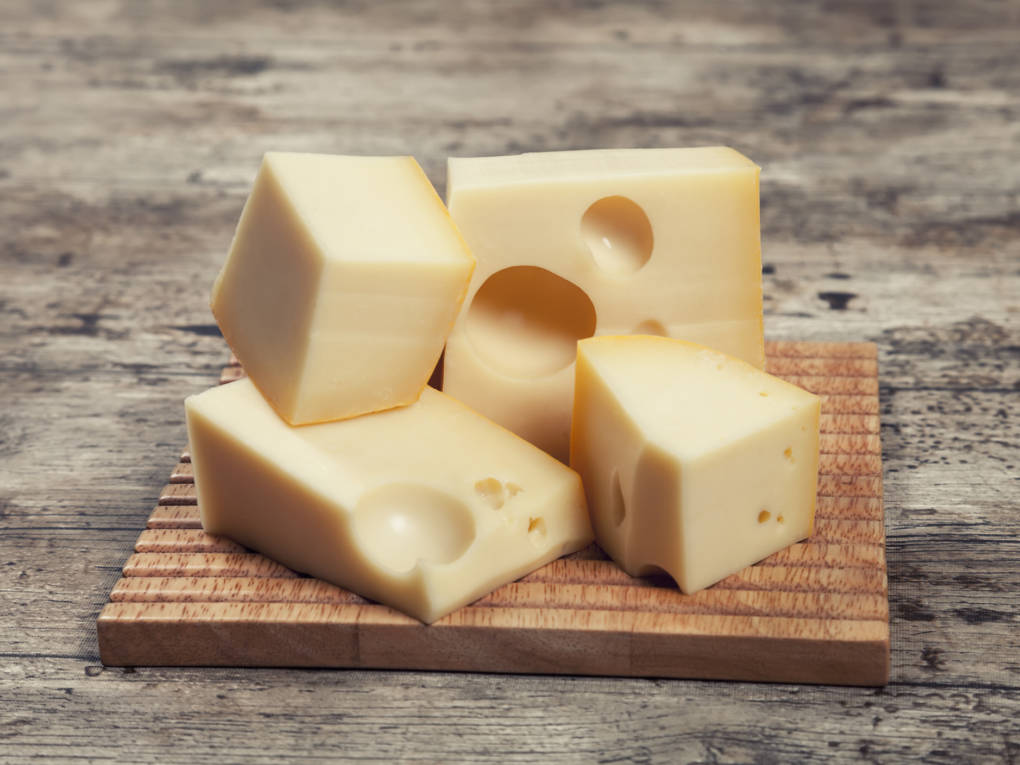
"caption": "In a new book, Neal Barnard presents the case that cheese is unhealthy and addictive.",
"description": "In a new book, Neal Barnard presents the case that cheese is unhealthy and addictive.",
"title": "In a new book, Neal Barnard presents the case that cheese is unhealthy and addictive.",
"credit": "Getty Images",
"status": "inherit",
"isLoading": false,
"fetchFailed": false
},
"bayareabites_115491": {
"type": "attachments",
"id": "bayareabites_115491",
"meta": {
"index": "attachments_1716263798",
"site": "bayareabites",
"id": "115491",
"found": true
},
"parent": 0,
"imgSizes": {
"small": {
"file": "https://ww2.kqed.org/app/uploads/sites/24/2017/02/feature-photo-520x260.jpg",
"width": 520,
"mimeType": "image/jpeg",
"height": 260
},
"twentyfourteen-full-width": {
"file": "https://ww2.kqed.org/app/uploads/sites/24/2017/02/feature-photo-1038x576.jpg",
"width": 1038,
"mimeType": "image/jpeg",
"height": 576
},
"thumbnail": {
"file": "https://ww2.kqed.org/app/uploads/sites/24/2017/02/feature-photo-160x80.jpg",
"width": 160,
"mimeType": "image/jpeg",
"height": 80
},
"fd-sm": {
"file": "https://ww2.kqed.org/app/uploads/sites/24/2017/02/feature-photo-960x480.jpg",
"width": 960,
"mimeType": "image/jpeg",
"height": 480
},
"post-thumbnail": {
"file": "https://ww2.kqed.org/app/uploads/sites/24/2017/02/feature-photo-672x372.jpg",
"width": 672,
"mimeType": "image/jpeg",
"height": 372
},
"xsmall": {
"file": "https://ww2.kqed.org/app/uploads/sites/24/2017/02/feature-photo-375x188.jpg",
"width": 375,
"mimeType": "image/jpeg",
"height": 188
},
"kqedFullSize": {
"file": "https://ww2.kqed.org/app/uploads/sites/24/2017/02/feature-photo.jpg",
"width": 1920,
"height": 960
},
"large": {
"file": "https://ww2.kqed.org/app/uploads/sites/24/2017/02/feature-photo-1020x510.jpg",
"width": 1020,
"mimeType": "image/jpeg",
"height": 510
},
"xlarge": {
"file": "https://ww2.kqed.org/app/uploads/sites/24/2017/02/feature-photo-1180x590.jpg",
"width": 1180,
"mimeType": "image/jpeg",
"height": 590
},
"guest-author-50": {
"file": "https://ww2.kqed.org/app/uploads/sites/24/2017/02/feature-photo-50x50.jpg",
"width": 50,
"mimeType": "image/jpeg",
"height": 50
},
"guest-author-96": {
"file": "https://ww2.kqed.org/app/uploads/sites/24/2017/02/feature-photo-96x96.jpg",
"width": 96,
"mimeType": "image/jpeg",
"height": 96
},
"medium": {
"file": "https://ww2.kqed.org/app/uploads/sites/24/2017/02/feature-photo-800x400.jpg",
"width": 800,
"mimeType": "image/jpeg",
"height": 400
},
"guest-author-64": {
"file": "https://ww2.kqed.org/app/uploads/sites/24/2017/02/feature-photo-64x64.jpg",
"width": 64,
"mimeType": "image/jpeg",
"height": 64
},
"guest-author-32": {
"file": "https://ww2.kqed.org/app/uploads/sites/24/2017/02/feature-photo-32x32.jpg",
"width": 32,
"mimeType": "image/jpeg",
"height": 32
},
"fd-lrg": {
"file": "https://ww2.kqed.org/app/uploads/sites/24/2017/02/feature-photo-1920x960.jpg",
"width": 1920,
"mimeType": "image/jpeg",
"height": 960
},
"fd-med": {
"file": "https://ww2.kqed.org/app/uploads/sites/24/2017/02/feature-photo-1180x590.jpg",
"width": 1180,
"mimeType": "image/jpeg",
"height": 590
},
"full-width": {
"file": "https://ww2.kqed.org/app/uploads/sites/24/2017/02/feature-photo-1920x960.jpg",
"width": 1920,
"mimeType": "image/jpeg",
"height": 960
},
"detail": {
"file": "https://ww2.kqed.org/app/uploads/sites/24/2017/02/feature-photo-150x150.jpg",
"width": 150,
"mimeType": "image/jpeg",
"height": 150
},
"medium_large": {
"file": "https://ww2.kqed.org/app/uploads/sites/24/2017/02/feature-photo-768x384.jpg",
"width": 768,
"mimeType": "image/jpeg",
"height": 384
},
"guest-author-128": {
"file": "https://ww2.kqed.org/app/uploads/sites/24/2017/02/feature-photo-128x128.jpg",
"width": 128,
"mimeType": "image/jpeg",
"height": 128
},
"xxsmall": {
"file": "https://ww2.kqed.org/app/uploads/sites/24/2017/02/feature-photo-240x120.jpg",
"width": 240,
"mimeType": "image/jpeg",
"height": 120
}
},
"publishDate": 1487442907,
"modified": 1487443018,
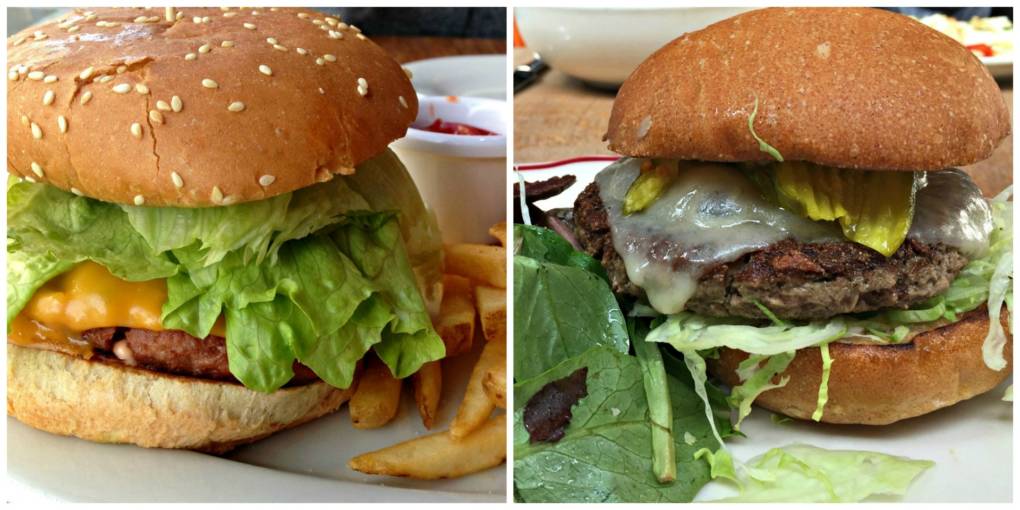
"caption": "Two new Bay Area veggie burgers: the Beyond Burger (left) and the Impossible Burger (right). ",
"description": "Two new Bay Area veggie burgers: the Beyond Burger (left) and the Impossible Burger (right). ",
"title": "Two new Bay Area veggie burgers: the Beyond Burger (left) and the Impossible Burger (right).",
"credit": "Shelby Pope",
"status": "inherit",
"isLoading": false,
"fetchFailed": false
},
"bayareabites_115503": {
"type": "attachments",
"id": "bayareabites_115503",
"meta": {
"index": "attachments_1716263798",
"site": "bayareabites",
"id": "115503",
"found": true
},
"parent": 115502,
"imgSizes": {
"small": {
"file": "https://ww2.kqed.org/app/uploads/sites/24/2017/02/gettyimages-81537508-cbc832563d7566eba74a6511d706d6526bbed237-520x390.jpg",
"width": 520,
"mimeType": "image/jpeg",
"height": 390
},
"twentyfourteen-full-width": {
"file": "https://ww2.kqed.org/app/uploads/sites/24/2017/02/gettyimages-81537508-cbc832563d7566eba74a6511d706d6526bbed237-1038x576.jpg",
"width": 1038,
"mimeType": "image/jpeg",
"height": 576
},
"thumbnail": {
"file": "https://ww2.kqed.org/app/uploads/sites/24/2017/02/gettyimages-81537508-cbc832563d7566eba74a6511d706d6526bbed237-160x120.jpg",
"width": 160,
"mimeType": "image/jpeg",
"height": 120
},
"fd-sm": {
"file": "https://ww2.kqed.org/app/uploads/sites/24/2017/02/gettyimages-81537508-cbc832563d7566eba74a6511d706d6526bbed237-960x720.jpg",
"width": 960,
"mimeType": "image/jpeg",
"height": 720
},
"post-thumbnail": {
"file": "https://ww2.kqed.org/app/uploads/sites/24/2017/02/gettyimages-81537508-cbc832563d7566eba74a6511d706d6526bbed237-672x372.jpg",
"width": 672,
"mimeType": "image/jpeg",
"height": 372
},
"xsmall": {
"file": "https://ww2.kqed.org/app/uploads/sites/24/2017/02/gettyimages-81537508-cbc832563d7566eba74a6511d706d6526bbed237-375x281.jpg",
"width": 375,
"mimeType": "image/jpeg",
"height": 281
},
"kqedFullSize": {
"file": "https://ww2.kqed.org/app/uploads/sites/24/2017/02/gettyimages-81537508-cbc832563d7566eba74a6511d706d6526bbed237.jpg",
"width": 1998,
"height": 1499
},
"large": {
"file": "https://ww2.kqed.org/app/uploads/sites/24/2017/02/gettyimages-81537508-cbc832563d7566eba74a6511d706d6526bbed237-1020x765.jpg",
"width": 1020,
"mimeType": "image/jpeg",
"height": 765
},
"xlarge": {
"file": "https://ww2.kqed.org/app/uploads/sites/24/2017/02/gettyimages-81537508-cbc832563d7566eba74a6511d706d6526bbed237-1180x885.jpg",
"width": 1180,
"mimeType": "image/jpeg",
"height": 885
},
"guest-author-50": {
"file": "https://ww2.kqed.org/app/uploads/sites/24/2017/02/gettyimages-81537508-cbc832563d7566eba74a6511d706d6526bbed237-50x50.jpg",
"width": 50,
"mimeType": "image/jpeg",
"height": 50
},
"guest-author-96": {
"file": "https://ww2.kqed.org/app/uploads/sites/24/2017/02/gettyimages-81537508-cbc832563d7566eba74a6511d706d6526bbed237-96x96.jpg",
"width": 96,
"mimeType": "image/jpeg",
"height": 96
},
"medium": {
"file": "https://ww2.kqed.org/app/uploads/sites/24/2017/02/gettyimages-81537508-cbc832563d7566eba74a6511d706d6526bbed237-800x600.jpg",
"width": 800,
"mimeType": "image/jpeg",
"height": 600
},
"guest-author-64": {
"file": "https://ww2.kqed.org/app/uploads/sites/24/2017/02/gettyimages-81537508-cbc832563d7566eba74a6511d706d6526bbed237-64x64.jpg",
"width": 64,
"mimeType": "image/jpeg",
"height": 64
},
"guest-author-32": {
"file": "https://ww2.kqed.org/app/uploads/sites/24/2017/02/gettyimages-81537508-cbc832563d7566eba74a6511d706d6526bbed237-32x32.jpg",
"width": 32,
"mimeType": "image/jpeg",
"height": 32
},
"fd-lrg": {
"file": "https://ww2.kqed.org/app/uploads/sites/24/2017/02/gettyimages-81537508-cbc832563d7566eba74a6511d706d6526bbed237-1920x1440.jpg",
"width": 1920,
"mimeType": "image/jpeg",
"height": 1440
},
"fd-med": {
"file": "https://ww2.kqed.org/app/uploads/sites/24/2017/02/gettyimages-81537508-cbc832563d7566eba74a6511d706d6526bbed237-1180x885.jpg",
"width": 1180,
"mimeType": "image/jpeg",
"height": 885
},
"full-width": {
"file": "https://ww2.kqed.org/app/uploads/sites/24/2017/02/gettyimages-81537508-cbc832563d7566eba74a6511d706d6526bbed237-1920x1440.jpg",
"width": 1920,
"mimeType": "image/jpeg",
"height": 1440
},
"detail": {
"file": "https://ww2.kqed.org/app/uploads/sites/24/2017/02/gettyimages-81537508-cbc832563d7566eba74a6511d706d6526bbed237-150x150.jpg",
"width": 150,
"mimeType": "image/jpeg",
"height": 150
},
"medium_large": {
"file": "https://ww2.kqed.org/app/uploads/sites/24/2017/02/gettyimages-81537508-cbc832563d7566eba74a6511d706d6526bbed237-768x576.jpg",
"width": 768,
"mimeType": "image/jpeg",
"height": 576
},
"guest-author-128": {
"file": "https://ww2.kqed.org/app/uploads/sites/24/2017/02/gettyimages-81537508-cbc832563d7566eba74a6511d706d6526bbed237-128x128.jpg",
"width": 128,
"mimeType": "image/jpeg",
"height": 128
},
"xxsmall": {
"file": "https://ww2.kqed.org/app/uploads/sites/24/2017/02/gettyimages-81537508-cbc832563d7566eba74a6511d706d6526bbed237-240x180.jpg",
"width": 240,
"mimeType": "image/jpeg",
"height": 180
}
},
"publishDate": 1487782621,
"modified": 1487783283,
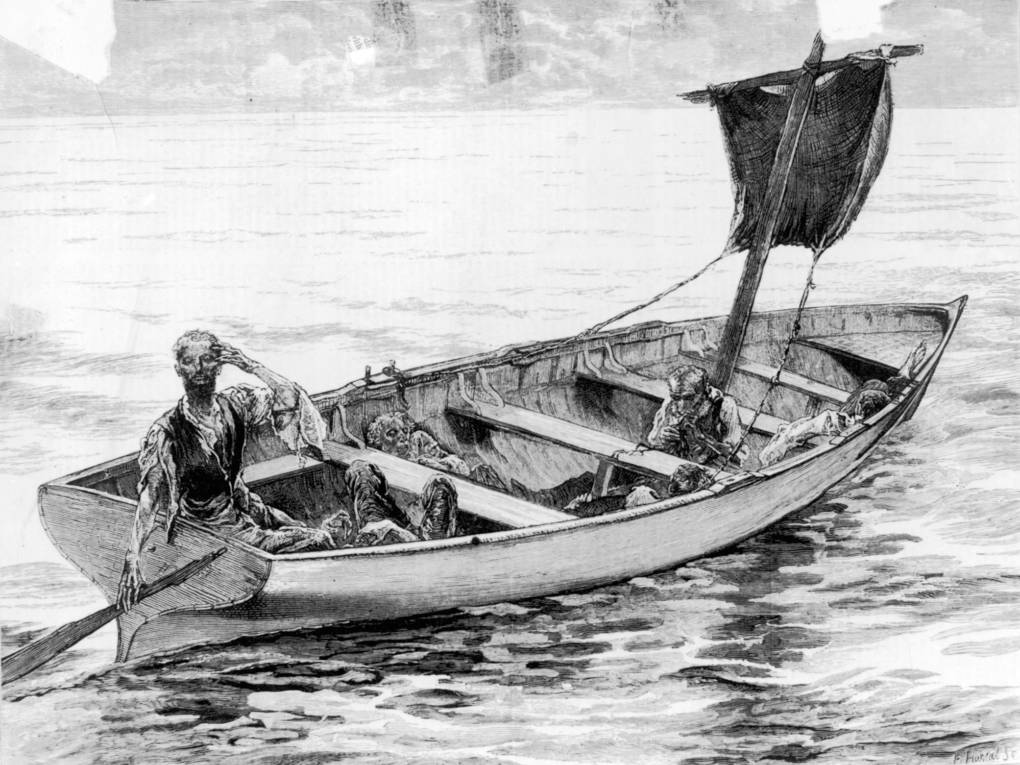
"caption": "An illustration from 1875 depicts the survivors of the frigate Cospatrick, which caught fire off South Africa's Cape of Good Hope in November 1874. Of more than 470 people on board, just three ultimately survived, and they were reduced to cannibalism.",
"description": "An illustration from 1875 depicts the survivors of the frigate \u003cem>Cospatrick\u003c/em>, which caught fire off South Africa's Cape of Good Hope in November 1874. Of more than 470 people on board, just three ultimately survived, and they <a href="http://www.nzherald.co.nz/nz/news/article.cfm?c_",
"title": "An illustration from 1875 depicts the survivors of the frigate Cospatrick, which caught fire off South Africa's Cape of Good Hope in November 1874. Of more than 470 people on board, just three ultimately survived, and they were reduced to cannibalism.",
"credit": "Hulton Archive/Getty Images",
"status": "inherit",
"isLoading": false,
"fetchFailed": false
},
"bayareabites_115280": {
"type": "attachments",
"id": "bayareabites_115280",
"meta": {
"index": "attachments_1716263798",
"site": "bayareabites",
"id": "115280",
"found": true
},
"parent": 115279,
"imgSizes": {
"small": {
"file": "https://ww2.kqed.org/app/uploads/sites/24/2017/02/courtesy-of-blue-hill_slide-9b632a9cd15cdc7e587d3adea9090145933a476f-520x346.jpg",
"width": 520,
"mimeType": "image/jpeg",
"height": 346
},
"twentyfourteen-full-width": {
"file": "https://ww2.kqed.org/app/uploads/sites/24/2017/02/courtesy-of-blue-hill_slide-9b632a9cd15cdc7e587d3adea9090145933a476f-1038x576.jpg",
"width": 1038,
"mimeType": "image/jpeg",
"height": 576
},
"thumbnail": {
"file": "https://ww2.kqed.org/app/uploads/sites/24/2017/02/courtesy-of-blue-hill_slide-9b632a9cd15cdc7e587d3adea9090145933a476f-160x107.jpg",
"width": 160,
"mimeType": "image/jpeg",
"height": 107
},
"fd-sm": {
"file": "https://ww2.kqed.org/app/uploads/sites/24/2017/02/courtesy-of-blue-hill_slide-9b632a9cd15cdc7e587d3adea9090145933a476f-960x640.jpg",
"width": 960,
"mimeType": "image/jpeg",
"height": 640
},
"post-thumbnail": {
"file": "https://ww2.kqed.org/app/uploads/sites/24/2017/02/courtesy-of-blue-hill_slide-9b632a9cd15cdc7e587d3adea9090145933a476f-672x372.jpg",
"width": 672,
"mimeType": "image/jpeg",
"height": 372
},
"xsmall": {
"file": "https://ww2.kqed.org/app/uploads/sites/24/2017/02/courtesy-of-blue-hill_slide-9b632a9cd15cdc7e587d3adea9090145933a476f-375x250.jpg",
"width": 375,
"mimeType": "image/jpeg",
"height": 250
},
"kqedFullSize": {
"file": "https://ww2.kqed.org/app/uploads/sites/24/2017/02/courtesy-of-blue-hill_slide-9b632a9cd15cdc7e587d3adea9090145933a476f.jpg",
"width": 1798,
"height": 1198
},
"large": {
"file": "https://ww2.kqed.org/app/uploads/sites/24/2017/02/courtesy-of-blue-hill_slide-9b632a9cd15cdc7e587d3adea9090145933a476f-1020x680.jpg",
"width": 1020,
"mimeType": "image/jpeg",
"height": 680
},
"xlarge": {
"file": "https://ww2.kqed.org/app/uploads/sites/24/2017/02/courtesy-of-blue-hill_slide-9b632a9cd15cdc7e587d3adea9090145933a476f-1180x786.jpg",
"width": 1180,
"mimeType": "image/jpeg",
"height": 786
},
"guest-author-50": {
"file": "https://ww2.kqed.org/app/uploads/sites/24/2017/02/courtesy-of-blue-hill_slide-9b632a9cd15cdc7e587d3adea9090145933a476f-50x50.jpg",
"width": 50,
"mimeType": "image/jpeg",
"height": 50
},
"guest-author-96": {
"file": "https://ww2.kqed.org/app/uploads/sites/24/2017/02/courtesy-of-blue-hill_slide-9b632a9cd15cdc7e587d3adea9090145933a476f-96x96.jpg",
"width": 96,
"mimeType": "image/jpeg",
"height": 96
},
"medium": {
"file": "https://ww2.kqed.org/app/uploads/sites/24/2017/02/courtesy-of-blue-hill_slide-9b632a9cd15cdc7e587d3adea9090145933a476f-800x533.jpg",
"width": 800,
"mimeType": "image/jpeg",
"height": 533
},
"guest-author-64": {
"file": "https://ww2.kqed.org/app/uploads/sites/24/2017/02/courtesy-of-blue-hill_slide-9b632a9cd15cdc7e587d3adea9090145933a476f-64x64.jpg",
"width": 64,
"mimeType": "image/jpeg",
"height": 64
},
"guest-author-32": {
"file": "https://ww2.kqed.org/app/uploads/sites/24/2017/02/courtesy-of-blue-hill_slide-9b632a9cd15cdc7e587d3adea9090145933a476f-32x32.jpg",
"width": 32,
"mimeType": "image/jpeg",
"height": 32
},
"fd-med": {
"file": "https://ww2.kqed.org/app/uploads/sites/24/2017/02/courtesy-of-blue-hill_slide-9b632a9cd15cdc7e587d3adea9090145933a476f-1180x786.jpg",
"width": 1180,
"mimeType": "image/jpeg",
"height": 786
},
"detail": {
"file": "https://ww2.kqed.org/app/uploads/sites/24/2017/02/courtesy-of-blue-hill_slide-9b632a9cd15cdc7e587d3adea9090145933a476f-150x150.jpg",
"width": 150,
"mimeType": "image/jpeg",
"height": 150
},
"medium_large": {
"file": "https://ww2.kqed.org/app/uploads/sites/24/2017/02/courtesy-of-blue-hill_slide-9b632a9cd15cdc7e587d3adea9090145933a476f-768x512.jpg",
"width": 768,
"mimeType": "image/jpeg",
"height": 512
},
"guest-author-128": {
"file": "https://ww2.kqed.org/app/uploads/sites/24/2017/02/courtesy-of-blue-hill_slide-9b632a9cd15cdc7e587d3adea9090145933a476f-128x128.jpg",
"width": 128,
"mimeType": "image/jpeg",
"height": 128
},
"xxsmall": {
"file": "https://ww2.kqed.org/app/uploads/sites/24/2017/02/courtesy-of-blue-hill_slide-9b632a9cd15cdc7e587d3adea9090145933a476f-240x160.jpg",
"width": 240,
"mimeType": "image/jpeg",
"height": 160
}
},
"publishDate": 1487003982,
"modified": 1487007746,
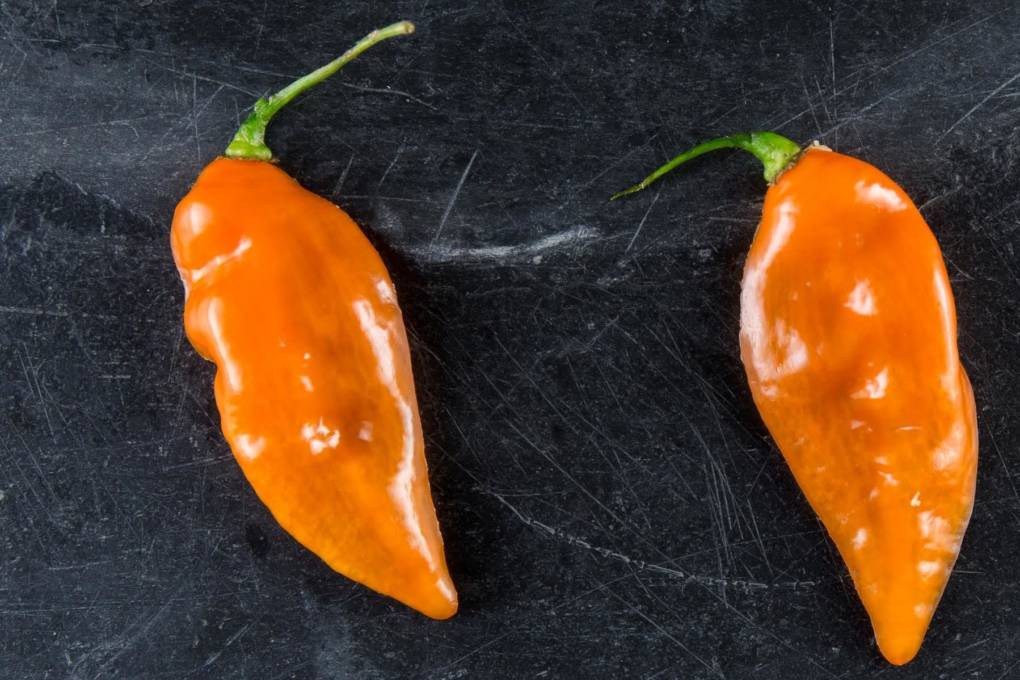
"caption": "New York City's Blue Hill restaurant is the biggest buyer of \"Habanadas,\" a habanero bred to be heatless, so the focus is on its melon-like flavor.",
"description": "New York City's Blue Hill restaurant is the biggest buyer of \"Habanadas,\" a habanero bred to be heatless, so the focus is on its melon-like flavor.",
"title": "New York City's Blue Hill restaurant is the biggest buyer of \"Habanadas,\" a habanero bred to be heatless, so the focus is on its melon-like flavor.",
"credit": "Courtesy of Blue Hill",
"status": "inherit",
"isLoading": false,
"fetchFailed": false
},
"bayareabites_115237": {
"type": "attachments",
"id": "bayareabites_115237",
"meta": {
"index": "attachments_1716263798",
"site": "bayareabites",
"id": "115237",
"found": true
},
"parent": 115236,
"imgSizes": {
"small": {
"file": "https://ww2.kqed.org/app/uploads/sites/24/2017/02/img_3488_1-8397daa5f5a65bb13ae2ba32fb6927b7eacf395e-520x390.jpg",
"width": 520,
"mimeType": "image/jpeg",
"height": 390
},
"twentyfourteen-full-width": {
"file": "https://ww2.kqed.org/app/uploads/sites/24/2017/02/img_3488_1-8397daa5f5a65bb13ae2ba32fb6927b7eacf395e-1038x576.jpg",
"width": 1038,
"mimeType": "image/jpeg",
"height": 576
},
"thumbnail": {
"file": "https://ww2.kqed.org/app/uploads/sites/24/2017/02/img_3488_1-8397daa5f5a65bb13ae2ba32fb6927b7eacf395e-160x120.jpg",
"width": 160,
"mimeType": "image/jpeg",
"height": 120
},
"fd-sm": {
"file": "https://ww2.kqed.org/app/uploads/sites/24/2017/02/img_3488_1-8397daa5f5a65bb13ae2ba32fb6927b7eacf395e-960x720.jpg",
"width": 960,
"mimeType": "image/jpeg",
"height": 720
},
"post-thumbnail": {
"file": "https://ww2.kqed.org/app/uploads/sites/24/2017/02/img_3488_1-8397daa5f5a65bb13ae2ba32fb6927b7eacf395e-672x372.jpg",
"width": 672,
"mimeType": "image/jpeg",
"height": 372
},
"xsmall": {
"file": "https://ww2.kqed.org/app/uploads/sites/24/2017/02/img_3488_1-8397daa5f5a65bb13ae2ba32fb6927b7eacf395e-375x281.jpg",
"width": 375,
"mimeType": "image/jpeg",
"height": 281
},
"kqedFullSize": {
"file": "https://ww2.kqed.org/app/uploads/sites/24/2017/02/img_3488_1-8397daa5f5a65bb13ae2ba32fb6927b7eacf395e.jpg",
"width": 2000,
"height": 1500
},
"large": {
"file": "https://ww2.kqed.org/app/uploads/sites/24/2017/02/img_3488_1-8397daa5f5a65bb13ae2ba32fb6927b7eacf395e-1020x765.jpg",
"width": 1020,
"mimeType": "image/jpeg",
"height": 765
},
"xlarge": {
"file": "https://ww2.kqed.org/app/uploads/sites/24/2017/02/img_3488_1-8397daa5f5a65bb13ae2ba32fb6927b7eacf395e-1180x885.jpg",
"width": 1180,
"mimeType": "image/jpeg",
"height": 885
},
"guest-author-50": {
"file": "https://ww2.kqed.org/app/uploads/sites/24/2017/02/img_3488_1-8397daa5f5a65bb13ae2ba32fb6927b7eacf395e-50x50.jpg",
"width": 50,
"mimeType": "image/jpeg",
"height": 50
},
"guest-author-96": {
"file": "https://ww2.kqed.org/app/uploads/sites/24/2017/02/img_3488_1-8397daa5f5a65bb13ae2ba32fb6927b7eacf395e-96x96.jpg",
"width": 96,
"mimeType": "image/jpeg",
"height": 96
},
"medium": {
"file": "https://ww2.kqed.org/app/uploads/sites/24/2017/02/img_3488_1-8397daa5f5a65bb13ae2ba32fb6927b7eacf395e-800x600.jpg",
"width": 800,
"mimeType": "image/jpeg",
"height": 600
},
"guest-author-64": {
"file": "https://ww2.kqed.org/app/uploads/sites/24/2017/02/img_3488_1-8397daa5f5a65bb13ae2ba32fb6927b7eacf395e-64x64.jpg",
"width": 64,
"mimeType": "image/jpeg",
"height": 64
},
"guest-author-32": {
"file": "https://ww2.kqed.org/app/uploads/sites/24/2017/02/img_3488_1-8397daa5f5a65bb13ae2ba32fb6927b7eacf395e-32x32.jpg",
"width": 32,
"mimeType": "image/jpeg",
"height": 32
},
"fd-lrg": {
"file": "https://ww2.kqed.org/app/uploads/sites/24/2017/02/img_3488_1-8397daa5f5a65bb13ae2ba32fb6927b7eacf395e-1920x1440.jpg",
"width": 1920,
"mimeType": "image/jpeg",
"height": 1440
},
"fd-med": {
"file": "https://ww2.kqed.org/app/uploads/sites/24/2017/02/img_3488_1-8397daa5f5a65bb13ae2ba32fb6927b7eacf395e-1180x885.jpg",
"width": 1180,
"mimeType": "image/jpeg",
"height": 885
},
"full-width": {
"file": "https://ww2.kqed.org/app/uploads/sites/24/2017/02/img_3488_1-8397daa5f5a65bb13ae2ba32fb6927b7eacf395e-1920x1440.jpg",
"width": 1920,
"mimeType": "image/jpeg",
"height": 1440
},
"detail": {
"file": "https://ww2.kqed.org/app/uploads/sites/24/2017/02/img_3488_1-8397daa5f5a65bb13ae2ba32fb6927b7eacf395e-150x150.jpg",
"width": 150,
"mimeType": "image/jpeg",
"height": 150
},
"medium_large": {
"file": "https://ww2.kqed.org/app/uploads/sites/24/2017/02/img_3488_1-8397daa5f5a65bb13ae2ba32fb6927b7eacf395e-768x576.jpg",
"width": 768,
"mimeType": "image/jpeg",
"height": 576
},
"guest-author-128": {
"file": "https://ww2.kqed.org/app/uploads/sites/24/2017/02/img_3488_1-8397daa5f5a65bb13ae2ba32fb6927b7eacf395e-128x128.jpg",
"width": 128,
"mimeType": "image/jpeg",
"height": 128
},
"xxsmall": {
"file": "https://ww2.kqed.org/app/uploads/sites/24/2017/02/img_3488_1-8397daa5f5a65bb13ae2ba32fb6927b7eacf395e-240x180.jpg",
"width": 240,
"mimeType": "image/jpeg",
"height": 180
}
},
"publishDate": 1486886598,
"modified": 1486887038,
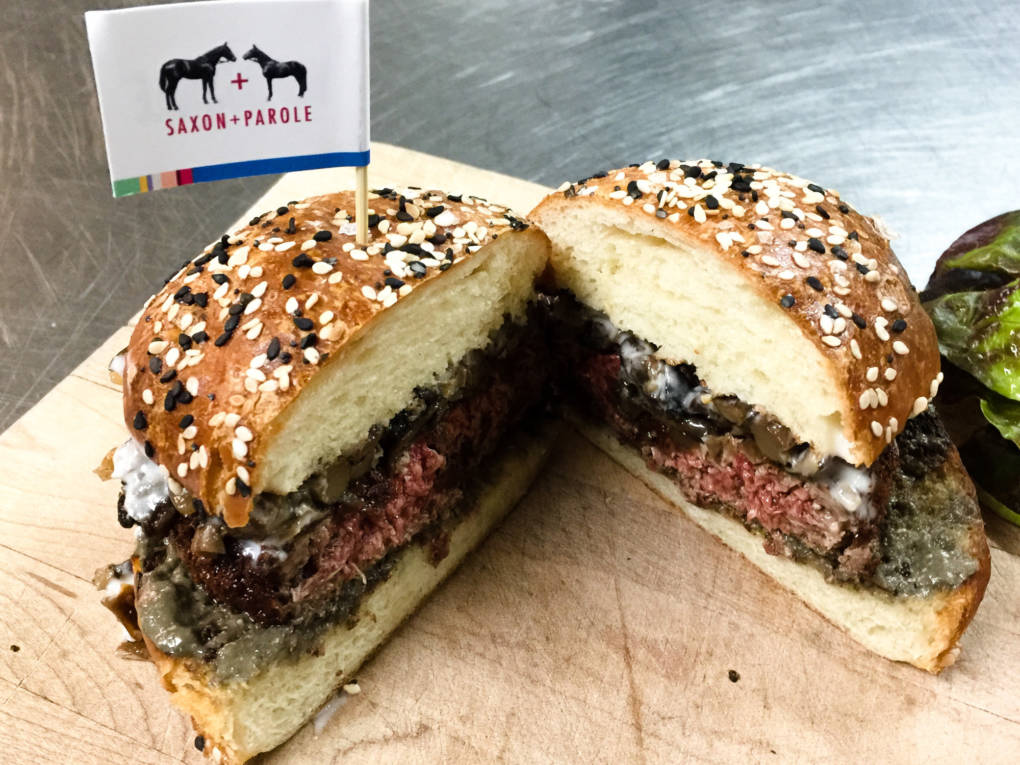
"caption": "At Saxon + Parole, a New York City restaurant, chef Brad Farmerie serves up the Impossible Burger, a plant-based burger that sizzles, smells and even bleeds like the real thing.",
"description": "At Saxon Parole, a New York City restaurant, chef Brad Farmerie serves up the Impossible Burger, a plant-based burger that sizzles, smells and even bleeds like the real thing",
"title": "At Saxon + Parole, a New York City restaurant, chef Brad Farmerie serves up the Impossible Burger, a plant-based burger that sizzles, smells and even bleeds like the real thing.",
"credit": "Allison Aubrey/NPR",
"status": "inherit",
"isLoading": false,
"fetchFailed": false
},
"bayareabites_115077": {
"type": "attachments",
"id": "bayareabites_115077",
"meta": {
"index": "attachments_1716263798",
"site": "bayareabites",
"id": "115077",
"found": true
},
"parent": 115076,
"imgSizes": {
"small": {
"file": "https://ww2.kqed.org/app/uploads/sites/24/2017/02/fleece-jackets_enl-bd0b1a3f6bf6953a759cc76901c3387dea709409-520x348.jpg",
"width": 520,
"mimeType": "image/jpeg",
"height": 348
},
"twentyfourteen-full-width": {
"file": "https://ww2.kqed.org/app/uploads/sites/24/2017/02/fleece-jackets_enl-bd0b1a3f6bf6953a759cc76901c3387dea709409-1038x576.jpg",
"width": 1038,
"mimeType": "image/jpeg",
"height": 576
},
"thumbnail": {
"file": "https://ww2.kqed.org/app/uploads/sites/24/2017/02/fleece-jackets_enl-bd0b1a3f6bf6953a759cc76901c3387dea709409-160x107.jpg",
"width": 160,
"mimeType": "image/jpeg",
"height": 107
},
"fd-sm": {
"file": "https://ww2.kqed.org/app/uploads/sites/24/2017/02/fleece-jackets_enl-bd0b1a3f6bf6953a759cc76901c3387dea709409-960x642.jpg",
"width": 960,
"mimeType": "image/jpeg",
"height": 642
},
"post-thumbnail": {
"file": "https://ww2.kqed.org/app/uploads/sites/24/2017/02/fleece-jackets_enl-bd0b1a3f6bf6953a759cc76901c3387dea709409-672x372.jpg",
"width": 672,
"mimeType": "image/jpeg",
"height": 372
},
"xsmall": {
"file": "https://ww2.kqed.org/app/uploads/sites/24/2017/02/fleece-jackets_enl-bd0b1a3f6bf6953a759cc76901c3387dea709409-375x251.jpg",
"width": 375,
"mimeType": "image/jpeg",
"height": 251
},
"kqedFullSize": {
"file": "https://ww2.kqed.org/app/uploads/sites/24/2017/02/fleece-jackets_enl-bd0b1a3f6bf6953a759cc76901c3387dea709409.jpg",
"width": 1980,
"height": 1325
},
"large": {
"file": "https://ww2.kqed.org/app/uploads/sites/24/2017/02/fleece-jackets_enl-bd0b1a3f6bf6953a759cc76901c3387dea709409-1020x683.jpg",
"width": 1020,
"mimeType": "image/jpeg",
"height": 683
},
"xlarge": {
"file": "https://ww2.kqed.org/app/uploads/sites/24/2017/02/fleece-jackets_enl-bd0b1a3f6bf6953a759cc76901c3387dea709409-1180x790.jpg",
"width": 1180,
"mimeType": "image/jpeg",
"height": 790
},
"guest-author-50": {
"file": "https://ww2.kqed.org/app/uploads/sites/24/2017/02/fleece-jackets_enl-bd0b1a3f6bf6953a759cc76901c3387dea709409-50x50.jpg",
"width": 50,
"mimeType": "image/jpeg",
"height": 50
},
"guest-author-96": {
"file": "https://ww2.kqed.org/app/uploads/sites/24/2017/02/fleece-jackets_enl-bd0b1a3f6bf6953a759cc76901c3387dea709409-96x96.jpg",
"width": 96,
"mimeType": "image/jpeg",
"height": 96
},
"medium": {
"file": "https://ww2.kqed.org/app/uploads/sites/24/2017/02/fleece-jackets_enl-bd0b1a3f6bf6953a759cc76901c3387dea709409-800x535.jpg",
"width": 800,
"mimeType": "image/jpeg",
"height": 535
},
"guest-author-64": {
"file": "https://ww2.kqed.org/app/uploads/sites/24/2017/02/fleece-jackets_enl-bd0b1a3f6bf6953a759cc76901c3387dea709409-64x64.jpg",
"width": 64,
"mimeType": "image/jpeg",
"height": 64
},
"guest-author-32": {
"file": "https://ww2.kqed.org/app/uploads/sites/24/2017/02/fleece-jackets_enl-bd0b1a3f6bf6953a759cc76901c3387dea709409-32x32.jpg",
"width": 32,
"mimeType": "image/jpeg",
"height": 32
},
"fd-lrg": {
"file": "https://ww2.kqed.org/app/uploads/sites/24/2017/02/fleece-jackets_enl-bd0b1a3f6bf6953a759cc76901c3387dea709409-1920x1285.jpg",
"width": 1920,
"mimeType": "image/jpeg",
"height": 1285
},
"fd-med": {
"file": "https://ww2.kqed.org/app/uploads/sites/24/2017/02/fleece-jackets_enl-bd0b1a3f6bf6953a759cc76901c3387dea709409-1180x790.jpg",
"width": 1180,
"mimeType": "image/jpeg",
"height": 790
},
"full-width": {
"file": "https://ww2.kqed.org/app/uploads/sites/24/2017/02/fleece-jackets_enl-bd0b1a3f6bf6953a759cc76901c3387dea709409-1920x1285.jpg",
"width": 1920,
"mimeType": "image/jpeg",
"height": 1285
},
"detail": {
"file": "https://ww2.kqed.org/app/uploads/sites/24/2017/02/fleece-jackets_enl-bd0b1a3f6bf6953a759cc76901c3387dea709409-150x150.jpg",
"width": 150,
"mimeType": "image/jpeg",
"height": 150
},
"medium_large": {
"file": "https://ww2.kqed.org/app/uploads/sites/24/2017/02/fleece-jackets_enl-bd0b1a3f6bf6953a759cc76901c3387dea709409-768x514.jpg",
"width": 768,
"mimeType": "image/jpeg",
"height": 514
},
"guest-author-128": {
"file": "https://ww2.kqed.org/app/uploads/sites/24/2017/02/fleece-jackets_enl-bd0b1a3f6bf6953a759cc76901c3387dea709409-128x128.jpg",
"width": 128,
"mimeType": "image/jpeg",
"height": 128
},
"xxsmall": {
"file": "https://ww2.kqed.org/app/uploads/sites/24/2017/02/fleece-jackets_enl-bd0b1a3f6bf6953a759cc76901c3387dea709409-240x161.jpg",
"width": 240,
"mimeType": "image/jpeg",
"height": 161
}
},
"publishDate": 1486427138,
"modified": 1486427419,
"caption": "Synthetic fibers from fleece jackets could be ending up in rivers, fields and our diet.",
"description": "Synthetic fibers from fleece jackets could be ending up in rivers, fields and our diet.",
"title": "Synthetic fibers from fleece jackets could be ending up in rivers, fields and our diet.",
"credit": "emholk/iStockphoto/Getty Images",
"status": "inherit",
"isLoading": false,
"fetchFailed": false
},
"bayareabites_115048": {
"type": "attachments",
"id": "bayareabites_115048",
"meta": {
"index": "attachments_1716263798",
"site": "bayareabites",
"id": "115048",
"found": true
},
"parent": 115032,
"imgSizes": {
"small": {
"file": "https://ww2.kqed.org/app/uploads/sites/24/2017/02/penisiandco-1200x800-520x347.jpg",
"width": 520,
"mimeType": "image/jpeg",
"height": 347
},
"twentyfourteen-full-width": {
"file": "https://ww2.kqed.org/app/uploads/sites/24/2017/02/penisiandco-1200x800-1038x576.jpg",
"width": 1038,
"mimeType": "image/jpeg",
"height": 576
},
"thumbnail": {
"file": "https://ww2.kqed.org/app/uploads/sites/24/2017/02/penisiandco-1200x800-160x107.jpg",
"width": 160,
"mimeType": "image/jpeg",
"height": 107
},
"fd-sm": {
"file": "https://ww2.kqed.org/app/uploads/sites/24/2017/02/penisiandco-1200x800-960x640.jpg",
"width": 960,
"mimeType": "image/jpeg",
"height": 640
},
"post-thumbnail": {
"file": "https://ww2.kqed.org/app/uploads/sites/24/2017/02/penisiandco-1200x800-672x372.jpg",
"width": 672,
"mimeType": "image/jpeg",
"height": 372
},
"xsmall": {
"file": "https://ww2.kqed.org/app/uploads/sites/24/2017/02/penisiandco-1200x800-375x250.jpg",
"width": 375,
"mimeType": "image/jpeg",
"height": 250
},
"kqedFullSize": {
"file": "https://ww2.kqed.org/app/uploads/sites/24/2017/02/penisiandco-1200x800.jpg",
"width": 1200,
"height": 800
},
"large": {
"file": "https://ww2.kqed.org/app/uploads/sites/24/2017/02/penisiandco-1200x800-1020x680.jpg",
"width": 1020,
"mimeType": "image/jpeg",
"height": 680
},
"xlarge": {
"file": "https://ww2.kqed.org/app/uploads/sites/24/2017/02/penisiandco-1200x800-1180x787.jpg",
"width": 1180,
"mimeType": "image/jpeg",
"height": 787
},
"guest-author-50": {
"file": "https://ww2.kqed.org/app/uploads/sites/24/2017/02/penisiandco-1200x800-50x50.jpg",
"width": 50,
"mimeType": "image/jpeg",
"height": 50
},
"guest-author-96": {
"file": "https://ww2.kqed.org/app/uploads/sites/24/2017/02/penisiandco-1200x800-96x96.jpg",
"width": 96,
"mimeType": "image/jpeg",
"height": 96
},
"medium": {
"file": "https://ww2.kqed.org/app/uploads/sites/24/2017/02/penisiandco-1200x800-800x533.jpg",
"width": 800,
"mimeType": "image/jpeg",
"height": 533
},
"guest-author-64": {
"file": "https://ww2.kqed.org/app/uploads/sites/24/2017/02/penisiandco-1200x800-64x64.jpg",
"width": 64,
"mimeType": "image/jpeg",
"height": 64
},
"guest-author-32": {
"file": "https://ww2.kqed.org/app/uploads/sites/24/2017/02/penisiandco-1200x800-32x32.jpg",
"width": 32,
"mimeType": "image/jpeg",
"height": 32
},
"fd-med": {
"file": "https://ww2.kqed.org/app/uploads/sites/24/2017/02/penisiandco-1200x800-1180x787.jpg",
"width": 1180,
"mimeType": "image/jpeg",
"height": 787
},
"detail": {
"file": "https://ww2.kqed.org/app/uploads/sites/24/2017/02/penisiandco-1200x800-150x150.jpg",
"width": 150,
"mimeType": "image/jpeg",
"height": 150
},
"medium_large": {
"file": "https://ww2.kqed.org/app/uploads/sites/24/2017/02/penisiandco-1200x800-768x512.jpg",
"width": 768,
"mimeType": "image/jpeg",
"height": 512
},
"guest-author-128": {
"file": "https://ww2.kqed.org/app/uploads/sites/24/2017/02/penisiandco-1200x800-128x128.jpg",
"width": 128,
"mimeType": "image/jpeg",
"height": 128
},
"xxsmall": {
"file": "https://ww2.kqed.org/app/uploads/sites/24/2017/02/penisiandco-1200x800-240x160.jpg",
"width": 240,
"mimeType": "image/jpeg",
"height": 160
}
},
"publishDate": 1486169396,
"modified": 1486169530,
"caption": null,
"description": null,
"title": "penisiandco-1200x800",
"credit": "courtesy of Joe Pennisi",
"status": "inherit",
"isLoading": false,
"fetchFailed": false
},
"bayareabites_114980": {
"type": "attachments",
"id": "bayareabites_114980",
"meta": {
"index": "attachments_1716263798",
"site": "bayareabites",
"id": "114980",
"found": true
},
"parent": 114979,
"imgSizes": {
"small": {
"file": "https://ww2.kqed.org/app/uploads/sites/24/2017/02/012617_apple_arctic_wide-210d0c1ba97cf3acc0a9802830aff860b6ccca37-520x292.jpg",
"width": 520,
"mimeType": "image/jpeg",
"height": 292
},
"thumbnail": {
"file": "https://ww2.kqed.org/app/uploads/sites/24/2017/02/012617_apple_arctic_wide-210d0c1ba97cf3acc0a9802830aff860b6ccca37-160x90.jpg",
"width": 160,
"mimeType": "image/jpeg",
"height": 90
},
"fd-sm": {
"file": "https://ww2.kqed.org/app/uploads/sites/24/2017/02/012617_apple_arctic_wide-210d0c1ba97cf3acc0a9802830aff860b6ccca37-960x539.jpg",
"width": 960,
"mimeType": "image/jpeg",
"height": 539
},
"post-thumbnail": {
"file": "https://ww2.kqed.org/app/uploads/sites/24/2017/02/012617_apple_arctic_wide-210d0c1ba97cf3acc0a9802830aff860b6ccca37-672x372.jpg",
"width": 672,
"mimeType": "image/jpeg",
"height": 372
},
"xsmall": {
"file": "https://ww2.kqed.org/app/uploads/sites/24/2017/02/012617_apple_arctic_wide-210d0c1ba97cf3acc0a9802830aff860b6ccca37-375x211.jpg",
"width": 375,
"mimeType": "image/jpeg",
"height": 211
},
"kqedFullSize": {
"file": "https://ww2.kqed.org/app/uploads/sites/24/2017/02/012617_apple_arctic_wide-210d0c1ba97cf3acc0a9802830aff860b6ccca37.jpg",
"width": 1004,
"height": 564
},
"guest-author-50": {
"file": "https://ww2.kqed.org/app/uploads/sites/24/2017/02/012617_apple_arctic_wide-210d0c1ba97cf3acc0a9802830aff860b6ccca37-50x50.jpg",
"width": 50,
"mimeType": "image/jpeg",
"height": 50
},
"guest-author-96": {
"file": "https://ww2.kqed.org/app/uploads/sites/24/2017/02/012617_apple_arctic_wide-210d0c1ba97cf3acc0a9802830aff860b6ccca37-96x96.jpg",
"width": 96,
"mimeType": "image/jpeg",
"height": 96
},
"medium": {
"file": "https://ww2.kqed.org/app/uploads/sites/24/2017/02/012617_apple_arctic_wide-210d0c1ba97cf3acc0a9802830aff860b6ccca37-800x449.jpg",
"width": 800,
"mimeType": "image/jpeg",
"height": 449
},
"guest-author-64": {
"file": "https://ww2.kqed.org/app/uploads/sites/24/2017/02/012617_apple_arctic_wide-210d0c1ba97cf3acc0a9802830aff860b6ccca37-64x64.jpg",
"width": 64,
"mimeType": "image/jpeg",
"height": 64
},
"guest-author-32": {
"file": "https://ww2.kqed.org/app/uploads/sites/24/2017/02/012617_apple_arctic_wide-210d0c1ba97cf3acc0a9802830aff860b6ccca37-32x32.jpg",
"width": 32,
"mimeType": "image/jpeg",
"height": 32
},
"detail": {
"file": "https://ww2.kqed.org/app/uploads/sites/24/2017/02/012617_apple_arctic_wide-210d0c1ba97cf3acc0a9802830aff860b6ccca37-150x150.jpg",
"width": 150,
"mimeType": "image/jpeg",
"height": 150
},
"medium_large": {
"file": "https://ww2.kqed.org/app/uploads/sites/24/2017/02/012617_apple_arctic_wide-210d0c1ba97cf3acc0a9802830aff860b6ccca37-768x431.jpg",
"width": 768,
"mimeType": "image/jpeg",
"height": 431
},
"guest-author-128": {
"file": "https://ww2.kqed.org/app/uploads/sites/24/2017/02/012617_apple_arctic_wide-210d0c1ba97cf3acc0a9802830aff860b6ccca37-128x128.jpg",
"width": 128,
"mimeType": "image/jpeg",
"height": 128
},
"xxsmall": {
"file": "https://ww2.kqed.org/app/uploads/sites/24/2017/02/012617_apple_arctic_wide-210d0c1ba97cf3acc0a9802830aff860b6ccca37-240x135.jpg",
"width": 240,
"mimeType": "image/jpeg",
"height": 135
}
},
"publishDate": 1485986626,
"modified": 1485986835,
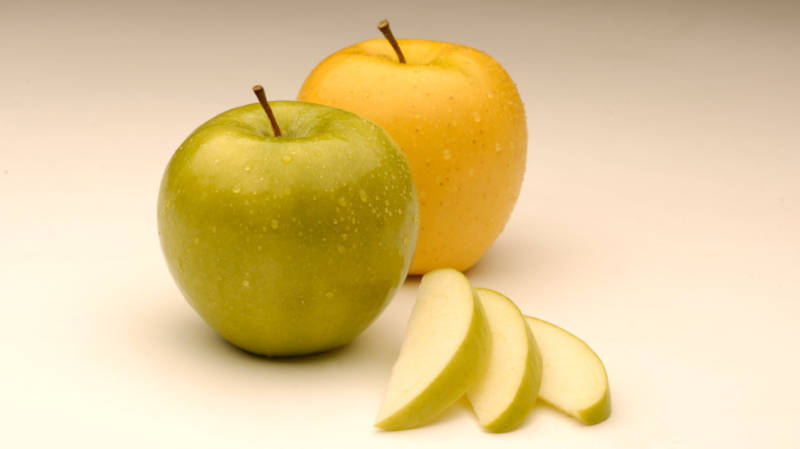
"caption": "Arctic Apples are genetically engineered to produce less of the enzyme that turns sliced apples brown.",
"description": "Arctic Apples are genetically engineered to produce less of the enzyme that turns sliced apples brown.",
"title": "Arctic Apples are genetically engineered to produce less of the enzyme that turns sliced apples brown.",
"credit": "Courtesy Okanagan Specialty Fruits",
"status": "inherit",
"isLoading": false,
"fetchFailed": false
},
"bayareabites_114762": {
"type": "attachments",
"id": "bayareabites_114762",
"meta": {
"index": "attachments_1716263798",
"site": "bayareabites",
"id": "114762",
"found": true
},
"parent": 114761,
"imgSizes": {
"small": {
"file": "https://ww2.kqed.org/app/uploads/sites/24/2017/01/eating-fish_enl-9dde30074bbca2f78a7af4a49c9e0908b058a5f6-520x348.jpg",
"width": 520,
"mimeType": "image/jpeg",
"height": 348
},
"twentyfourteen-full-width": {
"file": "https://ww2.kqed.org/app/uploads/sites/24/2017/01/eating-fish_enl-9dde30074bbca2f78a7af4a49c9e0908b058a5f6-1038x576.jpg",
"width": 1038,
"mimeType": "image/jpeg",
"height": 576
},
"thumbnail": {
"file": "https://ww2.kqed.org/app/uploads/sites/24/2017/01/eating-fish_enl-9dde30074bbca2f78a7af4a49c9e0908b058a5f6-160x107.jpg",
"width": 160,
"mimeType": "image/jpeg",
"height": 107
},
"fd-sm": {
"file": "https://ww2.kqed.org/app/uploads/sites/24/2017/01/eating-fish_enl-9dde30074bbca2f78a7af4a49c9e0908b058a5f6-960x643.jpg",
"width": 960,
"mimeType": "image/jpeg",
"height": 643
},
"post-thumbnail": {
"file": "https://ww2.kqed.org/app/uploads/sites/24/2017/01/eating-fish_enl-9dde30074bbca2f78a7af4a49c9e0908b058a5f6-672x372.jpg",
"width": 672,
"mimeType": "image/jpeg",
"height": 372
},
"xsmall": {
"file": "https://ww2.kqed.org/app/uploads/sites/24/2017/01/eating-fish_enl-9dde30074bbca2f78a7af4a49c9e0908b058a5f6-375x251.jpg",
"width": 375,
"mimeType": "image/jpeg",
"height": 251
},
"kqedFullSize": {
"file": "https://ww2.kqed.org/app/uploads/sites/24/2017/01/eating-fish_enl-9dde30074bbca2f78a7af4a49c9e0908b058a5f6.jpg",
"width": 1990,
"height": 1332
},
"large": {
"file": "https://ww2.kqed.org/app/uploads/sites/24/2017/01/eating-fish_enl-9dde30074bbca2f78a7af4a49c9e0908b058a5f6-1020x683.jpg",
"width": 1020,
"mimeType": "image/jpeg",
"height": 683
},
"xlarge": {
"file": "https://ww2.kqed.org/app/uploads/sites/24/2017/01/eating-fish_enl-9dde30074bbca2f78a7af4a49c9e0908b058a5f6-1180x790.jpg",
"width": 1180,
"mimeType": "image/jpeg",
"height": 790
},
"guest-author-50": {
"file": "https://ww2.kqed.org/app/uploads/sites/24/2017/01/eating-fish_enl-9dde30074bbca2f78a7af4a49c9e0908b058a5f6-50x50.jpg",
"width": 50,
"mimeType": "image/jpeg",
"height": 50
},
"guest-author-96": {
"file": "https://ww2.kqed.org/app/uploads/sites/24/2017/01/eating-fish_enl-9dde30074bbca2f78a7af4a49c9e0908b058a5f6-96x96.jpg",
"width": 96,
"mimeType": "image/jpeg",
"height": 96
},
"medium": {
"file": "https://ww2.kqed.org/app/uploads/sites/24/2017/01/eating-fish_enl-9dde30074bbca2f78a7af4a49c9e0908b058a5f6-800x535.jpg",
"width": 800,
"mimeType": "image/jpeg",
"height": 535
},
"guest-author-64": {
"file": "https://ww2.kqed.org/app/uploads/sites/24/2017/01/eating-fish_enl-9dde30074bbca2f78a7af4a49c9e0908b058a5f6-64x64.jpg",
"width": 64,
"mimeType": "image/jpeg",
"height": 64
},
"guest-author-32": {
"file": "https://ww2.kqed.org/app/uploads/sites/24/2017/01/eating-fish_enl-9dde30074bbca2f78a7af4a49c9e0908b058a5f6-32x32.jpg",
"width": 32,
"mimeType": "image/jpeg",
"height": 32
},
"fd-lrg": {
"file": "https://ww2.kqed.org/app/uploads/sites/24/2017/01/eating-fish_enl-9dde30074bbca2f78a7af4a49c9e0908b058a5f6-1920x1285.jpg",
"width": 1920,
"mimeType": "image/jpeg",
"height": 1285
},
"fd-med": {
"file": "https://ww2.kqed.org/app/uploads/sites/24/2017/01/eating-fish_enl-9dde30074bbca2f78a7af4a49c9e0908b058a5f6-1180x790.jpg",
"width": 1180,
"mimeType": "image/jpeg",
"height": 790
},
"full-width": {
"file": "https://ww2.kqed.org/app/uploads/sites/24/2017/01/eating-fish_enl-9dde30074bbca2f78a7af4a49c9e0908b058a5f6-1920x1285.jpg",
"width": 1920,
"mimeType": "image/jpeg",
"height": 1285
},
"detail": {
"file": "https://ww2.kqed.org/app/uploads/sites/24/2017/01/eating-fish_enl-9dde30074bbca2f78a7af4a49c9e0908b058a5f6-150x150.jpg",
"width": 150,
"mimeType": "image/jpeg",
"height": 150
},
"medium_large": {
"file": "https://ww2.kqed.org/app/uploads/sites/24/2017/01/eating-fish_enl-9dde30074bbca2f78a7af4a49c9e0908b058a5f6-768x514.jpg",
"width": 768,
"mimeType": "image/jpeg",
"height": 514
},
"guest-author-128": {
"file": "https://ww2.kqed.org/app/uploads/sites/24/2017/01/eating-fish_enl-9dde30074bbca2f78a7af4a49c9e0908b058a5f6-128x128.jpg",
"width": 128,
"mimeType": "image/jpeg",
"height": 128
},
"xxsmall": {
"file": "https://ww2.kqed.org/app/uploads/sites/24/2017/01/eating-fish_enl-9dde30074bbca2f78a7af4a49c9e0908b058a5f6-240x161.jpg",
"width": 240,
"mimeType": "image/jpeg",
"height": 161
}
},
"publishDate": 1484937389,
"modified": 1484937609,
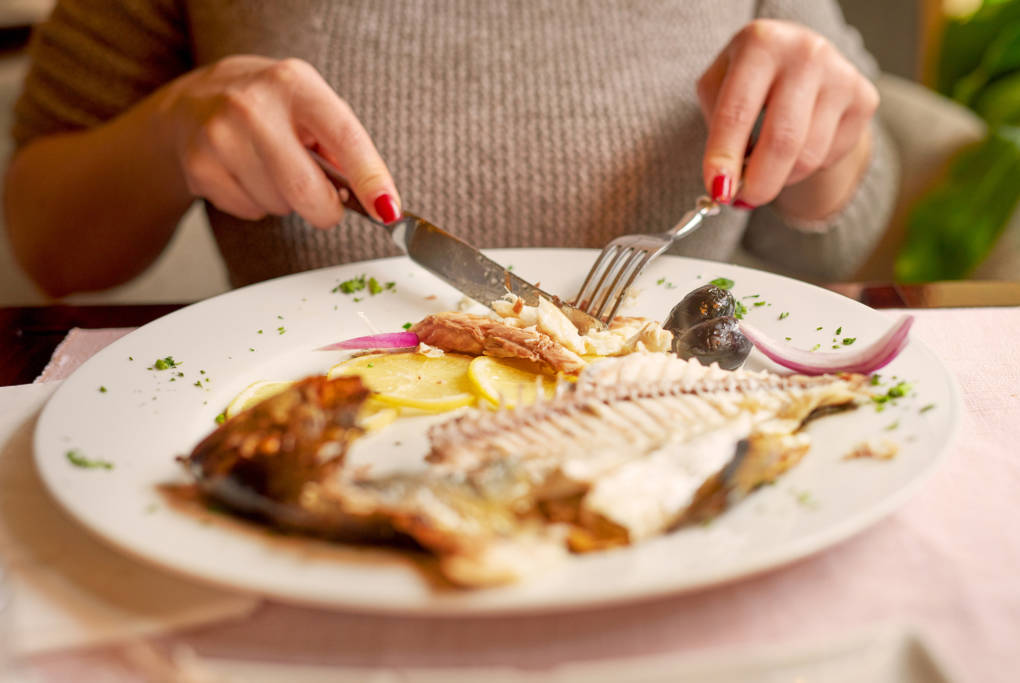
"caption": "Concerns about mercury contamination have led many pregnant women to under-consume seafood. So the FDA issued a new chart explaining what to eat and what to avoid. But critics say it muddles matters.",
"description": "Concerns about mercury contamination have led many pregnant women to under-consume seafood. So the FDA issued a new chart explaining what to eat and what to avoid. But critics say it muddles matter",
"title": "Concerns about mercury contamination have led many pregnant women to under-consume seafood. So the FDA issued a new chart explaining what to eat and what to avoid. But critics say it muddles matters.",
"credit": "stock_colors/Getty Images",
"status": "inherit",
"isLoading": false,
"fetchFailed": false
},
"bayareabites_114755": {
"type": "attachments",
"id": "bayareabites_114755",
"meta": {
"index": "attachments_1716263798",
"site": "bayareabites",
"id": "114755",
"found": true
},
"parent": 114754,
"imgSizes": {
"small": {
"file": "https://ww2.kqed.org/app/uploads/sites/24/2017/01/ap_17019070067659-d0d10f1333c8bad3f7c532c65e03e42487303ce2-520x390.jpg",
"width": 520,
"mimeType": "image/jpeg",
"height": 390
},
"twentyfourteen-full-width": {
"file": "https://ww2.kqed.org/app/uploads/sites/24/2017/01/ap_17019070067659-d0d10f1333c8bad3f7c532c65e03e42487303ce2-1038x576.jpg",
"width": 1038,
"mimeType": "image/jpeg",
"height": 576
},
"thumbnail": {
"file": "https://ww2.kqed.org/app/uploads/sites/24/2017/01/ap_17019070067659-d0d10f1333c8bad3f7c532c65e03e42487303ce2-160x120.jpg",
"width": 160,
"mimeType": "image/jpeg",
"height": 120
},
"fd-sm": {
"file": "https://ww2.kqed.org/app/uploads/sites/24/2017/01/ap_17019070067659-d0d10f1333c8bad3f7c532c65e03e42487303ce2-960x720.jpg",
"width": 960,
"mimeType": "image/jpeg",
"height": 720
},
"post-thumbnail": {
"file": "https://ww2.kqed.org/app/uploads/sites/24/2017/01/ap_17019070067659-d0d10f1333c8bad3f7c532c65e03e42487303ce2-672x372.jpg",
"width": 672,
"mimeType": "image/jpeg",
"height": 372
},
"xsmall": {
"file": "https://ww2.kqed.org/app/uploads/sites/24/2017/01/ap_17019070067659-d0d10f1333c8bad3f7c532c65e03e42487303ce2-375x281.jpg",
"width": 375,
"mimeType": "image/jpeg",
"height": 281
},
"kqedFullSize": {
"file": "https://ww2.kqed.org/app/uploads/sites/24/2017/01/ap_17019070067659-d0d10f1333c8bad3f7c532c65e03e42487303ce2.jpg",
"width": 3699,
"height": 2774
},
"large": {
"file": "https://ww2.kqed.org/app/uploads/sites/24/2017/01/ap_17019070067659-d0d10f1333c8bad3f7c532c65e03e42487303ce2-1020x765.jpg",
"width": 1020,
"mimeType": "image/jpeg",
"height": 765
},
"xlarge": {
"file": "https://ww2.kqed.org/app/uploads/sites/24/2017/01/ap_17019070067659-d0d10f1333c8bad3f7c532c65e03e42487303ce2-1180x885.jpg",
"width": 1180,
"mimeType": "image/jpeg",
"height": 885
},
"guest-author-50": {
"file": "https://ww2.kqed.org/app/uploads/sites/24/2017/01/ap_17019070067659-d0d10f1333c8bad3f7c532c65e03e42487303ce2-50x50.jpg",
"width": 50,
"mimeType": "image/jpeg",
"height": 50
},
"guest-author-96": {
"file": "https://ww2.kqed.org/app/uploads/sites/24/2017/01/ap_17019070067659-d0d10f1333c8bad3f7c532c65e03e42487303ce2-96x96.jpg",
"width": 96,
"mimeType": "image/jpeg",
"height": 96
},
"medium": {
"file": "https://ww2.kqed.org/app/uploads/sites/24/2017/01/ap_17019070067659-d0d10f1333c8bad3f7c532c65e03e42487303ce2-800x600.jpg",
"width": 800,
"mimeType": "image/jpeg",
"height": 600
},
"guest-author-64": {
"file": "https://ww2.kqed.org/app/uploads/sites/24/2017/01/ap_17019070067659-d0d10f1333c8bad3f7c532c65e03e42487303ce2-64x64.jpg",
"width": 64,
"mimeType": "image/jpeg",
"height": 64
},
"guest-author-32": {
"file": "https://ww2.kqed.org/app/uploads/sites/24/2017/01/ap_17019070067659-d0d10f1333c8bad3f7c532c65e03e42487303ce2-32x32.jpg",
"width": 32,
"mimeType": "image/jpeg",
"height": 32
},
"fd-lrg": {
"file": "https://ww2.kqed.org/app/uploads/sites/24/2017/01/ap_17019070067659-d0d10f1333c8bad3f7c532c65e03e42487303ce2-1920x1440.jpg",
"width": 1920,
"mimeType": "image/jpeg",
"height": 1440
},
"fd-med": {
"file": "https://ww2.kqed.org/app/uploads/sites/24/2017/01/ap_17019070067659-d0d10f1333c8bad3f7c532c65e03e42487303ce2-1180x885.jpg",
"width": 1180,
"mimeType": "image/jpeg",
"height": 885
},
"full-width": {
"file": "https://ww2.kqed.org/app/uploads/sites/24/2017/01/ap_17019070067659-d0d10f1333c8bad3f7c532c65e03e42487303ce2-1920x1440.jpg",
"width": 1920,
"mimeType": "image/jpeg",
"height": 1440
},
"detail": {
"file": "https://ww2.kqed.org/app/uploads/sites/24/2017/01/ap_17019070067659-d0d10f1333c8bad3f7c532c65e03e42487303ce2-150x150.jpg",
"width": 150,
"mimeType": "image/jpeg",
"height": 150
},
"medium_large": {
"file": "https://ww2.kqed.org/app/uploads/sites/24/2017/01/ap_17019070067659-d0d10f1333c8bad3f7c532c65e03e42487303ce2-768x576.jpg",
"width": 768,
"mimeType": "image/jpeg",
"height": 576
},
"guest-author-128": {
"file": "https://ww2.kqed.org/app/uploads/sites/24/2017/01/ap_17019070067659-d0d10f1333c8bad3f7c532c65e03e42487303ce2-128x128.jpg",
"width": 128,
"mimeType": "image/jpeg",
"height": 128
},
"xxsmall": {
"file": "https://ww2.kqed.org/app/uploads/sites/24/2017/01/ap_17019070067659-d0d10f1333c8bad3f7c532c65e03e42487303ce2-240x180.jpg",
"width": 240,
"mimeType": "image/jpeg",
"height": 180
}
},
"publishDate": 1484936424,
"modified": 1484936744,
"caption": "Sonny Perdue, who's been named to head the U.S. Department of Agriculture, has held many political offices in his home state of Georgia. Farmers liked him. Environmentalists, not so much.",
"description": "Sonny Perdue, who's been named to head the U.S. Department of Agriculture, has held many political offices in his home state of Georgia. Farmers liked him. Environmentalists, not so much.",
"title": "Sonny Perdue, who's been named to head the U.S. Department of Agriculture, has held many political offices in his home state of Georgia. Farmers liked him. Environmentalists, not so much.",
"credit": "Evan Vucci/AP",
"status": "inherit",
"isLoading": false,
"fetchFailed": false
},
"bayareabites_114703": {
"type": "attachments",
"id": "bayareabites_114703",
"meta": {
"index": "attachments_1716263798",
"site": "bayareabites",
"id": "114703",
"found": true
},
"parent": 114702,
"imgSizes": {
"small": {
"file": "https://ww2.kqed.org/app/uploads/sites/24/2017/01/ap_16197600754915_wide-b2bfa95a23bee1e423b7a1b18cd340bd1ddaa93d-520x293.jpg",
"width": 520,
"mimeType": "image/jpeg",
"height": 293
},
"twentyfourteen-full-width": {
"file": "https://ww2.kqed.org/app/uploads/sites/24/2017/01/ap_16197600754915_wide-b2bfa95a23bee1e423b7a1b18cd340bd1ddaa93d-1038x576.jpg",
"width": 1038,
"mimeType": "image/jpeg",
"height": 576
},
"thumbnail": {
"file": "https://ww2.kqed.org/app/uploads/sites/24/2017/01/ap_16197600754915_wide-b2bfa95a23bee1e423b7a1b18cd340bd1ddaa93d-160x90.jpg",
"width": 160,
"mimeType": "image/jpeg",
"height": 90
},
"fd-sm": {
"file": "https://ww2.kqed.org/app/uploads/sites/24/2017/01/ap_16197600754915_wide-b2bfa95a23bee1e423b7a1b18cd340bd1ddaa93d-960x540.jpg",
"width": 960,
"mimeType": "image/jpeg",
"height": 540
},
"post-thumbnail": {
"file": "https://ww2.kqed.org/app/uploads/sites/24/2017/01/ap_16197600754915_wide-b2bfa95a23bee1e423b7a1b18cd340bd1ddaa93d-672x372.jpg",
"width": 672,
"mimeType": "image/jpeg",
"height": 372
},
"xsmall": {
"file": "https://ww2.kqed.org/app/uploads/sites/24/2017/01/ap_16197600754915_wide-b2bfa95a23bee1e423b7a1b18cd340bd1ddaa93d-375x211.jpg",
"width": 375,
"mimeType": "image/jpeg",
"height": 211
},
"kqedFullSize": {
"file": "https://ww2.kqed.org/app/uploads/sites/24/2017/01/ap_16197600754915_wide-b2bfa95a23bee1e423b7a1b18cd340bd1ddaa93d.jpg",
"width": 4339,
"height": 2441
},
"large": {
"file": "https://ww2.kqed.org/app/uploads/sites/24/2017/01/ap_16197600754915_wide-b2bfa95a23bee1e423b7a1b18cd340bd1ddaa93d-1020x574.jpg",
"width": 1020,
"mimeType": "image/jpeg",
"height": 574
},
"xlarge": {
"file": "https://ww2.kqed.org/app/uploads/sites/24/2017/01/ap_16197600754915_wide-b2bfa95a23bee1e423b7a1b18cd340bd1ddaa93d-1180x664.jpg",
"width": 1180,
"mimeType": "image/jpeg",
"height": 664
},
"guest-author-50": {
"file": "https://ww2.kqed.org/app/uploads/sites/24/2017/01/ap_16197600754915_wide-b2bfa95a23bee1e423b7a1b18cd340bd1ddaa93d-50x50.jpg",
"width": 50,
"mimeType": "image/jpeg",
"height": 50
},
"guest-author-96": {
"file": "https://ww2.kqed.org/app/uploads/sites/24/2017/01/ap_16197600754915_wide-b2bfa95a23bee1e423b7a1b18cd340bd1ddaa93d-96x96.jpg",
"width": 96,
"mimeType": "image/jpeg",
"height": 96
},
"medium": {
"file": "https://ww2.kqed.org/app/uploads/sites/24/2017/01/ap_16197600754915_wide-b2bfa95a23bee1e423b7a1b18cd340bd1ddaa93d-800x450.jpg",
"width": 800,
"mimeType": "image/jpeg",
"height": 450
},
"guest-author-64": {
"file": "https://ww2.kqed.org/app/uploads/sites/24/2017/01/ap_16197600754915_wide-b2bfa95a23bee1e423b7a1b18cd340bd1ddaa93d-64x64.jpg",
"width": 64,
"mimeType": "image/jpeg",
"height": 64
},
"guest-author-32": {
"file": "https://ww2.kqed.org/app/uploads/sites/24/2017/01/ap_16197600754915_wide-b2bfa95a23bee1e423b7a1b18cd340bd1ddaa93d-32x32.jpg",
"width": 32,
"mimeType": "image/jpeg",
"height": 32
},
"fd-lrg": {
"file": "https://ww2.kqed.org/app/uploads/sites/24/2017/01/ap_16197600754915_wide-b2bfa95a23bee1e423b7a1b18cd340bd1ddaa93d-1920x1080.jpg",
"width": 1920,
"mimeType": "image/jpeg",
"height": 1080
},
"fd-med": {
"file": "https://ww2.kqed.org/app/uploads/sites/24/2017/01/ap_16197600754915_wide-b2bfa95a23bee1e423b7a1b18cd340bd1ddaa93d-1180x664.jpg",
"width": 1180,
"mimeType": "image/jpeg",
"height": 664
},
"full-width": {
"file": "https://ww2.kqed.org/app/uploads/sites/24/2017/01/ap_16197600754915_wide-b2bfa95a23bee1e423b7a1b18cd340bd1ddaa93d-1920x1080.jpg",
"width": 1920,
"mimeType": "image/jpeg",
"height": 1080
},
"detail": {
"file": "https://ww2.kqed.org/app/uploads/sites/24/2017/01/ap_16197600754915_wide-b2bfa95a23bee1e423b7a1b18cd340bd1ddaa93d-150x150.jpg",
"width": 150,
"mimeType": "image/jpeg",
"height": 150
},
"medium_large": {
"file": "https://ww2.kqed.org/app/uploads/sites/24/2017/01/ap_16197600754915_wide-b2bfa95a23bee1e423b7a1b18cd340bd1ddaa93d-768x432.jpg",
"width": 768,
"mimeType": "image/jpeg",
"height": 432
},
"guest-author-128": {
"file": "https://ww2.kqed.org/app/uploads/sites/24/2017/01/ap_16197600754915_wide-b2bfa95a23bee1e423b7a1b18cd340bd1ddaa93d-128x128.jpg",
"width": 128,
"mimeType": "image/jpeg",
"height": 128
},
"xxsmall": {
"file": "https://ww2.kqed.org/app/uploads/sites/24/2017/01/ap_16197600754915_wide-b2bfa95a23bee1e423b7a1b18cd340bd1ddaa93d-240x135.jpg",
"width": 240,
"mimeType": "image/jpeg",
"height": 135
}
},
"publishDate": 1484859185,
"modified": 1484859364,
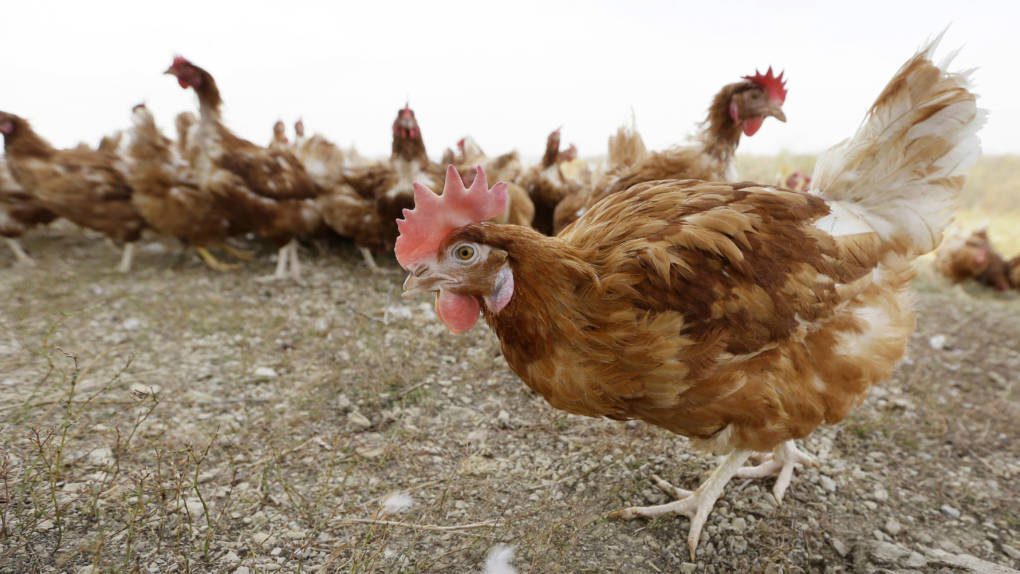
"caption": "Cage-free chickens walk in a fenced pasture at an organic farm near Waukon, Iowa.",
"description": "Cage-free chickens walk in a fenced pasture at an organic farm near Waukon, Iowa.",
"title": "Cage-free chickens walk in a fenced pasture at an organic farm near Waukon, Iowa.",
"credit": "Charlie Neibergall/AP",
"status": "inherit",
"isLoading": false,
"fetchFailed": false
},
"bayareabites_114669": {
"type": "attachments",
"id": "bayareabites_114669",
"meta": {
"index": "attachments_1716263798",
"site": "bayareabites",
"id": "114669",
"found": true
},
"parent": 114668,
"imgSizes": {
"small": {
"file": "https://ww2.kqed.org/app/uploads/sites/24/2017/01/instapot_wide-5fcc0adc8e97980aa21bcd84b9acf95c48c84129-520x292.jpg",
"width": 520,
"mimeType": "image/jpeg",
"height": 292
},
"thumbnail": {
"file": "https://ww2.kqed.org/app/uploads/sites/24/2017/01/instapot_wide-5fcc0adc8e97980aa21bcd84b9acf95c48c84129-160x90.jpg",
"width": 160,
"mimeType": "image/jpeg",
"height": 90
},
"post-thumbnail": {
"file": "https://ww2.kqed.org/app/uploads/sites/24/2017/01/instapot_wide-5fcc0adc8e97980aa21bcd84b9acf95c48c84129-672x372.jpg",
"width": 672,
"mimeType": "image/jpeg",
"height": 372
},
"xsmall": {
"file": "https://ww2.kqed.org/app/uploads/sites/24/2017/01/instapot_wide-5fcc0adc8e97980aa21bcd84b9acf95c48c84129-375x211.jpg",
"width": 375,
"mimeType": "image/jpeg",
"height": 211
},
"kqedFullSize": {
"file": "https://ww2.kqed.org/app/uploads/sites/24/2017/01/instapot_wide-5fcc0adc8e97980aa21bcd84b9acf95c48c84129.jpg",
"width": 902,
"height": 507
},
"guest-author-50": {
"file": "https://ww2.kqed.org/app/uploads/sites/24/2017/01/instapot_wide-5fcc0adc8e97980aa21bcd84b9acf95c48c84129-50x50.jpg",
"width": 50,
"mimeType": "image/jpeg",
"height": 50
},
"guest-author-96": {
"file": "https://ww2.kqed.org/app/uploads/sites/24/2017/01/instapot_wide-5fcc0adc8e97980aa21bcd84b9acf95c48c84129-96x96.jpg",
"width": 96,
"mimeType": "image/jpeg",
"height": 96
},
"medium": {
"file": "https://ww2.kqed.org/app/uploads/sites/24/2017/01/instapot_wide-5fcc0adc8e97980aa21bcd84b9acf95c48c84129-800x450.jpg",
"width": 800,
"mimeType": "image/jpeg",
"height": 450
},
"guest-author-64": {
"file": "https://ww2.kqed.org/app/uploads/sites/24/2017/01/instapot_wide-5fcc0adc8e97980aa21bcd84b9acf95c48c84129-64x64.jpg",
"width": 64,
"mimeType": "image/jpeg",
"height": 64
},
"guest-author-32": {
"file": "https://ww2.kqed.org/app/uploads/sites/24/2017/01/instapot_wide-5fcc0adc8e97980aa21bcd84b9acf95c48c84129-32x32.jpg",
"width": 32,
"mimeType": "image/jpeg",
"height": 32
},
"detail": {
"file": "https://ww2.kqed.org/app/uploads/sites/24/2017/01/instapot_wide-5fcc0adc8e97980aa21bcd84b9acf95c48c84129-150x150.jpg",
"width": 150,
"mimeType": "image/jpeg",
"height": 150
},
"medium_large": {
"file": "https://ww2.kqed.org/app/uploads/sites/24/2017/01/instapot_wide-5fcc0adc8e97980aa21bcd84b9acf95c48c84129-768x432.jpg",
"width": 768,
"mimeType": "image/jpeg",
"height": 432
},
"guest-author-128": {
"file": "https://ww2.kqed.org/app/uploads/sites/24/2017/01/instapot_wide-5fcc0adc8e97980aa21bcd84b9acf95c48c84129-128x128.jpg",
"width": 128,
"mimeType": "image/jpeg",
"height": 128
},
"xxsmall": {
"file": "https://ww2.kqed.org/app/uploads/sites/24/2017/01/instapot_wide-5fcc0adc8e97980aa21bcd84b9acf95c48c84129-240x135.jpg",
"width": 240,
"mimeType": "image/jpeg",
"height": 135
}
},
"publishDate": 1484769688,
"modified": 1484769810,
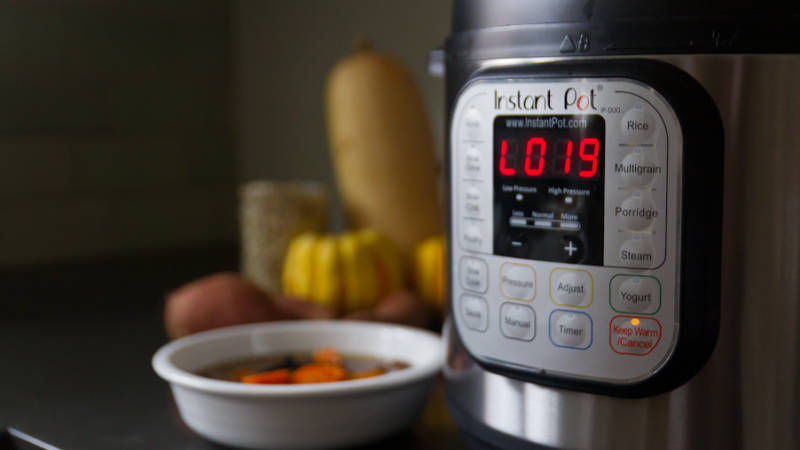
"caption": "The hardworking Instant Pot, touted by its fans on social media, is Amazon's top-selling item in the U.S. How it got to No. 1 is a lesson in viral marketing savvy.",
"description": "The hardworking Instant Pot, touted by its fans on social media, is Amazon's top-selling item in the U.S. How it got to No. 1 is a lesson in viral marketing savvy.",
"title": "The hardworking Instant Pot, touted by its fans on social media, is Amazon's top-selling item in the U.S. How it got to No. 1 is a lesson in viral marketing savvy.",
"credit": "Grace Hwang Lynch",
"status": "inherit",
"isLoading": false,
"fetchFailed": false
}
},
"audioPlayerReducer": {
"postId": "stream_live",
"isPaused": true,
"isPlaying": false,
"pfsActive": false,
"pledgeModalIsOpen": true,
"playerDrawerIsOpen": false,
"liveAudioPlayStartedAt": 0,
"liveAudioPlayContext": ""
},
"authorsReducer": {
"byline_bayareabites_115548": {
"type": "authors",
"id": "byline_bayareabites_115548",
"meta": {
"override": true
},
"slug": "byline_bayareabites_115548",
"name": "Barbara J. King, NPR ",
"isLoading": false
},
"byline_bayareabites_115502": {
"type": "authors",
"id": "byline_bayareabites_115502",
"meta": {
"override": true
},
"slug": "byline_bayareabites_115502",
"name": "Angus Chen, \u003ca href=\"https://ww2.kqed.org/bayareabites/author/nprfood/\">NPR Food\u003c/a>",
"isLoading": false
},
"byline_bayareabites_115279": {
"type": "authors",
"id": "byline_bayareabites_115279",
"meta": {
"override": true
},
"slug": "byline_bayareabites_115279",
"name": "Tove Danovich, \u003ca href=\"https://ww2.kqed.org/bayareabites/author/nprfood/\">NPR Food\u003c/a>",
"isLoading": false
},
"byline_bayareabites_115236": {
"type": "authors",
"id": "byline_bayareabites_115236",
"meta": {
"override": true
},
"slug": "byline_bayareabites_115236",
"name": "Allison Aubrey, NPR Food",
"isLoading": false
},
"byline_bayareabites_115076": {
"type": "authors",
"id": "byline_bayareabites_115076",
"meta": {
"override": true
},
"slug": "byline_bayareabites_115076",
"name": "Jessica Boddy, \u003ca href=\"https://ww2.kqed.org/bayareabites/author/nprfood/\">NPR Food\u003c/a>",
"isLoading": false
},
"byline_bayareabites_115032": {
"type": "authors",
"id": "byline_bayareabites_115032",
"meta": {
"override": true
},
"slug": "byline_bayareabites_115032",
"name": "\u003ca href=\"http://civileats.com/author/aguth/\">Anna Guth\u003c/a>, \u003ca href=\"https://ww2.kqed.org/bayareabites/author/civileat/\">Civil Eats\u003c/a>",
"isLoading": false
},
"byline_bayareabites_114979": {
"type": "authors",
"id": "byline_bayareabites_114979",
"meta": {
"override": true
},
"slug": "byline_bayareabites_114979",
"name": "Grant Gerlock, \u003ca href=\"http://www.harvestpublicmedia.org/\">Harvest Public Media\u003c/a> at NPR Food",
"isLoading": false
},
"byline_bayareabites_114761": {
"type": "authors",
"id": "byline_bayareabites_114761",
"meta": {
"override": true
},
"slug": "byline_bayareabites_114761",
"name": "Clare Leschin-Hoar, \u003ca href=\"https://ww2.kqed.org/bayareabites/author/nprfood/\">NPR Food\u003c/a>",
"isLoading": false
},
"byline_bayareabites_114754": {
"type": "authors",
"id": "byline_bayareabites_114754",
"meta": {
"override": true
},
"slug": "byline_bayareabites_114754",
"name": "Johnny Kauffman, \u003ca href=\"http://www.wabe.org/\">WABE-FM\u003c/a> at NPR Food",
"isLoading": false
},
"byline_bayareabites_114702": {
"type": "authors",
"id": "byline_bayareabites_114702",
"meta": {
"override": true
},
"slug": "byline_bayareabites_114702",
"name": "Dan Charles, NPR Food",
"isLoading": false
},
"byline_bayareabites_114668": {
"type": "authors",
"id": "byline_bayareabites_114668",
"meta": {
"override": true
},
"slug": "byline_bayareabites_114668",
"name": "Grace Hwang Lynch, \u003ca href=\"https://ww2.kqed.org/bayareabites/author/nprfood/\">NPR Food\u003c/a>",
"isLoading": false
},
"shelbypope": {
"type": "authors",
"id": "5566",
"meta": {
"index": "authors_1716337520",
"id": "5566",
"found": true
},
"name": "Shelby Pope",
"firstName": "Shelby",
"lastName": "Pope",
"slug": "shelbypope",
"email": "shelbylpope@gmail.com",
"display_author_email": false,
"staff_mastheads": [],
"title": "KQED Contributor",
"bio": "Shelby Pope is a freelance writer living and eating her way through the East Bay. She’s written about food, art and science for publications including the Smithsonian, Lucky Peach, and the Washington Post's pet blog. When she’s not taste testing sourdough bread to find the Bay Area’s best loaf, you can find her on Twitter \u003ca href=\"https://twitter.com/shelbylpope\">@shelbylpope\u003c/a> or at \u003ca href=\"https://shelbypope.com/\">shelbypope.com\u003c/a>",
"avatar": "https://secure.gravatar.com/avatar/df74e904399e45720e48e36c6e1ae7a90c32216eb2c9c82f3b2e1a9641b507d3?s=600&d=blank&r=g",
"twitter": "shelbylpope",
"bluesky": null,
"facebook": null,
"instagram": null,
"linkedin": null,
"sites": [
{
"site": "arts",
"roles": [
"subscriber"
]
},
{
"site": "food",
"roles": [
"subscriber"
]
}
],
"headData": {
"title": "Shelby Pope | KQED",
"description": "KQED Contributor",
"ogImgSrc": "https://secure.gravatar.com/avatar/df74e904399e45720e48e36c6e1ae7a90c32216eb2c9c82f3b2e1a9641b507d3?s=600&d=blank&r=g",
"twImgSrc": "https://secure.gravatar.com/avatar/df74e904399e45720e48e36c6e1ae7a90c32216eb2c9c82f3b2e1a9641b507d3?s=600&d=blank&r=g"
},
"isLoading": false,
"link": "/author/shelbypope"
}
},
"pagesReducer": {
"bayareabites_category_science": {
"type": "terms",
"id": "bayareabites_358",
"meta": {
"index": "terms_1716263798",
"site": "bayareabites",
"id": "358",
"score": 10.85186
},
"featImg": null,
"name": "science",
"description": null,
"taxonomy": "category",
"headData": {
"twImgId": null,
"twTitle": null,
"ogTitle": null,
"ogImgId": null,
"twDescription": null,
"description": null,
"title": "science Archives | KQED Bay Area Bites",
"ogDescription": null
},
"ttid": 7943,
"slug": "science",
"isLoading": false,
"title": "science",
"pageMeta": {
"site": "bayareabites",
"WpPageTemplate": "page-topic-editorial",
"currentPage": 21
},
"blocks": [
{
"blockName": "kqed/post-list",
"attrs": {
"layout": "cardArticle2",
"query": "posts/bayareabites?category=science",
"seeMore": false,
"paginated": true,
"page": 21
}
},
{
"blockName": "kqed/ad"
}
]
}
},
"pfsSessionReducer": {},
"postsReducer": {
"stream_live": {
"type": "live",
"id": "stream_live",
"audioUrl": "https://streams.kqed.org/kqedradio",
"title": "Live Stream",
"excerpt": "Live Stream information currently unavailable.",
"link": "/radio",
"featImg": "",
"label": {
"name": "KQED Live",
"link": "/"
}
},
"stream_kqedNewscast": {
"type": "posts",
"id": "stream_kqedNewscast",
"audioUrl": "https://www.kqed.org/.stream/anon/radio/RDnews/newscast.mp3?_=1",
"title": "KQED Newscast",
"featImg": "",
"label": {
"name": "88.5 FM",
"link": "/"
}
},
"bayareabites_115548": {
"type": "posts",
"id": "bayareabites_115548",
"meta": {
"index": "posts_1716263798",
"site": "bayareabites",
"id": "115548",
"score": null,
"sort": [
1487869716000
]
},
"parent": 0,
"labelTerm": {
"site": "bayareabites"
},
"blocks": [],
"publishDate": 1487869716,
"format": "standard",
"disqusTitle": "Doctor's Book Presents The Case Against 'Dairy Crack'",
"title": "Doctor's Book Presents The Case Against 'Dairy Crack'",
"headTitle": "Bay Area Bites | KQED Food",
"content": "\u003cp>The average American eats more than 33 pounds of cheese a year.\u003c/p>\n\u003cp>This is according to \u003ca href=\"http://www.pcrm.org/media/experts/neal-barnard\">Neal Barnard\u003c/a>, physician and president of the Physicians Committee for Responsible Medicine. And that's a problem, he says, because it's helping to make us overweight and sick.\u003c/p>\n\u003cp>\u003ca href=\"https://www.hachettebookgroup.com/titles/neal-d-barnard-md-facc/the-cheese-trap/9781455594689/\">Barnard's new book\u003c/a>,\u003cem> The Cheese Trap: How Breaking a Surprising Addiction Will Help You Lose Weight, Gain Energy, and Get Healthy\u003c/em>\u003cem>, \u003c/em>is set to hit shelves Tuesday.\u003cem> \u003c/em>In it, Barnard writes about cheese in strong terms:\u003c/p>\n\u003cblockquote>\n\u003cp>\"Loaded with calories, high in sodium, packing more cholesterol than steak, and sprinkled with hormones — if cheese were any worse, it would be Vaseline ...\u003c/p>\n\u003cp>Some foods are fattening. Others are addictive. Cheese is both — fattening \u003cem>and \u003c/em>addictive.\"\u003c/p>\n\u003c/blockquote>\n\u003cp>I'd never before thought in terms of dairy products being addictive (with the personal exception of milk chocolate, I admit). Barnard explains that dairy protein — specifically a protein called casein — has opiate molecules built in. When babies nurse, he notes, they're getting dosed with a mild drug: \"Milk contains opiates that reward the baby for nursing.\"\u003c/p>\n\u003cp>It's no different with the cow's milk — or other mammalian milk — from which cheese is made. In fact, Barnard says, the process of cheese-making \u003cem>concentrates \u003c/em>the casein:\u003c/p>\n\u003cblockquote>\n\u003cp>\"A cup of milk contains about 7.7 grams of protein, 80 percent of which is casein, more or less. Turning it into Cheddar cheese multiplies the protein count seven-fold, to 56 grams. It is the most concentrated form of casein in any food in the grocery store.\u003c/p>\n\u003cp>Call it dairy crack.\"\u003c/p>\n\u003c/blockquote>\n\u003cp>\u003ca href=\"http://www.npr.org/books/titles/516780678/the-cheese-trap-how-breaking-a-surprising-addiction-will-help-you-lose-weight-ga\">\u003cimg src=\"https://ww2.kqed.org/bayareabites/wp-content/uploads/sites/24/2017/02/9781455594689_custom-80fe5912d3033a82e452f54c62edaa89e0777474-s700-c85.jpg\" alt=\"The Cheese Trap\" width=\"398\" height=\"600\" class=\"alignright size-full wp-image-115551\" srcset=\"https://ww2.kqed.org/app/uploads/sites/24/2017/02/9781455594689_custom-80fe5912d3033a82e452f54c62edaa89e0777474-s700-c85.jpg 398w, https://ww2.kqed.org/app/uploads/sites/24/2017/02/9781455594689_custom-80fe5912d3033a82e452f54c62edaa89e0777474-s700-c85-160x241.jpg 160w, https://ww2.kqed.org/app/uploads/sites/24/2017/02/9781455594689_custom-80fe5912d3033a82e452f54c62edaa89e0777474-s700-c85-240x362.jpg 240w, https://ww2.kqed.org/app/uploads/sites/24/2017/02/9781455594689_custom-80fe5912d3033a82e452f54c62edaa89e0777474-s700-c85-375x565.jpg 375w\" sizes=\"(max-width: 398px) 100vw, 398px\">\u003c/a>\u003c/p>\n\u003cp>[ad fullwidth]\u003c/p>\n\u003cp>The U.S. produces more cheese than any other country in the world, according to Barnard.\u003c/p>\n\u003cp>The big issue, he says, is that cheese lovers aren't just addicted to a delicious food, they're addicted to one that may seriously contribute to health problems. He cites studies in the book that tie eating cheese to weight gain and risks of numerous diseases.\u003c/p>\n\u003cp>Barnard suggests that giving up cheese is associated, for example, with relief of asthma symptoms. In an email, Barnard summarized the case for this association this way:\u003c/p>\n\u003cblockquote>\n\u003cp>\"Dairy proteins appear to trigger inflammation, apparently by triggering the release of antibodies, which leads to the constriction of the tiny muscles in the airways. By avoiding dairy proteins, the trigger for the attacks is gone.\"\u003c/p>\n\u003c/blockquote>\n\u003cp>In the book, Barnard notes that vitamin D may play an important role in protecting us against some types of cancers. Citing prostate-cancer data, he suggests that because dairy products are high in calcium and calcium intake can slow down activation of vitamin D, cancer risks may increase with cheese-eating.\u003c/p>\n\u003cp>He also tells the story of Ruth Heidrich, who opted for a vegan diet and exercise instead of chemotherapy and radiation to fight breast cancer that had spread to her bones, liver and one lung. It is fabulous that this approach \u003ca href=\"https://www.forksoverknives.com/how-i-went-from-cancer-patient-to-ironman-triathlete/\">succeeded for Heidrich in quite remarkable fashion\u003c/a>, but cancer affects each person differently — and I do worry that anecdotes like this one may influence some cancer patients to turn away from treatments they need. (Yes, I know chemotherapy and radiation can be highly toxic. \u003ca href=\"http://www.npr.org/sections/13.7/2013/11/28/247220289/a-messy-sort-of-gratitude-giving-thanks-for-radiation\">I've been there\u003c/a>. But they can also save lives.)\u003c/p>\n\u003cp>The \u003ca href=\"https://www.nationaldairycouncil.org/\">National Dairy Council\u003c/a> does not endorse Barnard's descriptions of cheese. On Tuesday, \u003ca href=\"https://www.nationaldairycouncil.org/content/contributors/greg-miller\">Greg Miller\u003c/a>, the council's chief science officer, responded to my request for comment about some of Barnard's claims by offering a perspective firmly centered on cheese-eating as part of a healthy diet. Among the points Miller made were these:\u003c/p>\n\u003cblockquote>\n\u003cp>\"On average, Americans eat about 1 serving (i.e., 1.5 ounces is a My Plate serving) of cheese per day. There are lots of options to select from — Swiss for low-sodium, reduced-fat or regular. Plus, cheese contains nutrients like protein, calcium, phosphorus and B vitamins (i.e., B12, pantothenic acid and niacin).\u003c/p>\n\u003cp>Cheese in moderation can be part of a healthy eating plan meeting total fat, saturated fat, and sodium recommendations.\"\u003c/p>\n\u003c/blockquote>\n\u003cp>And as far as that \"dairy crack\" crack of Barnard's?\u003c/p>\n\u003cp>\"The idea that any food, including cheese, can be addictive in the same way as any drug is misleading and will only add to consumer confusion about healthy eating,\" Miller said.\u003c/p>\n\u003cp>Additionally, Miller points to \u003ca href=\"https://www.ncbi.nlm.nih.gov/pubmed/21696306\">research from Harvard School of Public Health\u003c/a> that shows no association between cheese and long-term weight gain.\u003c/p>\n\u003cp>For his part, Barnard includes a chapter in \u003cem>The Cheese Trap \u003c/em>called \"The Industry Behind the Addiction\" that describes \"the relentless lobbying of the powerful dairy industry\" to promote cheese despite its risks.\u003c/p>\n\u003cp>Barnard's central message about the costs of cheese-eating includes something I find to be quite important: costs to other animals, like dairy cows. He summed up those costs in his email:\u003c/p>\n\u003cblockquote>\n\u003cp>\"All of us are concerned about our personal health and that of our families. But we are not alone on this planet, and our food choices have enormous effects on animals and the environment.\u003c/p>\n\u003cp>Dairy cows are artificially inseminated annually, then separated from their offspring so that we can take their milk, then killed by around age 4 so that their higher-production offspring can take their place. A visit to a dairy farm will soon convince any thinking person that this is not civilization's proudest achievement.\"\u003c/p>\n\u003c/blockquote>\n\u003cp>What about a person who is convinced by Barnard's human-health-and-animal-welfare argument to the extent that she decides to reduce her cheese intake, rather than giving up cheese altogether?\u003c/p>\n\u003cp>\"People are free to make their own choices, of course,\" Barnard wrote. He continued:\u003c/p>\n\u003cblockquote>\n\u003cp>\"However, if one's goal is to lose weight, there is something to be said for not teasing yourself with occasional doses of the very food that caused the problem in the first place. Better to end that bad love affair. If a person is concerned about asthma, migraine, rheumatoid arthritis, or other sensitivities, one soon loses all desire for the food product that caused the problem.\u003c/p>\n\u003cp>Also, if you have children, it would be best to never introduce them to unhealthful foods at all. The taste for cheese is a great introduction to childhood obesity.\"\u003c/p>\n\u003c/blockquote>\n\u003cp>\u003cem>The Cheese Trap \u003c/em>concludes with more than 60 pages of recipes, ranging from oats-and-cashew-based \"cheesecake\" to whole-grain pizza. No surprise: Cheese is not included among the ingredients.\u003c/p>\n\u003chr>\n\u003cp>\u003cem>Barbara J. King is an anthropology professor emerita at the College of William and Mary. She often writes about the cognition, emotion and welfare of animals, and about biological anthropology, human evolution and gender issues. Barbara's most recent book on animals is titled \u003c/em>\u003ca href=\"http://www.npr.org/books/titles/176686699/how-animals-grieve\">How Animals Grieve\u003c/a>, \u003cem>and her forthcoming book, \u003c/em>\u003ca href=\"https://www.amazon.com/Personalities-Plate-Lives-Minds-Animals/dp/022619518X/ref=sr_1_1?ie=UTF8&qid=1481142594&sr=8-1&keywords=personalities+on+the+plate\">Personalities on the Plate: The Lives and Minds of Animals We Eat\u003c/a>, will be published in March.\u003cem> You can keep up with what she is thinking on Twitter: \u003c/em>\u003ca href=\"https://twitter.com/bjkingape\">@bjkingape\u003c/a> \u003c/p>\n\u003cp>[ad floatright]\u003c/p>\n\u003cp> \u003cem>Copyright 2017 \u003ca href=\"http://www.npr.org/\" target=\"_blank\">NPR\u003c/a>.\u003c/em>\u003c/p>\n\n",
"disqusIdentifier": "115548 https://ww2.kqed.org/bayareabites/?p=115548",
"disqusUrl": "https://ww2.kqed.org/bayareabites/2017/02/23/doctors-book-presents-the-case-against-dairy-crack/",
"stats": {
"hasVideo": false,
"hasChartOrMap": false,
"hasAudio": false,
"hasPolis": false,
"wordCount": 1150,
"hasGoogleForm": false,
"hasGallery": false,
"hasHearkenModule": false,
"iframeSrcs": [],
"paragraphCount": 35
},
"modified": 1487869716,
"excerpt": "Physician Neal Barnard argues that cheese is unhealthy and addictive. Anthropologist Barbara J. King takes a look at Barnard's provocative new book.",
"headData": {
"twImgId": "",
"twTitle": "",
"ogTitle": "",
"ogImgId": "",
"twDescription": "",
"description": "Physician Neal Barnard argues that cheese is unhealthy and addictive. Anthropologist Barbara J. King takes a look at Barnard's provocative new book.",
"title": "Doctor's Book Presents The Case Against 'Dairy Crack' | KQED",
"ogDescription": "",
"schema": {
"@context": "https://schema.org",
"@type": "Article",
"headline": "Doctor's Book Presents The Case Against 'Dairy Crack'",
"datePublished": "2017-02-23T09:08:36-08:00",
"dateModified": "2017-02-23T09:08:36-08:00",
"image": "https://cdn.kqed.org/wp-content/uploads/2020/02/KQED-OG-Image@1x.png"
}
},
"guestAuthors": [],
"slug": "doctors-book-presents-the-case-against-dairy-crack",
"status": "publish",
"nprApiLink": "http://api.npr.org/query?id=516779481&apiKey=MDAxOTAwOTE4MDEyMTkxMDAzNjczZDljZA004",
"nprByline": "Barbara J. King, NPR ",
"nprStoryDate": "Thu, 23 Feb 2017 03:18:00 -0500",
"nprLastModifiedDate": "Thu, 23 Feb 2017 11:05:58 -0500",
"nprHtmlLink": "http://www.npr.org/sections/13.7/2017/02/23/516779481/doctors-book-presents-the-case-against-dairy-crack?ft=nprml&f=516779481",
"nprImageAgency": "Getty Images",
"nprStoryId": "516779481",
"nprRetrievedStory": "1",
"nprPubDate": "Thu, 23 Feb 2017 11:05:00 -0500",
"path": "/bayareabites/115548/doctors-book-presents-the-case-against-dairy-crack",
"audioTrackLength": null,
"parsedContent": [
{
"type": "contentString",
"content": "\u003cdiv class=\"post-body\">\u003cp>\u003cp>The average American eats more than 33 pounds of cheese a year.\u003c/p>\n\u003cp>This is according to \u003ca href=\"http://www.pcrm.org/media/experts/neal-barnard\">Neal Barnard\u003c/a>, physician and president of the Physicians Committee for Responsible Medicine. And that's a problem, he says, because it's helping to make us overweight and sick.\u003c/p>\n\u003cp>\u003ca href=\"https://www.hachettebookgroup.com/titles/neal-d-barnard-md-facc/the-cheese-trap/9781455594689/\">Barnard's new book\u003c/a>,\u003cem> The Cheese Trap: How Breaking a Surprising Addiction Will Help You Lose Weight, Gain Energy, and Get Healthy\u003c/em>\u003cem>, \u003c/em>is set to hit shelves Tuesday.\u003cem> \u003c/em>In it, Barnard writes about cheese in strong terms:\u003c/p>\n\u003cblockquote>\n\u003cp>\"Loaded with calories, high in sodium, packing more cholesterol than steak, and sprinkled with hormones — if cheese were any worse, it would be Vaseline ...\u003c/p>\n\u003cp>Some foods are fattening. Others are addictive. Cheese is both — fattening \u003cem>and \u003c/em>addictive.\"\u003c/p>\n\u003c/blockquote>\n\u003cp>I'd never before thought in terms of dairy products being addictive (with the personal exception of milk chocolate, I admit). Barnard explains that dairy protein — specifically a protein called casein — has opiate molecules built in. When babies nurse, he notes, they're getting dosed with a mild drug: \"Milk contains opiates that reward the baby for nursing.\"\u003c/p>\n\u003cp>It's no different with the cow's milk — or other mammalian milk — from which cheese is made. In fact, Barnard says, the process of cheese-making \u003cem>concentrates \u003c/em>the casein:\u003c/p>\n\u003cblockquote>\n\u003cp>\"A cup of milk contains about 7.7 grams of protein, 80 percent of which is casein, more or less. Turning it into Cheddar cheese multiplies the protein count seven-fold, to 56 grams. It is the most concentrated form of casein in any food in the grocery store.\u003c/p>\n\u003cp>Call it dairy crack.\"\u003c/p>\n\u003c/blockquote>\n\u003cp>\u003ca href=\"http://www.npr.org/books/titles/516780678/the-cheese-trap-how-breaking-a-surprising-addiction-will-help-you-lose-weight-ga\">\u003cimg src=\"https://ww2.kqed.org/bayareabites/wp-content/uploads/sites/24/2017/02/9781455594689_custom-80fe5912d3033a82e452f54c62edaa89e0777474-s700-c85.jpg\" alt=\"The Cheese Trap\" width=\"398\" height=\"600\" class=\"alignright size-full wp-image-115551\" srcset=\"https://ww2.kqed.org/app/uploads/sites/24/2017/02/9781455594689_custom-80fe5912d3033a82e452f54c62edaa89e0777474-s700-c85.jpg 398w, https://ww2.kqed.org/app/uploads/sites/24/2017/02/9781455594689_custom-80fe5912d3033a82e452f54c62edaa89e0777474-s700-c85-160x241.jpg 160w, https://ww2.kqed.org/app/uploads/sites/24/2017/02/9781455594689_custom-80fe5912d3033a82e452f54c62edaa89e0777474-s700-c85-240x362.jpg 240w, https://ww2.kqed.org/app/uploads/sites/24/2017/02/9781455594689_custom-80fe5912d3033a82e452f54c62edaa89e0777474-s700-c85-375x565.jpg 375w\" sizes=\"(max-width: 398px) 100vw, 398px\">\u003c/a>\u003c/p>\n\u003cp>\u003c/p>\u003c/div>",
"attributes": {
"named": {},
"numeric": []
}
},
{
"type": "component",
"content": "",
"name": "ad",
"attributes": {
"named": {
"label": "fullwidth"
},
"numeric": [
"fullwidth"
]
}
},
{
"type": "contentString",
"content": "\u003cdiv class=\"post-body\">\u003cp>\u003c/p>\n\u003cp>The U.S. produces more cheese than any other country in the world, according to Barnard.\u003c/p>\n\u003cp>The big issue, he says, is that cheese lovers aren't just addicted to a delicious food, they're addicted to one that may seriously contribute to health problems. He cites studies in the book that tie eating cheese to weight gain and risks of numerous diseases.\u003c/p>\n\u003cp>Barnard suggests that giving up cheese is associated, for example, with relief of asthma symptoms. In an email, Barnard summarized the case for this association this way:\u003c/p>\n\u003cblockquote>\n\u003cp>\"Dairy proteins appear to trigger inflammation, apparently by triggering the release of antibodies, which leads to the constriction of the tiny muscles in the airways. By avoiding dairy proteins, the trigger for the attacks is gone.\"\u003c/p>\n\u003c/blockquote>\n\u003cp>In the book, Barnard notes that vitamin D may play an important role in protecting us against some types of cancers. Citing prostate-cancer data, he suggests that because dairy products are high in calcium and calcium intake can slow down activation of vitamin D, cancer risks may increase with cheese-eating.\u003c/p>\n\u003cp>He also tells the story of Ruth Heidrich, who opted for a vegan diet and exercise instead of chemotherapy and radiation to fight breast cancer that had spread to her bones, liver and one lung. It is fabulous that this approach \u003ca href=\"https://www.forksoverknives.com/how-i-went-from-cancer-patient-to-ironman-triathlete/\">succeeded for Heidrich in quite remarkable fashion\u003c/a>, but cancer affects each person differently — and I do worry that anecdotes like this one may influence some cancer patients to turn away from treatments they need. (Yes, I know chemotherapy and radiation can be highly toxic. \u003ca href=\"http://www.npr.org/sections/13.7/2013/11/28/247220289/a-messy-sort-of-gratitude-giving-thanks-for-radiation\">I've been there\u003c/a>. But they can also save lives.)\u003c/p>\n\u003cp>The \u003ca href=\"https://www.nationaldairycouncil.org/\">National Dairy Council\u003c/a> does not endorse Barnard's descriptions of cheese. On Tuesday, \u003ca href=\"https://www.nationaldairycouncil.org/content/contributors/greg-miller\">Greg Miller\u003c/a>, the council's chief science officer, responded to my request for comment about some of Barnard's claims by offering a perspective firmly centered on cheese-eating as part of a healthy diet. Among the points Miller made were these:\u003c/p>\n\u003cblockquote>\n\u003cp>\"On average, Americans eat about 1 serving (i.e., 1.5 ounces is a My Plate serving) of cheese per day. There are lots of options to select from — Swiss for low-sodium, reduced-fat or regular. Plus, cheese contains nutrients like protein, calcium, phosphorus and B vitamins (i.e., B12, pantothenic acid and niacin).\u003c/p>\n\u003cp>Cheese in moderation can be part of a healthy eating plan meeting total fat, saturated fat, and sodium recommendations.\"\u003c/p>\n\u003c/blockquote>\n\u003cp>And as far as that \"dairy crack\" crack of Barnard's?\u003c/p>\n\u003cp>\"The idea that any food, including cheese, can be addictive in the same way as any drug is misleading and will only add to consumer confusion about healthy eating,\" Miller said.\u003c/p>\n\u003cp>Additionally, Miller points to \u003ca href=\"https://www.ncbi.nlm.nih.gov/pubmed/21696306\">research from Harvard School of Public Health\u003c/a> that shows no association between cheese and long-term weight gain.\u003c/p>\n\u003cp>For his part, Barnard includes a chapter in \u003cem>The Cheese Trap \u003c/em>called \"The Industry Behind the Addiction\" that describes \"the relentless lobbying of the powerful dairy industry\" to promote cheese despite its risks.\u003c/p>\n\u003cp>Barnard's central message about the costs of cheese-eating includes something I find to be quite important: costs to other animals, like dairy cows. He summed up those costs in his email:\u003c/p>\n\u003cblockquote>\n\u003cp>\"All of us are concerned about our personal health and that of our families. But we are not alone on this planet, and our food choices have enormous effects on animals and the environment.\u003c/p>\n\u003cp>Dairy cows are artificially inseminated annually, then separated from their offspring so that we can take their milk, then killed by around age 4 so that their higher-production offspring can take their place. A visit to a dairy farm will soon convince any thinking person that this is not civilization's proudest achievement.\"\u003c/p>\n\u003c/blockquote>\n\u003cp>What about a person who is convinced by Barnard's human-health-and-animal-welfare argument to the extent that she decides to reduce her cheese intake, rather than giving up cheese altogether?\u003c/p>\n\u003cp>\"People are free to make their own choices, of course,\" Barnard wrote. He continued:\u003c/p>\n\u003cblockquote>\n\u003cp>\"However, if one's goal is to lose weight, there is something to be said for not teasing yourself with occasional doses of the very food that caused the problem in the first place. Better to end that bad love affair. If a person is concerned about asthma, migraine, rheumatoid arthritis, or other sensitivities, one soon loses all desire for the food product that caused the problem.\u003c/p>\n\u003cp>Also, if you have children, it would be best to never introduce them to unhealthful foods at all. The taste for cheese is a great introduction to childhood obesity.\"\u003c/p>\n\u003c/blockquote>\n\u003cp>\u003cem>The Cheese Trap \u003c/em>concludes with more than 60 pages of recipes, ranging from oats-and-cashew-based \"cheesecake\" to whole-grain pizza. No surprise: Cheese is not included among the ingredients.\u003c/p>\n\u003chr>\n\u003cp>\u003cem>Barbara J. King is an anthropology professor emerita at the College of William and Mary. She often writes about the cognition, emotion and welfare of animals, and about biological anthropology, human evolution and gender issues. Barbara's most recent book on animals is titled \u003c/em>\u003ca href=\"http://www.npr.org/books/titles/176686699/how-animals-grieve\">How Animals Grieve\u003c/a>, \u003cem>and her forthcoming book, \u003c/em>\u003ca href=\"https://www.amazon.com/Personalities-Plate-Lives-Minds-Animals/dp/022619518X/ref=sr_1_1?ie=UTF8&qid=1481142594&sr=8-1&keywords=personalities+on+the+plate\">Personalities on the Plate: The Lives and Minds of Animals We Eat\u003c/a>, will be published in March.\u003cem> You can keep up with what she is thinking on Twitter: \u003c/em>\u003ca href=\"https://twitter.com/bjkingape\">@bjkingape\u003c/a> \u003c/p>\n\u003cp>\u003c/p>\u003c/div>",
"attributes": {
"named": {},
"numeric": []
}
},
{
"type": "component",
"content": "",
"name": "ad",
"attributes": {
"named": {
"label": "floatright"
},
"numeric": [
"floatright"
]
}
},
{
"type": "contentString",
"content": "\u003cdiv class=\"post-body\">\u003cp>\u003c/p>\n\u003cp> \u003cem>Copyright 2017 \u003ca href=\"http://www.npr.org/\" target=\"_blank\">NPR\u003c/a>.\u003c/em>\u003c/p>\n\n\u003c/div>\u003c/p>",
"attributes": {
"named": {},
"numeric": []
}
}
],
"link": "/bayareabites/115548/doctors-book-presents-the-case-against-dairy-crack",
"authors": [
"byline_bayareabites_115548"
],
"categories": [
"bayareabites_2254",
"bayareabites_188",
"bayareabites_11028",
"bayareabites_1245",
"bayareabites_358"
],
"tags": [
"bayareabites_11905",
"bayareabites_10480",
"bayareabites_663",
"bayareabites_11836"
],
"featImg": "bayareabites_115549",
"label": "bayareabites"
},
"bayareabites_115466": {
"type": "posts",
"id": "bayareabites_115466",
"meta": {
"index": "posts_1716263798",
"site": "bayareabites",
"id": "115466",
"score": null,
"sort": [
1487786592000
]
},
"parent": 0,
"labelTerm": {
"site": "bayareabites"
},
"blocks": [],
"publishDate": 1487786592,
"format": "standard",
"disqusTitle": "A Tale of Two Veggie Burgers: Impossible vs. Beyond",
"title": "A Tale of Two Veggie Burgers: Impossible vs. Beyond",
"headTitle": "Bay Area Bites | KQED Food",
"content": "\u003cp>The veggie burger \u003ca href=\"http://www.smithsonianmag.com/arts-culture/history-veggie-burger-180950163/\" target=\"_blank\">was invented\u003c/a> in 1982, a mix of dehydrated wheat gluten, sesame, soy and oats. It was an instant hit. The influential anti-meat treatise \u003ca href=\"https://en.wikipedia.org/wiki/Diet_for_a_Small_Planet\" target=\"_blank\">\u003cem>Diet For A Small Planet\u003c/em> \u003c/a>had come out a decade earlier, and people were ready for easy ways to eat less meat. The only problem? The veggie burger’s creator, a lifelong vegetarian, had never eaten a burger. His burger set the precedent of veggie burgers that resembled meat patties in shape only, and did little to mimic the taste or complexity of meat. Over the years, veggie burger behemoths like Boca Burger, Gardenburger and MorningStar (now available at a \u003ca href=\"https://www.bk.com/menu-item/veggie-burger\" target=\"_blank\">Burger King \u003c/a>near you!) have tweaked their recipes, but their burgers--usually limp, evenly dirt-brown patties with an oddly chewy texture--still remain more of a concession than an epicurean delight, a product that has cornered the market so definitively that they don’t need to improve.\u003c/p>\n\u003cp>Recently, two veggie burgers have debuted in the Bay Area that reject that mold. Instead of modeling themselves after veggie burgers currently on the market, they promise hyperrealistic vegetarian burgers that look, taste and bleed like beef.\u003c/p>\n\u003cfigure id=\"attachment_115486\" class=\"wp-caption aligncenter\" style=\"max-width: 1920px\">\u003cimg class=\"size-full wp-image-115486\" src=\"https://ww2.kqed.org/bayareabites/wp-content/uploads/sites/24/2017/02/IMG_0040.jpg\" alt=\"The Impossible Burger at Cockscomb in San Francisco.\" width=\"1920\" height=\"1440\" srcset=\"https://ww2.kqed.org/app/uploads/sites/24/2017/02/IMG_0040.jpg 1920w, https://ww2.kqed.org/app/uploads/sites/24/2017/02/IMG_0040-160x120.jpg 160w, https://ww2.kqed.org/app/uploads/sites/24/2017/02/IMG_0040-800x600.jpg 800w, https://ww2.kqed.org/app/uploads/sites/24/2017/02/IMG_0040-768x576.jpg 768w, https://ww2.kqed.org/app/uploads/sites/24/2017/02/IMG_0040-1020x765.jpg 1020w, https://ww2.kqed.org/app/uploads/sites/24/2017/02/IMG_0040-1180x885.jpg 1180w, https://ww2.kqed.org/app/uploads/sites/24/2017/02/IMG_0040-960x720.jpg 960w, https://ww2.kqed.org/app/uploads/sites/24/2017/02/IMG_0040-240x180.jpg 240w, https://ww2.kqed.org/app/uploads/sites/24/2017/02/IMG_0040-375x281.jpg 375w, https://ww2.kqed.org/app/uploads/sites/24/2017/02/IMG_0040-520x390.jpg 520w\" sizes=\"(max-width: 1920px) 100vw, 1920px\">\u003cfigcaption class=\"wp-caption-text\">The Impossible Burger at Cockscomb in San Francisco. \u003ccite>(Shelby Pope)\u003c/cite>\u003c/figcaption>\u003c/figure>\n\u003cp>You’ve probably heard of the \u003ca href=\"https://www.impossiblefoods.com/burger/\" target=\"_blank\">Impossible Burger\u003c/a>, a plant-based burger that touts its ability to bleed like meat, blessed by people like Bill Gates and David Chang. The burger is the culmination of five years of work, a project spearheaded by \u003ca href=\"https://en.wikipedia.org/wiki/Patrick_O._Brown\" target=\"_blank\">Pat Brown\u003c/a>, a former Stanford professor who wanted to figure out a way to combat the \u003ca href=\"https://en.wikipedia.org/wiki/Environmental_impact_of_meat_production\" target=\"_blank\">environmental problems\u003c/a> of meat production. He set out to make a burger that was so realistically meat-like, people wouldn’t care that it was vegetarian. His team deconstructed the components that make meat so tasty, and found meat-free alternatives that give the same effect. The burger combines wheat protein, potato protein, coconut oil, and heme: an iron-rich compound that makes meat taste like meat. It also helps give blood its color.\u003c/p>\n\u003cp>The Impossible Burger is currently only available at a few restaurants in LA, New York and San Francisco. In SF, it’s available at \u003ca href=\"http://cockscombsf.com/\" target=\"_blank\">Cockscomb\u003c/a> for lunch and \u003ca href=\"https://www.jardiniere.com/\" target=\"_blank\">Jardinière\u003c/a> for dinner. (The company’s goal is to eventually make it cheap enough to be sold in grocery stores). On my visit to Cockscomb, there was a palatable excitement for the $19 burger. Most of the tables had ordered the burger, which comes out topped with a jaunty little flag, and the table next to me talked about how they had been following the company from the start. The burger’s looks and texture are spot on: this could be any $20 San Francisco burger. It’s gray in places, pink in others, with crisp caramelized edges. The coconut oil gives it a satisfying juiciness that recalls burger grease. The flavor was savory and salty, but still had a slight tang to it (most likely from the heme, which they extract from yeast).\u003c/p>\n\u003cfigure id=\"attachment_115487\" class=\"wp-caption aligncenter\" style=\"max-width: 1920px\">\u003cimg class=\"size-full wp-image-115487\" src=\"https://ww2.kqed.org/bayareabites/wp-content/uploads/sites/24/2017/02/IMG_0053.jpg\" alt=\"The caramelized, bloody interior of the Impossible Burger.\" width=\"1920\" height=\"1440\" srcset=\"https://ww2.kqed.org/app/uploads/sites/24/2017/02/IMG_0053.jpg 1920w, https://ww2.kqed.org/app/uploads/sites/24/2017/02/IMG_0053-160x120.jpg 160w, https://ww2.kqed.org/app/uploads/sites/24/2017/02/IMG_0053-800x600.jpg 800w, https://ww2.kqed.org/app/uploads/sites/24/2017/02/IMG_0053-768x576.jpg 768w, https://ww2.kqed.org/app/uploads/sites/24/2017/02/IMG_0053-1020x765.jpg 1020w, https://ww2.kqed.org/app/uploads/sites/24/2017/02/IMG_0053-1180x885.jpg 1180w, https://ww2.kqed.org/app/uploads/sites/24/2017/02/IMG_0053-960x720.jpg 960w, https://ww2.kqed.org/app/uploads/sites/24/2017/02/IMG_0053-240x180.jpg 240w, https://ww2.kqed.org/app/uploads/sites/24/2017/02/IMG_0053-375x281.jpg 375w, https://ww2.kqed.org/app/uploads/sites/24/2017/02/IMG_0053-520x390.jpg 520w\" sizes=\"(max-width: 1920px) 100vw, 1920px\">\u003cfigcaption class=\"wp-caption-text\">The caramelized, bloody interior of the Impossible Burger. \u003ccite>(Shelby Pope)\u003c/cite>\u003c/figcaption>\u003c/figure>\n\u003cp>But even with that subtle offness, it’s nearly impossible to tell the difference, especially with a heap of strongly-flavored add-ons, including Dijon, pickles, caramelized onions and Gruyere. Is it worth the $19 and needing to make reservations? Yes, it’s an impressive, slightly bizarre novelty worth experiencing. It’s a mini-triumph in the man versus nature battle, carefully plated and served with a side salad.\u003c/p>\n\u003cfigure id=\"attachment_115488\" class=\"wp-caption aligncenter\" style=\"max-width: 1920px\">\u003cimg class=\"size-full wp-image-115488\" src=\"https://ww2.kqed.org/bayareabites/wp-content/uploads/sites/24/2017/02/IMG_2025.jpg\" alt=\"The Beyond Burger at the Veggie Grill.\" width=\"1920\" height=\"1440\" srcset=\"https://ww2.kqed.org/app/uploads/sites/24/2017/02/IMG_2025.jpg 1920w, https://ww2.kqed.org/app/uploads/sites/24/2017/02/IMG_2025-160x120.jpg 160w, https://ww2.kqed.org/app/uploads/sites/24/2017/02/IMG_2025-800x600.jpg 800w, https://ww2.kqed.org/app/uploads/sites/24/2017/02/IMG_2025-768x576.jpg 768w, https://ww2.kqed.org/app/uploads/sites/24/2017/02/IMG_2025-1020x765.jpg 1020w, https://ww2.kqed.org/app/uploads/sites/24/2017/02/IMG_2025-1180x885.jpg 1180w, https://ww2.kqed.org/app/uploads/sites/24/2017/02/IMG_2025-960x720.jpg 960w, https://ww2.kqed.org/app/uploads/sites/24/2017/02/IMG_2025-240x180.jpg 240w, https://ww2.kqed.org/app/uploads/sites/24/2017/02/IMG_2025-375x281.jpg 375w, https://ww2.kqed.org/app/uploads/sites/24/2017/02/IMG_2025-520x390.jpg 520w\" sizes=\"(max-width: 1920px) 100vw, 1920px\">\u003cfigcaption class=\"wp-caption-text\">The Beyond Burger at the Veggie Grill. \u003ccite>(Shelby Pope)\u003c/cite>\u003c/figcaption>\u003c/figure>\n\u003cp>\u003ca href=\"https://www.veggiegrill.com/\" target=\"_blank\">Veggie Grill\u003c/a>’s VG Beyond Burger aims to be the accessible Impossible Burger. The $12.95 burger, developed by \u003ca href=\"http://beyondmeat.com/\" target=\"_blank\">Beyond Meat\u003c/a>--which boasts investments from Tyson and General Mills and whose founder, Ethan Brown grew visiting his father's farm--is available at the vegan West Coast fast casual chain’s 28 locations, and the “burger” patties themselves are available at Whole Foods locations across the country--where they’re shelved in the meat section. (Of course, accessible is relative. Veggie Grill is considerably more expensive than your average fast food restaurant, and its restaurants are only located in tony suburbs like Corte Madera and Walnut Creek.) It’s made primarily from pea protein, and like the Impossible Burger, it promises blood, this time from beet juice.\u003c/p>\n\u003cfigure id=\"attachment_115489\" class=\"wp-caption aligncenter\" style=\"max-width: 1920px\">\u003cimg class=\"size-full wp-image-115489\" src=\"https://ww2.kqed.org/bayareabites/wp-content/uploads/sites/24/2017/02/IMG_2044.jpg\" alt=\"The inside of a Beyond Burger at the Veggie Grill.\" width=\"1920\" height=\"1440\" srcset=\"https://ww2.kqed.org/app/uploads/sites/24/2017/02/IMG_2044.jpg 1920w, https://ww2.kqed.org/app/uploads/sites/24/2017/02/IMG_2044-160x120.jpg 160w, https://ww2.kqed.org/app/uploads/sites/24/2017/02/IMG_2044-800x600.jpg 800w, https://ww2.kqed.org/app/uploads/sites/24/2017/02/IMG_2044-768x576.jpg 768w, https://ww2.kqed.org/app/uploads/sites/24/2017/02/IMG_2044-1020x765.jpg 1020w, https://ww2.kqed.org/app/uploads/sites/24/2017/02/IMG_2044-1180x885.jpg 1180w, https://ww2.kqed.org/app/uploads/sites/24/2017/02/IMG_2044-960x720.jpg 960w, https://ww2.kqed.org/app/uploads/sites/24/2017/02/IMG_2044-240x180.jpg 240w, https://ww2.kqed.org/app/uploads/sites/24/2017/02/IMG_2044-375x281.jpg 375w, https://ww2.kqed.org/app/uploads/sites/24/2017/02/IMG_2044-520x390.jpg 520w\" sizes=\"(max-width: 1920px) 100vw, 1920px\">\u003cfigcaption class=\"wp-caption-text\">The inside of a Beyond Burger at the Veggie Grill. \u003ccite>(Shelby Pope)\u003c/cite>\u003c/figcaption>\u003c/figure>\n\u003cp>My main tasting note was “Boca-esque” but it’s moister and more juicy than the dry, soy-based Boca. (It didn’t really bleed, either, but the patty was pink-ish). If the Impossible Burger resembles a pricy bistro burger, the Beyond Burger, with its grilled onions, a tangy sauce, and a slice of American-tasting vegan cheese, is more akin to a vegetarian \u003ca href=\"http://www.in-n-out.com/\" target=\"_blank\">In-N-Out\u003c/a> burger (was there ever a more stereotypically Californian dish?) Your impression of it depends on the context. Are you a lifelong vegetarian, used to freezer case veggie burgers? You’re likely to be more impressed than your average meat eater--but it is definitely more satisfying than other fast food vegetarian options.\u003c/p>\n\u003cfigure id=\"attachment_115490\" class=\"wp-caption aligncenter\" style=\"max-width: 1920px\">\u003cimg class=\"size-full wp-image-115490\" src=\"https://ww2.kqed.org/bayareabites/wp-content/uploads/sites/24/2017/02/IMG_2055.jpg\" alt=\"Despite claims, the Beyond Burger didn't bleed.\" width=\"1920\" height=\"1440\" srcset=\"https://ww2.kqed.org/app/uploads/sites/24/2017/02/IMG_2055.jpg 1920w, https://ww2.kqed.org/app/uploads/sites/24/2017/02/IMG_2055-160x120.jpg 160w, https://ww2.kqed.org/app/uploads/sites/24/2017/02/IMG_2055-800x600.jpg 800w, https://ww2.kqed.org/app/uploads/sites/24/2017/02/IMG_2055-768x576.jpg 768w, https://ww2.kqed.org/app/uploads/sites/24/2017/02/IMG_2055-1020x765.jpg 1020w, https://ww2.kqed.org/app/uploads/sites/24/2017/02/IMG_2055-1180x885.jpg 1180w, https://ww2.kqed.org/app/uploads/sites/24/2017/02/IMG_2055-960x720.jpg 960w, https://ww2.kqed.org/app/uploads/sites/24/2017/02/IMG_2055-240x180.jpg 240w, https://ww2.kqed.org/app/uploads/sites/24/2017/02/IMG_2055-375x281.jpg 375w, https://ww2.kqed.org/app/uploads/sites/24/2017/02/IMG_2055-520x390.jpg 520w\" sizes=\"(max-width: 1920px) 100vw, 1920px\">\u003cfigcaption class=\"wp-caption-text\">Despite claims, the Beyond Burger didn't bleed. \u003ccite>(Shelby Pope)\u003c/cite>\u003c/figcaption>\u003c/figure>\n\u003cp>The fanfare that’s surrounded these burgers begs a series of increasingly philosophical questions: If you’re someone offended by GMOs, would you still eat these lab-made, hyper-processed burgers? What makes a good veggie burger? Is it simply supposed to be a vegetarian version of a burger, with the same decadent reputation, or is it supposed to be a healthy dish? Should it resemble meat, or should it just be a vegetarian patty that tastes good? Should millions of R&D dollars be spent on working on the problems of food access in low-income communities instead of debates on whether using wheat or pea protein is the best way to mimic beef? Or are veggie burgers the best and simplest way for Americans to eat less meat and cause less harm to the environment?\u003c/p>\n\u003cp>[ad fullwidth]\u003c/p>\n\u003cp>It’s easy to be cynical about expensive veggie burgers. But if enough people support these options, and demonstrate to investors that there’s a significant demand for an alternative to factory-farmed meat, they could make an impact, and one day trickle down to the communities that need access to cheap, healthy food the most. That’s far away right now. But if the hype that’s followed Impossible Burger’s quest, and the scope of Beyond Meat’s partnership with Whole Foods continues, it could be closer than we think.\u003c/p>\n\u003cp>The \u003cstrong>Impossible Burger\u003c/strong> is available for lunch at \u003ca href=\"http://cockscombsf.com/\" target=\"_blank\">Cockscomb\u003c/a> in San Francisco and at \u003ca href=\"https://www.jardiniere.com/\" target=\"_blank\">Jardinière\u003c/a> for dinner.\u003c/p>\n\u003cp>[ad floatright]\u003c/p>\n\u003cp>The \u003cstrong>Beyond Burger\u003c/strong> is served prepared at \u003ca href=\"https://www.veggiegrill.com/locations.html\" target=\"_blank\">Veggie Grill locations\u003c/a> in the Bay Area (including San Jose, Mountain View, Walnut Creek, Corte Madera). While several of the company's other products can currently be \u003ca href=\"http://beyondmeat.com/store-locator\" target=\"_blank\">found in supermarkets\u003c/a> around the Bay Area , the Beyond Burger patties are \u003ca href=\"http://beyondmeat.com/whats-new/view/beyondburger-distribution-update\" target=\"_blank\">not yet available\u003c/a>.\u003c/p>\n\n",
"disqusIdentifier": "115466 https://ww2.kqed.org/bayareabites/?p=115466",
"disqusUrl": "https://ww2.kqed.org/bayareabites/2017/02/22/a-tale-of-two-veggie-burgers-impossible-vs-beyond/",
"stats": {
"hasVideo": false,
"hasChartOrMap": false,
"hasAudio": false,
"hasPolis": false,
"wordCount": 1192,
"hasGoogleForm": false,
"hasGallery": false,
"hasHearkenModule": false,
"iframeSrcs": [],
"paragraphCount": 13
},
"modified": 1487964329,
"excerpt": "Can two new Bay Area veggie burgers successfully mimic the real thing? ",
"headData": {
"twImgId": "",
"twTitle": "",
"ogTitle": "",
"ogImgId": "",
"twDescription": "",
"description": "Can two new Bay Area veggie burgers successfully mimic the real thing? ",
"title": "A Tale of Two Veggie Burgers: Impossible vs. Beyond | KQED",
"ogDescription": "",
"schema": {
"@context": "https://schema.org",
"@type": "Article",
"headline": "A Tale of Two Veggie Burgers: Impossible vs. Beyond",
"datePublished": "2017-02-22T10:03:12-08:00",
"dateModified": "2017-02-24T11:25:29-08:00",
"image": "https://cdn.kqed.org/wp-content/uploads/2020/02/KQED-OG-Image@1x.png"
}
},
"guestAuthors": [],
"slug": "a-tale-of-two-veggie-burgers-impossible-vs-beyond",
"status": "publish",
"path": "/bayareabites/115466/a-tale-of-two-veggie-burgers-impossible-vs-beyond",
"audioTrackLength": null,
"parsedContent": [
{
"type": "contentString",
"content": "\u003cdiv class=\"post-body\">\u003cp>\u003cp>The veggie burger \u003ca href=\"http://www.smithsonianmag.com/arts-culture/history-veggie-burger-180950163/\" target=\"_blank\">was invented\u003c/a> in 1982, a mix of dehydrated wheat gluten, sesame, soy and oats. It was an instant hit. The influential anti-meat treatise \u003ca href=\"https://en.wikipedia.org/wiki/Diet_for_a_Small_Planet\" target=\"_blank\">\u003cem>Diet For A Small Planet\u003c/em> \u003c/a>had come out a decade earlier, and people were ready for easy ways to eat less meat. The only problem? The veggie burger’s creator, a lifelong vegetarian, had never eaten a burger. His burger set the precedent of veggie burgers that resembled meat patties in shape only, and did little to mimic the taste or complexity of meat. Over the years, veggie burger behemoths like Boca Burger, Gardenburger and MorningStar (now available at a \u003ca href=\"https://www.bk.com/menu-item/veggie-burger\" target=\"_blank\">Burger King \u003c/a>near you!) have tweaked their recipes, but their burgers--usually limp, evenly dirt-brown patties with an oddly chewy texture--still remain more of a concession than an epicurean delight, a product that has cornered the market so definitively that they don’t need to improve.\u003c/p>\n\u003cp>Recently, two veggie burgers have debuted in the Bay Area that reject that mold. Instead of modeling themselves after veggie burgers currently on the market, they promise hyperrealistic vegetarian burgers that look, taste and bleed like beef.\u003c/p>\n\u003cfigure id=\"attachment_115486\" class=\"wp-caption aligncenter\" style=\"max-width: 1920px\">\u003cimg class=\"size-full wp-image-115486\" src=\"https://ww2.kqed.org/bayareabites/wp-content/uploads/sites/24/2017/02/IMG_0040.jpg\" alt=\"The Impossible Burger at Cockscomb in San Francisco.\" width=\"1920\" height=\"1440\" srcset=\"https://ww2.kqed.org/app/uploads/sites/24/2017/02/IMG_0040.jpg 1920w, https://ww2.kqed.org/app/uploads/sites/24/2017/02/IMG_0040-160x120.jpg 160w, https://ww2.kqed.org/app/uploads/sites/24/2017/02/IMG_0040-800x600.jpg 800w, https://ww2.kqed.org/app/uploads/sites/24/2017/02/IMG_0040-768x576.jpg 768w, https://ww2.kqed.org/app/uploads/sites/24/2017/02/IMG_0040-1020x765.jpg 1020w, https://ww2.kqed.org/app/uploads/sites/24/2017/02/IMG_0040-1180x885.jpg 1180w, https://ww2.kqed.org/app/uploads/sites/24/2017/02/IMG_0040-960x720.jpg 960w, https://ww2.kqed.org/app/uploads/sites/24/2017/02/IMG_0040-240x180.jpg 240w, https://ww2.kqed.org/app/uploads/sites/24/2017/02/IMG_0040-375x281.jpg 375w, https://ww2.kqed.org/app/uploads/sites/24/2017/02/IMG_0040-520x390.jpg 520w\" sizes=\"(max-width: 1920px) 100vw, 1920px\">\u003cfigcaption class=\"wp-caption-text\">The Impossible Burger at Cockscomb in San Francisco. \u003ccite>(Shelby Pope)\u003c/cite>\u003c/figcaption>\u003c/figure>\n\u003cp>You’ve probably heard of the \u003ca href=\"https://www.impossiblefoods.com/burger/\" target=\"_blank\">Impossible Burger\u003c/a>, a plant-based burger that touts its ability to bleed like meat, blessed by people like Bill Gates and David Chang. The burger is the culmination of five years of work, a project spearheaded by \u003ca href=\"https://en.wikipedia.org/wiki/Patrick_O._Brown\" target=\"_blank\">Pat Brown\u003c/a>, a former Stanford professor who wanted to figure out a way to combat the \u003ca href=\"https://en.wikipedia.org/wiki/Environmental_impact_of_meat_production\" target=\"_blank\">environmental problems\u003c/a> of meat production. He set out to make a burger that was so realistically meat-like, people wouldn’t care that it was vegetarian. His team deconstructed the components that make meat so tasty, and found meat-free alternatives that give the same effect. The burger combines wheat protein, potato protein, coconut oil, and heme: an iron-rich compound that makes meat taste like meat. It also helps give blood its color.\u003c/p>\n\u003cp>The Impossible Burger is currently only available at a few restaurants in LA, New York and San Francisco. In SF, it’s available at \u003ca href=\"http://cockscombsf.com/\" target=\"_blank\">Cockscomb\u003c/a> for lunch and \u003ca href=\"https://www.jardiniere.com/\" target=\"_blank\">Jardinière\u003c/a> for dinner. (The company’s goal is to eventually make it cheap enough to be sold in grocery stores). On my visit to Cockscomb, there was a palatable excitement for the $19 burger. Most of the tables had ordered the burger, which comes out topped with a jaunty little flag, and the table next to me talked about how they had been following the company from the start. The burger’s looks and texture are spot on: this could be any $20 San Francisco burger. It’s gray in places, pink in others, with crisp caramelized edges. The coconut oil gives it a satisfying juiciness that recalls burger grease. The flavor was savory and salty, but still had a slight tang to it (most likely from the heme, which they extract from yeast).\u003c/p>\n\u003cfigure id=\"attachment_115487\" class=\"wp-caption aligncenter\" style=\"max-width: 1920px\">\u003cimg class=\"size-full wp-image-115487\" src=\"https://ww2.kqed.org/bayareabites/wp-content/uploads/sites/24/2017/02/IMG_0053.jpg\" alt=\"The caramelized, bloody interior of the Impossible Burger.\" width=\"1920\" height=\"1440\" srcset=\"https://ww2.kqed.org/app/uploads/sites/24/2017/02/IMG_0053.jpg 1920w, https://ww2.kqed.org/app/uploads/sites/24/2017/02/IMG_0053-160x120.jpg 160w, https://ww2.kqed.org/app/uploads/sites/24/2017/02/IMG_0053-800x600.jpg 800w, https://ww2.kqed.org/app/uploads/sites/24/2017/02/IMG_0053-768x576.jpg 768w, https://ww2.kqed.org/app/uploads/sites/24/2017/02/IMG_0053-1020x765.jpg 1020w, https://ww2.kqed.org/app/uploads/sites/24/2017/02/IMG_0053-1180x885.jpg 1180w, https://ww2.kqed.org/app/uploads/sites/24/2017/02/IMG_0053-960x720.jpg 960w, https://ww2.kqed.org/app/uploads/sites/24/2017/02/IMG_0053-240x180.jpg 240w, https://ww2.kqed.org/app/uploads/sites/24/2017/02/IMG_0053-375x281.jpg 375w, https://ww2.kqed.org/app/uploads/sites/24/2017/02/IMG_0053-520x390.jpg 520w\" sizes=\"(max-width: 1920px) 100vw, 1920px\">\u003cfigcaption class=\"wp-caption-text\">The caramelized, bloody interior of the Impossible Burger. \u003ccite>(Shelby Pope)\u003c/cite>\u003c/figcaption>\u003c/figure>\n\u003cp>But even with that subtle offness, it’s nearly impossible to tell the difference, especially with a heap of strongly-flavored add-ons, including Dijon, pickles, caramelized onions and Gruyere. Is it worth the $19 and needing to make reservations? Yes, it’s an impressive, slightly bizarre novelty worth experiencing. It’s a mini-triumph in the man versus nature battle, carefully plated and served with a side salad.\u003c/p>\n\u003cfigure id=\"attachment_115488\" class=\"wp-caption aligncenter\" style=\"max-width: 1920px\">\u003cimg class=\"size-full wp-image-115488\" src=\"https://ww2.kqed.org/bayareabites/wp-content/uploads/sites/24/2017/02/IMG_2025.jpg\" alt=\"The Beyond Burger at the Veggie Grill.\" width=\"1920\" height=\"1440\" srcset=\"https://ww2.kqed.org/app/uploads/sites/24/2017/02/IMG_2025.jpg 1920w, https://ww2.kqed.org/app/uploads/sites/24/2017/02/IMG_2025-160x120.jpg 160w, https://ww2.kqed.org/app/uploads/sites/24/2017/02/IMG_2025-800x600.jpg 800w, https://ww2.kqed.org/app/uploads/sites/24/2017/02/IMG_2025-768x576.jpg 768w, https://ww2.kqed.org/app/uploads/sites/24/2017/02/IMG_2025-1020x765.jpg 1020w, https://ww2.kqed.org/app/uploads/sites/24/2017/02/IMG_2025-1180x885.jpg 1180w, https://ww2.kqed.org/app/uploads/sites/24/2017/02/IMG_2025-960x720.jpg 960w, https://ww2.kqed.org/app/uploads/sites/24/2017/02/IMG_2025-240x180.jpg 240w, https://ww2.kqed.org/app/uploads/sites/24/2017/02/IMG_2025-375x281.jpg 375w, https://ww2.kqed.org/app/uploads/sites/24/2017/02/IMG_2025-520x390.jpg 520w\" sizes=\"(max-width: 1920px) 100vw, 1920px\">\u003cfigcaption class=\"wp-caption-text\">The Beyond Burger at the Veggie Grill. \u003ccite>(Shelby Pope)\u003c/cite>\u003c/figcaption>\u003c/figure>\n\u003cp>\u003ca href=\"https://www.veggiegrill.com/\" target=\"_blank\">Veggie Grill\u003c/a>’s VG Beyond Burger aims to be the accessible Impossible Burger. The $12.95 burger, developed by \u003ca href=\"http://beyondmeat.com/\" target=\"_blank\">Beyond Meat\u003c/a>--which boasts investments from Tyson and General Mills and whose founder, Ethan Brown grew visiting his father's farm--is available at the vegan West Coast fast casual chain’s 28 locations, and the “burger” patties themselves are available at Whole Foods locations across the country--where they’re shelved in the meat section. (Of course, accessible is relative. Veggie Grill is considerably more expensive than your average fast food restaurant, and its restaurants are only located in tony suburbs like Corte Madera and Walnut Creek.) It’s made primarily from pea protein, and like the Impossible Burger, it promises blood, this time from beet juice.\u003c/p>\n\u003cfigure id=\"attachment_115489\" class=\"wp-caption aligncenter\" style=\"max-width: 1920px\">\u003cimg class=\"size-full wp-image-115489\" src=\"https://ww2.kqed.org/bayareabites/wp-content/uploads/sites/24/2017/02/IMG_2044.jpg\" alt=\"The inside of a Beyond Burger at the Veggie Grill.\" width=\"1920\" height=\"1440\" srcset=\"https://ww2.kqed.org/app/uploads/sites/24/2017/02/IMG_2044.jpg 1920w, https://ww2.kqed.org/app/uploads/sites/24/2017/02/IMG_2044-160x120.jpg 160w, https://ww2.kqed.org/app/uploads/sites/24/2017/02/IMG_2044-800x600.jpg 800w, https://ww2.kqed.org/app/uploads/sites/24/2017/02/IMG_2044-768x576.jpg 768w, https://ww2.kqed.org/app/uploads/sites/24/2017/02/IMG_2044-1020x765.jpg 1020w, https://ww2.kqed.org/app/uploads/sites/24/2017/02/IMG_2044-1180x885.jpg 1180w, https://ww2.kqed.org/app/uploads/sites/24/2017/02/IMG_2044-960x720.jpg 960w, https://ww2.kqed.org/app/uploads/sites/24/2017/02/IMG_2044-240x180.jpg 240w, https://ww2.kqed.org/app/uploads/sites/24/2017/02/IMG_2044-375x281.jpg 375w, https://ww2.kqed.org/app/uploads/sites/24/2017/02/IMG_2044-520x390.jpg 520w\" sizes=\"(max-width: 1920px) 100vw, 1920px\">\u003cfigcaption class=\"wp-caption-text\">The inside of a Beyond Burger at the Veggie Grill. \u003ccite>(Shelby Pope)\u003c/cite>\u003c/figcaption>\u003c/figure>\n\u003cp>My main tasting note was “Boca-esque” but it’s moister and more juicy than the dry, soy-based Boca. (It didn’t really bleed, either, but the patty was pink-ish). If the Impossible Burger resembles a pricy bistro burger, the Beyond Burger, with its grilled onions, a tangy sauce, and a slice of American-tasting vegan cheese, is more akin to a vegetarian \u003ca href=\"http://www.in-n-out.com/\" target=\"_blank\">In-N-Out\u003c/a> burger (was there ever a more stereotypically Californian dish?) Your impression of it depends on the context. Are you a lifelong vegetarian, used to freezer case veggie burgers? You’re likely to be more impressed than your average meat eater--but it is definitely more satisfying than other fast food vegetarian options.\u003c/p>\n\u003cfigure id=\"attachment_115490\" class=\"wp-caption aligncenter\" style=\"max-width: 1920px\">\u003cimg class=\"size-full wp-image-115490\" src=\"https://ww2.kqed.org/bayareabites/wp-content/uploads/sites/24/2017/02/IMG_2055.jpg\" alt=\"Despite claims, the Beyond Burger didn't bleed.\" width=\"1920\" height=\"1440\" srcset=\"https://ww2.kqed.org/app/uploads/sites/24/2017/02/IMG_2055.jpg 1920w, https://ww2.kqed.org/app/uploads/sites/24/2017/02/IMG_2055-160x120.jpg 160w, https://ww2.kqed.org/app/uploads/sites/24/2017/02/IMG_2055-800x600.jpg 800w, https://ww2.kqed.org/app/uploads/sites/24/2017/02/IMG_2055-768x576.jpg 768w, https://ww2.kqed.org/app/uploads/sites/24/2017/02/IMG_2055-1020x765.jpg 1020w, https://ww2.kqed.org/app/uploads/sites/24/2017/02/IMG_2055-1180x885.jpg 1180w, https://ww2.kqed.org/app/uploads/sites/24/2017/02/IMG_2055-960x720.jpg 960w, https://ww2.kqed.org/app/uploads/sites/24/2017/02/IMG_2055-240x180.jpg 240w, https://ww2.kqed.org/app/uploads/sites/24/2017/02/IMG_2055-375x281.jpg 375w, https://ww2.kqed.org/app/uploads/sites/24/2017/02/IMG_2055-520x390.jpg 520w\" sizes=\"(max-width: 1920px) 100vw, 1920px\">\u003cfigcaption class=\"wp-caption-text\">Despite claims, the Beyond Burger didn't bleed. \u003ccite>(Shelby Pope)\u003c/cite>\u003c/figcaption>\u003c/figure>\n\u003cp>The fanfare that’s surrounded these burgers begs a series of increasingly philosophical questions: If you’re someone offended by GMOs, would you still eat these lab-made, hyper-processed burgers? What makes a good veggie burger? Is it simply supposed to be a vegetarian version of a burger, with the same decadent reputation, or is it supposed to be a healthy dish? Should it resemble meat, or should it just be a vegetarian patty that tastes good? Should millions of R&D dollars be spent on working on the problems of food access in low-income communities instead of debates on whether using wheat or pea protein is the best way to mimic beef? Or are veggie burgers the best and simplest way for Americans to eat less meat and cause less harm to the environment?\u003c/p>\n\u003cp>\u003c/p>\u003c/div>",
"attributes": {
"named": {},
"numeric": []
}
},
{
"type": "component",
"content": "",
"name": "ad",
"attributes": {
"named": {
"label": "fullwidth"
},
"numeric": [
"fullwidth"
]
}
},
{
"type": "contentString",
"content": "\u003cdiv class=\"post-body\">\u003cp>\u003c/p>\n\u003cp>It’s easy to be cynical about expensive veggie burgers. But if enough people support these options, and demonstrate to investors that there’s a significant demand for an alternative to factory-farmed meat, they could make an impact, and one day trickle down to the communities that need access to cheap, healthy food the most. That’s far away right now. But if the hype that’s followed Impossible Burger’s quest, and the scope of Beyond Meat’s partnership with Whole Foods continues, it could be closer than we think.\u003c/p>\n\u003cp>The \u003cstrong>Impossible Burger\u003c/strong> is available for lunch at \u003ca href=\"http://cockscombsf.com/\" target=\"_blank\">Cockscomb\u003c/a> in San Francisco and at \u003ca href=\"https://www.jardiniere.com/\" target=\"_blank\">Jardinière\u003c/a> for dinner.\u003c/p>\n\u003cp>\u003c/p>\u003c/div>",
"attributes": {
"named": {},
"numeric": []
}
},
{
"type": "component",
"content": "",
"name": "ad",
"attributes": {
"named": {
"label": "floatright"
},
"numeric": [
"floatright"
]
}
},
{
"type": "contentString",
"content": "\u003cdiv class=\"post-body\">\u003cp>\u003c/p>\n\u003cp>The \u003cstrong>Beyond Burger\u003c/strong> is served prepared at \u003ca href=\"https://www.veggiegrill.com/locations.html\" target=\"_blank\">Veggie Grill locations\u003c/a> in the Bay Area (including San Jose, Mountain View, Walnut Creek, Corte Madera). While several of the company's other products can currently be \u003ca href=\"http://beyondmeat.com/store-locator\" target=\"_blank\">found in supermarkets\u003c/a> around the Bay Area , the Beyond Burger patties are \u003ca href=\"http://beyondmeat.com/whats-new/view/beyondburger-distribution-update\" target=\"_blank\">not yet available\u003c/a>.\u003c/p>\n\n\u003c/div>\u003c/p>",
"attributes": {
"named": {},
"numeric": []
}
}
],
"link": "/bayareabites/115466/a-tale-of-two-veggie-burgers-impossible-vs-beyond",
"authors": [
"5566"
],
"categories": [
"bayareabites_109",
"bayareabites_4084",
"bayareabites_1875",
"bayareabites_358",
"bayareabites_1873"
],
"tags": [
"bayareabites_15764",
"bayareabites_401",
"bayareabites_15750",
"bayareabites_9321",
"bayareabites_15763"
],
"featImg": "bayareabites_115491",
"label": "bayareabites"
},
"bayareabites_115502": {
"type": "posts",
"id": "bayareabites_115502",
"meta": {
"index": "posts_1716263798",
"site": "bayareabites",
"id": "115502",
"score": null,
"sort": [
1487783516000
]
},
"parent": 0,
"labelTerm": {},
"blocks": [],
"publishDate": 1487783516,
"format": "standard",
"disqusTitle": "Cannibalism: It's 'Perfectly Natural,' A New Scientific History Argues",
"title": "Cannibalism: It's 'Perfectly Natural,' A New Scientific History Argues",
"headTitle": "Bay Area Bites | KQED Food",
"content": "\u003cp>There are very few scenarios where I could see myself considering the flesh of a fellow human being as food, and the ultimatum \"eat today or die tomorrow\" comes up in all of them. Most people are probably with me on this.\u003c/p>\n\u003cp>But Bill Schutt's newest book, \u003cem>Cannibalism: A Perfectly Natural History\u003c/em>, reveals that from a scientific perspective, there's a predictable calculus for when humans and animals go cannibal. And far more humans — and animals — have dipped into the world of cannibalism than you might have imagined.\u003c/p>\n\u003cp>Schutt, a vertebrate zoologist at LIU Post and the American Museum of Natural History, dives into cannibalism's history, its place in the kingdom Animalia and the source of its taboo. The book encompasses a range of stories far wider than the usual canon of gruesome reports.\u003c/p>\n\u003cp>He makes no secret of his distaste for these over-sensationalized accounts, not because of the gore but because there's just so much more to cannibalism. Instead, he opts for a keenly scientific approach. \"I'm taking things that seem grotesque and misunderstood and horrify people and putting it through the eyes of zoologist,\" he says.\u003c/p>\n\u003cp>\u003cimg src=\"https://ww2.kqed.org/bayareabites/wp-content/uploads/sites/24/2017/02/9781616204624_custom-fa5424d08da663a5df8b34c1ca1bbf04044f2005-s700-c85.jpg\" alt=\"Cannibalism A Perfectly Natural History by Bill Schutt\" width=\"396\" height=\"600\" class=\"alignright size-full wp-image-115507\" srcset=\"https://ww2.kqed.org/app/uploads/sites/24/2017/02/9781616204624_custom-fa5424d08da663a5df8b34c1ca1bbf04044f2005-s700-c85.jpg 396w, https://ww2.kqed.org/app/uploads/sites/24/2017/02/9781616204624_custom-fa5424d08da663a5df8b34c1ca1bbf04044f2005-s700-c85-160x242.jpg 160w, https://ww2.kqed.org/app/uploads/sites/24/2017/02/9781616204624_custom-fa5424d08da663a5df8b34c1ca1bbf04044f2005-s700-c85-240x364.jpg 240w, https://ww2.kqed.org/app/uploads/sites/24/2017/02/9781616204624_custom-fa5424d08da663a5df8b34c1ca1bbf04044f2005-s700-c85-375x568.jpg 375w\" sizes=\"(max-width: 396px) 100vw, 396px\">\u003c/p>\n\u003cp>[ad fullwidth]\u003c/p>\n\u003cp>And what does a zoologist see, exactly? He sees the perfect, natural sense of cannibalism, the evolutionary biology of eating one's own kind and, oddly, the wonder of it all. Macabre summaries of men eating men are present, too, but by far the most interesting section on human cannibalism in the book is Schutt's description of the long history of European aristocrats eating human parts as medicine.\u003c/p>\n\u003cp>\"Upper-class types and even members of the British Royalty 'applied, drink or wore' concoctions prepared from human body parts, and they continued to do so until the end of the 18th century,\" Schutt writes in the book.\u003c/p>\n\u003cp>We caught up with Schutt to chat about the book. The interview below has been edited for length and clarity:\u003c/p>\n\u003cp>\u003cstrong>I hadn't heard of the medicinal cannibalism you described in Europe, starting with the Ancient Greek physician Galen of Pergamon and continuing to the 20th century. That was one thing that really surprised me.\u003c/strong>\u003c/p>\n\u003cp>Yeah, especially given the Western taboo around cannibalism, which has been around since the time of the Greeks, to find out that for hundreds of years, for many countries in Europe, pretty much every body part you can think of was used to cure something or the other. That was a complete shock.\u003c/p>\n\u003cp>I don't even know where some of these [purported cures] came from.\u003cstrong> \u003c/strong>That blood was going to cure epilepsy or how human fat could cure skin diseases? The most interesting one to me was mummies, and I think that was a mistranslation. To the Arabs ... the word \u003cem>mumia\u003c/em> meant this stuff they used to bind wounds and prep mummies. In the translations, the Europeans thought they meant real mummies had medicinal values, so they started grinding [mummies] up.\u003c/p>\n\u003cp>\u003cstrong>How did you get to seeing cannibalism as something that was really, very natural?\u003c/strong>\u003c/p>\n\u003cp>Cannibalism as a behavior has various functions – from parental care to a reproductive strategy to foraging. If you look at insects, snails, crustaceans, fish, toads, salamanders, there's plenty of cannibalism. When you're talking about cob fish and the million eggs they lay, they're not looking at [their eggs] like juniors. They're like a handful of raisins. It's just food. My favorite is these legless amphibians, or caecilians. The mother provides her skin to the young hatchlings, and they peel her skin like a grape. That to me was wild and amazing, and I'd never heard of it.\u003c/p>\n\u003cp>When you get to mammals, it's rarer because you're dealing with less offspring and [more]\u003cstrong> \u003c/strong>parental care. The cannibalism you do see sometimes takes place because of environmental stresses.\u003c/p>\n\u003cp>\u003cstrong>Seems like the decision to cannibalize is a pretty simple calculus. You do it when the need for food outweighs the risk of getting a disease. \u003c/strong>\u003c/p>\n\u003cp>Yup. Though when you're starving, I don't know if you're thinking, 'This person might have a disease I could catch.' No, you're just at the end of your rope, and you're going to die.\u003c/p>\n\u003cp>It's natural behavior. Scientists have looked at starvation. At a certain point, one of the predictable behaviors that you'll see is cannibalism. It could start with dead bodies and then get to the extreme where you kill somebody and eat them. Then there's the case where some people will just not eat dead bodies and starve to death.\u003c/p>\n\u003cp>There's plenty of mammals and animals that don't practice the kind of parental care, or sexual cannibalism or that lifeboat strategy. But if you stress any creature out enough, I think the odds are that they'll eat their own kind.\u003c/p>\n\u003cp>\u003cstrong>In the book, you describe getting invited over for dinner by one of your sources to eat her placenta. How was that? Was it good?\u003c/strong>\u003c/p>\n\u003cp>Yeah, it was really the prep that made it taste good. Granted, the [husband] was a chef and so he knew how to prepare it osso bucco style and used a really nice wine I had brought. It smelled great. It didn't taste bad. I wouldn't do it again. I don't have any regrets I did this.\u003c/p>\n\u003cp>She said that after birth, she had all sorts of ups and downs, baby blues and stuff like that. Somebody turned her onto this and she tried and it she said she felt a lot better. She readily acknowledged that it was probably a placebo effect. Which is a real thing.\u003c/p>\n\u003cp>\u003cstrong>Would you eat another human – not a placenta? Not because of overcrowding, predation, competition or hunger. Just ... because?\u003c/strong>\u003c/p>\n\u003cp>No. If I was put into a life or death situation like the guys who got stranded in the Andes, or in a besieged city with no alternatives, then I can't say that I wouldn't consume human flesh. Would I do it again, just for kicks? Why would I? There's no need for that. Not unless it really came down to a real horror situation where there was nothing else to eat. I try not to think about that as a possibility. \u003c/p>\n\u003cp>[ad floatright]\u003c/p>\n\u003cp>\u003cem>Copyright 2017 \u003ca href=\"http://www.npr.org/\" target=\"_blank\">NPR\u003c/a>.\u003c/em> \u003c/p>\n\n",
"disqusIdentifier": "115502 https://ww2.kqed.org/bayareabites/?p=115502",
"disqusUrl": "https://ww2.kqed.org/bayareabites/2017/02/22/cannibalism-its-perfectly-natural-a-new-scientific-history-argues/",
"stats": {
"hasVideo": false,
"hasChartOrMap": false,
"hasAudio": false,
"hasPolis": false,
"wordCount": 1054,
"hasGoogleForm": false,
"hasGallery": false,
"hasHearkenModule": false,
"iframeSrcs": [],
"paragraphCount": 26
},
"modified": 1487787351,
"excerpt": "It's gruesome, but from a scientific standpoint, there's a predictable calculus for when humans and animals go cannibal, a new book says. And who knew European aristocrats ate body parts as medicine?",
"headData": {
"twImgId": "",
"twTitle": "",
"ogTitle": "",
"ogImgId": "",
"twDescription": "",
"description": "It's gruesome, but from a scientific standpoint, there's a predictable calculus for when humans and animals go cannibal, a new book says. And who knew European aristocrats ate body parts as medicine?",
"title": "Cannibalism: It's 'Perfectly Natural,' A New Scientific History Argues | KQED",
"ogDescription": "",
"schema": {
"@context": "https://schema.org",
"@type": "Article",
"headline": "Cannibalism: It's 'Perfectly Natural,' A New Scientific History Argues",
"datePublished": "2017-02-22T09:11:56-08:00",
"dateModified": "2017-02-22T10:15:51-08:00",
"image": "https://cdn.kqed.org/wp-content/uploads/2020/02/KQED-OG-Image@1x.png"
}
},
"guestAuthors": [],
"slug": "cannibalism-its-perfectly-natural-a-new-scientific-history-argues",
"status": "publish",
"sourceUrl": "https://ww2.kqed.org/bayareabites/category/books-and-magazines/",
"nprApiLink": "http://api.npr.org/query?id=515668867&apiKey=MDAxOTAwOTE4MDEyMTkxMDAzNjczZDljZA004",
"nprByline": "Angus Chen, \u003ca href=\"https://ww2.kqed.org/bayareabites/author/nprfood/\">NPR Food\u003c/a>",
"nprStoryDate": "Wed, 22 Feb 2017 10:00:20 -0500",
"nprLastModifiedDate": "Wed, 22 Feb 2017 10:00:20 -0500",
"nprHtmlLink": "http://www.npr.org/sections/thesalt/2017/02/22/515668867/cannibalism-its-perfectly-natural-a-new-scientific-history-argues?ft=nprml&f=515668867",
"nprImageAgency": "Getty Images",
"nprImageCredit": "Hulton Archive",
"source": "Food-Related Books",
"nprStoryId": "515668867",
"nprRetrievedStory": "1",
"nprPubDate": "Wed, 22 Feb 2017 10:00:00 -0500",
"path": "/bayareabites/115502/cannibalism-its-perfectly-natural-a-new-scientific-history-argues",
"audioTrackLength": null,
"parsedContent": [
{
"type": "contentString",
"content": "\u003cdiv class=\"post-body\">\u003cp>\u003cp>There are very few scenarios where I could see myself considering the flesh of a fellow human being as food, and the ultimatum \"eat today or die tomorrow\" comes up in all of them. Most people are probably with me on this.\u003c/p>\n\u003cp>But Bill Schutt's newest book, \u003cem>Cannibalism: A Perfectly Natural History\u003c/em>, reveals that from a scientific perspective, there's a predictable calculus for when humans and animals go cannibal. And far more humans — and animals — have dipped into the world of cannibalism than you might have imagined.\u003c/p>\n\u003cp>Schutt, a vertebrate zoologist at LIU Post and the American Museum of Natural History, dives into cannibalism's history, its place in the kingdom Animalia and the source of its taboo. The book encompasses a range of stories far wider than the usual canon of gruesome reports.\u003c/p>\n\u003cp>He makes no secret of his distaste for these over-sensationalized accounts, not because of the gore but because there's just so much more to cannibalism. Instead, he opts for a keenly scientific approach. \"I'm taking things that seem grotesque and misunderstood and horrify people and putting it through the eyes of zoologist,\" he says.\u003c/p>\n\u003cp>\u003cimg src=\"https://ww2.kqed.org/bayareabites/wp-content/uploads/sites/24/2017/02/9781616204624_custom-fa5424d08da663a5df8b34c1ca1bbf04044f2005-s700-c85.jpg\" alt=\"Cannibalism A Perfectly Natural History by Bill Schutt\" width=\"396\" height=\"600\" class=\"alignright size-full wp-image-115507\" srcset=\"https://ww2.kqed.org/app/uploads/sites/24/2017/02/9781616204624_custom-fa5424d08da663a5df8b34c1ca1bbf04044f2005-s700-c85.jpg 396w, https://ww2.kqed.org/app/uploads/sites/24/2017/02/9781616204624_custom-fa5424d08da663a5df8b34c1ca1bbf04044f2005-s700-c85-160x242.jpg 160w, https://ww2.kqed.org/app/uploads/sites/24/2017/02/9781616204624_custom-fa5424d08da663a5df8b34c1ca1bbf04044f2005-s700-c85-240x364.jpg 240w, https://ww2.kqed.org/app/uploads/sites/24/2017/02/9781616204624_custom-fa5424d08da663a5df8b34c1ca1bbf04044f2005-s700-c85-375x568.jpg 375w\" sizes=\"(max-width: 396px) 100vw, 396px\">\u003c/p>\n\u003cp>\u003c/p>\u003c/div>",
"attributes": {
"named": {},
"numeric": []
}
},
{
"type": "component",
"content": "",
"name": "ad",
"attributes": {
"named": {
"label": "fullwidth"
},
"numeric": [
"fullwidth"
]
}
},
{
"type": "contentString",
"content": "\u003cdiv class=\"post-body\">\u003cp>\u003c/p>\n\u003cp>And what does a zoologist see, exactly? He sees the perfect, natural sense of cannibalism, the evolutionary biology of eating one's own kind and, oddly, the wonder of it all. Macabre summaries of men eating men are present, too, but by far the most interesting section on human cannibalism in the book is Schutt's description of the long history of European aristocrats eating human parts as medicine.\u003c/p>\n\u003cp>\"Upper-class types and even members of the British Royalty 'applied, drink or wore' concoctions prepared from human body parts, and they continued to do so until the end of the 18th century,\" Schutt writes in the book.\u003c/p>\n\u003cp>We caught up with Schutt to chat about the book. The interview below has been edited for length and clarity:\u003c/p>\n\u003cp>\u003cstrong>I hadn't heard of the medicinal cannibalism you described in Europe, starting with the Ancient Greek physician Galen of Pergamon and continuing to the 20th century. That was one thing that really surprised me.\u003c/strong>\u003c/p>\n\u003cp>Yeah, especially given the Western taboo around cannibalism, which has been around since the time of the Greeks, to find out that for hundreds of years, for many countries in Europe, pretty much every body part you can think of was used to cure something or the other. That was a complete shock.\u003c/p>\n\u003cp>I don't even know where some of these [purported cures] came from.\u003cstrong> \u003c/strong>That blood was going to cure epilepsy or how human fat could cure skin diseases? The most interesting one to me was mummies, and I think that was a mistranslation. To the Arabs ... the word \u003cem>mumia\u003c/em> meant this stuff they used to bind wounds and prep mummies. In the translations, the Europeans thought they meant real mummies had medicinal values, so they started grinding [mummies] up.\u003c/p>\n\u003cp>\u003cstrong>How did you get to seeing cannibalism as something that was really, very natural?\u003c/strong>\u003c/p>\n\u003cp>Cannibalism as a behavior has various functions – from parental care to a reproductive strategy to foraging. If you look at insects, snails, crustaceans, fish, toads, salamanders, there's plenty of cannibalism. When you're talking about cob fish and the million eggs they lay, they're not looking at [their eggs] like juniors. They're like a handful of raisins. It's just food. My favorite is these legless amphibians, or caecilians. The mother provides her skin to the young hatchlings, and they peel her skin like a grape. That to me was wild and amazing, and I'd never heard of it.\u003c/p>\n\u003cp>When you get to mammals, it's rarer because you're dealing with less offspring and [more]\u003cstrong> \u003c/strong>parental care. The cannibalism you do see sometimes takes place because of environmental stresses.\u003c/p>\n\u003cp>\u003cstrong>Seems like the decision to cannibalize is a pretty simple calculus. You do it when the need for food outweighs the risk of getting a disease. \u003c/strong>\u003c/p>\n\u003cp>Yup. Though when you're starving, I don't know if you're thinking, 'This person might have a disease I could catch.' No, you're just at the end of your rope, and you're going to die.\u003c/p>\n\u003cp>It's natural behavior. Scientists have looked at starvation. At a certain point, one of the predictable behaviors that you'll see is cannibalism. It could start with dead bodies and then get to the extreme where you kill somebody and eat them. Then there's the case where some people will just not eat dead bodies and starve to death.\u003c/p>\n\u003cp>There's plenty of mammals and animals that don't practice the kind of parental care, or sexual cannibalism or that lifeboat strategy. But if you stress any creature out enough, I think the odds are that they'll eat their own kind.\u003c/p>\n\u003cp>\u003cstrong>In the book, you describe getting invited over for dinner by one of your sources to eat her placenta. How was that? Was it good?\u003c/strong>\u003c/p>\n\u003cp>Yeah, it was really the prep that made it taste good. Granted, the [husband] was a chef and so he knew how to prepare it osso bucco style and used a really nice wine I had brought. It smelled great. It didn't taste bad. I wouldn't do it again. I don't have any regrets I did this.\u003c/p>\n\u003cp>She said that after birth, she had all sorts of ups and downs, baby blues and stuff like that. Somebody turned her onto this and she tried and it she said she felt a lot better. She readily acknowledged that it was probably a placebo effect. Which is a real thing.\u003c/p>\n\u003cp>\u003cstrong>Would you eat another human – not a placenta? Not because of overcrowding, predation, competition or hunger. Just ... because?\u003c/strong>\u003c/p>\n\u003cp>No. If I was put into a life or death situation like the guys who got stranded in the Andes, or in a besieged city with no alternatives, then I can't say that I wouldn't consume human flesh. Would I do it again, just for kicks? Why would I? There's no need for that. Not unless it really came down to a real horror situation where there was nothing else to eat. I try not to think about that as a possibility. \u003c/p>\n\u003cp>\u003c/p>\u003c/div>",
"attributes": {
"named": {},
"numeric": []
}
},
{
"type": "component",
"content": "",
"name": "ad",
"attributes": {
"named": {
"label": "floatright"
},
"numeric": [
"floatright"
]
}
},
{
"type": "contentString",
"content": "\u003cdiv class=\"post-body\">\u003cp>\u003c/p>\n\u003cp>\u003cem>Copyright 2017 \u003ca href=\"http://www.npr.org/\" target=\"_blank\">NPR\u003c/a>.\u003c/em> \u003c/p>\n\n\u003c/div>\u003c/p>",
"attributes": {
"named": {},
"numeric": []
}
}
],
"link": "/bayareabites/115502/cannibalism-its-perfectly-natural-a-new-scientific-history-argues",
"authors": [
"byline_bayareabites_115502"
],
"categories": [
"bayareabites_2254",
"bayareabites_11028",
"bayareabites_358"
],
"tags": [
"bayareabites_2831"
],
"featImg": "bayareabites_115503",
"label": "source_bayareabites_115502"
},
"bayareabites_115279": {
"type": "posts",
"id": "bayareabites_115279",
"meta": {
"index": "posts_1716263798",
"site": "bayareabites",
"id": "115279",
"score": null,
"sort": [
1487007985000
]
},
"parent": 0,
"labelTerm": {},
"blocks": [],
"publishDate": 1487007985,
"format": "standard",
"disqusTitle": "This Heatless Habanero Packs All Of The Flavor With None Of The Burn",
"title": "This Heatless Habanero Packs All Of The Flavor With None Of The Burn",
"headTitle": "Bay Area Bites | KQED Food",
"content": "\u003cp>For Dan Barber, the celebrated chef of the New York City restaurant Blue Hill, each course of a meal is an opportunity to tell a story. One of these stories is about a pepper — an aromatic, orange habanero without any heat.\u003c/p>\n\u003cp>Diners are served their heatless habaneros lightly flavored with salt and pepper. They take a bite, then wait for the feeling of a burning mouth or watering eyes that never comes. \"When [our diners] question things they know to be absolute — habanero equals intense heat — it gets them to think about eating in a different way,\" says Barber. \"It's very important to jujitsu expectations. You end up being more conscious of what you're eating.\"\u003c/p>\n\u003cp>Blue Hill is the biggest buyer of these peppers, also known as \"Habanadas,\" which are sold through distributor Baldor Foods. The story Barber hopes to tell with these chiles is that all foods — from apples to yams — were created through a series of conscious decisions. Some plants thrive because of their disease-resistance, growing conditions, or high yields; for others, it's taste that has caused their popularity. Behind each of the foods we take for granted as finished products are tens or hundreds of generations of genetic tinkering and selection.\u003c/p>\n\u003cp>\"We selected the habanero for heat because that's what was coveted. But what if you wanted to experience the melon-like experience of a pepper?\" Barber asks. \"You can't do it with a habanero — you can with a Habanada.\"\u003c/p>\n\u003cfigure id=\"attachment_115281\" class=\"wp-caption alignright\" style=\"max-width: 640px\">\u003cimg src=\"https://ww2.kqed.org/bayareabites/wp-content/uploads/sites/24/2017/02/2016-10-05-13.36.44-1_vert-ef1b0c0e01da9d38246a5a69ab5604153527c35b-1020x1360.jpg\" alt=\"Cornell plant breeder Michael Mazourek created the Habanada as part of his doctoral research. He got the idea after discovering a rogue heatless pepper whose genetics behaved very differently from a naturally sweet pepper like the Bell.\" width=\"640\" height=\"853\" class=\"size-large wp-image-115281\" srcset=\"https://ww2.kqed.org/app/uploads/sites/24/2017/02/2016-10-05-13.36.44-1_vert-ef1b0c0e01da9d38246a5a69ab5604153527c35b-1020x1360.jpg 1020w, https://ww2.kqed.org/app/uploads/sites/24/2017/02/2016-10-05-13.36.44-1_vert-ef1b0c0e01da9d38246a5a69ab5604153527c35b-160x213.jpg 160w, https://ww2.kqed.org/app/uploads/sites/24/2017/02/2016-10-05-13.36.44-1_vert-ef1b0c0e01da9d38246a5a69ab5604153527c35b-800x1067.jpg 800w, https://ww2.kqed.org/app/uploads/sites/24/2017/02/2016-10-05-13.36.44-1_vert-ef1b0c0e01da9d38246a5a69ab5604153527c35b-768x1024.jpg 768w, https://ww2.kqed.org/app/uploads/sites/24/2017/02/2016-10-05-13.36.44-1_vert-ef1b0c0e01da9d38246a5a69ab5604153527c35b-1180x1573.jpg 1180w, https://ww2.kqed.org/app/uploads/sites/24/2017/02/2016-10-05-13.36.44-1_vert-ef1b0c0e01da9d38246a5a69ab5604153527c35b-960x1280.jpg 960w, https://ww2.kqed.org/app/uploads/sites/24/2017/02/2016-10-05-13.36.44-1_vert-ef1b0c0e01da9d38246a5a69ab5604153527c35b-240x320.jpg 240w, https://ww2.kqed.org/app/uploads/sites/24/2017/02/2016-10-05-13.36.44-1_vert-ef1b0c0e01da9d38246a5a69ab5604153527c35b-375x500.jpg 375w, https://ww2.kqed.org/app/uploads/sites/24/2017/02/2016-10-05-13.36.44-1_vert-ef1b0c0e01da9d38246a5a69ab5604153527c35b-520x693.jpg 520w\" sizes=\"(max-width: 640px) 100vw, 640px\">\u003cfigcaption class=\"wp-caption-text\">Cornell plant breeder Michael Mazourek created the Habanada as part of his doctoral research. He got the idea after discovering a rogue heatless pepper whose genetics behaved very differently from a naturally sweet pepper like the Bell. \u003ccite>(Courtesy of Baldor Foods)\u003c/cite>\u003c/figcaption>\u003c/figure>\n\u003cp>The man behind the Habanada is a Cornell University plant breeder named \u003ca href=\"https://hort.cals.cornell.edu/people/michael-mazourek\">Michael Mazourek\u003c/a>, who created it as part of his doctoral research. He got the idea after discovering a rogue heatless pepper whose genetics behaved very differently from a naturally sweet pepper like the Bell. This pepper had somehow lost whatever made it spicy in the first place. So, Mazourek wondered, what would happen if they created a habanero without the heat?\u003c/p>\n\u003cp>[ad fullwidth]\u003c/p>\n\u003cp>Their parent pepper, the original heatless variety, \"tasted pretty bad,\" Mazourek recalled, \"so we cross-pollinated it with a habanero, and after a couple more generations we started to get some non-hot but aromatic peppers.\" Mazourek had a finished variety of the Habanada as early as 2007, but it was only a few years ago that the pepper started making its way out into the world.\u003c/p>\n\u003cp>In 2014, the Habanada was one of the plants featured in the Culinary Breeding Network Variety Showcase, an annual event where chefs are paired with a new food variety and left to experiment. Nora Antene, chef of Portland, Oregon's Le Pigeon restaurant, got the Habanada which she turned into a summer sherbet.\u003c/p>\n\u003cp>Today there are two routes to get your hands on Habanadas — grow them from seed in your backyard or look for them in a restaurant. Currently, Ark Foods, a grower that helped popularize the Shishito pepper (another low-heat pepper), is the only commercial grower. Its peppers are sold to restaurants through distributor Baldor Foods. Ark Foods founder Noah Robbins says he's a big habanero fan and knew he wanted to grow heatless habaneros as soon as he heard about them. \"They fit really nicely into what we're all about, which is the flavor of a vegetable rather than the yield or disease resistance.\"\u003c/p>\n\u003cp>While there are so-called pepper wars being fought between growers trying to beat the Carolina Reaper for the title of hottest pepper in the world, many pepper lovers are looking for something new, says Judith Finlayson, author of \u003cem>The Chile Pepper Bible\u003c/em>.\u003c/p>\n\u003cp>A normal, unaltered habanero can get up to 300,000 on the Scoville scale – which measures levels of capsaicin, the chemical that causes the burning sensation we call \"heat. The Reaper registers at over 2 million. Reaper-eating challenges on the Internet often end in disaster for those who attempt it. Common side effects include: vomiting, sweating, stomach cramps, blisters in the mouth, and all around agony. Potential physical illness aside, \"You get to a point where it's so hot that you aren't tasting anything but heat,\" Finlayson says.\u003cem> \u003c/em>\"You're in a state of numbness from the heat.\"\u003c/p>\n\u003cp>Robbins sees the growing popularity of the heatless habanero as a sign that people want new experiences with a pepper. Taking away the heat, Robbins explains, is almost like getting the essence of a pepper.\u003c/p>\n\u003cp>As with most matters of taste, everyone describes the Habanada a little differently. Some say it has a citrus flavor, while others cite floral notes or even a hint of guava. But in some ways the main payoff of the Habanada is the anticipation it builds inside eaters' mouths. \"Imagine as though you're tasting a habanero, so your taste buds feel as though there will be a rush of heat — but it never comes,\" Robbins describes.\u003c/p>\n\u003cp>For most of the last 50 to 100 years, Barber says, the chef has been left out of the conversation of which plants were valuable. That decision has instead been in the purview of grocers, farmers, distributors, and others whose main concern wasn't taste but practicality. As a result, Barber says, we've dumbed down taste, flavors, and diversity for the sake of the industry that wants things to be controlled. \"Chefs don't want that control. Just as a painter wants different colors of paint, chefs want different flavors of food.\" \u003c/p>\n\u003cp>\u003c/p>\n\u003cp>\u003cem>Copyright 2017 \u003ca href=\"http://www.npr.org/\" target=\"_blank\">NPR\u003c/a>.\u003c/em> \u003c/p>\n\n",
"disqusIdentifier": "115279 https://ww2.kqed.org/bayareabites/?p=115279",
"disqusUrl": "https://ww2.kqed.org/bayareabites/2017/02/13/this-heatless-habanero-packs-all-of-the-flavor-with-none-of-the-burn/",
"stats": {
"hasVideo": false,
"hasChartOrMap": false,
"hasAudio": false,
"hasPolis": false,
"wordCount": 952,
"hasGoogleForm": false,
"hasGallery": false,
"hasHearkenModule": false,
"iframeSrcs": [],
"paragraphCount": 16
},
"modified": 1487009658,
"excerpt": "Some breeders vie to grow ever more mouth-burning peppers. The guy behind the Habanada had a different goal: a habanero with no heat all. The aromatic, melon-like result is winning over top chefs.",
"headData": {
"twImgId": "",
"twTitle": "",
"ogTitle": "",
"ogImgId": "",
"twDescription": "",
"description": "Some breeders vie to grow ever more mouth-burning peppers. The guy behind the Habanada had a different goal: a habanero with no heat all. The aromatic, melon-like result is winning over top chefs.",
"title": "This Heatless Habanero Packs All Of The Flavor With None Of The Burn | KQED",
"ogDescription": "",
"schema": {
"@context": "https://schema.org",
"@type": "Article",
"headline": "This Heatless Habanero Packs All Of The Flavor With None Of The Burn",
"datePublished": "2017-02-13T09:46:25-08:00",
"dateModified": "2017-02-13T10:14:18-08:00",
"image": "https://cdn.kqed.org/wp-content/uploads/2020/02/KQED-OG-Image@1x.png"
}
},
"guestAuthors": [],
"slug": "this-heatless-habanero-packs-all-of-the-flavor-with-none-of-the-burn",
"status": "publish",
"sourceUrl": "https://ww2.kqed.org/bayareabites/category/food-and-technology/",
"nprApiLink": "http://api.npr.org/query?id=514106139&apiKey=MDAxOTAwOTE4MDEyMTkxMDAzNjczZDljZA004",
"nprByline": "Tove Danovich, \u003ca href=\"https://ww2.kqed.org/bayareabites/author/nprfood/\">NPR Food\u003c/a>",
"nprStoryDate": "Mon, 13 Feb 2017 07:00:03 -0500",
"nprLastModifiedDate": "Mon, 13 Feb 2017 10:08:52 -0500",
"nprHtmlLink": "http://www.npr.org/sections/thesalt/2017/02/13/514106139/this-heatless-habanero-packs-all-of-the-flavor-with-none-of-the-burn?ft=nprml&f=514106139",
"nprImageAgency": "Courtesy of Blue Hill",
"source": "Food Trends and Technology",
"nprStoryId": "514106139",
"nprRetrievedStory": "1",
"nprPubDate": "Mon, 13 Feb 2017 07:00:00 -0500",
"path": "/bayareabites/115279/this-heatless-habanero-packs-all-of-the-flavor-with-none-of-the-burn",
"audioTrackLength": null,
"parsedContent": [
{
"type": "contentString",
"content": "\u003cdiv class=\"post-body\">\u003cp>\u003cp>For Dan Barber, the celebrated chef of the New York City restaurant Blue Hill, each course of a meal is an opportunity to tell a story. One of these stories is about a pepper — an aromatic, orange habanero without any heat.\u003c/p>\n\u003cp>Diners are served their heatless habaneros lightly flavored with salt and pepper. They take a bite, then wait for the feeling of a burning mouth or watering eyes that never comes. \"When [our diners] question things they know to be absolute — habanero equals intense heat — it gets them to think about eating in a different way,\" says Barber. \"It's very important to jujitsu expectations. You end up being more conscious of what you're eating.\"\u003c/p>\n\u003cp>Blue Hill is the biggest buyer of these peppers, also known as \"Habanadas,\" which are sold through distributor Baldor Foods. The story Barber hopes to tell with these chiles is that all foods — from apples to yams — were created through a series of conscious decisions. Some plants thrive because of their disease-resistance, growing conditions, or high yields; for others, it's taste that has caused their popularity. Behind each of the foods we take for granted as finished products are tens or hundreds of generations of genetic tinkering and selection.\u003c/p>\n\u003cp>\"We selected the habanero for heat because that's what was coveted. But what if you wanted to experience the melon-like experience of a pepper?\" Barber asks. \"You can't do it with a habanero — you can with a Habanada.\"\u003c/p>\n\u003cfigure id=\"attachment_115281\" class=\"wp-caption alignright\" style=\"max-width: 640px\">\u003cimg src=\"https://ww2.kqed.org/bayareabites/wp-content/uploads/sites/24/2017/02/2016-10-05-13.36.44-1_vert-ef1b0c0e01da9d38246a5a69ab5604153527c35b-1020x1360.jpg\" alt=\"Cornell plant breeder Michael Mazourek created the Habanada as part of his doctoral research. He got the idea after discovering a rogue heatless pepper whose genetics behaved very differently from a naturally sweet pepper like the Bell.\" width=\"640\" height=\"853\" class=\"size-large wp-image-115281\" srcset=\"https://ww2.kqed.org/app/uploads/sites/24/2017/02/2016-10-05-13.36.44-1_vert-ef1b0c0e01da9d38246a5a69ab5604153527c35b-1020x1360.jpg 1020w, https://ww2.kqed.org/app/uploads/sites/24/2017/02/2016-10-05-13.36.44-1_vert-ef1b0c0e01da9d38246a5a69ab5604153527c35b-160x213.jpg 160w, https://ww2.kqed.org/app/uploads/sites/24/2017/02/2016-10-05-13.36.44-1_vert-ef1b0c0e01da9d38246a5a69ab5604153527c35b-800x1067.jpg 800w, https://ww2.kqed.org/app/uploads/sites/24/2017/02/2016-10-05-13.36.44-1_vert-ef1b0c0e01da9d38246a5a69ab5604153527c35b-768x1024.jpg 768w, https://ww2.kqed.org/app/uploads/sites/24/2017/02/2016-10-05-13.36.44-1_vert-ef1b0c0e01da9d38246a5a69ab5604153527c35b-1180x1573.jpg 1180w, https://ww2.kqed.org/app/uploads/sites/24/2017/02/2016-10-05-13.36.44-1_vert-ef1b0c0e01da9d38246a5a69ab5604153527c35b-960x1280.jpg 960w, https://ww2.kqed.org/app/uploads/sites/24/2017/02/2016-10-05-13.36.44-1_vert-ef1b0c0e01da9d38246a5a69ab5604153527c35b-240x320.jpg 240w, https://ww2.kqed.org/app/uploads/sites/24/2017/02/2016-10-05-13.36.44-1_vert-ef1b0c0e01da9d38246a5a69ab5604153527c35b-375x500.jpg 375w, https://ww2.kqed.org/app/uploads/sites/24/2017/02/2016-10-05-13.36.44-1_vert-ef1b0c0e01da9d38246a5a69ab5604153527c35b-520x693.jpg 520w\" sizes=\"(max-width: 640px) 100vw, 640px\">\u003cfigcaption class=\"wp-caption-text\">Cornell plant breeder Michael Mazourek created the Habanada as part of his doctoral research. He got the idea after discovering a rogue heatless pepper whose genetics behaved very differently from a naturally sweet pepper like the Bell. \u003ccite>(Courtesy of Baldor Foods)\u003c/cite>\u003c/figcaption>\u003c/figure>\n\u003cp>The man behind the Habanada is a Cornell University plant breeder named \u003ca href=\"https://hort.cals.cornell.edu/people/michael-mazourek\">Michael Mazourek\u003c/a>, who created it as part of his doctoral research. He got the idea after discovering a rogue heatless pepper whose genetics behaved very differently from a naturally sweet pepper like the Bell. This pepper had somehow lost whatever made it spicy in the first place. So, Mazourek wondered, what would happen if they created a habanero without the heat?\u003c/p>\n\u003cp>\u003c/p>\u003c/div>",
"attributes": {
"named": {},
"numeric": []
}
},
{
"type": "component",
"content": "",
"name": "ad",
"attributes": {
"named": {
"label": "fullwidth"
},
"numeric": [
"fullwidth"
]
}
},
{
"type": "contentString",
"content": "\u003cdiv class=\"post-body\">\u003cp>\u003c/p>\n\u003cp>Their parent pepper, the original heatless variety, \"tasted pretty bad,\" Mazourek recalled, \"so we cross-pollinated it with a habanero, and after a couple more generations we started to get some non-hot but aromatic peppers.\" Mazourek had a finished variety of the Habanada as early as 2007, but it was only a few years ago that the pepper started making its way out into the world.\u003c/p>\n\u003cp>In 2014, the Habanada was one of the plants featured in the Culinary Breeding Network Variety Showcase, an annual event where chefs are paired with a new food variety and left to experiment. Nora Antene, chef of Portland, Oregon's Le Pigeon restaurant, got the Habanada which she turned into a summer sherbet.\u003c/p>\n\u003cp>Today there are two routes to get your hands on Habanadas — grow them from seed in your backyard or look for them in a restaurant. Currently, Ark Foods, a grower that helped popularize the Shishito pepper (another low-heat pepper), is the only commercial grower. Its peppers are sold to restaurants through distributor Baldor Foods. Ark Foods founder Noah Robbins says he's a big habanero fan and knew he wanted to grow heatless habaneros as soon as he heard about them. \"They fit really nicely into what we're all about, which is the flavor of a vegetable rather than the yield or disease resistance.\"\u003c/p>\n\u003cp>While there are so-called pepper wars being fought between growers trying to beat the Carolina Reaper for the title of hottest pepper in the world, many pepper lovers are looking for something new, says Judith Finlayson, author of \u003cem>The Chile Pepper Bible\u003c/em>.\u003c/p>\n\u003cp>A normal, unaltered habanero can get up to 300,000 on the Scoville scale – which measures levels of capsaicin, the chemical that causes the burning sensation we call \"heat. The Reaper registers at over 2 million. Reaper-eating challenges on the Internet often end in disaster for those who attempt it. Common side effects include: vomiting, sweating, stomach cramps, blisters in the mouth, and all around agony. Potential physical illness aside, \"You get to a point where it's so hot that you aren't tasting anything but heat,\" Finlayson says.\u003cem> \u003c/em>\"You're in a state of numbness from the heat.\"\u003c/p>\n\u003cp>Robbins sees the growing popularity of the heatless habanero as a sign that people want new experiences with a pepper. Taking away the heat, Robbins explains, is almost like getting the essence of a pepper.\u003c/p>\n\u003cp>As with most matters of taste, everyone describes the Habanada a little differently. Some say it has a citrus flavor, while others cite floral notes or even a hint of guava. But in some ways the main payoff of the Habanada is the anticipation it builds inside eaters' mouths. \"Imagine as though you're tasting a habanero, so your taste buds feel as though there will be a rush of heat — but it never comes,\" Robbins describes.\u003c/p>\n\u003cp>For most of the last 50 to 100 years, Barber says, the chef has been left out of the conversation of which plants were valuable. That decision has instead been in the purview of grocers, farmers, distributors, and others whose main concern wasn't taste but practicality. As a result, Barber says, we've dumbed down taste, flavors, and diversity for the sake of the industry that wants things to be controlled. \"Chefs don't want that control. Just as a painter wants different colors of paint, chefs want different flavors of food.\" \u003c/p>\n\u003cp>\u003c/p>\n\u003cp>\u003cem>Copyright 2017 \u003ca href=\"http://www.npr.org/\" target=\"_blank\">NPR\u003c/a>.\u003c/em> \u003c/p>\n\n\u003c/div>\u003c/p>",
"attributes": {
"named": {},
"numeric": []
}
}
],
"link": "/bayareabites/115279/this-heatless-habanero-packs-all-of-the-flavor-with-none-of-the-burn",
"authors": [
"byline_bayareabites_115279"
],
"categories": [
"bayareabites_11028",
"bayareabites_10028",
"bayareabites_4084",
"bayareabites_358"
],
"tags": [
"bayareabites_1787",
"bayareabites_15752",
"bayareabites_11126"
],
"featImg": "bayareabites_115280",
"label": "source_bayareabites_115279"
},
"bayareabites_115236": {
"type": "posts",
"id": "bayareabites_115236",
"meta": {
"index": "posts_1716263798",
"site": "bayareabites",
"id": "115236",
"score": null,
"sort": [
1486887549000
]
},
"parent": 0,
"labelTerm": {
"site": "bayareabites"
},
"blocks": [],
"publishDate": 1486887549,
"format": "audio",
"disqusTitle": "Saving The Planet, One Burger At A Time: This Juicy Patty Is Meat-Free",
"title": "Saving The Planet, One Burger At A Time: This Juicy Patty Is Meat-Free",
"headTitle": "Bay Area Bites | KQED Food",
"content": "\u003cp>Listen to the story on \u003ca href=\"http://www.npr.org/programs/weekend-edition-saturday/2017/02/11/514650882/weekend-edition-saturday-for-february-11-2017\" target=\"_blank\">Weekend Edition Saturday\u003c/a>:\u003cbr>\nhttps://ondemand.npr.org/anon.npr-mp3/npr/wesat/2017/02/20170211_wesat_saving_the_planet_one_burger_at_a_time_this_juicy_patty_is_meat-free.mp3\u003c/p>\n\u003cp>A Michelin-starred restaurant in New York City debuted a new dish last week that's getting a lot of buzz. It's a burger made entirely from plants.\u003c/p>\n\u003cp>This isn't just another veggie knock off. The rap is that this burger looks, cooks and even bleeds like the real thing.\u003c/p>\n\u003cp>The Impossible Burger, as it's known, is the culmination of a dream for Pat Brown. For 25 years, Brown was a professor at Stanford University. He was one of the stars in his field, studying a range of biomedical topics.\u003c/p>\n\u003cp>\"Genetics and genomics ... cancer research — nothing to do with food,\" says Brown.\u003c/p>\n\u003cp>[ad fullwidth]\u003c/p>\n\u003cp>But about seven years ago, his work took a turn when, during a sabbatical, he decided to tackle what he saw as a really big problem for the planet: animal livestock farming.\u003c/p>\n\u003cp>\"The use of animals as a technology for food production is the most destructive technology on Earth,\" Brown says.\u003c/p>\n\u003cp>It's a strong position. But he says there's a lot of science to back him up.\u003c/p>\n\u003ch2>What It Takes To Make A Quarter-Pound Hamburger\u003c/h2>\n\u003cfigure id=\"attachment_115244\" class=\"wp-caption aligncenter\" style=\"max-width: 462px\">\u003cimg src=\"https://ww2.kqed.org/bayareabites/wp-content/uploads/sites/24/2017/02/gr-burgers-462.gif\" alt=\"Source: J.L. Capper, Journal of Animal Science, December, 2011.\" width=\"462\" height=\"479\" class=\"size-full wp-image-115244\">\u003cfigcaption class=\"wp-caption-text\">Source: J.L. Capper, Journal of Animal Science, December, 2011. \u003ccite>(Credit: Producers: Eliza Barclay, Jessica Stoller-Conrad; Designer: Kevin Uhrmacher/NPR)\u003c/cite>\u003c/figcaption>\u003c/figure>\n\u003cp>Think of all U.S. crop land. \u003ca href=\"http://www.environmentreports.com/change-your-diet-change-our-destiny/\">Two-thirds\u003c/a> of all the calories produced from the crops are used for animal feed to produce meat, dairy and other animal products. Livestock production also uses lots of water and is a major contributor to climate change. Animal farming produces \u003ca href=\"http://www.wri.org/blog/2016/04/sustainable-diets-what-you-need-know-12-charts\">about as many greenhouse gas emissions\u003c/a> as the entire Southern Hemisphere, for example.\u003c/p>\n\u003cp>The ecological footprint of meat production is not sustainable, Brown argues. But the obvious problem is this: Billions of people around the world love meat. We've been eating it for thousands of years.\u003c/p>\n\u003cp>\"You're not going to get people to change their diets. You know, stop eating meat, fish and dairy — ain't gonna happen,\" Brown says.\u003c/p>\n\u003cp>After all, veggie burgers have been around a long time and they certainly haven't replaced beef in people's diets.\u003c/p>\n\u003cp>Now, what Brown wanted was to literally re-create the taste of beef — without cows. So he started by deconstructing the composition of meat, down to the molecular level.\u003c/p>\n\u003cp>\"Why does meat taste like meat? We had to take on that question,\" he says.\u003c/p>\n\u003cp>There had to be something that gave beef its unmistakable flavor. Early on, he and his team honed in on one compound in the blood of cows. It's called heme. You and I have it, too — in the hemoglobin in our blood.\u003c/p>\n\u003cfigure id=\"attachment_115238\" class=\"wp-caption aligncenter\" style=\"max-width: 1998px\">\u003cimg src=\"https://ww2.kqed.org/bayareabites/wp-content/uploads/sites/24/2017/02/img_3483-a39e824de6a2c48ab03b02375ead7a41bc39d929.jpg\" alt=\"The Impossible Burger is made of textured wheat protein and potato protein. The fat comes from coconut oil. There's also soy protein and bits of konjac, which is a yam. But the key to its burger taste is the plant-based heme.\" width=\"1998\" height=\"1499\" class=\"size-full wp-image-115238\" srcset=\"https://ww2.kqed.org/app/uploads/sites/24/2017/02/img_3483-a39e824de6a2c48ab03b02375ead7a41bc39d929.jpg 1998w, https://ww2.kqed.org/app/uploads/sites/24/2017/02/img_3483-a39e824de6a2c48ab03b02375ead7a41bc39d929-160x120.jpg 160w, https://ww2.kqed.org/app/uploads/sites/24/2017/02/img_3483-a39e824de6a2c48ab03b02375ead7a41bc39d929-800x600.jpg 800w, https://ww2.kqed.org/app/uploads/sites/24/2017/02/img_3483-a39e824de6a2c48ab03b02375ead7a41bc39d929-768x576.jpg 768w, https://ww2.kqed.org/app/uploads/sites/24/2017/02/img_3483-a39e824de6a2c48ab03b02375ead7a41bc39d929-1020x765.jpg 1020w, https://ww2.kqed.org/app/uploads/sites/24/2017/02/img_3483-a39e824de6a2c48ab03b02375ead7a41bc39d929-1180x885.jpg 1180w, https://ww2.kqed.org/app/uploads/sites/24/2017/02/img_3483-a39e824de6a2c48ab03b02375ead7a41bc39d929-960x720.jpg 960w, https://ww2.kqed.org/app/uploads/sites/24/2017/02/img_3483-a39e824de6a2c48ab03b02375ead7a41bc39d929-240x180.jpg 240w, https://ww2.kqed.org/app/uploads/sites/24/2017/02/img_3483-a39e824de6a2c48ab03b02375ead7a41bc39d929-375x281.jpg 375w, https://ww2.kqed.org/app/uploads/sites/24/2017/02/img_3483-a39e824de6a2c48ab03b02375ead7a41bc39d929-520x390.jpg 520w\" sizes=\"(max-width: 1998px) 100vw, 1998px\">\u003cfigcaption class=\"wp-caption-text\">The Impossible Burger is made of textured wheat protein and potato protein. The fat comes from coconut oil. There's also soy protein and bits of konjac, which is a yam. But the key to its burger taste is the plant-based heme. \u003ccite>( Allison Aubrey/NPR)\u003c/cite>\u003c/figcaption>\u003c/figure>\n\u003cp>\"Heme is responsible for the bloody flavor of raw meat, and you generate this explosion of flavor and raw meat when you cook it,\" Brown explains.\u003c/p>\n\u003cp>He says discovering this was the key to his quest, because it turns out that plants have heme, too, but in very small amounts. For instance, soybeans have heme in their roots.\u003c/p>\n\u003cp>So to re-create the taste of beef, Brown had to figure out how to produce heme from plants in vast amounts. To do that, he and the scientists he works with isolated the gene that produces heme in soybeans and put it in yeast, which ferments in a big steel tank.\u003c/p>\n\u003cfigure id=\"attachment_115239\" class=\"wp-caption aligncenter\" style=\"max-width: 1998px\">\u003cimg src=\"https://ww2.kqed.org/bayareabites/wp-content/uploads/sites/24/2017/02/img_3487-7f378c7e8cea1a38b15c64645cc8701798f850af.jpg\" alt=\"Heme is found in lots of plants, including the roots of soybeans. Impossible Foods has harnessed yeast to grow vast amounts of heme, which is what makes its burger taste so much like real beef.\" width=\"1998\" height=\"1499\" class=\"size-full wp-image-115239\" srcset=\"https://ww2.kqed.org/app/uploads/sites/24/2017/02/img_3487-7f378c7e8cea1a38b15c64645cc8701798f850af.jpg 1998w, https://ww2.kqed.org/app/uploads/sites/24/2017/02/img_3487-7f378c7e8cea1a38b15c64645cc8701798f850af-160x120.jpg 160w, https://ww2.kqed.org/app/uploads/sites/24/2017/02/img_3487-7f378c7e8cea1a38b15c64645cc8701798f850af-800x600.jpg 800w, https://ww2.kqed.org/app/uploads/sites/24/2017/02/img_3487-7f378c7e8cea1a38b15c64645cc8701798f850af-768x576.jpg 768w, https://ww2.kqed.org/app/uploads/sites/24/2017/02/img_3487-7f378c7e8cea1a38b15c64645cc8701798f850af-1020x765.jpg 1020w, https://ww2.kqed.org/app/uploads/sites/24/2017/02/img_3487-7f378c7e8cea1a38b15c64645cc8701798f850af-1180x885.jpg 1180w, https://ww2.kqed.org/app/uploads/sites/24/2017/02/img_3487-7f378c7e8cea1a38b15c64645cc8701798f850af-960x720.jpg 960w, https://ww2.kqed.org/app/uploads/sites/24/2017/02/img_3487-7f378c7e8cea1a38b15c64645cc8701798f850af-240x180.jpg 240w, https://ww2.kqed.org/app/uploads/sites/24/2017/02/img_3487-7f378c7e8cea1a38b15c64645cc8701798f850af-375x281.jpg 375w, https://ww2.kqed.org/app/uploads/sites/24/2017/02/img_3487-7f378c7e8cea1a38b15c64645cc8701798f850af-520x390.jpg 520w\" sizes=\"(max-width: 1998px) 100vw, 1998px\">\u003cfigcaption class=\"wp-caption-text\">Heme is found in lots of plants, including the roots of soybeans. Impossible Foods has harnessed yeast to grow vast amounts of heme, which is what makes its burger taste so much like real beef. \u003ccite>(Allison Aubrey/NPR)\u003c/cite>\u003c/figcaption>\u003c/figure>\n\u003cp>\"It's just like making beer, basically,\" Brown says. \"You grow vast quantities of this. It's scalable and [has a] very low environmental footprint.\" The end result is a juicy burger made entirely from plants.\u003c/p>\n\u003cp>Brown has lots of people excited about his burger. Bill Gates has invested in his start-up, Impossible Foods, which is already supplying burgers to seven high-end restaurants, including the Michelin-starred Public in New York City. Just last week, chef Brad Farmerie put Brown's burger on the menu at Public and a second restaurant where he's executive chef, Saxon + Parole.\u003c/p>\n\u003cp>Farmerie prepares one for me to sample. In the skillet, the patty looks remarkably similar to ground chuck. As he puts one in a hot pan, he tells me that, in addition to all that heme, the patty also contains bits of wheat and potato protein to add bulk.\u003c/p>\n\u003cp>\"It looks, cooks and sizzles like beef,\" he says. \"And when I flip it over, you'll be amazed. It caramelizes like beef as well.\"\u003c/p>\n\u003cp>After a few minutes in the pan, Farmerie nestles the burger in a bun and tops it with a béchamel sauce and truffle paste, then hands it to me to taste. Of course, with the star-chef treatment, it's undeniably delicious and, I can vouch, it's juicy like a real burger. \"I like it a lot — I think it has that nuttiness you get from good beef. I think it has great moisture, great mouthfeel,\" Farmerie says.\u003c/p>\n\u003cp>Farmerie is known for his unusual and fancy meat offerings, like kangaroo and sweetbreads. So his customers weren't expecting a bleeding plant burger.\u003c/p>\n\u003cfigure id=\"attachment_115240\" class=\"wp-caption aligncenter\" style=\"max-width: 1998px\">\u003cimg src=\"https://ww2.kqed.org/bayareabites/wp-content/uploads/sites/24/2017/02/img_3485_1-96604e430ec1c44782758525e7119e7d6a0a5dec.jpg\" alt=\"Ashley Kleckner of Impossible Foods demonstrates to chef Brad Farmerie how the Impossible Burger is assembled.\" width=\"1998\" height=\"1499\" class=\"size-full wp-image-115240\" srcset=\"https://ww2.kqed.org/app/uploads/sites/24/2017/02/img_3485_1-96604e430ec1c44782758525e7119e7d6a0a5dec.jpg 1998w, https://ww2.kqed.org/app/uploads/sites/24/2017/02/img_3485_1-96604e430ec1c44782758525e7119e7d6a0a5dec-160x120.jpg 160w, https://ww2.kqed.org/app/uploads/sites/24/2017/02/img_3485_1-96604e430ec1c44782758525e7119e7d6a0a5dec-800x600.jpg 800w, https://ww2.kqed.org/app/uploads/sites/24/2017/02/img_3485_1-96604e430ec1c44782758525e7119e7d6a0a5dec-768x576.jpg 768w, https://ww2.kqed.org/app/uploads/sites/24/2017/02/img_3485_1-96604e430ec1c44782758525e7119e7d6a0a5dec-1020x765.jpg 1020w, https://ww2.kqed.org/app/uploads/sites/24/2017/02/img_3485_1-96604e430ec1c44782758525e7119e7d6a0a5dec-1180x885.jpg 1180w, https://ww2.kqed.org/app/uploads/sites/24/2017/02/img_3485_1-96604e430ec1c44782758525e7119e7d6a0a5dec-960x720.jpg 960w, https://ww2.kqed.org/app/uploads/sites/24/2017/02/img_3485_1-96604e430ec1c44782758525e7119e7d6a0a5dec-240x180.jpg 240w, https://ww2.kqed.org/app/uploads/sites/24/2017/02/img_3485_1-96604e430ec1c44782758525e7119e7d6a0a5dec-375x281.jpg 375w, https://ww2.kqed.org/app/uploads/sites/24/2017/02/img_3485_1-96604e430ec1c44782758525e7119e7d6a0a5dec-520x390.jpg 520w\" sizes=\"(max-width: 1998px) 100vw, 1998px\">\u003cfigcaption class=\"wp-caption-text\">Ashley Kleckner of Impossible Foods demonstrates to chef Brad Farmerie how the Impossible Burger is assembled. \u003ccite>(Allison Aubrey/NPR)\u003c/cite>\u003c/figcaption>\u003c/figure>\n\u003cp>\"This would be a surprising place to find it,\" says Phillip Duff, a customer sitting at the bar. At my request, he tries one. \"This is a tasty burger,\" he says, but he notices the texture is a little different. \"It kind of falls apart a bit.\"\u003c/p>\n\u003cp>The burger is on the Saxon + Parole menu for $17, which seems on par with other items on the menu. When I asked Duff how much he thought people would pay for it, he replied, \"I think this would sell about the same price as a regular burger.\"\u003c/p>\n\u003cp>To charge a premium, Duff says, the makers will have to work hard to tell the story that this burger is better for the Earth, because he doesn't think the taste alone will stand out for people.\u003c/p>\n\u003cp>If you never told people what's in the burger, Duff says, \"they quite literally would not know.\"\u003c/p>\n\u003cp>But that's exactly what Pat Brown wants — for his burger to be so tasty that it's indistinguishable from a regular beef burger. He knows he has to bring the price down. Eventually he wants to out-compete beef, even if it takes him years to get there.\u003c/p>\n\u003cp>Next month Impossible Foods plans to debut the Impossible Burger at a regional burger chain based on the East Coast. At first, it'll only be sold at one location, but the goal is to expand to more franchises. \u003c/p>\n\u003cp>[ad floatright]\u003c/p>\n\u003cp> \u003cem>Copyright 2017 \u003ca href=\"http://www.npr.org/\" target=\"_blank\">NPR\u003c/a>.\u003c/em> \u003c/p>\n\n",
"disqusIdentifier": "115236 https://ww2.kqed.org/bayareabites/?p=115236",
"disqusUrl": "https://ww2.kqed.org/bayareabites/2017/02/12/saving-the-planet-one-burger-at-a-time-this-juicy-patty-is-meat-free/",
"stats": {
"hasVideo": false,
"hasChartOrMap": false,
"hasAudio": false,
"hasPolis": false,
"wordCount": 1198,
"hasGoogleForm": false,
"hasGallery": false,
"hasHearkenModule": false,
"iframeSrcs": [],
"paragraphCount": 33
},
"modified": 1486887549,
"excerpt": "Pat Brown was a renowned biomedical researcher. But he left that to tackle what he saw as the biggest problem facing Earth: animal agriculture. His solution: a veggie burger so beef-like it bleeds.",
"headData": {
"twImgId": "",
"twTitle": "",
"ogTitle": "",
"ogImgId": "",
"twDescription": "",
"description": "Pat Brown was a renowned biomedical researcher. But he left that to tackle what he saw as the biggest problem facing Earth: animal agriculture. His solution: a veggie burger so beef-like it bleeds.",
"title": "Saving The Planet, One Burger At A Time: This Juicy Patty Is Meat-Free | KQED",
"ogDescription": "",
"schema": {
"@context": "https://schema.org",
"@type": "Article",
"headline": "Saving The Planet, One Burger At A Time: This Juicy Patty Is Meat-Free",
"datePublished": "2017-02-12T00:19:09-08:00",
"dateModified": "2017-02-12T00:19:09-08:00",
"image": "https://cdn.kqed.org/wp-content/uploads/2020/02/KQED-OG-Image@1x.png"
}
},
"guestAuthors": [],
"slug": "saving-the-planet-one-burger-at-a-time-this-juicy-patty-is-meat-free",
"status": "publish",
"nprApiLink": "http://api.npr.org/query?id=514544431&apiKey=MDAxOTAwOTE4MDEyMTkxMDAzNjczZDljZA004",
"nprByline": "Allison Aubrey, NPR Food",
"nprStoryDate": "Sat, 11 Feb 2017 06:21:00 -0500",
"nprLastModifiedDate": "Sat, 11 Feb 2017 06:21:10 -0500",
"nprHtmlLink": "http://www.npr.org/sections/thesalt/2017/02/11/514544431/saving-the-planet-one-burger-at-a-time-this-juicy-patty-is-meat-free?ft=nprml&f=514544431",
"nprAudio": "https://ondemand.npr.org/anon.npr-mp3/npr/wesat/2017/02/20170211_wesat_saving_the_planet_one_burger_at_a_time_this_juicy_patty_is_meat-free.mp3?orgId=1&topicId=1053&d=336&p=7&story=514544431&t=progseg&e=514650882&seg=6&ft=nprml&f=514544431",
"nprImageAgency": "NPR",
"nprImageCredit": "Allison Aubrey",
"nprAudioM3u": "http://api.npr.org/m3u/1514650972-ce6b1d.m3u?orgId=1&topicId=1053&d=336&p=7&story=514544431&t=progseg&e=514650882&seg=6&ft=nprml&f=514544431",
"nprStoryId": "514544431",
"nprRetrievedStory": "1",
"nprPubDate": "Sat, 11 Feb 2017 10:58:00 -0500",
"path": "/bayareabites/115236/saving-the-planet-one-burger-at-a-time-this-juicy-patty-is-meat-free",
"audioUrl": "https://ondemand.npr.org/anon.npr-mp3/npr/wesat/2017/02/20170211_wesat_saving_the_planet_one_burger_at_a_time_this_juicy_patty_is_meat-free.mp3?orgId=1&topicId=1053&d=336&p=7&story=514544431&t=progseg&e=514650882&seg=6&ft=nprml&f=514544431",
"audioTrackLength": null,
"parsedContent": [
{
"type": "contentString",
"content": "\u003cdiv class=\"post-body\">\u003cp>\u003cp>Listen to the story on \u003ca href=\"http://www.npr.org/programs/weekend-edition-saturday/2017/02/11/514650882/weekend-edition-saturday-for-february-11-2017\" target=\"_blank\">Weekend Edition Saturday\u003c/a>:\u003cbr>\n\u003c/p>\u003c/div>",
"attributes": {
"named": {},
"numeric": []
}
},
{
"type": "component",
"content": "",
"name": "nprOneAudioLink",
"attributes": {
"named": {
"src": "https://ondemand.npr.org/anon.npr-mp3/npr/wesat/2017/02/20170211_wesat_saving_the_planet_one_burger_at_a_time_this_juicy_patty_is_meat-free.mp3"
},
"numeric": []
}
},
{
"type": "contentString",
"content": "\u003cdiv class=\"post-body\">\u003cp>\u003c/p>\n\u003cp>A Michelin-starred restaurant in New York City debuted a new dish last week that's getting a lot of buzz. It's a burger made entirely from plants.\u003c/p>\n\u003cp>This isn't just another veggie knock off. The rap is that this burger looks, cooks and even bleeds like the real thing.\u003c/p>\n\u003cp>The Impossible Burger, as it's known, is the culmination of a dream for Pat Brown. For 25 years, Brown was a professor at Stanford University. He was one of the stars in his field, studying a range of biomedical topics.\u003c/p>\n\u003cp>\"Genetics and genomics ... cancer research — nothing to do with food,\" says Brown.\u003c/p>\n\u003cp>\u003c/p>\u003c/div>",
"attributes": {
"named": {},
"numeric": []
}
},
{
"type": "component",
"content": "",
"name": "ad",
"attributes": {
"named": {
"label": "fullwidth"
},
"numeric": [
"fullwidth"
]
}
},
{
"type": "contentString",
"content": "\u003cdiv class=\"post-body\">\u003cp>\u003c/p>\n\u003cp>But about seven years ago, his work took a turn when, during a sabbatical, he decided to tackle what he saw as a really big problem for the planet: animal livestock farming.\u003c/p>\n\u003cp>\"The use of animals as a technology for food production is the most destructive technology on Earth,\" Brown says.\u003c/p>\n\u003cp>It's a strong position. But he says there's a lot of science to back him up.\u003c/p>\n\u003ch2>What It Takes To Make A Quarter-Pound Hamburger\u003c/h2>\n\u003cfigure id=\"attachment_115244\" class=\"wp-caption aligncenter\" style=\"max-width: 462px\">\u003cimg src=\"https://ww2.kqed.org/bayareabites/wp-content/uploads/sites/24/2017/02/gr-burgers-462.gif\" alt=\"Source: J.L. Capper, Journal of Animal Science, December, 2011.\" width=\"462\" height=\"479\" class=\"size-full wp-image-115244\">\u003cfigcaption class=\"wp-caption-text\">Source: J.L. Capper, Journal of Animal Science, December, 2011. \u003ccite>(Credit: Producers: Eliza Barclay, Jessica Stoller-Conrad; Designer: Kevin Uhrmacher/NPR)\u003c/cite>\u003c/figcaption>\u003c/figure>\n\u003cp>Think of all U.S. crop land. \u003ca href=\"http://www.environmentreports.com/change-your-diet-change-our-destiny/\">Two-thirds\u003c/a> of all the calories produced from the crops are used for animal feed to produce meat, dairy and other animal products. Livestock production also uses lots of water and is a major contributor to climate change. Animal farming produces \u003ca href=\"http://www.wri.org/blog/2016/04/sustainable-diets-what-you-need-know-12-charts\">about as many greenhouse gas emissions\u003c/a> as the entire Southern Hemisphere, for example.\u003c/p>\n\u003cp>The ecological footprint of meat production is not sustainable, Brown argues. But the obvious problem is this: Billions of people around the world love meat. We've been eating it for thousands of years.\u003c/p>\n\u003cp>\"You're not going to get people to change their diets. You know, stop eating meat, fish and dairy — ain't gonna happen,\" Brown says.\u003c/p>\n\u003cp>After all, veggie burgers have been around a long time and they certainly haven't replaced beef in people's diets.\u003c/p>\n\u003cp>Now, what Brown wanted was to literally re-create the taste of beef — without cows. So he started by deconstructing the composition of meat, down to the molecular level.\u003c/p>\n\u003cp>\"Why does meat taste like meat? We had to take on that question,\" he says.\u003c/p>\n\u003cp>There had to be something that gave beef its unmistakable flavor. Early on, he and his team honed in on one compound in the blood of cows. It's called heme. You and I have it, too — in the hemoglobin in our blood.\u003c/p>\n\u003cfigure id=\"attachment_115238\" class=\"wp-caption aligncenter\" style=\"max-width: 1998px\">\u003cimg src=\"https://ww2.kqed.org/bayareabites/wp-content/uploads/sites/24/2017/02/img_3483-a39e824de6a2c48ab03b02375ead7a41bc39d929.jpg\" alt=\"The Impossible Burger is made of textured wheat protein and potato protein. The fat comes from coconut oil. There's also soy protein and bits of konjac, which is a yam. But the key to its burger taste is the plant-based heme.\" width=\"1998\" height=\"1499\" class=\"size-full wp-image-115238\" srcset=\"https://ww2.kqed.org/app/uploads/sites/24/2017/02/img_3483-a39e824de6a2c48ab03b02375ead7a41bc39d929.jpg 1998w, https://ww2.kqed.org/app/uploads/sites/24/2017/02/img_3483-a39e824de6a2c48ab03b02375ead7a41bc39d929-160x120.jpg 160w, https://ww2.kqed.org/app/uploads/sites/24/2017/02/img_3483-a39e824de6a2c48ab03b02375ead7a41bc39d929-800x600.jpg 800w, https://ww2.kqed.org/app/uploads/sites/24/2017/02/img_3483-a39e824de6a2c48ab03b02375ead7a41bc39d929-768x576.jpg 768w, https://ww2.kqed.org/app/uploads/sites/24/2017/02/img_3483-a39e824de6a2c48ab03b02375ead7a41bc39d929-1020x765.jpg 1020w, https://ww2.kqed.org/app/uploads/sites/24/2017/02/img_3483-a39e824de6a2c48ab03b02375ead7a41bc39d929-1180x885.jpg 1180w, https://ww2.kqed.org/app/uploads/sites/24/2017/02/img_3483-a39e824de6a2c48ab03b02375ead7a41bc39d929-960x720.jpg 960w, https://ww2.kqed.org/app/uploads/sites/24/2017/02/img_3483-a39e824de6a2c48ab03b02375ead7a41bc39d929-240x180.jpg 240w, https://ww2.kqed.org/app/uploads/sites/24/2017/02/img_3483-a39e824de6a2c48ab03b02375ead7a41bc39d929-375x281.jpg 375w, https://ww2.kqed.org/app/uploads/sites/24/2017/02/img_3483-a39e824de6a2c48ab03b02375ead7a41bc39d929-520x390.jpg 520w\" sizes=\"(max-width: 1998px) 100vw, 1998px\">\u003cfigcaption class=\"wp-caption-text\">The Impossible Burger is made of textured wheat protein and potato protein. The fat comes from coconut oil. There's also soy protein and bits of konjac, which is a yam. But the key to its burger taste is the plant-based heme. \u003ccite>( Allison Aubrey/NPR)\u003c/cite>\u003c/figcaption>\u003c/figure>\n\u003cp>\"Heme is responsible for the bloody flavor of raw meat, and you generate this explosion of flavor and raw meat when you cook it,\" Brown explains.\u003c/p>\n\u003cp>He says discovering this was the key to his quest, because it turns out that plants have heme, too, but in very small amounts. For instance, soybeans have heme in their roots.\u003c/p>\n\u003cp>So to re-create the taste of beef, Brown had to figure out how to produce heme from plants in vast amounts. To do that, he and the scientists he works with isolated the gene that produces heme in soybeans and put it in yeast, which ferments in a big steel tank.\u003c/p>\n\u003cfigure id=\"attachment_115239\" class=\"wp-caption aligncenter\" style=\"max-width: 1998px\">\u003cimg src=\"https://ww2.kqed.org/bayareabites/wp-content/uploads/sites/24/2017/02/img_3487-7f378c7e8cea1a38b15c64645cc8701798f850af.jpg\" alt=\"Heme is found in lots of plants, including the roots of soybeans. Impossible Foods has harnessed yeast to grow vast amounts of heme, which is what makes its burger taste so much like real beef.\" width=\"1998\" height=\"1499\" class=\"size-full wp-image-115239\" srcset=\"https://ww2.kqed.org/app/uploads/sites/24/2017/02/img_3487-7f378c7e8cea1a38b15c64645cc8701798f850af.jpg 1998w, https://ww2.kqed.org/app/uploads/sites/24/2017/02/img_3487-7f378c7e8cea1a38b15c64645cc8701798f850af-160x120.jpg 160w, https://ww2.kqed.org/app/uploads/sites/24/2017/02/img_3487-7f378c7e8cea1a38b15c64645cc8701798f850af-800x600.jpg 800w, https://ww2.kqed.org/app/uploads/sites/24/2017/02/img_3487-7f378c7e8cea1a38b15c64645cc8701798f850af-768x576.jpg 768w, https://ww2.kqed.org/app/uploads/sites/24/2017/02/img_3487-7f378c7e8cea1a38b15c64645cc8701798f850af-1020x765.jpg 1020w, https://ww2.kqed.org/app/uploads/sites/24/2017/02/img_3487-7f378c7e8cea1a38b15c64645cc8701798f850af-1180x885.jpg 1180w, https://ww2.kqed.org/app/uploads/sites/24/2017/02/img_3487-7f378c7e8cea1a38b15c64645cc8701798f850af-960x720.jpg 960w, https://ww2.kqed.org/app/uploads/sites/24/2017/02/img_3487-7f378c7e8cea1a38b15c64645cc8701798f850af-240x180.jpg 240w, https://ww2.kqed.org/app/uploads/sites/24/2017/02/img_3487-7f378c7e8cea1a38b15c64645cc8701798f850af-375x281.jpg 375w, https://ww2.kqed.org/app/uploads/sites/24/2017/02/img_3487-7f378c7e8cea1a38b15c64645cc8701798f850af-520x390.jpg 520w\" sizes=\"(max-width: 1998px) 100vw, 1998px\">\u003cfigcaption class=\"wp-caption-text\">Heme is found in lots of plants, including the roots of soybeans. Impossible Foods has harnessed yeast to grow vast amounts of heme, which is what makes its burger taste so much like real beef. \u003ccite>(Allison Aubrey/NPR)\u003c/cite>\u003c/figcaption>\u003c/figure>\n\u003cp>\"It's just like making beer, basically,\" Brown says. \"You grow vast quantities of this. It's scalable and [has a] very low environmental footprint.\" The end result is a juicy burger made entirely from plants.\u003c/p>\n\u003cp>Brown has lots of people excited about his burger. Bill Gates has invested in his start-up, Impossible Foods, which is already supplying burgers to seven high-end restaurants, including the Michelin-starred Public in New York City. Just last week, chef Brad Farmerie put Brown's burger on the menu at Public and a second restaurant where he's executive chef, Saxon + Parole.\u003c/p>\n\u003cp>Farmerie prepares one for me to sample. In the skillet, the patty looks remarkably similar to ground chuck. As he puts one in a hot pan, he tells me that, in addition to all that heme, the patty also contains bits of wheat and potato protein to add bulk.\u003c/p>\n\u003cp>\"It looks, cooks and sizzles like beef,\" he says. \"And when I flip it over, you'll be amazed. It caramelizes like beef as well.\"\u003c/p>\n\u003cp>After a few minutes in the pan, Farmerie nestles the burger in a bun and tops it with a béchamel sauce and truffle paste, then hands it to me to taste. Of course, with the star-chef treatment, it's undeniably delicious and, I can vouch, it's juicy like a real burger. \"I like it a lot — I think it has that nuttiness you get from good beef. I think it has great moisture, great mouthfeel,\" Farmerie says.\u003c/p>\n\u003cp>Farmerie is known for his unusual and fancy meat offerings, like kangaroo and sweetbreads. So his customers weren't expecting a bleeding plant burger.\u003c/p>\n\u003cfigure id=\"attachment_115240\" class=\"wp-caption aligncenter\" style=\"max-width: 1998px\">\u003cimg src=\"https://ww2.kqed.org/bayareabites/wp-content/uploads/sites/24/2017/02/img_3485_1-96604e430ec1c44782758525e7119e7d6a0a5dec.jpg\" alt=\"Ashley Kleckner of Impossible Foods demonstrates to chef Brad Farmerie how the Impossible Burger is assembled.\" width=\"1998\" height=\"1499\" class=\"size-full wp-image-115240\" srcset=\"https://ww2.kqed.org/app/uploads/sites/24/2017/02/img_3485_1-96604e430ec1c44782758525e7119e7d6a0a5dec.jpg 1998w, https://ww2.kqed.org/app/uploads/sites/24/2017/02/img_3485_1-96604e430ec1c44782758525e7119e7d6a0a5dec-160x120.jpg 160w, https://ww2.kqed.org/app/uploads/sites/24/2017/02/img_3485_1-96604e430ec1c44782758525e7119e7d6a0a5dec-800x600.jpg 800w, https://ww2.kqed.org/app/uploads/sites/24/2017/02/img_3485_1-96604e430ec1c44782758525e7119e7d6a0a5dec-768x576.jpg 768w, https://ww2.kqed.org/app/uploads/sites/24/2017/02/img_3485_1-96604e430ec1c44782758525e7119e7d6a0a5dec-1020x765.jpg 1020w, https://ww2.kqed.org/app/uploads/sites/24/2017/02/img_3485_1-96604e430ec1c44782758525e7119e7d6a0a5dec-1180x885.jpg 1180w, https://ww2.kqed.org/app/uploads/sites/24/2017/02/img_3485_1-96604e430ec1c44782758525e7119e7d6a0a5dec-960x720.jpg 960w, https://ww2.kqed.org/app/uploads/sites/24/2017/02/img_3485_1-96604e430ec1c44782758525e7119e7d6a0a5dec-240x180.jpg 240w, https://ww2.kqed.org/app/uploads/sites/24/2017/02/img_3485_1-96604e430ec1c44782758525e7119e7d6a0a5dec-375x281.jpg 375w, https://ww2.kqed.org/app/uploads/sites/24/2017/02/img_3485_1-96604e430ec1c44782758525e7119e7d6a0a5dec-520x390.jpg 520w\" sizes=\"(max-width: 1998px) 100vw, 1998px\">\u003cfigcaption class=\"wp-caption-text\">Ashley Kleckner of Impossible Foods demonstrates to chef Brad Farmerie how the Impossible Burger is assembled. \u003ccite>(Allison Aubrey/NPR)\u003c/cite>\u003c/figcaption>\u003c/figure>\n\u003cp>\"This would be a surprising place to find it,\" says Phillip Duff, a customer sitting at the bar. At my request, he tries one. \"This is a tasty burger,\" he says, but he notices the texture is a little different. \"It kind of falls apart a bit.\"\u003c/p>\n\u003cp>The burger is on the Saxon + Parole menu for $17, which seems on par with other items on the menu. When I asked Duff how much he thought people would pay for it, he replied, \"I think this would sell about the same price as a regular burger.\"\u003c/p>\n\u003cp>To charge a premium, Duff says, the makers will have to work hard to tell the story that this burger is better for the Earth, because he doesn't think the taste alone will stand out for people.\u003c/p>\n\u003cp>If you never told people what's in the burger, Duff says, \"they quite literally would not know.\"\u003c/p>\n\u003cp>But that's exactly what Pat Brown wants — for his burger to be so tasty that it's indistinguishable from a regular beef burger. He knows he has to bring the price down. Eventually he wants to out-compete beef, even if it takes him years to get there.\u003c/p>\n\u003cp>Next month Impossible Foods plans to debut the Impossible Burger at a regional burger chain based on the East Coast. At first, it'll only be sold at one location, but the goal is to expand to more franchises. \u003c/p>\n\u003cp>\u003c/p>\u003c/div>",
"attributes": {
"named": {},
"numeric": []
}
},
{
"type": "component",
"content": "",
"name": "ad",
"attributes": {
"named": {
"label": "floatright"
},
"numeric": [
"floatright"
]
}
},
{
"type": "contentString",
"content": "\u003cdiv class=\"post-body\">\u003cp>\u003c/p>\n\u003cp> \u003cem>Copyright 2017 \u003ca href=\"http://www.npr.org/\" target=\"_blank\">NPR\u003c/a>.\u003c/em> \u003c/p>\n\n\u003c/div>\u003c/p>",
"attributes": {
"named": {},
"numeric": []
}
}
],
"link": "/bayareabites/115236/saving-the-planet-one-burger-at-a-time-this-juicy-patty-is-meat-free",
"authors": [
"byline_bayareabites_115236"
],
"categories": [
"bayareabites_11028",
"bayareabites_10028",
"bayareabites_4084",
"bayareabites_1245",
"bayareabites_358",
"bayareabites_60",
"bayareabites_1873"
],
"tags": [
"bayareabites_15751",
"bayareabites_15750",
"bayareabites_9321"
],
"featImg": "bayareabites_115237",
"label": "bayareabites"
},
"bayareabites_115076": {
"type": "posts",
"id": "bayareabites_115076",
"meta": {
"index": "posts_1716263798",
"site": "bayareabites",
"id": "115076",
"score": null,
"sort": [
1486427976000
]
},
"parent": 0,
"labelTerm": {
"site": "bayareabites"
},
"blocks": [],
"publishDate": 1486427976,
"format": "standard",
"disqusTitle": "Are We Eating Our Fleece Jackets? Microfibers Are Migrating Into Field And Food",
"title": "Are We Eating Our Fleece Jackets? Microfibers Are Migrating Into Field And Food",
"headTitle": "Bay Area Bites | KQED Food",
"content": "\u003cp>The innovation of synthetic fleece has allowed many outdoor enthusiasts to hike with warmth and comfort. But what many of these fleece-wearing nature-lovers don't know is that each wash of their jackets and pullovers releases thousands of microscopic\u003cstrong> \u003c/strong>plastic fibers, or microfibers into the environment — from their favorite national park, to agricultural lands, to waters with fish that make it back onto our plates.\u003c/p>\n\u003cp>This has scientists wondering: are we eating our sweaters' synthetic microfibers?\u003c/p>\n\u003cp>Probably, says \u003ca href=\"https://rochmanlab.com/people/\">Chelsea Rochman\u003c/a>, an ecologist and evolutionary biologist at the University of Toronto, St. George. \"Microfibers seem to be one of the most common plastic debris items in animals and environmental samples,\" Rochman says.\u003c/p>\n\u003cp>In fact, peer-reviewed studies have shown that these synthetic microfibers — a type of plastic smaller than a millimeter in length and made up of various synthetic polymers — have popped up in \u003ca href=\"http://pubs.acs.org/doi/abs/10.1021/acs.est.5b03163\">table salt\u003c/a> in China, in arctic waters and in \u003ca href=\"http://www.nature.com/articles/srep14340\">fish caught off the coast of California\u003c/a>. These tiny fibers make up 85 percent of human debris on shorelines across the globe, according to a 2011 \u003ca href=\"http://pubs.acs.org/doi/abs/10.1021/es201811s\">study\u003c/a>. They're basically inescapable. So it's not unlikely they're finding their way into the human diet, especially in seafood.\u003c/p>\n\u003cp>In an effort to increase transparency and minimize pollution from their products, California-based clothing company Patagonia, popular for their microfiber-containing \u003ca href=\"http://www.patagonia.com/search/?cgid=root&start=0&sz=36#tile-12\">vests, pullovers, and jackets\u003c/a>, has started to partner with research groups to get to the bottom of how these fibers might be affecting both wildlife and human health.\u003c/p>\n\u003cp>[ad fullwidth]\u003c/p>\n\u003cp>Last year, the company worked with a research group led by \u003ca href=\"http://www.esm.ucsb.edu/people/Faculty/patricia_holden.htm\">Patricia Holden\u003c/a>, a professor of environmental microbiology at University of California, Santa Barbara, on a \u003ca href=\"http://pubs.acs.org/doi/abs/10.1021/acs.est.6b03045\">study \u003c/a>to quantify microfiber release in washing machines. The group ran both name-brand and off-brand polyester fleece jackets through the wash without detergent to get a handle on the mass of microfibers shed each time.\u003c/p>\n\u003cp>The results, published in September of last year in \u003cem>Environmental Science and Technology\u003c/em>, were eye-opening. Each wash of a jacket shed microfibers up to two grams. (For reference, a paperclip weighs 1.5 grams.) Also, each fleece jacket released seven times more fibers when washed in a top-load washing machine versus a front-load.\u003c/p>\n\u003cp>The dryer traps extra fuzz in the lint filter, says Holden. \"But in the washer, they're carried down the drain.\" From there, they end up in wastewater treatment plants, where many fibers can't be filtered out, and are released into the environment. Holden notes that this is just one pathway microfibers take into the environment. There could be additional pathways that scientists have yet to understand, she says.\u003c/p>\n\u003cp>And then there is the larger question: are these tiny synthetic fibers harmful to humans and wildlife?\u003c/p>\n\u003cp>The answer is still fuzzy. Some research shows certain wildlife might be affected: two studies showed that ingesting microfibers leads to \u003ca href=\"http://www.sciencedirect.com/science/article/pii/S0269749116310533\">increased mortality\u003c/a> in water fleas and makes common crabs \u003ca href=\"http://pubs.acs.org/doi/abs/10.1021/acs.est.5b04026?journalCode=esthag\">eat less\u003c/a> food overall. But it's unclear what effects, if any, they have on you and me.\u003c/p>\n\u003cp>So the question for us is: Do we choose to eat seafood, knowing that we'll probably get a few microfibers woven in? Or do we quit seafood altogether at the chance that they could have adverse health effects?\u003c/p>\n\u003cp>\"I have no doubt that every time I eat oysters and mussels I eat at least one microfiber,\" says Rochman, who studies microplastics in marine habitats and continues to indulge in seafood.\u003cstrong> \u003c/strong>\"I see dust in the air and we inhale that. The question is, at what point does it become a problem? Here, the benefits outweigh the costs.\"\u003c/p>\n\u003cp>\u003ca href=\"http://www.adventurescience.org/staff.html#Gregg\">Gregg Treinish\u003c/a>, founder and executive director of the non-profit Adventurers and Scientists for Conservation, has a different take. \"If you're eating fish, you're eating plastic,\" Treinish says. \"There's no proven causal relationship with health issues, but I don't want to spend the next 50 years eating it and then learn I shouldn't have been.\"\u003c/p>\n\u003cp>Holden, Rochman, Treinish, and others all agree that we don't understand everything about how microfibers traverse ecosystems and what they do inside human and wildlife bodies. But to minimize pollution in the first place, there are short-term solutions we can adopt.\u003c/p>\n\u003cp>Treinish rigged his washing machine with \u003ca href=\"http://www.septicsafe.com/filtrol-160-lint-filter-with-1-filter-bag/\">a filter\u003c/a> designed for septic systems, hoping to catch some microfibers before they escape into the waterways. So far, he's filled two Nalgene water bottles with the filtrate. He continues to use the filter.\u003c/p>\n\u003cp>And he suggests a simpler solution: just wash your fleece less often. \"Obviously I'll wash my jacket if a kid throws up on it,\" Treinish says, \"but not if I just wore it once. It's important what individuals do. I hope that doesn't get lost.\" \u003c/p>\n\u003cp>\u003c/p>\n\u003cp>\u003cem>Copyright 2017 \u003ca href=\"http://www.npr.org/\" target=\"_blank\">NPR\u003c/a>.\u003c/em> \u003c/p>\n\n",
"disqusIdentifier": "115076 https://ww2.kqed.org/bayareabites/?p=115076",
"disqusUrl": "https://ww2.kqed.org/bayareabites/2017/02/06/are-we-eating-our-fleece-jackets-microfibers-are-migrating-into-field-and-food/",
"stats": {
"hasVideo": false,
"hasChartOrMap": false,
"hasAudio": false,
"hasPolis": false,
"wordCount": 804,
"hasGoogleForm": false,
"hasGallery": false,
"hasHearkenModule": false,
"iframeSrcs": [],
"paragraphCount": 19
},
"modified": 1486427976,
"excerpt": "Fleece jackets and pullovers have transformed our experience of the outdoors. But the little, tiny synthetic fibers that fleece is made of could also be ending up in our diets.",
"headData": {
"twImgId": "",
"twTitle": "",
"ogTitle": "",
"ogImgId": "",
"twDescription": "",
"description": "Fleece jackets and pullovers have transformed our experience of the outdoors. But the little, tiny synthetic fibers that fleece is made of could also be ending up in our diets.",
"title": "Are We Eating Our Fleece Jackets? Microfibers Are Migrating Into Field And Food | KQED",
"ogDescription": "",
"schema": {
"@context": "https://schema.org",
"@type": "Article",
"headline": "Are We Eating Our Fleece Jackets? Microfibers Are Migrating Into Field And Food",
"datePublished": "2017-02-06T16:39:36-08:00",
"dateModified": "2017-02-06T16:39:36-08:00",
"image": "https://cdn.kqed.org/wp-content/uploads/2020/02/KQED-OG-Image@1x.png"
}
},
"guestAuthors": [],
"slug": "are-we-eating-our-fleece-jackets-microfibers-are-migrating-into-field-and-food",
"status": "publish",
"nprApiLink": "http://api.npr.org/query?id=511843443&apiKey=MDAxOTAwOTE4MDEyMTkxMDAzNjczZDljZA004",
"nprByline": "Jessica Boddy, \u003ca href=\"https://ww2.kqed.org/bayareabites/author/nprfood/\">NPR Food\u003c/a>",
"nprStoryDate": "Mon, 06 Feb 2017 13:21:00 -0500",
"nprLastModifiedDate": "Mon, 06 Feb 2017 16:57:13 -0500",
"nprHtmlLink": "http://www.npr.org/sections/thesalt/2017/02/06/511843443/are-we-eating-our-fleece-jackets-microfibers-are-migrating-into-field-and-food?ft=nprml&f=511843443",
"nprImageAgency": "iStockphoto/Getty Images",
"nprImageCredit": "emholk",
"nprStoryId": "511843443",
"nprRetrievedStory": "1",
"nprPubDate": "Mon, 06 Feb 2017 16:57:00 -0500",
"path": "/bayareabites/115076/are-we-eating-our-fleece-jackets-microfibers-are-migrating-into-field-and-food",
"audioTrackLength": null,
"parsedContent": [
{
"type": "contentString",
"content": "\u003cdiv class=\"post-body\">\u003cp>\u003cp>The innovation of synthetic fleece has allowed many outdoor enthusiasts to hike with warmth and comfort. But what many of these fleece-wearing nature-lovers don't know is that each wash of their jackets and pullovers releases thousands of microscopic\u003cstrong> \u003c/strong>plastic fibers, or microfibers into the environment — from their favorite national park, to agricultural lands, to waters with fish that make it back onto our plates.\u003c/p>\n\u003cp>This has scientists wondering: are we eating our sweaters' synthetic microfibers?\u003c/p>\n\u003cp>Probably, says \u003ca href=\"https://rochmanlab.com/people/\">Chelsea Rochman\u003c/a>, an ecologist and evolutionary biologist at the University of Toronto, St. George. \"Microfibers seem to be one of the most common plastic debris items in animals and environmental samples,\" Rochman says.\u003c/p>\n\u003cp>In fact, peer-reviewed studies have shown that these synthetic microfibers — a type of plastic smaller than a millimeter in length and made up of various synthetic polymers — have popped up in \u003ca href=\"http://pubs.acs.org/doi/abs/10.1021/acs.est.5b03163\">table salt\u003c/a> in China, in arctic waters and in \u003ca href=\"http://www.nature.com/articles/srep14340\">fish caught off the coast of California\u003c/a>. These tiny fibers make up 85 percent of human debris on shorelines across the globe, according to a 2011 \u003ca href=\"http://pubs.acs.org/doi/abs/10.1021/es201811s\">study\u003c/a>. They're basically inescapable. So it's not unlikely they're finding their way into the human diet, especially in seafood.\u003c/p>\n\u003cp>In an effort to increase transparency and minimize pollution from their products, California-based clothing company Patagonia, popular for their microfiber-containing \u003ca href=\"http://www.patagonia.com/search/?cgid=root&start=0&sz=36#tile-12\">vests, pullovers, and jackets\u003c/a>, has started to partner with research groups to get to the bottom of how these fibers might be affecting both wildlife and human health.\u003c/p>\n\u003cp>\u003c/p>\u003c/div>",
"attributes": {
"named": {},
"numeric": []
}
},
{
"type": "component",
"content": "",
"name": "ad",
"attributes": {
"named": {
"label": "fullwidth"
},
"numeric": [
"fullwidth"
]
}
},
{
"type": "contentString",
"content": "\u003cdiv class=\"post-body\">\u003cp>\u003c/p>\n\u003cp>Last year, the company worked with a research group led by \u003ca href=\"http://www.esm.ucsb.edu/people/Faculty/patricia_holden.htm\">Patricia Holden\u003c/a>, a professor of environmental microbiology at University of California, Santa Barbara, on a \u003ca href=\"http://pubs.acs.org/doi/abs/10.1021/acs.est.6b03045\">study \u003c/a>to quantify microfiber release in washing machines. The group ran both name-brand and off-brand polyester fleece jackets through the wash without detergent to get a handle on the mass of microfibers shed each time.\u003c/p>\n\u003cp>The results, published in September of last year in \u003cem>Environmental Science and Technology\u003c/em>, were eye-opening. Each wash of a jacket shed microfibers up to two grams. (For reference, a paperclip weighs 1.5 grams.) Also, each fleece jacket released seven times more fibers when washed in a top-load washing machine versus a front-load.\u003c/p>\n\u003cp>The dryer traps extra fuzz in the lint filter, says Holden. \"But in the washer, they're carried down the drain.\" From there, they end up in wastewater treatment plants, where many fibers can't be filtered out, and are released into the environment. Holden notes that this is just one pathway microfibers take into the environment. There could be additional pathways that scientists have yet to understand, she says.\u003c/p>\n\u003cp>And then there is the larger question: are these tiny synthetic fibers harmful to humans and wildlife?\u003c/p>\n\u003cp>The answer is still fuzzy. Some research shows certain wildlife might be affected: two studies showed that ingesting microfibers leads to \u003ca href=\"http://www.sciencedirect.com/science/article/pii/S0269749116310533\">increased mortality\u003c/a> in water fleas and makes common crabs \u003ca href=\"http://pubs.acs.org/doi/abs/10.1021/acs.est.5b04026?journalCode=esthag\">eat less\u003c/a> food overall. But it's unclear what effects, if any, they have on you and me.\u003c/p>\n\u003cp>So the question for us is: Do we choose to eat seafood, knowing that we'll probably get a few microfibers woven in? Or do we quit seafood altogether at the chance that they could have adverse health effects?\u003c/p>\n\u003cp>\"I have no doubt that every time I eat oysters and mussels I eat at least one microfiber,\" says Rochman, who studies microplastics in marine habitats and continues to indulge in seafood.\u003cstrong> \u003c/strong>\"I see dust in the air and we inhale that. The question is, at what point does it become a problem? Here, the benefits outweigh the costs.\"\u003c/p>\n\u003cp>\u003ca href=\"http://www.adventurescience.org/staff.html#Gregg\">Gregg Treinish\u003c/a>, founder and executive director of the non-profit Adventurers and Scientists for Conservation, has a different take. \"If you're eating fish, you're eating plastic,\" Treinish says. \"There's no proven causal relationship with health issues, but I don't want to spend the next 50 years eating it and then learn I shouldn't have been.\"\u003c/p>\n\u003cp>Holden, Rochman, Treinish, and others all agree that we don't understand everything about how microfibers traverse ecosystems and what they do inside human and wildlife bodies. But to minimize pollution in the first place, there are short-term solutions we can adopt.\u003c/p>\n\u003cp>Treinish rigged his washing machine with \u003ca href=\"http://www.septicsafe.com/filtrol-160-lint-filter-with-1-filter-bag/\">a filter\u003c/a> designed for septic systems, hoping to catch some microfibers before they escape into the waterways. So far, he's filled two Nalgene water bottles with the filtrate. He continues to use the filter.\u003c/p>\n\u003cp>And he suggests a simpler solution: just wash your fleece less often. \"Obviously I'll wash my jacket if a kid throws up on it,\" Treinish says, \"but not if I just wore it once. It's important what individuals do. I hope that doesn't get lost.\" \u003c/p>\n\u003cp>\u003c/p>\n\u003cp>\u003cem>Copyright 2017 \u003ca href=\"http://www.npr.org/\" target=\"_blank\">NPR\u003c/a>.\u003c/em> \u003c/p>\n\n\u003c/div>\u003c/p>",
"attributes": {
"named": {},
"numeric": []
}
}
],
"link": "/bayareabites/115076/are-we-eating-our-fleece-jackets-microfibers-are-migrating-into-field-and-food",
"authors": [
"byline_bayareabites_115076"
],
"categories": [
"bayareabites_10028",
"bayareabites_358",
"bayareabites_60"
],
"tags": [
"bayareabites_15740",
"bayareabites_15741"
],
"featImg": "bayareabites_115077",
"label": "bayareabites"
},
"bayareabites_115032": {
"type": "posts",
"id": "bayareabites_115032",
"meta": {
"index": "posts_1716263798",
"site": "bayareabites",
"id": "115032",
"score": null,
"sort": [
1486238240000
]
},
"parent": 0,
"labelTerm": {},
"blocks": [],
"publishDate": 1486238240,
"format": "standard",
"disqusTitle": "Can Fish Hubs Rebuild Demand for Local Fish?",
"title": "Can Fish Hubs Rebuild Demand for Local Fish?",
"headTitle": "Bay Area Bites | KQED Food",
"content": "\u003cp>\u003cem>Now that the West Coast groundfish are back, the Monterey Bay Fisheries Trust is launching a project to spur consumer demand.\u003c/em>\u003c/p>\n\u003cp>Once a major source of local fish in California, the coastal city of Monterey is now filled with restaurants serving farmed salmon and imported Asian shrimp. But a conservation group there wants to change that fact. Borrowing a marketing and distribution idea from its land-based counterparts, the Monterey Bay Fisheries Trust is planning to launch a “fish hub,” designed to market and sell products from a variety of local producers in one central location.\u003c/p>\n\u003cp>Still in the planning stages, the Monterey fish hub could take many forms—it could be a facility, entirely virtual, or simply shared marketing. But the idea is a transparent business that brings Monterey fish, identified by the region and by the name and practices of fisherman who caught it, to both individual customers and large institutions in the area.\u003c/p>\n\u003cp>“Fishermen need a place where we can actually meet the public and introduce our products, and it can’t just come from one source—it needs to be a community effort,” says third-generation fisherman Giuseppe “Joe” Pennisi, who first generated the fish hub idea with Fisheries Trust Executive Director Sherry Flumerfelt back in January, 2015. Based out of the port in Monterey, Pennisi says he has no local market for his catch.\u003c/p>\n\u003cfigure id=\"attachment_115046\" class=\"wp-caption aligncenter\" style=\"max-width: 1200px\">\u003cimg src=\"https://ww2.kqed.org/bayareabites/wp-content/uploads/sites/24/2017/02/140817_pioneer_Joe-e1485890789700.jpg\" alt=\"Giuseppe “Joe” Pennisi\" width=\"1200\" height=\"800\" class=\"size-full wp-image-115046\" srcset=\"https://ww2.kqed.org/app/uploads/sites/24/2017/02/140817_pioneer_Joe-e1485890789700.jpg 1200w, https://ww2.kqed.org/app/uploads/sites/24/2017/02/140817_pioneer_Joe-e1485890789700-160x107.jpg 160w, https://ww2.kqed.org/app/uploads/sites/24/2017/02/140817_pioneer_Joe-e1485890789700-800x533.jpg 800w, https://ww2.kqed.org/app/uploads/sites/24/2017/02/140817_pioneer_Joe-e1485890789700-768x512.jpg 768w, https://ww2.kqed.org/app/uploads/sites/24/2017/02/140817_pioneer_Joe-e1485890789700-1020x680.jpg 1020w, https://ww2.kqed.org/app/uploads/sites/24/2017/02/140817_pioneer_Joe-e1485890789700-1180x787.jpg 1180w, https://ww2.kqed.org/app/uploads/sites/24/2017/02/140817_pioneer_Joe-e1485890789700-960x640.jpg 960w, https://ww2.kqed.org/app/uploads/sites/24/2017/02/140817_pioneer_Joe-e1485890789700-240x160.jpg 240w, https://ww2.kqed.org/app/uploads/sites/24/2017/02/140817_pioneer_Joe-e1485890789700-375x250.jpg 375w, https://ww2.kqed.org/app/uploads/sites/24/2017/02/140817_pioneer_Joe-e1485890789700-520x347.jpg 520w\" sizes=\"(max-width: 1200px) 100vw, 1200px\">\u003cfigcaption class=\"wp-caption-text\">Giuseppe “Joe” Pennisi \u003ccite>(courtesy of \u003ca href=\"http://www.coreyfishes.com/\">Corey Arnold\u003c/a>)\u003c/cite>\u003c/figcaption>\u003c/figure>\n\u003cp>The Fisheries Trust—which was founded by the city of Monterey and the Monterey Bay Aquarium in 2013—kicked off the fish hub discussion a few weeks ago, inviting board members and informal advisors including the city’s harbormaster, national environmental organizations’ representatives, business owners, and of course, fishermen, to weigh in. \u003c/p>\n\u003cp>[ad fullwidth]\u003c/p>\n\u003cp>“Everyone always asks me where they can find good local, fresh fish,” says Monterey cook and fishermen Kevin Butler, who attended the first Fisheries Trust meeting. “I tell them, ‘Well you’re going to need a boat.’ It’s that hard to find.”\u003c/p>\n\u003cp>Butler hopes establishing a fish hub will help reignite local demand. He brought a clear vision to the first meeting. In a perfect world, he says, he comes back in from fishing, and then goes directly to one, central location to first sell his fish to a distributor and then have it prepared by a fishmonger (like a fish butcher). And just a doorway away, there’s an open market with all the local fish, laid out on heaps of ice, in front of the customers. No endless phone calls while he looks for a buyer and his fish heats up in the sun; no frantic ice runs; no selling his fish to a middleman for the cheapest price and sending it off to a place where no one knows where, how, or who caught it.\u003c/p>\n\u003cp>“A proper local fish market that actually focuses on the local could make a difference,” Butler says, citing \u003ca href=\"https://www.pikeplacefish.com/\">Pike Place Market\u003c/a> in Seattle as a shining example. “Everyone who lives here is proud of being here,” Butler continues. “They’d walk into a place that’s half consumption and half education about where exactly that fish was landed, and with that knowledge there would be pride.”\u003c/p>\n\u003cp>While there are just a handful of other fish hubs across the country (there’s \u003ca href=\"https://www.redsbest.com/redsbest/\">Red’s Best\u003c/a> in Massachusetts and the \u003ca href=\"http://www.akmarine.org/alaska-community-seafood-hub-shines-as-a-winner-at-fish-2-0-and-with-usda-grant/\">Alaska Community Seafood Hub\u003c/a>) to look to as models, successful food hubs are paving the way. With more than 350 across the country now, the number of food hubs has \u003ca href=\"http://civileats.com/2016/06/20/want-to-launch-the-next-food-hub-heres-what-you-need-to-know/\">doubled\u003c/a> in the last eight years. With both for-profit and non-profit structures, food hubs initially began aggregating local food products at facility-based distribution centers; now, some websites are also serving as virtual hubs.\u003c/p>\n\u003cp>Karen Karp, a consultant who has helped launch local food projects for over 25 years (including \u003ca href=\"http://civileats.com/2016/09/13/the-hub-of-hubs-new-york-is-investing-15-million-in-a-large-scale-regional-food-distribution/\">the big new food hub\u003c/a> in New York), is in the process of conducting an initial assessment of a fish hub’s feasibility in Monterey. Funded by the National Fish and Wildlife Foundation, as well as a supplementary grant from the Monterey Bay Aquarium, her report is expected to be complete by late spring this year.\u003c/p>\n\u003cp>Although fish hubs in other areas have been successful, Karp recognizes the importance of tailoring a system to its particular community. “Often groups believe food distribution is so broken that there’s no opportunity to be using or leveraging the existing distribution mechanisms to achieve the goals they have,” Karp says. “Our first goal is always to understand what problem they are trying to solve.”\u003c/p>\n\u003cp>\u003cb>A Fishery Rebounds, But Not the Demand\u003c/b>\u003cbr>\nIn 2000, the federal government \u003ca href=\"http://www.publicaffairs.noaa.gov/releases2000/jan00/noaa00r103.html\">declared\u003c/a> the West Coast “groundfish” fishery a disaster and began enforcing some of the strictest regulations on the industry worldwide. Over the last decade, the groundfish fishery—which includes popular, bottom-dwelling species like cod, flounder, and sole—in Monterey has rebounded, and is now considered a \u003ca href=\"http://civileats.com/2015/12/16/the-west-coast-groundfish-recovery-the-best-fish-news-you-havent-heard-yet/\">success story\u003c/a> among scientists and environmentalists.\u003c/p>\n\u003cp>But the local fishing industry has been slow to recover: fishermen are buried under regulatory costs, processing infrastructure has deteriorated, and many consumers, who still believe the fishery to be unsustainable, remain alienated. While the market is slightly better for Dungeness crab, salmon, and squid in the region, these fisheries are not as resilient and reliable as the groundfish fishery, which now can provide fish year-round.\u003c/p>\n\u003cp>Pennisi was one of the few in his home port who refused to sell his boat during the difficult years. After taking a hiatus from fishing and getting his contractor’s license to make ends meet, he returned to his boat full-time in 2011. Nevertheless, Pennisi’s “Pioneer” was the only groundfish trawl boat that left the dock this year out of Monterey Bay ports—and it only went out twice. (Pennisi spent the rest of his season working in other fisheries, in regions such as Alaska and Oregon, where he was guaranteed a good market for the salmon and crab he caught.)\u003c/p>\n\u003cp>Rather than trawlers \u003ca href=\"http://www.pioneerseafoods.com/light-touch-trawl-gear\">like Pennisi’s\u003c/a>, which pull in greater loads of fish with big sweeping nets, the Fort Bragg-to-Monterey coastline is primarily occupied by “hook and line” fishermen who are taxed less for their smaller boats that typically have a lower environmental impact. But they also bring in significantly less fish. And, unfortunately for everyone, they are forced to compete with lower global prices when they do bring in a catch, because no one is willing to pay a premium price for local, sustainably and ethically caught seafood in Monterey—yet. \u003c/p>\n\u003cp>\u003cb>Building Capacity for Wholesale Buyers\u003c/b>\u003cbr>\nWhile Butler is a hook-and-line fisherman and Pennisi a trawler, they seem to agree on one thing: the small and big boats need to work together to create one, consistent local market. While Butler may only be able to come back with a couple hundred pounds of rockfish, he could add this to Pennisi’s catch for a large-scale buyer.\u003c/p>\n\u003cfigure id=\"attachment_115047\" class=\"wp-caption alignright\" style=\"max-width: 350px\">\u003cimg src=\"https://ww2.kqed.org/bayareabites/wp-content/uploads/sites/24/2017/02/fish-350x465.jpg\" alt=\"Photo courtesy of Joe Pennisi\" width=\"350\" height=\"465\" class=\"size-full wp-image-115047\" srcset=\"https://ww2.kqed.org/app/uploads/sites/24/2017/02/fish-350x465.jpg 350w, https://ww2.kqed.org/app/uploads/sites/24/2017/02/fish-350x465-160x213.jpg 160w, https://ww2.kqed.org/app/uploads/sites/24/2017/02/fish-350x465-240x319.jpg 240w\" sizes=\"(max-width: 350px) 100vw, 350px\">\u003cfigcaption class=\"wp-caption-text\">Photo courtesy of Joe Pennisi\u003c/figcaption>\u003c/figure>\n\u003cp>\u003cstrong>How large are we talking?\u003c/strong>\u003cbr>\nButler is also the operations manager at Real Good Fish, a \u003ca href=\"http://civileats.com/2016/11/07/boat-to-school-programs-source-fresh-seafood-for-students/\">Monterey-based community supported fishery\u003c/a> (CSF) that, since its founding in 2012, has provided local seafood direct to consumers in the area through a subscription service that works similar to a community supported-agriculture (CSA) program. But founder and CEO Alan Lovewell, who is also serving as an advisor to the fish hub project, points out that his business can only grow so much—there simply isn’t enough fish in the area right now for Real Good Fish to sell to large institutions. “This project is completely aligned with what we are trying to do,” says Lovewell.\u003c/p>\n\u003cp>In order to gain insight on the art of scaling up production while still staying true to good fishing practices, the Fisheries Trust has referred to those with experience in sustainable agriculture. Advisor Brett Melone, who helped start \u003ca href=\"http://www.albafarmers.org/\">ALBA Organics Food Hub\u003c/a> in Salinas, CA, and is now the director of lending for \u003ca href=\"http://www.californiafarmlink.org/\">California FarmLink\u003c/a>, summarizes it well: “It’s amazing that fishermen are struggling like farmers were struggling 15 years ago. There’s interest in producing and harvesting fish that has an identity and that is done in an environmentally responsible way, but that identity and that value isn’t being passed on through the value chain.”\u003c/p>\n\u003cp>Melone emphasizes that it’s important to keep the identity and the story behind the food attached to the product throughout the different steps of the supply chain, and to make sure that information reaches the customers.\u003c/p>\n\u003cp>As the initial stage of the fish hub is set in motion, the Monterey Bay Fisheries Trust hopes to stay true to Melone’s advice. The best resource they have on hand is a tremendous story of a fishery rebounding and the fishermen and women who have committed their lives to being its stewards.\u003c/p>\n\u003cp>There’s so much enthusiasm from everyone around the fish hub, Flumerfelt says. “The point is, they’re landing this fish that should be recognized as sustainable, and ‘Joe caught it yesterday!’ —but instead it’s getting carted off to another town where it’s being merged in with fish from all over, where it loses its identity and its value.” She makes it clear that, one way or another, she’s out to keep the fish in Monterey.\u003c/p>\n\u003chr>\n\u003cp>[ad floatright]\u003c/p>\n\u003cp>\u003cstrong>About the Writer\u003c/strong>\u003cbr>\nAnna Guth has a degree in English and environmental studies from Wesleyan University. Currently a communications assistant for the Pesticide Action Network, she’s also written regularly for the Point Reyes Light. Previously, she managed her own Community Supported Agriculture Program and grew vegetables and fruit for more than 20 families.\u003c/p>\n\n",
"disqusIdentifier": "115032 https://ww2.kqed.org/bayareabites/?p=115032",
"disqusUrl": "https://ww2.kqed.org/bayareabites/2017/02/04/can-fish-hubs-rebuild-demand-for-local-fish/",
"stats": {
"hasVideo": false,
"hasChartOrMap": false,
"hasAudio": false,
"hasPolis": false,
"wordCount": 1689,
"hasGoogleForm": false,
"hasGallery": false,
"hasHearkenModule": false,
"iframeSrcs": [],
"paragraphCount": 24
},
"modified": 1486238240,
"excerpt": "Now that the West Coast groundfish are back, the Monterey Bay Fisheries Trust is launching a project to spur consumer demand.",
"headData": {
"twImgId": "",
"twTitle": "",
"ogTitle": "",
"ogImgId": "",
"twDescription": "",
"description": "Now that the West Coast groundfish are back, the Monterey Bay Fisheries Trust is launching a project to spur consumer demand.",
"title": "Can Fish Hubs Rebuild Demand for Local Fish? | KQED",
"ogDescription": "",
"schema": {
"@context": "https://schema.org",
"@type": "Article",
"headline": "Can Fish Hubs Rebuild Demand for Local Fish?",
"datePublished": "2017-02-04T11:57:20-08:00",
"dateModified": "2017-02-04T11:57:20-08:00",
"image": "https://cdn.kqed.org/wp-content/uploads/2020/02/KQED-OG-Image@1x.png"
}
},
"guestAuthors": [],
"slug": "can-fish-hubs-rebuild-demand-for-local-fish",
"status": "publish",
"sourceUrl": "https://ww2.kqed.org/bayareabites/category/bay-area/local-food-businesses/",
"nprByline": "\u003ca href=\"http://civileats.com/author/aguth/\">Anna Guth\u003c/a>, \u003ca href=\"https://ww2.kqed.org/bayareabites/author/civileat/\">Civil Eats\u003c/a>",
"source": "Local Food Businesses",
"path": "/bayareabites/115032/can-fish-hubs-rebuild-demand-for-local-fish",
"audioTrackLength": null,
"parsedContent": [
{
"type": "contentString",
"content": "\u003cdiv class=\"post-body\">\u003cp>\u003cp>\u003cem>Now that the West Coast groundfish are back, the Monterey Bay Fisheries Trust is launching a project to spur consumer demand.\u003c/em>\u003c/p>\n\u003cp>Once a major source of local fish in California, the coastal city of Monterey is now filled with restaurants serving farmed salmon and imported Asian shrimp. But a conservation group there wants to change that fact. Borrowing a marketing and distribution idea from its land-based counterparts, the Monterey Bay Fisheries Trust is planning to launch a “fish hub,” designed to market and sell products from a variety of local producers in one central location.\u003c/p>\n\u003cp>Still in the planning stages, the Monterey fish hub could take many forms—it could be a facility, entirely virtual, or simply shared marketing. But the idea is a transparent business that brings Monterey fish, identified by the region and by the name and practices of fisherman who caught it, to both individual customers and large institutions in the area.\u003c/p>\n\u003cp>“Fishermen need a place where we can actually meet the public and introduce our products, and it can’t just come from one source—it needs to be a community effort,” says third-generation fisherman Giuseppe “Joe” Pennisi, who first generated the fish hub idea with Fisheries Trust Executive Director Sherry Flumerfelt back in January, 2015. Based out of the port in Monterey, Pennisi says he has no local market for his catch.\u003c/p>\n\u003cfigure id=\"attachment_115046\" class=\"wp-caption aligncenter\" style=\"max-width: 1200px\">\u003cimg src=\"https://ww2.kqed.org/bayareabites/wp-content/uploads/sites/24/2017/02/140817_pioneer_Joe-e1485890789700.jpg\" alt=\"Giuseppe “Joe” Pennisi\" width=\"1200\" height=\"800\" class=\"size-full wp-image-115046\" srcset=\"https://ww2.kqed.org/app/uploads/sites/24/2017/02/140817_pioneer_Joe-e1485890789700.jpg 1200w, https://ww2.kqed.org/app/uploads/sites/24/2017/02/140817_pioneer_Joe-e1485890789700-160x107.jpg 160w, https://ww2.kqed.org/app/uploads/sites/24/2017/02/140817_pioneer_Joe-e1485890789700-800x533.jpg 800w, https://ww2.kqed.org/app/uploads/sites/24/2017/02/140817_pioneer_Joe-e1485890789700-768x512.jpg 768w, https://ww2.kqed.org/app/uploads/sites/24/2017/02/140817_pioneer_Joe-e1485890789700-1020x680.jpg 1020w, https://ww2.kqed.org/app/uploads/sites/24/2017/02/140817_pioneer_Joe-e1485890789700-1180x787.jpg 1180w, https://ww2.kqed.org/app/uploads/sites/24/2017/02/140817_pioneer_Joe-e1485890789700-960x640.jpg 960w, https://ww2.kqed.org/app/uploads/sites/24/2017/02/140817_pioneer_Joe-e1485890789700-240x160.jpg 240w, https://ww2.kqed.org/app/uploads/sites/24/2017/02/140817_pioneer_Joe-e1485890789700-375x250.jpg 375w, https://ww2.kqed.org/app/uploads/sites/24/2017/02/140817_pioneer_Joe-e1485890789700-520x347.jpg 520w\" sizes=\"(max-width: 1200px) 100vw, 1200px\">\u003cfigcaption class=\"wp-caption-text\">Giuseppe “Joe” Pennisi \u003ccite>(courtesy of \u003ca href=\"http://www.coreyfishes.com/\">Corey Arnold\u003c/a>)\u003c/cite>\u003c/figcaption>\u003c/figure>\n\u003cp>The Fisheries Trust—which was founded by the city of Monterey and the Monterey Bay Aquarium in 2013—kicked off the fish hub discussion a few weeks ago, inviting board members and informal advisors including the city’s harbormaster, national environmental organizations’ representatives, business owners, and of course, fishermen, to weigh in. \u003c/p>\n\u003cp>\u003c/p>\u003c/div>",
"attributes": {
"named": {},
"numeric": []
}
},
{
"type": "component",
"content": "",
"name": "ad",
"attributes": {
"named": {
"label": "fullwidth"
},
"numeric": [
"fullwidth"
]
}
},
{
"type": "contentString",
"content": "\u003cdiv class=\"post-body\">\u003cp>\u003c/p>\n\u003cp>“Everyone always asks me where they can find good local, fresh fish,” says Monterey cook and fishermen Kevin Butler, who attended the first Fisheries Trust meeting. “I tell them, ‘Well you’re going to need a boat.’ It’s that hard to find.”\u003c/p>\n\u003cp>Butler hopes establishing a fish hub will help reignite local demand. He brought a clear vision to the first meeting. In a perfect world, he says, he comes back in from fishing, and then goes directly to one, central location to first sell his fish to a distributor and then have it prepared by a fishmonger (like a fish butcher). And just a doorway away, there’s an open market with all the local fish, laid out on heaps of ice, in front of the customers. No endless phone calls while he looks for a buyer and his fish heats up in the sun; no frantic ice runs; no selling his fish to a middleman for the cheapest price and sending it off to a place where no one knows where, how, or who caught it.\u003c/p>\n\u003cp>“A proper local fish market that actually focuses on the local could make a difference,” Butler says, citing \u003ca href=\"https://www.pikeplacefish.com/\">Pike Place Market\u003c/a> in Seattle as a shining example. “Everyone who lives here is proud of being here,” Butler continues. “They’d walk into a place that’s half consumption and half education about where exactly that fish was landed, and with that knowledge there would be pride.”\u003c/p>\n\u003cp>While there are just a handful of other fish hubs across the country (there’s \u003ca href=\"https://www.redsbest.com/redsbest/\">Red’s Best\u003c/a> in Massachusetts and the \u003ca href=\"http://www.akmarine.org/alaska-community-seafood-hub-shines-as-a-winner-at-fish-2-0-and-with-usda-grant/\">Alaska Community Seafood Hub\u003c/a>) to look to as models, successful food hubs are paving the way. With more than 350 across the country now, the number of food hubs has \u003ca href=\"http://civileats.com/2016/06/20/want-to-launch-the-next-food-hub-heres-what-you-need-to-know/\">doubled\u003c/a> in the last eight years. With both for-profit and non-profit structures, food hubs initially began aggregating local food products at facility-based distribution centers; now, some websites are also serving as virtual hubs.\u003c/p>\n\u003cp>Karen Karp, a consultant who has helped launch local food projects for over 25 years (including \u003ca href=\"http://civileats.com/2016/09/13/the-hub-of-hubs-new-york-is-investing-15-million-in-a-large-scale-regional-food-distribution/\">the big new food hub\u003c/a> in New York), is in the process of conducting an initial assessment of a fish hub’s feasibility in Monterey. Funded by the National Fish and Wildlife Foundation, as well as a supplementary grant from the Monterey Bay Aquarium, her report is expected to be complete by late spring this year.\u003c/p>\n\u003cp>Although fish hubs in other areas have been successful, Karp recognizes the importance of tailoring a system to its particular community. “Often groups believe food distribution is so broken that there’s no opportunity to be using or leveraging the existing distribution mechanisms to achieve the goals they have,” Karp says. “Our first goal is always to understand what problem they are trying to solve.”\u003c/p>\n\u003cp>\u003cb>A Fishery Rebounds, But Not the Demand\u003c/b>\u003cbr>\nIn 2000, the federal government \u003ca href=\"http://www.publicaffairs.noaa.gov/releases2000/jan00/noaa00r103.html\">declared\u003c/a> the West Coast “groundfish” fishery a disaster and began enforcing some of the strictest regulations on the industry worldwide. Over the last decade, the groundfish fishery—which includes popular, bottom-dwelling species like cod, flounder, and sole—in Monterey has rebounded, and is now considered a \u003ca href=\"http://civileats.com/2015/12/16/the-west-coast-groundfish-recovery-the-best-fish-news-you-havent-heard-yet/\">success story\u003c/a> among scientists and environmentalists.\u003c/p>\n\u003cp>But the local fishing industry has been slow to recover: fishermen are buried under regulatory costs, processing infrastructure has deteriorated, and many consumers, who still believe the fishery to be unsustainable, remain alienated. While the market is slightly better for Dungeness crab, salmon, and squid in the region, these fisheries are not as resilient and reliable as the groundfish fishery, which now can provide fish year-round.\u003c/p>\n\u003cp>Pennisi was one of the few in his home port who refused to sell his boat during the difficult years. After taking a hiatus from fishing and getting his contractor’s license to make ends meet, he returned to his boat full-time in 2011. Nevertheless, Pennisi’s “Pioneer” was the only groundfish trawl boat that left the dock this year out of Monterey Bay ports—and it only went out twice. (Pennisi spent the rest of his season working in other fisheries, in regions such as Alaska and Oregon, where he was guaranteed a good market for the salmon and crab he caught.)\u003c/p>\n\u003cp>Rather than trawlers \u003ca href=\"http://www.pioneerseafoods.com/light-touch-trawl-gear\">like Pennisi’s\u003c/a>, which pull in greater loads of fish with big sweeping nets, the Fort Bragg-to-Monterey coastline is primarily occupied by “hook and line” fishermen who are taxed less for their smaller boats that typically have a lower environmental impact. But they also bring in significantly less fish. And, unfortunately for everyone, they are forced to compete with lower global prices when they do bring in a catch, because no one is willing to pay a premium price for local, sustainably and ethically caught seafood in Monterey—yet. \u003c/p>\n\u003cp>\u003cb>Building Capacity for Wholesale Buyers\u003c/b>\u003cbr>\nWhile Butler is a hook-and-line fisherman and Pennisi a trawler, they seem to agree on one thing: the small and big boats need to work together to create one, consistent local market. While Butler may only be able to come back with a couple hundred pounds of rockfish, he could add this to Pennisi’s catch for a large-scale buyer.\u003c/p>\n\u003cfigure id=\"attachment_115047\" class=\"wp-caption alignright\" style=\"max-width: 350px\">\u003cimg src=\"https://ww2.kqed.org/bayareabites/wp-content/uploads/sites/24/2017/02/fish-350x465.jpg\" alt=\"Photo courtesy of Joe Pennisi\" width=\"350\" height=\"465\" class=\"size-full wp-image-115047\" srcset=\"https://ww2.kqed.org/app/uploads/sites/24/2017/02/fish-350x465.jpg 350w, https://ww2.kqed.org/app/uploads/sites/24/2017/02/fish-350x465-160x213.jpg 160w, https://ww2.kqed.org/app/uploads/sites/24/2017/02/fish-350x465-240x319.jpg 240w\" sizes=\"(max-width: 350px) 100vw, 350px\">\u003cfigcaption class=\"wp-caption-text\">Photo courtesy of Joe Pennisi\u003c/figcaption>\u003c/figure>\n\u003cp>\u003cstrong>How large are we talking?\u003c/strong>\u003cbr>\nButler is also the operations manager at Real Good Fish, a \u003ca href=\"http://civileats.com/2016/11/07/boat-to-school-programs-source-fresh-seafood-for-students/\">Monterey-based community supported fishery\u003c/a> (CSF) that, since its founding in 2012, has provided local seafood direct to consumers in the area through a subscription service that works similar to a community supported-agriculture (CSA) program. But founder and CEO Alan Lovewell, who is also serving as an advisor to the fish hub project, points out that his business can only grow so much—there simply isn’t enough fish in the area right now for Real Good Fish to sell to large institutions. “This project is completely aligned with what we are trying to do,” says Lovewell.\u003c/p>\n\u003cp>In order to gain insight on the art of scaling up production while still staying true to good fishing practices, the Fisheries Trust has referred to those with experience in sustainable agriculture. Advisor Brett Melone, who helped start \u003ca href=\"http://www.albafarmers.org/\">ALBA Organics Food Hub\u003c/a> in Salinas, CA, and is now the director of lending for \u003ca href=\"http://www.californiafarmlink.org/\">California FarmLink\u003c/a>, summarizes it well: “It’s amazing that fishermen are struggling like farmers were struggling 15 years ago. There’s interest in producing and harvesting fish that has an identity and that is done in an environmentally responsible way, but that identity and that value isn’t being passed on through the value chain.”\u003c/p>\n\u003cp>Melone emphasizes that it’s important to keep the identity and the story behind the food attached to the product throughout the different steps of the supply chain, and to make sure that information reaches the customers.\u003c/p>\n\u003cp>As the initial stage of the fish hub is set in motion, the Monterey Bay Fisheries Trust hopes to stay true to Melone’s advice. The best resource they have on hand is a tremendous story of a fishery rebounding and the fishermen and women who have committed their lives to being its stewards.\u003c/p>\n\u003cp>There’s so much enthusiasm from everyone around the fish hub, Flumerfelt says. “The point is, they’re landing this fish that should be recognized as sustainable, and ‘Joe caught it yesterday!’ —but instead it’s getting carted off to another town where it’s being merged in with fish from all over, where it loses its identity and its value.” She makes it clear that, one way or another, she’s out to keep the fish in Monterey.\u003c/p>\n\u003chr>\n\u003cp>\u003c/p>\u003c/div>",
"attributes": {
"named": {},
"numeric": []
}
},
{
"type": "component",
"content": "",
"name": "ad",
"attributes": {
"named": {
"label": "floatright"
},
"numeric": [
"floatright"
]
}
},
{
"type": "contentString",
"content": "\u003cdiv class=\"post-body\">\u003cp>\u003c/p>\n\u003cp>\u003cstrong>About the Writer\u003c/strong>\u003cbr>\nAnna Guth has a degree in English and environmental studies from Wesleyan University. Currently a communications assistant for the Pesticide Action Network, she’s also written regularly for the Point Reyes Light. Previously, she managed her own Community Supported Agriculture Program and grew vegetables and fruit for more than 20 families.\u003c/p>\n\n\u003c/div>\u003c/p>",
"attributes": {
"named": {},
"numeric": []
}
}
],
"link": "/bayareabites/115032/can-fish-hubs-rebuild-demand-for-local-fish",
"authors": [
"byline_bayareabites_115032"
],
"categories": [
"bayareabites_10028",
"bayareabites_4084",
"bayareabites_1875",
"bayareabites_12555",
"bayareabites_358",
"bayareabites_60"
],
"tags": [
"bayareabites_376",
"bayareabites_15738",
"bayareabites_15070",
"bayareabites_15737",
"bayareabites_15739",
"bayareabites_15736"
],
"featImg": "bayareabites_115048",
"label": "source_bayareabites_115032"
},
"bayareabites_114979": {
"type": "posts",
"id": "bayareabites_114979",
"meta": {
"index": "posts_1716263798",
"site": "bayareabites",
"id": "114979",
"score": null,
"sort": [
1485986966000
]
},
"parent": 0,
"labelTerm": {},
"blocks": [],
"publishDate": 1485986966,
"format": "standard",
"disqusTitle": "Why The Arctic Apple Means You May Be Seeing More GMOs At The Store",
"title": "Why The Arctic Apple Means You May Be Seeing More GMOs At The Store",
"headTitle": "Bay Area Bites | KQED Food",
"content": "\u003cp>Genetically engineered crops are nothing new. But emerging technology that allows scientists to alter plants more precisely and cheaply is taking genetically engineered plants from the field to the kitchen.\u003c/p>\n\u003cp>The first version of the Arctic Apple, a genetically modified Golden Delicious, is headed for test markets in the Midwest in February, according to the company that produced it. It is the first genetically engineered apple, altered so that when it is cut, it doesn't turn brown from oxidation.\u003c/p>\n\u003cp>\u003ca href=\"http://www.okspecialtyfruits.com/\">Okanagan Specialty Fruits\u003c/a>, based in British Columbia, Canada, wouldn't say exactly where the apples will first be sold, but says the target consumers are those interested in convenience.\u003c/p>\n\u003cp>\"The rapid expansion of the fresh-cut industry – bagged carrots, ready-made salads – has led to explosive growth of fresh cut produce,\" says Neal Carter, president of the company. \"I can cut this up for my kid's lunch box ... and it doesn't go brown and they'll actually eat it.\"\u003c/p>\n\u003cp>The Arctic Apple is one of the first foods often termed a \"genetically modified organism\" (GMO) to be marketed to consumers, not at farmers. And it's a sign of how the science of genetic engineering is evolving.\u003c/p>\n\u003cp>[ad fullwidth]\u003c/p>\n\u003cp>The first genetically engineered crops were global commodities like corn, soybeans and cotton. They were \"transgenic,\" meaning they were resistant to pesticides or insects after scientists transferred new DNA into the plants.\u003c/p>\n\u003cp>\"We were taking DNA sequences from another, often non-plant species, and moving it into plants,\" says Sally Mackenzie, a plant geneticist at the University of Nebraska-Lincoln.\u003c/p>\n\u003cp>In contrast, new crops are \"cisgenic.\" They work within a plant species' own genome.\u003c/p>\n\u003cp>\"The next generation of technologies, those being implemented now — including the new apple – we're not introducing foreign DNA any longer,\" Mackenzie says.\u003c/p>\n\u003cp>The Arctic Apple uses a technology called \u003ca href=\"http://www.harvestpublicmedia.org/article/new-crops-could-kill-insects-targeting-their-genes\">RNA interference\u003c/a>, sometimes called gene silencing. The target is the gene in the apple that controls production of the enzyme that makes it turn brown. When scientists add an extra strand of RNA, that gene is effectively switched off, or silenced.\u003c/p>\n\u003cp>\"We're basically down-regulating a gene that's already within that apple,\" Mackenzie says. \"So I see that as entirely different. And I think it's important for the average consumer to recognize technologies have moved on.\"\u003c/p>\n\u003cp>Advances like gene silencing and other gene editing methods, like \u003ca href=\"http://www.npr.org/sections/health-shots/2014/06/26/325213397/a-crispr-way-to-fix-faulty-genes\">CRISPR\u003c/a> technology, make biotech plant-breeding cheaper and more precise than the first generation of genetically engineered crops. New technologies are also less expensive for companies when it comes to federal regulations, as the U.S. Department of Agriculture and the Food and Drug Administration require fewer costly tests.\u003c/p>\n\u003cp>Huge companies like \u003ca href=\"http://www.monsanto.com/\">Monsanto\u003c/a> have dominated the industry, Mackenzie says, in part because of the high cost of regulations. Old biotech crops were aimed at big commodities in large part because it was a sure way to recoup that investment.\u003c/p>\n\u003cp>Engineered plants that don't introduce new genes don't face the same \u003ca href=\"http://www.harvestpublicmedia.org/article/new-genetically-modified-crops-push-old-regulations\">regulatory hurdles\u003c/a>. Groups critical of GMO technology want to see stronger regulations in order to evaluate potential long-term impacts of biotech crops on health and the environment. Federal agencies are reviewing their rules around GMOs to catch up with the technology.\u003c/p>\n\u003cp>Under the current regulatory structure, however, it is more economically viable, Mackenzie says, for smaller biotech companies to market their own innovations.\u003c/p>\n\u003cp>\"You're going to see more and more traits coming out that are really consumer friendly, designed to respond to consumer demand,\" Mackenzie says.\u003c/p>\n\u003cp>Corn will still get plenty of attention from plant breeders, but more companies may shift their focus from field to fridge.\u003c/p>\n\u003cp>Most genetically engineered crops are processed into ingredients in foods, so when we eat them they are a few steps removed from the field – think soybean oil in salad dressing or corn syrup in soda. When the Arctic Apple hits the produce aisle, however, it will be one of the first GMOs to reach consumers directly, but it is not the only one.\u003c/p>\n\u003cp>A virus-resistant \u003ca href=\"http://www.foodsafetynews.com/2014/08/local-ordinance-might-still-kill-hawaiian-papaya-saved-by-genetic-engineering/#.WIlx1VMrLIU\">Rainbow papaya\u003c/a> is already on the shelf. So is \u003ca href=\"http://simplot.com/\">Simplot's\u003c/a> bruise-resistant russet, called the \u003ca href=\"http://www.thepacker.com/news/usda-deregulates-two-more-innate-varieties\">Innate potato\u003c/a>. The fruit company Del Monte has \u003ca href=\"http://www.thepacker.com/news/pink-fda-gives-all-clear-del-monte-pineapple\">approval for a pink pineapple\u003c/a> engineered to carry more lycopene, an antioxidant that supports the body's defense system.\u003c/p>\n\u003cp>The labels on packages of Arctic Apples won't say much about GMOs. They will have a tell-tale snowflake logo, and a QR code that can be scanned with a smartphone to reach a website with information about the science. That fits within the framework of a \u003ca href=\"http://www.harvestpublicmedia.org/content/5-big-questions-about-us-senate-gmo-label-bill#.WIlmOVMrLIU\">GMO labeling law\u003c/a> passed by Congress last year, but it makes genetic engineering in food less obvious than many consumer groups have called for.\u003c/p>\n\u003cp>The vast majority of consumers \u003ca href=\"http://www.centerforfoodsafety.org/issues/976/ge-food-labeling/us-polls-on-ge-food-labeling\">support clear labels\u003c/a> on foods that contain GMO ingredients, just as the vast majority of scientists \u003ca href=\"http://www.sciencemag.org/news/2016/05/us-panel-releases-consensus-genetically-engineered-crops\">agree that they are safe\u003c/a> to eat. For stores that may sell biotech fruits and vegetables, it pays to be up front with shoppers that these foods are genetically engineered.\u003c/p>\n\u003cp>\"Transparency is what everything is about,\" says Joan Driggs, editorial director of \u003ca href=\"http://www.progressivegrocer.com/\">Progressive Grocer\u003c/a> which covers the grocery business. \"Any retailer or manufacturer has to be transparent with their customer.\"\u003c/p>\n\u003cp>The big question for the biotech industry: Once consumers know how these apples are created, will they care?\u003c/p>\n\u003cp>The Arctic Apple's test run will last through March. Okanagan Specialty Fruits expects a wider commercial release this fall.\u003c/p>\n\u003cp>\u003cem>This\u003c/em>\u003cem> story comes to us from \u003ca href=\"http://www.harvestpublicmedia.org/\">Harvest Public Media\u003c/a>, a reporting collaboration focused on food and agriculture. \u003c/em> \u003c/p>\n\u003cp>\u003c/p>\n\u003cp> \u003cem>Copyright 2017 \u003ca href=\"http://netnebraska.org/basic-page/radio/radio\">Nebraska Public Radio Network\u003c/a>.\u003c/em>\u003c/p>\n\n",
"disqusIdentifier": "114979 https://ww2.kqed.org/bayareabites/?p=114979",
"disqusUrl": "https://ww2.kqed.org/bayareabites/2017/02/01/why-the-arctic-apple-means-you-may-be-seeing-more-gmos-at-the-store/",
"stats": {
"hasVideo": false,
"hasChartOrMap": false,
"hasAudio": false,
"hasPolis": false,
"wordCount": 933,
"hasGoogleForm": false,
"hasGallery": false,
"hasHearkenModule": false,
"iframeSrcs": [],
"paragraphCount": 28
},
"modified": 1485987042,
"excerpt": "The fruit is one of the first GMOs to be marketed directly to consumers, not at farmers. It's headed to test markets this month. And it's a sign of how the science of genetic engineering is evolving.",
"headData": {
"twImgId": "",
"twTitle": "",
"ogTitle": "",
"ogImgId": "",
"twDescription": "",
"description": "The fruit is one of the first GMOs to be marketed directly to consumers, not at farmers. It's headed to test markets this month. And it's a sign of how the science of genetic engineering is evolving.",
"title": "Why The Arctic Apple Means You May Be Seeing More GMOs At The Store | KQED",
"ogDescription": "",
"schema": {
"@context": "https://schema.org",
"@type": "Article",
"headline": "Why The Arctic Apple Means You May Be Seeing More GMOs At The Store",
"datePublished": "2017-02-01T14:09:26-08:00",
"dateModified": "2017-02-01T14:10:42-08:00",
"image": "https://cdn.kqed.org/wp-content/uploads/2020/02/KQED-OG-Image@1x.png"
}
},
"guestAuthors": [],
"slug": "why-the-arctic-apple-means-you-may-be-seeing-more-gmos-at-the-store",
"status": "publish",
"sourceUrl": "https://ww2.kqed.org/bayareabites/category/food-and-technology/",
"nprApiLink": "http://api.npr.org/query?id=512633781&apiKey=MDAxOTAwOTE4MDEyMTkxMDAzNjczZDljZA004",
"nprByline": "Grant Gerlock, \u003ca href=\"http://www.harvestpublicmedia.org/\">Harvest Public Media\u003c/a> at NPR Food",
"nprStoryDate": "Wed, 01 Feb 2017 15:10:50 -0500",
"nprLastModifiedDate": "Wed, 01 Feb 2017 15:10:50 -0500",
"nprHtmlLink": "http://www.npr.org/sections/thesalt/2017/02/01/512633781/why-the-arctic-apple-means-you-may-be-seeing-more-gmos-at-the-store?ft=nprml&f=512633781",
"nprImageAgency": "Courtesy Okanagan Specialty Fruits",
"source": "Food Trends and Technology",
"nprStoryId": "512633781",
"nprRetrievedStory": "1",
"nprPubDate": "Wed, 01 Feb 2017 15:10:00 -0500",
"path": "/bayareabites/114979/why-the-arctic-apple-means-you-may-be-seeing-more-gmos-at-the-store",
"audioTrackLength": null,
"parsedContent": [
{
"type": "contentString",
"content": "\u003cdiv class=\"post-body\">\u003cp>\u003cp>Genetically engineered crops are nothing new. But emerging technology that allows scientists to alter plants more precisely and cheaply is taking genetically engineered plants from the field to the kitchen.\u003c/p>\n\u003cp>The first version of the Arctic Apple, a genetically modified Golden Delicious, is headed for test markets in the Midwest in February, according to the company that produced it. It is the first genetically engineered apple, altered so that when it is cut, it doesn't turn brown from oxidation.\u003c/p>\n\u003cp>\u003ca href=\"http://www.okspecialtyfruits.com/\">Okanagan Specialty Fruits\u003c/a>, based in British Columbia, Canada, wouldn't say exactly where the apples will first be sold, but says the target consumers are those interested in convenience.\u003c/p>\n\u003cp>\"The rapid expansion of the fresh-cut industry – bagged carrots, ready-made salads – has led to explosive growth of fresh cut produce,\" says Neal Carter, president of the company. \"I can cut this up for my kid's lunch box ... and it doesn't go brown and they'll actually eat it.\"\u003c/p>\n\u003cp>The Arctic Apple is one of the first foods often termed a \"genetically modified organism\" (GMO) to be marketed to consumers, not at farmers. And it's a sign of how the science of genetic engineering is evolving.\u003c/p>\n\u003cp>\u003c/p>\u003c/div>",
"attributes": {
"named": {},
"numeric": []
}
},
{
"type": "component",
"content": "",
"name": "ad",
"attributes": {
"named": {
"label": "fullwidth"
},
"numeric": [
"fullwidth"
]
}
},
{
"type": "contentString",
"content": "\u003cdiv class=\"post-body\">\u003cp>\u003c/p>\n\u003cp>The first genetically engineered crops were global commodities like corn, soybeans and cotton. They were \"transgenic,\" meaning they were resistant to pesticides or insects after scientists transferred new DNA into the plants.\u003c/p>\n\u003cp>\"We were taking DNA sequences from another, often non-plant species, and moving it into plants,\" says Sally Mackenzie, a plant geneticist at the University of Nebraska-Lincoln.\u003c/p>\n\u003cp>In contrast, new crops are \"cisgenic.\" They work within a plant species' own genome.\u003c/p>\n\u003cp>\"The next generation of technologies, those being implemented now — including the new apple – we're not introducing foreign DNA any longer,\" Mackenzie says.\u003c/p>\n\u003cp>The Arctic Apple uses a technology called \u003ca href=\"http://www.harvestpublicmedia.org/article/new-crops-could-kill-insects-targeting-their-genes\">RNA interference\u003c/a>, sometimes called gene silencing. The target is the gene in the apple that controls production of the enzyme that makes it turn brown. When scientists add an extra strand of RNA, that gene is effectively switched off, or silenced.\u003c/p>\n\u003cp>\"We're basically down-regulating a gene that's already within that apple,\" Mackenzie says. \"So I see that as entirely different. And I think it's important for the average consumer to recognize technologies have moved on.\"\u003c/p>\n\u003cp>Advances like gene silencing and other gene editing methods, like \u003ca href=\"http://www.npr.org/sections/health-shots/2014/06/26/325213397/a-crispr-way-to-fix-faulty-genes\">CRISPR\u003c/a> technology, make biotech plant-breeding cheaper and more precise than the first generation of genetically engineered crops. New technologies are also less expensive for companies when it comes to federal regulations, as the U.S. Department of Agriculture and the Food and Drug Administration require fewer costly tests.\u003c/p>\n\u003cp>Huge companies like \u003ca href=\"http://www.monsanto.com/\">Monsanto\u003c/a> have dominated the industry, Mackenzie says, in part because of the high cost of regulations. Old biotech crops were aimed at big commodities in large part because it was a sure way to recoup that investment.\u003c/p>\n\u003cp>Engineered plants that don't introduce new genes don't face the same \u003ca href=\"http://www.harvestpublicmedia.org/article/new-genetically-modified-crops-push-old-regulations\">regulatory hurdles\u003c/a>. Groups critical of GMO technology want to see stronger regulations in order to evaluate potential long-term impacts of biotech crops on health and the environment. Federal agencies are reviewing their rules around GMOs to catch up with the technology.\u003c/p>\n\u003cp>Under the current regulatory structure, however, it is more economically viable, Mackenzie says, for smaller biotech companies to market their own innovations.\u003c/p>\n\u003cp>\"You're going to see more and more traits coming out that are really consumer friendly, designed to respond to consumer demand,\" Mackenzie says.\u003c/p>\n\u003cp>Corn will still get plenty of attention from plant breeders, but more companies may shift their focus from field to fridge.\u003c/p>\n\u003cp>Most genetically engineered crops are processed into ingredients in foods, so when we eat them they are a few steps removed from the field – think soybean oil in salad dressing or corn syrup in soda. When the Arctic Apple hits the produce aisle, however, it will be one of the first GMOs to reach consumers directly, but it is not the only one.\u003c/p>\n\u003cp>A virus-resistant \u003ca href=\"http://www.foodsafetynews.com/2014/08/local-ordinance-might-still-kill-hawaiian-papaya-saved-by-genetic-engineering/#.WIlx1VMrLIU\">Rainbow papaya\u003c/a> is already on the shelf. So is \u003ca href=\"http://simplot.com/\">Simplot's\u003c/a> bruise-resistant russet, called the \u003ca href=\"http://www.thepacker.com/news/usda-deregulates-two-more-innate-varieties\">Innate potato\u003c/a>. The fruit company Del Monte has \u003ca href=\"http://www.thepacker.com/news/pink-fda-gives-all-clear-del-monte-pineapple\">approval for a pink pineapple\u003c/a> engineered to carry more lycopene, an antioxidant that supports the body's defense system.\u003c/p>\n\u003cp>The labels on packages of Arctic Apples won't say much about GMOs. They will have a tell-tale snowflake logo, and a QR code that can be scanned with a smartphone to reach a website with information about the science. That fits within the framework of a \u003ca href=\"http://www.harvestpublicmedia.org/content/5-big-questions-about-us-senate-gmo-label-bill#.WIlmOVMrLIU\">GMO labeling law\u003c/a> passed by Congress last year, but it makes genetic engineering in food less obvious than many consumer groups have called for.\u003c/p>\n\u003cp>The vast majority of consumers \u003ca href=\"http://www.centerforfoodsafety.org/issues/976/ge-food-labeling/us-polls-on-ge-food-labeling\">support clear labels\u003c/a> on foods that contain GMO ingredients, just as the vast majority of scientists \u003ca href=\"http://www.sciencemag.org/news/2016/05/us-panel-releases-consensus-genetically-engineered-crops\">agree that they are safe\u003c/a> to eat. For stores that may sell biotech fruits and vegetables, it pays to be up front with shoppers that these foods are genetically engineered.\u003c/p>\n\u003cp>\"Transparency is what everything is about,\" says Joan Driggs, editorial director of \u003ca href=\"http://www.progressivegrocer.com/\">Progressive Grocer\u003c/a> which covers the grocery business. \"Any retailer or manufacturer has to be transparent with their customer.\"\u003c/p>\n\u003cp>The big question for the biotech industry: Once consumers know how these apples are created, will they care?\u003c/p>\n\u003cp>The Arctic Apple's test run will last through March. Okanagan Specialty Fruits expects a wider commercial release this fall.\u003c/p>\n\u003cp>\u003cem>This\u003c/em>\u003cem> story comes to us from \u003ca href=\"http://www.harvestpublicmedia.org/\">Harvest Public Media\u003c/a>, a reporting collaboration focused on food and agriculture. \u003c/em> \u003c/p>\n\u003cp>\u003c/p>\n\u003cp> \u003cem>Copyright 2017 \u003ca href=\"http://netnebraska.org/basic-page/radio/radio\">Nebraska Public Radio Network\u003c/a>.\u003c/em>\u003c/p>\n\n\u003c/div>\u003c/p>",
"attributes": {
"named": {},
"numeric": []
}
}
],
"link": "/bayareabites/114979/why-the-arctic-apple-means-you-may-be-seeing-more-gmos-at-the-store",
"authors": [
"byline_bayareabites_114979"
],
"categories": [
"bayareabites_10028",
"bayareabites_4084",
"bayareabites_1245",
"bayareabites_358"
],
"tags": [
"bayareabites_15732",
"bayareabites_10787",
"bayareabites_15733",
"bayareabites_15734"
],
"featImg": "bayareabites_114980",
"label": "source_bayareabites_114979"
},
"bayareabites_114761": {
"type": "posts",
"id": "bayareabites_114761",
"meta": {
"index": "posts_1716263798",
"site": "bayareabites",
"id": "114761",
"score": null,
"sort": [
1484937867000
]
},
"parent": 0,
"labelTerm": {},
"blocks": [],
"publishDate": 1484937867,
"format": "standard",
"disqusTitle": "FDA Issues New Seafood Advice For Moms-To-Be. Not Everyone Is Thrilled",
"title": "FDA Issues New Seafood Advice For Moms-To-Be. Not Everyone Is Thrilled",
"headTitle": "Bay Area Bites | KQED Food",
"content": "\u003cp>For many pregnant women, understanding what seafood is safe and healthy, and what should be avoided because of mercury concerns comes with a lot of hand-wringing. In part, that's because the federal government's advice on the matter, first issued in 2004, has long been criticized as unclear.\u003c/p>\n\u003cp>That guidance has included advice on how much seafood to eat, and which species pregnant and nursing women should avoid over concerns about mercury contamination.\u003c/p>\n\u003cp>But critics say the government advisory has done more harm than good, scaring many pregnant and nursing women (and let's be real — pretty much everyone else) away from eating seafood altogether.\u003c/p>\n\u003cp>The problem is real. According to a spokesman for the Food and Drug Administration, the agency analyzed fish consumption data from more than 1,000 pregnant women in the U.S. and found that 21 percent of them ate no fish whatsoever in the previous month. And those who did eat fish consumed far less than recommended by the Dietary Guidelines: Some 50 percent ate less than 2 ounces a week and 75 percent ate less than 4 ounces.\u003c/p>\n\u003cp>This week, in the waning days of the Obama administration, the FDA and Environmental Protection Agency issued an \u003ca href=\"http://www.fda.gov/Food/FoodborneIllnessContaminants/Metals/ucm393070.htm\">update to the advice\u003c/a>, listing more than 60 species in a chart that ranks fish as a \"best choice,\" \"good choice\" and \"choices to avoid.\" The goal is to make it easier for moms-to-be to feel confident about the type of seafood they include in their diets.\u003c/p>\n\u003cp>[ad fullwidth]\u003c/p>\n\u003cp>The new advice recommends consumers choose a variety of fish to eat. And it comes with an easy-to-understand illustration of what an appropriate portion size should be: 4 ounces for an adult, the full size of your palm; and 2 ounces for children aged 4-7 — which is more like the inside cup of your palm.\u003c/p>\n\u003cp>And while expectant mothers have long been warned to stay away from shark, King mackerel, swordfish and tilefish from the Gulf of Mexico, now there's three new species on the list of what to avoid: marlin, orange roughy, and bigeye tuna.\u003c/p>\n\u003cp>But, not everyone is thrilled with the new advice.\u003c/p>\n\u003cp>\"You can put this in with the Chelsea Manning pardon, it's that controversial,\" says Dr. Tom Brenna, a professor of human nutrition at Cornell University and a member of the government's 2015 Dietary Guideline Committee.\u003c/p>\n\u003cp>Brenna and other critics say the new advice doesn't always jibe with the agency's own scientific findings.\u003c/p>\n\u003cp>For instance, a \u003ca href=\"http://www.fda.gov/downloads/Food/FoodborneIllnessContaminants/Metals/UCM396785.pdf\">2014 report from the FDA\u003c/a> looked at the net effects of eating commercial fish during pregnancy on the neurodevelopment of growing babies. The report found it would be safe to eat 61 ounces of halibut a week. (That's about 15 four-ounce servings.) But the new advisory from the FDA suggests that halibut be limited to just once a week.\u003c/p>\n\u003cp>\"They're completely ignoring their own [2014] report,\" Brenna says. \"It's a terrible, awful message. They've ignored the nutrition science and at best, they're ranking the amount of mercury.\"\u003c/p>\n\u003cp>And Brenna argues that splitting tuna into three different categories muddles an already complex message even further. Bigeye tuna (often known as ahi) falls on the \"avoid\" list, while albacore and yellowfin are listed as \"good choices,\" and canned light tuna, which includes skipjack, is listed as a \"best choice.\"\u003c/p>\n\u003cp>\"People won't see there's a difference between the types of tuna, they'll only see that tuna is on the list,\" Brenna says.\u003c/p>\n\u003cp>Meanwhile, others worried the new advice might prompt pregnant women and small kids to eat too much tuna. \"If pregnant women or small kids followed the new advice from the government on mercury and tuna[,] they could easily consume more mercury than is safe for developing brains,\" Lisa Lefferts, a senior scientist with The Center for Science in the Public Interest, said in a statement.\u003c/p>\n\u003cp>In an email to NPR, FDA spokesperson Peter Cassell says it's important to note that this guidance is targeted to certain women and young children. \"We took a cautious and highly protective approach in determining which fish belonged in each category and are comfortable with the limits we are providing.\"\u003c/p>\n\u003cp>While mercury looms large when we're talking about pregnant women and seafood, it's not the only contaminant of concern.\u003c/p>\n\u003cp>The new EPA/FDA chart lists both wild striped bass and bluefish as \"good choices,\" meaning one serving a week is OK. But striped bass and bluefish on the East Coast have been known to have high levels of PCBs, which can build up in the fatty tissues of fish and bring health risks to humans, says Tim Fitzgerald of the Environmental Defense Fund.\u003c/p>\n\u003cp>That's why, to cite one example, depending the fish's size, Maryland's consumption advisory recommends women limit meals of striped bass to as little as\u003ca href=\"http://www.mde.state.md.us/programs/Marylander/CitizensInfoCenterHome/Documents/Fish%20Consumption%20Docs/Maryland_Fish_Advisories_2014_Web_bluecatedit.pdf\"> one serving a month\u003c/a> — far less than the new FDA/EPA advisory recommends.\u003c/p>\n\u003cp>The FDA maintains that its final consumption recommendations were based on rigorous scientific analysis. Agency spokesman Cassell says the FDA believes the recommendations will instill confidence, not uncertainty.\u003c/p>\n\u003cp>Brenna disagrees.\u003c/p>\n\u003cp>\"I think the advice they're giving is not based on the evidence in their own detailed report,\" he says, \"and that it confuses everyone.\"\u003c/p>\n\u003chr>\n\u003cp>\u003cem>\u003ca href=\"http://www.leschin-hoar.com/\">Clare Leschin-Hoar\u003c/a>\u003cem> is a journalist based in San Diego who covers food policy and sustainability issues.\u003c/em> \u003c/em>\u003c/p>\n\u003cp>\u003c/p>\n\u003cp> \u003cem>Copyright 2017\u003ca href=\"http://www.npr.org/\" target=\"_blank\"> NPR\u003c/a>.\u003c/em> \u003c/p>\n\n",
"disqusIdentifier": "114761 https://ww2.kqed.org/bayareabites/?p=114761",
"disqusUrl": "https://ww2.kqed.org/bayareabites/2017/01/20/fda-issues-new-seafood-advice-for-moms-to-be-not-everyone-is-thrilled/",
"stats": {
"hasVideo": false,
"hasChartOrMap": false,
"hasAudio": false,
"hasPolis": false,
"wordCount": 910,
"hasGoogleForm": false,
"hasGallery": false,
"hasHearkenModule": false,
"iframeSrcs": [],
"paragraphCount": 26
},
"modified": 1484937867,
"excerpt": "Concerns about mercury contamination have led many pregnant women to under-consume seafood. So the FDA issued a new chart explaining what to eat and what to avoid. But critics say it muddles matters.",
"headData": {
"twImgId": "",
"twTitle": "",
"ogTitle": "",
"ogImgId": "",
"twDescription": "",
"description": "Concerns about mercury contamination have led many pregnant women to under-consume seafood. So the FDA issued a new chart explaining what to eat and what to avoid. But critics say it muddles matters.",
"title": "FDA Issues New Seafood Advice For Moms-To-Be. Not Everyone Is Thrilled | KQED",
"ogDescription": "",
"schema": {
"@context": "https://schema.org",
"@type": "Article",
"headline": "FDA Issues New Seafood Advice For Moms-To-Be. Not Everyone Is Thrilled",
"datePublished": "2017-01-20T10:44:27-08:00",
"dateModified": "2017-01-20T10:44:27-08:00",
"image": "https://cdn.kqed.org/wp-content/uploads/2020/02/KQED-OG-Image@1x.png"
}
},
"guestAuthors": [],
"slug": "fda-issues-new-seafood-advice-for-moms-to-be-not-everyone-is-thrilled",
"status": "publish",
"sourceUrl": "https://ww2.kqed.org/bayareabites/category/politics-activism-food-safety/",
"nprApiLink": "http://api.npr.org/query?id=510659518&apiKey=MDAxOTAwOTE4MDEyMTkxMDAzNjczZDljZA004",
"nprByline": "Clare Leschin-Hoar, \u003ca href=\"https://ww2.kqed.org/bayareabites/author/nprfood/\">NPR Food\u003c/a>",
"nprStoryDate": "Thu, 19 Jan 2017 21:06:00 -0500",
"nprLastModifiedDate": "Fri, 20 Jan 2017 11:29:32 -0500",
"nprHtmlLink": "http://www.npr.org/sections/thesalt/2017/01/19/510659518/fda-issues-new-seafood-advice-for-moms-to-be-not-everyone-is-thrilled?ft=nprml&f=510659518",
"nprImageAgency": "Getty Images",
"nprImageCredit": "stock_colors",
"source": "Politics, Activism, Food Safety",
"nprStoryId": "510659518",
"nprRetrievedStory": "1",
"nprPubDate": "Fri, 20 Jan 2017 11:29:00 -0500",
"path": "/bayareabites/114761/fda-issues-new-seafood-advice-for-moms-to-be-not-everyone-is-thrilled",
"audioTrackLength": null,
"parsedContent": [
{
"type": "contentString",
"content": "\u003cdiv class=\"post-body\">\u003cp>\u003cp>For many pregnant women, understanding what seafood is safe and healthy, and what should be avoided because of mercury concerns comes with a lot of hand-wringing. In part, that's because the federal government's advice on the matter, first issued in 2004, has long been criticized as unclear.\u003c/p>\n\u003cp>That guidance has included advice on how much seafood to eat, and which species pregnant and nursing women should avoid over concerns about mercury contamination.\u003c/p>\n\u003cp>But critics say the government advisory has done more harm than good, scaring many pregnant and nursing women (and let's be real — pretty much everyone else) away from eating seafood altogether.\u003c/p>\n\u003cp>The problem is real. According to a spokesman for the Food and Drug Administration, the agency analyzed fish consumption data from more than 1,000 pregnant women in the U.S. and found that 21 percent of them ate no fish whatsoever in the previous month. And those who did eat fish consumed far less than recommended by the Dietary Guidelines: Some 50 percent ate less than 2 ounces a week and 75 percent ate less than 4 ounces.\u003c/p>\n\u003cp>This week, in the waning days of the Obama administration, the FDA and Environmental Protection Agency issued an \u003ca href=\"http://www.fda.gov/Food/FoodborneIllnessContaminants/Metals/ucm393070.htm\">update to the advice\u003c/a>, listing more than 60 species in a chart that ranks fish as a \"best choice,\" \"good choice\" and \"choices to avoid.\" The goal is to make it easier for moms-to-be to feel confident about the type of seafood they include in their diets.\u003c/p>\n\u003cp>\u003c/p>\u003c/div>",
"attributes": {
"named": {},
"numeric": []
}
},
{
"type": "component",
"content": "",
"name": "ad",
"attributes": {
"named": {
"label": "fullwidth"
},
"numeric": [
"fullwidth"
]
}
},
{
"type": "contentString",
"content": "\u003cdiv class=\"post-body\">\u003cp>\u003c/p>\n\u003cp>The new advice recommends consumers choose a variety of fish to eat. And it comes with an easy-to-understand illustration of what an appropriate portion size should be: 4 ounces for an adult, the full size of your palm; and 2 ounces for children aged 4-7 — which is more like the inside cup of your palm.\u003c/p>\n\u003cp>And while expectant mothers have long been warned to stay away from shark, King mackerel, swordfish and tilefish from the Gulf of Mexico, now there's three new species on the list of what to avoid: marlin, orange roughy, and bigeye tuna.\u003c/p>\n\u003cp>But, not everyone is thrilled with the new advice.\u003c/p>\n\u003cp>\"You can put this in with the Chelsea Manning pardon, it's that controversial,\" says Dr. Tom Brenna, a professor of human nutrition at Cornell University and a member of the government's 2015 Dietary Guideline Committee.\u003c/p>\n\u003cp>Brenna and other critics say the new advice doesn't always jibe with the agency's own scientific findings.\u003c/p>\n\u003cp>For instance, a \u003ca href=\"http://www.fda.gov/downloads/Food/FoodborneIllnessContaminants/Metals/UCM396785.pdf\">2014 report from the FDA\u003c/a> looked at the net effects of eating commercial fish during pregnancy on the neurodevelopment of growing babies. The report found it would be safe to eat 61 ounces of halibut a week. (That's about 15 four-ounce servings.) But the new advisory from the FDA suggests that halibut be limited to just once a week.\u003c/p>\n\u003cp>\"They're completely ignoring their own [2014] report,\" Brenna says. \"It's a terrible, awful message. They've ignored the nutrition science and at best, they're ranking the amount of mercury.\"\u003c/p>\n\u003cp>And Brenna argues that splitting tuna into three different categories muddles an already complex message even further. Bigeye tuna (often known as ahi) falls on the \"avoid\" list, while albacore and yellowfin are listed as \"good choices,\" and canned light tuna, which includes skipjack, is listed as a \"best choice.\"\u003c/p>\n\u003cp>\"People won't see there's a difference between the types of tuna, they'll only see that tuna is on the list,\" Brenna says.\u003c/p>\n\u003cp>Meanwhile, others worried the new advice might prompt pregnant women and small kids to eat too much tuna. \"If pregnant women or small kids followed the new advice from the government on mercury and tuna[,] they could easily consume more mercury than is safe for developing brains,\" Lisa Lefferts, a senior scientist with The Center for Science in the Public Interest, said in a statement.\u003c/p>\n\u003cp>In an email to NPR, FDA spokesperson Peter Cassell says it's important to note that this guidance is targeted to certain women and young children. \"We took a cautious and highly protective approach in determining which fish belonged in each category and are comfortable with the limits we are providing.\"\u003c/p>\n\u003cp>While mercury looms large when we're talking about pregnant women and seafood, it's not the only contaminant of concern.\u003c/p>\n\u003cp>The new EPA/FDA chart lists both wild striped bass and bluefish as \"good choices,\" meaning one serving a week is OK. But striped bass and bluefish on the East Coast have been known to have high levels of PCBs, which can build up in the fatty tissues of fish and bring health risks to humans, says Tim Fitzgerald of the Environmental Defense Fund.\u003c/p>\n\u003cp>That's why, to cite one example, depending the fish's size, Maryland's consumption advisory recommends women limit meals of striped bass to as little as\u003ca href=\"http://www.mde.state.md.us/programs/Marylander/CitizensInfoCenterHome/Documents/Fish%20Consumption%20Docs/Maryland_Fish_Advisories_2014_Web_bluecatedit.pdf\"> one serving a month\u003c/a> — far less than the new FDA/EPA advisory recommends.\u003c/p>\n\u003cp>The FDA maintains that its final consumption recommendations were based on rigorous scientific analysis. Agency spokesman Cassell says the FDA believes the recommendations will instill confidence, not uncertainty.\u003c/p>\n\u003cp>Brenna disagrees.\u003c/p>\n\u003cp>\"I think the advice they're giving is not based on the evidence in their own detailed report,\" he says, \"and that it confuses everyone.\"\u003c/p>\n\u003chr>\n\u003cp>\u003cem>\u003ca href=\"http://www.leschin-hoar.com/\">Clare Leschin-Hoar\u003c/a>\u003cem> is a journalist based in San Diego who covers food policy and sustainability issues.\u003c/em> \u003c/em>\u003c/p>\n\u003cp>\u003c/p>\n\u003cp> \u003cem>Copyright 2017\u003ca href=\"http://www.npr.org/\" target=\"_blank\"> NPR\u003c/a>.\u003c/em> \u003c/p>\n\n\u003c/div>\u003c/p>",
"attributes": {
"named": {},
"numeric": []
}
}
],
"link": "/bayareabites/114761/fda-issues-new-seafood-advice-for-moms-to-be-not-everyone-is-thrilled",
"authors": [
"byline_bayareabites_114761"
],
"categories": [
"bayareabites_10028",
"bayareabites_1245",
"bayareabites_1246",
"bayareabites_2035",
"bayareabites_358"
],
"tags": [
"bayareabites_2608",
"bayareabites_376",
"bayareabites_15722",
"bayareabites_2058",
"bayareabites_323"
],
"featImg": "bayareabites_114762",
"label": "source_bayareabites_114761"
},
"bayareabites_114754": {
"type": "posts",
"id": "bayareabites_114754",
"meta": {
"index": "posts_1716263798",
"site": "bayareabites",
"id": "114754",
"score": null,
"sort": [
1484936795000
]
},
"parent": 0,
"labelTerm": {},
"blocks": [],
"publishDate": 1484936795,
"format": "standard",
"disqusTitle": "Trump's Pick To Lead USDA Heads To Washington With Some Political Baggage",
"title": "Trump's Pick To Lead USDA Heads To Washington With Some Political Baggage",
"headTitle": "Bay Area Bites | KQED Food",
"content": "\u003cp>\u003cstrong>\u003c/strong>Last year, Georgia's former governor, Sonny Perdue, called up a farmer named Gary Paulk for some advice about planting blackberry bushes. Paulk thought it was a prank.\u003c/p>\n\u003cp>\"I picked up the phone and he said, 'Gary, how you doing? This is Sonny Perdue,' \" Paulk recalls. \"And I said, 'Yeah right, and I'm Mickey Mouse.' \" Paulk says he apologized when he realized it actually was Perdue on the line.\u003c/p>\n\u003cp>Perdue is now Donald Trump's pick for secretary of agriculture, and Paulk expects that he'll keep calling farmers for advice, and maybe just conversation.\u003c/p>\n\u003cp>The 70-year-old Perdue has deep roots in agriculture. He's the son of a farmer and ran three businesses in the industry. Along with a farming and garden supply company, and a shipping company that operates through the Savannah port, Perdue ran AGrowstar, a company that buys and sells grain throughout the southeast.\u003c/p>\n\u003cp>Perdue, a veterinarian by training, joked that the dirty nature of job qualified him to be governor.\u003c/p>\n\u003cp>[ad fullwidth]\u003c/p>\n\u003cp>While in office he regularly visited clinics to spay and neuter cats and dogs.\u003c/p>\n\u003cp>\"I don't get to do this every day,\" \u003ca href=\"http://chronicle.augusta.com/stories/2009/12/19/met_560131.shtml\">Perdue told a local paper\u003c/a>. \"When you have a governor who's a veterinarian and can draw a little bit of attention to the issue, it's still very important.\"\u003c/p>\n\u003cp>When Perdue was Georgia's governor, Paulk, who grows muscadine grapes, which are often used to make a sweet Southern wine, served on Perdue's agriculture advisory commission.\u003c/p>\n\u003cp>\"He took a very hands-on approach to it,\" Paulk says. \"He took it very serious, and took our advice to him very seriously.\"\u003c/p>\n\u003cp>As Paulk describes it, his advice to Perdue as governor was similar to what organized farm groups want Perdue to accomplish today, as head of the USDA: Loosen regulations, increase public awareness of agriculture, and boost trade.\u003c/p>\n\u003cp>\"He comes from the farm and he's very familiar with agriculture and how important it is to not just Georgia's economy but the American economy,\" says Zippy Duvall, president of the American Farm Bureau Federation and a native Georgian himself. Duvall, who was previously head of the Georgia Farm Bureau, says Perdue has an \"open-door policy\" when it comes to farmers.\u003c/p>\n\u003cp>But while farmers like Paulk and DuVall praise their former governor, environmental and consumer safety groups have a harsher assessment.\u003c/p>\n\u003cp>Neill Herring, a long-time environmental lobbyist in Georgia, says Perdue focused on a certain kind of people in rural areas: ones with money.\u003c/p>\n\u003cp>\"He was focused on people who were comfortable,\" says Herring. \"Those were his constituents, those were the people who he aimed to please, and I think he did.\"\u003c/p>\n\u003cp>As governor, Perdue was caught in a more than a few scandals involving his businesses and personal property deals.\u003c/p>\n\u003cp>He convinced the state legislature to spend millions on a \u003ca href=\"http://www.ajc.com/news/state--regional-govt--politics/like-trump-sonny-perdue-once-had-questions-asked-about-his-finances/bedShz5lEdaVn6C72zsUKO/\">fishing museum\u003c/a> just miles from his home that hasn't attracted as many visitors as expected. \u003cem>The New York Times\u003c/em> \u003ca href=\"http://www.nytimes.com/2011/01/18/us/18fishing.html\">called\u003c/a> it a symbol of wasteful spending.\u003c/p>\n\u003cp>Perdue \u003ca href=\"http://www.npr.org/templates/story/story.php?storyId=16281915\">attracted national attention\u003c/a> during a drought in 2007, when he held a prayer for rain on the steps of the Georgia state capitol.\u003c/p>\n\u003cp>\"I'm here today to appeal to you and to all Georgians, and all people who believe in the power of prayer, to ask God to shower our state, our region, our nation with the blessings of water,\" he said.\u003c/p>\n\u003cp>After the announcement of Perdue's nomination, national environmental groups unleashed a chorus of criticism. \"It seems like he's well poised to gut agriculture regulations that protect independent farmers, workers and consumers so that agribusiness can continue to prioritize profits above food safety, farmer livelihoods, worker safety and the environment,\" said Wenonah Hauter, executive director of Food and Water Watch.\u003c/p>\n\u003cp>Duvall says the criticism of Perdue is simply wrong.\u003c/p>\n\u003cp>\"I have hunted with Sonny Perdue,\" says Duvall, \"He's just a really good guy, and I know that he appreciates the natural resources that we have in this country.\" \u003c/p>\n\u003cp>\u003c/p>\n\u003cp>\u003cem>Copyright 2017 \u003ca href=\"http://www.wabe.org/\">WABE-FM\u003c/a>.\u003c/em>\u003c/p>\n\n",
"disqusIdentifier": "114754 https://ww2.kqed.org/bayareabites/?p=114754",
"disqusUrl": "https://ww2.kqed.org/bayareabites/2017/01/20/trumps-pick-to-lead-usda-heads-to-washington-with-some-political-baggage/",
"stats": {
"hasVideo": false,
"hasChartOrMap": false,
"hasAudio": false,
"hasPolis": false,
"wordCount": 672,
"hasGoogleForm": false,
"hasGallery": false,
"hasHearkenModule": false,
"iframeSrcs": [],
"paragraphCount": 24
},
"modified": 1484936795,
"excerpt": "Sonny Perdue, who's been named to head the U.S. Department of Agriculture, has held many political offices in his home state of Georgia. Farmers liked him. Environmentalists, not so much.",
"headData": {
"twImgId": "",
"twTitle": "",
"ogTitle": "",
"ogImgId": "",
"twDescription": "",
"description": "Sonny Perdue, who's been named to head the U.S. Department of Agriculture, has held many political offices in his home state of Georgia. Farmers liked him. Environmentalists, not so much.",
"title": "Trump's Pick To Lead USDA Heads To Washington With Some Political Baggage | KQED",
"ogDescription": "",
"schema": {
"@context": "https://schema.org",
"@type": "Article",
"headline": "Trump's Pick To Lead USDA Heads To Washington With Some Political Baggage",
"datePublished": "2017-01-20T10:26:35-08:00",
"dateModified": "2017-01-20T10:26:35-08:00",
"image": "https://cdn.kqed.org/wp-content/uploads/2020/02/KQED-OG-Image@1x.png"
}
},
"guestAuthors": [],
"slug": "trumps-pick-to-lead-usda-heads-to-washington-with-some-political-baggage",
"status": "publish",
"sourceUrl": "https://ww2.kqed.org/bayareabites/category/food-news/",
"nprApiLink": "http://api.npr.org/query?id=510645027&apiKey=MDAxOTAwOTE4MDEyMTkxMDAzNjczZDljZA004",
"nprByline": "Johnny Kauffman, \u003ca href=\"http://www.wabe.org/\">WABE-FM\u003c/a> at NPR Food",
"nprStoryDate": "Fri, 20 Jan 2017 11:22:41 -0500",
"nprLastModifiedDate": "Fri, 20 Jan 2017 11:22:41 -0500",
"nprHtmlLink": "http://www.npr.org/sections/thesalt/2017/01/20/510645027/trumps-pick-to-lead-usda-heads-to-washington-with-some-political-baggage?ft=nprml&f=510645027",
"nprImageAgency": "AP",
"nprImageCredit": "Evan Vucci",
"source": "Food News",
"nprStoryId": "510645027",
"nprRetrievedStory": "1",
"nprPubDate": "Fri, 20 Jan 2017 11:22:00 -0500",
"path": "/bayareabites/114754/trumps-pick-to-lead-usda-heads-to-washington-with-some-political-baggage",
"audioTrackLength": null,
"parsedContent": [
{
"type": "contentString",
"content": "\u003cdiv class=\"post-body\">\u003cp>\u003cp>\u003cstrong>\u003c/strong>Last year, Georgia's former governor, Sonny Perdue, called up a farmer named Gary Paulk for some advice about planting blackberry bushes. Paulk thought it was a prank.\u003c/p>\n\u003cp>\"I picked up the phone and he said, 'Gary, how you doing? This is Sonny Perdue,' \" Paulk recalls. \"And I said, 'Yeah right, and I'm Mickey Mouse.' \" Paulk says he apologized when he realized it actually was Perdue on the line.\u003c/p>\n\u003cp>Perdue is now Donald Trump's pick for secretary of agriculture, and Paulk expects that he'll keep calling farmers for advice, and maybe just conversation.\u003c/p>\n\u003cp>The 70-year-old Perdue has deep roots in agriculture. He's the son of a farmer and ran three businesses in the industry. Along with a farming and garden supply company, and a shipping company that operates through the Savannah port, Perdue ran AGrowstar, a company that buys and sells grain throughout the southeast.\u003c/p>\n\u003cp>Perdue, a veterinarian by training, joked that the dirty nature of job qualified him to be governor.\u003c/p>\n\u003cp>\u003c/p>\u003c/div>",
"attributes": {
"named": {},
"numeric": []
}
},
{
"type": "component",
"content": "",
"name": "ad",
"attributes": {
"named": {
"label": "fullwidth"
},
"numeric": [
"fullwidth"
]
}
},
{
"type": "contentString",
"content": "\u003cdiv class=\"post-body\">\u003cp>\u003c/p>\n\u003cp>While in office he regularly visited clinics to spay and neuter cats and dogs.\u003c/p>\n\u003cp>\"I don't get to do this every day,\" \u003ca href=\"http://chronicle.augusta.com/stories/2009/12/19/met_560131.shtml\">Perdue told a local paper\u003c/a>. \"When you have a governor who's a veterinarian and can draw a little bit of attention to the issue, it's still very important.\"\u003c/p>\n\u003cp>When Perdue was Georgia's governor, Paulk, who grows muscadine grapes, which are often used to make a sweet Southern wine, served on Perdue's agriculture advisory commission.\u003c/p>\n\u003cp>\"He took a very hands-on approach to it,\" Paulk says. \"He took it very serious, and took our advice to him very seriously.\"\u003c/p>\n\u003cp>As Paulk describes it, his advice to Perdue as governor was similar to what organized farm groups want Perdue to accomplish today, as head of the USDA: Loosen regulations, increase public awareness of agriculture, and boost trade.\u003c/p>\n\u003cp>\"He comes from the farm and he's very familiar with agriculture and how important it is to not just Georgia's economy but the American economy,\" says Zippy Duvall, president of the American Farm Bureau Federation and a native Georgian himself. Duvall, who was previously head of the Georgia Farm Bureau, says Perdue has an \"open-door policy\" when it comes to farmers.\u003c/p>\n\u003cp>But while farmers like Paulk and DuVall praise their former governor, environmental and consumer safety groups have a harsher assessment.\u003c/p>\n\u003cp>Neill Herring, a long-time environmental lobbyist in Georgia, says Perdue focused on a certain kind of people in rural areas: ones with money.\u003c/p>\n\u003cp>\"He was focused on people who were comfortable,\" says Herring. \"Those were his constituents, those were the people who he aimed to please, and I think he did.\"\u003c/p>\n\u003cp>As governor, Perdue was caught in a more than a few scandals involving his businesses and personal property deals.\u003c/p>\n\u003cp>He convinced the state legislature to spend millions on a \u003ca href=\"http://www.ajc.com/news/state--regional-govt--politics/like-trump-sonny-perdue-once-had-questions-asked-about-his-finances/bedShz5lEdaVn6C72zsUKO/\">fishing museum\u003c/a> just miles from his home that hasn't attracted as many visitors as expected. \u003cem>The New York Times\u003c/em> \u003ca href=\"http://www.nytimes.com/2011/01/18/us/18fishing.html\">called\u003c/a> it a symbol of wasteful spending.\u003c/p>\n\u003cp>Perdue \u003ca href=\"http://www.npr.org/templates/story/story.php?storyId=16281915\">attracted national attention\u003c/a> during a drought in 2007, when he held a prayer for rain on the steps of the Georgia state capitol.\u003c/p>\n\u003cp>\"I'm here today to appeal to you and to all Georgians, and all people who believe in the power of prayer, to ask God to shower our state, our region, our nation with the blessings of water,\" he said.\u003c/p>\n\u003cp>After the announcement of Perdue's nomination, national environmental groups unleashed a chorus of criticism. \"It seems like he's well poised to gut agriculture regulations that protect independent farmers, workers and consumers so that agribusiness can continue to prioritize profits above food safety, farmer livelihoods, worker safety and the environment,\" said Wenonah Hauter, executive director of Food and Water Watch.\u003c/p>\n\u003cp>Duvall says the criticism of Perdue is simply wrong.\u003c/p>\n\u003cp>\"I have hunted with Sonny Perdue,\" says Duvall, \"He's just a really good guy, and I know that he appreciates the natural resources that we have in this country.\" \u003c/p>\n\u003cp>\u003c/p>\n\u003cp>\u003cem>Copyright 2017 \u003ca href=\"http://www.wabe.org/\">WABE-FM\u003c/a>.\u003c/em>\u003c/p>\n\n\u003c/div>\u003c/p>",
"attributes": {
"named": {},
"numeric": []
}
}
],
"link": "/bayareabites/114754/trumps-pick-to-lead-usda-heads-to-washington-with-some-political-baggage",
"authors": [
"byline_bayareabites_114754"
],
"categories": [
"bayareabites_10028",
"bayareabites_2035",
"bayareabites_358"
],
"tags": [
"bayareabites_15721",
"bayareabites_15720",
"bayareabites_15697"
],
"featImg": "bayareabites_114755",
"label": "source_bayareabites_114754"
},
"bayareabites_114702": {
"type": "posts",
"id": "bayareabites_114702",
"meta": {
"index": "posts_1716263798",
"site": "bayareabites",
"id": "114702",
"score": null,
"sort": [
1484859478000
]
},
"parent": 0,
"labelTerm": {},
"blocks": [],
"publishDate": 1484859478,
"format": "standard",
"disqusTitle": "Organic Chickens Get More Room To Roam",
"title": "Organic Chickens Get More Room To Roam",
"headTitle": "Bay Area Bites | KQED Food",
"content": "\u003cp>It took years of heated debate, but the federal government has finally decided just how much living space an organic chicken should have.\u003c/p>\n\u003cp>It's part of a new set of \u003ca href=\"https://www.ams.usda.gov/press-release/usda-strengthens-rules-organic-livestock-and-poultry-ensures-fairness-organic\">rules\u003c/a> that cover many aspects of animal welfare in the organic food industry. But the biggest impact of the rule will be felt in the organic egg industry.\u003c/p>\n\u003cp>Organic egg producers always were required to let their hens go outside. But the organic rules didn't define exactly how much space the animals needed. So some organic egg producers built large chicken houses, containing tens of thousands of hens, while allowing those hens access only to a small enclosed porch, rather than pasture.\u003c/p>\n\u003cp>Organic activists, such as the Cornucopia Institute, have \u003ca href=\"https://www.cornucopia.org/scrambled-eggs-separating-factory-farm-egg-production-from-authentic-organic-agriculture/\">accused\u003c/a> those large-scale organic egg producers of violating the spirit of the organic rules, and called on the USDA to crack down on them.\u003c/p>\n\u003cp>According to the new rules, farmers must provide at least one square foot of outdoor space for each 2.25 pounds of poultry in their flock. According to Jesse Laflamme, CEO of \u003ca href=\"http://peteandgerrys.com/\">Pete and Gerry's Organic Eggs\u003c/a>, that translates to about two square feet per egg-laying hen, or about an acre for a flock of 20,000.\u003c/p>\n\u003cp>[ad fullwidth]\u003c/p>\n\u003cp>Elanor Starmer, who's in charge of the USDA's Agriculture Marketing Service Administrator, which runs the National Organic Program, said in a telephone call with reporters that \"\"this rule will level the playing field and provide clarity to the industry.\" Laflamme, who also participated in the call, said that the rule also will help small-scale farmers survive in the industry. \"This is an issue of concentrated organic production versus distributed organic production,\" he said.\u003c/p>\n\u003cp>According to a survey of organic egg producers that the USDA cited in its rule, about a quarter of all organic egg production currently comes from farms that don't meet the new standard. But the USDA is allowing them a lengthy transition period to adapt. According to the new rule they'll have up to five years to change their operations, building new houses or creating more pasture for their hens, if they want to keep selling certified organic eggs.\u003c/p>\n\u003cp>The Organic Trade Association, which represents many of the largest organic food companies, praised the new rule, calling it \"not only welcome but essential\" in order to strengthen consumer confidence in the organic label.\u003c/p>\n\u003cp>But the rule also met some harsh criticism.\u003c/p>\n\u003cp>The Cornucopia Institute, in a \u003ca href=\"https://www.cornucopia.org/2017/01/years-making-organic-welfare-rule-way-little-way-late/\">statement\u003c/a>, called the rule \"(way) too little and (way) too late.\" According to Mark Kastel, Cornucopia's senior farm policy analyst, two square feet per hen is \"woefully inadequate\" and is far less than organically raised hens in Europe get.\u003c/p>\n\u003cp>On the other side of the debate, the National Pork Producers Council \u003ca href=\"http://nppc.org/another-midnight-regulation-dumped-on-farmers/\">condemned\u003c/a> the new rule as an \"unnecessary, unscientific midnight regulation.\" Dave Warner, a spokesman for the pork producers, wrote in an email to The Salt that the new rule doesn't affect many pork producers directly, because little pork is raised organically, but\"we oppose the rule on principle and because it sets a bad precedent.\"\u003c/p>\n\u003cp>According to the NPPC, the National Organic Program has no authority to issue animal welfare regulations, because animal welfare is outside the scope of the law that established the organic program in the first place. In a statement, NPPC president John Weber said that \"this is precisely the type of executive branch overreach that Congress will reign in through regulatory reform.\" \u003c/p>\n\u003cp>\u003c/p>\n\u003cp>\u003cem>Copyright 2017 \u003ca href=\"http://www.npr.org/\" target=\"_blank\">NPR\u003c/a>.\u003c/em> \u003c/p>\n\n",
"disqusIdentifier": "114702 https://ww2.kqed.org/bayareabites/?p=114702",
"disqusUrl": "https://ww2.kqed.org/bayareabites/2017/01/19/organic-chickens-get-more-room-to-roam/",
"stats": {
"hasVideo": false,
"hasChartOrMap": false,
"hasAudio": false,
"hasPolis": false,
"wordCount": 584,
"hasGoogleForm": false,
"hasGallery": false,
"hasHearkenModule": false,
"iframeSrcs": [],
"paragraphCount": 15
},
"modified": 1484859561,
"excerpt": "New rules for organic farming will require farmers to give chickens more pasture. Some of the biggest organic egg producers will have to change their practices, or stop calling their eggs organic.",
"headData": {
"twImgId": "",
"twTitle": "",
"ogTitle": "",
"ogImgId": "",
"twDescription": "",
"description": "New rules for organic farming will require farmers to give chickens more pasture. Some of the biggest organic egg producers will have to change their practices, or stop calling their eggs organic.",
"title": "Organic Chickens Get More Room To Roam | KQED",
"ogDescription": "",
"schema": {
"@context": "https://schema.org",
"@type": "Article",
"headline": "Organic Chickens Get More Room To Roam",
"datePublished": "2017-01-19T12:57:58-08:00",
"dateModified": "2017-01-19T12:59:21-08:00",
"image": "https://cdn.kqed.org/wp-content/uploads/2020/02/KQED-OG-Image@1x.png"
}
},
"guestAuthors": [],
"slug": "organic-chickens-get-more-room-to-roam",
"status": "publish",
"sourceUrl": "https://ww2.kqed.org/bayareabites/category/politics-activism-food-safety/",
"nprApiLink": "http://api.npr.org/query?id=510474179&apiKey=MDAxOTAwOTE4MDEyMTkxMDAzNjczZDljZA004",
"nprByline": "Dan Charles, NPR Food",
"nprStoryDate": "Wed, 18 Jan 2017 19:20:00 -0500",
"nprLastModifiedDate": "Wed, 18 Jan 2017 19:20:40 -0500",
"nprHtmlLink": "http://www.npr.org/sections/thesalt/2017/01/18/510474179/organic-chickens-get-more-room-to-roam?ft=nprml&f=510474179",
"nprImageAgency": "AP",
"nprImageCredit": "Charlie Neibergall",
"source": "Politics, Activism, Food Safety",
"nprStoryId": "510474179",
"nprRetrievedStory": "1",
"nprPubDate": "Wed, 18 Jan 2017 19:20:00 -0500",
"path": "/bayareabites/114702/organic-chickens-get-more-room-to-roam",
"audioTrackLength": null,
"parsedContent": [
{
"type": "contentString",
"content": "\u003cdiv class=\"post-body\">\u003cp>\u003cp>It took years of heated debate, but the federal government has finally decided just how much living space an organic chicken should have.\u003c/p>\n\u003cp>It's part of a new set of \u003ca href=\"https://www.ams.usda.gov/press-release/usda-strengthens-rules-organic-livestock-and-poultry-ensures-fairness-organic\">rules\u003c/a> that cover many aspects of animal welfare in the organic food industry. But the biggest impact of the rule will be felt in the organic egg industry.\u003c/p>\n\u003cp>Organic egg producers always were required to let their hens go outside. But the organic rules didn't define exactly how much space the animals needed. So some organic egg producers built large chicken houses, containing tens of thousands of hens, while allowing those hens access only to a small enclosed porch, rather than pasture.\u003c/p>\n\u003cp>Organic activists, such as the Cornucopia Institute, have \u003ca href=\"https://www.cornucopia.org/scrambled-eggs-separating-factory-farm-egg-production-from-authentic-organic-agriculture/\">accused\u003c/a> those large-scale organic egg producers of violating the spirit of the organic rules, and called on the USDA to crack down on them.\u003c/p>\n\u003cp>According to the new rules, farmers must provide at least one square foot of outdoor space for each 2.25 pounds of poultry in their flock. According to Jesse Laflamme, CEO of \u003ca href=\"http://peteandgerrys.com/\">Pete and Gerry's Organic Eggs\u003c/a>, that translates to about two square feet per egg-laying hen, or about an acre for a flock of 20,000.\u003c/p>\n\u003cp>\u003c/p>\u003c/div>",
"attributes": {
"named": {},
"numeric": []
}
},
{
"type": "component",
"content": "",
"name": "ad",
"attributes": {
"named": {
"label": "fullwidth"
},
"numeric": [
"fullwidth"
]
}
},
{
"type": "contentString",
"content": "\u003cdiv class=\"post-body\">\u003cp>\u003c/p>\n\u003cp>Elanor Starmer, who's in charge of the USDA's Agriculture Marketing Service Administrator, which runs the National Organic Program, said in a telephone call with reporters that \"\"this rule will level the playing field and provide clarity to the industry.\" Laflamme, who also participated in the call, said that the rule also will help small-scale farmers survive in the industry. \"This is an issue of concentrated organic production versus distributed organic production,\" he said.\u003c/p>\n\u003cp>According to a survey of organic egg producers that the USDA cited in its rule, about a quarter of all organic egg production currently comes from farms that don't meet the new standard. But the USDA is allowing them a lengthy transition period to adapt. According to the new rule they'll have up to five years to change their operations, building new houses or creating more pasture for their hens, if they want to keep selling certified organic eggs.\u003c/p>\n\u003cp>The Organic Trade Association, which represents many of the largest organic food companies, praised the new rule, calling it \"not only welcome but essential\" in order to strengthen consumer confidence in the organic label.\u003c/p>\n\u003cp>But the rule also met some harsh criticism.\u003c/p>\n\u003cp>The Cornucopia Institute, in a \u003ca href=\"https://www.cornucopia.org/2017/01/years-making-organic-welfare-rule-way-little-way-late/\">statement\u003c/a>, called the rule \"(way) too little and (way) too late.\" According to Mark Kastel, Cornucopia's senior farm policy analyst, two square feet per hen is \"woefully inadequate\" and is far less than organically raised hens in Europe get.\u003c/p>\n\u003cp>On the other side of the debate, the National Pork Producers Council \u003ca href=\"http://nppc.org/another-midnight-regulation-dumped-on-farmers/\">condemned\u003c/a> the new rule as an \"unnecessary, unscientific midnight regulation.\" Dave Warner, a spokesman for the pork producers, wrote in an email to The Salt that the new rule doesn't affect many pork producers directly, because little pork is raised organically, but\"we oppose the rule on principle and because it sets a bad precedent.\"\u003c/p>\n\u003cp>According to the NPPC, the National Organic Program has no authority to issue animal welfare regulations, because animal welfare is outside the scope of the law that established the organic program in the first place. In a statement, NPPC president John Weber said that \"this is precisely the type of executive branch overreach that Congress will reign in through regulatory reform.\" \u003c/p>\n\u003cp>\u003c/p>\n\u003cp>\u003cem>Copyright 2017 \u003ca href=\"http://www.npr.org/\" target=\"_blank\">NPR\u003c/a>.\u003c/em> \u003c/p>\n\n\u003c/div>\u003c/p>",
"attributes": {
"named": {},
"numeric": []
}
}
],
"link": "/bayareabites/114702/organic-chickens-get-more-room-to-roam",
"authors": [
"byline_bayareabites_114702"
],
"categories": [
"bayareabites_1874",
"bayareabites_10028",
"bayareabites_4084",
"bayareabites_2035",
"bayareabites_358",
"bayareabites_60"
],
"tags": [
"bayareabites_8249",
"bayareabites_33",
"bayareabites_65"
],
"featImg": "bayareabites_114703",
"label": "source_bayareabites_114702"
},
"bayareabites_114668": {
"type": "posts",
"id": "bayareabites_114668",
"meta": {
"index": "posts_1716263798",
"site": "bayareabites",
"id": "114668",
"score": null,
"sort": [
1484769999000
]
},
"parent": 0,
"labelTerm": {},
"blocks": [],
"publishDate": 1484769999,
"format": "standard",
"disqusTitle": "Not Just A Crock: The Viral Word-Of-Mouth Success Of Instant Pot",
"title": "Not Just A Crock: The Viral Word-Of-Mouth Success Of Instant Pot",
"headTitle": "Bay Area Bites | KQED Food",
"content": "\u003cp>Chances are you or somebody you know has recently become the owner of an Instant Pot, the multifunction electric pressure cooker that can produce fork-tender pot roasts in less than an hour, as well as brown meat, cook beans without soaking, and even do the job of a rice cooker or crockpot. The Instant Pot isn't advertised on TV or in the newspapers, and yet it's become a viral marketing success story, with owners often describing themselves as \"addicts\" or \"cult members.\" That's the kind of word-of-mouth publicity Instant Pot founders dreamed of when they first began designing the countertop appliances.\u003c/p>\n\u003cp>The Instant Pot electric pressure cooker has been around since 2010, but really became the buzz during the last six months of 2016. While the company's electric pressure cookers are sold at Wal-Mart, Target and Kohl's, the bulk of its sales come from Amazon, driven by social media. Deep discounts on Amazon Prime Day and again on Black Friday, along with the viral online sharing of these sales, turned Instant Pot into a household name. With \u003ca href=\"http://phx.corporate-ir.net/phoenix.zhtml?c=176060&p=irol-newsArticle&ID=2185161\">215,000 units sold on Prime Day\u003c/a> alone, the Instant Pot Duo is \u003ca href=\"https://www.amazon.com/Instant-Pot-IP-DUO80-Programmable-Electric/dp/B00FLYWNYQ?th=1\">Amazon's top-selling item in the U.S. market\u003c/a>. Not bad for a company that does no TV or print advertising and only recently began the process of hiring a marketing agency.\u003c/p>\n\u003cp>The 25-employee Ottawa, Canada-based Instant Pot Company was founded by a group of engineers, not chefs, in 2008. The team focused on designing the appliance's microprocessor and thermal and pressure sensors, which improve safety over earlier stovetop and electric pressure cookers, hoping that the product would speak for itself.\u003c/p>\n\u003cp>\"Cooking is very much a social behavior. If people make good food, they will be raving about it, including the tools used,\" says CEO Robert Wang. In order to attract cooks from different cultures, the Instant Pot has preset buttons for making foods such as porridge, beans and yogurt.\u003c/p>\n\u003cp>Instant Pot is savvy enough to know that social media is now part of word-of-mouth advertising. While the company does not sponsor paid content or promotions, it has provided free Instant Pots to 200 bloggers and cookbook authors who represent many styles of cooking, including Chinese, Italian, sous-vide and vegan. The company's \u003ca href=\"http://instantpot.com/store/home.php\">website\u003c/a> and the booklets that come with the appliance prominently feature blogger recipes.\u003c/p>\n\u003cp>[ad fullwidth]\u003c/p>\n\u003cp>Harvard Business School professor Sunil Gupta calls this \"sleeper\" marketing, which gets a product in front of a small, influential group of people, instead of targeting the masses. This type of marketing is a method that may work for companies that don't have a big budget to do an advertising blitz when a product first rolls out.\u003c/p>\n\u003cp>\"The company has to have a little bit of patience,\" Gupta says. \"Sometimes it catches on really quickly but sometimes it doesn't. There are a lot of failures that happen with this kind of mechanism. If you are a small player, it's a good strategy to try.\"\u003c/p>\n\u003cp>He notes a similar strategy used by the Blendtec company, which posted a \u003ca href=\"https://www.youtube.com/watch?v=lBUJcD6Ws6s\">YouTube video\u003c/a> showing the company's CEO using the blender to grind up an iPhone. \"As you can imagine, the video got shared,\" says Gupta. \"But, it was consistent with the key value proposition of the product,\" meaning that the hype reinforced what the appliance says it will do.\u003c/p>\n\u003cp>Michelle Tam, author of the \u003ca href=\"http://nomnompaleo.com\">Nom Nom Paleo blog\u003c/a> and cookbook, bought an Instant Pot in 2013 when seeking a faster way to make the bone broths and braised meats that are integral to her diet. \"I put a lot of Instant Pot recipes on my blog just because I use it myself,\" she explains.\u003c/p>\n\u003cp>Laura Pazzaglia, author of the cookbook and website \u003ca href=\"http://www.hippressurecooking.com/\">Hip Pressure Cooking\u003c/a>, has worked as a paid consultant to Instant Pot, producing \u003ca href=\"https://www.youtube.com/watch?v=bVA2EqPf0s0\">demo videos\u003c/a>, but she also works with other pressure cooker manufacturers. While kitchen appliance giants such as Cuisinart, Breville and Fagor also produce electric pressure cookers, Pazzaglia praises the Instant Pot's convenient features, particularly the stainless steel inner pot. Of course, a catchy name doesn't hurt either. \"Like Kleenex came to represent tissues and Xerox photocopiers, Instant Pot is coming to represent electric pressure multi-cookers,\" says Pazzaglia. \"It's both corny and fun and doesn't come with any of the hang-ups and historical fear that the words 'pressure cooker' bring about.\"\u003c/p>\n\u003cp>I'll admit: I bought one of those Instant Pots on Amazon Prime Day last July. For me, the tipping point was seeing my friend, Lizz Porter, of the blog \u003ca href=\"http://morethanthursdays.com\">More Than Thursdays\u003c/a>, \u003ca href=\"https://www.facebook.com/lizz.porter/posts/10154326288299573%20\">posting about the $69 sale\u003c/a>, a 30 percent markdown from its regular $99 price. Like many bloggers, Porter posts Amazon affiliate links on her website, as well as on her Facebook and Twitter feeds. She says approximately 50 Instant Pots were purchased through her links in the second half of 2016. I asked her if the income from those sales was a factor behind her social sharing.\u003c/p>\n\u003cp>\"It's all bonus money,\" says Porter. \"I'd still share the Instant Pot even if I didn't get commission, because it's made that much of a difference for us. With the Instant Pot, I can still get dinner on the table even if I only have frozen meat at 6 p.m., and I don't have to cook everything in the microwave!\"\u003c/p>\n\u003cp>The viral popularity of the Instant Pot even has seasoned digital marketing pros scratching their heads. Jim Lin, senior vice president and creative director of Ketchum Digital oversees social media engagement and influencer programs for the agency's key clients, and he is surprised by how many parent bloggers are talking about the Instant Pot on social media — even when they are not being paid to promote it.\u003c/p>\n\u003cp>\"What I think is the magic of this phenomenon was the fact that the Instant Pot owners have become almost like a club that every parent wants to be a part of,\" says Lin. A search of Facebook turns up many Instant Pot community groups, including \u003ca href=\"https://www.facebook.com/groups/InstantPotCommunity/\">one run by the company\u003c/a> with more than 300,000 members. Others groups specialize in Whole 30, Weight Watchers, vegan, Kosher or Vietnamese cooking. New pressure cooker owners post questions, while veterans show off their creations, including the ever-popular \u003ca href=\"http://nomnompaleo.com/post/16004110328/quick-pressure-cooker-bone-broth\">bone broth\u003c/a> and \u003ca href=\"http://www.pressurecookrecipes.com/instant-pot-cheesecake-new-york/\">cheesecake\u003c/a> recipes.\u003c/p>\n\u003cp>\"Instant Pot caught a good wave,\" says Lin. \"It could have easily gone the other way with one mishap that people talked about. That could have destroyed the brand reputation.\"\u003c/p>\n\u003cp>But Gupta believes consumers are sophisticated enough that a few bad reviews won't hurt, as long as they are offset by positive ones. \"There's a large number effect,\" he says. \"On the average it will be reasonably close to the truth.\" With a new model due to be released in sometime in 2017, the Instant Pot craze shows no signs of cooling off.\u003c/p>\n\u003cp>\u003cem>Grace Hwang Lynch is a San Francisco Bay Area-based journalist with an interest in race and how it affects everything, including food, entertainment and parenting. Her work has been published by PBS, PRI, Library Journal, Salon and xoJane. Follow her on Twitter: @GraceHwangLynch \u003c/em> \u003c/p>\n\u003cp>[ad floatright]\u003c/p>\n\u003cp>\u003cem>Copyright 2017 \u003ca href=\"http://www.npr.org/\" target=\"_blank\">NPR\u003c/a>\u003c/em>\u003c/p>\n\n",
"disqusIdentifier": "114668 http://ww2.kqed.org/bayareabites/?p=114668",
"disqusUrl": "https://ww2.kqed.org/bayareabites/2017/01/18/not-just-a-crock-the-viral-word-of-mouth-success-of-instant-pot/",
"stats": {
"hasVideo": false,
"hasChartOrMap": false,
"hasAudio": false,
"hasPolis": false,
"wordCount": 1217,
"hasGoogleForm": false,
"hasGallery": false,
"hasHearkenModule": false,
"iframeSrcs": [],
"paragraphCount": 20
},
"modified": 1484770122,
"excerpt": "Launched in 2010, the multifunction cooker became a sleeper hit last year. That's when its maker harnessed the enthusiasm of owners – self-dubbed \"addicts\" – to spread the word online.",
"headData": {
"twImgId": "",
"twTitle": "",
"ogTitle": "",
"ogImgId": "",
"twDescription": "",
"description": "Launched in 2010, the multifunction cooker became a sleeper hit last year. That's when its maker harnessed the enthusiasm of owners – self-dubbed "addicts" – to spread the word online.",
"title": "Not Just A Crock: The Viral Word-Of-Mouth Success Of Instant Pot | KQED",
"ogDescription": "",
"schema": {
"@context": "https://schema.org",
"@type": "Article",
"headline": "Not Just A Crock: The Viral Word-Of-Mouth Success Of Instant Pot",
"datePublished": "2017-01-18T12:06:39-08:00",
"dateModified": "2017-01-18T12:08:42-08:00",
"image": "https://cdn.kqed.org/wp-content/uploads/2020/02/KQED-OG-Image@1x.png"
}
},
"guestAuthors": [],
"slug": "not-just-a-crock-the-viral-word-of-mouth-success-of-instant-pot",
"status": "publish",
"sourceUrl": "https://ww2.kqed.org/bayareabites/category/cookware-and-accessories/",
"nprApiLink": "http://api.npr.org/query?id=509675621&apiKey=MDAxOTAwOTE4MDEyMTkxMDAzNjczZDljZA004",
"nprByline": "Grace Hwang Lynch, \u003ca href=\"https://ww2.kqed.org/bayareabites/author/nprfood/\">NPR Food\u003c/a>",
"nprStoryDate": "Wed, 18 Jan 2017 12:31:00 -0500",
"nprLastModifiedDate": "Wed, 18 Jan 2017 13:51:50 -0500",
"nprHtmlLink": "http://www.npr.org/sections/thesalt/2017/01/18/509675621/not-just-a-crock-the-viral-word-of-mouth-success-of-instant-pot?ft=nprml&f=509675621",
"nprImageAgency": "Grace Hwang Lynch",
"source": "Cookware And Accessories",
"nprStoryId": "509675621",
"nprRetrievedStory": "1",
"nprPubDate": "Wed, 18 Jan 2017 13:51:00 -0500",
"path": "/bayareabites/114668/not-just-a-crock-the-viral-word-of-mouth-success-of-instant-pot",
"audioTrackLength": null,
"parsedContent": [
{
"type": "contentString",
"content": "\u003cdiv class=\"post-body\">\u003cp>\u003cp>Chances are you or somebody you know has recently become the owner of an Instant Pot, the multifunction electric pressure cooker that can produce fork-tender pot roasts in less than an hour, as well as brown meat, cook beans without soaking, and even do the job of a rice cooker or crockpot. The Instant Pot isn't advertised on TV or in the newspapers, and yet it's become a viral marketing success story, with owners often describing themselves as \"addicts\" or \"cult members.\" That's the kind of word-of-mouth publicity Instant Pot founders dreamed of when they first began designing the countertop appliances.\u003c/p>\n\u003cp>The Instant Pot electric pressure cooker has been around since 2010, but really became the buzz during the last six months of 2016. While the company's electric pressure cookers are sold at Wal-Mart, Target and Kohl's, the bulk of its sales come from Amazon, driven by social media. Deep discounts on Amazon Prime Day and again on Black Friday, along with the viral online sharing of these sales, turned Instant Pot into a household name. With \u003ca href=\"http://phx.corporate-ir.net/phoenix.zhtml?c=176060&p=irol-newsArticle&ID=2185161\">215,000 units sold on Prime Day\u003c/a> alone, the Instant Pot Duo is \u003ca href=\"https://www.amazon.com/Instant-Pot-IP-DUO80-Programmable-Electric/dp/B00FLYWNYQ?th=1\">Amazon's top-selling item in the U.S. market\u003c/a>. Not bad for a company that does no TV or print advertising and only recently began the process of hiring a marketing agency.\u003c/p>\n\u003cp>The 25-employee Ottawa, Canada-based Instant Pot Company was founded by a group of engineers, not chefs, in 2008. The team focused on designing the appliance's microprocessor and thermal and pressure sensors, which improve safety over earlier stovetop and electric pressure cookers, hoping that the product would speak for itself.\u003c/p>\n\u003cp>\"Cooking is very much a social behavior. If people make good food, they will be raving about it, including the tools used,\" says CEO Robert Wang. In order to attract cooks from different cultures, the Instant Pot has preset buttons for making foods such as porridge, beans and yogurt.\u003c/p>\n\u003cp>Instant Pot is savvy enough to know that social media is now part of word-of-mouth advertising. While the company does not sponsor paid content or promotions, it has provided free Instant Pots to 200 bloggers and cookbook authors who represent many styles of cooking, including Chinese, Italian, sous-vide and vegan. The company's \u003ca href=\"http://instantpot.com/store/home.php\">website\u003c/a> and the booklets that come with the appliance prominently feature blogger recipes.\u003c/p>\n\u003cp>\u003c/p>\u003c/div>",
"attributes": {
"named": {},
"numeric": []
}
},
{
"type": "component",
"content": "",
"name": "ad",
"attributes": {
"named": {
"label": "fullwidth"
},
"numeric": [
"fullwidth"
]
}
},
{
"type": "contentString",
"content": "\u003cdiv class=\"post-body\">\u003cp>\u003c/p>\n\u003cp>Harvard Business School professor Sunil Gupta calls this \"sleeper\" marketing, which gets a product in front of a small, influential group of people, instead of targeting the masses. This type of marketing is a method that may work for companies that don't have a big budget to do an advertising blitz when a product first rolls out.\u003c/p>\n\u003cp>\"The company has to have a little bit of patience,\" Gupta says. \"Sometimes it catches on really quickly but sometimes it doesn't. There are a lot of failures that happen with this kind of mechanism. If you are a small player, it's a good strategy to try.\"\u003c/p>\n\u003cp>He notes a similar strategy used by the Blendtec company, which posted a \u003ca href=\"https://www.youtube.com/watch?v=lBUJcD6Ws6s\">YouTube video\u003c/a> showing the company's CEO using the blender to grind up an iPhone. \"As you can imagine, the video got shared,\" says Gupta. \"But, it was consistent with the key value proposition of the product,\" meaning that the hype reinforced what the appliance says it will do.\u003c/p>\n\u003cp>Michelle Tam, author of the \u003ca href=\"http://nomnompaleo.com\">Nom Nom Paleo blog\u003c/a> and cookbook, bought an Instant Pot in 2013 when seeking a faster way to make the bone broths and braised meats that are integral to her diet. \"I put a lot of Instant Pot recipes on my blog just because I use it myself,\" she explains.\u003c/p>\n\u003cp>Laura Pazzaglia, author of the cookbook and website \u003ca href=\"http://www.hippressurecooking.com/\">Hip Pressure Cooking\u003c/a>, has worked as a paid consultant to Instant Pot, producing \u003ca href=\"https://www.youtube.com/watch?v=bVA2EqPf0s0\">demo videos\u003c/a>, but she also works with other pressure cooker manufacturers. While kitchen appliance giants such as Cuisinart, Breville and Fagor also produce electric pressure cookers, Pazzaglia praises the Instant Pot's convenient features, particularly the stainless steel inner pot. Of course, a catchy name doesn't hurt either. \"Like Kleenex came to represent tissues and Xerox photocopiers, Instant Pot is coming to represent electric pressure multi-cookers,\" says Pazzaglia. \"It's both corny and fun and doesn't come with any of the hang-ups and historical fear that the words 'pressure cooker' bring about.\"\u003c/p>\n\u003cp>I'll admit: I bought one of those Instant Pots on Amazon Prime Day last July. For me, the tipping point was seeing my friend, Lizz Porter, of the blog \u003ca href=\"http://morethanthursdays.com\">More Than Thursdays\u003c/a>, \u003ca href=\"https://www.facebook.com/lizz.porter/posts/10154326288299573%20\">posting about the $69 sale\u003c/a>, a 30 percent markdown from its regular $99 price. Like many bloggers, Porter posts Amazon affiliate links on her website, as well as on her Facebook and Twitter feeds. She says approximately 50 Instant Pots were purchased through her links in the second half of 2016. I asked her if the income from those sales was a factor behind her social sharing.\u003c/p>\n\u003cp>\"It's all bonus money,\" says Porter. \"I'd still share the Instant Pot even if I didn't get commission, because it's made that much of a difference for us. With the Instant Pot, I can still get dinner on the table even if I only have frozen meat at 6 p.m., and I don't have to cook everything in the microwave!\"\u003c/p>\n\u003cp>The viral popularity of the Instant Pot even has seasoned digital marketing pros scratching their heads. Jim Lin, senior vice president and creative director of Ketchum Digital oversees social media engagement and influencer programs for the agency's key clients, and he is surprised by how many parent bloggers are talking about the Instant Pot on social media — even when they are not being paid to promote it.\u003c/p>\n\u003cp>\"What I think is the magic of this phenomenon was the fact that the Instant Pot owners have become almost like a club that every parent wants to be a part of,\" says Lin. A search of Facebook turns up many Instant Pot community groups, including \u003ca href=\"https://www.facebook.com/groups/InstantPotCommunity/\">one run by the company\u003c/a> with more than 300,000 members. Others groups specialize in Whole 30, Weight Watchers, vegan, Kosher or Vietnamese cooking. New pressure cooker owners post questions, while veterans show off their creations, including the ever-popular \u003ca href=\"http://nomnompaleo.com/post/16004110328/quick-pressure-cooker-bone-broth\">bone broth\u003c/a> and \u003ca href=\"http://www.pressurecookrecipes.com/instant-pot-cheesecake-new-york/\">cheesecake\u003c/a> recipes.\u003c/p>\n\u003cp>\"Instant Pot caught a good wave,\" says Lin. \"It could have easily gone the other way with one mishap that people talked about. That could have destroyed the brand reputation.\"\u003c/p>\n\u003cp>But Gupta believes consumers are sophisticated enough that a few bad reviews won't hurt, as long as they are offset by positive ones. \"There's a large number effect,\" he says. \"On the average it will be reasonably close to the truth.\" With a new model due to be released in sometime in 2017, the Instant Pot craze shows no signs of cooling off.\u003c/p>\n\u003cp>\u003cem>Grace Hwang Lynch is a San Francisco Bay Area-based journalist with an interest in race and how it affects everything, including food, entertainment and parenting. Her work has been published by PBS, PRI, Library Journal, Salon and xoJane. Follow her on Twitter: @GraceHwangLynch \u003c/em> \u003c/p>\n\u003cp>\u003c/p>\u003c/div>",
"attributes": {
"named": {},
"numeric": []
}
},
{
"type": "component",
"content": "",
"name": "ad",
"attributes": {
"named": {
"label": "floatright"
},
"numeric": [
"floatright"
]
}
},
{
"type": "contentString",
"content": "\u003cdiv class=\"post-body\">\u003cp>\u003c/p>\n\u003cp>\u003cem>Copyright 2017 \u003ca href=\"http://www.npr.org/\" target=\"_blank\">NPR\u003c/a>\u003c/em>\u003c/p>\n\n\u003c/div>\u003c/p>",
"attributes": {
"named": {},
"numeric": []
}
}
],
"link": "/bayareabites/114668/not-just-a-crock-the-viral-word-of-mouth-success-of-instant-pot",
"authors": [
"byline_bayareabites_114668"
],
"categories": [
"bayareabites_1321",
"bayareabites_11028",
"bayareabites_358"
],
"tags": [
"bayareabites_15718"
],
"featImg": "bayareabites_114669",
"label": "source_bayareabites_114668"
}
},
"podcastsReducer": {
"isFetching": false,
"fetchFailed": false,
"hasFetched": false,
"podcasts": {}
},
"radioProgramsReducer": {
"isFetching": false,
"fetchFailed": false,
"hasFetched": false,
"radioPrograms": {}
},
"radioSearchSegmentsReducer": {},
"programsReducer": {
"all-things-considered": {
"id": "all-things-considered",
"title": "All Things Considered",
"info": "Every weekday, \u003cem>All Things Considered\u003c/em> hosts Robert Siegel, Audie Cornish, Ari Shapiro, and Kelly McEvers present the program's trademark mix of news, interviews, commentaries, reviews, and offbeat features. Michel Martin hosts on the weekends.",
"airtime": "MON-FRI 1pm-2pm, 4:30pm-6:30pm\u003cbr />SAT-SUN 5pm-6pm",
"imageSrc": "https://cdn.kqed.org/wp-content/uploads/2024/04/All-Things-Considered-Podcast-Tile-360x360-1.jpg",
"officialWebsiteLink": "https://www.npr.org/programs/all-things-considered/",
"meta": {
"site": "news",
"source": "npr"
},
"link": "/radio/program/all-things-considered"
},
"american-suburb-podcast": {
"id": "american-suburb-podcast",
"title": "American Suburb: The Podcast",
"tagline": "The flip side of gentrification, told through one town",
"info": "Gentrification is changing cities across America, forcing people from neighborhoods they have long called home. Call them the displaced. Now those priced out of the Bay Area are looking for a better life in an unlikely place. American Suburb follows this migration to one California town along the Delta, 45 miles from San Francisco. But is this once sleepy suburb ready for them?",
"imageSrc": "https://cdn.kqed.org/wp-content/uploads/2024/04/American-Suburb-Podcast-Tile-703x703-1.jpg",
"officialWebsiteLink": "/news/series/american-suburb-podcast",
"meta": {
"site": "news",
"source": "kqed",
"order": 19
},
"link": "/news/series/american-suburb-podcast/",
"subscribe": {
"npr": "https://rpb3r.app.goo.gl/RBrW",
"apple": "https://itunes.apple.com/WebObjects/MZStore.woa/wa/viewPodcast?mt=2&id=1287748328",
"tuneIn": "https://tunein.com/radio/American-Suburb-p1086805/",
"rss": "https://ww2.kqed.org/news/series/american-suburb-podcast/feed/podcast",
"google": "https://podcasts.google.com/feed/aHR0cHM6Ly9mZWVkcy5tZWdhcGhvbmUuZm0vS1FJTkMzMDExODgxNjA5"
}
},
"baycurious": {
"id": "baycurious",
"title": "Bay Curious",
"tagline": "Exploring the Bay Area, one question at a time",
"info": "KQED’s new podcast, Bay Curious, gets to the bottom of the mysteries — both profound and peculiar — that give the Bay Area its unique identity. And we’ll do it with your help! You ask the questions. You decide what Bay Curious investigates. And you join us on the journey to find the answers.",
"imageSrc": "https://cdn.kqed.org/wp-content/uploads/2024/04/Bay-Curious-Podcast-Tile-703x703-1.jpg",
"imageAlt": "KQED Bay Curious",
"officialWebsiteLink": "/news/series/baycurious",
"meta": {
"site": "news",
"source": "kqed",
"order": 3
},
"link": "/podcasts/baycurious",
"subscribe": {
"apple": "https://podcasts.apple.com/us/podcast/bay-curious/id1172473406",
"npr": "https://www.npr.org/podcasts/500557090/bay-curious",
"rss": "https://ww2.kqed.org/news/category/bay-curious-podcast/feed/podcast",
"amazon": "https://music.amazon.com/podcasts/9a90d476-aa04-455d-9a4c-0871ed6216d4/bay-curious",
"stitcher": "https://www.stitcher.com/podcast/kqed/bay-curious",
"spotify": "https://open.spotify.com/show/6O76IdmhixfijmhTZLIJ8k"
}
},
"bbc-world-service": {
"id": "bbc-world-service",
"title": "BBC World Service",
"info": "The day's top stories from BBC News compiled twice daily in the week, once at weekends.",
"airtime": "MON-FRI 9pm-10pm, TUE-FRI 1am-2am",
"imageSrc": "https://cdn.kqed.org/wp-content/uploads/2024/04/BBC-World-Service-Podcast-Tile-360x360-1.jpg",
"officialWebsiteLink": "https://www.bbc.co.uk/sounds/play/live:bbc_world_service",
"meta": {
"site": "news",
"source": "BBC World Service"
},
"link": "/radio/program/bbc-world-service",
"subscribe": {
"apple": "https://itunes.apple.com/us/podcast/global-news-podcast/id135067274?mt=2",
"tuneIn": "https://tunein.com/radio/BBC-World-Service-p455581/",
"rss": "https://podcasts.files.bbci.co.uk/p02nq0gn.rss"
}
},
"californiareport": {
"id": "californiareport",
"title": "The California Report",
"tagline": "California, day by day",
"info": "KQED’s statewide radio news program providing daily coverage of issues, trends and public policy decisions.",
"imageSrc": "https://cdn.kqed.org/wp-content/uploads/2024/04/The-California-Report-Podcast-Tile-703x703-1.jpg",
"imageAlt": "KQED The California Report",
"officialWebsiteLink": "/californiareport",
"meta": {
"site": "news",
"source": "kqed",
"order": 8
},
"link": "/californiareport",
"subscribe": {
"apple": "https://podcasts.apple.com/us/podcast/kqeds-the-california-report/id79681292",
"amazon": "https://music.amazon.com/podcasts/26099305-72af-4542-9dde-ac1807fe36d5/kqed-s-the-california-report",
"npr": "https://www.npr.org/podcasts/432285393/the-california-report",
"stitcher": "https://www.stitcher.com/podcast/kqedfm-kqeds-the-california-report-podcast-8838",
"rss": "https://ww2.kqed.org/news/tag/tcram/feed/podcast"
}
},
"californiareportmagazine": {
"id": "californiareportmagazine",
"title": "The California Report Magazine",
"tagline": "Your state, your stories",
"info": "Every week, The California Report Magazine takes you on a road trip for the ears: to visit the places and meet the people who make California unique. The in-depth storytelling podcast from the California Report.",
"airtime": "FRI 4:30pm-5pm, 6:30pm-7pm, 11pm-11:30pm",
"imageSrc": "https://cdn.kqed.org/wp-content/uploads/2024/04/The-California-Report-Magazine-Podcast-Tile-703x703-1.jpg",
"imageAlt": "KQED The California Report Magazine",
"officialWebsiteLink": "/californiareportmagazine",
"meta": {
"site": "news",
"source": "kqed",
"order": 10
},
"link": "/californiareportmagazine",
"subscribe": {
"apple": "https://podcasts.apple.com/us/podcast/the-california-report-magazine/id1314750545",
"google": "https://podcasts.google.com/feed/aHR0cHM6Ly9mZWVkcy5tZWdhcGhvbmUuZm0vS1FJTkM3NjkwNjk1OTAz",
"npr": "https://www.npr.org/podcasts/564733126/the-california-report-magazine",
"stitcher": "https://www.stitcher.com/podcast/kqed/the-california-report-magazine",
"rss": "https://ww2.kqed.org/news/tag/tcrmag/feed/podcast"
}
},
"city-arts": {
"id": "city-arts",
"title": "City Arts & Lectures",
"info": "A one-hour radio program to hear celebrated writers, artists and thinkers address contemporary ideas and values, often discussing the creative process. Please note: tapes or transcripts are not available",
"imageSrc": "https://ww2.kqed.org/radio/wp-content/uploads/sites/50/2018/05/cityartsandlecture-300x300.jpg",
"officialWebsiteLink": "https://www.cityarts.net/",
"airtime": "SUN 1pm-2pm, TUE 10pm, WED 1am",
"meta": {
"site": "news",
"source": "City Arts & Lectures"
},
"link": "https://www.cityarts.net",
"subscribe": {
"tuneIn": "https://tunein.com/radio/City-Arts-and-Lectures-p692/",
"rss": "https://www.cityarts.net/feed/"
}
},
"closealltabs": {
"id": "closealltabs",
"title": "Close All Tabs",
"tagline": "Your irreverent guide to the trends redefining our world",
"info": "Close All Tabs breaks down how digital culture shapes our world through thoughtful insights and irreverent humor.",
"imageSrc": "https://cdn.kqed.org/wp-content/uploads/2025/02/CAT_2_Tile-scaled.jpg",
"imageAlt": "KQED Close All Tabs",
"officialWebsiteLink": "/podcasts/closealltabs",
"meta": {
"site": "news",
"source": "kqed",
"order": 1
},
"link": "/podcasts/closealltabs",
"subscribe": {
"apple": "https://podcasts.apple.com/us/podcast/close-all-tabs/id214663465",
"rss": "https://feeds.megaphone.fm/KQINC6993880386",
"amazon": "https://music.amazon.com/podcasts/92d9d4ac-67a3-4eed-b10a-fb45d45b1ef2/close-all-tabs",
"spotify": "https://open.spotify.com/show/6LAJFHnGK1pYXYzv6SIol6?si=deb0cae19813417c"
}
},
"code-switch-life-kit": {
"id": "code-switch-life-kit",
"title": "Code Switch / Life Kit",
"info": "\u003cem>Code Switch\u003c/em>, which listeners will hear in the first part of the hour, has fearless and much-needed conversations about race. Hosted by journalists of color, the show tackles the subject of race head-on, exploring how it impacts every part of society — from politics and pop culture to history, sports and more.\u003cbr />\u003cbr />\u003cem>Life Kit\u003c/em>, which will be in the second part of the hour, guides you through spaces and feelings no one prepares you for — from finances to mental health, from workplace microaggressions to imposter syndrome, from relationships to parenting. The show features experts with real world experience and shares their knowledge. Because everyone needs a little help being human.\u003cbr />\u003cbr />\u003ca href=\"https://www.npr.org/podcasts/510312/codeswitch\">\u003cem>Code Switch\u003c/em> offical site and podcast\u003c/a>\u003cbr />\u003ca href=\"https://www.npr.org/lifekit\">\u003cem>Life Kit\u003c/em> offical site and podcast\u003c/a>\u003cbr />",
"airtime": "SUN 9pm-10pm",
"imageSrc": "https://cdn.kqed.org/wp-content/uploads/2024/04/Code-Switch-Life-Kit-Podcast-Tile-360x360-1.jpg",
"meta": {
"site": "radio",
"source": "npr"
},
"link": "/radio/program/code-switch-life-kit",
"subscribe": {
"apple": "https://podcasts.apple.com/podcast/1112190608?mt=2&at=11l79Y&ct=nprdirectory",
"google": "https://podcasts.google.com/feed/aHR0cHM6Ly93d3cubnByLm9yZy9yc3MvcG9kY2FzdC5waHA_aWQ9NTEwMzEy",
"spotify": "https://open.spotify.com/show/3bExJ9JQpkwNhoHvaIIuyV",
"rss": "https://feeds.npr.org/510312/podcast.xml"
}
},
"commonwealth-club": {
"id": "commonwealth-club",
"title": "Commonwealth Club of California Podcast",
"info": "The Commonwealth Club of California is the nation's oldest and largest public affairs forum. As a non-partisan forum, The Club brings to the public airwaves diverse viewpoints on important topics. The Club's weekly radio broadcast - the oldest in the U.S., dating back to 1924 - is carried across the nation on public radio stations and is now podcasting. Our website archive features audio of our recent programs, as well as selected speeches from our long and distinguished history. This podcast feed is usually updated twice a week and is always un-edited.",
"airtime": "THU 10pm, FRI 1am",
"imageSrc": "https://cdn.kqed.org/wp-content/uploads/2024/04/Commonwealth-Club-Podcast-Tile-360x360-1.jpg",
"officialWebsiteLink": "https://www.commonwealthclub.org/podcasts",
"meta": {
"site": "news",
"source": "Commonwealth Club of California"
},
"link": "/radio/program/commonwealth-club",
"subscribe": {
"apple": "https://itunes.apple.com/us/podcast/commonwealth-club-of-california-podcast/id976334034?mt=2",
"google": "https://podcasts.google.com/feed/aHR0cDovL3d3dy5jb21tb253ZWFsdGhjbHViLm9yZy9hdWRpby9wb2RjYXN0L3dlZWtseS54bWw",
"tuneIn": "https://tunein.com/radio/Commonwealth-Club-of-California-p1060/"
}
},
"forum": {
"id": "forum",
"title": "Forum",
"tagline": "The conversation starts here",
"info": "KQED’s live call-in program discussing local, state, national and international issues, as well as in-depth interviews.",
"airtime": "MON-FRI 9am-11am, 10pm-11pm",
"imageSrc": "https://cdn.kqed.org/wp-content/uploads/2024/04/Forum-Podcast-Tile-703x703-1.jpg",
"imageAlt": "KQED Forum with Mina Kim and Alexis Madrigal",
"officialWebsiteLink": "/forum",
"meta": {
"site": "news",
"source": "kqed",
"order": 9
},
"link": "/forum",
"subscribe": {
"apple": "https://podcasts.apple.com/us/podcast/kqeds-forum/id73329719",
"google": "https://podcasts.google.com/feed/aHR0cHM6Ly9mZWVkcy5tZWdhcGhvbmUuZm0vS1FJTkM5NTU3MzgxNjMz",
"npr": "https://www.npr.org/podcasts/432307980/forum",
"stitcher": "https://www.stitcher.com/podcast/kqedfm-kqeds-forum-podcast",
"rss": "https://feeds.megaphone.fm/KQINC9557381633"
}
},
"freakonomics-radio": {
"id": "freakonomics-radio",
"title": "Freakonomics Radio",
"info": "Freakonomics Radio is a one-hour award-winning podcast and public-radio project hosted by Stephen Dubner, with co-author Steve Levitt as a regular guest. It is produced in partnership with WNYC.",
"imageSrc": "https://ww2.kqed.org/news/wp-content/uploads/sites/10/2018/05/freakonomicsRadio.png",
"officialWebsiteLink": "http://freakonomics.com/",
"airtime": "SUN 1am-2am, SAT 3pm-4pm",
"meta": {
"site": "radio",
"source": "WNYC"
},
"link": "/radio/program/freakonomics-radio",
"subscribe": {
"npr": "https://rpb3r.app.goo.gl/4s8b",
"apple": "https://itunes.apple.com/us/podcast/freakonomics-radio/id354668519",
"tuneIn": "https://tunein.com/podcasts/WNYC-Podcasts/Freakonomics-Radio-p272293/",
"rss": "https://feeds.feedburner.com/freakonomicsradio"
}
},
"fresh-air": {
"id": "fresh-air",
"title": "Fresh Air",
"info": "Hosted by Terry Gross, \u003cem>Fresh Air from WHYY\u003c/em> is the Peabody Award-winning weekday magazine of contemporary arts and issues. One of public radio's most popular programs, Fresh Air features intimate conversations with today's biggest luminaries.",
"airtime": "MON-FRI 7pm-8pm",
"imageSrc": "https://cdn.kqed.org/wp-content/uploads/2024/04/Fresh-Air-Podcast-Tile-360x360-1.jpg",
"officialWebsiteLink": "https://www.npr.org/programs/fresh-air/",
"meta": {
"site": "radio",
"source": "npr"
},
"link": "/radio/program/fresh-air",
"subscribe": {
"npr": "https://rpb3r.app.goo.gl/4s8b",
"apple": "https://itunes.apple.com/WebObjects/MZStore.woa/wa/viewPodcast?s=143441&mt=2&id=214089682&at=11l79Y&ct=nprdirectory",
"tuneIn": "https://tunein.com/radio/Fresh-Air-p17/",
"rss": "https://feeds.npr.org/381444908/podcast.xml"
}
},
"here-and-now": {
"id": "here-and-now",
"title": "Here & Now",
"info": "A live production of NPR and WBUR Boston, in collaboration with stations across the country, Here & Now reflects the fluid world of news as it's happening in the middle of the day, with timely, in-depth news, interviews and conversation. Hosted by Robin Young, Jeremy Hobson and Tonya Mosley.",
"airtime": "MON-THU 11am-12pm",
"imageSrc": "https://cdn.kqed.org/wp-content/uploads/2024/04/Here-And-Now-Podcast-Tile-360x360-1.jpg",
"officialWebsiteLink": "http://www.wbur.org/hereandnow",
"meta": {
"site": "news",
"source": "npr"
},
"link": "/radio/program/here-and-now",
"subsdcribe": {
"apple": "https://itunes.apple.com/WebObjects/MZStore.woa/wa/viewPodcast?mt=2&id=426698661",
"tuneIn": "https://tunein.com/radio/Here--Now-p211/",
"rss": "https://feeds.npr.org/510051/podcast.xml"
}
},
"hidden-brain": {
"id": "hidden-brain",
"title": "Hidden Brain",
"info": "Shankar Vedantam uses science and storytelling to reveal the unconscious patterns that drive human behavior, shape our choices and direct our relationships.",
"imageSrc": "https://ww2.kqed.org/radio/wp-content/uploads/sites/50/2018/05/hiddenbrain.jpg",
"officialWebsiteLink": "https://www.npr.org/series/423302056/hidden-brain",
"airtime": "SUN 7pm-8pm",
"meta": {
"site": "news",
"source": "NPR"
},
"link": "/radio/program/hidden-brain",
"subscribe": {
"apple": "https://itunes.apple.com/us/podcast/hidden-brain/id1028908750?mt=2",
"tuneIn": "https://tunein.com/podcasts/Science-Podcasts/Hidden-Brain-p787503/",
"rss": "https://feeds.npr.org/510308/podcast.xml"
}
},
"how-i-built-this": {
"id": "how-i-built-this",
"title": "How I Built This with Guy Raz",
"info": "Guy Raz dives into the stories behind some of the world's best known companies. How I Built This weaves a narrative journey about innovators, entrepreneurs and idealists—and the movements they built.",
"imageSrc": "https://ww2.kqed.org/news/wp-content/uploads/sites/10/2018/05/howIBuiltThis.png",
"officialWebsiteLink": "https://www.npr.org/podcasts/510313/how-i-built-this",
"airtime": "SUN 7:30pm-8pm",
"meta": {
"site": "news",
"source": "npr"
},
"link": "/radio/program/how-i-built-this",
"subscribe": {
"npr": "https://rpb3r.app.goo.gl/3zxy",
"apple": "https://itunes.apple.com/us/podcast/how-i-built-this-with-guy-raz/id1150510297?mt=2",
"tuneIn": "https://tunein.com/podcasts/Arts--Culture-Podcasts/How-I-Built-This-p910896/",
"rss": "https://feeds.npr.org/510313/podcast.xml"
}
},
"hyphenacion": {
"id": "hyphenacion",
"title": "Hyphenación",
"tagline": "Where conversation and cultura meet",
"info": "What kind of no sabo word is Hyphenación? For us, it’s about living within a hyphenation. Like being a third-gen Mexican-American from the Texas border now living that Bay Area Chicano life. Like Xorje! Each week we bring together a couple of hyphenated Latinos to talk all about personal life choices: family, careers, relationships, belonging … everything is on the table. ",
"imageSrc": "https://cdn.kqed.org/wp-content/uploads/2025/03/Hyphenacion_FinalAssets_PodcastTile.png",
"imageAlt": "KQED Hyphenación",
"officialWebsiteLink": "/podcasts/hyphenacion",
"meta": {
"site": "news",
"source": "kqed",
"order": 15
},
"link": "/podcasts/hyphenacion",
"subscribe": {
"apple": "https://podcasts.apple.com/us/podcast/hyphenaci%C3%B3n/id1191591838",
"spotify": "https://open.spotify.com/show/2p3Fifq96nw9BPcmFdIq0o?si=39209f7b25774f38",
"youtube": "https://www.youtube.com/c/kqedarts",
"amazon": "https://music.amazon.com/podcasts/6c3dd23c-93fb-4aab-97ba-1725fa6315f1/hyphenaci%C3%B3n",
"rss": "https://feeds.megaphone.fm/KQINC2275451163"
}
},
"jerrybrown": {
"id": "jerrybrown",
"title": "The Political Mind of Jerry Brown",
"tagline": "Lessons from a lifetime in politics",
"info": "The Political Mind of Jerry Brown brings listeners the wisdom of the former Governor, Mayor, and presidential candidate. Scott Shafer interviewed Brown for more than 40 hours, covering the former governor's life and half-century in the political game – and Brown has some lessons he'd like to share. ",
"imageSrc": "https://cdn.kqed.org/wp-content/uploads/2024/04/The-Political-Mind-of-Jerry-Brown-Podcast-Tile-703x703-1.jpg",
"imageAlt": "KQED The Political Mind of Jerry Brown",
"officialWebsiteLink": "/podcasts/jerrybrown",
"meta": {
"site": "news",
"source": "kqed",
"order": 18
},
"link": "/podcasts/jerrybrown",
"subscribe": {
"npr": "https://www.npr.org/podcasts/790253322/the-political-mind-of-jerry-brown",
"apple": "https://itunes.apple.com/us/podcast/id1492194549",
"rss": "https://ww2.kqed.org/news/series/jerrybrown/feed/podcast/",
"tuneIn": "http://tun.in/pjGcK",
"stitcher": "https://www.stitcher.com/podcast/kqed/the-political-mind-of-jerry-brown",
"spotify": "https://open.spotify.com/show/54C1dmuyFyKMFttY6X2j6r?si=K8SgRCoISNK6ZbjpXrX5-w",
"amazon": "https://music.amazon.com/podcasts/44420f75-3b0e-4301-ab3b-16da6b09e543/the-political-mind-of-jerry-brown"
}
},
"latino-usa": {
"id": "latino-usa",
"title": "Latino USA",
"airtime": "MON 1am-2am, SUN 6pm-7pm",
"info": "Latino USA, the radio journal of news and culture, is the only national, English-language radio program produced from a Latino perspective.",
"imageSrc": "https://ww2.kqed.org/radio/wp-content/uploads/sites/50/2018/04/latinoUsa.jpg",
"officialWebsiteLink": "http://latinousa.org/",
"meta": {
"site": "news",
"source": "npr"
},
"link": "/radio/program/latino-usa",
"subscribe": {
"npr": "https://rpb3r.app.goo.gl/xtTd",
"apple": "https://itunes.apple.com/WebObjects/MZStore.woa/wa/viewPodcast?s=143441&mt=2&id=79681317&at=11l79Y&ct=nprdirectory",
"tuneIn": "https://tunein.com/radio/Latino-USA-p621/",
"rss": "https://feeds.npr.org/510016/podcast.xml"
}
},
"marketplace": {
"id": "marketplace",
"title": "Marketplace",
"info": "Our flagship program, helmed by Kai Ryssdal, examines what the day in money delivered, through stories, conversations, newsworthy numbers and more. Updated Monday through Friday at about 3:30 p.m. PT.",
"airtime": "MON-FRI 4pm-4:30pm, MON-WED 6:30pm-7pm",
"imageSrc": "https://cdn.kqed.org/wp-content/uploads/2024/04/Marketplace-Podcast-Tile-360x360-1.jpg",
"officialWebsiteLink": "https://www.marketplace.org/",
"meta": {
"site": "news",
"source": "American Public Media"
},
"link": "/radio/program/marketplace",
"subscribe": {
"apple": "https://itunes.apple.com/WebObjects/MZStore.woa/wa/viewPodcast?s=143441&mt=2&id=201853034&at=11l79Y&ct=nprdirectory",
"tuneIn": "https://tunein.com/radio/APM-Marketplace-p88/",
"rss": "https://feeds.publicradio.org/public_feeds/marketplace-pm/rss/rss"
}
},
"masters-of-scale": {
"id": "masters-of-scale",
"title": "Masters of Scale",
"info": "Masters of Scale is an original podcast in which LinkedIn co-founder and Greylock Partner Reid Hoffman sets out to describe and prove theories that explain how great entrepreneurs take their companies from zero to a gazillion in ingenious fashion.",
"airtime": "Every other Wednesday June 12 through October 16 at 8pm (repeats Thursdays at 2am)",
"imageSrc": "https://cdn.kqed.org/wp-content/uploads/2024/04/Masters-of-Scale-Podcast-Tile-360x360-1.jpg",
"officialWebsiteLink": "https://mastersofscale.com/",
"meta": {
"site": "radio",
"source": "WaitWhat"
},
"link": "/radio/program/masters-of-scale",
"subscribe": {
"apple": "http://mastersofscale.app.link/",
"rss": "https://rss.art19.com/masters-of-scale"
}
},
"mindshift": {
"id": "mindshift",
"title": "MindShift",
"tagline": "A podcast about the future of learning and how we raise our kids",
"info": "The MindShift podcast explores the innovations in education that are shaping how kids learn. Hosts Ki Sung and Katrina Schwartz introduce listeners to educators, researchers, parents and students who are developing effective ways to improve how kids learn. We cover topics like how fed-up administrators are developing surprising tactics to deal with classroom disruptions; how listening to podcasts are helping kids develop reading skills; the consequences of overparenting; and why interdisciplinary learning can engage students on all ends of the traditional achievement spectrum. This podcast is part of the MindShift education site, a division of KQED News. KQED is an NPR/PBS member station based in San Francisco. You can also visit the MindShift website for episodes and supplemental blog posts or tweet us \u003ca href=\"https://twitter.com/MindShiftKQED\">@MindShiftKQED\u003c/a> or visit us at \u003ca href=\"/mindshift\">MindShift.KQED.org\u003c/a>",
"imageSrc": "https://cdn.kqed.org/wp-content/uploads/2024/04/Mindshift-Podcast-Tile-703x703-1.jpg",
"imageAlt": "KQED MindShift: How We Will Learn",
"officialWebsiteLink": "/mindshift/",
"meta": {
"site": "news",
"source": "kqed",
"order": 12
},
"link": "/podcasts/mindshift",
"subscribe": {
"apple": "https://podcasts.apple.com/us/podcast/mindshift-podcast/id1078765985",
"google": "https://podcasts.google.com/feed/aHR0cHM6Ly9mZWVkcy5tZWdhcGhvbmUuZm0vS1FJTkM1NzY0NjAwNDI5",
"npr": "https://www.npr.org/podcasts/464615685/mind-shift-podcast",
"stitcher": "https://www.stitcher.com/podcast/kqed/stories-teachers-share",
"spotify": "https://open.spotify.com/show/0MxSpNYZKNprFLCl7eEtyx"
}
},
"morning-edition": {
"id": "morning-edition",
"title": "Morning Edition",
"info": "\u003cem>Morning Edition\u003c/em> takes listeners around the country and the world with multi-faceted stories and commentaries every weekday. Hosts Steve Inskeep, David Greene and Rachel Martin bring you the latest breaking news and features to prepare you for the day.",
"airtime": "MON-FRI 3am-9am",
"imageSrc": "https://cdn.kqed.org/wp-content/uploads/2024/04/Morning-Edition-Podcast-Tile-360x360-1.jpg",
"officialWebsiteLink": "https://www.npr.org/programs/morning-edition/",
"meta": {
"site": "news",
"source": "npr"
},
"link": "/radio/program/morning-edition"
},
"onourwatch": {
"id": "onourwatch",
"title": "On Our Watch",
"tagline": "Deeply-reported investigative journalism",
"info": "For decades, the process for how police police themselves has been inconsistent – if not opaque. In some states, like California, these proceedings were completely hidden. After a new police transparency law unsealed scores of internal affairs files, our reporters set out to examine these cases and the shadow world of police discipline. On Our Watch brings listeners into the rooms where officers are questioned and witnesses are interrogated to find out who this system is really protecting. Is it the officers, or the public they've sworn to serve?",
"imageSrc": "https://cdn.kqed.org/wp-content/uploads/2024/04/On-Our-Watch-Podcast-Tile-703x703-1.jpg",
"imageAlt": "On Our Watch from NPR and KQED",
"officialWebsiteLink": "/podcasts/onourwatch",
"meta": {
"site": "news",
"source": "kqed",
"order": 11
},
"link": "/podcasts/onourwatch",
"subscribe": {
"apple": "https://podcasts.apple.com/podcast/id1567098962",
"google": "https://podcasts.google.com/feed/aHR0cHM6Ly9mZWVkcy5ucHIub3JnLzUxMDM2MC9wb2RjYXN0LnhtbD9zYz1nb29nbGVwb2RjYXN0cw",
"npr": "https://rpb3r.app.goo.gl/onourwatch",
"spotify": "https://open.spotify.com/show/0OLWoyizopu6tY1XiuX70x",
"tuneIn": "https://tunein.com/radio/On-Our-Watch-p1436229/",
"stitcher": "https://www.stitcher.com/show/on-our-watch",
"rss": "https://feeds.npr.org/510360/podcast.xml"
}
},
"on-the-media": {
"id": "on-the-media",
"title": "On The Media",
"info": "Our weekly podcast explores how the media 'sausage' is made, casts an incisive eye on fluctuations in the marketplace of ideas, and examines threats to the freedom of information and expression in America and abroad. For one hour a week, the show tries to lift the veil from the process of \"making media,\" especially news media, because it's through that lens that we see the world and the world sees us",
"airtime": "SUN 2pm-3pm, MON 12am-1am",
"imageSrc": "https://ww2.kqed.org/radio/wp-content/uploads/sites/50/2018/04/onTheMedia.png",
"officialWebsiteLink": "https://www.wnycstudios.org/shows/otm",
"meta": {
"site": "news",
"source": "wnyc"
},
"link": "/radio/program/on-the-media",
"subscribe": {
"apple": "https://itunes.apple.com/us/podcast/on-the-media/id73330715?mt=2",
"tuneIn": "https://tunein.com/radio/On-the-Media-p69/",
"rss": "http://feeds.wnyc.org/onthemedia"
}
},
"pbs-newshour": {
"id": "pbs-newshour",
"title": "PBS NewsHour",
"info": "Analysis, background reports and updates from the PBS NewsHour putting today's news in context.",
"airtime": "MON-FRI 3pm-4pm",
"imageSrc": "https://cdn.kqed.org/wp-content/uploads/2024/04/PBS-News-Hour-Podcast-Tile-360x360-1.jpg",
"officialWebsiteLink": "https://www.pbs.org/newshour/",
"meta": {
"site": "news",
"source": "pbs"
},
"link": "/radio/program/pbs-newshour",
"subscribe": {
"apple": "https://itunes.apple.com/us/podcast/pbs-newshour-full-show/id394432287?mt=2",
"tuneIn": "https://tunein.com/radio/PBS-NewsHour---Full-Show-p425698/",
"rss": "https://www.pbs.org/newshour/feeds/rss/podcasts/show"
}
},
"perspectives": {
"id": "perspectives",
"title": "Perspectives",
"tagline": "KQED's series of daily listener commentaries since 1991",
"info": "KQED's series of daily listener commentaries since 1991.",
"imageSrc": "https://cdn.kqed.org/wp-content/uploads/2025/01/Perspectives_Tile_Final.jpg",
"imageAlt": "KQED Perspectives",
"officialWebsiteLink": "/perspectives/",
"meta": {
"site": "radio",
"source": "kqed",
"order": 14
},
"link": "/perspectives",
"subscribe": {
"apple": "https://podcasts.apple.com/us/podcast/id73801135",
"npr": "https://www.npr.org/podcasts/432309616/perspectives",
"rss": "https://ww2.kqed.org/perspectives/category/perspectives/feed/",
"google": "https://podcasts.google.com/feed/aHR0cHM6Ly93dzIua3FlZC5vcmcvcGVyc3BlY3RpdmVzL2NhdGVnb3J5L3BlcnNwZWN0aXZlcy9mZWVkLw"
}
},
"planet-money": {
"id": "planet-money",
"title": "Planet Money",
"info": "The economy explained. Imagine you could call up a friend and say, Meet me at the bar and tell me what's going on with the economy. Now imagine that's actually a fun evening.",
"airtime": "SUN 3pm-4pm",
"imageSrc": "https://ww2.kqed.org/radio/wp-content/uploads/sites/50/2018/04/planetmoney.jpg",
"officialWebsiteLink": "https://www.npr.org/sections/money/",
"meta": {
"site": "news",
"source": "npr"
},
"link": "/radio/program/planet-money",
"subscribe": {
"npr": "https://rpb3r.app.goo.gl/M4f5",
"apple": "https://itunes.apple.com/us/podcast/planet-money/id290783428?mt=2",
"tuneIn": "https://tunein.com/podcasts/Business--Economics-Podcasts/Planet-Money-p164680/",
"rss": "https://feeds.npr.org/510289/podcast.xml"
}
},
"politicalbreakdown": {
"id": "politicalbreakdown",
"title": "Political Breakdown",
"tagline": "Politics from a personal perspective",
"info": "Political Breakdown is a new series that explores the political intersection of California and the nation. Each week hosts Scott Shafer and Marisa Lagos are joined with a new special guest to unpack politics -- with personality — and offer an insider’s glimpse at how politics happens.",
"airtime": "THU 6:30pm-7pm",
"imageSrc": "https://cdn.kqed.org/wp-content/uploads/2024/04/Political-Breakdown-2024-Podcast-Tile-703x703-1.jpg",
"imageAlt": "KQED Political Breakdown",
"officialWebsiteLink": "/podcasts/politicalbreakdown",
"meta": {
"site": "radio",
"source": "kqed",
"order": 5
},
"link": "/podcasts/politicalbreakdown",
"subscribe": {
"apple": "https://podcasts.apple.com/us/podcast/political-breakdown/id1327641087",
"amazon": "https://music.amazon.com/podcasts/e0c2d153-ad36-4c8d-901d-f1da6a724824/political-breakdown",
"npr": "https://www.npr.org/podcasts/572155894/political-breakdown",
"stitcher": "https://www.stitcher.com/podcast/kqed/political-breakdown",
"spotify": "https://open.spotify.com/show/07RVyIjIdk2WDuVehvBMoN",
"rss": "https://ww2.kqed.org/news/tag/political-breakdown/feed/podcast"
}
},
"possible": {
"id": "possible",
"title": "Possible",
"info": "Possible is hosted by entrepreneur Reid Hoffman and writer Aria Finger. Together in Possible, Hoffman and Finger lead enlightening discussions about building a brighter collective future. The show features interviews with visionary guests like Trevor Noah, Sam Altman and Janette Sadik-Khan. Possible paints an optimistic portrait of the world we can create through science, policy, business, art and our shared humanity. It asks: What if everything goes right for once? How can we get there? Each episode also includes a short fiction story generated by advanced AI GPT-4, serving as a thought-provoking springboard to speculate how humanity could leverage technology for good.",
"airtime": "SUN 2pm",
"imageSrc": "https://cdn.kqed.org/wp-content/uploads/2024/04/Possible-Podcast-Tile-360x360-1.jpg",
"officialWebsiteLink": "https://www.possible.fm/",
"meta": {
"site": "news",
"source": "Possible"
},
"link": "/radio/program/possible",
"subscribe": {
"apple": "https://podcasts.apple.com/us/podcast/possible/id1677184070",
"spotify": "https://open.spotify.com/show/730YpdUSNlMyPQwNnyjp4k"
}
},
"pri-the-world": {
"id": "pri-the-world",
"title": "PRI's The World: Latest Edition",
"info": "Each weekday, host Marco Werman and his team of producers bring you the world's most interesting stories in an hour of radio that reminds us just how small our planet really is.",
"airtime": "MON-FRI 2pm-3pm",
"imageSrc": "https://cdn.kqed.org/wp-content/uploads/2024/04/The-World-Podcast-Tile-360x360-1.jpg",
"officialWebsiteLink": "https://www.pri.org/programs/the-world",
"meta": {
"site": "news",
"source": "PRI"
},
"link": "/radio/program/pri-the-world",
"subscribe": {
"apple": "https://itunes.apple.com/us/podcast/pris-the-world-latest-edition/id278196007?mt=2",
"tuneIn": "https://tunein.com/podcasts/News--Politics-Podcasts/PRIs-The-World-p24/",
"rss": "http://feeds.feedburner.com/pri/theworld"
}
},
"radiolab": {
"id": "radiolab",
"title": "Radiolab",
"info": "A two-time Peabody Award-winner, Radiolab is an investigation told through sounds and stories, and centered around one big idea. In the Radiolab world, information sounds like music and science and culture collide. Hosted by Jad Abumrad and Robert Krulwich, the show is designed for listeners who demand skepticism, but appreciate wonder. WNYC Studios is the producer of other leading podcasts including Freakonomics Radio, Death, Sex & Money, On the Media and many more.",
"airtime": "SUN 12am-1am, SAT 2pm-3pm",
"imageSrc": "https://ww2.kqed.org/radio/wp-content/uploads/sites/50/2018/04/radiolab1400.png",
"officialWebsiteLink": "https://www.wnycstudios.org/shows/radiolab/",
"meta": {
"site": "science",
"source": "WNYC"
},
"link": "/radio/program/radiolab",
"subscribe": {
"apple": "https://itunes.apple.com/us/podcast/radiolab/id152249110?mt=2",
"tuneIn": "https://tunein.com/radio/RadioLab-p68032/",
"rss": "https://feeds.wnyc.org/radiolab"
}
},
"reveal": {
"id": "reveal",
"title": "Reveal",
"info": "Created by The Center for Investigative Reporting and PRX, Reveal is public radios first one-hour weekly radio show and podcast dedicated to investigative reporting. Credible, fact based and without a partisan agenda, Reveal combines the power and artistry of driveway moment storytelling with data-rich reporting on critically important issues. The result is stories that inform and inspire, arming our listeners with information to right injustices, hold the powerful accountable and improve lives.Reveal is hosted by Al Letson and showcases the award-winning work of CIR and newsrooms large and small across the nation. In a radio and podcast market crowded with choices, Reveal focuses on important and often surprising stories that illuminate the world for our listeners.",
"airtime": "SAT 4pm-5pm",
"imageSrc": "https://ww2.kqed.org/radio/wp-content/uploads/sites/50/2018/04/reveal300px.png",
"officialWebsiteLink": "https://www.revealnews.org/episodes/",
"meta": {
"site": "news",
"source": "npr"
},
"link": "/radio/program/reveal",
"subscribe": {
"apple": "https://itunes.apple.com/us/podcast/reveal/id886009669",
"tuneIn": "https://tunein.com/radio/Reveal-p679597/",
"rss": "http://feeds.revealradio.org/revealpodcast"
}
},
"rightnowish": {
"id": "rightnowish",
"title": "Rightnowish",
"tagline": "Art is where you find it",
"info": "Rightnowish digs into life in the Bay Area right now… ish. Journalist Pendarvis Harshaw takes us to galleries painted on the sides of liquor stores in West Oakland. We'll dance in warehouses in the Bayview, make smoothies with kids in South Berkeley, and listen to classical music in a 1984 Cutlass Supreme in Richmond. Every week, Pen talks to movers and shakers about how the Bay Area shapes what they create, and how they shape the place we call home.",
"imageSrc": "https://cdn.kqed.org/wp-content/uploads/2024/04/Rightnowish-Podcast-Tile-500x500-1.jpg",
"imageAlt": "KQED Rightnowish with Pendarvis Harshaw",
"officialWebsiteLink": "/podcasts/rightnowish",
"meta": {
"site": "arts",
"source": "kqed",
"order": 16
},
"link": "/podcasts/rightnowish",
"subscribe": {
"npr": "https://www.npr.org/podcasts/721590300/rightnowish",
"rss": "https://ww2.kqed.org/arts/programs/rightnowish/feed/podcast",
"apple": "https://podcasts.apple.com/us/podcast/rightnowish/id1482187648",
"stitcher": "https://www.stitcher.com/podcast/kqed/rightnowish",
"google": "https://podcasts.google.com/feed/aHR0cHM6Ly9mZWVkcy5tZWdhcGhvbmUuZm0vS1FJTkMxMjU5MTY3NDc4",
"spotify": "https://open.spotify.com/show/7kEJuafTzTVan7B78ttz1I"
}
},
"science-friday": {
"id": "science-friday",
"title": "Science Friday",
"info": "Science Friday is a weekly science talk show, broadcast live over public radio stations nationwide. Each week, the show focuses on science topics that are in the news and tries to bring an educated, balanced discussion to bear on the scientific issues at hand. Panels of expert guests join host Ira Flatow, a veteran science journalist, to discuss science and to take questions from listeners during the call-in portion of the program.",
"airtime": "FRI 11am-1pm",
"imageSrc": "https://cdn.kqed.org/wp-content/uploads/2024/04/Science-Friday-Podcast-Tile-360x360-1.jpg",
"officialWebsiteLink": "https://www.wnycstudios.org/shows/science-friday",
"meta": {
"site": "news",
"source": "npr"
},
"link": "/radio/program/science-friday",
"subscribe": {
"apple": "https://itunes.apple.com/WebObjects/MZStore.woa/wa/viewPodcast?s=143441&mt=2&id=73329284&at=11l79Y&ct=nprdirectory",
"tuneIn": "https://tunein.com/radio/Science-Friday-p394/",
"rss": "http://feeds.wnyc.org/science-friday"
}
},
"snap-judgment": {
"id": "snap-judgment",
"title": "Snap Judgment",
"tagline": "Real stories with killer beats",
"info": "The Snap Judgment radio show and podcast mixes real stories with killer beats to produce cinematic, dramatic radio. Snap's musical brand of storytelling dares listeners to see the world through the eyes of another. This is storytelling... with a BEAT!! Snap first aired on public radio stations nationwide in July 2010. Today, Snap Judgment airs on over 450 public radio stations and is brought to the airwaves by KQED & PRX.",
"airtime": "SAT 1pm-2pm, 9pm-10pm",
"imageSrc": "https://cdn.kqed.org/wp-content/uploads/2024/05/Snap-Judgment-Podcast-Tile-703x703-1.jpg",
"imageAlt": "KQED Snap Judgment",
"officialWebsiteLink": "https://snapjudgment.org",
"meta": {
"site": "arts",
"source": "kqed",
"order": 4
},
"link": "https://snapjudgment.org",
"subscribe": {
"apple": "https://podcasts.apple.com/us/podcast/snap-judgment/id283657561",
"npr": "https://www.npr.org/podcasts/449018144/snap-judgment",
"stitcher": "https://www.pandora.com/podcast/snap-judgment/PC:241?source=stitcher-sunset",
"spotify": "https://open.spotify.com/show/3Cct7ZWmxHNAtLgBTqjC5v",
"rss": "https://snap.feed.snapjudgment.org/"
}
},
"soldout": {
"id": "soldout",
"title": "SOLD OUT: Rethinking Housing in America",
"tagline": "A new future for housing",
"info": "Sold Out: Rethinking Housing in America",
"imageSrc": "https://cdn.kqed.org/wp-content/uploads/2024/04/Sold-Out-Podcast-Tile-703x703-1.jpg",
"imageAlt": "KQED Sold Out: Rethinking Housing in America",
"officialWebsiteLink": "/podcasts/soldout",
"meta": {
"site": "news",
"source": "kqed",
"order": 13
},
"link": "/podcasts/soldout",
"subscribe": {
"npr": "https://www.npr.org/podcasts/911586047/s-o-l-d-o-u-t-a-new-future-for-housing",
"apple": "https://podcasts.apple.com/us/podcast/introducing-sold-out-rethinking-housing-in-america/id1531354937",
"rss": "https://feeds.megaphone.fm/soldout",
"spotify": "https://open.spotify.com/show/38dTBSk2ISFoPiyYNoKn1X",
"stitcher": "https://www.stitcher.com/podcast/kqed/sold-out-rethinking-housing-in-america",
"tunein": "https://tunein.com/radio/SOLD-OUT-Rethinking-Housing-in-America-p1365871/"
}
},
"spooked": {
"id": "spooked",
"title": "Spooked",
"tagline": "True-life supernatural stories",
"info": "",
"imageSrc": "https://cdn.kqed.org/wp-content/uploads/2024/10/Spooked-Podcast-Tile-703x703-1.jpg",
"imageAlt": "KQED Spooked",
"officialWebsiteLink": "https://spookedpodcast.org/",
"meta": {
"site": "news",
"source": "kqed",
"order": 7
},
"link": "https://spookedpodcast.org/",
"subscribe": {
"apple": "https://podcasts.apple.com/us/podcast/spooked/id1279361017",
"npr": "https://www.npr.org/podcasts/549547848/snap-judgment-presents-spooked",
"spotify": "https://open.spotify.com/show/76571Rfl3m7PLJQZKQIGCT",
"rss": "https://feeds.simplecast.com/TBotaapn"
}
},
"tech-nation": {
"id": "tech-nation",
"title": "Tech Nation Radio Podcast",
"info": "Tech Nation is a weekly public radio program, hosted by Dr. Moira Gunn. Founded in 1993, it has grown from a simple interview show to a multi-faceted production, featuring conversations with noted technology and science leaders, and a weekly science and technology-related commentary.",
"airtime": "FRI 10pm",
"imageSrc": "https://cdn.kqed.org/wp-content/uploads/2024/04/Tech-Nation-Radio-Podcast-Tile-360x360-1.jpg",
"officialWebsiteLink": "http://technation.podomatic.com/",
"meta": {
"site": "science",
"source": "Tech Nation Media"
},
"link": "/radio/program/tech-nation",
"subscribe": {
"rss": "https://technation.podomatic.com/rss2.xml"
}
},
"ted-radio-hour": {
"id": "ted-radio-hour",
"title": "TED Radio Hour",
"info": "The TED Radio Hour is a journey through fascinating ideas, astonishing inventions, fresh approaches to old problems, and new ways to think and create.",
"airtime": "SUN 3pm-4pm, SAT 10pm-11pm",
"imageSrc": "https://ww2.kqed.org/radio/wp-content/uploads/sites/50/2018/04/tedRadioHour.jpg",
"officialWebsiteLink": "https://www.npr.org/programs/ted-radio-hour/?showDate=2018-06-22",
"meta": {
"site": "news",
"source": "npr"
},
"link": "/radio/program/ted-radio-hour",
"subscribe": {
"npr": "https://rpb3r.app.goo.gl/8vsS",
"apple": "https://itunes.apple.com/WebObjects/MZStore.woa/wa/viewPodcast?s=143441&mt=2&id=523121474&at=11l79Y&ct=nprdirectory",
"tuneIn": "https://tunein.com/radio/TED-Radio-Hour-p418021/",
"rss": "https://feeds.npr.org/510298/podcast.xml"
}
},
"thebay": {
"id": "thebay",
"title": "The Bay",
"tagline": "Local news to keep you rooted",
"info": "Host Devin Katayama walks you through the biggest story of the day with reporters and newsmakers.",
"imageSrc": "https://cdn.kqed.org/wp-content/uploads/2024/04/The-Bay-Podcast-Tile-703x703-1.jpg",
"imageAlt": "KQED The Bay",
"officialWebsiteLink": "/podcasts/thebay",
"meta": {
"site": "radio",
"source": "kqed",
"order": 2
},
"link": "/podcasts/thebay",
"subscribe": {
"apple": "https://podcasts.apple.com/us/podcast/the-bay/id1350043452",
"amazon": "https://music.amazon.com/podcasts/d800ea4c-7a2c-42f2-b861-edaf78a5db0b/the-bay",
"npr": "https://www.npr.org/podcasts/586725995/the-bay",
"stitcher": "https://www.stitcher.com/podcast/kqed/the-bay",
"spotify": "https://open.spotify.com/show/4BIKBKIujizLHlIlBNaAqQ",
"rss": "https://feeds.megaphone.fm/KQINC8259786327"
}
},
"thelatest": {
"id": "thelatest",
"title": "The Latest",
"tagline": "Trusted local news in real time",
"info": "",
"imageSrc": "https://cdn.kqed.org/wp-content/uploads/2025/05/The-Latest-2025-Podcast-Tile-703x703-1.jpg",
"imageAlt": "KQED The Latest",
"officialWebsiteLink": "/thelatest",
"meta": {
"site": "news",
"source": "kqed",
"order": 6
},
"link": "/thelatest",
"subscribe": {
"apple": "https://podcasts.apple.com/us/podcast/the-latest-from-kqed/id1197721799",
"npr": "https://www.npr.org/podcasts/1257949365/the-latest-from-k-q-e-d",
"spotify": "https://open.spotify.com/show/5KIIXMgM9GTi5AepwOYvIZ?si=bd3053fec7244dba",
"rss": "https://feeds.megaphone.fm/KQINC9137121918"
}
},
"theleap": {
"id": "theleap",
"title": "The Leap",
"tagline": "What if you closed your eyes, and jumped?",
"info": "Stories about people making dramatic, risky changes, told by award-winning public radio reporter Judy Campbell.",
"imageSrc": "https://cdn.kqed.org/wp-content/uploads/2024/04/The-Leap-Podcast-Tile-703x703-1.jpg",
"imageAlt": "KQED The Leap",
"officialWebsiteLink": "/podcasts/theleap",
"meta": {
"site": "news",
"source": "kqed",
"order": 17
},
"link": "/podcasts/theleap",
"subscribe": {
"apple": "https://podcasts.apple.com/us/podcast/the-leap/id1046668171",
"npr": "https://www.npr.org/podcasts/447248267/the-leap",
"stitcher": "https://www.stitcher.com/podcast/kqed/the-leap",
"spotify": "https://open.spotify.com/show/3sSlVHHzU0ytLwuGs1SD1U",
"rss": "https://ww2.kqed.org/news/programs/the-leap/feed/podcast"
}
},
"the-moth-radio-hour": {
"id": "the-moth-radio-hour",
"title": "The Moth Radio Hour",
"info": "Since its launch in 1997, The Moth has presented thousands of true stories, told live and without notes, to standing-room-only crowds worldwide. Moth storytellers stand alone, under a spotlight, with only a microphone and a roomful of strangers. The storyteller and the audience embark on a high-wire act of shared experience which is both terrifying and exhilarating. Since 2008, The Moth podcast has featured many of our favorite stories told live on Moth stages around the country. For information on all of our programs and live events, visit themoth.org.",
"airtime": "SAT 8pm-9pm and SUN 11am-12pm",
"imageSrc": "https://ww2.kqed.org/radio/wp-content/uploads/sites/50/2018/04/theMoth.jpg",
"officialWebsiteLink": "https://themoth.org/",
"meta": {
"site": "arts",
"source": "prx"
},
"link": "/radio/program/the-moth-radio-hour",
"subscribe": {
"apple": "https://itunes.apple.com/us/podcast/the-moth-podcast/id275699983?mt=2",
"tuneIn": "https://tunein.com/radio/The-Moth-p273888/",
"rss": "http://feeds.themoth.org/themothpodcast"
}
},
"the-new-yorker-radio-hour": {
"id": "the-new-yorker-radio-hour",
"title": "The New Yorker Radio Hour",
"info": "The New Yorker Radio Hour is a weekly program presented by the magazine's editor, David Remnick, and produced by WNYC Studios and The New Yorker. Each episode features a diverse mix of interviews, profiles, storytelling, and an occasional burst of humor inspired by the magazine, and shaped by its writers, artists, and editors. This isn't a radio version of a magazine, but something all its own, reflecting the rich possibilities of audio storytelling and conversation. Theme music for the show was composed and performed by Merrill Garbus of tUnE-YArDs.",
"airtime": "SAT 10am-11am",
"imageSrc": "https://cdn.kqed.org/wp-content/uploads/2024/04/The-New-Yorker-Podcast-Tile-360x360-1.jpg",
"officialWebsiteLink": "https://www.wnycstudios.org/shows/tnyradiohour",
"meta": {
"site": "arts",
"source": "WNYC"
},
"link": "/radio/program/the-new-yorker-radio-hour",
"subscribe": {
"apple": "https://itunes.apple.com/us/podcast/id1050430296",
"tuneIn": "https://tunein.com/podcasts/WNYC-Podcasts/New-Yorker-Radio-Hour-p803804/",
"rss": "https://feeds.feedburner.com/newyorkerradiohour"
}
},
"the-sam-sanders-show": {
"id": "the-sam-sanders-show",
"title": "The Sam Sanders Show",
"info": "One of public radio's most dynamic voices, Sam Sanders helped launch The NPR Politics Podcast and hosted NPR's hit show It's Been A Minute. Now, the award-winning host returns with something brand new, The Sam Sanders Show. Every week, Sam Sanders and friends dig into the culture that shapes our lives: what's driving the biggest trends, how artists really think, and even the memes you can't stop scrolling past. Sam is beloved for his way of unpacking the world and bringing you up close to fresh currents and engaging conversations. The Sam Sanders Show is smart, funny and always a good time.",
"airtime": "FRI 12-1pm AND SAT 11am-12pm",
"imageSrc": "https://cdn.kqed.org/wp-content/uploads/2025/11/The-Sam-Sanders-Show-Podcast-Tile-400x400-1.jpg",
"officialWebsiteLink": "https://www.kcrw.com/shows/the-sam-sanders-show/latest",
"meta": {
"site": "arts",
"source": "KCRW"
},
"link": "https://www.kcrw.com/shows/the-sam-sanders-show/latest",
"subscribe": {
"rss": "https://feed.cdnstream1.com/zjb/feed/download/ac/28/59/ac28594c-e1d0-4231-8728-61865cdc80e8.xml"
}
},
"the-splendid-table": {
"id": "the-splendid-table",
"title": "The Splendid Table",
"info": "\u003cem>The Splendid Table\u003c/em> hosts our nation's conversations about cooking, sustainability and food culture.",
"imageSrc": "https://cdn.kqed.org/wp-content/uploads/2024/04/The-Splendid-Table-Podcast-Tile-360x360-1.jpg",
"officialWebsiteLink": "https://www.splendidtable.org/",
"airtime": "SUN 10-11 pm",
"meta": {
"site": "radio",
"source": "npr"
},
"link": "/radio/program/the-splendid-table"
},
"this-american-life": {
"id": "this-american-life",
"title": "This American Life",
"info": "This American Life is a weekly public radio show, heard by 2.2 million people on more than 500 stations. Another 2.5 million people download the weekly podcast. It is hosted by Ira Glass, produced in collaboration with Chicago Public Media, delivered to stations by PRX The Public Radio Exchange, and has won all of the major broadcasting awards.",
"airtime": "SAT 12pm-1pm, 7pm-8pm",
"imageSrc": "https://ww2.kqed.org/radio/wp-content/uploads/sites/50/2018/04/thisAmericanLife.png",
"officialWebsiteLink": "https://www.thisamericanlife.org/",
"meta": {
"site": "news",
"source": "wbez"
},
"link": "/radio/program/this-american-life",
"subscribe": {
"apple": "https://itunes.apple.com/WebObjects/MZStore.woa/wa/viewPodcast?s=143441&mt=2&id=201671138&at=11l79Y&ct=nprdirectory",
"rss": "https://www.thisamericanlife.org/podcast/rss.xml"
}
},
"tinydeskradio": {
"id": "tinydeskradio",
"title": "Tiny Desk Radio",
"info": "We're bringing the best of Tiny Desk to the airwaves, only on public radio.",
"airtime": "SUN 8pm and SAT 9pm",
"imageSrc": "https://cdn.kqed.org/wp-content/uploads/2025/04/300x300-For-Member-Station-Logo-Tiny-Desk-Radio-@2x.png",
"officialWebsiteLink": "https://www.npr.org/series/g-s1-52030/tiny-desk-radio",
"meta": {
"site": "news",
"source": "npr"
},
"link": "/radio/program/tinydeskradio",
"subscribe": {
"rss": "https://feeds.npr.org/g-s1-52030/rss.xml"
}
},
"wait-wait-dont-tell-me": {
"id": "wait-wait-dont-tell-me",
"title": "Wait Wait... Don't Tell Me!",
"info": "Peter Sagal and Bill Kurtis host the weekly NPR News quiz show alongside some of the best and brightest news and entertainment personalities.",
"airtime": "SUN 10am-11am, SAT 11am-12pm, SAT 6pm-7pm",
"imageSrc": "https://cdn.kqed.org/wp-content/uploads/2024/04/Wait-Wait-Podcast-Tile-300x300-1.jpg",
"officialWebsiteLink": "https://www.npr.org/programs/wait-wait-dont-tell-me/",
"meta": {
"site": "news",
"source": "npr"
},
"link": "/radio/program/wait-wait-dont-tell-me",
"subscribe": {
"npr": "https://rpb3r.app.goo.gl/Xogv",
"apple": "https://itunes.apple.com/WebObjects/MZStore.woa/wa/viewPodcast?s=143441&mt=2&id=121493804&at=11l79Y&ct=nprdirectory",
"tuneIn": "https://tunein.com/radio/Wait-Wait-Dont-Tell-Me-p46/",
"rss": "https://feeds.npr.org/344098539/podcast.xml"
}
},
"weekend-edition-saturday": {
"id": "weekend-edition-saturday",
"title": "Weekend Edition Saturday",
"info": "Weekend Edition Saturday wraps up the week's news and offers a mix of analysis and features on a wide range of topics, including arts, sports, entertainment, and human interest stories. The two-hour program is hosted by NPR's Peabody Award-winning Scott Simon.",
"airtime": "SAT 5am-10am",
"imageSrc": "https://cdn.kqed.org/wp-content/uploads/2024/04/Weekend-Edition-Podcast-Tile-360x360-1.jpg",
"officialWebsiteLink": "https://www.npr.org/programs/weekend-edition-saturday/",
"meta": {
"site": "news",
"source": "npr"
},
"link": "/radio/program/weekend-edition-saturday"
},
"weekend-edition-sunday": {
"id": "weekend-edition-sunday",
"title": "Weekend Edition Sunday",
"info": "Weekend Edition Sunday features interviews with newsmakers, artists, scientists, politicians, musicians, writers, theologians and historians. The program has covered news events from Nelson Mandela's 1990 release from a South African prison to the capture of Saddam Hussein.",
"airtime": "SUN 5am-10am",
"imageSrc": "https://cdn.kqed.org/wp-content/uploads/2024/04/Weekend-Edition-Podcast-Tile-360x360-1.jpg",
"officialWebsiteLink": "https://www.npr.org/programs/weekend-edition-sunday/",
"meta": {
"site": "news",
"source": "npr"
},
"link": "/radio/program/weekend-edition-sunday"
}
},
"racesReducer": {},
"racesGenElectionReducer": {},
"racesGenElection2026Reducer": {},
"racesGenElection2026PresidentialReducer": {},
"radioSchedulesReducer": {},
"listsReducer": {
"posts/bayareabites?category=science": {
"isFetching": false,
"latestQuery": {
"from": 240,
"size": 12
},
"vitalsOnly": false,
"totalRequested": 12,
"isLoading": false,
"isLoadingMore": true,
"total": {
"value": 418,
"relation": "eq"
},
"items": [
"bayareabites_115548",
"bayareabites_115466",
"bayareabites_115502",
"bayareabites_115279",
"bayareabites_115236",
"bayareabites_115076",
"bayareabites_115032",
"bayareabites_114979",
"bayareabites_114761",
"bayareabites_114754",
"bayareabites_114702",
"bayareabites_114668"
],
"complete": true
}
},
"recallGuideReducer": {
"intros": {},
"policy": {},
"candidates": {}
},
"savedArticleReducer": {
"articles": [],
"status": {}
},
"newslettersReducer": {
"isFetching": false,
"fetchFailed": false,
"hasFetched": false,
"newsletters": {},
"isSubscribing": false,
"isUnsubscribing": false,
"subscribedNewsletters": {}
},
"termsReducer": {
"about": {
"name": "About",
"type": "terms",
"id": "about",
"slug": "about",
"link": "/about",
"taxonomy": "site"
},
"arts": {
"name": "Arts & Culture",
"grouping": [
"arts",
"pop",
"trulyca"
],
"description": "KQED Arts provides daily in-depth coverage of the Bay Area's music, art, film, performing arts, literature and arts news, as well as cultural commentary and criticism.",
"type": "terms",
"id": "arts",
"slug": "arts",
"link": "/arts",
"taxonomy": "site"
},
"artschool": {
"name": "Art School",
"parent": "arts",
"type": "terms",
"id": "artschool",
"slug": "artschool",
"link": "/artschool",
"taxonomy": "site"
},
"bayareabites": {
"name": "KQED food",
"grouping": [
"food",
"bayareabites",
"checkplease"
],
"parent": "food",
"type": "terms",
"id": "bayareabites",
"slug": "bayareabites",
"link": "/food",
"taxonomy": "site"
},
"bayareahiphop": {
"name": "Bay Area Hiphop",
"type": "terms",
"id": "bayareahiphop",
"slug": "bayareahiphop",
"link": "/bayareahiphop",
"taxonomy": "site"
},
"campaign21": {
"name": "Campaign 21",
"type": "terms",
"id": "campaign21",
"slug": "campaign21",
"link": "/campaign21",
"taxonomy": "site"
},
"careers": {
"name": "Careers",
"type": "terms",
"id": "careers",
"slug": "careers",
"link": "/careers",
"taxonomy": "site"
},
"checkplease": {
"name": "KQED food",
"grouping": [
"food",
"bayareabites",
"checkplease"
],
"parent": "food",
"type": "terms",
"id": "checkplease",
"slug": "checkplease",
"link": "/food",
"taxonomy": "site"
},
"education": {
"name": "Education",
"grouping": [
"education"
],
"type": "terms",
"id": "education",
"slug": "education",
"link": "/education",
"taxonomy": "site"
},
"elections": {
"name": "Elections",
"type": "terms",
"id": "elections",
"slug": "elections",
"link": "/elections",
"taxonomy": "site"
},
"events": {
"name": "Events",
"type": "terms",
"id": "events",
"slug": "events",
"link": "/events",
"taxonomy": "site"
},
"event": {
"name": "Event",
"alias": "events",
"type": "terms",
"id": "event",
"slug": "event",
"link": "/event",
"taxonomy": "site"
},
"filmschoolshorts": {
"name": "Film School Shorts",
"type": "terms",
"id": "filmschoolshorts",
"slug": "filmschoolshorts",
"link": "/filmschoolshorts",
"taxonomy": "site"
},
"food": {
"name": "KQED food",
"grouping": [
"food",
"bayareabites",
"checkplease"
],
"type": "terms",
"id": "food",
"slug": "food",
"link": "/food",
"taxonomy": "site"
},
"forum": {
"name": "Forum",
"relatedContentQuery": "posts/forum?",
"parent": "news",
"type": "terms",
"id": "forum",
"slug": "forum",
"link": "/forum",
"taxonomy": "site"
},
"futureofyou": {
"name": "Future of You",
"grouping": [
"science",
"futureofyou"
],
"parent": "science",
"type": "terms",
"id": "futureofyou",
"slug": "futureofyou",
"link": "/futureofyou",
"taxonomy": "site"
},
"jpepinheart": {
"name": "KQED food",
"relatedContentQuery": "posts/food,bayareabites,checkplease",
"parent": "food",
"type": "terms",
"id": "jpepinheart",
"slug": "jpepinheart",
"link": "/food",
"taxonomy": "site"
},
"liveblog": {
"name": "Live Blog",
"type": "terms",
"id": "liveblog",
"slug": "liveblog",
"link": "/liveblog",
"taxonomy": "site"
},
"livetv": {
"name": "Live TV",
"parent": "tv",
"type": "terms",
"id": "livetv",
"slug": "livetv",
"link": "/livetv",
"taxonomy": "site"
},
"lowdown": {
"name": "The Lowdown",
"relatedContentQuery": "posts/lowdown?",
"parent": "news",
"type": "terms",
"id": "lowdown",
"slug": "lowdown",
"link": "/lowdown",
"taxonomy": "site"
},
"mindshift": {
"name": "Mindshift",
"parent": "news",
"description": "MindShift explores the future of education by highlighting the innovative – and sometimes counterintuitive – ways educators and parents are helping all children succeed.",
"type": "terms",
"id": "mindshift",
"slug": "mindshift",
"link": "/mindshift",
"taxonomy": "site"
},
"news": {
"name": "News",
"grouping": [
"news",
"forum"
],
"type": "terms",
"id": "news",
"slug": "news",
"link": "/news",
"taxonomy": "site"
},
"newsletters": {
"name": "newsletters",
"type": "terms",
"id": "newsletters",
"slug": "newsletters",
"link": "/newsletters",
"taxonomy": "site"
},
"perspectives": {
"name": "Perspectives",
"parent": "radio",
"type": "terms",
"id": "perspectives",
"slug": "perspectives",
"link": "/perspectives",
"taxonomy": "site"
},
"podcasts": {
"name": "Podcasts",
"type": "terms",
"id": "podcasts",
"slug": "podcasts",
"link": "/podcasts",
"taxonomy": "site"
},
"pop": {
"name": "Pop",
"parent": "arts",
"type": "terms",
"id": "pop",
"slug": "pop",
"link": "/pop",
"taxonomy": "site"
},
"pressroom": {
"name": "Pressroom",
"type": "terms",
"id": "pressroom",
"slug": "pressroom",
"link": "/pressroom",
"taxonomy": "site"
},
"quest": {
"name": "Quest",
"parent": "science",
"type": "terms",
"id": "quest",
"slug": "quest",
"link": "/quest",
"taxonomy": "site"
},
"radio": {
"name": "Radio",
"grouping": [
"forum",
"perspectives"
],
"description": "Listen to KQED Public Radio – home of Forum and The California Report – on 88.5 FM in San Francisco, 89.3 FM in Sacramento, 88.3 FM in Santa Rosa and 88.1 FM in Martinez.",
"type": "terms",
"id": "radio",
"slug": "radio",
"link": "/radio",
"taxonomy": "site"
},
"root": {
"name": "KQED",
"image": "https://ww2.kqed.org/app/uploads/2020/02/KQED-OG-Image@1x.png",
"imageWidth": 1200,
"imageHeight": 630,
"headData": {
"title": "KQED | News, Radio, Podcasts, TV | Public Media for Northern California",
"description": "KQED provides public radio, television, and independent reporting on issues that matter to the Bay Area. We’re the NPR and PBS member station for Northern California."
},
"type": "terms",
"id": "root",
"slug": "root",
"link": "/root",
"taxonomy": "site"
},
"science": {
"name": "Science",
"grouping": [
"science",
"futureofyou"
],
"description": "KQED Science brings you award-winning science and environment coverage from the Bay Area and beyond.",
"type": "terms",
"id": "science",
"slug": "science",
"link": "/science",
"taxonomy": "site"
},
"stateofhealth": {
"name": "State of Health",
"parent": "science",
"type": "terms",
"id": "stateofhealth",
"slug": "stateofhealth",
"link": "/stateofhealth",
"taxonomy": "site"
},
"support": {
"name": "Support",
"type": "terms",
"id": "support",
"slug": "support",
"link": "/support",
"taxonomy": "site"
},
"thedolist": {
"name": "The Do List",
"parent": "arts",
"type": "terms",
"id": "thedolist",
"slug": "thedolist",
"link": "/thedolist",
"taxonomy": "site"
},
"trulyca": {
"name": "Truly CA",
"grouping": [
"arts",
"pop",
"trulyca"
],
"parent": "arts",
"type": "terms",
"id": "trulyca",
"slug": "trulyca",
"link": "/trulyca",
"taxonomy": "site"
},
"tv": {
"name": "TV",
"type": "terms",
"id": "tv",
"slug": "tv",
"link": "/tv",
"taxonomy": "site"
},
"voterguide": {
"name": "Voter Guide",
"parent": "elections",
"alias": "elections",
"type": "terms",
"id": "voterguide",
"slug": "voterguide",
"link": "/voterguide",
"taxonomy": "site"
},
"guiaelectoral": {
"name": "Guia Electoral",
"parent": "elections",
"alias": "elections",
"type": "terms",
"id": "guiaelectoral",
"slug": "guiaelectoral",
"link": "/guiaelectoral",
"taxonomy": "site"
},
"bayareabites_category_science": {
"isLoading": true
},
"bayareabites_358": {
"type": "terms",
"id": "bayareabites_358",
"meta": {
"index": "terms_1716263798",
"site": "bayareabites",
"id": "358",
"found": true
},
"relationships": {},
"featImg": null,
"name": "science",
"description": null,
"taxonomy": "category",
"headData": {
"twImgId": null,
"twTitle": null,
"ogTitle": null,
"ogImgId": null,
"twDescription": null,
"description": null,
"title": "science Archives | KQED Bay Area Bites",
"ogDescription": null
},
"ttid": 7943,
"slug": "science",
"isLoading": false,
"link": "/bayareabites/category/science"
},
"source_bayareabites_115502": {
"type": "terms",
"id": "source_bayareabites_115502",
"meta": {
"override": true
},
"name": "Food-Related Books",
"link": "https://ww2.kqed.org/bayareabites/category/books-and-magazines/",
"isLoading": false
},
"source_bayareabites_115279": {
"type": "terms",
"id": "source_bayareabites_115279",
"meta": {
"override": true
},
"name": "Food Trends and Technology",
"link": "https://ww2.kqed.org/bayareabites/category/food-and-technology/",
"isLoading": false
},
"source_bayareabites_115032": {
"type": "terms",
"id": "source_bayareabites_115032",
"meta": {
"override": true
},
"name": "Local Food Businesses",
"link": "https://ww2.kqed.org/bayareabites/category/bay-area/local-food-businesses/",
"isLoading": false
},
"source_bayareabites_114979": {
"type": "terms",
"id": "source_bayareabites_114979",
"meta": {
"override": true
},
"name": "Food Trends and Technology",
"link": "https://ww2.kqed.org/bayareabites/category/food-and-technology/",
"isLoading": false
},
"source_bayareabites_114761": {
"type": "terms",
"id": "source_bayareabites_114761",
"meta": {
"override": true
},
"name": "Politics, Activism, Food Safety",
"link": "https://ww2.kqed.org/bayareabites/category/politics-activism-food-safety/",
"isLoading": false
},
"source_bayareabites_114754": {
"type": "terms",
"id": "source_bayareabites_114754",
"meta": {
"override": true
},
"name": "Food News",
"link": "https://ww2.kqed.org/bayareabites/category/food-news/",
"isLoading": false
},
"source_bayareabites_114702": {
"type": "terms",
"id": "source_bayareabites_114702",
"meta": {
"override": true
},
"name": "Politics, Activism, Food Safety",
"link": "https://ww2.kqed.org/bayareabites/category/politics-activism-food-safety/",
"isLoading": false
},
"source_bayareabites_114668": {
"type": "terms",
"id": "source_bayareabites_114668",
"meta": {
"override": true
},
"name": "Cookware And Accessories",
"link": "https://ww2.kqed.org/bayareabites/category/cookware-and-accessories/",
"isLoading": false
},
"bayareabites_2254": {
"type": "terms",
"id": "bayareabites_2254",
"meta": {
"index": "terms_1716263798",
"site": "bayareabites",
"id": "2254",
"found": true
},
"relationships": {},
"featImg": null,
"name": "books, magazines, newspapers",
"description": null,
"taxonomy": "category",
"headData": {
"twImgId": null,
"twTitle": null,
"ogTitle": null,
"ogImgId": null,
"twDescription": null,
"description": null,
"title": "books, magazines, newspapers Archives | KQED Bay Area Bites",
"ogDescription": null
},
"ttid": 11,
"slug": "books-and-magazines",
"isLoading": false,
"link": "/bayareabites/category/books-and-magazines"
},
"bayareabites_188": {
"type": "terms",
"id": "bayareabites_188",
"meta": {
"index": "terms_1716263798",
"site": "bayareabites",
"id": "188",
"found": true
},
"relationships": {},
"featImg": null,
"name": "cheese",
"description": null,
"taxonomy": "category",
"headData": {
"twImgId": null,
"twTitle": null,
"ogTitle": null,
"ogImgId": null,
"twDescription": null,
"description": null,
"title": "cheese Archives | KQED Bay Area Bites",
"ogDescription": null
},
"ttid": 5989,
"slug": "cheese",
"isLoading": false,
"link": "/bayareabites/category/cheese"
},
"bayareabites_11028": {
"type": "terms",
"id": "bayareabites_11028",
"meta": {
"index": "terms_1716263798",
"site": "bayareabites",
"id": "11028",
"found": true
},
"relationships": {},
"featImg": null,
"name": "food art",
"description": null,
"taxonomy": "category",
"headData": {
"twImgId": null,
"twTitle": null,
"ogTitle": null,
"ogImgId": null,
"twDescription": null,
"description": null,
"title": "food art Archives | KQED Bay Area Bites",
"ogDescription": null
},
"ttid": 7736,
"slug": "food-art",
"isLoading": false,
"link": "/bayareabites/category/food-art"
},
"bayareabites_1245": {
"type": "terms",
"id": "bayareabites_1245",
"meta": {
"index": "terms_1716263798",
"site": "bayareabites",
"id": "1245",
"found": true
},
"relationships": {},
"featImg": null,
"name": "health and nutrition",
"description": null,
"taxonomy": "category",
"headData": {
"twImgId": null,
"twTitle": null,
"ogTitle": null,
"ogImgId": null,
"twDescription": null,
"description": null,
"title": "health and nutrition Archives | KQED Bay Area Bites",
"ogDescription": null
},
"ttid": 1078,
"slug": "health-and-nutrition",
"isLoading": false,
"link": "/bayareabites/category/health-and-nutrition"
},
"bayareabites_11905": {
"type": "terms",
"id": "bayareabites_11905",
"meta": {
"index": "terms_1716263798",
"site": "bayareabites",
"id": "11905",
"found": true
},
"relationships": {},
"featImg": null,
"name": "addiction",
"description": null,
"taxonomy": "tag",
"headData": {
"twImgId": null,
"twTitle": null,
"ogTitle": null,
"ogImgId": null,
"twDescription": null,
"description": null,
"title": "addiction Archives | KQED Bay Area Bites",
"ogDescription": null
},
"ttid": 6367,
"slug": "addiction",
"isLoading": false,
"link": "/bayareabites/tag/addiction"
},
"bayareabites_10480": {
"type": "terms",
"id": "bayareabites_10480",
"meta": {
"index": "terms_1716263798",
"site": "bayareabites",
"id": "10480",
"found": true
},
"relationships": {},
"featImg": null,
"name": "dairy",
"description": null,
"taxonomy": "tag",
"headData": {
"twImgId": null,
"twTitle": null,
"ogTitle": null,
"ogImgId": null,
"twDescription": null,
"description": null,
"title": "dairy Archives | KQED Bay Area Bites",
"ogDescription": null
},
"ttid": 4934,
"slug": "dairy",
"isLoading": false,
"link": "/bayareabites/tag/dairy"
},
"bayareabites_663": {
"type": "terms",
"id": "bayareabites_663",
"meta": {
"index": "terms_1716263798",
"site": "bayareabites",
"id": "663",
"found": true
},
"relationships": {},
"featImg": null,
"name": "diet",
"description": null,
"taxonomy": "tag",
"headData": {
"twImgId": null,
"twTitle": null,
"ogTitle": null,
"ogImgId": null,
"twDescription": null,
"description": null,
"title": "diet Archives | KQED Bay Area Bites",
"ogDescription": null
},
"ttid": 628,
"slug": "diet",
"isLoading": false,
"link": "/bayareabites/tag/diet"
},
"bayareabites_11836": {
"type": "terms",
"id": "bayareabites_11836",
"meta": {
"index": "terms_1716263798",
"site": "bayareabites",
"id": "11836",
"found": true
},
"relationships": {},
"featImg": null,
"name": "weight loss",
"description": null,
"taxonomy": "tag",
"headData": {
"twImgId": null,
"twTitle": null,
"ogTitle": null,
"ogImgId": null,
"twDescription": null,
"description": null,
"title": "weight loss Archives | KQED Bay Area Bites",
"ogDescription": null
},
"ttid": 6298,
"slug": "weight-loss",
"isLoading": false,
"link": "/bayareabites/tag/weight-loss"
},
"bayareabites_109": {
"type": "terms",
"id": "bayareabites_109",
"meta": {
"index": "terms_1716263798",
"site": "bayareabites",
"id": "109",
"found": true
},
"relationships": {},
"featImg": null,
"name": "bay area",
"description": null,
"taxonomy": "category",
"headData": {
"twImgId": null,
"twTitle": null,
"ogTitle": null,
"ogImgId": null,
"twDescription": null,
"description": null,
"title": "bay area Archives | KQED Bay Area Bites",
"ogDescription": null
},
"ttid": 73,
"slug": "bay-area",
"isLoading": false,
"link": "/bayareabites/category/bay-area"
},
"bayareabites_4084": {
"type": "terms",
"id": "bayareabites_4084",
"meta": {
"index": "terms_1716263798",
"site": "bayareabites",
"id": "4084",
"found": true
},
"relationships": {},
"featImg": null,
"name": "food trends and technology",
"description": null,
"taxonomy": "category",
"headData": {
"twImgId": null,
"twTitle": null,
"ogTitle": null,
"ogImgId": null,
"twDescription": null,
"description": null,
"title": "food trends and technology Archives | KQED Bay Area Bites",
"ogDescription": null
},
"ttid": 2573,
"slug": "food-and-technology",
"isLoading": false,
"link": "/bayareabites/category/food-and-technology"
},
"bayareabites_1875": {
"type": "terms",
"id": "bayareabites_1875",
"meta": {
"index": "terms_1716263798",
"site": "bayareabites",
"id": "1875",
"found": true
},
"relationships": {},
"featImg": null,
"name": "local food businesses",
"description": null,
"taxonomy": "category",
"headData": {
"twImgId": null,
"twTitle": null,
"ogTitle": null,
"ogImgId": null,
"twDescription": null,
"description": null,
"title": "local food businesses Archives | KQED Bay Area Bites",
"ogDescription": null
},
"ttid": 1453,
"slug": "local-food-businesses",
"isLoading": false,
"link": "/bayareabites/category/local-food-businesses"
},
"bayareabites_1873": {
"type": "terms",
"id": "bayareabites_1873",
"meta": {
"index": "terms_1716263798",
"site": "bayareabites",
"id": "1873",
"found": true
},
"relationships": {},
"featImg": null,
"name": "vegetarian and vegan",
"description": null,
"taxonomy": "category",
"headData": {
"twImgId": null,
"twTitle": null,
"ogTitle": null,
"ogImgId": null,
"twDescription": null,
"description": null,
"title": "vegetarian and vegan Archives | KQED Bay Area Bites",
"ogDescription": null
},
"ttid": 1451,
"slug": "vegetarian-and-vegan",
"isLoading": false,
"link": "/bayareabites/category/vegetarian-and-vegan"
},
"bayareabites_15764": {
"type": "terms",
"id": "bayareabites_15764",
"meta": {
"index": "terms_1716263798",
"site": "bayareabites",
"id": "15764",
"found": true
},
"relationships": {},
"featImg": null,
"name": "beyond meat",
"description": null,
"taxonomy": "tag",
"headData": {
"twImgId": null,
"twTitle": null,
"ogTitle": null,
"ogImgId": null,
"twDescription": null,
"description": null,
"title": "beyond meat Archives | KQED Bay Area Bites",
"ogDescription": null
},
"ttid": 100094,
"slug": "beyond-meat",
"isLoading": false,
"link": "/bayareabites/tag/beyond-meat"
},
"bayareabites_401": {
"type": "terms",
"id": "bayareabites_401",
"meta": {
"index": "terms_1716263798",
"site": "bayareabites",
"id": "401",
"found": true
},
"relationships": {},
"featImg": null,
"name": "burger",
"description": null,
"taxonomy": "tag",
"headData": {
"twImgId": null,
"twTitle": null,
"ogTitle": null,
"ogImgId": null,
"twDescription": null,
"description": null,
"title": "burger Archives | KQED Bay Area Bites",
"ogDescription": null
},
"ttid": 366,
"slug": "burger",
"isLoading": false,
"link": "/bayareabites/tag/burger"
},
"bayareabites_15750": {
"type": "terms",
"id": "bayareabites_15750",
"meta": {
"index": "terms_1716263798",
"site": "bayareabites",
"id": "15750",
"found": true
},
"relationships": {},
"featImg": null,
"name": "impossible burger",
"description": null,
"taxonomy": "tag",
"headData": {
"twImgId": null,
"twTitle": null,
"ogTitle": null,
"ogImgId": null,
"twDescription": null,
"description": null,
"title": "impossible burger Archives | KQED Bay Area Bites",
"ogDescription": null
},
"ttid": 100080,
"slug": "impossible-burger",
"isLoading": false,
"link": "/bayareabites/tag/impossible-burger"
},
"bayareabites_9321": {
"type": "terms",
"id": "bayareabites_9321",
"meta": {
"index": "terms_1716263798",
"site": "bayareabites",
"id": "9321",
"found": true
},
"relationships": {},
"featImg": null,
"name": "veggie burger",
"description": null,
"taxonomy": "tag",
"headData": {
"twImgId": null,
"twTitle": null,
"ogTitle": null,
"ogImgId": null,
"twDescription": null,
"description": null,
"title": "veggie burger Archives | KQED Bay Area Bites",
"ogDescription": null
},
"ttid": 3775,
"slug": "veggie-burger",
"isLoading": false,
"link": "/bayareabites/tag/veggie-burger"
},
"bayareabites_15763": {
"type": "terms",
"id": "bayareabites_15763",
"meta": {
"index": "terms_1716263798",
"site": "bayareabites",
"id": "15763",
"found": true
},
"relationships": {},
"featImg": null,
"name": "veggie grill",
"description": null,
"taxonomy": "tag",
"headData": {
"twImgId": null,
"twTitle": null,
"ogTitle": null,
"ogImgId": null,
"twDescription": null,
"description": null,
"title": "veggie grill Archives | KQED Bay Area Bites",
"ogDescription": null
},
"ttid": 100093,
"slug": "veggie-grill",
"isLoading": false,
"link": "/bayareabites/tag/veggie-grill"
},
"bayareabites_2831": {
"type": "terms",
"id": "bayareabites_2831",
"meta": {
"index": "terms_1716263798",
"site": "bayareabites",
"id": "2831",
"found": true
},
"relationships": {},
"featImg": null,
"name": "cannibalism",
"description": null,
"taxonomy": "tag",
"headData": {
"twImgId": null,
"twTitle": null,
"ogTitle": null,
"ogImgId": null,
"twDescription": null,
"description": null,
"title": "cannibalism Archives | KQED Bay Area Bites",
"ogDescription": null
},
"ttid": 1987,
"slug": "cannibalism",
"isLoading": false,
"link": "/bayareabites/tag/cannibalism"
},
"bayareabites_10028": {
"type": "terms",
"id": "bayareabites_10028",
"meta": {
"index": "terms_1716263798",
"site": "bayareabites",
"id": "10028",
"found": true
},
"relationships": {},
"featImg": null,
"name": "food news",
"description": null,
"taxonomy": "category",
"headData": {
"twImgId": null,
"twTitle": null,
"ogTitle": null,
"ogImgId": null,
"twDescription": null,
"description": null,
"title": "food news Archives | KQED Bay Area Bites",
"ogDescription": null
},
"ttid": 8301,
"slug": "food-news",
"isLoading": false,
"link": "/bayareabites/category/food-news"
},
"bayareabites_1787": {
"type": "terms",
"id": "bayareabites_1787",
"meta": {
"index": "terms_1716263798",
"site": "bayareabites",
"id": "1787",
"found": true
},
"relationships": {},
"featImg": null,
"name": "Dan Barber",
"description": null,
"taxonomy": "tag",
"headData": {
"twImgId": null,
"twTitle": null,
"ogTitle": null,
"ogImgId": null,
"twDescription": null,
"description": null,
"title": "Dan Barber Archives | KQED Bay Area Bites",
"ogDescription": null
},
"ttid": 1402,
"slug": "dan-barber",
"isLoading": false,
"link": "/bayareabites/tag/dan-barber"
},
"bayareabites_15752": {
"type": "terms",
"id": "bayareabites_15752",
"meta": {
"index": "terms_1716263798",
"site": "bayareabites",
"id": "15752",
"found": true
},
"relationships": {},
"featImg": null,
"name": "Habanadas",
"description": null,
"taxonomy": "tag",
"headData": {
"twImgId": null,
"twTitle": null,
"ogTitle": null,
"ogImgId": null,
"twDescription": null,
"description": null,
"title": "Habanadas Archives | KQED Bay Area Bites",
"ogDescription": null
},
"ttid": 100082,
"slug": "habanadas",
"isLoading": false,
"link": "/bayareabites/tag/habanadas"
},
"bayareabites_11126": {
"type": "terms",
"id": "bayareabites_11126",
"meta": {
"index": "terms_1716263798",
"site": "bayareabites",
"id": "11126",
"found": true
},
"relationships": {},
"featImg": null,
"name": "habanero",
"description": null,
"taxonomy": "tag",
"headData": {
"twImgId": null,
"twTitle": null,
"ogTitle": null,
"ogImgId": null,
"twDescription": null,
"description": null,
"title": "habanero Archives | KQED Bay Area Bites",
"ogDescription": null
},
"ttid": 5585,
"slug": "habanero",
"isLoading": false,
"link": "/bayareabites/tag/habanero"
},
"bayareabites_60": {
"type": "terms",
"id": "bayareabites_60",
"meta": {
"index": "terms_1716263798",
"site": "bayareabites",
"id": "60",
"found": true
},
"relationships": {},
"featImg": null,
"name": "sustainability, environment, climate change",
"description": null,
"taxonomy": "category",
"headData": {
"twImgId": null,
"twTitle": null,
"ogTitle": null,
"ogImgId": null,
"twDescription": null,
"description": null,
"title": "sustainability, environment, climate change Archives | KQED Bay Area Bites",
"ogDescription": null
},
"ttid": 23,
"slug": "sustainability",
"isLoading": false,
"link": "/bayareabites/category/sustainability"
},
"bayareabites_15751": {
"type": "terms",
"id": "bayareabites_15751",
"meta": {
"index": "terms_1716263798",
"site": "bayareabites",
"id": "15751",
"found": true
},
"relationships": {},
"featImg": null,
"name": "heme",
"description": null,
"taxonomy": "tag",
"headData": {
"twImgId": null,
"twTitle": null,
"ogTitle": null,
"ogImgId": null,
"twDescription": null,
"description": null,
"title": "heme Archives | KQED Bay Area Bites",
"ogDescription": null
},
"ttid": 100081,
"slug": "heme",
"isLoading": false,
"link": "/bayareabites/tag/heme"
},
"bayareabites_15740": {
"type": "terms",
"id": "bayareabites_15740",
"meta": {
"index": "terms_1716263798",
"site": "bayareabites",
"id": "15740",
"found": true
},
"relationships": {},
"featImg": null,
"name": "fleece",
"description": null,
"taxonomy": "tag",
"headData": {
"twImgId": null,
"twTitle": null,
"ogTitle": null,
"ogImgId": null,
"twDescription": null,
"description": null,
"title": "fleece Archives | KQED Bay Area Bites",
"ogDescription": null
},
"ttid": 100070,
"slug": "fleece",
"isLoading": false,
"link": "/bayareabites/tag/fleece"
},
"bayareabites_15741": {
"type": "terms",
"id": "bayareabites_15741",
"meta": {
"index": "terms_1716263798",
"site": "bayareabites",
"id": "15741",
"found": true
},
"relationships": {},
"featImg": null,
"name": "microfibers",
"description": null,
"taxonomy": "tag",
"headData": {
"twImgId": null,
"twTitle": null,
"ogTitle": null,
"ogImgId": null,
"twDescription": null,
"description": null,
"title": "microfibers Archives | KQED Bay Area Bites",
"ogDescription": null
},
"ttid": 100071,
"slug": "microfibers",
"isLoading": false,
"link": "/bayareabites/tag/microfibers"
},
"bayareabites_12555": {
"type": "terms",
"id": "bayareabites_12555",
"meta": {
"index": "terms_1716263798",
"site": "bayareabites",
"id": "12555",
"found": true
},
"relationships": {},
"featImg": null,
"name": "marketing, advertising & labeling",
"description": null,
"taxonomy": "category",
"headData": {
"twImgId": null,
"twTitle": null,
"ogTitle": null,
"ogImgId": null,
"twDescription": null,
"description": null,
"title": "marketing, advertising & labeling Archives | KQED Bay Area Bites",
"ogDescription": null
},
"ttid": 7018,
"slug": "marketing-and-advertising",
"isLoading": false,
"link": "/bayareabites/category/marketing-and-advertising"
},
"bayareabites_376": {
"type": "terms",
"id": "bayareabites_376",
"meta": {
"index": "terms_1716263798",
"site": "bayareabites",
"id": "376",
"found": true
},
"relationships": {},
"featImg": null,
"name": "fish",
"description": null,
"taxonomy": "tag",
"headData": {
"twImgId": null,
"twTitle": null,
"ogTitle": null,
"ogImgId": null,
"twDescription": null,
"description": null,
"title": "fish Archives | KQED Bay Area Bites",
"ogDescription": null
},
"ttid": 341,
"slug": "fish",
"isLoading": false,
"link": "/bayareabites/tag/fish"
},
"bayareabites_15738": {
"type": "terms",
"id": "bayareabites_15738",
"meta": {
"index": "terms_1716263798",
"site": "bayareabites",
"id": "15738",
"found": true
},
"relationships": {},
"featImg": null,
"name": "fish hub",
"description": null,
"taxonomy": "tag",
"headData": {
"twImgId": null,
"twTitle": null,
"ogTitle": null,
"ogImgId": null,
"twDescription": null,
"description": null,
"title": "fish hub Archives | KQED Bay Area Bites",
"ogDescription": null
},
"ttid": 100068,
"slug": "fish-hub",
"isLoading": false,
"link": "/bayareabites/tag/fish-hub"
},
"bayareabites_15070": {
"type": "terms",
"id": "bayareabites_15070",
"meta": {
"index": "terms_1716263798",
"site": "bayareabites",
"id": "15070",
"found": true
},
"relationships": {},
"featImg": null,
"name": "fisherman",
"description": null,
"taxonomy": "tag",
"headData": {
"twImgId": null,
"twTitle": null,
"ogTitle": null,
"ogImgId": null,
"twDescription": null,
"description": null,
"title": "fisherman Archives | KQED Bay Area Bites",
"ogDescription": null
},
"ttid": 99400,
"slug": "fisherman",
"isLoading": false,
"link": "/bayareabites/tag/fisherman"
},
"bayareabites_15737": {
"type": "terms",
"id": "bayareabites_15737",
"meta": {
"index": "terms_1716263798",
"site": "bayareabites",
"id": "15737",
"found": true
},
"relationships": {},
"featImg": null,
"name": "food hub",
"description": null,
"taxonomy": "tag",
"headData": {
"twImgId": null,
"twTitle": null,
"ogTitle": null,
"ogImgId": null,
"twDescription": null,
"description": null,
"title": "food hub Archives | KQED Bay Area Bites",
"ogDescription": null
},
"ttid": 100067,
"slug": "food-hub",
"isLoading": false,
"link": "/bayareabites/tag/food-hub"
},
"bayareabites_15739": {
"type": "terms",
"id": "bayareabites_15739",
"meta": {
"index": "terms_1716263798",
"site": "bayareabites",
"id": "15739",
"found": true
},
"relationships": {},
"featImg": null,
"name": "Monterey",
"description": null,
"taxonomy": "tag",
"headData": {
"twImgId": null,
"twTitle": null,
"ogTitle": null,
"ogImgId": null,
"twDescription": null,
"description": null,
"title": "Monterey Archives | KQED Bay Area Bites",
"ogDescription": null
},
"ttid": 100069,
"slug": "monterey",
"isLoading": false,
"link": "/bayareabites/tag/monterey"
},
"bayareabites_15736": {
"type": "terms",
"id": "bayareabites_15736",
"meta": {
"index": "terms_1716263798",
"site": "bayareabites",
"id": "15736",
"found": true
},
"relationships": {},
"featImg": null,
"name": "Monterey Bay Fisheries Trust",
"description": null,
"taxonomy": "tag",
"headData": {
"twImgId": null,
"twTitle": null,
"ogTitle": null,
"ogImgId": null,
"twDescription": null,
"description": null,
"title": "Monterey Bay Fisheries Trust Archives | KQED Bay Area Bites",
"ogDescription": null
},
"ttid": 100066,
"slug": "monterey-bay-fisheries-trust",
"isLoading": false,
"link": "/bayareabites/tag/monterey-bay-fisheries-trust"
},
"bayareabites_15732": {
"type": "terms",
"id": "bayareabites_15732",
"meta": {
"index": "terms_1716263798",
"site": "bayareabites",
"id": "15732",
"found": true
},
"relationships": {},
"featImg": null,
"name": "Arctic apple",
"description": null,
"taxonomy": "tag",
"headData": {
"twImgId": null,
"twTitle": null,
"ogTitle": null,
"ogImgId": null,
"twDescription": null,
"description": null,
"title": "Arctic apple Archives | KQED Bay Area Bites",
"ogDescription": null
},
"ttid": 100062,
"slug": "arctic-apple",
"isLoading": false,
"link": "/bayareabites/tag/arctic-apple"
},
"bayareabites_10787": {
"type": "terms",
"id": "bayareabites_10787",
"meta": {
"index": "terms_1716263798",
"site": "bayareabites",
"id": "10787",
"found": true
},
"relationships": {},
"featImg": null,
"name": "GMOs",
"description": null,
"taxonomy": "tag",
"headData": {
"twImgId": null,
"twTitle": null,
"ogTitle": null,
"ogImgId": null,
"twDescription": null,
"description": null,
"title": "GMOs Archives | KQED Bay Area Bites",
"ogDescription": null
},
"ttid": 5241,
"slug": "gmos",
"isLoading": false,
"link": "/bayareabites/tag/gmos"
},
"bayareabites_15733": {
"type": "terms",
"id": "bayareabites_15733",
"meta": {
"index": "terms_1716263798",
"site": "bayareabites",
"id": "15733",
"found": true
},
"relationships": {},
"featImg": null,
"name": "Golden Delicious apple",
"description": null,
"taxonomy": "tag",
"headData": {
"twImgId": null,
"twTitle": null,
"ogTitle": null,
"ogImgId": null,
"twDescription": null,
"description": null,
"title": "Golden Delicious apple Archives | KQED Bay Area Bites",
"ogDescription": null
},
"ttid": 100063,
"slug": "golden-delicious-apple",
"isLoading": false,
"link": "/bayareabites/tag/golden-delicious-apple"
},
"bayareabites_15734": {
"type": "terms",
"id": "bayareabites_15734",
"meta": {
"index": "terms_1716263798",
"site": "bayareabites",
"id": "15734",
"found": true
},
"relationships": {},
"featImg": null,
"name": "Okanagan Specialty Fruits",
"description": null,
"taxonomy": "tag",
"headData": {
"twImgId": null,
"twTitle": null,
"ogTitle": null,
"ogImgId": null,
"twDescription": null,
"description": null,
"title": "Okanagan Specialty Fruits Archives | KQED Bay Area Bites",
"ogDescription": null
},
"ttid": 100064,
"slug": "okanagan-specialty-fruits",
"isLoading": false,
"link": "/bayareabites/tag/okanagan-specialty-fruits"
},
"bayareabites_1246": {
"type": "terms",
"id": "bayareabites_1246",
"meta": {
"index": "terms_1716263798",
"site": "bayareabites",
"id": "1246",
"found": true
},
"relationships": {},
"featImg": null,
"name": "kids and family",
"description": null,
"taxonomy": "category",
"headData": {
"twImgId": null,
"twTitle": null,
"ogTitle": null,
"ogImgId": null,
"twDescription": null,
"description": null,
"title": "kids and family Archives | KQED Bay Area Bites",
"ogDescription": null
},
"ttid": 1085,
"slug": "kids-and-family",
"isLoading": false,
"link": "/bayareabites/category/kids-and-family"
},
"bayareabites_2035": {
"type": "terms",
"id": "bayareabites_2035",
"meta": {
"index": "terms_1716263798",
"site": "bayareabites",
"id": "2035",
"found": true
},
"relationships": {},
"featImg": null,
"name": "politics, activism, food safety",
"description": null,
"taxonomy": "category",
"headData": {
"twImgId": null,
"twTitle": null,
"ogTitle": null,
"ogImgId": null,
"twDescription": null,
"description": null,
"title": "politics, activism, food safety Archives | KQED Bay Area Bites",
"ogDescription": null
},
"ttid": 943,
"slug": "politics-activism-food-safety",
"isLoading": false,
"link": "/bayareabites/category/politics-activism-food-safety"
},
"bayareabites_2608": {
"type": "terms",
"id": "bayareabites_2608",
"meta": {
"index": "terms_1716263798",
"site": "bayareabites",
"id": "2608",
"found": true
},
"relationships": {},
"featImg": null,
"name": "FDA",
"description": null,
"taxonomy": "tag",
"headData": {
"twImgId": null,
"twTitle": null,
"ogTitle": null,
"ogImgId": null,
"twDescription": null,
"description": null,
"title": "FDA Archives | KQED Bay Area Bites",
"ogDescription": null
},
"ttid": 1862,
"slug": "fda",
"isLoading": false,
"link": "/bayareabites/tag/fda"
},
"bayareabites_15722": {
"type": "terms",
"id": "bayareabites_15722",
"meta": {
"index": "terms_1716263798",
"site": "bayareabites",
"id": "15722",
"found": true
},
"relationships": {},
"featImg": null,
"name": "mecury",
"description": null,
"taxonomy": "tag",
"headData": {
"twImgId": null,
"twTitle": null,
"ogTitle": null,
"ogImgId": null,
"twDescription": null,
"description": null,
"title": "mecury Archives | KQED Bay Area Bites",
"ogDescription": null
},
"ttid": 100052,
"slug": "mecury",
"isLoading": false,
"link": "/bayareabites/tag/mecury"
},
"bayareabites_2058": {
"type": "terms",
"id": "bayareabites_2058",
"meta": {
"index": "terms_1716263798",
"site": "bayareabites",
"id": "2058",
"found": true
},
"relationships": {},
"featImg": null,
"name": "pregnancy",
"description": null,
"taxonomy": "tag",
"headData": {
"twImgId": null,
"twTitle": null,
"ogTitle": null,
"ogImgId": null,
"twDescription": null,
"description": null,
"title": "pregnancy Archives | KQED Bay Area Bites",
"ogDescription": null
},
"ttid": 1549,
"slug": "pregnancy",
"isLoading": false,
"link": "/bayareabites/tag/pregnancy"
},
"bayareabites_323": {
"type": "terms",
"id": "bayareabites_323",
"meta": {
"index": "terms_1716263798",
"site": "bayareabites",
"id": "323",
"found": true
},
"relationships": {},
"featImg": null,
"name": "seafood",
"description": null,
"taxonomy": "tag",
"headData": {
"twImgId": null,
"twTitle": null,
"ogTitle": null,
"ogImgId": null,
"twDescription": null,
"description": null,
"title": "seafood Archives | KQED Bay Area Bites",
"ogDescription": null
},
"ttid": 288,
"slug": "seafood",
"isLoading": false,
"link": "/bayareabites/tag/seafood"
},
"bayareabites_15721": {
"type": "terms",
"id": "bayareabites_15721",
"meta": {
"index": "terms_1716263798",
"site": "bayareabites",
"id": "15721",
"found": true
},
"relationships": {},
"featImg": null,
"name": "secretary of agriculture",
"description": null,
"taxonomy": "tag",
"headData": {
"twImgId": null,
"twTitle": null,
"ogTitle": null,
"ogImgId": null,
"twDescription": null,
"description": null,
"title": "secretary of agriculture Archives | KQED Bay Area Bites",
"ogDescription": null
},
"ttid": 100051,
"slug": "secretary-of-agriculture",
"isLoading": false,
"link": "/bayareabites/tag/secretary-of-agriculture"
},
"bayareabites_15720": {
"type": "terms",
"id": "bayareabites_15720",
"meta": {
"index": "terms_1716263798",
"site": "bayareabites",
"id": "15720",
"found": true
},
"relationships": {},
"featImg": null,
"name": "Sonny Perdue",
"description": null,
"taxonomy": "tag",
"headData": {
"twImgId": null,
"twTitle": null,
"ogTitle": null,
"ogImgId": null,
"twDescription": null,
"description": null,
"title": "Sonny Perdue Archives | KQED Bay Area Bites",
"ogDescription": null
},
"ttid": 100050,
"slug": "sonny-perdue",
"isLoading": false,
"link": "/bayareabites/tag/sonny-perdue"
},
"bayareabites_15697": {
"type": "terms",
"id": "bayareabites_15697",
"meta": {
"index": "terms_1716263798",
"site": "bayareabites",
"id": "15697",
"found": true
},
"relationships": {},
"featImg": null,
"name": "Trump",
"description": null,
"taxonomy": "tag",
"headData": {
"twImgId": null,
"twTitle": null,
"ogTitle": null,
"ogImgId": null,
"twDescription": null,
"description": null,
"title": "Trump Archives | KQED Bay Area Bites",
"ogDescription": null
},
"ttid": 100027,
"slug": "trump",
"isLoading": false,
"link": "/bayareabites/tag/trump"
},
"bayareabites_1874": {
"type": "terms",
"id": "bayareabites_1874",
"meta": {
"index": "terms_1716263798",
"site": "bayareabites",
"id": "1874",
"found": true
},
"relationships": {},
"featImg": null,
"name": "farmers and farms",
"description": null,
"taxonomy": "category",
"headData": {
"twImgId": null,
"twTitle": null,
"ogTitle": null,
"ogImgId": null,
"twDescription": null,
"description": null,
"title": "farmers and farms Archives | KQED Bay Area Bites",
"ogDescription": null
},
"ttid": 1452,
"slug": "farmers-farmers-markets",
"isLoading": false,
"link": "/bayareabites/category/farmers-farmers-markets"
},
"bayareabites_8249": {
"type": "terms",
"id": "bayareabites_8249",
"meta": {
"index": "terms_1716263798",
"site": "bayareabites",
"id": "8249",
"found": true
},
"relationships": {},
"featImg": null,
"name": "chickens",
"description": null,
"taxonomy": "tag",
"headData": {
"twImgId": null,
"twTitle": null,
"ogTitle": null,
"ogImgId": null,
"twDescription": null,
"description": null,
"title": "chickens Archives | KQED Bay Area Bites",
"ogDescription": null
},
"ttid": 2702,
"slug": "chickens",
"isLoading": false,
"link": "/bayareabites/tag/chickens"
},
"bayareabites_33": {
"type": "terms",
"id": "bayareabites_33",
"meta": {
"index": "terms_1716263798",
"site": "bayareabites",
"id": "33",
"found": true
},
"relationships": {},
"featImg": null,
"name": "eggs",
"description": null,
"taxonomy": "tag",
"headData": {
"twImgId": null,
"twTitle": null,
"ogTitle": null,
"ogImgId": null,
"twDescription": null,
"description": null,
"title": "eggs Archives | KQED Bay Area Bites",
"ogDescription": null
},
"ttid": 1497,
"slug": "eggs",
"isLoading": false,
"link": "/bayareabites/tag/eggs"
},
"bayareabites_65": {
"type": "terms",
"id": "bayareabites_65",
"meta": {
"index": "terms_1716263798",
"site": "bayareabites",
"id": "65",
"found": true
},
"relationships": {},
"featImg": null,
"name": "organic",
"description": null,
"taxonomy": "tag",
"headData": {
"twImgId": null,
"twTitle": null,
"ogTitle": null,
"ogImgId": null,
"twDescription": null,
"description": null,
"title": "organic Archives | KQED Bay Area Bites",
"ogDescription": null
},
"ttid": 29,
"slug": "organic",
"isLoading": false,
"link": "/bayareabites/tag/organic"
},
"bayareabites_1321": {
"type": "terms",
"id": "bayareabites_1321",
"meta": {
"index": "terms_1716263798",
"site": "bayareabites",
"id": "1321",
"found": true
},
"relationships": {},
"featImg": null,
"name": "cookware and accessories",
"description": null,
"taxonomy": "category",
"headData": {
"twImgId": null,
"twTitle": null,
"ogTitle": null,
"ogImgId": null,
"twDescription": null,
"description": null,
"title": "cookware and accessories Archives | KQED Bay Area Bites",
"ogDescription": null
},
"ttid": 1155,
"slug": "cookware-and-accessories",
"isLoading": false,
"link": "/bayareabites/category/cookware-and-accessories"
},
"bayareabites_15718": {
"type": "terms",
"id": "bayareabites_15718",
"meta": {
"index": "terms_1716263798",
"site": "bayareabites",
"id": "15718",
"found": true
},
"relationships": {},
"featImg": null,
"name": "Instant Pot",
"description": null,
"taxonomy": "tag",
"headData": {
"twImgId": null,
"twTitle": null,
"ogTitle": null,
"ogImgId": null,
"twDescription": null,
"description": null,
"title": "Instant Pot Archives | KQED Bay Area Bites",
"ogDescription": null
},
"ttid": 100048,
"slug": "instant-pot",
"isLoading": false,
"link": "/bayareabites/tag/instant-pot"
}
},
"userPermissionsReducer": {
"wpLoggedIn": false
},
"eventsReducer": {},
"fssReducer": {},
"tvDailyScheduleReducer": {},
"tvWeeklyScheduleReducer": {},
"tvPrimetimeScheduleReducer": {},
"tvMonthlyScheduleReducer": {},
"userAccountReducer": {
"user": {
"email": null,
"emailStatus": "EMAIL_UNVALIDATED",
"loggedStatus": "LOGGED_OUT",
"loggingChecked": false,
"articles": [],
"firstName": null,
"lastName": null,
"phoneNumber": null,
"fetchingMembership": false,
"membershipError": false,
"memberships": [
{
"id": null,
"startDate": null,
"firstName": null,
"lastName": null,
"familyNumber": null,
"memberNumber": null,
"memberSince": null,
"expirationDate": null,
"pfsEligible": false,
"isSustaining": false,
"membershipLevel": "Prospect",
"membershipStatus": "Non Member",
"lastGiftDate": null,
"renewalDate": null,
"lastDonationAmount": null
}
]
},
"authModal": {
"isOpen": false,
"view": "LANDING_VIEW"
},
"error": null
},
"youthMediaReducer": {},
"checkPleaseReducer": {
"filterData": {
"region": {
"key": "Restaurant Region",
"filters": [
"Any Region"
]
},
"cuisine": {
"key": "Restaurant Cuisine",
"filters": [
"Any Cuisine"
]
}
},
"restaurantDataById": {},
"restaurantIdsSorted": [],
"error": null
},
"userAgentReducer": {
"userAgent": "Mozilla/5.0 AppleWebKit/537.36 (KHTML, like Gecko; compatible; ClaudeBot/1.0; +claudebot@anthropic.com)",
"isBot": true
},
"requestOutcomesReducer": {
"notFound": []
}
}