window.__IS_SSR__=true
window.__INITIAL_STATE__={
"attachmentsReducer": {
"audio_0": {
"type": "attachments",
"id": "audio_0",
"imgSizes": {
"kqedFullSize": {
"file": "https://ww2.kqed.org/news/wp-content/themes/KQED-unified/img/audio_bgs/background0.jpg"
}
}
},
"audio_1": {
"type": "attachments",
"id": "audio_1",
"imgSizes": {
"kqedFullSize": {
"file": "https://ww2.kqed.org/news/wp-content/themes/KQED-unified/img/audio_bgs/background1.jpg"
}
}
},
"audio_2": {
"type": "attachments",
"id": "audio_2",
"imgSizes": {
"kqedFullSize": {
"file": "https://ww2.kqed.org/news/wp-content/themes/KQED-unified/img/audio_bgs/background2.jpg"
}
}
},
"audio_3": {
"type": "attachments",
"id": "audio_3",
"imgSizes": {
"kqedFullSize": {
"file": "https://ww2.kqed.org/news/wp-content/themes/KQED-unified/img/audio_bgs/background3.jpg"
}
}
},
"audio_4": {
"type": "attachments",
"id": "audio_4",
"imgSizes": {
"kqedFullSize": {
"file": "https://ww2.kqed.org/news/wp-content/themes/KQED-unified/img/audio_bgs/background4.jpg"
}
}
},
"placeholder": {
"type": "attachments",
"id": "placeholder",
"imgSizes": {
"thumbnail": {
"file": "https://cdn.kqed.org/wp-content/uploads/2024/12/KQED-Default-Image-816638274-2000x1333-1-160x107.jpg",
"width": 160,
"height": 107,
"mimeType": "image/jpeg"
},
"medium": {
"file": "https://cdn.kqed.org/wp-content/uploads/2024/12/KQED-Default-Image-816638274-2000x1333-1-800x533.jpg",
"width": 800,
"height": 533,
"mimeType": "image/jpeg"
},
"medium_large": {
"file": "https://cdn.kqed.org/wp-content/uploads/2024/12/KQED-Default-Image-816638274-2000x1333-1-768x512.jpg",
"width": 768,
"height": 512,
"mimeType": "image/jpeg"
},
"large": {
"file": "https://cdn.kqed.org/wp-content/uploads/2024/12/KQED-Default-Image-816638274-2000x1333-1-1020x680.jpg",
"width": 1020,
"height": 680,
"mimeType": "image/jpeg"
},
"1536x1536": {
"file": "https://cdn.kqed.org/wp-content/uploads/2024/12/KQED-Default-Image-816638274-2000x1333-1-1536x1024.jpg",
"width": 1536,
"height": 1024,
"mimeType": "image/jpeg"
},
"fd-lrg": {
"file": "https://cdn.kqed.org/wp-content/uploads/2024/12/KQED-Default-Image-816638274-2000x1333-1-1536x1024.jpg",
"width": 1536,
"height": 1024,
"mimeType": "image/jpeg"
},
"fd-med": {
"file": "https://cdn.kqed.org/wp-content/uploads/2024/12/KQED-Default-Image-816638274-2000x1333-1-1020x680.jpg",
"width": 1020,
"height": 680,
"mimeType": "image/jpeg"
},
"fd-sm": {
"file": "https://cdn.kqed.org/wp-content/uploads/2024/12/KQED-Default-Image-816638274-2000x1333-1-800x533.jpg",
"width": 800,
"height": 533,
"mimeType": "image/jpeg"
},
"post-thumbnail": {
"file": "https://cdn.kqed.org/wp-content/uploads/2024/12/KQED-Default-Image-816638274-2000x1333-1-672x372.jpg",
"width": 672,
"height": 372,
"mimeType": "image/jpeg"
},
"twentyfourteen-full-width": {
"file": "https://cdn.kqed.org/wp-content/uploads/2024/12/KQED-Default-Image-816638274-2000x1333-1-1038x576.jpg",
"width": 1038,
"height": 576,
"mimeType": "image/jpeg"
},
"xxsmall": {
"file": "https://cdn.kqed.org/wp-content/uploads/2024/12/KQED-Default-Image-816638274-2000x1333-1-160x107.jpg",
"width": 160,
"height": 107,
"mimeType": "image/jpeg"
},
"xsmall": {
"file": "https://cdn.kqed.org/wp-content/uploads/2024/12/KQED-Default-Image-816638274-2000x1333-1-672x372.jpg",
"width": 672,
"height": 372,
"mimeType": "image/jpeg"
},
"small": {
"file": "https://cdn.kqed.org/wp-content/uploads/2024/12/KQED-Default-Image-816638274-2000x1333-1-672x372.jpg",
"width": 672,
"height": 372,
"mimeType": "image/jpeg"
},
"xlarge": {
"file": "https://cdn.kqed.org/wp-content/uploads/2024/12/KQED-Default-Image-816638274-2000x1333-1-1020x680.jpg",
"width": 1020,
"height": 680,
"mimeType": "image/jpeg"
},
"full-width": {
"file": "https://cdn.kqed.org/wp-content/uploads/2024/12/KQED-Default-Image-816638274-2000x1333-1-1920x1280.jpg",
"width": 1920,
"height": 1280,
"mimeType": "image/jpeg"
},
"guest-author-32": {
"file": "https://cdn.kqed.org/wp-content/uploads/2025/01/KQED-Default-Image-816638274-1333x1333-1-160x160.jpg",
"width": 32,
"height": 32,
"mimeType": "image/jpeg"
},
"guest-author-50": {
"file": "https://cdn.kqed.org/wp-content/uploads/2025/01/KQED-Default-Image-816638274-1333x1333-1-160x160.jpg",
"width": 50,
"height": 50,
"mimeType": "image/jpeg"
},
"guest-author-64": {
"file": "https://cdn.kqed.org/wp-content/uploads/2025/01/KQED-Default-Image-816638274-1333x1333-1-160x160.jpg",
"width": 64,
"height": 64,
"mimeType": "image/jpeg"
},
"guest-author-96": {
"file": "https://cdn.kqed.org/wp-content/uploads/2025/01/KQED-Default-Image-816638274-1333x1333-1-160x160.jpg",
"width": 96,
"height": 96,
"mimeType": "image/jpeg"
},
"guest-author-128": {
"file": "https://cdn.kqed.org/wp-content/uploads/2025/01/KQED-Default-Image-816638274-1333x1333-1-160x160.jpg",
"width": 128,
"height": 128,
"mimeType": "image/jpeg"
},
"detail": {
"file": "https://cdn.kqed.org/wp-content/uploads/2025/01/KQED-Default-Image-816638274-1333x1333-1-160x160.jpg",
"width": 160,
"height": 160,
"mimeType": "image/jpeg"
},
"kqedFullSize": {
"file": "https://cdn.kqed.org/wp-content/uploads/2024/12/KQED-Default-Image-816638274-2000x1333-1.jpg",
"width": 2000,
"height": 1333
}
}
},
"bayareabites_116659": {
"type": "attachments",
"id": "bayareabites_116659",
"meta": {
"index": "attachments_1716263798",
"site": "bayareabites",
"id": "116659",
"found": true
},
"parent": 116656,
"imgSizes": {
"small": {
"file": "https://ww2.kqed.org/app/uploads/sites/24/2017/04/170405-marin-local-slaughter-1-520x347.jpg",
"width": 520,
"mimeType": "image/jpeg",
"height": 347
},
"twentyfourteen-full-width": {
"file": "https://ww2.kqed.org/app/uploads/sites/24/2017/04/170405-marin-local-slaughter-1-1038x576.jpg",
"width": 1038,
"mimeType": "image/jpeg",
"height": 576
},
"thumbnail": {
"file": "https://ww2.kqed.org/app/uploads/sites/24/2017/04/170405-marin-local-slaughter-1-160x107.jpg",
"width": 160,
"mimeType": "image/jpeg",
"height": 107
},
"fd-sm": {
"file": "https://ww2.kqed.org/app/uploads/sites/24/2017/04/170405-marin-local-slaughter-1-960x640.jpg",
"width": 960,
"mimeType": "image/jpeg",
"height": 640
},
"post-thumbnail": {
"file": "https://ww2.kqed.org/app/uploads/sites/24/2017/04/170405-marin-local-slaughter-1-672x372.jpg",
"width": 672,
"mimeType": "image/jpeg",
"height": 372
},
"xsmall": {
"file": "https://ww2.kqed.org/app/uploads/sites/24/2017/04/170405-marin-local-slaughter-1-375x250.jpg",
"width": 375,
"mimeType": "image/jpeg",
"height": 250
},
"kqedFullSize": {
"file": "https://ww2.kqed.org/app/uploads/sites/24/2017/04/170405-marin-local-slaughter-1.jpg",
"width": 1200,
"height": 800
},
"large": {
"file": "https://ww2.kqed.org/app/uploads/sites/24/2017/04/170405-marin-local-slaughter-1-1020x680.jpg",
"width": 1020,
"mimeType": "image/jpeg",
"height": 680
},
"xlarge": {
"file": "https://ww2.kqed.org/app/uploads/sites/24/2017/04/170405-marin-local-slaughter-1-1180x787.jpg",
"width": 1180,
"mimeType": "image/jpeg",
"height": 787
},
"guest-author-50": {
"file": "https://ww2.kqed.org/app/uploads/sites/24/2017/04/170405-marin-local-slaughter-1-50x50.jpg",
"width": 50,
"mimeType": "image/jpeg",
"height": 50
},
"guest-author-96": {
"file": "https://ww2.kqed.org/app/uploads/sites/24/2017/04/170405-marin-local-slaughter-1-96x96.jpg",
"width": 96,
"mimeType": "image/jpeg",
"height": 96
},
"medium": {
"file": "https://ww2.kqed.org/app/uploads/sites/24/2017/04/170405-marin-local-slaughter-1-800x533.jpg",
"width": 800,
"mimeType": "image/jpeg",
"height": 533
},
"guest-author-64": {
"file": "https://ww2.kqed.org/app/uploads/sites/24/2017/04/170405-marin-local-slaughter-1-64x64.jpg",
"width": 64,
"mimeType": "image/jpeg",
"height": 64
},
"guest-author-32": {
"file": "https://ww2.kqed.org/app/uploads/sites/24/2017/04/170405-marin-local-slaughter-1-32x32.jpg",
"width": 32,
"mimeType": "image/jpeg",
"height": 32
},
"fd-med": {
"file": "https://ww2.kqed.org/app/uploads/sites/24/2017/04/170405-marin-local-slaughter-1-1180x787.jpg",
"width": 1180,
"mimeType": "image/jpeg",
"height": 787
},
"detail": {
"file": "https://ww2.kqed.org/app/uploads/sites/24/2017/04/170405-marin-local-slaughter-1-150x150.jpg",
"width": 150,
"mimeType": "image/jpeg",
"height": 150
},
"medium_large": {
"file": "https://ww2.kqed.org/app/uploads/sites/24/2017/04/170405-marin-local-slaughter-1-768x512.jpg",
"width": 768,
"mimeType": "image/jpeg",
"height": 512
},
"guest-author-128": {
"file": "https://ww2.kqed.org/app/uploads/sites/24/2017/04/170405-marin-local-slaughter-1-128x128.jpg",
"width": 128,
"mimeType": "image/jpeg",
"height": 128
},
"xxsmall": {
"file": "https://ww2.kqed.org/app/uploads/sites/24/2017/04/170405-marin-local-slaughter-1-240x160.jpg",
"width": 240,
"mimeType": "image/jpeg",
"height": 160
}
},
"publishDate": 1491586428,
"modified": 1491586564,
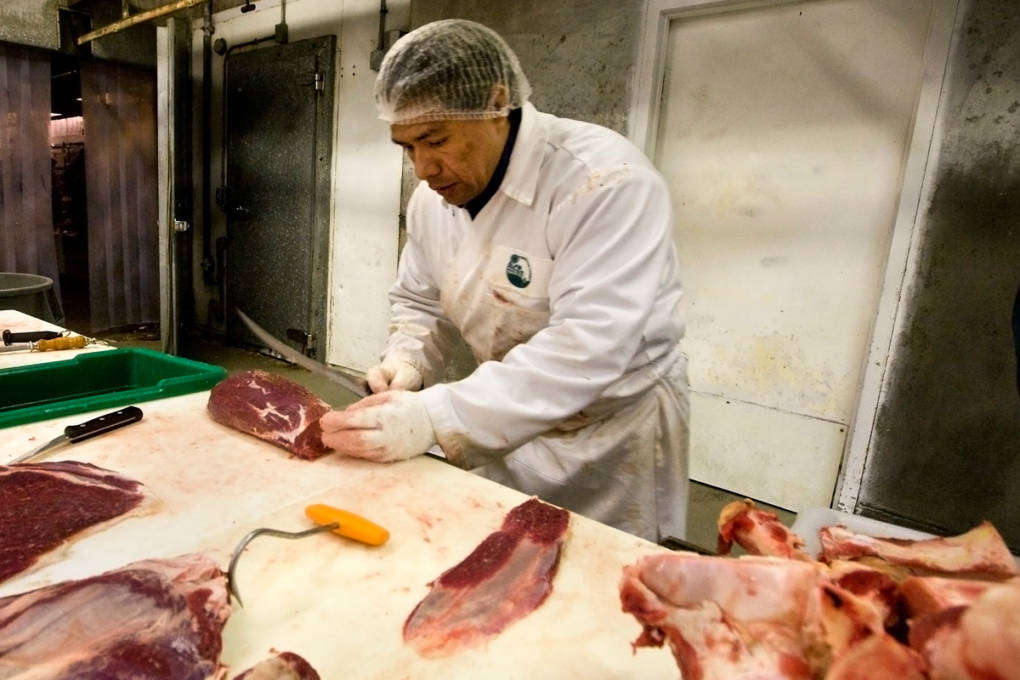
"caption": "Marin Sun Farms Processing Plant - Oscar",
"description": "Marin Sun Farms Processing Plant - Oscar",
"title": "170405-marin-local-slaughter-1",
"credit": "Marin Sun Farm photo CC-licensed by \u003ca href=\"https://www.flickr.com/photos/artbandito/4744345974\">Carrie Cizauskas\u003c/a>",
"status": "inherit",
"isLoading": false,
"fetchFailed": false
},
"bayareabites_116521": {
"type": "attachments",
"id": "bayareabites_116521",
"meta": {
"index": "attachments_1716263798",
"site": "bayareabites",
"id": "116521",
"found": true
},
"parent": 116520,
"imgSizes": {
"small": {
"file": "https://ww2.kqed.org/app/uploads/sites/24/2017/04/winebrain_final_wide-d1f7a954e2e6c125980644d4718dac924de88f86-520x292.jpe",
"width": 520,
"mimeType": "image/jpeg",
"height": 292
},
"twentyfourteen-full-width": {
"file": "https://ww2.kqed.org/app/uploads/sites/24/2017/04/winebrain_final_wide-d1f7a954e2e6c125980644d4718dac924de88f86-1038x576.jpe",
"width": 1038,
"mimeType": "image/jpeg",
"height": 576
},
"thumbnail": {
"file": "https://ww2.kqed.org/app/uploads/sites/24/2017/04/winebrain_final_wide-d1f7a954e2e6c125980644d4718dac924de88f86-160x90.jpe",
"width": 160,
"mimeType": "image/jpeg",
"height": 90
},
"fd-sm": {
"file": "https://ww2.kqed.org/app/uploads/sites/24/2017/04/winebrain_final_wide-d1f7a954e2e6c125980644d4718dac924de88f86-960x540.jpe",
"width": 960,
"mimeType": "image/jpeg",
"height": 540
},
"post-thumbnail": {
"file": "https://ww2.kqed.org/app/uploads/sites/24/2017/04/winebrain_final_wide-d1f7a954e2e6c125980644d4718dac924de88f86-672x372.jpe",
"width": 672,
"mimeType": "image/jpeg",
"height": 372
},
"xsmall": {
"file": "https://ww2.kqed.org/app/uploads/sites/24/2017/04/winebrain_final_wide-d1f7a954e2e6c125980644d4718dac924de88f86-375x211.jpe",
"width": 375,
"mimeType": "image/jpeg",
"height": 211
},
"kqedFullSize": {
"file": "https://ww2.kqed.org/app/uploads/sites/24/2017/04/winebrain_final_wide-d1f7a954e2e6c125980644d4718dac924de88f86.jpe",
"width": 2045,
"height": 1150
},
"large": {
"file": "https://ww2.kqed.org/app/uploads/sites/24/2017/04/winebrain_final_wide-d1f7a954e2e6c125980644d4718dac924de88f86-1020x574.jpe",
"width": 1020,
"mimeType": "image/jpeg",
"height": 574
},
"xlarge": {
"file": "https://ww2.kqed.org/app/uploads/sites/24/2017/04/winebrain_final_wide-d1f7a954e2e6c125980644d4718dac924de88f86-1180x664.jpe",
"width": 1180,
"mimeType": "image/jpeg",
"height": 664
},
"guest-author-50": {
"file": "https://ww2.kqed.org/app/uploads/sites/24/2017/04/winebrain_final_wide-d1f7a954e2e6c125980644d4718dac924de88f86-50x50.jpe",
"width": 50,
"mimeType": "image/jpeg",
"height": 50
},
"guest-author-96": {
"file": "https://ww2.kqed.org/app/uploads/sites/24/2017/04/winebrain_final_wide-d1f7a954e2e6c125980644d4718dac924de88f86-96x96.jpe",
"width": 96,
"mimeType": "image/jpeg",
"height": 96
},
"medium": {
"file": "https://ww2.kqed.org/app/uploads/sites/24/2017/04/winebrain_final_wide-d1f7a954e2e6c125980644d4718dac924de88f86-800x450.jpe",
"width": 800,
"mimeType": "image/jpeg",
"height": 450
},
"guest-author-64": {
"file": "https://ww2.kqed.org/app/uploads/sites/24/2017/04/winebrain_final_wide-d1f7a954e2e6c125980644d4718dac924de88f86-64x64.jpe",
"width": 64,
"mimeType": "image/jpeg",
"height": 64
},
"guest-author-32": {
"file": "https://ww2.kqed.org/app/uploads/sites/24/2017/04/winebrain_final_wide-d1f7a954e2e6c125980644d4718dac924de88f86-32x32.jpe",
"width": 32,
"mimeType": "image/jpeg",
"height": 32
},
"fd-lrg": {
"file": "https://ww2.kqed.org/app/uploads/sites/24/2017/04/winebrain_final_wide-d1f7a954e2e6c125980644d4718dac924de88f86-1920x1080.jpe",
"width": 1920,
"mimeType": "image/jpeg",
"height": 1080
},
"fd-med": {
"file": "https://ww2.kqed.org/app/uploads/sites/24/2017/04/winebrain_final_wide-d1f7a954e2e6c125980644d4718dac924de88f86-1180x664.jpe",
"width": 1180,
"mimeType": "image/jpeg",
"height": 664
},
"full-width": {
"file": "https://ww2.kqed.org/app/uploads/sites/24/2017/04/winebrain_final_wide-d1f7a954e2e6c125980644d4718dac924de88f86-1920x1080.jpe",
"width": 1920,
"mimeType": "image/jpeg",
"height": 1080
},
"detail": {
"file": "https://ww2.kqed.org/app/uploads/sites/24/2017/04/winebrain_final_wide-d1f7a954e2e6c125980644d4718dac924de88f86-150x150.jpe",
"width": 150,
"mimeType": "image/jpeg",
"height": 150
},
"medium_large": {
"file": "https://ww2.kqed.org/app/uploads/sites/24/2017/04/winebrain_final_wide-d1f7a954e2e6c125980644d4718dac924de88f86-768x432.jpe",
"width": 768,
"mimeType": "image/jpeg",
"height": 432
},
"guest-author-128": {
"file": "https://ww2.kqed.org/app/uploads/sites/24/2017/04/winebrain_final_wide-d1f7a954e2e6c125980644d4718dac924de88f86-128x128.jpe",
"width": 128,
"mimeType": "image/jpeg",
"height": 128
},
"xxsmall": {
"file": "https://ww2.kqed.org/app/uploads/sites/24/2017/04/winebrain_final_wide-d1f7a954e2e6c125980644d4718dac924de88f86-240x135.jpe",
"width": 240,
"mimeType": "image/jpeg",
"height": 135
}
},
"publishDate": 1491257969,
"modified": 1491258481,
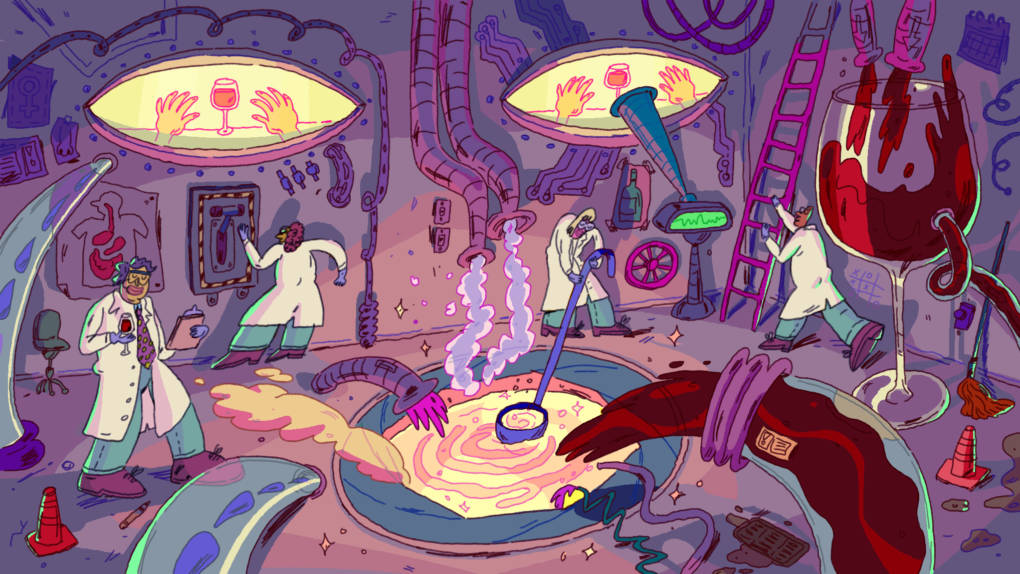
"caption": "Molecules in wine stimulate thousands of taste and odor receptors, sending a flavor signal to the brain that triggers massive cognitive computation involving pattern recognition, memory, value judgment, emotion and, of course, pleasure.",
"description": "Molecules in wine stimulate thousands of taste and odor receptors, sending a flavor signal to the brain that triggers massive cognitive computation involving pattern recognition, memory, value judgment, emotion and, of course, pleasure.",
"title": "Molecules in wine stimulate thousands of taste and odor receptors, sending a flavor signal to the brain that triggers massive cognitive computation involving pattern recognition, memory, value judgment, emotion and, of course, pleasure.",
"credit": "Alex Reynolds/NPR",
"status": "inherit",
"isLoading": false,
"fetchFailed": false
},
"bayareabites_116473": {
"type": "attachments",
"id": "bayareabites_116473",
"meta": {
"index": "attachments_1716263798",
"site": "bayareabites",
"id": "116473",
"found": true
},
"parent": 116469,
"imgSizes": {
"small": {
"file": "https://ww2.kqed.org/app/uploads/sites/24/2017/03/170329-meat-1-520x347.jpg",
"width": 520,
"mimeType": "image/jpeg",
"height": 347
},
"twentyfourteen-full-width": {
"file": "https://ww2.kqed.org/app/uploads/sites/24/2017/03/170329-meat-1-1038x576.jpg",
"width": 1038,
"mimeType": "image/jpeg",
"height": 576
},
"thumbnail": {
"file": "https://ww2.kqed.org/app/uploads/sites/24/2017/03/170329-meat-1-160x107.jpg",
"width": 160,
"mimeType": "image/jpeg",
"height": 107
},
"fd-sm": {
"file": "https://ww2.kqed.org/app/uploads/sites/24/2017/03/170329-meat-1-960x640.jpg",
"width": 960,
"mimeType": "image/jpeg",
"height": 640
},
"post-thumbnail": {
"file": "https://ww2.kqed.org/app/uploads/sites/24/2017/03/170329-meat-1-672x372.jpg",
"width": 672,
"mimeType": "image/jpeg",
"height": 372
},
"xsmall": {
"file": "https://ww2.kqed.org/app/uploads/sites/24/2017/03/170329-meat-1-375x250.jpg",
"width": 375,
"mimeType": "image/jpeg",
"height": 250
},
"kqedFullSize": {
"file": "https://ww2.kqed.org/app/uploads/sites/24/2017/03/170329-meat-1.jpg",
"width": 1200,
"height": 800
},
"large": {
"file": "https://ww2.kqed.org/app/uploads/sites/24/2017/03/170329-meat-1-1020x680.jpg",
"width": 1020,
"mimeType": "image/jpeg",
"height": 680
},
"xlarge": {
"file": "https://ww2.kqed.org/app/uploads/sites/24/2017/03/170329-meat-1-1180x787.jpg",
"width": 1180,
"mimeType": "image/jpeg",
"height": 787
},
"guest-author-50": {
"file": "https://ww2.kqed.org/app/uploads/sites/24/2017/03/170329-meat-1-50x50.jpg",
"width": 50,
"mimeType": "image/jpeg",
"height": 50
},
"guest-author-96": {
"file": "https://ww2.kqed.org/app/uploads/sites/24/2017/03/170329-meat-1-96x96.jpg",
"width": 96,
"mimeType": "image/jpeg",
"height": 96
},
"medium": {
"file": "https://ww2.kqed.org/app/uploads/sites/24/2017/03/170329-meat-1-800x533.jpg",
"width": 800,
"mimeType": "image/jpeg",
"height": 533
},
"guest-author-64": {
"file": "https://ww2.kqed.org/app/uploads/sites/24/2017/03/170329-meat-1-64x64.jpg",
"width": 64,
"mimeType": "image/jpeg",
"height": 64
},
"guest-author-32": {
"file": "https://ww2.kqed.org/app/uploads/sites/24/2017/03/170329-meat-1-32x32.jpg",
"width": 32,
"mimeType": "image/jpeg",
"height": 32
},
"fd-med": {
"file": "https://ww2.kqed.org/app/uploads/sites/24/2017/03/170329-meat-1-1180x787.jpg",
"width": 1180,
"mimeType": "image/jpeg",
"height": 787
},
"detail": {
"file": "https://ww2.kqed.org/app/uploads/sites/24/2017/03/170329-meat-1-150x150.jpg",
"width": 150,
"mimeType": "image/jpeg",
"height": 150
},
"medium_large": {
"file": "https://ww2.kqed.org/app/uploads/sites/24/2017/03/170329-meat-1-768x512.jpg",
"width": 768,
"mimeType": "image/jpeg",
"height": 512
},
"guest-author-128": {
"file": "https://ww2.kqed.org/app/uploads/sites/24/2017/03/170329-meat-1-128x128.jpg",
"width": 128,
"mimeType": "image/jpeg",
"height": 128
},
"xxsmall": {
"file": "https://ww2.kqed.org/app/uploads/sites/24/2017/03/170329-meat-1-240x160.jpg",
"width": 240,
"mimeType": "image/jpeg",
"height": 160
}
},
"publishDate": 1490975110,
"modified": 1490975191,
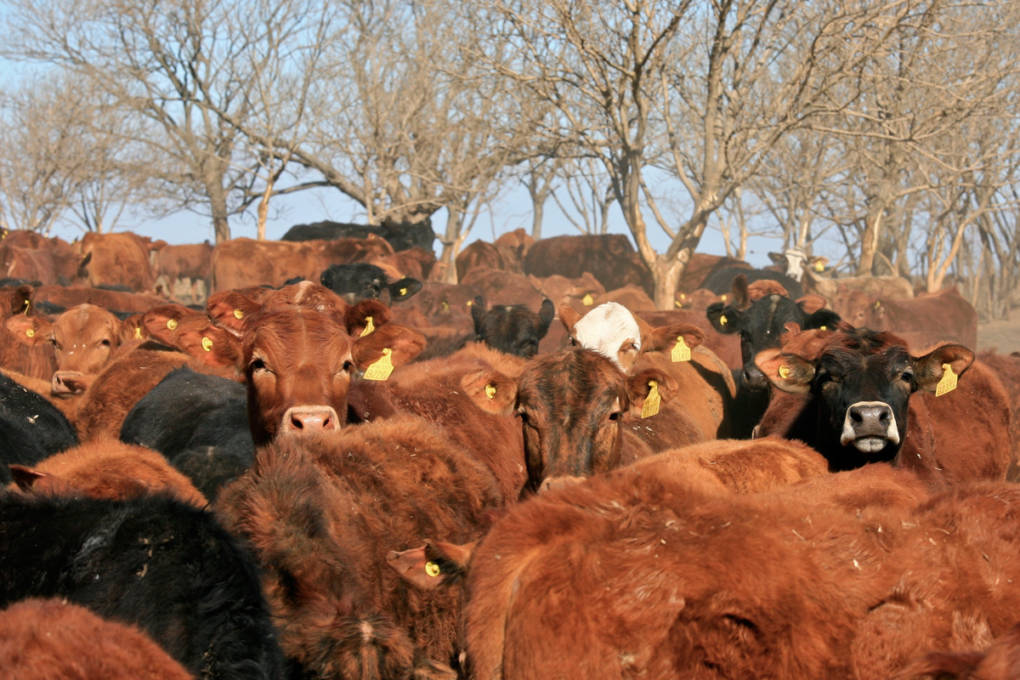
"caption": "Cattle",
"description": null,
"title": "170329-meat-1",
"credit": "CC-licensed by \u003ca href=\"https://www.flickr.com/photos/proimos/6076471109\">Alex Proimos\u003c/a>",
"status": "inherit",
"isLoading": false,
"fetchFailed": false
},
"bayareabites_116310": {
"type": "attachments",
"id": "bayareabites_116310",
"meta": {
"index": "attachments_1716263798",
"site": "bayareabites",
"id": "116310",
"found": true
},
"parent": 116309,
"imgSizes": {
"small": {
"file": "https://ww2.kqed.org/app/uploads/sites/24/2017/03/moodychickens_custom-8131822ea8918259664ad2691bc1243beef5a05a-520x371.jpg",
"width": 520,
"mimeType": "image/jpeg",
"height": 371
},
"twentyfourteen-full-width": {
"file": "https://ww2.kqed.org/app/uploads/sites/24/2017/03/moodychickens_custom-8131822ea8918259664ad2691bc1243beef5a05a-1038x576.jpg",
"width": 1038,
"mimeType": "image/jpeg",
"height": 576
},
"thumbnail": {
"file": "https://ww2.kqed.org/app/uploads/sites/24/2017/03/moodychickens_custom-8131822ea8918259664ad2691bc1243beef5a05a-160x114.jpg",
"width": 160,
"mimeType": "image/jpeg",
"height": 114
},
"fd-sm": {
"file": "https://ww2.kqed.org/app/uploads/sites/24/2017/03/moodychickens_custom-8131822ea8918259664ad2691bc1243beef5a05a-960x684.jpg",
"width": 960,
"mimeType": "image/jpeg",
"height": 684
},
"post-thumbnail": {
"file": "https://ww2.kqed.org/app/uploads/sites/24/2017/03/moodychickens_custom-8131822ea8918259664ad2691bc1243beef5a05a-672x372.jpg",
"width": 672,
"mimeType": "image/jpeg",
"height": 372
},
"xsmall": {
"file": "https://ww2.kqed.org/app/uploads/sites/24/2017/03/moodychickens_custom-8131822ea8918259664ad2691bc1243beef5a05a-375x267.jpg",
"width": 375,
"mimeType": "image/jpeg",
"height": 267
},
"kqedFullSize": {
"file": "https://ww2.kqed.org/app/uploads/sites/24/2017/03/moodychickens_custom-8131822ea8918259664ad2691bc1243beef5a05a-e1490395380675.jpg",
"width": 1852,
"height": 1320
},
"large": {
"file": "https://ww2.kqed.org/app/uploads/sites/24/2017/03/moodychickens_custom-8131822ea8918259664ad2691bc1243beef5a05a-1020x727.jpg",
"width": 1020,
"mimeType": "image/jpeg",
"height": 727
},
"xlarge": {
"file": "https://ww2.kqed.org/app/uploads/sites/24/2017/03/moodychickens_custom-8131822ea8918259664ad2691bc1243beef5a05a-1180x841.jpg",
"width": 1180,
"mimeType": "image/jpeg",
"height": 841
},
"guest-author-50": {
"file": "https://ww2.kqed.org/app/uploads/sites/24/2017/03/moodychickens_custom-8131822ea8918259664ad2691bc1243beef5a05a-50x50.jpg",
"width": 50,
"mimeType": "image/jpeg",
"height": 50
},
"guest-author-96": {
"file": "https://ww2.kqed.org/app/uploads/sites/24/2017/03/moodychickens_custom-8131822ea8918259664ad2691bc1243beef5a05a-96x96.jpg",
"width": 96,
"mimeType": "image/jpeg",
"height": 96
},
"medium": {
"file": "https://ww2.kqed.org/app/uploads/sites/24/2017/03/moodychickens_custom-8131822ea8918259664ad2691bc1243beef5a05a-800x570.jpg",
"width": 800,
"mimeType": "image/jpeg",
"height": 570
},
"guest-author-64": {
"file": "https://ww2.kqed.org/app/uploads/sites/24/2017/03/moodychickens_custom-8131822ea8918259664ad2691bc1243beef5a05a-64x64.jpg",
"width": 64,
"mimeType": "image/jpeg",
"height": 64
},
"guest-author-32": {
"file": "https://ww2.kqed.org/app/uploads/sites/24/2017/03/moodychickens_custom-8131822ea8918259664ad2691bc1243beef5a05a-32x32.jpg",
"width": 32,
"mimeType": "image/jpeg",
"height": 32
},
"fd-med": {
"file": "https://ww2.kqed.org/app/uploads/sites/24/2017/03/moodychickens_custom-8131822ea8918259664ad2691bc1243beef5a05a-1180x841.jpg",
"width": 1180,
"mimeType": "image/jpeg",
"height": 841
},
"detail": {
"file": "https://ww2.kqed.org/app/uploads/sites/24/2017/03/moodychickens_custom-8131822ea8918259664ad2691bc1243beef5a05a-150x150.jpg",
"width": 150,
"mimeType": "image/jpeg",
"height": 150
},
"medium_large": {
"file": "https://ww2.kqed.org/app/uploads/sites/24/2017/03/moodychickens_custom-8131822ea8918259664ad2691bc1243beef5a05a-768x548.jpg",
"width": 768,
"mimeType": "image/jpeg",
"height": 548
},
"guest-author-128": {
"file": "https://ww2.kqed.org/app/uploads/sites/24/2017/03/moodychickens_custom-8131822ea8918259664ad2691bc1243beef5a05a-128x128.jpg",
"width": 128,
"mimeType": "image/jpeg",
"height": 128
},
"xxsmall": {
"file": "https://ww2.kqed.org/app/uploads/sites/24/2017/03/moodychickens_custom-8131822ea8918259664ad2691bc1243beef5a05a-240x171.jpg",
"width": 240,
"mimeType": "image/jpeg",
"height": 171
}
},
"publishDate": 1490387553,
"modified": 1490388011,
"caption": "New FDA rules limit how farmers can give antibiotics to animals raised for meat. But a Government Accountability Office report says the FDA doesn't collect the data to know if that policy is working.",
"description": "New FDA rules limit how farmers can give antibiotics to animals raised for meat. But a Government Accountability Office report says the FDA doesn't collect the data to know if that policy is working.",
"title": "New FDA rules limit how farmers can give antibiotics to animals raised for meat. But a Government Accountability Office report says the FDA doesn't collect the data to know if that policy is working.",
"credit": "Scott Eells/Bloomberg/Getty Images",
"status": "inherit",
"isLoading": false,
"fetchFailed": false
},
"bayareabites_116293": {
"type": "attachments",
"id": "bayareabites_116293",
"meta": {
"index": "attachments_1716263798",
"site": "bayareabites",
"id": "116293",
"found": true
},
"parent": 0,
"imgSizes": {
"small": {
"file": "https://ww2.kqed.org/app/uploads/sites/24/2017/03/DSC_2259-520x197.jpg",
"width": 520,
"mimeType": "image/jpeg",
"height": 197
},
"twentyfourteen-full-width": {
"file": "https://ww2.kqed.org/app/uploads/sites/24/2017/03/DSC_2259-1038x576.jpg",
"width": 1038,
"mimeType": "image/jpeg",
"height": 576
},
"thumbnail": {
"file": "https://ww2.kqed.org/app/uploads/sites/24/2017/03/DSC_2259-160x61.jpg",
"width": 160,
"mimeType": "image/jpeg",
"height": 61
},
"fd-sm": {
"file": "https://ww2.kqed.org/app/uploads/sites/24/2017/03/DSC_2259-960x365.jpg",
"width": 960,
"mimeType": "image/jpeg",
"height": 365
},
"post-thumbnail": {
"file": "https://ww2.kqed.org/app/uploads/sites/24/2017/03/DSC_2259-672x372.jpg",
"width": 672,
"mimeType": "image/jpeg",
"height": 372
},
"xsmall": {
"file": "https://ww2.kqed.org/app/uploads/sites/24/2017/03/DSC_2259-375x142.jpg",
"width": 375,
"mimeType": "image/jpeg",
"height": 142
},
"kqedFullSize": {
"file": "https://ww2.kqed.org/app/uploads/sites/24/2017/03/DSC_2259.jpg",
"width": 1920,
"height": 729
},
"large": {
"file": "https://ww2.kqed.org/app/uploads/sites/24/2017/03/DSC_2259-1020x387.jpg",
"width": 1020,
"mimeType": "image/jpeg",
"height": 387
},
"xlarge": {
"file": "https://ww2.kqed.org/app/uploads/sites/24/2017/03/DSC_2259-1180x448.jpg",
"width": 1180,
"mimeType": "image/jpeg",
"height": 448
},
"guest-author-50": {
"file": "https://ww2.kqed.org/app/uploads/sites/24/2017/03/DSC_2259-50x50.jpg",
"width": 50,
"mimeType": "image/jpeg",
"height": 50
},
"guest-author-96": {
"file": "https://ww2.kqed.org/app/uploads/sites/24/2017/03/DSC_2259-96x96.jpg",
"width": 96,
"mimeType": "image/jpeg",
"height": 96
},
"medium": {
"file": "https://ww2.kqed.org/app/uploads/sites/24/2017/03/DSC_2259-800x304.jpg",
"width": 800,
"mimeType": "image/jpeg",
"height": 304
},
"guest-author-64": {
"file": "https://ww2.kqed.org/app/uploads/sites/24/2017/03/DSC_2259-64x64.jpg",
"width": 64,
"mimeType": "image/jpeg",
"height": 64
},
"guest-author-32": {
"file": "https://ww2.kqed.org/app/uploads/sites/24/2017/03/DSC_2259-32x32.jpg",
"width": 32,
"mimeType": "image/jpeg",
"height": 32
},
"fd-lrg": {
"file": "https://ww2.kqed.org/app/uploads/sites/24/2017/03/DSC_2259-1920x729.jpg",
"width": 1920,
"mimeType": "image/jpeg",
"height": 729
},
"fd-med": {
"file": "https://ww2.kqed.org/app/uploads/sites/24/2017/03/DSC_2259-1180x448.jpg",
"width": 1180,
"mimeType": "image/jpeg",
"height": 448
},
"full-width": {
"file": "https://ww2.kqed.org/app/uploads/sites/24/2017/03/DSC_2259-1920x729.jpg",
"width": 1920,
"mimeType": "image/jpeg",
"height": 729
},
"detail": {
"file": "https://ww2.kqed.org/app/uploads/sites/24/2017/03/DSC_2259-150x150.jpg",
"width": 150,
"mimeType": "image/jpeg",
"height": 150
},
"medium_large": {
"file": "https://ww2.kqed.org/app/uploads/sites/24/2017/03/DSC_2259-768x292.jpg",
"width": 768,
"mimeType": "image/jpeg",
"height": 292
},
"guest-author-128": {
"file": "https://ww2.kqed.org/app/uploads/sites/24/2017/03/DSC_2259-128x128.jpg",
"width": 128,
"mimeType": "image/jpeg",
"height": 128
},
"xxsmall": {
"file": "https://ww2.kqed.org/app/uploads/sites/24/2017/03/DSC_2259-240x91.jpg",
"width": 240,
"mimeType": "image/jpeg",
"height": 91
}
},
"publishDate": 1490380868,
"modified": 1490381030,
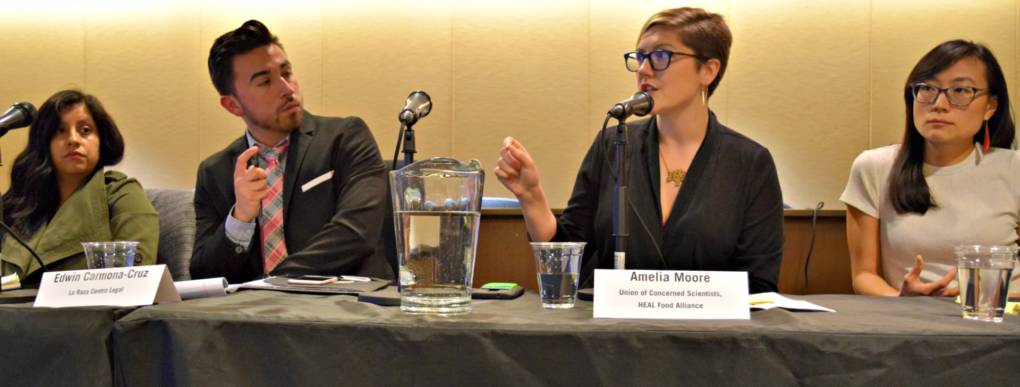
"caption": "Panelists at the CUESA event \"Resist Together! Reframing the Food Movement.\"\n",
"description": "Panelists at the CUESA event \"Resist Together! Reframing the Food Movement.\"\n",
"title": "Panelists at the CUESA event \"Resist Together! Reframing the Food Movement.\"",
"credit": "Shelby Pope",
"status": "inherit",
"isLoading": false,
"fetchFailed": false
},
"bayareabites_116213": {
"type": "attachments",
"id": "bayareabites_116213",
"meta": {
"index": "attachments_1716263798",
"site": "bayareabites",
"id": "116213",
"found": true
},
"parent": 116212,
"imgSizes": {
"small": {
"file": "https://ww2.kqed.org/app/uploads/sites/24/2017/03/canned_tuna_high_res-2_custom-68cbfd17121e7b46a72cfad66317b1ee6760bd5b-520x416.jpg",
"width": 520,
"mimeType": "image/jpeg",
"height": 416
},
"twentyfourteen-full-width": {
"file": "https://ww2.kqed.org/app/uploads/sites/24/2017/03/canned_tuna_high_res-2_custom-68cbfd17121e7b46a72cfad66317b1ee6760bd5b-1038x576.jpg",
"width": 1038,
"mimeType": "image/jpeg",
"height": 576
},
"thumbnail": {
"file": "https://ww2.kqed.org/app/uploads/sites/24/2017/03/canned_tuna_high_res-2_custom-68cbfd17121e7b46a72cfad66317b1ee6760bd5b-160x128.jpg",
"width": 160,
"mimeType": "image/jpeg",
"height": 128
},
"fd-sm": {
"file": "https://ww2.kqed.org/app/uploads/sites/24/2017/03/canned_tuna_high_res-2_custom-68cbfd17121e7b46a72cfad66317b1ee6760bd5b-960x768.jpg",
"width": 960,
"mimeType": "image/jpeg",
"height": 768
},
"post-thumbnail": {
"file": "https://ww2.kqed.org/app/uploads/sites/24/2017/03/canned_tuna_high_res-2_custom-68cbfd17121e7b46a72cfad66317b1ee6760bd5b-672x372.jpg",
"width": 672,
"mimeType": "image/jpeg",
"height": 372
},
"xsmall": {
"file": "https://ww2.kqed.org/app/uploads/sites/24/2017/03/canned_tuna_high_res-2_custom-68cbfd17121e7b46a72cfad66317b1ee6760bd5b-375x300.jpg",
"width": 375,
"mimeType": "image/jpeg",
"height": 300
},
"kqedFullSize": {
"file": "https://ww2.kqed.org/app/uploads/sites/24/2017/03/canned_tuna_high_res-2_custom-68cbfd17121e7b46a72cfad66317b1ee6760bd5b.jpg",
"width": 2000,
"height": 1600
},
"large": {
"file": "https://ww2.kqed.org/app/uploads/sites/24/2017/03/canned_tuna_high_res-2_custom-68cbfd17121e7b46a72cfad66317b1ee6760bd5b-1020x816.jpg",
"width": 1020,
"mimeType": "image/jpeg",
"height": 816
},
"xlarge": {
"file": "https://ww2.kqed.org/app/uploads/sites/24/2017/03/canned_tuna_high_res-2_custom-68cbfd17121e7b46a72cfad66317b1ee6760bd5b-1180x944.jpg",
"width": 1180,
"mimeType": "image/jpeg",
"height": 944
},
"guest-author-50": {
"file": "https://ww2.kqed.org/app/uploads/sites/24/2017/03/canned_tuna_high_res-2_custom-68cbfd17121e7b46a72cfad66317b1ee6760bd5b-50x50.jpg",
"width": 50,
"mimeType": "image/jpeg",
"height": 50
},
"guest-author-96": {
"file": "https://ww2.kqed.org/app/uploads/sites/24/2017/03/canned_tuna_high_res-2_custom-68cbfd17121e7b46a72cfad66317b1ee6760bd5b-96x96.jpg",
"width": 96,
"mimeType": "image/jpeg",
"height": 96
},
"medium": {
"file": "https://ww2.kqed.org/app/uploads/sites/24/2017/03/canned_tuna_high_res-2_custom-68cbfd17121e7b46a72cfad66317b1ee6760bd5b-800x640.jpg",
"width": 800,
"mimeType": "image/jpeg",
"height": 640
},
"guest-author-64": {
"file": "https://ww2.kqed.org/app/uploads/sites/24/2017/03/canned_tuna_high_res-2_custom-68cbfd17121e7b46a72cfad66317b1ee6760bd5b-64x64.jpg",
"width": 64,
"mimeType": "image/jpeg",
"height": 64
},
"guest-author-32": {
"file": "https://ww2.kqed.org/app/uploads/sites/24/2017/03/canned_tuna_high_res-2_custom-68cbfd17121e7b46a72cfad66317b1ee6760bd5b-32x32.jpg",
"width": 32,
"mimeType": "image/jpeg",
"height": 32
},
"fd-lrg": {
"file": "https://ww2.kqed.org/app/uploads/sites/24/2017/03/canned_tuna_high_res-2_custom-68cbfd17121e7b46a72cfad66317b1ee6760bd5b-1920x1536.jpg",
"width": 1920,
"mimeType": "image/jpeg",
"height": 1536
},
"fd-med": {
"file": "https://ww2.kqed.org/app/uploads/sites/24/2017/03/canned_tuna_high_res-2_custom-68cbfd17121e7b46a72cfad66317b1ee6760bd5b-1180x944.jpg",
"width": 1180,
"mimeType": "image/jpeg",
"height": 944
},
"full-width": {
"file": "https://ww2.kqed.org/app/uploads/sites/24/2017/03/canned_tuna_high_res-2_custom-68cbfd17121e7b46a72cfad66317b1ee6760bd5b-1920x1536.jpg",
"width": 1920,
"mimeType": "image/jpeg",
"height": 1536
},
"detail": {
"file": "https://ww2.kqed.org/app/uploads/sites/24/2017/03/canned_tuna_high_res-2_custom-68cbfd17121e7b46a72cfad66317b1ee6760bd5b-150x150.jpg",
"width": 150,
"mimeType": "image/jpeg",
"height": 150
},
"medium_large": {
"file": "https://ww2.kqed.org/app/uploads/sites/24/2017/03/canned_tuna_high_res-2_custom-68cbfd17121e7b46a72cfad66317b1ee6760bd5b-768x614.jpg",
"width": 768,
"mimeType": "image/jpeg",
"height": 614
},
"guest-author-128": {
"file": "https://ww2.kqed.org/app/uploads/sites/24/2017/03/canned_tuna_high_res-2_custom-68cbfd17121e7b46a72cfad66317b1ee6760bd5b-128x128.jpg",
"width": 128,
"mimeType": "image/jpeg",
"height": 128
},
"xxsmall": {
"file": "https://ww2.kqed.org/app/uploads/sites/24/2017/03/canned_tuna_high_res-2_custom-68cbfd17121e7b46a72cfad66317b1ee6760bd5b-240x192.jpg",
"width": 240,
"mimeType": "image/jpeg",
"height": 192
}
},
"publishDate": 1490200183,
"modified": 1490200275,
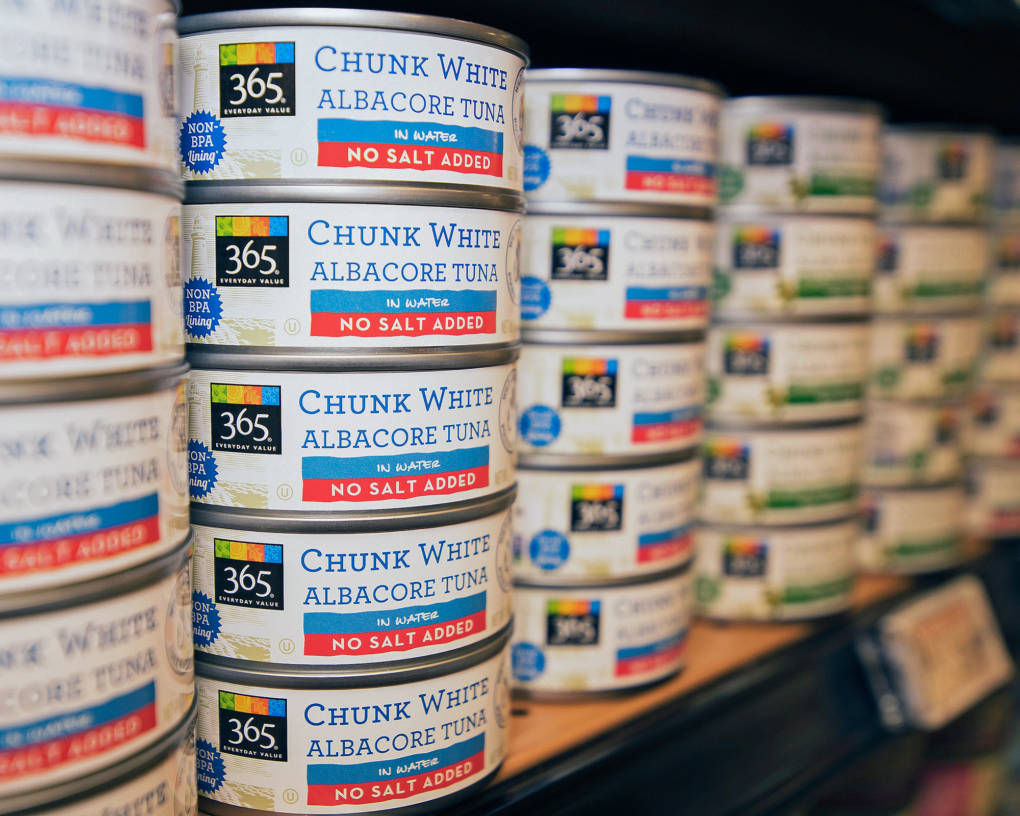
"caption": "While tuna poke may be winning over American palates today, our consumption of fresh tuna is still dwarfed by our collective appetite for the canned stuff.",
"description": "While tuna poke may be winning over American palates today, our consumption of fresh tuna is still dwarfed by our collective appetite for the canned stuff.",
"title": "While tuna poke may be winning over American palates today, our consumption of fresh tuna is still dwarfed by our collective appetite for the canned stuff.",
"credit": "Whole Foods Market",
"status": "inherit",
"isLoading": false,
"fetchFailed": false
},
"bayareabites_115986": {
"type": "attachments",
"id": "bayareabites_115986",
"meta": {
"index": "attachments_1716263798",
"site": "bayareabites",
"id": "115986",
"found": true
},
"parent": 115985,
"imgSizes": {
"small": {
"file": "https://ww2.kqed.org/app/uploads/sites/24/2017/03/gettyimages-532082320_custom-9a307d3aa8e2ebfc88863fdcb226aa73c3e8346e-520x365.jpg",
"width": 520,
"mimeType": "image/jpeg",
"height": 365
},
"twentyfourteen-full-width": {
"file": "https://ww2.kqed.org/app/uploads/sites/24/2017/03/gettyimages-532082320_custom-9a307d3aa8e2ebfc88863fdcb226aa73c3e8346e-1038x576.jpg",
"width": 1038,
"mimeType": "image/jpeg",
"height": 576
},
"thumbnail": {
"file": "https://ww2.kqed.org/app/uploads/sites/24/2017/03/gettyimages-532082320_custom-9a307d3aa8e2ebfc88863fdcb226aa73c3e8346e-160x112.jpg",
"width": 160,
"mimeType": "image/jpeg",
"height": 112
},
"fd-sm": {
"file": "https://ww2.kqed.org/app/uploads/sites/24/2017/03/gettyimages-532082320_custom-9a307d3aa8e2ebfc88863fdcb226aa73c3e8346e-960x674.jpg",
"width": 960,
"mimeType": "image/jpeg",
"height": 674
},
"post-thumbnail": {
"file": "https://ww2.kqed.org/app/uploads/sites/24/2017/03/gettyimages-532082320_custom-9a307d3aa8e2ebfc88863fdcb226aa73c3e8346e-672x372.jpg",
"width": 672,
"mimeType": "image/jpeg",
"height": 372
},
"xsmall": {
"file": "https://ww2.kqed.org/app/uploads/sites/24/2017/03/gettyimages-532082320_custom-9a307d3aa8e2ebfc88863fdcb226aa73c3e8346e-375x263.jpg",
"width": 375,
"mimeType": "image/jpeg",
"height": 263
},
"kqedFullSize": {
"file": "https://ww2.kqed.org/app/uploads/sites/24/2017/03/gettyimages-532082320_custom-9a307d3aa8e2ebfc88863fdcb226aa73c3e8346e.jpg",
"width": 1895,
"height": 1331
},
"large": {
"file": "https://ww2.kqed.org/app/uploads/sites/24/2017/03/gettyimages-532082320_custom-9a307d3aa8e2ebfc88863fdcb226aa73c3e8346e-1020x716.jpg",
"width": 1020,
"mimeType": "image/jpeg",
"height": 716
},
"xlarge": {
"file": "https://ww2.kqed.org/app/uploads/sites/24/2017/03/gettyimages-532082320_custom-9a307d3aa8e2ebfc88863fdcb226aa73c3e8346e-1180x829.jpg",
"width": 1180,
"mimeType": "image/jpeg",
"height": 829
},
"guest-author-50": {
"file": "https://ww2.kqed.org/app/uploads/sites/24/2017/03/gettyimages-532082320_custom-9a307d3aa8e2ebfc88863fdcb226aa73c3e8346e-50x50.jpg",
"width": 50,
"mimeType": "image/jpeg",
"height": 50
},
"guest-author-96": {
"file": "https://ww2.kqed.org/app/uploads/sites/24/2017/03/gettyimages-532082320_custom-9a307d3aa8e2ebfc88863fdcb226aa73c3e8346e-96x96.jpg",
"width": 96,
"mimeType": "image/jpeg",
"height": 96
},
"medium": {
"file": "https://ww2.kqed.org/app/uploads/sites/24/2017/03/gettyimages-532082320_custom-9a307d3aa8e2ebfc88863fdcb226aa73c3e8346e-800x562.jpg",
"width": 800,
"mimeType": "image/jpeg",
"height": 562
},
"guest-author-64": {
"file": "https://ww2.kqed.org/app/uploads/sites/24/2017/03/gettyimages-532082320_custom-9a307d3aa8e2ebfc88863fdcb226aa73c3e8346e-64x64.jpg",
"width": 64,
"mimeType": "image/jpeg",
"height": 64
},
"guest-author-32": {
"file": "https://ww2.kqed.org/app/uploads/sites/24/2017/03/gettyimages-532082320_custom-9a307d3aa8e2ebfc88863fdcb226aa73c3e8346e-32x32.jpg",
"width": 32,
"mimeType": "image/jpeg",
"height": 32
},
"fd-med": {
"file": "https://ww2.kqed.org/app/uploads/sites/24/2017/03/gettyimages-532082320_custom-9a307d3aa8e2ebfc88863fdcb226aa73c3e8346e-1180x829.jpg",
"width": 1180,
"mimeType": "image/jpeg",
"height": 829
},
"detail": {
"file": "https://ww2.kqed.org/app/uploads/sites/24/2017/03/gettyimages-532082320_custom-9a307d3aa8e2ebfc88863fdcb226aa73c3e8346e-150x150.jpg",
"width": 150,
"mimeType": "image/jpeg",
"height": 150
},
"medium_large": {
"file": "https://ww2.kqed.org/app/uploads/sites/24/2017/03/gettyimages-532082320_custom-9a307d3aa8e2ebfc88863fdcb226aa73c3e8346e-768x539.jpg",
"width": 768,
"mimeType": "image/jpeg",
"height": 539
},
"guest-author-128": {
"file": "https://ww2.kqed.org/app/uploads/sites/24/2017/03/gettyimages-532082320_custom-9a307d3aa8e2ebfc88863fdcb226aa73c3e8346e-128x128.jpg",
"width": 128,
"mimeType": "image/jpeg",
"height": 128
},
"xxsmall": {
"file": "https://ww2.kqed.org/app/uploads/sites/24/2017/03/gettyimages-532082320_custom-9a307d3aa8e2ebfc88863fdcb226aa73c3e8346e-240x169.jpg",
"width": 240,
"mimeType": "image/jpeg",
"height": 169
}
},
"publishDate": 1489682584,
"modified": 1489683951,
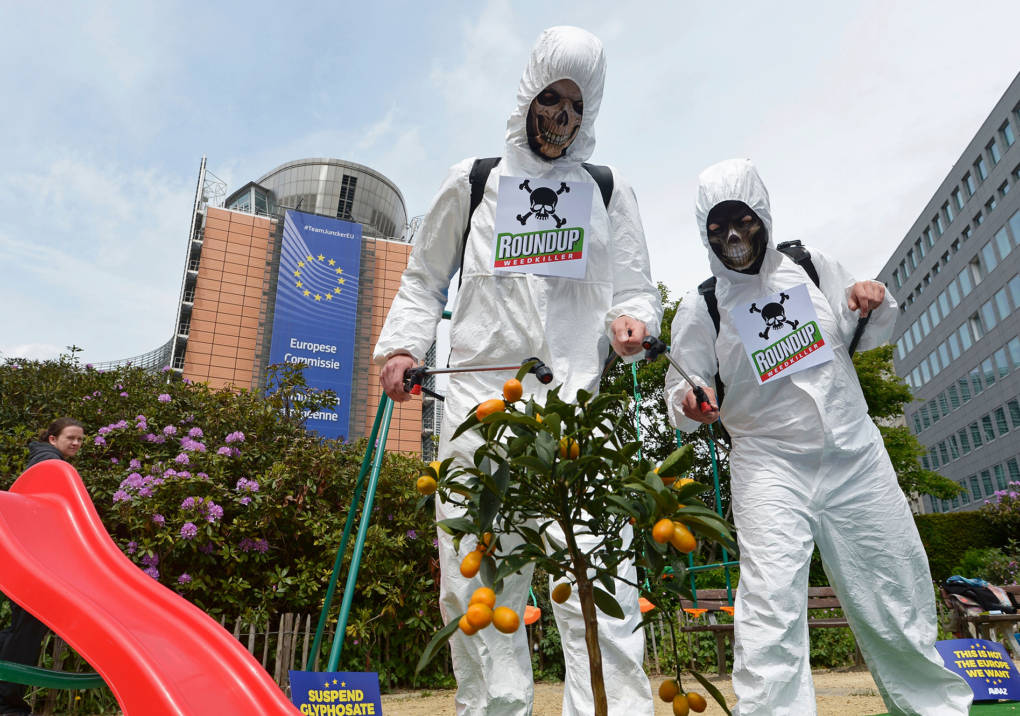
"caption": "Last May, members of the Avaaz civic organization dressed as crop-sprayers in Brussels to protest the European Commission's plans to re-license glyphosate, the popular weed-killer sold by Monsanto under the brand name Roundup.",
"description": "Last May, members of the Avaaz civic organization dressed as crop-sprayers in Brussels to protest the European Commission's plans to re-license glyphosate, the popular weed-killer sold by Monsanto under the brand name Roundup",
"title": "Last May, members of the Avaaz civic organization dressed as crop-sprayers in Brussels to protest the European Commission's plans to re-license glyphosate, the popular weed-killer sold by Monsanto under the brand name Roundup.",
"credit": "John Thys/AFP/Getty Images",
"status": "inherit",
"isLoading": false,
"fetchFailed": false
},
"bayareabites_115853": {
"type": "attachments",
"id": "bayareabites_115853",
"meta": {
"index": "attachments_1716263798",
"site": "bayareabites",
"id": "115853",
"found": true
},
"parent": 115852,
"imgSizes": {
"small": {
"file": "https://ww2.kqed.org/app/uploads/sites/24/2017/03/10foods_custom-ddbe984b5ba43e2da1a9d83b0f7c532ba995c57c-520x292.jpg",
"width": 520,
"mimeType": "image/jpeg",
"height": 292
},
"twentyfourteen-full-width": {
"file": "https://ww2.kqed.org/app/uploads/sites/24/2017/03/10foods_custom-ddbe984b5ba43e2da1a9d83b0f7c532ba995c57c-1038x576.jpg",
"width": 1038,
"mimeType": "image/jpeg",
"height": 576
},
"thumbnail": {
"file": "https://ww2.kqed.org/app/uploads/sites/24/2017/03/10foods_custom-ddbe984b5ba43e2da1a9d83b0f7c532ba995c57c-160x90.jpg",
"width": 160,
"mimeType": "image/jpeg",
"height": 90
},
"fd-sm": {
"file": "https://ww2.kqed.org/app/uploads/sites/24/2017/03/10foods_custom-ddbe984b5ba43e2da1a9d83b0f7c532ba995c57c-960x539.jpg",
"width": 960,
"mimeType": "image/jpeg",
"height": 539
},
"post-thumbnail": {
"file": "https://ww2.kqed.org/app/uploads/sites/24/2017/03/10foods_custom-ddbe984b5ba43e2da1a9d83b0f7c532ba995c57c-672x372.jpg",
"width": 672,
"mimeType": "image/jpeg",
"height": 372
},
"xsmall": {
"file": "https://ww2.kqed.org/app/uploads/sites/24/2017/03/10foods_custom-ddbe984b5ba43e2da1a9d83b0f7c532ba995c57c-375x211.jpg",
"width": 375,
"mimeType": "image/jpeg",
"height": 211
},
"kqedFullSize": {
"file": "https://ww2.kqed.org/app/uploads/sites/24/2017/03/10foods_custom-ddbe984b5ba43e2da1a9d83b0f7c532ba995c57c.jpg",
"width": 2000,
"height": 1123
},
"large": {
"file": "https://ww2.kqed.org/app/uploads/sites/24/2017/03/10foods_custom-ddbe984b5ba43e2da1a9d83b0f7c532ba995c57c-1020x573.jpg",
"width": 1020,
"mimeType": "image/jpeg",
"height": 573
},
"xlarge": {
"file": "https://ww2.kqed.org/app/uploads/sites/24/2017/03/10foods_custom-ddbe984b5ba43e2da1a9d83b0f7c532ba995c57c-1180x663.jpg",
"width": 1180,
"mimeType": "image/jpeg",
"height": 663
},
"guest-author-50": {
"file": "https://ww2.kqed.org/app/uploads/sites/24/2017/03/10foods_custom-ddbe984b5ba43e2da1a9d83b0f7c532ba995c57c-50x50.jpg",
"width": 50,
"mimeType": "image/jpeg",
"height": 50
},
"guest-author-96": {
"file": "https://ww2.kqed.org/app/uploads/sites/24/2017/03/10foods_custom-ddbe984b5ba43e2da1a9d83b0f7c532ba995c57c-96x96.jpg",
"width": 96,
"mimeType": "image/jpeg",
"height": 96
},
"medium": {
"file": "https://ww2.kqed.org/app/uploads/sites/24/2017/03/10foods_custom-ddbe984b5ba43e2da1a9d83b0f7c532ba995c57c-800x449.jpg",
"width": 800,
"mimeType": "image/jpeg",
"height": 449
},
"guest-author-64": {
"file": "https://ww2.kqed.org/app/uploads/sites/24/2017/03/10foods_custom-ddbe984b5ba43e2da1a9d83b0f7c532ba995c57c-64x64.jpg",
"width": 64,
"mimeType": "image/jpeg",
"height": 64
},
"guest-author-32": {
"file": "https://ww2.kqed.org/app/uploads/sites/24/2017/03/10foods_custom-ddbe984b5ba43e2da1a9d83b0f7c532ba995c57c-32x32.jpg",
"width": 32,
"mimeType": "image/jpeg",
"height": 32
},
"fd-lrg": {
"file": "https://ww2.kqed.org/app/uploads/sites/24/2017/03/10foods_custom-ddbe984b5ba43e2da1a9d83b0f7c532ba995c57c-1920x1078.jpg",
"width": 1920,
"mimeType": "image/jpeg",
"height": 1078
},
"fd-med": {
"file": "https://ww2.kqed.org/app/uploads/sites/24/2017/03/10foods_custom-ddbe984b5ba43e2da1a9d83b0f7c532ba995c57c-1180x663.jpg",
"width": 1180,
"mimeType": "image/jpeg",
"height": 663
},
"full-width": {
"file": "https://ww2.kqed.org/app/uploads/sites/24/2017/03/10foods_custom-ddbe984b5ba43e2da1a9d83b0f7c532ba995c57c-1920x1078.jpg",
"width": 1920,
"mimeType": "image/jpeg",
"height": 1078
},
"detail": {
"file": "https://ww2.kqed.org/app/uploads/sites/24/2017/03/10foods_custom-ddbe984b5ba43e2da1a9d83b0f7c532ba995c57c-150x150.jpg",
"width": 150,
"mimeType": "image/jpeg",
"height": 150
},
"medium_large": {
"file": "https://ww2.kqed.org/app/uploads/sites/24/2017/03/10foods_custom-ddbe984b5ba43e2da1a9d83b0f7c532ba995c57c-768x431.jpg",
"width": 768,
"mimeType": "image/jpeg",
"height": 431
},
"guest-author-128": {
"file": "https://ww2.kqed.org/app/uploads/sites/24/2017/03/10foods_custom-ddbe984b5ba43e2da1a9d83b0f7c532ba995c57c-128x128.jpg",
"width": 128,
"mimeType": "image/jpeg",
"height": 128
},
"xxsmall": {
"file": "https://ww2.kqed.org/app/uploads/sites/24/2017/03/10foods_custom-ddbe984b5ba43e2da1a9d83b0f7c532ba995c57c-240x135.jpg",
"width": 240,
"mimeType": "image/jpeg",
"height": 135
}
},
"publishDate": 1489426087,
"modified": 1489426200,
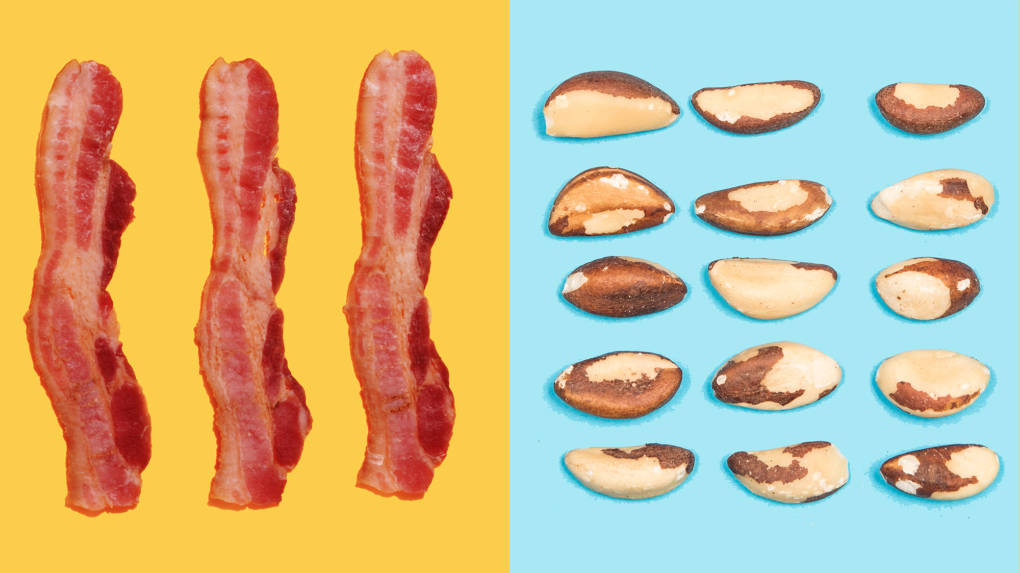
"caption": "Eating too much bacon, or too few whole grains, nuts and seeds, can influence your risk of death from heart disease. Nearly half of all deaths from heart disease and Type 2 diabetes are linked to diet.",
"description": "Eating too much bacon, or too few whole grains, nuts and seeds, can influence your risk of death from heart disease. Nearly half of all deaths from heart disease and Type 2 diabetes are linked to diet.",
"title": "Eating too much bacon, or too few whole grains, nuts and seeds, can influence your risk of death from heart disease. Nearly half of all deaths from heart disease and Type 2 diabetes are linked to diet.",
"credit": "Paul Taylor/John Lawson/Belhaven/Getty Images",
"status": "inherit",
"isLoading": false,
"fetchFailed": false
},
"bayareabites_115761": {
"type": "attachments",
"id": "bayareabites_115761",
"meta": {
"index": "attachments_1716263798",
"site": "bayareabites",
"id": "115761",
"found": true
},
"parent": 115758,
"imgSizes": {
"small": {
"file": "https://ww2.kqed.org/app/uploads/sites/24/2017/03/oak-farm-1202-520x345.jpg",
"width": 520,
"mimeType": "image/jpeg",
"height": 345
},
"twentyfourteen-full-width": {
"file": "https://ww2.kqed.org/app/uploads/sites/24/2017/03/oak-farm-1202-1038x576.jpg",
"width": 1038,
"mimeType": "image/jpeg",
"height": 576
},
"thumbnail": {
"file": "https://ww2.kqed.org/app/uploads/sites/24/2017/03/oak-farm-1202-160x106.jpg",
"width": 160,
"mimeType": "image/jpeg",
"height": 106
},
"fd-sm": {
"file": "https://ww2.kqed.org/app/uploads/sites/24/2017/03/oak-farm-1202-960x638.jpg",
"width": 960,
"mimeType": "image/jpeg",
"height": 638
},
"post-thumbnail": {
"file": "https://ww2.kqed.org/app/uploads/sites/24/2017/03/oak-farm-1202-672x372.jpg",
"width": 672,
"mimeType": "image/jpeg",
"height": 372
},
"xsmall": {
"file": "https://ww2.kqed.org/app/uploads/sites/24/2017/03/oak-farm-1202-375x249.jpg",
"width": 375,
"mimeType": "image/jpeg",
"height": 249
},
"kqedFullSize": {
"file": "https://ww2.kqed.org/app/uploads/sites/24/2017/03/oak-farm-1202.jpg",
"width": 1920,
"height": 1275
},
"large": {
"file": "https://ww2.kqed.org/app/uploads/sites/24/2017/03/oak-farm-1202-1020x677.jpg",
"width": 1020,
"mimeType": "image/jpeg",
"height": 677
},
"xlarge": {
"file": "https://ww2.kqed.org/app/uploads/sites/24/2017/03/oak-farm-1202-1180x784.jpg",
"width": 1180,
"mimeType": "image/jpeg",
"height": 784
},
"guest-author-50": {
"file": "https://ww2.kqed.org/app/uploads/sites/24/2017/03/oak-farm-1202-50x50.jpg",
"width": 50,
"mimeType": "image/jpeg",
"height": 50
},
"guest-author-96": {
"file": "https://ww2.kqed.org/app/uploads/sites/24/2017/03/oak-farm-1202-96x96.jpg",
"width": 96,
"mimeType": "image/jpeg",
"height": 96
},
"medium": {
"file": "https://ww2.kqed.org/app/uploads/sites/24/2017/03/oak-farm-1202-800x531.jpg",
"width": 800,
"mimeType": "image/jpeg",
"height": 531
},
"guest-author-64": {
"file": "https://ww2.kqed.org/app/uploads/sites/24/2017/03/oak-farm-1202-64x64.jpg",
"width": 64,
"mimeType": "image/jpeg",
"height": 64
},
"guest-author-32": {
"file": "https://ww2.kqed.org/app/uploads/sites/24/2017/03/oak-farm-1202-32x32.jpg",
"width": 32,
"mimeType": "image/jpeg",
"height": 32
},
"fd-lrg": {
"file": "https://ww2.kqed.org/app/uploads/sites/24/2017/03/oak-farm-1202-1920x1275.jpg",
"width": 1920,
"mimeType": "image/jpeg",
"height": 1275
},
"fd-med": {
"file": "https://ww2.kqed.org/app/uploads/sites/24/2017/03/oak-farm-1202-1180x784.jpg",
"width": 1180,
"mimeType": "image/jpeg",
"height": 784
},
"full-width": {
"file": "https://ww2.kqed.org/app/uploads/sites/24/2017/03/oak-farm-1202-1920x1275.jpg",
"width": 1920,
"mimeType": "image/jpeg",
"height": 1275
},
"detail": {
"file": "https://ww2.kqed.org/app/uploads/sites/24/2017/03/oak-farm-1202-150x150.jpg",
"width": 150,
"mimeType": "image/jpeg",
"height": 150
},
"medium_large": {
"file": "https://ww2.kqed.org/app/uploads/sites/24/2017/03/oak-farm-1202-768x510.jpg",
"width": 768,
"mimeType": "image/jpeg",
"height": 510
},
"guest-author-128": {
"file": "https://ww2.kqed.org/app/uploads/sites/24/2017/03/oak-farm-1202-128x128.jpg",
"width": 128,
"mimeType": "image/jpeg",
"height": 128
},
"xxsmall": {
"file": "https://ww2.kqed.org/app/uploads/sites/24/2017/03/oak-farm-1202-240x159.jpg",
"width": 240,
"mimeType": "image/jpeg",
"height": 159
}
},
"publishDate": 1488839250,
"modified": 1488839582,
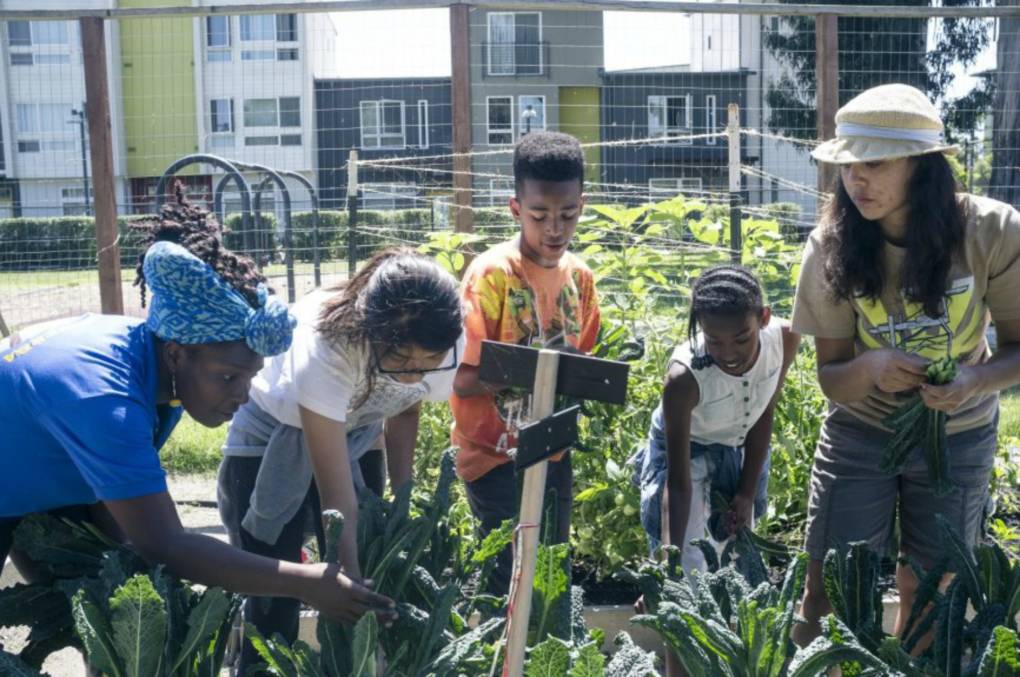
"caption": "Farm manager Kana Azhari, farm assistant Yesica Martinez, student Thomas, student Raquita and educator Katina Castillo work together to pick the farm's kale. ",
"description": "Farm manager Kana Azhari, farm assistant Yesica Martinez, student Thomas, student Raquita and educator Katina Castillo work together to pick the farm's kale. ",
"title": "Farm manager Kana Azhari, farm assistant Yesica Martinez, student Thomas, student Raquita and educator Katina Castillo work together to pick the farm's kale.",
"credit": "Pete Rosos/Acta Non Verba ",
"status": "inherit",
"isLoading": false,
"fetchFailed": false
},
"bayareabites_115737": {
"type": "attachments",
"id": "bayareabites_115737",
"meta": {
"index": "attachments_1716263798",
"site": "bayareabites",
"id": "115737",
"found": true
},
"parent": 115736,
"imgSizes": {
"small": {
"file": "https://ww2.kqed.org/app/uploads/sites/24/2017/03/egg3_custom-95bdff97656274e121ebce861b545517a6474bfe-520x397.jpg",
"width": 520,
"mimeType": "image/jpeg",
"height": 397
},
"twentyfourteen-full-width": {
"file": "https://ww2.kqed.org/app/uploads/sites/24/2017/03/egg3_custom-95bdff97656274e121ebce861b545517a6474bfe-1038x576.jpg",
"width": 1038,
"mimeType": "image/jpeg",
"height": 576
},
"thumbnail": {
"file": "https://ww2.kqed.org/app/uploads/sites/24/2017/03/egg3_custom-95bdff97656274e121ebce861b545517a6474bfe-160x122.jpg",
"width": 160,
"mimeType": "image/jpeg",
"height": 122
},
"fd-sm": {
"file": "https://ww2.kqed.org/app/uploads/sites/24/2017/03/egg3_custom-95bdff97656274e121ebce861b545517a6474bfe-960x732.jpg",
"width": 960,
"mimeType": "image/jpeg",
"height": 732
},
"post-thumbnail": {
"file": "https://ww2.kqed.org/app/uploads/sites/24/2017/03/egg3_custom-95bdff97656274e121ebce861b545517a6474bfe-672x372.jpg",
"width": 672,
"mimeType": "image/jpeg",
"height": 372
},
"xsmall": {
"file": "https://ww2.kqed.org/app/uploads/sites/24/2017/03/egg3_custom-95bdff97656274e121ebce861b545517a6474bfe-375x286.jpg",
"width": 375,
"mimeType": "image/jpeg",
"height": 286
},
"kqedFullSize": {
"file": "https://ww2.kqed.org/app/uploads/sites/24/2017/03/egg3_custom-95bdff97656274e121ebce861b545517a6474bfe-e1488826658876.jpg",
"width": 1920,
"height": 1465
},
"large": {
"file": "https://ww2.kqed.org/app/uploads/sites/24/2017/03/egg3_custom-95bdff97656274e121ebce861b545517a6474bfe-1020x778.jpg",
"width": 1020,
"mimeType": "image/jpeg",
"height": 778
},
"xlarge": {
"file": "https://ww2.kqed.org/app/uploads/sites/24/2017/03/egg3_custom-95bdff97656274e121ebce861b545517a6474bfe-1180x900.jpg",
"width": 1180,
"mimeType": "image/jpeg",
"height": 900
},
"guest-author-50": {
"file": "https://ww2.kqed.org/app/uploads/sites/24/2017/03/egg3_custom-95bdff97656274e121ebce861b545517a6474bfe-50x50.jpg",
"width": 50,
"mimeType": "image/jpeg",
"height": 50
},
"guest-author-96": {
"file": "https://ww2.kqed.org/app/uploads/sites/24/2017/03/egg3_custom-95bdff97656274e121ebce861b545517a6474bfe-96x96.jpg",
"width": 96,
"mimeType": "image/jpeg",
"height": 96
},
"medium": {
"file": "https://ww2.kqed.org/app/uploads/sites/24/2017/03/egg3_custom-95bdff97656274e121ebce861b545517a6474bfe-800x610.jpg",
"width": 800,
"mimeType": "image/jpeg",
"height": 610
},
"guest-author-64": {
"file": "https://ww2.kqed.org/app/uploads/sites/24/2017/03/egg3_custom-95bdff97656274e121ebce861b545517a6474bfe-64x64.jpg",
"width": 64,
"mimeType": "image/jpeg",
"height": 64
},
"guest-author-32": {
"file": "https://ww2.kqed.org/app/uploads/sites/24/2017/03/egg3_custom-95bdff97656274e121ebce861b545517a6474bfe-32x32.jpg",
"width": 32,
"mimeType": "image/jpeg",
"height": 32
},
"fd-lrg": {
"file": "https://ww2.kqed.org/app/uploads/sites/24/2017/03/egg3_custom-95bdff97656274e121ebce861b545517a6474bfe-1920x1465.jpg",
"width": 1920,
"mimeType": "image/jpeg",
"height": 1465
},
"fd-med": {
"file": "https://ww2.kqed.org/app/uploads/sites/24/2017/03/egg3_custom-95bdff97656274e121ebce861b545517a6474bfe-1180x900.jpg",
"width": 1180,
"mimeType": "image/jpeg",
"height": 900
},
"full-width": {
"file": "https://ww2.kqed.org/app/uploads/sites/24/2017/03/egg3_custom-95bdff97656274e121ebce861b545517a6474bfe-1920x1465.jpg",
"width": 1920,
"mimeType": "image/jpeg",
"height": 1465
},
"detail": {
"file": "https://ww2.kqed.org/app/uploads/sites/24/2017/03/egg3_custom-95bdff97656274e121ebce861b545517a6474bfe-150x150.jpg",
"width": 150,
"mimeType": "image/jpeg",
"height": 150
},
"medium_large": {
"file": "https://ww2.kqed.org/app/uploads/sites/24/2017/03/egg3_custom-95bdff97656274e121ebce861b545517a6474bfe-768x586.jpg",
"width": 768,
"mimeType": "image/jpeg",
"height": 586
},
"guest-author-128": {
"file": "https://ww2.kqed.org/app/uploads/sites/24/2017/03/egg3_custom-95bdff97656274e121ebce861b545517a6474bfe-128x128.jpg",
"width": 128,
"mimeType": "image/jpeg",
"height": 128
},
"xxsmall": {
"file": "https://ww2.kqed.org/app/uploads/sites/24/2017/03/egg3_custom-95bdff97656274e121ebce861b545517a6474bfe-240x183.jpg",
"width": 240,
"mimeType": "image/jpeg",
"height": 183
}
},
"publishDate": 1488822846,
"modified": 1488823083,
"caption": "As more research suggests some degree of dietary cholesterol is harmless, if not healthy, the egg's reputation is slowly returning. Yet some experts worry the science is being misinterpreted and spun.",
"description": "As more research suggests some degree of dietary cholesterol is harmless, if not healthy, the egg's reputation is slowly returning. Yet some experts worry the science is being misinterpreted and spun.",
"title": "As more research suggests some degree of dietary cholesterol is harmless, if not healthy, the egg's reputation is slowly returning. Yet some experts worry the science is being misinterpreted and spun.",
"credit": "Kelly Jo Smart/NPR",
"status": "inherit",
"isLoading": false,
"fetchFailed": false
},
"bayareabites_115713": {
"type": "attachments",
"id": "bayareabites_115713",
"meta": {
"index": "attachments_1716263798",
"site": "bayareabites",
"id": "115713",
"found": true
},
"parent": 115711,
"imgSizes": {
"small": {
"file": "https://ww2.kqed.org/app/uploads/sites/24/2017/03/cover_custom-abc71c114c9d5c80e078996d0d07245dc1818a46-520x525.jpg",
"width": 520,
"mimeType": "image/jpeg",
"height": 525
},
"twentyfourteen-full-width": {
"file": "https://ww2.kqed.org/app/uploads/sites/24/2017/03/cover_custom-abc71c114c9d5c80e078996d0d07245dc1818a46-1038x576.jpg",
"width": 1038,
"mimeType": "image/jpeg",
"height": 576
},
"thumbnail": {
"file": "https://ww2.kqed.org/app/uploads/sites/24/2017/03/cover_custom-abc71c114c9d5c80e078996d0d07245dc1818a46-160x162.jpg",
"width": 160,
"mimeType": "image/jpeg",
"height": 162
},
"fd-sm": {
"file": "https://ww2.kqed.org/app/uploads/sites/24/2017/03/cover_custom-abc71c114c9d5c80e078996d0d07245dc1818a46-960x970.jpg",
"width": 960,
"mimeType": "image/jpeg",
"height": 970
},
"post-thumbnail": {
"file": "https://ww2.kqed.org/app/uploads/sites/24/2017/03/cover_custom-abc71c114c9d5c80e078996d0d07245dc1818a46-672x372.jpg",
"width": 672,
"mimeType": "image/jpeg",
"height": 372
},
"xsmall": {
"file": "https://ww2.kqed.org/app/uploads/sites/24/2017/03/cover_custom-abc71c114c9d5c80e078996d0d07245dc1818a46-375x379.jpg",
"width": 375,
"mimeType": "image/jpeg",
"height": 379
},
"kqedFullSize": {
"file": "https://ww2.kqed.org/app/uploads/sites/24/2017/03/cover_custom-abc71c114c9d5c80e078996d0d07245dc1818a46.jpg",
"width": 2798,
"height": 2826
},
"large": {
"file": "https://ww2.kqed.org/app/uploads/sites/24/2017/03/cover_custom-abc71c114c9d5c80e078996d0d07245dc1818a46-1020x1030.jpg",
"width": 1020,
"mimeType": "image/jpeg",
"height": 1030
},
"xlarge": {
"file": "https://ww2.kqed.org/app/uploads/sites/24/2017/03/cover_custom-abc71c114c9d5c80e078996d0d07245dc1818a46-1180x1192.jpg",
"width": 1180,
"mimeType": "image/jpeg",
"height": 1192
},
"guest-author-50": {
"file": "https://ww2.kqed.org/app/uploads/sites/24/2017/03/cover_custom-abc71c114c9d5c80e078996d0d07245dc1818a46-50x50.jpg",
"width": 50,
"mimeType": "image/jpeg",
"height": 50
},
"guest-author-96": {
"file": "https://ww2.kqed.org/app/uploads/sites/24/2017/03/cover_custom-abc71c114c9d5c80e078996d0d07245dc1818a46-96x96.jpg",
"width": 96,
"mimeType": "image/jpeg",
"height": 96
},
"medium": {
"file": "https://ww2.kqed.org/app/uploads/sites/24/2017/03/cover_custom-abc71c114c9d5c80e078996d0d07245dc1818a46-800x808.jpg",
"width": 800,
"mimeType": "image/jpeg",
"height": 808
},
"guest-author-64": {
"file": "https://ww2.kqed.org/app/uploads/sites/24/2017/03/cover_custom-abc71c114c9d5c80e078996d0d07245dc1818a46-64x64.jpg",
"width": 64,
"mimeType": "image/jpeg",
"height": 64
},
"guest-author-32": {
"file": "https://ww2.kqed.org/app/uploads/sites/24/2017/03/cover_custom-abc71c114c9d5c80e078996d0d07245dc1818a46-32x32.jpg",
"width": 32,
"mimeType": "image/jpeg",
"height": 32
},
"fd-lrg": {
"file": "https://ww2.kqed.org/app/uploads/sites/24/2017/03/cover_custom-abc71c114c9d5c80e078996d0d07245dc1818a46-1920x1939.jpg",
"width": 1920,
"mimeType": "image/jpeg",
"height": 1939
},
"fd-med": {
"file": "https://ww2.kqed.org/app/uploads/sites/24/2017/03/cover_custom-abc71c114c9d5c80e078996d0d07245dc1818a46-1180x1192.jpg",
"width": 1180,
"mimeType": "image/jpeg",
"height": 1192
},
"full-width": {
"file": "https://ww2.kqed.org/app/uploads/sites/24/2017/03/cover_custom-abc71c114c9d5c80e078996d0d07245dc1818a46-1920x1939.jpg",
"width": 1920,
"mimeType": "image/jpeg",
"height": 1939
},
"detail": {
"file": "https://ww2.kqed.org/app/uploads/sites/24/2017/03/cover_custom-abc71c114c9d5c80e078996d0d07245dc1818a46-150x150.jpg",
"width": 150,
"mimeType": "image/jpeg",
"height": 150
},
"medium_large": {
"file": "https://ww2.kqed.org/app/uploads/sites/24/2017/03/cover_custom-abc71c114c9d5c80e078996d0d07245dc1818a46-768x776.jpg",
"width": 768,
"mimeType": "image/jpeg",
"height": 776
},
"guest-author-128": {
"file": "https://ww2.kqed.org/app/uploads/sites/24/2017/03/cover_custom-abc71c114c9d5c80e078996d0d07245dc1818a46-128x128.jpg",
"width": 128,
"mimeType": "image/jpeg",
"height": 128
},
"xxsmall": {
"file": "https://ww2.kqed.org/app/uploads/sites/24/2017/03/cover_custom-abc71c114c9d5c80e078996d0d07245dc1818a46-240x242.jpg",
"width": 240,
"mimeType": "image/jpeg",
"height": 242
}
},
"publishDate": 1488573424,
"modified": 1488574715,
"caption": "An artist's illustration shows how a remote-controlled drone might one day be used to pollinate flowers.",
"description": "An artist's illustration shows how a remote-controlled drone might one day be used to pollinate flowers.",
"title": "An artist's illustration shows how a remote-controlled drone might one day be used to pollinate flowers.",
"credit": "Courtesy of Dr. Eijiro Miyako",
"status": "inherit",
"isLoading": false,
"fetchFailed": false
},
"bayareabites_115697": {
"type": "attachments",
"id": "bayareabites_115697",
"meta": {
"index": "attachments_1716263798",
"site": "bayareabites",
"id": "115697",
"found": true
},
"parent": 115696,
"imgSizes": {
"small": {
"file": "https://ww2.kqed.org/app/uploads/sites/24/2017/03/subway-sandwiches-7ea554c9496635f7ab5ef37330b29a6589dc0caf-520x390.jpg",
"width": 520,
"mimeType": "image/jpeg",
"height": 390
},
"twentyfourteen-full-width": {
"file": "https://ww2.kqed.org/app/uploads/sites/24/2017/03/subway-sandwiches-7ea554c9496635f7ab5ef37330b29a6589dc0caf-1038x576.jpg",
"width": 1038,
"mimeType": "image/jpeg",
"height": 576
},
"thumbnail": {
"file": "https://ww2.kqed.org/app/uploads/sites/24/2017/03/subway-sandwiches-7ea554c9496635f7ab5ef37330b29a6589dc0caf-160x120.jpg",
"width": 160,
"mimeType": "image/jpeg",
"height": 120
},
"fd-sm": {
"file": "https://ww2.kqed.org/app/uploads/sites/24/2017/03/subway-sandwiches-7ea554c9496635f7ab5ef37330b29a6589dc0caf-960x720.jpg",
"width": 960,
"mimeType": "image/jpeg",
"height": 720
},
"post-thumbnail": {
"file": "https://ww2.kqed.org/app/uploads/sites/24/2017/03/subway-sandwiches-7ea554c9496635f7ab5ef37330b29a6589dc0caf-672x372.jpg",
"width": 672,
"mimeType": "image/jpeg",
"height": 372
},
"xsmall": {
"file": "https://ww2.kqed.org/app/uploads/sites/24/2017/03/subway-sandwiches-7ea554c9496635f7ab5ef37330b29a6589dc0caf-375x281.jpg",
"width": 375,
"mimeType": "image/jpeg",
"height": 281
},
"kqedFullSize": {
"file": "https://ww2.kqed.org/app/uploads/sites/24/2017/03/subway-sandwiches-7ea554c9496635f7ab5ef37330b29a6589dc0caf.jpg",
"width": 1177,
"height": 883
},
"large": {
"file": "https://ww2.kqed.org/app/uploads/sites/24/2017/03/subway-sandwiches-7ea554c9496635f7ab5ef37330b29a6589dc0caf-1020x765.jpg",
"width": 1020,
"mimeType": "image/jpeg",
"height": 765
},
"guest-author-50": {
"file": "https://ww2.kqed.org/app/uploads/sites/24/2017/03/subway-sandwiches-7ea554c9496635f7ab5ef37330b29a6589dc0caf-50x50.jpg",
"width": 50,
"mimeType": "image/jpeg",
"height": 50
},
"guest-author-96": {
"file": "https://ww2.kqed.org/app/uploads/sites/24/2017/03/subway-sandwiches-7ea554c9496635f7ab5ef37330b29a6589dc0caf-96x96.jpg",
"width": 96,
"mimeType": "image/jpeg",
"height": 96
},
"medium": {
"file": "https://ww2.kqed.org/app/uploads/sites/24/2017/03/subway-sandwiches-7ea554c9496635f7ab5ef37330b29a6589dc0caf-800x600.jpg",
"width": 800,
"mimeType": "image/jpeg",
"height": 600
},
"guest-author-64": {
"file": "https://ww2.kqed.org/app/uploads/sites/24/2017/03/subway-sandwiches-7ea554c9496635f7ab5ef37330b29a6589dc0caf-64x64.jpg",
"width": 64,
"mimeType": "image/jpeg",
"height": 64
},
"guest-author-32": {
"file": "https://ww2.kqed.org/app/uploads/sites/24/2017/03/subway-sandwiches-7ea554c9496635f7ab5ef37330b29a6589dc0caf-32x32.jpg",
"width": 32,
"mimeType": "image/jpeg",
"height": 32
},
"detail": {
"file": "https://ww2.kqed.org/app/uploads/sites/24/2017/03/subway-sandwiches-7ea554c9496635f7ab5ef37330b29a6589dc0caf-150x150.jpg",
"width": 150,
"mimeType": "image/jpeg",
"height": 150
},
"medium_large": {
"file": "https://ww2.kqed.org/app/uploads/sites/24/2017/03/subway-sandwiches-7ea554c9496635f7ab5ef37330b29a6589dc0caf-768x576.jpg",
"width": 768,
"mimeType": "image/jpeg",
"height": 576
},
"guest-author-128": {
"file": "https://ww2.kqed.org/app/uploads/sites/24/2017/03/subway-sandwiches-7ea554c9496635f7ab5ef37330b29a6589dc0caf-128x128.jpg",
"width": 128,
"mimeType": "image/jpeg",
"height": 128
},
"xxsmall": {
"file": "https://ww2.kqed.org/app/uploads/sites/24/2017/03/subway-sandwiches-7ea554c9496635f7ab5ef37330b29a6589dc0caf-240x180.jpg",
"width": 240,
"mimeType": "image/jpeg",
"height": 180
}
},
"publishDate": 1488477572,
"modified": 1488478000,
"caption": "Tests on Subway chicken sandwiches in Canada have concluded that Subway chicken was only half meat — with the other half soy.",
"description": "Tests on Subway chicken sandwiches in Canada have concluded that Subway chicken was only half meat — with the other half so",
"title": "Tests on Subway chicken sandwiches in Canada have concluded that Subway chicken was only half meat — with the other half soy.",
"credit": "Mike Mozart/Flickr",
"status": "inherit",
"isLoading": false,
"fetchFailed": false
}
},
"audioPlayerReducer": {
"postId": "stream_live",
"isPaused": true,
"isPlaying": false,
"pfsActive": false,
"pledgeModalIsOpen": true,
"playerDrawerIsOpen": false,
"liveAudioPlayStartedAt": 0,
"liveAudioPlayContext": ""
},
"authorsReducer": {
"byline_bayareabites_116656": {
"type": "authors",
"id": "byline_bayareabites_116656",
"meta": {
"override": true
},
"slug": "byline_bayareabites_116656",
"name": "\u003ca href=\"http://civileats.com/author/aorlowski/\">Aaron Orlowski\u003c/a>, \u003ca href=\"https://ww2.kqed.org/bayareabites/author/civileat/\">Civil Eats\u003c/a>",
"isLoading": false
},
"byline_bayareabites_116520": {
"type": "authors",
"id": "byline_bayareabites_116520",
"meta": {
"override": true
},
"slug": "byline_bayareabites_116520",
"name": "Mark Schatzker, \u003ca href=\"https://ww2.kqed.org/bayareabites/author/nprfood/\">NPR Food\u003c/a>",
"isLoading": false
},
"byline_bayareabites_116469": {
"type": "authors",
"id": "byline_bayareabites_116469",
"meta": {
"override": true
},
"slug": "byline_bayareabites_116469",
"name": "\u003ca href=\"http://civileats.com/author/grain/\">Grain\u003c/a> and \u003ca href=\"http://civileats.com/author/rpatel/\">Raj Patel\u003c/a>, \u003ca href=\"https://ww2.kqed.org/bayareabites/author/civileat/\">Civil Eats\u003c/a>",
"isLoading": false
},
"byline_bayareabites_116309": {
"type": "authors",
"id": "byline_bayareabites_116309",
"meta": {
"override": true
},
"slug": "byline_bayareabites_116309",
"name": "Maryn McKenna, \u003ca href=\"https://ww2.kqed.org/bayareabites/author/nprfood/\">NPR Food\u003c/a>",
"isLoading": false
},
"byline_bayareabites_116212": {
"type": "authors",
"id": "byline_bayareabites_116212",
"meta": {
"override": true
},
"slug": "byline_bayareabites_116212",
"name": "Clare Leschin-Hoar, \u003ca href=\"https://ww2.kqed.org/bayareabites/contributors/\">NPR Food\u003c/a>",
"isLoading": false
},
"byline_bayareabites_115985": {
"type": "authors",
"id": "byline_bayareabites_115985",
"meta": {
"override": true
},
"slug": "byline_bayareabites_115985",
"name": "Dan Charles, NPR Food",
"isLoading": false
},
"byline_bayareabites_115852": {
"type": "authors",
"id": "byline_bayareabites_115852",
"meta": {
"override": true
},
"slug": "byline_bayareabites_115852",
"name": "Allison Aubrey, NPR Food",
"isLoading": false
},
"byline_bayareabites_115736": {
"type": "authors",
"id": "byline_bayareabites_115736",
"meta": {
"override": true
},
"slug": "byline_bayareabites_115736",
"name": "Bret Stetka, \u003ca href=\"https://ww2.kqed.org/bayareabites/author/nprfood/\">NPR Food\u003c/a>",
"isLoading": false
},
"byline_bayareabites_115711": {
"type": "authors",
"id": "byline_bayareabites_115711",
"meta": {
"override": true
},
"slug": "byline_bayareabites_115711",
"name": "Crystal Ponti, \u003ca href=\"https://ww2.kqed.org/bayareabites/author/nprfood/\">NPR Food\u003c/a>",
"isLoading": false
},
"byline_bayareabites_115696": {
"type": "authors",
"id": "byline_bayareabites_115696",
"meta": {
"override": true
},
"slug": "byline_bayareabites_115696",
"name": "Camila Domonoske, NPR's the two-way",
"isLoading": false
},
"shelbypope": {
"type": "authors",
"id": "5566",
"meta": {
"index": "authors_1716337520",
"id": "5566",
"found": true
},
"name": "Shelby Pope",
"firstName": "Shelby",
"lastName": "Pope",
"slug": "shelbypope",
"email": "shelbylpope@gmail.com",
"display_author_email": false,
"staff_mastheads": [],
"title": "KQED Contributor",
"bio": "Shelby Pope is a freelance writer living and eating her way through the East Bay. She’s written about food, art and science for publications including the Smithsonian, Lucky Peach, and the Washington Post's pet blog. When she’s not taste testing sourdough bread to find the Bay Area’s best loaf, you can find her on Twitter \u003ca href=\"https://twitter.com/shelbylpope\">@shelbylpope\u003c/a> or at \u003ca href=\"https://shelbypope.com/\">shelbypope.com\u003c/a>",
"avatar": "https://secure.gravatar.com/avatar/df74e904399e45720e48e36c6e1ae7a90c32216eb2c9c82f3b2e1a9641b507d3?s=600&d=blank&r=g",
"twitter": "shelbylpope",
"bluesky": null,
"facebook": null,
"instagram": null,
"linkedin": null,
"sites": [
{
"site": "arts",
"roles": [
"subscriber"
]
},
{
"site": "food",
"roles": [
"subscriber"
]
}
],
"headData": {
"title": "Shelby Pope | KQED",
"description": "KQED Contributor",
"ogImgSrc": "https://secure.gravatar.com/avatar/df74e904399e45720e48e36c6e1ae7a90c32216eb2c9c82f3b2e1a9641b507d3?s=600&d=blank&r=g",
"twImgSrc": "https://secure.gravatar.com/avatar/df74e904399e45720e48e36c6e1ae7a90c32216eb2c9c82f3b2e1a9641b507d3?s=600&d=blank&r=g"
},
"isLoading": false,
"link": "/author/shelbypope"
}
},
"pagesReducer": {
"bayareabites_category_science": {
"type": "terms",
"id": "bayareabites_358",
"meta": {
"index": "terms_1716263798",
"site": "bayareabites",
"id": "358",
"score": 10.85186
},
"featImg": null,
"name": "science",
"description": null,
"taxonomy": "category",
"headData": {
"twImgId": null,
"twTitle": null,
"ogTitle": null,
"ogImgId": null,
"twDescription": null,
"description": null,
"title": "science Archives | KQED Bay Area Bites",
"ogDescription": null
},
"ttid": 7943,
"slug": "science",
"isLoading": false,
"title": "science",
"pageMeta": {
"site": "bayareabites",
"WpPageTemplate": "page-topic-editorial",
"currentPage": 20
},
"blocks": [
{
"blockName": "kqed/post-list",
"attrs": {
"layout": "cardArticle2",
"query": "posts/bayareabites?category=science",
"seeMore": false,
"paginated": true,
"page": 20
}
},
{
"blockName": "kqed/ad"
}
]
}
},
"pfsSessionReducer": {},
"postsReducer": {
"stream_live": {
"type": "live",
"id": "stream_live",
"audioUrl": "https://streams.kqed.org/kqedradio",
"title": "Live Stream",
"excerpt": "Live Stream information currently unavailable.",
"link": "/radio",
"featImg": "",
"label": {
"name": "KQED Live",
"link": "/"
}
},
"stream_kqedNewscast": {
"type": "posts",
"id": "stream_kqedNewscast",
"audioUrl": "https://www.kqed.org/.stream/anon/radio/RDnews/newscast.mp3?_=1",
"title": "KQED Newscast",
"featImg": "",
"label": {
"name": "88.5 FM",
"link": "/"
}
},
"bayareabites_116656": {
"type": "posts",
"id": "bayareabites_116656",
"meta": {
"index": "posts_1716263798",
"site": "bayareabites",
"id": "116656",
"score": null,
"sort": [
1491588309000
]
},
"parent": 0,
"labelTerm": {
"site": "bayareabites"
},
"blocks": [],
"publishDate": 1491588309,
"format": "standard",
"disqusTitle": "Marin County Decision to Allow Local Slaughter Fires Up a Debate",
"title": "Marin County Decision to Allow Local Slaughter Fires Up a Debate",
"headTitle": "Bay Area Bites | KQED Food",
"content": "\u003cp>One vision of a progressive food system celebrates diverse local farms and an approach to meat production that reduces the suffering of animals eventually slated to be slaughtered.\u003c/p>\n\u003cp>But another vision insists that animal slaughter will never expunge its inherently inhumane nature, and that only plants should feed a growing global population.\u003c/p>\n\u003cp>Which is more progressive? And which is more sustainable? In many communities, food activists are too busy combating new concentrated animal feeding operations (CAFOs) or looking for alternatives to large-scale commodity crop production to debate the finer points of niche issues like local animal slaughter.\u003c/p>\n\u003cp>That’s not the case in Marin County, California, \u003ca href=\"http://www.nytimes.com/2005/11/05/us/organic-farmings-american-heartland-awaits-royals.html\">a stronghold of the organic and local food movements\u003c/a>, where a recent choice by the county board of supervisors \u003ca href=\"http://www.marincounty.org/~/media/files/maringov/board-actions/2017/march/17031414cdadevpcodeltr.pdf?la=en\">to allow small-scale local animal slaughter\u003c/a> has fueled a fight over the meaning of sustainable food policies.\u003c/p>\n\u003cp>To some locals, the reversal of the ban on all animal slaughter that the board enacted in 2003 adds another positive chapter to the county’s storied local food ethos.\u003c/p>\n\u003cp>[ad fullwidth]\u003c/p>\n\u003cp>“If you do not encourage the model of more local, sustainable, transparent food systems, then you’re going to end up with Monsanto and Swift and the large conglomerates producing food in a manner that is unhealthy and environmentally completely inappropriate,” said Mark Pasternak, a rabbit farmer and the owner of \u003ca href=\"http://www.devilsgulchranch.com/index.html\">Devil’s Gulch Ranch\u003c/a>.\u003c/p>\n\u003cp>But to others, \u003ca href=\"http://civileats.com/2017/01/10/sustainable-meat-supporters-and-vegan-activists-both-claim-bullying/\">the very phrase “sustainable meat” is an oxymoron\u003c/a>, an impossibility. By permitting any animal slaughter—even the small-scale, local kind—Marin County is regressing and papering over the sins of animal agriculture, they say.\u003c/p>\n\u003cp>\u003cstrong>Small-Scale Slaughter Permitted\u003cbr>\n\u003c/strong>\u003cbr>\nThe change in the code, \u003ca href=\"http://www.marinij.com/article/NO/20170314/NEWS/170319891\">unanimously approved by the board of supervisors last month\u003c/a>, allows small-scale slaughter of poultry—less than 20,000 birds or rabbits per year—and permits mobile slaughter units for all kinds of animals, including cows, pigs, and poultry to visit farms. The county won’t be inspecting slaughter operations, said Jeremy Tejirian, a planning manager for the county, although the \u003ca href=\"https://www.fsis.usda.gov/wps/portal/fsis/topics/food-safety-education/get-answers/food-safety-fact-sheets/production-and-inspection/slaughter-inspection-101/slaughter-inspection-101\">USDA inspects all slaughter units\u003c/a> for cows and pigs, including the mobile units that Marin is now using.\u003c/p>\n\u003cp>Marin County had considered allowing brick-and-mortar slaughterhouses, but decided against it. Officials also thought about retaining a rabbit slaughter ban when some residents protested the killing of animals that are also popular household pets, but ended up lifting it as well.\u003c/p>\n\u003cp>Supporters say lifting the ban will allow them to keep a great portion of the meat supply chain local, while also growing new aspects of their businesses. The rule change also highlights the limited number of options for small farmers everywhere, even in a place like Marin County, where there exists both demand for and supply of locally raised meat. Previously, farmers and ranchers had to send their animals to sometimes far-distant slaughterhouses for processing. Some Marin poultry farmers send their birds to Stockton or Sacramento, nearly 100 miles away. And though \u003ca href=\"http://www.marinsunfarms.com/about-us/\">the nearest beef processing plant\u003c/a> is just over the Sonoma county line to the north of Marin, \u003ca href=\"http://civileats.com/2017/03/28/meat-processing-in-a-box/\">minimizing or eliminating animal transport\u003c/a> is key to humane treatment of poultry and livestock.\u003c/p>\n\u003cp>And that Sonoma County slaughterhouse has taken over the operations from Rancho Feeding, which earned notoriety after employees admitted to \u003ca href=\"http://www.pressdemocrat.com/news/5185001-181/rancho-feeding-corp-co-owner-sentenced\">slaughtering diseased and uninspected cows\u003c/a>, leading to a federal recall of 8.7 million pounds of beef.\u003c/p>\n\u003cp>Fifty years ago, there were about 10,000 slaughtering facilities scattered throughout the United States. Then in 1967, Congress passed the \u003ca href=\"https://www.farmtoconsumer.org/blog/2015/09/10/the-wholesome-meat-act-of-1967-disaster-for-small-slaughterhouses-from-the-start/\">Wholesome Meat Act\u003c/a>, which mandated that state slaughter rules be at least as strict as federal ones. The act ended up driving major consolidation in the meat processing industry, and today, there are fewer than 3,000 slaughterhouses throughout the country.\u003c/p>\n\u003cp>Federal inspections are required for all large animal slaughter operations, and for poultry slaughter operations that process more than 20,000 animals per year. State regulations govern smaller poultry operations, and in California, only county rules cover poultry operations slaughtering fewer than 5,000 animals per year.\u003c/p>\n\u003cp>Across California’s 58 counties, rules regulating animal slaughter vary considerably, with urbanized areas generally having stricter limits, said Dave Runsten, the policy director for the \u003ca href=\"http://www.caff.org/\">Community Alliance with Family Farmers\u003c/a>, a California advocacy group.\u003c/p>\n\u003cp>\u003cstrong>The Debate Rages On\u003c/strong>\u003c/p>\n\u003cp>People on both sides of the issue hold strong opinions.\u003c/p>\n\u003cp>\u003ca href=\"http://miyokoskitchen.com/\">Miyoko Schinner\u003c/a>, an author, \u003ca href=\"http://www.artisanveganlife.com/\">vegan chef\u003c/a>, and animal rights activist based in Marin takes issue with the growing local, grass-fed beef movement. When applied to meat, terms like “local,” “humane,” and “farm-to-table” are just catch phrases that obscure the reality that meat will never feed the 9 billion people projected to populate the world by 2050, she said.\u003c/p>\n\u003cp>“Grass-fed may be more sustainable than CAFOs, but it’s not as sustainable as plants,” she said. “In my view, there’s so much more you can do with seven acres to grow plants and feed people.”\u003c/p>\n\u003cp>Lifting the ban on animal slaughter will encourage more meat consumption, Schinner said. “What that is doing is promoting the myth of sustainable animal agriculture,” she added. “It’s making people feel better about continuing to eat animal products.”\u003c/p>\n\u003cp>On the other hand, humane meat advocated say that allowing on-farm and small-scale animal slaughter enables farmers of pasture-raised chickens to retain more control over their product. It’s also a more humane alternative to industrialized slaughterhouses, in which dozens of chickens stream by on an assembly line every minute, making inspection difficult, Runsten said.\u003c/p>\n\u003cp>“It’s a thing that used to be done on farms all the time,” he added. “If more of them took the path that Marin took, and said this is a right of farmers to do that, I think it would open up more opportunities for people.”\u003c/p>\n\u003cp>Additionally, there’s a bottleneck in the local food supply chain under current practices as farmers end up having to reserve slots in slaughterhouses months ahead of time, said Pete Kennedy, who is on the board of directors for the \u003ca href=\"https://www.farmtoconsumer.org/\">Farm-to-Consumer Legal Defense Fund\u003c/a>, which advocates for less restrictive regulations on raw milk and small-scale animal slaughter. On-farm slaughter will help relieve the holdup.\u003c/p>\n\u003cp>Allowing local, on-farm slaughter “is really just a chance to improve the local infrastructure and better meet the demand for locally-produced meat,” said Kennedy, whose group is advocating for\u003ca href=\"http://civileats.com/2015/11/04/could-this-bill-make-local-meat-more-affordable-prime-act/\">legislation that would legalize the sale of custom-processed meat\u003c/a>.\u003c/p>\n\u003cp>In addition, unspoken don’t-ask-don’t-tell animal slaughter practices common in California leave farmers in legal limbo, said Pasternak of Devil’s Gulch Ranch. Better to explicitly approve slaughter, as Marin County has now done, he said.\u003c/p>\n\u003cp>“You need to know before you spend the money, time, and effort that you’re able to do it,” said Pasternak, whose farm is outside the areas zoned for animal slaughter. “It’s critical for young farmers, beginning farmers, and any farmers, if they want to invest the money in diversifying, in selling their products.”\u003c/p>\n\u003cp>Pasternak also pointed to aesthetic benefits of lifting the ban. Farms are commercial enterprises, and dirty, sometimes noisy activities—such as slaughtering animals, spraying fields, and driving tractors—are necessary to retain the open space Marin residents cherish. Many wealthy people in the area near his farm “want to look at nice green pastures with a cow, but don’t want any commercial activity with smells or sounds or dust,” Pasternak said.\u003c/p>\n\u003cp>But in Marin County, \u003ca href=\"http://www.marineconomicconsulting.com/Presentations/CAMS%20Forum%20030117.pdf\">some residents worry\u003c/a> animal slaughter could harm the local economy. “I think it has the potential to be an unmitigated disaster,” said \u003ca href=\"http://www.marineconomicconsulting.com/consultants.php\">Jon Haveman, an economist in Marin County\u003c/a>. He said he doesn’t oppose all animal slaughter and just believes it needs to be done in more suitable places with fewer tourists and residents.\u003c/p>\n\u003cp>Declining residential property values could threaten the county’s budget, he said. Tourism could decline. Additionally, he worries about water use in a drought-prone area. Slaughtering requires large amounts of water–130 gallons per cow, and five to 10 gallons per chicken–and the guts and offal have to be disposed of lest predators cart them off. Less stringent inspection rules for smaller slaughter operations could lead people to cheat.\u003c/p>\n\u003cp>Some people in Marin County are already plotting legal recourse. “There are people looking at it pretty aggressively, and I’d be pretty surprised if there was not legal action brought,” Haveman said.\u003c/p>\n\u003chr>\n\u003cp>[ad floatright]\u003c/p>\n\u003cp>\u003cstrong>About the Author\u003c/strong>\u003cbr>\n\u003ca href=\"http://civileats.com/author/aorlowski/\" target=\"_blank\">Aaron Orlowski\u003c/a> is a California-based environment, food and science journalist. He often writes about agriculture, fish (both farmed and wild), water resources, and renewable energy. Before settling on the West Coast, he worked for newspapers in North and South Dakota. In his spare time, he attempts to salvage untested recipes in the kitchen.\u003c/p>\n\n",
"disqusIdentifier": "116656 https://ww2.kqed.org/bayareabites/?p=116656",
"disqusUrl": "https://ww2.kqed.org/bayareabites/2017/04/07/marin-county-decision-to-allow-local-slaughter-fires-up-a-debate/",
"stats": {
"hasVideo": false,
"hasChartOrMap": false,
"hasAudio": false,
"hasPolis": false,
"wordCount": 1522,
"hasGoogleForm": false,
"hasGallery": false,
"hasHearkenModule": false,
"iframeSrcs": [],
"paragraphCount": 32
},
"modified": 1491588666,
"excerpt": "In a county famous for its support of local food, the uproar over lifting Marin’s ban on local slaughter raises questions about sustainable food policy.",
"headData": {
"twImgId": "",
"twTitle": "",
"ogTitle": "",
"ogImgId": "",
"twDescription": "",
"description": "In a county famous for its support of local food, the uproar over lifting Marin’s ban on local slaughter raises questions about sustainable food policy.",
"title": "Marin County Decision to Allow Local Slaughter Fires Up a Debate | KQED",
"ogDescription": "",
"schema": {
"@context": "https://schema.org",
"@type": "Article",
"headline": "Marin County Decision to Allow Local Slaughter Fires Up a Debate",
"datePublished": "2017-04-07T11:05:09-07:00",
"dateModified": "2017-04-07T11:11:06-07:00",
"image": "https://cdn.kqed.org/wp-content/uploads/2020/02/KQED-OG-Image@1x.png"
}
},
"guestAuthors": [],
"slug": "marin-county-decision-to-allow-local-slaughter-fires-up-a-debate",
"status": "publish",
"nprByline": "\u003ca href=\"http://civileats.com/author/aorlowski/\">Aaron Orlowski\u003c/a>, \u003ca href=\"https://ww2.kqed.org/bayareabites/author/civileat/\">Civil Eats\u003c/a>",
"path": "/bayareabites/116656/marin-county-decision-to-allow-local-slaughter-fires-up-a-debate",
"audioTrackLength": null,
"parsedContent": [
{
"type": "contentString",
"content": "\u003cdiv class=\"post-body\">\u003cp>\u003cp>One vision of a progressive food system celebrates diverse local farms and an approach to meat production that reduces the suffering of animals eventually slated to be slaughtered.\u003c/p>\n\u003cp>But another vision insists that animal slaughter will never expunge its inherently inhumane nature, and that only plants should feed a growing global population.\u003c/p>\n\u003cp>Which is more progressive? And which is more sustainable? In many communities, food activists are too busy combating new concentrated animal feeding operations (CAFOs) or looking for alternatives to large-scale commodity crop production to debate the finer points of niche issues like local animal slaughter.\u003c/p>\n\u003cp>That’s not the case in Marin County, California, \u003ca href=\"http://www.nytimes.com/2005/11/05/us/organic-farmings-american-heartland-awaits-royals.html\">a stronghold of the organic and local food movements\u003c/a>, where a recent choice by the county board of supervisors \u003ca href=\"http://www.marincounty.org/~/media/files/maringov/board-actions/2017/march/17031414cdadevpcodeltr.pdf?la=en\">to allow small-scale local animal slaughter\u003c/a> has fueled a fight over the meaning of sustainable food policies.\u003c/p>\n\u003cp>To some locals, the reversal of the ban on all animal slaughter that the board enacted in 2003 adds another positive chapter to the county’s storied local food ethos.\u003c/p>\n\u003cp>\u003c/p>\u003c/div>",
"attributes": {
"named": {},
"numeric": []
}
},
{
"type": "component",
"content": "",
"name": "ad",
"attributes": {
"named": {
"label": "fullwidth"
},
"numeric": [
"fullwidth"
]
}
},
{
"type": "contentString",
"content": "\u003cdiv class=\"post-body\">\u003cp>\u003c/p>\n\u003cp>“If you do not encourage the model of more local, sustainable, transparent food systems, then you’re going to end up with Monsanto and Swift and the large conglomerates producing food in a manner that is unhealthy and environmentally completely inappropriate,” said Mark Pasternak, a rabbit farmer and the owner of \u003ca href=\"http://www.devilsgulchranch.com/index.html\">Devil’s Gulch Ranch\u003c/a>.\u003c/p>\n\u003cp>But to others, \u003ca href=\"http://civileats.com/2017/01/10/sustainable-meat-supporters-and-vegan-activists-both-claim-bullying/\">the very phrase “sustainable meat” is an oxymoron\u003c/a>, an impossibility. By permitting any animal slaughter—even the small-scale, local kind—Marin County is regressing and papering over the sins of animal agriculture, they say.\u003c/p>\n\u003cp>\u003cstrong>Small-Scale Slaughter Permitted\u003cbr>\n\u003c/strong>\u003cbr>\nThe change in the code, \u003ca href=\"http://www.marinij.com/article/NO/20170314/NEWS/170319891\">unanimously approved by the board of supervisors last month\u003c/a>, allows small-scale slaughter of poultry—less than 20,000 birds or rabbits per year—and permits mobile slaughter units for all kinds of animals, including cows, pigs, and poultry to visit farms. The county won’t be inspecting slaughter operations, said Jeremy Tejirian, a planning manager for the county, although the \u003ca href=\"https://www.fsis.usda.gov/wps/portal/fsis/topics/food-safety-education/get-answers/food-safety-fact-sheets/production-and-inspection/slaughter-inspection-101/slaughter-inspection-101\">USDA inspects all slaughter units\u003c/a> for cows and pigs, including the mobile units that Marin is now using.\u003c/p>\n\u003cp>Marin County had considered allowing brick-and-mortar slaughterhouses, but decided against it. Officials also thought about retaining a rabbit slaughter ban when some residents protested the killing of animals that are also popular household pets, but ended up lifting it as well.\u003c/p>\n\u003cp>Supporters say lifting the ban will allow them to keep a great portion of the meat supply chain local, while also growing new aspects of their businesses. The rule change also highlights the limited number of options for small farmers everywhere, even in a place like Marin County, where there exists both demand for and supply of locally raised meat. Previously, farmers and ranchers had to send their animals to sometimes far-distant slaughterhouses for processing. Some Marin poultry farmers send their birds to Stockton or Sacramento, nearly 100 miles away. And though \u003ca href=\"http://www.marinsunfarms.com/about-us/\">the nearest beef processing plant\u003c/a> is just over the Sonoma county line to the north of Marin, \u003ca href=\"http://civileats.com/2017/03/28/meat-processing-in-a-box/\">minimizing or eliminating animal transport\u003c/a> is key to humane treatment of poultry and livestock.\u003c/p>\n\u003cp>And that Sonoma County slaughterhouse has taken over the operations from Rancho Feeding, which earned notoriety after employees admitted to \u003ca href=\"http://www.pressdemocrat.com/news/5185001-181/rancho-feeding-corp-co-owner-sentenced\">slaughtering diseased and uninspected cows\u003c/a>, leading to a federal recall of 8.7 million pounds of beef.\u003c/p>\n\u003cp>Fifty years ago, there were about 10,000 slaughtering facilities scattered throughout the United States. Then in 1967, Congress passed the \u003ca href=\"https://www.farmtoconsumer.org/blog/2015/09/10/the-wholesome-meat-act-of-1967-disaster-for-small-slaughterhouses-from-the-start/\">Wholesome Meat Act\u003c/a>, which mandated that state slaughter rules be at least as strict as federal ones. The act ended up driving major consolidation in the meat processing industry, and today, there are fewer than 3,000 slaughterhouses throughout the country.\u003c/p>\n\u003cp>Federal inspections are required for all large animal slaughter operations, and for poultry slaughter operations that process more than 20,000 animals per year. State regulations govern smaller poultry operations, and in California, only county rules cover poultry operations slaughtering fewer than 5,000 animals per year.\u003c/p>\n\u003cp>Across California’s 58 counties, rules regulating animal slaughter vary considerably, with urbanized areas generally having stricter limits, said Dave Runsten, the policy director for the \u003ca href=\"http://www.caff.org/\">Community Alliance with Family Farmers\u003c/a>, a California advocacy group.\u003c/p>\n\u003cp>\u003cstrong>The Debate Rages On\u003c/strong>\u003c/p>\n\u003cp>People on both sides of the issue hold strong opinions.\u003c/p>\n\u003cp>\u003ca href=\"http://miyokoskitchen.com/\">Miyoko Schinner\u003c/a>, an author, \u003ca href=\"http://www.artisanveganlife.com/\">vegan chef\u003c/a>, and animal rights activist based in Marin takes issue with the growing local, grass-fed beef movement. When applied to meat, terms like “local,” “humane,” and “farm-to-table” are just catch phrases that obscure the reality that meat will never feed the 9 billion people projected to populate the world by 2050, she said.\u003c/p>\n\u003cp>“Grass-fed may be more sustainable than CAFOs, but it’s not as sustainable as plants,” she said. “In my view, there’s so much more you can do with seven acres to grow plants and feed people.”\u003c/p>\n\u003cp>Lifting the ban on animal slaughter will encourage more meat consumption, Schinner said. “What that is doing is promoting the myth of sustainable animal agriculture,” she added. “It’s making people feel better about continuing to eat animal products.”\u003c/p>\n\u003cp>On the other hand, humane meat advocated say that allowing on-farm and small-scale animal slaughter enables farmers of pasture-raised chickens to retain more control over their product. It’s also a more humane alternative to industrialized slaughterhouses, in which dozens of chickens stream by on an assembly line every minute, making inspection difficult, Runsten said.\u003c/p>\n\u003cp>“It’s a thing that used to be done on farms all the time,” he added. “If more of them took the path that Marin took, and said this is a right of farmers to do that, I think it would open up more opportunities for people.”\u003c/p>\n\u003cp>Additionally, there’s a bottleneck in the local food supply chain under current practices as farmers end up having to reserve slots in slaughterhouses months ahead of time, said Pete Kennedy, who is on the board of directors for the \u003ca href=\"https://www.farmtoconsumer.org/\">Farm-to-Consumer Legal Defense Fund\u003c/a>, which advocates for less restrictive regulations on raw milk and small-scale animal slaughter. On-farm slaughter will help relieve the holdup.\u003c/p>\n\u003cp>Allowing local, on-farm slaughter “is really just a chance to improve the local infrastructure and better meet the demand for locally-produced meat,” said Kennedy, whose group is advocating for\u003ca href=\"http://civileats.com/2015/11/04/could-this-bill-make-local-meat-more-affordable-prime-act/\">legislation that would legalize the sale of custom-processed meat\u003c/a>.\u003c/p>\n\u003cp>In addition, unspoken don’t-ask-don’t-tell animal slaughter practices common in California leave farmers in legal limbo, said Pasternak of Devil’s Gulch Ranch. Better to explicitly approve slaughter, as Marin County has now done, he said.\u003c/p>\n\u003cp>“You need to know before you spend the money, time, and effort that you’re able to do it,” said Pasternak, whose farm is outside the areas zoned for animal slaughter. “It’s critical for young farmers, beginning farmers, and any farmers, if they want to invest the money in diversifying, in selling their products.”\u003c/p>\n\u003cp>Pasternak also pointed to aesthetic benefits of lifting the ban. Farms are commercial enterprises, and dirty, sometimes noisy activities—such as slaughtering animals, spraying fields, and driving tractors—are necessary to retain the open space Marin residents cherish. Many wealthy people in the area near his farm “want to look at nice green pastures with a cow, but don’t want any commercial activity with smells or sounds or dust,” Pasternak said.\u003c/p>\n\u003cp>But in Marin County, \u003ca href=\"http://www.marineconomicconsulting.com/Presentations/CAMS%20Forum%20030117.pdf\">some residents worry\u003c/a> animal slaughter could harm the local economy. “I think it has the potential to be an unmitigated disaster,” said \u003ca href=\"http://www.marineconomicconsulting.com/consultants.php\">Jon Haveman, an economist in Marin County\u003c/a>. He said he doesn’t oppose all animal slaughter and just believes it needs to be done in more suitable places with fewer tourists and residents.\u003c/p>\n\u003cp>Declining residential property values could threaten the county’s budget, he said. Tourism could decline. Additionally, he worries about water use in a drought-prone area. Slaughtering requires large amounts of water–130 gallons per cow, and five to 10 gallons per chicken–and the guts and offal have to be disposed of lest predators cart them off. Less stringent inspection rules for smaller slaughter operations could lead people to cheat.\u003c/p>\n\u003cp>Some people in Marin County are already plotting legal recourse. “There are people looking at it pretty aggressively, and I’d be pretty surprised if there was not legal action brought,” Haveman said.\u003c/p>\n\u003chr>\n\u003cp>\u003c/p>\u003c/div>",
"attributes": {
"named": {},
"numeric": []
}
},
{
"type": "component",
"content": "",
"name": "ad",
"attributes": {
"named": {
"label": "floatright"
},
"numeric": [
"floatright"
]
}
},
{
"type": "contentString",
"content": "\u003cdiv class=\"post-body\">\u003cp>\u003c/p>\n\u003cp>\u003cstrong>About the Author\u003c/strong>\u003cbr>\n\u003ca href=\"http://civileats.com/author/aorlowski/\" target=\"_blank\">Aaron Orlowski\u003c/a> is a California-based environment, food and science journalist. He often writes about agriculture, fish (both farmed and wild), water resources, and renewable energy. Before settling on the West Coast, he worked for newspapers in North and South Dakota. In his spare time, he attempts to salvage untested recipes in the kitchen.\u003c/p>\n\n\u003c/div>\u003c/p>",
"attributes": {
"named": {},
"numeric": []
}
}
],
"link": "/bayareabites/116656/marin-county-decision-to-allow-local-slaughter-fires-up-a-debate",
"authors": [
"byline_bayareabites_116656"
],
"categories": [
"bayareabites_11028",
"bayareabites_10028",
"bayareabites_15153",
"bayareabites_15155",
"bayareabites_2035",
"bayareabites_358",
"bayareabites_60"
],
"tags": [
"bayareabites_9887",
"bayareabites_243",
"bayareabites_8967"
],
"featImg": "bayareabites_116659",
"label": "bayareabites"
},
"bayareabites_116520": {
"type": "posts",
"id": "bayareabites_116520",
"meta": {
"index": "posts_1716263798",
"site": "bayareabites",
"id": "116520",
"score": null,
"sort": [
1491259268000
]
},
"parent": 0,
"labelTerm": {
"site": "bayareabites"
},
"blocks": [],
"publishDate": 1491259268,
"format": "standard",
"disqusTitle": "The Taste Of Wine Isn't All In Your Head, But Your Brain Sure Helps",
"title": "The Taste Of Wine Isn't All In Your Head, But Your Brain Sure Helps",
"headTitle": "Bay Area Bites | KQED Food",
"content": "\u003cp>What do listening to music, hitting a baseball and solving a complex math problem have in common? They all activate \u003cem>less\u003c/em> gray matter than drinking wine.\u003c/p>\n\u003cp>According to Yale neuroscientist Gordon Shepherd, the flavor of wine \"engages more of our brain than any other human behavior.\" The apparently simple act of sipping Merlot involves a complex interplay of air and liquid controlled by coordinated movements of the the tongue, jaw, diaphragm and throat. Inside the mouth, molecules in wine stimulate thousands of taste and odor receptors, sending a flavor signal to the brain that triggers massive cognitive computation involving pattern recognition, memory, value judgment, emotion and of course, pleasure.\u003c/p>\n\u003cp>Whereas most wine writers tend to focus on the various elements that go into the wine itself — the grape, the oak, terroir, the winemaker — Shepherd's subject is the drinker. He explores biomechanics, physiology and neuroscience to describe a journey that begins as wine passes the lips and ends with a lingering \"finish\" that can last for minutes.\u003c/p>\n\u003cfigure id=\"attachment_116526\" class=\"wp-caption alignright\" style=\"max-width: 400px\">\u003ca href=\"http://www.npr.org/books/titles/521820145/neuroenology-how-the-brain-creates-the-taste-of-wine\">\u003cimg src=\"https://ww2.kqed.org/bayareabites/wp-content/uploads/sites/24/2017/04/9780231177009_custom-631b6fcea5673e831800a02a6d11e9a6348aa71b-s400-c85.jpg\" alt=\"Neuroenology How the Brain Creates the Taste of Wine by Gordon M. Shepherd\" width=\"400\" height=\"600\" class=\"size-full wp-image-116526\" srcset=\"https://ww2.kqed.org/app/uploads/sites/24/2017/04/9780231177009_custom-631b6fcea5673e831800a02a6d11e9a6348aa71b-s400-c85.jpg 400w, https://ww2.kqed.org/app/uploads/sites/24/2017/04/9780231177009_custom-631b6fcea5673e831800a02a6d11e9a6348aa71b-s400-c85-160x240.jpg 160w, https://ww2.kqed.org/app/uploads/sites/24/2017/04/9780231177009_custom-631b6fcea5673e831800a02a6d11e9a6348aa71b-s400-c85-240x360.jpg 240w, https://ww2.kqed.org/app/uploads/sites/24/2017/04/9780231177009_custom-631b6fcea5673e831800a02a6d11e9a6348aa71b-s400-c85-375x563.jpg 375w\" sizes=\"(max-width: 400px) 100vw, 400px\">\u003c/a>\u003cfigcaption class=\"wp-caption-text\">Neuroenology\u003cbr>How the Brain Creates the Taste of Wine\u003cbr>by Gordon M. Shepherd\u003c/figcaption>\u003c/figure>\n\u003cp>If you've ever wondered how many muscles there are in the tongue (eight), if a high-fat diet can affect the perception of wine (it can), or if it's possible to experience the full flavor of a wine that's been spat out (it is not), Shepherd has answers — extraordinarily detailed, scientifically rigorous answers. I spoke to Shepherd about his new book, \u003cem>Neuroenology: How the Brain Creates the Taste of Wine.\u003c/em> Our interview has been condensed and edited.\u003c/p>\n\u003cp>\u003cstrong>The subtitle of your book is \"How the Brain Creates the Taste of Wine.\" Can you explain what that means?\u003c/strong>\u003c/p>\n\u003cp>[ad fullwidth]\u003c/p>\n\u003cp>The analogy one can use is color. The objects we see don't have color themselves — light hits them and bounces off. It's when light strikes our eyes that it activates systems in the brain that create color from those different wavelengths. Similarly, the molecules in wine don't have taste or flavor, but when they stimulate our brains, the brain creates flavor the same way it creates color.\u003c/p>\n\u003cp>\u003cstrong>Chapter one is on fluid dynamics, a subject you almost never hear mentioned by wine connoisseurs. How does fluid dynamics inform our understanding of wine?\u003c/strong>\u003c/p>\n\u003cp>You don't just put wine in your mouth and leave it there. You move it about and then swallow it, which is a very complex motor act. If you search on YouTube for anyone doing serious wine tasting, they are working it with their mouths. It's a very active process. So to understand the physiology of tasting wine, it's necessary to give people a whole new context of how wine sensing and wine tasting takes place.\u003c/p>\n\u003cp>\u003cstrong>You talk about a \"hidden force\" in wine tasting. What is it?\u003c/strong>\u003c/p>\n\u003cp>When you sniff wine in the glass, you appreciate the bouquet. That's called \"orthonasal\" smell — the external smelling we're all familiar with. But what most people are unaware of is that when you take wine in your mouth and experience the flavor, most of that flavor is due to a kind of internal smelling. The air comes in from the throat, not your nostrils. That's called \"retronasal\" smell. The molecules are carried to the same receptor cells in the nose, but from the opposite direction. This is very important when it comes to wine flavor. An example is the famous jelly bean test. If you put a jelly bean in your mouth and plug your nose and sense it with your tongue, all you sense is sweet from the sugar. But if you then unplug your nose, suddenly you're flooded with the full flavor experience, and it's because you're smelling through the back of your nose.\u003c/p>\n\u003cp>\u003cstrong>One thing you write about that I've never read elsewhere is the effect saliva has on wine.\u003c/strong>\u003c/p>\n\u003cp>Our bodies produce saliva all the time, and saliva has stuff in it — stuff that both dilutes the wine and interacts with it. So as soon as the wine enters your mouth, it immediately begins to change. For example, saliva contains enzymes that break down the molecules in the wine to create compounds that effervesce into the air to stimulate the smell receptors in your nose. This produces new compounds that were not originally in the wine — they were created by this interaction.\u003c/p>\n\u003cp>\u003cstrong>The amount of saliva a person produces can affect their perception of wine. So can things like age, gender, or even the amount of acetone — a byproduct of energy metabolism — in a person's breath.\u003c/strong>\u003c/p>\n\u003cp>And the time of day. And whether or not they're depressed. If we're talking about smell, we have about 350 different kinds of olfactory receptors. They are not the same between individuals — yours will be different than mine. And they're not always the same over the course of months or years. As the cells turn over, they can change.\u003c/p>\n\u003cp>\u003cstrong>Given all these subjective variables, and the fact that the brain \"creates\" the taste of wine, is it possible for two people to experience the same wine in the same way?\u003c/strong>\u003c/p>\n\u003cp>There is still a commonality. We all know it's a liquid, after all. We all know it comes from fruit. We all know it contains alcohol. And we all have saliva that is more or less the same. So probably 90 percent is the same and 10 percent is different. That's part of the pleasure of wine —comparing your pleasure.\u003c/p>\n\u003cp>\u003cstrong>Does your research suggest wine drinkers are doing anything wrong?\u003c/strong>\u003c/p>\n\u003cp>Within a few sips or drinks, people are just downing the stuff. There needs to be more to it than that. If you take too large a sip, you've saturated your system.\u003c/p>\n\u003cp>\u003cstrong>Is expensive stemware worth it?\u003c/strong>\u003c/p>\n\u003cp>My wife and I have a sit-down meal every night. We used to use modest stemware, but we would occasionally knock it over and it would break, so now we use plain water glasses. But if we're having a proper sort of dinner, we use some kind of glass with a bowl so you can capture the aroma. Just fill the bottom few cubic centimeters, because if you fill up a glass you don't get much aroma. The reason for having a large bowl is that it amplifies the headspace for sniffing in the bouquet and you take small sips. But once you understand the flow dynamics that I describe, you can make your own choice as to how important the glass will be.\u003c/p>\n\u003cp>\u003cstrong>I will end with what may be the most enduring question in science. What's the best value in wine for under $20?\u003c/strong>\u003c/p>\n\u003cp>For table wine, we stick to around $10 or $12 per bottle, and it's a fun challenge to find a wine in that range. I don't want to mention any names, because that would give someone a commercial advantage. For more interesting wines, we like Sancerre\u003cstrong> \u003c/strong>because it seems to have an edge to it. [\u003cem>Editor's note: Sancerre is a designated wine district in the eastern Loire Valley known mostly for wines made from Sauvignon Blanc.\u003c/em>] One of the reasons I prefer European wines is they have a slightly lower alcoholic content. There is research that shows people prefer wines with less alcohol. This is important, because global warming is driving alcohol content up, not down.\u003c/p>\n\u003chr>\n\u003cp>\u003cem>Mark Schatzker is the author of \u003c/em>The Dorito Effect: The Surprising New Truth About Food and Flavor. \u003c/p>\n\u003cp>[ad floatright]\u003c/p>\n\u003cp>\u003cem>Copyright 2017 \u003ca href=\"http://www.npr.org/\" target=\"_blank\">NPR\u003c/a>.\u003c/em> \u003c/p>\n\n",
"disqusIdentifier": "116520 https://ww2.kqed.org/bayareabites/?p=116520",
"disqusUrl": "https://ww2.kqed.org/bayareabites/2017/04/03/the-taste-of-wine-isnt-all-in-your-head-but-your-brain-sure-helps/",
"stats": {
"hasVideo": false,
"hasChartOrMap": false,
"hasAudio": false,
"hasPolis": false,
"wordCount": 1269,
"hasGoogleForm": false,
"hasGallery": false,
"hasHearkenModule": false,
"iframeSrcs": [],
"paragraphCount": 26
},
"modified": 1491259268,
"excerpt": "Savoring the flavor of wine activates more gray matter than solving a complex math problem, according to neuroscientist Gordon Shepherd. His new book, \u003cem>Neurenology, \u003c/em>explores your brain on wine.",
"headData": {
"twImgId": "",
"twTitle": "",
"ogTitle": "",
"ogImgId": "",
"twDescription": "",
"description": "Savoring the flavor of wine activates more gray matter than solving a complex math problem, according to neuroscientist Gordon Shepherd. His new book, Neurenology, explores your brain on wine.",
"title": "The Taste Of Wine Isn't All In Your Head, But Your Brain Sure Helps | KQED",
"ogDescription": "",
"schema": {
"@context": "https://schema.org",
"@type": "Article",
"headline": "The Taste Of Wine Isn't All In Your Head, But Your Brain Sure Helps",
"datePublished": "2017-04-03T15:41:08-07:00",
"dateModified": "2017-04-03T15:41:08-07:00",
"image": "https://cdn.kqed.org/wp-content/uploads/2020/02/KQED-OG-Image@1x.png"
}
},
"guestAuthors": [],
"slug": "the-taste-of-wine-isnt-all-in-your-head-but-your-brain-sure-helps",
"status": "publish",
"nprApiLink": "http://api.npr.org/query?id=521415892&apiKey=MDAxOTAwOTE4MDEyMTkxMDAzNjczZDljZA004",
"nprByline": "Mark Schatzker, \u003ca href=\"https://ww2.kqed.org/bayareabites/author/nprfood/\">NPR Food\u003c/a>",
"nprStoryDate": "Mon, 03 Apr 2017 15:13:00 -0400",
"nprLastModifiedDate": "Mon, 03 Apr 2017 15:17:01 -0400",
"nprHtmlLink": "http://www.npr.org/sections/thesalt/2017/04/03/521415892/the-taste-of-wine-isnt-all-in-your-head-but-your-brain-sure-helps?ft=nprml&f=521415892",
"nprImageAgency": "Alex Reynolds/NPR",
"nprStoryId": "521415892",
"nprRetrievedStory": "1",
"nprPubDate": "Mon, 03 Apr 2017 15:17:00 -0400",
"path": "/bayareabites/116520/the-taste-of-wine-isnt-all-in-your-head-but-your-brain-sure-helps",
"audioTrackLength": null,
"parsedContent": [
{
"type": "contentString",
"content": "\u003cdiv class=\"post-body\">\u003cp>\u003cp>What do listening to music, hitting a baseball and solving a complex math problem have in common? They all activate \u003cem>less\u003c/em> gray matter than drinking wine.\u003c/p>\n\u003cp>According to Yale neuroscientist Gordon Shepherd, the flavor of wine \"engages more of our brain than any other human behavior.\" The apparently simple act of sipping Merlot involves a complex interplay of air and liquid controlled by coordinated movements of the the tongue, jaw, diaphragm and throat. Inside the mouth, molecules in wine stimulate thousands of taste and odor receptors, sending a flavor signal to the brain that triggers massive cognitive computation involving pattern recognition, memory, value judgment, emotion and of course, pleasure.\u003c/p>\n\u003cp>Whereas most wine writers tend to focus on the various elements that go into the wine itself — the grape, the oak, terroir, the winemaker — Shepherd's subject is the drinker. He explores biomechanics, physiology and neuroscience to describe a journey that begins as wine passes the lips and ends with a lingering \"finish\" that can last for minutes.\u003c/p>\n\u003cfigure id=\"attachment_116526\" class=\"wp-caption alignright\" style=\"max-width: 400px\">\u003ca href=\"http://www.npr.org/books/titles/521820145/neuroenology-how-the-brain-creates-the-taste-of-wine\">\u003cimg src=\"https://ww2.kqed.org/bayareabites/wp-content/uploads/sites/24/2017/04/9780231177009_custom-631b6fcea5673e831800a02a6d11e9a6348aa71b-s400-c85.jpg\" alt=\"Neuroenology How the Brain Creates the Taste of Wine by Gordon M. Shepherd\" width=\"400\" height=\"600\" class=\"size-full wp-image-116526\" srcset=\"https://ww2.kqed.org/app/uploads/sites/24/2017/04/9780231177009_custom-631b6fcea5673e831800a02a6d11e9a6348aa71b-s400-c85.jpg 400w, https://ww2.kqed.org/app/uploads/sites/24/2017/04/9780231177009_custom-631b6fcea5673e831800a02a6d11e9a6348aa71b-s400-c85-160x240.jpg 160w, https://ww2.kqed.org/app/uploads/sites/24/2017/04/9780231177009_custom-631b6fcea5673e831800a02a6d11e9a6348aa71b-s400-c85-240x360.jpg 240w, https://ww2.kqed.org/app/uploads/sites/24/2017/04/9780231177009_custom-631b6fcea5673e831800a02a6d11e9a6348aa71b-s400-c85-375x563.jpg 375w\" sizes=\"(max-width: 400px) 100vw, 400px\">\u003c/a>\u003cfigcaption class=\"wp-caption-text\">Neuroenology\u003cbr>How the Brain Creates the Taste of Wine\u003cbr>by Gordon M. Shepherd\u003c/figcaption>\u003c/figure>\n\u003cp>If you've ever wondered how many muscles there are in the tongue (eight), if a high-fat diet can affect the perception of wine (it can), or if it's possible to experience the full flavor of a wine that's been spat out (it is not), Shepherd has answers — extraordinarily detailed, scientifically rigorous answers. I spoke to Shepherd about his new book, \u003cem>Neuroenology: How the Brain Creates the Taste of Wine.\u003c/em> Our interview has been condensed and edited.\u003c/p>\n\u003cp>\u003cstrong>The subtitle of your book is \"How the Brain Creates the Taste of Wine.\" Can you explain what that means?\u003c/strong>\u003c/p>\n\u003cp>\u003c/p>\u003c/div>",
"attributes": {
"named": {},
"numeric": []
}
},
{
"type": "component",
"content": "",
"name": "ad",
"attributes": {
"named": {
"label": "fullwidth"
},
"numeric": [
"fullwidth"
]
}
},
{
"type": "contentString",
"content": "\u003cdiv class=\"post-body\">\u003cp>\u003c/p>\n\u003cp>The analogy one can use is color. The objects we see don't have color themselves — light hits them and bounces off. It's when light strikes our eyes that it activates systems in the brain that create color from those different wavelengths. Similarly, the molecules in wine don't have taste or flavor, but when they stimulate our brains, the brain creates flavor the same way it creates color.\u003c/p>\n\u003cp>\u003cstrong>Chapter one is on fluid dynamics, a subject you almost never hear mentioned by wine connoisseurs. How does fluid dynamics inform our understanding of wine?\u003c/strong>\u003c/p>\n\u003cp>You don't just put wine in your mouth and leave it there. You move it about and then swallow it, which is a very complex motor act. If you search on YouTube for anyone doing serious wine tasting, they are working it with their mouths. It's a very active process. So to understand the physiology of tasting wine, it's necessary to give people a whole new context of how wine sensing and wine tasting takes place.\u003c/p>\n\u003cp>\u003cstrong>You talk about a \"hidden force\" in wine tasting. What is it?\u003c/strong>\u003c/p>\n\u003cp>When you sniff wine in the glass, you appreciate the bouquet. That's called \"orthonasal\" smell — the external smelling we're all familiar with. But what most people are unaware of is that when you take wine in your mouth and experience the flavor, most of that flavor is due to a kind of internal smelling. The air comes in from the throat, not your nostrils. That's called \"retronasal\" smell. The molecules are carried to the same receptor cells in the nose, but from the opposite direction. This is very important when it comes to wine flavor. An example is the famous jelly bean test. If you put a jelly bean in your mouth and plug your nose and sense it with your tongue, all you sense is sweet from the sugar. But if you then unplug your nose, suddenly you're flooded with the full flavor experience, and it's because you're smelling through the back of your nose.\u003c/p>\n\u003cp>\u003cstrong>One thing you write about that I've never read elsewhere is the effect saliva has on wine.\u003c/strong>\u003c/p>\n\u003cp>Our bodies produce saliva all the time, and saliva has stuff in it — stuff that both dilutes the wine and interacts with it. So as soon as the wine enters your mouth, it immediately begins to change. For example, saliva contains enzymes that break down the molecules in the wine to create compounds that effervesce into the air to stimulate the smell receptors in your nose. This produces new compounds that were not originally in the wine — they were created by this interaction.\u003c/p>\n\u003cp>\u003cstrong>The amount of saliva a person produces can affect their perception of wine. So can things like age, gender, or even the amount of acetone — a byproduct of energy metabolism — in a person's breath.\u003c/strong>\u003c/p>\n\u003cp>And the time of day. And whether or not they're depressed. If we're talking about smell, we have about 350 different kinds of olfactory receptors. They are not the same between individuals — yours will be different than mine. And they're not always the same over the course of months or years. As the cells turn over, they can change.\u003c/p>\n\u003cp>\u003cstrong>Given all these subjective variables, and the fact that the brain \"creates\" the taste of wine, is it possible for two people to experience the same wine in the same way?\u003c/strong>\u003c/p>\n\u003cp>There is still a commonality. We all know it's a liquid, after all. We all know it comes from fruit. We all know it contains alcohol. And we all have saliva that is more or less the same. So probably 90 percent is the same and 10 percent is different. That's part of the pleasure of wine —comparing your pleasure.\u003c/p>\n\u003cp>\u003cstrong>Does your research suggest wine drinkers are doing anything wrong?\u003c/strong>\u003c/p>\n\u003cp>Within a few sips or drinks, people are just downing the stuff. There needs to be more to it than that. If you take too large a sip, you've saturated your system.\u003c/p>\n\u003cp>\u003cstrong>Is expensive stemware worth it?\u003c/strong>\u003c/p>\n\u003cp>My wife and I have a sit-down meal every night. We used to use modest stemware, but we would occasionally knock it over and it would break, so now we use plain water glasses. But if we're having a proper sort of dinner, we use some kind of glass with a bowl so you can capture the aroma. Just fill the bottom few cubic centimeters, because if you fill up a glass you don't get much aroma. The reason for having a large bowl is that it amplifies the headspace for sniffing in the bouquet and you take small sips. But once you understand the flow dynamics that I describe, you can make your own choice as to how important the glass will be.\u003c/p>\n\u003cp>\u003cstrong>I will end with what may be the most enduring question in science. What's the best value in wine for under $20?\u003c/strong>\u003c/p>\n\u003cp>For table wine, we stick to around $10 or $12 per bottle, and it's a fun challenge to find a wine in that range. I don't want to mention any names, because that would give someone a commercial advantage. For more interesting wines, we like Sancerre\u003cstrong> \u003c/strong>because it seems to have an edge to it. [\u003cem>Editor's note: Sancerre is a designated wine district in the eastern Loire Valley known mostly for wines made from Sauvignon Blanc.\u003c/em>] One of the reasons I prefer European wines is they have a slightly lower alcoholic content. There is research that shows people prefer wines with less alcohol. This is important, because global warming is driving alcohol content up, not down.\u003c/p>\n\u003chr>\n\u003cp>\u003cem>Mark Schatzker is the author of \u003c/em>The Dorito Effect: The Surprising New Truth About Food and Flavor. \u003c/p>\n\u003cp>\u003c/p>\u003c/div>",
"attributes": {
"named": {},
"numeric": []
}
},
{
"type": "component",
"content": "",
"name": "ad",
"attributes": {
"named": {
"label": "floatright"
},
"numeric": [
"floatright"
]
}
},
{
"type": "contentString",
"content": "\u003cdiv class=\"post-body\">\u003cp>\u003c/p>\n\u003cp>\u003cem>Copyright 2017 \u003ca href=\"http://www.npr.org/\" target=\"_blank\">NPR\u003c/a>.\u003c/em> \u003c/p>\n\n\u003c/div>\u003c/p>",
"attributes": {
"named": {},
"numeric": []
}
}
],
"link": "/bayareabites/116520/the-taste-of-wine-isnt-all-in-your-head-but-your-brain-sure-helps",
"authors": [
"byline_bayareabites_116520"
],
"categories": [
"bayareabites_13306",
"bayareabites_2254",
"bayareabites_11028",
"bayareabites_10028",
"bayareabites_4084",
"bayareabites_358",
"bayareabites_119"
],
"tags": [
"bayareabites_12709",
"bayareabites_15809",
"bayareabites_14748"
],
"featImg": "bayareabites_116521",
"label": "bayareabites"
},
"bayareabites_116469": {
"type": "posts",
"id": "bayareabites_116469",
"meta": {
"index": "posts_1716263798",
"site": "bayareabites",
"id": "116469",
"score": null,
"sort": [
1490976163000
]
},
"parent": 0,
"labelTerm": {
"site": "bayareabites"
},
"blocks": [],
"publishDate": 1490976163,
"format": "standard",
"disqusTitle": "The Global Dangers of Industrial Meat",
"title": "The Global Dangers of Industrial Meat",
"headTitle": "Bay Area Bites | KQED Food",
"content": "\u003cp>The world’s largest beef manufacturer is in trouble. \u003ca href=\"https://www.bloomberg.com/news/articles/2017-03-17/brazil-meat-producers-jbs-brf-probed-in-alleged-bribery-scheme\">Reports have emerged\u003c/a> that employees in over a dozen plants knowingly packed rancid meat, covering up the smell with acid, slabs of which were then sold on to schools and Walmart.\u003c/p>\n\u003cp>All this happened not in the U.S., though, but in Brazil, headquarters to meatpacking giant JBS. Named for its founder, Jose Batista Sobrinho, the company turns over almost as much as the next three largest U.S. beef producers—Tyson, Cargill, and National Beef—combined.\u003c/p>\n\u003cp>In response, Egypt has already banned Brazilian beef, and U.S. Senator John Tester (D-Montana) recently introduced legislation to prevent Brazilian beef from entering into the country, even as JBS \u003ca href=\"http://agnetwest.com/2017/03/27/jbs-suspends-brazil-product-meat-scandal/\">suspended meat production\u003c/a> at 33 of its 36 Brazilian meatpacking plants.\u003c/p>\n\u003cp>But choosing “America First” for your steak misses two far larger points. The Brazilian giant is simply striving \u003ca href=\"https://www.bloomberg.com/news/articles/2013-09-19/brazilian-meatpacker-jbs-wrangles-the-u-dot-s-dot-beef-industry\">to adopt ideas from, and buy out companies\u003c/a> in, the U.S. meat industry. \u003ca href=\"http://jbssa.com/about/history/\">Pilgrim’s, Cargill’s pork business and Smithfield’s beef operation\u003c/a> have been acquired by what Bloomberg once called \u003ca href=\"https://seekingalpha.com/article/3086336-jbs-corporation-getting-to-know-one-of-the-largest-food-companies-in-the-world\">the world’s second largest packaged food company\u003c/a> (behind Nestlé).\u003c/p>\n\u003cp>And even if you could stop the import of dodgy sausage, you still couldn’t avoid the bigger planetary impact of the beef industry, because it’s airborne. According to the UN Food and Agriculture Organization (FAO), meat and dairy production alone now generates \u003ca href=\"http://www.fao.org/Newsroom/en/news/2006/1000448/index.html\">more greenhouse gas emissions\u003c/a> than all the world’s transport combined.\u003c/p>\n\u003cp>[ad fullwidth]\u003c/p>\n\u003cp>Much of the greenhouse gas emissions generated by industrial livestock occur indirectly, through the production of grains to feed to animals that then get fed to humans. In 2010, about one-third of all cereals on Earth went to animal feed, and the FAO predicts this figure will reach \u003ca href=\"http://www.fao.org/cfs/cfs-hlpe/reports/report-10-elaboration-process/en/\">50 percent\u003c/a> by 2050. More feed means more land under cultivation. And feed crops like soybean, maize, and sorghum are usually grown with chemical fertilizers, \u003ca href=\"http://www.nature.com/ngeo/journal/v1/n10/pdf/ngeo325.pdf\">themselves another potent source of greenhouse gas emissions.\u003c/a>\u003c/p>\n\u003cp>Meanwhile, consumption is soaring, made possible by widespread marketing and producing meat that’s cheap to buy—even if those low prices are made possible through dangerous and poorly paid jobs, lax environmental practices, corporate subsidies, and dreadful living conditions for animals. If current trends continue, the FAO predicts world meat consumption will grow a further 76 percent by 2050. If, on the other hand, people kept their level of meat consumption to the World Health Organization’s recommended guidelines, the world could reduce \u003ca href=\"http://ehp.niehs.nih.gov/isee/2016-o-035-3305/\">40 percent\u003c/a> of all current greenhouse gas emissions.\u003c/p>\n\u003cp>Unsurprisingly, this advice hasn’t been well received by the meat, fertilizer, pesticide, and processing industries. Industrial meat concerns \u003ca href=\"https://www.theguardian.com/environment/2010/sep/22/food-firms-lobbying-samuel-jutzi\">blasted the FAO\u003c/a> after they put out a report in 2006 on the role of livestock in the climate crisis. “You wouldn’t believe how much we were attacked,” said Samuel Jutzi, director of the animal production and health division this UN agency. The FAO soon buckled under the pressure and agreed to establish a \u003ca href=\"https://bittman.blogs.nytimes.com/2012/07/11/fao-yields-to-meat-industry-pressure-on-climate-change/?_r=0\">partnership\u003c/a> with the meat industry’s main lobby groups and shifted the focus of its work accordingly.\u003c/p>\n\u003cp>Canadian academic \u003ca href=\"http://ecologicalhoofprint.org/\">Tony Weis\u003c/a> has a term for what’s happening here: the world’s diet, food system, and food policy are being “meatified.” The corporations doing it are increasingly based in the global South, where most of the world’s future industrial meat eaters live, and those firms are doing roaring business.\u003c/p>\n\u003cp>For example, a \u003ca href=\"https://www.grain.org/article/entries/5639-grabbing-the-bull-by-the-horns-it-s-time-to-cut-industrial-meat-and-dairy-to-save-the-climate\">recent report by GRAIN shows\u003c/a> that JBS is also the world’s largest poultry producer. The world’s largest pork producer is the Chinese WH Group, and France’s Lactalis Group is the world’s largest dairy producer. These firms, together with more-established U.S. and European ones, work hard to increase their control over the market: They blunt domestic government attempts to regulate them, they spur demand across the world, and they destroy the livestock practices of small-scale farmers in the process.\u003c/p>\n\u003cp>\u003cstrong>Propping Up the Meat Market\u003c/strong>\u003c/p>\n\u003cp>When Germany drafted guidelines to reduce meat consumption, demonstrating that a 50 percent cut by 2030 would be “crucial to climate protection,” the industry lobbied. Hard. By the November 2016 launch date, the country’s climate change plan \u003ca href=\"https://www.cleanenergywire.org/factsheets/germanys-trimmed-down-climate-action-plan\">had been gutted\u003c/a>, and stripped of any reference at all to greenhouse gases in the agriculture sector. Similar stories can be told of U.S. efforts and those, predictably, in Brazil.\u003c/p>\n\u003cp>Despite industry opposition to certain kinds of regulation, they’re very happy to suck at the teat of government subsidy. In 2013, OECD countries \u003ca href=\"https://www.chathamhouse.org/publication/livestock-climate-change-forgotten-sector-global-public-opinion-meat-and-dairy\">dished out\u003c/a> $53 billion to livestock producers, with the EU paying $731 million to its cattle industry alone The same year, the U.S. Department of Agriculture \u003ca href=\"http://www.pcrm.org/sites/default/files/pdfs/Who's-Making-Money-from-Overweight-Kids.pdf\">paid more than $500 million to just 62 producers\u003c/a> (starting with Tyson Foods) in order to get meat and dairy on school meal trays, compared to just a fraction of that to fruit and vegetable suppliers.\u003c/p>\n\u003cp>But the big guns in the industry’s arsenal are “free trade” agreements. These trade deals \u003ca href=\"https://www.grain.org/e/5639\">artificially prop up production and consumption\u003c/a> by promoting the dumping of cheap meat and dairy into poor countries’ economies. They include clauses that eliminate protections for local farmers from foreign competitors. They also make it illegal to grant preference to local suppliers or products and they make government regulations subject to investor-state dispute settlement under which a foreign company can sue governments that adopt social or environmental legislation that they think undermines their profits.\u003c/p>\n\u003cfigure id=\"attachment_116472\" class=\"wp-caption aligncenter\" style=\"max-width: 1200px\">\u003cimg src=\"https://ww2.kqed.org/bayareabites/wp-content/uploads/sites/24/2017/03/170329-meat-2.jpg\" alt=\"Contrasting the broader carbon footprint of factory farm animals vs animals from small-scale, mixed farms using a systems lens.\" width=\"1200\" height=\"808\" class=\"size-full wp-image-116472\" srcset=\"https://ww2.kqed.org/app/uploads/sites/24/2017/03/170329-meat-2.jpg 1200w, https://ww2.kqed.org/app/uploads/sites/24/2017/03/170329-meat-2-160x108.jpg 160w, https://ww2.kqed.org/app/uploads/sites/24/2017/03/170329-meat-2-800x539.jpg 800w, https://ww2.kqed.org/app/uploads/sites/24/2017/03/170329-meat-2-768x517.jpg 768w, https://ww2.kqed.org/app/uploads/sites/24/2017/03/170329-meat-2-1020x687.jpg 1020w, https://ww2.kqed.org/app/uploads/sites/24/2017/03/170329-meat-2-1180x795.jpg 1180w, https://ww2.kqed.org/app/uploads/sites/24/2017/03/170329-meat-2-960x646.jpg 960w, https://ww2.kqed.org/app/uploads/sites/24/2017/03/170329-meat-2-240x162.jpg 240w, https://ww2.kqed.org/app/uploads/sites/24/2017/03/170329-meat-2-375x253.jpg 375w, https://ww2.kqed.org/app/uploads/sites/24/2017/03/170329-meat-2-520x350.jpg 520w\" sizes=\"(max-width: 1200px) 100vw, 1200px\">\u003cfigcaption class=\"wp-caption-text\">Contrasting the broader carbon footprint of factory farm animals vs animals from small-scale, mixed farms using a systems lens.\u003c/figcaption>\u003c/figure>\n\u003cp>Not all meat production is the same, of course. Small scale mixed farmers and herders who graze animals on land where crops often cannot be grown are the sustainable old-guard. Their production and consumption systems contribute relatively few greenhouse gases, while improving family nutrition and livelihoods and forming an integral part of people’s cultural and religious traditions.\u003c/p>\n\u003cp>But even if they’re better for the planet, small-scale farmers and ranchers don’t have the political clout that industry has. Factory farms are the most rapidly growing segment of meat and dairy production, accounting for \u003ca href=\"http://www.worldwatch.org/rising-number-farm-animals-poses-environmental-and-public-health-risks-0\">80 percent of the growth\u003c/a> of global meat and dairy in recent years. Industrial livestock production has grown at twice the annual rate of traditional, diversified farming systems, and at more than six times the annual growth rate of production based on grazing.\u003c/p>\n\u003cp>\u003cstrong>Change is Possible\u003c/strong>\u003c/p>\n\u003cp>Yet it’s not unimaginable to shift, at scale, away from industrial meat. Last month, Friends of the Earth and Oakland Unified School District\u003ca href=\"http://civileats.com/2017/03/09/less-meat-better-food-happier-kids-oakland-unified-reinvents-its-school-lunch/\"> published the result\u003c/a> of a unique two-year experiment. The district reduced animal protein on school menus by 30 percent while increasing fruit, vegetables, and legumes. When kids ate meat, it came from local organic producers. The result: a 14 percent reduction in the school’s food carbon footprint and $42,000 savings in the cost of the meals. Perhaps most remarkable: the children reported increased satisfaction with the healthy, regionally sourced meals.\u003c/p>\n\u003cp>The Oakland school initiative is smart and, unlike the U.S. meat industry’s practices, deserves to be shared and spread widely. But we can’t just default to letting our children solve climate change for us. Voting with one’s fork or school menu is important, but that alone won’t restore small-scale production, and it won’t detoxify agricultural politics of corporate influence. Larger-scale policy change is vital. Some governments—including \u003ca href=\"http://www.jordbruksverket.se/download/18.5df17f1c13c13e5bc4f800039403/En+h%8Cllbar+k%9Attkonsumtion.pdf\">Sweden\u003c/a>, the \u003ca href=\"http://www.triplepundit.com/2016/03/cut-meat-say-new-netherlands-dietary-guidelines/\">Netherlands\u003c/a> and \u003ca href=\"https://www.theguardian.com/world/2016/jun/20/chinas-meat-consumption-climate-change\">China\u003c/a>—have started formulating recommendations that people eat less meat in the interest of reducing climate emissions.\u003c/p>\n\u003cp>De-meatifying the world will require more from legislators, and more from consumers. It will mean rejecting the meat-marketing and the fertilizer, feed, and fossil fuel industries, too. It will mean pushing back on the trade agreements of which these industries are so fond—and doing so without backing into the nationalism of the right. (It is striking that earlier this year we saw \u003ca href=\"https://www.facebook.com/TomiLahren/videos/1190032107756641/\">a Trump supporter\u003c/a> go head-to-head against \u003ca href=\"https://www.facebook.com/BeefUSA/videos/vb.119381467680/10154282483617681/?type=3&theater\">the U.S. meatpacking industry\u003c/a> in defense of sustainable beef.)\u003c/p>\n\u003cp>The rift between the left and the right around climate change turns on whether you think industrial meatification is an unintended consequence of the food system or its embodiment. If it’s no accident that today’s food system exploits animals, humans and nature, then it’s clear that a radically transformed system—one that moves beyond capitalism—is what’s needed.\u003c/p>\n\u003cp>Buying America First won’t save us from the worst of Big Meat. But it looks as if there are \u003ca href=\"https://www.r-calfusa.com/\">many\u003c/a>\u003ca href=\"http://www.worc.org/\">ranchers\u003c/a>, educators, and \u003ca href=\"http://nffc.net/\">small-scale farmers\u003c/a> who are ready to take a more radical stand. If consumers are ready to boycott Big Meat for good, permanently choosing to support sustainable animal raising by paying more for it, there’s hope for us all.\u003c/p>\n\u003cp>\u003cstrong>About the Authors\u003c/strong>\u003cbr>\n\u003ca href=\"https://www.grain.org/\">GRAIN\u003c/a> is a small, international non-profit collective that works to support small farmers and social movements in their struggles for community-controlled and biodiversity-based food systems.\u003c/p>\n\u003cp>[ad floatright]\u003c/p>\n\u003cp>Raj Patel is an activist, academic and author of Stuffed and Starved and The Value of Nothing. You can follow him on \u003ca href=\"https://twitter.com/_RajPatel\">Twitter\u003c/a>.\u003c/p>\n\n",
"disqusIdentifier": "116469 https://ww2.kqed.org/bayareabites/?p=116469",
"disqusUrl": "https://ww2.kqed.org/bayareabites/2017/03/31/the-global-dangers-of-industrial-meat/",
"stats": {
"hasVideo": false,
"hasChartOrMap": false,
"hasAudio": false,
"hasPolis": false,
"wordCount": 1583,
"hasGoogleForm": false,
"hasGallery": false,
"hasHearkenModule": false,
"iframeSrcs": [],
"paragraphCount": 26
},
"modified": 1490976163,
"excerpt": "Through lobbying, marketing, and proselytizing about cheap meat, the global meat industry is working hard to keep industrially produced meat on the menu, sometimes with disastrous consequences.",
"headData": {
"twImgId": "",
"twTitle": "",
"ogTitle": "",
"ogImgId": "",
"twDescription": "",
"description": "Through lobbying, marketing, and proselytizing about cheap meat, the global meat industry is working hard to keep industrially produced meat on the menu, sometimes with disastrous consequences.",
"title": "The Global Dangers of Industrial Meat | KQED",
"ogDescription": "",
"schema": {
"@context": "https://schema.org",
"@type": "Article",
"headline": "The Global Dangers of Industrial Meat",
"datePublished": "2017-03-31T09:02:43-07:00",
"dateModified": "2017-03-31T09:02:43-07:00",
"image": "https://cdn.kqed.org/wp-content/uploads/2020/02/KQED-OG-Image@1x.png"
}
},
"guestAuthors": [],
"slug": "the-global-dangers-of-industrial-meat",
"status": "publish",
"nprByline": "\u003ca href=\"http://civileats.com/author/grain/\">Grain\u003c/a> and \u003ca href=\"http://civileats.com/author/rpatel/\">Raj Patel\u003c/a>, \u003ca href=\"https://ww2.kqed.org/bayareabites/author/civileat/\">Civil Eats\u003c/a>",
"path": "/bayareabites/116469/the-global-dangers-of-industrial-meat",
"audioTrackLength": null,
"parsedContent": [
{
"type": "contentString",
"content": "\u003cdiv class=\"post-body\">\u003cp>\u003cp>The world’s largest beef manufacturer is in trouble. \u003ca href=\"https://www.bloomberg.com/news/articles/2017-03-17/brazil-meat-producers-jbs-brf-probed-in-alleged-bribery-scheme\">Reports have emerged\u003c/a> that employees in over a dozen plants knowingly packed rancid meat, covering up the smell with acid, slabs of which were then sold on to schools and Walmart.\u003c/p>\n\u003cp>All this happened not in the U.S., though, but in Brazil, headquarters to meatpacking giant JBS. Named for its founder, Jose Batista Sobrinho, the company turns over almost as much as the next three largest U.S. beef producers—Tyson, Cargill, and National Beef—combined.\u003c/p>\n\u003cp>In response, Egypt has already banned Brazilian beef, and U.S. Senator John Tester (D-Montana) recently introduced legislation to prevent Brazilian beef from entering into the country, even as JBS \u003ca href=\"http://agnetwest.com/2017/03/27/jbs-suspends-brazil-product-meat-scandal/\">suspended meat production\u003c/a> at 33 of its 36 Brazilian meatpacking plants.\u003c/p>\n\u003cp>But choosing “America First” for your steak misses two far larger points. The Brazilian giant is simply striving \u003ca href=\"https://www.bloomberg.com/news/articles/2013-09-19/brazilian-meatpacker-jbs-wrangles-the-u-dot-s-dot-beef-industry\">to adopt ideas from, and buy out companies\u003c/a> in, the U.S. meat industry. \u003ca href=\"http://jbssa.com/about/history/\">Pilgrim’s, Cargill’s pork business and Smithfield’s beef operation\u003c/a> have been acquired by what Bloomberg once called \u003ca href=\"https://seekingalpha.com/article/3086336-jbs-corporation-getting-to-know-one-of-the-largest-food-companies-in-the-world\">the world’s second largest packaged food company\u003c/a> (behind Nestlé).\u003c/p>\n\u003cp>And even if you could stop the import of dodgy sausage, you still couldn’t avoid the bigger planetary impact of the beef industry, because it’s airborne. According to the UN Food and Agriculture Organization (FAO), meat and dairy production alone now generates \u003ca href=\"http://www.fao.org/Newsroom/en/news/2006/1000448/index.html\">more greenhouse gas emissions\u003c/a> than all the world’s transport combined.\u003c/p>\n\u003cp>\u003c/p>\u003c/div>",
"attributes": {
"named": {},
"numeric": []
}
},
{
"type": "component",
"content": "",
"name": "ad",
"attributes": {
"named": {
"label": "fullwidth"
},
"numeric": [
"fullwidth"
]
}
},
{
"type": "contentString",
"content": "\u003cdiv class=\"post-body\">\u003cp>\u003c/p>\n\u003cp>Much of the greenhouse gas emissions generated by industrial livestock occur indirectly, through the production of grains to feed to animals that then get fed to humans. In 2010, about one-third of all cereals on Earth went to animal feed, and the FAO predicts this figure will reach \u003ca href=\"http://www.fao.org/cfs/cfs-hlpe/reports/report-10-elaboration-process/en/\">50 percent\u003c/a> by 2050. More feed means more land under cultivation. And feed crops like soybean, maize, and sorghum are usually grown with chemical fertilizers, \u003ca href=\"http://www.nature.com/ngeo/journal/v1/n10/pdf/ngeo325.pdf\">themselves another potent source of greenhouse gas emissions.\u003c/a>\u003c/p>\n\u003cp>Meanwhile, consumption is soaring, made possible by widespread marketing and producing meat that’s cheap to buy—even if those low prices are made possible through dangerous and poorly paid jobs, lax environmental practices, corporate subsidies, and dreadful living conditions for animals. If current trends continue, the FAO predicts world meat consumption will grow a further 76 percent by 2050. If, on the other hand, people kept their level of meat consumption to the World Health Organization’s recommended guidelines, the world could reduce \u003ca href=\"http://ehp.niehs.nih.gov/isee/2016-o-035-3305/\">40 percent\u003c/a> of all current greenhouse gas emissions.\u003c/p>\n\u003cp>Unsurprisingly, this advice hasn’t been well received by the meat, fertilizer, pesticide, and processing industries. Industrial meat concerns \u003ca href=\"https://www.theguardian.com/environment/2010/sep/22/food-firms-lobbying-samuel-jutzi\">blasted the FAO\u003c/a> after they put out a report in 2006 on the role of livestock in the climate crisis. “You wouldn’t believe how much we were attacked,” said Samuel Jutzi, director of the animal production and health division this UN agency. The FAO soon buckled under the pressure and agreed to establish a \u003ca href=\"https://bittman.blogs.nytimes.com/2012/07/11/fao-yields-to-meat-industry-pressure-on-climate-change/?_r=0\">partnership\u003c/a> with the meat industry’s main lobby groups and shifted the focus of its work accordingly.\u003c/p>\n\u003cp>Canadian academic \u003ca href=\"http://ecologicalhoofprint.org/\">Tony Weis\u003c/a> has a term for what’s happening here: the world’s diet, food system, and food policy are being “meatified.” The corporations doing it are increasingly based in the global South, where most of the world’s future industrial meat eaters live, and those firms are doing roaring business.\u003c/p>\n\u003cp>For example, a \u003ca href=\"https://www.grain.org/article/entries/5639-grabbing-the-bull-by-the-horns-it-s-time-to-cut-industrial-meat-and-dairy-to-save-the-climate\">recent report by GRAIN shows\u003c/a> that JBS is also the world’s largest poultry producer. The world’s largest pork producer is the Chinese WH Group, and France’s Lactalis Group is the world’s largest dairy producer. These firms, together with more-established U.S. and European ones, work hard to increase their control over the market: They blunt domestic government attempts to regulate them, they spur demand across the world, and they destroy the livestock practices of small-scale farmers in the process.\u003c/p>\n\u003cp>\u003cstrong>Propping Up the Meat Market\u003c/strong>\u003c/p>\n\u003cp>When Germany drafted guidelines to reduce meat consumption, demonstrating that a 50 percent cut by 2030 would be “crucial to climate protection,” the industry lobbied. Hard. By the November 2016 launch date, the country’s climate change plan \u003ca href=\"https://www.cleanenergywire.org/factsheets/germanys-trimmed-down-climate-action-plan\">had been gutted\u003c/a>, and stripped of any reference at all to greenhouse gases in the agriculture sector. Similar stories can be told of U.S. efforts and those, predictably, in Brazil.\u003c/p>\n\u003cp>Despite industry opposition to certain kinds of regulation, they’re very happy to suck at the teat of government subsidy. In 2013, OECD countries \u003ca href=\"https://www.chathamhouse.org/publication/livestock-climate-change-forgotten-sector-global-public-opinion-meat-and-dairy\">dished out\u003c/a> $53 billion to livestock producers, with the EU paying $731 million to its cattle industry alone The same year, the U.S. Department of Agriculture \u003ca href=\"http://www.pcrm.org/sites/default/files/pdfs/Who's-Making-Money-from-Overweight-Kids.pdf\">paid more than $500 million to just 62 producers\u003c/a> (starting with Tyson Foods) in order to get meat and dairy on school meal trays, compared to just a fraction of that to fruit and vegetable suppliers.\u003c/p>\n\u003cp>But the big guns in the industry’s arsenal are “free trade” agreements. These trade deals \u003ca href=\"https://www.grain.org/e/5639\">artificially prop up production and consumption\u003c/a> by promoting the dumping of cheap meat and dairy into poor countries’ economies. They include clauses that eliminate protections for local farmers from foreign competitors. They also make it illegal to grant preference to local suppliers or products and they make government regulations subject to investor-state dispute settlement under which a foreign company can sue governments that adopt social or environmental legislation that they think undermines their profits.\u003c/p>\n\u003cfigure id=\"attachment_116472\" class=\"wp-caption aligncenter\" style=\"max-width: 1200px\">\u003cimg src=\"https://ww2.kqed.org/bayareabites/wp-content/uploads/sites/24/2017/03/170329-meat-2.jpg\" alt=\"Contrasting the broader carbon footprint of factory farm animals vs animals from small-scale, mixed farms using a systems lens.\" width=\"1200\" height=\"808\" class=\"size-full wp-image-116472\" srcset=\"https://ww2.kqed.org/app/uploads/sites/24/2017/03/170329-meat-2.jpg 1200w, https://ww2.kqed.org/app/uploads/sites/24/2017/03/170329-meat-2-160x108.jpg 160w, https://ww2.kqed.org/app/uploads/sites/24/2017/03/170329-meat-2-800x539.jpg 800w, https://ww2.kqed.org/app/uploads/sites/24/2017/03/170329-meat-2-768x517.jpg 768w, https://ww2.kqed.org/app/uploads/sites/24/2017/03/170329-meat-2-1020x687.jpg 1020w, https://ww2.kqed.org/app/uploads/sites/24/2017/03/170329-meat-2-1180x795.jpg 1180w, https://ww2.kqed.org/app/uploads/sites/24/2017/03/170329-meat-2-960x646.jpg 960w, https://ww2.kqed.org/app/uploads/sites/24/2017/03/170329-meat-2-240x162.jpg 240w, https://ww2.kqed.org/app/uploads/sites/24/2017/03/170329-meat-2-375x253.jpg 375w, https://ww2.kqed.org/app/uploads/sites/24/2017/03/170329-meat-2-520x350.jpg 520w\" sizes=\"(max-width: 1200px) 100vw, 1200px\">\u003cfigcaption class=\"wp-caption-text\">Contrasting the broader carbon footprint of factory farm animals vs animals from small-scale, mixed farms using a systems lens.\u003c/figcaption>\u003c/figure>\n\u003cp>Not all meat production is the same, of course. Small scale mixed farmers and herders who graze animals on land where crops often cannot be grown are the sustainable old-guard. Their production and consumption systems contribute relatively few greenhouse gases, while improving family nutrition and livelihoods and forming an integral part of people’s cultural and religious traditions.\u003c/p>\n\u003cp>But even if they’re better for the planet, small-scale farmers and ranchers don’t have the political clout that industry has. Factory farms are the most rapidly growing segment of meat and dairy production, accounting for \u003ca href=\"http://www.worldwatch.org/rising-number-farm-animals-poses-environmental-and-public-health-risks-0\">80 percent of the growth\u003c/a> of global meat and dairy in recent years. Industrial livestock production has grown at twice the annual rate of traditional, diversified farming systems, and at more than six times the annual growth rate of production based on grazing.\u003c/p>\n\u003cp>\u003cstrong>Change is Possible\u003c/strong>\u003c/p>\n\u003cp>Yet it’s not unimaginable to shift, at scale, away from industrial meat. Last month, Friends of the Earth and Oakland Unified School District\u003ca href=\"http://civileats.com/2017/03/09/less-meat-better-food-happier-kids-oakland-unified-reinvents-its-school-lunch/\"> published the result\u003c/a> of a unique two-year experiment. The district reduced animal protein on school menus by 30 percent while increasing fruit, vegetables, and legumes. When kids ate meat, it came from local organic producers. The result: a 14 percent reduction in the school’s food carbon footprint and $42,000 savings in the cost of the meals. Perhaps most remarkable: the children reported increased satisfaction with the healthy, regionally sourced meals.\u003c/p>\n\u003cp>The Oakland school initiative is smart and, unlike the U.S. meat industry’s practices, deserves to be shared and spread widely. But we can’t just default to letting our children solve climate change for us. Voting with one’s fork or school menu is important, but that alone won’t restore small-scale production, and it won’t detoxify agricultural politics of corporate influence. Larger-scale policy change is vital. Some governments—including \u003ca href=\"http://www.jordbruksverket.se/download/18.5df17f1c13c13e5bc4f800039403/En+h%8Cllbar+k%9Attkonsumtion.pdf\">Sweden\u003c/a>, the \u003ca href=\"http://www.triplepundit.com/2016/03/cut-meat-say-new-netherlands-dietary-guidelines/\">Netherlands\u003c/a> and \u003ca href=\"https://www.theguardian.com/world/2016/jun/20/chinas-meat-consumption-climate-change\">China\u003c/a>—have started formulating recommendations that people eat less meat in the interest of reducing climate emissions.\u003c/p>\n\u003cp>De-meatifying the world will require more from legislators, and more from consumers. It will mean rejecting the meat-marketing and the fertilizer, feed, and fossil fuel industries, too. It will mean pushing back on the trade agreements of which these industries are so fond—and doing so without backing into the nationalism of the right. (It is striking that earlier this year we saw \u003ca href=\"https://www.facebook.com/TomiLahren/videos/1190032107756641/\">a Trump supporter\u003c/a> go head-to-head against \u003ca href=\"https://www.facebook.com/BeefUSA/videos/vb.119381467680/10154282483617681/?type=3&theater\">the U.S. meatpacking industry\u003c/a> in defense of sustainable beef.)\u003c/p>\n\u003cp>The rift between the left and the right around climate change turns on whether you think industrial meatification is an unintended consequence of the food system or its embodiment. If it’s no accident that today’s food system exploits animals, humans and nature, then it’s clear that a radically transformed system—one that moves beyond capitalism—is what’s needed.\u003c/p>\n\u003cp>Buying America First won’t save us from the worst of Big Meat. But it looks as if there are \u003ca href=\"https://www.r-calfusa.com/\">many\u003c/a>\u003ca href=\"http://www.worc.org/\">ranchers\u003c/a>, educators, and \u003ca href=\"http://nffc.net/\">small-scale farmers\u003c/a> who are ready to take a more radical stand. If consumers are ready to boycott Big Meat for good, permanently choosing to support sustainable animal raising by paying more for it, there’s hope for us all.\u003c/p>\n\u003cp>\u003cstrong>About the Authors\u003c/strong>\u003cbr>\n\u003ca href=\"https://www.grain.org/\">GRAIN\u003c/a> is a small, international non-profit collective that works to support small farmers and social movements in their struggles for community-controlled and biodiversity-based food systems.\u003c/p>\n\u003cp>\u003c/p>\u003c/div>",
"attributes": {
"named": {},
"numeric": []
}
},
{
"type": "component",
"content": "",
"name": "ad",
"attributes": {
"named": {
"label": "floatright"
},
"numeric": [
"floatright"
]
}
},
{
"type": "contentString",
"content": "\u003cdiv class=\"post-body\">\u003cp>\u003c/p>\n\u003cp>Raj Patel is an activist, academic and author of Stuffed and Starved and The Value of Nothing. You can follow him on \u003ca href=\"https://twitter.com/_RajPatel\">Twitter\u003c/a>.\u003c/p>\n\n\u003c/div>\u003c/p>",
"attributes": {
"named": {},
"numeric": []
}
}
],
"link": "/bayareabites/116469/the-global-dangers-of-industrial-meat",
"authors": [
"byline_bayareabites_116469"
],
"categories": [
"bayareabites_11028",
"bayareabites_10028",
"bayareabites_4084",
"bayareabites_358",
"bayareabites_60"
],
"tags": [
"bayareabites_13636",
"bayareabites_12363",
"bayareabites_15800",
"bayareabites_8914",
"bayareabites_243"
],
"featImg": "bayareabites_116473",
"label": "bayareabites"
},
"bayareabites_116309": {
"type": "posts",
"id": "bayareabites_116309",
"meta": {
"index": "posts_1716263798",
"site": "bayareabites",
"id": "116309",
"score": null,
"sort": [
1490394489000
]
},
"parent": 0,
"labelTerm": {},
"blocks": [],
"publishDate": 1490394489,
"format": "standard",
"disqusTitle": "The U.S. Can't Really Know If Farmers Are Cutting Back On Antibiotics, GAO Says",
"title": "The U.S. Can't Really Know If Farmers Are Cutting Back On Antibiotics, GAO Says",
"headTitle": "Bay Area Bites | KQED Food",
"content": "\u003cp>When the Food and Drug Administration created controls in January on how farmers can give antibiotics to livestock, scientists concerned about antibiotic resistance and advocates for animal welfare called it a historic shift in how meat animals are raised.\u003c/p>\n\u003cp>But a \u003ca href=\"http://www.gao.gov/assets/690/683130.pdf\">new federal report\u003c/a>, released last week, says the long-awaited FDA initiative — first attempted back in 1977 — falls short in so many areas that it may not create the change that backers hoped for.\u003c/p>\n\u003cp>The FDA initiative, which was created by several documents called Guidances and is usually called its \u003ca href=\"https://www.fda.gov/AnimalVeterinary/SafetyHealth/AntimicrobialResistance/JudiciousUseofAntimicrobials/\">\"judicious use\" program\u003c/a>, made it impossible for livestock producers to use routine micro-doses of antibiotics known as growth promoters. Those doses speed up the time it takes to get chickens, swine and cattle to slaughtering weight, without preventing or treating illness.\u003c/p>\n\u003cp>Multiple lines of research have shown that growth promoters allow bacteria in animals' systems to develop resistance to antibiotics. Those bacteria move off farms in wind or water or with animals going to slaughter, increasing the likelihood of drug-resistant infections, which according to the Centers for Disease Control and Prevention kill \u003ca href=\"https://www.cdc.gov/drugresistance/threat-report-2013/\">23,000 Americans per year\u003c/a>.\u003c/p>\n\u003cp>However, the report by the Government Accountability Office says the FDA is not collecting usage data that will allow it to know if its effort has been successful.\u003c/p>\n\u003cp>[ad fullwidth]\u003c/p>\n\u003cp>In addition, despite urging by the GAO that goes back to 2004, the FDA and USDA have not negotiated access to farms that would allow them to see the types and manner of antibiotics being given — not even when outbreaks of drug-resistant foodborne illness need to be investigated. The FDA's usage data relies on sales information given by manufacturers, which contains no details about how the drugs actually are used.\u003c/p>\n\u003cp>Further, the GAO says the FDA has not anticipated the effect of livestock producers switching to \"preventive\" use of antibiotics — which is still allowed and can also stimulate antibiotic resistance, and may undermine the effectiveness of the growth-promoter ban.\u003c/p>\n\u003cp>The GAO says the departments already should be gathering all that data, because it is called for in \u003ca href=\"https://obamawhitehouse.archives.gov/the-press-office/2015/03/27/fact-sheet-obama-administration-releases-national-action-plan-combat-ant\">executive orders\u003c/a> issued by the Obama administration, which created a national policy on antibiotic resistance. It adds that getting the data is achievable, because other countries that control farm antibiotics, such as Denmark and the Netherlands, collect it routinely and use it to set national usage goals.\u003c/p>\n\u003cp>In 2015, according to \u003ca href=\"https://www.fda.gov/downloads/ForIndustry/UserFees/AnimalDrugUserFeeActADUFA/UCM534243.pdf\">FDA data\u003c/a>, sales of antibiotics for agricultural use in the United States totaled 34.3 million pounds. The agency does not publish comparisons with sales for human use, but the Pew Charitable Trusts estimates that U.S. farms use three times what U.S. patients do.\u003c/p>\n\u003cp>Staff at nonprofits concerned about antibiotic resistance, which have been monitoring the FDA's new policies, said they were dismayed by the GAO's assessment.\u003c/p>\n\u003cp>At the Pew Trusts, Dr. Karin Hoelzer said the lack of attention to preventive use is troubling, because it creates a loophole via which farmers could use antibiotics just as routinely as they did before. \"Our analysis has shown that more than one in three labels does not specify a duration of use,\" she said. \"This is falling short of judicious use standards.\"\u003c/p>\n\u003cp>The sense that there is no plan for next steps in antibiotic control is also a problem, said Dr. David Wallinga, a senior health officer at the Natural Resources Defense Council. \"The agencies haven't put in place a plan for what they are going to do, and they can't provide one when asked,\" he said. \"They have no target for where they want to go, and they have no metrics for how they will measure progress toward a goal they haven't even articulated.\"\u003c/p>\n\u003cp>Wallinga said Denmark and the Netherlands, mentioned in the GAO report, are useful comparisons to the United States because each country has combined national data on human and animal antibiotic use, and on resistant bacteria found in humans and in animals, into a single annual report. \"Each piece of data is important by itself, but it's only when you marry them together that you get insight into what your next steps should be,\" he said. \"That is something that could be done immediately here.\"\u003c/p>\n\u003cp>The GAO report was requested by members of Congress who have been pressing for more reform of farm antibiotic use: Sens. Kirsten Gillibrand (D-NY), Dianne Feinstein (D-CA) and Elizabeth Warren (D-MA), and Reps. Rosa DeLauro (D-CT) and Louise Slaughter (D-NY). (DeLauro has pressed for changes in food safety regulation and Slaughter is the chief sponsor of the Preservation of Antibiotics for Medical Treatment Act, which would further restrict farm use.) The same day the GAO released its report, the group fired off a stinging \u003ca href=\"https://www.gillibrand.senate.gov/newsroom/press/release/following-new-gao-report-gillibrand-feinstein-warren-delauro-and-slaughter-call-on-us-departments-of-agriculture_health-and-human-services-to-end-overuse-of-human-antibiotics-in-farm-animals\">letter\u003c/a> to the USDA and the Department of Health and Human Services, parent of the FDA.\u003c/p>\n\u003cp>\"The rise of antibiotic resistance is one of the greatest threats to global health, and the misuse and overuse of antibiotics has been linked to the emergence and spread of antibiotic resistant bacteria,\" they wrote. The members asked the agencies to set deadlines for getting on farms to gather antibiotic data and to investigate foodborne outbreaks, and to show how they will assure preventive antibiotics are not used in inappropriate ways.\u003c/p>\n\u003chr>\n\u003cp>\u003cem>Maryn McKenna is a journalist and author who specializes in global health, public health and food policy.\u003c/em> \u003c/p>\n\u003cp>\u003c/p>\n\u003cp>\u003cem>Copyright 2017 \u003ca href=\"http://www.npr.org/\" target=\"_blank\">NPR\u003c/a>.\u003c/em> \u003c/p>\n\n",
"disqusIdentifier": "116309 https://ww2.kqed.org/bayareabites/?p=116309",
"disqusUrl": "https://ww2.kqed.org/bayareabites/2017/03/24/the-u-s-cant-really-know-if-farmers-are-cutting-back-on-antibiotics-gao-says/",
"stats": {
"hasVideo": false,
"hasChartOrMap": false,
"hasAudio": false,
"hasPolis": false,
"wordCount": 906,
"hasGoogleForm": false,
"hasGallery": false,
"hasHearkenModule": false,
"iframeSrcs": [],
"paragraphCount": 19
},
"modified": 1490394489,
"excerpt": "New FDA rules limit how farmers can give antibiotics to animals raised for meat. But a Government Accountability Office report says the FDA doesn't collect the data to know if that policy is working.",
"headData": {
"twImgId": "",
"twTitle": "",
"ogTitle": "",
"ogImgId": "",
"twDescription": "",
"description": "New FDA rules limit how farmers can give antibiotics to animals raised for meat. But a Government Accountability Office report says the FDA doesn't collect the data to know if that policy is working.",
"title": "The U.S. Can't Really Know If Farmers Are Cutting Back On Antibiotics, GAO Says | KQED",
"ogDescription": "",
"schema": {
"@context": "https://schema.org",
"@type": "Article",
"headline": "The U.S. Can't Really Know If Farmers Are Cutting Back On Antibiotics, GAO Says",
"datePublished": "2017-03-24T15:28:09-07:00",
"dateModified": "2017-03-24T15:28:09-07:00",
"image": "https://cdn.kqed.org/wp-content/uploads/2020/02/KQED-OG-Image@1x.png"
}
},
"guestAuthors": [],
"slug": "the-u-s-cant-really-know-if-farmers-are-cutting-back-on-antibiotics-gao-says",
"status": "publish",
"sourceUrl": "https://ww2.kqed.org/bayareabites/category/politics-activism-food-safety/",
"nprApiLink": "http://api.npr.org/query?id=521281145&apiKey=MDAxOTAwOTE4MDEyMTkxMDAzNjczZDljZA004",
"nprByline": "Maryn McKenna, \u003ca href=\"https://ww2.kqed.org/bayareabites/author/nprfood/\">NPR Food\u003c/a>",
"nprStoryDate": "Fri, 24 Mar 2017 05:20:00 -0400",
"nprLastModifiedDate": "Fri, 24 Mar 2017 08:09:08 -0400",
"nprHtmlLink": "http://www.npr.org/sections/thesalt/2017/03/24/521281145/the-u-s-can-t-really-know-if-farmers-are-cutting-back-on-antibiotics-gao-says?ft=nprml&f=521281145",
"nprImageAgency": "Scott Eells/Bloomberg/Getty Images",
"source": "Politics, Activism, Food Safety",
"nprStoryId": "521281145",
"nprRetrievedStory": "1",
"nprPubDate": "Fri, 24 Mar 2017 08:09:00 -0400",
"path": "/bayareabites/116309/the-u-s-cant-really-know-if-farmers-are-cutting-back-on-antibiotics-gao-says",
"audioTrackLength": null,
"parsedContent": [
{
"type": "contentString",
"content": "\u003cdiv class=\"post-body\">\u003cp>\u003cp>When the Food and Drug Administration created controls in January on how farmers can give antibiotics to livestock, scientists concerned about antibiotic resistance and advocates for animal welfare called it a historic shift in how meat animals are raised.\u003c/p>\n\u003cp>But a \u003ca href=\"http://www.gao.gov/assets/690/683130.pdf\">new federal report\u003c/a>, released last week, says the long-awaited FDA initiative — first attempted back in 1977 — falls short in so many areas that it may not create the change that backers hoped for.\u003c/p>\n\u003cp>The FDA initiative, which was created by several documents called Guidances and is usually called its \u003ca href=\"https://www.fda.gov/AnimalVeterinary/SafetyHealth/AntimicrobialResistance/JudiciousUseofAntimicrobials/\">\"judicious use\" program\u003c/a>, made it impossible for livestock producers to use routine micro-doses of antibiotics known as growth promoters. Those doses speed up the time it takes to get chickens, swine and cattle to slaughtering weight, without preventing or treating illness.\u003c/p>\n\u003cp>Multiple lines of research have shown that growth promoters allow bacteria in animals' systems to develop resistance to antibiotics. Those bacteria move off farms in wind or water or with animals going to slaughter, increasing the likelihood of drug-resistant infections, which according to the Centers for Disease Control and Prevention kill \u003ca href=\"https://www.cdc.gov/drugresistance/threat-report-2013/\">23,000 Americans per year\u003c/a>.\u003c/p>\n\u003cp>However, the report by the Government Accountability Office says the FDA is not collecting usage data that will allow it to know if its effort has been successful.\u003c/p>\n\u003cp>\u003c/p>\u003c/div>",
"attributes": {
"named": {},
"numeric": []
}
},
{
"type": "component",
"content": "",
"name": "ad",
"attributes": {
"named": {
"label": "fullwidth"
},
"numeric": [
"fullwidth"
]
}
},
{
"type": "contentString",
"content": "\u003cdiv class=\"post-body\">\u003cp>\u003c/p>\n\u003cp>In addition, despite urging by the GAO that goes back to 2004, the FDA and USDA have not negotiated access to farms that would allow them to see the types and manner of antibiotics being given — not even when outbreaks of drug-resistant foodborne illness need to be investigated. The FDA's usage data relies on sales information given by manufacturers, which contains no details about how the drugs actually are used.\u003c/p>\n\u003cp>Further, the GAO says the FDA has not anticipated the effect of livestock producers switching to \"preventive\" use of antibiotics — which is still allowed and can also stimulate antibiotic resistance, and may undermine the effectiveness of the growth-promoter ban.\u003c/p>\n\u003cp>The GAO says the departments already should be gathering all that data, because it is called for in \u003ca href=\"https://obamawhitehouse.archives.gov/the-press-office/2015/03/27/fact-sheet-obama-administration-releases-national-action-plan-combat-ant\">executive orders\u003c/a> issued by the Obama administration, which created a national policy on antibiotic resistance. It adds that getting the data is achievable, because other countries that control farm antibiotics, such as Denmark and the Netherlands, collect it routinely and use it to set national usage goals.\u003c/p>\n\u003cp>In 2015, according to \u003ca href=\"https://www.fda.gov/downloads/ForIndustry/UserFees/AnimalDrugUserFeeActADUFA/UCM534243.pdf\">FDA data\u003c/a>, sales of antibiotics for agricultural use in the United States totaled 34.3 million pounds. The agency does not publish comparisons with sales for human use, but the Pew Charitable Trusts estimates that U.S. farms use three times what U.S. patients do.\u003c/p>\n\u003cp>Staff at nonprofits concerned about antibiotic resistance, which have been monitoring the FDA's new policies, said they were dismayed by the GAO's assessment.\u003c/p>\n\u003cp>At the Pew Trusts, Dr. Karin Hoelzer said the lack of attention to preventive use is troubling, because it creates a loophole via which farmers could use antibiotics just as routinely as they did before. \"Our analysis has shown that more than one in three labels does not specify a duration of use,\" she said. \"This is falling short of judicious use standards.\"\u003c/p>\n\u003cp>The sense that there is no plan for next steps in antibiotic control is also a problem, said Dr. David Wallinga, a senior health officer at the Natural Resources Defense Council. \"The agencies haven't put in place a plan for what they are going to do, and they can't provide one when asked,\" he said. \"They have no target for where they want to go, and they have no metrics for how they will measure progress toward a goal they haven't even articulated.\"\u003c/p>\n\u003cp>Wallinga said Denmark and the Netherlands, mentioned in the GAO report, are useful comparisons to the United States because each country has combined national data on human and animal antibiotic use, and on resistant bacteria found in humans and in animals, into a single annual report. \"Each piece of data is important by itself, but it's only when you marry them together that you get insight into what your next steps should be,\" he said. \"That is something that could be done immediately here.\"\u003c/p>\n\u003cp>The GAO report was requested by members of Congress who have been pressing for more reform of farm antibiotic use: Sens. Kirsten Gillibrand (D-NY), Dianne Feinstein (D-CA) and Elizabeth Warren (D-MA), and Reps. Rosa DeLauro (D-CT) and Louise Slaughter (D-NY). (DeLauro has pressed for changes in food safety regulation and Slaughter is the chief sponsor of the Preservation of Antibiotics for Medical Treatment Act, which would further restrict farm use.) The same day the GAO released its report, the group fired off a stinging \u003ca href=\"https://www.gillibrand.senate.gov/newsroom/press/release/following-new-gao-report-gillibrand-feinstein-warren-delauro-and-slaughter-call-on-us-departments-of-agriculture_health-and-human-services-to-end-overuse-of-human-antibiotics-in-farm-animals\">letter\u003c/a> to the USDA and the Department of Health and Human Services, parent of the FDA.\u003c/p>\n\u003cp>\"The rise of antibiotic resistance is one of the greatest threats to global health, and the misuse and overuse of antibiotics has been linked to the emergence and spread of antibiotic resistant bacteria,\" they wrote. The members asked the agencies to set deadlines for getting on farms to gather antibiotic data and to investigate foodborne outbreaks, and to show how they will assure preventive antibiotics are not used in inappropriate ways.\u003c/p>\n\u003chr>\n\u003cp>\u003cem>Maryn McKenna is a journalist and author who specializes in global health, public health and food policy.\u003c/em> \u003c/p>\n\u003cp>\u003c/p>\n\u003cp>\u003cem>Copyright 2017 \u003ca href=\"http://www.npr.org/\" target=\"_blank\">NPR\u003c/a>.\u003c/em> \u003c/p>\n\n\u003c/div>\u003c/p>",
"attributes": {
"named": {},
"numeric": []
}
}
],
"link": "/bayareabites/116309/the-u-s-cant-really-know-if-farmers-are-cutting-back-on-antibiotics-gao-says",
"authors": [
"byline_bayareabites_116309"
],
"categories": [
"bayareabites_10028",
"bayareabites_1245",
"bayareabites_2035",
"bayareabites_358"
],
"tags": [
"bayareabites_11521",
"bayareabites_2608",
"bayareabites_15793"
],
"featImg": "bayareabites_116310",
"label": "source_bayareabites_116309"
},
"bayareabites_116266": {
"type": "posts",
"id": "bayareabites_116266",
"meta": {
"index": "posts_1716263798",
"site": "bayareabites",
"id": "116266",
"score": null,
"sort": [
1490385447000
]
},
"parent": 0,
"labelTerm": {},
"blocks": [],
"publishDate": 1490385447,
"format": "standard",
"disqusTitle": "The Bay Area Food Movement Tackles Trump",
"title": "The Bay Area Food Movement Tackles Trump",
"headTitle": "Bay Area Bites | KQED Food",
"content": "\u003cp>The food world’s response to President Trump has varied. Farmers, from the Central Valley to Midwest, supported him. Restaurant owners are grappling with how political they can be without risking business. Some have declared their businesses “sanctuary restaurants,” while others, like the restaurant group that recently opened a restaurant in a Trump-owned hotel, simply see working with the president as a \u003ca href=\"https://www.washingtonpost.com/news/going-out-guide/wp/2015/09/30/blt-prime-steakhouse-to-open-in-the-trump-international-hotel/\" target=\"_blank\">good business decision\u003c/a>. But in the Bay Area, the food world is ready to resist.\u003c/p>\n\u003cp>That was the focus of a Thursday night \u003ca href=\"http://www.cuesa.org/\" target=\"_blank\">CUESA\u003c/a> event called “\u003ca href=\"https://www.eventbrite.com/e/resist-together-reframing-the-food-movement-tickets-32544341000?ref=ebtnebtckt#\" target=\"_blank\">Resist Together! Reframing the Food Movement\u003c/a>,” where panelists Evelyn Rangel-Medina of the \u003ca href=\"http://rocunited.org/staff-and-locals/bay-area/\" target=\"_blank\">Restaurant Opportunities Centers United\u003c/a>, Edwin Carmona-Cruz from \u003ca href=\"http://www.lrcl.org/\" target=\"_blank\">La Raza Centro Legal\u003c/a>, Amelia Moore from the \u003ca href=\"http://www.ucsusa.org/\" target=\"_blank\">Union of Concerned Scientists\u003c/a>, Leslie Mah from \u003ca href=\"https://nourishresist.org/\" target=\"_blank\">Nourish|Resist\u003c/a> and moderator, writer Stephen Satterfield, discuss the intersection of food and activism in the age of Trump.\u003c/p>\n\u003cfigure id=\"attachment_116287\" class=\"wp-caption aligncenter\" style=\"max-width: 1920px\">\u003cimg class=\"size-full wp-image-116287\" src=\"https://ww2.kqed.org/bayareabites/wp-content/uploads/sites/24/2017/03/DSC_2170.jpg\" alt=\"The crowd at CUESA's event.\" width=\"1920\" height=\"1300\" srcset=\"https://ww2.kqed.org/app/uploads/sites/24/2017/03/DSC_2170.jpg 1920w, https://ww2.kqed.org/app/uploads/sites/24/2017/03/DSC_2170-160x108.jpg 160w, https://ww2.kqed.org/app/uploads/sites/24/2017/03/DSC_2170-800x542.jpg 800w, https://ww2.kqed.org/app/uploads/sites/24/2017/03/DSC_2170-768x520.jpg 768w, https://ww2.kqed.org/app/uploads/sites/24/2017/03/DSC_2170-1020x691.jpg 1020w, https://ww2.kqed.org/app/uploads/sites/24/2017/03/DSC_2170-1180x799.jpg 1180w, https://ww2.kqed.org/app/uploads/sites/24/2017/03/DSC_2170-960x650.jpg 960w, https://ww2.kqed.org/app/uploads/sites/24/2017/03/DSC_2170-240x163.jpg 240w, https://ww2.kqed.org/app/uploads/sites/24/2017/03/DSC_2170-375x254.jpg 375w, https://ww2.kqed.org/app/uploads/sites/24/2017/03/DSC_2170-520x352.jpg 520w\" sizes=\"(max-width: 1920px) 100vw, 1920px\">\u003cfigcaption class=\"wp-caption-text\">The crowd at CUESA's event. \u003ccite>(Shelby Pope)\u003c/cite>\u003c/figcaption>\u003c/figure>\n\u003cp>CUESA director of education Julie Cummins introduced the event by emphasizing the need for people to think of food with a “bigger lens”: to think less about food itself and instead focus on the social and political issues in which our food is produced and made. Mah agreed, talking about how people need to shift in how they see the food movement, and go from making passive food choices (whatever’s cheapest at the store) to active ones (did that apple come from a farm in California or Mexico? Do the farmers take advantage of their workers?) The focus needs to be on “good food meets food justice,” Mah said.\u003c/p>\n\u003cp>The panel discussed the problems that Trump’s focus on illegal immigration can cause restaurants. Carmona-Cruz discussed how La Raza leads trainings for restaurants about what to do if ICE comes knocking at their door. Undocumented restaurant workers are often taken advantage of, he said, made to work for much less than minimum wage. “We have to realize that good food equals good practices,” he said. “We like to think about it in an intersectional way.”\u003c/p>\n\u003cfigure id=\"attachment_116290\" class=\"wp-caption aligncenter\" style=\"max-width: 1920px\">\u003cimg class=\"size-full wp-image-116290\" src=\"https://ww2.kqed.org/bayareabites/wp-content/uploads/sites/24/2017/03/DSC_2243.jpg\" alt=\"Panelist Edwin Carmona-Cruz, from La Raza Centro Legal.\" width=\"1920\" height=\"1449\" srcset=\"https://ww2.kqed.org/app/uploads/sites/24/2017/03/DSC_2243.jpg 1920w, https://ww2.kqed.org/app/uploads/sites/24/2017/03/DSC_2243-160x121.jpg 160w, https://ww2.kqed.org/app/uploads/sites/24/2017/03/DSC_2243-800x604.jpg 800w, https://ww2.kqed.org/app/uploads/sites/24/2017/03/DSC_2243-768x580.jpg 768w, https://ww2.kqed.org/app/uploads/sites/24/2017/03/DSC_2243-1020x770.jpg 1020w, https://ww2.kqed.org/app/uploads/sites/24/2017/03/DSC_2243-1180x891.jpg 1180w, https://ww2.kqed.org/app/uploads/sites/24/2017/03/DSC_2243-960x725.jpg 960w, https://ww2.kqed.org/app/uploads/sites/24/2017/03/DSC_2243-240x181.jpg 240w, https://ww2.kqed.org/app/uploads/sites/24/2017/03/DSC_2243-375x283.jpg 375w, https://ww2.kqed.org/app/uploads/sites/24/2017/03/DSC_2243-520x392.jpg 520w\" sizes=\"(max-width: 1920px) 100vw, 1920px\">\u003cfigcaption class=\"wp-caption-text\">Panelist Edwin Carmona-Cruz, from La Raza Centro Legal. \u003ccite>(Shelby Pope)\u003c/cite>\u003c/figcaption>\u003c/figure>\n\u003cp>Intersectionality is key, Moore said. It’s not just about people buying most of of their produce from the farmers' market. For the food system to become more equitable as a whole, she said, people have to collaborate with other social justice movements, like Black Lives Matter.\u003c/p>\n\u003cp>[ad fullwidth]\u003c/p>\n\u003cp>“Our food system is reliant on people of color and immigrants,” Rangel-Medina said, adding that any food movement needs to be relevant for everyone, from restaurant workers to the people who pick our food. She mentioned the uncomfortable dichotomy that anyone who’s dined out in the Bay Area has observed. Why are Latino workers consistently working in back of the house positions, while the the bulk of front of house workers--who generally make more money, and serve as the face of the resturaunt--white? Yes, it’s awkward for well-intentioned Bay Area liberals to discuss these kinds of inequities. Yet, it’s vital, Rangel-Medina said. “If we don’t do this hard work we end up with Trump.”\u003c/p>\n\u003cfigure id=\"attachment_116292\" class=\"wp-caption aligncenter\" style=\"max-width: 1920px\">\u003cimg class=\"size-full wp-image-116292\" src=\"https://ww2.kqed.org/bayareabites/wp-content/uploads/sites/24/2017/03/DSC_2256.jpg\" alt=\"Panelist Evelyn Rangel-Medina, from Restaurant Opportunities Centers United.\" width=\"1920\" height=\"1332\" srcset=\"https://ww2.kqed.org/app/uploads/sites/24/2017/03/DSC_2256.jpg 1920w, https://ww2.kqed.org/app/uploads/sites/24/2017/03/DSC_2256-160x111.jpg 160w, https://ww2.kqed.org/app/uploads/sites/24/2017/03/DSC_2256-800x555.jpg 800w, https://ww2.kqed.org/app/uploads/sites/24/2017/03/DSC_2256-768x533.jpg 768w, https://ww2.kqed.org/app/uploads/sites/24/2017/03/DSC_2256-1020x708.jpg 1020w, https://ww2.kqed.org/app/uploads/sites/24/2017/03/DSC_2256-1180x819.jpg 1180w, https://ww2.kqed.org/app/uploads/sites/24/2017/03/DSC_2256-960x666.jpg 960w, https://ww2.kqed.org/app/uploads/sites/24/2017/03/DSC_2256-240x167.jpg 240w, https://ww2.kqed.org/app/uploads/sites/24/2017/03/DSC_2256-375x260.jpg 375w, https://ww2.kqed.org/app/uploads/sites/24/2017/03/DSC_2256-520x361.jpg 520w\" sizes=\"(max-width: 1920px) 100vw, 1920px\">\u003cfigcaption class=\"wp-caption-text\">Panelist Evelyn Rangel-Medina, from Restaurant Opportunities Centers United. \u003ccite>(Shelby Pope)\u003c/cite>\u003c/figcaption>\u003c/figure>\n\u003cp>The fear and uncertainty that Trump’s presidency has created isn’t anything new, she added. “People of color have already been living in a Trump-like America.” Rangel-Medina pointed out that California, bastion of progressiveness and leader of the Trump resistance, is also the state that passed \u003ca href=\"https://en.wikipedia.org/wiki/California_Proposition_187\" target=\"_blank\">Proposition 187\u003c/a> in 1994, which denied undocumented Californians access to health care and education. We can’t rest on our laurels, confident that things will sort themselves out, believing that the Bay Area is somehow immune to Trump’s agenda, she said. We have to work hard to create a different future. “If we can create a demand for organic food, we can also demand racial equity,” she said.\u003c/p>\n\u003cp>That sentiment--in order to create change, people have to get out of their comfort zones--was echoed by the panelists. Moore mentioned her conservative Uncle Tom (yes, his real name) and the need for “Conversations across the aisle. We need to be collaborative.” Carmona-Cruz echoed her sentiments. “We as citizens need to put our bodies on the line for the first time,” he said.\u003c/p>\n\u003cfigure id=\"attachment_116288\" class=\"wp-caption aligncenter\" style=\"max-width: 1920px\">\u003cimg class=\"size-full wp-image-116288\" src=\"https://ww2.kqed.org/bayareabites/wp-content/uploads/sites/24/2017/03/DSC_2185.jpg\" alt=\"Panelist Amelia Moore, from the Union of Concerned Scientists.\" width=\"1920\" height=\"1382\" srcset=\"https://ww2.kqed.org/app/uploads/sites/24/2017/03/DSC_2185.jpg 1920w, https://ww2.kqed.org/app/uploads/sites/24/2017/03/DSC_2185-160x115.jpg 160w, https://ww2.kqed.org/app/uploads/sites/24/2017/03/DSC_2185-800x576.jpg 800w, https://ww2.kqed.org/app/uploads/sites/24/2017/03/DSC_2185-768x553.jpg 768w, https://ww2.kqed.org/app/uploads/sites/24/2017/03/DSC_2185-1020x734.jpg 1020w, https://ww2.kqed.org/app/uploads/sites/24/2017/03/DSC_2185-1180x849.jpg 1180w, https://ww2.kqed.org/app/uploads/sites/24/2017/03/DSC_2185-960x691.jpg 960w, https://ww2.kqed.org/app/uploads/sites/24/2017/03/DSC_2185-240x173.jpg 240w, https://ww2.kqed.org/app/uploads/sites/24/2017/03/DSC_2185-375x270.jpg 375w, https://ww2.kqed.org/app/uploads/sites/24/2017/03/DSC_2185-520x374.jpg 520w\" sizes=\"(max-width: 1920px) 100vw, 1920px\">\u003cfigcaption class=\"wp-caption-text\">Panelist Amelia Moore, from the Union of Concerned Scientists. \u003ccite>(Shelby Pope)\u003c/cite>\u003c/figcaption>\u003c/figure>\n\u003cp>“Intention is no longer enough,” Satterfield said. So what can people do? Carmona-Cruz advised that everyone should know \u003ca href=\"http://www.nclr.org/issues/immigration/resources/rights\" target=\"_blank\">what to do if ICE comes to your door\u003c/a>, and if a raid does happen, to make it as public as possible: “take out your phone, Facebook Live it.\" If you’re somewhere where you think an ICE raid might be taking place, you call (415) 200-1548, a 24-hour hotline managed by SF Rapid Response Network that will dispatch an observer to verify the raid and provide an attorney for detainees. He also encouraged people to look beyond national organizations like the ACLU and find a local group when considering where to donate.\u003c/p>\n\u003cp>If you work at a restaurant, urge it to become a \u003ca href=\"http://sanctuaryrestaurants.org/\" target=\"_blank\">sanctuary restaurant\u003c/a>, Rangel-Medina recommended. She also recommended supporting the bill for California to become a \u003ca href=\"http://www.usatoday.com/story/news/politics/2017/02/11/california-sanctuary-state-bill/97786476/\" target=\"_blank\">sanctuary state\u003c/a>.\u003c/p>\n\u003cfigure id=\"attachment_116289\" class=\"wp-caption aligncenter\" style=\"max-width: 1920px\">\u003cimg class=\"size-full wp-image-116289\" src=\"https://ww2.kqed.org/bayareabites/wp-content/uploads/sites/24/2017/03/DSC_2234.jpg\" alt=\"Panelist Leslie Mah, from Nourish|Resist.\" width=\"1920\" height=\"1473\" srcset=\"https://ww2.kqed.org/app/uploads/sites/24/2017/03/DSC_2234.jpg 1920w, https://ww2.kqed.org/app/uploads/sites/24/2017/03/DSC_2234-160x123.jpg 160w, https://ww2.kqed.org/app/uploads/sites/24/2017/03/DSC_2234-800x614.jpg 800w, https://ww2.kqed.org/app/uploads/sites/24/2017/03/DSC_2234-768x589.jpg 768w, https://ww2.kqed.org/app/uploads/sites/24/2017/03/DSC_2234-1020x783.jpg 1020w, https://ww2.kqed.org/app/uploads/sites/24/2017/03/DSC_2234-1180x905.jpg 1180w, https://ww2.kqed.org/app/uploads/sites/24/2017/03/DSC_2234-960x737.jpg 960w, https://ww2.kqed.org/app/uploads/sites/24/2017/03/DSC_2234-240x184.jpg 240w, https://ww2.kqed.org/app/uploads/sites/24/2017/03/DSC_2234-375x288.jpg 375w, https://ww2.kqed.org/app/uploads/sites/24/2017/03/DSC_2234-520x399.jpg 520w\" sizes=\"(max-width: 1920px) 100vw, 1920px\">\u003cfigcaption class=\"wp-caption-text\">Panelist Leslie Mah, from Nourish|Resist. \u003ccite>(Shelby Pope)\u003c/cite>\u003c/figcaption>\u003c/figure>\n\u003cp>\u003c/p>\n\u003cp>It will take hard work to fight Trump (who Carmona-Cruz referred to as “Cheeto man”) and his policies, the panel agreed. But as Mah pointed out, food can be an ideal starting point for political discussion, a way to find common ground with people who don’t share the same beliefs: “Everyone has to eat,” she said. “It’s a place to realize that you and I are the same.”\u003c/p>\n\n",
"disqusIdentifier": "116266 https://ww2.kqed.org/bayareabites/?p=116266",
"disqusUrl": "https://ww2.kqed.org/bayareabites/2017/03/24/the-bay-area-food-movement-tackles-trump/",
"stats": {
"hasVideo": false,
"hasChartOrMap": false,
"hasAudio": false,
"hasPolis": false,
"wordCount": 998,
"hasGoogleForm": false,
"hasGallery": false,
"hasHearkenModule": false,
"iframeSrcs": [],
"paragraphCount": 13
},
"modified": 1490985493,
"excerpt": "How the Bay Area's food movement is planning for four years of Trump was the topic of discussion at CUESA's event: Resist Together! Reframing the Food Movement. ",
"headData": {
"twImgId": "",
"twTitle": "",
"ogTitle": "",
"ogImgId": "",
"twDescription": "",
"description": "How the Bay Area's food movement is planning for four years of Trump was the topic of discussion at CUESA's event: Resist Together! Reframing the Food Movement. ",
"title": "The Bay Area Food Movement Tackles Trump | KQED",
"ogDescription": "",
"schema": {
"@context": "https://schema.org",
"@type": "Article",
"headline": "The Bay Area Food Movement Tackles Trump",
"datePublished": "2017-03-24T12:57:27-07:00",
"dateModified": "2017-03-31T11:38:13-07:00",
"image": "https://cdn.kqed.org/wp-content/uploads/2020/02/KQED-OG-Image@1x.png"
}
},
"guestAuthors": [],
"slug": "the-bay-area-food-movement-tackles-trump",
"status": "publish",
"sourceUrl": "https://ww2.kqed.org/bayareabites/category/politics-activism-food-safety/",
"source": "Politics, Activism, Food Safety",
"path": "/bayareabites/116266/the-bay-area-food-movement-tackles-trump",
"audioTrackLength": null,
"parsedContent": [
{
"type": "contentString",
"content": "\u003cdiv class=\"post-body\">\u003cp>\u003cp>The food world’s response to President Trump has varied. Farmers, from the Central Valley to Midwest, supported him. Restaurant owners are grappling with how political they can be without risking business. Some have declared their businesses “sanctuary restaurants,” while others, like the restaurant group that recently opened a restaurant in a Trump-owned hotel, simply see working with the president as a \u003ca href=\"https://www.washingtonpost.com/news/going-out-guide/wp/2015/09/30/blt-prime-steakhouse-to-open-in-the-trump-international-hotel/\" target=\"_blank\">good business decision\u003c/a>. But in the Bay Area, the food world is ready to resist.\u003c/p>\n\u003cp>That was the focus of a Thursday night \u003ca href=\"http://www.cuesa.org/\" target=\"_blank\">CUESA\u003c/a> event called “\u003ca href=\"https://www.eventbrite.com/e/resist-together-reframing-the-food-movement-tickets-32544341000?ref=ebtnebtckt#\" target=\"_blank\">Resist Together! Reframing the Food Movement\u003c/a>,” where panelists Evelyn Rangel-Medina of the \u003ca href=\"http://rocunited.org/staff-and-locals/bay-area/\" target=\"_blank\">Restaurant Opportunities Centers United\u003c/a>, Edwin Carmona-Cruz from \u003ca href=\"http://www.lrcl.org/\" target=\"_blank\">La Raza Centro Legal\u003c/a>, Amelia Moore from the \u003ca href=\"http://www.ucsusa.org/\" target=\"_blank\">Union of Concerned Scientists\u003c/a>, Leslie Mah from \u003ca href=\"https://nourishresist.org/\" target=\"_blank\">Nourish|Resist\u003c/a> and moderator, writer Stephen Satterfield, discuss the intersection of food and activism in the age of Trump.\u003c/p>\n\u003cfigure id=\"attachment_116287\" class=\"wp-caption aligncenter\" style=\"max-width: 1920px\">\u003cimg class=\"size-full wp-image-116287\" src=\"https://ww2.kqed.org/bayareabites/wp-content/uploads/sites/24/2017/03/DSC_2170.jpg\" alt=\"The crowd at CUESA's event.\" width=\"1920\" height=\"1300\" srcset=\"https://ww2.kqed.org/app/uploads/sites/24/2017/03/DSC_2170.jpg 1920w, https://ww2.kqed.org/app/uploads/sites/24/2017/03/DSC_2170-160x108.jpg 160w, https://ww2.kqed.org/app/uploads/sites/24/2017/03/DSC_2170-800x542.jpg 800w, https://ww2.kqed.org/app/uploads/sites/24/2017/03/DSC_2170-768x520.jpg 768w, https://ww2.kqed.org/app/uploads/sites/24/2017/03/DSC_2170-1020x691.jpg 1020w, https://ww2.kqed.org/app/uploads/sites/24/2017/03/DSC_2170-1180x799.jpg 1180w, https://ww2.kqed.org/app/uploads/sites/24/2017/03/DSC_2170-960x650.jpg 960w, https://ww2.kqed.org/app/uploads/sites/24/2017/03/DSC_2170-240x163.jpg 240w, https://ww2.kqed.org/app/uploads/sites/24/2017/03/DSC_2170-375x254.jpg 375w, https://ww2.kqed.org/app/uploads/sites/24/2017/03/DSC_2170-520x352.jpg 520w\" sizes=\"(max-width: 1920px) 100vw, 1920px\">\u003cfigcaption class=\"wp-caption-text\">The crowd at CUESA's event. \u003ccite>(Shelby Pope)\u003c/cite>\u003c/figcaption>\u003c/figure>\n\u003cp>CUESA director of education Julie Cummins introduced the event by emphasizing the need for people to think of food with a “bigger lens”: to think less about food itself and instead focus on the social and political issues in which our food is produced and made. Mah agreed, talking about how people need to shift in how they see the food movement, and go from making passive food choices (whatever’s cheapest at the store) to active ones (did that apple come from a farm in California or Mexico? Do the farmers take advantage of their workers?) The focus needs to be on “good food meets food justice,” Mah said.\u003c/p>\n\u003cp>The panel discussed the problems that Trump’s focus on illegal immigration can cause restaurants. Carmona-Cruz discussed how La Raza leads trainings for restaurants about what to do if ICE comes knocking at their door. Undocumented restaurant workers are often taken advantage of, he said, made to work for much less than minimum wage. “We have to realize that good food equals good practices,” he said. “We like to think about it in an intersectional way.”\u003c/p>\n\u003cfigure id=\"attachment_116290\" class=\"wp-caption aligncenter\" style=\"max-width: 1920px\">\u003cimg class=\"size-full wp-image-116290\" src=\"https://ww2.kqed.org/bayareabites/wp-content/uploads/sites/24/2017/03/DSC_2243.jpg\" alt=\"Panelist Edwin Carmona-Cruz, from La Raza Centro Legal.\" width=\"1920\" height=\"1449\" srcset=\"https://ww2.kqed.org/app/uploads/sites/24/2017/03/DSC_2243.jpg 1920w, https://ww2.kqed.org/app/uploads/sites/24/2017/03/DSC_2243-160x121.jpg 160w, https://ww2.kqed.org/app/uploads/sites/24/2017/03/DSC_2243-800x604.jpg 800w, https://ww2.kqed.org/app/uploads/sites/24/2017/03/DSC_2243-768x580.jpg 768w, https://ww2.kqed.org/app/uploads/sites/24/2017/03/DSC_2243-1020x770.jpg 1020w, https://ww2.kqed.org/app/uploads/sites/24/2017/03/DSC_2243-1180x891.jpg 1180w, https://ww2.kqed.org/app/uploads/sites/24/2017/03/DSC_2243-960x725.jpg 960w, https://ww2.kqed.org/app/uploads/sites/24/2017/03/DSC_2243-240x181.jpg 240w, https://ww2.kqed.org/app/uploads/sites/24/2017/03/DSC_2243-375x283.jpg 375w, https://ww2.kqed.org/app/uploads/sites/24/2017/03/DSC_2243-520x392.jpg 520w\" sizes=\"(max-width: 1920px) 100vw, 1920px\">\u003cfigcaption class=\"wp-caption-text\">Panelist Edwin Carmona-Cruz, from La Raza Centro Legal. \u003ccite>(Shelby Pope)\u003c/cite>\u003c/figcaption>\u003c/figure>\n\u003cp>Intersectionality is key, Moore said. It’s not just about people buying most of of their produce from the farmers' market. For the food system to become more equitable as a whole, she said, people have to collaborate with other social justice movements, like Black Lives Matter.\u003c/p>\n\u003cp>\u003c/p>\u003c/div>",
"attributes": {
"named": {},
"numeric": []
}
},
{
"type": "component",
"content": "",
"name": "ad",
"attributes": {
"named": {
"label": "fullwidth"
},
"numeric": [
"fullwidth"
]
}
},
{
"type": "contentString",
"content": "\u003cdiv class=\"post-body\">\u003cp>\u003c/p>\n\u003cp>“Our food system is reliant on people of color and immigrants,” Rangel-Medina said, adding that any food movement needs to be relevant for everyone, from restaurant workers to the people who pick our food. She mentioned the uncomfortable dichotomy that anyone who’s dined out in the Bay Area has observed. Why are Latino workers consistently working in back of the house positions, while the the bulk of front of house workers--who generally make more money, and serve as the face of the resturaunt--white? Yes, it’s awkward for well-intentioned Bay Area liberals to discuss these kinds of inequities. Yet, it’s vital, Rangel-Medina said. “If we don’t do this hard work we end up with Trump.”\u003c/p>\n\u003cfigure id=\"attachment_116292\" class=\"wp-caption aligncenter\" style=\"max-width: 1920px\">\u003cimg class=\"size-full wp-image-116292\" src=\"https://ww2.kqed.org/bayareabites/wp-content/uploads/sites/24/2017/03/DSC_2256.jpg\" alt=\"Panelist Evelyn Rangel-Medina, from Restaurant Opportunities Centers United.\" width=\"1920\" height=\"1332\" srcset=\"https://ww2.kqed.org/app/uploads/sites/24/2017/03/DSC_2256.jpg 1920w, https://ww2.kqed.org/app/uploads/sites/24/2017/03/DSC_2256-160x111.jpg 160w, https://ww2.kqed.org/app/uploads/sites/24/2017/03/DSC_2256-800x555.jpg 800w, https://ww2.kqed.org/app/uploads/sites/24/2017/03/DSC_2256-768x533.jpg 768w, https://ww2.kqed.org/app/uploads/sites/24/2017/03/DSC_2256-1020x708.jpg 1020w, https://ww2.kqed.org/app/uploads/sites/24/2017/03/DSC_2256-1180x819.jpg 1180w, https://ww2.kqed.org/app/uploads/sites/24/2017/03/DSC_2256-960x666.jpg 960w, https://ww2.kqed.org/app/uploads/sites/24/2017/03/DSC_2256-240x167.jpg 240w, https://ww2.kqed.org/app/uploads/sites/24/2017/03/DSC_2256-375x260.jpg 375w, https://ww2.kqed.org/app/uploads/sites/24/2017/03/DSC_2256-520x361.jpg 520w\" sizes=\"(max-width: 1920px) 100vw, 1920px\">\u003cfigcaption class=\"wp-caption-text\">Panelist Evelyn Rangel-Medina, from Restaurant Opportunities Centers United. \u003ccite>(Shelby Pope)\u003c/cite>\u003c/figcaption>\u003c/figure>\n\u003cp>The fear and uncertainty that Trump’s presidency has created isn’t anything new, she added. “People of color have already been living in a Trump-like America.” Rangel-Medina pointed out that California, bastion of progressiveness and leader of the Trump resistance, is also the state that passed \u003ca href=\"https://en.wikipedia.org/wiki/California_Proposition_187\" target=\"_blank\">Proposition 187\u003c/a> in 1994, which denied undocumented Californians access to health care and education. We can’t rest on our laurels, confident that things will sort themselves out, believing that the Bay Area is somehow immune to Trump’s agenda, she said. We have to work hard to create a different future. “If we can create a demand for organic food, we can also demand racial equity,” she said.\u003c/p>\n\u003cp>That sentiment--in order to create change, people have to get out of their comfort zones--was echoed by the panelists. Moore mentioned her conservative Uncle Tom (yes, his real name) and the need for “Conversations across the aisle. We need to be collaborative.” Carmona-Cruz echoed her sentiments. “We as citizens need to put our bodies on the line for the first time,” he said.\u003c/p>\n\u003cfigure id=\"attachment_116288\" class=\"wp-caption aligncenter\" style=\"max-width: 1920px\">\u003cimg class=\"size-full wp-image-116288\" src=\"https://ww2.kqed.org/bayareabites/wp-content/uploads/sites/24/2017/03/DSC_2185.jpg\" alt=\"Panelist Amelia Moore, from the Union of Concerned Scientists.\" width=\"1920\" height=\"1382\" srcset=\"https://ww2.kqed.org/app/uploads/sites/24/2017/03/DSC_2185.jpg 1920w, https://ww2.kqed.org/app/uploads/sites/24/2017/03/DSC_2185-160x115.jpg 160w, https://ww2.kqed.org/app/uploads/sites/24/2017/03/DSC_2185-800x576.jpg 800w, https://ww2.kqed.org/app/uploads/sites/24/2017/03/DSC_2185-768x553.jpg 768w, https://ww2.kqed.org/app/uploads/sites/24/2017/03/DSC_2185-1020x734.jpg 1020w, https://ww2.kqed.org/app/uploads/sites/24/2017/03/DSC_2185-1180x849.jpg 1180w, https://ww2.kqed.org/app/uploads/sites/24/2017/03/DSC_2185-960x691.jpg 960w, https://ww2.kqed.org/app/uploads/sites/24/2017/03/DSC_2185-240x173.jpg 240w, https://ww2.kqed.org/app/uploads/sites/24/2017/03/DSC_2185-375x270.jpg 375w, https://ww2.kqed.org/app/uploads/sites/24/2017/03/DSC_2185-520x374.jpg 520w\" sizes=\"(max-width: 1920px) 100vw, 1920px\">\u003cfigcaption class=\"wp-caption-text\">Panelist Amelia Moore, from the Union of Concerned Scientists. \u003ccite>(Shelby Pope)\u003c/cite>\u003c/figcaption>\u003c/figure>\n\u003cp>“Intention is no longer enough,” Satterfield said. So what can people do? Carmona-Cruz advised that everyone should know \u003ca href=\"http://www.nclr.org/issues/immigration/resources/rights\" target=\"_blank\">what to do if ICE comes to your door\u003c/a>, and if a raid does happen, to make it as public as possible: “take out your phone, Facebook Live it.\" If you’re somewhere where you think an ICE raid might be taking place, you call (415) 200-1548, a 24-hour hotline managed by SF Rapid Response Network that will dispatch an observer to verify the raid and provide an attorney for detainees. He also encouraged people to look beyond national organizations like the ACLU and find a local group when considering where to donate.\u003c/p>\n\u003cp>If you work at a restaurant, urge it to become a \u003ca href=\"http://sanctuaryrestaurants.org/\" target=\"_blank\">sanctuary restaurant\u003c/a>, Rangel-Medina recommended. She also recommended supporting the bill for California to become a \u003ca href=\"http://www.usatoday.com/story/news/politics/2017/02/11/california-sanctuary-state-bill/97786476/\" target=\"_blank\">sanctuary state\u003c/a>.\u003c/p>\n\u003cfigure id=\"attachment_116289\" class=\"wp-caption aligncenter\" style=\"max-width: 1920px\">\u003cimg class=\"size-full wp-image-116289\" src=\"https://ww2.kqed.org/bayareabites/wp-content/uploads/sites/24/2017/03/DSC_2234.jpg\" alt=\"Panelist Leslie Mah, from Nourish|Resist.\" width=\"1920\" height=\"1473\" srcset=\"https://ww2.kqed.org/app/uploads/sites/24/2017/03/DSC_2234.jpg 1920w, https://ww2.kqed.org/app/uploads/sites/24/2017/03/DSC_2234-160x123.jpg 160w, https://ww2.kqed.org/app/uploads/sites/24/2017/03/DSC_2234-800x614.jpg 800w, https://ww2.kqed.org/app/uploads/sites/24/2017/03/DSC_2234-768x589.jpg 768w, https://ww2.kqed.org/app/uploads/sites/24/2017/03/DSC_2234-1020x783.jpg 1020w, https://ww2.kqed.org/app/uploads/sites/24/2017/03/DSC_2234-1180x905.jpg 1180w, https://ww2.kqed.org/app/uploads/sites/24/2017/03/DSC_2234-960x737.jpg 960w, https://ww2.kqed.org/app/uploads/sites/24/2017/03/DSC_2234-240x184.jpg 240w, https://ww2.kqed.org/app/uploads/sites/24/2017/03/DSC_2234-375x288.jpg 375w, https://ww2.kqed.org/app/uploads/sites/24/2017/03/DSC_2234-520x399.jpg 520w\" sizes=\"(max-width: 1920px) 100vw, 1920px\">\u003cfigcaption class=\"wp-caption-text\">Panelist Leslie Mah, from Nourish|Resist. \u003ccite>(Shelby Pope)\u003c/cite>\u003c/figcaption>\u003c/figure>\n\u003cp>\u003c/p>\n\u003cp>It will take hard work to fight Trump (who Carmona-Cruz referred to as “Cheeto man”) and his policies, the panel agreed. But as Mah pointed out, food can be an ideal starting point for political discussion, a way to find common ground with people who don’t share the same beliefs: “Everyone has to eat,” she said. “It’s a place to realize that you and I are the same.”\u003c/p>\n\n\u003c/div>\u003c/p>",
"attributes": {
"named": {},
"numeric": []
}
}
],
"link": "/bayareabites/116266/the-bay-area-food-movement-tackles-trump",
"authors": [
"5566"
],
"categories": [
"bayareabites_109",
"bayareabites_12276",
"bayareabites_1962",
"bayareabites_50",
"bayareabites_11028",
"bayareabites_10028",
"bayareabites_2035",
"bayareabites_358"
],
"tags": [
"bayareabites_565",
"bayareabites_237",
"bayareabites_15792",
"bayareabites_2722",
"bayareabites_2243",
"bayareabites_15697"
],
"featImg": "bayareabites_116293",
"label": "source_bayareabites_116266"
},
"bayareabites_116212": {
"type": "posts",
"id": "bayareabites_116212",
"meta": {
"index": "posts_1716263798",
"site": "bayareabites",
"id": "116212",
"score": null,
"sort": [
1490201147000
]
},
"parent": 0,
"labelTerm": {
"site": "bayareabites"
},
"blocks": [],
"publishDate": 1490201147,
"format": "standard",
"disqusTitle": "Love Canned Tuna? More Grocers Want To Make Sure It Was Caught Responsibly",
"title": "Love Canned Tuna? More Grocers Want To Make Sure It Was Caught Responsibly",
"headTitle": "Bay Area Bites | KQED Food",
"content": "\u003cp>For the last 20 years, Americans have been having a conversation about sustainable seafood that was largely focused on fish purchased at restaurants or fresh seafood counters. Armed with seafood guides, thoughtful customers were encouraged to pose questions about where their fish was caught and what type of gear was used — questions that are far trickier to pose in front of a wall of canned tuna in the middle of a supermarket.\u003c/p>\n\u003cp>While\u003ca href=\"http://www.nrn.com/seafood-trends/poke-sweeps-nation\"> tuna poke\u003c/a> may be winning over American palates today, our consumption of fresh tuna is still dwarfed by our collective appetite for the canned stuff. According to the National Fisheries Institute, Americans ate more than 700 million pounds of canned tuna in 2015. That's 2.2 pounds per person, enough to keep it firmly among the top three seafood items Americans consume, a ranking held for more\u003ca href=\"http://www.aboutseafood.com/about/top-ten-list-for-seafood-consumption/\"> than a decade\u003c/a>.\u003c/p>\n\u003cp>Unlike the sustainability conversations we tend to have over farmed vs. wild salmon — or on issues like bycatch, mangrove destruction or human slavery that swirl around shrimp — the hand-wringing over canned tuna has largely been focused on contaminants like mercury, rather than fishing methods or the health of fish stocks.\u003c/p>\n\u003cp>A handful of retailers are about to change that.\u003c/p>\n\u003cp>Last Wednesday Whole Foods Market announced that by January 2018, all canned tuna sold in its stores or used in its prepared foods departments will be sourced from fisheries that use only pole-and-line, troll or handline catch methods that eliminate bycatch (accidental harvest of other fish, birds or mammals) because fishermen are catching tuna one at a time.\u003c/p>\n\u003cp>[ad fullwidth]\u003c/p>\n\u003cp>The new Whole Foods' policy also requires canned tuna products to come from fisheries that are certified by the Marine Stewardship Council (MSC) or are sourced from fisheries rated green (best choice) or yellow (good alternative) by the Monterey Bay Aquarium and The Safina Center. And Whole Foods has included a traceability requirement as well.\u003c/p>\n\u003cp>\"There are a lot of points in the supply chain where tuna changes hands. We want to map it from catch to can. That's critical,\" says Carrie Brownstein, global seafood quality standards coordinator for Whole Foods Market.\u003c/p>\n\u003cp>The new requirements coincide with many of the new compliance rules designed to improve traceability of imported seafood in NOAA's\u003ca href=\"https://www.federalregister.gov/documents/2016/12/09/2016-29324/magnuson-stevens-fishery-conservation-and-management-act-seafood-import-monitoring-program\"> Seafood Import Monitoring Program\u003c/a>, which also goes into effect in January 2018. Like the vast majority of seafood in the U.S., much of the canned tuna we eat\u003ca href=\"https://www.st.nmfs.noaa.gov/Assets/commercial/fus/fus15/documents/FUS2015.pdf\"> is imported\u003c/a> from overseas, with Thailand, Ecuador, Vietnam, Philippines and Indonesia topping the list.\u003c/p>\n\u003cp>Brands like American Tuna, Wild Planet, Pole and Line, Henry and Lisa's and the in-house 365 Everyday Value brand are already sold by Whole Foods, and should fare well under the store's new rules, but they aren't found in every supermarket.\u003c/p>\n\u003cp>Also rethinking the tuna aisle is Hy-Vee, a 240-store grocery chain found in the Midwest. Once the chain met its sustainable seafood goals for its fresh and frozen seafood departments, Brett Bremser, executive vice president of perishables, says the company was ready to get its private canned tuna label up to spec as well.\u003c/p>\n\u003cp>In late January, Hy-Vee announced its\u003ca href=\"https://www.hy-vee.com/company/press-room/press-releases/hy-vee-paves-way-in-sustainable-seafood-with-new-shelf-stable-tuna-policy.aspx\"> new canned tuna policy\u003c/a>, citing concerns over high levels of bycatch in fisheries that use fish-aggregating devices, also known as FADs, used by some of the larger canned tuna companies\u003ca href=\"http://www.bumblebee.com/tracemycatch/results#method\"> like Bumble Bee Foods\u003c/a> to catch skipjack tuna.\u003c/p>\n\u003cp>\"There's a huge issue of bycatch with those,\" says Ryan Bigelow, program engagement manager with Seafood Watch. \"FADs can be anything from a bamboo raft in the ocean to a large platform. You wait for the little fish to congregate under it, and then other fish come, and soon, you have all sorts of animals swarming around the platform. A purse seine is used to surround it, and it all goes into the net\" — including animals like dolphins, sea birds, rays, juvenile tuna and other non-targeted fish.\u003c/p>\n\u003cp>Like Whole Foods, Hy-Vee will be sourcing canned tuna that is certified by the MSC, or is harvested from fisheries that are rated green or yellow by the Monterey Bay Aquarium's Seafood Watch program. However, Hy-Vee is not yet incorporating these standards into its prepared foods department.\u003c/p>\n\u003cp>Pittsburgh-based Giant Eagle\u003ca href=\"http://www.csnews.com/node/88244?nopaging=1\"> announced\u003c/a> its own \"ethical canned tuna policy\" — pledging to source tuna from well-managed stocks for its store brand — last year. And back in 2012, Safeway led the way, committing to source its\u003ca href=\"https://www.sustainablefoodnews.com/printstory.php?news_id=15260\"> private label skipjack\u003c/a> canned tuna from FAD-free fisheries.\u003c/p>\n\u003cp>Kathleen Mullen-Ley, a project director with\u003ca href=\"https://www.fishwise.org/\"> FishWise\u003c/a>, a nonprofit sustainable seafood consultancy that helped Hy-Vee develop its canned tuna policy, says she expects more retailers to follow suit.\u003c/p>\n\u003cp>\"In the past, the canned fish aisle was not associated with a retailer's brand in nearly the same way as fresh and frozen seafood,\" she says in an email to NPR. \"It's not intuitive for people to associate a small gray can of tuna back with the ocean.\"\u003c/p>\n\u003cp>Most canned tuna products sold by retailers don't have their name on it. Brands like Chicken of the Sea, Starkist and Bumble Bee dominate the market, so there was less incentive for retailers to focus their attention here, she says.\u003c/p>\n\u003cp>But Hy-Vee's Bremser says the segment is ripe for change.\u003c/p>\n\u003cp>\"The manufacturers have to understand it's important to us and to our customers. As more stores like Hy-Vee, Whole Foods and Giant Eagle take strong positions on canned tuna, the major label suppliers will have to step up as well,\" says Bremser.\u003c/p>\n\u003cp>The industry does seem to be moving in that direction. In 2015, Bumble Bee launched its\u003ca href=\"http://www.bumblebee.com/tracemycatch/\"> Trace My Catch\u003c/a> program, where consumers can type in a code found on their can of tuna to get more information on the species and gear used. But David Pinsky, senior oceans campaigner for Greenpeace, which developed its own\u003ca href=\"http://www.greenpeace.org/usa/oceans/tuna-guide/\"> tuna shopping guide\u003c/a>, says it doesn't go far enough.\u003c/p>\n\u003cp>\"It gives the consumer the impression that Bumble Bee is sourcing sustainable seafood, but it lacks information on the impacts on species. FADS and long lines have significant impacts on juvenile tuna, sharks, rays and seabirds. That's not mentioned in the traceability,\" he says. \"And there's no mention of human rights concerns.\"\u003c/p>\n\u003cp>Bigelow of Seafood Watch says what's important to understand is that just because canned tuna looks the same, doesn't mean it is. And he says there are a few key phrases consumers should look for on can labels.\u003c/p>\n\u003cp>\"Dolphin-safe isn't enough anymore,\" he says. \"Look for pole and line caught, labels that say FAD free, and some kind of certification is usually a helpful guide. Those are the big ones.\"\u003c/p>\n\u003chr>\n\u003cp>\u003ca href=\"http://www.leschin-hoar.com/\">Clare Leschin-Hoar\u003c/a>\u003cem> is a journalist based in San Diego who covers food policy and sustainability issues.\u003c/em> \u003c/p>\n\u003cp>[ad floatright]\u003c/p>\n\u003cp> \u003cem>Copyright 2017 \u003ca href=\"http://www.npr.org/\" target=\"_blank\">NPR\u003c/a>.\u003c/em> \u003c/p>\n\n",
"disqusIdentifier": "116212 https://ww2.kqed.org/bayareabites/?p=116212",
"disqusUrl": "https://ww2.kqed.org/bayareabites/2017/03/22/love-canned-tuna-more-grocers-want-to-make-sure-it-was-caught-responsibly/",
"stats": {
"hasVideo": false,
"hasChartOrMap": false,
"hasAudio": false,
"hasPolis": false,
"wordCount": 1153,
"hasGoogleForm": false,
"hasGallery": false,
"hasHearkenModule": false,
"iframeSrcs": [],
"paragraphCount": 27
},
"modified": 1490201182,
"excerpt": "Whole Foods this month became the latest retailer to adopt a policy to ensure the canned tuna it sells is caught with methods that don't decimate fish stocks or trap other animals.",
"headData": {
"twImgId": "",
"twTitle": "",
"ogTitle": "",
"ogImgId": "",
"twDescription": "",
"description": "Whole Foods this month became the latest retailer to adopt a policy to ensure the canned tuna it sells is caught with methods that don't decimate fish stocks or trap other animals.",
"title": "Love Canned Tuna? More Grocers Want To Make Sure It Was Caught Responsibly | KQED",
"ogDescription": "",
"schema": {
"@context": "https://schema.org",
"@type": "Article",
"headline": "Love Canned Tuna? More Grocers Want To Make Sure It Was Caught Responsibly",
"datePublished": "2017-03-22T09:45:47-07:00",
"dateModified": "2017-03-22T09:46:22-07:00",
"image": "https://cdn.kqed.org/wp-content/uploads/2020/02/KQED-OG-Image@1x.png"
}
},
"guestAuthors": [],
"slug": "love-canned-tuna-more-grocers-want-to-make-sure-it-was-caught-responsibly",
"status": "publish",
"nprApiLink": "http://api.npr.org/query?id=520566711&apiKey=MDAxOTAwOTE4MDEyMTkxMDAzNjczZDljZA004",
"nprByline": "Clare Leschin-Hoar, \u003ca href=\"https://ww2.kqed.org/bayareabites/contributors/\">NPR Food\u003c/a>",
"nprStoryDate": "Wed, 22 Mar 2017 07:00:00 -0400",
"nprLastModifiedDate": "Wed, 22 Mar 2017 11:18:02 -0400",
"nprHtmlLink": "http://www.npr.org/sections/thesalt/2017/03/22/520566711/love-canned-tuna-more-grocers-want-to-make-sure-it-was-caught-responsibly?ft=nprml&f=520566711",
"nprImageAgency": "Whole Foods Market",
"nprStoryId": "520566711",
"nprRetrievedStory": "1",
"nprPubDate": "Wed, 22 Mar 2017 11:18:00 -0400",
"path": "/bayareabites/116212/love-canned-tuna-more-grocers-want-to-make-sure-it-was-caught-responsibly",
"audioTrackLength": null,
"parsedContent": [
{
"type": "contentString",
"content": "\u003cdiv class=\"post-body\">\u003cp>\u003cp>For the last 20 years, Americans have been having a conversation about sustainable seafood that was largely focused on fish purchased at restaurants or fresh seafood counters. Armed with seafood guides, thoughtful customers were encouraged to pose questions about where their fish was caught and what type of gear was used — questions that are far trickier to pose in front of a wall of canned tuna in the middle of a supermarket.\u003c/p>\n\u003cp>While\u003ca href=\"http://www.nrn.com/seafood-trends/poke-sweeps-nation\"> tuna poke\u003c/a> may be winning over American palates today, our consumption of fresh tuna is still dwarfed by our collective appetite for the canned stuff. According to the National Fisheries Institute, Americans ate more than 700 million pounds of canned tuna in 2015. That's 2.2 pounds per person, enough to keep it firmly among the top three seafood items Americans consume, a ranking held for more\u003ca href=\"http://www.aboutseafood.com/about/top-ten-list-for-seafood-consumption/\"> than a decade\u003c/a>.\u003c/p>\n\u003cp>Unlike the sustainability conversations we tend to have over farmed vs. wild salmon — or on issues like bycatch, mangrove destruction or human slavery that swirl around shrimp — the hand-wringing over canned tuna has largely been focused on contaminants like mercury, rather than fishing methods or the health of fish stocks.\u003c/p>\n\u003cp>A handful of retailers are about to change that.\u003c/p>\n\u003cp>Last Wednesday Whole Foods Market announced that by January 2018, all canned tuna sold in its stores or used in its prepared foods departments will be sourced from fisheries that use only pole-and-line, troll or handline catch methods that eliminate bycatch (accidental harvest of other fish, birds or mammals) because fishermen are catching tuna one at a time.\u003c/p>\n\u003cp>\u003c/p>\u003c/div>",
"attributes": {
"named": {},
"numeric": []
}
},
{
"type": "component",
"content": "",
"name": "ad",
"attributes": {
"named": {
"label": "fullwidth"
},
"numeric": [
"fullwidth"
]
}
},
{
"type": "contentString",
"content": "\u003cdiv class=\"post-body\">\u003cp>\u003c/p>\n\u003cp>The new Whole Foods' policy also requires canned tuna products to come from fisheries that are certified by the Marine Stewardship Council (MSC) or are sourced from fisheries rated green (best choice) or yellow (good alternative) by the Monterey Bay Aquarium and The Safina Center. And Whole Foods has included a traceability requirement as well.\u003c/p>\n\u003cp>\"There are a lot of points in the supply chain where tuna changes hands. We want to map it from catch to can. That's critical,\" says Carrie Brownstein, global seafood quality standards coordinator for Whole Foods Market.\u003c/p>\n\u003cp>The new requirements coincide with many of the new compliance rules designed to improve traceability of imported seafood in NOAA's\u003ca href=\"https://www.federalregister.gov/documents/2016/12/09/2016-29324/magnuson-stevens-fishery-conservation-and-management-act-seafood-import-monitoring-program\"> Seafood Import Monitoring Program\u003c/a>, which also goes into effect in January 2018. Like the vast majority of seafood in the U.S., much of the canned tuna we eat\u003ca href=\"https://www.st.nmfs.noaa.gov/Assets/commercial/fus/fus15/documents/FUS2015.pdf\"> is imported\u003c/a> from overseas, with Thailand, Ecuador, Vietnam, Philippines and Indonesia topping the list.\u003c/p>\n\u003cp>Brands like American Tuna, Wild Planet, Pole and Line, Henry and Lisa's and the in-house 365 Everyday Value brand are already sold by Whole Foods, and should fare well under the store's new rules, but they aren't found in every supermarket.\u003c/p>\n\u003cp>Also rethinking the tuna aisle is Hy-Vee, a 240-store grocery chain found in the Midwest. Once the chain met its sustainable seafood goals for its fresh and frozen seafood departments, Brett Bremser, executive vice president of perishables, says the company was ready to get its private canned tuna label up to spec as well.\u003c/p>\n\u003cp>In late January, Hy-Vee announced its\u003ca href=\"https://www.hy-vee.com/company/press-room/press-releases/hy-vee-paves-way-in-sustainable-seafood-with-new-shelf-stable-tuna-policy.aspx\"> new canned tuna policy\u003c/a>, citing concerns over high levels of bycatch in fisheries that use fish-aggregating devices, also known as FADs, used by some of the larger canned tuna companies\u003ca href=\"http://www.bumblebee.com/tracemycatch/results#method\"> like Bumble Bee Foods\u003c/a> to catch skipjack tuna.\u003c/p>\n\u003cp>\"There's a huge issue of bycatch with those,\" says Ryan Bigelow, program engagement manager with Seafood Watch. \"FADs can be anything from a bamboo raft in the ocean to a large platform. You wait for the little fish to congregate under it, and then other fish come, and soon, you have all sorts of animals swarming around the platform. A purse seine is used to surround it, and it all goes into the net\" — including animals like dolphins, sea birds, rays, juvenile tuna and other non-targeted fish.\u003c/p>\n\u003cp>Like Whole Foods, Hy-Vee will be sourcing canned tuna that is certified by the MSC, or is harvested from fisheries that are rated green or yellow by the Monterey Bay Aquarium's Seafood Watch program. However, Hy-Vee is not yet incorporating these standards into its prepared foods department.\u003c/p>\n\u003cp>Pittsburgh-based Giant Eagle\u003ca href=\"http://www.csnews.com/node/88244?nopaging=1\"> announced\u003c/a> its own \"ethical canned tuna policy\" — pledging to source tuna from well-managed stocks for its store brand — last year. And back in 2012, Safeway led the way, committing to source its\u003ca href=\"https://www.sustainablefoodnews.com/printstory.php?news_id=15260\"> private label skipjack\u003c/a> canned tuna from FAD-free fisheries.\u003c/p>\n\u003cp>Kathleen Mullen-Ley, a project director with\u003ca href=\"https://www.fishwise.org/\"> FishWise\u003c/a>, a nonprofit sustainable seafood consultancy that helped Hy-Vee develop its canned tuna policy, says she expects more retailers to follow suit.\u003c/p>\n\u003cp>\"In the past, the canned fish aisle was not associated with a retailer's brand in nearly the same way as fresh and frozen seafood,\" she says in an email to NPR. \"It's not intuitive for people to associate a small gray can of tuna back with the ocean.\"\u003c/p>\n\u003cp>Most canned tuna products sold by retailers don't have their name on it. Brands like Chicken of the Sea, Starkist and Bumble Bee dominate the market, so there was less incentive for retailers to focus their attention here, she says.\u003c/p>\n\u003cp>But Hy-Vee's Bremser says the segment is ripe for change.\u003c/p>\n\u003cp>\"The manufacturers have to understand it's important to us and to our customers. As more stores like Hy-Vee, Whole Foods and Giant Eagle take strong positions on canned tuna, the major label suppliers will have to step up as well,\" says Bremser.\u003c/p>\n\u003cp>The industry does seem to be moving in that direction. In 2015, Bumble Bee launched its\u003ca href=\"http://www.bumblebee.com/tracemycatch/\"> Trace My Catch\u003c/a> program, where consumers can type in a code found on their can of tuna to get more information on the species and gear used. But David Pinsky, senior oceans campaigner for Greenpeace, which developed its own\u003ca href=\"http://www.greenpeace.org/usa/oceans/tuna-guide/\"> tuna shopping guide\u003c/a>, says it doesn't go far enough.\u003c/p>\n\u003cp>\"It gives the consumer the impression that Bumble Bee is sourcing sustainable seafood, but it lacks information on the impacts on species. FADS and long lines have significant impacts on juvenile tuna, sharks, rays and seabirds. That's not mentioned in the traceability,\" he says. \"And there's no mention of human rights concerns.\"\u003c/p>\n\u003cp>Bigelow of Seafood Watch says what's important to understand is that just because canned tuna looks the same, doesn't mean it is. And he says there are a few key phrases consumers should look for on can labels.\u003c/p>\n\u003cp>\"Dolphin-safe isn't enough anymore,\" he says. \"Look for pole and line caught, labels that say FAD free, and some kind of certification is usually a helpful guide. Those are the big ones.\"\u003c/p>\n\u003chr>\n\u003cp>\u003ca href=\"http://www.leschin-hoar.com/\">Clare Leschin-Hoar\u003c/a>\u003cem> is a journalist based in San Diego who covers food policy and sustainability issues.\u003c/em> \u003c/p>\n\u003cp>\u003c/p>\u003c/div>",
"attributes": {
"named": {},
"numeric": []
}
},
{
"type": "component",
"content": "",
"name": "ad",
"attributes": {
"named": {
"label": "floatright"
},
"numeric": [
"floatright"
]
}
},
{
"type": "contentString",
"content": "\u003cdiv class=\"post-body\">\u003cp>\u003c/p>\n\u003cp> \u003cem>Copyright 2017 \u003ca href=\"http://www.npr.org/\" target=\"_blank\">NPR\u003c/a>.\u003c/em> \u003c/p>\n\n\u003c/div>\u003c/p>",
"attributes": {
"named": {},
"numeric": []
}
}
],
"link": "/bayareabites/116212/love-canned-tuna-more-grocers-want-to-make-sure-it-was-caught-responsibly",
"authors": [
"byline_bayareabites_116212"
],
"categories": [
"bayareabites_10028",
"bayareabites_358",
"bayareabites_60"
],
"tags": [
"bayareabites_1956",
"bayareabites_3063"
],
"featImg": "bayareabites_116213",
"label": "bayareabites"
},
"bayareabites_115985": {
"type": "posts",
"id": "bayareabites_115985",
"meta": {
"index": "posts_1716263798",
"site": "bayareabites",
"id": "115985",
"score": null,
"sort": [
1489684021000
]
},
"parent": 0,
"labelTerm": {
"site": "bayareabites"
},
"blocks": [],
"publishDate": 1489684021,
"format": "standard",
"disqusTitle": "Emails Reveal Monsanto's Tactics To Defend Glyphosate Against Cancer Fears",
"title": "Emails Reveal Monsanto's Tactics To Defend Glyphosate Against Cancer Fears",
"headTitle": "Bay Area Bites | KQED Food",
"content": "\u003cp>Two years ago, a U.N.-sponsored scientific agency declared that the popular weedkiller glyphosate probably causes cancer. That \u003ca href=\"http://www.npr.org/sections/thesalt/2015/03/24/394912399/a-top-weedkiiller-probably-causes-cancer-should-we-be-scared\">finding\u003c/a> from the International Agency for Research on Cancer caused an international uproar. Monsanto, the company that invented glyphosate and still sells most of it, unleashed a fierce campaign to discredit the IARC's conclusions.\u003c/p>\n\u003cp>New details of the company's counterattack came to light this week. Internal company \u003ca href=\"https://usrtk.org/pesticides/mdl-monsanto-glyphosate-cancer-case-key-documents-analysis/\">emails\u003c/a>, released as part of a lawsuit against the company, show how Monsanto recruited outside scientists to co-author reports defending the safety of glyphosate, sold under the brand name Roundup. Monsanto executive William Heydens proposed that the company \"ghost-write\" one paper. In an email, Heydens wrote that \"we would be keeping the cost down by us doing the writing and they would just edit & sign their names so to speak.\" Heydens wrote that this is how Monsanto had \"handled\" an earlier paper on glyphosate's safety.\u003c/p>\n\u003cp>That earlier \u003ca href=\"http://www.msal.gob.ar/agroquimicos/pdf/Williams-et-al-2000.pdf\">paper\u003c/a>, published in 2000, acknowledges Monsanto's help in assembling the data, but does not list any Monsanto employees as co-authors.\u003c/p>\n\u003cp>The emails also offer hints of a friendly relationship between Monsanto and a senior regulator at the Environmental Protection Agency, Jess Rowland. The EPA was already doing its own assessment of glyphosate's health risks, but after the U.N. report appeared, the Centers for Disease Control and Prevention apparently was considering launching its own study.\u003c/p>\n\u003cp>In late April, 2015, Rowland called a regulatory expert at Monsanto, Daniel Jenkins, to ask who at the CDC was working on the glyphosate study. Jenkins reported on the conversation in an email to his colleagues. He wrote that Rowland \"told me no coordination is going on and he wanted to establish some saying 'If I can kill this I should get a medal.\"\u003c/p>\n\u003cp>[ad fullwidth]\u003c/p>\n\u003cp>In a separate email in September, 2015, Jenkins wrote that \"Jess will be retiring from EPA in ~5--6 months and could be useful as we move forward with ongoing glyphosate defense.\" Rowland has since retired from the EPA.\u003c/p>\n\u003cp>The documents were collected as evidence in a lawsuit that a group of cancer victims have brought against Monsanto in California. Lawyers for the plaintiffs are arguing that Monsanto executives colluded with officials at the EPA to downplay glyphosate's health risks.\u003c/p>\n\u003cp>The EPA \u003ca href=\"http://www.npr.org/sections/thesalt/2016/09/17/494301343/epa-weighs-in-on-glyphosate-says-it-doesnt-cause-cancer\">concluded\u003c/a> last fall that glyphosate is unlikely to cause cancer. Other scientific groups have come to similar conclusions, including a committee from the \u003ca href=\"http://www.npr.org/sections/thesalt/2015/11/13/455810235/european-cancer-experts-dont-agree-on-how-risky-roundup-is\">European Food Safety Agency\u003c/a>, another U.N. agency, the \u003ca href=\"http://www.who.int/foodsafety/jmprsummary2016.pdf?ua=1\">Food and Agriculture Organization\u003c/a>, and just today, the European Chemical Agency, \u003ca href=\"https://echa.europa.eu/-/glyphosate-not-classified-as-a-carcinogen-by-echa\">ECHA\u003c/a>.\u003c/p>\n\u003cp>\u003c/p>\n\u003cp>\u003cem>Copyright 2017 \u003ca href=\"http://www.npr.org/\" target=\"_blank\">NPR\u003c/a>.\u003c/em>\u003c/p>\n\n",
"disqusIdentifier": "115985 https://ww2.kqed.org/bayareabites/?p=115985",
"disqusUrl": "https://ww2.kqed.org/bayareabites/2017/03/16/emails-reveal-monsantos-tactics-to-defend-glyphosate-against-cancer-fears/",
"stats": {
"hasVideo": false,
"hasChartOrMap": false,
"hasAudio": false,
"hasPolis": false,
"wordCount": 433,
"hasGoogleForm": false,
"hasGallery": false,
"hasHearkenModule": false,
"iframeSrcs": [],
"paragraphCount": 11
},
"modified": 1489685168,
"excerpt": "Internal emails show Monsanto executives scrambling to counter a U.N. agency's finding that glyphosate, the chemical in Roundup, can cause cancer. One email proposed \"ghost-writing\" scientific papers.",
"headData": {
"twImgId": "",
"twTitle": "",
"ogTitle": "",
"ogImgId": "",
"twDescription": "",
"description": "Internal emails show Monsanto executives scrambling to counter a U.N. agency's finding that glyphosate, the chemical in Roundup, can cause cancer. One email proposed "ghost-writing" scientific papers.",
"title": "Emails Reveal Monsanto's Tactics To Defend Glyphosate Against Cancer Fears | KQED",
"ogDescription": "",
"schema": {
"@context": "https://schema.org",
"@type": "Article",
"headline": "Emails Reveal Monsanto's Tactics To Defend Glyphosate Against Cancer Fears",
"datePublished": "2017-03-16T10:07:01-07:00",
"dateModified": "2017-03-16T10:26:08-07:00",
"image": "https://cdn.kqed.org/wp-content/uploads/2020/02/KQED-OG-Image@1x.png"
}
},
"guestAuthors": [],
"slug": "emails-reveal-monsantos-tactics-to-defend-glyphosate-against-cancer-fears",
"status": "publish",
"nprApiLink": "http://api.npr.org/query?id=520250505&apiKey=MDAxOTAwOTE4MDEyMTkxMDAzNjczZDljZA004",
"nprByline": "Dan Charles, NPR Food",
"nprStoryDate": "Wed, 15 Mar 2017 15:20:00 -0400",
"nprLastModifiedDate": "Wed, 15 Mar 2017 15:57:28 -0400",
"nprHtmlLink": "http://www.npr.org/sections/thesalt/2017/03/15/520250505/emails-reveal-monsantos-tactics-to-defend-glyphosate-against-cancer-fears?ft=nprml&f=520250505",
"nprImageAgency": "John Thys/AFP/Getty Images",
"nprStoryId": "520250505",
"nprRetrievedStory": "1",
"nprPubDate": "Wed, 15 Mar 2017 15:57:00 -0400",
"path": "/bayareabites/115985/emails-reveal-monsantos-tactics-to-defend-glyphosate-against-cancer-fears",
"audioTrackLength": null,
"parsedContent": [
{
"type": "contentString",
"content": "\u003cdiv class=\"post-body\">\u003cp>\u003cp>Two years ago, a U.N.-sponsored scientific agency declared that the popular weedkiller glyphosate probably causes cancer. That \u003ca href=\"http://www.npr.org/sections/thesalt/2015/03/24/394912399/a-top-weedkiiller-probably-causes-cancer-should-we-be-scared\">finding\u003c/a> from the International Agency for Research on Cancer caused an international uproar. Monsanto, the company that invented glyphosate and still sells most of it, unleashed a fierce campaign to discredit the IARC's conclusions.\u003c/p>\n\u003cp>New details of the company's counterattack came to light this week. Internal company \u003ca href=\"https://usrtk.org/pesticides/mdl-monsanto-glyphosate-cancer-case-key-documents-analysis/\">emails\u003c/a>, released as part of a lawsuit against the company, show how Monsanto recruited outside scientists to co-author reports defending the safety of glyphosate, sold under the brand name Roundup. Monsanto executive William Heydens proposed that the company \"ghost-write\" one paper. In an email, Heydens wrote that \"we would be keeping the cost down by us doing the writing and they would just edit & sign their names so to speak.\" Heydens wrote that this is how Monsanto had \"handled\" an earlier paper on glyphosate's safety.\u003c/p>\n\u003cp>That earlier \u003ca href=\"http://www.msal.gob.ar/agroquimicos/pdf/Williams-et-al-2000.pdf\">paper\u003c/a>, published in 2000, acknowledges Monsanto's help in assembling the data, but does not list any Monsanto employees as co-authors.\u003c/p>\n\u003cp>The emails also offer hints of a friendly relationship between Monsanto and a senior regulator at the Environmental Protection Agency, Jess Rowland. The EPA was already doing its own assessment of glyphosate's health risks, but after the U.N. report appeared, the Centers for Disease Control and Prevention apparently was considering launching its own study.\u003c/p>\n\u003cp>In late April, 2015, Rowland called a regulatory expert at Monsanto, Daniel Jenkins, to ask who at the CDC was working on the glyphosate study. Jenkins reported on the conversation in an email to his colleagues. He wrote that Rowland \"told me no coordination is going on and he wanted to establish some saying 'If I can kill this I should get a medal.\"\u003c/p>\n\u003cp>\u003c/p>\u003c/div>",
"attributes": {
"named": {},
"numeric": []
}
},
{
"type": "component",
"content": "",
"name": "ad",
"attributes": {
"named": {
"label": "fullwidth"
},
"numeric": [
"fullwidth"
]
}
},
{
"type": "contentString",
"content": "\u003cdiv class=\"post-body\">\u003cp>\u003c/p>\n\u003cp>In a separate email in September, 2015, Jenkins wrote that \"Jess will be retiring from EPA in ~5--6 months and could be useful as we move forward with ongoing glyphosate defense.\" Rowland has since retired from the EPA.\u003c/p>\n\u003cp>The documents were collected as evidence in a lawsuit that a group of cancer victims have brought against Monsanto in California. Lawyers for the plaintiffs are arguing that Monsanto executives colluded with officials at the EPA to downplay glyphosate's health risks.\u003c/p>\n\u003cp>The EPA \u003ca href=\"http://www.npr.org/sections/thesalt/2016/09/17/494301343/epa-weighs-in-on-glyphosate-says-it-doesnt-cause-cancer\">concluded\u003c/a> last fall that glyphosate is unlikely to cause cancer. Other scientific groups have come to similar conclusions, including a committee from the \u003ca href=\"http://www.npr.org/sections/thesalt/2015/11/13/455810235/european-cancer-experts-dont-agree-on-how-risky-roundup-is\">European Food Safety Agency\u003c/a>, another U.N. agency, the \u003ca href=\"http://www.who.int/foodsafety/jmprsummary2016.pdf?ua=1\">Food and Agriculture Organization\u003c/a>, and just today, the European Chemical Agency, \u003ca href=\"https://echa.europa.eu/-/glyphosate-not-classified-as-a-carcinogen-by-echa\">ECHA\u003c/a>.\u003c/p>\n\u003cp>\u003c/p>\n\u003cp>\u003cem>Copyright 2017 \u003ca href=\"http://www.npr.org/\" target=\"_blank\">NPR\u003c/a>.\u003c/em>\u003c/p>\n\n\u003c/div>\u003c/p>",
"attributes": {
"named": {},
"numeric": []
}
}
],
"link": "/bayareabites/115985/emails-reveal-monsantos-tactics-to-defend-glyphosate-against-cancer-fears",
"authors": [
"byline_bayareabites_115985"
],
"categories": [
"bayareabites_10028",
"bayareabites_2035",
"bayareabites_358"
],
"tags": [
"bayareabites_635",
"bayareabites_11952",
"bayareabites_14237",
"bayareabites_15784",
"bayareabites_14236"
],
"featImg": "bayareabites_115986",
"label": "bayareabites"
},
"bayareabites_115852": {
"type": "posts",
"id": "bayareabites_115852",
"meta": {
"index": "posts_1716263798",
"site": "bayareabites",
"id": "115852",
"score": null,
"sort": [
1489428905000
]
},
"parent": 0,
"labelTerm": {},
"blocks": [],
"publishDate": 1489428905,
"format": "aside",
"disqusTitle": "Eating More — Or Less — Of 10 Foods May Cut Risk Of Early Death",
"title": "Eating More — Or Less — Of 10 Foods May Cut Risk Of Early Death",
"headTitle": "Bay Area Bites | KQED Food",
"content": "\u003cfigure id=\"attachment_115854\" class=\"wp-caption aligncenter\" style=\"max-width: 2000px\">\u003cimg src=\"https://ww2.kqed.org/bayareabites/wp-content/uploads/sites/24/2017/03/bacon1_custom-867257bd89cf2ad8849abbe694e9e05895478412.jpg\" alt=\"Consuming a diet that contains high amounts of red and processed meat such as bacon was linked to 8 percent of cardiometabolic deaths in the U.S.\" width=\"2000\" height=\"1332\" class=\"size-full wp-image-115854\" srcset=\"https://ww2.kqed.org/app/uploads/sites/24/2017/03/bacon1_custom-867257bd89cf2ad8849abbe694e9e05895478412.jpg 2000w, https://ww2.kqed.org/app/uploads/sites/24/2017/03/bacon1_custom-867257bd89cf2ad8849abbe694e9e05895478412-160x107.jpg 160w, https://ww2.kqed.org/app/uploads/sites/24/2017/03/bacon1_custom-867257bd89cf2ad8849abbe694e9e05895478412-800x533.jpg 800w, https://ww2.kqed.org/app/uploads/sites/24/2017/03/bacon1_custom-867257bd89cf2ad8849abbe694e9e05895478412-768x511.jpg 768w, https://ww2.kqed.org/app/uploads/sites/24/2017/03/bacon1_custom-867257bd89cf2ad8849abbe694e9e05895478412-1020x679.jpg 1020w, https://ww2.kqed.org/app/uploads/sites/24/2017/03/bacon1_custom-867257bd89cf2ad8849abbe694e9e05895478412-1180x786.jpg 1180w, https://ww2.kqed.org/app/uploads/sites/24/2017/03/bacon1_custom-867257bd89cf2ad8849abbe694e9e05895478412-960x639.jpg 960w, https://ww2.kqed.org/app/uploads/sites/24/2017/03/bacon1_custom-867257bd89cf2ad8849abbe694e9e05895478412-240x160.jpg 240w, https://ww2.kqed.org/app/uploads/sites/24/2017/03/bacon1_custom-867257bd89cf2ad8849abbe694e9e05895478412-375x250.jpg 375w, https://ww2.kqed.org/app/uploads/sites/24/2017/03/bacon1_custom-867257bd89cf2ad8849abbe694e9e05895478412-520x346.jpg 520w\" sizes=\"(max-width: 2000px) 100vw, 2000px\">\u003cfigcaption class=\"wp-caption-text\">Consuming a diet that contains high amounts of red and processed meat such as bacon was linked to 8 percent of cardiometabolic deaths in the U.S. \u003ccite>(Paul Taylor/Getty Images)\u003c/cite>\u003c/figcaption>\u003c/figure>\n\u003cp>About half of all U.S. deaths from heart disease, stroke and Type 2 diabetes are linked to poor diets, \u003ca href=\"http://jamanetwork.com/journals/jama/fullarticle/2608221\">according to a new study\u003c/a> published in the Journal of the American Medical Association.\u003c/p>\n\u003cp>And eating more — or less — of just 10 types of food can help raise or lower the risk of death from these causes.\u003c/p>\n\u003cp>Scientists at Tufts University identified the foods that seem to contribute the most to the risk. At the top of the list? Salt. Consuming too much salt was associated with 9.5 percent of the deaths.\u003c/p>\n\u003cp>Next — and I sympathize with all of you who love to eat these — high intake of red meat and processed meats such as bacon was linked to 8 percent of the deaths. And sugary drinks were a factor in 7.4 percent of the deaths.\u003c/p>\n\u003cp>We know, it may be tough to cut back on foods you love. Bacon is so alluring to many that it has even been called the '\u003ca href=\"http://www.npr.org/sections/health-shots/2011/02/02/133304206/why-bacon-is-a-gateway-to-meat-for-vegetarians\">gateway' to meat \u003c/a>for vegetarians!\u003c/p>\n\u003cp>[ad fullwidth]\u003c/p>\n\u003cp>But, here's the flip side: The researchers also found there's a significant risk in eating too little of certain healthy foods. So, think of it this way: You can start consuming more of the foods that are protective.\u003c/p>\n\u003cp>For instance, the study found that low consumption of nuts and seeds was linked to about 9 percent of deaths.\u003c/p>\n\u003cp>In addition, diets low in seafood, whole grains and fruits and vegetables were found to contribute to about 6-8 percent of the deaths.\u003c/p>\n\u003cfigure id=\"attachment_115855\" class=\"wp-caption aligncenter\" style=\"max-width: 2000px\">\u003cimg src=\"https://ww2.kqed.org/bayareabites/wp-content/uploads/sites/24/2017/03/nuts1_custom-2c2df4db5264f538b9909ed81edad561d0248011.jpg\" alt=\"On the flip side, the study found that diets containing low amounts of nuts and seeds were linked to about 9 percent of deaths from heart disease and Type 2 diabetes.\" width=\"2000\" height=\"1335\" class=\"size-full wp-image-115855\" srcset=\"https://ww2.kqed.org/app/uploads/sites/24/2017/03/nuts1_custom-2c2df4db5264f538b9909ed81edad561d0248011.jpg 2000w, https://ww2.kqed.org/app/uploads/sites/24/2017/03/nuts1_custom-2c2df4db5264f538b9909ed81edad561d0248011-160x107.jpg 160w, https://ww2.kqed.org/app/uploads/sites/24/2017/03/nuts1_custom-2c2df4db5264f538b9909ed81edad561d0248011-800x534.jpg 800w, https://ww2.kqed.org/app/uploads/sites/24/2017/03/nuts1_custom-2c2df4db5264f538b9909ed81edad561d0248011-768x513.jpg 768w, https://ww2.kqed.org/app/uploads/sites/24/2017/03/nuts1_custom-2c2df4db5264f538b9909ed81edad561d0248011-1020x681.jpg 1020w, https://ww2.kqed.org/app/uploads/sites/24/2017/03/nuts1_custom-2c2df4db5264f538b9909ed81edad561d0248011-1180x788.jpg 1180w, https://ww2.kqed.org/app/uploads/sites/24/2017/03/nuts1_custom-2c2df4db5264f538b9909ed81edad561d0248011-960x641.jpg 960w, https://ww2.kqed.org/app/uploads/sites/24/2017/03/nuts1_custom-2c2df4db5264f538b9909ed81edad561d0248011-240x160.jpg 240w, https://ww2.kqed.org/app/uploads/sites/24/2017/03/nuts1_custom-2c2df4db5264f538b9909ed81edad561d0248011-375x250.jpg 375w, https://ww2.kqed.org/app/uploads/sites/24/2017/03/nuts1_custom-2c2df4db5264f538b9909ed81edad561d0248011-520x347.jpg 520w\" sizes=\"(max-width: 2000px) 100vw, 2000px\">\u003cfigcaption class=\"wp-caption-text\">On the flip side, the study found that diets containing low amounts of nuts and seeds were linked to about 9 percent of deaths from heart disease and Type 2 diabetes. \u003ccite>(John Lawson/Belhaven/Getty Images)\u003c/cite>\u003c/figcaption>\u003c/figure>\n\u003cp>\"The good news is that we now understand which foods we need to target to prevent Americans from dying prematurely from cardiometabolic diseases,\" says lead study author \u003ca href=\"https://nutrition.tufts.edu/profile/faculty/renata-micha\">Renata Micha\u003c/a>, a public health nutritionist and epidemiologist at the Friedman School at Tufts University.\u003c/p>\n\u003cp>In 2012, about 700,000 Americans died from these diseases. Diet was linked to nearly 319,000 of these deaths. \"This is a remarkable burden, nearly 1,000 deaths each day\" linked to dietary habits, says senior study author \u003ca href=\"http://nutrition.tufts.edu/profile/faculty/dariush-mozaffarian\">Dariush Mozaffarian\u003c/a>, dean of the Friedman School at Tufts.\u003c/p>\n\u003cp>So, changing Americans dietary habits could have a significant impact, the authors argue. \"Our research suggests that nearly half of the risk can be reduced [by] eating a healthy diet,\" Mozaffarian says.\u003c/p>\n\u003cp>The new analysis is based on data from the federal survey known as NHANES, the National Health and Nutrition Examination Survey. Researchers asked some 8,500 participants about their eating habits. In addition, Mozaffarian and his colleagues estimated associations of diet and disease from prior studies and clinical trials.\u003c/p>\n\u003cp>Now, the task of estimating death or disease linked to diet is tricky. Scientists use statistical methods to try to tease apart the impact of diet as part of people's overall lifestyle.\u003c/p>\n\u003cp>One challenge: People who have healthy diets often have other healthy habits, too — such as getting regular exercise. Dietary habits also track with socio-economic status. So, people with lower incomes are more likely to have poorer diets compared with wealthier people.\u003c/p>\n\u003cp>The Tufts researchers used studies that had controlled for these lifestyle factors, but it's not a perfect science.\u003c/p>\n\u003cp>\"Relying on evidence from observational studies...carries the potential limitation of confounding bias,\" states an editorial that was \u003ca href=\"http://jamanetwork.com/journals/jama/fullarticle/2608201\">published\u003c/a> alongside the study. The editorial raises the possibility that the effect of confounding factors such as socioeconomic status and physical activity could be substantial. \"For instance, it's possible that processed meat consumption merely reflects a Westernized dietary pattern.\"\u003c/p>\n\u003cp>Mozaffarian acknowledges the limitations. \"At the end of the day, our findings might modestly over - or under-estimate the health burdens, he told us.\u003c/p>\n\u003cp>He says the bigger point is this: \"Whether poor diet is causing 1,000 cardiovascular and diabetes deaths per day, or 500, it remains among the leading causes of preventable suffering.\"\u003c/p>\n\u003cp>Poor diets are also linked to billions of dollars in healthcare spending. For instance, diabetes \u003ca href=\"https://www.cdc.gov/diabetes/pubs/statsreport14/national-diabetes-report-web.pdf\">costs\u003c/a> the U.S. $245 billion a year. In the U.S., a women with diabetes\u003ca href=\"https://www.ncbi.nlm.nih.gov/pubmed/14675789.\"> incurs\u003c/a>, on average, about $283,000 in lifetime health care costs. (Many cost studies don't separate Type 1 and Type 2 diabetes.)\u003c/p>\n\u003cp>If you love foods that are associated with cardiovascular risks, you don't have to give them up entirely. As most nutrition studies show, it's excessive consumption that drives up the risk.\u003c/p>\n\u003cp>For instance, dietary guidelines recommend limiting sugar consumption to no more than 10 percent of daily calories. This means that a single 200-calorie sugary drink may be OK for a person who typically consumes a 2,000 calorie-per-day diet.\u003c/p>\n\u003cp>The problem: Most Americans \u003ca href=\"http://www.npr.org/sections/thesalt/2014/02/03/271130613/sweet-tooth-gone-bad-why-22-teaspoons-of-sugar-per-day-is-deadly\">consume much more.\u003c/a> \u003c/p>\n\u003cp>\u003c/p>\n\u003cp>\u003cem>Copyright 2017 \u003ca href=\"http://www.npr.org/\" target=\"_blank\">NPR\u003c/a>.\u003c/em>\u003c/p>\n\n",
"disqusIdentifier": "115852 https://ww2.kqed.org/bayareabites/?p=115852",
"disqusUrl": "https://ww2.kqed.org/bayareabites/2017/03/13/eating-more-or-less-of-10-foods-may-cut-risk-of-early-death/",
"stats": {
"hasVideo": false,
"hasChartOrMap": false,
"hasAudio": false,
"hasPolis": false,
"wordCount": 844,
"hasGoogleForm": false,
"hasGallery": false,
"hasHearkenModule": false,
"iframeSrcs": [],
"paragraphCount": 25
},
"modified": 1489429065,
"excerpt": "Too much bacon, or too few nuts, can influence the risk of death from heart disease and Type 2 diabetes, a study finds. Nearly half of U.S. deaths from these causes were linked to diet.",
"headData": {
"twImgId": "",
"twTitle": "",
"ogTitle": "",
"ogImgId": "",
"twDescription": "",
"description": "Too much bacon, or too few nuts, can influence the risk of death from heart disease and Type 2 diabetes, a study finds. Nearly half of U.S. deaths from these causes were linked to diet.",
"title": "Eating More — Or Less — Of 10 Foods May Cut Risk Of Early Death | KQED",
"ogDescription": "",
"schema": {
"@context": "https://schema.org",
"@type": "Article",
"headline": "Eating More — Or Less — Of 10 Foods May Cut Risk Of Early Death",
"datePublished": "2017-03-13T11:15:05-07:00",
"dateModified": "2017-03-13T11:17:45-07:00",
"image": "https://cdn.kqed.org/wp-content/uploads/2020/02/KQED-OG-Image@1x.png"
}
},
"guestAuthors": [],
"slug": "eating-more-or-less-of-10-foods-may-cut-risk-of-early-death",
"status": "publish",
"sourceUrl": "https://ww2.kqed.org/bayareabites/category/health-and-nutrition/",
"nprApiLink": "http://api.npr.org/query?id=519443324&apiKey=MDAxOTAwOTE4MDEyMTkxMDAzNjczZDljZA004",
"nprByline": "Allison Aubrey, NPR Food",
"nprStoryDate": "Sat, 11 Mar 2017 07:00:00 -0500",
"nprLastModifiedDate": "Sat, 11 Mar 2017 08:10:50 -0500",
"nprHtmlLink": "http://www.npr.org/sections/thesalt/2017/03/11/519443324/eating-more-or-less-of-10-foods-may-cut-risk-of-death-from-heart-disease?ft=nprml&f=519443324",
"nprImageAgency": "Paul Taylor/Getty Images, John Lawson/Belhaven/Getty Images",
"source": "Health and Nutrition",
"nprStoryId": "519443324",
"nprRetrievedStory": "1",
"nprPubDate": "Sat, 11 Mar 2017 08:10:00 -0500",
"path": "/bayareabites/115852/eating-more-or-less-of-10-foods-may-cut-risk-of-early-death",
"audioTrackLength": null,
"parsedContent": [
{
"type": "contentString",
"content": "\u003cdiv class=\"post-body\">\u003cp>\u003cfigure id=\"attachment_115854\" class=\"wp-caption aligncenter\" style=\"max-width: 2000px\">\u003cimg src=\"https://ww2.kqed.org/bayareabites/wp-content/uploads/sites/24/2017/03/bacon1_custom-867257bd89cf2ad8849abbe694e9e05895478412.jpg\" alt=\"Consuming a diet that contains high amounts of red and processed meat such as bacon was linked to 8 percent of cardiometabolic deaths in the U.S.\" width=\"2000\" height=\"1332\" class=\"size-full wp-image-115854\" srcset=\"https://ww2.kqed.org/app/uploads/sites/24/2017/03/bacon1_custom-867257bd89cf2ad8849abbe694e9e05895478412.jpg 2000w, https://ww2.kqed.org/app/uploads/sites/24/2017/03/bacon1_custom-867257bd89cf2ad8849abbe694e9e05895478412-160x107.jpg 160w, https://ww2.kqed.org/app/uploads/sites/24/2017/03/bacon1_custom-867257bd89cf2ad8849abbe694e9e05895478412-800x533.jpg 800w, https://ww2.kqed.org/app/uploads/sites/24/2017/03/bacon1_custom-867257bd89cf2ad8849abbe694e9e05895478412-768x511.jpg 768w, https://ww2.kqed.org/app/uploads/sites/24/2017/03/bacon1_custom-867257bd89cf2ad8849abbe694e9e05895478412-1020x679.jpg 1020w, https://ww2.kqed.org/app/uploads/sites/24/2017/03/bacon1_custom-867257bd89cf2ad8849abbe694e9e05895478412-1180x786.jpg 1180w, https://ww2.kqed.org/app/uploads/sites/24/2017/03/bacon1_custom-867257bd89cf2ad8849abbe694e9e05895478412-960x639.jpg 960w, https://ww2.kqed.org/app/uploads/sites/24/2017/03/bacon1_custom-867257bd89cf2ad8849abbe694e9e05895478412-240x160.jpg 240w, https://ww2.kqed.org/app/uploads/sites/24/2017/03/bacon1_custom-867257bd89cf2ad8849abbe694e9e05895478412-375x250.jpg 375w, https://ww2.kqed.org/app/uploads/sites/24/2017/03/bacon1_custom-867257bd89cf2ad8849abbe694e9e05895478412-520x346.jpg 520w\" sizes=\"(max-width: 2000px) 100vw, 2000px\">\u003cfigcaption class=\"wp-caption-text\">Consuming a diet that contains high amounts of red and processed meat such as bacon was linked to 8 percent of cardiometabolic deaths in the U.S. \u003ccite>(Paul Taylor/Getty Images)\u003c/cite>\u003c/figcaption>\u003c/figure>\n\u003cp>About half of all U.S. deaths from heart disease, stroke and Type 2 diabetes are linked to poor diets, \u003ca href=\"http://jamanetwork.com/journals/jama/fullarticle/2608221\">according to a new study\u003c/a> published in the Journal of the American Medical Association.\u003c/p>\n\u003cp>And eating more — or less — of just 10 types of food can help raise or lower the risk of death from these causes.\u003c/p>\n\u003cp>Scientists at Tufts University identified the foods that seem to contribute the most to the risk. At the top of the list? Salt. Consuming too much salt was associated with 9.5 percent of the deaths.\u003c/p>\n\u003cp>Next — and I sympathize with all of you who love to eat these — high intake of red meat and processed meats such as bacon was linked to 8 percent of the deaths. And sugary drinks were a factor in 7.4 percent of the deaths.\u003c/p>\n\u003cp>We know, it may be tough to cut back on foods you love. Bacon is so alluring to many that it has even been called the '\u003ca href=\"http://www.npr.org/sections/health-shots/2011/02/02/133304206/why-bacon-is-a-gateway-to-meat-for-vegetarians\">gateway' to meat \u003c/a>for vegetarians!\u003c/p>\n\u003cp>\u003c/p>\u003c/div>",
"attributes": {
"named": {},
"numeric": []
}
},
{
"type": "component",
"content": "",
"name": "ad",
"attributes": {
"named": {
"label": "fullwidth"
},
"numeric": [
"fullwidth"
]
}
},
{
"type": "contentString",
"content": "\u003cdiv class=\"post-body\">\u003cp>\u003c/p>\n\u003cp>But, here's the flip side: The researchers also found there's a significant risk in eating too little of certain healthy foods. So, think of it this way: You can start consuming more of the foods that are protective.\u003c/p>\n\u003cp>For instance, the study found that low consumption of nuts and seeds was linked to about 9 percent of deaths.\u003c/p>\n\u003cp>In addition, diets low in seafood, whole grains and fruits and vegetables were found to contribute to about 6-8 percent of the deaths.\u003c/p>\n\u003cfigure id=\"attachment_115855\" class=\"wp-caption aligncenter\" style=\"max-width: 2000px\">\u003cimg src=\"https://ww2.kqed.org/bayareabites/wp-content/uploads/sites/24/2017/03/nuts1_custom-2c2df4db5264f538b9909ed81edad561d0248011.jpg\" alt=\"On the flip side, the study found that diets containing low amounts of nuts and seeds were linked to about 9 percent of deaths from heart disease and Type 2 diabetes.\" width=\"2000\" height=\"1335\" class=\"size-full wp-image-115855\" srcset=\"https://ww2.kqed.org/app/uploads/sites/24/2017/03/nuts1_custom-2c2df4db5264f538b9909ed81edad561d0248011.jpg 2000w, https://ww2.kqed.org/app/uploads/sites/24/2017/03/nuts1_custom-2c2df4db5264f538b9909ed81edad561d0248011-160x107.jpg 160w, https://ww2.kqed.org/app/uploads/sites/24/2017/03/nuts1_custom-2c2df4db5264f538b9909ed81edad561d0248011-800x534.jpg 800w, https://ww2.kqed.org/app/uploads/sites/24/2017/03/nuts1_custom-2c2df4db5264f538b9909ed81edad561d0248011-768x513.jpg 768w, https://ww2.kqed.org/app/uploads/sites/24/2017/03/nuts1_custom-2c2df4db5264f538b9909ed81edad561d0248011-1020x681.jpg 1020w, https://ww2.kqed.org/app/uploads/sites/24/2017/03/nuts1_custom-2c2df4db5264f538b9909ed81edad561d0248011-1180x788.jpg 1180w, https://ww2.kqed.org/app/uploads/sites/24/2017/03/nuts1_custom-2c2df4db5264f538b9909ed81edad561d0248011-960x641.jpg 960w, https://ww2.kqed.org/app/uploads/sites/24/2017/03/nuts1_custom-2c2df4db5264f538b9909ed81edad561d0248011-240x160.jpg 240w, https://ww2.kqed.org/app/uploads/sites/24/2017/03/nuts1_custom-2c2df4db5264f538b9909ed81edad561d0248011-375x250.jpg 375w, https://ww2.kqed.org/app/uploads/sites/24/2017/03/nuts1_custom-2c2df4db5264f538b9909ed81edad561d0248011-520x347.jpg 520w\" sizes=\"(max-width: 2000px) 100vw, 2000px\">\u003cfigcaption class=\"wp-caption-text\">On the flip side, the study found that diets containing low amounts of nuts and seeds were linked to about 9 percent of deaths from heart disease and Type 2 diabetes. \u003ccite>(John Lawson/Belhaven/Getty Images)\u003c/cite>\u003c/figcaption>\u003c/figure>\n\u003cp>\"The good news is that we now understand which foods we need to target to prevent Americans from dying prematurely from cardiometabolic diseases,\" says lead study author \u003ca href=\"https://nutrition.tufts.edu/profile/faculty/renata-micha\">Renata Micha\u003c/a>, a public health nutritionist and epidemiologist at the Friedman School at Tufts University.\u003c/p>\n\u003cp>In 2012, about 700,000 Americans died from these diseases. Diet was linked to nearly 319,000 of these deaths. \"This is a remarkable burden, nearly 1,000 deaths each day\" linked to dietary habits, says senior study author \u003ca href=\"http://nutrition.tufts.edu/profile/faculty/dariush-mozaffarian\">Dariush Mozaffarian\u003c/a>, dean of the Friedman School at Tufts.\u003c/p>\n\u003cp>So, changing Americans dietary habits could have a significant impact, the authors argue. \"Our research suggests that nearly half of the risk can be reduced [by] eating a healthy diet,\" Mozaffarian says.\u003c/p>\n\u003cp>The new analysis is based on data from the federal survey known as NHANES, the National Health and Nutrition Examination Survey. Researchers asked some 8,500 participants about their eating habits. In addition, Mozaffarian and his colleagues estimated associations of diet and disease from prior studies and clinical trials.\u003c/p>\n\u003cp>Now, the task of estimating death or disease linked to diet is tricky. Scientists use statistical methods to try to tease apart the impact of diet as part of people's overall lifestyle.\u003c/p>\n\u003cp>One challenge: People who have healthy diets often have other healthy habits, too — such as getting regular exercise. Dietary habits also track with socio-economic status. So, people with lower incomes are more likely to have poorer diets compared with wealthier people.\u003c/p>\n\u003cp>The Tufts researchers used studies that had controlled for these lifestyle factors, but it's not a perfect science.\u003c/p>\n\u003cp>\"Relying on evidence from observational studies...carries the potential limitation of confounding bias,\" states an editorial that was \u003ca href=\"http://jamanetwork.com/journals/jama/fullarticle/2608201\">published\u003c/a> alongside the study. The editorial raises the possibility that the effect of confounding factors such as socioeconomic status and physical activity could be substantial. \"For instance, it's possible that processed meat consumption merely reflects a Westernized dietary pattern.\"\u003c/p>\n\u003cp>Mozaffarian acknowledges the limitations. \"At the end of the day, our findings might modestly over - or under-estimate the health burdens, he told us.\u003c/p>\n\u003cp>He says the bigger point is this: \"Whether poor diet is causing 1,000 cardiovascular and diabetes deaths per day, or 500, it remains among the leading causes of preventable suffering.\"\u003c/p>\n\u003cp>Poor diets are also linked to billions of dollars in healthcare spending. For instance, diabetes \u003ca href=\"https://www.cdc.gov/diabetes/pubs/statsreport14/national-diabetes-report-web.pdf\">costs\u003c/a> the U.S. $245 billion a year. In the U.S., a women with diabetes\u003ca href=\"https://www.ncbi.nlm.nih.gov/pubmed/14675789.\"> incurs\u003c/a>, on average, about $283,000 in lifetime health care costs. (Many cost studies don't separate Type 1 and Type 2 diabetes.)\u003c/p>\n\u003cp>If you love foods that are associated with cardiovascular risks, you don't have to give them up entirely. As most nutrition studies show, it's excessive consumption that drives up the risk.\u003c/p>\n\u003cp>For instance, dietary guidelines recommend limiting sugar consumption to no more than 10 percent of daily calories. This means that a single 200-calorie sugary drink may be OK for a person who typically consumes a 2,000 calorie-per-day diet.\u003c/p>\n\u003cp>The problem: Most Americans \u003ca href=\"http://www.npr.org/sections/thesalt/2014/02/03/271130613/sweet-tooth-gone-bad-why-22-teaspoons-of-sugar-per-day-is-deadly\">consume much more.\u003c/a> \u003c/p>\n\u003cp>\u003c/p>\n\u003cp>\u003cem>Copyright 2017 \u003ca href=\"http://www.npr.org/\" target=\"_blank\">NPR\u003c/a>.\u003c/em>\u003c/p>\n\n\u003c/div>\u003c/p>",
"attributes": {
"named": {},
"numeric": []
}
}
],
"link": "/bayareabites/115852/eating-more-or-less-of-10-foods-may-cut-risk-of-early-death",
"authors": [
"byline_bayareabites_115852"
],
"categories": [
"bayareabites_10028",
"bayareabites_1245",
"bayareabites_358"
],
"tags": [
"bayareabites_278",
"bayareabites_11215",
"bayareabites_1828"
],
"featImg": "bayareabites_115853",
"label": "source_bayareabites_115852"
},
"bayareabites_115758": {
"type": "posts",
"id": "bayareabites_115758",
"meta": {
"index": "posts_1716263798",
"site": "bayareabites",
"id": "115758",
"score": null,
"sort": [
1488909325000
]
},
"parent": 0,
"labelTerm": {},
"blocks": [],
"publishDate": 1488909325,
"format": "standard",
"disqusTitle": "Acta Non Verba: The Youth Urban Farm Program Educating and Uplifting East Oakland Kids",
"title": "Acta Non Verba: The Youth Urban Farm Program Educating and Uplifting East Oakland Kids",
"headTitle": "Bay Area Bites | KQED Food",
"content": "\u003cp>It started with a lemon tree. Kelly Carlisle didn’t grow up gardening. She didn’t have a windowsill herb garden. She knew about farming, of course, but in her mind there was a disconnect: food just sort of showed up at the grocery store. She worked a corporate job, wearing fancy clothes and heels to work. But she had gotten laid off during the recession, and one day a few years ago, she ended up at a Bay Area nursery with her daughter. They bought a lemon tree, and as it slowly started to flourish, so did Carlisle’s interest in gardening.\u003c/p>\n\u003cp>Around the same time the, she found herself reading more and more articles about Oakland, where she spent her childhood: about its status as one of the country’s most dangerous cities, the high rate of teen prostitution and dismal school dropout statistics. She wanted to do something that combined a concrete way to help Oakland’s kids with her newfound love of gardening. So in 2010, she started \u003ca href=\"http://anvfarm.org/\" target=\"_blank\">Acta Non Verba: Youth Urban Farm Project (ANV),\u003c/a> a nonprofit that introduces low-income East Oakland children to the joys of gardening while contributing financially to their future. Local children farm a small plot at \u003ca href=\"http://www2.oaklandnet.com/Government/o/opr/s/facility/OAK029397\" target=\"_blank\">Tassafaronga Recreation Center\u003c/a> and sell the produce through farmers markets and a \u003ca href=\"http://anvfarm.org/programs/csa/\" target=\"_blank\">CSA\u003c/a>. All the proceeds go into individual savings accounts for each child, earmarked for their education. There’s also an eight week \u003ca href=\"http://anvfarm.org/programs/camp-anv/\" target=\"_blank\">summer camp\u003c/a>, camping and field trips, and community farm days. Since their founding, they've served over three thousand local kids.\u003c/p>\n\u003cfigure id=\"attachment_115765\" class=\"wp-caption aligncenter\" style=\"max-width: 1920px\">\u003cimg class=\"size-full wp-image-115765\" src=\"https://ww2.kqed.org/bayareabites/wp-content/uploads/sites/24/2017/03/1830661-e1488841685973.jpg\" alt=\"Acta Non Verba has served over 3,000 East Oakland kids since its founding.\" width=\"1920\" height=\"1280\">\u003cfigcaption class=\"wp-caption-text\">Acta Non Verba has served over 3,000 East Oakland kids since its founding. \u003ccite>(Acta Non Verba )\u003c/cite>\u003c/figcaption>\u003c/figure>\n\u003cp>“For generations, our communities have been told that farming is not for us,” Carlisle said. “When we talk to our kids about what a farmer looks like and where farmers live, it’s very abstract. Nobody knows a farmer, it’s all what they’ve seen on TV. There are no 4-H clubs in the flatlands.”\u003c/p>\n\u003cp>The financial aspect of the program was inspired by San Francisco’s \u003ca href=\"http://sfgov.org/ofe/k2c\" target=\"_blank\">San Francisco Kindergarten to College Program\u003c/a>, where every kindergartner entering a public school is given a savings account with $50, with incentives for families that regularly contribute. (Research has shown that children are more likely to attend college if there’s money set aside for it).\u003c/p>\n\u003cp>But the money is just part of the way Acta Non Verba (Latin phrase meaning: actions not words) prepares children for the future. Most of the kids Carlisle works with want to be athletes, musicians, actresses--or cops, so they can carry a gun. The program allows them to explore the sprawling agricultural industry, to show them a field and a future that could be theirs.\u003c/p>\n\u003cp>[ad fullwidth]\u003c/p>\n\u003cp>“If you’re not into getting dirty, not into planting and harvesting, there’s all these other things that you can do,” Carlisle said. “There’s being a soil scientist, being an entomologist, pest management. That, to me, is as important as \u003ca href=\"https://studyinthestates.dhs.gov/2011/09/what-does-stem-stand-for\" target=\"_blank\">STEM\u003c/a>.” \u003c/p>\n\u003cfigure id=\"attachment_115764\" class=\"wp-caption aligncenter\" style=\"max-width: 1920px\">\u003cimg class=\"size-full wp-image-115764\" src=\"https://ww2.kqed.org/bayareabites/wp-content/uploads/sites/24/2017/03/1830656-e1488841654431.jpg\" alt=\"Acta Non Verba teaches kids about the cultivation and selling of produce.\" width=\"1920\" height=\"1280\">\u003cfigcaption class=\"wp-caption-text\">Acta Non Verba teaches kids about the cultivation and selling of produce. \u003ccite>(Acta Non Verba)\u003c/cite>\u003c/figcaption>\u003c/figure>\n\u003cp>It hasn’t been easy. Like Carlisle, many of the kids have grown up disconnected to where their food comes from. And in East Oakland, where most kids grow up with acute food insecurity (most \u003ca href=\"http://anvfarm.org/about/mission/\" target=\"_blank\">qualify for reduced lunch\u003c/a>), an emphasis on pesticide-free local produce can seem precious or irrelevant. Once, the garden yielded a bumper crop of collard greens. Carlisle offered some to a woman in the neighborhood. The woman was suspicious, unbelieving that the park’s small garden could actually yield something and that Carlisle had grown it.\u003c/p>\n\u003cp>The greens were safe, Carlisle said. She had farmed them herself. “She’s like ‘Why would you call yourself that? No girl, we’re not farmers, you’re a gardener,’” Carlisle remembered. “I was offended, but it’s something to think about; trying not to sound superior. The farm-to-table movement doesn’t always feel like it applies to folks in my community. But to grow culturally relevant produce like collard greens and mustard greens, the community is starting to come around and see that, like with me, food is grown, it doesn’t just show up at the grocery store miraculously.”\u003c/p>\n\u003cfigure id=\"attachment_115763\" class=\"wp-caption aligncenter\" style=\"max-width: 800px\">\u003cimg class=\"size-full wp-image-115763\" src=\"https://ww2.kqed.org/bayareabites/wp-content/uploads/sites/24/2017/03/KellyCarlisle-_MG_1520-e1458614584851.jpg\" alt=\"Acta Non Verba founder and executive director Kelly Carlisle.\" width=\"800\" height=\"800\" srcset=\"https://ww2.kqed.org/app/uploads/sites/24/2017/03/KellyCarlisle-_MG_1520-e1458614584851.jpg 800w, https://ww2.kqed.org/app/uploads/sites/24/2017/03/KellyCarlisle-_MG_1520-e1458614584851-160x160.jpg 160w, https://ww2.kqed.org/app/uploads/sites/24/2017/03/KellyCarlisle-_MG_1520-e1458614584851-768x768.jpg 768w, https://ww2.kqed.org/app/uploads/sites/24/2017/03/KellyCarlisle-_MG_1520-e1458614584851-240x240.jpg 240w, https://ww2.kqed.org/app/uploads/sites/24/2017/03/KellyCarlisle-_MG_1520-e1458614584851-375x375.jpg 375w, https://ww2.kqed.org/app/uploads/sites/24/2017/03/KellyCarlisle-_MG_1520-e1458614584851-520x520.jpg 520w, https://ww2.kqed.org/app/uploads/sites/24/2017/03/KellyCarlisle-_MG_1520-e1458614584851-32x32.jpg 32w, https://ww2.kqed.org/app/uploads/sites/24/2017/03/KellyCarlisle-_MG_1520-e1458614584851-50x50.jpg 50w, https://ww2.kqed.org/app/uploads/sites/24/2017/03/KellyCarlisle-_MG_1520-e1458614584851-64x64.jpg 64w, https://ww2.kqed.org/app/uploads/sites/24/2017/03/KellyCarlisle-_MG_1520-e1458614584851-96x96.jpg 96w, https://ww2.kqed.org/app/uploads/sites/24/2017/03/KellyCarlisle-_MG_1520-e1458614584851-128x128.jpg 128w, https://ww2.kqed.org/app/uploads/sites/24/2017/03/KellyCarlisle-_MG_1520-e1458614584851-150x150.jpg 150w\" sizes=\"(max-width: 800px) 100vw, 800px\">\u003cfigcaption class=\"wp-caption-text\">Acta Non Verba founder and executive director Kelly Carlisle. \u003ccite>(Acta Non Verba)\u003c/cite>\u003c/figcaption>\u003c/figure>\n\u003cp>To help share her message, Carlisle involves parents, both as volunteers and paid positions so the children’s healthy eating education is reinforced at home. She also makes it fun: she talks about a local boy named Jordan, who’s always thrilled to share his new knowledge about plant biology, or a pair of sisters whose eyes light up when it’s time to sing camp songs.\u003c/p>\n\u003cp>Thing could be easier, Carlisle acknowledges. She’d like to be able to afford more employees. She’d like there to be a grocery store near the farm, a nice one emphasizing healthy options. She’d like to only focus on food issues. But the more time she spends in East Oakland, the more she’s forced to confront other issues, like the area’s high rates of \u003ca href=\"http://www.acphd.org/media/401560/cumulative-health-impacts-east-west-oakland.pdf\" target=\"_blank\">child asthma\u003c/a>, or the \u003ca href=\"http://www.cbecal.org/organizing/northern-california/oakland/#crematorium\" target=\"_blank\">giant crematorium\u003c/a> that’s slated to be built near her farm. But Carlisle, who served in the Navy and whose parents also started their own nonprofit--“Service is probably ingrained in my DNA,” she said--isn’t going to give up anytime soon.\u003c/p>\n\u003cp>“One thing that we don’t think about in these high tech days is that we’re all here because somebody cultivated and worked with land,” she said.\u003c/p>\n\u003cp>\u003c/p>\n\u003cp>“Even every single culture has some kind of agriculture going on. For me, farming is not only something that soothes my soul and makes me feel like I’ve accomplished something in a day, it’s also a connection to something bigger than myself, to a community and something innate: trying to improve my community through hard work and cultivation of land.”\u003c/p>\n\n",
"disqusIdentifier": "115758 https://ww2.kqed.org/bayareabites/?p=115758",
"disqusUrl": "https://ww2.kqed.org/bayareabites/2017/03/07/acta-non-verba-the-youth-urban-farm-program-educating-and-uplifting-east-oakland-kids/",
"stats": {
"hasVideo": false,
"hasChartOrMap": false,
"hasAudio": false,
"hasPolis": false,
"wordCount": 1055,
"hasGoogleForm": false,
"hasGallery": false,
"hasHearkenModule": false,
"iframeSrcs": [],
"paragraphCount": 14
},
"modified": 1488990078,
"excerpt": "Acta Non Verba teaches kids the value of getting their hands dirty and planning for the future.\r\n",
"headData": {
"twImgId": "",
"twTitle": "",
"ogTitle": "",
"ogImgId": "",
"twDescription": "",
"description": "Acta Non Verba teaches kids the value of getting their hands dirty and planning for the future.\r\n",
"title": "Acta Non Verba: The Youth Urban Farm Program Educating and Uplifting East Oakland Kids | KQED",
"ogDescription": "",
"schema": {
"@context": "https://schema.org",
"@type": "Article",
"headline": "Acta Non Verba: The Youth Urban Farm Program Educating and Uplifting East Oakland Kids",
"datePublished": "2017-03-07T09:55:25-08:00",
"dateModified": "2017-03-08T08:21:18-08:00",
"image": "https://cdn.kqed.org/wp-content/uploads/2020/02/KQED-OG-Image@1x.png"
}
},
"guestAuthors": [],
"slug": "acta-non-verba-the-youth-urban-farm-program-educating-and-uplifting-east-oakland-kids",
"status": "publish",
"sourceUrl": "https://ww2.kqed.org/bayareabites/category/gardening-and-urban-farming/",
"source": "Gardening And Urban Farming",
"path": "/bayareabites/115758/acta-non-verba-the-youth-urban-farm-program-educating-and-uplifting-east-oakland-kids",
"audioTrackLength": null,
"parsedContent": [
{
"type": "contentString",
"content": "\u003cdiv class=\"post-body\">\u003cp>\u003cp>It started with a lemon tree. Kelly Carlisle didn’t grow up gardening. She didn’t have a windowsill herb garden. She knew about farming, of course, but in her mind there was a disconnect: food just sort of showed up at the grocery store. She worked a corporate job, wearing fancy clothes and heels to work. But she had gotten laid off during the recession, and one day a few years ago, she ended up at a Bay Area nursery with her daughter. They bought a lemon tree, and as it slowly started to flourish, so did Carlisle’s interest in gardening.\u003c/p>\n\u003cp>Around the same time the, she found herself reading more and more articles about Oakland, where she spent her childhood: about its status as one of the country’s most dangerous cities, the high rate of teen prostitution and dismal school dropout statistics. She wanted to do something that combined a concrete way to help Oakland’s kids with her newfound love of gardening. So in 2010, she started \u003ca href=\"http://anvfarm.org/\" target=\"_blank\">Acta Non Verba: Youth Urban Farm Project (ANV),\u003c/a> a nonprofit that introduces low-income East Oakland children to the joys of gardening while contributing financially to their future. Local children farm a small plot at \u003ca href=\"http://www2.oaklandnet.com/Government/o/opr/s/facility/OAK029397\" target=\"_blank\">Tassafaronga Recreation Center\u003c/a> and sell the produce through farmers markets and a \u003ca href=\"http://anvfarm.org/programs/csa/\" target=\"_blank\">CSA\u003c/a>. All the proceeds go into individual savings accounts for each child, earmarked for their education. There’s also an eight week \u003ca href=\"http://anvfarm.org/programs/camp-anv/\" target=\"_blank\">summer camp\u003c/a>, camping and field trips, and community farm days. Since their founding, they've served over three thousand local kids.\u003c/p>\n\u003cfigure id=\"attachment_115765\" class=\"wp-caption aligncenter\" style=\"max-width: 1920px\">\u003cimg class=\"size-full wp-image-115765\" src=\"https://ww2.kqed.org/bayareabites/wp-content/uploads/sites/24/2017/03/1830661-e1488841685973.jpg\" alt=\"Acta Non Verba has served over 3,000 East Oakland kids since its founding.\" width=\"1920\" height=\"1280\">\u003cfigcaption class=\"wp-caption-text\">Acta Non Verba has served over 3,000 East Oakland kids since its founding. \u003ccite>(Acta Non Verba )\u003c/cite>\u003c/figcaption>\u003c/figure>\n\u003cp>“For generations, our communities have been told that farming is not for us,” Carlisle said. “When we talk to our kids about what a farmer looks like and where farmers live, it’s very abstract. Nobody knows a farmer, it’s all what they’ve seen on TV. There are no 4-H clubs in the flatlands.”\u003c/p>\n\u003cp>The financial aspect of the program was inspired by San Francisco’s \u003ca href=\"http://sfgov.org/ofe/k2c\" target=\"_blank\">San Francisco Kindergarten to College Program\u003c/a>, where every kindergartner entering a public school is given a savings account with $50, with incentives for families that regularly contribute. (Research has shown that children are more likely to attend college if there’s money set aside for it).\u003c/p>\n\u003cp>But the money is just part of the way Acta Non Verba (Latin phrase meaning: actions not words) prepares children for the future. Most of the kids Carlisle works with want to be athletes, musicians, actresses--or cops, so they can carry a gun. The program allows them to explore the sprawling agricultural industry, to show them a field and a future that could be theirs.\u003c/p>\n\u003cp>\u003c/p>\u003c/div>",
"attributes": {
"named": {},
"numeric": []
}
},
{
"type": "component",
"content": "",
"name": "ad",
"attributes": {
"named": {
"label": "fullwidth"
},
"numeric": [
"fullwidth"
]
}
},
{
"type": "contentString",
"content": "\u003cdiv class=\"post-body\">\u003cp>\u003c/p>\n\u003cp>“If you’re not into getting dirty, not into planting and harvesting, there’s all these other things that you can do,” Carlisle said. “There’s being a soil scientist, being an entomologist, pest management. That, to me, is as important as \u003ca href=\"https://studyinthestates.dhs.gov/2011/09/what-does-stem-stand-for\" target=\"_blank\">STEM\u003c/a>.” \u003c/p>\n\u003cfigure id=\"attachment_115764\" class=\"wp-caption aligncenter\" style=\"max-width: 1920px\">\u003cimg class=\"size-full wp-image-115764\" src=\"https://ww2.kqed.org/bayareabites/wp-content/uploads/sites/24/2017/03/1830656-e1488841654431.jpg\" alt=\"Acta Non Verba teaches kids about the cultivation and selling of produce.\" width=\"1920\" height=\"1280\">\u003cfigcaption class=\"wp-caption-text\">Acta Non Verba teaches kids about the cultivation and selling of produce. \u003ccite>(Acta Non Verba)\u003c/cite>\u003c/figcaption>\u003c/figure>\n\u003cp>It hasn’t been easy. Like Carlisle, many of the kids have grown up disconnected to where their food comes from. And in East Oakland, where most kids grow up with acute food insecurity (most \u003ca href=\"http://anvfarm.org/about/mission/\" target=\"_blank\">qualify for reduced lunch\u003c/a>), an emphasis on pesticide-free local produce can seem precious or irrelevant. Once, the garden yielded a bumper crop of collard greens. Carlisle offered some to a woman in the neighborhood. The woman was suspicious, unbelieving that the park’s small garden could actually yield something and that Carlisle had grown it.\u003c/p>\n\u003cp>The greens were safe, Carlisle said. She had farmed them herself. “She’s like ‘Why would you call yourself that? No girl, we’re not farmers, you’re a gardener,’” Carlisle remembered. “I was offended, but it’s something to think about; trying not to sound superior. The farm-to-table movement doesn’t always feel like it applies to folks in my community. But to grow culturally relevant produce like collard greens and mustard greens, the community is starting to come around and see that, like with me, food is grown, it doesn’t just show up at the grocery store miraculously.”\u003c/p>\n\u003cfigure id=\"attachment_115763\" class=\"wp-caption aligncenter\" style=\"max-width: 800px\">\u003cimg class=\"size-full wp-image-115763\" src=\"https://ww2.kqed.org/bayareabites/wp-content/uploads/sites/24/2017/03/KellyCarlisle-_MG_1520-e1458614584851.jpg\" alt=\"Acta Non Verba founder and executive director Kelly Carlisle.\" width=\"800\" height=\"800\" srcset=\"https://ww2.kqed.org/app/uploads/sites/24/2017/03/KellyCarlisle-_MG_1520-e1458614584851.jpg 800w, https://ww2.kqed.org/app/uploads/sites/24/2017/03/KellyCarlisle-_MG_1520-e1458614584851-160x160.jpg 160w, https://ww2.kqed.org/app/uploads/sites/24/2017/03/KellyCarlisle-_MG_1520-e1458614584851-768x768.jpg 768w, https://ww2.kqed.org/app/uploads/sites/24/2017/03/KellyCarlisle-_MG_1520-e1458614584851-240x240.jpg 240w, https://ww2.kqed.org/app/uploads/sites/24/2017/03/KellyCarlisle-_MG_1520-e1458614584851-375x375.jpg 375w, https://ww2.kqed.org/app/uploads/sites/24/2017/03/KellyCarlisle-_MG_1520-e1458614584851-520x520.jpg 520w, https://ww2.kqed.org/app/uploads/sites/24/2017/03/KellyCarlisle-_MG_1520-e1458614584851-32x32.jpg 32w, https://ww2.kqed.org/app/uploads/sites/24/2017/03/KellyCarlisle-_MG_1520-e1458614584851-50x50.jpg 50w, https://ww2.kqed.org/app/uploads/sites/24/2017/03/KellyCarlisle-_MG_1520-e1458614584851-64x64.jpg 64w, https://ww2.kqed.org/app/uploads/sites/24/2017/03/KellyCarlisle-_MG_1520-e1458614584851-96x96.jpg 96w, https://ww2.kqed.org/app/uploads/sites/24/2017/03/KellyCarlisle-_MG_1520-e1458614584851-128x128.jpg 128w, https://ww2.kqed.org/app/uploads/sites/24/2017/03/KellyCarlisle-_MG_1520-e1458614584851-150x150.jpg 150w\" sizes=\"(max-width: 800px) 100vw, 800px\">\u003cfigcaption class=\"wp-caption-text\">Acta Non Verba founder and executive director Kelly Carlisle. \u003ccite>(Acta Non Verba)\u003c/cite>\u003c/figcaption>\u003c/figure>\n\u003cp>To help share her message, Carlisle involves parents, both as volunteers and paid positions so the children’s healthy eating education is reinforced at home. She also makes it fun: she talks about a local boy named Jordan, who’s always thrilled to share his new knowledge about plant biology, or a pair of sisters whose eyes light up when it’s time to sing camp songs.\u003c/p>\n\u003cp>Thing could be easier, Carlisle acknowledges. She’d like to be able to afford more employees. She’d like there to be a grocery store near the farm, a nice one emphasizing healthy options. She’d like to only focus on food issues. But the more time she spends in East Oakland, the more she’s forced to confront other issues, like the area’s high rates of \u003ca href=\"http://www.acphd.org/media/401560/cumulative-health-impacts-east-west-oakland.pdf\" target=\"_blank\">child asthma\u003c/a>, or the \u003ca href=\"http://www.cbecal.org/organizing/northern-california/oakland/#crematorium\" target=\"_blank\">giant crematorium\u003c/a> that’s slated to be built near her farm. But Carlisle, who served in the Navy and whose parents also started their own nonprofit--“Service is probably ingrained in my DNA,” she said--isn’t going to give up anytime soon.\u003c/p>\n\u003cp>“One thing that we don’t think about in these high tech days is that we’re all here because somebody cultivated and worked with land,” she said.\u003c/p>\n\u003cp>\u003c/p>\n\u003cp>“Even every single culture has some kind of agriculture going on. For me, farming is not only something that soothes my soul and makes me feel like I’ve accomplished something in a day, it’s also a connection to something bigger than myself, to a community and something innate: trying to improve my community through hard work and cultivation of land.”\u003c/p>\n\n\u003c/div>\u003c/p>",
"attributes": {
"named": {},
"numeric": []
}
}
],
"link": "/bayareabites/115758/acta-non-verba-the-youth-urban-farm-program-educating-and-uplifting-east-oakland-kids",
"authors": [
"5566"
],
"categories": [
"bayareabites_109",
"bayareabites_8770",
"bayareabites_1874",
"bayareabites_11028",
"bayareabites_3032",
"bayareabites_10028",
"bayareabites_4084",
"bayareabites_2554",
"bayareabites_1246",
"bayareabites_366",
"bayareabites_358"
],
"tags": [
"bayareabites_15774",
"bayareabites_2891",
"bayareabites_2722",
"bayareabites_15775"
],
"featImg": "bayareabites_115761",
"label": "source_bayareabites_115758"
},
"bayareabites_115736": {
"type": "posts",
"id": "bayareabites_115736",
"meta": {
"index": "posts_1716263798",
"site": "bayareabites",
"id": "115736",
"score": null,
"sort": [
1488823208000
]
},
"parent": 0,
"labelTerm": {
"site": "bayareabites"
},
"blocks": [],
"publishDate": 1488823208,
"format": "standard",
"disqusTitle": "Unscrambling The Nutrition Science On Eggs",
"title": "Unscrambling The Nutrition Science On Eggs",
"headTitle": "Bay Area Bites | KQED Food",
"content": "\u003cp>Historically, when humans have sought a reliable source of calories – particularly one that can be readily nabbed from an unsuspecting animal with minimal exertion and zero horticulture skills – we have often turned to eggs.\u003c/p>\n\u003cp>We've pilfered the ova of countless creatures since Neolithic times. But it is the nutritive and symbolic capacities of the humble bird egg, primarily that of the chicken, that we have most consistently championed: reliable nourishment, a hangover cure, an emblem of rebirth — when necessary, a supreme projectile.\u003c/p>\n\u003cp>As P.G. Wodehouse asked in his 1906 novel, \u003cem>Love Among The Chickens,\u003c/em> \"Have you ever seen a man, woman, or child who wasn't eating an egg or just going to eat an egg or just coming away from eating an egg? I tell you, the good old egg is the foundation of daily life.\"\u003c/p>\n\u003cp>Yet in the late 1970s, our egg appreciation soured. Doctors realized that excess cholesterol in our blood predicts a higher risk of heart disease. Cholesterol is a fatty substance necessary for digestion, cellular function and the production of hormones. When too much of it shuttles through our blood supply, it can accumulate on artery walls and up our risk for heart attack and stroke. By extension, many physicians of the day assumed that eating high-cholesterol foods like butter, red meat and eggs was probably disastrous for our health and should be avoided. Fat phobia ensued.\u003c/p>\n\u003cp>We now know it's more complicated than this.\u003c/p>\n\u003cp>[ad fullwidth]\u003c/p>\n\u003cp>Cholesterol no doubt contributes to heart disease by literally blocking our blood vessels. And eating cholesterol can raise levels of it in the blood, but, as a growing body of research has shown, not by that much. Consuming \u003ca href=\"https://www.ncbi.nlm.nih.gov/pubmed/24808490?dopt=Abstract\">sugar\u003c/a>, \u003ca href=\"http://www.mayoclinic.org/diseases-conditions/high-blood-cholesterol/in-depth/trans-fat/art-20046114\">trans-fats\u003c/a>, or excessive \u003ca href=\"http://www.nejm.org/doi/full/10.1056/NEJM199711203372102#t=articleMethods\">saturated fat\u003c/a> can be more harmful to cholesterol levels than dietary\u003cstrong> \u003c/strong>cholesterol itself. Most of the cholesterol in our bodies we make ourselves in the liver, and total body levels are heavily \u003ca href=\"https://www.cdc.gov/cholesterol/family_history.htm\">influenced\u003c/a> by genetics, gender and age.\u003c/p>\n\u003cp>As more and more research suggests that some degree of cholesterol consumption is harmless, if not healthy, the egg's reputation is gradually returning. Yet some experts worry that the science is being misinterpreted and spun by the media, the egg industry and even opportunistic doctors. Diet science tends to be presented and perceived as black or white. Take butter: bad for us one day, not so bad the next. It's an eternal cycle of self-help revenue. Unfortunately, health and science are rarely this simple. And neither is the egg.\u003c/p>\n\u003cp>Our collective fear of cholesterol and other fats in part traces back to results from the famous Framingham Heart Study. Launched in 1948 and still going today, the study began by tracking the lifestyles of 5,209 people from Framingham, Mass. The results, which began to appear in journals in the early 1960s, led to our current understanding of heart health, and how it's affected by factors like exercise, smoking and diet.\u003c/p>\n\u003cp>Dr. Walter Willett, chair of the Harvard T.H. Chan School of Public Health's Nutrition Department, was one of the first physicians to realize that while the Framingham findings showed that cholesterol in the blood is associated with a higher risk of heart disease, no studies at that point had shown that cholesterol \u003cem>consumption\u003c/em> actually increased blood levels.\u003c/p>\n\u003cp>Willett and his colleagues have \u003ca href=\"https://www.ncbi.nlm.nih.gov/pubmed/10217054\">since\u003c/a> \u003ca href=\"https://www.ncbi.nlm.nih.gov/pmc/articles/PMC4981798/\">studied\u003c/a> thousands of patients for years and have found no evidence that moderate dietary cholesterol or egg consumption increases the risk for heart disease and stroke, except in people with a strong genetic risk for high cholesterol and possibly people with diabetes.\u003c/p>\n\u003cp>His findings echo those from a \u003ca href=\"http://www.bmj.com/content/346/bmj.e8539\">2013 study\u003c/a> published in \u003cem>BMJ\u003c/em> reporting that eating one egg per day is not associated with impaired heart health.\u003c/p>\n\u003cp>\"There is now general consensus that dietary cholesterol, primarily consumed in eggs, and to a lesser extent in certain seafoods like shrimp, has a relatively small effect in raising blood cholesterol,\" explains Dr. Bruce Griffin, who studies the links between nutrition and cardiovascular disease at the University of Surrey in England. Griffin's \u003ca href=\"http://www.surrey.ac.uk/mediacentre/press/2009/2840_twoegg_diet_cracks_cholesterol_issue.htm\">own study\u003c/a> from 2009 found that overweight people prescribed a low-calorie diet that included two eggs a day actually saw a drop in cholesterol levels.\u003c/p>\n\u003cp>The renaissance around cholesterol is not lost on guideline committees, many of which are softening their stance.\u003c/p>\n\u003cp>In 2013 the American College of Cardiology and American Heart Association rattled the medical community by releasing \u003ca href=\"http://www.npr.org/sections/health-shots/2013/11/12/244815077/a-shift-in-cholesterol-advice-could-double-statin-use\">new cholesterol guidelines\u003c/a> that abandoned the long-standing goal of keeping our \"bad cholesterol\" — our LDLs – under 100. The guideline authors based their decision on the lack of randomized-controlled trials supporting a specific target. Too many LDLs tumbling through our bloodstream are no doubt bad, they acknowledge, but dangerous levels in one person might be tolerable in someone else. Also, chasing a specific target through over-treatment could subject patients to drug side effects, which need to be considered.\u003c/p>\n\u003cp>The 2015 Dietary Guidelines for Americans – co-developed by the U.S. Department of Agriculture and U.S. Department of Health and Human Services – also \u003ca href=\"http://www.npr.org/sections/thesalt/2016/01/07/462160303/new-dietary-guidelines-crack-down-on-sugar-but-red-meat-gets-a-pass\">broke with tradition\u003c/a>. General clinical dogma had previously held that total cholesterol should be capped at 300 milligrams per day in healthy people, roughly the amount found in one-and-a-half average-sized chicken eggs. Yet the new guidelines don't include a specific numerical goal. As the authors wrote, \"available evidence shows no appreciable relationship between consumption of dietary cholesterol and [blood] cholesterol ... Cholesterol is not a nutrient of concern for overconsumption.\"\u003c/p>\n\u003cp>But some nutrition scientists worry that this softened official line on cholesterol sends the wrong message.\u003c/p>\n\u003cp>\"The lack of dietary cholesterol recommendations in recently released ... guidelines is controversial,\" says Dr. Wahida Karmally, director of nutrition at the Irving Institute for Clinical and Translational Research at Columbia University. \"This should not be interpreted as an affirmation to ignore dietary cholesterol, since there is clear evidence that it does increase LDL-cholesterol,\" she says.\u003c/p>\n\u003cp>And it does. But by some estimates, only by around 10 percent.\u003c/p>\n\u003cp>Karmally also points out the danger in generalizing study results to the entire population. She notes that a significant portion of population – up to 30 percent, some estimate — are thought to be \"hyper-responders,\" meaning they experience abnormally high spikes in blood cholesterol as a result of consuming cholesterol. Most experts agree that hyper-responders need to be especially diligent about limiting cholesterol consumption.\u003c/p>\n\u003cp>Dr. J. David Spence, a professor of neurology and clinical pharmacology at Western University in London, Ontario, a known egg detractor, is livid at how the 2015 guidelines were interpreted.\u003c/p>\n\u003cp>\"The egg industry and the media seized on the first paragraph of the media release of the new guideline, which said there is not strong data on which to base a specific numerical limit to a dietary cholesterol intake,\" he points out. \"But if we read on, the guidelines recommend that cholesterol intake should be as low as possible and part of a generally healthy diet.\"\u003c/p>\n\u003cp>The report also cautions that foods high in cholesterol are often also high in saturated fat, which itself increases blood cholesterol and the risk of heart disease.\u003c/p>\n\u003cp>Spence likens Big Egg to Big Tobacco in its loose interpretation of scientific data in the interest of profit.\u003c/p>\n\u003cp>In December 2016, a \u003ca href=\"https://www.ncbi.nlm.nih.gov/labs/articles/27710205/\">meta-analysis\u003c/a> published in the \u003cem>Journal of the American College of Nutrition \u003c/em>reported that people who eat an average of one egg a day have a 12 percent lower risk for stroke compared with those who eat fewer eggs. The study also found no link – whether positive or negative – between egg consumption and coronary heart disease\u003cstrong>. \u003c/strong>\u003c/p>\n\u003cp>Yet note the fine print: the study was partially funded by something called the Egg Nutrition Center, a self-described \"nutrition education division of the American Egg Board (AEB), a national checkoff program on all egg farms with more than 75,000 hens.\"\u003c/p>\n\u003cp>\"I am not trying to put egg farmers out of business,\" says Spence. \"[But] the propaganda of the egg industry rests on a half-truth.\"\u003c/p>\n\u003cp>He is referring to the fact that many past studies funded by the egg industry that support egg consumption measured fasting cholesterol levels rather than levels after a meal. Most of us spend a good portion of our day in a post-meal state, when our cholesterol climbs to higher levels – and when it presumably does more damage to our arteries. What's more, by not measuring cholesterol after meals, researchers are unable to identify the hyper-responders, for whom consuming cholesterol poses added health risks.\u003c/p>\n\u003cp>Spence's true gripe lies not with the egg itself, but with the yolk. One jumbo egg yolk contains around 240 milligrams of cholesterol, nearly as much as an entree I was frightened to Google: the \"2/3 lb. Hardee's Monster Thickburger.\" In an email, Spence recommended I try his omelet and frittata recipes while writing this article. Both are made with egg whites, which he cedes is a healthy source of protein.\u003c/p>\n\u003cp>Cholesterol aside, Willet points to other possible health benefits of eggs. They contain some unsaturated fats, associated with a lower risk of heart disease; also iron and a number of vitamins and minerals. And a new \u003ca href=\"http://ajcn.nutrition.org/content/early/2017/01/04/ajcn.116.146753.abstract?sid=1b23d44a-dc47-4e19-b375-dd08e5e4f903&abspop=1&related-urls=yes&legid=ajcn;ajcn.116.146753v1\">Finnish study\u003c/a> – one not affiliated with the egg industry — even suggests that eating one egg a day could improve long-term cognitive function.\u003c/p>\n\u003cp>\"Overall it is hard to say that eggs are good or bad,\" says Willett. \"They're almost certainly no worse than sugary breakfast cereal or a bagel with cream cheese — probably better. In terms of health, they seem to be in the middle somewhere.\"\u003c/p>\n\u003cp>However, in the interest of a healthy breakfast, before cracking into an egg, Willett says to consider fruit, nuts and whole grains, all thought to lower blood cholesterol and the risk of heart disease.\u003c/p>\n\u003cp>\"A bowl of steel cut oats topped with nuts and berries will almost certainly reduce risk of heart disease compared to a breakfast centered on eggs,\" he says. \"That's what I have most mornings, sometimes adding a bit of yogurt. But eggs are clearly not a poison pill.\"\u003c/p>\n\u003chr>\n\u003cp>\u003cem>Bret Stetka is a writer based in New York and an editorial director at \u003ca href=\"http://www.medscape.com/public/bios/bio-bretstetka\" target=\"_blank\">Medscape\u003c/a>. His work has appeared in \u003c/em>Wired\u003cem> and \u003c/em>Scientific American,\u003cem> and on The Atlantic.com. He graduated from the University of Virginia School of Medicine in 2005. He's also on Twitter: \u003ca href=\"https://twitter.com/BretStetka\" target=\"_blank\">@BretStetka\u003c/a>\u003c/em> \u003c/p>\n\u003cp>[ad floatright]\u003c/p>\n\u003cp>\u003cem>Copyright 2017 \u003ca href=\"http://www.npr.org/\" target=\"_blank\">NPR\u003c/a>.\u003c/em> \u003c/p>\n\n",
"disqusIdentifier": "115736 https://ww2.kqed.org/bayareabites/?p=115736",
"disqusUrl": "https://ww2.kqed.org/bayareabites/2017/03/06/unscrambling-the-nutrition-science-on-eggs/",
"stats": {
"hasVideo": false,
"hasChartOrMap": false,
"hasAudio": false,
"hasPolis": false,
"wordCount": 1748,
"hasGoogleForm": false,
"hasGallery": false,
"hasHearkenModule": false,
"iframeSrcs": [],
"paragraphCount": 36
},
"modified": 1488823208,
"excerpt": "As more research suggests some degree of dietary cholesterol is harmless, if not healthy, the egg's reputation is slowly returning. Yet some experts worry the science is being misinterpreted and spun.",
"headData": {
"twImgId": "",
"twTitle": "",
"ogTitle": "",
"ogImgId": "",
"twDescription": "",
"description": "As more research suggests some degree of dietary cholesterol is harmless, if not healthy, the egg's reputation is slowly returning. Yet some experts worry the science is being misinterpreted and spun.",
"title": "Unscrambling The Nutrition Science On Eggs | KQED",
"ogDescription": "",
"schema": {
"@context": "https://schema.org",
"@type": "Article",
"headline": "Unscrambling The Nutrition Science On Eggs",
"datePublished": "2017-03-06T10:00:08-08:00",
"dateModified": "2017-03-06T10:00:08-08:00",
"image": "https://cdn.kqed.org/wp-content/uploads/2020/02/KQED-OG-Image@1x.png"
}
},
"guestAuthors": [],
"slug": "unscrambling-the-nutrition-science-on-eggs",
"status": "publish",
"nprApiLink": "http://api.npr.org/query?id=518152471&apiKey=MDAxOTAwOTE4MDEyMTkxMDAzNjczZDljZA004",
"nprByline": "Bret Stetka, \u003ca href=\"https://ww2.kqed.org/bayareabites/author/nprfood/\">NPR Food\u003c/a>",
"nprStoryDate": "Mon, 06 Mar 2017 10:58:00 -0500",
"nprLastModifiedDate": "Mon, 06 Mar 2017 11:42:43 -0500",
"nprHtmlLink": "http://www.npr.org/sections/thesalt/2017/03/06/518152471/unscrambling-the-nutrition-science-on-eggs?ft=nprml&f=518152471",
"nprImageAgency": "Kelly Jo Smart/NPR",
"nprStoryId": "518152471",
"nprRetrievedStory": "1",
"nprPubDate": "Mon, 06 Mar 2017 11:42:00 -0500",
"path": "/bayareabites/115736/unscrambling-the-nutrition-science-on-eggs",
"audioTrackLength": null,
"parsedContent": [
{
"type": "contentString",
"content": "\u003cdiv class=\"post-body\">\u003cp>\u003cp>Historically, when humans have sought a reliable source of calories – particularly one that can be readily nabbed from an unsuspecting animal with minimal exertion and zero horticulture skills – we have often turned to eggs.\u003c/p>\n\u003cp>We've pilfered the ova of countless creatures since Neolithic times. But it is the nutritive and symbolic capacities of the humble bird egg, primarily that of the chicken, that we have most consistently championed: reliable nourishment, a hangover cure, an emblem of rebirth — when necessary, a supreme projectile.\u003c/p>\n\u003cp>As P.G. Wodehouse asked in his 1906 novel, \u003cem>Love Among The Chickens,\u003c/em> \"Have you ever seen a man, woman, or child who wasn't eating an egg or just going to eat an egg or just coming away from eating an egg? I tell you, the good old egg is the foundation of daily life.\"\u003c/p>\n\u003cp>Yet in the late 1970s, our egg appreciation soured. Doctors realized that excess cholesterol in our blood predicts a higher risk of heart disease. Cholesterol is a fatty substance necessary for digestion, cellular function and the production of hormones. When too much of it shuttles through our blood supply, it can accumulate on artery walls and up our risk for heart attack and stroke. By extension, many physicians of the day assumed that eating high-cholesterol foods like butter, red meat and eggs was probably disastrous for our health and should be avoided. Fat phobia ensued.\u003c/p>\n\u003cp>We now know it's more complicated than this.\u003c/p>\n\u003cp>\u003c/p>\u003c/div>",
"attributes": {
"named": {},
"numeric": []
}
},
{
"type": "component",
"content": "",
"name": "ad",
"attributes": {
"named": {
"label": "fullwidth"
},
"numeric": [
"fullwidth"
]
}
},
{
"type": "contentString",
"content": "\u003cdiv class=\"post-body\">\u003cp>\u003c/p>\n\u003cp>Cholesterol no doubt contributes to heart disease by literally blocking our blood vessels. And eating cholesterol can raise levels of it in the blood, but, as a growing body of research has shown, not by that much. Consuming \u003ca href=\"https://www.ncbi.nlm.nih.gov/pubmed/24808490?dopt=Abstract\">sugar\u003c/a>, \u003ca href=\"http://www.mayoclinic.org/diseases-conditions/high-blood-cholesterol/in-depth/trans-fat/art-20046114\">trans-fats\u003c/a>, or excessive \u003ca href=\"http://www.nejm.org/doi/full/10.1056/NEJM199711203372102#t=articleMethods\">saturated fat\u003c/a> can be more harmful to cholesterol levels than dietary\u003cstrong> \u003c/strong>cholesterol itself. Most of the cholesterol in our bodies we make ourselves in the liver, and total body levels are heavily \u003ca href=\"https://www.cdc.gov/cholesterol/family_history.htm\">influenced\u003c/a> by genetics, gender and age.\u003c/p>\n\u003cp>As more and more research suggests that some degree of cholesterol consumption is harmless, if not healthy, the egg's reputation is gradually returning. Yet some experts worry that the science is being misinterpreted and spun by the media, the egg industry and even opportunistic doctors. Diet science tends to be presented and perceived as black or white. Take butter: bad for us one day, not so bad the next. It's an eternal cycle of self-help revenue. Unfortunately, health and science are rarely this simple. And neither is the egg.\u003c/p>\n\u003cp>Our collective fear of cholesterol and other fats in part traces back to results from the famous Framingham Heart Study. Launched in 1948 and still going today, the study began by tracking the lifestyles of 5,209 people from Framingham, Mass. The results, which began to appear in journals in the early 1960s, led to our current understanding of heart health, and how it's affected by factors like exercise, smoking and diet.\u003c/p>\n\u003cp>Dr. Walter Willett, chair of the Harvard T.H. Chan School of Public Health's Nutrition Department, was one of the first physicians to realize that while the Framingham findings showed that cholesterol in the blood is associated with a higher risk of heart disease, no studies at that point had shown that cholesterol \u003cem>consumption\u003c/em> actually increased blood levels.\u003c/p>\n\u003cp>Willett and his colleagues have \u003ca href=\"https://www.ncbi.nlm.nih.gov/pubmed/10217054\">since\u003c/a> \u003ca href=\"https://www.ncbi.nlm.nih.gov/pmc/articles/PMC4981798/\">studied\u003c/a> thousands of patients for years and have found no evidence that moderate dietary cholesterol or egg consumption increases the risk for heart disease and stroke, except in people with a strong genetic risk for high cholesterol and possibly people with diabetes.\u003c/p>\n\u003cp>His findings echo those from a \u003ca href=\"http://www.bmj.com/content/346/bmj.e8539\">2013 study\u003c/a> published in \u003cem>BMJ\u003c/em> reporting that eating one egg per day is not associated with impaired heart health.\u003c/p>\n\u003cp>\"There is now general consensus that dietary cholesterol, primarily consumed in eggs, and to a lesser extent in certain seafoods like shrimp, has a relatively small effect in raising blood cholesterol,\" explains Dr. Bruce Griffin, who studies the links between nutrition and cardiovascular disease at the University of Surrey in England. Griffin's \u003ca href=\"http://www.surrey.ac.uk/mediacentre/press/2009/2840_twoegg_diet_cracks_cholesterol_issue.htm\">own study\u003c/a> from 2009 found that overweight people prescribed a low-calorie diet that included two eggs a day actually saw a drop in cholesterol levels.\u003c/p>\n\u003cp>The renaissance around cholesterol is not lost on guideline committees, many of which are softening their stance.\u003c/p>\n\u003cp>In 2013 the American College of Cardiology and American Heart Association rattled the medical community by releasing \u003ca href=\"http://www.npr.org/sections/health-shots/2013/11/12/244815077/a-shift-in-cholesterol-advice-could-double-statin-use\">new cholesterol guidelines\u003c/a> that abandoned the long-standing goal of keeping our \"bad cholesterol\" — our LDLs – under 100. The guideline authors based their decision on the lack of randomized-controlled trials supporting a specific target. Too many LDLs tumbling through our bloodstream are no doubt bad, they acknowledge, but dangerous levels in one person might be tolerable in someone else. Also, chasing a specific target through over-treatment could subject patients to drug side effects, which need to be considered.\u003c/p>\n\u003cp>The 2015 Dietary Guidelines for Americans – co-developed by the U.S. Department of Agriculture and U.S. Department of Health and Human Services – also \u003ca href=\"http://www.npr.org/sections/thesalt/2016/01/07/462160303/new-dietary-guidelines-crack-down-on-sugar-but-red-meat-gets-a-pass\">broke with tradition\u003c/a>. General clinical dogma had previously held that total cholesterol should be capped at 300 milligrams per day in healthy people, roughly the amount found in one-and-a-half average-sized chicken eggs. Yet the new guidelines don't include a specific numerical goal. As the authors wrote, \"available evidence shows no appreciable relationship between consumption of dietary cholesterol and [blood] cholesterol ... Cholesterol is not a nutrient of concern for overconsumption.\"\u003c/p>\n\u003cp>But some nutrition scientists worry that this softened official line on cholesterol sends the wrong message.\u003c/p>\n\u003cp>\"The lack of dietary cholesterol recommendations in recently released ... guidelines is controversial,\" says Dr. Wahida Karmally, director of nutrition at the Irving Institute for Clinical and Translational Research at Columbia University. \"This should not be interpreted as an affirmation to ignore dietary cholesterol, since there is clear evidence that it does increase LDL-cholesterol,\" she says.\u003c/p>\n\u003cp>And it does. But by some estimates, only by around 10 percent.\u003c/p>\n\u003cp>Karmally also points out the danger in generalizing study results to the entire population. She notes that a significant portion of population – up to 30 percent, some estimate — are thought to be \"hyper-responders,\" meaning they experience abnormally high spikes in blood cholesterol as a result of consuming cholesterol. Most experts agree that hyper-responders need to be especially diligent about limiting cholesterol consumption.\u003c/p>\n\u003cp>Dr. J. David Spence, a professor of neurology and clinical pharmacology at Western University in London, Ontario, a known egg detractor, is livid at how the 2015 guidelines were interpreted.\u003c/p>\n\u003cp>\"The egg industry and the media seized on the first paragraph of the media release of the new guideline, which said there is not strong data on which to base a specific numerical limit to a dietary cholesterol intake,\" he points out. \"But if we read on, the guidelines recommend that cholesterol intake should be as low as possible and part of a generally healthy diet.\"\u003c/p>\n\u003cp>The report also cautions that foods high in cholesterol are often also high in saturated fat, which itself increases blood cholesterol and the risk of heart disease.\u003c/p>\n\u003cp>Spence likens Big Egg to Big Tobacco in its loose interpretation of scientific data in the interest of profit.\u003c/p>\n\u003cp>In December 2016, a \u003ca href=\"https://www.ncbi.nlm.nih.gov/labs/articles/27710205/\">meta-analysis\u003c/a> published in the \u003cem>Journal of the American College of Nutrition \u003c/em>reported that people who eat an average of one egg a day have a 12 percent lower risk for stroke compared with those who eat fewer eggs. The study also found no link – whether positive or negative – between egg consumption and coronary heart disease\u003cstrong>. \u003c/strong>\u003c/p>\n\u003cp>Yet note the fine print: the study was partially funded by something called the Egg Nutrition Center, a self-described \"nutrition education division of the American Egg Board (AEB), a national checkoff program on all egg farms with more than 75,000 hens.\"\u003c/p>\n\u003cp>\"I am not trying to put egg farmers out of business,\" says Spence. \"[But] the propaganda of the egg industry rests on a half-truth.\"\u003c/p>\n\u003cp>He is referring to the fact that many past studies funded by the egg industry that support egg consumption measured fasting cholesterol levels rather than levels after a meal. Most of us spend a good portion of our day in a post-meal state, when our cholesterol climbs to higher levels – and when it presumably does more damage to our arteries. What's more, by not measuring cholesterol after meals, researchers are unable to identify the hyper-responders, for whom consuming cholesterol poses added health risks.\u003c/p>\n\u003cp>Spence's true gripe lies not with the egg itself, but with the yolk. One jumbo egg yolk contains around 240 milligrams of cholesterol, nearly as much as an entree I was frightened to Google: the \"2/3 lb. Hardee's Monster Thickburger.\" In an email, Spence recommended I try his omelet and frittata recipes while writing this article. Both are made with egg whites, which he cedes is a healthy source of protein.\u003c/p>\n\u003cp>Cholesterol aside, Willet points to other possible health benefits of eggs. They contain some unsaturated fats, associated with a lower risk of heart disease; also iron and a number of vitamins and minerals. And a new \u003ca href=\"http://ajcn.nutrition.org/content/early/2017/01/04/ajcn.116.146753.abstract?sid=1b23d44a-dc47-4e19-b375-dd08e5e4f903&abspop=1&related-urls=yes&legid=ajcn;ajcn.116.146753v1\">Finnish study\u003c/a> – one not affiliated with the egg industry — even suggests that eating one egg a day could improve long-term cognitive function.\u003c/p>\n\u003cp>\"Overall it is hard to say that eggs are good or bad,\" says Willett. \"They're almost certainly no worse than sugary breakfast cereal or a bagel with cream cheese — probably better. In terms of health, they seem to be in the middle somewhere.\"\u003c/p>\n\u003cp>However, in the interest of a healthy breakfast, before cracking into an egg, Willett says to consider fruit, nuts and whole grains, all thought to lower blood cholesterol and the risk of heart disease.\u003c/p>\n\u003cp>\"A bowl of steel cut oats topped with nuts and berries will almost certainly reduce risk of heart disease compared to a breakfast centered on eggs,\" he says. \"That's what I have most mornings, sometimes adding a bit of yogurt. But eggs are clearly not a poison pill.\"\u003c/p>\n\u003chr>\n\u003cp>\u003cem>Bret Stetka is a writer based in New York and an editorial director at \u003ca href=\"http://www.medscape.com/public/bios/bio-bretstetka\" target=\"_blank\">Medscape\u003c/a>. His work has appeared in \u003c/em>Wired\u003cem> and \u003c/em>Scientific American,\u003cem> and on The Atlantic.com. He graduated from the University of Virginia School of Medicine in 2005. He's also on Twitter: \u003ca href=\"https://twitter.com/BretStetka\" target=\"_blank\">@BretStetka\u003c/a>\u003c/em> \u003c/p>\n\u003cp>\u003c/p>\u003c/div>",
"attributes": {
"named": {},
"numeric": []
}
},
{
"type": "component",
"content": "",
"name": "ad",
"attributes": {
"named": {
"label": "floatright"
},
"numeric": [
"floatright"
]
}
},
{
"type": "contentString",
"content": "\u003cdiv class=\"post-body\">\u003cp>\u003c/p>\n\u003cp>\u003cem>Copyright 2017 \u003ca href=\"http://www.npr.org/\" target=\"_blank\">NPR\u003c/a>.\u003c/em> \u003c/p>\n\n\u003c/div>\u003c/p>",
"attributes": {
"named": {},
"numeric": []
}
}
],
"link": "/bayareabites/115736/unscrambling-the-nutrition-science-on-eggs",
"authors": [
"byline_bayareabites_115736"
],
"categories": [
"bayareabites_10028",
"bayareabites_1245",
"bayareabites_358"
],
"tags": [
"bayareabites_12081",
"bayareabites_33"
],
"featImg": "bayareabites_115737",
"label": "bayareabites"
},
"bayareabites_115711": {
"type": "posts",
"id": "bayareabites_115711",
"meta": {
"index": "posts_1716263798",
"site": "bayareabites",
"id": "115711",
"score": null,
"sort": [
1488575173000
]
},
"parent": 0,
"labelTerm": {
"site": "bayareabites"
},
"blocks": [],
"publishDate": 1488575173,
"format": "standard",
"disqusTitle": "Rise Of The Robot Bees: Tiny Drones Turned Into Artificial Pollinators",
"title": "Rise Of The Robot Bees: Tiny Drones Turned Into Artificial Pollinators",
"headTitle": "Bay Area Bites | KQED Food",
"content": "\u003cp>Near Esparto, in the beautiful Capay Valley region of central California, 1,400 young almond trees flourish in a century-old orchard overlooking the hills. Since November, they've stood in perfect rows without a hint of foliage — resting, naked and dormant, for the upcoming growing season. Their branches now swell with bright pastel blooms in preparation for pollination.\u003c/p>\n\u003cp>Like most almond growers, Brian Paddock, owner of \u003ca href=\"http://chorganicalmonds.com/index.html\">Capay Hills Orchard\u003c/a>, relies on bees to provide this important aspect of crop development. \"No bees, no almonds. It's that simple,\" he says.\u003c/p>\n\u003cp>Often considered pests, frightful little creatures with a nasty sting, bees play a critical role in agriculture and the pollination of countless crops. Without them, many varieties of fruits and vegetables would come to an end. It's an agricultural doomsday scenario that has Paddock worried.\u003c/p>\n\u003cp>Bee deaths have been on the rise, with losses outpacing colonies' ability to regenerate. Last year, the U.S. \u003ca href=\"https://beeinformed.org/2016/05/10/nations-beekeepers-lost-44-percent-of-bees-in-2015-16/\">lost 44 percent\u003c/a> of all honeybee colonies — a species essential to commercial pollination in this country. Other species of bees have neared mass extinction, including the \u003ca href=\"https://www.fws.gov/midwest/endangered/insects/rpbb/factsheetrpbb.html\">rusty patch bumble bee\u003c/a> and seven species of \u003ca href=\"http://www.xerces.org/hawaiian-yellow-faced-bees/\">Hawaiian yellow-faced bees\u003c/a>.\u003c/p>\n\u003cp>A world without bees may seem far-fetched, but experts are looking for ways to help plants survive without them. Eijiro Miyako, a researcher at Japan's National Institute of Advanced Industrial Science and Technology, has designed what he believes could one day be a partial solution: \u003ca href=\"http://www.sciencedirect.com/science/article/pii/S2451929417300323\">an insect-sized drone capable of artificial pollination\u003c/a>. Coated with a patch of horse hair bristles and an ionic liquid gel, these pint-sized robots can collect and transfer pollen from one plant to another.\u003c/p>\n\u003cp>[ad fullwidth]\u003c/p>\n\u003cp>The project stems from a serendipitous moment. Miyako had previously experimented with using the specialized gel for electrochemical applications. When the gel performed poorly, he tucked the bottles away in a drawer and forgot about them — until he moved out of his lab two years ago. As soon as he rediscovered the gel, he thought about the pollination crisis and honeybee decline.\u003c/p>\n\u003cp>Conventional gels, Miyako explains, are mainly made of water and lose their stickiness over time. But his ionic liquid gel, by contrast, is a substance with a long-lasting \"lift-and-stick-again\" adhesive quality – ideal for moving pollen from one plant to the next.\u003c/p>\n\u003cp>\"The continued adhesiveness and non-volatility of the ionic liquid gel was exciting,\" says Miyako.\u003c/p>\n\u003cfigure id=\"attachment_115712\" class=\"wp-caption aligncenter\" style=\"max-width: 812px\">\u003cimg src=\"https://ww2.kqed.org/bayareabites/wp-content/uploads/sites/24/2017/03/drone2_custom-506189190b4a2b015b8b71a86bd39219e4bd11b9.png\" alt=\"The insect-sized drones use horse hairs coated with ionic liquid gel to mimic the fuzzy exterior of bees and provide an electric charge to keep the grains attached.\" width=\"812\" height=\"608\" class=\"size-full wp-image-115712\" srcset=\"https://ww2.kqed.org/app/uploads/sites/24/2017/03/drone2_custom-506189190b4a2b015b8b71a86bd39219e4bd11b9.png 812w, https://ww2.kqed.org/app/uploads/sites/24/2017/03/drone2_custom-506189190b4a2b015b8b71a86bd39219e4bd11b9-160x120.png 160w, https://ww2.kqed.org/app/uploads/sites/24/2017/03/drone2_custom-506189190b4a2b015b8b71a86bd39219e4bd11b9-800x599.png 800w, https://ww2.kqed.org/app/uploads/sites/24/2017/03/drone2_custom-506189190b4a2b015b8b71a86bd39219e4bd11b9-768x575.png 768w, https://ww2.kqed.org/app/uploads/sites/24/2017/03/drone2_custom-506189190b4a2b015b8b71a86bd39219e4bd11b9-240x180.png 240w, https://ww2.kqed.org/app/uploads/sites/24/2017/03/drone2_custom-506189190b4a2b015b8b71a86bd39219e4bd11b9-375x281.png 375w, https://ww2.kqed.org/app/uploads/sites/24/2017/03/drone2_custom-506189190b4a2b015b8b71a86bd39219e4bd11b9-520x389.png 520w\" sizes=\"(max-width: 812px) 100vw, 812px\">\u003cfigcaption class=\"wp-caption-text\">The insect-sized drones use horse hairs coated with ionic liquid gel to mimic the fuzzy exterior of bees and provide an electric charge to keep the grains attached. \u003ccite>(Courtesy of Dr. Eijiro Miyako)\u003c/cite>\u003c/figcaption>\u003c/figure>\n\u003cp>The team first tested the biocompatibility and eco-friendliness of the gel against ants (which are also pollinators) and cells from mice, and found that it had no harmful effects after three days. And when a drop landed on the floor and attached to an ordinary piece of dust, he was sold.\u003c/p>\n\u003cp>Miyako performed additional tests on living samples. In one experiment, he placed ants in a box of tulips. One subset of the insects had the gel applied to their backs, while the others remained untouched. Those with the sticky residue collected pollen from the flowers.\u003c/p>\n\u003cp>Another experiment, involving houseflies (\u003cem>Musca domestica\u003c/em>), showed that the gel had a camouflage effect, changing color with different sources of light, which could help the pollinators avoid predators. (Yep, houseflies are pollinators, too.)\u003c/p>\n\u003cp>With the live-model tests deemed a success, Miyako turned his attention to drones. He settled on a bee-sized, four-propeller drone, commercially available for around $100 each. He and his colleagues found that the gel alone was not enough to hold the pollen, so they added horse hair to mimic the fuzzy exterior of bees and provide an electric charge to keep the grains attached. Using fluorescent microscopy, the team observed pollen glowing in test tubes – offering strong proof that fertilization was successful.\u003c/p>\n\u003cp>Although artificial pollination is already possible, it's a tedious, time-consuming process. When done by hand, using a brush to apply the pollen, a person can pollinate five to 10 trees a day, depending on the size of the trees. Tackling thousands of trees takes major manpower and a hefty budget.\u003c/p>\n\u003cp>But even if cost were no object, an army of pollinating robot bees would face myriad obstacles.\u003c/p>\n\u003cp>\"There are 1 million acres of almond trees in California,\" says \u003ca href=\"https://www.beelab.umn.edu/meet-us/spivak-honey-bee-lab\">Marla Spivak\u003c/a>, a MacArthur Fellow and entomologist at the University of Minnesota. \"Every flower needs to be pollinated to set the nut. Two million colonies of bees are trucked in to pollinate the almonds, and each colony has between ten and twenty thousand foragers. How many robots would be needed?\"\u003c/p>\n\u003cp>She notes there are 20,000 species of bees in the world, each with unique flight patterns and body sizes to get into different flowers. Bumble bees, for example, are far better pollinators for tomatoes, while leafcutter bees are aces at alfalfa. The diversity of bees and flight patterns leads to more efficient and effective pollination.\u003c/p>\n\u003cp>Although Spivak is skeptical about using drones for fertilization, she believes robots could be beneficial in delivering pesticides — which \u003ca href=\"http://www.npr.org/sections/thesalt/2016/10/18/496100190/cut-down-on-bee-killing-pesticides-easier-said-than-done\">can harm bee health\u003c/a> — in a very precise way to reduce drift and overuse.\u003c/p>\n\u003cp>Miyako's current robo-bee prototype is still very much a work in progress, far from a real-world field test. For one thing, it's not autonomous. The drones must be remote-controlled, by humans, and can be difficult to maneuver. \"It was hard to control the robotic pollinators so that they would precisely hit the target sites,\" says Miyako. He's looking into incorporating artificial intelligence, GPS, and a high-resolution camera in future prototypes.\u003c/p>\n\u003cp>\u003ca href=\"http://www.entomology.ucr.edu/faculty/McFrederick.html\">Quinn McFrederick\u003c/a>, an entomologist at the University of California, Riverside, sees some potential for eventually using drones to pollinate commercial crops, especially if programmed with artificial intelligence. But he, like many experts, says it makes much more sense to protect our natural pollinators than to develop new technology.\u003c/p>\n\u003cp>\"On top of more practical arguments, such as costs to smaller farms,\" he says, \"I would not like to live in a world where bees are replaced by plastic machines. Let's focus on protecting the biodiversity we still have left.\"\u003c/p>\n\u003cp>Miyako acknowledges the skepticism about his project, but notes that he sees his drones not as a replacement for bees, but as a potential future ally in the face of extinction.\u003c/p>\n\u003chr>\n\u003cp>\u003cem>Crystal Ponti is a science, technology and health reporter based in Augusta, Maine.\u003c/em> \u003c/p>\n\u003cp>[ad floatright]\u003c/p>\n\u003cp>\u003cem>Copyright 2017 \u003ca href=\"http://www.npr.org/\" target=\"_blank\">NPR\u003c/a>.\u003c/em> \u003c/p>\n\n",
"disqusIdentifier": "115711 https://ww2.kqed.org/bayareabites/?p=115711",
"disqusUrl": "https://ww2.kqed.org/bayareabites/2017/03/03/rise-of-the-robot-bees-tiny-drones-turned-into-artificial-pollinators/",
"stats": {
"hasVideo": false,
"hasChartOrMap": false,
"hasAudio": false,
"hasPolis": false,
"wordCount": 1090,
"hasGoogleForm": false,
"hasGallery": false,
"hasHearkenModule": false,
"iframeSrcs": [],
"paragraphCount": 25
},
"modified": 1488575173,
"excerpt": "Honeybees are a critical part of agriculture, pollinating many of our favorite crops. But bee deaths are on the rise. In Japan, scientists are testing whether insect-sized drones can help do the job.",
"headData": {
"twImgId": "",
"twTitle": "",
"ogTitle": "",
"ogImgId": "",
"twDescription": "",
"description": "Honeybees are a critical part of agriculture, pollinating many of our favorite crops. But bee deaths are on the rise. In Japan, scientists are testing whether insect-sized drones can help do the job.",
"title": "Rise Of The Robot Bees: Tiny Drones Turned Into Artificial Pollinators | KQED",
"ogDescription": "",
"schema": {
"@context": "https://schema.org",
"@type": "Article",
"headline": "Rise Of The Robot Bees: Tiny Drones Turned Into Artificial Pollinators",
"datePublished": "2017-03-03T13:06:13-08:00",
"dateModified": "2017-03-03T13:06:13-08:00",
"image": "https://cdn.kqed.org/wp-content/uploads/2020/02/KQED-OG-Image@1x.png"
}
},
"guestAuthors": [],
"slug": "rise-of-the-robot-bees-tiny-drones-turned-into-artificial-pollinators",
"status": "publish",
"nprApiLink": "http://api.npr.org/query?id=517785082&apiKey=MDAxOTAwOTE4MDEyMTkxMDAzNjczZDljZA004",
"nprByline": "Crystal Ponti, \u003ca href=\"https://ww2.kqed.org/bayareabites/author/nprfood/\">NPR Food\u003c/a>",
"nprStoryDate": "Fri, 03 Mar 2017 08:00:14 -0500",
"nprLastModifiedDate": "Fri, 03 Mar 2017 08:00:14 -0500",
"nprHtmlLink": "http://www.npr.org/sections/thesalt/2017/03/03/517785082/rise-of-the-robot-bees-tiny-drones-turned-into-artificial-pollinators?ft=nprml&f=517785082",
"nprImageAgency": "Courtesy of Dr. Eijiro Miyako",
"nprStoryId": "517785082",
"nprRetrievedStory": "1",
"nprPubDate": "Fri, 03 Mar 2017 08:00:00 -0500",
"path": "/bayareabites/115711/rise-of-the-robot-bees-tiny-drones-turned-into-artificial-pollinators",
"audioTrackLength": null,
"parsedContent": [
{
"type": "contentString",
"content": "\u003cdiv class=\"post-body\">\u003cp>\u003cp>Near Esparto, in the beautiful Capay Valley region of central California, 1,400 young almond trees flourish in a century-old orchard overlooking the hills. Since November, they've stood in perfect rows without a hint of foliage — resting, naked and dormant, for the upcoming growing season. Their branches now swell with bright pastel blooms in preparation for pollination.\u003c/p>\n\u003cp>Like most almond growers, Brian Paddock, owner of \u003ca href=\"http://chorganicalmonds.com/index.html\">Capay Hills Orchard\u003c/a>, relies on bees to provide this important aspect of crop development. \"No bees, no almonds. It's that simple,\" he says.\u003c/p>\n\u003cp>Often considered pests, frightful little creatures with a nasty sting, bees play a critical role in agriculture and the pollination of countless crops. Without them, many varieties of fruits and vegetables would come to an end. It's an agricultural doomsday scenario that has Paddock worried.\u003c/p>\n\u003cp>Bee deaths have been on the rise, with losses outpacing colonies' ability to regenerate. Last year, the U.S. \u003ca href=\"https://beeinformed.org/2016/05/10/nations-beekeepers-lost-44-percent-of-bees-in-2015-16/\">lost 44 percent\u003c/a> of all honeybee colonies — a species essential to commercial pollination in this country. Other species of bees have neared mass extinction, including the \u003ca href=\"https://www.fws.gov/midwest/endangered/insects/rpbb/factsheetrpbb.html\">rusty patch bumble bee\u003c/a> and seven species of \u003ca href=\"http://www.xerces.org/hawaiian-yellow-faced-bees/\">Hawaiian yellow-faced bees\u003c/a>.\u003c/p>\n\u003cp>A world without bees may seem far-fetched, but experts are looking for ways to help plants survive without them. Eijiro Miyako, a researcher at Japan's National Institute of Advanced Industrial Science and Technology, has designed what he believes could one day be a partial solution: \u003ca href=\"http://www.sciencedirect.com/science/article/pii/S2451929417300323\">an insect-sized drone capable of artificial pollination\u003c/a>. Coated with a patch of horse hair bristles and an ionic liquid gel, these pint-sized robots can collect and transfer pollen from one plant to another.\u003c/p>\n\u003cp>\u003c/p>\u003c/div>",
"attributes": {
"named": {},
"numeric": []
}
},
{
"type": "component",
"content": "",
"name": "ad",
"attributes": {
"named": {
"label": "fullwidth"
},
"numeric": [
"fullwidth"
]
}
},
{
"type": "contentString",
"content": "\u003cdiv class=\"post-body\">\u003cp>\u003c/p>\n\u003cp>The project stems from a serendipitous moment. Miyako had previously experimented with using the specialized gel for electrochemical applications. When the gel performed poorly, he tucked the bottles away in a drawer and forgot about them — until he moved out of his lab two years ago. As soon as he rediscovered the gel, he thought about the pollination crisis and honeybee decline.\u003c/p>\n\u003cp>Conventional gels, Miyako explains, are mainly made of water and lose their stickiness over time. But his ionic liquid gel, by contrast, is a substance with a long-lasting \"lift-and-stick-again\" adhesive quality – ideal for moving pollen from one plant to the next.\u003c/p>\n\u003cp>\"The continued adhesiveness and non-volatility of the ionic liquid gel was exciting,\" says Miyako.\u003c/p>\n\u003cfigure id=\"attachment_115712\" class=\"wp-caption aligncenter\" style=\"max-width: 812px\">\u003cimg src=\"https://ww2.kqed.org/bayareabites/wp-content/uploads/sites/24/2017/03/drone2_custom-506189190b4a2b015b8b71a86bd39219e4bd11b9.png\" alt=\"The insect-sized drones use horse hairs coated with ionic liquid gel to mimic the fuzzy exterior of bees and provide an electric charge to keep the grains attached.\" width=\"812\" height=\"608\" class=\"size-full wp-image-115712\" srcset=\"https://ww2.kqed.org/app/uploads/sites/24/2017/03/drone2_custom-506189190b4a2b015b8b71a86bd39219e4bd11b9.png 812w, https://ww2.kqed.org/app/uploads/sites/24/2017/03/drone2_custom-506189190b4a2b015b8b71a86bd39219e4bd11b9-160x120.png 160w, https://ww2.kqed.org/app/uploads/sites/24/2017/03/drone2_custom-506189190b4a2b015b8b71a86bd39219e4bd11b9-800x599.png 800w, https://ww2.kqed.org/app/uploads/sites/24/2017/03/drone2_custom-506189190b4a2b015b8b71a86bd39219e4bd11b9-768x575.png 768w, https://ww2.kqed.org/app/uploads/sites/24/2017/03/drone2_custom-506189190b4a2b015b8b71a86bd39219e4bd11b9-240x180.png 240w, https://ww2.kqed.org/app/uploads/sites/24/2017/03/drone2_custom-506189190b4a2b015b8b71a86bd39219e4bd11b9-375x281.png 375w, https://ww2.kqed.org/app/uploads/sites/24/2017/03/drone2_custom-506189190b4a2b015b8b71a86bd39219e4bd11b9-520x389.png 520w\" sizes=\"(max-width: 812px) 100vw, 812px\">\u003cfigcaption class=\"wp-caption-text\">The insect-sized drones use horse hairs coated with ionic liquid gel to mimic the fuzzy exterior of bees and provide an electric charge to keep the grains attached. \u003ccite>(Courtesy of Dr. Eijiro Miyako)\u003c/cite>\u003c/figcaption>\u003c/figure>\n\u003cp>The team first tested the biocompatibility and eco-friendliness of the gel against ants (which are also pollinators) and cells from mice, and found that it had no harmful effects after three days. And when a drop landed on the floor and attached to an ordinary piece of dust, he was sold.\u003c/p>\n\u003cp>Miyako performed additional tests on living samples. In one experiment, he placed ants in a box of tulips. One subset of the insects had the gel applied to their backs, while the others remained untouched. Those with the sticky residue collected pollen from the flowers.\u003c/p>\n\u003cp>Another experiment, involving houseflies (\u003cem>Musca domestica\u003c/em>), showed that the gel had a camouflage effect, changing color with different sources of light, which could help the pollinators avoid predators. (Yep, houseflies are pollinators, too.)\u003c/p>\n\u003cp>With the live-model tests deemed a success, Miyako turned his attention to drones. He settled on a bee-sized, four-propeller drone, commercially available for around $100 each. He and his colleagues found that the gel alone was not enough to hold the pollen, so they added horse hair to mimic the fuzzy exterior of bees and provide an electric charge to keep the grains attached. Using fluorescent microscopy, the team observed pollen glowing in test tubes – offering strong proof that fertilization was successful.\u003c/p>\n\u003cp>Although artificial pollination is already possible, it's a tedious, time-consuming process. When done by hand, using a brush to apply the pollen, a person can pollinate five to 10 trees a day, depending on the size of the trees. Tackling thousands of trees takes major manpower and a hefty budget.\u003c/p>\n\u003cp>But even if cost were no object, an army of pollinating robot bees would face myriad obstacles.\u003c/p>\n\u003cp>\"There are 1 million acres of almond trees in California,\" says \u003ca href=\"https://www.beelab.umn.edu/meet-us/spivak-honey-bee-lab\">Marla Spivak\u003c/a>, a MacArthur Fellow and entomologist at the University of Minnesota. \"Every flower needs to be pollinated to set the nut. Two million colonies of bees are trucked in to pollinate the almonds, and each colony has between ten and twenty thousand foragers. How many robots would be needed?\"\u003c/p>\n\u003cp>She notes there are 20,000 species of bees in the world, each with unique flight patterns and body sizes to get into different flowers. Bumble bees, for example, are far better pollinators for tomatoes, while leafcutter bees are aces at alfalfa. The diversity of bees and flight patterns leads to more efficient and effective pollination.\u003c/p>\n\u003cp>Although Spivak is skeptical about using drones for fertilization, she believes robots could be beneficial in delivering pesticides — which \u003ca href=\"http://www.npr.org/sections/thesalt/2016/10/18/496100190/cut-down-on-bee-killing-pesticides-easier-said-than-done\">can harm bee health\u003c/a> — in a very precise way to reduce drift and overuse.\u003c/p>\n\u003cp>Miyako's current robo-bee prototype is still very much a work in progress, far from a real-world field test. For one thing, it's not autonomous. The drones must be remote-controlled, by humans, and can be difficult to maneuver. \"It was hard to control the robotic pollinators so that they would precisely hit the target sites,\" says Miyako. He's looking into incorporating artificial intelligence, GPS, and a high-resolution camera in future prototypes.\u003c/p>\n\u003cp>\u003ca href=\"http://www.entomology.ucr.edu/faculty/McFrederick.html\">Quinn McFrederick\u003c/a>, an entomologist at the University of California, Riverside, sees some potential for eventually using drones to pollinate commercial crops, especially if programmed with artificial intelligence. But he, like many experts, says it makes much more sense to protect our natural pollinators than to develop new technology.\u003c/p>\n\u003cp>\"On top of more practical arguments, such as costs to smaller farms,\" he says, \"I would not like to live in a world where bees are replaced by plastic machines. Let's focus on protecting the biodiversity we still have left.\"\u003c/p>\n\u003cp>Miyako acknowledges the skepticism about his project, but notes that he sees his drones not as a replacement for bees, but as a potential future ally in the face of extinction.\u003c/p>\n\u003chr>\n\u003cp>\u003cem>Crystal Ponti is a science, technology and health reporter based in Augusta, Maine.\u003c/em> \u003c/p>\n\u003cp>\u003c/p>\u003c/div>",
"attributes": {
"named": {},
"numeric": []
}
},
{
"type": "component",
"content": "",
"name": "ad",
"attributes": {
"named": {
"label": "floatright"
},
"numeric": [
"floatright"
]
}
},
{
"type": "contentString",
"content": "\u003cdiv class=\"post-body\">\u003cp>\u003c/p>\n\u003cp>\u003cem>Copyright 2017 \u003ca href=\"http://www.npr.org/\" target=\"_blank\">NPR\u003c/a>.\u003c/em> \u003c/p>\n\n\u003c/div>\u003c/p>",
"attributes": {
"named": {},
"numeric": []
}
}
],
"link": "/bayareabites/115711/rise-of-the-robot-bees-tiny-drones-turned-into-artificial-pollinators",
"authors": [
"byline_bayareabites_115711"
],
"categories": [
"bayareabites_10028",
"bayareabites_4084",
"bayareabites_358",
"bayareabites_60"
],
"tags": [
"bayareabites_13593",
"bayareabites_877"
],
"featImg": "bayareabites_115713",
"label": "bayareabites"
},
"bayareabites_115696": {
"type": "posts",
"id": "bayareabites_115696",
"meta": {
"index": "posts_1716263798",
"site": "bayareabites",
"id": "115696",
"score": null,
"sort": [
1488478910000
]
},
"parent": 0,
"labelTerm": {
"site": "bayareabites"
},
"blocks": [],
"publishDate": 1488478910,
"format": "standard",
"disqusTitle": "DNA Tests Find Subway Chicken Only 50 Percent Meat, Canadian News Program Reports",
"title": "DNA Tests Find Subway Chicken Only 50 Percent Meat, Canadian News Program Reports",
"headTitle": "Bay Area Bites | KQED Food",
"content": "\u003cp>A Canadian investigative consumer program ordered DNA analysis of several fast-food chicken sandwiches and concluded that Subway chicken was only half meat — with the other half soy.\u003c/p>\n\u003cp>The sandwich chain strongly rebuts the allegations, with a spokesman calling them \"absolutely false\" and calling for a retraction.\u003c/p>\n\u003cp>The tests were conducted by a DNA researcher at Trent University's \u003ca href=\"http://www.forensicdna.ca/\">Wildlife Forensic DNA Laboratory\u003c/a>, for a CBC \u003cem>Marketplace \u003c/em>\u003ca href=\"http://www.cbc.ca/marketplace/episodes/2015-2016/chicken\">episode\u003c/a> dedicated to testing fast-food chicken dishes, and have not been independently confirmed.\u003c/p>\n\u003cp>On the episode, which aired Friday, the show found that dishes from McDonald's, Wendy's, A&W and Tim Horton's restaurants in Canada came in at 80 percent and 90 percent chicken DNA. (The meat was tested without any sauce or condiment, but seasoning and marinating would keep any chicken down from a pure 100 percent result, the CBC \u003ca href=\"http://www.cbc.ca/news/business/marketplace-chicken-fast-food-1.3993967\">notes\u003c/a>.)\u003c/p>\n\u003cp>But Subway's dishes were an outlier. \"The oven roasted chicken scored 53.6 per cent chicken DNA, and the chicken strips were found to have just 42.8 per cent chicken DNA,\" the CBC reports. \"The majority of the remaining DNA? Soy.\"\u003c/p>\n\u003cp>[ad fullwidth]\u003c/p>\n\u003cp>Last week, Subway \u003ca href=\"http://www.cbc.ca/marketplace/blog/company-responses-chicken\">told the CBC\u003c/a> that Subway Canada \"cannot confirm the veracity of the results of the lab testing you had conducted.\" Chicken strips and roasted chicken at Subway contain \"contain 1% or less of soy protein ... to help stabilize the texture and moisture,\" the company told the CBC, and it promised to \"look into this\" with Subway's supplier.\u003c/p>\n\u003cp>On Wednesday, a Subway spokesperson more emphatically rejected the CBC's claims.\u003c/p>\n\u003cp>\"The accusations made by CBC Marketplace about the content of our chicken are absolutely false and misleading. Our chicken is 100% white meat with seasonings, marinated and delivered to our stores as a finished, cooked product,\" the spokesman said in a statement sent to NPR. \"We have advised them of our strong objections. We do not know how they produced such unreliable and factually incorrect data, but we are insisting on a full retraction.\"\u003c/p>\n\u003cp>The CBC \u003cem>Marketplace\u003c/em> report raised a larger issue, beyond the question of Subway's chicken makeup.\u003c/p>\n\u003cp>In general, according to the report, the fast-food chicken tested had \"about a quarter less protein\" than home-cooked chicken, and sodium levels \"seven to 10 times what they would be in a piece of unadulterated chicken.\"\u003c/p>\n\u003cp>\"People think they're doing themselves a favour and making themselves a healthy choice\" by picking chicken, a nutritionist told the CBC.\u003c/p>\n\u003cp>\"But from a sodium perspective you might as well eat a big portion of poutine\" — that is, the Canadian dish with french fries, gravy and cheese curds. \u003c/p>\n\u003cp>\u003c/p>\n\u003cp>\u003cem>Copyright 2017 \u003ca href=\"http://www.npr.org/\" target=\"_blank\">NPR\u003c/a>.\u003c/em>\u003c/p>\n\n",
"disqusIdentifier": "115696 https://ww2.kqed.org/bayareabites/?p=115696",
"disqusUrl": "https://ww2.kqed.org/bayareabites/2017/03/02/dna-tests-find-subway-chicken-only-50-percent-meat-canadian-news-program-reports/",
"stats": {
"hasVideo": false,
"hasChartOrMap": false,
"hasAudio": false,
"hasPolis": false,
"wordCount": 444,
"hasGoogleForm": false,
"hasGallery": false,
"hasHearkenModule": false,
"iframeSrcs": [],
"paragraphCount": 15
},
"modified": 1488478910,
"excerpt": "The CBC's investigative consumer show \u003cem>Marketplace\u003c/em> ordered the DNA analysis. The sandwich chain unilaterally denies the accusation, with a spokesman calling the claims \"absolutely false.\"",
"headData": {
"twImgId": "",
"twTitle": "",
"ogTitle": "",
"ogImgId": "",
"twDescription": "",
"description": "The CBC's investigative consumer show Marketplace ordered the DNA analysis. The sandwich chain unilaterally denies the accusation, with a spokesman calling the claims "absolutely false."",
"title": "DNA Tests Find Subway Chicken Only 50 Percent Meat, Canadian News Program Reports | KQED",
"ogDescription": "",
"schema": {
"@context": "https://schema.org",
"@type": "Article",
"headline": "DNA Tests Find Subway Chicken Only 50 Percent Meat, Canadian News Program Reports",
"datePublished": "2017-03-02T10:21:50-08:00",
"dateModified": "2017-03-02T10:21:50-08:00",
"image": "https://cdn.kqed.org/wp-content/uploads/2020/02/KQED-OG-Image@1x.png"
}
},
"guestAuthors": [],
"slug": "dna-tests-find-subway-chicken-only-50-percent-meat-canadian-news-program-reports",
"status": "publish",
"nprApiLink": "http://api.npr.org/query?id=517920680&apiKey=MDAxOTAwOTE4MDEyMTkxMDAzNjczZDljZA004",
"nprByline": "Camila Domonoske, NPR's the two-way",
"nprStoryDate": "Wed, 01 Mar 2017 12:39:00 -0500",
"nprLastModifiedDate": "Wed, 01 Mar 2017 14:07:04 -0500",
"nprHtmlLink": "http://www.npr.org/sections/thetwo-way/2017/03/01/517920680/dna-tests-find-subway-chicken-only-50-percent-meat-canadian-media-reports?ft=nprml&f=517920680",
"nprImageAgency": "Flickr",
"nprImageCredit": "Mike Mozart",
"nprStoryId": "517920680",
"nprRetrievedStory": "1",
"nprPubDate": "Wed, 01 Mar 2017 14:07:00 -0500",
"path": "/bayareabites/115696/dna-tests-find-subway-chicken-only-50-percent-meat-canadian-news-program-reports",
"audioTrackLength": null,
"parsedContent": [
{
"type": "contentString",
"content": "\u003cdiv class=\"post-body\">\u003cp>\u003cp>A Canadian investigative consumer program ordered DNA analysis of several fast-food chicken sandwiches and concluded that Subway chicken was only half meat — with the other half soy.\u003c/p>\n\u003cp>The sandwich chain strongly rebuts the allegations, with a spokesman calling them \"absolutely false\" and calling for a retraction.\u003c/p>\n\u003cp>The tests were conducted by a DNA researcher at Trent University's \u003ca href=\"http://www.forensicdna.ca/\">Wildlife Forensic DNA Laboratory\u003c/a>, for a CBC \u003cem>Marketplace \u003c/em>\u003ca href=\"http://www.cbc.ca/marketplace/episodes/2015-2016/chicken\">episode\u003c/a> dedicated to testing fast-food chicken dishes, and have not been independently confirmed.\u003c/p>\n\u003cp>On the episode, which aired Friday, the show found that dishes from McDonald's, Wendy's, A&W and Tim Horton's restaurants in Canada came in at 80 percent and 90 percent chicken DNA. (The meat was tested without any sauce or condiment, but seasoning and marinating would keep any chicken down from a pure 100 percent result, the CBC \u003ca href=\"http://www.cbc.ca/news/business/marketplace-chicken-fast-food-1.3993967\">notes\u003c/a>.)\u003c/p>\n\u003cp>But Subway's dishes were an outlier. \"The oven roasted chicken scored 53.6 per cent chicken DNA, and the chicken strips were found to have just 42.8 per cent chicken DNA,\" the CBC reports. \"The majority of the remaining DNA? Soy.\"\u003c/p>\n\u003cp>\u003c/p>\u003c/div>",
"attributes": {
"named": {},
"numeric": []
}
},
{
"type": "component",
"content": "",
"name": "ad",
"attributes": {
"named": {
"label": "fullwidth"
},
"numeric": [
"fullwidth"
]
}
},
{
"type": "contentString",
"content": "\u003cdiv class=\"post-body\">\u003cp>\u003c/p>\n\u003cp>Last week, Subway \u003ca href=\"http://www.cbc.ca/marketplace/blog/company-responses-chicken\">told the CBC\u003c/a> that Subway Canada \"cannot confirm the veracity of the results of the lab testing you had conducted.\" Chicken strips and roasted chicken at Subway contain \"contain 1% or less of soy protein ... to help stabilize the texture and moisture,\" the company told the CBC, and it promised to \"look into this\" with Subway's supplier.\u003c/p>\n\u003cp>On Wednesday, a Subway spokesperson more emphatically rejected the CBC's claims.\u003c/p>\n\u003cp>\"The accusations made by CBC Marketplace about the content of our chicken are absolutely false and misleading. Our chicken is 100% white meat with seasonings, marinated and delivered to our stores as a finished, cooked product,\" the spokesman said in a statement sent to NPR. \"We have advised them of our strong objections. We do not know how they produced such unreliable and factually incorrect data, but we are insisting on a full retraction.\"\u003c/p>\n\u003cp>The CBC \u003cem>Marketplace\u003c/em> report raised a larger issue, beyond the question of Subway's chicken makeup.\u003c/p>\n\u003cp>In general, according to the report, the fast-food chicken tested had \"about a quarter less protein\" than home-cooked chicken, and sodium levels \"seven to 10 times what they would be in a piece of unadulterated chicken.\"\u003c/p>\n\u003cp>\"People think they're doing themselves a favour and making themselves a healthy choice\" by picking chicken, a nutritionist told the CBC.\u003c/p>\n\u003cp>\"But from a sodium perspective you might as well eat a big portion of poutine\" — that is, the Canadian dish with french fries, gravy and cheese curds. \u003c/p>\n\u003cp>\u003c/p>\n\u003cp>\u003cem>Copyright 2017 \u003ca href=\"http://www.npr.org/\" target=\"_blank\">NPR\u003c/a>.\u003c/em>\u003c/p>\n\n\u003c/div>\u003c/p>",
"attributes": {
"named": {},
"numeric": []
}
}
],
"link": "/bayareabites/115696/dna-tests-find-subway-chicken-only-50-percent-meat-canadian-news-program-reports",
"authors": [
"byline_bayareabites_115696"
],
"categories": [
"bayareabites_10028",
"bayareabites_2035",
"bayareabites_358",
"bayareabites_181"
],
"tags": [
"bayareabites_13296",
"bayareabites_10012",
"bayareabites_13089"
],
"featImg": "bayareabites_115697",
"label": "bayareabites"
}
},
"podcastsReducer": {
"isFetching": false,
"fetchFailed": false,
"hasFetched": false,
"podcasts": {}
},
"radioProgramsReducer": {
"isFetching": false,
"fetchFailed": false,
"hasFetched": false,
"radioPrograms": {}
},
"radioSearchSegmentsReducer": {},
"programsReducer": {
"all-things-considered": {
"id": "all-things-considered",
"title": "All Things Considered",
"info": "Every weekday, \u003cem>All Things Considered\u003c/em> hosts Robert Siegel, Audie Cornish, Ari Shapiro, and Kelly McEvers present the program's trademark mix of news, interviews, commentaries, reviews, and offbeat features. Michel Martin hosts on the weekends.",
"airtime": "MON-FRI 1pm-2pm, 4:30pm-6:30pm\u003cbr />SAT-SUN 5pm-6pm",
"imageSrc": "https://cdn.kqed.org/wp-content/uploads/2024/04/All-Things-Considered-Podcast-Tile-360x360-1.jpg",
"officialWebsiteLink": "https://www.npr.org/programs/all-things-considered/",
"meta": {
"site": "news",
"source": "npr"
},
"link": "/radio/program/all-things-considered"
},
"american-suburb-podcast": {
"id": "american-suburb-podcast",
"title": "American Suburb: The Podcast",
"tagline": "The flip side of gentrification, told through one town",
"info": "Gentrification is changing cities across America, forcing people from neighborhoods they have long called home. Call them the displaced. Now those priced out of the Bay Area are looking for a better life in an unlikely place. American Suburb follows this migration to one California town along the Delta, 45 miles from San Francisco. But is this once sleepy suburb ready for them?",
"imageSrc": "https://cdn.kqed.org/wp-content/uploads/2024/04/American-Suburb-Podcast-Tile-703x703-1.jpg",
"officialWebsiteLink": "/news/series/american-suburb-podcast",
"meta": {
"site": "news",
"source": "kqed",
"order": 19
},
"link": "/news/series/american-suburb-podcast/",
"subscribe": {
"npr": "https://rpb3r.app.goo.gl/RBrW",
"apple": "https://itunes.apple.com/WebObjects/MZStore.woa/wa/viewPodcast?mt=2&id=1287748328",
"tuneIn": "https://tunein.com/radio/American-Suburb-p1086805/",
"rss": "https://ww2.kqed.org/news/series/american-suburb-podcast/feed/podcast",
"google": "https://podcasts.google.com/feed/aHR0cHM6Ly9mZWVkcy5tZWdhcGhvbmUuZm0vS1FJTkMzMDExODgxNjA5"
}
},
"baycurious": {
"id": "baycurious",
"title": "Bay Curious",
"tagline": "Exploring the Bay Area, one question at a time",
"info": "KQED’s new podcast, Bay Curious, gets to the bottom of the mysteries — both profound and peculiar — that give the Bay Area its unique identity. And we’ll do it with your help! You ask the questions. You decide what Bay Curious investigates. And you join us on the journey to find the answers.",
"imageSrc": "https://cdn.kqed.org/wp-content/uploads/2024/04/Bay-Curious-Podcast-Tile-703x703-1.jpg",
"imageAlt": "KQED Bay Curious",
"officialWebsiteLink": "/news/series/baycurious",
"meta": {
"site": "news",
"source": "kqed",
"order": 3
},
"link": "/podcasts/baycurious",
"subscribe": {
"apple": "https://podcasts.apple.com/us/podcast/bay-curious/id1172473406",
"npr": "https://www.npr.org/podcasts/500557090/bay-curious",
"rss": "https://ww2.kqed.org/news/category/bay-curious-podcast/feed/podcast",
"amazon": "https://music.amazon.com/podcasts/9a90d476-aa04-455d-9a4c-0871ed6216d4/bay-curious",
"stitcher": "https://www.stitcher.com/podcast/kqed/bay-curious",
"spotify": "https://open.spotify.com/show/6O76IdmhixfijmhTZLIJ8k"
}
},
"bbc-world-service": {
"id": "bbc-world-service",
"title": "BBC World Service",
"info": "The day's top stories from BBC News compiled twice daily in the week, once at weekends.",
"airtime": "MON-FRI 9pm-10pm, TUE-FRI 1am-2am",
"imageSrc": "https://cdn.kqed.org/wp-content/uploads/2024/04/BBC-World-Service-Podcast-Tile-360x360-1.jpg",
"officialWebsiteLink": "https://www.bbc.co.uk/sounds/play/live:bbc_world_service",
"meta": {
"site": "news",
"source": "BBC World Service"
},
"link": "/radio/program/bbc-world-service",
"subscribe": {
"apple": "https://itunes.apple.com/us/podcast/global-news-podcast/id135067274?mt=2",
"tuneIn": "https://tunein.com/radio/BBC-World-Service-p455581/",
"rss": "https://podcasts.files.bbci.co.uk/p02nq0gn.rss"
}
},
"californiareport": {
"id": "californiareport",
"title": "The California Report",
"tagline": "California, day by day",
"info": "KQED’s statewide radio news program providing daily coverage of issues, trends and public policy decisions.",
"imageSrc": "https://cdn.kqed.org/wp-content/uploads/2024/04/The-California-Report-Podcast-Tile-703x703-1.jpg",
"imageAlt": "KQED The California Report",
"officialWebsiteLink": "/californiareport",
"meta": {
"site": "news",
"source": "kqed",
"order": 8
},
"link": "/californiareport",
"subscribe": {
"apple": "https://podcasts.apple.com/us/podcast/kqeds-the-california-report/id79681292",
"amazon": "https://music.amazon.com/podcasts/26099305-72af-4542-9dde-ac1807fe36d5/kqed-s-the-california-report",
"npr": "https://www.npr.org/podcasts/432285393/the-california-report",
"stitcher": "https://www.stitcher.com/podcast/kqedfm-kqeds-the-california-report-podcast-8838",
"rss": "https://ww2.kqed.org/news/tag/tcram/feed/podcast"
}
},
"californiareportmagazine": {
"id": "californiareportmagazine",
"title": "The California Report Magazine",
"tagline": "Your state, your stories",
"info": "Every week, The California Report Magazine takes you on a road trip for the ears: to visit the places and meet the people who make California unique. The in-depth storytelling podcast from the California Report.",
"airtime": "FRI 4:30pm-5pm, 6:30pm-7pm, 11pm-11:30pm",
"imageSrc": "https://cdn.kqed.org/wp-content/uploads/2024/04/The-California-Report-Magazine-Podcast-Tile-703x703-1.jpg",
"imageAlt": "KQED The California Report Magazine",
"officialWebsiteLink": "/californiareportmagazine",
"meta": {
"site": "news",
"source": "kqed",
"order": 10
},
"link": "/californiareportmagazine",
"subscribe": {
"apple": "https://podcasts.apple.com/us/podcast/the-california-report-magazine/id1314750545",
"google": "https://podcasts.google.com/feed/aHR0cHM6Ly9mZWVkcy5tZWdhcGhvbmUuZm0vS1FJTkM3NjkwNjk1OTAz",
"npr": "https://www.npr.org/podcasts/564733126/the-california-report-magazine",
"stitcher": "https://www.stitcher.com/podcast/kqed/the-california-report-magazine",
"rss": "https://ww2.kqed.org/news/tag/tcrmag/feed/podcast"
}
},
"city-arts": {
"id": "city-arts",
"title": "City Arts & Lectures",
"info": "A one-hour radio program to hear celebrated writers, artists and thinkers address contemporary ideas and values, often discussing the creative process. Please note: tapes or transcripts are not available",
"imageSrc": "https://ww2.kqed.org/radio/wp-content/uploads/sites/50/2018/05/cityartsandlecture-300x300.jpg",
"officialWebsiteLink": "https://www.cityarts.net/",
"airtime": "SUN 1pm-2pm, TUE 10pm, WED 1am",
"meta": {
"site": "news",
"source": "City Arts & Lectures"
},
"link": "https://www.cityarts.net",
"subscribe": {
"tuneIn": "https://tunein.com/radio/City-Arts-and-Lectures-p692/",
"rss": "https://www.cityarts.net/feed/"
}
},
"closealltabs": {
"id": "closealltabs",
"title": "Close All Tabs",
"tagline": "Your irreverent guide to the trends redefining our world",
"info": "Close All Tabs breaks down how digital culture shapes our world through thoughtful insights and irreverent humor.",
"imageSrc": "https://cdn.kqed.org/wp-content/uploads/2025/02/CAT_2_Tile-scaled.jpg",
"imageAlt": "KQED Close All Tabs",
"officialWebsiteLink": "/podcasts/closealltabs",
"meta": {
"site": "news",
"source": "kqed",
"order": 1
},
"link": "/podcasts/closealltabs",
"subscribe": {
"apple": "https://podcasts.apple.com/us/podcast/close-all-tabs/id214663465",
"rss": "https://feeds.megaphone.fm/KQINC6993880386",
"amazon": "https://music.amazon.com/podcasts/92d9d4ac-67a3-4eed-b10a-fb45d45b1ef2/close-all-tabs",
"spotify": "https://open.spotify.com/show/6LAJFHnGK1pYXYzv6SIol6?si=deb0cae19813417c"
}
},
"code-switch-life-kit": {
"id": "code-switch-life-kit",
"title": "Code Switch / Life Kit",
"info": "\u003cem>Code Switch\u003c/em>, which listeners will hear in the first part of the hour, has fearless and much-needed conversations about race. Hosted by journalists of color, the show tackles the subject of race head-on, exploring how it impacts every part of society — from politics and pop culture to history, sports and more.\u003cbr />\u003cbr />\u003cem>Life Kit\u003c/em>, which will be in the second part of the hour, guides you through spaces and feelings no one prepares you for — from finances to mental health, from workplace microaggressions to imposter syndrome, from relationships to parenting. The show features experts with real world experience and shares their knowledge. Because everyone needs a little help being human.\u003cbr />\u003cbr />\u003ca href=\"https://www.npr.org/podcasts/510312/codeswitch\">\u003cem>Code Switch\u003c/em> offical site and podcast\u003c/a>\u003cbr />\u003ca href=\"https://www.npr.org/lifekit\">\u003cem>Life Kit\u003c/em> offical site and podcast\u003c/a>\u003cbr />",
"airtime": "SUN 9pm-10pm",
"imageSrc": "https://cdn.kqed.org/wp-content/uploads/2024/04/Code-Switch-Life-Kit-Podcast-Tile-360x360-1.jpg",
"meta": {
"site": "radio",
"source": "npr"
},
"link": "/radio/program/code-switch-life-kit",
"subscribe": {
"apple": "https://podcasts.apple.com/podcast/1112190608?mt=2&at=11l79Y&ct=nprdirectory",
"google": "https://podcasts.google.com/feed/aHR0cHM6Ly93d3cubnByLm9yZy9yc3MvcG9kY2FzdC5waHA_aWQ9NTEwMzEy",
"spotify": "https://open.spotify.com/show/3bExJ9JQpkwNhoHvaIIuyV",
"rss": "https://feeds.npr.org/510312/podcast.xml"
}
},
"commonwealth-club": {
"id": "commonwealth-club",
"title": "Commonwealth Club of California Podcast",
"info": "The Commonwealth Club of California is the nation's oldest and largest public affairs forum. As a non-partisan forum, The Club brings to the public airwaves diverse viewpoints on important topics. The Club's weekly radio broadcast - the oldest in the U.S., dating back to 1924 - is carried across the nation on public radio stations and is now podcasting. Our website archive features audio of our recent programs, as well as selected speeches from our long and distinguished history. This podcast feed is usually updated twice a week and is always un-edited.",
"airtime": "THU 10pm, FRI 1am",
"imageSrc": "https://cdn.kqed.org/wp-content/uploads/2024/04/Commonwealth-Club-Podcast-Tile-360x360-1.jpg",
"officialWebsiteLink": "https://www.commonwealthclub.org/podcasts",
"meta": {
"site": "news",
"source": "Commonwealth Club of California"
},
"link": "/radio/program/commonwealth-club",
"subscribe": {
"apple": "https://itunes.apple.com/us/podcast/commonwealth-club-of-california-podcast/id976334034?mt=2",
"google": "https://podcasts.google.com/feed/aHR0cDovL3d3dy5jb21tb253ZWFsdGhjbHViLm9yZy9hdWRpby9wb2RjYXN0L3dlZWtseS54bWw",
"tuneIn": "https://tunein.com/radio/Commonwealth-Club-of-California-p1060/"
}
},
"forum": {
"id": "forum",
"title": "Forum",
"tagline": "The conversation starts here",
"info": "KQED’s live call-in program discussing local, state, national and international issues, as well as in-depth interviews.",
"airtime": "MON-FRI 9am-11am, 10pm-11pm",
"imageSrc": "https://cdn.kqed.org/wp-content/uploads/2024/04/Forum-Podcast-Tile-703x703-1.jpg",
"imageAlt": "KQED Forum with Mina Kim and Alexis Madrigal",
"officialWebsiteLink": "/forum",
"meta": {
"site": "news",
"source": "kqed",
"order": 9
},
"link": "/forum",
"subscribe": {
"apple": "https://podcasts.apple.com/us/podcast/kqeds-forum/id73329719",
"google": "https://podcasts.google.com/feed/aHR0cHM6Ly9mZWVkcy5tZWdhcGhvbmUuZm0vS1FJTkM5NTU3MzgxNjMz",
"npr": "https://www.npr.org/podcasts/432307980/forum",
"stitcher": "https://www.stitcher.com/podcast/kqedfm-kqeds-forum-podcast",
"rss": "https://feeds.megaphone.fm/KQINC9557381633"
}
},
"freakonomics-radio": {
"id": "freakonomics-radio",
"title": "Freakonomics Radio",
"info": "Freakonomics Radio is a one-hour award-winning podcast and public-radio project hosted by Stephen Dubner, with co-author Steve Levitt as a regular guest. It is produced in partnership with WNYC.",
"imageSrc": "https://ww2.kqed.org/news/wp-content/uploads/sites/10/2018/05/freakonomicsRadio.png",
"officialWebsiteLink": "http://freakonomics.com/",
"airtime": "SUN 1am-2am, SAT 3pm-4pm",
"meta": {
"site": "radio",
"source": "WNYC"
},
"link": "/radio/program/freakonomics-radio",
"subscribe": {
"npr": "https://rpb3r.app.goo.gl/4s8b",
"apple": "https://itunes.apple.com/us/podcast/freakonomics-radio/id354668519",
"tuneIn": "https://tunein.com/podcasts/WNYC-Podcasts/Freakonomics-Radio-p272293/",
"rss": "https://feeds.feedburner.com/freakonomicsradio"
}
},
"fresh-air": {
"id": "fresh-air",
"title": "Fresh Air",
"info": "Hosted by Terry Gross, \u003cem>Fresh Air from WHYY\u003c/em> is the Peabody Award-winning weekday magazine of contemporary arts and issues. One of public radio's most popular programs, Fresh Air features intimate conversations with today's biggest luminaries.",
"airtime": "MON-FRI 7pm-8pm",
"imageSrc": "https://cdn.kqed.org/wp-content/uploads/2024/04/Fresh-Air-Podcast-Tile-360x360-1.jpg",
"officialWebsiteLink": "https://www.npr.org/programs/fresh-air/",
"meta": {
"site": "radio",
"source": "npr"
},
"link": "/radio/program/fresh-air",
"subscribe": {
"npr": "https://rpb3r.app.goo.gl/4s8b",
"apple": "https://itunes.apple.com/WebObjects/MZStore.woa/wa/viewPodcast?s=143441&mt=2&id=214089682&at=11l79Y&ct=nprdirectory",
"tuneIn": "https://tunein.com/radio/Fresh-Air-p17/",
"rss": "https://feeds.npr.org/381444908/podcast.xml"
}
},
"here-and-now": {
"id": "here-and-now",
"title": "Here & Now",
"info": "A live production of NPR and WBUR Boston, in collaboration with stations across the country, Here & Now reflects the fluid world of news as it's happening in the middle of the day, with timely, in-depth news, interviews and conversation. Hosted by Robin Young, Jeremy Hobson and Tonya Mosley.",
"airtime": "MON-THU 11am-12pm",
"imageSrc": "https://cdn.kqed.org/wp-content/uploads/2024/04/Here-And-Now-Podcast-Tile-360x360-1.jpg",
"officialWebsiteLink": "http://www.wbur.org/hereandnow",
"meta": {
"site": "news",
"source": "npr"
},
"link": "/radio/program/here-and-now",
"subsdcribe": {
"apple": "https://itunes.apple.com/WebObjects/MZStore.woa/wa/viewPodcast?mt=2&id=426698661",
"tuneIn": "https://tunein.com/radio/Here--Now-p211/",
"rss": "https://feeds.npr.org/510051/podcast.xml"
}
},
"hidden-brain": {
"id": "hidden-brain",
"title": "Hidden Brain",
"info": "Shankar Vedantam uses science and storytelling to reveal the unconscious patterns that drive human behavior, shape our choices and direct our relationships.",
"imageSrc": "https://ww2.kqed.org/radio/wp-content/uploads/sites/50/2018/05/hiddenbrain.jpg",
"officialWebsiteLink": "https://www.npr.org/series/423302056/hidden-brain",
"airtime": "SUN 7pm-8pm",
"meta": {
"site": "news",
"source": "NPR"
},
"link": "/radio/program/hidden-brain",
"subscribe": {
"apple": "https://itunes.apple.com/us/podcast/hidden-brain/id1028908750?mt=2",
"tuneIn": "https://tunein.com/podcasts/Science-Podcasts/Hidden-Brain-p787503/",
"rss": "https://feeds.npr.org/510308/podcast.xml"
}
},
"how-i-built-this": {
"id": "how-i-built-this",
"title": "How I Built This with Guy Raz",
"info": "Guy Raz dives into the stories behind some of the world's best known companies. How I Built This weaves a narrative journey about innovators, entrepreneurs and idealists—and the movements they built.",
"imageSrc": "https://ww2.kqed.org/news/wp-content/uploads/sites/10/2018/05/howIBuiltThis.png",
"officialWebsiteLink": "https://www.npr.org/podcasts/510313/how-i-built-this",
"airtime": "SUN 7:30pm-8pm",
"meta": {
"site": "news",
"source": "npr"
},
"link": "/radio/program/how-i-built-this",
"subscribe": {
"npr": "https://rpb3r.app.goo.gl/3zxy",
"apple": "https://itunes.apple.com/us/podcast/how-i-built-this-with-guy-raz/id1150510297?mt=2",
"tuneIn": "https://tunein.com/podcasts/Arts--Culture-Podcasts/How-I-Built-This-p910896/",
"rss": "https://feeds.npr.org/510313/podcast.xml"
}
},
"hyphenacion": {
"id": "hyphenacion",
"title": "Hyphenación",
"tagline": "Where conversation and cultura meet",
"info": "What kind of no sabo word is Hyphenación? For us, it’s about living within a hyphenation. Like being a third-gen Mexican-American from the Texas border now living that Bay Area Chicano life. Like Xorje! Each week we bring together a couple of hyphenated Latinos to talk all about personal life choices: family, careers, relationships, belonging … everything is on the table. ",
"imageSrc": "https://cdn.kqed.org/wp-content/uploads/2025/03/Hyphenacion_FinalAssets_PodcastTile.png",
"imageAlt": "KQED Hyphenación",
"officialWebsiteLink": "/podcasts/hyphenacion",
"meta": {
"site": "news",
"source": "kqed",
"order": 15
},
"link": "/podcasts/hyphenacion",
"subscribe": {
"apple": "https://podcasts.apple.com/us/podcast/hyphenaci%C3%B3n/id1191591838",
"spotify": "https://open.spotify.com/show/2p3Fifq96nw9BPcmFdIq0o?si=39209f7b25774f38",
"youtube": "https://www.youtube.com/c/kqedarts",
"amazon": "https://music.amazon.com/podcasts/6c3dd23c-93fb-4aab-97ba-1725fa6315f1/hyphenaci%C3%B3n",
"rss": "https://feeds.megaphone.fm/KQINC2275451163"
}
},
"jerrybrown": {
"id": "jerrybrown",
"title": "The Political Mind of Jerry Brown",
"tagline": "Lessons from a lifetime in politics",
"info": "The Political Mind of Jerry Brown brings listeners the wisdom of the former Governor, Mayor, and presidential candidate. Scott Shafer interviewed Brown for more than 40 hours, covering the former governor's life and half-century in the political game – and Brown has some lessons he'd like to share. ",
"imageSrc": "https://cdn.kqed.org/wp-content/uploads/2024/04/The-Political-Mind-of-Jerry-Brown-Podcast-Tile-703x703-1.jpg",
"imageAlt": "KQED The Political Mind of Jerry Brown",
"officialWebsiteLink": "/podcasts/jerrybrown",
"meta": {
"site": "news",
"source": "kqed",
"order": 18
},
"link": "/podcasts/jerrybrown",
"subscribe": {
"npr": "https://www.npr.org/podcasts/790253322/the-political-mind-of-jerry-brown",
"apple": "https://itunes.apple.com/us/podcast/id1492194549",
"rss": "https://ww2.kqed.org/news/series/jerrybrown/feed/podcast/",
"tuneIn": "http://tun.in/pjGcK",
"stitcher": "https://www.stitcher.com/podcast/kqed/the-political-mind-of-jerry-brown",
"spotify": "https://open.spotify.com/show/54C1dmuyFyKMFttY6X2j6r?si=K8SgRCoISNK6ZbjpXrX5-w",
"amazon": "https://music.amazon.com/podcasts/44420f75-3b0e-4301-ab3b-16da6b09e543/the-political-mind-of-jerry-brown"
}
},
"latino-usa": {
"id": "latino-usa",
"title": "Latino USA",
"airtime": "MON 1am-2am, SUN 6pm-7pm",
"info": "Latino USA, the radio journal of news and culture, is the only national, English-language radio program produced from a Latino perspective.",
"imageSrc": "https://ww2.kqed.org/radio/wp-content/uploads/sites/50/2018/04/latinoUsa.jpg",
"officialWebsiteLink": "http://latinousa.org/",
"meta": {
"site": "news",
"source": "npr"
},
"link": "/radio/program/latino-usa",
"subscribe": {
"npr": "https://rpb3r.app.goo.gl/xtTd",
"apple": "https://itunes.apple.com/WebObjects/MZStore.woa/wa/viewPodcast?s=143441&mt=2&id=79681317&at=11l79Y&ct=nprdirectory",
"tuneIn": "https://tunein.com/radio/Latino-USA-p621/",
"rss": "https://feeds.npr.org/510016/podcast.xml"
}
},
"marketplace": {
"id": "marketplace",
"title": "Marketplace",
"info": "Our flagship program, helmed by Kai Ryssdal, examines what the day in money delivered, through stories, conversations, newsworthy numbers and more. Updated Monday through Friday at about 3:30 p.m. PT.",
"airtime": "MON-FRI 4pm-4:30pm, MON-WED 6:30pm-7pm",
"imageSrc": "https://cdn.kqed.org/wp-content/uploads/2024/04/Marketplace-Podcast-Tile-360x360-1.jpg",
"officialWebsiteLink": "https://www.marketplace.org/",
"meta": {
"site": "news",
"source": "American Public Media"
},
"link": "/radio/program/marketplace",
"subscribe": {
"apple": "https://itunes.apple.com/WebObjects/MZStore.woa/wa/viewPodcast?s=143441&mt=2&id=201853034&at=11l79Y&ct=nprdirectory",
"tuneIn": "https://tunein.com/radio/APM-Marketplace-p88/",
"rss": "https://feeds.publicradio.org/public_feeds/marketplace-pm/rss/rss"
}
},
"masters-of-scale": {
"id": "masters-of-scale",
"title": "Masters of Scale",
"info": "Masters of Scale is an original podcast in which LinkedIn co-founder and Greylock Partner Reid Hoffman sets out to describe and prove theories that explain how great entrepreneurs take their companies from zero to a gazillion in ingenious fashion.",
"airtime": "Every other Wednesday June 12 through October 16 at 8pm (repeats Thursdays at 2am)",
"imageSrc": "https://cdn.kqed.org/wp-content/uploads/2024/04/Masters-of-Scale-Podcast-Tile-360x360-1.jpg",
"officialWebsiteLink": "https://mastersofscale.com/",
"meta": {
"site": "radio",
"source": "WaitWhat"
},
"link": "/radio/program/masters-of-scale",
"subscribe": {
"apple": "http://mastersofscale.app.link/",
"rss": "https://rss.art19.com/masters-of-scale"
}
},
"mindshift": {
"id": "mindshift",
"title": "MindShift",
"tagline": "A podcast about the future of learning and how we raise our kids",
"info": "The MindShift podcast explores the innovations in education that are shaping how kids learn. Hosts Ki Sung and Katrina Schwartz introduce listeners to educators, researchers, parents and students who are developing effective ways to improve how kids learn. We cover topics like how fed-up administrators are developing surprising tactics to deal with classroom disruptions; how listening to podcasts are helping kids develop reading skills; the consequences of overparenting; and why interdisciplinary learning can engage students on all ends of the traditional achievement spectrum. This podcast is part of the MindShift education site, a division of KQED News. KQED is an NPR/PBS member station based in San Francisco. You can also visit the MindShift website for episodes and supplemental blog posts or tweet us \u003ca href=\"https://twitter.com/MindShiftKQED\">@MindShiftKQED\u003c/a> or visit us at \u003ca href=\"/mindshift\">MindShift.KQED.org\u003c/a>",
"imageSrc": "https://cdn.kqed.org/wp-content/uploads/2024/04/Mindshift-Podcast-Tile-703x703-1.jpg",
"imageAlt": "KQED MindShift: How We Will Learn",
"officialWebsiteLink": "/mindshift/",
"meta": {
"site": "news",
"source": "kqed",
"order": 12
},
"link": "/podcasts/mindshift",
"subscribe": {
"apple": "https://podcasts.apple.com/us/podcast/mindshift-podcast/id1078765985",
"google": "https://podcasts.google.com/feed/aHR0cHM6Ly9mZWVkcy5tZWdhcGhvbmUuZm0vS1FJTkM1NzY0NjAwNDI5",
"npr": "https://www.npr.org/podcasts/464615685/mind-shift-podcast",
"stitcher": "https://www.stitcher.com/podcast/kqed/stories-teachers-share",
"spotify": "https://open.spotify.com/show/0MxSpNYZKNprFLCl7eEtyx"
}
},
"morning-edition": {
"id": "morning-edition",
"title": "Morning Edition",
"info": "\u003cem>Morning Edition\u003c/em> takes listeners around the country and the world with multi-faceted stories and commentaries every weekday. Hosts Steve Inskeep, David Greene and Rachel Martin bring you the latest breaking news and features to prepare you for the day.",
"airtime": "MON-FRI 3am-9am",
"imageSrc": "https://cdn.kqed.org/wp-content/uploads/2024/04/Morning-Edition-Podcast-Tile-360x360-1.jpg",
"officialWebsiteLink": "https://www.npr.org/programs/morning-edition/",
"meta": {
"site": "news",
"source": "npr"
},
"link": "/radio/program/morning-edition"
},
"onourwatch": {
"id": "onourwatch",
"title": "On Our Watch",
"tagline": "Deeply-reported investigative journalism",
"info": "For decades, the process for how police police themselves has been inconsistent – if not opaque. In some states, like California, these proceedings were completely hidden. After a new police transparency law unsealed scores of internal affairs files, our reporters set out to examine these cases and the shadow world of police discipline. On Our Watch brings listeners into the rooms where officers are questioned and witnesses are interrogated to find out who this system is really protecting. Is it the officers, or the public they've sworn to serve?",
"imageSrc": "https://cdn.kqed.org/wp-content/uploads/2024/04/On-Our-Watch-Podcast-Tile-703x703-1.jpg",
"imageAlt": "On Our Watch from NPR and KQED",
"officialWebsiteLink": "/podcasts/onourwatch",
"meta": {
"site": "news",
"source": "kqed",
"order": 11
},
"link": "/podcasts/onourwatch",
"subscribe": {
"apple": "https://podcasts.apple.com/podcast/id1567098962",
"google": "https://podcasts.google.com/feed/aHR0cHM6Ly9mZWVkcy5ucHIub3JnLzUxMDM2MC9wb2RjYXN0LnhtbD9zYz1nb29nbGVwb2RjYXN0cw",
"npr": "https://rpb3r.app.goo.gl/onourwatch",
"spotify": "https://open.spotify.com/show/0OLWoyizopu6tY1XiuX70x",
"tuneIn": "https://tunein.com/radio/On-Our-Watch-p1436229/",
"stitcher": "https://www.stitcher.com/show/on-our-watch",
"rss": "https://feeds.npr.org/510360/podcast.xml"
}
},
"on-the-media": {
"id": "on-the-media",
"title": "On The Media",
"info": "Our weekly podcast explores how the media 'sausage' is made, casts an incisive eye on fluctuations in the marketplace of ideas, and examines threats to the freedom of information and expression in America and abroad. For one hour a week, the show tries to lift the veil from the process of \"making media,\" especially news media, because it's through that lens that we see the world and the world sees us",
"airtime": "SUN 2pm-3pm, MON 12am-1am",
"imageSrc": "https://ww2.kqed.org/radio/wp-content/uploads/sites/50/2018/04/onTheMedia.png",
"officialWebsiteLink": "https://www.wnycstudios.org/shows/otm",
"meta": {
"site": "news",
"source": "wnyc"
},
"link": "/radio/program/on-the-media",
"subscribe": {
"apple": "https://itunes.apple.com/us/podcast/on-the-media/id73330715?mt=2",
"tuneIn": "https://tunein.com/radio/On-the-Media-p69/",
"rss": "http://feeds.wnyc.org/onthemedia"
}
},
"pbs-newshour": {
"id": "pbs-newshour",
"title": "PBS NewsHour",
"info": "Analysis, background reports and updates from the PBS NewsHour putting today's news in context.",
"airtime": "MON-FRI 3pm-4pm",
"imageSrc": "https://cdn.kqed.org/wp-content/uploads/2024/04/PBS-News-Hour-Podcast-Tile-360x360-1.jpg",
"officialWebsiteLink": "https://www.pbs.org/newshour/",
"meta": {
"site": "news",
"source": "pbs"
},
"link": "/radio/program/pbs-newshour",
"subscribe": {
"apple": "https://itunes.apple.com/us/podcast/pbs-newshour-full-show/id394432287?mt=2",
"tuneIn": "https://tunein.com/radio/PBS-NewsHour---Full-Show-p425698/",
"rss": "https://www.pbs.org/newshour/feeds/rss/podcasts/show"
}
},
"perspectives": {
"id": "perspectives",
"title": "Perspectives",
"tagline": "KQED's series of daily listener commentaries since 1991",
"info": "KQED's series of daily listener commentaries since 1991.",
"imageSrc": "https://cdn.kqed.org/wp-content/uploads/2025/01/Perspectives_Tile_Final.jpg",
"imageAlt": "KQED Perspectives",
"officialWebsiteLink": "/perspectives/",
"meta": {
"site": "radio",
"source": "kqed",
"order": 14
},
"link": "/perspectives",
"subscribe": {
"apple": "https://podcasts.apple.com/us/podcast/id73801135",
"npr": "https://www.npr.org/podcasts/432309616/perspectives",
"rss": "https://ww2.kqed.org/perspectives/category/perspectives/feed/",
"google": "https://podcasts.google.com/feed/aHR0cHM6Ly93dzIua3FlZC5vcmcvcGVyc3BlY3RpdmVzL2NhdGVnb3J5L3BlcnNwZWN0aXZlcy9mZWVkLw"
}
},
"planet-money": {
"id": "planet-money",
"title": "Planet Money",
"info": "The economy explained. Imagine you could call up a friend and say, Meet me at the bar and tell me what's going on with the economy. Now imagine that's actually a fun evening.",
"airtime": "SUN 3pm-4pm",
"imageSrc": "https://ww2.kqed.org/radio/wp-content/uploads/sites/50/2018/04/planetmoney.jpg",
"officialWebsiteLink": "https://www.npr.org/sections/money/",
"meta": {
"site": "news",
"source": "npr"
},
"link": "/radio/program/planet-money",
"subscribe": {
"npr": "https://rpb3r.app.goo.gl/M4f5",
"apple": "https://itunes.apple.com/us/podcast/planet-money/id290783428?mt=2",
"tuneIn": "https://tunein.com/podcasts/Business--Economics-Podcasts/Planet-Money-p164680/",
"rss": "https://feeds.npr.org/510289/podcast.xml"
}
},
"politicalbreakdown": {
"id": "politicalbreakdown",
"title": "Political Breakdown",
"tagline": "Politics from a personal perspective",
"info": "Political Breakdown is a new series that explores the political intersection of California and the nation. Each week hosts Scott Shafer and Marisa Lagos are joined with a new special guest to unpack politics -- with personality — and offer an insider’s glimpse at how politics happens.",
"airtime": "THU 6:30pm-7pm",
"imageSrc": "https://cdn.kqed.org/wp-content/uploads/2024/04/Political-Breakdown-2024-Podcast-Tile-703x703-1.jpg",
"imageAlt": "KQED Political Breakdown",
"officialWebsiteLink": "/podcasts/politicalbreakdown",
"meta": {
"site": "radio",
"source": "kqed",
"order": 5
},
"link": "/podcasts/politicalbreakdown",
"subscribe": {
"apple": "https://podcasts.apple.com/us/podcast/political-breakdown/id1327641087",
"amazon": "https://music.amazon.com/podcasts/e0c2d153-ad36-4c8d-901d-f1da6a724824/political-breakdown",
"npr": "https://www.npr.org/podcasts/572155894/political-breakdown",
"stitcher": "https://www.stitcher.com/podcast/kqed/political-breakdown",
"spotify": "https://open.spotify.com/show/07RVyIjIdk2WDuVehvBMoN",
"rss": "https://ww2.kqed.org/news/tag/political-breakdown/feed/podcast"
}
},
"possible": {
"id": "possible",
"title": "Possible",
"info": "Possible is hosted by entrepreneur Reid Hoffman and writer Aria Finger. Together in Possible, Hoffman and Finger lead enlightening discussions about building a brighter collective future. The show features interviews with visionary guests like Trevor Noah, Sam Altman and Janette Sadik-Khan. Possible paints an optimistic portrait of the world we can create through science, policy, business, art and our shared humanity. It asks: What if everything goes right for once? How can we get there? Each episode also includes a short fiction story generated by advanced AI GPT-4, serving as a thought-provoking springboard to speculate how humanity could leverage technology for good.",
"airtime": "SUN 2pm",
"imageSrc": "https://cdn.kqed.org/wp-content/uploads/2024/04/Possible-Podcast-Tile-360x360-1.jpg",
"officialWebsiteLink": "https://www.possible.fm/",
"meta": {
"site": "news",
"source": "Possible"
},
"link": "/radio/program/possible",
"subscribe": {
"apple": "https://podcasts.apple.com/us/podcast/possible/id1677184070",
"spotify": "https://open.spotify.com/show/730YpdUSNlMyPQwNnyjp4k"
}
},
"pri-the-world": {
"id": "pri-the-world",
"title": "PRI's The World: Latest Edition",
"info": "Each weekday, host Marco Werman and his team of producers bring you the world's most interesting stories in an hour of radio that reminds us just how small our planet really is.",
"airtime": "MON-FRI 2pm-3pm",
"imageSrc": "https://cdn.kqed.org/wp-content/uploads/2024/04/The-World-Podcast-Tile-360x360-1.jpg",
"officialWebsiteLink": "https://www.pri.org/programs/the-world",
"meta": {
"site": "news",
"source": "PRI"
},
"link": "/radio/program/pri-the-world",
"subscribe": {
"apple": "https://itunes.apple.com/us/podcast/pris-the-world-latest-edition/id278196007?mt=2",
"tuneIn": "https://tunein.com/podcasts/News--Politics-Podcasts/PRIs-The-World-p24/",
"rss": "http://feeds.feedburner.com/pri/theworld"
}
},
"radiolab": {
"id": "radiolab",
"title": "Radiolab",
"info": "A two-time Peabody Award-winner, Radiolab is an investigation told through sounds and stories, and centered around one big idea. In the Radiolab world, information sounds like music and science and culture collide. Hosted by Jad Abumrad and Robert Krulwich, the show is designed for listeners who demand skepticism, but appreciate wonder. WNYC Studios is the producer of other leading podcasts including Freakonomics Radio, Death, Sex & Money, On the Media and many more.",
"airtime": "SUN 12am-1am, SAT 2pm-3pm",
"imageSrc": "https://ww2.kqed.org/radio/wp-content/uploads/sites/50/2018/04/radiolab1400.png",
"officialWebsiteLink": "https://www.wnycstudios.org/shows/radiolab/",
"meta": {
"site": "science",
"source": "WNYC"
},
"link": "/radio/program/radiolab",
"subscribe": {
"apple": "https://itunes.apple.com/us/podcast/radiolab/id152249110?mt=2",
"tuneIn": "https://tunein.com/radio/RadioLab-p68032/",
"rss": "https://feeds.wnyc.org/radiolab"
}
},
"reveal": {
"id": "reveal",
"title": "Reveal",
"info": "Created by The Center for Investigative Reporting and PRX, Reveal is public radios first one-hour weekly radio show and podcast dedicated to investigative reporting. Credible, fact based and without a partisan agenda, Reveal combines the power and artistry of driveway moment storytelling with data-rich reporting on critically important issues. The result is stories that inform and inspire, arming our listeners with information to right injustices, hold the powerful accountable and improve lives.Reveal is hosted by Al Letson and showcases the award-winning work of CIR and newsrooms large and small across the nation. In a radio and podcast market crowded with choices, Reveal focuses on important and often surprising stories that illuminate the world for our listeners.",
"airtime": "SAT 4pm-5pm",
"imageSrc": "https://ww2.kqed.org/radio/wp-content/uploads/sites/50/2018/04/reveal300px.png",
"officialWebsiteLink": "https://www.revealnews.org/episodes/",
"meta": {
"site": "news",
"source": "npr"
},
"link": "/radio/program/reveal",
"subscribe": {
"apple": "https://itunes.apple.com/us/podcast/reveal/id886009669",
"tuneIn": "https://tunein.com/radio/Reveal-p679597/",
"rss": "http://feeds.revealradio.org/revealpodcast"
}
},
"rightnowish": {
"id": "rightnowish",
"title": "Rightnowish",
"tagline": "Art is where you find it",
"info": "Rightnowish digs into life in the Bay Area right now… ish. Journalist Pendarvis Harshaw takes us to galleries painted on the sides of liquor stores in West Oakland. We'll dance in warehouses in the Bayview, make smoothies with kids in South Berkeley, and listen to classical music in a 1984 Cutlass Supreme in Richmond. Every week, Pen talks to movers and shakers about how the Bay Area shapes what they create, and how they shape the place we call home.",
"imageSrc": "https://cdn.kqed.org/wp-content/uploads/2024/04/Rightnowish-Podcast-Tile-500x500-1.jpg",
"imageAlt": "KQED Rightnowish with Pendarvis Harshaw",
"officialWebsiteLink": "/podcasts/rightnowish",
"meta": {
"site": "arts",
"source": "kqed",
"order": 16
},
"link": "/podcasts/rightnowish",
"subscribe": {
"npr": "https://www.npr.org/podcasts/721590300/rightnowish",
"rss": "https://ww2.kqed.org/arts/programs/rightnowish/feed/podcast",
"apple": "https://podcasts.apple.com/us/podcast/rightnowish/id1482187648",
"stitcher": "https://www.stitcher.com/podcast/kqed/rightnowish",
"google": "https://podcasts.google.com/feed/aHR0cHM6Ly9mZWVkcy5tZWdhcGhvbmUuZm0vS1FJTkMxMjU5MTY3NDc4",
"spotify": "https://open.spotify.com/show/7kEJuafTzTVan7B78ttz1I"
}
},
"science-friday": {
"id": "science-friday",
"title": "Science Friday",
"info": "Science Friday is a weekly science talk show, broadcast live over public radio stations nationwide. Each week, the show focuses on science topics that are in the news and tries to bring an educated, balanced discussion to bear on the scientific issues at hand. Panels of expert guests join host Ira Flatow, a veteran science journalist, to discuss science and to take questions from listeners during the call-in portion of the program.",
"airtime": "FRI 11am-1pm",
"imageSrc": "https://cdn.kqed.org/wp-content/uploads/2024/04/Science-Friday-Podcast-Tile-360x360-1.jpg",
"officialWebsiteLink": "https://www.wnycstudios.org/shows/science-friday",
"meta": {
"site": "news",
"source": "npr"
},
"link": "/radio/program/science-friday",
"subscribe": {
"apple": "https://itunes.apple.com/WebObjects/MZStore.woa/wa/viewPodcast?s=143441&mt=2&id=73329284&at=11l79Y&ct=nprdirectory",
"tuneIn": "https://tunein.com/radio/Science-Friday-p394/",
"rss": "http://feeds.wnyc.org/science-friday"
}
},
"snap-judgment": {
"id": "snap-judgment",
"title": "Snap Judgment",
"tagline": "Real stories with killer beats",
"info": "The Snap Judgment radio show and podcast mixes real stories with killer beats to produce cinematic, dramatic radio. Snap's musical brand of storytelling dares listeners to see the world through the eyes of another. This is storytelling... with a BEAT!! Snap first aired on public radio stations nationwide in July 2010. Today, Snap Judgment airs on over 450 public radio stations and is brought to the airwaves by KQED & PRX.",
"airtime": "SAT 1pm-2pm, 9pm-10pm",
"imageSrc": "https://cdn.kqed.org/wp-content/uploads/2024/05/Snap-Judgment-Podcast-Tile-703x703-1.jpg",
"imageAlt": "KQED Snap Judgment",
"officialWebsiteLink": "https://snapjudgment.org",
"meta": {
"site": "arts",
"source": "kqed",
"order": 4
},
"link": "https://snapjudgment.org",
"subscribe": {
"apple": "https://podcasts.apple.com/us/podcast/snap-judgment/id283657561",
"npr": "https://www.npr.org/podcasts/449018144/snap-judgment",
"stitcher": "https://www.pandora.com/podcast/snap-judgment/PC:241?source=stitcher-sunset",
"spotify": "https://open.spotify.com/show/3Cct7ZWmxHNAtLgBTqjC5v",
"rss": "https://snap.feed.snapjudgment.org/"
}
},
"soldout": {
"id": "soldout",
"title": "SOLD OUT: Rethinking Housing in America",
"tagline": "A new future for housing",
"info": "Sold Out: Rethinking Housing in America",
"imageSrc": "https://cdn.kqed.org/wp-content/uploads/2024/04/Sold-Out-Podcast-Tile-703x703-1.jpg",
"imageAlt": "KQED Sold Out: Rethinking Housing in America",
"officialWebsiteLink": "/podcasts/soldout",
"meta": {
"site": "news",
"source": "kqed",
"order": 13
},
"link": "/podcasts/soldout",
"subscribe": {
"npr": "https://www.npr.org/podcasts/911586047/s-o-l-d-o-u-t-a-new-future-for-housing",
"apple": "https://podcasts.apple.com/us/podcast/introducing-sold-out-rethinking-housing-in-america/id1531354937",
"rss": "https://feeds.megaphone.fm/soldout",
"spotify": "https://open.spotify.com/show/38dTBSk2ISFoPiyYNoKn1X",
"stitcher": "https://www.stitcher.com/podcast/kqed/sold-out-rethinking-housing-in-america",
"tunein": "https://tunein.com/radio/SOLD-OUT-Rethinking-Housing-in-America-p1365871/"
}
},
"spooked": {
"id": "spooked",
"title": "Spooked",
"tagline": "True-life supernatural stories",
"info": "",
"imageSrc": "https://cdn.kqed.org/wp-content/uploads/2024/10/Spooked-Podcast-Tile-703x703-1.jpg",
"imageAlt": "KQED Spooked",
"officialWebsiteLink": "https://spookedpodcast.org/",
"meta": {
"site": "news",
"source": "kqed",
"order": 7
},
"link": "https://spookedpodcast.org/",
"subscribe": {
"apple": "https://podcasts.apple.com/us/podcast/spooked/id1279361017",
"npr": "https://www.npr.org/podcasts/549547848/snap-judgment-presents-spooked",
"spotify": "https://open.spotify.com/show/76571Rfl3m7PLJQZKQIGCT",
"rss": "https://feeds.simplecast.com/TBotaapn"
}
},
"tech-nation": {
"id": "tech-nation",
"title": "Tech Nation Radio Podcast",
"info": "Tech Nation is a weekly public radio program, hosted by Dr. Moira Gunn. Founded in 1993, it has grown from a simple interview show to a multi-faceted production, featuring conversations with noted technology and science leaders, and a weekly science and technology-related commentary.",
"airtime": "FRI 10pm",
"imageSrc": "https://cdn.kqed.org/wp-content/uploads/2024/04/Tech-Nation-Radio-Podcast-Tile-360x360-1.jpg",
"officialWebsiteLink": "http://technation.podomatic.com/",
"meta": {
"site": "science",
"source": "Tech Nation Media"
},
"link": "/radio/program/tech-nation",
"subscribe": {
"rss": "https://technation.podomatic.com/rss2.xml"
}
},
"ted-radio-hour": {
"id": "ted-radio-hour",
"title": "TED Radio Hour",
"info": "The TED Radio Hour is a journey through fascinating ideas, astonishing inventions, fresh approaches to old problems, and new ways to think and create.",
"airtime": "SUN 3pm-4pm, SAT 10pm-11pm",
"imageSrc": "https://ww2.kqed.org/radio/wp-content/uploads/sites/50/2018/04/tedRadioHour.jpg",
"officialWebsiteLink": "https://www.npr.org/programs/ted-radio-hour/?showDate=2018-06-22",
"meta": {
"site": "news",
"source": "npr"
},
"link": "/radio/program/ted-radio-hour",
"subscribe": {
"npr": "https://rpb3r.app.goo.gl/8vsS",
"apple": "https://itunes.apple.com/WebObjects/MZStore.woa/wa/viewPodcast?s=143441&mt=2&id=523121474&at=11l79Y&ct=nprdirectory",
"tuneIn": "https://tunein.com/radio/TED-Radio-Hour-p418021/",
"rss": "https://feeds.npr.org/510298/podcast.xml"
}
},
"thebay": {
"id": "thebay",
"title": "The Bay",
"tagline": "Local news to keep you rooted",
"info": "Host Devin Katayama walks you through the biggest story of the day with reporters and newsmakers.",
"imageSrc": "https://cdn.kqed.org/wp-content/uploads/2024/04/The-Bay-Podcast-Tile-703x703-1.jpg",
"imageAlt": "KQED The Bay",
"officialWebsiteLink": "/podcasts/thebay",
"meta": {
"site": "radio",
"source": "kqed",
"order": 2
},
"link": "/podcasts/thebay",
"subscribe": {
"apple": "https://podcasts.apple.com/us/podcast/the-bay/id1350043452",
"amazon": "https://music.amazon.com/podcasts/d800ea4c-7a2c-42f2-b861-edaf78a5db0b/the-bay",
"npr": "https://www.npr.org/podcasts/586725995/the-bay",
"stitcher": "https://www.stitcher.com/podcast/kqed/the-bay",
"spotify": "https://open.spotify.com/show/4BIKBKIujizLHlIlBNaAqQ",
"rss": "https://feeds.megaphone.fm/KQINC8259786327"
}
},
"thelatest": {
"id": "thelatest",
"title": "The Latest",
"tagline": "Trusted local news in real time",
"info": "",
"imageSrc": "https://cdn.kqed.org/wp-content/uploads/2025/05/The-Latest-2025-Podcast-Tile-703x703-1.jpg",
"imageAlt": "KQED The Latest",
"officialWebsiteLink": "/thelatest",
"meta": {
"site": "news",
"source": "kqed",
"order": 6
},
"link": "/thelatest",
"subscribe": {
"apple": "https://podcasts.apple.com/us/podcast/the-latest-from-kqed/id1197721799",
"npr": "https://www.npr.org/podcasts/1257949365/the-latest-from-k-q-e-d",
"spotify": "https://open.spotify.com/show/5KIIXMgM9GTi5AepwOYvIZ?si=bd3053fec7244dba",
"rss": "https://feeds.megaphone.fm/KQINC9137121918"
}
},
"theleap": {
"id": "theleap",
"title": "The Leap",
"tagline": "What if you closed your eyes, and jumped?",
"info": "Stories about people making dramatic, risky changes, told by award-winning public radio reporter Judy Campbell.",
"imageSrc": "https://cdn.kqed.org/wp-content/uploads/2024/04/The-Leap-Podcast-Tile-703x703-1.jpg",
"imageAlt": "KQED The Leap",
"officialWebsiteLink": "/podcasts/theleap",
"meta": {
"site": "news",
"source": "kqed",
"order": 17
},
"link": "/podcasts/theleap",
"subscribe": {
"apple": "https://podcasts.apple.com/us/podcast/the-leap/id1046668171",
"npr": "https://www.npr.org/podcasts/447248267/the-leap",
"stitcher": "https://www.stitcher.com/podcast/kqed/the-leap",
"spotify": "https://open.spotify.com/show/3sSlVHHzU0ytLwuGs1SD1U",
"rss": "https://ww2.kqed.org/news/programs/the-leap/feed/podcast"
}
},
"the-moth-radio-hour": {
"id": "the-moth-radio-hour",
"title": "The Moth Radio Hour",
"info": "Since its launch in 1997, The Moth has presented thousands of true stories, told live and without notes, to standing-room-only crowds worldwide. Moth storytellers stand alone, under a spotlight, with only a microphone and a roomful of strangers. The storyteller and the audience embark on a high-wire act of shared experience which is both terrifying and exhilarating. Since 2008, The Moth podcast has featured many of our favorite stories told live on Moth stages around the country. For information on all of our programs and live events, visit themoth.org.",
"airtime": "SAT 8pm-9pm and SUN 11am-12pm",
"imageSrc": "https://ww2.kqed.org/radio/wp-content/uploads/sites/50/2018/04/theMoth.jpg",
"officialWebsiteLink": "https://themoth.org/",
"meta": {
"site": "arts",
"source": "prx"
},
"link": "/radio/program/the-moth-radio-hour",
"subscribe": {
"apple": "https://itunes.apple.com/us/podcast/the-moth-podcast/id275699983?mt=2",
"tuneIn": "https://tunein.com/radio/The-Moth-p273888/",
"rss": "http://feeds.themoth.org/themothpodcast"
}
},
"the-new-yorker-radio-hour": {
"id": "the-new-yorker-radio-hour",
"title": "The New Yorker Radio Hour",
"info": "The New Yorker Radio Hour is a weekly program presented by the magazine's editor, David Remnick, and produced by WNYC Studios and The New Yorker. Each episode features a diverse mix of interviews, profiles, storytelling, and an occasional burst of humor inspired by the magazine, and shaped by its writers, artists, and editors. This isn't a radio version of a magazine, but something all its own, reflecting the rich possibilities of audio storytelling and conversation. Theme music for the show was composed and performed by Merrill Garbus of tUnE-YArDs.",
"airtime": "SAT 10am-11am",
"imageSrc": "https://cdn.kqed.org/wp-content/uploads/2024/04/The-New-Yorker-Podcast-Tile-360x360-1.jpg",
"officialWebsiteLink": "https://www.wnycstudios.org/shows/tnyradiohour",
"meta": {
"site": "arts",
"source": "WNYC"
},
"link": "/radio/program/the-new-yorker-radio-hour",
"subscribe": {
"apple": "https://itunes.apple.com/us/podcast/id1050430296",
"tuneIn": "https://tunein.com/podcasts/WNYC-Podcasts/New-Yorker-Radio-Hour-p803804/",
"rss": "https://feeds.feedburner.com/newyorkerradiohour"
}
},
"the-sam-sanders-show": {
"id": "the-sam-sanders-show",
"title": "The Sam Sanders Show",
"info": "One of public radio's most dynamic voices, Sam Sanders helped launch The NPR Politics Podcast and hosted NPR's hit show It's Been A Minute. Now, the award-winning host returns with something brand new, The Sam Sanders Show. Every week, Sam Sanders and friends dig into the culture that shapes our lives: what's driving the biggest trends, how artists really think, and even the memes you can't stop scrolling past. Sam is beloved for his way of unpacking the world and bringing you up close to fresh currents and engaging conversations. The Sam Sanders Show is smart, funny and always a good time.",
"airtime": "FRI 12-1pm AND SAT 11am-12pm",
"imageSrc": "https://cdn.kqed.org/wp-content/uploads/2025/11/The-Sam-Sanders-Show-Podcast-Tile-400x400-1.jpg",
"officialWebsiteLink": "https://www.kcrw.com/shows/the-sam-sanders-show/latest",
"meta": {
"site": "arts",
"source": "KCRW"
},
"link": "https://www.kcrw.com/shows/the-sam-sanders-show/latest",
"subscribe": {
"rss": "https://feed.cdnstream1.com/zjb/feed/download/ac/28/59/ac28594c-e1d0-4231-8728-61865cdc80e8.xml"
}
},
"the-splendid-table": {
"id": "the-splendid-table",
"title": "The Splendid Table",
"info": "\u003cem>The Splendid Table\u003c/em> hosts our nation's conversations about cooking, sustainability and food culture.",
"imageSrc": "https://cdn.kqed.org/wp-content/uploads/2024/04/The-Splendid-Table-Podcast-Tile-360x360-1.jpg",
"officialWebsiteLink": "https://www.splendidtable.org/",
"airtime": "SUN 10-11 pm",
"meta": {
"site": "radio",
"source": "npr"
},
"link": "/radio/program/the-splendid-table"
},
"this-american-life": {
"id": "this-american-life",
"title": "This American Life",
"info": "This American Life is a weekly public radio show, heard by 2.2 million people on more than 500 stations. Another 2.5 million people download the weekly podcast. It is hosted by Ira Glass, produced in collaboration with Chicago Public Media, delivered to stations by PRX The Public Radio Exchange, and has won all of the major broadcasting awards.",
"airtime": "SAT 12pm-1pm, 7pm-8pm",
"imageSrc": "https://ww2.kqed.org/radio/wp-content/uploads/sites/50/2018/04/thisAmericanLife.png",
"officialWebsiteLink": "https://www.thisamericanlife.org/",
"meta": {
"site": "news",
"source": "wbez"
},
"link": "/radio/program/this-american-life",
"subscribe": {
"apple": "https://itunes.apple.com/WebObjects/MZStore.woa/wa/viewPodcast?s=143441&mt=2&id=201671138&at=11l79Y&ct=nprdirectory",
"rss": "https://www.thisamericanlife.org/podcast/rss.xml"
}
},
"tinydeskradio": {
"id": "tinydeskradio",
"title": "Tiny Desk Radio",
"info": "We're bringing the best of Tiny Desk to the airwaves, only on public radio.",
"airtime": "SUN 8pm and SAT 9pm",
"imageSrc": "https://cdn.kqed.org/wp-content/uploads/2025/04/300x300-For-Member-Station-Logo-Tiny-Desk-Radio-@2x.png",
"officialWebsiteLink": "https://www.npr.org/series/g-s1-52030/tiny-desk-radio",
"meta": {
"site": "news",
"source": "npr"
},
"link": "/radio/program/tinydeskradio",
"subscribe": {
"rss": "https://feeds.npr.org/g-s1-52030/rss.xml"
}
},
"wait-wait-dont-tell-me": {
"id": "wait-wait-dont-tell-me",
"title": "Wait Wait... Don't Tell Me!",
"info": "Peter Sagal and Bill Kurtis host the weekly NPR News quiz show alongside some of the best and brightest news and entertainment personalities.",
"airtime": "SUN 10am-11am, SAT 11am-12pm, SAT 6pm-7pm",
"imageSrc": "https://cdn.kqed.org/wp-content/uploads/2024/04/Wait-Wait-Podcast-Tile-300x300-1.jpg",
"officialWebsiteLink": "https://www.npr.org/programs/wait-wait-dont-tell-me/",
"meta": {
"site": "news",
"source": "npr"
},
"link": "/radio/program/wait-wait-dont-tell-me",
"subscribe": {
"npr": "https://rpb3r.app.goo.gl/Xogv",
"apple": "https://itunes.apple.com/WebObjects/MZStore.woa/wa/viewPodcast?s=143441&mt=2&id=121493804&at=11l79Y&ct=nprdirectory",
"tuneIn": "https://tunein.com/radio/Wait-Wait-Dont-Tell-Me-p46/",
"rss": "https://feeds.npr.org/344098539/podcast.xml"
}
},
"weekend-edition-saturday": {
"id": "weekend-edition-saturday",
"title": "Weekend Edition Saturday",
"info": "Weekend Edition Saturday wraps up the week's news and offers a mix of analysis and features on a wide range of topics, including arts, sports, entertainment, and human interest stories. The two-hour program is hosted by NPR's Peabody Award-winning Scott Simon.",
"airtime": "SAT 5am-10am",
"imageSrc": "https://cdn.kqed.org/wp-content/uploads/2024/04/Weekend-Edition-Podcast-Tile-360x360-1.jpg",
"officialWebsiteLink": "https://www.npr.org/programs/weekend-edition-saturday/",
"meta": {
"site": "news",
"source": "npr"
},
"link": "/radio/program/weekend-edition-saturday"
},
"weekend-edition-sunday": {
"id": "weekend-edition-sunday",
"title": "Weekend Edition Sunday",
"info": "Weekend Edition Sunday features interviews with newsmakers, artists, scientists, politicians, musicians, writers, theologians and historians. The program has covered news events from Nelson Mandela's 1990 release from a South African prison to the capture of Saddam Hussein.",
"airtime": "SUN 5am-10am",
"imageSrc": "https://cdn.kqed.org/wp-content/uploads/2024/04/Weekend-Edition-Podcast-Tile-360x360-1.jpg",
"officialWebsiteLink": "https://www.npr.org/programs/weekend-edition-sunday/",
"meta": {
"site": "news",
"source": "npr"
},
"link": "/radio/program/weekend-edition-sunday"
}
},
"racesReducer": {},
"racesGenElectionReducer": {},
"racesGenElection2026Reducer": {},
"racesGenElection2026PresidentialReducer": {},
"radioSchedulesReducer": {},
"listsReducer": {
"posts/bayareabites?category=science": {
"isFetching": false,
"latestQuery": {
"from": 228,
"size": 12
},
"vitalsOnly": false,
"totalRequested": 12,
"isLoading": false,
"isLoadingMore": true,
"total": {
"value": 418,
"relation": "eq"
},
"items": [
"bayareabites_116656",
"bayareabites_116520",
"bayareabites_116469",
"bayareabites_116309",
"bayareabites_116266",
"bayareabites_116212",
"bayareabites_115985",
"bayareabites_115852",
"bayareabites_115758",
"bayareabites_115736",
"bayareabites_115711",
"bayareabites_115696"
],
"complete": true
}
},
"recallGuideReducer": {
"intros": {},
"policy": {},
"candidates": {}
},
"savedArticleReducer": {
"articles": [],
"status": {}
},
"newslettersReducer": {
"isFetching": false,
"fetchFailed": false,
"hasFetched": false,
"newsletters": {},
"isSubscribing": false,
"isUnsubscribing": false,
"subscribedNewsletters": {}
},
"termsReducer": {
"about": {
"name": "About",
"type": "terms",
"id": "about",
"slug": "about",
"link": "/about",
"taxonomy": "site"
},
"arts": {
"name": "Arts & Culture",
"grouping": [
"arts",
"pop",
"trulyca"
],
"description": "KQED Arts provides daily in-depth coverage of the Bay Area's music, art, film, performing arts, literature and arts news, as well as cultural commentary and criticism.",
"type": "terms",
"id": "arts",
"slug": "arts",
"link": "/arts",
"taxonomy": "site"
},
"artschool": {
"name": "Art School",
"parent": "arts",
"type": "terms",
"id": "artschool",
"slug": "artschool",
"link": "/artschool",
"taxonomy": "site"
},
"bayareabites": {
"name": "KQED food",
"grouping": [
"food",
"bayareabites",
"checkplease"
],
"parent": "food",
"type": "terms",
"id": "bayareabites",
"slug": "bayareabites",
"link": "/food",
"taxonomy": "site"
},
"bayareahiphop": {
"name": "Bay Area Hiphop",
"type": "terms",
"id": "bayareahiphop",
"slug": "bayareahiphop",
"link": "/bayareahiphop",
"taxonomy": "site"
},
"campaign21": {
"name": "Campaign 21",
"type": "terms",
"id": "campaign21",
"slug": "campaign21",
"link": "/campaign21",
"taxonomy": "site"
},
"careers": {
"name": "Careers",
"type": "terms",
"id": "careers",
"slug": "careers",
"link": "/careers",
"taxonomy": "site"
},
"checkplease": {
"name": "KQED food",
"grouping": [
"food",
"bayareabites",
"checkplease"
],
"parent": "food",
"type": "terms",
"id": "checkplease",
"slug": "checkplease",
"link": "/food",
"taxonomy": "site"
},
"education": {
"name": "Education",
"grouping": [
"education"
],
"type": "terms",
"id": "education",
"slug": "education",
"link": "/education",
"taxonomy": "site"
},
"elections": {
"name": "Elections",
"type": "terms",
"id": "elections",
"slug": "elections",
"link": "/elections",
"taxonomy": "site"
},
"events": {
"name": "Events",
"type": "terms",
"id": "events",
"slug": "events",
"link": "/events",
"taxonomy": "site"
},
"event": {
"name": "Event",
"alias": "events",
"type": "terms",
"id": "event",
"slug": "event",
"link": "/event",
"taxonomy": "site"
},
"filmschoolshorts": {
"name": "Film School Shorts",
"type": "terms",
"id": "filmschoolshorts",
"slug": "filmschoolshorts",
"link": "/filmschoolshorts",
"taxonomy": "site"
},
"food": {
"name": "KQED food",
"grouping": [
"food",
"bayareabites",
"checkplease"
],
"type": "terms",
"id": "food",
"slug": "food",
"link": "/food",
"taxonomy": "site"
},
"forum": {
"name": "Forum",
"relatedContentQuery": "posts/forum?",
"parent": "news",
"type": "terms",
"id": "forum",
"slug": "forum",
"link": "/forum",
"taxonomy": "site"
},
"futureofyou": {
"name": "Future of You",
"grouping": [
"science",
"futureofyou"
],
"parent": "science",
"type": "terms",
"id": "futureofyou",
"slug": "futureofyou",
"link": "/futureofyou",
"taxonomy": "site"
},
"jpepinheart": {
"name": "KQED food",
"relatedContentQuery": "posts/food,bayareabites,checkplease",
"parent": "food",
"type": "terms",
"id": "jpepinheart",
"slug": "jpepinheart",
"link": "/food",
"taxonomy": "site"
},
"liveblog": {
"name": "Live Blog",
"type": "terms",
"id": "liveblog",
"slug": "liveblog",
"link": "/liveblog",
"taxonomy": "site"
},
"livetv": {
"name": "Live TV",
"parent": "tv",
"type": "terms",
"id": "livetv",
"slug": "livetv",
"link": "/livetv",
"taxonomy": "site"
},
"lowdown": {
"name": "The Lowdown",
"relatedContentQuery": "posts/lowdown?",
"parent": "news",
"type": "terms",
"id": "lowdown",
"slug": "lowdown",
"link": "/lowdown",
"taxonomy": "site"
},
"mindshift": {
"name": "Mindshift",
"parent": "news",
"description": "MindShift explores the future of education by highlighting the innovative – and sometimes counterintuitive – ways educators and parents are helping all children succeed.",
"type": "terms",
"id": "mindshift",
"slug": "mindshift",
"link": "/mindshift",
"taxonomy": "site"
},
"news": {
"name": "News",
"grouping": [
"news",
"forum"
],
"type": "terms",
"id": "news",
"slug": "news",
"link": "/news",
"taxonomy": "site"
},
"newsletters": {
"name": "newsletters",
"type": "terms",
"id": "newsletters",
"slug": "newsletters",
"link": "/newsletters",
"taxonomy": "site"
},
"perspectives": {
"name": "Perspectives",
"parent": "radio",
"type": "terms",
"id": "perspectives",
"slug": "perspectives",
"link": "/perspectives",
"taxonomy": "site"
},
"podcasts": {
"name": "Podcasts",
"type": "terms",
"id": "podcasts",
"slug": "podcasts",
"link": "/podcasts",
"taxonomy": "site"
},
"pop": {
"name": "Pop",
"parent": "arts",
"type": "terms",
"id": "pop",
"slug": "pop",
"link": "/pop",
"taxonomy": "site"
},
"pressroom": {
"name": "Pressroom",
"type": "terms",
"id": "pressroom",
"slug": "pressroom",
"link": "/pressroom",
"taxonomy": "site"
},
"quest": {
"name": "Quest",
"parent": "science",
"type": "terms",
"id": "quest",
"slug": "quest",
"link": "/quest",
"taxonomy": "site"
},
"radio": {
"name": "Radio",
"grouping": [
"forum",
"perspectives"
],
"description": "Listen to KQED Public Radio – home of Forum and The California Report – on 88.5 FM in San Francisco, 89.3 FM in Sacramento, 88.3 FM in Santa Rosa and 88.1 FM in Martinez.",
"type": "terms",
"id": "radio",
"slug": "radio",
"link": "/radio",
"taxonomy": "site"
},
"root": {
"name": "KQED",
"image": "https://ww2.kqed.org/app/uploads/2020/02/KQED-OG-Image@1x.png",
"imageWidth": 1200,
"imageHeight": 630,
"headData": {
"title": "KQED | News, Radio, Podcasts, TV | Public Media for Northern California",
"description": "KQED provides public radio, television, and independent reporting on issues that matter to the Bay Area. We’re the NPR and PBS member station for Northern California."
},
"type": "terms",
"id": "root",
"slug": "root",
"link": "/root",
"taxonomy": "site"
},
"science": {
"name": "Science",
"grouping": [
"science",
"futureofyou"
],
"description": "KQED Science brings you award-winning science and environment coverage from the Bay Area and beyond.",
"type": "terms",
"id": "science",
"slug": "science",
"link": "/science",
"taxonomy": "site"
},
"stateofhealth": {
"name": "State of Health",
"parent": "science",
"type": "terms",
"id": "stateofhealth",
"slug": "stateofhealth",
"link": "/stateofhealth",
"taxonomy": "site"
},
"support": {
"name": "Support",
"type": "terms",
"id": "support",
"slug": "support",
"link": "/support",
"taxonomy": "site"
},
"thedolist": {
"name": "The Do List",
"parent": "arts",
"type": "terms",
"id": "thedolist",
"slug": "thedolist",
"link": "/thedolist",
"taxonomy": "site"
},
"trulyca": {
"name": "Truly CA",
"grouping": [
"arts",
"pop",
"trulyca"
],
"parent": "arts",
"type": "terms",
"id": "trulyca",
"slug": "trulyca",
"link": "/trulyca",
"taxonomy": "site"
},
"tv": {
"name": "TV",
"type": "terms",
"id": "tv",
"slug": "tv",
"link": "/tv",
"taxonomy": "site"
},
"voterguide": {
"name": "Voter Guide",
"parent": "elections",
"alias": "elections",
"type": "terms",
"id": "voterguide",
"slug": "voterguide",
"link": "/voterguide",
"taxonomy": "site"
},
"guiaelectoral": {
"name": "Guia Electoral",
"parent": "elections",
"alias": "elections",
"type": "terms",
"id": "guiaelectoral",
"slug": "guiaelectoral",
"link": "/guiaelectoral",
"taxonomy": "site"
},
"bayareabites_category_science": {
"isLoading": true
},
"bayareabites_358": {
"type": "terms",
"id": "bayareabites_358",
"meta": {
"index": "terms_1716263798",
"site": "bayareabites",
"id": "358",
"found": true
},
"relationships": {},
"featImg": null,
"name": "science",
"description": null,
"taxonomy": "category",
"headData": {
"twImgId": null,
"twTitle": null,
"ogTitle": null,
"ogImgId": null,
"twDescription": null,
"description": null,
"title": "science Archives | KQED Bay Area Bites",
"ogDescription": null
},
"ttid": 7943,
"slug": "science",
"isLoading": false,
"link": "/bayareabites/category/science"
},
"source_bayareabites_116309": {
"type": "terms",
"id": "source_bayareabites_116309",
"meta": {
"override": true
},
"name": "Politics, Activism, Food Safety",
"link": "https://ww2.kqed.org/bayareabites/category/politics-activism-food-safety/",
"isLoading": false
},
"source_bayareabites_116266": {
"type": "terms",
"id": "source_bayareabites_116266",
"meta": {
"override": true
},
"name": "Politics, Activism, Food Safety",
"link": "https://ww2.kqed.org/bayareabites/category/politics-activism-food-safety/",
"isLoading": false
},
"source_bayareabites_115852": {
"type": "terms",
"id": "source_bayareabites_115852",
"meta": {
"override": true
},
"name": "Health and Nutrition",
"link": "https://ww2.kqed.org/bayareabites/category/health-and-nutrition/",
"isLoading": false
},
"source_bayareabites_115758": {
"type": "terms",
"id": "source_bayareabites_115758",
"meta": {
"override": true
},
"name": "Gardening And Urban Farming",
"link": "https://ww2.kqed.org/bayareabites/category/gardening-and-urban-farming/",
"isLoading": false
},
"bayareabites_11028": {
"type": "terms",
"id": "bayareabites_11028",
"meta": {
"index": "terms_1716263798",
"site": "bayareabites",
"id": "11028",
"found": true
},
"relationships": {},
"featImg": null,
"name": "food art",
"description": null,
"taxonomy": "category",
"headData": {
"twImgId": null,
"twTitle": null,
"ogTitle": null,
"ogImgId": null,
"twDescription": null,
"description": null,
"title": "food art Archives | KQED Bay Area Bites",
"ogDescription": null
},
"ttid": 7736,
"slug": "food-art",
"isLoading": false,
"link": "/bayareabites/category/food-art"
},
"bayareabites_10028": {
"type": "terms",
"id": "bayareabites_10028",
"meta": {
"index": "terms_1716263798",
"site": "bayareabites",
"id": "10028",
"found": true
},
"relationships": {},
"featImg": null,
"name": "food news",
"description": null,
"taxonomy": "category",
"headData": {
"twImgId": null,
"twTitle": null,
"ogTitle": null,
"ogImgId": null,
"twDescription": null,
"description": null,
"title": "food news Archives | KQED Bay Area Bites",
"ogDescription": null
},
"ttid": 8301,
"slug": "food-news",
"isLoading": false,
"link": "/bayareabites/category/food-news"
},
"bayareabites_15153": {
"type": "terms",
"id": "bayareabites_15153",
"meta": {
"index": "terms_1716263798",
"site": "bayareabites",
"id": "15153",
"found": true
},
"relationships": {},
"featImg": null,
"name": "marin",
"description": null,
"taxonomy": "category",
"headData": {
"twImgId": null,
"twTitle": null,
"ogTitle": null,
"ogImgId": null,
"twDescription": null,
"description": null,
"title": "marin Archives | KQED Bay Area Bites",
"ogDescription": null
},
"ttid": 99483,
"slug": "marin",
"isLoading": false,
"link": "/bayareabites/category/marin"
},
"bayareabites_15155": {
"type": "terms",
"id": "bayareabites_15155",
"meta": {
"index": "terms_1716263798",
"site": "bayareabites",
"id": "15155",
"found": true
},
"relationships": {},
"featImg": null,
"name": "north bay",
"description": null,
"taxonomy": "category",
"headData": {
"twImgId": null,
"twTitle": null,
"ogTitle": null,
"ogImgId": null,
"twDescription": null,
"description": null,
"title": "north bay Archives | KQED Bay Area Bites",
"ogDescription": null
},
"ttid": 99485,
"slug": "north-bay",
"isLoading": false,
"link": "/bayareabites/category/north-bay"
},
"bayareabites_2035": {
"type": "terms",
"id": "bayareabites_2035",
"meta": {
"index": "terms_1716263798",
"site": "bayareabites",
"id": "2035",
"found": true
},
"relationships": {},
"featImg": null,
"name": "politics, activism, food safety",
"description": null,
"taxonomy": "category",
"headData": {
"twImgId": null,
"twTitle": null,
"ogTitle": null,
"ogImgId": null,
"twDescription": null,
"description": null,
"title": "politics, activism, food safety Archives | KQED Bay Area Bites",
"ogDescription": null
},
"ttid": 943,
"slug": "politics-activism-food-safety",
"isLoading": false,
"link": "/bayareabites/category/politics-activism-food-safety"
},
"bayareabites_60": {
"type": "terms",
"id": "bayareabites_60",
"meta": {
"index": "terms_1716263798",
"site": "bayareabites",
"id": "60",
"found": true
},
"relationships": {},
"featImg": null,
"name": "sustainability, environment, climate change",
"description": null,
"taxonomy": "category",
"headData": {
"twImgId": null,
"twTitle": null,
"ogTitle": null,
"ogImgId": null,
"twDescription": null,
"description": null,
"title": "sustainability, environment, climate change Archives | KQED Bay Area Bites",
"ogDescription": null
},
"ttid": 23,
"slug": "sustainability",
"isLoading": false,
"link": "/bayareabites/category/sustainability"
},
"bayareabites_9887": {
"type": "terms",
"id": "bayareabites_9887",
"meta": {
"index": "terms_1716263798",
"site": "bayareabites",
"id": "9887",
"found": true
},
"relationships": {},
"featImg": null,
"name": "animal rights",
"description": null,
"taxonomy": "tag",
"headData": {
"twImgId": null,
"twTitle": null,
"ogTitle": null,
"ogImgId": null,
"twDescription": null,
"description": null,
"title": "animal rights Archives | KQED Bay Area Bites",
"ogDescription": null
},
"ttid": 4341,
"slug": "animal-rights",
"isLoading": false,
"link": "/bayareabites/tag/animal-rights"
},
"bayareabites_243": {
"type": "terms",
"id": "bayareabites_243",
"meta": {
"index": "terms_1716263798",
"site": "bayareabites",
"id": "243",
"found": true
},
"relationships": {},
"featImg": null,
"name": "meat",
"description": null,
"taxonomy": "tag",
"headData": {
"twImgId": null,
"twTitle": null,
"ogTitle": null,
"ogImgId": null,
"twDescription": null,
"description": null,
"title": "meat Archives | KQED Bay Area Bites",
"ogDescription": null
},
"ttid": 208,
"slug": "meat",
"isLoading": false,
"link": "/bayareabites/tag/meat"
},
"bayareabites_8967": {
"type": "terms",
"id": "bayareabites_8967",
"meta": {
"index": "terms_1716263798",
"site": "bayareabites",
"id": "8967",
"found": true
},
"relationships": {},
"featImg": null,
"name": "slaughterhouse",
"description": null,
"taxonomy": "tag",
"headData": {
"twImgId": null,
"twTitle": null,
"ogTitle": null,
"ogImgId": null,
"twDescription": null,
"description": null,
"title": "slaughterhouse Archives | KQED Bay Area Bites",
"ogDescription": null
},
"ttid": 3420,
"slug": "slaughterhouse",
"isLoading": false,
"link": "/bayareabites/tag/slaughterhouse"
},
"bayareabites_13306": {
"type": "terms",
"id": "bayareabites_13306",
"meta": {
"index": "terms_1716263798",
"site": "bayareabites",
"id": "13306",
"found": true
},
"relationships": {},
"featImg": null,
"name": "beverages",
"description": null,
"taxonomy": "category",
"headData": {
"twImgId": null,
"twTitle": null,
"ogTitle": null,
"ogImgId": null,
"twDescription": null,
"description": null,
"title": "beverages Archives | KQED Bay Area Bites",
"ogDescription": null
},
"ttid": 7773,
"slug": "beverages",
"isLoading": false,
"link": "/bayareabites/category/beverages"
},
"bayareabites_2254": {
"type": "terms",
"id": "bayareabites_2254",
"meta": {
"index": "terms_1716263798",
"site": "bayareabites",
"id": "2254",
"found": true
},
"relationships": {},
"featImg": null,
"name": "books, magazines, newspapers",
"description": null,
"taxonomy": "category",
"headData": {
"twImgId": null,
"twTitle": null,
"ogTitle": null,
"ogImgId": null,
"twDescription": null,
"description": null,
"title": "books, magazines, newspapers Archives | KQED Bay Area Bites",
"ogDescription": null
},
"ttid": 11,
"slug": "books-and-magazines",
"isLoading": false,
"link": "/bayareabites/category/books-and-magazines"
},
"bayareabites_4084": {
"type": "terms",
"id": "bayareabites_4084",
"meta": {
"index": "terms_1716263798",
"site": "bayareabites",
"id": "4084",
"found": true
},
"relationships": {},
"featImg": null,
"name": "food trends and technology",
"description": null,
"taxonomy": "category",
"headData": {
"twImgId": null,
"twTitle": null,
"ogTitle": null,
"ogImgId": null,
"twDescription": null,
"description": null,
"title": "food trends and technology Archives | KQED Bay Area Bites",
"ogDescription": null
},
"ttid": 2573,
"slug": "food-and-technology",
"isLoading": false,
"link": "/bayareabites/category/food-and-technology"
},
"bayareabites_119": {
"type": "terms",
"id": "bayareabites_119",
"meta": {
"index": "terms_1716263798",
"site": "bayareabites",
"id": "119",
"found": true
},
"relationships": {},
"featImg": null,
"name": "wine",
"description": null,
"taxonomy": "category",
"headData": {
"twImgId": null,
"twTitle": null,
"ogTitle": null,
"ogImgId": null,
"twDescription": null,
"description": null,
"title": "wine Archives | KQED Bay Area Bites",
"ogDescription": null
},
"ttid": 83,
"slug": "wine",
"isLoading": false,
"link": "/bayareabites/category/wine"
},
"bayareabites_12709": {
"type": "terms",
"id": "bayareabites_12709",
"meta": {
"index": "terms_1716263798",
"site": "bayareabites",
"id": "12709",
"found": true
},
"relationships": {},
"featImg": null,
"name": "brain",
"description": null,
"taxonomy": "tag",
"headData": {
"twImgId": null,
"twTitle": null,
"ogTitle": null,
"ogImgId": null,
"twDescription": null,
"description": null,
"title": "brain Archives | KQED Bay Area Bites",
"ogDescription": null
},
"ttid": 7172,
"slug": "brain",
"isLoading": false,
"link": "/bayareabites/tag/brain"
},
"bayareabites_15809": {
"type": "terms",
"id": "bayareabites_15809",
"meta": {
"index": "terms_1716263798",
"site": "bayareabites",
"id": "15809",
"found": true
},
"relationships": {},
"featImg": null,
"name": "Neurenology",
"description": null,
"taxonomy": "tag",
"headData": {
"twImgId": null,
"twTitle": null,
"ogTitle": null,
"ogImgId": null,
"twDescription": null,
"description": null,
"title": "Neurenology Archives | KQED Bay Area Bites",
"ogDescription": null
},
"ttid": 100139,
"slug": "neurenology",
"isLoading": false,
"link": "/bayareabites/tag/neurenology"
},
"bayareabites_14748": {
"type": "terms",
"id": "bayareabites_14748",
"meta": {
"index": "terms_1716263798",
"site": "bayareabites",
"id": "14748",
"found": true
},
"relationships": {},
"featImg": null,
"name": "wine",
"description": null,
"taxonomy": "tag",
"headData": {
"twImgId": null,
"twTitle": null,
"ogTitle": null,
"ogImgId": null,
"twDescription": null,
"description": null,
"title": "wine Archives | KQED Bay Area Bites",
"ogDescription": null
},
"ttid": 930,
"slug": "wine",
"isLoading": false,
"link": "/bayareabites/tag/wine"
},
"bayareabites_13636": {
"type": "terms",
"id": "bayareabites_13636",
"meta": {
"index": "terms_1716263798",
"site": "bayareabites",
"id": "13636",
"found": true
},
"relationships": {},
"featImg": null,
"name": "carbon footprint",
"description": null,
"taxonomy": "tag",
"headData": {
"twImgId": null,
"twTitle": null,
"ogTitle": null,
"ogImgId": null,
"twDescription": null,
"description": null,
"title": "carbon footprint Archives | KQED Bay Area Bites",
"ogDescription": null
},
"ttid": 8106,
"slug": "carbon-footprint",
"isLoading": false,
"link": "/bayareabites/tag/carbon-footprint"
},
"bayareabites_12363": {
"type": "terms",
"id": "bayareabites_12363",
"meta": {
"index": "terms_1716263798",
"site": "bayareabites",
"id": "12363",
"found": true
},
"relationships": {},
"featImg": null,
"name": "greenhouse gas",
"description": null,
"taxonomy": "tag",
"headData": {
"twImgId": null,
"twTitle": null,
"ogTitle": null,
"ogImgId": null,
"twDescription": null,
"description": null,
"title": "greenhouse gas Archives | KQED Bay Area Bites",
"ogDescription": null
},
"ttid": 6825,
"slug": "greenhouse-gas",
"isLoading": false,
"link": "/bayareabites/tag/greenhouse-gas"
},
"bayareabites_15800": {
"type": "terms",
"id": "bayareabites_15800",
"meta": {
"index": "terms_1716263798",
"site": "bayareabites",
"id": "15800",
"found": true
},
"relationships": {},
"featImg": null,
"name": "industrial meat",
"description": null,
"taxonomy": "tag",
"headData": {
"twImgId": null,
"twTitle": null,
"ogTitle": null,
"ogImgId": null,
"twDescription": null,
"description": null,
"title": "industrial meat Archives | KQED Bay Area Bites",
"ogDescription": null
},
"ttid": 100130,
"slug": "industrial-meat",
"isLoading": false,
"link": "/bayareabites/tag/industrial-meat"
},
"bayareabites_8914": {
"type": "terms",
"id": "bayareabites_8914",
"meta": {
"index": "terms_1716263798",
"site": "bayareabites",
"id": "8914",
"found": true
},
"relationships": {},
"featImg": null,
"name": "livestock",
"description": null,
"taxonomy": "tag",
"headData": {
"twImgId": null,
"twTitle": null,
"ogTitle": null,
"ogImgId": null,
"twDescription": null,
"description": null,
"title": "livestock Archives | KQED Bay Area Bites",
"ogDescription": null
},
"ttid": 3367,
"slug": "livestock",
"isLoading": false,
"link": "/bayareabites/tag/livestock"
},
"bayareabites_1245": {
"type": "terms",
"id": "bayareabites_1245",
"meta": {
"index": "terms_1716263798",
"site": "bayareabites",
"id": "1245",
"found": true
},
"relationships": {},
"featImg": null,
"name": "health and nutrition",
"description": null,
"taxonomy": "category",
"headData": {
"twImgId": null,
"twTitle": null,
"ogTitle": null,
"ogImgId": null,
"twDescription": null,
"description": null,
"title": "health and nutrition Archives | KQED Bay Area Bites",
"ogDescription": null
},
"ttid": 1078,
"slug": "health-and-nutrition",
"isLoading": false,
"link": "/bayareabites/category/health-and-nutrition"
},
"bayareabites_11521": {
"type": "terms",
"id": "bayareabites_11521",
"meta": {
"index": "terms_1716263798",
"site": "bayareabites",
"id": "11521",
"found": true
},
"relationships": {},
"featImg": null,
"name": "antibiotics",
"description": null,
"taxonomy": "tag",
"headData": {
"twImgId": null,
"twTitle": null,
"ogTitle": null,
"ogImgId": null,
"twDescription": null,
"description": null,
"title": "antibiotics Archives | KQED Bay Area Bites",
"ogDescription": null
},
"ttid": 5982,
"slug": "antibiotics",
"isLoading": false,
"link": "/bayareabites/tag/antibiotics"
},
"bayareabites_2608": {
"type": "terms",
"id": "bayareabites_2608",
"meta": {
"index": "terms_1716263798",
"site": "bayareabites",
"id": "2608",
"found": true
},
"relationships": {},
"featImg": null,
"name": "FDA",
"description": null,
"taxonomy": "tag",
"headData": {
"twImgId": null,
"twTitle": null,
"ogTitle": null,
"ogImgId": null,
"twDescription": null,
"description": null,
"title": "FDA Archives | KQED Bay Area Bites",
"ogDescription": null
},
"ttid": 1862,
"slug": "fda",
"isLoading": false,
"link": "/bayareabites/tag/fda"
},
"bayareabites_15793": {
"type": "terms",
"id": "bayareabites_15793",
"meta": {
"index": "terms_1716263798",
"site": "bayareabites",
"id": "15793",
"found": true
},
"relationships": {},
"featImg": null,
"name": "GAO",
"description": null,
"taxonomy": "tag",
"headData": {
"twImgId": null,
"twTitle": null,
"ogTitle": null,
"ogImgId": null,
"twDescription": null,
"description": null,
"title": "GAO Archives | KQED Bay Area Bites",
"ogDescription": null
},
"ttid": 100123,
"slug": "gao",
"isLoading": false,
"link": "/bayareabites/tag/gao"
},
"bayareabites_109": {
"type": "terms",
"id": "bayareabites_109",
"meta": {
"index": "terms_1716263798",
"site": "bayareabites",
"id": "109",
"found": true
},
"relationships": {},
"featImg": null,
"name": "bay area",
"description": null,
"taxonomy": "category",
"headData": {
"twImgId": null,
"twTitle": null,
"ogTitle": null,
"ogImgId": null,
"twDescription": null,
"description": null,
"title": "bay area Archives | KQED Bay Area Bites",
"ogDescription": null
},
"ttid": 73,
"slug": "bay-area",
"isLoading": false,
"link": "/bayareabites/category/bay-area"
},
"bayareabites_12276": {
"type": "terms",
"id": "bayareabites_12276",
"meta": {
"index": "terms_1716263798",
"site": "bayareabites",
"id": "12276",
"found": true
},
"relationships": {},
"featImg": null,
"name": "CUESA",
"description": null,
"taxonomy": "category",
"headData": {
"twImgId": null,
"twTitle": null,
"ogTitle": null,
"ogImgId": null,
"twDescription": null,
"description": null,
"title": "CUESA Archives | KQED Bay Area Bites",
"ogDescription": null
},
"ttid": 6738,
"slug": "cuesa",
"isLoading": false,
"link": "/bayareabites/category/cuesa"
},
"bayareabites_1962": {
"type": "terms",
"id": "bayareabites_1962",
"meta": {
"index": "terms_1716263798",
"site": "bayareabites",
"id": "1962",
"found": true
},
"relationships": {},
"featImg": null,
"name": "economy and food costs",
"description": null,
"taxonomy": "category",
"headData": {
"twImgId": null,
"twTitle": null,
"ogTitle": null,
"ogImgId": null,
"twDescription": null,
"description": null,
"title": "economy and food costs Archives | KQED Bay Area Bites",
"ogDescription": null
},
"ttid": 1488,
"slug": "economy-and-food-costs",
"isLoading": false,
"link": "/bayareabites/category/economy-and-food-costs"
},
"bayareabites_50": {
"type": "terms",
"id": "bayareabites_50",
"meta": {
"index": "terms_1716263798",
"site": "bayareabites",
"id": "50",
"found": true
},
"relationships": {},
"featImg": null,
"name": "events",
"description": null,
"taxonomy": "category",
"headData": {
"twImgId": null,
"twTitle": null,
"ogTitle": null,
"ogImgId": null,
"twDescription": null,
"description": null,
"title": "events Archives | KQED Bay Area Bites",
"ogDescription": null
},
"ttid": 750,
"slug": "events",
"isLoading": false,
"link": "/bayareabites/category/events"
},
"bayareabites_565": {
"type": "terms",
"id": "bayareabites_565",
"meta": {
"index": "terms_1716263798",
"site": "bayareabites",
"id": "565",
"found": true
},
"relationships": {},
"featImg": null,
"name": "activism",
"description": null,
"taxonomy": "tag",
"headData": {
"twImgId": null,
"twTitle": null,
"ogTitle": null,
"ogImgId": null,
"twDescription": null,
"description": null,
"title": "activism Archives | KQED Bay Area Bites",
"ogDescription": null
},
"ttid": 530,
"slug": "activism",
"isLoading": false,
"link": "/bayareabites/tag/activism"
},
"bayareabites_237": {
"type": "terms",
"id": "bayareabites_237",
"meta": {
"index": "terms_1716263798",
"site": "bayareabites",
"id": "237",
"found": true
},
"relationships": {},
"featImg": null,
"name": "cuesa",
"description": null,
"taxonomy": "tag",
"headData": {
"twImgId": null,
"twTitle": null,
"ogTitle": null,
"ogImgId": null,
"twDescription": null,
"description": null,
"title": "cuesa Archives | KQED Bay Area Bites",
"ogDescription": null
},
"ttid": 202,
"slug": "cuesa",
"isLoading": false,
"link": "/bayareabites/tag/cuesa"
},
"bayareabites_15792": {
"type": "terms",
"id": "bayareabites_15792",
"meta": {
"index": "terms_1716263798",
"site": "bayareabites",
"id": "15792",
"found": true
},
"relationships": {},
"featImg": null,
"name": "food activism",
"description": null,
"taxonomy": "tag",
"headData": {
"twImgId": null,
"twTitle": null,
"ogTitle": null,
"ogImgId": null,
"twDescription": null,
"description": null,
"title": "food activism Archives | KQED Bay Area Bites",
"ogDescription": null
},
"ttid": 100122,
"slug": "food-activism",
"isLoading": false,
"link": "/bayareabites/tag/food-activism"
},
"bayareabites_2722": {
"type": "terms",
"id": "bayareabites_2722",
"meta": {
"index": "terms_1716263798",
"site": "bayareabites",
"id": "2722",
"found": true
},
"relationships": {},
"featImg": null,
"name": "food justice",
"description": null,
"taxonomy": "tag",
"headData": {
"twImgId": null,
"twTitle": null,
"ogTitle": null,
"ogImgId": null,
"twDescription": null,
"description": null,
"title": "food justice Archives | KQED Bay Area Bites",
"ogDescription": null
},
"ttid": 1927,
"slug": "food-justice",
"isLoading": false,
"link": "/bayareabites/tag/food-justice"
},
"bayareabites_2243": {
"type": "terms",
"id": "bayareabites_2243",
"meta": {
"index": "terms_1716263798",
"site": "bayareabites",
"id": "2243",
"found": true
},
"relationships": {},
"featImg": null,
"name": "politics",
"description": null,
"taxonomy": "tag",
"headData": {
"twImgId": null,
"twTitle": null,
"ogTitle": null,
"ogImgId": null,
"twDescription": null,
"description": null,
"title": "politics Archives | KQED Bay Area Bites",
"ogDescription": null
},
"ttid": 1668,
"slug": "politics",
"isLoading": false,
"link": "/bayareabites/tag/politics"
},
"bayareabites_15697": {
"type": "terms",
"id": "bayareabites_15697",
"meta": {
"index": "terms_1716263798",
"site": "bayareabites",
"id": "15697",
"found": true
},
"relationships": {},
"featImg": null,
"name": "Trump",
"description": null,
"taxonomy": "tag",
"headData": {
"twImgId": null,
"twTitle": null,
"ogTitle": null,
"ogImgId": null,
"twDescription": null,
"description": null,
"title": "Trump Archives | KQED Bay Area Bites",
"ogDescription": null
},
"ttid": 100027,
"slug": "trump",
"isLoading": false,
"link": "/bayareabites/tag/trump"
},
"bayareabites_1956": {
"type": "terms",
"id": "bayareabites_1956",
"meta": {
"index": "terms_1716263798",
"site": "bayareabites",
"id": "1956",
"found": true
},
"relationships": {},
"featImg": null,
"name": "tuna",
"description": null,
"taxonomy": "tag",
"headData": {
"twImgId": null,
"twTitle": null,
"ogTitle": null,
"ogImgId": null,
"twDescription": null,
"description": null,
"title": "tuna Archives | KQED Bay Area Bites",
"ogDescription": null
},
"ttid": 2191,
"slug": "tuna",
"isLoading": false,
"link": "/bayareabites/tag/tuna"
},
"bayareabites_3063": {
"type": "terms",
"id": "bayareabites_3063",
"meta": {
"index": "terms_1716263798",
"site": "bayareabites",
"id": "3063",
"found": true
},
"relationships": {},
"featImg": null,
"name": "Whole Foods",
"description": null,
"taxonomy": "tag",
"headData": {
"twImgId": null,
"twTitle": null,
"ogTitle": null,
"ogImgId": null,
"twDescription": null,
"description": null,
"title": "Whole Foods Archives | KQED Bay Area Bites",
"ogDescription": null
},
"ttid": 2130,
"slug": "whole-foods",
"isLoading": false,
"link": "/bayareabites/tag/whole-foods"
},
"bayareabites_635": {
"type": "terms",
"id": "bayareabites_635",
"meta": {
"index": "terms_1716263798",
"site": "bayareabites",
"id": "635",
"found": true
},
"relationships": {},
"featImg": null,
"name": "cancer",
"description": null,
"taxonomy": "tag",
"headData": {
"twImgId": null,
"twTitle": null,
"ogTitle": null,
"ogImgId": null,
"twDescription": null,
"description": null,
"title": "cancer Archives | KQED Bay Area Bites",
"ogDescription": null
},
"ttid": 600,
"slug": "cancer",
"isLoading": false,
"link": "/bayareabites/tag/cancer"
},
"bayareabites_11952": {
"type": "terms",
"id": "bayareabites_11952",
"meta": {
"index": "terms_1716263798",
"site": "bayareabites",
"id": "11952",
"found": true
},
"relationships": {},
"featImg": null,
"name": "EPA",
"description": null,
"taxonomy": "tag",
"headData": {
"twImgId": null,
"twTitle": null,
"ogTitle": null,
"ogImgId": null,
"twDescription": null,
"description": null,
"title": "EPA Archives | KQED Bay Area Bites",
"ogDescription": null
},
"ttid": 6414,
"slug": "epa",
"isLoading": false,
"link": "/bayareabites/tag/epa"
},
"bayareabites_14237": {
"type": "terms",
"id": "bayareabites_14237",
"meta": {
"index": "terms_1716263798",
"site": "bayareabites",
"id": "14237",
"found": true
},
"relationships": {},
"featImg": null,
"name": "glyphosate",
"description": null,
"taxonomy": "tag",
"headData": {
"twImgId": null,
"twTitle": null,
"ogTitle": null,
"ogImgId": null,
"twDescription": null,
"description": null,
"title": "glyphosate Archives | KQED Bay Area Bites",
"ogDescription": null
},
"ttid": 8713,
"slug": "glyphosate",
"isLoading": false,
"link": "/bayareabites/tag/glyphosate"
},
"bayareabites_15784": {
"type": "terms",
"id": "bayareabites_15784",
"meta": {
"index": "terms_1716263798",
"site": "bayareabites",
"id": "15784",
"found": true
},
"relationships": {},
"featImg": null,
"name": "Monanto",
"description": null,
"taxonomy": "tag",
"headData": {
"twImgId": null,
"twTitle": null,
"ogTitle": null,
"ogImgId": null,
"twDescription": null,
"description": null,
"title": "Monanto Archives | KQED Bay Area Bites",
"ogDescription": null
},
"ttid": 100114,
"slug": "monanto",
"isLoading": false,
"link": "/bayareabites/tag/monanto"
},
"bayareabites_14236": {
"type": "terms",
"id": "bayareabites_14236",
"meta": {
"index": "terms_1716263798",
"site": "bayareabites",
"id": "14236",
"found": true
},
"relationships": {},
"featImg": null,
"name": "roundup",
"description": null,
"taxonomy": "tag",
"headData": {
"twImgId": null,
"twTitle": null,
"ogTitle": null,
"ogImgId": null,
"twDescription": null,
"description": null,
"title": "roundup Archives | KQED Bay Area Bites",
"ogDescription": null
},
"ttid": 8712,
"slug": "roundup",
"isLoading": false,
"link": "/bayareabites/tag/roundup"
},
"bayareabites_278": {
"type": "terms",
"id": "bayareabites_278",
"meta": {
"index": "terms_1716263798",
"site": "bayareabites",
"id": "278",
"found": true
},
"relationships": {},
"featImg": null,
"name": "bacon",
"description": null,
"taxonomy": "tag",
"headData": {
"twImgId": null,
"twTitle": null,
"ogTitle": null,
"ogImgId": null,
"twDescription": null,
"description": null,
"title": "bacon Archives | KQED Bay Area Bites",
"ogDescription": null
},
"ttid": 243,
"slug": "bacon",
"isLoading": false,
"link": "/bayareabites/tag/bacon"
},
"bayareabites_11215": {
"type": "terms",
"id": "bayareabites_11215",
"meta": {
"index": "terms_1716263798",
"site": "bayareabites",
"id": "11215",
"found": true
},
"relationships": {},
"featImg": null,
"name": "diabetes",
"description": null,
"taxonomy": "tag",
"headData": {
"twImgId": null,
"twTitle": null,
"ogTitle": null,
"ogImgId": null,
"twDescription": null,
"description": null,
"title": "diabetes Archives | KQED Bay Area Bites",
"ogDescription": null
},
"ttid": 5674,
"slug": "diabetes",
"isLoading": false,
"link": "/bayareabites/tag/diabetes"
},
"bayareabites_1828": {
"type": "terms",
"id": "bayareabites_1828",
"meta": {
"index": "terms_1716263798",
"site": "bayareabites",
"id": "1828",
"found": true
},
"relationships": {},
"featImg": null,
"name": "nuts",
"description": null,
"taxonomy": "tag",
"headData": {
"twImgId": null,
"twTitle": null,
"ogTitle": null,
"ogImgId": null,
"twDescription": null,
"description": null,
"title": "nuts Archives | KQED Bay Area Bites",
"ogDescription": null
},
"ttid": 1429,
"slug": "nuts",
"isLoading": false,
"link": "/bayareabites/tag/nuts"
},
"bayareabites_8770": {
"type": "terms",
"id": "bayareabites_8770",
"meta": {
"index": "terms_1716263798",
"site": "bayareabites",
"id": "8770",
"found": true
},
"relationships": {},
"featImg": null,
"name": "east bay",
"description": null,
"taxonomy": "category",
"headData": {
"twImgId": null,
"twTitle": null,
"ogTitle": null,
"ogImgId": null,
"twDescription": null,
"description": null,
"title": "east bay Archives | KQED Bay Area Bites",
"ogDescription": null
},
"ttid": 7634,
"slug": "east-bay",
"isLoading": false,
"link": "/bayareabites/category/east-bay"
},
"bayareabites_1874": {
"type": "terms",
"id": "bayareabites_1874",
"meta": {
"index": "terms_1716263798",
"site": "bayareabites",
"id": "1874",
"found": true
},
"relationships": {},
"featImg": null,
"name": "farmers and farms",
"description": null,
"taxonomy": "category",
"headData": {
"twImgId": null,
"twTitle": null,
"ogTitle": null,
"ogImgId": null,
"twDescription": null,
"description": null,
"title": "farmers and farms Archives | KQED Bay Area Bites",
"ogDescription": null
},
"ttid": 1452,
"slug": "farmers-farmers-markets",
"isLoading": false,
"link": "/bayareabites/category/farmers-farmers-markets"
},
"bayareabites_3032": {
"type": "terms",
"id": "bayareabites_3032",
"meta": {
"index": "terms_1716263798",
"site": "bayareabites",
"id": "3032",
"found": true
},
"relationships": {},
"featImg": null,
"name": "food banks, hunger, volunteer",
"description": null,
"taxonomy": "category",
"headData": {
"twImgId": null,
"twTitle": null,
"ogTitle": null,
"ogImgId": null,
"twDescription": null,
"description": null,
"title": "food banks, hunger, volunteer Archives | KQED Bay Area Bites",
"ogDescription": null
},
"ttid": 2109,
"slug": "food-banks-hunger-volunteer",
"isLoading": false,
"link": "/bayareabites/category/food-banks-hunger-volunteer"
},
"bayareabites_2554": {
"type": "terms",
"id": "bayareabites_2554",
"meta": {
"index": "terms_1716263798",
"site": "bayareabites",
"id": "2554",
"found": true
},
"relationships": {},
"featImg": null,
"name": "gardening and urban farming",
"description": null,
"taxonomy": "category",
"headData": {
"twImgId": null,
"twTitle": null,
"ogTitle": null,
"ogImgId": null,
"twDescription": null,
"description": null,
"title": "gardening and urban farming Archives | KQED Bay Area Bites",
"ogDescription": null
},
"ttid": 1016,
"slug": "gardening-and-urban-farming",
"isLoading": false,
"link": "/bayareabites/category/gardening-and-urban-farming"
},
"bayareabites_1246": {
"type": "terms",
"id": "bayareabites_1246",
"meta": {
"index": "terms_1716263798",
"site": "bayareabites",
"id": "1246",
"found": true
},
"relationships": {},
"featImg": null,
"name": "kids and family",
"description": null,
"taxonomy": "category",
"headData": {
"twImgId": null,
"twTitle": null,
"ogTitle": null,
"ogImgId": null,
"twDescription": null,
"description": null,
"title": "kids and family Archives | KQED Bay Area Bites",
"ogDescription": null
},
"ttid": 1085,
"slug": "kids-and-family",
"isLoading": false,
"link": "/bayareabites/category/kids-and-family"
},
"bayareabites_366": {
"type": "terms",
"id": "bayareabites_366",
"meta": {
"index": "terms_1716263798",
"site": "bayareabites",
"id": "366",
"found": true
},
"relationships": {},
"featImg": null,
"name": "oakland",
"description": null,
"taxonomy": "category",
"headData": {
"twImgId": null,
"twTitle": null,
"ogTitle": null,
"ogImgId": null,
"twDescription": null,
"description": null,
"title": "oakland Archives | KQED Bay Area Bites",
"ogDescription": null
},
"ttid": 7635,
"slug": "oakland",
"isLoading": false,
"link": "/bayareabites/category/oakland"
},
"bayareabites_15774": {
"type": "terms",
"id": "bayareabites_15774",
"meta": {
"index": "terms_1716263798",
"site": "bayareabites",
"id": "15774",
"found": true
},
"relationships": {},
"featImg": null,
"name": "acta non verba",
"description": null,
"taxonomy": "tag",
"headData": {
"twImgId": null,
"twTitle": null,
"ogTitle": null,
"ogImgId": null,
"twDescription": null,
"description": null,
"title": "acta non verba Archives | KQED Bay Area Bites",
"ogDescription": null
},
"ttid": 100104,
"slug": "acta-non-verba",
"isLoading": false,
"link": "/bayareabites/tag/acta-non-verba"
},
"bayareabites_2891": {
"type": "terms",
"id": "bayareabites_2891",
"meta": {
"index": "terms_1716263798",
"site": "bayareabites",
"id": "2891",
"found": true
},
"relationships": {},
"featImg": null,
"name": "east oakland",
"description": null,
"taxonomy": "tag",
"headData": {
"twImgId": null,
"twTitle": null,
"ogTitle": null,
"ogImgId": null,
"twDescription": null,
"description": null,
"title": "east oakland Archives | KQED Bay Area Bites",
"ogDescription": null
},
"ttid": 2021,
"slug": "east-oakland",
"isLoading": false,
"link": "/bayareabites/tag/east-oakland"
},
"bayareabites_15775": {
"type": "terms",
"id": "bayareabites_15775",
"meta": {
"index": "terms_1716263798",
"site": "bayareabites",
"id": "15775",
"found": true
},
"relationships": {},
"featImg": null,
"name": "Kelly Carlisle",
"description": null,
"taxonomy": "tag",
"headData": {
"twImgId": null,
"twTitle": null,
"ogTitle": null,
"ogImgId": null,
"twDescription": null,
"description": null,
"title": "Kelly Carlisle Archives | KQED Bay Area Bites",
"ogDescription": null
},
"ttid": 100105,
"slug": "kelly-carlisle",
"isLoading": false,
"link": "/bayareabites/tag/kelly-carlisle"
},
"bayareabites_12081": {
"type": "terms",
"id": "bayareabites_12081",
"meta": {
"index": "terms_1716263798",
"site": "bayareabites",
"id": "12081",
"found": true
},
"relationships": {},
"featImg": null,
"name": "cholesterol",
"description": null,
"taxonomy": "tag",
"headData": {
"twImgId": null,
"twTitle": null,
"ogTitle": null,
"ogImgId": null,
"twDescription": null,
"description": null,
"title": "cholesterol Archives | KQED Bay Area Bites",
"ogDescription": null
},
"ttid": 6543,
"slug": "cholesterol",
"isLoading": false,
"link": "/bayareabites/tag/cholesterol"
},
"bayareabites_33": {
"type": "terms",
"id": "bayareabites_33",
"meta": {
"index": "terms_1716263798",
"site": "bayareabites",
"id": "33",
"found": true
},
"relationships": {},
"featImg": null,
"name": "eggs",
"description": null,
"taxonomy": "tag",
"headData": {
"twImgId": null,
"twTitle": null,
"ogTitle": null,
"ogImgId": null,
"twDescription": null,
"description": null,
"title": "eggs Archives | KQED Bay Area Bites",
"ogDescription": null
},
"ttid": 1497,
"slug": "eggs",
"isLoading": false,
"link": "/bayareabites/tag/eggs"
},
"bayareabites_13593": {
"type": "terms",
"id": "bayareabites_13593",
"meta": {
"index": "terms_1716263798",
"site": "bayareabites",
"id": "13593",
"found": true
},
"relationships": {},
"featImg": null,
"name": "drones",
"description": null,
"taxonomy": "tag",
"headData": {
"twImgId": null,
"twTitle": null,
"ogTitle": null,
"ogImgId": null,
"twDescription": null,
"description": null,
"title": "drones Archives | KQED Bay Area Bites",
"ogDescription": null
},
"ttid": 8063,
"slug": "drones",
"isLoading": false,
"link": "/bayareabites/tag/drones"
},
"bayareabites_877": {
"type": "terms",
"id": "bayareabites_877",
"meta": {
"index": "terms_1716263798",
"site": "bayareabites",
"id": "877",
"found": true
},
"relationships": {},
"featImg": null,
"name": "honeybees",
"description": null,
"taxonomy": "tag",
"headData": {
"twImgId": null,
"twTitle": null,
"ogTitle": null,
"ogImgId": null,
"twDescription": null,
"description": null,
"title": "honeybees Archives | KQED Bay Area Bites",
"ogDescription": null
},
"ttid": 854,
"slug": "honeybees",
"isLoading": false,
"link": "/bayareabites/tag/honeybees"
},
"bayareabites_181": {
"type": "terms",
"id": "bayareabites_181",
"meta": {
"index": "terms_1716263798",
"site": "bayareabites",
"id": "181",
"found": true
},
"relationships": {},
"featImg": null,
"name": "street food and fast food",
"description": null,
"taxonomy": "category",
"headData": {
"twImgId": null,
"twTitle": null,
"ogTitle": null,
"ogImgId": null,
"twDescription": null,
"description": null,
"title": "street food and fast food Archives | KQED Bay Area Bites",
"ogDescription": null
},
"ttid": 1872,
"slug": "street-food",
"isLoading": false,
"link": "/bayareabites/category/street-food"
},
"bayareabites_13296": {
"type": "terms",
"id": "bayareabites_13296",
"meta": {
"index": "terms_1716263798",
"site": "bayareabites",
"id": "13296",
"found": true
},
"relationships": {},
"featImg": null,
"name": "DNA",
"description": null,
"taxonomy": "tag",
"headData": {
"twImgId": null,
"twTitle": null,
"ogTitle": null,
"ogImgId": null,
"twDescription": null,
"description": null,
"title": "DNA Archives | KQED Bay Area Bites",
"ogDescription": null
},
"ttid": 7763,
"slug": "dna",
"isLoading": false,
"link": "/bayareabites/tag/dna"
},
"bayareabites_10012": {
"type": "terms",
"id": "bayareabites_10012",
"meta": {
"index": "terms_1716263798",
"site": "bayareabites",
"id": "10012",
"found": true
},
"relationships": {},
"featImg": null,
"name": "food fraud",
"description": null,
"taxonomy": "tag",
"headData": {
"twImgId": null,
"twTitle": null,
"ogTitle": null,
"ogImgId": null,
"twDescription": null,
"description": null,
"title": "food fraud Archives | KQED Bay Area Bites",
"ogDescription": null
},
"ttid": 4466,
"slug": "food-fraud",
"isLoading": false,
"link": "/bayareabites/tag/food-fraud"
},
"bayareabites_13089": {
"type": "terms",
"id": "bayareabites_13089",
"meta": {
"index": "terms_1716263798",
"site": "bayareabites",
"id": "13089",
"found": true
},
"relationships": {},
"featImg": null,
"name": "Subway",
"description": null,
"taxonomy": "tag",
"headData": {
"twImgId": null,
"twTitle": null,
"ogTitle": null,
"ogImgId": null,
"twDescription": null,
"description": null,
"title": "Subway Archives | KQED Bay Area Bites",
"ogDescription": null
},
"ttid": 7552,
"slug": "subway",
"isLoading": false,
"link": "/bayareabites/tag/subway"
}
},
"userPermissionsReducer": {
"wpLoggedIn": false
},
"eventsReducer": {},
"fssReducer": {},
"tvDailyScheduleReducer": {},
"tvWeeklyScheduleReducer": {},
"tvPrimetimeScheduleReducer": {},
"tvMonthlyScheduleReducer": {},
"userAccountReducer": {
"user": {
"email": null,
"emailStatus": "EMAIL_UNVALIDATED",
"loggedStatus": "LOGGED_OUT",
"loggingChecked": false,
"articles": [],
"firstName": null,
"lastName": null,
"phoneNumber": null,
"fetchingMembership": false,
"membershipError": false,
"memberships": [
{
"id": null,
"startDate": null,
"firstName": null,
"lastName": null,
"familyNumber": null,
"memberNumber": null,
"memberSince": null,
"expirationDate": null,
"pfsEligible": false,
"isSustaining": false,
"membershipLevel": "Prospect",
"membershipStatus": "Non Member",
"lastGiftDate": null,
"renewalDate": null,
"lastDonationAmount": null
}
]
},
"authModal": {
"isOpen": false,
"view": "LANDING_VIEW"
},
"error": null
},
"youthMediaReducer": {},
"checkPleaseReducer": {
"filterData": {
"region": {
"key": "Restaurant Region",
"filters": [
"Any Region"
]
},
"cuisine": {
"key": "Restaurant Cuisine",
"filters": [
"Any Cuisine"
]
}
},
"restaurantDataById": {},
"restaurantIdsSorted": [],
"error": null
},
"userAgentReducer": {
"userAgent": "Mozilla/5.0 AppleWebKit/537.36 (KHTML, like Gecko; compatible; ClaudeBot/1.0; +claudebot@anthropic.com)",
"isBot": true
},
"requestOutcomesReducer": {
"notFound": []
}
}