window.__IS_SSR__=true
window.__INITIAL_STATE__={
"attachmentsReducer": {
"audio_0": {
"type": "attachments",
"id": "audio_0",
"imgSizes": {
"kqedFullSize": {
"file": "https://ww2.kqed.org/news/wp-content/themes/KQED-unified/img/audio_bgs/background0.jpg"
}
}
},
"audio_1": {
"type": "attachments",
"id": "audio_1",
"imgSizes": {
"kqedFullSize": {
"file": "https://ww2.kqed.org/news/wp-content/themes/KQED-unified/img/audio_bgs/background1.jpg"
}
}
},
"audio_2": {
"type": "attachments",
"id": "audio_2",
"imgSizes": {
"kqedFullSize": {
"file": "https://ww2.kqed.org/news/wp-content/themes/KQED-unified/img/audio_bgs/background2.jpg"
}
}
},
"audio_3": {
"type": "attachments",
"id": "audio_3",
"imgSizes": {
"kqedFullSize": {
"file": "https://ww2.kqed.org/news/wp-content/themes/KQED-unified/img/audio_bgs/background3.jpg"
}
}
},
"audio_4": {
"type": "attachments",
"id": "audio_4",
"imgSizes": {
"kqedFullSize": {
"file": "https://ww2.kqed.org/news/wp-content/themes/KQED-unified/img/audio_bgs/background4.jpg"
}
}
},
"placeholder": {
"type": "attachments",
"id": "placeholder",
"imgSizes": {
"thumbnail": {
"file": "https://cdn.kqed.org/wp-content/uploads/2024/12/KQED-Default-Image-816638274-2000x1333-1-160x107.jpg",
"width": 160,
"height": 107,
"mimeType": "image/jpeg"
},
"medium": {
"file": "https://cdn.kqed.org/wp-content/uploads/2024/12/KQED-Default-Image-816638274-2000x1333-1-800x533.jpg",
"width": 800,
"height": 533,
"mimeType": "image/jpeg"
},
"medium_large": {
"file": "https://cdn.kqed.org/wp-content/uploads/2024/12/KQED-Default-Image-816638274-2000x1333-1-768x512.jpg",
"width": 768,
"height": 512,
"mimeType": "image/jpeg"
},
"large": {
"file": "https://cdn.kqed.org/wp-content/uploads/2024/12/KQED-Default-Image-816638274-2000x1333-1-1020x680.jpg",
"width": 1020,
"height": 680,
"mimeType": "image/jpeg"
},
"1536x1536": {
"file": "https://cdn.kqed.org/wp-content/uploads/2024/12/KQED-Default-Image-816638274-2000x1333-1-1536x1024.jpg",
"width": 1536,
"height": 1024,
"mimeType": "image/jpeg"
},
"fd-lrg": {
"file": "https://cdn.kqed.org/wp-content/uploads/2024/12/KQED-Default-Image-816638274-2000x1333-1-1536x1024.jpg",
"width": 1536,
"height": 1024,
"mimeType": "image/jpeg"
},
"fd-med": {
"file": "https://cdn.kqed.org/wp-content/uploads/2024/12/KQED-Default-Image-816638274-2000x1333-1-1020x680.jpg",
"width": 1020,
"height": 680,
"mimeType": "image/jpeg"
},
"fd-sm": {
"file": "https://cdn.kqed.org/wp-content/uploads/2024/12/KQED-Default-Image-816638274-2000x1333-1-800x533.jpg",
"width": 800,
"height": 533,
"mimeType": "image/jpeg"
},
"post-thumbnail": {
"file": "https://cdn.kqed.org/wp-content/uploads/2024/12/KQED-Default-Image-816638274-2000x1333-1-672x372.jpg",
"width": 672,
"height": 372,
"mimeType": "image/jpeg"
},
"twentyfourteen-full-width": {
"file": "https://cdn.kqed.org/wp-content/uploads/2024/12/KQED-Default-Image-816638274-2000x1333-1-1038x576.jpg",
"width": 1038,
"height": 576,
"mimeType": "image/jpeg"
},
"xxsmall": {
"file": "https://cdn.kqed.org/wp-content/uploads/2024/12/KQED-Default-Image-816638274-2000x1333-1-160x107.jpg",
"width": 160,
"height": 107,
"mimeType": "image/jpeg"
},
"xsmall": {
"file": "https://cdn.kqed.org/wp-content/uploads/2024/12/KQED-Default-Image-816638274-2000x1333-1-672x372.jpg",
"width": 672,
"height": 372,
"mimeType": "image/jpeg"
},
"small": {
"file": "https://cdn.kqed.org/wp-content/uploads/2024/12/KQED-Default-Image-816638274-2000x1333-1-672x372.jpg",
"width": 672,
"height": 372,
"mimeType": "image/jpeg"
},
"xlarge": {
"file": "https://cdn.kqed.org/wp-content/uploads/2024/12/KQED-Default-Image-816638274-2000x1333-1-1020x680.jpg",
"width": 1020,
"height": 680,
"mimeType": "image/jpeg"
},
"full-width": {
"file": "https://cdn.kqed.org/wp-content/uploads/2024/12/KQED-Default-Image-816638274-2000x1333-1-1920x1280.jpg",
"width": 1920,
"height": 1280,
"mimeType": "image/jpeg"
},
"guest-author-32": {
"file": "https://cdn.kqed.org/wp-content/uploads/2025/01/KQED-Default-Image-816638274-1333x1333-1-160x160.jpg",
"width": 32,
"height": 32,
"mimeType": "image/jpeg"
},
"guest-author-50": {
"file": "https://cdn.kqed.org/wp-content/uploads/2025/01/KQED-Default-Image-816638274-1333x1333-1-160x160.jpg",
"width": 50,
"height": 50,
"mimeType": "image/jpeg"
},
"guest-author-64": {
"file": "https://cdn.kqed.org/wp-content/uploads/2025/01/KQED-Default-Image-816638274-1333x1333-1-160x160.jpg",
"width": 64,
"height": 64,
"mimeType": "image/jpeg"
},
"guest-author-96": {
"file": "https://cdn.kqed.org/wp-content/uploads/2025/01/KQED-Default-Image-816638274-1333x1333-1-160x160.jpg",
"width": 96,
"height": 96,
"mimeType": "image/jpeg"
},
"guest-author-128": {
"file": "https://cdn.kqed.org/wp-content/uploads/2025/01/KQED-Default-Image-816638274-1333x1333-1-160x160.jpg",
"width": 128,
"height": 128,
"mimeType": "image/jpeg"
},
"detail": {
"file": "https://cdn.kqed.org/wp-content/uploads/2025/01/KQED-Default-Image-816638274-1333x1333-1-160x160.jpg",
"width": 160,
"height": 160,
"mimeType": "image/jpeg"
},
"kqedFullSize": {
"file": "https://cdn.kqed.org/wp-content/uploads/2024/12/KQED-Default-Image-816638274-2000x1333-1.jpg",
"width": 2000,
"height": 1333
}
}
},
"bayareabites_119294": {
"type": "attachments",
"id": "bayareabites_119294",
"meta": {
"index": "attachments_1716263798",
"site": "bayareabites",
"id": "119294",
"found": true
},
"parent": 119292,
"imgSizes": {
"small": {
"file": "https://ww2.kqed.org/app/uploads/sites/24/2017/07/img_5611_custom-a9bfd12199bf5fc1cb85993884f2fe1a61d2efbe-520x346.jpg",
"width": 520,
"mimeType": "image/jpeg",
"height": 346
},
"twentyfourteen-full-width": {
"file": "https://ww2.kqed.org/app/uploads/sites/24/2017/07/img_5611_custom-a9bfd12199bf5fc1cb85993884f2fe1a61d2efbe-1038x576.jpg",
"width": 1038,
"mimeType": "image/jpeg",
"height": 576
},
"thumbnail": {
"file": "https://ww2.kqed.org/app/uploads/sites/24/2017/07/img_5611_custom-a9bfd12199bf5fc1cb85993884f2fe1a61d2efbe-160x107.jpg",
"width": 160,
"mimeType": "image/jpeg",
"height": 107
},
"fd-sm": {
"file": "https://ww2.kqed.org/app/uploads/sites/24/2017/07/img_5611_custom-a9bfd12199bf5fc1cb85993884f2fe1a61d2efbe-960x639.jpg",
"width": 960,
"mimeType": "image/jpeg",
"height": 639
},
"post-thumbnail": {
"file": "https://ww2.kqed.org/app/uploads/sites/24/2017/07/img_5611_custom-a9bfd12199bf5fc1cb85993884f2fe1a61d2efbe-672x372.jpg",
"width": 672,
"mimeType": "image/jpeg",
"height": 372
},
"xsmall": {
"file": "https://ww2.kqed.org/app/uploads/sites/24/2017/07/img_5611_custom-a9bfd12199bf5fc1cb85993884f2fe1a61d2efbe-375x250.jpg",
"width": 375,
"mimeType": "image/jpeg",
"height": 250
},
"kqedFullSize": {
"file": "https://ww2.kqed.org/app/uploads/sites/24/2017/07/img_5611_custom-a9bfd12199bf5fc1cb85993884f2fe1a61d2efbe.jpg",
"width": 2000,
"height": 1332
},
"large": {
"file": "https://ww2.kqed.org/app/uploads/sites/24/2017/07/img_5611_custom-a9bfd12199bf5fc1cb85993884f2fe1a61d2efbe-1020x679.jpg",
"width": 1020,
"mimeType": "image/jpeg",
"height": 679
},
"xlarge": {
"file": "https://ww2.kqed.org/app/uploads/sites/24/2017/07/img_5611_custom-a9bfd12199bf5fc1cb85993884f2fe1a61d2efbe-1180x786.jpg",
"width": 1180,
"mimeType": "image/jpeg",
"height": 786
},
"guest-author-50": {
"file": "https://ww2.kqed.org/app/uploads/sites/24/2017/07/img_5611_custom-a9bfd12199bf5fc1cb85993884f2fe1a61d2efbe-50x50.jpg",
"width": 50,
"mimeType": "image/jpeg",
"height": 50
},
"guest-author-96": {
"file": "https://ww2.kqed.org/app/uploads/sites/24/2017/07/img_5611_custom-a9bfd12199bf5fc1cb85993884f2fe1a61d2efbe-96x96.jpg",
"width": 96,
"mimeType": "image/jpeg",
"height": 96
},
"medium": {
"file": "https://ww2.kqed.org/app/uploads/sites/24/2017/07/img_5611_custom-a9bfd12199bf5fc1cb85993884f2fe1a61d2efbe-800x533.jpg",
"width": 800,
"mimeType": "image/jpeg",
"height": 533
},
"guest-author-64": {
"file": "https://ww2.kqed.org/app/uploads/sites/24/2017/07/img_5611_custom-a9bfd12199bf5fc1cb85993884f2fe1a61d2efbe-64x64.jpg",
"width": 64,
"mimeType": "image/jpeg",
"height": 64
},
"guest-author-32": {
"file": "https://ww2.kqed.org/app/uploads/sites/24/2017/07/img_5611_custom-a9bfd12199bf5fc1cb85993884f2fe1a61d2efbe-32x32.jpg",
"width": 32,
"mimeType": "image/jpeg",
"height": 32
},
"fd-lrg": {
"file": "https://ww2.kqed.org/app/uploads/sites/24/2017/07/img_5611_custom-a9bfd12199bf5fc1cb85993884f2fe1a61d2efbe-1920x1279.jpg",
"width": 1920,
"mimeType": "image/jpeg",
"height": 1279
},
"fd-med": {
"file": "https://ww2.kqed.org/app/uploads/sites/24/2017/07/img_5611_custom-a9bfd12199bf5fc1cb85993884f2fe1a61d2efbe-1180x786.jpg",
"width": 1180,
"mimeType": "image/jpeg",
"height": 786
},
"full-width": {
"file": "https://ww2.kqed.org/app/uploads/sites/24/2017/07/img_5611_custom-a9bfd12199bf5fc1cb85993884f2fe1a61d2efbe-1920x1279.jpg",
"width": 1920,
"mimeType": "image/jpeg",
"height": 1279
},
"detail": {
"file": "https://ww2.kqed.org/app/uploads/sites/24/2017/07/img_5611_custom-a9bfd12199bf5fc1cb85993884f2fe1a61d2efbe-150x150.jpg",
"width": 150,
"mimeType": "image/jpeg",
"height": 150
},
"medium_large": {
"file": "https://ww2.kqed.org/app/uploads/sites/24/2017/07/img_5611_custom-a9bfd12199bf5fc1cb85993884f2fe1a61d2efbe-768x511.jpg",
"width": 768,
"mimeType": "image/jpeg",
"height": 511
},
"guest-author-128": {
"file": "https://ww2.kqed.org/app/uploads/sites/24/2017/07/img_5611_custom-a9bfd12199bf5fc1cb85993884f2fe1a61d2efbe-128x128.jpg",
"width": 128,
"mimeType": "image/jpeg",
"height": 128
},
"xxsmall": {
"file": "https://ww2.kqed.org/app/uploads/sites/24/2017/07/img_5611_custom-a9bfd12199bf5fc1cb85993884f2fe1a61d2efbe-240x160.jpg",
"width": 240,
"mimeType": "image/jpeg",
"height": 160
}
},
"publishDate": 1500666724,
"modified": 1500677219,
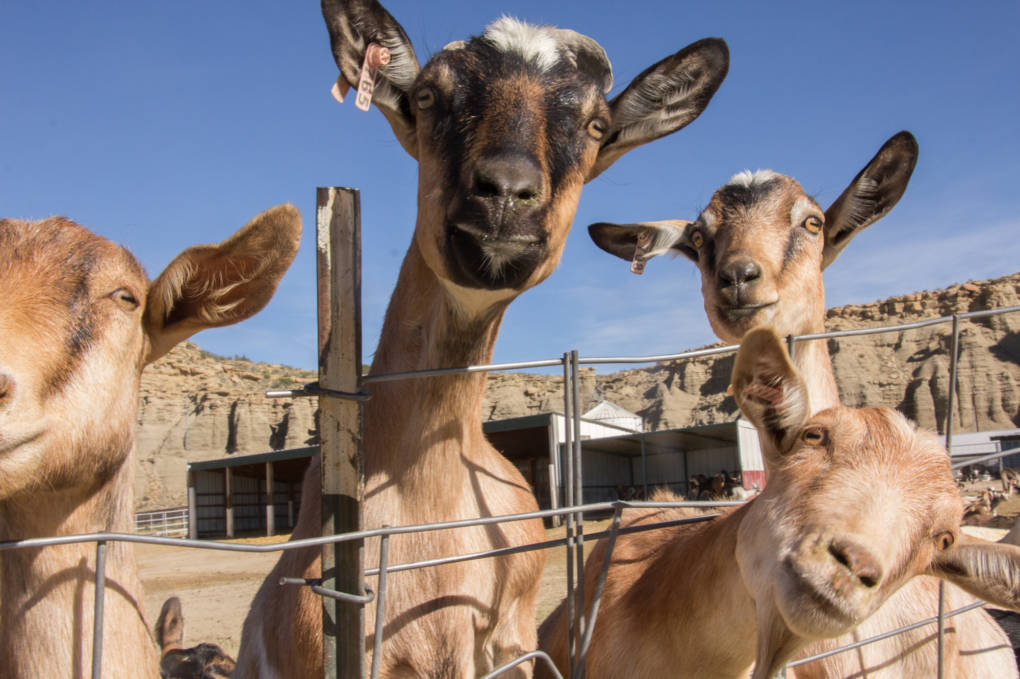
"caption": "\"The goats are kind of cool,\" says former inmate Chad Redding. \"The females are like dogs — they just want your attention.\"",
"description": "\"The goats are kind of cool,\" says former inmate Chad Redding. \"The females are like dogs — they just want your attention",
"title": "\"The goats are kind of cool,\" says former inmate Chad Redding. \"The females are like dogs — they just want your attention.\"",
"credit": "Dan Charles/NPR",
"status": "inherit",
"isLoading": false,
"fetchFailed": false
},
"bayareabites_119236": {
"type": "attachments",
"id": "bayareabites_119236",
"meta": {
"index": "attachments_1716263798",
"site": "bayareabites",
"id": "119236",
"found": true
},
"parent": 119231,
"imgSizes": {
"small": {
"file": "https://ww2.kqed.org/app/uploads/sites/24/2017/07/170712-gleaning-top-520x347.jpg",
"width": 520,
"mimeType": "image/jpeg",
"height": 347
},
"twentyfourteen-full-width": {
"file": "https://ww2.kqed.org/app/uploads/sites/24/2017/07/170712-gleaning-top-1038x576.jpg",
"width": 1038,
"mimeType": "image/jpeg",
"height": 576
},
"thumbnail": {
"file": "https://ww2.kqed.org/app/uploads/sites/24/2017/07/170712-gleaning-top-160x107.jpg",
"width": 160,
"mimeType": "image/jpeg",
"height": 107
},
"fd-sm": {
"file": "https://ww2.kqed.org/app/uploads/sites/24/2017/07/170712-gleaning-top-960x640.jpg",
"width": 960,
"mimeType": "image/jpeg",
"height": 640
},
"post-thumbnail": {
"file": "https://ww2.kqed.org/app/uploads/sites/24/2017/07/170712-gleaning-top-672x372.jpg",
"width": 672,
"mimeType": "image/jpeg",
"height": 372
},
"xsmall": {
"file": "https://ww2.kqed.org/app/uploads/sites/24/2017/07/170712-gleaning-top-375x250.jpg",
"width": 375,
"mimeType": "image/jpeg",
"height": 250
},
"kqedFullSize": {
"file": "https://ww2.kqed.org/app/uploads/sites/24/2017/07/170712-gleaning-top.jpg",
"width": 1200,
"height": 800
},
"large": {
"file": "https://ww2.kqed.org/app/uploads/sites/24/2017/07/170712-gleaning-top-1020x680.jpg",
"width": 1020,
"mimeType": "image/jpeg",
"height": 680
},
"xlarge": {
"file": "https://ww2.kqed.org/app/uploads/sites/24/2017/07/170712-gleaning-top-1180x787.jpg",
"width": 1180,
"mimeType": "image/jpeg",
"height": 787
},
"guest-author-50": {
"file": "https://ww2.kqed.org/app/uploads/sites/24/2017/07/170712-gleaning-top-50x50.jpg",
"width": 50,
"mimeType": "image/jpeg",
"height": 50
},
"guest-author-96": {
"file": "https://ww2.kqed.org/app/uploads/sites/24/2017/07/170712-gleaning-top-96x96.jpg",
"width": 96,
"mimeType": "image/jpeg",
"height": 96
},
"medium": {
"file": "https://ww2.kqed.org/app/uploads/sites/24/2017/07/170712-gleaning-top-800x533.jpg",
"width": 800,
"mimeType": "image/jpeg",
"height": 533
},
"guest-author-64": {
"file": "https://ww2.kqed.org/app/uploads/sites/24/2017/07/170712-gleaning-top-64x64.jpg",
"width": 64,
"mimeType": "image/jpeg",
"height": 64
},
"guest-author-32": {
"file": "https://ww2.kqed.org/app/uploads/sites/24/2017/07/170712-gleaning-top-32x32.jpg",
"width": 32,
"mimeType": "image/jpeg",
"height": 32
},
"fd-med": {
"file": "https://ww2.kqed.org/app/uploads/sites/24/2017/07/170712-gleaning-top-1180x787.jpg",
"width": 1180,
"mimeType": "image/jpeg",
"height": 787
},
"detail": {
"file": "https://ww2.kqed.org/app/uploads/sites/24/2017/07/170712-gleaning-top-150x150.jpg",
"width": 150,
"mimeType": "image/jpeg",
"height": 150
},
"medium_large": {
"file": "https://ww2.kqed.org/app/uploads/sites/24/2017/07/170712-gleaning-top-768x512.jpg",
"width": 768,
"mimeType": "image/jpeg",
"height": 512
},
"guest-author-128": {
"file": "https://ww2.kqed.org/app/uploads/sites/24/2017/07/170712-gleaning-top-128x128.jpg",
"width": 128,
"mimeType": "image/jpeg",
"height": 128
},
"xxsmall": {
"file": "https://ww2.kqed.org/app/uploads/sites/24/2017/07/170712-gleaning-top-240x160.jpg",
"width": 240,
"mimeType": "image/jpeg",
"height": 160
}
},
"publishDate": 1500322781,
"modified": 1500322844,
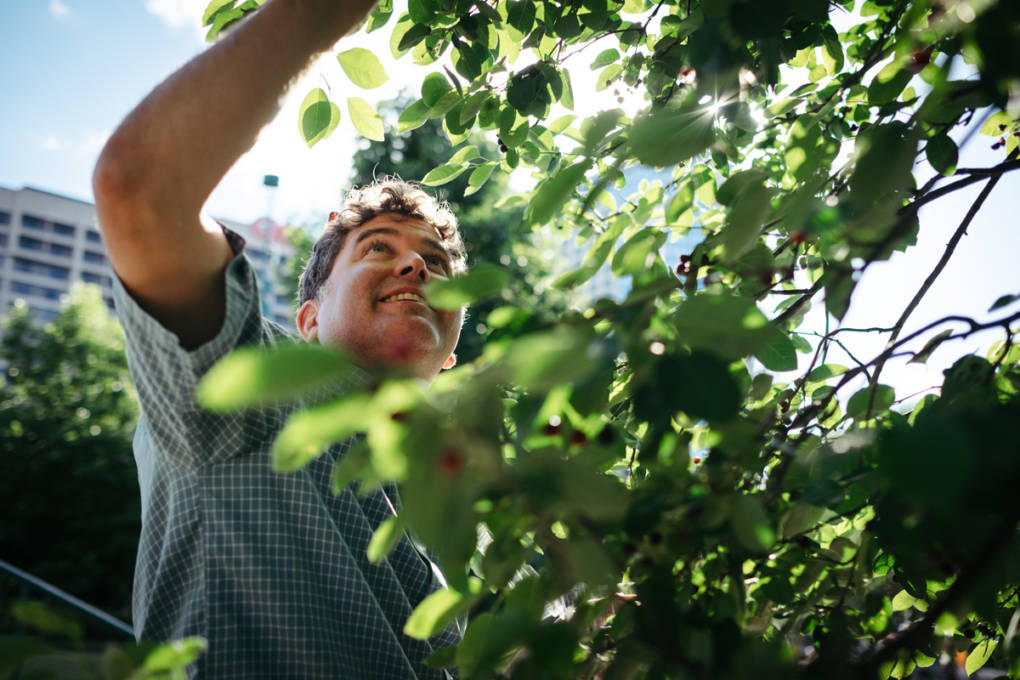
"caption": "Urban gleaning",
"description": null,
"title": "170712-gleaning-top",
"credit": "\u003ca href=\"http://www.dessalohrey.com/\">Dessa Lohrey\u003c/a>",
"status": "inherit",
"isLoading": false,
"fetchFailed": false
},
"bayareabites_118962": {
"type": "attachments",
"id": "bayareabites_118962",
"meta": {
"index": "attachments_1716263798",
"site": "bayareabites",
"id": "118962",
"found": true
},
"parent": 118954,
"imgSizes": {
"small": {
"file": "https://ww2.kqed.org/app/uploads/sites/24/2017/07/sea-snail-BAB-520x356.jpg",
"width": 520,
"mimeType": "image/jpeg",
"height": 356
},
"twentyfourteen-full-width": {
"file": "https://ww2.kqed.org/app/uploads/sites/24/2017/07/sea-snail-BAB-1038x576.jpg",
"width": 1038,
"mimeType": "image/jpeg",
"height": 576
},
"thumbnail": {
"file": "https://ww2.kqed.org/app/uploads/sites/24/2017/07/sea-snail-BAB-160x109.jpg",
"width": 160,
"mimeType": "image/jpeg",
"height": 109
},
"fd-sm": {
"file": "https://ww2.kqed.org/app/uploads/sites/24/2017/07/sea-snail-BAB-960x657.jpg",
"width": 960,
"mimeType": "image/jpeg",
"height": 657
},
"post-thumbnail": {
"file": "https://ww2.kqed.org/app/uploads/sites/24/2017/07/sea-snail-BAB-672x372.jpg",
"width": 672,
"mimeType": "image/jpeg",
"height": 372
},
"xsmall": {
"file": "https://ww2.kqed.org/app/uploads/sites/24/2017/07/sea-snail-BAB-375x256.jpg",
"width": 375,
"mimeType": "image/jpeg",
"height": 256
},
"kqedFullSize": {
"file": "https://ww2.kqed.org/app/uploads/sites/24/2017/07/sea-snail-BAB.jpg",
"width": 1920,
"height": 1313
},
"large": {
"file": "https://ww2.kqed.org/app/uploads/sites/24/2017/07/sea-snail-BAB-1020x698.jpg",
"width": 1020,
"mimeType": "image/jpeg",
"height": 698
},
"xlarge": {
"file": "https://ww2.kqed.org/app/uploads/sites/24/2017/07/sea-snail-BAB-1180x807.jpg",
"width": 1180,
"mimeType": "image/jpeg",
"height": 807
},
"guest-author-50": {
"file": "https://ww2.kqed.org/app/uploads/sites/24/2017/07/sea-snail-BAB-50x50.jpg",
"width": 50,
"mimeType": "image/jpeg",
"height": 50
},
"guest-author-96": {
"file": "https://ww2.kqed.org/app/uploads/sites/24/2017/07/sea-snail-BAB-96x96.jpg",
"width": 96,
"mimeType": "image/jpeg",
"height": 96
},
"medium": {
"file": "https://ww2.kqed.org/app/uploads/sites/24/2017/07/sea-snail-BAB-800x547.jpg",
"width": 800,
"mimeType": "image/jpeg",
"height": 547
},
"guest-author-64": {
"file": "https://ww2.kqed.org/app/uploads/sites/24/2017/07/sea-snail-BAB-64x64.jpg",
"width": 64,
"mimeType": "image/jpeg",
"height": 64
},
"guest-author-32": {
"file": "https://ww2.kqed.org/app/uploads/sites/24/2017/07/sea-snail-BAB-32x32.jpg",
"width": 32,
"mimeType": "image/jpeg",
"height": 32
},
"fd-lrg": {
"file": "https://ww2.kqed.org/app/uploads/sites/24/2017/07/sea-snail-BAB-1920x1313.jpg",
"width": 1920,
"mimeType": "image/jpeg",
"height": 1313
},
"fd-med": {
"file": "https://ww2.kqed.org/app/uploads/sites/24/2017/07/sea-snail-BAB-1180x807.jpg",
"width": 1180,
"mimeType": "image/jpeg",
"height": 807
},
"full-width": {
"file": "https://ww2.kqed.org/app/uploads/sites/24/2017/07/sea-snail-BAB-1920x1313.jpg",
"width": 1920,
"mimeType": "image/jpeg",
"height": 1313
},
"detail": {
"file": "https://ww2.kqed.org/app/uploads/sites/24/2017/07/sea-snail-BAB-150x150.jpg",
"width": 150,
"mimeType": "image/jpeg",
"height": 150
},
"medium_large": {
"file": "https://ww2.kqed.org/app/uploads/sites/24/2017/07/sea-snail-BAB-768x525.jpg",
"width": 768,
"mimeType": "image/jpeg",
"height": 525
},
"guest-author-128": {
"file": "https://ww2.kqed.org/app/uploads/sites/24/2017/07/sea-snail-BAB-128x128.jpg",
"width": 128,
"mimeType": "image/jpeg",
"height": 128
},
"xxsmall": {
"file": "https://ww2.kqed.org/app/uploads/sites/24/2017/07/sea-snail-BAB-240x164.jpg",
"width": 240,
"mimeType": "image/jpeg",
"height": 164
}
},
"publishDate": 1499470972,
"modified": 1499729002,
"caption": "A large, very tasty variety of sea snail, red abalone is being grown directly in or next to the ocean by two Bay Area aquaculture operations.",
"description": "A large, very tasty variety of sea snail, red abalone is being grown directly in or next to the ocean by two Bay Area aquaculture operations.",
"title": "sea snail-BAB",
"credit": "Susan Hathaway",
"status": "inherit",
"isLoading": false,
"fetchFailed": false
},
"bayareabites_118984": {
"type": "attachments",
"id": "bayareabites_118984",
"meta": {
"index": "attachments_1716263798",
"site": "bayareabites",
"id": "118984",
"found": true
},
"parent": 118983,
"imgSizes": {
"small": {
"file": "https://ww2.kqed.org/app/uploads/sites/24/2017/07/img_7568_custom-c3de9d59e9c34f653c6e10b891d9c324183160c0-520x346.jpg",
"width": 520,
"mimeType": "image/jpeg",
"height": 346
},
"twentyfourteen-full-width": {
"file": "https://ww2.kqed.org/app/uploads/sites/24/2017/07/img_7568_custom-c3de9d59e9c34f653c6e10b891d9c324183160c0-1038x576.jpg",
"width": 1038,
"mimeType": "image/jpeg",
"height": 576
},
"thumbnail": {
"file": "https://ww2.kqed.org/app/uploads/sites/24/2017/07/img_7568_custom-c3de9d59e9c34f653c6e10b891d9c324183160c0-160x107.jpg",
"width": 160,
"mimeType": "image/jpeg",
"height": 107
},
"fd-sm": {
"file": "https://ww2.kqed.org/app/uploads/sites/24/2017/07/img_7568_custom-c3de9d59e9c34f653c6e10b891d9c324183160c0-960x639.jpg",
"width": 960,
"mimeType": "image/jpeg",
"height": 639
},
"post-thumbnail": {
"file": "https://ww2.kqed.org/app/uploads/sites/24/2017/07/img_7568_custom-c3de9d59e9c34f653c6e10b891d9c324183160c0-672x372.jpg",
"width": 672,
"mimeType": "image/jpeg",
"height": 372
},
"xsmall": {
"file": "https://ww2.kqed.org/app/uploads/sites/24/2017/07/img_7568_custom-c3de9d59e9c34f653c6e10b891d9c324183160c0-375x250.jpg",
"width": 375,
"mimeType": "image/jpeg",
"height": 250
},
"kqedFullSize": {
"file": "https://ww2.kqed.org/app/uploads/sites/24/2017/07/img_7568_custom-c3de9d59e9c34f653c6e10b891d9c324183160c0.jpg",
"width": 2000,
"height": 1332
},
"large": {
"file": "https://ww2.kqed.org/app/uploads/sites/24/2017/07/img_7568_custom-c3de9d59e9c34f653c6e10b891d9c324183160c0-1020x679.jpg",
"width": 1020,
"mimeType": "image/jpeg",
"height": 679
},
"xlarge": {
"file": "https://ww2.kqed.org/app/uploads/sites/24/2017/07/img_7568_custom-c3de9d59e9c34f653c6e10b891d9c324183160c0-1180x786.jpg",
"width": 1180,
"mimeType": "image/jpeg",
"height": 786
},
"guest-author-50": {
"file": "https://ww2.kqed.org/app/uploads/sites/24/2017/07/img_7568_custom-c3de9d59e9c34f653c6e10b891d9c324183160c0-50x50.jpg",
"width": 50,
"mimeType": "image/jpeg",
"height": 50
},
"guest-author-96": {
"file": "https://ww2.kqed.org/app/uploads/sites/24/2017/07/img_7568_custom-c3de9d59e9c34f653c6e10b891d9c324183160c0-96x96.jpg",
"width": 96,
"mimeType": "image/jpeg",
"height": 96
},
"medium": {
"file": "https://ww2.kqed.org/app/uploads/sites/24/2017/07/img_7568_custom-c3de9d59e9c34f653c6e10b891d9c324183160c0-800x533.jpg",
"width": 800,
"mimeType": "image/jpeg",
"height": 533
},
"guest-author-64": {
"file": "https://ww2.kqed.org/app/uploads/sites/24/2017/07/img_7568_custom-c3de9d59e9c34f653c6e10b891d9c324183160c0-64x64.jpg",
"width": 64,
"mimeType": "image/jpeg",
"height": 64
},
"guest-author-32": {
"file": "https://ww2.kqed.org/app/uploads/sites/24/2017/07/img_7568_custom-c3de9d59e9c34f653c6e10b891d9c324183160c0-32x32.jpg",
"width": 32,
"mimeType": "image/jpeg",
"height": 32
},
"fd-lrg": {
"file": "https://ww2.kqed.org/app/uploads/sites/24/2017/07/img_7568_custom-c3de9d59e9c34f653c6e10b891d9c324183160c0-1920x1279.jpg",
"width": 1920,
"mimeType": "image/jpeg",
"height": 1279
},
"fd-med": {
"file": "https://ww2.kqed.org/app/uploads/sites/24/2017/07/img_7568_custom-c3de9d59e9c34f653c6e10b891d9c324183160c0-1180x786.jpg",
"width": 1180,
"mimeType": "image/jpeg",
"height": 786
},
"full-width": {
"file": "https://ww2.kqed.org/app/uploads/sites/24/2017/07/img_7568_custom-c3de9d59e9c34f653c6e10b891d9c324183160c0-1920x1279.jpg",
"width": 1920,
"mimeType": "image/jpeg",
"height": 1279
},
"detail": {
"file": "https://ww2.kqed.org/app/uploads/sites/24/2017/07/img_7568_custom-c3de9d59e9c34f653c6e10b891d9c324183160c0-150x150.jpg",
"width": 150,
"mimeType": "image/jpeg",
"height": 150
},
"medium_large": {
"file": "https://ww2.kqed.org/app/uploads/sites/24/2017/07/img_7568_custom-c3de9d59e9c34f653c6e10b891d9c324183160c0-768x511.jpg",
"width": 768,
"mimeType": "image/jpeg",
"height": 511
},
"guest-author-128": {
"file": "https://ww2.kqed.org/app/uploads/sites/24/2017/07/img_7568_custom-c3de9d59e9c34f653c6e10b891d9c324183160c0-128x128.jpg",
"width": 128,
"mimeType": "image/jpeg",
"height": 128
},
"xxsmall": {
"file": "https://ww2.kqed.org/app/uploads/sites/24/2017/07/img_7568_custom-c3de9d59e9c34f653c6e10b891d9c324183160c0-240x160.jpg",
"width": 240,
"mimeType": "image/jpeg",
"height": 160
}
},
"publishDate": 1499712206,
"modified": 1499712516,
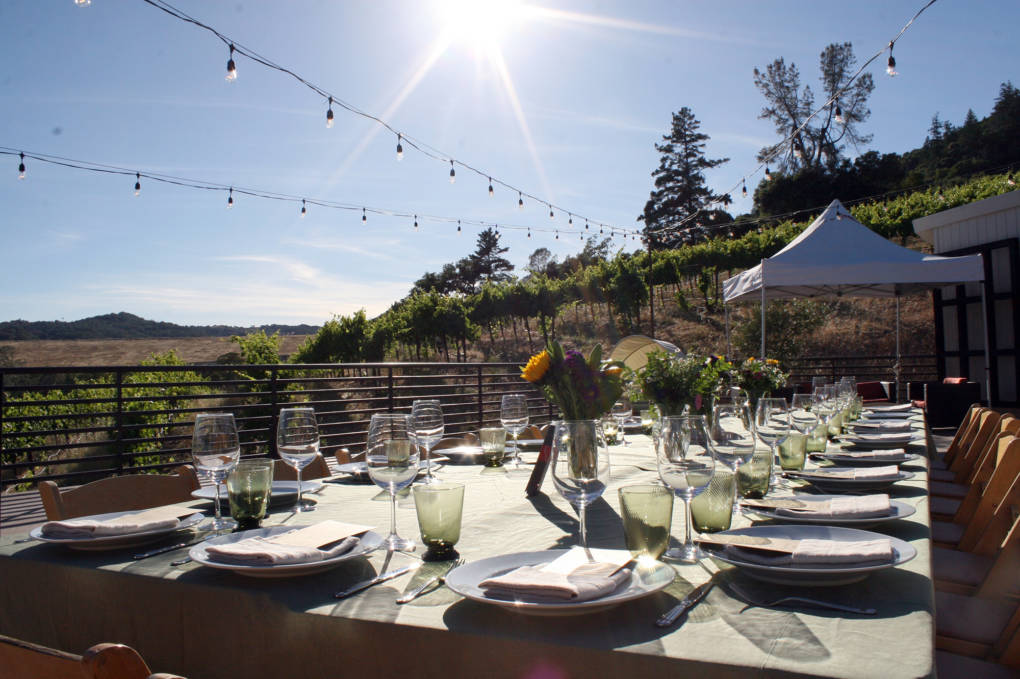
"caption": "Proponents of the emerging pot-for-pleasure industry want to grab a share of the nearly $2 billion tourism business in Sonoma County with events like dinners that incorporate marijuana.",
"description": "Proponents of the emerging pot-for-pleasure industry want to grab a share of the nearly $2 billion tourism business in Sonoma County with events like dinners that incorporate marijuana.",
"title": "Proponents of the emerging pot-for-pleasure industry want to grab a share of the nearly $2 billion tourism business in Sonoma County with events like dinners that incorporate marijuana.",
"credit": "Courtesy of Sonoma Cannabis Company/Kristen Jeanne",
"status": "inherit",
"isLoading": false,
"fetchFailed": false
},
"bayareabites_118933": {
"type": "attachments",
"id": "bayareabites_118933",
"meta": {
"index": "attachments_1716263798",
"site": "bayareabites",
"id": "118933",
"found": true
},
"parent": 118929,
"imgSizes": {
"small": {
"file": "https://ww2.kqed.org/app/uploads/sites/24/2017/07/170707-mushrooms-top-520x347.jpg",
"width": 520,
"mimeType": "image/jpeg",
"height": 347
},
"twentyfourteen-full-width": {
"file": "https://ww2.kqed.org/app/uploads/sites/24/2017/07/170707-mushrooms-top-1038x576.jpg",
"width": 1038,
"mimeType": "image/jpeg",
"height": 576
},
"thumbnail": {
"file": "https://ww2.kqed.org/app/uploads/sites/24/2017/07/170707-mushrooms-top-160x107.jpg",
"width": 160,
"mimeType": "image/jpeg",
"height": 107
},
"fd-sm": {
"file": "https://ww2.kqed.org/app/uploads/sites/24/2017/07/170707-mushrooms-top-960x640.jpg",
"width": 960,
"mimeType": "image/jpeg",
"height": 640
},
"post-thumbnail": {
"file": "https://ww2.kqed.org/app/uploads/sites/24/2017/07/170707-mushrooms-top-672x372.jpg",
"width": 672,
"mimeType": "image/jpeg",
"height": 372
},
"xsmall": {
"file": "https://ww2.kqed.org/app/uploads/sites/24/2017/07/170707-mushrooms-top-375x250.jpg",
"width": 375,
"mimeType": "image/jpeg",
"height": 250
},
"kqedFullSize": {
"file": "https://ww2.kqed.org/app/uploads/sites/24/2017/07/170707-mushrooms-top.jpg",
"width": 1200,
"height": 800
},
"large": {
"file": "https://ww2.kqed.org/app/uploads/sites/24/2017/07/170707-mushrooms-top-1020x680.jpg",
"width": 1020,
"mimeType": "image/jpeg",
"height": 680
},
"xlarge": {
"file": "https://ww2.kqed.org/app/uploads/sites/24/2017/07/170707-mushrooms-top-1180x787.jpg",
"width": 1180,
"mimeType": "image/jpeg",
"height": 787
},
"guest-author-50": {
"file": "https://ww2.kqed.org/app/uploads/sites/24/2017/07/170707-mushrooms-top-50x50.jpg",
"width": 50,
"mimeType": "image/jpeg",
"height": 50
},
"guest-author-96": {
"file": "https://ww2.kqed.org/app/uploads/sites/24/2017/07/170707-mushrooms-top-96x96.jpg",
"width": 96,
"mimeType": "image/jpeg",
"height": 96
},
"medium": {
"file": "https://ww2.kqed.org/app/uploads/sites/24/2017/07/170707-mushrooms-top-800x533.jpg",
"width": 800,
"mimeType": "image/jpeg",
"height": 533
},
"guest-author-64": {
"file": "https://ww2.kqed.org/app/uploads/sites/24/2017/07/170707-mushrooms-top-64x64.jpg",
"width": 64,
"mimeType": "image/jpeg",
"height": 64
},
"guest-author-32": {
"file": "https://ww2.kqed.org/app/uploads/sites/24/2017/07/170707-mushrooms-top-32x32.jpg",
"width": 32,
"mimeType": "image/jpeg",
"height": 32
},
"fd-med": {
"file": "https://ww2.kqed.org/app/uploads/sites/24/2017/07/170707-mushrooms-top-1180x787.jpg",
"width": 1180,
"mimeType": "image/jpeg",
"height": 787
},
"detail": {
"file": "https://ww2.kqed.org/app/uploads/sites/24/2017/07/170707-mushrooms-top-150x150.jpg",
"width": 150,
"mimeType": "image/jpeg",
"height": 150
},
"medium_large": {
"file": "https://ww2.kqed.org/app/uploads/sites/24/2017/07/170707-mushrooms-top-768x512.jpg",
"width": 768,
"mimeType": "image/jpeg",
"height": 512
},
"guest-author-128": {
"file": "https://ww2.kqed.org/app/uploads/sites/24/2017/07/170707-mushrooms-top-128x128.jpg",
"width": 128,
"mimeType": "image/jpeg",
"height": 128
},
"xxsmall": {
"file": "https://ww2.kqed.org/app/uploads/sites/24/2017/07/170707-mushrooms-top-240x160.jpg",
"width": 240,
"mimeType": "image/jpeg",
"height": 160
}
},
"publishDate": 1499465566,
"modified": 1499465582,
"caption": null,
"description": null,
"title": "170707-mushrooms-top",
"credit": null,
"status": "inherit",
"isLoading": false,
"fetchFailed": false
},
"bayareabites_118946": {
"type": "attachments",
"id": "bayareabites_118946",
"meta": {
"index": "attachments_1716263798",
"site": "bayareabites",
"id": "118946",
"found": true
},
"parent": 118938,
"imgSizes": {
"small": {
"file": "https://ww2.kqed.org/app/uploads/sites/24/2017/07/final-evoo-3-new-520x329.jpg",
"width": 520,
"mimeType": "image/jpeg",
"height": 329
},
"twentyfourteen-full-width": {
"file": "https://ww2.kqed.org/app/uploads/sites/24/2017/07/final-evoo-3-new-1038x576.jpg",
"width": 1038,
"mimeType": "image/jpeg",
"height": 576
},
"thumbnail": {
"file": "https://ww2.kqed.org/app/uploads/sites/24/2017/07/final-evoo-3-new-160x101.jpg",
"width": 160,
"mimeType": "image/jpeg",
"height": 101
},
"fd-sm": {
"file": "https://ww2.kqed.org/app/uploads/sites/24/2017/07/final-evoo-3-new-960x607.jpg",
"width": 960,
"mimeType": "image/jpeg",
"height": 607
},
"post-thumbnail": {
"file": "https://ww2.kqed.org/app/uploads/sites/24/2017/07/final-evoo-3-new-672x372.jpg",
"width": 672,
"mimeType": "image/jpeg",
"height": 372
},
"xsmall": {
"file": "https://ww2.kqed.org/app/uploads/sites/24/2017/07/final-evoo-3-new-375x237.jpg",
"width": 375,
"mimeType": "image/jpeg",
"height": 237
},
"kqedFullSize": {
"file": "https://ww2.kqed.org/app/uploads/sites/24/2017/07/final-evoo-3-new.jpg",
"width": 1920,
"height": 1214
},
"large": {
"file": "https://ww2.kqed.org/app/uploads/sites/24/2017/07/final-evoo-3-new-1020x645.jpg",
"width": 1020,
"mimeType": "image/jpeg",
"height": 645
},
"xlarge": {
"file": "https://ww2.kqed.org/app/uploads/sites/24/2017/07/final-evoo-3-new-1180x746.jpg",
"width": 1180,
"mimeType": "image/jpeg",
"height": 746
},
"guest-author-50": {
"file": "https://ww2.kqed.org/app/uploads/sites/24/2017/07/final-evoo-3-new-50x50.jpg",
"width": 50,
"mimeType": "image/jpeg",
"height": 50
},
"guest-author-96": {
"file": "https://ww2.kqed.org/app/uploads/sites/24/2017/07/final-evoo-3-new-96x96.jpg",
"width": 96,
"mimeType": "image/jpeg",
"height": 96
},
"medium": {
"file": "https://ww2.kqed.org/app/uploads/sites/24/2017/07/final-evoo-3-new-800x506.jpg",
"width": 800,
"mimeType": "image/jpeg",
"height": 506
},
"guest-author-64": {
"file": "https://ww2.kqed.org/app/uploads/sites/24/2017/07/final-evoo-3-new-64x64.jpg",
"width": 64,
"mimeType": "image/jpeg",
"height": 64
},
"guest-author-32": {
"file": "https://ww2.kqed.org/app/uploads/sites/24/2017/07/final-evoo-3-new-32x32.jpg",
"width": 32,
"mimeType": "image/jpeg",
"height": 32
},
"fd-lrg": {
"file": "https://ww2.kqed.org/app/uploads/sites/24/2017/07/final-evoo-3-new-1920x1214.jpg",
"width": 1920,
"mimeType": "image/jpeg",
"height": 1214
},
"fd-med": {
"file": "https://ww2.kqed.org/app/uploads/sites/24/2017/07/final-evoo-3-new-1180x746.jpg",
"width": 1180,
"mimeType": "image/jpeg",
"height": 746
},
"full-width": {
"file": "https://ww2.kqed.org/app/uploads/sites/24/2017/07/final-evoo-3-new-1920x1214.jpg",
"width": 1920,
"mimeType": "image/jpeg",
"height": 1214
},
"detail": {
"file": "https://ww2.kqed.org/app/uploads/sites/24/2017/07/final-evoo-3-new-150x150.jpg",
"width": 150,
"mimeType": "image/jpeg",
"height": 150
},
"medium_large": {
"file": "https://ww2.kqed.org/app/uploads/sites/24/2017/07/final-evoo-3-new-768x486.jpg",
"width": 768,
"mimeType": "image/jpeg",
"height": 486
},
"guest-author-128": {
"file": "https://ww2.kqed.org/app/uploads/sites/24/2017/07/final-evoo-3-new-128x128.jpg",
"width": 128,
"mimeType": "image/jpeg",
"height": 128
},
"xxsmall": {
"file": "https://ww2.kqed.org/app/uploads/sites/24/2017/07/final-evoo-3-new-240x152.jpg",
"width": 240,
"mimeType": "image/jpeg",
"height": 152
}
},
"publishDate": 1499467133,
"modified": 1499467918,
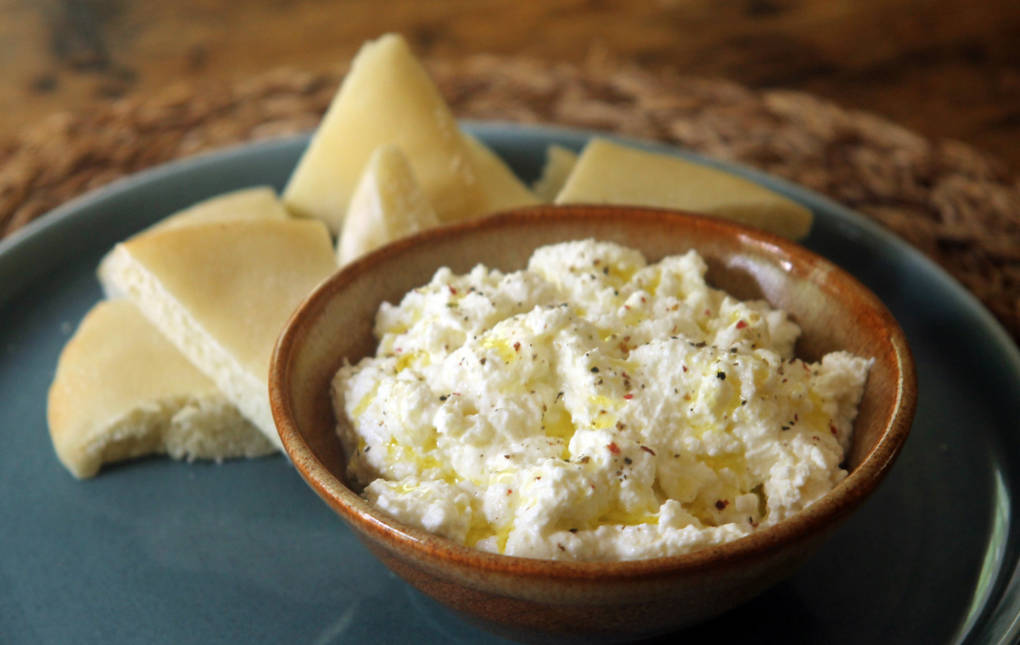
"caption": "Homemade ricotta cheese with olive oil and pepper.",
"description": null,
"title": "Homemade ricotta cheese with olive oil and pepper.",
"credit": "Kate Williams",
"status": "inherit",
"isLoading": false,
"fetchFailed": false
},
"bayareabites_118878": {
"type": "attachments",
"id": "bayareabites_118878",
"meta": {
"index": "attachments_1716263798",
"site": "bayareabites",
"id": "118878",
"found": true
},
"parent": 118877,
"imgSizes": {
"small": {
"file": "https://ww2.kqed.org/app/uploads/sites/24/2017/07/moby-mart-bd05f78c036d713d2c76eb7bd0dcd02e7e568f56-520x390.jpg",
"width": 520,
"mimeType": "image/jpeg",
"height": 390
},
"twentyfourteen-full-width": {
"file": "https://ww2.kqed.org/app/uploads/sites/24/2017/07/moby-mart-bd05f78c036d713d2c76eb7bd0dcd02e7e568f56-1038x576.jpg",
"width": 1038,
"mimeType": "image/jpeg",
"height": 576
},
"thumbnail": {
"file": "https://ww2.kqed.org/app/uploads/sites/24/2017/07/moby-mart-bd05f78c036d713d2c76eb7bd0dcd02e7e568f56-160x120.jpg",
"width": 160,
"mimeType": "image/jpeg",
"height": 120
},
"fd-sm": {
"file": "https://ww2.kqed.org/app/uploads/sites/24/2017/07/moby-mart-bd05f78c036d713d2c76eb7bd0dcd02e7e568f56-960x720.jpg",
"width": 960,
"mimeType": "image/jpeg",
"height": 720
},
"post-thumbnail": {
"file": "https://ww2.kqed.org/app/uploads/sites/24/2017/07/moby-mart-bd05f78c036d713d2c76eb7bd0dcd02e7e568f56-672x372.jpg",
"width": 672,
"mimeType": "image/jpeg",
"height": 372
},
"xsmall": {
"file": "https://ww2.kqed.org/app/uploads/sites/24/2017/07/moby-mart-bd05f78c036d713d2c76eb7bd0dcd02e7e568f56-375x281.jpg",
"width": 375,
"mimeType": "image/jpeg",
"height": 281
},
"kqedFullSize": {
"file": "https://ww2.kqed.org/app/uploads/sites/24/2017/07/moby-mart-bd05f78c036d713d2c76eb7bd0dcd02e7e568f56.jpg",
"width": 3933,
"height": 2950
},
"large": {
"file": "https://ww2.kqed.org/app/uploads/sites/24/2017/07/moby-mart-bd05f78c036d713d2c76eb7bd0dcd02e7e568f56-1020x765.jpg",
"width": 1020,
"mimeType": "image/jpeg",
"height": 765
},
"xlarge": {
"file": "https://ww2.kqed.org/app/uploads/sites/24/2017/07/moby-mart-bd05f78c036d713d2c76eb7bd0dcd02e7e568f56-1180x885.jpg",
"width": 1180,
"mimeType": "image/jpeg",
"height": 885
},
"guest-author-50": {
"file": "https://ww2.kqed.org/app/uploads/sites/24/2017/07/moby-mart-bd05f78c036d713d2c76eb7bd0dcd02e7e568f56-50x50.jpg",
"width": 50,
"mimeType": "image/jpeg",
"height": 50
},
"guest-author-96": {
"file": "https://ww2.kqed.org/app/uploads/sites/24/2017/07/moby-mart-bd05f78c036d713d2c76eb7bd0dcd02e7e568f56-96x96.jpg",
"width": 96,
"mimeType": "image/jpeg",
"height": 96
},
"medium": {
"file": "https://ww2.kqed.org/app/uploads/sites/24/2017/07/moby-mart-bd05f78c036d713d2c76eb7bd0dcd02e7e568f56-800x600.jpg",
"width": 800,
"mimeType": "image/jpeg",
"height": 600
},
"guest-author-64": {
"file": "https://ww2.kqed.org/app/uploads/sites/24/2017/07/moby-mart-bd05f78c036d713d2c76eb7bd0dcd02e7e568f56-64x64.jpg",
"width": 64,
"mimeType": "image/jpeg",
"height": 64
},
"guest-author-32": {
"file": "https://ww2.kqed.org/app/uploads/sites/24/2017/07/moby-mart-bd05f78c036d713d2c76eb7bd0dcd02e7e568f56-32x32.jpg",
"width": 32,
"mimeType": "image/jpeg",
"height": 32
},
"fd-lrg": {
"file": "https://ww2.kqed.org/app/uploads/sites/24/2017/07/moby-mart-bd05f78c036d713d2c76eb7bd0dcd02e7e568f56-1920x1440.jpg",
"width": 1920,
"mimeType": "image/jpeg",
"height": 1440
},
"fd-med": {
"file": "https://ww2.kqed.org/app/uploads/sites/24/2017/07/moby-mart-bd05f78c036d713d2c76eb7bd0dcd02e7e568f56-1180x885.jpg",
"width": 1180,
"mimeType": "image/jpeg",
"height": 885
},
"full-width": {
"file": "https://ww2.kqed.org/app/uploads/sites/24/2017/07/moby-mart-bd05f78c036d713d2c76eb7bd0dcd02e7e568f56-1920x1440.jpg",
"width": 1920,
"mimeType": "image/jpeg",
"height": 1440
},
"detail": {
"file": "https://ww2.kqed.org/app/uploads/sites/24/2017/07/moby-mart-bd05f78c036d713d2c76eb7bd0dcd02e7e568f56-150x150.jpg",
"width": 150,
"mimeType": "image/jpeg",
"height": 150
},
"medium_large": {
"file": "https://ww2.kqed.org/app/uploads/sites/24/2017/07/moby-mart-bd05f78c036d713d2c76eb7bd0dcd02e7e568f56-768x576.jpg",
"width": 768,
"mimeType": "image/jpeg",
"height": 576
},
"guest-author-128": {
"file": "https://ww2.kqed.org/app/uploads/sites/24/2017/07/moby-mart-bd05f78c036d713d2c76eb7bd0dcd02e7e568f56-128x128.jpg",
"width": 128,
"mimeType": "image/jpeg",
"height": 128
},
"xxsmall": {
"file": "https://ww2.kqed.org/app/uploads/sites/24/2017/07/moby-mart-bd05f78c036d713d2c76eb7bd0dcd02e7e568f56-240x180.jpg",
"width": 240,
"mimeType": "image/jpeg",
"height": 180
}
},
"publishDate": 1499361178,
"modified": 1499361312,
"caption": "A prototype Moby Mart is being tested in Shanghai. Per Cromwell, the project's lead designer, says four to six additional mobile supermarkets are planned in the coming year.",
"description": "A prototype Moby Mart is being tested in Shanghai. Per Cromwell, the project's lead designer, says four to six additional mobile supermarkets are planned in the coming year.",
"title": "A prototype Moby Mart is being tested in Shanghai. Per Cromwell, the project's lead designer, says four to six additional mobile supermarkets are planned in the coming year.",
"credit": "Moby Mart",
"status": "inherit",
"isLoading": false,
"fetchFailed": false
},
"bayareabites_118497": {
"type": "attachments",
"id": "bayareabites_118497",
"meta": {
"index": "attachments_1716263798",
"site": "bayareabites",
"id": "118497",
"found": true
},
"parent": 118478,
"imgSizes": {
"small": {
"file": "https://ww2.kqed.org/app/uploads/sites/24/2017/06/RS25759_Photo-May-25-12-53-19-PM-qut-520x293.jpg",
"width": 520,
"mimeType": "image/jpeg",
"height": 293
},
"twentyfourteen-full-width": {
"file": "https://ww2.kqed.org/app/uploads/sites/24/2017/06/RS25759_Photo-May-25-12-53-19-PM-qut-1038x576.jpg",
"width": 1038,
"mimeType": "image/jpeg",
"height": 576
},
"thumbnail": {
"file": "https://ww2.kqed.org/app/uploads/sites/24/2017/06/RS25759_Photo-May-25-12-53-19-PM-qut-160x90.jpg",
"width": 160,
"mimeType": "image/jpeg",
"height": 90
},
"fd-sm": {
"file": "https://ww2.kqed.org/app/uploads/sites/24/2017/06/RS25759_Photo-May-25-12-53-19-PM-qut-960x540.jpg",
"width": 960,
"mimeType": "image/jpeg",
"height": 540
},
"post-thumbnail": {
"file": "https://ww2.kqed.org/app/uploads/sites/24/2017/06/RS25759_Photo-May-25-12-53-19-PM-qut-672x372.jpg",
"width": 672,
"mimeType": "image/jpeg",
"height": 372
},
"xsmall": {
"file": "https://ww2.kqed.org/app/uploads/sites/24/2017/06/RS25759_Photo-May-25-12-53-19-PM-qut-375x211.jpg",
"width": 375,
"mimeType": "image/jpeg",
"height": 211
},
"kqedFullSize": {
"file": "https://ww2.kqed.org/app/uploads/sites/24/2017/06/RS25759_Photo-May-25-12-53-19-PM-qut.jpg",
"width": 1920,
"height": 1080
},
"large": {
"file": "https://ww2.kqed.org/app/uploads/sites/24/2017/06/RS25759_Photo-May-25-12-53-19-PM-qut-1020x574.jpg",
"width": 1020,
"mimeType": "image/jpeg",
"height": 574
},
"xlarge": {
"file": "https://ww2.kqed.org/app/uploads/sites/24/2017/06/RS25759_Photo-May-25-12-53-19-PM-qut-1180x664.jpg",
"width": 1180,
"mimeType": "image/jpeg",
"height": 664
},
"guest-author-50": {
"file": "https://ww2.kqed.org/app/uploads/sites/24/2017/06/RS25759_Photo-May-25-12-53-19-PM-qut-50x50.jpg",
"width": 50,
"mimeType": "image/jpeg",
"height": 50
},
"guest-author-96": {
"file": "https://ww2.kqed.org/app/uploads/sites/24/2017/06/RS25759_Photo-May-25-12-53-19-PM-qut-96x96.jpg",
"width": 96,
"mimeType": "image/jpeg",
"height": 96
},
"medium": {
"file": "https://ww2.kqed.org/app/uploads/sites/24/2017/06/RS25759_Photo-May-25-12-53-19-PM-qut-800x450.jpg",
"width": 800,
"mimeType": "image/jpeg",
"height": 450
},
"guest-author-64": {
"file": "https://ww2.kqed.org/app/uploads/sites/24/2017/06/RS25759_Photo-May-25-12-53-19-PM-qut-64x64.jpg",
"width": 64,
"mimeType": "image/jpeg",
"height": 64
},
"guest-author-32": {
"file": "https://ww2.kqed.org/app/uploads/sites/24/2017/06/RS25759_Photo-May-25-12-53-19-PM-qut-32x32.jpg",
"width": 32,
"mimeType": "image/jpeg",
"height": 32
},
"fd-lrg": {
"file": "https://ww2.kqed.org/app/uploads/sites/24/2017/06/RS25759_Photo-May-25-12-53-19-PM-qut-1920x1080.jpg",
"width": 1920,
"mimeType": "image/jpeg",
"height": 1080
},
"fd-med": {
"file": "https://ww2.kqed.org/app/uploads/sites/24/2017/06/RS25759_Photo-May-25-12-53-19-PM-qut-1180x664.jpg",
"width": 1180,
"mimeType": "image/jpeg",
"height": 664
},
"full-width": {
"file": "https://ww2.kqed.org/app/uploads/sites/24/2017/06/RS25759_Photo-May-25-12-53-19-PM-qut-1920x1080.jpg",
"width": 1920,
"mimeType": "image/jpeg",
"height": 1080
},
"detail": {
"file": "https://ww2.kqed.org/app/uploads/sites/24/2017/06/RS25759_Photo-May-25-12-53-19-PM-qut-150x150.jpg",
"width": 150,
"mimeType": "image/jpeg",
"height": 150
},
"medium_large": {
"file": "https://ww2.kqed.org/app/uploads/sites/24/2017/06/RS25759_Photo-May-25-12-53-19-PM-qut-768x432.jpg",
"width": 768,
"mimeType": "image/jpeg",
"height": 432
},
"guest-author-128": {
"file": "https://ww2.kqed.org/app/uploads/sites/24/2017/06/RS25759_Photo-May-25-12-53-19-PM-qut-128x128.jpg",
"width": 128,
"mimeType": "image/jpeg",
"height": 128
},
"xxsmall": {
"file": "https://ww2.kqed.org/app/uploads/sites/24/2017/06/RS25759_Photo-May-25-12-53-19-PM-qut-240x135.jpg",
"width": 240,
"mimeType": "image/jpeg",
"height": 135
}
},
"publishDate": 1498082007,
"modified": 1498082074,
"caption": "San Jose is the latest city to make use of a state law letting landlords to loan out urban land for agriculture.",
"description": "San Jose is the latest city to make use of a state law letting landlords to loan out urban land for agriculture.",
"title": "RS25759_Photo-May-25-12-53-19-PM-qut",
"credit": "Rachael Myrow",
"status": "inherit",
"isLoading": false,
"fetchFailed": false
},
"bayareabites_118414": {
"type": "attachments",
"id": "bayareabites_118414",
"meta": {
"index": "attachments_1716263798",
"site": "bayareabites",
"id": "118414",
"found": true
},
"parent": 118413,
"imgSizes": {
"small": {
"file": "https://ww2.kqed.org/app/uploads/sites/24/2017/06/thumbs_783029-b69d030346adbfd66f701318f64a39c8f375ca84-520x390.jpg",
"width": 520,
"mimeType": "image/jpeg",
"height": 390
},
"twentyfourteen-full-width": {
"file": "https://ww2.kqed.org/app/uploads/sites/24/2017/06/thumbs_783029-b69d030346adbfd66f701318f64a39c8f375ca84-1038x576.jpg",
"width": 1038,
"mimeType": "image/jpeg",
"height": 576
},
"thumbnail": {
"file": "https://ww2.kqed.org/app/uploads/sites/24/2017/06/thumbs_783029-b69d030346adbfd66f701318f64a39c8f375ca84-160x120.jpg",
"width": 160,
"mimeType": "image/jpeg",
"height": 120
},
"fd-sm": {
"file": "https://ww2.kqed.org/app/uploads/sites/24/2017/06/thumbs_783029-b69d030346adbfd66f701318f64a39c8f375ca84-960x720.jpg",
"width": 960,
"mimeType": "image/jpeg",
"height": 720
},
"post-thumbnail": {
"file": "https://ww2.kqed.org/app/uploads/sites/24/2017/06/thumbs_783029-b69d030346adbfd66f701318f64a39c8f375ca84-672x372.jpg",
"width": 672,
"mimeType": "image/jpeg",
"height": 372
},
"xsmall": {
"file": "https://ww2.kqed.org/app/uploads/sites/24/2017/06/thumbs_783029-b69d030346adbfd66f701318f64a39c8f375ca84-375x281.jpg",
"width": 375,
"mimeType": "image/jpeg",
"height": 281
},
"kqedFullSize": {
"file": "https://ww2.kqed.org/app/uploads/sites/24/2017/06/thumbs_783029-b69d030346adbfd66f701318f64a39c8f375ca84.jpg",
"width": 1086,
"height": 814
},
"large": {
"file": "https://ww2.kqed.org/app/uploads/sites/24/2017/06/thumbs_783029-b69d030346adbfd66f701318f64a39c8f375ca84-1020x765.jpg",
"width": 1020,
"mimeType": "image/jpeg",
"height": 765
},
"guest-author-50": {
"file": "https://ww2.kqed.org/app/uploads/sites/24/2017/06/thumbs_783029-b69d030346adbfd66f701318f64a39c8f375ca84-50x50.jpg",
"width": 50,
"mimeType": "image/jpeg",
"height": 50
},
"guest-author-96": {
"file": "https://ww2.kqed.org/app/uploads/sites/24/2017/06/thumbs_783029-b69d030346adbfd66f701318f64a39c8f375ca84-96x96.jpg",
"width": 96,
"mimeType": "image/jpeg",
"height": 96
},
"medium": {
"file": "https://ww2.kqed.org/app/uploads/sites/24/2017/06/thumbs_783029-b69d030346adbfd66f701318f64a39c8f375ca84-800x600.jpg",
"width": 800,
"mimeType": "image/jpeg",
"height": 600
},
"guest-author-64": {
"file": "https://ww2.kqed.org/app/uploads/sites/24/2017/06/thumbs_783029-b69d030346adbfd66f701318f64a39c8f375ca84-64x64.jpg",
"width": 64,
"mimeType": "image/jpeg",
"height": 64
},
"guest-author-32": {
"file": "https://ww2.kqed.org/app/uploads/sites/24/2017/06/thumbs_783029-b69d030346adbfd66f701318f64a39c8f375ca84-32x32.jpg",
"width": 32,
"mimeType": "image/jpeg",
"height": 32
},
"detail": {
"file": "https://ww2.kqed.org/app/uploads/sites/24/2017/06/thumbs_783029-b69d030346adbfd66f701318f64a39c8f375ca84-150x150.jpg",
"width": 150,
"mimeType": "image/jpeg",
"height": 150
},
"medium_large": {
"file": "https://ww2.kqed.org/app/uploads/sites/24/2017/06/thumbs_783029-b69d030346adbfd66f701318f64a39c8f375ca84-768x576.jpg",
"width": 768,
"mimeType": "image/jpeg",
"height": 576
},
"guest-author-128": {
"file": "https://ww2.kqed.org/app/uploads/sites/24/2017/06/thumbs_783029-b69d030346adbfd66f701318f64a39c8f375ca84-128x128.jpg",
"width": 128,
"mimeType": "image/jpeg",
"height": 128
},
"xxsmall": {
"file": "https://ww2.kqed.org/app/uploads/sites/24/2017/06/thumbs_783029-b69d030346adbfd66f701318f64a39c8f375ca84-240x180.jpg",
"width": 240,
"mimeType": "image/jpeg",
"height": 180
}
},
"publishDate": 1497984775,
"modified": 1497984775,
"caption": null,
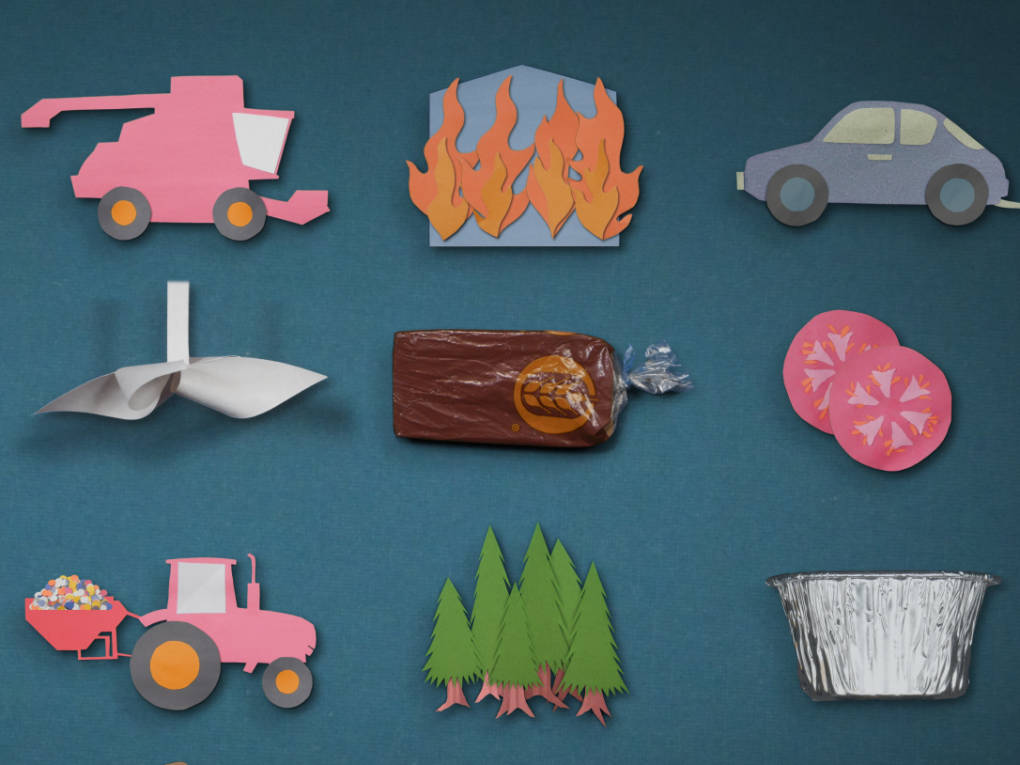
"description": "Elements from Skunk Bear's latest video on the past life of a sandwich.",
"title": "Elements from Skunk Bear's latest video on the past life of a sandwich.",
"credit": null,
"status": "inherit",
"isLoading": false,
"fetchFailed": false
},
"bayareabites_118366": {
"type": "attachments",
"id": "bayareabites_118366",
"meta": {
"index": "attachments_1716263798",
"site": "bayareabites",
"id": "118366",
"found": true
},
"parent": 118365,
"imgSizes": {
"small": {
"file": "https://ww2.kqed.org/app/uploads/sites/24/2017/06/gettyimages-535748630_wide-490532835dfb14ff2b96b3954d1c83839bb0bd15-520x292.jpg",
"width": 520,
"mimeType": "image/jpeg",
"height": 292
},
"twentyfourteen-full-width": {
"file": "https://ww2.kqed.org/app/uploads/sites/24/2017/06/gettyimages-535748630_wide-490532835dfb14ff2b96b3954d1c83839bb0bd15-1038x576.jpg",
"width": 1038,
"mimeType": "image/jpeg",
"height": 576
},
"thumbnail": {
"file": "https://ww2.kqed.org/app/uploads/sites/24/2017/06/gettyimages-535748630_wide-490532835dfb14ff2b96b3954d1c83839bb0bd15-160x90.jpg",
"width": 160,
"mimeType": "image/jpeg",
"height": 90
},
"fd-sm": {
"file": "https://ww2.kqed.org/app/uploads/sites/24/2017/06/gettyimages-535748630_wide-490532835dfb14ff2b96b3954d1c83839bb0bd15-960x540.jpg",
"width": 960,
"mimeType": "image/jpeg",
"height": 540
},
"post-thumbnail": {
"file": "https://ww2.kqed.org/app/uploads/sites/24/2017/06/gettyimages-535748630_wide-490532835dfb14ff2b96b3954d1c83839bb0bd15-672x372.jpg",
"width": 672,
"mimeType": "image/jpeg",
"height": 372
},
"xsmall": {
"file": "https://ww2.kqed.org/app/uploads/sites/24/2017/06/gettyimages-535748630_wide-490532835dfb14ff2b96b3954d1c83839bb0bd15-375x211.jpg",
"width": 375,
"mimeType": "image/jpeg",
"height": 211
},
"kqedFullSize": {
"file": "https://ww2.kqed.org/app/uploads/sites/24/2017/06/gettyimages-535748630_wide-490532835dfb14ff2b96b3954d1c83839bb0bd15.jpg",
"width": 3595,
"height": 2022
},
"large": {
"file": "https://ww2.kqed.org/app/uploads/sites/24/2017/06/gettyimages-535748630_wide-490532835dfb14ff2b96b3954d1c83839bb0bd15-1020x574.jpg",
"width": 1020,
"mimeType": "image/jpeg",
"height": 574
},
"xlarge": {
"file": "https://ww2.kqed.org/app/uploads/sites/24/2017/06/gettyimages-535748630_wide-490532835dfb14ff2b96b3954d1c83839bb0bd15-1180x664.jpg",
"width": 1180,
"mimeType": "image/jpeg",
"height": 664
},
"guest-author-50": {
"file": "https://ww2.kqed.org/app/uploads/sites/24/2017/06/gettyimages-535748630_wide-490532835dfb14ff2b96b3954d1c83839bb0bd15-50x50.jpg",
"width": 50,
"mimeType": "image/jpeg",
"height": 50
},
"guest-author-96": {
"file": "https://ww2.kqed.org/app/uploads/sites/24/2017/06/gettyimages-535748630_wide-490532835dfb14ff2b96b3954d1c83839bb0bd15-96x96.jpg",
"width": 96,
"mimeType": "image/jpeg",
"height": 96
},
"medium": {
"file": "https://ww2.kqed.org/app/uploads/sites/24/2017/06/gettyimages-535748630_wide-490532835dfb14ff2b96b3954d1c83839bb0bd15-800x450.jpg",
"width": 800,
"mimeType": "image/jpeg",
"height": 450
},
"guest-author-64": {
"file": "https://ww2.kqed.org/app/uploads/sites/24/2017/06/gettyimages-535748630_wide-490532835dfb14ff2b96b3954d1c83839bb0bd15-64x64.jpg",
"width": 64,
"mimeType": "image/jpeg",
"height": 64
},
"guest-author-32": {
"file": "https://ww2.kqed.org/app/uploads/sites/24/2017/06/gettyimages-535748630_wide-490532835dfb14ff2b96b3954d1c83839bb0bd15-32x32.jpg",
"width": 32,
"mimeType": "image/jpeg",
"height": 32
},
"fd-lrg": {
"file": "https://ww2.kqed.org/app/uploads/sites/24/2017/06/gettyimages-535748630_wide-490532835dfb14ff2b96b3954d1c83839bb0bd15-1920x1080.jpg",
"width": 1920,
"mimeType": "image/jpeg",
"height": 1080
},
"fd-med": {
"file": "https://ww2.kqed.org/app/uploads/sites/24/2017/06/gettyimages-535748630_wide-490532835dfb14ff2b96b3954d1c83839bb0bd15-1180x664.jpg",
"width": 1180,
"mimeType": "image/jpeg",
"height": 664
},
"full-width": {
"file": "https://ww2.kqed.org/app/uploads/sites/24/2017/06/gettyimages-535748630_wide-490532835dfb14ff2b96b3954d1c83839bb0bd15-1920x1080.jpg",
"width": 1920,
"mimeType": "image/jpeg",
"height": 1080
},
"detail": {
"file": "https://ww2.kqed.org/app/uploads/sites/24/2017/06/gettyimages-535748630_wide-490532835dfb14ff2b96b3954d1c83839bb0bd15-150x150.jpg",
"width": 150,
"mimeType": "image/jpeg",
"height": 150
},
"medium_large": {
"file": "https://ww2.kqed.org/app/uploads/sites/24/2017/06/gettyimages-535748630_wide-490532835dfb14ff2b96b3954d1c83839bb0bd15-768x432.jpg",
"width": 768,
"mimeType": "image/jpeg",
"height": 432
},
"guest-author-128": {
"file": "https://ww2.kqed.org/app/uploads/sites/24/2017/06/gettyimages-535748630_wide-490532835dfb14ff2b96b3954d1c83839bb0bd15-128x128.jpg",
"width": 128,
"mimeType": "image/jpeg",
"height": 128
},
"xxsmall": {
"file": "https://ww2.kqed.org/app/uploads/sites/24/2017/06/gettyimages-535748630_wide-490532835dfb14ff2b96b3954d1c83839bb0bd15-240x135.jpg",
"width": 240,
"mimeType": "image/jpeg",
"height": 135
}
},
"publishDate": 1497902840,
"modified": 1497903576,
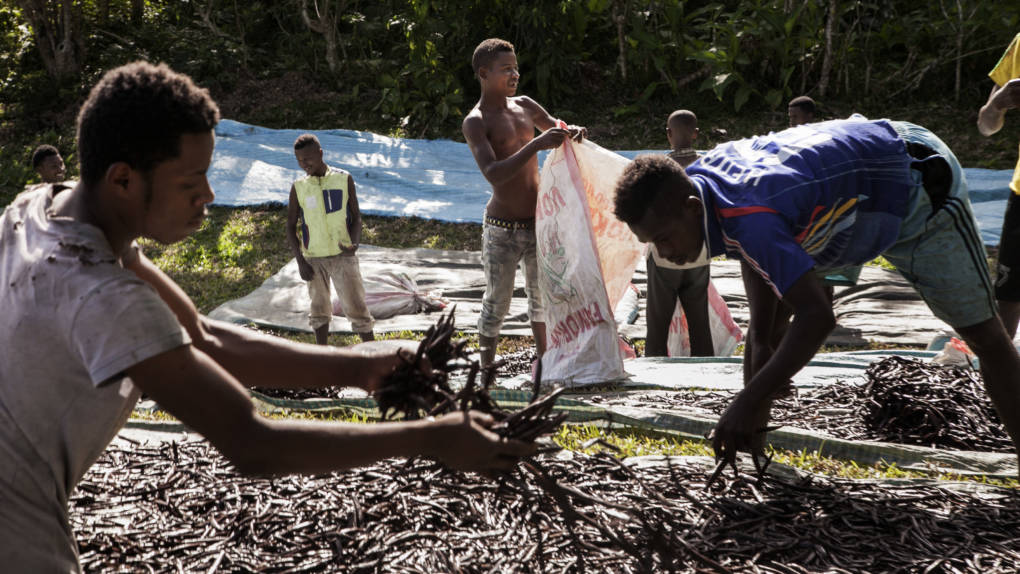
"caption": "Workers spread \"red vanilla\" (vanilla that has been treated by special cooking) in the sun to be dried near Sambava, Madagascar, in May 2016. Madagascar, producer of 80 percent of the world's vanilla, has seen huge jumps in the price. It's one of the most labor-intensive foods on Earth.",
"description": "Workers spread \"red vanilla\" (vanilla that has been treated by special cooking) in the sun to be dried near Sambava, Madagascar, in May 2016. Madagascar, producer of 80 percent of the world's vanilla, has seen huge jumps in the price. It's one of the most labor-intensive foods on Earth.",
"title": "Workers spread \"red vanilla\" (vanilla that has been treated by special cooking) in the sun to be dried near Sambava, Madagascar, in May 2016. Madagascar, producer of 80 percent of the world's vanilla, has seen huge jumps in the price. It's one of the most labor-intensive foods on Earth.",
"credit": "Rijasolo/AFP/Getty Images",
"status": "inherit",
"isLoading": false,
"fetchFailed": false
},
"bayareabites_118207": {
"type": "attachments",
"id": "bayareabites_118207",
"meta": {
"index": "attachments_1716263798",
"site": "bayareabites",
"id": "118207",
"found": true
},
"parent": 118205,
"imgSizes": {
"small": {
"file": "https://ww2.kqed.org/app/uploads/sites/24/2017/06/Past-present-photos_enl-7d3e82d3f7961a50bbb660188189f4739cfa2a7c-520x520.jpe",
"width": 520,
"mimeType": "image/jpeg",
"height": 520
},
"twentyfourteen-full-width": {
"file": "https://ww2.kqed.org/app/uploads/sites/24/2017/06/Past-present-photos_enl-7d3e82d3f7961a50bbb660188189f4739cfa2a7c-1038x576.jpe",
"width": 1038,
"mimeType": "image/jpeg",
"height": 576
},
"thumbnail": {
"file": "https://ww2.kqed.org/app/uploads/sites/24/2017/06/Past-present-photos_enl-7d3e82d3f7961a50bbb660188189f4739cfa2a7c-160x160.jpe",
"width": 160,
"mimeType": "image/jpeg",
"height": 160
},
"fd-sm": {
"file": "https://ww2.kqed.org/app/uploads/sites/24/2017/06/Past-present-photos_enl-7d3e82d3f7961a50bbb660188189f4739cfa2a7c-960x960.jpe",
"width": 960,
"mimeType": "image/jpeg",
"height": 960
},
"post-thumbnail": {
"file": "https://ww2.kqed.org/app/uploads/sites/24/2017/06/Past-present-photos_enl-7d3e82d3f7961a50bbb660188189f4739cfa2a7c-672x372.jpe",
"width": 672,
"mimeType": "image/jpeg",
"height": 372
},
"xsmall": {
"file": "https://ww2.kqed.org/app/uploads/sites/24/2017/06/Past-present-photos_enl-7d3e82d3f7961a50bbb660188189f4739cfa2a7c-375x375.jpe",
"width": 375,
"mimeType": "image/jpeg",
"height": 375
},
"kqedFullSize": {
"file": "https://ww2.kqed.org/app/uploads/sites/24/2017/06/Past-present-photos_enl-7d3e82d3f7961a50bbb660188189f4739cfa2a7c-e1497476442962.jpe",
"width": 1920,
"height": 1920
},
"large": {
"file": "https://ww2.kqed.org/app/uploads/sites/24/2017/06/Past-present-photos_enl-7d3e82d3f7961a50bbb660188189f4739cfa2a7c-1020x1020.jpe",
"width": 1020,
"mimeType": "image/jpeg",
"height": 1020
},
"xlarge": {
"file": "https://ww2.kqed.org/app/uploads/sites/24/2017/06/Past-present-photos_enl-7d3e82d3f7961a50bbb660188189f4739cfa2a7c-1180x1180.jpe",
"width": 1180,
"mimeType": "image/jpeg",
"height": 1180
},
"guest-author-50": {
"file": "https://ww2.kqed.org/app/uploads/sites/24/2017/06/Past-present-photos_enl-7d3e82d3f7961a50bbb660188189f4739cfa2a7c-50x50.jpe",
"width": 50,
"mimeType": "image/jpeg",
"height": 50
},
"guest-author-96": {
"file": "https://ww2.kqed.org/app/uploads/sites/24/2017/06/Past-present-photos_enl-7d3e82d3f7961a50bbb660188189f4739cfa2a7c-96x96.jpe",
"width": 96,
"mimeType": "image/jpeg",
"height": 96
},
"medium": {
"file": "https://ww2.kqed.org/app/uploads/sites/24/2017/06/Past-present-photos_enl-7d3e82d3f7961a50bbb660188189f4739cfa2a7c-800x800.jpe",
"width": 800,
"mimeType": "image/jpeg",
"height": 800
},
"guest-author-64": {
"file": "https://ww2.kqed.org/app/uploads/sites/24/2017/06/Past-present-photos_enl-7d3e82d3f7961a50bbb660188189f4739cfa2a7c-64x64.jpe",
"width": 64,
"mimeType": "image/jpeg",
"height": 64
},
"guest-author-32": {
"file": "https://ww2.kqed.org/app/uploads/sites/24/2017/06/Past-present-photos_enl-7d3e82d3f7961a50bbb660188189f4739cfa2a7c-32x32.jpe",
"width": 32,
"mimeType": "image/jpeg",
"height": 32
},
"fd-lrg": {
"file": "https://ww2.kqed.org/app/uploads/sites/24/2017/06/Past-present-photos_enl-7d3e82d3f7961a50bbb660188189f4739cfa2a7c-1920x1920.jpe",
"width": 1920,
"mimeType": "image/jpeg",
"height": 1920
},
"fd-med": {
"file": "https://ww2.kqed.org/app/uploads/sites/24/2017/06/Past-present-photos_enl-7d3e82d3f7961a50bbb660188189f4739cfa2a7c-1180x1180.jpe",
"width": 1180,
"mimeType": "image/jpeg",
"height": 1180
},
"full-width": {
"file": "https://ww2.kqed.org/app/uploads/sites/24/2017/06/Past-present-photos_enl-7d3e82d3f7961a50bbb660188189f4739cfa2a7c-1920x1920.jpe",
"width": 1920,
"mimeType": "image/jpeg",
"height": 1920
},
"detail": {
"file": "https://ww2.kqed.org/app/uploads/sites/24/2017/06/Past-present-photos_enl-7d3e82d3f7961a50bbb660188189f4739cfa2a7c-150x150.jpe",
"width": 150,
"mimeType": "image/jpeg",
"height": 150
},
"medium_large": {
"file": "https://ww2.kqed.org/app/uploads/sites/24/2017/06/Past-present-photos_enl-7d3e82d3f7961a50bbb660188189f4739cfa2a7c-768x768.jpe",
"width": 768,
"mimeType": "image/jpeg",
"height": 768
},
"guest-author-128": {
"file": "https://ww2.kqed.org/app/uploads/sites/24/2017/06/Past-present-photos_enl-7d3e82d3f7961a50bbb660188189f4739cfa2a7c-128x128.jpe",
"width": 128,
"mimeType": "image/jpeg",
"height": 128
},
"xxsmall": {
"file": "https://ww2.kqed.org/app/uploads/sites/24/2017/06/Past-present-photos_enl-7d3e82d3f7961a50bbb660188189f4739cfa2a7c-240x240.jpe",
"width": 240,
"mimeType": "image/jpeg",
"height": 240
}
},
"publishDate": 1497472377,
"modified": 1497472475,
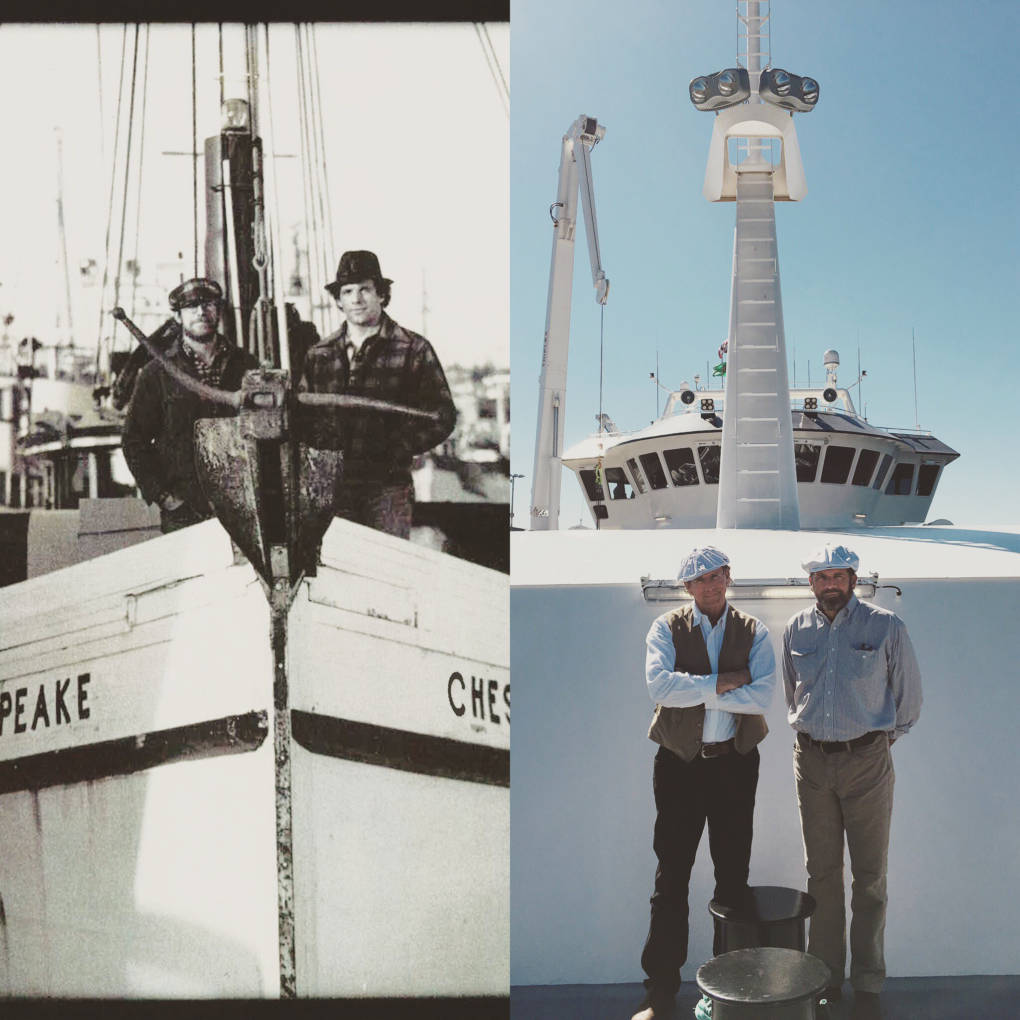
"caption": "Brothers Michael (on the left in both photos) and Patrick Burns have spent decades as fishermen. But the inspiration for their humanely harvested seafood didn't come from the ocean. It came from their side business — a grass-fed cattle ranch — and from their deep admiration for scientist Temple Grandin and her advocacy of animal welfare and humane slaughter.",
"description": "Brothers Michael (on the left in both photos) and Patrick Burns have spent decades as fishermen. But the inspiration for their humanely harvested seafood didn't come from the ocean. It came from their side business — a grass-fed\u003ca href=\"https://anchorbeef.com/\"> cattle ranch\u003c/a> — and from their deep admiration for scientist Temple Grandin and her advocacy of animal welfare and humane slaugh",
"title": "Brothers Michael (on the left in both photos) and Patrick Burns have spent decades as fishermen. But the inspiration for their humanely harvested seafood didn't come from the ocean. It came from their side business — a grass-fed cattle ranch — and from their deep admiration for scientist Temple Grandin and her advocacy of animal welfare and humane slaughter.",
"credit": "Courtesy of Blue North",
"status": "inherit",
"isLoading": false,
"fetchFailed": false
},
"bayareabites_118010": {
"type": "attachments",
"id": "bayareabites_118010",
"meta": {
"index": "attachments_1716263798",
"site": "bayareabites",
"id": "118010",
"found": true
},
"parent": 118006,
"imgSizes": {
"small": {
"file": "https://ww2.kqed.org/app/uploads/sites/24/2017/06/060117_tradesecrets_biology_custom-b2d65a8181b349df4627b6bcc38d58a7bb734f90-s1500-c85-520x343.jpg",
"width": 520,
"mimeType": "image/jpeg",
"height": 343
},
"twentyfourteen-full-width": {
"file": "https://ww2.kqed.org/app/uploads/sites/24/2017/06/060117_tradesecrets_biology_custom-b2d65a8181b349df4627b6bcc38d58a7bb734f90-s1500-c85-1038x576.jpg",
"width": 1038,
"mimeType": "image/jpeg",
"height": 576
},
"thumbnail": {
"file": "https://ww2.kqed.org/app/uploads/sites/24/2017/06/060117_tradesecrets_biology_custom-b2d65a8181b349df4627b6bcc38d58a7bb734f90-s1500-c85-160x106.jpg",
"width": 160,
"mimeType": "image/jpeg",
"height": 106
},
"fd-sm": {
"file": "https://ww2.kqed.org/app/uploads/sites/24/2017/06/060117_tradesecrets_biology_custom-b2d65a8181b349df4627b6bcc38d58a7bb734f90-s1500-c85-960x634.jpg",
"width": 960,
"mimeType": "image/jpeg",
"height": 634
},
"post-thumbnail": {
"file": "https://ww2.kqed.org/app/uploads/sites/24/2017/06/060117_tradesecrets_biology_custom-b2d65a8181b349df4627b6bcc38d58a7bb734f90-s1500-c85-672x372.jpg",
"width": 672,
"mimeType": "image/jpeg",
"height": 372
},
"xsmall": {
"file": "https://ww2.kqed.org/app/uploads/sites/24/2017/06/060117_tradesecrets_biology_custom-b2d65a8181b349df4627b6bcc38d58a7bb734f90-s1500-c85-375x248.jpg",
"width": 375,
"mimeType": "image/jpeg",
"height": 248
},
"kqedFullSize": {
"file": "https://ww2.kqed.org/app/uploads/sites/24/2017/06/060117_tradesecrets_biology_custom-b2d65a8181b349df4627b6bcc38d58a7bb734f90-s1500-c85.jpg",
"width": 1500,
"height": 990
},
"large": {
"file": "https://ww2.kqed.org/app/uploads/sites/24/2017/06/060117_tradesecrets_biology_custom-b2d65a8181b349df4627b6bcc38d58a7bb734f90-s1500-c85-1020x673.jpg",
"width": 1020,
"mimeType": "image/jpeg",
"height": 673
},
"xlarge": {
"file": "https://ww2.kqed.org/app/uploads/sites/24/2017/06/060117_tradesecrets_biology_custom-b2d65a8181b349df4627b6bcc38d58a7bb734f90-s1500-c85-1180x779.jpg",
"width": 1180,
"mimeType": "image/jpeg",
"height": 779
},
"guest-author-50": {
"file": "https://ww2.kqed.org/app/uploads/sites/24/2017/06/060117_tradesecrets_biology_custom-b2d65a8181b349df4627b6bcc38d58a7bb734f90-s1500-c85-50x50.jpg",
"width": 50,
"mimeType": "image/jpeg",
"height": 50
},
"guest-author-96": {
"file": "https://ww2.kqed.org/app/uploads/sites/24/2017/06/060117_tradesecrets_biology_custom-b2d65a8181b349df4627b6bcc38d58a7bb734f90-s1500-c85-96x96.jpg",
"width": 96,
"mimeType": "image/jpeg",
"height": 96
},
"medium": {
"file": "https://ww2.kqed.org/app/uploads/sites/24/2017/06/060117_tradesecrets_biology_custom-b2d65a8181b349df4627b6bcc38d58a7bb734f90-s1500-c85-800x528.jpg",
"width": 800,
"mimeType": "image/jpeg",
"height": 528
},
"guest-author-64": {
"file": "https://ww2.kqed.org/app/uploads/sites/24/2017/06/060117_tradesecrets_biology_custom-b2d65a8181b349df4627b6bcc38d58a7bb734f90-s1500-c85-64x64.jpg",
"width": 64,
"mimeType": "image/jpeg",
"height": 64
},
"guest-author-32": {
"file": "https://ww2.kqed.org/app/uploads/sites/24/2017/06/060117_tradesecrets_biology_custom-b2d65a8181b349df4627b6bcc38d58a7bb734f90-s1500-c85-32x32.jpg",
"width": 32,
"mimeType": "image/jpeg",
"height": 32
},
"fd-med": {
"file": "https://ww2.kqed.org/app/uploads/sites/24/2017/06/060117_tradesecrets_biology_custom-b2d65a8181b349df4627b6bcc38d58a7bb734f90-s1500-c85-1180x779.jpg",
"width": 1180,
"mimeType": "image/jpeg",
"height": 779
},
"detail": {
"file": "https://ww2.kqed.org/app/uploads/sites/24/2017/06/060117_tradesecrets_biology_custom-b2d65a8181b349df4627b6bcc38d58a7bb734f90-s1500-c85-150x150.jpg",
"width": 150,
"mimeType": "image/jpeg",
"height": 150
},
"medium_large": {
"file": "https://ww2.kqed.org/app/uploads/sites/24/2017/06/060117_tradesecrets_biology_custom-b2d65a8181b349df4627b6bcc38d58a7bb734f90-s1500-c85-768x507.jpg",
"width": 768,
"mimeType": "image/jpeg",
"height": 507
},
"guest-author-128": {
"file": "https://ww2.kqed.org/app/uploads/sites/24/2017/06/060117_tradesecrets_biology_custom-b2d65a8181b349df4627b6bcc38d58a7bb734f90-s1500-c85-128x128.jpg",
"width": 128,
"mimeType": "image/jpeg",
"height": 128
},
"xxsmall": {
"file": "https://ww2.kqed.org/app/uploads/sites/24/2017/06/060117_tradesecrets_biology_custom-b2d65a8181b349df4627b6bcc38d58a7bb734f90-s1500-c85-240x158.jpg",
"width": 240,
"mimeType": "image/jpeg",
"height": 158
}
},
"publishDate": 1496942391,
"modified": 1496942416,
"caption": "The theft of agricultural trade secrets is a growing problem, according to the FBI.",
"description": null,
"title": "060117_tradesecrets_biology_custom-b2d65a8181b349df4627b6bcc38d58a7bb734f90-s1500-c85",
"credit": "University of Michigan School of Environment and Sustainability/Flickr",
"status": "inherit",
"isLoading": false,
"fetchFailed": false
}
},
"audioPlayerReducer": {
"postId": "stream_live",
"isPaused": true,
"isPlaying": false,
"pfsActive": false,
"pledgeModalIsOpen": true,
"playerDrawerIsOpen": false,
"liveAudioPlayStartedAt": 0,
"liveAudioPlayContext": ""
},
"authorsReducer": {
"byline_bayareabites_119292": {
"type": "authors",
"id": "byline_bayareabites_119292",
"meta": {
"override": true
},
"slug": "byline_bayareabites_119292",
"name": "Dan Charles, NPR Food",
"isLoading": false
},
"byline_bayareabites_119231": {
"type": "authors",
"id": "byline_bayareabites_119231",
"meta": {
"override": true
},
"slug": "byline_bayareabites_119231",
"name": " \u003ca href=\"http://civileats.com/author/jfigueiredo/\">Jordan Figueiredo,\u003c/a> \u003ca href=\"https://ww2.kqed.org/bayareabites/author/civileat/\">Civil Eats\u003c/a> ",
"isLoading": false
},
"byline_bayareabites_118983": {
"type": "authors",
"id": "byline_bayareabites_118983",
"meta": {
"override": true
},
"slug": "byline_bayareabites_118983",
"name": "John Burnett, NPR Food",
"isLoading": false
},
"byline_bayareabites_118929": {
"type": "authors",
"id": "byline_bayareabites_118929",
"meta": {
"override": true
},
"slug": "byline_bayareabites_118929",
"name": "\u003ca href=\"http://civileats.com/author/pmccoy/\">Peter McCoy\u003c/a>, \u003ca href=\"https://ww2.kqed.org/bayareabites/author/civileat/\">Civil Eats\u003c/a> ",
"isLoading": false
},
"byline_bayareabites_118877": {
"type": "authors",
"id": "byline_bayareabites_118877",
"meta": {
"override": true
},
"slug": "byline_bayareabites_118877",
"name": "Glenn McDonald, all tech considered, \u003ca href=\"https://ww2.kqed.org/bayareabites/author/nprfood/\">NPR Food\u003c/a>",
"isLoading": false
},
"byline_bayareabites_118413": {
"type": "authors",
"id": "byline_bayareabites_118413",
"meta": {
"override": true
},
"slug": "byline_bayareabites_118413",
"name": "\u003ca href=\"http://www.npr.org/people/348732739/adam-cole\">Adam Cole\u003c/a> and \u003ca href=\"http://www.npr.org/people/513324587/ryan-kellman\">Ryan Kellman,\u003c/a> \u003ca href=\"https://ww2.kqed.org/bayareabites/author/nprfood/\">NPR Food\u003c/a>",
"isLoading": false
},
"byline_bayareabites_118365": {
"type": "authors",
"id": "byline_bayareabites_118365",
"meta": {
"override": true
},
"slug": "byline_bayareabites_118365",
"name": "Dan Charles, NPR Food",
"isLoading": false
},
"byline_bayareabites_118205": {
"type": "authors",
"id": "byline_bayareabites_118205",
"meta": {
"override": true
},
"slug": "byline_bayareabites_118205",
"name": "Clare Leschin-Hoar, \u003ca href=\"\"https://ww2.kqed.org/bayareabites/author/nprfood/>NPR Food\u003c/a>",
"isLoading": false
},
"byline_bayareabites_118006": {
"type": "authors",
"id": "byline_bayareabites_118006",
"meta": {
"override": true
},
"slug": "byline_bayareabites_118006",
"name": "Bryan Thompson, \u003ca href=\"http://kcur.org/#stream/0\">KCUR\u003c/a> at \u003ca href=\"https://ww2.kqed.org/bayareabites/author/nprfood/\">NPR Food\u003c/a>",
"isLoading": false
},
"rachael-myrow": {
"type": "authors",
"id": "251",
"meta": {
"index": "authors_1716337520",
"id": "251",
"found": true
},
"name": "Rachael Myrow",
"firstName": "Rachael",
"lastName": "Myrow",
"slug": "rachael-myrow",
"email": "rmyrow@kqed.org",
"display_author_email": true,
"staff_mastheads": [
"news"
],
"title": "Senior Editor of KQED's Silicon Valley News Desk",
"bio": "• I write and edit stories about how Silicon Valley power and policies shape everyday life in California. I’m also passionate about making Bay Area history and culture more accessible to a broad public. • I’ve been a journalist for most of my life, starting in high school with The Franklin Press in Los Angeles, where I grew up. While earning my first degree in English at UC Berkeley, I got my start in public radio at KALX-FM. After completing a second degree in journalism at Cal, I landed my first professional job at Marketplace, then moved on to KPCC (now LAist), and then KQED, where I hosted The California Report for more than seven years. • My reporting has appeared on NPR, The World, WBUR’s \u003ci>Here & Now\u003c/i>, and the BBC. I also guest host for KQED’s \u003ci>Forum\u003c/i>, as well as the Commonwealth Club in San Francisco. • I speak periodically on media, democracy and technology issues, and do voiceover work for documentaries and educational video projects. • Outside of the studio, you'll find me hiking Bay Area trails and whipping up Insta-ready meals in my kitchen. • I do not accept gifts, money, or favors from anyone connected to my reporting, I don't pay people for information, and I do not support or donate to political causes. • I strive to treat the people I report on with fairness, honesty, and respect. I also recognize there are often multiple sides to a story and work to verify information through multiple sources and documentation. If I get something wrong, I correct it.",
"avatar": "https://secure.gravatar.com/avatar/3ed8a3c5f26025e4a805ba634cda8cd764906b97438a6d9ce216b044e340da4e?s=600&d=blank&r=g",
"twitter": "rachaelmyrow",
"bluesky": null,
"facebook": null,
"instagram": null,
"linkedin": "https://www.linkedin.com/in/rachaelmyrow/",
"sites": [
{
"site": "arts",
"roles": [
"administrator"
]
},
{
"site": "news",
"roles": [
"edit_others_posts",
"editor"
]
},
{
"site": "futureofyou",
"roles": [
"editor"
]
},
{
"site": "bayareabites",
"roles": [
"editor"
]
},
{
"site": "stateofhealth",
"roles": [
"editor"
]
},
{
"site": "science",
"roles": [
"editor"
]
},
{
"site": "food",
"roles": [
"editor"
]
},
{
"site": "forum",
"roles": [
"editor"
]
},
{
"site": "liveblog",
"roles": [
"author"
]
}
],
"headData": {
"title": "Rachael Myrow | KQED",
"description": "Senior Editor of KQED's Silicon Valley News Desk",
"ogImgSrc": "https://secure.gravatar.com/avatar/3ed8a3c5f26025e4a805ba634cda8cd764906b97438a6d9ce216b044e340da4e?s=600&d=blank&r=g",
"twImgSrc": "https://secure.gravatar.com/avatar/3ed8a3c5f26025e4a805ba634cda8cd764906b97438a6d9ce216b044e340da4e?s=600&d=blank&r=g"
},
"isLoading": false,
"link": "/author/rachael-myrow"
},
"katewilliams": {
"type": "authors",
"id": "5485",
"meta": {
"index": "authors_1716337520",
"id": "5485",
"found": true
},
"name": "Kate Williams",
"firstName": "Kate",
"lastName": "Williams",
"slug": "katewilliams",
"email": "williaka@gmail.com",
"display_author_email": false,
"staff_mastheads": [],
"title": null,
"bio": "Kate Williams grew up outside of Atlanta, where twenty-pound baskets of peaches were an end-of-summer tradition. After spending time in Boston developing recipes for America's Test Kitchen and pretending to be a New Englander, she moved to sunny Berkeley. Here she works as a personal chef and food writer, covering topics ranging from taco trucks to modernist cookbooks. In addition to KQED's Bay Area Bites, Kate's work appears on Serious Eats, Berkeleyside NOSH, The Oxford American, America's Test Kitchen cookbooks, and Food52.",
"avatar": "https://secure.gravatar.com/avatar/25623fe56e181fe8b6ee92fd0ea077de?s=600&d=blank&r=g",
"twitter": "KateHWilliams",
"facebook": null,
"instagram": null,
"linkedin": null,
"sites": [
{
"site": "bayareabites",
"roles": [
"contributor"
]
},
{
"site": "food",
"roles": [
"contributor"
]
}
],
"headData": {
"title": "Kate Williams | KQED",
"description": null,
"ogImgSrc": "https://secure.gravatar.com/avatar/25623fe56e181fe8b6ee92fd0ea077de?s=600&d=blank&r=g",
"twImgSrc": "https://secure.gravatar.com/avatar/25623fe56e181fe8b6ee92fd0ea077de?s=600&d=blank&r=g"
},
"isLoading": false,
"link": "/author/katewilliams"
},
"susanhathaway": {
"type": "authors",
"id": "5578",
"meta": {
"index": "authors_1716337520",
"id": "5578",
"found": true
},
"name": "Susan Hathaway",
"firstName": "Susan",
"lastName": "Hathaway",
"slug": "susanhathaway",
"email": "susan@redpenassoc.com",
"display_author_email": false,
"staff_mastheads": [],
"title": "KQED Contributor",
"bio": "From making blob-shaped pancakes for her family at age 6 to presumptuously reinventing recipes from well-known chefs, Susan has had a life-long food love affair. You'll usually find her sniffing out great ingredient sources, locating intriguing food stories, inventing recipes and exercising like a demon as an antidote to her passion. This Bay Area native is a longtime food & wine journalist and blogger who has contributed to regional publications such as the San Jose Mercury News and its affiliates, Metro, San Francisco Chronicle, South Bay Accent, Urbanspoon and other epistles that are lucky enough not to have been killed off yet by the publishing crisis.",
"avatar": "https://secure.gravatar.com/avatar/50460b73cde689778bd54c5eb183c0993d24c99dd4ed52f8207c15a3af0d7a33?s=600&d=blank&r=g",
"twitter": null,
"bluesky": null,
"facebook": null,
"instagram": null,
"linkedin": null,
"sites": [
{
"site": "bayareabites",
"roles": [
"subscriber"
]
},
{
"site": "food",
"roles": [
"subscriber"
]
}
],
"headData": {
"title": "Susan Hathaway | KQED",
"description": "KQED Contributor",
"ogImgSrc": "https://secure.gravatar.com/avatar/50460b73cde689778bd54c5eb183c0993d24c99dd4ed52f8207c15a3af0d7a33?s=600&d=blank&r=g",
"twImgSrc": "https://secure.gravatar.com/avatar/50460b73cde689778bd54c5eb183c0993d24c99dd4ed52f8207c15a3af0d7a33?s=600&d=blank&r=g"
},
"isLoading": false,
"link": "/author/susanhathaway"
}
},
"pagesReducer": {
"bayareabites_category_science": {
"type": "terms",
"id": "bayareabites_358",
"meta": {
"index": "terms_1716263798",
"site": "bayareabites",
"id": "358",
"score": 10.85186
},
"featImg": null,
"name": "science",
"description": null,
"taxonomy": "category",
"headData": {
"twImgId": null,
"twTitle": null,
"ogTitle": null,
"ogImgId": null,
"twDescription": null,
"description": null,
"title": "science Archives | KQED Bay Area Bites",
"ogDescription": null
},
"ttid": 7943,
"slug": "science",
"isLoading": false,
"title": "science",
"pageMeta": {
"site": "bayareabites",
"WpPageTemplate": "page-topic-editorial",
"currentPage": 18
},
"blocks": [
{
"blockName": "kqed/post-list",
"attrs": {
"layout": "cardArticle2",
"query": "posts/bayareabites?category=science",
"seeMore": false,
"paginated": true,
"page": 18
}
},
{
"blockName": "kqed/ad"
}
]
}
},
"pfsSessionReducer": {},
"postsReducer": {
"stream_live": {
"type": "live",
"id": "stream_live",
"audioUrl": "https://streams.kqed.org/kqedradio",
"title": "Live Stream",
"excerpt": "Live Stream information currently unavailable.",
"link": "/radio",
"featImg": "",
"label": {
"name": "KQED Live",
"link": "/"
}
},
"stream_kqedNewscast": {
"type": "posts",
"id": "stream_kqedNewscast",
"audioUrl": "https://www.kqed.org/.stream/anon/radio/RDnews/newscast.mp3?_=1",
"title": "KQED Newscast",
"featImg": "",
"label": {
"name": "88.5 FM",
"link": "/"
}
},
"bayareabites_119292": {
"type": "posts",
"id": "bayareabites_119292",
"meta": {
"index": "posts_1716263798",
"site": "bayareabites",
"id": "119292",
"score": null,
"sort": [
1500678253000
]
},
"parent": 0,
"labelTerm": {},
"blocks": [],
"publishDate": 1500678253,
"format": "audio",
"disqusTitle": "What's It Really Like To Work In A Prison Goat Milk Farm? We Asked Inmates",
"title": "What's It Really Like To Work In A Prison Goat Milk Farm? We Asked Inmates",
"headTitle": "Bay Area Bites | KQED Food",
"content": "\u003cp>\u003cstrong>Listen to the story on All Things Considered:\u003c/strong>\u003cbr>\nhttps://ondemand.npr.org/anon.npr-mp3/npr/atc/2017/07/20170720_atc_whats_it_really_like_to_work_in_a_prison_goat_milk_farm_we_asked_inmates.mp3\u003c/p>\n\u003cp>Jim Schott had one goal when he abandoned academic life to start the company called \u003ca href=\"http://www.haystackgoatcheese.com/\">Haystack Mountain\u003c/a>: He wanted to make some of the finest goat cheese in the country. With cheese in hand, he visited supermarkets, trying to persuade them to sell his product. Some didn't take him seriously. But Whole Foods did.\u003c/p>\n\u003cp>\"From the very beginning, they wanted to taste it,\" Schott recalls. \"And they wanted to know the story. They wanted to know where the cheese came from; who was making it; where it was made.\"\u003c/p>\n\u003cp>Jim Schott had a great story to tell. He'd walked away from a university job, mid-career, to raise goats on five acres of land.\u003c/p>\n\u003cp>\"I didn't want a compartmentalized life,\" he says. \"I wanted a life where the work that I did, the people I saw, the family I had, that it was all of one piece, and that it was connected to the earth, and to ....\" He pauses. \"To \u003cem>real \u003c/em>things.\"\u003c/p>\n\u003cp>[ad fullwidth]\u003c/p>\n\u003cp>Whole Foods loved his cheese. His company grew. It also changed. Ten years ago, Haystack Mountain started buying milk from a farm in a prison. Schott doesn't recall telling Whole Foods or his other customers about that change in the Haystack Mountain story. In any case, Schott felt that it was a good thing — \"a model of good prison management.\"\u003c/p>\n\u003cfigure id=\"attachment_119304\" class=\"wp-caption aligncenter\" style=\"max-width: 1300px\">\u003cimg src=\"https://ww2.kqed.org/bayareabites/wp-content/uploads/sites/24/2017/07/cheese1_custom-a05d718b5083631eaed27a0a67e320c4429c67cf-s1300-c85.jpg\" alt=\"Some of the cheeses that Haystack Mountain makes at its facilities in Longmont, Colo.\" width=\"1300\" height=\"454\" class=\"size-full wp-image-119304\" srcset=\"https://ww2.kqed.org/app/uploads/sites/24/2017/07/cheese1_custom-a05d718b5083631eaed27a0a67e320c4429c67cf-s1300-c85.jpg 1300w, https://ww2.kqed.org/app/uploads/sites/24/2017/07/cheese1_custom-a05d718b5083631eaed27a0a67e320c4429c67cf-s1300-c85-160x56.jpg 160w, https://ww2.kqed.org/app/uploads/sites/24/2017/07/cheese1_custom-a05d718b5083631eaed27a0a67e320c4429c67cf-s1300-c85-800x279.jpg 800w, https://ww2.kqed.org/app/uploads/sites/24/2017/07/cheese1_custom-a05d718b5083631eaed27a0a67e320c4429c67cf-s1300-c85-768x268.jpg 768w, https://ww2.kqed.org/app/uploads/sites/24/2017/07/cheese1_custom-a05d718b5083631eaed27a0a67e320c4429c67cf-s1300-c85-1020x356.jpg 1020w, https://ww2.kqed.org/app/uploads/sites/24/2017/07/cheese1_custom-a05d718b5083631eaed27a0a67e320c4429c67cf-s1300-c85-1180x412.jpg 1180w, https://ww2.kqed.org/app/uploads/sites/24/2017/07/cheese1_custom-a05d718b5083631eaed27a0a67e320c4429c67cf-s1300-c85-960x335.jpg 960w, https://ww2.kqed.org/app/uploads/sites/24/2017/07/cheese1_custom-a05d718b5083631eaed27a0a67e320c4429c67cf-s1300-c85-240x84.jpg 240w, https://ww2.kqed.org/app/uploads/sites/24/2017/07/cheese1_custom-a05d718b5083631eaed27a0a67e320c4429c67cf-s1300-c85-375x131.jpg 375w, https://ww2.kqed.org/app/uploads/sites/24/2017/07/cheese1_custom-a05d718b5083631eaed27a0a67e320c4429c67cf-s1300-c85-520x182.jpg 520w\" sizes=\"(max-width: 1300px) 100vw, 1300px\">\u003cfigcaption class=\"wp-caption-text\">Some of the cheeses that Haystack Mountain makes at its facilities in Longmont, Colo. \u003ccite>(Dan Charles/NPR)\u003c/cite>\u003c/figcaption>\u003c/figure>\n\u003cp>Then, in 2015, a prison reform activist named Michael Allen sent a letter to John Mackey, the CEO of Whole Foods. Allen demanded that Whole Foods stop selling Haystack Mountain's cheese because it was made, in part, using the labor of prisoners earning pennies per hour.\u003c/p>\n\u003cp>The way Allen sees it, Haystack was \"taking advantage of helpless, powerless individuals. They're fair game for corporations to make money off of. And I just told [Mackey] that we wanted him to get out of that business.\"\u003c/p>\n\u003cp>Many things besides cheese are made in prisons. Across the country, tens of thousands of inmates work for businesses that have set up operations inside prison walls. They make flags and furniture. Most of the time, they attract little attention.\u003c/p>\n\u003cp>People may feel differently about something they eat, though, especially a boutique food like goat cheese. To Allen's amazement and delight, Whole Food caved to his demands.\u003c/p>\n\u003cp>In a statement, the company said that some of its customers weren't comfortable with products made by prisoners, so it would no longer sell them.\u003c/p>\n\u003cp>The inmates are still milking those goats, though. I was curious about this farm, and set up a visit.\u003c/p>\n\u003cp>The goat dairy sits inside a vast complex of incarceration, with several different prisons, near Cañon City, Colo. But the farm itself is a five-minute drive from the buildings where inmates live. In fact, when you're there, you can almost forget you're in a prison. The goats, in their pens, look out over irrigated corn fields, the Arkansas River in the distance, and barren hillsides on the other side. To be perfectly honest, it's beautiful.\u003c/p>\n\u003cfigure id=\"attachment_119296\" class=\"wp-caption aligncenter\" style=\"max-width: 1868px\">\u003cimg src=\"https://ww2.kqed.org/bayareabites/wp-content/uploads/sites/24/2017/07/img_5649-288a949ff885a7d70acff9052e6b0ae3601f7b74.jpg\" alt=\"The goat dairy at Skyline Correctional Center is set on a hill overlooking the Arkansas River.\" width=\"1868\" height=\"1401\" class=\"size-full wp-image-119296\" srcset=\"https://ww2.kqed.org/app/uploads/sites/24/2017/07/img_5649-288a949ff885a7d70acff9052e6b0ae3601f7b74.jpg 1868w, https://ww2.kqed.org/app/uploads/sites/24/2017/07/img_5649-288a949ff885a7d70acff9052e6b0ae3601f7b74-160x120.jpg 160w, https://ww2.kqed.org/app/uploads/sites/24/2017/07/img_5649-288a949ff885a7d70acff9052e6b0ae3601f7b74-800x600.jpg 800w, https://ww2.kqed.org/app/uploads/sites/24/2017/07/img_5649-288a949ff885a7d70acff9052e6b0ae3601f7b74-768x576.jpg 768w, https://ww2.kqed.org/app/uploads/sites/24/2017/07/img_5649-288a949ff885a7d70acff9052e6b0ae3601f7b74-1020x765.jpg 1020w, https://ww2.kqed.org/app/uploads/sites/24/2017/07/img_5649-288a949ff885a7d70acff9052e6b0ae3601f7b74-1180x885.jpg 1180w, https://ww2.kqed.org/app/uploads/sites/24/2017/07/img_5649-288a949ff885a7d70acff9052e6b0ae3601f7b74-960x720.jpg 960w, https://ww2.kqed.org/app/uploads/sites/24/2017/07/img_5649-288a949ff885a7d70acff9052e6b0ae3601f7b74-240x180.jpg 240w, https://ww2.kqed.org/app/uploads/sites/24/2017/07/img_5649-288a949ff885a7d70acff9052e6b0ae3601f7b74-375x281.jpg 375w, https://ww2.kqed.org/app/uploads/sites/24/2017/07/img_5649-288a949ff885a7d70acff9052e6b0ae3601f7b74-520x390.jpg 520w\" sizes=\"(max-width: 1868px) 100vw, 1868px\">\u003cfigcaption class=\"wp-caption-text\">The goat dairy at Skyline Correctional Center is set on a hill overlooking the Arkansas River. \u003ccite>(Dan Charles/NPR)\u003c/cite>\u003c/figcaption>\u003c/figure>\n\u003cp>Joey Grisenti runs this farm. He works for Colorado Correctional Industries — a state agency that operates businesses inside Colorado's prisons. Those businesses are supposed to make money to help fund the prison system and also provide work opportunities for prisoners.\u003c/p>\n\u003cp>\"Right now, we're milking about 1,140 [goats], twice a day,\" Grisenti says. \"Our total herd is about 2,500. They're pretty pampered. A lot of them have names, and if you call them, they'll come running to you.\"\u003c/p>\n\u003cp>Most of the inmates here are near the end of their sentences. They're in a minimum-security facility called Skyline Correctional Center. But it's still a prison.\u003c/p>\n\u003cfigure id=\"attachment_119307\" class=\"wp-caption aligncenter\" style=\"max-width: 1300px\">\u003cimg src=\"https://ww2.kqed.org/bayareabites/wp-content/uploads/sites/24/2017/07/babygoat_custom-565794e5e0a67d654fc25d7919c9cac7bf0b101e-s1300-c85.jpg\" alt=\"Carl Rodwell, an inmate at Skyline Correctional Center, holds a baby goat as Logan Otis looks on.\" width=\"1300\" height=\"454\" class=\"size-full wp-image-119307\" srcset=\"https://ww2.kqed.org/app/uploads/sites/24/2017/07/babygoat_custom-565794e5e0a67d654fc25d7919c9cac7bf0b101e-s1300-c85.jpg 1300w, https://ww2.kqed.org/app/uploads/sites/24/2017/07/babygoat_custom-565794e5e0a67d654fc25d7919c9cac7bf0b101e-s1300-c85-160x56.jpg 160w, https://ww2.kqed.org/app/uploads/sites/24/2017/07/babygoat_custom-565794e5e0a67d654fc25d7919c9cac7bf0b101e-s1300-c85-800x279.jpg 800w, https://ww2.kqed.org/app/uploads/sites/24/2017/07/babygoat_custom-565794e5e0a67d654fc25d7919c9cac7bf0b101e-s1300-c85-768x268.jpg 768w, https://ww2.kqed.org/app/uploads/sites/24/2017/07/babygoat_custom-565794e5e0a67d654fc25d7919c9cac7bf0b101e-s1300-c85-1020x356.jpg 1020w, https://ww2.kqed.org/app/uploads/sites/24/2017/07/babygoat_custom-565794e5e0a67d654fc25d7919c9cac7bf0b101e-s1300-c85-1180x412.jpg 1180w, https://ww2.kqed.org/app/uploads/sites/24/2017/07/babygoat_custom-565794e5e0a67d654fc25d7919c9cac7bf0b101e-s1300-c85-960x335.jpg 960w, https://ww2.kqed.org/app/uploads/sites/24/2017/07/babygoat_custom-565794e5e0a67d654fc25d7919c9cac7bf0b101e-s1300-c85-240x84.jpg 240w, https://ww2.kqed.org/app/uploads/sites/24/2017/07/babygoat_custom-565794e5e0a67d654fc25d7919c9cac7bf0b101e-s1300-c85-375x131.jpg 375w, https://ww2.kqed.org/app/uploads/sites/24/2017/07/babygoat_custom-565794e5e0a67d654fc25d7919c9cac7bf0b101e-s1300-c85-520x182.jpg 520w\" sizes=\"(max-width: 1300px) 100vw, 1300px\">\u003cfigcaption class=\"wp-caption-text\">Carl Rodwell, an inmate at Skyline Correctional Center, holds a baby goat as Logan Otis looks on. \u003ccite>(Dan Charles/NPR)\u003c/cite>\u003c/figcaption>\u003c/figure>\n\u003cp>Workers on this farm get strip-searched. If they're caught with drugs or tobacco, or get in fights, they could lose this job and be sent to a higher-security facility with a lot less freedom.\u003c/p>\n\u003cp>And then there's the pay. It varies, depending on the job, but most inmates on the farm earn a few dollars a day. That's better than most prison jobs, which typically pay less than a dollar a day, but still, it's cut-rate labor.\u003c/p>\n\u003cp>And that's a big reason why the farm is here.\u003c/p>\n\u003cp>In the years after Haystack Mountain started making cheese, one of the company's biggest problems was finding a reliable source of goat milk. Jim Schott's small farm couldn't produce enough on its own, and every outside supplier eventually went out of business.\u003c/p>\n\u003cp>In 2007, the company reached a crisis. Another supplier had decided to shut down his goat dairy, and Haystack had no other options. \"A couple of weeks, and we weren't going to be able to supply our customers with cheese,\" says Chuck Hellmer, who by that time had replaced Schott as Haystack's CEO.\u003c/p>\n\u003cp>At the moment, Hellmer got a call from one of the top managers at Colorado Correctional Industries. He'd heard about Haystack's problem, and proposed a solution. CCI was ready to set up a goat dairy inside the Cañon City prison.\u003c/p>\n\u003cp>\"Nobody wants to have a big goat dairy, so we did it,\" Joey Grisenti says. This farm, with its guaranteed supply of low-cost workers, can survive when other farms cannot. \"A lot of people just can't afford to have the manpower that we have here,\" he says.\u003c/p>\n\u003cp>Of course, that cheap manpower is exactly what made the shoppers at Whole Foods uncomfortable.\u003c/p>\n\u003cfigure id=\"attachment_119293\" class=\"wp-caption aligncenter\" style=\"max-width: 1775px\">\u003cimg src=\"https://ww2.kqed.org/bayareabites/wp-content/uploads/sites/24/2017/07/img_5581_11-393734d04559e30298e698bc225e3d7e32dc62b9.jpg\" alt=\"Jeremiah Pate has been in prison for the past eight years. He's hoping to get out on parole this year.\" width=\"1775\" height=\"1331\" class=\"size-full wp-image-119293\" srcset=\"https://ww2.kqed.org/app/uploads/sites/24/2017/07/img_5581_11-393734d04559e30298e698bc225e3d7e32dc62b9.jpg 1775w, https://ww2.kqed.org/app/uploads/sites/24/2017/07/img_5581_11-393734d04559e30298e698bc225e3d7e32dc62b9-160x120.jpg 160w, https://ww2.kqed.org/app/uploads/sites/24/2017/07/img_5581_11-393734d04559e30298e698bc225e3d7e32dc62b9-800x600.jpg 800w, https://ww2.kqed.org/app/uploads/sites/24/2017/07/img_5581_11-393734d04559e30298e698bc225e3d7e32dc62b9-768x576.jpg 768w, https://ww2.kqed.org/app/uploads/sites/24/2017/07/img_5581_11-393734d04559e30298e698bc225e3d7e32dc62b9-1020x765.jpg 1020w, https://ww2.kqed.org/app/uploads/sites/24/2017/07/img_5581_11-393734d04559e30298e698bc225e3d7e32dc62b9-1180x885.jpg 1180w, https://ww2.kqed.org/app/uploads/sites/24/2017/07/img_5581_11-393734d04559e30298e698bc225e3d7e32dc62b9-960x720.jpg 960w, https://ww2.kqed.org/app/uploads/sites/24/2017/07/img_5581_11-393734d04559e30298e698bc225e3d7e32dc62b9-240x180.jpg 240w, https://ww2.kqed.org/app/uploads/sites/24/2017/07/img_5581_11-393734d04559e30298e698bc225e3d7e32dc62b9-375x281.jpg 375w, https://ww2.kqed.org/app/uploads/sites/24/2017/07/img_5581_11-393734d04559e30298e698bc225e3d7e32dc62b9-520x390.jpg 520w\" sizes=\"(max-width: 1775px) 100vw, 1775px\">\u003cfigcaption class=\"wp-caption-text\">Jeremiah Pate has been in prison for the past eight years. He's hoping to get out on parole this year. \u003ccite>(Dan Charles/NPR)\u003c/cite>\u003c/figcaption>\u003c/figure>\n\u003cp>But what do the workers themselves think?\u003c/p>\n\u003cp>I find Jeremiah Pate in the milking barn, attaching milking machines to the goats' udders.\u003c/p>\n\u003cp>\"This job, how do you feel about it?\" I ask him. \"A bad thing? Good thing?\"\u003c/p>\n\u003cp>\"It's a great thing,\" Pate tells me. \"It beats the alternative. Rather than sitting in your tiny little cell, you get to come out here.\"\u003c/p>\n\u003cp>Every man I meet echoes that thought. They aren't thinking about what was fair on the outside. They were just thinking about their options in prison, and in that perspective, the farm looked pretty good.\u003c/p>\n\u003cp>Several of them told me that it's nice just being around the animals. Jason Rowell, who is most of the way through a 24-year sentence, says the goats can sense when you're feeling down. \"Like the other day I hit my head in pen 16, and I had a goat come over, and she stuck her head underneath my chin and picked my head up. She was like, 'Are you all right?'\" he says.\u003c/p>\n\u003cp>I wasn't sure if I was getting the whole story from these inmates. In their position, criticism of the prison would do them no good.\u003c/p>\n\u003cp>So I tracked down two men on the outside who'd previously been in this prison, and worked on this farm. And they told me pretty much the same thing.\u003c/p>\n\u003cfigure id=\"attachment_119308\" class=\"wp-caption aligncenter\" style=\"max-width: 1300px\">\u003cimg src=\"https://ww2.kqed.org/bayareabites/wp-content/uploads/sites/24/2017/07/duwane-engler_custom-84ae23e7e2cbaa852f289939d4dfea0f545a509a-s1300-c85.jpg\" alt=\"Former Skyline inmate Duwane Engler and his daughter Arianna now raise goats at their home in Pueblo, Colo.\" width=\"1300\" height=\"454\" class=\"size-full wp-image-119308\" srcset=\"https://ww2.kqed.org/app/uploads/sites/24/2017/07/duwane-engler_custom-84ae23e7e2cbaa852f289939d4dfea0f545a509a-s1300-c85.jpg 1300w, https://ww2.kqed.org/app/uploads/sites/24/2017/07/duwane-engler_custom-84ae23e7e2cbaa852f289939d4dfea0f545a509a-s1300-c85-160x56.jpg 160w, https://ww2.kqed.org/app/uploads/sites/24/2017/07/duwane-engler_custom-84ae23e7e2cbaa852f289939d4dfea0f545a509a-s1300-c85-800x279.jpg 800w, https://ww2.kqed.org/app/uploads/sites/24/2017/07/duwane-engler_custom-84ae23e7e2cbaa852f289939d4dfea0f545a509a-s1300-c85-768x268.jpg 768w, https://ww2.kqed.org/app/uploads/sites/24/2017/07/duwane-engler_custom-84ae23e7e2cbaa852f289939d4dfea0f545a509a-s1300-c85-1020x356.jpg 1020w, https://ww2.kqed.org/app/uploads/sites/24/2017/07/duwane-engler_custom-84ae23e7e2cbaa852f289939d4dfea0f545a509a-s1300-c85-1180x412.jpg 1180w, https://ww2.kqed.org/app/uploads/sites/24/2017/07/duwane-engler_custom-84ae23e7e2cbaa852f289939d4dfea0f545a509a-s1300-c85-960x335.jpg 960w, https://ww2.kqed.org/app/uploads/sites/24/2017/07/duwane-engler_custom-84ae23e7e2cbaa852f289939d4dfea0f545a509a-s1300-c85-240x84.jpg 240w, https://ww2.kqed.org/app/uploads/sites/24/2017/07/duwane-engler_custom-84ae23e7e2cbaa852f289939d4dfea0f545a509a-s1300-c85-375x131.jpg 375w, https://ww2.kqed.org/app/uploads/sites/24/2017/07/duwane-engler_custom-84ae23e7e2cbaa852f289939d4dfea0f545a509a-s1300-c85-520x182.jpg 520w\" sizes=\"(max-width: 1300px) 100vw, 1300px\">\u003cfigcaption class=\"wp-caption-text\">Former Skyline inmate Duwane Engler and his daughter Arianna now raise goats at their home in Pueblo, Colo. \u003ccite>(Dan Charles/NPR)\u003c/cite>\u003c/figcaption>\u003c/figure>\n\u003cp>\"I think it's a good thing, all in all,\" says Duwane Engler. Engler spent four months at Skyline, five years ago. Today, he lives in Pueblo, Colo., with his wife and two young daughters. Interestingly, they have a small herd of about a dozen goats living in the back yard. It grew out of a 4-H project, Engler explains.\u003c/p>\n\u003cp>\"Part of the deal, when you're in prison, you have to work anyway,\" Engler explains. \"If you're in a maximum facility, you're going to do work, you're never going to leave the facility, and you're scrubbing walls with a toothbrush, basically. These guys actually get out, they have a purpose, and they make more than 60 cents a day.\"\u003c/p>\n\u003cp>Chad Redding, who just got out of Skyline a few months ago, was slightly more cynical about the experience. \"I think it's all right. I don't know if I'd protest it. It's no different than having some Chinese shoe shop make your Nikes for, like, a dollar. You're still going to buy them at Macy's. I mean, it's the same thing.\"\u003c/p>\n\u003cp>Redding shrugs his shoulders as if to say, yeah, prison's not pretty. But the world's not pretty.\u003c/p>\n\u003cp>Michael Allen, the activist who got Whole Foods to stop selling Haystack Mountain's goat cheese, says he understands why prisoners like having those jobs. But he'll keep fighting against prison labor until the workers get paid better.\u003c/p>\n\u003cp>As for Haystack Mountain, it's still in business. In fact, it's growing, still making top-quality chevre and a \u003ca href=\"http://www.haystackgoatcheese.com/cheeses/\">variety\u003c/a> of other cheeses by hand, just as Jim Schott dreamed he'd do almost three decades ago. And several times a week, the company sends an aging tank truck to Cañon City, three hours away, to pick up a load of goat's milk at the prison. \u003c/p>\n\u003cp>[ad floatright]\u003c/p>\n\u003cp>\u003cem>Copyright 2017 \u003ca href=\"http://www.npr.org/\">NPR\u003c/a>.\u003c/em>\u003c/p>\n\n",
"disqusIdentifier": "119292 https://ww2.kqed.org/bayareabites/?p=119292",
"disqusUrl": "https://ww2.kqed.org/bayareabites/2017/07/21/whats-it-really-like-to-work-in-a-prison-goat-milk-farm-we-asked-inmates/",
"stats": {
"hasVideo": false,
"hasChartOrMap": false,
"hasAudio": false,
"hasPolis": false,
"wordCount": 1607,
"hasGoogleForm": false,
"hasGallery": false,
"hasHearkenModule": false,
"iframeSrcs": [],
"paragraphCount": 41
},
"modified": 1500687256,
"excerpt": "Whole Foods has been forced to stop selling goat cheese made from milk that came from a prison farm, where inmates work for less than a dollar an hour. Yet the inmates themselves aren't complaining.",
"headData": {
"twImgId": "",
"twTitle": "",
"ogTitle": "",
"ogImgId": "",
"twDescription": "",
"description": "Whole Foods has been forced to stop selling goat cheese made from milk that came from a prison farm, where inmates work for less than a dollar an hour. Yet the inmates themselves aren't complaining.",
"title": "What's It Really Like To Work In A Prison Goat Milk Farm? We Asked Inmates | KQED",
"ogDescription": "",
"schema": {
"@context": "https://schema.org",
"@type": "Article",
"headline": "What's It Really Like To Work In A Prison Goat Milk Farm? We Asked Inmates",
"datePublished": "2017-07-21T16:04:13-07:00",
"dateModified": "2017-07-21T18:34:16-07:00",
"image": "https://cdn.kqed.org/wp-content/uploads/2020/02/KQED-OG-Image@1x.png"
}
},
"guestAuthors": [],
"slug": "whats-it-really-like-to-work-in-a-prison-goat-milk-farm-we-asked-inmates",
"status": "publish",
"nprApiLink": "http://api.npr.org/query?id=538062911&apiKey=MDAxOTAwOTE4MDEyMTkxMDAzNjczZDljZA004",
"nprStoryDate": "Thu, 20 Jul 2017 15:31:00 -0400",
"nprLastModifiedDate": "Thu, 20 Jul 2017 20:02:58 -0400",
"nprHtmlLink": "http://www.npr.org/sections/thesalt/2017/07/20/538062911/whats-it-really-like-to-work-in-a-prison-goat-milk-farm-we-asked-inmates?ft=nprml&f=538062911",
"nprAudio": "https://ondemand.npr.org/anon.npr-mp3/npr/atc/2017/07/20170720_atc_whats_it_really_like_to_work_in_a_prison_goat_milk_farm_we_asked_inmates.mp3?orgId=1&topicId=1053&d=361&p=2&story=538062911&t=progseg&e=538256344&seg=7&ft=nprml&f=538062911",
"nprImageAgency": "Dan Charles/NPR",
"source": "Politics, Activism, Food Safety",
"nprAudioM3u": "http://api.npr.org/m3u/1538370733-2c72e2.m3u?orgId=1&topicId=1053&d=361&p=2&story=538062911&t=progseg&e=538256344&seg=7&ft=nprml&f=538062911",
"nprStoryId": "538062911",
"sourceUrl": "https://ww2.kqed.org/bayareabites/category/politics-activism-food-safety/",
"nprByline": "Dan Charles, NPR Food",
"nprRetrievedStory": "1",
"nprPubDate": "Thu, 20 Jul 2017 17:00:00 -0400",
"path": "/bayareabites/119292/whats-it-really-like-to-work-in-a-prison-goat-milk-farm-we-asked-inmates",
"audioUrl": "https://ondemand.npr.org/anon.npr-mp3/npr/atc/2017/07/20170720_atc_whats_it_really_like_to_work_in_a_prison_goat_milk_farm_we_asked_inmates.mp3?orgId=1&topicId=1053&d=361&p=2&story=538062911&t=progseg&e=538256344&seg=7&ft=nprml&f=538062911",
"audioTrackLength": null,
"parsedContent": [
{
"type": "contentString",
"content": "\u003cdiv class=\"post-body\">\u003cp>\u003cp>\u003cstrong>Listen to the story on All Things Considered:\u003c/strong>\u003cbr>\n\u003c/p>\u003c/div>",
"attributes": {
"named": {},
"numeric": []
}
},
{
"type": "component",
"content": "",
"name": "nprOneAudioLink",
"attributes": {
"named": {
"src": "https://ondemand.npr.org/anon.npr-mp3/npr/atc/2017/07/20170720_atc_whats_it_really_like_to_work_in_a_prison_goat_milk_farm_we_asked_inmates.mp3"
},
"numeric": []
}
},
{
"type": "contentString",
"content": "\u003cdiv class=\"post-body\">\u003cp>\u003c/p>\n\u003cp>Jim Schott had one goal when he abandoned academic life to start the company called \u003ca href=\"http://www.haystackgoatcheese.com/\">Haystack Mountain\u003c/a>: He wanted to make some of the finest goat cheese in the country. With cheese in hand, he visited supermarkets, trying to persuade them to sell his product. Some didn't take him seriously. But Whole Foods did.\u003c/p>\n\u003cp>\"From the very beginning, they wanted to taste it,\" Schott recalls. \"And they wanted to know the story. They wanted to know where the cheese came from; who was making it; where it was made.\"\u003c/p>\n\u003cp>Jim Schott had a great story to tell. He'd walked away from a university job, mid-career, to raise goats on five acres of land.\u003c/p>\n\u003cp>\"I didn't want a compartmentalized life,\" he says. \"I wanted a life where the work that I did, the people I saw, the family I had, that it was all of one piece, and that it was connected to the earth, and to ....\" He pauses. \"To \u003cem>real \u003c/em>things.\"\u003c/p>\n\u003cp>\u003c/p>\u003c/div>",
"attributes": {
"named": {},
"numeric": []
}
},
{
"type": "component",
"content": "",
"name": "ad",
"attributes": {
"named": {
"label": "fullwidth"
},
"numeric": [
"fullwidth"
]
}
},
{
"type": "contentString",
"content": "\u003cdiv class=\"post-body\">\u003cp>\u003c/p>\n\u003cp>Whole Foods loved his cheese. His company grew. It also changed. Ten years ago, Haystack Mountain started buying milk from a farm in a prison. Schott doesn't recall telling Whole Foods or his other customers about that change in the Haystack Mountain story. In any case, Schott felt that it was a good thing — \"a model of good prison management.\"\u003c/p>\n\u003cfigure id=\"attachment_119304\" class=\"wp-caption aligncenter\" style=\"max-width: 1300px\">\u003cimg src=\"https://ww2.kqed.org/bayareabites/wp-content/uploads/sites/24/2017/07/cheese1_custom-a05d718b5083631eaed27a0a67e320c4429c67cf-s1300-c85.jpg\" alt=\"Some of the cheeses that Haystack Mountain makes at its facilities in Longmont, Colo.\" width=\"1300\" height=\"454\" class=\"size-full wp-image-119304\" srcset=\"https://ww2.kqed.org/app/uploads/sites/24/2017/07/cheese1_custom-a05d718b5083631eaed27a0a67e320c4429c67cf-s1300-c85.jpg 1300w, https://ww2.kqed.org/app/uploads/sites/24/2017/07/cheese1_custom-a05d718b5083631eaed27a0a67e320c4429c67cf-s1300-c85-160x56.jpg 160w, https://ww2.kqed.org/app/uploads/sites/24/2017/07/cheese1_custom-a05d718b5083631eaed27a0a67e320c4429c67cf-s1300-c85-800x279.jpg 800w, https://ww2.kqed.org/app/uploads/sites/24/2017/07/cheese1_custom-a05d718b5083631eaed27a0a67e320c4429c67cf-s1300-c85-768x268.jpg 768w, https://ww2.kqed.org/app/uploads/sites/24/2017/07/cheese1_custom-a05d718b5083631eaed27a0a67e320c4429c67cf-s1300-c85-1020x356.jpg 1020w, https://ww2.kqed.org/app/uploads/sites/24/2017/07/cheese1_custom-a05d718b5083631eaed27a0a67e320c4429c67cf-s1300-c85-1180x412.jpg 1180w, https://ww2.kqed.org/app/uploads/sites/24/2017/07/cheese1_custom-a05d718b5083631eaed27a0a67e320c4429c67cf-s1300-c85-960x335.jpg 960w, https://ww2.kqed.org/app/uploads/sites/24/2017/07/cheese1_custom-a05d718b5083631eaed27a0a67e320c4429c67cf-s1300-c85-240x84.jpg 240w, https://ww2.kqed.org/app/uploads/sites/24/2017/07/cheese1_custom-a05d718b5083631eaed27a0a67e320c4429c67cf-s1300-c85-375x131.jpg 375w, https://ww2.kqed.org/app/uploads/sites/24/2017/07/cheese1_custom-a05d718b5083631eaed27a0a67e320c4429c67cf-s1300-c85-520x182.jpg 520w\" sizes=\"(max-width: 1300px) 100vw, 1300px\">\u003cfigcaption class=\"wp-caption-text\">Some of the cheeses that Haystack Mountain makes at its facilities in Longmont, Colo. \u003ccite>(Dan Charles/NPR)\u003c/cite>\u003c/figcaption>\u003c/figure>\n\u003cp>Then, in 2015, a prison reform activist named Michael Allen sent a letter to John Mackey, the CEO of Whole Foods. Allen demanded that Whole Foods stop selling Haystack Mountain's cheese because it was made, in part, using the labor of prisoners earning pennies per hour.\u003c/p>\n\u003cp>The way Allen sees it, Haystack was \"taking advantage of helpless, powerless individuals. They're fair game for corporations to make money off of. And I just told [Mackey] that we wanted him to get out of that business.\"\u003c/p>\n\u003cp>Many things besides cheese are made in prisons. Across the country, tens of thousands of inmates work for businesses that have set up operations inside prison walls. They make flags and furniture. Most of the time, they attract little attention.\u003c/p>\n\u003cp>People may feel differently about something they eat, though, especially a boutique food like goat cheese. To Allen's amazement and delight, Whole Food caved to his demands.\u003c/p>\n\u003cp>In a statement, the company said that some of its customers weren't comfortable with products made by prisoners, so it would no longer sell them.\u003c/p>\n\u003cp>The inmates are still milking those goats, though. I was curious about this farm, and set up a visit.\u003c/p>\n\u003cp>The goat dairy sits inside a vast complex of incarceration, with several different prisons, near Cañon City, Colo. But the farm itself is a five-minute drive from the buildings where inmates live. In fact, when you're there, you can almost forget you're in a prison. The goats, in their pens, look out over irrigated corn fields, the Arkansas River in the distance, and barren hillsides on the other side. To be perfectly honest, it's beautiful.\u003c/p>\n\u003cfigure id=\"attachment_119296\" class=\"wp-caption aligncenter\" style=\"max-width: 1868px\">\u003cimg src=\"https://ww2.kqed.org/bayareabites/wp-content/uploads/sites/24/2017/07/img_5649-288a949ff885a7d70acff9052e6b0ae3601f7b74.jpg\" alt=\"The goat dairy at Skyline Correctional Center is set on a hill overlooking the Arkansas River.\" width=\"1868\" height=\"1401\" class=\"size-full wp-image-119296\" srcset=\"https://ww2.kqed.org/app/uploads/sites/24/2017/07/img_5649-288a949ff885a7d70acff9052e6b0ae3601f7b74.jpg 1868w, https://ww2.kqed.org/app/uploads/sites/24/2017/07/img_5649-288a949ff885a7d70acff9052e6b0ae3601f7b74-160x120.jpg 160w, https://ww2.kqed.org/app/uploads/sites/24/2017/07/img_5649-288a949ff885a7d70acff9052e6b0ae3601f7b74-800x600.jpg 800w, https://ww2.kqed.org/app/uploads/sites/24/2017/07/img_5649-288a949ff885a7d70acff9052e6b0ae3601f7b74-768x576.jpg 768w, https://ww2.kqed.org/app/uploads/sites/24/2017/07/img_5649-288a949ff885a7d70acff9052e6b0ae3601f7b74-1020x765.jpg 1020w, https://ww2.kqed.org/app/uploads/sites/24/2017/07/img_5649-288a949ff885a7d70acff9052e6b0ae3601f7b74-1180x885.jpg 1180w, https://ww2.kqed.org/app/uploads/sites/24/2017/07/img_5649-288a949ff885a7d70acff9052e6b0ae3601f7b74-960x720.jpg 960w, https://ww2.kqed.org/app/uploads/sites/24/2017/07/img_5649-288a949ff885a7d70acff9052e6b0ae3601f7b74-240x180.jpg 240w, https://ww2.kqed.org/app/uploads/sites/24/2017/07/img_5649-288a949ff885a7d70acff9052e6b0ae3601f7b74-375x281.jpg 375w, https://ww2.kqed.org/app/uploads/sites/24/2017/07/img_5649-288a949ff885a7d70acff9052e6b0ae3601f7b74-520x390.jpg 520w\" sizes=\"(max-width: 1868px) 100vw, 1868px\">\u003cfigcaption class=\"wp-caption-text\">The goat dairy at Skyline Correctional Center is set on a hill overlooking the Arkansas River. \u003ccite>(Dan Charles/NPR)\u003c/cite>\u003c/figcaption>\u003c/figure>\n\u003cp>Joey Grisenti runs this farm. He works for Colorado Correctional Industries — a state agency that operates businesses inside Colorado's prisons. Those businesses are supposed to make money to help fund the prison system and also provide work opportunities for prisoners.\u003c/p>\n\u003cp>\"Right now, we're milking about 1,140 [goats], twice a day,\" Grisenti says. \"Our total herd is about 2,500. They're pretty pampered. A lot of them have names, and if you call them, they'll come running to you.\"\u003c/p>\n\u003cp>Most of the inmates here are near the end of their sentences. They're in a minimum-security facility called Skyline Correctional Center. But it's still a prison.\u003c/p>\n\u003cfigure id=\"attachment_119307\" class=\"wp-caption aligncenter\" style=\"max-width: 1300px\">\u003cimg src=\"https://ww2.kqed.org/bayareabites/wp-content/uploads/sites/24/2017/07/babygoat_custom-565794e5e0a67d654fc25d7919c9cac7bf0b101e-s1300-c85.jpg\" alt=\"Carl Rodwell, an inmate at Skyline Correctional Center, holds a baby goat as Logan Otis looks on.\" width=\"1300\" height=\"454\" class=\"size-full wp-image-119307\" srcset=\"https://ww2.kqed.org/app/uploads/sites/24/2017/07/babygoat_custom-565794e5e0a67d654fc25d7919c9cac7bf0b101e-s1300-c85.jpg 1300w, https://ww2.kqed.org/app/uploads/sites/24/2017/07/babygoat_custom-565794e5e0a67d654fc25d7919c9cac7bf0b101e-s1300-c85-160x56.jpg 160w, https://ww2.kqed.org/app/uploads/sites/24/2017/07/babygoat_custom-565794e5e0a67d654fc25d7919c9cac7bf0b101e-s1300-c85-800x279.jpg 800w, https://ww2.kqed.org/app/uploads/sites/24/2017/07/babygoat_custom-565794e5e0a67d654fc25d7919c9cac7bf0b101e-s1300-c85-768x268.jpg 768w, https://ww2.kqed.org/app/uploads/sites/24/2017/07/babygoat_custom-565794e5e0a67d654fc25d7919c9cac7bf0b101e-s1300-c85-1020x356.jpg 1020w, https://ww2.kqed.org/app/uploads/sites/24/2017/07/babygoat_custom-565794e5e0a67d654fc25d7919c9cac7bf0b101e-s1300-c85-1180x412.jpg 1180w, https://ww2.kqed.org/app/uploads/sites/24/2017/07/babygoat_custom-565794e5e0a67d654fc25d7919c9cac7bf0b101e-s1300-c85-960x335.jpg 960w, https://ww2.kqed.org/app/uploads/sites/24/2017/07/babygoat_custom-565794e5e0a67d654fc25d7919c9cac7bf0b101e-s1300-c85-240x84.jpg 240w, https://ww2.kqed.org/app/uploads/sites/24/2017/07/babygoat_custom-565794e5e0a67d654fc25d7919c9cac7bf0b101e-s1300-c85-375x131.jpg 375w, https://ww2.kqed.org/app/uploads/sites/24/2017/07/babygoat_custom-565794e5e0a67d654fc25d7919c9cac7bf0b101e-s1300-c85-520x182.jpg 520w\" sizes=\"(max-width: 1300px) 100vw, 1300px\">\u003cfigcaption class=\"wp-caption-text\">Carl Rodwell, an inmate at Skyline Correctional Center, holds a baby goat as Logan Otis looks on. \u003ccite>(Dan Charles/NPR)\u003c/cite>\u003c/figcaption>\u003c/figure>\n\u003cp>Workers on this farm get strip-searched. If they're caught with drugs or tobacco, or get in fights, they could lose this job and be sent to a higher-security facility with a lot less freedom.\u003c/p>\n\u003cp>And then there's the pay. It varies, depending on the job, but most inmates on the farm earn a few dollars a day. That's better than most prison jobs, which typically pay less than a dollar a day, but still, it's cut-rate labor.\u003c/p>\n\u003cp>And that's a big reason why the farm is here.\u003c/p>\n\u003cp>In the years after Haystack Mountain started making cheese, one of the company's biggest problems was finding a reliable source of goat milk. Jim Schott's small farm couldn't produce enough on its own, and every outside supplier eventually went out of business.\u003c/p>\n\u003cp>In 2007, the company reached a crisis. Another supplier had decided to shut down his goat dairy, and Haystack had no other options. \"A couple of weeks, and we weren't going to be able to supply our customers with cheese,\" says Chuck Hellmer, who by that time had replaced Schott as Haystack's CEO.\u003c/p>\n\u003cp>At the moment, Hellmer got a call from one of the top managers at Colorado Correctional Industries. He'd heard about Haystack's problem, and proposed a solution. CCI was ready to set up a goat dairy inside the Cañon City prison.\u003c/p>\n\u003cp>\"Nobody wants to have a big goat dairy, so we did it,\" Joey Grisenti says. This farm, with its guaranteed supply of low-cost workers, can survive when other farms cannot. \"A lot of people just can't afford to have the manpower that we have here,\" he says.\u003c/p>\n\u003cp>Of course, that cheap manpower is exactly what made the shoppers at Whole Foods uncomfortable.\u003c/p>\n\u003cfigure id=\"attachment_119293\" class=\"wp-caption aligncenter\" style=\"max-width: 1775px\">\u003cimg src=\"https://ww2.kqed.org/bayareabites/wp-content/uploads/sites/24/2017/07/img_5581_11-393734d04559e30298e698bc225e3d7e32dc62b9.jpg\" alt=\"Jeremiah Pate has been in prison for the past eight years. He's hoping to get out on parole this year.\" width=\"1775\" height=\"1331\" class=\"size-full wp-image-119293\" srcset=\"https://ww2.kqed.org/app/uploads/sites/24/2017/07/img_5581_11-393734d04559e30298e698bc225e3d7e32dc62b9.jpg 1775w, https://ww2.kqed.org/app/uploads/sites/24/2017/07/img_5581_11-393734d04559e30298e698bc225e3d7e32dc62b9-160x120.jpg 160w, https://ww2.kqed.org/app/uploads/sites/24/2017/07/img_5581_11-393734d04559e30298e698bc225e3d7e32dc62b9-800x600.jpg 800w, https://ww2.kqed.org/app/uploads/sites/24/2017/07/img_5581_11-393734d04559e30298e698bc225e3d7e32dc62b9-768x576.jpg 768w, https://ww2.kqed.org/app/uploads/sites/24/2017/07/img_5581_11-393734d04559e30298e698bc225e3d7e32dc62b9-1020x765.jpg 1020w, https://ww2.kqed.org/app/uploads/sites/24/2017/07/img_5581_11-393734d04559e30298e698bc225e3d7e32dc62b9-1180x885.jpg 1180w, https://ww2.kqed.org/app/uploads/sites/24/2017/07/img_5581_11-393734d04559e30298e698bc225e3d7e32dc62b9-960x720.jpg 960w, https://ww2.kqed.org/app/uploads/sites/24/2017/07/img_5581_11-393734d04559e30298e698bc225e3d7e32dc62b9-240x180.jpg 240w, https://ww2.kqed.org/app/uploads/sites/24/2017/07/img_5581_11-393734d04559e30298e698bc225e3d7e32dc62b9-375x281.jpg 375w, https://ww2.kqed.org/app/uploads/sites/24/2017/07/img_5581_11-393734d04559e30298e698bc225e3d7e32dc62b9-520x390.jpg 520w\" sizes=\"(max-width: 1775px) 100vw, 1775px\">\u003cfigcaption class=\"wp-caption-text\">Jeremiah Pate has been in prison for the past eight years. He's hoping to get out on parole this year. \u003ccite>(Dan Charles/NPR)\u003c/cite>\u003c/figcaption>\u003c/figure>\n\u003cp>But what do the workers themselves think?\u003c/p>\n\u003cp>I find Jeremiah Pate in the milking barn, attaching milking machines to the goats' udders.\u003c/p>\n\u003cp>\"This job, how do you feel about it?\" I ask him. \"A bad thing? Good thing?\"\u003c/p>\n\u003cp>\"It's a great thing,\" Pate tells me. \"It beats the alternative. Rather than sitting in your tiny little cell, you get to come out here.\"\u003c/p>\n\u003cp>Every man I meet echoes that thought. They aren't thinking about what was fair on the outside. They were just thinking about their options in prison, and in that perspective, the farm looked pretty good.\u003c/p>\n\u003cp>Several of them told me that it's nice just being around the animals. Jason Rowell, who is most of the way through a 24-year sentence, says the goats can sense when you're feeling down. \"Like the other day I hit my head in pen 16, and I had a goat come over, and she stuck her head underneath my chin and picked my head up. She was like, 'Are you all right?'\" he says.\u003c/p>\n\u003cp>I wasn't sure if I was getting the whole story from these inmates. In their position, criticism of the prison would do them no good.\u003c/p>\n\u003cp>So I tracked down two men on the outside who'd previously been in this prison, and worked on this farm. And they told me pretty much the same thing.\u003c/p>\n\u003cfigure id=\"attachment_119308\" class=\"wp-caption aligncenter\" style=\"max-width: 1300px\">\u003cimg src=\"https://ww2.kqed.org/bayareabites/wp-content/uploads/sites/24/2017/07/duwane-engler_custom-84ae23e7e2cbaa852f289939d4dfea0f545a509a-s1300-c85.jpg\" alt=\"Former Skyline inmate Duwane Engler and his daughter Arianna now raise goats at their home in Pueblo, Colo.\" width=\"1300\" height=\"454\" class=\"size-full wp-image-119308\" srcset=\"https://ww2.kqed.org/app/uploads/sites/24/2017/07/duwane-engler_custom-84ae23e7e2cbaa852f289939d4dfea0f545a509a-s1300-c85.jpg 1300w, https://ww2.kqed.org/app/uploads/sites/24/2017/07/duwane-engler_custom-84ae23e7e2cbaa852f289939d4dfea0f545a509a-s1300-c85-160x56.jpg 160w, https://ww2.kqed.org/app/uploads/sites/24/2017/07/duwane-engler_custom-84ae23e7e2cbaa852f289939d4dfea0f545a509a-s1300-c85-800x279.jpg 800w, https://ww2.kqed.org/app/uploads/sites/24/2017/07/duwane-engler_custom-84ae23e7e2cbaa852f289939d4dfea0f545a509a-s1300-c85-768x268.jpg 768w, https://ww2.kqed.org/app/uploads/sites/24/2017/07/duwane-engler_custom-84ae23e7e2cbaa852f289939d4dfea0f545a509a-s1300-c85-1020x356.jpg 1020w, https://ww2.kqed.org/app/uploads/sites/24/2017/07/duwane-engler_custom-84ae23e7e2cbaa852f289939d4dfea0f545a509a-s1300-c85-1180x412.jpg 1180w, https://ww2.kqed.org/app/uploads/sites/24/2017/07/duwane-engler_custom-84ae23e7e2cbaa852f289939d4dfea0f545a509a-s1300-c85-960x335.jpg 960w, https://ww2.kqed.org/app/uploads/sites/24/2017/07/duwane-engler_custom-84ae23e7e2cbaa852f289939d4dfea0f545a509a-s1300-c85-240x84.jpg 240w, https://ww2.kqed.org/app/uploads/sites/24/2017/07/duwane-engler_custom-84ae23e7e2cbaa852f289939d4dfea0f545a509a-s1300-c85-375x131.jpg 375w, https://ww2.kqed.org/app/uploads/sites/24/2017/07/duwane-engler_custom-84ae23e7e2cbaa852f289939d4dfea0f545a509a-s1300-c85-520x182.jpg 520w\" sizes=\"(max-width: 1300px) 100vw, 1300px\">\u003cfigcaption class=\"wp-caption-text\">Former Skyline inmate Duwane Engler and his daughter Arianna now raise goats at their home in Pueblo, Colo. \u003ccite>(Dan Charles/NPR)\u003c/cite>\u003c/figcaption>\u003c/figure>\n\u003cp>\"I think it's a good thing, all in all,\" says Duwane Engler. Engler spent four months at Skyline, five years ago. Today, he lives in Pueblo, Colo., with his wife and two young daughters. Interestingly, they have a small herd of about a dozen goats living in the back yard. It grew out of a 4-H project, Engler explains.\u003c/p>\n\u003cp>\"Part of the deal, when you're in prison, you have to work anyway,\" Engler explains. \"If you're in a maximum facility, you're going to do work, you're never going to leave the facility, and you're scrubbing walls with a toothbrush, basically. These guys actually get out, they have a purpose, and they make more than 60 cents a day.\"\u003c/p>\n\u003cp>Chad Redding, who just got out of Skyline a few months ago, was slightly more cynical about the experience. \"I think it's all right. I don't know if I'd protest it. It's no different than having some Chinese shoe shop make your Nikes for, like, a dollar. You're still going to buy them at Macy's. I mean, it's the same thing.\"\u003c/p>\n\u003cp>Redding shrugs his shoulders as if to say, yeah, prison's not pretty. But the world's not pretty.\u003c/p>\n\u003cp>Michael Allen, the activist who got Whole Foods to stop selling Haystack Mountain's goat cheese, says he understands why prisoners like having those jobs. But he'll keep fighting against prison labor until the workers get paid better.\u003c/p>\n\u003cp>As for Haystack Mountain, it's still in business. In fact, it's growing, still making top-quality chevre and a \u003ca href=\"http://www.haystackgoatcheese.com/cheeses/\">variety\u003c/a> of other cheeses by hand, just as Jim Schott dreamed he'd do almost three decades ago. And several times a week, the company sends an aging tank truck to Cañon City, three hours away, to pick up a load of goat's milk at the prison. \u003c/p>\n\u003cp>\u003c/p>\u003c/div>",
"attributes": {
"named": {},
"numeric": []
}
},
{
"type": "component",
"content": "",
"name": "ad",
"attributes": {
"named": {
"label": "floatright"
},
"numeric": [
"floatright"
]
}
},
{
"type": "contentString",
"content": "\u003cdiv class=\"post-body\">\u003cp>\u003c/p>\n\u003cp>\u003cem>Copyright 2017 \u003ca href=\"http://www.npr.org/\">NPR\u003c/a>.\u003c/em>\u003c/p>\n\n\u003c/div>\u003c/p>",
"attributes": {
"named": {},
"numeric": []
}
}
],
"link": "/bayareabites/119292/whats-it-really-like-to-work-in-a-prison-goat-milk-farm-we-asked-inmates",
"authors": [
"byline_bayareabites_119292"
],
"categories": [
"bayareabites_1874",
"bayareabites_11028",
"bayareabites_10028",
"bayareabites_4084",
"bayareabites_2035",
"bayareabites_358"
],
"tags": [
"bayareabites_712",
"bayareabites_15917",
"bayareabites_15918",
"bayareabites_3063"
],
"featImg": "bayareabites_119294",
"label": "source_bayareabites_119292"
},
"bayareabites_119231": {
"type": "posts",
"id": "bayareabites_119231",
"meta": {
"index": "posts_1716263798",
"site": "bayareabites",
"id": "119231",
"score": null,
"sort": [
1500328272000
]
},
"parent": 0,
"labelTerm": {
"site": "bayareabites"
},
"blocks": [],
"publishDate": 1500328272,
"format": "standard",
"disqusTitle": "Urban Gleaning Grows Up",
"title": "Urban Gleaning Grows Up",
"headTitle": "Bay Area Bites | KQED Food",
"content": "\u003cp>\u003cem>From branch-sensing technology and drones to supporting refugees, the urban gleaning movement is ripe with innovation.\u003c/em>\u003c/p>\n\u003cp>America’s 42 million home and community gardeners grow an estimated \u003ca href=\"http://www.ampleharvest.org/study\">11 billion\u003c/a> pounds more food than they can use. Meanwhile, \u003ca href=\"http://www.npr.org/sections/thesalt/2015/09/19/441494432/the-u-s-doesnt-have-enough-of-the-vegetables-were-supposed-to-eat\">87 percent of Americans\u003c/a> are not eating enough fruits and vegetables.\u003c/p>\n\u003cp>The good news is the movement of people who harvest that excess home-grown food, known as urban gleaning, has matured over the past decade or so from a weekend hobby for locavores to a growing sector of the food economy. In recent years, dozens of private and public groups around the U.S. have gotten organized around getting this extra food onto people’s tables.\u003c/p>\n\u003cp>At the recent \u003ca href=\"https://www.thegreenurbanlunchbox.com/symposium\">Gleaning Symposium\u003c/a>, hosted by \u003ca href=\"https://www.thegreenurbanlunchbox.com/\">the Green Urban Lunchbox\u003c/a> in April in Salt Lake City, today’s urban gleaning renaissance was on full display. More than 10 organizations from places as far flung as Atlanta, Philadelphia, and Tucson spent two days sharing information, strategy, and stories about building the urban gleaning movement around the U.S.\u003c/p>\n\u003cp>Among the participants were volunteer computer scientists from Boulder, Colorado, who have created \u003ca href=\"http://www.fallingfruit.org/\">an online map\u003c/a> that’s logged 1.2 million of the world’s edible (and gleanable) plants; a couple of guys from Atlanta who turned their old-fashioned \u003ca href=\"https://www.concrete-jungle.org/about-us/\">southern music jamboree cider fest\u003c/a> into a gleaning organization; and a \u003ca href=\"https://www.thegreenurbanlunchbox.com/\">Salt Lake City organization\u003c/a> that transformed a 35-foot school bus into an educational greenhouse and gleaning organization. It was clear from these innovations and more that gleaning organizations have come a long way in recent years.\u003c/p>\n\u003cp>[ad fullwidth]\u003c/p>\n\u003cp>\u003cstrong>Taking Care of Trees, People, and More\u003c/strong>\u003c/p>\n\u003cp>We’ve \u003ca href=\"http://www.seriouseats.com/2009/07/urban-harvesting-how-to-get-free-fruit-can-i-pick-the-fruit-off-my-neighbors-tree.html\">long known\u003c/a> that eaters benefit from urban gleaning, but it’s becoming increasingly clear that tree-owners do, too. “Before we can finish our pitch, [fruit tree owners] are already like, ‘just take it, take [the fruit] away,’” said Craig Durkin, co-founder and board member of Atlanta’s \u003ca href=\"https://www.concrete-jungle.org/\">Concrete Jungle\u003c/a>. “They are tired of the rotting fruit and flies that often arrive when a tree produces way more than they can handle.”\u003c/p>\n\u003cfigure id=\"attachment_119235\" class=\"wp-caption aligncenter\" style=\"max-width: 700px\">\u003cimg src=\"https://ww2.kqed.org/bayareabites/wp-content/uploads/sites/24/2017/07/170712-gleaning-2-700x467.jpg\" alt=\"Urban gleaning\" width=\"700\" height=\"467\" class=\"size-full wp-image-119235\" srcset=\"https://ww2.kqed.org/app/uploads/sites/24/2017/07/170712-gleaning-2-700x467.jpg 700w, https://ww2.kqed.org/app/uploads/sites/24/2017/07/170712-gleaning-2-700x467-160x107.jpg 160w, https://ww2.kqed.org/app/uploads/sites/24/2017/07/170712-gleaning-2-700x467-240x160.jpg 240w, https://ww2.kqed.org/app/uploads/sites/24/2017/07/170712-gleaning-2-700x467-375x250.jpg 375w, https://ww2.kqed.org/app/uploads/sites/24/2017/07/170712-gleaning-2-700x467-520x347.jpg 520w\" sizes=\"(max-width: 700px) 100vw, 700px\">\u003cfigcaption class=\"wp-caption-text\">Urban gleaning \u003ccite>(\u003ca href=\"http://www.dessalohrey.com/\">Dessa Lohrey\u003c/a>)\u003c/cite>\u003c/figcaption>\u003c/figure>\n\u003cp>There is a similar story being told in Utah. “A lot of homes in Salt Lake City sit on quarter-acre lots and the city was built around this idea that you would grow your own food,” said Shawn Peterson, founder and executive director of the Green Urban Lunchbox.\u003c/p>\n\u003cp>Peterson finds that many Salt Lake City homeowners can’t pay for the services to maintain their trees. So, in addition to gleaning, his organization also offers pruning, pest control, and fertilization services for fruit trees after the harvest season is over. The group has serviced and gleaned fruit from 2,500 trees over the last few years, but Peterson estimates there are 47,000 more out there.\u003c/p>\n\u003cp>Some urban gleaning organizations, like Tucson’s \u003ca href=\"http://www.iskashitaa.org/\">Iskashitaa\u003c/a>, go beyond fruit trees and provide other services to the community. Iskashitaa, named after the Ubuntu word for working cooperatively, helps the area’s refugee population from Africa, Asia, and the Middle East. In addition to connecting refugees through gleaning, Iskashitaa teaches English literacy and offers other community resources. As Iskashitaa founder and executive director Barbara Eiswerth explained, their participants may be isolated in other arenas, “but food is the common denominator—it brings us together, it empowers them.”\u003c/p>\n\u003cp>\u003cstrong>Stepping Up Gleaning Technology\u003c/strong>\u003c/p>\n\u003cp>Technology is increasingly connecting urban gleaning organizations to their communities in diverse ways. For example, Salesforce supports nonprofits in tracking volunteer statistics, pounds gleaned, donor contact information, and more, free of charge, making it much easier to run an organized gleaning operation than ever before.\u003c/p>\n\u003cp>Concrete Jungle’s Durkin partnered with Georgia Tech University to create tree-tracking software called \u003ca href=\"https://www.concrete-jungle.org/food-map/\">FoodParent\u003c/a>, which they offer for free to the community. The FoodParent maps also keep track of the seasons in which trees in the 500-square mile Atlanta area are ripe and ready to glean.\u003c/p>\n\u003cp>Durkin has also tested tree-surveying drones, “branch bending” sensors that can tell when trees are heavy with ripe fruit, and a branch-affixed device that photographs the trees (and fruit) and tweets out the pictures.\u003c/p>\n\u003cp>While technology can play a great role in advancing urban gleaning, several users did share some warnings at this spring’s Symposium. For instance, while open-source mapping has worked well for\u003ca href=\"http://fallingfruit.org/\">Falling Fruit\u003c/a>, the worldwide, online, open-source map of our edible urban landscapes, it did not provide the same result for \u003ca href=\"https://www.phillyorchards.org/\">the Philly Orchards Project\u003c/a>: When a selfish forager decided he wanted all Philly’s fruit to himself, he deleted their entire map! Ethan Welty, co-founder of Falling Fruit, also cautioned against using Google Maps for everything, as the technology makes it “so easy to move data that there are a lot of messed-up maps out there.”\u003c/p>\n\u003cp>\u003cstrong>Re-Connecting to Real Food\u003c/strong>\u003c/p>\n\u003cp>In a world over-saturated with processed food, the Jamie Oliver quote, “Real food doesn’t \u003cem>have\u003c/em> ingredients, real food \u003cem>is\u003c/em> ingredients,” hits the right mark. For this reason, empowering under-resourced (and unaware) folks to pick their own food—rather than requiring a team of volunteer gleaners—is a big part of the equation. Because much of that soon-to-be-wasted fruit grows in others’ yards, questions about \u003ca href=\"http://www.berkeleyside.com/2016/06/15/a-guide-to-urban-fruit-foraging-in-the-east-bay/\" target=\"_blank\" rel=\"noopener noreferrer\" data-saferedirecturl=\"https://www.google.com/url?hl=en&q=http://www.berkeleyside.com/2016/06/15/a-guide-to-urban-fruit-foraging-in-the-east-bay/&source=gmail&ust=1499955898015000&usg=AFQjCNGtfvDVYx09Y32P2z33yZXWQZOS-Q\">how to glean\u003c/a> without \u003ca href=\"http://communitylaw.org/urbanagriculturelawproject/urban-fruit-gleaning-trespass/\" target=\"_blank\" rel=\"noopener noreferrer\" data-saferedirecturl=\"https://www.google.com/url?hl=en&q=http://communitylaw.org/urbanagriculturelawproject/urban-fruit-gleaning-trespass/&source=gmail&ust=1499955898015000&usg=AFQjCNHX0SzmDrKwOA918YIGFu0_Z1EA9g\">trespassing\u003c/a> are \u003ca href=\"http://civileats.com/2009/10/23/why-we-harvest-an-urban-fruit-gleaning-manifesto/\" target=\"_blank\" rel=\"noopener noreferrer\" data-saferedirecturl=\"https://www.google.com/url?hl=en&q=http://civileats.com/2009/10/23/why-we-harvest-an-urban-fruit-gleaning-manifesto/&source=gmail&ust=1499955898015000&usg=AFQjCNE8iMZoOjXVk_FP4OPmfIlfCd-yHw\">regular aspect\u003c/a> of the movement.\u003c/p>\n\u003cp>“More than 50 percent of the population is living in urban areas—how can they play a role in how we feed ourselves?” Welty said. “[With gleaning] people can stay connected to where their food comes from.”\u003c/p>\n\u003cp>Robyn Mello, orchard director of the Philly Orchards Project, echoed that sentiment. “People just haven’t been told they can harvest these trees that are everywhere,” she said. With 1,100 trees planted over the last 10 years in 57 community public spaces, Philly Orchards bridges that gap, re-connecting the community to food growing all around them.\u003c/p>\n\u003cp>\u003c/p>\n\u003cp>“My vision is that somewhere in the future we are no longer necessary—and we get people harvesting all these trees on their own,” Mello said.\u003c/p>\n\n",
"disqusIdentifier": "119231 https://ww2.kqed.org/bayareabites/?p=119231",
"disqusUrl": "https://ww2.kqed.org/bayareabites/2017/07/17/urban-gleaning-grows-up/",
"stats": {
"hasVideo": false,
"hasChartOrMap": false,
"hasAudio": false,
"hasPolis": false,
"wordCount": 1051,
"hasGoogleForm": false,
"hasGallery": false,
"hasHearkenModule": false,
"iframeSrcs": [],
"paragraphCount": 22
},
"modified": 1500329007,
"excerpt": "From branch-sensing technology and drones to supporting refugees, the urban gleaning movement is ripe with innovation.",
"headData": {
"twImgId": "",
"twTitle": "",
"ogTitle": "",
"ogImgId": "",
"twDescription": "",
"description": "From branch-sensing technology and drones to supporting refugees, the urban gleaning movement is ripe with innovation.",
"title": "Urban Gleaning Grows Up | KQED",
"ogDescription": "",
"schema": {
"@context": "https://schema.org",
"@type": "Article",
"headline": "Urban Gleaning Grows Up",
"datePublished": "2017-07-17T14:51:12-07:00",
"dateModified": "2017-07-17T15:03:27-07:00",
"image": "https://cdn.kqed.org/wp-content/uploads/2020/02/KQED-OG-Image@1x.png"
}
},
"guestAuthors": [],
"slug": "urban-gleaning-grows-up",
"status": "publish",
"nprByline": " \u003ca href=\"http://civileats.com/author/jfigueiredo/\">Jordan Figueiredo,\u003c/a> \u003ca href=\"https://ww2.kqed.org/bayareabites/author/civileat/\">Civil Eats\u003c/a> ",
"path": "/bayareabites/119231/urban-gleaning-grows-up",
"audioTrackLength": null,
"parsedContent": [
{
"type": "contentString",
"content": "\u003cdiv class=\"post-body\">\u003cp>\u003cp>\u003cem>From branch-sensing technology and drones to supporting refugees, the urban gleaning movement is ripe with innovation.\u003c/em>\u003c/p>\n\u003cp>America’s 42 million home and community gardeners grow an estimated \u003ca href=\"http://www.ampleharvest.org/study\">11 billion\u003c/a> pounds more food than they can use. Meanwhile, \u003ca href=\"http://www.npr.org/sections/thesalt/2015/09/19/441494432/the-u-s-doesnt-have-enough-of-the-vegetables-were-supposed-to-eat\">87 percent of Americans\u003c/a> are not eating enough fruits and vegetables.\u003c/p>\n\u003cp>The good news is the movement of people who harvest that excess home-grown food, known as urban gleaning, has matured over the past decade or so from a weekend hobby for locavores to a growing sector of the food economy. In recent years, dozens of private and public groups around the U.S. have gotten organized around getting this extra food onto people’s tables.\u003c/p>\n\u003cp>At the recent \u003ca href=\"https://www.thegreenurbanlunchbox.com/symposium\">Gleaning Symposium\u003c/a>, hosted by \u003ca href=\"https://www.thegreenurbanlunchbox.com/\">the Green Urban Lunchbox\u003c/a> in April in Salt Lake City, today’s urban gleaning renaissance was on full display. More than 10 organizations from places as far flung as Atlanta, Philadelphia, and Tucson spent two days sharing information, strategy, and stories about building the urban gleaning movement around the U.S.\u003c/p>\n\u003cp>Among the participants were volunteer computer scientists from Boulder, Colorado, who have created \u003ca href=\"http://www.fallingfruit.org/\">an online map\u003c/a> that’s logged 1.2 million of the world’s edible (and gleanable) plants; a couple of guys from Atlanta who turned their old-fashioned \u003ca href=\"https://www.concrete-jungle.org/about-us/\">southern music jamboree cider fest\u003c/a> into a gleaning organization; and a \u003ca href=\"https://www.thegreenurbanlunchbox.com/\">Salt Lake City organization\u003c/a> that transformed a 35-foot school bus into an educational greenhouse and gleaning organization. It was clear from these innovations and more that gleaning organizations have come a long way in recent years.\u003c/p>\n\u003cp>\u003c/p>\u003c/div>",
"attributes": {
"named": {},
"numeric": []
}
},
{
"type": "component",
"content": "",
"name": "ad",
"attributes": {
"named": {
"label": "fullwidth"
},
"numeric": [
"fullwidth"
]
}
},
{
"type": "contentString",
"content": "\u003cdiv class=\"post-body\">\u003cp>\u003c/p>\n\u003cp>\u003cstrong>Taking Care of Trees, People, and More\u003c/strong>\u003c/p>\n\u003cp>We’ve \u003ca href=\"http://www.seriouseats.com/2009/07/urban-harvesting-how-to-get-free-fruit-can-i-pick-the-fruit-off-my-neighbors-tree.html\">long known\u003c/a> that eaters benefit from urban gleaning, but it’s becoming increasingly clear that tree-owners do, too. “Before we can finish our pitch, [fruit tree owners] are already like, ‘just take it, take [the fruit] away,’” said Craig Durkin, co-founder and board member of Atlanta’s \u003ca href=\"https://www.concrete-jungle.org/\">Concrete Jungle\u003c/a>. “They are tired of the rotting fruit and flies that often arrive when a tree produces way more than they can handle.”\u003c/p>\n\u003cfigure id=\"attachment_119235\" class=\"wp-caption aligncenter\" style=\"max-width: 700px\">\u003cimg src=\"https://ww2.kqed.org/bayareabites/wp-content/uploads/sites/24/2017/07/170712-gleaning-2-700x467.jpg\" alt=\"Urban gleaning\" width=\"700\" height=\"467\" class=\"size-full wp-image-119235\" srcset=\"https://ww2.kqed.org/app/uploads/sites/24/2017/07/170712-gleaning-2-700x467.jpg 700w, https://ww2.kqed.org/app/uploads/sites/24/2017/07/170712-gleaning-2-700x467-160x107.jpg 160w, https://ww2.kqed.org/app/uploads/sites/24/2017/07/170712-gleaning-2-700x467-240x160.jpg 240w, https://ww2.kqed.org/app/uploads/sites/24/2017/07/170712-gleaning-2-700x467-375x250.jpg 375w, https://ww2.kqed.org/app/uploads/sites/24/2017/07/170712-gleaning-2-700x467-520x347.jpg 520w\" sizes=\"(max-width: 700px) 100vw, 700px\">\u003cfigcaption class=\"wp-caption-text\">Urban gleaning \u003ccite>(\u003ca href=\"http://www.dessalohrey.com/\">Dessa Lohrey\u003c/a>)\u003c/cite>\u003c/figcaption>\u003c/figure>\n\u003cp>There is a similar story being told in Utah. “A lot of homes in Salt Lake City sit on quarter-acre lots and the city was built around this idea that you would grow your own food,” said Shawn Peterson, founder and executive director of the Green Urban Lunchbox.\u003c/p>\n\u003cp>Peterson finds that many Salt Lake City homeowners can’t pay for the services to maintain their trees. So, in addition to gleaning, his organization also offers pruning, pest control, and fertilization services for fruit trees after the harvest season is over. The group has serviced and gleaned fruit from 2,500 trees over the last few years, but Peterson estimates there are 47,000 more out there.\u003c/p>\n\u003cp>Some urban gleaning organizations, like Tucson’s \u003ca href=\"http://www.iskashitaa.org/\">Iskashitaa\u003c/a>, go beyond fruit trees and provide other services to the community. Iskashitaa, named after the Ubuntu word for working cooperatively, helps the area’s refugee population from Africa, Asia, and the Middle East. In addition to connecting refugees through gleaning, Iskashitaa teaches English literacy and offers other community resources. As Iskashitaa founder and executive director Barbara Eiswerth explained, their participants may be isolated in other arenas, “but food is the common denominator—it brings us together, it empowers them.”\u003c/p>\n\u003cp>\u003cstrong>Stepping Up Gleaning Technology\u003c/strong>\u003c/p>\n\u003cp>Technology is increasingly connecting urban gleaning organizations to their communities in diverse ways. For example, Salesforce supports nonprofits in tracking volunteer statistics, pounds gleaned, donor contact information, and more, free of charge, making it much easier to run an organized gleaning operation than ever before.\u003c/p>\n\u003cp>Concrete Jungle’s Durkin partnered with Georgia Tech University to create tree-tracking software called \u003ca href=\"https://www.concrete-jungle.org/food-map/\">FoodParent\u003c/a>, which they offer for free to the community. The FoodParent maps also keep track of the seasons in which trees in the 500-square mile Atlanta area are ripe and ready to glean.\u003c/p>\n\u003cp>Durkin has also tested tree-surveying drones, “branch bending” sensors that can tell when trees are heavy with ripe fruit, and a branch-affixed device that photographs the trees (and fruit) and tweets out the pictures.\u003c/p>\n\u003cp>While technology can play a great role in advancing urban gleaning, several users did share some warnings at this spring’s Symposium. For instance, while open-source mapping has worked well for\u003ca href=\"http://fallingfruit.org/\">Falling Fruit\u003c/a>, the worldwide, online, open-source map of our edible urban landscapes, it did not provide the same result for \u003ca href=\"https://www.phillyorchards.org/\">the Philly Orchards Project\u003c/a>: When a selfish forager decided he wanted all Philly’s fruit to himself, he deleted their entire map! Ethan Welty, co-founder of Falling Fruit, also cautioned against using Google Maps for everything, as the technology makes it “so easy to move data that there are a lot of messed-up maps out there.”\u003c/p>\n\u003cp>\u003cstrong>Re-Connecting to Real Food\u003c/strong>\u003c/p>\n\u003cp>In a world over-saturated with processed food, the Jamie Oliver quote, “Real food doesn’t \u003cem>have\u003c/em> ingredients, real food \u003cem>is\u003c/em> ingredients,” hits the right mark. For this reason, empowering under-resourced (and unaware) folks to pick their own food—rather than requiring a team of volunteer gleaners—is a big part of the equation. Because much of that soon-to-be-wasted fruit grows in others’ yards, questions about \u003ca href=\"http://www.berkeleyside.com/2016/06/15/a-guide-to-urban-fruit-foraging-in-the-east-bay/\" target=\"_blank\" rel=\"noopener noreferrer\" data-saferedirecturl=\"https://www.google.com/url?hl=en&q=http://www.berkeleyside.com/2016/06/15/a-guide-to-urban-fruit-foraging-in-the-east-bay/&source=gmail&ust=1499955898015000&usg=AFQjCNGtfvDVYx09Y32P2z33yZXWQZOS-Q\">how to glean\u003c/a> without \u003ca href=\"http://communitylaw.org/urbanagriculturelawproject/urban-fruit-gleaning-trespass/\" target=\"_blank\" rel=\"noopener noreferrer\" data-saferedirecturl=\"https://www.google.com/url?hl=en&q=http://communitylaw.org/urbanagriculturelawproject/urban-fruit-gleaning-trespass/&source=gmail&ust=1499955898015000&usg=AFQjCNHX0SzmDrKwOA918YIGFu0_Z1EA9g\">trespassing\u003c/a> are \u003ca href=\"http://civileats.com/2009/10/23/why-we-harvest-an-urban-fruit-gleaning-manifesto/\" target=\"_blank\" rel=\"noopener noreferrer\" data-saferedirecturl=\"https://www.google.com/url?hl=en&q=http://civileats.com/2009/10/23/why-we-harvest-an-urban-fruit-gleaning-manifesto/&source=gmail&ust=1499955898015000&usg=AFQjCNE8iMZoOjXVk_FP4OPmfIlfCd-yHw\">regular aspect\u003c/a> of the movement.\u003c/p>\n\u003cp>“More than 50 percent of the population is living in urban areas—how can they play a role in how we feed ourselves?” Welty said. “[With gleaning] people can stay connected to where their food comes from.”\u003c/p>\n\u003cp>Robyn Mello, orchard director of the Philly Orchards Project, echoed that sentiment. “People just haven’t been told they can harvest these trees that are everywhere,” she said. With 1,100 trees planted over the last 10 years in 57 community public spaces, Philly Orchards bridges that gap, re-connecting the community to food growing all around them.\u003c/p>\n\u003cp>\u003c/p>\n\u003cp>“My vision is that somewhere in the future we are no longer necessary—and we get people harvesting all these trees on their own,” Mello said.\u003c/p>\n\n\u003c/div>\u003c/p>",
"attributes": {
"named": {},
"numeric": []
}
}
],
"link": "/bayareabites/119231/urban-gleaning-grows-up",
"authors": [
"byline_bayareabites_119231"
],
"categories": [
"bayareabites_2638",
"bayareabites_11028",
"bayareabites_4084",
"bayareabites_2035",
"bayareabites_358",
"bayareabites_60"
],
"tags": [
"bayareabites_8572"
],
"featImg": "bayareabites_119236",
"label": "bayareabites"
},
"bayareabites_118954": {
"type": "posts",
"id": "bayareabites_118954",
"meta": {
"index": "posts_1716263798",
"site": "bayareabites",
"id": "118954",
"score": null,
"sort": [
1499789434000
]
},
"parent": 0,
"labelTerm": {
"site": "bayareabites"
},
"blocks": [],
"publishDate": 1499789434,
"format": "standard",
"disqusTitle": "Abalone, That Delicious Rarity, Being Farmed in Bay Area",
"title": "Abalone, That Delicious Rarity, Being Farmed in Bay Area",
"headTitle": "Bay Area Bites | KQED Food",
"content": "\u003cp>A quintessential California luxury ingredient, \u003ca href=\"https://en.wikipedia.org/wiki/Haliotis_rufescens\">red abalone\u003c/a> (haliotis rufescens) is beloved by eaters, top chefs, divers and, alas, the many poachers who have helped deplete the wild populations to such an extent that commercial harvesting has long been illegal. Fortunately, this largest, tastiest variety of the mollusk is being cultivated right here in the Bay Area, where live abalone or succulent, fresh steaks ready for a sauté pan are available if you know where to look.\u003c/p>\n\u003cp>Now considered akin to pricey, rare foodstuffs like beluga caviar, white truffles and true Kobe beef, abalone is not only delicious but the \u003ca href=\"http://www.seafoodwatch.org/seafood-recommendations/groups/abalone\">Monterey Bay Aquarium's Seafood Watch\u003c/a> program names California farmed abalone a \"best choice\" because it's a healthy, sustainable pick. High-end chefs across the country love it not just because it's a luxury item in limited quantities but because it's subtle, rich, not-like-anything-else flavor -- sweet, buttery with a whisper of ocean -- inspires their creativity.\u003c/p>\n\u003cp>Fortunately, Bay Area chefs don't have to go far to get fresh abalone and neither do consumers because the only abalone farms on the continent are in California. Two coastal aquaculture operations in the region are selling abalone right out of their doors and also supply chefs, retailers, \u003ca href=\"http://www.sfchronicle.com/food/article/Where-to-find-community-supported-fisheries-6403882.php\">CSFs\u003c/a> and some farmers' markets. Ranging from $20 to $96 per generous entree-sized portion (5 to 8 ounces) when bought directly from the source, California red abalone is a worthy purchase for home cooks looking for something special.\u003c/p>\n\u003cfigure id=\"attachment_118961\" class=\"wp-caption aligncenter\" style=\"max-width: 1920px\">\u003cimg class=\"size-full wp-image-118961\" src=\"https://ww2.kqed.org/bayareabites/wp-content/uploads/sites/24/2017/07/ready-to-eat-BAB.jpg\" alt=\"American Abalone sells 5-ounce packages of cleaned, pounded, ready-to-cook abalone for $20, which is supposed to serve one adult.\" width=\"1920\" height=\"1422\" srcset=\"https://ww2.kqed.org/app/uploads/sites/24/2017/07/ready-to-eat-BAB.jpg 1920w, https://ww2.kqed.org/app/uploads/sites/24/2017/07/ready-to-eat-BAB-160x119.jpg 160w, https://ww2.kqed.org/app/uploads/sites/24/2017/07/ready-to-eat-BAB-800x593.jpg 800w, https://ww2.kqed.org/app/uploads/sites/24/2017/07/ready-to-eat-BAB-768x569.jpg 768w, https://ww2.kqed.org/app/uploads/sites/24/2017/07/ready-to-eat-BAB-1020x755.jpg 1020w, https://ww2.kqed.org/app/uploads/sites/24/2017/07/ready-to-eat-BAB-1180x874.jpg 1180w, https://ww2.kqed.org/app/uploads/sites/24/2017/07/ready-to-eat-BAB-960x711.jpg 960w, https://ww2.kqed.org/app/uploads/sites/24/2017/07/ready-to-eat-BAB-240x178.jpg 240w, https://ww2.kqed.org/app/uploads/sites/24/2017/07/ready-to-eat-BAB-375x278.jpg 375w, https://ww2.kqed.org/app/uploads/sites/24/2017/07/ready-to-eat-BAB-520x385.jpg 520w\" sizes=\"(max-width: 1920px) 100vw, 1920px\">\u003cfigcaption class=\"wp-caption-text\">American Abalone sells 5-ounce packages of cleaned, pounded, ready-to-cook abalone for $20, which is supposed to serve one adult. \u003ccite>(Susan Hathaway)\u003c/cite>\u003c/figcaption>\u003c/figure>\n\u003cp>Locally, these gourmet gastropods are being cultivated under a commercial wharf in Monterey at the \u003ca href=\"http://www.montereyabalone.com/\">Monterey Abalone Company\u003c/a> and in seawater-filled tanks virtually on the beach in Davenport near Santa Cruz at \u003ca href=\"http://americanabalone.com/\">American Abalone Farms\u003c/a>. The only other domestic aquaculture abalone operations selling to the public are located on the Central Coast in Cayucos, near Santa Barbara and on the island of Hawaii.\u003c/p>\n\u003cp>For seafood lovers, a trip to the coast to buy fresh abalone can be quite an enjoyable outing, particularly for those who don't want to wait to get their purchases home. \"People want to come here and eat it here. That was kind of surprising,\" says Tom Ebert, owner of American Abalone Farms, located on a picturesque cove. A marine biologist whose father was an aquaculture pioneer, Ebert has encouraged this trend by selling other fresh-from-the-water local seafood like live oysters, clams, Dungeness crab, sea urchins, filleted wild salmon and other items at his farm, where he's in the process of building an official store and dining spot overlooking the ocean that will open in the fall.\u003c/p>\n\u003cfigure id=\"attachment_118963\" class=\"wp-caption aligncenter\" style=\"max-width: 1920px\">\u003cimg class=\"size-full wp-image-118963\" src=\"https://ww2.kqed.org/bayareabites/wp-content/uploads/sites/24/2017/07/Tom-Ebert-BAB.jpg\" alt=\"Tom Ebert and some of his hundreds of seawater-filled tanks where abalone grow from pencil-point size into marketable mollusks.\" width=\"1920\" height=\"2880\" srcset=\"https://ww2.kqed.org/app/uploads/sites/24/2017/07/Tom-Ebert-BAB.jpg 1920w, https://ww2.kqed.org/app/uploads/sites/24/2017/07/Tom-Ebert-BAB-160x240.jpg 160w, https://ww2.kqed.org/app/uploads/sites/24/2017/07/Tom-Ebert-BAB-800x1200.jpg 800w, https://ww2.kqed.org/app/uploads/sites/24/2017/07/Tom-Ebert-BAB-768x1152.jpg 768w, https://ww2.kqed.org/app/uploads/sites/24/2017/07/Tom-Ebert-BAB-1020x1530.jpg 1020w, https://ww2.kqed.org/app/uploads/sites/24/2017/07/Tom-Ebert-BAB-1180x1770.jpg 1180w, https://ww2.kqed.org/app/uploads/sites/24/2017/07/Tom-Ebert-BAB-960x1440.jpg 960w, https://ww2.kqed.org/app/uploads/sites/24/2017/07/Tom-Ebert-BAB-240x360.jpg 240w, https://ww2.kqed.org/app/uploads/sites/24/2017/07/Tom-Ebert-BAB-375x563.jpg 375w, https://ww2.kqed.org/app/uploads/sites/24/2017/07/Tom-Ebert-BAB-520x780.jpg 520w\" sizes=\"(max-width: 1920px) 100vw, 1920px\">\u003cfigcaption class=\"wp-caption-text\">Tom Ebert and some of his hundreds of seawater-filled tanks where abalone grow from pencil-point size into marketable mollusks. \u003ccite>(Susan Hathaway)\u003c/cite>\u003c/figcaption>\u003c/figure>\n\u003cp>In the commercial abalone business since 1989, Ebert admits abalone aquaculture isn't for the timid. \"It's not an easy business,\" he explains, burdened with extensive regulations, multiple permit requirements, major location issues, significant investment prerequisites and natural challenges such as the effects of adverse weather when the abalone's main diet, local kelp, might not be plentiful.\u003c/p>\n\u003cp>[ad fullwidth]\u003c/p>\n\u003cp>\"The only nice thing about winter storms is that it puts lots of bull kelp on the beach,\" Ebert says. Normally, he sends his crew out in a boat four times a week to harvest this abundant type of \u003ca href=\"http://allaboutalgae.com/what-are-algae/\">algae\u003c/a> for his tasty mollusks to feed on. His employees lop off the tops of this fast-growing seaweed, which can generate a foot or more of new fronds daily, and fill up the boat dedicated to this task.\u003c/p>\n\u003cp>The many hurdles in his profession have whittled down the approximately 20 abalone farms that existed in the '90s to the few left today, he reports. But lately, business has been good as more people discover a scenic source for this treasured marine mollusk. \"People come here and see live abalone crawling around in the tanks or get an abalone steak that was just processed yesterday,\" notes Ebert. If only that were true for some market-bought abs. \"It could have come out of the ocean five weeks ago. Maybe it was frozen for the last six months. You just don’t know,\" he says.\u003c/p>\n\u003cfigure id=\"attachment_118969\" class=\"wp-caption aligncenter\" style=\"max-width: 1920px\">\u003cimg class=\"size-full wp-image-118969\" src=\"https://ww2.kqed.org/bayareabites/wp-content/uploads/sites/24/2017/07/baby-abalone-BAB.jpg\" alt=\"This six-month-old abalone peeking out from its colorful shell will grow slowly -- an inch or so per year -- so aquaculture operations must be patient.\" width=\"1920\" height=\"1485\" srcset=\"https://ww2.kqed.org/app/uploads/sites/24/2017/07/baby-abalone-BAB.jpg 1920w, https://ww2.kqed.org/app/uploads/sites/24/2017/07/baby-abalone-BAB-160x124.jpg 160w, https://ww2.kqed.org/app/uploads/sites/24/2017/07/baby-abalone-BAB-800x619.jpg 800w, https://ww2.kqed.org/app/uploads/sites/24/2017/07/baby-abalone-BAB-768x594.jpg 768w, https://ww2.kqed.org/app/uploads/sites/24/2017/07/baby-abalone-BAB-1020x789.jpg 1020w, https://ww2.kqed.org/app/uploads/sites/24/2017/07/baby-abalone-BAB-1180x913.jpg 1180w, https://ww2.kqed.org/app/uploads/sites/24/2017/07/baby-abalone-BAB-960x743.jpg 960w, https://ww2.kqed.org/app/uploads/sites/24/2017/07/baby-abalone-BAB-240x186.jpg 240w, https://ww2.kqed.org/app/uploads/sites/24/2017/07/baby-abalone-BAB-375x290.jpg 375w, https://ww2.kqed.org/app/uploads/sites/24/2017/07/baby-abalone-BAB-520x402.jpg 520w\" sizes=\"(max-width: 1920px) 100vw, 1920px\">\u003cfigcaption class=\"wp-caption-text\">This six-month-old abalone peeking out from its colorful shell will grow slowly -- an inch or so per year -- so aquaculture operations must be patient. \u003ccite>(Susan Hathaway)\u003c/cite>\u003c/figcaption>\u003c/figure>\n\u003cp>The direct-to-the-public part of Ebert's business is now relatively small but he intends to increase it by adding Sunday to his current Saturday-only schedule starting in August. Given the crowds on sunny summer weekends who slurp down oysters and clams and have been cleaning out his other available, well-priced store offerings quickly, this is a wise strategy.\u003c/p>\n\u003cp>Approximately 50 miles down the coast, Monterey Abalone Company is also doing well. Unlike American Abalone, this sea-based aquaculture farm only sells live abalone and much of it within the immediate area. While Ebert's giant sea snails grow up in a series of tanks filled with continually freshened seawater from the adjacent Pacific, the abs at Monterey Abalone reside in cages under a municipal wharf, where the mollusks live on sheets of plastic in metal mesh enclosures that look sort of like large file drawers filled with snails. Frequently-harvested kelp and a little locally-cultured red algae are pushed into the cages and quickly consumed by the hungry critters.\u003c/p>\n\u003cfigure id=\"attachment_118970\" class=\"wp-caption aligncenter\" style=\"max-width: 1920px\">\u003cimg class=\"size-full wp-image-118970\" src=\"https://ww2.kqed.org/bayareabites/wp-content/uploads/sites/24/2017/07/pier-location-BAB.jpg\" alt=\"With its farm located under this municipal pier, Monterey Abalone Company (right) has a tiny office with a trapdoor and ladder that accesses its growing abalone population.\" width=\"1920\" height=\"1186\" srcset=\"https://ww2.kqed.org/app/uploads/sites/24/2017/07/pier-location-BAB.jpg 1920w, https://ww2.kqed.org/app/uploads/sites/24/2017/07/pier-location-BAB-160x99.jpg 160w, https://ww2.kqed.org/app/uploads/sites/24/2017/07/pier-location-BAB-800x494.jpg 800w, https://ww2.kqed.org/app/uploads/sites/24/2017/07/pier-location-BAB-768x474.jpg 768w, https://ww2.kqed.org/app/uploads/sites/24/2017/07/pier-location-BAB-1020x630.jpg 1020w, https://ww2.kqed.org/app/uploads/sites/24/2017/07/pier-location-BAB-1180x729.jpg 1180w, https://ww2.kqed.org/app/uploads/sites/24/2017/07/pier-location-BAB-960x593.jpg 960w, https://ww2.kqed.org/app/uploads/sites/24/2017/07/pier-location-BAB-240x148.jpg 240w, https://ww2.kqed.org/app/uploads/sites/24/2017/07/pier-location-BAB-375x232.jpg 375w, https://ww2.kqed.org/app/uploads/sites/24/2017/07/pier-location-BAB-520x321.jpg 520w\" sizes=\"(max-width: 1920px) 100vw, 1920px\">\u003cfigcaption class=\"wp-caption-text\">With its farm located under this municipal pier, Monterey Abalone Company (right) has a tiny office with a trapdoor and ladder that accesses its growing abalone population. \u003ccite>(Susan Hathaway)\u003c/cite>\u003c/figcaption>\u003c/figure>\n\u003cp>Around for 25 years, Monterey Abalone is run by Art Seavey and Trevor Fay, who try to duplicate the environment of wild abalone as much as possible while preventing natural predators like crabs, sea stars, octopuses, sea otters and other species from gobbling up their abs. The strong current that runs through the bay carries away waste from their farm, which then feeds other ocean residents, according to Fay.\u003c/p>\n\u003cp>\"We're about as much a farm-to-fork concept as it gets,\" he says, opining that his ocean-based mollusks are superior to tank-raised abalone -- and even the wild gastropods. \"In my book, there are no bad abalone, but if we put our smallest ones alongside our largest ones or a wild one, I like our small ones the best; those that are four years old. The only way you can ruin abalone is if it's overcooked,\" Fay explains.\u003c/p>\n\u003cp>His farm and livestock are reached via a tall ladder under a trap-door in the middle of his tiny facility at the end of a pier built in 1926 where John Steinbeck once trod. Multiple wet planks laid between the pilings under the pier give access to 250 stacked cages where about 4,000 abalones silently eat and slowly grow in the cool bay waters. A system of ropes and pulleys is used to lift the cages out of the water frequently so more kelp can be stuffed in to feed the hungry abalone.\u003c/p>\n\u003cfigure id=\"attachment_118968\" class=\"wp-caption aligncenter\" style=\"max-width: 1920px\">\u003cimg class=\"size-full wp-image-118968\" src=\"https://ww2.kqed.org/bayareabites/wp-content/uploads/sites/24/2017/07/abalone-file-drawer-BAB.jpg\" alt=\"Hundreds of abalone live on these plastic sheets inside wire cages with enough room for workers to stuff in kelp and red algae, which feed the hungry critters.\" width=\"1920\" height=\"2880\" srcset=\"https://ww2.kqed.org/app/uploads/sites/24/2017/07/abalone-file-drawer-BAB.jpg 1920w, https://ww2.kqed.org/app/uploads/sites/24/2017/07/abalone-file-drawer-BAB-160x240.jpg 160w, https://ww2.kqed.org/app/uploads/sites/24/2017/07/abalone-file-drawer-BAB-800x1200.jpg 800w, https://ww2.kqed.org/app/uploads/sites/24/2017/07/abalone-file-drawer-BAB-768x1152.jpg 768w, https://ww2.kqed.org/app/uploads/sites/24/2017/07/abalone-file-drawer-BAB-1020x1530.jpg 1020w, https://ww2.kqed.org/app/uploads/sites/24/2017/07/abalone-file-drawer-BAB-1180x1770.jpg 1180w, https://ww2.kqed.org/app/uploads/sites/24/2017/07/abalone-file-drawer-BAB-960x1440.jpg 960w, https://ww2.kqed.org/app/uploads/sites/24/2017/07/abalone-file-drawer-BAB-240x360.jpg 240w, https://ww2.kqed.org/app/uploads/sites/24/2017/07/abalone-file-drawer-BAB-375x563.jpg 375w, https://ww2.kqed.org/app/uploads/sites/24/2017/07/abalone-file-drawer-BAB-520x780.jpg 520w\" sizes=\"(max-width: 1920px) 100vw, 1920px\">\u003cfigcaption class=\"wp-caption-text\">Hundreds of abalone live on these plastic sheets inside wire cages with enough room for workers to stuff in kelp and red algae, which feed the hungry critters. \u003ccite>(Susan Hathaway)\u003c/cite>\u003c/figcaption>\u003c/figure>\n\u003cp>\"We go through about four or five tons of fresh kelp every week,\" Fay reports. \"We harvest by hand from the canopy near the surface. It's like cutting the grass out in the front yard; it's going to come right back.\" To keep his abs from drastic dieting during the periods when kelp is hard to find, his crew collects extra seaweed that's salted to preserve it so it's ready when the need arises.\u003c/p>\n\u003cp>As Seavey and Fay have performed research to fine-tune their operation, lucrative new sidelines have emerged. \"The California red abalone gets its color (and name) from the shell, and in the wild, their shell would be a solid brick red color because they have access to red algae,\" notes Fay. Since red algae is quite hard to collect, Monterey Abalone began growing it nearby so they could add a small amount to the diet of their abalone to \"enhance flavor and appearance,\" as Fay describes it.\u003c/p>\n\u003cp>After being contacted by Bay Area chef Daniel Patterson, who was looking for sources of algae for his high-end kitchens, Monterey Abalone added a new product to their business. Says Fay: \"We began culturing different species of algae and collecting sustainable wild species. Chefs are food scientists that can do 1,000 things with these ingredients. Daniel is the one that kicked that off,\" he states. \"All the \u003ca href=\"http://www.motherearthnews.com/real-food/guide-edible-seaweed-ze0z1404zjhar\">algae in the ocean is edible\u003c/a>; some is more palatable than others. It can be dried and used as seasoning, or eaten raw or used in soups or pickled. Bull kelp is just delicious,\" Fay notes, explaining that his algae supply is now being sold to consumers as well as chefs.\u003c/p>\n\u003cfigure id=\"attachment_118971\" class=\"wp-caption aligncenter\" style=\"max-width: 1920px\">\u003cimg class=\"size-full wp-image-118971\" src=\"https://ww2.kqed.org/bayareabites/wp-content/uploads/sites/24/2017/07/Trevor-BAB.jpg\" alt=\"Trevor Fay and Monterey Abalone Company also have a business of gathering sea creatures that are used by clients for education and research purposes.\" width=\"1920\" height=\"2519\" srcset=\"https://ww2.kqed.org/app/uploads/sites/24/2017/07/Trevor-BAB.jpg 1920w, https://ww2.kqed.org/app/uploads/sites/24/2017/07/Trevor-BAB-160x210.jpg 160w, https://ww2.kqed.org/app/uploads/sites/24/2017/07/Trevor-BAB-800x1050.jpg 800w, https://ww2.kqed.org/app/uploads/sites/24/2017/07/Trevor-BAB-768x1008.jpg 768w, https://ww2.kqed.org/app/uploads/sites/24/2017/07/Trevor-BAB-1020x1338.jpg 1020w, https://ww2.kqed.org/app/uploads/sites/24/2017/07/Trevor-BAB-1180x1548.jpg 1180w, https://ww2.kqed.org/app/uploads/sites/24/2017/07/Trevor-BAB-960x1260.jpg 960w, https://ww2.kqed.org/app/uploads/sites/24/2017/07/Trevor-BAB-240x315.jpg 240w, https://ww2.kqed.org/app/uploads/sites/24/2017/07/Trevor-BAB-375x492.jpg 375w, https://ww2.kqed.org/app/uploads/sites/24/2017/07/Trevor-BAB-520x682.jpg 520w\" sizes=\"(max-width: 1920px) 100vw, 1920px\">\u003cfigcaption class=\"wp-caption-text\">Trevor Fay and Monterey Abalone Company also have a business of gathering sea creatures that are used by clients for education and research purposes. \u003ccite>(Susan Hathaway)\u003c/cite>\u003c/figcaption>\u003c/figure>\n\u003cp>Like Tom Ebert, the crew at Monterey Abalone is plugged into the community of scientists, aquafarmers and fishermen whose life is the marine world. Thus Fay and team started selling other seafood obtained through their contacts. \"We carry, seasonally, California spiny lobsters -- it's my favorite seafood in the world. We buy them from Santa Barbara. We bring up a load every other week of lobsters, Kellet's whelks, sea cucumbers and giant red urchins,\" Fay reports. Chefs from notable restaurants and sushi bars now have Monterey Abalone on speed dial to get their hands on these items but consumers can buy them, too.\u003c/p>\n\u003cp>When it comes to abalone, the company only sells live mollusks, so shucking and cleaning must be executed by the buyer. Novices get an illustrated sheet explaining the process but those with practice can, like Fay and Seavey, produce a glistening steak in about two minutes, with four steaks considered an entree portion. While cooking preparations are unlimited, many ab lovers take the simple route of pounding the mollusk lightly, dredging in flour, sautéing in butter very quickly and squeezing fresh lemon on the result. Delicioso!\u003c/p>\n\u003cp>\u003cstrong>For those who want all the work done by others, fresh California red abalone is sometimes on the menu at a variety of Bay Area restaurants for a pretty price, including:\u003c/strong>\u003c/p>\n\u003cp>\u003cstrong>San Francisco\u003c/strong> - Tadich Grill, Saison, Quince, Prospect, The Progress, North Beach Restaurant, Commonwealth, Lazy Bear, Cala, Californios, In Situ, Boulevard, Michael Mina, Farallon, Benu, Scoma's, Pacific Cafe\u003c/p>\n\u003cp>\u003cstrong>Peninsula & South Bay\u003c/strong> - The Sea by Alexander's Steakhouse, Palo Alto; Chez TJ, Mountain View; Manresa, Los Gatos; Nick's Next Door, Los Gatos; Plumed Horse, Saratoga; Le Papillon, San Jose; TGI Sushi, San Jose; Doni Don BBQ, Santa Clara\u003c/p>\n\u003cp>\u003cstrong>Wine Country\u003c/strong> - Meadowood, St. Helena; French Laundry, St. Helena; Sloage Resort, Calistoga; Single Thread, Healdsburg\u003c/p>\n\u003cp>\u003cstrong>Coast\u003c/strong> - Aubergine, Carmel; Anton & Michel's, Carmel; Pacific's Edge, Carmel; Sardine Factory, Monterey; Firefish Grill, Santa Cruz; Oswald, Soquel; Home, Soquel; Duarte's Tavern, Pescadero; Navio (Ritz-Carlton), Half Moon Bay\u003c/p>\n\u003cfigure id=\"attachment_118964\" class=\"wp-caption aligncenter\" style=\"max-width: 1920px\">\u003cimg class=\"size-full wp-image-118964\" src=\"https://ww2.kqed.org/bayareabites/wp-content/uploads/sites/24/2017/07/abalone-cages-BAB.jpg\" alt=\"The sub-pier abalone farm at Monterey Abalone Company uses a system of ropes and pulleys to move the stacked, mollusk-filled cages in and out of the water.\" width=\"1920\" height=\"1280\" srcset=\"https://ww2.kqed.org/app/uploads/sites/24/2017/07/abalone-cages-BAB.jpg 1920w, https://ww2.kqed.org/app/uploads/sites/24/2017/07/abalone-cages-BAB-160x107.jpg 160w, https://ww2.kqed.org/app/uploads/sites/24/2017/07/abalone-cages-BAB-800x533.jpg 800w, https://ww2.kqed.org/app/uploads/sites/24/2017/07/abalone-cages-BAB-768x512.jpg 768w, https://ww2.kqed.org/app/uploads/sites/24/2017/07/abalone-cages-BAB-1020x680.jpg 1020w, https://ww2.kqed.org/app/uploads/sites/24/2017/07/abalone-cages-BAB-1180x787.jpg 1180w, https://ww2.kqed.org/app/uploads/sites/24/2017/07/abalone-cages-BAB-960x640.jpg 960w, https://ww2.kqed.org/app/uploads/sites/24/2017/07/abalone-cages-BAB-240x160.jpg 240w, https://ww2.kqed.org/app/uploads/sites/24/2017/07/abalone-cages-BAB-375x250.jpg 375w, https://ww2.kqed.org/app/uploads/sites/24/2017/07/abalone-cages-BAB-520x347.jpg 520w\" sizes=\"(max-width: 1920px) 100vw, 1920px\">\u003cfigcaption class=\"wp-caption-text\">The sub-pier abalone farm at Monterey Abalone Company uses a system of ropes and pulleys to move the stacked, mollusk-filled cages in and out of the water. \u003ccite>(Susan Hathaway)\u003c/cite>\u003c/figcaption>\u003c/figure>\n\u003cp>A renowned regional chef who's been a particular fan of local abalone is David Kinch of Michelin three-star \u003ca href=\"http://www.manresarestaurant.com/\">Manresa\u003c/a> in Los Gatos. The mollusk has appeared in some of his signature dishes such as Winter Tidal Pool, abalone porridge and braised abalone with panna cotta and abalone-dashi gelée. A sometime surfer, Kinch has said that farmed abalone is more tender than the wild variety -- an opinion shared by many other experts -- and he is so enamored of the flavorful sea snail that the cover of his cookbook, \u003ca href=\"https://www.amazon.com/dp/B00CK8CLK2/ref=dp-kindle-redirect?_encoding=UTF8&btkr=1,\">Manresa: An Edible Reflection\u003c/a>, pictures a stylized abalone shell.\u003c/p>\n\u003cp>Bay Area chef Jarad Gallagher of \u003ca href=\"http://cheztj.com/\">Chez TJ\u003c/a> in Mountain View keeps abalone on his menu and explains that \"It's as sweet as corn so it pairs well with corn.\" He notes that the mollusk also goes great with rich ingredients like pork belly and bacon, with a particular affinity for truffles. His own unique take involves a quick sear on a Japanese grill burning \u003ca href=\"https://en.wikipedia.org/wiki/Binch%C5%8Dtan\">binchō-tan charcoal\u003c/a>, after which \"It's so tender, you don't need to cut it with a knife,\" he says. Gallagher also uses the abalone's liver to create an umami-rich sauce for his preparations.\u003c/p>\n\u003cp>While local farmed abalone might win as a superior ingredient compared to wild abalone according to some, \u003ca href=\"http://www.latimes.com/local/abcarian/la-me-ra-abalone-dangers-20151007-column.html\">sport diving\u003c/a>-- without scuba gear, which is illegal -- is still a passionate pastime for many people, despite the fact that this sometimes-perilous activity kills upward of seven divers annually. The shortened season, shrinking of the allowed catch -- now 12 per year -- and \u003ca href=\"http://www.pressdemocrat.com/news/6830504-181/unprecedented-delay-in-california-abalone?artslide=0\">other restrictions\u003c/a> don't dent the throngs who search for wild mollusks, primarily in the murky waters of Sonoma and Mendocino counties. Catching abalone anywhere south of the Golden Gate Bridge is prohibited.\u003c/p>\n\u003cp>Some well-heeled divers spend at least $675 to participate in \u003ca href=\"https://www.littleriverinn.com/2018-abalone-camp/\">Abalone Camp\u003c/a> at the lovely Little River Inn on the Mendocino coast each June, which includes equipment, instruction, food, lodging, cooking demonstrations and more. The other big ab event is the \u003ca href=\"https://www.visitmendocino.com/event/24th-world-champion-abalone-cook-off-festival/\">World Championship Abalone Cook-Off & Festival\u003c/a> in Fort Bragg in October, where would-be chefs feed eager eaters and compete for the best recipes for the tasty mollusk.\u003c/p>\n\u003cfigure id=\"attachment_118965\" class=\"wp-caption aligncenter\" style=\"max-width: 1920px\">\u003cimg class=\"size-full wp-image-118965\" src=\"https://ww2.kqed.org/bayareabites/wp-content/uploads/sites/24/2017/07/American-Abalone-Farms-BAB.jpg\" alt=\"American Abalone Farms is located on a picturesque cove near Santa Cruz, where visitors can buy and consume abalone and other local seafood on Saturdays.\" width=\"1920\" height=\"1065\" srcset=\"https://ww2.kqed.org/app/uploads/sites/24/2017/07/American-Abalone-Farms-BAB.jpg 1920w, https://ww2.kqed.org/app/uploads/sites/24/2017/07/American-Abalone-Farms-BAB-160x89.jpg 160w, https://ww2.kqed.org/app/uploads/sites/24/2017/07/American-Abalone-Farms-BAB-800x444.jpg 800w, https://ww2.kqed.org/app/uploads/sites/24/2017/07/American-Abalone-Farms-BAB-768x426.jpg 768w, https://ww2.kqed.org/app/uploads/sites/24/2017/07/American-Abalone-Farms-BAB-1020x566.jpg 1020w, https://ww2.kqed.org/app/uploads/sites/24/2017/07/American-Abalone-Farms-BAB-1180x655.jpg 1180w, https://ww2.kqed.org/app/uploads/sites/24/2017/07/American-Abalone-Farms-BAB-960x533.jpg 960w, https://ww2.kqed.org/app/uploads/sites/24/2017/07/American-Abalone-Farms-BAB-672x372.jpg 672w, https://ww2.kqed.org/app/uploads/sites/24/2017/07/American-Abalone-Farms-BAB-1038x576.jpg 1038w, https://ww2.kqed.org/app/uploads/sites/24/2017/07/American-Abalone-Farms-BAB-240x133.jpg 240w, https://ww2.kqed.org/app/uploads/sites/24/2017/07/American-Abalone-Farms-BAB-375x208.jpg 375w, https://ww2.kqed.org/app/uploads/sites/24/2017/07/American-Abalone-Farms-BAB-520x288.jpg 520w\" sizes=\"(max-width: 1920px) 100vw, 1920px\">\u003cfigcaption class=\"wp-caption-text\">American Abalone Farms is located on a picturesque cove near Santa Cruz, where visitors can buy and consume abalone and other local seafood on Saturdays. \u003ccite>(Anne Roth)\u003c/cite>\u003c/figcaption>\u003c/figure>\n\u003cp>These events are attended by the rules-following abalone aficionados who adhere to the tight hunting restrictions imposed by the California Department of Fish and Wildlife. These legit divers pry out about 250,000 wild red abalone from the Pacific annually -- which must be at least seven inches long -- but at least that many abalone are filched by \u003ca href=\"https://www.nytimes.com/2014/07/27/sports/in-hunt-for-red-abalone-divers-face-risks-and-poachers-face-the-law.html?_r=0\">poachers\u003c/a> per year in a stolen catch with a street value that could be worth $25 million, say experts.\u003c/p>\n\u003cp>In huge demand particularly in the Asian community, by Asian markets and Asian restaurants, which treasure abalone not just for its taste but its supposed aphrodisiac qualities, the illegally obtained abs can easily fetch $100 per mollusk. Insiders like Tom Ebert report seeing large, clearly bootleg wild abalone for sale in Chinatown markets, a distressing sight. \"Given my background, that just turns my stomach,\" he says. \"To poach animals like that? That’s horrible. The poaching destroys everything.\"\u003c/p>\n\u003cp>Thieves in California have been caught not just with contraband red abalone but with other varieties from even more fragile populations. Of the 100-plus abalone species around the world, there are six present in our state in addition to the reds: blacks, whites, greens, pinks, pintos and threaded. None of these other species can legally be removed by anyone and many are dangerously endangered but to poachers, an abalone is viewed as a $100 bill lying on the sea floor. Ab rustlers use scuba gear and sneak to quiet, unmonitored corners of the long California coastline to steal their prizes, with plenty of buyers equally unbothered by the effect of these crimes on the wild habitats.\u003c/p>\n\u003cfigure id=\"attachment_118966\" class=\"wp-caption aligncenter\" style=\"max-width: 1920px\">\u003cimg class=\"size-full wp-image-118966\" src=\"https://ww2.kqed.org/bayareabites/wp-content/uploads/sites/24/2017/07/fully-revealed-BAB.jpg\" alt=\"The red abalone is an unlovely giant sea snail in its natural form and consumers typically buy four per main serving, with 40-45% of the live body weight ending up as meat after cleaning.\" width=\"1920\" height=\"1563\" srcset=\"https://ww2.kqed.org/app/uploads/sites/24/2017/07/fully-revealed-BAB.jpg 1920w, https://ww2.kqed.org/app/uploads/sites/24/2017/07/fully-revealed-BAB-160x130.jpg 160w, https://ww2.kqed.org/app/uploads/sites/24/2017/07/fully-revealed-BAB-800x651.jpg 800w, https://ww2.kqed.org/app/uploads/sites/24/2017/07/fully-revealed-BAB-768x625.jpg 768w, https://ww2.kqed.org/app/uploads/sites/24/2017/07/fully-revealed-BAB-1020x830.jpg 1020w, https://ww2.kqed.org/app/uploads/sites/24/2017/07/fully-revealed-BAB-1180x961.jpg 1180w, https://ww2.kqed.org/app/uploads/sites/24/2017/07/fully-revealed-BAB-960x782.jpg 960w, https://ww2.kqed.org/app/uploads/sites/24/2017/07/fully-revealed-BAB-240x195.jpg 240w, https://ww2.kqed.org/app/uploads/sites/24/2017/07/fully-revealed-BAB-375x305.jpg 375w, https://ww2.kqed.org/app/uploads/sites/24/2017/07/fully-revealed-BAB-520x423.jpg 520w\" sizes=\"(max-width: 1920px) 100vw, 1920px\">\u003cfigcaption class=\"wp-caption-text\">The red abalone is an unlovely giant sea snail in its natural form and consumers typically buy four per main serving, with 40-45% of the live body weight ending up as meat after cleaning. \u003ccite>(Susan Hathaway)\u003c/cite>\u003c/figcaption>\u003c/figure>\n\u003cp>Like many other native flora and fauna decimated by careless humans, abalone were once so abundant that they could be gathered from a beach at low tide. Vintage photos from the early 1900s show massive piles of abalone shells as commercial operations geared up. After scuba technology arrived, a diver could collect 2,000 or more abalone daily so not surprisingly, red abalone populations plummeted during the '70s and '80s. The California government finally took action in the '90s after the collapse of the commercial abalone fishery.\u003c/p>\n\u003cp>Closing the commercial fishery and tightening regulations on sport diving in California helped the local ecology but demand worldwide for the delicious, pricey mollusk is undiminished. Fortunately, abalone farming emerged in the modern era to feed the craving and aquaculture operations exist in many coastal countries. In fact, American abalone production is far below that of other nations like Chile, Australia, South Africa and, particularly, Asian countries.\u003c/p>\n\u003cp>The big kahuna is China, which grows as much farmed abalone as all other nations combined according to Tom Ebert. \"They don't export, really,\" he says. Nor are they concerned with environmental issues, apparently.\u003c/p>\n\u003cp>In abalone-mad nations like China and Japan, \"farming\" often means selecting a coastal bay, then hiring divers to remove or kill off all natural predators in that location before establishing abalone colonies, he says. \"Anything else living in that bay can go out the window,\" reports Ebert. \"If they come back, they’re killed. They'll put pipes straight across the beach, bring in bulldozers; they do whatever they have to do\" to maximize abalone production.\u003c/p>\n\u003cp>Meanwhile, California's highly-regulated abalone aquaculture industry is barely expanding. But for those lucky enough to live in the Bay Area, a short drive or signing up for a CSF box can put this exquisite treat on dinner tables virtually anytime.\u003c/p>\n\u003cfigure id=\"attachment_118967\" class=\"wp-caption aligncenter\" style=\"max-width: 1920px\">\u003cimg class=\"size-full wp-image-118967\" src=\"https://ww2.kqed.org/bayareabites/wp-content/uploads/sites/24/2017/07/ocean-pipes-BAB.jpg\" alt=\"These pipes at American Abalone Farms bring fresh seawater to the many tanks growing red abalone near the beach. Wild abalone can live many decades but cultivated abs are usually harvested by the age of four.\" width=\"1920\" height=\"1195\" srcset=\"https://ww2.kqed.org/app/uploads/sites/24/2017/07/ocean-pipes-BAB.jpg 1920w, https://ww2.kqed.org/app/uploads/sites/24/2017/07/ocean-pipes-BAB-160x100.jpg 160w, https://ww2.kqed.org/app/uploads/sites/24/2017/07/ocean-pipes-BAB-800x498.jpg 800w, https://ww2.kqed.org/app/uploads/sites/24/2017/07/ocean-pipes-BAB-768x478.jpg 768w, https://ww2.kqed.org/app/uploads/sites/24/2017/07/ocean-pipes-BAB-1020x635.jpg 1020w, https://ww2.kqed.org/app/uploads/sites/24/2017/07/ocean-pipes-BAB-1180x734.jpg 1180w, https://ww2.kqed.org/app/uploads/sites/24/2017/07/ocean-pipes-BAB-960x598.jpg 960w, https://ww2.kqed.org/app/uploads/sites/24/2017/07/ocean-pipes-BAB-240x149.jpg 240w, https://ww2.kqed.org/app/uploads/sites/24/2017/07/ocean-pipes-BAB-375x233.jpg 375w, https://ww2.kqed.org/app/uploads/sites/24/2017/07/ocean-pipes-BAB-520x324.jpg 520w\" sizes=\"(max-width: 1920px) 100vw, 1920px\">\u003cfigcaption class=\"wp-caption-text\">These pipes at American Abalone Farms bring fresh seawater to the many tanks growing red abalone near the beach. Wild abalone can live many decades but cultivated abs are usually harvested by the age of four. \u003ccite>(Susan Hathaway)\u003c/cite>\u003c/figcaption>\u003c/figure>\n\u003cp>\u003ca href=\"http://americanabalone.com/\">\u003cstrong>American Abalone Farms\u003c/strong>\u003c/a>\u003cbr>\n245 Davenport Landing, Davenport [\u003ca href=\"http://goo.gl/MdRudh\">Map\u003c/a>]\u003cbr>\nPh: (831) 457-2700\u003cbr>\nHours: Saturday, 10am-3pm (also Sunday, starting in August)\u003cbr>\nFacebook: \u003ca href=\"https://www.facebook.com/americanabalone\">American Abalone Farms\u003c/a>\u003cbr>\nInstagram: \u003ca href=\"https://www.instagram.com/americanabalone/\">americanabalone\u003c/a>\u003cbr>\nTwitter: \u003ca href=\"https://twitter.com/CAabalonefarm\">@CAabalonefarm\u003c/a>\u003cbr>\nProducts: live and fresh steaks; fresh shellfish, wild salmon and other local products\u003c/p>\n\u003cp>[ad floatright]\u003c/p>\n\u003cp>\u003ca href=\"http://montereyabalone.com/\">\u003cstrong>Monterey Abalone Company\u003c/strong>\u003c/a>\u003cbr>\n160 Municipal Wharf No.2, Monterey [\u003ca href=\"http://goo.gl/XMNdca\">Map\u003c/a>]\u003cbr>\nPh: (831) 646-0350\u003cbr>\nHours: Mon-Fri, 8am-4:30pm; Sat, 9am-3pm\u003cbr>\nFacebook: \u003ca href=\"https://www.facebook.com/montereyabalonecompany/?rf=235187209833316\">Monterey Abalone Company\u003c/a>\u003cbr>\nInstagram: \u003ca href=\"https://www.instagram.com/montereyabalone/\">montereyabalone\u003c/a>\u003cbr>\nProducts: live abalone, California spiny lobster, whelks, sea cucumbers, red sea urchin and several kinds of local algae.\u003c/p>\n\u003ch3>Fresh Abalone Retailers\u003c/h3>\n\u003cul>\n\u003cli>\u003ca href=\"https://www.facebook.com/pages/Lucky-Seafood-Market/166518760041171\">\u003cstrong>Lucky Seafood Market\u003c/strong>\u003c/a>\u003cbr>\n1201 E. 12th St., Oakland [\u003ca href=\"http://goo.gl/BvrLE3\">Map\u003c/a>]\u003cbr>\nPh: (510) 436-6068\u003c/li>\n\u003cli>\u003ca href=\"http://nj.hmart.com/stores/san-jose-de-anza/\">\u003cstrong>Hmart\u003c/strong>\u003c/a>\u003cbr>\n1179 S. De Anza Blvd., Cupertino [\u003ca href=\"http://goo.gl/PhVYYD\">Map\u003c/a>]\u003cbr>\nPh: (408) 418-1601\u003c/li>\n\u003cli>\u003ca href=\"http://ospreyseafood.com/contact.php\">\u003cstrong>Osprey Seafood\u003c/strong>\u003c/a>\u003cbr>\nPier 33, The Embarcadero, San Francisco [\u003ca href=\"http://goo.gl/KUF48T\">Map\u003c/a>]\u003cbr>\nPh: (415) 291-0156\u003c/li>\n\u003cli>\u003ca href=\"http://www.montereyfish.com/\">\u003cstrong>Monterey Fish Market\u003c/strong>\u003c/a>\u003cbr>\nPier 33, #37, The Embarcadero, San Francisco [\u003ca href=\"http://goo.gl/Cz9BQ3\">Map\u003c/a>]\u003cbr>\nPh: (415) 956-1985\u003c/li>\n\u003c/ul>\n\u003ch3>Farmers' Markets\u003c/h3>\n\u003cul>\n\u003cli>\u003ca href=\"http://www.hhfreshfish.com/\">\u003cstrong>H&H Fresh Fish\u003c/strong>\u003c/a>\u003cbr>\nThis Santa Cruz-based purveyor has booths at 17 farmers markets throughout the Bay Area.\u003cbr>\nPh: (831) 462-3474\u003c/li>\n\u003c/ul>\n\u003ch3>CSFs\u003c/h3>\n\u003cul>\n\u003cli>\u003ca href=\"https://www.realgoodfish.com/\">\u003cstrong>Real Good Fish\u003c/strong>\u003c/a>\u003cbr>\nPh: (831) 332-1234\u003c/li>\n\u003cli>\u003ca href=\"https://www.tryfreshcatch.com/\">\u003cstrong>Fresh Catch\u003c/strong>\u003c/a>\u003cbr>\nPh: (415) 305-1830\u003c/li>\n\u003cli>\u003ca href=\"http://www.seaforager.com/\">\u003cstrong>Sea Forager\u003c/strong>\u003c/a>\u003c/li>\n\u003cli>\u003ca href=\"https://www.getocean2table.com/\">\u003cstrong>Ocean2Table\u003c/strong>\u003c/a>\u003c/li>\n\u003c/ul>\n\n",
"disqusIdentifier": "118954 https://ww2.kqed.org/bayareabites/?p=118954",
"disqusUrl": "https://ww2.kqed.org/bayareabites/2017/07/11/abalone-that-delicious-rarity-being-farmed-in-bay-area/",
"stats": {
"hasVideo": false,
"hasChartOrMap": false,
"hasAudio": false,
"hasPolis": false,
"wordCount": 3160,
"hasGoogleForm": false,
"hasGallery": false,
"hasHearkenModule": false,
"iframeSrcs": [],
"paragraphCount": 39
},
"modified": 1552418005,
"excerpt": "Once harvested commercially until few were left in the wild, California red abalone is so delicious that demand is ongoing. Now the farmed abalone available at two Bay Area operations is said to taste even better than the wild kind and is a \"best choice\" according to the Monterey Bay Aquarium's Seafood Watch. ",
"headData": {
"twImgId": "",
"twTitle": "",
"ogTitle": "",
"ogImgId": "",
"twDescription": "",
"description": "Once harvested commercially until few were left in the wild, California red abalone is so delicious that demand is ongoing. Now the farmed abalone available at two Bay Area operations is said to taste even better than the wild kind and is a "best choice" according to the Monterey Bay Aquarium's Seafood Watch. ",
"title": "Abalone, That Delicious Rarity, Being Farmed in Bay Area | KQED",
"ogDescription": "",
"schema": {
"@context": "https://schema.org",
"@type": "Article",
"headline": "Abalone, That Delicious Rarity, Being Farmed in Bay Area",
"datePublished": "2017-07-11T09:10:34-07:00",
"dateModified": "2019-03-12T12:13:25-07:00",
"image": "https://cdn.kqed.org/wp-content/uploads/2020/02/KQED-OG-Image@1x.png"
}
},
"guestAuthors": [],
"slug": "abalone-that-delicious-rarity-being-farmed-in-bay-area",
"status": "publish",
"path": "/bayareabites/118954/abalone-that-delicious-rarity-being-farmed-in-bay-area",
"audioTrackLength": null,
"parsedContent": [
{
"type": "contentString",
"content": "\u003cdiv class=\"post-body\">\u003cp>\u003cp>A quintessential California luxury ingredient, \u003ca href=\"https://en.wikipedia.org/wiki/Haliotis_rufescens\">red abalone\u003c/a> (haliotis rufescens) is beloved by eaters, top chefs, divers and, alas, the many poachers who have helped deplete the wild populations to such an extent that commercial harvesting has long been illegal. Fortunately, this largest, tastiest variety of the mollusk is being cultivated right here in the Bay Area, where live abalone or succulent, fresh steaks ready for a sauté pan are available if you know where to look.\u003c/p>\n\u003cp>Now considered akin to pricey, rare foodstuffs like beluga caviar, white truffles and true Kobe beef, abalone is not only delicious but the \u003ca href=\"http://www.seafoodwatch.org/seafood-recommendations/groups/abalone\">Monterey Bay Aquarium's Seafood Watch\u003c/a> program names California farmed abalone a \"best choice\" because it's a healthy, sustainable pick. High-end chefs across the country love it not just because it's a luxury item in limited quantities but because it's subtle, rich, not-like-anything-else flavor -- sweet, buttery with a whisper of ocean -- inspires their creativity.\u003c/p>\n\u003cp>Fortunately, Bay Area chefs don't have to go far to get fresh abalone and neither do consumers because the only abalone farms on the continent are in California. Two coastal aquaculture operations in the region are selling abalone right out of their doors and also supply chefs, retailers, \u003ca href=\"http://www.sfchronicle.com/food/article/Where-to-find-community-supported-fisheries-6403882.php\">CSFs\u003c/a> and some farmers' markets. Ranging from $20 to $96 per generous entree-sized portion (5 to 8 ounces) when bought directly from the source, California red abalone is a worthy purchase for home cooks looking for something special.\u003c/p>\n\u003cfigure id=\"attachment_118961\" class=\"wp-caption aligncenter\" style=\"max-width: 1920px\">\u003cimg class=\"size-full wp-image-118961\" src=\"https://ww2.kqed.org/bayareabites/wp-content/uploads/sites/24/2017/07/ready-to-eat-BAB.jpg\" alt=\"American Abalone sells 5-ounce packages of cleaned, pounded, ready-to-cook abalone for $20, which is supposed to serve one adult.\" width=\"1920\" height=\"1422\" srcset=\"https://ww2.kqed.org/app/uploads/sites/24/2017/07/ready-to-eat-BAB.jpg 1920w, https://ww2.kqed.org/app/uploads/sites/24/2017/07/ready-to-eat-BAB-160x119.jpg 160w, https://ww2.kqed.org/app/uploads/sites/24/2017/07/ready-to-eat-BAB-800x593.jpg 800w, https://ww2.kqed.org/app/uploads/sites/24/2017/07/ready-to-eat-BAB-768x569.jpg 768w, https://ww2.kqed.org/app/uploads/sites/24/2017/07/ready-to-eat-BAB-1020x755.jpg 1020w, https://ww2.kqed.org/app/uploads/sites/24/2017/07/ready-to-eat-BAB-1180x874.jpg 1180w, https://ww2.kqed.org/app/uploads/sites/24/2017/07/ready-to-eat-BAB-960x711.jpg 960w, https://ww2.kqed.org/app/uploads/sites/24/2017/07/ready-to-eat-BAB-240x178.jpg 240w, https://ww2.kqed.org/app/uploads/sites/24/2017/07/ready-to-eat-BAB-375x278.jpg 375w, https://ww2.kqed.org/app/uploads/sites/24/2017/07/ready-to-eat-BAB-520x385.jpg 520w\" sizes=\"(max-width: 1920px) 100vw, 1920px\">\u003cfigcaption class=\"wp-caption-text\">American Abalone sells 5-ounce packages of cleaned, pounded, ready-to-cook abalone for $20, which is supposed to serve one adult. \u003ccite>(Susan Hathaway)\u003c/cite>\u003c/figcaption>\u003c/figure>\n\u003cp>Locally, these gourmet gastropods are being cultivated under a commercial wharf in Monterey at the \u003ca href=\"http://www.montereyabalone.com/\">Monterey Abalone Company\u003c/a> and in seawater-filled tanks virtually on the beach in Davenport near Santa Cruz at \u003ca href=\"http://americanabalone.com/\">American Abalone Farms\u003c/a>. The only other domestic aquaculture abalone operations selling to the public are located on the Central Coast in Cayucos, near Santa Barbara and on the island of Hawaii.\u003c/p>\n\u003cp>For seafood lovers, a trip to the coast to buy fresh abalone can be quite an enjoyable outing, particularly for those who don't want to wait to get their purchases home. \"People want to come here and eat it here. That was kind of surprising,\" says Tom Ebert, owner of American Abalone Farms, located on a picturesque cove. A marine biologist whose father was an aquaculture pioneer, Ebert has encouraged this trend by selling other fresh-from-the-water local seafood like live oysters, clams, Dungeness crab, sea urchins, filleted wild salmon and other items at his farm, where he's in the process of building an official store and dining spot overlooking the ocean that will open in the fall.\u003c/p>\n\u003cfigure id=\"attachment_118963\" class=\"wp-caption aligncenter\" style=\"max-width: 1920px\">\u003cimg class=\"size-full wp-image-118963\" src=\"https://ww2.kqed.org/bayareabites/wp-content/uploads/sites/24/2017/07/Tom-Ebert-BAB.jpg\" alt=\"Tom Ebert and some of his hundreds of seawater-filled tanks where abalone grow from pencil-point size into marketable mollusks.\" width=\"1920\" height=\"2880\" srcset=\"https://ww2.kqed.org/app/uploads/sites/24/2017/07/Tom-Ebert-BAB.jpg 1920w, https://ww2.kqed.org/app/uploads/sites/24/2017/07/Tom-Ebert-BAB-160x240.jpg 160w, https://ww2.kqed.org/app/uploads/sites/24/2017/07/Tom-Ebert-BAB-800x1200.jpg 800w, https://ww2.kqed.org/app/uploads/sites/24/2017/07/Tom-Ebert-BAB-768x1152.jpg 768w, https://ww2.kqed.org/app/uploads/sites/24/2017/07/Tom-Ebert-BAB-1020x1530.jpg 1020w, https://ww2.kqed.org/app/uploads/sites/24/2017/07/Tom-Ebert-BAB-1180x1770.jpg 1180w, https://ww2.kqed.org/app/uploads/sites/24/2017/07/Tom-Ebert-BAB-960x1440.jpg 960w, https://ww2.kqed.org/app/uploads/sites/24/2017/07/Tom-Ebert-BAB-240x360.jpg 240w, https://ww2.kqed.org/app/uploads/sites/24/2017/07/Tom-Ebert-BAB-375x563.jpg 375w, https://ww2.kqed.org/app/uploads/sites/24/2017/07/Tom-Ebert-BAB-520x780.jpg 520w\" sizes=\"(max-width: 1920px) 100vw, 1920px\">\u003cfigcaption class=\"wp-caption-text\">Tom Ebert and some of his hundreds of seawater-filled tanks where abalone grow from pencil-point size into marketable mollusks. \u003ccite>(Susan Hathaway)\u003c/cite>\u003c/figcaption>\u003c/figure>\n\u003cp>In the commercial abalone business since 1989, Ebert admits abalone aquaculture isn't for the timid. \"It's not an easy business,\" he explains, burdened with extensive regulations, multiple permit requirements, major location issues, significant investment prerequisites and natural challenges such as the effects of adverse weather when the abalone's main diet, local kelp, might not be plentiful.\u003c/p>\n\u003cp>\u003c/p>\u003c/div>",
"attributes": {
"named": {},
"numeric": []
}
},
{
"type": "component",
"content": "",
"name": "ad",
"attributes": {
"named": {
"label": "fullwidth"
},
"numeric": [
"fullwidth"
]
}
},
{
"type": "contentString",
"content": "\u003cdiv class=\"post-body\">\u003cp>\u003c/p>\n\u003cp>\"The only nice thing about winter storms is that it puts lots of bull kelp on the beach,\" Ebert says. Normally, he sends his crew out in a boat four times a week to harvest this abundant type of \u003ca href=\"http://allaboutalgae.com/what-are-algae/\">algae\u003c/a> for his tasty mollusks to feed on. His employees lop off the tops of this fast-growing seaweed, which can generate a foot or more of new fronds daily, and fill up the boat dedicated to this task.\u003c/p>\n\u003cp>The many hurdles in his profession have whittled down the approximately 20 abalone farms that existed in the '90s to the few left today, he reports. But lately, business has been good as more people discover a scenic source for this treasured marine mollusk. \"People come here and see live abalone crawling around in the tanks or get an abalone steak that was just processed yesterday,\" notes Ebert. If only that were true for some market-bought abs. \"It could have come out of the ocean five weeks ago. Maybe it was frozen for the last six months. You just don’t know,\" he says.\u003c/p>\n\u003cfigure id=\"attachment_118969\" class=\"wp-caption aligncenter\" style=\"max-width: 1920px\">\u003cimg class=\"size-full wp-image-118969\" src=\"https://ww2.kqed.org/bayareabites/wp-content/uploads/sites/24/2017/07/baby-abalone-BAB.jpg\" alt=\"This six-month-old abalone peeking out from its colorful shell will grow slowly -- an inch or so per year -- so aquaculture operations must be patient.\" width=\"1920\" height=\"1485\" srcset=\"https://ww2.kqed.org/app/uploads/sites/24/2017/07/baby-abalone-BAB.jpg 1920w, https://ww2.kqed.org/app/uploads/sites/24/2017/07/baby-abalone-BAB-160x124.jpg 160w, https://ww2.kqed.org/app/uploads/sites/24/2017/07/baby-abalone-BAB-800x619.jpg 800w, https://ww2.kqed.org/app/uploads/sites/24/2017/07/baby-abalone-BAB-768x594.jpg 768w, https://ww2.kqed.org/app/uploads/sites/24/2017/07/baby-abalone-BAB-1020x789.jpg 1020w, https://ww2.kqed.org/app/uploads/sites/24/2017/07/baby-abalone-BAB-1180x913.jpg 1180w, https://ww2.kqed.org/app/uploads/sites/24/2017/07/baby-abalone-BAB-960x743.jpg 960w, https://ww2.kqed.org/app/uploads/sites/24/2017/07/baby-abalone-BAB-240x186.jpg 240w, https://ww2.kqed.org/app/uploads/sites/24/2017/07/baby-abalone-BAB-375x290.jpg 375w, https://ww2.kqed.org/app/uploads/sites/24/2017/07/baby-abalone-BAB-520x402.jpg 520w\" sizes=\"(max-width: 1920px) 100vw, 1920px\">\u003cfigcaption class=\"wp-caption-text\">This six-month-old abalone peeking out from its colorful shell will grow slowly -- an inch or so per year -- so aquaculture operations must be patient. \u003ccite>(Susan Hathaway)\u003c/cite>\u003c/figcaption>\u003c/figure>\n\u003cp>The direct-to-the-public part of Ebert's business is now relatively small but he intends to increase it by adding Sunday to his current Saturday-only schedule starting in August. Given the crowds on sunny summer weekends who slurp down oysters and clams and have been cleaning out his other available, well-priced store offerings quickly, this is a wise strategy.\u003c/p>\n\u003cp>Approximately 50 miles down the coast, Monterey Abalone Company is also doing well. Unlike American Abalone, this sea-based aquaculture farm only sells live abalone and much of it within the immediate area. While Ebert's giant sea snails grow up in a series of tanks filled with continually freshened seawater from the adjacent Pacific, the abs at Monterey Abalone reside in cages under a municipal wharf, where the mollusks live on sheets of plastic in metal mesh enclosures that look sort of like large file drawers filled with snails. Frequently-harvested kelp and a little locally-cultured red algae are pushed into the cages and quickly consumed by the hungry critters.\u003c/p>\n\u003cfigure id=\"attachment_118970\" class=\"wp-caption aligncenter\" style=\"max-width: 1920px\">\u003cimg class=\"size-full wp-image-118970\" src=\"https://ww2.kqed.org/bayareabites/wp-content/uploads/sites/24/2017/07/pier-location-BAB.jpg\" alt=\"With its farm located under this municipal pier, Monterey Abalone Company (right) has a tiny office with a trapdoor and ladder that accesses its growing abalone population.\" width=\"1920\" height=\"1186\" srcset=\"https://ww2.kqed.org/app/uploads/sites/24/2017/07/pier-location-BAB.jpg 1920w, https://ww2.kqed.org/app/uploads/sites/24/2017/07/pier-location-BAB-160x99.jpg 160w, https://ww2.kqed.org/app/uploads/sites/24/2017/07/pier-location-BAB-800x494.jpg 800w, https://ww2.kqed.org/app/uploads/sites/24/2017/07/pier-location-BAB-768x474.jpg 768w, https://ww2.kqed.org/app/uploads/sites/24/2017/07/pier-location-BAB-1020x630.jpg 1020w, https://ww2.kqed.org/app/uploads/sites/24/2017/07/pier-location-BAB-1180x729.jpg 1180w, https://ww2.kqed.org/app/uploads/sites/24/2017/07/pier-location-BAB-960x593.jpg 960w, https://ww2.kqed.org/app/uploads/sites/24/2017/07/pier-location-BAB-240x148.jpg 240w, https://ww2.kqed.org/app/uploads/sites/24/2017/07/pier-location-BAB-375x232.jpg 375w, https://ww2.kqed.org/app/uploads/sites/24/2017/07/pier-location-BAB-520x321.jpg 520w\" sizes=\"(max-width: 1920px) 100vw, 1920px\">\u003cfigcaption class=\"wp-caption-text\">With its farm located under this municipal pier, Monterey Abalone Company (right) has a tiny office with a trapdoor and ladder that accesses its growing abalone population. \u003ccite>(Susan Hathaway)\u003c/cite>\u003c/figcaption>\u003c/figure>\n\u003cp>Around for 25 years, Monterey Abalone is run by Art Seavey and Trevor Fay, who try to duplicate the environment of wild abalone as much as possible while preventing natural predators like crabs, sea stars, octopuses, sea otters and other species from gobbling up their abs. The strong current that runs through the bay carries away waste from their farm, which then feeds other ocean residents, according to Fay.\u003c/p>\n\u003cp>\"We're about as much a farm-to-fork concept as it gets,\" he says, opining that his ocean-based mollusks are superior to tank-raised abalone -- and even the wild gastropods. \"In my book, there are no bad abalone, but if we put our smallest ones alongside our largest ones or a wild one, I like our small ones the best; those that are four years old. The only way you can ruin abalone is if it's overcooked,\" Fay explains.\u003c/p>\n\u003cp>His farm and livestock are reached via a tall ladder under a trap-door in the middle of his tiny facility at the end of a pier built in 1926 where John Steinbeck once trod. Multiple wet planks laid between the pilings under the pier give access to 250 stacked cages where about 4,000 abalones silently eat and slowly grow in the cool bay waters. A system of ropes and pulleys is used to lift the cages out of the water frequently so more kelp can be stuffed in to feed the hungry abalone.\u003c/p>\n\u003cfigure id=\"attachment_118968\" class=\"wp-caption aligncenter\" style=\"max-width: 1920px\">\u003cimg class=\"size-full wp-image-118968\" src=\"https://ww2.kqed.org/bayareabites/wp-content/uploads/sites/24/2017/07/abalone-file-drawer-BAB.jpg\" alt=\"Hundreds of abalone live on these plastic sheets inside wire cages with enough room for workers to stuff in kelp and red algae, which feed the hungry critters.\" width=\"1920\" height=\"2880\" srcset=\"https://ww2.kqed.org/app/uploads/sites/24/2017/07/abalone-file-drawer-BAB.jpg 1920w, https://ww2.kqed.org/app/uploads/sites/24/2017/07/abalone-file-drawer-BAB-160x240.jpg 160w, https://ww2.kqed.org/app/uploads/sites/24/2017/07/abalone-file-drawer-BAB-800x1200.jpg 800w, https://ww2.kqed.org/app/uploads/sites/24/2017/07/abalone-file-drawer-BAB-768x1152.jpg 768w, https://ww2.kqed.org/app/uploads/sites/24/2017/07/abalone-file-drawer-BAB-1020x1530.jpg 1020w, https://ww2.kqed.org/app/uploads/sites/24/2017/07/abalone-file-drawer-BAB-1180x1770.jpg 1180w, https://ww2.kqed.org/app/uploads/sites/24/2017/07/abalone-file-drawer-BAB-960x1440.jpg 960w, https://ww2.kqed.org/app/uploads/sites/24/2017/07/abalone-file-drawer-BAB-240x360.jpg 240w, https://ww2.kqed.org/app/uploads/sites/24/2017/07/abalone-file-drawer-BAB-375x563.jpg 375w, https://ww2.kqed.org/app/uploads/sites/24/2017/07/abalone-file-drawer-BAB-520x780.jpg 520w\" sizes=\"(max-width: 1920px) 100vw, 1920px\">\u003cfigcaption class=\"wp-caption-text\">Hundreds of abalone live on these plastic sheets inside wire cages with enough room for workers to stuff in kelp and red algae, which feed the hungry critters. \u003ccite>(Susan Hathaway)\u003c/cite>\u003c/figcaption>\u003c/figure>\n\u003cp>\"We go through about four or five tons of fresh kelp every week,\" Fay reports. \"We harvest by hand from the canopy near the surface. It's like cutting the grass out in the front yard; it's going to come right back.\" To keep his abs from drastic dieting during the periods when kelp is hard to find, his crew collects extra seaweed that's salted to preserve it so it's ready when the need arises.\u003c/p>\n\u003cp>As Seavey and Fay have performed research to fine-tune their operation, lucrative new sidelines have emerged. \"The California red abalone gets its color (and name) from the shell, and in the wild, their shell would be a solid brick red color because they have access to red algae,\" notes Fay. Since red algae is quite hard to collect, Monterey Abalone began growing it nearby so they could add a small amount to the diet of their abalone to \"enhance flavor and appearance,\" as Fay describes it.\u003c/p>\n\u003cp>After being contacted by Bay Area chef Daniel Patterson, who was looking for sources of algae for his high-end kitchens, Monterey Abalone added a new product to their business. Says Fay: \"We began culturing different species of algae and collecting sustainable wild species. Chefs are food scientists that can do 1,000 things with these ingredients. Daniel is the one that kicked that off,\" he states. \"All the \u003ca href=\"http://www.motherearthnews.com/real-food/guide-edible-seaweed-ze0z1404zjhar\">algae in the ocean is edible\u003c/a>; some is more palatable than others. It can be dried and used as seasoning, or eaten raw or used in soups or pickled. Bull kelp is just delicious,\" Fay notes, explaining that his algae supply is now being sold to consumers as well as chefs.\u003c/p>\n\u003cfigure id=\"attachment_118971\" class=\"wp-caption aligncenter\" style=\"max-width: 1920px\">\u003cimg class=\"size-full wp-image-118971\" src=\"https://ww2.kqed.org/bayareabites/wp-content/uploads/sites/24/2017/07/Trevor-BAB.jpg\" alt=\"Trevor Fay and Monterey Abalone Company also have a business of gathering sea creatures that are used by clients for education and research purposes.\" width=\"1920\" height=\"2519\" srcset=\"https://ww2.kqed.org/app/uploads/sites/24/2017/07/Trevor-BAB.jpg 1920w, https://ww2.kqed.org/app/uploads/sites/24/2017/07/Trevor-BAB-160x210.jpg 160w, https://ww2.kqed.org/app/uploads/sites/24/2017/07/Trevor-BAB-800x1050.jpg 800w, https://ww2.kqed.org/app/uploads/sites/24/2017/07/Trevor-BAB-768x1008.jpg 768w, https://ww2.kqed.org/app/uploads/sites/24/2017/07/Trevor-BAB-1020x1338.jpg 1020w, https://ww2.kqed.org/app/uploads/sites/24/2017/07/Trevor-BAB-1180x1548.jpg 1180w, https://ww2.kqed.org/app/uploads/sites/24/2017/07/Trevor-BAB-960x1260.jpg 960w, https://ww2.kqed.org/app/uploads/sites/24/2017/07/Trevor-BAB-240x315.jpg 240w, https://ww2.kqed.org/app/uploads/sites/24/2017/07/Trevor-BAB-375x492.jpg 375w, https://ww2.kqed.org/app/uploads/sites/24/2017/07/Trevor-BAB-520x682.jpg 520w\" sizes=\"(max-width: 1920px) 100vw, 1920px\">\u003cfigcaption class=\"wp-caption-text\">Trevor Fay and Monterey Abalone Company also have a business of gathering sea creatures that are used by clients for education and research purposes. \u003ccite>(Susan Hathaway)\u003c/cite>\u003c/figcaption>\u003c/figure>\n\u003cp>Like Tom Ebert, the crew at Monterey Abalone is plugged into the community of scientists, aquafarmers and fishermen whose life is the marine world. Thus Fay and team started selling other seafood obtained through their contacts. \"We carry, seasonally, California spiny lobsters -- it's my favorite seafood in the world. We buy them from Santa Barbara. We bring up a load every other week of lobsters, Kellet's whelks, sea cucumbers and giant red urchins,\" Fay reports. Chefs from notable restaurants and sushi bars now have Monterey Abalone on speed dial to get their hands on these items but consumers can buy them, too.\u003c/p>\n\u003cp>When it comes to abalone, the company only sells live mollusks, so shucking and cleaning must be executed by the buyer. Novices get an illustrated sheet explaining the process but those with practice can, like Fay and Seavey, produce a glistening steak in about two minutes, with four steaks considered an entree portion. While cooking preparations are unlimited, many ab lovers take the simple route of pounding the mollusk lightly, dredging in flour, sautéing in butter very quickly and squeezing fresh lemon on the result. Delicioso!\u003c/p>\n\u003cp>\u003cstrong>For those who want all the work done by others, fresh California red abalone is sometimes on the menu at a variety of Bay Area restaurants for a pretty price, including:\u003c/strong>\u003c/p>\n\u003cp>\u003cstrong>San Francisco\u003c/strong> - Tadich Grill, Saison, Quince, Prospect, The Progress, North Beach Restaurant, Commonwealth, Lazy Bear, Cala, Californios, In Situ, Boulevard, Michael Mina, Farallon, Benu, Scoma's, Pacific Cafe\u003c/p>\n\u003cp>\u003cstrong>Peninsula & South Bay\u003c/strong> - The Sea by Alexander's Steakhouse, Palo Alto; Chez TJ, Mountain View; Manresa, Los Gatos; Nick's Next Door, Los Gatos; Plumed Horse, Saratoga; Le Papillon, San Jose; TGI Sushi, San Jose; Doni Don BBQ, Santa Clara\u003c/p>\n\u003cp>\u003cstrong>Wine Country\u003c/strong> - Meadowood, St. Helena; French Laundry, St. Helena; Sloage Resort, Calistoga; Single Thread, Healdsburg\u003c/p>\n\u003cp>\u003cstrong>Coast\u003c/strong> - Aubergine, Carmel; Anton & Michel's, Carmel; Pacific's Edge, Carmel; Sardine Factory, Monterey; Firefish Grill, Santa Cruz; Oswald, Soquel; Home, Soquel; Duarte's Tavern, Pescadero; Navio (Ritz-Carlton), Half Moon Bay\u003c/p>\n\u003cfigure id=\"attachment_118964\" class=\"wp-caption aligncenter\" style=\"max-width: 1920px\">\u003cimg class=\"size-full wp-image-118964\" src=\"https://ww2.kqed.org/bayareabites/wp-content/uploads/sites/24/2017/07/abalone-cages-BAB.jpg\" alt=\"The sub-pier abalone farm at Monterey Abalone Company uses a system of ropes and pulleys to move the stacked, mollusk-filled cages in and out of the water.\" width=\"1920\" height=\"1280\" srcset=\"https://ww2.kqed.org/app/uploads/sites/24/2017/07/abalone-cages-BAB.jpg 1920w, https://ww2.kqed.org/app/uploads/sites/24/2017/07/abalone-cages-BAB-160x107.jpg 160w, https://ww2.kqed.org/app/uploads/sites/24/2017/07/abalone-cages-BAB-800x533.jpg 800w, https://ww2.kqed.org/app/uploads/sites/24/2017/07/abalone-cages-BAB-768x512.jpg 768w, https://ww2.kqed.org/app/uploads/sites/24/2017/07/abalone-cages-BAB-1020x680.jpg 1020w, https://ww2.kqed.org/app/uploads/sites/24/2017/07/abalone-cages-BAB-1180x787.jpg 1180w, https://ww2.kqed.org/app/uploads/sites/24/2017/07/abalone-cages-BAB-960x640.jpg 960w, https://ww2.kqed.org/app/uploads/sites/24/2017/07/abalone-cages-BAB-240x160.jpg 240w, https://ww2.kqed.org/app/uploads/sites/24/2017/07/abalone-cages-BAB-375x250.jpg 375w, https://ww2.kqed.org/app/uploads/sites/24/2017/07/abalone-cages-BAB-520x347.jpg 520w\" sizes=\"(max-width: 1920px) 100vw, 1920px\">\u003cfigcaption class=\"wp-caption-text\">The sub-pier abalone farm at Monterey Abalone Company uses a system of ropes and pulleys to move the stacked, mollusk-filled cages in and out of the water. \u003ccite>(Susan Hathaway)\u003c/cite>\u003c/figcaption>\u003c/figure>\n\u003cp>A renowned regional chef who's been a particular fan of local abalone is David Kinch of Michelin three-star \u003ca href=\"http://www.manresarestaurant.com/\">Manresa\u003c/a> in Los Gatos. The mollusk has appeared in some of his signature dishes such as Winter Tidal Pool, abalone porridge and braised abalone with panna cotta and abalone-dashi gelée. A sometime surfer, Kinch has said that farmed abalone is more tender than the wild variety -- an opinion shared by many other experts -- and he is so enamored of the flavorful sea snail that the cover of his cookbook, \u003ca href=\"https://www.amazon.com/dp/B00CK8CLK2/ref=dp-kindle-redirect?_encoding=UTF8&btkr=1,\">Manresa: An Edible Reflection\u003c/a>, pictures a stylized abalone shell.\u003c/p>\n\u003cp>Bay Area chef Jarad Gallagher of \u003ca href=\"http://cheztj.com/\">Chez TJ\u003c/a> in Mountain View keeps abalone on his menu and explains that \"It's as sweet as corn so it pairs well with corn.\" He notes that the mollusk also goes great with rich ingredients like pork belly and bacon, with a particular affinity for truffles. His own unique take involves a quick sear on a Japanese grill burning \u003ca href=\"https://en.wikipedia.org/wiki/Binch%C5%8Dtan\">binchō-tan charcoal\u003c/a>, after which \"It's so tender, you don't need to cut it with a knife,\" he says. Gallagher also uses the abalone's liver to create an umami-rich sauce for his preparations.\u003c/p>\n\u003cp>While local farmed abalone might win as a superior ingredient compared to wild abalone according to some, \u003ca href=\"http://www.latimes.com/local/abcarian/la-me-ra-abalone-dangers-20151007-column.html\">sport diving\u003c/a>-- without scuba gear, which is illegal -- is still a passionate pastime for many people, despite the fact that this sometimes-perilous activity kills upward of seven divers annually. The shortened season, shrinking of the allowed catch -- now 12 per year -- and \u003ca href=\"http://www.pressdemocrat.com/news/6830504-181/unprecedented-delay-in-california-abalone?artslide=0\">other restrictions\u003c/a> don't dent the throngs who search for wild mollusks, primarily in the murky waters of Sonoma and Mendocino counties. Catching abalone anywhere south of the Golden Gate Bridge is prohibited.\u003c/p>\n\u003cp>Some well-heeled divers spend at least $675 to participate in \u003ca href=\"https://www.littleriverinn.com/2018-abalone-camp/\">Abalone Camp\u003c/a> at the lovely Little River Inn on the Mendocino coast each June, which includes equipment, instruction, food, lodging, cooking demonstrations and more. The other big ab event is the \u003ca href=\"https://www.visitmendocino.com/event/24th-world-champion-abalone-cook-off-festival/\">World Championship Abalone Cook-Off & Festival\u003c/a> in Fort Bragg in October, where would-be chefs feed eager eaters and compete for the best recipes for the tasty mollusk.\u003c/p>\n\u003cfigure id=\"attachment_118965\" class=\"wp-caption aligncenter\" style=\"max-width: 1920px\">\u003cimg class=\"size-full wp-image-118965\" src=\"https://ww2.kqed.org/bayareabites/wp-content/uploads/sites/24/2017/07/American-Abalone-Farms-BAB.jpg\" alt=\"American Abalone Farms is located on a picturesque cove near Santa Cruz, where visitors can buy and consume abalone and other local seafood on Saturdays.\" width=\"1920\" height=\"1065\" srcset=\"https://ww2.kqed.org/app/uploads/sites/24/2017/07/American-Abalone-Farms-BAB.jpg 1920w, https://ww2.kqed.org/app/uploads/sites/24/2017/07/American-Abalone-Farms-BAB-160x89.jpg 160w, https://ww2.kqed.org/app/uploads/sites/24/2017/07/American-Abalone-Farms-BAB-800x444.jpg 800w, https://ww2.kqed.org/app/uploads/sites/24/2017/07/American-Abalone-Farms-BAB-768x426.jpg 768w, https://ww2.kqed.org/app/uploads/sites/24/2017/07/American-Abalone-Farms-BAB-1020x566.jpg 1020w, https://ww2.kqed.org/app/uploads/sites/24/2017/07/American-Abalone-Farms-BAB-1180x655.jpg 1180w, https://ww2.kqed.org/app/uploads/sites/24/2017/07/American-Abalone-Farms-BAB-960x533.jpg 960w, https://ww2.kqed.org/app/uploads/sites/24/2017/07/American-Abalone-Farms-BAB-672x372.jpg 672w, https://ww2.kqed.org/app/uploads/sites/24/2017/07/American-Abalone-Farms-BAB-1038x576.jpg 1038w, https://ww2.kqed.org/app/uploads/sites/24/2017/07/American-Abalone-Farms-BAB-240x133.jpg 240w, https://ww2.kqed.org/app/uploads/sites/24/2017/07/American-Abalone-Farms-BAB-375x208.jpg 375w, https://ww2.kqed.org/app/uploads/sites/24/2017/07/American-Abalone-Farms-BAB-520x288.jpg 520w\" sizes=\"(max-width: 1920px) 100vw, 1920px\">\u003cfigcaption class=\"wp-caption-text\">American Abalone Farms is located on a picturesque cove near Santa Cruz, where visitors can buy and consume abalone and other local seafood on Saturdays. \u003ccite>(Anne Roth)\u003c/cite>\u003c/figcaption>\u003c/figure>\n\u003cp>These events are attended by the rules-following abalone aficionados who adhere to the tight hunting restrictions imposed by the California Department of Fish and Wildlife. These legit divers pry out about 250,000 wild red abalone from the Pacific annually -- which must be at least seven inches long -- but at least that many abalone are filched by \u003ca href=\"https://www.nytimes.com/2014/07/27/sports/in-hunt-for-red-abalone-divers-face-risks-and-poachers-face-the-law.html?_r=0\">poachers\u003c/a> per year in a stolen catch with a street value that could be worth $25 million, say experts.\u003c/p>\n\u003cp>In huge demand particularly in the Asian community, by Asian markets and Asian restaurants, which treasure abalone not just for its taste but its supposed aphrodisiac qualities, the illegally obtained abs can easily fetch $100 per mollusk. Insiders like Tom Ebert report seeing large, clearly bootleg wild abalone for sale in Chinatown markets, a distressing sight. \"Given my background, that just turns my stomach,\" he says. \"To poach animals like that? That’s horrible. The poaching destroys everything.\"\u003c/p>\n\u003cp>Thieves in California have been caught not just with contraband red abalone but with other varieties from even more fragile populations. Of the 100-plus abalone species around the world, there are six present in our state in addition to the reds: blacks, whites, greens, pinks, pintos and threaded. None of these other species can legally be removed by anyone and many are dangerously endangered but to poachers, an abalone is viewed as a $100 bill lying on the sea floor. Ab rustlers use scuba gear and sneak to quiet, unmonitored corners of the long California coastline to steal their prizes, with plenty of buyers equally unbothered by the effect of these crimes on the wild habitats.\u003c/p>\n\u003cfigure id=\"attachment_118966\" class=\"wp-caption aligncenter\" style=\"max-width: 1920px\">\u003cimg class=\"size-full wp-image-118966\" src=\"https://ww2.kqed.org/bayareabites/wp-content/uploads/sites/24/2017/07/fully-revealed-BAB.jpg\" alt=\"The red abalone is an unlovely giant sea snail in its natural form and consumers typically buy four per main serving, with 40-45% of the live body weight ending up as meat after cleaning.\" width=\"1920\" height=\"1563\" srcset=\"https://ww2.kqed.org/app/uploads/sites/24/2017/07/fully-revealed-BAB.jpg 1920w, https://ww2.kqed.org/app/uploads/sites/24/2017/07/fully-revealed-BAB-160x130.jpg 160w, https://ww2.kqed.org/app/uploads/sites/24/2017/07/fully-revealed-BAB-800x651.jpg 800w, https://ww2.kqed.org/app/uploads/sites/24/2017/07/fully-revealed-BAB-768x625.jpg 768w, https://ww2.kqed.org/app/uploads/sites/24/2017/07/fully-revealed-BAB-1020x830.jpg 1020w, https://ww2.kqed.org/app/uploads/sites/24/2017/07/fully-revealed-BAB-1180x961.jpg 1180w, https://ww2.kqed.org/app/uploads/sites/24/2017/07/fully-revealed-BAB-960x782.jpg 960w, https://ww2.kqed.org/app/uploads/sites/24/2017/07/fully-revealed-BAB-240x195.jpg 240w, https://ww2.kqed.org/app/uploads/sites/24/2017/07/fully-revealed-BAB-375x305.jpg 375w, https://ww2.kqed.org/app/uploads/sites/24/2017/07/fully-revealed-BAB-520x423.jpg 520w\" sizes=\"(max-width: 1920px) 100vw, 1920px\">\u003cfigcaption class=\"wp-caption-text\">The red abalone is an unlovely giant sea snail in its natural form and consumers typically buy four per main serving, with 40-45% of the live body weight ending up as meat after cleaning. \u003ccite>(Susan Hathaway)\u003c/cite>\u003c/figcaption>\u003c/figure>\n\u003cp>Like many other native flora and fauna decimated by careless humans, abalone were once so abundant that they could be gathered from a beach at low tide. Vintage photos from the early 1900s show massive piles of abalone shells as commercial operations geared up. After scuba technology arrived, a diver could collect 2,000 or more abalone daily so not surprisingly, red abalone populations plummeted during the '70s and '80s. The California government finally took action in the '90s after the collapse of the commercial abalone fishery.\u003c/p>\n\u003cp>Closing the commercial fishery and tightening regulations on sport diving in California helped the local ecology but demand worldwide for the delicious, pricey mollusk is undiminished. Fortunately, abalone farming emerged in the modern era to feed the craving and aquaculture operations exist in many coastal countries. In fact, American abalone production is far below that of other nations like Chile, Australia, South Africa and, particularly, Asian countries.\u003c/p>\n\u003cp>The big kahuna is China, which grows as much farmed abalone as all other nations combined according to Tom Ebert. \"They don't export, really,\" he says. Nor are they concerned with environmental issues, apparently.\u003c/p>\n\u003cp>In abalone-mad nations like China and Japan, \"farming\" often means selecting a coastal bay, then hiring divers to remove or kill off all natural predators in that location before establishing abalone colonies, he says. \"Anything else living in that bay can go out the window,\" reports Ebert. \"If they come back, they’re killed. They'll put pipes straight across the beach, bring in bulldozers; they do whatever they have to do\" to maximize abalone production.\u003c/p>\n\u003cp>Meanwhile, California's highly-regulated abalone aquaculture industry is barely expanding. But for those lucky enough to live in the Bay Area, a short drive or signing up for a CSF box can put this exquisite treat on dinner tables virtually anytime.\u003c/p>\n\u003cfigure id=\"attachment_118967\" class=\"wp-caption aligncenter\" style=\"max-width: 1920px\">\u003cimg class=\"size-full wp-image-118967\" src=\"https://ww2.kqed.org/bayareabites/wp-content/uploads/sites/24/2017/07/ocean-pipes-BAB.jpg\" alt=\"These pipes at American Abalone Farms bring fresh seawater to the many tanks growing red abalone near the beach. Wild abalone can live many decades but cultivated abs are usually harvested by the age of four.\" width=\"1920\" height=\"1195\" srcset=\"https://ww2.kqed.org/app/uploads/sites/24/2017/07/ocean-pipes-BAB.jpg 1920w, https://ww2.kqed.org/app/uploads/sites/24/2017/07/ocean-pipes-BAB-160x100.jpg 160w, https://ww2.kqed.org/app/uploads/sites/24/2017/07/ocean-pipes-BAB-800x498.jpg 800w, https://ww2.kqed.org/app/uploads/sites/24/2017/07/ocean-pipes-BAB-768x478.jpg 768w, https://ww2.kqed.org/app/uploads/sites/24/2017/07/ocean-pipes-BAB-1020x635.jpg 1020w, https://ww2.kqed.org/app/uploads/sites/24/2017/07/ocean-pipes-BAB-1180x734.jpg 1180w, https://ww2.kqed.org/app/uploads/sites/24/2017/07/ocean-pipes-BAB-960x598.jpg 960w, https://ww2.kqed.org/app/uploads/sites/24/2017/07/ocean-pipes-BAB-240x149.jpg 240w, https://ww2.kqed.org/app/uploads/sites/24/2017/07/ocean-pipes-BAB-375x233.jpg 375w, https://ww2.kqed.org/app/uploads/sites/24/2017/07/ocean-pipes-BAB-520x324.jpg 520w\" sizes=\"(max-width: 1920px) 100vw, 1920px\">\u003cfigcaption class=\"wp-caption-text\">These pipes at American Abalone Farms bring fresh seawater to the many tanks growing red abalone near the beach. Wild abalone can live many decades but cultivated abs are usually harvested by the age of four. \u003ccite>(Susan Hathaway)\u003c/cite>\u003c/figcaption>\u003c/figure>\n\u003cp>\u003ca href=\"http://americanabalone.com/\">\u003cstrong>American Abalone Farms\u003c/strong>\u003c/a>\u003cbr>\n245 Davenport Landing, Davenport [\u003ca href=\"http://goo.gl/MdRudh\">Map\u003c/a>]\u003cbr>\nPh: (831) 457-2700\u003cbr>\nHours: Saturday, 10am-3pm (also Sunday, starting in August)\u003cbr>\nFacebook: \u003ca href=\"https://www.facebook.com/americanabalone\">American Abalone Farms\u003c/a>\u003cbr>\nInstagram: \u003ca href=\"https://www.instagram.com/americanabalone/\">americanabalone\u003c/a>\u003cbr>\nTwitter: \u003ca href=\"https://twitter.com/CAabalonefarm\">@CAabalonefarm\u003c/a>\u003cbr>\nProducts: live and fresh steaks; fresh shellfish, wild salmon and other local products\u003c/p>\n\u003cp>\u003c/p>\u003c/div>",
"attributes": {
"named": {},
"numeric": []
}
},
{
"type": "component",
"content": "",
"name": "ad",
"attributes": {
"named": {
"label": "floatright"
},
"numeric": [
"floatright"
]
}
},
{
"type": "contentString",
"content": "\u003cdiv class=\"post-body\">\u003cp>\u003c/p>\n\u003cp>\u003ca href=\"http://montereyabalone.com/\">\u003cstrong>Monterey Abalone Company\u003c/strong>\u003c/a>\u003cbr>\n160 Municipal Wharf No.2, Monterey [\u003ca href=\"http://goo.gl/XMNdca\">Map\u003c/a>]\u003cbr>\nPh: (831) 646-0350\u003cbr>\nHours: Mon-Fri, 8am-4:30pm; Sat, 9am-3pm\u003cbr>\nFacebook: \u003ca href=\"https://www.facebook.com/montereyabalonecompany/?rf=235187209833316\">Monterey Abalone Company\u003c/a>\u003cbr>\nInstagram: \u003ca href=\"https://www.instagram.com/montereyabalone/\">montereyabalone\u003c/a>\u003cbr>\nProducts: live abalone, California spiny lobster, whelks, sea cucumbers, red sea urchin and several kinds of local algae.\u003c/p>\n\u003ch3>Fresh Abalone Retailers\u003c/h3>\n\u003cul>\n\u003cli>\u003ca href=\"https://www.facebook.com/pages/Lucky-Seafood-Market/166518760041171\">\u003cstrong>Lucky Seafood Market\u003c/strong>\u003c/a>\u003cbr>\n1201 E. 12th St., Oakland [\u003ca href=\"http://goo.gl/BvrLE3\">Map\u003c/a>]\u003cbr>\nPh: (510) 436-6068\u003c/li>\n\u003cli>\u003ca href=\"http://nj.hmart.com/stores/san-jose-de-anza/\">\u003cstrong>Hmart\u003c/strong>\u003c/a>\u003cbr>\n1179 S. De Anza Blvd., Cupertino [\u003ca href=\"http://goo.gl/PhVYYD\">Map\u003c/a>]\u003cbr>\nPh: (408) 418-1601\u003c/li>\n\u003cli>\u003ca href=\"http://ospreyseafood.com/contact.php\">\u003cstrong>Osprey Seafood\u003c/strong>\u003c/a>\u003cbr>\nPier 33, The Embarcadero, San Francisco [\u003ca href=\"http://goo.gl/KUF48T\">Map\u003c/a>]\u003cbr>\nPh: (415) 291-0156\u003c/li>\n\u003cli>\u003ca href=\"http://www.montereyfish.com/\">\u003cstrong>Monterey Fish Market\u003c/strong>\u003c/a>\u003cbr>\nPier 33, #37, The Embarcadero, San Francisco [\u003ca href=\"http://goo.gl/Cz9BQ3\">Map\u003c/a>]\u003cbr>\nPh: (415) 956-1985\u003c/li>\n\u003c/ul>\n\u003ch3>Farmers' Markets\u003c/h3>\n\u003cul>\n\u003cli>\u003ca href=\"http://www.hhfreshfish.com/\">\u003cstrong>H&H Fresh Fish\u003c/strong>\u003c/a>\u003cbr>\nThis Santa Cruz-based purveyor has booths at 17 farmers markets throughout the Bay Area.\u003cbr>\nPh: (831) 462-3474\u003c/li>\n\u003c/ul>\n\u003ch3>CSFs\u003c/h3>\n\u003cul>\n\u003cli>\u003ca href=\"https://www.realgoodfish.com/\">\u003cstrong>Real Good Fish\u003c/strong>\u003c/a>\u003cbr>\nPh: (831) 332-1234\u003c/li>\n\u003cli>\u003ca href=\"https://www.tryfreshcatch.com/\">\u003cstrong>Fresh Catch\u003c/strong>\u003c/a>\u003cbr>\nPh: (415) 305-1830\u003c/li>\n\u003cli>\u003ca href=\"http://www.seaforager.com/\">\u003cstrong>Sea Forager\u003c/strong>\u003c/a>\u003c/li>\n\u003cli>\u003ca href=\"https://www.getocean2table.com/\">\u003cstrong>Ocean2Table\u003c/strong>\u003c/a>\u003c/li>\n\u003c/ul>\n\n\u003c/div>\u003c/p>",
"attributes": {
"named": {},
"numeric": []
}
}
],
"link": "/bayareabites/118954/abalone-that-delicious-rarity-being-farmed-in-bay-area",
"authors": [
"5578"
],
"categories": [
"bayareabites_109",
"bayareabites_11028",
"bayareabites_10028",
"bayareabites_13746",
"bayareabites_1875",
"bayareabites_358",
"bayareabites_60"
],
"tags": [
"bayareabites_15906"
],
"featImg": "bayareabites_118962",
"label": "bayareabites"
},
"bayareabites_118983": {
"type": "posts",
"id": "bayareabites_118983",
"meta": {
"index": "posts_1716263798",
"site": "bayareabites",
"id": "118983",
"score": null,
"sort": [
1499712907000
]
},
"parent": 0,
"labelTerm": {},
"blocks": [],
"publishDate": 1499712907,
"format": "standard",
"disqusTitle": "Pairing Wine And Weed: Is It A California Dream Or Nightmare?",
"title": "Pairing Wine And Weed: Is It A California Dream Or Nightmare?",
"headTitle": "Bay Area Bites | KQED Food",
"content": "\u003cp>In the epicurean world, Northern California is famous for two intoxicants — wine and weed. With recreational marijuana about to be legal in the Golden State, some cannabis entrepreneurs are looking to the wine industry as a model.\u003c/p>\n\u003cp>On the elegant terrace of a winery overlooking the vineyard-covered hills of Sonoma County, north of San Francisco, a dozen invited guests are sipping pinot noir, nibbling hors d'oeuvres and taking hits off a water pipe.\u003c/p>\n\u003cp>They have come for a farm-to-table meal of kale salad, roasted vegetables and grilled flatiron steak paired with wine and certain types of marijuana.\u003c/p>\n\u003cp>\"What we've found so far is that sativas go well with whites, indicas go well with reds,\" says Sam Edwards, president of the \u003ca href=\"http://sonomacannabisco.com/\">Sonoma Cannabis Company\u003c/a>.\u003c/p>\n\u003cp>He's part of the emerging pot-for-pleasure industry that seeks to grab a share of the nearly $2 billion tourism business in Sonoma Valley with events like this.\u003c/p>\n\u003cp>[ad fullwidth]\u003c/p>\n\u003cp>\"What we're beginning is melding cannabis with wine and food in a curated meal that offers the best of all worlds,\" says Edwards.\u003c/p>\n\u003cfigure id=\"attachment_118985\" class=\"wp-caption aligncenter\" style=\"max-width: 1993px\">\u003cimg src=\"https://ww2.kqed.org/bayareabites/wp-content/uploads/sites/24/2017/07/img_7675_custom-6f11f3fae9429034dcfea14316cf44dba9a675c3.jpg\" alt=\"Cannabis entrepreneurs are pairing food and marijuana to create dining experiences much like the ones found at Northern California wineries.\" width=\"1993\" height=\"1325\" class=\"size-full wp-image-118985\" srcset=\"https://ww2.kqed.org/app/uploads/sites/24/2017/07/img_7675_custom-6f11f3fae9429034dcfea14316cf44dba9a675c3.jpg 1993w, https://ww2.kqed.org/app/uploads/sites/24/2017/07/img_7675_custom-6f11f3fae9429034dcfea14316cf44dba9a675c3-160x106.jpg 160w, https://ww2.kqed.org/app/uploads/sites/24/2017/07/img_7675_custom-6f11f3fae9429034dcfea14316cf44dba9a675c3-800x532.jpg 800w, https://ww2.kqed.org/app/uploads/sites/24/2017/07/img_7675_custom-6f11f3fae9429034dcfea14316cf44dba9a675c3-768x511.jpg 768w, https://ww2.kqed.org/app/uploads/sites/24/2017/07/img_7675_custom-6f11f3fae9429034dcfea14316cf44dba9a675c3-1020x678.jpg 1020w, https://ww2.kqed.org/app/uploads/sites/24/2017/07/img_7675_custom-6f11f3fae9429034dcfea14316cf44dba9a675c3-1180x784.jpg 1180w, https://ww2.kqed.org/app/uploads/sites/24/2017/07/img_7675_custom-6f11f3fae9429034dcfea14316cf44dba9a675c3-960x638.jpg 960w, https://ww2.kqed.org/app/uploads/sites/24/2017/07/img_7675_custom-6f11f3fae9429034dcfea14316cf44dba9a675c3-240x160.jpg 240w, https://ww2.kqed.org/app/uploads/sites/24/2017/07/img_7675_custom-6f11f3fae9429034dcfea14316cf44dba9a675c3-375x249.jpg 375w, https://ww2.kqed.org/app/uploads/sites/24/2017/07/img_7675_custom-6f11f3fae9429034dcfea14316cf44dba9a675c3-520x346.jpg 520w\" sizes=\"(max-width: 1993px) 100vw, 1993px\">\u003cfigcaption class=\"wp-caption-text\">Cannabis entrepreneurs are pairing food and marijuana to create dining experiences much like the ones found at Northern California wineries. \u003ccite>(Courtesy of Sonoma Cannabis Company/ Kristen Jeanne)\u003c/cite>\u003c/figcaption>\u003c/figure>\n\u003cp>Recreational marijuana \u003ca href=\"http://www.governing.com/gov-data/state-marijuana-laws-map-medical-recreational.html\">is now legal\u003c/a> in eight states and the District of Colombia.\u003c/p>\n\u003cp>But the prize is California, where American cannabis has the deepest historical, cultural and agronomic roots. California was the first state to legalize medical marijuana 21 years ago; in November, voters gave the green light to cannabis for fun.\u003c/p>\n\u003cp>Northern California's legendary \u003ca href=\"http://hightimes.com/culture/10-shots-of-harvest-season-in-the-emerald-triangle/\">Emerald Triangle\u003c/a> of Humboldt, Mendocino and Trinity counties produces some of the world's most sought-after pot.\u003c/p>\n\u003cp>As it happens, just south of the Triangle lie the state's famed wine-growing counties of Sonoma and Napa.\u003c/p>\n\u003cp>\"I think that the wine industry is going to really want to be part of the cannabis industry, because I feel like there's probably a secure future in that,\" says Domi Heckei, a 32-year-old special education teacher who attended the wine-and-weed dinner.\u003c/p>\n\u003cp>While cannabis people are excited to co-market with wine, wine people are taking a wait-and-see approach. Few of the wine trade associations contacted for this story wanted to comment on the coming of cannabis. One longtime Sonoma winemaker acknowledged \"a certain level of apprehension\" among his peers.\u003c/p>\n\u003cp>Erin Gore markets cannabis-infused confections for women, under the name \u003ca href=\"http://www.thegardensociety.com/ourproducts/\">\u003cem>Garden\u003c/em> \u003cem>Society\u003c/em>\u003c/a>. She married into a family of grape growers, and this is \u003cem>her\u003c/em> take on why those in Sonoma County may be apprehensive:\u003c/p>\n\u003cp>\"Going down (U.S. Highway) 101 are ... all the vineyards going to get ripped out and it's only going to be pot? How bad is it going to smell? A big thing is, everyone's going to get robbed. A lot of people are worried about marijuana-stoned driving.\"\u003c/p>\n\u003cp>In fact, Sonoma is already struggling to accommodate its 469 wineries. Though wine tourism is the lifeblood of the economy, residents complain about the endless special events at wineries, the congested roads and tipsy drivers. Adding cannabis to the mix just heightens those concerns.\u003c/p>\n\u003cp>\"We have some challenges, some cumulative impacts from wineries and tasting rooms,\" says First District County Supervisor Susan Gorin. \"And now here comes cannabis.\"\u003c/p>\n\u003cp>Oregon, where recreational pot has been legal for two years, has had some cross-pollination between wine and cannabis, but the big experiment is here on the north coast of California.\u003c/p>\n\u003cp>Sonoma County expects so many applications for cannabis land-use permits that it has hired 14 additional regulators. There are \u003ca href=\"http://sonomacounty.ca.gov/Cannabis-Program/\">rules\u003c/a> for groundwater management, mandatory use of renewable energy, setbacks from highways and schools, and requirements for elaborate security plans.\u003c/p>\n\u003cp>\"Without a shadow of a doubt, cannabis is going to be the most difficult crop to grow in Sonoma County,\" says Fifth District County Supervisor Lynda Hopkins.\u003c/p>\n\u003cp>The vineyards own all the good land, and no one knows if they'll want to expand into cannabis cultivation, as a handful have done in Oregon.\u003c/p>\n\u003cp>Tom Rodrigues, who owns \u003ca href=\"http://www.maplecreekwine.com/opencart/\">Maple Creek Winery\u003c/a> in the hills of neighboring Mendocino County, is bullish on the regulated commercial cannabis market. Rodrigues sits on two advisory boards — one for cannabis, one for wine.\u003c/p>\n\u003cfigure id=\"attachment_118986\" class=\"wp-caption aligncenter\" style=\"max-width: 2000px\">\u003cimg src=\"https://ww2.kqed.org/bayareabites/wp-content/uploads/sites/24/2017/07/tom_custom-2c6e5c9c9e936e88bca758ba611de38f2c0cb800.jpg\" alt=\"Tom Rodrigues, owner of Maple Creek Winery in Mendocino County, thinks wine and weed will make a good marriage. He says visitors to his tasting room are starting to ask where they can get some cannabis.\" width=\"2000\" height=\"1499\" class=\"size-full wp-image-118986\" srcset=\"https://ww2.kqed.org/app/uploads/sites/24/2017/07/tom_custom-2c6e5c9c9e936e88bca758ba611de38f2c0cb800.jpg 2000w, https://ww2.kqed.org/app/uploads/sites/24/2017/07/tom_custom-2c6e5c9c9e936e88bca758ba611de38f2c0cb800-160x120.jpg 160w, https://ww2.kqed.org/app/uploads/sites/24/2017/07/tom_custom-2c6e5c9c9e936e88bca758ba611de38f2c0cb800-800x600.jpg 800w, https://ww2.kqed.org/app/uploads/sites/24/2017/07/tom_custom-2c6e5c9c9e936e88bca758ba611de38f2c0cb800-768x576.jpg 768w, https://ww2.kqed.org/app/uploads/sites/24/2017/07/tom_custom-2c6e5c9c9e936e88bca758ba611de38f2c0cb800-1020x764.jpg 1020w, https://ww2.kqed.org/app/uploads/sites/24/2017/07/tom_custom-2c6e5c9c9e936e88bca758ba611de38f2c0cb800-1180x884.jpg 1180w, https://ww2.kqed.org/app/uploads/sites/24/2017/07/tom_custom-2c6e5c9c9e936e88bca758ba611de38f2c0cb800-960x720.jpg 960w, https://ww2.kqed.org/app/uploads/sites/24/2017/07/tom_custom-2c6e5c9c9e936e88bca758ba611de38f2c0cb800-240x180.jpg 240w, https://ww2.kqed.org/app/uploads/sites/24/2017/07/tom_custom-2c6e5c9c9e936e88bca758ba611de38f2c0cb800-375x281.jpg 375w, https://ww2.kqed.org/app/uploads/sites/24/2017/07/tom_custom-2c6e5c9c9e936e88bca758ba611de38f2c0cb800-520x390.jpg 520w\" sizes=\"(max-width: 2000px) 100vw, 2000px\">\u003cfigcaption class=\"wp-caption-text\">Tom Rodrigues, owner of Maple Creek Winery in Mendocino County, thinks wine and weed will make a good marriage. He says visitors to his tasting room are starting to ask where they can get some cannabis. \u003ccite>(John Burnett/NPR)\u003c/cite>\u003c/figcaption>\u003c/figure>\n\u003cp>He says he grows pot for personal use, but has no plans to slap the Maple Creek label on the green, resinous buds.\u003c/p>\n\u003cp>\"My first passion is the wine,\" he says. \"If the laws were different I could grow (cannabis) because I have 164 acres here. But I would have to move my tasting room off the property, because the law is that you cannot be selling alcohol and growing cannabis on the same property.\"\u003c/p>\n\u003cp>In terms of the market, Rodrigues thinks fine wine drinkers are a natural clientele for Emerald Triangle cannabis.\u003c/p>\n\u003cp>\"I speak to people every day here in the tasting room and people want to know about it. It's no longer hush-hush. 'I'm from Iowa, I've heard Mendocino County has great cannabis. Where can I get some?' \" Rodrigues says.\u003c/p>\n\u003cp>They'll have to wait until Jan. 1. That's when retail recreational marijuana opens for business in California.\u003c/p>\n\u003cfigure id=\"attachment_118992\" class=\"wp-caption alignright\" style=\"max-width: 400px\">\u003cimg src=\"https://ww2.kqed.org/bayareabites/wp-content/uploads/sites/24/2017/07/img_3552_custom-8a299db6660ab4f2c849c042e138bbf39797cfdb-s400-c85.jpg\" alt=\"At a wine and weed dinner held at a Northern California winery, the offerings on an hors d'oeuvres table include cannabis lemonade.\" width=\"400\" height=\"533\" class=\"size-full wp-image-118992\" srcset=\"https://ww2.kqed.org/app/uploads/sites/24/2017/07/img_3552_custom-8a299db6660ab4f2c849c042e138bbf39797cfdb-s400-c85.jpg 400w, https://ww2.kqed.org/app/uploads/sites/24/2017/07/img_3552_custom-8a299db6660ab4f2c849c042e138bbf39797cfdb-s400-c85-160x213.jpg 160w, https://ww2.kqed.org/app/uploads/sites/24/2017/07/img_3552_custom-8a299db6660ab4f2c849c042e138bbf39797cfdb-s400-c85-240x320.jpg 240w, https://ww2.kqed.org/app/uploads/sites/24/2017/07/img_3552_custom-8a299db6660ab4f2c849c042e138bbf39797cfdb-s400-c85-375x500.jpg 375w\" sizes=\"(max-width: 400px) 100vw, 400px\">\u003cfigcaption class=\"wp-caption-text\">At a wine and weed dinner held at a Northern California winery, the offerings on an hors d'oeuvres table include cannabis lemonade. \u003ccite>(John Burnett/NPR)\u003c/cite>\u003c/figcaption>\u003c/figure>\n\u003cp>A preview was available at the recent \u003ca href=\"http://www.cannabisbusinesssummit.com/oakland-2017/\">Cannabis Business Summit & Expo\u003c/a> down the highway in Oakland. Vendors were there hawking the latest in cannabis farm security, insurance, fertilizers, grow lights, potting soils and consumables. \u003cem> \u003c/em>\u003c/p>\n\u003cp>Humberto Torres is the COO of \u003ca href=\"https://www.cannabisreports.com/producer-reports/gfarma-labs\">GFarma Labs\u003c/a>, a company that infuses chocolates and lemonades, as well as sells marijuana bud.\u003c/p>\n\u003cp>In Sonoma County, the talk is all about the marriage of wine and cannabis, but at the trade show, Torres sees alcohol as the competition. \"Instead of coming home and pouring myself a glass of chardonnay,\" he says, \"I'd make a (cannabis) tea, 2 ½ milligrams, and take that and try to take the edge off.\"\u003c/p>\n\u003cp>The two industries will come together next month for the first time at the \u003ca href=\"http://wine-weed.com/\">Wine & Weed Symposium\u003c/a> in the city of Santa Rosa to explore cooperation and competition.\u003c/p>\n\u003cp>What will north coast tourists be looking for: a wine with notes of berry, leather, and a hint of quince or\u003cem> \u003c/em>a joint that delivers a calming body buzz with a cerebral creative boost — or \u003cem>both\u003c/em>? \u003c/p>\n\u003cp>[ad floatright]\u003c/p>\n\u003cp> \u003cem>Copyright 2017 \u003ca href=\"http://www.npr.org/\">NPR\u003c/a>.\u003c/em> \u003c/p>\n\n",
"disqusIdentifier": "118983 https://ww2.kqed.org/bayareabites/?p=118983",
"disqusUrl": "https://ww2.kqed.org/bayareabites/2017/07/10/pairing-wine-and-weed-is-it-a-california-dream-or-nightmare/",
"stats": {
"hasVideo": false,
"hasChartOrMap": false,
"hasAudio": false,
"hasPolis": false,
"wordCount": 1120,
"hasGoogleForm": false,
"hasGallery": false,
"hasHearkenModule": false,
"iframeSrcs": [],
"paragraphCount": 34
},
"modified": 1499713007,
"excerpt": "Cannabis entrepreneurs hope to capitalize on the state's wine tourism industry by melding marijuana with meals and snagging some fertile land. But many winemakers are taking a wait-and-see approach.",
"headData": {
"twImgId": "",
"twTitle": "",
"ogTitle": "",
"ogImgId": "",
"twDescription": "",
"description": "Cannabis entrepreneurs hope to capitalize on the state's wine tourism industry by melding marijuana with meals and snagging some fertile land. But many winemakers are taking a wait-and-see approach.",
"title": "Pairing Wine And Weed: Is It A California Dream Or Nightmare? | KQED",
"ogDescription": "",
"schema": {
"@context": "https://schema.org",
"@type": "Article",
"headline": "Pairing Wine And Weed: Is It A California Dream Or Nightmare?",
"datePublished": "2017-07-10T11:55:07-07:00",
"dateModified": "2017-07-10T11:56:47-07:00",
"image": "https://cdn.kqed.org/wp-content/uploads/2020/02/KQED-OG-Image@1x.png"
}
},
"guestAuthors": [],
"slug": "pairing-wine-and-weed-is-it-a-california-dream-or-nightmare",
"status": "publish",
"sourceUrl": "https://ww2.kqed.org/bayareabites/category/cannabis-marijuana/",
"nprApiLink": "http://api.npr.org/query?id=535822257&apiKey=MDAxOTAwOTE4MDEyMTkxMDAzNjczZDljZA004",
"nprByline": "John Burnett, NPR Food",
"nprStoryDate": "Mon, 10 Jul 2017 12:44:00 -0400",
"nprLastModifiedDate": "Mon, 10 Jul 2017 12:44:59 -0400",
"nprHtmlLink": "http://www.npr.org/sections/thesalt/2017/07/10/535822257/pairing-wine-and-weed-is-it-a-california-dream-or-nightmare?ft=nprml&f=535822257",
"nprImageAgency": "Courtesy of Sonoma Cannabis Company/Kristen Jeanne",
"source": "Cannabis, Marijuana",
"nprStoryId": "535822257",
"nprRetrievedStory": "1",
"nprPubDate": "Mon, 10 Jul 2017 12:44:00 -0400",
"path": "/bayareabites/118983/pairing-wine-and-weed-is-it-a-california-dream-or-nightmare",
"audioTrackLength": null,
"parsedContent": [
{
"type": "contentString",
"content": "\u003cdiv class=\"post-body\">\u003cp>\u003cp>In the epicurean world, Northern California is famous for two intoxicants — wine and weed. With recreational marijuana about to be legal in the Golden State, some cannabis entrepreneurs are looking to the wine industry as a model.\u003c/p>\n\u003cp>On the elegant terrace of a winery overlooking the vineyard-covered hills of Sonoma County, north of San Francisco, a dozen invited guests are sipping pinot noir, nibbling hors d'oeuvres and taking hits off a water pipe.\u003c/p>\n\u003cp>They have come for a farm-to-table meal of kale salad, roasted vegetables and grilled flatiron steak paired with wine and certain types of marijuana.\u003c/p>\n\u003cp>\"What we've found so far is that sativas go well with whites, indicas go well with reds,\" says Sam Edwards, president of the \u003ca href=\"http://sonomacannabisco.com/\">Sonoma Cannabis Company\u003c/a>.\u003c/p>\n\u003cp>He's part of the emerging pot-for-pleasure industry that seeks to grab a share of the nearly $2 billion tourism business in Sonoma Valley with events like this.\u003c/p>\n\u003cp>\u003c/p>\u003c/div>",
"attributes": {
"named": {},
"numeric": []
}
},
{
"type": "component",
"content": "",
"name": "ad",
"attributes": {
"named": {
"label": "fullwidth"
},
"numeric": [
"fullwidth"
]
}
},
{
"type": "contentString",
"content": "\u003cdiv class=\"post-body\">\u003cp>\u003c/p>\n\u003cp>\"What we're beginning is melding cannabis with wine and food in a curated meal that offers the best of all worlds,\" says Edwards.\u003c/p>\n\u003cfigure id=\"attachment_118985\" class=\"wp-caption aligncenter\" style=\"max-width: 1993px\">\u003cimg src=\"https://ww2.kqed.org/bayareabites/wp-content/uploads/sites/24/2017/07/img_7675_custom-6f11f3fae9429034dcfea14316cf44dba9a675c3.jpg\" alt=\"Cannabis entrepreneurs are pairing food and marijuana to create dining experiences much like the ones found at Northern California wineries.\" width=\"1993\" height=\"1325\" class=\"size-full wp-image-118985\" srcset=\"https://ww2.kqed.org/app/uploads/sites/24/2017/07/img_7675_custom-6f11f3fae9429034dcfea14316cf44dba9a675c3.jpg 1993w, https://ww2.kqed.org/app/uploads/sites/24/2017/07/img_7675_custom-6f11f3fae9429034dcfea14316cf44dba9a675c3-160x106.jpg 160w, https://ww2.kqed.org/app/uploads/sites/24/2017/07/img_7675_custom-6f11f3fae9429034dcfea14316cf44dba9a675c3-800x532.jpg 800w, https://ww2.kqed.org/app/uploads/sites/24/2017/07/img_7675_custom-6f11f3fae9429034dcfea14316cf44dba9a675c3-768x511.jpg 768w, https://ww2.kqed.org/app/uploads/sites/24/2017/07/img_7675_custom-6f11f3fae9429034dcfea14316cf44dba9a675c3-1020x678.jpg 1020w, https://ww2.kqed.org/app/uploads/sites/24/2017/07/img_7675_custom-6f11f3fae9429034dcfea14316cf44dba9a675c3-1180x784.jpg 1180w, https://ww2.kqed.org/app/uploads/sites/24/2017/07/img_7675_custom-6f11f3fae9429034dcfea14316cf44dba9a675c3-960x638.jpg 960w, https://ww2.kqed.org/app/uploads/sites/24/2017/07/img_7675_custom-6f11f3fae9429034dcfea14316cf44dba9a675c3-240x160.jpg 240w, https://ww2.kqed.org/app/uploads/sites/24/2017/07/img_7675_custom-6f11f3fae9429034dcfea14316cf44dba9a675c3-375x249.jpg 375w, https://ww2.kqed.org/app/uploads/sites/24/2017/07/img_7675_custom-6f11f3fae9429034dcfea14316cf44dba9a675c3-520x346.jpg 520w\" sizes=\"(max-width: 1993px) 100vw, 1993px\">\u003cfigcaption class=\"wp-caption-text\">Cannabis entrepreneurs are pairing food and marijuana to create dining experiences much like the ones found at Northern California wineries. \u003ccite>(Courtesy of Sonoma Cannabis Company/ Kristen Jeanne)\u003c/cite>\u003c/figcaption>\u003c/figure>\n\u003cp>Recreational marijuana \u003ca href=\"http://www.governing.com/gov-data/state-marijuana-laws-map-medical-recreational.html\">is now legal\u003c/a> in eight states and the District of Colombia.\u003c/p>\n\u003cp>But the prize is California, where American cannabis has the deepest historical, cultural and agronomic roots. California was the first state to legalize medical marijuana 21 years ago; in November, voters gave the green light to cannabis for fun.\u003c/p>\n\u003cp>Northern California's legendary \u003ca href=\"http://hightimes.com/culture/10-shots-of-harvest-season-in-the-emerald-triangle/\">Emerald Triangle\u003c/a> of Humboldt, Mendocino and Trinity counties produces some of the world's most sought-after pot.\u003c/p>\n\u003cp>As it happens, just south of the Triangle lie the state's famed wine-growing counties of Sonoma and Napa.\u003c/p>\n\u003cp>\"I think that the wine industry is going to really want to be part of the cannabis industry, because I feel like there's probably a secure future in that,\" says Domi Heckei, a 32-year-old special education teacher who attended the wine-and-weed dinner.\u003c/p>\n\u003cp>While cannabis people are excited to co-market with wine, wine people are taking a wait-and-see approach. Few of the wine trade associations contacted for this story wanted to comment on the coming of cannabis. One longtime Sonoma winemaker acknowledged \"a certain level of apprehension\" among his peers.\u003c/p>\n\u003cp>Erin Gore markets cannabis-infused confections for women, under the name \u003ca href=\"http://www.thegardensociety.com/ourproducts/\">\u003cem>Garden\u003c/em> \u003cem>Society\u003c/em>\u003c/a>. She married into a family of grape growers, and this is \u003cem>her\u003c/em> take on why those in Sonoma County may be apprehensive:\u003c/p>\n\u003cp>\"Going down (U.S. Highway) 101 are ... all the vineyards going to get ripped out and it's only going to be pot? How bad is it going to smell? A big thing is, everyone's going to get robbed. A lot of people are worried about marijuana-stoned driving.\"\u003c/p>\n\u003cp>In fact, Sonoma is already struggling to accommodate its 469 wineries. Though wine tourism is the lifeblood of the economy, residents complain about the endless special events at wineries, the congested roads and tipsy drivers. Adding cannabis to the mix just heightens those concerns.\u003c/p>\n\u003cp>\"We have some challenges, some cumulative impacts from wineries and tasting rooms,\" says First District County Supervisor Susan Gorin. \"And now here comes cannabis.\"\u003c/p>\n\u003cp>Oregon, where recreational pot has been legal for two years, has had some cross-pollination between wine and cannabis, but the big experiment is here on the north coast of California.\u003c/p>\n\u003cp>Sonoma County expects so many applications for cannabis land-use permits that it has hired 14 additional regulators. There are \u003ca href=\"http://sonomacounty.ca.gov/Cannabis-Program/\">rules\u003c/a> for groundwater management, mandatory use of renewable energy, setbacks from highways and schools, and requirements for elaborate security plans.\u003c/p>\n\u003cp>\"Without a shadow of a doubt, cannabis is going to be the most difficult crop to grow in Sonoma County,\" says Fifth District County Supervisor Lynda Hopkins.\u003c/p>\n\u003cp>The vineyards own all the good land, and no one knows if they'll want to expand into cannabis cultivation, as a handful have done in Oregon.\u003c/p>\n\u003cp>Tom Rodrigues, who owns \u003ca href=\"http://www.maplecreekwine.com/opencart/\">Maple Creek Winery\u003c/a> in the hills of neighboring Mendocino County, is bullish on the regulated commercial cannabis market. Rodrigues sits on two advisory boards — one for cannabis, one for wine.\u003c/p>\n\u003cfigure id=\"attachment_118986\" class=\"wp-caption aligncenter\" style=\"max-width: 2000px\">\u003cimg src=\"https://ww2.kqed.org/bayareabites/wp-content/uploads/sites/24/2017/07/tom_custom-2c6e5c9c9e936e88bca758ba611de38f2c0cb800.jpg\" alt=\"Tom Rodrigues, owner of Maple Creek Winery in Mendocino County, thinks wine and weed will make a good marriage. He says visitors to his tasting room are starting to ask where they can get some cannabis.\" width=\"2000\" height=\"1499\" class=\"size-full wp-image-118986\" srcset=\"https://ww2.kqed.org/app/uploads/sites/24/2017/07/tom_custom-2c6e5c9c9e936e88bca758ba611de38f2c0cb800.jpg 2000w, https://ww2.kqed.org/app/uploads/sites/24/2017/07/tom_custom-2c6e5c9c9e936e88bca758ba611de38f2c0cb800-160x120.jpg 160w, https://ww2.kqed.org/app/uploads/sites/24/2017/07/tom_custom-2c6e5c9c9e936e88bca758ba611de38f2c0cb800-800x600.jpg 800w, https://ww2.kqed.org/app/uploads/sites/24/2017/07/tom_custom-2c6e5c9c9e936e88bca758ba611de38f2c0cb800-768x576.jpg 768w, https://ww2.kqed.org/app/uploads/sites/24/2017/07/tom_custom-2c6e5c9c9e936e88bca758ba611de38f2c0cb800-1020x764.jpg 1020w, https://ww2.kqed.org/app/uploads/sites/24/2017/07/tom_custom-2c6e5c9c9e936e88bca758ba611de38f2c0cb800-1180x884.jpg 1180w, https://ww2.kqed.org/app/uploads/sites/24/2017/07/tom_custom-2c6e5c9c9e936e88bca758ba611de38f2c0cb800-960x720.jpg 960w, https://ww2.kqed.org/app/uploads/sites/24/2017/07/tom_custom-2c6e5c9c9e936e88bca758ba611de38f2c0cb800-240x180.jpg 240w, https://ww2.kqed.org/app/uploads/sites/24/2017/07/tom_custom-2c6e5c9c9e936e88bca758ba611de38f2c0cb800-375x281.jpg 375w, https://ww2.kqed.org/app/uploads/sites/24/2017/07/tom_custom-2c6e5c9c9e936e88bca758ba611de38f2c0cb800-520x390.jpg 520w\" sizes=\"(max-width: 2000px) 100vw, 2000px\">\u003cfigcaption class=\"wp-caption-text\">Tom Rodrigues, owner of Maple Creek Winery in Mendocino County, thinks wine and weed will make a good marriage. He says visitors to his tasting room are starting to ask where they can get some cannabis. \u003ccite>(John Burnett/NPR)\u003c/cite>\u003c/figcaption>\u003c/figure>\n\u003cp>He says he grows pot for personal use, but has no plans to slap the Maple Creek label on the green, resinous buds.\u003c/p>\n\u003cp>\"My first passion is the wine,\" he says. \"If the laws were different I could grow (cannabis) because I have 164 acres here. But I would have to move my tasting room off the property, because the law is that you cannot be selling alcohol and growing cannabis on the same property.\"\u003c/p>\n\u003cp>In terms of the market, Rodrigues thinks fine wine drinkers are a natural clientele for Emerald Triangle cannabis.\u003c/p>\n\u003cp>\"I speak to people every day here in the tasting room and people want to know about it. It's no longer hush-hush. 'I'm from Iowa, I've heard Mendocino County has great cannabis. Where can I get some?' \" Rodrigues says.\u003c/p>\n\u003cp>They'll have to wait until Jan. 1. That's when retail recreational marijuana opens for business in California.\u003c/p>\n\u003cfigure id=\"attachment_118992\" class=\"wp-caption alignright\" style=\"max-width: 400px\">\u003cimg src=\"https://ww2.kqed.org/bayareabites/wp-content/uploads/sites/24/2017/07/img_3552_custom-8a299db6660ab4f2c849c042e138bbf39797cfdb-s400-c85.jpg\" alt=\"At a wine and weed dinner held at a Northern California winery, the offerings on an hors d'oeuvres table include cannabis lemonade.\" width=\"400\" height=\"533\" class=\"size-full wp-image-118992\" srcset=\"https://ww2.kqed.org/app/uploads/sites/24/2017/07/img_3552_custom-8a299db6660ab4f2c849c042e138bbf39797cfdb-s400-c85.jpg 400w, https://ww2.kqed.org/app/uploads/sites/24/2017/07/img_3552_custom-8a299db6660ab4f2c849c042e138bbf39797cfdb-s400-c85-160x213.jpg 160w, https://ww2.kqed.org/app/uploads/sites/24/2017/07/img_3552_custom-8a299db6660ab4f2c849c042e138bbf39797cfdb-s400-c85-240x320.jpg 240w, https://ww2.kqed.org/app/uploads/sites/24/2017/07/img_3552_custom-8a299db6660ab4f2c849c042e138bbf39797cfdb-s400-c85-375x500.jpg 375w\" sizes=\"(max-width: 400px) 100vw, 400px\">\u003cfigcaption class=\"wp-caption-text\">At a wine and weed dinner held at a Northern California winery, the offerings on an hors d'oeuvres table include cannabis lemonade. \u003ccite>(John Burnett/NPR)\u003c/cite>\u003c/figcaption>\u003c/figure>\n\u003cp>A preview was available at the recent \u003ca href=\"http://www.cannabisbusinesssummit.com/oakland-2017/\">Cannabis Business Summit & Expo\u003c/a> down the highway in Oakland. Vendors were there hawking the latest in cannabis farm security, insurance, fertilizers, grow lights, potting soils and consumables. \u003cem> \u003c/em>\u003c/p>\n\u003cp>Humberto Torres is the COO of \u003ca href=\"https://www.cannabisreports.com/producer-reports/gfarma-labs\">GFarma Labs\u003c/a>, a company that infuses chocolates and lemonades, as well as sells marijuana bud.\u003c/p>\n\u003cp>In Sonoma County, the talk is all about the marriage of wine and cannabis, but at the trade show, Torres sees alcohol as the competition. \"Instead of coming home and pouring myself a glass of chardonnay,\" he says, \"I'd make a (cannabis) tea, 2 ½ milligrams, and take that and try to take the edge off.\"\u003c/p>\n\u003cp>The two industries will come together next month for the first time at the \u003ca href=\"http://wine-weed.com/\">Wine & Weed Symposium\u003c/a> in the city of Santa Rosa to explore cooperation and competition.\u003c/p>\n\u003cp>What will north coast tourists be looking for: a wine with notes of berry, leather, and a hint of quince or\u003cem> \u003c/em>a joint that delivers a calming body buzz with a cerebral creative boost — or \u003cem>both\u003c/em>? \u003c/p>\n\u003cp>\u003c/p>\u003c/div>",
"attributes": {
"named": {},
"numeric": []
}
},
{
"type": "component",
"content": "",
"name": "ad",
"attributes": {
"named": {
"label": "floatright"
},
"numeric": [
"floatright"
]
}
},
{
"type": "contentString",
"content": "\u003cdiv class=\"post-body\">\u003cp>\u003c/p>\n\u003cp> \u003cem>Copyright 2017 \u003ca href=\"http://www.npr.org/\">NPR\u003c/a>.\u003c/em> \u003c/p>\n\n\u003c/div>\u003c/p>",
"attributes": {
"named": {},
"numeric": []
}
}
],
"link": "/bayareabites/118983/pairing-wine-and-weed-is-it-a-california-dream-or-nightmare",
"authors": [
"byline_bayareabites_118983"
],
"categories": [
"bayareabites_13306",
"bayareabites_15908",
"bayareabites_11028",
"bayareabites_10028",
"bayareabites_4084",
"bayareabites_358",
"bayareabites_119"
],
"tags": [
"bayareabites_14076",
"bayareabites_11746",
"bayareabites_12897",
"bayareabites_12754"
],
"featImg": "bayareabites_118984",
"label": "source_bayareabites_118983"
},
"bayareabites_118929": {
"type": "posts",
"id": "bayareabites_118929",
"meta": {
"index": "posts_1716263798",
"site": "bayareabites",
"id": "118929",
"score": null,
"sort": [
1499611675000
]
},
"parent": 0,
"labelTerm": {},
"blocks": [],
"publishDate": 1499611675,
"format": "standard",
"disqusTitle": "6 Reasons More Farms Should Grow Mushrooms",
"title": "6 Reasons More Farms Should Grow Mushrooms",
"headTitle": "Bay Area Bites | KQED Food",
"content": "\u003cp>\u003cem>From reducing waste to amending soil, fungi might be a farmer’s new best friend.\u003c/em>\u003c/p>\n\u003cp>It’s a lot easier to grow mushrooms today than it ever has been. For decades, most of the mushrooms we ate came from giant farms using lab-based cultivation practices that required expensive equipment and demanding degrees of precision. In recent years, however, small farmers and home growers have had access to more accessible and efficient practices—and they’re helping to spread those practices by \u003ca href=\"https://mycotopia.net/forum/180-fungi-all-edible-medicinal-and-other-fungi/\">sharing them online\u003c/a>.\u003c/p>\n\u003cp>But what most people don’t know is that mushrooms are more than a popular food. They can also be grown in ways that improve the overall health and efficiency of plant and animal systems. Here are six ways in which mushrooms are more than just a superfood.\u003c/p>\n\u003cp>\u003cstrong>1. Creating Food from Waste\u003c/strong>\u003c/p>\n\u003cp>Most farms produce tons of agricultural waste that is often burned or composted. But as nature’s great recyclers, fungi are able to break down nearly any carbon-based material, from woody trees to \u003ca href=\"https://link.springer.com/article/10.1186/s13568-014-0029-8\">industrial pollutants\u003c/a>. Multiple commercial mushroom species \u003ca href=\"https://books.google.com/books?hl=en&lr=&id=GdVHViGBqogC&oi=fnd&pg=PA3&dq=mushroom+200+agricultural+wastes&ots=N4Ba6KILjz&sig=pg24G7R9HJCGvJm_z0MfTga6s3Y#v=onepage&q=mushroom%20200%20agricultural%20wastes&f=false\">have been shown to grow\u003c/a> on over 200 agricultural residues, including corncobs, bamboo shoots, potato leaves, soybean hulls, and peanut shells. Rather than placing all the value on the seed or fruit of a given crop, farmers could start to see that the other 80 to 90 percent of the plant as food for another crop entirely: edible and medicinal mushrooms.\u003c/p>\n\u003cp>[ad fullwidth]\u003c/p>\n\u003cp>\u003cstrong>2. Filling the Downtime\u003c/strong>\u003c/p>\n\u003cp>Though mushrooms can be grown year-round, it’s especially ideal to grow them during the winter months when other local foods are only minimally available in most of the U.S. Not only is this a time when farmers are looking for a bump in revenue, it’s also perfect for growing mushrooms, as the cooler temperatures and higher humidity levels are ideal growing conditions. Their growing cycles take 1 to 3 months, depending on the species, allowing farmers to time their mushroom crops around their harvest season. Mushrooms can be also be grown indoors with minimum infrastructural investment during the summer months between planting and harvesting vegetable crops.\u003c/p>\n\u003cp>\u003cstrong>3. Provide Missing Nutrients\u003c/strong>\u003c/p>\n\u003cp>Cultivated varieties such as Shiitake and oyster mushrooms provide \u003ca href=\"http://www.tandfonline.com/doi/abs/10.1080/10408398809527480\">many nutrients\u003c/a> that \u003ca href=\"http://www.jfoodprotection.org/doi/abs/10.4315/0362-028X-53.10.883?code=fopr-site\">other \u003c/a>vegetables are low in or lack entirely. Most mushrooms species are high in various B vitamins, while others contain an abundance of vitamin C. All mushrooms have \u003ca href=\"https://en.wikipedia.org/wiki/Ergosterol#As_a_vitamin_D2_precursor\">ergosterol\u003c/a>—a compound called a vitamin D precursor—in their cell walls. When fresh or dried mushrooms are placed in direct sunlight, this compound naturally converts to vitamin D, often to significant levels within just a few hours.\u003c/p>\n\u003cp>Mushrooms are also an excellent source of macronutrients like calcium, magnesium, sodium, potassium, and phosphorus, as well as the microelements copper, iron, selenium, manganese, and zinc. Unlike many health supplements, the minerals in mushrooms are often found in an ionic form that is easy for the body to assimilate. Mushrooms are also one of the few organic sources of germanium and selenium, elements that have been \u003ca href=\"http://www.sciencedirect.com/science/article/pii/S0140673600024909\">shown to\u003c/a> \u003ca href=\"http://cebp.aacrjournals.org/content/19/9/2407\">increase resistance\u003c/a> to diseases and combat harmful free radicals. When fresh, mushrooms contain around 3.5 to 4 percent protein and around 19 to 35 percent when dried. Many mushrooms contain all of the essential amino acids, with some species being among the highest natural sources of lysine.\u003c/p>\n\u003cp>Beyond their nutritional value, mushrooms are also highly regarded for their medicinal value. Cultivated mushrooms such as \u003ca href=\"http://onlinelibrary.wiley.com/doi/10.1002/(SICI)1097-0215(19970317)70:6%3C699::AID-IJC12%3E3.0.CO;2-5/full\">Reishi\u003c/a> and \u003ca href=\"http://europepmc.org/abstract/med/1718146\">Turkey Tail\u003c/a> have also been found to stimulate and support immune function.\u003c/p>\n\u003cp>\u003cstrong>4. Improving Animal Feed\u003c/strong>\u003c/p>\n\u003cp>Once mushrooms have been harvested, the protein- and vitamin-rich fermented agricultural waste they grew on can be fed to ruminants and other farm animals. Many \u003ca href=\"http://www.sciencedirect.com/science/article/pii/S0044848611003759\">studies\u003c/a> have shown that \u003ca href=\"https://academic.oup.com/ps/article/89/2/303/1548160/Performance-and-antioxidant-status-of-broiler\">chickens\u003c/a>, \u003ca href=\"http://onlinelibrary.wiley.com/doi/10.1046/j.1365-2095.2002.00215.x/full\">fish\u003c/a>, lambs, cattle, and other farm animals all benefit from eating mushrooms and their mycelium. Researchers found that these animals showed significant improvements in overall health, digestion, and disease resistance. When medicinal \u003cem>Cordyceps\u003c/em> mushrooms are fed to chickens, some of the medicinal compounds in the mushroom can also pass \u003ca href=\"https://wildsingaporenews.blogspot.com/2008/02/singapore-designer-eggs-with-cordyceps.html#.WVF5sBPyvq1\">into the animal’s eggs\u003c/a>, suggesting the future production of many novel medicinal mushroom-egg-based products.\u003c/p>\n\u003cp>\u003cstrong>5. Building Soil\u003c/strong>\u003c/p>\n\u003cp>Another use for cultivation leftovers is as a soil amendment. Some nurseries sell commercial \u003ca href=\"http://www.mushroomcompost.org/\">mushroom compost\u003c/a>, which is nothing more than the residues of the Portobello mushroom industry. The homemade version offers the same benefits, such as increased water holding capacity and nutrient availability. Most mushroom growers don’t use this “waste.” So even if you don’t grow mushrooms, you might be able to get some of these leftovers (known in the trade as “spent spawn”) for free.\u003c/p>\n\u003cp>\u003cstrong>6. Supporting Crops and Cutting Fertilizer\u003c/strong>\u003c/p>\n\u003cp>Lastly, mycorrhizal fungi can \u003ca href=\"http://www.sciencedirect.com/science/article/pii/S0167880905004457\">significantly improve\u003c/a> the nutritional quality and overall health of crops. These important fungi connect with the roots of 90 to 95 percent of plants in the world, where they help acquire nutrients the plant roots cannot. This is most notable with phosphorus, which these fungi can make soluble (usable) from clays and rocks or through the digestion of organic matter. As a result, farmers can use significantly less fertilizer and produce the same quantity of food.\u003c/p>\n\u003cp>\u003c/p>\n\u003cp>These are just a few examples of the many ways fungi can be integrated into modern and future food systems. We have already seen mushroom-growing play a role in creating high-quality foods, healthy soils, and new industries—what else will the mycocultural revolution bring?\u003c/p>\n\n",
"disqusIdentifier": "118929 https://ww2.kqed.org/bayareabites/?p=118929",
"disqusUrl": "https://ww2.kqed.org/bayareabites/2017/07/09/6-reasons-more-farms-should-grow-mushrooms/",
"stats": {
"hasVideo": false,
"hasChartOrMap": false,
"hasAudio": false,
"hasPolis": false,
"wordCount": 920,
"hasGoogleForm": false,
"hasGallery": false,
"hasHearkenModule": false,
"iframeSrcs": [],
"paragraphCount": 20
},
"modified": 1499611675,
"excerpt": "From reducing waste to amending soil, fungi might be a farmer’s new best friend.",
"headData": {
"twImgId": "",
"twTitle": "",
"ogTitle": "",
"ogImgId": "",
"twDescription": "",
"description": "From reducing waste to amending soil, fungi might be a farmer’s new best friend.",
"title": "6 Reasons More Farms Should Grow Mushrooms | KQED",
"ogDescription": "",
"schema": {
"@context": "https://schema.org",
"@type": "Article",
"headline": "6 Reasons More Farms Should Grow Mushrooms",
"datePublished": "2017-07-09T07:47:55-07:00",
"dateModified": "2017-07-09T07:47:55-07:00",
"image": "https://cdn.kqed.org/wp-content/uploads/2020/02/KQED-OG-Image@1x.png"
}
},
"guestAuthors": [],
"slug": "6-reasons-more-farms-should-grow-mushrooms",
"status": "publish",
"sourceUrl": "https://ww2.kqed.org/bayareabites/category/sustainability/",
"nprByline": "\u003ca href=\"http://civileats.com/author/pmccoy/\">Peter McCoy\u003c/a>, \u003ca href=\"https://ww2.kqed.org/bayareabites/author/civileat/\">Civil Eats\u003c/a> ",
"source": "Sustainability, Environment, Climate Change",
"path": "/bayareabites/118929/6-reasons-more-farms-should-grow-mushrooms",
"audioTrackLength": null,
"parsedContent": [
{
"type": "contentString",
"content": "\u003cdiv class=\"post-body\">\u003cp>\u003cp>\u003cem>From reducing waste to amending soil, fungi might be a farmer’s new best friend.\u003c/em>\u003c/p>\n\u003cp>It’s a lot easier to grow mushrooms today than it ever has been. For decades, most of the mushrooms we ate came from giant farms using lab-based cultivation practices that required expensive equipment and demanding degrees of precision. In recent years, however, small farmers and home growers have had access to more accessible and efficient practices—and they’re helping to spread those practices by \u003ca href=\"https://mycotopia.net/forum/180-fungi-all-edible-medicinal-and-other-fungi/\">sharing them online\u003c/a>.\u003c/p>\n\u003cp>But what most people don’t know is that mushrooms are more than a popular food. They can also be grown in ways that improve the overall health and efficiency of plant and animal systems. Here are six ways in which mushrooms are more than just a superfood.\u003c/p>\n\u003cp>\u003cstrong>1. Creating Food from Waste\u003c/strong>\u003c/p>\n\u003cp>Most farms produce tons of agricultural waste that is often burned or composted. But as nature’s great recyclers, fungi are able to break down nearly any carbon-based material, from woody trees to \u003ca href=\"https://link.springer.com/article/10.1186/s13568-014-0029-8\">industrial pollutants\u003c/a>. Multiple commercial mushroom species \u003ca href=\"https://books.google.com/books?hl=en&lr=&id=GdVHViGBqogC&oi=fnd&pg=PA3&dq=mushroom+200+agricultural+wastes&ots=N4Ba6KILjz&sig=pg24G7R9HJCGvJm_z0MfTga6s3Y#v=onepage&q=mushroom%20200%20agricultural%20wastes&f=false\">have been shown to grow\u003c/a> on over 200 agricultural residues, including corncobs, bamboo shoots, potato leaves, soybean hulls, and peanut shells. Rather than placing all the value on the seed or fruit of a given crop, farmers could start to see that the other 80 to 90 percent of the plant as food for another crop entirely: edible and medicinal mushrooms.\u003c/p>\n\u003cp>\u003c/p>\u003c/div>",
"attributes": {
"named": {},
"numeric": []
}
},
{
"type": "component",
"content": "",
"name": "ad",
"attributes": {
"named": {
"label": "fullwidth"
},
"numeric": [
"fullwidth"
]
}
},
{
"type": "contentString",
"content": "\u003cdiv class=\"post-body\">\u003cp>\u003c/p>\n\u003cp>\u003cstrong>2. Filling the Downtime\u003c/strong>\u003c/p>\n\u003cp>Though mushrooms can be grown year-round, it’s especially ideal to grow them during the winter months when other local foods are only minimally available in most of the U.S. Not only is this a time when farmers are looking for a bump in revenue, it’s also perfect for growing mushrooms, as the cooler temperatures and higher humidity levels are ideal growing conditions. Their growing cycles take 1 to 3 months, depending on the species, allowing farmers to time their mushroom crops around their harvest season. Mushrooms can be also be grown indoors with minimum infrastructural investment during the summer months between planting and harvesting vegetable crops.\u003c/p>\n\u003cp>\u003cstrong>3. Provide Missing Nutrients\u003c/strong>\u003c/p>\n\u003cp>Cultivated varieties such as Shiitake and oyster mushrooms provide \u003ca href=\"http://www.tandfonline.com/doi/abs/10.1080/10408398809527480\">many nutrients\u003c/a> that \u003ca href=\"http://www.jfoodprotection.org/doi/abs/10.4315/0362-028X-53.10.883?code=fopr-site\">other \u003c/a>vegetables are low in or lack entirely. Most mushrooms species are high in various B vitamins, while others contain an abundance of vitamin C. All mushrooms have \u003ca href=\"https://en.wikipedia.org/wiki/Ergosterol#As_a_vitamin_D2_precursor\">ergosterol\u003c/a>—a compound called a vitamin D precursor—in their cell walls. When fresh or dried mushrooms are placed in direct sunlight, this compound naturally converts to vitamin D, often to significant levels within just a few hours.\u003c/p>\n\u003cp>Mushrooms are also an excellent source of macronutrients like calcium, magnesium, sodium, potassium, and phosphorus, as well as the microelements copper, iron, selenium, manganese, and zinc. Unlike many health supplements, the minerals in mushrooms are often found in an ionic form that is easy for the body to assimilate. Mushrooms are also one of the few organic sources of germanium and selenium, elements that have been \u003ca href=\"http://www.sciencedirect.com/science/article/pii/S0140673600024909\">shown to\u003c/a> \u003ca href=\"http://cebp.aacrjournals.org/content/19/9/2407\">increase resistance\u003c/a> to diseases and combat harmful free radicals. When fresh, mushrooms contain around 3.5 to 4 percent protein and around 19 to 35 percent when dried. Many mushrooms contain all of the essential amino acids, with some species being among the highest natural sources of lysine.\u003c/p>\n\u003cp>Beyond their nutritional value, mushrooms are also highly regarded for their medicinal value. Cultivated mushrooms such as \u003ca href=\"http://onlinelibrary.wiley.com/doi/10.1002/(SICI)1097-0215(19970317)70:6%3C699::AID-IJC12%3E3.0.CO;2-5/full\">Reishi\u003c/a> and \u003ca href=\"http://europepmc.org/abstract/med/1718146\">Turkey Tail\u003c/a> have also been found to stimulate and support immune function.\u003c/p>\n\u003cp>\u003cstrong>4. Improving Animal Feed\u003c/strong>\u003c/p>\n\u003cp>Once mushrooms have been harvested, the protein- and vitamin-rich fermented agricultural waste they grew on can be fed to ruminants and other farm animals. Many \u003ca href=\"http://www.sciencedirect.com/science/article/pii/S0044848611003759\">studies\u003c/a> have shown that \u003ca href=\"https://academic.oup.com/ps/article/89/2/303/1548160/Performance-and-antioxidant-status-of-broiler\">chickens\u003c/a>, \u003ca href=\"http://onlinelibrary.wiley.com/doi/10.1046/j.1365-2095.2002.00215.x/full\">fish\u003c/a>, lambs, cattle, and other farm animals all benefit from eating mushrooms and their mycelium. Researchers found that these animals showed significant improvements in overall health, digestion, and disease resistance. When medicinal \u003cem>Cordyceps\u003c/em> mushrooms are fed to chickens, some of the medicinal compounds in the mushroom can also pass \u003ca href=\"https://wildsingaporenews.blogspot.com/2008/02/singapore-designer-eggs-with-cordyceps.html#.WVF5sBPyvq1\">into the animal’s eggs\u003c/a>, suggesting the future production of many novel medicinal mushroom-egg-based products.\u003c/p>\n\u003cp>\u003cstrong>5. Building Soil\u003c/strong>\u003c/p>\n\u003cp>Another use for cultivation leftovers is as a soil amendment. Some nurseries sell commercial \u003ca href=\"http://www.mushroomcompost.org/\">mushroom compost\u003c/a>, which is nothing more than the residues of the Portobello mushroom industry. The homemade version offers the same benefits, such as increased water holding capacity and nutrient availability. Most mushroom growers don’t use this “waste.” So even if you don’t grow mushrooms, you might be able to get some of these leftovers (known in the trade as “spent spawn”) for free.\u003c/p>\n\u003cp>\u003cstrong>6. Supporting Crops and Cutting Fertilizer\u003c/strong>\u003c/p>\n\u003cp>Lastly, mycorrhizal fungi can \u003ca href=\"http://www.sciencedirect.com/science/article/pii/S0167880905004457\">significantly improve\u003c/a> the nutritional quality and overall health of crops. These important fungi connect with the roots of 90 to 95 percent of plants in the world, where they help acquire nutrients the plant roots cannot. This is most notable with phosphorus, which these fungi can make soluble (usable) from clays and rocks or through the digestion of organic matter. As a result, farmers can use significantly less fertilizer and produce the same quantity of food.\u003c/p>\n\u003cp>\u003c/p>\n\u003cp>These are just a few examples of the many ways fungi can be integrated into modern and future food systems. We have already seen mushroom-growing play a role in creating high-quality foods, healthy soils, and new industries—what else will the mycocultural revolution bring?\u003c/p>\n\n\u003c/div>\u003c/p>",
"attributes": {
"named": {},
"numeric": []
}
}
],
"link": "/bayareabites/118929/6-reasons-more-farms-should-grow-mushrooms",
"authors": [
"byline_bayareabites_118929"
],
"categories": [
"bayareabites_2638",
"bayareabites_1874",
"bayareabites_11028",
"bayareabites_4084",
"bayareabites_358",
"bayareabites_60",
"bayareabites_1873"
],
"tags": [
"bayareabites_12746",
"bayareabites_538"
],
"featImg": "bayareabites_118933",
"label": "source_bayareabites_118929"
},
"bayareabites_118938": {
"type": "posts",
"id": "bayareabites_118938",
"meta": {
"index": "posts_1716263798",
"site": "bayareabites",
"id": "118938",
"score": null,
"sort": [
1499534056000
]
},
"parent": 0,
"labelTerm": {},
"blocks": [],
"publishDate": 1499534056,
"format": "standard",
"disqusTitle": "DIY Cheese Recipe: Learn How Easy It Is To Make A Batch Of Homemade Ricotta",
"title": "DIY Cheese Recipe: Learn How Easy It Is To Make A Batch Of Homemade Ricotta",
"headTitle": "Bay Area Bites | KQED Food",
"content": "\u003cp>Making homemade cheese sounds like an intimidating prospect. And yes, many cheeses do require quite a bit of work, time, and practice to get it right. Ricotta is not that kind of cheese. Homemade ricotta doesn’t take much more time than an hour and doesn’t require any special ingredients or equipment. It is the perfect gateway cheese.\u003c/p>\n\u003cp>All you need is a half gallon of milk, an acid, and a good dash of salt. That’s it.\u003c/p>\n\u003cp>I’ve experimented with various techniques and ingredients over the years and have finally landed on my favorite method — it’s a twist on a style popularized by the website \u003ca href=\"https://food52.com/\">Food52\u003c/a> that uses buttermilk to curdle the milk, lightened up and streamlined. This method is a departure from most recipes, which call for stirring in lemon juice or vinegar into hot milk. The lemon juice method absolutely works, but I’ve found that I much prefer the subtle acidity and larger, fluffier curds the result from buttermilk. \u003c/p>\n\u003cp>\u003cstrong>Here’s how to make it happen, this afternoon:\u003c/strong>\u003c/p>\n\u003cfigure id=\"attachment_118948\" class=\"wp-caption aligncenter\" style=\"max-width: 1920px\">\u003cimg src=\"https://ww2.kqed.org/bayareabites/wp-content/uploads/sites/24/2017/07/milk-1-new.jpg\" alt=\"Look for milk that has been “batch-pasteurized” for best results.\" width=\"1920\" height=\"2189\" class=\"size-full wp-image-118948\" srcset=\"https://ww2.kqed.org/app/uploads/sites/24/2017/07/milk-1-new.jpg 1920w, https://ww2.kqed.org/app/uploads/sites/24/2017/07/milk-1-new-160x182.jpg 160w, https://ww2.kqed.org/app/uploads/sites/24/2017/07/milk-1-new-800x912.jpg 800w, https://ww2.kqed.org/app/uploads/sites/24/2017/07/milk-1-new-768x876.jpg 768w, https://ww2.kqed.org/app/uploads/sites/24/2017/07/milk-1-new-1020x1163.jpg 1020w, https://ww2.kqed.org/app/uploads/sites/24/2017/07/milk-1-new-1180x1345.jpg 1180w, https://ww2.kqed.org/app/uploads/sites/24/2017/07/milk-1-new-960x1095.jpg 960w, https://ww2.kqed.org/app/uploads/sites/24/2017/07/milk-1-new-240x274.jpg 240w, https://ww2.kqed.org/app/uploads/sites/24/2017/07/milk-1-new-375x428.jpg 375w, https://ww2.kqed.org/app/uploads/sites/24/2017/07/milk-1-new-520x593.jpg 520w\" sizes=\"(max-width: 1920px) 100vw, 1920px\">\u003cfigcaption class=\"wp-caption-text\">Look for milk that has been “batch-pasteurized” for best results. \u003ccite>(Kate Williams)\u003c/cite>\u003c/figcaption>\u003c/figure>\n\u003cp>In a large pot, combine whole milk, buttermilk and salt. Look out for the pasteurization style used by the milk producer. It will be written out on the carton. You want milk that has simply been “pasteurized” or, better, “batch-pasteurized.” Many organic milks are “ultra-high-temperature pasteurized,” which means they are heated to a very high temperature for a short period of time. This process kills off basically every possible bacteria in the milk and makes it stubborn, at least as cheesemaking is concerned. Pasteurized and batch-pasteurized milks have been heated to lower temperatures for longer periods of time, and they generally work better as cheesemaking milks. Raw milk is also a great choice if you have access to it.\u003c/p>\n\u003cp>[ad fullwidth]\u003c/p>\n\u003cp>Bring the milk mixture to a low simmer. As it heats, you’ll notice that very small curds will begin to form in the milk. Once this happens, give the mixture a big stir to encourage curdling, reduce the heat to low and cook for a couple of minutes. \u003c/p>\n\u003cp>Next, remove the pot from the heat, but keep the milk warm and happy by covering the pot with its lid. Let the milk incubate and continue to curdle, covered, for 30 minutes. This long, slow, warm curdling time will encourage larger curd formation and a nicer final ricotta.\u003c/p>\n\u003cfigure id=\"attachment_118950\" class=\"wp-caption aligncenter\" style=\"max-width: 1920px\">\u003cimg src=\"https://ww2.kqed.org/bayareabites/wp-content/uploads/sites/24/2017/07/separated-curds-buttermilk-2-new.jpg\" alt=\"After a 30 minute incubation time, curds will form in a thick raft on top of slightly milky whey.\" width=\"1920\" height=\"1280\" class=\"size-full wp-image-118950\" srcset=\"https://ww2.kqed.org/app/uploads/sites/24/2017/07/separated-curds-buttermilk-2-new.jpg 1920w, https://ww2.kqed.org/app/uploads/sites/24/2017/07/separated-curds-buttermilk-2-new-160x107.jpg 160w, https://ww2.kqed.org/app/uploads/sites/24/2017/07/separated-curds-buttermilk-2-new-800x533.jpg 800w, https://ww2.kqed.org/app/uploads/sites/24/2017/07/separated-curds-buttermilk-2-new-768x512.jpg 768w, https://ww2.kqed.org/app/uploads/sites/24/2017/07/separated-curds-buttermilk-2-new-1020x680.jpg 1020w, https://ww2.kqed.org/app/uploads/sites/24/2017/07/separated-curds-buttermilk-2-new-1180x787.jpg 1180w, https://ww2.kqed.org/app/uploads/sites/24/2017/07/separated-curds-buttermilk-2-new-960x640.jpg 960w, https://ww2.kqed.org/app/uploads/sites/24/2017/07/separated-curds-buttermilk-2-new-240x160.jpg 240w, https://ww2.kqed.org/app/uploads/sites/24/2017/07/separated-curds-buttermilk-2-new-375x250.jpg 375w, https://ww2.kqed.org/app/uploads/sites/24/2017/07/separated-curds-buttermilk-2-new-520x347.jpg 520w\" sizes=\"(max-width: 1920px) 100vw, 1920px\">\u003cfigcaption class=\"wp-caption-text\">After a 30 minute incubation time, curds will form in a thick raft on top of slightly milky whey. \u003ccite>(Kate Williams)\u003c/cite>\u003c/figcaption>\u003c/figure>\n\u003cp>After 30 minutes, there should be a large raft of curds floating on top of the whey. Unlike when making cheeses with rennet, the whey won’t be entirely clear; this is okay. Scoop those curds out of the pot using a slotted spoon and place them in a colander lined with a triple layer of cheesecloth. Don’t get lazy and dump the whole pot through the colander. You want to treat the curds gently to keep them intact, light, and fluffy. \u003c/p>\n\u003cfigure id=\"attachment_118949\" class=\"wp-caption aligncenter\" style=\"max-width: 1920px\">\u003cimg src=\"https://ww2.kqed.org/bayareabites/wp-content/uploads/sites/24/2017/07/scooping-curds-2-new.jpg\" alt=\"Scoop out the curds using a slotted spoon and let them drain in cheesecloth-lined strainer.\" width=\"1920\" height=\"1280\" class=\"size-full wp-image-118949\" srcset=\"https://ww2.kqed.org/app/uploads/sites/24/2017/07/scooping-curds-2-new.jpg 1920w, https://ww2.kqed.org/app/uploads/sites/24/2017/07/scooping-curds-2-new-160x107.jpg 160w, https://ww2.kqed.org/app/uploads/sites/24/2017/07/scooping-curds-2-new-800x533.jpg 800w, https://ww2.kqed.org/app/uploads/sites/24/2017/07/scooping-curds-2-new-768x512.jpg 768w, https://ww2.kqed.org/app/uploads/sites/24/2017/07/scooping-curds-2-new-1020x680.jpg 1020w, https://ww2.kqed.org/app/uploads/sites/24/2017/07/scooping-curds-2-new-1180x787.jpg 1180w, https://ww2.kqed.org/app/uploads/sites/24/2017/07/scooping-curds-2-new-960x640.jpg 960w, https://ww2.kqed.org/app/uploads/sites/24/2017/07/scooping-curds-2-new-240x160.jpg 240w, https://ww2.kqed.org/app/uploads/sites/24/2017/07/scooping-curds-2-new-375x250.jpg 375w, https://ww2.kqed.org/app/uploads/sites/24/2017/07/scooping-curds-2-new-520x347.jpg 520w\" sizes=\"(max-width: 1920px) 100vw, 1920px\">\u003cfigcaption class=\"wp-caption-text\">Scoop out the curds using a slotted spoon and let them drain in cheesecloth-lined strainer. \u003ccite>(Kate Williams)\u003c/cite>\u003c/figcaption>\u003c/figure>\n\u003cp>Let the curds drain for anywhere from 10 minutes (for a soft, spreadable ricotta) to an hour (for a firm ricotta to use for cooking). If you’re unsure what you’re looking for, just taste the ricotta every 10 minutes or so and remove it from the colander when it tastes good to you. There’s no right or wrong answer here!\u003c/p>\n\u003cp>Once the ricotta is how you like it, scoop it out into a bowl or storage container. If you’d like a little extra richness, you can stir in some heavy cream at this point. Many recipes call for adding cream at the very beginning of cooking; however, I find that you get the most bang for your buck, cream-wise, by stirring it in at the end. \u003c/p>\n\u003cp>That’s it! Your ricotta is ready to use. I like to serve it in a bowl, drizzled with olive oil and sprinkled with freshly ground pepper, but it is also great stuffed into pasta shells or spread on crostini. Whatever you do, eat it right away!\u003c/p>\n\u003cfigure id=\"attachment_118947\" class=\"wp-caption aligncenter\" style=\"max-width: 1920px\">\u003cimg src=\"https://ww2.kqed.org/bayareabites/wp-content/uploads/sites/24/2017/07/final-no-evoo-new.jpg\" alt=\"Homemade ricotta cheese.\" width=\"1920\" height=\"1357\" class=\"size-full wp-image-118947\" srcset=\"https://ww2.kqed.org/app/uploads/sites/24/2017/07/final-no-evoo-new.jpg 1920w, https://ww2.kqed.org/app/uploads/sites/24/2017/07/final-no-evoo-new-160x113.jpg 160w, https://ww2.kqed.org/app/uploads/sites/24/2017/07/final-no-evoo-new-800x565.jpg 800w, https://ww2.kqed.org/app/uploads/sites/24/2017/07/final-no-evoo-new-768x543.jpg 768w, https://ww2.kqed.org/app/uploads/sites/24/2017/07/final-no-evoo-new-1020x721.jpg 1020w, https://ww2.kqed.org/app/uploads/sites/24/2017/07/final-no-evoo-new-1180x834.jpg 1180w, https://ww2.kqed.org/app/uploads/sites/24/2017/07/final-no-evoo-new-960x679.jpg 960w, https://ww2.kqed.org/app/uploads/sites/24/2017/07/final-no-evoo-new-240x170.jpg 240w, https://ww2.kqed.org/app/uploads/sites/24/2017/07/final-no-evoo-new-375x265.jpg 375w, https://ww2.kqed.org/app/uploads/sites/24/2017/07/final-no-evoo-new-520x368.jpg 520w\" sizes=\"(max-width: 1920px) 100vw, 1920px\">\u003cfigcaption class=\"wp-caption-text\">Homemade ricotta cheese. \u003ccite>(Kate Williams)\u003c/cite>\u003c/figcaption>\u003c/figure>\n\u003ch2>Recipe: Homemade Ricotta Cheese\u003c/h2>\n\u003cp>\u003cem>Makes about 2 cups\u003c/em>\u003c/p>\n\u003cp>[ad floatright]\u003c/p>\n\u003cp>\u003cstrong>Notes:\u003c/strong> For the best results, choose a milk that hasn’t been ultra-high-temperature pasteurized (labeled UHT). Many organic milks are UHT, so you may need to look for a non-organic option. \u003c/p>\n\u003cul>\n\u003cstrong>Ingredients:\u003c/strong>\n\u003cli>8 cups whole milk, preferably batch pasteurized and non-homogenized\u003c/li>\n\u003cli>1 ½ cups buttermilk\u003c/li>\n\u003cli>1 teaspoon kosher salt\u003c/li>\n\u003cli>A few tablespoons of heavy cream (optional)\u003c/li>\n\u003c/ul>\n\u003col>\n\u003cstrong>Instructions:\u003c/strong>\n\u003cli>Combine the milk, buttermilk, and salt in a Dutch oven or other large, heavy pot with a lid. Bring the milk mixture to a simmer over medium heat.\u003c/li>\n\u003cli>When the milk mixture begins to simmer, you should start to see small curds forming throughout. Once this happens, give the milk mixture one big stir and then reduce the heat as low as it will go. Continue to cook the milk mixture for 2 minutes.\u003c/li>\n\u003cli>Remove the pot from the heat, cover, and let the milk mixture sit for 30 minutes.\u003c/li>\n\u003cli>Meanwhile, place a colander in a large bowl and line the colander with a triple layer of cheesecloth.\u003c/li>\n\u003cli>After 30 minutes, remove the lid. You should see a thick raft of curds floating on top of translucent, yellow whey. (The whey here will not be as clear as when making cheeses using cultures and rennet.) Using a slotted spoon, gently scoop up the curds and transfer them to the prepared colander. Try to keep the curds in as large of pieces as possible.\u003c/li>\n\u003cli>(Do not dump the entire pot of curds and whey into the colander, as it will break up the curds and will clog them with excess whey.)\u003c/li>\n\u003cli>Let the ricotta drain for at least 10 minutes, or up to 1 hour. The final draining time depends entirely on your taste and how you will be using the ricotta. If you’re using the ricotta as a spread or a dip, 10 to 20 minutes of draining should be plenty. If you’re using the ricotta for cooking, such as stuffed pasta shells or lasagna, you will want to drain the cheese until it is quite dry, around 1 hour.\u003c/li>\n\u003cli>If you’d like a little extra richness in your ricotta, stir in a tablespoon or two of heavy cream to the drained cheese.\u003c/li>\n\u003cli>Eat plain, drizzled with olive oil and cracked pepper, or in any other way you love to eat fresh, creamy cheese.\u003c/li>\n\u003c/ol>\n\n",
"disqusIdentifier": "118938 https://ww2.kqed.org/bayareabites/?p=118938",
"disqusUrl": "https://ww2.kqed.org/bayareabites/2017/07/08/diy-cheese-recipe-learn-how-easy-it-is-to-make-a-batch-of-homemade-ricotta/",
"stats": {
"hasVideo": false,
"hasChartOrMap": false,
"hasAudio": false,
"hasPolis": false,
"wordCount": 1142,
"hasGoogleForm": false,
"hasGallery": false,
"hasHearkenModule": false,
"iframeSrcs": [],
"paragraphCount": 15
},
"modified": 1499790480,
"excerpt": "Making homemade cheese sounds like an intimidating prospect. And yes, many cheeses do require quite a bit of work, time, and practice to get right. Ricotta is not that kind of cheese.",
"headData": {
"twImgId": "",
"twTitle": "",
"ogTitle": "",
"ogImgId": "",
"twDescription": "",
"description": "Making homemade cheese sounds like an intimidating prospect. And yes, many cheeses do require quite a bit of work, time, and practice to get right. Ricotta is not that kind of cheese.",
"title": "DIY Cheese Recipe: Learn How Easy It Is To Make A Batch Of Homemade Ricotta | KQED",
"ogDescription": "",
"schema": {
"@context": "https://schema.org",
"@type": "Article",
"headline": "DIY Cheese Recipe: Learn How Easy It Is To Make A Batch Of Homemade Ricotta",
"datePublished": "2017-07-08T10:14:16-07:00",
"dateModified": "2017-07-11T09:28:00-07:00",
"image": "https://cdn.kqed.org/wp-content/uploads/2020/02/KQED-OG-Image@1x.png"
}
},
"guestAuthors": [],
"slug": "diy-cheese-recipe-learn-how-easy-it-is-to-make-a-batch-of-homemade-ricotta",
"status": "publish",
"sourceUrl": "https://ww2.kqed.org/bayareabites/category/diy-and-urban-homesteading/",
"source": "DIY, Foraging, Urban Homesteading",
"path": "/bayareabites/118938/diy-cheese-recipe-learn-how-easy-it-is-to-make-a-batch-of-homemade-ricotta",
"audioTrackLength": null,
"parsedContent": [
{
"type": "contentString",
"content": "\u003cdiv class=\"post-body\">\u003cp>\u003cp>Making homemade cheese sounds like an intimidating prospect. And yes, many cheeses do require quite a bit of work, time, and practice to get it right. Ricotta is not that kind of cheese. Homemade ricotta doesn’t take much more time than an hour and doesn’t require any special ingredients or equipment. It is the perfect gateway cheese.\u003c/p>\n\u003cp>All you need is a half gallon of milk, an acid, and a good dash of salt. That’s it.\u003c/p>\n\u003cp>I’ve experimented with various techniques and ingredients over the years and have finally landed on my favorite method — it’s a twist on a style popularized by the website \u003ca href=\"https://food52.com/\">Food52\u003c/a> that uses buttermilk to curdle the milk, lightened up and streamlined. This method is a departure from most recipes, which call for stirring in lemon juice or vinegar into hot milk. The lemon juice method absolutely works, but I’ve found that I much prefer the subtle acidity and larger, fluffier curds the result from buttermilk. \u003c/p>\n\u003cp>\u003cstrong>Here’s how to make it happen, this afternoon:\u003c/strong>\u003c/p>\n\u003cfigure id=\"attachment_118948\" class=\"wp-caption aligncenter\" style=\"max-width: 1920px\">\u003cimg src=\"https://ww2.kqed.org/bayareabites/wp-content/uploads/sites/24/2017/07/milk-1-new.jpg\" alt=\"Look for milk that has been “batch-pasteurized” for best results.\" width=\"1920\" height=\"2189\" class=\"size-full wp-image-118948\" srcset=\"https://ww2.kqed.org/app/uploads/sites/24/2017/07/milk-1-new.jpg 1920w, https://ww2.kqed.org/app/uploads/sites/24/2017/07/milk-1-new-160x182.jpg 160w, https://ww2.kqed.org/app/uploads/sites/24/2017/07/milk-1-new-800x912.jpg 800w, https://ww2.kqed.org/app/uploads/sites/24/2017/07/milk-1-new-768x876.jpg 768w, https://ww2.kqed.org/app/uploads/sites/24/2017/07/milk-1-new-1020x1163.jpg 1020w, https://ww2.kqed.org/app/uploads/sites/24/2017/07/milk-1-new-1180x1345.jpg 1180w, https://ww2.kqed.org/app/uploads/sites/24/2017/07/milk-1-new-960x1095.jpg 960w, https://ww2.kqed.org/app/uploads/sites/24/2017/07/milk-1-new-240x274.jpg 240w, https://ww2.kqed.org/app/uploads/sites/24/2017/07/milk-1-new-375x428.jpg 375w, https://ww2.kqed.org/app/uploads/sites/24/2017/07/milk-1-new-520x593.jpg 520w\" sizes=\"(max-width: 1920px) 100vw, 1920px\">\u003cfigcaption class=\"wp-caption-text\">Look for milk that has been “batch-pasteurized” for best results. \u003ccite>(Kate Williams)\u003c/cite>\u003c/figcaption>\u003c/figure>\n\u003cp>In a large pot, combine whole milk, buttermilk and salt. Look out for the pasteurization style used by the milk producer. It will be written out on the carton. You want milk that has simply been “pasteurized” or, better, “batch-pasteurized.” Many organic milks are “ultra-high-temperature pasteurized,” which means they are heated to a very high temperature for a short period of time. This process kills off basically every possible bacteria in the milk and makes it stubborn, at least as cheesemaking is concerned. Pasteurized and batch-pasteurized milks have been heated to lower temperatures for longer periods of time, and they generally work better as cheesemaking milks. Raw milk is also a great choice if you have access to it.\u003c/p>\n\u003cp>\u003c/p>\u003c/div>",
"attributes": {
"named": {},
"numeric": []
}
},
{
"type": "component",
"content": "",
"name": "ad",
"attributes": {
"named": {
"label": "fullwidth"
},
"numeric": [
"fullwidth"
]
}
},
{
"type": "contentString",
"content": "\u003cdiv class=\"post-body\">\u003cp>\u003c/p>\n\u003cp>Bring the milk mixture to a low simmer. As it heats, you’ll notice that very small curds will begin to form in the milk. Once this happens, give the mixture a big stir to encourage curdling, reduce the heat to low and cook for a couple of minutes. \u003c/p>\n\u003cp>Next, remove the pot from the heat, but keep the milk warm and happy by covering the pot with its lid. Let the milk incubate and continue to curdle, covered, for 30 minutes. This long, slow, warm curdling time will encourage larger curd formation and a nicer final ricotta.\u003c/p>\n\u003cfigure id=\"attachment_118950\" class=\"wp-caption aligncenter\" style=\"max-width: 1920px\">\u003cimg src=\"https://ww2.kqed.org/bayareabites/wp-content/uploads/sites/24/2017/07/separated-curds-buttermilk-2-new.jpg\" alt=\"After a 30 minute incubation time, curds will form in a thick raft on top of slightly milky whey.\" width=\"1920\" height=\"1280\" class=\"size-full wp-image-118950\" srcset=\"https://ww2.kqed.org/app/uploads/sites/24/2017/07/separated-curds-buttermilk-2-new.jpg 1920w, https://ww2.kqed.org/app/uploads/sites/24/2017/07/separated-curds-buttermilk-2-new-160x107.jpg 160w, https://ww2.kqed.org/app/uploads/sites/24/2017/07/separated-curds-buttermilk-2-new-800x533.jpg 800w, https://ww2.kqed.org/app/uploads/sites/24/2017/07/separated-curds-buttermilk-2-new-768x512.jpg 768w, https://ww2.kqed.org/app/uploads/sites/24/2017/07/separated-curds-buttermilk-2-new-1020x680.jpg 1020w, https://ww2.kqed.org/app/uploads/sites/24/2017/07/separated-curds-buttermilk-2-new-1180x787.jpg 1180w, https://ww2.kqed.org/app/uploads/sites/24/2017/07/separated-curds-buttermilk-2-new-960x640.jpg 960w, https://ww2.kqed.org/app/uploads/sites/24/2017/07/separated-curds-buttermilk-2-new-240x160.jpg 240w, https://ww2.kqed.org/app/uploads/sites/24/2017/07/separated-curds-buttermilk-2-new-375x250.jpg 375w, https://ww2.kqed.org/app/uploads/sites/24/2017/07/separated-curds-buttermilk-2-new-520x347.jpg 520w\" sizes=\"(max-width: 1920px) 100vw, 1920px\">\u003cfigcaption class=\"wp-caption-text\">After a 30 minute incubation time, curds will form in a thick raft on top of slightly milky whey. \u003ccite>(Kate Williams)\u003c/cite>\u003c/figcaption>\u003c/figure>\n\u003cp>After 30 minutes, there should be a large raft of curds floating on top of the whey. Unlike when making cheeses with rennet, the whey won’t be entirely clear; this is okay. Scoop those curds out of the pot using a slotted spoon and place them in a colander lined with a triple layer of cheesecloth. Don’t get lazy and dump the whole pot through the colander. You want to treat the curds gently to keep them intact, light, and fluffy. \u003c/p>\n\u003cfigure id=\"attachment_118949\" class=\"wp-caption aligncenter\" style=\"max-width: 1920px\">\u003cimg src=\"https://ww2.kqed.org/bayareabites/wp-content/uploads/sites/24/2017/07/scooping-curds-2-new.jpg\" alt=\"Scoop out the curds using a slotted spoon and let them drain in cheesecloth-lined strainer.\" width=\"1920\" height=\"1280\" class=\"size-full wp-image-118949\" srcset=\"https://ww2.kqed.org/app/uploads/sites/24/2017/07/scooping-curds-2-new.jpg 1920w, https://ww2.kqed.org/app/uploads/sites/24/2017/07/scooping-curds-2-new-160x107.jpg 160w, https://ww2.kqed.org/app/uploads/sites/24/2017/07/scooping-curds-2-new-800x533.jpg 800w, https://ww2.kqed.org/app/uploads/sites/24/2017/07/scooping-curds-2-new-768x512.jpg 768w, https://ww2.kqed.org/app/uploads/sites/24/2017/07/scooping-curds-2-new-1020x680.jpg 1020w, https://ww2.kqed.org/app/uploads/sites/24/2017/07/scooping-curds-2-new-1180x787.jpg 1180w, https://ww2.kqed.org/app/uploads/sites/24/2017/07/scooping-curds-2-new-960x640.jpg 960w, https://ww2.kqed.org/app/uploads/sites/24/2017/07/scooping-curds-2-new-240x160.jpg 240w, https://ww2.kqed.org/app/uploads/sites/24/2017/07/scooping-curds-2-new-375x250.jpg 375w, https://ww2.kqed.org/app/uploads/sites/24/2017/07/scooping-curds-2-new-520x347.jpg 520w\" sizes=\"(max-width: 1920px) 100vw, 1920px\">\u003cfigcaption class=\"wp-caption-text\">Scoop out the curds using a slotted spoon and let them drain in cheesecloth-lined strainer. \u003ccite>(Kate Williams)\u003c/cite>\u003c/figcaption>\u003c/figure>\n\u003cp>Let the curds drain for anywhere from 10 minutes (for a soft, spreadable ricotta) to an hour (for a firm ricotta to use for cooking). If you’re unsure what you’re looking for, just taste the ricotta every 10 minutes or so and remove it from the colander when it tastes good to you. There’s no right or wrong answer here!\u003c/p>\n\u003cp>Once the ricotta is how you like it, scoop it out into a bowl or storage container. If you’d like a little extra richness, you can stir in some heavy cream at this point. Many recipes call for adding cream at the very beginning of cooking; however, I find that you get the most bang for your buck, cream-wise, by stirring it in at the end. \u003c/p>\n\u003cp>That’s it! Your ricotta is ready to use. I like to serve it in a bowl, drizzled with olive oil and sprinkled with freshly ground pepper, but it is also great stuffed into pasta shells or spread on crostini. Whatever you do, eat it right away!\u003c/p>\n\u003cfigure id=\"attachment_118947\" class=\"wp-caption aligncenter\" style=\"max-width: 1920px\">\u003cimg src=\"https://ww2.kqed.org/bayareabites/wp-content/uploads/sites/24/2017/07/final-no-evoo-new.jpg\" alt=\"Homemade ricotta cheese.\" width=\"1920\" height=\"1357\" class=\"size-full wp-image-118947\" srcset=\"https://ww2.kqed.org/app/uploads/sites/24/2017/07/final-no-evoo-new.jpg 1920w, https://ww2.kqed.org/app/uploads/sites/24/2017/07/final-no-evoo-new-160x113.jpg 160w, https://ww2.kqed.org/app/uploads/sites/24/2017/07/final-no-evoo-new-800x565.jpg 800w, https://ww2.kqed.org/app/uploads/sites/24/2017/07/final-no-evoo-new-768x543.jpg 768w, https://ww2.kqed.org/app/uploads/sites/24/2017/07/final-no-evoo-new-1020x721.jpg 1020w, https://ww2.kqed.org/app/uploads/sites/24/2017/07/final-no-evoo-new-1180x834.jpg 1180w, https://ww2.kqed.org/app/uploads/sites/24/2017/07/final-no-evoo-new-960x679.jpg 960w, https://ww2.kqed.org/app/uploads/sites/24/2017/07/final-no-evoo-new-240x170.jpg 240w, https://ww2.kqed.org/app/uploads/sites/24/2017/07/final-no-evoo-new-375x265.jpg 375w, https://ww2.kqed.org/app/uploads/sites/24/2017/07/final-no-evoo-new-520x368.jpg 520w\" sizes=\"(max-width: 1920px) 100vw, 1920px\">\u003cfigcaption class=\"wp-caption-text\">Homemade ricotta cheese. \u003ccite>(Kate Williams)\u003c/cite>\u003c/figcaption>\u003c/figure>\n\u003ch2>Recipe: Homemade Ricotta Cheese\u003c/h2>\n\u003cp>\u003cem>Makes about 2 cups\u003c/em>\u003c/p>\n\u003cp>\u003c/p>\u003c/div>",
"attributes": {
"named": {},
"numeric": []
}
},
{
"type": "component",
"content": "",
"name": "ad",
"attributes": {
"named": {
"label": "floatright"
},
"numeric": [
"floatright"
]
}
},
{
"type": "contentString",
"content": "\u003cdiv class=\"post-body\">\u003cp>\u003c/p>\n\u003cp>\u003cstrong>Notes:\u003c/strong> For the best results, choose a milk that hasn’t been ultra-high-temperature pasteurized (labeled UHT). Many organic milks are UHT, so you may need to look for a non-organic option. \u003c/p>\n\u003cul>\n\u003cstrong>Ingredients:\u003c/strong>\n\u003cli>8 cups whole milk, preferably batch pasteurized and non-homogenized\u003c/li>\n\u003cli>1 ½ cups buttermilk\u003c/li>\n\u003cli>1 teaspoon kosher salt\u003c/li>\n\u003cli>A few tablespoons of heavy cream (optional)\u003c/li>\n\u003c/ul>\n\u003col>\n\u003cstrong>Instructions:\u003c/strong>\n\u003cli>Combine the milk, buttermilk, and salt in a Dutch oven or other large, heavy pot with a lid. Bring the milk mixture to a simmer over medium heat.\u003c/li>\n\u003cli>When the milk mixture begins to simmer, you should start to see small curds forming throughout. Once this happens, give the milk mixture one big stir and then reduce the heat as low as it will go. Continue to cook the milk mixture for 2 minutes.\u003c/li>\n\u003cli>Remove the pot from the heat, cover, and let the milk mixture sit for 30 minutes.\u003c/li>\n\u003cli>Meanwhile, place a colander in a large bowl and line the colander with a triple layer of cheesecloth.\u003c/li>\n\u003cli>After 30 minutes, remove the lid. You should see a thick raft of curds floating on top of translucent, yellow whey. (The whey here will not be as clear as when making cheeses using cultures and rennet.) Using a slotted spoon, gently scoop up the curds and transfer them to the prepared colander. Try to keep the curds in as large of pieces as possible.\u003c/li>\n\u003cli>(Do not dump the entire pot of curds and whey into the colander, as it will break up the curds and will clog them with excess whey.)\u003c/li>\n\u003cli>Let the ricotta drain for at least 10 minutes, or up to 1 hour. The final draining time depends entirely on your taste and how you will be using the ricotta. If you’re using the ricotta as a spread or a dip, 10 to 20 minutes of draining should be plenty. If you’re using the ricotta for cooking, such as stuffed pasta shells or lasagna, you will want to drain the cheese until it is quite dry, around 1 hour.\u003c/li>\n\u003cli>If you’d like a little extra richness in your ricotta, stir in a tablespoon or two of heavy cream to the drained cheese.\u003c/li>\n\u003cli>Eat plain, drizzled with olive oil and cracked pepper, or in any other way you love to eat fresh, creamy cheese.\u003c/li>\n\u003c/ol>\n\n\u003c/div>\u003c/p>",
"attributes": {
"named": {},
"numeric": []
}
}
],
"link": "/bayareabites/118938/diy-cheese-recipe-learn-how-easy-it-is-to-make-a-batch-of-homemade-ricotta",
"authors": [
"5485"
],
"categories": [
"bayareabites_188",
"bayareabites_2695",
"bayareabites_2638",
"bayareabites_11028",
"bayareabites_4084",
"bayareabites_1245",
"bayareabites_12869",
"bayareabites_12",
"bayareabites_358",
"bayareabites_14362"
],
"tags": [
"bayareabites_1893",
"bayareabites_15446"
],
"featImg": "bayareabites_118946",
"label": "source_bayareabites_118938"
},
"bayareabites_118877": {
"type": "posts",
"id": "bayareabites_118877",
"meta": {
"index": "posts_1716263798",
"site": "bayareabites",
"id": "118877",
"score": null,
"sort": [
1499361609000
]
},
"parent": 0,
"labelTerm": {},
"blocks": [],
"publishDate": 1499361609,
"format": "standard",
"disqusTitle": "Too Convenient? A Mobile Supermarket That Comes To You",
"title": "Too Convenient? A Mobile Supermarket That Comes To You",
"headTitle": "Bay Area Bites | KQED Food",
"content": "\u003cp>Browse the science fiction aisles and you can find all sorts of dystopian future visions — environmental catastrophes, robot overlords, zombie swarms, \u003ca href=\"http://www.imdb.com/title/tt0055894/?ref_=nv_sr_1\">triffids\u003c/a>. Oddly enough, one of the spookiest scenarios ever conjured comes from a kids' movie.\u003c/p>\n\u003cp>The 2008 Pixar film \u003cem>WALL-E\u003c/em> imagines a future in which end-stage consumerism \u003ca href=\"https://www.youtube.com/watch?v=h1BQPV-iCkU\">has run amok\u003c/a>, leaving the planet utterly trashed and turning humans into helpless, sedentary slugs. By creating a future in which everything is prepared, packaged and delivered by machines, we effectively create a consumer apocalypse, ruining the Earth and dooming the species. For those of us prone to low-simmering paranoia, recent developments suggest the future of \u003cem>WALL-E\u003c/em> is closing in fast.\u003c/p>\n\u003cp>To wit: The \u003ca href=\"http://www.themobymart.com/\">Moby Mart\u003c/a> is a mobile supermarket that eliminates the pesky tradition of getting up and going to the store altogether. Instead, the store comes to you. Like a 7-Eleven crossed with a driverless tractor-trailer, the Moby Mart is an autonomous and unstaffed mobile retail space that you can call up with your phone like an Uber.\u003c/p>\n\u003cp>Like the \u003ca href=\"http://www.npr.org/sections/thetwo-way/2016/12/06/504570582/amazon-to-open-convenience-store-with-no-lines\">Amazon Go\u003c/a> prototype store, the Moby Mart doesn't have cashiers or checkout lanes. Instead, subscribers scan their purchases off the shelf, pay with a phone app and head out the door. The difference is that the door — and the store — can drive itself to wherever it's summoned.\u003c/p>\n\u003cp>Check out the decidedly bananas \u003ca href=\"https://www.youtube.com/watch?v=W9IqJOpfa5c\">demo video\u003c/a>, and you'll see that the Moby Mart team definitely has a futuristic vision in mind. Plans call for holographic store clerks who offer personalized assistance as you shop. Moby Marts will be electric and solar-powered, with plenty of battery backup, and will even include built-in air scrubbers so that the store purifies the air anywhere it goes.\u003c/p>\n\u003cp>[ad fullwidth]\u003c/p>\n\u003cp>https://youtu.be/W9IqJOpfa5c\u003c/p>\n\u003cp>The space age flourishes get even better: Using autonomous vehicle technology, the Moby Mart could navigate busy streets on its own, piloted by artificial intelligence. A fleet of microdrones atop the vehicle could make door-to-door deliveries — or maybe door-to-window if you live on the 12th floor. When multiple Moby Marts are deployed in a given area, the machines will communicate with one another via cloud computing, trading off surplus items as needed.\u003c/p>\n\u003cp>This isn't just concept-stage noodling, either. A prototype Moby Mart is already up and running in Shanghai. It's a collaborative effort between Hefei University in China and the Switzerland-based company \u003ca href=\"https://wheelyscafe.com/startpage\">Wheelys\u003c/a>, which specializes in mobile retail solutions like bicycle-powered coffee stands.\u003c/p>\n\u003cp>The Moby Mart is just part of a larger initiative to fundamentally change the nature of retail, according to Per Cromwell, lead designer for the project.\u003c/p>\n\u003cp>\"Stores needs to be more flexible to meet the demands of the future,\" Cromwell said, emailing from his offices in Stockholm. \"Rents will go up in prime locations, margins will go down on a lot of products due to online retail. Stores need to become more efficient. Mobile and staffless is to date the most flexible and efficient solution. When online and offline merge, a new kind of store is needed.\"\u003c/p>\n\u003cp>Indeed. It's no secret that traditional retail outlets \u003ca href=\"http://www.npr.org/2017/05/02/526560158/a-rapid-shakeup-for-retailers-as-consumer-habits-change\">are in trouble\u003c/a>. The Moby Mart is a recent and rather extreme example of a rapidly accelerating trend to make shopping ridiculously, maximally convenient. The previously far-out concept of drone delivery is already here, with heavy hitters like \u003ca href=\"https://www.theguardian.com/technology/2016/dec/14/amazon-claims-first-successful-prime-air-drone-delivery\">Amazon\u003c/a> and \u003ca href=\"http://www.businessinsider.com/ups-tests-drone-delivery-system-2017-2\">UPS\u003c/a> testing working systems. Down on the ground, self-driving \u003ca href=\"http://www.npr.org/sections/alltechconsidered/2017/03/23/520848983/hungry-call-your-neighborhood-delivery-robot\">delivery robots\u003c/a> are rolling takeout food right up to your door. Legislatures are \u003ca href=\"http://www.fox19.com/story/35735541/ohio-senate-approves-robots-to-deliver-you-pizza-and-booze\">passing laws\u003c/a> classifying delivery-bots as pedestrians. The robots are even \u003ca href=\"http://www.npr.org/sections/thesalt/2016/09/29/495925058/our-robot-overlords-are-now-delivering-pizza-and-cooking-it-on-the-go\">making our pizzas\u003c/a>.\u003c/p>\n\u003cp>Cromwell says the plan is to build four to six additional Moby Marts in the coming year, then ramp up production into the hundreds in 2018. The idea is to get Moby Marts into both small towns and big cities and to continually update the mobile supermarket model along with adjacent technologies like self-driving vehicles, artificial intelligence, cashless transactions and solar-powered generators.\u003c/p>\n\u003cp>Obviously, there are still many technological and regulatory hurdles to clear before roaming supermarkets start crawling through our cities. But if the Moby Mart does come to your town, Cromwell said the first wave of stores will specialize in products for immediate consumption, like ready-made food, groceries and coffee.\u003c/p>\n\u003cp>\"We will gradually add different products on different markets,\" Cromwell said. \"In the end, there will be no difference in products from what you find in stores today — with the one limitation of larger products. Moby Mart is not ideal for showcasing sofas. But we have some cool ideas for this, as well.\"\u003c/p>\n\u003chr>\n\u003cp>\u003ca href=\"http://www.glenn-mcdonald.com/\">Glenn McDonald\u003c/a> \u003cem>is a freelance writer, editor and game designer based in Chapel Hill, N.C. You can follow him\u003c/em> \u003ca href=\"https://twitter.com/glennmcdonald1\">@glennmcdonald1\u003c/a>.\u003c/p>\n\u003cp>\u003c/p>\n\u003cp>\u003cem>Copyright 2017 \u003ca href=\"http://www.npr.org/\">NPR\u003c/a>.\u003c/em>\u003c/p>\n\n",
"disqusIdentifier": "118877 https://ww2.kqed.org/bayareabites/?p=118877",
"disqusUrl": "https://ww2.kqed.org/bayareabites/2017/07/06/too-convenient-a-mobile-supermarket-that-comes-to-you/",
"stats": {
"hasVideo": false,
"hasChartOrMap": false,
"hasAudio": false,
"hasPolis": false,
"wordCount": 800,
"hasGoogleForm": false,
"hasGallery": false,
"hasHearkenModule": false,
"iframeSrcs": [],
"paragraphCount": 17
},
"modified": 1499361609,
"excerpt": "The Moby Mart concept is being tested in China. A 7-Eleven meets driverless tractor-trailer, the store could be summoned by an app and staffed by a holographic clerk. Are we entering WALL-E world?",
"headData": {
"twImgId": "",
"twTitle": "",
"ogTitle": "",
"ogImgId": "",
"twDescription": "",
"description": "The Moby Mart concept is being tested in China. A 7-Eleven meets driverless tractor-trailer, the store could be summoned by an app and staffed by a holographic clerk. Are we entering WALL-E world?",
"title": "Too Convenient? A Mobile Supermarket That Comes To You | KQED",
"ogDescription": "",
"schema": {
"@context": "https://schema.org",
"@type": "Article",
"headline": "Too Convenient? A Mobile Supermarket That Comes To You",
"datePublished": "2017-07-06T10:20:09-07:00",
"dateModified": "2017-07-06T10:20:09-07:00",
"image": "https://cdn.kqed.org/wp-content/uploads/2020/02/KQED-OG-Image@1x.png"
}
},
"guestAuthors": [],
"slug": "too-convenient-a-mobile-supermarket-that-comes-to-you",
"status": "publish",
"sourceUrl": "https://ww2.kqed.org/bayareabites/category/food-and-technology/",
"nprApiLink": "http://api.npr.org/query?id=535413093&apiKey=MDAxOTAwOTE4MDEyMTkxMDAzNjczZDljZA004",
"nprByline": "Glenn McDonald, all tech considered, \u003ca href=\"https://ww2.kqed.org/bayareabites/author/nprfood/\">NPR Food\u003c/a>",
"nprStoryDate": "Wed, 05 Jul 2017 11:36:00 -0400",
"nprLastModifiedDate": "Wed, 05 Jul 2017 17:46:16 -0400",
"nprHtmlLink": "http://www.npr.org/sections/alltechconsidered/2017/07/05/535413093/too-convenient-a-mobile-supermarket-that-comes-to-you?ft=nprml&f=535413093",
"nprImageAgency": "Moby Mart",
"source": "Food Trends And Technology",
"nprStoryId": "535413093",
"nprRetrievedStory": "1",
"nprPubDate": "Wed, 05 Jul 2017 17:46:00 -0400",
"path": "/bayareabites/118877/too-convenient-a-mobile-supermarket-that-comes-to-you",
"audioTrackLength": null,
"parsedContent": [
{
"type": "contentString",
"content": "\u003cdiv class=\"post-body\">\u003cp>\u003cp>Browse the science fiction aisles and you can find all sorts of dystopian future visions — environmental catastrophes, robot overlords, zombie swarms, \u003ca href=\"http://www.imdb.com/title/tt0055894/?ref_=nv_sr_1\">triffids\u003c/a>. Oddly enough, one of the spookiest scenarios ever conjured comes from a kids' movie.\u003c/p>\n\u003cp>The 2008 Pixar film \u003cem>WALL-E\u003c/em> imagines a future in which end-stage consumerism \u003ca href=\"https://www.youtube.com/watch?v=h1BQPV-iCkU\">has run amok\u003c/a>, leaving the planet utterly trashed and turning humans into helpless, sedentary slugs. By creating a future in which everything is prepared, packaged and delivered by machines, we effectively create a consumer apocalypse, ruining the Earth and dooming the species. For those of us prone to low-simmering paranoia, recent developments suggest the future of \u003cem>WALL-E\u003c/em> is closing in fast.\u003c/p>\n\u003cp>To wit: The \u003ca href=\"http://www.themobymart.com/\">Moby Mart\u003c/a> is a mobile supermarket that eliminates the pesky tradition of getting up and going to the store altogether. Instead, the store comes to you. Like a 7-Eleven crossed with a driverless tractor-trailer, the Moby Mart is an autonomous and unstaffed mobile retail space that you can call up with your phone like an Uber.\u003c/p>\n\u003cp>Like the \u003ca href=\"http://www.npr.org/sections/thetwo-way/2016/12/06/504570582/amazon-to-open-convenience-store-with-no-lines\">Amazon Go\u003c/a> prototype store, the Moby Mart doesn't have cashiers or checkout lanes. Instead, subscribers scan their purchases off the shelf, pay with a phone app and head out the door. The difference is that the door — and the store — can drive itself to wherever it's summoned.\u003c/p>\n\u003cp>Check out the decidedly bananas \u003ca href=\"https://www.youtube.com/watch?v=W9IqJOpfa5c\">demo video\u003c/a>, and you'll see that the Moby Mart team definitely has a futuristic vision in mind. Plans call for holographic store clerks who offer personalized assistance as you shop. Moby Marts will be electric and solar-powered, with plenty of battery backup, and will even include built-in air scrubbers so that the store purifies the air anywhere it goes.\u003c/p>\n\u003cp>\u003c/p>\u003c/div>",
"attributes": {
"named": {},
"numeric": []
}
},
{
"type": "component",
"content": "",
"name": "ad",
"attributes": {
"named": {
"label": "fullwidth"
},
"numeric": [
"fullwidth"
]
}
},
{
"type": "contentString",
"content": "\u003cdiv class=\"post-body\">\u003cp>\u003c/p>\u003c/p>\u003cp>\u003cspan class='utils-parseShortcode-shortcodes-__youtubeShortcode__embedYoutube'>\n \u003cspan class='utils-parseShortcode-shortcodes-__youtubeShortcode__embedYoutubeInside'>\n \u003ciframe\n loading='lazy'\n class='utils-parseShortcode-shortcodes-__youtubeShortcode__youtubePlayer'\n type='text/html'\n src='//www.youtube.com/embed/W9IqJOpfa5c'\n title='//www.youtube.com/embed/W9IqJOpfa5c'\n allowfullscreen='true'\n style='border:0;'>\u003c/iframe>\n \u003c/span>\n \u003c/span>\u003c/p>\u003cp>\u003cp>The space age flourishes get even better: Using autonomous vehicle technology, the Moby Mart could navigate busy streets on its own, piloted by artificial intelligence. A fleet of microdrones atop the vehicle could make door-to-door deliveries — or maybe door-to-window if you live on the 12th floor. When multiple Moby Marts are deployed in a given area, the machines will communicate with one another via cloud computing, trading off surplus items as needed.\u003c/p>\n\u003cp>This isn't just concept-stage noodling, either. A prototype Moby Mart is already up and running in Shanghai. It's a collaborative effort between Hefei University in China and the Switzerland-based company \u003ca href=\"https://wheelyscafe.com/startpage\">Wheelys\u003c/a>, which specializes in mobile retail solutions like bicycle-powered coffee stands.\u003c/p>\n\u003cp>The Moby Mart is just part of a larger initiative to fundamentally change the nature of retail, according to Per Cromwell, lead designer for the project.\u003c/p>\n\u003cp>\"Stores needs to be more flexible to meet the demands of the future,\" Cromwell said, emailing from his offices in Stockholm. \"Rents will go up in prime locations, margins will go down on a lot of products due to online retail. Stores need to become more efficient. Mobile and staffless is to date the most flexible and efficient solution. When online and offline merge, a new kind of store is needed.\"\u003c/p>\n\u003cp>Indeed. It's no secret that traditional retail outlets \u003ca href=\"http://www.npr.org/2017/05/02/526560158/a-rapid-shakeup-for-retailers-as-consumer-habits-change\">are in trouble\u003c/a>. The Moby Mart is a recent and rather extreme example of a rapidly accelerating trend to make shopping ridiculously, maximally convenient. The previously far-out concept of drone delivery is already here, with heavy hitters like \u003ca href=\"https://www.theguardian.com/technology/2016/dec/14/amazon-claims-first-successful-prime-air-drone-delivery\">Amazon\u003c/a> and \u003ca href=\"http://www.businessinsider.com/ups-tests-drone-delivery-system-2017-2\">UPS\u003c/a> testing working systems. Down on the ground, self-driving \u003ca href=\"http://www.npr.org/sections/alltechconsidered/2017/03/23/520848983/hungry-call-your-neighborhood-delivery-robot\">delivery robots\u003c/a> are rolling takeout food right up to your door. Legislatures are \u003ca href=\"http://www.fox19.com/story/35735541/ohio-senate-approves-robots-to-deliver-you-pizza-and-booze\">passing laws\u003c/a> classifying delivery-bots as pedestrians. The robots are even \u003ca href=\"http://www.npr.org/sections/thesalt/2016/09/29/495925058/our-robot-overlords-are-now-delivering-pizza-and-cooking-it-on-the-go\">making our pizzas\u003c/a>.\u003c/p>\n\u003cp>Cromwell says the plan is to build four to six additional Moby Marts in the coming year, then ramp up production into the hundreds in 2018. The idea is to get Moby Marts into both small towns and big cities and to continually update the mobile supermarket model along with adjacent technologies like self-driving vehicles, artificial intelligence, cashless transactions and solar-powered generators.\u003c/p>\n\u003cp>Obviously, there are still many technological and regulatory hurdles to clear before roaming supermarkets start crawling through our cities. But if the Moby Mart does come to your town, Cromwell said the first wave of stores will specialize in products for immediate consumption, like ready-made food, groceries and coffee.\u003c/p>\n\u003cp>\"We will gradually add different products on different markets,\" Cromwell said. \"In the end, there will be no difference in products from what you find in stores today — with the one limitation of larger products. Moby Mart is not ideal for showcasing sofas. But we have some cool ideas for this, as well.\"\u003c/p>\n\u003chr>\n\u003cp>\u003ca href=\"http://www.glenn-mcdonald.com/\">Glenn McDonald\u003c/a> \u003cem>is a freelance writer, editor and game designer based in Chapel Hill, N.C. You can follow him\u003c/em> \u003ca href=\"https://twitter.com/glennmcdonald1\">@glennmcdonald1\u003c/a>.\u003c/p>\n\u003cp>\u003c/p>\n\u003cp>\u003cem>Copyright 2017 \u003ca href=\"http://www.npr.org/\">NPR\u003c/a>.\u003c/em>\u003c/p>\n\n\u003c/div>\u003c/p>",
"attributes": {
"named": {},
"numeric": []
}
}
],
"link": "/bayareabites/118877/too-convenient-a-mobile-supermarket-that-comes-to-you",
"authors": [
"byline_bayareabites_118877"
],
"categories": [
"bayareabites_11028",
"bayareabites_10028",
"bayareabites_4084",
"bayareabites_358"
],
"tags": [
"bayareabites_272",
"bayareabites_15905",
"bayareabites_15079"
],
"featImg": "bayareabites_118878",
"label": "source_bayareabites_118877"
},
"bayareabites_118478": {
"type": "posts",
"id": "bayareabites_118478",
"meta": {
"index": "posts_1716263798",
"site": "bayareabites",
"id": "118478",
"score": null,
"sort": [
1498135242000
]
},
"parent": 0,
"labelTerm": {},
"blocks": [],
"publishDate": 1498135242,
"format": "audio",
"disqusTitle": "Urban Gardening is Alive and Well and Living in Downtown San Jose",
"title": "Urban Gardening is Alive and Well and Living in Downtown San Jose",
"headTitle": "Bay Area Bites | KQED Food",
"content": "\u003cp>Ask any gardener: Nothing tastes so sweet as something you grew yourself, even in the big city.\u003c/p>\n\u003cp>Before Silicon Valley was paved over with concrete, it was the Valley of Heart’s Delight, boasting some of the world’s richest topsoil.\u003c/p>\n\u003cp>So there’s poetic irony in the fact that some techies can’t wait to get their hands in that soil.\u003c/p>\n\u003cp>\"It’s just soothing. It’s healing,\" says PayPal cloud manager Anant Kumar. He bought a home in San Jose in 2000. He tore out the grass straight away and planted a garden. \"I started out with what was easy: pumpkins, squashes, zucchinis, tomatoes, chili peppers.\"\u003c/p>\n\u003cp>Anant Kumar originally hails from the big city of New Delhi, in India, but his father grew up on a farm. Bitter melons – a taste of Kumar's home – are coming soon.\u003c/p>\n\u003cfigure id=\"attachment_118496\" class=\"wp-caption aligncenter\" style=\"max-width: 1920px\">\u003cimg class=\"size-full wp-image-118496\" src=\"https://ww2.kqed.org/bayareabites/wp-content/uploads/sites/24/2017/06/RS25757_Photo-May-25-11-43-22-AM-qut.jpg\" alt=\"Valley Verde is offering workshops for beginning urban gardeners, as well as seedlings to re-plant back home.\" width=\"1920\" height=\"1080\" srcset=\"https://ww2.kqed.org/app/uploads/sites/24/2017/06/RS25757_Photo-May-25-11-43-22-AM-qut.jpg 1920w, https://ww2.kqed.org/app/uploads/sites/24/2017/06/RS25757_Photo-May-25-11-43-22-AM-qut-160x90.jpg 160w, https://ww2.kqed.org/app/uploads/sites/24/2017/06/RS25757_Photo-May-25-11-43-22-AM-qut-800x450.jpg 800w, https://ww2.kqed.org/app/uploads/sites/24/2017/06/RS25757_Photo-May-25-11-43-22-AM-qut-768x432.jpg 768w, https://ww2.kqed.org/app/uploads/sites/24/2017/06/RS25757_Photo-May-25-11-43-22-AM-qut-1020x574.jpg 1020w, https://ww2.kqed.org/app/uploads/sites/24/2017/06/RS25757_Photo-May-25-11-43-22-AM-qut-1180x664.jpg 1180w, https://ww2.kqed.org/app/uploads/sites/24/2017/06/RS25757_Photo-May-25-11-43-22-AM-qut-960x540.jpg 960w, https://ww2.kqed.org/app/uploads/sites/24/2017/06/RS25757_Photo-May-25-11-43-22-AM-qut-240x135.jpg 240w, https://ww2.kqed.org/app/uploads/sites/24/2017/06/RS25757_Photo-May-25-11-43-22-AM-qut-375x211.jpg 375w, https://ww2.kqed.org/app/uploads/sites/24/2017/06/RS25757_Photo-May-25-11-43-22-AM-qut-520x293.jpg 520w\" sizes=\"(max-width: 1920px) 100vw, 1920px\">\u003cfigcaption class=\"wp-caption-text\">Valley Verde is offering workshops for beginning urban gardeners, as well as seedlings to re-plant back home. \u003ccite>(Rachael Myrow)\u003c/cite>\u003c/figcaption>\u003c/figure>\n\u003cp>\"You saute them with a few onions, maybe add a little bit of mango powder. You got to try it!\" Kumar insists.\u003c/p>\n\u003cp>[ad fullwidth]\u003c/p>\n\u003cp>Kumar is keen to spread the good word about gardening. Along with several PayPal colleagues, he volunteered to build a greenhouse for a San Jose non-profit called \u003ca href=\"http://www.valleyverde.org/\" target=\"_blank\" rel=\"noopener noreferrer\">Valley Verde\u003c/a>, which helps low-income families grow their own food.\u003c/p>\n\u003cp>On a recent sunny day, the group celebrated the greenhouse’s grand opening in San Jose’s first “urban agriculture incentive zone.” What was a used car lot is now covered with raised planting beds and stacks of bagged soil. \"It looks amazing,\" Kumar gushes, \"and I think we need more of this in the city.\"\u003c/p>\n\u003cp>There are workshops for beginners, and seedlings to replant back home. Property owner Thang Do says he does intend to develop on the land eventually, but in the meantime, he’s game to lend the land to gardeners. \"I mean, what’s not to like about this?\" he asks, rhetorically, before acknowledging, \"The city and the county take a hit on something like this because they’re giving landowners like me a property tax break.\"\u003c/p>\n\u003cfigure id=\"attachment_118498\" class=\"wp-caption aligncenter\" style=\"max-width: 1920px\">\u003cimg class=\"wp-image-118498 size-full\" src=\"https://ww2.kqed.org/app/uploads/sites/24/2017/06/RS25756_Photo-May-25-11-42-46-AM-qut.jpg\" alt='Thang Do addresses a crowd that gathered for the grand opening of the greenhouse on his property. He plans to develop after five years but is happy to let Valley Verde have the run of the place before then. Do says \"At a time when national politics is so divisive, nice to see local community come together.\"' width=\"1920\" height=\"1080\" srcset=\"https://ww2.kqed.org/app/uploads/sites/24/2017/06/RS25756_Photo-May-25-11-42-46-AM-qut.jpg 1920w, https://ww2.kqed.org/app/uploads/sites/24/2017/06/RS25756_Photo-May-25-11-42-46-AM-qut-160x90.jpg 160w, https://ww2.kqed.org/app/uploads/sites/24/2017/06/RS25756_Photo-May-25-11-42-46-AM-qut-800x450.jpg 800w, https://ww2.kqed.org/app/uploads/sites/24/2017/06/RS25756_Photo-May-25-11-42-46-AM-qut-768x432.jpg 768w, https://ww2.kqed.org/app/uploads/sites/24/2017/06/RS25756_Photo-May-25-11-42-46-AM-qut-1020x574.jpg 1020w, https://ww2.kqed.org/app/uploads/sites/24/2017/06/RS25756_Photo-May-25-11-42-46-AM-qut-1180x664.jpg 1180w, https://ww2.kqed.org/app/uploads/sites/24/2017/06/RS25756_Photo-May-25-11-42-46-AM-qut-960x540.jpg 960w, https://ww2.kqed.org/app/uploads/sites/24/2017/06/RS25756_Photo-May-25-11-42-46-AM-qut-240x135.jpg 240w, https://ww2.kqed.org/app/uploads/sites/24/2017/06/RS25756_Photo-May-25-11-42-46-AM-qut-375x211.jpg 375w, https://ww2.kqed.org/app/uploads/sites/24/2017/06/RS25756_Photo-May-25-11-42-46-AM-qut-520x293.jpg 520w\" sizes=\"(max-width: 1920px) 100vw, 1920px\">\u003cfigcaption class=\"wp-caption-text\">Thang Do addresses a crowd that gathered for the grand opening of the greenhouse on his property. He plans to develop on the land after five years, but is happy to let Valley Verde have the run of the place before then. Do says \"At a time when national politics is so divisive, nice to see local community come together.\" \u003ccite>(Rachael Myrow)\u003c/cite>\u003c/figcaption>\u003c/figure>\n\u003cp>State law \u003ca href=\"http://www.sfgate.com/food/article/Assembly-bill-would-extend-tax-break-to-turn-10963151.php\" target=\"_blank\" rel=\"noopener noreferrer\">changed in 2014\u003c/a> to incentivize landowners like Do by assessing the property value as relatively cheap farmland – not pricey downtown lots. But the concept is taking more time than anticipated to take root. It’s taken years to get counties and cities to make the necessary local rule changes.\u003c/p>\n\u003cp>\"It’s frustrating how long it takes because it seems like a no-brainer. It seems like you could just make it happen. But government is government,\" Do says.\u003c/p>\n\u003cp>Is it worth the bother? Yes, says Tori Truscheit, an organizer with \u003ca href=\"https://www.facebook.com/groups/SHCSLaMesaVerde/\" target=\"_blank\" rel=\"noopener noreferrer\">La Mesa Verde\u003c/a>, a network of home gardeners working in tandem with Valley Verde. \"Not only are they going to have beautiful vegetables, but they’re going to be connected to other people who care about where their food comes from,\" Truscheit says.\u003c/p>\n\u003cp>So far, only four cities have the zones: San Jose, San Francisco, Sacramento and San Diego. Los Angeles is working toward passing an ordinance. Unincorporated parts of Los Angeles County, as well as Santa Clara County, already offer the tax breaks.\u003c/p>\n\u003cp>\u003c/p>\n\u003cp>The state law, however, expires in 2019. But urban farmers have their eye on a new \u003ca href=\"https://a19.asmdc.org/press-releases/ting-pushes-extension-property-tax-breaks-community-gardens\" target=\"_blank\" rel=\"noopener noreferrer\">bill that would extend\u003c/a> the program for another decade, hoping it makes its way to the Governor’s desk before harvest time in October.\u003c/p>\n\n",
"disqusIdentifier": "118478 https://ww2.kqed.org/bayareabites/?p=118478",
"disqusUrl": "https://ww2.kqed.org/bayareabites/2017/06/22/urban-gardening-is-alive-and-well-and-living-in-downtown-san-jose/",
"stats": {
"hasVideo": false,
"hasChartOrMap": false,
"hasAudio": false,
"hasPolis": false,
"wordCount": 664,
"hasGoogleForm": false,
"hasGallery": false,
"hasHearkenModule": false,
"iframeSrcs": [],
"paragraphCount": 16
},
"modified": 1652276269,
"excerpt": "San Jose is the latest city to take advantage of a state law helping landlords lend land to urban farmers.",
"headData": {
"twImgId": "",
"twTitle": "",
"ogTitle": "",
"ogImgId": "",
"twDescription": "",
"description": "San Jose is the latest city to take advantage of a state law helping landlords lend land to urban farmers.",
"title": "Urban Gardening is Alive and Well and Living in Downtown San Jose | KQED",
"ogDescription": "",
"schema": {
"@context": "https://schema.org",
"@type": "Article",
"headline": "Urban Gardening is Alive and Well and Living in Downtown San Jose",
"datePublished": "2017-06-22T05:40:42-07:00",
"dateModified": "2022-05-11T06:37:49-07:00",
"image": "https://cdn.kqed.org/wp-content/uploads/2020/02/KQED-OG-Image@1x.png"
}
},
"guestAuthors": [],
"slug": "urban-gardening-is-alive-and-well-and-living-in-downtown-san-jose",
"status": "publish",
"sourceUrl": "https://ww2.kqed.org/bayareabites/category/gardening-and-urban-farming/",
"audioUrl": "http://www.kqed.org/.stream/anon/radio/RDnews/2017/06/20170621MyrowUrbanFarm.mp3",
"excludeFromSiteSearch": "Include",
"source": "Gardening And Urban Farming",
"path": "/bayareabites/118478/urban-gardening-is-alive-and-well-and-living-in-downtown-san-jose",
"audioTrackLength": null,
"parsedContent": [
{
"type": "contentString",
"content": "\u003cdiv class=\"post-body\">\u003cp>\u003cp>Ask any gardener: Nothing tastes so sweet as something you grew yourself, even in the big city.\u003c/p>\n\u003cp>Before Silicon Valley was paved over with concrete, it was the Valley of Heart’s Delight, boasting some of the world’s richest topsoil.\u003c/p>\n\u003cp>So there’s poetic irony in the fact that some techies can’t wait to get their hands in that soil.\u003c/p>\n\u003cp>\"It’s just soothing. It’s healing,\" says PayPal cloud manager Anant Kumar. He bought a home in San Jose in 2000. He tore out the grass straight away and planted a garden. \"I started out with what was easy: pumpkins, squashes, zucchinis, tomatoes, chili peppers.\"\u003c/p>\n\u003cp>Anant Kumar originally hails from the big city of New Delhi, in India, but his father grew up on a farm. Bitter melons – a taste of Kumar's home – are coming soon.\u003c/p>\n\u003cfigure id=\"attachment_118496\" class=\"wp-caption aligncenter\" style=\"max-width: 1920px\">\u003cimg class=\"size-full wp-image-118496\" src=\"https://ww2.kqed.org/bayareabites/wp-content/uploads/sites/24/2017/06/RS25757_Photo-May-25-11-43-22-AM-qut.jpg\" alt=\"Valley Verde is offering workshops for beginning urban gardeners, as well as seedlings to re-plant back home.\" width=\"1920\" height=\"1080\" srcset=\"https://ww2.kqed.org/app/uploads/sites/24/2017/06/RS25757_Photo-May-25-11-43-22-AM-qut.jpg 1920w, https://ww2.kqed.org/app/uploads/sites/24/2017/06/RS25757_Photo-May-25-11-43-22-AM-qut-160x90.jpg 160w, https://ww2.kqed.org/app/uploads/sites/24/2017/06/RS25757_Photo-May-25-11-43-22-AM-qut-800x450.jpg 800w, https://ww2.kqed.org/app/uploads/sites/24/2017/06/RS25757_Photo-May-25-11-43-22-AM-qut-768x432.jpg 768w, https://ww2.kqed.org/app/uploads/sites/24/2017/06/RS25757_Photo-May-25-11-43-22-AM-qut-1020x574.jpg 1020w, https://ww2.kqed.org/app/uploads/sites/24/2017/06/RS25757_Photo-May-25-11-43-22-AM-qut-1180x664.jpg 1180w, https://ww2.kqed.org/app/uploads/sites/24/2017/06/RS25757_Photo-May-25-11-43-22-AM-qut-960x540.jpg 960w, https://ww2.kqed.org/app/uploads/sites/24/2017/06/RS25757_Photo-May-25-11-43-22-AM-qut-240x135.jpg 240w, https://ww2.kqed.org/app/uploads/sites/24/2017/06/RS25757_Photo-May-25-11-43-22-AM-qut-375x211.jpg 375w, https://ww2.kqed.org/app/uploads/sites/24/2017/06/RS25757_Photo-May-25-11-43-22-AM-qut-520x293.jpg 520w\" sizes=\"(max-width: 1920px) 100vw, 1920px\">\u003cfigcaption class=\"wp-caption-text\">Valley Verde is offering workshops for beginning urban gardeners, as well as seedlings to re-plant back home. \u003ccite>(Rachael Myrow)\u003c/cite>\u003c/figcaption>\u003c/figure>\n\u003cp>\"You saute them with a few onions, maybe add a little bit of mango powder. You got to try it!\" Kumar insists.\u003c/p>\n\u003cp>\u003c/p>\u003c/div>",
"attributes": {
"named": {},
"numeric": []
}
},
{
"type": "component",
"content": "",
"name": "ad",
"attributes": {
"named": {
"label": "fullwidth"
},
"numeric": [
"fullwidth"
]
}
},
{
"type": "contentString",
"content": "\u003cdiv class=\"post-body\">\u003cp>\u003c/p>\n\u003cp>Kumar is keen to spread the good word about gardening. Along with several PayPal colleagues, he volunteered to build a greenhouse for a San Jose non-profit called \u003ca href=\"http://www.valleyverde.org/\" target=\"_blank\" rel=\"noopener noreferrer\">Valley Verde\u003c/a>, which helps low-income families grow their own food.\u003c/p>\n\u003cp>On a recent sunny day, the group celebrated the greenhouse’s grand opening in San Jose’s first “urban agriculture incentive zone.” What was a used car lot is now covered with raised planting beds and stacks of bagged soil. \"It looks amazing,\" Kumar gushes, \"and I think we need more of this in the city.\"\u003c/p>\n\u003cp>There are workshops for beginners, and seedlings to replant back home. Property owner Thang Do says he does intend to develop on the land eventually, but in the meantime, he’s game to lend the land to gardeners. \"I mean, what’s not to like about this?\" he asks, rhetorically, before acknowledging, \"The city and the county take a hit on something like this because they’re giving landowners like me a property tax break.\"\u003c/p>\n\u003cfigure id=\"attachment_118498\" class=\"wp-caption aligncenter\" style=\"max-width: 1920px\">\u003cimg class=\"wp-image-118498 size-full\" src=\"https://ww2.kqed.org/app/uploads/sites/24/2017/06/RS25756_Photo-May-25-11-42-46-AM-qut.jpg\" alt='Thang Do addresses a crowd that gathered for the grand opening of the greenhouse on his property. He plans to develop after five years but is happy to let Valley Verde have the run of the place before then. Do says \"At a time when national politics is so divisive, nice to see local community come together.\"' width=\"1920\" height=\"1080\" srcset=\"https://ww2.kqed.org/app/uploads/sites/24/2017/06/RS25756_Photo-May-25-11-42-46-AM-qut.jpg 1920w, https://ww2.kqed.org/app/uploads/sites/24/2017/06/RS25756_Photo-May-25-11-42-46-AM-qut-160x90.jpg 160w, https://ww2.kqed.org/app/uploads/sites/24/2017/06/RS25756_Photo-May-25-11-42-46-AM-qut-800x450.jpg 800w, https://ww2.kqed.org/app/uploads/sites/24/2017/06/RS25756_Photo-May-25-11-42-46-AM-qut-768x432.jpg 768w, https://ww2.kqed.org/app/uploads/sites/24/2017/06/RS25756_Photo-May-25-11-42-46-AM-qut-1020x574.jpg 1020w, https://ww2.kqed.org/app/uploads/sites/24/2017/06/RS25756_Photo-May-25-11-42-46-AM-qut-1180x664.jpg 1180w, https://ww2.kqed.org/app/uploads/sites/24/2017/06/RS25756_Photo-May-25-11-42-46-AM-qut-960x540.jpg 960w, https://ww2.kqed.org/app/uploads/sites/24/2017/06/RS25756_Photo-May-25-11-42-46-AM-qut-240x135.jpg 240w, https://ww2.kqed.org/app/uploads/sites/24/2017/06/RS25756_Photo-May-25-11-42-46-AM-qut-375x211.jpg 375w, https://ww2.kqed.org/app/uploads/sites/24/2017/06/RS25756_Photo-May-25-11-42-46-AM-qut-520x293.jpg 520w\" sizes=\"(max-width: 1920px) 100vw, 1920px\">\u003cfigcaption class=\"wp-caption-text\">Thang Do addresses a crowd that gathered for the grand opening of the greenhouse on his property. He plans to develop on the land after five years, but is happy to let Valley Verde have the run of the place before then. Do says \"At a time when national politics is so divisive, nice to see local community come together.\" \u003ccite>(Rachael Myrow)\u003c/cite>\u003c/figcaption>\u003c/figure>\n\u003cp>State law \u003ca href=\"http://www.sfgate.com/food/article/Assembly-bill-would-extend-tax-break-to-turn-10963151.php\" target=\"_blank\" rel=\"noopener noreferrer\">changed in 2014\u003c/a> to incentivize landowners like Do by assessing the property value as relatively cheap farmland – not pricey downtown lots. But the concept is taking more time than anticipated to take root. It’s taken years to get counties and cities to make the necessary local rule changes.\u003c/p>\n\u003cp>\"It’s frustrating how long it takes because it seems like a no-brainer. It seems like you could just make it happen. But government is government,\" Do says.\u003c/p>\n\u003cp>Is it worth the bother? Yes, says Tori Truscheit, an organizer with \u003ca href=\"https://www.facebook.com/groups/SHCSLaMesaVerde/\" target=\"_blank\" rel=\"noopener noreferrer\">La Mesa Verde\u003c/a>, a network of home gardeners working in tandem with Valley Verde. \"Not only are they going to have beautiful vegetables, but they’re going to be connected to other people who care about where their food comes from,\" Truscheit says.\u003c/p>\n\u003cp>So far, only four cities have the zones: San Jose, San Francisco, Sacramento and San Diego. Los Angeles is working toward passing an ordinance. Unincorporated parts of Los Angeles County, as well as Santa Clara County, already offer the tax breaks.\u003c/p>\n\u003cp>\u003c/p>\n\u003cp>The state law, however, expires in 2019. But urban farmers have their eye on a new \u003ca href=\"https://a19.asmdc.org/press-releases/ting-pushes-extension-property-tax-breaks-community-gardens\" target=\"_blank\" rel=\"noopener noreferrer\">bill that would extend\u003c/a> the program for another decade, hoping it makes its way to the Governor’s desk before harvest time in October.\u003c/p>\n\n\u003c/div>\u003c/p>",
"attributes": {
"named": {},
"numeric": []
}
}
],
"link": "/bayareabites/118478/urban-gardening-is-alive-and-well-and-living-in-downtown-san-jose",
"authors": [
"251"
],
"categories": [
"bayareabites_109",
"bayareabites_64",
"bayareabites_11028",
"bayareabites_10028",
"bayareabites_2554",
"bayareabites_1245",
"bayareabites_45",
"bayareabites_2035",
"bayareabites_34",
"bayareabites_265",
"bayareabites_358",
"bayareabites_91",
"bayareabites_60"
],
"tags": [
"bayareabites_17080",
"bayareabites_14752",
"bayareabites_2055"
],
"featImg": "bayareabites_118497",
"label": "source_bayareabites_118478"
},
"bayareabites_118413": {
"type": "posts",
"id": "bayareabites_118413",
"meta": {
"index": "posts_1716263798",
"site": "bayareabites",
"id": "118413",
"score": null,
"sort": [
1497985300000
]
},
"parent": 0,
"labelTerm": {},
"blocks": [],
"publishDate": 1497985300,
"format": "video",
"disqusTitle": "How Your Sandwich Changed The World",
"title": "How Your Sandwich Changed The World",
"headTitle": "Bay Area Bites | KQED Food",
"content": "\u003cp>What if you could go back in time and follow your food from the farm to your plate? What if you could see each step of your meal's journey — every ingredient that went into its creation, and every footprint it left behind?\u003c/p>\n\u003cp>Back in February, The Salt reported on English researchers \u003ca href=\"http://www.npr.org/sections/thesalt/2017/02/27/517531611/whats-the-environmental-footprint-of-a-loaf-of-bread-now-we-know\">who did just that\u003c/a>: They rigorously investigated the origin of a single loaf of bread, from wheat field to supermarket. Their report is full of incredible detail. How big a field would you need to grow enough wheat for a loaf of bread? Seven square feet. How much fertilizer? About a third of a cup. How much greenhouse gas is released in the creation of a loaf? The equivalent of 1.7 pounds of carbon dioxide.\u003c/p>\n\u003cp>Now, NPR's science YouTube channel \u003ca href=\"http://youtube.com/skunkbear\">Skunk Bear\u003c/a> has tackled a BLT in the same way. The latest video walks through the myriad steps involved in creating this simple sandwich, drawing on research into the production of \u003ca href=\"http://porkcdn.s3.amazonaws.com/sites/all/files/documents/NPB%20Scan%20Final%20-%20May%202011.pdf\">bacon\u003c/a>, the \u003ca href=\"https://www.ncbi.nlm.nih.gov/pmc/articles/PMC3394405/\">lettuce\u003c/a>, the \u003ca href=\"https://engineering.dartmouth.edu/~d30345d/courses/engs171/Tomatoes.pdf\">tomato\u003c/a> and the \u003ca href=\"http://opus.bath.ac.uk/42015/1/Hetherington_AC_Thesis_Approved.pdf\">mayonnaise\u003c/a>. Scientists have estimated the carbon footprint for each ingredient.\u003c/p>\n\u003cp>The video is a reminder that every product we buy or consume has traveled a long way before it enters our lives. By understanding those journeys, and the impact each step has on carbon emissions, we can figure out how to change our own impact on the world.\u003c/p>\n\u003cp>\u003cem>You can see more by subscribing to \u003ca href=\"http://www.youtube.com/skunkbear\" target=\"_blank\">the Skunk Bear YouTube channel\u003c/a>. If you have a question you'd like Skunk Bear to tackle, submit it \u003ca href=\"http://www.npr.org/skunkbear\">here\u003c/a>.\u003c/em>\u003cbr>\n\u003cem>\u003cbr>\nCopyright 2017 \u003ca href=\"http://www.npr.org/\">NPR\u003c/a>.\u003c/em> \u003c/p>\n\u003cp>[ad fullwidth]\u003c/p>\u003cp>\u003c/p>\n",
"disqusIdentifier": "118413 https://ww2.kqed.org/bayareabites/?p=118413",
"disqusUrl": "https://ww2.kqed.org/bayareabites/2017/06/20/how-your-sandwich-changed-the-world/",
"stats": {
"hasVideo": false,
"hasChartOrMap": false,
"hasAudio": false,
"hasPolis": false,
"wordCount": 263,
"hasGoogleForm": false,
"hasGallery": false,
"hasHearkenModule": false,
"iframeSrcs": [],
"paragraphCount": 7
},
"modified": 1497985300,
"excerpt": "What road did your lunch travel before it reached your plate? NPR's latest animated video follows a BLT from the fields where it began its journey.",
"headData": {
"twImgId": "",
"twTitle": "",
"ogTitle": "",
"ogImgId": "",
"twDescription": "",
"description": "What road did your lunch travel before it reached your plate? NPR's latest animated video follows a BLT from the fields where it began its journey.",
"title": "How Your Sandwich Changed The World | KQED",
"ogDescription": "",
"schema": {
"@context": "https://schema.org",
"@type": "Article",
"headline": "How Your Sandwich Changed The World",
"datePublished": "2017-06-20T12:01:40-07:00",
"dateModified": "2017-06-20T12:01:40-07:00",
"image": "https://cdn.kqed.org/wp-content/uploads/2020/02/KQED-OG-Image@1x.png"
}
},
"guestAuthors": [],
"slug": "how-your-sandwich-changed-the-world",
"status": "publish",
"nprApiLink": "http://api.npr.org/query?id=533128467&apiKey=MDAxOTAwOTE4MDEyMTkxMDAzNjczZDljZA004",
"videoEmbed": "https://youtu.be/jRQEi-C5GDg",
"nprStoryDate": "Tue, 20 Jun 2017 06:00:00 -0400",
"nprLastModifiedDate": "Tue, 20 Jun 2017 10:16:34 -0400",
"nprHtmlLink": "http://www.npr.org/sections/thesalt/2017/06/20/533128467/how-your-sandwich-changed-the-world?ft=nprml&f=533128467",
"nprImageAgency": "NPR",
"source": "Sustainability, Environment, Climate Change",
"nprStoryId": "533128467",
"sourceUrl": "https://ww2.kqed.org/bayareabites/category/sustainability/",
"nprByline": "\u003ca href=\"http://www.npr.org/people/348732739/adam-cole\">Adam Cole\u003c/a> and \u003ca href=\"http://www.npr.org/people/513324587/ryan-kellman\">Ryan Kellman,\u003c/a> \u003ca href=\"https://ww2.kqed.org/bayareabites/author/nprfood/\">NPR Food\u003c/a>",
"nprImageCredit": "Skunk Bear",
"nprRetrievedStory": "1",
"nprPubDate": "Tue, 20 Jun 2017 08:52:00 -0400",
"path": "/bayareabites/118413/how-your-sandwich-changed-the-world",
"audioTrackLength": null,
"parsedContent": [
{
"type": "contentString",
"content": "\u003cdiv class=\"post-body\">\u003cp>\u003cp>What if you could go back in time and follow your food from the farm to your plate? What if you could see each step of your meal's journey — every ingredient that went into its creation, and every footprint it left behind?\u003c/p>\n\u003cp>Back in February, The Salt reported on English researchers \u003ca href=\"http://www.npr.org/sections/thesalt/2017/02/27/517531611/whats-the-environmental-footprint-of-a-loaf-of-bread-now-we-know\">who did just that\u003c/a>: They rigorously investigated the origin of a single loaf of bread, from wheat field to supermarket. Their report is full of incredible detail. How big a field would you need to grow enough wheat for a loaf of bread? Seven square feet. How much fertilizer? About a third of a cup. How much greenhouse gas is released in the creation of a loaf? The equivalent of 1.7 pounds of carbon dioxide.\u003c/p>\n\u003cp>Now, NPR's science YouTube channel \u003ca href=\"http://youtube.com/skunkbear\">Skunk Bear\u003c/a> has tackled a BLT in the same way. The latest video walks through the myriad steps involved in creating this simple sandwich, drawing on research into the production of \u003ca href=\"http://porkcdn.s3.amazonaws.com/sites/all/files/documents/NPB%20Scan%20Final%20-%20May%202011.pdf\">bacon\u003c/a>, the \u003ca href=\"https://www.ncbi.nlm.nih.gov/pmc/articles/PMC3394405/\">lettuce\u003c/a>, the \u003ca href=\"https://engineering.dartmouth.edu/~d30345d/courses/engs171/Tomatoes.pdf\">tomato\u003c/a> and the \u003ca href=\"http://opus.bath.ac.uk/42015/1/Hetherington_AC_Thesis_Approved.pdf\">mayonnaise\u003c/a>. Scientists have estimated the carbon footprint for each ingredient.\u003c/p>\n\u003cp>The video is a reminder that every product we buy or consume has traveled a long way before it enters our lives. By understanding those journeys, and the impact each step has on carbon emissions, we can figure out how to change our own impact on the world.\u003c/p>\n\u003cp>\u003cem>You can see more by subscribing to \u003ca href=\"http://www.youtube.com/skunkbear\" target=\"_blank\">the Skunk Bear YouTube channel\u003c/a>. If you have a question you'd like Skunk Bear to tackle, submit it \u003ca href=\"http://www.npr.org/skunkbear\">here\u003c/a>.\u003c/em>\u003cbr>\n\u003cem>\u003cbr>\nCopyright 2017 \u003ca href=\"http://www.npr.org/\">NPR\u003c/a>.\u003c/em> \u003c/p>\n\u003cp>\u003c/p>\u003c/div>",
"attributes": {
"named": {},
"numeric": []
}
},
{
"type": "component",
"content": "",
"name": "ad",
"attributes": {
"named": {
"label": "fullwidth"
},
"numeric": [
"fullwidth"
]
}
},
{
"type": "contentString",
"content": "\u003cdiv class=\"post-body\">\u003cp>\u003c/p>\u003cp>\u003c/p>\n\u003c/div>\u003c/p>",
"attributes": {
"named": {},
"numeric": []
}
}
],
"link": "/bayareabites/118413/how-your-sandwich-changed-the-world",
"authors": [
"byline_bayareabites_118413"
],
"categories": [
"bayareabites_11028",
"bayareabites_10028",
"bayareabites_4084",
"bayareabites_1245",
"bayareabites_358",
"bayareabites_60"
],
"tags": [
"bayareabites_1267"
],
"featImg": "bayareabites_118414",
"label": "source_bayareabites_118413"
},
"bayareabites_118365": {
"type": "posts",
"id": "bayareabites_118365",
"meta": {
"index": "posts_1716263798",
"site": "bayareabites",
"id": "118365",
"score": null,
"sort": [
1497903875000
]
},
"parent": 0,
"labelTerm": {
"site": "bayareabites"
},
"blocks": [],
"publishDate": 1497903875,
"format": "audio",
"disqusTitle": "Our Love Of 'All Natural' Is Causing A Vanilla Shortage",
"title": "Our Love Of 'All Natural' Is Causing A Vanilla Shortage",
"headTitle": "Bay Area Bites | KQED Food",
"content": "\u003cp>Gerry Newman buys vanilla by the gallon. He's co-owner of \u003ca href=\"http://albemarlebakingco.com/\">Albemarle Baking Co.\u003c/a>, in Charlottesville, Va., and vanilla goes into everything from his cookies to pastry cream.\u003c/p>\n\u003cp>A few years ago, each 1-gallon bottle of organic, fair-trade vanilla set him back $64. Today, it's $245, more than Newman can comfortably stomach.\u003c/p>\n\u003cp>It's a global phenomenon, hitting pastry chefs and ice cream makers alike. Some have changed their recipes to use less vanilla. Newman has switched suppliers to find a cheaper product.\u003c/p>\n\u003cp>\"It's not certified organic. It's not fair trade,\" he says. \"There's a guilt I have over that, because we're talking about something that's all hand labor, and if these people aren't being treated fairly, it's really sad.\" \u003c/p>\n\u003cp>To understand the current vanilla crisis, this is the first thing to understand: It's one of the most labor-intensive foods on Earth.\u003c/p>\n\u003cp>[ad fullwidth]\u003c/p>\n\u003cp>Vanilla beans are the seeds of an orchid. It grows wild in Mexico, where its flowers are pollinated by birds and insects. Most of the world's vanilla now is grown in Madagascar, though, where those native pollinators don't exist. So it has to be done by hand. \"Every flower of this orchid has to be fertilized by hand, with a little stick,\" says Jürg Brand, who runs a small vanilla business in Madagascar called \u003ca href=\"http://pronatec.com/en/Origins/premium-spices-2.html\">Premium Spices\u003c/a>.\u003c/p>\n\u003cp>And that's just the start of it.\u003c/p>\n\u003cp>After you harvest the seed pods, you soak each one in hot water, \"and then you wrap it in woolen blankets for about 48 hours, and then you put it in a wooden box to sweat,\" Brand says. Later, the pods are laid out to dry in the sun, but for only one hour each day.\u003c/p>\n\u003cp>The whole process takes months. It's so time-consuming and labor-intensive that during the decade that preceded the recent run-up of prices, some farmers simply gave up. Prices for vanilla were so low, it just wasn't worth the effort. \"A lot of farmers abandoned their plantations during this time,\" Brand says.\u003c/p>\n\u003cp>This brings us to the second factor in today's vanilla crisis. During that period of low prices, a lot of food companies were content to use a synthetic version of vanilla. This factory-made version is composed of a single chemical compound, vanillin, which is the main flavor compound in natural vanilla.\u003c/p>\n\u003cp>Synthetic vanillin is much cheaper than natural vanilla. On the list of ingredients of, say, packaged cookies, it may show up as vanillin or simply \"artificial flavors.\"\u003c/p>\n\u003cp>The vanilla market began to flip when food companies noticed that consumers were avoiding foods with artificial flavors.\u003c/p>\n\u003cp>\"Consumers are reading the labels much more, and they're demanding all natural, and even organic,\" says Craig Nielsen, co-owner of the company \u003ca href=\"http://www.nielsenmassey.com/\">Nielsen-Massey\u003c/a>, which makes vanilla the traditional way, from beans.\u003c/p>\n\u003cp>About three years ago, several huge companies, including Nestle and Hershey's, announced that they were shifting to natural ingredients. That means they now want vanilla from orchid seeds, not factories.\u003c/p>\n\u003cp>The problem is, there aren't enough vanilla-producing orchids. \"We don't have the supply to meet the demand right now,\" says Nielsen.\u003c/p>\n\u003cp>Nielsen-Massey isn't taking orders from any new customers at the moment, because the supply of vanilla beans is so limited. Food companies — and small-town bakers like Gerry Newman — all are trying to secure a piece of that limited supply, bidding up the price. A bag of vanilla beans in Madagascar now costs more than 10 times what it did five years ago. \u003c/p>\n\u003cp>Bad news for bakers, though, is great news for vanilla-growing farmers in the coastal regions of Madagascar. \"There's really, really, a lot of cash around in these coastal towns now,\" says Jürg Brand.\u003c/p>\n\u003cp>So much cash is going to pay farmers, in fact, that an odd thing happened during the last vanilla harvest season.\u003c/p>\n\u003cp>\"The national central bank ran out of cash,\" says Brand — at least the large bills that vanilla traders use to pay farmers. Farmers don't trust banks, so they were hoarding that cash at home. \"All the money was somewhere on this coastal strip, under mattresses or locked in houses or I don't know where,\" he says.\u003c/p>\n\u003cp>Brand, who's been living in Madagascar for the past 25 years, expects the craze to end eventually. Farmers in Madagascar now are rebuilding vanilla plantations as quickly as they can, but it takes four or five years before those orchids start producing seeds.\u003c/p>\n\u003cp>This past March, there was a big setback: A cyclone hit Madagascar, destroying perhaps a third of the crop, \u003ca href=\"http://www.nielsenmassey.com/downloads/nmv-crop-report.pdf\">pushing\u003c/a> prices up even more.\u003c/p>\n\u003cp>Vanilla pods are so precious, theft has become a major problem. Farmers are so worried about their crops being stolen directly from their fields that they are harvesting the beans much too early. For vanilla lovers, it's doubly bad news. Not only are vanilla beans scarce and expensive, the quality is generally quite poor, too. \u003c/p>\n\u003cp>\u003c/p>\n\u003cp>\u003cem>Copyright 2017 \u003ca href=\"http://www.npr.org/\">NPR\u003c/a>.\u003c/em> \u003c/p>\n\n",
"disqusIdentifier": "118365 https://ww2.kqed.org/bayareabites/?p=118365",
"disqusUrl": "https://ww2.kqed.org/bayareabites/2017/06/19/our-love-of-all-natural-is-causing-a-vanilla-shortage/",
"stats": {
"hasVideo": false,
"hasChartOrMap": false,
"hasAudio": false,
"hasPolis": false,
"wordCount": 854,
"hasGoogleForm": false,
"hasGallery": false,
"hasHearkenModule": false,
"iframeSrcs": [],
"paragraphCount": 25
},
"modified": 1498597521,
"excerpt": "There's a global shortage of vanilla beans because big food companies now want natural vanilla, rather than the synthetic kind. Prices have soared, squeezing bakers and ice cream makers alike.",
"headData": {
"twImgId": "",
"twTitle": "",
"ogTitle": "",
"ogImgId": "",
"twDescription": "",
"description": "There's a global shortage of vanilla beans because big food companies now want natural vanilla, rather than the synthetic kind. Prices have soared, squeezing bakers and ice cream makers alike.",
"title": "Our Love Of 'All Natural' Is Causing A Vanilla Shortage | KQED",
"ogDescription": "",
"schema": {
"@context": "https://schema.org",
"@type": "Article",
"headline": "Our Love Of 'All Natural' Is Causing A Vanilla Shortage",
"datePublished": "2017-06-19T13:24:35-07:00",
"dateModified": "2017-06-27T14:05:21-07:00",
"image": "https://cdn.kqed.org/wp-content/uploads/2020/02/KQED-OG-Image@1x.png"
}
},
"guestAuthors": [],
"slug": "our-love-of-all-natural-is-causing-a-vanilla-shortage",
"status": "publish",
"nprApiLink": "http://api.npr.org/query?id=527576487&apiKey=MDAxOTAwOTE4MDEyMTkxMDAzNjczZDljZA004",
"nprStoryDate": "Fri, 16 Jun 2017 07:31:00 -0400",
"nprLastModifiedDate": "Fri, 16 Jun 2017 12:58:38 -0400",
"nprHtmlLink": "http://www.npr.org/sections/thesalt/2017/06/16/527576487/our-love-of-all-natural-is-causing-a-vanilla-shortage?ft=nprml&f=527576487",
"nprAudio": "https://ondemand.npr.org/anon.npr-mp3/npr/me/2017/06/20170616_me_vanilla_shortage.mp3?orgId=1&topicId=1053&d=249&p=3&story=527576487&t=progseg&e=533175795&seg=17&ft=nprml&f=527576487",
"nprImageAgency": "AFP/Getty Images",
"nprAudioM3u": "http://api.npr.org/m3u/1533192885-9ffd60.m3u?orgId=1&topicId=1053&d=249&p=3&story=527576487&t=progseg&e=533175795&seg=17&ft=nprml&f=527576487",
"nprStoryId": "527576487",
"audioUrl": "https://ondemand.npr.org/anon.npr-mp3/npr/me/2017/06/20170616_me_vanilla_shortage.mp3",
"nprByline": "Dan Charles, NPR Food",
"nprImageCredit": "Rijasolo",
"nprRetrievedStory": "1",
"nprPubDate": "Fri, 16 Jun 2017 12:58:00 -0400",
"path": "/bayareabites/118365/our-love-of-all-natural-is-causing-a-vanilla-shortage",
"audioTrackLength": null,
"parsedContent": [
{
"type": "contentString",
"content": "\u003cdiv class=\"post-body\">\u003cp>\u003cp>Gerry Newman buys vanilla by the gallon. He's co-owner of \u003ca href=\"http://albemarlebakingco.com/\">Albemarle Baking Co.\u003c/a>, in Charlottesville, Va., and vanilla goes into everything from his cookies to pastry cream.\u003c/p>\n\u003cp>A few years ago, each 1-gallon bottle of organic, fair-trade vanilla set him back $64. Today, it's $245, more than Newman can comfortably stomach.\u003c/p>\n\u003cp>It's a global phenomenon, hitting pastry chefs and ice cream makers alike. Some have changed their recipes to use less vanilla. Newman has switched suppliers to find a cheaper product.\u003c/p>\n\u003cp>\"It's not certified organic. It's not fair trade,\" he says. \"There's a guilt I have over that, because we're talking about something that's all hand labor, and if these people aren't being treated fairly, it's really sad.\" \u003c/p>\n\u003cp>To understand the current vanilla crisis, this is the first thing to understand: It's one of the most labor-intensive foods on Earth.\u003c/p>\n\u003cp>\u003c/p>\u003c/div>",
"attributes": {
"named": {},
"numeric": []
}
},
{
"type": "component",
"content": "",
"name": "ad",
"attributes": {
"named": {
"label": "fullwidth"
},
"numeric": [
"fullwidth"
]
}
},
{
"type": "contentString",
"content": "\u003cdiv class=\"post-body\">\u003cp>\u003c/p>\n\u003cp>Vanilla beans are the seeds of an orchid. It grows wild in Mexico, where its flowers are pollinated by birds and insects. Most of the world's vanilla now is grown in Madagascar, though, where those native pollinators don't exist. So it has to be done by hand. \"Every flower of this orchid has to be fertilized by hand, with a little stick,\" says Jürg Brand, who runs a small vanilla business in Madagascar called \u003ca href=\"http://pronatec.com/en/Origins/premium-spices-2.html\">Premium Spices\u003c/a>.\u003c/p>\n\u003cp>And that's just the start of it.\u003c/p>\n\u003cp>After you harvest the seed pods, you soak each one in hot water, \"and then you wrap it in woolen blankets for about 48 hours, and then you put it in a wooden box to sweat,\" Brand says. Later, the pods are laid out to dry in the sun, but for only one hour each day.\u003c/p>\n\u003cp>The whole process takes months. It's so time-consuming and labor-intensive that during the decade that preceded the recent run-up of prices, some farmers simply gave up. Prices for vanilla were so low, it just wasn't worth the effort. \"A lot of farmers abandoned their plantations during this time,\" Brand says.\u003c/p>\n\u003cp>This brings us to the second factor in today's vanilla crisis. During that period of low prices, a lot of food companies were content to use a synthetic version of vanilla. This factory-made version is composed of a single chemical compound, vanillin, which is the main flavor compound in natural vanilla.\u003c/p>\n\u003cp>Synthetic vanillin is much cheaper than natural vanilla. On the list of ingredients of, say, packaged cookies, it may show up as vanillin or simply \"artificial flavors.\"\u003c/p>\n\u003cp>The vanilla market began to flip when food companies noticed that consumers were avoiding foods with artificial flavors.\u003c/p>\n\u003cp>\"Consumers are reading the labels much more, and they're demanding all natural, and even organic,\" says Craig Nielsen, co-owner of the company \u003ca href=\"http://www.nielsenmassey.com/\">Nielsen-Massey\u003c/a>, which makes vanilla the traditional way, from beans.\u003c/p>\n\u003cp>About three years ago, several huge companies, including Nestle and Hershey's, announced that they were shifting to natural ingredients. That means they now want vanilla from orchid seeds, not factories.\u003c/p>\n\u003cp>The problem is, there aren't enough vanilla-producing orchids. \"We don't have the supply to meet the demand right now,\" says Nielsen.\u003c/p>\n\u003cp>Nielsen-Massey isn't taking orders from any new customers at the moment, because the supply of vanilla beans is so limited. Food companies — and small-town bakers like Gerry Newman — all are trying to secure a piece of that limited supply, bidding up the price. A bag of vanilla beans in Madagascar now costs more than 10 times what it did five years ago. \u003c/p>\n\u003cp>Bad news for bakers, though, is great news for vanilla-growing farmers in the coastal regions of Madagascar. \"There's really, really, a lot of cash around in these coastal towns now,\" says Jürg Brand.\u003c/p>\n\u003cp>So much cash is going to pay farmers, in fact, that an odd thing happened during the last vanilla harvest season.\u003c/p>\n\u003cp>\"The national central bank ran out of cash,\" says Brand — at least the large bills that vanilla traders use to pay farmers. Farmers don't trust banks, so they were hoarding that cash at home. \"All the money was somewhere on this coastal strip, under mattresses or locked in houses or I don't know where,\" he says.\u003c/p>\n\u003cp>Brand, who's been living in Madagascar for the past 25 years, expects the craze to end eventually. Farmers in Madagascar now are rebuilding vanilla plantations as quickly as they can, but it takes four or five years before those orchids start producing seeds.\u003c/p>\n\u003cp>This past March, there was a big setback: A cyclone hit Madagascar, destroying perhaps a third of the crop, \u003ca href=\"http://www.nielsenmassey.com/downloads/nmv-crop-report.pdf\">pushing\u003c/a> prices up even more.\u003c/p>\n\u003cp>Vanilla pods are so precious, theft has become a major problem. Farmers are so worried about their crops being stolen directly from their fields that they are harvesting the beans much too early. For vanilla lovers, it's doubly bad news. Not only are vanilla beans scarce and expensive, the quality is generally quite poor, too. \u003c/p>\n\u003cp>\u003c/p>\n\u003cp>\u003cem>Copyright 2017 \u003ca href=\"http://www.npr.org/\">NPR\u003c/a>.\u003c/em> \u003c/p>\n\n\u003c/div>\u003c/p>",
"attributes": {
"named": {},
"numeric": []
}
}
],
"link": "/bayareabites/118365/our-love-of-all-natural-is-causing-a-vanilla-shortage",
"authors": [
"byline_bayareabites_118365"
],
"categories": [
"bayareabites_11028",
"bayareabites_10028",
"bayareabites_358",
"bayareabites_60"
],
"tags": [
"bayareabites_12814"
],
"featImg": "bayareabites_118366",
"label": "bayareabites"
},
"bayareabites_118205": {
"type": "posts",
"id": "bayareabites_118205",
"meta": {
"index": "posts_1716263798",
"site": "bayareabites",
"id": "118205",
"score": null,
"sort": [
1497473797000
]
},
"parent": 0,
"labelTerm": {},
"blocks": [],
"publishDate": 1497473797,
"format": "standard",
"disqusTitle": "Will Fish Get a Humanely Harvested Label? These Brothers Bet $40 Million on It",
"title": "Will Fish Get a Humanely Harvested Label? These Brothers Bet $40 Million on It",
"headTitle": "Bay Area Bites | KQED Food",
"content": "\u003cp>When it comes to seafood, we're awash in labels. There are labels to identify sustainable\u003ca href=\"https://www.msc.org/\"> wild\u003c/a>, \u003ca href=\"http://www.asc-aqua.org/\"> farmed\u003c/a> or\u003ca href=\"http://fairtradeusa.org/certification/producers/seafood\">Fair Trade\u003c/a> fish. We're able to scout the\u003ca href=\"http://www.npr.org/sections/thesalt/2017/03/22/520566711/love-canned-tuna-more-grocers-want-to-make-sure-it-was-caught-responsibly\"> canned tuna\u003c/a> section for lingo like \"pole and line caught.\" And plenty of us use Seafood Watch's green, yellow or red color-rating system to help us avoid a side serving of guilt with our fish supper.\u003c/p>\n\u003cp>But there's another designation many consumers look for in land-based proteins like beef, poultry and pork that is largely missing from the conversation about seafood: humane treatment.\u003c/p>\n\u003cp>A pair long-time fishermen — Michael Burns and his brother, Patrick Burns — are trying to change that.\u003c/p>\n\u003cp>The brothers — now both in their 60s — spent decades fishing the Gulf of Alaska and Bering Sea for salmon, halibut and crab, finally settling on Pacific cod. But the inspiration for their humanely harvested seafood didn't come from the ocean. It came from their side business — a 400-head grass-fed\u003ca href=\"https://anchorbeef.com/\"> cattle ranch\u003c/a> in eastern Oregon — and from their deep admiration for scientist Temple Grandin and her advocacy of animal welfare and humane slaughter.\u003c/p>\n\u003cp>\"Fish aren't warm and fuzzy, but they are sentient beings. They experience pain and panic,\" says Michael Burns. \"We had been following Temple Grandin and the better treatment of livestock for years, and then it dawned on me: Maybe we could apply it to wild capture fish,\" while at the same time, creating a safer work environment for the crew.\u003c/p>\n\u003cp>[ad fullwidth]\u003c/p>\n\u003cp>That chance arrived last fall, when the Burns brothers launched their new $40 million, 191-foot fishing vessel\u003ca href=\"http://bluenorth.com/home/#/\"> Blue North\u003c/a>. The ship is designed to catch Pacific cod using\u003ca href=\"https://www.seafoodwatch.org/seafood-recommendations/groups/cod?o=1680843188,1679989215\"> bottom longlines\u003c/a>. The catch method has earned a green \"best choice\" rating from Seafood Watch, but it can still involve heart-thumpingly dangerous work for the crew.\u003c/p>\n\u003cfigure id=\"attachment_118206\" class=\"wp-caption aligncenter\" style=\"max-width: 1920px\">\u003cimg src=\"https://ww2.kqed.org/bayareabites/wp-content/uploads/sites/24/2017/06/the-boat-1-986300083a509b525f52514344f1d7476fc4c9ae-e1497472721684.jpe\" alt=\"Blue North is a new fishing vessel designed to catch Pacific cod using a Seafood Watch granted catch method. It also utilizes a stun table to render fish unconscious before processing.\" width=\"1920\" height=\"1440\" class=\"size-full wp-image-118206\">\u003cfigcaption class=\"wp-caption-text\">Blue North is a new fishing vessel designed to catch Pacific cod using a Seafood Watch granted catch method. It also utilizes a stun table to render fish unconscious before processing. \u003ccite>(Courtesy of Blue North)\u003c/cite>\u003c/figcaption>\u003c/figure>\n\u003cp>\"The image of a crew member with a gaff [fishing hook] hanging over the side of the boat, with ice in their beards, feeds the idea of the rough-and-tumble fisherman in the Bering Sea,\" says Michael. \"But people get hurt out there. We chose to go the route of safety and better conditions for the crew.\"\u003c/p>\n\u003cp>The Burns brothers replicated a design feature they had first seen on a Norwegian fishing vessel called a \"moon pool\" — a round opening in the center of the ship that allows the crew to work inside in a controlled environment, pulling fish up one at a time from the bottom of the boat. The moon pool improved crew safety, but on it's own, didn't address the problem of a thrashing, panicked cod. So the brothers brought in a tool often used in aquaculture to process farmed fish: a stun table.\u003c/p>\n\u003cp>Stunning fish to render them unconscious before processing is a method that's been used by companies like\u003ca href=\"http://www.cookeaqua.com/\"> Cooke Aquaculture\u003c/a>, the largest independent salmon farming operation in North America, for the last 15 years. The idea is to prevent fish from stressing and thrashing — an action which can build up lactic acid in the fish's flesh, creating unappetizing gaping in the fillets or affecting the color of the final product. While Cooke Aquaculture uses percussion stunning --- where a pneumatic hammer bops the farmed salmon on the head to knock them out — the same technique didn't work well for wild-caught cod.\u003c/p>\n\u003cp>\"We first started experimenting with concussion stunning, but the heads of [wild] cod vary too much,\" explains Patrick Burns. So \"we went to [a 48 volt, direct current] electrical stun.\"\u003c/p>\n\u003cp>So far, the Burns brothers say they're the only fishing vessel using this technique.\u003c/p>\n\u003cp>As for Grandin, who inspired their approach, \"I think it's excellent they're doing this,\" she says. \"Fish definitely feel fear.\" Whether or not fish feel pain is still\u003ca href=\"https://www.outsideonline.com/2106421/fish-have-feelings-does-mean-were-torturing-them\"> vigorously debated\u003c/a>. \"There are still some questions about pain. That's the million-dollar question right now.\"\u003c/p>\n\u003cp>Grandin believes it's an area that the seafood industry will be focusing on more going forward. \"Stunning [fish] is going to become a regular practice. People are concerned about it. That's why if you look, there are\u003ca href=\"https://patents.google.com/?q=fish&q=stunn&num=100\"> hundreds of patents\u003c/a> on GooglePatents for stunning fish.\" (We did. She's right.)\u003c/p>\n\u003cp>But the launch of a brand new fishing vessel like Blue North doesn't happen every day. Incorporating stunning tables on existing, older vessels could prove tricky. And fishing methods like\u003ca href=\"http://www.nmfs.noaa.gov/pr/interactions/gear/purseseine.htm\"> purse seining\u003c/a> or\u003ca href=\"http://www.nmfs.noaa.gov/pr/interactions/gear/bottomtrawl.htm\"> trawl\u003c/a> fishing — which bring up the catch all at once, in one giant haul — would make it difficult to use a stunning table.\u003c/p>\n\u003cp>Still, the idea of harvesting fish humanely is one that is starting to gain attention from a number of certification groups and retailers.\u003c/p>\n\u003cp>\"Animal welfare issues are definitely on ASC's radar,\" says Contessa Kellogg-Winters, spokesperson for the Aquaculture Stewardship Council, which certifies farm-raised seafood. \"Many salmon farms, for instance, that are taking care to slaughter fish in humane ways\" are making the processing as stress and pain-free as possible, she says.\u003c/p>\n\u003cp>The Marine Stewardship Council, which certifies wild-caught seafood, says that while it currently does not have set requirements for the humane harvest of wild fish, it is listening. \"Should humane capture become of heightened stakeholder interest, and of relevance to our mission, we would consider it through our review process,\" says spokesman Jon Corsiglia.\u003c/p>\n\u003cp>Whole Foods, which\u003ca href=\"http://www.wholefoodsmarket.com/mission-values/seafood-sustainability/whole-foods-market-stops-selling-live-lobsters\"> stopped carrying live lobster\u003c/a> in stores in 2006 over concerns about humane conditions for the crustaceans, has also included language in its\u003ca href=\"http://assets.wholefoodsmarket.com/www/missions-values/seafood-sustainability/WholeFoodsMarketQS_Farmed-finfish-shrimp_Jan1-2014.pdf\"> farmed fish standards\u003c/a> requiring producers to minimize stress to fish during harvesting, transport and slaughter: \"Fish should also be slaughtered in the most humane way possible. Mechanical or electrical stunning systems are preferred.\"\u003c/p>\n\u003cp>Mimi Dale Stein, director of operations for Humane Farm Animal Care, whose familiar\u003ca href=\"http://certifiedhumane.org/\"> Certified Humane label\u003c/a> can be found on meat, poultry, egg and dairy products, says the group is actively working on fish standards for several species. Meanwhile, Emily Moose, director of outreach for A Greener World, says it's something the organization is open to exploring as well \"if the demand is there.\" A Greener World certifies livestock and poultry through the Animal Welfare Approved, Certified Grassfed and Certified Non-GMO labels.\u003c/p>\n\u003cp>So far, most of Blue North's cod catch gets fed directly into the commodity market (much of it shipped overseas) where its \"humanely harvested\" pedigree gets left far behind. But the Burns brothers are hoping that other hook and line fishing vessels will join them — and that a \"humanely harvested\" label will become something consumers will eventually see displayed at the seafood counter.\u003c/p>\n\u003cp>\"It's our awareness or sensitivity to how the animals are treated,\" says Michael Burns. \"If we extend those sensitivities to cattle, why wouldn't we extend it to fish?\"\u003c/p>\n\u003cp>\u003ca href=\"http://www.leschin-hoar.com/\">Clare Leschin-Hoar\u003c/a>\u003cem> is a journalist based in San Diego who covers food policy and sustainability issues.\u003c/em> \u003c/p>\n\u003cp>[ad floatright]\u003c/p>\n\u003cp>Copyright 2017 \u003ca href=\"http://www.npr.org/\">NPR\u003c/a>. \u003c/p>\n\n",
"disqusIdentifier": "118205 https://ww2.kqed.org/bayareabites/?p=118205",
"disqusUrl": "https://ww2.kqed.org/bayareabites/2017/06/14/will-fish-get-a-humanely-harvested-label-these-brothers-bet-40-million-on-it/",
"stats": {
"hasVideo": false,
"hasChartOrMap": false,
"hasAudio": false,
"hasPolis": false,
"wordCount": 1194,
"hasGoogleForm": false,
"hasGallery": false,
"hasHearkenModule": false,
"iframeSrcs": [],
"paragraphCount": 25
},
"modified": 1497476482,
"excerpt": "Beef and poultry get labels designating humane treatment; seafood doesn't. Two fishermen want to change that. Their state-of-the-art ship makes fishing safer for crew and minimizes pain for fish.",
"headData": {
"twImgId": "",
"twTitle": "",
"ogTitle": "",
"ogImgId": "",
"twDescription": "",
"description": "Beef and poultry get labels designating humane treatment; seafood doesn't. Two fishermen want to change that. Their state-of-the-art ship makes fishing safer for crew and minimizes pain for fish.",
"title": "Will Fish Get a Humanely Harvested Label? These Brothers Bet $40 Million on It | KQED",
"ogDescription": "",
"schema": {
"@context": "https://schema.org",
"@type": "Article",
"headline": "Will Fish Get a Humanely Harvested Label? These Brothers Bet $40 Million on It",
"datePublished": "2017-06-14T13:56:37-07:00",
"dateModified": "2017-06-14T14:41:22-07:00",
"image": "https://cdn.kqed.org/wp-content/uploads/2020/02/KQED-OG-Image@1x.png"
}
},
"guestAuthors": [],
"slug": "will-fish-get-a-humanely-harvested-label-these-brothers-bet-40-million-on-it",
"status": "publish",
"sourceUrl": "https://ww2.kqed.org/bayareabites/category/marketing-and-advertising/",
"nprApiLink": "http://api.npr.org/query?id=532845573&apiKey=MDAxOTAwOTE4MDEyMTkxMDAzNjczZDljZA004",
"nprByline": "Clare Leschin-Hoar, \u003ca href=\"\"https://ww2.kqed.org/bayareabites/author/nprfood/>NPR Food\u003c/a>",
"nprStoryDate": "Wed, 14 Jun 2017 13:24:00 -0400",
"nprLastModifiedDate": "Wed, 14 Jun 2017 13:25:11 -0400",
"nprHtmlLink": "http://www.npr.org/sections/thesalt/2017/06/14/532845573/will-fish-get-a-humanely-harvested-label-these-brothers-bet-40-million-on-it?ft=nprml&f=532845573",
"nprImageAgency": "Courtesy of Blue North",
"source": "Marketing, Advertising & Labeling",
"nprStoryId": "532845573",
"nprRetrievedStory": "1",
"nprPubDate": "Wed, 14 Jun 2017 13:25:00 -0400",
"path": "/bayareabites/118205/will-fish-get-a-humanely-harvested-label-these-brothers-bet-40-million-on-it",
"audioTrackLength": null,
"parsedContent": [
{
"type": "contentString",
"content": "\u003cdiv class=\"post-body\">\u003cp>\u003cp>When it comes to seafood, we're awash in labels. There are labels to identify sustainable\u003ca href=\"https://www.msc.org/\"> wild\u003c/a>, \u003ca href=\"http://www.asc-aqua.org/\"> farmed\u003c/a> or\u003ca href=\"http://fairtradeusa.org/certification/producers/seafood\">Fair Trade\u003c/a> fish. We're able to scout the\u003ca href=\"http://www.npr.org/sections/thesalt/2017/03/22/520566711/love-canned-tuna-more-grocers-want-to-make-sure-it-was-caught-responsibly\"> canned tuna\u003c/a> section for lingo like \"pole and line caught.\" And plenty of us use Seafood Watch's green, yellow or red color-rating system to help us avoid a side serving of guilt with our fish supper.\u003c/p>\n\u003cp>But there's another designation many consumers look for in land-based proteins like beef, poultry and pork that is largely missing from the conversation about seafood: humane treatment.\u003c/p>\n\u003cp>A pair long-time fishermen — Michael Burns and his brother, Patrick Burns — are trying to change that.\u003c/p>\n\u003cp>The brothers — now both in their 60s — spent decades fishing the Gulf of Alaska and Bering Sea for salmon, halibut and crab, finally settling on Pacific cod. But the inspiration for their humanely harvested seafood didn't come from the ocean. It came from their side business — a 400-head grass-fed\u003ca href=\"https://anchorbeef.com/\"> cattle ranch\u003c/a> in eastern Oregon — and from their deep admiration for scientist Temple Grandin and her advocacy of animal welfare and humane slaughter.\u003c/p>\n\u003cp>\"Fish aren't warm and fuzzy, but they are sentient beings. They experience pain and panic,\" says Michael Burns. \"We had been following Temple Grandin and the better treatment of livestock for years, and then it dawned on me: Maybe we could apply it to wild capture fish,\" while at the same time, creating a safer work environment for the crew.\u003c/p>\n\u003cp>\u003c/p>\u003c/div>",
"attributes": {
"named": {},
"numeric": []
}
},
{
"type": "component",
"content": "",
"name": "ad",
"attributes": {
"named": {
"label": "fullwidth"
},
"numeric": [
"fullwidth"
]
}
},
{
"type": "contentString",
"content": "\u003cdiv class=\"post-body\">\u003cp>\u003c/p>\n\u003cp>That chance arrived last fall, when the Burns brothers launched their new $40 million, 191-foot fishing vessel\u003ca href=\"http://bluenorth.com/home/#/\"> Blue North\u003c/a>. The ship is designed to catch Pacific cod using\u003ca href=\"https://www.seafoodwatch.org/seafood-recommendations/groups/cod?o=1680843188,1679989215\"> bottom longlines\u003c/a>. The catch method has earned a green \"best choice\" rating from Seafood Watch, but it can still involve heart-thumpingly dangerous work for the crew.\u003c/p>\n\u003cfigure id=\"attachment_118206\" class=\"wp-caption aligncenter\" style=\"max-width: 1920px\">\u003cimg src=\"https://ww2.kqed.org/bayareabites/wp-content/uploads/sites/24/2017/06/the-boat-1-986300083a509b525f52514344f1d7476fc4c9ae-e1497472721684.jpe\" alt=\"Blue North is a new fishing vessel designed to catch Pacific cod using a Seafood Watch granted catch method. It also utilizes a stun table to render fish unconscious before processing.\" width=\"1920\" height=\"1440\" class=\"size-full wp-image-118206\">\u003cfigcaption class=\"wp-caption-text\">Blue North is a new fishing vessel designed to catch Pacific cod using a Seafood Watch granted catch method. It also utilizes a stun table to render fish unconscious before processing. \u003ccite>(Courtesy of Blue North)\u003c/cite>\u003c/figcaption>\u003c/figure>\n\u003cp>\"The image of a crew member with a gaff [fishing hook] hanging over the side of the boat, with ice in their beards, feeds the idea of the rough-and-tumble fisherman in the Bering Sea,\" says Michael. \"But people get hurt out there. We chose to go the route of safety and better conditions for the crew.\"\u003c/p>\n\u003cp>The Burns brothers replicated a design feature they had first seen on a Norwegian fishing vessel called a \"moon pool\" — a round opening in the center of the ship that allows the crew to work inside in a controlled environment, pulling fish up one at a time from the bottom of the boat. The moon pool improved crew safety, but on it's own, didn't address the problem of a thrashing, panicked cod. So the brothers brought in a tool often used in aquaculture to process farmed fish: a stun table.\u003c/p>\n\u003cp>Stunning fish to render them unconscious before processing is a method that's been used by companies like\u003ca href=\"http://www.cookeaqua.com/\"> Cooke Aquaculture\u003c/a>, the largest independent salmon farming operation in North America, for the last 15 years. The idea is to prevent fish from stressing and thrashing — an action which can build up lactic acid in the fish's flesh, creating unappetizing gaping in the fillets or affecting the color of the final product. While Cooke Aquaculture uses percussion stunning --- where a pneumatic hammer bops the farmed salmon on the head to knock them out — the same technique didn't work well for wild-caught cod.\u003c/p>\n\u003cp>\"We first started experimenting with concussion stunning, but the heads of [wild] cod vary too much,\" explains Patrick Burns. So \"we went to [a 48 volt, direct current] electrical stun.\"\u003c/p>\n\u003cp>So far, the Burns brothers say they're the only fishing vessel using this technique.\u003c/p>\n\u003cp>As for Grandin, who inspired their approach, \"I think it's excellent they're doing this,\" she says. \"Fish definitely feel fear.\" Whether or not fish feel pain is still\u003ca href=\"https://www.outsideonline.com/2106421/fish-have-feelings-does-mean-were-torturing-them\"> vigorously debated\u003c/a>. \"There are still some questions about pain. That's the million-dollar question right now.\"\u003c/p>\n\u003cp>Grandin believes it's an area that the seafood industry will be focusing on more going forward. \"Stunning [fish] is going to become a regular practice. People are concerned about it. That's why if you look, there are\u003ca href=\"https://patents.google.com/?q=fish&q=stunn&num=100\"> hundreds of patents\u003c/a> on GooglePatents for stunning fish.\" (We did. She's right.)\u003c/p>\n\u003cp>But the launch of a brand new fishing vessel like Blue North doesn't happen every day. Incorporating stunning tables on existing, older vessels could prove tricky. And fishing methods like\u003ca href=\"http://www.nmfs.noaa.gov/pr/interactions/gear/purseseine.htm\"> purse seining\u003c/a> or\u003ca href=\"http://www.nmfs.noaa.gov/pr/interactions/gear/bottomtrawl.htm\"> trawl\u003c/a> fishing — which bring up the catch all at once, in one giant haul — would make it difficult to use a stunning table.\u003c/p>\n\u003cp>Still, the idea of harvesting fish humanely is one that is starting to gain attention from a number of certification groups and retailers.\u003c/p>\n\u003cp>\"Animal welfare issues are definitely on ASC's radar,\" says Contessa Kellogg-Winters, spokesperson for the Aquaculture Stewardship Council, which certifies farm-raised seafood. \"Many salmon farms, for instance, that are taking care to slaughter fish in humane ways\" are making the processing as stress and pain-free as possible, she says.\u003c/p>\n\u003cp>The Marine Stewardship Council, which certifies wild-caught seafood, says that while it currently does not have set requirements for the humane harvest of wild fish, it is listening. \"Should humane capture become of heightened stakeholder interest, and of relevance to our mission, we would consider it through our review process,\" says spokesman Jon Corsiglia.\u003c/p>\n\u003cp>Whole Foods, which\u003ca href=\"http://www.wholefoodsmarket.com/mission-values/seafood-sustainability/whole-foods-market-stops-selling-live-lobsters\"> stopped carrying live lobster\u003c/a> in stores in 2006 over concerns about humane conditions for the crustaceans, has also included language in its\u003ca href=\"http://assets.wholefoodsmarket.com/www/missions-values/seafood-sustainability/WholeFoodsMarketQS_Farmed-finfish-shrimp_Jan1-2014.pdf\"> farmed fish standards\u003c/a> requiring producers to minimize stress to fish during harvesting, transport and slaughter: \"Fish should also be slaughtered in the most humane way possible. Mechanical or electrical stunning systems are preferred.\"\u003c/p>\n\u003cp>Mimi Dale Stein, director of operations for Humane Farm Animal Care, whose familiar\u003ca href=\"http://certifiedhumane.org/\"> Certified Humane label\u003c/a> can be found on meat, poultry, egg and dairy products, says the group is actively working on fish standards for several species. Meanwhile, Emily Moose, director of outreach for A Greener World, says it's something the organization is open to exploring as well \"if the demand is there.\" A Greener World certifies livestock and poultry through the Animal Welfare Approved, Certified Grassfed and Certified Non-GMO labels.\u003c/p>\n\u003cp>So far, most of Blue North's cod catch gets fed directly into the commodity market (much of it shipped overseas) where its \"humanely harvested\" pedigree gets left far behind. But the Burns brothers are hoping that other hook and line fishing vessels will join them — and that a \"humanely harvested\" label will become something consumers will eventually see displayed at the seafood counter.\u003c/p>\n\u003cp>\"It's our awareness or sensitivity to how the animals are treated,\" says Michael Burns. \"If we extend those sensitivities to cattle, why wouldn't we extend it to fish?\"\u003c/p>\n\u003cp>\u003ca href=\"http://www.leschin-hoar.com/\">Clare Leschin-Hoar\u003c/a>\u003cem> is a journalist based in San Diego who covers food policy and sustainability issues.\u003c/em> \u003c/p>\n\u003cp>\u003c/p>\u003c/div>",
"attributes": {
"named": {},
"numeric": []
}
},
{
"type": "component",
"content": "",
"name": "ad",
"attributes": {
"named": {
"label": "floatright"
},
"numeric": [
"floatright"
]
}
},
{
"type": "contentString",
"content": "\u003cdiv class=\"post-body\">\u003cp>\u003c/p>\n\u003cp>Copyright 2017 \u003ca href=\"http://www.npr.org/\">NPR\u003c/a>. \u003c/p>\n\n\u003c/div>\u003c/p>",
"attributes": {
"named": {},
"numeric": []
}
}
],
"link": "/bayareabites/118205/will-fish-get-a-humanely-harvested-label-these-brothers-bet-40-million-on-it",
"authors": [
"byline_bayareabites_118205"
],
"categories": [
"bayareabites_10028",
"bayareabites_12555",
"bayareabites_2035",
"bayareabites_358"
],
"tags": [
"bayareabites_9886",
"bayareabites_12575",
"bayareabites_15883",
"bayareabites_376",
"bayareabites_10659",
"bayareabites_10802",
"bayareabites_15882"
],
"featImg": "bayareabites_118207",
"label": "source_bayareabites_118205"
},
"bayareabites_118006": {
"type": "posts",
"id": "bayareabites_118006",
"meta": {
"index": "posts_1716263798",
"site": "bayareabites",
"id": "118006",
"score": null,
"sort": [
1496942783000
]
},
"parent": 0,
"labelTerm": {},
"blocks": [],
"publishDate": 1496942783,
"format": "standard",
"disqusTitle": "Spies In The Field: As Farming Goes High-Tech, Espionage Threat Grows",
"title": "Spies In The Field: As Farming Goes High-Tech, Espionage Threat Grows",
"headTitle": "Bay Area Bites | KQED Food",
"content": "\u003cp>As a group of visiting scientists prepared to board a plane in Hawaii that would take them back home to China, U.S. customs agents found rice seeds in their luggage. Those seeds are likely to land at least one scientist in federal prison.\u003c/p>\n\u003cp>Agriculture today is a high-tech business, but as that technology has developed, so has the temptation to take shortcuts and steal trade secrets that could unlock huge profits. The FBI \u003ca href=\"https://ucr.fbi.gov/investigate/counterintelligence/agricultural-economic-espionage-brochure\">calls agricultural economic espionage \"a growing threat\"\u003c/a> and some are worried that biotech piracy can spell big trouble for a dynamic and growing U.S. industry.\u003c/p>\n\u003cp>\u003cstrong>Crime In The Lab\u003c/strong>\u003c/p>\n\u003cp>On the western outskirts of Junction City, Kan., just off of Interstate 70, sits an unassuming industrial building. The white lettering on the blue sign out front reads \"Ventria Bioscience,\" and driving by, it is hard to believe the nondescript building houses a cutting-edge research facility.\u003c/p>\n\u003cp>Scientists at Ventria have developed a way to genetically engineer rice so that it can be used to grow human proteins for medical uses. The process places a microscopic piece of synthetic DNA into the rice genome, which tells the growing plant to make the desired protein as it matures.\u003c/p>\n\u003cp>[ad fullwidth]\u003c/p>\n\u003cp>Ventria President and CEO Scott Deeter says the idea goes back 25 or 30 years, but his company was the first to commercialize it.\u003c/p>\n\u003cfigure id=\"attachment_118007\" class=\"wp-caption aligncenter\" style=\"max-width: 1998px\">\u003cimg src=\"https://ww2.kqed.org/bayareabites/wp-content/uploads/sites/24/2017/06/060117_tradesecrets_deeter-6adf7ab82efe77a4cfed378936a4f714ccb22c3d.jpg\" alt=\"Scott Deeter, president and CEO of Ventria Bioscience, says that Chinese theft of his technology could have driven him out of business.\" width=\"1998\" height=\"1499\" class=\"size-full wp-image-118007\" srcset=\"https://ww2.kqed.org/app/uploads/sites/24/2017/06/060117_tradesecrets_deeter-6adf7ab82efe77a4cfed378936a4f714ccb22c3d.jpg 1998w, https://ww2.kqed.org/app/uploads/sites/24/2017/06/060117_tradesecrets_deeter-6adf7ab82efe77a4cfed378936a4f714ccb22c3d-160x120.jpg 160w, https://ww2.kqed.org/app/uploads/sites/24/2017/06/060117_tradesecrets_deeter-6adf7ab82efe77a4cfed378936a4f714ccb22c3d-800x600.jpg 800w, https://ww2.kqed.org/app/uploads/sites/24/2017/06/060117_tradesecrets_deeter-6adf7ab82efe77a4cfed378936a4f714ccb22c3d-768x576.jpg 768w, https://ww2.kqed.org/app/uploads/sites/24/2017/06/060117_tradesecrets_deeter-6adf7ab82efe77a4cfed378936a4f714ccb22c3d-1020x765.jpg 1020w, https://ww2.kqed.org/app/uploads/sites/24/2017/06/060117_tradesecrets_deeter-6adf7ab82efe77a4cfed378936a4f714ccb22c3d-1180x885.jpg 1180w, https://ww2.kqed.org/app/uploads/sites/24/2017/06/060117_tradesecrets_deeter-6adf7ab82efe77a4cfed378936a4f714ccb22c3d-960x720.jpg 960w, https://ww2.kqed.org/app/uploads/sites/24/2017/06/060117_tradesecrets_deeter-6adf7ab82efe77a4cfed378936a4f714ccb22c3d-240x180.jpg 240w, https://ww2.kqed.org/app/uploads/sites/24/2017/06/060117_tradesecrets_deeter-6adf7ab82efe77a4cfed378936a4f714ccb22c3d-375x281.jpg 375w, https://ww2.kqed.org/app/uploads/sites/24/2017/06/060117_tradesecrets_deeter-6adf7ab82efe77a4cfed378936a4f714ccb22c3d-520x390.jpg 520w\" sizes=\"(max-width: 1998px) 100vw, 1998px\">\u003cfigcaption class=\"wp-caption-text\">Scott Deeter, president and CEO of Ventria Bioscience, says that Chinese theft of his technology could have driven him out of business. \u003ccite>(Bryan Thompson/Harvest Public Media)\u003c/cite>\u003c/figcaption>\u003c/figure>\n\u003cp>\"It's really been the dream of our industry for a long time,\" Deeter says. \"The challenge has really been that the yield of the target product in the plant material was never high enough to make it cost-effective.\"\u003c/p>\n\u003cp>The company invested some $85 million in developing the technology, Deeter says, and he thinks it has the potential to generate upwards of $1 billion in annual revenue. But that potential could be undermined by foreign piracy.\u003c/p>\n\u003cp>Former Ventria rice breeder Weiqiang Zhang is awaiting sentencing in federal court in Kansas City for conspiring to steal the company's trade secrets. He hosted the delegation of visiting scientists from a Chinese crops research institute in whose luggage authorities found the rice seeds in 2013.\u003c/p>\n\u003cp>Had they succeeded in stealing the gene-spliced rice, the scientists may have been able to reverse-engineer it and ultimately undercut Ventria's market. Deeter says it could have driven his company out of business.\u003c/p>\n\u003cp>\u003cstrong>Crime In The Field\u003c/strong>\u003c/p>\n\u003cp>In 2011, a field manager for agribusiness giant Pioneer Hi-Bred International found a man on his knees in an Iowa field, digging up seed corn.\u003c/p>\n\u003cp>It was Mo Hailong—also known as Robert Mo—according to court documents. Hailong, who is originally from China, pleaded guilty in January 2016 to conspiring to steal trade secrets involving corn seed developed by Monsanto and Pioneer.\u003c/p>\n\u003cp>Jason Griess, the assistant U.S. Attorney for the Southern District of Iowa, says the investigation \u003ca href=\"http://www.reuters.com/article/us-usa-china-seeds-idUSKCN0X80D6\">began as a simple matter\u003c/a> of a farmer being suspicious about something he saw and reporting it. Digging up seeds in an open field may be simple, but it is difficult to put a precise value on the loss in cases involving trade secrets.\u003c/p>\n\u003cp>\"Without question, the value of the seed technology in our case was absolutely off the charts,\" Griess says. \"There's simply no disputing by anyone how valuable this is.\"\u003c/p>\n\u003cp>Intellectual property is often hard to protect, no matter what form it takes: films, books, consumer products. The technology used in our food system, however, presents a unique challenge.\u003c/p>\n\u003cp>\"Where the commodity in question is grown in open fields, it's sometimes difficult,\" Griess says. \"And this case is a testament to that.\"\u003c/p>\n\u003cp>The court cases in Kansas and Iowa are the only ones Griess is aware of that have been criminally prosecuted, but he says there have been a few other investigations.\u003c/p>\n\u003cp>\"There are countries in this world that are in dire need of this technology, and one of the ways you go about obtaining it is to steal it,\" Griess says.\u003c/p>\n\u003cp>\u003cstrong>Ties To China\u003c/strong>\u003c/p>\n\u003cp>Theft of intellectual property costs the U.S. economy hundreds of billions each year, according to a recent report from the \u003ca href=\"http://www.ipcommission.org/index.html\">Commission on the Theft of American Intellectual Property\u003c/a>, a Washington D.C.-based ad-hoc panel formed to study \u003ca href=\"http://www.ipcommission.org/report/IP_Commission_Report_Update_2017.pdf\">intellectual property theft\u003c/a>. China, the authors say, is the biggest offender.\u003c/p>\n\u003cp>\"In the last five to seven years, the majority of the cases the government has brought have involved espionage by the Chinese,\" says Peter Toren, an intellectual property attorney in Washington, D.C. Toren was not involved in the IP Commission Report, but as a federal prosecutor in the Computer Crime and Intellectual Property Section of the Justice Department, he won one of the first cases ever prosecuted under the Economic Espionage Act of 1996.\u003c/p>\n\u003cp>It should come as no surprise, he says, that scientists in China would be interested in technology related to agriculture.\u003c/p>\n\u003cp>\"Whether it's in agriculture or any other field, they need access to the technology,\" Toren says. \"And, certainly, if you have 1.4 billion people, access to better seeds is something that you're going to be very interested in.\"\u003c/p>\n\u003cp>Ventria's Scott Deeter hopes that China will crack down on these cases, and that scientists across the world will respect each other's innovations.\u003c/p>\n\u003cp>\"I think the world is better off with that, I mean you get more creativity,\" Deeter says. \"If you make creativity a commodity and something to be stolen, and don't respect it, you won't have very much. It will go away. And that's the risk.\"\u003c/p>\n\u003cp>For now, Deeter says his company has to continue to innovate in order to stay one step ahead of the thieves.\u003c/p>\n\u003cp>\u003cem>\u003c/em>\u003cem>This story comes to us from the \u003ca href=\"http://kcur.org/term/kansas-news-service#stream/0\">Kansas News Service\u003c/a>, a collaboration covering health, education and politics across the state. \u003c/em> \u003c/p>\n\u003cp>\u003c/p>\n\u003cp>\u003cem>Copyright 2017 \u003ca href=\"http://www.kcur.org/\">KCUR 89.3\u003c/a>.\u003c/em> \u003c/p>\n\n",
"disqusIdentifier": "118006 https://ww2.kqed.org/bayareabites/?p=118006",
"disqusUrl": "https://ww2.kqed.org/bayareabites/2017/06/08/spies-in-the-field-as-farming-goes-high-tech-espionage-threat-grows/",
"stats": {
"hasVideo": false,
"hasChartOrMap": false,
"hasAudio": false,
"hasPolis": false,
"wordCount": 996,
"hasGoogleForm": false,
"hasGallery": false,
"hasHearkenModule": false,
"iframeSrcs": [],
"paragraphCount": 31
},
"modified": 1496942804,
"excerpt": "Recent cases involving Chinese nationals conspiring to steal trade secrets — from gene-spliced rice to corn seed — have highlighted the risk of intellectual property theft from U.S. companies.",
"headData": {
"twImgId": "",
"twTitle": "",
"ogTitle": "",
"ogImgId": "",
"twDescription": "",
"description": "Recent cases involving Chinese nationals conspiring to steal trade secrets — from gene-spliced rice to corn seed — have highlighted the risk of intellectual property theft from U.S. companies.",
"title": "Spies In The Field: As Farming Goes High-Tech, Espionage Threat Grows | KQED",
"ogDescription": "",
"schema": {
"@context": "https://schema.org",
"@type": "Article",
"headline": "Spies In The Field: As Farming Goes High-Tech, Espionage Threat Grows",
"datePublished": "2017-06-08T10:26:23-07:00",
"dateModified": "2017-06-08T10:26:44-07:00",
"image": "https://cdn.kqed.org/wp-content/uploads/2020/02/KQED-OG-Image@1x.png"
}
},
"guestAuthors": [],
"slug": "spies-in-the-field-as-farming-goes-high-tech-espionage-threat-grows",
"status": "publish",
"sourceUrl": "https://ww2.kqed.org/bayareabites/category/food-and-technology/",
"nprApiLink": "http://api.npr.org/query?id=531771780&apiKey=MDAxOTAwOTE4MDEyMTkxMDAzNjczZDljZA004",
"nprByline": "Bryan Thompson, \u003ca href=\"http://kcur.org/#stream/0\">KCUR\u003c/a> at \u003ca href=\"https://ww2.kqed.org/bayareabites/author/nprfood/\">NPR Food\u003c/a>",
"nprStoryDate": "Thu, 08 Jun 2017 08:00:00 -0400",
"nprLastModifiedDate": "Thu, 08 Jun 2017 10:51:21 -0400",
"nprHtmlLink": "http://www.npr.org/sections/thesalt/2017/06/08/531771780/spies-in-the-field-as-farming-goes-high-tech-espionage-threat-grows?ft=nprml&f=531771780",
"source": "Food Trends and Technology",
"nprStoryId": "531771780",
"nprRetrievedStory": "1",
"nprPubDate": "Thu, 08 Jun 2017 08:39:00 -0400",
"path": "/bayareabites/118006/spies-in-the-field-as-farming-goes-high-tech-espionage-threat-grows",
"audioTrackLength": null,
"parsedContent": [
{
"type": "contentString",
"content": "\u003cdiv class=\"post-body\">\u003cp>\u003cp>As a group of visiting scientists prepared to board a plane in Hawaii that would take them back home to China, U.S. customs agents found rice seeds in their luggage. Those seeds are likely to land at least one scientist in federal prison.\u003c/p>\n\u003cp>Agriculture today is a high-tech business, but as that technology has developed, so has the temptation to take shortcuts and steal trade secrets that could unlock huge profits. The FBI \u003ca href=\"https://ucr.fbi.gov/investigate/counterintelligence/agricultural-economic-espionage-brochure\">calls agricultural economic espionage \"a growing threat\"\u003c/a> and some are worried that biotech piracy can spell big trouble for a dynamic and growing U.S. industry.\u003c/p>\n\u003cp>\u003cstrong>Crime In The Lab\u003c/strong>\u003c/p>\n\u003cp>On the western outskirts of Junction City, Kan., just off of Interstate 70, sits an unassuming industrial building. The white lettering on the blue sign out front reads \"Ventria Bioscience,\" and driving by, it is hard to believe the nondescript building houses a cutting-edge research facility.\u003c/p>\n\u003cp>Scientists at Ventria have developed a way to genetically engineer rice so that it can be used to grow human proteins for medical uses. The process places a microscopic piece of synthetic DNA into the rice genome, which tells the growing plant to make the desired protein as it matures.\u003c/p>\n\u003cp>\u003c/p>\u003c/div>",
"attributes": {
"named": {},
"numeric": []
}
},
{
"type": "component",
"content": "",
"name": "ad",
"attributes": {
"named": {
"label": "fullwidth"
},
"numeric": [
"fullwidth"
]
}
},
{
"type": "contentString",
"content": "\u003cdiv class=\"post-body\">\u003cp>\u003c/p>\n\u003cp>Ventria President and CEO Scott Deeter says the idea goes back 25 or 30 years, but his company was the first to commercialize it.\u003c/p>\n\u003cfigure id=\"attachment_118007\" class=\"wp-caption aligncenter\" style=\"max-width: 1998px\">\u003cimg src=\"https://ww2.kqed.org/bayareabites/wp-content/uploads/sites/24/2017/06/060117_tradesecrets_deeter-6adf7ab82efe77a4cfed378936a4f714ccb22c3d.jpg\" alt=\"Scott Deeter, president and CEO of Ventria Bioscience, says that Chinese theft of his technology could have driven him out of business.\" width=\"1998\" height=\"1499\" class=\"size-full wp-image-118007\" srcset=\"https://ww2.kqed.org/app/uploads/sites/24/2017/06/060117_tradesecrets_deeter-6adf7ab82efe77a4cfed378936a4f714ccb22c3d.jpg 1998w, https://ww2.kqed.org/app/uploads/sites/24/2017/06/060117_tradesecrets_deeter-6adf7ab82efe77a4cfed378936a4f714ccb22c3d-160x120.jpg 160w, https://ww2.kqed.org/app/uploads/sites/24/2017/06/060117_tradesecrets_deeter-6adf7ab82efe77a4cfed378936a4f714ccb22c3d-800x600.jpg 800w, https://ww2.kqed.org/app/uploads/sites/24/2017/06/060117_tradesecrets_deeter-6adf7ab82efe77a4cfed378936a4f714ccb22c3d-768x576.jpg 768w, https://ww2.kqed.org/app/uploads/sites/24/2017/06/060117_tradesecrets_deeter-6adf7ab82efe77a4cfed378936a4f714ccb22c3d-1020x765.jpg 1020w, https://ww2.kqed.org/app/uploads/sites/24/2017/06/060117_tradesecrets_deeter-6adf7ab82efe77a4cfed378936a4f714ccb22c3d-1180x885.jpg 1180w, https://ww2.kqed.org/app/uploads/sites/24/2017/06/060117_tradesecrets_deeter-6adf7ab82efe77a4cfed378936a4f714ccb22c3d-960x720.jpg 960w, https://ww2.kqed.org/app/uploads/sites/24/2017/06/060117_tradesecrets_deeter-6adf7ab82efe77a4cfed378936a4f714ccb22c3d-240x180.jpg 240w, https://ww2.kqed.org/app/uploads/sites/24/2017/06/060117_tradesecrets_deeter-6adf7ab82efe77a4cfed378936a4f714ccb22c3d-375x281.jpg 375w, https://ww2.kqed.org/app/uploads/sites/24/2017/06/060117_tradesecrets_deeter-6adf7ab82efe77a4cfed378936a4f714ccb22c3d-520x390.jpg 520w\" sizes=\"(max-width: 1998px) 100vw, 1998px\">\u003cfigcaption class=\"wp-caption-text\">Scott Deeter, president and CEO of Ventria Bioscience, says that Chinese theft of his technology could have driven him out of business. \u003ccite>(Bryan Thompson/Harvest Public Media)\u003c/cite>\u003c/figcaption>\u003c/figure>\n\u003cp>\"It's really been the dream of our industry for a long time,\" Deeter says. \"The challenge has really been that the yield of the target product in the plant material was never high enough to make it cost-effective.\"\u003c/p>\n\u003cp>The company invested some $85 million in developing the technology, Deeter says, and he thinks it has the potential to generate upwards of $1 billion in annual revenue. But that potential could be undermined by foreign piracy.\u003c/p>\n\u003cp>Former Ventria rice breeder Weiqiang Zhang is awaiting sentencing in federal court in Kansas City for conspiring to steal the company's trade secrets. He hosted the delegation of visiting scientists from a Chinese crops research institute in whose luggage authorities found the rice seeds in 2013.\u003c/p>\n\u003cp>Had they succeeded in stealing the gene-spliced rice, the scientists may have been able to reverse-engineer it and ultimately undercut Ventria's market. Deeter says it could have driven his company out of business.\u003c/p>\n\u003cp>\u003cstrong>Crime In The Field\u003c/strong>\u003c/p>\n\u003cp>In 2011, a field manager for agribusiness giant Pioneer Hi-Bred International found a man on his knees in an Iowa field, digging up seed corn.\u003c/p>\n\u003cp>It was Mo Hailong—also known as Robert Mo—according to court documents. Hailong, who is originally from China, pleaded guilty in January 2016 to conspiring to steal trade secrets involving corn seed developed by Monsanto and Pioneer.\u003c/p>\n\u003cp>Jason Griess, the assistant U.S. Attorney for the Southern District of Iowa, says the investigation \u003ca href=\"http://www.reuters.com/article/us-usa-china-seeds-idUSKCN0X80D6\">began as a simple matter\u003c/a> of a farmer being suspicious about something he saw and reporting it. Digging up seeds in an open field may be simple, but it is difficult to put a precise value on the loss in cases involving trade secrets.\u003c/p>\n\u003cp>\"Without question, the value of the seed technology in our case was absolutely off the charts,\" Griess says. \"There's simply no disputing by anyone how valuable this is.\"\u003c/p>\n\u003cp>Intellectual property is often hard to protect, no matter what form it takes: films, books, consumer products. The technology used in our food system, however, presents a unique challenge.\u003c/p>\n\u003cp>\"Where the commodity in question is grown in open fields, it's sometimes difficult,\" Griess says. \"And this case is a testament to that.\"\u003c/p>\n\u003cp>The court cases in Kansas and Iowa are the only ones Griess is aware of that have been criminally prosecuted, but he says there have been a few other investigations.\u003c/p>\n\u003cp>\"There are countries in this world that are in dire need of this technology, and one of the ways you go about obtaining it is to steal it,\" Griess says.\u003c/p>\n\u003cp>\u003cstrong>Ties To China\u003c/strong>\u003c/p>\n\u003cp>Theft of intellectual property costs the U.S. economy hundreds of billions each year, according to a recent report from the \u003ca href=\"http://www.ipcommission.org/index.html\">Commission on the Theft of American Intellectual Property\u003c/a>, a Washington D.C.-based ad-hoc panel formed to study \u003ca href=\"http://www.ipcommission.org/report/IP_Commission_Report_Update_2017.pdf\">intellectual property theft\u003c/a>. China, the authors say, is the biggest offender.\u003c/p>\n\u003cp>\"In the last five to seven years, the majority of the cases the government has brought have involved espionage by the Chinese,\" says Peter Toren, an intellectual property attorney in Washington, D.C. Toren was not involved in the IP Commission Report, but as a federal prosecutor in the Computer Crime and Intellectual Property Section of the Justice Department, he won one of the first cases ever prosecuted under the Economic Espionage Act of 1996.\u003c/p>\n\u003cp>It should come as no surprise, he says, that scientists in China would be interested in technology related to agriculture.\u003c/p>\n\u003cp>\"Whether it's in agriculture or any other field, they need access to the technology,\" Toren says. \"And, certainly, if you have 1.4 billion people, access to better seeds is something that you're going to be very interested in.\"\u003c/p>\n\u003cp>Ventria's Scott Deeter hopes that China will crack down on these cases, and that scientists across the world will respect each other's innovations.\u003c/p>\n\u003cp>\"I think the world is better off with that, I mean you get more creativity,\" Deeter says. \"If you make creativity a commodity and something to be stolen, and don't respect it, you won't have very much. It will go away. And that's the risk.\"\u003c/p>\n\u003cp>For now, Deeter says his company has to continue to innovate in order to stay one step ahead of the thieves.\u003c/p>\n\u003cp>\u003cem>\u003c/em>\u003cem>This story comes to us from the \u003ca href=\"http://kcur.org/term/kansas-news-service#stream/0\">Kansas News Service\u003c/a>, a collaboration covering health, education and politics across the state. \u003c/em> \u003c/p>\n\u003cp>\u003c/p>\n\u003cp>\u003cem>Copyright 2017 \u003ca href=\"http://www.kcur.org/\">KCUR 89.3\u003c/a>.\u003c/em> \u003c/p>\n\n\u003c/div>\u003c/p>",
"attributes": {
"named": {},
"numeric": []
}
}
],
"link": "/bayareabites/118006/spies-in-the-field-as-farming-goes-high-tech-espionage-threat-grows",
"authors": [
"byline_bayareabites_118006"
],
"categories": [
"bayareabites_1874",
"bayareabites_10028",
"bayareabites_4084",
"bayareabites_358"
],
"tags": [
"bayareabites_272",
"bayareabites_15872",
"bayareabites_8523"
],
"featImg": "bayareabites_118010",
"label": "source_bayareabites_118006"
}
},
"podcastsReducer": {
"isFetching": false,
"fetchFailed": false,
"hasFetched": false,
"podcasts": {}
},
"radioProgramsReducer": {
"isFetching": false,
"fetchFailed": false,
"hasFetched": false,
"radioPrograms": {}
},
"radioSearchSegmentsReducer": {},
"programsReducer": {
"all-things-considered": {
"id": "all-things-considered",
"title": "All Things Considered",
"info": "Every weekday, \u003cem>All Things Considered\u003c/em> hosts Robert Siegel, Audie Cornish, Ari Shapiro, and Kelly McEvers present the program's trademark mix of news, interviews, commentaries, reviews, and offbeat features. Michel Martin hosts on the weekends.",
"airtime": "MON-FRI 1pm-2pm, 4:30pm-6:30pm\u003cbr />SAT-SUN 5pm-6pm",
"imageSrc": "https://cdn.kqed.org/wp-content/uploads/2024/04/All-Things-Considered-Podcast-Tile-360x360-1.jpg",
"officialWebsiteLink": "https://www.npr.org/programs/all-things-considered/",
"meta": {
"site": "news",
"source": "npr"
},
"link": "/radio/program/all-things-considered"
},
"american-suburb-podcast": {
"id": "american-suburb-podcast",
"title": "American Suburb: The Podcast",
"tagline": "The flip side of gentrification, told through one town",
"info": "Gentrification is changing cities across America, forcing people from neighborhoods they have long called home. Call them the displaced. Now those priced out of the Bay Area are looking for a better life in an unlikely place. American Suburb follows this migration to one California town along the Delta, 45 miles from San Francisco. But is this once sleepy suburb ready for them?",
"imageSrc": "https://cdn.kqed.org/wp-content/uploads/2024/04/American-Suburb-Podcast-Tile-703x703-1.jpg",
"officialWebsiteLink": "/news/series/american-suburb-podcast",
"meta": {
"site": "news",
"source": "kqed",
"order": 19
},
"link": "/news/series/american-suburb-podcast/",
"subscribe": {
"npr": "https://rpb3r.app.goo.gl/RBrW",
"apple": "https://itunes.apple.com/WebObjects/MZStore.woa/wa/viewPodcast?mt=2&id=1287748328",
"tuneIn": "https://tunein.com/radio/American-Suburb-p1086805/",
"rss": "https://ww2.kqed.org/news/series/american-suburb-podcast/feed/podcast",
"google": "https://podcasts.google.com/feed/aHR0cHM6Ly9mZWVkcy5tZWdhcGhvbmUuZm0vS1FJTkMzMDExODgxNjA5"
}
},
"baycurious": {
"id": "baycurious",
"title": "Bay Curious",
"tagline": "Exploring the Bay Area, one question at a time",
"info": "KQED’s new podcast, Bay Curious, gets to the bottom of the mysteries — both profound and peculiar — that give the Bay Area its unique identity. And we’ll do it with your help! You ask the questions. You decide what Bay Curious investigates. And you join us on the journey to find the answers.",
"imageSrc": "https://cdn.kqed.org/wp-content/uploads/2024/04/Bay-Curious-Podcast-Tile-703x703-1.jpg",
"imageAlt": "KQED Bay Curious",
"officialWebsiteLink": "/news/series/baycurious",
"meta": {
"site": "news",
"source": "kqed",
"order": 3
},
"link": "/podcasts/baycurious",
"subscribe": {
"apple": "https://podcasts.apple.com/us/podcast/bay-curious/id1172473406",
"npr": "https://www.npr.org/podcasts/500557090/bay-curious",
"rss": "https://ww2.kqed.org/news/category/bay-curious-podcast/feed/podcast",
"amazon": "https://music.amazon.com/podcasts/9a90d476-aa04-455d-9a4c-0871ed6216d4/bay-curious",
"stitcher": "https://www.stitcher.com/podcast/kqed/bay-curious",
"spotify": "https://open.spotify.com/show/6O76IdmhixfijmhTZLIJ8k"
}
},
"bbc-world-service": {
"id": "bbc-world-service",
"title": "BBC World Service",
"info": "The day's top stories from BBC News compiled twice daily in the week, once at weekends.",
"airtime": "MON-FRI 9pm-10pm, TUE-FRI 1am-2am",
"imageSrc": "https://cdn.kqed.org/wp-content/uploads/2024/04/BBC-World-Service-Podcast-Tile-360x360-1.jpg",
"officialWebsiteLink": "https://www.bbc.co.uk/sounds/play/live:bbc_world_service",
"meta": {
"site": "news",
"source": "BBC World Service"
},
"link": "/radio/program/bbc-world-service",
"subscribe": {
"apple": "https://itunes.apple.com/us/podcast/global-news-podcast/id135067274?mt=2",
"tuneIn": "https://tunein.com/radio/BBC-World-Service-p455581/",
"rss": "https://podcasts.files.bbci.co.uk/p02nq0gn.rss"
}
},
"californiareport": {
"id": "californiareport",
"title": "The California Report",
"tagline": "California, day by day",
"info": "KQED’s statewide radio news program providing daily coverage of issues, trends and public policy decisions.",
"imageSrc": "https://cdn.kqed.org/wp-content/uploads/2024/04/The-California-Report-Podcast-Tile-703x703-1.jpg",
"imageAlt": "KQED The California Report",
"officialWebsiteLink": "/californiareport",
"meta": {
"site": "news",
"source": "kqed",
"order": 8
},
"link": "/californiareport",
"subscribe": {
"apple": "https://podcasts.apple.com/us/podcast/kqeds-the-california-report/id79681292",
"amazon": "https://music.amazon.com/podcasts/26099305-72af-4542-9dde-ac1807fe36d5/kqed-s-the-california-report",
"npr": "https://www.npr.org/podcasts/432285393/the-california-report",
"stitcher": "https://www.stitcher.com/podcast/kqedfm-kqeds-the-california-report-podcast-8838",
"rss": "https://ww2.kqed.org/news/tag/tcram/feed/podcast"
}
},
"californiareportmagazine": {
"id": "californiareportmagazine",
"title": "The California Report Magazine",
"tagline": "Your state, your stories",
"info": "Every week, The California Report Magazine takes you on a road trip for the ears: to visit the places and meet the people who make California unique. The in-depth storytelling podcast from the California Report.",
"airtime": "FRI 4:30pm-5pm, 6:30pm-7pm, 11pm-11:30pm",
"imageSrc": "https://cdn.kqed.org/wp-content/uploads/2024/04/The-California-Report-Magazine-Podcast-Tile-703x703-1.jpg",
"imageAlt": "KQED The California Report Magazine",
"officialWebsiteLink": "/californiareportmagazine",
"meta": {
"site": "news",
"source": "kqed",
"order": 10
},
"link": "/californiareportmagazine",
"subscribe": {
"apple": "https://podcasts.apple.com/us/podcast/the-california-report-magazine/id1314750545",
"google": "https://podcasts.google.com/feed/aHR0cHM6Ly9mZWVkcy5tZWdhcGhvbmUuZm0vS1FJTkM3NjkwNjk1OTAz",
"npr": "https://www.npr.org/podcasts/564733126/the-california-report-magazine",
"stitcher": "https://www.stitcher.com/podcast/kqed/the-california-report-magazine",
"rss": "https://ww2.kqed.org/news/tag/tcrmag/feed/podcast"
}
},
"city-arts": {
"id": "city-arts",
"title": "City Arts & Lectures",
"info": "A one-hour radio program to hear celebrated writers, artists and thinkers address contemporary ideas and values, often discussing the creative process. Please note: tapes or transcripts are not available",
"imageSrc": "https://ww2.kqed.org/radio/wp-content/uploads/sites/50/2018/05/cityartsandlecture-300x300.jpg",
"officialWebsiteLink": "https://www.cityarts.net/",
"airtime": "SUN 1pm-2pm, TUE 10pm, WED 1am",
"meta": {
"site": "news",
"source": "City Arts & Lectures"
},
"link": "https://www.cityarts.net",
"subscribe": {
"tuneIn": "https://tunein.com/radio/City-Arts-and-Lectures-p692/",
"rss": "https://www.cityarts.net/feed/"
}
},
"closealltabs": {
"id": "closealltabs",
"title": "Close All Tabs",
"tagline": "Your irreverent guide to the trends redefining our world",
"info": "Close All Tabs breaks down how digital culture shapes our world through thoughtful insights and irreverent humor.",
"imageSrc": "https://cdn.kqed.org/wp-content/uploads/2025/02/CAT_2_Tile-scaled.jpg",
"imageAlt": "KQED Close All Tabs",
"officialWebsiteLink": "/podcasts/closealltabs",
"meta": {
"site": "news",
"source": "kqed",
"order": 1
},
"link": "/podcasts/closealltabs",
"subscribe": {
"apple": "https://podcasts.apple.com/us/podcast/close-all-tabs/id214663465",
"rss": "https://feeds.megaphone.fm/KQINC6993880386",
"amazon": "https://music.amazon.com/podcasts/92d9d4ac-67a3-4eed-b10a-fb45d45b1ef2/close-all-tabs",
"spotify": "https://open.spotify.com/show/6LAJFHnGK1pYXYzv6SIol6?si=deb0cae19813417c"
}
},
"code-switch-life-kit": {
"id": "code-switch-life-kit",
"title": "Code Switch / Life Kit",
"info": "\u003cem>Code Switch\u003c/em>, which listeners will hear in the first part of the hour, has fearless and much-needed conversations about race. Hosted by journalists of color, the show tackles the subject of race head-on, exploring how it impacts every part of society — from politics and pop culture to history, sports and more.\u003cbr />\u003cbr />\u003cem>Life Kit\u003c/em>, which will be in the second part of the hour, guides you through spaces and feelings no one prepares you for — from finances to mental health, from workplace microaggressions to imposter syndrome, from relationships to parenting. The show features experts with real world experience and shares their knowledge. Because everyone needs a little help being human.\u003cbr />\u003cbr />\u003ca href=\"https://www.npr.org/podcasts/510312/codeswitch\">\u003cem>Code Switch\u003c/em> offical site and podcast\u003c/a>\u003cbr />\u003ca href=\"https://www.npr.org/lifekit\">\u003cem>Life Kit\u003c/em> offical site and podcast\u003c/a>\u003cbr />",
"airtime": "SUN 9pm-10pm",
"imageSrc": "https://cdn.kqed.org/wp-content/uploads/2024/04/Code-Switch-Life-Kit-Podcast-Tile-360x360-1.jpg",
"meta": {
"site": "radio",
"source": "npr"
},
"link": "/radio/program/code-switch-life-kit",
"subscribe": {
"apple": "https://podcasts.apple.com/podcast/1112190608?mt=2&at=11l79Y&ct=nprdirectory",
"google": "https://podcasts.google.com/feed/aHR0cHM6Ly93d3cubnByLm9yZy9yc3MvcG9kY2FzdC5waHA_aWQ9NTEwMzEy",
"spotify": "https://open.spotify.com/show/3bExJ9JQpkwNhoHvaIIuyV",
"rss": "https://feeds.npr.org/510312/podcast.xml"
}
},
"commonwealth-club": {
"id": "commonwealth-club",
"title": "Commonwealth Club of California Podcast",
"info": "The Commonwealth Club of California is the nation's oldest and largest public affairs forum. As a non-partisan forum, The Club brings to the public airwaves diverse viewpoints on important topics. The Club's weekly radio broadcast - the oldest in the U.S., dating back to 1924 - is carried across the nation on public radio stations and is now podcasting. Our website archive features audio of our recent programs, as well as selected speeches from our long and distinguished history. This podcast feed is usually updated twice a week and is always un-edited.",
"airtime": "THU 10pm, FRI 1am",
"imageSrc": "https://cdn.kqed.org/wp-content/uploads/2024/04/Commonwealth-Club-Podcast-Tile-360x360-1.jpg",
"officialWebsiteLink": "https://www.commonwealthclub.org/podcasts",
"meta": {
"site": "news",
"source": "Commonwealth Club of California"
},
"link": "/radio/program/commonwealth-club",
"subscribe": {
"apple": "https://itunes.apple.com/us/podcast/commonwealth-club-of-california-podcast/id976334034?mt=2",
"google": "https://podcasts.google.com/feed/aHR0cDovL3d3dy5jb21tb253ZWFsdGhjbHViLm9yZy9hdWRpby9wb2RjYXN0L3dlZWtseS54bWw",
"tuneIn": "https://tunein.com/radio/Commonwealth-Club-of-California-p1060/"
}
},
"forum": {
"id": "forum",
"title": "Forum",
"tagline": "The conversation starts here",
"info": "KQED’s live call-in program discussing local, state, national and international issues, as well as in-depth interviews.",
"airtime": "MON-FRI 9am-11am, 10pm-11pm",
"imageSrc": "https://cdn.kqed.org/wp-content/uploads/2024/04/Forum-Podcast-Tile-703x703-1.jpg",
"imageAlt": "KQED Forum with Mina Kim and Alexis Madrigal",
"officialWebsiteLink": "/forum",
"meta": {
"site": "news",
"source": "kqed",
"order": 9
},
"link": "/forum",
"subscribe": {
"apple": "https://podcasts.apple.com/us/podcast/kqeds-forum/id73329719",
"google": "https://podcasts.google.com/feed/aHR0cHM6Ly9mZWVkcy5tZWdhcGhvbmUuZm0vS1FJTkM5NTU3MzgxNjMz",
"npr": "https://www.npr.org/podcasts/432307980/forum",
"stitcher": "https://www.stitcher.com/podcast/kqedfm-kqeds-forum-podcast",
"rss": "https://feeds.megaphone.fm/KQINC9557381633"
}
},
"freakonomics-radio": {
"id": "freakonomics-radio",
"title": "Freakonomics Radio",
"info": "Freakonomics Radio is a one-hour award-winning podcast and public-radio project hosted by Stephen Dubner, with co-author Steve Levitt as a regular guest. It is produced in partnership with WNYC.",
"imageSrc": "https://ww2.kqed.org/news/wp-content/uploads/sites/10/2018/05/freakonomicsRadio.png",
"officialWebsiteLink": "http://freakonomics.com/",
"airtime": "SUN 1am-2am, SAT 3pm-4pm",
"meta": {
"site": "radio",
"source": "WNYC"
},
"link": "/radio/program/freakonomics-radio",
"subscribe": {
"npr": "https://rpb3r.app.goo.gl/4s8b",
"apple": "https://itunes.apple.com/us/podcast/freakonomics-radio/id354668519",
"tuneIn": "https://tunein.com/podcasts/WNYC-Podcasts/Freakonomics-Radio-p272293/",
"rss": "https://feeds.feedburner.com/freakonomicsradio"
}
},
"fresh-air": {
"id": "fresh-air",
"title": "Fresh Air",
"info": "Hosted by Terry Gross, \u003cem>Fresh Air from WHYY\u003c/em> is the Peabody Award-winning weekday magazine of contemporary arts and issues. One of public radio's most popular programs, Fresh Air features intimate conversations with today's biggest luminaries.",
"airtime": "MON-FRI 7pm-8pm",
"imageSrc": "https://cdn.kqed.org/wp-content/uploads/2024/04/Fresh-Air-Podcast-Tile-360x360-1.jpg",
"officialWebsiteLink": "https://www.npr.org/programs/fresh-air/",
"meta": {
"site": "radio",
"source": "npr"
},
"link": "/radio/program/fresh-air",
"subscribe": {
"npr": "https://rpb3r.app.goo.gl/4s8b",
"apple": "https://itunes.apple.com/WebObjects/MZStore.woa/wa/viewPodcast?s=143441&mt=2&id=214089682&at=11l79Y&ct=nprdirectory",
"tuneIn": "https://tunein.com/radio/Fresh-Air-p17/",
"rss": "https://feeds.npr.org/381444908/podcast.xml"
}
},
"here-and-now": {
"id": "here-and-now",
"title": "Here & Now",
"info": "A live production of NPR and WBUR Boston, in collaboration with stations across the country, Here & Now reflects the fluid world of news as it's happening in the middle of the day, with timely, in-depth news, interviews and conversation. Hosted by Robin Young, Jeremy Hobson and Tonya Mosley.",
"airtime": "MON-THU 11am-12pm",
"imageSrc": "https://cdn.kqed.org/wp-content/uploads/2024/04/Here-And-Now-Podcast-Tile-360x360-1.jpg",
"officialWebsiteLink": "http://www.wbur.org/hereandnow",
"meta": {
"site": "news",
"source": "npr"
},
"link": "/radio/program/here-and-now",
"subsdcribe": {
"apple": "https://itunes.apple.com/WebObjects/MZStore.woa/wa/viewPodcast?mt=2&id=426698661",
"tuneIn": "https://tunein.com/radio/Here--Now-p211/",
"rss": "https://feeds.npr.org/510051/podcast.xml"
}
},
"hidden-brain": {
"id": "hidden-brain",
"title": "Hidden Brain",
"info": "Shankar Vedantam uses science and storytelling to reveal the unconscious patterns that drive human behavior, shape our choices and direct our relationships.",
"imageSrc": "https://ww2.kqed.org/radio/wp-content/uploads/sites/50/2018/05/hiddenbrain.jpg",
"officialWebsiteLink": "https://www.npr.org/series/423302056/hidden-brain",
"airtime": "SUN 7pm-8pm",
"meta": {
"site": "news",
"source": "NPR"
},
"link": "/radio/program/hidden-brain",
"subscribe": {
"apple": "https://itunes.apple.com/us/podcast/hidden-brain/id1028908750?mt=2",
"tuneIn": "https://tunein.com/podcasts/Science-Podcasts/Hidden-Brain-p787503/",
"rss": "https://feeds.npr.org/510308/podcast.xml"
}
},
"how-i-built-this": {
"id": "how-i-built-this",
"title": "How I Built This with Guy Raz",
"info": "Guy Raz dives into the stories behind some of the world's best known companies. How I Built This weaves a narrative journey about innovators, entrepreneurs and idealists—and the movements they built.",
"imageSrc": "https://ww2.kqed.org/news/wp-content/uploads/sites/10/2018/05/howIBuiltThis.png",
"officialWebsiteLink": "https://www.npr.org/podcasts/510313/how-i-built-this",
"airtime": "SUN 7:30pm-8pm",
"meta": {
"site": "news",
"source": "npr"
},
"link": "/radio/program/how-i-built-this",
"subscribe": {
"npr": "https://rpb3r.app.goo.gl/3zxy",
"apple": "https://itunes.apple.com/us/podcast/how-i-built-this-with-guy-raz/id1150510297?mt=2",
"tuneIn": "https://tunein.com/podcasts/Arts--Culture-Podcasts/How-I-Built-This-p910896/",
"rss": "https://feeds.npr.org/510313/podcast.xml"
}
},
"hyphenacion": {
"id": "hyphenacion",
"title": "Hyphenación",
"tagline": "Where conversation and cultura meet",
"info": "What kind of no sabo word is Hyphenación? For us, it’s about living within a hyphenation. Like being a third-gen Mexican-American from the Texas border now living that Bay Area Chicano life. Like Xorje! Each week we bring together a couple of hyphenated Latinos to talk all about personal life choices: family, careers, relationships, belonging … everything is on the table. ",
"imageSrc": "https://cdn.kqed.org/wp-content/uploads/2025/03/Hyphenacion_FinalAssets_PodcastTile.png",
"imageAlt": "KQED Hyphenación",
"officialWebsiteLink": "/podcasts/hyphenacion",
"meta": {
"site": "news",
"source": "kqed",
"order": 15
},
"link": "/podcasts/hyphenacion",
"subscribe": {
"apple": "https://podcasts.apple.com/us/podcast/hyphenaci%C3%B3n/id1191591838",
"spotify": "https://open.spotify.com/show/2p3Fifq96nw9BPcmFdIq0o?si=39209f7b25774f38",
"youtube": "https://www.youtube.com/c/kqedarts",
"amazon": "https://music.amazon.com/podcasts/6c3dd23c-93fb-4aab-97ba-1725fa6315f1/hyphenaci%C3%B3n",
"rss": "https://feeds.megaphone.fm/KQINC2275451163"
}
},
"jerrybrown": {
"id": "jerrybrown",
"title": "The Political Mind of Jerry Brown",
"tagline": "Lessons from a lifetime in politics",
"info": "The Political Mind of Jerry Brown brings listeners the wisdom of the former Governor, Mayor, and presidential candidate. Scott Shafer interviewed Brown for more than 40 hours, covering the former governor's life and half-century in the political game – and Brown has some lessons he'd like to share. ",
"imageSrc": "https://cdn.kqed.org/wp-content/uploads/2024/04/The-Political-Mind-of-Jerry-Brown-Podcast-Tile-703x703-1.jpg",
"imageAlt": "KQED The Political Mind of Jerry Brown",
"officialWebsiteLink": "/podcasts/jerrybrown",
"meta": {
"site": "news",
"source": "kqed",
"order": 18
},
"link": "/podcasts/jerrybrown",
"subscribe": {
"npr": "https://www.npr.org/podcasts/790253322/the-political-mind-of-jerry-brown",
"apple": "https://itunes.apple.com/us/podcast/id1492194549",
"rss": "https://ww2.kqed.org/news/series/jerrybrown/feed/podcast/",
"tuneIn": "http://tun.in/pjGcK",
"stitcher": "https://www.stitcher.com/podcast/kqed/the-political-mind-of-jerry-brown",
"spotify": "https://open.spotify.com/show/54C1dmuyFyKMFttY6X2j6r?si=K8SgRCoISNK6ZbjpXrX5-w",
"amazon": "https://music.amazon.com/podcasts/44420f75-3b0e-4301-ab3b-16da6b09e543/the-political-mind-of-jerry-brown"
}
},
"latino-usa": {
"id": "latino-usa",
"title": "Latino USA",
"airtime": "MON 1am-2am, SUN 6pm-7pm",
"info": "Latino USA, the radio journal of news and culture, is the only national, English-language radio program produced from a Latino perspective.",
"imageSrc": "https://ww2.kqed.org/radio/wp-content/uploads/sites/50/2018/04/latinoUsa.jpg",
"officialWebsiteLink": "http://latinousa.org/",
"meta": {
"site": "news",
"source": "npr"
},
"link": "/radio/program/latino-usa",
"subscribe": {
"npr": "https://rpb3r.app.goo.gl/xtTd",
"apple": "https://itunes.apple.com/WebObjects/MZStore.woa/wa/viewPodcast?s=143441&mt=2&id=79681317&at=11l79Y&ct=nprdirectory",
"tuneIn": "https://tunein.com/radio/Latino-USA-p621/",
"rss": "https://feeds.npr.org/510016/podcast.xml"
}
},
"marketplace": {
"id": "marketplace",
"title": "Marketplace",
"info": "Our flagship program, helmed by Kai Ryssdal, examines what the day in money delivered, through stories, conversations, newsworthy numbers and more. Updated Monday through Friday at about 3:30 p.m. PT.",
"airtime": "MON-FRI 4pm-4:30pm, MON-WED 6:30pm-7pm",
"imageSrc": "https://cdn.kqed.org/wp-content/uploads/2024/04/Marketplace-Podcast-Tile-360x360-1.jpg",
"officialWebsiteLink": "https://www.marketplace.org/",
"meta": {
"site": "news",
"source": "American Public Media"
},
"link": "/radio/program/marketplace",
"subscribe": {
"apple": "https://itunes.apple.com/WebObjects/MZStore.woa/wa/viewPodcast?s=143441&mt=2&id=201853034&at=11l79Y&ct=nprdirectory",
"tuneIn": "https://tunein.com/radio/APM-Marketplace-p88/",
"rss": "https://feeds.publicradio.org/public_feeds/marketplace-pm/rss/rss"
}
},
"masters-of-scale": {
"id": "masters-of-scale",
"title": "Masters of Scale",
"info": "Masters of Scale is an original podcast in which LinkedIn co-founder and Greylock Partner Reid Hoffman sets out to describe and prove theories that explain how great entrepreneurs take their companies from zero to a gazillion in ingenious fashion.",
"airtime": "Every other Wednesday June 12 through October 16 at 8pm (repeats Thursdays at 2am)",
"imageSrc": "https://cdn.kqed.org/wp-content/uploads/2024/04/Masters-of-Scale-Podcast-Tile-360x360-1.jpg",
"officialWebsiteLink": "https://mastersofscale.com/",
"meta": {
"site": "radio",
"source": "WaitWhat"
},
"link": "/radio/program/masters-of-scale",
"subscribe": {
"apple": "http://mastersofscale.app.link/",
"rss": "https://rss.art19.com/masters-of-scale"
}
},
"mindshift": {
"id": "mindshift",
"title": "MindShift",
"tagline": "A podcast about the future of learning and how we raise our kids",
"info": "The MindShift podcast explores the innovations in education that are shaping how kids learn. Hosts Ki Sung and Katrina Schwartz introduce listeners to educators, researchers, parents and students who are developing effective ways to improve how kids learn. We cover topics like how fed-up administrators are developing surprising tactics to deal with classroom disruptions; how listening to podcasts are helping kids develop reading skills; the consequences of overparenting; and why interdisciplinary learning can engage students on all ends of the traditional achievement spectrum. This podcast is part of the MindShift education site, a division of KQED News. KQED is an NPR/PBS member station based in San Francisco. You can also visit the MindShift website for episodes and supplemental blog posts or tweet us \u003ca href=\"https://twitter.com/MindShiftKQED\">@MindShiftKQED\u003c/a> or visit us at \u003ca href=\"/mindshift\">MindShift.KQED.org\u003c/a>",
"imageSrc": "https://cdn.kqed.org/wp-content/uploads/2024/04/Mindshift-Podcast-Tile-703x703-1.jpg",
"imageAlt": "KQED MindShift: How We Will Learn",
"officialWebsiteLink": "/mindshift/",
"meta": {
"site": "news",
"source": "kqed",
"order": 12
},
"link": "/podcasts/mindshift",
"subscribe": {
"apple": "https://podcasts.apple.com/us/podcast/mindshift-podcast/id1078765985",
"google": "https://podcasts.google.com/feed/aHR0cHM6Ly9mZWVkcy5tZWdhcGhvbmUuZm0vS1FJTkM1NzY0NjAwNDI5",
"npr": "https://www.npr.org/podcasts/464615685/mind-shift-podcast",
"stitcher": "https://www.stitcher.com/podcast/kqed/stories-teachers-share",
"spotify": "https://open.spotify.com/show/0MxSpNYZKNprFLCl7eEtyx"
}
},
"morning-edition": {
"id": "morning-edition",
"title": "Morning Edition",
"info": "\u003cem>Morning Edition\u003c/em> takes listeners around the country and the world with multi-faceted stories and commentaries every weekday. Hosts Steve Inskeep, David Greene and Rachel Martin bring you the latest breaking news and features to prepare you for the day.",
"airtime": "MON-FRI 3am-9am",
"imageSrc": "https://cdn.kqed.org/wp-content/uploads/2024/04/Morning-Edition-Podcast-Tile-360x360-1.jpg",
"officialWebsiteLink": "https://www.npr.org/programs/morning-edition/",
"meta": {
"site": "news",
"source": "npr"
},
"link": "/radio/program/morning-edition"
},
"onourwatch": {
"id": "onourwatch",
"title": "On Our Watch",
"tagline": "Deeply-reported investigative journalism",
"info": "For decades, the process for how police police themselves has been inconsistent – if not opaque. In some states, like California, these proceedings were completely hidden. After a new police transparency law unsealed scores of internal affairs files, our reporters set out to examine these cases and the shadow world of police discipline. On Our Watch brings listeners into the rooms where officers are questioned and witnesses are interrogated to find out who this system is really protecting. Is it the officers, or the public they've sworn to serve?",
"imageSrc": "https://cdn.kqed.org/wp-content/uploads/2024/04/On-Our-Watch-Podcast-Tile-703x703-1.jpg",
"imageAlt": "On Our Watch from NPR and KQED",
"officialWebsiteLink": "/podcasts/onourwatch",
"meta": {
"site": "news",
"source": "kqed",
"order": 11
},
"link": "/podcasts/onourwatch",
"subscribe": {
"apple": "https://podcasts.apple.com/podcast/id1567098962",
"google": "https://podcasts.google.com/feed/aHR0cHM6Ly9mZWVkcy5ucHIub3JnLzUxMDM2MC9wb2RjYXN0LnhtbD9zYz1nb29nbGVwb2RjYXN0cw",
"npr": "https://rpb3r.app.goo.gl/onourwatch",
"spotify": "https://open.spotify.com/show/0OLWoyizopu6tY1XiuX70x",
"tuneIn": "https://tunein.com/radio/On-Our-Watch-p1436229/",
"stitcher": "https://www.stitcher.com/show/on-our-watch",
"rss": "https://feeds.npr.org/510360/podcast.xml"
}
},
"on-the-media": {
"id": "on-the-media",
"title": "On The Media",
"info": "Our weekly podcast explores how the media 'sausage' is made, casts an incisive eye on fluctuations in the marketplace of ideas, and examines threats to the freedom of information and expression in America and abroad. For one hour a week, the show tries to lift the veil from the process of \"making media,\" especially news media, because it's through that lens that we see the world and the world sees us",
"airtime": "SUN 2pm-3pm, MON 12am-1am",
"imageSrc": "https://ww2.kqed.org/radio/wp-content/uploads/sites/50/2018/04/onTheMedia.png",
"officialWebsiteLink": "https://www.wnycstudios.org/shows/otm",
"meta": {
"site": "news",
"source": "wnyc"
},
"link": "/radio/program/on-the-media",
"subscribe": {
"apple": "https://itunes.apple.com/us/podcast/on-the-media/id73330715?mt=2",
"tuneIn": "https://tunein.com/radio/On-the-Media-p69/",
"rss": "http://feeds.wnyc.org/onthemedia"
}
},
"pbs-newshour": {
"id": "pbs-newshour",
"title": "PBS NewsHour",
"info": "Analysis, background reports and updates from the PBS NewsHour putting today's news in context.",
"airtime": "MON-FRI 3pm-4pm",
"imageSrc": "https://cdn.kqed.org/wp-content/uploads/2024/04/PBS-News-Hour-Podcast-Tile-360x360-1.jpg",
"officialWebsiteLink": "https://www.pbs.org/newshour/",
"meta": {
"site": "news",
"source": "pbs"
},
"link": "/radio/program/pbs-newshour",
"subscribe": {
"apple": "https://itunes.apple.com/us/podcast/pbs-newshour-full-show/id394432287?mt=2",
"tuneIn": "https://tunein.com/radio/PBS-NewsHour---Full-Show-p425698/",
"rss": "https://www.pbs.org/newshour/feeds/rss/podcasts/show"
}
},
"perspectives": {
"id": "perspectives",
"title": "Perspectives",
"tagline": "KQED's series of daily listener commentaries since 1991",
"info": "KQED's series of daily listener commentaries since 1991.",
"imageSrc": "https://cdn.kqed.org/wp-content/uploads/2025/01/Perspectives_Tile_Final.jpg",
"imageAlt": "KQED Perspectives",
"officialWebsiteLink": "/perspectives/",
"meta": {
"site": "radio",
"source": "kqed",
"order": 14
},
"link": "/perspectives",
"subscribe": {
"apple": "https://podcasts.apple.com/us/podcast/id73801135",
"npr": "https://www.npr.org/podcasts/432309616/perspectives",
"rss": "https://ww2.kqed.org/perspectives/category/perspectives/feed/",
"google": "https://podcasts.google.com/feed/aHR0cHM6Ly93dzIua3FlZC5vcmcvcGVyc3BlY3RpdmVzL2NhdGVnb3J5L3BlcnNwZWN0aXZlcy9mZWVkLw"
}
},
"planet-money": {
"id": "planet-money",
"title": "Planet Money",
"info": "The economy explained. Imagine you could call up a friend and say, Meet me at the bar and tell me what's going on with the economy. Now imagine that's actually a fun evening.",
"airtime": "SUN 3pm-4pm",
"imageSrc": "https://ww2.kqed.org/radio/wp-content/uploads/sites/50/2018/04/planetmoney.jpg",
"officialWebsiteLink": "https://www.npr.org/sections/money/",
"meta": {
"site": "news",
"source": "npr"
},
"link": "/radio/program/planet-money",
"subscribe": {
"npr": "https://rpb3r.app.goo.gl/M4f5",
"apple": "https://itunes.apple.com/us/podcast/planet-money/id290783428?mt=2",
"tuneIn": "https://tunein.com/podcasts/Business--Economics-Podcasts/Planet-Money-p164680/",
"rss": "https://feeds.npr.org/510289/podcast.xml"
}
},
"politicalbreakdown": {
"id": "politicalbreakdown",
"title": "Political Breakdown",
"tagline": "Politics from a personal perspective",
"info": "Political Breakdown is a new series that explores the political intersection of California and the nation. Each week hosts Scott Shafer and Marisa Lagos are joined with a new special guest to unpack politics -- with personality — and offer an insider’s glimpse at how politics happens.",
"airtime": "THU 6:30pm-7pm",
"imageSrc": "https://cdn.kqed.org/wp-content/uploads/2024/04/Political-Breakdown-2024-Podcast-Tile-703x703-1.jpg",
"imageAlt": "KQED Political Breakdown",
"officialWebsiteLink": "/podcasts/politicalbreakdown",
"meta": {
"site": "radio",
"source": "kqed",
"order": 5
},
"link": "/podcasts/politicalbreakdown",
"subscribe": {
"apple": "https://podcasts.apple.com/us/podcast/political-breakdown/id1327641087",
"amazon": "https://music.amazon.com/podcasts/e0c2d153-ad36-4c8d-901d-f1da6a724824/political-breakdown",
"npr": "https://www.npr.org/podcasts/572155894/political-breakdown",
"stitcher": "https://www.stitcher.com/podcast/kqed/political-breakdown",
"spotify": "https://open.spotify.com/show/07RVyIjIdk2WDuVehvBMoN",
"rss": "https://ww2.kqed.org/news/tag/political-breakdown/feed/podcast"
}
},
"possible": {
"id": "possible",
"title": "Possible",
"info": "Possible is hosted by entrepreneur Reid Hoffman and writer Aria Finger. Together in Possible, Hoffman and Finger lead enlightening discussions about building a brighter collective future. The show features interviews with visionary guests like Trevor Noah, Sam Altman and Janette Sadik-Khan. Possible paints an optimistic portrait of the world we can create through science, policy, business, art and our shared humanity. It asks: What if everything goes right for once? How can we get there? Each episode also includes a short fiction story generated by advanced AI GPT-4, serving as a thought-provoking springboard to speculate how humanity could leverage technology for good.",
"airtime": "SUN 2pm",
"imageSrc": "https://cdn.kqed.org/wp-content/uploads/2024/04/Possible-Podcast-Tile-360x360-1.jpg",
"officialWebsiteLink": "https://www.possible.fm/",
"meta": {
"site": "news",
"source": "Possible"
},
"link": "/radio/program/possible",
"subscribe": {
"apple": "https://podcasts.apple.com/us/podcast/possible/id1677184070",
"spotify": "https://open.spotify.com/show/730YpdUSNlMyPQwNnyjp4k"
}
},
"pri-the-world": {
"id": "pri-the-world",
"title": "PRI's The World: Latest Edition",
"info": "Each weekday, host Marco Werman and his team of producers bring you the world's most interesting stories in an hour of radio that reminds us just how small our planet really is.",
"airtime": "MON-FRI 2pm-3pm",
"imageSrc": "https://cdn.kqed.org/wp-content/uploads/2024/04/The-World-Podcast-Tile-360x360-1.jpg",
"officialWebsiteLink": "https://www.pri.org/programs/the-world",
"meta": {
"site": "news",
"source": "PRI"
},
"link": "/radio/program/pri-the-world",
"subscribe": {
"apple": "https://itunes.apple.com/us/podcast/pris-the-world-latest-edition/id278196007?mt=2",
"tuneIn": "https://tunein.com/podcasts/News--Politics-Podcasts/PRIs-The-World-p24/",
"rss": "http://feeds.feedburner.com/pri/theworld"
}
},
"radiolab": {
"id": "radiolab",
"title": "Radiolab",
"info": "A two-time Peabody Award-winner, Radiolab is an investigation told through sounds and stories, and centered around one big idea. In the Radiolab world, information sounds like music and science and culture collide. Hosted by Jad Abumrad and Robert Krulwich, the show is designed for listeners who demand skepticism, but appreciate wonder. WNYC Studios is the producer of other leading podcasts including Freakonomics Radio, Death, Sex & Money, On the Media and many more.",
"airtime": "SUN 12am-1am, SAT 2pm-3pm",
"imageSrc": "https://ww2.kqed.org/radio/wp-content/uploads/sites/50/2018/04/radiolab1400.png",
"officialWebsiteLink": "https://www.wnycstudios.org/shows/radiolab/",
"meta": {
"site": "science",
"source": "WNYC"
},
"link": "/radio/program/radiolab",
"subscribe": {
"apple": "https://itunes.apple.com/us/podcast/radiolab/id152249110?mt=2",
"tuneIn": "https://tunein.com/radio/RadioLab-p68032/",
"rss": "https://feeds.wnyc.org/radiolab"
}
},
"reveal": {
"id": "reveal",
"title": "Reveal",
"info": "Created by The Center for Investigative Reporting and PRX, Reveal is public radios first one-hour weekly radio show and podcast dedicated to investigative reporting. Credible, fact based and without a partisan agenda, Reveal combines the power and artistry of driveway moment storytelling with data-rich reporting on critically important issues. The result is stories that inform and inspire, arming our listeners with information to right injustices, hold the powerful accountable and improve lives.Reveal is hosted by Al Letson and showcases the award-winning work of CIR and newsrooms large and small across the nation. In a radio and podcast market crowded with choices, Reveal focuses on important and often surprising stories that illuminate the world for our listeners.",
"airtime": "SAT 4pm-5pm",
"imageSrc": "https://ww2.kqed.org/radio/wp-content/uploads/sites/50/2018/04/reveal300px.png",
"officialWebsiteLink": "https://www.revealnews.org/episodes/",
"meta": {
"site": "news",
"source": "npr"
},
"link": "/radio/program/reveal",
"subscribe": {
"apple": "https://itunes.apple.com/us/podcast/reveal/id886009669",
"tuneIn": "https://tunein.com/radio/Reveal-p679597/",
"rss": "http://feeds.revealradio.org/revealpodcast"
}
},
"rightnowish": {
"id": "rightnowish",
"title": "Rightnowish",
"tagline": "Art is where you find it",
"info": "Rightnowish digs into life in the Bay Area right now… ish. Journalist Pendarvis Harshaw takes us to galleries painted on the sides of liquor stores in West Oakland. We'll dance in warehouses in the Bayview, make smoothies with kids in South Berkeley, and listen to classical music in a 1984 Cutlass Supreme in Richmond. Every week, Pen talks to movers and shakers about how the Bay Area shapes what they create, and how they shape the place we call home.",
"imageSrc": "https://cdn.kqed.org/wp-content/uploads/2024/04/Rightnowish-Podcast-Tile-500x500-1.jpg",
"imageAlt": "KQED Rightnowish with Pendarvis Harshaw",
"officialWebsiteLink": "/podcasts/rightnowish",
"meta": {
"site": "arts",
"source": "kqed",
"order": 16
},
"link": "/podcasts/rightnowish",
"subscribe": {
"npr": "https://www.npr.org/podcasts/721590300/rightnowish",
"rss": "https://ww2.kqed.org/arts/programs/rightnowish/feed/podcast",
"apple": "https://podcasts.apple.com/us/podcast/rightnowish/id1482187648",
"stitcher": "https://www.stitcher.com/podcast/kqed/rightnowish",
"google": "https://podcasts.google.com/feed/aHR0cHM6Ly9mZWVkcy5tZWdhcGhvbmUuZm0vS1FJTkMxMjU5MTY3NDc4",
"spotify": "https://open.spotify.com/show/7kEJuafTzTVan7B78ttz1I"
}
},
"science-friday": {
"id": "science-friday",
"title": "Science Friday",
"info": "Science Friday is a weekly science talk show, broadcast live over public radio stations nationwide. Each week, the show focuses on science topics that are in the news and tries to bring an educated, balanced discussion to bear on the scientific issues at hand. Panels of expert guests join host Ira Flatow, a veteran science journalist, to discuss science and to take questions from listeners during the call-in portion of the program.",
"airtime": "FRI 11am-1pm",
"imageSrc": "https://cdn.kqed.org/wp-content/uploads/2024/04/Science-Friday-Podcast-Tile-360x360-1.jpg",
"officialWebsiteLink": "https://www.wnycstudios.org/shows/science-friday",
"meta": {
"site": "news",
"source": "npr"
},
"link": "/radio/program/science-friday",
"subscribe": {
"apple": "https://itunes.apple.com/WebObjects/MZStore.woa/wa/viewPodcast?s=143441&mt=2&id=73329284&at=11l79Y&ct=nprdirectory",
"tuneIn": "https://tunein.com/radio/Science-Friday-p394/",
"rss": "http://feeds.wnyc.org/science-friday"
}
},
"snap-judgment": {
"id": "snap-judgment",
"title": "Snap Judgment",
"tagline": "Real stories with killer beats",
"info": "The Snap Judgment radio show and podcast mixes real stories with killer beats to produce cinematic, dramatic radio. Snap's musical brand of storytelling dares listeners to see the world through the eyes of another. This is storytelling... with a BEAT!! Snap first aired on public radio stations nationwide in July 2010. Today, Snap Judgment airs on over 450 public radio stations and is brought to the airwaves by KQED & PRX.",
"airtime": "SAT 1pm-2pm, 9pm-10pm",
"imageSrc": "https://cdn.kqed.org/wp-content/uploads/2024/05/Snap-Judgment-Podcast-Tile-703x703-1.jpg",
"imageAlt": "KQED Snap Judgment",
"officialWebsiteLink": "https://snapjudgment.org",
"meta": {
"site": "arts",
"source": "kqed",
"order": 4
},
"link": "https://snapjudgment.org",
"subscribe": {
"apple": "https://podcasts.apple.com/us/podcast/snap-judgment/id283657561",
"npr": "https://www.npr.org/podcasts/449018144/snap-judgment",
"stitcher": "https://www.pandora.com/podcast/snap-judgment/PC:241?source=stitcher-sunset",
"spotify": "https://open.spotify.com/show/3Cct7ZWmxHNAtLgBTqjC5v",
"rss": "https://snap.feed.snapjudgment.org/"
}
},
"soldout": {
"id": "soldout",
"title": "SOLD OUT: Rethinking Housing in America",
"tagline": "A new future for housing",
"info": "Sold Out: Rethinking Housing in America",
"imageSrc": "https://cdn.kqed.org/wp-content/uploads/2024/04/Sold-Out-Podcast-Tile-703x703-1.jpg",
"imageAlt": "KQED Sold Out: Rethinking Housing in America",
"officialWebsiteLink": "/podcasts/soldout",
"meta": {
"site": "news",
"source": "kqed",
"order": 13
},
"link": "/podcasts/soldout",
"subscribe": {
"npr": "https://www.npr.org/podcasts/911586047/s-o-l-d-o-u-t-a-new-future-for-housing",
"apple": "https://podcasts.apple.com/us/podcast/introducing-sold-out-rethinking-housing-in-america/id1531354937",
"rss": "https://feeds.megaphone.fm/soldout",
"spotify": "https://open.spotify.com/show/38dTBSk2ISFoPiyYNoKn1X",
"stitcher": "https://www.stitcher.com/podcast/kqed/sold-out-rethinking-housing-in-america",
"tunein": "https://tunein.com/radio/SOLD-OUT-Rethinking-Housing-in-America-p1365871/"
}
},
"spooked": {
"id": "spooked",
"title": "Spooked",
"tagline": "True-life supernatural stories",
"info": "",
"imageSrc": "https://cdn.kqed.org/wp-content/uploads/2024/10/Spooked-Podcast-Tile-703x703-1.jpg",
"imageAlt": "KQED Spooked",
"officialWebsiteLink": "https://spookedpodcast.org/",
"meta": {
"site": "news",
"source": "kqed",
"order": 7
},
"link": "https://spookedpodcast.org/",
"subscribe": {
"apple": "https://podcasts.apple.com/us/podcast/spooked/id1279361017",
"npr": "https://www.npr.org/podcasts/549547848/snap-judgment-presents-spooked",
"spotify": "https://open.spotify.com/show/76571Rfl3m7PLJQZKQIGCT",
"rss": "https://feeds.simplecast.com/TBotaapn"
}
},
"tech-nation": {
"id": "tech-nation",
"title": "Tech Nation Radio Podcast",
"info": "Tech Nation is a weekly public radio program, hosted by Dr. Moira Gunn. Founded in 1993, it has grown from a simple interview show to a multi-faceted production, featuring conversations with noted technology and science leaders, and a weekly science and technology-related commentary.",
"airtime": "FRI 10pm",
"imageSrc": "https://cdn.kqed.org/wp-content/uploads/2024/04/Tech-Nation-Radio-Podcast-Tile-360x360-1.jpg",
"officialWebsiteLink": "http://technation.podomatic.com/",
"meta": {
"site": "science",
"source": "Tech Nation Media"
},
"link": "/radio/program/tech-nation",
"subscribe": {
"rss": "https://technation.podomatic.com/rss2.xml"
}
},
"ted-radio-hour": {
"id": "ted-radio-hour",
"title": "TED Radio Hour",
"info": "The TED Radio Hour is a journey through fascinating ideas, astonishing inventions, fresh approaches to old problems, and new ways to think and create.",
"airtime": "SUN 3pm-4pm, SAT 10pm-11pm",
"imageSrc": "https://ww2.kqed.org/radio/wp-content/uploads/sites/50/2018/04/tedRadioHour.jpg",
"officialWebsiteLink": "https://www.npr.org/programs/ted-radio-hour/?showDate=2018-06-22",
"meta": {
"site": "news",
"source": "npr"
},
"link": "/radio/program/ted-radio-hour",
"subscribe": {
"npr": "https://rpb3r.app.goo.gl/8vsS",
"apple": "https://itunes.apple.com/WebObjects/MZStore.woa/wa/viewPodcast?s=143441&mt=2&id=523121474&at=11l79Y&ct=nprdirectory",
"tuneIn": "https://tunein.com/radio/TED-Radio-Hour-p418021/",
"rss": "https://feeds.npr.org/510298/podcast.xml"
}
},
"thebay": {
"id": "thebay",
"title": "The Bay",
"tagline": "Local news to keep you rooted",
"info": "Host Devin Katayama walks you through the biggest story of the day with reporters and newsmakers.",
"imageSrc": "https://cdn.kqed.org/wp-content/uploads/2024/04/The-Bay-Podcast-Tile-703x703-1.jpg",
"imageAlt": "KQED The Bay",
"officialWebsiteLink": "/podcasts/thebay",
"meta": {
"site": "radio",
"source": "kqed",
"order": 2
},
"link": "/podcasts/thebay",
"subscribe": {
"apple": "https://podcasts.apple.com/us/podcast/the-bay/id1350043452",
"amazon": "https://music.amazon.com/podcasts/d800ea4c-7a2c-42f2-b861-edaf78a5db0b/the-bay",
"npr": "https://www.npr.org/podcasts/586725995/the-bay",
"stitcher": "https://www.stitcher.com/podcast/kqed/the-bay",
"spotify": "https://open.spotify.com/show/4BIKBKIujizLHlIlBNaAqQ",
"rss": "https://feeds.megaphone.fm/KQINC8259786327"
}
},
"thelatest": {
"id": "thelatest",
"title": "The Latest",
"tagline": "Trusted local news in real time",
"info": "",
"imageSrc": "https://cdn.kqed.org/wp-content/uploads/2025/05/The-Latest-2025-Podcast-Tile-703x703-1.jpg",
"imageAlt": "KQED The Latest",
"officialWebsiteLink": "/thelatest",
"meta": {
"site": "news",
"source": "kqed",
"order": 6
},
"link": "/thelatest",
"subscribe": {
"apple": "https://podcasts.apple.com/us/podcast/the-latest-from-kqed/id1197721799",
"npr": "https://www.npr.org/podcasts/1257949365/the-latest-from-k-q-e-d",
"spotify": "https://open.spotify.com/show/5KIIXMgM9GTi5AepwOYvIZ?si=bd3053fec7244dba",
"rss": "https://feeds.megaphone.fm/KQINC9137121918"
}
},
"theleap": {
"id": "theleap",
"title": "The Leap",
"tagline": "What if you closed your eyes, and jumped?",
"info": "Stories about people making dramatic, risky changes, told by award-winning public radio reporter Judy Campbell.",
"imageSrc": "https://cdn.kqed.org/wp-content/uploads/2024/04/The-Leap-Podcast-Tile-703x703-1.jpg",
"imageAlt": "KQED The Leap",
"officialWebsiteLink": "/podcasts/theleap",
"meta": {
"site": "news",
"source": "kqed",
"order": 17
},
"link": "/podcasts/theleap",
"subscribe": {
"apple": "https://podcasts.apple.com/us/podcast/the-leap/id1046668171",
"npr": "https://www.npr.org/podcasts/447248267/the-leap",
"stitcher": "https://www.stitcher.com/podcast/kqed/the-leap",
"spotify": "https://open.spotify.com/show/3sSlVHHzU0ytLwuGs1SD1U",
"rss": "https://ww2.kqed.org/news/programs/the-leap/feed/podcast"
}
},
"the-moth-radio-hour": {
"id": "the-moth-radio-hour",
"title": "The Moth Radio Hour",
"info": "Since its launch in 1997, The Moth has presented thousands of true stories, told live and without notes, to standing-room-only crowds worldwide. Moth storytellers stand alone, under a spotlight, with only a microphone and a roomful of strangers. The storyteller and the audience embark on a high-wire act of shared experience which is both terrifying and exhilarating. Since 2008, The Moth podcast has featured many of our favorite stories told live on Moth stages around the country. For information on all of our programs and live events, visit themoth.org.",
"airtime": "SAT 8pm-9pm and SUN 11am-12pm",
"imageSrc": "https://ww2.kqed.org/radio/wp-content/uploads/sites/50/2018/04/theMoth.jpg",
"officialWebsiteLink": "https://themoth.org/",
"meta": {
"site": "arts",
"source": "prx"
},
"link": "/radio/program/the-moth-radio-hour",
"subscribe": {
"apple": "https://itunes.apple.com/us/podcast/the-moth-podcast/id275699983?mt=2",
"tuneIn": "https://tunein.com/radio/The-Moth-p273888/",
"rss": "http://feeds.themoth.org/themothpodcast"
}
},
"the-new-yorker-radio-hour": {
"id": "the-new-yorker-radio-hour",
"title": "The New Yorker Radio Hour",
"info": "The New Yorker Radio Hour is a weekly program presented by the magazine's editor, David Remnick, and produced by WNYC Studios and The New Yorker. Each episode features a diverse mix of interviews, profiles, storytelling, and an occasional burst of humor inspired by the magazine, and shaped by its writers, artists, and editors. This isn't a radio version of a magazine, but something all its own, reflecting the rich possibilities of audio storytelling and conversation. Theme music for the show was composed and performed by Merrill Garbus of tUnE-YArDs.",
"airtime": "SAT 10am-11am",
"imageSrc": "https://cdn.kqed.org/wp-content/uploads/2024/04/The-New-Yorker-Podcast-Tile-360x360-1.jpg",
"officialWebsiteLink": "https://www.wnycstudios.org/shows/tnyradiohour",
"meta": {
"site": "arts",
"source": "WNYC"
},
"link": "/radio/program/the-new-yorker-radio-hour",
"subscribe": {
"apple": "https://itunes.apple.com/us/podcast/id1050430296",
"tuneIn": "https://tunein.com/podcasts/WNYC-Podcasts/New-Yorker-Radio-Hour-p803804/",
"rss": "https://feeds.feedburner.com/newyorkerradiohour"
}
},
"the-sam-sanders-show": {
"id": "the-sam-sanders-show",
"title": "The Sam Sanders Show",
"info": "One of public radio's most dynamic voices, Sam Sanders helped launch The NPR Politics Podcast and hosted NPR's hit show It's Been A Minute. Now, the award-winning host returns with something brand new, The Sam Sanders Show. Every week, Sam Sanders and friends dig into the culture that shapes our lives: what's driving the biggest trends, how artists really think, and even the memes you can't stop scrolling past. Sam is beloved for his way of unpacking the world and bringing you up close to fresh currents and engaging conversations. The Sam Sanders Show is smart, funny and always a good time.",
"airtime": "FRI 12-1pm AND SAT 11am-12pm",
"imageSrc": "https://cdn.kqed.org/wp-content/uploads/2025/11/The-Sam-Sanders-Show-Podcast-Tile-400x400-1.jpg",
"officialWebsiteLink": "https://www.kcrw.com/shows/the-sam-sanders-show/latest",
"meta": {
"site": "arts",
"source": "KCRW"
},
"link": "https://www.kcrw.com/shows/the-sam-sanders-show/latest",
"subscribe": {
"rss": "https://feed.cdnstream1.com/zjb/feed/download/ac/28/59/ac28594c-e1d0-4231-8728-61865cdc80e8.xml"
}
},
"the-splendid-table": {
"id": "the-splendid-table",
"title": "The Splendid Table",
"info": "\u003cem>The Splendid Table\u003c/em> hosts our nation's conversations about cooking, sustainability and food culture.",
"imageSrc": "https://cdn.kqed.org/wp-content/uploads/2024/04/The-Splendid-Table-Podcast-Tile-360x360-1.jpg",
"officialWebsiteLink": "https://www.splendidtable.org/",
"airtime": "SUN 10-11 pm",
"meta": {
"site": "radio",
"source": "npr"
},
"link": "/radio/program/the-splendid-table"
},
"this-american-life": {
"id": "this-american-life",
"title": "This American Life",
"info": "This American Life is a weekly public radio show, heard by 2.2 million people on more than 500 stations. Another 2.5 million people download the weekly podcast. It is hosted by Ira Glass, produced in collaboration with Chicago Public Media, delivered to stations by PRX The Public Radio Exchange, and has won all of the major broadcasting awards.",
"airtime": "SAT 12pm-1pm, 7pm-8pm",
"imageSrc": "https://ww2.kqed.org/radio/wp-content/uploads/sites/50/2018/04/thisAmericanLife.png",
"officialWebsiteLink": "https://www.thisamericanlife.org/",
"meta": {
"site": "news",
"source": "wbez"
},
"link": "/radio/program/this-american-life",
"subscribe": {
"apple": "https://itunes.apple.com/WebObjects/MZStore.woa/wa/viewPodcast?s=143441&mt=2&id=201671138&at=11l79Y&ct=nprdirectory",
"rss": "https://www.thisamericanlife.org/podcast/rss.xml"
}
},
"tinydeskradio": {
"id": "tinydeskradio",
"title": "Tiny Desk Radio",
"info": "We're bringing the best of Tiny Desk to the airwaves, only on public radio.",
"airtime": "SUN 8pm and SAT 9pm",
"imageSrc": "https://cdn.kqed.org/wp-content/uploads/2025/04/300x300-For-Member-Station-Logo-Tiny-Desk-Radio-@2x.png",
"officialWebsiteLink": "https://www.npr.org/series/g-s1-52030/tiny-desk-radio",
"meta": {
"site": "news",
"source": "npr"
},
"link": "/radio/program/tinydeskradio",
"subscribe": {
"rss": "https://feeds.npr.org/g-s1-52030/rss.xml"
}
},
"wait-wait-dont-tell-me": {
"id": "wait-wait-dont-tell-me",
"title": "Wait Wait... Don't Tell Me!",
"info": "Peter Sagal and Bill Kurtis host the weekly NPR News quiz show alongside some of the best and brightest news and entertainment personalities.",
"airtime": "SUN 10am-11am, SAT 11am-12pm, SAT 6pm-7pm",
"imageSrc": "https://cdn.kqed.org/wp-content/uploads/2024/04/Wait-Wait-Podcast-Tile-300x300-1.jpg",
"officialWebsiteLink": "https://www.npr.org/programs/wait-wait-dont-tell-me/",
"meta": {
"site": "news",
"source": "npr"
},
"link": "/radio/program/wait-wait-dont-tell-me",
"subscribe": {
"npr": "https://rpb3r.app.goo.gl/Xogv",
"apple": "https://itunes.apple.com/WebObjects/MZStore.woa/wa/viewPodcast?s=143441&mt=2&id=121493804&at=11l79Y&ct=nprdirectory",
"tuneIn": "https://tunein.com/radio/Wait-Wait-Dont-Tell-Me-p46/",
"rss": "https://feeds.npr.org/344098539/podcast.xml"
}
},
"weekend-edition-saturday": {
"id": "weekend-edition-saturday",
"title": "Weekend Edition Saturday",
"info": "Weekend Edition Saturday wraps up the week's news and offers a mix of analysis and features on a wide range of topics, including arts, sports, entertainment, and human interest stories. The two-hour program is hosted by NPR's Peabody Award-winning Scott Simon.",
"airtime": "SAT 5am-10am",
"imageSrc": "https://cdn.kqed.org/wp-content/uploads/2024/04/Weekend-Edition-Podcast-Tile-360x360-1.jpg",
"officialWebsiteLink": "https://www.npr.org/programs/weekend-edition-saturday/",
"meta": {
"site": "news",
"source": "npr"
},
"link": "/radio/program/weekend-edition-saturday"
},
"weekend-edition-sunday": {
"id": "weekend-edition-sunday",
"title": "Weekend Edition Sunday",
"info": "Weekend Edition Sunday features interviews with newsmakers, artists, scientists, politicians, musicians, writers, theologians and historians. The program has covered news events from Nelson Mandela's 1990 release from a South African prison to the capture of Saddam Hussein.",
"airtime": "SUN 5am-10am",
"imageSrc": "https://cdn.kqed.org/wp-content/uploads/2024/04/Weekend-Edition-Podcast-Tile-360x360-1.jpg",
"officialWebsiteLink": "https://www.npr.org/programs/weekend-edition-sunday/",
"meta": {
"site": "news",
"source": "npr"
},
"link": "/radio/program/weekend-edition-sunday"
}
},
"racesReducer": {},
"racesGenElectionReducer": {},
"racesGenElection2026Reducer": {},
"racesGenElection2026PresidentialReducer": {},
"radioSchedulesReducer": {},
"listsReducer": {
"posts/bayareabites?category=science": {
"isFetching": false,
"latestQuery": {
"from": 204,
"size": 12
},
"vitalsOnly": false,
"totalRequested": 12,
"isLoading": false,
"isLoadingMore": true,
"total": {
"value": 418,
"relation": "eq"
},
"items": [
"bayareabites_119292",
"bayareabites_119231",
"bayareabites_118954",
"bayareabites_118983",
"bayareabites_118929",
"bayareabites_118938",
"bayareabites_118877",
"bayareabites_118478",
"bayareabites_118413",
"bayareabites_118365",
"bayareabites_118205",
"bayareabites_118006"
],
"complete": true
}
},
"recallGuideReducer": {
"intros": {},
"policy": {},
"candidates": {}
},
"savedArticleReducer": {
"articles": [],
"status": {}
},
"newslettersReducer": {
"isFetching": false,
"fetchFailed": false,
"hasFetched": false,
"newsletters": {},
"isSubscribing": false,
"isUnsubscribing": false,
"subscribedNewsletters": {}
},
"termsReducer": {
"about": {
"name": "About",
"type": "terms",
"id": "about",
"slug": "about",
"link": "/about",
"taxonomy": "site"
},
"arts": {
"name": "Arts & Culture",
"grouping": [
"arts",
"pop",
"trulyca"
],
"description": "KQED Arts provides daily in-depth coverage of the Bay Area's music, art, film, performing arts, literature and arts news, as well as cultural commentary and criticism.",
"type": "terms",
"id": "arts",
"slug": "arts",
"link": "/arts",
"taxonomy": "site"
},
"artschool": {
"name": "Art School",
"parent": "arts",
"type": "terms",
"id": "artschool",
"slug": "artschool",
"link": "/artschool",
"taxonomy": "site"
},
"bayareabites": {
"name": "KQED food",
"grouping": [
"food",
"bayareabites",
"checkplease"
],
"parent": "food",
"type": "terms",
"id": "bayareabites",
"slug": "bayareabites",
"link": "/food",
"taxonomy": "site"
},
"bayareahiphop": {
"name": "Bay Area Hiphop",
"type": "terms",
"id": "bayareahiphop",
"slug": "bayareahiphop",
"link": "/bayareahiphop",
"taxonomy": "site"
},
"campaign21": {
"name": "Campaign 21",
"type": "terms",
"id": "campaign21",
"slug": "campaign21",
"link": "/campaign21",
"taxonomy": "site"
},
"careers": {
"name": "Careers",
"type": "terms",
"id": "careers",
"slug": "careers",
"link": "/careers",
"taxonomy": "site"
},
"checkplease": {
"name": "KQED food",
"grouping": [
"food",
"bayareabites",
"checkplease"
],
"parent": "food",
"type": "terms",
"id": "checkplease",
"slug": "checkplease",
"link": "/food",
"taxonomy": "site"
},
"education": {
"name": "Education",
"grouping": [
"education"
],
"type": "terms",
"id": "education",
"slug": "education",
"link": "/education",
"taxonomy": "site"
},
"elections": {
"name": "Elections",
"type": "terms",
"id": "elections",
"slug": "elections",
"link": "/elections",
"taxonomy": "site"
},
"events": {
"name": "Events",
"type": "terms",
"id": "events",
"slug": "events",
"link": "/events",
"taxonomy": "site"
},
"event": {
"name": "Event",
"alias": "events",
"type": "terms",
"id": "event",
"slug": "event",
"link": "/event",
"taxonomy": "site"
},
"filmschoolshorts": {
"name": "Film School Shorts",
"type": "terms",
"id": "filmschoolshorts",
"slug": "filmschoolshorts",
"link": "/filmschoolshorts",
"taxonomy": "site"
},
"food": {
"name": "KQED food",
"grouping": [
"food",
"bayareabites",
"checkplease"
],
"type": "terms",
"id": "food",
"slug": "food",
"link": "/food",
"taxonomy": "site"
},
"forum": {
"name": "Forum",
"relatedContentQuery": "posts/forum?",
"parent": "news",
"type": "terms",
"id": "forum",
"slug": "forum",
"link": "/forum",
"taxonomy": "site"
},
"futureofyou": {
"name": "Future of You",
"grouping": [
"science",
"futureofyou"
],
"parent": "science",
"type": "terms",
"id": "futureofyou",
"slug": "futureofyou",
"link": "/futureofyou",
"taxonomy": "site"
},
"jpepinheart": {
"name": "KQED food",
"relatedContentQuery": "posts/food,bayareabites,checkplease",
"parent": "food",
"type": "terms",
"id": "jpepinheart",
"slug": "jpepinheart",
"link": "/food",
"taxonomy": "site"
},
"liveblog": {
"name": "Live Blog",
"type": "terms",
"id": "liveblog",
"slug": "liveblog",
"link": "/liveblog",
"taxonomy": "site"
},
"livetv": {
"name": "Live TV",
"parent": "tv",
"type": "terms",
"id": "livetv",
"slug": "livetv",
"link": "/livetv",
"taxonomy": "site"
},
"lowdown": {
"name": "The Lowdown",
"relatedContentQuery": "posts/lowdown?",
"parent": "news",
"type": "terms",
"id": "lowdown",
"slug": "lowdown",
"link": "/lowdown",
"taxonomy": "site"
},
"mindshift": {
"name": "Mindshift",
"parent": "news",
"description": "MindShift explores the future of education by highlighting the innovative – and sometimes counterintuitive – ways educators and parents are helping all children succeed.",
"type": "terms",
"id": "mindshift",
"slug": "mindshift",
"link": "/mindshift",
"taxonomy": "site"
},
"news": {
"name": "News",
"grouping": [
"news",
"forum"
],
"type": "terms",
"id": "news",
"slug": "news",
"link": "/news",
"taxonomy": "site"
},
"newsletters": {
"name": "newsletters",
"type": "terms",
"id": "newsletters",
"slug": "newsletters",
"link": "/newsletters",
"taxonomy": "site"
},
"perspectives": {
"name": "Perspectives",
"parent": "radio",
"type": "terms",
"id": "perspectives",
"slug": "perspectives",
"link": "/perspectives",
"taxonomy": "site"
},
"podcasts": {
"name": "Podcasts",
"type": "terms",
"id": "podcasts",
"slug": "podcasts",
"link": "/podcasts",
"taxonomy": "site"
},
"pop": {
"name": "Pop",
"parent": "arts",
"type": "terms",
"id": "pop",
"slug": "pop",
"link": "/pop",
"taxonomy": "site"
},
"pressroom": {
"name": "Pressroom",
"type": "terms",
"id": "pressroom",
"slug": "pressroom",
"link": "/pressroom",
"taxonomy": "site"
},
"quest": {
"name": "Quest",
"parent": "science",
"type": "terms",
"id": "quest",
"slug": "quest",
"link": "/quest",
"taxonomy": "site"
},
"radio": {
"name": "Radio",
"grouping": [
"forum",
"perspectives"
],
"description": "Listen to KQED Public Radio – home of Forum and The California Report – on 88.5 FM in San Francisco, 89.3 FM in Sacramento, 88.3 FM in Santa Rosa and 88.1 FM in Martinez.",
"type": "terms",
"id": "radio",
"slug": "radio",
"link": "/radio",
"taxonomy": "site"
},
"root": {
"name": "KQED",
"image": "https://ww2.kqed.org/app/uploads/2020/02/KQED-OG-Image@1x.png",
"imageWidth": 1200,
"imageHeight": 630,
"headData": {
"title": "KQED | News, Radio, Podcasts, TV | Public Media for Northern California",
"description": "KQED provides public radio, television, and independent reporting on issues that matter to the Bay Area. We’re the NPR and PBS member station for Northern California."
},
"type": "terms",
"id": "root",
"slug": "root",
"link": "/root",
"taxonomy": "site"
},
"science": {
"name": "Science",
"grouping": [
"science",
"futureofyou"
],
"description": "KQED Science brings you award-winning science and environment coverage from the Bay Area and beyond.",
"type": "terms",
"id": "science",
"slug": "science",
"link": "/science",
"taxonomy": "site"
},
"stateofhealth": {
"name": "State of Health",
"parent": "science",
"type": "terms",
"id": "stateofhealth",
"slug": "stateofhealth",
"link": "/stateofhealth",
"taxonomy": "site"
},
"support": {
"name": "Support",
"type": "terms",
"id": "support",
"slug": "support",
"link": "/support",
"taxonomy": "site"
},
"thedolist": {
"name": "The Do List",
"parent": "arts",
"type": "terms",
"id": "thedolist",
"slug": "thedolist",
"link": "/thedolist",
"taxonomy": "site"
},
"trulyca": {
"name": "Truly CA",
"grouping": [
"arts",
"pop",
"trulyca"
],
"parent": "arts",
"type": "terms",
"id": "trulyca",
"slug": "trulyca",
"link": "/trulyca",
"taxonomy": "site"
},
"tv": {
"name": "TV",
"type": "terms",
"id": "tv",
"slug": "tv",
"link": "/tv",
"taxonomy": "site"
},
"voterguide": {
"name": "Voter Guide",
"parent": "elections",
"alias": "elections",
"type": "terms",
"id": "voterguide",
"slug": "voterguide",
"link": "/voterguide",
"taxonomy": "site"
},
"guiaelectoral": {
"name": "Guia Electoral",
"parent": "elections",
"alias": "elections",
"type": "terms",
"id": "guiaelectoral",
"slug": "guiaelectoral",
"link": "/guiaelectoral",
"taxonomy": "site"
},
"bayareabites_category_science": {
"isLoading": true
},
"bayareabites_358": {
"type": "terms",
"id": "bayareabites_358",
"meta": {
"index": "terms_1716263798",
"site": "bayareabites",
"id": "358",
"found": true
},
"relationships": {},
"featImg": null,
"name": "science",
"description": null,
"taxonomy": "category",
"headData": {
"twImgId": null,
"twTitle": null,
"ogTitle": null,
"ogImgId": null,
"twDescription": null,
"description": null,
"title": "science Archives | KQED Bay Area Bites",
"ogDescription": null
},
"ttid": 7943,
"slug": "science",
"isLoading": false,
"link": "/bayareabites/category/science"
},
"source_bayareabites_119292": {
"type": "terms",
"id": "source_bayareabites_119292",
"meta": {
"override": true
},
"name": "Politics, Activism, Food Safety",
"link": "https://ww2.kqed.org/bayareabites/category/politics-activism-food-safety/",
"isLoading": false
},
"source_bayareabites_118983": {
"type": "terms",
"id": "source_bayareabites_118983",
"meta": {
"override": true
},
"name": "Cannabis, Marijuana",
"link": "https://ww2.kqed.org/bayareabites/category/cannabis-marijuana/",
"isLoading": false
},
"source_bayareabites_118929": {
"type": "terms",
"id": "source_bayareabites_118929",
"meta": {
"override": true
},
"name": "Sustainability, Environment, Climate Change",
"link": "https://ww2.kqed.org/bayareabites/category/sustainability/",
"isLoading": false
},
"source_bayareabites_118938": {
"type": "terms",
"id": "source_bayareabites_118938",
"meta": {
"override": true
},
"name": "DIY, Foraging, Urban Homesteading",
"link": "https://ww2.kqed.org/bayareabites/category/diy-and-urban-homesteading/",
"isLoading": false
},
"source_bayareabites_118877": {
"type": "terms",
"id": "source_bayareabites_118877",
"meta": {
"override": true
},
"name": "Food Trends And Technology",
"link": "https://ww2.kqed.org/bayareabites/category/food-and-technology/",
"isLoading": false
},
"source_bayareabites_118478": {
"type": "terms",
"id": "source_bayareabites_118478",
"meta": {
"override": true
},
"name": "Gardening And Urban Farming",
"link": "https://ww2.kqed.org/bayareabites/category/gardening-and-urban-farming/",
"isLoading": false
},
"source_bayareabites_118413": {
"type": "terms",
"id": "source_bayareabites_118413",
"meta": {
"override": true
},
"name": "Sustainability, Environment, Climate Change",
"link": "https://ww2.kqed.org/bayareabites/category/sustainability/",
"isLoading": false
},
"source_bayareabites_118205": {
"type": "terms",
"id": "source_bayareabites_118205",
"meta": {
"override": true
},
"name": "Marketing, Advertising & Labeling",
"link": "https://ww2.kqed.org/bayareabites/category/marketing-and-advertising/",
"isLoading": false
},
"source_bayareabites_118006": {
"type": "terms",
"id": "source_bayareabites_118006",
"meta": {
"override": true
},
"name": "Food Trends and Technology",
"link": "https://ww2.kqed.org/bayareabites/category/food-and-technology/",
"isLoading": false
},
"bayareabites_1874": {
"type": "terms",
"id": "bayareabites_1874",
"meta": {
"index": "terms_1716263798",
"site": "bayareabites",
"id": "1874",
"found": true
},
"relationships": {},
"featImg": null,
"name": "farmers and farms",
"description": null,
"taxonomy": "category",
"headData": {
"twImgId": null,
"twTitle": null,
"ogTitle": null,
"ogImgId": null,
"twDescription": null,
"description": null,
"title": "farmers and farms Archives | KQED Bay Area Bites",
"ogDescription": null
},
"ttid": 1452,
"slug": "farmers-farmers-markets",
"isLoading": false,
"link": "/bayareabites/category/farmers-farmers-markets"
},
"bayareabites_11028": {
"type": "terms",
"id": "bayareabites_11028",
"meta": {
"index": "terms_1716263798",
"site": "bayareabites",
"id": "11028",
"found": true
},
"relationships": {},
"featImg": null,
"name": "food art",
"description": null,
"taxonomy": "category",
"headData": {
"twImgId": null,
"twTitle": null,
"ogTitle": null,
"ogImgId": null,
"twDescription": null,
"description": null,
"title": "food art Archives | KQED Bay Area Bites",
"ogDescription": null
},
"ttid": 7736,
"slug": "food-art",
"isLoading": false,
"link": "/bayareabites/category/food-art"
},
"bayareabites_10028": {
"type": "terms",
"id": "bayareabites_10028",
"meta": {
"index": "terms_1716263798",
"site": "bayareabites",
"id": "10028",
"found": true
},
"relationships": {},
"featImg": null,
"name": "food news",
"description": null,
"taxonomy": "category",
"headData": {
"twImgId": null,
"twTitle": null,
"ogTitle": null,
"ogImgId": null,
"twDescription": null,
"description": null,
"title": "food news Archives | KQED Bay Area Bites",
"ogDescription": null
},
"ttid": 8301,
"slug": "food-news",
"isLoading": false,
"link": "/bayareabites/category/food-news"
},
"bayareabites_4084": {
"type": "terms",
"id": "bayareabites_4084",
"meta": {
"index": "terms_1716263798",
"site": "bayareabites",
"id": "4084",
"found": true
},
"relationships": {},
"featImg": null,
"name": "food trends and technology",
"description": null,
"taxonomy": "category",
"headData": {
"twImgId": null,
"twTitle": null,
"ogTitle": null,
"ogImgId": null,
"twDescription": null,
"description": null,
"title": "food trends and technology Archives | KQED Bay Area Bites",
"ogDescription": null
},
"ttid": 2573,
"slug": "food-and-technology",
"isLoading": false,
"link": "/bayareabites/category/food-and-technology"
},
"bayareabites_2035": {
"type": "terms",
"id": "bayareabites_2035",
"meta": {
"index": "terms_1716263798",
"site": "bayareabites",
"id": "2035",
"found": true
},
"relationships": {},
"featImg": null,
"name": "politics, activism, food safety",
"description": null,
"taxonomy": "category",
"headData": {
"twImgId": null,
"twTitle": null,
"ogTitle": null,
"ogImgId": null,
"twDescription": null,
"description": null,
"title": "politics, activism, food safety Archives | KQED Bay Area Bites",
"ogDescription": null
},
"ttid": 943,
"slug": "politics-activism-food-safety",
"isLoading": false,
"link": "/bayareabites/category/politics-activism-food-safety"
},
"bayareabites_712": {
"type": "terms",
"id": "bayareabites_712",
"meta": {
"index": "terms_1716263798",
"site": "bayareabites",
"id": "712",
"found": true
},
"relationships": {},
"featImg": null,
"name": "goat cheese",
"description": null,
"taxonomy": "tag",
"headData": {
"twImgId": null,
"twTitle": null,
"ogTitle": null,
"ogImgId": null,
"twDescription": null,
"description": null,
"title": "goat cheese Archives | KQED Bay Area Bites",
"ogDescription": null
},
"ttid": 677,
"slug": "goat-cheese",
"isLoading": false,
"link": "/bayareabites/tag/goat-cheese"
},
"bayareabites_15917": {
"type": "terms",
"id": "bayareabites_15917",
"meta": {
"index": "terms_1716263798",
"site": "bayareabites",
"id": "15917",
"found": true
},
"relationships": {},
"featImg": null,
"name": "goat milk",
"description": null,
"taxonomy": "tag",
"headData": {
"twImgId": null,
"twTitle": null,
"ogTitle": null,
"ogImgId": null,
"twDescription": null,
"description": null,
"title": "goat milk Archives | KQED Bay Area Bites",
"ogDescription": null
},
"ttid": 100247,
"slug": "goat-milk",
"isLoading": false,
"link": "/bayareabites/tag/goat-milk"
},
"bayareabites_15918": {
"type": "terms",
"id": "bayareabites_15918",
"meta": {
"index": "terms_1716263798",
"site": "bayareabites",
"id": "15918",
"found": true
},
"relationships": {},
"featImg": null,
"name": "prison farm",
"description": null,
"taxonomy": "tag",
"headData": {
"twImgId": null,
"twTitle": null,
"ogTitle": null,
"ogImgId": null,
"twDescription": null,
"description": null,
"title": "prison farm Archives | KQED Bay Area Bites",
"ogDescription": null
},
"ttid": 100248,
"slug": "prison-farm",
"isLoading": false,
"link": "/bayareabites/tag/prison-farm"
},
"bayareabites_3063": {
"type": "terms",
"id": "bayareabites_3063",
"meta": {
"index": "terms_1716263798",
"site": "bayareabites",
"id": "3063",
"found": true
},
"relationships": {},
"featImg": null,
"name": "Whole Foods",
"description": null,
"taxonomy": "tag",
"headData": {
"twImgId": null,
"twTitle": null,
"ogTitle": null,
"ogImgId": null,
"twDescription": null,
"description": null,
"title": "Whole Foods Archives | KQED Bay Area Bites",
"ogDescription": null
},
"ttid": 2130,
"slug": "whole-foods",
"isLoading": false,
"link": "/bayareabites/tag/whole-foods"
},
"bayareabites_2638": {
"type": "terms",
"id": "bayareabites_2638",
"meta": {
"index": "terms_1716263798",
"site": "bayareabites",
"id": "2638",
"found": true
},
"relationships": {},
"featImg": null,
"name": "DIY, foraging, urban homesteading",
"description": null,
"taxonomy": "category",
"headData": {
"twImgId": null,
"twTitle": null,
"ogTitle": null,
"ogImgId": null,
"twDescription": null,
"description": null,
"title": "DIY, foraging, urban homesteading Archives | KQED Bay Area Bites",
"ogDescription": null
},
"ttid": 1880,
"slug": "diy-and-urban-homesteading",
"isLoading": false,
"link": "/bayareabites/category/diy-and-urban-homesteading"
},
"bayareabites_60": {
"type": "terms",
"id": "bayareabites_60",
"meta": {
"index": "terms_1716263798",
"site": "bayareabites",
"id": "60",
"found": true
},
"relationships": {},
"featImg": null,
"name": "sustainability, environment, climate change",
"description": null,
"taxonomy": "category",
"headData": {
"twImgId": null,
"twTitle": null,
"ogTitle": null,
"ogImgId": null,
"twDescription": null,
"description": null,
"title": "sustainability, environment, climate change Archives | KQED Bay Area Bites",
"ogDescription": null
},
"ttid": 23,
"slug": "sustainability",
"isLoading": false,
"link": "/bayareabites/category/sustainability"
},
"bayareabites_8572": {
"type": "terms",
"id": "bayareabites_8572",
"meta": {
"index": "terms_1716263798",
"site": "bayareabites",
"id": "8572",
"found": true
},
"relationships": {},
"featImg": null,
"name": "gleaning",
"description": null,
"taxonomy": "tag",
"headData": {
"twImgId": null,
"twTitle": null,
"ogTitle": null,
"ogImgId": null,
"twDescription": null,
"description": null,
"title": "gleaning Archives | KQED Bay Area Bites",
"ogDescription": null
},
"ttid": 3025,
"slug": "gleaning",
"isLoading": false,
"link": "/bayareabites/tag/gleaning"
},
"bayareabites_109": {
"type": "terms",
"id": "bayareabites_109",
"meta": {
"index": "terms_1716263798",
"site": "bayareabites",
"id": "109",
"found": true
},
"relationships": {},
"featImg": null,
"name": "bay area",
"description": null,
"taxonomy": "category",
"headData": {
"twImgId": null,
"twTitle": null,
"ogTitle": null,
"ogImgId": null,
"twDescription": null,
"description": null,
"title": "bay area Archives | KQED Bay Area Bites",
"ogDescription": null
},
"ttid": 73,
"slug": "bay-area",
"isLoading": false,
"link": "/bayareabites/category/bay-area"
},
"bayareabites_13746": {
"type": "terms",
"id": "bayareabites_13746",
"meta": {
"index": "terms_1716263798",
"site": "bayareabites",
"id": "13746",
"found": true
},
"relationships": {},
"featImg": null,
"name": "guides",
"description": null,
"taxonomy": "category",
"headData": {
"twImgId": null,
"twTitle": null,
"ogTitle": null,
"ogImgId": null,
"twDescription": null,
"description": null,
"title": "guides Archives | KQED Bay Area Bites",
"ogDescription": null
},
"ttid": 8219,
"slug": "guides-2",
"isLoading": false,
"link": "/bayareabites/category/guides-2"
},
"bayareabites_1875": {
"type": "terms",
"id": "bayareabites_1875",
"meta": {
"index": "terms_1716263798",
"site": "bayareabites",
"id": "1875",
"found": true
},
"relationships": {},
"featImg": null,
"name": "local food businesses",
"description": null,
"taxonomy": "category",
"headData": {
"twImgId": null,
"twTitle": null,
"ogTitle": null,
"ogImgId": null,
"twDescription": null,
"description": null,
"title": "local food businesses Archives | KQED Bay Area Bites",
"ogDescription": null
},
"ttid": 1453,
"slug": "local-food-businesses",
"isLoading": false,
"link": "/bayareabites/category/local-food-businesses"
},
"bayareabites_15906": {
"type": "terms",
"id": "bayareabites_15906",
"meta": {
"index": "terms_1716263798",
"site": "bayareabites",
"id": "15906",
"found": true
},
"relationships": {},
"featImg": null,
"name": "abalone",
"description": null,
"taxonomy": "tag",
"headData": {
"twImgId": null,
"twTitle": null,
"ogTitle": null,
"ogImgId": null,
"twDescription": null,
"description": null,
"title": "abalone Archives | KQED Bay Area Bites",
"ogDescription": null
},
"ttid": 100236,
"slug": "abalone",
"isLoading": false,
"link": "/bayareabites/tag/abalone"
},
"bayareabites_13306": {
"type": "terms",
"id": "bayareabites_13306",
"meta": {
"index": "terms_1716263798",
"site": "bayareabites",
"id": "13306",
"found": true
},
"relationships": {},
"featImg": null,
"name": "beverages",
"description": null,
"taxonomy": "category",
"headData": {
"twImgId": null,
"twTitle": null,
"ogTitle": null,
"ogImgId": null,
"twDescription": null,
"description": null,
"title": "beverages Archives | KQED Bay Area Bites",
"ogDescription": null
},
"ttid": 7773,
"slug": "beverages",
"isLoading": false,
"link": "/bayareabites/category/beverages"
},
"bayareabites_15908": {
"type": "terms",
"id": "bayareabites_15908",
"meta": {
"index": "terms_1716263798",
"site": "bayareabites",
"id": "15908",
"found": true
},
"relationships": {},
"featImg": null,
"name": "cannabis, marijuana",
"description": null,
"taxonomy": "category",
"headData": {
"twImgId": null,
"twTitle": null,
"ogTitle": null,
"ogImgId": null,
"twDescription": null,
"description": null,
"title": "cannabis, marijuana Archives | KQED Bay Area Bites",
"ogDescription": null
},
"ttid": 100238,
"slug": "cannabis-marijuana",
"isLoading": false,
"link": "/bayareabites/category/cannabis-marijuana"
},
"bayareabites_119": {
"type": "terms",
"id": "bayareabites_119",
"meta": {
"index": "terms_1716263798",
"site": "bayareabites",
"id": "119",
"found": true
},
"relationships": {},
"featImg": null,
"name": "wine",
"description": null,
"taxonomy": "category",
"headData": {
"twImgId": null,
"twTitle": null,
"ogTitle": null,
"ogImgId": null,
"twDescription": null,
"description": null,
"title": "wine Archives | KQED Bay Area Bites",
"ogDescription": null
},
"ttid": 83,
"slug": "wine",
"isLoading": false,
"link": "/bayareabites/category/wine"
},
"bayareabites_14076": {
"type": "terms",
"id": "bayareabites_14076",
"meta": {
"index": "terms_1716263798",
"site": "bayareabites",
"id": "14076",
"found": true
},
"relationships": {},
"featImg": null,
"name": "cannabis",
"description": null,
"taxonomy": "tag",
"headData": {
"twImgId": null,
"twTitle": null,
"ogTitle": null,
"ogImgId": null,
"twDescription": null,
"description": null,
"title": "cannabis Archives | KQED Bay Area Bites",
"ogDescription": null
},
"ttid": 8551,
"slug": "cannabis",
"isLoading": false,
"link": "/bayareabites/tag/cannabis"
},
"bayareabites_11746": {
"type": "terms",
"id": "bayareabites_11746",
"meta": {
"index": "terms_1716263798",
"site": "bayareabites",
"id": "11746",
"found": true
},
"relationships": {},
"featImg": null,
"name": "marijuana",
"description": null,
"taxonomy": "tag",
"headData": {
"twImgId": null,
"twTitle": null,
"ogTitle": null,
"ogImgId": null,
"twDescription": null,
"description": null,
"title": "marijuana Archives | KQED Bay Area Bites",
"ogDescription": null
},
"ttid": 6208,
"slug": "marijuana",
"isLoading": false,
"link": "/bayareabites/tag/marijuana"
},
"bayareabites_12897": {
"type": "terms",
"id": "bayareabites_12897",
"meta": {
"index": "terms_1716263798",
"site": "bayareabites",
"id": "12897",
"found": true
},
"relationships": {},
"featImg": null,
"name": "marijuana edibles",
"description": null,
"taxonomy": "tag",
"headData": {
"twImgId": null,
"twTitle": null,
"ogTitle": null,
"ogImgId": null,
"twDescription": null,
"description": null,
"title": "marijuana edibles Archives | KQED Bay Area Bites",
"ogDescription": null
},
"ttid": 7360,
"slug": "marijuana-edibles",
"isLoading": false,
"link": "/bayareabites/tag/marijuana-edibles"
},
"bayareabites_12754": {
"type": "terms",
"id": "bayareabites_12754",
"meta": {
"index": "terms_1716263798",
"site": "bayareabites",
"id": "12754",
"found": true
},
"relationships": {},
"featImg": null,
"name": "medical marijuana",
"description": null,
"taxonomy": "tag",
"headData": {
"twImgId": null,
"twTitle": null,
"ogTitle": null,
"ogImgId": null,
"twDescription": null,
"description": null,
"title": "medical marijuana Archives | KQED Bay Area Bites",
"ogDescription": null
},
"ttid": 7217,
"slug": "medical-marijuana",
"isLoading": false,
"link": "/bayareabites/tag/medical-marijuana"
},
"bayareabites_1873": {
"type": "terms",
"id": "bayareabites_1873",
"meta": {
"index": "terms_1716263798",
"site": "bayareabites",
"id": "1873",
"found": true
},
"relationships": {},
"featImg": null,
"name": "vegetarian and vegan",
"description": null,
"taxonomy": "category",
"headData": {
"twImgId": null,
"twTitle": null,
"ogTitle": null,
"ogImgId": null,
"twDescription": null,
"description": null,
"title": "vegetarian and vegan Archives | KQED Bay Area Bites",
"ogDescription": null
},
"ttid": 1451,
"slug": "vegetarian-and-vegan",
"isLoading": false,
"link": "/bayareabites/category/vegetarian-and-vegan"
},
"bayareabites_12746": {
"type": "terms",
"id": "bayareabites_12746",
"meta": {
"index": "terms_1716263798",
"site": "bayareabites",
"id": "12746",
"found": true
},
"relationships": {},
"featImg": null,
"name": "fungi",
"description": null,
"taxonomy": "tag",
"headData": {
"twImgId": null,
"twTitle": null,
"ogTitle": null,
"ogImgId": null,
"twDescription": null,
"description": null,
"title": "fungi Archives | KQED Bay Area Bites",
"ogDescription": null
},
"ttid": 7209,
"slug": "fungi",
"isLoading": false,
"link": "/bayareabites/tag/fungi"
},
"bayareabites_538": {
"type": "terms",
"id": "bayareabites_538",
"meta": {
"index": "terms_1716263798",
"site": "bayareabites",
"id": "538",
"found": true
},
"relationships": {},
"featImg": null,
"name": "mushrooms",
"description": null,
"taxonomy": "tag",
"headData": {
"twImgId": null,
"twTitle": null,
"ogTitle": null,
"ogImgId": null,
"twDescription": null,
"description": null,
"title": "mushrooms Archives | KQED Bay Area Bites",
"ogDescription": null
},
"ttid": 503,
"slug": "mushrooms",
"isLoading": false,
"link": "/bayareabites/tag/mushrooms"
},
"bayareabites_188": {
"type": "terms",
"id": "bayareabites_188",
"meta": {
"index": "terms_1716263798",
"site": "bayareabites",
"id": "188",
"found": true
},
"relationships": {},
"featImg": null,
"name": "cheese",
"description": null,
"taxonomy": "category",
"headData": {
"twImgId": null,
"twTitle": null,
"ogTitle": null,
"ogImgId": null,
"twDescription": null,
"description": null,
"title": "cheese Archives | KQED Bay Area Bites",
"ogDescription": null
},
"ttid": 5989,
"slug": "cheese",
"isLoading": false,
"link": "/bayareabites/category/cheese"
},
"bayareabites_2695": {
"type": "terms",
"id": "bayareabites_2695",
"meta": {
"index": "terms_1716263798",
"site": "bayareabites",
"id": "2695",
"found": true
},
"relationships": {},
"featImg": null,
"name": "cooking techniques and tips",
"description": null,
"taxonomy": "category",
"headData": {
"twImgId": null,
"twTitle": null,
"ogTitle": null,
"ogImgId": null,
"twDescription": null,
"description": null,
"title": "cooking techniques and tips Archives | KQED Bay Area Bites",
"ogDescription": null
},
"ttid": 1905,
"slug": "cooking-techniques-and-tips",
"isLoading": false,
"link": "/bayareabites/category/cooking-techniques-and-tips"
},
"bayareabites_1245": {
"type": "terms",
"id": "bayareabites_1245",
"meta": {
"index": "terms_1716263798",
"site": "bayareabites",
"id": "1245",
"found": true
},
"relationships": {},
"featImg": null,
"name": "health and nutrition",
"description": null,
"taxonomy": "category",
"headData": {
"twImgId": null,
"twTitle": null,
"ogTitle": null,
"ogImgId": null,
"twDescription": null,
"description": null,
"title": "health and nutrition Archives | KQED Bay Area Bites",
"ogDescription": null
},
"ttid": 1078,
"slug": "health-and-nutrition",
"isLoading": false,
"link": "/bayareabites/category/health-and-nutrition"
},
"bayareabites_12869": {
"type": "terms",
"id": "bayareabites_12869",
"meta": {
"index": "terms_1716263798",
"site": "bayareabites",
"id": "12869",
"found": true
},
"relationships": {},
"featImg": null,
"name": "healthy recipes and guides",
"description": null,
"taxonomy": "category",
"headData": {
"twImgId": null,
"twTitle": null,
"ogTitle": null,
"ogImgId": null,
"twDescription": null,
"description": null,
"title": "healthy recipes and guides Archives | KQED Bay Area Bites",
"ogDescription": null
},
"ttid": 7332,
"slug": "healthy-recipes",
"isLoading": false,
"link": "/bayareabites/category/healthy-recipes"
},
"bayareabites_12": {
"type": "terms",
"id": "bayareabites_12",
"meta": {
"index": "terms_1716263798",
"site": "bayareabites",
"id": "12",
"found": true
},
"relationships": {},
"featImg": null,
"name": "recipes",
"description": null,
"taxonomy": "category",
"headData": {
"twImgId": null,
"twTitle": null,
"ogTitle": null,
"ogImgId": null,
"twDescription": null,
"description": null,
"title": "recipes Archives | KQED Bay Area Bites",
"ogDescription": null
},
"ttid": 10,
"slug": "recipes",
"isLoading": false,
"link": "/bayareabites/category/recipes"
},
"bayareabites_14362": {
"type": "terms",
"id": "bayareabites_14362",
"meta": {
"index": "terms_1716263798",
"site": "bayareabites",
"id": "14362",
"found": true
},
"relationships": {},
"featImg": null,
"name": "seasonal recipes",
"description": null,
"taxonomy": "category",
"headData": {
"twImgId": null,
"twTitle": null,
"ogTitle": null,
"ogImgId": null,
"twDescription": null,
"description": null,
"title": "seasonal recipes Archives | KQED Bay Area Bites",
"ogDescription": null
},
"ttid": 98738,
"slug": "seasonal-recipes",
"isLoading": false,
"link": "/bayareabites/category/seasonal-recipes"
},
"bayareabites_1893": {
"type": "terms",
"id": "bayareabites_1893",
"meta": {
"index": "terms_1716263798",
"site": "bayareabites",
"id": "1893",
"found": true
},
"relationships": {},
"featImg": null,
"name": "ricotta",
"description": null,
"taxonomy": "tag",
"headData": {
"twImgId": null,
"twTitle": null,
"ogTitle": null,
"ogImgId": null,
"twDescription": null,
"description": null,
"title": "ricotta Archives | KQED Bay Area Bites",
"ogDescription": null
},
"ttid": 1459,
"slug": "ricotta",
"isLoading": false,
"link": "/bayareabites/tag/ricotta"
},
"bayareabites_15446": {
"type": "terms",
"id": "bayareabites_15446",
"meta": {
"index": "terms_1716263798",
"site": "bayareabites",
"id": "15446",
"found": true
},
"relationships": {},
"featImg": null,
"name": "ricotta cheese",
"description": null,
"taxonomy": "tag",
"headData": {
"twImgId": null,
"twTitle": null,
"ogTitle": null,
"ogImgId": null,
"twDescription": null,
"description": null,
"title": "ricotta cheese Archives | KQED Bay Area Bites",
"ogDescription": null
},
"ttid": 99776,
"slug": "ricotta-cheese",
"isLoading": false,
"link": "/bayareabites/tag/ricotta-cheese"
},
"bayareabites_272": {
"type": "terms",
"id": "bayareabites_272",
"meta": {
"index": "terms_1716263798",
"site": "bayareabites",
"id": "272",
"found": true
},
"relationships": {},
"featImg": null,
"name": "china",
"description": null,
"taxonomy": "tag",
"headData": {
"twImgId": null,
"twTitle": null,
"ogTitle": null,
"ogImgId": null,
"twDescription": null,
"description": null,
"title": "china Archives | KQED Bay Area Bites",
"ogDescription": null
},
"ttid": 237,
"slug": "china",
"isLoading": false,
"link": "/bayareabites/tag/china"
},
"bayareabites_15905": {
"type": "terms",
"id": "bayareabites_15905",
"meta": {
"index": "terms_1716263798",
"site": "bayareabites",
"id": "15905",
"found": true
},
"relationships": {},
"featImg": null,
"name": "Moby Mart",
"description": null,
"taxonomy": "tag",
"headData": {
"twImgId": null,
"twTitle": null,
"ogTitle": null,
"ogImgId": null,
"twDescription": null,
"description": null,
"title": "Moby Mart Archives | KQED Bay Area Bites",
"ogDescription": null
},
"ttid": 100235,
"slug": "moby-mart",
"isLoading": false,
"link": "/bayareabites/tag/moby-mart"
},
"bayareabites_15079": {
"type": "terms",
"id": "bayareabites_15079",
"meta": {
"index": "terms_1716263798",
"site": "bayareabites",
"id": "15079",
"found": true
},
"relationships": {},
"featImg": null,
"name": "supermarket",
"description": null,
"taxonomy": "tag",
"headData": {
"twImgId": null,
"twTitle": null,
"ogTitle": null,
"ogImgId": null,
"twDescription": null,
"description": null,
"title": "supermarket Archives | KQED Bay Area Bites",
"ogDescription": null
},
"ttid": 99409,
"slug": "supermarket",
"isLoading": false,
"link": "/bayareabites/tag/supermarket"
},
"bayareabites_64": {
"type": "terms",
"id": "bayareabites_64",
"meta": {
"index": "terms_1716263798",
"site": "bayareabites",
"id": "64",
"found": true
},
"relationships": {},
"featImg": null,
"name": "culinary education and classes",
"description": null,
"taxonomy": "category",
"headData": {
"twImgId": null,
"twTitle": null,
"ogTitle": null,
"ogImgId": null,
"twDescription": null,
"description": null,
"title": "culinary education and classes Archives | KQED Bay Area Bites",
"ogDescription": null
},
"ttid": 28,
"slug": "culinary-education",
"isLoading": false,
"link": "/bayareabites/category/culinary-education"
},
"bayareabites_2554": {
"type": "terms",
"id": "bayareabites_2554",
"meta": {
"index": "terms_1716263798",
"site": "bayareabites",
"id": "2554",
"found": true
},
"relationships": {},
"featImg": null,
"name": "gardening and urban farming",
"description": null,
"taxonomy": "category",
"headData": {
"twImgId": null,
"twTitle": null,
"ogTitle": null,
"ogImgId": null,
"twDescription": null,
"description": null,
"title": "gardening and urban farming Archives | KQED Bay Area Bites",
"ogDescription": null
},
"ttid": 1016,
"slug": "gardening-and-urban-farming",
"isLoading": false,
"link": "/bayareabites/category/gardening-and-urban-farming"
},
"bayareabites_45": {
"type": "terms",
"id": "bayareabites_45",
"meta": {
"index": "terms_1716263798",
"site": "bayareabites",
"id": "45",
"found": true
},
"relationships": {},
"featImg": null,
"name": "KQED",
"description": null,
"taxonomy": "category",
"headData": {
"twImgId": null,
"twTitle": null,
"ogTitle": null,
"ogImgId": null,
"twDescription": null,
"description": null,
"title": "KQED Archives | KQED Bay Area Bites",
"ogDescription": null
},
"ttid": 7,
"slug": "kqed",
"isLoading": false,
"link": "/bayareabites/category/kqed"
},
"bayareabites_34": {
"type": "terms",
"id": "bayareabites_34",
"meta": {
"index": "terms_1716263798",
"site": "bayareabites",
"id": "34",
"found": true
},
"relationships": {},
"featImg": null,
"name": "radio",
"description": null,
"taxonomy": "category",
"headData": {
"twImgId": null,
"twTitle": null,
"ogTitle": null,
"ogImgId": null,
"twDescription": null,
"description": null,
"title": "radio Archives | KQED Bay Area Bites",
"ogDescription": null
},
"ttid": 1158,
"slug": "radio",
"isLoading": false,
"link": "/bayareabites/category/radio"
},
"bayareabites_265": {
"type": "terms",
"id": "bayareabites_265",
"meta": {
"index": "terms_1716263798",
"site": "bayareabites",
"id": "265",
"found": true
},
"relationships": {},
"featImg": null,
"name": "san jose",
"description": null,
"taxonomy": "category",
"headData": {
"twImgId": null,
"twTitle": null,
"ogTitle": null,
"ogImgId": null,
"twDescription": null,
"description": null,
"title": "san jose Archives | KQED Bay Area Bites",
"ogDescription": null
},
"ttid": 8158,
"slug": "san-jose",
"isLoading": false,
"link": "/bayareabites/category/san-jose"
},
"bayareabites_91": {
"type": "terms",
"id": "bayareabites_91",
"meta": {
"index": "terms_1716263798",
"site": "bayareabites",
"id": "91",
"found": true
},
"relationships": {},
"featImg": null,
"name": "south bay",
"description": null,
"taxonomy": "category",
"headData": {
"twImgId": null,
"twTitle": null,
"ogTitle": null,
"ogImgId": null,
"twDescription": null,
"description": null,
"title": "south bay Archives | KQED Bay Area Bites",
"ogDescription": null
},
"ttid": 8157,
"slug": "south-bay",
"isLoading": false,
"link": "/bayareabites/category/south-bay"
},
"bayareabites_17080": {
"type": "terms",
"id": "bayareabites_17080",
"meta": {
"index": "terms_1716263798",
"site": "bayareabites",
"id": "17080",
"found": true
},
"relationships": {},
"featImg": null,
"name": "Rachael Myrow",
"description": null,
"taxonomy": "tag",
"headData": {
"twImgId": null,
"twTitle": null,
"ogTitle": null,
"ogImgId": null,
"twDescription": null,
"description": null,
"title": "Rachael Myrow Archives | KQED Bay Area Bites",
"ogDescription": null
},
"ttid": 101410,
"slug": "rachael-myrow",
"isLoading": false,
"link": "/bayareabites/tag/rachael-myrow"
},
"bayareabites_14752": {
"type": "terms",
"id": "bayareabites_14752",
"meta": {
"index": "terms_1716263798",
"site": "bayareabites",
"id": "14752",
"found": true
},
"relationships": {},
"featImg": null,
"name": "san jose",
"description": null,
"taxonomy": "tag",
"headData": {
"twImgId": null,
"twTitle": null,
"ogTitle": null,
"ogImgId": null,
"twDescription": null,
"description": null,
"title": "san jose Archives | KQED Bay Area Bites",
"ogDescription": null
},
"ttid": 230,
"slug": "san-jose",
"isLoading": false,
"link": "/bayareabites/tag/san-jose"
},
"bayareabites_2055": {
"type": "terms",
"id": "bayareabites_2055",
"meta": {
"index": "terms_1716263798",
"site": "bayareabites",
"id": "2055",
"found": true
},
"relationships": {},
"featImg": null,
"name": "urban farming",
"description": null,
"taxonomy": "tag",
"headData": {
"twImgId": null,
"twTitle": null,
"ogTitle": null,
"ogImgId": null,
"twDescription": null,
"description": null,
"title": "urban farming Archives | KQED Bay Area Bites",
"ogDescription": null
},
"ttid": 1546,
"slug": "urban-farming",
"isLoading": false,
"link": "/bayareabites/tag/urban-farming"
},
"bayareabites_1267": {
"type": "terms",
"id": "bayareabites_1267",
"meta": {
"index": "terms_1716263798",
"site": "bayareabites",
"id": "1267",
"found": true
},
"relationships": {},
"featImg": null,
"name": "blt",
"description": null,
"taxonomy": "tag",
"headData": {
"twImgId": null,
"twTitle": null,
"ogTitle": null,
"ogImgId": null,
"twDescription": null,
"description": null,
"title": "blt Archives | KQED Bay Area Bites",
"ogDescription": null
},
"ttid": 1110,
"slug": "blt",
"isLoading": false,
"link": "/bayareabites/tag/blt"
},
"bayareabites_12814": {
"type": "terms",
"id": "bayareabites_12814",
"meta": {
"index": "terms_1716263798",
"site": "bayareabites",
"id": "12814",
"found": true
},
"relationships": {},
"featImg": null,
"name": "vanilla",
"description": null,
"taxonomy": "tag",
"headData": {
"twImgId": null,
"twTitle": null,
"ogTitle": null,
"ogImgId": null,
"twDescription": null,
"description": null,
"title": "vanilla Archives | KQED Bay Area Bites",
"ogDescription": null
},
"ttid": 7277,
"slug": "vanilla",
"isLoading": false,
"link": "/bayareabites/tag/vanilla"
},
"bayareabites_12555": {
"type": "terms",
"id": "bayareabites_12555",
"meta": {
"index": "terms_1716263798",
"site": "bayareabites",
"id": "12555",
"found": true
},
"relationships": {},
"featImg": null,
"name": "marketing, advertising & labeling",
"description": null,
"taxonomy": "category",
"headData": {
"twImgId": null,
"twTitle": null,
"ogTitle": null,
"ogImgId": null,
"twDescription": null,
"description": null,
"title": "marketing, advertising & labeling Archives | KQED Bay Area Bites",
"ogDescription": null
},
"ttid": 7018,
"slug": "marketing-and-advertising",
"isLoading": false,
"link": "/bayareabites/category/marketing-and-advertising"
},
"bayareabites_9886": {
"type": "terms",
"id": "bayareabites_9886",
"meta": {
"index": "terms_1716263798",
"site": "bayareabites",
"id": "9886",
"found": true
},
"relationships": {},
"featImg": null,
"name": "Animal",
"description": null,
"taxonomy": "tag",
"headData": {
"twImgId": null,
"twTitle": null,
"ogTitle": null,
"ogImgId": null,
"twDescription": null,
"description": null,
"title": "Animal Archives | KQED Bay Area Bites",
"ogDescription": null
},
"ttid": 4340,
"slug": "animal",
"isLoading": false,
"link": "/bayareabites/tag/animal"
},
"bayareabites_12575": {
"type": "terms",
"id": "bayareabites_12575",
"meta": {
"index": "terms_1716263798",
"site": "bayareabites",
"id": "12575",
"found": true
},
"relationships": {},
"featImg": null,
"name": "animal activism",
"description": null,
"taxonomy": "tag",
"headData": {
"twImgId": null,
"twTitle": null,
"ogTitle": null,
"ogImgId": null,
"twDescription": null,
"description": null,
"title": "animal activism Archives | KQED Bay Area Bites",
"ogDescription": null
},
"ttid": 7038,
"slug": "animal-activism",
"isLoading": false,
"link": "/bayareabites/tag/animal-activism"
},
"bayareabites_15883": {
"type": "terms",
"id": "bayareabites_15883",
"meta": {
"index": "terms_1716263798",
"site": "bayareabites",
"id": "15883",
"found": true
},
"relationships": {},
"featImg": null,
"name": "Certified Humane label",
"description": null,
"taxonomy": "tag",
"headData": {
"twImgId": null,
"twTitle": null,
"ogTitle": null,
"ogImgId": null,
"twDescription": null,
"description": null,
"title": "Certified Humane label Archives | KQED Bay Area Bites",
"ogDescription": null
},
"ttid": 100213,
"slug": "certified-humane-label",
"isLoading": false,
"link": "/bayareabites/tag/certified-humane-label"
},
"bayareabites_376": {
"type": "terms",
"id": "bayareabites_376",
"meta": {
"index": "terms_1716263798",
"site": "bayareabites",
"id": "376",
"found": true
},
"relationships": {},
"featImg": null,
"name": "fish",
"description": null,
"taxonomy": "tag",
"headData": {
"twImgId": null,
"twTitle": null,
"ogTitle": null,
"ogImgId": null,
"twDescription": null,
"description": null,
"title": "fish Archives | KQED Bay Area Bites",
"ogDescription": null
},
"ttid": 341,
"slug": "fish",
"isLoading": false,
"link": "/bayareabites/tag/fish"
},
"bayareabites_10659": {
"type": "terms",
"id": "bayareabites_10659",
"meta": {
"index": "terms_1716263798",
"site": "bayareabites",
"id": "10659",
"found": true
},
"relationships": {},
"featImg": null,
"name": "fishing",
"description": null,
"taxonomy": "tag",
"headData": {
"twImgId": null,
"twTitle": null,
"ogTitle": null,
"ogImgId": null,
"twDescription": null,
"description": null,
"title": "fishing Archives | KQED Bay Area Bites",
"ogDescription": null
},
"ttid": 5113,
"slug": "fishing",
"isLoading": false,
"link": "/bayareabites/tag/fishing"
},
"bayareabites_10802": {
"type": "terms",
"id": "bayareabites_10802",
"meta": {
"index": "terms_1716263798",
"site": "bayareabites",
"id": "10802",
"found": true
},
"relationships": {},
"featImg": null,
"name": "Food Labeling",
"description": null,
"taxonomy": "tag",
"headData": {
"twImgId": null,
"twTitle": null,
"ogTitle": null,
"ogImgId": null,
"twDescription": null,
"description": null,
"title": "Food Labeling Archives | KQED Bay Area Bites",
"ogDescription": null
},
"ttid": 5256,
"slug": "food-labeling",
"isLoading": false,
"link": "/bayareabites/tag/food-labeling"
},
"bayareabites_15882": {
"type": "terms",
"id": "bayareabites_15882",
"meta": {
"index": "terms_1716263798",
"site": "bayareabites",
"id": "15882",
"found": true
},
"relationships": {},
"featImg": null,
"name": "humane treatment",
"description": null,
"taxonomy": "tag",
"headData": {
"twImgId": null,
"twTitle": null,
"ogTitle": null,
"ogImgId": null,
"twDescription": null,
"description": null,
"title": "humane treatment Archives | KQED Bay Area Bites",
"ogDescription": null
},
"ttid": 100212,
"slug": "humane-treatment",
"isLoading": false,
"link": "/bayareabites/tag/humane-treatment"
},
"bayareabites_15872": {
"type": "terms",
"id": "bayareabites_15872",
"meta": {
"index": "terms_1716263798",
"site": "bayareabites",
"id": "15872",
"found": true
},
"relationships": {},
"featImg": null,
"name": "intellectual property",
"description": null,
"taxonomy": "tag",
"headData": {
"twImgId": null,
"twTitle": null,
"ogTitle": null,
"ogImgId": null,
"twDescription": null,
"description": null,
"title": "intellectual property Archives | KQED Bay Area Bites",
"ogDescription": null
},
"ttid": 100202,
"slug": "intellectual-property",
"isLoading": false,
"link": "/bayareabites/tag/intellectual-property"
},
"bayareabites_8523": {
"type": "terms",
"id": "bayareabites_8523",
"meta": {
"index": "terms_1716263798",
"site": "bayareabites",
"id": "8523",
"found": true
},
"relationships": {},
"featImg": null,
"name": "seeds",
"description": null,
"taxonomy": "tag",
"headData": {
"twImgId": null,
"twTitle": null,
"ogTitle": null,
"ogImgId": null,
"twDescription": null,
"description": null,
"title": "seeds Archives | KQED Bay Area Bites",
"ogDescription": null
},
"ttid": 2976,
"slug": "seeds",
"isLoading": false,
"link": "/bayareabites/tag/seeds"
}
},
"userPermissionsReducer": {
"wpLoggedIn": false
},
"eventsReducer": {},
"fssReducer": {},
"tvDailyScheduleReducer": {},
"tvWeeklyScheduleReducer": {},
"tvPrimetimeScheduleReducer": {},
"tvMonthlyScheduleReducer": {},
"userAccountReducer": {
"user": {
"email": null,
"emailStatus": "EMAIL_UNVALIDATED",
"loggedStatus": "LOGGED_OUT",
"loggingChecked": false,
"articles": [],
"firstName": null,
"lastName": null,
"phoneNumber": null,
"fetchingMembership": false,
"membershipError": false,
"memberships": [
{
"id": null,
"startDate": null,
"firstName": null,
"lastName": null,
"familyNumber": null,
"memberNumber": null,
"memberSince": null,
"expirationDate": null,
"pfsEligible": false,
"isSustaining": false,
"membershipLevel": "Prospect",
"membershipStatus": "Non Member",
"lastGiftDate": null,
"renewalDate": null,
"lastDonationAmount": null
}
]
},
"authModal": {
"isOpen": false,
"view": "LANDING_VIEW"
},
"error": null
},
"youthMediaReducer": {},
"checkPleaseReducer": {
"filterData": {
"region": {
"key": "Restaurant Region",
"filters": [
"Any Region"
]
},
"cuisine": {
"key": "Restaurant Cuisine",
"filters": [
"Any Cuisine"
]
}
},
"restaurantDataById": {},
"restaurantIdsSorted": [],
"error": null
},
"userAgentReducer": {
"userAgent": "Mozilla/5.0 AppleWebKit/537.36 (KHTML, like Gecko; compatible; ClaudeBot/1.0; +claudebot@anthropic.com)",
"isBot": true
},
"requestOutcomesReducer": {
"notFound": []
}
}