window.__IS_SSR__=true
window.__INITIAL_STATE__={
"attachmentsReducer": {
"audio_0": {
"type": "attachments",
"id": "audio_0",
"imgSizes": {
"kqedFullSize": {
"file": "https://ww2.kqed.org/news/wp-content/themes/KQED-unified/img/audio_bgs/background0.jpg"
}
}
},
"audio_1": {
"type": "attachments",
"id": "audio_1",
"imgSizes": {
"kqedFullSize": {
"file": "https://ww2.kqed.org/news/wp-content/themes/KQED-unified/img/audio_bgs/background1.jpg"
}
}
},
"audio_2": {
"type": "attachments",
"id": "audio_2",
"imgSizes": {
"kqedFullSize": {
"file": "https://ww2.kqed.org/news/wp-content/themes/KQED-unified/img/audio_bgs/background2.jpg"
}
}
},
"audio_3": {
"type": "attachments",
"id": "audio_3",
"imgSizes": {
"kqedFullSize": {
"file": "https://ww2.kqed.org/news/wp-content/themes/KQED-unified/img/audio_bgs/background3.jpg"
}
}
},
"audio_4": {
"type": "attachments",
"id": "audio_4",
"imgSizes": {
"kqedFullSize": {
"file": "https://ww2.kqed.org/news/wp-content/themes/KQED-unified/img/audio_bgs/background4.jpg"
}
}
},
"placeholder": {
"type": "attachments",
"id": "placeholder",
"imgSizes": {
"thumbnail": {
"file": "https://cdn.kqed.org/wp-content/uploads/2024/12/KQED-Default-Image-816638274-2000x1333-1-160x107.jpg",
"width": 160,
"height": 107,
"mimeType": "image/jpeg"
},
"medium": {
"file": "https://cdn.kqed.org/wp-content/uploads/2024/12/KQED-Default-Image-816638274-2000x1333-1-800x533.jpg",
"width": 800,
"height": 533,
"mimeType": "image/jpeg"
},
"medium_large": {
"file": "https://cdn.kqed.org/wp-content/uploads/2024/12/KQED-Default-Image-816638274-2000x1333-1-768x512.jpg",
"width": 768,
"height": 512,
"mimeType": "image/jpeg"
},
"large": {
"file": "https://cdn.kqed.org/wp-content/uploads/2024/12/KQED-Default-Image-816638274-2000x1333-1-1020x680.jpg",
"width": 1020,
"height": 680,
"mimeType": "image/jpeg"
},
"1536x1536": {
"file": "https://cdn.kqed.org/wp-content/uploads/2024/12/KQED-Default-Image-816638274-2000x1333-1-1536x1024.jpg",
"width": 1536,
"height": 1024,
"mimeType": "image/jpeg"
},
"fd-lrg": {
"file": "https://cdn.kqed.org/wp-content/uploads/2024/12/KQED-Default-Image-816638274-2000x1333-1-1536x1024.jpg",
"width": 1536,
"height": 1024,
"mimeType": "image/jpeg"
},
"fd-med": {
"file": "https://cdn.kqed.org/wp-content/uploads/2024/12/KQED-Default-Image-816638274-2000x1333-1-1020x680.jpg",
"width": 1020,
"height": 680,
"mimeType": "image/jpeg"
},
"fd-sm": {
"file": "https://cdn.kqed.org/wp-content/uploads/2024/12/KQED-Default-Image-816638274-2000x1333-1-800x533.jpg",
"width": 800,
"height": 533,
"mimeType": "image/jpeg"
},
"post-thumbnail": {
"file": "https://cdn.kqed.org/wp-content/uploads/2024/12/KQED-Default-Image-816638274-2000x1333-1-672x372.jpg",
"width": 672,
"height": 372,
"mimeType": "image/jpeg"
},
"twentyfourteen-full-width": {
"file": "https://cdn.kqed.org/wp-content/uploads/2024/12/KQED-Default-Image-816638274-2000x1333-1-1038x576.jpg",
"width": 1038,
"height": 576,
"mimeType": "image/jpeg"
},
"xxsmall": {
"file": "https://cdn.kqed.org/wp-content/uploads/2024/12/KQED-Default-Image-816638274-2000x1333-1-160x107.jpg",
"width": 160,
"height": 107,
"mimeType": "image/jpeg"
},
"xsmall": {
"file": "https://cdn.kqed.org/wp-content/uploads/2024/12/KQED-Default-Image-816638274-2000x1333-1-672x372.jpg",
"width": 672,
"height": 372,
"mimeType": "image/jpeg"
},
"small": {
"file": "https://cdn.kqed.org/wp-content/uploads/2024/12/KQED-Default-Image-816638274-2000x1333-1-672x372.jpg",
"width": 672,
"height": 372,
"mimeType": "image/jpeg"
},
"xlarge": {
"file": "https://cdn.kqed.org/wp-content/uploads/2024/12/KQED-Default-Image-816638274-2000x1333-1-1020x680.jpg",
"width": 1020,
"height": 680,
"mimeType": "image/jpeg"
},
"full-width": {
"file": "https://cdn.kqed.org/wp-content/uploads/2024/12/KQED-Default-Image-816638274-2000x1333-1-1920x1280.jpg",
"width": 1920,
"height": 1280,
"mimeType": "image/jpeg"
},
"guest-author-32": {
"file": "https://cdn.kqed.org/wp-content/uploads/2025/01/KQED-Default-Image-816638274-1333x1333-1-160x160.jpg",
"width": 32,
"height": 32,
"mimeType": "image/jpeg"
},
"guest-author-50": {
"file": "https://cdn.kqed.org/wp-content/uploads/2025/01/KQED-Default-Image-816638274-1333x1333-1-160x160.jpg",
"width": 50,
"height": 50,
"mimeType": "image/jpeg"
},
"guest-author-64": {
"file": "https://cdn.kqed.org/wp-content/uploads/2025/01/KQED-Default-Image-816638274-1333x1333-1-160x160.jpg",
"width": 64,
"height": 64,
"mimeType": "image/jpeg"
},
"guest-author-96": {
"file": "https://cdn.kqed.org/wp-content/uploads/2025/01/KQED-Default-Image-816638274-1333x1333-1-160x160.jpg",
"width": 96,
"height": 96,
"mimeType": "image/jpeg"
},
"guest-author-128": {
"file": "https://cdn.kqed.org/wp-content/uploads/2025/01/KQED-Default-Image-816638274-1333x1333-1-160x160.jpg",
"width": 128,
"height": 128,
"mimeType": "image/jpeg"
},
"detail": {
"file": "https://cdn.kqed.org/wp-content/uploads/2025/01/KQED-Default-Image-816638274-1333x1333-1-160x160.jpg",
"width": 160,
"height": 160,
"mimeType": "image/jpeg"
},
"kqedFullSize": {
"file": "https://cdn.kqed.org/wp-content/uploads/2024/12/KQED-Default-Image-816638274-2000x1333-1.jpg",
"width": 2000,
"height": 1333
}
}
},
"bayareabites_120329": {
"type": "attachments",
"id": "bayareabites_120329",
"meta": {
"index": "attachments_1716263798",
"site": "bayareabites",
"id": "120329",
"found": true
},
"parent": 120327,
"imgSizes": {
"small": {
"file": "https://ww2.kqed.org/app/uploads/sites/24/2017/08/170828-aquaponic-farming-top1-520x347.jpg",
"width": 520,
"mimeType": "image/jpeg",
"height": 347
},
"twentyfourteen-full-width": {
"file": "https://ww2.kqed.org/app/uploads/sites/24/2017/08/170828-aquaponic-farming-top1-1038x576.jpg",
"width": 1038,
"mimeType": "image/jpeg",
"height": 576
},
"thumbnail": {
"file": "https://ww2.kqed.org/app/uploads/sites/24/2017/08/170828-aquaponic-farming-top1-160x107.jpg",
"width": 160,
"mimeType": "image/jpeg",
"height": 107
},
"fd-sm": {
"file": "https://ww2.kqed.org/app/uploads/sites/24/2017/08/170828-aquaponic-farming-top1-960x640.jpg",
"width": 960,
"mimeType": "image/jpeg",
"height": 640
},
"post-thumbnail": {
"file": "https://ww2.kqed.org/app/uploads/sites/24/2017/08/170828-aquaponic-farming-top1-672x372.jpg",
"width": 672,
"mimeType": "image/jpeg",
"height": 372
},
"xsmall": {
"file": "https://ww2.kqed.org/app/uploads/sites/24/2017/08/170828-aquaponic-farming-top1-375x250.jpg",
"width": 375,
"mimeType": "image/jpeg",
"height": 250
},
"kqedFullSize": {
"file": "https://ww2.kqed.org/app/uploads/sites/24/2017/08/170828-aquaponic-farming-top1.jpg",
"width": 1200,
"height": 800
},
"large": {
"file": "https://ww2.kqed.org/app/uploads/sites/24/2017/08/170828-aquaponic-farming-top1-1020x680.jpg",
"width": 1020,
"mimeType": "image/jpeg",
"height": 680
},
"xlarge": {
"file": "https://ww2.kqed.org/app/uploads/sites/24/2017/08/170828-aquaponic-farming-top1-1180x787.jpg",
"width": 1180,
"mimeType": "image/jpeg",
"height": 787
},
"guest-author-50": {
"file": "https://ww2.kqed.org/app/uploads/sites/24/2017/08/170828-aquaponic-farming-top1-50x50.jpg",
"width": 50,
"mimeType": "image/jpeg",
"height": 50
},
"guest-author-96": {
"file": "https://ww2.kqed.org/app/uploads/sites/24/2017/08/170828-aquaponic-farming-top1-96x96.jpg",
"width": 96,
"mimeType": "image/jpeg",
"height": 96
},
"medium": {
"file": "https://ww2.kqed.org/app/uploads/sites/24/2017/08/170828-aquaponic-farming-top1-800x533.jpg",
"width": 800,
"mimeType": "image/jpeg",
"height": 533
},
"guest-author-64": {
"file": "https://ww2.kqed.org/app/uploads/sites/24/2017/08/170828-aquaponic-farming-top1-64x64.jpg",
"width": 64,
"mimeType": "image/jpeg",
"height": 64
},
"guest-author-32": {
"file": "https://ww2.kqed.org/app/uploads/sites/24/2017/08/170828-aquaponic-farming-top1-32x32.jpg",
"width": 32,
"mimeType": "image/jpeg",
"height": 32
},
"fd-med": {
"file": "https://ww2.kqed.org/app/uploads/sites/24/2017/08/170828-aquaponic-farming-top1-1180x787.jpg",
"width": 1180,
"mimeType": "image/jpeg",
"height": 787
},
"detail": {
"file": "https://ww2.kqed.org/app/uploads/sites/24/2017/08/170828-aquaponic-farming-top1-150x150.jpg",
"width": 150,
"mimeType": "image/jpeg",
"height": 150
},
"medium_large": {
"file": "https://ww2.kqed.org/app/uploads/sites/24/2017/08/170828-aquaponic-farming-top1-768x512.jpg",
"width": 768,
"mimeType": "image/jpeg",
"height": 512
},
"guest-author-128": {
"file": "https://ww2.kqed.org/app/uploads/sites/24/2017/08/170828-aquaponic-farming-top1-128x128.jpg",
"width": 128,
"mimeType": "image/jpeg",
"height": 128
},
"xxsmall": {
"file": "https://ww2.kqed.org/app/uploads/sites/24/2017/08/170828-aquaponic-farming-top1-240x160.jpg",
"width": 240,
"mimeType": "image/jpeg",
"height": 160
}
},
"publishDate": 1504215423,
"modified": 1504215686,
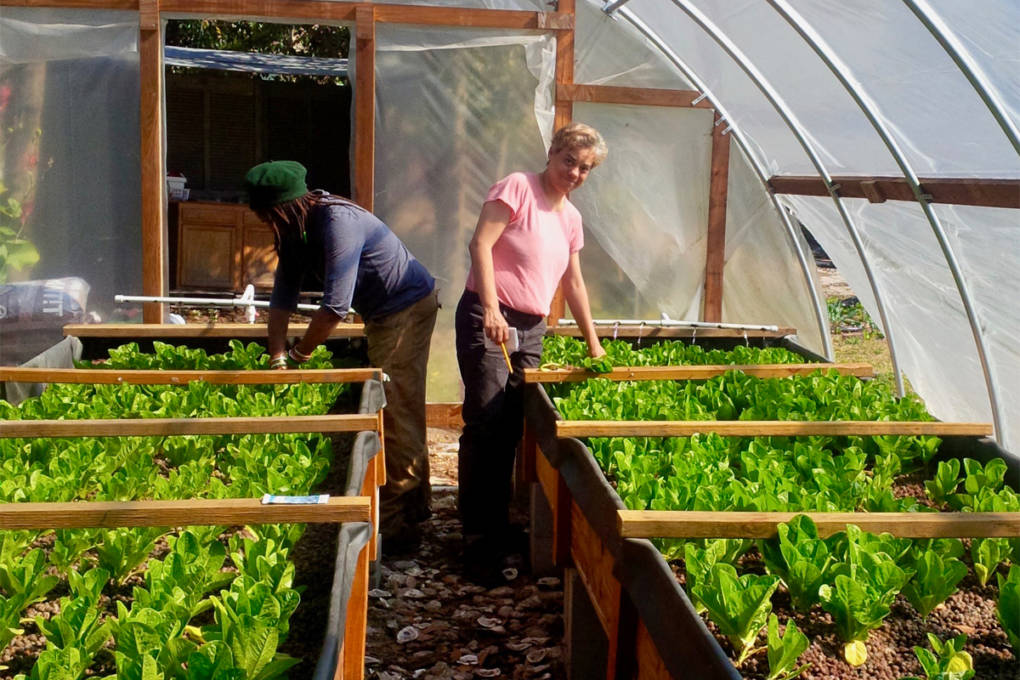
"caption": "Photo courtesy of Recirculating Farms Coalition.",
"description": null,
"title": "170828-aquaponic-farming-top1",
"credit": "Recirculating Farms Coalition",
"status": "inherit",
"isLoading": false,
"fetchFailed": false
},
"bayareabites_120320": {
"type": "attachments",
"id": "bayareabites_120320",
"meta": {
"index": "attachments_1716263798",
"site": "bayareabites",
"id": "120320",
"found": true
},
"parent": 120318,
"imgSizes": {
"small": {
"file": "https://ww2.kqed.org/app/uploads/sites/24/2017/08/david-chopping-herbs_custom-4bd66b22bfd5faf3bf0509c63837b0a49f23b549-10-520x363.jpg",
"width": 520,
"mimeType": "image/jpeg",
"height": 363
},
"twentyfourteen-full-width": {
"file": "https://ww2.kqed.org/app/uploads/sites/24/2017/08/david-chopping-herbs_custom-4bd66b22bfd5faf3bf0509c63837b0a49f23b549-10-1038x576.jpg",
"width": 1038,
"mimeType": "image/jpeg",
"height": 576
},
"thumbnail": {
"file": "https://ww2.kqed.org/app/uploads/sites/24/2017/08/david-chopping-herbs_custom-4bd66b22bfd5faf3bf0509c63837b0a49f23b549-10-160x112.jpg",
"width": 160,
"mimeType": "image/jpeg",
"height": 112
},
"fd-sm": {
"file": "https://ww2.kqed.org/app/uploads/sites/24/2017/08/david-chopping-herbs_custom-4bd66b22bfd5faf3bf0509c63837b0a49f23b549-10-960x671.jpg",
"width": 960,
"mimeType": "image/jpeg",
"height": 671
},
"post-thumbnail": {
"file": "https://ww2.kqed.org/app/uploads/sites/24/2017/08/david-chopping-herbs_custom-4bd66b22bfd5faf3bf0509c63837b0a49f23b549-10-672x372.jpg",
"width": 672,
"mimeType": "image/jpeg",
"height": 372
},
"xsmall": {
"file": "https://ww2.kqed.org/app/uploads/sites/24/2017/08/david-chopping-herbs_custom-4bd66b22bfd5faf3bf0509c63837b0a49f23b549-10-375x262.jpg",
"width": 375,
"mimeType": "image/jpeg",
"height": 262
},
"kqedFullSize": {
"file": "https://ww2.kqed.org/app/uploads/sites/24/2017/08/david-chopping-herbs_custom-4bd66b22bfd5faf3bf0509c63837b0a49f23b549-10.jpg",
"width": 2000,
"height": 1398
},
"large": {
"file": "https://ww2.kqed.org/app/uploads/sites/24/2017/08/david-chopping-herbs_custom-4bd66b22bfd5faf3bf0509c63837b0a49f23b549-10-1020x713.jpg",
"width": 1020,
"mimeType": "image/jpeg",
"height": 713
},
"xlarge": {
"file": "https://ww2.kqed.org/app/uploads/sites/24/2017/08/david-chopping-herbs_custom-4bd66b22bfd5faf3bf0509c63837b0a49f23b549-10-1180x825.jpg",
"width": 1180,
"mimeType": "image/jpeg",
"height": 825
},
"guest-author-50": {
"file": "https://ww2.kqed.org/app/uploads/sites/24/2017/08/david-chopping-herbs_custom-4bd66b22bfd5faf3bf0509c63837b0a49f23b549-10-50x50.jpg",
"width": 50,
"mimeType": "image/jpeg",
"height": 50
},
"guest-author-96": {
"file": "https://ww2.kqed.org/app/uploads/sites/24/2017/08/david-chopping-herbs_custom-4bd66b22bfd5faf3bf0509c63837b0a49f23b549-10-96x96.jpg",
"width": 96,
"mimeType": "image/jpeg",
"height": 96
},
"medium": {
"file": "https://ww2.kqed.org/app/uploads/sites/24/2017/08/david-chopping-herbs_custom-4bd66b22bfd5faf3bf0509c63837b0a49f23b549-10-800x559.jpg",
"width": 800,
"mimeType": "image/jpeg",
"height": 559
},
"guest-author-64": {
"file": "https://ww2.kqed.org/app/uploads/sites/24/2017/08/david-chopping-herbs_custom-4bd66b22bfd5faf3bf0509c63837b0a49f23b549-10-64x64.jpg",
"width": 64,
"mimeType": "image/jpeg",
"height": 64
},
"guest-author-32": {
"file": "https://ww2.kqed.org/app/uploads/sites/24/2017/08/david-chopping-herbs_custom-4bd66b22bfd5faf3bf0509c63837b0a49f23b549-10-32x32.jpg",
"width": 32,
"mimeType": "image/jpeg",
"height": 32
},
"fd-lrg": {
"file": "https://ww2.kqed.org/app/uploads/sites/24/2017/08/david-chopping-herbs_custom-4bd66b22bfd5faf3bf0509c63837b0a49f23b549-10-1920x1342.jpg",
"width": 1920,
"mimeType": "image/jpeg",
"height": 1342
},
"fd-med": {
"file": "https://ww2.kqed.org/app/uploads/sites/24/2017/08/david-chopping-herbs_custom-4bd66b22bfd5faf3bf0509c63837b0a49f23b549-10-1180x825.jpg",
"width": 1180,
"mimeType": "image/jpeg",
"height": 825
},
"full-width": {
"file": "https://ww2.kqed.org/app/uploads/sites/24/2017/08/david-chopping-herbs_custom-4bd66b22bfd5faf3bf0509c63837b0a49f23b549-10-1920x1342.jpg",
"width": 1920,
"mimeType": "image/jpeg",
"height": 1342
},
"detail": {
"file": "https://ww2.kqed.org/app/uploads/sites/24/2017/08/david-chopping-herbs_custom-4bd66b22bfd5faf3bf0509c63837b0a49f23b549-10-150x150.jpg",
"width": 150,
"mimeType": "image/jpeg",
"height": 150
},
"medium_large": {
"file": "https://ww2.kqed.org/app/uploads/sites/24/2017/08/david-chopping-herbs_custom-4bd66b22bfd5faf3bf0509c63837b0a49f23b549-10-768x537.jpg",
"width": 768,
"mimeType": "image/jpeg",
"height": 537
},
"guest-author-128": {
"file": "https://ww2.kqed.org/app/uploads/sites/24/2017/08/david-chopping-herbs_custom-4bd66b22bfd5faf3bf0509c63837b0a49f23b549-10-128x128.jpg",
"width": 128,
"mimeType": "image/jpeg",
"height": 128
},
"xxsmall": {
"file": "https://ww2.kqed.org/app/uploads/sites/24/2017/08/david-chopping-herbs_custom-4bd66b22bfd5faf3bf0509c63837b0a49f23b549-10-240x168.jpg",
"width": 240,
"mimeType": "image/jpeg",
"height": 168
}
},
"publishDate": 1504214046,
"modified": 1504214266,
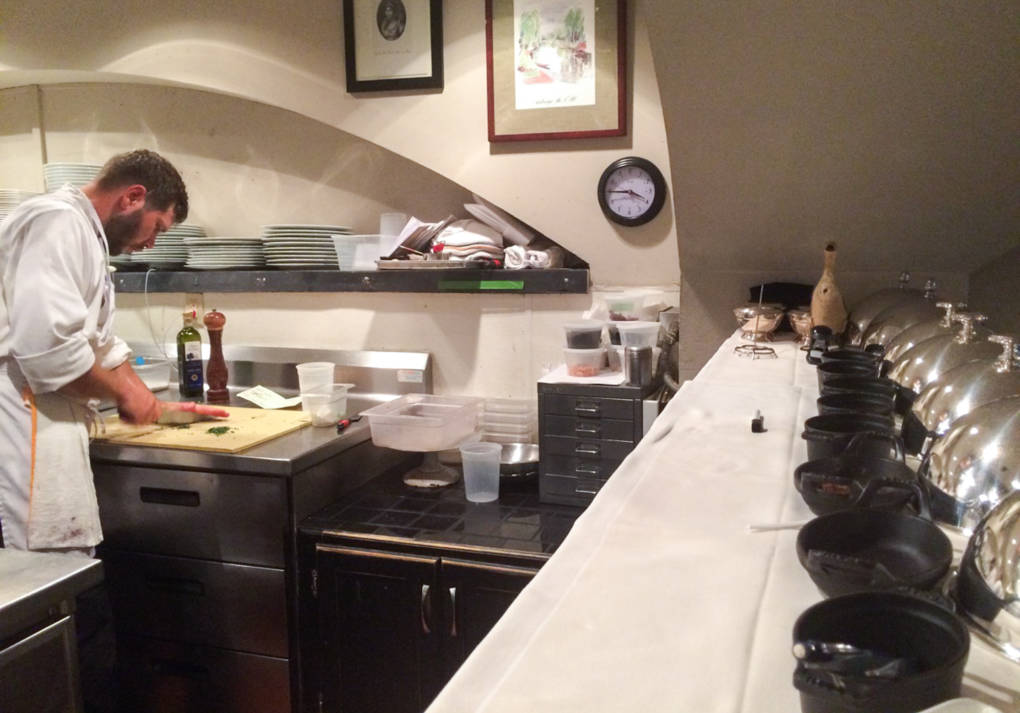
"caption": "David Uzzell at work in the kitchen at Marcel's. Uzzell has a written list of daily tasks from chef and owner Robert Wiedmaier at his station, and his ever-present notepad and pencil on the shelf above serves as communication tools for more specific instructions.",
"description": "David Uzzell at work in the kitchen at Marcel's. Uzzell has a written list of daily tasks from chef and owner Robert Wiedmaier at his station, and his ever-present notepad and pencil on the shelf above serves as communication tools for more specific instructions.",
"title": "David Uzzell at work in the kitchen at Marcel's. Uzzell has a written list of daily tasks from chef and owner Robert Wiedmaier at his station, and his ever-present notepad and pencil on the shelf above serves as communication tools for more specific instructions.",
"credit": " Kristen Hartke for NPR",
"status": "inherit",
"isLoading": false,
"fetchFailed": false
},
"bayareabites_119927": {
"type": "attachments",
"id": "bayareabites_119927",
"meta": {
"index": "attachments_1716263798",
"site": "bayareabites",
"id": "119927",
"found": true
},
"parent": 119926,
"imgSizes": {
"small": {
"file": "https://ww2.kqed.org/app/uploads/sites/24/2017/08/asmr-final-r2_custom-f6fd9acdaab0adb14b0c57bcde9a3b79db7af54d-520x292.jpg",
"width": 520,
"mimeType": "image/jpeg",
"height": 292
},
"twentyfourteen-full-width": {
"file": "https://ww2.kqed.org/app/uploads/sites/24/2017/08/asmr-final-r2_custom-f6fd9acdaab0adb14b0c57bcde9a3b79db7af54d-1038x576.jpg",
"width": 1038,
"mimeType": "image/jpeg",
"height": 576
},
"thumbnail": {
"file": "https://ww2.kqed.org/app/uploads/sites/24/2017/08/asmr-final-r2_custom-f6fd9acdaab0adb14b0c57bcde9a3b79db7af54d-160x90.jpg",
"width": 160,
"mimeType": "image/jpeg",
"height": 90
},
"fd-sm": {
"file": "https://ww2.kqed.org/app/uploads/sites/24/2017/08/asmr-final-r2_custom-f6fd9acdaab0adb14b0c57bcde9a3b79db7af54d-960x539.jpg",
"width": 960,
"mimeType": "image/jpeg",
"height": 539
},
"post-thumbnail": {
"file": "https://ww2.kqed.org/app/uploads/sites/24/2017/08/asmr-final-r2_custom-f6fd9acdaab0adb14b0c57bcde9a3b79db7af54d-672x372.jpg",
"width": 672,
"mimeType": "image/jpeg",
"height": 372
},
"xsmall": {
"file": "https://ww2.kqed.org/app/uploads/sites/24/2017/08/asmr-final-r2_custom-f6fd9acdaab0adb14b0c57bcde9a3b79db7af54d-375x211.jpg",
"width": 375,
"mimeType": "image/jpeg",
"height": 211
},
"kqedFullSize": {
"file": "https://ww2.kqed.org/app/uploads/sites/24/2017/08/asmr-final-r2_custom-f6fd9acdaab0adb14b0c57bcde9a3b79db7af54d.jpg",
"width": 2000,
"height": 1123
},
"large": {
"file": "https://ww2.kqed.org/app/uploads/sites/24/2017/08/asmr-final-r2_custom-f6fd9acdaab0adb14b0c57bcde9a3b79db7af54d-1020x573.jpg",
"width": 1020,
"mimeType": "image/jpeg",
"height": 573
},
"xlarge": {
"file": "https://ww2.kqed.org/app/uploads/sites/24/2017/08/asmr-final-r2_custom-f6fd9acdaab0adb14b0c57bcde9a3b79db7af54d-1180x663.jpg",
"width": 1180,
"mimeType": "image/jpeg",
"height": 663
},
"guest-author-50": {
"file": "https://ww2.kqed.org/app/uploads/sites/24/2017/08/asmr-final-r2_custom-f6fd9acdaab0adb14b0c57bcde9a3b79db7af54d-50x50.jpg",
"width": 50,
"mimeType": "image/jpeg",
"height": 50
},
"guest-author-96": {
"file": "https://ww2.kqed.org/app/uploads/sites/24/2017/08/asmr-final-r2_custom-f6fd9acdaab0adb14b0c57bcde9a3b79db7af54d-96x96.jpg",
"width": 96,
"mimeType": "image/jpeg",
"height": 96
},
"medium": {
"file": "https://ww2.kqed.org/app/uploads/sites/24/2017/08/asmr-final-r2_custom-f6fd9acdaab0adb14b0c57bcde9a3b79db7af54d-800x449.jpg",
"width": 800,
"mimeType": "image/jpeg",
"height": 449
},
"guest-author-64": {
"file": "https://ww2.kqed.org/app/uploads/sites/24/2017/08/asmr-final-r2_custom-f6fd9acdaab0adb14b0c57bcde9a3b79db7af54d-64x64.jpg",
"width": 64,
"mimeType": "image/jpeg",
"height": 64
},
"guest-author-32": {
"file": "https://ww2.kqed.org/app/uploads/sites/24/2017/08/asmr-final-r2_custom-f6fd9acdaab0adb14b0c57bcde9a3b79db7af54d-32x32.jpg",
"width": 32,
"mimeType": "image/jpeg",
"height": 32
},
"fd-lrg": {
"file": "https://ww2.kqed.org/app/uploads/sites/24/2017/08/asmr-final-r2_custom-f6fd9acdaab0adb14b0c57bcde9a3b79db7af54d-1920x1078.jpg",
"width": 1920,
"mimeType": "image/jpeg",
"height": 1078
},
"fd-med": {
"file": "https://ww2.kqed.org/app/uploads/sites/24/2017/08/asmr-final-r2_custom-f6fd9acdaab0adb14b0c57bcde9a3b79db7af54d-1180x663.jpg",
"width": 1180,
"mimeType": "image/jpeg",
"height": 663
},
"full-width": {
"file": "https://ww2.kqed.org/app/uploads/sites/24/2017/08/asmr-final-r2_custom-f6fd9acdaab0adb14b0c57bcde9a3b79db7af54d-1920x1078.jpg",
"width": 1920,
"mimeType": "image/jpeg",
"height": 1078
},
"detail": {
"file": "https://ww2.kqed.org/app/uploads/sites/24/2017/08/asmr-final-r2_custom-f6fd9acdaab0adb14b0c57bcde9a3b79db7af54d-150x150.jpg",
"width": 150,
"mimeType": "image/jpeg",
"height": 150
},
"medium_large": {
"file": "https://ww2.kqed.org/app/uploads/sites/24/2017/08/asmr-final-r2_custom-f6fd9acdaab0adb14b0c57bcde9a3b79db7af54d-768x431.jpg",
"width": 768,
"mimeType": "image/jpeg",
"height": 431
},
"guest-author-128": {
"file": "https://ww2.kqed.org/app/uploads/sites/24/2017/08/asmr-final-r2_custom-f6fd9acdaab0adb14b0c57bcde9a3b79db7af54d-128x128.jpg",
"width": 128,
"mimeType": "image/jpeg",
"height": 128
},
"xxsmall": {
"file": "https://ww2.kqed.org/app/uploads/sites/24/2017/08/asmr-final-r2_custom-f6fd9acdaab0adb14b0c57bcde9a3b79db7af54d-240x135.jpg",
"width": 240,
"mimeType": "image/jpeg",
"height": 135
}
},
"publishDate": 1502901554,
"modified": 1502901603,
"caption": "A growing number of food videos aim to trigger ASMR — Autonomous Sensory Meridian Response, or pleasing sensations in the brains of some viewers — by focusing on sounds like chopping and stirring.",
"description": "A growing number of food videos aim to trigger ASMR — Autonomous Sensory Meridian Response, or pleasing sensations in the brains of some viewers — by focusing on sounds like chopping and stirr",
"title": "A growing number of food videos aim to trigger ASMR — Autonomous Sensory Meridian Response, or pleasing sensations in the brains of some viewers — by focusing on sounds like chopping and stirring.",
"credit": "Christina Lee for NPR",
"status": "inherit",
"isLoading": false,
"fetchFailed": false
},
"bayareabites_119892": {
"type": "attachments",
"id": "bayareabites_119892",
"meta": {
"index": "attachments_1716263798",
"site": "bayareabites",
"id": "119892",
"found": true
},
"parent": 119891,
"imgSizes": {
"small": {
"file": "https://ww2.kqed.org/app/uploads/sites/24/2017/08/nets-1_wide-01c3b5ebd0d717bd50433e402fd75dc5e35d6f44-520x293.jpg",
"width": 520,
"mimeType": "image/jpeg",
"height": 293
},
"twentyfourteen-full-width": {
"file": "https://ww2.kqed.org/app/uploads/sites/24/2017/08/nets-1_wide-01c3b5ebd0d717bd50433e402fd75dc5e35d6f44-1038x576.jpg",
"width": 1038,
"mimeType": "image/jpeg",
"height": 576
},
"thumbnail": {
"file": "https://ww2.kqed.org/app/uploads/sites/24/2017/08/nets-1_wide-01c3b5ebd0d717bd50433e402fd75dc5e35d6f44-160x90.jpg",
"width": 160,
"mimeType": "image/jpeg",
"height": 90
},
"fd-sm": {
"file": "https://ww2.kqed.org/app/uploads/sites/24/2017/08/nets-1_wide-01c3b5ebd0d717bd50433e402fd75dc5e35d6f44-960x540.jpg",
"width": 960,
"mimeType": "image/jpeg",
"height": 540
},
"post-thumbnail": {
"file": "https://ww2.kqed.org/app/uploads/sites/24/2017/08/nets-1_wide-01c3b5ebd0d717bd50433e402fd75dc5e35d6f44-672x372.jpg",
"width": 672,
"mimeType": "image/jpeg",
"height": 372
},
"xsmall": {
"file": "https://ww2.kqed.org/app/uploads/sites/24/2017/08/nets-1_wide-01c3b5ebd0d717bd50433e402fd75dc5e35d6f44-375x211.jpg",
"width": 375,
"mimeType": "image/jpeg",
"height": 211
},
"kqedFullSize": {
"file": "https://ww2.kqed.org/app/uploads/sites/24/2017/08/nets-1_wide-01c3b5ebd0d717bd50433e402fd75dc5e35d6f44.jpg",
"width": 2000,
"height": 1125
},
"large": {
"file": "https://ww2.kqed.org/app/uploads/sites/24/2017/08/nets-1_wide-01c3b5ebd0d717bd50433e402fd75dc5e35d6f44-1020x574.jpg",
"width": 1020,
"mimeType": "image/jpeg",
"height": 574
},
"xlarge": {
"file": "https://ww2.kqed.org/app/uploads/sites/24/2017/08/nets-1_wide-01c3b5ebd0d717bd50433e402fd75dc5e35d6f44-1180x664.jpg",
"width": 1180,
"mimeType": "image/jpeg",
"height": 664
},
"guest-author-50": {
"file": "https://ww2.kqed.org/app/uploads/sites/24/2017/08/nets-1_wide-01c3b5ebd0d717bd50433e402fd75dc5e35d6f44-50x50.jpg",
"width": 50,
"mimeType": "image/jpeg",
"height": 50
},
"guest-author-96": {
"file": "https://ww2.kqed.org/app/uploads/sites/24/2017/08/nets-1_wide-01c3b5ebd0d717bd50433e402fd75dc5e35d6f44-96x96.jpg",
"width": 96,
"mimeType": "image/jpeg",
"height": 96
},
"medium": {
"file": "https://ww2.kqed.org/app/uploads/sites/24/2017/08/nets-1_wide-01c3b5ebd0d717bd50433e402fd75dc5e35d6f44-800x450.jpg",
"width": 800,
"mimeType": "image/jpeg",
"height": 450
},
"guest-author-64": {
"file": "https://ww2.kqed.org/app/uploads/sites/24/2017/08/nets-1_wide-01c3b5ebd0d717bd50433e402fd75dc5e35d6f44-64x64.jpg",
"width": 64,
"mimeType": "image/jpeg",
"height": 64
},
"guest-author-32": {
"file": "https://ww2.kqed.org/app/uploads/sites/24/2017/08/nets-1_wide-01c3b5ebd0d717bd50433e402fd75dc5e35d6f44-32x32.jpg",
"width": 32,
"mimeType": "image/jpeg",
"height": 32
},
"fd-lrg": {
"file": "https://ww2.kqed.org/app/uploads/sites/24/2017/08/nets-1_wide-01c3b5ebd0d717bd50433e402fd75dc5e35d6f44-1920x1080.jpg",
"width": 1920,
"mimeType": "image/jpeg",
"height": 1080
},
"fd-med": {
"file": "https://ww2.kqed.org/app/uploads/sites/24/2017/08/nets-1_wide-01c3b5ebd0d717bd50433e402fd75dc5e35d6f44-1180x664.jpg",
"width": 1180,
"mimeType": "image/jpeg",
"height": 664
},
"full-width": {
"file": "https://ww2.kqed.org/app/uploads/sites/24/2017/08/nets-1_wide-01c3b5ebd0d717bd50433e402fd75dc5e35d6f44-1920x1080.jpg",
"width": 1920,
"mimeType": "image/jpeg",
"height": 1080
},
"detail": {
"file": "https://ww2.kqed.org/app/uploads/sites/24/2017/08/nets-1_wide-01c3b5ebd0d717bd50433e402fd75dc5e35d6f44-150x150.jpg",
"width": 150,
"mimeType": "image/jpeg",
"height": 150
},
"medium_large": {
"file": "https://ww2.kqed.org/app/uploads/sites/24/2017/08/nets-1_wide-01c3b5ebd0d717bd50433e402fd75dc5e35d6f44-768x432.jpg",
"width": 768,
"mimeType": "image/jpeg",
"height": 432
},
"guest-author-128": {
"file": "https://ww2.kqed.org/app/uploads/sites/24/2017/08/nets-1_wide-01c3b5ebd0d717bd50433e402fd75dc5e35d6f44-128x128.jpg",
"width": 128,
"mimeType": "image/jpeg",
"height": 128
},
"xxsmall": {
"file": "https://ww2.kqed.org/app/uploads/sites/24/2017/08/nets-1_wide-01c3b5ebd0d717bd50433e402fd75dc5e35d6f44-240x135.jpg",
"width": 240,
"mimeType": "image/jpeg",
"height": 135
}
},
"publishDate": 1502828418,
"modified": 1502830856,
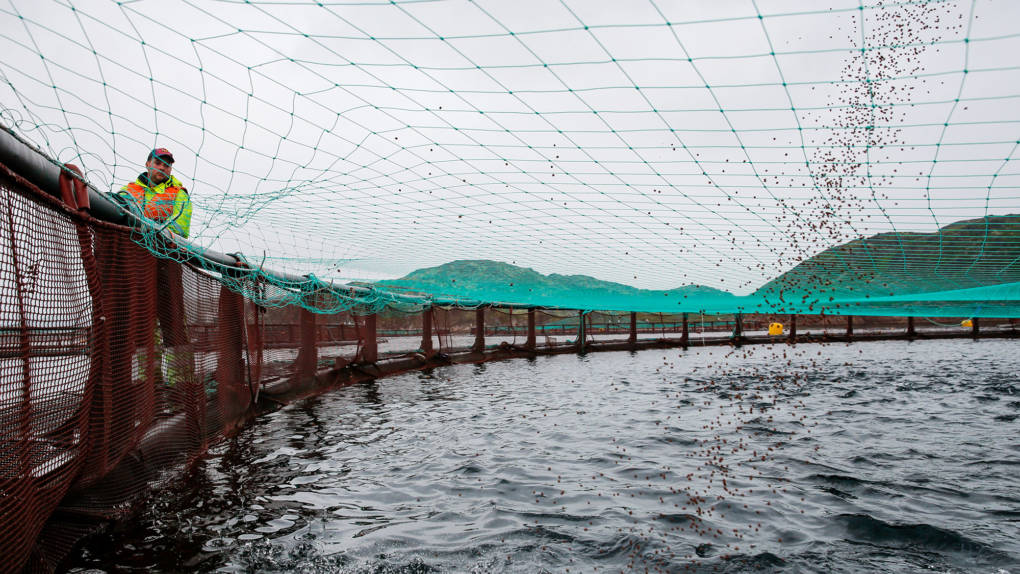
"caption": "A Russian fish farming operation in Ura Bay in the Barents Sea.",
"description": "A Russian fish farming operation in Ura Bay in the Barents Sea.",
"title": "A Russian fish farming operation in Ura Bay in the Barents Sea.",
"credit": "Maxim Zmeyev/AFP/Getty Images",
"status": "inherit",
"isLoading": false,
"fetchFailed": false
},
"bayareabites_119867": {
"type": "attachments",
"id": "bayareabites_119867",
"meta": {
"index": "attachments_1716263798",
"site": "bayareabites",
"id": "119867",
"found": true
},
"parent": 119864,
"imgSizes": {
"small": {
"file": "https://ww2.kqed.org/app/uploads/sites/24/2017/08/huckleberry_custom-8f6e4639a4b3e9059c31fa352a13fc521b22e11b-s1600-c85-520x348.jpg",
"width": 520,
"mimeType": "image/jpeg",
"height": 348
},
"twentyfourteen-full-width": {
"file": "https://ww2.kqed.org/app/uploads/sites/24/2017/08/huckleberry_custom-8f6e4639a4b3e9059c31fa352a13fc521b22e11b-s1600-c85-1038x576.jpg",
"width": 1038,
"mimeType": "image/jpeg",
"height": 576
},
"thumbnail": {
"file": "https://ww2.kqed.org/app/uploads/sites/24/2017/08/huckleberry_custom-8f6e4639a4b3e9059c31fa352a13fc521b22e11b-s1600-c85-160x107.jpg",
"width": 160,
"mimeType": "image/jpeg",
"height": 107
},
"fd-sm": {
"file": "https://ww2.kqed.org/app/uploads/sites/24/2017/08/huckleberry_custom-8f6e4639a4b3e9059c31fa352a13fc521b22e11b-s1600-c85-960x643.jpg",
"width": 960,
"mimeType": "image/jpeg",
"height": 643
},
"post-thumbnail": {
"file": "https://ww2.kqed.org/app/uploads/sites/24/2017/08/huckleberry_custom-8f6e4639a4b3e9059c31fa352a13fc521b22e11b-s1600-c85-672x372.jpg",
"width": 672,
"mimeType": "image/jpeg",
"height": 372
},
"xsmall": {
"file": "https://ww2.kqed.org/app/uploads/sites/24/2017/08/huckleberry_custom-8f6e4639a4b3e9059c31fa352a13fc521b22e11b-s1600-c85-375x251.jpg",
"width": 375,
"mimeType": "image/jpeg",
"height": 251
},
"kqedFullSize": {
"file": "https://ww2.kqed.org/app/uploads/sites/24/2017/08/huckleberry_custom-8f6e4639a4b3e9059c31fa352a13fc521b22e11b-s1600-c85.jpg",
"width": 1600,
"height": 1071
},
"large": {
"file": "https://ww2.kqed.org/app/uploads/sites/24/2017/08/huckleberry_custom-8f6e4639a4b3e9059c31fa352a13fc521b22e11b-s1600-c85-1020x683.jpg",
"width": 1020,
"mimeType": "image/jpeg",
"height": 683
},
"xlarge": {
"file": "https://ww2.kqed.org/app/uploads/sites/24/2017/08/huckleberry_custom-8f6e4639a4b3e9059c31fa352a13fc521b22e11b-s1600-c85-1180x790.jpg",
"width": 1180,
"mimeType": "image/jpeg",
"height": 790
},
"guest-author-50": {
"file": "https://ww2.kqed.org/app/uploads/sites/24/2017/08/huckleberry_custom-8f6e4639a4b3e9059c31fa352a13fc521b22e11b-s1600-c85-50x50.jpg",
"width": 50,
"mimeType": "image/jpeg",
"height": 50
},
"guest-author-96": {
"file": "https://ww2.kqed.org/app/uploads/sites/24/2017/08/huckleberry_custom-8f6e4639a4b3e9059c31fa352a13fc521b22e11b-s1600-c85-96x96.jpg",
"width": 96,
"mimeType": "image/jpeg",
"height": 96
},
"medium": {
"file": "https://ww2.kqed.org/app/uploads/sites/24/2017/08/huckleberry_custom-8f6e4639a4b3e9059c31fa352a13fc521b22e11b-s1600-c85-800x536.jpg",
"width": 800,
"mimeType": "image/jpeg",
"height": 536
},
"guest-author-64": {
"file": "https://ww2.kqed.org/app/uploads/sites/24/2017/08/huckleberry_custom-8f6e4639a4b3e9059c31fa352a13fc521b22e11b-s1600-c85-64x64.jpg",
"width": 64,
"mimeType": "image/jpeg",
"height": 64
},
"guest-author-32": {
"file": "https://ww2.kqed.org/app/uploads/sites/24/2017/08/huckleberry_custom-8f6e4639a4b3e9059c31fa352a13fc521b22e11b-s1600-c85-32x32.jpg",
"width": 32,
"mimeType": "image/jpeg",
"height": 32
},
"fd-med": {
"file": "https://ww2.kqed.org/app/uploads/sites/24/2017/08/huckleberry_custom-8f6e4639a4b3e9059c31fa352a13fc521b22e11b-s1600-c85-1180x790.jpg",
"width": 1180,
"mimeType": "image/jpeg",
"height": 790
},
"detail": {
"file": "https://ww2.kqed.org/app/uploads/sites/24/2017/08/huckleberry_custom-8f6e4639a4b3e9059c31fa352a13fc521b22e11b-s1600-c85-150x150.jpg",
"width": 150,
"mimeType": "image/jpeg",
"height": 150
},
"medium_large": {
"file": "https://ww2.kqed.org/app/uploads/sites/24/2017/08/huckleberry_custom-8f6e4639a4b3e9059c31fa352a13fc521b22e11b-s1600-c85-768x514.jpg",
"width": 768,
"mimeType": "image/jpeg",
"height": 514
},
"guest-author-128": {
"file": "https://ww2.kqed.org/app/uploads/sites/24/2017/08/huckleberry_custom-8f6e4639a4b3e9059c31fa352a13fc521b22e11b-s1600-c85-128x128.jpg",
"width": 128,
"mimeType": "image/jpeg",
"height": 128
},
"xxsmall": {
"file": "https://ww2.kqed.org/app/uploads/sites/24/2017/08/huckleberry_custom-8f6e4639a4b3e9059c31fa352a13fc521b22e11b-s1600-c85-240x161.jpg",
"width": 240,
"mimeType": "image/jpeg",
"height": 161
}
},
"publishDate": 1502730138,
"modified": 1502730394,
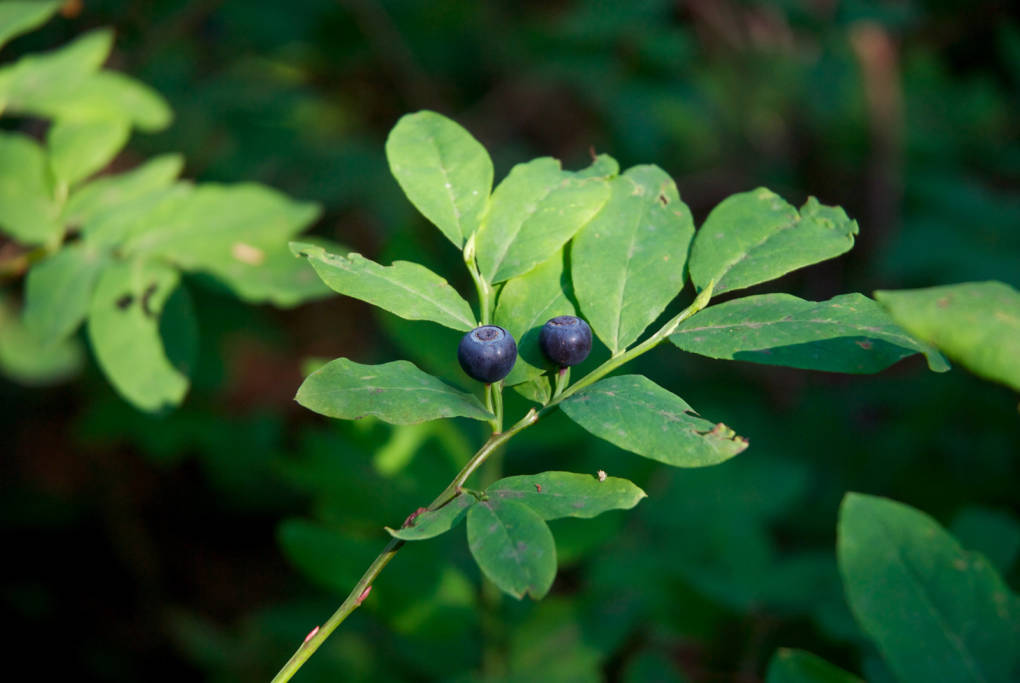
"caption": "Every year, lovers of tart, juicy huckleberries trek into the forests of the Northwest to pick them at great effort. No one's managed to grow them commercially just yet, but their fans keep trying.",
"description": null,
"title": "huckleberry_custom-8f6e4639a4b3e9059c31fa352a13fc521b22e11b-s1600-c85",
"credit": "\u003ca href=https://www.flickr.com/photos/p-r-b/9542358794/in/album-72157635125661829/\">Paul & Hien Brown/Flickr\u003c/a>",
"status": "inherit",
"isLoading": false,
"fetchFailed": false
},
"bayareabites_119859": {
"type": "attachments",
"id": "bayareabites_119859",
"meta": {
"index": "attachments_1716263798",
"site": "bayareabites",
"id": "119859",
"found": true
},
"parent": 119858,
"imgSizes": {
"small": {
"file": "https://ww2.kqed.org/app/uploads/sites/24/2017/08/npr_sweat_final_custom-8f0b86d5d132f6931e4a21433f87ac5e21cbe235-520x292.jpg",
"width": 520,
"mimeType": "image/jpeg",
"height": 292
},
"twentyfourteen-full-width": {
"file": "https://ww2.kqed.org/app/uploads/sites/24/2017/08/npr_sweat_final_custom-8f0b86d5d132f6931e4a21433f87ac5e21cbe235-1038x576.jpg",
"width": 1038,
"mimeType": "image/jpeg",
"height": 576
},
"thumbnail": {
"file": "https://ww2.kqed.org/app/uploads/sites/24/2017/08/npr_sweat_final_custom-8f0b86d5d132f6931e4a21433f87ac5e21cbe235-160x90.jpg",
"width": 160,
"mimeType": "image/jpeg",
"height": 90
},
"fd-sm": {
"file": "https://ww2.kqed.org/app/uploads/sites/24/2017/08/npr_sweat_final_custom-8f0b86d5d132f6931e4a21433f87ac5e21cbe235-960x539.jpg",
"width": 960,
"mimeType": "image/jpeg",
"height": 539
},
"post-thumbnail": {
"file": "https://ww2.kqed.org/app/uploads/sites/24/2017/08/npr_sweat_final_custom-8f0b86d5d132f6931e4a21433f87ac5e21cbe235-672x372.jpg",
"width": 672,
"mimeType": "image/jpeg",
"height": 372
},
"xsmall": {
"file": "https://ww2.kqed.org/app/uploads/sites/24/2017/08/npr_sweat_final_custom-8f0b86d5d132f6931e4a21433f87ac5e21cbe235-375x211.jpg",
"width": 375,
"mimeType": "image/jpeg",
"height": 211
},
"kqedFullSize": {
"file": "https://ww2.kqed.org/app/uploads/sites/24/2017/08/npr_sweat_final_custom-8f0b86d5d132f6931e4a21433f87ac5e21cbe235.jpg",
"width": 2400,
"height": 1348
},
"large": {
"file": "https://ww2.kqed.org/app/uploads/sites/24/2017/08/npr_sweat_final_custom-8f0b86d5d132f6931e4a21433f87ac5e21cbe235-1020x573.jpg",
"width": 1020,
"mimeType": "image/jpeg",
"height": 573
},
"xlarge": {
"file": "https://ww2.kqed.org/app/uploads/sites/24/2017/08/npr_sweat_final_custom-8f0b86d5d132f6931e4a21433f87ac5e21cbe235-1180x663.jpg",
"width": 1180,
"mimeType": "image/jpeg",
"height": 663
},
"guest-author-50": {
"file": "https://ww2.kqed.org/app/uploads/sites/24/2017/08/npr_sweat_final_custom-8f0b86d5d132f6931e4a21433f87ac5e21cbe235-50x50.jpg",
"width": 50,
"mimeType": "image/jpeg",
"height": 50
},
"guest-author-96": {
"file": "https://ww2.kqed.org/app/uploads/sites/24/2017/08/npr_sweat_final_custom-8f0b86d5d132f6931e4a21433f87ac5e21cbe235-96x96.jpg",
"width": 96,
"mimeType": "image/jpeg",
"height": 96
},
"medium": {
"file": "https://ww2.kqed.org/app/uploads/sites/24/2017/08/npr_sweat_final_custom-8f0b86d5d132f6931e4a21433f87ac5e21cbe235-800x449.jpg",
"width": 800,
"mimeType": "image/jpeg",
"height": 449
},
"guest-author-64": {
"file": "https://ww2.kqed.org/app/uploads/sites/24/2017/08/npr_sweat_final_custom-8f0b86d5d132f6931e4a21433f87ac5e21cbe235-64x64.jpg",
"width": 64,
"mimeType": "image/jpeg",
"height": 64
},
"guest-author-32": {
"file": "https://ww2.kqed.org/app/uploads/sites/24/2017/08/npr_sweat_final_custom-8f0b86d5d132f6931e4a21433f87ac5e21cbe235-32x32.jpg",
"width": 32,
"mimeType": "image/jpeg",
"height": 32
},
"fd-lrg": {
"file": "https://ww2.kqed.org/app/uploads/sites/24/2017/08/npr_sweat_final_custom-8f0b86d5d132f6931e4a21433f87ac5e21cbe235-1920x1078.jpg",
"width": 1920,
"mimeType": "image/jpeg",
"height": 1078
},
"fd-med": {
"file": "https://ww2.kqed.org/app/uploads/sites/24/2017/08/npr_sweat_final_custom-8f0b86d5d132f6931e4a21433f87ac5e21cbe235-1180x663.jpg",
"width": 1180,
"mimeType": "image/jpeg",
"height": 663
},
"full-width": {
"file": "https://ww2.kqed.org/app/uploads/sites/24/2017/08/npr_sweat_final_custom-8f0b86d5d132f6931e4a21433f87ac5e21cbe235-1920x1078.jpg",
"width": 1920,
"mimeType": "image/jpeg",
"height": 1078
},
"detail": {
"file": "https://ww2.kqed.org/app/uploads/sites/24/2017/08/npr_sweat_final_custom-8f0b86d5d132f6931e4a21433f87ac5e21cbe235-150x150.jpg",
"width": 150,
"mimeType": "image/jpeg",
"height": 150
},
"medium_large": {
"file": "https://ww2.kqed.org/app/uploads/sites/24/2017/08/npr_sweat_final_custom-8f0b86d5d132f6931e4a21433f87ac5e21cbe235-768x431.jpg",
"width": 768,
"mimeType": "image/jpeg",
"height": 431
},
"guest-author-128": {
"file": "https://ww2.kqed.org/app/uploads/sites/24/2017/08/npr_sweat_final_custom-8f0b86d5d132f6931e4a21433f87ac5e21cbe235-128x128.jpg",
"width": 128,
"mimeType": "image/jpeg",
"height": 128
},
"xxsmall": {
"file": "https://ww2.kqed.org/app/uploads/sites/24/2017/08/npr_sweat_final_custom-8f0b86d5d132f6931e4a21433f87ac5e21cbe235-240x135.jpg",
"width": 240,
"mimeType": "image/jpeg",
"height": 135
}
},
"publishDate": 1502724884,
"modified": 1502724990,
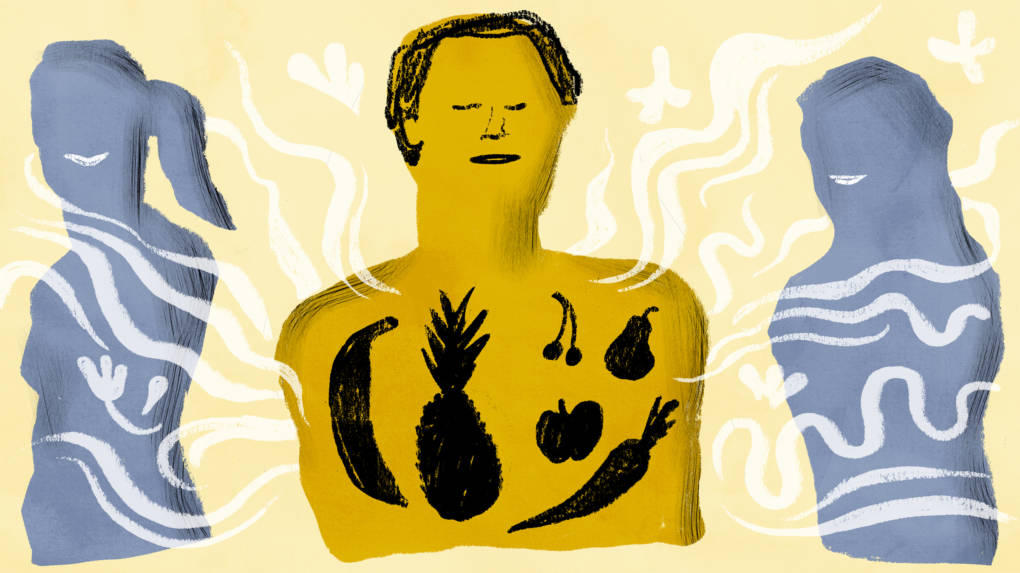
"caption": "Your diet can influence your appearance. You knew that. But did you know that what you eat can also impact your body odor and your attractiveness to the opposite sex?",
"description": "Your diet can influence your appearance. You knew that. But did you know that what you eat can also impact your body odor and your attractiveness to the opposite sex?",
"title": "Your diet can influence your appearance. You knew that. But did you know that what you eat can also impact your body odor and your attractiveness to the opposite sex?",
"credit": "Lilli Carré for NPR",
"status": "inherit",
"isLoading": false,
"fetchFailed": false
},
"bayareabites_119651": {
"type": "attachments",
"id": "bayareabites_119651",
"meta": {
"index": "attachments_1716263798",
"site": "bayareabites",
"id": "119651",
"found": true
},
"parent": 119650,
"imgSizes": {
"small": {
"file": "https://ww2.kqed.org/app/uploads/sites/24/2017/08/fruit1d_custom-5b56dc56f81c063e2a4840b441d6dedfeba78555-520x293.jpg",
"width": 520,
"mimeType": "image/jpeg",
"height": 293
},
"twentyfourteen-full-width": {
"file": "https://ww2.kqed.org/app/uploads/sites/24/2017/08/fruit1d_custom-5b56dc56f81c063e2a4840b441d6dedfeba78555-1038x576.jpg",
"width": 1038,
"mimeType": "image/jpeg",
"height": 576
},
"thumbnail": {
"file": "https://ww2.kqed.org/app/uploads/sites/24/2017/08/fruit1d_custom-5b56dc56f81c063e2a4840b441d6dedfeba78555-160x90.jpg",
"width": 160,
"mimeType": "image/jpeg",
"height": 90
},
"fd-sm": {
"file": "https://ww2.kqed.org/app/uploads/sites/24/2017/08/fruit1d_custom-5b56dc56f81c063e2a4840b441d6dedfeba78555-960x540.jpg",
"width": 960,
"mimeType": "image/jpeg",
"height": 540
},
"post-thumbnail": {
"file": "https://ww2.kqed.org/app/uploads/sites/24/2017/08/fruit1d_custom-5b56dc56f81c063e2a4840b441d6dedfeba78555-672x372.jpg",
"width": 672,
"mimeType": "image/jpeg",
"height": 372
},
"xsmall": {
"file": "https://ww2.kqed.org/app/uploads/sites/24/2017/08/fruit1d_custom-5b56dc56f81c063e2a4840b441d6dedfeba78555-375x211.jpg",
"width": 375,
"mimeType": "image/jpeg",
"height": 211
},
"kqedFullSize": {
"file": "https://ww2.kqed.org/app/uploads/sites/24/2017/08/fruit1d_custom-5b56dc56f81c063e2a4840b441d6dedfeba78555-e1502216966516.jpg",
"width": 1920,
"height": 1081
},
"large": {
"file": "https://ww2.kqed.org/app/uploads/sites/24/2017/08/fruit1d_custom-5b56dc56f81c063e2a4840b441d6dedfeba78555-1020x574.jpg",
"width": 1020,
"mimeType": "image/jpeg",
"height": 574
},
"xlarge": {
"file": "https://ww2.kqed.org/app/uploads/sites/24/2017/08/fruit1d_custom-5b56dc56f81c063e2a4840b441d6dedfeba78555-1180x664.jpg",
"width": 1180,
"mimeType": "image/jpeg",
"height": 664
},
"guest-author-50": {
"file": "https://ww2.kqed.org/app/uploads/sites/24/2017/08/fruit1d_custom-5b56dc56f81c063e2a4840b441d6dedfeba78555-50x50.jpg",
"width": 50,
"mimeType": "image/jpeg",
"height": 50
},
"guest-author-96": {
"file": "https://ww2.kqed.org/app/uploads/sites/24/2017/08/fruit1d_custom-5b56dc56f81c063e2a4840b441d6dedfeba78555-96x96.jpg",
"width": 96,
"mimeType": "image/jpeg",
"height": 96
},
"medium": {
"file": "https://ww2.kqed.org/app/uploads/sites/24/2017/08/fruit1d_custom-5b56dc56f81c063e2a4840b441d6dedfeba78555-800x450.jpg",
"width": 800,
"mimeType": "image/jpeg",
"height": 450
},
"guest-author-64": {
"file": "https://ww2.kqed.org/app/uploads/sites/24/2017/08/fruit1d_custom-5b56dc56f81c063e2a4840b441d6dedfeba78555-64x64.jpg",
"width": 64,
"mimeType": "image/jpeg",
"height": 64
},
"guest-author-32": {
"file": "https://ww2.kqed.org/app/uploads/sites/24/2017/08/fruit1d_custom-5b56dc56f81c063e2a4840b441d6dedfeba78555-32x32.jpg",
"width": 32,
"mimeType": "image/jpeg",
"height": 32
},
"fd-lrg": {
"file": "https://ww2.kqed.org/app/uploads/sites/24/2017/08/fruit1d_custom-5b56dc56f81c063e2a4840b441d6dedfeba78555-1920x1081.jpg",
"width": 1920,
"mimeType": "image/jpeg",
"height": 1081
},
"fd-med": {
"file": "https://ww2.kqed.org/app/uploads/sites/24/2017/08/fruit1d_custom-5b56dc56f81c063e2a4840b441d6dedfeba78555-1180x664.jpg",
"width": 1180,
"mimeType": "image/jpeg",
"height": 664
},
"full-width": {
"file": "https://ww2.kqed.org/app/uploads/sites/24/2017/08/fruit1d_custom-5b56dc56f81c063e2a4840b441d6dedfeba78555-1920x1081.jpg",
"width": 1920,
"mimeType": "image/jpeg",
"height": 1081
},
"detail": {
"file": "https://ww2.kqed.org/app/uploads/sites/24/2017/08/fruit1d_custom-5b56dc56f81c063e2a4840b441d6dedfeba78555-150x150.jpg",
"width": 150,
"mimeType": "image/jpeg",
"height": 150
},
"medium_large": {
"file": "https://ww2.kqed.org/app/uploads/sites/24/2017/08/fruit1d_custom-5b56dc56f81c063e2a4840b441d6dedfeba78555-768x432.jpg",
"width": 768,
"mimeType": "image/jpeg",
"height": 432
},
"guest-author-128": {
"file": "https://ww2.kqed.org/app/uploads/sites/24/2017/08/fruit1d_custom-5b56dc56f81c063e2a4840b441d6dedfeba78555-128x128.jpg",
"width": 128,
"mimeType": "image/jpeg",
"height": 128
},
"xxsmall": {
"file": "https://ww2.kqed.org/app/uploads/sites/24/2017/08/fruit1d_custom-5b56dc56f81c063e2a4840b441d6dedfeba78555-240x135.jpg",
"width": 240,
"mimeType": "image/jpeg",
"height": 135
}
},
"publishDate": 1502216666,
"modified": 1502216897,
"caption": "Stories about the harms of sugar have consumers wondering if they should put the apple back on the shelf.",
"description": "Stories about the harms of sugar have consumers wondering if they should put the apple back on the shelf.",
"title": "Stories about the harms of sugar have consumers wondering if they should put the apple back on the shelf.",
"credit": "Joy Ho for NPR",
"status": "inherit",
"isLoading": false,
"fetchFailed": false
},
"bayareabites_119573": {
"type": "attachments",
"id": "bayareabites_119573",
"meta": {
"index": "attachments_1716263798",
"site": "bayareabites",
"id": "119573",
"found": true
},
"parent": 119570,
"imgSizes": {
"small": {
"file": "https://ww2.kqed.org/app/uploads/sites/24/2017/08/GettyImages-148737600-520x337.jpg",
"width": 520,
"mimeType": "image/jpeg",
"height": 337
},
"twentyfourteen-full-width": {
"file": "https://ww2.kqed.org/app/uploads/sites/24/2017/08/GettyImages-148737600-1038x576.jpg",
"width": 1038,
"mimeType": "image/jpeg",
"height": 576
},
"thumbnail": {
"file": "https://ww2.kqed.org/app/uploads/sites/24/2017/08/GettyImages-148737600-160x104.jpg",
"width": 160,
"mimeType": "image/jpeg",
"height": 104
},
"fd-sm": {
"file": "https://ww2.kqed.org/app/uploads/sites/24/2017/08/GettyImages-148737600-960x621.jpg",
"width": 960,
"mimeType": "image/jpeg",
"height": 621
},
"post-thumbnail": {
"file": "https://ww2.kqed.org/app/uploads/sites/24/2017/08/GettyImages-148737600-672x372.jpg",
"width": 672,
"mimeType": "image/jpeg",
"height": 372
},
"xsmall": {
"file": "https://ww2.kqed.org/app/uploads/sites/24/2017/08/GettyImages-148737600-375x243.jpg",
"width": 375,
"mimeType": "image/jpeg",
"height": 243
},
"kqedFullSize": {
"file": "https://ww2.kqed.org/app/uploads/sites/24/2017/08/GettyImages-148737600-e1501709870484.jpg",
"width": 1920,
"height": 1243
},
"large": {
"file": "https://ww2.kqed.org/app/uploads/sites/24/2017/08/GettyImages-148737600-1020x660.jpg",
"width": 1020,
"mimeType": "image/jpeg",
"height": 660
},
"xlarge": {
"file": "https://ww2.kqed.org/app/uploads/sites/24/2017/08/GettyImages-148737600-1180x764.jpg",
"width": 1180,
"mimeType": "image/jpeg",
"height": 764
},
"guest-author-50": {
"file": "https://ww2.kqed.org/app/uploads/sites/24/2017/08/GettyImages-148737600-50x50.jpg",
"width": 50,
"mimeType": "image/jpeg",
"height": 50
},
"guest-author-96": {
"file": "https://ww2.kqed.org/app/uploads/sites/24/2017/08/GettyImages-148737600-96x96.jpg",
"width": 96,
"mimeType": "image/jpeg",
"height": 96
},
"medium": {
"file": "https://ww2.kqed.org/app/uploads/sites/24/2017/08/GettyImages-148737600-800x518.jpg",
"width": 800,
"mimeType": "image/jpeg",
"height": 518
},
"guest-author-64": {
"file": "https://ww2.kqed.org/app/uploads/sites/24/2017/08/GettyImages-148737600-64x64.jpg",
"width": 64,
"mimeType": "image/jpeg",
"height": 64
},
"guest-author-32": {
"file": "https://ww2.kqed.org/app/uploads/sites/24/2017/08/GettyImages-148737600-32x32.jpg",
"width": 32,
"mimeType": "image/jpeg",
"height": 32
},
"fd-lrg": {
"file": "https://ww2.kqed.org/app/uploads/sites/24/2017/08/GettyImages-148737600-1920x1243.jpg",
"width": 1920,
"mimeType": "image/jpeg",
"height": 1243
},
"fd-med": {
"file": "https://ww2.kqed.org/app/uploads/sites/24/2017/08/GettyImages-148737600-1180x764.jpg",
"width": 1180,
"mimeType": "image/jpeg",
"height": 764
},
"full-width": {
"file": "https://ww2.kqed.org/app/uploads/sites/24/2017/08/GettyImages-148737600-1920x1243.jpg",
"width": 1920,
"mimeType": "image/jpeg",
"height": 1243
},
"detail": {
"file": "https://ww2.kqed.org/app/uploads/sites/24/2017/08/GettyImages-148737600-150x150.jpg",
"width": 150,
"mimeType": "image/jpeg",
"height": 150
},
"medium_large": {
"file": "https://ww2.kqed.org/app/uploads/sites/24/2017/08/GettyImages-148737600-768x497.jpg",
"width": 768,
"mimeType": "image/jpeg",
"height": 497
},
"guest-author-128": {
"file": "https://ww2.kqed.org/app/uploads/sites/24/2017/08/GettyImages-148737600-128x128.jpg",
"width": 128,
"mimeType": "image/jpeg",
"height": 128
},
"xxsmall": {
"file": "https://ww2.kqed.org/app/uploads/sites/24/2017/08/GettyImages-148737600-240x155.jpg",
"width": 240,
"mimeType": "image/jpeg",
"height": 155
}
},
"publishDate": 1501709693,
"modified": 1501709939,
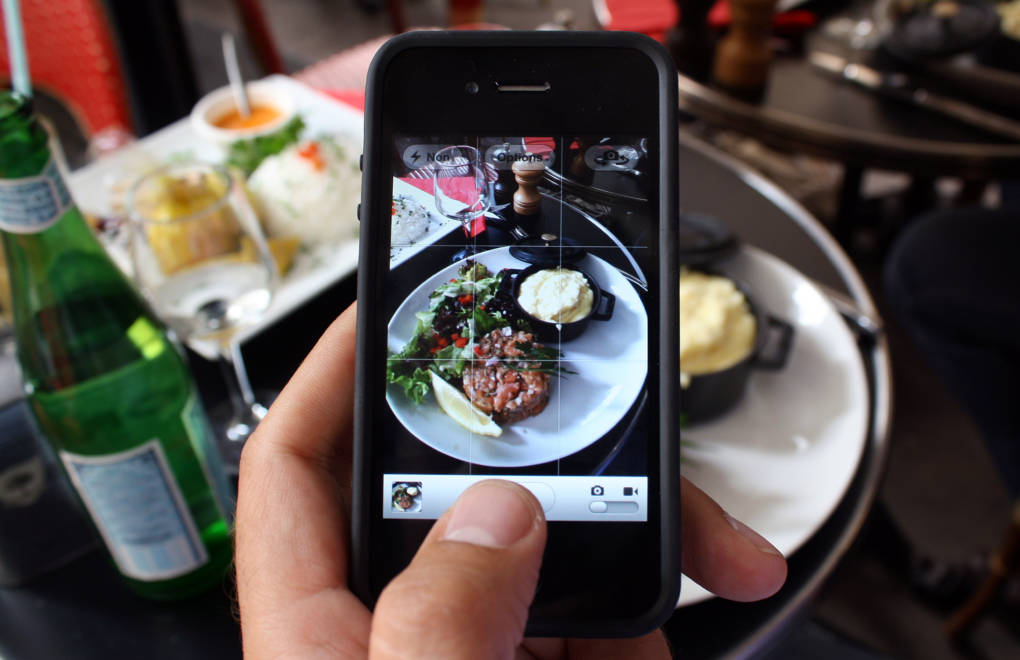
"caption": "You already know what all of your friends are eating, so you might as well know how to make it, too.",
"description": null,
"title": "FRANCE-INTERNET-FOOD",
"credit": "Ana Arevalo/AFP/GettyImages",
"status": "inherit",
"isLoading": false,
"fetchFailed": false
},
"bayareabites_119505": {
"type": "attachments",
"id": "bayareabites_119505",
"meta": {
"index": "attachments_1716263798",
"site": "bayareabites",
"id": "119505",
"found": true
},
"parent": 119499,
"imgSizes": {
"small": {
"file": "https://ww2.kqed.org/app/uploads/sites/24/2017/07/GettyImages-497559128-520x347.jpg",
"width": 520,
"mimeType": "image/jpeg",
"height": 347
},
"twentyfourteen-full-width": {
"file": "https://ww2.kqed.org/app/uploads/sites/24/2017/07/GettyImages-497559128-1038x576.jpg",
"width": 1038,
"mimeType": "image/jpeg",
"height": 576
},
"thumbnail": {
"file": "https://ww2.kqed.org/app/uploads/sites/24/2017/07/GettyImages-497559128-160x107.jpg",
"width": 160,
"mimeType": "image/jpeg",
"height": 107
},
"fd-sm": {
"file": "https://ww2.kqed.org/app/uploads/sites/24/2017/07/GettyImages-497559128-960x640.jpg",
"width": 960,
"mimeType": "image/jpeg",
"height": 640
},
"post-thumbnail": {
"file": "https://ww2.kqed.org/app/uploads/sites/24/2017/07/GettyImages-497559128-672x372.jpg",
"width": 672,
"mimeType": "image/jpeg",
"height": 372
},
"xsmall": {
"file": "https://ww2.kqed.org/app/uploads/sites/24/2017/07/GettyImages-497559128-375x250.jpg",
"width": 375,
"mimeType": "image/jpeg",
"height": 250
},
"kqedFullSize": {
"file": "https://ww2.kqed.org/app/uploads/sites/24/2017/07/GettyImages-497559128-e1501538444104.jpg",
"width": 1920,
"height": 1280
},
"large": {
"file": "https://ww2.kqed.org/app/uploads/sites/24/2017/07/GettyImages-497559128-1020x680.jpg",
"width": 1020,
"mimeType": "image/jpeg",
"height": 680
},
"xlarge": {
"file": "https://ww2.kqed.org/app/uploads/sites/24/2017/07/GettyImages-497559128-1180x787.jpg",
"width": 1180,
"mimeType": "image/jpeg",
"height": 787
},
"guest-author-50": {
"file": "https://ww2.kqed.org/app/uploads/sites/24/2017/07/GettyImages-497559128-50x50.jpg",
"width": 50,
"mimeType": "image/jpeg",
"height": 50
},
"guest-author-96": {
"file": "https://ww2.kqed.org/app/uploads/sites/24/2017/07/GettyImages-497559128-96x96.jpg",
"width": 96,
"mimeType": "image/jpeg",
"height": 96
},
"medium": {
"file": "https://ww2.kqed.org/app/uploads/sites/24/2017/07/GettyImages-497559128-800x533.jpg",
"width": 800,
"mimeType": "image/jpeg",
"height": 533
},
"guest-author-64": {
"file": "https://ww2.kqed.org/app/uploads/sites/24/2017/07/GettyImages-497559128-64x64.jpg",
"width": 64,
"mimeType": "image/jpeg",
"height": 64
},
"guest-author-32": {
"file": "https://ww2.kqed.org/app/uploads/sites/24/2017/07/GettyImages-497559128-32x32.jpg",
"width": 32,
"mimeType": "image/jpeg",
"height": 32
},
"fd-lrg": {
"file": "https://ww2.kqed.org/app/uploads/sites/24/2017/07/GettyImages-497559128-1920x1280.jpg",
"width": 1920,
"mimeType": "image/jpeg",
"height": 1280
},
"fd-med": {
"file": "https://ww2.kqed.org/app/uploads/sites/24/2017/07/GettyImages-497559128-1180x787.jpg",
"width": 1180,
"mimeType": "image/jpeg",
"height": 787
},
"full-width": {
"file": "https://ww2.kqed.org/app/uploads/sites/24/2017/07/GettyImages-497559128-1920x1280.jpg",
"width": 1920,
"mimeType": "image/jpeg",
"height": 1280
},
"detail": {
"file": "https://ww2.kqed.org/app/uploads/sites/24/2017/07/GettyImages-497559128-150x150.jpg",
"width": 150,
"mimeType": "image/jpeg",
"height": 150
},
"medium_large": {
"file": "https://ww2.kqed.org/app/uploads/sites/24/2017/07/GettyImages-497559128-768x512.jpg",
"width": 768,
"mimeType": "image/jpeg",
"height": 512
},
"guest-author-128": {
"file": "https://ww2.kqed.org/app/uploads/sites/24/2017/07/GettyImages-497559128-128x128.jpg",
"width": 128,
"mimeType": "image/jpeg",
"height": 128
},
"xxsmall": {
"file": "https://ww2.kqed.org/app/uploads/sites/24/2017/07/GettyImages-497559128-240x160.jpg",
"width": 240,
"mimeType": "image/jpeg",
"height": 160
}
},
"publishDate": 1501536513,
"modified": 1501538501,
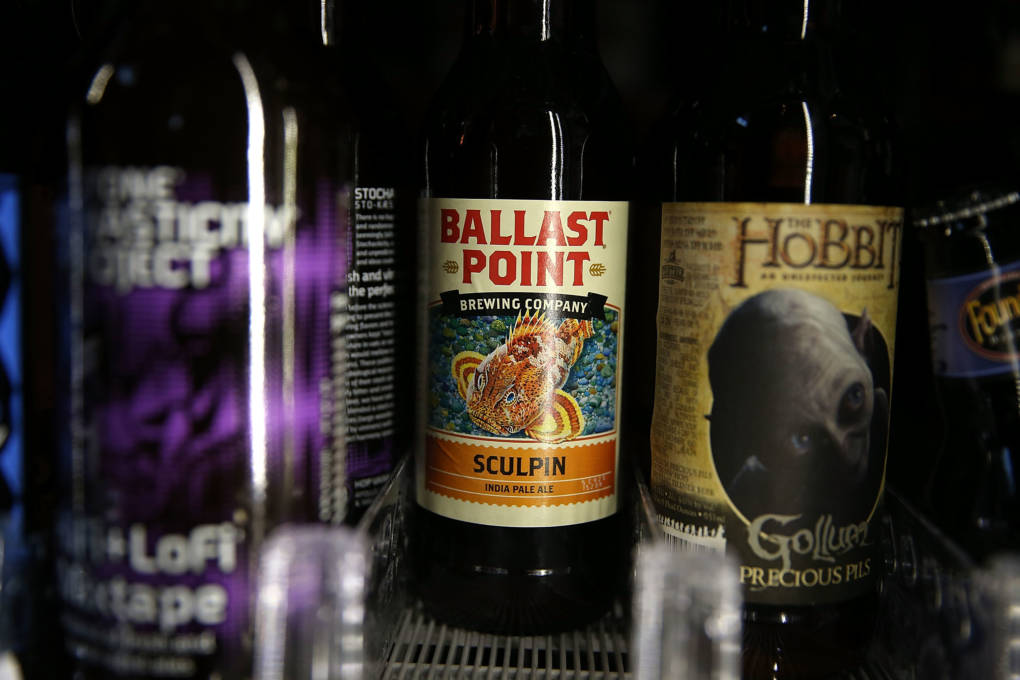
"caption": " Craft beer brands purchased by larger companies now almost dominate many supermarket and liquor store shelves.",
"description": null,
"title": "Corona Owner Constellation Brands Buys San Diego's Craft Brewer Ballast Point For 1 Billion",
"credit": "Justin Sullivan/Getty Images",
"status": "inherit",
"isLoading": false,
"fetchFailed": false
},
"bayareabites_119314": {
"type": "attachments",
"id": "bayareabites_119314",
"meta": {
"index": "attachments_1716263798",
"site": "bayareabites",
"id": "119314",
"found": true
},
"parent": 119279,
"imgSizes": {
"small": {
"file": "https://ww2.kqed.org/app/uploads/sites/24/2017/07/LF1-520x520.jpg",
"width": 520,
"mimeType": "image/jpeg",
"height": 520
},
"twentyfourteen-full-width": {
"file": "https://ww2.kqed.org/app/uploads/sites/24/2017/07/LF1-1038x576.jpg",
"width": 1038,
"mimeType": "image/jpeg",
"height": 576
},
"thumbnail": {
"file": "https://ww2.kqed.org/app/uploads/sites/24/2017/07/LF1-160x160.jpg",
"width": 160,
"mimeType": "image/jpeg",
"height": 160
},
"fd-sm": {
"file": "https://ww2.kqed.org/app/uploads/sites/24/2017/07/LF1-960x960.jpg",
"width": 960,
"mimeType": "image/jpeg",
"height": 960
},
"post-thumbnail": {
"file": "https://ww2.kqed.org/app/uploads/sites/24/2017/07/LF1-672x372.jpg",
"width": 672,
"mimeType": "image/jpeg",
"height": 372
},
"xsmall": {
"file": "https://ww2.kqed.org/app/uploads/sites/24/2017/07/LF1-375x375.jpg",
"width": 375,
"mimeType": "image/jpeg",
"height": 375
},
"kqedFullSize": {
"file": "https://ww2.kqed.org/app/uploads/sites/24/2017/07/LF1.jpg",
"width": 1080,
"height": 1080
},
"large": {
"file": "https://ww2.kqed.org/app/uploads/sites/24/2017/07/LF1-1020x1020.jpg",
"width": 1020,
"mimeType": "image/jpeg",
"height": 1020
},
"guest-author-50": {
"file": "https://ww2.kqed.org/app/uploads/sites/24/2017/07/LF1-50x50.jpg",
"width": 50,
"mimeType": "image/jpeg",
"height": 50
},
"guest-author-96": {
"file": "https://ww2.kqed.org/app/uploads/sites/24/2017/07/LF1-96x96.jpg",
"width": 96,
"mimeType": "image/jpeg",
"height": 96
},
"medium": {
"file": "https://ww2.kqed.org/app/uploads/sites/24/2017/07/LF1-800x800.jpg",
"width": 800,
"mimeType": "image/jpeg",
"height": 800
},
"guest-author-64": {
"file": "https://ww2.kqed.org/app/uploads/sites/24/2017/07/LF1-64x64.jpg",
"width": 64,
"mimeType": "image/jpeg",
"height": 64
},
"guest-author-32": {
"file": "https://ww2.kqed.org/app/uploads/sites/24/2017/07/LF1-32x32.jpg",
"width": 32,
"mimeType": "image/jpeg",
"height": 32
},
"detail": {
"file": "https://ww2.kqed.org/app/uploads/sites/24/2017/07/LF1-150x150.jpg",
"width": 150,
"mimeType": "image/jpeg",
"height": 150
},
"medium_large": {
"file": "https://ww2.kqed.org/app/uploads/sites/24/2017/07/LF1-768x768.jpg",
"width": 768,
"mimeType": "image/jpeg",
"height": 768
},
"guest-author-128": {
"file": "https://ww2.kqed.org/app/uploads/sites/24/2017/07/LF1-128x128.jpg",
"width": 128,
"mimeType": "image/jpeg",
"height": 128
},
"xxsmall": {
"file": "https://ww2.kqed.org/app/uploads/sites/24/2017/07/LF1-240x240.jpg",
"width": 240,
"mimeType": "image/jpeg",
"height": 240
}
},
"publishDate": 1500679121,
"modified": 1500941455,
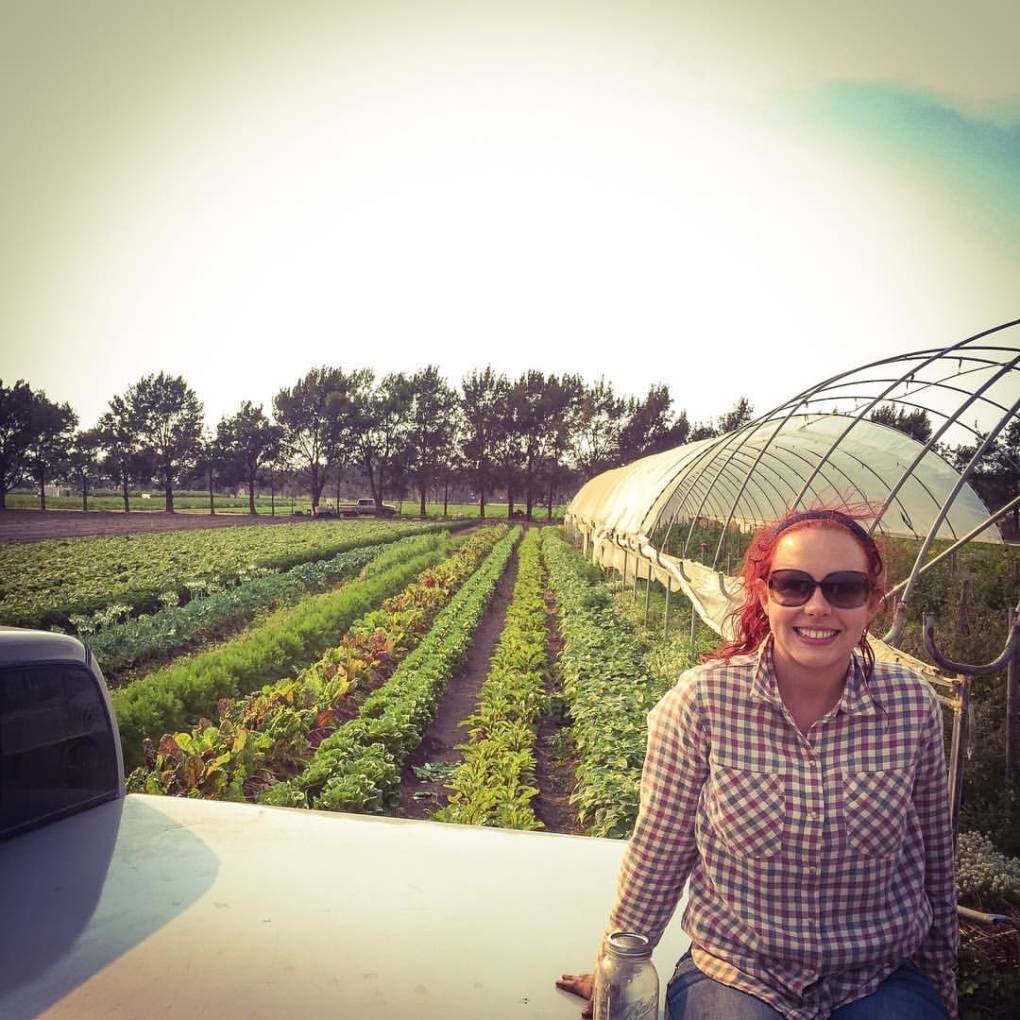
"caption": "Brittany Loisel is shown at Lazy Millennial Farms in Salinas.",
"description": "Brittany Loisel is shown at Lazy Millennial Farms in Salinas.",
"title": "LF1",
"credit": "Lazy Millennial Farms",
"status": "inherit",
"isLoading": false,
"fetchFailed": false
},
"bayareabites_119338": {
"type": "attachments",
"id": "bayareabites_119338",
"meta": {
"index": "attachments_1716263798",
"site": "bayareabites",
"id": "119338",
"found": true
},
"parent": 119269,
"imgSizes": {
"small": {
"file": "https://ww2.kqed.org/app/uploads/sites/24/2017/07/plated-mozz-2-new-520x324.jpg",
"width": 520,
"mimeType": "image/jpeg",
"height": 324
},
"twentyfourteen-full-width": {
"file": "https://ww2.kqed.org/app/uploads/sites/24/2017/07/plated-mozz-2-new-1038x576.jpg",
"width": 1038,
"mimeType": "image/jpeg",
"height": 576
},
"thumbnail": {
"file": "https://ww2.kqed.org/app/uploads/sites/24/2017/07/plated-mozz-2-new-160x100.jpg",
"width": 160,
"mimeType": "image/jpeg",
"height": 100
},
"fd-sm": {
"file": "https://ww2.kqed.org/app/uploads/sites/24/2017/07/plated-mozz-2-new-960x599.jpg",
"width": 960,
"mimeType": "image/jpeg",
"height": 599
},
"post-thumbnail": {
"file": "https://ww2.kqed.org/app/uploads/sites/24/2017/07/plated-mozz-2-new-672x372.jpg",
"width": 672,
"mimeType": "image/jpeg",
"height": 372
},
"xsmall": {
"file": "https://ww2.kqed.org/app/uploads/sites/24/2017/07/plated-mozz-2-new-375x234.jpg",
"width": 375,
"mimeType": "image/jpeg",
"height": 234
},
"kqedFullSize": {
"file": "https://ww2.kqed.org/app/uploads/sites/24/2017/07/plated-mozz-2-new.jpg",
"width": 1920,
"height": 1198
},
"large": {
"file": "https://ww2.kqed.org/app/uploads/sites/24/2017/07/plated-mozz-2-new-1020x636.jpg",
"width": 1020,
"mimeType": "image/jpeg",
"height": 636
},
"xlarge": {
"file": "https://ww2.kqed.org/app/uploads/sites/24/2017/07/plated-mozz-2-new-1180x736.jpg",
"width": 1180,
"mimeType": "image/jpeg",
"height": 736
},
"guest-author-50": {
"file": "https://ww2.kqed.org/app/uploads/sites/24/2017/07/plated-mozz-2-new-50x50.jpg",
"width": 50,
"mimeType": "image/jpeg",
"height": 50
},
"guest-author-96": {
"file": "https://ww2.kqed.org/app/uploads/sites/24/2017/07/plated-mozz-2-new-96x96.jpg",
"width": 96,
"mimeType": "image/jpeg",
"height": 96
},
"medium": {
"file": "https://ww2.kqed.org/app/uploads/sites/24/2017/07/plated-mozz-2-new-800x499.jpg",
"width": 800,
"mimeType": "image/jpeg",
"height": 499
},
"guest-author-64": {
"file": "https://ww2.kqed.org/app/uploads/sites/24/2017/07/plated-mozz-2-new-64x64.jpg",
"width": 64,
"mimeType": "image/jpeg",
"height": 64
},
"guest-author-32": {
"file": "https://ww2.kqed.org/app/uploads/sites/24/2017/07/plated-mozz-2-new-32x32.jpg",
"width": 32,
"mimeType": "image/jpeg",
"height": 32
},
"fd-lrg": {
"file": "https://ww2.kqed.org/app/uploads/sites/24/2017/07/plated-mozz-2-new-1920x1198.jpg",
"width": 1920,
"mimeType": "image/jpeg",
"height": 1198
},
"fd-med": {
"file": "https://ww2.kqed.org/app/uploads/sites/24/2017/07/plated-mozz-2-new-1180x736.jpg",
"width": 1180,
"mimeType": "image/jpeg",
"height": 736
},
"full-width": {
"file": "https://ww2.kqed.org/app/uploads/sites/24/2017/07/plated-mozz-2-new-1920x1198.jpg",
"width": 1920,
"mimeType": "image/jpeg",
"height": 1198
},
"detail": {
"file": "https://ww2.kqed.org/app/uploads/sites/24/2017/07/plated-mozz-2-new-150x150.jpg",
"width": 150,
"mimeType": "image/jpeg",
"height": 150
},
"medium_large": {
"file": "https://ww2.kqed.org/app/uploads/sites/24/2017/07/plated-mozz-2-new-768x479.jpg",
"width": 768,
"mimeType": "image/jpeg",
"height": 479
},
"guest-author-128": {
"file": "https://ww2.kqed.org/app/uploads/sites/24/2017/07/plated-mozz-2-new-128x128.jpg",
"width": 128,
"mimeType": "image/jpeg",
"height": 128
},
"xxsmall": {
"file": "https://ww2.kqed.org/app/uploads/sites/24/2017/07/plated-mozz-2-new-240x150.jpg",
"width": 240,
"mimeType": "image/jpeg",
"height": 150
}
},
"publishDate": 1500685992,
"modified": 1500686357,
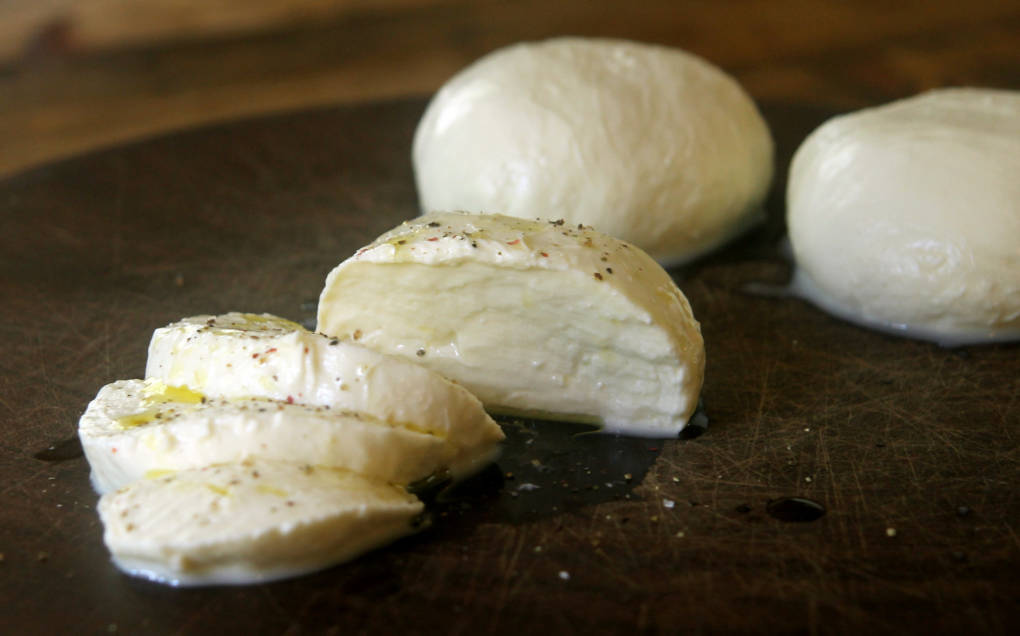
"caption": "Homemade fresh mozzarella with olive oil and freshly ground pepper.",
"description": "Homemade fresh mozzarella with olive oil and freshly ground pepper.",
"title": "plated-mozz-2-new",
"credit": "Kate Williams",
"status": "inherit",
"isLoading": false,
"fetchFailed": false
},
"bayareabites_119324": {
"type": "attachments",
"id": "bayareabites_119324",
"meta": {
"index": "attachments_1716263798",
"site": "bayareabites",
"id": "119324",
"found": true
},
"parent": 119320,
"imgSizes": {
"small": {
"file": "https://ww2.kqed.org/app/uploads/sites/24/2017/07/170717-san-jose-top1-520x347.jpg",
"width": 520,
"mimeType": "image/jpeg",
"height": 347
},
"twentyfourteen-full-width": {
"file": "https://ww2.kqed.org/app/uploads/sites/24/2017/07/170717-san-jose-top1-1038x576.jpg",
"width": 1038,
"mimeType": "image/jpeg",
"height": 576
},
"thumbnail": {
"file": "https://ww2.kqed.org/app/uploads/sites/24/2017/07/170717-san-jose-top1-160x107.jpg",
"width": 160,
"mimeType": "image/jpeg",
"height": 107
},
"fd-sm": {
"file": "https://ww2.kqed.org/app/uploads/sites/24/2017/07/170717-san-jose-top1-960x640.jpg",
"width": 960,
"mimeType": "image/jpeg",
"height": 640
},
"post-thumbnail": {
"file": "https://ww2.kqed.org/app/uploads/sites/24/2017/07/170717-san-jose-top1-672x372.jpg",
"width": 672,
"mimeType": "image/jpeg",
"height": 372
},
"xsmall": {
"file": "https://ww2.kqed.org/app/uploads/sites/24/2017/07/170717-san-jose-top1-375x250.jpg",
"width": 375,
"mimeType": "image/jpeg",
"height": 250
},
"kqedFullSize": {
"file": "https://ww2.kqed.org/app/uploads/sites/24/2017/07/170717-san-jose-top1.jpg",
"width": 1200,
"height": 800
},
"large": {
"file": "https://ww2.kqed.org/app/uploads/sites/24/2017/07/170717-san-jose-top1-1020x680.jpg",
"width": 1020,
"mimeType": "image/jpeg",
"height": 680
},
"xlarge": {
"file": "https://ww2.kqed.org/app/uploads/sites/24/2017/07/170717-san-jose-top1-1180x787.jpg",
"width": 1180,
"mimeType": "image/jpeg",
"height": 787
},
"guest-author-50": {
"file": "https://ww2.kqed.org/app/uploads/sites/24/2017/07/170717-san-jose-top1-50x50.jpg",
"width": 50,
"mimeType": "image/jpeg",
"height": 50
},
"guest-author-96": {
"file": "https://ww2.kqed.org/app/uploads/sites/24/2017/07/170717-san-jose-top1-96x96.jpg",
"width": 96,
"mimeType": "image/jpeg",
"height": 96
},
"medium": {
"file": "https://ww2.kqed.org/app/uploads/sites/24/2017/07/170717-san-jose-top1-800x533.jpg",
"width": 800,
"mimeType": "image/jpeg",
"height": 533
},
"guest-author-64": {
"file": "https://ww2.kqed.org/app/uploads/sites/24/2017/07/170717-san-jose-top1-64x64.jpg",
"width": 64,
"mimeType": "image/jpeg",
"height": 64
},
"guest-author-32": {
"file": "https://ww2.kqed.org/app/uploads/sites/24/2017/07/170717-san-jose-top1-32x32.jpg",
"width": 32,
"mimeType": "image/jpeg",
"height": 32
},
"fd-med": {
"file": "https://ww2.kqed.org/app/uploads/sites/24/2017/07/170717-san-jose-top1-1180x787.jpg",
"width": 1180,
"mimeType": "image/jpeg",
"height": 787
},
"detail": {
"file": "https://ww2.kqed.org/app/uploads/sites/24/2017/07/170717-san-jose-top1-150x150.jpg",
"width": 150,
"mimeType": "image/jpeg",
"height": 150
},
"medium_large": {
"file": "https://ww2.kqed.org/app/uploads/sites/24/2017/07/170717-san-jose-top1-768x512.jpg",
"width": 768,
"mimeType": "image/jpeg",
"height": 512
},
"guest-author-128": {
"file": "https://ww2.kqed.org/app/uploads/sites/24/2017/07/170717-san-jose-top1-128x128.jpg",
"width": 128,
"mimeType": "image/jpeg",
"height": 128
},
"xxsmall": {
"file": "https://ww2.kqed.org/app/uploads/sites/24/2017/07/170717-san-jose-top1-240x160.jpg",
"width": 240,
"mimeType": "image/jpeg",
"height": 160
}
},
"publishDate": 1500681216,
"modified": 1500681314,
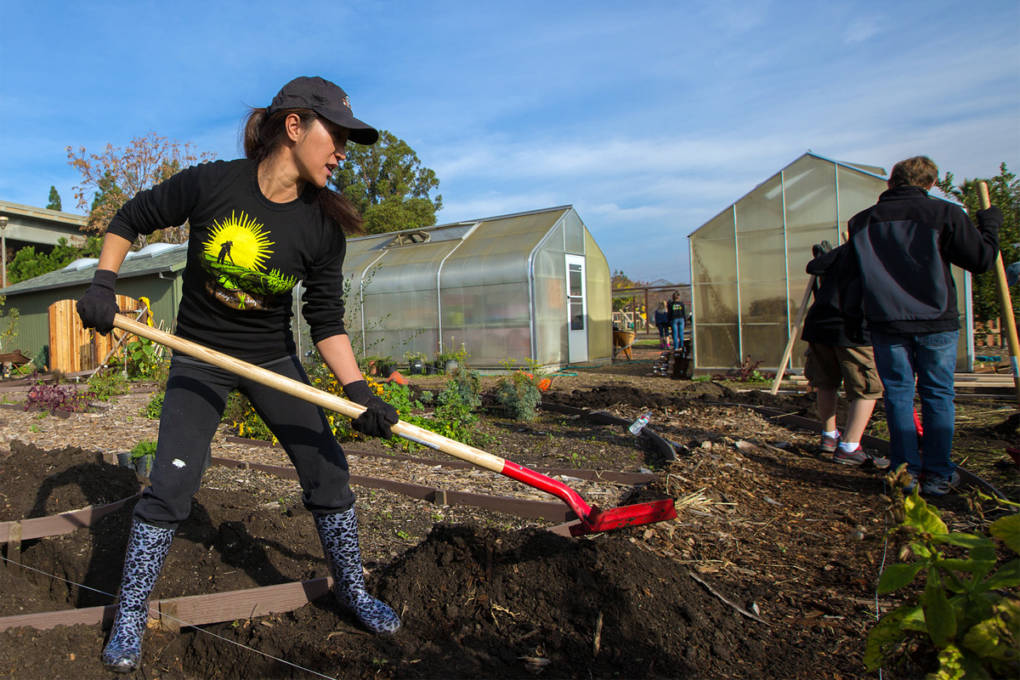
"caption": "NVIDIA employee working at Veggielution in San Jose. ",
"description": "NVIDIA employee working at Veggielution in San Jose. ",
"title": "170717-san-jose-top1",
"credit": "CC-licensed by \u003ca href=\"https://www.flickr.com/photos/nvidia/8265501188/\">NVIDIA\u003c/a>",
"status": "inherit",
"isLoading": false,
"fetchFailed": false
}
},
"audioPlayerReducer": {
"postId": "stream_live",
"isPaused": true,
"isPlaying": false,
"pfsActive": false,
"pledgeModalIsOpen": true,
"playerDrawerIsOpen": false,
"liveAudioPlayStartedAt": 0,
"liveAudioPlayContext": ""
},
"authorsReducer": {
"byline_bayareabites_120327": {
"type": "authors",
"id": "byline_bayareabites_120327",
"meta": {
"override": true
},
"slug": "byline_bayareabites_120327",
"name": "Lela Nargi, \u003ca href=\"https://ww2.kqed.org/bayareabites/author/cuesa/\">Civil Eats\u003c/a>",
"isLoading": false
},
"byline_bayareabites_120318": {
"type": "authors",
"id": "byline_bayareabites_120318",
"meta": {
"override": true
},
"slug": "byline_bayareabites_120318",
"name": "Kristen Hartke, \u003ca href=\"https://ww2.kqed.org/bayareabites/author/nprfood/\">NPR Food\u003c/a>",
"isLoading": false
},
"byline_bayareabites_119926": {
"type": "authors",
"id": "byline_bayareabites_119926",
"meta": {
"override": true
},
"slug": "byline_bayareabites_119926",
"name": "Clare Leschin-Hoar, \u003ca href=\"https://ww2.kqed.org/bayareabites/author/nprfood/\">NPR Food\u003c/a>",
"isLoading": false
},
"byline_bayareabites_119891": {
"type": "authors",
"id": "byline_bayareabites_119891",
"meta": {
"override": true
},
"slug": "byline_bayareabites_119891",
"name": "Alastair Bland, \u003ca href=\"https://ww2.kqed.org/bayareabites/author/nprfood/\">NPR Food\u003c/a>",
"isLoading": false
},
"byline_bayareabites_119864": {
"type": "authors",
"id": "byline_bayareabites_119864",
"meta": {
"override": true
},
"slug": "byline_bayareabites_119864",
"name": "Tove Danovich, \u003ca href=\"https://ww2.kqed.org/bayareabites/author/nprfood/\">NPR Food\u003c/a>",
"isLoading": false
},
"byline_bayareabites_119858": {
"type": "authors",
"id": "byline_bayareabites_119858",
"meta": {
"override": true
},
"slug": "byline_bayareabites_119858",
"name": "Allison Aubrey, NPR Food",
"isLoading": false
},
"byline_bayareabites_119650": {
"type": "authors",
"id": "byline_bayareabites_119650",
"meta": {
"override": true
},
"slug": "byline_bayareabites_119650",
"name": "Natalie Jacewicz, \u003ca href=\"https://ww2.kqed.org/bayareabites/author/nprfood/\">NPR Food\u003c/a>",
"isLoading": false
},
"byline_bayareabites_119570": {
"type": "authors",
"id": "byline_bayareabites_119570",
"meta": {
"override": true
},
"slug": "byline_bayareabites_119570",
"name": "Laurel Dalrymple, NPR Food",
"isLoading": false
},
"byline_bayareabites_119499": {
"type": "authors",
"id": "byline_bayareabites_119499",
"meta": {
"override": true
},
"slug": "byline_bayareabites_119499",
"name": "Alastair Bland, \u003ca href=\"https://ww2.kqed.org/bayareabites/author/nprfood/\">NPR Food\u003c/a>",
"isLoading": false
},
"byline_bayareabites_119320": {
"type": "authors",
"id": "byline_bayareabites_119320",
"meta": {
"override": true
},
"slug": "byline_bayareabites_119320",
"name": "\u003ca href=\"http://civileats.com/author/tori-truscheit/\">Tori Truscheit,\u003c/a> \u003ca href=\"https://ww2.kqed.org/bayareabites/author/civileat/\">Civil Eats\u003c/a>",
"isLoading": false
},
"katewilliams": {
"type": "authors",
"id": "5485",
"meta": {
"index": "authors_1716337520",
"id": "5485",
"found": true
},
"name": "Kate Williams",
"firstName": "Kate",
"lastName": "Williams",
"slug": "katewilliams",
"email": "williaka@gmail.com",
"display_author_email": false,
"staff_mastheads": [],
"title": null,
"bio": "Kate Williams grew up outside of Atlanta, where twenty-pound baskets of peaches were an end-of-summer tradition. After spending time in Boston developing recipes for America's Test Kitchen and pretending to be a New Englander, she moved to sunny Berkeley. Here she works as a personal chef and food writer, covering topics ranging from taco trucks to modernist cookbooks. In addition to KQED's Bay Area Bites, Kate's work appears on Serious Eats, Berkeleyside NOSH, The Oxford American, America's Test Kitchen cookbooks, and Food52.",
"avatar": "https://secure.gravatar.com/avatar/25623fe56e181fe8b6ee92fd0ea077de?s=600&d=blank&r=g",
"twitter": "KateHWilliams",
"facebook": null,
"instagram": null,
"linkedin": null,
"sites": [
{
"site": "bayareabites",
"roles": [
"contributor"
]
},
{
"site": "food",
"roles": [
"contributor"
]
}
],
"headData": {
"title": "Kate Williams | KQED",
"description": null,
"ogImgSrc": "https://secure.gravatar.com/avatar/25623fe56e181fe8b6ee92fd0ea077de?s=600&d=blank&r=g",
"twImgSrc": "https://secure.gravatar.com/avatar/25623fe56e181fe8b6ee92fd0ea077de?s=600&d=blank&r=g"
},
"isLoading": false,
"link": "/author/katewilliams"
},
"alexandrawall": {
"type": "authors",
"id": "5567",
"meta": {
"index": "authors_1716337520",
"id": "5567",
"found": true
},
"name": "Alix Wall",
"firstName": "Alix",
"lastName": "Wall",
"slug": "alexandrawall",
"email": "alixwall@sbcglobal.net",
"display_author_email": false,
"staff_mastheads": [],
"title": null,
"bio": "Alix Wall appeared in her hometown paper in Riverside, California as “Chef of the Week” when she was 15 years old, and in high school, she founded “The Bon Appetit Club.” After working as a journalist for many years, Alix became a certified natural foods chef from Bauman College in Berkeley. While she cooks part-time healthy, organic meals for busy families, she is also a contributing editor of j. weekly, the Bay Area’s Jewish newspaper, in which she has a monthly food column. Her food writing can also be found on Berkeleyside’s NOSH and in Edible East Bay. In addition to food, she loves writing about how couples met and fell in love, which she does for The San Francisco Chronicle’s Style section and j. weekly. In 2016, she founded The Illuminoshi: The Not-So-Secret Society of Bay Area Jewish Food Professionals. She is also writer/producer for a documentary-in-progress called \u003ca href=\"https://www.lonelychildmovie.com/\">The Lonely Child\u003c/a>. Follow Alix on Twitter \u003ca href=\"https://twitter.com/WallAlix\">@WallAlix\u003c/a>.",
"avatar": "https://secure.gravatar.com/avatar/421a27f26a185be932f8d567b499b1f1?s=600&d=blank&r=g",
"twitter": null,
"facebook": null,
"instagram": null,
"linkedin": null,
"sites": [
{
"site": "bayareabites",
"roles": [
"contributor"
]
},
{
"site": "food",
"roles": [
"contributor"
]
}
],
"headData": {
"title": "Alix Wall | KQED",
"description": null,
"ogImgSrc": "https://secure.gravatar.com/avatar/421a27f26a185be932f8d567b499b1f1?s=600&d=blank&r=g",
"twImgSrc": "https://secure.gravatar.com/avatar/421a27f26a185be932f8d567b499b1f1?s=600&d=blank&r=g"
},
"isLoading": false,
"link": "/author/alexandrawall"
}
},
"pagesReducer": {
"bayareabites_category_science": {
"type": "terms",
"id": "bayareabites_358",
"meta": {
"index": "terms_1716263798",
"site": "bayareabites",
"id": "358",
"score": 10.85186
},
"featImg": null,
"name": "science",
"description": null,
"taxonomy": "category",
"headData": {
"twImgId": null,
"twTitle": null,
"ogTitle": null,
"ogImgId": null,
"twDescription": null,
"description": null,
"title": "science Archives | KQED Bay Area Bites",
"ogDescription": null
},
"ttid": 7943,
"slug": "science",
"isLoading": false,
"title": "science",
"pageMeta": {
"site": "bayareabites",
"WpPageTemplate": "page-topic-editorial",
"currentPage": 17
},
"blocks": [
{
"blockName": "kqed/post-list",
"attrs": {
"layout": "cardArticle2",
"query": "posts/bayareabites?category=science",
"seeMore": false,
"paginated": true,
"page": 17
}
},
{
"blockName": "kqed/ad"
}
]
}
},
"pfsSessionReducer": {},
"postsReducer": {
"stream_live": {
"type": "live",
"id": "stream_live",
"audioUrl": "https://streams.kqed.org/kqedradio",
"title": "Live Stream",
"excerpt": "Live Stream information currently unavailable.",
"link": "/radio",
"featImg": "",
"label": {
"name": "KQED Live",
"link": "/"
}
},
"stream_kqedNewscast": {
"type": "posts",
"id": "stream_kqedNewscast",
"audioUrl": "https://www.kqed.org/.stream/anon/radio/RDnews/newscast.mp3?_=1",
"title": "KQED Newscast",
"featImg": "",
"label": {
"name": "88.5 FM",
"link": "/"
}
},
"bayareabites_120327": {
"type": "posts",
"id": "bayareabites_120327",
"meta": {
"index": "posts_1716263798",
"site": "bayareabites",
"id": "120327",
"score": null,
"sort": [
1504215884000
]
},
"parent": 0,
"labelTerm": {
"site": "bayareabites"
},
"blocks": [],
"publishDate": 1504215884,
"format": "standard",
"disqusTitle": "Aquaponics Farmers Band Together to Set Their Industry Apart",
"title": "Aquaponics Farmers Band Together to Set Their Industry Apart",
"headTitle": "Bay Area Bites | KQED Food",
"content": "\u003cp>\u003cem>Growers that add fish to their vegetable mix say they're combining the benefits of an ecosystem with the resource-efficiency of an water-based operation.\u003c/em>\u003c/p>\n\u003cp>Kimberly Aney, a recent graduate of the agriculture program at \u003ca href=\"http://www.cobleskill.edu/home.asp\">SUNY Cobleskill\u003c/a> in Upstate New York, has dreams of building a small farm that grows fish and lettuce in concert with one another. She says she sees the practice, known as aquaponics, as a cheap, clean, and compact alternative to the inefficiencies she observed on the dairy farm on which she grew up.\u003c/p>\n\u003cp>In southern Oregon, Michael Hasey extends the growing season of his 40-acre organic farm with an aquaponics system that produces greens and tilapia throughout the winter. It’s a way to squeak out an extra margin, rest his fields, and, he believes, improve both his own soil and the environment at large.\u003c/p>\n\u003cp>And, in New Orleans, Marianne Cufone uses her in-ground aquaponics system—in which ponds full of fish provide nutrients for the trays of herbs, cucumbers, and melons floating above them, and vice versa—partly as an educational tool. She wants more people to know about the myriad benefits she’s reaped while farming this way: about the hyper-local crops, the reliable fresh food in flood-prone regions, and the minimal waste inherent in the system.\u003c/p>\n\u003cfigure id=\"attachment_120330\" class=\"wp-caption aligncenter\" style=\"max-width: 768px\">\u003cimg src=\"https://ww2.kqed.org/bayareabites/wp-content/uploads/sites/24/2017/08/170830-aquaponics-figure-768x668.jpg\" alt=\"Diagram courtesy of Aquaponics Phillipines.\" width=\"768\" height=\"668\" class=\"size-full wp-image-120330\" srcset=\"https://ww2.kqed.org/app/uploads/sites/24/2017/08/170830-aquaponics-figure-768x668.jpg 768w, https://ww2.kqed.org/app/uploads/sites/24/2017/08/170830-aquaponics-figure-768x668-160x139.jpg 160w, https://ww2.kqed.org/app/uploads/sites/24/2017/08/170830-aquaponics-figure-768x668-240x209.jpg 240w, https://ww2.kqed.org/app/uploads/sites/24/2017/08/170830-aquaponics-figure-768x668-375x326.jpg 375w, https://ww2.kqed.org/app/uploads/sites/24/2017/08/170830-aquaponics-figure-768x668-520x452.jpg 520w\" sizes=\"(max-width: 768px) 100vw, 768px\">\u003cfigcaption class=\"wp-caption-text\">Diagram courtesy of \u003ca href=\"http://aquaponicsphilippines.com/\">Aquaponics Phillipines.\u003c/a>\u003c/figcaption>\u003c/figure>\n\u003cp>Unlike modern hydroponic farms, which can feed plants regular quantities of synthetic fertilizers, aquaponics harks back to early growing methods developed in Asia and South America that blend aquaculture (or fish farming) with agriculture. The practice functions in an ecosystem in which the fish eat things like duckweed and, when they’re housed outside, insects; their waste feeds the plants; and the plants filter the water for the fish. Any remaining waste is composted and, as in the case of Hasey’s farm, added back to the soil in which he grows his row crops.\u003c/p>\n\u003cp>[ad fullwidth]\u003c/p>\n\u003cp>Cufone also has a larger goal. What began as a community-based mission has expanded into a national effort as she seeks to drum up awareness about aquaponic farming in her role as executive director of the \u003ca href=\"http://www.recirculatingfarms.org/\">Recirculating Farms Coalition\u003c/a> (RFC), and to mobilize other farmers using the technology to become more vocal about its virtues and its future.\u003c/p>\n\u003cp>First, though, she has to find them.\u003c/p>\n\u003cfigure id=\"attachment_120331\" class=\"wp-caption aligncenter\" style=\"max-width: 1200px\">\u003cimg src=\"https://ww2.kqed.org/bayareabites/wp-content/uploads/sites/24/2017/08/180828-aquaponic-farming-cufone.jpg\" alt=\"Marianne Cufone.\" width=\"1200\" height=\"800\" class=\"size-full wp-image-120331\" srcset=\"https://ww2.kqed.org/app/uploads/sites/24/2017/08/180828-aquaponic-farming-cufone.jpg 1200w, https://ww2.kqed.org/app/uploads/sites/24/2017/08/180828-aquaponic-farming-cufone-160x107.jpg 160w, https://ww2.kqed.org/app/uploads/sites/24/2017/08/180828-aquaponic-farming-cufone-800x533.jpg 800w, https://ww2.kqed.org/app/uploads/sites/24/2017/08/180828-aquaponic-farming-cufone-768x512.jpg 768w, https://ww2.kqed.org/app/uploads/sites/24/2017/08/180828-aquaponic-farming-cufone-1020x680.jpg 1020w, https://ww2.kqed.org/app/uploads/sites/24/2017/08/180828-aquaponic-farming-cufone-1180x787.jpg 1180w, https://ww2.kqed.org/app/uploads/sites/24/2017/08/180828-aquaponic-farming-cufone-960x640.jpg 960w, https://ww2.kqed.org/app/uploads/sites/24/2017/08/180828-aquaponic-farming-cufone-240x160.jpg 240w, https://ww2.kqed.org/app/uploads/sites/24/2017/08/180828-aquaponic-farming-cufone-375x250.jpg 375w, https://ww2.kqed.org/app/uploads/sites/24/2017/08/180828-aquaponic-farming-cufone-520x347.jpg 520w\" sizes=\"(max-width: 1200px) 100vw, 1200px\">\u003cfigcaption class=\"wp-caption-text\">Marianne Cufone. \u003ccite>(Dulce Fernandes)\u003c/cite>\u003c/figcaption>\u003c/figure>\n\u003cp>“Even though [aquaponic farmers] have been operating in the U.S. for more than 30 years, we don’t have a good count,” Cufone says. That applies both to commercial operations such as Hasey’s that sell to regional supermarkets and also to backyard, or “recreational,” farms like the one Aney would like to set up. The latter are especially difficult to track. RFC wants to see aquaculture acknowledged as a positive addition to American agriculture and thereby boost its lobbying power. Haney, an RFC member, calls aquaponics, “the answer” to generating year-round income for farmers constrained by the seasons.\u003c/p>\n\u003cp>Cufone is currently working on a map of the larger outfits, and reaching out to organizations that keep track of the smaller ones. So far, estimates put the number of commercial aquafarms operating nationally at between 40 and 100, although Cufone says it’s likely higher if one includes backyard operations.\u003c/p>\n\u003cp>Cufone’s work comes at a critical juncture for American aquaculture. For over a decade, the USDA Organic label, through some third-party licensing organizations like Oregon Tilth, has been conferred upon compliant aquaponic and hydroponic farms. Recently, traditional “dirt first” organic farmers have been pushing the USDA’s National Organic Standards Board (NOSB) to make aquaponics and hydroponics ineligible for the Organic label.\u003c/p>\n\u003cp>Some opposed to the change, \u003ca href=\"http://civileats.com/2015/04/13/why-you-cant-have-organic-food-without-soil/\">such as Maine farmer and author Eliot Coleman\u003c/a>, say that food that isn’t grown in “biologically active, fertile soil” doesn’t deserve to use the moniker for which generations of farmers have built up a market.\u003c/p>\n\u003cp>One of the biggest targets of some dirt-first lobbyists is scaled-up operations that raise hydroponic produce in places like Mexico. They say these vast international operations siphon off revenue from American farmers as they drive down the price of organics. Aquaponic farmers, who claim to use best organic practices and challenge the assertion that their farms do not give back directly to the soil, may be caught in the crossfire of a bigger, thornier debate.\u003c/p>\n\u003cp>“Aquaponic farmers employ microbiology in their systems, in the same way dirt farmers do, and the waste [from it] builds beautiful topsoil,” says Hasey. In the process, “We grow copious amounts of food without taxing the land. It’s incredibly sustainable.” Sustainability is also Cufone’s virtue of choice when discussing aquaponics—both for lowering water and energy usage in produce growing as well as for raising fish. Cufone began her career in fisheries management and has seen aquaponics develop to the point where she thinks it now provides a viable, clean way for fishermen to grow some of the protein they can no longer catch in \u003ca href=\"https://www.ecowatch.com/one-third-of-commercial-fish-stocks-fished-at-unsustainable-levels-1910593830.html\">depleted oceans\u003c/a>.\u003c/p>\n\u003cp>Stacy Tollefson is a professor of agricultural and biosystems engineering at the University of Arizona. Along with Cufone, she was part of the most recent task force advising NOSB on the organic certification of aquaponic and hydroponic farms. The way she sees it, what organics-seeking consumers want most of all is pesticide-free produce.\u003c/p>\n\u003cp>And water-based systems “open the doors to more people getting access to that,” she says. “The traditional agriculture approach says organics have to be grown in soil—but that was when there was no other way to do it. There are still old-school philosophical folks who say, ‘You’re not saving the soil!’ But I think we are doing a lot to \u003cem>not\u003c/em> damage the earth.” (The dirt first response to this: That still doesn’t mean it fits the historical definition of \u003cem>organic\u003c/em>; they’re contemplating changing their own labeling if hydroponic and aquaponic farmers continue to be able to earn “organic” status.)\u003c/p>\n\u003cp>Cufone agrees with Tollefson, and also cites what she sees as another overlooked benefit to aquaponics. “The U.S. Department of Agriculture is always talking about attracting new people to farming. Well, this is one part of the industry that’s growing,” she says. She hopes RFC will play a pivotal role in bringing aquaponics further into the mainstream. “When I first learned about recirculating systems, I brought a bunch of people together in a room and had a conversation about the viability of the industry. At the end of two days I asked, ‘If you had $1 million, what would you do?’ And every one of them said, ‘Start an organization that would advertise our industry, and help change policy about it.’”\u003c/p>\n\u003cp>[ad floatright]\u003c/p>\n\u003cp>In the six years since RFC was founded, Hasey has come to rely on it to represent him and his needs. “As a farmer, I spend all day with my head in the plants. I just don’t have time to go out and campaign and get involved in issues,” he says. Both he and Cufone hope the organization will provide their segment of the farm industry with the necessary traction to grow, and thrive.\u003c/p>\n\n",
"disqusIdentifier": "120327 https://ww2.kqed.org/bayareabites/?p=120327",
"disqusUrl": "https://ww2.kqed.org/bayareabites/2017/08/31/aquaponics-farmers-band-together-to-set-their-industry-apart/",
"stats": {
"hasVideo": false,
"hasChartOrMap": false,
"hasAudio": false,
"hasPolis": false,
"wordCount": 1259,
"hasGoogleForm": false,
"hasGallery": false,
"hasHearkenModule": false,
"iframeSrcs": [],
"paragraphCount": 19
},
"modified": 1504215884,
"excerpt": "Growers that add fish to their vegetable mix say they're combining the benefits of an ecosystem with the resource-efficiency of an water-based operation.",
"headData": {
"twImgId": "",
"twTitle": "",
"ogTitle": "",
"ogImgId": "",
"twDescription": "",
"description": "Growers that add fish to their vegetable mix say they're combining the benefits of an ecosystem with the resource-efficiency of an water-based operation.",
"title": "Aquaponics Farmers Band Together to Set Their Industry Apart | KQED",
"ogDescription": "",
"schema": {
"@context": "https://schema.org",
"@type": "Article",
"headline": "Aquaponics Farmers Band Together to Set Their Industry Apart",
"datePublished": "2017-08-31T14:44:44-07:00",
"dateModified": "2017-08-31T14:44:44-07:00",
"image": "https://cdn.kqed.org/wp-content/uploads/2020/02/KQED-OG-Image@1x.png"
}
},
"guestAuthors": [],
"slug": "aquaponics-farmers-band-together-to-set-their-industry-apart",
"status": "publish",
"nprByline": "Lela Nargi, \u003ca href=\"https://ww2.kqed.org/bayareabites/author/cuesa/\">Civil Eats\u003c/a>",
"path": "/bayareabites/120327/aquaponics-farmers-band-together-to-set-their-industry-apart",
"audioTrackLength": null,
"parsedContent": [
{
"type": "contentString",
"content": "\u003cdiv class=\"post-body\">\u003cp>\u003cp>\u003cem>Growers that add fish to their vegetable mix say they're combining the benefits of an ecosystem with the resource-efficiency of an water-based operation.\u003c/em>\u003c/p>\n\u003cp>Kimberly Aney, a recent graduate of the agriculture program at \u003ca href=\"http://www.cobleskill.edu/home.asp\">SUNY Cobleskill\u003c/a> in Upstate New York, has dreams of building a small farm that grows fish and lettuce in concert with one another. She says she sees the practice, known as aquaponics, as a cheap, clean, and compact alternative to the inefficiencies she observed on the dairy farm on which she grew up.\u003c/p>\n\u003cp>In southern Oregon, Michael Hasey extends the growing season of his 40-acre organic farm with an aquaponics system that produces greens and tilapia throughout the winter. It’s a way to squeak out an extra margin, rest his fields, and, he believes, improve both his own soil and the environment at large.\u003c/p>\n\u003cp>And, in New Orleans, Marianne Cufone uses her in-ground aquaponics system—in which ponds full of fish provide nutrients for the trays of herbs, cucumbers, and melons floating above them, and vice versa—partly as an educational tool. She wants more people to know about the myriad benefits she’s reaped while farming this way: about the hyper-local crops, the reliable fresh food in flood-prone regions, and the minimal waste inherent in the system.\u003c/p>\n\u003cfigure id=\"attachment_120330\" class=\"wp-caption aligncenter\" style=\"max-width: 768px\">\u003cimg src=\"https://ww2.kqed.org/bayareabites/wp-content/uploads/sites/24/2017/08/170830-aquaponics-figure-768x668.jpg\" alt=\"Diagram courtesy of Aquaponics Phillipines.\" width=\"768\" height=\"668\" class=\"size-full wp-image-120330\" srcset=\"https://ww2.kqed.org/app/uploads/sites/24/2017/08/170830-aquaponics-figure-768x668.jpg 768w, https://ww2.kqed.org/app/uploads/sites/24/2017/08/170830-aquaponics-figure-768x668-160x139.jpg 160w, https://ww2.kqed.org/app/uploads/sites/24/2017/08/170830-aquaponics-figure-768x668-240x209.jpg 240w, https://ww2.kqed.org/app/uploads/sites/24/2017/08/170830-aquaponics-figure-768x668-375x326.jpg 375w, https://ww2.kqed.org/app/uploads/sites/24/2017/08/170830-aquaponics-figure-768x668-520x452.jpg 520w\" sizes=\"(max-width: 768px) 100vw, 768px\">\u003cfigcaption class=\"wp-caption-text\">Diagram courtesy of \u003ca href=\"http://aquaponicsphilippines.com/\">Aquaponics Phillipines.\u003c/a>\u003c/figcaption>\u003c/figure>\n\u003cp>Unlike modern hydroponic farms, which can feed plants regular quantities of synthetic fertilizers, aquaponics harks back to early growing methods developed in Asia and South America that blend aquaculture (or fish farming) with agriculture. The practice functions in an ecosystem in which the fish eat things like duckweed and, when they’re housed outside, insects; their waste feeds the plants; and the plants filter the water for the fish. Any remaining waste is composted and, as in the case of Hasey’s farm, added back to the soil in which he grows his row crops.\u003c/p>\n\u003cp>\u003c/p>\u003c/div>",
"attributes": {
"named": {},
"numeric": []
}
},
{
"type": "component",
"content": "",
"name": "ad",
"attributes": {
"named": {
"label": "fullwidth"
},
"numeric": [
"fullwidth"
]
}
},
{
"type": "contentString",
"content": "\u003cdiv class=\"post-body\">\u003cp>\u003c/p>\n\u003cp>Cufone also has a larger goal. What began as a community-based mission has expanded into a national effort as she seeks to drum up awareness about aquaponic farming in her role as executive director of the \u003ca href=\"http://www.recirculatingfarms.org/\">Recirculating Farms Coalition\u003c/a> (RFC), and to mobilize other farmers using the technology to become more vocal about its virtues and its future.\u003c/p>\n\u003cp>First, though, she has to find them.\u003c/p>\n\u003cfigure id=\"attachment_120331\" class=\"wp-caption aligncenter\" style=\"max-width: 1200px\">\u003cimg src=\"https://ww2.kqed.org/bayareabites/wp-content/uploads/sites/24/2017/08/180828-aquaponic-farming-cufone.jpg\" alt=\"Marianne Cufone.\" width=\"1200\" height=\"800\" class=\"size-full wp-image-120331\" srcset=\"https://ww2.kqed.org/app/uploads/sites/24/2017/08/180828-aquaponic-farming-cufone.jpg 1200w, https://ww2.kqed.org/app/uploads/sites/24/2017/08/180828-aquaponic-farming-cufone-160x107.jpg 160w, https://ww2.kqed.org/app/uploads/sites/24/2017/08/180828-aquaponic-farming-cufone-800x533.jpg 800w, https://ww2.kqed.org/app/uploads/sites/24/2017/08/180828-aquaponic-farming-cufone-768x512.jpg 768w, https://ww2.kqed.org/app/uploads/sites/24/2017/08/180828-aquaponic-farming-cufone-1020x680.jpg 1020w, https://ww2.kqed.org/app/uploads/sites/24/2017/08/180828-aquaponic-farming-cufone-1180x787.jpg 1180w, https://ww2.kqed.org/app/uploads/sites/24/2017/08/180828-aquaponic-farming-cufone-960x640.jpg 960w, https://ww2.kqed.org/app/uploads/sites/24/2017/08/180828-aquaponic-farming-cufone-240x160.jpg 240w, https://ww2.kqed.org/app/uploads/sites/24/2017/08/180828-aquaponic-farming-cufone-375x250.jpg 375w, https://ww2.kqed.org/app/uploads/sites/24/2017/08/180828-aquaponic-farming-cufone-520x347.jpg 520w\" sizes=\"(max-width: 1200px) 100vw, 1200px\">\u003cfigcaption class=\"wp-caption-text\">Marianne Cufone. \u003ccite>(Dulce Fernandes)\u003c/cite>\u003c/figcaption>\u003c/figure>\n\u003cp>“Even though [aquaponic farmers] have been operating in the U.S. for more than 30 years, we don’t have a good count,” Cufone says. That applies both to commercial operations such as Hasey’s that sell to regional supermarkets and also to backyard, or “recreational,” farms like the one Aney would like to set up. The latter are especially difficult to track. RFC wants to see aquaculture acknowledged as a positive addition to American agriculture and thereby boost its lobbying power. Haney, an RFC member, calls aquaponics, “the answer” to generating year-round income for farmers constrained by the seasons.\u003c/p>\n\u003cp>Cufone is currently working on a map of the larger outfits, and reaching out to organizations that keep track of the smaller ones. So far, estimates put the number of commercial aquafarms operating nationally at between 40 and 100, although Cufone says it’s likely higher if one includes backyard operations.\u003c/p>\n\u003cp>Cufone’s work comes at a critical juncture for American aquaculture. For over a decade, the USDA Organic label, through some third-party licensing organizations like Oregon Tilth, has been conferred upon compliant aquaponic and hydroponic farms. Recently, traditional “dirt first” organic farmers have been pushing the USDA’s National Organic Standards Board (NOSB) to make aquaponics and hydroponics ineligible for the Organic label.\u003c/p>\n\u003cp>Some opposed to the change, \u003ca href=\"http://civileats.com/2015/04/13/why-you-cant-have-organic-food-without-soil/\">such as Maine farmer and author Eliot Coleman\u003c/a>, say that food that isn’t grown in “biologically active, fertile soil” doesn’t deserve to use the moniker for which generations of farmers have built up a market.\u003c/p>\n\u003cp>One of the biggest targets of some dirt-first lobbyists is scaled-up operations that raise hydroponic produce in places like Mexico. They say these vast international operations siphon off revenue from American farmers as they drive down the price of organics. Aquaponic farmers, who claim to use best organic practices and challenge the assertion that their farms do not give back directly to the soil, may be caught in the crossfire of a bigger, thornier debate.\u003c/p>\n\u003cp>“Aquaponic farmers employ microbiology in their systems, in the same way dirt farmers do, and the waste [from it] builds beautiful topsoil,” says Hasey. In the process, “We grow copious amounts of food without taxing the land. It’s incredibly sustainable.” Sustainability is also Cufone’s virtue of choice when discussing aquaponics—both for lowering water and energy usage in produce growing as well as for raising fish. Cufone began her career in fisheries management and has seen aquaponics develop to the point where she thinks it now provides a viable, clean way for fishermen to grow some of the protein they can no longer catch in \u003ca href=\"https://www.ecowatch.com/one-third-of-commercial-fish-stocks-fished-at-unsustainable-levels-1910593830.html\">depleted oceans\u003c/a>.\u003c/p>\n\u003cp>Stacy Tollefson is a professor of agricultural and biosystems engineering at the University of Arizona. Along with Cufone, she was part of the most recent task force advising NOSB on the organic certification of aquaponic and hydroponic farms. The way she sees it, what organics-seeking consumers want most of all is pesticide-free produce.\u003c/p>\n\u003cp>And water-based systems “open the doors to more people getting access to that,” she says. “The traditional agriculture approach says organics have to be grown in soil—but that was when there was no other way to do it. There are still old-school philosophical folks who say, ‘You’re not saving the soil!’ But I think we are doing a lot to \u003cem>not\u003c/em> damage the earth.” (The dirt first response to this: That still doesn’t mean it fits the historical definition of \u003cem>organic\u003c/em>; they’re contemplating changing their own labeling if hydroponic and aquaponic farmers continue to be able to earn “organic” status.)\u003c/p>\n\u003cp>Cufone agrees with Tollefson, and also cites what she sees as another overlooked benefit to aquaponics. “The U.S. Department of Agriculture is always talking about attracting new people to farming. Well, this is one part of the industry that’s growing,” she says. She hopes RFC will play a pivotal role in bringing aquaponics further into the mainstream. “When I first learned about recirculating systems, I brought a bunch of people together in a room and had a conversation about the viability of the industry. At the end of two days I asked, ‘If you had $1 million, what would you do?’ And every one of them said, ‘Start an organization that would advertise our industry, and help change policy about it.’”\u003c/p>\n\u003cp>\u003c/p>\u003c/div>",
"attributes": {
"named": {},
"numeric": []
}
},
{
"type": "component",
"content": "",
"name": "ad",
"attributes": {
"named": {
"label": "floatright"
},
"numeric": [
"floatright"
]
}
},
{
"type": "contentString",
"content": "\u003cdiv class=\"post-body\">\u003cp>\u003c/p>\n\u003cp>In the six years since RFC was founded, Hasey has come to rely on it to represent him and his needs. “As a farmer, I spend all day with my head in the plants. I just don’t have time to go out and campaign and get involved in issues,” he says. Both he and Cufone hope the organization will provide their segment of the farm industry with the necessary traction to grow, and thrive.\u003c/p>\n\n\u003c/div>\u003c/p>",
"attributes": {
"named": {},
"numeric": []
}
}
],
"link": "/bayareabites/120327/aquaponics-farmers-band-together-to-set-their-industry-apart",
"authors": [
"byline_bayareabites_120327"
],
"categories": [
"bayareabites_1874",
"bayareabites_11028",
"bayareabites_10028",
"bayareabites_4084",
"bayareabites_2554",
"bayareabites_358",
"bayareabites_60"
],
"tags": [
"bayareabites_11963"
],
"featImg": "bayareabites_120329",
"label": "bayareabites"
},
"bayareabites_120318": {
"type": "posts",
"id": "bayareabites_120318",
"meta": {
"index": "posts_1716263798",
"site": "bayareabites",
"id": "120318",
"score": null,
"sort": [
1504214547000
]
},
"parent": 0,
"labelTerm": {},
"blocks": [],
"publishDate": 1504214547,
"format": "standard",
"disqusTitle": "Laser Pointers And Hand Signals: A Deaf Chef In The Kitchen",
"title": "Laser Pointers And Hand Signals: A Deaf Chef In The Kitchen",
"headTitle": "Bay Area Bites | KQED Food",
"content": "\u003cp>Amid the hustle and bustle of the kitchen at Marcel's, a fine dining restaurant in Washington, D.C., one member of the staff is immune to the noise. It's David Uzzell, the 28-year-old \u003cem>saucier\u003c/em> responsible for such delicacies as pan-seared foie gras or mushroom mornay sauce.\u003c/p>\n\u003cp>Uzzell is a deaf chef — a rarity in the vast majority of restaurant kitchens. When chef and owner Robert Wiedmaier needs to get Uzzell's attention while expediting during dinner service, he pokes him in the shoulder.\u003c/p>\n\u003cp>\"David gets poked a lot,\" says Wiedmaier. \"There might be a dent in his shoulder from my finger by now.\"\u003c/p>\n\u003cp>It's not all poking, according to Uzzell. \"We've come up with some workarounds,\" he says — or writes, using one of the many notepads that are permanently kept at his station to help with more lengthy communications. Having completely lost his hearing by the time he was a year old, Uzzell is used to having to figure out how to communicate to a hearing audience.\u003c/p>\n\u003cp>\"I've never seen somebody text so fast,\" says Wiedmaier.\u003c/p>\n\u003cp>[ad fullwidth]\u003c/p>\n\u003cp>Being hard of hearing in a busy restaurant kitchen means that Uzzell's coworkers have come up with a variety of ways to get his attention over the past few years, from laser pointers to elaborate hand signals. At the same time, Uzzell is now such a fixture in the \u003cem>brigade de cuisine\u003c/em> — the French term for the hierarchy of kitchen staff — that they sometimes forget that he's deaf at all.\u003c/p>\n\u003cp>In fact, sous chef Chris McFayden has a tendency to just talk extra loudly to Uzzell, which the kitchen staff finds amusing — as Wiedmaier quips, \"It doesn't matter how loud you are, he still can't hear you.\"\u003c/p>\n\u003cp>For Uzzell's part, whether or not he can hear McFayden yelling is less about the noise and more about the lesson. \"You have to develop a thick skin,\" he says of working in a restaurant kitchen. \"You can't take criticism personally. It's not about whether or not I'm deaf.\"\u003c/p>\n\u003cp>\"In a kitchen,\" says McFayden, \"everybody tends to learn when the chef yells at somebody else for a mistake. With David, I have to remember that he's not going to hear me telling someone that they did something wrong; I'm going to have to make a point to make sure he knows.\"\u003c/p>\n\u003cp>After graduating in 2012 from Gallaudet University, a private university for the deaf and hard of hearing in Washington, D.C., Uzzell had a degree in history but no actual work history to help him to find a job. It's a common problem in the deaf community. According to a \u003ca href=\"https://www.nationaldeafcenter.org/deaf-people-and-employment-united-states-2016\">2016 study\u003c/a> by the National Deaf Center, just 48 percent of deaf Americans, aged 21 to 64, is employed, either full or part time, as compared to 72 percent of the hearing population.\u003c/p>\n\u003cp>A friend recommended that Uzzell look for work at Union Market, a popular upscale food court near Gallaudet, whose vendors catered to the nearby deaf community. Starting off as a dishwasher and working his way up through the ranks in a few professional kitchens, Uzzell arrived at Marcel's in 2014 looking for new opportunities. The fact that he was hard of hearing was not a hindrance as far as Wiedmaier was concerned, since he'd already previously employed a deaf chef at another restaurant.\u003c/p>\n\u003cp>Bottom line, says Wiedmaier, \"I couldn't have hired David if he had no taste or sense of smell. Being deaf hasn't stopped him from being a damn good chef.\"\u003c/p>\n\u003cp>A combination of lip reading, writing, and hand signals has become de rigueur in the kitchen at Marcel's — but it's not always foolproof.\u003c/p>\n\u003cp>\"When I first started,\" recalls Uzzell, \"there were a few times when I thought Chef was asking for 'sea salt' when he was asking for 'Dijon.' The words lip-read very similarly.\"\u003c/p>\n\u003cp>McFayden's predecessor employed a laser pointer, aiming it on the counter at Uzzell's work station to alert him about new orders. In order to help communication run smoothly within the brigade, learning — and even inventing — a certain amount of sign language has become necessary to help convey the subtleties of cooking techniques.\u003c/p>\n\u003cp>\"Sometimes there's just not a sign that explains something very specific,\" says McFayden. \"When David worked at the roast station, that was trickier because there are different temperatures for the meats, like squab, elk, or bison, and timing becomes very important. So we created our own sign language, just for our kitchen.\"\u003c/p>\n\u003cp>\"Deaf people do have the deck stacked against them — we have to deal with a lot of factors,\" says Uzzell. \"I've been fortunate to be in a supportive and inclusive environment.\"\u003c/p>\n\u003cp>While being deaf in a hearing world is a challenge, Uzzell thinks that not being distracted by the noise around him in the kitchen can be a plus, allowing him to concentrate on the minute details that are crucial to presenting a perfectly prepared dish. Says Wiedmaier, \"He has a laser focus on his tasks.\"\u003c/p>\n\u003cp>Back in the kitchen at Marcel's, the staff loves to joke about the time a new cook was working on the line and couldn't get an order right, no matter how many times McFayden called it out, leading the sous chef to finally yell in exasperation, \"We've got a deaf guy that hears better than you!\"\u003c/p>\n\u003cp>While a few restaurants have been highlighted in recent years for hiring deaf employees, notably \u003ca href=\"https://www.fastcompany.com/3043126/inside-san-franciscos-deaf-owned-and-operated-pizzeria\">Mozzaria\u003c/a> in San Francisco — which is also deaf-owned — and \u003ca href=\"http://www.washingtoncitypaper.com/food/article/20864298/fare-well-accommodates-way-more-than-vegan-diners\">Fare Well\u003c/a> in Washington, D.C., it still remains a tough job for the deaf to land. For Wiedmaier's part, having Uzzell on staff offers a model that he thinks other employers should take note of.\u003c/p>\n\u003cp>\"It's important that we do this as a society,\" he says, about providing work for people with disabilities. \"In my 45 years in the business, I've only had two deaf chefs, but that's two more than most other restaurants have ever had. It's a bit challenging, but it's also worth the challenge. David has become so integrated in our kitchen that we honestly forget that he's deaf; we've all adapted to each other to function as a team.\"\u003c/p>\n\u003cp>Uzzell agrees, suggesting that employers be willing to think outside the box when it comes to communication, in order to help the deaf integrate into the workplace. \"Don't be afraid to hire us,\" he says.\u003c/p>\n\u003cp>For now, Uzzell is focused on helping Marcel's gain a coveted Michelin star, but he still has some advice for those in the deaf community looking to land a job in a restaurant kitchen: \"Bust ass, work hard, and keep your knives sharp.\"\u003c/p>\n\u003chr>\n\u003cp>\u003ca href=\"http://kristenhartke.com\">Kristen Hartke\u003c/a>\u003cem> is a food writer based in Washington, D.C.\u003c/em> \u003c/p>\n\u003cp>[ad floatright]\u003c/p>\n\u003cp>\u003cem>Copyright 2017 \u003ca href=\"http://www.npr.org/\">NPR\u003c/a>.\u003c/em> \u003c/p>\n\n",
"disqusIdentifier": "120318 https://ww2.kqed.org/bayareabites/?p=120318",
"disqusUrl": "https://ww2.kqed.org/bayareabites/2017/08/31/laser-pointers-and-hand-signals-a-deaf-chef-in-the-kitchen/",
"stats": {
"hasVideo": false,
"hasChartOrMap": false,
"hasAudio": false,
"hasPolis": false,
"wordCount": 1168,
"hasGoogleForm": false,
"hasGallery": false,
"hasHearkenModule": false,
"iframeSrcs": [],
"paragraphCount": 27
},
"modified": 1504214547,
"excerpt": "David Uzzell is deaf and works as a chef at a Washington, D.C., restaurant. Being deaf makes communication in the kitchen challenging. But Uzzell's colleagues have come up with some workarounds.",
"headData": {
"twImgId": "",
"twTitle": "",
"ogTitle": "",
"ogImgId": "",
"twDescription": "",
"description": "David Uzzell is deaf and works as a chef at a Washington, D.C., restaurant. Being deaf makes communication in the kitchen challenging. But Uzzell's colleagues have come up with some workarounds.",
"title": "Laser Pointers And Hand Signals: A Deaf Chef In The Kitchen | KQED",
"ogDescription": "",
"schema": {
"@context": "https://schema.org",
"@type": "Article",
"headline": "Laser Pointers And Hand Signals: A Deaf Chef In The Kitchen",
"datePublished": "2017-08-31T14:22:27-07:00",
"dateModified": "2017-08-31T14:22:27-07:00",
"image": "https://cdn.kqed.org/wp-content/uploads/2020/02/KQED-OG-Image@1x.png"
}
},
"guestAuthors": [],
"slug": "laser-pointers-and-hand-signals-a-deaf-chef-in-the-kitchen",
"status": "publish",
"sourceUrl": "https://ww2.kqed.org/bayareabites/tag/deaf/",
"nprApiLink": "http://api.npr.org/query?id=546826513&apiKey=MDAxOTAwOTE4MDEyMTkxMDAzNjczZDljZA004",
"nprByline": "Kristen Hartke, \u003ca href=\"https://ww2.kqed.org/bayareabites/author/nprfood/\">NPR Food\u003c/a>",
"nprStoryDate": "Thu, 31 Aug 2017 06:59:00 -0400",
"nprLastModifiedDate": "Thu, 31 Aug 2017 14:20:32 -0400",
"nprHtmlLink": "http://www.npr.org/sections/thesalt/2017/08/31/546826513/laser-pointers-and-hand-signals-a-deaf-chef-in-the-kitchen?ft=nprml&f=546826513",
"nprImageAgency": "Kristen Hartke for NPR",
"source": "Deaf chefs",
"nprStoryId": "546826513",
"nprRetrievedStory": "1",
"nprPubDate": "Thu, 31 Aug 2017 14:20:00 -0400",
"path": "/bayareabites/120318/laser-pointers-and-hand-signals-a-deaf-chef-in-the-kitchen",
"audioTrackLength": null,
"parsedContent": [
{
"type": "contentString",
"content": "\u003cdiv class=\"post-body\">\u003cp>\u003cp>Amid the hustle and bustle of the kitchen at Marcel's, a fine dining restaurant in Washington, D.C., one member of the staff is immune to the noise. It's David Uzzell, the 28-year-old \u003cem>saucier\u003c/em> responsible for such delicacies as pan-seared foie gras or mushroom mornay sauce.\u003c/p>\n\u003cp>Uzzell is a deaf chef — a rarity in the vast majority of restaurant kitchens. When chef and owner Robert Wiedmaier needs to get Uzzell's attention while expediting during dinner service, he pokes him in the shoulder.\u003c/p>\n\u003cp>\"David gets poked a lot,\" says Wiedmaier. \"There might be a dent in his shoulder from my finger by now.\"\u003c/p>\n\u003cp>It's not all poking, according to Uzzell. \"We've come up with some workarounds,\" he says — or writes, using one of the many notepads that are permanently kept at his station to help with more lengthy communications. Having completely lost his hearing by the time he was a year old, Uzzell is used to having to figure out how to communicate to a hearing audience.\u003c/p>\n\u003cp>\"I've never seen somebody text so fast,\" says Wiedmaier.\u003c/p>\n\u003cp>\u003c/p>\u003c/div>",
"attributes": {
"named": {},
"numeric": []
}
},
{
"type": "component",
"content": "",
"name": "ad",
"attributes": {
"named": {
"label": "fullwidth"
},
"numeric": [
"fullwidth"
]
}
},
{
"type": "contentString",
"content": "\u003cdiv class=\"post-body\">\u003cp>\u003c/p>\n\u003cp>Being hard of hearing in a busy restaurant kitchen means that Uzzell's coworkers have come up with a variety of ways to get his attention over the past few years, from laser pointers to elaborate hand signals. At the same time, Uzzell is now such a fixture in the \u003cem>brigade de cuisine\u003c/em> — the French term for the hierarchy of kitchen staff — that they sometimes forget that he's deaf at all.\u003c/p>\n\u003cp>In fact, sous chef Chris McFayden has a tendency to just talk extra loudly to Uzzell, which the kitchen staff finds amusing — as Wiedmaier quips, \"It doesn't matter how loud you are, he still can't hear you.\"\u003c/p>\n\u003cp>For Uzzell's part, whether or not he can hear McFayden yelling is less about the noise and more about the lesson. \"You have to develop a thick skin,\" he says of working in a restaurant kitchen. \"You can't take criticism personally. It's not about whether or not I'm deaf.\"\u003c/p>\n\u003cp>\"In a kitchen,\" says McFayden, \"everybody tends to learn when the chef yells at somebody else for a mistake. With David, I have to remember that he's not going to hear me telling someone that they did something wrong; I'm going to have to make a point to make sure he knows.\"\u003c/p>\n\u003cp>After graduating in 2012 from Gallaudet University, a private university for the deaf and hard of hearing in Washington, D.C., Uzzell had a degree in history but no actual work history to help him to find a job. It's a common problem in the deaf community. According to a \u003ca href=\"https://www.nationaldeafcenter.org/deaf-people-and-employment-united-states-2016\">2016 study\u003c/a> by the National Deaf Center, just 48 percent of deaf Americans, aged 21 to 64, is employed, either full or part time, as compared to 72 percent of the hearing population.\u003c/p>\n\u003cp>A friend recommended that Uzzell look for work at Union Market, a popular upscale food court near Gallaudet, whose vendors catered to the nearby deaf community. Starting off as a dishwasher and working his way up through the ranks in a few professional kitchens, Uzzell arrived at Marcel's in 2014 looking for new opportunities. The fact that he was hard of hearing was not a hindrance as far as Wiedmaier was concerned, since he'd already previously employed a deaf chef at another restaurant.\u003c/p>\n\u003cp>Bottom line, says Wiedmaier, \"I couldn't have hired David if he had no taste or sense of smell. Being deaf hasn't stopped him from being a damn good chef.\"\u003c/p>\n\u003cp>A combination of lip reading, writing, and hand signals has become de rigueur in the kitchen at Marcel's — but it's not always foolproof.\u003c/p>\n\u003cp>\"When I first started,\" recalls Uzzell, \"there were a few times when I thought Chef was asking for 'sea salt' when he was asking for 'Dijon.' The words lip-read very similarly.\"\u003c/p>\n\u003cp>McFayden's predecessor employed a laser pointer, aiming it on the counter at Uzzell's work station to alert him about new orders. In order to help communication run smoothly within the brigade, learning — and even inventing — a certain amount of sign language has become necessary to help convey the subtleties of cooking techniques.\u003c/p>\n\u003cp>\"Sometimes there's just not a sign that explains something very specific,\" says McFayden. \"When David worked at the roast station, that was trickier because there are different temperatures for the meats, like squab, elk, or bison, and timing becomes very important. So we created our own sign language, just for our kitchen.\"\u003c/p>\n\u003cp>\"Deaf people do have the deck stacked against them — we have to deal with a lot of factors,\" says Uzzell. \"I've been fortunate to be in a supportive and inclusive environment.\"\u003c/p>\n\u003cp>While being deaf in a hearing world is a challenge, Uzzell thinks that not being distracted by the noise around him in the kitchen can be a plus, allowing him to concentrate on the minute details that are crucial to presenting a perfectly prepared dish. Says Wiedmaier, \"He has a laser focus on his tasks.\"\u003c/p>\n\u003cp>Back in the kitchen at Marcel's, the staff loves to joke about the time a new cook was working on the line and couldn't get an order right, no matter how many times McFayden called it out, leading the sous chef to finally yell in exasperation, \"We've got a deaf guy that hears better than you!\"\u003c/p>\n\u003cp>While a few restaurants have been highlighted in recent years for hiring deaf employees, notably \u003ca href=\"https://www.fastcompany.com/3043126/inside-san-franciscos-deaf-owned-and-operated-pizzeria\">Mozzaria\u003c/a> in San Francisco — which is also deaf-owned — and \u003ca href=\"http://www.washingtoncitypaper.com/food/article/20864298/fare-well-accommodates-way-more-than-vegan-diners\">Fare Well\u003c/a> in Washington, D.C., it still remains a tough job for the deaf to land. For Wiedmaier's part, having Uzzell on staff offers a model that he thinks other employers should take note of.\u003c/p>\n\u003cp>\"It's important that we do this as a society,\" he says, about providing work for people with disabilities. \"In my 45 years in the business, I've only had two deaf chefs, but that's two more than most other restaurants have ever had. It's a bit challenging, but it's also worth the challenge. David has become so integrated in our kitchen that we honestly forget that he's deaf; we've all adapted to each other to function as a team.\"\u003c/p>\n\u003cp>Uzzell agrees, suggesting that employers be willing to think outside the box when it comes to communication, in order to help the deaf integrate into the workplace. \"Don't be afraid to hire us,\" he says.\u003c/p>\n\u003cp>For now, Uzzell is focused on helping Marcel's gain a coveted Michelin star, but he still has some advice for those in the deaf community looking to land a job in a restaurant kitchen: \"Bust ass, work hard, and keep your knives sharp.\"\u003c/p>\n\u003chr>\n\u003cp>\u003ca href=\"http://kristenhartke.com\">Kristen Hartke\u003c/a>\u003cem> is a food writer based in Washington, D.C.\u003c/em> \u003c/p>\n\u003cp>\u003c/p>\u003c/div>",
"attributes": {
"named": {},
"numeric": []
}
},
{
"type": "component",
"content": "",
"name": "ad",
"attributes": {
"named": {
"label": "floatright"
},
"numeric": [
"floatright"
]
}
},
{
"type": "contentString",
"content": "\u003cdiv class=\"post-body\">\u003cp>\u003c/p>\n\u003cp>\u003cem>Copyright 2017 \u003ca href=\"http://www.npr.org/\">NPR\u003c/a>.\u003c/em> \u003c/p>\n\n\u003c/div>\u003c/p>",
"attributes": {
"named": {},
"numeric": []
}
}
],
"link": "/bayareabites/120318/laser-pointers-and-hand-signals-a-deaf-chef-in-the-kitchen",
"authors": [
"byline_bayareabites_120318"
],
"categories": [
"bayareabites_11028",
"bayareabites_10028",
"bayareabites_4084",
"bayareabites_358"
],
"tags": [
"bayareabites_9938",
"bayareabites_14992",
"bayareabites_14800"
],
"featImg": "bayareabites_120320",
"label": "source_bayareabites_120318"
},
"bayareabites_119926": {
"type": "posts",
"id": "bayareabites_119926",
"meta": {
"index": "posts_1716263798",
"site": "bayareabites",
"id": "119926",
"score": null,
"sort": [
1502901955000
]
},
"parent": 0,
"labelTerm": {},
"blocks": [],
"publishDate": 1502901955,
"format": "standard",
"disqusTitle": "Shh! These Quiet ASMR Food Videos Will Get Your Senses Tingling",
"title": "Shh! These Quiet ASMR Food Videos Will Get Your Senses Tingling",
"headTitle": "Bay Area Bites | KQED Food",
"content": "\u003cp>Shhhhh! Come closer. A little bit closer. There you go. That's better. There's a growing food trend we want to tell you about, but it's being done in hushed whispers by video bloggers known as ASMRists.\u003c/p>\n\u003cp>Look away, folks with \u003ca href=\"http://www.npr.org/2017/02/05/513532460/going-crazy-from-annoying-sounds-is-an-actual-medical-condition\">misophonia\u003c/a>. These aren't your mama's cooking videos intended to teach you a new recipe. Instead, these are meant for viewers who experience ASMR, which stands for Autonomous Sensory Meridian Response. They're videos created to trigger pleasing tingling sensations in the brains of some viewers by focusing on specific sounds like crinkling, chopping, sautéing and stirring. Intense eating sounds like slurping, swallowing, chewing or crunching do the trick for others.\u003c/p>\n\u003cp>And they're taking off — drawing millions of fans (and now corporate attention) to ASMR-tagged content on places like YouTube and SnapChat.\u003c/p>\n\u003cp>The trend is making stars out of vloggers like Taylor, a 20-year-old Florida resident with a soft giggle who goes by the moniker ASMR Darling. (She asked us to withhold her last name because of safety concerns.)\u003c/p>\n\u003cp>She made a \u003ca href=\"https://www.youtube.com/watch?v=a8udFXUGvOs\">21-minute video\u003c/a> of herself whisper-chatting viewers while slurping an icy Dr. Pepper (her \"favorite\"), tapping her fingernails across the top of a box of Chick-fil-A boneless chick-n-minis (another \"favorite\") and performing a muffled show-and-tell with a side of hash browns (\"the best!,\" she tells her viewers.) Her ultra-quiet video drew more than 1.5 million views.\u003c/p>\n\u003cp>[ad fullwidth]\u003c/p>\n\u003cp>https://youtu.be/a8udFXUGvOs\u003c/p>\n\u003cp>ASMR Darling's videos aren't limited to eating Chick-fil-A. In another, she role plays making breakfast \"just for you.\" Others focus on makeup, cleaning her room or \u003cem>Game of Thrones \u003c/em>\u003ca href=\"https://www.youtube.com/watch?v=7Pk8oYEvJFA\">role play\u003c/a>. Chick-fil-A, however, is reserved for celebrations.\u003c/p>\n\u003cp>\"People want another Chick-fil-A video, but I'm holding off until I hit another milestone on my channel,\" Taylor says. \"If I hit a million subscribers, I'll probably do another.\"\u003c/p>\n\u003cp>Think of a food genre and it probably has ASMR videos: \u003ca href=\"https://www.youtube.com/watch?v=wyyBOBeMQn8\">recipe reading\u003c/a>,\u003ca href=\"https://www.youtube.com/watch?v=Z1n5T3lVjqw\"> extreme crunching\u003c/a>,\u003ca href=\"https://www.youtube.com/watch?v=6Yc189eifJY\"> vegan cuisine\u003c/a>, and an ASMR spin on the Korean phenomenon known as \u003ca href=\"http://www.npr.org/sections/thesalt/2015/03/24/392430233/koreans-have-an-insatiable-appetite-for-watching-strangers-binge-eat\">mukbang\u003c/a> — in this case, the vlogger quietly chats while eating surprisingly large quantities of food. Still \u003ca href=\"http://www.npr.org/sections/thesalt/2016/02/03/465340962/food-surgeon-dissects-candy-and-fruit-with-weirdly-hypnotic-flair\">others focus\u003c/a> on carefully taking food apart for the camera. A Houston-based woman known as ASMRTheChew produces videos of herself snacking on candied apples, chewing gum, cracking crabs, nibbling cookies and more. But it's her \u003ca href=\"https://www.youtube.com/watch?v=l6nc-CEuwVQ\">pickle-eating\u003c/a> videos that have gone viral, grabbing more than 4.6 million views combined and \u003ca href=\"https://twitter.com/search?vertical=default&q=pickle%20lady&src=typd\">prompting a wave of strong feelings\u003c/a> across social media.\u003c/p>\n\u003cp>Stephen Smith, an associate professor of psychology at the University of Winnipeg, says reports of ASMR experiences first started appearing in 2010 on\u003ca href=\"https://www.youtube.com/results?search_query=asmr+\"> YouTube\u003c/a> and \u003ca href=\"https://www.reddit.com/r/asmr/\">Reddit\u003c/a>. But he says only a handful of scientific studies have been done on ASMR.\u003c/p>\n\u003cp>\"One of the reasons is that it's the type of experience that's difficult to explain,\" says Smith. \"From a scientific perspective, what's limiting study is that the name itself sounds unscientific. Scientists who are risk-averse don't want to study something that sounds new-agey.\"\u003c/p>\n\u003cp>He says ASMR is not recognized as a response or a mental disorder, but it's considered a perceptual sensory phenomenon — an experience some people have, similar to \u003ca href=\"http://www.npr.org/sections/thesalt/2013/03/12/174132392/synesthetes-really-can-taste-the-rainbow\">synesthesia\u003c/a>, \"except the tingles are associated with a feeling of relaxation.\"\u003c/p>\n\u003cp>Smith's own study, \u003ca href=\"https://www.ncbi.nlm.nih.gov/pubmed/28280478\">published in February\u003c/a> in the journal \u003cem>Frontiers in Psychology,\u003c/em> looked at the personality traits of people who experience ASMR. As part of that, he found that whispering, tapping and scratching sounds (used frequently in ASMR food videos) ranked high among ASMR triggers for those tuning in.\u003c/p>\n\u003cp>But exactly how much of the general population actually experiences ASMR is unclear.\u003c/p>\n\u003cp>There are currently over 134,000 subscribers to the \u003ca href=\"http://reddit.com/r/ASMR\">Reddit ASMR\u003c/a> group, says Smith. \"So it must be relatively common.\"\u003c/p>\n\u003cp>Food-focused ASMR content has caught the attention of companies like \u003ca href=\"https://www.youtube.com/watch?v=LuuSGq3o1uI\">KFC\u003c/a>, \u003ca href=\"https://www.youtube.com/watch?v=LU8zTccNzjc\">Pepsi\u003c/a> and Tastemade, which have created their own brief ASMR-style videos. Gibi, a vlogger who goes by the name GibiASMR, has done sponsored videos for \u003ca href=\"https://www.youtube.com/watch?v=-EartMI0bQY\">Blue Apron\u003c/a> and \u003ca href=\"https://www.youtube.com/watch?v=2uiuPMbhllw\">Thrive Market\u003c/a>. She says she's better known for her role-playing and cosplay videos than her food-focused ones. But she's amassed more than 407,000 subscribers in the last year and now makes ASMR videos as her full-time career. (Like Taylor, Gibi asked us to withhold her surname and location over safety concerns — she's had to involve police in multiple stalking cases and says she frequently receives unsavory messages.)\u003c/p>\n\u003cp>\"Cooking videos make for some really good sounds. You have bubbling, cutting, washing — all the good stuff,\" she says.\u003cstrong> \u003c/strong>\u003c/p>\n\u003cp>Since August 2016, Blue Apron also has been working with a handful of other well-known ASMR vloggers like \u003ca href=\"https://www.youtube.com/watch?v=H5jvMvMM1nA\">Gentle Whispering ASMR\u003c/a>, \u003ca href=\"https://www.youtube.com/watch?v=Qcoi0YqDAKM\">Tony Bomboni ASMR\u003c/a> and \u003ca href=\"https://www.youtube.com/watch?v=ABYdoRnp5Do\">Fairy Char ASMR\u003c/a> to produce videos packed with ear-to-ear cardboard tapping, package crinkling, slicing and plenty of pan sizzles. Combined, these vloggers' YouTube channels have just under 2 million subscribers.\u003c/p>\n\u003cp>\"We thought our product would be perfect for a video because the sounds of cooking with Blue Apron are so unique — the crinkling of our packaging, chopping of a knife on a cutting board, salmon sizzling on a pan, peeling carrots, etc.,\" says Allie Evarts, a spokesperson for Blue Apron.\u003c/p>\n\u003cp>Jay Holzer, global head of development and production for Tastemade, a digital food and lifestyle network, says the viewers who gravitate to ASMR videos \"almost have a chemical reaction to it.\"\u003c/p>\n\u003cp>\"It's bigger now than it ever has been — especially when you see companies like Blue Apron get into sponsoring it — that's never happened before,\" Holzer says. \"The people who are into it are addicted to it, almost in a weird way. Whether it grows 10 times over the next few years, who knows?\"\u003c/p>\n\u003cp>Tastemade's ASMR \u003ca href=\"https://www.facebook.com/tastemade/videos/1023851861035314/\">salmon carpaccio video\u003c/a> — a minute and a half of sound-pleasing slicing, chopping, stirring and grinding, accompanied by mouth-watering close-up camera shots — has scored 4.4 million views since it was posted on Facebook in March 2016.\u003c/p>\n\u003cp>\"That wasn't our first, but it's our biggest hit,\" says Holzer. \"I'd say we've probably done 50 of them. A lot will run on SnapChat first. If they're successful there, we'll put them on other platforms.\"\u003c/p>\n\u003cp>While scientific studies lag behind the ASMR phenomena, Smith says he doesn't think the videos present any dangers to viewers who are able to experience the sensations they spark. And in fact, he says the videos can be used in helpful ways.\u003c/p>\n\u003cp>\"Some [people who experience ASMR] use it to help them relax. It's like meditation for them. They watch the video and go into a meditative state, which is associated with health benefits,\" says Smith.\u003c/p>\n\u003cp>But what's clear is that the genre isn't for everyone.\u003c/p>\n\u003cp>\"When you post an ASMR video, there's no neutral reaction to it,\" says Holzer. \"You either think it's the greatest thing ever, or are offended by the sounds.\"\u003c/p>\n\u003chr>\n\u003cp>\u003ca href=\"http://www.leschin-hoar.com/\">\u003cem>Clare Leschin-Hoar\u003c/em>\u003c/a>\u003cem> is a journalist based in San Diego who covers food policy and sustainability issues.\u003c/em>\u003c/p>\n\u003cp>[ad floatright]\u003c/p>\n\u003cp> \u003cem>Copyright 2017 \u003ca href=\"http://www.npr.org/\">NPR\u003c/a>.\u003c/em> \u003c/p>\n\n",
"disqusIdentifier": "119926 https://ww2.kqed.org/bayareabites/?p=119926",
"disqusUrl": "https://ww2.kqed.org/bayareabites/2017/08/16/shh-these-quiet-asmr-food-videos-will-get-your-senses-tingling/",
"stats": {
"hasVideo": false,
"hasChartOrMap": false,
"hasAudio": false,
"hasPolis": false,
"wordCount": 1209,
"hasGoogleForm": false,
"hasGallery": false,
"hasHearkenModule": false,
"iframeSrcs": [],
"paragraphCount": 30
},
"modified": 1502902098,
"excerpt": "A growing number of food videos aim to trigger ASMR — Autonomous Sensory Meridian Response, or pleasing sensations in the brains of some viewers — by focusing on sounds like chopping and stirring.",
"headData": {
"twImgId": "",
"twTitle": "",
"ogTitle": "",
"ogImgId": "",
"twDescription": "",
"description": "A growing number of food videos aim to trigger ASMR — Autonomous Sensory Meridian Response, or pleasing sensations in the brains of some viewers — by focusing on sounds like chopping and stirring.",
"title": "Shh! These Quiet ASMR Food Videos Will Get Your Senses Tingling | KQED",
"ogDescription": "",
"schema": {
"@context": "https://schema.org",
"@type": "Article",
"headline": "Shh! These Quiet ASMR Food Videos Will Get Your Senses Tingling",
"datePublished": "2017-08-16T09:45:55-07:00",
"dateModified": "2017-08-16T09:48:18-07:00",
"image": "https://cdn.kqed.org/wp-content/uploads/2020/02/KQED-OG-Image@1x.png"
}
},
"guestAuthors": [],
"slug": "shh-these-quiet-asmr-food-videos-will-get-your-senses-tingling",
"status": "publish",
"sourceUrl": "https://ww2.kqed.org/bayareabites/category/food-and-technology/",
"nprApiLink": "http://api.npr.org/query?id=542903392&apiKey=MDAxOTAwOTE4MDEyMTkxMDAzNjczZDljZA004",
"nprByline": "Clare Leschin-Hoar, \u003ca href=\"https://ww2.kqed.org/bayareabites/author/nprfood/\">NPR Food\u003c/a>",
"nprStoryDate": "Wed, 16 Aug 2017 07:00:00 -0400",
"nprLastModifiedDate": "Wed, 16 Aug 2017 09:18:09 -0400",
"nprHtmlLink": "http://www.npr.org/2017/08/16/542903392/shh-these-quiet-food-videos-will-get-your-senses-tingling?ft=nprml&f=542903392",
"nprImageAgency": "Christina Lee for NPR",
"source": "Food Trends And Technology",
"nprStoryId": "542903392",
"nprRetrievedStory": "1",
"nprPubDate": "Wed, 16 Aug 2017 09:18:00 -0400",
"path": "/bayareabites/119926/shh-these-quiet-asmr-food-videos-will-get-your-senses-tingling",
"audioTrackLength": null,
"parsedContent": [
{
"type": "contentString",
"content": "\u003cdiv class=\"post-body\">\u003cp>\u003cp>Shhhhh! Come closer. A little bit closer. There you go. That's better. There's a growing food trend we want to tell you about, but it's being done in hushed whispers by video bloggers known as ASMRists.\u003c/p>\n\u003cp>Look away, folks with \u003ca href=\"http://www.npr.org/2017/02/05/513532460/going-crazy-from-annoying-sounds-is-an-actual-medical-condition\">misophonia\u003c/a>. These aren't your mama's cooking videos intended to teach you a new recipe. Instead, these are meant for viewers who experience ASMR, which stands for Autonomous Sensory Meridian Response. They're videos created to trigger pleasing tingling sensations in the brains of some viewers by focusing on specific sounds like crinkling, chopping, sautéing and stirring. Intense eating sounds like slurping, swallowing, chewing or crunching do the trick for others.\u003c/p>\n\u003cp>And they're taking off — drawing millions of fans (and now corporate attention) to ASMR-tagged content on places like YouTube and SnapChat.\u003c/p>\n\u003cp>The trend is making stars out of vloggers like Taylor, a 20-year-old Florida resident with a soft giggle who goes by the moniker ASMR Darling. (She asked us to withhold her last name because of safety concerns.)\u003c/p>\n\u003cp>She made a \u003ca href=\"https://www.youtube.com/watch?v=a8udFXUGvOs\">21-minute video\u003c/a> of herself whisper-chatting viewers while slurping an icy Dr. Pepper (her \"favorite\"), tapping her fingernails across the top of a box of Chick-fil-A boneless chick-n-minis (another \"favorite\") and performing a muffled show-and-tell with a side of hash browns (\"the best!,\" she tells her viewers.) Her ultra-quiet video drew more than 1.5 million views.\u003c/p>\n\u003cp>\u003c/p>\u003c/div>",
"attributes": {
"named": {},
"numeric": []
}
},
{
"type": "component",
"content": "",
"name": "ad",
"attributes": {
"named": {
"label": "fullwidth"
},
"numeric": [
"fullwidth"
]
}
},
{
"type": "contentString",
"content": "\u003cdiv class=\"post-body\">\u003cp>\u003c/p>\u003c/p>\u003cp>\u003cspan class='utils-parseShortcode-shortcodes-__youtubeShortcode__embedYoutube'>\n \u003cspan class='utils-parseShortcode-shortcodes-__youtubeShortcode__embedYoutubeInside'>\n \u003ciframe\n loading='lazy'\n class='utils-parseShortcode-shortcodes-__youtubeShortcode__youtubePlayer'\n type='text/html'\n src='//www.youtube.com/embed/a8udFXUGvOs'\n title='//www.youtube.com/embed/a8udFXUGvOs'\n allowfullscreen='true'\n style='border:0;'>\u003c/iframe>\n \u003c/span>\n \u003c/span>\u003c/p>\u003cp>\u003cp>ASMR Darling's videos aren't limited to eating Chick-fil-A. In another, she role plays making breakfast \"just for you.\" Others focus on makeup, cleaning her room or \u003cem>Game of Thrones \u003c/em>\u003ca href=\"https://www.youtube.com/watch?v=7Pk8oYEvJFA\">role play\u003c/a>. Chick-fil-A, however, is reserved for celebrations.\u003c/p>\n\u003cp>\"People want another Chick-fil-A video, but I'm holding off until I hit another milestone on my channel,\" Taylor says. \"If I hit a million subscribers, I'll probably do another.\"\u003c/p>\n\u003cp>Think of a food genre and it probably has ASMR videos: \u003ca href=\"https://www.youtube.com/watch?v=wyyBOBeMQn8\">recipe reading\u003c/a>,\u003ca href=\"https://www.youtube.com/watch?v=Z1n5T3lVjqw\"> extreme crunching\u003c/a>,\u003ca href=\"https://www.youtube.com/watch?v=6Yc189eifJY\"> vegan cuisine\u003c/a>, and an ASMR spin on the Korean phenomenon known as \u003ca href=\"http://www.npr.org/sections/thesalt/2015/03/24/392430233/koreans-have-an-insatiable-appetite-for-watching-strangers-binge-eat\">mukbang\u003c/a> — in this case, the vlogger quietly chats while eating surprisingly large quantities of food. Still \u003ca href=\"http://www.npr.org/sections/thesalt/2016/02/03/465340962/food-surgeon-dissects-candy-and-fruit-with-weirdly-hypnotic-flair\">others focus\u003c/a> on carefully taking food apart for the camera. A Houston-based woman known as ASMRTheChew produces videos of herself snacking on candied apples, chewing gum, cracking crabs, nibbling cookies and more. But it's her \u003ca href=\"https://www.youtube.com/watch?v=l6nc-CEuwVQ\">pickle-eating\u003c/a> videos that have gone viral, grabbing more than 4.6 million views combined and \u003ca href=\"https://twitter.com/search?vertical=default&q=pickle%20lady&src=typd\">prompting a wave of strong feelings\u003c/a> across social media.\u003c/p>\n\u003cp>Stephen Smith, an associate professor of psychology at the University of Winnipeg, says reports of ASMR experiences first started appearing in 2010 on\u003ca href=\"https://www.youtube.com/results?search_query=asmr+\"> YouTube\u003c/a> and \u003ca href=\"https://www.reddit.com/r/asmr/\">Reddit\u003c/a>. But he says only a handful of scientific studies have been done on ASMR.\u003c/p>\n\u003cp>\"One of the reasons is that it's the type of experience that's difficult to explain,\" says Smith. \"From a scientific perspective, what's limiting study is that the name itself sounds unscientific. Scientists who are risk-averse don't want to study something that sounds new-agey.\"\u003c/p>\n\u003cp>He says ASMR is not recognized as a response or a mental disorder, but it's considered a perceptual sensory phenomenon — an experience some people have, similar to \u003ca href=\"http://www.npr.org/sections/thesalt/2013/03/12/174132392/synesthetes-really-can-taste-the-rainbow\">synesthesia\u003c/a>, \"except the tingles are associated with a feeling of relaxation.\"\u003c/p>\n\u003cp>Smith's own study, \u003ca href=\"https://www.ncbi.nlm.nih.gov/pubmed/28280478\">published in February\u003c/a> in the journal \u003cem>Frontiers in Psychology,\u003c/em> looked at the personality traits of people who experience ASMR. As part of that, he found that whispering, tapping and scratching sounds (used frequently in ASMR food videos) ranked high among ASMR triggers for those tuning in.\u003c/p>\n\u003cp>But exactly how much of the general population actually experiences ASMR is unclear.\u003c/p>\n\u003cp>There are currently over 134,000 subscribers to the \u003ca href=\"http://reddit.com/r/ASMR\">Reddit ASMR\u003c/a> group, says Smith. \"So it must be relatively common.\"\u003c/p>\n\u003cp>Food-focused ASMR content has caught the attention of companies like \u003ca href=\"https://www.youtube.com/watch?v=LuuSGq3o1uI\">KFC\u003c/a>, \u003ca href=\"https://www.youtube.com/watch?v=LU8zTccNzjc\">Pepsi\u003c/a> and Tastemade, which have created their own brief ASMR-style videos. Gibi, a vlogger who goes by the name GibiASMR, has done sponsored videos for \u003ca href=\"https://www.youtube.com/watch?v=-EartMI0bQY\">Blue Apron\u003c/a> and \u003ca href=\"https://www.youtube.com/watch?v=2uiuPMbhllw\">Thrive Market\u003c/a>. She says she's better known for her role-playing and cosplay videos than her food-focused ones. But she's amassed more than 407,000 subscribers in the last year and now makes ASMR videos as her full-time career. (Like Taylor, Gibi asked us to withhold her surname and location over safety concerns — she's had to involve police in multiple stalking cases and says she frequently receives unsavory messages.)\u003c/p>\n\u003cp>\"Cooking videos make for some really good sounds. You have bubbling, cutting, washing — all the good stuff,\" she says.\u003cstrong> \u003c/strong>\u003c/p>\n\u003cp>Since August 2016, Blue Apron also has been working with a handful of other well-known ASMR vloggers like \u003ca href=\"https://www.youtube.com/watch?v=H5jvMvMM1nA\">Gentle Whispering ASMR\u003c/a>, \u003ca href=\"https://www.youtube.com/watch?v=Qcoi0YqDAKM\">Tony Bomboni ASMR\u003c/a> and \u003ca href=\"https://www.youtube.com/watch?v=ABYdoRnp5Do\">Fairy Char ASMR\u003c/a> to produce videos packed with ear-to-ear cardboard tapping, package crinkling, slicing and plenty of pan sizzles. Combined, these vloggers' YouTube channels have just under 2 million subscribers.\u003c/p>\n\u003cp>\"We thought our product would be perfect for a video because the sounds of cooking with Blue Apron are so unique — the crinkling of our packaging, chopping of a knife on a cutting board, salmon sizzling on a pan, peeling carrots, etc.,\" says Allie Evarts, a spokesperson for Blue Apron.\u003c/p>\n\u003cp>Jay Holzer, global head of development and production for Tastemade, a digital food and lifestyle network, says the viewers who gravitate to ASMR videos \"almost have a chemical reaction to it.\"\u003c/p>\n\u003cp>\"It's bigger now than it ever has been — especially when you see companies like Blue Apron get into sponsoring it — that's never happened before,\" Holzer says. \"The people who are into it are addicted to it, almost in a weird way. Whether it grows 10 times over the next few years, who knows?\"\u003c/p>\n\u003cp>Tastemade's ASMR \u003ca href=\"https://www.facebook.com/tastemade/videos/1023851861035314/\">salmon carpaccio video\u003c/a> — a minute and a half of sound-pleasing slicing, chopping, stirring and grinding, accompanied by mouth-watering close-up camera shots — has scored 4.4 million views since it was posted on Facebook in March 2016.\u003c/p>\n\u003cp>\"That wasn't our first, but it's our biggest hit,\" says Holzer. \"I'd say we've probably done 50 of them. A lot will run on SnapChat first. If they're successful there, we'll put them on other platforms.\"\u003c/p>\n\u003cp>While scientific studies lag behind the ASMR phenomena, Smith says he doesn't think the videos present any dangers to viewers who are able to experience the sensations they spark. And in fact, he says the videos can be used in helpful ways.\u003c/p>\n\u003cp>\"Some [people who experience ASMR] use it to help them relax. It's like meditation for them. They watch the video and go into a meditative state, which is associated with health benefits,\" says Smith.\u003c/p>\n\u003cp>But what's clear is that the genre isn't for everyone.\u003c/p>\n\u003cp>\"When you post an ASMR video, there's no neutral reaction to it,\" says Holzer. \"You either think it's the greatest thing ever, or are offended by the sounds.\"\u003c/p>\n\u003chr>\n\u003cp>\u003ca href=\"http://www.leschin-hoar.com/\">\u003cem>Clare Leschin-Hoar\u003c/em>\u003c/a>\u003cem> is a journalist based in San Diego who covers food policy and sustainability issues.\u003c/em>\u003c/p>\n\u003cp>\u003c/p>\u003c/div>",
"attributes": {
"named": {},
"numeric": []
}
},
{
"type": "component",
"content": "",
"name": "ad",
"attributes": {
"named": {
"label": "floatright"
},
"numeric": [
"floatright"
]
}
},
{
"type": "contentString",
"content": "\u003cdiv class=\"post-body\">\u003cp>\u003c/p>\n\u003cp> \u003cem>Copyright 2017 \u003ca href=\"http://www.npr.org/\">NPR\u003c/a>.\u003c/em> \u003c/p>\n\n\u003c/div>\u003c/p>",
"attributes": {
"named": {},
"numeric": []
}
}
],
"link": "/bayareabites/119926/shh-these-quiet-asmr-food-videos-will-get-your-senses-tingling",
"authors": [
"byline_bayareabites_119926"
],
"categories": [
"bayareabites_11028",
"bayareabites_10028",
"bayareabites_4084",
"bayareabites_358"
],
"tags": [
"bayareabites_15941"
],
"featImg": "bayareabites_119927",
"label": "source_bayareabites_119926"
},
"bayareabites_119891": {
"type": "posts",
"id": "bayareabites_119891",
"meta": {
"index": "posts_1716263798",
"site": "bayareabites",
"id": "119891",
"score": null,
"sort": [
1502831112000
]
},
"parent": 0,
"labelTerm": {
"site": "bayareabites"
},
"blocks": [],
"publishDate": 1502831112,
"format": "standard",
"disqusTitle": "Can We Feed The World With Farmed Fish?",
"title": "Can We Feed The World With Farmed Fish?",
"headTitle": "Bay Area Bites | KQED Food",
"content": "\u003cp>For years, scientists and activists have sounded the alarm that humans' appetite for seafood is outpacing what fishermen can sustainably catch.\u003c/p>\n\u003cp>But new research suggests there is space on the open ocean for farming essentially all the seafood humans can eat. A team of scientists led by Rebecca Gentry, of the University of California, Santa Barbara, found that widescale aquaculture utilizing much of the ocean's coastal waters could outproduce the global demand for seafood by a staggering 100 times.\u003c/p>\n\u003cp>Their \u003ca href=\"http://dx.doi.org/10.1038/s41559-017-0257-9\">paper,\u003c/a> published Monday in the journal \u003cem>Nature Ecology & Evolution\u003c/em>, could have significant implications for a planet whose human population is projected to reach 10 billion by 2050. Nearly every coastal country has the potential to meet its own domestic demand for seafood, \"typically using only a minute fraction of its ocean territory,\" write the authors.\u003c/p>\n\u003cp>In their research, the scientists analyzed the potential of virtually every square mile of the ocean's surface for producing 120 different species of fish and 60 species of bivalves – that is, mussels, clams, oysters and scallops. They immediately eliminated ocean waters deeper than about 650 feet, since ocean aquaculture generally requires anchoring floating pens and cages to the seafloor. They sought out areas rich in dissolved oxygen and phytoplankton – essential for bivalves, which filter microscopic food from the water.\u003c/p>\n\u003cp>The researchers also excluded marine protected areas and regions where floating pens and cages might block shipping lanes and port entries or interfere with oil extraction.\u003c/p>\n\u003cp>[ad fullwidth]\u003c/p>\n\u003cp>They calculated that marine aquaculture could produce 16.5 billion tons of fish per year, or about 4,000 pounds per person.\u003c/p>\n\u003cp>\"And we were being very, very conservative in our calculations,\" says co-author Halley Froehlich, a postdoctoral researcher at UC Santa Barbara.\u003c/p>\n\u003cp>Froehlich says it's not likely that aquaculture will be practiced in every feasible location. \"And we certainly would never need so much production,\" she says. \"That number was really an overestimate to show what the potential is.\"\u003c/p>\n\u003cp>Still, even with a downsized calculation using a much more realistic fraction of the ocean's surface, the numbers are impressive: The scientists' math shows that an area of water about the size of Lake Michigan – roughly 1/67th of a percent of the ocean's surface – could produce about 110 million tons of fish and shellfish per year. That's about the amount of seafood caught annually by commercial fishermen, and about five times the globe's current aquaculture production, Froehlich says.\u003c/p>\n\u003cp>While the production potential of aquaculture is clearly massive, such volumes of fish and shellfish could not be grown without costs. Aquaculture can offer environmental benefits – but only under certain circumstances, and there are many ways in which aquaculture can go wrong.\u003c/p>\n\u003cp>Salmon farming in British Columbia has been associated with declines in certain streams' runs of wild salmon, since a parasite called the sea louse that sometimes thrives amid densely raised farmed fish can attack wild fish. (The issue is a contentious one, and scientists, activists and fish farming lobbyists still disagree over how directly salmon farms have impacted wild salmon.)\u003c/p>\n\u003cp>Many aquaculture operations also rely on wild-caught fish as feed. This has driven overfishing in some places, like Peru, whose anchovy population has been. Shrimp farming operations in Southeast Asia have become notorious for destroying mangrove thickets and pouring harmful effluent into estuaries.\u003c/p>\n\u003cp>\"So, we know and we've seen how aquaculture can be done incorrectly, and we're looking at the potential for improvements,\" Froehlich says.\u003c/p>\n\u003cp>Max Troell, a scientist at the Stockholm Resilience Centre, co-authored an essay published in the same issue of \u003cem>Nature Ecology & Evolution\u003c/em> that analyzes Gentry's and Froehlich's findings.\u003c/p>\n\u003cp>\"The work of Gentry and colleagues shows that space is currently not a limiting factor for the expansion of oceanic aquaculture,\" Troell writes\u003cstrong>.\u003c/strong>\u003c/p>\n\u003cp>But there are other constraints. Growing fish means feeding them, and this, Troell tells The Salt in an email, requires either catching wild fish or growing high-protein vegetable crops on land. Since these are products already consumed by people, Troell notes in his commentary piece, \"reducing competition with human food resources will be key for sustainability.\"\u003c/p>\n\u003cp>In \u003ca href=\"http://www.pnas.org/content/111/37/13257.full.pdf\">a 2014 paper\u003c/a> in the \u003cem>Proceedings of the National Academy of Sciences\u003c/em>, Troell and several co-authors assessed aquaculture's potential to improve the resilience of the planet's food systems. In that paper they asked, \"[D]oes continued growth in aquaculture enhance or undermine the potential of the global food system\" to feed humanity?\u003c/p>\n\u003cp>The jury remains out on that question.\u003c/p>\n\u003cp>In an email interview, Troell tells The Salt that, if aquaculture production of fish is scaled up dramatically, \"[t]he link to terrestrial feed sources will increase,\" and so will environmental impacts.\u003c/p>\n\u003cp>\"For filter feeders like mussels, the story is different,\" he says.\u003c/p>\n\u003cp>Unlike fish, they don't need to be fed, since they filter naturally occurring nutrients and organic matter from the water.\u003c/p>\n\u003cp>This, says Troell, makes them \"very beneficial species to scale up\" in aquaculture.\u003c/p>\n\u003cp>Growing them could even be good for the environment. Froehlich tells The Salt that dense flotillas of shellfish pens could actually mitigate some types of pollution. For instance, such pens could be useful at river mouths, where nutrients from inland farmlands can cause algae blooms that, in turn, deplete the water's oxygen and create so-called \"dead zones\" – like \u003ca href=\"http://www.npr.org/sections/thesalt/2017/08/03/541222717/the-gulf-of-mexicos-dead-zone-is-the-biggest-ever-seen\">the massive one that develops every summer\u003c/a> in the Gulf of Mexico, thanks to polluted Mississippi River discharge.\u003c/p>\n\u003cp>Froehlich is continuing to study aquaculture's potential to sustainably feed the world, with some focus on different types of feed and how efficiently farmland can be used to help produce fish and shellfish. She notes that \"fish are extremely efficient at converting feed material into body mass,\" and that some species can turn food into fat, bone, muscle and other tissue at a conversion ratio of nearly one to one. \"That's a pound of feed in, and a pound of fish out,\" she notes.\u003c/p>\n\u003cp>Froehlich believes seafood consumption will eventually replace a considerable amount of land-based meat production, and she hopes to quantify the extent to which this could alleviate agricultural pressures on land and water resources.\u003c/p>\n\u003cp>\"There's a discussion and a movement of people switching to pescatarian diets,\" she says. \"So, we want to know, what will that translate into?\"\u003c/p>\n\u003chr>\n\u003cp>\u003cem>Alastair Bland is a freelance writer based in San Francisco who covers food, agriculture and the environment.\u003c/em>\u003c/p>\n\u003cp>[ad floatright]\u003c/p>\n\u003cp> \u003cem>Copyright 2017 \u003ca href=\"http://www.npr.org/\">NPR\u003c/a>.\u003c/em> \u003c/p>\n\n",
"disqusIdentifier": "119891 https://ww2.kqed.org/bayareabites/?p=119891",
"disqusUrl": "https://ww2.kqed.org/bayareabites/2017/08/15/can-we-feed-the-world-with-farmed-fish/",
"stats": {
"hasVideo": false,
"hasChartOrMap": false,
"hasAudio": false,
"hasPolis": false,
"wordCount": 1082,
"hasGoogleForm": false,
"hasGallery": false,
"hasHearkenModule": false,
"iframeSrcs": [],
"paragraphCount": 30
},
"modified": 1502831112,
"excerpt": "New research suggests there is space on the open ocean to farm essentially all the seafood humans can eat — and then some. But such volumes of fish and shellfish could not be grown without costs.",
"headData": {
"twImgId": "",
"twTitle": "",
"ogTitle": "",
"ogImgId": "",
"twDescription": "",
"description": "New research suggests there is space on the open ocean to farm essentially all the seafood humans can eat — and then some. But such volumes of fish and shellfish could not be grown without costs.",
"title": "Can We Feed The World With Farmed Fish? | KQED",
"ogDescription": "",
"schema": {
"@context": "https://schema.org",
"@type": "Article",
"headline": "Can We Feed The World With Farmed Fish?",
"datePublished": "2017-08-15T14:05:12-07:00",
"dateModified": "2017-08-15T14:05:12-07:00",
"image": "https://cdn.kqed.org/wp-content/uploads/2020/02/KQED-OG-Image@1x.png"
}
},
"guestAuthors": [],
"slug": "can-we-feed-the-world-with-farmed-fish",
"status": "publish",
"nprApiLink": "http://api.npr.org/query?id=543675398&apiKey=MDAxOTAwOTE4MDEyMTkxMDAzNjczZDljZA004",
"nprByline": "Alastair Bland, \u003ca href=\"https://ww2.kqed.org/bayareabites/author/nprfood/\">NPR Food\u003c/a>",
"nprStoryDate": "Tue, 15 Aug 2017 15:01:00 -0400",
"nprLastModifiedDate": "Tue, 15 Aug 2017 15:23:21 -0400",
"nprHtmlLink": "http://www.npr.org/2017/08/15/543675398/can-we-feed-the-world-with-farmed-fish?ft=nprml&f=543675398",
"nprImageAgency": "AFP/Getty Images",
"nprImageCredit": "Maxim Zmeyev",
"nprStoryId": "543675398",
"nprRetrievedStory": "1",
"nprPubDate": "Tue, 15 Aug 2017 15:23:00 -0400",
"path": "/bayareabites/119891/can-we-feed-the-world-with-farmed-fish",
"audioTrackLength": null,
"parsedContent": [
{
"type": "contentString",
"content": "\u003cdiv class=\"post-body\">\u003cp>\u003cp>For years, scientists and activists have sounded the alarm that humans' appetite for seafood is outpacing what fishermen can sustainably catch.\u003c/p>\n\u003cp>But new research suggests there is space on the open ocean for farming essentially all the seafood humans can eat. A team of scientists led by Rebecca Gentry, of the University of California, Santa Barbara, found that widescale aquaculture utilizing much of the ocean's coastal waters could outproduce the global demand for seafood by a staggering 100 times.\u003c/p>\n\u003cp>Their \u003ca href=\"http://dx.doi.org/10.1038/s41559-017-0257-9\">paper,\u003c/a> published Monday in the journal \u003cem>Nature Ecology & Evolution\u003c/em>, could have significant implications for a planet whose human population is projected to reach 10 billion by 2050. Nearly every coastal country has the potential to meet its own domestic demand for seafood, \"typically using only a minute fraction of its ocean territory,\" write the authors.\u003c/p>\n\u003cp>In their research, the scientists analyzed the potential of virtually every square mile of the ocean's surface for producing 120 different species of fish and 60 species of bivalves – that is, mussels, clams, oysters and scallops. They immediately eliminated ocean waters deeper than about 650 feet, since ocean aquaculture generally requires anchoring floating pens and cages to the seafloor. They sought out areas rich in dissolved oxygen and phytoplankton – essential for bivalves, which filter microscopic food from the water.\u003c/p>\n\u003cp>The researchers also excluded marine protected areas and regions where floating pens and cages might block shipping lanes and port entries or interfere with oil extraction.\u003c/p>\n\u003cp>\u003c/p>\u003c/div>",
"attributes": {
"named": {},
"numeric": []
}
},
{
"type": "component",
"content": "",
"name": "ad",
"attributes": {
"named": {
"label": "fullwidth"
},
"numeric": [
"fullwidth"
]
}
},
{
"type": "contentString",
"content": "\u003cdiv class=\"post-body\">\u003cp>\u003c/p>\n\u003cp>They calculated that marine aquaculture could produce 16.5 billion tons of fish per year, or about 4,000 pounds per person.\u003c/p>\n\u003cp>\"And we were being very, very conservative in our calculations,\" says co-author Halley Froehlich, a postdoctoral researcher at UC Santa Barbara.\u003c/p>\n\u003cp>Froehlich says it's not likely that aquaculture will be practiced in every feasible location. \"And we certainly would never need so much production,\" she says. \"That number was really an overestimate to show what the potential is.\"\u003c/p>\n\u003cp>Still, even with a downsized calculation using a much more realistic fraction of the ocean's surface, the numbers are impressive: The scientists' math shows that an area of water about the size of Lake Michigan – roughly 1/67th of a percent of the ocean's surface – could produce about 110 million tons of fish and shellfish per year. That's about the amount of seafood caught annually by commercial fishermen, and about five times the globe's current aquaculture production, Froehlich says.\u003c/p>\n\u003cp>While the production potential of aquaculture is clearly massive, such volumes of fish and shellfish could not be grown without costs. Aquaculture can offer environmental benefits – but only under certain circumstances, and there are many ways in which aquaculture can go wrong.\u003c/p>\n\u003cp>Salmon farming in British Columbia has been associated with declines in certain streams' runs of wild salmon, since a parasite called the sea louse that sometimes thrives amid densely raised farmed fish can attack wild fish. (The issue is a contentious one, and scientists, activists and fish farming lobbyists still disagree over how directly salmon farms have impacted wild salmon.)\u003c/p>\n\u003cp>Many aquaculture operations also rely on wild-caught fish as feed. This has driven overfishing in some places, like Peru, whose anchovy population has been. Shrimp farming operations in Southeast Asia have become notorious for destroying mangrove thickets and pouring harmful effluent into estuaries.\u003c/p>\n\u003cp>\"So, we know and we've seen how aquaculture can be done incorrectly, and we're looking at the potential for improvements,\" Froehlich says.\u003c/p>\n\u003cp>Max Troell, a scientist at the Stockholm Resilience Centre, co-authored an essay published in the same issue of \u003cem>Nature Ecology & Evolution\u003c/em> that analyzes Gentry's and Froehlich's findings.\u003c/p>\n\u003cp>\"The work of Gentry and colleagues shows that space is currently not a limiting factor for the expansion of oceanic aquaculture,\" Troell writes\u003cstrong>.\u003c/strong>\u003c/p>\n\u003cp>But there are other constraints. Growing fish means feeding them, and this, Troell tells The Salt in an email, requires either catching wild fish or growing high-protein vegetable crops on land. Since these are products already consumed by people, Troell notes in his commentary piece, \"reducing competition with human food resources will be key for sustainability.\"\u003c/p>\n\u003cp>In \u003ca href=\"http://www.pnas.org/content/111/37/13257.full.pdf\">a 2014 paper\u003c/a> in the \u003cem>Proceedings of the National Academy of Sciences\u003c/em>, Troell and several co-authors assessed aquaculture's potential to improve the resilience of the planet's food systems. In that paper they asked, \"[D]oes continued growth in aquaculture enhance or undermine the potential of the global food system\" to feed humanity?\u003c/p>\n\u003cp>The jury remains out on that question.\u003c/p>\n\u003cp>In an email interview, Troell tells The Salt that, if aquaculture production of fish is scaled up dramatically, \"[t]he link to terrestrial feed sources will increase,\" and so will environmental impacts.\u003c/p>\n\u003cp>\"For filter feeders like mussels, the story is different,\" he says.\u003c/p>\n\u003cp>Unlike fish, they don't need to be fed, since they filter naturally occurring nutrients and organic matter from the water.\u003c/p>\n\u003cp>This, says Troell, makes them \"very beneficial species to scale up\" in aquaculture.\u003c/p>\n\u003cp>Growing them could even be good for the environment. Froehlich tells The Salt that dense flotillas of shellfish pens could actually mitigate some types of pollution. For instance, such pens could be useful at river mouths, where nutrients from inland farmlands can cause algae blooms that, in turn, deplete the water's oxygen and create so-called \"dead zones\" – like \u003ca href=\"http://www.npr.org/sections/thesalt/2017/08/03/541222717/the-gulf-of-mexicos-dead-zone-is-the-biggest-ever-seen\">the massive one that develops every summer\u003c/a> in the Gulf of Mexico, thanks to polluted Mississippi River discharge.\u003c/p>\n\u003cp>Froehlich is continuing to study aquaculture's potential to sustainably feed the world, with some focus on different types of feed and how efficiently farmland can be used to help produce fish and shellfish. She notes that \"fish are extremely efficient at converting feed material into body mass,\" and that some species can turn food into fat, bone, muscle and other tissue at a conversion ratio of nearly one to one. \"That's a pound of feed in, and a pound of fish out,\" she notes.\u003c/p>\n\u003cp>Froehlich believes seafood consumption will eventually replace a considerable amount of land-based meat production, and she hopes to quantify the extent to which this could alleviate agricultural pressures on land and water resources.\u003c/p>\n\u003cp>\"There's a discussion and a movement of people switching to pescatarian diets,\" she says. \"So, we want to know, what will that translate into?\"\u003c/p>\n\u003chr>\n\u003cp>\u003cem>Alastair Bland is a freelance writer based in San Francisco who covers food, agriculture and the environment.\u003c/em>\u003c/p>\n\u003cp>\u003c/p>\u003c/div>",
"attributes": {
"named": {},
"numeric": []
}
},
{
"type": "component",
"content": "",
"name": "ad",
"attributes": {
"named": {
"label": "floatright"
},
"numeric": [
"floatright"
]
}
},
{
"type": "contentString",
"content": "\u003cdiv class=\"post-body\">\u003cp>\u003c/p>\n\u003cp> \u003cem>Copyright 2017 \u003ca href=\"http://www.npr.org/\">NPR\u003c/a>.\u003c/em> \u003c/p>\n\n\u003c/div>\u003c/p>",
"attributes": {
"named": {},
"numeric": []
}
}
],
"link": "/bayareabites/119891/can-we-feed-the-world-with-farmed-fish",
"authors": [
"byline_bayareabites_119891"
],
"categories": [
"bayareabites_10028",
"bayareabites_4084",
"bayareabites_358",
"bayareabites_60"
],
"tags": [
"bayareabites_9549",
"bayareabites_12718"
],
"featImg": "bayareabites_119892",
"label": "bayareabites"
},
"bayareabites_119864": {
"type": "posts",
"id": "bayareabites_119864",
"meta": {
"index": "posts_1716263798",
"site": "bayareabites",
"id": "119864",
"score": null,
"sort": [
1502730671000
]
},
"parent": 0,
"labelTerm": {},
"blocks": [],
"publishDate": 1502730671,
"format": "standard",
"disqusTitle": "For The Love Of Huckleberries: August Brings Out Hunters Of Elusive Fruit",
"title": "For The Love Of Huckleberries: August Brings Out Hunters Of Elusive Fruit",
"headTitle": "Bay Area Bites | KQED Food",
"content": "\u003cp>Starting in late summer, national forests in Northwestern states like Oregon, Washington, Montana, and Idaho fill with eager berry hunters hoping to find a cache of dark maroon huckleberries. It's common for demand to exceed supply, leading to conflicts between Native Americans who have certain reserved picking areas, commercial pickers, and families hoping to continue their summer traditions.\u003c/p>\n\u003cp>Related to both blueberries and cranberries, the fruit is so juicy that it has to be dried, processed, or eaten soon after picking – which makes huckleberry season feel especially fleeting, when it often only lasts from August through September. They were once a major food for local Native Americans like the Yakama, who helped huckleberry crops flourish through an annual burning at the picking grounds, and even sometimes moved to stay close to prime picking locations.\u003c/p>\n\u003cp>Throughout history, finding and picking huckleberries has been hard work, yet for people who love them, the effort is worth it.\u003c/p>\n\u003cp>Of all the products that can be foraged in Washington's Gifford Pinchot National Forest, huckleberries get the most attention, says forester Chris Starling.\u003c/p>\n\u003cp>To avoid scuffles or people going home with empty berry baskets, forest management in the most popular huckleberrying grounds sometimes has to consider cutting down trees to make room for more huckleberry plants. Like many who live in huckleberry country, Starling has been picking the berries his entire life, and it turns a simple walk in the woods into so much more.\u003c/p>\n\u003cp>[ad fullwidth]\u003c/p>\n\u003cp>\"You're out there for a good reason other than just to get to a certain point,\" Starling says. \"It's a relaxing mission — and a tasty one.\" The berries themselves taste like a tart blueberry that will stain pickers fingers and clothes with their red flesh.\u003c/p>\n\u003cp>Though many families have been huckleberry hunting for years, Starling and other forest employees regularly \u003ca href=\"https://www.fs.usda.gov/detail/giffordpinchot/passes-permits/forestproducts/?cid=fsbdev3_005071\">educate newcomers\u003c/a> on where the best huckleberry patches might be, how to pick them, and — importantly — which areas to avoid.\u003c/p>\n\u003cfigure id=\"attachment_119868\" class=\"wp-caption aligncenter\" style=\"max-width: 700px\">\u003cimg src=\"https://ww2.kqed.org/bayareabites/wp-content/uploads/sites/24/2017/08/21851401830_5d6265f53a_k_custom-eefda371afb869d73edb162afe4076039923eb90-s700-c85.jpg\" alt=\"A Native American woman picks huckleberries and puts them in a basket, circa 1900. The berries historically have been an important food source for tribes of the Northwest.\" width=\"700\" height=\"560\" class=\"size-full wp-image-119868\" srcset=\"https://ww2.kqed.org/app/uploads/sites/24/2017/08/21851401830_5d6265f53a_k_custom-eefda371afb869d73edb162afe4076039923eb90-s700-c85.jpg 700w, https://ww2.kqed.org/app/uploads/sites/24/2017/08/21851401830_5d6265f53a_k_custom-eefda371afb869d73edb162afe4076039923eb90-s700-c85-160x128.jpg 160w, https://ww2.kqed.org/app/uploads/sites/24/2017/08/21851401830_5d6265f53a_k_custom-eefda371afb869d73edb162afe4076039923eb90-s700-c85-240x192.jpg 240w, https://ww2.kqed.org/app/uploads/sites/24/2017/08/21851401830_5d6265f53a_k_custom-eefda371afb869d73edb162afe4076039923eb90-s700-c85-375x300.jpg 375w, https://ww2.kqed.org/app/uploads/sites/24/2017/08/21851401830_5d6265f53a_k_custom-eefda371afb869d73edb162afe4076039923eb90-s700-c85-520x416.jpg 520w\" sizes=\"(max-width: 700px) 100vw, 700px\">\u003cfigcaption class=\"wp-caption-text\">A Native American woman picks huckleberries and puts them in a basket, circa 1900. The berries historically have been an important food source for tribes of the Northwest. \u003ccite>( \u003ca href=\"https://www.flickr.com/photos/p-r-b/9542358794/in/album-72157635125661829/\">Department of Agriculture/Forest Service\u003c/a>)\u003c/cite>\u003c/figcaption>\u003c/figure>\n\u003cp>Since 1932, an area of the Sawtooth Berry Fields has been reserved for use by Native Americans, thanks to an agreement between Yakama Indian Chief William Yallup and the Gifford Pinchot Forest supervisor. Making sure huckleberry pickers follow best practices is important for the tribes — and for next year's huckleberry foragers, too. Most forests require a permit and limit the amount of berries a person can take home. Some rules also specify that berries be picked by hand, since equipment like berry rakes can damage the plants.\u003c/p>\n\u003cp>To continue having enough berries to go around, the forest management conducts periodical environmental assessments to find out how many huckleberries can be picked sustainably, says Joe Gates, the vegetation program manager for Gifford. But thanks to the popularity of huckleberries, Gates explains, \"conflict is prevalent.\"\u003c/p>\n\u003cp>A love of huckleberries — combined with their scarcity — has created a decades-long effort to produce the berry commercially. In the wild, the berries are hearty and were among the plants to survive the Mt. St. Helens eruption in 1980. A University of Idaho researcher named Dan Barney spent over two decades attempting to create a domesticated huckleberry that would reliably produce delicious fruit at home. He retired without accomplishing his mission. People started trying to domesticate the blueberry in 1906, Barney told \u003ca href=\"http://www.oregonlive.com/foodday/index.ssf/2008/08/the_flavor_of_wild.html\">\u003cem>The Oregonian\u003c/em>\u003c/a>\u003cem> \u003c/em>before his retirement. \"So we're behind on the development of a domesticated huckleberry crop. But call me back in 100 years and we'll be in really good shape.\"\u003c/p>\n\u003cp>Joe Culbreth relied on Barney's expertise to help him start a huckleberry crop at his Berry & Nut Farm. Culbreth loves huckleberries and has been picking them for decades. but reached an age where it was hard to get into the forest reliably to forage for himself.\u003c/p>\n\u003cp>\"I figured in my old days I could just set [up] my wheelchair and roll down the row and pick huckleberries,\" he says. He planted hundreds of huckleberries and proceeded to wait — for a very long time. \"On the seventh year I got my first berries, and not many people are going to plant something and see no return for seven years,\" he says.\u003c/p>\n\u003cp>The second year that his plants produced berries, he managed to get enough from his few hundred plants to make a \"nice pie.\" Though they're definitely huckleberries, he hasn't achieved the \"true huckleberry taste\" — which he says he can't describe but will know when he tastes it.\u003c/p>\n\u003cp>All this effort doesn't exactly make the huckleberry ripe for commercial production. Yet it would be a jackpot for any horticulturist that managed it — in the wild, there simply aren't enough berries to go around.\u003c/p>\n\u003cp>\"Domesticating the wild huckleberry is impossible,\" says Amit Dhingra, associate professor in the horticulture department at Washington State University. \"They have been established in the wild in certain conditions in the forest, and their genetics are suited specifically for that purpose.\"\u003c/p>\n\u003cp>Instead, Dhingra is heading an effort to make a totally new berry, with some of the qualities that makes the huckleberry so revered. The goal is to create a berry that can be grown in multiple environments — not just shaded areas of high elevations, like the huckleberry. Instead, berry production would be a bit more like the blueberry, which grows in bunches on the plant rather than single flowers like the huckleberry. The berry also has to be easy to store and transport and, of course, taste as good as a huckleberry.\u003c/p>\n\u003cp>\"The flavor of the huckleberry is legendary,\" Dhingra says. The project began in 2013, so huckleberry lovers shouldn't start checking the grocery stores just yet. These not-huckleberry hybrids have only just started to produce.\u003c/p>\n\u003cp>Until then, foragers will have to keep waiting until August to drive up to the mountains and pick huckleberries for themselves. And Culbreth will continue to try bringing his dreams of a home-grown huckleberry to life.\u003c/p>\n\u003cp>When asked why huckleberries are worth all this trouble, Culbreth laughed. \"I don't know,\" he says. \"But once you've eaten huckleberries in pancakes or cakes, you're hooked.\"\u003c/p>\n\u003cp>[ad floatright]\u003c/p>\n\u003cp>Copyright 2017\u003ca href=\"http://www.npr.org/\">NPR\u003c/a>. \u003c/p>\n\n",
"disqusIdentifier": "119864 https://ww2.kqed.org/bayareabites/?p=119864",
"disqusUrl": "https://ww2.kqed.org/bayareabites/2017/08/14/for-the-love-of-huckleberries-august-brings-out-hunters-of-elusive-fruit/",
"stats": {
"hasVideo": false,
"hasChartOrMap": false,
"hasAudio": false,
"hasPolis": false,
"wordCount": 1058,
"hasGoogleForm": false,
"hasGallery": false,
"hasHearkenModule": false,
"iframeSrcs": [],
"paragraphCount": 22
},
"modified": 1502950639,
"excerpt": "Every year, lovers of these tart, juicy berries trek into the forests of the Northwest to pick them at great effort. No one's managed to grow them commercially just yet, but their fans keep trying.",
"headData": {
"twImgId": "",
"twTitle": "",
"ogTitle": "",
"ogImgId": "",
"twDescription": "",
"description": "Every year, lovers of these tart, juicy berries trek into the forests of the Northwest to pick them at great effort. No one's managed to grow them commercially just yet, but their fans keep trying.",
"title": "For The Love Of Huckleberries: August Brings Out Hunters Of Elusive Fruit | KQED",
"ogDescription": "",
"schema": {
"@context": "https://schema.org",
"@type": "Article",
"headline": "For The Love Of Huckleberries: August Brings Out Hunters Of Elusive Fruit",
"datePublished": "2017-08-14T10:11:11-07:00",
"dateModified": "2017-08-16T23:17:19-07:00",
"image": "https://cdn.kqed.org/wp-content/uploads/2020/02/KQED-OG-Image@1x.png"
}
},
"guestAuthors": [],
"slug": "for-the-love-of-huckleberries-august-brings-out-hunters-of-elusive-fruit",
"status": "publish",
"sourceUrl": "https://ww2.kqed.org/bayareabites/category/sustainability/",
"nprApiLink": "http://api.npr.org/query?id=542690164&apiKey=MDAxOTAwOTE4MDEyMTkxMDAzNjczZDljZA004",
"nprByline": "Tove Danovich, \u003ca href=\"https://ww2.kqed.org/bayareabites/author/nprfood/\">NPR Food\u003c/a>",
"nprStoryDate": "Fri, 11 Aug 2017 11:41:00 -0400",
"nprLastModifiedDate": "Fri, 11 Aug 2017 11:41:26 -0400",
"nprHtmlLink": "http://www.npr.org/sections/thesalt/2017/08/11/542690164/for-the-love-of-huckleberries-august-brings-out-hunters-of-elusive-fruit?ft=nprml&f=542690164",
"source": "Sustainability, Environment, Climate Change",
"nprStoryId": "542690164",
"nprRetrievedStory": "1",
"nprPubDate": "Fri, 11 Aug 2017 11:41:00 -0400",
"path": "/bayareabites/119864/for-the-love-of-huckleberries-august-brings-out-hunters-of-elusive-fruit",
"audioTrackLength": null,
"parsedContent": [
{
"type": "contentString",
"content": "\u003cdiv class=\"post-body\">\u003cp>\u003cp>Starting in late summer, national forests in Northwestern states like Oregon, Washington, Montana, and Idaho fill with eager berry hunters hoping to find a cache of dark maroon huckleberries. It's common for demand to exceed supply, leading to conflicts between Native Americans who have certain reserved picking areas, commercial pickers, and families hoping to continue their summer traditions.\u003c/p>\n\u003cp>Related to both blueberries and cranberries, the fruit is so juicy that it has to be dried, processed, or eaten soon after picking – which makes huckleberry season feel especially fleeting, when it often only lasts from August through September. They were once a major food for local Native Americans like the Yakama, who helped huckleberry crops flourish through an annual burning at the picking grounds, and even sometimes moved to stay close to prime picking locations.\u003c/p>\n\u003cp>Throughout history, finding and picking huckleberries has been hard work, yet for people who love them, the effort is worth it.\u003c/p>\n\u003cp>Of all the products that can be foraged in Washington's Gifford Pinchot National Forest, huckleberries get the most attention, says forester Chris Starling.\u003c/p>\n\u003cp>To avoid scuffles or people going home with empty berry baskets, forest management in the most popular huckleberrying grounds sometimes has to consider cutting down trees to make room for more huckleberry plants. Like many who live in huckleberry country, Starling has been picking the berries his entire life, and it turns a simple walk in the woods into so much more.\u003c/p>\n\u003cp>\u003c/p>\u003c/div>",
"attributes": {
"named": {},
"numeric": []
}
},
{
"type": "component",
"content": "",
"name": "ad",
"attributes": {
"named": {
"label": "fullwidth"
},
"numeric": [
"fullwidth"
]
}
},
{
"type": "contentString",
"content": "\u003cdiv class=\"post-body\">\u003cp>\u003c/p>\n\u003cp>\"You're out there for a good reason other than just to get to a certain point,\" Starling says. \"It's a relaxing mission — and a tasty one.\" The berries themselves taste like a tart blueberry that will stain pickers fingers and clothes with their red flesh.\u003c/p>\n\u003cp>Though many families have been huckleberry hunting for years, Starling and other forest employees regularly \u003ca href=\"https://www.fs.usda.gov/detail/giffordpinchot/passes-permits/forestproducts/?cid=fsbdev3_005071\">educate newcomers\u003c/a> on where the best huckleberry patches might be, how to pick them, and — importantly — which areas to avoid.\u003c/p>\n\u003cfigure id=\"attachment_119868\" class=\"wp-caption aligncenter\" style=\"max-width: 700px\">\u003cimg src=\"https://ww2.kqed.org/bayareabites/wp-content/uploads/sites/24/2017/08/21851401830_5d6265f53a_k_custom-eefda371afb869d73edb162afe4076039923eb90-s700-c85.jpg\" alt=\"A Native American woman picks huckleberries and puts them in a basket, circa 1900. The berries historically have been an important food source for tribes of the Northwest.\" width=\"700\" height=\"560\" class=\"size-full wp-image-119868\" srcset=\"https://ww2.kqed.org/app/uploads/sites/24/2017/08/21851401830_5d6265f53a_k_custom-eefda371afb869d73edb162afe4076039923eb90-s700-c85.jpg 700w, https://ww2.kqed.org/app/uploads/sites/24/2017/08/21851401830_5d6265f53a_k_custom-eefda371afb869d73edb162afe4076039923eb90-s700-c85-160x128.jpg 160w, https://ww2.kqed.org/app/uploads/sites/24/2017/08/21851401830_5d6265f53a_k_custom-eefda371afb869d73edb162afe4076039923eb90-s700-c85-240x192.jpg 240w, https://ww2.kqed.org/app/uploads/sites/24/2017/08/21851401830_5d6265f53a_k_custom-eefda371afb869d73edb162afe4076039923eb90-s700-c85-375x300.jpg 375w, https://ww2.kqed.org/app/uploads/sites/24/2017/08/21851401830_5d6265f53a_k_custom-eefda371afb869d73edb162afe4076039923eb90-s700-c85-520x416.jpg 520w\" sizes=\"(max-width: 700px) 100vw, 700px\">\u003cfigcaption class=\"wp-caption-text\">A Native American woman picks huckleberries and puts them in a basket, circa 1900. The berries historically have been an important food source for tribes of the Northwest. \u003ccite>( \u003ca href=\"https://www.flickr.com/photos/p-r-b/9542358794/in/album-72157635125661829/\">Department of Agriculture/Forest Service\u003c/a>)\u003c/cite>\u003c/figcaption>\u003c/figure>\n\u003cp>Since 1932, an area of the Sawtooth Berry Fields has been reserved for use by Native Americans, thanks to an agreement between Yakama Indian Chief William Yallup and the Gifford Pinchot Forest supervisor. Making sure huckleberry pickers follow best practices is important for the tribes — and for next year's huckleberry foragers, too. Most forests require a permit and limit the amount of berries a person can take home. Some rules also specify that berries be picked by hand, since equipment like berry rakes can damage the plants.\u003c/p>\n\u003cp>To continue having enough berries to go around, the forest management conducts periodical environmental assessments to find out how many huckleberries can be picked sustainably, says Joe Gates, the vegetation program manager for Gifford. But thanks to the popularity of huckleberries, Gates explains, \"conflict is prevalent.\"\u003c/p>\n\u003cp>A love of huckleberries — combined with their scarcity — has created a decades-long effort to produce the berry commercially. In the wild, the berries are hearty and were among the plants to survive the Mt. St. Helens eruption in 1980. A University of Idaho researcher named Dan Barney spent over two decades attempting to create a domesticated huckleberry that would reliably produce delicious fruit at home. He retired without accomplishing his mission. People started trying to domesticate the blueberry in 1906, Barney told \u003ca href=\"http://www.oregonlive.com/foodday/index.ssf/2008/08/the_flavor_of_wild.html\">\u003cem>The Oregonian\u003c/em>\u003c/a>\u003cem> \u003c/em>before his retirement. \"So we're behind on the development of a domesticated huckleberry crop. But call me back in 100 years and we'll be in really good shape.\"\u003c/p>\n\u003cp>Joe Culbreth relied on Barney's expertise to help him start a huckleberry crop at his Berry & Nut Farm. Culbreth loves huckleberries and has been picking them for decades. but reached an age where it was hard to get into the forest reliably to forage for himself.\u003c/p>\n\u003cp>\"I figured in my old days I could just set [up] my wheelchair and roll down the row and pick huckleberries,\" he says. He planted hundreds of huckleberries and proceeded to wait — for a very long time. \"On the seventh year I got my first berries, and not many people are going to plant something and see no return for seven years,\" he says.\u003c/p>\n\u003cp>The second year that his plants produced berries, he managed to get enough from his few hundred plants to make a \"nice pie.\" Though they're definitely huckleberries, he hasn't achieved the \"true huckleberry taste\" — which he says he can't describe but will know when he tastes it.\u003c/p>\n\u003cp>All this effort doesn't exactly make the huckleberry ripe for commercial production. Yet it would be a jackpot for any horticulturist that managed it — in the wild, there simply aren't enough berries to go around.\u003c/p>\n\u003cp>\"Domesticating the wild huckleberry is impossible,\" says Amit Dhingra, associate professor in the horticulture department at Washington State University. \"They have been established in the wild in certain conditions in the forest, and their genetics are suited specifically for that purpose.\"\u003c/p>\n\u003cp>Instead, Dhingra is heading an effort to make a totally new berry, with some of the qualities that makes the huckleberry so revered. The goal is to create a berry that can be grown in multiple environments — not just shaded areas of high elevations, like the huckleberry. Instead, berry production would be a bit more like the blueberry, which grows in bunches on the plant rather than single flowers like the huckleberry. The berry also has to be easy to store and transport and, of course, taste as good as a huckleberry.\u003c/p>\n\u003cp>\"The flavor of the huckleberry is legendary,\" Dhingra says. The project began in 2013, so huckleberry lovers shouldn't start checking the grocery stores just yet. These not-huckleberry hybrids have only just started to produce.\u003c/p>\n\u003cp>Until then, foragers will have to keep waiting until August to drive up to the mountains and pick huckleberries for themselves. And Culbreth will continue to try bringing his dreams of a home-grown huckleberry to life.\u003c/p>\n\u003cp>When asked why huckleberries are worth all this trouble, Culbreth laughed. \"I don't know,\" he says. \"But once you've eaten huckleberries in pancakes or cakes, you're hooked.\"\u003c/p>\n\u003cp>\u003c/p>\u003c/div>",
"attributes": {
"named": {},
"numeric": []
}
},
{
"type": "component",
"content": "",
"name": "ad",
"attributes": {
"named": {
"label": "floatright"
},
"numeric": [
"floatright"
]
}
},
{
"type": "contentString",
"content": "\u003cdiv class=\"post-body\">\u003cp>\u003c/p>\n\u003cp>Copyright 2017\u003ca href=\"http://www.npr.org/\">NPR\u003c/a>. \u003c/p>\n\n\u003c/div>\u003c/p>",
"attributes": {
"named": {},
"numeric": []
}
}
],
"link": "/bayareabites/119864/for-the-love-of-huckleberries-august-brings-out-hunters-of-elusive-fruit",
"authors": [
"byline_bayareabites_119864"
],
"categories": [
"bayareabites_358",
"bayareabites_60"
],
"tags": [
"bayareabites_1182",
"bayareabites_15939"
],
"featImg": "bayareabites_119867",
"label": "source_bayareabites_119864"
},
"bayareabites_119858": {
"type": "posts",
"id": "bayareabites_119858",
"meta": {
"index": "posts_1716263798",
"site": "bayareabites",
"id": "119858",
"score": null,
"sort": [
1502725214000
]
},
"parent": 0,
"labelTerm": {},
"blocks": [],
"publishDate": 1502725214,
"format": "audio",
"disqusTitle": "Men, Listen Up: Women Like The Smell Of Guys Who Eat A Certain Diet",
"title": "Men, Listen Up: Women Like The Smell Of Guys Who Eat A Certain Diet",
"headTitle": "Bay Area Bites | KQED Food",
"content": "\u003cp>\u003cstrong>Listen to the story on Morning Edition:\u003c/strong>\u003cbr>\nhttps://ondemand.npr.org/anon.npr-mp3/npr/me/2017/08/20170814_me_men_listen_up_women_like_the_smell_of_guys_who_eat_a_certain_diet.mp3\u003c/p>\n\u003cp>What we eat can influence more than our waistlines. It turns out, our diets also help determine what we smell like.\u003c/p>\n\u003cp>A recent \u003ca href=\"http://www.ehbonline.org/article/S1090-5138(16)30193-3/fulltext\">study\u003c/a> found that women preferred the body odor of men who ate a lot of fruits and vegetables. Whereas men who ate a lot of carbohydrates gave off a smell that was less appealing.\u003c/p>\n\u003cp>Skeptical? At first, I was, too. I thought this line of inquiry must have been dreamed up by the produce industry. (Makes a good marketing campaign, right?!)\u003c/p>\n\u003cp>But it's legit. \"We've known for a while that odor is an important component of attractiveness, especially for women,\" says \u003ca href=\"http://humansciences.mq.edu.au/psychology/psychology_staff/psychology_academic_staff/ian_stephen\">Ian Stephen\u003c/a> of Macquarie University in Australia. He studies evolution, genetics and psychology and is an author of the study.\u003c/p>\n\u003cp>[ad fullwidth]\u003c/p>\n\u003cp>From an evolutionary perspective, scientists say our sweat can help signal our health status, and could possibly play a role in helping attract a mate.\u003c/p>\n\u003cp>So, how did scientists evaluate the link between diet and the attractiveness of body odor?\u003c/p>\n\u003cp>They began by recruiting a bunch of healthy, young men. They assessed the men's skin using an instrument called a spectrophotometer. When people eat a lot of colorful veggies, their skin takes on the hue of carotenoids, the plant pigments that are responsible for bright red, yellow and orange foods.\u003c/p>\n\u003cp>\"The carotenoids get deposited in our skin,\" explains Stephen. The spectrophotometer \"flashes a light onto your skin and measures the color reflected back,\" says Stephen. The results are \"a good indicator of how much fruits and vegetables we're eating,\" he says.\u003c/p>\n\u003cp>Stephen and his colleagues also had the men in the study compete food frequency questionnaires, so they could determine the men's overall patterns of eating. Then, men were given clean T-shirts and asked to do some exercise.\u003c/p>\n\u003cp>Afterwards, women in the study were asked to sniff the sweat. (Note: The methodology was much more scientific and precise than my breezy explanation, but you get the picture!) \"We asked the women to rate how much they liked it, how floral, how fruity,\" and a bunch of other descriptors, explains Stephen.\u003c/p>\n\u003cp>It's a small study, but the results were pretty consistent. \"Women basically found that men who ate more vegetables smelled nicer,\" Stephen told us.\u003c/p>\n\u003cp>Men who ate a lot of meat did not produce a sweat that was any more — or less — attractive to women. But meat did tend to make men's odor more intense.\u003c/p>\n\u003cp>\"This is not the first study to show that diet influences body odor,\" says \u003ca href=\"https://www.monell.org/faculty/people/preti\">George Preti\u003c/a>, an adjunct professor in the dermatology department at the University of Pennsylvania and a member of the Monell Chemical Senses Center in Philadelphia.\u003c/p>\n\u003cp>A study \u003ca href=\"https://www.ncbi.nlm.nih.gov/pubmed/16891352\">published\u003c/a> in 2006 found that women preferred the odor of men who ate a non-meat diet, \"characterized by increased intakes of eggs, cheese, soy, fruit and vegetables.\"\u003c/p>\n\u003cp>But Preti points out that the relationship between diet and body odor is indirect.\u003c/p>\n\u003cp>Some people think if they eat a garlic or onion — or a piece of meat — they will smell like that food. \"But that's not what happens,\" Preti says. Your breath might smell like the food you eat, but not your sweat.\u003c/p>\n\u003cp>Body odor is created when the bacteria on our skin metabolize the compounds that come out of our sweat glands.\u003c/p>\n\u003cp>\"The sweat doesn't come out smelly,\" Preti explains, \"It must be metabolized by the bacteria that live on the surface of the skin.\"\u003c/p>\n\u003cp>Now, of course, at a time when good hygiene and deodorant use are commonplace, is the smell of our sweat a big concern?\u003c/p>\n\u003cp>I put that question to the happy-hour crowd at a bar down the street from the NPR headquarters in Washington, D.C.\u003c/p>\n\u003cp>\"I'm pretty OK with my smell,\" Stefan Ruffini told me. That evening he was ordering a burger on a bun and a side of fries, along with a beer. When I told him about the findings of the study, he laughed it off.\u003c/p>\n\u003cp>\"I've got a girlfriend, so I don't worry about these things!\"he said.\u003c/p>\n\u003cp>The study did not assess diet and odor attractiveness among same-sex couples.\u003c/p>\n\u003cp>\"As a lesbian, I haven't smelled a man in several years,\" Stacy Carroll, who was also at happy hour, told me. \"I eat a lot of produce, I have a girlfriend, so it's working out!\"\u003c/p>\n\u003cp>Carroll says people who eat a lot of fruits and vegetables are more likely to be interested in their health --\"feeling good, looking fit\" — than their smell. \u003c/p>\n\u003cp>\u003c/p>\n\u003cp> \u003cem>Copyright 2017 \u003ca href=\"http://www.npr.org/\">NPR\u003c/a>.\u003c/em> \u003c/p>\n\n",
"disqusIdentifier": "119858 https://ww2.kqed.org/bayareabites/?p=119858",
"disqusUrl": "https://ww2.kqed.org/bayareabites/2017/08/14/men-listen-up-women-like-the-smell-of-guys-who-eat-a-certain-diet/",
"stats": {
"hasVideo": false,
"hasChartOrMap": false,
"hasAudio": false,
"hasPolis": false,
"wordCount": 788,
"hasGoogleForm": false,
"hasGallery": false,
"hasHearkenModule": false,
"iframeSrcs": [],
"paragraphCount": 29
},
"modified": 1502725214,
"excerpt": "Your diet can influence your appearance. You knew that. But did you know that what you eat can also impact your body odor and your attractiveness to the opposite sex?",
"headData": {
"twImgId": "",
"twTitle": "",
"ogTitle": "",
"ogImgId": "",
"twDescription": "",
"description": "Your diet can influence your appearance. You knew that. But did you know that what you eat can also impact your body odor and your attractiveness to the opposite sex?",
"title": "Men, Listen Up: Women Like The Smell Of Guys Who Eat A Certain Diet | KQED",
"ogDescription": "",
"schema": {
"@context": "https://schema.org",
"@type": "Article",
"headline": "Men, Listen Up: Women Like The Smell Of Guys Who Eat A Certain Diet",
"datePublished": "2017-08-14T08:40:14-07:00",
"dateModified": "2017-08-14T08:40:14-07:00",
"image": "https://cdn.kqed.org/wp-content/uploads/2020/02/KQED-OG-Image@1x.png"
}
},
"guestAuthors": [],
"slug": "men-listen-up-women-like-the-smell-of-guys-who-eat-a-certain-diet",
"status": "publish",
"nprApiLink": "http://api.npr.org/query?id=540059875&apiKey=MDAxOTAwOTE4MDEyMTkxMDAzNjczZDljZA004",
"nprStoryDate": "Mon, 14 Aug 2017 04:58:00 -0400",
"nprLastModifiedDate": "Mon, 14 Aug 2017 06:25:10 -0400",
"nprHtmlLink": "http://www.npr.org/sections/thesalt/2017/08/14/540059875/men-listen-up-women-like-the-smell-of-guys-who-eat-a-certain-diet?ft=nprml&f=540059875",
"nprAudio": "https://ondemand.npr.org/anon.npr-mp3/npr/me/2017/08/20170814_me_men_listen_up_women_like_the_smell_of_guys_who_eat_a_certain_diet.mp3?orgId=1&topicId=1134&d=211&p=3&story=540059875&t=progseg&e=543338920&seg=10&ft=nprml&f=540059875",
"nprImageAgency": "Lilli Carré for NPR",
"source": "Health and Nutrition",
"nprAudioM3u": "http://api.npr.org/m3u/1543339042-913b8b.m3u?orgId=1&topicId=1134&d=211&p=3&story=540059875&t=progseg&e=543338920&seg=10&ft=nprml&f=540059875",
"nprStoryId": "540059875",
"sourceUrl": "https://ww2.kqed.org/bayareabites/category/health-and-nutrition/",
"nprByline": "Allison Aubrey, NPR Food",
"nprRetrievedStory": "1",
"nprPubDate": "Mon, 14 Aug 2017 07:59:00 -0400",
"path": "/bayareabites/119858/men-listen-up-women-like-the-smell-of-guys-who-eat-a-certain-diet",
"audioUrl": "https://ondemand.npr.org/anon.npr-mp3/npr/me/2017/08/20170814_me_men_listen_up_women_like_the_smell_of_guys_who_eat_a_certain_diet.mp3?orgId=1&topicId=1134&d=211&p=3&story=540059875&t=progseg&e=543338920&seg=10&ft=nprml&f=540059875",
"audioTrackLength": null,
"parsedContent": [
{
"type": "contentString",
"content": "\u003cdiv class=\"post-body\">\u003cp>\u003cp>\u003cstrong>Listen to the story on Morning Edition:\u003c/strong>\u003cbr>\n\u003c/p>\u003c/div>",
"attributes": {
"named": {},
"numeric": []
}
},
{
"type": "component",
"content": "",
"name": "nprOneAudioLink",
"attributes": {
"named": {
"src": "https://ondemand.npr.org/anon.npr-mp3/npr/me/2017/08/20170814_me_men_listen_up_women_like_the_smell_of_guys_who_eat_a_certain_diet.mp3"
},
"numeric": []
}
},
{
"type": "contentString",
"content": "\u003cdiv class=\"post-body\">\u003cp>\u003c/p>\n\u003cp>What we eat can influence more than our waistlines. It turns out, our diets also help determine what we smell like.\u003c/p>\n\u003cp>A recent \u003ca href=\"http://www.ehbonline.org/article/S1090-5138(16)30193-3/fulltext\">study\u003c/a> found that women preferred the body odor of men who ate a lot of fruits and vegetables. Whereas men who ate a lot of carbohydrates gave off a smell that was less appealing.\u003c/p>\n\u003cp>Skeptical? At first, I was, too. I thought this line of inquiry must have been dreamed up by the produce industry. (Makes a good marketing campaign, right?!)\u003c/p>\n\u003cp>But it's legit. \"We've known for a while that odor is an important component of attractiveness, especially for women,\" says \u003ca href=\"http://humansciences.mq.edu.au/psychology/psychology_staff/psychology_academic_staff/ian_stephen\">Ian Stephen\u003c/a> of Macquarie University in Australia. He studies evolution, genetics and psychology and is an author of the study.\u003c/p>\n\u003cp>\u003c/p>\u003c/div>",
"attributes": {
"named": {},
"numeric": []
}
},
{
"type": "component",
"content": "",
"name": "ad",
"attributes": {
"named": {
"label": "fullwidth"
},
"numeric": [
"fullwidth"
]
}
},
{
"type": "contentString",
"content": "\u003cdiv class=\"post-body\">\u003cp>\u003c/p>\n\u003cp>From an evolutionary perspective, scientists say our sweat can help signal our health status, and could possibly play a role in helping attract a mate.\u003c/p>\n\u003cp>So, how did scientists evaluate the link between diet and the attractiveness of body odor?\u003c/p>\n\u003cp>They began by recruiting a bunch of healthy, young men. They assessed the men's skin using an instrument called a spectrophotometer. When people eat a lot of colorful veggies, their skin takes on the hue of carotenoids, the plant pigments that are responsible for bright red, yellow and orange foods.\u003c/p>\n\u003cp>\"The carotenoids get deposited in our skin,\" explains Stephen. The spectrophotometer \"flashes a light onto your skin and measures the color reflected back,\" says Stephen. The results are \"a good indicator of how much fruits and vegetables we're eating,\" he says.\u003c/p>\n\u003cp>Stephen and his colleagues also had the men in the study compete food frequency questionnaires, so they could determine the men's overall patterns of eating. Then, men were given clean T-shirts and asked to do some exercise.\u003c/p>\n\u003cp>Afterwards, women in the study were asked to sniff the sweat. (Note: The methodology was much more scientific and precise than my breezy explanation, but you get the picture!) \"We asked the women to rate how much they liked it, how floral, how fruity,\" and a bunch of other descriptors, explains Stephen.\u003c/p>\n\u003cp>It's a small study, but the results were pretty consistent. \"Women basically found that men who ate more vegetables smelled nicer,\" Stephen told us.\u003c/p>\n\u003cp>Men who ate a lot of meat did not produce a sweat that was any more — or less — attractive to women. But meat did tend to make men's odor more intense.\u003c/p>\n\u003cp>\"This is not the first study to show that diet influences body odor,\" says \u003ca href=\"https://www.monell.org/faculty/people/preti\">George Preti\u003c/a>, an adjunct professor in the dermatology department at the University of Pennsylvania and a member of the Monell Chemical Senses Center in Philadelphia.\u003c/p>\n\u003cp>A study \u003ca href=\"https://www.ncbi.nlm.nih.gov/pubmed/16891352\">published\u003c/a> in 2006 found that women preferred the odor of men who ate a non-meat diet, \"characterized by increased intakes of eggs, cheese, soy, fruit and vegetables.\"\u003c/p>\n\u003cp>But Preti points out that the relationship between diet and body odor is indirect.\u003c/p>\n\u003cp>Some people think if they eat a garlic or onion — or a piece of meat — they will smell like that food. \"But that's not what happens,\" Preti says. Your breath might smell like the food you eat, but not your sweat.\u003c/p>\n\u003cp>Body odor is created when the bacteria on our skin metabolize the compounds that come out of our sweat glands.\u003c/p>\n\u003cp>\"The sweat doesn't come out smelly,\" Preti explains, \"It must be metabolized by the bacteria that live on the surface of the skin.\"\u003c/p>\n\u003cp>Now, of course, at a time when good hygiene and deodorant use are commonplace, is the smell of our sweat a big concern?\u003c/p>\n\u003cp>I put that question to the happy-hour crowd at a bar down the street from the NPR headquarters in Washington, D.C.\u003c/p>\n\u003cp>\"I'm pretty OK with my smell,\" Stefan Ruffini told me. That evening he was ordering a burger on a bun and a side of fries, along with a beer. When I told him about the findings of the study, he laughed it off.\u003c/p>\n\u003cp>\"I've got a girlfriend, so I don't worry about these things!\"he said.\u003c/p>\n\u003cp>The study did not assess diet and odor attractiveness among same-sex couples.\u003c/p>\n\u003cp>\"As a lesbian, I haven't smelled a man in several years,\" Stacy Carroll, who was also at happy hour, told me. \"I eat a lot of produce, I have a girlfriend, so it's working out!\"\u003c/p>\n\u003cp>Carroll says people who eat a lot of fruits and vegetables are more likely to be interested in their health --\"feeling good, looking fit\" — than their smell. \u003c/p>\n\u003cp>\u003c/p>\n\u003cp> \u003cem>Copyright 2017 \u003ca href=\"http://www.npr.org/\">NPR\u003c/a>.\u003c/em> \u003c/p>\n\n\u003c/div>\u003c/p>",
"attributes": {
"named": {},
"numeric": []
}
}
],
"link": "/bayareabites/119858/men-listen-up-women-like-the-smell-of-guys-who-eat-a-certain-diet",
"authors": [
"byline_bayareabites_119858"
],
"categories": [
"bayareabites_11028",
"bayareabites_10028",
"bayareabites_1245",
"bayareabites_358"
],
"tags": [
"bayareabites_15938",
"bayareabites_12136"
],
"featImg": "bayareabites_119859",
"label": "source_bayareabites_119858"
},
"bayareabites_119650": {
"type": "posts",
"id": "bayareabites_119650",
"meta": {
"index": "posts_1716263798",
"site": "bayareabites",
"id": "119650",
"score": null,
"sort": [
1502221912000
]
},
"parent": 0,
"labelTerm": {},
"blocks": [],
"publishDate": 1502221912,
"format": "standard",
"disqusTitle": "Gnawing Questions: Is Sugar From Fruit The Same As Sugar From Candy?",
"title": "Gnawing Questions: Is Sugar From Fruit The Same As Sugar From Candy?",
"headTitle": "Bay Area Bites | KQED Food",
"content": "\u003cp>If vegetables are the monarchs of nutritious eating, fruits have always been part of the royal court — not quite as important, but still worthy of respect. But now that nutrition guidelines \u003ca href=\"http://www.npr.org/sections/thesalt/2016/01/07/462160303/new-dietary-guidelines-crack-down-on-sugar-but-red-meat-gets-a-pass\">are cracking down on sugar\u003c/a>, some people are questioning fruits' estimable role in a healthy diet.\u003c/p>\n\u003cp>One need only go to Twitter to see the confusion. \"Pilates instructor started talkin about how fruit has so much sugar and a banana has the same as a Snickers bar,\" reads one tweet. Other users come to fruit's rescue: \"Fruit sugar and sugar in processed foods is not the same thing,\" one user explains.\u003c/p>\n\u003cp>No, sugar in fruit and added sugar is not the same thing, says \u003ca href=\"http://www.eatrightpro.org/resource/media/meet-our-spokespeople/spokespeople/lauri-wright-phd-rdn-ld\">Lauri Wright\u003c/a>, a nutritionist, public health specialist, and spokesperson for the Academy of Nutrition and Dietetics.\u003c/p>\n\u003cp>\"There's so much confusion,\" Wright says. \"I think this comes from the idea we've had for some time now that all carbs are bad, and that's not the case. Carbs are required for energy.\"\u003c/p>\n\u003cp>There are lots of kinds of sugar. Fruits have fructose, glucose, and a combination of the two called \"sucrose,\" or \"table sugar.\" But the sugars in fruit are packed less densely than in a candy bar, according to \u003ca href=\"http://www.joslin.org/phs/Elvira-Isganaitis.html\">Elvira Isganaitis\u003c/a>, a pediatric endocrinologist at Joslin Diabetes Center and a Harvard Medical School instructor. This difference is important for people with \u003ca href=\"http://www.mayoclinic.org/diseases-conditions/diabetes/basics/definition/con-20033091\">diabetes\u003c/a>, a disorder which interferes with regulating sugar in the blood. When people eat something sweet, they usually have a spike in blood sugar levels. Then the spike plateaus, and the amount of sugar in the blood eventually drops back to normal. Fruits generally cause a lower spike than sweets, Isganaitis says, making it less dangerous for people with diabetes monitoring their sugar levels.\u003c/p>\n\u003cfigure id=\"attachment_119652\" class=\"wp-caption aligncenter\" style=\"max-width: 1920px\">\u003cimg src=\"https://ww2.kqed.org/bayareabites/wp-content/uploads/sites/24/2017/08/fruit2_wide-f2591b5c506d65383451f4268e2b55ece8f1eec5-e1502216940325.jpg\" alt=\"Fruit Sugar\" width=\"1920\" height=\"1080\" class=\"size-full wp-image-119652\">\u003cfigcaption class=\"wp-caption-text\">Fruit Sugar \u003ccite>(Joy Ho for NPR)\u003c/cite>\u003c/figcaption>\u003c/figure>\n\u003cp>But even for people without diabetes, sugar in fruit is a healthier option than sugar from other sources, according to nutritionist Wright. A can of soda, for example, has about 40 grams of sugar. \"And what else are you getting with that?\" Wright asks. \"You're getting no protein, no minerals, and no fiber. You get nothing but the sugar and the calories.\"\u003c/p>\n\u003cp>[ad fullwidth]\u003c/p>\n\u003cp>A serving of fruit, by contrast, usually contains \u003ca href=\"https://www.fda.gov/food/ingredientspackaginglabeling/labelingnutrition/ucm063482.htm\">no more than 20 grams\u003c/a> of sugar, has fiber, and has nutrients like vitamin C. As Wright puts it: \"You're getting a lot of bang for your buck.\" And fiber and lower sugar amounts can also decrease sugar spikes in blood levels.\u003c/p>\n\u003cp>That doesn't mean there aren't possible pitfalls for fruit freaks. Dried fruits, Wright says, tend to pack more sugar into a bite because they're so concentrated. She advises people with diabetes in particular to consume dried favorites with caution.\u003c/p>\n\u003cp>Both Wright and Isganaitis also warn that smoothies can commit sugar sabotage. That goes for juices, too. \"I have a little bit of a bee in my bonnet about fruit juices, because they really masquerade as a health food,\" says Isganaitis, \"but you can get a whopping dose of glucose [and calories].\" She advises that people eat whole foods, including fruits, and steer clear of processed foods, especially those sweetened with high-fructose corn syrup, concentrated apple juice, or the like.\u003c/p>\n\u003cfigure id=\"attachment_119653\" class=\"wp-caption aligncenter\" style=\"max-width: 1920px\">\u003cimg src=\"https://ww2.kqed.org/bayareabites/wp-content/uploads/sites/24/2017/08/fruit3_wide-0b2ef35e35e6b8e91c339ae9acbc79737962183c-e1502217000152.jpg\" alt=\"Fruit juice and smoothie sugar\" width=\"1920\" height=\"1080\" class=\"size-full wp-image-119653\">\u003cfigcaption class=\"wp-caption-text\">Fruit juice and smoothie sugar \u003ccite>(Joy Ho for NPR)\u003c/cite>\u003c/figcaption>\u003c/figure>\n\u003cp>Similarly, Wright advises smoothie lovers make smoothies at home and throw in some vegetables.\u003c/p>\n\u003cp>Wright says she hopes people with diabetes in particular are not frightened off fruit by warnings about added sugar in other types of food. As for herself, Wright frequently eats fruit at her home in Florida: \"I live in the Sunshine State, and you may think my favorite is oranges, but actually, we have wonderful blueberries.\"\u003c/p>\n\u003chr>\n\u003cp>Gnawing Questions\u003cem> is a semi-weekly column answering the food mysteries puzzling NPR and their readers. Got a question you want us to explore? \u003cstrong>Let NPR know via their \u003ca href=\"https://help.npr.org/customer/portal/emails/new?i=1&s=The%20Salt\">contact form\u003c/a>.\u003c/strong>\u003c/em> \u003c/p>\n\u003cp>\u003c/p>\n\u003cp>\u003cem>Copyright 2017 \u003ca href=\"http://www.npr.org/\">NPR\u003c/a>.\u003c/em> \u003c/p>\n\n",
"disqusIdentifier": "119650 https://ww2.kqed.org/bayareabites/?p=119650",
"disqusUrl": "https://ww2.kqed.org/bayareabites/2017/08/08/gnawing-questions-is-sugar-from-fruit-the-same-as-sugar-from-candy/",
"stats": {
"hasVideo": false,
"hasChartOrMap": false,
"hasAudio": false,
"hasPolis": false,
"wordCount": 652,
"hasGoogleForm": false,
"hasGallery": false,
"hasHearkenModule": false,
"iframeSrcs": [],
"paragraphCount": 15
},
"modified": 1502221912,
"excerpt": "Stories about the harms of sugar have consumers wondering if they should put the apple back on the shelf.",
"headData": {
"twImgId": "",
"twTitle": "",
"ogTitle": "",
"ogImgId": "",
"twDescription": "",
"description": "Stories about the harms of sugar have consumers wondering if they should put the apple back on the shelf.",
"title": "Gnawing Questions: Is Sugar From Fruit The Same As Sugar From Candy? | KQED",
"ogDescription": "",
"schema": {
"@context": "https://schema.org",
"@type": "Article",
"headline": "Gnawing Questions: Is Sugar From Fruit The Same As Sugar From Candy?",
"datePublished": "2017-08-08T12:51:52-07:00",
"dateModified": "2017-08-08T12:51:52-07:00",
"image": "https://cdn.kqed.org/wp-content/uploads/2020/02/KQED-OG-Image@1x.png"
}
},
"guestAuthors": [],
"slug": "gnawing-questions-is-sugar-from-fruit-the-same-as-sugar-from-candy",
"status": "publish",
"sourceUrl": "https://ww2.kqed.org/bayareabites/category/health-and-nutrition/",
"nprApiLink": "http://api.npr.org/query?id=540923229&apiKey=MDAxOTAwOTE4MDEyMTkxMDAzNjczZDljZA004",
"nprByline": "Natalie Jacewicz, \u003ca href=\"https://ww2.kqed.org/bayareabites/author/nprfood/\">NPR Food\u003c/a>",
"nprStoryDate": "Tue, 08 Aug 2017 12:29:00 -0400",
"nprLastModifiedDate": "Tue, 08 Aug 2017 12:30:10 -0400",
"nprHtmlLink": "http://www.npr.org/sections/thesalt/2017/08/08/540923229/gnawing-questions-is-sugar-from-fruit-the-same-as-sugar-from-candy?ft=nprml&f=540923229",
"nprImageAgency": "Joy Ho for NPR",
"source": "Health and Nutrition",
"nprStoryId": "540923229",
"nprRetrievedStory": "1",
"nprPubDate": "Tue, 08 Aug 2017 12:30:00 -0400",
"path": "/bayareabites/119650/gnawing-questions-is-sugar-from-fruit-the-same-as-sugar-from-candy",
"audioTrackLength": null,
"parsedContent": [
{
"type": "contentString",
"content": "\u003cdiv class=\"post-body\">\u003cp>\u003cp>If vegetables are the monarchs of nutritious eating, fruits have always been part of the royal court — not quite as important, but still worthy of respect. But now that nutrition guidelines \u003ca href=\"http://www.npr.org/sections/thesalt/2016/01/07/462160303/new-dietary-guidelines-crack-down-on-sugar-but-red-meat-gets-a-pass\">are cracking down on sugar\u003c/a>, some people are questioning fruits' estimable role in a healthy diet.\u003c/p>\n\u003cp>One need only go to Twitter to see the confusion. \"Pilates instructor started talkin about how fruit has so much sugar and a banana has the same as a Snickers bar,\" reads one tweet. Other users come to fruit's rescue: \"Fruit sugar and sugar in processed foods is not the same thing,\" one user explains.\u003c/p>\n\u003cp>No, sugar in fruit and added sugar is not the same thing, says \u003ca href=\"http://www.eatrightpro.org/resource/media/meet-our-spokespeople/spokespeople/lauri-wright-phd-rdn-ld\">Lauri Wright\u003c/a>, a nutritionist, public health specialist, and spokesperson for the Academy of Nutrition and Dietetics.\u003c/p>\n\u003cp>\"There's so much confusion,\" Wright says. \"I think this comes from the idea we've had for some time now that all carbs are bad, and that's not the case. Carbs are required for energy.\"\u003c/p>\n\u003cp>There are lots of kinds of sugar. Fruits have fructose, glucose, and a combination of the two called \"sucrose,\" or \"table sugar.\" But the sugars in fruit are packed less densely than in a candy bar, according to \u003ca href=\"http://www.joslin.org/phs/Elvira-Isganaitis.html\">Elvira Isganaitis\u003c/a>, a pediatric endocrinologist at Joslin Diabetes Center and a Harvard Medical School instructor. This difference is important for people with \u003ca href=\"http://www.mayoclinic.org/diseases-conditions/diabetes/basics/definition/con-20033091\">diabetes\u003c/a>, a disorder which interferes with regulating sugar in the blood. When people eat something sweet, they usually have a spike in blood sugar levels. Then the spike plateaus, and the amount of sugar in the blood eventually drops back to normal. Fruits generally cause a lower spike than sweets, Isganaitis says, making it less dangerous for people with diabetes monitoring their sugar levels.\u003c/p>\n\u003cfigure id=\"attachment_119652\" class=\"wp-caption aligncenter\" style=\"max-width: 1920px\">\u003cimg src=\"https://ww2.kqed.org/bayareabites/wp-content/uploads/sites/24/2017/08/fruit2_wide-f2591b5c506d65383451f4268e2b55ece8f1eec5-e1502216940325.jpg\" alt=\"Fruit Sugar\" width=\"1920\" height=\"1080\" class=\"size-full wp-image-119652\">\u003cfigcaption class=\"wp-caption-text\">Fruit Sugar \u003ccite>(Joy Ho for NPR)\u003c/cite>\u003c/figcaption>\u003c/figure>\n\u003cp>But even for people without diabetes, sugar in fruit is a healthier option than sugar from other sources, according to nutritionist Wright. A can of soda, for example, has about 40 grams of sugar. \"And what else are you getting with that?\" Wright asks. \"You're getting no protein, no minerals, and no fiber. You get nothing but the sugar and the calories.\"\u003c/p>\n\u003cp>\u003c/p>\u003c/div>",
"attributes": {
"named": {},
"numeric": []
}
},
{
"type": "component",
"content": "",
"name": "ad",
"attributes": {
"named": {
"label": "fullwidth"
},
"numeric": [
"fullwidth"
]
}
},
{
"type": "contentString",
"content": "\u003cdiv class=\"post-body\">\u003cp>\u003c/p>\n\u003cp>A serving of fruit, by contrast, usually contains \u003ca href=\"https://www.fda.gov/food/ingredientspackaginglabeling/labelingnutrition/ucm063482.htm\">no more than 20 grams\u003c/a> of sugar, has fiber, and has nutrients like vitamin C. As Wright puts it: \"You're getting a lot of bang for your buck.\" And fiber and lower sugar amounts can also decrease sugar spikes in blood levels.\u003c/p>\n\u003cp>That doesn't mean there aren't possible pitfalls for fruit freaks. Dried fruits, Wright says, tend to pack more sugar into a bite because they're so concentrated. She advises people with diabetes in particular to consume dried favorites with caution.\u003c/p>\n\u003cp>Both Wright and Isganaitis also warn that smoothies can commit sugar sabotage. That goes for juices, too. \"I have a little bit of a bee in my bonnet about fruit juices, because they really masquerade as a health food,\" says Isganaitis, \"but you can get a whopping dose of glucose [and calories].\" She advises that people eat whole foods, including fruits, and steer clear of processed foods, especially those sweetened with high-fructose corn syrup, concentrated apple juice, or the like.\u003c/p>\n\u003cfigure id=\"attachment_119653\" class=\"wp-caption aligncenter\" style=\"max-width: 1920px\">\u003cimg src=\"https://ww2.kqed.org/bayareabites/wp-content/uploads/sites/24/2017/08/fruit3_wide-0b2ef35e35e6b8e91c339ae9acbc79737962183c-e1502217000152.jpg\" alt=\"Fruit juice and smoothie sugar\" width=\"1920\" height=\"1080\" class=\"size-full wp-image-119653\">\u003cfigcaption class=\"wp-caption-text\">Fruit juice and smoothie sugar \u003ccite>(Joy Ho for NPR)\u003c/cite>\u003c/figcaption>\u003c/figure>\n\u003cp>Similarly, Wright advises smoothie lovers make smoothies at home and throw in some vegetables.\u003c/p>\n\u003cp>Wright says she hopes people with diabetes in particular are not frightened off fruit by warnings about added sugar in other types of food. As for herself, Wright frequently eats fruit at her home in Florida: \"I live in the Sunshine State, and you may think my favorite is oranges, but actually, we have wonderful blueberries.\"\u003c/p>\n\u003chr>\n\u003cp>Gnawing Questions\u003cem> is a semi-weekly column answering the food mysteries puzzling NPR and their readers. Got a question you want us to explore? \u003cstrong>Let NPR know via their \u003ca href=\"https://help.npr.org/customer/portal/emails/new?i=1&s=The%20Salt\">contact form\u003c/a>.\u003c/strong>\u003c/em> \u003c/p>\n\u003cp>\u003c/p>\n\u003cp>\u003cem>Copyright 2017 \u003ca href=\"http://www.npr.org/\">NPR\u003c/a>.\u003c/em> \u003c/p>\n\n\u003c/div>\u003c/p>",
"attributes": {
"named": {},
"numeric": []
}
}
],
"link": "/bayareabites/119650/gnawing-questions-is-sugar-from-fruit-the-same-as-sugar-from-candy",
"authors": [
"byline_bayareabites_119650"
],
"categories": [
"bayareabites_11028",
"bayareabites_1245",
"bayareabites_358"
],
"tags": [
"bayareabites_15935",
"bayareabites_511"
],
"featImg": "bayareabites_119651",
"label": "source_bayareabites_119650"
},
"bayareabites_119570": {
"type": "posts",
"id": "bayareabites_119570",
"meta": {
"index": "posts_1716263798",
"site": "bayareabites",
"id": "119570",
"score": null,
"sort": [
1501710476000
]
},
"parent": 0,
"labelTerm": {},
"blocks": [],
"publishDate": 1501710476,
"format": "standard",
"disqusTitle": "Oh, Snap! Scientists Are Turning People's Food Photos Into Recipes",
"title": "Oh, Snap! Scientists Are Turning People's Food Photos Into Recipes",
"headTitle": "Bay Area Bites | KQED Food",
"content": "\u003cp>When someone posts a photo of food on social media, do you get cranky? Is it because you just don't care what other people are eating? Or is it because they're enjoying an herb-and-garlic crusted halibut at a seaside restaurant while you sit at your computer with a slice of two-day-old pizza?\u003c/p>\n\u003cp>Maybe you'd like to have what they're having, but don't know how to make it. If only there were a way to get their recipe without commenting on the photo.\u003c/p>\n\u003cp>Researchers at the Massachusetts Institute of Technology's \u003ca href=\"https://www.csail.mit.edu/\">Computer Science and Artificial Intelligence Laboratory\u003c/a> (CSAIL) would like that for you, too. That's why they're creating an artificial neural network — a computer system modeled after the human brain — to examine those photos and break them down into recipes.\u003c/p>\n\u003cp>The growth of the Internet has supported the ability to collect and publish several large-scale datasets, allowing for great advances in the field of artificial intelligence (AI), says Javier Marin, a postdoctoral research associate at CSAIL and co-author of \u003ca href=\"http://im2recipe.csail.mit.edu/im2recipe.pdf\">a paper\u003c/a> published this July at the Conference on Computer Vision and Pattern Recognition in Honolulu.\u003c/p>\n\u003cp>\"However, when it comes to food, there was not any large-scale dataset available in the research community until now,\" Marin says. \"There was a clear need to better understand people's eating habits and dietary preferences.\"\u003c/p>\n\u003cp>[ad fullwidth]\u003c/p>\n\u003cp>To do this, researchers have been feeding the computer pairs of photos and their corresponding recipes — about 800,000 of them. The AI network, called Recipe 1M, chews on all of that for a while, learning patterns and connections between the ingredients in the recipes and the photos of food.\u003c/p>\n\u003cp>\"What we've developed is a novel machine learning model that powers an app. The \u003ca href=\"http://tuesday.csail.mit.edu:4242/\">demo\u003c/a> that you see is just a pretty interface to that model,\" says Nicholas Hynes, an MIT graduate student at CSAIL who also co-authored the paper.\u003c/p>\n\u003cp>You, too, can try out this interface, called \u003ca href=\"http://tuesday.csail.mit.edu:4242/\">Pic2Recipe\u003c/a>. To use it, just upload your food photo. The computer will analyze it and retrieve a recipe from a collection of test recipes that best matches your image.\u003c/p>\n\u003cp>It usually works pretty well, although it can miss an ingredient or two sometimes. Take for example, this \u003ca href=\"https://www.youtube.com/watch?v=qp5yOfcBXq0\">video\u003c/a>, in which the MIT team uploads a photo of sugar cookies.\u003c/p>\n\u003cp>https://youtu.be/qp5yOfcBXq0\u003c/p>\n\u003cp>\"The app took the image, figured out what was in it and how it was prepared, and gave us the recipe that it thinks was most likely to have produced the image,\" says Hynes.\u003c/p>\n\u003cp>Pic2Recipe did correctly identify eight out of the 11 ingredients. And it did accurately find a recipe for sugar cookies. Alas, it missed the icing.\u003c/p>\n\u003cp>But the program doesn't need to visually recognize every ingredient in the photo to find an accurate recipe.\u003c/p>\n\u003cp>\"Just like a human, it can infer the presence of invisible, homogenized or obscured ingredients using context. For instance, if I see a green colored soup, it probably contains peas — and most definitely salt!\" says Hynes. \"When the model finds the best match, it's really taking a holistic view of the entire image or the entire recipe. That's part of why the model is interesting: It learns a lot about recipes in a very unstructured way.\"\u003c/p>\n\u003cp>But as with every new technology, there are some kinks to work out.\u003c/p>\n\u003cp>The current model sometimes has trouble making fine distinctions between similar recipes, Hynes says. \"For instance, it may detect a ham sandwich as pastrami or not recognize that brioche contains milk and egg. We're still actively improving the vision portion of the model.\"\u003c/p>\n\u003cp>Another issue, Hynes says, is that the current model has no explicit knowledge of basic concepts like flavor and texture. \"Without this, it might replace one ingredient with another because they're used in similar contexts, but, doing so would significantly alter this dish,\" Hynes says. \"For example, there are two very similar Korean fermented ingredients called \u003cem>gochujang\u003c/em> and \u003cem>doenjang\u003c/em>, but the former is spicy and sweet while the latter is savory and salty.\" \u003cstrong>\u003c/strong>\u003c/p>\n\u003cp>There are other refinements to be made, such as how to recognize an ingredient as diced, chopped or sliced. Or how to tell the difference between different types of mushrooms or tomatoes.\u003c/p>\n\u003cp>And when a reporter at \u003ca href=\"https://www.theverge.com/tldr/2017/7/20/16005826/mit-csail-recipes-ai-neural-network-algorithm\">The Verge\u003c/a> tried the demo, photos of ramen and potato chips turned up no matches. How could the program miss such basics?\u003c/p>\n\u003cp>\"This is simply explained by not having recipes for those foods in the dataset,\" Hynes says. \"For things like ramen and potato chips, people generally don't post recipes for things that come out of a bag.\"\u003c/p>\n\u003cp>In the future, the MIT researchers want to do more than just let you have what they're having. They are seeking insight into health and eating habits.\u003c/p>\n\u003cp>\"Determining the ingredients — and therefore how healthy they are — of images posted in a specific region, we could see how health habits change through time,\" says Marin.\u003c/p>\n\u003cp>Hynes would like to take the technology a step farther and is working on a way to automatically link from an image or ingredient list to nutrition information.\u003c/p>\n\u003cp>\"Using it to improve peoples' health is definitely big; when I go to community/potluck dinners, it always astonishes me how people don't pay attention to preparation and how it relates to plausible serving sizes,\" he says.\u003c/p>\n\u003cp>Hynes also can see how aspiring cooks might appreciate a system that takes a restaurant item and tells them how to make it. \"Even everyday people with dietary restrictions — gluten free, vegan, sparse pantry — would appreciate a tool that could minimally modify a complicated dish like Beef Wellington so that it fits the constraints.\"\u003c/p>\n\u003cp>And why stop there? These are MIT scientists, after all, collaborating with researchers from the \u003ca href=\"http://www.qcri.org.qa/\">Qatar Computing Research Institute\u003c/a> and the \u003ca href=\"http://www.upc.edu/\">Polytechnic University of Catalonia\u003c/a> in Spain.\u003c/p>\n\u003cp>\"In the far future, one might envision a robo-chef that fully understands food and does the cooking for you!\" Hynes says. \u003c/p>\n\u003cp>\u003c/p>\n\u003cp>\u003cem>Copyright 2017 \u003ca href=\"http://www.npr.org/\">NPR\u003c/a>.\u003c/em>\u003c/p>\n\n",
"disqusIdentifier": "119570 https://ww2.kqed.org/bayareabites/?p=119570",
"disqusUrl": "https://ww2.kqed.org/bayareabites/2017/08/02/oh-snap-scientists-are-turning-peoples-food-photos-into-recipes/",
"stats": {
"hasVideo": false,
"hasChartOrMap": false,
"hasAudio": false,
"hasPolis": false,
"wordCount": 1017,
"hasGoogleForm": false,
"hasGallery": false,
"hasHearkenModule": false,
"iframeSrcs": [],
"paragraphCount": 29
},
"modified": 1501710476,
"excerpt": "Researchers have created an artificial neural network that analyzes an image of a dish and tells you how to make it. Still in the early stages, the technology might help improve our dietary health.",
"headData": {
"twImgId": "",
"twTitle": "",
"ogTitle": "",
"ogImgId": "",
"twDescription": "",
"description": "Researchers have created an artificial neural network that analyzes an image of a dish and tells you how to make it. Still in the early stages, the technology might help improve our dietary health.",
"title": "Oh, Snap! Scientists Are Turning People's Food Photos Into Recipes | KQED",
"ogDescription": "",
"schema": {
"@context": "https://schema.org",
"@type": "Article",
"headline": "Oh, Snap! Scientists Are Turning People's Food Photos Into Recipes",
"datePublished": "2017-08-02T14:47:56-07:00",
"dateModified": "2017-08-02T14:47:56-07:00",
"image": "https://cdn.kqed.org/wp-content/uploads/2020/02/KQED-OG-Image@1x.png"
}
},
"guestAuthors": [],
"slug": "oh-snap-scientists-are-turning-peoples-food-photos-into-recipes",
"status": "publish",
"sourceUrl": "https://ww2.kqed.org/bayareabites/category/food-and-technology/",
"nprApiLink": "http://api.npr.org/query?id=540022733&apiKey=MDAxOTAwOTE4MDEyMTkxMDAzNjczZDljZA004",
"nprByline": "Laurel Dalrymple, NPR Food",
"nprStoryDate": "Wed, 02 Aug 2017 12:13:00 -0400",
"nprLastModifiedDate": "Wed, 02 Aug 2017 12:13:56 -0400",
"nprHtmlLink": "http://www.npr.org/sections/thesalt/2017/08/02/540022733/oh-snap-scientists-are-turning-peoples-food-photos-into-recipes?ft=nprml&f=540022733",
"nprImageAgency": "Getty Images",
"nprImageCredit": "Carlina Teteris",
"source": "Food Trends and Technology",
"nprStoryId": "540022733",
"nprRetrievedStory": "1",
"nprPubDate": "Wed, 02 Aug 2017 12:13:00 -0400",
"path": "/bayareabites/119570/oh-snap-scientists-are-turning-peoples-food-photos-into-recipes",
"audioTrackLength": null,
"parsedContent": [
{
"type": "contentString",
"content": "\u003cdiv class=\"post-body\">\u003cp>\u003cp>When someone posts a photo of food on social media, do you get cranky? Is it because you just don't care what other people are eating? Or is it because they're enjoying an herb-and-garlic crusted halibut at a seaside restaurant while you sit at your computer with a slice of two-day-old pizza?\u003c/p>\n\u003cp>Maybe you'd like to have what they're having, but don't know how to make it. If only there were a way to get their recipe without commenting on the photo.\u003c/p>\n\u003cp>Researchers at the Massachusetts Institute of Technology's \u003ca href=\"https://www.csail.mit.edu/\">Computer Science and Artificial Intelligence Laboratory\u003c/a> (CSAIL) would like that for you, too. That's why they're creating an artificial neural network — a computer system modeled after the human brain — to examine those photos and break them down into recipes.\u003c/p>\n\u003cp>The growth of the Internet has supported the ability to collect and publish several large-scale datasets, allowing for great advances in the field of artificial intelligence (AI), says Javier Marin, a postdoctoral research associate at CSAIL and co-author of \u003ca href=\"http://im2recipe.csail.mit.edu/im2recipe.pdf\">a paper\u003c/a> published this July at the Conference on Computer Vision and Pattern Recognition in Honolulu.\u003c/p>\n\u003cp>\"However, when it comes to food, there was not any large-scale dataset available in the research community until now,\" Marin says. \"There was a clear need to better understand people's eating habits and dietary preferences.\"\u003c/p>\n\u003cp>\u003c/p>\u003c/div>",
"attributes": {
"named": {},
"numeric": []
}
},
{
"type": "component",
"content": "",
"name": "ad",
"attributes": {
"named": {
"label": "fullwidth"
},
"numeric": [
"fullwidth"
]
}
},
{
"type": "contentString",
"content": "\u003cdiv class=\"post-body\">\u003cp>\u003c/p>\n\u003cp>To do this, researchers have been feeding the computer pairs of photos and their corresponding recipes — about 800,000 of them. The AI network, called Recipe 1M, chews on all of that for a while, learning patterns and connections between the ingredients in the recipes and the photos of food.\u003c/p>\n\u003cp>\"What we've developed is a novel machine learning model that powers an app. The \u003ca href=\"http://tuesday.csail.mit.edu:4242/\">demo\u003c/a> that you see is just a pretty interface to that model,\" says Nicholas Hynes, an MIT graduate student at CSAIL who also co-authored the paper.\u003c/p>\n\u003cp>You, too, can try out this interface, called \u003ca href=\"http://tuesday.csail.mit.edu:4242/\">Pic2Recipe\u003c/a>. To use it, just upload your food photo. The computer will analyze it and retrieve a recipe from a collection of test recipes that best matches your image.\u003c/p>\n\u003cp>It usually works pretty well, although it can miss an ingredient or two sometimes. Take for example, this \u003ca href=\"https://www.youtube.com/watch?v=qp5yOfcBXq0\">video\u003c/a>, in which the MIT team uploads a photo of sugar cookies.\u003c/p>\u003c/p>\u003cp>\u003cspan class='utils-parseShortcode-shortcodes-__youtubeShortcode__embedYoutube'>\n \u003cspan class='utils-parseShortcode-shortcodes-__youtubeShortcode__embedYoutubeInside'>\n \u003ciframe\n loading='lazy'\n class='utils-parseShortcode-shortcodes-__youtubeShortcode__youtubePlayer'\n type='text/html'\n src='//www.youtube.com/embed/qp5yOfcBXq0'\n title='//www.youtube.com/embed/qp5yOfcBXq0'\n allowfullscreen='true'\n style='border:0;'>\u003c/iframe>\n \u003c/span>\n \u003c/span>\u003c/p>\u003cp>\u003cp>\"The app took the image, figured out what was in it and how it was prepared, and gave us the recipe that it thinks was most likely to have produced the image,\" says Hynes.\u003c/p>\n\u003cp>Pic2Recipe did correctly identify eight out of the 11 ingredients. And it did accurately find a recipe for sugar cookies. Alas, it missed the icing.\u003c/p>\n\u003cp>But the program doesn't need to visually recognize every ingredient in the photo to find an accurate recipe.\u003c/p>\n\u003cp>\"Just like a human, it can infer the presence of invisible, homogenized or obscured ingredients using context. For instance, if I see a green colored soup, it probably contains peas — and most definitely salt!\" says Hynes. \"When the model finds the best match, it's really taking a holistic view of the entire image or the entire recipe. That's part of why the model is interesting: It learns a lot about recipes in a very unstructured way.\"\u003c/p>\n\u003cp>But as with every new technology, there are some kinks to work out.\u003c/p>\n\u003cp>The current model sometimes has trouble making fine distinctions between similar recipes, Hynes says. \"For instance, it may detect a ham sandwich as pastrami or not recognize that brioche contains milk and egg. We're still actively improving the vision portion of the model.\"\u003c/p>\n\u003cp>Another issue, Hynes says, is that the current model has no explicit knowledge of basic concepts like flavor and texture. \"Without this, it might replace one ingredient with another because they're used in similar contexts, but, doing so would significantly alter this dish,\" Hynes says. \"For example, there are two very similar Korean fermented ingredients called \u003cem>gochujang\u003c/em> and \u003cem>doenjang\u003c/em>, but the former is spicy and sweet while the latter is savory and salty.\" \u003cstrong>\u003c/strong>\u003c/p>\n\u003cp>There are other refinements to be made, such as how to recognize an ingredient as diced, chopped or sliced. Or how to tell the difference between different types of mushrooms or tomatoes.\u003c/p>\n\u003cp>And when a reporter at \u003ca href=\"https://www.theverge.com/tldr/2017/7/20/16005826/mit-csail-recipes-ai-neural-network-algorithm\">The Verge\u003c/a> tried the demo, photos of ramen and potato chips turned up no matches. How could the program miss such basics?\u003c/p>\n\u003cp>\"This is simply explained by not having recipes for those foods in the dataset,\" Hynes says. \"For things like ramen and potato chips, people generally don't post recipes for things that come out of a bag.\"\u003c/p>\n\u003cp>In the future, the MIT researchers want to do more than just let you have what they're having. They are seeking insight into health and eating habits.\u003c/p>\n\u003cp>\"Determining the ingredients — and therefore how healthy they are — of images posted in a specific region, we could see how health habits change through time,\" says Marin.\u003c/p>\n\u003cp>Hynes would like to take the technology a step farther and is working on a way to automatically link from an image or ingredient list to nutrition information.\u003c/p>\n\u003cp>\"Using it to improve peoples' health is definitely big; when I go to community/potluck dinners, it always astonishes me how people don't pay attention to preparation and how it relates to plausible serving sizes,\" he says.\u003c/p>\n\u003cp>Hynes also can see how aspiring cooks might appreciate a system that takes a restaurant item and tells them how to make it. \"Even everyday people with dietary restrictions — gluten free, vegan, sparse pantry — would appreciate a tool that could minimally modify a complicated dish like Beef Wellington so that it fits the constraints.\"\u003c/p>\n\u003cp>And why stop there? These are MIT scientists, after all, collaborating with researchers from the \u003ca href=\"http://www.qcri.org.qa/\">Qatar Computing Research Institute\u003c/a> and the \u003ca href=\"http://www.upc.edu/\">Polytechnic University of Catalonia\u003c/a> in Spain.\u003c/p>\n\u003cp>\"In the far future, one might envision a robo-chef that fully understands food and does the cooking for you!\" Hynes says. \u003c/p>\n\u003cp>\u003c/p>\n\u003cp>\u003cem>Copyright 2017 \u003ca href=\"http://www.npr.org/\">NPR\u003c/a>.\u003c/em>\u003c/p>\n\n\u003c/div>\u003c/p>",
"attributes": {
"named": {},
"numeric": []
}
}
],
"link": "/bayareabites/119570/oh-snap-scientists-are-turning-peoples-food-photos-into-recipes",
"authors": [
"byline_bayareabites_119570"
],
"categories": [
"bayareabites_11028",
"bayareabites_1865",
"bayareabites_10028",
"bayareabites_4084",
"bayareabites_358"
],
"tags": [
"bayareabites_15929",
"bayareabites_522",
"bayareabites_15930",
"bayareabites_15931"
],
"featImg": "bayareabites_119573",
"label": "source_bayareabites_119570"
},
"bayareabites_119499": {
"type": "posts",
"id": "bayareabites_119499",
"meta": {
"index": "posts_1716263798",
"site": "bayareabites",
"id": "119499",
"score": null,
"sort": [
1501539067000
]
},
"parent": 0,
"labelTerm": {},
"blocks": [],
"publishDate": 1501539067,
"format": "standard",
"disqusTitle": "Craft Beer, Brought To You By Big Beer",
"title": "Craft Beer, Brought To You By Big Beer",
"headTitle": "Bay Area Bites | KQED Food",
"content": "\u003cp>You may not be aware that Ballast Point Brewing Company, famed for its Sculpin IPA and fruity renditions of the same beer, was bought in 2015 for $1 billion by Constellation Brands,\u003cstrong> \u003c/strong>the company that owns Corona. Or that Lagunitas Brewing Company is now owned fully by Heineken or that Goose Island has since 2011 been a brand of Anheuser-Busch InBev, the global brewing giant that owns Budweiser.\u003c/p>\n\u003cp>These are just three of more than a dozen of the country's most popular and beloved craft breweries that have been purchased by global beverage companies in the past seven years. Indeed, beer brands recently purchased by larger companies now almost dominate many supermarket or liquor store shelves.\u003c/p>\n\u003cp>It isn't clear how many consumers know this is happening or whether they would care if they did. It also remains to be seen how these transactions will affect how the newly acquired brands taste.\u003c/p>\n\u003cp>But one thing is clear to craft beer brewers, lovers and lobbyists: They feel they're under attack by what they bitterly call \"Big Beer\" or \"Big Alcohol.\"\u003c/p>\n\u003cp>Bob Pease, CEO and president of the Brewers Association, a Boulder, Colo., trade group representing independent craft brewers, says the incursion began six or seven years ago, after large companies, eyeing craft beer's growing market share, tried but essentially failed at brewing their own imitations of craft beer — like the short-lived \u003ca href=\"https://www.ratebeer.com/beer/budweiser-american-ale/90235/\">Budweiser American Ale\u003c/a>.\u003c/p>\n\u003cp>[ad fullwidth]\u003c/p>\n\u003cp>\"So in 2011, AB InBev hit on this strategy of just buying the breweries that had the kind of mojo or street cred that they weren't nimble enough to replicate in their own breweries,\" he says.\u003c/p>\n\u003cp>Today, AB InBev alone owns 10 brands that until a few years ago were independently owned craft breweries.\u003c/p>\n\u003cp>The way Pease sees it, this system of taking ownership of craft brands has allowed larger beverage companies to strategically pressure beer distributors and retailers into dropping independently owned beers in favor of their own newly acquired brands. As a result, Pease says, small craft brands are being squeezed out of warehouses, delivery vans and, ultimately, supermarkets as shelves become increasingly stacked with what detractors like to call \"crafty\" beer.\u003c/p>\n\u003cp>\"You'll find Goose Island on tap practically everywhere across the country, and you'll say, 'I didn't know they were that popular,' and they aren't,\" Pease says. \"The distributors are just pushing these brands out there.\"\u003c/p>\n\u003cp>Felipe Szpigel — president of The High End, a business unit of Anheuser-Busch — was unavailable to speak by phone. But in an email, he says the United States \"is the most competitive beer market in the world\" and he indicates that the market is a fair one. \u003cstrong> \u003c/strong>\u003c/p>\n\u003cp>\"We are partners with just 10 craft breweries, and work with the entire industry to encourage growth and choice,\" he writes. \"The verdict on each craft beer will be made by consumers. No amount of distribution or promotion will keep substandard beers on the shelf.\"\u003c/p>\n\u003cp>Christian Kazakoff, brewer at Iron Springs Pub and Brewery in Fairfax, Calif., says the changing landscape of craft brewery ownership has made it harder for breweries like his to get their beer into retail spaces.\u003c/p>\n\u003cp>\"We really have to hustle now,\" Kazakoff says. He says some small breweries have resorted to serving their beer strictly at their own brewpubs because competition on the retail market has become so stacked against companies without strong market leverage.\u003c/p>\n\u003cp>To Tom McCormick, executive director of the California Craft Brewers Association, a trade group that represents more than 500 of California's 800-plus craft breweries, it's obvious that small craft breweries are taking a hit as Big Beer knocks them off shelves.\u003c/p>\n\u003cp>\"Craft breweries used to have to compete among themselves,\" McCormick says. \"Now, big breweries are taking this if-you-can't-beat-them-buy-them approach, and all of a sudden, retailers are carrying 10 Barrel, Elysian, Goose Island and all the other brands now owned by AB InBev, when there are plenty of other good brands made by small local breweries.\"\u003c/p>\n\u003cp>From the consumer's perspective, all of this may not matter. For instance, even in the wake of Heineken's total buyout of Lagunitas, McCormick suspects the quality of the beer produced by Lagunitas' breweries (one in Chicago, one in Petaluma, Calif.) will remain the same, because — according to the brand's founder, Tony Magee — the beer will continue to be made by the same staff on the same equipment.\u003c/p>\n\u003cp>\"With Lagunitas, I don't think the new ownership is going to change anything,\" McCormick says. We should note that Lagunitas is an NPR sponsor.\u003c/p>\n\u003cp>But he is less confident that the quality of other former craft brands will be sustained under new management.\u003c/p>\n\u003cp>\"In the case of Anheuser-Busch, they're now brewing some of those brands they've bought in their own facilities, and I think that will change how the beer tastes,\" he says. \"With Ballast Point, some of those recipes, because they have so many hops, are going to be very difficult to produce at the larger scales they've projected.\"\u003c/p>\n\u003cp>Szpigel, at Anheuser-Busch, promises that the company's quality-assurance processes will keep the flavor and consistency the same in acquired brands now being brewed on AB InBev equipment, like Elysian and Goose Island.\u003c/p>\n\u003cp>Representatives from Constellation Brands said they were unavailable to comment.\u003c/p>\n\u003cfigure id=\"attachment_119500\" class=\"wp-caption aligncenter\" style=\"max-width: 800px\">\u003cimg src=\"https://ww2.kqed.org/bayareabites/wp-content/uploads/sites/24/2017/07/ba17_independentseal_packaging-5-_custom-39a09192e6a54b329c3d88cad4a8547be0f2ef8b.jpg\" alt=\"The Brewers Association recently introduced this "independent craft brewer seal." The image and logo will only be issued to beer brands that meet the Brewers Association's definition of the term "craft."\" width=\"800\" height=\"638\" class=\"size-full wp-image-119500\" srcset=\"https://ww2.kqed.org/app/uploads/sites/24/2017/07/ba17_independentseal_packaging-5-_custom-39a09192e6a54b329c3d88cad4a8547be0f2ef8b.jpg 800w, https://ww2.kqed.org/app/uploads/sites/24/2017/07/ba17_independentseal_packaging-5-_custom-39a09192e6a54b329c3d88cad4a8547be0f2ef8b-160x128.jpg 160w, https://ww2.kqed.org/app/uploads/sites/24/2017/07/ba17_independentseal_packaging-5-_custom-39a09192e6a54b329c3d88cad4a8547be0f2ef8b-768x612.jpg 768w, https://ww2.kqed.org/app/uploads/sites/24/2017/07/ba17_independentseal_packaging-5-_custom-39a09192e6a54b329c3d88cad4a8547be0f2ef8b-240x191.jpg 240w, https://ww2.kqed.org/app/uploads/sites/24/2017/07/ba17_independentseal_packaging-5-_custom-39a09192e6a54b329c3d88cad4a8547be0f2ef8b-375x299.jpg 375w, https://ww2.kqed.org/app/uploads/sites/24/2017/07/ba17_independentseal_packaging-5-_custom-39a09192e6a54b329c3d88cad4a8547be0f2ef8b-520x415.jpg 520w\" sizes=\"(max-width: 800px) 100vw, 800px\">\u003cfigcaption class=\"wp-caption-text\">The Brewers Association recently introduced this \"independent craft brewer seal.\" The image and logo will only be issued to beer brands that meet the Brewers Association's definition of the term \"craft.\" \u003ccite>(Courtesy of Brewers Association)\u003c/cite>\u003c/figcaption>\u003c/figure>\n\u003cp>Convinced that consumers will support small breweries if they are able to identify them, the Brewers Association recently introduced a so-called \"independent craft brewer seal.\" Pease says the image and logo will only be issued to beer brands that meet the Brewers Association's \u003ca href=\"https://www.brewersassociation.org/statistics/craft-brewer-defined/\">definition of the term \"craft.\"\u003c/a> The Brewers Association requires, among other things, that a craft brewery be small — producing less than 6 million barrels per year — and independently owned. \u003cstrong> \u003c/strong>\u003c/p>\n\u003cp>Will such a seal affect how beer drinkers make choices in the beer aisle? Probably to some degree, at least. A recent \u003ca href=\"http://www.nielsen.com/us/en/insights/news/2017/the-sales-buzz-on-craft-beer-terminology.html\">consumer survey\u003c/a> from the Nielsen marketing research group indicates roughly a third of craft beer buyers prefer beer that is not mass-produced.\u003c/p>\n\u003cp>McCormick says the craft brewers seal \"will allow people to identify craft brands\" and, probably, significantly influence what they buy.\u003c/p>\n\u003cp>\"All other things being equal, if you have two brands next to each other, one independently or family owned, and the other owned by Big Alcohol, I think most people would choose the small, independently owned brand — no doubt about it,\" McCormick says.\u003c/p>\n\u003cp>Then again, Kazakoff already knows very well that Ballast Point is owned by Constellation Brands.\u003c/p>\n\u003cp>\"But it hasn't stopped me from buying a Grapefruit Sculpin now and then,\" he admits. \u003c/p>\n\u003cp>[ad floatright]\u003c/p>\n\u003cp> \u003cem>Copyright 2017 \u003ca href=\"http://www.npr.org/\">NPR\u003c/a>.\u003c/em> \u003c/p>\n\n",
"disqusIdentifier": "119499 https://ww2.kqed.org/bayareabites/?p=119499",
"disqusUrl": "https://ww2.kqed.org/bayareabites/2017/07/31/craft-beer-brought-to-you-by-big-beer/",
"stats": {
"hasVideo": false,
"hasChartOrMap": false,
"hasAudio": false,
"hasPolis": false,
"wordCount": 1159,
"hasGoogleForm": false,
"hasGallery": false,
"hasHearkenModule": false,
"iframeSrcs": [],
"paragraphCount": 30
},
"modified": 1501539067,
"excerpt": "More than a dozen of America's most popular craft breweries have been bought by global beverage companies in recent years. Craft beer brewers say they're under attack by what they call \"Big Beer.\"",
"headData": {
"twImgId": "",
"twTitle": "",
"ogTitle": "",
"ogImgId": "",
"twDescription": "",
"description": "More than a dozen of America's most popular craft breweries have been bought by global beverage companies in recent years. Craft beer brewers say they're under attack by what they call "Big Beer."",
"title": "Craft Beer, Brought To You By Big Beer | KQED",
"ogDescription": "",
"schema": {
"@context": "https://schema.org",
"@type": "Article",
"headline": "Craft Beer, Brought To You By Big Beer",
"datePublished": "2017-07-31T15:11:07-07:00",
"dateModified": "2017-07-31T15:11:07-07:00",
"image": "https://cdn.kqed.org/wp-content/uploads/2020/02/KQED-OG-Image@1x.png"
}
},
"guestAuthors": [],
"slug": "craft-beer-brought-to-you-by-big-beer",
"status": "publish",
"sourceUrl": "https://ww2.kqed.org/bayareabites/category/beverages-2/beer/",
"nprApiLink": "http://api.npr.org/query?id=539760477&apiKey=MDAxOTAwOTE4MDEyMTkxMDAzNjczZDljZA004",
"nprByline": "Alastair Bland, \u003ca href=\"https://ww2.kqed.org/bayareabites/author/nprfood/\">NPR Food\u003c/a>",
"nprStoryDate": "Fri, 28 Jul 2017 12:03:00 -0400",
"nprLastModifiedDate": "Fri, 28 Jul 2017 15:32:48 -0400",
"nprHtmlLink": "http://www.npr.org/sections/thesalt/2017/07/28/539760477/craft-beer-brought-to-you-by-big-beer?ft=nprml&f=539760477",
"nprImageAgency": "Courtesy of Brewers Association",
"source": "Beer",
"nprStoryId": "539760477",
"nprRetrievedStory": "1",
"nprPubDate": "Fri, 28 Jul 2017 15:27:00 -0400",
"path": "/bayareabites/119499/craft-beer-brought-to-you-by-big-beer",
"audioTrackLength": null,
"parsedContent": [
{
"type": "contentString",
"content": "\u003cdiv class=\"post-body\">\u003cp>\u003cp>You may not be aware that Ballast Point Brewing Company, famed for its Sculpin IPA and fruity renditions of the same beer, was bought in 2015 for $1 billion by Constellation Brands,\u003cstrong> \u003c/strong>the company that owns Corona. Or that Lagunitas Brewing Company is now owned fully by Heineken or that Goose Island has since 2011 been a brand of Anheuser-Busch InBev, the global brewing giant that owns Budweiser.\u003c/p>\n\u003cp>These are just three of more than a dozen of the country's most popular and beloved craft breweries that have been purchased by global beverage companies in the past seven years. Indeed, beer brands recently purchased by larger companies now almost dominate many supermarket or liquor store shelves.\u003c/p>\n\u003cp>It isn't clear how many consumers know this is happening or whether they would care if they did. It also remains to be seen how these transactions will affect how the newly acquired brands taste.\u003c/p>\n\u003cp>But one thing is clear to craft beer brewers, lovers and lobbyists: They feel they're under attack by what they bitterly call \"Big Beer\" or \"Big Alcohol.\"\u003c/p>\n\u003cp>Bob Pease, CEO and president of the Brewers Association, a Boulder, Colo., trade group representing independent craft brewers, says the incursion began six or seven years ago, after large companies, eyeing craft beer's growing market share, tried but essentially failed at brewing their own imitations of craft beer — like the short-lived \u003ca href=\"https://www.ratebeer.com/beer/budweiser-american-ale/90235/\">Budweiser American Ale\u003c/a>.\u003c/p>\n\u003cp>\u003c/p>\u003c/div>",
"attributes": {
"named": {},
"numeric": []
}
},
{
"type": "component",
"content": "",
"name": "ad",
"attributes": {
"named": {
"label": "fullwidth"
},
"numeric": [
"fullwidth"
]
}
},
{
"type": "contentString",
"content": "\u003cdiv class=\"post-body\">\u003cp>\u003c/p>\n\u003cp>\"So in 2011, AB InBev hit on this strategy of just buying the breweries that had the kind of mojo or street cred that they weren't nimble enough to replicate in their own breweries,\" he says.\u003c/p>\n\u003cp>Today, AB InBev alone owns 10 brands that until a few years ago were independently owned craft breweries.\u003c/p>\n\u003cp>The way Pease sees it, this system of taking ownership of craft brands has allowed larger beverage companies to strategically pressure beer distributors and retailers into dropping independently owned beers in favor of their own newly acquired brands. As a result, Pease says, small craft brands are being squeezed out of warehouses, delivery vans and, ultimately, supermarkets as shelves become increasingly stacked with what detractors like to call \"crafty\" beer.\u003c/p>\n\u003cp>\"You'll find Goose Island on tap practically everywhere across the country, and you'll say, 'I didn't know they were that popular,' and they aren't,\" Pease says. \"The distributors are just pushing these brands out there.\"\u003c/p>\n\u003cp>Felipe Szpigel — president of The High End, a business unit of Anheuser-Busch — was unavailable to speak by phone. But in an email, he says the United States \"is the most competitive beer market in the world\" and he indicates that the market is a fair one. \u003cstrong> \u003c/strong>\u003c/p>\n\u003cp>\"We are partners with just 10 craft breweries, and work with the entire industry to encourage growth and choice,\" he writes. \"The verdict on each craft beer will be made by consumers. No amount of distribution or promotion will keep substandard beers on the shelf.\"\u003c/p>\n\u003cp>Christian Kazakoff, brewer at Iron Springs Pub and Brewery in Fairfax, Calif., says the changing landscape of craft brewery ownership has made it harder for breweries like his to get their beer into retail spaces.\u003c/p>\n\u003cp>\"We really have to hustle now,\" Kazakoff says. He says some small breweries have resorted to serving their beer strictly at their own brewpubs because competition on the retail market has become so stacked against companies without strong market leverage.\u003c/p>\n\u003cp>To Tom McCormick, executive director of the California Craft Brewers Association, a trade group that represents more than 500 of California's 800-plus craft breweries, it's obvious that small craft breweries are taking a hit as Big Beer knocks them off shelves.\u003c/p>\n\u003cp>\"Craft breweries used to have to compete among themselves,\" McCormick says. \"Now, big breweries are taking this if-you-can't-beat-them-buy-them approach, and all of a sudden, retailers are carrying 10 Barrel, Elysian, Goose Island and all the other brands now owned by AB InBev, when there are plenty of other good brands made by small local breweries.\"\u003c/p>\n\u003cp>From the consumer's perspective, all of this may not matter. For instance, even in the wake of Heineken's total buyout of Lagunitas, McCormick suspects the quality of the beer produced by Lagunitas' breweries (one in Chicago, one in Petaluma, Calif.) will remain the same, because — according to the brand's founder, Tony Magee — the beer will continue to be made by the same staff on the same equipment.\u003c/p>\n\u003cp>\"With Lagunitas, I don't think the new ownership is going to change anything,\" McCormick says. We should note that Lagunitas is an NPR sponsor.\u003c/p>\n\u003cp>But he is less confident that the quality of other former craft brands will be sustained under new management.\u003c/p>\n\u003cp>\"In the case of Anheuser-Busch, they're now brewing some of those brands they've bought in their own facilities, and I think that will change how the beer tastes,\" he says. \"With Ballast Point, some of those recipes, because they have so many hops, are going to be very difficult to produce at the larger scales they've projected.\"\u003c/p>\n\u003cp>Szpigel, at Anheuser-Busch, promises that the company's quality-assurance processes will keep the flavor and consistency the same in acquired brands now being brewed on AB InBev equipment, like Elysian and Goose Island.\u003c/p>\n\u003cp>Representatives from Constellation Brands said they were unavailable to comment.\u003c/p>\n\u003cfigure id=\"attachment_119500\" class=\"wp-caption aligncenter\" style=\"max-width: 800px\">\u003cimg src=\"https://ww2.kqed.org/bayareabites/wp-content/uploads/sites/24/2017/07/ba17_independentseal_packaging-5-_custom-39a09192e6a54b329c3d88cad4a8547be0f2ef8b.jpg\" alt=\"The Brewers Association recently introduced this "independent craft brewer seal." The image and logo will only be issued to beer brands that meet the Brewers Association's definition of the term "craft."\" width=\"800\" height=\"638\" class=\"size-full wp-image-119500\" srcset=\"https://ww2.kqed.org/app/uploads/sites/24/2017/07/ba17_independentseal_packaging-5-_custom-39a09192e6a54b329c3d88cad4a8547be0f2ef8b.jpg 800w, https://ww2.kqed.org/app/uploads/sites/24/2017/07/ba17_independentseal_packaging-5-_custom-39a09192e6a54b329c3d88cad4a8547be0f2ef8b-160x128.jpg 160w, https://ww2.kqed.org/app/uploads/sites/24/2017/07/ba17_independentseal_packaging-5-_custom-39a09192e6a54b329c3d88cad4a8547be0f2ef8b-768x612.jpg 768w, https://ww2.kqed.org/app/uploads/sites/24/2017/07/ba17_independentseal_packaging-5-_custom-39a09192e6a54b329c3d88cad4a8547be0f2ef8b-240x191.jpg 240w, https://ww2.kqed.org/app/uploads/sites/24/2017/07/ba17_independentseal_packaging-5-_custom-39a09192e6a54b329c3d88cad4a8547be0f2ef8b-375x299.jpg 375w, https://ww2.kqed.org/app/uploads/sites/24/2017/07/ba17_independentseal_packaging-5-_custom-39a09192e6a54b329c3d88cad4a8547be0f2ef8b-520x415.jpg 520w\" sizes=\"(max-width: 800px) 100vw, 800px\">\u003cfigcaption class=\"wp-caption-text\">The Brewers Association recently introduced this \"independent craft brewer seal.\" The image and logo will only be issued to beer brands that meet the Brewers Association's definition of the term \"craft.\" \u003ccite>(Courtesy of Brewers Association)\u003c/cite>\u003c/figcaption>\u003c/figure>\n\u003cp>Convinced that consumers will support small breweries if they are able to identify them, the Brewers Association recently introduced a so-called \"independent craft brewer seal.\" Pease says the image and logo will only be issued to beer brands that meet the Brewers Association's \u003ca href=\"https://www.brewersassociation.org/statistics/craft-brewer-defined/\">definition of the term \"craft.\"\u003c/a> The Brewers Association requires, among other things, that a craft brewery be small — producing less than 6 million barrels per year — and independently owned. \u003cstrong> \u003c/strong>\u003c/p>\n\u003cp>Will such a seal affect how beer drinkers make choices in the beer aisle? Probably to some degree, at least. A recent \u003ca href=\"http://www.nielsen.com/us/en/insights/news/2017/the-sales-buzz-on-craft-beer-terminology.html\">consumer survey\u003c/a> from the Nielsen marketing research group indicates roughly a third of craft beer buyers prefer beer that is not mass-produced.\u003c/p>\n\u003cp>McCormick says the craft brewers seal \"will allow people to identify craft brands\" and, probably, significantly influence what they buy.\u003c/p>\n\u003cp>\"All other things being equal, if you have two brands next to each other, one independently or family owned, and the other owned by Big Alcohol, I think most people would choose the small, independently owned brand — no doubt about it,\" McCormick says.\u003c/p>\n\u003cp>Then again, Kazakoff already knows very well that Ballast Point is owned by Constellation Brands.\u003c/p>\n\u003cp>\"But it hasn't stopped me from buying a Grapefruit Sculpin now and then,\" he admits. \u003c/p>\n\u003cp>\u003c/p>\u003c/div>",
"attributes": {
"named": {},
"numeric": []
}
},
{
"type": "component",
"content": "",
"name": "ad",
"attributes": {
"named": {
"label": "floatright"
},
"numeric": [
"floatright"
]
}
},
{
"type": "contentString",
"content": "\u003cdiv class=\"post-body\">\u003cp>\u003c/p>\n\u003cp> \u003cem>Copyright 2017 \u003ca href=\"http://www.npr.org/\">NPR\u003c/a>.\u003c/em> \u003c/p>\n\n\u003c/div>\u003c/p>",
"attributes": {
"named": {},
"numeric": []
}
}
],
"link": "/bayareabites/119499/craft-beer-brought-to-you-by-big-beer",
"authors": [
"byline_bayareabites_119499"
],
"categories": [
"bayareabites_301",
"bayareabites_13306",
"bayareabites_11028",
"bayareabites_10028",
"bayareabites_358"
],
"tags": [
"bayareabites_15927",
"bayareabites_11160"
],
"featImg": "bayareabites_119505",
"label": "source_bayareabites_119499"
},
"bayareabites_119279": {
"type": "posts",
"id": "bayareabites_119279",
"meta": {
"index": "posts_1716263798",
"site": "bayareabites",
"id": "119279",
"score": null,
"sort": [
1500998142000
]
},
"parent": 0,
"labelTerm": {
"site": "bayareabites"
},
"blocks": [],
"publishDate": 1500998142,
"format": "standard",
"disqusTitle": "Could Vegan Farming Be The Newest Trend? These Salinas Farmers Hope So",
"title": "Could Vegan Farming Be The Newest Trend? These Salinas Farmers Hope So",
"headTitle": "Bay Area Bites | KQED Food",
"content": "\u003cp>It’s a crowded CSA market in the Bay Area, with mainstays like \u003ca href=\"http://fullbellyfarm.com\">Full Belly Farm\u003c/a> and \u003ca href=\"http://www.eatwell.com\">Eatwell Farm\u003c/a> feeding hundreds of members weekly with their boxes of local, seasonal and organic produce.\u003c/p>\n\u003cp>But there’s a new contender looking for members, offering something unique, something more than just its cheeky name: \u003ca href=\"http://www.lazymillennialfarms.com\">Lazy Millennial Farms\u003c/a>. The founders of the Salinas-based farm believe it is the only farm in the Bay Area that’s growing crops veganically. That means no animal fertilizers, fish emulsions, blood or bone meal (dried animal bones and blood that is processed from the remains at slaughterhouses) that are relied upon so heavily in organic farming.\u003c/p>\n\u003cp>Matthew and Brittany Loisel started their farm because they felt that the little steps many eco-conscious people take, like recycling, just wasn’t going to have enough impact.\u003c/p>\n\u003cp>While Matthew had grown up gardening, starting their own farm seemed like the next logical step, especially since the couple – who met in college – were both dissatisfied with their corporate jobs.\u003c/p>\n\u003cp>As for the farm’s tongue-in-cheek name, the inspiration struck when Matthew was listening to a Ted Talk about branding and millennials.\u003c/p>\n\u003cp>[ad fullwidth]\u003c/p>\n\u003cp>Speaking for them both, he said “we had these corporate jobs that we hated, and what’s more millennial than tossing that out and starting a veganic farm of all things? Here we are knocked for being lazy, so I thought ‘You watch me start this farm.’”\u003c/p>\n\u003cfigure id=\"attachment_119315\" class=\"wp-caption aligncenter\" style=\"max-width: 1080px\">\u003cimg src=\"https://ww2.kqed.org/bayareabites/wp-content/uploads/sites/24/2017/07/LF2.jpg\" alt=\"Matthew Loisel hoists some harvested produce at Lazy Millennial Farms.\" width=\"1080\" height=\"1080\" class=\"size-full wp-image-119315\" srcset=\"https://ww2.kqed.org/app/uploads/sites/24/2017/07/LF2.jpg 1080w, https://ww2.kqed.org/app/uploads/sites/24/2017/07/LF2-160x160.jpg 160w, https://ww2.kqed.org/app/uploads/sites/24/2017/07/LF2-800x800.jpg 800w, https://ww2.kqed.org/app/uploads/sites/24/2017/07/LF2-768x768.jpg 768w, https://ww2.kqed.org/app/uploads/sites/24/2017/07/LF2-1020x1020.jpg 1020w, https://ww2.kqed.org/app/uploads/sites/24/2017/07/LF2-960x960.jpg 960w, https://ww2.kqed.org/app/uploads/sites/24/2017/07/LF2-240x240.jpg 240w, https://ww2.kqed.org/app/uploads/sites/24/2017/07/LF2-375x375.jpg 375w, https://ww2.kqed.org/app/uploads/sites/24/2017/07/LF2-520x520.jpg 520w, https://ww2.kqed.org/app/uploads/sites/24/2017/07/LF2-32x32.jpg 32w, https://ww2.kqed.org/app/uploads/sites/24/2017/07/LF2-50x50.jpg 50w, https://ww2.kqed.org/app/uploads/sites/24/2017/07/LF2-64x64.jpg 64w, https://ww2.kqed.org/app/uploads/sites/24/2017/07/LF2-96x96.jpg 96w, https://ww2.kqed.org/app/uploads/sites/24/2017/07/LF2-128x128.jpg 128w, https://ww2.kqed.org/app/uploads/sites/24/2017/07/LF2-150x150.jpg 150w\" sizes=\"(max-width: 1080px) 100vw, 1080px\">\u003cfigcaption class=\"wp-caption-text\">Matthew Loisel hoists some harvested produce at Lazy Millennial Farms. \u003ccite>(Lazy Millennial Farms)\u003c/cite>\u003c/figcaption>\u003c/figure>\n\u003cp>At the same time, they had been tearing through a number of documentaries critical of the food system like “\u003ca href=\"http://www.imdb.com/title/tt2381335/?ref_=nv_sr_1\">Fed Up\u003c/a>” (about the sugar industry) and “\u003ca href=\"http://www.imdb.com/title/tt3302820/?ref_=nv_sr_1\">Cowspiracy: The Sustainability Secret\u003c/a>” about the environmental impact of raising cattle for beef.\u003c/p>\n\u003cp>Already vegetarians, they began to wonder what more they could do.\u003c/p>\n\u003cp>“I was the kind of vegetarian that hated vegans,” said Matthew. “I said many times ‘I will never be vegan’ among other pejorative statements about vegans. But halfway through “Cowspiracy,” I was sure I was going to have to go vegan for environmental reasons.”\u003c/p>\n\u003cp>But once they started learning about agriculture, they were struck by the paradox that to successfully grow vegetables, so many animal byproducts are used.\u003c/p>\n\u003cp>Using the fertilizer from the horses in nearby Watsonville at first was a foregone conclusion, but as they went vegan, they began to wonder if it there were other alternatives.\u003c/p>\n\u003cp>“I had to figure out would veganic agriculture even work?” said Matthew. “I didn’t know it was a thing.”\u003c/p>\n\u003cfigure id=\"attachment_119316\" class=\"wp-caption aligncenter\" style=\"max-width: 1080px\">\u003cimg src=\"https://ww2.kqed.org/bayareabites/wp-content/uploads/sites/24/2017/07/LF3.jpg\" alt=\"Crops growing at Lazy Millennial Farms.\" width=\"1080\" height=\"1080\" class=\"size-full wp-image-119316\" srcset=\"https://ww2.kqed.org/app/uploads/sites/24/2017/07/LF3.jpg 1080w, https://ww2.kqed.org/app/uploads/sites/24/2017/07/LF3-160x160.jpg 160w, https://ww2.kqed.org/app/uploads/sites/24/2017/07/LF3-800x800.jpg 800w, https://ww2.kqed.org/app/uploads/sites/24/2017/07/LF3-768x768.jpg 768w, https://ww2.kqed.org/app/uploads/sites/24/2017/07/LF3-1020x1020.jpg 1020w, https://ww2.kqed.org/app/uploads/sites/24/2017/07/LF3-960x960.jpg 960w, https://ww2.kqed.org/app/uploads/sites/24/2017/07/LF3-240x240.jpg 240w, https://ww2.kqed.org/app/uploads/sites/24/2017/07/LF3-375x375.jpg 375w, https://ww2.kqed.org/app/uploads/sites/24/2017/07/LF3-520x520.jpg 520w, https://ww2.kqed.org/app/uploads/sites/24/2017/07/LF3-32x32.jpg 32w, https://ww2.kqed.org/app/uploads/sites/24/2017/07/LF3-50x50.jpg 50w, https://ww2.kqed.org/app/uploads/sites/24/2017/07/LF3-64x64.jpg 64w, https://ww2.kqed.org/app/uploads/sites/24/2017/07/LF3-96x96.jpg 96w, https://ww2.kqed.org/app/uploads/sites/24/2017/07/LF3-128x128.jpg 128w, https://ww2.kqed.org/app/uploads/sites/24/2017/07/LF3-150x150.jpg 150w\" sizes=\"(max-width: 1080px) 100vw, 1080px\">\u003cfigcaption class=\"wp-caption-text\">Crops growing at Lazy Millennial Farms. \u003ccite>(Lazy Millennial Farms)\u003c/cite>\u003c/figcaption>\u003c/figure>\n\u003cp>The couple started their farm through a program called the \u003ca href=\"http://www.albafarmers.org\">Agricultural Land-Based Training Association, or ALBA\u003c/a>. It’s a farming incubator, that trains people with little to no farming experience in a 10-month program the basics of how to farm.\u003c/p>\n\u003cp>After that, some of the students are selected to farm on its property, where they are subsidized.\u003c/p>\n\u003cp>The goal is that after several years, participants will be able to go out and start their own farms. The Loisels began on half an acre there, and now are farming two and a half acres.\u003c/p>\n\u003cp>Once they began to consider not using animal byproducts, “I was in a panic as I hadn’t heard of veganics, and my initial concern was that soil microbes would suffer without organic matter to feed them,” said Matthew.\u003c/p>\n\u003cp>So he did what he’s done often in his life, he said; he asked someone more knowledgeable than himself on the subject.\u003c/p>\n\u003cp>Matthew reached out to an expert who had spoken to their class.\u003c/p>\n\u003cp>“His answer was that soil microbes are much more resilient than you give them credit for,” he said.\u003c/p>\n\u003cp>While the veganic movement is so small most haven’t heard of it, it is growing, said \u003ca href=\"http://bellarmine.lmu.edu/environmentalstudies/faculty/?expert=mona.seymour\">Mona Seymour,\u003c/a> Associate Professor of Urban Studies and Director of Environmental Studies at Loyola Marymount University in Los Angeles.\u003c/p>\n\u003cp>Seymour said she believes there are about 50 farms in the United States doing so, but because there’s no official body, it’s very hard to track.\u003c/p>\n\u003cp>Seymour said there are probably even more, but that not every grower identifies with the term because they don’t think it’s commercially marketable, or they don’t want to be affiliated with something that their customers may see as alienating and extreme.\u003c/p>\n\u003cp>According to Seymour’s research, veganic gardening is much more popular than veganic farming, with “a lot of regional and national Facebook groups in existence around the world,” she said. “Some have hundreds of members, some in the thousands, so I think people doing this at community gardens or in their backyards or on their balconies is much stronger than the commercial aspect of it.”\u003c/p>\n\u003cfigure id=\"attachment_119318\" class=\"wp-caption aligncenter\" style=\"max-width: 1080px\">\u003cimg src=\"https://ww2.kqed.org/bayareabites/wp-content/uploads/sites/24/2017/07/LF5.jpg\" alt=\"Basil growing at Lazy Millennial Farms will no doubt be used for making vegan pesto.\" width=\"1080\" height=\"1080\" class=\"size-full wp-image-119318\" srcset=\"https://ww2.kqed.org/app/uploads/sites/24/2017/07/LF5.jpg 1080w, https://ww2.kqed.org/app/uploads/sites/24/2017/07/LF5-160x160.jpg 160w, https://ww2.kqed.org/app/uploads/sites/24/2017/07/LF5-800x800.jpg 800w, https://ww2.kqed.org/app/uploads/sites/24/2017/07/LF5-768x768.jpg 768w, https://ww2.kqed.org/app/uploads/sites/24/2017/07/LF5-1020x1020.jpg 1020w, https://ww2.kqed.org/app/uploads/sites/24/2017/07/LF5-960x960.jpg 960w, https://ww2.kqed.org/app/uploads/sites/24/2017/07/LF5-240x240.jpg 240w, https://ww2.kqed.org/app/uploads/sites/24/2017/07/LF5-375x375.jpg 375w, https://ww2.kqed.org/app/uploads/sites/24/2017/07/LF5-520x520.jpg 520w, https://ww2.kqed.org/app/uploads/sites/24/2017/07/LF5-32x32.jpg 32w, https://ww2.kqed.org/app/uploads/sites/24/2017/07/LF5-50x50.jpg 50w, https://ww2.kqed.org/app/uploads/sites/24/2017/07/LF5-64x64.jpg 64w, https://ww2.kqed.org/app/uploads/sites/24/2017/07/LF5-96x96.jpg 96w, https://ww2.kqed.org/app/uploads/sites/24/2017/07/LF5-128x128.jpg 128w, https://ww2.kqed.org/app/uploads/sites/24/2017/07/LF5-150x150.jpg 150w\" sizes=\"(max-width: 1080px) 100vw, 1080px\">\u003cfigcaption class=\"wp-caption-text\">Basil growing at Lazy Millennial Farms will no doubt be used for making vegan pesto. \u003ccite>(Lazy Millennial Farms)\u003c/cite>\u003c/figcaption>\u003c/figure>\n\u003cp>In the United Kingdom, there is the \u003ca href=\"http://veganorganic.net\">Vegan Organic Network\u003c/a>, which has created the standards that the Loisels follow, otherwise known as “stockfree.” The organization’s web site says “Most vegetables are grown with slaughterhouse by-products.”\u003c/p>\n\u003cp>The Lazy Millennials CSA is different than most – and in fact, doesn’t really subscribe to the CSA model at all – in that one doesn’t pay in advance for weeks or months at a time.\u003c/p>\n\u003cp>“We didn’t want it to be cost prohibitive because lots of people can’t afford to buy food every week,” said Matthew. “We set it up so you can buy week to week.”\u003c/p>\n\u003cp>The most deliveries they’ve done in one week so far is 40, but many more households buy from them, he said.\u003c/p>\n\u003cp>They deliver \u003ca href=\"http://www.lazymillennialfarms.com/drop-locations.html\">throughout the Bay Area\u003c/a>.\u003c/p>\n\u003cfigure id=\"attachment_119317\" class=\"wp-caption aligncenter\" style=\"max-width: 1080px\">\u003cimg src=\"https://ww2.kqed.org/bayareabites/wp-content/uploads/sites/24/2017/07/LF4-e1500679235639.jpg\" alt=\"Tomatoes grown at Lazy Millennial Farms.\" width=\"1080\" height=\"1080\" class=\"size-full wp-image-119317\" srcset=\"https://ww2.kqed.org/app/uploads/sites/24/2017/07/LF4-e1500679235639.jpg 1080w, https://ww2.kqed.org/app/uploads/sites/24/2017/07/LF4-e1500679235639-160x160.jpg 160w, https://ww2.kqed.org/app/uploads/sites/24/2017/07/LF4-e1500679235639-800x800.jpg 800w, https://ww2.kqed.org/app/uploads/sites/24/2017/07/LF4-e1500679235639-768x768.jpg 768w, https://ww2.kqed.org/app/uploads/sites/24/2017/07/LF4-e1500679235639-1020x1020.jpg 1020w, https://ww2.kqed.org/app/uploads/sites/24/2017/07/LF4-e1500679235639-960x960.jpg 960w, https://ww2.kqed.org/app/uploads/sites/24/2017/07/LF4-e1500679235639-240x240.jpg 240w, https://ww2.kqed.org/app/uploads/sites/24/2017/07/LF4-e1500679235639-375x375.jpg 375w, https://ww2.kqed.org/app/uploads/sites/24/2017/07/LF4-e1500679235639-520x520.jpg 520w, https://ww2.kqed.org/app/uploads/sites/24/2017/07/LF4-e1500679235639-32x32.jpg 32w, https://ww2.kqed.org/app/uploads/sites/24/2017/07/LF4-e1500679235639-50x50.jpg 50w, https://ww2.kqed.org/app/uploads/sites/24/2017/07/LF4-e1500679235639-64x64.jpg 64w, https://ww2.kqed.org/app/uploads/sites/24/2017/07/LF4-e1500679235639-96x96.jpg 96w, https://ww2.kqed.org/app/uploads/sites/24/2017/07/LF4-e1500679235639-128x128.jpg 128w, https://ww2.kqed.org/app/uploads/sites/24/2017/07/LF4-e1500679235639-150x150.jpg 150w\" sizes=\"(max-width: 1080px) 100vw, 1080px\">\u003cfigcaption class=\"wp-caption-text\">Tomatoes grown at Lazy Millennial Farms. \u003ccite>(Lazy Millennial Farms)\u003c/cite>\u003c/figcaption>\u003c/figure>\n\u003cp>Matthew believes that most of their customers are also vegan and that most vegans don’t know that this is an option. He admitted that had he not become a farmer, he never would have thought about it, either.\u003c/p>\n\u003cp>But as a result, Matthew has fielded many requests from various organizations that want to learn more.\u003c/p>\n\u003cp>[ad floatright]\u003c/p>\n\u003cp>“People have so many questions because nobody’s heard about it,” he said.\u003c/p>\n\n",
"disqusIdentifier": "119279 https://ww2.kqed.org/bayareabites/?p=119279",
"disqusUrl": "https://ww2.kqed.org/bayareabites/2017/07/25/could-vegan-farming-be-the-newest-trend-these-salinas-farmers-hope-so/",
"stats": {
"hasVideo": false,
"hasChartOrMap": false,
"hasAudio": false,
"hasPolis": false,
"wordCount": 1093,
"hasGoogleForm": false,
"hasGallery": false,
"hasHearkenModule": false,
"iframeSrcs": [],
"paragraphCount": 33
},
"modified": 1504359982,
"excerpt": "Most farming relies on multiple animal byproducts -- from fertilizer to bone and blood meal to fish emulsions -- to grow vegetables. Could \"veganic\" farming be the next trend? The couple behind \"Lazy Millennial Farms\" hope so. ",
"headData": {
"twImgId": "",
"twTitle": "",
"ogTitle": "",
"ogImgId": "",
"twDescription": "",
"description": "Most farming relies on multiple animal byproducts -- from fertilizer to bone and blood meal to fish emulsions -- to grow vegetables. Could "veganic" farming be the next trend? The couple behind "Lazy Millennial Farms" hope so. ",
"title": "Could Vegan Farming Be The Newest Trend? These Salinas Farmers Hope So | KQED",
"ogDescription": "",
"schema": {
"@context": "https://schema.org",
"@type": "Article",
"headline": "Could Vegan Farming Be The Newest Trend? These Salinas Farmers Hope So",
"datePublished": "2017-07-25T08:55:42-07:00",
"dateModified": "2017-09-02T06:46:22-07:00",
"image": "https://cdn.kqed.org/wp-content/uploads/2020/02/KQED-OG-Image@1x.png"
}
},
"guestAuthors": [],
"slug": "could-vegan-farming-be-the-newest-trend-these-salinas-farmers-hope-so",
"status": "publish",
"path": "/bayareabites/119279/could-vegan-farming-be-the-newest-trend-these-salinas-farmers-hope-so",
"audioTrackLength": null,
"parsedContent": [
{
"type": "contentString",
"content": "\u003cdiv class=\"post-body\">\u003cp>\u003cp>It’s a crowded CSA market in the Bay Area, with mainstays like \u003ca href=\"http://fullbellyfarm.com\">Full Belly Farm\u003c/a> and \u003ca href=\"http://www.eatwell.com\">Eatwell Farm\u003c/a> feeding hundreds of members weekly with their boxes of local, seasonal and organic produce.\u003c/p>\n\u003cp>But there’s a new contender looking for members, offering something unique, something more than just its cheeky name: \u003ca href=\"http://www.lazymillennialfarms.com\">Lazy Millennial Farms\u003c/a>. The founders of the Salinas-based farm believe it is the only farm in the Bay Area that’s growing crops veganically. That means no animal fertilizers, fish emulsions, blood or bone meal (dried animal bones and blood that is processed from the remains at slaughterhouses) that are relied upon so heavily in organic farming.\u003c/p>\n\u003cp>Matthew and Brittany Loisel started their farm because they felt that the little steps many eco-conscious people take, like recycling, just wasn’t going to have enough impact.\u003c/p>\n\u003cp>While Matthew had grown up gardening, starting their own farm seemed like the next logical step, especially since the couple – who met in college – were both dissatisfied with their corporate jobs.\u003c/p>\n\u003cp>As for the farm’s tongue-in-cheek name, the inspiration struck when Matthew was listening to a Ted Talk about branding and millennials.\u003c/p>\n\u003cp>\u003c/p>\u003c/div>",
"attributes": {
"named": {},
"numeric": []
}
},
{
"type": "component",
"content": "",
"name": "ad",
"attributes": {
"named": {
"label": "fullwidth"
},
"numeric": [
"fullwidth"
]
}
},
{
"type": "contentString",
"content": "\u003cdiv class=\"post-body\">\u003cp>\u003c/p>\n\u003cp>Speaking for them both, he said “we had these corporate jobs that we hated, and what’s more millennial than tossing that out and starting a veganic farm of all things? Here we are knocked for being lazy, so I thought ‘You watch me start this farm.’”\u003c/p>\n\u003cfigure id=\"attachment_119315\" class=\"wp-caption aligncenter\" style=\"max-width: 1080px\">\u003cimg src=\"https://ww2.kqed.org/bayareabites/wp-content/uploads/sites/24/2017/07/LF2.jpg\" alt=\"Matthew Loisel hoists some harvested produce at Lazy Millennial Farms.\" width=\"1080\" height=\"1080\" class=\"size-full wp-image-119315\" srcset=\"https://ww2.kqed.org/app/uploads/sites/24/2017/07/LF2.jpg 1080w, https://ww2.kqed.org/app/uploads/sites/24/2017/07/LF2-160x160.jpg 160w, https://ww2.kqed.org/app/uploads/sites/24/2017/07/LF2-800x800.jpg 800w, https://ww2.kqed.org/app/uploads/sites/24/2017/07/LF2-768x768.jpg 768w, https://ww2.kqed.org/app/uploads/sites/24/2017/07/LF2-1020x1020.jpg 1020w, https://ww2.kqed.org/app/uploads/sites/24/2017/07/LF2-960x960.jpg 960w, https://ww2.kqed.org/app/uploads/sites/24/2017/07/LF2-240x240.jpg 240w, https://ww2.kqed.org/app/uploads/sites/24/2017/07/LF2-375x375.jpg 375w, https://ww2.kqed.org/app/uploads/sites/24/2017/07/LF2-520x520.jpg 520w, https://ww2.kqed.org/app/uploads/sites/24/2017/07/LF2-32x32.jpg 32w, https://ww2.kqed.org/app/uploads/sites/24/2017/07/LF2-50x50.jpg 50w, https://ww2.kqed.org/app/uploads/sites/24/2017/07/LF2-64x64.jpg 64w, https://ww2.kqed.org/app/uploads/sites/24/2017/07/LF2-96x96.jpg 96w, https://ww2.kqed.org/app/uploads/sites/24/2017/07/LF2-128x128.jpg 128w, https://ww2.kqed.org/app/uploads/sites/24/2017/07/LF2-150x150.jpg 150w\" sizes=\"(max-width: 1080px) 100vw, 1080px\">\u003cfigcaption class=\"wp-caption-text\">Matthew Loisel hoists some harvested produce at Lazy Millennial Farms. \u003ccite>(Lazy Millennial Farms)\u003c/cite>\u003c/figcaption>\u003c/figure>\n\u003cp>At the same time, they had been tearing through a number of documentaries critical of the food system like “\u003ca href=\"http://www.imdb.com/title/tt2381335/?ref_=nv_sr_1\">Fed Up\u003c/a>” (about the sugar industry) and “\u003ca href=\"http://www.imdb.com/title/tt3302820/?ref_=nv_sr_1\">Cowspiracy: The Sustainability Secret\u003c/a>” about the environmental impact of raising cattle for beef.\u003c/p>\n\u003cp>Already vegetarians, they began to wonder what more they could do.\u003c/p>\n\u003cp>“I was the kind of vegetarian that hated vegans,” said Matthew. “I said many times ‘I will never be vegan’ among other pejorative statements about vegans. But halfway through “Cowspiracy,” I was sure I was going to have to go vegan for environmental reasons.”\u003c/p>\n\u003cp>But once they started learning about agriculture, they were struck by the paradox that to successfully grow vegetables, so many animal byproducts are used.\u003c/p>\n\u003cp>Using the fertilizer from the horses in nearby Watsonville at first was a foregone conclusion, but as they went vegan, they began to wonder if it there were other alternatives.\u003c/p>\n\u003cp>“I had to figure out would veganic agriculture even work?” said Matthew. “I didn’t know it was a thing.”\u003c/p>\n\u003cfigure id=\"attachment_119316\" class=\"wp-caption aligncenter\" style=\"max-width: 1080px\">\u003cimg src=\"https://ww2.kqed.org/bayareabites/wp-content/uploads/sites/24/2017/07/LF3.jpg\" alt=\"Crops growing at Lazy Millennial Farms.\" width=\"1080\" height=\"1080\" class=\"size-full wp-image-119316\" srcset=\"https://ww2.kqed.org/app/uploads/sites/24/2017/07/LF3.jpg 1080w, https://ww2.kqed.org/app/uploads/sites/24/2017/07/LF3-160x160.jpg 160w, https://ww2.kqed.org/app/uploads/sites/24/2017/07/LF3-800x800.jpg 800w, https://ww2.kqed.org/app/uploads/sites/24/2017/07/LF3-768x768.jpg 768w, https://ww2.kqed.org/app/uploads/sites/24/2017/07/LF3-1020x1020.jpg 1020w, https://ww2.kqed.org/app/uploads/sites/24/2017/07/LF3-960x960.jpg 960w, https://ww2.kqed.org/app/uploads/sites/24/2017/07/LF3-240x240.jpg 240w, https://ww2.kqed.org/app/uploads/sites/24/2017/07/LF3-375x375.jpg 375w, https://ww2.kqed.org/app/uploads/sites/24/2017/07/LF3-520x520.jpg 520w, https://ww2.kqed.org/app/uploads/sites/24/2017/07/LF3-32x32.jpg 32w, https://ww2.kqed.org/app/uploads/sites/24/2017/07/LF3-50x50.jpg 50w, https://ww2.kqed.org/app/uploads/sites/24/2017/07/LF3-64x64.jpg 64w, https://ww2.kqed.org/app/uploads/sites/24/2017/07/LF3-96x96.jpg 96w, https://ww2.kqed.org/app/uploads/sites/24/2017/07/LF3-128x128.jpg 128w, https://ww2.kqed.org/app/uploads/sites/24/2017/07/LF3-150x150.jpg 150w\" sizes=\"(max-width: 1080px) 100vw, 1080px\">\u003cfigcaption class=\"wp-caption-text\">Crops growing at Lazy Millennial Farms. \u003ccite>(Lazy Millennial Farms)\u003c/cite>\u003c/figcaption>\u003c/figure>\n\u003cp>The couple started their farm through a program called the \u003ca href=\"http://www.albafarmers.org\">Agricultural Land-Based Training Association, or ALBA\u003c/a>. It’s a farming incubator, that trains people with little to no farming experience in a 10-month program the basics of how to farm.\u003c/p>\n\u003cp>After that, some of the students are selected to farm on its property, where they are subsidized.\u003c/p>\n\u003cp>The goal is that after several years, participants will be able to go out and start their own farms. The Loisels began on half an acre there, and now are farming two and a half acres.\u003c/p>\n\u003cp>Once they began to consider not using animal byproducts, “I was in a panic as I hadn’t heard of veganics, and my initial concern was that soil microbes would suffer without organic matter to feed them,” said Matthew.\u003c/p>\n\u003cp>So he did what he’s done often in his life, he said; he asked someone more knowledgeable than himself on the subject.\u003c/p>\n\u003cp>Matthew reached out to an expert who had spoken to their class.\u003c/p>\n\u003cp>“His answer was that soil microbes are much more resilient than you give them credit for,” he said.\u003c/p>\n\u003cp>While the veganic movement is so small most haven’t heard of it, it is growing, said \u003ca href=\"http://bellarmine.lmu.edu/environmentalstudies/faculty/?expert=mona.seymour\">Mona Seymour,\u003c/a> Associate Professor of Urban Studies and Director of Environmental Studies at Loyola Marymount University in Los Angeles.\u003c/p>\n\u003cp>Seymour said she believes there are about 50 farms in the United States doing so, but because there’s no official body, it’s very hard to track.\u003c/p>\n\u003cp>Seymour said there are probably even more, but that not every grower identifies with the term because they don’t think it’s commercially marketable, or they don’t want to be affiliated with something that their customers may see as alienating and extreme.\u003c/p>\n\u003cp>According to Seymour’s research, veganic gardening is much more popular than veganic farming, with “a lot of regional and national Facebook groups in existence around the world,” she said. “Some have hundreds of members, some in the thousands, so I think people doing this at community gardens or in their backyards or on their balconies is much stronger than the commercial aspect of it.”\u003c/p>\n\u003cfigure id=\"attachment_119318\" class=\"wp-caption aligncenter\" style=\"max-width: 1080px\">\u003cimg src=\"https://ww2.kqed.org/bayareabites/wp-content/uploads/sites/24/2017/07/LF5.jpg\" alt=\"Basil growing at Lazy Millennial Farms will no doubt be used for making vegan pesto.\" width=\"1080\" height=\"1080\" class=\"size-full wp-image-119318\" srcset=\"https://ww2.kqed.org/app/uploads/sites/24/2017/07/LF5.jpg 1080w, https://ww2.kqed.org/app/uploads/sites/24/2017/07/LF5-160x160.jpg 160w, https://ww2.kqed.org/app/uploads/sites/24/2017/07/LF5-800x800.jpg 800w, https://ww2.kqed.org/app/uploads/sites/24/2017/07/LF5-768x768.jpg 768w, https://ww2.kqed.org/app/uploads/sites/24/2017/07/LF5-1020x1020.jpg 1020w, https://ww2.kqed.org/app/uploads/sites/24/2017/07/LF5-960x960.jpg 960w, https://ww2.kqed.org/app/uploads/sites/24/2017/07/LF5-240x240.jpg 240w, https://ww2.kqed.org/app/uploads/sites/24/2017/07/LF5-375x375.jpg 375w, https://ww2.kqed.org/app/uploads/sites/24/2017/07/LF5-520x520.jpg 520w, https://ww2.kqed.org/app/uploads/sites/24/2017/07/LF5-32x32.jpg 32w, https://ww2.kqed.org/app/uploads/sites/24/2017/07/LF5-50x50.jpg 50w, https://ww2.kqed.org/app/uploads/sites/24/2017/07/LF5-64x64.jpg 64w, https://ww2.kqed.org/app/uploads/sites/24/2017/07/LF5-96x96.jpg 96w, https://ww2.kqed.org/app/uploads/sites/24/2017/07/LF5-128x128.jpg 128w, https://ww2.kqed.org/app/uploads/sites/24/2017/07/LF5-150x150.jpg 150w\" sizes=\"(max-width: 1080px) 100vw, 1080px\">\u003cfigcaption class=\"wp-caption-text\">Basil growing at Lazy Millennial Farms will no doubt be used for making vegan pesto. \u003ccite>(Lazy Millennial Farms)\u003c/cite>\u003c/figcaption>\u003c/figure>\n\u003cp>In the United Kingdom, there is the \u003ca href=\"http://veganorganic.net\">Vegan Organic Network\u003c/a>, which has created the standards that the Loisels follow, otherwise known as “stockfree.” The organization’s web site says “Most vegetables are grown with slaughterhouse by-products.”\u003c/p>\n\u003cp>The Lazy Millennials CSA is different than most – and in fact, doesn’t really subscribe to the CSA model at all – in that one doesn’t pay in advance for weeks or months at a time.\u003c/p>\n\u003cp>“We didn’t want it to be cost prohibitive because lots of people can’t afford to buy food every week,” said Matthew. “We set it up so you can buy week to week.”\u003c/p>\n\u003cp>The most deliveries they’ve done in one week so far is 40, but many more households buy from them, he said.\u003c/p>\n\u003cp>They deliver \u003ca href=\"http://www.lazymillennialfarms.com/drop-locations.html\">throughout the Bay Area\u003c/a>.\u003c/p>\n\u003cfigure id=\"attachment_119317\" class=\"wp-caption aligncenter\" style=\"max-width: 1080px\">\u003cimg src=\"https://ww2.kqed.org/bayareabites/wp-content/uploads/sites/24/2017/07/LF4-e1500679235639.jpg\" alt=\"Tomatoes grown at Lazy Millennial Farms.\" width=\"1080\" height=\"1080\" class=\"size-full wp-image-119317\" srcset=\"https://ww2.kqed.org/app/uploads/sites/24/2017/07/LF4-e1500679235639.jpg 1080w, https://ww2.kqed.org/app/uploads/sites/24/2017/07/LF4-e1500679235639-160x160.jpg 160w, https://ww2.kqed.org/app/uploads/sites/24/2017/07/LF4-e1500679235639-800x800.jpg 800w, https://ww2.kqed.org/app/uploads/sites/24/2017/07/LF4-e1500679235639-768x768.jpg 768w, https://ww2.kqed.org/app/uploads/sites/24/2017/07/LF4-e1500679235639-1020x1020.jpg 1020w, https://ww2.kqed.org/app/uploads/sites/24/2017/07/LF4-e1500679235639-960x960.jpg 960w, https://ww2.kqed.org/app/uploads/sites/24/2017/07/LF4-e1500679235639-240x240.jpg 240w, https://ww2.kqed.org/app/uploads/sites/24/2017/07/LF4-e1500679235639-375x375.jpg 375w, https://ww2.kqed.org/app/uploads/sites/24/2017/07/LF4-e1500679235639-520x520.jpg 520w, https://ww2.kqed.org/app/uploads/sites/24/2017/07/LF4-e1500679235639-32x32.jpg 32w, https://ww2.kqed.org/app/uploads/sites/24/2017/07/LF4-e1500679235639-50x50.jpg 50w, https://ww2.kqed.org/app/uploads/sites/24/2017/07/LF4-e1500679235639-64x64.jpg 64w, https://ww2.kqed.org/app/uploads/sites/24/2017/07/LF4-e1500679235639-96x96.jpg 96w, https://ww2.kqed.org/app/uploads/sites/24/2017/07/LF4-e1500679235639-128x128.jpg 128w, https://ww2.kqed.org/app/uploads/sites/24/2017/07/LF4-e1500679235639-150x150.jpg 150w\" sizes=\"(max-width: 1080px) 100vw, 1080px\">\u003cfigcaption class=\"wp-caption-text\">Tomatoes grown at Lazy Millennial Farms. \u003ccite>(Lazy Millennial Farms)\u003c/cite>\u003c/figcaption>\u003c/figure>\n\u003cp>Matthew believes that most of their customers are also vegan and that most vegans don’t know that this is an option. He admitted that had he not become a farmer, he never would have thought about it, either.\u003c/p>\n\u003cp>But as a result, Matthew has fielded many requests from various organizations that want to learn more.\u003c/p>\n\u003cp>\u003c/p>\u003c/div>",
"attributes": {
"named": {},
"numeric": []
}
},
{
"type": "component",
"content": "",
"name": "ad",
"attributes": {
"named": {
"label": "floatright"
},
"numeric": [
"floatright"
]
}
},
{
"type": "contentString",
"content": "\u003cdiv class=\"post-body\">\u003cp>\u003c/p>\n\u003cp>“People have so many questions because nobody’s heard about it,” he said.\u003c/p>\n\n\u003c/div>\u003c/p>",
"attributes": {
"named": {},
"numeric": []
}
}
],
"link": "/bayareabites/119279/could-vegan-farming-be-the-newest-trend-these-salinas-farmers-hope-so",
"authors": [
"5567"
],
"categories": [
"bayareabites_1874",
"bayareabites_11028",
"bayareabites_10028",
"bayareabites_4084",
"bayareabites_2554",
"bayareabites_358",
"bayareabites_1873"
],
"tags": [
"bayareabites_368",
"bayareabites_15919",
"bayareabites_1871",
"bayareabites_15920",
"bayareabites_15924"
],
"featImg": "bayareabites_119314",
"label": "bayareabites"
},
"bayareabites_119269": {
"type": "posts",
"id": "bayareabites_119269",
"meta": {
"index": "posts_1716263798",
"site": "bayareabites",
"id": "119269",
"score": null,
"sort": [
1500911340000
]
},
"parent": 0,
"labelTerm": {},
"blocks": [],
"publishDate": 1500911340,
"format": "aside",
"disqusTitle": "Learn to Make the Holy Grail of DIY Fresh Cheese: Mozzarella",
"title": "Learn to Make the Holy Grail of DIY Fresh Cheese: Mozzarella",
"headTitle": "Bay Area Bites | KQED Food",
"content": "\u003cfigure id=\"attachment_119343\" class=\"wp-caption aligncenter\" style=\"max-width: 1920px\">\u003cimg src=\"https://ww2.kqed.org/bayareabites/wp-content/uploads/sites/24/2017/07/shaping-ball-new.jpg\" alt=\"Homemade fresh mozzarella.\" width=\"1920\" height=\"1355\" class=\"size-full wp-image-119343\" srcset=\"https://ww2.kqed.org/app/uploads/sites/24/2017/07/shaping-ball-new.jpg 1920w, https://ww2.kqed.org/app/uploads/sites/24/2017/07/shaping-ball-new-160x113.jpg 160w, https://ww2.kqed.org/app/uploads/sites/24/2017/07/shaping-ball-new-800x565.jpg 800w, https://ww2.kqed.org/app/uploads/sites/24/2017/07/shaping-ball-new-768x542.jpg 768w, https://ww2.kqed.org/app/uploads/sites/24/2017/07/shaping-ball-new-1020x720.jpg 1020w, https://ww2.kqed.org/app/uploads/sites/24/2017/07/shaping-ball-new-1180x833.jpg 1180w, https://ww2.kqed.org/app/uploads/sites/24/2017/07/shaping-ball-new-960x678.jpg 960w, https://ww2.kqed.org/app/uploads/sites/24/2017/07/shaping-ball-new-240x169.jpg 240w, https://ww2.kqed.org/app/uploads/sites/24/2017/07/shaping-ball-new-375x265.jpg 375w, https://ww2.kqed.org/app/uploads/sites/24/2017/07/shaping-ball-new-520x367.jpg 520w\" sizes=\"(max-width: 1920px) 100vw, 1920px\">\u003cfigcaption class=\"wp-caption-text\">Homemade fresh mozzarella. \u003ccite>(Sean Itrich)\u003c/cite>\u003c/figcaption>\u003c/figure>\n\u003cp>There was a time when I swore off making fresh mozzarella. In a previous job, I worked on developing a recipe for the stuff and things did not go smoothly. It took weeks and weeks of testing, and I was still unable to write a recipe that worked perfectly, each and every time. Other cheeses were easier to manage, but not mozzarella.\u003c/p>\n\u003cp>Why? It really comes down to the milk. More than any other fresh cheese, mozzarella is highly dependent on how and when milk was procured, pasteurized, and opened. Fresher milks curdle and stretch differently than those that have been on the shelf longer. Non-homogenized milks behave differently from homogenized. Depending on the temperature at which the milk was pasteurized, it may not form stretchable curds \u003cem>at all\u003c/em>. Given all of these factors, plus regular human error, it is basically impossible to write a recipe for the absolute perfect mozzarella that works every time.\u003c/p>\n\u003cp>So what is this thing posted at the bottom of the page? It’s written as a recipe, but consider it a guide instead. If you make smart shopping decisions, you will almost certainly end up with mozzarella in the end. It may be the best mozzarella you’ve ever eaten, or it may not. How do you make great cheese? Practice. Try making mozzarella a couple of times a month. Try out different milks and slightly different temperatures. Practice your stretching techniques. You’ll wind up with lots of tasty snacks and, eventually, some of the best cheese \u003cem>ever\u003c/em>.\u003c/p>\n\u003cfigure id=\"attachment_119336\" class=\"wp-caption aligncenter\" style=\"max-width: 1920px\">\u003cimg src=\"https://ww2.kqed.org/bayareabites/wp-content/uploads/sites/24/2017/07/mozz-ingredients-2-new.jpg\" alt=\"Make sure to purchase milk that hasn’t been pasteurized above 170°F. You will also need rennet (either animal or microbial), citric acid, and salt (not pictured).\" width=\"1920\" height=\"1250\" class=\"size-full wp-image-119336\" srcset=\"https://ww2.kqed.org/app/uploads/sites/24/2017/07/mozz-ingredients-2-new.jpg 1920w, https://ww2.kqed.org/app/uploads/sites/24/2017/07/mozz-ingredients-2-new-160x104.jpg 160w, https://ww2.kqed.org/app/uploads/sites/24/2017/07/mozz-ingredients-2-new-800x521.jpg 800w, https://ww2.kqed.org/app/uploads/sites/24/2017/07/mozz-ingredients-2-new-768x500.jpg 768w, https://ww2.kqed.org/app/uploads/sites/24/2017/07/mozz-ingredients-2-new-1020x664.jpg 1020w, https://ww2.kqed.org/app/uploads/sites/24/2017/07/mozz-ingredients-2-new-1180x768.jpg 1180w, https://ww2.kqed.org/app/uploads/sites/24/2017/07/mozz-ingredients-2-new-960x625.jpg 960w, https://ww2.kqed.org/app/uploads/sites/24/2017/07/mozz-ingredients-2-new-240x156.jpg 240w, https://ww2.kqed.org/app/uploads/sites/24/2017/07/mozz-ingredients-2-new-375x244.jpg 375w, https://ww2.kqed.org/app/uploads/sites/24/2017/07/mozz-ingredients-2-new-520x339.jpg 520w\" sizes=\"(max-width: 1920px) 100vw, 1920px\">\u003cfigcaption class=\"wp-caption-text\">Make sure to purchase milk that hasn’t been pasteurized above 170°F. You will also need rennet (either animal or microbial), citric acid, and salt (not pictured). \u003ccite>(Kate Williams)\u003c/cite>\u003c/figcaption>\u003c/figure>\n\u003cp>\u003cstrong>Some tips:\u003c/strong> It is absolutely critical that you purchase milk that has been pasteurized at temperatures below 170°F. Do not purchase milk that has been ultra-high-temperature pasteurized. Some milks labeled simply “pasteurized” will work, but others may not. Your best bet is to look for milks labeled “batch pasteurized” or “vat pasteurized.” The website New England Cheesemaking has a \u003ca href=\"https://www.cheesemaking.com/good-milk-list.html\">fairly comprehensive list of milks\u003c/a> that should work and the stores where you can find them.\u003c/p>\n\u003cp>Purchase fresh liquid rennet and store it in the refrigerator. Don’t buy junket rennet. Both animal and vegan microbial rennets will work in this recipe. I’ve developed it using animal rennet, so if you choose to go the microbial route, you may need to fiddle with amounts. Check the label; it should tell you an approximate quantity to use.\u003c/p>\n\u003cp>[ad fullwidth]\u003c/p>\n\u003cp>When you’re heating the curd, go slow. The higher the temperature the curd reaches, the stiffer the final cheese will be. When it doubt, turn down the heat.\u003c/p>\n\u003cp>Keep your stretching station organized and wear good, solid rubber gloves. This is what my set-up looks like:\u003c/p>\n\u003cfigure id=\"attachment_119341\" class=\"wp-caption aligncenter\" style=\"max-width: 1920px\">\u003cimg src=\"https://ww2.kqed.org/bayareabites/wp-content/uploads/sites/24/2017/07/scooping-whey-new.jpg\" alt=\"Clockwise, from left: Hot whey, room temperature whey, and mozzarella curds covered in hot whey.\" width=\"1920\" height=\"1280\" class=\"size-full wp-image-119341\" srcset=\"https://ww2.kqed.org/app/uploads/sites/24/2017/07/scooping-whey-new.jpg 1920w, https://ww2.kqed.org/app/uploads/sites/24/2017/07/scooping-whey-new-160x107.jpg 160w, https://ww2.kqed.org/app/uploads/sites/24/2017/07/scooping-whey-new-800x533.jpg 800w, https://ww2.kqed.org/app/uploads/sites/24/2017/07/scooping-whey-new-768x512.jpg 768w, https://ww2.kqed.org/app/uploads/sites/24/2017/07/scooping-whey-new-1020x680.jpg 1020w, https://ww2.kqed.org/app/uploads/sites/24/2017/07/scooping-whey-new-1180x787.jpg 1180w, https://ww2.kqed.org/app/uploads/sites/24/2017/07/scooping-whey-new-960x640.jpg 960w, https://ww2.kqed.org/app/uploads/sites/24/2017/07/scooping-whey-new-240x160.jpg 240w, https://ww2.kqed.org/app/uploads/sites/24/2017/07/scooping-whey-new-375x250.jpg 375w, https://ww2.kqed.org/app/uploads/sites/24/2017/07/scooping-whey-new-520x347.jpg 520w\" sizes=\"(max-width: 1920px) 100vw, 1920px\">\u003cfigcaption class=\"wp-caption-text\">Clockwise, from left: Hot whey, room temperature whey, and mozzarella curds covered in hot whey. \u003ccite>(Sean Itrich)\u003c/cite>\u003c/figcaption>\u003c/figure>\n\u003cp>If you’re a normal human, you will likely spill whey all over the counter, so keep towels nearby.\u003c/p>\n\u003cp>Finally, as you’re stretching and forming the cheese, let gravity do most of the work. Don’t go crazy and knead and pull at the curds. You want to manipulate the curds as little as possible in order to make tender, soft cheese. The curds should basically stretch on its own, with just a little bit of help from your hands.\u003c/p>\n\u003cp>Now go forth and cheese-make! You can do it!\u003c/p>\n\u003cfigure id=\"attachment_119338\" class=\"wp-caption aligncenter\" style=\"max-width: 1920px\">\u003cimg src=\"https://ww2.kqed.org/bayareabites/wp-content/uploads/sites/24/2017/07/plated-mozz-2-new.jpg\" alt=\"Homemade fresh mozzarella with olive oil and freshly ground pepper.\" width=\"1920\" height=\"1198\" class=\"size-full wp-image-119338\" srcset=\"https://ww2.kqed.org/app/uploads/sites/24/2017/07/plated-mozz-2-new.jpg 1920w, https://ww2.kqed.org/app/uploads/sites/24/2017/07/plated-mozz-2-new-160x100.jpg 160w, https://ww2.kqed.org/app/uploads/sites/24/2017/07/plated-mozz-2-new-800x499.jpg 800w, https://ww2.kqed.org/app/uploads/sites/24/2017/07/plated-mozz-2-new-768x479.jpg 768w, https://ww2.kqed.org/app/uploads/sites/24/2017/07/plated-mozz-2-new-1020x636.jpg 1020w, https://ww2.kqed.org/app/uploads/sites/24/2017/07/plated-mozz-2-new-1180x736.jpg 1180w, https://ww2.kqed.org/app/uploads/sites/24/2017/07/plated-mozz-2-new-960x599.jpg 960w, https://ww2.kqed.org/app/uploads/sites/24/2017/07/plated-mozz-2-new-240x150.jpg 240w, https://ww2.kqed.org/app/uploads/sites/24/2017/07/plated-mozz-2-new-375x234.jpg 375w, https://ww2.kqed.org/app/uploads/sites/24/2017/07/plated-mozz-2-new-520x324.jpg 520w\" sizes=\"(max-width: 1920px) 100vw, 1920px\">\u003cfigcaption class=\"wp-caption-text\">Homemade fresh mozzarella with olive oil and freshly ground pepper. \u003ccite>(Kate Williams)\u003c/cite>\u003c/figcaption>\u003c/figure>\n\u003ch2>Recipe: Homemade Fresh Mozzarella\u003c/h2>\n\u003cp>\u003cem>Makes 3 rounds, each about 6 ounces\u003c/em>\u003c/p>\n\u003cp>[ad floatright]\u003c/p>\n\u003cp>\u003cstrong>Notes:\u003c/strong> It is crucial that you use high-quality milk in this recipe. Ultra-high-temperature pasteurized milk (labeled UHT) will not work. Your best bet is to use milk that has been batch pasteurized at a low temperature. Non-homogenized milks are even better. Many organic milks are UHT, so you may need to look for a non-organic option. You can use animal or vegan microbial rennet in this recipe; both are available online. You will also need a good digital thermometer and a pair (or two) of rubber kitchen gloves for this recipe.\u003c/p>\n\u003cul>\n\u003cstrong>Ingredients:\u003c/strong>\n\u003cli>1 gallon whole milk, not UHT pasteurized, and preferably batch pasteurized and non-homogenized (see note)\u003c/li>\n\u003cli>1 ½ teaspoons citric acid\u003c/li>\n\u003cli>¼ teaspoon rennet, dissolved in 2 tablespoons water\u003c/li>\n\u003cli>1 tablespoon kosher salt\u003c/li>\n\u003c/ul>\n\u003col>\n\u003cstrong>Instructions:\u003c/strong>\n\u003cli>Place a colander in a large bowl.\u003c/li>\n\u003cli>Pour the milk into a Dutch oven or other large, heavy bottomed pot. Sprinkle the citric acid evenly over the surface of the milk. Stir well to fully dissolve the citric acid. Place the pot over medium-low heat and, stirring occasionally with a wooden spoon, slowly bring the milk to 88°F. It should take 5 to 10 minutes for the milk to heat up; be patient.\u003c/li>\n\u003cli>Remove the pot from the heat and stir in the rennet-water solution. Keep stirring for 30 seconds and then remove the spoon. Cover the pot and let the mixture sit, off the heat, for 5 minutes.\u003c/li>\n\u003cli>Remove the lid and check on the curd. It should have formed a solid mass that is the texture of a soft panna cotta. Stick a butter knife into the curd and press it very gently against the curd. If you see a “clean break” between the curds and a clear whey, you’re ready to move on to the next step. If the knife cannot cleanly cut into the curds and/or if you see milky whey instead, re-cover the pot and let it rest for another 2 minutes. Repeat the “clean break” test. If necessary, let the curd rest for another 2 minutes.\u003c/li>\n\u003cfigure id=\"attachment_119331\" class=\"wp-caption aligncenter\" style=\"max-width: 1920px\">\u003cimg src=\"https://ww2.kqed.org/bayareabites/wp-content/uploads/sites/24/2017/07/cut-curd-new.jpg\" alt=\"Cutting the curds, again.\" width=\"1920\" height=\"1309\" class=\"size-full wp-image-119331\" srcset=\"https://ww2.kqed.org/app/uploads/sites/24/2017/07/cut-curd-new.jpg 1920w, https://ww2.kqed.org/app/uploads/sites/24/2017/07/cut-curd-new-160x109.jpg 160w, https://ww2.kqed.org/app/uploads/sites/24/2017/07/cut-curd-new-800x545.jpg 800w, https://ww2.kqed.org/app/uploads/sites/24/2017/07/cut-curd-new-768x524.jpg 768w, https://ww2.kqed.org/app/uploads/sites/24/2017/07/cut-curd-new-1020x695.jpg 1020w, https://ww2.kqed.org/app/uploads/sites/24/2017/07/cut-curd-new-1180x804.jpg 1180w, https://ww2.kqed.org/app/uploads/sites/24/2017/07/cut-curd-new-960x655.jpg 960w, https://ww2.kqed.org/app/uploads/sites/24/2017/07/cut-curd-new-240x164.jpg 240w, https://ww2.kqed.org/app/uploads/sites/24/2017/07/cut-curd-new-375x256.jpg 375w, https://ww2.kqed.org/app/uploads/sites/24/2017/07/cut-curd-new-520x355.jpg 520w\" sizes=\"(max-width: 1920px) 100vw, 1920px\">\u003cfigcaption class=\"wp-caption-text\">Cutting the curds, again. \u003ccite>(Kate Williams)\u003c/cite>\u003c/figcaption>\u003c/figure>\n\u003cli>Once you’ve got a clean break, insert a long, thin spatula or knife into the curd, all the way down to the bottom of the pot. Drag the spatula along the bottom of the pot to slice through the curd in a straight line. Repeat these cuts, parallel to the first one, at 1- to 1 ½-inch intervals. Turn the pot 90°F and cut the curd, again at 1- to 1 ½-inch intervals, perpendicular to the first cuts. You should have a grid of 1- to 1 ½-inch cubes.\u003c/li>\n\u003cfigure id=\"attachment_119329\" class=\"wp-caption aligncenter\" style=\"max-width: 1920px\">\u003cimg src=\"https://ww2.kqed.org/bayareabites/wp-content/uploads/sites/24/2017/07/cooking-curds-2-new.jpg\" alt=\"Slowly heat the curds and the whey until the whey reaches 105°F. Those blobs of fat are okay; this milk is non-homogenized so some separation is natural.\" width=\"1920\" height=\"1374\" class=\"size-full wp-image-119329\" srcset=\"https://ww2.kqed.org/app/uploads/sites/24/2017/07/cooking-curds-2-new.jpg 1920w, https://ww2.kqed.org/app/uploads/sites/24/2017/07/cooking-curds-2-new-160x115.jpg 160w, https://ww2.kqed.org/app/uploads/sites/24/2017/07/cooking-curds-2-new-800x573.jpg 800w, https://ww2.kqed.org/app/uploads/sites/24/2017/07/cooking-curds-2-new-768x550.jpg 768w, https://ww2.kqed.org/app/uploads/sites/24/2017/07/cooking-curds-2-new-1020x730.jpg 1020w, https://ww2.kqed.org/app/uploads/sites/24/2017/07/cooking-curds-2-new-1180x844.jpg 1180w, https://ww2.kqed.org/app/uploads/sites/24/2017/07/cooking-curds-2-new-960x687.jpg 960w, https://ww2.kqed.org/app/uploads/sites/24/2017/07/cooking-curds-2-new-240x172.jpg 240w, https://ww2.kqed.org/app/uploads/sites/24/2017/07/cooking-curds-2-new-375x268.jpg 375w, https://ww2.kqed.org/app/uploads/sites/24/2017/07/cooking-curds-2-new-520x372.jpg 520w\" sizes=\"(max-width: 1920px) 100vw, 1920px\">\u003cfigcaption class=\"wp-caption-text\">Slowly heat the curds and the whey until the whey reaches 105°F. Those blobs of fat are okay; this milk is non-homogenized so some separation is natural. \u003ccite>(Kate Williams)\u003c/cite>\u003c/figcaption>\u003c/figure>\n\u003cli>Place the pot over medium-low heat and begin to slowly bring the whey to 105°F. For the first minute or so, occasionally stir the curds to break them up into large blocks. After the first minute, stop stirring but occasionally twist the pot to make sure the curds and whey are heating evenly. This process should take 5 to 10 minutes. Be sure to check the temperature of the whey and not the curds, and to take the temperature in more than one place in the pot.\u003c/li>\n\u003cfigure id=\"attachment_119340\" class=\"wp-caption aligncenter\" style=\"max-width: 1920px\">\u003cimg src=\"https://ww2.kqed.org/bayareabites/wp-content/uploads/sites/24/2017/07/scooping-curds-3-new.jpg\" alt=\"The cooked curds will glob together a bit and will be slightly stretchy.\" width=\"1920\" height=\"1280\" class=\"size-full wp-image-119340\" srcset=\"https://ww2.kqed.org/app/uploads/sites/24/2017/07/scooping-curds-3-new.jpg 1920w, https://ww2.kqed.org/app/uploads/sites/24/2017/07/scooping-curds-3-new-160x107.jpg 160w, https://ww2.kqed.org/app/uploads/sites/24/2017/07/scooping-curds-3-new-800x533.jpg 800w, https://ww2.kqed.org/app/uploads/sites/24/2017/07/scooping-curds-3-new-768x512.jpg 768w, https://ww2.kqed.org/app/uploads/sites/24/2017/07/scooping-curds-3-new-1020x680.jpg 1020w, https://ww2.kqed.org/app/uploads/sites/24/2017/07/scooping-curds-3-new-1180x787.jpg 1180w, https://ww2.kqed.org/app/uploads/sites/24/2017/07/scooping-curds-3-new-960x640.jpg 960w, https://ww2.kqed.org/app/uploads/sites/24/2017/07/scooping-curds-3-new-240x160.jpg 240w, https://ww2.kqed.org/app/uploads/sites/24/2017/07/scooping-curds-3-new-375x250.jpg 375w, https://ww2.kqed.org/app/uploads/sites/24/2017/07/scooping-curds-3-new-520x347.jpg 520w\" sizes=\"(max-width: 1920px) 100vw, 1920px\">\u003cfigcaption class=\"wp-caption-text\">The cooked curds will glob together a bit and will be slightly stretchy. \u003ccite>(Kate Williams)\u003c/cite>\u003c/figcaption>\u003c/figure>\n\u003cli>Use a slotted spoon to transfer the curds to the prepared colander. They should be slightly stretchy and sticky. Leave all of the whey in the pot.\u003c/li>\n\u003cfigure id=\"attachment_119339\" class=\"wp-caption aligncenter\" style=\"max-width: 1920px\">\u003cimg src=\"https://ww2.kqed.org/bayareabites/wp-content/uploads/sites/24/2017/07/pressing-curds-4-new.jpg\" alt=\"Gently press on the curds to encourage them to expel whey and form a solid mass.\" width=\"1920\" height=\"1280\" class=\"size-full wp-image-119339\" srcset=\"https://ww2.kqed.org/app/uploads/sites/24/2017/07/pressing-curds-4-new.jpg 1920w, https://ww2.kqed.org/app/uploads/sites/24/2017/07/pressing-curds-4-new-160x107.jpg 160w, https://ww2.kqed.org/app/uploads/sites/24/2017/07/pressing-curds-4-new-800x533.jpg 800w, https://ww2.kqed.org/app/uploads/sites/24/2017/07/pressing-curds-4-new-768x512.jpg 768w, https://ww2.kqed.org/app/uploads/sites/24/2017/07/pressing-curds-4-new-1020x680.jpg 1020w, https://ww2.kqed.org/app/uploads/sites/24/2017/07/pressing-curds-4-new-1180x787.jpg 1180w, https://ww2.kqed.org/app/uploads/sites/24/2017/07/pressing-curds-4-new-960x640.jpg 960w, https://ww2.kqed.org/app/uploads/sites/24/2017/07/pressing-curds-4-new-240x160.jpg 240w, https://ww2.kqed.org/app/uploads/sites/24/2017/07/pressing-curds-4-new-375x250.jpg 375w, https://ww2.kqed.org/app/uploads/sites/24/2017/07/pressing-curds-4-new-520x347.jpg 520w\" sizes=\"(max-width: 1920px) 100vw, 1920px\">\u003cfigcaption class=\"wp-caption-text\">Gently press on the curds to encourage them to expel whey and form a solid mass. \u003ccite>(Kate Williams)\u003c/cite>\u003c/figcaption>\u003c/figure>\n\u003cli>Press very gently on the curds to form a large mass of curd. Additional whey will continue to come out of the curds. You can encourage this by continuing to press on the curds. Let the curds drain, occasionally pressing on them, until they are no longer dripping whey, 10 to 15 minutes. Transfer the curds to a cutting board and pour all of the collected whey in the bowl back into the Dutch oven.\u003c/li>\n\u003cli>(If you’d like to wait and stretch your cheese on another day, you can refrigerate (or freeze) the curds and whey (in separate containers) at this point. Bring everything to room temperature before continuing with the recipe below.)\u003c/li>\n\u003cfigure id=\"attachment_119330\" class=\"wp-caption aligncenter\" style=\"max-width: 1920px\">\u003cimg src=\"https://ww2.kqed.org/bayareabites/wp-content/uploads/sites/24/2017/07/cut-curd-mass-new.jpg\" alt=\"Cut the set curd into a grid of 1- to 1 ½-inch cubes.\" width=\"1920\" height=\"1373\" class=\"size-full wp-image-119330\" srcset=\"https://ww2.kqed.org/app/uploads/sites/24/2017/07/cut-curd-mass-new.jpg 1920w, https://ww2.kqed.org/app/uploads/sites/24/2017/07/cut-curd-mass-new-160x114.jpg 160w, https://ww2.kqed.org/app/uploads/sites/24/2017/07/cut-curd-mass-new-800x572.jpg 800w, https://ww2.kqed.org/app/uploads/sites/24/2017/07/cut-curd-mass-new-768x549.jpg 768w, https://ww2.kqed.org/app/uploads/sites/24/2017/07/cut-curd-mass-new-1020x729.jpg 1020w, https://ww2.kqed.org/app/uploads/sites/24/2017/07/cut-curd-mass-new-1180x844.jpg 1180w, https://ww2.kqed.org/app/uploads/sites/24/2017/07/cut-curd-mass-new-960x687.jpg 960w, https://ww2.kqed.org/app/uploads/sites/24/2017/07/cut-curd-mass-new-240x172.jpg 240w, https://ww2.kqed.org/app/uploads/sites/24/2017/07/cut-curd-mass-new-375x268.jpg 375w, https://ww2.kqed.org/app/uploads/sites/24/2017/07/cut-curd-mass-new-520x372.jpg 520w\" sizes=\"(max-width: 1920px) 100vw, 1920px\">\u003cfigcaption class=\"wp-caption-text\">Cut the set curd into a grid of 1- to 1 ½-inch cubes. \u003ccite>(Kate Williams)\u003c/cite>\u003c/figcaption>\u003c/figure>\n\u003cli>Slice the curd into 1-inch cubes and then divide the cubes into three portions. Place one third of the curds in a large heatproof bowl.\u003c/li>\n\u003cli>Stir the salt into the whey until it is fully dissolved. Pour about a third of the seasoned whey into a second large heatproof bowl.\u003c/li>\n\u003cfigure id=\"attachment_119344\" class=\"wp-caption aligncenter\" style=\"max-width: 1920px\">\u003cimg src=\"https://ww2.kqed.org/bayareabites/wp-content/uploads/sites/24/2017/07/taking-whey-temp-3-new.jpg\" alt=\"Monitor the temperature of the curds as they heat up.\" width=\"1920\" height=\"1280\" class=\"size-full wp-image-119344\" srcset=\"https://ww2.kqed.org/app/uploads/sites/24/2017/07/taking-whey-temp-3-new.jpg 1920w, https://ww2.kqed.org/app/uploads/sites/24/2017/07/taking-whey-temp-3-new-160x107.jpg 160w, https://ww2.kqed.org/app/uploads/sites/24/2017/07/taking-whey-temp-3-new-800x533.jpg 800w, https://ww2.kqed.org/app/uploads/sites/24/2017/07/taking-whey-temp-3-new-768x512.jpg 768w, https://ww2.kqed.org/app/uploads/sites/24/2017/07/taking-whey-temp-3-new-1020x680.jpg 1020w, https://ww2.kqed.org/app/uploads/sites/24/2017/07/taking-whey-temp-3-new-1180x787.jpg 1180w, https://ww2.kqed.org/app/uploads/sites/24/2017/07/taking-whey-temp-3-new-960x640.jpg 960w, https://ww2.kqed.org/app/uploads/sites/24/2017/07/taking-whey-temp-3-new-240x160.jpg 240w, https://ww2.kqed.org/app/uploads/sites/24/2017/07/taking-whey-temp-3-new-375x250.jpg 375w, https://ww2.kqed.org/app/uploads/sites/24/2017/07/taking-whey-temp-3-new-520x347.jpg 520w\" sizes=\"(max-width: 1920px) 100vw, 1920px\">\u003cfigcaption class=\"wp-caption-text\">Monitor the temperature of the curds as they heat up. \u003ccite>(Sean Itrich)\u003c/cite>\u003c/figcaption>\u003c/figure>\n\u003cli>Heat the remaining whey over medium-high heat until it reaches 185 to 190°F. Pour enough of the hot whey to completely cover the curds in the bowl. Let the curds sit in the hot whey, undisturbed, until they reach 135°F in the center. They should be starting to melt into a single mass. Depending on how cold the curds were to begin with, this can take anywhere from 10 seconds to 1 minute.\u003c/li>\n\u003cfigure id=\"attachment_119334\" class=\"wp-caption aligncenter\" style=\"max-width: 1920px\">\u003cimg src=\"https://ww2.kqed.org/bayareabites/wp-content/uploads/sites/24/2017/07/first-stretch-new.jpg\" alt=\"Beginning to stretch the cheese.\" width=\"1920\" height=\"1338\" class=\"size-full wp-image-119334\" srcset=\"https://ww2.kqed.org/app/uploads/sites/24/2017/07/first-stretch-new.jpg 1920w, https://ww2.kqed.org/app/uploads/sites/24/2017/07/first-stretch-new-160x112.jpg 160w, https://ww2.kqed.org/app/uploads/sites/24/2017/07/first-stretch-new-800x558.jpg 800w, https://ww2.kqed.org/app/uploads/sites/24/2017/07/first-stretch-new-768x535.jpg 768w, https://ww2.kqed.org/app/uploads/sites/24/2017/07/first-stretch-new-1020x711.jpg 1020w, https://ww2.kqed.org/app/uploads/sites/24/2017/07/first-stretch-new-1180x822.jpg 1180w, https://ww2.kqed.org/app/uploads/sites/24/2017/07/first-stretch-new-960x669.jpg 960w, https://ww2.kqed.org/app/uploads/sites/24/2017/07/first-stretch-new-240x167.jpg 240w, https://ww2.kqed.org/app/uploads/sites/24/2017/07/first-stretch-new-375x261.jpg 375w, https://ww2.kqed.org/app/uploads/sites/24/2017/07/first-stretch-new-520x362.jpg 520w\" sizes=\"(max-width: 1920px) 100vw, 1920px\">\u003cfigcaption class=\"wp-caption-text\">Beginning to stretch the cheese. \u003ccite>(Sean Itrich)\u003c/cite>\u003c/figcaption>\u003c/figure>\n\u003cfigure id=\"attachment_119332\" class=\"wp-caption aligncenter\" style=\"max-width: 1920px\">\u003cimg src=\"https://ww2.kqed.org/bayareabites/wp-content/uploads/sites/24/2017/07/first-stretch-2-new.jpg\" alt=\"Gently begin to pull apart your hands.\" width=\"1920\" height=\"1400\" class=\"size-full wp-image-119332\" srcset=\"https://ww2.kqed.org/app/uploads/sites/24/2017/07/first-stretch-2-new.jpg 1920w, https://ww2.kqed.org/app/uploads/sites/24/2017/07/first-stretch-2-new-160x117.jpg 160w, https://ww2.kqed.org/app/uploads/sites/24/2017/07/first-stretch-2-new-800x583.jpg 800w, https://ww2.kqed.org/app/uploads/sites/24/2017/07/first-stretch-2-new-768x560.jpg 768w, https://ww2.kqed.org/app/uploads/sites/24/2017/07/first-stretch-2-new-1020x744.jpg 1020w, https://ww2.kqed.org/app/uploads/sites/24/2017/07/first-stretch-2-new-1180x860.jpg 1180w, https://ww2.kqed.org/app/uploads/sites/24/2017/07/first-stretch-2-new-960x700.jpg 960w, https://ww2.kqed.org/app/uploads/sites/24/2017/07/first-stretch-2-new-240x175.jpg 240w, https://ww2.kqed.org/app/uploads/sites/24/2017/07/first-stretch-2-new-375x273.jpg 375w, https://ww2.kqed.org/app/uploads/sites/24/2017/07/first-stretch-2-new-520x379.jpg 520w\" sizes=\"(max-width: 1920px) 100vw, 1920px\">\u003cfigcaption class=\"wp-caption-text\">Gently begin to pull apart your hands. \u003ccite>(Sean Itrich)\u003c/cite>\u003c/figcaption>\u003c/figure>\n\u003cfigure id=\"attachment_119333\" class=\"wp-caption aligncenter\" style=\"max-width: 1920px\">\u003cimg src=\"https://ww2.kqed.org/bayareabites/wp-content/uploads/sites/24/2017/07/first-stretch-3-new.jpg\" alt=\"Let gravity do the work.\" width=\"1920\" height=\"1222\" class=\"size-full wp-image-119333\" srcset=\"https://ww2.kqed.org/app/uploads/sites/24/2017/07/first-stretch-3-new.jpg 1920w, https://ww2.kqed.org/app/uploads/sites/24/2017/07/first-stretch-3-new-160x102.jpg 160w, https://ww2.kqed.org/app/uploads/sites/24/2017/07/first-stretch-3-new-800x509.jpg 800w, https://ww2.kqed.org/app/uploads/sites/24/2017/07/first-stretch-3-new-768x489.jpg 768w, https://ww2.kqed.org/app/uploads/sites/24/2017/07/first-stretch-3-new-1020x649.jpg 1020w, https://ww2.kqed.org/app/uploads/sites/24/2017/07/first-stretch-3-new-1180x751.jpg 1180w, https://ww2.kqed.org/app/uploads/sites/24/2017/07/first-stretch-3-new-960x611.jpg 960w, https://ww2.kqed.org/app/uploads/sites/24/2017/07/first-stretch-3-new-240x153.jpg 240w, https://ww2.kqed.org/app/uploads/sites/24/2017/07/first-stretch-3-new-375x239.jpg 375w, https://ww2.kqed.org/app/uploads/sites/24/2017/07/first-stretch-3-new-520x331.jpg 520w\" sizes=\"(max-width: 1920px) 100vw, 1920px\">\u003cfigcaption class=\"wp-caption-text\">Let gravity do the work. \u003ccite>(Sean Itrich)\u003c/cite>\u003c/figcaption>\u003c/figure>\n\u003cli>Put on a pair (or two) of rubber kitchen gloves and stick your hands into the hot whey. Grab all of the curds in your hands and pull them out of the whey. Slowly pull your hands apart to gently stretch the curds, but let gravity do most of the work. Plunge the curds back into the hot whey, fold them in half, and repeat the stretching step until the curds are shiny and smooth, about five stretches total.\u003c/li>\n\u003cli>If you’re having trouble, and the curds are staying dull and/or crumbly, try pouring a little more hot whey on top. Let the curds sit in the hot whey for 30 seconds to heat back up. If they still won’t cooperate, you likely have a milk issue. Crumble the curds and use them like ricotta. Try again next time with a different milk!\u003c/li>\n\u003cfigure id=\"attachment_119335\" class=\"wp-caption aligncenter\" style=\"max-width: 1920px\">\u003cimg src=\"https://ww2.kqed.org/bayareabites/wp-content/uploads/sites/24/2017/07/later-stretch-2-new.jpg\" alt=\"As you stretch the cheese, it should begin to turn shiny and smooth.\" width=\"1920\" height=\"1280\" class=\"size-full wp-image-119335\" srcset=\"https://ww2.kqed.org/app/uploads/sites/24/2017/07/later-stretch-2-new.jpg 1920w, https://ww2.kqed.org/app/uploads/sites/24/2017/07/later-stretch-2-new-160x107.jpg 160w, https://ww2.kqed.org/app/uploads/sites/24/2017/07/later-stretch-2-new-800x533.jpg 800w, https://ww2.kqed.org/app/uploads/sites/24/2017/07/later-stretch-2-new-768x512.jpg 768w, https://ww2.kqed.org/app/uploads/sites/24/2017/07/later-stretch-2-new-1020x680.jpg 1020w, https://ww2.kqed.org/app/uploads/sites/24/2017/07/later-stretch-2-new-1180x787.jpg 1180w, https://ww2.kqed.org/app/uploads/sites/24/2017/07/later-stretch-2-new-960x640.jpg 960w, https://ww2.kqed.org/app/uploads/sites/24/2017/07/later-stretch-2-new-240x160.jpg 240w, https://ww2.kqed.org/app/uploads/sites/24/2017/07/later-stretch-2-new-375x250.jpg 375w, https://ww2.kqed.org/app/uploads/sites/24/2017/07/later-stretch-2-new-520x347.jpg 520w\" sizes=\"(max-width: 1920px) 100vw, 1920px\">\u003cfigcaption class=\"wp-caption-text\">As you stretch the cheese, it should begin to turn shiny and smooth. \u003ccite>(Sean Itrich)\u003c/cite>\u003c/figcaption>\u003c/figure>\n\u003cli>Now fold the curd over itself until it fits in your palm. Using your dominant hand, form a ring with your thumb and forefinger. Squeeze the curd up through that space to form a taut ball. If necessary, use both hands to continue to stretch the skin tightly around the ball as if you were making a round of bread dough. Place the ball of mozzarella in the bowl of room temperature whey and let it rest and set for 30 minutes.\u003c/li>\n\u003cfigure id=\"attachment_119342\" class=\"wp-caption aligncenter\" style=\"max-width: 1920px\">\u003cimg src=\"https://ww2.kqed.org/bayareabites/wp-content/uploads/sites/24/2017/07/shaping-ball-2-new.jpg\" alt=\"Shape the curds into a taut round ball and place in the room temperature whey to set.\" width=\"1920\" height=\"1306\" class=\"size-full wp-image-119342\" srcset=\"https://ww2.kqed.org/app/uploads/sites/24/2017/07/shaping-ball-2-new.jpg 1920w, https://ww2.kqed.org/app/uploads/sites/24/2017/07/shaping-ball-2-new-160x109.jpg 160w, https://ww2.kqed.org/app/uploads/sites/24/2017/07/shaping-ball-2-new-800x544.jpg 800w, https://ww2.kqed.org/app/uploads/sites/24/2017/07/shaping-ball-2-new-768x522.jpg 768w, https://ww2.kqed.org/app/uploads/sites/24/2017/07/shaping-ball-2-new-1020x694.jpg 1020w, https://ww2.kqed.org/app/uploads/sites/24/2017/07/shaping-ball-2-new-1180x803.jpg 1180w, https://ww2.kqed.org/app/uploads/sites/24/2017/07/shaping-ball-2-new-960x653.jpg 960w, https://ww2.kqed.org/app/uploads/sites/24/2017/07/shaping-ball-2-new-240x163.jpg 240w, https://ww2.kqed.org/app/uploads/sites/24/2017/07/shaping-ball-2-new-375x255.jpg 375w, https://ww2.kqed.org/app/uploads/sites/24/2017/07/shaping-ball-2-new-520x354.jpg 520w\" sizes=\"(max-width: 1920px) 100vw, 1920px\">\u003cfigcaption class=\"wp-caption-text\">Shape the curds into a taut round ball and place in the room temperature whey to set. \u003ccite>(Sean Itrich)\u003c/cite>\u003c/figcaption>\u003c/figure>\n\u003cli>Pour the whey from the stretching bowl back into the Dutch oven and bring it back to 185 to 190°F. Repeat the stretching process with the remaining two portions of curd.\u003c/li>\n\u003cfigure id=\"attachment_119337\" class=\"wp-caption aligncenter\" style=\"max-width: 1920px\">\u003cimg src=\"https://ww2.kqed.org/bayareabites/wp-content/uploads/sites/24/2017/07/plain-mozz-balls-new.jpg\" alt=\"Fresh mozzarella.\" width=\"1920\" height=\"1245\" class=\"size-full wp-image-119337\" srcset=\"https://ww2.kqed.org/app/uploads/sites/24/2017/07/plain-mozz-balls-new.jpg 1920w, https://ww2.kqed.org/app/uploads/sites/24/2017/07/plain-mozz-balls-new-160x104.jpg 160w, https://ww2.kqed.org/app/uploads/sites/24/2017/07/plain-mozz-balls-new-800x519.jpg 800w, https://ww2.kqed.org/app/uploads/sites/24/2017/07/plain-mozz-balls-new-768x498.jpg 768w, https://ww2.kqed.org/app/uploads/sites/24/2017/07/plain-mozz-balls-new-1020x661.jpg 1020w, https://ww2.kqed.org/app/uploads/sites/24/2017/07/plain-mozz-balls-new-1180x765.jpg 1180w, https://ww2.kqed.org/app/uploads/sites/24/2017/07/plain-mozz-balls-new-960x623.jpg 960w, https://ww2.kqed.org/app/uploads/sites/24/2017/07/plain-mozz-balls-new-240x156.jpg 240w, https://ww2.kqed.org/app/uploads/sites/24/2017/07/plain-mozz-balls-new-375x243.jpg 375w, https://ww2.kqed.org/app/uploads/sites/24/2017/07/plain-mozz-balls-new-520x337.jpg 520w\" sizes=\"(max-width: 1920px) 100vw, 1920px\">\u003cfigcaption class=\"wp-caption-text\">Fresh mozzarella. \u003ccite>(Kate Williams)\u003c/cite>\u003c/figcaption>\u003c/figure>\n\u003cli>Remove the mozzarella from the whey after 30 minutes; for the best results, don’t let it sit too long in the whey.\u003c/li>\n\u003cli>Fresh mozzarella is at its best just after it has set. If you’re planning to eat the cheese that day, you can just keep on a plate it at room temperature until you’re ready to eat. If you need to store it, wrap it tightly in plastic and then place in a storage container. Eat within three days.\u003c/li>\n\u003c/ol>\n\n",
"disqusIdentifier": "119269 https://ww2.kqed.org/bayareabites/?p=119269",
"disqusUrl": "https://ww2.kqed.org/bayareabites/2017/07/24/learn-to-make-the-holy-grail-of-diy-fresh-cheese-mozzarella/",
"stats": {
"hasVideo": false,
"hasChartOrMap": false,
"hasAudio": false,
"hasPolis": false,
"wordCount": 1951,
"hasGoogleForm": false,
"hasGallery": false,
"hasHearkenModule": false,
"iframeSrcs": [],
"paragraphCount": 14
},
"modified": 1500998773,
"excerpt": "It may be tricky to master, but homemade fresh mozzarella is a rewarding — and delicious — project. Kate Williams will show you how.",
"headData": {
"twImgId": "",
"twTitle": "",
"ogTitle": "",
"ogImgId": "",
"twDescription": "",
"description": "It may be tricky to master, but homemade fresh mozzarella is a rewarding — and delicious — project. Kate Williams will show you how.",
"title": "Learn to Make the Holy Grail of DIY Fresh Cheese: Mozzarella | KQED",
"ogDescription": "",
"schema": {
"@context": "https://schema.org",
"@type": "Article",
"headline": "Learn to Make the Holy Grail of DIY Fresh Cheese: Mozzarella",
"datePublished": "2017-07-24T08:49:00-07:00",
"dateModified": "2017-07-25T09:06:13-07:00",
"image": "https://cdn.kqed.org/wp-content/uploads/2020/02/KQED-OG-Image@1x.png"
}
},
"guestAuthors": [],
"slug": "learn-to-make-the-holy-grail-of-diy-fresh-cheese-mozzarella",
"status": "publish",
"sourceUrl": "https://ww2.kqed.org/bayareabites/category/diy-and-urban-homesteading/",
"source": "DIY, Foraging, Urban Homesteading",
"path": "/bayareabites/119269/learn-to-make-the-holy-grail-of-diy-fresh-cheese-mozzarella",
"audioTrackLength": null,
"parsedContent": [
{
"type": "contentString",
"content": "\u003cdiv class=\"post-body\">\u003cp>\u003cfigure id=\"attachment_119343\" class=\"wp-caption aligncenter\" style=\"max-width: 1920px\">\u003cimg src=\"https://ww2.kqed.org/bayareabites/wp-content/uploads/sites/24/2017/07/shaping-ball-new.jpg\" alt=\"Homemade fresh mozzarella.\" width=\"1920\" height=\"1355\" class=\"size-full wp-image-119343\" srcset=\"https://ww2.kqed.org/app/uploads/sites/24/2017/07/shaping-ball-new.jpg 1920w, https://ww2.kqed.org/app/uploads/sites/24/2017/07/shaping-ball-new-160x113.jpg 160w, https://ww2.kqed.org/app/uploads/sites/24/2017/07/shaping-ball-new-800x565.jpg 800w, https://ww2.kqed.org/app/uploads/sites/24/2017/07/shaping-ball-new-768x542.jpg 768w, https://ww2.kqed.org/app/uploads/sites/24/2017/07/shaping-ball-new-1020x720.jpg 1020w, https://ww2.kqed.org/app/uploads/sites/24/2017/07/shaping-ball-new-1180x833.jpg 1180w, https://ww2.kqed.org/app/uploads/sites/24/2017/07/shaping-ball-new-960x678.jpg 960w, https://ww2.kqed.org/app/uploads/sites/24/2017/07/shaping-ball-new-240x169.jpg 240w, https://ww2.kqed.org/app/uploads/sites/24/2017/07/shaping-ball-new-375x265.jpg 375w, https://ww2.kqed.org/app/uploads/sites/24/2017/07/shaping-ball-new-520x367.jpg 520w\" sizes=\"(max-width: 1920px) 100vw, 1920px\">\u003cfigcaption class=\"wp-caption-text\">Homemade fresh mozzarella. \u003ccite>(Sean Itrich)\u003c/cite>\u003c/figcaption>\u003c/figure>\n\u003cp>There was a time when I swore off making fresh mozzarella. In a previous job, I worked on developing a recipe for the stuff and things did not go smoothly. It took weeks and weeks of testing, and I was still unable to write a recipe that worked perfectly, each and every time. Other cheeses were easier to manage, but not mozzarella.\u003c/p>\n\u003cp>Why? It really comes down to the milk. More than any other fresh cheese, mozzarella is highly dependent on how and when milk was procured, pasteurized, and opened. Fresher milks curdle and stretch differently than those that have been on the shelf longer. Non-homogenized milks behave differently from homogenized. Depending on the temperature at which the milk was pasteurized, it may not form stretchable curds \u003cem>at all\u003c/em>. Given all of these factors, plus regular human error, it is basically impossible to write a recipe for the absolute perfect mozzarella that works every time.\u003c/p>\n\u003cp>So what is this thing posted at the bottom of the page? It’s written as a recipe, but consider it a guide instead. If you make smart shopping decisions, you will almost certainly end up with mozzarella in the end. It may be the best mozzarella you’ve ever eaten, or it may not. How do you make great cheese? Practice. Try making mozzarella a couple of times a month. Try out different milks and slightly different temperatures. Practice your stretching techniques. You’ll wind up with lots of tasty snacks and, eventually, some of the best cheese \u003cem>ever\u003c/em>.\u003c/p>\n\u003cfigure id=\"attachment_119336\" class=\"wp-caption aligncenter\" style=\"max-width: 1920px\">\u003cimg src=\"https://ww2.kqed.org/bayareabites/wp-content/uploads/sites/24/2017/07/mozz-ingredients-2-new.jpg\" alt=\"Make sure to purchase milk that hasn’t been pasteurized above 170°F. You will also need rennet (either animal or microbial), citric acid, and salt (not pictured).\" width=\"1920\" height=\"1250\" class=\"size-full wp-image-119336\" srcset=\"https://ww2.kqed.org/app/uploads/sites/24/2017/07/mozz-ingredients-2-new.jpg 1920w, https://ww2.kqed.org/app/uploads/sites/24/2017/07/mozz-ingredients-2-new-160x104.jpg 160w, https://ww2.kqed.org/app/uploads/sites/24/2017/07/mozz-ingredients-2-new-800x521.jpg 800w, https://ww2.kqed.org/app/uploads/sites/24/2017/07/mozz-ingredients-2-new-768x500.jpg 768w, https://ww2.kqed.org/app/uploads/sites/24/2017/07/mozz-ingredients-2-new-1020x664.jpg 1020w, https://ww2.kqed.org/app/uploads/sites/24/2017/07/mozz-ingredients-2-new-1180x768.jpg 1180w, https://ww2.kqed.org/app/uploads/sites/24/2017/07/mozz-ingredients-2-new-960x625.jpg 960w, https://ww2.kqed.org/app/uploads/sites/24/2017/07/mozz-ingredients-2-new-240x156.jpg 240w, https://ww2.kqed.org/app/uploads/sites/24/2017/07/mozz-ingredients-2-new-375x244.jpg 375w, https://ww2.kqed.org/app/uploads/sites/24/2017/07/mozz-ingredients-2-new-520x339.jpg 520w\" sizes=\"(max-width: 1920px) 100vw, 1920px\">\u003cfigcaption class=\"wp-caption-text\">Make sure to purchase milk that hasn’t been pasteurized above 170°F. You will also need rennet (either animal or microbial), citric acid, and salt (not pictured). \u003ccite>(Kate Williams)\u003c/cite>\u003c/figcaption>\u003c/figure>\n\u003cp>\u003cstrong>Some tips:\u003c/strong> It is absolutely critical that you purchase milk that has been pasteurized at temperatures below 170°F. Do not purchase milk that has been ultra-high-temperature pasteurized. Some milks labeled simply “pasteurized” will work, but others may not. Your best bet is to look for milks labeled “batch pasteurized” or “vat pasteurized.” The website New England Cheesemaking has a \u003ca href=\"https://www.cheesemaking.com/good-milk-list.html\">fairly comprehensive list of milks\u003c/a> that should work and the stores where you can find them.\u003c/p>\n\u003cp>Purchase fresh liquid rennet and store it in the refrigerator. Don’t buy junket rennet. Both animal and vegan microbial rennets will work in this recipe. I’ve developed it using animal rennet, so if you choose to go the microbial route, you may need to fiddle with amounts. Check the label; it should tell you an approximate quantity to use.\u003c/p>\n\u003cp>\u003c/p>\u003c/div>",
"attributes": {
"named": {},
"numeric": []
}
},
{
"type": "component",
"content": "",
"name": "ad",
"attributes": {
"named": {
"label": "fullwidth"
},
"numeric": [
"fullwidth"
]
}
},
{
"type": "contentString",
"content": "\u003cdiv class=\"post-body\">\u003cp>\u003c/p>\n\u003cp>When you’re heating the curd, go slow. The higher the temperature the curd reaches, the stiffer the final cheese will be. When it doubt, turn down the heat.\u003c/p>\n\u003cp>Keep your stretching station organized and wear good, solid rubber gloves. This is what my set-up looks like:\u003c/p>\n\u003cfigure id=\"attachment_119341\" class=\"wp-caption aligncenter\" style=\"max-width: 1920px\">\u003cimg src=\"https://ww2.kqed.org/bayareabites/wp-content/uploads/sites/24/2017/07/scooping-whey-new.jpg\" alt=\"Clockwise, from left: Hot whey, room temperature whey, and mozzarella curds covered in hot whey.\" width=\"1920\" height=\"1280\" class=\"size-full wp-image-119341\" srcset=\"https://ww2.kqed.org/app/uploads/sites/24/2017/07/scooping-whey-new.jpg 1920w, https://ww2.kqed.org/app/uploads/sites/24/2017/07/scooping-whey-new-160x107.jpg 160w, https://ww2.kqed.org/app/uploads/sites/24/2017/07/scooping-whey-new-800x533.jpg 800w, https://ww2.kqed.org/app/uploads/sites/24/2017/07/scooping-whey-new-768x512.jpg 768w, https://ww2.kqed.org/app/uploads/sites/24/2017/07/scooping-whey-new-1020x680.jpg 1020w, https://ww2.kqed.org/app/uploads/sites/24/2017/07/scooping-whey-new-1180x787.jpg 1180w, https://ww2.kqed.org/app/uploads/sites/24/2017/07/scooping-whey-new-960x640.jpg 960w, https://ww2.kqed.org/app/uploads/sites/24/2017/07/scooping-whey-new-240x160.jpg 240w, https://ww2.kqed.org/app/uploads/sites/24/2017/07/scooping-whey-new-375x250.jpg 375w, https://ww2.kqed.org/app/uploads/sites/24/2017/07/scooping-whey-new-520x347.jpg 520w\" sizes=\"(max-width: 1920px) 100vw, 1920px\">\u003cfigcaption class=\"wp-caption-text\">Clockwise, from left: Hot whey, room temperature whey, and mozzarella curds covered in hot whey. \u003ccite>(Sean Itrich)\u003c/cite>\u003c/figcaption>\u003c/figure>\n\u003cp>If you’re a normal human, you will likely spill whey all over the counter, so keep towels nearby.\u003c/p>\n\u003cp>Finally, as you’re stretching and forming the cheese, let gravity do most of the work. Don’t go crazy and knead and pull at the curds. You want to manipulate the curds as little as possible in order to make tender, soft cheese. The curds should basically stretch on its own, with just a little bit of help from your hands.\u003c/p>\n\u003cp>Now go forth and cheese-make! You can do it!\u003c/p>\n\u003cfigure id=\"attachment_119338\" class=\"wp-caption aligncenter\" style=\"max-width: 1920px\">\u003cimg src=\"https://ww2.kqed.org/bayareabites/wp-content/uploads/sites/24/2017/07/plated-mozz-2-new.jpg\" alt=\"Homemade fresh mozzarella with olive oil and freshly ground pepper.\" width=\"1920\" height=\"1198\" class=\"size-full wp-image-119338\" srcset=\"https://ww2.kqed.org/app/uploads/sites/24/2017/07/plated-mozz-2-new.jpg 1920w, https://ww2.kqed.org/app/uploads/sites/24/2017/07/plated-mozz-2-new-160x100.jpg 160w, https://ww2.kqed.org/app/uploads/sites/24/2017/07/plated-mozz-2-new-800x499.jpg 800w, https://ww2.kqed.org/app/uploads/sites/24/2017/07/plated-mozz-2-new-768x479.jpg 768w, https://ww2.kqed.org/app/uploads/sites/24/2017/07/plated-mozz-2-new-1020x636.jpg 1020w, https://ww2.kqed.org/app/uploads/sites/24/2017/07/plated-mozz-2-new-1180x736.jpg 1180w, https://ww2.kqed.org/app/uploads/sites/24/2017/07/plated-mozz-2-new-960x599.jpg 960w, https://ww2.kqed.org/app/uploads/sites/24/2017/07/plated-mozz-2-new-240x150.jpg 240w, https://ww2.kqed.org/app/uploads/sites/24/2017/07/plated-mozz-2-new-375x234.jpg 375w, https://ww2.kqed.org/app/uploads/sites/24/2017/07/plated-mozz-2-new-520x324.jpg 520w\" sizes=\"(max-width: 1920px) 100vw, 1920px\">\u003cfigcaption class=\"wp-caption-text\">Homemade fresh mozzarella with olive oil and freshly ground pepper. \u003ccite>(Kate Williams)\u003c/cite>\u003c/figcaption>\u003c/figure>\n\u003ch2>Recipe: Homemade Fresh Mozzarella\u003c/h2>\n\u003cp>\u003cem>Makes 3 rounds, each about 6 ounces\u003c/em>\u003c/p>\n\u003cp>\u003c/p>\u003c/div>",
"attributes": {
"named": {},
"numeric": []
}
},
{
"type": "component",
"content": "",
"name": "ad",
"attributes": {
"named": {
"label": "floatright"
},
"numeric": [
"floatright"
]
}
},
{
"type": "contentString",
"content": "\u003cdiv class=\"post-body\">\u003cp>\u003c/p>\n\u003cp>\u003cstrong>Notes:\u003c/strong> It is crucial that you use high-quality milk in this recipe. Ultra-high-temperature pasteurized milk (labeled UHT) will not work. Your best bet is to use milk that has been batch pasteurized at a low temperature. Non-homogenized milks are even better. Many organic milks are UHT, so you may need to look for a non-organic option. You can use animal or vegan microbial rennet in this recipe; both are available online. You will also need a good digital thermometer and a pair (or two) of rubber kitchen gloves for this recipe.\u003c/p>\n\u003cul>\n\u003cstrong>Ingredients:\u003c/strong>\n\u003cli>1 gallon whole milk, not UHT pasteurized, and preferably batch pasteurized and non-homogenized (see note)\u003c/li>\n\u003cli>1 ½ teaspoons citric acid\u003c/li>\n\u003cli>¼ teaspoon rennet, dissolved in 2 tablespoons water\u003c/li>\n\u003cli>1 tablespoon kosher salt\u003c/li>\n\u003c/ul>\n\u003col>\n\u003cstrong>Instructions:\u003c/strong>\n\u003cli>Place a colander in a large bowl.\u003c/li>\n\u003cli>Pour the milk into a Dutch oven or other large, heavy bottomed pot. Sprinkle the citric acid evenly over the surface of the milk. Stir well to fully dissolve the citric acid. Place the pot over medium-low heat and, stirring occasionally with a wooden spoon, slowly bring the milk to 88°F. It should take 5 to 10 minutes for the milk to heat up; be patient.\u003c/li>\n\u003cli>Remove the pot from the heat and stir in the rennet-water solution. Keep stirring for 30 seconds and then remove the spoon. Cover the pot and let the mixture sit, off the heat, for 5 minutes.\u003c/li>\n\u003cli>Remove the lid and check on the curd. It should have formed a solid mass that is the texture of a soft panna cotta. Stick a butter knife into the curd and press it very gently against the curd. If you see a “clean break” between the curds and a clear whey, you’re ready to move on to the next step. If the knife cannot cleanly cut into the curds and/or if you see milky whey instead, re-cover the pot and let it rest for another 2 minutes. Repeat the “clean break” test. If necessary, let the curd rest for another 2 minutes.\u003c/li>\n\u003cfigure id=\"attachment_119331\" class=\"wp-caption aligncenter\" style=\"max-width: 1920px\">\u003cimg src=\"https://ww2.kqed.org/bayareabites/wp-content/uploads/sites/24/2017/07/cut-curd-new.jpg\" alt=\"Cutting the curds, again.\" width=\"1920\" height=\"1309\" class=\"size-full wp-image-119331\" srcset=\"https://ww2.kqed.org/app/uploads/sites/24/2017/07/cut-curd-new.jpg 1920w, https://ww2.kqed.org/app/uploads/sites/24/2017/07/cut-curd-new-160x109.jpg 160w, https://ww2.kqed.org/app/uploads/sites/24/2017/07/cut-curd-new-800x545.jpg 800w, https://ww2.kqed.org/app/uploads/sites/24/2017/07/cut-curd-new-768x524.jpg 768w, https://ww2.kqed.org/app/uploads/sites/24/2017/07/cut-curd-new-1020x695.jpg 1020w, https://ww2.kqed.org/app/uploads/sites/24/2017/07/cut-curd-new-1180x804.jpg 1180w, https://ww2.kqed.org/app/uploads/sites/24/2017/07/cut-curd-new-960x655.jpg 960w, https://ww2.kqed.org/app/uploads/sites/24/2017/07/cut-curd-new-240x164.jpg 240w, https://ww2.kqed.org/app/uploads/sites/24/2017/07/cut-curd-new-375x256.jpg 375w, https://ww2.kqed.org/app/uploads/sites/24/2017/07/cut-curd-new-520x355.jpg 520w\" sizes=\"(max-width: 1920px) 100vw, 1920px\">\u003cfigcaption class=\"wp-caption-text\">Cutting the curds, again. \u003ccite>(Kate Williams)\u003c/cite>\u003c/figcaption>\u003c/figure>\n\u003cli>Once you’ve got a clean break, insert a long, thin spatula or knife into the curd, all the way down to the bottom of the pot. Drag the spatula along the bottom of the pot to slice through the curd in a straight line. Repeat these cuts, parallel to the first one, at 1- to 1 ½-inch intervals. Turn the pot 90°F and cut the curd, again at 1- to 1 ½-inch intervals, perpendicular to the first cuts. You should have a grid of 1- to 1 ½-inch cubes.\u003c/li>\n\u003cfigure id=\"attachment_119329\" class=\"wp-caption aligncenter\" style=\"max-width: 1920px\">\u003cimg src=\"https://ww2.kqed.org/bayareabites/wp-content/uploads/sites/24/2017/07/cooking-curds-2-new.jpg\" alt=\"Slowly heat the curds and the whey until the whey reaches 105°F. Those blobs of fat are okay; this milk is non-homogenized so some separation is natural.\" width=\"1920\" height=\"1374\" class=\"size-full wp-image-119329\" srcset=\"https://ww2.kqed.org/app/uploads/sites/24/2017/07/cooking-curds-2-new.jpg 1920w, https://ww2.kqed.org/app/uploads/sites/24/2017/07/cooking-curds-2-new-160x115.jpg 160w, https://ww2.kqed.org/app/uploads/sites/24/2017/07/cooking-curds-2-new-800x573.jpg 800w, https://ww2.kqed.org/app/uploads/sites/24/2017/07/cooking-curds-2-new-768x550.jpg 768w, https://ww2.kqed.org/app/uploads/sites/24/2017/07/cooking-curds-2-new-1020x730.jpg 1020w, https://ww2.kqed.org/app/uploads/sites/24/2017/07/cooking-curds-2-new-1180x844.jpg 1180w, https://ww2.kqed.org/app/uploads/sites/24/2017/07/cooking-curds-2-new-960x687.jpg 960w, https://ww2.kqed.org/app/uploads/sites/24/2017/07/cooking-curds-2-new-240x172.jpg 240w, https://ww2.kqed.org/app/uploads/sites/24/2017/07/cooking-curds-2-new-375x268.jpg 375w, https://ww2.kqed.org/app/uploads/sites/24/2017/07/cooking-curds-2-new-520x372.jpg 520w\" sizes=\"(max-width: 1920px) 100vw, 1920px\">\u003cfigcaption class=\"wp-caption-text\">Slowly heat the curds and the whey until the whey reaches 105°F. Those blobs of fat are okay; this milk is non-homogenized so some separation is natural. \u003ccite>(Kate Williams)\u003c/cite>\u003c/figcaption>\u003c/figure>\n\u003cli>Place the pot over medium-low heat and begin to slowly bring the whey to 105°F. For the first minute or so, occasionally stir the curds to break them up into large blocks. After the first minute, stop stirring but occasionally twist the pot to make sure the curds and whey are heating evenly. This process should take 5 to 10 minutes. Be sure to check the temperature of the whey and not the curds, and to take the temperature in more than one place in the pot.\u003c/li>\n\u003cfigure id=\"attachment_119340\" class=\"wp-caption aligncenter\" style=\"max-width: 1920px\">\u003cimg src=\"https://ww2.kqed.org/bayareabites/wp-content/uploads/sites/24/2017/07/scooping-curds-3-new.jpg\" alt=\"The cooked curds will glob together a bit and will be slightly stretchy.\" width=\"1920\" height=\"1280\" class=\"size-full wp-image-119340\" srcset=\"https://ww2.kqed.org/app/uploads/sites/24/2017/07/scooping-curds-3-new.jpg 1920w, https://ww2.kqed.org/app/uploads/sites/24/2017/07/scooping-curds-3-new-160x107.jpg 160w, https://ww2.kqed.org/app/uploads/sites/24/2017/07/scooping-curds-3-new-800x533.jpg 800w, https://ww2.kqed.org/app/uploads/sites/24/2017/07/scooping-curds-3-new-768x512.jpg 768w, https://ww2.kqed.org/app/uploads/sites/24/2017/07/scooping-curds-3-new-1020x680.jpg 1020w, https://ww2.kqed.org/app/uploads/sites/24/2017/07/scooping-curds-3-new-1180x787.jpg 1180w, https://ww2.kqed.org/app/uploads/sites/24/2017/07/scooping-curds-3-new-960x640.jpg 960w, https://ww2.kqed.org/app/uploads/sites/24/2017/07/scooping-curds-3-new-240x160.jpg 240w, https://ww2.kqed.org/app/uploads/sites/24/2017/07/scooping-curds-3-new-375x250.jpg 375w, https://ww2.kqed.org/app/uploads/sites/24/2017/07/scooping-curds-3-new-520x347.jpg 520w\" sizes=\"(max-width: 1920px) 100vw, 1920px\">\u003cfigcaption class=\"wp-caption-text\">The cooked curds will glob together a bit and will be slightly stretchy. \u003ccite>(Kate Williams)\u003c/cite>\u003c/figcaption>\u003c/figure>\n\u003cli>Use a slotted spoon to transfer the curds to the prepared colander. They should be slightly stretchy and sticky. Leave all of the whey in the pot.\u003c/li>\n\u003cfigure id=\"attachment_119339\" class=\"wp-caption aligncenter\" style=\"max-width: 1920px\">\u003cimg src=\"https://ww2.kqed.org/bayareabites/wp-content/uploads/sites/24/2017/07/pressing-curds-4-new.jpg\" alt=\"Gently press on the curds to encourage them to expel whey and form a solid mass.\" width=\"1920\" height=\"1280\" class=\"size-full wp-image-119339\" srcset=\"https://ww2.kqed.org/app/uploads/sites/24/2017/07/pressing-curds-4-new.jpg 1920w, https://ww2.kqed.org/app/uploads/sites/24/2017/07/pressing-curds-4-new-160x107.jpg 160w, https://ww2.kqed.org/app/uploads/sites/24/2017/07/pressing-curds-4-new-800x533.jpg 800w, https://ww2.kqed.org/app/uploads/sites/24/2017/07/pressing-curds-4-new-768x512.jpg 768w, https://ww2.kqed.org/app/uploads/sites/24/2017/07/pressing-curds-4-new-1020x680.jpg 1020w, https://ww2.kqed.org/app/uploads/sites/24/2017/07/pressing-curds-4-new-1180x787.jpg 1180w, https://ww2.kqed.org/app/uploads/sites/24/2017/07/pressing-curds-4-new-960x640.jpg 960w, https://ww2.kqed.org/app/uploads/sites/24/2017/07/pressing-curds-4-new-240x160.jpg 240w, https://ww2.kqed.org/app/uploads/sites/24/2017/07/pressing-curds-4-new-375x250.jpg 375w, https://ww2.kqed.org/app/uploads/sites/24/2017/07/pressing-curds-4-new-520x347.jpg 520w\" sizes=\"(max-width: 1920px) 100vw, 1920px\">\u003cfigcaption class=\"wp-caption-text\">Gently press on the curds to encourage them to expel whey and form a solid mass. \u003ccite>(Kate Williams)\u003c/cite>\u003c/figcaption>\u003c/figure>\n\u003cli>Press very gently on the curds to form a large mass of curd. Additional whey will continue to come out of the curds. You can encourage this by continuing to press on the curds. Let the curds drain, occasionally pressing on them, until they are no longer dripping whey, 10 to 15 minutes. Transfer the curds to a cutting board and pour all of the collected whey in the bowl back into the Dutch oven.\u003c/li>\n\u003cli>(If you’d like to wait and stretch your cheese on another day, you can refrigerate (or freeze) the curds and whey (in separate containers) at this point. Bring everything to room temperature before continuing with the recipe below.)\u003c/li>\n\u003cfigure id=\"attachment_119330\" class=\"wp-caption aligncenter\" style=\"max-width: 1920px\">\u003cimg src=\"https://ww2.kqed.org/bayareabites/wp-content/uploads/sites/24/2017/07/cut-curd-mass-new.jpg\" alt=\"Cut the set curd into a grid of 1- to 1 ½-inch cubes.\" width=\"1920\" height=\"1373\" class=\"size-full wp-image-119330\" srcset=\"https://ww2.kqed.org/app/uploads/sites/24/2017/07/cut-curd-mass-new.jpg 1920w, https://ww2.kqed.org/app/uploads/sites/24/2017/07/cut-curd-mass-new-160x114.jpg 160w, https://ww2.kqed.org/app/uploads/sites/24/2017/07/cut-curd-mass-new-800x572.jpg 800w, https://ww2.kqed.org/app/uploads/sites/24/2017/07/cut-curd-mass-new-768x549.jpg 768w, https://ww2.kqed.org/app/uploads/sites/24/2017/07/cut-curd-mass-new-1020x729.jpg 1020w, https://ww2.kqed.org/app/uploads/sites/24/2017/07/cut-curd-mass-new-1180x844.jpg 1180w, https://ww2.kqed.org/app/uploads/sites/24/2017/07/cut-curd-mass-new-960x687.jpg 960w, https://ww2.kqed.org/app/uploads/sites/24/2017/07/cut-curd-mass-new-240x172.jpg 240w, https://ww2.kqed.org/app/uploads/sites/24/2017/07/cut-curd-mass-new-375x268.jpg 375w, https://ww2.kqed.org/app/uploads/sites/24/2017/07/cut-curd-mass-new-520x372.jpg 520w\" sizes=\"(max-width: 1920px) 100vw, 1920px\">\u003cfigcaption class=\"wp-caption-text\">Cut the set curd into a grid of 1- to 1 ½-inch cubes. \u003ccite>(Kate Williams)\u003c/cite>\u003c/figcaption>\u003c/figure>\n\u003cli>Slice the curd into 1-inch cubes and then divide the cubes into three portions. Place one third of the curds in a large heatproof bowl.\u003c/li>\n\u003cli>Stir the salt into the whey until it is fully dissolved. Pour about a third of the seasoned whey into a second large heatproof bowl.\u003c/li>\n\u003cfigure id=\"attachment_119344\" class=\"wp-caption aligncenter\" style=\"max-width: 1920px\">\u003cimg src=\"https://ww2.kqed.org/bayareabites/wp-content/uploads/sites/24/2017/07/taking-whey-temp-3-new.jpg\" alt=\"Monitor the temperature of the curds as they heat up.\" width=\"1920\" height=\"1280\" class=\"size-full wp-image-119344\" srcset=\"https://ww2.kqed.org/app/uploads/sites/24/2017/07/taking-whey-temp-3-new.jpg 1920w, https://ww2.kqed.org/app/uploads/sites/24/2017/07/taking-whey-temp-3-new-160x107.jpg 160w, https://ww2.kqed.org/app/uploads/sites/24/2017/07/taking-whey-temp-3-new-800x533.jpg 800w, https://ww2.kqed.org/app/uploads/sites/24/2017/07/taking-whey-temp-3-new-768x512.jpg 768w, https://ww2.kqed.org/app/uploads/sites/24/2017/07/taking-whey-temp-3-new-1020x680.jpg 1020w, https://ww2.kqed.org/app/uploads/sites/24/2017/07/taking-whey-temp-3-new-1180x787.jpg 1180w, https://ww2.kqed.org/app/uploads/sites/24/2017/07/taking-whey-temp-3-new-960x640.jpg 960w, https://ww2.kqed.org/app/uploads/sites/24/2017/07/taking-whey-temp-3-new-240x160.jpg 240w, https://ww2.kqed.org/app/uploads/sites/24/2017/07/taking-whey-temp-3-new-375x250.jpg 375w, https://ww2.kqed.org/app/uploads/sites/24/2017/07/taking-whey-temp-3-new-520x347.jpg 520w\" sizes=\"(max-width: 1920px) 100vw, 1920px\">\u003cfigcaption class=\"wp-caption-text\">Monitor the temperature of the curds as they heat up. \u003ccite>(Sean Itrich)\u003c/cite>\u003c/figcaption>\u003c/figure>\n\u003cli>Heat the remaining whey over medium-high heat until it reaches 185 to 190°F. Pour enough of the hot whey to completely cover the curds in the bowl. Let the curds sit in the hot whey, undisturbed, until they reach 135°F in the center. They should be starting to melt into a single mass. Depending on how cold the curds were to begin with, this can take anywhere from 10 seconds to 1 minute.\u003c/li>\n\u003cfigure id=\"attachment_119334\" class=\"wp-caption aligncenter\" style=\"max-width: 1920px\">\u003cimg src=\"https://ww2.kqed.org/bayareabites/wp-content/uploads/sites/24/2017/07/first-stretch-new.jpg\" alt=\"Beginning to stretch the cheese.\" width=\"1920\" height=\"1338\" class=\"size-full wp-image-119334\" srcset=\"https://ww2.kqed.org/app/uploads/sites/24/2017/07/first-stretch-new.jpg 1920w, https://ww2.kqed.org/app/uploads/sites/24/2017/07/first-stretch-new-160x112.jpg 160w, https://ww2.kqed.org/app/uploads/sites/24/2017/07/first-stretch-new-800x558.jpg 800w, https://ww2.kqed.org/app/uploads/sites/24/2017/07/first-stretch-new-768x535.jpg 768w, https://ww2.kqed.org/app/uploads/sites/24/2017/07/first-stretch-new-1020x711.jpg 1020w, https://ww2.kqed.org/app/uploads/sites/24/2017/07/first-stretch-new-1180x822.jpg 1180w, https://ww2.kqed.org/app/uploads/sites/24/2017/07/first-stretch-new-960x669.jpg 960w, https://ww2.kqed.org/app/uploads/sites/24/2017/07/first-stretch-new-240x167.jpg 240w, https://ww2.kqed.org/app/uploads/sites/24/2017/07/first-stretch-new-375x261.jpg 375w, https://ww2.kqed.org/app/uploads/sites/24/2017/07/first-stretch-new-520x362.jpg 520w\" sizes=\"(max-width: 1920px) 100vw, 1920px\">\u003cfigcaption class=\"wp-caption-text\">Beginning to stretch the cheese. \u003ccite>(Sean Itrich)\u003c/cite>\u003c/figcaption>\u003c/figure>\n\u003cfigure id=\"attachment_119332\" class=\"wp-caption aligncenter\" style=\"max-width: 1920px\">\u003cimg src=\"https://ww2.kqed.org/bayareabites/wp-content/uploads/sites/24/2017/07/first-stretch-2-new.jpg\" alt=\"Gently begin to pull apart your hands.\" width=\"1920\" height=\"1400\" class=\"size-full wp-image-119332\" srcset=\"https://ww2.kqed.org/app/uploads/sites/24/2017/07/first-stretch-2-new.jpg 1920w, https://ww2.kqed.org/app/uploads/sites/24/2017/07/first-stretch-2-new-160x117.jpg 160w, https://ww2.kqed.org/app/uploads/sites/24/2017/07/first-stretch-2-new-800x583.jpg 800w, https://ww2.kqed.org/app/uploads/sites/24/2017/07/first-stretch-2-new-768x560.jpg 768w, https://ww2.kqed.org/app/uploads/sites/24/2017/07/first-stretch-2-new-1020x744.jpg 1020w, https://ww2.kqed.org/app/uploads/sites/24/2017/07/first-stretch-2-new-1180x860.jpg 1180w, https://ww2.kqed.org/app/uploads/sites/24/2017/07/first-stretch-2-new-960x700.jpg 960w, https://ww2.kqed.org/app/uploads/sites/24/2017/07/first-stretch-2-new-240x175.jpg 240w, https://ww2.kqed.org/app/uploads/sites/24/2017/07/first-stretch-2-new-375x273.jpg 375w, https://ww2.kqed.org/app/uploads/sites/24/2017/07/first-stretch-2-new-520x379.jpg 520w\" sizes=\"(max-width: 1920px) 100vw, 1920px\">\u003cfigcaption class=\"wp-caption-text\">Gently begin to pull apart your hands. \u003ccite>(Sean Itrich)\u003c/cite>\u003c/figcaption>\u003c/figure>\n\u003cfigure id=\"attachment_119333\" class=\"wp-caption aligncenter\" style=\"max-width: 1920px\">\u003cimg src=\"https://ww2.kqed.org/bayareabites/wp-content/uploads/sites/24/2017/07/first-stretch-3-new.jpg\" alt=\"Let gravity do the work.\" width=\"1920\" height=\"1222\" class=\"size-full wp-image-119333\" srcset=\"https://ww2.kqed.org/app/uploads/sites/24/2017/07/first-stretch-3-new.jpg 1920w, https://ww2.kqed.org/app/uploads/sites/24/2017/07/first-stretch-3-new-160x102.jpg 160w, https://ww2.kqed.org/app/uploads/sites/24/2017/07/first-stretch-3-new-800x509.jpg 800w, https://ww2.kqed.org/app/uploads/sites/24/2017/07/first-stretch-3-new-768x489.jpg 768w, https://ww2.kqed.org/app/uploads/sites/24/2017/07/first-stretch-3-new-1020x649.jpg 1020w, https://ww2.kqed.org/app/uploads/sites/24/2017/07/first-stretch-3-new-1180x751.jpg 1180w, https://ww2.kqed.org/app/uploads/sites/24/2017/07/first-stretch-3-new-960x611.jpg 960w, https://ww2.kqed.org/app/uploads/sites/24/2017/07/first-stretch-3-new-240x153.jpg 240w, https://ww2.kqed.org/app/uploads/sites/24/2017/07/first-stretch-3-new-375x239.jpg 375w, https://ww2.kqed.org/app/uploads/sites/24/2017/07/first-stretch-3-new-520x331.jpg 520w\" sizes=\"(max-width: 1920px) 100vw, 1920px\">\u003cfigcaption class=\"wp-caption-text\">Let gravity do the work. \u003ccite>(Sean Itrich)\u003c/cite>\u003c/figcaption>\u003c/figure>\n\u003cli>Put on a pair (or two) of rubber kitchen gloves and stick your hands into the hot whey. Grab all of the curds in your hands and pull them out of the whey. Slowly pull your hands apart to gently stretch the curds, but let gravity do most of the work. Plunge the curds back into the hot whey, fold them in half, and repeat the stretching step until the curds are shiny and smooth, about five stretches total.\u003c/li>\n\u003cli>If you’re having trouble, and the curds are staying dull and/or crumbly, try pouring a little more hot whey on top. Let the curds sit in the hot whey for 30 seconds to heat back up. If they still won’t cooperate, you likely have a milk issue. Crumble the curds and use them like ricotta. Try again next time with a different milk!\u003c/li>\n\u003cfigure id=\"attachment_119335\" class=\"wp-caption aligncenter\" style=\"max-width: 1920px\">\u003cimg src=\"https://ww2.kqed.org/bayareabites/wp-content/uploads/sites/24/2017/07/later-stretch-2-new.jpg\" alt=\"As you stretch the cheese, it should begin to turn shiny and smooth.\" width=\"1920\" height=\"1280\" class=\"size-full wp-image-119335\" srcset=\"https://ww2.kqed.org/app/uploads/sites/24/2017/07/later-stretch-2-new.jpg 1920w, https://ww2.kqed.org/app/uploads/sites/24/2017/07/later-stretch-2-new-160x107.jpg 160w, https://ww2.kqed.org/app/uploads/sites/24/2017/07/later-stretch-2-new-800x533.jpg 800w, https://ww2.kqed.org/app/uploads/sites/24/2017/07/later-stretch-2-new-768x512.jpg 768w, https://ww2.kqed.org/app/uploads/sites/24/2017/07/later-stretch-2-new-1020x680.jpg 1020w, https://ww2.kqed.org/app/uploads/sites/24/2017/07/later-stretch-2-new-1180x787.jpg 1180w, https://ww2.kqed.org/app/uploads/sites/24/2017/07/later-stretch-2-new-960x640.jpg 960w, https://ww2.kqed.org/app/uploads/sites/24/2017/07/later-stretch-2-new-240x160.jpg 240w, https://ww2.kqed.org/app/uploads/sites/24/2017/07/later-stretch-2-new-375x250.jpg 375w, https://ww2.kqed.org/app/uploads/sites/24/2017/07/later-stretch-2-new-520x347.jpg 520w\" sizes=\"(max-width: 1920px) 100vw, 1920px\">\u003cfigcaption class=\"wp-caption-text\">As you stretch the cheese, it should begin to turn shiny and smooth. \u003ccite>(Sean Itrich)\u003c/cite>\u003c/figcaption>\u003c/figure>\n\u003cli>Now fold the curd over itself until it fits in your palm. Using your dominant hand, form a ring with your thumb and forefinger. Squeeze the curd up through that space to form a taut ball. If necessary, use both hands to continue to stretch the skin tightly around the ball as if you were making a round of bread dough. Place the ball of mozzarella in the bowl of room temperature whey and let it rest and set for 30 minutes.\u003c/li>\n\u003cfigure id=\"attachment_119342\" class=\"wp-caption aligncenter\" style=\"max-width: 1920px\">\u003cimg src=\"https://ww2.kqed.org/bayareabites/wp-content/uploads/sites/24/2017/07/shaping-ball-2-new.jpg\" alt=\"Shape the curds into a taut round ball and place in the room temperature whey to set.\" width=\"1920\" height=\"1306\" class=\"size-full wp-image-119342\" srcset=\"https://ww2.kqed.org/app/uploads/sites/24/2017/07/shaping-ball-2-new.jpg 1920w, https://ww2.kqed.org/app/uploads/sites/24/2017/07/shaping-ball-2-new-160x109.jpg 160w, https://ww2.kqed.org/app/uploads/sites/24/2017/07/shaping-ball-2-new-800x544.jpg 800w, https://ww2.kqed.org/app/uploads/sites/24/2017/07/shaping-ball-2-new-768x522.jpg 768w, https://ww2.kqed.org/app/uploads/sites/24/2017/07/shaping-ball-2-new-1020x694.jpg 1020w, https://ww2.kqed.org/app/uploads/sites/24/2017/07/shaping-ball-2-new-1180x803.jpg 1180w, https://ww2.kqed.org/app/uploads/sites/24/2017/07/shaping-ball-2-new-960x653.jpg 960w, https://ww2.kqed.org/app/uploads/sites/24/2017/07/shaping-ball-2-new-240x163.jpg 240w, https://ww2.kqed.org/app/uploads/sites/24/2017/07/shaping-ball-2-new-375x255.jpg 375w, https://ww2.kqed.org/app/uploads/sites/24/2017/07/shaping-ball-2-new-520x354.jpg 520w\" sizes=\"(max-width: 1920px) 100vw, 1920px\">\u003cfigcaption class=\"wp-caption-text\">Shape the curds into a taut round ball and place in the room temperature whey to set. \u003ccite>(Sean Itrich)\u003c/cite>\u003c/figcaption>\u003c/figure>\n\u003cli>Pour the whey from the stretching bowl back into the Dutch oven and bring it back to 185 to 190°F. Repeat the stretching process with the remaining two portions of curd.\u003c/li>\n\u003cfigure id=\"attachment_119337\" class=\"wp-caption aligncenter\" style=\"max-width: 1920px\">\u003cimg src=\"https://ww2.kqed.org/bayareabites/wp-content/uploads/sites/24/2017/07/plain-mozz-balls-new.jpg\" alt=\"Fresh mozzarella.\" width=\"1920\" height=\"1245\" class=\"size-full wp-image-119337\" srcset=\"https://ww2.kqed.org/app/uploads/sites/24/2017/07/plain-mozz-balls-new.jpg 1920w, https://ww2.kqed.org/app/uploads/sites/24/2017/07/plain-mozz-balls-new-160x104.jpg 160w, https://ww2.kqed.org/app/uploads/sites/24/2017/07/plain-mozz-balls-new-800x519.jpg 800w, https://ww2.kqed.org/app/uploads/sites/24/2017/07/plain-mozz-balls-new-768x498.jpg 768w, https://ww2.kqed.org/app/uploads/sites/24/2017/07/plain-mozz-balls-new-1020x661.jpg 1020w, https://ww2.kqed.org/app/uploads/sites/24/2017/07/plain-mozz-balls-new-1180x765.jpg 1180w, https://ww2.kqed.org/app/uploads/sites/24/2017/07/plain-mozz-balls-new-960x623.jpg 960w, https://ww2.kqed.org/app/uploads/sites/24/2017/07/plain-mozz-balls-new-240x156.jpg 240w, https://ww2.kqed.org/app/uploads/sites/24/2017/07/plain-mozz-balls-new-375x243.jpg 375w, https://ww2.kqed.org/app/uploads/sites/24/2017/07/plain-mozz-balls-new-520x337.jpg 520w\" sizes=\"(max-width: 1920px) 100vw, 1920px\">\u003cfigcaption class=\"wp-caption-text\">Fresh mozzarella. \u003ccite>(Kate Williams)\u003c/cite>\u003c/figcaption>\u003c/figure>\n\u003cli>Remove the mozzarella from the whey after 30 minutes; for the best results, don’t let it sit too long in the whey.\u003c/li>\n\u003cli>Fresh mozzarella is at its best just after it has set. If you’re planning to eat the cheese that day, you can just keep on a plate it at room temperature until you’re ready to eat. If you need to store it, wrap it tightly in plastic and then place in a storage container. Eat within three days.\u003c/li>\n\u003c/ol>\n\n\u003c/div>\u003c/p>",
"attributes": {
"named": {},
"numeric": []
}
}
],
"link": "/bayareabites/119269/learn-to-make-the-holy-grail-of-diy-fresh-cheese-mozzarella",
"authors": [
"5485"
],
"categories": [
"bayareabites_188",
"bayareabites_2638",
"bayareabites_11028",
"bayareabites_1245",
"bayareabites_12869",
"bayareabites_12",
"bayareabites_358",
"bayareabites_1873"
],
"tags": [
"bayareabites_13750"
],
"featImg": "bayareabites_119338",
"label": "source_bayareabites_119269"
},
"bayareabites_119320": {
"type": "posts",
"id": "bayareabites_119320",
"meta": {
"index": "posts_1716263798",
"site": "bayareabites",
"id": "119320",
"score": null,
"sort": [
1500681649000
]
},
"parent": 0,
"labelTerm": {},
"blocks": [],
"publishDate": 1500681649,
"format": "standard",
"disqusTitle": "Can San Jose Revitalize Local Food and Farms in Silicon Valley?",
"title": "Can San Jose Revitalize Local Food and Farms in Silicon Valley?",
"headTitle": "Bay Area Bites | KQED Food",
"content": "\u003cp>\u003cem>Amidst scarce housing and vanishing farmland, a new report charts a course for better co-existence for tech and ag by 2040.\u003c/em>\u003c/p>\n\u003cp>San Jose, California is a sprawling city of contradictions. Once a bedroom suburb for San Francisco commuters, in recent years it has exploded to a city of more than a million people. Now San Jose serves as a home to both wealthy tech workers and working-class families sardined into whatever apartments they can find and afford. Its climate was perfect for apricot, cherry, and plum orchards and the canning factories that employed thousands of residents in the first half of the 20th Century, but those have long since been replaced with tech campuses.\u003c/p>\n\u003cp>With the idea that building up a local food system in San Jose would improve the city’s economy, community healthy, livability, and environment, the nonprofit Sustainable Agriculture Education (SAGE) recently hosted a kickoff event for \u003ca href=\"http://www.sagecenter.org/wp-content/uploads/2016/11/San-Jose-Food-Works_Low-res_11.22.16.pdf\">a report\u003c/a> that details the state of the San Jose food system and offer solutions to create a thriving local food system.\u003c/p>\n\u003cp>The Food Works report analyzes how food production, processing, distribution, and restaurants fit into San Jose’s vision of itself for 2040 and the economic impact of food businesses on the city economy. It offers a blueprint for San Jose’s food entrepreneurs, farmers, and eaters, recommending 31 action items‚ including assessing food businesses’ labor needs, studying the feasibility of a wholesale food market, planning for food retail in “urban village” housing developments, and establishing a Food Policy Council.\u003c/p>\n\u003cp>\u003ca href=\"http://www.sagecenter.org/wp-content/uploads/2016/11/San-Jose-Food-Works_Low-res_11.22.16.pdf\">\u003cimg src=\"https://ww2.kqed.org/bayareabites/wp-content/uploads/sites/24/2017/07/170717-san-jose-report-cover.jpg\" alt=\"Food Works\" width=\"700\" height=\"906\" class=\"aligncenter size-full wp-image-119323\" srcset=\"https://ww2.kqed.org/app/uploads/sites/24/2017/07/170717-san-jose-report-cover.jpg 700w, https://ww2.kqed.org/app/uploads/sites/24/2017/07/170717-san-jose-report-cover-160x207.jpg 160w, https://ww2.kqed.org/app/uploads/sites/24/2017/07/170717-san-jose-report-cover-240x311.jpg 240w, https://ww2.kqed.org/app/uploads/sites/24/2017/07/170717-san-jose-report-cover-375x485.jpg 375w, https://ww2.kqed.org/app/uploads/sites/24/2017/07/170717-san-jose-report-cover-520x673.jpg 520w\" sizes=\"(max-width: 700px) 100vw, 700px\">\u003c/a>\u003c/p>\n\u003cp>[ad fullwidth]\u003c/p>\n\u003cp>Panelists at the kickoff event described how the city is working to make food an important part of its plans for the future, even though historically San Jose has not been a food destination like San Francisco.\u003c/p>\n\u003cp>Sibella Kraus, SAGE’s executive director and the founder of the San Francisco Ferry Plaza Farmers Market, noted that her work in San Jose has recently been met with the response: “Is there anything there?”\u003c/p>\n\u003cp>One reason for that reputation could be that food has not yet been a major force in city planning. “It’s not typically on the list of what you think of as the sectors driving the Silicon Valley area,” said Kim Walesh, a deputy city manager and San Jose’s director of economic development.\u003c/p>\n\u003cp>However, plans for a new food hub at\u003ca href=\"http://veggielution.org/\">Veggielution\u003c/a>, an urban farm on the east side, and the passage last year of \u003ca href=\"http://www.sanjoseca.gov/index.aspx?NID=5320\">Urban Agriculture Incentive Zones\u003c/a>, which give tax breaks to property owners who allow community gardening on their land, could indicate a shift in San Jose’s approach.\u003c/p>\n\u003cp>\u003cstrong>Can Food Systems Withstand Development Pressures?\u003c/strong>\u003c/p>\n\u003cp>In the ultra-hot Silicon Valley real estate market, fights over land use have been ugly. County Supervisor Ken Yeager described the industrial “assault” on farmland in the north Coyote Valley in far southern San Jose. The area, zoned for industrial use despite its potential for food production, is a target for tech data centers and warehouses, which would require paving over prime farmland. The SAGE Food Works report recommends that city leaders “re-evaluate” that zoning to create a permanent “urban-edge food belt” to make better use of the excellent soil and climate in that area, which is also home to 45 percent of the water supply for Silicon Valley.\u003c/p>\n\u003cp>Protecting Coyote Valley farmland against industrial growth could also protect against some of the effects of climate change, reducing the downstream flood risk and disasters like \u003ca href=\"http://www.sanjoseinside.com/2017/03/01/floodgate-new-details-on-how-the-water-district-city-officials-failed-the-residents-of-san-jose/\">the February flood\u003c/a> that forced the evacuation of 14,000 San Jose residents. “Food systems may be the connective tissue to save this last-chance landscape,” said Andrea Mackenzie, general manager of the \u003ca href=\"http://www.openspaceauthority.org/\">Santa Clara Valley Open Space Authority\u003c/a>.\u003c/p>\n\u003cp>Silicon Valley’s difficulty in preserving its foodshed “is what separates us from Santa Cruz,” said Yeager. In that hippie-filled, oceanfront neighboring city, restaurant menus are full of the names of farms from nearby Watsonville and the Santa Cruz mountains.\u003c/p>\n\u003cp>But farmland closer to San Jose, once bountiful, is now a target for industrial growth from the tech industry. The Open Space Authority recently proposed \u003ca href=\"http://www.mercurynews.com/2017/06/15/new-80-million-plan-to-preserve-san-joses-coyote-valley/\">raising $80 million to protect\u003c/a> the north Coyote Valley from development, showing how seriously they plan to fight tech companies that want to build in the food-growing belt.\u003c/p>\n\u003cp>Silicon Valley chefs often struggle to find local fruits and vegetables for several reasons. They are a little further removed from small and organic farm hot spots like Marin and the Capay Valley northwest of Sacramento. Even the nearby farm communities of the South Coast, just over the mountains to the west of San Jose, suffer from \u003ca href=\"https://www.theatlantic.com/business/archive/2017/06/silicon-valley-pescadero/531423/\">a lack of basic infrastructure\u003c/a> even as the cost of living climbs higher from the encroaching tech industry.\u003c/p>\n\u003cp>What’s more, the culture in San Jose has also been a little slower to prioritize farm-to-table sourcing than the rest of the Bay Area. Chef Jessica Carreira of Adega—the first \u003ca href=\"http://www.mercurynews.com/2016/10/25/michelin-adega-earns-star-for-portuguese-cuisine-san-jose/\">Michelin-starred restaurant\u003c/a> in San Jose—said that her top priority, apart from keeping her employees and customers happy, is “more diversity of products.”\u003c/p>\n\u003cp>Finding that diversity might continue to be difficult as the city struggles to build demand and supply at the same time. Last year, the fledgling farmers’ market that opened up 30 blocks south of Adega shut down because efforts to build it up weren’t “translating into sustainable business opportunities for farmers,” according to an email from \u003ca href=\"http://www.pcfma.org/\">the Pacific Coast Farmers Market Association\u003c/a>. The nearest farmers’ market to the now-closed East Santa Clara Street Farmers’ Market is Le Marché at Santana Row, an upscale outdoor mall on the west side of town, which is operated by \u003ca href=\"http://www.cafarmersmkts.com/santanarow-farmers-market\" target=\"_blank\" rel=\"noopener noreferrer\" data-saferedirecturl=\"https://www.google.com/url?hl=en&q=http://www.cafarmersmkts.com/santanarow-farmers-market&source=gmail&ust=1500495954598000&usg=AFQjCNGsq26sM-YmWLRVJVj_YgBabdP5sA\">the California Farmers’ Markets Association\u003c/a>, and is ostensibly aimed at higher-end shoppers.\u003c/p>\n\u003cp>The South Bay is about to lose another pillar of urban farming: Sunnyvale-based Full Circle Farm recently announced that \u003ca href=\"http://www.mercurynews.com/2017/05/05/full-circle-farm-to-cease-operation-in-august/\">it will shut down\u003c/a> at the end of July after a decade, due in part to problems supporting its labor force. “We couldn’t have interns live on the farm; we had to pay Silicon Valley rent,” garden manager Dan Hafeman told \u003cem>The Mercury News\u003c/em> in May.\u003c/p>\n\u003cp>\u003cstrong>High Cost of Living Also Hurts Food Workers\u003c/strong>\u003c/p>\n\u003cp>Until last month, San Jose, which outranked San Francisco and Oakland as the country’s \u003ca href=\"http://www.mercurynews.com/2017/04/13/sjm-shortage-0414/\">most competitive housing market\u003c/a> in April, was the only Bay Area city in which landlords could evict tenants without a reason. “People have to make dreadful choices to live here,” said Jacky Morales-Ferrand, housing director for the city of San Jose. “How could we do more in this area to help people survive?”\u003c/p>\n\u003cp>Skyrocketing rent has affected the food industry all over the Bay Area; as is the case in \u003ca href=\"http://ediblesanfrancisco.ediblecommunities.com/wanted-san-francisco-cooks\">San Francisco\u003c/a>, the people who make food in San Jose can’t afford to live there. In 2016, \u003cem>The New York Times\u003c/em> found that \u003ca href=\"https://www.nytimes.com/2016/09/19/technology/how-tech-companies-disrupted-silicon-valleys-restaurant-scene.html?_r=1\">tech boom housing prices\u003c/a> had driven away the area’s supply of restaurant workers, and multiple panelists at the Food Works event cited labor as a barrier to their businesses’ success.\u003c/p>\n\u003cp>Dan Bassian from San Jose-based meat wholesalers \u003ca href=\"http://bassianfarms.com/\">Bassian Farms\u003c/a> told attendees that what keeps him up at night is “finding enough good, able-bodied employees.” He added that some Bassian Farms workers commute two hours each way from cheaper housing in the Central Valley.\u003c/p>\n\u003cp>The Food Works report cited 40,000 jobs that create $2.8 billion for San Jose each year, but those jobs pay low wages. A line cook could expect to make $31,000 a year in 2013, according to the report, while bakers averaged $26,600, and even head chefs—at the top of the ladder—were paid only $45,000 on average. And since most San Jose families earning less than $50,000 a year \u003ca href=\"http://www.sanjoseinside.com/2017/04/17/san-jose-to-hold-historic-vote-on-tenant-protections-evictions/\">spend more than half their income\u003c/a> on rent, food service workers are likely to feel the burden.\u003c/p>\n\u003cp>But food entrepreneurship could be a way to bolster food access; a weekend food cart, for example, could help a low-income family pay the rent. \u003ca href=\"http://veggielution.org/eastside-grange/\">Veggielution’s Eastside Grange,\u003c/a> envisioned as a place for community building, technical assistance, and workshops for small food businesses, aims to support that type of income patching and build on many East Side residents’ “extremely deep connection to agriculture and culinary traditions,” said Cayce Hill, executive director at Veggielution.\u003c/p>\n\u003cp>The city is also piloting a sped-up permitting program for new restaurants, which aims to decrease the lag time between renting restaurant space and opening to the public. The streamlined process, similar to the city’s 15-year-old expedited program for tech companies, would mean that restaurants could get all their permits in one 90-minute meeting.\u003c/p>\n\u003cp>Keeping food businesses open will likely still be a challenge in San Jose. “I’ve watched over the last 15 years, family businesses get bought up or leave the area,” said Lee Bassian, president of Bassian Farms, who wants to keep the family’s farm in San Jose, where it’s been since the 1960s. But, he adds, “the math is getting harder.”\u003c/p>\n\u003cp>With San Jose’s population expected to rise 50 percent in the next 25 years, to 1.5 million, the SAGE report encourages the city to incorporate food into its vision for 2040. “We have a moment in time now and the leadership to look at this differently,” said the Open Space Authority’s Mackenzie.\u003c/p>\n\u003cp>[ad floatright]\u003c/p>\n\u003cp>Now there’s a roadmap for city leaders to do just that.\u003c/p>\n\n",
"disqusIdentifier": "119320 https://ww2.kqed.org/bayareabites/?p=119320",
"disqusUrl": "https://ww2.kqed.org/bayareabites/2017/07/21/can-san-jose-revitalize-local-food-and-farms-in-silicon-valley/",
"stats": {
"hasVideo": false,
"hasChartOrMap": false,
"hasAudio": false,
"hasPolis": false,
"wordCount": 1641,
"hasGoogleForm": false,
"hasGallery": false,
"hasHearkenModule": false,
"iframeSrcs": [],
"paragraphCount": 30
},
"modified": 1504360011,
"excerpt": "Amidst scarce housing and vanishing farmland, a new report charts a course for better co-existence for tech and ag by 2040.",
"headData": {
"twImgId": "",
"twTitle": "",
"ogTitle": "",
"ogImgId": "",
"twDescription": "",
"description": "Amidst scarce housing and vanishing farmland, a new report charts a course for better co-existence for tech and ag by 2040.",
"title": "Can San Jose Revitalize Local Food and Farms in Silicon Valley? | KQED",
"ogDescription": "",
"schema": {
"@context": "https://schema.org",
"@type": "Article",
"headline": "Can San Jose Revitalize Local Food and Farms in Silicon Valley?",
"datePublished": "2017-07-21T17:00:49-07:00",
"dateModified": "2017-09-02T06:46:51-07:00",
"image": "https://cdn.kqed.org/wp-content/uploads/2020/02/KQED-OG-Image@1x.png"
}
},
"guestAuthors": [],
"slug": "can-san-jose-revitalize-local-food-and-farms-in-silicon-valley",
"status": "publish",
"sourceUrl": "https://ww2.kqed.org/bayareabites/category/food-and-technology/",
"nprByline": "\u003ca href=\"http://civileats.com/author/tori-truscheit/\">Tori Truscheit,\u003c/a> \u003ca href=\"https://ww2.kqed.org/bayareabites/author/civileat/\">Civil Eats\u003c/a>",
"source": "Food Trends and Technology",
"path": "/bayareabites/119320/can-san-jose-revitalize-local-food-and-farms-in-silicon-valley",
"audioTrackLength": null,
"parsedContent": [
{
"type": "contentString",
"content": "\u003cdiv class=\"post-body\">\u003cp>\u003cp>\u003cem>Amidst scarce housing and vanishing farmland, a new report charts a course for better co-existence for tech and ag by 2040.\u003c/em>\u003c/p>\n\u003cp>San Jose, California is a sprawling city of contradictions. Once a bedroom suburb for San Francisco commuters, in recent years it has exploded to a city of more than a million people. Now San Jose serves as a home to both wealthy tech workers and working-class families sardined into whatever apartments they can find and afford. Its climate was perfect for apricot, cherry, and plum orchards and the canning factories that employed thousands of residents in the first half of the 20th Century, but those have long since been replaced with tech campuses.\u003c/p>\n\u003cp>With the idea that building up a local food system in San Jose would improve the city’s economy, community healthy, livability, and environment, the nonprofit Sustainable Agriculture Education (SAGE) recently hosted a kickoff event for \u003ca href=\"http://www.sagecenter.org/wp-content/uploads/2016/11/San-Jose-Food-Works_Low-res_11.22.16.pdf\">a report\u003c/a> that details the state of the San Jose food system and offer solutions to create a thriving local food system.\u003c/p>\n\u003cp>The Food Works report analyzes how food production, processing, distribution, and restaurants fit into San Jose’s vision of itself for 2040 and the economic impact of food businesses on the city economy. It offers a blueprint for San Jose’s food entrepreneurs, farmers, and eaters, recommending 31 action items‚ including assessing food businesses’ labor needs, studying the feasibility of a wholesale food market, planning for food retail in “urban village” housing developments, and establishing a Food Policy Council.\u003c/p>\n\u003cp>\u003ca href=\"http://www.sagecenter.org/wp-content/uploads/2016/11/San-Jose-Food-Works_Low-res_11.22.16.pdf\">\u003cimg src=\"https://ww2.kqed.org/bayareabites/wp-content/uploads/sites/24/2017/07/170717-san-jose-report-cover.jpg\" alt=\"Food Works\" width=\"700\" height=\"906\" class=\"aligncenter size-full wp-image-119323\" srcset=\"https://ww2.kqed.org/app/uploads/sites/24/2017/07/170717-san-jose-report-cover.jpg 700w, https://ww2.kqed.org/app/uploads/sites/24/2017/07/170717-san-jose-report-cover-160x207.jpg 160w, https://ww2.kqed.org/app/uploads/sites/24/2017/07/170717-san-jose-report-cover-240x311.jpg 240w, https://ww2.kqed.org/app/uploads/sites/24/2017/07/170717-san-jose-report-cover-375x485.jpg 375w, https://ww2.kqed.org/app/uploads/sites/24/2017/07/170717-san-jose-report-cover-520x673.jpg 520w\" sizes=\"(max-width: 700px) 100vw, 700px\">\u003c/a>\u003c/p>\n\u003cp>\u003c/p>\u003c/div>",
"attributes": {
"named": {},
"numeric": []
}
},
{
"type": "component",
"content": "",
"name": "ad",
"attributes": {
"named": {
"label": "fullwidth"
},
"numeric": [
"fullwidth"
]
}
},
{
"type": "contentString",
"content": "\u003cdiv class=\"post-body\">\u003cp>\u003c/p>\n\u003cp>Panelists at the kickoff event described how the city is working to make food an important part of its plans for the future, even though historically San Jose has not been a food destination like San Francisco.\u003c/p>\n\u003cp>Sibella Kraus, SAGE’s executive director and the founder of the San Francisco Ferry Plaza Farmers Market, noted that her work in San Jose has recently been met with the response: “Is there anything there?”\u003c/p>\n\u003cp>One reason for that reputation could be that food has not yet been a major force in city planning. “It’s not typically on the list of what you think of as the sectors driving the Silicon Valley area,” said Kim Walesh, a deputy city manager and San Jose’s director of economic development.\u003c/p>\n\u003cp>However, plans for a new food hub at\u003ca href=\"http://veggielution.org/\">Veggielution\u003c/a>, an urban farm on the east side, and the passage last year of \u003ca href=\"http://www.sanjoseca.gov/index.aspx?NID=5320\">Urban Agriculture Incentive Zones\u003c/a>, which give tax breaks to property owners who allow community gardening on their land, could indicate a shift in San Jose’s approach.\u003c/p>\n\u003cp>\u003cstrong>Can Food Systems Withstand Development Pressures?\u003c/strong>\u003c/p>\n\u003cp>In the ultra-hot Silicon Valley real estate market, fights over land use have been ugly. County Supervisor Ken Yeager described the industrial “assault” on farmland in the north Coyote Valley in far southern San Jose. The area, zoned for industrial use despite its potential for food production, is a target for tech data centers and warehouses, which would require paving over prime farmland. The SAGE Food Works report recommends that city leaders “re-evaluate” that zoning to create a permanent “urban-edge food belt” to make better use of the excellent soil and climate in that area, which is also home to 45 percent of the water supply for Silicon Valley.\u003c/p>\n\u003cp>Protecting Coyote Valley farmland against industrial growth could also protect against some of the effects of climate change, reducing the downstream flood risk and disasters like \u003ca href=\"http://www.sanjoseinside.com/2017/03/01/floodgate-new-details-on-how-the-water-district-city-officials-failed-the-residents-of-san-jose/\">the February flood\u003c/a> that forced the evacuation of 14,000 San Jose residents. “Food systems may be the connective tissue to save this last-chance landscape,” said Andrea Mackenzie, general manager of the \u003ca href=\"http://www.openspaceauthority.org/\">Santa Clara Valley Open Space Authority\u003c/a>.\u003c/p>\n\u003cp>Silicon Valley’s difficulty in preserving its foodshed “is what separates us from Santa Cruz,” said Yeager. In that hippie-filled, oceanfront neighboring city, restaurant menus are full of the names of farms from nearby Watsonville and the Santa Cruz mountains.\u003c/p>\n\u003cp>But farmland closer to San Jose, once bountiful, is now a target for industrial growth from the tech industry. The Open Space Authority recently proposed \u003ca href=\"http://www.mercurynews.com/2017/06/15/new-80-million-plan-to-preserve-san-joses-coyote-valley/\">raising $80 million to protect\u003c/a> the north Coyote Valley from development, showing how seriously they plan to fight tech companies that want to build in the food-growing belt.\u003c/p>\n\u003cp>Silicon Valley chefs often struggle to find local fruits and vegetables for several reasons. They are a little further removed from small and organic farm hot spots like Marin and the Capay Valley northwest of Sacramento. Even the nearby farm communities of the South Coast, just over the mountains to the west of San Jose, suffer from \u003ca href=\"https://www.theatlantic.com/business/archive/2017/06/silicon-valley-pescadero/531423/\">a lack of basic infrastructure\u003c/a> even as the cost of living climbs higher from the encroaching tech industry.\u003c/p>\n\u003cp>What’s more, the culture in San Jose has also been a little slower to prioritize farm-to-table sourcing than the rest of the Bay Area. Chef Jessica Carreira of Adega—the first \u003ca href=\"http://www.mercurynews.com/2016/10/25/michelin-adega-earns-star-for-portuguese-cuisine-san-jose/\">Michelin-starred restaurant\u003c/a> in San Jose—said that her top priority, apart from keeping her employees and customers happy, is “more diversity of products.”\u003c/p>\n\u003cp>Finding that diversity might continue to be difficult as the city struggles to build demand and supply at the same time. Last year, the fledgling farmers’ market that opened up 30 blocks south of Adega shut down because efforts to build it up weren’t “translating into sustainable business opportunities for farmers,” according to an email from \u003ca href=\"http://www.pcfma.org/\">the Pacific Coast Farmers Market Association\u003c/a>. The nearest farmers’ market to the now-closed East Santa Clara Street Farmers’ Market is Le Marché at Santana Row, an upscale outdoor mall on the west side of town, which is operated by \u003ca href=\"http://www.cafarmersmkts.com/santanarow-farmers-market\" target=\"_blank\" rel=\"noopener noreferrer\" data-saferedirecturl=\"https://www.google.com/url?hl=en&q=http://www.cafarmersmkts.com/santanarow-farmers-market&source=gmail&ust=1500495954598000&usg=AFQjCNGsq26sM-YmWLRVJVj_YgBabdP5sA\">the California Farmers’ Markets Association\u003c/a>, and is ostensibly aimed at higher-end shoppers.\u003c/p>\n\u003cp>The South Bay is about to lose another pillar of urban farming: Sunnyvale-based Full Circle Farm recently announced that \u003ca href=\"http://www.mercurynews.com/2017/05/05/full-circle-farm-to-cease-operation-in-august/\">it will shut down\u003c/a> at the end of July after a decade, due in part to problems supporting its labor force. “We couldn’t have interns live on the farm; we had to pay Silicon Valley rent,” garden manager Dan Hafeman told \u003cem>The Mercury News\u003c/em> in May.\u003c/p>\n\u003cp>\u003cstrong>High Cost of Living Also Hurts Food Workers\u003c/strong>\u003c/p>\n\u003cp>Until last month, San Jose, which outranked San Francisco and Oakland as the country’s \u003ca href=\"http://www.mercurynews.com/2017/04/13/sjm-shortage-0414/\">most competitive housing market\u003c/a> in April, was the only Bay Area city in which landlords could evict tenants without a reason. “People have to make dreadful choices to live here,” said Jacky Morales-Ferrand, housing director for the city of San Jose. “How could we do more in this area to help people survive?”\u003c/p>\n\u003cp>Skyrocketing rent has affected the food industry all over the Bay Area; as is the case in \u003ca href=\"http://ediblesanfrancisco.ediblecommunities.com/wanted-san-francisco-cooks\">San Francisco\u003c/a>, the people who make food in San Jose can’t afford to live there. In 2016, \u003cem>The New York Times\u003c/em> found that \u003ca href=\"https://www.nytimes.com/2016/09/19/technology/how-tech-companies-disrupted-silicon-valleys-restaurant-scene.html?_r=1\">tech boom housing prices\u003c/a> had driven away the area’s supply of restaurant workers, and multiple panelists at the Food Works event cited labor as a barrier to their businesses’ success.\u003c/p>\n\u003cp>Dan Bassian from San Jose-based meat wholesalers \u003ca href=\"http://bassianfarms.com/\">Bassian Farms\u003c/a> told attendees that what keeps him up at night is “finding enough good, able-bodied employees.” He added that some Bassian Farms workers commute two hours each way from cheaper housing in the Central Valley.\u003c/p>\n\u003cp>The Food Works report cited 40,000 jobs that create $2.8 billion for San Jose each year, but those jobs pay low wages. A line cook could expect to make $31,000 a year in 2013, according to the report, while bakers averaged $26,600, and even head chefs—at the top of the ladder—were paid only $45,000 on average. And since most San Jose families earning less than $50,000 a year \u003ca href=\"http://www.sanjoseinside.com/2017/04/17/san-jose-to-hold-historic-vote-on-tenant-protections-evictions/\">spend more than half their income\u003c/a> on rent, food service workers are likely to feel the burden.\u003c/p>\n\u003cp>But food entrepreneurship could be a way to bolster food access; a weekend food cart, for example, could help a low-income family pay the rent. \u003ca href=\"http://veggielution.org/eastside-grange/\">Veggielution’s Eastside Grange,\u003c/a> envisioned as a place for community building, technical assistance, and workshops for small food businesses, aims to support that type of income patching and build on many East Side residents’ “extremely deep connection to agriculture and culinary traditions,” said Cayce Hill, executive director at Veggielution.\u003c/p>\n\u003cp>The city is also piloting a sped-up permitting program for new restaurants, which aims to decrease the lag time between renting restaurant space and opening to the public. The streamlined process, similar to the city’s 15-year-old expedited program for tech companies, would mean that restaurants could get all their permits in one 90-minute meeting.\u003c/p>\n\u003cp>Keeping food businesses open will likely still be a challenge in San Jose. “I’ve watched over the last 15 years, family businesses get bought up or leave the area,” said Lee Bassian, president of Bassian Farms, who wants to keep the family’s farm in San Jose, where it’s been since the 1960s. But, he adds, “the math is getting harder.”\u003c/p>\n\u003cp>With San Jose’s population expected to rise 50 percent in the next 25 years, to 1.5 million, the SAGE report encourages the city to incorporate food into its vision for 2040. “We have a moment in time now and the leadership to look at this differently,” said the Open Space Authority’s Mackenzie.\u003c/p>\n\u003cp>\u003c/p>\u003c/div>",
"attributes": {
"named": {},
"numeric": []
}
},
{
"type": "component",
"content": "",
"name": "ad",
"attributes": {
"named": {
"label": "floatright"
},
"numeric": [
"floatright"
]
}
},
{
"type": "contentString",
"content": "\u003cdiv class=\"post-body\">\u003cp>\u003c/p>\n\u003cp>Now there’s a roadmap for city leaders to do just that.\u003c/p>\n\n\u003c/div>\u003c/p>",
"attributes": {
"named": {},
"numeric": []
}
}
],
"link": "/bayareabites/119320/can-san-jose-revitalize-local-food-and-farms-in-silicon-valley",
"authors": [
"byline_bayareabites_119320"
],
"categories": [
"bayareabites_1874",
"bayareabites_11028",
"bayareabites_10028",
"bayareabites_4084",
"bayareabites_265",
"bayareabites_358",
"bayareabites_91"
],
"tags": [
"bayareabites_12822"
],
"featImg": "bayareabites_119324",
"label": "source_bayareabites_119320"
}
},
"podcastsReducer": {
"isFetching": false,
"fetchFailed": false,
"hasFetched": false,
"podcasts": {}
},
"radioProgramsReducer": {
"isFetching": false,
"fetchFailed": false,
"hasFetched": false,
"radioPrograms": {}
},
"radioSearchSegmentsReducer": {},
"programsReducer": {
"all-things-considered": {
"id": "all-things-considered",
"title": "All Things Considered",
"info": "Every weekday, \u003cem>All Things Considered\u003c/em> hosts Robert Siegel, Audie Cornish, Ari Shapiro, and Kelly McEvers present the program's trademark mix of news, interviews, commentaries, reviews, and offbeat features. Michel Martin hosts on the weekends.",
"airtime": "MON-FRI 1pm-2pm, 4:30pm-6:30pm\u003cbr />SAT-SUN 5pm-6pm",
"imageSrc": "https://cdn.kqed.org/wp-content/uploads/2024/04/All-Things-Considered-Podcast-Tile-360x360-1.jpg",
"officialWebsiteLink": "https://www.npr.org/programs/all-things-considered/",
"meta": {
"site": "news",
"source": "npr"
},
"link": "/radio/program/all-things-considered"
},
"american-suburb-podcast": {
"id": "american-suburb-podcast",
"title": "American Suburb: The Podcast",
"tagline": "The flip side of gentrification, told through one town",
"info": "Gentrification is changing cities across America, forcing people from neighborhoods they have long called home. Call them the displaced. Now those priced out of the Bay Area are looking for a better life in an unlikely place. American Suburb follows this migration to one California town along the Delta, 45 miles from San Francisco. But is this once sleepy suburb ready for them?",
"imageSrc": "https://cdn.kqed.org/wp-content/uploads/2024/04/American-Suburb-Podcast-Tile-703x703-1.jpg",
"officialWebsiteLink": "/news/series/american-suburb-podcast",
"meta": {
"site": "news",
"source": "kqed",
"order": 19
},
"link": "/news/series/american-suburb-podcast/",
"subscribe": {
"npr": "https://rpb3r.app.goo.gl/RBrW",
"apple": "https://itunes.apple.com/WebObjects/MZStore.woa/wa/viewPodcast?mt=2&id=1287748328",
"tuneIn": "https://tunein.com/radio/American-Suburb-p1086805/",
"rss": "https://ww2.kqed.org/news/series/american-suburb-podcast/feed/podcast",
"google": "https://podcasts.google.com/feed/aHR0cHM6Ly9mZWVkcy5tZWdhcGhvbmUuZm0vS1FJTkMzMDExODgxNjA5"
}
},
"baycurious": {
"id": "baycurious",
"title": "Bay Curious",
"tagline": "Exploring the Bay Area, one question at a time",
"info": "KQED’s new podcast, Bay Curious, gets to the bottom of the mysteries — both profound and peculiar — that give the Bay Area its unique identity. And we’ll do it with your help! You ask the questions. You decide what Bay Curious investigates. And you join us on the journey to find the answers.",
"imageSrc": "https://cdn.kqed.org/wp-content/uploads/2024/04/Bay-Curious-Podcast-Tile-703x703-1.jpg",
"imageAlt": "KQED Bay Curious",
"officialWebsiteLink": "/news/series/baycurious",
"meta": {
"site": "news",
"source": "kqed",
"order": 3
},
"link": "/podcasts/baycurious",
"subscribe": {
"apple": "https://podcasts.apple.com/us/podcast/bay-curious/id1172473406",
"npr": "https://www.npr.org/podcasts/500557090/bay-curious",
"rss": "https://ww2.kqed.org/news/category/bay-curious-podcast/feed/podcast",
"amazon": "https://music.amazon.com/podcasts/9a90d476-aa04-455d-9a4c-0871ed6216d4/bay-curious",
"stitcher": "https://www.stitcher.com/podcast/kqed/bay-curious",
"spotify": "https://open.spotify.com/show/6O76IdmhixfijmhTZLIJ8k"
}
},
"bbc-world-service": {
"id": "bbc-world-service",
"title": "BBC World Service",
"info": "The day's top stories from BBC News compiled twice daily in the week, once at weekends.",
"airtime": "MON-FRI 9pm-10pm, TUE-FRI 1am-2am",
"imageSrc": "https://cdn.kqed.org/wp-content/uploads/2024/04/BBC-World-Service-Podcast-Tile-360x360-1.jpg",
"officialWebsiteLink": "https://www.bbc.co.uk/sounds/play/live:bbc_world_service",
"meta": {
"site": "news",
"source": "BBC World Service"
},
"link": "/radio/program/bbc-world-service",
"subscribe": {
"apple": "https://itunes.apple.com/us/podcast/global-news-podcast/id135067274?mt=2",
"tuneIn": "https://tunein.com/radio/BBC-World-Service-p455581/",
"rss": "https://podcasts.files.bbci.co.uk/p02nq0gn.rss"
}
},
"californiareport": {
"id": "californiareport",
"title": "The California Report",
"tagline": "California, day by day",
"info": "KQED’s statewide radio news program providing daily coverage of issues, trends and public policy decisions.",
"imageSrc": "https://cdn.kqed.org/wp-content/uploads/2024/04/The-California-Report-Podcast-Tile-703x703-1.jpg",
"imageAlt": "KQED The California Report",
"officialWebsiteLink": "/californiareport",
"meta": {
"site": "news",
"source": "kqed",
"order": 8
},
"link": "/californiareport",
"subscribe": {
"apple": "https://podcasts.apple.com/us/podcast/kqeds-the-california-report/id79681292",
"amazon": "https://music.amazon.com/podcasts/26099305-72af-4542-9dde-ac1807fe36d5/kqed-s-the-california-report",
"npr": "https://www.npr.org/podcasts/432285393/the-california-report",
"stitcher": "https://www.stitcher.com/podcast/kqedfm-kqeds-the-california-report-podcast-8838",
"rss": "https://ww2.kqed.org/news/tag/tcram/feed/podcast"
}
},
"californiareportmagazine": {
"id": "californiareportmagazine",
"title": "The California Report Magazine",
"tagline": "Your state, your stories",
"info": "Every week, The California Report Magazine takes you on a road trip for the ears: to visit the places and meet the people who make California unique. The in-depth storytelling podcast from the California Report.",
"airtime": "FRI 4:30pm-5pm, 6:30pm-7pm, 11pm-11:30pm",
"imageSrc": "https://cdn.kqed.org/wp-content/uploads/2024/04/The-California-Report-Magazine-Podcast-Tile-703x703-1.jpg",
"imageAlt": "KQED The California Report Magazine",
"officialWebsiteLink": "/californiareportmagazine",
"meta": {
"site": "news",
"source": "kqed",
"order": 10
},
"link": "/californiareportmagazine",
"subscribe": {
"apple": "https://podcasts.apple.com/us/podcast/the-california-report-magazine/id1314750545",
"google": "https://podcasts.google.com/feed/aHR0cHM6Ly9mZWVkcy5tZWdhcGhvbmUuZm0vS1FJTkM3NjkwNjk1OTAz",
"npr": "https://www.npr.org/podcasts/564733126/the-california-report-magazine",
"stitcher": "https://www.stitcher.com/podcast/kqed/the-california-report-magazine",
"rss": "https://ww2.kqed.org/news/tag/tcrmag/feed/podcast"
}
},
"city-arts": {
"id": "city-arts",
"title": "City Arts & Lectures",
"info": "A one-hour radio program to hear celebrated writers, artists and thinkers address contemporary ideas and values, often discussing the creative process. Please note: tapes or transcripts are not available",
"imageSrc": "https://ww2.kqed.org/radio/wp-content/uploads/sites/50/2018/05/cityartsandlecture-300x300.jpg",
"officialWebsiteLink": "https://www.cityarts.net/",
"airtime": "SUN 1pm-2pm, TUE 10pm, WED 1am",
"meta": {
"site": "news",
"source": "City Arts & Lectures"
},
"link": "https://www.cityarts.net",
"subscribe": {
"tuneIn": "https://tunein.com/radio/City-Arts-and-Lectures-p692/",
"rss": "https://www.cityarts.net/feed/"
}
},
"closealltabs": {
"id": "closealltabs",
"title": "Close All Tabs",
"tagline": "Your irreverent guide to the trends redefining our world",
"info": "Close All Tabs breaks down how digital culture shapes our world through thoughtful insights and irreverent humor.",
"imageSrc": "https://cdn.kqed.org/wp-content/uploads/2025/02/CAT_2_Tile-scaled.jpg",
"imageAlt": "KQED Close All Tabs",
"officialWebsiteLink": "/podcasts/closealltabs",
"meta": {
"site": "news",
"source": "kqed",
"order": 1
},
"link": "/podcasts/closealltabs",
"subscribe": {
"apple": "https://podcasts.apple.com/us/podcast/close-all-tabs/id214663465",
"rss": "https://feeds.megaphone.fm/KQINC6993880386",
"amazon": "https://music.amazon.com/podcasts/92d9d4ac-67a3-4eed-b10a-fb45d45b1ef2/close-all-tabs",
"spotify": "https://open.spotify.com/show/6LAJFHnGK1pYXYzv6SIol6?si=deb0cae19813417c"
}
},
"code-switch-life-kit": {
"id": "code-switch-life-kit",
"title": "Code Switch / Life Kit",
"info": "\u003cem>Code Switch\u003c/em>, which listeners will hear in the first part of the hour, has fearless and much-needed conversations about race. Hosted by journalists of color, the show tackles the subject of race head-on, exploring how it impacts every part of society — from politics and pop culture to history, sports and more.\u003cbr />\u003cbr />\u003cem>Life Kit\u003c/em>, which will be in the second part of the hour, guides you through spaces and feelings no one prepares you for — from finances to mental health, from workplace microaggressions to imposter syndrome, from relationships to parenting. The show features experts with real world experience and shares their knowledge. Because everyone needs a little help being human.\u003cbr />\u003cbr />\u003ca href=\"https://www.npr.org/podcasts/510312/codeswitch\">\u003cem>Code Switch\u003c/em> offical site and podcast\u003c/a>\u003cbr />\u003ca href=\"https://www.npr.org/lifekit\">\u003cem>Life Kit\u003c/em> offical site and podcast\u003c/a>\u003cbr />",
"airtime": "SUN 9pm-10pm",
"imageSrc": "https://cdn.kqed.org/wp-content/uploads/2024/04/Code-Switch-Life-Kit-Podcast-Tile-360x360-1.jpg",
"meta": {
"site": "radio",
"source": "npr"
},
"link": "/radio/program/code-switch-life-kit",
"subscribe": {
"apple": "https://podcasts.apple.com/podcast/1112190608?mt=2&at=11l79Y&ct=nprdirectory",
"google": "https://podcasts.google.com/feed/aHR0cHM6Ly93d3cubnByLm9yZy9yc3MvcG9kY2FzdC5waHA_aWQ9NTEwMzEy",
"spotify": "https://open.spotify.com/show/3bExJ9JQpkwNhoHvaIIuyV",
"rss": "https://feeds.npr.org/510312/podcast.xml"
}
},
"commonwealth-club": {
"id": "commonwealth-club",
"title": "Commonwealth Club of California Podcast",
"info": "The Commonwealth Club of California is the nation's oldest and largest public affairs forum. As a non-partisan forum, The Club brings to the public airwaves diverse viewpoints on important topics. The Club's weekly radio broadcast - the oldest in the U.S., dating back to 1924 - is carried across the nation on public radio stations and is now podcasting. Our website archive features audio of our recent programs, as well as selected speeches from our long and distinguished history. This podcast feed is usually updated twice a week and is always un-edited.",
"airtime": "THU 10pm, FRI 1am",
"imageSrc": "https://cdn.kqed.org/wp-content/uploads/2024/04/Commonwealth-Club-Podcast-Tile-360x360-1.jpg",
"officialWebsiteLink": "https://www.commonwealthclub.org/podcasts",
"meta": {
"site": "news",
"source": "Commonwealth Club of California"
},
"link": "/radio/program/commonwealth-club",
"subscribe": {
"apple": "https://itunes.apple.com/us/podcast/commonwealth-club-of-california-podcast/id976334034?mt=2",
"google": "https://podcasts.google.com/feed/aHR0cDovL3d3dy5jb21tb253ZWFsdGhjbHViLm9yZy9hdWRpby9wb2RjYXN0L3dlZWtseS54bWw",
"tuneIn": "https://tunein.com/radio/Commonwealth-Club-of-California-p1060/"
}
},
"forum": {
"id": "forum",
"title": "Forum",
"tagline": "The conversation starts here",
"info": "KQED’s live call-in program discussing local, state, national and international issues, as well as in-depth interviews.",
"airtime": "MON-FRI 9am-11am, 10pm-11pm",
"imageSrc": "https://cdn.kqed.org/wp-content/uploads/2024/04/Forum-Podcast-Tile-703x703-1.jpg",
"imageAlt": "KQED Forum with Mina Kim and Alexis Madrigal",
"officialWebsiteLink": "/forum",
"meta": {
"site": "news",
"source": "kqed",
"order": 9
},
"link": "/forum",
"subscribe": {
"apple": "https://podcasts.apple.com/us/podcast/kqeds-forum/id73329719",
"google": "https://podcasts.google.com/feed/aHR0cHM6Ly9mZWVkcy5tZWdhcGhvbmUuZm0vS1FJTkM5NTU3MzgxNjMz",
"npr": "https://www.npr.org/podcasts/432307980/forum",
"stitcher": "https://www.stitcher.com/podcast/kqedfm-kqeds-forum-podcast",
"rss": "https://feeds.megaphone.fm/KQINC9557381633"
}
},
"freakonomics-radio": {
"id": "freakonomics-radio",
"title": "Freakonomics Radio",
"info": "Freakonomics Radio is a one-hour award-winning podcast and public-radio project hosted by Stephen Dubner, with co-author Steve Levitt as a regular guest. It is produced in partnership with WNYC.",
"imageSrc": "https://ww2.kqed.org/news/wp-content/uploads/sites/10/2018/05/freakonomicsRadio.png",
"officialWebsiteLink": "http://freakonomics.com/",
"airtime": "SUN 1am-2am, SAT 3pm-4pm",
"meta": {
"site": "radio",
"source": "WNYC"
},
"link": "/radio/program/freakonomics-radio",
"subscribe": {
"npr": "https://rpb3r.app.goo.gl/4s8b",
"apple": "https://itunes.apple.com/us/podcast/freakonomics-radio/id354668519",
"tuneIn": "https://tunein.com/podcasts/WNYC-Podcasts/Freakonomics-Radio-p272293/",
"rss": "https://feeds.feedburner.com/freakonomicsradio"
}
},
"fresh-air": {
"id": "fresh-air",
"title": "Fresh Air",
"info": "Hosted by Terry Gross, \u003cem>Fresh Air from WHYY\u003c/em> is the Peabody Award-winning weekday magazine of contemporary arts and issues. One of public radio's most popular programs, Fresh Air features intimate conversations with today's biggest luminaries.",
"airtime": "MON-FRI 7pm-8pm",
"imageSrc": "https://cdn.kqed.org/wp-content/uploads/2024/04/Fresh-Air-Podcast-Tile-360x360-1.jpg",
"officialWebsiteLink": "https://www.npr.org/programs/fresh-air/",
"meta": {
"site": "radio",
"source": "npr"
},
"link": "/radio/program/fresh-air",
"subscribe": {
"npr": "https://rpb3r.app.goo.gl/4s8b",
"apple": "https://itunes.apple.com/WebObjects/MZStore.woa/wa/viewPodcast?s=143441&mt=2&id=214089682&at=11l79Y&ct=nprdirectory",
"tuneIn": "https://tunein.com/radio/Fresh-Air-p17/",
"rss": "https://feeds.npr.org/381444908/podcast.xml"
}
},
"here-and-now": {
"id": "here-and-now",
"title": "Here & Now",
"info": "A live production of NPR and WBUR Boston, in collaboration with stations across the country, Here & Now reflects the fluid world of news as it's happening in the middle of the day, with timely, in-depth news, interviews and conversation. Hosted by Robin Young, Jeremy Hobson and Tonya Mosley.",
"airtime": "MON-THU 11am-12pm",
"imageSrc": "https://cdn.kqed.org/wp-content/uploads/2024/04/Here-And-Now-Podcast-Tile-360x360-1.jpg",
"officialWebsiteLink": "http://www.wbur.org/hereandnow",
"meta": {
"site": "news",
"source": "npr"
},
"link": "/radio/program/here-and-now",
"subsdcribe": {
"apple": "https://itunes.apple.com/WebObjects/MZStore.woa/wa/viewPodcast?mt=2&id=426698661",
"tuneIn": "https://tunein.com/radio/Here--Now-p211/",
"rss": "https://feeds.npr.org/510051/podcast.xml"
}
},
"hidden-brain": {
"id": "hidden-brain",
"title": "Hidden Brain",
"info": "Shankar Vedantam uses science and storytelling to reveal the unconscious patterns that drive human behavior, shape our choices and direct our relationships.",
"imageSrc": "https://ww2.kqed.org/radio/wp-content/uploads/sites/50/2018/05/hiddenbrain.jpg",
"officialWebsiteLink": "https://www.npr.org/series/423302056/hidden-brain",
"airtime": "SUN 7pm-8pm",
"meta": {
"site": "news",
"source": "NPR"
},
"link": "/radio/program/hidden-brain",
"subscribe": {
"apple": "https://itunes.apple.com/us/podcast/hidden-brain/id1028908750?mt=2",
"tuneIn": "https://tunein.com/podcasts/Science-Podcasts/Hidden-Brain-p787503/",
"rss": "https://feeds.npr.org/510308/podcast.xml"
}
},
"how-i-built-this": {
"id": "how-i-built-this",
"title": "How I Built This with Guy Raz",
"info": "Guy Raz dives into the stories behind some of the world's best known companies. How I Built This weaves a narrative journey about innovators, entrepreneurs and idealists—and the movements they built.",
"imageSrc": "https://ww2.kqed.org/news/wp-content/uploads/sites/10/2018/05/howIBuiltThis.png",
"officialWebsiteLink": "https://www.npr.org/podcasts/510313/how-i-built-this",
"airtime": "SUN 7:30pm-8pm",
"meta": {
"site": "news",
"source": "npr"
},
"link": "/radio/program/how-i-built-this",
"subscribe": {
"npr": "https://rpb3r.app.goo.gl/3zxy",
"apple": "https://itunes.apple.com/us/podcast/how-i-built-this-with-guy-raz/id1150510297?mt=2",
"tuneIn": "https://tunein.com/podcasts/Arts--Culture-Podcasts/How-I-Built-This-p910896/",
"rss": "https://feeds.npr.org/510313/podcast.xml"
}
},
"hyphenacion": {
"id": "hyphenacion",
"title": "Hyphenación",
"tagline": "Where conversation and cultura meet",
"info": "What kind of no sabo word is Hyphenación? For us, it’s about living within a hyphenation. Like being a third-gen Mexican-American from the Texas border now living that Bay Area Chicano life. Like Xorje! Each week we bring together a couple of hyphenated Latinos to talk all about personal life choices: family, careers, relationships, belonging … everything is on the table. ",
"imageSrc": "https://cdn.kqed.org/wp-content/uploads/2025/03/Hyphenacion_FinalAssets_PodcastTile.png",
"imageAlt": "KQED Hyphenación",
"officialWebsiteLink": "/podcasts/hyphenacion",
"meta": {
"site": "news",
"source": "kqed",
"order": 15
},
"link": "/podcasts/hyphenacion",
"subscribe": {
"apple": "https://podcasts.apple.com/us/podcast/hyphenaci%C3%B3n/id1191591838",
"spotify": "https://open.spotify.com/show/2p3Fifq96nw9BPcmFdIq0o?si=39209f7b25774f38",
"youtube": "https://www.youtube.com/c/kqedarts",
"amazon": "https://music.amazon.com/podcasts/6c3dd23c-93fb-4aab-97ba-1725fa6315f1/hyphenaci%C3%B3n",
"rss": "https://feeds.megaphone.fm/KQINC2275451163"
}
},
"jerrybrown": {
"id": "jerrybrown",
"title": "The Political Mind of Jerry Brown",
"tagline": "Lessons from a lifetime in politics",
"info": "The Political Mind of Jerry Brown brings listeners the wisdom of the former Governor, Mayor, and presidential candidate. Scott Shafer interviewed Brown for more than 40 hours, covering the former governor's life and half-century in the political game – and Brown has some lessons he'd like to share. ",
"imageSrc": "https://cdn.kqed.org/wp-content/uploads/2024/04/The-Political-Mind-of-Jerry-Brown-Podcast-Tile-703x703-1.jpg",
"imageAlt": "KQED The Political Mind of Jerry Brown",
"officialWebsiteLink": "/podcasts/jerrybrown",
"meta": {
"site": "news",
"source": "kqed",
"order": 18
},
"link": "/podcasts/jerrybrown",
"subscribe": {
"npr": "https://www.npr.org/podcasts/790253322/the-political-mind-of-jerry-brown",
"apple": "https://itunes.apple.com/us/podcast/id1492194549",
"rss": "https://ww2.kqed.org/news/series/jerrybrown/feed/podcast/",
"tuneIn": "http://tun.in/pjGcK",
"stitcher": "https://www.stitcher.com/podcast/kqed/the-political-mind-of-jerry-brown",
"spotify": "https://open.spotify.com/show/54C1dmuyFyKMFttY6X2j6r?si=K8SgRCoISNK6ZbjpXrX5-w",
"amazon": "https://music.amazon.com/podcasts/44420f75-3b0e-4301-ab3b-16da6b09e543/the-political-mind-of-jerry-brown"
}
},
"latino-usa": {
"id": "latino-usa",
"title": "Latino USA",
"airtime": "MON 1am-2am, SUN 6pm-7pm",
"info": "Latino USA, the radio journal of news and culture, is the only national, English-language radio program produced from a Latino perspective.",
"imageSrc": "https://ww2.kqed.org/radio/wp-content/uploads/sites/50/2018/04/latinoUsa.jpg",
"officialWebsiteLink": "http://latinousa.org/",
"meta": {
"site": "news",
"source": "npr"
},
"link": "/radio/program/latino-usa",
"subscribe": {
"npr": "https://rpb3r.app.goo.gl/xtTd",
"apple": "https://itunes.apple.com/WebObjects/MZStore.woa/wa/viewPodcast?s=143441&mt=2&id=79681317&at=11l79Y&ct=nprdirectory",
"tuneIn": "https://tunein.com/radio/Latino-USA-p621/",
"rss": "https://feeds.npr.org/510016/podcast.xml"
}
},
"marketplace": {
"id": "marketplace",
"title": "Marketplace",
"info": "Our flagship program, helmed by Kai Ryssdal, examines what the day in money delivered, through stories, conversations, newsworthy numbers and more. Updated Monday through Friday at about 3:30 p.m. PT.",
"airtime": "MON-FRI 4pm-4:30pm, MON-WED 6:30pm-7pm",
"imageSrc": "https://cdn.kqed.org/wp-content/uploads/2024/04/Marketplace-Podcast-Tile-360x360-1.jpg",
"officialWebsiteLink": "https://www.marketplace.org/",
"meta": {
"site": "news",
"source": "American Public Media"
},
"link": "/radio/program/marketplace",
"subscribe": {
"apple": "https://itunes.apple.com/WebObjects/MZStore.woa/wa/viewPodcast?s=143441&mt=2&id=201853034&at=11l79Y&ct=nprdirectory",
"tuneIn": "https://tunein.com/radio/APM-Marketplace-p88/",
"rss": "https://feeds.publicradio.org/public_feeds/marketplace-pm/rss/rss"
}
},
"masters-of-scale": {
"id": "masters-of-scale",
"title": "Masters of Scale",
"info": "Masters of Scale is an original podcast in which LinkedIn co-founder and Greylock Partner Reid Hoffman sets out to describe and prove theories that explain how great entrepreneurs take their companies from zero to a gazillion in ingenious fashion.",
"airtime": "Every other Wednesday June 12 through October 16 at 8pm (repeats Thursdays at 2am)",
"imageSrc": "https://cdn.kqed.org/wp-content/uploads/2024/04/Masters-of-Scale-Podcast-Tile-360x360-1.jpg",
"officialWebsiteLink": "https://mastersofscale.com/",
"meta": {
"site": "radio",
"source": "WaitWhat"
},
"link": "/radio/program/masters-of-scale",
"subscribe": {
"apple": "http://mastersofscale.app.link/",
"rss": "https://rss.art19.com/masters-of-scale"
}
},
"mindshift": {
"id": "mindshift",
"title": "MindShift",
"tagline": "A podcast about the future of learning and how we raise our kids",
"info": "The MindShift podcast explores the innovations in education that are shaping how kids learn. Hosts Ki Sung and Katrina Schwartz introduce listeners to educators, researchers, parents and students who are developing effective ways to improve how kids learn. We cover topics like how fed-up administrators are developing surprising tactics to deal with classroom disruptions; how listening to podcasts are helping kids develop reading skills; the consequences of overparenting; and why interdisciplinary learning can engage students on all ends of the traditional achievement spectrum. This podcast is part of the MindShift education site, a division of KQED News. KQED is an NPR/PBS member station based in San Francisco. You can also visit the MindShift website for episodes and supplemental blog posts or tweet us \u003ca href=\"https://twitter.com/MindShiftKQED\">@MindShiftKQED\u003c/a> or visit us at \u003ca href=\"/mindshift\">MindShift.KQED.org\u003c/a>",
"imageSrc": "https://cdn.kqed.org/wp-content/uploads/2024/04/Mindshift-Podcast-Tile-703x703-1.jpg",
"imageAlt": "KQED MindShift: How We Will Learn",
"officialWebsiteLink": "/mindshift/",
"meta": {
"site": "news",
"source": "kqed",
"order": 12
},
"link": "/podcasts/mindshift",
"subscribe": {
"apple": "https://podcasts.apple.com/us/podcast/mindshift-podcast/id1078765985",
"google": "https://podcasts.google.com/feed/aHR0cHM6Ly9mZWVkcy5tZWdhcGhvbmUuZm0vS1FJTkM1NzY0NjAwNDI5",
"npr": "https://www.npr.org/podcasts/464615685/mind-shift-podcast",
"stitcher": "https://www.stitcher.com/podcast/kqed/stories-teachers-share",
"spotify": "https://open.spotify.com/show/0MxSpNYZKNprFLCl7eEtyx"
}
},
"morning-edition": {
"id": "morning-edition",
"title": "Morning Edition",
"info": "\u003cem>Morning Edition\u003c/em> takes listeners around the country and the world with multi-faceted stories and commentaries every weekday. Hosts Steve Inskeep, David Greene and Rachel Martin bring you the latest breaking news and features to prepare you for the day.",
"airtime": "MON-FRI 3am-9am",
"imageSrc": "https://cdn.kqed.org/wp-content/uploads/2024/04/Morning-Edition-Podcast-Tile-360x360-1.jpg",
"officialWebsiteLink": "https://www.npr.org/programs/morning-edition/",
"meta": {
"site": "news",
"source": "npr"
},
"link": "/radio/program/morning-edition"
},
"onourwatch": {
"id": "onourwatch",
"title": "On Our Watch",
"tagline": "Deeply-reported investigative journalism",
"info": "For decades, the process for how police police themselves has been inconsistent – if not opaque. In some states, like California, these proceedings were completely hidden. After a new police transparency law unsealed scores of internal affairs files, our reporters set out to examine these cases and the shadow world of police discipline. On Our Watch brings listeners into the rooms where officers are questioned and witnesses are interrogated to find out who this system is really protecting. Is it the officers, or the public they've sworn to serve?",
"imageSrc": "https://cdn.kqed.org/wp-content/uploads/2024/04/On-Our-Watch-Podcast-Tile-703x703-1.jpg",
"imageAlt": "On Our Watch from NPR and KQED",
"officialWebsiteLink": "/podcasts/onourwatch",
"meta": {
"site": "news",
"source": "kqed",
"order": 11
},
"link": "/podcasts/onourwatch",
"subscribe": {
"apple": "https://podcasts.apple.com/podcast/id1567098962",
"google": "https://podcasts.google.com/feed/aHR0cHM6Ly9mZWVkcy5ucHIub3JnLzUxMDM2MC9wb2RjYXN0LnhtbD9zYz1nb29nbGVwb2RjYXN0cw",
"npr": "https://rpb3r.app.goo.gl/onourwatch",
"spotify": "https://open.spotify.com/show/0OLWoyizopu6tY1XiuX70x",
"tuneIn": "https://tunein.com/radio/On-Our-Watch-p1436229/",
"stitcher": "https://www.stitcher.com/show/on-our-watch",
"rss": "https://feeds.npr.org/510360/podcast.xml"
}
},
"on-the-media": {
"id": "on-the-media",
"title": "On The Media",
"info": "Our weekly podcast explores how the media 'sausage' is made, casts an incisive eye on fluctuations in the marketplace of ideas, and examines threats to the freedom of information and expression in America and abroad. For one hour a week, the show tries to lift the veil from the process of \"making media,\" especially news media, because it's through that lens that we see the world and the world sees us",
"airtime": "SUN 2pm-3pm, MON 12am-1am",
"imageSrc": "https://ww2.kqed.org/radio/wp-content/uploads/sites/50/2018/04/onTheMedia.png",
"officialWebsiteLink": "https://www.wnycstudios.org/shows/otm",
"meta": {
"site": "news",
"source": "wnyc"
},
"link": "/radio/program/on-the-media",
"subscribe": {
"apple": "https://itunes.apple.com/us/podcast/on-the-media/id73330715?mt=2",
"tuneIn": "https://tunein.com/radio/On-the-Media-p69/",
"rss": "http://feeds.wnyc.org/onthemedia"
}
},
"pbs-newshour": {
"id": "pbs-newshour",
"title": "PBS NewsHour",
"info": "Analysis, background reports and updates from the PBS NewsHour putting today's news in context.",
"airtime": "MON-FRI 3pm-4pm",
"imageSrc": "https://cdn.kqed.org/wp-content/uploads/2024/04/PBS-News-Hour-Podcast-Tile-360x360-1.jpg",
"officialWebsiteLink": "https://www.pbs.org/newshour/",
"meta": {
"site": "news",
"source": "pbs"
},
"link": "/radio/program/pbs-newshour",
"subscribe": {
"apple": "https://itunes.apple.com/us/podcast/pbs-newshour-full-show/id394432287?mt=2",
"tuneIn": "https://tunein.com/radio/PBS-NewsHour---Full-Show-p425698/",
"rss": "https://www.pbs.org/newshour/feeds/rss/podcasts/show"
}
},
"perspectives": {
"id": "perspectives",
"title": "Perspectives",
"tagline": "KQED's series of daily listener commentaries since 1991",
"info": "KQED's series of daily listener commentaries since 1991.",
"imageSrc": "https://cdn.kqed.org/wp-content/uploads/2025/01/Perspectives_Tile_Final.jpg",
"imageAlt": "KQED Perspectives",
"officialWebsiteLink": "/perspectives/",
"meta": {
"site": "radio",
"source": "kqed",
"order": 14
},
"link": "/perspectives",
"subscribe": {
"apple": "https://podcasts.apple.com/us/podcast/id73801135",
"npr": "https://www.npr.org/podcasts/432309616/perspectives",
"rss": "https://ww2.kqed.org/perspectives/category/perspectives/feed/",
"google": "https://podcasts.google.com/feed/aHR0cHM6Ly93dzIua3FlZC5vcmcvcGVyc3BlY3RpdmVzL2NhdGVnb3J5L3BlcnNwZWN0aXZlcy9mZWVkLw"
}
},
"planet-money": {
"id": "planet-money",
"title": "Planet Money",
"info": "The economy explained. Imagine you could call up a friend and say, Meet me at the bar and tell me what's going on with the economy. Now imagine that's actually a fun evening.",
"airtime": "SUN 3pm-4pm",
"imageSrc": "https://ww2.kqed.org/radio/wp-content/uploads/sites/50/2018/04/planetmoney.jpg",
"officialWebsiteLink": "https://www.npr.org/sections/money/",
"meta": {
"site": "news",
"source": "npr"
},
"link": "/radio/program/planet-money",
"subscribe": {
"npr": "https://rpb3r.app.goo.gl/M4f5",
"apple": "https://itunes.apple.com/us/podcast/planet-money/id290783428?mt=2",
"tuneIn": "https://tunein.com/podcasts/Business--Economics-Podcasts/Planet-Money-p164680/",
"rss": "https://feeds.npr.org/510289/podcast.xml"
}
},
"politicalbreakdown": {
"id": "politicalbreakdown",
"title": "Political Breakdown",
"tagline": "Politics from a personal perspective",
"info": "Political Breakdown is a new series that explores the political intersection of California and the nation. Each week hosts Scott Shafer and Marisa Lagos are joined with a new special guest to unpack politics -- with personality — and offer an insider’s glimpse at how politics happens.",
"airtime": "THU 6:30pm-7pm",
"imageSrc": "https://cdn.kqed.org/wp-content/uploads/2024/04/Political-Breakdown-2024-Podcast-Tile-703x703-1.jpg",
"imageAlt": "KQED Political Breakdown",
"officialWebsiteLink": "/podcasts/politicalbreakdown",
"meta": {
"site": "radio",
"source": "kqed",
"order": 5
},
"link": "/podcasts/politicalbreakdown",
"subscribe": {
"apple": "https://podcasts.apple.com/us/podcast/political-breakdown/id1327641087",
"amazon": "https://music.amazon.com/podcasts/e0c2d153-ad36-4c8d-901d-f1da6a724824/political-breakdown",
"npr": "https://www.npr.org/podcasts/572155894/political-breakdown",
"stitcher": "https://www.stitcher.com/podcast/kqed/political-breakdown",
"spotify": "https://open.spotify.com/show/07RVyIjIdk2WDuVehvBMoN",
"rss": "https://ww2.kqed.org/news/tag/political-breakdown/feed/podcast"
}
},
"possible": {
"id": "possible",
"title": "Possible",
"info": "Possible is hosted by entrepreneur Reid Hoffman and writer Aria Finger. Together in Possible, Hoffman and Finger lead enlightening discussions about building a brighter collective future. The show features interviews with visionary guests like Trevor Noah, Sam Altman and Janette Sadik-Khan. Possible paints an optimistic portrait of the world we can create through science, policy, business, art and our shared humanity. It asks: What if everything goes right for once? How can we get there? Each episode also includes a short fiction story generated by advanced AI GPT-4, serving as a thought-provoking springboard to speculate how humanity could leverage technology for good.",
"airtime": "SUN 2pm",
"imageSrc": "https://cdn.kqed.org/wp-content/uploads/2024/04/Possible-Podcast-Tile-360x360-1.jpg",
"officialWebsiteLink": "https://www.possible.fm/",
"meta": {
"site": "news",
"source": "Possible"
},
"link": "/radio/program/possible",
"subscribe": {
"apple": "https://podcasts.apple.com/us/podcast/possible/id1677184070",
"spotify": "https://open.spotify.com/show/730YpdUSNlMyPQwNnyjp4k"
}
},
"pri-the-world": {
"id": "pri-the-world",
"title": "PRI's The World: Latest Edition",
"info": "Each weekday, host Marco Werman and his team of producers bring you the world's most interesting stories in an hour of radio that reminds us just how small our planet really is.",
"airtime": "MON-FRI 2pm-3pm",
"imageSrc": "https://cdn.kqed.org/wp-content/uploads/2024/04/The-World-Podcast-Tile-360x360-1.jpg",
"officialWebsiteLink": "https://www.pri.org/programs/the-world",
"meta": {
"site": "news",
"source": "PRI"
},
"link": "/radio/program/pri-the-world",
"subscribe": {
"apple": "https://itunes.apple.com/us/podcast/pris-the-world-latest-edition/id278196007?mt=2",
"tuneIn": "https://tunein.com/podcasts/News--Politics-Podcasts/PRIs-The-World-p24/",
"rss": "http://feeds.feedburner.com/pri/theworld"
}
},
"radiolab": {
"id": "radiolab",
"title": "Radiolab",
"info": "A two-time Peabody Award-winner, Radiolab is an investigation told through sounds and stories, and centered around one big idea. In the Radiolab world, information sounds like music and science and culture collide. Hosted by Jad Abumrad and Robert Krulwich, the show is designed for listeners who demand skepticism, but appreciate wonder. WNYC Studios is the producer of other leading podcasts including Freakonomics Radio, Death, Sex & Money, On the Media and many more.",
"airtime": "SUN 12am-1am, SAT 2pm-3pm",
"imageSrc": "https://ww2.kqed.org/radio/wp-content/uploads/sites/50/2018/04/radiolab1400.png",
"officialWebsiteLink": "https://www.wnycstudios.org/shows/radiolab/",
"meta": {
"site": "science",
"source": "WNYC"
},
"link": "/radio/program/radiolab",
"subscribe": {
"apple": "https://itunes.apple.com/us/podcast/radiolab/id152249110?mt=2",
"tuneIn": "https://tunein.com/radio/RadioLab-p68032/",
"rss": "https://feeds.wnyc.org/radiolab"
}
},
"reveal": {
"id": "reveal",
"title": "Reveal",
"info": "Created by The Center for Investigative Reporting and PRX, Reveal is public radios first one-hour weekly radio show and podcast dedicated to investigative reporting. Credible, fact based and without a partisan agenda, Reveal combines the power and artistry of driveway moment storytelling with data-rich reporting on critically important issues. The result is stories that inform and inspire, arming our listeners with information to right injustices, hold the powerful accountable and improve lives.Reveal is hosted by Al Letson and showcases the award-winning work of CIR and newsrooms large and small across the nation. In a radio and podcast market crowded with choices, Reveal focuses on important and often surprising stories that illuminate the world for our listeners.",
"airtime": "SAT 4pm-5pm",
"imageSrc": "https://ww2.kqed.org/radio/wp-content/uploads/sites/50/2018/04/reveal300px.png",
"officialWebsiteLink": "https://www.revealnews.org/episodes/",
"meta": {
"site": "news",
"source": "npr"
},
"link": "/radio/program/reveal",
"subscribe": {
"apple": "https://itunes.apple.com/us/podcast/reveal/id886009669",
"tuneIn": "https://tunein.com/radio/Reveal-p679597/",
"rss": "http://feeds.revealradio.org/revealpodcast"
}
},
"rightnowish": {
"id": "rightnowish",
"title": "Rightnowish",
"tagline": "Art is where you find it",
"info": "Rightnowish digs into life in the Bay Area right now… ish. Journalist Pendarvis Harshaw takes us to galleries painted on the sides of liquor stores in West Oakland. We'll dance in warehouses in the Bayview, make smoothies with kids in South Berkeley, and listen to classical music in a 1984 Cutlass Supreme in Richmond. Every week, Pen talks to movers and shakers about how the Bay Area shapes what they create, and how they shape the place we call home.",
"imageSrc": "https://cdn.kqed.org/wp-content/uploads/2024/04/Rightnowish-Podcast-Tile-500x500-1.jpg",
"imageAlt": "KQED Rightnowish with Pendarvis Harshaw",
"officialWebsiteLink": "/podcasts/rightnowish",
"meta": {
"site": "arts",
"source": "kqed",
"order": 16
},
"link": "/podcasts/rightnowish",
"subscribe": {
"npr": "https://www.npr.org/podcasts/721590300/rightnowish",
"rss": "https://ww2.kqed.org/arts/programs/rightnowish/feed/podcast",
"apple": "https://podcasts.apple.com/us/podcast/rightnowish/id1482187648",
"stitcher": "https://www.stitcher.com/podcast/kqed/rightnowish",
"google": "https://podcasts.google.com/feed/aHR0cHM6Ly9mZWVkcy5tZWdhcGhvbmUuZm0vS1FJTkMxMjU5MTY3NDc4",
"spotify": "https://open.spotify.com/show/7kEJuafTzTVan7B78ttz1I"
}
},
"science-friday": {
"id": "science-friday",
"title": "Science Friday",
"info": "Science Friday is a weekly science talk show, broadcast live over public radio stations nationwide. Each week, the show focuses on science topics that are in the news and tries to bring an educated, balanced discussion to bear on the scientific issues at hand. Panels of expert guests join host Ira Flatow, a veteran science journalist, to discuss science and to take questions from listeners during the call-in portion of the program.",
"airtime": "FRI 11am-1pm",
"imageSrc": "https://cdn.kqed.org/wp-content/uploads/2024/04/Science-Friday-Podcast-Tile-360x360-1.jpg",
"officialWebsiteLink": "https://www.wnycstudios.org/shows/science-friday",
"meta": {
"site": "news",
"source": "npr"
},
"link": "/radio/program/science-friday",
"subscribe": {
"apple": "https://itunes.apple.com/WebObjects/MZStore.woa/wa/viewPodcast?s=143441&mt=2&id=73329284&at=11l79Y&ct=nprdirectory",
"tuneIn": "https://tunein.com/radio/Science-Friday-p394/",
"rss": "http://feeds.wnyc.org/science-friday"
}
},
"snap-judgment": {
"id": "snap-judgment",
"title": "Snap Judgment",
"tagline": "Real stories with killer beats",
"info": "The Snap Judgment radio show and podcast mixes real stories with killer beats to produce cinematic, dramatic radio. Snap's musical brand of storytelling dares listeners to see the world through the eyes of another. This is storytelling... with a BEAT!! Snap first aired on public radio stations nationwide in July 2010. Today, Snap Judgment airs on over 450 public radio stations and is brought to the airwaves by KQED & PRX.",
"airtime": "SAT 1pm-2pm, 9pm-10pm",
"imageSrc": "https://cdn.kqed.org/wp-content/uploads/2024/05/Snap-Judgment-Podcast-Tile-703x703-1.jpg",
"imageAlt": "KQED Snap Judgment",
"officialWebsiteLink": "https://snapjudgment.org",
"meta": {
"site": "arts",
"source": "kqed",
"order": 4
},
"link": "https://snapjudgment.org",
"subscribe": {
"apple": "https://podcasts.apple.com/us/podcast/snap-judgment/id283657561",
"npr": "https://www.npr.org/podcasts/449018144/snap-judgment",
"stitcher": "https://www.pandora.com/podcast/snap-judgment/PC:241?source=stitcher-sunset",
"spotify": "https://open.spotify.com/show/3Cct7ZWmxHNAtLgBTqjC5v",
"rss": "https://snap.feed.snapjudgment.org/"
}
},
"soldout": {
"id": "soldout",
"title": "SOLD OUT: Rethinking Housing in America",
"tagline": "A new future for housing",
"info": "Sold Out: Rethinking Housing in America",
"imageSrc": "https://cdn.kqed.org/wp-content/uploads/2024/04/Sold-Out-Podcast-Tile-703x703-1.jpg",
"imageAlt": "KQED Sold Out: Rethinking Housing in America",
"officialWebsiteLink": "/podcasts/soldout",
"meta": {
"site": "news",
"source": "kqed",
"order": 13
},
"link": "/podcasts/soldout",
"subscribe": {
"npr": "https://www.npr.org/podcasts/911586047/s-o-l-d-o-u-t-a-new-future-for-housing",
"apple": "https://podcasts.apple.com/us/podcast/introducing-sold-out-rethinking-housing-in-america/id1531354937",
"rss": "https://feeds.megaphone.fm/soldout",
"spotify": "https://open.spotify.com/show/38dTBSk2ISFoPiyYNoKn1X",
"stitcher": "https://www.stitcher.com/podcast/kqed/sold-out-rethinking-housing-in-america",
"tunein": "https://tunein.com/radio/SOLD-OUT-Rethinking-Housing-in-America-p1365871/"
}
},
"spooked": {
"id": "spooked",
"title": "Spooked",
"tagline": "True-life supernatural stories",
"info": "",
"imageSrc": "https://cdn.kqed.org/wp-content/uploads/2024/10/Spooked-Podcast-Tile-703x703-1.jpg",
"imageAlt": "KQED Spooked",
"officialWebsiteLink": "https://spookedpodcast.org/",
"meta": {
"site": "news",
"source": "kqed",
"order": 7
},
"link": "https://spookedpodcast.org/",
"subscribe": {
"apple": "https://podcasts.apple.com/us/podcast/spooked/id1279361017",
"npr": "https://www.npr.org/podcasts/549547848/snap-judgment-presents-spooked",
"spotify": "https://open.spotify.com/show/76571Rfl3m7PLJQZKQIGCT",
"rss": "https://feeds.simplecast.com/TBotaapn"
}
},
"tech-nation": {
"id": "tech-nation",
"title": "Tech Nation Radio Podcast",
"info": "Tech Nation is a weekly public radio program, hosted by Dr. Moira Gunn. Founded in 1993, it has grown from a simple interview show to a multi-faceted production, featuring conversations with noted technology and science leaders, and a weekly science and technology-related commentary.",
"airtime": "FRI 10pm",
"imageSrc": "https://cdn.kqed.org/wp-content/uploads/2024/04/Tech-Nation-Radio-Podcast-Tile-360x360-1.jpg",
"officialWebsiteLink": "http://technation.podomatic.com/",
"meta": {
"site": "science",
"source": "Tech Nation Media"
},
"link": "/radio/program/tech-nation",
"subscribe": {
"rss": "https://technation.podomatic.com/rss2.xml"
}
},
"ted-radio-hour": {
"id": "ted-radio-hour",
"title": "TED Radio Hour",
"info": "The TED Radio Hour is a journey through fascinating ideas, astonishing inventions, fresh approaches to old problems, and new ways to think and create.",
"airtime": "SUN 3pm-4pm, SAT 10pm-11pm",
"imageSrc": "https://ww2.kqed.org/radio/wp-content/uploads/sites/50/2018/04/tedRadioHour.jpg",
"officialWebsiteLink": "https://www.npr.org/programs/ted-radio-hour/?showDate=2018-06-22",
"meta": {
"site": "news",
"source": "npr"
},
"link": "/radio/program/ted-radio-hour",
"subscribe": {
"npr": "https://rpb3r.app.goo.gl/8vsS",
"apple": "https://itunes.apple.com/WebObjects/MZStore.woa/wa/viewPodcast?s=143441&mt=2&id=523121474&at=11l79Y&ct=nprdirectory",
"tuneIn": "https://tunein.com/radio/TED-Radio-Hour-p418021/",
"rss": "https://feeds.npr.org/510298/podcast.xml"
}
},
"thebay": {
"id": "thebay",
"title": "The Bay",
"tagline": "Local news to keep you rooted",
"info": "Host Devin Katayama walks you through the biggest story of the day with reporters and newsmakers.",
"imageSrc": "https://cdn.kqed.org/wp-content/uploads/2024/04/The-Bay-Podcast-Tile-703x703-1.jpg",
"imageAlt": "KQED The Bay",
"officialWebsiteLink": "/podcasts/thebay",
"meta": {
"site": "radio",
"source": "kqed",
"order": 2
},
"link": "/podcasts/thebay",
"subscribe": {
"apple": "https://podcasts.apple.com/us/podcast/the-bay/id1350043452",
"amazon": "https://music.amazon.com/podcasts/d800ea4c-7a2c-42f2-b861-edaf78a5db0b/the-bay",
"npr": "https://www.npr.org/podcasts/586725995/the-bay",
"stitcher": "https://www.stitcher.com/podcast/kqed/the-bay",
"spotify": "https://open.spotify.com/show/4BIKBKIujizLHlIlBNaAqQ",
"rss": "https://feeds.megaphone.fm/KQINC8259786327"
}
},
"thelatest": {
"id": "thelatest",
"title": "The Latest",
"tagline": "Trusted local news in real time",
"info": "",
"imageSrc": "https://cdn.kqed.org/wp-content/uploads/2025/05/The-Latest-2025-Podcast-Tile-703x703-1.jpg",
"imageAlt": "KQED The Latest",
"officialWebsiteLink": "/thelatest",
"meta": {
"site": "news",
"source": "kqed",
"order": 6
},
"link": "/thelatest",
"subscribe": {
"apple": "https://podcasts.apple.com/us/podcast/the-latest-from-kqed/id1197721799",
"npr": "https://www.npr.org/podcasts/1257949365/the-latest-from-k-q-e-d",
"spotify": "https://open.spotify.com/show/5KIIXMgM9GTi5AepwOYvIZ?si=bd3053fec7244dba",
"rss": "https://feeds.megaphone.fm/KQINC9137121918"
}
},
"theleap": {
"id": "theleap",
"title": "The Leap",
"tagline": "What if you closed your eyes, and jumped?",
"info": "Stories about people making dramatic, risky changes, told by award-winning public radio reporter Judy Campbell.",
"imageSrc": "https://cdn.kqed.org/wp-content/uploads/2024/04/The-Leap-Podcast-Tile-703x703-1.jpg",
"imageAlt": "KQED The Leap",
"officialWebsiteLink": "/podcasts/theleap",
"meta": {
"site": "news",
"source": "kqed",
"order": 17
},
"link": "/podcasts/theleap",
"subscribe": {
"apple": "https://podcasts.apple.com/us/podcast/the-leap/id1046668171",
"npr": "https://www.npr.org/podcasts/447248267/the-leap",
"stitcher": "https://www.stitcher.com/podcast/kqed/the-leap",
"spotify": "https://open.spotify.com/show/3sSlVHHzU0ytLwuGs1SD1U",
"rss": "https://ww2.kqed.org/news/programs/the-leap/feed/podcast"
}
},
"the-moth-radio-hour": {
"id": "the-moth-radio-hour",
"title": "The Moth Radio Hour",
"info": "Since its launch in 1997, The Moth has presented thousands of true stories, told live and without notes, to standing-room-only crowds worldwide. Moth storytellers stand alone, under a spotlight, with only a microphone and a roomful of strangers. The storyteller and the audience embark on a high-wire act of shared experience which is both terrifying and exhilarating. Since 2008, The Moth podcast has featured many of our favorite stories told live on Moth stages around the country. For information on all of our programs and live events, visit themoth.org.",
"airtime": "SAT 8pm-9pm and SUN 11am-12pm",
"imageSrc": "https://ww2.kqed.org/radio/wp-content/uploads/sites/50/2018/04/theMoth.jpg",
"officialWebsiteLink": "https://themoth.org/",
"meta": {
"site": "arts",
"source": "prx"
},
"link": "/radio/program/the-moth-radio-hour",
"subscribe": {
"apple": "https://itunes.apple.com/us/podcast/the-moth-podcast/id275699983?mt=2",
"tuneIn": "https://tunein.com/radio/The-Moth-p273888/",
"rss": "http://feeds.themoth.org/themothpodcast"
}
},
"the-new-yorker-radio-hour": {
"id": "the-new-yorker-radio-hour",
"title": "The New Yorker Radio Hour",
"info": "The New Yorker Radio Hour is a weekly program presented by the magazine's editor, David Remnick, and produced by WNYC Studios and The New Yorker. Each episode features a diverse mix of interviews, profiles, storytelling, and an occasional burst of humor inspired by the magazine, and shaped by its writers, artists, and editors. This isn't a radio version of a magazine, but something all its own, reflecting the rich possibilities of audio storytelling and conversation. Theme music for the show was composed and performed by Merrill Garbus of tUnE-YArDs.",
"airtime": "SAT 10am-11am",
"imageSrc": "https://cdn.kqed.org/wp-content/uploads/2024/04/The-New-Yorker-Podcast-Tile-360x360-1.jpg",
"officialWebsiteLink": "https://www.wnycstudios.org/shows/tnyradiohour",
"meta": {
"site": "arts",
"source": "WNYC"
},
"link": "/radio/program/the-new-yorker-radio-hour",
"subscribe": {
"apple": "https://itunes.apple.com/us/podcast/id1050430296",
"tuneIn": "https://tunein.com/podcasts/WNYC-Podcasts/New-Yorker-Radio-Hour-p803804/",
"rss": "https://feeds.feedburner.com/newyorkerradiohour"
}
},
"the-sam-sanders-show": {
"id": "the-sam-sanders-show",
"title": "The Sam Sanders Show",
"info": "One of public radio's most dynamic voices, Sam Sanders helped launch The NPR Politics Podcast and hosted NPR's hit show It's Been A Minute. Now, the award-winning host returns with something brand new, The Sam Sanders Show. Every week, Sam Sanders and friends dig into the culture that shapes our lives: what's driving the biggest trends, how artists really think, and even the memes you can't stop scrolling past. Sam is beloved for his way of unpacking the world and bringing you up close to fresh currents and engaging conversations. The Sam Sanders Show is smart, funny and always a good time.",
"airtime": "FRI 12-1pm AND SAT 11am-12pm",
"imageSrc": "https://cdn.kqed.org/wp-content/uploads/2025/11/The-Sam-Sanders-Show-Podcast-Tile-400x400-1.jpg",
"officialWebsiteLink": "https://www.kcrw.com/shows/the-sam-sanders-show/latest",
"meta": {
"site": "arts",
"source": "KCRW"
},
"link": "https://www.kcrw.com/shows/the-sam-sanders-show/latest",
"subscribe": {
"rss": "https://feed.cdnstream1.com/zjb/feed/download/ac/28/59/ac28594c-e1d0-4231-8728-61865cdc80e8.xml"
}
},
"the-splendid-table": {
"id": "the-splendid-table",
"title": "The Splendid Table",
"info": "\u003cem>The Splendid Table\u003c/em> hosts our nation's conversations about cooking, sustainability and food culture.",
"imageSrc": "https://cdn.kqed.org/wp-content/uploads/2024/04/The-Splendid-Table-Podcast-Tile-360x360-1.jpg",
"officialWebsiteLink": "https://www.splendidtable.org/",
"airtime": "SUN 10-11 pm",
"meta": {
"site": "radio",
"source": "npr"
},
"link": "/radio/program/the-splendid-table"
},
"this-american-life": {
"id": "this-american-life",
"title": "This American Life",
"info": "This American Life is a weekly public radio show, heard by 2.2 million people on more than 500 stations. Another 2.5 million people download the weekly podcast. It is hosted by Ira Glass, produced in collaboration with Chicago Public Media, delivered to stations by PRX The Public Radio Exchange, and has won all of the major broadcasting awards.",
"airtime": "SAT 12pm-1pm, 7pm-8pm",
"imageSrc": "https://ww2.kqed.org/radio/wp-content/uploads/sites/50/2018/04/thisAmericanLife.png",
"officialWebsiteLink": "https://www.thisamericanlife.org/",
"meta": {
"site": "news",
"source": "wbez"
},
"link": "/radio/program/this-american-life",
"subscribe": {
"apple": "https://itunes.apple.com/WebObjects/MZStore.woa/wa/viewPodcast?s=143441&mt=2&id=201671138&at=11l79Y&ct=nprdirectory",
"rss": "https://www.thisamericanlife.org/podcast/rss.xml"
}
},
"tinydeskradio": {
"id": "tinydeskradio",
"title": "Tiny Desk Radio",
"info": "We're bringing the best of Tiny Desk to the airwaves, only on public radio.",
"airtime": "SUN 8pm and SAT 9pm",
"imageSrc": "https://cdn.kqed.org/wp-content/uploads/2025/04/300x300-For-Member-Station-Logo-Tiny-Desk-Radio-@2x.png",
"officialWebsiteLink": "https://www.npr.org/series/g-s1-52030/tiny-desk-radio",
"meta": {
"site": "news",
"source": "npr"
},
"link": "/radio/program/tinydeskradio",
"subscribe": {
"rss": "https://feeds.npr.org/g-s1-52030/rss.xml"
}
},
"wait-wait-dont-tell-me": {
"id": "wait-wait-dont-tell-me",
"title": "Wait Wait... Don't Tell Me!",
"info": "Peter Sagal and Bill Kurtis host the weekly NPR News quiz show alongside some of the best and brightest news and entertainment personalities.",
"airtime": "SUN 10am-11am, SAT 11am-12pm, SAT 6pm-7pm",
"imageSrc": "https://cdn.kqed.org/wp-content/uploads/2024/04/Wait-Wait-Podcast-Tile-300x300-1.jpg",
"officialWebsiteLink": "https://www.npr.org/programs/wait-wait-dont-tell-me/",
"meta": {
"site": "news",
"source": "npr"
},
"link": "/radio/program/wait-wait-dont-tell-me",
"subscribe": {
"npr": "https://rpb3r.app.goo.gl/Xogv",
"apple": "https://itunes.apple.com/WebObjects/MZStore.woa/wa/viewPodcast?s=143441&mt=2&id=121493804&at=11l79Y&ct=nprdirectory",
"tuneIn": "https://tunein.com/radio/Wait-Wait-Dont-Tell-Me-p46/",
"rss": "https://feeds.npr.org/344098539/podcast.xml"
}
},
"weekend-edition-saturday": {
"id": "weekend-edition-saturday",
"title": "Weekend Edition Saturday",
"info": "Weekend Edition Saturday wraps up the week's news and offers a mix of analysis and features on a wide range of topics, including arts, sports, entertainment, and human interest stories. The two-hour program is hosted by NPR's Peabody Award-winning Scott Simon.",
"airtime": "SAT 5am-10am",
"imageSrc": "https://cdn.kqed.org/wp-content/uploads/2024/04/Weekend-Edition-Podcast-Tile-360x360-1.jpg",
"officialWebsiteLink": "https://www.npr.org/programs/weekend-edition-saturday/",
"meta": {
"site": "news",
"source": "npr"
},
"link": "/radio/program/weekend-edition-saturday"
},
"weekend-edition-sunday": {
"id": "weekend-edition-sunday",
"title": "Weekend Edition Sunday",
"info": "Weekend Edition Sunday features interviews with newsmakers, artists, scientists, politicians, musicians, writers, theologians and historians. The program has covered news events from Nelson Mandela's 1990 release from a South African prison to the capture of Saddam Hussein.",
"airtime": "SUN 5am-10am",
"imageSrc": "https://cdn.kqed.org/wp-content/uploads/2024/04/Weekend-Edition-Podcast-Tile-360x360-1.jpg",
"officialWebsiteLink": "https://www.npr.org/programs/weekend-edition-sunday/",
"meta": {
"site": "news",
"source": "npr"
},
"link": "/radio/program/weekend-edition-sunday"
}
},
"racesReducer": {},
"racesGenElectionReducer": {},
"racesGenElection2026Reducer": {},
"racesGenElection2026PresidentialReducer": {},
"radioSchedulesReducer": {},
"listsReducer": {
"posts/bayareabites?category=science": {
"isFetching": false,
"latestQuery": {
"from": 192,
"size": 12
},
"vitalsOnly": false,
"totalRequested": 12,
"isLoading": false,
"isLoadingMore": true,
"total": {
"value": 418,
"relation": "eq"
},
"items": [
"bayareabites_120327",
"bayareabites_120318",
"bayareabites_119926",
"bayareabites_119891",
"bayareabites_119864",
"bayareabites_119858",
"bayareabites_119650",
"bayareabites_119570",
"bayareabites_119499",
"bayareabites_119279",
"bayareabites_119269",
"bayareabites_119320"
],
"complete": true
}
},
"recallGuideReducer": {
"intros": {},
"policy": {},
"candidates": {}
},
"savedArticleReducer": {
"articles": [],
"status": {}
},
"newslettersReducer": {
"isFetching": false,
"fetchFailed": false,
"hasFetched": false,
"newsletters": {},
"isSubscribing": false,
"isUnsubscribing": false,
"subscribedNewsletters": {}
},
"termsReducer": {
"about": {
"name": "About",
"type": "terms",
"id": "about",
"slug": "about",
"link": "/about",
"taxonomy": "site"
},
"arts": {
"name": "Arts & Culture",
"grouping": [
"arts",
"pop",
"trulyca"
],
"description": "KQED Arts provides daily in-depth coverage of the Bay Area's music, art, film, performing arts, literature and arts news, as well as cultural commentary and criticism.",
"type": "terms",
"id": "arts",
"slug": "arts",
"link": "/arts",
"taxonomy": "site"
},
"artschool": {
"name": "Art School",
"parent": "arts",
"type": "terms",
"id": "artschool",
"slug": "artschool",
"link": "/artschool",
"taxonomy": "site"
},
"bayareabites": {
"name": "KQED food",
"grouping": [
"food",
"bayareabites",
"checkplease"
],
"parent": "food",
"type": "terms",
"id": "bayareabites",
"slug": "bayareabites",
"link": "/food",
"taxonomy": "site"
},
"bayareahiphop": {
"name": "Bay Area Hiphop",
"type": "terms",
"id": "bayareahiphop",
"slug": "bayareahiphop",
"link": "/bayareahiphop",
"taxonomy": "site"
},
"campaign21": {
"name": "Campaign 21",
"type": "terms",
"id": "campaign21",
"slug": "campaign21",
"link": "/campaign21",
"taxonomy": "site"
},
"careers": {
"name": "Careers",
"type": "terms",
"id": "careers",
"slug": "careers",
"link": "/careers",
"taxonomy": "site"
},
"checkplease": {
"name": "KQED food",
"grouping": [
"food",
"bayareabites",
"checkplease"
],
"parent": "food",
"type": "terms",
"id": "checkplease",
"slug": "checkplease",
"link": "/food",
"taxonomy": "site"
},
"education": {
"name": "Education",
"grouping": [
"education"
],
"type": "terms",
"id": "education",
"slug": "education",
"link": "/education",
"taxonomy": "site"
},
"elections": {
"name": "Elections",
"type": "terms",
"id": "elections",
"slug": "elections",
"link": "/elections",
"taxonomy": "site"
},
"events": {
"name": "Events",
"type": "terms",
"id": "events",
"slug": "events",
"link": "/events",
"taxonomy": "site"
},
"event": {
"name": "Event",
"alias": "events",
"type": "terms",
"id": "event",
"slug": "event",
"link": "/event",
"taxonomy": "site"
},
"filmschoolshorts": {
"name": "Film School Shorts",
"type": "terms",
"id": "filmschoolshorts",
"slug": "filmschoolshorts",
"link": "/filmschoolshorts",
"taxonomy": "site"
},
"food": {
"name": "KQED food",
"grouping": [
"food",
"bayareabites",
"checkplease"
],
"type": "terms",
"id": "food",
"slug": "food",
"link": "/food",
"taxonomy": "site"
},
"forum": {
"name": "Forum",
"relatedContentQuery": "posts/forum?",
"parent": "news",
"type": "terms",
"id": "forum",
"slug": "forum",
"link": "/forum",
"taxonomy": "site"
},
"futureofyou": {
"name": "Future of You",
"grouping": [
"science",
"futureofyou"
],
"parent": "science",
"type": "terms",
"id": "futureofyou",
"slug": "futureofyou",
"link": "/futureofyou",
"taxonomy": "site"
},
"jpepinheart": {
"name": "KQED food",
"relatedContentQuery": "posts/food,bayareabites,checkplease",
"parent": "food",
"type": "terms",
"id": "jpepinheart",
"slug": "jpepinheart",
"link": "/food",
"taxonomy": "site"
},
"liveblog": {
"name": "Live Blog",
"type": "terms",
"id": "liveblog",
"slug": "liveblog",
"link": "/liveblog",
"taxonomy": "site"
},
"livetv": {
"name": "Live TV",
"parent": "tv",
"type": "terms",
"id": "livetv",
"slug": "livetv",
"link": "/livetv",
"taxonomy": "site"
},
"lowdown": {
"name": "The Lowdown",
"relatedContentQuery": "posts/lowdown?",
"parent": "news",
"type": "terms",
"id": "lowdown",
"slug": "lowdown",
"link": "/lowdown",
"taxonomy": "site"
},
"mindshift": {
"name": "Mindshift",
"parent": "news",
"description": "MindShift explores the future of education by highlighting the innovative – and sometimes counterintuitive – ways educators and parents are helping all children succeed.",
"type": "terms",
"id": "mindshift",
"slug": "mindshift",
"link": "/mindshift",
"taxonomy": "site"
},
"news": {
"name": "News",
"grouping": [
"news",
"forum"
],
"type": "terms",
"id": "news",
"slug": "news",
"link": "/news",
"taxonomy": "site"
},
"newsletters": {
"name": "newsletters",
"type": "terms",
"id": "newsletters",
"slug": "newsletters",
"link": "/newsletters",
"taxonomy": "site"
},
"perspectives": {
"name": "Perspectives",
"parent": "radio",
"type": "terms",
"id": "perspectives",
"slug": "perspectives",
"link": "/perspectives",
"taxonomy": "site"
},
"podcasts": {
"name": "Podcasts",
"type": "terms",
"id": "podcasts",
"slug": "podcasts",
"link": "/podcasts",
"taxonomy": "site"
},
"pop": {
"name": "Pop",
"parent": "arts",
"type": "terms",
"id": "pop",
"slug": "pop",
"link": "/pop",
"taxonomy": "site"
},
"pressroom": {
"name": "Pressroom",
"type": "terms",
"id": "pressroom",
"slug": "pressroom",
"link": "/pressroom",
"taxonomy": "site"
},
"quest": {
"name": "Quest",
"parent": "science",
"type": "terms",
"id": "quest",
"slug": "quest",
"link": "/quest",
"taxonomy": "site"
},
"radio": {
"name": "Radio",
"grouping": [
"forum",
"perspectives"
],
"description": "Listen to KQED Public Radio – home of Forum and The California Report – on 88.5 FM in San Francisco, 89.3 FM in Sacramento, 88.3 FM in Santa Rosa and 88.1 FM in Martinez.",
"type": "terms",
"id": "radio",
"slug": "radio",
"link": "/radio",
"taxonomy": "site"
},
"root": {
"name": "KQED",
"image": "https://ww2.kqed.org/app/uploads/2020/02/KQED-OG-Image@1x.png",
"imageWidth": 1200,
"imageHeight": 630,
"headData": {
"title": "KQED | News, Radio, Podcasts, TV | Public Media for Northern California",
"description": "KQED provides public radio, television, and independent reporting on issues that matter to the Bay Area. We’re the NPR and PBS member station for Northern California."
},
"type": "terms",
"id": "root",
"slug": "root",
"link": "/root",
"taxonomy": "site"
},
"science": {
"name": "Science",
"grouping": [
"science",
"futureofyou"
],
"description": "KQED Science brings you award-winning science and environment coverage from the Bay Area and beyond.",
"type": "terms",
"id": "science",
"slug": "science",
"link": "/science",
"taxonomy": "site"
},
"stateofhealth": {
"name": "State of Health",
"parent": "science",
"type": "terms",
"id": "stateofhealth",
"slug": "stateofhealth",
"link": "/stateofhealth",
"taxonomy": "site"
},
"support": {
"name": "Support",
"type": "terms",
"id": "support",
"slug": "support",
"link": "/support",
"taxonomy": "site"
},
"thedolist": {
"name": "The Do List",
"parent": "arts",
"type": "terms",
"id": "thedolist",
"slug": "thedolist",
"link": "/thedolist",
"taxonomy": "site"
},
"trulyca": {
"name": "Truly CA",
"grouping": [
"arts",
"pop",
"trulyca"
],
"parent": "arts",
"type": "terms",
"id": "trulyca",
"slug": "trulyca",
"link": "/trulyca",
"taxonomy": "site"
},
"tv": {
"name": "TV",
"type": "terms",
"id": "tv",
"slug": "tv",
"link": "/tv",
"taxonomy": "site"
},
"voterguide": {
"name": "Voter Guide",
"parent": "elections",
"alias": "elections",
"type": "terms",
"id": "voterguide",
"slug": "voterguide",
"link": "/voterguide",
"taxonomy": "site"
},
"guiaelectoral": {
"name": "Guia Electoral",
"parent": "elections",
"alias": "elections",
"type": "terms",
"id": "guiaelectoral",
"slug": "guiaelectoral",
"link": "/guiaelectoral",
"taxonomy": "site"
},
"bayareabites_category_science": {
"isLoading": true
},
"bayareabites_358": {
"type": "terms",
"id": "bayareabites_358",
"meta": {
"index": "terms_1716263798",
"site": "bayareabites",
"id": "358",
"found": true
},
"relationships": {},
"featImg": null,
"name": "science",
"description": null,
"taxonomy": "category",
"headData": {
"twImgId": null,
"twTitle": null,
"ogTitle": null,
"ogImgId": null,
"twDescription": null,
"description": null,
"title": "science Archives | KQED Bay Area Bites",
"ogDescription": null
},
"ttid": 7943,
"slug": "science",
"isLoading": false,
"link": "/bayareabites/category/science"
},
"source_bayareabites_120318": {
"type": "terms",
"id": "source_bayareabites_120318",
"meta": {
"override": true
},
"name": "Deaf chefs",
"link": "https://ww2.kqed.org/bayareabites/tag/deaf/",
"isLoading": false
},
"source_bayareabites_119926": {
"type": "terms",
"id": "source_bayareabites_119926",
"meta": {
"override": true
},
"name": "Food Trends And Technology",
"link": "https://ww2.kqed.org/bayareabites/category/food-and-technology/",
"isLoading": false
},
"source_bayareabites_119864": {
"type": "terms",
"id": "source_bayareabites_119864",
"meta": {
"override": true
},
"name": "Sustainability, Environment, Climate Change",
"link": "https://ww2.kqed.org/bayareabites/category/sustainability/",
"isLoading": false
},
"source_bayareabites_119858": {
"type": "terms",
"id": "source_bayareabites_119858",
"meta": {
"override": true
},
"name": "Health and Nutrition",
"link": "https://ww2.kqed.org/bayareabites/category/health-and-nutrition/",
"isLoading": false
},
"source_bayareabites_119650": {
"type": "terms",
"id": "source_bayareabites_119650",
"meta": {
"override": true
},
"name": "Health and Nutrition",
"link": "https://ww2.kqed.org/bayareabites/category/health-and-nutrition/",
"isLoading": false
},
"source_bayareabites_119570": {
"type": "terms",
"id": "source_bayareabites_119570",
"meta": {
"override": true
},
"name": "Food Trends and Technology",
"link": "https://ww2.kqed.org/bayareabites/category/food-and-technology/",
"isLoading": false
},
"source_bayareabites_119499": {
"type": "terms",
"id": "source_bayareabites_119499",
"meta": {
"override": true
},
"name": "Beer",
"link": "https://ww2.kqed.org/bayareabites/category/beverages-2/beer/",
"isLoading": false
},
"source_bayareabites_119269": {
"type": "terms",
"id": "source_bayareabites_119269",
"meta": {
"override": true
},
"name": "DIY, Foraging, Urban Homesteading",
"link": "https://ww2.kqed.org/bayareabites/category/diy-and-urban-homesteading/",
"isLoading": false
},
"source_bayareabites_119320": {
"type": "terms",
"id": "source_bayareabites_119320",
"meta": {
"override": true
},
"name": "Food Trends and Technology",
"link": "https://ww2.kqed.org/bayareabites/category/food-and-technology/",
"isLoading": false
},
"bayareabites_1874": {
"type": "terms",
"id": "bayareabites_1874",
"meta": {
"index": "terms_1716263798",
"site": "bayareabites",
"id": "1874",
"found": true
},
"relationships": {},
"featImg": null,
"name": "farmers and farms",
"description": null,
"taxonomy": "category",
"headData": {
"twImgId": null,
"twTitle": null,
"ogTitle": null,
"ogImgId": null,
"twDescription": null,
"description": null,
"title": "farmers and farms Archives | KQED Bay Area Bites",
"ogDescription": null
},
"ttid": 1452,
"slug": "farmers-farmers-markets",
"isLoading": false,
"link": "/bayareabites/category/farmers-farmers-markets"
},
"bayareabites_11028": {
"type": "terms",
"id": "bayareabites_11028",
"meta": {
"index": "terms_1716263798",
"site": "bayareabites",
"id": "11028",
"found": true
},
"relationships": {},
"featImg": null,
"name": "food art",
"description": null,
"taxonomy": "category",
"headData": {
"twImgId": null,
"twTitle": null,
"ogTitle": null,
"ogImgId": null,
"twDescription": null,
"description": null,
"title": "food art Archives | KQED Bay Area Bites",
"ogDescription": null
},
"ttid": 7736,
"slug": "food-art",
"isLoading": false,
"link": "/bayareabites/category/food-art"
},
"bayareabites_10028": {
"type": "terms",
"id": "bayareabites_10028",
"meta": {
"index": "terms_1716263798",
"site": "bayareabites",
"id": "10028",
"found": true
},
"relationships": {},
"featImg": null,
"name": "food news",
"description": null,
"taxonomy": "category",
"headData": {
"twImgId": null,
"twTitle": null,
"ogTitle": null,
"ogImgId": null,
"twDescription": null,
"description": null,
"title": "food news Archives | KQED Bay Area Bites",
"ogDescription": null
},
"ttid": 8301,
"slug": "food-news",
"isLoading": false,
"link": "/bayareabites/category/food-news"
},
"bayareabites_4084": {
"type": "terms",
"id": "bayareabites_4084",
"meta": {
"index": "terms_1716263798",
"site": "bayareabites",
"id": "4084",
"found": true
},
"relationships": {},
"featImg": null,
"name": "food trends and technology",
"description": null,
"taxonomy": "category",
"headData": {
"twImgId": null,
"twTitle": null,
"ogTitle": null,
"ogImgId": null,
"twDescription": null,
"description": null,
"title": "food trends and technology Archives | KQED Bay Area Bites",
"ogDescription": null
},
"ttid": 2573,
"slug": "food-and-technology",
"isLoading": false,
"link": "/bayareabites/category/food-and-technology"
},
"bayareabites_2554": {
"type": "terms",
"id": "bayareabites_2554",
"meta": {
"index": "terms_1716263798",
"site": "bayareabites",
"id": "2554",
"found": true
},
"relationships": {},
"featImg": null,
"name": "gardening and urban farming",
"description": null,
"taxonomy": "category",
"headData": {
"twImgId": null,
"twTitle": null,
"ogTitle": null,
"ogImgId": null,
"twDescription": null,
"description": null,
"title": "gardening and urban farming Archives | KQED Bay Area Bites",
"ogDescription": null
},
"ttid": 1016,
"slug": "gardening-and-urban-farming",
"isLoading": false,
"link": "/bayareabites/category/gardening-and-urban-farming"
},
"bayareabites_60": {
"type": "terms",
"id": "bayareabites_60",
"meta": {
"index": "terms_1716263798",
"site": "bayareabites",
"id": "60",
"found": true
},
"relationships": {},
"featImg": null,
"name": "sustainability, environment, climate change",
"description": null,
"taxonomy": "category",
"headData": {
"twImgId": null,
"twTitle": null,
"ogTitle": null,
"ogImgId": null,
"twDescription": null,
"description": null,
"title": "sustainability, environment, climate change Archives | KQED Bay Area Bites",
"ogDescription": null
},
"ttid": 23,
"slug": "sustainability",
"isLoading": false,
"link": "/bayareabites/category/sustainability"
},
"bayareabites_11963": {
"type": "terms",
"id": "bayareabites_11963",
"meta": {
"index": "terms_1716263798",
"site": "bayareabites",
"id": "11963",
"found": true
},
"relationships": {},
"featImg": null,
"name": "aquaponics",
"description": null,
"taxonomy": "tag",
"headData": {
"twImgId": null,
"twTitle": null,
"ogTitle": null,
"ogImgId": null,
"twDescription": null,
"description": null,
"title": "aquaponics Archives | KQED Bay Area Bites",
"ogDescription": null
},
"ttid": 6425,
"slug": "aquaponics",
"isLoading": false,
"link": "/bayareabites/tag/aquaponics"
},
"bayareabites_9938": {
"type": "terms",
"id": "bayareabites_9938",
"meta": {
"index": "terms_1716263798",
"site": "bayareabites",
"id": "9938",
"found": true
},
"relationships": {},
"featImg": null,
"name": "deaf",
"description": null,
"taxonomy": "tag",
"headData": {
"twImgId": null,
"twTitle": null,
"ogTitle": null,
"ogImgId": null,
"twDescription": null,
"description": null,
"title": "deaf Archives | KQED Bay Area Bites",
"ogDescription": null
},
"ttid": 4392,
"slug": "deaf",
"isLoading": false,
"link": "/bayareabites/tag/deaf"
},
"bayareabites_14992": {
"type": "terms",
"id": "bayareabites_14992",
"meta": {
"index": "terms_1716263798",
"site": "bayareabites",
"id": "14992",
"found": true
},
"relationships": {},
"featImg": null,
"name": "disabilities",
"description": null,
"taxonomy": "tag",
"headData": {
"twImgId": null,
"twTitle": null,
"ogTitle": null,
"ogImgId": null,
"twDescription": null,
"description": null,
"title": "disabilities Archives | KQED Bay Area Bites",
"ogDescription": null
},
"ttid": 99322,
"slug": "disabilities",
"isLoading": false,
"link": "/bayareabites/tag/disabilities"
},
"bayareabites_14800": {
"type": "terms",
"id": "bayareabites_14800",
"meta": {
"index": "terms_1716263798",
"site": "bayareabites",
"id": "14800",
"found": true
},
"relationships": {},
"featImg": null,
"name": "food workers",
"description": null,
"taxonomy": "tag",
"headData": {
"twImgId": null,
"twTitle": null,
"ogTitle": null,
"ogImgId": null,
"twDescription": null,
"description": null,
"title": "food workers Archives | KQED Bay Area Bites",
"ogDescription": null
},
"ttid": 99130,
"slug": "food-workers",
"isLoading": false,
"link": "/bayareabites/tag/food-workers"
},
"bayareabites_15941": {
"type": "terms",
"id": "bayareabites_15941",
"meta": {
"index": "terms_1716263798",
"site": "bayareabites",
"id": "15941",
"found": true
},
"relationships": {},
"featImg": null,
"name": "ASMR",
"description": null,
"taxonomy": "tag",
"headData": {
"twImgId": null,
"twTitle": null,
"ogTitle": null,
"ogImgId": null,
"twDescription": null,
"description": null,
"title": "ASMR Archives | KQED Bay Area Bites",
"ogDescription": null
},
"ttid": 100271,
"slug": "asmr",
"isLoading": false,
"link": "/bayareabites/tag/asmr"
},
"bayareabites_9549": {
"type": "terms",
"id": "bayareabites_9549",
"meta": {
"index": "terms_1716263798",
"site": "bayareabites",
"id": "9549",
"found": true
},
"relationships": {},
"featImg": null,
"name": "aquaculture",
"description": null,
"taxonomy": "tag",
"headData": {
"twImgId": null,
"twTitle": null,
"ogTitle": null,
"ogImgId": null,
"twDescription": null,
"description": null,
"title": "aquaculture Archives | KQED Bay Area Bites",
"ogDescription": null
},
"ttid": 4003,
"slug": "aquaculture",
"isLoading": false,
"link": "/bayareabites/tag/aquaculture"
},
"bayareabites_12718": {
"type": "terms",
"id": "bayareabites_12718",
"meta": {
"index": "terms_1716263798",
"site": "bayareabites",
"id": "12718",
"found": true
},
"relationships": {},
"featImg": null,
"name": "farmed fish",
"description": null,
"taxonomy": "tag",
"headData": {
"twImgId": null,
"twTitle": null,
"ogTitle": null,
"ogImgId": null,
"twDescription": null,
"description": null,
"title": "farmed fish Archives | KQED Bay Area Bites",
"ogDescription": null
},
"ttid": 7181,
"slug": "farmed-fish",
"isLoading": false,
"link": "/bayareabites/tag/farmed-fish"
},
"bayareabites_1182": {
"type": "terms",
"id": "bayareabites_1182",
"meta": {
"index": "terms_1716263798",
"site": "bayareabites",
"id": "1182",
"found": true
},
"relationships": {},
"featImg": null,
"name": "berries",
"description": null,
"taxonomy": "tag",
"headData": {
"twImgId": null,
"twTitle": null,
"ogTitle": null,
"ogImgId": null,
"twDescription": null,
"description": null,
"title": "berries Archives | KQED Bay Area Bites",
"ogDescription": null
},
"ttid": 1041,
"slug": "berries",
"isLoading": false,
"link": "/bayareabites/tag/berries"
},
"bayareabites_15939": {
"type": "terms",
"id": "bayareabites_15939",
"meta": {
"index": "terms_1716263798",
"site": "bayareabites",
"id": "15939",
"found": true
},
"relationships": {},
"featImg": null,
"name": "huckleberries",
"description": null,
"taxonomy": "tag",
"headData": {
"twImgId": null,
"twTitle": null,
"ogTitle": null,
"ogImgId": null,
"twDescription": null,
"description": null,
"title": "huckleberries Archives | KQED Bay Area Bites",
"ogDescription": null
},
"ttid": 100269,
"slug": "huckleberries",
"isLoading": false,
"link": "/bayareabites/tag/huckleberries"
},
"bayareabites_1245": {
"type": "terms",
"id": "bayareabites_1245",
"meta": {
"index": "terms_1716263798",
"site": "bayareabites",
"id": "1245",
"found": true
},
"relationships": {},
"featImg": null,
"name": "health and nutrition",
"description": null,
"taxonomy": "category",
"headData": {
"twImgId": null,
"twTitle": null,
"ogTitle": null,
"ogImgId": null,
"twDescription": null,
"description": null,
"title": "health and nutrition Archives | KQED Bay Area Bites",
"ogDescription": null
},
"ttid": 1078,
"slug": "health-and-nutrition",
"isLoading": false,
"link": "/bayareabites/category/health-and-nutrition"
},
"bayareabites_15938": {
"type": "terms",
"id": "bayareabites_15938",
"meta": {
"index": "terms_1716263798",
"site": "bayareabites",
"id": "15938",
"found": true
},
"relationships": {},
"featImg": null,
"name": "odor",
"description": null,
"taxonomy": "tag",
"headData": {
"twImgId": null,
"twTitle": null,
"ogTitle": null,
"ogImgId": null,
"twDescription": null,
"description": null,
"title": "odor Archives | KQED Bay Area Bites",
"ogDescription": null
},
"ttid": 100268,
"slug": "odor",
"isLoading": false,
"link": "/bayareabites/tag/odor"
},
"bayareabites_12136": {
"type": "terms",
"id": "bayareabites_12136",
"meta": {
"index": "terms_1716263798",
"site": "bayareabites",
"id": "12136",
"found": true
},
"relationships": {},
"featImg": null,
"name": "smell",
"description": null,
"taxonomy": "tag",
"headData": {
"twImgId": null,
"twTitle": null,
"ogTitle": null,
"ogImgId": null,
"twDescription": null,
"description": null,
"title": "smell Archives | KQED Bay Area Bites",
"ogDescription": null
},
"ttid": 6598,
"slug": "smell",
"isLoading": false,
"link": "/bayareabites/tag/smell"
},
"bayareabites_15935": {
"type": "terms",
"id": "bayareabites_15935",
"meta": {
"index": "terms_1716263798",
"site": "bayareabites",
"id": "15935",
"found": true
},
"relationships": {},
"featImg": null,
"name": "fruit sugar",
"description": null,
"taxonomy": "tag",
"headData": {
"twImgId": null,
"twTitle": null,
"ogTitle": null,
"ogImgId": null,
"twDescription": null,
"description": null,
"title": "fruit sugar Archives | KQED Bay Area Bites",
"ogDescription": null
},
"ttid": 100265,
"slug": "fruit-sugar",
"isLoading": false,
"link": "/bayareabites/tag/fruit-sugar"
},
"bayareabites_511": {
"type": "terms",
"id": "bayareabites_511",
"meta": {
"index": "terms_1716263798",
"site": "bayareabites",
"id": "511",
"found": true
},
"relationships": {},
"featImg": null,
"name": "sugar",
"description": null,
"taxonomy": "tag",
"headData": {
"twImgId": null,
"twTitle": null,
"ogTitle": null,
"ogImgId": null,
"twDescription": null,
"description": null,
"title": "sugar Archives | KQED Bay Area Bites",
"ogDescription": null
},
"ttid": 476,
"slug": "sugar",
"isLoading": false,
"link": "/bayareabites/tag/sugar"
},
"bayareabites_1865": {
"type": "terms",
"id": "bayareabites_1865",
"meta": {
"index": "terms_1716263798",
"site": "bayareabites",
"id": "1865",
"found": true
},
"relationships": {},
"featImg": null,
"name": "food bloggers and social media",
"description": null,
"taxonomy": "category",
"headData": {
"twImgId": null,
"twTitle": null,
"ogTitle": null,
"ogImgId": null,
"twDescription": null,
"description": null,
"title": "food bloggers and social media Archives | KQED Bay Area Bites",
"ogDescription": null
},
"ttid": 1240,
"slug": "food-bloggers-and-social-media",
"isLoading": false,
"link": "/bayareabites/category/food-bloggers-and-social-media"
},
"bayareabites_15929": {
"type": "terms",
"id": "bayareabites_15929",
"meta": {
"index": "terms_1716263798",
"site": "bayareabites",
"id": "15929",
"found": true
},
"relationships": {},
"featImg": null,
"name": "artificial intelligence",
"description": null,
"taxonomy": "tag",
"headData": {
"twImgId": null,
"twTitle": null,
"ogTitle": null,
"ogImgId": null,
"twDescription": null,
"description": null,
"title": "artificial intelligence Archives | KQED Bay Area Bites",
"ogDescription": null
},
"ttid": 100259,
"slug": "artificial-intelligence",
"isLoading": false,
"link": "/bayareabites/tag/artificial-intelligence"
},
"bayareabites_522": {
"type": "terms",
"id": "bayareabites_522",
"meta": {
"index": "terms_1716263798",
"site": "bayareabites",
"id": "522",
"found": true
},
"relationships": {},
"featImg": null,
"name": "photography",
"description": null,
"taxonomy": "tag",
"headData": {
"twImgId": null,
"twTitle": null,
"ogTitle": null,
"ogImgId": null,
"twDescription": null,
"description": null,
"title": "photography Archives | KQED Bay Area Bites",
"ogDescription": null
},
"ttid": 487,
"slug": "photography",
"isLoading": false,
"link": "/bayareabites/tag/photography"
},
"bayareabites_15930": {
"type": "terms",
"id": "bayareabites_15930",
"meta": {
"index": "terms_1716263798",
"site": "bayareabites",
"id": "15930",
"found": true
},
"relationships": {},
"featImg": null,
"name": "Recipe 1M",
"description": null,
"taxonomy": "tag",
"headData": {
"twImgId": null,
"twTitle": null,
"ogTitle": null,
"ogImgId": null,
"twDescription": null,
"description": null,
"title": "Recipe 1M Archives | KQED Bay Area Bites",
"ogDescription": null
},
"ttid": 100260,
"slug": "recipe-1m",
"isLoading": false,
"link": "/bayareabites/tag/recipe-1m"
},
"bayareabites_15931": {
"type": "terms",
"id": "bayareabites_15931",
"meta": {
"index": "terms_1716263798",
"site": "bayareabites",
"id": "15931",
"found": true
},
"relationships": {},
"featImg": null,
"name": "robo-chef",
"description": null,
"taxonomy": "tag",
"headData": {
"twImgId": null,
"twTitle": null,
"ogTitle": null,
"ogImgId": null,
"twDescription": null,
"description": null,
"title": "robo-chef Archives | KQED Bay Area Bites",
"ogDescription": null
},
"ttid": 100261,
"slug": "robo-chef",
"isLoading": false,
"link": "/bayareabites/tag/robo-chef"
},
"bayareabites_301": {
"type": "terms",
"id": "bayareabites_301",
"meta": {
"index": "terms_1716263798",
"site": "bayareabites",
"id": "301",
"found": true
},
"relationships": {},
"featImg": null,
"name": "beer",
"description": "Beer",
"taxonomy": "category",
"headData": {
"twImgId": null,
"twTitle": null,
"ogTitle": null,
"ogImgId": null,
"twDescription": null,
"description": "beer",
"title": "beer Archives | KQED Bay Area Bites",
"ogDescription": null
},
"ttid": 1071,
"slug": "beer",
"isLoading": false,
"link": "/bayareabites/category/beer"
},
"bayareabites_13306": {
"type": "terms",
"id": "bayareabites_13306",
"meta": {
"index": "terms_1716263798",
"site": "bayareabites",
"id": "13306",
"found": true
},
"relationships": {},
"featImg": null,
"name": "beverages",
"description": null,
"taxonomy": "category",
"headData": {
"twImgId": null,
"twTitle": null,
"ogTitle": null,
"ogImgId": null,
"twDescription": null,
"description": null,
"title": "beverages Archives | KQED Bay Area Bites",
"ogDescription": null
},
"ttid": 7773,
"slug": "beverages",
"isLoading": false,
"link": "/bayareabites/category/beverages"
},
"bayareabites_15927": {
"type": "terms",
"id": "bayareabites_15927",
"meta": {
"index": "terms_1716263798",
"site": "bayareabites",
"id": "15927",
"found": true
},
"relationships": {},
"featImg": null,
"name": "big beer",
"description": null,
"taxonomy": "tag",
"headData": {
"twImgId": null,
"twTitle": null,
"ogTitle": null,
"ogImgId": null,
"twDescription": null,
"description": null,
"title": "big beer Archives | KQED Bay Area Bites",
"ogDescription": null
},
"ttid": 100257,
"slug": "big-beer",
"isLoading": false,
"link": "/bayareabites/tag/big-beer"
},
"bayareabites_11160": {
"type": "terms",
"id": "bayareabites_11160",
"meta": {
"index": "terms_1716263798",
"site": "bayareabites",
"id": "11160",
"found": true
},
"relationships": {},
"featImg": null,
"name": "craft beer",
"description": null,
"taxonomy": "tag",
"headData": {
"twImgId": null,
"twTitle": null,
"ogTitle": null,
"ogImgId": null,
"twDescription": null,
"description": null,
"title": "craft beer Archives | KQED Bay Area Bites",
"ogDescription": null
},
"ttid": 5619,
"slug": "craft-beer",
"isLoading": false,
"link": "/bayareabites/tag/craft-beer"
},
"bayareabites_1873": {
"type": "terms",
"id": "bayareabites_1873",
"meta": {
"index": "terms_1716263798",
"site": "bayareabites",
"id": "1873",
"found": true
},
"relationships": {},
"featImg": null,
"name": "vegetarian and vegan",
"description": null,
"taxonomy": "category",
"headData": {
"twImgId": null,
"twTitle": null,
"ogTitle": null,
"ogImgId": null,
"twDescription": null,
"description": null,
"title": "vegetarian and vegan Archives | KQED Bay Area Bites",
"ogDescription": null
},
"ttid": 1451,
"slug": "vegetarian-and-vegan",
"isLoading": false,
"link": "/bayareabites/category/vegetarian-and-vegan"
},
"bayareabites_368": {
"type": "terms",
"id": "bayareabites_368",
"meta": {
"index": "terms_1716263798",
"site": "bayareabites",
"id": "368",
"found": true
},
"relationships": {},
"featImg": null,
"name": "csa",
"description": null,
"taxonomy": "tag",
"headData": {
"twImgId": null,
"twTitle": null,
"ogTitle": null,
"ogImgId": null,
"twDescription": null,
"description": null,
"title": "csa Archives | KQED Bay Area Bites",
"ogDescription": null
},
"ttid": 333,
"slug": "csa",
"isLoading": false,
"link": "/bayareabites/tag/csa"
},
"bayareabites_15919": {
"type": "terms",
"id": "bayareabites_15919",
"meta": {
"index": "terms_1716263798",
"site": "bayareabites",
"id": "15919",
"found": true
},
"relationships": {},
"featImg": null,
"name": "Lazy Millennial Farms",
"description": null,
"taxonomy": "tag",
"headData": {
"twImgId": null,
"twTitle": null,
"ogTitle": null,
"ogImgId": null,
"twDescription": null,
"description": null,
"title": "Lazy Millennial Farms Archives | KQED Bay Area Bites",
"ogDescription": null
},
"ttid": 100249,
"slug": "lazy-millennial-farms",
"isLoading": false,
"link": "/bayareabites/tag/lazy-millennial-farms"
},
"bayareabites_1871": {
"type": "terms",
"id": "bayareabites_1871",
"meta": {
"index": "terms_1716263798",
"site": "bayareabites",
"id": "1871",
"found": true
},
"relationships": {},
"featImg": null,
"name": "vegan",
"description": null,
"taxonomy": "tag",
"headData": {
"twImgId": null,
"twTitle": null,
"ogTitle": null,
"ogImgId": null,
"twDescription": null,
"description": null,
"title": "vegan Archives | KQED Bay Area Bites",
"ogDescription": null
},
"ttid": 1450,
"slug": "vegan",
"isLoading": false,
"link": "/bayareabites/tag/vegan"
},
"bayareabites_15920": {
"type": "terms",
"id": "bayareabites_15920",
"meta": {
"index": "terms_1716263798",
"site": "bayareabites",
"id": "15920",
"found": true
},
"relationships": {},
"featImg": null,
"name": "Vegan Organic Network",
"description": null,
"taxonomy": "tag",
"headData": {
"twImgId": null,
"twTitle": null,
"ogTitle": null,
"ogImgId": null,
"twDescription": null,
"description": null,
"title": "Vegan Organic Network Archives | KQED Bay Area Bites",
"ogDescription": null
},
"ttid": 100250,
"slug": "vegan-organic-network",
"isLoading": false,
"link": "/bayareabites/tag/vegan-organic-network"
},
"bayareabites_15924": {
"type": "terms",
"id": "bayareabites_15924",
"meta": {
"index": "terms_1716263798",
"site": "bayareabites",
"id": "15924",
"found": true
},
"relationships": {},
"featImg": null,
"name": "veganic farming",
"description": null,
"taxonomy": "tag",
"headData": {
"twImgId": null,
"twTitle": null,
"ogTitle": null,
"ogImgId": null,
"twDescription": null,
"description": null,
"title": "veganic farming Archives | KQED Bay Area Bites",
"ogDescription": null
},
"ttid": 100254,
"slug": "veganic-farming",
"isLoading": false,
"link": "/bayareabites/tag/veganic-farming"
},
"bayareabites_188": {
"type": "terms",
"id": "bayareabites_188",
"meta": {
"index": "terms_1716263798",
"site": "bayareabites",
"id": "188",
"found": true
},
"relationships": {},
"featImg": null,
"name": "cheese",
"description": null,
"taxonomy": "category",
"headData": {
"twImgId": null,
"twTitle": null,
"ogTitle": null,
"ogImgId": null,
"twDescription": null,
"description": null,
"title": "cheese Archives | KQED Bay Area Bites",
"ogDescription": null
},
"ttid": 5989,
"slug": "cheese",
"isLoading": false,
"link": "/bayareabites/category/cheese"
},
"bayareabites_2638": {
"type": "terms",
"id": "bayareabites_2638",
"meta": {
"index": "terms_1716263798",
"site": "bayareabites",
"id": "2638",
"found": true
},
"relationships": {},
"featImg": null,
"name": "DIY, foraging, urban homesteading",
"description": null,
"taxonomy": "category",
"headData": {
"twImgId": null,
"twTitle": null,
"ogTitle": null,
"ogImgId": null,
"twDescription": null,
"description": null,
"title": "DIY, foraging, urban homesteading Archives | KQED Bay Area Bites",
"ogDescription": null
},
"ttid": 1880,
"slug": "diy-and-urban-homesteading",
"isLoading": false,
"link": "/bayareabites/category/diy-and-urban-homesteading"
},
"bayareabites_12869": {
"type": "terms",
"id": "bayareabites_12869",
"meta": {
"index": "terms_1716263798",
"site": "bayareabites",
"id": "12869",
"found": true
},
"relationships": {},
"featImg": null,
"name": "healthy recipes and guides",
"description": null,
"taxonomy": "category",
"headData": {
"twImgId": null,
"twTitle": null,
"ogTitle": null,
"ogImgId": null,
"twDescription": null,
"description": null,
"title": "healthy recipes and guides Archives | KQED Bay Area Bites",
"ogDescription": null
},
"ttid": 7332,
"slug": "healthy-recipes",
"isLoading": false,
"link": "/bayareabites/category/healthy-recipes"
},
"bayareabites_12": {
"type": "terms",
"id": "bayareabites_12",
"meta": {
"index": "terms_1716263798",
"site": "bayareabites",
"id": "12",
"found": true
},
"relationships": {},
"featImg": null,
"name": "recipes",
"description": null,
"taxonomy": "category",
"headData": {
"twImgId": null,
"twTitle": null,
"ogTitle": null,
"ogImgId": null,
"twDescription": null,
"description": null,
"title": "recipes Archives | KQED Bay Area Bites",
"ogDescription": null
},
"ttid": 10,
"slug": "recipes",
"isLoading": false,
"link": "/bayareabites/category/recipes"
},
"bayareabites_13750": {
"type": "terms",
"id": "bayareabites_13750",
"meta": {
"index": "terms_1716263798",
"site": "bayareabites",
"id": "13750",
"found": true
},
"relationships": {},
"featImg": null,
"name": "mozzarella",
"description": null,
"taxonomy": "tag",
"headData": {
"twImgId": null,
"twTitle": null,
"ogTitle": null,
"ogImgId": null,
"twDescription": null,
"description": null,
"title": "mozzarella Archives | KQED Bay Area Bites",
"ogDescription": null
},
"ttid": 8223,
"slug": "mozzarella",
"isLoading": false,
"link": "/bayareabites/tag/mozzarella"
},
"bayareabites_265": {
"type": "terms",
"id": "bayareabites_265",
"meta": {
"index": "terms_1716263798",
"site": "bayareabites",
"id": "265",
"found": true
},
"relationships": {},
"featImg": null,
"name": "san jose",
"description": null,
"taxonomy": "category",
"headData": {
"twImgId": null,
"twTitle": null,
"ogTitle": null,
"ogImgId": null,
"twDescription": null,
"description": null,
"title": "san jose Archives | KQED Bay Area Bites",
"ogDescription": null
},
"ttid": 8158,
"slug": "san-jose",
"isLoading": false,
"link": "/bayareabites/category/san-jose"
},
"bayareabites_91": {
"type": "terms",
"id": "bayareabites_91",
"meta": {
"index": "terms_1716263798",
"site": "bayareabites",
"id": "91",
"found": true
},
"relationships": {},
"featImg": null,
"name": "south bay",
"description": null,
"taxonomy": "category",
"headData": {
"twImgId": null,
"twTitle": null,
"ogTitle": null,
"ogImgId": null,
"twDescription": null,
"description": null,
"title": "south bay Archives | KQED Bay Area Bites",
"ogDescription": null
},
"ttid": 8157,
"slug": "south-bay",
"isLoading": false,
"link": "/bayareabites/category/south-bay"
},
"bayareabites_12822": {
"type": "terms",
"id": "bayareabites_12822",
"meta": {
"index": "terms_1716263798",
"site": "bayareabites",
"id": "12822",
"found": true
},
"relationships": {},
"featImg": null,
"name": "silicon valley",
"description": null,
"taxonomy": "tag",
"headData": {
"twImgId": null,
"twTitle": null,
"ogTitle": null,
"ogImgId": null,
"twDescription": null,
"description": null,
"title": "silicon valley Archives | KQED Bay Area Bites",
"ogDescription": null
},
"ttid": 7285,
"slug": "silicon-valley",
"isLoading": false,
"link": "/bayareabites/tag/silicon-valley"
}
},
"userPermissionsReducer": {
"wpLoggedIn": false
},
"eventsReducer": {},
"fssReducer": {},
"tvDailyScheduleReducer": {},
"tvWeeklyScheduleReducer": {},
"tvPrimetimeScheduleReducer": {},
"tvMonthlyScheduleReducer": {},
"userAccountReducer": {
"user": {
"email": null,
"emailStatus": "EMAIL_UNVALIDATED",
"loggedStatus": "LOGGED_OUT",
"loggingChecked": false,
"articles": [],
"firstName": null,
"lastName": null,
"phoneNumber": null,
"fetchingMembership": false,
"membershipError": false,
"memberships": [
{
"id": null,
"startDate": null,
"firstName": null,
"lastName": null,
"familyNumber": null,
"memberNumber": null,
"memberSince": null,
"expirationDate": null,
"pfsEligible": false,
"isSustaining": false,
"membershipLevel": "Prospect",
"membershipStatus": "Non Member",
"lastGiftDate": null,
"renewalDate": null,
"lastDonationAmount": null
}
]
},
"authModal": {
"isOpen": false,
"view": "LANDING_VIEW"
},
"error": null
},
"youthMediaReducer": {},
"checkPleaseReducer": {
"filterData": {
"region": {
"key": "Restaurant Region",
"filters": [
"Any Region"
]
},
"cuisine": {
"key": "Restaurant Cuisine",
"filters": [
"Any Cuisine"
]
}
},
"restaurantDataById": {},
"restaurantIdsSorted": [],
"error": null
},
"userAgentReducer": {
"userAgent": "Mozilla/5.0 AppleWebKit/537.36 (KHTML, like Gecko; compatible; ClaudeBot/1.0; +claudebot@anthropic.com)",
"isBot": true
},
"requestOutcomesReducer": {
"notFound": []
}
}