window.__IS_SSR__=true
window.__INITIAL_STATE__={
"attachmentsReducer": {
"audio_0": {
"type": "attachments",
"id": "audio_0",
"imgSizes": {
"kqedFullSize": {
"file": "https://ww2.kqed.org/news/wp-content/themes/KQED-unified/img/audio_bgs/background0.jpg"
}
}
},
"audio_1": {
"type": "attachments",
"id": "audio_1",
"imgSizes": {
"kqedFullSize": {
"file": "https://ww2.kqed.org/news/wp-content/themes/KQED-unified/img/audio_bgs/background1.jpg"
}
}
},
"audio_2": {
"type": "attachments",
"id": "audio_2",
"imgSizes": {
"kqedFullSize": {
"file": "https://ww2.kqed.org/news/wp-content/themes/KQED-unified/img/audio_bgs/background2.jpg"
}
}
},
"audio_3": {
"type": "attachments",
"id": "audio_3",
"imgSizes": {
"kqedFullSize": {
"file": "https://ww2.kqed.org/news/wp-content/themes/KQED-unified/img/audio_bgs/background3.jpg"
}
}
},
"audio_4": {
"type": "attachments",
"id": "audio_4",
"imgSizes": {
"kqedFullSize": {
"file": "https://ww2.kqed.org/news/wp-content/themes/KQED-unified/img/audio_bgs/background4.jpg"
}
}
},
"placeholder": {
"type": "attachments",
"id": "placeholder",
"imgSizes": {
"thumbnail": {
"file": "https://cdn.kqed.org/wp-content/uploads/2024/12/KQED-Default-Image-816638274-2000x1333-1-160x107.jpg",
"width": 160,
"height": 107,
"mimeType": "image/jpeg"
},
"medium": {
"file": "https://cdn.kqed.org/wp-content/uploads/2024/12/KQED-Default-Image-816638274-2000x1333-1-800x533.jpg",
"width": 800,
"height": 533,
"mimeType": "image/jpeg"
},
"medium_large": {
"file": "https://cdn.kqed.org/wp-content/uploads/2024/12/KQED-Default-Image-816638274-2000x1333-1-768x512.jpg",
"width": 768,
"height": 512,
"mimeType": "image/jpeg"
},
"large": {
"file": "https://cdn.kqed.org/wp-content/uploads/2024/12/KQED-Default-Image-816638274-2000x1333-1-1020x680.jpg",
"width": 1020,
"height": 680,
"mimeType": "image/jpeg"
},
"1536x1536": {
"file": "https://cdn.kqed.org/wp-content/uploads/2024/12/KQED-Default-Image-816638274-2000x1333-1-1536x1024.jpg",
"width": 1536,
"height": 1024,
"mimeType": "image/jpeg"
},
"fd-lrg": {
"file": "https://cdn.kqed.org/wp-content/uploads/2024/12/KQED-Default-Image-816638274-2000x1333-1-1536x1024.jpg",
"width": 1536,
"height": 1024,
"mimeType": "image/jpeg"
},
"fd-med": {
"file": "https://cdn.kqed.org/wp-content/uploads/2024/12/KQED-Default-Image-816638274-2000x1333-1-1020x680.jpg",
"width": 1020,
"height": 680,
"mimeType": "image/jpeg"
},
"fd-sm": {
"file": "https://cdn.kqed.org/wp-content/uploads/2024/12/KQED-Default-Image-816638274-2000x1333-1-800x533.jpg",
"width": 800,
"height": 533,
"mimeType": "image/jpeg"
},
"post-thumbnail": {
"file": "https://cdn.kqed.org/wp-content/uploads/2024/12/KQED-Default-Image-816638274-2000x1333-1-672x372.jpg",
"width": 672,
"height": 372,
"mimeType": "image/jpeg"
},
"twentyfourteen-full-width": {
"file": "https://cdn.kqed.org/wp-content/uploads/2024/12/KQED-Default-Image-816638274-2000x1333-1-1038x576.jpg",
"width": 1038,
"height": 576,
"mimeType": "image/jpeg"
},
"xxsmall": {
"file": "https://cdn.kqed.org/wp-content/uploads/2024/12/KQED-Default-Image-816638274-2000x1333-1-160x107.jpg",
"width": 160,
"height": 107,
"mimeType": "image/jpeg"
},
"xsmall": {
"file": "https://cdn.kqed.org/wp-content/uploads/2024/12/KQED-Default-Image-816638274-2000x1333-1-672x372.jpg",
"width": 672,
"height": 372,
"mimeType": "image/jpeg"
},
"small": {
"file": "https://cdn.kqed.org/wp-content/uploads/2024/12/KQED-Default-Image-816638274-2000x1333-1-672x372.jpg",
"width": 672,
"height": 372,
"mimeType": "image/jpeg"
},
"xlarge": {
"file": "https://cdn.kqed.org/wp-content/uploads/2024/12/KQED-Default-Image-816638274-2000x1333-1-1020x680.jpg",
"width": 1020,
"height": 680,
"mimeType": "image/jpeg"
},
"full-width": {
"file": "https://cdn.kqed.org/wp-content/uploads/2024/12/KQED-Default-Image-816638274-2000x1333-1-1920x1280.jpg",
"width": 1920,
"height": 1280,
"mimeType": "image/jpeg"
},
"guest-author-32": {
"file": "https://cdn.kqed.org/wp-content/uploads/2025/01/KQED-Default-Image-816638274-1333x1333-1-160x160.jpg",
"width": 32,
"height": 32,
"mimeType": "image/jpeg"
},
"guest-author-50": {
"file": "https://cdn.kqed.org/wp-content/uploads/2025/01/KQED-Default-Image-816638274-1333x1333-1-160x160.jpg",
"width": 50,
"height": 50,
"mimeType": "image/jpeg"
},
"guest-author-64": {
"file": "https://cdn.kqed.org/wp-content/uploads/2025/01/KQED-Default-Image-816638274-1333x1333-1-160x160.jpg",
"width": 64,
"height": 64,
"mimeType": "image/jpeg"
},
"guest-author-96": {
"file": "https://cdn.kqed.org/wp-content/uploads/2025/01/KQED-Default-Image-816638274-1333x1333-1-160x160.jpg",
"width": 96,
"height": 96,
"mimeType": "image/jpeg"
},
"guest-author-128": {
"file": "https://cdn.kqed.org/wp-content/uploads/2025/01/KQED-Default-Image-816638274-1333x1333-1-160x160.jpg",
"width": 128,
"height": 128,
"mimeType": "image/jpeg"
},
"detail": {
"file": "https://cdn.kqed.org/wp-content/uploads/2025/01/KQED-Default-Image-816638274-1333x1333-1-160x160.jpg",
"width": 160,
"height": 160,
"mimeType": "image/jpeg"
},
"kqedFullSize": {
"file": "https://cdn.kqed.org/wp-content/uploads/2024/12/KQED-Default-Image-816638274-2000x1333-1.jpg",
"width": 2000,
"height": 1333
}
}
},
"bayareabites_49615": {
"type": "attachments",
"id": "bayareabites_49615",
"meta": {
"index": "attachments_1716263798",
"site": "bayareabites",
"id": "49615",
"found": true
},
"parent": 49611,
"imgSizes": {
"kqedFullSize": {
"file": "https://ww2.kqed.org/app/uploads/sites/24/2012/10/1_heirlooms_Marla-Aufmuth.jpg",
"width": 1000,
"height": 667
}
},
"publishDate": 1349161020,
"modified": 1349161020,
"caption": null,
"description": null,
"title": "Heirlooms at Expo",
"credit": null,
"status": "inherit",
"isLoading": false,
"fetchFailed": false
},
"bayareabites_48758": {
"type": "attachments",
"id": "bayareabites_48758",
"meta": {
"index": "attachments_1716263798",
"site": "bayareabites",
"id": "48758",
"found": true
},
"parent": 48630,
"imgSizes": {
"kqedFullSize": {
"file": "https://ww2.kqed.org/app/uploads/sites/24/2012/09/John-T400.jpg",
"width": 400,
"height": 600
}
},
"publishDate": 1347408930,
"modified": 1347408930,
"caption": null,
"description": null,
"title": "John T. Edge",
"credit": null,
"status": "inherit",
"isLoading": false,
"fetchFailed": false
},
"bayareabites_46552": {
"type": "attachments",
"id": "bayareabites_46552",
"meta": {
"index": "attachments_1716263798",
"site": "bayareabites",
"id": "46552",
"found": true
},
"parent": 46551,
"imgSizes": {
"kqedFullSize": {
"file": "https://ww2.kqed.org/app/uploads/sites/24/2012/08/chickfila20120727248x140.jpg",
"width": 248,
"height": 140
}
},
"publishDate": 1343878319,
"modified": 1343878319,
"caption": "Protesters of Chick-fil-A hold a mid-day demonstration organized by the Human Rights Campaign in Washington on July 26, 2012.Robert MacPherson/AFP/Getty Images",
"description": null,
"title": "Protesters of Chick-fil-A hold a mid-day demonstration organized by the Human Rights Campaign in Washington on July 26, 2012.Robert MacPherson/AFP/Getty Images",
"credit": null,
"status": "inherit",
"isLoading": false,
"fetchFailed": false
},
"bayareabites_45847": {
"type": "attachments",
"id": "bayareabites_45847",
"meta": {
"index": "attachments_1716263798",
"site": "bayareabites",
"id": "45847",
"found": true
},
"parent": 45846,
"imgSizes": {
"kqedFullSize": {
"file": "https://ww2.kqed.org/app/uploads/sites/24/2012/07/SchoolLunch.jpg",
"width": 248,
"height": 140
}
},
"publishDate": 1341875165,
"modified": 1341875165,
"caption": null,
"description": null,
"title": "School Lunch. Photo: Getty",
"credit": null,
"status": "inherit",
"isLoading": false,
"fetchFailed": false
},
"bayareabites_44995": {
"type": "attachments",
"id": "bayareabites_44995",
"meta": {
"index": "attachments_1716263798",
"site": "bayareabites",
"id": "44995",
"found": true
},
"parent": 44986,
"imgSizes": {
"kqedFullSize": {
"file": "https://ww2.kqed.org/app/uploads/sites/24/2012/06/Tamearra-Dyson.jpg",
"width": 400,
"height": 539
}
},
"publishDate": 1340576054,
"modified": 1340576054,
"caption": null,
"description": null,
"title": "Tamearra Dyson",
"credit": null,
"status": "inherit",
"isLoading": false,
"fetchFailed": false
},
"bayareabites_44977": {
"type": "attachments",
"id": "bayareabites_44977",
"meta": {
"index": "attachments_1716263798",
"site": "bayareabites",
"id": "44977",
"found": true
},
"parent": 44839,
"imgSizes": {
"kqedFullSize": {
"file": "https://ww2.kqed.org/app/uploads/sites/24/2012/06/Yasmin_Eli_Africa-2.jpeg",
"width": 500,
"height": 375
}
},
"publishDate": 1340557207,
"modified": 1340557207,
"caption": null,
"description": null,
"title": "Yasmin ",
"credit": null,
"status": "inherit",
"isLoading": false,
"fetchFailed": false
},
"bayareabites_44841": {
"type": "attachments",
"id": "bayareabites_44841",
"meta": {
"index": "attachments_1716263798",
"site": "bayareabites",
"id": "44841",
"found": true
},
"parent": 44676,
"imgSizes": {
"kqedFullSize": {
"file": "https://ww2.kqed.org/app/uploads/sites/24/2012/06/Preeti-platingBAB1000.jpg",
"width": 1000,
"height": 666
}
},
"publishDate": 1340149122,
"modified": 1340149122,
"caption": null,
"description": null,
"title": "Preeti plating",
"credit": null,
"status": "inherit",
"isLoading": false,
"fetchFailed": false
},
"bayareabites_43986": {
"type": "attachments",
"id": "bayareabites_43986",
"meta": {
"index": "attachments_1716263798",
"site": "bayareabites",
"id": "43986",
"found": true
},
"parent": 43903,
"imgSizes": {
"kqedFullSize": {
"file": "https://ww2.kqed.org/app/uploads/sites/24/2012/05/elizabeth-meltz.jpg",
"width": 560,
"height": 418
}
},
"publishDate": 1338338962,
"modified": 1338338962,
"caption": null,
"description": null,
"title": "Elizabeth Meltz",
"credit": null,
"status": "inherit",
"isLoading": false,
"fetchFailed": false
},
"bayareabites_43644": {
"type": "attachments",
"id": "bayareabites_43644",
"meta": {
"index": "attachments_1716263798",
"site": "bayareabites",
"id": "43644",
"found": true
},
"parent": 43566,
"imgSizes": {
"kqedFullSize": {
"file": "https://ww2.kqed.org/app/uploads/sites/24/2012/05/rotten.tomato.istock.jpg",
"width": 425,
"height": 282
}
},
"publishDate": 1337804802,
"modified": 1337804802,
"caption": null,
"description": null,
"title": "rotten tomato",
"credit": null,
"status": "inherit",
"isLoading": false,
"fetchFailed": false
},
"bayareabites_43114": {
"type": "attachments",
"id": "bayareabites_43114",
"meta": {
"index": "attachments_1716263798",
"site": "bayareabites",
"id": "43114",
"found": true
},
"parent": 43005,
"imgSizes": {
"kqedFullSize": {
"file": "https://ww2.kqed.org/app/uploads/sites/24/2012/05/lafitte560.jpg",
"width": 560,
"height": 420
}
},
"publishDate": 1336531005,
"modified": 1336531005,
"caption": null,
"description": null,
"title": "Diners at FU dinner",
"credit": null,
"status": "inherit",
"isLoading": false,
"fetchFailed": false
}
},
"audioPlayerReducer": {
"postId": "stream_live",
"isPaused": true,
"isPlaying": false,
"pfsActive": false,
"pledgeModalIsOpen": true,
"playerDrawerIsOpen": false,
"liveAudioPlayStartedAt": 0,
"liveAudioPlayContext": ""
},
"authorsReducer": {
"rachael-myrow": {
"type": "authors",
"id": "251",
"meta": {
"index": "authors_1716337520",
"id": "251",
"found": true
},
"name": "Rachael Myrow",
"firstName": "Rachael",
"lastName": "Myrow",
"slug": "rachael-myrow",
"email": "rmyrow@kqed.org",
"display_author_email": true,
"staff_mastheads": [
"news"
],
"title": "Senior Editor of KQED's Silicon Valley News Desk",
"bio": "• I write and edit stories about how Silicon Valley power and policies shape everyday life in California. I’m also passionate about making Bay Area history and culture more accessible to a broad public. • I’ve been a journalist for most of my life, starting in high school with The Franklin Press in Los Angeles, where I grew up. While earning my first degree in English at UC Berkeley, I got my start in public radio at KALX-FM. After completing a second degree in journalism at Cal, I landed my first professional job at Marketplace, then moved on to KPCC (now LAist), and then KQED, where I hosted The California Report for more than seven years. • My reporting has appeared on NPR, The World, WBUR’s \u003ci>Here & Now\u003c/i>, and the BBC. I also guest host for KQED’s \u003ci>Forum\u003c/i>, as well as the Commonwealth Club in San Francisco. • I speak periodically on media, democracy and technology issues, and do voiceover work for documentaries and educational video projects. • Outside of the studio, you'll find me hiking Bay Area trails and whipping up Insta-ready meals in my kitchen. • I do not accept gifts, money, or favors from anyone connected to my reporting, I don't pay people for information, and I do not support or donate to political causes. • I strive to treat the people I report on with fairness, honesty, and respect. I also recognize there are often multiple sides to a story and work to verify information through multiple sources and documentation. If I get something wrong, I correct it.",
"avatar": "https://secure.gravatar.com/avatar/3ed8a3c5f26025e4a805ba634cda8cd764906b97438a6d9ce216b044e340da4e?s=600&d=blank&r=g",
"twitter": "rachaelmyrow",
"bluesky": null,
"facebook": null,
"instagram": null,
"linkedin": "https://www.linkedin.com/in/rachaelmyrow/",
"sites": [
{
"site": "arts",
"roles": [
"administrator"
]
},
{
"site": "news",
"roles": [
"edit_others_posts",
"editor"
]
},
{
"site": "futureofyou",
"roles": [
"editor"
]
},
{
"site": "bayareabites",
"roles": [
"editor"
]
},
{
"site": "stateofhealth",
"roles": [
"editor"
]
},
{
"site": "science",
"roles": [
"editor"
]
},
{
"site": "food",
"roles": [
"editor"
]
},
{
"site": "forum",
"roles": [
"editor"
]
},
{
"site": "liveblog",
"roles": [
"author"
]
}
],
"headData": {
"title": "Rachael Myrow | KQED",
"description": "Senior Editor of KQED's Silicon Valley News Desk",
"ogImgSrc": "https://secure.gravatar.com/avatar/3ed8a3c5f26025e4a805ba634cda8cd764906b97438a6d9ce216b044e340da4e?s=600&d=blank&r=g",
"twImgSrc": "https://secure.gravatar.com/avatar/3ed8a3c5f26025e4a805ba634cda8cd764906b97438a6d9ce216b044e340da4e?s=600&d=blank&r=g"
},
"isLoading": false,
"link": "/author/rachael-myrow"
},
"wendy-goodfriend": {
"type": "authors",
"id": "5014",
"meta": {
"index": "authors_1716337520",
"id": "5014",
"found": true
},
"name": "Wendy Goodfriend",
"firstName": "Wendy",
"lastName": "Goodfriend",
"slug": "wendy-goodfriend",
"email": "wendy@wendygoodfriend.com",
"display_author_email": false,
"staff_mastheads": [],
"title": "KQED Contributor",
"bio": "I was the Senior Digital Producer for KQED Food up until July, 2018. Since 2001, I designed, produced, managed and contributed to mostly food-related websites and blogs for KQED including: KQED.org; KQED Food; Bay Area Bites; Check, Please! Bay Area; Taste This; Celebrity Chefs; seven of Jacques Pepin's TV series websites; and Joanne Weir's Cooking in the City. I initiated the majority of KQED Food's social media feeds and maintained them up until 2017. As far as content creation, photography is my passion and I also shoot video and write stories. My photos have been used in articles for KQED Food, News, Arts, and Science as well as for promotional purposes in print and online. Professional education and training includes: clinical psychology, photography, commercial cooking, web design, information architecture and UX.",
"avatar": "https://secure.gravatar.com/avatar/dfba64372339cc34cf17e446e6f18fa8?s=600&d=blank&r=g",
"twitter": null,
"facebook": "bayareabites",
"instagram": null,
"linkedin": "wendygoodfriend",
"sites": [
{
"site": "jpepinheart",
"roles": []
},
{
"site": "about",
"roles": [
"editor"
]
},
{
"site": "bayareabites",
"roles": [
"subscriber"
]
},
{
"site": "science",
"roles": [
"administrator"
]
},
{
"site": "checkplease",
"roles": [
"subscriber"
]
},
{
"site": "food",
"roles": [
"author"
]
},
{
"site": "essentialpepin",
"roles": [
"administrator"
]
}
],
"headData": {
"title": "Wendy Goodfriend | KQED",
"description": "KQED Contributor",
"ogImgSrc": "https://secure.gravatar.com/avatar/dfba64372339cc34cf17e446e6f18fa8?s=600&d=blank&r=g",
"twImgSrc": "https://secure.gravatar.com/avatar/dfba64372339cc34cf17e446e6f18fa8?s=600&d=blank&r=g"
},
"isLoading": false,
"link": "/author/wendy-goodfriend"
},
"maryladd": {
"type": "authors",
"id": "5092",
"meta": {
"index": "authors_1716337520",
"id": "5092",
"found": true
},
"name": "Mary Ladd",
"firstName": "Mary",
"lastName": "Ladd",
"slug": "maryladd",
"email": "writereadeat@gmail.com",
"display_author_email": false,
"staff_mastheads": [],
"title": null,
"bio": "Mary Ladd is a freelance writer and event professional based in her hometown of San Francisco. Her writing has been featured in SF Weekly, Tasting Table, the San Francisco Chronicle and elsewhere. She has shuttled \u003ca href=\"http://sf.eater.com/archives/2009/03/26/eater_map_mr_bourdains_san_francisco_whereabouts.php\">Anthony Bourdain\u003c/a> around town and mastered the art of properly loading a catering van in a flash. Mary has eaten the world’s hottest burger and loves to cook and eat. Follow her at \u003ca href=\"https://twitter.com/mladdfood\">@mladdfood\u003c/a>",
"avatar": "https://secure.gravatar.com/avatar/dab53b49e4e893d0d1e6a7ec6ed29e27?s=600&d=blank&r=g",
"twitter": "mladdfood",
"facebook": null,
"instagram": null,
"linkedin": null,
"sites": [
{
"site": "bayareabites",
"roles": [
"contributor"
]
}
],
"headData": {
"title": "Mary Ladd | KQED",
"description": null,
"ogImgSrc": "https://secure.gravatar.com/avatar/dab53b49e4e893d0d1e6a7ec6ed29e27?s=600&d=blank&r=g",
"twImgSrc": "https://secure.gravatar.com/avatar/dab53b49e4e893d0d1e6a7ec6ed29e27?s=600&d=blank&r=g"
},
"isLoading": false,
"link": "/author/maryladd"
},
"sarahhenry": {
"type": "authors",
"id": "5125",
"meta": {
"index": "authors_1716337520",
"id": "5125",
"found": true
},
"name": "Sarah Henry",
"firstName": "Sarah",
"lastName": "Henry",
"slug": "sarahhenry",
"email": "sarahhenry0509@gmail.com",
"display_author_email": false,
"staff_mastheads": [],
"title": null,
"bio": "\u003ca href=\"http://www.sarahhenrywriter.com/\">Sarah Henry\u003c/a> hails from Sydney, Australia, where she grew up eating lamingtons, Vegemite, and prawns (not shrimp) on the barbie (barbecue). Sarah has called the Bay Area home for the past two decades and remembers how delighted she was when a modest farmers' market sprouted in downtown San Francisco years ago. As a freelance writer Sarah has covered local food people, places, politics, culture, and news for the \u003ca href=\"http://www.sfgate.com/food/article/Latina-entrepreneurs-share-wealth-knowledge-2693764.php\">San Francisco Chronicle\u003c/a>, \u003ca href=\"http://www.mercurynews.com/food-wine/ci_21619882/good-eggs-pie-subscriptions-and-seafood-deliveries\">San Jose Mercury News\u003c/a>, \u003ca href=\"http://alumni.berkeley.edu/news/california-magazine/fall-2011-good-fight/justice%E2%80%94and-good-grub%E2%80%94-all\">California\u003c/a>, \u003ca href=\"http://www.modernluxury.com/san-francisco\">San Francisco\u003c/a>, \u003ca href=\"http://www.diablomag.com/Diablo-Magazine/November-2012/Artisan-Eats/\">Diablo\u003c/a>, \u003ca href=\"http://www.ediblecommunities.com/eastbay/fall-2012/school-lunch-20.htm\">Edible East Bay\u003c/a>, \u003ca href=\"http://www.ediblecommunities.com/marinandwinecountry/summer-2012-issue-14/getting-wild-at-a-west-marin-supper-club.htm\">Edible Marin & Wine Country\u003c/a>, and \u003ca href=\"http://www.berkeleyside.com/\">Berkeleyside\u003c/a>. A contributor to the national food policy site \u003ca href=\"http://civileats.com/\">Civil Eats\u003c/a>, her stories have also appeared in \u003ca href=\"http://www.theatlantic.com/sarah-henry/\">The Atlantic\u003c/a>, \u003ca href=\"http://www.afar.com/highlights/kamal-mouzawaks-beirut-lebanon\">AFAR\u003c/a>, \u003ca href=\"http://www.gilttaste.com/stories/5207-a-family-tied-together-by-apron-strings\">Gilt Taste\u003c/a>, \u003ca href=\"http://www.lhj.com/community/your-stories/whats-for-dinner-dude/?page=1\">Ladies' Home Journal\u003c/a>, \u003ca href=\"http://grist.org/author/sarah-henry/\">Grist\u003c/a>, \u003ca href=\"http://www.shareable.net/users/sarah-henry\">Shareable\u003c/a>, and \u003ca href=\"http://www.eatingwell.com/food_news_origins/green_sustainable/host_a_diy_food_swap\">Eating Well\u003c/a>. An epicurean tour guide for \u003ca href=\"http://edibleexcursions.net/\">Edible Excursions\u003c/a>, Sarah is the voice behind the blog \u003ca href=\"http://lettuceeatkale.com/\">Lettuce Eat Kale\u003c/a> and \u003ca href=\"http://twitter.com/lettuceeatkale\">tweets\u003c/a> under that moniker too.",
"avatar": "https://secure.gravatar.com/avatar/3fcd7301e44f9b621f8c9fc7ad678ac7?s=600&d=blank&r=g",
"twitter": "lettuceeatkale",
"facebook": "pages/Lettuce-Eat-Kale/239312194611",
"instagram": null,
"linkedin": null,
"sites": [
{
"site": "bayareabites",
"roles": [
"contributor"
]
},
{
"site": "food",
"roles": [
"contributor"
]
}
],
"headData": {
"title": "Sarah Henry | KQED",
"description": null,
"ogImgSrc": "https://secure.gravatar.com/avatar/3fcd7301e44f9b621f8c9fc7ad678ac7?s=600&d=blank&r=g",
"twImgSrc": "https://secure.gravatar.com/avatar/3fcd7301e44f9b621f8c9fc7ad678ac7?s=600&d=blank&r=g"
},
"isLoading": false,
"link": "/author/sarahhenry"
},
"annamindess": {
"type": "authors",
"id": "5283",
"meta": {
"index": "authors_1716337520",
"id": "5283",
"found": true
},
"name": "Anna Mindess",
"firstName": "Anna",
"lastName": "Mindess",
"slug": "annamindess",
"email": "amindess@aol.com",
"display_author_email": false,
"staff_mastheads": [],
"title": "KQED Contributor",
"bio": "My passion is exploring the connections between food, travel and culture. I am a regular contributor to AFAR, Edible East Bay Magazine, Oakland Magazine, Berkeleyside's NOSH and other publications. I usually take a route that's slightly off the beaten path, like \u003ca href=\"http://edibleeastbay.com/online-magazine/fall-harvest-2017/fun-with-food-insults/\">collecting food-related insults\u003c/a> around the world or \u003ca href=\"https://www.afar.com/magazine/what-i-learned-hawking-sweet-potatoes-with-a-street-vendor-in-taiwan?email=amindess%40aol.com&utm_source=Sailthru&utm_medium=email&utm_campaign=Doctors%20Without%20Borders&utm_term=Daily%20Wander%20Newsletter\">volunteering with a Sweet Potato Mama\u003c/a> (street food seller) in Tapei.\r\n\r\nCulture is the thread that ties together my several careers. I also work as a sign language interpreter, educator and author. My study of Deaf culture has taken me around the world, where I am always on a quest to find Deaf-owned restaurants. I love making connections between my different worlds, for example in this AFAR story where I share \u003ca href=\"https://www.afar.com/magazine/tips-from-a-sign-language-interpreter-for-overcoming-language-barriers\">tips for communicating across cultures\u003c/a> that I learned from the real experts, Deaf people. Or this \u003ca href=\"http://edibleeastbay.com/online-magazine/fall-harvest-2017/deaf-chefs-compete/\">profile of a Deaf chef and culinary arts instructor\u003c/a> at the California School for the Deaf.\r\n\r\nTo see my visual/edible take on the world, follow me on Instagram: \u003ca href=\"https://www.instagram.com/annamindess/\">annamindess. \u003c/a>\r\n\r\nFor more of my stories: visit Contently \u003ca href=\"http://annamindess.contently.com\">annamindess.contently.com\u003c/a>",
"avatar": "https://secure.gravatar.com/avatar/23c79f04bf3d58b2e727d35ca471d184e8945f6ed82e41a0c062eab5e7dc2bb5?s=600&d=blank&r=g",
"twitter": null,
"bluesky": null,
"facebook": null,
"instagram": null,
"linkedin": null,
"sites": [
{
"site": "arts",
"roles": [
"subscriber"
]
},
{
"site": "bayareabites",
"roles": [
"author"
]
},
{
"site": "food",
"roles": [
"contributor"
]
}
],
"headData": {
"title": "Anna Mindess | KQED",
"description": "KQED Contributor",
"ogImgSrc": "https://secure.gravatar.com/avatar/23c79f04bf3d58b2e727d35ca471d184e8945f6ed82e41a0c062eab5e7dc2bb5?s=600&d=blank&r=g",
"twImgSrc": "https://secure.gravatar.com/avatar/23c79f04bf3d58b2e727d35ca471d184e8945f6ed82e41a0c062eab5e7dc2bb5?s=600&d=blank&r=g"
},
"isLoading": false,
"link": "/author/annamindess"
},
"mariafinn": {
"type": "authors",
"id": "5371",
"meta": {
"index": "authors_1716337520",
"id": "5371",
"found": true
},
"name": "Maria Finn",
"firstName": "Maria",
"lastName": "Finn",
"slug": "mariafinn",
"email": "mariafinn@mac.com",
"display_author_email": false,
"staff_mastheads": [],
"title": null,
"bio": "Maria Finn lives on a floating houseboat in Sausalito, where she grows a rooftop container garden, despite the salty winds. She’s the author of the book, \u003ca href=\"http://www.bookpassage.com/book/9780789320278\">“A Little Piece of Earth, How to Grow Your Own Food in Small Spaces\u003c/a>” (Rizzoli, 2010), and the memoir, \u003ca href=\"http://www.bookpassage.com/book/9781565125179\">“Hold Me Tight and Tango Me Home”\u003c/a> (Algonquin Books, 2010) , which is in development for a television series with Fox Studios. Her novel-in-progress, “Sea Legs and Fish Nets,” loosely based on her experiences working on an all female fishing boat in Alaska, is a finalist for the Pen/Bellwether Prize, founded by Barbara Kingsolver for novels that address issues of social justice. She writes for Sunset Magazine, Afar Magazine, The Wall Street Journal, and many other publications. Visit her website at \u003ca href=\"http://www.mariafinn.com/\">mariafinn.com\u003c/a> and follow her on Twitter \u003ca href=\"https://twitter.com/#!/mariafinn\">@mariafinn\u003c/a>.",
"avatar": "https://secure.gravatar.com/avatar/7665bb99151400dc3a28510892795cd9?s=600&d=blank&r=g",
"twitter": null,
"facebook": null,
"instagram": null,
"linkedin": null,
"sites": [
{
"site": "bayareabites",
"roles": [
"contributor"
]
}
],
"headData": {
"title": "Maria Finn | KQED",
"description": null,
"ogImgSrc": "https://secure.gravatar.com/avatar/7665bb99151400dc3a28510892795cd9?s=600&d=blank&r=g",
"twImgSrc": "https://secure.gravatar.com/avatar/7665bb99151400dc3a28510892795cd9?s=600&d=blank&r=g"
},
"isLoading": false,
"link": "/author/mariafinn"
}
},
"pagesReducer": {
"bayareabites_category_politics-activism-food-safety": {
"type": "terms",
"id": "bayareabites_2035",
"meta": {
"index": "terms_1716263798",
"site": "bayareabites",
"id": "2035",
"score": 13.896088
},
"featImg": null,
"name": "politics, activism, food safety",
"description": null,
"taxonomy": "category",
"headData": {
"twImgId": null,
"twTitle": null,
"ogTitle": null,
"ogImgId": null,
"twDescription": null,
"description": null,
"title": "politics, activism, food safety Archives | KQED Bay Area Bites",
"ogDescription": null
},
"ttid": 943,
"slug": "politics-activism-food-safety",
"isLoading": false,
"title": "politics, activism, food safety",
"pageMeta": {
"site": "bayareabites",
"WpPageTemplate": "page-topic-editorial",
"currentPage": 62
},
"blocks": [
{
"blockName": "kqed/post-list",
"attrs": {
"layout": "cardArticle2",
"query": "posts/bayareabites?category=politics-activism-food-safety",
"seeMore": false,
"paginated": true,
"page": 62
}
},
{
"blockName": "kqed/ad"
}
]
}
},
"pfsSessionReducer": {},
"postsReducer": {
"stream_live": {
"type": "live",
"id": "stream_live",
"audioUrl": "https://streams.kqed.org/kqedradio",
"title": "Live Stream",
"excerpt": "Live Stream information currently unavailable.",
"link": "/radio",
"featImg": "",
"label": {
"name": "KQED Live",
"link": "/"
}
},
"stream_kqedNewscast": {
"type": "posts",
"id": "stream_kqedNewscast",
"audioUrl": "https://www.kqed.org/.stream/anon/radio/RDnews/newscast.mp3?_=1",
"title": "KQED Newscast",
"featImg": "",
"label": {
"name": "88.5 FM",
"link": "/"
}
},
"bayareabites_49338": {
"type": "posts",
"id": "bayareabites_49338",
"meta": {
"index": "posts_1716263798",
"site": "bayareabites",
"id": "49338",
"score": null,
"sort": [
1349539426000
]
},
"parent": 0,
"labelTerm": {
"site": "bayareabites"
},
"blocks": [],
"publishDate": 1349539426,
"format": "aside",
"disqusTitle": "KQED's Forum: Prop. 37: The Food Fight over GMO Labeling",
"title": "KQED's Forum: Prop. 37: The Food Fight over GMO Labeling",
"headTitle": "Bay Area Bites | KQED Food",
"content": "\u003cfigure id=\"attachment_49341\" class=\"wp-caption alignleft\" style=\"max-width: 248px\">\u003ca href=\"http://ww2.kqed.org/bayareabites/wp-content/uploads/sites/24/2012/09/GMOSoybeans20120926.jpg\">\u003cimg src=\"http://ww2.kqed.org/bayareabites/wp-content/uploads/sites/24/2012/09/GMOSoybeans20120926.jpg\" alt=\"A handful of GMO (genetically modified organism) Roundup Ready soybeans. Scott Olson/Getty Images\" title=\"A handful of GMO (genetically modified organism) Roundup Ready soybeans. Scott Olson/Getty Images\" width=\"248\" height=\"140\" class=\"size-full wp-image-49341\">\u003c/a>\u003cfigcaption class=\"wp-caption-text\">\u003cem>A handful of GMO (genetically modified organism) Roundup Ready soybeans. Scott Olson/Getty Images\u003c/em>\u003c/figcaption>\u003c/figure>\n\u003cp>Should California require labeling of genetically modified foods? That's the goal of Proposition 37 on the November state ballot. Supporters say GMO labeling will provide California consumers with valuable information, while detractors claim it will simply add unnecessary confusion and cost to the food system.\u003cbr clear=\"all\">\u003c/p>\n\u003cp>\u003ca href=\"http://www.kqed.org/a/forum/R201209271000\">Original Broadcast:\u003c/a> Thu, Sep 27, 2012 -- 10:00 AM\u003c/p>\n\u003cp>\u003cobject width=\"335\" height=\"85\">\u003cparam name=\"movie\" value=\"http://www.kqed.org/assets/flash/kqedplayer.swf\">\u003cparam name=\"flashvars\" value=\"file=http://www.kqed.org/radio/archives/R201209271000.xml\">\u003cembed src=\"http://www.kqed.org/assets/flash/kqedplayer.swf\" type=\"application/x-shockwave-flash\" width=\"335\" height=\"85\" flashvars=\"file=http://www.kqed.org/radio/archives/R201209271000.xml\">\u003c/embed>\u003c/object>\u003c/p>\n\u003cp> [audio src=\"http://www.kqed.org/.stream/anon/radio/forum/2012/09/20120927bforum.mp3\"] \u003c/p>\n\u003cp>\u003cstrong>Host:\u003c/strong> Michael Krasny\u003c/p>\n\u003cul>\n\u003cstrong>Guests:\u003c/strong>\n\u003cli>\u003ca href=\"http://michelmorelab.ucdavis.edu/member_page.php?id=79\">Belinda Martineau\u003c/a>, principal editor and scientist at UC Davis who helped commercialize the world's first genetically engineered (GE) wholefood and a supporter of Prop. 37\u003c/li>\n\u003cli>\u003ca href=\"http://faculty.bioscience.ucla.edu/institution/personnel?personnel_id=45618\">Bob Goldberg\u003c/a>, professor in the Department of Molecular, Cell and Developmental Biology at UCLA and author of one of the ballot arguments opposed to Prop. 37\u003c/li>\n\u003cli>\u003ca href=\"http://www.sjvqualitycotton.com/pages/custom.php?id=20022\">Greg Palla\u003c/a>, executive vice president and general manager of the San Joaquin Valley Quality Cotton Growers Association and member of a family farming operation in its 100th year of business in California\u003c/li>\n\u003cli>\u003ca href=\"http://www.carighttoknow.org/join_million_more\">Stacy Malkan, spokesperson for Yes on 37\u003c/a>, Right to Know, co-founder of the Campaign for Safe Cosmetics and author of \"Not Just a Pretty Face: The Ugly Side of the Beauty Industry\"\u003c/li>\n\u003c/ul>\n\u003cul>\nMore info:\n\u003cli>\u003ca href=\"http://blogs.kqed.org/election2012/2012/10/05/is-prop-37-a-ban-on-genetically-modified-foods-fact-checking-the-arguments/\">Is Prop. 37 a ‘Ban’ on Genetically Modified Foods? Fact-Checking the Arguments\u003c/a>\u003c/li>\n\u003cli>\u003ca href=\"http://blogs.kqed.org/election2012/2012/09/10/californias-prop-37-are-gmo-labels-a-scarlet-letter/\">California's Prop. 37: Are GMO Labels a Scarlet Letter?\u003c/a>\u003c/li>\n\u003cli>\u003ca href=\"http://blogs.kqed.org/election2012/2012/09/07/food-corporations-spending-big-to-defeat-proposition-37/\">Food Corporations Spending Big to Defeat Proposition 37\u003c/a>\u003c/li>\n\u003c/ul>\n\u003cp>[ad fullwidth]\u003c/p>\u003cp>\u003c/p>\n",
"disqusIdentifier": "49338 http://blogs.kqed.org/bayareabites/?p=49338",
"disqusUrl": "https://ww2.kqed.org/bayareabites/2012/10/06/kqeds-forum-prop-37-the-food-fight-over-gmo-labeling/",
"stats": {
"hasVideo": false,
"hasChartOrMap": false,
"hasAudio": true,
"hasPolis": false,
"wordCount": 241,
"hasGoogleForm": false,
"hasGallery": false,
"hasHearkenModule": false,
"iframeSrcs": [],
"paragraphCount": 7
},
"modified": 1349540199,
"excerpt": "Should California require labeling of genetically modified foods? That's the goal of Proposition 37 on the November state ballot. Supporters say GMO labeling will provide California consumers with valuable information, while detractors claim it will simply add unnecessary confusion and cost to the food system.",
"headData": {
"twImgId": "",
"twTitle": "",
"ogTitle": "",
"ogImgId": "",
"twDescription": "",
"description": "Should California require labeling of genetically modified foods? That's the goal of Proposition 37 on the November state ballot. Supporters say GMO labeling will provide California consumers with valuable information, while detractors claim it will simply add unnecessary confusion and cost to the food system.",
"title": "KQED's Forum: Prop. 37: The Food Fight over GMO Labeling | KQED",
"ogDescription": "",
"schema": {
"@context": "https://schema.org",
"@type": "Article",
"headline": "KQED's Forum: Prop. 37: The Food Fight over GMO Labeling",
"datePublished": "2012-10-06T09:03:46-07:00",
"dateModified": "2012-10-06T09:16:39-07:00",
"image": "https://cdn.kqed.org/wp-content/uploads/2020/02/KQED-OG-Image@1x.png"
}
},
"guestAuthors": [],
"slug": "kqeds-forum-prop-37-the-food-fight-over-gmo-labeling",
"status": "publish",
"path": "/bayareabites/49338/kqeds-forum-prop-37-the-food-fight-over-gmo-labeling",
"audioUrl": "http://www.kqed.org/.stream/anon/radio/forum/2012/09/20120927bforum.mp3",
"audioDuration": null,
"audioTrackLength": null,
"parsedContent": [
{
"type": "contentString",
"content": "\u003cdiv class=\"post-body\">\u003cp>\u003cfigure id=\"attachment_49341\" class=\"wp-caption alignleft\" style=\"max-width: 248px\">\u003ca href=\"http://ww2.kqed.org/bayareabites/wp-content/uploads/sites/24/2012/09/GMOSoybeans20120926.jpg\">\u003cimg src=\"http://ww2.kqed.org/bayareabites/wp-content/uploads/sites/24/2012/09/GMOSoybeans20120926.jpg\" alt=\"A handful of GMO (genetically modified organism) Roundup Ready soybeans. Scott Olson/Getty Images\" title=\"A handful of GMO (genetically modified organism) Roundup Ready soybeans. Scott Olson/Getty Images\" width=\"248\" height=\"140\" class=\"size-full wp-image-49341\">\u003c/a>\u003cfigcaption class=\"wp-caption-text\">\u003cem>A handful of GMO (genetically modified organism) Roundup Ready soybeans. Scott Olson/Getty Images\u003c/em>\u003c/figcaption>\u003c/figure>\n\u003cp>Should California require labeling of genetically modified foods? That's the goal of Proposition 37 on the November state ballot. Supporters say GMO labeling will provide California consumers with valuable information, while detractors claim it will simply add unnecessary confusion and cost to the food system.\u003cbr clear=\"all\">\u003c/p>\n\u003cp>\u003ca href=\"http://www.kqed.org/a/forum/R201209271000\">Original Broadcast:\u003c/a> Thu, Sep 27, 2012 -- 10:00 AM\u003c/p>\n\u003cp>\u003cobject width=\"335\" height=\"85\">\u003cparam name=\"movie\" value=\"http://www.kqed.org/assets/flash/kqedplayer.swf\">\u003cparam name=\"flashvars\" value=\"file=http://www.kqed.org/radio/archives/R201209271000.xml\">\u003cembed src=\"http://www.kqed.org/assets/flash/kqedplayer.swf\" type=\"application/x-shockwave-flash\" width=\"335\" height=\"85\" flashvars=\"file=http://www.kqed.org/radio/archives/R201209271000.xml\">\u003c/embed>\u003c/object>\u003c/p>\n\u003cp> \u003c/p>\u003c/div>",
"attributes": {
"named": {},
"numeric": []
}
},
{
"type": "component",
"content": "",
"name": "audio",
"attributes": {
"named": {
"src": "http://www.kqed.org/.stream/anon/radio/forum/2012/09/20120927bforum.mp3",
"label": ""
},
"numeric": []
}
},
{
"type": "contentString",
"content": "\u003cdiv class=\"post-body\">\u003cp> \u003c/p>\n\u003cp>\u003cstrong>Host:\u003c/strong> Michael Krasny\u003c/p>\n\u003cul>\n\u003cstrong>Guests:\u003c/strong>\n\u003cli>\u003ca href=\"http://michelmorelab.ucdavis.edu/member_page.php?id=79\">Belinda Martineau\u003c/a>, principal editor and scientist at UC Davis who helped commercialize the world's first genetically engineered (GE) wholefood and a supporter of Prop. 37\u003c/li>\n\u003cli>\u003ca href=\"http://faculty.bioscience.ucla.edu/institution/personnel?personnel_id=45618\">Bob Goldberg\u003c/a>, professor in the Department of Molecular, Cell and Developmental Biology at UCLA and author of one of the ballot arguments opposed to Prop. 37\u003c/li>\n\u003cli>\u003ca href=\"http://www.sjvqualitycotton.com/pages/custom.php?id=20022\">Greg Palla\u003c/a>, executive vice president and general manager of the San Joaquin Valley Quality Cotton Growers Association and member of a family farming operation in its 100th year of business in California\u003c/li>\n\u003cli>\u003ca href=\"http://www.carighttoknow.org/join_million_more\">Stacy Malkan, spokesperson for Yes on 37\u003c/a>, Right to Know, co-founder of the Campaign for Safe Cosmetics and author of \"Not Just a Pretty Face: The Ugly Side of the Beauty Industry\"\u003c/li>\n\u003c/ul>\n\u003cul>\nMore info:\n\u003cli>\u003ca href=\"http://blogs.kqed.org/election2012/2012/10/05/is-prop-37-a-ban-on-genetically-modified-foods-fact-checking-the-arguments/\">Is Prop. 37 a ‘Ban’ on Genetically Modified Foods? Fact-Checking the Arguments\u003c/a>\u003c/li>\n\u003cli>\u003ca href=\"http://blogs.kqed.org/election2012/2012/09/10/californias-prop-37-are-gmo-labels-a-scarlet-letter/\">California's Prop. 37: Are GMO Labels a Scarlet Letter?\u003c/a>\u003c/li>\n\u003cli>\u003ca href=\"http://blogs.kqed.org/election2012/2012/09/07/food-corporations-spending-big-to-defeat-proposition-37/\">Food Corporations Spending Big to Defeat Proposition 37\u003c/a>\u003c/li>\n\u003c/ul>\n\u003cp>\u003c/p>\u003c/div>",
"attributes": {
"named": {},
"numeric": []
}
},
{
"type": "component",
"content": "",
"name": "ad",
"attributes": {
"named": {
"label": "fullwidth"
},
"numeric": [
"fullwidth"
]
}
},
{
"type": "contentString",
"content": "\u003cdiv class=\"post-body\">\u003cp>\u003c/p>\u003cp>\u003c/p>\n\u003c/div>\u003c/p>",
"attributes": {
"named": {},
"numeric": []
}
}
],
"link": "/bayareabites/49338/kqeds-forum-prop-37-the-food-fight-over-gmo-labeling",
"authors": [
"5014"
],
"categories": [
"bayareabites_1874",
"bayareabites_4084",
"bayareabites_1245",
"bayareabites_45",
"bayareabites_2035",
"bayareabites_34"
],
"tags": [
"bayareabites_250",
"bayareabites_10772",
"bayareabites_10771",
"bayareabites_10774",
"bayareabites_10773",
"bayareabites_10775",
"bayareabites_10776"
],
"label": "bayareabites"
},
"bayareabites_49611": {
"type": "posts",
"id": "bayareabites_49611",
"meta": {
"index": "posts_1716263798",
"site": "bayareabites",
"id": "49611",
"score": null,
"sort": [
1349452794000
]
},
"parent": 0,
"labelTerm": {
"site": "bayareabites"
},
"blocks": [],
"publishDate": 1349452794,
"format": "aside",
"disqusTitle": "Heirloom, Heritage, Hybrid and GMOs",
"title": "Heirloom, Heritage, Hybrid and GMOs",
"headTitle": "Bay Area Bites | KQED Food",
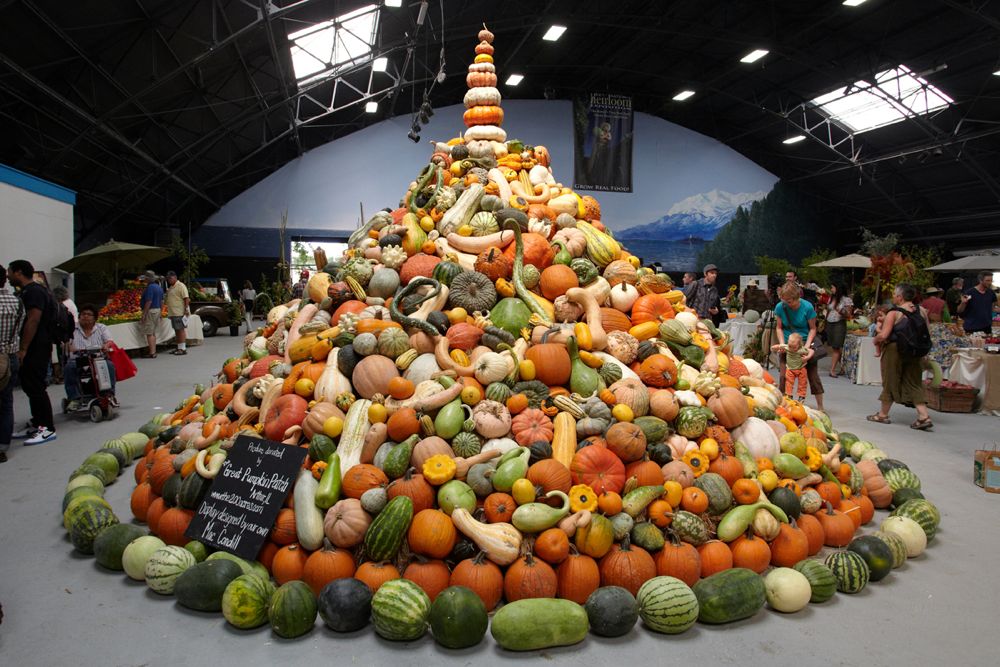
"content": "\u003cp>\u003ca href=\"http://ww2.kqed.org/bayareabites/wp-content/uploads/sites/24/2012/10/1_heirlooms_Marla-Aufmuth.jpg\">\u003cimg src=\"http://ww2.kqed.org/bayareabites/wp-content/uploads/sites/24/2012/10/1_heirlooms_Marla-Aufmuth.jpg\" alt=\"The 2nd annual National Heirloom Exposition\" title=\"The 2nd annual National Heirloom Exposition\" width=\"560\" class=\"alignnone size-full wp-image-49615\">\u003c/a>\u003cbr>\n\u003cem>The 2nd annual National Heirloom Exposition is centered around the pure food movement, heirloom vegetables and anti-GMO activism. Photo: Marla Aufmuth\u003c/em> \u003c/p>\n\u003cp>The second annual \u003ca href=\"http://www.theheirloomexpo.com/\">National Heirloom Exposition\u003c/a> took place in Santa Rosa on September 10-12. It was a celebration of the imperfect, the unexpected, and many people attending it learned that sometimes the most blemished fruit has the sweetest flavor. There were squash with warts, spiky cucumbers and “Cannibal” tomatoes. A display showed off Hopi Blue corn, Rainbow Inca corn, and Seneca Blue Bear Dance corn. Genetically modified corn, well, it was not welcome at the table. \u003c/p>\n\u003cp>\u003ca href=\"http://ww2.kqed.org/bayareabites/wp-content/uploads/sites/24/2012/10/2_heirlooms_marla-aufmuth.jpg\">\u003cimg src=\"http://ww2.kqed.org/bayareabites/wp-content/uploads/sites/24/2012/10/2_heirlooms_marla-aufmuth.jpg\" alt=\"The heirloom Cannibal Tomato is actually an eggplant. Photo: Marla Aufmuth\" title=\"he heirloom Cannibal Tomato is actually an eggplant. Photo: Marla Aufmuth\" width=\"560\" class=\"alignnone size-full wp-image-49616\">\u003c/a>\u003cbr>\n\u003cem>The heirloom “Cannibal Tomato” is actually an eggplant. Photo: Marla Aufmuth\u003c/em> \u003c/p>\n\u003cp>If fact, \u003ca href=\"http://en.wikipedia.org/wiki/Genetically_modified_organism\">GMOs\u003c/a> (Genetically Modified Organisms) were enemy #1 at the Heirloom Expo and \u003ca href=\"http://www.carighttoknow.org/\">Proposition 37\u003c/a>, which would require food manufacturers to label all foods with genetically modified ingredients on this November’s ballot, was a much talked about issue. An organizer of the festival and manager of \u003ca href=\"http://rareseeds.com/\">The Petaluma Seed Bank\u003c/a>, Paul Wallace told me: \u003c/p>\n\u003cblockquote>\u003cp>\"Heirlooms have been here since the beginning of time. Anyone can take one of these seeds, plant it, and grow food. But not with GMOs. These companies have patented nature and cut us off from growing our own food. Genetically modified foods have only been around a few decades. We still don’t know if it could cause health problems. If people want to eat GMO food, that should be an informed choice.\"\u003c/p>\u003c/blockquote>\n\u003cp>Heirlooms predate 1950, when hybrid plants first started to be used widely by industrial farms. Heirlooms are open-pollinated, which means that birds, bees, wind, and other forces of nature help with their breeding process. They can be traded at seed swaps, or saved and stored from year to year. They tend to be considered costlier for commercial farmers, as some may have smaller yields or can be too delicate for shipping. This is why they are often grown by boutique, organic farms, and cost more in the stores, but are a favorite among backyard gardeners.\u003c/p>\n\u003cp>[ad fullwidth]\u003c/p>\n\u003cp>\u003ca href=\"http://ww2.kqed.org/bayareabites/wp-content/uploads/sites/24/2012/10/6_blush074-1000.jpg\">\u003cimg src=\"http://ww2.kqed.org/bayareabites/wp-content/uploads/sites/24/2012/10/6_blush074-1000.jpg\" alt=\"Blush Tomato by Fred Hempel. Photo: Fred Hempel at Baia Nicchia.\" title=\"Blush Tomato by Fred Hempel. Photo: Fred Hempel at Baia Nicchia.\" width=\"560\" class=\"alignnone size-full wp-image-49618\">\u003c/a>\u003cbr>\n\u003cem>Blush Tomato by Fred Hempel. Photo: Fred Hempel at Baia Nicchia.\u003c/em> \u003c/p>\n\u003cp>By crossing two or more varieties of heirlooms, plant breeders, farmers and gardeners can search for their version of the perfect tomato. Fred Hempel, owner of \u003ca href=\"http://baianicchia.blogspot.com/\">Baia Nicchia\u003c/a>, is an organic farmer and plant breeder. He has been working with the company \u003ca href=\"http://www.seedsofchange.com/\">Seeds of Change\u003c/a> along with chefs around the San Francisco Bay area to develop varietals, like the \u003ca href=\"http://www.seedsofchange.com/garden_center/product_details.aspx?item_no=P137900\">Blush tomato\u003c/a>. He explained that these are not hybrids, but actually “heritage” tomatoes. “These have all of the traits one expects in an heirloom,“ said Fred Hempel said. “They are open pollinated, their offspring will be very similar to them, but they are not 50 years old.” \u003c/p>\n\u003cp>In fact, some tomatoes people commonly refer to as “heirloom” are also heritage, like the Green Zebra. This was developed by Tom Wagner of Everett Washington by crossing the genes of four different heirloom tomatoes. He introduced it in 1983, and so in spirit these might be heirlooms, but really, they are as he calls them, “Heritage.” The Indigo Rose, or blue tomato was recently bred by Jim Meyers and graduates students at Oregon State University. They crossed wild tomatoes with domestic ones and came up with blue-hued beauties that have the nutrients of regular tomatoes, along with \u003ca href=\"http://en.wikipedia.org/wiki/Anthocyanin\">anthocyanins\u003c/a>, which also produce the healthy pigments in red wine and blueberries. \u003c/p>\n\u003cp>\u003ca href=\"http://ww2.kqed.org/bayareabites/wp-content/uploads/sites/24/2012/10/4_squash_img_9364.jpg\">\u003cimg src=\"http://ww2.kqed.org/bayareabites/wp-content/uploads/sites/24/2012/10/4_squash_img_9364.jpg\" alt=\"Heirloom squash. Photo: Marla Aufmuth\" title=\"Heirloom squash. Photo: Marla Aufmuth\" width=\"560\" class=\"alignnone size-full wp-image-49620\">\u003c/a>\u003cbr>\n\u003cem>Heirloom squash. Photo: Marla Aufmuth\u003c/em>\u003c/p>\n\u003cp>Indigo Rose, Blush and Green Zebra were NOT genetically engineered; rather, they were created through classical plant breeding techniques, which often means crossing wild and domesticated plants for genetic diversity. This is important, as then this diversity allows for a greater range of adaptation, especially when climate change is an issue. This can take years of work, and lots of uncertainty, as growers are working with the perimeters of nature and can’t control which genes are precisely passed down to the offspring. So there may be a year of mishaps, feral cousins, and then honing in for generations on the perfect tomato. Currently, Blush, Indigo Rose and Green Zebra seeds are for sale, and can be grown by home gardeners. Over time, they may be introduced into the pantheon of heirlooms. \u003c/p>\n\u003cp>Many of the tomatoes seen in grocery stores are hybrids, which means that they are genetically 50 percent each parent plant, one generation old, and though it’s possible to save the seeds and plant them, the offspring probably won’t taste as good. Many of these have been bred to look like a “perfect” tomato and have a long shelf life, but often lose flavor. The parents are often trade secrets, so farmers have to keep coming back and buying seeds. Since many have been bred for cosmetic purposes, how they taste is far less important. In fact, \u003ca href=\"http://news.sciencemag.org/sciencenow/2012/06/how-tomatoes-lost-their-taste.html\">a recent study in Science Magazine\u003c/a> explains that by breeding the dark green spots out of tomatoes, they in fact have less sugar and flavor. \u003c/p>\n\u003cp>But don’t confuse hybrids with genetically modifying a plant. Genetically engineering, or modifying means that breeders select specific traits that they want in a tomato, and insert the genes that will code those traits into the plant. The gene does not have to be from the same species. The original goal of these was to reduce diseases in crops and create greater output. This seemed like a great idea. \u003c/p>\n\u003cp>\u003ca href=\"http://ww2.kqed.org/bayareabites/wp-content/uploads/sites/24/2012/10/5_heirlooms_Aufmuth.jpg\">\u003cimg src=\"http://ww2.kqed.org/bayareabites/wp-content/uploads/sites/24/2012/10/5_heirlooms_Aufmuth.jpg\" alt=\"Heirloom vegetables are prized for their uniqueness, rather than uniformity. Photo: Marla Aufmuth\" title=\"Heirloom vegetables are prized for their uniqueness, rather than uniformity. Photo: Marla Aufmuth\" width=\"560\" class=\"alignnone size-full wp-image-49617\">\u003c/a>\u003cbr>\n\u003cem>Heirloom vegetables are prized for their uniqueness, rather than uniformity. Photo: Marla Aufmuth\u003c/em> \u003c/p>\n\u003cp>However, many countries have come out against the use of GMOs in food production and agriculture because they felt there were unacceptable risks to the environment and human health. These countries also considered GMOs unfair to farmers and unsustainable. While genetically modified tomatoes did appear in 1994, they disappeared just four years later. Very few food items we might find in the produce department are genetically modified. The most common genetically modified crops are corn and soybeans and these are used in processed foods and fed to livestock on industrial farms.\u003c/p>\n\u003cp>\u003ca href=\"http://ww2.kqed.org/bayareabites/wp-content/uploads/sites/24/2012/10/6_heirlooms_Aumuth.jpg\">\u003cimg src=\"http://ww2.kqed.org/bayareabites/wp-content/uploads/sites/24/2012/10/6_heirlooms_Aumuth.jpg\" alt=\"Recent studies have shown that green parts on tomatoes increase their sweetness. These have been bred out of many pure red tomatoes found in grocery stores. Photo: Marla Aufmuth\" title=\"Recent studies have shown that green parts on tomatoes increase their sweetness. These have been bred out of many pure red tomatoes found in grocery stores. Photo: Marla Aufmuth\" width=\"560\" class=\"alignnone size-full wp-image-49619\">\u003c/a>\u003cbr>\n\u003cem>Recent studies have shown that green parts on tomatoes increase their sweetness. These have been bred out of many pure red tomatoes found in grocery stores. Photo: Marla Aufmuth\u003c/em> \u003c/p>\n\u003cp>Over time, the company \u003ca href=\"http://www.monsanto.com/Pages/default.aspx\">Monsanto\u003c/a> has become almost synonymous with GMO, and the plants they have genetically manipulated are their intellectual property. They are usually not available to home gardeners, and when grown by farmers, it is illegal for them to save seeds to plant again. In fact, if seeds from a neighboring farm or backyard garden cross-pollinate with your crop, Monsanto can charge you for patent infringement. One of the most famous cases brought against a farmer by Monsanto is the case of \u003ca href=\"http://www.percyschmeiser.com/conflict.htm\">Canadian farmer Percy Schmeiser who was sued by Monsanto. Listen to his story\u003c/a>. \u003c/p>\n\u003cp>\u003ca href=\"http://ww2.kqed.org/bayareabites/wp-content/uploads/sites/24/2012/10/7_Finn.jpg\">\u003cimg src=\"http://ww2.kqed.org/bayareabites/wp-content/uploads/sites/24/2012/10/7_Finn.jpg\" alt=\"These signs are often found at farmers markets and health food stores. The country will be watching what California decides. Photo: Maria Finn\" title=\"These signs are often found at farmers markets and health food stores. The country will be watching what California decides. Photo: Maria Finn\" width=\"500\" class=\"alignnone size-full wp-image-49614\">\u003c/a>\u003cbr>\n\u003cem>These signs are often found at farmers' markets and health food stores. The country will be watching what California decides. Photo: Maria Finn\u003c/em> \u003c/p>\n\u003cp>[ad floatright]\u003c/p>\n\u003cp>This November, the rest of the country will be watching California as we vote on \u003ca href=\"http://ballotpedia.org/wiki/index.php/California_Proposition_37,_Mandatory_Labeling_of_Genetically_Engineered_Food_%282012%29\">Proposition 37\u003c/a>, to decide if \u003ca href=\"http://newhope360.com/non-gmo/whats-difference-between-ge-and-gmo?page=1\">Genetically Engineered\u003c/a> (GE) food products should be labeled. Right now, the organic farmers are considered the Davids against the corporate \u003ca href=\"http://en.wikipedia.org/wiki/Goliath\">Goliaths\u003c/a>. But the mood at the Heirloom Expo was optimistic. \u003c/p>\n\n",
"disqusIdentifier": "49611 http://blogs.kqed.org/bayareabites/?p=49611",
"disqusUrl": "https://ww2.kqed.org/bayareabites/2012/10/05/heirloom-heritage-hybrid-and-gmos/",
"stats": {
"hasVideo": false,
"hasChartOrMap": false,
"hasAudio": false,
"hasPolis": false,
"wordCount": 1224,
"hasGoogleForm": false,
"hasGallery": false,
"hasHearkenModule": false,
"iframeSrcs": [],
"paragraphCount": 21
},
"modified": 1349453342,
"excerpt": "The second annual National Heirloom Exposition took place in Santa Rosa on September 10-12. It was a celebration of the imperfect, the unexpected, and many people attending it learned that sometimes the most blemished fruit has the sweetest flavor. There were squash with warts, spiky cucumbers and “Cannibal” tomatoes. A display showed off Hopi Blue corn, Rainbow Inca corn, and Seneca Blue Bear Dance corn. Genetically modified corn, well, it was not welcome at the table. ",
"headData": {
"twImgId": "",
"twTitle": "",
"ogTitle": "",
"ogImgId": "",
"twDescription": "",
"description": "The second annual National Heirloom Exposition took place in Santa Rosa on September 10-12. It was a celebration of the imperfect, the unexpected, and many people attending it learned that sometimes the most blemished fruit has the sweetest flavor. There were squash with warts, spiky cucumbers and “Cannibal” tomatoes. A display showed off Hopi Blue corn, Rainbow Inca corn, and Seneca Blue Bear Dance corn. Genetically modified corn, well, it was not welcome at the table. ",
"title": "Heirloom, Heritage, Hybrid and GMOs | KQED",
"ogDescription": "",
"schema": {
"@context": "https://schema.org",
"@type": "Article",
"headline": "Heirloom, Heritage, Hybrid and GMOs",
"datePublished": "2012-10-05T08:59:54-07:00",
"dateModified": "2012-10-05T09:09:02-07:00",
"image": "https://cdn.kqed.org/wp-content/uploads/2020/02/KQED-OG-Image@1x.png"
}
},
"guestAuthors": [],
"slug": "heirloom-heritage-hybrid-and-gmos",
"status": "publish",
"path": "/bayareabites/49611/heirloom-heritage-hybrid-and-gmos",
"audioTrackLength": null,
"parsedContent": [
{
"type": "contentString",
"content": "\u003cdiv class=\"post-body\">\u003cp>\u003cp>\u003ca href=\"http://ww2.kqed.org/bayareabites/wp-content/uploads/sites/24/2012/10/1_heirlooms_Marla-Aufmuth.jpg\">\u003cimg src=\"http://ww2.kqed.org/bayareabites/wp-content/uploads/sites/24/2012/10/1_heirlooms_Marla-Aufmuth.jpg\" alt=\"The 2nd annual National Heirloom Exposition\" title=\"The 2nd annual National Heirloom Exposition\" width=\"560\" class=\"alignnone size-full wp-image-49615\">\u003c/a>\u003cbr>\n\u003cem>The 2nd annual National Heirloom Exposition is centered around the pure food movement, heirloom vegetables and anti-GMO activism. Photo: Marla Aufmuth\u003c/em> \u003c/p>\n\u003cp>The second annual \u003ca href=\"http://www.theheirloomexpo.com/\">National Heirloom Exposition\u003c/a> took place in Santa Rosa on September 10-12. It was a celebration of the imperfect, the unexpected, and many people attending it learned that sometimes the most blemished fruit has the sweetest flavor. There were squash with warts, spiky cucumbers and “Cannibal” tomatoes. A display showed off Hopi Blue corn, Rainbow Inca corn, and Seneca Blue Bear Dance corn. Genetically modified corn, well, it was not welcome at the table. \u003c/p>\n\u003cp>\u003ca href=\"http://ww2.kqed.org/bayareabites/wp-content/uploads/sites/24/2012/10/2_heirlooms_marla-aufmuth.jpg\">\u003cimg src=\"http://ww2.kqed.org/bayareabites/wp-content/uploads/sites/24/2012/10/2_heirlooms_marla-aufmuth.jpg\" alt=\"The heirloom Cannibal Tomato is actually an eggplant. Photo: Marla Aufmuth\" title=\"he heirloom Cannibal Tomato is actually an eggplant. Photo: Marla Aufmuth\" width=\"560\" class=\"alignnone size-full wp-image-49616\">\u003c/a>\u003cbr>\n\u003cem>The heirloom “Cannibal Tomato” is actually an eggplant. Photo: Marla Aufmuth\u003c/em> \u003c/p>\n\u003cp>If fact, \u003ca href=\"http://en.wikipedia.org/wiki/Genetically_modified_organism\">GMOs\u003c/a> (Genetically Modified Organisms) were enemy #1 at the Heirloom Expo and \u003ca href=\"http://www.carighttoknow.org/\">Proposition 37\u003c/a>, which would require food manufacturers to label all foods with genetically modified ingredients on this November’s ballot, was a much talked about issue. An organizer of the festival and manager of \u003ca href=\"http://rareseeds.com/\">The Petaluma Seed Bank\u003c/a>, Paul Wallace told me: \u003c/p>\n\u003cblockquote>\u003cp>\"Heirlooms have been here since the beginning of time. Anyone can take one of these seeds, plant it, and grow food. But not with GMOs. These companies have patented nature and cut us off from growing our own food. Genetically modified foods have only been around a few decades. We still don’t know if it could cause health problems. If people want to eat GMO food, that should be an informed choice.\"\u003c/p>\u003c/blockquote>\n\u003cp>Heirlooms predate 1950, when hybrid plants first started to be used widely by industrial farms. Heirlooms are open-pollinated, which means that birds, bees, wind, and other forces of nature help with their breeding process. They can be traded at seed swaps, or saved and stored from year to year. They tend to be considered costlier for commercial farmers, as some may have smaller yields or can be too delicate for shipping. This is why they are often grown by boutique, organic farms, and cost more in the stores, but are a favorite among backyard gardeners.\u003c/p>\n\u003cp>\u003c/p>\u003c/div>",
"attributes": {
"named": {},
"numeric": []
}
},
{
"type": "component",
"content": "",
"name": "ad",
"attributes": {
"named": {
"label": "fullwidth"
},
"numeric": [
"fullwidth"
]
}
},
{
"type": "contentString",
"content": "\u003cdiv class=\"post-body\">\u003cp>\u003c/p>\n\u003cp>\u003ca href=\"http://ww2.kqed.org/bayareabites/wp-content/uploads/sites/24/2012/10/6_blush074-1000.jpg\">\u003cimg src=\"http://ww2.kqed.org/bayareabites/wp-content/uploads/sites/24/2012/10/6_blush074-1000.jpg\" alt=\"Blush Tomato by Fred Hempel. Photo: Fred Hempel at Baia Nicchia.\" title=\"Blush Tomato by Fred Hempel. Photo: Fred Hempel at Baia Nicchia.\" width=\"560\" class=\"alignnone size-full wp-image-49618\">\u003c/a>\u003cbr>\n\u003cem>Blush Tomato by Fred Hempel. Photo: Fred Hempel at Baia Nicchia.\u003c/em> \u003c/p>\n\u003cp>By crossing two or more varieties of heirlooms, plant breeders, farmers and gardeners can search for their version of the perfect tomato. Fred Hempel, owner of \u003ca href=\"http://baianicchia.blogspot.com/\">Baia Nicchia\u003c/a>, is an organic farmer and plant breeder. He has been working with the company \u003ca href=\"http://www.seedsofchange.com/\">Seeds of Change\u003c/a> along with chefs around the San Francisco Bay area to develop varietals, like the \u003ca href=\"http://www.seedsofchange.com/garden_center/product_details.aspx?item_no=P137900\">Blush tomato\u003c/a>. He explained that these are not hybrids, but actually “heritage” tomatoes. “These have all of the traits one expects in an heirloom,“ said Fred Hempel said. “They are open pollinated, their offspring will be very similar to them, but they are not 50 years old.” \u003c/p>\n\u003cp>In fact, some tomatoes people commonly refer to as “heirloom” are also heritage, like the Green Zebra. This was developed by Tom Wagner of Everett Washington by crossing the genes of four different heirloom tomatoes. He introduced it in 1983, and so in spirit these might be heirlooms, but really, they are as he calls them, “Heritage.” The Indigo Rose, or blue tomato was recently bred by Jim Meyers and graduates students at Oregon State University. They crossed wild tomatoes with domestic ones and came up with blue-hued beauties that have the nutrients of regular tomatoes, along with \u003ca href=\"http://en.wikipedia.org/wiki/Anthocyanin\">anthocyanins\u003c/a>, which also produce the healthy pigments in red wine and blueberries. \u003c/p>\n\u003cp>\u003ca href=\"http://ww2.kqed.org/bayareabites/wp-content/uploads/sites/24/2012/10/4_squash_img_9364.jpg\">\u003cimg src=\"http://ww2.kqed.org/bayareabites/wp-content/uploads/sites/24/2012/10/4_squash_img_9364.jpg\" alt=\"Heirloom squash. Photo: Marla Aufmuth\" title=\"Heirloom squash. Photo: Marla Aufmuth\" width=\"560\" class=\"alignnone size-full wp-image-49620\">\u003c/a>\u003cbr>\n\u003cem>Heirloom squash. Photo: Marla Aufmuth\u003c/em>\u003c/p>\n\u003cp>Indigo Rose, Blush and Green Zebra were NOT genetically engineered; rather, they were created through classical plant breeding techniques, which often means crossing wild and domesticated plants for genetic diversity. This is important, as then this diversity allows for a greater range of adaptation, especially when climate change is an issue. This can take years of work, and lots of uncertainty, as growers are working with the perimeters of nature and can’t control which genes are precisely passed down to the offspring. So there may be a year of mishaps, feral cousins, and then honing in for generations on the perfect tomato. Currently, Blush, Indigo Rose and Green Zebra seeds are for sale, and can be grown by home gardeners. Over time, they may be introduced into the pantheon of heirlooms. \u003c/p>\n\u003cp>Many of the tomatoes seen in grocery stores are hybrids, which means that they are genetically 50 percent each parent plant, one generation old, and though it’s possible to save the seeds and plant them, the offspring probably won’t taste as good. Many of these have been bred to look like a “perfect” tomato and have a long shelf life, but often lose flavor. The parents are often trade secrets, so farmers have to keep coming back and buying seeds. Since many have been bred for cosmetic purposes, how they taste is far less important. In fact, \u003ca href=\"http://news.sciencemag.org/sciencenow/2012/06/how-tomatoes-lost-their-taste.html\">a recent study in Science Magazine\u003c/a> explains that by breeding the dark green spots out of tomatoes, they in fact have less sugar and flavor. \u003c/p>\n\u003cp>But don’t confuse hybrids with genetically modifying a plant. Genetically engineering, or modifying means that breeders select specific traits that they want in a tomato, and insert the genes that will code those traits into the plant. The gene does not have to be from the same species. The original goal of these was to reduce diseases in crops and create greater output. This seemed like a great idea. \u003c/p>\n\u003cp>\u003ca href=\"http://ww2.kqed.org/bayareabites/wp-content/uploads/sites/24/2012/10/5_heirlooms_Aufmuth.jpg\">\u003cimg src=\"http://ww2.kqed.org/bayareabites/wp-content/uploads/sites/24/2012/10/5_heirlooms_Aufmuth.jpg\" alt=\"Heirloom vegetables are prized for their uniqueness, rather than uniformity. Photo: Marla Aufmuth\" title=\"Heirloom vegetables are prized for their uniqueness, rather than uniformity. Photo: Marla Aufmuth\" width=\"560\" class=\"alignnone size-full wp-image-49617\">\u003c/a>\u003cbr>\n\u003cem>Heirloom vegetables are prized for their uniqueness, rather than uniformity. Photo: Marla Aufmuth\u003c/em> \u003c/p>\n\u003cp>However, many countries have come out against the use of GMOs in food production and agriculture because they felt there were unacceptable risks to the environment and human health. These countries also considered GMOs unfair to farmers and unsustainable. While genetically modified tomatoes did appear in 1994, they disappeared just four years later. Very few food items we might find in the produce department are genetically modified. The most common genetically modified crops are corn and soybeans and these are used in processed foods and fed to livestock on industrial farms.\u003c/p>\n\u003cp>\u003ca href=\"http://ww2.kqed.org/bayareabites/wp-content/uploads/sites/24/2012/10/6_heirlooms_Aumuth.jpg\">\u003cimg src=\"http://ww2.kqed.org/bayareabites/wp-content/uploads/sites/24/2012/10/6_heirlooms_Aumuth.jpg\" alt=\"Recent studies have shown that green parts on tomatoes increase their sweetness. These have been bred out of many pure red tomatoes found in grocery stores. Photo: Marla Aufmuth\" title=\"Recent studies have shown that green parts on tomatoes increase their sweetness. These have been bred out of many pure red tomatoes found in grocery stores. Photo: Marla Aufmuth\" width=\"560\" class=\"alignnone size-full wp-image-49619\">\u003c/a>\u003cbr>\n\u003cem>Recent studies have shown that green parts on tomatoes increase their sweetness. These have been bred out of many pure red tomatoes found in grocery stores. Photo: Marla Aufmuth\u003c/em> \u003c/p>\n\u003cp>Over time, the company \u003ca href=\"http://www.monsanto.com/Pages/default.aspx\">Monsanto\u003c/a> has become almost synonymous with GMO, and the plants they have genetically manipulated are their intellectual property. They are usually not available to home gardeners, and when grown by farmers, it is illegal for them to save seeds to plant again. In fact, if seeds from a neighboring farm or backyard garden cross-pollinate with your crop, Monsanto can charge you for patent infringement. One of the most famous cases brought against a farmer by Monsanto is the case of \u003ca href=\"http://www.percyschmeiser.com/conflict.htm\">Canadian farmer Percy Schmeiser who was sued by Monsanto. Listen to his story\u003c/a>. \u003c/p>\n\u003cp>\u003ca href=\"http://ww2.kqed.org/bayareabites/wp-content/uploads/sites/24/2012/10/7_Finn.jpg\">\u003cimg src=\"http://ww2.kqed.org/bayareabites/wp-content/uploads/sites/24/2012/10/7_Finn.jpg\" alt=\"These signs are often found at farmers markets and health food stores. The country will be watching what California decides. Photo: Maria Finn\" title=\"These signs are often found at farmers markets and health food stores. The country will be watching what California decides. Photo: Maria Finn\" width=\"500\" class=\"alignnone size-full wp-image-49614\">\u003c/a>\u003cbr>\n\u003cem>These signs are often found at farmers' markets and health food stores. The country will be watching what California decides. Photo: Maria Finn\u003c/em> \u003c/p>\n\u003cp>\u003c/p>\u003c/div>",
"attributes": {
"named": {},
"numeric": []
}
},
{
"type": "component",
"content": "",
"name": "ad",
"attributes": {
"named": {
"label": "floatright"
},
"numeric": [
"floatright"
]
}
},
{
"type": "contentString",
"content": "\u003cdiv class=\"post-body\">\u003cp>\u003c/p>\n\u003cp>This November, the rest of the country will be watching California as we vote on \u003ca href=\"http://ballotpedia.org/wiki/index.php/California_Proposition_37,_Mandatory_Labeling_of_Genetically_Engineered_Food_%282012%29\">Proposition 37\u003c/a>, to decide if \u003ca href=\"http://newhope360.com/non-gmo/whats-difference-between-ge-and-gmo?page=1\">Genetically Engineered\u003c/a> (GE) food products should be labeled. Right now, the organic farmers are considered the Davids against the corporate \u003ca href=\"http://en.wikipedia.org/wiki/Goliath\">Goliaths\u003c/a>. But the mood at the Heirloom Expo was optimistic. \u003c/p>\n\n\u003c/div>\u003c/p>",
"attributes": {
"named": {},
"numeric": []
}
}
],
"link": "/bayareabites/49611/heirloom-heritage-hybrid-and-gmos",
"authors": [
"5371"
],
"categories": [
"bayareabites_752",
"bayareabites_50",
"bayareabites_1874",
"bayareabites_4084",
"bayareabites_2554",
"bayareabites_1245",
"bayareabites_2035"
],
"tags": [
"bayareabites_10772",
"bayareabites_10787",
"bayareabites_454",
"bayareabites_1281",
"bayareabites_10788"
],
"featImg": "bayareabites_49615",
"label": "bayareabites"
},
"bayareabites_48630": {
"type": "posts",
"id": "bayareabites_48630",
"meta": {
"index": "posts_1716263798",
"site": "bayareabites",
"id": "48630",
"score": null,
"sort": [
1347469568000
]
},
"parent": 0,
"labelTerm": {
"site": "bayareabites"
},
"blocks": [],
"publishDate": 1347469568,
"format": "aside",
"disqusTitle": "Southerner in the City: John T. Edge Takes on San Francisco",
"title": "Southerner in the City: John T. Edge Takes on San Francisco",
"headTitle": "Bay Area Bites | KQED Food",
"content": "\u003cp>\u003ca href=\"http://ww2.kqed.org/bayareabites/wp-content/uploads/sites/24/2012/09/John-T400.jpg\">\u003cimg src=\"http://ww2.kqed.org/bayareabites/wp-content/uploads/sites/24/2012/09/John-T400.jpg\" alt=\"John T. Edge. Image courtesy of Lou Weinert\" title=\"John T. Edge. Image courtesy of Lou Weinert\" width=\"400\" height=\"600\" class=\"alignnone size-full wp-image-48758\">\u003c/a>\u003cbr>\n\u003cem>John T. Edge. Image courtesy of Lou Weinert\u003c/em>\u003c/p>\n\u003cp>Food celeb alert! One of the most intriguing parts about La Cocina’s \u003ca href=\"http://ww2.kqed.org/bayareabites/2012/08/20/night-market-sf-street-food-festival/\">Night Market\u003c/a> last month was spying a smiling \u003ca href=\"http://www.johntedge.com/\">John T. Edge\u003c/a> at the entrance. The Southern food and culture expert is good pals with La Cocina's Caleb Zigas, and was in town to yes, eat, but also help with the \u003ca href=\"http://ww2.kqed.org/bayareabites/2012/08/20/san-francisco-street-food-festival-2012-photo-slideshow/\">SF Street Food Fest\u003c/a> and third annual \u003ca href=\"http://www.lacocinasf.org/classes-workshops/conference/\">Food & Entrepreneurship Conference\u003c/a> from La Cocina.\u003c/p>\n\u003cp>Edge is the author of the recently published \u003ca href=\"http://truckfoodcookbook.tumblr.com/\">The Truck Food Cookbook\u003c/a>, which is billed as “a cookbook and travelogue that catalogues modern American street and truck food.” He has authored and edited more than ten books and is well known for researching and championing food via his work with the \u003ca href=\"http://southernfoodways.org/\">Southern Foodways Alliance\u003c/a> (SFA). Next month, the Southern Foodways Alliance will hold a symposium in Oxford, Mississippi and Edge wears many caps: organizer, host, and master of ceremonies. \u003c/p>\n\u003cp>He is also a columnist for the \u003cem>New York Times\u003c/em>, the \u003cem>Oxford American\u003c/em> and \u003ca href=\"http://gardenandgun.com/food\">\u003cem>Garden & Gun\u003c/em>\u003c/a>. Radio fans can catch him often on NPR's \u003cem>All Things Considered\u003c/em> and he has appeared on Iron Chef and has a MFK Fisher Distinguished Writing Award from the James Beard Foundation under his belt. His work has also been featured in 10 editions of the Best Food Writing Anthology, and yes, you may at this point wonder when he ever sleeps, too. Bay Area Bites interviewed Edge on the phone recently.\u003c/p>\n\u003cp>\u003cstrong>Bay Area Bites:\u003c/strong> \u003cstrong>You were in San Francisco to help La Cocina with its conference and Street Food Festival and for years have been good friends with Caleb Zigas. How did that all come about? \u003c/strong>\u003c/p>\n\u003cp>[ad fullwidth]\u003c/p>\n\u003cp>\u003cstrong>Edge:\u003c/strong> I write about food for the popular press: magazine, newspaper pieces and books. I’m also interested though in relation to my academic work at the University of Southern Mississippi in how food plays a part in social justice issues. When I began working on my truck food book, I saw two real models that address social justice issues and street food truck and food cart food. That framework is what Caleb and La Cocina does and what the \u003ca href=\"http://streetvendor.org/vendys/\">Vendy awards\u003c/a> in New York also do.\u003c/p>\n\u003cp>Both are populist responses in effective ways to advocate for street food vendors. I am someone who thinks that writing about food need not be vacuous work, and that food isn’t always about celebrity food. It’s not always about the fancy pants dinner but about working class American food and especially how that relates to new immigrants. That’s important to me as a writer -- as a progressive thinker and doer in America. \u003c/p>\n\u003cp>\u003cstrong>Bay Area Bites:\u003c/strong> \u003cstrong>Events and travel seem to make up much of your work when you're not writing. What’s that like?\u003c/strong>\u003c/p>\n\u003cp>\u003cstrong>Edge:\u003c/strong> I travel probably one-fourth to one-third of my time and that travel is half the time for writing assignments and research and the other half is for Southern Alliance Foodways events and fundraising. I love that kind of intense time with colleagues and friends who arrive like bandits. Those kinds of quick intense periods of “work ‘til 11, drink ‘til 3” I love... but you know I also live in a small college town that I dearly love and have an eleven year old and 40-something wife, both of whom I love, too. As time goes on, I’m trying to balance that time at home and time in the office. I am not just saying this about the Street Food Festival and La Cocina but it’s gonna get harder and harder to get my butt on the road. However, anytime I can do something for La Cocina and Caleb, I will.\u003c/p>\n\u003cp>We live in a time of xenophobia, especially where I am in the South where immigrants are pilloried. I was raised in the South and appreciate the import of the Civil Rights movement. I see a new era in which the divisions are based along ethnicity and class and I see what La Cocina and the Street Food Fest does is one creative way to address that.\u003c/p>\n\u003cp>\u003cstrong>Bay Area Bites: Where do you get your information about food? What’s on your nightstand reading pile?\u003c/strong>\u003c/p>\n\u003cp>\u003cstrong>Edge:\u003c/strong> On my nightstand, there are about four copies of the New Yorker that I’m way behind on. There’s a copy of Knife and Fork, a brilliant food letter out of Atlanta edited by Christiane Lauterbach. Her writing is full of spirit and venom and I’ve been reading her for 25 years. There’s a new copy of the \u003ca href=\"http://www.oxfordamerican.org/\">Oxford American\u003c/a>, which I’ve long been writing for.... Then there’s The Liberation of Lord Byron Jones by a guy named Jesse Hill Ford. And I’m reading a book called the Price of Defiance about the 50th anniversary of the riots at the University of Mississippi. There’s not a lot of food stuff on my nightstand. I read and subscribe to Bon Appétit, Gastronomica and a number of other magazines. \u003c/p>\n\u003cp>\u003cstrong>Bay Area Bites: Who are your mentors?\u003c/strong>\u003c/p>\n\u003cp>\u003cstrong>Edge:\u003c/strong> \u003ca href=\"http://en.wikipedia.org/wiki/John_Egerton_(journalist)\">John Egerton\u003c/a>. The name sounds familiar, I know. He has two books that speak about the generation before the civil rights movement and around the Brown decision....You see Southern food at home, on the road and here’s a popular history of southern food. His is the first book to pay down the debt that the South owes to the cooks who have sustained us cooks who are and were African American.\u003c/p>\n\u003cp>\u003ca href=\"http://africooks.com/jessicas_bio.shtml\">Jessica Harris\u003c/a> is another one of my mentors.\u003c/p>\n\u003cp>\u003cstrong>Bay Area Bites:\u003c/strong> \u003cstrong>What are your thoughts on the state of street food in the Bay Area given you just published The Truck Food Cookbook? Where are we with knowledge and appreciation?\u003c/strong>\u003c/p>\n\u003cp>\u003cstrong>Edge:\u003c/strong> When I was researching this book in 2009 and 2010 in many ways the Bay Area lagged behind much of the country. Incubator events like La Cocina and \u003ca href=\"http://offthegridsf.com/\">Off the Grid\u003c/a> coupled with entrepreneurial acumen in folks like \u003ca href=\"https://twitter.com/LIBAfalafel\">Liba Falafel\u003c/a> and the \u003ca href=\"https://twitter.com/KungFuTacos\">Kung Fu Tacos\u003c/a> guys and certainly \u003ca href=\"https://twitter.com/RoliRoti\">Roli Roti\u003c/a>. Those systematic efforts and singular efforts of entrepreneurs delivered a vital street food scene. I assumed if street food was growing in the U.S. and San Francisco is such a great food town, you’d see that reflected. But at the time I was researching, San Francisco wasn’t a strong street food city. Now when I return it is. It’s the working class end of things. If you’re going to define a street food scene as vital it has to encompass both ends of the spectrum.\u003c/p>\n\u003cp>\u003cstrong>\u003cbr>\nBay Area Bites: What were some of your favorite food and drink finds while you were in town?\u003c/strong>\u003c/p>\n\u003cp>\u003cstrong>Edge:\u003c/strong> I don't know (laughs). I had a crazy beautiful dinner at \u003ca href=\"http://coirestaurant.com/\">Coi\u003c/a>. A kind of elegant bowl of grits of ground corn with a garnish of popcorn. That was one of many beautiful dishes in a night. The ballsiness of [Chef-Owner \u003ca href=\"http://ww2.kqed.org/bayareabites/2011/01/07/food-secrets-of-chefrestaurateurwriter-daniel-patterson/\">Daniel] Patterson\u003c/a> and elegance of his cooking in one dish: I admired the heck out of that. “I’m going to serve you grits with an ancient native American pedigree and serve it with something you already recognize. I’m going to do it in such a way that I can honor the commonalities and also celebrate my own way with ground corn.” \u003c/p>\n\u003cp>\u003cstrong>Bay Area Bites: \u003c/strong>Did he know you were coming in?\u003c/p>\n\u003cp>\u003cstrong>Edge: \u003c/strong>He did.\u003c/p>\n\u003cp>\u003cstrong>Bay Area Bites:\u003c/strong> \u003cstrong>Do you have any foods that are a guilty pleasure?\u003c/strong>\u003c/p>\n\u003cp>[ad floatright]\u003c/p>\n\u003cp>\u003cstrong>Edge:\u003c/strong> No. I like trash and treasure. (laughs). I live with an eleven year old son, Jess. He loves pork rinds from a bag like I do. He likes crinkle cut French fries like I do. I kind of like the extremes on the spectrum. We each had a trashy sausage biscuit today. I like excellence in both forms. You can be really good at trashy food and elegant food and I appreciate that. \u003c/p>\n\n",
"disqusIdentifier": "48630 http://blogs.kqed.org/bayareabites/?p=48630",
"disqusUrl": "https://ww2.kqed.org/bayareabites/2012/09/12/southerner-in-the-city-john-t-edge-takes-san-francisco/",
"stats": {
"hasVideo": false,
"hasChartOrMap": false,
"hasAudio": false,
"hasPolis": false,
"wordCount": 1366,
"hasGoogleForm": false,
"hasGallery": false,
"hasHearkenModule": false,
"iframeSrcs": [],
"paragraphCount": 25
},
"modified": 1347470467,
"excerpt": "Mary Ladd interviews Southern food and culture expert John T. Edge, who shares why he was happy to visit San Francisco for La Cocina’s Street Food Festival as well as thoughts on his latest book, \"The Truck Food Cookbook.\"",
"headData": {
"twImgId": "",
"twTitle": "",
"ogTitle": "",
"ogImgId": "",
"twDescription": "",
"description": "Mary Ladd interviews Southern food and culture expert John T. Edge, who shares why he was happy to visit San Francisco for La Cocina’s Street Food Festival as well as thoughts on his latest book, "The Truck Food Cookbook."",
"title": "Southerner in the City: John T. Edge Takes on San Francisco | KQED",
"ogDescription": "",
"schema": {
"@context": "https://schema.org",
"@type": "Article",
"headline": "Southerner in the City: John T. Edge Takes on San Francisco",
"datePublished": "2012-09-12T10:06:08-07:00",
"dateModified": "2012-09-12T10:21:07-07:00",
"image": "https://cdn.kqed.org/wp-content/uploads/2020/02/KQED-OG-Image@1x.png"
}
},
"guestAuthors": [],
"slug": "southerner-in-the-city-john-t-edge-takes-san-francisco",
"status": "publish",
"path": "/bayareabites/48630/southerner-in-the-city-john-t-edge-takes-san-francisco",
"audioTrackLength": null,
"parsedContent": [
{
"type": "contentString",
"content": "\u003cdiv class=\"post-body\">\u003cp>\u003cp>\u003ca href=\"http://ww2.kqed.org/bayareabites/wp-content/uploads/sites/24/2012/09/John-T400.jpg\">\u003cimg src=\"http://ww2.kqed.org/bayareabites/wp-content/uploads/sites/24/2012/09/John-T400.jpg\" alt=\"John T. Edge. Image courtesy of Lou Weinert\" title=\"John T. Edge. Image courtesy of Lou Weinert\" width=\"400\" height=\"600\" class=\"alignnone size-full wp-image-48758\">\u003c/a>\u003cbr>\n\u003cem>John T. Edge. Image courtesy of Lou Weinert\u003c/em>\u003c/p>\n\u003cp>Food celeb alert! One of the most intriguing parts about La Cocina’s \u003ca href=\"http://ww2.kqed.org/bayareabites/2012/08/20/night-market-sf-street-food-festival/\">Night Market\u003c/a> last month was spying a smiling \u003ca href=\"http://www.johntedge.com/\">John T. Edge\u003c/a> at the entrance. The Southern food and culture expert is good pals with La Cocina's Caleb Zigas, and was in town to yes, eat, but also help with the \u003ca href=\"http://ww2.kqed.org/bayareabites/2012/08/20/san-francisco-street-food-festival-2012-photo-slideshow/\">SF Street Food Fest\u003c/a> and third annual \u003ca href=\"http://www.lacocinasf.org/classes-workshops/conference/\">Food & Entrepreneurship Conference\u003c/a> from La Cocina.\u003c/p>\n\u003cp>Edge is the author of the recently published \u003ca href=\"http://truckfoodcookbook.tumblr.com/\">The Truck Food Cookbook\u003c/a>, which is billed as “a cookbook and travelogue that catalogues modern American street and truck food.” He has authored and edited more than ten books and is well known for researching and championing food via his work with the \u003ca href=\"http://southernfoodways.org/\">Southern Foodways Alliance\u003c/a> (SFA). Next month, the Southern Foodways Alliance will hold a symposium in Oxford, Mississippi and Edge wears many caps: organizer, host, and master of ceremonies. \u003c/p>\n\u003cp>He is also a columnist for the \u003cem>New York Times\u003c/em>, the \u003cem>Oxford American\u003c/em> and \u003ca href=\"http://gardenandgun.com/food\">\u003cem>Garden & Gun\u003c/em>\u003c/a>. Radio fans can catch him often on NPR's \u003cem>All Things Considered\u003c/em> and he has appeared on Iron Chef and has a MFK Fisher Distinguished Writing Award from the James Beard Foundation under his belt. His work has also been featured in 10 editions of the Best Food Writing Anthology, and yes, you may at this point wonder when he ever sleeps, too. Bay Area Bites interviewed Edge on the phone recently.\u003c/p>\n\u003cp>\u003cstrong>Bay Area Bites:\u003c/strong> \u003cstrong>You were in San Francisco to help La Cocina with its conference and Street Food Festival and for years have been good friends with Caleb Zigas. How did that all come about? \u003c/strong>\u003c/p>\n\u003cp>\u003c/p>\u003c/div>",
"attributes": {
"named": {},
"numeric": []
}
},
{
"type": "component",
"content": "",
"name": "ad",
"attributes": {
"named": {
"label": "fullwidth"
},
"numeric": [
"fullwidth"
]
}
},
{
"type": "contentString",
"content": "\u003cdiv class=\"post-body\">\u003cp>\u003c/p>\n\u003cp>\u003cstrong>Edge:\u003c/strong> I write about food for the popular press: magazine, newspaper pieces and books. I’m also interested though in relation to my academic work at the University of Southern Mississippi in how food plays a part in social justice issues. When I began working on my truck food book, I saw two real models that address social justice issues and street food truck and food cart food. That framework is what Caleb and La Cocina does and what the \u003ca href=\"http://streetvendor.org/vendys/\">Vendy awards\u003c/a> in New York also do.\u003c/p>\n\u003cp>Both are populist responses in effective ways to advocate for street food vendors. I am someone who thinks that writing about food need not be vacuous work, and that food isn’t always about celebrity food. It’s not always about the fancy pants dinner but about working class American food and especially how that relates to new immigrants. That’s important to me as a writer -- as a progressive thinker and doer in America. \u003c/p>\n\u003cp>\u003cstrong>Bay Area Bites:\u003c/strong> \u003cstrong>Events and travel seem to make up much of your work when you're not writing. What’s that like?\u003c/strong>\u003c/p>\n\u003cp>\u003cstrong>Edge:\u003c/strong> I travel probably one-fourth to one-third of my time and that travel is half the time for writing assignments and research and the other half is for Southern Alliance Foodways events and fundraising. I love that kind of intense time with colleagues and friends who arrive like bandits. Those kinds of quick intense periods of “work ‘til 11, drink ‘til 3” I love... but you know I also live in a small college town that I dearly love and have an eleven year old and 40-something wife, both of whom I love, too. As time goes on, I’m trying to balance that time at home and time in the office. I am not just saying this about the Street Food Festival and La Cocina but it’s gonna get harder and harder to get my butt on the road. However, anytime I can do something for La Cocina and Caleb, I will.\u003c/p>\n\u003cp>We live in a time of xenophobia, especially where I am in the South where immigrants are pilloried. I was raised in the South and appreciate the import of the Civil Rights movement. I see a new era in which the divisions are based along ethnicity and class and I see what La Cocina and the Street Food Fest does is one creative way to address that.\u003c/p>\n\u003cp>\u003cstrong>Bay Area Bites: Where do you get your information about food? What’s on your nightstand reading pile?\u003c/strong>\u003c/p>\n\u003cp>\u003cstrong>Edge:\u003c/strong> On my nightstand, there are about four copies of the New Yorker that I’m way behind on. There’s a copy of Knife and Fork, a brilliant food letter out of Atlanta edited by Christiane Lauterbach. Her writing is full of spirit and venom and I’ve been reading her for 25 years. There’s a new copy of the \u003ca href=\"http://www.oxfordamerican.org/\">Oxford American\u003c/a>, which I’ve long been writing for.... Then there’s The Liberation of Lord Byron Jones by a guy named Jesse Hill Ford. And I’m reading a book called the Price of Defiance about the 50th anniversary of the riots at the University of Mississippi. There’s not a lot of food stuff on my nightstand. I read and subscribe to Bon Appétit, Gastronomica and a number of other magazines. \u003c/p>\n\u003cp>\u003cstrong>Bay Area Bites: Who are your mentors?\u003c/strong>\u003c/p>\n\u003cp>\u003cstrong>Edge:\u003c/strong> \u003ca href=\"http://en.wikipedia.org/wiki/John_Egerton_(journalist)\">John Egerton\u003c/a>. The name sounds familiar, I know. He has two books that speak about the generation before the civil rights movement and around the Brown decision....You see Southern food at home, on the road and here’s a popular history of southern food. His is the first book to pay down the debt that the South owes to the cooks who have sustained us cooks who are and were African American.\u003c/p>\n\u003cp>\u003ca href=\"http://africooks.com/jessicas_bio.shtml\">Jessica Harris\u003c/a> is another one of my mentors.\u003c/p>\n\u003cp>\u003cstrong>Bay Area Bites:\u003c/strong> \u003cstrong>What are your thoughts on the state of street food in the Bay Area given you just published The Truck Food Cookbook? Where are we with knowledge and appreciation?\u003c/strong>\u003c/p>\n\u003cp>\u003cstrong>Edge:\u003c/strong> When I was researching this book in 2009 and 2010 in many ways the Bay Area lagged behind much of the country. Incubator events like La Cocina and \u003ca href=\"http://offthegridsf.com/\">Off the Grid\u003c/a> coupled with entrepreneurial acumen in folks like \u003ca href=\"https://twitter.com/LIBAfalafel\">Liba Falafel\u003c/a> and the \u003ca href=\"https://twitter.com/KungFuTacos\">Kung Fu Tacos\u003c/a> guys and certainly \u003ca href=\"https://twitter.com/RoliRoti\">Roli Roti\u003c/a>. Those systematic efforts and singular efforts of entrepreneurs delivered a vital street food scene. I assumed if street food was growing in the U.S. and San Francisco is such a great food town, you’d see that reflected. But at the time I was researching, San Francisco wasn’t a strong street food city. Now when I return it is. It’s the working class end of things. If you’re going to define a street food scene as vital it has to encompass both ends of the spectrum.\u003c/p>\n\u003cp>\u003cstrong>\u003cbr>\nBay Area Bites: What were some of your favorite food and drink finds while you were in town?\u003c/strong>\u003c/p>\n\u003cp>\u003cstrong>Edge:\u003c/strong> I don't know (laughs). I had a crazy beautiful dinner at \u003ca href=\"http://coirestaurant.com/\">Coi\u003c/a>. A kind of elegant bowl of grits of ground corn with a garnish of popcorn. That was one of many beautiful dishes in a night. The ballsiness of [Chef-Owner \u003ca href=\"http://ww2.kqed.org/bayareabites/2011/01/07/food-secrets-of-chefrestaurateurwriter-daniel-patterson/\">Daniel] Patterson\u003c/a> and elegance of his cooking in one dish: I admired the heck out of that. “I’m going to serve you grits with an ancient native American pedigree and serve it with something you already recognize. I’m going to do it in such a way that I can honor the commonalities and also celebrate my own way with ground corn.” \u003c/p>\n\u003cp>\u003cstrong>Bay Area Bites: \u003c/strong>Did he know you were coming in?\u003c/p>\n\u003cp>\u003cstrong>Edge: \u003c/strong>He did.\u003c/p>\n\u003cp>\u003cstrong>Bay Area Bites:\u003c/strong> \u003cstrong>Do you have any foods that are a guilty pleasure?\u003c/strong>\u003c/p>\n\u003cp>\u003c/p>\u003c/div>",
"attributes": {
"named": {},
"numeric": []
}
},
{
"type": "component",
"content": "",
"name": "ad",
"attributes": {
"named": {
"label": "floatright"
},
"numeric": [
"floatright"
]
}
},
{
"type": "contentString",
"content": "\u003cdiv class=\"post-body\">\u003cp>\u003c/p>\n\u003cp>\u003cstrong>Edge:\u003c/strong> No. I like trash and treasure. (laughs). I live with an eleven year old son, Jess. He loves pork rinds from a bag like I do. He likes crinkle cut French fries like I do. I kind of like the extremes on the spectrum. We each had a trashy sausage biscuit today. I like excellence in both forms. You can be really good at trashy food and elegant food and I appreciate that. \u003c/p>\n\n\u003c/div>\u003c/p>",
"attributes": {
"named": {},
"numeric": []
}
}
],
"link": "/bayareabites/48630/southerner-in-the-city-john-t-edge-takes-san-francisco",
"authors": [
"5092"
],
"categories": [
"bayareabites_109",
"bayareabites_752",
"bayareabites_2254",
"bayareabites_63",
"bayareabites_588",
"bayareabites_50",
"bayareabites_2407",
"bayareabites_2090",
"bayareabites_1875",
"bayareabites_2035",
"bayareabites_1807",
"bayareabites_90",
"bayareabites_181"
],
"tags": [
"bayareabites_8406",
"bayareabites_10727",
"bayareabites_295",
"bayareabites_2625",
"bayareabites_10726",
"bayareabites_10725"
],
"featImg": "bayareabites_48758",
"label": "bayareabites"
},
"bayareabites_46551": {
"type": "posts",
"id": "bayareabites_46551",
"meta": {
"index": "posts_1716263798",
"site": "bayareabites",
"id": "46551",
"score": null,
"sort": [
1343931245000
]
},
"parent": 0,
"labelTerm": {
"site": "bayareabites"
},
"blocks": [],
"publishDate": 1343931245,
"format": "aside",
"disqusTitle": "KQED's Forum: Chick-fil-A Flap",
"title": "KQED's Forum: Chick-fil-A Flap",
"headTitle": "Bay Area Bites | KQED Food",
"content": "\u003cfigure id=\"attachment_46552\" class=\"wp-caption alignleft\" style=\"max-width: 248px\">\u003ca href=\"http://ww2.kqed.org/bayareabites/wp-content/uploads/sites/24/2012/08/chickfila20120727248x140.jpg\">\u003cimg src=\"http://ww2.kqed.org/bayareabites/wp-content/uploads/sites/24/2012/08/chickfila20120727248x140.jpg\" alt=\"Protesters of Chick-fil-A hold a mid-day demonstration organized by the Human Rights Campaign in Washington on July 26, 2012. Robert MacPherson/AFP/Getty Images\" title=\"Protesters of Chick-fil-A hold a mid-day demonstration organized by the Human Rights Campaign in Washington on July 26, 2012. Robert MacPherson/AFP/Getty Images\" width=\"248\" height=\"140\" class=\"size-full wp-image-46552\">\u003c/a>\u003cfigcaption class=\"wp-caption-text\">\u003cem>Protesters of Chick-fil-A hold a mid-day demonstration organized by the Human Rights Campaign in Washington on July 26, 2012. Robert MacPherson /AFP/Getty Images\u003c/em>\u003c/figcaption>\u003c/figure>\n\u003cp>San Francisco Mayor Ed Lee last week joined other big-city mayors in telling fast food chain Chick-fil-A that its stores are not welcome in their cities. The controversy started when the company's owner stated his opposition to same-sex marriage and support for \"the biblical definition of the family unit.\" KQED's Forum discusses the risks and benefits for companies that wade into politics and social issues. Does a company's politics play into your buying decisions? \u003cbr clear=\"all\">\u003c/p>\n\u003cp>\u003ca href=\"http://www.kqed.org/a/forum/R201207300900\">Original Broadcast:\u003c/a> Mon, Jul 30, 2012 -- 9:00 AM\u003cbr>\n\u003cobject width=\"335\" height=\"85\">\u003cparam name=\"movie\" value=\"http://www.kqed.org/assets/flash/kqedplayer.swf\">\u003cparam name=\"flashvars\" value=\"file=http://www.kqed.org/radio/archives/R201207300900.xml\">\u003cembed src=\"http://www.kqed.org/assets/flash/kqedplayer.swf\" type=\"application/x-shockwave-flash\" width=\"335\" height=\"85\" flashvars=\"file=http://www.kqed.org/radio/archives/R201207300900.xml\">\u003c/embed>\u003c/object>\u003c/p>\n\u003cp> [audio src=\"http://www.kqed.org/.stream/anon/radio/forum/2012/07/20120730aforum.mp3\"] \u003c/p>\n\u003cp>\u003cstrong>Host:\u003c/strong> Scott Shafer\u003c/p>\n\u003cul>\n\u003cstrong>Guests:\u003c/strong>\n\u003cli>Andy Bagnall, vice president of client services, \u003ca href=\"http://global-ny.com/\">Global Advertising Strategies Inc.\u003c/a>\u003c/li>\n\u003cli>Bryan Fischer, director of issue analysis, \u003ca href=\"http://www.afa.net/\">American Family Association\u003c/a>\u003c/li>\n\u003cli>\u003ca href=\"http://www.sfgate.com/columnists/saunders/\">Debra Saunders\u003c/a>, columnist, San Francisco Chronicle\u003c/li>\n\u003cli>\u003ca href=\"http://richardsocarides.com/\">Richard Socarides\u003c/a>, longtime gay rights advocate and former Clinton White House senior adviser\u003c/li>\n\u003cli>\u003ca href=\"https://www.kellogg.northwestern.edu/Faculty/Directory/Calkins_Timothy.aspx\">Tim Calkins\u003c/a>, professor of marketing, Kellogg School of Management, Northwestern University\u003c/li>\n\u003c/ul>\n\u003cp>[ad fullwidth]\u003c/p>\u003cp>\u003c/p>\n",
"disqusIdentifier": "46551 http://blogs.kqed.org/bayareabites/?p=46551",
"disqusUrl": "https://ww2.kqed.org/bayareabites/2012/08/02/kqeds-forum-chick-fil-a-flap/",
"stats": {
"hasVideo": false,
"hasChartOrMap": false,
"hasAudio": true,
"hasPolis": false,
"wordCount": 187,
"hasGoogleForm": false,
"hasGallery": false,
"hasHearkenModule": false,
"iframeSrcs": [],
"paragraphCount": 6
},
"modified": 1343931345,
"excerpt": "San Francisco Mayor Ed Lee last week joined other big-city mayors in telling fast food chain Chick-fil-A that its stores are not welcome in their cities. The controversy started when the company's owner stated his opposition to same-sex marriage and support for \"the biblical definition of the family unit.\" KQED's Forum discusses the risks and benefits for companies that wade into politics and social issues. Does a company's politics play into your buying decisions?",
"headData": {
"twImgId": "",
"twTitle": "",
"ogTitle": "",
"ogImgId": "",
"twDescription": "",
"description": "San Francisco Mayor Ed Lee last week joined other big-city mayors in telling fast food chain Chick-fil-A that its stores are not welcome in their cities. The controversy started when the company's owner stated his opposition to same-sex marriage and support for "the biblical definition of the family unit." KQED's Forum discusses the risks and benefits for companies that wade into politics and social issues. Does a company's politics play into your buying decisions?",
"title": "KQED's Forum: Chick-fil-A Flap | KQED",
"ogDescription": "",
"schema": {
"@context": "https://schema.org",
"@type": "Article",
"headline": "KQED's Forum: Chick-fil-A Flap",
"datePublished": "2012-08-02T11:14:05-07:00",
"dateModified": "2012-08-02T11:15:45-07:00",
"image": "https://cdn.kqed.org/wp-content/uploads/2020/02/KQED-OG-Image@1x.png"
}
},
"guestAuthors": [],
"slug": "kqeds-forum-chick-fil-a-flap",
"status": "publish",
"path": "/bayareabites/46551/kqeds-forum-chick-fil-a-flap",
"audioUrl": "http://www.kqed.org/.stream/anon/radio/forum/2012/07/20120730aforum.mp3",
"audioDuration": null,
"audioTrackLength": null,
"parsedContent": [
{
"type": "contentString",
"content": "\u003cdiv class=\"post-body\">\u003cp>\u003cfigure id=\"attachment_46552\" class=\"wp-caption alignleft\" style=\"max-width: 248px\">\u003ca href=\"http://ww2.kqed.org/bayareabites/wp-content/uploads/sites/24/2012/08/chickfila20120727248x140.jpg\">\u003cimg src=\"http://ww2.kqed.org/bayareabites/wp-content/uploads/sites/24/2012/08/chickfila20120727248x140.jpg\" alt=\"Protesters of Chick-fil-A hold a mid-day demonstration organized by the Human Rights Campaign in Washington on July 26, 2012. Robert MacPherson/AFP/Getty Images\" title=\"Protesters of Chick-fil-A hold a mid-day demonstration organized by the Human Rights Campaign in Washington on July 26, 2012. Robert MacPherson/AFP/Getty Images\" width=\"248\" height=\"140\" class=\"size-full wp-image-46552\">\u003c/a>\u003cfigcaption class=\"wp-caption-text\">\u003cem>Protesters of Chick-fil-A hold a mid-day demonstration organized by the Human Rights Campaign in Washington on July 26, 2012. Robert MacPherson /AFP/Getty Images\u003c/em>\u003c/figcaption>\u003c/figure>\n\u003cp>San Francisco Mayor Ed Lee last week joined other big-city mayors in telling fast food chain Chick-fil-A that its stores are not welcome in their cities. The controversy started when the company's owner stated his opposition to same-sex marriage and support for \"the biblical definition of the family unit.\" KQED's Forum discusses the risks and benefits for companies that wade into politics and social issues. Does a company's politics play into your buying decisions? \u003cbr clear=\"all\">\u003c/p>\n\u003cp>\u003ca href=\"http://www.kqed.org/a/forum/R201207300900\">Original Broadcast:\u003c/a> Mon, Jul 30, 2012 -- 9:00 AM\u003cbr>\n\u003cobject width=\"335\" height=\"85\">\u003cparam name=\"movie\" value=\"http://www.kqed.org/assets/flash/kqedplayer.swf\">\u003cparam name=\"flashvars\" value=\"file=http://www.kqed.org/radio/archives/R201207300900.xml\">\u003cembed src=\"http://www.kqed.org/assets/flash/kqedplayer.swf\" type=\"application/x-shockwave-flash\" width=\"335\" height=\"85\" flashvars=\"file=http://www.kqed.org/radio/archives/R201207300900.xml\">\u003c/embed>\u003c/object>\u003c/p>\n\u003cp> \u003c/p>\u003c/div>",
"attributes": {
"named": {},
"numeric": []
}
},
{
"type": "component",
"content": "",
"name": "audio",
"attributes": {
"named": {
"src": "http://www.kqed.org/.stream/anon/radio/forum/2012/07/20120730aforum.mp3",
"label": ""
},
"numeric": []
}
},
{
"type": "contentString",
"content": "\u003cdiv class=\"post-body\">\u003cp> \u003c/p>\n\u003cp>\u003cstrong>Host:\u003c/strong> Scott Shafer\u003c/p>\n\u003cul>\n\u003cstrong>Guests:\u003c/strong>\n\u003cli>Andy Bagnall, vice president of client services, \u003ca href=\"http://global-ny.com/\">Global Advertising Strategies Inc.\u003c/a>\u003c/li>\n\u003cli>Bryan Fischer, director of issue analysis, \u003ca href=\"http://www.afa.net/\">American Family Association\u003c/a>\u003c/li>\n\u003cli>\u003ca href=\"http://www.sfgate.com/columnists/saunders/\">Debra Saunders\u003c/a>, columnist, San Francisco Chronicle\u003c/li>\n\u003cli>\u003ca href=\"http://richardsocarides.com/\">Richard Socarides\u003c/a>, longtime gay rights advocate and former Clinton White House senior adviser\u003c/li>\n\u003cli>\u003ca href=\"https://www.kellogg.northwestern.edu/Faculty/Directory/Calkins_Timothy.aspx\">Tim Calkins\u003c/a>, professor of marketing, Kellogg School of Management, Northwestern University\u003c/li>\n\u003c/ul>\n\u003cp>\u003c/p>\u003c/div>",
"attributes": {
"named": {},
"numeric": []
}
},
{
"type": "component",
"content": "",
"name": "ad",
"attributes": {
"named": {
"label": "fullwidth"
},
"numeric": [
"fullwidth"
]
}
},
{
"type": "contentString",
"content": "\u003cdiv class=\"post-body\">\u003cp>\u003c/p>\u003cp>\u003c/p>\n\u003c/div>\u003c/p>",
"attributes": {
"named": {},
"numeric": []
}
}
],
"link": "/bayareabites/46551/kqeds-forum-chick-fil-a-flap",
"authors": [
"5014"
],
"categories": [
"bayareabites_109",
"bayareabites_752",
"bayareabites_45",
"bayareabites_2035",
"bayareabites_34",
"bayareabites_1807",
"bayareabites_90"
],
"tags": [
"bayareabites_10643",
"bayareabites_10646",
"bayareabites_10645",
"bayareabites_10644"
],
"featImg": "bayareabites_46552",
"label": "bayareabites"
},
"bayareabites_45846": {
"type": "posts",
"id": "bayareabites_45846",
"meta": {
"index": "posts_1716263798",
"site": "bayareabites",
"id": "45846",
"score": null,
"sort": [
1341936343000
]
},
"parent": 0,
"labelTerm": {
"site": "bayareabites"
},
"blocks": [],
"publishDate": 1341936343,
"format": "aside",
"disqusTitle": "KQED's Forum: How Nutritious are Calif. School Lunches?",
"title": "KQED's Forum: How Nutritious are Calif. School Lunches?",
"headTitle": "Bay Area Bites | KQED Food",
"content": "\u003cp>\u003ca href=\"http://ww2.kqed.org/bayareabites/wp-content/uploads/sites/24/2012/07/SchoolLunch.jpg\">\u003cimg src=\"http://ww2.kqed.org/bayareabites/wp-content/uploads/sites/24/2012/07/SchoolLunch.jpg\" alt=\"School Lunch. Photo: Getty\" title=\"School Lunch. Photo: Getty\" width=\"248\" height=\"140\" class=\"alignleft size-full wp-image-45847\">\u003c/a>On July 1, new federal regulations went into effect to make your child's school lunch more nutritious, like adding additional fresh fruits and vegetables. After the usual pizza and chicken nuggets, it sounds like needed change. But are schools ready? According to research from California Watch, 60 percent of schools in the state have trouble meeting the old nutrition requirements. How will they get up to speed?\u003cbr clear=\"all\">\u003c/p>\n\u003cp>\u003ca href=\"http://www.kqed.org/a/forum/R201207090900\">Original Broadcast:\u003c/a> Mon, Jul 9, 2012 -- 9:00 AM\u003cbr>\n\u003cobject width=\"335\" height=\"85\">\u003cparam name=\"movie\" value=\"http://www.kqed.org/assets/flash/kqedplayer.swf\">\u003cparam name=\"flashvars\" value=\"file=http://www.kqed.org/radio/archives/R201207090900.xml\">\u003cembed src=\"http://www.kqed.org/assets/flash/kqedplayer.swf\" type=\"application/x-shockwave-flash\" width=\"335\" height=\"85\" flashvars=\"file=http://www.kqed.org/radio/archives/R201207090900.xml\">\u003c/embed>\u003c/object>\u003c/p>\n\u003cp> [audio src=\"http://www.kqed.org/.stream/anon/radio/forum/2012/07/20120709aforum.mp3\"] \u003c/p>\n\u003cp>\u003cstrong>Host:\u003c/strong> Michael Krasny\u003c/p>\n\u003cul>\n\u003cstrong>Guests:\u003c/strong>\n\u003cli>Sandip Kaur, Acting Director of the \u003ca href=\"http://www.cde.ca.gov/ls/nu/\">Nutrition Services Division of the California Department of Education\u003c/a>\u003c/li>\n\u003cli>Jennifer LeBarre, \u003ca href=\"http://publicportal.ousd.k12.ca.us/19941081118021697/site/default.asp\">Nutrition Services Director for Oakland Unified School District\u003c/a>\u003c/li>\n\u003cli>Janey Thornton, Deputy Undersecretary of the \u003ca href=\"http://www.usda.gov/wps/portal/usda/usdahome?contentidonly=true&contentid=missionarea_FNC.xml&x=16&y=9\">USDA's Food, Nutrition and Consumer Services\u003c/a>\u003c/li>\n\u003cli>\u003ca href=\"http://californiawatch.org/user/eleanor-yang-su\">Eleanor Yang Su\u003c/a>, Contributor for \u003ca href=\"http://californiawatch.org/\">California Watch\u003c/a>\u003c/li>\n\u003c/ul>\n\u003cul>\n\u003cstrong>More info:\u003c/strong>\n\u003cli>\u003ca href=\"http://californiawatch.org/k-12/school-lunches-missing-mark-nutrition-standards-16906\">School Lunches Missing the Mark for Nutrition Standards\u003c/a> : from California Watch\u003c/li>\n\u003c/ul>\n\u003cp>[ad fullwidth]\u003c/p>\u003cp>\u003c/p>\n",
"disqusIdentifier": "45846 http://blogs.kqed.org/bayareabites/?p=45846",
"disqusUrl": "https://ww2.kqed.org/bayareabites/2012/07/10/kqeds-forum-how-nutritious-are-calif-school-lunches/",
"stats": {
"hasVideo": false,
"hasChartOrMap": false,
"hasAudio": true,
"hasPolis": false,
"wordCount": 155,
"hasGoogleForm": false,
"hasGallery": false,
"hasHearkenModule": false,
"iframeSrcs": [],
"paragraphCount": 6
},
"modified": 1341936343,
"excerpt": "On July 1, new federal regulations went into effect to make your child's school lunch more nutritious, like adding additional fresh fruits and vegetables. After the usual pizza and chicken nuggets, it sounds like needed change. But are schools ready? According to research from California Watch, 60 percent of schools in the state have trouble meeting the old nutrition requirements. How will they get up to speed?\r\n",
"headData": {
"twImgId": "",
"twTitle": "",
"ogTitle": "",
"ogImgId": "",
"twDescription": "",
"description": "On July 1, new federal regulations went into effect to make your child's school lunch more nutritious, like adding additional fresh fruits and vegetables. After the usual pizza and chicken nuggets, it sounds like needed change. But are schools ready? According to research from California Watch, 60 percent of schools in the state have trouble meeting the old nutrition requirements. How will they get up to speed?\r\n",
"title": "KQED's Forum: How Nutritious are Calif. School Lunches? | KQED",
"ogDescription": "",
"schema": {
"@context": "https://schema.org",
"@type": "Article",
"headline": "KQED's Forum: How Nutritious are Calif. School Lunches?",
"datePublished": "2012-07-10T09:05:43-07:00",
"dateModified": "2012-07-10T09:05:43-07:00",
"image": "https://cdn.kqed.org/wp-content/uploads/2020/02/KQED-OG-Image@1x.png"
}
},
"guestAuthors": [],
"slug": "kqeds-forum-how-nutritious-are-calif-school-lunches",
"status": "publish",
"path": "/bayareabites/45846/kqeds-forum-how-nutritious-are-calif-school-lunches",
"audioUrl": "http://www.kqed.org/.stream/anon/radio/forum/2012/07/20120709aforum.mp3",
"audioDuration": null,
"audioTrackLength": null,
"parsedContent": [
{
"type": "contentString",
"content": "\u003cdiv class=\"post-body\">\u003cp>\u003cp>\u003ca href=\"http://ww2.kqed.org/bayareabites/wp-content/uploads/sites/24/2012/07/SchoolLunch.jpg\">\u003cimg src=\"http://ww2.kqed.org/bayareabites/wp-content/uploads/sites/24/2012/07/SchoolLunch.jpg\" alt=\"School Lunch. Photo: Getty\" title=\"School Lunch. Photo: Getty\" width=\"248\" height=\"140\" class=\"alignleft size-full wp-image-45847\">\u003c/a>On July 1, new federal regulations went into effect to make your child's school lunch more nutritious, like adding additional fresh fruits and vegetables. After the usual pizza and chicken nuggets, it sounds like needed change. But are schools ready? According to research from California Watch, 60 percent of schools in the state have trouble meeting the old nutrition requirements. How will they get up to speed?\u003cbr clear=\"all\">\u003c/p>\n\u003cp>\u003ca href=\"http://www.kqed.org/a/forum/R201207090900\">Original Broadcast:\u003c/a> Mon, Jul 9, 2012 -- 9:00 AM\u003cbr>\n\u003cobject width=\"335\" height=\"85\">\u003cparam name=\"movie\" value=\"http://www.kqed.org/assets/flash/kqedplayer.swf\">\u003cparam name=\"flashvars\" value=\"file=http://www.kqed.org/radio/archives/R201207090900.xml\">\u003cembed src=\"http://www.kqed.org/assets/flash/kqedplayer.swf\" type=\"application/x-shockwave-flash\" width=\"335\" height=\"85\" flashvars=\"file=http://www.kqed.org/radio/archives/R201207090900.xml\">\u003c/embed>\u003c/object>\u003c/p>\n\u003cp> \u003c/p>\u003c/div>",
"attributes": {
"named": {},
"numeric": []
}
},
{
"type": "component",
"content": "",
"name": "audio",
"attributes": {
"named": {
"src": "http://www.kqed.org/.stream/anon/radio/forum/2012/07/20120709aforum.mp3",
"label": ""
},
"numeric": []
}
},
{
"type": "contentString",
"content": "\u003cdiv class=\"post-body\">\u003cp> \u003c/p>\n\u003cp>\u003cstrong>Host:\u003c/strong> Michael Krasny\u003c/p>\n\u003cul>\n\u003cstrong>Guests:\u003c/strong>\n\u003cli>Sandip Kaur, Acting Director of the \u003ca href=\"http://www.cde.ca.gov/ls/nu/\">Nutrition Services Division of the California Department of Education\u003c/a>\u003c/li>\n\u003cli>Jennifer LeBarre, \u003ca href=\"http://publicportal.ousd.k12.ca.us/19941081118021697/site/default.asp\">Nutrition Services Director for Oakland Unified School District\u003c/a>\u003c/li>\n\u003cli>Janey Thornton, Deputy Undersecretary of the \u003ca href=\"http://www.usda.gov/wps/portal/usda/usdahome?contentidonly=true&contentid=missionarea_FNC.xml&x=16&y=9\">USDA's Food, Nutrition and Consumer Services\u003c/a>\u003c/li>\n\u003cli>\u003ca href=\"http://californiawatch.org/user/eleanor-yang-su\">Eleanor Yang Su\u003c/a>, Contributor for \u003ca href=\"http://californiawatch.org/\">California Watch\u003c/a>\u003c/li>\n\u003c/ul>\n\u003cul>\n\u003cstrong>More info:\u003c/strong>\n\u003cli>\u003ca href=\"http://californiawatch.org/k-12/school-lunches-missing-mark-nutrition-standards-16906\">School Lunches Missing the Mark for Nutrition Standards\u003c/a> : from California Watch\u003c/li>\n\u003c/ul>\n\u003cp>\u003c/p>\u003c/div>",
"attributes": {
"named": {},
"numeric": []
}
},
{
"type": "component",
"content": "",
"name": "ad",
"attributes": {
"named": {
"label": "fullwidth"
},
"numeric": [
"fullwidth"
]
}
},
{
"type": "contentString",
"content": "\u003cdiv class=\"post-body\">\u003cp>\u003c/p>\u003cp>\u003c/p>\n\u003c/div>\u003c/p>",
"attributes": {
"named": {},
"numeric": []
}
}
],
"link": "/bayareabites/45846/kqeds-forum-how-nutritious-are-calif-school-lunches",
"authors": [
"5014"
],
"categories": [
"bayareabites_109",
"bayareabites_752",
"bayareabites_1245",
"bayareabites_1246",
"bayareabites_45",
"bayareabites_2035",
"bayareabites_34"
],
"tags": [
"bayareabites_10576",
"bayareabites_1325",
"bayareabites_450"
],
"featImg": "bayareabites_45847",
"label": "bayareabites"
},
"bayareabites_44986": {
"type": "posts",
"id": "bayareabites_44986",
"meta": {
"index": "posts_1716263798",
"site": "bayareabites",
"id": "44986",
"score": null,
"sort": [
1340661235000
]
},
"parent": 0,
"labelTerm": {
"site": "bayareabites"
},
"blocks": [],
"publishDate": 1340661235,
"format": "aside",
"disqusTitle": "Film \"Soul Food Junkies\" Examines African American Cuisine and Culture",
"title": "Film \"Soul Food Junkies\" Examines African American Cuisine and Culture",
"headTitle": "Bay Area Bites | KQED Food",
"content": "\u003cp>\u003ciframe src=\"http://player.vimeo.com/video/37075801\" width=\"500\" height=\"281\" frameborder=\"0\">\u003c/iframe> \u003c/p>\n\u003cp>\u003ca href=\"http://vimeo.com/37075801\">\"Soul Food Junkies\" 2012 Trailer\u003c/a> from \u003ca href=\"http://vimeo.com/byronhurt\">Byron Hurt\u003c/a>.\u003c/p>\n\u003cp>Mac and cheese oozing buttery-goodness, thickly-crusted golden fried chicken, greens swimming in pork fat, chunky ribs slathered in smoky sauce, red velvet cake sporting an inch of icing. Are these a cherished part of African American culture or a recipe for an early death? The answer is both, as last Thursday’s West Coast premiere of \u003ca href=\"http://www.bhurt.com/\">Byron Hurt\u003c/a>’s movie \u003ca href=\"https://www.facebook.com/SoulFoodJunkies\">Soul Food Junkies\u003c/a> vividly demonstrated. The screening at the \u003ca href=\"http://www.oakarts.org/\">Oakland School for the Arts\u003c/a> was co-sponsored by KQED and \u003ca href=\"http://bayarea.the-hub.net/\">the HUB\u003c/a>. The event closed the \u003ca href=\"http://www.huboakland.net/hub-oakland-kqed-co-sponsor-the-oakland-innovation-film-lab-june-18-21-2012/\">The Oakland Innovation Film Lab\u003c/a> and was followed by a panel discussion with local food activists and a spread of treats from \u003ca href=\"http://www.yelp.com/biz/souley-vegan-oakland\">Souley Vegan Restaurant\u003c/a> in Oakland. All three aspects of the evening were enthusiastically received by the young, artistic-looking, urban, mostly African American crowd.\u003c/p>\n\u003cp>\u003ca href=\"http://ww2.kqed.org/bayareabites/wp-content/uploads/sites/24/2012/06/Tamearra-Dyson.jpg\">\u003cimg src=\"http://ww2.kqed.org/bayareabites/wp-content/uploads/sites/24/2012/06/Tamearra-Dyson.jpg\" alt=\"Tamearra Dyson\" title=\"Tamearra Dyson\" width=\"400\" height=\"539\" class=\"alignnone size-full wp-image-44995\">\u003c/a>\u003cbr>\n\u003cem>Souley Vegan's Tamearra Dyson and a plate of fried okra\u003c/em>\u003c/p>\n\u003cp>In this documentary film, selected by KQED’s \u003ca href=\"http://www.kqed.org/tv/programs/index.jsp?pgmid=8630\">Independent Lens Series\u003c/a> to air in the upcoming 2012-13 season, Hurt uses his own family’s story as a through-line, centering on his father’s unflagging devotion to the artery-clogging classic dishes in the soul food repertoire. Hurt recalls that growing up he wanted to be just like his “Pops” and copied his Sunday breakfast ritual of grits and eggs, smothered with cheese, salt pork and bacon. After college, Hurt, (as well as his sister and mother) altered their diets. But, his father continued to gain weight, refusing to change his eating habits, even in the face of the pancreatic cancer that ultimately took his life at an early age. \u003c/p>\n\u003cp>[ad fullwidth]\u003c/p>\n\u003cp>Hurt's personal story is flanked throughout the film by commentary from a range of historians, scholars, soul food chefs, doctors, and everyday folk who illuminate the cultural complexities in the African American relationship to food. “Soul food is a repository for our history,” says one. \u003c/p>\n\u003cp>Discussions about food in the historical context of slavery and the Jim Crow era help to illuminate the subject. Slavery was an economic institution and slaves had to be fed enough to survive the long voyage. Once here, some were expected to grow their own food and others hunted and fished like they did back in Africa. Also, female slaves were doing the cooking for the people in the big house and taking care of the children. “The hand of the African in the pot transformed Southern cooking,” comments one food expert. “Survival food for slaves became delicacies.”\u003c/p>\n\u003cp>“Slaves did what they needed to do to survive and make it through harsh times,\" explains Hurt. \"Then that way of cooking got passed down from generation to generation. And today there is a reluctance to let go of the vestiges of the way of life of our forefathers and foremothers, even though things have changed: foods are now processed and full of chemicals and we’re not as active as previous generations.”\u003c/p>\n\u003cp>\u003ca href=\"http://ww2.kqed.org/bayareabites/wp-content/uploads/sites/24/2012/06/sfj-fried-chicken.jpeg\">\u003cimg src=\"http://ww2.kqed.org/bayareabites/wp-content/uploads/sites/24/2012/06/sfj-fried-chicken.jpeg\" alt=\"soul food junkies fried chicken\" title=\"soul food junkies fried chicken\" width=\"560\" height=\"372\" class=\"alignnone size-full wp-image-45002\">\u003c/a>\u003cbr>\n\u003cem>Fried chicken. Photo: Shawn Escoffery\u003c/em>\u003c/p>\n\u003cp>Hurt’s mother describes the reasons she always prepared box lunches for the family to eat on their annual drives from their home in Long Island to Georgia. Because of Jim Crow laws, Black people could not be sure of finding hotels or restaurants that would serve them during road trips and so routinely brought hearty lunches of fried chicken and sides to keep them satisfied until they reached their destination.\u003c/p>\n\u003cp>More recent history shows that there has been a movement for healthy food awareness in African American culture for many years. “The best moments of the black freedom struggle, was with organizations like the \u003ca href=\"http://en.wikipedia.org/wiki/Black_Panther_Party\">Black Panthers\u003c/a>,\" comments a food historian. \"They understood the relationship of developing a Black nation and the necessity of developing a healthy diet.” \u003c/p>\n\u003cp>Others interviewed in the film, however, are still very attached to Soul Food (the term was first coined in the '60s) and find creative rationalizations to keep eating it, such as, “Eve was made out of Adam’s rib, so ribs must be good.”\u003c/p>\n\u003cp>\u003ca href=\"http://ww2.kqed.org/bayareabites/wp-content/uploads/sites/24/2012/06/sfj.jpeg\">\u003cimg src=\"http://ww2.kqed.org/bayareabites/wp-content/uploads/sites/24/2012/06/sfj.jpeg\" alt=\"Ribs, cabbage, rice, and potato salad on the side. Photo: Shawn Escoffery\" title=\"Ribs, cabbage, rice, and potato salad on the side. Photo: Shawn Escoffery\" width=\"560\" height=\"372\" class=\"alignnone size-full wp-image-45004\">\u003c/a>\u003cbr>\n\u003cem>Ribs, cabbage, rice, and potato salad on the side. Photo: Shawn Escoffery\u003c/em>\u003c/p>\n\u003cp>A poignant scene has Hurt stopping by some tailgating partiers at Mississippi's Jackson State University. The affable group of guys shows Hurt their “Junk Pot”--a huge stock pot filled with corn, pigs ears, pig feet and “everything else that’s not good for you.” With classic Southern hospitality, they invite him to have a sample. Hurt, who has stopped eating pork, doesn’t wish to offend these gentlemen, and so delicately extracts a small cob of corn to taste. This ploy does not escape the partiers who insist he take some meat. Hurt finally does sample a dripping turkey neck and reluctantly admits how delicious it is.\u003c/p>\n\u003cp>Educating any cultural group about the unhealthiness of treasured comfort food is a challenge because the concept of “comfort” connects us to foods that mom or grandma made and even fed us with her own hands. This primal, sensory gratification exists on an emotional, pre-verbal level, which does not speak the rational language of blood pressure screenings. In 2010, \u003ca href=\"http://saulsdeli.com/deli/referendum-on-the-deli-menu/\">Saul’s Deli in Berkeley\u003c/a> engaged in a similar debate and dialogue regarding nostalgia for “real” deli food (e.g. mile-high pastrami sandwiches) vs. the wisdom of sustainability. \u003c/p>\n\u003cp>As a woman in \u003cstrong>Soul Food Junkies\u003c/strong> put it simply, “It’s comfort food, you eat it and it makes you feel better.” \u003c/p>\n\u003cp>Yet, in the face of staggering statistics of diabetes, high blood pressure, and certain types of cancer rampant the African American community, food experts in the film comment on the urgent need to increase awareness and make changes now, before it’s too late. \u003c/p>\n\u003cblockquote>\u003cp>“If you want to wipe out an entire generation of people and engage in a 21st century genocide, all you have to do is to continue doing what we’re doing and deprive people of access to healthy food.”\n\u003c/p>\u003c/blockquote>\n\u003cp>Food justice, food deserts, lack of access to healthy food and the proliferation of fast food all play a critical role in this discussion. As one food scholar puts it, “In America, there is a class-based apartheid in the food system.” Hurt realizes that traditions, especially those that speak to times of family togetherness and comfort, are resistant to change. Instead of quitting classic soul food dishes cold turkey, some cooks in the film choose to tweak traditional recipes, like making oven-baked, skinless chicken instead of deep-fried. “We have to make it a part of popular culture. We have the power to change and if we don’t, we’ll be sick and die.”\u003c/p>\n\u003cp>\u003ca href=\"https://www.facebook.com/SoulFoodJunkies\">Soul Food Junkies\u003c/a> makes clear that hope for the future rests with the children. One of the last shots in the film is a group of African American elementary school children from \u003ca href=\"http://www.stphilipsacademy.org/\">St. Philips Academy\u003c/a> in Newark, New Jersey. The school’s “family-style lunch program, rooftop garden, teaching kitchen and science lab encourage an understanding of sustainability from seed to table.” We see the children yell happily, “Vegetables are Soul Food!”\u003c/p>\n\u003cp>Hurt’s last film, \u003ca href=\"http://www.bhurt.com/beyondBeatsAndRhymes.php\">Hip-Hop: Beyond Beats and Rhymes\u003c/a>, an award-winning documentary, was also selected for Independent Lens. It examines \"masculinity and manhood in rap and hip-hop, where creative genius collides with misogyny, violence and homophobia, exposing the complex intersections of culture and commerce.” \u003c/p>\n\u003cp>\u003ca href=\"http://ww2.kqed.org/bayareabites/wp-content/uploads/sites/24/2012/06/byron-hurt400.jpg\">\u003cimg src=\"http://ww2.kqed.org/bayareabites/wp-content/uploads/sites/24/2012/06/byron-hurt400.jpg\" alt=\"Byron Hurt credit Rebecca Bfresh McDonald\" title=\"Byron Hurt credit Rebecca Bfresh McDonald\" width=\"400\" height=\"533\" class=\"alignnone size-full wp-image-45014\">\u003c/a>\u003cbr>\n\u003cem> Filmmaker Byron Hurt. Photo: Rebecca Bfresh McDonald\u003c/em>\u003c/p>\n\u003cp>\u003cstrong>INTERVIEW WITH BYRON HURT\u003c/strong>\u003c/p>\n\u003cp>BAB briefly interviewed \u003ca href=\"https://twitter.com/#!/byronhurt\">Byron Hurt\u003c/a> by phone, while he was attending the \u003ca href=\"http://abff.com/festival/\">American Black Film Festival\u003c/a> in Miami where \u003ca href=\"https://www.facebook.com/SoulFoodJunkies\">Soul Food Junkies\u003c/a> won Best Documentary.\u003c/p>\n\u003cp>\u003cstrong>First you took on hip-hop and now soul food, are you trying to change African American culture?\u003c/strong>\u003cbr>\nI’d say I’m trying to make the culture better and stronger and challenge people to think critically about their culture.\u003c/p>\n\u003cp>\u003cstrong>What is your goal?\u003c/strong>\u003cbr>\nTo challenge and inform people’s thinking. I‘m trying to create tools that inspire and educate so there can be a transformation and evolution to greater self-awareness. I used myself and my family as examples of what happens when you decide to change your diet and when you don’t. There might be many people out there who have been wanting to change, but need a nudge or some inspiration. Or maybe they want to help a family member or co-worker to change.\u003c/p>\n\u003cp>\u003cstrong>Isn’t comfort food hard to be rational about?\u003c/strong>\u003cbr>\nIt is a very hard thing. I may have underestimated how hard it is. I saw with my own eyes that despite all the health challenges, it was still difficult for my father to change the way he ate.\u003c/p>\n\u003cp>\u003cstrong>What inspired you personally to change your diet?\u003c/strong>\u003cbr>\nIt was my sister who set the first example in my family when she changed to a plant-based diet and I saw how healthy she looked. I had started to gain weight in my late 20s and early 30s. I realized that not being involved in athletics anymore [Hurt was a football quarterback in college] I couldn’t continue to eat and eat and eat the same way I had been. So I changed my diet and lost weight and felt better. My mom was more open than my father. She was a nurturer. She changed the way she cooked because she wanted to make us happy.\u003c/p>\n\u003cp>\u003cstrong>LOCAL RESPONSE FROM PANEL\u003c/strong>\u003c/p>\n\u003cp>Closer to home, the panel of food activists after the Oakland screening of \u003cstrong>Soul Food Junkies\u003c/strong> said much to stir up the crowd.\u003c/p>\n\u003cp>\u003ca href=\"http://ww2.kqed.org/bayareabites/wp-content/uploads/sites/24/2012/06/Aekta300.jpg\">\u003cimg src=\"http://ww2.kqed.org/bayareabites/wp-content/uploads/sites/24/2012/06/Aekta300.jpg\" alt=\"Aekta Shah of I-SEEED\" title=\"Aekta Shah of I-SEEED\" width=\"300\" height=\"352\" class=\"alignnone size-full wp-image-45017\">\u003c/a>\u003cbr>\n\u003cem>Aekta Shah of I-SEEED at Harvard. Photo courtesy of Aekta Shah\u003c/em>\u003c/p>\n\u003cp>Aekta Shah, who works with \u003ca href=\"http://iseeed.org/\">I-SEEED\u003c/a> -- The Institute for Sustainable Economic, Educational, and Environmental Design, described two exciting projects. In 2011, about 30 high school students from Oakland, Richmond and San Leandro hit the streets to check out the statistics from the Alameda County Department of Public Health report that there were about 100 grocery stores in Oakland. First the students had to come up with their own definition of “grocery store.” Does that mean it carries fresh produce? Skim, 1% and 2% milk, instead of just whole milk? A certain ratio of healthy to junk food? Affordable choices? Then they formed teams and walked through stores in their own neighborhoods, documenting what they found, recording audio testimonials, taking photos of the shelves. The students uploaded their data and photos onto a Google-map-like interface and ultimately shared their findings with representatives of Alameda County Public Health Department to begin a dialogue around community-based solutions to these issues of food access. In a related follow up, \u003ca href=\"https://www.facebook.com/ISEEED\">I-SEEED\u003c/a> is in conversation with \u003ca href=\"http://www.cafreshworks.com/\">California FreshWorks\u003c/a> around partnering to help finance owners of neighborhood liquor stores to transform their stores into grocery stores stocking healthy food.\u003c/p>\n\u003cp>\u003ca href=\"http://ww2.kqed.org/bayareabites/wp-content/uploads/sites/24/2012/06/Bryant-Terry.credit-jennifer-martine-aspx1.jpeg\">\u003cimg src=\"http://ww2.kqed.org/bayareabites/wp-content/uploads/sites/24/2012/06/Bryant-Terry.credit-jennifer-martine-aspx1.jpeg\" alt=\"Eco-chef and author Bryant Terry. Photo: Jennifer Martin\" title=\"Eco-chef and author Bryant Terry. Photo: Jennifer Martin\" width=\"560\" height=\"468\" class=\"alignnone size-full wp-image-44994\">\u003c/a>\u003cbr>\n\u003cem>Eco-chef and author Bryant Terry. Photo: Jennifer Martin\u003c/em>\u003c/p>\n\u003cp>Eco-chef, food activist and author of several \u003ca href=\"http://www.bryant-terry.com/autho/\">vegan soul food cookbooks\u003c/a>, \u003ca href=\"http://www.bryant-terry.com/\">Bryant Terry\u003c/a> spoke eloquently both as a commenter in Hurt’s film as well as a panelist. The problem, says Terry, is not soul food per se, but the industrialization of our food supply. The industrial food complex spends billions of dollars trying to convince people to eat food that’s the worst for them: highest in fat and sugar.\u003c/p>\n\u003cp>\u003ca href=\"https://twitter.com/#!/bryantterry\">Terry\u003c/a>, who moved to Oakland in 2006 for its natural beauty and calls the Bay Area “my spiritual home,” points out that, “Eating close to the land is not a new invention, African Americas have been green, with aunties and grandmothers who grew their own food for generations. You can still be a “brother of color and eat healthy. You don’t have to be a crunchy-granola, Birkenstock-wearing hippie.”\u003c/p>\n\u003cp>[ad floatright]\u003c/p>\n\u003cp>\"When people say African American cuisine, they think it’s synonymous with Soul Food, the deep-fried fatty meats like fried chicken and sugary desserts like red velvet cake -- which used to be just for holidays and celebrations. I’m not necessarily trying to discard those completely but get people to recognize these are only a part of our food ways. Things have changed over the past 40-50 years. My grandparents had an urban farm. They grew vegetables, fruits and nuts. Any dietician would tell you we should all be eating more fruit and vegetables. Somehow growing food has taken on the meaning of being backward and just country folk. But it is vital to our society.\"\u003c/p>\n\u003cblockquote>\u003cp>\"We are in a war!,\" declared Terry, \"If people are not aware and do not learn how to grow their own food they will be starving in a few decades. Corporations like Whole Foods are not the answer. What’s important is that people empower themselves to be self-sufficient!\"\u003c/p>\u003c/blockquote>\n\n",
"disqusIdentifier": "44986 http://blogs.kqed.org/bayareabites/?p=44986",
"disqusUrl": "https://ww2.kqed.org/bayareabites/2012/06/25/film-soul-food-junkies-examines-african-american-cuisine-and-culture/",
"stats": {
"hasVideo": true,
"hasChartOrMap": true,
"hasAudio": false,
"hasPolis": false,
"wordCount": 2183,
"hasGoogleForm": false,
"hasGallery": false,
"hasHearkenModule": false,
"iframeSrcs": [
"http://player.vimeo.com/video/37075801"
],
"paragraphCount": 39
},
"modified": 1358219739,
"excerpt": "Soul Food Junkies, a new film by Byron Hurt which will be featured on KQED's Independent Lens series, had its West Coast premiere in Oakland. Soul Food is both a beloved part of African American culture and a leading cause behind the epidemic of diabetes, heart disease and other health issues. The film details the historical and social influences on soul food and efforts by many to change the eating habits of a whole generation.",
"headData": {
"twImgId": "",
"twTitle": "",
"ogTitle": "",
"ogImgId": "",
"twDescription": "",
"description": "Soul Food Junkies, a new film by Byron Hurt which will be featured on KQED's Independent Lens series, had its West Coast premiere in Oakland. Soul Food is both a beloved part of African American culture and a leading cause behind the epidemic of diabetes, heart disease and other health issues. The film details the historical and social influences on soul food and efforts by many to change the eating habits of a whole generation.",
"title": "Film \"Soul Food Junkies\" Examines African American Cuisine and Culture | KQED",
"ogDescription": "",
"schema": {
"@context": "https://schema.org",
"@type": "Article",
"headline": "Film \"Soul Food Junkies\" Examines African American Cuisine and Culture",
"datePublished": "2012-06-25T14:53:55-07:00",
"dateModified": "2013-01-14T19:15:39-08:00",
"image": "https://cdn.kqed.org/wp-content/uploads/2020/02/KQED-OG-Image@1x.png"
}
},
"guestAuthors": [],
"slug": "film-soul-food-junkies-examines-african-american-cuisine-and-culture",
"status": "publish",
"path": "/bayareabites/44986/film-soul-food-junkies-examines-african-american-cuisine-and-culture",
"audioTrackLength": null,
"parsedContent": [
{
"type": "contentString",
"content": "\u003cdiv class=\"post-body\">\u003cp>\u003cp>\u003ciframe src=\"http://player.vimeo.com/video/37075801\" width=\"500\" height=\"281\" frameborder=\"0\">\u003c/iframe> \u003c/p>\n\u003cp>\u003ca href=\"http://vimeo.com/37075801\">\"Soul Food Junkies\" 2012 Trailer\u003c/a> from \u003ca href=\"http://vimeo.com/byronhurt\">Byron Hurt\u003c/a>.\u003c/p>\n\u003cp>Mac and cheese oozing buttery-goodness, thickly-crusted golden fried chicken, greens swimming in pork fat, chunky ribs slathered in smoky sauce, red velvet cake sporting an inch of icing. Are these a cherished part of African American culture or a recipe for an early death? The answer is both, as last Thursday’s West Coast premiere of \u003ca href=\"http://www.bhurt.com/\">Byron Hurt\u003c/a>’s movie \u003ca href=\"https://www.facebook.com/SoulFoodJunkies\">Soul Food Junkies\u003c/a> vividly demonstrated. The screening at the \u003ca href=\"http://www.oakarts.org/\">Oakland School for the Arts\u003c/a> was co-sponsored by KQED and \u003ca href=\"http://bayarea.the-hub.net/\">the HUB\u003c/a>. The event closed the \u003ca href=\"http://www.huboakland.net/hub-oakland-kqed-co-sponsor-the-oakland-innovation-film-lab-june-18-21-2012/\">The Oakland Innovation Film Lab\u003c/a> and was followed by a panel discussion with local food activists and a spread of treats from \u003ca href=\"http://www.yelp.com/biz/souley-vegan-oakland\">Souley Vegan Restaurant\u003c/a> in Oakland. All three aspects of the evening were enthusiastically received by the young, artistic-looking, urban, mostly African American crowd.\u003c/p>\n\u003cp>\u003ca href=\"http://ww2.kqed.org/bayareabites/wp-content/uploads/sites/24/2012/06/Tamearra-Dyson.jpg\">\u003cimg src=\"http://ww2.kqed.org/bayareabites/wp-content/uploads/sites/24/2012/06/Tamearra-Dyson.jpg\" alt=\"Tamearra Dyson\" title=\"Tamearra Dyson\" width=\"400\" height=\"539\" class=\"alignnone size-full wp-image-44995\">\u003c/a>\u003cbr>\n\u003cem>Souley Vegan's Tamearra Dyson and a plate of fried okra\u003c/em>\u003c/p>\n\u003cp>In this documentary film, selected by KQED’s \u003ca href=\"http://www.kqed.org/tv/programs/index.jsp?pgmid=8630\">Independent Lens Series\u003c/a> to air in the upcoming 2012-13 season, Hurt uses his own family’s story as a through-line, centering on his father’s unflagging devotion to the artery-clogging classic dishes in the soul food repertoire. Hurt recalls that growing up he wanted to be just like his “Pops” and copied his Sunday breakfast ritual of grits and eggs, smothered with cheese, salt pork and bacon. After college, Hurt, (as well as his sister and mother) altered their diets. But, his father continued to gain weight, refusing to change his eating habits, even in the face of the pancreatic cancer that ultimately took his life at an early age. \u003c/p>\n\u003cp>\u003c/p>\u003c/div>",
"attributes": {
"named": {},
"numeric": []
}
},
{
"type": "component",
"content": "",
"name": "ad",
"attributes": {
"named": {
"label": "fullwidth"
},
"numeric": [
"fullwidth"
]
}
},
{
"type": "contentString",
"content": "\u003cdiv class=\"post-body\">\u003cp>\u003c/p>\n\u003cp>Hurt's personal story is flanked throughout the film by commentary from a range of historians, scholars, soul food chefs, doctors, and everyday folk who illuminate the cultural complexities in the African American relationship to food. “Soul food is a repository for our history,” says one. \u003c/p>\n\u003cp>Discussions about food in the historical context of slavery and the Jim Crow era help to illuminate the subject. Slavery was an economic institution and slaves had to be fed enough to survive the long voyage. Once here, some were expected to grow their own food and others hunted and fished like they did back in Africa. Also, female slaves were doing the cooking for the people in the big house and taking care of the children. “The hand of the African in the pot transformed Southern cooking,” comments one food expert. “Survival food for slaves became delicacies.”\u003c/p>\n\u003cp>“Slaves did what they needed to do to survive and make it through harsh times,\" explains Hurt. \"Then that way of cooking got passed down from generation to generation. And today there is a reluctance to let go of the vestiges of the way of life of our forefathers and foremothers, even though things have changed: foods are now processed and full of chemicals and we’re not as active as previous generations.”\u003c/p>\n\u003cp>\u003ca href=\"http://ww2.kqed.org/bayareabites/wp-content/uploads/sites/24/2012/06/sfj-fried-chicken.jpeg\">\u003cimg src=\"http://ww2.kqed.org/bayareabites/wp-content/uploads/sites/24/2012/06/sfj-fried-chicken.jpeg\" alt=\"soul food junkies fried chicken\" title=\"soul food junkies fried chicken\" width=\"560\" height=\"372\" class=\"alignnone size-full wp-image-45002\">\u003c/a>\u003cbr>\n\u003cem>Fried chicken. Photo: Shawn Escoffery\u003c/em>\u003c/p>\n\u003cp>Hurt’s mother describes the reasons she always prepared box lunches for the family to eat on their annual drives from their home in Long Island to Georgia. Because of Jim Crow laws, Black people could not be sure of finding hotels or restaurants that would serve them during road trips and so routinely brought hearty lunches of fried chicken and sides to keep them satisfied until they reached their destination.\u003c/p>\n\u003cp>More recent history shows that there has been a movement for healthy food awareness in African American culture for many years. “The best moments of the black freedom struggle, was with organizations like the \u003ca href=\"http://en.wikipedia.org/wiki/Black_Panther_Party\">Black Panthers\u003c/a>,\" comments a food historian. \"They understood the relationship of developing a Black nation and the necessity of developing a healthy diet.” \u003c/p>\n\u003cp>Others interviewed in the film, however, are still very attached to Soul Food (the term was first coined in the '60s) and find creative rationalizations to keep eating it, such as, “Eve was made out of Adam’s rib, so ribs must be good.”\u003c/p>\n\u003cp>\u003ca href=\"http://ww2.kqed.org/bayareabites/wp-content/uploads/sites/24/2012/06/sfj.jpeg\">\u003cimg src=\"http://ww2.kqed.org/bayareabites/wp-content/uploads/sites/24/2012/06/sfj.jpeg\" alt=\"Ribs, cabbage, rice, and potato salad on the side. Photo: Shawn Escoffery\" title=\"Ribs, cabbage, rice, and potato salad on the side. Photo: Shawn Escoffery\" width=\"560\" height=\"372\" class=\"alignnone size-full wp-image-45004\">\u003c/a>\u003cbr>\n\u003cem>Ribs, cabbage, rice, and potato salad on the side. Photo: Shawn Escoffery\u003c/em>\u003c/p>\n\u003cp>A poignant scene has Hurt stopping by some tailgating partiers at Mississippi's Jackson State University. The affable group of guys shows Hurt their “Junk Pot”--a huge stock pot filled with corn, pigs ears, pig feet and “everything else that’s not good for you.” With classic Southern hospitality, they invite him to have a sample. Hurt, who has stopped eating pork, doesn’t wish to offend these gentlemen, and so delicately extracts a small cob of corn to taste. This ploy does not escape the partiers who insist he take some meat. Hurt finally does sample a dripping turkey neck and reluctantly admits how delicious it is.\u003c/p>\n\u003cp>Educating any cultural group about the unhealthiness of treasured comfort food is a challenge because the concept of “comfort” connects us to foods that mom or grandma made and even fed us with her own hands. This primal, sensory gratification exists on an emotional, pre-verbal level, which does not speak the rational language of blood pressure screenings. In 2010, \u003ca href=\"http://saulsdeli.com/deli/referendum-on-the-deli-menu/\">Saul’s Deli in Berkeley\u003c/a> engaged in a similar debate and dialogue regarding nostalgia for “real” deli food (e.g. mile-high pastrami sandwiches) vs. the wisdom of sustainability. \u003c/p>\n\u003cp>As a woman in \u003cstrong>Soul Food Junkies\u003c/strong> put it simply, “It’s comfort food, you eat it and it makes you feel better.” \u003c/p>\n\u003cp>Yet, in the face of staggering statistics of diabetes, high blood pressure, and certain types of cancer rampant the African American community, food experts in the film comment on the urgent need to increase awareness and make changes now, before it’s too late. \u003c/p>\n\u003cblockquote>\u003cp>“If you want to wipe out an entire generation of people and engage in a 21st century genocide, all you have to do is to continue doing what we’re doing and deprive people of access to healthy food.”\n\u003c/p>\u003c/blockquote>\n\u003cp>Food justice, food deserts, lack of access to healthy food and the proliferation of fast food all play a critical role in this discussion. As one food scholar puts it, “In America, there is a class-based apartheid in the food system.” Hurt realizes that traditions, especially those that speak to times of family togetherness and comfort, are resistant to change. Instead of quitting classic soul food dishes cold turkey, some cooks in the film choose to tweak traditional recipes, like making oven-baked, skinless chicken instead of deep-fried. “We have to make it a part of popular culture. We have the power to change and if we don’t, we’ll be sick and die.”\u003c/p>\n\u003cp>\u003ca href=\"https://www.facebook.com/SoulFoodJunkies\">Soul Food Junkies\u003c/a> makes clear that hope for the future rests with the children. One of the last shots in the film is a group of African American elementary school children from \u003ca href=\"http://www.stphilipsacademy.org/\">St. Philips Academy\u003c/a> in Newark, New Jersey. The school’s “family-style lunch program, rooftop garden, teaching kitchen and science lab encourage an understanding of sustainability from seed to table.” We see the children yell happily, “Vegetables are Soul Food!”\u003c/p>\n\u003cp>Hurt’s last film, \u003ca href=\"http://www.bhurt.com/beyondBeatsAndRhymes.php\">Hip-Hop: Beyond Beats and Rhymes\u003c/a>, an award-winning documentary, was also selected for Independent Lens. It examines \"masculinity and manhood in rap and hip-hop, where creative genius collides with misogyny, violence and homophobia, exposing the complex intersections of culture and commerce.” \u003c/p>\n\u003cp>\u003ca href=\"http://ww2.kqed.org/bayareabites/wp-content/uploads/sites/24/2012/06/byron-hurt400.jpg\">\u003cimg src=\"http://ww2.kqed.org/bayareabites/wp-content/uploads/sites/24/2012/06/byron-hurt400.jpg\" alt=\"Byron Hurt credit Rebecca Bfresh McDonald\" title=\"Byron Hurt credit Rebecca Bfresh McDonald\" width=\"400\" height=\"533\" class=\"alignnone size-full wp-image-45014\">\u003c/a>\u003cbr>\n\u003cem> Filmmaker Byron Hurt. Photo: Rebecca Bfresh McDonald\u003c/em>\u003c/p>\n\u003cp>\u003cstrong>INTERVIEW WITH BYRON HURT\u003c/strong>\u003c/p>\n\u003cp>BAB briefly interviewed \u003ca href=\"https://twitter.com/#!/byronhurt\">Byron Hurt\u003c/a> by phone, while he was attending the \u003ca href=\"http://abff.com/festival/\">American Black Film Festival\u003c/a> in Miami where \u003ca href=\"https://www.facebook.com/SoulFoodJunkies\">Soul Food Junkies\u003c/a> won Best Documentary.\u003c/p>\n\u003cp>\u003cstrong>First you took on hip-hop and now soul food, are you trying to change African American culture?\u003c/strong>\u003cbr>\nI’d say I’m trying to make the culture better and stronger and challenge people to think critically about their culture.\u003c/p>\n\u003cp>\u003cstrong>What is your goal?\u003c/strong>\u003cbr>\nTo challenge and inform people’s thinking. I‘m trying to create tools that inspire and educate so there can be a transformation and evolution to greater self-awareness. I used myself and my family as examples of what happens when you decide to change your diet and when you don’t. There might be many people out there who have been wanting to change, but need a nudge or some inspiration. Or maybe they want to help a family member or co-worker to change.\u003c/p>\n\u003cp>\u003cstrong>Isn’t comfort food hard to be rational about?\u003c/strong>\u003cbr>\nIt is a very hard thing. I may have underestimated how hard it is. I saw with my own eyes that despite all the health challenges, it was still difficult for my father to change the way he ate.\u003c/p>\n\u003cp>\u003cstrong>What inspired you personally to change your diet?\u003c/strong>\u003cbr>\nIt was my sister who set the first example in my family when she changed to a plant-based diet and I saw how healthy she looked. I had started to gain weight in my late 20s and early 30s. I realized that not being involved in athletics anymore [Hurt was a football quarterback in college] I couldn’t continue to eat and eat and eat the same way I had been. So I changed my diet and lost weight and felt better. My mom was more open than my father. She was a nurturer. She changed the way she cooked because she wanted to make us happy.\u003c/p>\n\u003cp>\u003cstrong>LOCAL RESPONSE FROM PANEL\u003c/strong>\u003c/p>\n\u003cp>Closer to home, the panel of food activists after the Oakland screening of \u003cstrong>Soul Food Junkies\u003c/strong> said much to stir up the crowd.\u003c/p>\n\u003cp>\u003ca href=\"http://ww2.kqed.org/bayareabites/wp-content/uploads/sites/24/2012/06/Aekta300.jpg\">\u003cimg src=\"http://ww2.kqed.org/bayareabites/wp-content/uploads/sites/24/2012/06/Aekta300.jpg\" alt=\"Aekta Shah of I-SEEED\" title=\"Aekta Shah of I-SEEED\" width=\"300\" height=\"352\" class=\"alignnone size-full wp-image-45017\">\u003c/a>\u003cbr>\n\u003cem>Aekta Shah of I-SEEED at Harvard. Photo courtesy of Aekta Shah\u003c/em>\u003c/p>\n\u003cp>Aekta Shah, who works with \u003ca href=\"http://iseeed.org/\">I-SEEED\u003c/a> -- The Institute for Sustainable Economic, Educational, and Environmental Design, described two exciting projects. In 2011, about 30 high school students from Oakland, Richmond and San Leandro hit the streets to check out the statistics from the Alameda County Department of Public Health report that there were about 100 grocery stores in Oakland. First the students had to come up with their own definition of “grocery store.” Does that mean it carries fresh produce? Skim, 1% and 2% milk, instead of just whole milk? A certain ratio of healthy to junk food? Affordable choices? Then they formed teams and walked through stores in their own neighborhoods, documenting what they found, recording audio testimonials, taking photos of the shelves. The students uploaded their data and photos onto a Google-map-like interface and ultimately shared their findings with representatives of Alameda County Public Health Department to begin a dialogue around community-based solutions to these issues of food access. In a related follow up, \u003ca href=\"https://www.facebook.com/ISEEED\">I-SEEED\u003c/a> is in conversation with \u003ca href=\"http://www.cafreshworks.com/\">California FreshWorks\u003c/a> around partnering to help finance owners of neighborhood liquor stores to transform their stores into grocery stores stocking healthy food.\u003c/p>\n\u003cp>\u003ca href=\"http://ww2.kqed.org/bayareabites/wp-content/uploads/sites/24/2012/06/Bryant-Terry.credit-jennifer-martine-aspx1.jpeg\">\u003cimg src=\"http://ww2.kqed.org/bayareabites/wp-content/uploads/sites/24/2012/06/Bryant-Terry.credit-jennifer-martine-aspx1.jpeg\" alt=\"Eco-chef and author Bryant Terry. Photo: Jennifer Martin\" title=\"Eco-chef and author Bryant Terry. Photo: Jennifer Martin\" width=\"560\" height=\"468\" class=\"alignnone size-full wp-image-44994\">\u003c/a>\u003cbr>\n\u003cem>Eco-chef and author Bryant Terry. Photo: Jennifer Martin\u003c/em>\u003c/p>\n\u003cp>Eco-chef, food activist and author of several \u003ca href=\"http://www.bryant-terry.com/autho/\">vegan soul food cookbooks\u003c/a>, \u003ca href=\"http://www.bryant-terry.com/\">Bryant Terry\u003c/a> spoke eloquently both as a commenter in Hurt’s film as well as a panelist. The problem, says Terry, is not soul food per se, but the industrialization of our food supply. The industrial food complex spends billions of dollars trying to convince people to eat food that’s the worst for them: highest in fat and sugar.\u003c/p>\n\u003cp>\u003ca href=\"https://twitter.com/#!/bryantterry\">Terry\u003c/a>, who moved to Oakland in 2006 for its natural beauty and calls the Bay Area “my spiritual home,” points out that, “Eating close to the land is not a new invention, African Americas have been green, with aunties and grandmothers who grew their own food for generations. You can still be a “brother of color and eat healthy. You don’t have to be a crunchy-granola, Birkenstock-wearing hippie.”\u003c/p>\n\u003cp>\u003c/p>\u003c/div>",
"attributes": {
"named": {},
"numeric": []
}
},
{
"type": "component",
"content": "",
"name": "ad",
"attributes": {
"named": {
"label": "floatright"
},
"numeric": [
"floatright"
]
}
},
{
"type": "contentString",
"content": "\u003cdiv class=\"post-body\">\u003cp>\u003c/p>\n\u003cp>\"When people say African American cuisine, they think it’s synonymous with Soul Food, the deep-fried fatty meats like fried chicken and sugary desserts like red velvet cake -- which used to be just for holidays and celebrations. I’m not necessarily trying to discard those completely but get people to recognize these are only a part of our food ways. Things have changed over the past 40-50 years. My grandparents had an urban farm. They grew vegetables, fruits and nuts. Any dietician would tell you we should all be eating more fruit and vegetables. Somehow growing food has taken on the meaning of being backward and just country folk. But it is vital to our society.\"\u003c/p>\n\u003cblockquote>\u003cp>\"We are in a war!,\" declared Terry, \"If people are not aware and do not learn how to grow their own food they will be starving in a few decades. Corporations like Whole Foods are not the answer. What’s important is that people empower themselves to be self-sufficient!\"\u003c/p>\u003c/blockquote>\n\n\u003c/div>\u003c/p>",
"attributes": {
"named": {},
"numeric": []
}
}
],
"link": "/bayareabites/44986/film-soul-food-junkies-examines-african-american-cuisine-and-culture",
"authors": [
"5283"
],
"categories": [
"bayareabites_109",
"bayareabites_752",
"bayareabites_63",
"bayareabites_588",
"bayareabites_50",
"bayareabites_2090",
"bayareabites_1245",
"bayareabites_45",
"bayareabites_1875",
"bayareabites_2035",
"bayareabites_1807",
"bayareabites_1873"
],
"tags": [
"bayareabites_10547",
"bayareabites_10544",
"bayareabites_9094",
"bayareabites_10546",
"bayareabites_10548",
"bayareabites_10549",
"bayareabites_10551",
"bayareabites_10552",
"bayareabites_10545",
"bayareabites_8636",
"bayareabites_10550",
"bayareabites_1871"
],
"featImg": "bayareabites_44995",
"label": "bayareabites"
},
"bayareabites_44839": {
"type": "posts",
"id": "bayareabites_44839",
"meta": {
"index": "posts_1716263798",
"site": "bayareabites",
"id": "44839",
"score": null,
"sort": [
1340559655000
]
},
"parent": 0,
"labelTerm": {
"site": "bayareabites"
},
"blocks": [],
"publishDate": 1340559655,
"format": "aside",
"disqusTitle": "LGBT Pride Profile: Culinary Artist Yasmin Golan",
"title": "LGBT Pride Profile: Culinary Artist Yasmin Golan",
"headTitle": "Bay Area Bites | KQED Food",
"content": "\u003cp>\u003ca href=\"http://ww2.kqed.org/bayareabites/wp-content/uploads/sites/24/2012/06/Yasmin_Eli_Africa-2.jpeg\">\u003cimg src=\"http://ww2.kqed.org/bayareabites/wp-content/uploads/sites/24/2012/06/Yasmin_Eli_Africa-2.jpeg\" alt=\"Yasmin Golan photo courtesy of Eli Africa\" title=\"Yasmin Golan photo courtesy of Eli Africa\" width=\"500\" height=\"375\" class=\"alignnone size-full wp-image-44977\">\u003c/a>\u003cbr>\n\u003cem>Yasmin Golan photo courtesy of Eli Africa\u003c/em>\u003c/p>\n\u003cp>Our gay-friendly town is full of visitors. June means that the Bay Area and more specifically, San Francisco, fills to the brim with folks from all over the world to observe and celebrate the events, marches and festivities that culminate in \u003ca href=\"http://www.sfpride.org/\">SF LGBT Pride\u003c/a>. Bay Area Bites is noting this 42nd annual come-as-you-are love fest by telling stories from the LBGT chefs, personalities and waiters who keep us sated 365 days of the year. We’ve talked with \u003ca href=\"http://ww2.kqed.org/bayareabites/2012/06/15/lgbt-pride-profile-palomino-chef-adam-jones/\">Adam Jones\u003c/a>, \u003ca href=\"http://ww2.kqed.org/bayareabites/2012/06/20/lgbt-pride-profile-top-chef-and-juhu-beach-club%E2%80%99s-preeti-mistry/\">Preeti Mistry\u003c/a> and \u003ca href=\"http://ww2.kqed.org/bayareabites/2012/06/21/lgbt-pride-profile-waiter-and-writer-michael-procopio/\">Michael Procopio\u003c/a> so far. Next up is a chef and culinary artist named Yasmin Golan, 33. She spends much of her time working for \u003ca href=\"http://calicopiekitchen.wordpress.com/about/\">Calico Pie\u003c/a> where she creates private food events and lessons. Golan is also one of the brains behind the gay pop-up \u003ca href=\"http://queerfoodforlove.blogspot.com/\">Queer Food For Love\u003c/a>. Chez Panisse, Incanto, Boulette’s Larder and Eccolo are among the restaurants where Golan trained and cooked before branching out to other artistic and food related projects. Bay Area Bites interviewed Golan via telephone and email recently.\u003c/p>\n\u003cp>\u003ca href=\"http://ww2.kqed.org/bayareabites/wp-content/uploads/sites/24/2012/06/500YasminFixingPrettyPlatterBAB.jpg\">\u003cimg src=\"http://ww2.kqed.org/bayareabites/wp-content/uploads/sites/24/2012/06/500YasminFixingPrettyPlatterBAB.jpg\" alt=\"Yasmin Fixing Pretty Platter\" title=\"Yasmin Fixing Pretty Platter\" width=\"500\" height=\"375\" class=\"alignnone size-full wp-image-44899\">\u003c/a>\u003cbr>\n\u003cem>Yasmin Golan working and creating with food. Photo courtesy of Yasmin Golan\u003c/em>\u003c/p>\n\u003cp>\u003cstrong>How is your work going? What’s new?\u003c/strong>\u003cbr>\nI am an interdisciplinary culinary artist who creates one of a kind dinners and pop-ups, usually around themes involving some kind of storytelling. Some of my past projects have included Queer Food For Love, a collaborative pop-up restaurant I co-organized in San Francisco for four years with queer cooks and artists; solo projects through my catering business, Calico Pie, exploring issues like food wastes and worm composting, the wars in Iraq and Afghanistan, and biographical dinners that tell personal stories of Diaspora and migration through food. My current project is starting a bike-up grocery in Oakland, called \u003ca href=\"https://www.facebook.com/HumblebeeGrocery\">Humblebee Grocery\u003c/a>, to provide week-round access to fresh produce and artisan foods east of Lake Merritt.\u003c/p>\n\u003cp>\u003cstrong>Where do you live? How did you and your partner meet?\u003c/strong>\u003cbr>\nI currently live with my partner Ami in Oakland. We fell in love over a picnic after I taught a cooking class in their shop. We raise animals, grow food together, worm compost, and keep bees in a multiracial, mixed-class neighborhood that we love. As a couple we are always thinking about how we can get our household more sustainable, by eliminating plastics from our lives or using reclaimed wood, or getting around by bicycle and biodiesel. Ultimately, we strive to create neighborhoods that are sustainable, too, serving local needs and creating jobs with dignity that treat people, plants, and animals with respect.\u003c/p>\n\u003cp>[ad fullwidth]\u003c/p>\n\u003cp>I was based out of San Francisco around the Mission for seven years and I feel like I’m just another casualty of gentrification of the city. I love Oakland but mourn the way the Mission is turning into a suburb of Silicon Valley. Hopefully people like me can bring the community spirit to organizing and queer arts stuff. I definitely feel passionate about Oakland, and I'm involved in and sad about what’s happening. It’s all interconnected. \u003c/p>\n\u003cp>As a queer, a majority of my stuff is in the city. Everyone’s scattering for survival. Queer Food for Love was an intersection between art and love and came out of time that people could whittle away from their day jobs. None of us got paid for that. We could find underground spaces and it required all of us to take time away from our jobs. People from that project had to scatter and look after themselves rather than the community. \u003c/p>\n\u003cp>Ami has lived in Oakland for a few years. I see tons of queer people. There are events here and there but there’s not that sense of running into people to get coffee like in the Mission. \u003c/p>\n\u003cp>\u003ca href=\"http://ww2.kqed.org/bayareabites/wp-content/uploads/sites/24/2012/06/500YasminServingBAB.jpg\">\u003cimg src=\"http://ww2.kqed.org/bayareabites/wp-content/uploads/sites/24/2012/06/500YasminServingBAB.jpg\" alt=\"Yasmin Serving\" title=\"Yasmin Serving\" width=\"500\" height=\"458\" class=\"alignnone size-full wp-image-44900\">\u003c/a>\u003cbr>\n\u003cem>Yasmin Golan (R) serving food. Photo courtesy of Yasmin Golan\u003c/em>\u003c/p>\n\u003cp>\u003cstrong>The culinary world has often been portrayed as quite sexist…what is your perspective and experience with regard to homophobia in the restaurant world?\u003c/strong>\u003cbr>\nVery little gratitude is paid to women and people of color who work in food establishments, including the farm workers, waitresses, cooks, and dishwashers. When more women become self-employed and support each other's businesses; when restaurant workers organize and form unions to resist exploitation; when workers form co-operatives -- I think more women, queer people, and folks of color will share the benefits and profits of growing, preparing, and serving food as a livelihood. Yes, the current food system operates within a framework of globalized racism, sexism, and class exploitation, but queer and feminist folks can help invent the future and create new systems for the production and distribution of food.\u003c/p>\n\u003cp>\u003cstrong>Is there a difference between the front of the house vs. the kitchen regarding this issue? A difference for men vs. women?\u003c/strong>\u003cbr>\nI feel like gender presentation does play a role in how people are treated in the workplace. As a femme I found it necessary to butch it up in kitchens to be taken seriously by straight men, and I'm sure a lot of straight women do, too. Does the gender role-playing in the kitchen make the food taste better? No. The more I work for myself, the less harassment I have to deal with, because I can focus on food and community-building instead of ignorance.\u003c/p>\n\u003cp>\u003ca href=\"http://ww2.kqed.org/bayareabites/wp-content/uploads/sites/24/2012/06/500YasminsPlatterJune2012BAB.jpg\">\u003cimg src=\"http://ww2.kqed.org/bayareabites/wp-content/uploads/sites/24/2012/06/500YasminsPlatterJune2012BAB.jpg\" alt=\"Yasmins Platter June 2012 \" title=\"Yasmins Platter June 2012 \" width=\"500\" height=\"375\" class=\"alignnone size-full wp-image-44901\">\u003c/a>\u003cbr>\n\u003cem>Where art and food intersect: Yasmin Golan's finished creation. Photo courtesy of Yasmin Golan.\u003c/em>\u003c/p>\n\u003cp>\u003cstrong>What is it like coming out as a food professional? Has being an LGBT person affected your career in any particular way?\u003c/strong>\u003cbr>\nAs a self-employed person I can say I am a queer, feminist chef -- and people who would like to see the world made safer for women and queer people can support what I do. Economic empowerment is very important to being able to say who I am and what I believe. Those who resonate with the message can then come out, too. If I say I am a queer person who is concerned about global warming and I want to start a business that reflects that, then I am making the world safer for others who want that, too. Coming out means standing up for what is more important to you than money.\u003c/p>\n\u003cp>\u003cstrong>Is there a gay subculture within the food world and in the Bay Area?\u003c/strong>\u003cbr>\nI see women being inspired by each other to start their own businesses, and trans people inspired by other trans people to work for themselves. Empowerment is how queer people are making the world safer for ourselves.\u003c/p>\n\u003cp>\u003cstrong>Since San Francisco is a gay mecca are there restaurants (as opposed to bars that serve food) that are known to cater to a mostly gay clientele? Are there places exclusively for LGBT women vs. men?\u003c/strong>\u003cbr>\nI think more dykes and trans artists in San Francisco probably wrote books and put on performances and organized events and made art on diets of burritos and beer than any other food the city has to offer.\u003c/p>\n\u003cp>But if you really want to go somewhere queer, I recommend you shop at \u003ca href=\"http://www.rainbow.coop/\">Rainbow Grocery\u003c/a>.\u003c/p>\n\u003cp>[ad floatright]\u003c/p>\n\u003cp>\u003cstrong>How do you celebrate Pride Month personally and professionally?\u003c/strong>\u003cbr>\nI like to spend Pride weekend picnicking in the park with friends or camping in nature to remember what is really important to me: community, food, nature, love, and chosen family.\u003c/p>\n\n",
"disqusIdentifier": "44839 http://blogs.kqed.org/bayareabites/?p=44839",
"disqusUrl": "https://ww2.kqed.org/bayareabites/2012/06/24/lgbt-pride-profile-culinary-artist-yasmin-golan/",
"stats": {
"hasVideo": false,
"hasChartOrMap": false,
"hasAudio": false,
"hasPolis": false,
"wordCount": 1236,
"hasGoogleForm": false,
"hasGallery": false,
"hasHearkenModule": false,
"iframeSrcs": [],
"paragraphCount": 19
},
"modified": 1340601472,
"excerpt": "In celebration of LGBT Pride month, Mary Ladd profiles culinary artist Yasmin Golan, who lives in Oakland and has worked locally in the pop-up scene and restaurant world. Golan’s ideas on cooking and living are based around community and sustainability.",
"headData": {
"twImgId": "",
"twTitle": "",
"ogTitle": "",
"ogImgId": "",
"twDescription": "",
"description": "In celebration of LGBT Pride month, Mary Ladd profiles culinary artist Yasmin Golan, who lives in Oakland and has worked locally in the pop-up scene and restaurant world. Golan’s ideas on cooking and living are based around community and sustainability.",
"title": "LGBT Pride Profile: Culinary Artist Yasmin Golan | KQED",
"ogDescription": "",
"schema": {
"@context": "https://schema.org",
"@type": "Article",
"headline": "LGBT Pride Profile: Culinary Artist Yasmin Golan",
"datePublished": "2012-06-24T10:40:55-07:00",
"dateModified": "2012-06-24T22:17:52-07:00",
"image": "https://cdn.kqed.org/wp-content/uploads/2020/02/KQED-OG-Image@1x.png"
}
},
"guestAuthors": [],
"slug": "lgbt-pride-profile-culinary-artist-yasmin-golan",
"status": "publish",
"path": "/bayareabites/44839/lgbt-pride-profile-culinary-artist-yasmin-golan",
"audioTrackLength": null,
"parsedContent": [
{
"type": "contentString",
"content": "\u003cdiv class=\"post-body\">\u003cp>\u003cp>\u003ca href=\"http://ww2.kqed.org/bayareabites/wp-content/uploads/sites/24/2012/06/Yasmin_Eli_Africa-2.jpeg\">\u003cimg src=\"http://ww2.kqed.org/bayareabites/wp-content/uploads/sites/24/2012/06/Yasmin_Eli_Africa-2.jpeg\" alt=\"Yasmin Golan photo courtesy of Eli Africa\" title=\"Yasmin Golan photo courtesy of Eli Africa\" width=\"500\" height=\"375\" class=\"alignnone size-full wp-image-44977\">\u003c/a>\u003cbr>\n\u003cem>Yasmin Golan photo courtesy of Eli Africa\u003c/em>\u003c/p>\n\u003cp>Our gay-friendly town is full of visitors. June means that the Bay Area and more specifically, San Francisco, fills to the brim with folks from all over the world to observe and celebrate the events, marches and festivities that culminate in \u003ca href=\"http://www.sfpride.org/\">SF LGBT Pride\u003c/a>. Bay Area Bites is noting this 42nd annual come-as-you-are love fest by telling stories from the LBGT chefs, personalities and waiters who keep us sated 365 days of the year. We’ve talked with \u003ca href=\"http://ww2.kqed.org/bayareabites/2012/06/15/lgbt-pride-profile-palomino-chef-adam-jones/\">Adam Jones\u003c/a>, \u003ca href=\"http://ww2.kqed.org/bayareabites/2012/06/20/lgbt-pride-profile-top-chef-and-juhu-beach-club%E2%80%99s-preeti-mistry/\">Preeti Mistry\u003c/a> and \u003ca href=\"http://ww2.kqed.org/bayareabites/2012/06/21/lgbt-pride-profile-waiter-and-writer-michael-procopio/\">Michael Procopio\u003c/a> so far. Next up is a chef and culinary artist named Yasmin Golan, 33. She spends much of her time working for \u003ca href=\"http://calicopiekitchen.wordpress.com/about/\">Calico Pie\u003c/a> where she creates private food events and lessons. Golan is also one of the brains behind the gay pop-up \u003ca href=\"http://queerfoodforlove.blogspot.com/\">Queer Food For Love\u003c/a>. Chez Panisse, Incanto, Boulette’s Larder and Eccolo are among the restaurants where Golan trained and cooked before branching out to other artistic and food related projects. Bay Area Bites interviewed Golan via telephone and email recently.\u003c/p>\n\u003cp>\u003ca href=\"http://ww2.kqed.org/bayareabites/wp-content/uploads/sites/24/2012/06/500YasminFixingPrettyPlatterBAB.jpg\">\u003cimg src=\"http://ww2.kqed.org/bayareabites/wp-content/uploads/sites/24/2012/06/500YasminFixingPrettyPlatterBAB.jpg\" alt=\"Yasmin Fixing Pretty Platter\" title=\"Yasmin Fixing Pretty Platter\" width=\"500\" height=\"375\" class=\"alignnone size-full wp-image-44899\">\u003c/a>\u003cbr>\n\u003cem>Yasmin Golan working and creating with food. Photo courtesy of Yasmin Golan\u003c/em>\u003c/p>\n\u003cp>\u003cstrong>How is your work going? What’s new?\u003c/strong>\u003cbr>\nI am an interdisciplinary culinary artist who creates one of a kind dinners and pop-ups, usually around themes involving some kind of storytelling. Some of my past projects have included Queer Food For Love, a collaborative pop-up restaurant I co-organized in San Francisco for four years with queer cooks and artists; solo projects through my catering business, Calico Pie, exploring issues like food wastes and worm composting, the wars in Iraq and Afghanistan, and biographical dinners that tell personal stories of Diaspora and migration through food. My current project is starting a bike-up grocery in Oakland, called \u003ca href=\"https://www.facebook.com/HumblebeeGrocery\">Humblebee Grocery\u003c/a>, to provide week-round access to fresh produce and artisan foods east of Lake Merritt.\u003c/p>\n\u003cp>\u003cstrong>Where do you live? How did you and your partner meet?\u003c/strong>\u003cbr>\nI currently live with my partner Ami in Oakland. We fell in love over a picnic after I taught a cooking class in their shop. We raise animals, grow food together, worm compost, and keep bees in a multiracial, mixed-class neighborhood that we love. As a couple we are always thinking about how we can get our household more sustainable, by eliminating plastics from our lives or using reclaimed wood, or getting around by bicycle and biodiesel. Ultimately, we strive to create neighborhoods that are sustainable, too, serving local needs and creating jobs with dignity that treat people, plants, and animals with respect.\u003c/p>\n\u003cp>\u003c/p>\u003c/div>",
"attributes": {
"named": {},
"numeric": []
}
},
{
"type": "component",
"content": "",
"name": "ad",
"attributes": {
"named": {
"label": "fullwidth"
},
"numeric": [
"fullwidth"
]
}
},
{
"type": "contentString",
"content": "\u003cdiv class=\"post-body\">\u003cp>\u003c/p>\n\u003cp>I was based out of San Francisco around the Mission for seven years and I feel like I’m just another casualty of gentrification of the city. I love Oakland but mourn the way the Mission is turning into a suburb of Silicon Valley. Hopefully people like me can bring the community spirit to organizing and queer arts stuff. I definitely feel passionate about Oakland, and I'm involved in and sad about what’s happening. It’s all interconnected. \u003c/p>\n\u003cp>As a queer, a majority of my stuff is in the city. Everyone’s scattering for survival. Queer Food for Love was an intersection between art and love and came out of time that people could whittle away from their day jobs. None of us got paid for that. We could find underground spaces and it required all of us to take time away from our jobs. People from that project had to scatter and look after themselves rather than the community. \u003c/p>\n\u003cp>Ami has lived in Oakland for a few years. I see tons of queer people. There are events here and there but there’s not that sense of running into people to get coffee like in the Mission. \u003c/p>\n\u003cp>\u003ca href=\"http://ww2.kqed.org/bayareabites/wp-content/uploads/sites/24/2012/06/500YasminServingBAB.jpg\">\u003cimg src=\"http://ww2.kqed.org/bayareabites/wp-content/uploads/sites/24/2012/06/500YasminServingBAB.jpg\" alt=\"Yasmin Serving\" title=\"Yasmin Serving\" width=\"500\" height=\"458\" class=\"alignnone size-full wp-image-44900\">\u003c/a>\u003cbr>\n\u003cem>Yasmin Golan (R) serving food. Photo courtesy of Yasmin Golan\u003c/em>\u003c/p>\n\u003cp>\u003cstrong>The culinary world has often been portrayed as quite sexist…what is your perspective and experience with regard to homophobia in the restaurant world?\u003c/strong>\u003cbr>\nVery little gratitude is paid to women and people of color who work in food establishments, including the farm workers, waitresses, cooks, and dishwashers. When more women become self-employed and support each other's businesses; when restaurant workers organize and form unions to resist exploitation; when workers form co-operatives -- I think more women, queer people, and folks of color will share the benefits and profits of growing, preparing, and serving food as a livelihood. Yes, the current food system operates within a framework of globalized racism, sexism, and class exploitation, but queer and feminist folks can help invent the future and create new systems for the production and distribution of food.\u003c/p>\n\u003cp>\u003cstrong>Is there a difference between the front of the house vs. the kitchen regarding this issue? A difference for men vs. women?\u003c/strong>\u003cbr>\nI feel like gender presentation does play a role in how people are treated in the workplace. As a femme I found it necessary to butch it up in kitchens to be taken seriously by straight men, and I'm sure a lot of straight women do, too. Does the gender role-playing in the kitchen make the food taste better? No. The more I work for myself, the less harassment I have to deal with, because I can focus on food and community-building instead of ignorance.\u003c/p>\n\u003cp>\u003ca href=\"http://ww2.kqed.org/bayareabites/wp-content/uploads/sites/24/2012/06/500YasminsPlatterJune2012BAB.jpg\">\u003cimg src=\"http://ww2.kqed.org/bayareabites/wp-content/uploads/sites/24/2012/06/500YasminsPlatterJune2012BAB.jpg\" alt=\"Yasmins Platter June 2012 \" title=\"Yasmins Platter June 2012 \" width=\"500\" height=\"375\" class=\"alignnone size-full wp-image-44901\">\u003c/a>\u003cbr>\n\u003cem>Where art and food intersect: Yasmin Golan's finished creation. Photo courtesy of Yasmin Golan.\u003c/em>\u003c/p>\n\u003cp>\u003cstrong>What is it like coming out as a food professional? Has being an LGBT person affected your career in any particular way?\u003c/strong>\u003cbr>\nAs a self-employed person I can say I am a queer, feminist chef -- and people who would like to see the world made safer for women and queer people can support what I do. Economic empowerment is very important to being able to say who I am and what I believe. Those who resonate with the message can then come out, too. If I say I am a queer person who is concerned about global warming and I want to start a business that reflects that, then I am making the world safer for others who want that, too. Coming out means standing up for what is more important to you than money.\u003c/p>\n\u003cp>\u003cstrong>Is there a gay subculture within the food world and in the Bay Area?\u003c/strong>\u003cbr>\nI see women being inspired by each other to start their own businesses, and trans people inspired by other trans people to work for themselves. Empowerment is how queer people are making the world safer for ourselves.\u003c/p>\n\u003cp>\u003cstrong>Since San Francisco is a gay mecca are there restaurants (as opposed to bars that serve food) that are known to cater to a mostly gay clientele? Are there places exclusively for LGBT women vs. men?\u003c/strong>\u003cbr>\nI think more dykes and trans artists in San Francisco probably wrote books and put on performances and organized events and made art on diets of burritos and beer than any other food the city has to offer.\u003c/p>\n\u003cp>But if you really want to go somewhere queer, I recommend you shop at \u003ca href=\"http://www.rainbow.coop/\">Rainbow Grocery\u003c/a>.\u003c/p>\n\u003cp>\u003c/p>\u003c/div>",
"attributes": {
"named": {},
"numeric": []
}
},
{
"type": "component",
"content": "",
"name": "ad",
"attributes": {
"named": {
"label": "floatright"
},
"numeric": [
"floatright"
]
}
},
{
"type": "contentString",
"content": "\u003cdiv class=\"post-body\">\u003cp>\u003c/p>\n\u003cp>\u003cstrong>How do you celebrate Pride Month personally and professionally?\u003c/strong>\u003cbr>\nI like to spend Pride weekend picnicking in the park with friends or camping in nature to remember what is really important to me: community, food, nature, love, and chosen family.\u003c/p>\n\n\u003c/div>\u003c/p>",
"attributes": {
"named": {},
"numeric": []
}
}
],
"link": "/bayareabites/44839/lgbt-pride-profile-culinary-artist-yasmin-golan",
"authors": [
"5092"
],
"categories": [
"bayareabites_109",
"bayareabites_752",
"bayareabites_63",
"bayareabites_2638",
"bayareabites_2407",
"bayareabites_4084",
"bayareabites_2554",
"bayareabites_1146",
"bayareabites_1875",
"bayareabites_2035",
"bayareabites_1807",
"bayareabites_90",
"bayareabites_60",
"bayareabites_1873"
],
"tags": [
"bayareabites_10539",
"bayareabites_2329",
"bayareabites_9448",
"bayareabites_2311",
"bayareabites_14757",
"bayareabites_10541",
"bayareabites_10540",
"bayareabites_10538"
],
"featImg": "bayareabites_44977",
"label": "bayareabites"
},
"bayareabites_44676": {
"type": "posts",
"id": "bayareabites_44676",
"meta": {
"index": "posts_1716263798",
"site": "bayareabites",
"id": "44676",
"score": null,
"sort": [
1340200825000
]
},
"parent": 0,
"labelTerm": {
"site": "bayareabites"
},
"blocks": [],
"publishDate": 1340200825,
"format": "aside",
"disqusTitle": "LGBT Pride Profile: Top Chef and Juhu Beach Club’s Preeti Mistry ",
"title": "LGBT Pride Profile: Top Chef and Juhu Beach Club’s Preeti Mistry ",
"headTitle": "Bay Area Bites | KQED Food",
"content": "\u003cp>\u003ca href=\"http://ww2.kqed.org/bayareabites/wp-content/uploads/sites/24/2012/06/Preeti-platingBAB1000.jpg\">\u003cimg src=\"http://ww2.kqed.org/bayareabites/wp-content/uploads/sites/24/2012/06/Preeti-platingBAB1000.jpg\" alt=\"Preeti plating\" title=\"Preeti plating\" width=\"560\" class=\"alignnone size-full wp-image-44841\">\u003c/a>\u003cbr>\n\u003cem>Preeti plating photo courtesy of Albert Law\u003c/em>\u003c/p>\n\u003cp>Our gay-friendly town is full of visitors. June means that the Bay Area and more specifically, San Francisco, fills to the brim with folks from all over the world to observe and celebrate the events, marches and festivities that culminate in \u003ca href=\"http://www.sfpride.org/\">SF LGBT Pride\u003c/a>. Bay Area Bites is noting this 42nd annual come-as-you-are love fest by telling stories from the LBGT chefs, personalities and waiters who keep us sated 365 days of the year. We first talked with Palomino’s chef \u003ca href=\"http://ww2.kqed.org/bayareabites/2012/06/15/lgbt-pride-profile-palomino-chef-adam-jones/\">Adam Jones\u003c/a>. Up second is chef \u003ca href=\"https://twitter.com/#!/chefpmistry\">Preeti Mistry\u003c/a>, 35, who is readying to open her \u003ca href=\"https://twitter.com/#!/chefpmistry\">Juhu Beach Club\u003c/a>, which will serve “Indian street food, snack food and a bit of home-style cooking” in the Mission and originated as a pop-up. Mistry was a \u003ca href=\"http://www.bravotv.com/top-chef/bio/preeti-mistry\">Top Chef Contestant\u003c/a> in 2009 and was executive chef for Google via \u003ca href=\"http://www.bamco.com/\">Bon Appétit Management Company\u003c/a> and was classically trained in London at Le Cordon Bleu. She was born in London, grew up in the United States and currently lives in Oakland. Bay Area Bites caught up with the chef recently via telephone and email interview. \u003c/p>\n\u003cp>\u003cstrong>How is \u003ca href=\"https://www.facebook.com/JuhuBeachClub\">Juhu Beach Club\u003c/a> going?\u003c/strong>\u003cbr>\nThe restaurant is moving along...slowly. We have been in the permitting process for eight months now. We are very close to being done with this part. I’m hoping once this is done that we can move much faster. I’m looking at opening by the end of the summer. The concept will be similar to the pop-up, with more choices and dinner options. \u003c/p>\n\u003cp>Our goal is to be open all day but I know that the location in the \u003ca href=\"http://sanfrancisco.grubstreet.com/2012/01/juhu_beach_club_lands_permanen.html\">Mission\u003c/a> will be much busier in the evenings. There will be several starters, or chaat. Those are items like my handmade samosas, as well as a Scotch egg with lamb mince, Vindaloo chicken wings with Bleu cheese raita and a seasonal bhel puri. \u003c/p>\n\u003cp>The heart of the menu will focus on the “pav,” which in Hindi means small bun or bread. It’s the portable holder that created the popularity of the vada pav, considered Mumbai’s number one street food snack. We will have a vada pav, but also eight to ten different choices of fillings for your pav. Many are popular sandwich fillings from the pop-up like the “holy cow” and the “chowpatty chicken.” There will also be baby potato & eggplant in a spicy peanut sauce and egg masala. We will most likely also have a few larger plates like fish and chips and a curry of the day.\u003c/p>\n\u003cp>[ad fullwidth]\u003c/p>\n\u003cp>\u003cstrong>The culinary world has often been portrayed as quite sexist… what is your perspective and experience with sexism and homophobia in the restaurant world?\u003c/strong>\u003cbr>\n The culinary world is a contradiction when it comes to both sexism and homophobia. On a basic level, there is a meritocracy in the kitchen. On this level it does not matter who you are or what you look like or what you do outside of the kitchen. If you carry your weight and then some, if you are a team player and work your ass off then you are “in.” Make great food and then nobody can mess with you. Starting out, this is what I loved about it. You walk into a kitchen full of guys. They have low expectations and you prove you can do the job and then you are part of the team. Also, as a queer woman, once you prove yourself you are just one of the guys. I suppose this may be more difficult for men… I don’t know. \u003c/p>\n\u003cp>For the next level, I think it only became more difficult when I moved up the chain. There is a change when you go from being in the trenches to being people’s boss. I think this is where homophobia (and sexism, and in my case racism as well) starts to really get in the way. When you don’t look like “the boss,” certain people don’t want to take orders from you. \u003c/p>\n\u003cp>\u003cstrong>Is there a difference between the front of the house (FOH) vs. the kitchen (back of the house or “BOH”) regarding this issue? A difference for men vs. women?\u003c/strong>\u003cbr>\nYes of course, the FOH and BOH inhabit two totally different orbits. I suppose the typical stereotype is that there are more gay men in the FOH and more lesbians in the BOH. But it seems like with all the TV shows with gay characters, the political environment in general and changing attitudes of a younger generation, this is becoming less of an issue. \u003c/p>\n\u003cp>\u003cstrong>What is it like coming out as a chef? Has being an LGBT person affected your career in any particular way? \u003c/strong>\u003cbr>\nWell it’s very rare that I ever have to come out to people. I kinda wear it on my sleeve, but I suppose there is always someone who doesn’t get it. I don’t really bother with those people. They’ll figure it out. \u003c/p>\n\u003cp>Being queer has to affect everything I do because it is who I am. I think once I moved into a place in my career where I was applying for Executive Chef positions, my triple minority status has probably helped me from a diversity stand point. I also suppose it added to Bravo’s interest in me as a contestant on Top Chef. They want an interesting and diverse group of chefs. \u003c/p>\n\u003cp>\u003ca href=\"http://ww2.kqed.org/bayareabites/wp-content/uploads/sites/24/2012/06/PreetiandAnnBAB.jpg\">\u003cimg src=\"http://ww2.kqed.org/bayareabites/wp-content/uploads/sites/24/2012/06/PreetiandAnnBAB.jpg\" alt=\"Preeti and Ann Nadeau\" title=\"Preeti and Ann Nadeau\" width=\"373\" height=\"450\" class=\"alignnone size-full wp-image-44842\">\u003c/a>\u003cbr>\n\u003cem>Preeti & Ann Nadeau photo courtesy of Preeti Mistry\u003c/em>\u003c/p>\n\u003cp>\u003cstrong>You’re in a relationship that’s lasted for over 16 years. How did you two meet?\u003c/strong>\u003cbr>\nAnn Nadeau and I actually moved to San Francisco together. We met at a bar in Ann Arbor. She works for a research consulting firm and used to work at \u003ca href=\"http://www.jdvhotels.com/\">Joie de Vivre\u003c/a> in marketing.\u003c/p>\n\u003cp>\u003cstrong>Is there a gay subculture within the food world? In the Bay Area?\u003c/strong>\u003cbr>\nI think there are several that intersect with each other across styles of cuisine, restaurant groups, etc. \u003c/p>\n\u003cp>\u003cstrong>Since San Francisco is a gay mecca are there restaurants (as opposed to bars that serve food) that are know to cater to a mostly gay clientele? Are there places exclusively for LGBT women versus men?\u003c/strong>\u003c/p>\n\u003cp>Well there was Mecca. Which was awesome. I loved sitting at the bar and eating oysters. [Sigh.] So, of course the entire Castro… and now there are some great places like \u003ca href=\"http://www.frances-sf.com/\">Frances\u003c/a>. Honestly I don’t go to restaurants because they have gay clientele. I go for the great food and service. I suppose this is somewhat due to living in a “gay mecca” where we don’t have to make those distinctions as much because there are LGBT people everywhere. The Mission has so many great restaurants, and you are more likely to see more lesbians. \u003c/p>\n\u003cp>\u003cstrong>How do you celebrate Pride Month personally and professionally?\u003c/strong>\u003cbr>\n I used to work for the \u003ca href=\"http://www.frameline.org/\">Frameline LGBT Film Festival\u003c/a> before I went to culinary school so going to see some inspiring and fun queer films has always been a part of our Pride month activities. We will check out the \u003ca href=\"http://thedykemarch.org/\">Dyke March\u003c/a> for a little while on Saturday. It’s always fun to run into people you have not seen in years. Then Sunday we have a tradition with friends to go see “Fun in Girl’s Shorts” at the Castro Theater followed by brunch at \u003ca href=\"http://www.zunicafe.com/\">Zuni\u003c/a>. It’s a great spot to watch everyone enjoying the festivities from the huge windows onto Market Street. The whole restaurant is usually super festive as well and it’s my favorite brunch spot in the city!\u003c/p>\n\u003cp>[ad floatright]\u003c/p>\n\u003cp>When the Juhu Beach Club is open, I hope to be able to get more involved with events around the city. Last year at the pop-up we had a Pride special lavender berry lassi that was very popular. \u003c/p>\n\n",
"disqusIdentifier": "44676 http://blogs.kqed.org/bayareabites/?p=44676",
"disqusUrl": "https://ww2.kqed.org/bayareabites/2012/06/20/lgbt-pride-profile-top-chef-and-juhu-beach-club%e2%80%99s-preeti-mistry/",
"stats": {
"hasVideo": false,
"hasChartOrMap": false,
"hasAudio": false,
"hasPolis": false,
"wordCount": 1357,
"hasGoogleForm": false,
"hasGallery": false,
"hasHearkenModule": false,
"iframeSrcs": [],
"paragraphCount": 19
},
"modified": 1340211618,
"excerpt": "In celebration of LGBT Pride month, Mary Ladd profiles Preeti Mistry, who is opening Juhu Beach Club in San Francisco and has appeared on Top Chef. Mistry shares what it's like to be female and queer in the culinary world.",
"headData": {
"twImgId": "",
"twTitle": "",
"ogTitle": "",
"ogImgId": "",
"twDescription": "",
"description": "In celebration of LGBT Pride month, Mary Ladd profiles Preeti Mistry, who is opening Juhu Beach Club in San Francisco and has appeared on Top Chef. Mistry shares what it's like to be female and queer in the culinary world.",
"title": "LGBT Pride Profile: Top Chef and Juhu Beach Club’s Preeti Mistry | KQED",
"ogDescription": "",
"schema": {
"@context": "https://schema.org",
"@type": "Article",
"headline": "LGBT Pride Profile: Top Chef and Juhu Beach Club’s Preeti Mistry ",
"datePublished": "2012-06-20T07:00:25-07:00",
"dateModified": "2012-06-20T10:00:18-07:00",
"image": "https://cdn.kqed.org/wp-content/uploads/2020/02/KQED-OG-Image@1x.png"
}
},
"guestAuthors": [],
"slug": "lgbt-pride-profile-top-chef-and-juhu-beach-club%e2%80%99s-preeti-mistry",
"status": "publish",
"path": "/bayareabites/44676/lgbt-pride-profile-top-chef-and-juhu-beach-club%e2%80%99s-preeti-mistry",
"audioTrackLength": null,
"parsedContent": [
{
"type": "contentString",
"content": "\u003cdiv class=\"post-body\">\u003cp>\u003cp>\u003ca href=\"http://ww2.kqed.org/bayareabites/wp-content/uploads/sites/24/2012/06/Preeti-platingBAB1000.jpg\">\u003cimg src=\"http://ww2.kqed.org/bayareabites/wp-content/uploads/sites/24/2012/06/Preeti-platingBAB1000.jpg\" alt=\"Preeti plating\" title=\"Preeti plating\" width=\"560\" class=\"alignnone size-full wp-image-44841\">\u003c/a>\u003cbr>\n\u003cem>Preeti plating photo courtesy of Albert Law\u003c/em>\u003c/p>\n\u003cp>Our gay-friendly town is full of visitors. June means that the Bay Area and more specifically, San Francisco, fills to the brim with folks from all over the world to observe and celebrate the events, marches and festivities that culminate in \u003ca href=\"http://www.sfpride.org/\">SF LGBT Pride\u003c/a>. Bay Area Bites is noting this 42nd annual come-as-you-are love fest by telling stories from the LBGT chefs, personalities and waiters who keep us sated 365 days of the year. We first talked with Palomino’s chef \u003ca href=\"http://ww2.kqed.org/bayareabites/2012/06/15/lgbt-pride-profile-palomino-chef-adam-jones/\">Adam Jones\u003c/a>. Up second is chef \u003ca href=\"https://twitter.com/#!/chefpmistry\">Preeti Mistry\u003c/a>, 35, who is readying to open her \u003ca href=\"https://twitter.com/#!/chefpmistry\">Juhu Beach Club\u003c/a>, which will serve “Indian street food, snack food and a bit of home-style cooking” in the Mission and originated as a pop-up. Mistry was a \u003ca href=\"http://www.bravotv.com/top-chef/bio/preeti-mistry\">Top Chef Contestant\u003c/a> in 2009 and was executive chef for Google via \u003ca href=\"http://www.bamco.com/\">Bon Appétit Management Company\u003c/a> and was classically trained in London at Le Cordon Bleu. She was born in London, grew up in the United States and currently lives in Oakland. Bay Area Bites caught up with the chef recently via telephone and email interview. \u003c/p>\n\u003cp>\u003cstrong>How is \u003ca href=\"https://www.facebook.com/JuhuBeachClub\">Juhu Beach Club\u003c/a> going?\u003c/strong>\u003cbr>\nThe restaurant is moving along...slowly. We have been in the permitting process for eight months now. We are very close to being done with this part. I’m hoping once this is done that we can move much faster. I’m looking at opening by the end of the summer. The concept will be similar to the pop-up, with more choices and dinner options. \u003c/p>\n\u003cp>Our goal is to be open all day but I know that the location in the \u003ca href=\"http://sanfrancisco.grubstreet.com/2012/01/juhu_beach_club_lands_permanen.html\">Mission\u003c/a> will be much busier in the evenings. There will be several starters, or chaat. Those are items like my handmade samosas, as well as a Scotch egg with lamb mince, Vindaloo chicken wings with Bleu cheese raita and a seasonal bhel puri. \u003c/p>\n\u003cp>The heart of the menu will focus on the “pav,” which in Hindi means small bun or bread. It’s the portable holder that created the popularity of the vada pav, considered Mumbai’s number one street food snack. We will have a vada pav, but also eight to ten different choices of fillings for your pav. Many are popular sandwich fillings from the pop-up like the “holy cow” and the “chowpatty chicken.” There will also be baby potato & eggplant in a spicy peanut sauce and egg masala. We will most likely also have a few larger plates like fish and chips and a curry of the day.\u003c/p>\n\u003cp>\u003c/p>\u003c/div>",
"attributes": {
"named": {},
"numeric": []
}
},
{
"type": "component",
"content": "",
"name": "ad",
"attributes": {
"named": {
"label": "fullwidth"
},
"numeric": [
"fullwidth"
]
}
},
{
"type": "contentString",
"content": "\u003cdiv class=\"post-body\">\u003cp>\u003c/p>\n\u003cp>\u003cstrong>The culinary world has often been portrayed as quite sexist… what is your perspective and experience with sexism and homophobia in the restaurant world?\u003c/strong>\u003cbr>\n The culinary world is a contradiction when it comes to both sexism and homophobia. On a basic level, there is a meritocracy in the kitchen. On this level it does not matter who you are or what you look like or what you do outside of the kitchen. If you carry your weight and then some, if you are a team player and work your ass off then you are “in.” Make great food and then nobody can mess with you. Starting out, this is what I loved about it. You walk into a kitchen full of guys. They have low expectations and you prove you can do the job and then you are part of the team. Also, as a queer woman, once you prove yourself you are just one of the guys. I suppose this may be more difficult for men… I don’t know. \u003c/p>\n\u003cp>For the next level, I think it only became more difficult when I moved up the chain. There is a change when you go from being in the trenches to being people’s boss. I think this is where homophobia (and sexism, and in my case racism as well) starts to really get in the way. When you don’t look like “the boss,” certain people don’t want to take orders from you. \u003c/p>\n\u003cp>\u003cstrong>Is there a difference between the front of the house (FOH) vs. the kitchen (back of the house or “BOH”) regarding this issue? A difference for men vs. women?\u003c/strong>\u003cbr>\nYes of course, the FOH and BOH inhabit two totally different orbits. I suppose the typical stereotype is that there are more gay men in the FOH and more lesbians in the BOH. But it seems like with all the TV shows with gay characters, the political environment in general and changing attitudes of a younger generation, this is becoming less of an issue. \u003c/p>\n\u003cp>\u003cstrong>What is it like coming out as a chef? Has being an LGBT person affected your career in any particular way? \u003c/strong>\u003cbr>\nWell it’s very rare that I ever have to come out to people. I kinda wear it on my sleeve, but I suppose there is always someone who doesn’t get it. I don’t really bother with those people. They’ll figure it out. \u003c/p>\n\u003cp>Being queer has to affect everything I do because it is who I am. I think once I moved into a place in my career where I was applying for Executive Chef positions, my triple minority status has probably helped me from a diversity stand point. I also suppose it added to Bravo’s interest in me as a contestant on Top Chef. They want an interesting and diverse group of chefs. \u003c/p>\n\u003cp>\u003ca href=\"http://ww2.kqed.org/bayareabites/wp-content/uploads/sites/24/2012/06/PreetiandAnnBAB.jpg\">\u003cimg src=\"http://ww2.kqed.org/bayareabites/wp-content/uploads/sites/24/2012/06/PreetiandAnnBAB.jpg\" alt=\"Preeti and Ann Nadeau\" title=\"Preeti and Ann Nadeau\" width=\"373\" height=\"450\" class=\"alignnone size-full wp-image-44842\">\u003c/a>\u003cbr>\n\u003cem>Preeti & Ann Nadeau photo courtesy of Preeti Mistry\u003c/em>\u003c/p>\n\u003cp>\u003cstrong>You’re in a relationship that’s lasted for over 16 years. How did you two meet?\u003c/strong>\u003cbr>\nAnn Nadeau and I actually moved to San Francisco together. We met at a bar in Ann Arbor. She works for a research consulting firm and used to work at \u003ca href=\"http://www.jdvhotels.com/\">Joie de Vivre\u003c/a> in marketing.\u003c/p>\n\u003cp>\u003cstrong>Is there a gay subculture within the food world? In the Bay Area?\u003c/strong>\u003cbr>\nI think there are several that intersect with each other across styles of cuisine, restaurant groups, etc. \u003c/p>\n\u003cp>\u003cstrong>Since San Francisco is a gay mecca are there restaurants (as opposed to bars that serve food) that are know to cater to a mostly gay clientele? Are there places exclusively for LGBT women versus men?\u003c/strong>\u003c/p>\n\u003cp>Well there was Mecca. Which was awesome. I loved sitting at the bar and eating oysters. [Sigh.] So, of course the entire Castro… and now there are some great places like \u003ca href=\"http://www.frances-sf.com/\">Frances\u003c/a>. Honestly I don’t go to restaurants because they have gay clientele. I go for the great food and service. I suppose this is somewhat due to living in a “gay mecca” where we don’t have to make those distinctions as much because there are LGBT people everywhere. The Mission has so many great restaurants, and you are more likely to see more lesbians. \u003c/p>\n\u003cp>\u003cstrong>How do you celebrate Pride Month personally and professionally?\u003c/strong>\u003cbr>\n I used to work for the \u003ca href=\"http://www.frameline.org/\">Frameline LGBT Film Festival\u003c/a> before I went to culinary school so going to see some inspiring and fun queer films has always been a part of our Pride month activities. We will check out the \u003ca href=\"http://thedykemarch.org/\">Dyke March\u003c/a> for a little while on Saturday. It’s always fun to run into people you have not seen in years. Then Sunday we have a tradition with friends to go see “Fun in Girl’s Shorts” at the Castro Theater followed by brunch at \u003ca href=\"http://www.zunicafe.com/\">Zuni\u003c/a>. It’s a great spot to watch everyone enjoying the festivities from the huge windows onto Market Street. The whole restaurant is usually super festive as well and it’s my favorite brunch spot in the city!\u003c/p>\n\u003cp>\u003c/p>\u003c/div>",
"attributes": {
"named": {},
"numeric": []
}
},
{
"type": "component",
"content": "",
"name": "ad",
"attributes": {
"named": {
"label": "floatright"
},
"numeric": [
"floatright"
]
}
},
{
"type": "contentString",
"content": "\u003cdiv class=\"post-body\">\u003cp>\u003c/p>\n\u003cp>When the Juhu Beach Club is open, I hope to be able to get more involved with events around the city. Last year at the pop-up we had a Pride special lavender berry lassi that was very popular. \u003c/p>\n\n\u003c/div>\u003c/p>",
"attributes": {
"named": {},
"numeric": []
}
}
],
"link": "/bayareabites/44676/lgbt-pride-profile-top-chef-and-juhu-beach-club%e2%80%99s-preeti-mistry",
"authors": [
"5092"
],
"categories": [
"bayareabites_2998",
"bayareabites_109",
"bayareabites_752",
"bayareabites_63",
"bayareabites_2090",
"bayareabites_1146",
"bayareabites_1875",
"bayareabites_2035",
"bayareabites_1807",
"bayareabites_90"
],
"tags": [
"bayareabites_2328",
"bayareabites_10523",
"bayareabites_8485",
"bayareabites_9448",
"bayareabites_9445",
"bayareabites_9145",
"bayareabites_10522",
"bayareabites_10541",
"bayareabites_209"
],
"featImg": "bayareabites_44841",
"label": "bayareabites"
},
"bayareabites_44249": {
"type": "posts",
"id": "bayareabites_44249",
"meta": {
"index": "posts_1716263798",
"site": "bayareabites",
"id": "44249",
"score": null,
"sort": [
1339264067000
]
},
"parent": 0,
"labelTerm": {
"site": "bayareabites"
},
"blocks": [],
"publishDate": 1339264067,
"format": "aside",
"disqusTitle": "KQED's Forum: Farm Bill on the Table",
"title": "KQED's Forum: Farm Bill on the Table",
"headTitle": "Bay Area Bites | KQED Food",
"content": "\u003cp>\u003ca href=\"http://ww2.kqed.org/bayareabites/wp-content/uploads/sites/24/2012/06/farmlabor20120427.jpg\">\u003cimg src=\"http://ww2.kqed.org/bayareabites/wp-content/uploads/sites/24/2012/06/farmlabor20120427.jpg\" alt=\"Farmworkers harvest strawberries at a farm in Carlsbad, California. Sandy Huffaker/Getty Images\" title=\"Farmworkers harvest strawberries at a farm in Carlsbad, California. Sandy Huffaker/Getty Images\" width=\"248\" height=\"140\" class=\"alignleft size-full wp-image-44250\">\u003c/a>The U.S. Senate is expected to vote next month on a new farm bill, which would shape the nation's food and agriculture agenda for the next five years. What might the legislation mean for California farmers and consumers?\u003cbr clear=\"all\">\u003c/p>\n\u003cp>\u003ca href=\"http://www.kqed.org/a/forum/R201206010900\">Original Broadcast:\u003c/a> Fri, Jun 1, 2012 -- 9:00 AM\u003cbr>\n\u003cobject width=\"335\" height=\"85\">\u003cparam name=\"movie\" value=\"http://www.kqed.org/assets/flash/kqedplayer.swf\">\u003cparam name=\"flashvars\" value=\"file=http://www.kqed.org/radio/archives/R201206010900.xml\">\u003cembed src=\"http://www.kqed.org/assets/flash/kqedplayer.swf\" type=\"application/x-shockwave-flash\" width=\"335\" height=\"85\" flashvars=\"file=http://www.kqed.org/radio/archives/R201206010900.xml\">\u003c/embed>\u003c/object>\u003c/p>\n\u003cp>\u003cstrong>Host:\u003c/strong> Dave Iverson\u003c/p>\n\u003cul>\n\u003cstrong>Guests:\u003c/strong>\n\u003cli>Michael Dimock, president of \u003ca href=\"http://rootsofchange.org/\">Roots of Change\u003c/a>, a food advocacy group\u003c/li>\n\u003cli>\u003ca href=\"https://twitter.com/#!/michaeldoyle10\">Michael Doyle\u003c/a>, reporter with the Washington Bureau of \u003ca href=\"http://www.mcclatchydc.com/\">McClatchy\u003c/a> newspapers\u003c/li>\n\u003cli>Tom Nassif, president and CEO of the \u003ca href=\"http://www.wga.com/\">Western Growers Association\u003c/a>, an agricultural trade group\u003c/li>\n\u003c/ul>\n\u003cp>[ad fullwidth]\u003c/p>\u003cp>\u003c/p>\n",
"disqusIdentifier": "44249 http://blogs.kqed.org/bayareabites/?p=44249",
"disqusUrl": "https://ww2.kqed.org/bayareabites/2012/06/09/kqeds-forum-farm-bill-on-the-table/",
"stats": {
"hasVideo": false,
"hasChartOrMap": false,
"hasAudio": false,
"hasPolis": false,
"wordCount": 90,
"hasGoogleForm": false,
"hasGallery": false,
"hasHearkenModule": false,
"iframeSrcs": [],
"paragraphCount": 5
},
"modified": 1339691612,
"excerpt": "The U.S. Senate is expected to vote next month on a new farm bill, which would shape the nation's food and agriculture agenda for the next five years. What might the legislation mean for California farmers and consumers?",
"headData": {
"twImgId": "",
"twTitle": "",
"ogTitle": "",
"ogImgId": "",
"twDescription": "",
"description": "The U.S. Senate is expected to vote next month on a new farm bill, which would shape the nation's food and agriculture agenda for the next five years. What might the legislation mean for California farmers and consumers?",
"title": "KQED's Forum: Farm Bill on the Table | KQED",
"ogDescription": "",
"schema": {
"@context": "https://schema.org",
"@type": "Article",
"headline": "KQED's Forum: Farm Bill on the Table",
"datePublished": "2012-06-09T10:47:47-07:00",
"dateModified": "2012-06-14T09:33:32-07:00",
"image": "https://cdn.kqed.org/wp-content/uploads/2020/02/KQED-OG-Image@1x.png"
}
},
"guestAuthors": [],
"slug": "kqeds-forum-farm-bill-on-the-table",
"status": "publish",
"path": "/bayareabites/44249/kqeds-forum-farm-bill-on-the-table",
"audioTrackLength": null,
"parsedContent": [
{
"type": "contentString",
"content": "\u003cdiv class=\"post-body\">\u003cp>\u003cp>\u003ca href=\"http://ww2.kqed.org/bayareabites/wp-content/uploads/sites/24/2012/06/farmlabor20120427.jpg\">\u003cimg src=\"http://ww2.kqed.org/bayareabites/wp-content/uploads/sites/24/2012/06/farmlabor20120427.jpg\" alt=\"Farmworkers harvest strawberries at a farm in Carlsbad, California. Sandy Huffaker/Getty Images\" title=\"Farmworkers harvest strawberries at a farm in Carlsbad, California. Sandy Huffaker/Getty Images\" width=\"248\" height=\"140\" class=\"alignleft size-full wp-image-44250\">\u003c/a>The U.S. Senate is expected to vote next month on a new farm bill, which would shape the nation's food and agriculture agenda for the next five years. What might the legislation mean for California farmers and consumers?\u003cbr clear=\"all\">\u003c/p>\n\u003cp>\u003ca href=\"http://www.kqed.org/a/forum/R201206010900\">Original Broadcast:\u003c/a> Fri, Jun 1, 2012 -- 9:00 AM\u003cbr>\n\u003cobject width=\"335\" height=\"85\">\u003cparam name=\"movie\" value=\"http://www.kqed.org/assets/flash/kqedplayer.swf\">\u003cparam name=\"flashvars\" value=\"file=http://www.kqed.org/radio/archives/R201206010900.xml\">\u003cembed src=\"http://www.kqed.org/assets/flash/kqedplayer.swf\" type=\"application/x-shockwave-flash\" width=\"335\" height=\"85\" flashvars=\"file=http://www.kqed.org/radio/archives/R201206010900.xml\">\u003c/embed>\u003c/object>\u003c/p>\n\u003cp>\u003cstrong>Host:\u003c/strong> Dave Iverson\u003c/p>\n\u003cul>\n\u003cstrong>Guests:\u003c/strong>\n\u003cli>Michael Dimock, president of \u003ca href=\"http://rootsofchange.org/\">Roots of Change\u003c/a>, a food advocacy group\u003c/li>\n\u003cli>\u003ca href=\"https://twitter.com/#!/michaeldoyle10\">Michael Doyle\u003c/a>, reporter with the Washington Bureau of \u003ca href=\"http://www.mcclatchydc.com/\">McClatchy\u003c/a> newspapers\u003c/li>\n\u003cli>Tom Nassif, president and CEO of the \u003ca href=\"http://www.wga.com/\">Western Growers Association\u003c/a>, an agricultural trade group\u003c/li>\n\u003c/ul>\n\u003cp>\u003c/p>\u003c/div>",
"attributes": {
"named": {},
"numeric": []
}
},
{
"type": "component",
"content": "",
"name": "ad",
"attributes": {
"named": {
"label": "fullwidth"
},
"numeric": [
"fullwidth"
]
}
},
{
"type": "contentString",
"content": "\u003cdiv class=\"post-body\">\u003cp>\u003c/p>\u003cp>\u003c/p>\n\u003c/div>\u003c/p>",
"attributes": {
"named": {},
"numeric": []
}
}
],
"link": "/bayareabites/44249/kqeds-forum-farm-bill-on-the-table",
"authors": [
"5014"
],
"categories": [
"bayareabites_1962",
"bayareabites_1874",
"bayareabites_45",
"bayareabites_2035",
"bayareabites_34"
],
"tags": [
"bayareabites_135",
"bayareabites_10503",
"bayareabites_1325"
],
"label": "bayareabites"
},
"bayareabites_43903": {
"type": "posts",
"id": "bayareabites_43903",
"meta": {
"index": "posts_1716263798",
"site": "bayareabites",
"id": "43903",
"score": null,
"sort": [
1338400821000
]
},
"parent": 0,
"labelTerm": {
"site": "bayareabites"
},
"blocks": [],
"publishDate": 1338400821,
"format": "aside",
"disqusTitle": "Should Sustainability be a Factor in Restaurant Food?",
"title": "Should Sustainability be a Factor in Restaurant Food?",
"headTitle": "Bay Area Bites | KQED Food",
"content": "\u003cp>\u003ca href=\"http://ww2.kqed.org/bayareabites/wp-content/uploads/sites/24/2012/05/elizabeth-meltz.jpg\">\u003cimg src=\"http://ww2.kqed.org/bayareabites/wp-content/uploads/sites/24/2012/05/elizabeth-meltz.jpg\" alt=\"Elizabeth Meltz\" title=\"Elizabeth Meltz\" width=\"560\" height=\"418\" class=\"alignnone size-full wp-image-43986\">\u003c/a>\u003cbr>\n\u003cem>Elizabeth Meltz, the director of sustainability for Mario Batali, Joe Bastianich and fellow chefs, checks out the source of sustainable salmon in Norway. Photo: Cheryl Forberg\u003c/em>\u003c/p>\n\u003cp>\u003ca href=\"http://www.frenchlaundry.com/\">The French Laundry\u003c/a>'s \u003ca href=\"http://tkrg.org/\">Thomas Keller\u003c/a> created quite the media maelstrom when he told the \u003ca href=\"http://www.nytimes.com/2012/05/16/dining/for-them-a-great-meal-tops-good-intentions.html?_r=1\">\u003cem>New York Times' Julia Moskin\u003c/em>\u003c/a> that he didn't think concerns around sustainable food matters were the responsibility of top chefs like himself.\u003c/p>\n\u003cp>Flavor and creativity rule, Keller implied, debates around \u003ca href=\"http://www.montereybayaquarium.org/cr/SeafoodWatch/web/sfw_factsheet.aspx?fid=60\">bluefin tuna\u003c/a> or \u003ca href=\"http://www.usatoday.com/news/nation/story/2012-05-22/foie-gras-california-ban-humane/55143812/1\">foie gras\u003c/a> be damned. And in the same story, his buddy Andoni Luis Aduriz -- the Spanish chef behind the celebrated \u003ca href=\"http://www.mugaritz.com/\">Mugaritz\u003c/a> -- agreed, calling Keller brave for speaking honestly on a simmering culinary controversy.\u003c/p>\n\u003cp>\u003ca href=\"http://grist.org/food/chefs-disregard-for-environment-leaves-a-bad-taste/\">Not everyone concurs with Keller's point of view\u003c/a>, of course. Some might see a celebrity chef such as himself as a key player in the fight to protect our food supply and planet. Others, though, prefer their restaurateurs to excel in the kitchen and on the plate and leave saving the earth to do-gooder government agencies, scientific researchers, and nonprofit activists.\u003c/p>\n\u003cp>A columnist in last week's \u003cem>\u003ca href=\"http://www.nypost.com/p/news/opinion/opedcolumnists/sustain_this_mario_v3D15YXykKYbYGW0KsVd4L\">New York Post\u003c/a>\u003c/em>, even lambasted sustainable food advocates in the fine dining biz for hypocrisy -- singling out players like \u003ca href=\"http://www.mariobatali.com/\">Mario Batali\u003c/a> and \u003ca href=\"http://joebastianich.com/\">Joe Bastianich\u003c/a> -- in an industry better known for excess and exploitation.\u003c/p>\n\u003cp>[ad fullwidth]\u003c/p>\n\u003cp>Given this ruckus among the restaurant elite, it seems a good time to check in with the director of food safety and sustainability for the \u003ca href=\"http://bandbhg.com/\">Batali & Bastianich Hospitality Group\u003c/a>, a national restaurant empire that includes Babbo, Eataly, and Del Posto in New York City, and Osteria Mozza and Pizzeria Mozza in Los Angeles. \u003c/p>\n\u003cp>\u003ca href=\"http://ww2.kqed.org/bayareabites/wp-content/uploads/sites/24/2012/05/clams-pasta400.jpg\">\u003cimg src=\"http://ww2.kqed.org/bayareabites/wp-content/uploads/sites/24/2012/05/clams-pasta400.jpg\" alt=\"pasta and clams\" title=\"pasta and clams\" width=\"400\" height=\"370\" class=\"alignnone size-full wp-image-44016\">\u003c/a>\u003cbr>\n\u003cem>Sustainable seafood remains a hot-button issue for consumers and chefs. Photo: Kelly Campbell\u003c/em>\u003c/p>\n\u003cp>Elizabeth Meltz, who talked about the green dining experience at \u003ca href=\"http://www.ted.com/tedx/events/744\">Tedx Manhattan's \"Changing The Way We Eat\"\u003c/a> last year, attended the recent Sustainable Foods Institute, a media conference that accompanies the \u003ca href=\"http://www.montereybayaquarium.org/vi/vi_events/cooking/\">Monterey Bay Aquarium’s Cooking for Solutions\u003c/a>.\u003c/p>\n\u003cp>She shared her thoughts on the \u003cem>Post\u003c/em>'s pronouncements, serving sustainable meals, and the compostable container conundrum with Bay Area Bites this week.\u003c/p>\n\u003cp>\u003cstrong>What exactly does the director of food safety & sustainability for Batali & Bastianich do? What does a typical day look like?\u003c/strong>\u003c/p>\n\u003cp>If only there ever was a \"typical day.\" Some days are totally dominated by food safety and others by sustainability, and sometimes entire weeks can focus on one or the other. For example, last month was focused heavily on finishing up Pizzeria Mozza Orange County's LEED Silver Certification, but come August and September our New York City restaurants start getting inspected again by the health department so I will be running around dealing with that. \u003c/p>\n\u003cp>\u003cstrong>Did you create your own position and how did you get into this line of work? \u003c/strong>\u003c/p>\n\u003cp>I did create my own job, and I highly recommend it. When it first opened in 2006, I was a line cook at Del Posto, Mario, Joe and Lidia's four star Italian restaurant in New York's Meat Packing District. I worked for the amazingly progressive genius executive chef Mark Ladner. We clicked and I transitioned out of the kitchen and into the office- creating a hodgepodge position of HR, executive assistant, green guru and food safety expert. The food safety and sustainability elements emerged as ones that were replicable and applicable to all of our restaurants (currently 18 in the US). Oh, and I'm a department of ONE.\u003c/p>\n\u003cp>\u003cstrong>Do you work with chefs, managers, front of the house, kitchen staff, wait crew -- or all of the above?\u003c/strong> \u003c/p>\n\u003cp>All of the above. Both food safety and sustainability only work if there is buy in from the entire staff. Chefs and managers help me implement the initial changes or trainings we might be doing or working on, but the commitment and enthusiasm from the staff -- including wait staff and dishwashers, is what carries the change. \u003c/p>\n\u003cp>\u003cstrong>Does your experience as a line cook help in your current job?\u003c/strong>\u003c/p>\n\u003cp>Having a kitchen background is a huge advantage in my current position -- because I've been there, I don't make absurd suggestions that I know won't work, and chefs usually appreciate that. I went to culinary school because I loved to cook but I swore I would never work in a kitchen outside of the required three month externship. Four years later I was still working in some of New York City's and Italy's best kitchens. \u003c/p>\n\u003cp>\u003ca href=\"http://ww2.kqed.org/bayareabites/wp-content/uploads/sites/24/2012/05/meat400.jpg\">\u003cimg src=\"http://ww2.kqed.org/bayareabites/wp-content/uploads/sites/24/2012/05/meat400.jpg\" alt=\" meats\" title=\" meats\" width=\"400\" height=\"600\" class=\"alignnone size-full wp-image-43994\">\u003c/a>\u003cbr>\n\u003cem>Where meat comes from -- and how it was raised -- is a top concern for many diners. Photo: Kelly Campbell\u003c/em>\u003c/p>\n\u003cp>\u003cstrong>Chefs have reputations for strong opinions about what goes down in -- and comes out of -- their kitchens. How do you navigate that?\u003c/strong>\u003c/p>\n\u003cp>We are a chef-driven restaurant group so when it comes to sustainable food purchasing I make suggestions instead of issuing edicts. Luckily for me I work with a talented group of eco-minded chefs who are capable of balancing their commitment to the environment with making food that tastes good. As far as the food safety requirements and some of the non-food related green stuff, they know Mario and Joe wholeheartedly believe in it, so they are on board.\u003c/p>\n\u003cp>\u003cstrong>What kinds of things do you address on the food safety front: Is it all about food poisoning, sourcing reviews, and hygiene practices?\u003c/strong>\u003c/p>\n\u003cp>We comply fully with all local and state health department guidelines. My job is to keep up with these codes, keep the chefs and managers up to date, and then inspect, train, and reinforce. I track outbreaks and recalls and keep them abreast of these as well. We do food safety and food allergen training for front-of-house staff. We take these things seriously. Each restaurant is capable of dealing with the rare food poisoning concern, but if there ever is an issue that needs an extra hand, I deal with it.\u003c/p>\n\u003cp>\u003cstrong>What about the sustainability side of your job?\u003c/strong>\u003c/p>\n\u003cp>It's like vapor, it can expand endlessly, from testing a new electrolyzed water technology to investigating a hydroponic garden technology, to partnering with the New York Botanical Garden for Mario's edible garden beds. Each of our restaurants is a certified green restaurant (or is in the process of being certified), and maintaining that in and of itself can be a full-time job. You name it, it comes under my umbrella: Whether it's visiting our compost facility to make sure our waste is going where it should be going or screening the movie \u003cem>\u003ca href=\"http://endoftheline.com/\">The End of the Line\u003c/a>\u003c/em> to our staff so they know what is happening to our oceans.\u003c/p>\n\u003cp>\u003cstrong>Consider: Fois gras, bluefin tuna, and factory-farmed meat. How do you handle such sustainability concerns? \u003c/strong>\u003c/p>\n\u003cp>As an almost all Italian restaurant group I don't have to deal with foie gras. Bluefin tuna is the only thing we actually banned our chefs from purchasing altogether (now that I just gave that whole spiel about how I never tell them what to do). I have since had some second thoughts about that as the fishermen who are going about procuring bluefin the correct way deserve support. Lastly, not a fan of industrially-raised meat. I cannot say we do not purchase any at all, but we purchase a great deal of our meat from \u003ca href=\"http://www.heritagefoodsusa.com/\">Heritage Foods USA\u003c/a>, and were one of the very first restaurant groups to do so.\u003c/p>\n\u003cp>\u003cstrong>What do you love about your job and what's challenging?\u003c/strong>\u003c/p>\n\u003cp>What's not to love? I love everything about it. To-go containers are challenging -- don't get me started. Each municipality accepts different items, the chasing arrows and the numbers on the bottom of the containers are totally misleading, compostable containers are only compostable in a compost facility and most cities won't pick up compost anyway, so what are you going to do with it? It makes me so mad.\u003c/p>\n\u003cp>\u003cstrong>What kind of skill set or personality do you need for a gig like yours?\u003c/strong>\u003c/p>\n\u003cp>The food safety part definitely requires that you tap into your inner nerd. I also think balance is really important, and understanding that sustainability isn't sexy all the time -- it's not all about solar panels. Sometimes it's about a boring faucet aerator.\u003c/p>\n\u003cp>\u003ca href=\"http://ww2.kqed.org/bayareabites/wp-content/uploads/sites/24/2012/05/mario-batali.jpg\">\u003cimg src=\"http://ww2.kqed.org/bayareabites/wp-content/uploads/sites/24/2012/05/mario-batali.jpg\" alt=\"Mario Batali\" title=\"Mario Batali\" width=\"349\" height=\"262\" class=\"alignnone size-full wp-image-43990\">\u003c/a>\u003cbr>\n\u003cem>Mario Batali. Photo: Melanie Dunea \u003c/em>\u003c/p>\n\u003cp>\u003cstrong>Would you care to respond to the recent Batali-Bastianich bashing in the \u003cem>New York Post\u003c/em>?\u003c/strong>\u003c/p>\n\u003cp>I'd like to clarify some points. \u003ca href=\"http://www.meatlessmonday.com/\">Meatless Monday\u003c/a> is not simply about adding vegetarian options to the menu (though that is the physical manifestation of it.) Meatless Monday is a message of moderation, reminding the world that the same chef who was famously photographed with sausage links around his neck was also photographed with kohlrabi on his head in \u003cem>TIME\u003c/em> magazine. Going meatless once a week can reduce a person's risk for chronic preventable conditions like cardiovascular disease, diabetes and obesity. It can also help reduce an individual's carbon footprint and save resources like fresh water and fossil fuels.\u003c/p>\n\u003cp>The simple answer to Chef Keller’s question: “Is it really my responsibility to worry about carbon footprint?” is, YES. It is everyone's job to worry about sustainability. If he needs a more selfish motivation: he should worry because if he doesn't choose wisely ten years from now he won’t have any fish left with which to create his art.\u003c/p>\n\u003cp>[ad floatright]\u003c/p>\n\u003cp>\u003ciframe width=\"560\" height=\"315\" src=\"http://www.youtube.com/embed/WjWDm80O21A\" frameborder=\"0\">\u003c/iframe>\u003c/p>\n\n",
"disqusIdentifier": "43903 http://blogs.kqed.org/bayareabites/?p=43903",
"disqusUrl": "https://ww2.kqed.org/bayareabites/2012/05/30/should-sustainability-be-a-factor-in-restaurant-food/",
"stats": {
"hasVideo": true,
"hasChartOrMap": true,
"hasAudio": false,
"hasPolis": false,
"wordCount": 1558,
"hasGoogleForm": false,
"hasGallery": false,
"hasHearkenModule": false,
"iframeSrcs": [
"http://www.youtube.com/embed/WjWDm80O21A"
],
"paragraphCount": 37
},
"modified": 1338400280,
"excerpt": "The head of sustainability and food safety for the Mario Batali and Joe Bastianich restaurant empire tells Sarah Henry what her job entails -- and offers a rebuttal to critics who sniff at whether the culinary world has a role to play in sustainable food matters.",
"headData": {
"twImgId": "",
"twTitle": "",
"ogTitle": "",
"ogImgId": "",
"twDescription": "",
"description": "The head of sustainability and food safety for the Mario Batali and Joe Bastianich restaurant empire tells Sarah Henry what her job entails -- and offers a rebuttal to critics who sniff at whether the culinary world has a role to play in sustainable food matters.",
"title": "Should Sustainability be a Factor in Restaurant Food? | KQED",
"ogDescription": "",
"schema": {
"@context": "https://schema.org",
"@type": "Article",
"headline": "Should Sustainability be a Factor in Restaurant Food?",
"datePublished": "2012-05-30T11:00:21-07:00",
"dateModified": "2012-05-30T10:51:20-07:00",
"image": "https://cdn.kqed.org/wp-content/uploads/2020/02/KQED-OG-Image@1x.png"
}
},
"guestAuthors": [],
"slug": "should-sustainability-be-a-factor-in-restaurant-food",
"status": "publish",
"path": "/bayareabites/43903/should-sustainability-be-a-factor-in-restaurant-food",
"audioTrackLength": null,
"parsedContent": [
{
"type": "contentString",
"content": "\u003cdiv class=\"post-body\">\u003cp>\u003cp>\u003ca href=\"http://ww2.kqed.org/bayareabites/wp-content/uploads/sites/24/2012/05/elizabeth-meltz.jpg\">\u003cimg src=\"http://ww2.kqed.org/bayareabites/wp-content/uploads/sites/24/2012/05/elizabeth-meltz.jpg\" alt=\"Elizabeth Meltz\" title=\"Elizabeth Meltz\" width=\"560\" height=\"418\" class=\"alignnone size-full wp-image-43986\">\u003c/a>\u003cbr>\n\u003cem>Elizabeth Meltz, the director of sustainability for Mario Batali, Joe Bastianich and fellow chefs, checks out the source of sustainable salmon in Norway. Photo: Cheryl Forberg\u003c/em>\u003c/p>\n\u003cp>\u003ca href=\"http://www.frenchlaundry.com/\">The French Laundry\u003c/a>'s \u003ca href=\"http://tkrg.org/\">Thomas Keller\u003c/a> created quite the media maelstrom when he told the \u003ca href=\"http://www.nytimes.com/2012/05/16/dining/for-them-a-great-meal-tops-good-intentions.html?_r=1\">\u003cem>New York Times' Julia Moskin\u003c/em>\u003c/a> that he didn't think concerns around sustainable food matters were the responsibility of top chefs like himself.\u003c/p>\n\u003cp>Flavor and creativity rule, Keller implied, debates around \u003ca href=\"http://www.montereybayaquarium.org/cr/SeafoodWatch/web/sfw_factsheet.aspx?fid=60\">bluefin tuna\u003c/a> or \u003ca href=\"http://www.usatoday.com/news/nation/story/2012-05-22/foie-gras-california-ban-humane/55143812/1\">foie gras\u003c/a> be damned. And in the same story, his buddy Andoni Luis Aduriz -- the Spanish chef behind the celebrated \u003ca href=\"http://www.mugaritz.com/\">Mugaritz\u003c/a> -- agreed, calling Keller brave for speaking honestly on a simmering culinary controversy.\u003c/p>\n\u003cp>\u003ca href=\"http://grist.org/food/chefs-disregard-for-environment-leaves-a-bad-taste/\">Not everyone concurs with Keller's point of view\u003c/a>, of course. Some might see a celebrity chef such as himself as a key player in the fight to protect our food supply and planet. Others, though, prefer their restaurateurs to excel in the kitchen and on the plate and leave saving the earth to do-gooder government agencies, scientific researchers, and nonprofit activists.\u003c/p>\n\u003cp>A columnist in last week's \u003cem>\u003ca href=\"http://www.nypost.com/p/news/opinion/opedcolumnists/sustain_this_mario_v3D15YXykKYbYGW0KsVd4L\">New York Post\u003c/a>\u003c/em>, even lambasted sustainable food advocates in the fine dining biz for hypocrisy -- singling out players like \u003ca href=\"http://www.mariobatali.com/\">Mario Batali\u003c/a> and \u003ca href=\"http://joebastianich.com/\">Joe Bastianich\u003c/a> -- in an industry better known for excess and exploitation.\u003c/p>\n\u003cp>\u003c/p>\u003c/div>",
"attributes": {
"named": {},
"numeric": []
}
},
{
"type": "component",
"content": "",
"name": "ad",
"attributes": {
"named": {
"label": "fullwidth"
},
"numeric": [
"fullwidth"
]
}
},
{
"type": "contentString",
"content": "\u003cdiv class=\"post-body\">\u003cp>\u003c/p>\n\u003cp>Given this ruckus among the restaurant elite, it seems a good time to check in with the director of food safety and sustainability for the \u003ca href=\"http://bandbhg.com/\">Batali & Bastianich Hospitality Group\u003c/a>, a national restaurant empire that includes Babbo, Eataly, and Del Posto in New York City, and Osteria Mozza and Pizzeria Mozza in Los Angeles. \u003c/p>\n\u003cp>\u003ca href=\"http://ww2.kqed.org/bayareabites/wp-content/uploads/sites/24/2012/05/clams-pasta400.jpg\">\u003cimg src=\"http://ww2.kqed.org/bayareabites/wp-content/uploads/sites/24/2012/05/clams-pasta400.jpg\" alt=\"pasta and clams\" title=\"pasta and clams\" width=\"400\" height=\"370\" class=\"alignnone size-full wp-image-44016\">\u003c/a>\u003cbr>\n\u003cem>Sustainable seafood remains a hot-button issue for consumers and chefs. Photo: Kelly Campbell\u003c/em>\u003c/p>\n\u003cp>Elizabeth Meltz, who talked about the green dining experience at \u003ca href=\"http://www.ted.com/tedx/events/744\">Tedx Manhattan's \"Changing The Way We Eat\"\u003c/a> last year, attended the recent Sustainable Foods Institute, a media conference that accompanies the \u003ca href=\"http://www.montereybayaquarium.org/vi/vi_events/cooking/\">Monterey Bay Aquarium’s Cooking for Solutions\u003c/a>.\u003c/p>\n\u003cp>She shared her thoughts on the \u003cem>Post\u003c/em>'s pronouncements, serving sustainable meals, and the compostable container conundrum with Bay Area Bites this week.\u003c/p>\n\u003cp>\u003cstrong>What exactly does the director of food safety & sustainability for Batali & Bastianich do? What does a typical day look like?\u003c/strong>\u003c/p>\n\u003cp>If only there ever was a \"typical day.\" Some days are totally dominated by food safety and others by sustainability, and sometimes entire weeks can focus on one or the other. For example, last month was focused heavily on finishing up Pizzeria Mozza Orange County's LEED Silver Certification, but come August and September our New York City restaurants start getting inspected again by the health department so I will be running around dealing with that. \u003c/p>\n\u003cp>\u003cstrong>Did you create your own position and how did you get into this line of work? \u003c/strong>\u003c/p>\n\u003cp>I did create my own job, and I highly recommend it. When it first opened in 2006, I was a line cook at Del Posto, Mario, Joe and Lidia's four star Italian restaurant in New York's Meat Packing District. I worked for the amazingly progressive genius executive chef Mark Ladner. We clicked and I transitioned out of the kitchen and into the office- creating a hodgepodge position of HR, executive assistant, green guru and food safety expert. The food safety and sustainability elements emerged as ones that were replicable and applicable to all of our restaurants (currently 18 in the US). Oh, and I'm a department of ONE.\u003c/p>\n\u003cp>\u003cstrong>Do you work with chefs, managers, front of the house, kitchen staff, wait crew -- or all of the above?\u003c/strong> \u003c/p>\n\u003cp>All of the above. Both food safety and sustainability only work if there is buy in from the entire staff. Chefs and managers help me implement the initial changes or trainings we might be doing or working on, but the commitment and enthusiasm from the staff -- including wait staff and dishwashers, is what carries the change. \u003c/p>\n\u003cp>\u003cstrong>Does your experience as a line cook help in your current job?\u003c/strong>\u003c/p>\n\u003cp>Having a kitchen background is a huge advantage in my current position -- because I've been there, I don't make absurd suggestions that I know won't work, and chefs usually appreciate that. I went to culinary school because I loved to cook but I swore I would never work in a kitchen outside of the required three month externship. Four years later I was still working in some of New York City's and Italy's best kitchens. \u003c/p>\n\u003cp>\u003ca href=\"http://ww2.kqed.org/bayareabites/wp-content/uploads/sites/24/2012/05/meat400.jpg\">\u003cimg src=\"http://ww2.kqed.org/bayareabites/wp-content/uploads/sites/24/2012/05/meat400.jpg\" alt=\" meats\" title=\" meats\" width=\"400\" height=\"600\" class=\"alignnone size-full wp-image-43994\">\u003c/a>\u003cbr>\n\u003cem>Where meat comes from -- and how it was raised -- is a top concern for many diners. Photo: Kelly Campbell\u003c/em>\u003c/p>\n\u003cp>\u003cstrong>Chefs have reputations for strong opinions about what goes down in -- and comes out of -- their kitchens. How do you navigate that?\u003c/strong>\u003c/p>\n\u003cp>We are a chef-driven restaurant group so when it comes to sustainable food purchasing I make suggestions instead of issuing edicts. Luckily for me I work with a talented group of eco-minded chefs who are capable of balancing their commitment to the environment with making food that tastes good. As far as the food safety requirements and some of the non-food related green stuff, they know Mario and Joe wholeheartedly believe in it, so they are on board.\u003c/p>\n\u003cp>\u003cstrong>What kinds of things do you address on the food safety front: Is it all about food poisoning, sourcing reviews, and hygiene practices?\u003c/strong>\u003c/p>\n\u003cp>We comply fully with all local and state health department guidelines. My job is to keep up with these codes, keep the chefs and managers up to date, and then inspect, train, and reinforce. I track outbreaks and recalls and keep them abreast of these as well. We do food safety and food allergen training for front-of-house staff. We take these things seriously. Each restaurant is capable of dealing with the rare food poisoning concern, but if there ever is an issue that needs an extra hand, I deal with it.\u003c/p>\n\u003cp>\u003cstrong>What about the sustainability side of your job?\u003c/strong>\u003c/p>\n\u003cp>It's like vapor, it can expand endlessly, from testing a new electrolyzed water technology to investigating a hydroponic garden technology, to partnering with the New York Botanical Garden for Mario's edible garden beds. Each of our restaurants is a certified green restaurant (or is in the process of being certified), and maintaining that in and of itself can be a full-time job. You name it, it comes under my umbrella: Whether it's visiting our compost facility to make sure our waste is going where it should be going or screening the movie \u003cem>\u003ca href=\"http://endoftheline.com/\">The End of the Line\u003c/a>\u003c/em> to our staff so they know what is happening to our oceans.\u003c/p>\n\u003cp>\u003cstrong>Consider: Fois gras, bluefin tuna, and factory-farmed meat. How do you handle such sustainability concerns? \u003c/strong>\u003c/p>\n\u003cp>As an almost all Italian restaurant group I don't have to deal with foie gras. Bluefin tuna is the only thing we actually banned our chefs from purchasing altogether (now that I just gave that whole spiel about how I never tell them what to do). I have since had some second thoughts about that as the fishermen who are going about procuring bluefin the correct way deserve support. Lastly, not a fan of industrially-raised meat. I cannot say we do not purchase any at all, but we purchase a great deal of our meat from \u003ca href=\"http://www.heritagefoodsusa.com/\">Heritage Foods USA\u003c/a>, and were one of the very first restaurant groups to do so.\u003c/p>\n\u003cp>\u003cstrong>What do you love about your job and what's challenging?\u003c/strong>\u003c/p>\n\u003cp>What's not to love? I love everything about it. To-go containers are challenging -- don't get me started. Each municipality accepts different items, the chasing arrows and the numbers on the bottom of the containers are totally misleading, compostable containers are only compostable in a compost facility and most cities won't pick up compost anyway, so what are you going to do with it? It makes me so mad.\u003c/p>\n\u003cp>\u003cstrong>What kind of skill set or personality do you need for a gig like yours?\u003c/strong>\u003c/p>\n\u003cp>The food safety part definitely requires that you tap into your inner nerd. I also think balance is really important, and understanding that sustainability isn't sexy all the time -- it's not all about solar panels. Sometimes it's about a boring faucet aerator.\u003c/p>\n\u003cp>\u003ca href=\"http://ww2.kqed.org/bayareabites/wp-content/uploads/sites/24/2012/05/mario-batali.jpg\">\u003cimg src=\"http://ww2.kqed.org/bayareabites/wp-content/uploads/sites/24/2012/05/mario-batali.jpg\" alt=\"Mario Batali\" title=\"Mario Batali\" width=\"349\" height=\"262\" class=\"alignnone size-full wp-image-43990\">\u003c/a>\u003cbr>\n\u003cem>Mario Batali. Photo: Melanie Dunea \u003c/em>\u003c/p>\n\u003cp>\u003cstrong>Would you care to respond to the recent Batali-Bastianich bashing in the \u003cem>New York Post\u003c/em>?\u003c/strong>\u003c/p>\n\u003cp>I'd like to clarify some points. \u003ca href=\"http://www.meatlessmonday.com/\">Meatless Monday\u003c/a> is not simply about adding vegetarian options to the menu (though that is the physical manifestation of it.) Meatless Monday is a message of moderation, reminding the world that the same chef who was famously photographed with sausage links around his neck was also photographed with kohlrabi on his head in \u003cem>TIME\u003c/em> magazine. Going meatless once a week can reduce a person's risk for chronic preventable conditions like cardiovascular disease, diabetes and obesity. It can also help reduce an individual's carbon footprint and save resources like fresh water and fossil fuels.\u003c/p>\n\u003cp>The simple answer to Chef Keller’s question: “Is it really my responsibility to worry about carbon footprint?” is, YES. It is everyone's job to worry about sustainability. If he needs a more selfish motivation: he should worry because if he doesn't choose wisely ten years from now he won’t have any fish left with which to create his art.\u003c/p>\n\u003cp>\u003c/p>\u003c/div>",
"attributes": {
"named": {},
"numeric": []
}
},
{
"type": "component",
"content": "",
"name": "ad",
"attributes": {
"named": {
"label": "floatright"
},
"numeric": [
"floatright"
]
}
},
{
"type": "contentString",
"content": "\u003cdiv class=\"post-body\">\u003cp>\u003c/p>\n\u003cp>\u003ciframe width=\"560\" height=\"315\" src=\"http://www.youtube.com/embed/WjWDm80O21A\" frameborder=\"0\">\u003c/iframe>\u003c/p>\n\n\u003c/div>\u003c/p>",
"attributes": {
"named": {},
"numeric": []
}
}
],
"link": "/bayareabites/43903/should-sustainability-be-a-factor-in-restaurant-food",
"authors": [
"5125"
],
"categories": [
"bayareabites_752",
"bayareabites_2254",
"bayareabites_2035",
"bayareabites_1807",
"bayareabites_60"
],
"tags": [
"bayareabites_10490",
"bayareabites_956",
"bayareabites_14742",
"bayareabites_10492",
"bayareabites_10491",
"bayareabites_3787"
],
"featImg": "bayareabites_43986",
"label": "bayareabites"
},
"bayareabites_43566": {
"type": "posts",
"id": "bayareabites_43566",
"meta": {
"index": "posts_1716263798",
"site": "bayareabites",
"id": "43566",
"score": null,
"sort": [
1337950828000
]
},
"parent": 0,
"labelTerm": {
"site": "bayareabites"
},
"blocks": [],
"publishDate": 1337950828,
"format": "aside",
"title": "How to Prevent Food Waste: A Primer for Home Cooks",
"headTitle": "How to Prevent Food Waste: A Primer for Home Cooks | KQED",
"content": "\u003cp>\u003ca href=\"http://ww2.kqed.org/bayareabites/wp-content/uploads/sites/24/2012/05/rotten.tomato.istock.jpg\">\u003cimg decoding=\"async\" loading=\"lazy\" src=\"http://ww2.kqed.org/bayareabites/wp-content/uploads/sites/24/2012/05/rotten.tomato.istock.jpg\" alt=\"rotten tomato\" title=\"rotten tomato\" width=\"425\" height=\"282\" class=\"alignnone size-full wp-image-43644\">\u003c/a>\u003c/p>\n\u003cp>Who hasn’t let lettuce languish at the bottom of the fridge until it resembles green slime? Anyone guilty of forgetting pantry items long past their expiration date? \u003c/p>\n\u003cp>American consumers are good at allowing food to go bad. Consider these staggering statistics, mostly gleaned from a recent expert panel on food waste at the Sustainable Foods Institute, a media conference held in conjunction with the \u003ca href=\"http://www.montereybayaquarium.org/vi/vi_events/cooking/\">Monterey Bay Aquarium’s Cooking for Solutions\u003c/a> events:\u003c/p>\n\u003col>\n\u003cli>Almost 40 percent of the food grown and produced in the United States isn’t eaten.\u003c/li>\n\u003cli>The typical household wastes one quarter of all perishable edibles that come into the kitchen.\u003c/li>\n\u003cli>Every day the U.S. wastes enough food to fill the Rose Bowl, which seats 90,000.\u003c/li>\n\u003cli>The U.S. is the number one waster of food in the world, yet 1 out of 6 in this country go hungry.\u003c/li>\n\u003cli>The average American household allows $500 worth of produce to spoil a year and wastes around $2,200 worth of food annually.\u003c/li>\n\u003cli>Some 97 percent of discarded food ends up in landfills, where it produces methane, a greenhouse gas about 25 times as potent as carbon dioxide.\u003c/li>\n\u003c/ol>\n\u003cp>\u003ca href=\"http://ww2.kqed.org/bayareabites/wp-content/uploads/sites/24/2012/05/moldy.leftovers.istock.jpg\">\u003cimg decoding=\"async\" loading=\"lazy\" src=\"http://ww2.kqed.org/bayareabites/wp-content/uploads/sites/24/2012/05/moldy.leftovers.istock.jpg\" alt=\"mold in cup\" title=\"mold in cup\" width=\"403\" height=\"298\" class=\"alignnone size-full wp-image-43643\">\u003c/a>\u003c/p>\n\u003cp>Chew on those numbers for a minute. Then find ideas below from panelists like food waste expert \u003ca href=\"http://www.wastedfood.com/\">Jonathan Bloom\u003c/a>, author of \u003cem>\u003ca href=\"http://www.americanwastelandbook.com/\">American Wasteland\u003c/a>\u003c/em>, and celebrity chef \u003ca href=\"http://www.butterrestaurant.com/#/about\">Alex Guarnaschelli\u003c/a>, who took part in \u003ca href=\"http://www.foodnetwork.com/food-network-specials/the-big-waste/index.html\">“The Big Waste,”\u003c/a> a Food Network show in which chefs prepared a feast for 100 using food destined for the trash. \u003c/p>\n\u003col>\n\u003cli>\u003cstrong>Buy Less:\u003c/strong> Shop more often and purchase just the food items you need. If frequent, smaller trips to the grocery store or farmers market aren’t an option, then plan meals and make a detailed shopping list to keep impulse and excess buying in check. Consumers need to get over the mind set, Broom cautions, of filling the fridge to the brim. And if you’re a weekly shopper, leave one or two nights open for repurposing leftovers.\u003c/li>\n\u003cli>\u003cstrong>Rethink Portion Size:\u003c/strong> Most cooks want to feed family and friends well and err on the side of generous servings. But such thinking contributes to a phenomenon known as plate waste: Uneaten food headed straight for the compost bin or (worse) garbage pail. Instead, try small servings the first time around, and place seconds within easy reach on the table. Or serve food family style, where individuals can help themselves. As one conference participant pointed out, overeating is a form of food waste too and many eaters feel compelled by culture or conditioning to eat everything dished up for dinner.\u003c/li>\n\u003cli>\u003cstrong>Love Leftovers:\u003c/strong> Pack that extra pasta and salad (keep dressing on the side to avoid gluggy greens) into containers for the next day’s work or school lunch. Or turn leftovers into an entirely new dish for a future dinner: Excess chicken can make its way into a rice bowl or pasta dish. A pot of beans can be transformed into a soup or stew. Stale bread, as \u003ca href=\"http://www.tamareadler.com/\">Tamar Adler\u003c/a> notes in her ode to \u003ca href=\"http://www.nytimes.com/2011/11/22/opinion/thanksgiving-thrift-the-holiday-as-a-model-for-sustainable-cooking.html?pagewanted=all\"> sustainable cooking\u003c/a>, \u003cem>\u003ca href=\"http://www.tamareadler.com/book/about/\">An Everlasting Meal\u003c/a>\u003c/em>, can find a happy home in bread soup (\u003cem>pappa al pomodoro\u003c/em>) or salad (\u003cem>panzanella\u003c/em>).\u003c/li>\n\u003cp>\u003ca href=\"http://ww2.kqed.org/bayareabites/wp-content/uploads/sites/24/2012/05/moldy.bread_.istock.jpg\">\u003cimg decoding=\"async\" loading=\"lazy\" src=\"http://ww2.kqed.org/bayareabites/wp-content/uploads/sites/24/2012/05/moldy.bread_.istock.jpg\" alt=\"moldy bread\" title=\"moldy bread\" width=\"471\" height=\"255\" class=\"alignnone size-full wp-image-43642\">\u003c/a>\u003c/p>\n\u003cli>\u003cstrong>Make the Freezer a Friend:\u003c/strong> Lots of food items get a second chance thanks to the freezer. Extra stock, pasta sauce, or tomato paste can be stored in individual servings in an ice cube tray. Ripening fruit such as berries or bananas (peeled) can go from freezer to smoothies or baked goods. Bread and rice freeze well, as do nuts, which are less likely to go rancid in the cold. Most leftovers, stored in air-tight, clear containers, are good candidates for freezing for future use. (Label and date items to jog your memory regarding contents.)\n\u003c/li>\n\u003cli>\u003cstrong>Learn Label Lingo:\u003c/strong> Expiration dates like “sell by,” “use by” and “best before” may indicate when a food item is at its optimal quality, says Bloom, but don’t necessarily equate to a ‘toss by” date. Your nose, eyes, and taste buds are often the best indication that something has gone off. This \u003ca href=\"http://www.webmd.com/food-recipes/guide/do-food-expiration-dates-matter\">guide to expiration dates\u003c/a> can also help you determine whether to dish up a food or ditch it in the compost.\u003c/li>\n\u003cli>\u003cstrong>Embrace Imperfect Foods:\u003c/strong> Chef Guarnaschelli encouraged panel participants to “buy something imperfect today.” A gently bruised peach can go in a smoothie, an oddly-shaped egg can find a home in an omelette, a slightly soft avocado might wind up in a dip. “Imperfect doesn’t mean inedible,” adds Bloom, who advises cutting off bruises and blemishes on produce. Bonus: As anyone who has shopped the Berkeley Bowl seconds section knows, less than stellar looking fruits and veggies cost less too.\u003c/li>\n\u003cli>\u003cstrong>Cook creatively:\u003c/strong> Conference panelist \u003ca href=\"http://www.rickbayless.com/\">Rick Bayless\u003c/a>, the chef-restaurateur, cookbook author, and television personality who has long focused on Mexican cuisine, says that Americans need to become a culture of cooks to prevent waste. Instead of giving cooking lessons, he notes, professional chefs should give anti-food waste lessons. “‘Food waste'” is a first-world problem,” adds Bayless, “in the rest of the world, what we think of as waste gets eaten.” A roast chicken, say, can form the basis of a dinner. Leftover meat goes in tacos, salads, or sandwiches. The carcass can make soup stock.\u003c/li>\n\u003cp>\u003ca href=\"http://ww2.kqed.org/bayareabites/wp-content/uploads/sites/24/2012/05/compost1.istock.jpg\">\u003cimg decoding=\"async\" loading=\"lazy\" src=\"http://ww2.kqed.org/bayareabites/wp-content/uploads/sites/24/2012/05/compost1.istock.jpg\" alt=\"compost\" title=\"compost\" width=\"400\" height=\"300\" class=\"alignnone size-full wp-image-43641\">\u003c/a>\u003c/p>\n\u003cli>\u003cstrong>Preserve Abundant Produce:\u003c/strong> Canning excess tomatoes, jamming extra apricots, pickling surplus green beans, are all ways of extending produce life and adding to a kitchen pantry, in households with the skills, time, and interest in taking on such projects.\u003c/li>\n\u003cli>\u003cstrong>Compost with Care:\u003c/strong> Most landfills are packed with discarded food scraps that are unlikely to ever break down. But rotten food will biodegrade and can be recycled as compost. That said, Bloom encourages consumers to try to use food before composting it, since composting has a carbon footprint. “Composting is great,” he says, “but producing too much food, and then composting the excess to then grow more food is a broken approach.”\u003c/li>\n\u003cli>\u003cstrong>Give Away Excess:\u003c/strong> \u003ca href=\"http://www.shareable.net/blog/gleaning-for-good-an-old-idea-is-new-again\">Glean\u003c/a> from your own garden (or kitchen) and find a food bank, homeless shelter, or food pantry who could put these edibles to use. It’s a win-win: You’ll feel good about \u003ca href=\"http://www.shareable.net/blog/how-to-glean-for-good\">feeding someone who is hungry\u003c/a> and free yourself from guilt over food waste.\u003c/li>\n\u003c/ol>\n\u003cp>\u003cem>“The Big Waste” on the Food Network explores restaurant food waste — and turns it into a gourmet meal for a crowd.\u003c/em>\u003c/p>\n\u003cp>[ad fullwidth]\u003c/p>\u003cp>[ad floatright]\u003c/p>\n",
"stats": {
"hasVideo": false,
"hasChartOrMap": false,
"hasAudio": false,
"hasPolis": false,
"wordCount": 1087,
"hasGoogleForm": false,
"hasGallery": false,
"hasHearkenModule": false,
"iframeSrcs": [],
"paragraphCount": 10
},
"modified": 1684972611,
"excerpt": "Guilty of letting salad greens go limp or yogurt languish long past its use-by date? You're not alone. Sarah Henry offers tips on how to prevent food waste at home.",
"headData": {
"twImgId": "",
"twTitle": "",
"ogTitle": "",
"ogImgId": "",
"twDescription": "",
"description": "Guilty of letting salad greens go limp or yogurt languish long past its use-by date? You're not alone. Sarah Henry offers tips on how to prevent food waste at home.",
"title": "How to Prevent Food Waste: A Primer for Home Cooks | KQED",
"ogDescription": "",
"schema": {
"@context": "https://schema.org",
"@type": "Article",
"headline": "How to Prevent Food Waste: A Primer for Home Cooks",
"datePublished": "2012-05-25T06:00:28-07:00",
"dateModified": "2023-05-24T16:56:51-07:00",
"image": "https://cdn.kqed.org/wp-content/uploads/2020/02/KQED-OG-Image@1x.png"
}
},
"guestAuthors": [],
"slug": "how-to-prevent-food-waste-a-primer-for-home-cooks",
"status": "publish",
"templateType": "standard",
"excludeFromSiteSearch": "Include",
"featuredImageType": "standard",
"articleAge": "0",
"path": "/bayareabites/43566/how-to-prevent-food-waste-a-primer-for-home-cooks",
"audioTrackLength": null,
"parsedContent": [
{
"type": "contentString",
"content": "\u003cdiv class=\"post-body\">\u003cp>\u003cp>\u003ca href=\"http://ww2.kqed.org/bayareabites/wp-content/uploads/sites/24/2012/05/rotten.tomato.istock.jpg\">\u003cimg decoding=\"async\" loading=\"lazy\" src=\"http://ww2.kqed.org/bayareabites/wp-content/uploads/sites/24/2012/05/rotten.tomato.istock.jpg\" alt=\"rotten tomato\" title=\"rotten tomato\" width=\"425\" height=\"282\" class=\"alignnone size-full wp-image-43644\">\u003c/a>\u003c/p>\n\u003cp>Who hasn’t let lettuce languish at the bottom of the fridge until it resembles green slime? Anyone guilty of forgetting pantry items long past their expiration date? \u003c/p>\n\u003cp>American consumers are good at allowing food to go bad. Consider these staggering statistics, mostly gleaned from a recent expert panel on food waste at the Sustainable Foods Institute, a media conference held in conjunction with the \u003ca href=\"http://www.montereybayaquarium.org/vi/vi_events/cooking/\">Monterey Bay Aquarium’s Cooking for Solutions\u003c/a> events:\u003c/p>\n\u003col>\n\u003cli>Almost 40 percent of the food grown and produced in the United States isn’t eaten.\u003c/li>\n\u003cli>The typical household wastes one quarter of all perishable edibles that come into the kitchen.\u003c/li>\n\u003cli>Every day the U.S. wastes enough food to fill the Rose Bowl, which seats 90,000.\u003c/li>\n\u003cli>The U.S. is the number one waster of food in the world, yet 1 out of 6 in this country go hungry.\u003c/li>\n\u003cli>The average American household allows $500 worth of produce to spoil a year and wastes around $2,200 worth of food annually.\u003c/li>\n\u003cli>Some 97 percent of discarded food ends up in landfills, where it produces methane, a greenhouse gas about 25 times as potent as carbon dioxide.\u003c/li>\n\u003c/ol>\n\u003cp>\u003ca href=\"http://ww2.kqed.org/bayareabites/wp-content/uploads/sites/24/2012/05/moldy.leftovers.istock.jpg\">\u003cimg decoding=\"async\" loading=\"lazy\" src=\"http://ww2.kqed.org/bayareabites/wp-content/uploads/sites/24/2012/05/moldy.leftovers.istock.jpg\" alt=\"mold in cup\" title=\"mold in cup\" width=\"403\" height=\"298\" class=\"alignnone size-full wp-image-43643\">\u003c/a>\u003c/p>\n\u003cp>Chew on those numbers for a minute. Then find ideas below from panelists like food waste expert \u003ca href=\"http://www.wastedfood.com/\">Jonathan Bloom\u003c/a>, author of \u003cem>\u003ca href=\"http://www.americanwastelandbook.com/\">American Wasteland\u003c/a>\u003c/em>, and celebrity chef \u003ca href=\"http://www.butterrestaurant.com/#/about\">Alex Guarnaschelli\u003c/a>, who took part in \u003ca href=\"http://www.foodnetwork.com/food-network-specials/the-big-waste/index.html\">“The Big Waste,”\u003c/a> a Food Network show in which chefs prepared a feast for 100 using food destined for the trash. \u003c/p>\n\u003col>\n\u003cli>\u003cstrong>Buy Less:\u003c/strong> Shop more often and purchase just the food items you need. If frequent, smaller trips to the grocery store or farmers market aren’t an option, then plan meals and make a detailed shopping list to keep impulse and excess buying in check. Consumers need to get over the mind set, Broom cautions, of filling the fridge to the brim. And if you’re a weekly shopper, leave one or two nights open for repurposing leftovers.\u003c/li>\n\u003cli>\u003cstrong>Rethink Portion Size:\u003c/strong> Most cooks want to feed family and friends well and err on the side of generous servings. But such thinking contributes to a phenomenon known as plate waste: Uneaten food headed straight for the compost bin or (worse) garbage pail. Instead, try small servings the first time around, and place seconds within easy reach on the table. Or serve food family style, where individuals can help themselves. As one conference participant pointed out, overeating is a form of food waste too and many eaters feel compelled by culture or conditioning to eat everything dished up for dinner.\u003c/li>\n\u003cli>\u003cstrong>Love Leftovers:\u003c/strong> Pack that extra pasta and salad (keep dressing on the side to avoid gluggy greens) into containers for the next day’s work or school lunch. Or turn leftovers into an entirely new dish for a future dinner: Excess chicken can make its way into a rice bowl or pasta dish. A pot of beans can be transformed into a soup or stew. Stale bread, as \u003ca href=\"http://www.tamareadler.com/\">Tamar Adler\u003c/a> notes in her ode to \u003ca href=\"http://www.nytimes.com/2011/11/22/opinion/thanksgiving-thrift-the-holiday-as-a-model-for-sustainable-cooking.html?pagewanted=all\"> sustainable cooking\u003c/a>, \u003cem>\u003ca href=\"http://www.tamareadler.com/book/about/\">An Everlasting Meal\u003c/a>\u003c/em>, can find a happy home in bread soup (\u003cem>pappa al pomodoro\u003c/em>) or salad (\u003cem>panzanella\u003c/em>).\u003c/li>\n\u003cp>\u003ca href=\"http://ww2.kqed.org/bayareabites/wp-content/uploads/sites/24/2012/05/moldy.bread_.istock.jpg\">\u003cimg decoding=\"async\" loading=\"lazy\" src=\"http://ww2.kqed.org/bayareabites/wp-content/uploads/sites/24/2012/05/moldy.bread_.istock.jpg\" alt=\"moldy bread\" title=\"moldy bread\" width=\"471\" height=\"255\" class=\"alignnone size-full wp-image-43642\">\u003c/a>\u003c/p>\n\u003cli>\u003cstrong>Make the Freezer a Friend:\u003c/strong> Lots of food items get a second chance thanks to the freezer. Extra stock, pasta sauce, or tomato paste can be stored in individual servings in an ice cube tray. Ripening fruit such as berries or bananas (peeled) can go from freezer to smoothies or baked goods. Bread and rice freeze well, as do nuts, which are less likely to go rancid in the cold. Most leftovers, stored in air-tight, clear containers, are good candidates for freezing for future use. (Label and date items to jog your memory regarding contents.)\n\u003c/li>\n\u003cli>\u003cstrong>Learn Label Lingo:\u003c/strong> Expiration dates like “sell by,” “use by” and “best before” may indicate when a food item is at its optimal quality, says Bloom, but don’t necessarily equate to a ‘toss by” date. Your nose, eyes, and taste buds are often the best indication that something has gone off. This \u003ca href=\"http://www.webmd.com/food-recipes/guide/do-food-expiration-dates-matter\">guide to expiration dates\u003c/a> can also help you determine whether to dish up a food or ditch it in the compost.\u003c/li>\n\u003cli>\u003cstrong>Embrace Imperfect Foods:\u003c/strong> Chef Guarnaschelli encouraged panel participants to “buy something imperfect today.” A gently bruised peach can go in a smoothie, an oddly-shaped egg can find a home in an omelette, a slightly soft avocado might wind up in a dip. “Imperfect doesn’t mean inedible,” adds Bloom, who advises cutting off bruises and blemishes on produce. Bonus: As anyone who has shopped the Berkeley Bowl seconds section knows, less than stellar looking fruits and veggies cost less too.\u003c/li>\n\u003cli>\u003cstrong>Cook creatively:\u003c/strong> Conference panelist \u003ca href=\"http://www.rickbayless.com/\">Rick Bayless\u003c/a>, the chef-restaurateur, cookbook author, and television personality who has long focused on Mexican cuisine, says that Americans need to become a culture of cooks to prevent waste. Instead of giving cooking lessons, he notes, professional chefs should give anti-food waste lessons. “‘Food waste'” is a first-world problem,” adds Bayless, “in the rest of the world, what we think of as waste gets eaten.” A roast chicken, say, can form the basis of a dinner. Leftover meat goes in tacos, salads, or sandwiches. The carcass can make soup stock.\u003c/li>\n\u003cp>\u003ca href=\"http://ww2.kqed.org/bayareabites/wp-content/uploads/sites/24/2012/05/compost1.istock.jpg\">\u003cimg decoding=\"async\" loading=\"lazy\" src=\"http://ww2.kqed.org/bayareabites/wp-content/uploads/sites/24/2012/05/compost1.istock.jpg\" alt=\"compost\" title=\"compost\" width=\"400\" height=\"300\" class=\"alignnone size-full wp-image-43641\">\u003c/a>\u003c/p>\n\u003cli>\u003cstrong>Preserve Abundant Produce:\u003c/strong> Canning excess tomatoes, jamming extra apricots, pickling surplus green beans, are all ways of extending produce life and adding to a kitchen pantry, in households with the skills, time, and interest in taking on such projects.\u003c/li>\n\u003cli>\u003cstrong>Compost with Care:\u003c/strong> Most landfills are packed with discarded food scraps that are unlikely to ever break down. But rotten food will biodegrade and can be recycled as compost. That said, Bloom encourages consumers to try to use food before composting it, since composting has a carbon footprint. “Composting is great,” he says, “but producing too much food, and then composting the excess to then grow more food is a broken approach.”\u003c/li>\n\u003cli>\u003cstrong>Give Away Excess:\u003c/strong> \u003ca href=\"http://www.shareable.net/blog/gleaning-for-good-an-old-idea-is-new-again\">Glean\u003c/a> from your own garden (or kitchen) and find a food bank, homeless shelter, or food pantry who could put these edibles to use. It’s a win-win: You’ll feel good about \u003ca href=\"http://www.shareable.net/blog/how-to-glean-for-good\">feeding someone who is hungry\u003c/a> and free yourself from guilt over food waste.\u003c/li>\n\u003c/ol>\n\u003cp>\u003cem>“The Big Waste” on the Food Network explores restaurant food waste — and turns it into a gourmet meal for a crowd.\u003c/em>\u003c/p>\n\u003cp>\u003c/p>\u003c/div>",
"attributes": {
"named": {},
"numeric": []
}
},
{
"type": "component",
"content": "",
"name": "ad",
"attributes": {
"named": {
"label": "fullwidth"
},
"numeric": [
"fullwidth"
]
}
},
{
"type": "contentString",
"content": "\u003cdiv class=\"post-body\">\u003cp>\u003c/p>\u003cp>\u003c/p>\u003c/div>",
"attributes": {
"named": {},
"numeric": []
}
},
{
"type": "component",
"content": "",
"name": "ad",
"attributes": {
"named": {
"label": "floatright"
},
"numeric": [
"floatright"
]
}
},
{
"type": "contentString",
"content": "\u003cdiv class=\"post-body\">\u003cp>\u003c/p>\n\u003c/div>\u003c/p>",
"attributes": {
"named": {},
"numeric": []
}
}
],
"link": "/bayareabites/43566/how-to-prevent-food-waste-a-primer-for-home-cooks",
"authors": [
"5125"
],
"categories": [
"bayareabites_752",
"bayareabites_3032",
"bayareabites_1245",
"bayareabites_2035"
],
"tags": [
"bayareabites_10461",
"bayareabites_10445",
"bayareabites_3707",
"bayareabites_10460",
"bayareabites_10459",
"bayareabites_9493"
],
"featImg": "bayareabites_43644",
"label": "bayareabites"
},
"bayareabites_43005": {
"type": "posts",
"id": "bayareabites_43005",
"meta": {
"index": "posts_1716263798",
"site": "bayareabites",
"id": "43005",
"score": null,
"sort": [
1336564811000
]
},
"parent": 0,
"labelTerm": {
"site": "bayareabites"
},
"blocks": [],
"publishDate": 1336564811,
"format": "aside",
"disqusTitle": "Last Hurrah for Foie Gras",
"title": "Last Hurrah for Foie Gras",
"headTitle": "Bay Area Bites | KQED Food",
"content": "\u003cp>\u003ca href=\"http://ww2.kqed.org/bayareabites/wp-content/uploads/sites/24/2012/05/foie-gras560a.jpg\">\u003cimg class=\"alignnone size-full wp-image-43130\" title=\"Foie Gras salad\" src=\"http://ww2.kqed.org/bayareabites/wp-content/uploads/sites/24/2012/05/foie-gras560a.jpg\" alt=\"Foie Gras salad\" width=\"560\" height=\"352\">\u003c/a>\u003cbr>\n\u003cem>Asparagus and artichoke salad, with mizuna, toasted oats and foie gras.\u003c/em>\u003c/p>\n\u003cp>Unless something surprising happens, Californians will no longer see foie gras on restaurant menus starting July 1.\u003cstrong> \u003c/strong>A 2004 \u003ca href=\"http://leginfo.legislature.ca.gov/faces/billNavClient.xhtml?bill_id=200320040SB1520\">state bill\u003c/a> enacted the ban, championed by then state Senate President Pro Tem John Burton, who told \u003ca href=\"http://ww2.kqed.org/bayareabites/2012/05/03/kqeds-forum-foie-gras-to-ban-or-not-to-ban/\">KQED's Forum\u003c/a> he doesn't profess to be an expert on foie gras. He just wants to stop the force feeding of birds. \"I don't know why chefs can't make something that tastes like foie gras that doesn't mean they have to torture birds to do it.\"\u003c/p>\n\u003cp>The legislation gave California’s sole producer, \u003ca href=\"http://www.artisanfoiegras.com/\">Sonoma Foie Gras\u003c/a>, seven and a half years lead time to develop an alternative method of production considered humane. Founder/owner Guillermo Gonzalez tells KQED “Our last flock of ducks will be out of the farm by mid-June.”\u003c/p>\n\u003cp>In large part because of the lead time, many of California’s high end chefs say they were caught off guard. In an 11\u003csup>th\u003c/sup> hour protest, more than 100 \u003ca href=\"http://www.sfgate.com/cgi-bin/article.cgi?f=/c/a/2012/04/29/MN5A1OA7U6.DTL\">signed a petition\u003c/a> on behalf of the Coalition for Humane and Ethical Farming Standards (aka CHEFS) and sent it to Sacramento. It’s unclear how effective they can be politically, even though many have spent the last half year throwing foie gras themed dinners/fundraisers for the cause.\u003c/p>\n\u003cp>\u003ca href=\"http://ww2.kqed.org/bayareabites/wp-content/uploads/sites/24/2012/05/russell-jackson200.jpg\">\u003cimg class=\"alignleft size-full wp-image-43116\" title=\"Russell Jackson\" src=\"http://ww2.kqed.org/bayareabites/wp-content/uploads/sites/24/2012/05/russell-jackson200.jpg\" alt=\"Russell Jackson\" width=\"200\" height=\"245\">\u003c/a>Like Food Gal \u003ca href=\"http://www.foodgal.com/2012/03/fighting-for-foie-gras/\">Carolyn Jung\u003c/a>, I attended the last “FU Fois Gras rEvolution” held by Russell Jackson, the chef/owner of the now closed Lafitte Restaurant. He still sells t-shirts that say \"I've got your foie gras right here, \u003ca href=\"http://lafittesf.com/swag.html\">m!@#$%f^&*er\u003c/a>.\" (Did I mention this is a heated debate?)\u003c/p>\n\u003cp>[ad fullwidth]\u003c/p>\n\u003cp>What really gets in Jackson’s craw about SB 1520 is language he feels opens the door for California regulators to shut down most, if not all, poultry production in California.\u003c/p>\n\u003cp>“How big was your turkey at Thanksgiving this year?” he asks. “Read the law. It's there, in black and white.” He actually read part of the law to diners at Lafitte before they tucked into a six course meal starring foie gras.\u003c/p>\n\u003cp>\u003cstrong>Section of SB 1520\u003c/strong>\u003cbr>\n\u003cem>25980.\u003c/em>\u003cbr>\n\u003cem>For purposes of this section, the following terms have the following meanings:\u003c/em>\u003c/p>\n\u003cp>\u003cem>(a) A bird includes, but is not limited to, a duck or goose.\u003c/em>\u003c/p>\n\u003cp>\u003cem>(b) Force feeding a bird means a process that causes the bird to consume more food than a typical bird of the same species would consume voluntarily. Force feeding methods include, but are not limited to, delivering feed through a tube or other device inserted into the bird’s esophagus.\u003c/em>\u003c/p>\n\u003cp>I put Jackson’s charge to Bryan Pease, Co-founder and Board Chair of the \u003ca href=\"http://www.APRL.org\">Animal Protection and Rescue League\u003c/a> in San Diego. He replied “The law focuses narrowly on the cruel practice of force feeding ducks or geese to enlarge their livers beyond normal size. It would not affect any practices related to chickens, turkeys, or ordinary duck or geese farming, in which the birds can eat as much as they want but are not FORCED to eat (in this case with a long metal pipe) more than they would voluntarily.”\u003c/p>\n\u003cp>How you “read” the videos that depict the process of gavage (force feeding) depends on which videos you watch. If you take \u003ca href=\"http://www.youtube.com/watch?v=ABeWlY0KFv8\">Anthony Bourdain\u003c/a>'s word for it, “a few angry, twisted people” are misreading a process less objectionable than what you see people do to each other for a “pay per view film on the hotel channel.” If you take \u003ca href=\"http://www.youtube.com/watch?v=Ojvu7qHWqoM\">Kate Winslett\u003c/a>'s word for it, ducks and geese suffer a “terrifying and painful process” before being killed “for their diseased and bloated livers.”\u003c/p>\n\u003cp>\u003ca href=\"http://ww2.kqed.org/bayareabites/wp-content/uploads/sites/24/2012/05/lafitte560.jpg\">\u003cimg class=\"alignnone size-full wp-image-43114\" title=\"Diners at FU Fois Gras rEvolution\" src=\"http://ww2.kqed.org/bayareabites/wp-content/uploads/sites/24/2012/05/lafitte560.jpg\" alt=\"Diners at FU Fois Gras rEvolution\" width=\"560\" height=\"420\">\u003c/a>\u003cbr>\n\u003cem>Butcher paper blocks the diners' view of United for Animals protestors, but not their signs.\u003c/em>\u003c/p>\n\u003cp>\u003ca href=\"http://ww2.kqed.org/bayareabites/2012/04/25/jacques-pepin-talks-picky-eating-foie-gras-and-paula-deen/\">Jacques Pépin\u003c/a> told Bay Area Bites he feels the activists \"have no idea what they are talking about. And the worst is that they are righteous.\" Wolfgang Puck was one of the \u003ca href=\"http://sfist.com/2012/03/01/wolfgang_puck_sends_letter_to_resta.php\">famously righteous\u003c/a> chefs on the anti-foie gras side, until he was discovered \u003ca href=\"http://foodarts.com/news/features/16359/foie-and-its-discontents\">serving it at private events\u003c/a>, upon request.\u003c/p>\n\u003cp>Some predict a \u003ca href=\"http://ww2.kqed.org/bayareabites/2012/04/13/forbidden-foie-gras/\">black market will develop\u003c/a>, with the illicit goods smuggled in from places like New York, France and China. As Adrienne Hill reported for \u003ca href=\"http://www.npr.org/templates/story/story.php?storyId=13872710\">NPR\u003c/a>, Chicago chefs and diners found a way around a foie gras ban there. That said, it's much easier to circumvent a city-wide ban than a statewide ban.\u003c/p>\n\u003cp>As I reported for The California Report and NPR, animal rights activists estimate some 300 restaurants around California still serve foie gras. The protestors are mobilized to meet the chefs and diners wherever they meet to eat it. Dana Portnoy told me outside Lafitte that groups like United for Animals and the Animal Protection and Rescue League have such a strong sense of urgency “because the ducks are being tortured on a daily basis until the ban takes effect.”\u003c/p>\n\u003cp>Here's the California Report story that aired May 9.\u003cbr>\n\u003cobject width=\"335\" height=\"85\" classid=\"d27cdb6e-ae6d-11cf-96b8-444553540000\" codebase=\"http://download.macromedia.com/pub/shockwave/cabs/flash/swflash.cab#version=6,0,40,0\">\u003cparam name=\"flashvars\" value=\"file=http://www.kqed.org/radio/archives/R201205090850b.xml\">\u003cparam name=\"src\" value=\"http://www.kqed.org/assets/flash/kqedplayer.swf\">\u003cembed width=\"335\" height=\"85\" type=\"application/x-shockwave-flash\" src=\"http://www.kqed.org/assets/flash/kqedplayer.swf\" flashvars=\"file=http://www.kqed.org/radio/archives/R201205090850b.xml\">\u003c/embed>\u003c/object>\u003c/p>\n\u003cp>\u003ca href=\"http://ww2.kqed.org/bayareabites/wp-content/uploads/sites/24/2012/05/PETA-560.jpg\">\u003cimg class=\"alignnone size-full wp-image-43115\" title=\"Julie Gillen of United for Animals\" src=\"http://ww2.kqed.org/bayareabites/wp-content/uploads/sites/24/2012/05/PETA-560.jpg\" alt=\"Julie Gillen of United for Animals\" width=\"560\" height=\"420\">\u003c/a>\u003cbr>\n\u003cem>Julie Gillen of United for Animals ran around to a back window as Lafitte diners ate six courses of foie gras, from appetizers to dessert.\u003c/em>\u003c/p>\n\u003cp>\u003c/p>\n\u003cp>Here’s a handy (but hardly comprehensive) list for foie gras fans and protesters alike. As you can see, the heavy concentrations are in LA, SF and Wine Country:\u003c/p>\n\u003cul>\n\u003cli>\u003ca href=\"http://www.alexanderssteakhouse.com/sf_site/san_francisco_information.html\">Alexander’s Steakhouse\u003c/a> (SF)\u003c/li>\n\u003cli>\u003ca href=\"http://amerestaurant.com/\">Ame\u003c/a> (SF)\u003c/li>\n\u003cli>\u003ca href=\"http://animalrestaurant.com/\">Animal\u003c/a> (LA)\u003c/li>\n\u003cli>\u003ca href=\"http://brassicanapavalley.com/\">Brassica\u003c/a> (St. Helena)\u003c/li>\n\u003cli>\u003ca href=\"http://www.bouchonbistro.com/\">Bouchon Bistro\u003c/a> (Yountville & Beverly Hills)\u003c/li>\n\u003cli>\u003ca href=\"http://www.boulevardrestaurant.com/\">Boulevard\u003c/a> (SF)\u003c/li>\n\u003cli>\u003ca href=\"http://www.charliepalmer.com/Properties/DryCreekKitchen\">Charlie Palmer’s Dry Kitchen\u003c/a> (Healdsburg)\u003cstrong>\u003c/strong>\u003c/li>\n\u003cli>\u003ca href=\"http://www.cheztj.com/\">Chez TJ\u003c/a> (Mountain View)\u003c/li>\n\u003cli>\u003ca href=\"http://www.cyrusrestaurant.com/\">Cyrus\u003c/a> (Healdsburg)\u003c/li>\n\u003cli>\u003ca href=\"http://www.theeveleigh.com/\">Eveleigh\u003c/a> (West Hollywood)\u003c/li>\n\u003cli>\u003ca href=\"http://www.havengastropub.com/\">Haven Gastropub+Brewery\u003c/a> (Pasadena)\u003c/li>\n\u003cli>\u003ca href=\"http://mvink.com/food/\">INK\u003c/a> (Los Angeles)\u003c/li>\n\u003cli>\u003ca href=\"http://incanto.biz/\">Incanto\u003c/a> (SF)\u003c/li>\n\u003cli>\u003ca href=\"http://www.jirafferestaurant.com/\">Jiraffe\u003c/a> (Santa Monica)\u003c/li>\n\u003cli>\u003ca href=\"http://www.kj.com/\">Kendall Jackson\u003c/a> (Healdsburg)\u003c/li>\n\u003cli>\u003ca href=\"http://www.lafolie.com/\">La Folie\u003c/a> (SF)\u003c/li>\n\u003cli>\u003ca href=\"http://www.laseinebg.com/\">La Seine\u003c/a> (Beverly Hills)\u003c/li>\n\u003cli>\u003ca href=\"http://www.bardessono.com/restaurant_bar/\">Lucy at Bardessono\u003c/a> (Yountville)\u003c/li>\n\u003cli>\u003ca href=\"http://www.ludolefebvre.com/ludobites\">LudoBites\u003c/a> (LA)\u003c/li>\n\u003cli>\u003ca href=\"http://www.martinswestgp.com/\">Martins West\u003c/a> (Redwood City)\u003c/li>\n\u003cli>\u003ca href=\"http://melisse.com/\">Mélisse\u003c/a> (Santa Monica)\u003c/li>\n\u003cli>\u003ca href=\"http://www.michaelsonnaples.com/\">Michaels on Naples\u003c/a> (Long Beach)\u003c/li>\n\u003cli>\u003ca href=\"http://morimotonapa.com/\">Morimoto Napa\u003c/a> (Napa)\u003c/li>\n\u003cli>\u003ca href=\"http://www.onemarket.com/\">One Market\u003c/a> (SF)\u003c/li>\n\u003cli>\u003ca href=\"http://www.patinagroup.com/\">Patina Group\u003c/a> (statewide)\u003c/li>\n\u003cli>\u003ca href=\"http://www.plumedhorse.com/\">Plumed Horse\u003c/a> (Saratoga)\u003c/li>\n\u003cli>\u003ca href=\"http://www.providencela.com/\">Providence\u003c/a> (Los Angeles)\u003c/li>\n\u003cli>\u003ca href=\"http://www.thompsonhotels.com/hotels/la/hollywood-roosevelt/eat/public-kitchen-and-bar\">Public Bar and Kitchen\u003c/a> (LA)\u003c/li>\n\u003cli>\u003ca href=\"http://www.thescdsf.com/SubCulture_Dining/Avenger_Series.html\">SubCulture Dining\u003c/a> (SF)\u003c/li>\n\u003cli>\u003ca href=\"http://www.terrarestaurant.com/\">Terra\u003c/a> (St. Helena)\u003c/li>\n\u003cli>\u003ca href=\"http://www.frenchlaundry.com/\">The French Laundry\u003c/a> (Yountville)\u003c/li>\n\u003cli>\u003ca href=\"http://www.therestaurantatmeadowood.com/\">The Restaurant at Meadowood\u003c/a> (St. Helena)\u003c/li>\n\u003cli>\u003ca href=\"http://www.roycela.com/\">The Royce at The Langham\u003c/a> (Pasadena)\u003c/li>\n\u003cli>\u003ca href=\"http://www.txokosf.com/\">Txoko\u003c/a> (SF)\u003c/li>\n\u003cli>\u003ca href=\"http://www.waterlooandcity.com/\">Waterloo & City\u003c/a> (Culver City)\u003c/li>\n\u003c/ul>\n\n",
"disqusIdentifier": "43005 http://blogs.kqed.org/bayareabites/?p=43005",
"disqusUrl": "https://ww2.kqed.org/bayareabites/2012/05/09/last-hurrah-for-foie-gras/",
"stats": {
"hasVideo": false,
"hasChartOrMap": false,
"hasAudio": false,
"hasPolis": false,
"wordCount": 1039,
"hasGoogleForm": false,
"hasGallery": false,
"hasHearkenModule": false,
"iframeSrcs": [],
"paragraphCount": 21
},
"modified": 1336876137,
"excerpt": "Unless something surprising happens, Californians will no longer see foie gras on restaurant menus starting July 1. A 2004 state bill enacted the ban, championed by then state Senate President Pro Tem John Burton, who told KQED's Forum he doesn't profess to be an expert on foie gras. He just wants to stop the force feeding of birds. \"I don't know why chefs can't make something that tastes like foie gras that doesn't mean they have to torture birds to do it.\"",
"headData": {
"twImgId": "",
"twTitle": "",
"ogTitle": "",
"ogImgId": "",
"twDescription": "",
"description": "Unless something surprising happens, Californians will no longer see foie gras on restaurant menus starting July 1. A 2004 state bill enacted the ban, championed by then state Senate President Pro Tem John Burton, who told KQED's Forum he doesn't profess to be an expert on foie gras. He just wants to stop the force feeding of birds. "I don't know why chefs can't make something that tastes like foie gras that doesn't mean they have to torture birds to do it."",
"title": "Last Hurrah for Foie Gras | KQED",
"ogDescription": "",
"schema": {
"@context": "https://schema.org",
"@type": "Article",
"headline": "Last Hurrah for Foie Gras",
"datePublished": "2012-05-09T05:00:11-07:00",
"dateModified": "2012-05-12T19:28:57-07:00",
"image": "https://cdn.kqed.org/wp-content/uploads/2020/02/KQED-OG-Image@1x.png"
}
},
"guestAuthors": [],
"slug": "last-hurrah-for-foie-gras",
"status": "publish",
"path": "/bayareabites/43005/last-hurrah-for-foie-gras",
"audioTrackLength": null,
"parsedContent": [
{
"type": "contentString",
"content": "\u003cdiv class=\"post-body\">\u003cp>\u003cp>\u003ca href=\"http://ww2.kqed.org/bayareabites/wp-content/uploads/sites/24/2012/05/foie-gras560a.jpg\">\u003cimg class=\"alignnone size-full wp-image-43130\" title=\"Foie Gras salad\" src=\"http://ww2.kqed.org/bayareabites/wp-content/uploads/sites/24/2012/05/foie-gras560a.jpg\" alt=\"Foie Gras salad\" width=\"560\" height=\"352\">\u003c/a>\u003cbr>\n\u003cem>Asparagus and artichoke salad, with mizuna, toasted oats and foie gras.\u003c/em>\u003c/p>\n\u003cp>Unless something surprising happens, Californians will no longer see foie gras on restaurant menus starting July 1.\u003cstrong> \u003c/strong>A 2004 \u003ca href=\"http://leginfo.legislature.ca.gov/faces/billNavClient.xhtml?bill_id=200320040SB1520\">state bill\u003c/a> enacted the ban, championed by then state Senate President Pro Tem John Burton, who told \u003ca href=\"http://ww2.kqed.org/bayareabites/2012/05/03/kqeds-forum-foie-gras-to-ban-or-not-to-ban/\">KQED's Forum\u003c/a> he doesn't profess to be an expert on foie gras. He just wants to stop the force feeding of birds. \"I don't know why chefs can't make something that tastes like foie gras that doesn't mean they have to torture birds to do it.\"\u003c/p>\n\u003cp>The legislation gave California’s sole producer, \u003ca href=\"http://www.artisanfoiegras.com/\">Sonoma Foie Gras\u003c/a>, seven and a half years lead time to develop an alternative method of production considered humane. Founder/owner Guillermo Gonzalez tells KQED “Our last flock of ducks will be out of the farm by mid-June.”\u003c/p>\n\u003cp>In large part because of the lead time, many of California’s high end chefs say they were caught off guard. In an 11\u003csup>th\u003c/sup> hour protest, more than 100 \u003ca href=\"http://www.sfgate.com/cgi-bin/article.cgi?f=/c/a/2012/04/29/MN5A1OA7U6.DTL\">signed a petition\u003c/a> on behalf of the Coalition for Humane and Ethical Farming Standards (aka CHEFS) and sent it to Sacramento. It’s unclear how effective they can be politically, even though many have spent the last half year throwing foie gras themed dinners/fundraisers for the cause.\u003c/p>\n\u003cp>\u003ca href=\"http://ww2.kqed.org/bayareabites/wp-content/uploads/sites/24/2012/05/russell-jackson200.jpg\">\u003cimg class=\"alignleft size-full wp-image-43116\" title=\"Russell Jackson\" src=\"http://ww2.kqed.org/bayareabites/wp-content/uploads/sites/24/2012/05/russell-jackson200.jpg\" alt=\"Russell Jackson\" width=\"200\" height=\"245\">\u003c/a>Like Food Gal \u003ca href=\"http://www.foodgal.com/2012/03/fighting-for-foie-gras/\">Carolyn Jung\u003c/a>, I attended the last “FU Fois Gras rEvolution” held by Russell Jackson, the chef/owner of the now closed Lafitte Restaurant. He still sells t-shirts that say \"I've got your foie gras right here, \u003ca href=\"http://lafittesf.com/swag.html\">m!@#$%f^&*er\u003c/a>.\" (Did I mention this is a heated debate?)\u003c/p>\n\u003cp>\u003c/p>\u003c/div>",
"attributes": {
"named": {},
"numeric": []
}
},
{
"type": "component",
"content": "",
"name": "ad",
"attributes": {
"named": {
"label": "fullwidth"
},
"numeric": [
"fullwidth"
]
}
},
{
"type": "contentString",
"content": "\u003cdiv class=\"post-body\">\u003cp>\u003c/p>\n\u003cp>What really gets in Jackson’s craw about SB 1520 is language he feels opens the door for California regulators to shut down most, if not all, poultry production in California.\u003c/p>\n\u003cp>“How big was your turkey at Thanksgiving this year?” he asks. “Read the law. It's there, in black and white.” He actually read part of the law to diners at Lafitte before they tucked into a six course meal starring foie gras.\u003c/p>\n\u003cp>\u003cstrong>Section of SB 1520\u003c/strong>\u003cbr>\n\u003cem>25980.\u003c/em>\u003cbr>\n\u003cem>For purposes of this section, the following terms have the following meanings:\u003c/em>\u003c/p>\n\u003cp>\u003cem>(a) A bird includes, but is not limited to, a duck or goose.\u003c/em>\u003c/p>\n\u003cp>\u003cem>(b) Force feeding a bird means a process that causes the bird to consume more food than a typical bird of the same species would consume voluntarily. Force feeding methods include, but are not limited to, delivering feed through a tube or other device inserted into the bird’s esophagus.\u003c/em>\u003c/p>\n\u003cp>I put Jackson’s charge to Bryan Pease, Co-founder and Board Chair of the \u003ca href=\"http://www.APRL.org\">Animal Protection and Rescue League\u003c/a> in San Diego. He replied “The law focuses narrowly on the cruel practice of force feeding ducks or geese to enlarge their livers beyond normal size. It would not affect any practices related to chickens, turkeys, or ordinary duck or geese farming, in which the birds can eat as much as they want but are not FORCED to eat (in this case with a long metal pipe) more than they would voluntarily.”\u003c/p>\n\u003cp>How you “read” the videos that depict the process of gavage (force feeding) depends on which videos you watch. If you take \u003ca href=\"http://www.youtube.com/watch?v=ABeWlY0KFv8\">Anthony Bourdain\u003c/a>'s word for it, “a few angry, twisted people” are misreading a process less objectionable than what you see people do to each other for a “pay per view film on the hotel channel.” If you take \u003ca href=\"http://www.youtube.com/watch?v=Ojvu7qHWqoM\">Kate Winslett\u003c/a>'s word for it, ducks and geese suffer a “terrifying and painful process” before being killed “for their diseased and bloated livers.”\u003c/p>\n\u003cp>\u003ca href=\"http://ww2.kqed.org/bayareabites/wp-content/uploads/sites/24/2012/05/lafitte560.jpg\">\u003cimg class=\"alignnone size-full wp-image-43114\" title=\"Diners at FU Fois Gras rEvolution\" src=\"http://ww2.kqed.org/bayareabites/wp-content/uploads/sites/24/2012/05/lafitte560.jpg\" alt=\"Diners at FU Fois Gras rEvolution\" width=\"560\" height=\"420\">\u003c/a>\u003cbr>\n\u003cem>Butcher paper blocks the diners' view of United for Animals protestors, but not their signs.\u003c/em>\u003c/p>\n\u003cp>\u003ca href=\"http://ww2.kqed.org/bayareabites/2012/04/25/jacques-pepin-talks-picky-eating-foie-gras-and-paula-deen/\">Jacques Pépin\u003c/a> told Bay Area Bites he feels the activists \"have no idea what they are talking about. And the worst is that they are righteous.\" Wolfgang Puck was one of the \u003ca href=\"http://sfist.com/2012/03/01/wolfgang_puck_sends_letter_to_resta.php\">famously righteous\u003c/a> chefs on the anti-foie gras side, until he was discovered \u003ca href=\"http://foodarts.com/news/features/16359/foie-and-its-discontents\">serving it at private events\u003c/a>, upon request.\u003c/p>\n\u003cp>Some predict a \u003ca href=\"http://ww2.kqed.org/bayareabites/2012/04/13/forbidden-foie-gras/\">black market will develop\u003c/a>, with the illicit goods smuggled in from places like New York, France and China. As Adrienne Hill reported for \u003ca href=\"http://www.npr.org/templates/story/story.php?storyId=13872710\">NPR\u003c/a>, Chicago chefs and diners found a way around a foie gras ban there. That said, it's much easier to circumvent a city-wide ban than a statewide ban.\u003c/p>\n\u003cp>As I reported for The California Report and NPR, animal rights activists estimate some 300 restaurants around California still serve foie gras. The protestors are mobilized to meet the chefs and diners wherever they meet to eat it. Dana Portnoy told me outside Lafitte that groups like United for Animals and the Animal Protection and Rescue League have such a strong sense of urgency “because the ducks are being tortured on a daily basis until the ban takes effect.”\u003c/p>\n\u003cp>Here's the California Report story that aired May 9.\u003cbr>\n\u003cobject width=\"335\" height=\"85\" classid=\"d27cdb6e-ae6d-11cf-96b8-444553540000\" codebase=\"http://download.macromedia.com/pub/shockwave/cabs/flash/swflash.cab#version=6,0,40,0\">\u003cparam name=\"flashvars\" value=\"file=http://www.kqed.org/radio/archives/R201205090850b.xml\">\u003cparam name=\"src\" value=\"http://www.kqed.org/assets/flash/kqedplayer.swf\">\u003cembed width=\"335\" height=\"85\" type=\"application/x-shockwave-flash\" src=\"http://www.kqed.org/assets/flash/kqedplayer.swf\" flashvars=\"file=http://www.kqed.org/radio/archives/R201205090850b.xml\">\u003c/embed>\u003c/object>\u003c/p>\n\u003cp>\u003ca href=\"http://ww2.kqed.org/bayareabites/wp-content/uploads/sites/24/2012/05/PETA-560.jpg\">\u003cimg class=\"alignnone size-full wp-image-43115\" title=\"Julie Gillen of United for Animals\" src=\"http://ww2.kqed.org/bayareabites/wp-content/uploads/sites/24/2012/05/PETA-560.jpg\" alt=\"Julie Gillen of United for Animals\" width=\"560\" height=\"420\">\u003c/a>\u003cbr>\n\u003cem>Julie Gillen of United for Animals ran around to a back window as Lafitte diners ate six courses of foie gras, from appetizers to dessert.\u003c/em>\u003c/p>\n\u003cp>\u003c/p>\n\u003cp>Here’s a handy (but hardly comprehensive) list for foie gras fans and protesters alike. As you can see, the heavy concentrations are in LA, SF and Wine Country:\u003c/p>\n\u003cul>\n\u003cli>\u003ca href=\"http://www.alexanderssteakhouse.com/sf_site/san_francisco_information.html\">Alexander’s Steakhouse\u003c/a> (SF)\u003c/li>\n\u003cli>\u003ca href=\"http://amerestaurant.com/\">Ame\u003c/a> (SF)\u003c/li>\n\u003cli>\u003ca href=\"http://animalrestaurant.com/\">Animal\u003c/a> (LA)\u003c/li>\n\u003cli>\u003ca href=\"http://brassicanapavalley.com/\">Brassica\u003c/a> (St. Helena)\u003c/li>\n\u003cli>\u003ca href=\"http://www.bouchonbistro.com/\">Bouchon Bistro\u003c/a> (Yountville & Beverly Hills)\u003c/li>\n\u003cli>\u003ca href=\"http://www.boulevardrestaurant.com/\">Boulevard\u003c/a> (SF)\u003c/li>\n\u003cli>\u003ca href=\"http://www.charliepalmer.com/Properties/DryCreekKitchen\">Charlie Palmer’s Dry Kitchen\u003c/a> (Healdsburg)\u003cstrong>\u003c/strong>\u003c/li>\n\u003cli>\u003ca href=\"http://www.cheztj.com/\">Chez TJ\u003c/a> (Mountain View)\u003c/li>\n\u003cli>\u003ca href=\"http://www.cyrusrestaurant.com/\">Cyrus\u003c/a> (Healdsburg)\u003c/li>\n\u003cli>\u003ca href=\"http://www.theeveleigh.com/\">Eveleigh\u003c/a> (West Hollywood)\u003c/li>\n\u003cli>\u003ca href=\"http://www.havengastropub.com/\">Haven Gastropub+Brewery\u003c/a> (Pasadena)\u003c/li>\n\u003cli>\u003ca href=\"http://mvink.com/food/\">INK\u003c/a> (Los Angeles)\u003c/li>\n\u003cli>\u003ca href=\"http://incanto.biz/\">Incanto\u003c/a> (SF)\u003c/li>\n\u003cli>\u003ca href=\"http://www.jirafferestaurant.com/\">Jiraffe\u003c/a> (Santa Monica)\u003c/li>\n\u003cli>\u003ca href=\"http://www.kj.com/\">Kendall Jackson\u003c/a> (Healdsburg)\u003c/li>\n\u003cli>\u003ca href=\"http://www.lafolie.com/\">La Folie\u003c/a> (SF)\u003c/li>\n\u003cli>\u003ca href=\"http://www.laseinebg.com/\">La Seine\u003c/a> (Beverly Hills)\u003c/li>\n\u003cli>\u003ca href=\"http://www.bardessono.com/restaurant_bar/\">Lucy at Bardessono\u003c/a> (Yountville)\u003c/li>\n\u003cli>\u003ca href=\"http://www.ludolefebvre.com/ludobites\">LudoBites\u003c/a> (LA)\u003c/li>\n\u003cli>\u003ca href=\"http://www.martinswestgp.com/\">Martins West\u003c/a> (Redwood City)\u003c/li>\n\u003cli>\u003ca href=\"http://melisse.com/\">Mélisse\u003c/a> (Santa Monica)\u003c/li>\n\u003cli>\u003ca href=\"http://www.michaelsonnaples.com/\">Michaels on Naples\u003c/a> (Long Beach)\u003c/li>\n\u003cli>\u003ca href=\"http://morimotonapa.com/\">Morimoto Napa\u003c/a> (Napa)\u003c/li>\n\u003cli>\u003ca href=\"http://www.onemarket.com/\">One Market\u003c/a> (SF)\u003c/li>\n\u003cli>\u003ca href=\"http://www.patinagroup.com/\">Patina Group\u003c/a> (statewide)\u003c/li>\n\u003cli>\u003ca href=\"http://www.plumedhorse.com/\">Plumed Horse\u003c/a> (Saratoga)\u003c/li>\n\u003cli>\u003ca href=\"http://www.providencela.com/\">Providence\u003c/a> (Los Angeles)\u003c/li>\n\u003cli>\u003ca href=\"http://www.thompsonhotels.com/hotels/la/hollywood-roosevelt/eat/public-kitchen-and-bar\">Public Bar and Kitchen\u003c/a> (LA)\u003c/li>\n\u003cli>\u003ca href=\"http://www.thescdsf.com/SubCulture_Dining/Avenger_Series.html\">SubCulture Dining\u003c/a> (SF)\u003c/li>\n\u003cli>\u003ca href=\"http://www.terrarestaurant.com/\">Terra\u003c/a> (St. Helena)\u003c/li>\n\u003cli>\u003ca href=\"http://www.frenchlaundry.com/\">The French Laundry\u003c/a> (Yountville)\u003c/li>\n\u003cli>\u003ca href=\"http://www.therestaurantatmeadowood.com/\">The Restaurant at Meadowood\u003c/a> (St. Helena)\u003c/li>\n\u003cli>\u003ca href=\"http://www.roycela.com/\">The Royce at The Langham\u003c/a> (Pasadena)\u003c/li>\n\u003cli>\u003ca href=\"http://www.txokosf.com/\">Txoko\u003c/a> (SF)\u003c/li>\n\u003cli>\u003ca href=\"http://www.waterlooandcity.com/\">Waterloo & City\u003c/a> (Culver City)\u003c/li>\n\u003c/ul>\n\n\u003c/div>\u003c/p>",
"attributes": {
"named": {},
"numeric": []
}
}
],
"link": "/bayareabites/43005/last-hurrah-for-foie-gras",
"authors": [
"251"
],
"categories": [
"bayareabites_109",
"bayareabites_752",
"bayareabites_63",
"bayareabites_1875",
"bayareabites_2035",
"bayareabites_34",
"bayareabites_1807",
"bayareabites_1873"
],
"tags": [
"bayareabites_10420",
"bayareabites_1786",
"bayareabites_10323",
"bayareabites_8665",
"bayareabites_8664"
],
"featImg": "bayareabites_43114",
"label": "bayareabites"
}
},
"podcastsReducer": {
"isFetching": false,
"fetchFailed": false,
"hasFetched": false,
"podcasts": {}
},
"radioProgramsReducer": {
"isFetching": false,
"fetchFailed": false,
"hasFetched": false,
"radioPrograms": {}
},
"radioSearchSegmentsReducer": {},
"programsReducer": {
"all-things-considered": {
"id": "all-things-considered",
"title": "All Things Considered",
"info": "Every weekday, \u003cem>All Things Considered\u003c/em> hosts Robert Siegel, Audie Cornish, Ari Shapiro, and Kelly McEvers present the program's trademark mix of news, interviews, commentaries, reviews, and offbeat features. Michel Martin hosts on the weekends.",
"airtime": "MON-FRI 1pm-2pm, 4:30pm-6:30pm\u003cbr />SAT-SUN 5pm-6pm",
"imageSrc": "https://cdn.kqed.org/wp-content/uploads/2024/04/All-Things-Considered-Podcast-Tile-360x360-1.jpg",
"officialWebsiteLink": "https://www.npr.org/programs/all-things-considered/",
"meta": {
"site": "news",
"source": "npr"
},
"link": "/radio/program/all-things-considered"
},
"american-suburb-podcast": {
"id": "american-suburb-podcast",
"title": "American Suburb: The Podcast",
"tagline": "The flip side of gentrification, told through one town",
"info": "Gentrification is changing cities across America, forcing people from neighborhoods they have long called home. Call them the displaced. Now those priced out of the Bay Area are looking for a better life in an unlikely place. American Suburb follows this migration to one California town along the Delta, 45 miles from San Francisco. But is this once sleepy suburb ready for them?",
"imageSrc": "https://cdn.kqed.org/wp-content/uploads/2024/04/American-Suburb-Podcast-Tile-703x703-1.jpg",
"officialWebsiteLink": "/news/series/american-suburb-podcast",
"meta": {
"site": "news",
"source": "kqed",
"order": 19
},
"link": "/news/series/american-suburb-podcast/",
"subscribe": {
"npr": "https://rpb3r.app.goo.gl/RBrW",
"apple": "https://itunes.apple.com/WebObjects/MZStore.woa/wa/viewPodcast?mt=2&id=1287748328",
"tuneIn": "https://tunein.com/radio/American-Suburb-p1086805/",
"rss": "https://ww2.kqed.org/news/series/american-suburb-podcast/feed/podcast",
"google": "https://podcasts.google.com/feed/aHR0cHM6Ly9mZWVkcy5tZWdhcGhvbmUuZm0vS1FJTkMzMDExODgxNjA5"
}
},
"baycurious": {
"id": "baycurious",
"title": "Bay Curious",
"tagline": "Exploring the Bay Area, one question at a time",
"info": "KQED’s new podcast, Bay Curious, gets to the bottom of the mysteries — both profound and peculiar — that give the Bay Area its unique identity. And we’ll do it with your help! You ask the questions. You decide what Bay Curious investigates. And you join us on the journey to find the answers.",
"imageSrc": "https://cdn.kqed.org/wp-content/uploads/2024/04/Bay-Curious-Podcast-Tile-703x703-1.jpg",
"imageAlt": "KQED Bay Curious",
"officialWebsiteLink": "/news/series/baycurious",
"meta": {
"site": "news",
"source": "kqed",
"order": 3
},
"link": "/podcasts/baycurious",
"subscribe": {
"apple": "https://podcasts.apple.com/us/podcast/bay-curious/id1172473406",
"npr": "https://www.npr.org/podcasts/500557090/bay-curious",
"rss": "https://ww2.kqed.org/news/category/bay-curious-podcast/feed/podcast",
"amazon": "https://music.amazon.com/podcasts/9a90d476-aa04-455d-9a4c-0871ed6216d4/bay-curious",
"stitcher": "https://www.stitcher.com/podcast/kqed/bay-curious",
"spotify": "https://open.spotify.com/show/6O76IdmhixfijmhTZLIJ8k"
}
},
"bbc-world-service": {
"id": "bbc-world-service",
"title": "BBC World Service",
"info": "The day's top stories from BBC News compiled twice daily in the week, once at weekends.",
"airtime": "MON-FRI 9pm-10pm, TUE-FRI 1am-2am",
"imageSrc": "https://cdn.kqed.org/wp-content/uploads/2024/04/BBC-World-Service-Podcast-Tile-360x360-1.jpg",
"officialWebsiteLink": "https://www.bbc.co.uk/sounds/play/live:bbc_world_service",
"meta": {
"site": "news",
"source": "BBC World Service"
},
"link": "/radio/program/bbc-world-service",
"subscribe": {
"apple": "https://itunes.apple.com/us/podcast/global-news-podcast/id135067274?mt=2",
"tuneIn": "https://tunein.com/radio/BBC-World-Service-p455581/",
"rss": "https://podcasts.files.bbci.co.uk/p02nq0gn.rss"
}
},
"californiareport": {
"id": "californiareport",
"title": "The California Report",
"tagline": "California, day by day",
"info": "KQED’s statewide radio news program providing daily coverage of issues, trends and public policy decisions.",
"imageSrc": "https://cdn.kqed.org/wp-content/uploads/2024/04/The-California-Report-Podcast-Tile-703x703-1.jpg",
"imageAlt": "KQED The California Report",
"officialWebsiteLink": "/californiareport",
"meta": {
"site": "news",
"source": "kqed",
"order": 8
},
"link": "/californiareport",
"subscribe": {
"apple": "https://podcasts.apple.com/us/podcast/kqeds-the-california-report/id79681292",
"amazon": "https://music.amazon.com/podcasts/26099305-72af-4542-9dde-ac1807fe36d5/kqed-s-the-california-report",
"npr": "https://www.npr.org/podcasts/432285393/the-california-report",
"stitcher": "https://www.stitcher.com/podcast/kqedfm-kqeds-the-california-report-podcast-8838",
"rss": "https://ww2.kqed.org/news/tag/tcram/feed/podcast"
}
},
"californiareportmagazine": {
"id": "californiareportmagazine",
"title": "The California Report Magazine",
"tagline": "Your state, your stories",
"info": "Every week, The California Report Magazine takes you on a road trip for the ears: to visit the places and meet the people who make California unique. The in-depth storytelling podcast from the California Report.",
"airtime": "FRI 4:30pm-5pm, 6:30pm-7pm, 11pm-11:30pm",
"imageSrc": "https://cdn.kqed.org/wp-content/uploads/2024/04/The-California-Report-Magazine-Podcast-Tile-703x703-1.jpg",
"imageAlt": "KQED The California Report Magazine",
"officialWebsiteLink": "/californiareportmagazine",
"meta": {
"site": "news",
"source": "kqed",
"order": 10
},
"link": "/californiareportmagazine",
"subscribe": {
"apple": "https://podcasts.apple.com/us/podcast/the-california-report-magazine/id1314750545",
"google": "https://podcasts.google.com/feed/aHR0cHM6Ly9mZWVkcy5tZWdhcGhvbmUuZm0vS1FJTkM3NjkwNjk1OTAz",
"npr": "https://www.npr.org/podcasts/564733126/the-california-report-magazine",
"stitcher": "https://www.stitcher.com/podcast/kqed/the-california-report-magazine",
"rss": "https://ww2.kqed.org/news/tag/tcrmag/feed/podcast"
}
},
"city-arts": {
"id": "city-arts",
"title": "City Arts & Lectures",
"info": "A one-hour radio program to hear celebrated writers, artists and thinkers address contemporary ideas and values, often discussing the creative process. Please note: tapes or transcripts are not available",
"imageSrc": "https://ww2.kqed.org/radio/wp-content/uploads/sites/50/2018/05/cityartsandlecture-300x300.jpg",
"officialWebsiteLink": "https://www.cityarts.net/",
"airtime": "SUN 1pm-2pm, TUE 10pm, WED 1am",
"meta": {
"site": "news",
"source": "City Arts & Lectures"
},
"link": "https://www.cityarts.net",
"subscribe": {
"tuneIn": "https://tunein.com/radio/City-Arts-and-Lectures-p692/",
"rss": "https://www.cityarts.net/feed/"
}
},
"closealltabs": {
"id": "closealltabs",
"title": "Close All Tabs",
"tagline": "Your irreverent guide to the trends redefining our world",
"info": "Close All Tabs breaks down how digital culture shapes our world through thoughtful insights and irreverent humor.",
"imageSrc": "https://cdn.kqed.org/wp-content/uploads/2025/02/CAT_2_Tile-scaled.jpg",
"imageAlt": "KQED Close All Tabs",
"officialWebsiteLink": "/podcasts/closealltabs",
"meta": {
"site": "news",
"source": "kqed",
"order": 1
},
"link": "/podcasts/closealltabs",
"subscribe": {
"apple": "https://podcasts.apple.com/us/podcast/close-all-tabs/id214663465",
"rss": "https://feeds.megaphone.fm/KQINC6993880386",
"amazon": "https://music.amazon.com/podcasts/92d9d4ac-67a3-4eed-b10a-fb45d45b1ef2/close-all-tabs",
"spotify": "https://open.spotify.com/show/6LAJFHnGK1pYXYzv6SIol6?si=deb0cae19813417c"
}
},
"code-switch-life-kit": {
"id": "code-switch-life-kit",
"title": "Code Switch / Life Kit",
"info": "\u003cem>Code Switch\u003c/em>, which listeners will hear in the first part of the hour, has fearless and much-needed conversations about race. Hosted by journalists of color, the show tackles the subject of race head-on, exploring how it impacts every part of society — from politics and pop culture to history, sports and more.\u003cbr />\u003cbr />\u003cem>Life Kit\u003c/em>, which will be in the second part of the hour, guides you through spaces and feelings no one prepares you for — from finances to mental health, from workplace microaggressions to imposter syndrome, from relationships to parenting. The show features experts with real world experience and shares their knowledge. Because everyone needs a little help being human.\u003cbr />\u003cbr />\u003ca href=\"https://www.npr.org/podcasts/510312/codeswitch\">\u003cem>Code Switch\u003c/em> offical site and podcast\u003c/a>\u003cbr />\u003ca href=\"https://www.npr.org/lifekit\">\u003cem>Life Kit\u003c/em> offical site and podcast\u003c/a>\u003cbr />",
"airtime": "SUN 9pm-10pm",
"imageSrc": "https://cdn.kqed.org/wp-content/uploads/2024/04/Code-Switch-Life-Kit-Podcast-Tile-360x360-1.jpg",
"meta": {
"site": "radio",
"source": "npr"
},
"link": "/radio/program/code-switch-life-kit",
"subscribe": {
"apple": "https://podcasts.apple.com/podcast/1112190608?mt=2&at=11l79Y&ct=nprdirectory",
"google": "https://podcasts.google.com/feed/aHR0cHM6Ly93d3cubnByLm9yZy9yc3MvcG9kY2FzdC5waHA_aWQ9NTEwMzEy",
"spotify": "https://open.spotify.com/show/3bExJ9JQpkwNhoHvaIIuyV",
"rss": "https://feeds.npr.org/510312/podcast.xml"
}
},
"commonwealth-club": {
"id": "commonwealth-club",
"title": "Commonwealth Club of California Podcast",
"info": "The Commonwealth Club of California is the nation's oldest and largest public affairs forum. As a non-partisan forum, The Club brings to the public airwaves diverse viewpoints on important topics. The Club's weekly radio broadcast - the oldest in the U.S., dating back to 1924 - is carried across the nation on public radio stations and is now podcasting. Our website archive features audio of our recent programs, as well as selected speeches from our long and distinguished history. This podcast feed is usually updated twice a week and is always un-edited.",
"airtime": "THU 10pm, FRI 1am",
"imageSrc": "https://cdn.kqed.org/wp-content/uploads/2024/04/Commonwealth-Club-Podcast-Tile-360x360-1.jpg",
"officialWebsiteLink": "https://www.commonwealthclub.org/podcasts",
"meta": {
"site": "news",
"source": "Commonwealth Club of California"
},
"link": "/radio/program/commonwealth-club",
"subscribe": {
"apple": "https://itunes.apple.com/us/podcast/commonwealth-club-of-california-podcast/id976334034?mt=2",
"google": "https://podcasts.google.com/feed/aHR0cDovL3d3dy5jb21tb253ZWFsdGhjbHViLm9yZy9hdWRpby9wb2RjYXN0L3dlZWtseS54bWw",
"tuneIn": "https://tunein.com/radio/Commonwealth-Club-of-California-p1060/"
}
},
"forum": {
"id": "forum",
"title": "Forum",
"tagline": "The conversation starts here",
"info": "KQED’s live call-in program discussing local, state, national and international issues, as well as in-depth interviews.",
"airtime": "MON-FRI 9am-11am, 10pm-11pm",
"imageSrc": "https://cdn.kqed.org/wp-content/uploads/2024/04/Forum-Podcast-Tile-703x703-1.jpg",
"imageAlt": "KQED Forum with Mina Kim and Alexis Madrigal",
"officialWebsiteLink": "/forum",
"meta": {
"site": "news",
"source": "kqed",
"order": 9
},
"link": "/forum",
"subscribe": {
"apple": "https://podcasts.apple.com/us/podcast/kqeds-forum/id73329719",
"google": "https://podcasts.google.com/feed/aHR0cHM6Ly9mZWVkcy5tZWdhcGhvbmUuZm0vS1FJTkM5NTU3MzgxNjMz",
"npr": "https://www.npr.org/podcasts/432307980/forum",
"stitcher": "https://www.stitcher.com/podcast/kqedfm-kqeds-forum-podcast",
"rss": "https://feeds.megaphone.fm/KQINC9557381633"
}
},
"freakonomics-radio": {
"id": "freakonomics-radio",
"title": "Freakonomics Radio",
"info": "Freakonomics Radio is a one-hour award-winning podcast and public-radio project hosted by Stephen Dubner, with co-author Steve Levitt as a regular guest. It is produced in partnership with WNYC.",
"imageSrc": "https://ww2.kqed.org/news/wp-content/uploads/sites/10/2018/05/freakonomicsRadio.png",
"officialWebsiteLink": "http://freakonomics.com/",
"airtime": "SUN 1am-2am, SAT 3pm-4pm",
"meta": {
"site": "radio",
"source": "WNYC"
},
"link": "/radio/program/freakonomics-radio",
"subscribe": {
"npr": "https://rpb3r.app.goo.gl/4s8b",
"apple": "https://itunes.apple.com/us/podcast/freakonomics-radio/id354668519",
"tuneIn": "https://tunein.com/podcasts/WNYC-Podcasts/Freakonomics-Radio-p272293/",
"rss": "https://feeds.feedburner.com/freakonomicsradio"
}
},
"fresh-air": {
"id": "fresh-air",
"title": "Fresh Air",
"info": "Hosted by Terry Gross, \u003cem>Fresh Air from WHYY\u003c/em> is the Peabody Award-winning weekday magazine of contemporary arts and issues. One of public radio's most popular programs, Fresh Air features intimate conversations with today's biggest luminaries.",
"airtime": "MON-FRI 7pm-8pm",
"imageSrc": "https://cdn.kqed.org/wp-content/uploads/2024/04/Fresh-Air-Podcast-Tile-360x360-1.jpg",
"officialWebsiteLink": "https://www.npr.org/programs/fresh-air/",
"meta": {
"site": "radio",
"source": "npr"
},
"link": "/radio/program/fresh-air",
"subscribe": {
"npr": "https://rpb3r.app.goo.gl/4s8b",
"apple": "https://itunes.apple.com/WebObjects/MZStore.woa/wa/viewPodcast?s=143441&mt=2&id=214089682&at=11l79Y&ct=nprdirectory",
"tuneIn": "https://tunein.com/radio/Fresh-Air-p17/",
"rss": "https://feeds.npr.org/381444908/podcast.xml"
}
},
"here-and-now": {
"id": "here-and-now",
"title": "Here & Now",
"info": "A live production of NPR and WBUR Boston, in collaboration with stations across the country, Here & Now reflects the fluid world of news as it's happening in the middle of the day, with timely, in-depth news, interviews and conversation. Hosted by Robin Young, Jeremy Hobson and Tonya Mosley.",
"airtime": "MON-THU 11am-12pm",
"imageSrc": "https://cdn.kqed.org/wp-content/uploads/2024/04/Here-And-Now-Podcast-Tile-360x360-1.jpg",
"officialWebsiteLink": "http://www.wbur.org/hereandnow",
"meta": {
"site": "news",
"source": "npr"
},
"link": "/radio/program/here-and-now",
"subsdcribe": {
"apple": "https://itunes.apple.com/WebObjects/MZStore.woa/wa/viewPodcast?mt=2&id=426698661",
"tuneIn": "https://tunein.com/radio/Here--Now-p211/",
"rss": "https://feeds.npr.org/510051/podcast.xml"
}
},
"hidden-brain": {
"id": "hidden-brain",
"title": "Hidden Brain",
"info": "Shankar Vedantam uses science and storytelling to reveal the unconscious patterns that drive human behavior, shape our choices and direct our relationships.",
"imageSrc": "https://ww2.kqed.org/radio/wp-content/uploads/sites/50/2018/05/hiddenbrain.jpg",
"officialWebsiteLink": "https://www.npr.org/series/423302056/hidden-brain",
"airtime": "SUN 7pm-8pm",
"meta": {
"site": "news",
"source": "NPR"
},
"link": "/radio/program/hidden-brain",
"subscribe": {
"apple": "https://itunes.apple.com/us/podcast/hidden-brain/id1028908750?mt=2",
"tuneIn": "https://tunein.com/podcasts/Science-Podcasts/Hidden-Brain-p787503/",
"rss": "https://feeds.npr.org/510308/podcast.xml"
}
},
"how-i-built-this": {
"id": "how-i-built-this",
"title": "How I Built This with Guy Raz",
"info": "Guy Raz dives into the stories behind some of the world's best known companies. How I Built This weaves a narrative journey about innovators, entrepreneurs and idealists—and the movements they built.",
"imageSrc": "https://ww2.kqed.org/news/wp-content/uploads/sites/10/2018/05/howIBuiltThis.png",
"officialWebsiteLink": "https://www.npr.org/podcasts/510313/how-i-built-this",
"airtime": "SUN 7:30pm-8pm",
"meta": {
"site": "news",
"source": "npr"
},
"link": "/radio/program/how-i-built-this",
"subscribe": {
"npr": "https://rpb3r.app.goo.gl/3zxy",
"apple": "https://itunes.apple.com/us/podcast/how-i-built-this-with-guy-raz/id1150510297?mt=2",
"tuneIn": "https://tunein.com/podcasts/Arts--Culture-Podcasts/How-I-Built-This-p910896/",
"rss": "https://feeds.npr.org/510313/podcast.xml"
}
},
"hyphenacion": {
"id": "hyphenacion",
"title": "Hyphenación",
"tagline": "Where conversation and cultura meet",
"info": "What kind of no sabo word is Hyphenación? For us, it’s about living within a hyphenation. Like being a third-gen Mexican-American from the Texas border now living that Bay Area Chicano life. Like Xorje! Each week we bring together a couple of hyphenated Latinos to talk all about personal life choices: family, careers, relationships, belonging … everything is on the table. ",
"imageSrc": "https://cdn.kqed.org/wp-content/uploads/2025/03/Hyphenacion_FinalAssets_PodcastTile.png",
"imageAlt": "KQED Hyphenación",
"officialWebsiteLink": "/podcasts/hyphenacion",
"meta": {
"site": "news",
"source": "kqed",
"order": 15
},
"link": "/podcasts/hyphenacion",
"subscribe": {
"apple": "https://podcasts.apple.com/us/podcast/hyphenaci%C3%B3n/id1191591838",
"spotify": "https://open.spotify.com/show/2p3Fifq96nw9BPcmFdIq0o?si=39209f7b25774f38",
"youtube": "https://www.youtube.com/c/kqedarts",
"amazon": "https://music.amazon.com/podcasts/6c3dd23c-93fb-4aab-97ba-1725fa6315f1/hyphenaci%C3%B3n",
"rss": "https://feeds.megaphone.fm/KQINC2275451163"
}
},
"jerrybrown": {
"id": "jerrybrown",
"title": "The Political Mind of Jerry Brown",
"tagline": "Lessons from a lifetime in politics",
"info": "The Political Mind of Jerry Brown brings listeners the wisdom of the former Governor, Mayor, and presidential candidate. Scott Shafer interviewed Brown for more than 40 hours, covering the former governor's life and half-century in the political game – and Brown has some lessons he'd like to share. ",
"imageSrc": "https://cdn.kqed.org/wp-content/uploads/2024/04/The-Political-Mind-of-Jerry-Brown-Podcast-Tile-703x703-1.jpg",
"imageAlt": "KQED The Political Mind of Jerry Brown",
"officialWebsiteLink": "/podcasts/jerrybrown",
"meta": {
"site": "news",
"source": "kqed",
"order": 18
},
"link": "/podcasts/jerrybrown",
"subscribe": {
"npr": "https://www.npr.org/podcasts/790253322/the-political-mind-of-jerry-brown",
"apple": "https://itunes.apple.com/us/podcast/id1492194549",
"rss": "https://ww2.kqed.org/news/series/jerrybrown/feed/podcast/",
"tuneIn": "http://tun.in/pjGcK",
"stitcher": "https://www.stitcher.com/podcast/kqed/the-political-mind-of-jerry-brown",
"spotify": "https://open.spotify.com/show/54C1dmuyFyKMFttY6X2j6r?si=K8SgRCoISNK6ZbjpXrX5-w",
"amazon": "https://music.amazon.com/podcasts/44420f75-3b0e-4301-ab3b-16da6b09e543/the-political-mind-of-jerry-brown"
}
},
"latino-usa": {
"id": "latino-usa",
"title": "Latino USA",
"airtime": "MON 1am-2am, SUN 6pm-7pm",
"info": "Latino USA, the radio journal of news and culture, is the only national, English-language radio program produced from a Latino perspective.",
"imageSrc": "https://ww2.kqed.org/radio/wp-content/uploads/sites/50/2018/04/latinoUsa.jpg",
"officialWebsiteLink": "http://latinousa.org/",
"meta": {
"site": "news",
"source": "npr"
},
"link": "/radio/program/latino-usa",
"subscribe": {
"npr": "https://rpb3r.app.goo.gl/xtTd",
"apple": "https://itunes.apple.com/WebObjects/MZStore.woa/wa/viewPodcast?s=143441&mt=2&id=79681317&at=11l79Y&ct=nprdirectory",
"tuneIn": "https://tunein.com/radio/Latino-USA-p621/",
"rss": "https://feeds.npr.org/510016/podcast.xml"
}
},
"marketplace": {
"id": "marketplace",
"title": "Marketplace",
"info": "Our flagship program, helmed by Kai Ryssdal, examines what the day in money delivered, through stories, conversations, newsworthy numbers and more. Updated Monday through Friday at about 3:30 p.m. PT.",
"airtime": "MON-FRI 4pm-4:30pm, MON-WED 6:30pm-7pm",
"imageSrc": "https://cdn.kqed.org/wp-content/uploads/2024/04/Marketplace-Podcast-Tile-360x360-1.jpg",
"officialWebsiteLink": "https://www.marketplace.org/",
"meta": {
"site": "news",
"source": "American Public Media"
},
"link": "/radio/program/marketplace",
"subscribe": {
"apple": "https://itunes.apple.com/WebObjects/MZStore.woa/wa/viewPodcast?s=143441&mt=2&id=201853034&at=11l79Y&ct=nprdirectory",
"tuneIn": "https://tunein.com/radio/APM-Marketplace-p88/",
"rss": "https://feeds.publicradio.org/public_feeds/marketplace-pm/rss/rss"
}
},
"masters-of-scale": {
"id": "masters-of-scale",
"title": "Masters of Scale",
"info": "Masters of Scale is an original podcast in which LinkedIn co-founder and Greylock Partner Reid Hoffman sets out to describe and prove theories that explain how great entrepreneurs take their companies from zero to a gazillion in ingenious fashion.",
"airtime": "Every other Wednesday June 12 through October 16 at 8pm (repeats Thursdays at 2am)",
"imageSrc": "https://cdn.kqed.org/wp-content/uploads/2024/04/Masters-of-Scale-Podcast-Tile-360x360-1.jpg",
"officialWebsiteLink": "https://mastersofscale.com/",
"meta": {
"site": "radio",
"source": "WaitWhat"
},
"link": "/radio/program/masters-of-scale",
"subscribe": {
"apple": "http://mastersofscale.app.link/",
"rss": "https://rss.art19.com/masters-of-scale"
}
},
"mindshift": {
"id": "mindshift",
"title": "MindShift",
"tagline": "A podcast about the future of learning and how we raise our kids",
"info": "The MindShift podcast explores the innovations in education that are shaping how kids learn. Hosts Ki Sung and Katrina Schwartz introduce listeners to educators, researchers, parents and students who are developing effective ways to improve how kids learn. We cover topics like how fed-up administrators are developing surprising tactics to deal with classroom disruptions; how listening to podcasts are helping kids develop reading skills; the consequences of overparenting; and why interdisciplinary learning can engage students on all ends of the traditional achievement spectrum. This podcast is part of the MindShift education site, a division of KQED News. KQED is an NPR/PBS member station based in San Francisco. You can also visit the MindShift website for episodes and supplemental blog posts or tweet us \u003ca href=\"https://twitter.com/MindShiftKQED\">@MindShiftKQED\u003c/a> or visit us at \u003ca href=\"/mindshift\">MindShift.KQED.org\u003c/a>",
"imageSrc": "https://cdn.kqed.org/wp-content/uploads/2024/04/Mindshift-Podcast-Tile-703x703-1.jpg",
"imageAlt": "KQED MindShift: How We Will Learn",
"officialWebsiteLink": "/mindshift/",
"meta": {
"site": "news",
"source": "kqed",
"order": 12
},
"link": "/podcasts/mindshift",
"subscribe": {
"apple": "https://podcasts.apple.com/us/podcast/mindshift-podcast/id1078765985",
"google": "https://podcasts.google.com/feed/aHR0cHM6Ly9mZWVkcy5tZWdhcGhvbmUuZm0vS1FJTkM1NzY0NjAwNDI5",
"npr": "https://www.npr.org/podcasts/464615685/mind-shift-podcast",
"stitcher": "https://www.stitcher.com/podcast/kqed/stories-teachers-share",
"spotify": "https://open.spotify.com/show/0MxSpNYZKNprFLCl7eEtyx"
}
},
"morning-edition": {
"id": "morning-edition",
"title": "Morning Edition",
"info": "\u003cem>Morning Edition\u003c/em> takes listeners around the country and the world with multi-faceted stories and commentaries every weekday. Hosts Steve Inskeep, David Greene and Rachel Martin bring you the latest breaking news and features to prepare you for the day.",
"airtime": "MON-FRI 3am-9am",
"imageSrc": "https://cdn.kqed.org/wp-content/uploads/2024/04/Morning-Edition-Podcast-Tile-360x360-1.jpg",
"officialWebsiteLink": "https://www.npr.org/programs/morning-edition/",
"meta": {
"site": "news",
"source": "npr"
},
"link": "/radio/program/morning-edition"
},
"onourwatch": {
"id": "onourwatch",
"title": "On Our Watch",
"tagline": "Deeply-reported investigative journalism",
"info": "For decades, the process for how police police themselves has been inconsistent – if not opaque. In some states, like California, these proceedings were completely hidden. After a new police transparency law unsealed scores of internal affairs files, our reporters set out to examine these cases and the shadow world of police discipline. On Our Watch brings listeners into the rooms where officers are questioned and witnesses are interrogated to find out who this system is really protecting. Is it the officers, or the public they've sworn to serve?",
"imageSrc": "https://cdn.kqed.org/wp-content/uploads/2024/04/On-Our-Watch-Podcast-Tile-703x703-1.jpg",
"imageAlt": "On Our Watch from NPR and KQED",
"officialWebsiteLink": "/podcasts/onourwatch",
"meta": {
"site": "news",
"source": "kqed",
"order": 11
},
"link": "/podcasts/onourwatch",
"subscribe": {
"apple": "https://podcasts.apple.com/podcast/id1567098962",
"google": "https://podcasts.google.com/feed/aHR0cHM6Ly9mZWVkcy5ucHIub3JnLzUxMDM2MC9wb2RjYXN0LnhtbD9zYz1nb29nbGVwb2RjYXN0cw",
"npr": "https://rpb3r.app.goo.gl/onourwatch",
"spotify": "https://open.spotify.com/show/0OLWoyizopu6tY1XiuX70x",
"tuneIn": "https://tunein.com/radio/On-Our-Watch-p1436229/",
"stitcher": "https://www.stitcher.com/show/on-our-watch",
"rss": "https://feeds.npr.org/510360/podcast.xml"
}
},
"on-the-media": {
"id": "on-the-media",
"title": "On The Media",
"info": "Our weekly podcast explores how the media 'sausage' is made, casts an incisive eye on fluctuations in the marketplace of ideas, and examines threats to the freedom of information and expression in America and abroad. For one hour a week, the show tries to lift the veil from the process of \"making media,\" especially news media, because it's through that lens that we see the world and the world sees us",
"airtime": "SUN 2pm-3pm, MON 12am-1am",
"imageSrc": "https://ww2.kqed.org/radio/wp-content/uploads/sites/50/2018/04/onTheMedia.png",
"officialWebsiteLink": "https://www.wnycstudios.org/shows/otm",
"meta": {
"site": "news",
"source": "wnyc"
},
"link": "/radio/program/on-the-media",
"subscribe": {
"apple": "https://itunes.apple.com/us/podcast/on-the-media/id73330715?mt=2",
"tuneIn": "https://tunein.com/radio/On-the-Media-p69/",
"rss": "http://feeds.wnyc.org/onthemedia"
}
},
"pbs-newshour": {
"id": "pbs-newshour",
"title": "PBS NewsHour",
"info": "Analysis, background reports and updates from the PBS NewsHour putting today's news in context.",
"airtime": "MON-FRI 3pm-4pm",
"imageSrc": "https://cdn.kqed.org/wp-content/uploads/2024/04/PBS-News-Hour-Podcast-Tile-360x360-1.jpg",
"officialWebsiteLink": "https://www.pbs.org/newshour/",
"meta": {
"site": "news",
"source": "pbs"
},
"link": "/radio/program/pbs-newshour",
"subscribe": {
"apple": "https://itunes.apple.com/us/podcast/pbs-newshour-full-show/id394432287?mt=2",
"tuneIn": "https://tunein.com/radio/PBS-NewsHour---Full-Show-p425698/",
"rss": "https://www.pbs.org/newshour/feeds/rss/podcasts/show"
}
},
"perspectives": {
"id": "perspectives",
"title": "Perspectives",
"tagline": "KQED's series of daily listener commentaries since 1991",
"info": "KQED's series of daily listener commentaries since 1991.",
"imageSrc": "https://cdn.kqed.org/wp-content/uploads/2025/01/Perspectives_Tile_Final.jpg",
"imageAlt": "KQED Perspectives",
"officialWebsiteLink": "/perspectives/",
"meta": {
"site": "radio",
"source": "kqed",
"order": 14
},
"link": "/perspectives",
"subscribe": {
"apple": "https://podcasts.apple.com/us/podcast/id73801135",
"npr": "https://www.npr.org/podcasts/432309616/perspectives",
"rss": "https://ww2.kqed.org/perspectives/category/perspectives/feed/",
"google": "https://podcasts.google.com/feed/aHR0cHM6Ly93dzIua3FlZC5vcmcvcGVyc3BlY3RpdmVzL2NhdGVnb3J5L3BlcnNwZWN0aXZlcy9mZWVkLw"
}
},
"planet-money": {
"id": "planet-money",
"title": "Planet Money",
"info": "The economy explained. Imagine you could call up a friend and say, Meet me at the bar and tell me what's going on with the economy. Now imagine that's actually a fun evening.",
"airtime": "SUN 3pm-4pm",
"imageSrc": "https://ww2.kqed.org/radio/wp-content/uploads/sites/50/2018/04/planetmoney.jpg",
"officialWebsiteLink": "https://www.npr.org/sections/money/",
"meta": {
"site": "news",
"source": "npr"
},
"link": "/radio/program/planet-money",
"subscribe": {
"npr": "https://rpb3r.app.goo.gl/M4f5",
"apple": "https://itunes.apple.com/us/podcast/planet-money/id290783428?mt=2",
"tuneIn": "https://tunein.com/podcasts/Business--Economics-Podcasts/Planet-Money-p164680/",
"rss": "https://feeds.npr.org/510289/podcast.xml"
}
},
"politicalbreakdown": {
"id": "politicalbreakdown",
"title": "Political Breakdown",
"tagline": "Politics from a personal perspective",
"info": "Political Breakdown is a new series that explores the political intersection of California and the nation. Each week hosts Scott Shafer and Marisa Lagos are joined with a new special guest to unpack politics -- with personality — and offer an insider’s glimpse at how politics happens.",
"airtime": "THU 6:30pm-7pm",
"imageSrc": "https://cdn.kqed.org/wp-content/uploads/2024/04/Political-Breakdown-2024-Podcast-Tile-703x703-1.jpg",
"imageAlt": "KQED Political Breakdown",
"officialWebsiteLink": "/podcasts/politicalbreakdown",
"meta": {
"site": "radio",
"source": "kqed",
"order": 5
},
"link": "/podcasts/politicalbreakdown",
"subscribe": {
"apple": "https://podcasts.apple.com/us/podcast/political-breakdown/id1327641087",
"amazon": "https://music.amazon.com/podcasts/e0c2d153-ad36-4c8d-901d-f1da6a724824/political-breakdown",
"npr": "https://www.npr.org/podcasts/572155894/political-breakdown",
"stitcher": "https://www.stitcher.com/podcast/kqed/political-breakdown",
"spotify": "https://open.spotify.com/show/07RVyIjIdk2WDuVehvBMoN",
"rss": "https://ww2.kqed.org/news/tag/political-breakdown/feed/podcast"
}
},
"possible": {
"id": "possible",
"title": "Possible",
"info": "Possible is hosted by entrepreneur Reid Hoffman and writer Aria Finger. Together in Possible, Hoffman and Finger lead enlightening discussions about building a brighter collective future. The show features interviews with visionary guests like Trevor Noah, Sam Altman and Janette Sadik-Khan. Possible paints an optimistic portrait of the world we can create through science, policy, business, art and our shared humanity. It asks: What if everything goes right for once? How can we get there? Each episode also includes a short fiction story generated by advanced AI GPT-4, serving as a thought-provoking springboard to speculate how humanity could leverage technology for good.",
"airtime": "SUN 2pm",
"imageSrc": "https://cdn.kqed.org/wp-content/uploads/2024/04/Possible-Podcast-Tile-360x360-1.jpg",
"officialWebsiteLink": "https://www.possible.fm/",
"meta": {
"site": "news",
"source": "Possible"
},
"link": "/radio/program/possible",
"subscribe": {
"apple": "https://podcasts.apple.com/us/podcast/possible/id1677184070",
"spotify": "https://open.spotify.com/show/730YpdUSNlMyPQwNnyjp4k"
}
},
"pri-the-world": {
"id": "pri-the-world",
"title": "PRI's The World: Latest Edition",
"info": "Each weekday, host Marco Werman and his team of producers bring you the world's most interesting stories in an hour of radio that reminds us just how small our planet really is.",
"airtime": "MON-FRI 2pm-3pm",
"imageSrc": "https://cdn.kqed.org/wp-content/uploads/2024/04/The-World-Podcast-Tile-360x360-1.jpg",
"officialWebsiteLink": "https://www.pri.org/programs/the-world",
"meta": {
"site": "news",
"source": "PRI"
},
"link": "/radio/program/pri-the-world",
"subscribe": {
"apple": "https://itunes.apple.com/us/podcast/pris-the-world-latest-edition/id278196007?mt=2",
"tuneIn": "https://tunein.com/podcasts/News--Politics-Podcasts/PRIs-The-World-p24/",
"rss": "http://feeds.feedburner.com/pri/theworld"
}
},
"radiolab": {
"id": "radiolab",
"title": "Radiolab",
"info": "A two-time Peabody Award-winner, Radiolab is an investigation told through sounds and stories, and centered around one big idea. In the Radiolab world, information sounds like music and science and culture collide. Hosted by Jad Abumrad and Robert Krulwich, the show is designed for listeners who demand skepticism, but appreciate wonder. WNYC Studios is the producer of other leading podcasts including Freakonomics Radio, Death, Sex & Money, On the Media and many more.",
"airtime": "SUN 12am-1am, SAT 2pm-3pm",
"imageSrc": "https://ww2.kqed.org/radio/wp-content/uploads/sites/50/2018/04/radiolab1400.png",
"officialWebsiteLink": "https://www.wnycstudios.org/shows/radiolab/",
"meta": {
"site": "science",
"source": "WNYC"
},
"link": "/radio/program/radiolab",
"subscribe": {
"apple": "https://itunes.apple.com/us/podcast/radiolab/id152249110?mt=2",
"tuneIn": "https://tunein.com/radio/RadioLab-p68032/",
"rss": "https://feeds.wnyc.org/radiolab"
}
},
"reveal": {
"id": "reveal",
"title": "Reveal",
"info": "Created by The Center for Investigative Reporting and PRX, Reveal is public radios first one-hour weekly radio show and podcast dedicated to investigative reporting. Credible, fact based and without a partisan agenda, Reveal combines the power and artistry of driveway moment storytelling with data-rich reporting on critically important issues. The result is stories that inform and inspire, arming our listeners with information to right injustices, hold the powerful accountable and improve lives.Reveal is hosted by Al Letson and showcases the award-winning work of CIR and newsrooms large and small across the nation. In a radio and podcast market crowded with choices, Reveal focuses on important and often surprising stories that illuminate the world for our listeners.",
"airtime": "SAT 4pm-5pm",
"imageSrc": "https://ww2.kqed.org/radio/wp-content/uploads/sites/50/2018/04/reveal300px.png",
"officialWebsiteLink": "https://www.revealnews.org/episodes/",
"meta": {
"site": "news",
"source": "npr"
},
"link": "/radio/program/reveal",
"subscribe": {
"apple": "https://itunes.apple.com/us/podcast/reveal/id886009669",
"tuneIn": "https://tunein.com/radio/Reveal-p679597/",
"rss": "http://feeds.revealradio.org/revealpodcast"
}
},
"rightnowish": {
"id": "rightnowish",
"title": "Rightnowish",
"tagline": "Art is where you find it",
"info": "Rightnowish digs into life in the Bay Area right now… ish. Journalist Pendarvis Harshaw takes us to galleries painted on the sides of liquor stores in West Oakland. We'll dance in warehouses in the Bayview, make smoothies with kids in South Berkeley, and listen to classical music in a 1984 Cutlass Supreme in Richmond. Every week, Pen talks to movers and shakers about how the Bay Area shapes what they create, and how they shape the place we call home.",
"imageSrc": "https://cdn.kqed.org/wp-content/uploads/2024/04/Rightnowish-Podcast-Tile-500x500-1.jpg",
"imageAlt": "KQED Rightnowish with Pendarvis Harshaw",
"officialWebsiteLink": "/podcasts/rightnowish",
"meta": {
"site": "arts",
"source": "kqed",
"order": 16
},
"link": "/podcasts/rightnowish",
"subscribe": {
"npr": "https://www.npr.org/podcasts/721590300/rightnowish",
"rss": "https://ww2.kqed.org/arts/programs/rightnowish/feed/podcast",
"apple": "https://podcasts.apple.com/us/podcast/rightnowish/id1482187648",
"stitcher": "https://www.stitcher.com/podcast/kqed/rightnowish",
"google": "https://podcasts.google.com/feed/aHR0cHM6Ly9mZWVkcy5tZWdhcGhvbmUuZm0vS1FJTkMxMjU5MTY3NDc4",
"spotify": "https://open.spotify.com/show/7kEJuafTzTVan7B78ttz1I"
}
},
"science-friday": {
"id": "science-friday",
"title": "Science Friday",
"info": "Science Friday is a weekly science talk show, broadcast live over public radio stations nationwide. Each week, the show focuses on science topics that are in the news and tries to bring an educated, balanced discussion to bear on the scientific issues at hand. Panels of expert guests join host Ira Flatow, a veteran science journalist, to discuss science and to take questions from listeners during the call-in portion of the program.",
"airtime": "FRI 11am-1pm",
"imageSrc": "https://cdn.kqed.org/wp-content/uploads/2024/04/Science-Friday-Podcast-Tile-360x360-1.jpg",
"officialWebsiteLink": "https://www.wnycstudios.org/shows/science-friday",
"meta": {
"site": "news",
"source": "npr"
},
"link": "/radio/program/science-friday",
"subscribe": {
"apple": "https://itunes.apple.com/WebObjects/MZStore.woa/wa/viewPodcast?s=143441&mt=2&id=73329284&at=11l79Y&ct=nprdirectory",
"tuneIn": "https://tunein.com/radio/Science-Friday-p394/",
"rss": "http://feeds.wnyc.org/science-friday"
}
},
"snap-judgment": {
"id": "snap-judgment",
"title": "Snap Judgment",
"tagline": "Real stories with killer beats",
"info": "The Snap Judgment radio show and podcast mixes real stories with killer beats to produce cinematic, dramatic radio. Snap's musical brand of storytelling dares listeners to see the world through the eyes of another. This is storytelling... with a BEAT!! Snap first aired on public radio stations nationwide in July 2010. Today, Snap Judgment airs on over 450 public radio stations and is brought to the airwaves by KQED & PRX.",
"airtime": "SAT 1pm-2pm, 9pm-10pm",
"imageSrc": "https://cdn.kqed.org/wp-content/uploads/2024/05/Snap-Judgment-Podcast-Tile-703x703-1.jpg",
"imageAlt": "KQED Snap Judgment",
"officialWebsiteLink": "https://snapjudgment.org",
"meta": {
"site": "arts",
"source": "kqed",
"order": 4
},
"link": "https://snapjudgment.org",
"subscribe": {
"apple": "https://podcasts.apple.com/us/podcast/snap-judgment/id283657561",
"npr": "https://www.npr.org/podcasts/449018144/snap-judgment",
"stitcher": "https://www.pandora.com/podcast/snap-judgment/PC:241?source=stitcher-sunset",
"spotify": "https://open.spotify.com/show/3Cct7ZWmxHNAtLgBTqjC5v",
"rss": "https://snap.feed.snapjudgment.org/"
}
},
"soldout": {
"id": "soldout",
"title": "SOLD OUT: Rethinking Housing in America",
"tagline": "A new future for housing",
"info": "Sold Out: Rethinking Housing in America",
"imageSrc": "https://cdn.kqed.org/wp-content/uploads/2024/04/Sold-Out-Podcast-Tile-703x703-1.jpg",
"imageAlt": "KQED Sold Out: Rethinking Housing in America",
"officialWebsiteLink": "/podcasts/soldout",
"meta": {
"site": "news",
"source": "kqed",
"order": 13
},
"link": "/podcasts/soldout",
"subscribe": {
"npr": "https://www.npr.org/podcasts/911586047/s-o-l-d-o-u-t-a-new-future-for-housing",
"apple": "https://podcasts.apple.com/us/podcast/introducing-sold-out-rethinking-housing-in-america/id1531354937",
"rss": "https://feeds.megaphone.fm/soldout",
"spotify": "https://open.spotify.com/show/38dTBSk2ISFoPiyYNoKn1X",
"stitcher": "https://www.stitcher.com/podcast/kqed/sold-out-rethinking-housing-in-america",
"tunein": "https://tunein.com/radio/SOLD-OUT-Rethinking-Housing-in-America-p1365871/"
}
},
"spooked": {
"id": "spooked",
"title": "Spooked",
"tagline": "True-life supernatural stories",
"info": "",
"imageSrc": "https://cdn.kqed.org/wp-content/uploads/2024/10/Spooked-Podcast-Tile-703x703-1.jpg",
"imageAlt": "KQED Spooked",
"officialWebsiteLink": "https://spookedpodcast.org/",
"meta": {
"site": "news",
"source": "kqed",
"order": 7
},
"link": "https://spookedpodcast.org/",
"subscribe": {
"apple": "https://podcasts.apple.com/us/podcast/spooked/id1279361017",
"npr": "https://www.npr.org/podcasts/549547848/snap-judgment-presents-spooked",
"spotify": "https://open.spotify.com/show/76571Rfl3m7PLJQZKQIGCT",
"rss": "https://feeds.simplecast.com/TBotaapn"
}
},
"tech-nation": {
"id": "tech-nation",
"title": "Tech Nation Radio Podcast",
"info": "Tech Nation is a weekly public radio program, hosted by Dr. Moira Gunn. Founded in 1993, it has grown from a simple interview show to a multi-faceted production, featuring conversations with noted technology and science leaders, and a weekly science and technology-related commentary.",
"airtime": "FRI 10pm",
"imageSrc": "https://cdn.kqed.org/wp-content/uploads/2024/04/Tech-Nation-Radio-Podcast-Tile-360x360-1.jpg",
"officialWebsiteLink": "http://technation.podomatic.com/",
"meta": {
"site": "science",
"source": "Tech Nation Media"
},
"link": "/radio/program/tech-nation",
"subscribe": {
"rss": "https://technation.podomatic.com/rss2.xml"
}
},
"ted-radio-hour": {
"id": "ted-radio-hour",
"title": "TED Radio Hour",
"info": "The TED Radio Hour is a journey through fascinating ideas, astonishing inventions, fresh approaches to old problems, and new ways to think and create.",
"airtime": "SUN 3pm-4pm, SAT 10pm-11pm",
"imageSrc": "https://ww2.kqed.org/radio/wp-content/uploads/sites/50/2018/04/tedRadioHour.jpg",
"officialWebsiteLink": "https://www.npr.org/programs/ted-radio-hour/?showDate=2018-06-22",
"meta": {
"site": "news",
"source": "npr"
},
"link": "/radio/program/ted-radio-hour",
"subscribe": {
"npr": "https://rpb3r.app.goo.gl/8vsS",
"apple": "https://itunes.apple.com/WebObjects/MZStore.woa/wa/viewPodcast?s=143441&mt=2&id=523121474&at=11l79Y&ct=nprdirectory",
"tuneIn": "https://tunein.com/radio/TED-Radio-Hour-p418021/",
"rss": "https://feeds.npr.org/510298/podcast.xml"
}
},
"thebay": {
"id": "thebay",
"title": "The Bay",
"tagline": "Local news to keep you rooted",
"info": "Host Devin Katayama walks you through the biggest story of the day with reporters and newsmakers.",
"imageSrc": "https://cdn.kqed.org/wp-content/uploads/2024/04/The-Bay-Podcast-Tile-703x703-1.jpg",
"imageAlt": "KQED The Bay",
"officialWebsiteLink": "/podcasts/thebay",
"meta": {
"site": "radio",
"source": "kqed",
"order": 2
},
"link": "/podcasts/thebay",
"subscribe": {
"apple": "https://podcasts.apple.com/us/podcast/the-bay/id1350043452",
"amazon": "https://music.amazon.com/podcasts/d800ea4c-7a2c-42f2-b861-edaf78a5db0b/the-bay",
"npr": "https://www.npr.org/podcasts/586725995/the-bay",
"stitcher": "https://www.stitcher.com/podcast/kqed/the-bay",
"spotify": "https://open.spotify.com/show/4BIKBKIujizLHlIlBNaAqQ",
"rss": "https://feeds.megaphone.fm/KQINC8259786327"
}
},
"thelatest": {
"id": "thelatest",
"title": "The Latest",
"tagline": "Trusted local news in real time",
"info": "",
"imageSrc": "https://cdn.kqed.org/wp-content/uploads/2025/05/The-Latest-2025-Podcast-Tile-703x703-1.jpg",
"imageAlt": "KQED The Latest",
"officialWebsiteLink": "/thelatest",
"meta": {
"site": "news",
"source": "kqed",
"order": 6
},
"link": "/thelatest",
"subscribe": {
"apple": "https://podcasts.apple.com/us/podcast/the-latest-from-kqed/id1197721799",
"npr": "https://www.npr.org/podcasts/1257949365/the-latest-from-k-q-e-d",
"spotify": "https://open.spotify.com/show/5KIIXMgM9GTi5AepwOYvIZ?si=bd3053fec7244dba",
"rss": "https://feeds.megaphone.fm/KQINC9137121918"
}
},
"theleap": {
"id": "theleap",
"title": "The Leap",
"tagline": "What if you closed your eyes, and jumped?",
"info": "Stories about people making dramatic, risky changes, told by award-winning public radio reporter Judy Campbell.",
"imageSrc": "https://cdn.kqed.org/wp-content/uploads/2024/04/The-Leap-Podcast-Tile-703x703-1.jpg",
"imageAlt": "KQED The Leap",
"officialWebsiteLink": "/podcasts/theleap",
"meta": {
"site": "news",
"source": "kqed",
"order": 17
},
"link": "/podcasts/theleap",
"subscribe": {
"apple": "https://podcasts.apple.com/us/podcast/the-leap/id1046668171",
"npr": "https://www.npr.org/podcasts/447248267/the-leap",
"stitcher": "https://www.stitcher.com/podcast/kqed/the-leap",
"spotify": "https://open.spotify.com/show/3sSlVHHzU0ytLwuGs1SD1U",
"rss": "https://ww2.kqed.org/news/programs/the-leap/feed/podcast"
}
},
"the-moth-radio-hour": {
"id": "the-moth-radio-hour",
"title": "The Moth Radio Hour",
"info": "Since its launch in 1997, The Moth has presented thousands of true stories, told live and without notes, to standing-room-only crowds worldwide. Moth storytellers stand alone, under a spotlight, with only a microphone and a roomful of strangers. The storyteller and the audience embark on a high-wire act of shared experience which is both terrifying and exhilarating. Since 2008, The Moth podcast has featured many of our favorite stories told live on Moth stages around the country. For information on all of our programs and live events, visit themoth.org.",
"airtime": "SAT 8pm-9pm and SUN 11am-12pm",
"imageSrc": "https://ww2.kqed.org/radio/wp-content/uploads/sites/50/2018/04/theMoth.jpg",
"officialWebsiteLink": "https://themoth.org/",
"meta": {
"site": "arts",
"source": "prx"
},
"link": "/radio/program/the-moth-radio-hour",
"subscribe": {
"apple": "https://itunes.apple.com/us/podcast/the-moth-podcast/id275699983?mt=2",
"tuneIn": "https://tunein.com/radio/The-Moth-p273888/",
"rss": "http://feeds.themoth.org/themothpodcast"
}
},
"the-new-yorker-radio-hour": {
"id": "the-new-yorker-radio-hour",
"title": "The New Yorker Radio Hour",
"info": "The New Yorker Radio Hour is a weekly program presented by the magazine's editor, David Remnick, and produced by WNYC Studios and The New Yorker. Each episode features a diverse mix of interviews, profiles, storytelling, and an occasional burst of humor inspired by the magazine, and shaped by its writers, artists, and editors. This isn't a radio version of a magazine, but something all its own, reflecting the rich possibilities of audio storytelling and conversation. Theme music for the show was composed and performed by Merrill Garbus of tUnE-YArDs.",
"airtime": "SAT 10am-11am",
"imageSrc": "https://cdn.kqed.org/wp-content/uploads/2024/04/The-New-Yorker-Podcast-Tile-360x360-1.jpg",
"officialWebsiteLink": "https://www.wnycstudios.org/shows/tnyradiohour",
"meta": {
"site": "arts",
"source": "WNYC"
},
"link": "/radio/program/the-new-yorker-radio-hour",
"subscribe": {
"apple": "https://itunes.apple.com/us/podcast/id1050430296",
"tuneIn": "https://tunein.com/podcasts/WNYC-Podcasts/New-Yorker-Radio-Hour-p803804/",
"rss": "https://feeds.feedburner.com/newyorkerradiohour"
}
},
"the-sam-sanders-show": {
"id": "the-sam-sanders-show",
"title": "The Sam Sanders Show",
"info": "One of public radio's most dynamic voices, Sam Sanders helped launch The NPR Politics Podcast and hosted NPR's hit show It's Been A Minute. Now, the award-winning host returns with something brand new, The Sam Sanders Show. Every week, Sam Sanders and friends dig into the culture that shapes our lives: what's driving the biggest trends, how artists really think, and even the memes you can't stop scrolling past. Sam is beloved for his way of unpacking the world and bringing you up close to fresh currents and engaging conversations. The Sam Sanders Show is smart, funny and always a good time.",
"airtime": "FRI 12-1pm AND SAT 11am-12pm",
"imageSrc": "https://cdn.kqed.org/wp-content/uploads/2025/11/The-Sam-Sanders-Show-Podcast-Tile-400x400-1.jpg",
"officialWebsiteLink": "https://www.kcrw.com/shows/the-sam-sanders-show/latest",
"meta": {
"site": "arts",
"source": "KCRW"
},
"link": "https://www.kcrw.com/shows/the-sam-sanders-show/latest",
"subscribe": {
"rss": "https://feed.cdnstream1.com/zjb/feed/download/ac/28/59/ac28594c-e1d0-4231-8728-61865cdc80e8.xml"
}
},
"the-splendid-table": {
"id": "the-splendid-table",
"title": "The Splendid Table",
"info": "\u003cem>The Splendid Table\u003c/em> hosts our nation's conversations about cooking, sustainability and food culture.",
"imageSrc": "https://cdn.kqed.org/wp-content/uploads/2024/04/The-Splendid-Table-Podcast-Tile-360x360-1.jpg",
"officialWebsiteLink": "https://www.splendidtable.org/",
"airtime": "SUN 10-11 pm",
"meta": {
"site": "radio",
"source": "npr"
},
"link": "/radio/program/the-splendid-table"
},
"this-american-life": {
"id": "this-american-life",
"title": "This American Life",
"info": "This American Life is a weekly public radio show, heard by 2.2 million people on more than 500 stations. Another 2.5 million people download the weekly podcast. It is hosted by Ira Glass, produced in collaboration with Chicago Public Media, delivered to stations by PRX The Public Radio Exchange, and has won all of the major broadcasting awards.",
"airtime": "SAT 12pm-1pm, 7pm-8pm",
"imageSrc": "https://ww2.kqed.org/radio/wp-content/uploads/sites/50/2018/04/thisAmericanLife.png",
"officialWebsiteLink": "https://www.thisamericanlife.org/",
"meta": {
"site": "news",
"source": "wbez"
},
"link": "/radio/program/this-american-life",
"subscribe": {
"apple": "https://itunes.apple.com/WebObjects/MZStore.woa/wa/viewPodcast?s=143441&mt=2&id=201671138&at=11l79Y&ct=nprdirectory",
"rss": "https://www.thisamericanlife.org/podcast/rss.xml"
}
},
"tinydeskradio": {
"id": "tinydeskradio",
"title": "Tiny Desk Radio",
"info": "We're bringing the best of Tiny Desk to the airwaves, only on public radio.",
"airtime": "SUN 8pm and SAT 9pm",
"imageSrc": "https://cdn.kqed.org/wp-content/uploads/2025/04/300x300-For-Member-Station-Logo-Tiny-Desk-Radio-@2x.png",
"officialWebsiteLink": "https://www.npr.org/series/g-s1-52030/tiny-desk-radio",
"meta": {
"site": "news",
"source": "npr"
},
"link": "/radio/program/tinydeskradio",
"subscribe": {
"rss": "https://feeds.npr.org/g-s1-52030/rss.xml"
}
},
"wait-wait-dont-tell-me": {
"id": "wait-wait-dont-tell-me",
"title": "Wait Wait... Don't Tell Me!",
"info": "Peter Sagal and Bill Kurtis host the weekly NPR News quiz show alongside some of the best and brightest news and entertainment personalities.",
"airtime": "SUN 10am-11am, SAT 11am-12pm, SAT 6pm-7pm",
"imageSrc": "https://cdn.kqed.org/wp-content/uploads/2024/04/Wait-Wait-Podcast-Tile-300x300-1.jpg",
"officialWebsiteLink": "https://www.npr.org/programs/wait-wait-dont-tell-me/",
"meta": {
"site": "news",
"source": "npr"
},
"link": "/radio/program/wait-wait-dont-tell-me",
"subscribe": {
"npr": "https://rpb3r.app.goo.gl/Xogv",
"apple": "https://itunes.apple.com/WebObjects/MZStore.woa/wa/viewPodcast?s=143441&mt=2&id=121493804&at=11l79Y&ct=nprdirectory",
"tuneIn": "https://tunein.com/radio/Wait-Wait-Dont-Tell-Me-p46/",
"rss": "https://feeds.npr.org/344098539/podcast.xml"
}
},
"weekend-edition-saturday": {
"id": "weekend-edition-saturday",
"title": "Weekend Edition Saturday",
"info": "Weekend Edition Saturday wraps up the week's news and offers a mix of analysis and features on a wide range of topics, including arts, sports, entertainment, and human interest stories. The two-hour program is hosted by NPR's Peabody Award-winning Scott Simon.",
"airtime": "SAT 5am-10am",
"imageSrc": "https://cdn.kqed.org/wp-content/uploads/2024/04/Weekend-Edition-Podcast-Tile-360x360-1.jpg",
"officialWebsiteLink": "https://www.npr.org/programs/weekend-edition-saturday/",
"meta": {
"site": "news",
"source": "npr"
},
"link": "/radio/program/weekend-edition-saturday"
},
"weekend-edition-sunday": {
"id": "weekend-edition-sunday",
"title": "Weekend Edition Sunday",
"info": "Weekend Edition Sunday features interviews with newsmakers, artists, scientists, politicians, musicians, writers, theologians and historians. The program has covered news events from Nelson Mandela's 1990 release from a South African prison to the capture of Saddam Hussein.",
"airtime": "SUN 5am-10am",
"imageSrc": "https://cdn.kqed.org/wp-content/uploads/2024/04/Weekend-Edition-Podcast-Tile-360x360-1.jpg",
"officialWebsiteLink": "https://www.npr.org/programs/weekend-edition-sunday/",
"meta": {
"site": "news",
"source": "npr"
},
"link": "/radio/program/weekend-edition-sunday"
}
},
"racesReducer": {},
"racesGenElectionReducer": {},
"racesGenElection2026Reducer": {},
"racesGenElection2026PresidentialReducer": {},
"radioSchedulesReducer": {},
"listsReducer": {
"posts/bayareabites?category=politics-activism-food-safety": {
"isFetching": false,
"latestQuery": {
"from": 732,
"size": 12
},
"vitalsOnly": false,
"totalRequested": 12,
"isLoading": false,
"isLoadingMore": true,
"total": {
"value": 832,
"relation": "eq"
},
"items": [
"bayareabites_49338",
"bayareabites_49611",
"bayareabites_48630",
"bayareabites_46551",
"bayareabites_45846",
"bayareabites_44986",
"bayareabites_44839",
"bayareabites_44676",
"bayareabites_44249",
"bayareabites_43903",
"bayareabites_43566",
"bayareabites_43005"
],
"complete": true
}
},
"recallGuideReducer": {
"intros": {},
"policy": {},
"candidates": {}
},
"savedArticleReducer": {
"articles": [],
"status": {}
},
"newslettersReducer": {
"isFetching": false,
"fetchFailed": false,
"hasFetched": false,
"newsletters": {},
"isSubscribing": false,
"isUnsubscribing": false,
"subscribedNewsletters": {}
},
"termsReducer": {
"about": {
"name": "About",
"type": "terms",
"id": "about",
"slug": "about",
"link": "/about",
"taxonomy": "site"
},
"arts": {
"name": "Arts & Culture",
"grouping": [
"arts",
"pop",
"trulyca"
],
"description": "KQED Arts provides daily in-depth coverage of the Bay Area's music, art, film, performing arts, literature and arts news, as well as cultural commentary and criticism.",
"type": "terms",
"id": "arts",
"slug": "arts",
"link": "/arts",
"taxonomy": "site"
},
"artschool": {
"name": "Art School",
"parent": "arts",
"type": "terms",
"id": "artschool",
"slug": "artschool",
"link": "/artschool",
"taxonomy": "site"
},
"bayareabites": {
"name": "KQED food",
"grouping": [
"food",
"bayareabites",
"checkplease"
],
"parent": "food",
"type": "terms",
"id": "bayareabites",
"slug": "bayareabites",
"link": "/food",
"taxonomy": "site"
},
"bayareahiphop": {
"name": "Bay Area Hiphop",
"type": "terms",
"id": "bayareahiphop",
"slug": "bayareahiphop",
"link": "/bayareahiphop",
"taxonomy": "site"
},
"campaign21": {
"name": "Campaign 21",
"type": "terms",
"id": "campaign21",
"slug": "campaign21",
"link": "/campaign21",
"taxonomy": "site"
},
"careers": {
"name": "Careers",
"type": "terms",
"id": "careers",
"slug": "careers",
"link": "/careers",
"taxonomy": "site"
},
"checkplease": {
"name": "KQED food",
"grouping": [
"food",
"bayareabites",
"checkplease"
],
"parent": "food",
"type": "terms",
"id": "checkplease",
"slug": "checkplease",
"link": "/food",
"taxonomy": "site"
},
"education": {
"name": "Education",
"grouping": [
"education"
],
"type": "terms",
"id": "education",
"slug": "education",
"link": "/education",
"taxonomy": "site"
},
"elections": {
"name": "Elections",
"type": "terms",
"id": "elections",
"slug": "elections",
"link": "/elections",
"taxonomy": "site"
},
"events": {
"name": "Events",
"type": "terms",
"id": "events",
"slug": "events",
"link": "/events",
"taxonomy": "site"
},
"event": {
"name": "Event",
"alias": "events",
"type": "terms",
"id": "event",
"slug": "event",
"link": "/event",
"taxonomy": "site"
},
"filmschoolshorts": {
"name": "Film School Shorts",
"type": "terms",
"id": "filmschoolshorts",
"slug": "filmschoolshorts",
"link": "/filmschoolshorts",
"taxonomy": "site"
},
"food": {
"name": "KQED food",
"grouping": [
"food",
"bayareabites",
"checkplease"
],
"type": "terms",
"id": "food",
"slug": "food",
"link": "/food",
"taxonomy": "site"
},
"forum": {
"name": "Forum",
"relatedContentQuery": "posts/forum?",
"parent": "news",
"type": "terms",
"id": "forum",
"slug": "forum",
"link": "/forum",
"taxonomy": "site"
},
"futureofyou": {
"name": "Future of You",
"grouping": [
"science",
"futureofyou"
],
"parent": "science",
"type": "terms",
"id": "futureofyou",
"slug": "futureofyou",
"link": "/futureofyou",
"taxonomy": "site"
},
"jpepinheart": {
"name": "KQED food",
"relatedContentQuery": "posts/food,bayareabites,checkplease",
"parent": "food",
"type": "terms",
"id": "jpepinheart",
"slug": "jpepinheart",
"link": "/food",
"taxonomy": "site"
},
"liveblog": {
"name": "Live Blog",
"type": "terms",
"id": "liveblog",
"slug": "liveblog",
"link": "/liveblog",
"taxonomy": "site"
},
"livetv": {
"name": "Live TV",
"parent": "tv",
"type": "terms",
"id": "livetv",
"slug": "livetv",
"link": "/livetv",
"taxonomy": "site"
},
"lowdown": {
"name": "The Lowdown",
"relatedContentQuery": "posts/lowdown?",
"parent": "news",
"type": "terms",
"id": "lowdown",
"slug": "lowdown",
"link": "/lowdown",
"taxonomy": "site"
},
"mindshift": {
"name": "Mindshift",
"parent": "news",
"description": "MindShift explores the future of education by highlighting the innovative – and sometimes counterintuitive – ways educators and parents are helping all children succeed.",
"type": "terms",
"id": "mindshift",
"slug": "mindshift",
"link": "/mindshift",
"taxonomy": "site"
},
"news": {
"name": "News",
"grouping": [
"news",
"forum"
],
"type": "terms",
"id": "news",
"slug": "news",
"link": "/news",
"taxonomy": "site"
},
"newsletters": {
"name": "newsletters",
"type": "terms",
"id": "newsletters",
"slug": "newsletters",
"link": "/newsletters",
"taxonomy": "site"
},
"perspectives": {
"name": "Perspectives",
"parent": "radio",
"type": "terms",
"id": "perspectives",
"slug": "perspectives",
"link": "/perspectives",
"taxonomy": "site"
},
"podcasts": {
"name": "Podcasts",
"type": "terms",
"id": "podcasts",
"slug": "podcasts",
"link": "/podcasts",
"taxonomy": "site"
},
"pop": {
"name": "Pop",
"parent": "arts",
"type": "terms",
"id": "pop",
"slug": "pop",
"link": "/pop",
"taxonomy": "site"
},
"pressroom": {
"name": "Pressroom",
"type": "terms",
"id": "pressroom",
"slug": "pressroom",
"link": "/pressroom",
"taxonomy": "site"
},
"quest": {
"name": "Quest",
"parent": "science",
"type": "terms",
"id": "quest",
"slug": "quest",
"link": "/quest",
"taxonomy": "site"
},
"radio": {
"name": "Radio",
"grouping": [
"forum",
"perspectives"
],
"description": "Listen to KQED Public Radio – home of Forum and The California Report – on 88.5 FM in San Francisco, 89.3 FM in Sacramento, 88.3 FM in Santa Rosa and 88.1 FM in Martinez.",
"type": "terms",
"id": "radio",
"slug": "radio",
"link": "/radio",
"taxonomy": "site"
},
"root": {
"name": "KQED",
"image": "https://ww2.kqed.org/app/uploads/2020/02/KQED-OG-Image@1x.png",
"imageWidth": 1200,
"imageHeight": 630,
"headData": {
"title": "KQED | News, Radio, Podcasts, TV | Public Media for Northern California",
"description": "KQED provides public radio, television, and independent reporting on issues that matter to the Bay Area. We’re the NPR and PBS member station for Northern California."
},
"type": "terms",
"id": "root",
"slug": "root",
"link": "/root",
"taxonomy": "site"
},
"science": {
"name": "Science",
"grouping": [
"science",
"futureofyou"
],
"description": "KQED Science brings you award-winning science and environment coverage from the Bay Area and beyond.",
"type": "terms",
"id": "science",
"slug": "science",
"link": "/science",
"taxonomy": "site"
},
"stateofhealth": {
"name": "State of Health",
"parent": "science",
"type": "terms",
"id": "stateofhealth",
"slug": "stateofhealth",
"link": "/stateofhealth",
"taxonomy": "site"
},
"support": {
"name": "Support",
"type": "terms",
"id": "support",
"slug": "support",
"link": "/support",
"taxonomy": "site"
},
"thedolist": {
"name": "The Do List",
"parent": "arts",
"type": "terms",
"id": "thedolist",
"slug": "thedolist",
"link": "/thedolist",
"taxonomy": "site"
},
"trulyca": {
"name": "Truly CA",
"grouping": [
"arts",
"pop",
"trulyca"
],
"parent": "arts",
"type": "terms",
"id": "trulyca",
"slug": "trulyca",
"link": "/trulyca",
"taxonomy": "site"
},
"tv": {
"name": "TV",
"type": "terms",
"id": "tv",
"slug": "tv",
"link": "/tv",
"taxonomy": "site"
},
"voterguide": {
"name": "Voter Guide",
"parent": "elections",
"alias": "elections",
"type": "terms",
"id": "voterguide",
"slug": "voterguide",
"link": "/voterguide",
"taxonomy": "site"
},
"guiaelectoral": {
"name": "Guia Electoral",
"parent": "elections",
"alias": "elections",
"type": "terms",
"id": "guiaelectoral",
"slug": "guiaelectoral",
"link": "/guiaelectoral",
"taxonomy": "site"
},
"bayareabites_category_politics-activism-food-safety": {
"isLoading": true
},
"bayareabites_2035": {
"type": "terms",
"id": "bayareabites_2035",
"meta": {
"index": "terms_1716263798",
"site": "bayareabites",
"id": "2035",
"found": true
},
"relationships": {},
"featImg": null,
"name": "politics, activism, food safety",
"description": null,
"taxonomy": "category",
"headData": {
"twImgId": null,
"twTitle": null,
"ogTitle": null,
"ogImgId": null,
"twDescription": null,
"description": null,
"title": "politics, activism, food safety Archives | KQED Bay Area Bites",
"ogDescription": null
},
"ttid": 943,
"slug": "politics-activism-food-safety",
"isLoading": false,
"link": "/bayareabites/category/politics-activism-food-safety"
},
"bayareabites_1874": {
"type": "terms",
"id": "bayareabites_1874",
"meta": {
"index": "terms_1716263798",
"site": "bayareabites",
"id": "1874",
"found": true
},
"relationships": {},
"featImg": null,
"name": "farmers and farms",
"description": null,
"taxonomy": "category",
"headData": {
"twImgId": null,
"twTitle": null,
"ogTitle": null,
"ogImgId": null,
"twDescription": null,
"description": null,
"title": "farmers and farms Archives | KQED Bay Area Bites",
"ogDescription": null
},
"ttid": 1452,
"slug": "farmers-farmers-markets",
"isLoading": false,
"link": "/bayareabites/category/farmers-farmers-markets"
},
"bayareabites_4084": {
"type": "terms",
"id": "bayareabites_4084",
"meta": {
"index": "terms_1716263798",
"site": "bayareabites",
"id": "4084",
"found": true
},
"relationships": {},
"featImg": null,
"name": "food trends and technology",
"description": null,
"taxonomy": "category",
"headData": {
"twImgId": null,
"twTitle": null,
"ogTitle": null,
"ogImgId": null,
"twDescription": null,
"description": null,
"title": "food trends and technology Archives | KQED Bay Area Bites",
"ogDescription": null
},
"ttid": 2573,
"slug": "food-and-technology",
"isLoading": false,
"link": "/bayareabites/category/food-and-technology"
},
"bayareabites_1245": {
"type": "terms",
"id": "bayareabites_1245",
"meta": {
"index": "terms_1716263798",
"site": "bayareabites",
"id": "1245",
"found": true
},
"relationships": {},
"featImg": null,
"name": "health and nutrition",
"description": null,
"taxonomy": "category",
"headData": {
"twImgId": null,
"twTitle": null,
"ogTitle": null,
"ogImgId": null,
"twDescription": null,
"description": null,
"title": "health and nutrition Archives | KQED Bay Area Bites",
"ogDescription": null
},
"ttid": 1078,
"slug": "health-and-nutrition",
"isLoading": false,
"link": "/bayareabites/category/health-and-nutrition"
},
"bayareabites_45": {
"type": "terms",
"id": "bayareabites_45",
"meta": {
"index": "terms_1716263798",
"site": "bayareabites",
"id": "45",
"found": true
},
"relationships": {},
"featImg": null,
"name": "KQED",
"description": null,
"taxonomy": "category",
"headData": {
"twImgId": null,
"twTitle": null,
"ogTitle": null,
"ogImgId": null,
"twDescription": null,
"description": null,
"title": "KQED Archives | KQED Bay Area Bites",
"ogDescription": null
},
"ttid": 7,
"slug": "kqed",
"isLoading": false,
"link": "/bayareabites/category/kqed"
},
"bayareabites_34": {
"type": "terms",
"id": "bayareabites_34",
"meta": {
"index": "terms_1716263798",
"site": "bayareabites",
"id": "34",
"found": true
},
"relationships": {},
"featImg": null,
"name": "radio",
"description": null,
"taxonomy": "category",
"headData": {
"twImgId": null,
"twTitle": null,
"ogTitle": null,
"ogImgId": null,
"twDescription": null,
"description": null,
"title": "radio Archives | KQED Bay Area Bites",
"ogDescription": null
},
"ttid": 1158,
"slug": "radio",
"isLoading": false,
"link": "/bayareabites/category/radio"
},
"bayareabites_250": {
"type": "terms",
"id": "bayareabites_250",
"meta": {
"index": "terms_1716263798",
"site": "bayareabites",
"id": "250",
"found": true
},
"relationships": {},
"featImg": null,
"name": "California",
"description": null,
"taxonomy": "tag",
"headData": {
"twImgId": null,
"twTitle": null,
"ogTitle": null,
"ogImgId": null,
"twDescription": null,
"description": null,
"title": "California Archives | KQED Bay Area Bites",
"ogDescription": null
},
"ttid": 215,
"slug": "california",
"isLoading": false,
"link": "/bayareabites/tag/california"
},
"bayareabites_10772": {
"type": "terms",
"id": "bayareabites_10772",
"meta": {
"index": "terms_1716263798",
"site": "bayareabites",
"id": "10772",
"found": true
},
"relationships": {},
"featImg": null,
"name": "GE",
"description": null,
"taxonomy": "tag",
"headData": {
"twImgId": null,
"twTitle": null,
"ogTitle": null,
"ogImgId": null,
"twDescription": null,
"description": null,
"title": "GE Archives | KQED Bay Area Bites",
"ogDescription": null
},
"ttid": 5226,
"slug": "ge",
"isLoading": false,
"link": "/bayareabites/tag/ge"
},
"bayareabites_10771": {
"type": "terms",
"id": "bayareabites_10771",
"meta": {
"index": "terms_1716263798",
"site": "bayareabites",
"id": "10771",
"found": true
},
"relationships": {},
"featImg": null,
"name": "GMO",
"description": null,
"taxonomy": "tag",
"headData": {
"twImgId": null,
"twTitle": null,
"ogTitle": null,
"ogImgId": null,
"twDescription": null,
"description": null,
"title": "GMO Archives | KQED Bay Area Bites",
"ogDescription": null
},
"ttid": 5225,
"slug": "gmo",
"isLoading": false,
"link": "/bayareabites/tag/gmo"
},
"bayareabites_10774": {
"type": "terms",
"id": "bayareabites_10774",
"meta": {
"index": "terms_1716263798",
"site": "bayareabites",
"id": "10774",
"found": true
},
"relationships": {},
"featImg": null,
"name": "labeling",
"description": null,
"taxonomy": "tag",
"headData": {
"twImgId": null,
"twTitle": null,
"ogTitle": null,
"ogImgId": null,
"twDescription": null,
"description": null,
"title": "labeling Archives | KQED Bay Area Bites",
"ogDescription": null
},
"ttid": 5228,
"slug": "labeling",
"isLoading": false,
"link": "/bayareabites/tag/labeling"
},
"bayareabites_10773": {
"type": "terms",
"id": "bayareabites_10773",
"meta": {
"index": "terms_1716263798",
"site": "bayareabites",
"id": "10773",
"found": true
},
"relationships": {},
"featImg": null,
"name": "Monsanto",
"description": null,
"taxonomy": "tag",
"headData": {
"twImgId": null,
"twTitle": null,
"ogTitle": null,
"ogImgId": null,
"twDescription": null,
"description": null,
"title": "Monsanto Archives | KQED Bay Area Bites",
"ogDescription": null
},
"ttid": 5227,
"slug": "monsanto",
"isLoading": false,
"link": "/bayareabites/tag/monsanto"
},
"bayareabites_10775": {
"type": "terms",
"id": "bayareabites_10775",
"meta": {
"index": "terms_1716263798",
"site": "bayareabites",
"id": "10775",
"found": true
},
"relationships": {},
"featImg": null,
"name": "Prop 37",
"description": null,
"taxonomy": "tag",
"headData": {
"twImgId": null,
"twTitle": null,
"ogTitle": null,
"ogImgId": null,
"twDescription": null,
"description": null,
"title": "Prop 37 Archives | KQED Bay Area Bites",
"ogDescription": null
},
"ttid": 5229,
"slug": "prop-37",
"isLoading": false,
"link": "/bayareabites/tag/prop-37"
},
"bayareabites_10776": {
"type": "terms",
"id": "bayareabites_10776",
"meta": {
"index": "terms_1716263798",
"site": "bayareabites",
"id": "10776",
"found": true
},
"relationships": {},
"featImg": null,
"name": "Roundup Ready",
"description": null,
"taxonomy": "tag",
"headData": {
"twImgId": null,
"twTitle": null,
"ogTitle": null,
"ogImgId": null,
"twDescription": null,
"description": null,
"title": "Roundup Ready Archives | KQED Bay Area Bites",
"ogDescription": null
},
"ttid": 5230,
"slug": "roundup-ready",
"isLoading": false,
"link": "/bayareabites/tag/roundup-ready"
},
"bayareabites_752": {
"type": "terms",
"id": "bayareabites_752",
"meta": {
"index": "terms_1716263798",
"site": "bayareabites",
"id": "752",
"found": true
},
"relationships": {},
"featImg": null,
"name": "Bay Area Bites Food + Drink",
"description": null,
"taxonomy": "category",
"headData": {
"twImgId": null,
"twTitle": null,
"ogTitle": null,
"ogImgId": null,
"twDescription": null,
"description": null,
"title": "Bay Area Bites Food + Drink Archives | KQED Bay Area Bites",
"ogDescription": null
},
"ttid": 1,
"slug": "food-and-drink",
"isLoading": false,
"link": "/bayareabites/category/food-and-drink"
},
"bayareabites_50": {
"type": "terms",
"id": "bayareabites_50",
"meta": {
"index": "terms_1716263798",
"site": "bayareabites",
"id": "50",
"found": true
},
"relationships": {},
"featImg": null,
"name": "events",
"description": null,
"taxonomy": "category",
"headData": {
"twImgId": null,
"twTitle": null,
"ogTitle": null,
"ogImgId": null,
"twDescription": null,
"description": null,
"title": "events Archives | KQED Bay Area Bites",
"ogDescription": null
},
"ttid": 750,
"slug": "events",
"isLoading": false,
"link": "/bayareabites/category/events"
},
"bayareabites_2554": {
"type": "terms",
"id": "bayareabites_2554",
"meta": {
"index": "terms_1716263798",
"site": "bayareabites",
"id": "2554",
"found": true
},
"relationships": {},
"featImg": null,
"name": "gardening and urban farming",
"description": null,
"taxonomy": "category",
"headData": {
"twImgId": null,
"twTitle": null,
"ogTitle": null,
"ogImgId": null,
"twDescription": null,
"description": null,
"title": "gardening and urban farming Archives | KQED Bay Area Bites",
"ogDescription": null
},
"ttid": 1016,
"slug": "gardening-and-urban-farming",
"isLoading": false,
"link": "/bayareabites/category/gardening-and-urban-farming"
},
"bayareabites_10787": {
"type": "terms",
"id": "bayareabites_10787",
"meta": {
"index": "terms_1716263798",
"site": "bayareabites",
"id": "10787",
"found": true
},
"relationships": {},
"featImg": null,
"name": "GMOs",
"description": null,
"taxonomy": "tag",
"headData": {
"twImgId": null,
"twTitle": null,
"ogTitle": null,
"ogImgId": null,
"twDescription": null,
"description": null,
"title": "GMOs Archives | KQED Bay Area Bites",
"ogDescription": null
},
"ttid": 5241,
"slug": "gmos",
"isLoading": false,
"link": "/bayareabites/tag/gmos"
},
"bayareabites_454": {
"type": "terms",
"id": "bayareabites_454",
"meta": {
"index": "terms_1716263798",
"site": "bayareabites",
"id": "454",
"found": true
},
"relationships": {},
"featImg": null,
"name": "heirloom",
"description": null,
"taxonomy": "tag",
"headData": {
"twImgId": null,
"twTitle": null,
"ogTitle": null,
"ogImgId": null,
"twDescription": null,
"description": null,
"title": "heirloom Archives | KQED Bay Area Bites",
"ogDescription": null
},
"ttid": 419,
"slug": "heirloom",
"isLoading": false,
"link": "/bayareabites/tag/heirloom"
},
"bayareabites_1281": {
"type": "terms",
"id": "bayareabites_1281",
"meta": {
"index": "terms_1716263798",
"site": "bayareabites",
"id": "1281",
"found": true
},
"relationships": {},
"featImg": null,
"name": "heirloom tomato",
"description": null,
"taxonomy": "tag",
"headData": {
"twImgId": null,
"twTitle": null,
"ogTitle": null,
"ogImgId": null,
"twDescription": null,
"description": null,
"title": "heirloom tomato Archives | KQED Bay Area Bites",
"ogDescription": null
},
"ttid": 1122,
"slug": "heirloom-tomato",
"isLoading": false,
"link": "/bayareabites/tag/heirloom-tomato"
},
"bayareabites_10788": {
"type": "terms",
"id": "bayareabites_10788",
"meta": {
"index": "terms_1716263798",
"site": "bayareabites",
"id": "10788",
"found": true
},
"relationships": {},
"featImg": null,
"name": "National Heirloom Exposition",
"description": null,
"taxonomy": "tag",
"headData": {
"twImgId": null,
"twTitle": null,
"ogTitle": null,
"ogImgId": null,
"twDescription": null,
"description": null,
"title": "National Heirloom Exposition Archives | KQED Bay Area Bites",
"ogDescription": null
},
"ttid": 5242,
"slug": "national-heirloom-exposition",
"isLoading": false,
"link": "/bayareabites/tag/national-heirloom-exposition"
},
"bayareabites_109": {
"type": "terms",
"id": "bayareabites_109",
"meta": {
"index": "terms_1716263798",
"site": "bayareabites",
"id": "109",
"found": true
},
"relationships": {},
"featImg": null,
"name": "bay area",
"description": null,
"taxonomy": "category",
"headData": {
"twImgId": null,
"twTitle": null,
"ogTitle": null,
"ogImgId": null,
"twDescription": null,
"description": null,
"title": "bay area Archives | KQED Bay Area Bites",
"ogDescription": null
},
"ttid": 73,
"slug": "bay-area",
"isLoading": false,
"link": "/bayareabites/category/bay-area"
},
"bayareabites_2254": {
"type": "terms",
"id": "bayareabites_2254",
"meta": {
"index": "terms_1716263798",
"site": "bayareabites",
"id": "2254",
"found": true
},
"relationships": {},
"featImg": null,
"name": "books, magazines, newspapers",
"description": null,
"taxonomy": "category",
"headData": {
"twImgId": null,
"twTitle": null,
"ogTitle": null,
"ogImgId": null,
"twDescription": null,
"description": null,
"title": "books, magazines, newspapers Archives | KQED Bay Area Bites",
"ogDescription": null
},
"ttid": 11,
"slug": "books-and-magazines",
"isLoading": false,
"link": "/bayareabites/category/books-and-magazines"
},
"bayareabites_63": {
"type": "terms",
"id": "bayareabites_63",
"meta": {
"index": "terms_1716263798",
"site": "bayareabites",
"id": "63",
"found": true
},
"relationships": {},
"featImg": null,
"name": "chefs",
"description": null,
"taxonomy": "category",
"headData": {
"twImgId": null,
"twTitle": null,
"ogTitle": null,
"ogImgId": null,
"twDescription": null,
"description": null,
"title": "chefs Archives | KQED Bay Area Bites",
"ogDescription": null
},
"ttid": 27,
"slug": "chefs",
"isLoading": false,
"link": "/bayareabites/category/chefs"
},
"bayareabites_588": {
"type": "terms",
"id": "bayareabites_588",
"meta": {
"index": "terms_1716263798",
"site": "bayareabites",
"id": "588",
"found": true
},
"relationships": {},
"featImg": null,
"name": "cookbooks",
"description": null,
"taxonomy": "category",
"headData": {
"twImgId": null,
"twTitle": null,
"ogTitle": null,
"ogImgId": null,
"twDescription": null,
"description": null,
"title": "cookbooks Archives | KQED Bay Area Bites",
"ogDescription": null
},
"ttid": 76,
"slug": "cookbooks",
"isLoading": false,
"link": "/bayareabites/category/cookbooks"
},
"bayareabites_2407": {
"type": "terms",
"id": "bayareabites_2407",
"meta": {
"index": "terms_1716263798",
"site": "bayareabites",
"id": "2407",
"found": true
},
"relationships": {},
"featImg": null,
"name": "food art, writing, music, dance",
"description": null,
"taxonomy": "category",
"headData": {
"twImgId": null,
"twTitle": null,
"ogTitle": null,
"ogImgId": null,
"twDescription": null,
"description": null,
"title": "food art, writing, music, dance Archives | KQED Bay Area Bites",
"ogDescription": null
},
"ttid": 941,
"slug": "food-art-writing-music",
"isLoading": false,
"link": "/bayareabites/category/food-art-writing-music"
},
"bayareabites_2090": {
"type": "terms",
"id": "bayareabites_2090",
"meta": {
"index": "terms_1716263798",
"site": "bayareabites",
"id": "2090",
"found": true
},
"relationships": {},
"featImg": null,
"name": "food history and celebrities",
"description": null,
"taxonomy": "category",
"headData": {
"twImgId": null,
"twTitle": null,
"ogTitle": null,
"ogImgId": null,
"twDescription": null,
"description": null,
"title": "food history and celebrities Archives | KQED Bay Area Bites",
"ogDescription": null
},
"ttid": 1561,
"slug": "food-history-and-celebrities",
"isLoading": false,
"link": "/bayareabites/category/food-history-and-celebrities"
},
"bayareabites_1875": {
"type": "terms",
"id": "bayareabites_1875",
"meta": {
"index": "terms_1716263798",
"site": "bayareabites",
"id": "1875",
"found": true
},
"relationships": {},
"featImg": null,
"name": "local food businesses",
"description": null,
"taxonomy": "category",
"headData": {
"twImgId": null,
"twTitle": null,
"ogTitle": null,
"ogImgId": null,
"twDescription": null,
"description": null,
"title": "local food businesses Archives | KQED Bay Area Bites",
"ogDescription": null
},
"ttid": 1453,
"slug": "local-food-businesses",
"isLoading": false,
"link": "/bayareabites/category/local-food-businesses"
},
"bayareabites_1807": {
"type": "terms",
"id": "bayareabites_1807",
"meta": {
"index": "terms_1716263798",
"site": "bayareabites",
"id": "1807",
"found": true
},
"relationships": {},
"featImg": null,
"name": "restaurants, bars, cafes, pop-ups",
"description": null,
"taxonomy": "category",
"headData": {
"twImgId": null,
"twTitle": null,
"ogTitle": null,
"ogImgId": null,
"twDescription": null,
"description": null,
"title": "restaurants, bars, cafes, pop-ups Archives | KQED Bay Area Bites",
"ogDescription": null
},
"ttid": 56,
"slug": "restaurants-and-bars",
"isLoading": false,
"link": "/bayareabites/category/restaurants-and-bars"
},
"bayareabites_90": {
"type": "terms",
"id": "bayareabites_90",
"meta": {
"index": "terms_1716263798",
"site": "bayareabites",
"id": "90",
"found": true
},
"relationships": {},
"featImg": null,
"name": "san francisco",
"description": null,
"taxonomy": "category",
"headData": {
"twImgId": null,
"twTitle": null,
"ogTitle": null,
"ogImgId": null,
"twDescription": null,
"description": null,
"title": "san francisco Archives | KQED Bay Area Bites",
"ogDescription": null
},
"ttid": 54,
"slug": "san-francisco",
"isLoading": false,
"link": "/bayareabites/category/san-francisco"
},
"bayareabites_181": {
"type": "terms",
"id": "bayareabites_181",
"meta": {
"index": "terms_1716263798",
"site": "bayareabites",
"id": "181",
"found": true
},
"relationships": {},
"featImg": null,
"name": "street food and fast food",
"description": null,
"taxonomy": "category",
"headData": {
"twImgId": null,
"twTitle": null,
"ogTitle": null,
"ogImgId": null,
"twDescription": null,
"description": null,
"title": "street food and fast food Archives | KQED Bay Area Bites",
"ogDescription": null
},
"ttid": 1872,
"slug": "street-food",
"isLoading": false,
"link": "/bayareabites/category/street-food"
},
"bayareabites_8406": {
"type": "terms",
"id": "bayareabites_8406",
"meta": {
"index": "terms_1716263798",
"site": "bayareabites",
"id": "8406",
"found": true
},
"relationships": {},
"featImg": null,
"name": "caleb zigas",
"description": null,
"taxonomy": "tag",
"headData": {
"twImgId": null,
"twTitle": null,
"ogTitle": null,
"ogImgId": null,
"twDescription": null,
"description": null,
"title": "caleb zigas Archives | KQED Bay Area Bites",
"ogDescription": null
},
"ttid": 2859,
"slug": "caleb-zigas",
"isLoading": false,
"link": "/bayareabites/tag/caleb-zigas"
},
"bayareabites_10727": {
"type": "terms",
"id": "bayareabites_10727",
"meta": {
"index": "terms_1716263798",
"site": "bayareabites",
"id": "10727",
"found": true
},
"relationships": {},
"featImg": null,
"name": "John T. Edge",
"description": null,
"taxonomy": "tag",
"headData": {
"twImgId": null,
"twTitle": null,
"ogTitle": null,
"ogImgId": null,
"twDescription": null,
"description": null,
"title": "John T. Edge Archives | KQED Bay Area Bites",
"ogDescription": null
},
"ttid": 5181,
"slug": "john-t-edge",
"isLoading": false,
"link": "/bayareabites/tag/john-t-edge"
},
"bayareabites_295": {
"type": "terms",
"id": "bayareabites_295",
"meta": {
"index": "terms_1716263798",
"site": "bayareabites",
"id": "295",
"found": true
},
"relationships": {},
"featImg": null,
"name": "La Cocina",
"description": null,
"taxonomy": "tag",
"headData": {
"twImgId": null,
"twTitle": null,
"ogTitle": null,
"ogImgId": null,
"twDescription": null,
"description": null,
"title": "La Cocina Archives | KQED Bay Area Bites",
"ogDescription": null
},
"ttid": 260,
"slug": "la-cocina",
"isLoading": false,
"link": "/bayareabites/tag/la-cocina"
},
"bayareabites_2625": {
"type": "terms",
"id": "bayareabites_2625",
"meta": {
"index": "terms_1716263798",
"site": "bayareabites",
"id": "2625",
"found": true
},
"relationships": {},
"featImg": null,
"name": "San Francisco Street Food Festival",
"description": null,
"taxonomy": "tag",
"headData": {
"twImgId": null,
"twTitle": null,
"ogTitle": null,
"ogImgId": null,
"twDescription": null,
"description": null,
"title": "San Francisco Street Food Festival Archives | KQED Bay Area Bites",
"ogDescription": null
},
"ttid": 1874,
"slug": "san-francisco-street-food-festival",
"isLoading": false,
"link": "/bayareabites/tag/san-francisco-street-food-festival"
},
"bayareabites_10726": {
"type": "terms",
"id": "bayareabites_10726",
"meta": {
"index": "terms_1716263798",
"site": "bayareabites",
"id": "10726",
"found": true
},
"relationships": {},
"featImg": null,
"name": "southern culture",
"description": null,
"taxonomy": "tag",
"headData": {
"twImgId": null,
"twTitle": null,
"ogTitle": null,
"ogImgId": null,
"twDescription": null,
"description": null,
"title": "southern culture Archives | KQED Bay Area Bites",
"ogDescription": null
},
"ttid": 5180,
"slug": "southern-culture",
"isLoading": false,
"link": "/bayareabites/tag/southern-culture"
},
"bayareabites_10725": {
"type": "terms",
"id": "bayareabites_10725",
"meta": {
"index": "terms_1716263798",
"site": "bayareabites",
"id": "10725",
"found": true
},
"relationships": {},
"featImg": null,
"name": "truck food",
"description": null,
"taxonomy": "tag",
"headData": {
"twImgId": null,
"twTitle": null,
"ogTitle": null,
"ogImgId": null,
"twDescription": null,
"description": null,
"title": "truck food Archives | KQED Bay Area Bites",
"ogDescription": null
},
"ttid": 5179,
"slug": "truck-food",
"isLoading": false,
"link": "/bayareabites/tag/truck-food"
},
"bayareabites_10643": {
"type": "terms",
"id": "bayareabites_10643",
"meta": {
"index": "terms_1716263798",
"site": "bayareabites",
"id": "10643",
"found": true
},
"relationships": {},
"featImg": null,
"name": "Chick-fil-A",
"description": null,
"taxonomy": "tag",
"headData": {
"twImgId": null,
"twTitle": null,
"ogTitle": null,
"ogImgId": null,
"twDescription": null,
"description": null,
"title": "Chick-fil-A Archives | KQED Bay Area Bites",
"ogDescription": null
},
"ttid": 5097,
"slug": "chick-fil-a",
"isLoading": false,
"link": "/bayareabites/tag/chick-fil-a"
},
"bayareabites_10646": {
"type": "terms",
"id": "bayareabites_10646",
"meta": {
"index": "terms_1716263798",
"site": "bayareabites",
"id": "10646",
"found": true
},
"relationships": {},
"featImg": null,
"name": "free speech",
"description": null,
"taxonomy": "tag",
"headData": {
"twImgId": null,
"twTitle": null,
"ogTitle": null,
"ogImgId": null,
"twDescription": null,
"description": null,
"title": "free speech Archives | KQED Bay Area Bites",
"ogDescription": null
},
"ttid": 5100,
"slug": "free-speech",
"isLoading": false,
"link": "/bayareabites/tag/free-speech"
},
"bayareabites_10645": {
"type": "terms",
"id": "bayareabites_10645",
"meta": {
"index": "terms_1716263798",
"site": "bayareabites",
"id": "10645",
"found": true
},
"relationships": {},
"featImg": null,
"name": "homophobia",
"description": null,
"taxonomy": "tag",
"headData": {
"twImgId": null,
"twTitle": null,
"ogTitle": null,
"ogImgId": null,
"twDescription": null,
"description": null,
"title": "homophobia Archives | KQED Bay Area Bites",
"ogDescription": null
},
"ttid": 5099,
"slug": "homophobia",
"isLoading": false,
"link": "/bayareabites/tag/homophobia"
},
"bayareabites_10644": {
"type": "terms",
"id": "bayareabites_10644",
"meta": {
"index": "terms_1716263798",
"site": "bayareabites",
"id": "10644",
"found": true
},
"relationships": {},
"featImg": null,
"name": "Mayor Ed Lee",
"description": null,
"taxonomy": "tag",
"headData": {
"twImgId": null,
"twTitle": null,
"ogTitle": null,
"ogImgId": null,
"twDescription": null,
"description": null,
"title": "Mayor Ed Lee Archives | KQED Bay Area Bites",
"ogDescription": null
},
"ttid": 5098,
"slug": "mayor-ed-lee",
"isLoading": false,
"link": "/bayareabites/tag/mayor-ed-lee"
},
"bayareabites_1246": {
"type": "terms",
"id": "bayareabites_1246",
"meta": {
"index": "terms_1716263798",
"site": "bayareabites",
"id": "1246",
"found": true
},
"relationships": {},
"featImg": null,
"name": "kids and family",
"description": null,
"taxonomy": "category",
"headData": {
"twImgId": null,
"twTitle": null,
"ogTitle": null,
"ogImgId": null,
"twDescription": null,
"description": null,
"title": "kids and family Archives | KQED Bay Area Bites",
"ogDescription": null
},
"ttid": 1085,
"slug": "kids-and-family",
"isLoading": false,
"link": "/bayareabites/category/kids-and-family"
},
"bayareabites_10576": {
"type": "terms",
"id": "bayareabites_10576",
"meta": {
"index": "terms_1716263798",
"site": "bayareabites",
"id": "10576",
"found": true
},
"relationships": {},
"featImg": null,
"name": "California Watch",
"description": null,
"taxonomy": "tag",
"headData": {
"twImgId": null,
"twTitle": null,
"ogTitle": null,
"ogImgId": null,
"twDescription": null,
"description": null,
"title": "California Watch Archives | KQED Bay Area Bites",
"ogDescription": null
},
"ttid": 5030,
"slug": "california-watch",
"isLoading": false,
"link": "/bayareabites/tag/california-watch"
},
"bayareabites_1325": {
"type": "terms",
"id": "bayareabites_1325",
"meta": {
"index": "terms_1716263798",
"site": "bayareabites",
"id": "1325",
"found": true
},
"relationships": {},
"featImg": null,
"name": "forum",
"description": null,
"taxonomy": "tag",
"headData": {
"twImgId": null,
"twTitle": null,
"ogTitle": null,
"ogImgId": null,
"twDescription": null,
"description": null,
"title": "forum Archives | KQED Bay Area Bites",
"ogDescription": null
},
"ttid": 1159,
"slug": "forum",
"isLoading": false,
"link": "/bayareabites/tag/forum"
},
"bayareabites_450": {
"type": "terms",
"id": "bayareabites_450",
"meta": {
"index": "terms_1716263798",
"site": "bayareabites",
"id": "450",
"found": true
},
"relationships": {},
"featImg": null,
"name": "school lunch",
"description": null,
"taxonomy": "tag",
"headData": {
"twImgId": null,
"twTitle": null,
"ogTitle": null,
"ogImgId": null,
"twDescription": null,
"description": null,
"title": "school lunch Archives | KQED Bay Area Bites",
"ogDescription": null
},
"ttid": 415,
"slug": "school-lunch",
"isLoading": false,
"link": "/bayareabites/tag/school-lunch"
},
"bayareabites_1873": {
"type": "terms",
"id": "bayareabites_1873",
"meta": {
"index": "terms_1716263798",
"site": "bayareabites",
"id": "1873",
"found": true
},
"relationships": {},
"featImg": null,
"name": "vegetarian and vegan",
"description": null,
"taxonomy": "category",
"headData": {
"twImgId": null,
"twTitle": null,
"ogTitle": null,
"ogImgId": null,
"twDescription": null,
"description": null,
"title": "vegetarian and vegan Archives | KQED Bay Area Bites",
"ogDescription": null
},
"ttid": 1451,
"slug": "vegetarian-and-vegan",
"isLoading": false,
"link": "/bayareabites/category/vegetarian-and-vegan"
},
"bayareabites_10547": {
"type": "terms",
"id": "bayareabites_10547",
"meta": {
"index": "terms_1716263798",
"site": "bayareabites",
"id": "10547",
"found": true
},
"relationships": {},
"featImg": null,
"name": "Aekta Shah",
"description": null,
"taxonomy": "tag",
"headData": {
"twImgId": null,
"twTitle": null,
"ogTitle": null,
"ogImgId": null,
"twDescription": null,
"description": null,
"title": "Aekta Shah Archives | KQED Bay Area Bites",
"ogDescription": null
},
"ttid": 5001,
"slug": "aekta-shah",
"isLoading": false,
"link": "/bayareabites/tag/aekta-shah"
},
"bayareabites_10544": {
"type": "terms",
"id": "bayareabites_10544",
"meta": {
"index": "terms_1716263798",
"site": "bayareabites",
"id": "10544",
"found": true
},
"relationships": {},
"featImg": null,
"name": "African American cuisine",
"description": null,
"taxonomy": "tag",
"headData": {
"twImgId": null,
"twTitle": null,
"ogTitle": null,
"ogImgId": null,
"twDescription": null,
"description": null,
"title": "African American cuisine Archives | KQED Bay Area Bites",
"ogDescription": null
},
"ttid": 4998,
"slug": "african-american-cuisine",
"isLoading": false,
"link": "/bayareabites/tag/african-american-cuisine"
},
"bayareabites_9094": {
"type": "terms",
"id": "bayareabites_9094",
"meta": {
"index": "terms_1716263798",
"site": "bayareabites",
"id": "9094",
"found": true
},
"relationships": {},
"featImg": null,
"name": "bryant terry",
"description": null,
"taxonomy": "tag",
"headData": {
"twImgId": null,
"twTitle": null,
"ogTitle": null,
"ogImgId": null,
"twDescription": null,
"description": null,
"title": "bryant terry Archives | KQED Bay Area Bites",
"ogDescription": null
},
"ttid": 3548,
"slug": "bryant-terry",
"isLoading": false,
"link": "/bayareabites/tag/bryant-terry"
},
"bayareabites_10546": {
"type": "terms",
"id": "bayareabites_10546",
"meta": {
"index": "terms_1716263798",
"site": "bayareabites",
"id": "10546",
"found": true
},
"relationships": {},
"featImg": null,
"name": "Byron Hurt",
"description": null,
"taxonomy": "tag",
"headData": {
"twImgId": null,
"twTitle": null,
"ogTitle": null,
"ogImgId": null,
"twDescription": null,
"description": null,
"title": "Byron Hurt Archives | KQED Bay Area Bites",
"ogDescription": null
},
"ttid": 5000,
"slug": "byron-hurt",
"isLoading": false,
"link": "/bayareabites/tag/byron-hurt"
},
"bayareabites_10548": {
"type": "terms",
"id": "bayareabites_10548",
"meta": {
"index": "terms_1716263798",
"site": "bayareabites",
"id": "10548",
"found": true
},
"relationships": {},
"featImg": null,
"name": "iSEEED",
"description": null,
"taxonomy": "tag",
"headData": {
"twImgId": null,
"twTitle": null,
"ogTitle": null,
"ogImgId": null,
"twDescription": null,
"description": null,
"title": "iSEEED Archives | KQED Bay Area Bites",
"ogDescription": null
},
"ttid": 5002,
"slug": "iseeed",
"isLoading": false,
"link": "/bayareabites/tag/iseeed"
},
"bayareabites_10549": {
"type": "terms",
"id": "bayareabites_10549",
"meta": {
"index": "terms_1716263798",
"site": "bayareabites",
"id": "10549",
"found": true
},
"relationships": {},
"featImg": null,
"name": "KQED Independent Lens",
"description": null,
"taxonomy": "tag",
"headData": {
"twImgId": null,
"twTitle": null,
"ogTitle": null,
"ogImgId": null,
"twDescription": null,
"description": null,
"title": "KQED Independent Lens Archives | KQED Bay Area Bites",
"ogDescription": null
},
"ttid": 5003,
"slug": "kqed-independent-lens",
"isLoading": false,
"link": "/bayareabites/tag/kqed-independent-lens"
},
"bayareabites_10551": {
"type": "terms",
"id": "bayareabites_10551",
"meta": {
"index": "terms_1716263798",
"site": "bayareabites",
"id": "10551",
"found": true
},
"relationships": {},
"featImg": null,
"name": "Oakland School for the Arts",
"description": null,
"taxonomy": "tag",
"headData": {
"twImgId": null,
"twTitle": null,
"ogTitle": null,
"ogImgId": null,
"twDescription": null,
"description": null,
"title": "Oakland School for the Arts Archives | KQED Bay Area Bites",
"ogDescription": null
},
"ttid": 5005,
"slug": "oakland-school-for-the-arts",
"isLoading": false,
"link": "/bayareabites/tag/oakland-school-for-the-arts"
},
"bayareabites_10552": {
"type": "terms",
"id": "bayareabites_10552",
"meta": {
"index": "terms_1716263798",
"site": "bayareabites",
"id": "10552",
"found": true
},
"relationships": {},
"featImg": null,
"name": "sauls jewish deli",
"description": null,
"taxonomy": "tag",
"headData": {
"twImgId": null,
"twTitle": null,
"ogTitle": null,
"ogImgId": null,
"twDescription": null,
"description": null,
"title": "sauls jewish deli Archives | KQED Bay Area Bites",
"ogDescription": null
},
"ttid": 5006,
"slug": "sauls-jewish-deli",
"isLoading": false,
"link": "/bayareabites/tag/sauls-jewish-deli"
},
"bayareabites_10545": {
"type": "terms",
"id": "bayareabites_10545",
"meta": {
"index": "terms_1716263798",
"site": "bayareabites",
"id": "10545",
"found": true
},
"relationships": {},
"featImg": null,
"name": "Soul Food",
"description": null,
"taxonomy": "tag",
"headData": {
"twImgId": null,
"twTitle": null,
"ogTitle": null,
"ogImgId": null,
"twDescription": null,
"description": null,
"title": "Soul Food Archives | KQED Bay Area Bites",
"ogDescription": null
},
"ttid": 4999,
"slug": "soul-food",
"isLoading": false,
"link": "/bayareabites/tag/soul-food"
},
"bayareabites_8636": {
"type": "terms",
"id": "bayareabites_8636",
"meta": {
"index": "terms_1716263798",
"site": "bayareabites",
"id": "8636",
"found": true
},
"relationships": {},
"featImg": null,
"name": "Souley Vegan",
"description": null,
"taxonomy": "tag",
"headData": {
"twImgId": null,
"twTitle": null,
"ogTitle": null,
"ogImgId": null,
"twDescription": null,
"description": null,
"title": "Souley Vegan Archives | KQED Bay Area Bites",
"ogDescription": null
},
"ttid": 3089,
"slug": "souley-vegan",
"isLoading": false,
"link": "/bayareabites/tag/souley-vegan"
},
"bayareabites_10550": {
"type": "terms",
"id": "bayareabites_10550",
"meta": {
"index": "terms_1716263798",
"site": "bayareabites",
"id": "10550",
"found": true
},
"relationships": {},
"featImg": null,
"name": "the HUB",
"description": null,
"taxonomy": "tag",
"headData": {
"twImgId": null,
"twTitle": null,
"ogTitle": null,
"ogImgId": null,
"twDescription": null,
"description": null,
"title": "the HUB Archives | KQED Bay Area Bites",
"ogDescription": null
},
"ttid": 5004,
"slug": "the-hub",
"isLoading": false,
"link": "/bayareabites/tag/the-hub"
},
"bayareabites_1871": {
"type": "terms",
"id": "bayareabites_1871",
"meta": {
"index": "terms_1716263798",
"site": "bayareabites",
"id": "1871",
"found": true
},
"relationships": {},
"featImg": null,
"name": "vegan",
"description": null,
"taxonomy": "tag",
"headData": {
"twImgId": null,
"twTitle": null,
"ogTitle": null,
"ogImgId": null,
"twDescription": null,
"description": null,
"title": "vegan Archives | KQED Bay Area Bites",
"ogDescription": null
},
"ttid": 1450,
"slug": "vegan",
"isLoading": false,
"link": "/bayareabites/tag/vegan"
},
"bayareabites_2638": {
"type": "terms",
"id": "bayareabites_2638",
"meta": {
"index": "terms_1716263798",
"site": "bayareabites",
"id": "2638",
"found": true
},
"relationships": {},
"featImg": null,
"name": "DIY, foraging, urban homesteading",
"description": null,
"taxonomy": "category",
"headData": {
"twImgId": null,
"twTitle": null,
"ogTitle": null,
"ogImgId": null,
"twDescription": null,
"description": null,
"title": "DIY, foraging, urban homesteading Archives | KQED Bay Area Bites",
"ogDescription": null
},
"ttid": 1880,
"slug": "diy-and-urban-homesteading",
"isLoading": false,
"link": "/bayareabites/category/diy-and-urban-homesteading"
},
"bayareabites_1146": {
"type": "terms",
"id": "bayareabites_1146",
"meta": {
"index": "terms_1716263798",
"site": "bayareabites",
"id": "1146",
"found": true
},
"relationships": {},
"featImg": null,
"name": "hospitality",
"description": null,
"taxonomy": "category",
"headData": {
"twImgId": null,
"twTitle": null,
"ogTitle": null,
"ogImgId": null,
"twDescription": null,
"description": null,
"title": "hospitality Archives | KQED Bay Area Bites",
"ogDescription": null
},
"ttid": 1460,
"slug": "hospitality",
"isLoading": false,
"link": "/bayareabites/category/hospitality"
},
"bayareabites_60": {
"type": "terms",
"id": "bayareabites_60",
"meta": {
"index": "terms_1716263798",
"site": "bayareabites",
"id": "60",
"found": true
},
"relationships": {},
"featImg": null,
"name": "sustainability, environment, climate change",
"description": null,
"taxonomy": "category",
"headData": {
"twImgId": null,
"twTitle": null,
"ogTitle": null,
"ogImgId": null,
"twDescription": null,
"description": null,
"title": "sustainability, environment, climate change Archives | KQED Bay Area Bites",
"ogDescription": null
},
"ttid": 23,
"slug": "sustainability",
"isLoading": false,
"link": "/bayareabites/category/sustainability"
},
"bayareabites_10539": {
"type": "terms",
"id": "bayareabites_10539",
"meta": {
"index": "terms_1716263798",
"site": "bayareabites",
"id": "10539",
"found": true
},
"relationships": {},
"featImg": null,
"name": "calico pie",
"description": null,
"taxonomy": "tag",
"headData": {
"twImgId": null,
"twTitle": null,
"ogTitle": null,
"ogImgId": null,
"twDescription": null,
"description": null,
"title": "calico pie Archives | KQED Bay Area Bites",
"ogDescription": null
},
"ttid": 4993,
"slug": "calico-pie",
"isLoading": false,
"link": "/bayareabites/tag/calico-pie"
},
"bayareabites_2329": {
"type": "terms",
"id": "bayareabites_2329",
"meta": {
"index": "terms_1716263798",
"site": "bayareabites",
"id": "2329",
"found": true
},
"relationships": {},
"featImg": null,
"name": "lgbt",
"description": null,
"taxonomy": "tag",
"headData": {
"twImgId": null,
"twTitle": null,
"ogTitle": null,
"ogImgId": null,
"twDescription": null,
"description": null,
"title": "lgbt Archives | KQED Bay Area Bites",
"ogDescription": null
},
"ttid": 1733,
"slug": "lgbt",
"isLoading": false,
"link": "/bayareabites/tag/lgbt"
},
"bayareabites_9448": {
"type": "terms",
"id": "bayareabites_9448",
"meta": {
"index": "terms_1716263798",
"site": "bayareabites",
"id": "9448",
"found": true
},
"relationships": {},
"featImg": null,
"name": "LGBT chefs",
"description": null,
"taxonomy": "tag",
"headData": {
"twImgId": null,
"twTitle": null,
"ogTitle": null,
"ogImgId": null,
"twDescription": null,
"description": null,
"title": "LGBT chefs Archives | KQED Bay Area Bites",
"ogDescription": null
},
"ttid": 3902,
"slug": "lgbt-chefs",
"isLoading": false,
"link": "/bayareabites/tag/lgbt-chefs"
},
"bayareabites_2311": {
"type": "terms",
"id": "bayareabites_2311",
"meta": {
"index": "terms_1716263798",
"site": "bayareabites",
"id": "2311",
"found": true
},
"relationships": {},
"featImg": null,
"name": "mission district",
"description": null,
"taxonomy": "tag",
"headData": {
"twImgId": null,
"twTitle": null,
"ogTitle": null,
"ogImgId": null,
"twDescription": null,
"description": null,
"title": "mission district Archives | KQED Bay Area Bites",
"ogDescription": null
},
"ttid": 1721,
"slug": "mission-district",
"isLoading": false,
"link": "/bayareabites/tag/mission-district"
},
"bayareabites_14757": {
"type": "terms",
"id": "bayareabites_14757",
"meta": {
"index": "terms_1716263798",
"site": "bayareabites",
"id": "14757",
"found": true
},
"relationships": {},
"featImg": null,
"name": "oakland",
"description": null,
"taxonomy": "tag",
"headData": {
"twImgId": null,
"twTitle": null,
"ogTitle": null,
"ogImgId": null,
"twDescription": null,
"description": null,
"title": "oakland Archives | KQED Bay Area Bites",
"ogDescription": null
},
"ttid": 331,
"slug": "oakland",
"isLoading": false,
"link": "/bayareabites/tag/oakland"
},
"bayareabites_10541": {
"type": "terms",
"id": "bayareabites_10541",
"meta": {
"index": "terms_1716263798",
"site": "bayareabites",
"id": "10541",
"found": true
},
"relationships": {},
"featImg": null,
"name": "queer",
"description": null,
"taxonomy": "tag",
"headData": {
"twImgId": null,
"twTitle": null,
"ogTitle": null,
"ogImgId": null,
"twDescription": null,
"description": null,
"title": "queer Archives | KQED Bay Area Bites",
"ogDescription": null
},
"ttid": 4995,
"slug": "queer",
"isLoading": false,
"link": "/bayareabites/tag/queer"
},
"bayareabites_10540": {
"type": "terms",
"id": "bayareabites_10540",
"meta": {
"index": "terms_1716263798",
"site": "bayareabites",
"id": "10540",
"found": true
},
"relationships": {},
"featImg": null,
"name": "queer food for love",
"description": null,
"taxonomy": "tag",
"headData": {
"twImgId": null,
"twTitle": null,
"ogTitle": null,
"ogImgId": null,
"twDescription": null,
"description": null,
"title": "queer food for love Archives | KQED Bay Area Bites",
"ogDescription": null
},
"ttid": 4994,
"slug": "queer-food-for-love",
"isLoading": false,
"link": "/bayareabites/tag/queer-food-for-love"
},
"bayareabites_10538": {
"type": "terms",
"id": "bayareabites_10538",
"meta": {
"index": "terms_1716263798",
"site": "bayareabites",
"id": "10538",
"found": true
},
"relationships": {},
"featImg": null,
"name": "yasmin golan",
"description": null,
"taxonomy": "tag",
"headData": {
"twImgId": null,
"twTitle": null,
"ogTitle": null,
"ogImgId": null,
"twDescription": null,
"description": null,
"title": "yasmin golan Archives | KQED Bay Area Bites",
"ogDescription": null
},
"ttid": 4992,
"slug": "yasmin-golan",
"isLoading": false,
"link": "/bayareabites/tag/yasmin-golan"
},
"bayareabites_2998": {
"type": "terms",
"id": "bayareabites_2998",
"meta": {
"index": "terms_1716263798",
"site": "bayareabites",
"id": "2998",
"found": true
},
"relationships": {},
"featImg": null,
"name": "asian food and drink",
"description": null,
"taxonomy": "category",
"headData": {
"twImgId": null,
"twTitle": null,
"ogTitle": null,
"ogImgId": null,
"twDescription": null,
"description": null,
"title": "asian food and drink Archives | KQED Bay Area Bites",
"ogDescription": null
},
"ttid": 58,
"slug": "asian-food-and-drink",
"isLoading": false,
"link": "/bayareabites/category/asian-food-and-drink"
},
"bayareabites_2328": {
"type": "terms",
"id": "bayareabites_2328",
"meta": {
"index": "terms_1716263798",
"site": "bayareabites",
"id": "2328",
"found": true
},
"relationships": {},
"featImg": null,
"name": "gay and lesbian chefs",
"description": null,
"taxonomy": "tag",
"headData": {
"twImgId": null,
"twTitle": null,
"ogTitle": null,
"ogImgId": null,
"twDescription": null,
"description": null,
"title": "gay and lesbian chefs Archives | KQED Bay Area Bites",
"ogDescription": null
},
"ttid": 1732,
"slug": "gay-and-lesbian-chefs",
"isLoading": false,
"link": "/bayareabites/tag/gay-and-lesbian-chefs"
},
"bayareabites_10523": {
"type": "terms",
"id": "bayareabites_10523",
"meta": {
"index": "terms_1716263798",
"site": "bayareabites",
"id": "10523",
"found": true
},
"relationships": {},
"featImg": null,
"name": "juhu beach club",
"description": null,
"taxonomy": "tag",
"headData": {
"twImgId": null,
"twTitle": null,
"ogTitle": null,
"ogImgId": null,
"twDescription": null,
"description": null,
"title": "juhu beach club Archives | KQED Bay Area Bites",
"ogDescription": null
},
"ttid": 4977,
"slug": "juhu-beach-club",
"isLoading": false,
"link": "/bayareabites/tag/juhu-beach-club"
},
"bayareabites_8485": {
"type": "terms",
"id": "bayareabites_8485",
"meta": {
"index": "terms_1716263798",
"site": "bayareabites",
"id": "8485",
"found": true
},
"relationships": {},
"featImg": null,
"name": "lesbian",
"description": null,
"taxonomy": "tag",
"headData": {
"twImgId": null,
"twTitle": null,
"ogTitle": null,
"ogImgId": null,
"twDescription": null,
"description": null,
"title": "lesbian Archives | KQED Bay Area Bites",
"ogDescription": null
},
"ttid": 2938,
"slug": "lesbian",
"isLoading": false,
"link": "/bayareabites/tag/lesbian"
},
"bayareabites_9445": {
"type": "terms",
"id": "bayareabites_9445",
"meta": {
"index": "terms_1716263798",
"site": "bayareabites",
"id": "9445",
"found": true
},
"relationships": {},
"featImg": null,
"name": "LGBT Pride",
"description": null,
"taxonomy": "tag",
"headData": {
"twImgId": null,
"twTitle": null,
"ogTitle": null,
"ogImgId": null,
"twDescription": null,
"description": null,
"title": "LGBT Pride Archives | KQED Bay Area Bites",
"ogDescription": null
},
"ttid": 3899,
"slug": "lgbt-pride",
"isLoading": false,
"link": "/bayareabites/tag/lgbt-pride"
},
"bayareabites_9145": {
"type": "terms",
"id": "bayareabites_9145",
"meta": {
"index": "terms_1716263798",
"site": "bayareabites",
"id": "9145",
"found": true
},
"relationships": {},
"featImg": null,
"name": "Mission District food scene",
"description": null,
"taxonomy": "tag",
"headData": {
"twImgId": null,
"twTitle": null,
"ogTitle": null,
"ogImgId": null,
"twDescription": null,
"description": null,
"title": "Mission District food scene Archives | KQED Bay Area Bites",
"ogDescription": null
},
"ttid": 3599,
"slug": "mission-district-food-scene",
"isLoading": false,
"link": "/bayareabites/tag/mission-district-food-scene"
},
"bayareabites_10522": {
"type": "terms",
"id": "bayareabites_10522",
"meta": {
"index": "terms_1716263798",
"site": "bayareabites",
"id": "10522",
"found": true
},
"relationships": {},
"featImg": null,
"name": "preeti mistry",
"description": null,
"taxonomy": "tag",
"headData": {
"twImgId": null,
"twTitle": null,
"ogTitle": null,
"ogImgId": null,
"twDescription": null,
"description": null,
"title": "preeti mistry Archives | KQED Bay Area Bites",
"ogDescription": null
},
"ttid": 4976,
"slug": "preeti-mistry",
"isLoading": false,
"link": "/bayareabites/tag/preeti-mistry"
},
"bayareabites_209": {
"type": "terms",
"id": "bayareabites_209",
"meta": {
"index": "terms_1716263798",
"site": "bayareabites",
"id": "209",
"found": true
},
"relationships": {},
"featImg": null,
"name": "top chef",
"description": null,
"taxonomy": "tag",
"headData": {
"twImgId": null,
"twTitle": null,
"ogTitle": null,
"ogImgId": null,
"twDescription": null,
"description": null,
"title": "top chef Archives | KQED Bay Area Bites",
"ogDescription": null
},
"ttid": 174,
"slug": "top-chef",
"isLoading": false,
"link": "/bayareabites/tag/top-chef"
},
"bayareabites_1962": {
"type": "terms",
"id": "bayareabites_1962",
"meta": {
"index": "terms_1716263798",
"site": "bayareabites",
"id": "1962",
"found": true
},
"relationships": {},
"featImg": null,
"name": "economy and food costs",
"description": null,
"taxonomy": "category",
"headData": {
"twImgId": null,
"twTitle": null,
"ogTitle": null,
"ogImgId": null,
"twDescription": null,
"description": null,
"title": "economy and food costs Archives | KQED Bay Area Bites",
"ogDescription": null
},
"ttid": 1488,
"slug": "economy-and-food-costs",
"isLoading": false,
"link": "/bayareabites/category/economy-and-food-costs"
},
"bayareabites_135": {
"type": "terms",
"id": "bayareabites_135",
"meta": {
"index": "terms_1716263798",
"site": "bayareabites",
"id": "135",
"found": true
},
"relationships": {},
"featImg": null,
"name": "farm bill",
"description": null,
"taxonomy": "tag",
"headData": {
"twImgId": null,
"twTitle": null,
"ogTitle": null,
"ogImgId": null,
"twDescription": null,
"description": null,
"title": "farm bill Archives | KQED Bay Area Bites",
"ogDescription": null
},
"ttid": 100,
"slug": "farm-bill",
"isLoading": false,
"link": "/bayareabites/tag/farm-bill"
},
"bayareabites_10503": {
"type": "terms",
"id": "bayareabites_10503",
"meta": {
"index": "terms_1716263798",
"site": "bayareabites",
"id": "10503",
"found": true
},
"relationships": {},
"featImg": null,
"name": "farm workers",
"description": null,
"taxonomy": "tag",
"headData": {
"twImgId": null,
"twTitle": null,
"ogTitle": null,
"ogImgId": null,
"twDescription": null,
"description": null,
"title": "farm workers Archives | KQED Bay Area Bites",
"ogDescription": null
},
"ttid": 4957,
"slug": "farm-workers",
"isLoading": false,
"link": "/bayareabites/tag/farm-workers"
},
"bayareabites_10490": {
"type": "terms",
"id": "bayareabites_10490",
"meta": {
"index": "terms_1716263798",
"site": "bayareabites",
"id": "10490",
"found": true
},
"relationships": {},
"featImg": null,
"name": "elizabeth meltz",
"description": null,
"taxonomy": "tag",
"headData": {
"twImgId": null,
"twTitle": null,
"ogTitle": null,
"ogImgId": null,
"twDescription": null,
"description": null,
"title": "elizabeth meltz Archives | KQED Bay Area Bites",
"ogDescription": null
},
"ttid": 4944,
"slug": "elizabeth-meltz",
"isLoading": false,
"link": "/bayareabites/tag/elizabeth-meltz"
},
"bayareabites_956": {
"type": "terms",
"id": "bayareabites_956",
"meta": {
"index": "terms_1716263798",
"site": "bayareabites",
"id": "956",
"found": true
},
"relationships": {},
"featImg": null,
"name": "mario batali",
"description": null,
"taxonomy": "tag",
"headData": {
"twImgId": null,
"twTitle": null,
"ogTitle": null,
"ogImgId": null,
"twDescription": null,
"description": null,
"title": "mario batali Archives | KQED Bay Area Bites",
"ogDescription": null
},
"ttid": 868,
"slug": "mario-batali",
"isLoading": false,
"link": "/bayareabites/tag/mario-batali"
},
"bayareabites_14742": {
"type": "terms",
"id": "bayareabites_14742",
"meta": {
"index": "terms_1716263798",
"site": "bayareabites",
"id": "14742",
"found": true
},
"relationships": {},
"featImg": null,
"name": "sustainability, environment, climate change",
"description": null,
"taxonomy": "tag",
"headData": {
"twImgId": null,
"twTitle": null,
"ogTitle": null,
"ogImgId": null,
"twDescription": null,
"description": null,
"title": "sustainability, environment, climate change Archives | KQED Bay Area Bites",
"ogDescription": null
},
"ttid": 818,
"slug": "sustainability",
"isLoading": false,
"link": "/bayareabites/tag/sustainability"
},
"bayareabites_10492": {
"type": "terms",
"id": "bayareabites_10492",
"meta": {
"index": "terms_1716263798",
"site": "bayareabites",
"id": "10492",
"found": true
},
"relationships": {},
"featImg": null,
"name": "sustainable food",
"description": null,
"taxonomy": "tag",
"headData": {
"twImgId": null,
"twTitle": null,
"ogTitle": null,
"ogImgId": null,
"twDescription": null,
"description": null,
"title": "sustainable food Archives | KQED Bay Area Bites",
"ogDescription": null
},
"ttid": 4946,
"slug": "sustainable-food",
"isLoading": false,
"link": "/bayareabites/tag/sustainable-food"
},
"bayareabites_10491": {
"type": "terms",
"id": "bayareabites_10491",
"meta": {
"index": "terms_1716263798",
"site": "bayareabites",
"id": "10491",
"found": true
},
"relationships": {},
"featImg": null,
"name": "sustainable food institute",
"description": null,
"taxonomy": "tag",
"headData": {
"twImgId": null,
"twTitle": null,
"ogTitle": null,
"ogImgId": null,
"twDescription": null,
"description": null,
"title": "sustainable food institute Archives | KQED Bay Area Bites",
"ogDescription": null
},
"ttid": 4945,
"slug": "sustainable-food-institute",
"isLoading": false,
"link": "/bayareabites/tag/sustainable-food-institute"
},
"bayareabites_3787": {
"type": "terms",
"id": "bayareabites_3787",
"meta": {
"index": "terms_1716263798",
"site": "bayareabites",
"id": "3787",
"found": true
},
"relationships": {},
"featImg": null,
"name": "thomas keller",
"description": null,
"taxonomy": "tag",
"headData": {
"twImgId": null,
"twTitle": null,
"ogTitle": null,
"ogImgId": null,
"twDescription": null,
"description": null,
"title": "thomas keller Archives | KQED Bay Area Bites",
"ogDescription": null
},
"ttid": 2467,
"slug": "thomas-keller",
"isLoading": false,
"link": "/bayareabites/tag/thomas-keller"
},
"bayareabites_3032": {
"type": "terms",
"id": "bayareabites_3032",
"meta": {
"index": "terms_1716263798",
"site": "bayareabites",
"id": "3032",
"found": true
},
"relationships": {},
"featImg": null,
"name": "food banks, hunger, volunteer",
"description": null,
"taxonomy": "category",
"headData": {
"twImgId": null,
"twTitle": null,
"ogTitle": null,
"ogImgId": null,
"twDescription": null,
"description": null,
"title": "food banks, hunger, volunteer Archives | KQED Bay Area Bites",
"ogDescription": null
},
"ttid": 2109,
"slug": "food-banks-hunger-volunteer",
"isLoading": false,
"link": "/bayareabites/category/food-banks-hunger-volunteer"
},
"bayareabites_10461": {
"type": "terms",
"id": "bayareabites_10461",
"meta": {
"index": "terms_1716263798",
"site": "bayareabites",
"id": "10461",
"found": true
},
"relationships": {},
"featImg": null,
"name": "alex guarnaschelli",
"description": null,
"taxonomy": "tag",
"headData": {
"twImgId": null,
"twTitle": null,
"ogTitle": null,
"ogImgId": null,
"twDescription": null,
"description": null,
"title": "alex guarnaschelli Archives | KQED Bay Area Bites",
"ogDescription": null
},
"ttid": 4915,
"slug": "alex-guarnaschelli",
"isLoading": false,
"link": "/bayareabites/tag/alex-guarnaschelli"
},
"bayareabites_10445": {
"type": "terms",
"id": "bayareabites_10445",
"meta": {
"index": "terms_1716263798",
"site": "bayareabites",
"id": "10445",
"found": true
},
"relationships": {},
"featImg": null,
"name": "Cooking for Solutions",
"description": null,
"taxonomy": "tag",
"headData": {
"twImgId": null,
"twTitle": null,
"ogTitle": null,
"ogImgId": null,
"twDescription": null,
"description": null,
"title": "Cooking for Solutions Archives | KQED Bay Area Bites",
"ogDescription": null
},
"ttid": 4899,
"slug": "cooking-for-solutions",
"isLoading": false,
"link": "/bayareabites/tag/cooking-for-solutions"
},
"bayareabites_3707": {
"type": "terms",
"id": "bayareabites_3707",
"meta": {
"index": "terms_1716263798",
"site": "bayareabites",
"id": "3707",
"found": true
},
"relationships": {},
"featImg": null,
"name": "food waste",
"description": null,
"taxonomy": "tag",
"headData": {
"twImgId": null,
"twTitle": null,
"ogTitle": null,
"ogImgId": null,
"twDescription": null,
"description": null,
"title": "food waste Archives | KQED Bay Area Bites",
"ogDescription": null
},
"ttid": 2448,
"slug": "food-waste",
"isLoading": false,
"link": "/bayareabites/tag/food-waste"
},
"bayareabites_10460": {
"type": "terms",
"id": "bayareabites_10460",
"meta": {
"index": "terms_1716263798",
"site": "bayareabites",
"id": "10460",
"found": true
},
"relationships": {},
"featImg": null,
"name": "jonathan bloom",
"description": null,
"taxonomy": "tag",
"headData": {
"twImgId": null,
"twTitle": null,
"ogTitle": null,
"ogImgId": null,
"twDescription": null,
"description": null,
"title": "jonathan bloom Archives | KQED Bay Area Bites",
"ogDescription": null
},
"ttid": 4914,
"slug": "jonathan-bloom",
"isLoading": false,
"link": "/bayareabites/tag/jonathan-bloom"
},
"bayareabites_10459": {
"type": "terms",
"id": "bayareabites_10459",
"meta": {
"index": "terms_1716263798",
"site": "bayareabites",
"id": "10459",
"found": true
},
"relationships": {},
"featImg": null,
"name": "rick bayliss",
"description": null,
"taxonomy": "tag",
"headData": {
"twImgId": null,
"twTitle": null,
"ogTitle": null,
"ogImgId": null,
"twDescription": null,
"description": null,
"title": "rick bayliss Archives | KQED Bay Area Bites",
"ogDescription": null
},
"ttid": 4913,
"slug": "rick-bayliss",
"isLoading": false,
"link": "/bayareabites/tag/rick-bayliss"
},
"bayareabites_9493": {
"type": "terms",
"id": "bayareabites_9493",
"meta": {
"index": "terms_1716263798",
"site": "bayareabites",
"id": "9493",
"found": true
},
"relationships": {},
"featImg": null,
"name": "sustainable foods institute",
"description": null,
"taxonomy": "tag",
"headData": {
"twImgId": null,
"twTitle": null,
"ogTitle": null,
"ogImgId": null,
"twDescription": null,
"description": null,
"title": "sustainable foods institute Archives | KQED Bay Area Bites",
"ogDescription": null
},
"ttid": 3947,
"slug": "sustainable-foods-institute",
"isLoading": false,
"link": "/bayareabites/tag/sustainable-foods-institute"
},
"bayareabites_10420": {
"type": "terms",
"id": "bayareabites_10420",
"meta": {
"index": "terms_1716263798",
"site": "bayareabites",
"id": "10420",
"found": true
},
"relationships": {},
"featImg": null,
"name": "Coalition for Humane and Ethical Farming Standards",
"description": null,
"taxonomy": "tag",
"headData": {
"twImgId": null,
"twTitle": null,
"ogTitle": null,
"ogImgId": null,
"twDescription": null,
"description": null,
"title": "Coalition for Humane and Ethical Farming Standards Archives | KQED Bay Area Bites",
"ogDescription": null
},
"ttid": 4874,
"slug": "coalition-for-humane-and-ethical-farming-standards",
"isLoading": false,
"link": "/bayareabites/tag/coalition-for-humane-and-ethical-farming-standards"
},
"bayareabites_1786": {
"type": "terms",
"id": "bayareabites_1786",
"meta": {
"index": "terms_1716263798",
"site": "bayareabites",
"id": "1786",
"found": true
},
"relationships": {},
"featImg": null,
"name": "foie gras",
"description": null,
"taxonomy": "tag",
"headData": {
"twImgId": null,
"twTitle": null,
"ogTitle": null,
"ogImgId": null,
"twDescription": null,
"description": null,
"title": "foie gras Archives | KQED Bay Area Bites",
"ogDescription": null
},
"ttid": 1401,
"slug": "foie-gras",
"isLoading": false,
"link": "/bayareabites/tag/foie-gras"
},
"bayareabites_10323": {
"type": "terms",
"id": "bayareabites_10323",
"meta": {
"index": "terms_1716263798",
"site": "bayareabites",
"id": "10323",
"found": true
},
"relationships": {},
"featImg": null,
"name": "foie gras ban",
"description": null,
"taxonomy": "tag",
"headData": {
"twImgId": null,
"twTitle": null,
"ogTitle": null,
"ogImgId": null,
"twDescription": null,
"description": null,
"title": "foie gras ban Archives | KQED Bay Area Bites",
"ogDescription": null
},
"ttid": 4777,
"slug": "foie-gras-ban",
"isLoading": false,
"link": "/bayareabites/tag/foie-gras-ban"
},
"bayareabites_8665": {
"type": "terms",
"id": "bayareabites_8665",
"meta": {
"index": "terms_1716263798",
"site": "bayareabites",
"id": "8665",
"found": true
},
"relationships": {},
"featImg": null,
"name": "Lafitte",
"description": null,
"taxonomy": "tag",
"headData": {
"twImgId": null,
"twTitle": null,
"ogTitle": null,
"ogImgId": null,
"twDescription": null,
"description": null,
"title": "Lafitte Archives | KQED Bay Area Bites",
"ogDescription": null
},
"ttid": 3118,
"slug": "lafitte",
"isLoading": false,
"link": "/bayareabites/tag/lafitte"
},
"bayareabites_8664": {
"type": "terms",
"id": "bayareabites_8664",
"meta": {
"index": "terms_1716263798",
"site": "bayareabites",
"id": "8664",
"found": true
},
"relationships": {},
"featImg": null,
"name": "Russell Jackson",
"description": null,
"taxonomy": "tag",
"headData": {
"twImgId": null,
"twTitle": null,
"ogTitle": null,
"ogImgId": null,
"twDescription": null,
"description": null,
"title": "Russell Jackson Archives | KQED Bay Area Bites",
"ogDescription": null
},
"ttid": 3117,
"slug": "russell-jackson",
"isLoading": false,
"link": "/bayareabites/tag/russell-jackson"
}
},
"userPermissionsReducer": {
"wpLoggedIn": false
},
"eventsReducer": {},
"fssReducer": {},
"tvDailyScheduleReducer": {},
"tvWeeklyScheduleReducer": {},
"tvPrimetimeScheduleReducer": {},
"tvMonthlyScheduleReducer": {},
"userAccountReducer": {
"user": {
"email": null,
"emailStatus": "EMAIL_UNVALIDATED",
"loggedStatus": "LOGGED_OUT",
"loggingChecked": false,
"articles": [],
"firstName": null,
"lastName": null,
"phoneNumber": null,
"fetchingMembership": false,
"membershipError": false,
"memberships": [
{
"id": null,
"startDate": null,
"firstName": null,
"lastName": null,
"familyNumber": null,
"memberNumber": null,
"memberSince": null,
"expirationDate": null,
"pfsEligible": false,
"isSustaining": false,
"membershipLevel": "Prospect",
"membershipStatus": "Non Member",
"lastGiftDate": null,
"renewalDate": null,
"lastDonationAmount": null
}
]
},
"authModal": {
"isOpen": false,
"view": "LANDING_VIEW"
},
"error": null
},
"youthMediaReducer": {},
"checkPleaseReducer": {
"filterData": {
"region": {
"key": "Restaurant Region",
"filters": [
"Any Region"
]
},
"cuisine": {
"key": "Restaurant Cuisine",
"filters": [
"Any Cuisine"
]
}
},
"restaurantDataById": {},
"restaurantIdsSorted": [],
"error": null
},
"userAgentReducer": {
"userAgent": "Mozilla/5.0 AppleWebKit/537.36 (KHTML, like Gecko; compatible; ClaudeBot/1.0; +claudebot@anthropic.com)",
"isBot": true
},
"requestOutcomesReducer": {
"notFound": []
}
}