window.__IS_SSR__=true
window.__INITIAL_STATE__={
"attachmentsReducer": {
"audio_0": {
"type": "attachments",
"id": "audio_0",
"imgSizes": {
"kqedFullSize": {
"file": "https://ww2.kqed.org/news/wp-content/themes/KQED-unified/img/audio_bgs/background0.jpg"
}
}
},
"audio_1": {
"type": "attachments",
"id": "audio_1",
"imgSizes": {
"kqedFullSize": {
"file": "https://ww2.kqed.org/news/wp-content/themes/KQED-unified/img/audio_bgs/background1.jpg"
}
}
},
"audio_2": {
"type": "attachments",
"id": "audio_2",
"imgSizes": {
"kqedFullSize": {
"file": "https://ww2.kqed.org/news/wp-content/themes/KQED-unified/img/audio_bgs/background2.jpg"
}
}
},
"audio_3": {
"type": "attachments",
"id": "audio_3",
"imgSizes": {
"kqedFullSize": {
"file": "https://ww2.kqed.org/news/wp-content/themes/KQED-unified/img/audio_bgs/background3.jpg"
}
}
},
"audio_4": {
"type": "attachments",
"id": "audio_4",
"imgSizes": {
"kqedFullSize": {
"file": "https://ww2.kqed.org/news/wp-content/themes/KQED-unified/img/audio_bgs/background4.jpg"
}
}
},
"placeholder": {
"type": "attachments",
"id": "placeholder",
"imgSizes": {
"thumbnail": {
"file": "https://cdn.kqed.org/wp-content/uploads/2024/12/KQED-Default-Image-816638274-2000x1333-1-160x107.jpg",
"width": 160,
"height": 107,
"mimeType": "image/jpeg"
},
"medium": {
"file": "https://cdn.kqed.org/wp-content/uploads/2024/12/KQED-Default-Image-816638274-2000x1333-1-800x533.jpg",
"width": 800,
"height": 533,
"mimeType": "image/jpeg"
},
"medium_large": {
"file": "https://cdn.kqed.org/wp-content/uploads/2024/12/KQED-Default-Image-816638274-2000x1333-1-768x512.jpg",
"width": 768,
"height": 512,
"mimeType": "image/jpeg"
},
"large": {
"file": "https://cdn.kqed.org/wp-content/uploads/2024/12/KQED-Default-Image-816638274-2000x1333-1-1020x680.jpg",
"width": 1020,
"height": 680,
"mimeType": "image/jpeg"
},
"1536x1536": {
"file": "https://cdn.kqed.org/wp-content/uploads/2024/12/KQED-Default-Image-816638274-2000x1333-1-1536x1024.jpg",
"width": 1536,
"height": 1024,
"mimeType": "image/jpeg"
},
"fd-lrg": {
"file": "https://cdn.kqed.org/wp-content/uploads/2024/12/KQED-Default-Image-816638274-2000x1333-1-1536x1024.jpg",
"width": 1536,
"height": 1024,
"mimeType": "image/jpeg"
},
"fd-med": {
"file": "https://cdn.kqed.org/wp-content/uploads/2024/12/KQED-Default-Image-816638274-2000x1333-1-1020x680.jpg",
"width": 1020,
"height": 680,
"mimeType": "image/jpeg"
},
"fd-sm": {
"file": "https://cdn.kqed.org/wp-content/uploads/2024/12/KQED-Default-Image-816638274-2000x1333-1-800x533.jpg",
"width": 800,
"height": 533,
"mimeType": "image/jpeg"
},
"post-thumbnail": {
"file": "https://cdn.kqed.org/wp-content/uploads/2024/12/KQED-Default-Image-816638274-2000x1333-1-672x372.jpg",
"width": 672,
"height": 372,
"mimeType": "image/jpeg"
},
"twentyfourteen-full-width": {
"file": "https://cdn.kqed.org/wp-content/uploads/2024/12/KQED-Default-Image-816638274-2000x1333-1-1038x576.jpg",
"width": 1038,
"height": 576,
"mimeType": "image/jpeg"
},
"xxsmall": {
"file": "https://cdn.kqed.org/wp-content/uploads/2024/12/KQED-Default-Image-816638274-2000x1333-1-160x107.jpg",
"width": 160,
"height": 107,
"mimeType": "image/jpeg"
},
"xsmall": {
"file": "https://cdn.kqed.org/wp-content/uploads/2024/12/KQED-Default-Image-816638274-2000x1333-1-672x372.jpg",
"width": 672,
"height": 372,
"mimeType": "image/jpeg"
},
"small": {
"file": "https://cdn.kqed.org/wp-content/uploads/2024/12/KQED-Default-Image-816638274-2000x1333-1-672x372.jpg",
"width": 672,
"height": 372,
"mimeType": "image/jpeg"
},
"xlarge": {
"file": "https://cdn.kqed.org/wp-content/uploads/2024/12/KQED-Default-Image-816638274-2000x1333-1-1020x680.jpg",
"width": 1020,
"height": 680,
"mimeType": "image/jpeg"
},
"full-width": {
"file": "https://cdn.kqed.org/wp-content/uploads/2024/12/KQED-Default-Image-816638274-2000x1333-1-1920x1280.jpg",
"width": 1920,
"height": 1280,
"mimeType": "image/jpeg"
},
"guest-author-32": {
"file": "https://cdn.kqed.org/wp-content/uploads/2025/01/KQED-Default-Image-816638274-1333x1333-1-160x160.jpg",
"width": 32,
"height": 32,
"mimeType": "image/jpeg"
},
"guest-author-50": {
"file": "https://cdn.kqed.org/wp-content/uploads/2025/01/KQED-Default-Image-816638274-1333x1333-1-160x160.jpg",
"width": 50,
"height": 50,
"mimeType": "image/jpeg"
},
"guest-author-64": {
"file": "https://cdn.kqed.org/wp-content/uploads/2025/01/KQED-Default-Image-816638274-1333x1333-1-160x160.jpg",
"width": 64,
"height": 64,
"mimeType": "image/jpeg"
},
"guest-author-96": {
"file": "https://cdn.kqed.org/wp-content/uploads/2025/01/KQED-Default-Image-816638274-1333x1333-1-160x160.jpg",
"width": 96,
"height": 96,
"mimeType": "image/jpeg"
},
"guest-author-128": {
"file": "https://cdn.kqed.org/wp-content/uploads/2025/01/KQED-Default-Image-816638274-1333x1333-1-160x160.jpg",
"width": 128,
"height": 128,
"mimeType": "image/jpeg"
},
"detail": {
"file": "https://cdn.kqed.org/wp-content/uploads/2025/01/KQED-Default-Image-816638274-1333x1333-1-160x160.jpg",
"width": 160,
"height": 160,
"mimeType": "image/jpeg"
},
"kqedFullSize": {
"file": "https://cdn.kqed.org/wp-content/uploads/2024/12/KQED-Default-Image-816638274-2000x1333-1.jpg",
"width": 2000,
"height": 1333
}
}
},
"bayareabites_113849": {
"type": "attachments",
"id": "bayareabites_113849",
"meta": {
"index": "attachments_1716263798",
"site": "bayareabites",
"id": "113849",
"found": true
},
"parent": 113848,
"imgSizes": {
"small": {
"file": "https://ww2.kqed.org/app/uploads/sites/24/2016/12/eatcafepackedhouse-55_custom-60a451575d329476f7987c94b0bff79949542b6a-520x307.jpg",
"width": 520,
"mimeType": "image/jpeg",
"height": 307
},
"twentyfourteen-full-width": {
"file": "https://ww2.kqed.org/app/uploads/sites/24/2016/12/eatcafepackedhouse-55_custom-60a451575d329476f7987c94b0bff79949542b6a-1038x576.jpg",
"width": 1038,
"mimeType": "image/jpeg",
"height": 576
},
"thumbnail": {
"file": "https://ww2.kqed.org/app/uploads/sites/24/2016/12/eatcafepackedhouse-55_custom-60a451575d329476f7987c94b0bff79949542b6a-160x95.jpg",
"width": 160,
"mimeType": "image/jpeg",
"height": 95
},
"fd-sm": {
"file": "https://ww2.kqed.org/app/uploads/sites/24/2016/12/eatcafepackedhouse-55_custom-60a451575d329476f7987c94b0bff79949542b6a-960x568.jpg",
"width": 960,
"mimeType": "image/jpeg",
"height": 568
},
"post-thumbnail": {
"file": "https://ww2.kqed.org/app/uploads/sites/24/2016/12/eatcafepackedhouse-55_custom-60a451575d329476f7987c94b0bff79949542b6a-672x372.jpg",
"width": 672,
"mimeType": "image/jpeg",
"height": 372
},
"xsmall": {
"file": "https://ww2.kqed.org/app/uploads/sites/24/2016/12/eatcafepackedhouse-55_custom-60a451575d329476f7987c94b0bff79949542b6a-375x222.jpg",
"width": 375,
"mimeType": "image/jpeg",
"height": 222
},
"kqedFullSize": {
"file": "https://ww2.kqed.org/app/uploads/sites/24/2016/12/eatcafepackedhouse-55_custom-60a451575d329476f7987c94b0bff79949542b6a.jpg",
"width": 2402,
"height": 1420
},
"large": {
"file": "https://ww2.kqed.org/app/uploads/sites/24/2016/12/eatcafepackedhouse-55_custom-60a451575d329476f7987c94b0bff79949542b6a-1020x603.jpg",
"width": 1020,
"mimeType": "image/jpeg",
"height": 603
},
"xlarge": {
"file": "https://ww2.kqed.org/app/uploads/sites/24/2016/12/eatcafepackedhouse-55_custom-60a451575d329476f7987c94b0bff79949542b6a-1180x698.jpg",
"width": 1180,
"mimeType": "image/jpeg",
"height": 698
},
"guest-author-50": {
"file": "https://ww2.kqed.org/app/uploads/sites/24/2016/12/eatcafepackedhouse-55_custom-60a451575d329476f7987c94b0bff79949542b6a-50x50.jpg",
"width": 50,
"mimeType": "image/jpeg",
"height": 50
},
"guest-author-96": {
"file": "https://ww2.kqed.org/app/uploads/sites/24/2016/12/eatcafepackedhouse-55_custom-60a451575d329476f7987c94b0bff79949542b6a-96x96.jpg",
"width": 96,
"mimeType": "image/jpeg",
"height": 96
},
"medium": {
"file": "https://ww2.kqed.org/app/uploads/sites/24/2016/12/eatcafepackedhouse-55_custom-60a451575d329476f7987c94b0bff79949542b6a-800x473.jpg",
"width": 800,
"mimeType": "image/jpeg",
"height": 473
},
"guest-author-64": {
"file": "https://ww2.kqed.org/app/uploads/sites/24/2016/12/eatcafepackedhouse-55_custom-60a451575d329476f7987c94b0bff79949542b6a-64x64.jpg",
"width": 64,
"mimeType": "image/jpeg",
"height": 64
},
"guest-author-32": {
"file": "https://ww2.kqed.org/app/uploads/sites/24/2016/12/eatcafepackedhouse-55_custom-60a451575d329476f7987c94b0bff79949542b6a-32x32.jpg",
"width": 32,
"mimeType": "image/jpeg",
"height": 32
},
"fd-lrg": {
"file": "https://ww2.kqed.org/app/uploads/sites/24/2016/12/eatcafepackedhouse-55_custom-60a451575d329476f7987c94b0bff79949542b6a-1920x1135.jpg",
"width": 1920,
"mimeType": "image/jpeg",
"height": 1135
},
"fd-med": {
"file": "https://ww2.kqed.org/app/uploads/sites/24/2016/12/eatcafepackedhouse-55_custom-60a451575d329476f7987c94b0bff79949542b6a-1180x698.jpg",
"width": 1180,
"mimeType": "image/jpeg",
"height": 698
},
"full-width": {
"file": "https://ww2.kqed.org/app/uploads/sites/24/2016/12/eatcafepackedhouse-55_custom-60a451575d329476f7987c94b0bff79949542b6a-1920x1135.jpg",
"width": 1920,
"mimeType": "image/jpeg",
"height": 1135
},
"detail": {
"file": "https://ww2.kqed.org/app/uploads/sites/24/2016/12/eatcafepackedhouse-55_custom-60a451575d329476f7987c94b0bff79949542b6a-150x150.jpg",
"width": 150,
"mimeType": "image/jpeg",
"height": 150
},
"medium_large": {
"file": "https://ww2.kqed.org/app/uploads/sites/24/2016/12/eatcafepackedhouse-55_custom-60a451575d329476f7987c94b0bff79949542b6a-768x454.jpg",
"width": 768,
"mimeType": "image/jpeg",
"height": 454
},
"guest-author-128": {
"file": "https://ww2.kqed.org/app/uploads/sites/24/2016/12/eatcafepackedhouse-55_custom-60a451575d329476f7987c94b0bff79949542b6a-128x128.jpg",
"width": 128,
"mimeType": "image/jpeg",
"height": 128
},
"xxsmall": {
"file": "https://ww2.kqed.org/app/uploads/sites/24/2016/12/eatcafepackedhouse-55_custom-60a451575d329476f7987c94b0bff79949542b6a-240x142.jpg",
"width": 240,
"mimeType": "image/jpeg",
"height": 142
}
},
"publishDate": 1481066723,
"modified": 1481073444,
"caption": "It's a packed house at Philly's EAT Café, which is trying to attract people of all income levels for a sit-down dining experience.",
"description": "It's a packed house at Philly's EAT Café, which is trying to attract people of all income levels for a sit-down dining experienc",
"title": "It's a packed house at Philly's EAT Café, which is trying to attract people of all income levels for a sit-down dining experience.",
"credit": "Kristen Hartke for NPR",
"status": "inherit",
"isLoading": false,
"fetchFailed": false
},
"bayareabites_113833": {
"type": "attachments",
"id": "bayareabites_113833",
"meta": {
"index": "attachments_1716263798",
"site": "bayareabites",
"id": "113833",
"found": true
},
"parent": 113832,
"imgSizes": {
"small": {
"file": "https://ww2.kqed.org/app/uploads/sites/24/2016/12/gettyimages-493033005_wide-b24264b1098b14d53cba51d9872914dab6e5b847-520x292.jpg",
"width": 520,
"mimeType": "image/jpeg",
"height": 292
},
"twentyfourteen-full-width": {
"file": "https://ww2.kqed.org/app/uploads/sites/24/2016/12/gettyimages-493033005_wide-b24264b1098b14d53cba51d9872914dab6e5b847-1038x576.jpg",
"width": 1038,
"mimeType": "image/jpeg",
"height": 576
},
"thumbnail": {
"file": "https://ww2.kqed.org/app/uploads/sites/24/2016/12/gettyimages-493033005_wide-b24264b1098b14d53cba51d9872914dab6e5b847-160x90.jpg",
"width": 160,
"mimeType": "image/jpeg",
"height": 90
},
"fd-sm": {
"file": "https://ww2.kqed.org/app/uploads/sites/24/2016/12/gettyimages-493033005_wide-b24264b1098b14d53cba51d9872914dab6e5b847-960x540.jpg",
"width": 960,
"mimeType": "image/jpeg",
"height": 540
},
"post-thumbnail": {
"file": "https://ww2.kqed.org/app/uploads/sites/24/2016/12/gettyimages-493033005_wide-b24264b1098b14d53cba51d9872914dab6e5b847-672x372.jpg",
"width": 672,
"mimeType": "image/jpeg",
"height": 372
},
"xsmall": {
"file": "https://ww2.kqed.org/app/uploads/sites/24/2016/12/gettyimages-493033005_wide-b24264b1098b14d53cba51d9872914dab6e5b847-375x211.jpg",
"width": 375,
"mimeType": "image/jpeg",
"height": 211
},
"kqedFullSize": {
"file": "https://ww2.kqed.org/app/uploads/sites/24/2016/12/gettyimages-493033005_wide-b24264b1098b14d53cba51d9872914dab6e5b847.jpg",
"width": 1899,
"height": 1068
},
"large": {
"file": "https://ww2.kqed.org/app/uploads/sites/24/2016/12/gettyimages-493033005_wide-b24264b1098b14d53cba51d9872914dab6e5b847-1020x574.jpg",
"width": 1020,
"mimeType": "image/jpeg",
"height": 574
},
"xlarge": {
"file": "https://ww2.kqed.org/app/uploads/sites/24/2016/12/gettyimages-493033005_wide-b24264b1098b14d53cba51d9872914dab6e5b847-1180x664.jpg",
"width": 1180,
"mimeType": "image/jpeg",
"height": 664
},
"guest-author-50": {
"file": "https://ww2.kqed.org/app/uploads/sites/24/2016/12/gettyimages-493033005_wide-b24264b1098b14d53cba51d9872914dab6e5b847-50x50.jpg",
"width": 50,
"mimeType": "image/jpeg",
"height": 50
},
"guest-author-96": {
"file": "https://ww2.kqed.org/app/uploads/sites/24/2016/12/gettyimages-493033005_wide-b24264b1098b14d53cba51d9872914dab6e5b847-96x96.jpg",
"width": 96,
"mimeType": "image/jpeg",
"height": 96
},
"medium": {
"file": "https://ww2.kqed.org/app/uploads/sites/24/2016/12/gettyimages-493033005_wide-b24264b1098b14d53cba51d9872914dab6e5b847-800x450.jpg",
"width": 800,
"mimeType": "image/jpeg",
"height": 450
},
"guest-author-64": {
"file": "https://ww2.kqed.org/app/uploads/sites/24/2016/12/gettyimages-493033005_wide-b24264b1098b14d53cba51d9872914dab6e5b847-64x64.jpg",
"width": 64,
"mimeType": "image/jpeg",
"height": 64
},
"guest-author-32": {
"file": "https://ww2.kqed.org/app/uploads/sites/24/2016/12/gettyimages-493033005_wide-b24264b1098b14d53cba51d9872914dab6e5b847-32x32.jpg",
"width": 32,
"mimeType": "image/jpeg",
"height": 32
},
"fd-med": {
"file": "https://ww2.kqed.org/app/uploads/sites/24/2016/12/gettyimages-493033005_wide-b24264b1098b14d53cba51d9872914dab6e5b847-1180x664.jpg",
"width": 1180,
"mimeType": "image/jpeg",
"height": 664
},
"detail": {
"file": "https://ww2.kqed.org/app/uploads/sites/24/2016/12/gettyimages-493033005_wide-b24264b1098b14d53cba51d9872914dab6e5b847-150x150.jpg",
"width": 150,
"mimeType": "image/jpeg",
"height": 150
},
"medium_large": {
"file": "https://ww2.kqed.org/app/uploads/sites/24/2016/12/gettyimages-493033005_wide-b24264b1098b14d53cba51d9872914dab6e5b847-768x432.jpg",
"width": 768,
"mimeType": "image/jpeg",
"height": 432
},
"guest-author-128": {
"file": "https://ww2.kqed.org/app/uploads/sites/24/2016/12/gettyimages-493033005_wide-b24264b1098b14d53cba51d9872914dab6e5b847-128x128.jpg",
"width": 128,
"mimeType": "image/jpeg",
"height": 128
},
"xxsmall": {
"file": "https://ww2.kqed.org/app/uploads/sites/24/2016/12/gettyimages-493033005_wide-b24264b1098b14d53cba51d9872914dab6e5b847-240x135.jpg",
"width": 240,
"mimeType": "image/jpeg",
"height": 135
}
},
"publishDate": 1480722742,
"modified": 1480722885,
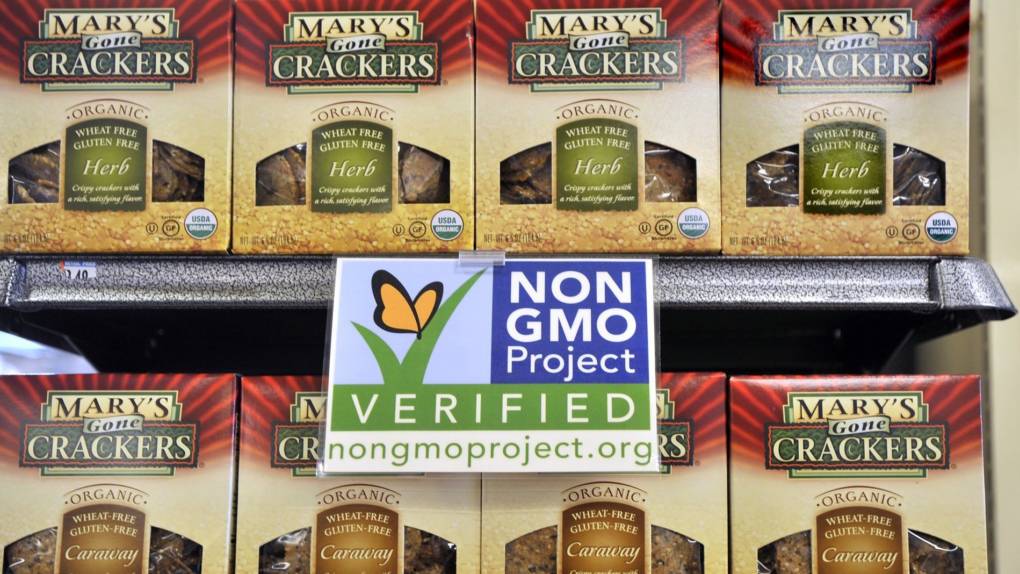
"caption": "Non-GMO labels, like this one at Whole Foods, may strengthen consumer perceptions that genetically modified foods may carry risks to health.",
"description": "Non-GMO labels, like this one at Whole Foods, may strengthen consumer perceptions that genetically modified foods may carry risks to health.",
"title": "Non-GMO labels, like this one at Whole Foods, may strengthen consumer perceptions that genetically modified foods may carry risks to health.",
"credit": "ordon Chibroski/Portland Press Herald/Getty Images",
"status": "inherit",
"isLoading": false,
"fetchFailed": false
},
"bayareabites_113801": {
"type": "attachments",
"id": "bayareabites_113801",
"meta": {
"index": "attachments_1716263798",
"site": "bayareabites",
"id": "113801",
"found": true
},
"parent": 113800,
"imgSizes": {
"small": {
"file": "https://ww2.kqed.org/app/uploads/sites/24/2016/12/gettyimages-564013449-55_custom-e4d96b9fd560c0d9d6f8cfbfe10992625bc68405-520x346.jpg",
"width": 520,
"mimeType": "image/jpeg",
"height": 346
},
"twentyfourteen-full-width": {
"file": "https://ww2.kqed.org/app/uploads/sites/24/2016/12/gettyimages-564013449-55_custom-e4d96b9fd560c0d9d6f8cfbfe10992625bc68405-1038x576.jpg",
"width": 1038,
"mimeType": "image/jpeg",
"height": 576
},
"thumbnail": {
"file": "https://ww2.kqed.org/app/uploads/sites/24/2016/12/gettyimages-564013449-55_custom-e4d96b9fd560c0d9d6f8cfbfe10992625bc68405-160x107.jpg",
"width": 160,
"mimeType": "image/jpeg",
"height": 107
},
"fd-sm": {
"file": "https://ww2.kqed.org/app/uploads/sites/24/2016/12/gettyimages-564013449-55_custom-e4d96b9fd560c0d9d6f8cfbfe10992625bc68405-960x639.jpg",
"width": 960,
"mimeType": "image/jpeg",
"height": 639
},
"post-thumbnail": {
"file": "https://ww2.kqed.org/app/uploads/sites/24/2016/12/gettyimages-564013449-55_custom-e4d96b9fd560c0d9d6f8cfbfe10992625bc68405-672x372.jpg",
"width": 672,
"mimeType": "image/jpeg",
"height": 372
},
"xsmall": {
"file": "https://ww2.kqed.org/app/uploads/sites/24/2016/12/gettyimages-564013449-55_custom-e4d96b9fd560c0d9d6f8cfbfe10992625bc68405-375x250.jpg",
"width": 375,
"mimeType": "image/jpeg",
"height": 250
},
"kqedFullSize": {
"file": "https://ww2.kqed.org/app/uploads/sites/24/2016/12/gettyimages-564013449-55_custom-e4d96b9fd560c0d9d6f8cfbfe10992625bc68405.jpg",
"width": 3000,
"height": 1998
},
"large": {
"file": "https://ww2.kqed.org/app/uploads/sites/24/2016/12/gettyimages-564013449-55_custom-e4d96b9fd560c0d9d6f8cfbfe10992625bc68405-1020x679.jpg",
"width": 1020,
"mimeType": "image/jpeg",
"height": 679
},
"xlarge": {
"file": "https://ww2.kqed.org/app/uploads/sites/24/2016/12/gettyimages-564013449-55_custom-e4d96b9fd560c0d9d6f8cfbfe10992625bc68405-1180x786.jpg",
"width": 1180,
"mimeType": "image/jpeg",
"height": 786
},
"guest-author-50": {
"file": "https://ww2.kqed.org/app/uploads/sites/24/2016/12/gettyimages-564013449-55_custom-e4d96b9fd560c0d9d6f8cfbfe10992625bc68405-50x50.jpg",
"width": 50,
"mimeType": "image/jpeg",
"height": 50
},
"guest-author-96": {
"file": "https://ww2.kqed.org/app/uploads/sites/24/2016/12/gettyimages-564013449-55_custom-e4d96b9fd560c0d9d6f8cfbfe10992625bc68405-96x96.jpg",
"width": 96,
"mimeType": "image/jpeg",
"height": 96
},
"medium": {
"file": "https://ww2.kqed.org/app/uploads/sites/24/2016/12/gettyimages-564013449-55_custom-e4d96b9fd560c0d9d6f8cfbfe10992625bc68405-800x533.jpg",
"width": 800,
"mimeType": "image/jpeg",
"height": 533
},
"guest-author-64": {
"file": "https://ww2.kqed.org/app/uploads/sites/24/2016/12/gettyimages-564013449-55_custom-e4d96b9fd560c0d9d6f8cfbfe10992625bc68405-64x64.jpg",
"width": 64,
"mimeType": "image/jpeg",
"height": 64
},
"guest-author-32": {
"file": "https://ww2.kqed.org/app/uploads/sites/24/2016/12/gettyimages-564013449-55_custom-e4d96b9fd560c0d9d6f8cfbfe10992625bc68405-32x32.jpg",
"width": 32,
"mimeType": "image/jpeg",
"height": 32
},
"fd-lrg": {
"file": "https://ww2.kqed.org/app/uploads/sites/24/2016/12/gettyimages-564013449-55_custom-e4d96b9fd560c0d9d6f8cfbfe10992625bc68405-1920x1279.jpg",
"width": 1920,
"mimeType": "image/jpeg",
"height": 1279
},
"fd-med": {
"file": "https://ww2.kqed.org/app/uploads/sites/24/2016/12/gettyimages-564013449-55_custom-e4d96b9fd560c0d9d6f8cfbfe10992625bc68405-1180x786.jpg",
"width": 1180,
"mimeType": "image/jpeg",
"height": 786
},
"full-width": {
"file": "https://ww2.kqed.org/app/uploads/sites/24/2016/12/gettyimages-564013449-55_custom-e4d96b9fd560c0d9d6f8cfbfe10992625bc68405-1920x1279.jpg",
"width": 1920,
"mimeType": "image/jpeg",
"height": 1279
},
"detail": {
"file": "https://ww2.kqed.org/app/uploads/sites/24/2016/12/gettyimages-564013449-55_custom-e4d96b9fd560c0d9d6f8cfbfe10992625bc68405-150x150.jpg",
"width": 150,
"mimeType": "image/jpeg",
"height": 150
},
"medium_large": {
"file": "https://ww2.kqed.org/app/uploads/sites/24/2016/12/gettyimages-564013449-55_custom-e4d96b9fd560c0d9d6f8cfbfe10992625bc68405-768x511.jpg",
"width": 768,
"mimeType": "image/jpeg",
"height": 511
},
"guest-author-128": {
"file": "https://ww2.kqed.org/app/uploads/sites/24/2016/12/gettyimages-564013449-55_custom-e4d96b9fd560c0d9d6f8cfbfe10992625bc68405-128x128.jpg",
"width": 128,
"mimeType": "image/jpeg",
"height": 128
},
"xxsmall": {
"file": "https://ww2.kqed.org/app/uploads/sites/24/2016/12/gettyimages-564013449-55_custom-e4d96b9fd560c0d9d6f8cfbfe10992625bc68405-240x160.jpg",
"width": 240,
"mimeType": "image/jpeg",
"height": 160
}
},
"publishDate": 1480618133,
"modified": 1480618378,
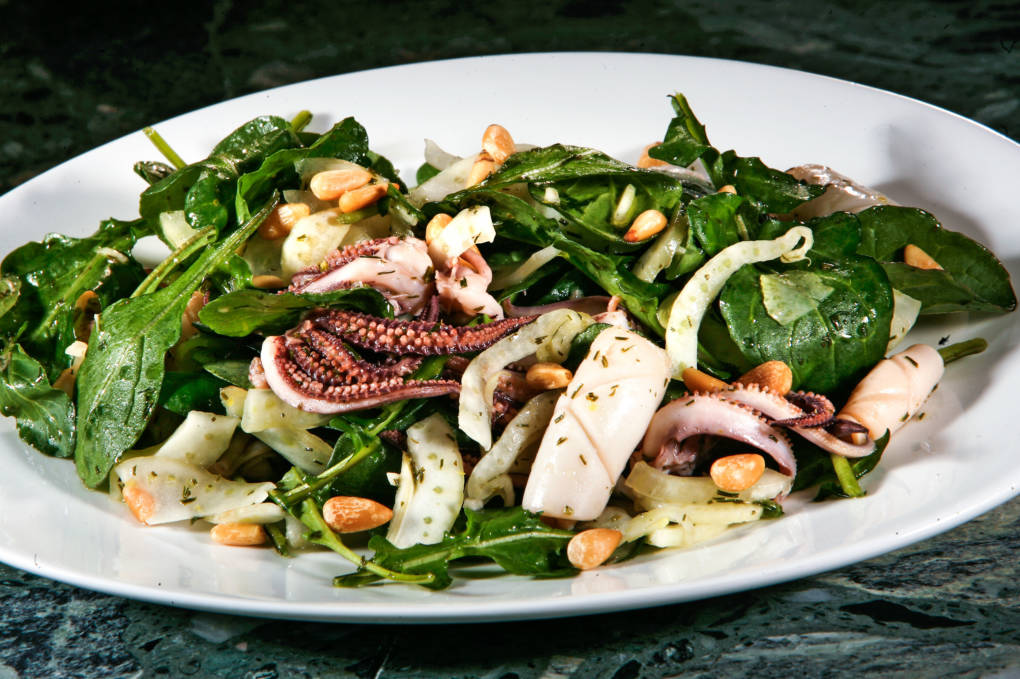
"caption": "A squid salad in Los Angeles. In California, squid is an economic driver of the seafood industry. Bit most of this squid is frozen and exported overseas to China to be processed and distributed across the globe.",
"description": "A squid salad in Los Angeles. In California, squid is an economic driver of the seafood industry. Bit most of this squid is frozen and exported overseas to China to be processed and distributed across the globe",
"title": "A squid salad in Los Angeles. In California, squid is an economic driver of the seafood industry. Bit most of this squid is frozen and exported overseas to China to be processed and distributed across the globe.",
"credit": "Rick Loomis/LA Times via Getty Images",
"status": "inherit",
"isLoading": false,
"fetchFailed": false
},
"bayareabites_113738": {
"type": "attachments",
"id": "bayareabites_113738",
"meta": {
"index": "attachments_1716263798",
"site": "bayareabites",
"id": "113738",
"found": true
},
"parent": 113737,
"imgSizes": {
"small": {
"file": "https://ww2.kqed.org/app/uploads/sites/24/2016/11/dsc_0080-90-beea8781c209d5611d13eacd9f03985d6f1a805d-520x390.jpg",
"width": 520,
"mimeType": "image/jpeg",
"height": 390
},
"twentyfourteen-full-width": {
"file": "https://ww2.kqed.org/app/uploads/sites/24/2016/11/dsc_0080-90-beea8781c209d5611d13eacd9f03985d6f1a805d-1038x576.jpg",
"width": 1038,
"mimeType": "image/jpeg",
"height": 576
},
"thumbnail": {
"file": "https://ww2.kqed.org/app/uploads/sites/24/2016/11/dsc_0080-90-beea8781c209d5611d13eacd9f03985d6f1a805d-160x120.jpg",
"width": 160,
"mimeType": "image/jpeg",
"height": 120
},
"fd-sm": {
"file": "https://ww2.kqed.org/app/uploads/sites/24/2016/11/dsc_0080-90-beea8781c209d5611d13eacd9f03985d6f1a805d-960x720.jpg",
"width": 960,
"mimeType": "image/jpeg",
"height": 720
},
"post-thumbnail": {
"file": "https://ww2.kqed.org/app/uploads/sites/24/2016/11/dsc_0080-90-beea8781c209d5611d13eacd9f03985d6f1a805d-672x372.jpg",
"width": 672,
"mimeType": "image/jpeg",
"height": 372
},
"xsmall": {
"file": "https://ww2.kqed.org/app/uploads/sites/24/2016/11/dsc_0080-90-beea8781c209d5611d13eacd9f03985d6f1a805d-375x281.jpg",
"width": 375,
"mimeType": "image/jpeg",
"height": 281
},
"kqedFullSize": {
"file": "https://ww2.kqed.org/app/uploads/sites/24/2016/11/dsc_0080-90-beea8781c209d5611d13eacd9f03985d6f1a805d.jpg",
"width": 1776,
"height": 1332
},
"large": {
"file": "https://ww2.kqed.org/app/uploads/sites/24/2016/11/dsc_0080-90-beea8781c209d5611d13eacd9f03985d6f1a805d-1020x765.jpg",
"width": 1020,
"mimeType": "image/jpeg",
"height": 765
},
"xlarge": {
"file": "https://ww2.kqed.org/app/uploads/sites/24/2016/11/dsc_0080-90-beea8781c209d5611d13eacd9f03985d6f1a805d-1180x885.jpg",
"width": 1180,
"mimeType": "image/jpeg",
"height": 885
},
"guest-author-50": {
"file": "https://ww2.kqed.org/app/uploads/sites/24/2016/11/dsc_0080-90-beea8781c209d5611d13eacd9f03985d6f1a805d-50x50.jpg",
"width": 50,
"mimeType": "image/jpeg",
"height": 50
},
"guest-author-96": {
"file": "https://ww2.kqed.org/app/uploads/sites/24/2016/11/dsc_0080-90-beea8781c209d5611d13eacd9f03985d6f1a805d-96x96.jpg",
"width": 96,
"mimeType": "image/jpeg",
"height": 96
},
"medium": {
"file": "https://ww2.kqed.org/app/uploads/sites/24/2016/11/dsc_0080-90-beea8781c209d5611d13eacd9f03985d6f1a805d-800x600.jpg",
"width": 800,
"mimeType": "image/jpeg",
"height": 600
},
"guest-author-64": {
"file": "https://ww2.kqed.org/app/uploads/sites/24/2016/11/dsc_0080-90-beea8781c209d5611d13eacd9f03985d6f1a805d-64x64.jpg",
"width": 64,
"mimeType": "image/jpeg",
"height": 64
},
"guest-author-32": {
"file": "https://ww2.kqed.org/app/uploads/sites/24/2016/11/dsc_0080-90-beea8781c209d5611d13eacd9f03985d6f1a805d-32x32.jpg",
"width": 32,
"mimeType": "image/jpeg",
"height": 32
},
"fd-med": {
"file": "https://ww2.kqed.org/app/uploads/sites/24/2016/11/dsc_0080-90-beea8781c209d5611d13eacd9f03985d6f1a805d-1180x885.jpg",
"width": 1180,
"mimeType": "image/jpeg",
"height": 885
},
"detail": {
"file": "https://ww2.kqed.org/app/uploads/sites/24/2016/11/dsc_0080-90-beea8781c209d5611d13eacd9f03985d6f1a805d-150x150.jpg",
"width": 150,
"mimeType": "image/jpeg",
"height": 150
},
"medium_large": {
"file": "https://ww2.kqed.org/app/uploads/sites/24/2016/11/dsc_0080-90-beea8781c209d5611d13eacd9f03985d6f1a805d-768x576.jpg",
"width": 768,
"mimeType": "image/jpeg",
"height": 576
},
"guest-author-128": {
"file": "https://ww2.kqed.org/app/uploads/sites/24/2016/11/dsc_0080-90-beea8781c209d5611d13eacd9f03985d6f1a805d-128x128.jpg",
"width": 128,
"mimeType": "image/jpeg",
"height": 128
},
"xxsmall": {
"file": "https://ww2.kqed.org/app/uploads/sites/24/2016/11/dsc_0080-90-beea8781c209d5611d13eacd9f03985d6f1a805d-240x180.jpg",
"width": 240,
"mimeType": "image/jpeg",
"height": 180
}
},
"publishDate": 1479846869,
"modified": 1479847070,
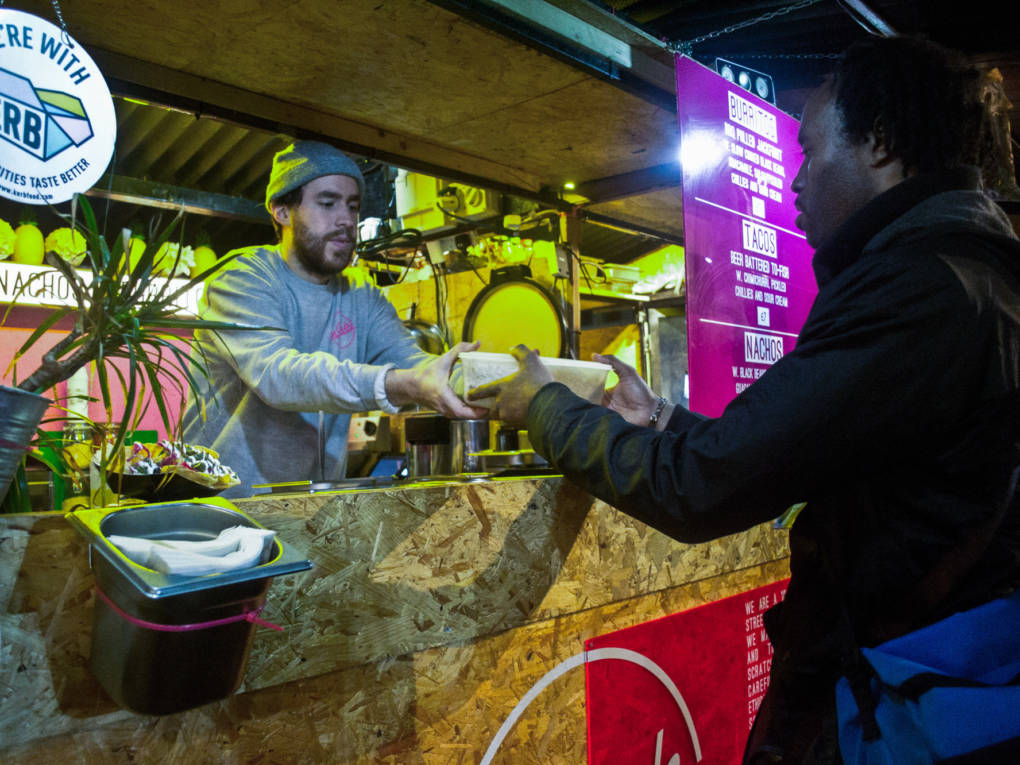
"caption": "Junior Herbert, a volunteer with Olio, collects leftovers from vendors at London's Camden Market. London has become a hub for apps and small-scale businesses that let restaurants and food vendors share leftovers with the public for free, and otherwise reduce the amount of edibles they toss.",
"description": "Junior Herbert, a volunteer with Olio, collects leftovers from vendors at London's Camden Market. London has become a hub for apps and small-scale businesses that let restaurants and food vendors share leftovers with the public for free, and otherwise reduce the amount of edibles they toss.",
"title": "Junior Herbert, a volunteer with Olio, collects leftovers from vendors at London's Camden Market. London has become a hub for apps and small-scale businesses that let restaurants and food vendors share leftovers with the public for free, and otherwise reduce the amount of edibles they toss.",
"credit": "Maanvi Singh for NPR",
"status": "inherit",
"isLoading": false,
"fetchFailed": false
},
"bayareabites_113680": {
"type": "attachments",
"id": "bayareabites_113680",
"meta": {
"index": "attachments_1716263798",
"site": "bayareabites",
"id": "113680",
"found": true
},
"parent": 113679,
"imgSizes": {
"small": {
"file": "https://ww2.kqed.org/app/uploads/sites/24/2016/11/Nahima-Aguiniga-and-daughter-e1479066170569-520x438.jpg",
"width": 520,
"mimeType": "image/jpeg",
"height": 438
},
"twentyfourteen-full-width": {
"file": "https://ww2.kqed.org/app/uploads/sites/24/2016/11/Nahima-Aguiniga-and-daughter-e1479066170569-1038x576.jpg",
"width": 1038,
"mimeType": "image/jpeg",
"height": 576
},
"thumbnail": {
"file": "https://ww2.kqed.org/app/uploads/sites/24/2016/11/Nahima-Aguiniga-and-daughter-e1479066170569-160x135.jpg",
"width": 160,
"mimeType": "image/jpeg",
"height": 135
},
"fd-sm": {
"file": "https://ww2.kqed.org/app/uploads/sites/24/2016/11/Nahima-Aguiniga-and-daughter-e1479066170569-960x808.jpg",
"width": 960,
"mimeType": "image/jpeg",
"height": 808
},
"post-thumbnail": {
"file": "https://ww2.kqed.org/app/uploads/sites/24/2016/11/Nahima-Aguiniga-and-daughter-e1479066170569-672x372.jpg",
"width": 672,
"mimeType": "image/jpeg",
"height": 372
},
"xsmall": {
"file": "https://ww2.kqed.org/app/uploads/sites/24/2016/11/Nahima-Aguiniga-and-daughter-e1479066170569-375x316.jpg",
"width": 375,
"mimeType": "image/jpeg",
"height": 316
},
"kqedFullSize": {
"file": "https://ww2.kqed.org/app/uploads/sites/24/2016/11/Nahima-Aguiniga-and-daughter-e1479066170569.jpg",
"width": 1485,
"height": 1250
},
"large": {
"file": "https://ww2.kqed.org/app/uploads/sites/24/2016/11/Nahima-Aguiniga-and-daughter-e1479066170569-1020x859.jpg",
"width": 1020,
"mimeType": "image/jpeg",
"height": 859
},
"xlarge": {
"file": "https://ww2.kqed.org/app/uploads/sites/24/2016/11/Nahima-Aguiniga-and-daughter-e1479066170569-1180x993.jpg",
"width": 1180,
"mimeType": "image/jpeg",
"height": 993
},
"guest-author-50": {
"file": "https://ww2.kqed.org/app/uploads/sites/24/2016/11/Nahima-Aguiniga-and-daughter-e1479066170569-50x50.jpg",
"width": 50,
"mimeType": "image/jpeg",
"height": 50
},
"guest-author-96": {
"file": "https://ww2.kqed.org/app/uploads/sites/24/2016/11/Nahima-Aguiniga-and-daughter-e1479066170569-96x96.jpg",
"width": 96,
"mimeType": "image/jpeg",
"height": 96
},
"medium": {
"file": "https://ww2.kqed.org/app/uploads/sites/24/2016/11/Nahima-Aguiniga-and-daughter-e1479066170569-800x673.jpg",
"width": 800,
"mimeType": "image/jpeg",
"height": 673
},
"guest-author-64": {
"file": "https://ww2.kqed.org/app/uploads/sites/24/2016/11/Nahima-Aguiniga-and-daughter-e1479066170569-64x64.jpg",
"width": 64,
"mimeType": "image/jpeg",
"height": 64
},
"guest-author-32": {
"file": "https://ww2.kqed.org/app/uploads/sites/24/2016/11/Nahima-Aguiniga-and-daughter-e1479066170569-32x32.jpg",
"width": 32,
"mimeType": "image/jpeg",
"height": 32
},
"fd-med": {
"file": "https://ww2.kqed.org/app/uploads/sites/24/2016/11/Nahima-Aguiniga-and-daughter-e1479066170569-1180x993.jpg",
"width": 1180,
"mimeType": "image/jpeg",
"height": 993
},
"detail": {
"file": "https://ww2.kqed.org/app/uploads/sites/24/2016/11/Nahima-Aguiniga-and-daughter-e1479066170569-150x150.jpg",
"width": 150,
"mimeType": "image/jpeg",
"height": 150
},
"medium_large": {
"file": "https://ww2.kqed.org/app/uploads/sites/24/2016/11/Nahima-Aguiniga-and-daughter-e1479066170569-768x646.jpg",
"width": 768,
"mimeType": "image/jpeg",
"height": 646
},
"guest-author-128": {
"file": "https://ww2.kqed.org/app/uploads/sites/24/2016/11/Nahima-Aguiniga-and-daughter-e1479066170569-128x128.jpg",
"width": 128,
"mimeType": "image/jpeg",
"height": 128
},
"xxsmall": {
"file": "https://ww2.kqed.org/app/uploads/sites/24/2016/11/Nahima-Aguiniga-and-daughter-e1479066170569-240x202.jpg",
"width": 240,
"mimeType": "image/jpeg",
"height": 202
}
},
"publishDate": 1479496736,
"modified": 1479496768,
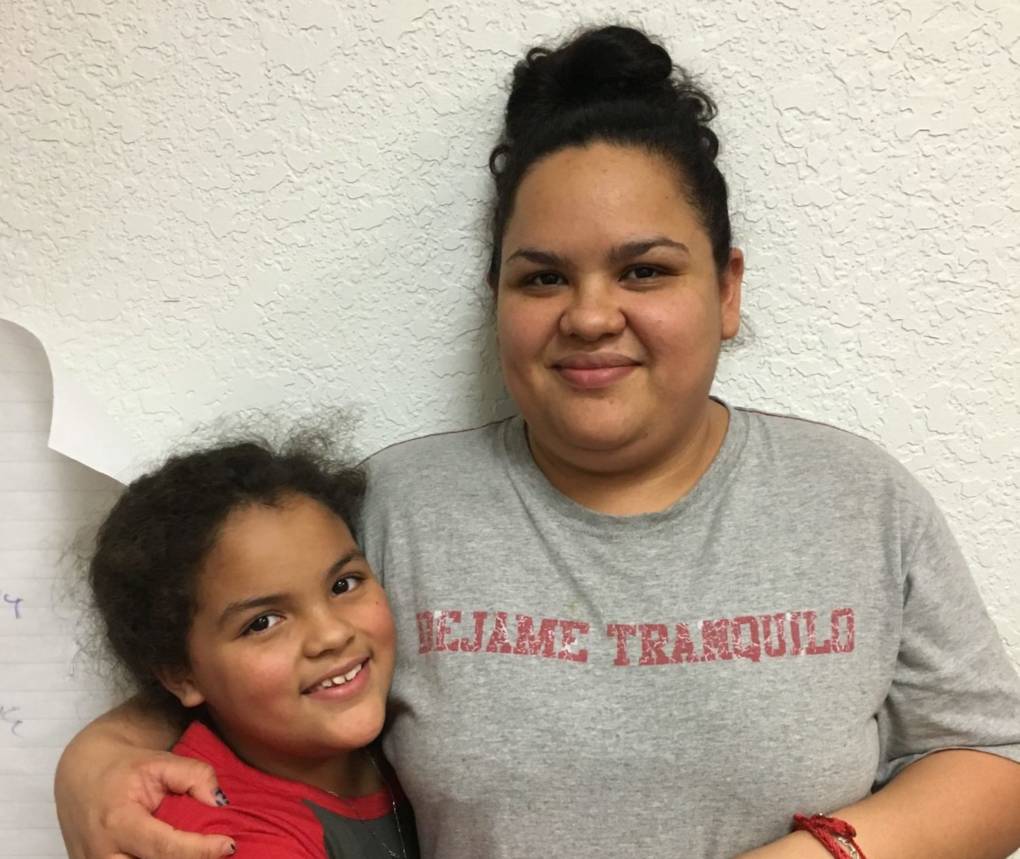
"caption": "Nahima Aguiniga ",
"description": "Nahima Aguiniga ",
"title": "nahima-aguiniga-and-daughter-e1479066170569",
"credit": "Courtesy of UNITE HERE",
"status": "inherit",
"isLoading": false,
"fetchFailed": false
},
"bayareabites_113658": {
"type": "attachments",
"id": "bayareabites_113658",
"meta": {
"index": "attachments_1716263798",
"site": "bayareabites",
"id": "113658",
"found": true
},
"parent": 113657,
"imgSizes": {
"small": {
"file": "https://ww2.kqed.org/app/uploads/sites/24/2016/11/hydroponics-1_enl-425ef989d08a76685f1494987448d9d26bff79e4-520x345.jpg",
"width": 520,
"mimeType": "image/jpeg",
"height": 345
},
"twentyfourteen-full-width": {
"file": "https://ww2.kqed.org/app/uploads/sites/24/2016/11/hydroponics-1_enl-425ef989d08a76685f1494987448d9d26bff79e4-1038x576.jpg",
"width": 1038,
"mimeType": "image/jpeg",
"height": 576
},
"thumbnail": {
"file": "https://ww2.kqed.org/app/uploads/sites/24/2016/11/hydroponics-1_enl-425ef989d08a76685f1494987448d9d26bff79e4-160x106.jpg",
"width": 160,
"mimeType": "image/jpeg",
"height": 106
},
"fd-sm": {
"file": "https://ww2.kqed.org/app/uploads/sites/24/2016/11/hydroponics-1_enl-425ef989d08a76685f1494987448d9d26bff79e4-960x636.jpg",
"width": 960,
"mimeType": "image/jpeg",
"height": 636
},
"post-thumbnail": {
"file": "https://ww2.kqed.org/app/uploads/sites/24/2016/11/hydroponics-1_enl-425ef989d08a76685f1494987448d9d26bff79e4-672x372.jpg",
"width": 672,
"mimeType": "image/jpeg",
"height": 372
},
"xsmall": {
"file": "https://ww2.kqed.org/app/uploads/sites/24/2016/11/hydroponics-1_enl-425ef989d08a76685f1494987448d9d26bff79e4-375x248.jpg",
"width": 375,
"mimeType": "image/jpeg",
"height": 248
},
"kqedFullSize": {
"file": "https://ww2.kqed.org/app/uploads/sites/24/2016/11/hydroponics-1_enl-425ef989d08a76685f1494987448d9d26bff79e4.jpg",
"width": 3500,
"height": 2319
},
"large": {
"file": "https://ww2.kqed.org/app/uploads/sites/24/2016/11/hydroponics-1_enl-425ef989d08a76685f1494987448d9d26bff79e4-1020x676.jpg",
"width": 1020,
"mimeType": "image/jpeg",
"height": 676
},
"xlarge": {
"file": "https://ww2.kqed.org/app/uploads/sites/24/2016/11/hydroponics-1_enl-425ef989d08a76685f1494987448d9d26bff79e4-1180x782.jpg",
"width": 1180,
"mimeType": "image/jpeg",
"height": 782
},
"guest-author-50": {
"file": "https://ww2.kqed.org/app/uploads/sites/24/2016/11/hydroponics-1_enl-425ef989d08a76685f1494987448d9d26bff79e4-50x50.jpg",
"width": 50,
"mimeType": "image/jpeg",
"height": 50
},
"guest-author-96": {
"file": "https://ww2.kqed.org/app/uploads/sites/24/2016/11/hydroponics-1_enl-425ef989d08a76685f1494987448d9d26bff79e4-96x96.jpg",
"width": 96,
"mimeType": "image/jpeg",
"height": 96
},
"medium": {
"file": "https://ww2.kqed.org/app/uploads/sites/24/2016/11/hydroponics-1_enl-425ef989d08a76685f1494987448d9d26bff79e4-800x530.jpg",
"width": 800,
"mimeType": "image/jpeg",
"height": 530
},
"guest-author-64": {
"file": "https://ww2.kqed.org/app/uploads/sites/24/2016/11/hydroponics-1_enl-425ef989d08a76685f1494987448d9d26bff79e4-64x64.jpg",
"width": 64,
"mimeType": "image/jpeg",
"height": 64
},
"guest-author-32": {
"file": "https://ww2.kqed.org/app/uploads/sites/24/2016/11/hydroponics-1_enl-425ef989d08a76685f1494987448d9d26bff79e4-32x32.jpg",
"width": 32,
"mimeType": "image/jpeg",
"height": 32
},
"fd-lrg": {
"file": "https://ww2.kqed.org/app/uploads/sites/24/2016/11/hydroponics-1_enl-425ef989d08a76685f1494987448d9d26bff79e4-1920x1272.jpg",
"width": 1920,
"mimeType": "image/jpeg",
"height": 1272
},
"fd-med": {
"file": "https://ww2.kqed.org/app/uploads/sites/24/2016/11/hydroponics-1_enl-425ef989d08a76685f1494987448d9d26bff79e4-1180x782.jpg",
"width": 1180,
"mimeType": "image/jpeg",
"height": 782
},
"full-width": {
"file": "https://ww2.kqed.org/app/uploads/sites/24/2016/11/hydroponics-1_enl-425ef989d08a76685f1494987448d9d26bff79e4-1920x1272.jpg",
"width": 1920,
"mimeType": "image/jpeg",
"height": 1272
},
"detail": {
"file": "https://ww2.kqed.org/app/uploads/sites/24/2016/11/hydroponics-1_enl-425ef989d08a76685f1494987448d9d26bff79e4-150x150.jpg",
"width": 150,
"mimeType": "image/jpeg",
"height": 150
},
"medium_large": {
"file": "https://ww2.kqed.org/app/uploads/sites/24/2016/11/hydroponics-1_enl-425ef989d08a76685f1494987448d9d26bff79e4-768x509.jpg",
"width": 768,
"mimeType": "image/jpeg",
"height": 509
},
"guest-author-128": {
"file": "https://ww2.kqed.org/app/uploads/sites/24/2016/11/hydroponics-1_enl-425ef989d08a76685f1494987448d9d26bff79e4-128x128.jpg",
"width": 128,
"mimeType": "image/jpeg",
"height": 128
},
"xxsmall": {
"file": "https://ww2.kqed.org/app/uploads/sites/24/2016/11/hydroponics-1_enl-425ef989d08a76685f1494987448d9d26bff79e4-240x159.jpg",
"width": 240,
"mimeType": "image/jpeg",
"height": 159
}
},
"publishDate": 1479363782,
"modified": 1479364029,
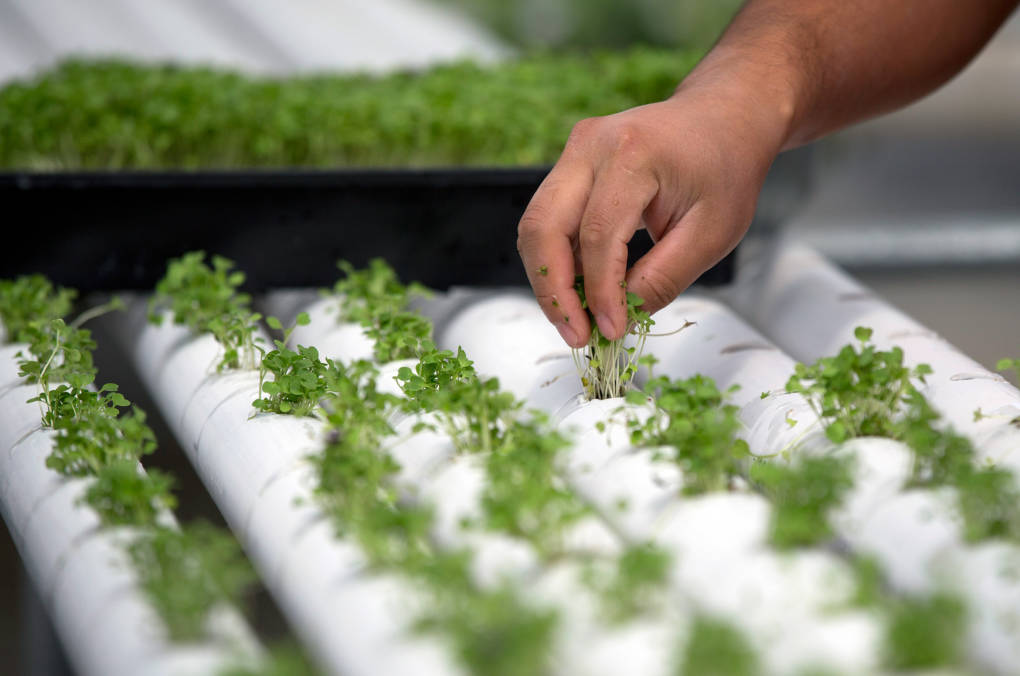
"caption": "Baby basil is planted in PVC piping through which nutrient-infused water flows at regular intervals at a hydroponics farm in Nevada. This week, the National Organic Standards Board is set to vote on whether foods grown hydroponically can be sold as \"certified organic.\"",
"description": "Baby basil is planted in PVC piping through which nutrient-infused water flows at regular intervals at a hydroponics farm in Nevada. This week, the National Organic Standards Board is set to vote on whether foods grown hydroponically can be sold as \"certified organic.\"",
"title": "Baby basil is planted in PVC piping through which nutrient-infused water flows at regular intervals at a hydroponics farm in Nevada. This week, the National Organic Standards Board is set to vote on whether foods grown hydroponically can be sold as \"certified organic.\"",
"credit": "Julie Jacobson/AP",
"status": "inherit",
"isLoading": false,
"fetchFailed": false
},
"bayareabites_113635": {
"type": "attachments",
"id": "bayareabites_113635",
"meta": {
"index": "attachments_1716263798",
"site": "bayareabites",
"id": "113635",
"found": true
},
"parent": 113634,
"imgSizes": {
"small": {
"file": "https://ww2.kqed.org/app/uploads/sites/24/2016/11/iStock_26671948_MEDIUM-e1478639915416-520x347.jpg",
"width": 520,
"mimeType": "image/jpeg",
"height": 347
},
"twentyfourteen-full-width": {
"file": "https://ww2.kqed.org/app/uploads/sites/24/2016/11/iStock_26671948_MEDIUM-e1478639915416-1038x576.jpg",
"width": 1038,
"mimeType": "image/jpeg",
"height": 576
},
"thumbnail": {
"file": "https://ww2.kqed.org/app/uploads/sites/24/2016/11/iStock_26671948_MEDIUM-e1478639915416-160x107.jpg",
"width": 160,
"mimeType": "image/jpeg",
"height": 107
},
"fd-sm": {
"file": "https://ww2.kqed.org/app/uploads/sites/24/2016/11/iStock_26671948_MEDIUM-e1478639915416-960x640.jpg",
"width": 960,
"mimeType": "image/jpeg",
"height": 640
},
"post-thumbnail": {
"file": "https://ww2.kqed.org/app/uploads/sites/24/2016/11/iStock_26671948_MEDIUM-e1478639915416-672x372.jpg",
"width": 672,
"mimeType": "image/jpeg",
"height": 372
},
"xsmall": {
"file": "https://ww2.kqed.org/app/uploads/sites/24/2016/11/iStock_26671948_MEDIUM-e1478639915416-375x250.jpg",
"width": 375,
"mimeType": "image/jpeg",
"height": 250
},
"kqedFullSize": {
"file": "https://ww2.kqed.org/app/uploads/sites/24/2016/11/iStock_26671948_MEDIUM-e1478639915416.jpg",
"width": 1400,
"height": 933
},
"large": {
"file": "https://ww2.kqed.org/app/uploads/sites/24/2016/11/iStock_26671948_MEDIUM-e1478639915416-1020x680.jpg",
"width": 1020,
"mimeType": "image/jpeg",
"height": 680
},
"xlarge": {
"file": "https://ww2.kqed.org/app/uploads/sites/24/2016/11/iStock_26671948_MEDIUM-e1478639915416-1180x786.jpg",
"width": 1180,
"mimeType": "image/jpeg",
"height": 786
},
"guest-author-50": {
"file": "https://ww2.kqed.org/app/uploads/sites/24/2016/11/iStock_26671948_MEDIUM-e1478639915416-50x50.jpg",
"width": 50,
"mimeType": "image/jpeg",
"height": 50
},
"guest-author-96": {
"file": "https://ww2.kqed.org/app/uploads/sites/24/2016/11/iStock_26671948_MEDIUM-e1478639915416-96x96.jpg",
"width": 96,
"mimeType": "image/jpeg",
"height": 96
},
"medium": {
"file": "https://ww2.kqed.org/app/uploads/sites/24/2016/11/iStock_26671948_MEDIUM-e1478639915416-800x533.jpg",
"width": 800,
"mimeType": "image/jpeg",
"height": 533
},
"guest-author-64": {
"file": "https://ww2.kqed.org/app/uploads/sites/24/2016/11/iStock_26671948_MEDIUM-e1478639915416-64x64.jpg",
"width": 64,
"mimeType": "image/jpeg",
"height": 64
},
"guest-author-32": {
"file": "https://ww2.kqed.org/app/uploads/sites/24/2016/11/iStock_26671948_MEDIUM-e1478639915416-32x32.jpg",
"width": 32,
"mimeType": "image/jpeg",
"height": 32
},
"fd-med": {
"file": "https://ww2.kqed.org/app/uploads/sites/24/2016/11/iStock_26671948_MEDIUM-e1478639915416-1180x786.jpg",
"width": 1180,
"mimeType": "image/jpeg",
"height": 786
},
"detail": {
"file": "https://ww2.kqed.org/app/uploads/sites/24/2016/11/iStock_26671948_MEDIUM-e1478639915416-150x150.jpg",
"width": 150,
"mimeType": "image/jpeg",
"height": 150
},
"medium_large": {
"file": "https://ww2.kqed.org/app/uploads/sites/24/2016/11/iStock_26671948_MEDIUM-e1478639915416-768x512.jpg",
"width": 768,
"mimeType": "image/jpeg",
"height": 512
},
"guest-author-128": {
"file": "https://ww2.kqed.org/app/uploads/sites/24/2016/11/iStock_26671948_MEDIUM-e1478639915416-128x128.jpg",
"width": 128,
"mimeType": "image/jpeg",
"height": 128
},
"xxsmall": {
"file": "https://ww2.kqed.org/app/uploads/sites/24/2016/11/iStock_26671948_MEDIUM-e1478639915416-240x160.jpg",
"width": 240,
"mimeType": "image/jpeg",
"height": 160
}
},
"publishDate": 1479081416,
"modified": 1479081444,
"caption": null,
"description": null,
"title": "shopping",
"credit": "iStock",
"status": "inherit",
"isLoading": false,
"fetchFailed": false
},
"bayareabites_113603": {
"type": "attachments",
"id": "bayareabites_113603",
"meta": {
"index": "attachments_1716263798",
"site": "bayareabites",
"id": "113603",
"found": true
},
"parent": 113602,
"imgSizes": {
"small": {
"file": "https://ww2.kqed.org/app/uploads/sites/24/2016/11/navajo-chef-2_wide-9ed5518ac8f6bac84dca24f36fabe574d853eed5-520x292.jpg",
"width": 520,
"mimeType": "image/jpeg",
"height": 292
},
"twentyfourteen-full-width": {
"file": "https://ww2.kqed.org/app/uploads/sites/24/2016/11/navajo-chef-2_wide-9ed5518ac8f6bac84dca24f36fabe574d853eed5-1038x576.jpg",
"width": 1038,
"mimeType": "image/jpeg",
"height": 576
},
"thumbnail": {
"file": "https://ww2.kqed.org/app/uploads/sites/24/2016/11/navajo-chef-2_wide-9ed5518ac8f6bac84dca24f36fabe574d853eed5-160x90.jpg",
"width": 160,
"mimeType": "image/jpeg",
"height": 90
},
"fd-sm": {
"file": "https://ww2.kqed.org/app/uploads/sites/24/2016/11/navajo-chef-2_wide-9ed5518ac8f6bac84dca24f36fabe574d853eed5-960x540.jpg",
"width": 960,
"mimeType": "image/jpeg",
"height": 540
},
"post-thumbnail": {
"file": "https://ww2.kqed.org/app/uploads/sites/24/2016/11/navajo-chef-2_wide-9ed5518ac8f6bac84dca24f36fabe574d853eed5-672x372.jpg",
"width": 672,
"mimeType": "image/jpeg",
"height": 372
},
"xsmall": {
"file": "https://ww2.kqed.org/app/uploads/sites/24/2016/11/navajo-chef-2_wide-9ed5518ac8f6bac84dca24f36fabe574d853eed5-375x211.jpg",
"width": 375,
"mimeType": "image/jpeg",
"height": 211
},
"kqedFullSize": {
"file": "https://ww2.kqed.org/app/uploads/sites/24/2016/11/navajo-chef-2_wide-9ed5518ac8f6bac84dca24f36fabe574d853eed5.jpg",
"width": 1997,
"height": 1123
},
"large": {
"file": "https://ww2.kqed.org/app/uploads/sites/24/2016/11/navajo-chef-2_wide-9ed5518ac8f6bac84dca24f36fabe574d853eed5-1020x574.jpg",
"width": 1020,
"mimeType": "image/jpeg",
"height": 574
},
"xlarge": {
"file": "https://ww2.kqed.org/app/uploads/sites/24/2016/11/navajo-chef-2_wide-9ed5518ac8f6bac84dca24f36fabe574d853eed5-1180x664.jpg",
"width": 1180,
"mimeType": "image/jpeg",
"height": 664
},
"guest-author-50": {
"file": "https://ww2.kqed.org/app/uploads/sites/24/2016/11/navajo-chef-2_wide-9ed5518ac8f6bac84dca24f36fabe574d853eed5-50x50.jpg",
"width": 50,
"mimeType": "image/jpeg",
"height": 50
},
"guest-author-96": {
"file": "https://ww2.kqed.org/app/uploads/sites/24/2016/11/navajo-chef-2_wide-9ed5518ac8f6bac84dca24f36fabe574d853eed5-96x96.jpg",
"width": 96,
"mimeType": "image/jpeg",
"height": 96
},
"medium": {
"file": "https://ww2.kqed.org/app/uploads/sites/24/2016/11/navajo-chef-2_wide-9ed5518ac8f6bac84dca24f36fabe574d853eed5-800x450.jpg",
"width": 800,
"mimeType": "image/jpeg",
"height": 450
},
"guest-author-64": {
"file": "https://ww2.kqed.org/app/uploads/sites/24/2016/11/navajo-chef-2_wide-9ed5518ac8f6bac84dca24f36fabe574d853eed5-64x64.jpg",
"width": 64,
"mimeType": "image/jpeg",
"height": 64
},
"guest-author-32": {
"file": "https://ww2.kqed.org/app/uploads/sites/24/2016/11/navajo-chef-2_wide-9ed5518ac8f6bac84dca24f36fabe574d853eed5-32x32.jpg",
"width": 32,
"mimeType": "image/jpeg",
"height": 32
},
"fd-lrg": {
"file": "https://ww2.kqed.org/app/uploads/sites/24/2016/11/navajo-chef-2_wide-9ed5518ac8f6bac84dca24f36fabe574d853eed5-1920x1080.jpg",
"width": 1920,
"mimeType": "image/jpeg",
"height": 1080
},
"fd-med": {
"file": "https://ww2.kqed.org/app/uploads/sites/24/2016/11/navajo-chef-2_wide-9ed5518ac8f6bac84dca24f36fabe574d853eed5-1180x664.jpg",
"width": 1180,
"mimeType": "image/jpeg",
"height": 664
},
"full-width": {
"file": "https://ww2.kqed.org/app/uploads/sites/24/2016/11/navajo-chef-2_wide-9ed5518ac8f6bac84dca24f36fabe574d853eed5-1920x1080.jpg",
"width": 1920,
"mimeType": "image/jpeg",
"height": 1080
},
"detail": {
"file": "https://ww2.kqed.org/app/uploads/sites/24/2016/11/navajo-chef-2_wide-9ed5518ac8f6bac84dca24f36fabe574d853eed5-150x150.jpg",
"width": 150,
"mimeType": "image/jpeg",
"height": 150
},
"medium_large": {
"file": "https://ww2.kqed.org/app/uploads/sites/24/2016/11/navajo-chef-2_wide-9ed5518ac8f6bac84dca24f36fabe574d853eed5-768x432.jpg",
"width": 768,
"mimeType": "image/jpeg",
"height": 432
},
"guest-author-128": {
"file": "https://ww2.kqed.org/app/uploads/sites/24/2016/11/navajo-chef-2_wide-9ed5518ac8f6bac84dca24f36fabe574d853eed5-128x128.jpg",
"width": 128,
"mimeType": "image/jpeg",
"height": 128
},
"xxsmall": {
"file": "https://ww2.kqed.org/app/uploads/sites/24/2016/11/navajo-chef-2_wide-9ed5518ac8f6bac84dca24f36fabe574d853eed5-240x135.jpg",
"width": 240,
"mimeType": "image/jpeg",
"height": 135
}
},
"publishDate": 1478548115,
"modified": 1478548763,
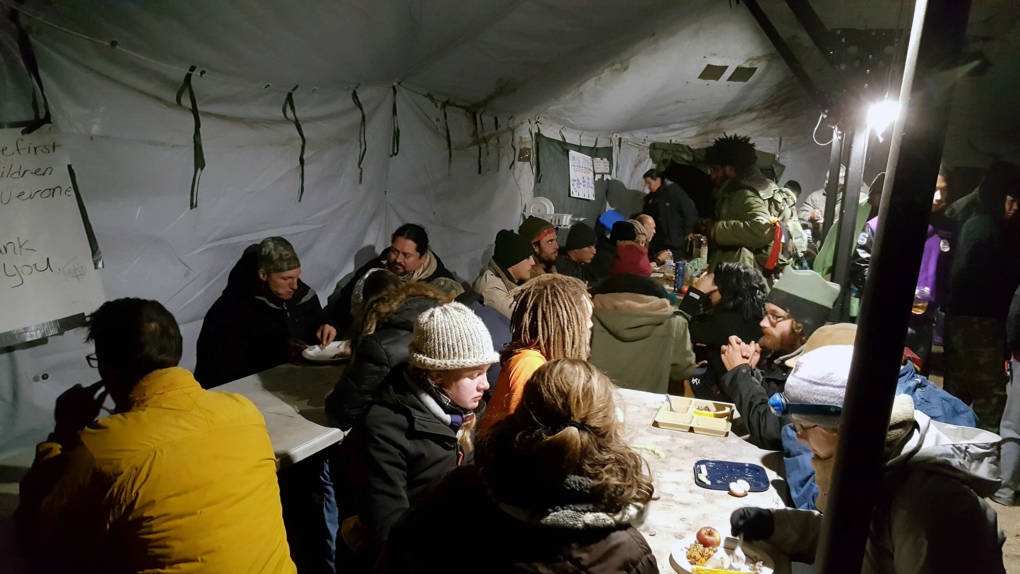
"caption": "People at the Oceti Sakowin Camp enjoy a meal inside a tent that serves as a dining hall. Oceti Sakowin is the largest of several camps housing demonstrators against the Dakota Access Pipeline.",
"description": "People at the Oceti Sakowin Camp enjoy a meal inside a tent that serves as a dining hall. Oceti Sakowin is the largest of several camps housing demonstrators against the Dakota Access Pipeline",
"title": "People at the Oceti Sakowin Camp enjoy a meal inside a tent that serves as a dining hall. Oceti Sakowin is the largest of several camps housing demonstrators against the Dakota Access Pipeline.",
"credit": "Courtesy of Brian Yazzie",
"status": "inherit",
"isLoading": false,
"fetchFailed": false
},
"bayareabites_113419": {
"type": "attachments",
"id": "bayareabites_113419",
"meta": {
"index": "attachments_1716263798",
"site": "bayareabites",
"id": "113419",
"found": true
},
"parent": 113417,
"imgSizes": {
"small": {
"file": "https://ww2.kqed.org/app/uploads/sites/24/2016/11/refugee-coffee-1_enl-dfea0c0ad08e3c077e54380725b1d5e075fe105c-520x337.jpg",
"width": 520,
"mimeType": "image/jpeg",
"height": 337
},
"twentyfourteen-full-width": {
"file": "https://ww2.kqed.org/app/uploads/sites/24/2016/11/refugee-coffee-1_enl-dfea0c0ad08e3c077e54380725b1d5e075fe105c-1038x576.jpg",
"width": 1038,
"mimeType": "image/jpeg",
"height": 576
},
"thumbnail": {
"file": "https://ww2.kqed.org/app/uploads/sites/24/2016/11/refugee-coffee-1_enl-dfea0c0ad08e3c077e54380725b1d5e075fe105c-160x104.jpg",
"width": 160,
"mimeType": "image/jpeg",
"height": 104
},
"fd-sm": {
"file": "https://ww2.kqed.org/app/uploads/sites/24/2016/11/refugee-coffee-1_enl-dfea0c0ad08e3c077e54380725b1d5e075fe105c-960x623.jpg",
"width": 960,
"mimeType": "image/jpeg",
"height": 623
},
"post-thumbnail": {
"file": "https://ww2.kqed.org/app/uploads/sites/24/2016/11/refugee-coffee-1_enl-dfea0c0ad08e3c077e54380725b1d5e075fe105c-672x372.jpg",
"width": 672,
"mimeType": "image/jpeg",
"height": 372
},
"xsmall": {
"file": "https://ww2.kqed.org/app/uploads/sites/24/2016/11/refugee-coffee-1_enl-dfea0c0ad08e3c077e54380725b1d5e075fe105c-375x243.jpg",
"width": 375,
"mimeType": "image/jpeg",
"height": 243
},
"kqedFullSize": {
"file": "https://ww2.kqed.org/app/uploads/sites/24/2016/11/refugee-coffee-1_enl-dfea0c0ad08e3c077e54380725b1d5e075fe105c-e1478197749855.jpg",
"width": 1920,
"height": 1245
},
"large": {
"file": "https://ww2.kqed.org/app/uploads/sites/24/2016/11/refugee-coffee-1_enl-dfea0c0ad08e3c077e54380725b1d5e075fe105c-1020x661.jpg",
"width": 1020,
"mimeType": "image/jpeg",
"height": 661
},
"xlarge": {
"file": "https://ww2.kqed.org/app/uploads/sites/24/2016/11/refugee-coffee-1_enl-dfea0c0ad08e3c077e54380725b1d5e075fe105c-1180x765.jpg",
"width": 1180,
"mimeType": "image/jpeg",
"height": 765
},
"guest-author-50": {
"file": "https://ww2.kqed.org/app/uploads/sites/24/2016/11/refugee-coffee-1_enl-dfea0c0ad08e3c077e54380725b1d5e075fe105c-50x50.jpg",
"width": 50,
"mimeType": "image/jpeg",
"height": 50
},
"guest-author-96": {
"file": "https://ww2.kqed.org/app/uploads/sites/24/2016/11/refugee-coffee-1_enl-dfea0c0ad08e3c077e54380725b1d5e075fe105c-96x96.jpg",
"width": 96,
"mimeType": "image/jpeg",
"height": 96
},
"medium": {
"file": "https://ww2.kqed.org/app/uploads/sites/24/2016/11/refugee-coffee-1_enl-dfea0c0ad08e3c077e54380725b1d5e075fe105c-800x519.jpg",
"width": 800,
"mimeType": "image/jpeg",
"height": 519
},
"guest-author-64": {
"file": "https://ww2.kqed.org/app/uploads/sites/24/2016/11/refugee-coffee-1_enl-dfea0c0ad08e3c077e54380725b1d5e075fe105c-64x64.jpg",
"width": 64,
"mimeType": "image/jpeg",
"height": 64
},
"guest-author-32": {
"file": "https://ww2.kqed.org/app/uploads/sites/24/2016/11/refugee-coffee-1_enl-dfea0c0ad08e3c077e54380725b1d5e075fe105c-32x32.jpg",
"width": 32,
"mimeType": "image/jpeg",
"height": 32
},
"fd-lrg": {
"file": "https://ww2.kqed.org/app/uploads/sites/24/2016/11/refugee-coffee-1_enl-dfea0c0ad08e3c077e54380725b1d5e075fe105c-1920x1245.jpg",
"width": 1920,
"mimeType": "image/jpeg",
"height": 1245
},
"fd-med": {
"file": "https://ww2.kqed.org/app/uploads/sites/24/2016/11/refugee-coffee-1_enl-dfea0c0ad08e3c077e54380725b1d5e075fe105c-1180x765.jpg",
"width": 1180,
"mimeType": "image/jpeg",
"height": 765
},
"full-width": {
"file": "https://ww2.kqed.org/app/uploads/sites/24/2016/11/refugee-coffee-1_enl-dfea0c0ad08e3c077e54380725b1d5e075fe105c-1920x1245.jpg",
"width": 1920,
"mimeType": "image/jpeg",
"height": 1245
},
"detail": {
"file": "https://ww2.kqed.org/app/uploads/sites/24/2016/11/refugee-coffee-1_enl-dfea0c0ad08e3c077e54380725b1d5e075fe105c-150x150.jpg",
"width": 150,
"mimeType": "image/jpeg",
"height": 150
},
"medium_large": {
"file": "https://ww2.kqed.org/app/uploads/sites/24/2016/11/refugee-coffee-1_enl-dfea0c0ad08e3c077e54380725b1d5e075fe105c-768x498.jpg",
"width": 768,
"mimeType": "image/jpeg",
"height": 498
},
"guest-author-128": {
"file": "https://ww2.kqed.org/app/uploads/sites/24/2016/11/refugee-coffee-1_enl-dfea0c0ad08e3c077e54380725b1d5e075fe105c-128x128.jpg",
"width": 128,
"mimeType": "image/jpeg",
"height": 128
},
"xxsmall": {
"file": "https://ww2.kqed.org/app/uploads/sites/24/2016/11/refugee-coffee-1_enl-dfea0c0ad08e3c077e54380725b1d5e075fe105c-240x156.jpg",
"width": 240,
"mimeType": "image/jpeg",
"height": 156
}
},
"publishDate": 1478195677,
"modified": 1478196857,
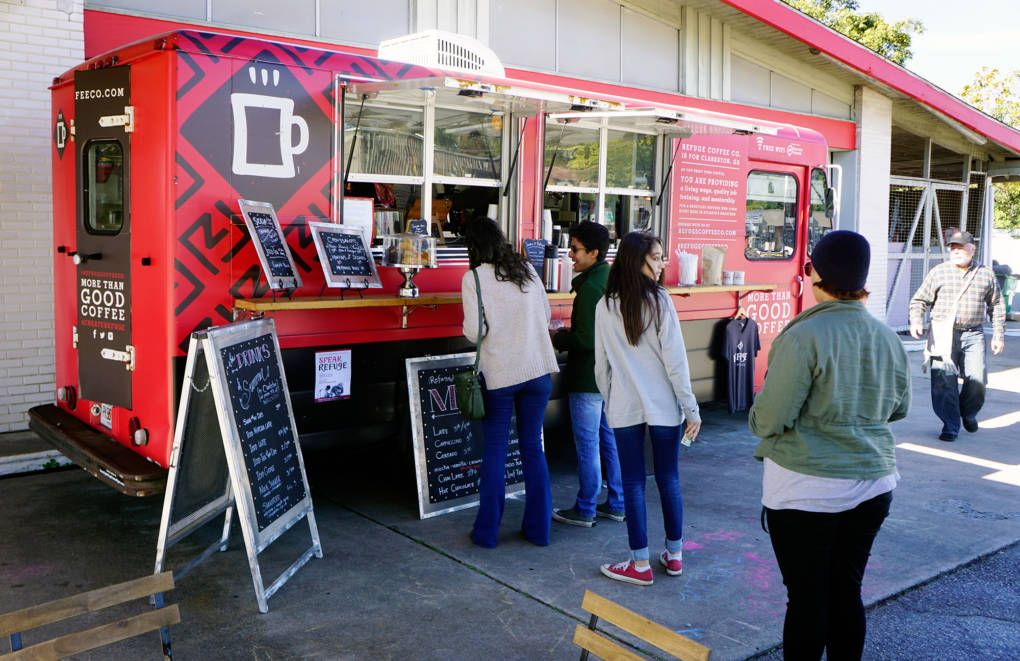
"caption": "Refuge Coffee is a nonprofit gourmet food truck that employees refugees resettled in Clarkston, Ga., and provides job training and networking opportunities within the community.",
"description": "Refuge Coffee is a nonprofit gourmet food truck that employees refugees resettled in Clarkston, Ga., and provides job training and networking opportunities within the community.",
"title": "Refuge Coffee is a nonprofit gourmet food truck that employees refugees resettled in Clarkston, Ga., and provides job training and networking opportunities within the community.",
"credit": "Anjali Enjeti for NPR",
"status": "inherit",
"isLoading": false,
"fetchFailed": false
},
"bayareabites_113136": {
"type": "attachments",
"id": "bayareabites_113136",
"meta": {
"index": "attachments_1716263798",
"site": "bayareabites",
"id": "113136",
"found": true
},
"parent": 113135,
"imgSizes": {
"small": {
"file": "https://ww2.kqed.org/app/uploads/sites/24/2016/10/gettyimages-511530458-80_custom-e1514ae78fade488fe3c4e443cd01db56c5f43da-520x346.jpg",
"width": 520,
"mimeType": "image/jpeg",
"height": 346
},
"twentyfourteen-full-width": {
"file": "https://ww2.kqed.org/app/uploads/sites/24/2016/10/gettyimages-511530458-80_custom-e1514ae78fade488fe3c4e443cd01db56c5f43da-1038x576.jpg",
"width": 1038,
"mimeType": "image/jpeg",
"height": 576
},
"thumbnail": {
"file": "https://ww2.kqed.org/app/uploads/sites/24/2016/10/gettyimages-511530458-80_custom-e1514ae78fade488fe3c4e443cd01db56c5f43da-160x107.jpg",
"width": 160,
"mimeType": "image/jpeg",
"height": 107
},
"fd-sm": {
"file": "https://ww2.kqed.org/app/uploads/sites/24/2016/10/gettyimages-511530458-80_custom-e1514ae78fade488fe3c4e443cd01db56c5f43da-960x639.jpg",
"width": 960,
"mimeType": "image/jpeg",
"height": 639
},
"post-thumbnail": {
"file": "https://ww2.kqed.org/app/uploads/sites/24/2016/10/gettyimages-511530458-80_custom-e1514ae78fade488fe3c4e443cd01db56c5f43da-672x372.jpg",
"width": 672,
"mimeType": "image/jpeg",
"height": 372
},
"xsmall": {
"file": "https://ww2.kqed.org/app/uploads/sites/24/2016/10/gettyimages-511530458-80_custom-e1514ae78fade488fe3c4e443cd01db56c5f43da-375x250.jpg",
"width": 375,
"mimeType": "image/jpeg",
"height": 250
},
"kqedFullSize": {
"file": "https://ww2.kqed.org/app/uploads/sites/24/2016/10/gettyimages-511530458-80_custom-e1514ae78fade488fe3c4e443cd01db56c5f43da.jpg",
"width": 3000,
"height": 1998
},
"large": {
"file": "https://ww2.kqed.org/app/uploads/sites/24/2016/10/gettyimages-511530458-80_custom-e1514ae78fade488fe3c4e443cd01db56c5f43da-1020x679.jpg",
"width": 1020,
"mimeType": "image/jpeg",
"height": 679
},
"xlarge": {
"file": "https://ww2.kqed.org/app/uploads/sites/24/2016/10/gettyimages-511530458-80_custom-e1514ae78fade488fe3c4e443cd01db56c5f43da-1180x786.jpg",
"width": 1180,
"mimeType": "image/jpeg",
"height": 786
},
"guest-author-50": {
"file": "https://ww2.kqed.org/app/uploads/sites/24/2016/10/gettyimages-511530458-80_custom-e1514ae78fade488fe3c4e443cd01db56c5f43da-50x50.jpg",
"width": 50,
"mimeType": "image/jpeg",
"height": 50
},
"guest-author-96": {
"file": "https://ww2.kqed.org/app/uploads/sites/24/2016/10/gettyimages-511530458-80_custom-e1514ae78fade488fe3c4e443cd01db56c5f43da-96x96.jpg",
"width": 96,
"mimeType": "image/jpeg",
"height": 96
},
"medium": {
"file": "https://ww2.kqed.org/app/uploads/sites/24/2016/10/gettyimages-511530458-80_custom-e1514ae78fade488fe3c4e443cd01db56c5f43da-800x533.jpg",
"width": 800,
"mimeType": "image/jpeg",
"height": 533
},
"guest-author-64": {
"file": "https://ww2.kqed.org/app/uploads/sites/24/2016/10/gettyimages-511530458-80_custom-e1514ae78fade488fe3c4e443cd01db56c5f43da-64x64.jpg",
"width": 64,
"mimeType": "image/jpeg",
"height": 64
},
"guest-author-32": {
"file": "https://ww2.kqed.org/app/uploads/sites/24/2016/10/gettyimages-511530458-80_custom-e1514ae78fade488fe3c4e443cd01db56c5f43da-32x32.jpg",
"width": 32,
"mimeType": "image/jpeg",
"height": 32
},
"fd-lrg": {
"file": "https://ww2.kqed.org/app/uploads/sites/24/2016/10/gettyimages-511530458-80_custom-e1514ae78fade488fe3c4e443cd01db56c5f43da-1920x1279.jpg",
"width": 1920,
"mimeType": "image/jpeg",
"height": 1279
},
"fd-med": {
"file": "https://ww2.kqed.org/app/uploads/sites/24/2016/10/gettyimages-511530458-80_custom-e1514ae78fade488fe3c4e443cd01db56c5f43da-1180x786.jpg",
"width": 1180,
"mimeType": "image/jpeg",
"height": 786
},
"full-width": {
"file": "https://ww2.kqed.org/app/uploads/sites/24/2016/10/gettyimages-511530458-80_custom-e1514ae78fade488fe3c4e443cd01db56c5f43da-1920x1279.jpg",
"width": 1920,
"mimeType": "image/jpeg",
"height": 1279
},
"detail": {
"file": "https://ww2.kqed.org/app/uploads/sites/24/2016/10/gettyimages-511530458-80_custom-e1514ae78fade488fe3c4e443cd01db56c5f43da-150x150.jpg",
"width": 150,
"mimeType": "image/jpeg",
"height": 150
},
"medium_large": {
"file": "https://ww2.kqed.org/app/uploads/sites/24/2016/10/gettyimages-511530458-80_custom-e1514ae78fade488fe3c4e443cd01db56c5f43da-768x511.jpg",
"width": 768,
"mimeType": "image/jpeg",
"height": 511
},
"guest-author-128": {
"file": "https://ww2.kqed.org/app/uploads/sites/24/2016/10/gettyimages-511530458-80_custom-e1514ae78fade488fe3c4e443cd01db56c5f43da-128x128.jpg",
"width": 128,
"mimeType": "image/jpeg",
"height": 128
},
"xxsmall": {
"file": "https://ww2.kqed.org/app/uploads/sites/24/2016/10/gettyimages-511530458-80_custom-e1514ae78fade488fe3c4e443cd01db56c5f43da-240x160.jpg",
"width": 240,
"mimeType": "image/jpeg",
"height": 160
}
},
"publishDate": 1477932327,
"modified": 1477932751,
"caption": "Americans are often chastised for what we eat. Now we're getting a pat on the back. A new report finds seafood consumption is up by nearly a pound from the previous year, the biggest leap in 20 years.",
"description": "Americans are often chastised for what we eat. Now we're getting a pat on the back. A new report finds seafood consumption is up by nearly a pound from the previous year, the biggest leap in 20 years.",
"title": "Americans are often chastised for what we eat. Now we're getting a pat on the back. A new report finds seafood consumption is up by nearly a pound from the previous year, the biggest leap in 20 years.",
"credit": "fcafotodigital/Getty Images",
"status": "inherit",
"isLoading": false,
"fetchFailed": false
},
"bayareabites_113129": {
"type": "attachments",
"id": "bayareabites_113129",
"meta": {
"index": "attachments_1716263798",
"site": "bayareabites",
"id": "113129",
"found": true
},
"parent": 113128,
"imgSizes": {
"small": {
"file": "https://ww2.kqed.org/app/uploads/sites/24/2016/10/gettyimages-150751465-80_custom-c3ac6fa798d933949b41fdc29efd317b203c95ca-520x346.jpg",
"width": 520,
"mimeType": "image/jpeg",
"height": 346
},
"twentyfourteen-full-width": {
"file": "https://ww2.kqed.org/app/uploads/sites/24/2016/10/gettyimages-150751465-80_custom-c3ac6fa798d933949b41fdc29efd317b203c95ca-1038x576.jpg",
"width": 1038,
"mimeType": "image/jpeg",
"height": 576
},
"thumbnail": {
"file": "https://ww2.kqed.org/app/uploads/sites/24/2016/10/gettyimages-150751465-80_custom-c3ac6fa798d933949b41fdc29efd317b203c95ca-160x107.jpg",
"width": 160,
"mimeType": "image/jpeg",
"height": 107
},
"fd-sm": {
"file": "https://ww2.kqed.org/app/uploads/sites/24/2016/10/gettyimages-150751465-80_custom-c3ac6fa798d933949b41fdc29efd317b203c95ca-960x639.jpg",
"width": 960,
"mimeType": "image/jpeg",
"height": 639
},
"post-thumbnail": {
"file": "https://ww2.kqed.org/app/uploads/sites/24/2016/10/gettyimages-150751465-80_custom-c3ac6fa798d933949b41fdc29efd317b203c95ca-672x372.jpg",
"width": 672,
"mimeType": "image/jpeg",
"height": 372
},
"xsmall": {
"file": "https://ww2.kqed.org/app/uploads/sites/24/2016/10/gettyimages-150751465-80_custom-c3ac6fa798d933949b41fdc29efd317b203c95ca-375x250.jpg",
"width": 375,
"mimeType": "image/jpeg",
"height": 250
},
"kqedFullSize": {
"file": "https://ww2.kqed.org/app/uploads/sites/24/2016/10/gettyimages-150751465-80_custom-c3ac6fa798d933949b41fdc29efd317b203c95ca.jpg",
"width": 2000,
"height": 1332
},
"large": {
"file": "https://ww2.kqed.org/app/uploads/sites/24/2016/10/gettyimages-150751465-80_custom-c3ac6fa798d933949b41fdc29efd317b203c95ca-1020x679.jpg",
"width": 1020,
"mimeType": "image/jpeg",
"height": 679
},
"xlarge": {
"file": "https://ww2.kqed.org/app/uploads/sites/24/2016/10/gettyimages-150751465-80_custom-c3ac6fa798d933949b41fdc29efd317b203c95ca-1180x786.jpg",
"width": 1180,
"mimeType": "image/jpeg",
"height": 786
},
"guest-author-50": {
"file": "https://ww2.kqed.org/app/uploads/sites/24/2016/10/gettyimages-150751465-80_custom-c3ac6fa798d933949b41fdc29efd317b203c95ca-50x50.jpg",
"width": 50,
"mimeType": "image/jpeg",
"height": 50
},
"guest-author-96": {
"file": "https://ww2.kqed.org/app/uploads/sites/24/2016/10/gettyimages-150751465-80_custom-c3ac6fa798d933949b41fdc29efd317b203c95ca-96x96.jpg",
"width": 96,
"mimeType": "image/jpeg",
"height": 96
},
"medium": {
"file": "https://ww2.kqed.org/app/uploads/sites/24/2016/10/gettyimages-150751465-80_custom-c3ac6fa798d933949b41fdc29efd317b203c95ca-800x533.jpg",
"width": 800,
"mimeType": "image/jpeg",
"height": 533
},
"guest-author-64": {
"file": "https://ww2.kqed.org/app/uploads/sites/24/2016/10/gettyimages-150751465-80_custom-c3ac6fa798d933949b41fdc29efd317b203c95ca-64x64.jpg",
"width": 64,
"mimeType": "image/jpeg",
"height": 64
},
"guest-author-32": {
"file": "https://ww2.kqed.org/app/uploads/sites/24/2016/10/gettyimages-150751465-80_custom-c3ac6fa798d933949b41fdc29efd317b203c95ca-32x32.jpg",
"width": 32,
"mimeType": "image/jpeg",
"height": 32
},
"fd-lrg": {
"file": "https://ww2.kqed.org/app/uploads/sites/24/2016/10/gettyimages-150751465-80_custom-c3ac6fa798d933949b41fdc29efd317b203c95ca-1920x1279.jpg",
"width": 1920,
"mimeType": "image/jpeg",
"height": 1279
},
"fd-med": {
"file": "https://ww2.kqed.org/app/uploads/sites/24/2016/10/gettyimages-150751465-80_custom-c3ac6fa798d933949b41fdc29efd317b203c95ca-1180x786.jpg",
"width": 1180,
"mimeType": "image/jpeg",
"height": 786
},
"full-width": {
"file": "https://ww2.kqed.org/app/uploads/sites/24/2016/10/gettyimages-150751465-80_custom-c3ac6fa798d933949b41fdc29efd317b203c95ca-1920x1279.jpg",
"width": 1920,
"mimeType": "image/jpeg",
"height": 1279
},
"detail": {
"file": "https://ww2.kqed.org/app/uploads/sites/24/2016/10/gettyimages-150751465-80_custom-c3ac6fa798d933949b41fdc29efd317b203c95ca-150x150.jpg",
"width": 150,
"mimeType": "image/jpeg",
"height": 150
},
"medium_large": {
"file": "https://ww2.kqed.org/app/uploads/sites/24/2016/10/gettyimages-150751465-80_custom-c3ac6fa798d933949b41fdc29efd317b203c95ca-768x511.jpg",
"width": 768,
"mimeType": "image/jpeg",
"height": 511
},
"guest-author-128": {
"file": "https://ww2.kqed.org/app/uploads/sites/24/2016/10/gettyimages-150751465-80_custom-c3ac6fa798d933949b41fdc29efd317b203c95ca-128x128.jpg",
"width": 128,
"mimeType": "image/jpeg",
"height": 128
},
"xxsmall": {
"file": "https://ww2.kqed.org/app/uploads/sites/24/2016/10/gettyimages-150751465-80_custom-c3ac6fa798d933949b41fdc29efd317b203c95ca-240x160.jpg",
"width": 240,
"mimeType": "image/jpeg",
"height": 160
}
},
"publishDate": 1477929635,
"modified": 1477930255,
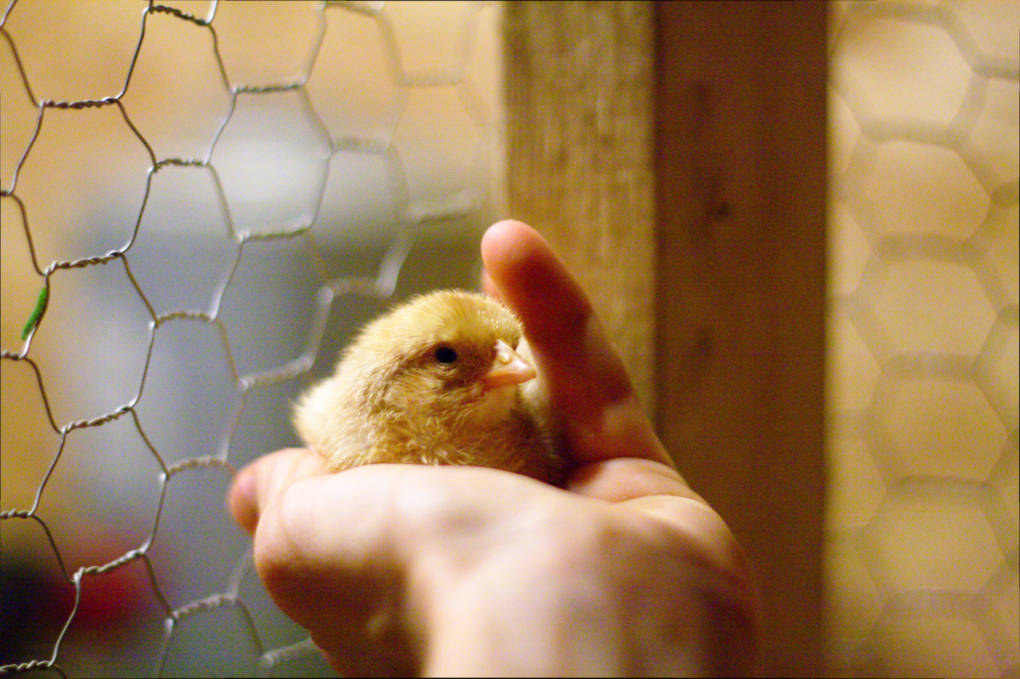
"caption": "This chick will live. It's female.",
"description": "This chick will live. It's female.",
"title": "This chick will live. It's female.",
"credit": "Jessica Harms/Getty Images",
"status": "inherit",
"isLoading": false,
"fetchFailed": false
},
"bayareabites_112827": {
"type": "attachments",
"id": "bayareabites_112827",
"meta": {
"index": "attachments_1716263798",
"site": "bayareabites",
"id": "112827",
"found": true
},
"parent": 112825,
"imgSizes": {
"small": {
"file": "https://ww2.kqed.org/app/uploads/sites/24/2016/10/paigegreenAnnaLappe-1920-520x347.jpg",
"width": 520,
"mimeType": "image/jpeg",
"height": 347
},
"twentyfourteen-full-width": {
"file": "https://ww2.kqed.org/app/uploads/sites/24/2016/10/paigegreenAnnaLappe-1920-1038x576.jpg",
"width": 1038,
"mimeType": "image/jpeg",
"height": 576
},
"thumbnail": {
"file": "https://ww2.kqed.org/app/uploads/sites/24/2016/10/paigegreenAnnaLappe-1920-160x107.jpg",
"width": 160,
"mimeType": "image/jpeg",
"height": 107
},
"fd-sm": {
"file": "https://ww2.kqed.org/app/uploads/sites/24/2016/10/paigegreenAnnaLappe-1920-960x640.jpg",
"width": 960,
"mimeType": "image/jpeg",
"height": 640
},
"post-thumbnail": {
"file": "https://ww2.kqed.org/app/uploads/sites/24/2016/10/paigegreenAnnaLappe-1920-672x372.jpg",
"width": 672,
"mimeType": "image/jpeg",
"height": 372
},
"xsmall": {
"file": "https://ww2.kqed.org/app/uploads/sites/24/2016/10/paigegreenAnnaLappe-1920-375x250.jpg",
"width": 375,
"mimeType": "image/jpeg",
"height": 250
},
"kqedFullSize": {
"file": "https://ww2.kqed.org/app/uploads/sites/24/2016/10/paigegreenAnnaLappe-1920.jpg",
"width": 1920,
"height": 1280
},
"large": {
"file": "https://ww2.kqed.org/app/uploads/sites/24/2016/10/paigegreenAnnaLappe-1920-1020x680.jpg",
"width": 1020,
"mimeType": "image/jpeg",
"height": 680
},
"xlarge": {
"file": "https://ww2.kqed.org/app/uploads/sites/24/2016/10/paigegreenAnnaLappe-1920-1180x787.jpg",
"width": 1180,
"mimeType": "image/jpeg",
"height": 787
},
"guest-author-50": {
"file": "https://ww2.kqed.org/app/uploads/sites/24/2016/10/paigegreenAnnaLappe-1920-50x50.jpg",
"width": 50,
"mimeType": "image/jpeg",
"height": 50
},
"guest-author-96": {
"file": "https://ww2.kqed.org/app/uploads/sites/24/2016/10/paigegreenAnnaLappe-1920-96x96.jpg",
"width": 96,
"mimeType": "image/jpeg",
"height": 96
},
"medium": {
"file": "https://ww2.kqed.org/app/uploads/sites/24/2016/10/paigegreenAnnaLappe-1920-800x533.jpg",
"width": 800,
"mimeType": "image/jpeg",
"height": 533
},
"guest-author-64": {
"file": "https://ww2.kqed.org/app/uploads/sites/24/2016/10/paigegreenAnnaLappe-1920-64x64.jpg",
"width": 64,
"mimeType": "image/jpeg",
"height": 64
},
"guest-author-32": {
"file": "https://ww2.kqed.org/app/uploads/sites/24/2016/10/paigegreenAnnaLappe-1920-32x32.jpg",
"width": 32,
"mimeType": "image/jpeg",
"height": 32
},
"fd-lrg": {
"file": "https://ww2.kqed.org/app/uploads/sites/24/2016/10/paigegreenAnnaLappe-1920-1920x1280.jpg",
"width": 1920,
"mimeType": "image/jpeg",
"height": 1280
},
"fd-med": {
"file": "https://ww2.kqed.org/app/uploads/sites/24/2016/10/paigegreenAnnaLappe-1920-1180x787.jpg",
"width": 1180,
"mimeType": "image/jpeg",
"height": 787
},
"full-width": {
"file": "https://ww2.kqed.org/app/uploads/sites/24/2016/10/paigegreenAnnaLappe-1920-1920x1280.jpg",
"width": 1920,
"mimeType": "image/jpeg",
"height": 1280
},
"detail": {
"file": "https://ww2.kqed.org/app/uploads/sites/24/2016/10/paigegreenAnnaLappe-1920-150x150.jpg",
"width": 150,
"mimeType": "image/jpeg",
"height": 150
},
"medium_large": {
"file": "https://ww2.kqed.org/app/uploads/sites/24/2016/10/paigegreenAnnaLappe-1920-768x512.jpg",
"width": 768,
"mimeType": "image/jpeg",
"height": 512
},
"guest-author-128": {
"file": "https://ww2.kqed.org/app/uploads/sites/24/2016/10/paigegreenAnnaLappe-1920-128x128.jpg",
"width": 128,
"mimeType": "image/jpeg",
"height": 128
},
"xxsmall": {
"file": "https://ww2.kqed.org/app/uploads/sites/24/2016/10/paigegreenAnnaLappe-1920-240x160.jpg",
"width": 240,
"mimeType": "image/jpeg",
"height": 160
}
},
"publishDate": 1477083115,
"modified": 1477084282,
"caption": "Anna Lappe",
"description": null,
"title": "paigegreenAnnaLappe-1920",
"credit": "Paige Green",
"status": "inherit",
"isLoading": false,
"fetchFailed": false
}
},
"audioPlayerReducer": {
"postId": "stream_live",
"isPaused": true,
"isPlaying": false,
"pfsActive": false,
"pledgeModalIsOpen": true,
"playerDrawerIsOpen": false,
"liveAudioPlayStartedAt": 0,
"liveAudioPlayContext": ""
},
"authorsReducer": {
"byline_bayareabites_113848": {
"type": "authors",
"id": "byline_bayareabites_113848",
"meta": {
"override": true
},
"slug": "byline_bayareabites_113848",
"name": "Kristen Hartke, \u003ca href=\"https://ww2.kqed.org/bayareabites/author/nprfood/\">NPR Food\u003c/a>",
"isLoading": false
},
"byline_bayareabites_113832": {
"type": "authors",
"id": "byline_bayareabites_113832",
"meta": {
"override": true
},
"slug": "byline_bayareabites_113832",
"name": "Dan Charles, NPR Food",
"isLoading": false
},
"byline_bayareabites_113800": {
"type": "authors",
"id": "byline_bayareabites_113800",
"meta": {
"override": true
},
"slug": "byline_bayareabites_113800",
"name": "Clarissa Wei, \u003ca href=\"https://ww2.kqed.org/bayareabites/author/nprfood/\">NPR Food\u003c/a>",
"isLoading": false
},
"byline_bayareabites_113737": {
"type": "authors",
"id": "byline_bayareabites_113737",
"meta": {
"override": true
},
"slug": "byline_bayareabites_113737",
"name": "Maanvi Singh, NPR Food",
"isLoading": false
},
"byline_bayareabites_113679": {
"type": "authors",
"id": "byline_bayareabites_113679",
"meta": {
"override": true
},
"slug": "byline_bayareabites_113679",
"name": "Lisa Held, \u003ca href=\"http://civileats.com/2016/11/14/the-people-behind-your-food-are-more-vulnerable-than-ever/\">Civil Eats\u003c/a>",
"isLoading": false
},
"byline_bayareabites_113657": {
"type": "authors",
"id": "byline_bayareabites_113657",
"meta": {
"override": true
},
"slug": "byline_bayareabites_113657",
"name": "Rebecca Sananes, \u003ca href=\"https://ww2.kqed.org/bayareabites/author/nprfood/\">NPR Food\u003c/a>",
"isLoading": false
},
"byline_bayareabites_113634": {
"type": "authors",
"id": "byline_bayareabites_113634",
"meta": {
"override": true
},
"slug": "byline_bayareabites_113634",
"name": "Elizabeth Grossman, \u003ca href=\"http://civileats.com/2016/11/08/carrageenan-is-everywhere-is-it-safe/\">Civil Eats\u003c/a>",
"isLoading": false
},
"byline_bayareabites_113602": {
"type": "authors",
"id": "byline_bayareabites_113602",
"meta": {
"override": true
},
"slug": "byline_bayareabites_113602",
"name": "Maria Godoy, \u003ca href=\"https://ww2.kqed.org/bayareabites/author/nprfood/\">NPR Food\u003c/a>",
"isLoading": false
},
"byline_bayareabites_113417": {
"type": "authors",
"id": "byline_bayareabites_113417",
"meta": {
"override": true
},
"slug": "byline_bayareabites_113417",
"name": "Anjali Enjeti, \u003ca href=\"https://ww2.kqed.org/bayareabites/author/nprfood/\">NPR Food\u003c/a>",
"isLoading": false
},
"byline_bayareabites_113135": {
"type": "authors",
"id": "byline_bayareabites_113135",
"meta": {
"override": true
},
"slug": "byline_bayareabites_113135",
"name": "Clare Leschin-Hoar, \u003ca href=\"https://ww2.kqed.org/bayareabites/author/nprfood/\">NPR Food\u003c/a>",
"isLoading": false
},
"byline_bayareabites_113128": {
"type": "authors",
"id": "byline_bayareabites_113128",
"meta": {
"override": true
},
"slug": "byline_bayareabites_113128",
"name": "Dan Charles, NPR Food",
"isLoading": false
},
"kimwesterman": {
"type": "authors",
"id": "5575",
"meta": {
"index": "authors_1716337520",
"id": "5575",
"found": true
},
"name": "Kim Westerman",
"firstName": "Kim",
"lastName": "Westerman",
"slug": "kimwesterman",
"email": "kim.westerman@gmail.com",
"display_author_email": false,
"staff_mastheads": [],
"title": null,
"bio": "Kim Westerman has been writing about food and wine for most of her adult life. Originally from North Carolina, she moved to Berkeley in 2006 to pursue the California dream, which, it turns out, is all it’s cracked up to be. She’s a farmers' market junkie, a lover of all things tomato, and Champagne-obsessed. She loves to cook with her kids, eight and three, and she makes frequent pilgrimages to International Boulevard in search of her next favorite Mexican dish. She spends an inordinate amount of time thinking about food and wine pairing, often starting with the wine and working backwards when planning menus. She is a Level I Sommelier and a Licensed Q-Grader. Her work has appeared in KQED's Bay Area Bites, Forbes.com, the New York Times, the San Francisco Chronicle, Tasting Table, Fodor’s Travel Guides, and lots of other publications. You can follow Kim on Twitter and Instagram @throughtraveler.",
"avatar": "https://secure.gravatar.com/avatar/2eb7f890ab19ead33f77fd8554ac4c39?s=600&d=blank&r=g",
"twitter": null,
"facebook": null,
"instagram": null,
"linkedin": null,
"sites": [
{
"site": "bayareabites",
"roles": [
"contributor"
]
},
{
"site": "food",
"roles": [
"contributor"
]
}
],
"headData": {
"title": "Kim Westerman | KQED",
"description": null,
"ogImgSrc": "https://secure.gravatar.com/avatar/2eb7f890ab19ead33f77fd8554ac4c39?s=600&d=blank&r=g",
"twImgSrc": "https://secure.gravatar.com/avatar/2eb7f890ab19ead33f77fd8554ac4c39?s=600&d=blank&r=g"
},
"isLoading": false,
"link": "/author/kimwesterman"
}
},
"pagesReducer": {
"bayareabites_category_politics-activism-food-safety": {
"type": "terms",
"id": "bayareabites_2035",
"meta": {
"index": "terms_1716263798",
"site": "bayareabites",
"id": "2035",
"score": 13.896381
},
"featImg": null,
"name": "politics, activism, food safety",
"description": null,
"taxonomy": "category",
"headData": {
"twImgId": null,
"twTitle": null,
"ogTitle": null,
"ogImgId": null,
"twDescription": null,
"description": null,
"title": "politics, activism, food safety Archives | KQED Bay Area Bites",
"ogDescription": null
},
"ttid": 943,
"slug": "politics-activism-food-safety",
"isLoading": false,
"title": "politics, activism, food safety",
"pageMeta": {
"site": "bayareabites",
"WpPageTemplate": "page-topic-editorial",
"currentPage": 18
},
"blocks": [
{
"blockName": "kqed/post-list",
"attrs": {
"layout": "cardArticle2",
"query": "posts/bayareabites?category=politics-activism-food-safety",
"seeMore": false,
"paginated": true,
"page": 18
}
},
{
"blockName": "kqed/ad"
}
]
}
},
"pfsSessionReducer": {},
"postsReducer": {
"stream_live": {
"type": "live",
"id": "stream_live",
"audioUrl": "https://streams.kqed.org/kqedradio",
"title": "Live Stream",
"excerpt": "Live Stream information currently unavailable.",
"link": "/radio",
"featImg": "",
"label": {
"name": "KQED Live",
"link": "/"
}
},
"stream_kqedNewscast": {
"type": "posts",
"id": "stream_kqedNewscast",
"audioUrl": "https://www.kqed.org/.stream/anon/radio/RDnews/newscast.mp3?_=1",
"title": "KQED Newscast",
"featImg": "",
"label": {
"name": "88.5 FM",
"link": "/"
}
},
"bayareabites_113848": {
"type": "posts",
"id": "bayareabites_113848",
"meta": {
"index": "posts_1716263798",
"site": "bayareabites",
"id": "113848",
"score": null,
"sort": [
1481074339000
]
},
"parent": 0,
"labelTerm": {},
"blocks": [],
"publishDate": 1481074339,
"format": "standard",
"disqusTitle": "Philly's New Pay-What-You-Can Restaurant Brings Everyone To The Table",
"title": "Philly's New Pay-What-You-Can Restaurant Brings Everyone To The Table",
"headTitle": "Bay Area Bites | KQED Food",
"content": "\u003cp>It's 6 p.m. on a Wednesday night and there's a line out the door at EAT Café. Inside, executive chef and restaurant manager Donnell Jones-Craven is busy plating up salads and burgers, but he pauses to sprint out into the dining room. \"I appreciate so much that you're all here for dinner tonight!\" he calls out to those still waiting in line. \"Just bear with us and we'll get you seated as soon as we can.\"\u003c/p>\n\u003cp>Tucked into a crossroads of several West Philadelphia neighborhoods near Presbyterian Hospital and Drexel University, EAT Café is in the throes of its busiest night since opening six weeks ago in October.\u003c/p>\n\u003cp>EAT, which stands for \"Everyone At the Table,\" is the first restaurant of its kind in Philadelphia. The not-for-profit restaurant aims to provide a sit-down dining experience to residents of the city's low-income neighborhoods by allowing patrons to pay whatever they can afford for their meals.\u003c/p>\n\u003cp>\"It's really exciting to see so many people here tonight,\" says Joe Alberti, a fifth-grade teacher in the local public school who lives nearby and also serves on the nonprofit restaurant's Community Advisory Committee. \"It makes me feel like we really are on to something.\"\u003c/p>\n\u003cp>It all began five years ago, when Mariana Chilton, a hunger researcher and the director of Drexel University's \u003ca href=\"http://www.centerforhungerfreecommunities.org/\">Center for Hunger-Free Communities\u003c/a>, realized something from her conversations with people in Philadelphia's poorest communities: Eating at a restaurant wasn't just a luxury; it was simply impossible.\u003c/p>\n\u003cp>[ad fullwidth]\u003c/p>\n\u003cp>\"Sit-down restaurants don't even exist in many low-income neighborhoods,\" says Chilton. \"There will be take-out spots or some fast food, but that's really it. There is simply no place where families or couples can sit down and have a meal together in a way that feels special. It's as if we have this idea that poor people don't deserve to go out to eat.\"\u003c/p>\n\u003cp>Chilton wanted to change that. Attracted by the idea of creating a nonprofit pay-as-you-go restaurant, similar to \u003ca href=\"http://www.soallmayeat.org/\">SAME Café\u003c/a> in Denver and \u003ca href=\"https://www.jbjsoulkitchen.org/\">JBJ Soul Kitchen\u003c/a> in Red Bank, N.J., Chilton rounded up an initial $250,000 in grant money to fund a similar project in Philadelphia. But she had no idea how to start a restaurant. \"I'm a researcher,\" she says, laughing. \"I have absolutely no idea how to run a business.\"\u003c/p>\n\u003cp>Then, a chance conversation with Philadelphia restaurateurs Marc Vetri and Jeff Benjamin led to an unexpected partnership that helped bring the expertise that Chilton lacked. The duo was already active in local schools through the \u003ca href=\"http://vetricommunity.org/\">Vetri Community Partnership\u003c/a>, which provides nutritious meals to schoolchildren.\u003c/p>\n\u003cp>\"We were talking with Mariana about how to expand the work we already do in Philadelphia, just tossing around ideas,\" says Benjamin. \"Right at the end, she asked if she could pick our brains about this idea she had for opening a nonprofit cafe. We were like, 'Why didn't you bring this up two hours ago?' We knew it was a natural fit for us.\"\u003c/p>\n\u003cp>The restaurateurs also knew that location was key to success. Chilton's original idea of setting up shop in a deeply impoverished neighborhood would not be a good business model, they realized. For the concept to thrive, the restaurant needed to be in an area where it could draw on a variety of customers — those who could afford to pay the $15 suggested price for a three-course meal, and those who could not.\u003c/p>\n\u003cp>The community that they eventually settled on, Mantua, just a couple of miles from Philadelphia's center, is surrounded by neighborhoods boasting everything from historic homes to urban farms, each with a history of civic pride and local activism, as well as economic ups and downs. Above all, it offered the cross-section of income levels needed to provide that ready supply of customers, from local hospital employees and college students to middle-class and low-income residents.\u003c/p>\n\u003cp>\"If we'd opened the restaurant in the communities I was originally thinking of,\" says Chilton, \"we simply wouldn't have been able to build a customer base that could support both the business model and the community at the same time. Where we ended up really helps meet the mission.\"\u003c/p>\n\u003cfigure id=\"attachment_113850\" class=\"wp-caption aligncenter\" style=\"max-width: 2994px\">\u003cimg src=\"http://ww2.kqed.org/bayareabites/wp-content/uploads/sites/24/2016/12/chef-donnell-at-cooktop-55_custom-1e8a44b7a6ad5ea837b99997fc0768fc5f9b9540.jpg\" alt=\"Executive chef and restaurant manager Donnell Jones-Craven.\" width=\"2994\" height=\"2074\" class=\"size-full wp-image-113850\" srcset=\"https://ww2.kqed.org/app/uploads/sites/24/2016/12/chef-donnell-at-cooktop-55_custom-1e8a44b7a6ad5ea837b99997fc0768fc5f9b9540.jpg 2994w, https://ww2.kqed.org/app/uploads/sites/24/2016/12/chef-donnell-at-cooktop-55_custom-1e8a44b7a6ad5ea837b99997fc0768fc5f9b9540-160x111.jpg 160w, https://ww2.kqed.org/app/uploads/sites/24/2016/12/chef-donnell-at-cooktop-55_custom-1e8a44b7a6ad5ea837b99997fc0768fc5f9b9540-800x554.jpg 800w, https://ww2.kqed.org/app/uploads/sites/24/2016/12/chef-donnell-at-cooktop-55_custom-1e8a44b7a6ad5ea837b99997fc0768fc5f9b9540-768x532.jpg 768w, https://ww2.kqed.org/app/uploads/sites/24/2016/12/chef-donnell-at-cooktop-55_custom-1e8a44b7a6ad5ea837b99997fc0768fc5f9b9540-1020x707.jpg 1020w, https://ww2.kqed.org/app/uploads/sites/24/2016/12/chef-donnell-at-cooktop-55_custom-1e8a44b7a6ad5ea837b99997fc0768fc5f9b9540-1180x817.jpg 1180w, https://ww2.kqed.org/app/uploads/sites/24/2016/12/chef-donnell-at-cooktop-55_custom-1e8a44b7a6ad5ea837b99997fc0768fc5f9b9540-960x665.jpg 960w, https://ww2.kqed.org/app/uploads/sites/24/2016/12/chef-donnell-at-cooktop-55_custom-1e8a44b7a6ad5ea837b99997fc0768fc5f9b9540-240x166.jpg 240w, https://ww2.kqed.org/app/uploads/sites/24/2016/12/chef-donnell-at-cooktop-55_custom-1e8a44b7a6ad5ea837b99997fc0768fc5f9b9540-375x260.jpg 375w, https://ww2.kqed.org/app/uploads/sites/24/2016/12/chef-donnell-at-cooktop-55_custom-1e8a44b7a6ad5ea837b99997fc0768fc5f9b9540-520x360.jpg 520w\" sizes=\"(max-width: 2994px) 100vw, 2994px\">\u003cfigcaption class=\"wp-caption-text\">Executive chef and restaurant manager Donnell Jones-Craven. \u003ccite>(Kristen Hartke for NPR)\u003c/cite>\u003c/figcaption>\u003c/figure>\n\u003cp>They found a developer to renovate a rundown row house, converting the upper floors into income-generating apartments. The street-level restaurant was designed with an open kitchen, walls in shades of aubergine and spring pea, and farmhouse-style tables by a large bay window. The tables are set with napkins, cutlery, glassware and candles, and there's table service.\u003c/p>\n\u003cp>Developing a menu was a key focus for chef Craven-Jones, a recent transplant from Atlanta with experience cooking in upscale retirement communities and an interest in creating meals that are both nutritious and flavorful. The menu changes weekly, offering choices for starters, entrees, and desserts, with options to accommodate dietary restrictions and allergies; this week's menu included fresh tomato-basil soup, an herb-dusted grilled chicken sandwich with pesto mayo, and a burger topped with blue cheese and balsamic glazed onions and mushrooms.\u003c/p>\n\u003cp>While food is purchased from vendors, just like at any restaurant, donations also show up daily, including 5 pounds of salad greens brought in by local resident Uwa (who goes by one name) and his 8-year-old son. They had just picked the greens from \u003ca href=\"http://urbantreeconnection.org/about.html\">Urban Tree Connection\u003c/a>, a network of community gardens for low-income neighborhoods, where Uwa is assistant farm manager. \"I like that they incorporate all the donations into the meals here,\" says Uwa, who stayed to have dinner with his wife and kids. \"This is good, sustainable food, and that's important for the community.\"\u003c/p>\n\u003cp>Giant Food, Metropolitan Bakery and La Colombe Coffee are among some of the regular contributors to the kitchen's pantry. Craven-Jones, who wants to expand the restaurant's hours to include breakfast, lunch and brunch, expects to be working with La Colombe in the future on a coffee program.\u003c/p>\n\u003cp>This type of buy-in from the local community has been essential. Kevin Brown, a member of EAT Café's advisory committee and an employee at a nearby nonprofit, was skeptical when he first heard about the concept, as were neighbors.\u003c/p>\n\u003cp>\"We had community meetings where people had a lot of questions,\" says Brown. \"They wanted to know, 'Am I going to be eating dinner next to a homeless guy who smells?' I think people wondered if this was just going to be another soup kitchen. But now that it's open, they see that everything is made with love and care. It's inviting; it's cozy.\"\u003c/p>\n\u003cp>Calla Cousar, another advisory committee member, brought her son and daughter-in-law to EAT Café for dinner with her on this busy Wednesday night, sitting by the big bay window and chatting with a family of five at the next table. The president of East Parkside Residence Association, Cousar particularly likes the way the restaurant handles payment; after dinner, the bill arrives in a closed check folder, then guests can choose to pay in any amount, including nothing at all. \"No one has to be embarrassed if they can't afford it,\" says Cousar.\u003c/p>\n\u003cp>For chef Craven-Jones, that anonymity is key to building a restaurant that serves everyone who comes through the door, regardless of income. \"We're engaging the community through nutritious food,\" he says, \"and there are enough people coming here who are paying more than the suggested price to balance out those who can't.\" Just recently, a group of 20 diners came in and left an additional $130 on top of what they owed.\u003c/p>\n\u003cp>And that goes a long way to pay for those who can't afford a full-price meal here. In the first six weeks, the average check came out to $12.31, a few dollars below the suggested price; early figures suggest that about 40 percent of diners are paying less than full price, in the range of $7 per meal. \"We have very few people who pay nothing,\" says Chilton. \"If people have 50 cents or $3, they are putting that down. People want to pay something for their meals.\"\u003c/p>\n\u003cp>Brown sees an opportunity for EAT Café to have a long-term impact. \"I'd like to see that this place inspires other people to open traditional restaurants in this area — bring their gastropub here instead of downtown.\"\u003c/p>\n\u003cp>He pauses. \"But it would still need to be a place that the community can enjoy, not something that prices the locals out of the market,\" he says. \"If that happened, then it would defeat the purpose of what EAT Café is trying to do here.\" \u003c/p>\n\u003cp>[ad floatright]\u003c/p>\n\u003cp>\u003cem>Copyright 2016 \u003ca href=\"http://www.npr.org/\" target=\"_blank\">NPR\u003c/a>.\u003c/em>\u003c/p>\n\n",
"disqusIdentifier": "113848 http://ww2.kqed.org/bayareabites/?p=113848",
"disqusUrl": "https://ww2.kqed.org/bayareabites/2016/12/06/phillys-new-pay-what-you-can-restaurant-brings-everyone-to-the-table/",
"stats": {
"hasVideo": false,
"hasChartOrMap": false,
"hasAudio": false,
"hasPolis": false,
"wordCount": 1499,
"hasGoogleForm": false,
"hasGallery": false,
"hasHearkenModule": false,
"iframeSrcs": [],
"paragraphCount": 26
},
"modified": 1481074339,
"excerpt": "A hunger researcher and two restaurateurs teamed up to open EAT Café, a restaurant that aims to provide a sit-down dining experience even to people who typically can't afford to eat at restaurants.",
"headData": {
"twImgId": "",
"twTitle": "",
"ogTitle": "",
"ogImgId": "",
"twDescription": "",
"description": "A hunger researcher and two restaurateurs teamed up to open EAT Café, a restaurant that aims to provide a sit-down dining experience even to people who typically can't afford to eat at restaurants.",
"title": "Philly's New Pay-What-You-Can Restaurant Brings Everyone To The Table | KQED",
"ogDescription": "",
"schema": {
"@context": "https://schema.org",
"@type": "Article",
"headline": "Philly's New Pay-What-You-Can Restaurant Brings Everyone To The Table",
"datePublished": "2016-12-06T17:32:19-08:00",
"dateModified": "2016-12-06T17:32:19-08:00",
"image": "https://cdn.kqed.org/wp-content/uploads/2020/02/KQED-OG-Image@1x.png"
}
},
"guestAuthors": [],
"slug": "phillys-new-pay-what-you-can-restaurant-brings-everyone-to-the-table",
"status": "publish",
"sourceUrl": "https://ww2.kqed.org/bayareabites/category/food-banks-hunger-volunteer/",
"nprApiLink": "http://api.npr.org/query?id=504035539&apiKey=MDAxOTAwOTE4MDEyMTkxMDAzNjczZDljZA004",
"nprByline": "Kristen Hartke, \u003ca href=\"https://ww2.kqed.org/bayareabites/author/nprfood/\">NPR Food\u003c/a>",
"nprStoryDate": "Tue, 06 Dec 2016 13:00:00 -0500",
"nprLastModifiedDate": "Tue, 06 Dec 2016 17:36:50 -0500",
"nprHtmlLink": "http://www.npr.org/sections/thesalt/2016/12/06/504035539/phillys-new-pay-what-you-can-restaurant-brings-everyone-to-the-table?ft=nprml&f=504035539",
"nprImageAgency": "Kristen Hartke for NPR",
"source": "Food Banks, Hunger, Volunteer",
"nprStoryId": "504035539",
"nprRetrievedStory": "1",
"nprPubDate": "Tue, 06 Dec 2016 17:36:00 -0500",
"path": "/bayareabites/113848/phillys-new-pay-what-you-can-restaurant-brings-everyone-to-the-table",
"audioTrackLength": null,
"parsedContent": [
{
"type": "contentString",
"content": "\u003cdiv class=\"post-body\">\u003cp>\u003cp>It's 6 p.m. on a Wednesday night and there's a line out the door at EAT Café. Inside, executive chef and restaurant manager Donnell Jones-Craven is busy plating up salads and burgers, but he pauses to sprint out into the dining room. \"I appreciate so much that you're all here for dinner tonight!\" he calls out to those still waiting in line. \"Just bear with us and we'll get you seated as soon as we can.\"\u003c/p>\n\u003cp>Tucked into a crossroads of several West Philadelphia neighborhoods near Presbyterian Hospital and Drexel University, EAT Café is in the throes of its busiest night since opening six weeks ago in October.\u003c/p>\n\u003cp>EAT, which stands for \"Everyone At the Table,\" is the first restaurant of its kind in Philadelphia. The not-for-profit restaurant aims to provide a sit-down dining experience to residents of the city's low-income neighborhoods by allowing patrons to pay whatever they can afford for their meals.\u003c/p>\n\u003cp>\"It's really exciting to see so many people here tonight,\" says Joe Alberti, a fifth-grade teacher in the local public school who lives nearby and also serves on the nonprofit restaurant's Community Advisory Committee. \"It makes me feel like we really are on to something.\"\u003c/p>\n\u003cp>It all began five years ago, when Mariana Chilton, a hunger researcher and the director of Drexel University's \u003ca href=\"http://www.centerforhungerfreecommunities.org/\">Center for Hunger-Free Communities\u003c/a>, realized something from her conversations with people in Philadelphia's poorest communities: Eating at a restaurant wasn't just a luxury; it was simply impossible.\u003c/p>\n\u003cp>\u003c/p>\u003c/div>",
"attributes": {
"named": {},
"numeric": []
}
},
{
"type": "component",
"content": "",
"name": "ad",
"attributes": {
"named": {
"label": "fullwidth"
},
"numeric": [
"fullwidth"
]
}
},
{
"type": "contentString",
"content": "\u003cdiv class=\"post-body\">\u003cp>\u003c/p>\n\u003cp>\"Sit-down restaurants don't even exist in many low-income neighborhoods,\" says Chilton. \"There will be take-out spots or some fast food, but that's really it. There is simply no place where families or couples can sit down and have a meal together in a way that feels special. It's as if we have this idea that poor people don't deserve to go out to eat.\"\u003c/p>\n\u003cp>Chilton wanted to change that. Attracted by the idea of creating a nonprofit pay-as-you-go restaurant, similar to \u003ca href=\"http://www.soallmayeat.org/\">SAME Café\u003c/a> in Denver and \u003ca href=\"https://www.jbjsoulkitchen.org/\">JBJ Soul Kitchen\u003c/a> in Red Bank, N.J., Chilton rounded up an initial $250,000 in grant money to fund a similar project in Philadelphia. But she had no idea how to start a restaurant. \"I'm a researcher,\" she says, laughing. \"I have absolutely no idea how to run a business.\"\u003c/p>\n\u003cp>Then, a chance conversation with Philadelphia restaurateurs Marc Vetri and Jeff Benjamin led to an unexpected partnership that helped bring the expertise that Chilton lacked. The duo was already active in local schools through the \u003ca href=\"http://vetricommunity.org/\">Vetri Community Partnership\u003c/a>, which provides nutritious meals to schoolchildren.\u003c/p>\n\u003cp>\"We were talking with Mariana about how to expand the work we already do in Philadelphia, just tossing around ideas,\" says Benjamin. \"Right at the end, she asked if she could pick our brains about this idea she had for opening a nonprofit cafe. We were like, 'Why didn't you bring this up two hours ago?' We knew it was a natural fit for us.\"\u003c/p>\n\u003cp>The restaurateurs also knew that location was key to success. Chilton's original idea of setting up shop in a deeply impoverished neighborhood would not be a good business model, they realized. For the concept to thrive, the restaurant needed to be in an area where it could draw on a variety of customers — those who could afford to pay the $15 suggested price for a three-course meal, and those who could not.\u003c/p>\n\u003cp>The community that they eventually settled on, Mantua, just a couple of miles from Philadelphia's center, is surrounded by neighborhoods boasting everything from historic homes to urban farms, each with a history of civic pride and local activism, as well as economic ups and downs. Above all, it offered the cross-section of income levels needed to provide that ready supply of customers, from local hospital employees and college students to middle-class and low-income residents.\u003c/p>\n\u003cp>\"If we'd opened the restaurant in the communities I was originally thinking of,\" says Chilton, \"we simply wouldn't have been able to build a customer base that could support both the business model and the community at the same time. Where we ended up really helps meet the mission.\"\u003c/p>\n\u003cfigure id=\"attachment_113850\" class=\"wp-caption aligncenter\" style=\"max-width: 2994px\">\u003cimg src=\"http://ww2.kqed.org/bayareabites/wp-content/uploads/sites/24/2016/12/chef-donnell-at-cooktop-55_custom-1e8a44b7a6ad5ea837b99997fc0768fc5f9b9540.jpg\" alt=\"Executive chef and restaurant manager Donnell Jones-Craven.\" width=\"2994\" height=\"2074\" class=\"size-full wp-image-113850\" srcset=\"https://ww2.kqed.org/app/uploads/sites/24/2016/12/chef-donnell-at-cooktop-55_custom-1e8a44b7a6ad5ea837b99997fc0768fc5f9b9540.jpg 2994w, https://ww2.kqed.org/app/uploads/sites/24/2016/12/chef-donnell-at-cooktop-55_custom-1e8a44b7a6ad5ea837b99997fc0768fc5f9b9540-160x111.jpg 160w, https://ww2.kqed.org/app/uploads/sites/24/2016/12/chef-donnell-at-cooktop-55_custom-1e8a44b7a6ad5ea837b99997fc0768fc5f9b9540-800x554.jpg 800w, https://ww2.kqed.org/app/uploads/sites/24/2016/12/chef-donnell-at-cooktop-55_custom-1e8a44b7a6ad5ea837b99997fc0768fc5f9b9540-768x532.jpg 768w, https://ww2.kqed.org/app/uploads/sites/24/2016/12/chef-donnell-at-cooktop-55_custom-1e8a44b7a6ad5ea837b99997fc0768fc5f9b9540-1020x707.jpg 1020w, https://ww2.kqed.org/app/uploads/sites/24/2016/12/chef-donnell-at-cooktop-55_custom-1e8a44b7a6ad5ea837b99997fc0768fc5f9b9540-1180x817.jpg 1180w, https://ww2.kqed.org/app/uploads/sites/24/2016/12/chef-donnell-at-cooktop-55_custom-1e8a44b7a6ad5ea837b99997fc0768fc5f9b9540-960x665.jpg 960w, https://ww2.kqed.org/app/uploads/sites/24/2016/12/chef-donnell-at-cooktop-55_custom-1e8a44b7a6ad5ea837b99997fc0768fc5f9b9540-240x166.jpg 240w, https://ww2.kqed.org/app/uploads/sites/24/2016/12/chef-donnell-at-cooktop-55_custom-1e8a44b7a6ad5ea837b99997fc0768fc5f9b9540-375x260.jpg 375w, https://ww2.kqed.org/app/uploads/sites/24/2016/12/chef-donnell-at-cooktop-55_custom-1e8a44b7a6ad5ea837b99997fc0768fc5f9b9540-520x360.jpg 520w\" sizes=\"(max-width: 2994px) 100vw, 2994px\">\u003cfigcaption class=\"wp-caption-text\">Executive chef and restaurant manager Donnell Jones-Craven. \u003ccite>(Kristen Hartke for NPR)\u003c/cite>\u003c/figcaption>\u003c/figure>\n\u003cp>They found a developer to renovate a rundown row house, converting the upper floors into income-generating apartments. The street-level restaurant was designed with an open kitchen, walls in shades of aubergine and spring pea, and farmhouse-style tables by a large bay window. The tables are set with napkins, cutlery, glassware and candles, and there's table service.\u003c/p>\n\u003cp>Developing a menu was a key focus for chef Craven-Jones, a recent transplant from Atlanta with experience cooking in upscale retirement communities and an interest in creating meals that are both nutritious and flavorful. The menu changes weekly, offering choices for starters, entrees, and desserts, with options to accommodate dietary restrictions and allergies; this week's menu included fresh tomato-basil soup, an herb-dusted grilled chicken sandwich with pesto mayo, and a burger topped with blue cheese and balsamic glazed onions and mushrooms.\u003c/p>\n\u003cp>While food is purchased from vendors, just like at any restaurant, donations also show up daily, including 5 pounds of salad greens brought in by local resident Uwa (who goes by one name) and his 8-year-old son. They had just picked the greens from \u003ca href=\"http://urbantreeconnection.org/about.html\">Urban Tree Connection\u003c/a>, a network of community gardens for low-income neighborhoods, where Uwa is assistant farm manager. \"I like that they incorporate all the donations into the meals here,\" says Uwa, who stayed to have dinner with his wife and kids. \"This is good, sustainable food, and that's important for the community.\"\u003c/p>\n\u003cp>Giant Food, Metropolitan Bakery and La Colombe Coffee are among some of the regular contributors to the kitchen's pantry. Craven-Jones, who wants to expand the restaurant's hours to include breakfast, lunch and brunch, expects to be working with La Colombe in the future on a coffee program.\u003c/p>\n\u003cp>This type of buy-in from the local community has been essential. Kevin Brown, a member of EAT Café's advisory committee and an employee at a nearby nonprofit, was skeptical when he first heard about the concept, as were neighbors.\u003c/p>\n\u003cp>\"We had community meetings where people had a lot of questions,\" says Brown. \"They wanted to know, 'Am I going to be eating dinner next to a homeless guy who smells?' I think people wondered if this was just going to be another soup kitchen. But now that it's open, they see that everything is made with love and care. It's inviting; it's cozy.\"\u003c/p>\n\u003cp>Calla Cousar, another advisory committee member, brought her son and daughter-in-law to EAT Café for dinner with her on this busy Wednesday night, sitting by the big bay window and chatting with a family of five at the next table. The president of East Parkside Residence Association, Cousar particularly likes the way the restaurant handles payment; after dinner, the bill arrives in a closed check folder, then guests can choose to pay in any amount, including nothing at all. \"No one has to be embarrassed if they can't afford it,\" says Cousar.\u003c/p>\n\u003cp>For chef Craven-Jones, that anonymity is key to building a restaurant that serves everyone who comes through the door, regardless of income. \"We're engaging the community through nutritious food,\" he says, \"and there are enough people coming here who are paying more than the suggested price to balance out those who can't.\" Just recently, a group of 20 diners came in and left an additional $130 on top of what they owed.\u003c/p>\n\u003cp>And that goes a long way to pay for those who can't afford a full-price meal here. In the first six weeks, the average check came out to $12.31, a few dollars below the suggested price; early figures suggest that about 40 percent of diners are paying less than full price, in the range of $7 per meal. \"We have very few people who pay nothing,\" says Chilton. \"If people have 50 cents or $3, they are putting that down. People want to pay something for their meals.\"\u003c/p>\n\u003cp>Brown sees an opportunity for EAT Café to have a long-term impact. \"I'd like to see that this place inspires other people to open traditional restaurants in this area — bring their gastropub here instead of downtown.\"\u003c/p>\n\u003cp>He pauses. \"But it would still need to be a place that the community can enjoy, not something that prices the locals out of the market,\" he says. \"If that happened, then it would defeat the purpose of what EAT Café is trying to do here.\" \u003c/p>\n\u003cp>\u003c/p>\u003c/div>",
"attributes": {
"named": {},
"numeric": []
}
},
{
"type": "component",
"content": "",
"name": "ad",
"attributes": {
"named": {
"label": "floatright"
},
"numeric": [
"floatright"
]
}
},
{
"type": "contentString",
"content": "\u003cdiv class=\"post-body\">\u003cp>\u003c/p>\n\u003cp>\u003cem>Copyright 2016 \u003ca href=\"http://www.npr.org/\" target=\"_blank\">NPR\u003c/a>.\u003c/em>\u003c/p>\n\n\u003c/div>\u003c/p>",
"attributes": {
"named": {},
"numeric": []
}
}
],
"link": "/bayareabites/113848/phillys-new-pay-what-you-can-restaurant-brings-everyone-to-the-table",
"authors": [
"byline_bayareabites_113848"
],
"categories": [
"bayareabites_3032",
"bayareabites_4084",
"bayareabites_2035"
],
"tags": [
"bayareabites_15694"
],
"featImg": "bayareabites_113849",
"label": "source_bayareabites_113848"
},
"bayareabites_113832": {
"type": "posts",
"id": "bayareabites_113832",
"meta": {
"index": "posts_1716263798",
"site": "bayareabites",
"id": "113832",
"score": null,
"sort": [
1480722986000
]
},
"parent": 0,
"labelTerm": {},
"blocks": [],
"publishDate": 1480722986,
"format": "standard",
"disqusTitle": "Americans Don't Trust Scientists' Take On Food Issues",
"title": "Americans Don't Trust Scientists' Take On Food Issues",
"headTitle": "Bay Area Bites | KQED Food",
"content": "\u003cp>If you're curious about what people really think about some of the hottest of hot-button food controversies, the Pew Research Center has just the thing for you: a \u003ca href=\"http://www.pewinternet.org/2016/12/01/the-new-food-fights/\">survey\u003c/a> of attitudes toward genetic modification, organic food and the importance of eating healthfully.\u003c/p>\n\u003cp>The survey results are published in a 99-page report that can keep you occupied for days. But if you're pressed for time, here are some of the most interesting highlights that caught our eye.\u003c/p>\n\u003cp>\u003cstrong>1. A lot of Americans don't care what scientists think about GMOs\u003c/strong>\u003c/p>\n\u003cp>For instance, 39 percent of the survey participants believe that genetically modified foods are worse for your health than non-GM food. However, there's essentially no scientific evidence to support that belief — a conclusion confirmed most recently by a National Academy of Sciences \u003ca href=\"http://nas-sites.org/ge-crops/2016/05/16/report-in-brief/\">report\u003c/a>. Among the relatively small group who say they care about the issue of GM foods \"a great deal\" (16 percent of the public), three-quarters believe that GMOs are bad for your health.\u003c/p>\n\u003cp>At the same time, it's notable that almost half the respondents — 46 percent to be precise — say that they care about the issue of GMOs \"not too much\" or \"not at all.\"\u003c/p>\n\u003cp>[ad fullwidth]\u003c/p>\n\u003cp>Americans believe that there's no scientific consensus on GMOs. Just over 50 percent of respondents believe that \"about half or fewer\" of scientists agree that GM foods are safe to eat. Only 14 percent's beliefs match the reality — that \"almost all\" scientists agree that GM foods are safe to eat.\u003c/p>\n\u003cp>And finally, there is deep cynicism about the motives of scientists. According to the survey, Americans feel that research findings are influenced in equal measure by the following factors: the best available scientific evidence; desire to help their industries; and desire to advance their careers. In the view of the public, all of those factors are more important to scientists than concern for the public interest.\u003c/p>\n\u003cp>Scientists can take heart, though, from one other finding of the survey. People still trust them more then politicians. Sixty percent of the public still wants scientists to play a major role in government policies toward GM foods. Remarkably, only 24 percent of Americans want their elected officials to have a major role in such policies.\u003c/p>\n\u003cp>\u003cstrong>2. Food sympathies don't follow political sympathies\u003c/strong>\u003c/p>\n\u003cp>Roughly equal shares of Republicans and Democrats (39 percent versus 40 percent) feel that GMOs are worse for people's health. More Democrats than Republicans (60 percent versus 50 percent) believe that organic foods are healthier. It's significant, but not a huge difference.\u003c/p>\n\u003cp>This result is quite different from what Pew found in surveys about climate change, says Cary Funk, the Pew Research Center's associate director of research on science and society. When it comes to climate change, she says, liberal Democrats are much more likely to believe that humans are responsible. Food issues, by contrast, are not as politically polarized.\u003c/p>\n\u003cp>The survey also didn't find any major differences between men and women, or between rich and poor, when it came to views about GMOs or about the healthy qualities of organic food. The wealthy, however, were more likely actually to buy organic food regularly.\u003c/p>\n\u003cp>Finally, there's an overwhelming consensus about one point; 72 percent of Americans believe that healthy eating habits are very important in improving one's chances of a long and healthy life, and an additional 25 percent say that it's somewhat important. But most (58 percent) also say they fall short of their goals and that \"most days I probably should be eating healthier.\"\u003c/p>\n\u003cp>\u003cstrong>3. Food issues don't divide people into neat little camps\u003c/strong>\u003c/p>\n\u003cp>If you look closely at the results, you find that there aren't clearly defined groups of people who all believe the same things about various food issues.\u003c/p>\n\u003cp>For instance, 18 percent of Americans say that their \"main focus\" is eating healthy and nutritious food. And 16 percent says that they care about genetically modified foods \"a great deal.\" But these are not the same people. Only a third of the people who care most about eating healthfully also care a lot about GMOs.\u003c/p>\n\u003cp>And whether a person cares about eating healthful food or not is no predictor of whether he or she considers GMOs to be bad for health.\u003c/p>\n\u003cp>There is a much stronger connection, however, between attitudes about healthy eating and consumption of organic food. People who describe healthy eating as their \"main focus\" were almost three times as likely to eat organic food regularly, compared with people who say that healthy eating is not at all important to them.\u003c/p>\n\u003cp>Finally, support for local and organic food seems to be much more mainstream than the opposition to GMOs. Almost three-quarters of Americans said that they bought local food recently, and just over two-thirds said they had purchased organic food. By comparison, a much smaller group — 44 percent — reported that they'd recently bought food labeled \"GMO-free.\"\u003c/p>\n\u003cp>\u003c/p>\n\u003cp> \u003cem>Copyright 2016 \u003ca href=\"http://www.npr.org/\" target=\"_blank\">NPR\u003c/a>.\u003c/em> \u003c/p>\n\n",
"disqusIdentifier": "113832 http://ww2.kqed.org/bayareabites/?p=113832",
"disqusUrl": "https://ww2.kqed.org/bayareabites/2016/12/02/americans-dont-trust-scientists-take-on-food-issues/",
"stats": {
"hasVideo": false,
"hasChartOrMap": false,
"hasAudio": false,
"hasPolis": false,
"wordCount": 842,
"hasGoogleForm": false,
"hasGallery": false,
"hasHearkenModule": false,
"iframeSrcs": [],
"paragraphCount": 22
},
"modified": 1480722986,
"excerpt": "A new survey finds strong public support for organic food, and suspicion of GMOs — regardless of whether people vote Republican or Democratic. Also, people don't trust scientists much at all.",
"headData": {
"twImgId": "",
"twTitle": "",
"ogTitle": "",
"ogImgId": "",
"twDescription": "",
"description": "A new survey finds strong public support for organic food, and suspicion of GMOs — regardless of whether people vote Republican or Democratic. Also, people don't trust scientists much at all.",
"title": "Americans Don't Trust Scientists' Take On Food Issues | KQED",
"ogDescription": "",
"schema": {
"@context": "https://schema.org",
"@type": "Article",
"headline": "Americans Don't Trust Scientists' Take On Food Issues",
"datePublished": "2016-12-02T15:56:26-08:00",
"dateModified": "2016-12-02T15:56:26-08:00",
"image": "https://cdn.kqed.org/wp-content/uploads/2020/02/KQED-OG-Image@1x.png"
}
},
"guestAuthors": [],
"slug": "americans-dont-trust-scientists-take-on-food-issues",
"status": "publish",
"sourceUrl": "https://ww2.kqed.org/bayareabites/category/politics-activism-food-safety/",
"nprApiLink": "http://api.npr.org/query?id=504034298&apiKey=MDAxOTAwOTE4MDEyMTkxMDAzNjczZDljZA004",
"nprByline": "Dan Charles, NPR Food",
"nprStoryDate": "Fri, 02 Dec 2016 17:02:00 -0500",
"nprLastModifiedDate": "Fri, 02 Dec 2016 17:49:27 -0500",
"nprHtmlLink": "http://www.npr.org/sections/thesalt/2016/12/02/504034298/americans-dont-trust-scientists-take-on-food-politicians-even-less?ft=nprml&f=504034298",
"nprImageAgency": "Portland Press Herald/Getty Images",
"nprImageCredit": "ordon Chibroski",
"source": "Politics, Activism, Food Safety",
"nprStoryId": "504034298",
"nprRetrievedStory": "1",
"nprPubDate": "Fri, 02 Dec 2016 17:49:00 -0500",
"path": "/bayareabites/113832/americans-dont-trust-scientists-take-on-food-issues",
"audioTrackLength": null,
"parsedContent": [
{
"type": "contentString",
"content": "\u003cdiv class=\"post-body\">\u003cp>\u003cp>If you're curious about what people really think about some of the hottest of hot-button food controversies, the Pew Research Center has just the thing for you: a \u003ca href=\"http://www.pewinternet.org/2016/12/01/the-new-food-fights/\">survey\u003c/a> of attitudes toward genetic modification, organic food and the importance of eating healthfully.\u003c/p>\n\u003cp>The survey results are published in a 99-page report that can keep you occupied for days. But if you're pressed for time, here are some of the most interesting highlights that caught our eye.\u003c/p>\n\u003cp>\u003cstrong>1. A lot of Americans don't care what scientists think about GMOs\u003c/strong>\u003c/p>\n\u003cp>For instance, 39 percent of the survey participants believe that genetically modified foods are worse for your health than non-GM food. However, there's essentially no scientific evidence to support that belief — a conclusion confirmed most recently by a National Academy of Sciences \u003ca href=\"http://nas-sites.org/ge-crops/2016/05/16/report-in-brief/\">report\u003c/a>. Among the relatively small group who say they care about the issue of GM foods \"a great deal\" (16 percent of the public), three-quarters believe that GMOs are bad for your health.\u003c/p>\n\u003cp>At the same time, it's notable that almost half the respondents — 46 percent to be precise — say that they care about the issue of GMOs \"not too much\" or \"not at all.\"\u003c/p>\n\u003cp>\u003c/p>\u003c/div>",
"attributes": {
"named": {},
"numeric": []
}
},
{
"type": "component",
"content": "",
"name": "ad",
"attributes": {
"named": {
"label": "fullwidth"
},
"numeric": [
"fullwidth"
]
}
},
{
"type": "contentString",
"content": "\u003cdiv class=\"post-body\">\u003cp>\u003c/p>\n\u003cp>Americans believe that there's no scientific consensus on GMOs. Just over 50 percent of respondents believe that \"about half or fewer\" of scientists agree that GM foods are safe to eat. Only 14 percent's beliefs match the reality — that \"almost all\" scientists agree that GM foods are safe to eat.\u003c/p>\n\u003cp>And finally, there is deep cynicism about the motives of scientists. According to the survey, Americans feel that research findings are influenced in equal measure by the following factors: the best available scientific evidence; desire to help their industries; and desire to advance their careers. In the view of the public, all of those factors are more important to scientists than concern for the public interest.\u003c/p>\n\u003cp>Scientists can take heart, though, from one other finding of the survey. People still trust them more then politicians. Sixty percent of the public still wants scientists to play a major role in government policies toward GM foods. Remarkably, only 24 percent of Americans want their elected officials to have a major role in such policies.\u003c/p>\n\u003cp>\u003cstrong>2. Food sympathies don't follow political sympathies\u003c/strong>\u003c/p>\n\u003cp>Roughly equal shares of Republicans and Democrats (39 percent versus 40 percent) feel that GMOs are worse for people's health. More Democrats than Republicans (60 percent versus 50 percent) believe that organic foods are healthier. It's significant, but not a huge difference.\u003c/p>\n\u003cp>This result is quite different from what Pew found in surveys about climate change, says Cary Funk, the Pew Research Center's associate director of research on science and society. When it comes to climate change, she says, liberal Democrats are much more likely to believe that humans are responsible. Food issues, by contrast, are not as politically polarized.\u003c/p>\n\u003cp>The survey also didn't find any major differences between men and women, or between rich and poor, when it came to views about GMOs or about the healthy qualities of organic food. The wealthy, however, were more likely actually to buy organic food regularly.\u003c/p>\n\u003cp>Finally, there's an overwhelming consensus about one point; 72 percent of Americans believe that healthy eating habits are very important in improving one's chances of a long and healthy life, and an additional 25 percent say that it's somewhat important. But most (58 percent) also say they fall short of their goals and that \"most days I probably should be eating healthier.\"\u003c/p>\n\u003cp>\u003cstrong>3. Food issues don't divide people into neat little camps\u003c/strong>\u003c/p>\n\u003cp>If you look closely at the results, you find that there aren't clearly defined groups of people who all believe the same things about various food issues.\u003c/p>\n\u003cp>For instance, 18 percent of Americans say that their \"main focus\" is eating healthy and nutritious food. And 16 percent says that they care about genetically modified foods \"a great deal.\" But these are not the same people. Only a third of the people who care most about eating healthfully also care a lot about GMOs.\u003c/p>\n\u003cp>And whether a person cares about eating healthful food or not is no predictor of whether he or she considers GMOs to be bad for health.\u003c/p>\n\u003cp>There is a much stronger connection, however, between attitudes about healthy eating and consumption of organic food. People who describe healthy eating as their \"main focus\" were almost three times as likely to eat organic food regularly, compared with people who say that healthy eating is not at all important to them.\u003c/p>\n\u003cp>Finally, support for local and organic food seems to be much more mainstream than the opposition to GMOs. Almost three-quarters of Americans said that they bought local food recently, and just over two-thirds said they had purchased organic food. By comparison, a much smaller group — 44 percent — reported that they'd recently bought food labeled \"GMO-free.\"\u003c/p>\n\u003cp>\u003c/p>\n\u003cp> \u003cem>Copyright 2016 \u003ca href=\"http://www.npr.org/\" target=\"_blank\">NPR\u003c/a>.\u003c/em> \u003c/p>\n\n\u003c/div>\u003c/p>",
"attributes": {
"named": {},
"numeric": []
}
}
],
"link": "/bayareabites/113832/americans-dont-trust-scientists-take-on-food-issues",
"authors": [
"byline_bayareabites_113832"
],
"categories": [
"bayareabites_2035",
"bayareabites_358"
],
"tags": [
"bayareabites_10787"
],
"featImg": "bayareabites_113833",
"label": "source_bayareabites_113832"
},
"bayareabites_113800": {
"type": "posts",
"id": "bayareabites_113800",
"meta": {
"index": "posts_1716263798",
"site": "bayareabites",
"id": "113800",
"score": null,
"sort": [
1480618421000
]
},
"parent": 0,
"labelTerm": {
"site": "bayareabites"
},
"blocks": [],
"publishDate": 1480618421,
"format": "standard",
"disqusTitle": "In California, Squid Is Big Business. But Good Luck Eating Local Calamari",
"title": "In California, Squid Is Big Business. But Good Luck Eating Local Calamari",
"headTitle": "Bay Area Bites | KQED Food",
"content": "\u003cp>Calamari is a favorite on American dinner tables. But while the U.S. has a thriving squid industry, chances are the calamari you are eating made a 12,000-mile round trip before ending up on your dinner plate. That, or it wasn't caught in the U.S. at all.\u003c/p>\n\u003cp>More than 80 percent of U.S. squid landings are exported — most of it to China. The rare percentage of that catch that stays domestically goes to Asian fresh fish markets or is used as bait.\u003c/p>\n\u003cp>Ironically, the lion's share of the squid consumed in the United States is imported.\u003c/p>\n\u003cp>\"Squid is a labor-intensive product,\" says Emily Tripp, founder of \u003ca href=\"https://marinesciencetoday.com/\">Marine Science Today,\u003c/a> a website on the latest ocean-based research. \"It's cheaper in some situations to ship it to China to be processed and ship it back.\"\u003c/p>\n\u003cp>Tripp, who recently graduated with a masters from the Scripps Institute of Oceanography, did her thesis project on California market squid, which, during non-El Niño years, is California's most valuable fishery.\u003c/p>\n\u003cp>[ad fullwidth]\u003c/p>\n\u003cp>In California, squid is an economic driver of the seafood industry – it's the fifth-largest fishery in the United States by weight. Yet most of this squid is frozen and exported overseas to China to be processed and distributed to over 42 countries across the globe. It's an export market that, according to 2011 figures, is valued at $107 million. Only 1.4 percent of it, on average, makes it back to the U.S. In 2015, that figure was 0.46 percent.\u003c/p>\n\u003cp>\"It has to do with the American desire for a larger squid,\" explains Diane Pleschner-Steele, executive director of the California Wetfish Producers Association. \"A lot of squid that is shipped overseas stays overseas because they prefer it. They eat it over there. Our consumers typically prefer a larger squid, and so there's just a ton of squid imported into this country that comes in at a far lower price.\"\u003c/p>\n\u003cp>In the U.S., the squid that ends up on our dinner table is typically Patagonian squid from the Falkland Islands or Humboldt squid — a jumbo cephalopod fished predominantly in Mexico and Peru.\u003c/p>\n\u003cp>California market squid isn't usually desired because of its smaller size.\u003c/p>\n\u003cp>\"Our squid is a learning curve,\" Pleschner-Steele says. \"If you overcook it, it can taste like a rubber band. But in my opinion, if you do it right, it tastes more like abalone than any other squid. It's nutty, sweet and delicate.\"\u003c/p>\n\u003cp>The cost of labor is another, perhaps more significant, factor. Squid cleaning and processing is an extremely time-consuming practice. The eyes, cartilage, skin and guts need to be removed ahead of time, and it's cheaper to have this done overseas than domestically.\u003c/p>\n\u003cp>A round-trip freight cost to China is $0.10 per pound and labor is just $7 a day there. By contrast, California wages — with tax and health insurance — amount to $12 an hour, according to Pleschner-Steele.\u003c/p>\n\u003cp>Also, supply chains and markets are incredibly opaque. Pleschner-Steele suspects that as the Chinese middle-class economy has blossomed, a lot of the squid processing facilities are now based in Thailand.\u003c/p>\n\u003cp>Tripp says during her research, it was nearly impossible to track down where exactly the squid was being processed abroad.\u003c/p>\n\u003cp>\"The biggest challenge was trying to find out where the squid goes when it leaves to the United States,\" she says. \"No one wants to say where they partner. It's a bit of a challenge. In the United States we keep such good records of all of our fish and seafood. There's no comparable system in China. I couldn't follow the chain backwards.\"\u003c/p>\n\u003cp>Regardless, the narrative is the same: Californians aren't eating Californian squid. And if they are, it likely wasn't processed in California.\u003c/p>\n\u003cp>At Mitch's Seafood, a restaurant in San Diego committed to local fish, the owners spent three years looking for a California-based squid processor for their calamari. They eventually found a company in San Pedro called Tri-Marine.\u003c/p>\n\u003cp>\"We have to pay twice as much for it, but it's worth it so that we can say we offer California-caught and processed squid,\" owner Mitch Conniff says. \"Squid that's caught two to three miles away takes a 10,000-mile round-trip journey before I can get it back into my restaurant.\"\u003c/p>\n\u003cp>All Californian fish processors are capable of dealing with squid, Pleschner-Steele says. However, it's not a money-making operation because people aren't willing to pay for it.\u003c/p>\n\u003cp>\"It has to be on request,\" she says. \"We simply can't compete with the cost of other imported squid. \"\u003c/p>\n\u003cp>Supporting the local squid industry is much more than just helping the local economy – it's helpful from a sustainability angle as well.\u003c/p>\n\u003cp>Even with squid being sent on a round-trip journey across the world, the California market squid fishery has one of the lowest carbon footprints in the industry.\u003c/p>\n\u003cp>\"California squid fishing fleets are one of the most energy efficient in the world because [they're] so close to port,\" Pleschner-Steele says. \"Our boats can produce a ton of proteins for about six gallons of diesel fuel. ... Efficiency is key.\"\u003c/p>\n\u003cp>Further efficiency, she says, could be achieved if consumers would be keen to fork over $1.50 a pound more for California-caught and processed squid.\u003c/p>\n\u003cp>But the \"truth is that Americans aren't willing to pay for it,\" she says. \"If people were willing to pay the price, we can definitely feed the demand.\"\u003c/p>\n\u003chr>\n\u003cp>\u003cem>Clarissa Wei is a freelance journalist based in Los Angeles and Taipei. She writes about sustainability and food.\u003c/em> \u003c/p>\n\u003cp>\u003c/p>\n\u003cp>Copyright 2016 \u003ca href=\"http://www.npr.org/\" target=\"_blank\">NPR\u003c/a>. \u003c/p>\n\n",
"disqusIdentifier": "113800 http://ww2.kqed.org/bayareabites/?p=113800",
"disqusUrl": "https://ww2.kqed.org/bayareabites/2016/12/01/in-california-squid-is-big-business-but-good-luck-eating-local-calamari/",
"stats": {
"hasVideo": false,
"hasChartOrMap": false,
"hasAudio": false,
"hasPolis": false,
"wordCount": 965,
"hasGoogleForm": false,
"hasGallery": false,
"hasHearkenModule": false,
"iframeSrcs": [],
"paragraphCount": 29
},
"modified": 1480618550,
"excerpt": "While the U.S. has a thriving squid industry, chances are the calamari you are eating made a 12,000-mile round trip before ending up on your dinner plate.",
"headData": {
"twImgId": "",
"twTitle": "",
"ogTitle": "",
"ogImgId": "",
"twDescription": "",
"description": "While the U.S. has a thriving squid industry, chances are the calamari you are eating made a 12,000-mile round trip before ending up on your dinner plate.",
"title": "In California, Squid Is Big Business. But Good Luck Eating Local Calamari | KQED",
"ogDescription": "",
"schema": {
"@context": "https://schema.org",
"@type": "Article",
"headline": "In California, Squid Is Big Business. But Good Luck Eating Local Calamari",
"datePublished": "2016-12-01T10:53:41-08:00",
"dateModified": "2016-12-01T10:55:50-08:00",
"image": "https://cdn.kqed.org/wp-content/uploads/2020/02/KQED-OG-Image@1x.png"
}
},
"guestAuthors": [],
"slug": "in-california-squid-is-big-business-but-good-luck-eating-local-calamari",
"status": "publish",
"nprApiLink": "http://api.npr.org/query?id=503614175&apiKey=MDAxOTAwOTE4MDEyMTkxMDAzNjczZDljZA004",
"nprByline": "Clarissa Wei, \u003ca href=\"https://ww2.kqed.org/bayareabites/author/nprfood/\">NPR Food\u003c/a>",
"nprStoryDate": "Thu, 01 Dec 2016 11:42:00 -0500",
"nprLastModifiedDate": "Thu, 01 Dec 2016 11:42:31 -0500",
"nprHtmlLink": "http://www.npr.org/sections/thesalt/2016/12/01/503614175/in-california-squid-is-big-business-but-good-luck-eating-local-calamari?ft=nprml&f=503614175",
"nprImageAgency": "LA Times via Getty Images",
"nprImageCredit": "Rick Loomis",
"nprStoryId": "503614175",
"nprRetrievedStory": "1",
"nprPubDate": "Thu, 01 Dec 2016 11:42:00 -0500",
"path": "/bayareabites/113800/in-california-squid-is-big-business-but-good-luck-eating-local-calamari",
"audioTrackLength": null,
"parsedContent": [
{
"type": "contentString",
"content": "\u003cdiv class=\"post-body\">\u003cp>\u003cp>Calamari is a favorite on American dinner tables. But while the U.S. has a thriving squid industry, chances are the calamari you are eating made a 12,000-mile round trip before ending up on your dinner plate. That, or it wasn't caught in the U.S. at all.\u003c/p>\n\u003cp>More than 80 percent of U.S. squid landings are exported — most of it to China. The rare percentage of that catch that stays domestically goes to Asian fresh fish markets or is used as bait.\u003c/p>\n\u003cp>Ironically, the lion's share of the squid consumed in the United States is imported.\u003c/p>\n\u003cp>\"Squid is a labor-intensive product,\" says Emily Tripp, founder of \u003ca href=\"https://marinesciencetoday.com/\">Marine Science Today,\u003c/a> a website on the latest ocean-based research. \"It's cheaper in some situations to ship it to China to be processed and ship it back.\"\u003c/p>\n\u003cp>Tripp, who recently graduated with a masters from the Scripps Institute of Oceanography, did her thesis project on California market squid, which, during non-El Niño years, is California's most valuable fishery.\u003c/p>\n\u003cp>\u003c/p>\u003c/div>",
"attributes": {
"named": {},
"numeric": []
}
},
{
"type": "component",
"content": "",
"name": "ad",
"attributes": {
"named": {
"label": "fullwidth"
},
"numeric": [
"fullwidth"
]
}
},
{
"type": "contentString",
"content": "\u003cdiv class=\"post-body\">\u003cp>\u003c/p>\n\u003cp>In California, squid is an economic driver of the seafood industry – it's the fifth-largest fishery in the United States by weight. Yet most of this squid is frozen and exported overseas to China to be processed and distributed to over 42 countries across the globe. It's an export market that, according to 2011 figures, is valued at $107 million. Only 1.4 percent of it, on average, makes it back to the U.S. In 2015, that figure was 0.46 percent.\u003c/p>\n\u003cp>\"It has to do with the American desire for a larger squid,\" explains Diane Pleschner-Steele, executive director of the California Wetfish Producers Association. \"A lot of squid that is shipped overseas stays overseas because they prefer it. They eat it over there. Our consumers typically prefer a larger squid, and so there's just a ton of squid imported into this country that comes in at a far lower price.\"\u003c/p>\n\u003cp>In the U.S., the squid that ends up on our dinner table is typically Patagonian squid from the Falkland Islands or Humboldt squid — a jumbo cephalopod fished predominantly in Mexico and Peru.\u003c/p>\n\u003cp>California market squid isn't usually desired because of its smaller size.\u003c/p>\n\u003cp>\"Our squid is a learning curve,\" Pleschner-Steele says. \"If you overcook it, it can taste like a rubber band. But in my opinion, if you do it right, it tastes more like abalone than any other squid. It's nutty, sweet and delicate.\"\u003c/p>\n\u003cp>The cost of labor is another, perhaps more significant, factor. Squid cleaning and processing is an extremely time-consuming practice. The eyes, cartilage, skin and guts need to be removed ahead of time, and it's cheaper to have this done overseas than domestically.\u003c/p>\n\u003cp>A round-trip freight cost to China is $0.10 per pound and labor is just $7 a day there. By contrast, California wages — with tax and health insurance — amount to $12 an hour, according to Pleschner-Steele.\u003c/p>\n\u003cp>Also, supply chains and markets are incredibly opaque. Pleschner-Steele suspects that as the Chinese middle-class economy has blossomed, a lot of the squid processing facilities are now based in Thailand.\u003c/p>\n\u003cp>Tripp says during her research, it was nearly impossible to track down where exactly the squid was being processed abroad.\u003c/p>\n\u003cp>\"The biggest challenge was trying to find out where the squid goes when it leaves to the United States,\" she says. \"No one wants to say where they partner. It's a bit of a challenge. In the United States we keep such good records of all of our fish and seafood. There's no comparable system in China. I couldn't follow the chain backwards.\"\u003c/p>\n\u003cp>Regardless, the narrative is the same: Californians aren't eating Californian squid. And if they are, it likely wasn't processed in California.\u003c/p>\n\u003cp>At Mitch's Seafood, a restaurant in San Diego committed to local fish, the owners spent three years looking for a California-based squid processor for their calamari. They eventually found a company in San Pedro called Tri-Marine.\u003c/p>\n\u003cp>\"We have to pay twice as much for it, but it's worth it so that we can say we offer California-caught and processed squid,\" owner Mitch Conniff says. \"Squid that's caught two to three miles away takes a 10,000-mile round-trip journey before I can get it back into my restaurant.\"\u003c/p>\n\u003cp>All Californian fish processors are capable of dealing with squid, Pleschner-Steele says. However, it's not a money-making operation because people aren't willing to pay for it.\u003c/p>\n\u003cp>\"It has to be on request,\" she says. \"We simply can't compete with the cost of other imported squid. \"\u003c/p>\n\u003cp>Supporting the local squid industry is much more than just helping the local economy – it's helpful from a sustainability angle as well.\u003c/p>\n\u003cp>Even with squid being sent on a round-trip journey across the world, the California market squid fishery has one of the lowest carbon footprints in the industry.\u003c/p>\n\u003cp>\"California squid fishing fleets are one of the most energy efficient in the world because [they're] so close to port,\" Pleschner-Steele says. \"Our boats can produce a ton of proteins for about six gallons of diesel fuel. ... Efficiency is key.\"\u003c/p>\n\u003cp>Further efficiency, she says, could be achieved if consumers would be keen to fork over $1.50 a pound more for California-caught and processed squid.\u003c/p>\n\u003cp>But the \"truth is that Americans aren't willing to pay for it,\" she says. \"If people were willing to pay the price, we can definitely feed the demand.\"\u003c/p>\n\u003chr>\n\u003cp>\u003cem>Clarissa Wei is a freelance journalist based in Los Angeles and Taipei. She writes about sustainability and food.\u003c/em> \u003c/p>\n\u003cp>\u003c/p>\n\u003cp>Copyright 2016 \u003ca href=\"http://www.npr.org/\" target=\"_blank\">NPR\u003c/a>. \u003c/p>\n\n\u003c/div>\u003c/p>",
"attributes": {
"named": {},
"numeric": []
}
}
],
"link": "/bayareabites/113800/in-california-squid-is-big-business-but-good-luck-eating-local-calamari",
"authors": [
"byline_bayareabites_113800"
],
"categories": [
"bayareabites_2035",
"bayareabites_358",
"bayareabites_60"
],
"tags": [
"bayareabites_15691",
"bayareabites_2839"
],
"featImg": "bayareabites_113801",
"label": "bayareabites"
},
"bayareabites_113737": {
"type": "posts",
"id": "bayareabites_113737",
"meta": {
"index": "posts_1716263798",
"site": "bayareabites",
"id": "113737",
"score": null,
"sort": [
1479847695000
]
},
"parent": 0,
"labelTerm": {},
"blocks": [],
"publishDate": 1479847695,
"format": "standard",
"disqusTitle": "Eat It, Don't Leave It: How London Became A Leader In Anti-Food Waste",
"title": "Eat It, Don't Leave It: How London Became A Leader In Anti-Food Waste",
"headTitle": "Bay Area Bites | KQED Food",
"content": "\u003cp>It's around 6 o'clock on a Sunday evening, and Anne-Charlotte Mornington is running around the food market in London's super-hip Camden neighborhood with a rolling suitcase and a giant tarp bag filled with empty tupperware boxes. She's going around from stall to stalll, asking for leftovers.\u003c/p>\n\u003cp>Mornington works for the food-sharing app \u003ca href=\"https://olioex.com/\">Olio\u003c/a>. \"If ever you have anything that you can't sell tomorrow but it's still edible,\" she explains to the vendors, \"I'll take it and make sure that it's eaten.\"\u003c/p>\n\u003cp>Olio wants to make it easy for busy food sellers to avoid wasting food. \"These vendors usually don't have enough surplus to donate to a charity or something, but they still end up having to throw away quite a lot at the end of the day,\" Mornington explains. \"So either I or some volunteers will come everyday to collect any scraps and put it on the app.\"\u003c/p>\n\u003cp>In fact, anybody in London with a smartphone — be it a restaurant, grocer or just a regular Joe — can upload pictures of their leftover lunches and dinners, spare ingredients or unwanted produce onto the app. Those hankering for a free meal can then peruse the offerings, message those who've got food to spare and then go collect it — for free.\u003c/p>\n\u003cp>Olio is just one of many start-ups and small enterprises working to reduce food waste in London. When researchers at Trinity College Dublin recently launched \u003ca href=\"http://sharecity.ie/research/sharecity100-database/\">a database\u003c/a> identifying more than 4,000 food-sharing and waste-reducing enterprises in 100 cities around the world, they found that London — with 198 such enterprises — had more than any other city.\u003c/p>\n\u003cp>[ad fullwidth]\u003c/p>\n\u003cp>\"We decided to focus on cities, because more than half of the world's population now lives in cities,\" explains \u003ca href=\"https://www.tcd.ie/Geography/research/gradprojects/AD.php\">Anna Davies\u003c/a>, a professor of geography and environment at Trinity who led the research. City dwellers produce more than a billion tons of solid waste annually — and about half of that is food waste. But cities are also centers of innovation, Davies says. \"So we were curious — what difference is technology making to the way we share food in cities?\"\u003c/p>\n\u003cp>Quite a lot, it turns out.\u003c/p>\n\u003cp>Over the past three years, technology has transformed the way Londoners are approaching food waste, says Laura Hopper, the CEO of Plan Zheroes, a social network that connects charities that need food with local businesses that have a surplus. \"We have so many organizations in London doing good work.\"\u003c/p>\n\u003cp>Initially, the idea for Plan Zheroes came from Lottie Henley, a nonagenarian whose experiences as a refugee during World War II motivated her to do something about food poverty in London. Back in 2011, through a city-wide program designed to encourage green entrepreneurship, Henley got some seed money and teamed up with some techie types to design Plan Zheroes.\u003c/p>\n\u003cp>Now restaurants, coffee shops and small grocers that have just a little bit extra can use the platform to find nearby homeless shelters and food banks in need. The organization also recruits a small army of volunteers who help run food between the businesses and the charities.\u003c/p>\n\u003cp>\"This isn't a large-scale thing. It\"s really about helping communities connect,\" Hopper says. \"Plan Zheroes fills a very specific niche.\"\u003c/p>\n\u003cp>Several other London-based enterprises do the same — they aim to reduce food waste in one or two small, specific ways. London-based startup \u003ca href=\"http://www.snact.co.uk/\">Snact\u003c/a> makes snacks out of produce that would otherwise be wasted, and \u003ca href=\"http://www.rejuce.co.uk/\">Rejuce\u003c/a>, turns waste from London's wholesale markets into smoothies and juices. A company called \u003ca href=\"https://rubiesintherubble.com/\">Rubies in the Rubble \u003c/a>uses surplus fruit and veg to make relishes, and another called \u003ca href=\"http://www.chicp.co.uk/\">ChicP\u003c/a> uses vegetables that are past their prime to make hummus.\u003c/p>\n\u003cp>Then there's \u003ca href=\"http://www.soleshare.net/\">Sole Share\u003c/a> — a sort of Blue Apron for seafood — which helps both consumers and fishermen avoid waste by allowing the former to specify online exactly how much they need so that the latter can deliver exactly that, no more and no less. And \u003ca href=\"http://www.dayoldeats.com/\">Day Old\u003c/a> is an online catering service that will bring boxes of day-old donuts, pastries and other baked goods straight to your office — and the proceeds all go to charities that tackle child hunger.\u003c/p>\n\u003cp>\"Of course, technology alone isn't enough to build a sustainable food-sharing community,\" says Davies from Trinity College. \"The social connections are important — but what technology can do is help people make those connections.\"\u003c/p>\n\u003cp>Back at London's Camden market, Anne-Charlotte Mornington from Olio has collected over 30 portions of food. Anna Kidd, who works as a volunteer with Olio, has joined Mornington in the task of cataloguing and photographing all the nosh: several servings of fragrant, spiced rice from an Indian food stall, Thai chicken curry, a chicken masala wrap and a bag full of hot dogs.\u003c/p>\n\u003cp>It'll all be gone within a day or two, as hungry Londoners come to collect it all. About 85,000 Londoners interested in either donating or collecting surplus food have made accounts on Olio so far.\u003c/p>\n\u003cp>\"It feels so good that we've saved all of this from going in the bin,\" says Kidd, who herself uses the app to pick up odds and ends for her pantry.\u003c/p>\n\u003cp>\"I don't think I've bought any spices since I've got the app,\" Kidd says. \"It's amazing.\" Plus, Olio has an added benefit, she says. \"You get to meet people and have conversations when you pick up the food. I've really gotten to know my area better.\"\u003c/p>\n\u003cp>\u003cem>Maanvi Singh is a writer based in London.\u003c/em>\u003c/p>\n\u003cp>\u003c/p>\n\u003cp> \u003cem>Copyright 2016 \u003ca href=\"http://www.npr.org/\" target=\"_blank\">NPR\u003c/a>.\u003c/em> \u003c/p>\n\n",
"disqusIdentifier": "113737 http://ww2.kqed.org/bayareabites/?p=113737",
"disqusUrl": "https://ww2.kqed.org/bayareabites/2016/11/22/eat-it-dont-leave-it-how-london-became-a-leader-in-anti-food-waste/",
"stats": {
"hasVideo": false,
"hasChartOrMap": false,
"hasAudio": false,
"hasPolis": false,
"wordCount": 948,
"hasGoogleForm": false,
"hasGallery": false,
"hasHearkenModule": false,
"iframeSrcs": [],
"paragraphCount": 22
},
"modified": 1479847695,
"excerpt": "In the English capital, apps and small-scale businesses abound that let restaurants and food vendors share leftovers with the public for free, and otherwise reduce the amount of edibles they toss.",
"headData": {
"twImgId": "",
"twTitle": "",
"ogTitle": "",
"ogImgId": "",
"twDescription": "",
"description": "In the English capital, apps and small-scale businesses abound that let restaurants and food vendors share leftovers with the public for free, and otherwise reduce the amount of edibles they toss.",
"title": "Eat It, Don't Leave It: How London Became A Leader In Anti-Food Waste | KQED",
"ogDescription": "",
"schema": {
"@context": "https://schema.org",
"@type": "Article",
"headline": "Eat It, Don't Leave It: How London Became A Leader In Anti-Food Waste",
"datePublished": "2016-11-22T12:48:15-08:00",
"dateModified": "2016-11-22T12:48:15-08:00",
"image": "https://cdn.kqed.org/wp-content/uploads/2020/02/KQED-OG-Image@1x.png"
}
},
"guestAuthors": [],
"slug": "eat-it-dont-leave-it-how-london-became-a-leader-in-anti-food-waste",
"status": "publish",
"sourceUrl": "https://ww2.kqed.org/bayareabites/category/food-and-technology/",
"nprApiLink": "http://api.npr.org/query?id=502933703&apiKey=MDAxOTAwOTE4MDEyMTkxMDAzNjczZDljZA004",
"nprByline": "Maanvi Singh, NPR Food",
"nprStoryDate": "Tue, 22 Nov 2016 15:11:00 -0500",
"nprLastModifiedDate": "Tue, 22 Nov 2016 15:12:24 -0500",
"nprHtmlLink": "http://www.npr.org/sections/thesalt/2016/11/22/502933703/eat-it-dont-leave-it-how-london-became-a-leader-in-anti-food-waste?ft=nprml&f=502933703",
"nprImageAgency": "Maanvi Singh for NPR",
"source": "Food Trends and Technology",
"nprStoryId": "502933703",
"nprRetrievedStory": "1",
"nprPubDate": "Tue, 22 Nov 2016 15:12:00 -0500",
"path": "/bayareabites/113737/eat-it-dont-leave-it-how-london-became-a-leader-in-anti-food-waste",
"audioTrackLength": null,
"parsedContent": [
{
"type": "contentString",
"content": "\u003cdiv class=\"post-body\">\u003cp>\u003cp>It's around 6 o'clock on a Sunday evening, and Anne-Charlotte Mornington is running around the food market in London's super-hip Camden neighborhood with a rolling suitcase and a giant tarp bag filled with empty tupperware boxes. She's going around from stall to stalll, asking for leftovers.\u003c/p>\n\u003cp>Mornington works for the food-sharing app \u003ca href=\"https://olioex.com/\">Olio\u003c/a>. \"If ever you have anything that you can't sell tomorrow but it's still edible,\" she explains to the vendors, \"I'll take it and make sure that it's eaten.\"\u003c/p>\n\u003cp>Olio wants to make it easy for busy food sellers to avoid wasting food. \"These vendors usually don't have enough surplus to donate to a charity or something, but they still end up having to throw away quite a lot at the end of the day,\" Mornington explains. \"So either I or some volunteers will come everyday to collect any scraps and put it on the app.\"\u003c/p>\n\u003cp>In fact, anybody in London with a smartphone — be it a restaurant, grocer or just a regular Joe — can upload pictures of their leftover lunches and dinners, spare ingredients or unwanted produce onto the app. Those hankering for a free meal can then peruse the offerings, message those who've got food to spare and then go collect it — for free.\u003c/p>\n\u003cp>Olio is just one of many start-ups and small enterprises working to reduce food waste in London. When researchers at Trinity College Dublin recently launched \u003ca href=\"http://sharecity.ie/research/sharecity100-database/\">a database\u003c/a> identifying more than 4,000 food-sharing and waste-reducing enterprises in 100 cities around the world, they found that London — with 198 such enterprises — had more than any other city.\u003c/p>\n\u003cp>\u003c/p>\u003c/div>",
"attributes": {
"named": {},
"numeric": []
}
},
{
"type": "component",
"content": "",
"name": "ad",
"attributes": {
"named": {
"label": "fullwidth"
},
"numeric": [
"fullwidth"
]
}
},
{
"type": "contentString",
"content": "\u003cdiv class=\"post-body\">\u003cp>\u003c/p>\n\u003cp>\"We decided to focus on cities, because more than half of the world's population now lives in cities,\" explains \u003ca href=\"https://www.tcd.ie/Geography/research/gradprojects/AD.php\">Anna Davies\u003c/a>, a professor of geography and environment at Trinity who led the research. City dwellers produce more than a billion tons of solid waste annually — and about half of that is food waste. But cities are also centers of innovation, Davies says. \"So we were curious — what difference is technology making to the way we share food in cities?\"\u003c/p>\n\u003cp>Quite a lot, it turns out.\u003c/p>\n\u003cp>Over the past three years, technology has transformed the way Londoners are approaching food waste, says Laura Hopper, the CEO of Plan Zheroes, a social network that connects charities that need food with local businesses that have a surplus. \"We have so many organizations in London doing good work.\"\u003c/p>\n\u003cp>Initially, the idea for Plan Zheroes came from Lottie Henley, a nonagenarian whose experiences as a refugee during World War II motivated her to do something about food poverty in London. Back in 2011, through a city-wide program designed to encourage green entrepreneurship, Henley got some seed money and teamed up with some techie types to design Plan Zheroes.\u003c/p>\n\u003cp>Now restaurants, coffee shops and small grocers that have just a little bit extra can use the platform to find nearby homeless shelters and food banks in need. The organization also recruits a small army of volunteers who help run food between the businesses and the charities.\u003c/p>\n\u003cp>\"This isn't a large-scale thing. It\"s really about helping communities connect,\" Hopper says. \"Plan Zheroes fills a very specific niche.\"\u003c/p>\n\u003cp>Several other London-based enterprises do the same — they aim to reduce food waste in one or two small, specific ways. London-based startup \u003ca href=\"http://www.snact.co.uk/\">Snact\u003c/a> makes snacks out of produce that would otherwise be wasted, and \u003ca href=\"http://www.rejuce.co.uk/\">Rejuce\u003c/a>, turns waste from London's wholesale markets into smoothies and juices. A company called \u003ca href=\"https://rubiesintherubble.com/\">Rubies in the Rubble \u003c/a>uses surplus fruit and veg to make relishes, and another called \u003ca href=\"http://www.chicp.co.uk/\">ChicP\u003c/a> uses vegetables that are past their prime to make hummus.\u003c/p>\n\u003cp>Then there's \u003ca href=\"http://www.soleshare.net/\">Sole Share\u003c/a> — a sort of Blue Apron for seafood — which helps both consumers and fishermen avoid waste by allowing the former to specify online exactly how much they need so that the latter can deliver exactly that, no more and no less. And \u003ca href=\"http://www.dayoldeats.com/\">Day Old\u003c/a> is an online catering service that will bring boxes of day-old donuts, pastries and other baked goods straight to your office — and the proceeds all go to charities that tackle child hunger.\u003c/p>\n\u003cp>\"Of course, technology alone isn't enough to build a sustainable food-sharing community,\" says Davies from Trinity College. \"The social connections are important — but what technology can do is help people make those connections.\"\u003c/p>\n\u003cp>Back at London's Camden market, Anne-Charlotte Mornington from Olio has collected over 30 portions of food. Anna Kidd, who works as a volunteer with Olio, has joined Mornington in the task of cataloguing and photographing all the nosh: several servings of fragrant, spiced rice from an Indian food stall, Thai chicken curry, a chicken masala wrap and a bag full of hot dogs.\u003c/p>\n\u003cp>It'll all be gone within a day or two, as hungry Londoners come to collect it all. About 85,000 Londoners interested in either donating or collecting surplus food have made accounts on Olio so far.\u003c/p>\n\u003cp>\"It feels so good that we've saved all of this from going in the bin,\" says Kidd, who herself uses the app to pick up odds and ends for her pantry.\u003c/p>\n\u003cp>\"I don't think I've bought any spices since I've got the app,\" Kidd says. \"It's amazing.\" Plus, Olio has an added benefit, she says. \"You get to meet people and have conversations when you pick up the food. I've really gotten to know my area better.\"\u003c/p>\n\u003cp>\u003cem>Maanvi Singh is a writer based in London.\u003c/em>\u003c/p>\n\u003cp>\u003c/p>\n\u003cp> \u003cem>Copyright 2016 \u003ca href=\"http://www.npr.org/\" target=\"_blank\">NPR\u003c/a>.\u003c/em> \u003c/p>\n\n\u003c/div>\u003c/p>",
"attributes": {
"named": {},
"numeric": []
}
}
],
"link": "/bayareabites/113737/eat-it-dont-leave-it-how-london-became-a-leader-in-anti-food-waste",
"authors": [
"byline_bayareabites_113737"
],
"categories": [
"bayareabites_10028",
"bayareabites_4084",
"bayareabites_2035",
"bayareabites_358",
"bayareabites_60"
],
"tags": [
"bayareabites_12108",
"bayareabites_3707",
"bayareabites_11955",
"bayareabites_15690"
],
"featImg": "bayareabites_113738",
"label": "source_bayareabites_113737"
},
"bayareabites_113679": {
"type": "posts",
"id": "bayareabites_113679",
"meta": {
"index": "posts_1716263798",
"site": "bayareabites",
"id": "113679",
"score": null,
"sort": [
1479571259000
]
},
"parent": 0,
"labelTerm": {
"site": "bayareabites"
},
"blocks": [],
"publishDate": 1479571259,
"format": "standard",
"disqusTitle": "The People Behind Your Food Are More Vulnerable Than Ever",
"title": "The People Behind Your Food Are More Vulnerable Than Ever",
"headTitle": "Bay Area Bites | KQED Food",
"content": "\u003cp>Shanita has worked as a server in restaurants for years. The Brooklyn resident, who preferred not to use her last name, says she’s often had to work two, three, and even four jobs just to pay the bills.\u003c/p>\n\u003cp>When asked whether she’s ever received benefits or sick days, she burst out laughing. “I got fired from a job because I was sick,” she counters.\u003c/p>\n\u003cp>Shanita is one of 20 workers whose experiences are documented in a new report out today called “No Piece of the Pie: U.S. Food Workers in 2016.”\u003cspan id=\"more-25691\">\u003c/span>\u003c/p>\n\u003cp>The report comes from \u003ca href=\"http://foodchainworkers.org/\">Food Chain Workers Alliance\u003c/a> (FCWA), a group that has been working for years to shine a light on the 21.5 million people who are employed across the five sectors of the food chain—from production to processing, distribution, retail, and service. The report, \u003cem>No Piece of the Pie\u003c/em>, uses government data, academic literature, and in-depth illustrative interviews with workers to paint an updated picture of the bleak situation many of them face.\u003c/p>\n\u003cp>While the food system continues to create jobs, FCWA found, workers in this industry face low wages, few benefits, unsafe working conditions, and discrimination—in many cases at levels much higher than other industries. And although the research was conducted before last week’s election, it arrives at a time when low-wage workers are likely to be particularly vulnerable to cuts to our nation’s social safety net.\u003c/p>\n\u003cfigure id=\"attachment_113681\" class=\"wp-caption alignright\" style=\"max-width: 680px\">\u003ca href=\"http://ww2.kqed.org/bayareabites/wp-content/uploads/sites/24/2016/11/IMG_7131-e1479066323316-680x757.jpg\">\u003cimg src=\"http://ww2.kqed.org/bayareabites/wp-content/uploads/sites/24/2016/11/IMG_7131-e1479066323316-680x757.jpg\" alt=\"Reyna Martinez\" width=\"680\" height=\"757\" class=\"size-full wp-image-113681\" srcset=\"https://ww2.kqed.org/app/uploads/sites/24/2016/11/IMG_7131-e1479066323316-680x757.jpg 680w, https://ww2.kqed.org/app/uploads/sites/24/2016/11/IMG_7131-e1479066323316-680x757-160x178.jpg 160w, https://ww2.kqed.org/app/uploads/sites/24/2016/11/IMG_7131-e1479066323316-680x757-240x267.jpg 240w, https://ww2.kqed.org/app/uploads/sites/24/2016/11/IMG_7131-e1479066323316-680x757-375x417.jpg 375w, https://ww2.kqed.org/app/uploads/sites/24/2016/11/IMG_7131-e1479066323316-680x757-520x579.jpg 520w\" sizes=\"(max-width: 680px) 100vw, 680px\">\u003c/a>\u003cfigcaption class=\"wp-caption-text\">Reyna Martinez \u003ccite>( Courtesy of Food Chain Workers Alliance)\u003c/cite>\u003c/figcaption>\u003c/figure>\n\u003cp>\u003cstrong>The Key Findings\u003c/strong>\u003c/p>\n\u003cp>[ad fullwidth]\u003c/p>\n\u003cp>According to the report, food is now the largest employment sector in the United States, after growing 13 percent from 2010 to 2016.\u003c/p>\n\u003cp>While the number of food sector jobs has increased significantly, they’re some of the worst jobs around. Food workers earn a median hourly wage of $10 per hour—the lowest of all industries in the country—and patterns of inequality have produced large wage gaps based on gender and race. Confounding the issue is the fact that the percentage of workers in the food system that are covered by union contracts has gone down.\u003c/p>\n\u003cp>Jose Vega, who worked in sanitation at a processing plant for Taylor Farms, a large supplier of packaged fruits, vegetables, and salads, was paid $9.50 per hour when he first started. “It was not enough to support your family, “ he said.\u003c/p>\n\u003cp>As a result, many rely on public assistance, with 13 percent of food workers, or 2.8 million people, using SNAP (Supplemental Nutrition Assistance Program) benefits (or “food stamps”) in 2016.\u003c/p>\n\u003cp>“I was surprised at the increase in the number of workers who are relying on SNAP benefits,” said FCWA’s co-president Joann Lo. “It’s really sad that the workers we depend on for our food every day have to rely on food stamps to feed themselves and their families.”\u003c/p>\n\u003cfigure id=\"attachment_113682\" class=\"wp-caption alignright\" style=\"max-width: 470px\">\u003ca href=\"http://ww2.kqed.org/bayareabites/wp-content/uploads/sites/24/2016/11/2014-12-20-boycott-King-Cheung.jpg\">\u003cimg src=\"http://ww2.kqed.org/bayareabites/wp-content/uploads/sites/24/2016/11/2014-12-20-boycott-King-Cheung.jpg\" alt=\"Workers protesting \" width=\"470\" height=\"474\" class=\"size-full wp-image-113682\" srcset=\"https://ww2.kqed.org/app/uploads/sites/24/2016/11/2014-12-20-boycott-King-Cheung.jpg 470w, https://ww2.kqed.org/app/uploads/sites/24/2016/11/2014-12-20-boycott-King-Cheung-160x161.jpg 160w, https://ww2.kqed.org/app/uploads/sites/24/2016/11/2014-12-20-boycott-King-Cheung-240x242.jpg 240w, https://ww2.kqed.org/app/uploads/sites/24/2016/11/2014-12-20-boycott-King-Cheung-375x378.jpg 375w, https://ww2.kqed.org/app/uploads/sites/24/2016/11/2014-12-20-boycott-King-Cheung-32x32.jpg 32w, https://ww2.kqed.org/app/uploads/sites/24/2016/11/2014-12-20-boycott-King-Cheung-50x50.jpg 50w, https://ww2.kqed.org/app/uploads/sites/24/2016/11/2014-12-20-boycott-King-Cheung-64x64.jpg 64w, https://ww2.kqed.org/app/uploads/sites/24/2016/11/2014-12-20-boycott-King-Cheung-96x96.jpg 96w, https://ww2.kqed.org/app/uploads/sites/24/2016/11/2014-12-20-boycott-King-Cheung-128x128.jpg 128w, https://ww2.kqed.org/app/uploads/sites/24/2016/11/2014-12-20-boycott-King-Cheung-150x150.jpg 150w\" sizes=\"(max-width: 470px) 100vw, 470px\">\u003c/a>\u003cfigcaption class=\"wp-caption-text\">Workers protesting \u003ccite>(Courtesy of UFCW Local 770)\u003c/cite>\u003c/figcaption>\u003c/figure>\n\u003cp>The rate of non-fatal workplace-caused injury and illness in the food production sector also went up, from 4.6 cases per hundred workers in 2010 to 5.5 in 2014. This rise didn’t surprise Vega, who detailed the dangers workers at Taylor Farms faced working with sanitizing chemicals.\u003c/p>\n\u003cp>“The chemicals in the drain … it would start smelling bad and some people couldn’t handle it. The smell was too strong and your stomach hurts and your eyes burn and you start getting a headache, and a lot of coughing,” he said.\u003c/p>\n\u003cp>He relayed one story of a chemical spill at the plant in 2015, when 12 workers were sent to the hospital. “The worst thing was, the next day, the manager … got all the workers together in the warehouse, and he told them, ‘you better not talk about what happened here. It might affect the company image and all of you guys might lose your job.’”\u003c/p>\n\u003cp>\u003cstrong>The Future for Food Workers Under Trump\u003c/strong>\u003c/p>\n\u003cp>One of FCWA’s biggest concerns is the impact the Trump administration will have on immigrants working on farms, in factories, and elsewhere. “We’ve already heard from workers who are really afraid and concerned—even more so than under Obama—that will they get fired, or there will be more discrimination against them because they’re immigrants, whether they’re undocumented or not,” says Lo.\u003c/p>\n\u003cp>She says her group has also heard from workers who are worried about losing their insurance if this administration overturns the Affordable Care Act, as both Trump and Republicans in Congress have said they will. “The majority of food workers are already on the margins, getting paid such low wages, and not having paid sick days and other benefits,” says Lo. “So losing their health insurance will be another devastating blow.”\u003c/p>\n\u003cp>The other concern is the impact on workers’ right to organize. “Trump will be able to bring people to the National Labor Relations Board, which oversees the enforcement of the law that oversees workers right to organize and collectively bargain,” says Lo. FCWA also expects that Trump and a Republican Congress will attempt to change the national \u003ca href=\"http://www.motherjones.com/politics/2012/03/what-are-right-to-work-laws\">right-to-work laws\u003c/a>, and that will make it much harder for workers to organize and join the union. This is important because, “as we found in the research for the report, workers who are organized earn 26 percent more than those who are not,” adds Lo.\u003c/p>\n\u003cfigure id=\"attachment_113683\" class=\"wp-caption alignright\" style=\"max-width: 480px\">\u003ca href=\"http://ww2.kqed.org/bayareabites/wp-content/uploads/sites/24/2016/11/Enrique-lecheria.png\">\u003cimg src=\"http://ww2.kqed.org/bayareabites/wp-content/uploads/sites/24/2016/11/Enrique-lecheria.png\" alt=\"Enrique Lecheria \" width=\"480\" height=\"640\" class=\"size-full wp-image-113683\" srcset=\"https://ww2.kqed.org/app/uploads/sites/24/2016/11/Enrique-lecheria.png 480w, https://ww2.kqed.org/app/uploads/sites/24/2016/11/Enrique-lecheria-160x213.png 160w, https://ww2.kqed.org/app/uploads/sites/24/2016/11/Enrique-lecheria-240x320.png 240w, https://ww2.kqed.org/app/uploads/sites/24/2016/11/Enrique-lecheria-375x500.png 375w\" sizes=\"(max-width: 480px) 100vw, 480px\">\u003c/a>\u003cfigcaption class=\"wp-caption-text\">Enrique Lecheria \u003ccite>(Courtesy of Migrant Justice)\u003c/cite>\u003c/figcaption>\u003c/figure>\n\u003cp>\u003cstrong>Unifying the Food Movement\u003cbr>\n\u003c/strong>\u003c/p>\n\u003cp>During the same period the report covers, consumers were \u003ca href=\"http://www.foodnavigator-usa.com/Markets/US-organic-food-market-to-grow-14-from-2013-18\">increasingly demanding local, organic food\u003c/a>, and voicing concerns about how the food system affects personal health, the environment, and animal welfare. But Lo says she hasn’t always seen that concern translate to an effort to change circumstances for workers.\u003c/p>\n\u003cp>“So many of the workers in the food system are invisible to foodies and consumers overall,” she said.\u003c/p>\n\u003cp>The election could change that, if other activists and organizers in the food movement can come together, however.\u003c/p>\n\u003cp>Lo sees it as an opportunity for labor groups like FCWA to continue the work they’ve been doing for the last decade to build bridges with advocates working on environmental issues, public health, and fair prices for farmers. On a similar note, she is optimistic that impacted people in a range of communities—from Black communities to Muslims, LGBTQ, women’s rights groups, and immigrant workers—will “join forces” in the months and years ahead.\u003c/p>\n\u003cp>\u003cem>No Piece of the Pie\u003c/em> offers specific steps both policymakers and consumers can take to improve job conditions across the food system, but Lo isn’t very optimistic about seeing anything change for food workers for the better on a national level under the next administration. She does however point to work at the local level, such as advocating for \u003ca href=\"http://civileats.com/2016/06/27/good-food-purchasing-policy-is-changing-the-food-in-l-a-schools-and-the-system-behind-it/\">good food purchasing programs\u003c/a> and other institutional buying efforts, as additional bright spots in a dim national political landscape. The passage of recent ballot efforts in \u003ca href=\"https://consumerist.com/2016/11/09/one-state-one-city-voted-to-eventually-do-away-with-sub-minimum-wages-for-tipped-workers/\">Flagstaff, Arizona, and Maine\u003c/a> that will eventually eliminate the sub-minimum wage for tipped workers were also hopeful signs, she adds.\u003c/p>\n\u003cp>[ad floatright]\u003c/p>\n\u003cp>Ultimately, says Lo, the recent changes will prompt a battle with little end in sight. “It’s not a choice.” She says, “We are going to organize and resist the policy changes that Trump’s administration is going to try to push through.”\u003c/p>\n\n",
"disqusIdentifier": "113679 http://ww2.kqed.org/bayareabites/?p=113679",
"disqusUrl": "https://ww2.kqed.org/bayareabites/2016/11/19/the-people-behind-your-food-are-more-vulnerable-than-ever/",
"stats": {
"hasVideo": false,
"hasChartOrMap": false,
"hasAudio": false,
"hasPolis": false,
"wordCount": 1287,
"hasGoogleForm": false,
"hasGallery": false,
"hasHearkenModule": false,
"iframeSrcs": [],
"paragraphCount": 27
},
"modified": 1480466263,
"excerpt": "New data suggests workers across the food system are still struggling to feed themselves and their families. And it won’t get better under Trump.",
"headData": {
"twImgId": "",
"twTitle": "",
"ogTitle": "",
"ogImgId": "",
"twDescription": "",
"description": "New data suggests workers across the food system are still struggling to feed themselves and their families. And it won’t get better under Trump.",
"title": "The People Behind Your Food Are More Vulnerable Than Ever | KQED",
"ogDescription": "",
"schema": {
"@context": "https://schema.org",
"@type": "Article",
"headline": "The People Behind Your Food Are More Vulnerable Than Ever",
"datePublished": "2016-11-19T08:00:59-08:00",
"dateModified": "2016-11-29T16:37:43-08:00",
"image": "https://cdn.kqed.org/wp-content/uploads/2020/02/KQED-OG-Image@1x.png"
}
},
"guestAuthors": [],
"slug": "the-people-behind-your-food-are-more-vulnerable-than-ever",
"status": "publish",
"nprByline": "Lisa Held, \u003ca href=\"http://civileats.com/2016/11/14/the-people-behind-your-food-are-more-vulnerable-than-ever/\">Civil Eats\u003c/a>",
"path": "/bayareabites/113679/the-people-behind-your-food-are-more-vulnerable-than-ever",
"audioTrackLength": null,
"parsedContent": [
{
"type": "contentString",
"content": "\u003cdiv class=\"post-body\">\u003cp>\u003cp>Shanita has worked as a server in restaurants for years. The Brooklyn resident, who preferred not to use her last name, says she’s often had to work two, three, and even four jobs just to pay the bills.\u003c/p>\n\u003cp>When asked whether she’s ever received benefits or sick days, she burst out laughing. “I got fired from a job because I was sick,” she counters.\u003c/p>\n\u003cp>Shanita is one of 20 workers whose experiences are documented in a new report out today called “No Piece of the Pie: U.S. Food Workers in 2016.”\u003cspan id=\"more-25691\">\u003c/span>\u003c/p>\n\u003cp>The report comes from \u003ca href=\"http://foodchainworkers.org/\">Food Chain Workers Alliance\u003c/a> (FCWA), a group that has been working for years to shine a light on the 21.5 million people who are employed across the five sectors of the food chain—from production to processing, distribution, retail, and service. The report, \u003cem>No Piece of the Pie\u003c/em>, uses government data, academic literature, and in-depth illustrative interviews with workers to paint an updated picture of the bleak situation many of them face.\u003c/p>\n\u003cp>While the food system continues to create jobs, FCWA found, workers in this industry face low wages, few benefits, unsafe working conditions, and discrimination—in many cases at levels much higher than other industries. And although the research was conducted before last week’s election, it arrives at a time when low-wage workers are likely to be particularly vulnerable to cuts to our nation’s social safety net.\u003c/p>\n\u003cfigure id=\"attachment_113681\" class=\"wp-caption alignright\" style=\"max-width: 680px\">\u003ca href=\"http://ww2.kqed.org/bayareabites/wp-content/uploads/sites/24/2016/11/IMG_7131-e1479066323316-680x757.jpg\">\u003cimg src=\"http://ww2.kqed.org/bayareabites/wp-content/uploads/sites/24/2016/11/IMG_7131-e1479066323316-680x757.jpg\" alt=\"Reyna Martinez\" width=\"680\" height=\"757\" class=\"size-full wp-image-113681\" srcset=\"https://ww2.kqed.org/app/uploads/sites/24/2016/11/IMG_7131-e1479066323316-680x757.jpg 680w, https://ww2.kqed.org/app/uploads/sites/24/2016/11/IMG_7131-e1479066323316-680x757-160x178.jpg 160w, https://ww2.kqed.org/app/uploads/sites/24/2016/11/IMG_7131-e1479066323316-680x757-240x267.jpg 240w, https://ww2.kqed.org/app/uploads/sites/24/2016/11/IMG_7131-e1479066323316-680x757-375x417.jpg 375w, https://ww2.kqed.org/app/uploads/sites/24/2016/11/IMG_7131-e1479066323316-680x757-520x579.jpg 520w\" sizes=\"(max-width: 680px) 100vw, 680px\">\u003c/a>\u003cfigcaption class=\"wp-caption-text\">Reyna Martinez \u003ccite>( Courtesy of Food Chain Workers Alliance)\u003c/cite>\u003c/figcaption>\u003c/figure>\n\u003cp>\u003cstrong>The Key Findings\u003c/strong>\u003c/p>\n\u003cp>\u003c/p>\u003c/div>",
"attributes": {
"named": {},
"numeric": []
}
},
{
"type": "component",
"content": "",
"name": "ad",
"attributes": {
"named": {
"label": "fullwidth"
},
"numeric": [
"fullwidth"
]
}
},
{
"type": "contentString",
"content": "\u003cdiv class=\"post-body\">\u003cp>\u003c/p>\n\u003cp>According to the report, food is now the largest employment sector in the United States, after growing 13 percent from 2010 to 2016.\u003c/p>\n\u003cp>While the number of food sector jobs has increased significantly, they’re some of the worst jobs around. Food workers earn a median hourly wage of $10 per hour—the lowest of all industries in the country—and patterns of inequality have produced large wage gaps based on gender and race. Confounding the issue is the fact that the percentage of workers in the food system that are covered by union contracts has gone down.\u003c/p>\n\u003cp>Jose Vega, who worked in sanitation at a processing plant for Taylor Farms, a large supplier of packaged fruits, vegetables, and salads, was paid $9.50 per hour when he first started. “It was not enough to support your family, “ he said.\u003c/p>\n\u003cp>As a result, many rely on public assistance, with 13 percent of food workers, or 2.8 million people, using SNAP (Supplemental Nutrition Assistance Program) benefits (or “food stamps”) in 2016.\u003c/p>\n\u003cp>“I was surprised at the increase in the number of workers who are relying on SNAP benefits,” said FCWA’s co-president Joann Lo. “It’s really sad that the workers we depend on for our food every day have to rely on food stamps to feed themselves and their families.”\u003c/p>\n\u003cfigure id=\"attachment_113682\" class=\"wp-caption alignright\" style=\"max-width: 470px\">\u003ca href=\"http://ww2.kqed.org/bayareabites/wp-content/uploads/sites/24/2016/11/2014-12-20-boycott-King-Cheung.jpg\">\u003cimg src=\"http://ww2.kqed.org/bayareabites/wp-content/uploads/sites/24/2016/11/2014-12-20-boycott-King-Cheung.jpg\" alt=\"Workers protesting \" width=\"470\" height=\"474\" class=\"size-full wp-image-113682\" srcset=\"https://ww2.kqed.org/app/uploads/sites/24/2016/11/2014-12-20-boycott-King-Cheung.jpg 470w, https://ww2.kqed.org/app/uploads/sites/24/2016/11/2014-12-20-boycott-King-Cheung-160x161.jpg 160w, https://ww2.kqed.org/app/uploads/sites/24/2016/11/2014-12-20-boycott-King-Cheung-240x242.jpg 240w, https://ww2.kqed.org/app/uploads/sites/24/2016/11/2014-12-20-boycott-King-Cheung-375x378.jpg 375w, https://ww2.kqed.org/app/uploads/sites/24/2016/11/2014-12-20-boycott-King-Cheung-32x32.jpg 32w, https://ww2.kqed.org/app/uploads/sites/24/2016/11/2014-12-20-boycott-King-Cheung-50x50.jpg 50w, https://ww2.kqed.org/app/uploads/sites/24/2016/11/2014-12-20-boycott-King-Cheung-64x64.jpg 64w, https://ww2.kqed.org/app/uploads/sites/24/2016/11/2014-12-20-boycott-King-Cheung-96x96.jpg 96w, https://ww2.kqed.org/app/uploads/sites/24/2016/11/2014-12-20-boycott-King-Cheung-128x128.jpg 128w, https://ww2.kqed.org/app/uploads/sites/24/2016/11/2014-12-20-boycott-King-Cheung-150x150.jpg 150w\" sizes=\"(max-width: 470px) 100vw, 470px\">\u003c/a>\u003cfigcaption class=\"wp-caption-text\">Workers protesting \u003ccite>(Courtesy of UFCW Local 770)\u003c/cite>\u003c/figcaption>\u003c/figure>\n\u003cp>The rate of non-fatal workplace-caused injury and illness in the food production sector also went up, from 4.6 cases per hundred workers in 2010 to 5.5 in 2014. This rise didn’t surprise Vega, who detailed the dangers workers at Taylor Farms faced working with sanitizing chemicals.\u003c/p>\n\u003cp>“The chemicals in the drain … it would start smelling bad and some people couldn’t handle it. The smell was too strong and your stomach hurts and your eyes burn and you start getting a headache, and a lot of coughing,” he said.\u003c/p>\n\u003cp>He relayed one story of a chemical spill at the plant in 2015, when 12 workers were sent to the hospital. “The worst thing was, the next day, the manager … got all the workers together in the warehouse, and he told them, ‘you better not talk about what happened here. It might affect the company image and all of you guys might lose your job.’”\u003c/p>\n\u003cp>\u003cstrong>The Future for Food Workers Under Trump\u003c/strong>\u003c/p>\n\u003cp>One of FCWA’s biggest concerns is the impact the Trump administration will have on immigrants working on farms, in factories, and elsewhere. “We’ve already heard from workers who are really afraid and concerned—even more so than under Obama—that will they get fired, or there will be more discrimination against them because they’re immigrants, whether they’re undocumented or not,” says Lo.\u003c/p>\n\u003cp>She says her group has also heard from workers who are worried about losing their insurance if this administration overturns the Affordable Care Act, as both Trump and Republicans in Congress have said they will. “The majority of food workers are already on the margins, getting paid such low wages, and not having paid sick days and other benefits,” says Lo. “So losing their health insurance will be another devastating blow.”\u003c/p>\n\u003cp>The other concern is the impact on workers’ right to organize. “Trump will be able to bring people to the National Labor Relations Board, which oversees the enforcement of the law that oversees workers right to organize and collectively bargain,” says Lo. FCWA also expects that Trump and a Republican Congress will attempt to change the national \u003ca href=\"http://www.motherjones.com/politics/2012/03/what-are-right-to-work-laws\">right-to-work laws\u003c/a>, and that will make it much harder for workers to organize and join the union. This is important because, “as we found in the research for the report, workers who are organized earn 26 percent more than those who are not,” adds Lo.\u003c/p>\n\u003cfigure id=\"attachment_113683\" class=\"wp-caption alignright\" style=\"max-width: 480px\">\u003ca href=\"http://ww2.kqed.org/bayareabites/wp-content/uploads/sites/24/2016/11/Enrique-lecheria.png\">\u003cimg src=\"http://ww2.kqed.org/bayareabites/wp-content/uploads/sites/24/2016/11/Enrique-lecheria.png\" alt=\"Enrique Lecheria \" width=\"480\" height=\"640\" class=\"size-full wp-image-113683\" srcset=\"https://ww2.kqed.org/app/uploads/sites/24/2016/11/Enrique-lecheria.png 480w, https://ww2.kqed.org/app/uploads/sites/24/2016/11/Enrique-lecheria-160x213.png 160w, https://ww2.kqed.org/app/uploads/sites/24/2016/11/Enrique-lecheria-240x320.png 240w, https://ww2.kqed.org/app/uploads/sites/24/2016/11/Enrique-lecheria-375x500.png 375w\" sizes=\"(max-width: 480px) 100vw, 480px\">\u003c/a>\u003cfigcaption class=\"wp-caption-text\">Enrique Lecheria \u003ccite>(Courtesy of Migrant Justice)\u003c/cite>\u003c/figcaption>\u003c/figure>\n\u003cp>\u003cstrong>Unifying the Food Movement\u003cbr>\n\u003c/strong>\u003c/p>\n\u003cp>During the same period the report covers, consumers were \u003ca href=\"http://www.foodnavigator-usa.com/Markets/US-organic-food-market-to-grow-14-from-2013-18\">increasingly demanding local, organic food\u003c/a>, and voicing concerns about how the food system affects personal health, the environment, and animal welfare. But Lo says she hasn’t always seen that concern translate to an effort to change circumstances for workers.\u003c/p>\n\u003cp>“So many of the workers in the food system are invisible to foodies and consumers overall,” she said.\u003c/p>\n\u003cp>The election could change that, if other activists and organizers in the food movement can come together, however.\u003c/p>\n\u003cp>Lo sees it as an opportunity for labor groups like FCWA to continue the work they’ve been doing for the last decade to build bridges with advocates working on environmental issues, public health, and fair prices for farmers. On a similar note, she is optimistic that impacted people in a range of communities—from Black communities to Muslims, LGBTQ, women’s rights groups, and immigrant workers—will “join forces” in the months and years ahead.\u003c/p>\n\u003cp>\u003cem>No Piece of the Pie\u003c/em> offers specific steps both policymakers and consumers can take to improve job conditions across the food system, but Lo isn’t very optimistic about seeing anything change for food workers for the better on a national level under the next administration. She does however point to work at the local level, such as advocating for \u003ca href=\"http://civileats.com/2016/06/27/good-food-purchasing-policy-is-changing-the-food-in-l-a-schools-and-the-system-behind-it/\">good food purchasing programs\u003c/a> and other institutional buying efforts, as additional bright spots in a dim national political landscape. The passage of recent ballot efforts in \u003ca href=\"https://consumerist.com/2016/11/09/one-state-one-city-voted-to-eventually-do-away-with-sub-minimum-wages-for-tipped-workers/\">Flagstaff, Arizona, and Maine\u003c/a> that will eventually eliminate the sub-minimum wage for tipped workers were also hopeful signs, she adds.\u003c/p>\n\u003cp>\u003c/p>\u003c/div>",
"attributes": {
"named": {},
"numeric": []
}
},
{
"type": "component",
"content": "",
"name": "ad",
"attributes": {
"named": {
"label": "floatright"
},
"numeric": [
"floatright"
]
}
},
{
"type": "contentString",
"content": "\u003cdiv class=\"post-body\">\u003cp>\u003c/p>\n\u003cp>Ultimately, says Lo, the recent changes will prompt a battle with little end in sight. “It’s not a choice.” She says, “We are going to organize and resist the policy changes that Trump’s administration is going to try to push through.”\u003c/p>\n\n\u003c/div>\u003c/p>",
"attributes": {
"named": {},
"numeric": []
}
}
],
"link": "/bayareabites/113679/the-people-behind-your-food-are-more-vulnerable-than-ever",
"authors": [
"byline_bayareabites_113679"
],
"categories": [
"bayareabites_13718",
"bayareabites_10028",
"bayareabites_2035"
],
"tags": [
"bayareabites_15689",
"bayareabites_14800"
],
"featImg": "bayareabites_113680",
"label": "bayareabites"
},
"bayareabites_113657": {
"type": "posts",
"id": "bayareabites_113657",
"meta": {
"index": "posts_1716263798",
"site": "bayareabites",
"id": "113657",
"score": null,
"sort": [
1479396672000
]
},
"parent": 0,
"labelTerm": {
"site": "bayareabites"
},
"blocks": [],
"publishDate": 1479396672,
"format": "audio",
"disqusTitle": "Some Growers Say Organic Label Will Be Watered Down If It Extends To Hydroponics",
"title": "Some Growers Say Organic Label Will Be Watered Down If It Extends To Hydroponics",
"headTitle": "Bay Area Bites | KQED Food",
"content": "\u003cp>\u003cstrong>Listen to the story on All Things Considered:\u003c/strong>\u003cbr>\nhttps://ondemand.npr.org/anon.npr-mp3/npr/atc/2016/11/20161116_atc_some_growers_say_organic_label_will_be_watered_down_if_it_extends_to_hydroponic.mp3\u003c/p>\n\u003cp>The National Organic Standards Board plans to decide this week whether hydroponically grown foods, a water-based model of cultivation, can be sold under the label \"certified organic.\"\u003c/p>\n\u003cp>But some organic farmers and advocates are saying no — the organic label should be rooted in soil. The decision at stake for the $40 billion-a-year industry will have impacts that reach from small farms to global corporations.\u003c/p>\n\u003cp>Farmer Eliot Coleman is among those who oppose giving hydroponic produce the organic label. He recently joined other farmers at a rally in Thetford, Vt. They were holding signs saying \"soil is the soul of organic.\"\u003c/p>\n\u003cp>\"As far as we're concerned,\" Coleman says, \"if it's not grown in soil with all the wonderful features that soil puts into the plants, there's no way you can call it organic.\"\u003c/p>\n\u003cp>[ad fullwidth]\u003c/p>\n\u003cp>Coleman's peers call him an \"elder of the organic movement.\" The calluses on his hands are stained with soil. Coleman thinks that the central principle in growing organic produce is that the farmer feeds the soil, not the plant.\u003c/p>\n\u003cp>Part of the legal qualification of organic farming — and, in Coleman's opinion, the label consumers have come to trust — is about the healthfulness and stewardship of the land.\u003c/p>\n\u003cp>But Mark Mordasky, who owns Whipple Hollow Hydroponic Farm, says a sustainable model is important to him, too.\u003c/p>\n\u003cp>\"We're in a greenhouse,\" Mordasky says. \"We're not doing anything with the land, good or bad. We're not irresponsibly using land. We're simply choosing not to use land at all. Does that make us not organic?\"\u003c/p>\n\u003cp>His greenhouse looks like it could have been designed by the late Steve Jobs — sleek and clean with rows upon rows of identical tomato plants stabilized in organic coconut fibers.\u003c/p>\n\u003cp>These plants are fed liquid fertilizers, which could be made from organic materials. But Vermont's organic certifiers bar Mordasky from labeling his produce as organic.\u003c/p>\n\u003cp>Mordasky thinks that, on a planet with fewer places to grow food and more mouths to feed, different growth methods should be accepted under the organic label.\u003c/p>\n\u003cp>\"If we had all of our nutrients organic, all of our pesticides and herbicides — whatever we're doing to control disease was organic, and the medium itself that the roots are growing in is also organic, all the inputs are organic. The outcome, it seems to me, would be organic,\" he argues.\u003c/p>\n\u003cp>The National Organic Standards Board plans to vote this week. But both hydroponic producers and soil-growing advocates will be parsing lucrative labels into the future.\u003c/p>\n\u003cp>\u003c/p>\n\u003cp>\u003cem>Copyright 2016 \u003ca href=\"http://www.vpr.net\" target=\"_blank\">Vermont Public Radio\u003c/a>. \u003c/em>\u003c/p>\n\n",
"disqusIdentifier": "113657 http://ww2.kqed.org/bayareabites/?p=113657",
"disqusUrl": "https://ww2.kqed.org/bayareabites/2016/11/17/some-growers-say-organic-label-will-be-watered-down-if-it-extends-to-hydroponics/",
"stats": {
"hasVideo": false,
"hasChartOrMap": false,
"hasAudio": false,
"hasPolis": false,
"wordCount": 459,
"hasGoogleForm": false,
"hasGallery": false,
"hasHearkenModule": false,
"iframeSrcs": [],
"paragraphCount": 17
},
"modified": 1480708778,
"excerpt": "The National Organic Standards Board this week plans to decide whether hydroponically grown foods can be sold under the label \"certified organic.\"",
"headData": {
"twImgId": "",
"twTitle": "",
"ogTitle": "",
"ogImgId": "",
"twDescription": "",
"description": "The National Organic Standards Board this week plans to decide whether hydroponically grown foods can be sold under the label "certified organic."",
"title": "Some Growers Say Organic Label Will Be Watered Down If It Extends To Hydroponics | KQED",
"ogDescription": "",
"schema": {
"@context": "https://schema.org",
"@type": "Article",
"headline": "Some Growers Say Organic Label Will Be Watered Down If It Extends To Hydroponics",
"datePublished": "2016-11-17T07:31:12-08:00",
"dateModified": "2016-12-02T11:59:38-08:00",
"image": "https://cdn.kqed.org/wp-content/uploads/2020/02/KQED-OG-Image@1x.png"
}
},
"guestAuthors": [],
"slug": "some-growers-say-organic-label-will-be-watered-down-if-it-extends-to-hydroponics",
"status": "publish",
"nprApiLink": "http://api.npr.org/query?id=502330731&apiKey=MDAxOTAwOTE4MDEyMTkxMDAzNjczZDljZA004",
"nprByline": "Rebecca Sananes, \u003ca href=\"https://ww2.kqed.org/bayareabites/author/nprfood/\">NPR Food\u003c/a>",
"nprStoryDate": "Wed, 16 Nov 2016 15:31:00 -0500",
"nprLastModifiedDate": "Wed, 16 Nov 2016 18:47:06 -0500",
"nprHtmlLink": "http://www.npr.org/sections/thesalt/2016/11/16/502330731/some-growers-say-organic-label-will-be-watered-down-if-it-extends-to-hydroponic?ft=nprml&f=502330731",
"nprAudio": "https://ondemand.npr.org/anon.npr-mp3/npr/atc/2016/11/20161116_atc_some_growers_say_organic_label_will_be_watered_down_if_it_extends_to_hydroponic.mp3?orgId=691&topicId=1053&d=160&p=2&story=502330731&t=progseg&e=502301789&seg=3&ft=nprml&f=502330731",
"nprImageAgency": "AP",
"nprImageCredit": "Julie Jacobson",
"nprAudioM3u": "http://api.npr.org/m3u/1502345082-bd8827.m3u?orgId=691&topicId=1053&d=160&p=2&story=502330731&t=progseg&e=502301789&seg=3&ft=nprml&f=502330731",
"nprStoryId": "502330731",
"nprRetrievedStory": "1",
"nprPubDate": "Wed, 16 Nov 2016 18:47:00 -0500",
"path": "/bayareabites/113657/some-growers-say-organic-label-will-be-watered-down-if-it-extends-to-hydroponics",
"audioUrl": "https://ondemand.npr.org/anon.npr-mp3/npr/atc/2016/11/20161116_atc_some_growers_say_organic_label_will_be_watered_down_if_it_extends_to_hydroponic.mp3?orgId=691&topicId=1053&d=160&p=2&story=502330731&t=progseg&e=502301789&seg=3&ft=nprml&f=502330731",
"audioTrackLength": null,
"parsedContent": [
{
"type": "contentString",
"content": "\u003cdiv class=\"post-body\">\u003cp>\u003cp>\u003cstrong>Listen to the story on All Things Considered:\u003c/strong>\u003cbr>\n\u003c/p>\u003c/div>",
"attributes": {
"named": {},
"numeric": []
}
},
{
"type": "component",
"content": "",
"name": "nprOneAudioLink",
"attributes": {
"named": {
"src": "https://ondemand.npr.org/anon.npr-mp3/npr/atc/2016/11/20161116_atc_some_growers_say_organic_label_will_be_watered_down_if_it_extends_to_hydroponic.mp3"
},
"numeric": []
}
},
{
"type": "contentString",
"content": "\u003cdiv class=\"post-body\">\u003cp>\u003c/p>\n\u003cp>The National Organic Standards Board plans to decide this week whether hydroponically grown foods, a water-based model of cultivation, can be sold under the label \"certified organic.\"\u003c/p>\n\u003cp>But some organic farmers and advocates are saying no — the organic label should be rooted in soil. The decision at stake for the $40 billion-a-year industry will have impacts that reach from small farms to global corporations.\u003c/p>\n\u003cp>Farmer Eliot Coleman is among those who oppose giving hydroponic produce the organic label. He recently joined other farmers at a rally in Thetford, Vt. They were holding signs saying \"soil is the soul of organic.\"\u003c/p>\n\u003cp>\"As far as we're concerned,\" Coleman says, \"if it's not grown in soil with all the wonderful features that soil puts into the plants, there's no way you can call it organic.\"\u003c/p>\n\u003cp>\u003c/p>\u003c/div>",
"attributes": {
"named": {},
"numeric": []
}
},
{
"type": "component",
"content": "",
"name": "ad",
"attributes": {
"named": {
"label": "fullwidth"
},
"numeric": [
"fullwidth"
]
}
},
{
"type": "contentString",
"content": "\u003cdiv class=\"post-body\">\u003cp>\u003c/p>\n\u003cp>Coleman's peers call him an \"elder of the organic movement.\" The calluses on his hands are stained with soil. Coleman thinks that the central principle in growing organic produce is that the farmer feeds the soil, not the plant.\u003c/p>\n\u003cp>Part of the legal qualification of organic farming — and, in Coleman's opinion, the label consumers have come to trust — is about the healthfulness and stewardship of the land.\u003c/p>\n\u003cp>But Mark Mordasky, who owns Whipple Hollow Hydroponic Farm, says a sustainable model is important to him, too.\u003c/p>\n\u003cp>\"We're in a greenhouse,\" Mordasky says. \"We're not doing anything with the land, good or bad. We're not irresponsibly using land. We're simply choosing not to use land at all. Does that make us not organic?\"\u003c/p>\n\u003cp>His greenhouse looks like it could have been designed by the late Steve Jobs — sleek and clean with rows upon rows of identical tomato plants stabilized in organic coconut fibers.\u003c/p>\n\u003cp>These plants are fed liquid fertilizers, which could be made from organic materials. But Vermont's organic certifiers bar Mordasky from labeling his produce as organic.\u003c/p>\n\u003cp>Mordasky thinks that, on a planet with fewer places to grow food and more mouths to feed, different growth methods should be accepted under the organic label.\u003c/p>\n\u003cp>\"If we had all of our nutrients organic, all of our pesticides and herbicides — whatever we're doing to control disease was organic, and the medium itself that the roots are growing in is also organic, all the inputs are organic. The outcome, it seems to me, would be organic,\" he argues.\u003c/p>\n\u003cp>The National Organic Standards Board plans to vote this week. But both hydroponic producers and soil-growing advocates will be parsing lucrative labels into the future.\u003c/p>\n\u003cp>\u003c/p>\n\u003cp>\u003cem>Copyright 2016 \u003ca href=\"http://www.vpr.net\" target=\"_blank\">Vermont Public Radio\u003c/a>. \u003c/em>\u003c/p>\n\n\u003c/div>\u003c/p>",
"attributes": {
"named": {},
"numeric": []
}
}
],
"link": "/bayareabites/113657/some-growers-say-organic-label-will-be-watered-down-if-it-extends-to-hydroponics",
"authors": [
"byline_bayareabites_113657"
],
"categories": [
"bayareabites_10028",
"bayareabites_10916",
"bayareabites_2035",
"bayareabites_34"
],
"tags": [
"bayareabites_14168",
"bayareabites_65"
],
"featImg": "bayareabites_113658",
"label": "bayareabites"
},
"bayareabites_113634": {
"type": "posts",
"id": "bayareabites_113634",
"meta": {
"index": "posts_1716263798",
"site": "bayareabites",
"id": "113634",
"score": null,
"sort": [
1479081538000
]
},
"parent": 0,
"labelTerm": {
"site": "bayareabites"
},
"blocks": [],
"publishDate": 1479081538,
"format": "standard",
"disqusTitle": "Carrageenan is Everywhere. Is It Safe?",
"title": "Carrageenan is Everywhere. Is It Safe?",
"headTitle": "Bay Area Bites | KQED Food",
"content": "\u003cp>You probably don’t cook with it at home, but the odds are good that you’re eating carrageenan. Made from seaweed, carrageenan is used as a thickener, stabilizer, and emulsifying agent to keep the ingredients in many soft, creamy, and liquid products from separating. (Think: nondairy milks, salad dressing, ice cream, cottage cheese, sour cream, chocolate milk, etc.). Food manufacturers also say it helps increase \u003ca href=\"http://www.foodsciencematters.com/carrageenan/?gclid=CMmhv4rDjdACFQqPfgodO3UD6Q\">shelf-life\u003c/a>.\u003c/p>\n\u003cp>Now, after years of debate about the health risks associated with the additive, the U.S. Department of Agriculture (USDA) will soon decide whether to continue allowing carrageenan in organic food. In fact, it will be a hot topic when the agency’s National Organic Standards Board (NOSB) \u003ca href=\"https://www.ams.usda.gov/event/nosb-fall-2016-meeting-st-louis-mo\">meets in St. Louis later this month\u003c/a>.\u003c/p>\n\u003cp>Not surprisingly, \u003ca href=\"http://www.foodsciencematters.com/carrageenan/?gclid=CLb_o7GkktACFUVffgodWlAEsg\">the companies\u003c/a> that make and use carrageenan say it’s safe. But many \u003ca href=\"https://www.cornucopia.org/carrageenan-how-a-natural-food-additive-is-making-us-sick/\">food safety advocates\u003c/a> say the science on carrageenan’s potential to cause \u003ca href=\"https://www.ncbi.nlm.nih.gov/pmc/articles/PMC1242073/\">gastrointestinal inflammation\u003c/a> and other adverse heath effects raises serious concerns.\u003c/p>\n\u003cp>Carageenan is made from \u003ca href=\"https://en.wikipedia.org/wiki/Polysaccharide\">polysaccharides\u003c/a> that are extracted from red seaweed. But what ends up in processed food doesn’t resemble seaweed as it’s found on the beach. For this reason, says Cameron Harsh, \u003ca href=\"http://www.centerforfoodsafety.org/\">Center for Food Safety\u003c/a> senior manager for organic and animal policy, “It has always been a very controversial ingredient in organic food.”\u003c/p>\n\u003cp>\u003cstrong>Synthetics in Organic Food?\u003c/strong>\u003c/p>\n\u003cp>[ad fullwidth]\u003c/p>\n\u003cp>\u003ca href=\"http://www.foodsciencematters.com/carrageenan/?gclid=CMmhv4rDjdACFQqPfgodO3UD6Q\">Food Science Matters\u003c/a>—a website maintained by the \u003ca href=\"http://www.fmc.com/\">FMC Corporation\u003c/a>, a specialty chemical company whose products include carrageenan—says the carrageenan production process is “so simple that you could actually do it in your own kitchen.” And it says, “families in Ireland used to do so hundreds of years ago.”\u003c/p>\n\u003cp>But according to major carrageenan supplier \u003ca href=\"http://www.cargillfoods.com/na/en/products/hydrocolloids/carrageenan/manufacturing-process/index.jsp\">Cargill\u003c/a>, industrial carrageen production is a complex, multistep process. And as the \u003ca href=\"http://www.fao.org/docrep/006/y4765e/y4765e0a.htm\">United Nations’ Food and Agricultural Organization \u003c/a>(FAO) explains, carrageenan extraction typically involves chemical solutions, before the product is washed, dried, and milled into a powder. And today, most seaweed harvested for carrageenan is cultivated in the \u003ca href=\"http://www.fao.org/docrep/006/y4765e/y4765e09.htm\">Philippines, Indonesia\u003c/a> and \u003ca href=\"http://marinalg.org/news-resources/resources/how-is-carrageenan-made/\">East Africa\u003c/a>.\u003c/p>\n\u003cp>While \u003ca href=\"http://blogs.usda.gov/2012/01/25/organic-101-allowed-and-prohibited-substances/\">synthetic ingredients\u003c/a> are generally prohibited in organics, the USDA has approved some for use in certified organic food. These have been determined by a NOSB review process. If approved, these ingredients can remain in use for five years before they must be reevaluated. Carrageenan—first approved by the NOSB in the 1990s—is up for review this year. If not reapproved, it would have to be removed from all organic food in 2018. The NOSB evaluation, Harsh explained, includes determining “that a substance doesn’t negatively impact human health and the environment, and is essential to products.”\u003c/p>\n\u003cp>\u003ca href=\"https://www.cornucopia.org/carrageenan-how-a-natural-food-additive-is-making-us-sick/\">The Cornucopia Institute\u003c/a>, a vocal opponent of carrageenan’s use in food, argues that it’s “non-essential,” and has pointed out in comments submitted to USDA that many alternatives exist. The \u003ca href=\"https://www.ota.com/\">Organic Trade Association\u003c/a> (OTA) explained in a statement that the “organic industry has been working hard to find alternatives to carrageenan and to … reformulate and phase out the use of carrageenan.” Indeed, a survey of supermarket shelves suggests that many products contain stabilizers and emulsifiers other than carrageenan, including \u003ca href=\"http://www.merriam-webster.com/dictionary/xanthan%20gum\">xanthan gum\u003c/a> and soy \u003ca href=\"http://www.dictionary.com/browse/lecithin\">lecithin\u003c/a>.\u003c/p>\n\u003cp>But this entire class of additives is raising health effects questions. Scientists studying \u003ca href=\"http://civileats.com/2015/02/25/how-emulsifiers-are-messing-with-our-guts-and-making-us-fat/\">other emulsifiers\u003c/a> used in processed food have found evidence that they may be \u003ca href=\"http://www.nature.com/nature/journal/v519/n7541/full/nature14232.html\">interfering with gut microbes\u003c/a> in ways that promote inflammation and conditions similar to those other research has linked to carrageenan.\u003c/p>\n\u003cp>\u003cstrong>Is it Safe?\u003c/strong>\u003c/p>\n\u003cp>There is a range of perspectives on carrageenan’s potential adverse health effects. But understanding precisely why some groups say people might want to avoid carrageenan requires some patience.\u003c/p>\n\u003cp>To begin, what’s referred to as “food-grade” carrageenan is also sometimes called “undegraded” carrageenan. On its own, this is generally considered safe by groups that include the U.S. Food and Drug Administration, and the World Health Organization (WHO). But, as a result of manufacturing, the carrageenan used by food manufacturers \u003ca href=\"https://books.google.com/books?id=19mM4xtgfOMC&pg=PA58&lpg=PA58&dq=FDA,+restrictions+on+degraded+carrageenan&source=bl&ots=MtI6IAGYEx&sig=REdNbl0Xm9AOF9ceQJuze_tMSqk&hl=en&sa=X&ved=0ahUKEwiAqsP055TQAhUCw2MKHfO-CeMQ6AEIPTAF#v=onepage&q=FDA%2C%20restrictions%20on%20degraded%20carrageenan&f=false\">often includes\u003c/a> some “degraded” carrageenan—which is of smaller molecular size and weight.\u003c/p>\n\u003cp>Degraded carrageenan is what prompts the most concern. Animal studies have linked it to \u003ca href=\"http://onlinelibrary.wiley.com/doi/10.1002/mnfr.201600545/full\">GI inflammation\u003c/a>, and conditions like \u003ca href=\"https://www.researchgate.net/publication/11677987_Review_of_Harmful_Gastrointestinal_Effects_of_Carrageenan_in_Animal_Experiments\">colitis\u003c/a>, as well as to intestinal tumors in laboratory mice. The WHO’s \u003ca href=\"http://www.inchem.org/documents/iarc/vol31/carrageenan.html\">International Agency for Research on Cancer\u003c/a> says degraded carrageenan is “\u003ca href=\"http://monographs.iarc.fr/ENG/Classification/\">possibly carcinogenic\u003c/a>.”\u003c/p>\n\u003cp>There are also questions about whether undegraded carrageenan \u003ca href=\"https://www.ncbi.nlm.nih.gov/pmc/articles/PMC1242073/\">might break down\u003c/a> in the human digestive system into the potentially harmful smaller molecules. “In acidic conditions, like in the human stomach, carrageenan does break down into smaller pieces,” said \u003ca href=\"http://consumersunion.org/\">Consumers Union\u003c/a> senior staff scientist Michael Hansen. Hansen also pointed to studies that have linked carrageenan to \u003ca href=\"https://www.ncbi.nlm.nih.gov/pubmed/22011715\">insulin resistance\u003c/a>, a hallmark of diabetes.\u003c/p>\n\u003cp>However, \u003ca href=\"http://marinalg.org/about-us/\">Marinalg\u003c/a>, the trade association representing the \u003ca href=\"http://marinalg.org/our-members/\">seaweed processing industry\u003c/a>, questions such studies. Marinalg says these studies are not replicable, and instead points to \u003ca href=\"https://www.ncbi.nlm.nih.gov/pubmed/17034924\">others\u003c/a> showing carrageenan’s lack of toxicity, including \u003ca href=\"http://www.sciencedirect.com/science/article/pii/S0278691516302265\">one\u003c/a> published in August (funded by FMC and the \u003ca href=\"http://foodingredientfacts.org/\">International Food Additives Counci\u003c/a>l), which found carrageenan exposure produced \u003ca href=\"http://marinalg.org/new-study-proves-no-adverse-effects-of-carrageenan-in-human-cells/\">no adverse effects\u003c/a> on human cells.\u003c/p>\n\u003cp>Lisa Lefferts, a senior scientist for Center for Science in the Public Interest (CSPI), acknowledges that carrageenan safety is not a black and white issue. “We had a lot of internal debate about this compound,” she explained. Yet, she said, “It’s a complex material and there are questions about how much is broken down,” and how much exposure there is to the degraded form.\u003c/p>\n\u003cp>Hansen is more emphatic. “There’s enough data on the health side to raise questions about its use in conventional food. But organic food is supposed to have a higher bar,” he said. And he added, “The only reason [USDA] is allowing it is so it can be put into processed foods.”\u003c/p>\n\u003cp>\u003cstrong>The Alternatives\u003c/strong>\u003c/p>\n\u003cp>The NOSB says that \u003ca href=\"https://www.ams.usda.gov/sites/default/files/media/AllProposals%2BTOCNov2016.pdf\">its review\u003c/a> of the “scientific evidence does not support claims of widespread negative human health impacts” from consuming carrageenan in processed foods. Some people may be sensitive to carrageenan, says the NOSB, “but even that is not entirely clear.”\u003c/p>\n\u003cp>Yet the NOSB also acknowledges that \u003ca href=\"https://www.ams.usda.gov/sites/default/files/media/AllProposals%2BTOCNov2016.pdf\">consumer demand\u003c/a> has already led to carrageenan’s removal from various products and that food manufacturers could replace the additive if necessary. Based on the availability of alternatives, NOSB subcommittee members considering carrageenan are recommending that the additive be removed from the list of synthetics allowed in USDA certified organic food. But whether that will happen remains to be seen.\u003c/p>\n\u003cp>Faced with conflicting evidence, many food manufacturers and consumers may opt to follow CSPI’s recommendation, which is to approach carrageenan with \u003ca href=\"https://cspinet.org/eating-healthy/chemical-cuisine\">caution\u003c/a>.\u003c/p>\n\u003cp>[ad floatright]\u003c/p>\n\u003cp>The NOSB meeting is open to the public and will be held on November 16 – 18. USDA will post a transcript after the meeting. Twitter users can follow along with the hashtag #NOSB.\u003c/p>\n\n",
"disqusIdentifier": "113634 http://ww2.kqed.org/bayareabites/?p=113634",
"disqusUrl": "https://ww2.kqed.org/bayareabites/2016/11/13/carrageenan-is-everywhere-is-it-safe/",
"stats": {
"hasVideo": false,
"hasChartOrMap": false,
"hasAudio": false,
"hasPolis": false,
"wordCount": 1170,
"hasGoogleForm": false,
"hasGallery": false,
"hasHearkenModule": false,
"iframeSrcs": [],
"paragraphCount": 25
},
"modified": 1480466002,
"excerpt": "The debate heats up over the additive derived from seaweed.",
"headData": {
"twImgId": "",
"twTitle": "",
"ogTitle": "",
"ogImgId": "",
"twDescription": "",
"description": "The debate heats up over the additive derived from seaweed.",
"title": "Carrageenan is Everywhere. Is It Safe? | KQED",
"ogDescription": "",
"schema": {
"@context": "https://schema.org",
"@type": "Article",
"headline": "Carrageenan is Everywhere. Is It Safe?",
"datePublished": "2016-11-13T15:58:58-08:00",
"dateModified": "2016-11-29T16:33:22-08:00",
"image": "https://cdn.kqed.org/wp-content/uploads/2020/02/KQED-OG-Image@1x.png"
}
},
"guestAuthors": [],
"slug": "carrageenan-is-everywhere-is-it-safe",
"status": "publish",
"nprByline": "Elizabeth Grossman, \u003ca href=\"http://civileats.com/2016/11/08/carrageenan-is-everywhere-is-it-safe/\">Civil Eats\u003c/a>",
"path": "/bayareabites/113634/carrageenan-is-everywhere-is-it-safe",
"audioTrackLength": null,
"parsedContent": [
{
"type": "contentString",
"content": "\u003cdiv class=\"post-body\">\u003cp>\u003cp>You probably don’t cook with it at home, but the odds are good that you’re eating carrageenan. Made from seaweed, carrageenan is used as a thickener, stabilizer, and emulsifying agent to keep the ingredients in many soft, creamy, and liquid products from separating. (Think: nondairy milks, salad dressing, ice cream, cottage cheese, sour cream, chocolate milk, etc.). Food manufacturers also say it helps increase \u003ca href=\"http://www.foodsciencematters.com/carrageenan/?gclid=CMmhv4rDjdACFQqPfgodO3UD6Q\">shelf-life\u003c/a>.\u003c/p>\n\u003cp>Now, after years of debate about the health risks associated with the additive, the U.S. Department of Agriculture (USDA) will soon decide whether to continue allowing carrageenan in organic food. In fact, it will be a hot topic when the agency’s National Organic Standards Board (NOSB) \u003ca href=\"https://www.ams.usda.gov/event/nosb-fall-2016-meeting-st-louis-mo\">meets in St. Louis later this month\u003c/a>.\u003c/p>\n\u003cp>Not surprisingly, \u003ca href=\"http://www.foodsciencematters.com/carrageenan/?gclid=CLb_o7GkktACFUVffgodWlAEsg\">the companies\u003c/a> that make and use carrageenan say it’s safe. But many \u003ca href=\"https://www.cornucopia.org/carrageenan-how-a-natural-food-additive-is-making-us-sick/\">food safety advocates\u003c/a> say the science on carrageenan’s potential to cause \u003ca href=\"https://www.ncbi.nlm.nih.gov/pmc/articles/PMC1242073/\">gastrointestinal inflammation\u003c/a> and other adverse heath effects raises serious concerns.\u003c/p>\n\u003cp>Carageenan is made from \u003ca href=\"https://en.wikipedia.org/wiki/Polysaccharide\">polysaccharides\u003c/a> that are extracted from red seaweed. But what ends up in processed food doesn’t resemble seaweed as it’s found on the beach. For this reason, says Cameron Harsh, \u003ca href=\"http://www.centerforfoodsafety.org/\">Center for Food Safety\u003c/a> senior manager for organic and animal policy, “It has always been a very controversial ingredient in organic food.”\u003c/p>\n\u003cp>\u003cstrong>Synthetics in Organic Food?\u003c/strong>\u003c/p>\n\u003cp>\u003c/p>\u003c/div>",
"attributes": {
"named": {},
"numeric": []
}
},
{
"type": "component",
"content": "",
"name": "ad",
"attributes": {
"named": {
"label": "fullwidth"
},
"numeric": [
"fullwidth"
]
}
},
{
"type": "contentString",
"content": "\u003cdiv class=\"post-body\">\u003cp>\u003c/p>\n\u003cp>\u003ca href=\"http://www.foodsciencematters.com/carrageenan/?gclid=CMmhv4rDjdACFQqPfgodO3UD6Q\">Food Science Matters\u003c/a>—a website maintained by the \u003ca href=\"http://www.fmc.com/\">FMC Corporation\u003c/a>, a specialty chemical company whose products include carrageenan—says the carrageenan production process is “so simple that you could actually do it in your own kitchen.” And it says, “families in Ireland used to do so hundreds of years ago.”\u003c/p>\n\u003cp>But according to major carrageenan supplier \u003ca href=\"http://www.cargillfoods.com/na/en/products/hydrocolloids/carrageenan/manufacturing-process/index.jsp\">Cargill\u003c/a>, industrial carrageen production is a complex, multistep process. And as the \u003ca href=\"http://www.fao.org/docrep/006/y4765e/y4765e0a.htm\">United Nations’ Food and Agricultural Organization \u003c/a>(FAO) explains, carrageenan extraction typically involves chemical solutions, before the product is washed, dried, and milled into a powder. And today, most seaweed harvested for carrageenan is cultivated in the \u003ca href=\"http://www.fao.org/docrep/006/y4765e/y4765e09.htm\">Philippines, Indonesia\u003c/a> and \u003ca href=\"http://marinalg.org/news-resources/resources/how-is-carrageenan-made/\">East Africa\u003c/a>.\u003c/p>\n\u003cp>While \u003ca href=\"http://blogs.usda.gov/2012/01/25/organic-101-allowed-and-prohibited-substances/\">synthetic ingredients\u003c/a> are generally prohibited in organics, the USDA has approved some for use in certified organic food. These have been determined by a NOSB review process. If approved, these ingredients can remain in use for five years before they must be reevaluated. Carrageenan—first approved by the NOSB in the 1990s—is up for review this year. If not reapproved, it would have to be removed from all organic food in 2018. The NOSB evaluation, Harsh explained, includes determining “that a substance doesn’t negatively impact human health and the environment, and is essential to products.”\u003c/p>\n\u003cp>\u003ca href=\"https://www.cornucopia.org/carrageenan-how-a-natural-food-additive-is-making-us-sick/\">The Cornucopia Institute\u003c/a>, a vocal opponent of carrageenan’s use in food, argues that it’s “non-essential,” and has pointed out in comments submitted to USDA that many alternatives exist. The \u003ca href=\"https://www.ota.com/\">Organic Trade Association\u003c/a> (OTA) explained in a statement that the “organic industry has been working hard to find alternatives to carrageenan and to … reformulate and phase out the use of carrageenan.” Indeed, a survey of supermarket shelves suggests that many products contain stabilizers and emulsifiers other than carrageenan, including \u003ca href=\"http://www.merriam-webster.com/dictionary/xanthan%20gum\">xanthan gum\u003c/a> and soy \u003ca href=\"http://www.dictionary.com/browse/lecithin\">lecithin\u003c/a>.\u003c/p>\n\u003cp>But this entire class of additives is raising health effects questions. Scientists studying \u003ca href=\"http://civileats.com/2015/02/25/how-emulsifiers-are-messing-with-our-guts-and-making-us-fat/\">other emulsifiers\u003c/a> used in processed food have found evidence that they may be \u003ca href=\"http://www.nature.com/nature/journal/v519/n7541/full/nature14232.html\">interfering with gut microbes\u003c/a> in ways that promote inflammation and conditions similar to those other research has linked to carrageenan.\u003c/p>\n\u003cp>\u003cstrong>Is it Safe?\u003c/strong>\u003c/p>\n\u003cp>There is a range of perspectives on carrageenan’s potential adverse health effects. But understanding precisely why some groups say people might want to avoid carrageenan requires some patience.\u003c/p>\n\u003cp>To begin, what’s referred to as “food-grade” carrageenan is also sometimes called “undegraded” carrageenan. On its own, this is generally considered safe by groups that include the U.S. Food and Drug Administration, and the World Health Organization (WHO). But, as a result of manufacturing, the carrageenan used by food manufacturers \u003ca href=\"https://books.google.com/books?id=19mM4xtgfOMC&pg=PA58&lpg=PA58&dq=FDA,+restrictions+on+degraded+carrageenan&source=bl&ots=MtI6IAGYEx&sig=REdNbl0Xm9AOF9ceQJuze_tMSqk&hl=en&sa=X&ved=0ahUKEwiAqsP055TQAhUCw2MKHfO-CeMQ6AEIPTAF#v=onepage&q=FDA%2C%20restrictions%20on%20degraded%20carrageenan&f=false\">often includes\u003c/a> some “degraded” carrageenan—which is of smaller molecular size and weight.\u003c/p>\n\u003cp>Degraded carrageenan is what prompts the most concern. Animal studies have linked it to \u003ca href=\"http://onlinelibrary.wiley.com/doi/10.1002/mnfr.201600545/full\">GI inflammation\u003c/a>, and conditions like \u003ca href=\"https://www.researchgate.net/publication/11677987_Review_of_Harmful_Gastrointestinal_Effects_of_Carrageenan_in_Animal_Experiments\">colitis\u003c/a>, as well as to intestinal tumors in laboratory mice. The WHO’s \u003ca href=\"http://www.inchem.org/documents/iarc/vol31/carrageenan.html\">International Agency for Research on Cancer\u003c/a> says degraded carrageenan is “\u003ca href=\"http://monographs.iarc.fr/ENG/Classification/\">possibly carcinogenic\u003c/a>.”\u003c/p>\n\u003cp>There are also questions about whether undegraded carrageenan \u003ca href=\"https://www.ncbi.nlm.nih.gov/pmc/articles/PMC1242073/\">might break down\u003c/a> in the human digestive system into the potentially harmful smaller molecules. “In acidic conditions, like in the human stomach, carrageenan does break down into smaller pieces,” said \u003ca href=\"http://consumersunion.org/\">Consumers Union\u003c/a> senior staff scientist Michael Hansen. Hansen also pointed to studies that have linked carrageenan to \u003ca href=\"https://www.ncbi.nlm.nih.gov/pubmed/22011715\">insulin resistance\u003c/a>, a hallmark of diabetes.\u003c/p>\n\u003cp>However, \u003ca href=\"http://marinalg.org/about-us/\">Marinalg\u003c/a>, the trade association representing the \u003ca href=\"http://marinalg.org/our-members/\">seaweed processing industry\u003c/a>, questions such studies. Marinalg says these studies are not replicable, and instead points to \u003ca href=\"https://www.ncbi.nlm.nih.gov/pubmed/17034924\">others\u003c/a> showing carrageenan’s lack of toxicity, including \u003ca href=\"http://www.sciencedirect.com/science/article/pii/S0278691516302265\">one\u003c/a> published in August (funded by FMC and the \u003ca href=\"http://foodingredientfacts.org/\">International Food Additives Counci\u003c/a>l), which found carrageenan exposure produced \u003ca href=\"http://marinalg.org/new-study-proves-no-adverse-effects-of-carrageenan-in-human-cells/\">no adverse effects\u003c/a> on human cells.\u003c/p>\n\u003cp>Lisa Lefferts, a senior scientist for Center for Science in the Public Interest (CSPI), acknowledges that carrageenan safety is not a black and white issue. “We had a lot of internal debate about this compound,” she explained. Yet, she said, “It’s a complex material and there are questions about how much is broken down,” and how much exposure there is to the degraded form.\u003c/p>\n\u003cp>Hansen is more emphatic. “There’s enough data on the health side to raise questions about its use in conventional food. But organic food is supposed to have a higher bar,” he said. And he added, “The only reason [USDA] is allowing it is so it can be put into processed foods.”\u003c/p>\n\u003cp>\u003cstrong>The Alternatives\u003c/strong>\u003c/p>\n\u003cp>The NOSB says that \u003ca href=\"https://www.ams.usda.gov/sites/default/files/media/AllProposals%2BTOCNov2016.pdf\">its review\u003c/a> of the “scientific evidence does not support claims of widespread negative human health impacts” from consuming carrageenan in processed foods. Some people may be sensitive to carrageenan, says the NOSB, “but even that is not entirely clear.”\u003c/p>\n\u003cp>Yet the NOSB also acknowledges that \u003ca href=\"https://www.ams.usda.gov/sites/default/files/media/AllProposals%2BTOCNov2016.pdf\">consumer demand\u003c/a> has already led to carrageenan’s removal from various products and that food manufacturers could replace the additive if necessary. Based on the availability of alternatives, NOSB subcommittee members considering carrageenan are recommending that the additive be removed from the list of synthetics allowed in USDA certified organic food. But whether that will happen remains to be seen.\u003c/p>\n\u003cp>Faced with conflicting evidence, many food manufacturers and consumers may opt to follow CSPI’s recommendation, which is to approach carrageenan with \u003ca href=\"https://cspinet.org/eating-healthy/chemical-cuisine\">caution\u003c/a>.\u003c/p>\n\u003cp>\u003c/p>\u003c/div>",
"attributes": {
"named": {},
"numeric": []
}
},
{
"type": "component",
"content": "",
"name": "ad",
"attributes": {
"named": {
"label": "floatright"
},
"numeric": [
"floatright"
]
}
},
{
"type": "contentString",
"content": "\u003cdiv class=\"post-body\">\u003cp>\u003c/p>\n\u003cp>The NOSB meeting is open to the public and will be held on November 16 – 18. USDA will post a transcript after the meeting. Twitter users can follow along with the hashtag #NOSB.\u003c/p>\n\n\u003c/div>\u003c/p>",
"attributes": {
"named": {},
"numeric": []
}
}
],
"link": "/bayareabites/113634/carrageenan-is-everywhere-is-it-safe",
"authors": [
"byline_bayareabites_113634"
],
"categories": [
"bayareabites_13718",
"bayareabites_1245",
"bayareabites_12555",
"bayareabites_2035"
],
"tags": [
"bayareabites_15680",
"bayareabites_2608",
"bayareabites_8840",
"bayareabites_8913",
"bayareabites_14185"
],
"featImg": "bayareabites_113635",
"label": "bayareabites"
},
"bayareabites_113602": {
"type": "posts",
"id": "bayareabites_113602",
"meta": {
"index": "posts_1716263798",
"site": "bayareabites",
"id": "113602",
"score": null,
"sort": [
1478549045000
]
},
"parent": 0,
"labelTerm": {
"site": "bayareabites"
},
"blocks": [],
"publishDate": 1478549045,
"format": "standard",
"disqusTitle": "A Navajo Chef Gives A Glimpse Inside The Makeshift Kitchens At Standing Rock",
"title": "A Navajo Chef Gives A Glimpse Inside The Makeshift Kitchens At Standing Rock",
"headTitle": "Bay Area Bites | KQED Food",
"content": "\u003cp>At the Standing Rock Indian Reservation, as a Sioux tribe fights the construction of the Dakota Access Pipeline, the months-long standoff has raised a question: How do you feed the encamped masses?\u003c/p>\n\u003cp>For Navajo chef \u003ca href=\"https://www.facebook.com/Yazziethecook/\">Brian Yazzie\u003c/a>, the answer was clear: in a way that honors indigenous traditions.\u003c/p>\n\u003cp>Yazzie is the chef du cuisine at \u003ca href=\"http://sioux-chef.com/\">The Sioux Chef\u003c/a>, a Minneapolis-based catering and food education company whose mission is to revitalize Native American food culture, which was marginalized by centuries of colonization and forced assimilation. (The company's name is a nod to its Sioux founder, Sean Sherman.)\u003c/p>\n\u003cp>For months now, Yazzie says, he's watched the Standing Rock demonstrations unfold from afar and has been wanting to go there.\u003c/p>\n\u003cp>\"Being on the front-lines of revitalizing indigenous foods, my way of contributing to the cause is being in the kitchen and cooking for the people,\" he says.\u003c/p>\n\u003cp>[ad fullwidth]\u003c/p>\n\u003cp>So last weekend, Yazzie traveled to the Standing Rock reservation and showed up to volunteer at the main makeshift kitchen that's been churning out meals for protesters living at the \u003ca href=\"http://www.ocetisakowincamp.org/\">Oceti Sakowin Camp\u003c/a>. It's the largest of several camps that are housing the demonstrators, who oppose a section of the pipeline that would run under the Missouri River near their reservation.\u003c/p>\n\u003cp>The tribe says the route crosses sacred land and burial sites, and it's worried that an oil spill could pollute drinking water, which is why protesters call themselves water protectors.\u003c/p>\n\u003cp>The main camp kitchen, Yazzie says, is housed in three tents. One large tent is used for prep work and cooking, a second serves as a pantry and the third is a dining hall. It's staffed by volunteers, many of whom, Yazzie says, are not American Indians.\u003c/p>\n\u003cfigure id=\"attachment_113604\" class=\"wp-caption aligncenter\" style=\"max-width: 2067px\">\u003ca href=\"http://ww2.kqed.org/bayareabites/wp-content/uploads/sites/24/2016/11/navajo-chef-3_enl-cfc6a661a4f3e49757e50489663d379d4eedc3b6.jpg\">\u003cimg class=\"size-full wp-image-113604\" src=\"http://ww2.kqed.org/bayareabites/wp-content/uploads/sites/24/2016/11/navajo-chef-3_enl-cfc6a661a4f3e49757e50489663d379d4eedc3b6.jpg\" alt=\"When Navajo chef Brian Yazzie showed up to volunteer at the camp kitchen, he found lots of bison donated by a local tribe. Yazzie (in the foreground at right) used it to cook up a blue hominy and bison soup.\" width=\"2067\" height=\"1423\" srcset=\"https://ww2.kqed.org/app/uploads/sites/24/2016/11/navajo-chef-3_enl-cfc6a661a4f3e49757e50489663d379d4eedc3b6.jpg 2067w, https://ww2.kqed.org/app/uploads/sites/24/2016/11/navajo-chef-3_enl-cfc6a661a4f3e49757e50489663d379d4eedc3b6-160x110.jpg 160w, https://ww2.kqed.org/app/uploads/sites/24/2016/11/navajo-chef-3_enl-cfc6a661a4f3e49757e50489663d379d4eedc3b6-800x551.jpg 800w, https://ww2.kqed.org/app/uploads/sites/24/2016/11/navajo-chef-3_enl-cfc6a661a4f3e49757e50489663d379d4eedc3b6-768x529.jpg 768w, https://ww2.kqed.org/app/uploads/sites/24/2016/11/navajo-chef-3_enl-cfc6a661a4f3e49757e50489663d379d4eedc3b6-1020x702.jpg 1020w, https://ww2.kqed.org/app/uploads/sites/24/2016/11/navajo-chef-3_enl-cfc6a661a4f3e49757e50489663d379d4eedc3b6-1180x812.jpg 1180w, https://ww2.kqed.org/app/uploads/sites/24/2016/11/navajo-chef-3_enl-cfc6a661a4f3e49757e50489663d379d4eedc3b6-960x661.jpg 960w, https://ww2.kqed.org/app/uploads/sites/24/2016/11/navajo-chef-3_enl-cfc6a661a4f3e49757e50489663d379d4eedc3b6-240x165.jpg 240w, https://ww2.kqed.org/app/uploads/sites/24/2016/11/navajo-chef-3_enl-cfc6a661a4f3e49757e50489663d379d4eedc3b6-375x258.jpg 375w, https://ww2.kqed.org/app/uploads/sites/24/2016/11/navajo-chef-3_enl-cfc6a661a4f3e49757e50489663d379d4eedc3b6-520x358.jpg 520w\" sizes=\"(max-width: 2067px) 100vw, 2067px\">\u003c/a>\u003cfigcaption class=\"wp-caption-text\">When Navajo chef Brian Yazzie showed up to volunteer at the camp kitchen, he found lots of bison donated by a local tribe. Yazzie (in the foreground at right) used it to cook up a blue hominy and bison soup. \u003ccite>(Courtesy of Brian Yazzie)\u003c/cite>\u003c/figcaption>\u003c/figure>\n\u003cp>Yazzie offered his cooking services for a couple of days. \"With the credentials I had, they gave me the opportunity to take over,\" he says.\u003c/p>\n\u003cp>His first stop was the pantry, stocked with \u003ca href=\"http://www.ocetisakowincamp.org/donate\">donated foods\u003c/a>. \"When I stepped into the pantry in the tent, that's all I [saw] – a stack of flour just ceiling high,\" Yazzie says. \"Just nothing but canned goods, processed foods.\"\u003c/p>\n\u003cp>The sight, he said, conjured painful associations.\u003c/p>\n\u003cp>\"As a native chef, it brought back this ancestral memory of survival food, when our ancestors were put on internment camps, when they were put on reservations,\" he says.\u003c/p>\n\u003cp>Cut off from their hunting and foraging grounds, many American Indians were forced to abandon traditional diets — and the active lifestyle they required.\u003c/p>\n\u003cp>\"They were given government rations,\" Yazzie says — commodities like lard, flour, sugar — \"and there was no natural resources or natural food to be found.\"\u003c/p>\n\u003cp>Today, American Indians are one-and-a-half times as likely as Caucasians \u003ca href=\"http://minorityhealth.hhs.gov/omh/browse.aspx?lvl=4&lvlid=40\">to be obese\u003c/a>, and they also face high rates of \u003ca href=\"http://www.diabetes.org/in-my-community/awareness-programs/american-indian-programs/\">diabetes\u003c/a>. Many trace the roots of these health problems to the forced shift in diet that began more than 150 years ago.\u003c/p>\n\u003cp>But Yazzie also found promising dry goods in the pantry — like beans, hominy and wild rice. And a trailer used as a cooler and freezer held \"just a mass amount of bison\" donated by a local tribe. \"That was beautiful to see,\" he says.\u003c/p>\n\u003cp>Yazzie cooked up a vegan three-bean soup, and a second soup of bison and blue hominy, which was donated by the Navajo Nation. The meal was a nod to \"traditional flavors,\" he says.\u003c/p>\n\u003cp>He also had some fresh produce to work with — rutabaga, parsnips, carrots, sunchokes, which he roasted, and pumpkin, which he sautéed with quinoa and sunflower seeds drizzled with maple syrup.\u003c/p>\n\u003cp>Dessert was a simple display of fresh melons \"donated from the new tribal garden on the Navajo Nation,\" he says. (Other native chefs volunteering in the kitchen have also cooked traditional indigenous meals, according to\u003ca href=\"https://indiancountrytodaymedianetwork.com/2016/10/17/nourishing-protectors-oceti-sakowin-kitchen-almost-always-open-166121\"> Indian Country.\u003c/a>)\u003c/p>\n\u003cfigure id=\"attachment_113605\" class=\"wp-caption aligncenter\" style=\"max-width: 1997px\">\u003ca href=\"http://ww2.kqed.org/bayareabites/wp-content/uploads/sites/24/2016/11/navajo-chef-1_wide-da25a9dea5008e04826378f9f069fc9ff4c90cc2.jpg\">\u003cimg class=\"size-full wp-image-113605\" src=\"http://ww2.kqed.org/bayareabites/wp-content/uploads/sites/24/2016/11/navajo-chef-1_wide-da25a9dea5008e04826378f9f069fc9ff4c90cc2.jpg\" alt=\"Tents at the Oceti Sakowin Camp. Yazzie estimates he saw about 1,500 people at the camp last weekend.\" width=\"1997\" height=\"1123\" srcset=\"https://ww2.kqed.org/app/uploads/sites/24/2016/11/navajo-chef-1_wide-da25a9dea5008e04826378f9f069fc9ff4c90cc2.jpg 1997w, https://ww2.kqed.org/app/uploads/sites/24/2016/11/navajo-chef-1_wide-da25a9dea5008e04826378f9f069fc9ff4c90cc2-160x90.jpg 160w, https://ww2.kqed.org/app/uploads/sites/24/2016/11/navajo-chef-1_wide-da25a9dea5008e04826378f9f069fc9ff4c90cc2-800x450.jpg 800w, https://ww2.kqed.org/app/uploads/sites/24/2016/11/navajo-chef-1_wide-da25a9dea5008e04826378f9f069fc9ff4c90cc2-768x432.jpg 768w, https://ww2.kqed.org/app/uploads/sites/24/2016/11/navajo-chef-1_wide-da25a9dea5008e04826378f9f069fc9ff4c90cc2-1020x574.jpg 1020w, https://ww2.kqed.org/app/uploads/sites/24/2016/11/navajo-chef-1_wide-da25a9dea5008e04826378f9f069fc9ff4c90cc2-1180x664.jpg 1180w, https://ww2.kqed.org/app/uploads/sites/24/2016/11/navajo-chef-1_wide-da25a9dea5008e04826378f9f069fc9ff4c90cc2-960x540.jpg 960w, https://ww2.kqed.org/app/uploads/sites/24/2016/11/navajo-chef-1_wide-da25a9dea5008e04826378f9f069fc9ff4c90cc2-240x135.jpg 240w, https://ww2.kqed.org/app/uploads/sites/24/2016/11/navajo-chef-1_wide-da25a9dea5008e04826378f9f069fc9ff4c90cc2-375x211.jpg 375w, https://ww2.kqed.org/app/uploads/sites/24/2016/11/navajo-chef-1_wide-da25a9dea5008e04826378f9f069fc9ff4c90cc2-520x292.jpg 520w\" sizes=\"(max-width: 1997px) 100vw, 1997px\">\u003c/a>\u003cfigcaption class=\"wp-caption-text\">Tents at the Oceti Sakowin Camp. Yazzie estimates he saw about 1,500 people at the camp last weekend. \u003ccite>(Courtesy of Brian Yazzie)\u003c/cite>\u003c/figcaption>\u003c/figure>\n\u003cp>On tribal lands, Yazzie notes, much of the available food is processed, though \"tribal gardens are popping up on reservations now. They're bringing back their ancestral food — these seeds that were saved for hundreds of years are finally being planted again and being given to the community.\"\u003c/p>\n\u003cp>Yazzie and Sherman are among a growing number of American Indian chefs and historians around the country who are working to raise awareness about indigenous ingredients and cooking techniques as a way to reclaim identity and cultural heritage. But Yazzie says that message was still new to many of the people he encountered at Standing Rock, both native and non-native.\u003c/p>\n\u003cp>One night, when he was cooking a wild rice side dish at the camp kitchen, he says, a volunteer brought him a tub of butter to flavor it with. \"I told the person, 'I don't need butter.' \"\u003c/p>\n\u003cp>Like other Native American chefs who are restoring traditional cuisine, Yazzie avoids dairy because it was not part of the precolonial diet of indigenous peoples. When he explained this to volunteers, he says, it piqued their interest.\u003c/p>\n\u003cp>But Yazzie says he was mostly focused \"on feeding people – just finding what was there and what's healthiest to serve them.\"\u003c/p>\n\u003cp>Official counts of the number of encamped protesters are hard to come by, because people come and go frequently. Yazzie estimates he saw about 1,500 people there, with the main kitchen feeding about 1,000 people a day during his stay at Oceti Sakowin camp. (There are two other, smaller kitchens at the camp, he says.)\u003c/p>\n\u003cp>Now he's trying to spread the word to \u003ca href=\"https://m.facebook.com/story.php?story_fbid=554192598112578&substory_index=0&id=476724115859427\">gather more donations\u003c/a> of healthy foods for the protesters. He plans to go back to cook at the camp for Thanksgiving.\u003c/p>\n\u003cp>\"I can't just sit back and do nothing,\" Yazzie says. \"With the network I have, I'm doing what I can to support the cause.\"\u003c/p>\n\u003cp>\u003c/p>\n\u003cp>\u003cem>Copyright 2016 \u003ca href=\"http://www.npr.org/\" target=\"_blank\">NPR\u003c/a>.\u003c/em>\u003c/p>\n\n",
"disqusIdentifier": "113602 http://ww2.kqed.org/bayareabites/?p=113602",
"disqusUrl": "https://ww2.kqed.org/bayareabites/2016/11/07/a-navajo-chef-gives-a-glimpse-inside-the-makeshift-kitchens-at-standing-rock/",
"stats": {
"hasVideo": false,
"hasChartOrMap": false,
"hasAudio": false,
"hasPolis": false,
"wordCount": 1031,
"hasGoogleForm": false,
"hasGallery": false,
"hasHearkenModule": false,
"iframeSrcs": [],
"paragraphCount": 30
},
"modified": 1480709164,
"excerpt": "Protesters in the months-long standoff at the Indian reservation live in camps with makeshift kitchens. Chef Brian Yazzie was just there, feeding activists in a way that honors indigenous traditions.",
"headData": {
"twImgId": "",
"twTitle": "",
"ogTitle": "",
"ogImgId": "",
"twDescription": "",
"description": "Protesters in the months-long standoff at the Indian reservation live in camps with makeshift kitchens. Chef Brian Yazzie was just there, feeding activists in a way that honors indigenous traditions.",
"title": "A Navajo Chef Gives A Glimpse Inside The Makeshift Kitchens At Standing Rock | KQED",
"ogDescription": "",
"schema": {
"@context": "https://schema.org",
"@type": "Article",
"headline": "A Navajo Chef Gives A Glimpse Inside The Makeshift Kitchens At Standing Rock",
"datePublished": "2016-11-07T12:04:05-08:00",
"dateModified": "2016-12-02T12:06:04-08:00",
"image": "https://cdn.kqed.org/wp-content/uploads/2020/02/KQED-OG-Image@1x.png"
}
},
"guestAuthors": [],
"slug": "a-navajo-chef-gives-a-glimpse-inside-the-makeshift-kitchens-at-standing-rock",
"status": "publish",
"nprApiLink": "http://api.npr.org/query?id=499807252&apiKey=MDAxOTAwOTE4MDEyMTkxMDAzNjczZDljZA004",
"nprByline": "Maria Godoy, \u003ca href=\"https://ww2.kqed.org/bayareabites/author/nprfood/\">NPR Food\u003c/a>",
"nprStoryDate": "Sat, 05 Nov 2016 08:32:00 -0400",
"nprLastModifiedDate": "Sat, 05 Nov 2016 08:32:57 -0400",
"nprHtmlLink": "http://www.npr.org/sections/thesalt/2016/11/05/499807252/a-navajo-chef-gives-a-glimpse-inside-the-makeshift-kitchens-at-standing-rock?ft=nprml&f=499807252",
"nprImageAgency": "Courtesy of Brian Yazzie",
"nprStoryId": "499807252",
"nprRetrievedStory": "1",
"nprPubDate": "Sat, 05 Nov 2016 08:32:00 -0400",
"path": "/bayareabites/113602/a-navajo-chef-gives-a-glimpse-inside-the-makeshift-kitchens-at-standing-rock",
"audioTrackLength": null,
"parsedContent": [
{
"type": "contentString",
"content": "\u003cdiv class=\"post-body\">\u003cp>\u003cp>At the Standing Rock Indian Reservation, as a Sioux tribe fights the construction of the Dakota Access Pipeline, the months-long standoff has raised a question: How do you feed the encamped masses?\u003c/p>\n\u003cp>For Navajo chef \u003ca href=\"https://www.facebook.com/Yazziethecook/\">Brian Yazzie\u003c/a>, the answer was clear: in a way that honors indigenous traditions.\u003c/p>\n\u003cp>Yazzie is the chef du cuisine at \u003ca href=\"http://sioux-chef.com/\">The Sioux Chef\u003c/a>, a Minneapolis-based catering and food education company whose mission is to revitalize Native American food culture, which was marginalized by centuries of colonization and forced assimilation. (The company's name is a nod to its Sioux founder, Sean Sherman.)\u003c/p>\n\u003cp>For months now, Yazzie says, he's watched the Standing Rock demonstrations unfold from afar and has been wanting to go there.\u003c/p>\n\u003cp>\"Being on the front-lines of revitalizing indigenous foods, my way of contributing to the cause is being in the kitchen and cooking for the people,\" he says.\u003c/p>\n\u003cp>\u003c/p>\u003c/div>",
"attributes": {
"named": {},
"numeric": []
}
},
{
"type": "component",
"content": "",
"name": "ad",
"attributes": {
"named": {
"label": "fullwidth"
},
"numeric": [
"fullwidth"
]
}
},
{
"type": "contentString",
"content": "\u003cdiv class=\"post-body\">\u003cp>\u003c/p>\n\u003cp>So last weekend, Yazzie traveled to the Standing Rock reservation and showed up to volunteer at the main makeshift kitchen that's been churning out meals for protesters living at the \u003ca href=\"http://www.ocetisakowincamp.org/\">Oceti Sakowin Camp\u003c/a>. It's the largest of several camps that are housing the demonstrators, who oppose a section of the pipeline that would run under the Missouri River near their reservation.\u003c/p>\n\u003cp>The tribe says the route crosses sacred land and burial sites, and it's worried that an oil spill could pollute drinking water, which is why protesters call themselves water protectors.\u003c/p>\n\u003cp>The main camp kitchen, Yazzie says, is housed in three tents. One large tent is used for prep work and cooking, a second serves as a pantry and the third is a dining hall. It's staffed by volunteers, many of whom, Yazzie says, are not American Indians.\u003c/p>\n\u003cfigure id=\"attachment_113604\" class=\"wp-caption aligncenter\" style=\"max-width: 2067px\">\u003ca href=\"http://ww2.kqed.org/bayareabites/wp-content/uploads/sites/24/2016/11/navajo-chef-3_enl-cfc6a661a4f3e49757e50489663d379d4eedc3b6.jpg\">\u003cimg class=\"size-full wp-image-113604\" src=\"http://ww2.kqed.org/bayareabites/wp-content/uploads/sites/24/2016/11/navajo-chef-3_enl-cfc6a661a4f3e49757e50489663d379d4eedc3b6.jpg\" alt=\"When Navajo chef Brian Yazzie showed up to volunteer at the camp kitchen, he found lots of bison donated by a local tribe. Yazzie (in the foreground at right) used it to cook up a blue hominy and bison soup.\" width=\"2067\" height=\"1423\" srcset=\"https://ww2.kqed.org/app/uploads/sites/24/2016/11/navajo-chef-3_enl-cfc6a661a4f3e49757e50489663d379d4eedc3b6.jpg 2067w, https://ww2.kqed.org/app/uploads/sites/24/2016/11/navajo-chef-3_enl-cfc6a661a4f3e49757e50489663d379d4eedc3b6-160x110.jpg 160w, https://ww2.kqed.org/app/uploads/sites/24/2016/11/navajo-chef-3_enl-cfc6a661a4f3e49757e50489663d379d4eedc3b6-800x551.jpg 800w, https://ww2.kqed.org/app/uploads/sites/24/2016/11/navajo-chef-3_enl-cfc6a661a4f3e49757e50489663d379d4eedc3b6-768x529.jpg 768w, https://ww2.kqed.org/app/uploads/sites/24/2016/11/navajo-chef-3_enl-cfc6a661a4f3e49757e50489663d379d4eedc3b6-1020x702.jpg 1020w, https://ww2.kqed.org/app/uploads/sites/24/2016/11/navajo-chef-3_enl-cfc6a661a4f3e49757e50489663d379d4eedc3b6-1180x812.jpg 1180w, https://ww2.kqed.org/app/uploads/sites/24/2016/11/navajo-chef-3_enl-cfc6a661a4f3e49757e50489663d379d4eedc3b6-960x661.jpg 960w, https://ww2.kqed.org/app/uploads/sites/24/2016/11/navajo-chef-3_enl-cfc6a661a4f3e49757e50489663d379d4eedc3b6-240x165.jpg 240w, https://ww2.kqed.org/app/uploads/sites/24/2016/11/navajo-chef-3_enl-cfc6a661a4f3e49757e50489663d379d4eedc3b6-375x258.jpg 375w, https://ww2.kqed.org/app/uploads/sites/24/2016/11/navajo-chef-3_enl-cfc6a661a4f3e49757e50489663d379d4eedc3b6-520x358.jpg 520w\" sizes=\"(max-width: 2067px) 100vw, 2067px\">\u003c/a>\u003cfigcaption class=\"wp-caption-text\">When Navajo chef Brian Yazzie showed up to volunteer at the camp kitchen, he found lots of bison donated by a local tribe. Yazzie (in the foreground at right) used it to cook up a blue hominy and bison soup. \u003ccite>(Courtesy of Brian Yazzie)\u003c/cite>\u003c/figcaption>\u003c/figure>\n\u003cp>Yazzie offered his cooking services for a couple of days. \"With the credentials I had, they gave me the opportunity to take over,\" he says.\u003c/p>\n\u003cp>His first stop was the pantry, stocked with \u003ca href=\"http://www.ocetisakowincamp.org/donate\">donated foods\u003c/a>. \"When I stepped into the pantry in the tent, that's all I [saw] – a stack of flour just ceiling high,\" Yazzie says. \"Just nothing but canned goods, processed foods.\"\u003c/p>\n\u003cp>The sight, he said, conjured painful associations.\u003c/p>\n\u003cp>\"As a native chef, it brought back this ancestral memory of survival food, when our ancestors were put on internment camps, when they were put on reservations,\" he says.\u003c/p>\n\u003cp>Cut off from their hunting and foraging grounds, many American Indians were forced to abandon traditional diets — and the active lifestyle they required.\u003c/p>\n\u003cp>\"They were given government rations,\" Yazzie says — commodities like lard, flour, sugar — \"and there was no natural resources or natural food to be found.\"\u003c/p>\n\u003cp>Today, American Indians are one-and-a-half times as likely as Caucasians \u003ca href=\"http://minorityhealth.hhs.gov/omh/browse.aspx?lvl=4&lvlid=40\">to be obese\u003c/a>, and they also face high rates of \u003ca href=\"http://www.diabetes.org/in-my-community/awareness-programs/american-indian-programs/\">diabetes\u003c/a>. Many trace the roots of these health problems to the forced shift in diet that began more than 150 years ago.\u003c/p>\n\u003cp>But Yazzie also found promising dry goods in the pantry — like beans, hominy and wild rice. And a trailer used as a cooler and freezer held \"just a mass amount of bison\" donated by a local tribe. \"That was beautiful to see,\" he says.\u003c/p>\n\u003cp>Yazzie cooked up a vegan three-bean soup, and a second soup of bison and blue hominy, which was donated by the Navajo Nation. The meal was a nod to \"traditional flavors,\" he says.\u003c/p>\n\u003cp>He also had some fresh produce to work with — rutabaga, parsnips, carrots, sunchokes, which he roasted, and pumpkin, which he sautéed with quinoa and sunflower seeds drizzled with maple syrup.\u003c/p>\n\u003cp>Dessert was a simple display of fresh melons \"donated from the new tribal garden on the Navajo Nation,\" he says. (Other native chefs volunteering in the kitchen have also cooked traditional indigenous meals, according to\u003ca href=\"https://indiancountrytodaymedianetwork.com/2016/10/17/nourishing-protectors-oceti-sakowin-kitchen-almost-always-open-166121\"> Indian Country.\u003c/a>)\u003c/p>\n\u003cfigure id=\"attachment_113605\" class=\"wp-caption aligncenter\" style=\"max-width: 1997px\">\u003ca href=\"http://ww2.kqed.org/bayareabites/wp-content/uploads/sites/24/2016/11/navajo-chef-1_wide-da25a9dea5008e04826378f9f069fc9ff4c90cc2.jpg\">\u003cimg class=\"size-full wp-image-113605\" src=\"http://ww2.kqed.org/bayareabites/wp-content/uploads/sites/24/2016/11/navajo-chef-1_wide-da25a9dea5008e04826378f9f069fc9ff4c90cc2.jpg\" alt=\"Tents at the Oceti Sakowin Camp. Yazzie estimates he saw about 1,500 people at the camp last weekend.\" width=\"1997\" height=\"1123\" srcset=\"https://ww2.kqed.org/app/uploads/sites/24/2016/11/navajo-chef-1_wide-da25a9dea5008e04826378f9f069fc9ff4c90cc2.jpg 1997w, https://ww2.kqed.org/app/uploads/sites/24/2016/11/navajo-chef-1_wide-da25a9dea5008e04826378f9f069fc9ff4c90cc2-160x90.jpg 160w, https://ww2.kqed.org/app/uploads/sites/24/2016/11/navajo-chef-1_wide-da25a9dea5008e04826378f9f069fc9ff4c90cc2-800x450.jpg 800w, https://ww2.kqed.org/app/uploads/sites/24/2016/11/navajo-chef-1_wide-da25a9dea5008e04826378f9f069fc9ff4c90cc2-768x432.jpg 768w, https://ww2.kqed.org/app/uploads/sites/24/2016/11/navajo-chef-1_wide-da25a9dea5008e04826378f9f069fc9ff4c90cc2-1020x574.jpg 1020w, https://ww2.kqed.org/app/uploads/sites/24/2016/11/navajo-chef-1_wide-da25a9dea5008e04826378f9f069fc9ff4c90cc2-1180x664.jpg 1180w, https://ww2.kqed.org/app/uploads/sites/24/2016/11/navajo-chef-1_wide-da25a9dea5008e04826378f9f069fc9ff4c90cc2-960x540.jpg 960w, https://ww2.kqed.org/app/uploads/sites/24/2016/11/navajo-chef-1_wide-da25a9dea5008e04826378f9f069fc9ff4c90cc2-240x135.jpg 240w, https://ww2.kqed.org/app/uploads/sites/24/2016/11/navajo-chef-1_wide-da25a9dea5008e04826378f9f069fc9ff4c90cc2-375x211.jpg 375w, https://ww2.kqed.org/app/uploads/sites/24/2016/11/navajo-chef-1_wide-da25a9dea5008e04826378f9f069fc9ff4c90cc2-520x292.jpg 520w\" sizes=\"(max-width: 1997px) 100vw, 1997px\">\u003c/a>\u003cfigcaption class=\"wp-caption-text\">Tents at the Oceti Sakowin Camp. Yazzie estimates he saw about 1,500 people at the camp last weekend. \u003ccite>(Courtesy of Brian Yazzie)\u003c/cite>\u003c/figcaption>\u003c/figure>\n\u003cp>On tribal lands, Yazzie notes, much of the available food is processed, though \"tribal gardens are popping up on reservations now. They're bringing back their ancestral food — these seeds that were saved for hundreds of years are finally being planted again and being given to the community.\"\u003c/p>\n\u003cp>Yazzie and Sherman are among a growing number of American Indian chefs and historians around the country who are working to raise awareness about indigenous ingredients and cooking techniques as a way to reclaim identity and cultural heritage. But Yazzie says that message was still new to many of the people he encountered at Standing Rock, both native and non-native.\u003c/p>\n\u003cp>One night, when he was cooking a wild rice side dish at the camp kitchen, he says, a volunteer brought him a tub of butter to flavor it with. \"I told the person, 'I don't need butter.' \"\u003c/p>\n\u003cp>Like other Native American chefs who are restoring traditional cuisine, Yazzie avoids dairy because it was not part of the precolonial diet of indigenous peoples. When he explained this to volunteers, he says, it piqued their interest.\u003c/p>\n\u003cp>But Yazzie says he was mostly focused \"on feeding people – just finding what was there and what's healthiest to serve them.\"\u003c/p>\n\u003cp>Official counts of the number of encamped protesters are hard to come by, because people come and go frequently. Yazzie estimates he saw about 1,500 people there, with the main kitchen feeding about 1,000 people a day during his stay at Oceti Sakowin camp. (There are two other, smaller kitchens at the camp, he says.)\u003c/p>\n\u003cp>Now he's trying to spread the word to \u003ca href=\"https://m.facebook.com/story.php?story_fbid=554192598112578&substory_index=0&id=476724115859427\">gather more donations\u003c/a> of healthy foods for the protesters. He plans to go back to cook at the camp for Thanksgiving.\u003c/p>\n\u003cp>\"I can't just sit back and do nothing,\" Yazzie says. \"With the network I have, I'm doing what I can to support the cause.\"\u003c/p>\n\u003cp>\u003c/p>\n\u003cp>\u003cem>Copyright 2016 \u003ca href=\"http://www.npr.org/\" target=\"_blank\">NPR\u003c/a>.\u003c/em>\u003c/p>\n\n\u003c/div>\u003c/p>",
"attributes": {
"named": {},
"numeric": []
}
}
],
"link": "/bayareabites/113602/a-navajo-chef-gives-a-glimpse-inside-the-makeshift-kitchens-at-standing-rock",
"authors": [
"byline_bayareabites_113602"
],
"categories": [
"bayareabites_10028",
"bayareabites_10916",
"bayareabites_2035"
],
"tags": [
"bayareabites_11215",
"bayareabites_2306",
"bayareabites_15679"
],
"featImg": "bayareabites_113603",
"label": "bayareabites"
},
"bayareabites_113417": {
"type": "posts",
"id": "bayareabites_113417",
"meta": {
"index": "posts_1716263798",
"site": "bayareabites",
"id": "113417",
"score": null,
"sort": [
1478197378000
]
},
"parent": 0,
"labelTerm": {
"site": "bayareabites"
},
"blocks": [],
"publishDate": 1478197378,
"format": "standard",
"disqusTitle": "This Food Truck Serves Up Gourmet Food And Drinks — And Jobs For Refugees",
"title": "This Food Truck Serves Up Gourmet Food And Drinks — And Jobs For Refugees",
"headTitle": "Bay Area Bites | KQED Food",
"content": "\u003cp>On a bright, blustery October morning in Clarkston, Ga., the sweet aroma of baked treats and brewing coffee flow out of the windows of the fire engine-red food truck known as \u003ca href=\"http://refugecoffeeco.com/\">Refuge Coffee Company\u003c/a> parked at a street corner. A dozen or so eager customers mill about, converse and gradually fall into line.\u003c/p>\n\u003cp>Chalkboard signs announce the menu – latte, cappuccino, chai latte, espresso and hot chocolate, as well as a soda of the day, iced matcha latte, and a \"shakerato\" (espresso with simple syrup, shaken, over ice). For breakfast seekers, croissants, muffins, morning buns and scones await. Wedges of tomato and goat cheese quiche, crunchy Nepali\u003cem> chatpate\u003c/em> and savory \u003cem>sambusa\u003c/em> (triangle pastries stuffed with lentils) are readied for the lunch crowd.\u003c/p>\n\u003cp>Three refugee-baristas are buzzing about inside the truck. Amina Ahyaoui, 32, arrived from Casablanca, Morocco, in 2014. Tha Hlei Iang, 31, is from the Chin state in Myanmar. She spent four years in Malaysia with her husband and daughter before they made their way to Clarkston in 2011. Ahmad Alzoukani, 31, is a pharmacist from Damascus, Syria. He came to Clarkston in September of last year.\u003c/p>\n\u003cfigure id=\"attachment_113420\" class=\"wp-caption aligncenter\" style=\"max-width: 2000px\">\u003cimg src=\"http://ww2.kqed.org/bayareabites/wp-content/uploads/sites/24/2016/11/refugee-team-1_enl-8c6aefabf6d3a4be507c6d2bf5dc0fd48f14632f.jpg\" alt=\"(Left to right) Ahmad Alzoukani, Tha Hlei Iang, Ndahimwa Leon Shombana and Amina Ahyaoui all came to Clarkston, Ga., as resettled refugees and embody the town's international vibe.\" width=\"2000\" height=\"1334\" class=\"size-full wp-image-113420\">\u003cfigcaption class=\"wp-caption-text\">(Left to right) Ahmad Alzoukani, Tha Hlei Iang, Ndahimwa Leon Shombana and Amina Ahyaoui all came to Clarkston, Ga., as resettled refugees and embody the town's international vibe. \u003ccite>(Anjali Enjeti for NPR)\u003c/cite>\u003c/figcaption>\u003c/figure>\n\u003cp>Though Iang and Ahyaoui are trainees who only began working at Refuge Coffee a few weeks ago, they pour and stir and make change like seasoned professionals. Iang laughs when she says she doesn't even drink coffee or tea, just juice and water. Ahyaoui loves coffee, but enjoys socializing with the customers more. Alzoukani, who has been with Refuge Coffee for a little over a year, is quick to point out his specialty. \"I make the best cappuccinos,\" he says.\u003c/p>\n\u003cp>The truck sits in a parking lot in front of a garage that once belonged to a used car dealership. Some customers take their orders to go or sit outside at tables. Others meander to the cozy café space inside the garage. Red and turquoise tables and plush sofas offer customers plenty of space for dining, communing or taking advantage of the free wifi.\u003c/p>\n\u003cp>[ad fullwidth]\u003c/p>\n\u003cp>Shortly after noon, 43-year-old Ndahimwa Leon Shombana, Refuge Coffee's manager since May, makes his way to the garage with the purposeful gait of the high school teacher he once was. He checks in with other staff and will soon begin his shift on the truck. Shombana, who arrived in Clarkston in November 2012, hails from the eastern part of the Democratic Republic of Congo.\u003c/p>\n\u003cp>Ahyaoui, Iang, Alzoukani,and Shombana embody Clarkston's international vibe. In the 1990s, the U.S. State Department deemed this northeast suburb 11 miles from downtown Atlanta, with its low cost of living and easy access to public transportation, an ideal location for refugee resettlement. Some 13,000 residents call Clarkston's 1.4 square miles home. Half are foreign-born — most of them, like the employees at Refuge Coffee, are refugees. They come from everywhere from Afghanistan, Bhutan and Burma, to Ethiopia, Somalia, Sudan, and, more recently, Syria.\u003c/p>\n\u003cp>None of the baristas spoke English when they arrived in the U.S. They take tuition-free, English-as-a-second-language classes at Georgia Piedmont Technical College. Learning the language has become their highest priority. \"Imagine people who come to this country without a word of English,\" says Shombana. \"That person cannot express himself. That person is not free.\"\u003c/p>\n\u003cfigure id=\"attachment_113418\" class=\"wp-caption aligncenter\" style=\"max-width: 1860px\">\u003cimg src=\"http://ww2.kqed.org/bayareabites/wp-content/uploads/sites/24/2016/11/refuge-coffee-2-c3d86cb24aa0f2a7467b30fe88621d890f38bb48.jpg\" alt='A sign outside the Refuge Coffee food truck says \"Welcome\" in (top to bottom) Amharic, Somali, Swahili, Arabic, Sudanese, Vietnamese and Nepali.' width=\"1860\" height=\"1395\" class=\"size-full wp-image-113418\">\u003cfigcaption class=\"wp-caption-text\">A sign outside the Refuge Coffee food truck says \"Welcome\" in (top to bottom) Amharic, Somali, Swahili, Arabic, Sudanese, Vietnamese and Nepali. \u003ccite>(Anjali Enjeti for NPR)\u003c/cite>\u003c/figcaption>\u003c/figure>\n\u003cp>Alzoukani agrees. \"What I discovered when I came here, was that without language, you can not work. With language, you can do anything.\"\u003c/p>\n\u003cp>Today, Refuge Coffee employs two full-time and three part-time staffers, as well as four full-time barista-trainees. The red truck is permanently stationed in front of the garage — it's open six days a week, from 7 a.m. to 6 p.m. Alzoukani, who insists Atlanta traffic is much milder than traffic in the Middle East, drives the second truck — used for catering, to weddings, corporate events and even movie sets in the greater Atlanta area. On the set of the HBO movie \u003cem>Confirmation\u003c/em>, in July 2015, actress Kerry Washington, who starred as Anita Hill, thanked Refuge Coffee on Instagram for serving the cast and crew.\u003c/p>\n\u003cp>Income from sales covers only half of Refuge Coffee's current operating costs, with private donations and grants making up the rest. Though the Refuge Coffee team hopes to generate more sales in the future, it is currently facing a more dire issue — location.\u003c/p>\n\u003cp>When the used car lot went out of business, the property on which Refugee Coffee is located went into foreclosure. Refuge Coffee must vacate the premises by Dec. 1 or purchase the property with funds it hopes to raise in \u003ca href=\"https://www.purecharity.com/createahomeforrefuge\">a crowd-sourcing campaign\u003c/a>.\u003c/p>\n\u003cp>Shombana remains optimistic, though. With the support of the community of Clarkston, \"the future of Refuge Coffee,\" he says, \"is bright.\"\u003c/p>\n\u003chr>\n\u003cp>\u003c/p>\n\u003cp>\u003cem>Anjali Enjeti is an award-winning essayist, journalist and literary critic based in Atlanta.\u003c/em>\u003c/p>\n\u003chr> \u003cem>Copyright 2016 \u003ca href=\"http://www.npr.org/\" target=\"_blank\">NPR\u003c/a>.\u003c/em> \n\n",
"disqusIdentifier": "113417 http://ww2.kqed.org/bayareabites/?p=113417",
"disqusUrl": "https://ww2.kqed.org/bayareabites/2016/11/03/this-food-truck-serves-up-gourmet-food-and-drinks-and-jobs-for-refugees/",
"stats": {
"hasVideo": false,
"hasChartOrMap": false,
"hasAudio": false,
"hasPolis": false,
"wordCount": 876,
"hasGoogleForm": false,
"hasGallery": false,
"hasHearkenModule": false,
"iframeSrcs": [],
"paragraphCount": 16
},
"modified": 1478197378,
"excerpt": "Half of the 13,000 residents of Clarkston, Ga., are foreign born – many of them resettled refugees. A nonprofit food truck helps them get job training, work experience and network with neighbors.",
"headData": {
"twImgId": "",
"twTitle": "",
"ogTitle": "",
"ogImgId": "",
"twDescription": "",
"description": "Half of the 13,000 residents of Clarkston, Ga., are foreign born – many of them resettled refugees. A nonprofit food truck helps them get job training, work experience and network with neighbors.",
"title": "This Food Truck Serves Up Gourmet Food And Drinks — And Jobs For Refugees | KQED",
"ogDescription": "",
"schema": {
"@context": "https://schema.org",
"@type": "Article",
"headline": "This Food Truck Serves Up Gourmet Food And Drinks — And Jobs For Refugees",
"datePublished": "2016-11-03T11:22:58-07:00",
"dateModified": "2016-11-03T11:22:58-07:00",
"image": "https://cdn.kqed.org/wp-content/uploads/2020/02/KQED-OG-Image@1x.png"
}
},
"guestAuthors": [],
"slug": "this-food-truck-serves-up-gourmet-food-and-drinks-and-jobs-for-refugees",
"status": "publish",
"nprApiLink": "http://api.npr.org/query?id=500072901&apiKey=MDAxOTAwOTE4MDEyMTkxMDAzNjczZDljZA004",
"nprByline": "Anjali Enjeti, \u003ca href=\"https://ww2.kqed.org/bayareabites/author/nprfood/\">NPR Food\u003c/a>",
"nprStoryDate": "Thu, 03 Nov 2016 07:00:00 -0400",
"nprLastModifiedDate": "Thu, 03 Nov 2016 11:20:39 -0400",
"nprHtmlLink": "http://www.npr.org/sections/thesalt/2016/11/03/500072901/refugee-coffee-serves-up-gourmet-drinks-and-community?ft=nprml&f=500072901",
"nprImageAgency": "Anjali Enjeti for NPR",
"nprStoryId": "500072901",
"nprRetrievedStory": "1",
"nprPubDate": "Thu, 03 Nov 2016 11:20:00 -0400",
"path": "/bayareabites/113417/this-food-truck-serves-up-gourmet-food-and-drinks-and-jobs-for-refugees",
"audioTrackLength": null,
"parsedContent": [
{
"type": "contentString",
"content": "\u003cdiv class=\"post-body\">\u003cp>\u003cp>On a bright, blustery October morning in Clarkston, Ga., the sweet aroma of baked treats and brewing coffee flow out of the windows of the fire engine-red food truck known as \u003ca href=\"http://refugecoffeeco.com/\">Refuge Coffee Company\u003c/a> parked at a street corner. A dozen or so eager customers mill about, converse and gradually fall into line.\u003c/p>\n\u003cp>Chalkboard signs announce the menu – latte, cappuccino, chai latte, espresso and hot chocolate, as well as a soda of the day, iced matcha latte, and a \"shakerato\" (espresso with simple syrup, shaken, over ice). For breakfast seekers, croissants, muffins, morning buns and scones await. Wedges of tomato and goat cheese quiche, crunchy Nepali\u003cem> chatpate\u003c/em> and savory \u003cem>sambusa\u003c/em> (triangle pastries stuffed with lentils) are readied for the lunch crowd.\u003c/p>\n\u003cp>Three refugee-baristas are buzzing about inside the truck. Amina Ahyaoui, 32, arrived from Casablanca, Morocco, in 2014. Tha Hlei Iang, 31, is from the Chin state in Myanmar. She spent four years in Malaysia with her husband and daughter before they made their way to Clarkston in 2011. Ahmad Alzoukani, 31, is a pharmacist from Damascus, Syria. He came to Clarkston in September of last year.\u003c/p>\n\u003cfigure id=\"attachment_113420\" class=\"wp-caption aligncenter\" style=\"max-width: 2000px\">\u003cimg src=\"http://ww2.kqed.org/bayareabites/wp-content/uploads/sites/24/2016/11/refugee-team-1_enl-8c6aefabf6d3a4be507c6d2bf5dc0fd48f14632f.jpg\" alt=\"(Left to right) Ahmad Alzoukani, Tha Hlei Iang, Ndahimwa Leon Shombana and Amina Ahyaoui all came to Clarkston, Ga., as resettled refugees and embody the town's international vibe.\" width=\"2000\" height=\"1334\" class=\"size-full wp-image-113420\">\u003cfigcaption class=\"wp-caption-text\">(Left to right) Ahmad Alzoukani, Tha Hlei Iang, Ndahimwa Leon Shombana and Amina Ahyaoui all came to Clarkston, Ga., as resettled refugees and embody the town's international vibe. \u003ccite>(Anjali Enjeti for NPR)\u003c/cite>\u003c/figcaption>\u003c/figure>\n\u003cp>Though Iang and Ahyaoui are trainees who only began working at Refuge Coffee a few weeks ago, they pour and stir and make change like seasoned professionals. Iang laughs when she says she doesn't even drink coffee or tea, just juice and water. Ahyaoui loves coffee, but enjoys socializing with the customers more. Alzoukani, who has been with Refuge Coffee for a little over a year, is quick to point out his specialty. \"I make the best cappuccinos,\" he says.\u003c/p>\n\u003cp>The truck sits in a parking lot in front of a garage that once belonged to a used car dealership. Some customers take their orders to go or sit outside at tables. Others meander to the cozy café space inside the garage. Red and turquoise tables and plush sofas offer customers plenty of space for dining, communing or taking advantage of the free wifi.\u003c/p>\n\u003cp>\u003c/p>\u003c/div>",
"attributes": {
"named": {},
"numeric": []
}
},
{
"type": "component",
"content": "",
"name": "ad",
"attributes": {
"named": {
"label": "fullwidth"
},
"numeric": [
"fullwidth"
]
}
},
{
"type": "contentString",
"content": "\u003cdiv class=\"post-body\">\u003cp>\u003c/p>\n\u003cp>Shortly after noon, 43-year-old Ndahimwa Leon Shombana, Refuge Coffee's manager since May, makes his way to the garage with the purposeful gait of the high school teacher he once was. He checks in with other staff and will soon begin his shift on the truck. Shombana, who arrived in Clarkston in November 2012, hails from the eastern part of the Democratic Republic of Congo.\u003c/p>\n\u003cp>Ahyaoui, Iang, Alzoukani,and Shombana embody Clarkston's international vibe. In the 1990s, the U.S. State Department deemed this northeast suburb 11 miles from downtown Atlanta, with its low cost of living and easy access to public transportation, an ideal location for refugee resettlement. Some 13,000 residents call Clarkston's 1.4 square miles home. Half are foreign-born — most of them, like the employees at Refuge Coffee, are refugees. They come from everywhere from Afghanistan, Bhutan and Burma, to Ethiopia, Somalia, Sudan, and, more recently, Syria.\u003c/p>\n\u003cp>None of the baristas spoke English when they arrived in the U.S. They take tuition-free, English-as-a-second-language classes at Georgia Piedmont Technical College. Learning the language has become their highest priority. \"Imagine people who come to this country without a word of English,\" says Shombana. \"That person cannot express himself. That person is not free.\"\u003c/p>\n\u003cfigure id=\"attachment_113418\" class=\"wp-caption aligncenter\" style=\"max-width: 1860px\">\u003cimg src=\"http://ww2.kqed.org/bayareabites/wp-content/uploads/sites/24/2016/11/refuge-coffee-2-c3d86cb24aa0f2a7467b30fe88621d890f38bb48.jpg\" alt='A sign outside the Refuge Coffee food truck says \"Welcome\" in (top to bottom) Amharic, Somali, Swahili, Arabic, Sudanese, Vietnamese and Nepali.' width=\"1860\" height=\"1395\" class=\"size-full wp-image-113418\">\u003cfigcaption class=\"wp-caption-text\">A sign outside the Refuge Coffee food truck says \"Welcome\" in (top to bottom) Amharic, Somali, Swahili, Arabic, Sudanese, Vietnamese and Nepali. \u003ccite>(Anjali Enjeti for NPR)\u003c/cite>\u003c/figcaption>\u003c/figure>\n\u003cp>Alzoukani agrees. \"What I discovered when I came here, was that without language, you can not work. With language, you can do anything.\"\u003c/p>\n\u003cp>Today, Refuge Coffee employs two full-time and three part-time staffers, as well as four full-time barista-trainees. The red truck is permanently stationed in front of the garage — it's open six days a week, from 7 a.m. to 6 p.m. Alzoukani, who insists Atlanta traffic is much milder than traffic in the Middle East, drives the second truck — used for catering, to weddings, corporate events and even movie sets in the greater Atlanta area. On the set of the HBO movie \u003cem>Confirmation\u003c/em>, in July 2015, actress Kerry Washington, who starred as Anita Hill, thanked Refuge Coffee on Instagram for serving the cast and crew.\u003c/p>\n\u003cp>Income from sales covers only half of Refuge Coffee's current operating costs, with private donations and grants making up the rest. Though the Refuge Coffee team hopes to generate more sales in the future, it is currently facing a more dire issue — location.\u003c/p>\n\u003cp>When the used car lot went out of business, the property on which Refugee Coffee is located went into foreclosure. Refuge Coffee must vacate the premises by Dec. 1 or purchase the property with funds it hopes to raise in \u003ca href=\"https://www.purecharity.com/createahomeforrefuge\">a crowd-sourcing campaign\u003c/a>.\u003c/p>\n\u003cp>Shombana remains optimistic, though. With the support of the community of Clarkston, \"the future of Refuge Coffee,\" he says, \"is bright.\"\u003c/p>\n\u003chr>\n\u003cp>\u003c/p>\n\u003cp>\u003cem>Anjali Enjeti is an award-winning essayist, journalist and literary critic based in Atlanta.\u003c/em>\u003c/p>\n\u003chr> \u003cem>Copyright 2016 \u003ca href=\"http://www.npr.org/\" target=\"_blank\">NPR\u003c/a>.\u003c/em> \n\n\u003c/div>\u003c/p>",
"attributes": {
"named": {},
"numeric": []
}
}
],
"link": "/bayareabites/113417/this-food-truck-serves-up-gourmet-food-and-drinks-and-jobs-for-refugees",
"authors": [
"byline_bayareabites_113417"
],
"categories": [
"bayareabites_2035",
"bayareabites_181"
],
"tags": [
"bayareabites_9069",
"bayareabites_15677",
"bayareabites_12834"
],
"featImg": "bayareabites_113419",
"label": "bayareabites"
},
"bayareabites_113135": {
"type": "posts",
"id": "bayareabites_113135",
"meta": {
"index": "posts_1716263798",
"site": "bayareabites",
"id": "113135",
"score": null,
"sort": [
1477932864000
]
},
"parent": 0,
"labelTerm": {
"site": "bayareabites"
},
"blocks": [],
"publishDate": 1477932864,
"format": "standard",
"disqusTitle": "Hey, Looks Like Americans Are Finally Eating More Fish",
"title": "Hey, Looks Like Americans Are Finally Eating More Fish",
"headTitle": "Bay Area Bites | KQED Food",
"content": "\u003cp>San Diego native Megan Olbur didn't grow up eating much seafood beyond tuna sandwiches, fish sticks or the occasional salmon dinners her parents made. But in 2015, when Olbur became pregnant with a daughter of her own, she heeded the advice of her physician and deliberately began adding more seafood to her diet as a way to boost brain development and to ensure the health of her growing baby.\u003c/p>\n\u003cp>It turns out, she wasn't alone in upping her fish fare.\u003c/p>\n\u003cp>According to the annual\u003ca href=\"http://www.st.nmfs.noaa.gov/commercial-fisheries/fus/fus15/index\"> Fisheries of the United States Report\u003c/a> released by NOAA last week, Americans increased their seafood consumption to 15.5 pounds of fish and shellfish per person in 2015, up nearly a pound from the previous year, making it the biggest leap in seafood consumption in 20 years.\u003c/p>\n\u003cp>\"It's terrific news,\" says Tom Brenna, professor of human nutrition at Cornell University and a member of the 2015 Dietary Guideline Committee. \"We're moving in the right direction.\"\u003c/p>\n\u003cp>It's a rare nutritional pat-on-the-back for Americans, who routinely get chastised over their diets, but the good news comes with some caveats.\u003c/p>\n\u003cp>[ad fullwidth]\u003c/p>\n\u003cp>The bump in seafood consumption may mean that we're enjoying four additional seafood meals a year, but we're still only eating about 4.77 ounces of seafood a week. That's better than where we were just a few years ago, but nowhere close to the 8 ounces of seafood per week most of us should be eating according to the most current \u003ca href=\"https://health.gov/dietaryguidelines/2015/guidelines/\">Dietary Guidelines\u003c/a>. (For women who are pregnant, may become pregnant or are breastfeeding, the recommendation is to consume at least 8 ounces and up to 12 ounces of a variety of seafood per week, from choices lower in methylmercury.)\u003c/p>\n\u003cp>And we're still not doing a very good job of getting a variety of seafood into our diets. According to the National Fisheries Institute, shrimp, salmon and tuna continue to dominate the top of their \u003ca href=\"http://www.aboutseafood.com/video_blog/2015-top-ten-list/\">most-consumed seafood list\u003c/a>, just as those tasty species have for the past decade. But even a small uptick in seafood consumption is seen as a boon to public health and is a step in the right direction toward reduced risks of cardiovascular disease and improving the neurodevelopment of children.\u003c/p>\n\u003cp>\"Any fish is better than none, and any fish is better than fried, empty-calorie junk food,\" says Joe Hibbeln, a researcher with the National Institutes of Health who has studied the effects of fish and omega-3 fatty acids in reducing depression, suicide and violence. Hibbeln says the nutritional value of seafood is so important to health, he'd like to see it served more frequently in the school lunch program.\u003c/p>\n\u003cp>NOAA doesn't break out individual species or products in its latest report, but Michael Liddel, a statistician with the agency, notes that one-third of the increase in consumption came from canned seafood products, particularly canned salmon. That increase may stem from \u003ca href=\"http://www.fns.usda.gov/tefap/emergency-food-assistance-program-tefap\">The Emergency Food Assistance Program\u003c/a> at the USDA, which purchased more than $40 million in surplus canned Alaskan salmon in \u003ca href=\"http://juneauempire.com/local/2014-09-03/usda-buy-13m-alaska-salmon\">2014\u003c/a> and\u003ca href=\"http://www.alaskapublic.org/2015/08/10/government-to-buy-30m-of-canned-sockeye/\"> 2015\u003c/a> and distributed it to food banks across the country.\u003c/p>\n\u003cp>While the 15.5 pounds of seafood is worth noting, and makes the U.S. the second-largest consumer of seafood after China (and ahead of Japan), it's still an amount that's dwarfed by our national appetite for chicken and beef. Janet M. Riley, senior vice president at the North American Meat Institute, says Americans ate approximately 59.2 pounds of chicken and 51.7 pounds of beef in 2014 — each more than double our seafood intake.\u003c/p>\n\u003cp>It's worth noting that, while NOAA's consumption figures are considered reliable, they're calculated using what's called a \"disappearance\" model. Broadly, that means they add domestic landings and seafood imports together, while subtracting out exports to determine domestic consumption. That's very different than the way the Centers for Disease Control and Prevention looks at consumption through its National Health and Nutrition Examination Survey (NHANES). There, interviews are used to determine what Americans are actually eating, and differences in data may appear. (NHANES data is what the Dietary Guidelines Committee relies on.) But according to CDC officials, analyzed NHANES data from 2015 is not yet available, so we can't compare the numbers with the NOAA finding. Still, Brenna thinks the NOAA figures are a strong sign that consumption is up.\u003c/p>\n\u003cp>So what's holding Americans back from reaching the magic number of 8 to 12 ounces of seafood a week?\u003c/p>\n\u003cp>Gavin Gibbons, spokesperson for the National Fisheries Institute, cites \"years of confusing messages over what's sustainable and healthy.\" He has a point. As recently as 2014, the EPA and FDA were \u003ca href=\"https://www.theguardian.com/sustainable-business/2014/jun/14/pregnant-women-should-eat-more-seafood-usda-epa\">tweaking warnings\u003c/a> on mercury and seafood consumption for pregnant and nursing women issued a decade earlier — advice that many Americans outside that demographic had taken to heart, limiting their own seafood consumption.\u003c/p>\n\u003cp>Industry and government advice over seafood consumption, mercury warnings and health benefits may have improved in recent years, but for new moms like Olbur, the message of what's both safe and healthy for her family is still fairly muddled.\u003c/p>\n\u003cp>\"It's so confusing. When we're pregnant, we're told to eat more fish, but to avoid having too much mercury, and don't eat raw fish like sushi. At some point, you stick your fingers in your ears and just do what you already know,\" she says. \"Nutrition is a confusing topic for everyone.\"\u003c/p>\n\u003cp>\u003ca href=\"http://www.leschin-hoar.com/\">Clare Leschin-Hoar\u003c/a>\u003cem> is a journalist based in San Diego who covers food policy and sustainability issues.\u003c/em> \u003c/p>\n\u003cp>\u003c/p>\n\u003cp>\u003cem>Copyright 2016 \u003ca href=\"http://www.npr.org/\" target=\"_blank\">NPR\u003c/a>.\u003c/em> \u003c/p>\n\n",
"disqusIdentifier": "113135 http://ww2.kqed.org/bayareabites/?p=113135",
"disqusUrl": "https://ww2.kqed.org/bayareabites/2016/10/31/hey-looks-like-americans-are-finally-eating-more-fish/",
"stats": {
"hasVideo": false,
"hasChartOrMap": false,
"hasAudio": false,
"hasPolis": false,
"wordCount": 943,
"hasGoogleForm": false,
"hasGallery": false,
"hasHearkenModule": false,
"iframeSrcs": [],
"paragraphCount": 19
},
"modified": 1477932864,
"excerpt": "Americans are often chastised for what we eat. Now we're getting a pat on the back. A new report finds seafood consumption is up by nearly a pound from the previous year, the biggest leap in 20 years.",
"headData": {
"twImgId": "",
"twTitle": "",
"ogTitle": "",
"ogImgId": "",
"twDescription": "",
"description": "Americans are often chastised for what we eat. Now we're getting a pat on the back. A new report finds seafood consumption is up by nearly a pound from the previous year, the biggest leap in 20 years.",
"title": "Hey, Looks Like Americans Are Finally Eating More Fish | KQED",
"ogDescription": "",
"schema": {
"@context": "https://schema.org",
"@type": "Article",
"headline": "Hey, Looks Like Americans Are Finally Eating More Fish",
"datePublished": "2016-10-31T09:54:24-07:00",
"dateModified": "2016-10-31T09:54:24-07:00",
"image": "https://cdn.kqed.org/wp-content/uploads/2020/02/KQED-OG-Image@1x.png"
}
},
"guestAuthors": [],
"slug": "hey-looks-like-americans-are-finally-eating-more-fish",
"status": "publish",
"nprApiLink": "http://api.npr.org/query?id=499780982&apiKey=MDAxOTAwOTE4MDEyMTkxMDAzNjczZDljZA004",
"nprByline": "Clare Leschin-Hoar, \u003ca href=\"https://ww2.kqed.org/bayareabites/author/nprfood/\">NPR Food\u003c/a>",
"nprStoryDate": "Mon, 31 Oct 2016 07:00:00 -0400",
"nprLastModifiedDate": "Mon, 31 Oct 2016 12:01:13 -0400",
"nprHtmlLink": "http://www.npr.org/sections/thesalt/2016/10/31/499780982/hey-looks-like-americans-are-finally-eating-more-fish?ft=nprml&f=499780982",
"nprImageAgency": "Getty Images",
"nprImageCredit": "fcafotodigital",
"nprStoryId": "499780982",
"nprRetrievedStory": "1",
"nprPubDate": "Mon, 31 Oct 2016 12:01:00 -0400",
"path": "/bayareabites/113135/hey-looks-like-americans-are-finally-eating-more-fish",
"audioTrackLength": null,
"parsedContent": [
{
"type": "contentString",
"content": "\u003cdiv class=\"post-body\">\u003cp>\u003cp>San Diego native Megan Olbur didn't grow up eating much seafood beyond tuna sandwiches, fish sticks or the occasional salmon dinners her parents made. But in 2015, when Olbur became pregnant with a daughter of her own, she heeded the advice of her physician and deliberately began adding more seafood to her diet as a way to boost brain development and to ensure the health of her growing baby.\u003c/p>\n\u003cp>It turns out, she wasn't alone in upping her fish fare.\u003c/p>\n\u003cp>According to the annual\u003ca href=\"http://www.st.nmfs.noaa.gov/commercial-fisheries/fus/fus15/index\"> Fisheries of the United States Report\u003c/a> released by NOAA last week, Americans increased their seafood consumption to 15.5 pounds of fish and shellfish per person in 2015, up nearly a pound from the previous year, making it the biggest leap in seafood consumption in 20 years.\u003c/p>\n\u003cp>\"It's terrific news,\" says Tom Brenna, professor of human nutrition at Cornell University and a member of the 2015 Dietary Guideline Committee. \"We're moving in the right direction.\"\u003c/p>\n\u003cp>It's a rare nutritional pat-on-the-back for Americans, who routinely get chastised over their diets, but the good news comes with some caveats.\u003c/p>\n\u003cp>\u003c/p>\u003c/div>",
"attributes": {
"named": {},
"numeric": []
}
},
{
"type": "component",
"content": "",
"name": "ad",
"attributes": {
"named": {
"label": "fullwidth"
},
"numeric": [
"fullwidth"
]
}
},
{
"type": "contentString",
"content": "\u003cdiv class=\"post-body\">\u003cp>\u003c/p>\n\u003cp>The bump in seafood consumption may mean that we're enjoying four additional seafood meals a year, but we're still only eating about 4.77 ounces of seafood a week. That's better than where we were just a few years ago, but nowhere close to the 8 ounces of seafood per week most of us should be eating according to the most current \u003ca href=\"https://health.gov/dietaryguidelines/2015/guidelines/\">Dietary Guidelines\u003c/a>. (For women who are pregnant, may become pregnant or are breastfeeding, the recommendation is to consume at least 8 ounces and up to 12 ounces of a variety of seafood per week, from choices lower in methylmercury.)\u003c/p>\n\u003cp>And we're still not doing a very good job of getting a variety of seafood into our diets. According to the National Fisheries Institute, shrimp, salmon and tuna continue to dominate the top of their \u003ca href=\"http://www.aboutseafood.com/video_blog/2015-top-ten-list/\">most-consumed seafood list\u003c/a>, just as those tasty species have for the past decade. But even a small uptick in seafood consumption is seen as a boon to public health and is a step in the right direction toward reduced risks of cardiovascular disease and improving the neurodevelopment of children.\u003c/p>\n\u003cp>\"Any fish is better than none, and any fish is better than fried, empty-calorie junk food,\" says Joe Hibbeln, a researcher with the National Institutes of Health who has studied the effects of fish and omega-3 fatty acids in reducing depression, suicide and violence. Hibbeln says the nutritional value of seafood is so important to health, he'd like to see it served more frequently in the school lunch program.\u003c/p>\n\u003cp>NOAA doesn't break out individual species or products in its latest report, but Michael Liddel, a statistician with the agency, notes that one-third of the increase in consumption came from canned seafood products, particularly canned salmon. That increase may stem from \u003ca href=\"http://www.fns.usda.gov/tefap/emergency-food-assistance-program-tefap\">The Emergency Food Assistance Program\u003c/a> at the USDA, which purchased more than $40 million in surplus canned Alaskan salmon in \u003ca href=\"http://juneauempire.com/local/2014-09-03/usda-buy-13m-alaska-salmon\">2014\u003c/a> and\u003ca href=\"http://www.alaskapublic.org/2015/08/10/government-to-buy-30m-of-canned-sockeye/\"> 2015\u003c/a> and distributed it to food banks across the country.\u003c/p>\n\u003cp>While the 15.5 pounds of seafood is worth noting, and makes the U.S. the second-largest consumer of seafood after China (and ahead of Japan), it's still an amount that's dwarfed by our national appetite for chicken and beef. Janet M. Riley, senior vice president at the North American Meat Institute, says Americans ate approximately 59.2 pounds of chicken and 51.7 pounds of beef in 2014 — each more than double our seafood intake.\u003c/p>\n\u003cp>It's worth noting that, while NOAA's consumption figures are considered reliable, they're calculated using what's called a \"disappearance\" model. Broadly, that means they add domestic landings and seafood imports together, while subtracting out exports to determine domestic consumption. That's very different than the way the Centers for Disease Control and Prevention looks at consumption through its National Health and Nutrition Examination Survey (NHANES). There, interviews are used to determine what Americans are actually eating, and differences in data may appear. (NHANES data is what the Dietary Guidelines Committee relies on.) But according to CDC officials, analyzed NHANES data from 2015 is not yet available, so we can't compare the numbers with the NOAA finding. Still, Brenna thinks the NOAA figures are a strong sign that consumption is up.\u003c/p>\n\u003cp>So what's holding Americans back from reaching the magic number of 8 to 12 ounces of seafood a week?\u003c/p>\n\u003cp>Gavin Gibbons, spokesperson for the National Fisheries Institute, cites \"years of confusing messages over what's sustainable and healthy.\" He has a point. As recently as 2014, the EPA and FDA were \u003ca href=\"https://www.theguardian.com/sustainable-business/2014/jun/14/pregnant-women-should-eat-more-seafood-usda-epa\">tweaking warnings\u003c/a> on mercury and seafood consumption for pregnant and nursing women issued a decade earlier — advice that many Americans outside that demographic had taken to heart, limiting their own seafood consumption.\u003c/p>\n\u003cp>Industry and government advice over seafood consumption, mercury warnings and health benefits may have improved in recent years, but for new moms like Olbur, the message of what's both safe and healthy for her family is still fairly muddled.\u003c/p>\n\u003cp>\"It's so confusing. When we're pregnant, we're told to eat more fish, but to avoid having too much mercury, and don't eat raw fish like sushi. At some point, you stick your fingers in your ears and just do what you already know,\" she says. \"Nutrition is a confusing topic for everyone.\"\u003c/p>\n\u003cp>\u003ca href=\"http://www.leschin-hoar.com/\">Clare Leschin-Hoar\u003c/a>\u003cem> is a journalist based in San Diego who covers food policy and sustainability issues.\u003c/em> \u003c/p>\n\u003cp>\u003c/p>\n\u003cp>\u003cem>Copyright 2016 \u003ca href=\"http://www.npr.org/\" target=\"_blank\">NPR\u003c/a>.\u003c/em> \u003c/p>\n\n\u003c/div>\u003c/p>",
"attributes": {
"named": {},
"numeric": []
}
}
],
"link": "/bayareabites/113135/hey-looks-like-americans-are-finally-eating-more-fish",
"authors": [
"byline_bayareabites_113135"
],
"categories": [
"bayareabites_10028",
"bayareabites_4084",
"bayareabites_1245",
"bayareabites_2035",
"bayareabites_358",
"bayareabites_60"
],
"tags": [
"bayareabites_376",
"bayareabites_323"
],
"featImg": "bayareabites_113136",
"label": "bayareabites"
},
"bayareabites_113128": {
"type": "posts",
"id": "bayareabites_113128",
"meta": {
"index": "posts_1716263798",
"site": "bayareabites",
"id": "113128",
"score": null,
"sort": [
1477930341000
]
},
"parent": 0,
"labelTerm": {},
"blocks": [],
"publishDate": 1477930341,
"format": "audio",
"disqusTitle": "Technology May Rescue Male Baby Chicks From The Grinder",
"title": "Technology May Rescue Male Baby Chicks From The Grinder",
"headTitle": "Bay Area Bites | KQED Food",
"content": "\u003cp>\u003cstrong>Listen to the story on All Things Considered:\u003c/strong>\u003cbr>\nhttps://ondemand.npr.org/anon.npr-mp3/npr/atc/2016/10/20161028_atc_technology_may_rescue_male_baby_chicks_from_the_grinder.mp3\u003c/p>\n\u003cp>Matt O'Hayer thought he was in the idyllic part of the egg business. He's CEO of \u003ca href=\"http://vitalfarms.com/\">Vital Farms\u003c/a>, based in Austin, Texas, which markets eggs from hens that run around outdoors, on grassy pastures, at about a hundred different farms.\u003c/p>\n\u003cp>\"I thought that there's nothing more beautiful than eggs, where you have sort of a symbiotic relationship; you take care of the hen and she gives you this little gift every day,\" says O'Hayer.\u003c/p>\n\u003cp>Until a few years ago, he never thought about where those hens come from, or what happened to their male siblings.\u003c/p>\n\u003cp>Then he ran into a couple of people from the animal rights group PETA.\u003c/p>\n\u003cp>[ad fullwidth]\u003c/p>\n\u003cp>\"I told them what I was doing for a living, and they said, 'Oh, that's horrific,' \" O'Hayer recalls. \"And I said, 'Why's that?' And they said, 'Because of what happens to the male chicks!'\"\u003c/p>\n\u003cp>That's when O'Hayer learned about something that happens at the hatcheries that supply his farmers with hens.\u003c/p>\n\u003cp>Those hatcheries incubate fertile eggs from breeding flocks, in order to raise more egg-laying hens. Their breed of chicken is only used to lay eggs, not for meat.\u003c/p>\n\u003cp>\"It's bred to lay eggs, and not to gain weight,\" O'Hayer says. \"They're lean, mean, egg-laying machines.\" So all they want are the female chicks. \"The male has no value.\"\u003c/p>\n\u003cp>But there's no way, right now, to screen the fertilized eggs to see which embryos are male or female. Instead, teams of workers inspect each chick immediately after it hatches. They keep the females. But the males — brace yourself — get killed instantly in a machine that grinds them up. In the U.S., about 300 million male chicks from egg-laying breeds are killed each year.\u003c/p>\n\u003cp>O'Hayer was horrified. He started looking for a way to end this. And he wasn't alone.\u003c/p>\n\u003cp>\"It's been an issue that the international egg industry has been dealing with and trying to find commercially available and economically feasible solutions for years,\" says Chad Gregory, president of the \u003ca href=\"http://www.unitedegg.org/\">United Egg Producers\u003c/a>, which represents most egg producers in the U.S.\u003c/p>\n\u003cp>The industry has been under pressure from animal welfare groups, but there's also a profit motive. Incubating, hatching and then destroying male chicks wastes money. Last summer, the UEP \u003ca href=\"http://uepcertified.com/united-egg-producers-statement-eliminating-male-chick-culling/\">announced\u003c/a> that it would try to end the practice of killing male chicks \"by 2020 or as soon as it is commercially available and economically feasible.\"\u003c/p>\n\u003cp>O'Hayer now believes that he has the \u003ca href=\"http://www.businesswire.com/news/home/20161027005567/en/Vital-Farms-Takes-Major-Step-Industry-Wide-Practice\">answer\u003c/a>.\u003c/p>\n\u003cp>Vital Farms teamed up with an Israeli company called \u003ca href=\"http://tera.group/\">Novatrans\u003c/a> and found a way to analyze the chemical makeup of gases that leak from the pores of an egg and determine the sex of the embryo inside. \"We are able to trap the gas and read whether it's male, female, or infertile, and do it in a matter of seconds, rather than minutes,\" says O'Hayer.\u003c/p>\n\u003cp>O'Hayer says it's possible to make that determination two days after the egg is laid, before it enters the incubation chamber. At that point, it's still possible to sell the eggs containing male embryos as regular edible eggs. It normally takes 21 days of incubation for an egg to develop into a chick that breaks out of its shell.\u003c/p>\n\u003cp>The Vital Farms-Novatrans partnership expects to have a commercial version of this invention up and running within a year.\u003c/p>\n\u003cp>By that time, though, it may have competition.\u003c/p>\n\u003cp>In Canada, \u003ca href=\"https://www.getcracking.ca/members/home\">Egg Farmers of Ontario\u003c/a> has been funding \u003ca href=\"http://www.cbc.ca/news/technology/male-chick-culling-technology-1.3647228\">research\u003c/a> by Michael Ngadi, a scientist at McGill University, who's developing a way to determine the sex of embryos by shining light through them. Harry Pelissero, general manager of Egg Farmers of Ontario, told The Salt that the technique could be commercially available within two years. Meanwhile, German researchers are working on yet another approach.\u003c/p>\n\u003cp>\u003ca href=\"http://thehumaneleague.com/news/staff_bios/\">David Coman-Hidy\u003c/a>, executive director of the \u003ca href=\"http://www.thehumaneleague.com/our-story/\">Humane League\u003c/a>, an animal-welfare advocacy group, says there has been a wave of technical innovation aimed at this problem, just within the past year. Last summer, he says, he hoped to get the egg industry to promise to stop killing male chicks by the year 2020. But \"now that we've seen these new folks trying to get these contracts as soon as possible, I think we may see this change happen even sooner.\"\u003c/p>\n\u003cp>According to Chad Gregory, from the United Egg Producers, there's huge demand within the egg industry for a way to solve this problem, and the first company to create a solution could earn a lot of money. \"Over time, worldwide, it could be worth billions of dollars,\" he says. \u003c/p>\n\u003cp>\u003c/p>\n\u003cp>\u003cem>Copyright 2016 \u003ca href=\"http://www.npr.org/\" target=\"_blank\">NPR\u003c/a>.\u003c/em> \u003c/p>\n\n",
"disqusIdentifier": "113128 http://ww2.kqed.org/bayareabites/?p=113128",
"disqusUrl": "https://ww2.kqed.org/bayareabites/2016/10/31/technology-may-rescue-male-baby-chicks-from-the-grinder/",
"stats": {
"hasVideo": false,
"hasChartOrMap": false,
"hasAudio": false,
"hasPolis": false,
"wordCount": 808,
"hasGoogleForm": false,
"hasGallery": false,
"hasHearkenModule": false,
"iframeSrcs": [],
"paragraphCount": 24
},
"modified": 1477930550,
"excerpt": "The egg industry may soon eliminate a wasteful — and to some, horrifying — practice: slaughtering male chicks. New technology can identify male embryos in eggs before they enter incubation chambers.",
"headData": {
"twImgId": "",
"twTitle": "",
"ogTitle": "",
"ogImgId": "",
"twDescription": "",
"description": "The egg industry may soon eliminate a wasteful — and to some, horrifying — practice: slaughtering male chicks. New technology can identify male embryos in eggs before they enter incubation chambers.",
"title": "Technology May Rescue Male Baby Chicks From The Grinder | KQED",
"ogDescription": "",
"schema": {
"@context": "https://schema.org",
"@type": "Article",
"headline": "Technology May Rescue Male Baby Chicks From The Grinder",
"datePublished": "2016-10-31T09:12:21-07:00",
"dateModified": "2016-10-31T09:15:50-07:00",
"image": "https://cdn.kqed.org/wp-content/uploads/2020/02/KQED-OG-Image@1x.png"
}
},
"guestAuthors": [],
"slug": "technology-may-rescue-male-baby-chicks-from-the-grinder",
"status": "publish",
"nprApiLink": "http://api.npr.org/query?id=499613622&apiKey=MDAxOTAwOTE4MDEyMTkxMDAzNjczZDljZA004",
"nprStoryDate": "Fri, 28 Oct 2016 14:19:00 -0400",
"nprLastModifiedDate": "Sat, 29 Oct 2016 11:03:55 -0400",
"nprHtmlLink": "http://www.npr.org/sections/thesalt/2016/10/28/499613622/technology-may-rescue-male-baby-chicks-from-the-grinder?ft=nprml&f=499613622",
"nprAudio": "https://ondemand.npr.org/anon.npr-mp3/npr/atc/2016/10/20161028_atc_technology_may_rescue_male_baby_chicks_from_the_grinder.mp3?orgId=1&topicId=1053&d=214&p=2&story=499613622&t=progseg&e=499717676&seg=17&ft=nprml&f=499613622",
"nprImageAgency": "Getty Images",
"source": "Food Trends and Technology",
"nprAudioM3u": "http://api.npr.org/m3u/1499796219-cc8c36.m3u?orgId=1&topicId=1053&d=214&p=2&story=499613622&t=progseg&e=499717676&seg=17&ft=nprml&f=499613622",
"nprStoryId": "499613622",
"sourceUrl": "https://ww2.kqed.org/bayareabites/category/food-and-technology/",
"nprByline": "Dan Charles, NPR Food",
"nprImageCredit": "Jessica Harms",
"nprRetrievedStory": "1",
"nprPubDate": "Sat, 29 Oct 2016 11:03:00 -0400",
"path": "/bayareabites/113128/technology-may-rescue-male-baby-chicks-from-the-grinder",
"audioUrl": "https://ondemand.npr.org/anon.npr-mp3/npr/atc/2016/10/20161028_atc_technology_may_rescue_male_baby_chicks_from_the_grinder.mp3?orgId=1&topicId=1053&d=214&p=2&story=499613622&t=progseg&e=499717676&seg=17&ft=nprml&f=499613622",
"audioTrackLength": null,
"parsedContent": [
{
"type": "contentString",
"content": "\u003cdiv class=\"post-body\">\u003cp>\u003cp>\u003cstrong>Listen to the story on All Things Considered:\u003c/strong>\u003cbr>\n\u003c/p>\u003c/div>",
"attributes": {
"named": {},
"numeric": []
}
},
{
"type": "component",
"content": "",
"name": "nprOneAudioLink",
"attributes": {
"named": {
"src": "https://ondemand.npr.org/anon.npr-mp3/npr/atc/2016/10/20161028_atc_technology_may_rescue_male_baby_chicks_from_the_grinder.mp3"
},
"numeric": []
}
},
{
"type": "contentString",
"content": "\u003cdiv class=\"post-body\">\u003cp>\u003c/p>\n\u003cp>Matt O'Hayer thought he was in the idyllic part of the egg business. He's CEO of \u003ca href=\"http://vitalfarms.com/\">Vital Farms\u003c/a>, based in Austin, Texas, which markets eggs from hens that run around outdoors, on grassy pastures, at about a hundred different farms.\u003c/p>\n\u003cp>\"I thought that there's nothing more beautiful than eggs, where you have sort of a symbiotic relationship; you take care of the hen and she gives you this little gift every day,\" says O'Hayer.\u003c/p>\n\u003cp>Until a few years ago, he never thought about where those hens come from, or what happened to their male siblings.\u003c/p>\n\u003cp>Then he ran into a couple of people from the animal rights group PETA.\u003c/p>\n\u003cp>\u003c/p>\u003c/div>",
"attributes": {
"named": {},
"numeric": []
}
},
{
"type": "component",
"content": "",
"name": "ad",
"attributes": {
"named": {
"label": "fullwidth"
},
"numeric": [
"fullwidth"
]
}
},
{
"type": "contentString",
"content": "\u003cdiv class=\"post-body\">\u003cp>\u003c/p>\n\u003cp>\"I told them what I was doing for a living, and they said, 'Oh, that's horrific,' \" O'Hayer recalls. \"And I said, 'Why's that?' And they said, 'Because of what happens to the male chicks!'\"\u003c/p>\n\u003cp>That's when O'Hayer learned about something that happens at the hatcheries that supply his farmers with hens.\u003c/p>\n\u003cp>Those hatcheries incubate fertile eggs from breeding flocks, in order to raise more egg-laying hens. Their breed of chicken is only used to lay eggs, not for meat.\u003c/p>\n\u003cp>\"It's bred to lay eggs, and not to gain weight,\" O'Hayer says. \"They're lean, mean, egg-laying machines.\" So all they want are the female chicks. \"The male has no value.\"\u003c/p>\n\u003cp>But there's no way, right now, to screen the fertilized eggs to see which embryos are male or female. Instead, teams of workers inspect each chick immediately after it hatches. They keep the females. But the males — brace yourself — get killed instantly in a machine that grinds them up. In the U.S., about 300 million male chicks from egg-laying breeds are killed each year.\u003c/p>\n\u003cp>O'Hayer was horrified. He started looking for a way to end this. And he wasn't alone.\u003c/p>\n\u003cp>\"It's been an issue that the international egg industry has been dealing with and trying to find commercially available and economically feasible solutions for years,\" says Chad Gregory, president of the \u003ca href=\"http://www.unitedegg.org/\">United Egg Producers\u003c/a>, which represents most egg producers in the U.S.\u003c/p>\n\u003cp>The industry has been under pressure from animal welfare groups, but there's also a profit motive. Incubating, hatching and then destroying male chicks wastes money. Last summer, the UEP \u003ca href=\"http://uepcertified.com/united-egg-producers-statement-eliminating-male-chick-culling/\">announced\u003c/a> that it would try to end the practice of killing male chicks \"by 2020 or as soon as it is commercially available and economically feasible.\"\u003c/p>\n\u003cp>O'Hayer now believes that he has the \u003ca href=\"http://www.businesswire.com/news/home/20161027005567/en/Vital-Farms-Takes-Major-Step-Industry-Wide-Practice\">answer\u003c/a>.\u003c/p>\n\u003cp>Vital Farms teamed up with an Israeli company called \u003ca href=\"http://tera.group/\">Novatrans\u003c/a> and found a way to analyze the chemical makeup of gases that leak from the pores of an egg and determine the sex of the embryo inside. \"We are able to trap the gas and read whether it's male, female, or infertile, and do it in a matter of seconds, rather than minutes,\" says O'Hayer.\u003c/p>\n\u003cp>O'Hayer says it's possible to make that determination two days after the egg is laid, before it enters the incubation chamber. At that point, it's still possible to sell the eggs containing male embryos as regular edible eggs. It normally takes 21 days of incubation for an egg to develop into a chick that breaks out of its shell.\u003c/p>\n\u003cp>The Vital Farms-Novatrans partnership expects to have a commercial version of this invention up and running within a year.\u003c/p>\n\u003cp>By that time, though, it may have competition.\u003c/p>\n\u003cp>In Canada, \u003ca href=\"https://www.getcracking.ca/members/home\">Egg Farmers of Ontario\u003c/a> has been funding \u003ca href=\"http://www.cbc.ca/news/technology/male-chick-culling-technology-1.3647228\">research\u003c/a> by Michael Ngadi, a scientist at McGill University, who's developing a way to determine the sex of embryos by shining light through them. Harry Pelissero, general manager of Egg Farmers of Ontario, told The Salt that the technique could be commercially available within two years. Meanwhile, German researchers are working on yet another approach.\u003c/p>\n\u003cp>\u003ca href=\"http://thehumaneleague.com/news/staff_bios/\">David Coman-Hidy\u003c/a>, executive director of the \u003ca href=\"http://www.thehumaneleague.com/our-story/\">Humane League\u003c/a>, an animal-welfare advocacy group, says there has been a wave of technical innovation aimed at this problem, just within the past year. Last summer, he says, he hoped to get the egg industry to promise to stop killing male chicks by the year 2020. But \"now that we've seen these new folks trying to get these contracts as soon as possible, I think we may see this change happen even sooner.\"\u003c/p>\n\u003cp>According to Chad Gregory, from the United Egg Producers, there's huge demand within the egg industry for a way to solve this problem, and the first company to create a solution could earn a lot of money. \"Over time, worldwide, it could be worth billions of dollars,\" he says. \u003c/p>\n\u003cp>\u003c/p>\n\u003cp>\u003cem>Copyright 2016 \u003ca href=\"http://www.npr.org/\" target=\"_blank\">NPR\u003c/a>.\u003c/em> \u003c/p>\n\n\u003c/div>\u003c/p>",
"attributes": {
"named": {},
"numeric": []
}
}
],
"link": "/bayareabites/113128/technology-may-rescue-male-baby-chicks-from-the-grinder",
"authors": [
"byline_bayareabites_113128"
],
"categories": [
"bayareabites_10028",
"bayareabites_4084",
"bayareabites_2035",
"bayareabites_358"
],
"tags": [
"bayareabites_99",
"bayareabites_15667",
"bayareabites_15668",
"bayareabites_13595",
"bayareabites_15669"
],
"featImg": "bayareabites_113129",
"label": "source_bayareabites_113128"
},
"bayareabites_112825": {
"type": "posts",
"id": "bayareabites_112825",
"meta": {
"index": "posts_1716263798",
"site": "bayareabites",
"id": "112825",
"score": null,
"sort": [
1477242467000
]
},
"parent": 0,
"labelTerm": {},
"blocks": [],
"publishDate": 1477242467,
"format": "standard",
"disqusTitle": "Food-Justice Rock Star Anna Lappé Wins 2016 James Beard Leadership Award",
"title": "Food-Justice Rock Star Anna Lappé Wins 2016 James Beard Leadership Award",
"headTitle": "Bay Area Bites | KQED Food",
"content": "\u003cp>At the heart of Anna Lappé's activism is an exploration of the root causes of hunger. Some of the most common questions she is asked when she presents her work to various communities include, “Can organic food really feed the world?” and “Isn’t this way of eating only for the elite?” She’s made it her life’s mission to address these questions, which she thinks often originate with messages pushed out by public relations machines of well-funded agribusiness corporations.\u003c/p>\n\u003cp>Battles like this are not new to her. Lappé comes from a family of activists, most notably her mother, Frances Moore Lappé, whose 1971 book \u003ca href=\"https://www.amazon.com/Diet-Small-Planet-20th-Anniversary/dp/0345321200\" target=\"_blank\">\u003cem>Diet For a Small Planet\u003c/em>\u003c/a> made the powerful environmental case for vegetarianism, citing the waste inherent in meat production and its contribution to world hunger. Anna’s work takes up this mantle in a uniquely 21\u003csup>st\u003c/sup> century way. She and her mom founded the \u003ca href=\"http://smallplanet.org\" target=\"_blank\">Small Planet Institute\u003c/a> in 2001 and \u003ca href=\"http://realfoodmedia.org\" target=\"_blank\">Real Food Media\u003c/a> a decade later. The Small Planet Institute researches, documents and shares solutions emerging around the world that address the interconnected root causes of hunger, poverty and environmental devastation. Real Food Media develops new ways of sharing stories and provides people with opportunities to dig into the complexities of our global food system.\u003c/p>\n\u003cp>Lappé was just honored as a recipient of a prestigious \u003ca href=\"https://www.jamesbeard.org/education-jbf-leadership-awards\" target=\"_blank\">2016 James Beard Foundation Leadership Award\u003c/a>. While the recent Beard award is a boon, Lappé doesn’t get much downtime. She’s just returned from the awards dinner in New York to host \u003ca href=\"http://annalappe.com/eventon/good-food-rising/\" target=\"_blank\">Good Food Rising\u003c/a>, an event in Berkeley on Monday, October 24, to celebrate the \u003ca href=\"http://www.goodfoodpurchasing.org\" target=\"_blank\">Good Food Purchasing Policy\u003c/a>. This policy transforms the way public institutions purchase food and is anticipated to be adopted by the Oakland Unified School District next week. There will also be a talk with local stakeholders about the state of our local food systems.\u003c/p>\n\u003cp>I sat down with Lappé last week to discuss her work.\u003c/p>\n\u003cp>\u003cstrong>Some kids rebel against their parents, but you've followed in your mom's footsteps with your food activism. When did you know that would be your path? \u003c/strong>\u003c/p>\n\u003cp>[ad fullwidth]\u003c/p>\n\u003cp>There is plenty in the world to rebel against; I didn’t need to rebel against my mother’s politics. I was raised in a family with a long tradition of standing up for our principles. My grandmother on my mother’s side helped to found the first racially integrated church in Fort Worth, Texas, and my grandmother on my father’s side was a leader in the Newark teacher’s union who helped to lead a strike there in 1971 that landed her and her colleagues in jail. Since my college days, I’ve been constantly seeking ways to align my life with my core values, but it wasn’t until I was 26 that I discovered my path would be, like my mother’s, connected to exploring the root causes of hunger. That was when I was in graduate school and my brother and I had the idea that it was time for my mother to return to her original book, \u003cem>Diet For a Small Planet\u003c/em>, and explore the communities, cities and social movements that are helping to create more sustainable and just food systems. The book that came out of that, \u003ca href=\"https://www.amazon.com/Hopes-Edge-Next-Small-Planet/dp/1585422371/ref=sr_1_1?s=books&ie=UTF8&qid=1477085603&sr=1-1&keywords=Hope%E2%80%99s+Edge\" target=\"_blank\">\u003cem>Hope’s Edge\u003c/em>\u003c/a>, is what really set me on my path.\u003c/p>\n\u003cp>\u003cstrong>Was Real Food Media a natural offshoot of the Small Planet Institute or did it have an altogether different genesis? How do the two organizations work together on food-justice issues?\u003c/strong>\u003c/p>\n\u003cp>Real Food Media was a natural outgrowth of this work. The project’s mission is to change the narrative about food, elevating the story of sustainable farming, farmers and food workers, while exposing the true costs of industrial agriculture. The ultimate outcome is to motivate more people to not only change how they think about the food they eat, but how they think about the role they can play in shaping the system that determines what food is available to them and how it’s produced.\u003c/p>\n\u003cp>We synthesize the complex ideas of food system change and translate them for the general public, empowering groups to own their own messages and develop vehicles to get those messages out. Real Food Media focuses on several core programs, including an international short films competition, a myth-busting resource center and partnerships with allied organizations.\u003c/p>\n\u003cp>In a communications context, where the food industry spends millions on marketing and public relations, we work to combat this misinformation by being a clear voice for the sustainable food movement, popularizing complex ideas and policy for a general audience. While this work, and other efforts of the food movement to tell these stories, will never have the marketing dollars that the food industry has, it is grounded in grassroots organizing, and the results have been extremely effective.\u003c/p>\n\u003cp>Together, the two organizations have published books, delivered hundreds of lectures and participated in more than 100 conferences and community events since we started in 2001.\u003c/p>\n\u003cp>\u003cstrong>It's great that the \u003ca href=\"https://www.jamesbeard.org/\" target=\"_blank\">James Beard Foundation\u003c/a> has recognized your work with a \u003ca href=\"https://www.jamesbeard.org/education-jbf-leadership-awards\" target=\"_blank\">2016 Leadership Award\u003c/a>. How, for you, is food tied to other basic human rights?\u003c/strong>\u003c/p>\n\u003cp>Food is at the very heart of human rights—and freedom. Our ability to feed ourselves and our communities with nutritious, culturally appropriate food is central to life.\u003c/p>\n\u003cp>\u003cstrong>What is the most critical work you see yourself being involved in over the next five years?\u003c/strong>\u003c/p>\n\u003cp>Over the next five years, I’m really excited to be part of three big campaigns: First, to promote the power of agro-ecological solutions worldwide to create more resilient food systems in the face of climate change and reduce the environmental impact of farming globally. Second, to join forces with people around the country—and the world—to take on the soda industry with initiatives like the soda taxes that have the power to reduce consumption of these harmful beverages and generate revenue for health education and diabetes-reduction programs. Third, to be involved with the coalition nationwide to win passage of “good food purchasing policies” in cities across the country. These procurement polices support city governments and school districts to look at their purchasing power through the lenses of five values: environmental sustainability, local economic development, worker rights, animal welfare, and nutrition. There is nearly limitless potential for these procurement policies to shift hundreds of millions of dollars every year toward the food production that’s better for people and the planet.\u003cstrong> \u003c/strong>\u003c/p>\n\u003cp>\u003cstrong>How can individuals get involved, both on a personal level and a more public, even political one?\u003c/strong>\u003c/p>\n\u003cp>What I love about working on food system change is that people can get involved in so many different ways and on so many levels. With the growth in the market for more sustainable and local food, more and more people are able to make diet choices that connect them to the values of health, environmental sustainability, regional economic growth, worker wellbeing, and animal welfare, for example.\u003c/p>\n\u003cp>Of course, many people still can’t make the choice for organic and locally owned food—because they don’t have either the resource or the access—but everyone can cut soda out of their lives. And that one choice has been found to have huge benefits, not only in money-saving, but improved health as well. Sugary drinks are the single largest source of sugar in our diet, and drinking just one or two sugary drinks per day can increase the chances of developing type 2 diabetes by 26 percent.\u003c/p>\n\u003cp>But the biggest way we can have an impact is not through our actions as consumers, but through our voice as voters and community members. We can elect officials who stand up for workers and condemn those who protect polluting factory farms, for example. Groups like \u003ca href=\"http://foodpolicyaction.org\" target=\"_blank\">Food Policy Action\u003c/a> provide us with transparency on where our leaders stand.\u003c/p>\n\u003cp>We can also speak up for policy change that can really make a difference, like food procurement policies that reflect shared values, farm-to-school programs in our cities, or food access initiatives that connect those in need with real food, not processed junk food.\u003c/p>\n\u003cp>\u003cstrong>If Hillary Clinton is elected president, what do you see as her top policy priorities around food?\u003c/strong>\u003c/p>\n\u003cp>[ad floatright]\u003c/p>\n\u003cp>Unfortunately, Clinton has a long history of defending agribusiness interests and multi-national food and drink corporations, like Coca-Cola. In fact, in a recent Wikileaks dump you can read the exchange among her team after she came out publicly for the soda tax initiative in Philadelphia earlier this year. Within 24 hours she was retracting her position in response to pressure from policy consultants for Coca-Cola. That said, I have some ideas about what one of her first policy priorities \u003cem>should\u003c/em> be. She should empower her administration to take bold action on antibiotics because of the alarming rise of antibiotic-resistant bacteria. This month, the \u003ca href=\"http://qz.com/788548/the-united-nations-historic-meeting-on-antibiotic-resistance-puts-the-threat-on-a-level-with-hiv-and-ebola/\" target=\"_blank\">United Nations\u003c/a> just categorized antibiotics in the food system as a crisis at the level of AIDS or Ebola. It’s only the fourth time in history that the United Nations has elevated a health concern to this level of crisis. Industrial animal factory farms have made it a common practice to give sub-therapeutic doses of medically important antibiotics to the nine billion livestock slaughtered in the United States every year to speed growth and prevent disease. It would show great leadership for the United States to stand with the member states of the UN General Assembly who, this month, signed a declaration to fight this epidemic of resistance.\u003c/p>\n\n",
"disqusIdentifier": "112825 http://ww2.kqed.org/bayareabites/?p=112825",
"disqusUrl": "https://ww2.kqed.org/bayareabites/2016/10/23/food-justice-rock-star-anna-lappe-wins-2016-james-beard-leadership-award/",
"stats": {
"hasVideo": false,
"hasChartOrMap": false,
"hasAudio": false,
"hasPolis": false,
"wordCount": 1639,
"hasGoogleForm": false,
"hasGallery": false,
"hasHearkenModule": false,
"iframeSrcs": [],
"paragraphCount": 24
},
"modified": 1477417663,
"excerpt": "Lappé’s work as an author, educator and sustainable-food advocate garnered a prestigious 2016 Leadership Award from the James Beard Foundation.",
"headData": {
"twImgId": "",
"twTitle": "",
"ogTitle": "",
"ogImgId": "",
"twDescription": "",
"description": "Lappé’s work as an author, educator and sustainable-food advocate garnered a prestigious 2016 Leadership Award from the James Beard Foundation.",
"title": "Food-Justice Rock Star Anna Lappé Wins 2016 James Beard Leadership Award | KQED",
"ogDescription": "",
"schema": {
"@context": "https://schema.org",
"@type": "Article",
"headline": "Food-Justice Rock Star Anna Lappé Wins 2016 James Beard Leadership Award",
"datePublished": "2016-10-23T10:07:47-07:00",
"dateModified": "2016-10-25T10:47:43-07:00",
"image": "https://cdn.kqed.org/wp-content/uploads/2020/02/KQED-OG-Image@1x.png"
}
},
"guestAuthors": [],
"slug": "food-justice-rock-star-anna-lappe-wins-2016-james-beard-leadership-award",
"status": "publish",
"sourceUrl": "https://ww2.kqed.org/bayareabites/category/politics-activism-food-safety/",
"source": "Politics, Activism, Food Safety",
"path": "/bayareabites/112825/food-justice-rock-star-anna-lappe-wins-2016-james-beard-leadership-award",
"audioTrackLength": null,
"parsedContent": [
{
"type": "contentString",
"content": "\u003cdiv class=\"post-body\">\u003cp>\u003cp>At the heart of Anna Lappé's activism is an exploration of the root causes of hunger. Some of the most common questions she is asked when she presents her work to various communities include, “Can organic food really feed the world?” and “Isn’t this way of eating only for the elite?” She’s made it her life’s mission to address these questions, which she thinks often originate with messages pushed out by public relations machines of well-funded agribusiness corporations.\u003c/p>\n\u003cp>Battles like this are not new to her. Lappé comes from a family of activists, most notably her mother, Frances Moore Lappé, whose 1971 book \u003ca href=\"https://www.amazon.com/Diet-Small-Planet-20th-Anniversary/dp/0345321200\" target=\"_blank\">\u003cem>Diet For a Small Planet\u003c/em>\u003c/a> made the powerful environmental case for vegetarianism, citing the waste inherent in meat production and its contribution to world hunger. Anna’s work takes up this mantle in a uniquely 21\u003csup>st\u003c/sup> century way. She and her mom founded the \u003ca href=\"http://smallplanet.org\" target=\"_blank\">Small Planet Institute\u003c/a> in 2001 and \u003ca href=\"http://realfoodmedia.org\" target=\"_blank\">Real Food Media\u003c/a> a decade later. The Small Planet Institute researches, documents and shares solutions emerging around the world that address the interconnected root causes of hunger, poverty and environmental devastation. Real Food Media develops new ways of sharing stories and provides people with opportunities to dig into the complexities of our global food system.\u003c/p>\n\u003cp>Lappé was just honored as a recipient of a prestigious \u003ca href=\"https://www.jamesbeard.org/education-jbf-leadership-awards\" target=\"_blank\">2016 James Beard Foundation Leadership Award\u003c/a>. While the recent Beard award is a boon, Lappé doesn’t get much downtime. She’s just returned from the awards dinner in New York to host \u003ca href=\"http://annalappe.com/eventon/good-food-rising/\" target=\"_blank\">Good Food Rising\u003c/a>, an event in Berkeley on Monday, October 24, to celebrate the \u003ca href=\"http://www.goodfoodpurchasing.org\" target=\"_blank\">Good Food Purchasing Policy\u003c/a>. This policy transforms the way public institutions purchase food and is anticipated to be adopted by the Oakland Unified School District next week. There will also be a talk with local stakeholders about the state of our local food systems.\u003c/p>\n\u003cp>I sat down with Lappé last week to discuss her work.\u003c/p>\n\u003cp>\u003cstrong>Some kids rebel against their parents, but you've followed in your mom's footsteps with your food activism. When did you know that would be your path? \u003c/strong>\u003c/p>\n\u003cp>\u003c/p>\u003c/div>",
"attributes": {
"named": {},
"numeric": []
}
},
{
"type": "component",
"content": "",
"name": "ad",
"attributes": {
"named": {
"label": "fullwidth"
},
"numeric": [
"fullwidth"
]
}
},
{
"type": "contentString",
"content": "\u003cdiv class=\"post-body\">\u003cp>\u003c/p>\n\u003cp>There is plenty in the world to rebel against; I didn’t need to rebel against my mother’s politics. I was raised in a family with a long tradition of standing up for our principles. My grandmother on my mother’s side helped to found the first racially integrated church in Fort Worth, Texas, and my grandmother on my father’s side was a leader in the Newark teacher’s union who helped to lead a strike there in 1971 that landed her and her colleagues in jail. Since my college days, I’ve been constantly seeking ways to align my life with my core values, but it wasn’t until I was 26 that I discovered my path would be, like my mother’s, connected to exploring the root causes of hunger. That was when I was in graduate school and my brother and I had the idea that it was time for my mother to return to her original book, \u003cem>Diet For a Small Planet\u003c/em>, and explore the communities, cities and social movements that are helping to create more sustainable and just food systems. The book that came out of that, \u003ca href=\"https://www.amazon.com/Hopes-Edge-Next-Small-Planet/dp/1585422371/ref=sr_1_1?s=books&ie=UTF8&qid=1477085603&sr=1-1&keywords=Hope%E2%80%99s+Edge\" target=\"_blank\">\u003cem>Hope’s Edge\u003c/em>\u003c/a>, is what really set me on my path.\u003c/p>\n\u003cp>\u003cstrong>Was Real Food Media a natural offshoot of the Small Planet Institute or did it have an altogether different genesis? How do the two organizations work together on food-justice issues?\u003c/strong>\u003c/p>\n\u003cp>Real Food Media was a natural outgrowth of this work. The project’s mission is to change the narrative about food, elevating the story of sustainable farming, farmers and food workers, while exposing the true costs of industrial agriculture. The ultimate outcome is to motivate more people to not only change how they think about the food they eat, but how they think about the role they can play in shaping the system that determines what food is available to them and how it’s produced.\u003c/p>\n\u003cp>We synthesize the complex ideas of food system change and translate them for the general public, empowering groups to own their own messages and develop vehicles to get those messages out. Real Food Media focuses on several core programs, including an international short films competition, a myth-busting resource center and partnerships with allied organizations.\u003c/p>\n\u003cp>In a communications context, where the food industry spends millions on marketing and public relations, we work to combat this misinformation by being a clear voice for the sustainable food movement, popularizing complex ideas and policy for a general audience. While this work, and other efforts of the food movement to tell these stories, will never have the marketing dollars that the food industry has, it is grounded in grassroots organizing, and the results have been extremely effective.\u003c/p>\n\u003cp>Together, the two organizations have published books, delivered hundreds of lectures and participated in more than 100 conferences and community events since we started in 2001.\u003c/p>\n\u003cp>\u003cstrong>It's great that the \u003ca href=\"https://www.jamesbeard.org/\" target=\"_blank\">James Beard Foundation\u003c/a> has recognized your work with a \u003ca href=\"https://www.jamesbeard.org/education-jbf-leadership-awards\" target=\"_blank\">2016 Leadership Award\u003c/a>. How, for you, is food tied to other basic human rights?\u003c/strong>\u003c/p>\n\u003cp>Food is at the very heart of human rights—and freedom. Our ability to feed ourselves and our communities with nutritious, culturally appropriate food is central to life.\u003c/p>\n\u003cp>\u003cstrong>What is the most critical work you see yourself being involved in over the next five years?\u003c/strong>\u003c/p>\n\u003cp>Over the next five years, I’m really excited to be part of three big campaigns: First, to promote the power of agro-ecological solutions worldwide to create more resilient food systems in the face of climate change and reduce the environmental impact of farming globally. Second, to join forces with people around the country—and the world—to take on the soda industry with initiatives like the soda taxes that have the power to reduce consumption of these harmful beverages and generate revenue for health education and diabetes-reduction programs. Third, to be involved with the coalition nationwide to win passage of “good food purchasing policies” in cities across the country. These procurement polices support city governments and school districts to look at their purchasing power through the lenses of five values: environmental sustainability, local economic development, worker rights, animal welfare, and nutrition. There is nearly limitless potential for these procurement policies to shift hundreds of millions of dollars every year toward the food production that’s better for people and the planet.\u003cstrong> \u003c/strong>\u003c/p>\n\u003cp>\u003cstrong>How can individuals get involved, both on a personal level and a more public, even political one?\u003c/strong>\u003c/p>\n\u003cp>What I love about working on food system change is that people can get involved in so many different ways and on so many levels. With the growth in the market for more sustainable and local food, more and more people are able to make diet choices that connect them to the values of health, environmental sustainability, regional economic growth, worker wellbeing, and animal welfare, for example.\u003c/p>\n\u003cp>Of course, many people still can’t make the choice for organic and locally owned food—because they don’t have either the resource or the access—but everyone can cut soda out of their lives. And that one choice has been found to have huge benefits, not only in money-saving, but improved health as well. Sugary drinks are the single largest source of sugar in our diet, and drinking just one or two sugary drinks per day can increase the chances of developing type 2 diabetes by 26 percent.\u003c/p>\n\u003cp>But the biggest way we can have an impact is not through our actions as consumers, but through our voice as voters and community members. We can elect officials who stand up for workers and condemn those who protect polluting factory farms, for example. Groups like \u003ca href=\"http://foodpolicyaction.org\" target=\"_blank\">Food Policy Action\u003c/a> provide us with transparency on where our leaders stand.\u003c/p>\n\u003cp>We can also speak up for policy change that can really make a difference, like food procurement policies that reflect shared values, farm-to-school programs in our cities, or food access initiatives that connect those in need with real food, not processed junk food.\u003c/p>\n\u003cp>\u003cstrong>If Hillary Clinton is elected president, what do you see as her top policy priorities around food?\u003c/strong>\u003c/p>\n\u003cp>\u003c/p>\u003c/div>",
"attributes": {
"named": {},
"numeric": []
}
},
{
"type": "component",
"content": "",
"name": "ad",
"attributes": {
"named": {
"label": "floatright"
},
"numeric": [
"floatright"
]
}
},
{
"type": "contentString",
"content": "\u003cdiv class=\"post-body\">\u003cp>\u003c/p>\n\u003cp>Unfortunately, Clinton has a long history of defending agribusiness interests and multi-national food and drink corporations, like Coca-Cola. In fact, in a recent Wikileaks dump you can read the exchange among her team after she came out publicly for the soda tax initiative in Philadelphia earlier this year. Within 24 hours she was retracting her position in response to pressure from policy consultants for Coca-Cola. That said, I have some ideas about what one of her first policy priorities \u003cem>should\u003c/em> be. She should empower her administration to take bold action on antibiotics because of the alarming rise of antibiotic-resistant bacteria. This month, the \u003ca href=\"http://qz.com/788548/the-united-nations-historic-meeting-on-antibiotic-resistance-puts-the-threat-on-a-level-with-hiv-and-ebola/\" target=\"_blank\">United Nations\u003c/a> just categorized antibiotics in the food system as a crisis at the level of AIDS or Ebola. It’s only the fourth time in history that the United Nations has elevated a health concern to this level of crisis. Industrial animal factory farms have made it a common practice to give sub-therapeutic doses of medically important antibiotics to the nine billion livestock slaughtered in the United States every year to speed growth and prevent disease. It would show great leadership for the United States to stand with the member states of the UN General Assembly who, this month, signed a declaration to fight this epidemic of resistance.\u003c/p>\n\n\u003c/div>\u003c/p>",
"attributes": {
"named": {},
"numeric": []
}
}
],
"link": "/bayareabites/112825/food-justice-rock-star-anna-lappe-wins-2016-james-beard-leadership-award",
"authors": [
"5575"
],
"categories": [
"bayareabites_109",
"bayareabites_11028",
"bayareabites_10028",
"bayareabites_4084",
"bayareabites_1245",
"bayareabites_2035",
"bayareabites_60",
"bayareabites_1873"
],
"tags": [
"bayareabites_13108",
"bayareabites_15624"
],
"featImg": "bayareabites_112827",
"label": "source_bayareabites_112825"
}
},
"podcastsReducer": {
"isFetching": false,
"fetchFailed": false,
"hasFetched": false,
"podcasts": {}
},
"radioProgramsReducer": {
"isFetching": false,
"fetchFailed": false,
"hasFetched": false,
"radioPrograms": {}
},
"radioSearchSegmentsReducer": {},
"programsReducer": {
"all-things-considered": {
"id": "all-things-considered",
"title": "All Things Considered",
"info": "Every weekday, \u003cem>All Things Considered\u003c/em> hosts Robert Siegel, Audie Cornish, Ari Shapiro, and Kelly McEvers present the program's trademark mix of news, interviews, commentaries, reviews, and offbeat features. Michel Martin hosts on the weekends.",
"airtime": "MON-FRI 1pm-2pm, 4:30pm-6:30pm\u003cbr />SAT-SUN 5pm-6pm",
"imageSrc": "https://cdn.kqed.org/wp-content/uploads/2024/04/All-Things-Considered-Podcast-Tile-360x360-1.jpg",
"officialWebsiteLink": "https://www.npr.org/programs/all-things-considered/",
"meta": {
"site": "news",
"source": "npr"
},
"link": "/radio/program/all-things-considered"
},
"american-suburb-podcast": {
"id": "american-suburb-podcast",
"title": "American Suburb: The Podcast",
"tagline": "The flip side of gentrification, told through one town",
"info": "Gentrification is changing cities across America, forcing people from neighborhoods they have long called home. Call them the displaced. Now those priced out of the Bay Area are looking for a better life in an unlikely place. American Suburb follows this migration to one California town along the Delta, 45 miles from San Francisco. But is this once sleepy suburb ready for them?",
"imageSrc": "https://cdn.kqed.org/wp-content/uploads/2024/04/American-Suburb-Podcast-Tile-703x703-1.jpg",
"officialWebsiteLink": "/news/series/american-suburb-podcast",
"meta": {
"site": "news",
"source": "kqed",
"order": 19
},
"link": "/news/series/american-suburb-podcast/",
"subscribe": {
"npr": "https://rpb3r.app.goo.gl/RBrW",
"apple": "https://itunes.apple.com/WebObjects/MZStore.woa/wa/viewPodcast?mt=2&id=1287748328",
"tuneIn": "https://tunein.com/radio/American-Suburb-p1086805/",
"rss": "https://ww2.kqed.org/news/series/american-suburb-podcast/feed/podcast",
"google": "https://podcasts.google.com/feed/aHR0cHM6Ly9mZWVkcy5tZWdhcGhvbmUuZm0vS1FJTkMzMDExODgxNjA5"
}
},
"baycurious": {
"id": "baycurious",
"title": "Bay Curious",
"tagline": "Exploring the Bay Area, one question at a time",
"info": "KQED’s new podcast, Bay Curious, gets to the bottom of the mysteries — both profound and peculiar — that give the Bay Area its unique identity. And we’ll do it with your help! You ask the questions. You decide what Bay Curious investigates. And you join us on the journey to find the answers.",
"imageSrc": "https://cdn.kqed.org/wp-content/uploads/2024/04/Bay-Curious-Podcast-Tile-703x703-1.jpg",
"imageAlt": "KQED Bay Curious",
"officialWebsiteLink": "/news/series/baycurious",
"meta": {
"site": "news",
"source": "kqed",
"order": 3
},
"link": "/podcasts/baycurious",
"subscribe": {
"apple": "https://podcasts.apple.com/us/podcast/bay-curious/id1172473406",
"npr": "https://www.npr.org/podcasts/500557090/bay-curious",
"rss": "https://ww2.kqed.org/news/category/bay-curious-podcast/feed/podcast",
"amazon": "https://music.amazon.com/podcasts/9a90d476-aa04-455d-9a4c-0871ed6216d4/bay-curious",
"stitcher": "https://www.stitcher.com/podcast/kqed/bay-curious",
"spotify": "https://open.spotify.com/show/6O76IdmhixfijmhTZLIJ8k"
}
},
"bbc-world-service": {
"id": "bbc-world-service",
"title": "BBC World Service",
"info": "The day's top stories from BBC News compiled twice daily in the week, once at weekends.",
"airtime": "MON-FRI 9pm-10pm, TUE-FRI 1am-2am",
"imageSrc": "https://cdn.kqed.org/wp-content/uploads/2024/04/BBC-World-Service-Podcast-Tile-360x360-1.jpg",
"officialWebsiteLink": "https://www.bbc.co.uk/sounds/play/live:bbc_world_service",
"meta": {
"site": "news",
"source": "BBC World Service"
},
"link": "/radio/program/bbc-world-service",
"subscribe": {
"apple": "https://itunes.apple.com/us/podcast/global-news-podcast/id135067274?mt=2",
"tuneIn": "https://tunein.com/radio/BBC-World-Service-p455581/",
"rss": "https://podcasts.files.bbci.co.uk/p02nq0gn.rss"
}
},
"californiareport": {
"id": "californiareport",
"title": "The California Report",
"tagline": "California, day by day",
"info": "KQED’s statewide radio news program providing daily coverage of issues, trends and public policy decisions.",
"imageSrc": "https://cdn.kqed.org/wp-content/uploads/2024/04/The-California-Report-Podcast-Tile-703x703-1.jpg",
"imageAlt": "KQED The California Report",
"officialWebsiteLink": "/californiareport",
"meta": {
"site": "news",
"source": "kqed",
"order": 8
},
"link": "/californiareport",
"subscribe": {
"apple": "https://podcasts.apple.com/us/podcast/kqeds-the-california-report/id79681292",
"amazon": "https://music.amazon.com/podcasts/26099305-72af-4542-9dde-ac1807fe36d5/kqed-s-the-california-report",
"npr": "https://www.npr.org/podcasts/432285393/the-california-report",
"stitcher": "https://www.stitcher.com/podcast/kqedfm-kqeds-the-california-report-podcast-8838",
"rss": "https://ww2.kqed.org/news/tag/tcram/feed/podcast"
}
},
"californiareportmagazine": {
"id": "californiareportmagazine",
"title": "The California Report Magazine",
"tagline": "Your state, your stories",
"info": "Every week, The California Report Magazine takes you on a road trip for the ears: to visit the places and meet the people who make California unique. The in-depth storytelling podcast from the California Report.",
"airtime": "FRI 4:30pm-5pm, 6:30pm-7pm, 11pm-11:30pm",
"imageSrc": "https://cdn.kqed.org/wp-content/uploads/2024/04/The-California-Report-Magazine-Podcast-Tile-703x703-1.jpg",
"imageAlt": "KQED The California Report Magazine",
"officialWebsiteLink": "/californiareportmagazine",
"meta": {
"site": "news",
"source": "kqed",
"order": 10
},
"link": "/californiareportmagazine",
"subscribe": {
"apple": "https://podcasts.apple.com/us/podcast/the-california-report-magazine/id1314750545",
"google": "https://podcasts.google.com/feed/aHR0cHM6Ly9mZWVkcy5tZWdhcGhvbmUuZm0vS1FJTkM3NjkwNjk1OTAz",
"npr": "https://www.npr.org/podcasts/564733126/the-california-report-magazine",
"stitcher": "https://www.stitcher.com/podcast/kqed/the-california-report-magazine",
"rss": "https://ww2.kqed.org/news/tag/tcrmag/feed/podcast"
}
},
"city-arts": {
"id": "city-arts",
"title": "City Arts & Lectures",
"info": "A one-hour radio program to hear celebrated writers, artists and thinkers address contemporary ideas and values, often discussing the creative process. Please note: tapes or transcripts are not available",
"imageSrc": "https://ww2.kqed.org/radio/wp-content/uploads/sites/50/2018/05/cityartsandlecture-300x300.jpg",
"officialWebsiteLink": "https://www.cityarts.net/",
"airtime": "SUN 1pm-2pm, TUE 10pm, WED 1am",
"meta": {
"site": "news",
"source": "City Arts & Lectures"
},
"link": "https://www.cityarts.net",
"subscribe": {
"tuneIn": "https://tunein.com/radio/City-Arts-and-Lectures-p692/",
"rss": "https://www.cityarts.net/feed/"
}
},
"closealltabs": {
"id": "closealltabs",
"title": "Close All Tabs",
"tagline": "Your irreverent guide to the trends redefining our world",
"info": "Close All Tabs breaks down how digital culture shapes our world through thoughtful insights and irreverent humor.",
"imageSrc": "https://cdn.kqed.org/wp-content/uploads/2025/02/CAT_2_Tile-scaled.jpg",
"imageAlt": "KQED Close All Tabs",
"officialWebsiteLink": "/podcasts/closealltabs",
"meta": {
"site": "news",
"source": "kqed",
"order": 1
},
"link": "/podcasts/closealltabs",
"subscribe": {
"apple": "https://podcasts.apple.com/us/podcast/close-all-tabs/id214663465",
"rss": "https://feeds.megaphone.fm/KQINC6993880386",
"amazon": "https://music.amazon.com/podcasts/92d9d4ac-67a3-4eed-b10a-fb45d45b1ef2/close-all-tabs",
"spotify": "https://open.spotify.com/show/6LAJFHnGK1pYXYzv6SIol6?si=deb0cae19813417c"
}
},
"code-switch-life-kit": {
"id": "code-switch-life-kit",
"title": "Code Switch / Life Kit",
"info": "\u003cem>Code Switch\u003c/em>, which listeners will hear in the first part of the hour, has fearless and much-needed conversations about race. Hosted by journalists of color, the show tackles the subject of race head-on, exploring how it impacts every part of society — from politics and pop culture to history, sports and more.\u003cbr />\u003cbr />\u003cem>Life Kit\u003c/em>, which will be in the second part of the hour, guides you through spaces and feelings no one prepares you for — from finances to mental health, from workplace microaggressions to imposter syndrome, from relationships to parenting. The show features experts with real world experience and shares their knowledge. Because everyone needs a little help being human.\u003cbr />\u003cbr />\u003ca href=\"https://www.npr.org/podcasts/510312/codeswitch\">\u003cem>Code Switch\u003c/em> offical site and podcast\u003c/a>\u003cbr />\u003ca href=\"https://www.npr.org/lifekit\">\u003cem>Life Kit\u003c/em> offical site and podcast\u003c/a>\u003cbr />",
"airtime": "SUN 9pm-10pm",
"imageSrc": "https://cdn.kqed.org/wp-content/uploads/2024/04/Code-Switch-Life-Kit-Podcast-Tile-360x360-1.jpg",
"meta": {
"site": "radio",
"source": "npr"
},
"link": "/radio/program/code-switch-life-kit",
"subscribe": {
"apple": "https://podcasts.apple.com/podcast/1112190608?mt=2&at=11l79Y&ct=nprdirectory",
"google": "https://podcasts.google.com/feed/aHR0cHM6Ly93d3cubnByLm9yZy9yc3MvcG9kY2FzdC5waHA_aWQ9NTEwMzEy",
"spotify": "https://open.spotify.com/show/3bExJ9JQpkwNhoHvaIIuyV",
"rss": "https://feeds.npr.org/510312/podcast.xml"
}
},
"commonwealth-club": {
"id": "commonwealth-club",
"title": "Commonwealth Club of California Podcast",
"info": "The Commonwealth Club of California is the nation's oldest and largest public affairs forum. As a non-partisan forum, The Club brings to the public airwaves diverse viewpoints on important topics. The Club's weekly radio broadcast - the oldest in the U.S., dating back to 1924 - is carried across the nation on public radio stations and is now podcasting. Our website archive features audio of our recent programs, as well as selected speeches from our long and distinguished history. This podcast feed is usually updated twice a week and is always un-edited.",
"airtime": "THU 10pm, FRI 1am",
"imageSrc": "https://cdn.kqed.org/wp-content/uploads/2024/04/Commonwealth-Club-Podcast-Tile-360x360-1.jpg",
"officialWebsiteLink": "https://www.commonwealthclub.org/podcasts",
"meta": {
"site": "news",
"source": "Commonwealth Club of California"
},
"link": "/radio/program/commonwealth-club",
"subscribe": {
"apple": "https://itunes.apple.com/us/podcast/commonwealth-club-of-california-podcast/id976334034?mt=2",
"google": "https://podcasts.google.com/feed/aHR0cDovL3d3dy5jb21tb253ZWFsdGhjbHViLm9yZy9hdWRpby9wb2RjYXN0L3dlZWtseS54bWw",
"tuneIn": "https://tunein.com/radio/Commonwealth-Club-of-California-p1060/"
}
},
"forum": {
"id": "forum",
"title": "Forum",
"tagline": "The conversation starts here",
"info": "KQED’s live call-in program discussing local, state, national and international issues, as well as in-depth interviews.",
"airtime": "MON-FRI 9am-11am, 10pm-11pm",
"imageSrc": "https://cdn.kqed.org/wp-content/uploads/2024/04/Forum-Podcast-Tile-703x703-1.jpg",
"imageAlt": "KQED Forum with Mina Kim and Alexis Madrigal",
"officialWebsiteLink": "/forum",
"meta": {
"site": "news",
"source": "kqed",
"order": 9
},
"link": "/forum",
"subscribe": {
"apple": "https://podcasts.apple.com/us/podcast/kqeds-forum/id73329719",
"google": "https://podcasts.google.com/feed/aHR0cHM6Ly9mZWVkcy5tZWdhcGhvbmUuZm0vS1FJTkM5NTU3MzgxNjMz",
"npr": "https://www.npr.org/podcasts/432307980/forum",
"stitcher": "https://www.stitcher.com/podcast/kqedfm-kqeds-forum-podcast",
"rss": "https://feeds.megaphone.fm/KQINC9557381633"
}
},
"freakonomics-radio": {
"id": "freakonomics-radio",
"title": "Freakonomics Radio",
"info": "Freakonomics Radio is a one-hour award-winning podcast and public-radio project hosted by Stephen Dubner, with co-author Steve Levitt as a regular guest. It is produced in partnership with WNYC.",
"imageSrc": "https://ww2.kqed.org/news/wp-content/uploads/sites/10/2018/05/freakonomicsRadio.png",
"officialWebsiteLink": "http://freakonomics.com/",
"airtime": "SUN 1am-2am, SAT 3pm-4pm",
"meta": {
"site": "radio",
"source": "WNYC"
},
"link": "/radio/program/freakonomics-radio",
"subscribe": {
"npr": "https://rpb3r.app.goo.gl/4s8b",
"apple": "https://itunes.apple.com/us/podcast/freakonomics-radio/id354668519",
"tuneIn": "https://tunein.com/podcasts/WNYC-Podcasts/Freakonomics-Radio-p272293/",
"rss": "https://feeds.feedburner.com/freakonomicsradio"
}
},
"fresh-air": {
"id": "fresh-air",
"title": "Fresh Air",
"info": "Hosted by Terry Gross, \u003cem>Fresh Air from WHYY\u003c/em> is the Peabody Award-winning weekday magazine of contemporary arts and issues. One of public radio's most popular programs, Fresh Air features intimate conversations with today's biggest luminaries.",
"airtime": "MON-FRI 7pm-8pm",
"imageSrc": "https://cdn.kqed.org/wp-content/uploads/2024/04/Fresh-Air-Podcast-Tile-360x360-1.jpg",
"officialWebsiteLink": "https://www.npr.org/programs/fresh-air/",
"meta": {
"site": "radio",
"source": "npr"
},
"link": "/radio/program/fresh-air",
"subscribe": {
"npr": "https://rpb3r.app.goo.gl/4s8b",
"apple": "https://itunes.apple.com/WebObjects/MZStore.woa/wa/viewPodcast?s=143441&mt=2&id=214089682&at=11l79Y&ct=nprdirectory",
"tuneIn": "https://tunein.com/radio/Fresh-Air-p17/",
"rss": "https://feeds.npr.org/381444908/podcast.xml"
}
},
"here-and-now": {
"id": "here-and-now",
"title": "Here & Now",
"info": "A live production of NPR and WBUR Boston, in collaboration with stations across the country, Here & Now reflects the fluid world of news as it's happening in the middle of the day, with timely, in-depth news, interviews and conversation. Hosted by Robin Young, Jeremy Hobson and Tonya Mosley.",
"airtime": "MON-THU 11am-12pm",
"imageSrc": "https://cdn.kqed.org/wp-content/uploads/2024/04/Here-And-Now-Podcast-Tile-360x360-1.jpg",
"officialWebsiteLink": "http://www.wbur.org/hereandnow",
"meta": {
"site": "news",
"source": "npr"
},
"link": "/radio/program/here-and-now",
"subsdcribe": {
"apple": "https://itunes.apple.com/WebObjects/MZStore.woa/wa/viewPodcast?mt=2&id=426698661",
"tuneIn": "https://tunein.com/radio/Here--Now-p211/",
"rss": "https://feeds.npr.org/510051/podcast.xml"
}
},
"hidden-brain": {
"id": "hidden-brain",
"title": "Hidden Brain",
"info": "Shankar Vedantam uses science and storytelling to reveal the unconscious patterns that drive human behavior, shape our choices and direct our relationships.",
"imageSrc": "https://ww2.kqed.org/radio/wp-content/uploads/sites/50/2018/05/hiddenbrain.jpg",
"officialWebsiteLink": "https://www.npr.org/series/423302056/hidden-brain",
"airtime": "SUN 7pm-8pm",
"meta": {
"site": "news",
"source": "NPR"
},
"link": "/radio/program/hidden-brain",
"subscribe": {
"apple": "https://itunes.apple.com/us/podcast/hidden-brain/id1028908750?mt=2",
"tuneIn": "https://tunein.com/podcasts/Science-Podcasts/Hidden-Brain-p787503/",
"rss": "https://feeds.npr.org/510308/podcast.xml"
}
},
"how-i-built-this": {
"id": "how-i-built-this",
"title": "How I Built This with Guy Raz",
"info": "Guy Raz dives into the stories behind some of the world's best known companies. How I Built This weaves a narrative journey about innovators, entrepreneurs and idealists—and the movements they built.",
"imageSrc": "https://ww2.kqed.org/news/wp-content/uploads/sites/10/2018/05/howIBuiltThis.png",
"officialWebsiteLink": "https://www.npr.org/podcasts/510313/how-i-built-this",
"airtime": "SUN 7:30pm-8pm",
"meta": {
"site": "news",
"source": "npr"
},
"link": "/radio/program/how-i-built-this",
"subscribe": {
"npr": "https://rpb3r.app.goo.gl/3zxy",
"apple": "https://itunes.apple.com/us/podcast/how-i-built-this-with-guy-raz/id1150510297?mt=2",
"tuneIn": "https://tunein.com/podcasts/Arts--Culture-Podcasts/How-I-Built-This-p910896/",
"rss": "https://feeds.npr.org/510313/podcast.xml"
}
},
"hyphenacion": {
"id": "hyphenacion",
"title": "Hyphenación",
"tagline": "Where conversation and cultura meet",
"info": "What kind of no sabo word is Hyphenación? For us, it’s about living within a hyphenation. Like being a third-gen Mexican-American from the Texas border now living that Bay Area Chicano life. Like Xorje! Each week we bring together a couple of hyphenated Latinos to talk all about personal life choices: family, careers, relationships, belonging … everything is on the table. ",
"imageSrc": "https://cdn.kqed.org/wp-content/uploads/2025/03/Hyphenacion_FinalAssets_PodcastTile.png",
"imageAlt": "KQED Hyphenación",
"officialWebsiteLink": "/podcasts/hyphenacion",
"meta": {
"site": "news",
"source": "kqed",
"order": 15
},
"link": "/podcasts/hyphenacion",
"subscribe": {
"apple": "https://podcasts.apple.com/us/podcast/hyphenaci%C3%B3n/id1191591838",
"spotify": "https://open.spotify.com/show/2p3Fifq96nw9BPcmFdIq0o?si=39209f7b25774f38",
"youtube": "https://www.youtube.com/c/kqedarts",
"amazon": "https://music.amazon.com/podcasts/6c3dd23c-93fb-4aab-97ba-1725fa6315f1/hyphenaci%C3%B3n",
"rss": "https://feeds.megaphone.fm/KQINC2275451163"
}
},
"jerrybrown": {
"id": "jerrybrown",
"title": "The Political Mind of Jerry Brown",
"tagline": "Lessons from a lifetime in politics",
"info": "The Political Mind of Jerry Brown brings listeners the wisdom of the former Governor, Mayor, and presidential candidate. Scott Shafer interviewed Brown for more than 40 hours, covering the former governor's life and half-century in the political game – and Brown has some lessons he'd like to share. ",
"imageSrc": "https://cdn.kqed.org/wp-content/uploads/2024/04/The-Political-Mind-of-Jerry-Brown-Podcast-Tile-703x703-1.jpg",
"imageAlt": "KQED The Political Mind of Jerry Brown",
"officialWebsiteLink": "/podcasts/jerrybrown",
"meta": {
"site": "news",
"source": "kqed",
"order": 18
},
"link": "/podcasts/jerrybrown",
"subscribe": {
"npr": "https://www.npr.org/podcasts/790253322/the-political-mind-of-jerry-brown",
"apple": "https://itunes.apple.com/us/podcast/id1492194549",
"rss": "https://ww2.kqed.org/news/series/jerrybrown/feed/podcast/",
"tuneIn": "http://tun.in/pjGcK",
"stitcher": "https://www.stitcher.com/podcast/kqed/the-political-mind-of-jerry-brown",
"spotify": "https://open.spotify.com/show/54C1dmuyFyKMFttY6X2j6r?si=K8SgRCoISNK6ZbjpXrX5-w",
"amazon": "https://music.amazon.com/podcasts/44420f75-3b0e-4301-ab3b-16da6b09e543/the-political-mind-of-jerry-brown"
}
},
"latino-usa": {
"id": "latino-usa",
"title": "Latino USA",
"airtime": "MON 1am-2am, SUN 6pm-7pm",
"info": "Latino USA, the radio journal of news and culture, is the only national, English-language radio program produced from a Latino perspective.",
"imageSrc": "https://ww2.kqed.org/radio/wp-content/uploads/sites/50/2018/04/latinoUsa.jpg",
"officialWebsiteLink": "http://latinousa.org/",
"meta": {
"site": "news",
"source": "npr"
},
"link": "/radio/program/latino-usa",
"subscribe": {
"npr": "https://rpb3r.app.goo.gl/xtTd",
"apple": "https://itunes.apple.com/WebObjects/MZStore.woa/wa/viewPodcast?s=143441&mt=2&id=79681317&at=11l79Y&ct=nprdirectory",
"tuneIn": "https://tunein.com/radio/Latino-USA-p621/",
"rss": "https://feeds.npr.org/510016/podcast.xml"
}
},
"marketplace": {
"id": "marketplace",
"title": "Marketplace",
"info": "Our flagship program, helmed by Kai Ryssdal, examines what the day in money delivered, through stories, conversations, newsworthy numbers and more. Updated Monday through Friday at about 3:30 p.m. PT.",
"airtime": "MON-FRI 4pm-4:30pm, MON-WED 6:30pm-7pm",
"imageSrc": "https://cdn.kqed.org/wp-content/uploads/2024/04/Marketplace-Podcast-Tile-360x360-1.jpg",
"officialWebsiteLink": "https://www.marketplace.org/",
"meta": {
"site": "news",
"source": "American Public Media"
},
"link": "/radio/program/marketplace",
"subscribe": {
"apple": "https://itunes.apple.com/WebObjects/MZStore.woa/wa/viewPodcast?s=143441&mt=2&id=201853034&at=11l79Y&ct=nprdirectory",
"tuneIn": "https://tunein.com/radio/APM-Marketplace-p88/",
"rss": "https://feeds.publicradio.org/public_feeds/marketplace-pm/rss/rss"
}
},
"masters-of-scale": {
"id": "masters-of-scale",
"title": "Masters of Scale",
"info": "Masters of Scale is an original podcast in which LinkedIn co-founder and Greylock Partner Reid Hoffman sets out to describe and prove theories that explain how great entrepreneurs take their companies from zero to a gazillion in ingenious fashion.",
"airtime": "Every other Wednesday June 12 through October 16 at 8pm (repeats Thursdays at 2am)",
"imageSrc": "https://cdn.kqed.org/wp-content/uploads/2024/04/Masters-of-Scale-Podcast-Tile-360x360-1.jpg",
"officialWebsiteLink": "https://mastersofscale.com/",
"meta": {
"site": "radio",
"source": "WaitWhat"
},
"link": "/radio/program/masters-of-scale",
"subscribe": {
"apple": "http://mastersofscale.app.link/",
"rss": "https://rss.art19.com/masters-of-scale"
}
},
"mindshift": {
"id": "mindshift",
"title": "MindShift",
"tagline": "A podcast about the future of learning and how we raise our kids",
"info": "The MindShift podcast explores the innovations in education that are shaping how kids learn. Hosts Ki Sung and Katrina Schwartz introduce listeners to educators, researchers, parents and students who are developing effective ways to improve how kids learn. We cover topics like how fed-up administrators are developing surprising tactics to deal with classroom disruptions; how listening to podcasts are helping kids develop reading skills; the consequences of overparenting; and why interdisciplinary learning can engage students on all ends of the traditional achievement spectrum. This podcast is part of the MindShift education site, a division of KQED News. KQED is an NPR/PBS member station based in San Francisco. You can also visit the MindShift website for episodes and supplemental blog posts or tweet us \u003ca href=\"https://twitter.com/MindShiftKQED\">@MindShiftKQED\u003c/a> or visit us at \u003ca href=\"/mindshift\">MindShift.KQED.org\u003c/a>",
"imageSrc": "https://cdn.kqed.org/wp-content/uploads/2024/04/Mindshift-Podcast-Tile-703x703-1.jpg",
"imageAlt": "KQED MindShift: How We Will Learn",
"officialWebsiteLink": "/mindshift/",
"meta": {
"site": "news",
"source": "kqed",
"order": 12
},
"link": "/podcasts/mindshift",
"subscribe": {
"apple": "https://podcasts.apple.com/us/podcast/mindshift-podcast/id1078765985",
"google": "https://podcasts.google.com/feed/aHR0cHM6Ly9mZWVkcy5tZWdhcGhvbmUuZm0vS1FJTkM1NzY0NjAwNDI5",
"npr": "https://www.npr.org/podcasts/464615685/mind-shift-podcast",
"stitcher": "https://www.stitcher.com/podcast/kqed/stories-teachers-share",
"spotify": "https://open.spotify.com/show/0MxSpNYZKNprFLCl7eEtyx"
}
},
"morning-edition": {
"id": "morning-edition",
"title": "Morning Edition",
"info": "\u003cem>Morning Edition\u003c/em> takes listeners around the country and the world with multi-faceted stories and commentaries every weekday. Hosts Steve Inskeep, David Greene and Rachel Martin bring you the latest breaking news and features to prepare you for the day.",
"airtime": "MON-FRI 3am-9am",
"imageSrc": "https://cdn.kqed.org/wp-content/uploads/2024/04/Morning-Edition-Podcast-Tile-360x360-1.jpg",
"officialWebsiteLink": "https://www.npr.org/programs/morning-edition/",
"meta": {
"site": "news",
"source": "npr"
},
"link": "/radio/program/morning-edition"
},
"onourwatch": {
"id": "onourwatch",
"title": "On Our Watch",
"tagline": "Deeply-reported investigative journalism",
"info": "For decades, the process for how police police themselves has been inconsistent – if not opaque. In some states, like California, these proceedings were completely hidden. After a new police transparency law unsealed scores of internal affairs files, our reporters set out to examine these cases and the shadow world of police discipline. On Our Watch brings listeners into the rooms where officers are questioned and witnesses are interrogated to find out who this system is really protecting. Is it the officers, or the public they've sworn to serve?",
"imageSrc": "https://cdn.kqed.org/wp-content/uploads/2024/04/On-Our-Watch-Podcast-Tile-703x703-1.jpg",
"imageAlt": "On Our Watch from NPR and KQED",
"officialWebsiteLink": "/podcasts/onourwatch",
"meta": {
"site": "news",
"source": "kqed",
"order": 11
},
"link": "/podcasts/onourwatch",
"subscribe": {
"apple": "https://podcasts.apple.com/podcast/id1567098962",
"google": "https://podcasts.google.com/feed/aHR0cHM6Ly9mZWVkcy5ucHIub3JnLzUxMDM2MC9wb2RjYXN0LnhtbD9zYz1nb29nbGVwb2RjYXN0cw",
"npr": "https://rpb3r.app.goo.gl/onourwatch",
"spotify": "https://open.spotify.com/show/0OLWoyizopu6tY1XiuX70x",
"tuneIn": "https://tunein.com/radio/On-Our-Watch-p1436229/",
"stitcher": "https://www.stitcher.com/show/on-our-watch",
"rss": "https://feeds.npr.org/510360/podcast.xml"
}
},
"on-the-media": {
"id": "on-the-media",
"title": "On The Media",
"info": "Our weekly podcast explores how the media 'sausage' is made, casts an incisive eye on fluctuations in the marketplace of ideas, and examines threats to the freedom of information and expression in America and abroad. For one hour a week, the show tries to lift the veil from the process of \"making media,\" especially news media, because it's through that lens that we see the world and the world sees us",
"airtime": "SUN 2pm-3pm, MON 12am-1am",
"imageSrc": "https://ww2.kqed.org/radio/wp-content/uploads/sites/50/2018/04/onTheMedia.png",
"officialWebsiteLink": "https://www.wnycstudios.org/shows/otm",
"meta": {
"site": "news",
"source": "wnyc"
},
"link": "/radio/program/on-the-media",
"subscribe": {
"apple": "https://itunes.apple.com/us/podcast/on-the-media/id73330715?mt=2",
"tuneIn": "https://tunein.com/radio/On-the-Media-p69/",
"rss": "http://feeds.wnyc.org/onthemedia"
}
},
"pbs-newshour": {
"id": "pbs-newshour",
"title": "PBS NewsHour",
"info": "Analysis, background reports and updates from the PBS NewsHour putting today's news in context.",
"airtime": "MON-FRI 3pm-4pm",
"imageSrc": "https://cdn.kqed.org/wp-content/uploads/2024/04/PBS-News-Hour-Podcast-Tile-360x360-1.jpg",
"officialWebsiteLink": "https://www.pbs.org/newshour/",
"meta": {
"site": "news",
"source": "pbs"
},
"link": "/radio/program/pbs-newshour",
"subscribe": {
"apple": "https://itunes.apple.com/us/podcast/pbs-newshour-full-show/id394432287?mt=2",
"tuneIn": "https://tunein.com/radio/PBS-NewsHour---Full-Show-p425698/",
"rss": "https://www.pbs.org/newshour/feeds/rss/podcasts/show"
}
},
"perspectives": {
"id": "perspectives",
"title": "Perspectives",
"tagline": "KQED's series of daily listener commentaries since 1991",
"info": "KQED's series of daily listener commentaries since 1991.",
"imageSrc": "https://cdn.kqed.org/wp-content/uploads/2025/01/Perspectives_Tile_Final.jpg",
"imageAlt": "KQED Perspectives",
"officialWebsiteLink": "/perspectives/",
"meta": {
"site": "radio",
"source": "kqed",
"order": 14
},
"link": "/perspectives",
"subscribe": {
"apple": "https://podcasts.apple.com/us/podcast/id73801135",
"npr": "https://www.npr.org/podcasts/432309616/perspectives",
"rss": "https://ww2.kqed.org/perspectives/category/perspectives/feed/",
"google": "https://podcasts.google.com/feed/aHR0cHM6Ly93dzIua3FlZC5vcmcvcGVyc3BlY3RpdmVzL2NhdGVnb3J5L3BlcnNwZWN0aXZlcy9mZWVkLw"
}
},
"planet-money": {
"id": "planet-money",
"title": "Planet Money",
"info": "The economy explained. Imagine you could call up a friend and say, Meet me at the bar and tell me what's going on with the economy. Now imagine that's actually a fun evening.",
"airtime": "SUN 3pm-4pm",
"imageSrc": "https://ww2.kqed.org/radio/wp-content/uploads/sites/50/2018/04/planetmoney.jpg",
"officialWebsiteLink": "https://www.npr.org/sections/money/",
"meta": {
"site": "news",
"source": "npr"
},
"link": "/radio/program/planet-money",
"subscribe": {
"npr": "https://rpb3r.app.goo.gl/M4f5",
"apple": "https://itunes.apple.com/us/podcast/planet-money/id290783428?mt=2",
"tuneIn": "https://tunein.com/podcasts/Business--Economics-Podcasts/Planet-Money-p164680/",
"rss": "https://feeds.npr.org/510289/podcast.xml"
}
},
"politicalbreakdown": {
"id": "politicalbreakdown",
"title": "Political Breakdown",
"tagline": "Politics from a personal perspective",
"info": "Political Breakdown is a new series that explores the political intersection of California and the nation. Each week hosts Scott Shafer and Marisa Lagos are joined with a new special guest to unpack politics -- with personality — and offer an insider’s glimpse at how politics happens.",
"airtime": "THU 6:30pm-7pm",
"imageSrc": "https://cdn.kqed.org/wp-content/uploads/2024/04/Political-Breakdown-2024-Podcast-Tile-703x703-1.jpg",
"imageAlt": "KQED Political Breakdown",
"officialWebsiteLink": "/podcasts/politicalbreakdown",
"meta": {
"site": "radio",
"source": "kqed",
"order": 5
},
"link": "/podcasts/politicalbreakdown",
"subscribe": {
"apple": "https://podcasts.apple.com/us/podcast/political-breakdown/id1327641087",
"amazon": "https://music.amazon.com/podcasts/e0c2d153-ad36-4c8d-901d-f1da6a724824/political-breakdown",
"npr": "https://www.npr.org/podcasts/572155894/political-breakdown",
"stitcher": "https://www.stitcher.com/podcast/kqed/political-breakdown",
"spotify": "https://open.spotify.com/show/07RVyIjIdk2WDuVehvBMoN",
"rss": "https://ww2.kqed.org/news/tag/political-breakdown/feed/podcast"
}
},
"possible": {
"id": "possible",
"title": "Possible",
"info": "Possible is hosted by entrepreneur Reid Hoffman and writer Aria Finger. Together in Possible, Hoffman and Finger lead enlightening discussions about building a brighter collective future. The show features interviews with visionary guests like Trevor Noah, Sam Altman and Janette Sadik-Khan. Possible paints an optimistic portrait of the world we can create through science, policy, business, art and our shared humanity. It asks: What if everything goes right for once? How can we get there? Each episode also includes a short fiction story generated by advanced AI GPT-4, serving as a thought-provoking springboard to speculate how humanity could leverage technology for good.",
"airtime": "SUN 2pm",
"imageSrc": "https://cdn.kqed.org/wp-content/uploads/2024/04/Possible-Podcast-Tile-360x360-1.jpg",
"officialWebsiteLink": "https://www.possible.fm/",
"meta": {
"site": "news",
"source": "Possible"
},
"link": "/radio/program/possible",
"subscribe": {
"apple": "https://podcasts.apple.com/us/podcast/possible/id1677184070",
"spotify": "https://open.spotify.com/show/730YpdUSNlMyPQwNnyjp4k"
}
},
"pri-the-world": {
"id": "pri-the-world",
"title": "PRI's The World: Latest Edition",
"info": "Each weekday, host Marco Werman and his team of producers bring you the world's most interesting stories in an hour of radio that reminds us just how small our planet really is.",
"airtime": "MON-FRI 2pm-3pm",
"imageSrc": "https://cdn.kqed.org/wp-content/uploads/2024/04/The-World-Podcast-Tile-360x360-1.jpg",
"officialWebsiteLink": "https://www.pri.org/programs/the-world",
"meta": {
"site": "news",
"source": "PRI"
},
"link": "/radio/program/pri-the-world",
"subscribe": {
"apple": "https://itunes.apple.com/us/podcast/pris-the-world-latest-edition/id278196007?mt=2",
"tuneIn": "https://tunein.com/podcasts/News--Politics-Podcasts/PRIs-The-World-p24/",
"rss": "http://feeds.feedburner.com/pri/theworld"
}
},
"radiolab": {
"id": "radiolab",
"title": "Radiolab",
"info": "A two-time Peabody Award-winner, Radiolab is an investigation told through sounds and stories, and centered around one big idea. In the Radiolab world, information sounds like music and science and culture collide. Hosted by Jad Abumrad and Robert Krulwich, the show is designed for listeners who demand skepticism, but appreciate wonder. WNYC Studios is the producer of other leading podcasts including Freakonomics Radio, Death, Sex & Money, On the Media and many more.",
"airtime": "SUN 12am-1am, SAT 2pm-3pm",
"imageSrc": "https://ww2.kqed.org/radio/wp-content/uploads/sites/50/2018/04/radiolab1400.png",
"officialWebsiteLink": "https://www.wnycstudios.org/shows/radiolab/",
"meta": {
"site": "science",
"source": "WNYC"
},
"link": "/radio/program/radiolab",
"subscribe": {
"apple": "https://itunes.apple.com/us/podcast/radiolab/id152249110?mt=2",
"tuneIn": "https://tunein.com/radio/RadioLab-p68032/",
"rss": "https://feeds.wnyc.org/radiolab"
}
},
"reveal": {
"id": "reveal",
"title": "Reveal",
"info": "Created by The Center for Investigative Reporting and PRX, Reveal is public radios first one-hour weekly radio show and podcast dedicated to investigative reporting. Credible, fact based and without a partisan agenda, Reveal combines the power and artistry of driveway moment storytelling with data-rich reporting on critically important issues. The result is stories that inform and inspire, arming our listeners with information to right injustices, hold the powerful accountable and improve lives.Reveal is hosted by Al Letson and showcases the award-winning work of CIR and newsrooms large and small across the nation. In a radio and podcast market crowded with choices, Reveal focuses on important and often surprising stories that illuminate the world for our listeners.",
"airtime": "SAT 4pm-5pm",
"imageSrc": "https://ww2.kqed.org/radio/wp-content/uploads/sites/50/2018/04/reveal300px.png",
"officialWebsiteLink": "https://www.revealnews.org/episodes/",
"meta": {
"site": "news",
"source": "npr"
},
"link": "/radio/program/reveal",
"subscribe": {
"apple": "https://itunes.apple.com/us/podcast/reveal/id886009669",
"tuneIn": "https://tunein.com/radio/Reveal-p679597/",
"rss": "http://feeds.revealradio.org/revealpodcast"
}
},
"rightnowish": {
"id": "rightnowish",
"title": "Rightnowish",
"tagline": "Art is where you find it",
"info": "Rightnowish digs into life in the Bay Area right now… ish. Journalist Pendarvis Harshaw takes us to galleries painted on the sides of liquor stores in West Oakland. We'll dance in warehouses in the Bayview, make smoothies with kids in South Berkeley, and listen to classical music in a 1984 Cutlass Supreme in Richmond. Every week, Pen talks to movers and shakers about how the Bay Area shapes what they create, and how they shape the place we call home.",
"imageSrc": "https://cdn.kqed.org/wp-content/uploads/2024/04/Rightnowish-Podcast-Tile-500x500-1.jpg",
"imageAlt": "KQED Rightnowish with Pendarvis Harshaw",
"officialWebsiteLink": "/podcasts/rightnowish",
"meta": {
"site": "arts",
"source": "kqed",
"order": 16
},
"link": "/podcasts/rightnowish",
"subscribe": {
"npr": "https://www.npr.org/podcasts/721590300/rightnowish",
"rss": "https://ww2.kqed.org/arts/programs/rightnowish/feed/podcast",
"apple": "https://podcasts.apple.com/us/podcast/rightnowish/id1482187648",
"stitcher": "https://www.stitcher.com/podcast/kqed/rightnowish",
"google": "https://podcasts.google.com/feed/aHR0cHM6Ly9mZWVkcy5tZWdhcGhvbmUuZm0vS1FJTkMxMjU5MTY3NDc4",
"spotify": "https://open.spotify.com/show/7kEJuafTzTVan7B78ttz1I"
}
},
"science-friday": {
"id": "science-friday",
"title": "Science Friday",
"info": "Science Friday is a weekly science talk show, broadcast live over public radio stations nationwide. Each week, the show focuses on science topics that are in the news and tries to bring an educated, balanced discussion to bear on the scientific issues at hand. Panels of expert guests join host Ira Flatow, a veteran science journalist, to discuss science and to take questions from listeners during the call-in portion of the program.",
"airtime": "FRI 11am-1pm",
"imageSrc": "https://cdn.kqed.org/wp-content/uploads/2024/04/Science-Friday-Podcast-Tile-360x360-1.jpg",
"officialWebsiteLink": "https://www.wnycstudios.org/shows/science-friday",
"meta": {
"site": "news",
"source": "npr"
},
"link": "/radio/program/science-friday",
"subscribe": {
"apple": "https://itunes.apple.com/WebObjects/MZStore.woa/wa/viewPodcast?s=143441&mt=2&id=73329284&at=11l79Y&ct=nprdirectory",
"tuneIn": "https://tunein.com/radio/Science-Friday-p394/",
"rss": "http://feeds.wnyc.org/science-friday"
}
},
"snap-judgment": {
"id": "snap-judgment",
"title": "Snap Judgment",
"tagline": "Real stories with killer beats",
"info": "The Snap Judgment radio show and podcast mixes real stories with killer beats to produce cinematic, dramatic radio. Snap's musical brand of storytelling dares listeners to see the world through the eyes of another. This is storytelling... with a BEAT!! Snap first aired on public radio stations nationwide in July 2010. Today, Snap Judgment airs on over 450 public radio stations and is brought to the airwaves by KQED & PRX.",
"airtime": "SAT 1pm-2pm, 9pm-10pm",
"imageSrc": "https://cdn.kqed.org/wp-content/uploads/2024/05/Snap-Judgment-Podcast-Tile-703x703-1.jpg",
"imageAlt": "KQED Snap Judgment",
"officialWebsiteLink": "https://snapjudgment.org",
"meta": {
"site": "arts",
"source": "kqed",
"order": 4
},
"link": "https://snapjudgment.org",
"subscribe": {
"apple": "https://podcasts.apple.com/us/podcast/snap-judgment/id283657561",
"npr": "https://www.npr.org/podcasts/449018144/snap-judgment",
"stitcher": "https://www.pandora.com/podcast/snap-judgment/PC:241?source=stitcher-sunset",
"spotify": "https://open.spotify.com/show/3Cct7ZWmxHNAtLgBTqjC5v",
"rss": "https://snap.feed.snapjudgment.org/"
}
},
"soldout": {
"id": "soldout",
"title": "SOLD OUT: Rethinking Housing in America",
"tagline": "A new future for housing",
"info": "Sold Out: Rethinking Housing in America",
"imageSrc": "https://cdn.kqed.org/wp-content/uploads/2024/04/Sold-Out-Podcast-Tile-703x703-1.jpg",
"imageAlt": "KQED Sold Out: Rethinking Housing in America",
"officialWebsiteLink": "/podcasts/soldout",
"meta": {
"site": "news",
"source": "kqed",
"order": 13
},
"link": "/podcasts/soldout",
"subscribe": {
"npr": "https://www.npr.org/podcasts/911586047/s-o-l-d-o-u-t-a-new-future-for-housing",
"apple": "https://podcasts.apple.com/us/podcast/introducing-sold-out-rethinking-housing-in-america/id1531354937",
"rss": "https://feeds.megaphone.fm/soldout",
"spotify": "https://open.spotify.com/show/38dTBSk2ISFoPiyYNoKn1X",
"stitcher": "https://www.stitcher.com/podcast/kqed/sold-out-rethinking-housing-in-america",
"tunein": "https://tunein.com/radio/SOLD-OUT-Rethinking-Housing-in-America-p1365871/"
}
},
"spooked": {
"id": "spooked",
"title": "Spooked",
"tagline": "True-life supernatural stories",
"info": "",
"imageSrc": "https://cdn.kqed.org/wp-content/uploads/2024/10/Spooked-Podcast-Tile-703x703-1.jpg",
"imageAlt": "KQED Spooked",
"officialWebsiteLink": "https://spookedpodcast.org/",
"meta": {
"site": "news",
"source": "kqed",
"order": 7
},
"link": "https://spookedpodcast.org/",
"subscribe": {
"apple": "https://podcasts.apple.com/us/podcast/spooked/id1279361017",
"npr": "https://www.npr.org/podcasts/549547848/snap-judgment-presents-spooked",
"spotify": "https://open.spotify.com/show/76571Rfl3m7PLJQZKQIGCT",
"rss": "https://feeds.simplecast.com/TBotaapn"
}
},
"tech-nation": {
"id": "tech-nation",
"title": "Tech Nation Radio Podcast",
"info": "Tech Nation is a weekly public radio program, hosted by Dr. Moira Gunn. Founded in 1993, it has grown from a simple interview show to a multi-faceted production, featuring conversations with noted technology and science leaders, and a weekly science and technology-related commentary.",
"airtime": "FRI 10pm",
"imageSrc": "https://cdn.kqed.org/wp-content/uploads/2024/04/Tech-Nation-Radio-Podcast-Tile-360x360-1.jpg",
"officialWebsiteLink": "http://technation.podomatic.com/",
"meta": {
"site": "science",
"source": "Tech Nation Media"
},
"link": "/radio/program/tech-nation",
"subscribe": {
"rss": "https://technation.podomatic.com/rss2.xml"
}
},
"ted-radio-hour": {
"id": "ted-radio-hour",
"title": "TED Radio Hour",
"info": "The TED Radio Hour is a journey through fascinating ideas, astonishing inventions, fresh approaches to old problems, and new ways to think and create.",
"airtime": "SUN 3pm-4pm, SAT 10pm-11pm",
"imageSrc": "https://ww2.kqed.org/radio/wp-content/uploads/sites/50/2018/04/tedRadioHour.jpg",
"officialWebsiteLink": "https://www.npr.org/programs/ted-radio-hour/?showDate=2018-06-22",
"meta": {
"site": "news",
"source": "npr"
},
"link": "/radio/program/ted-radio-hour",
"subscribe": {
"npr": "https://rpb3r.app.goo.gl/8vsS",
"apple": "https://itunes.apple.com/WebObjects/MZStore.woa/wa/viewPodcast?s=143441&mt=2&id=523121474&at=11l79Y&ct=nprdirectory",
"tuneIn": "https://tunein.com/radio/TED-Radio-Hour-p418021/",
"rss": "https://feeds.npr.org/510298/podcast.xml"
}
},
"thebay": {
"id": "thebay",
"title": "The Bay",
"tagline": "Local news to keep you rooted",
"info": "Host Devin Katayama walks you through the biggest story of the day with reporters and newsmakers.",
"imageSrc": "https://cdn.kqed.org/wp-content/uploads/2024/04/The-Bay-Podcast-Tile-703x703-1.jpg",
"imageAlt": "KQED The Bay",
"officialWebsiteLink": "/podcasts/thebay",
"meta": {
"site": "radio",
"source": "kqed",
"order": 2
},
"link": "/podcasts/thebay",
"subscribe": {
"apple": "https://podcasts.apple.com/us/podcast/the-bay/id1350043452",
"amazon": "https://music.amazon.com/podcasts/d800ea4c-7a2c-42f2-b861-edaf78a5db0b/the-bay",
"npr": "https://www.npr.org/podcasts/586725995/the-bay",
"stitcher": "https://www.stitcher.com/podcast/kqed/the-bay",
"spotify": "https://open.spotify.com/show/4BIKBKIujizLHlIlBNaAqQ",
"rss": "https://feeds.megaphone.fm/KQINC8259786327"
}
},
"thelatest": {
"id": "thelatest",
"title": "The Latest",
"tagline": "Trusted local news in real time",
"info": "",
"imageSrc": "https://cdn.kqed.org/wp-content/uploads/2025/05/The-Latest-2025-Podcast-Tile-703x703-1.jpg",
"imageAlt": "KQED The Latest",
"officialWebsiteLink": "/thelatest",
"meta": {
"site": "news",
"source": "kqed",
"order": 6
},
"link": "/thelatest",
"subscribe": {
"apple": "https://podcasts.apple.com/us/podcast/the-latest-from-kqed/id1197721799",
"npr": "https://www.npr.org/podcasts/1257949365/the-latest-from-k-q-e-d",
"spotify": "https://open.spotify.com/show/5KIIXMgM9GTi5AepwOYvIZ?si=bd3053fec7244dba",
"rss": "https://feeds.megaphone.fm/KQINC9137121918"
}
},
"theleap": {
"id": "theleap",
"title": "The Leap",
"tagline": "What if you closed your eyes, and jumped?",
"info": "Stories about people making dramatic, risky changes, told by award-winning public radio reporter Judy Campbell.",
"imageSrc": "https://cdn.kqed.org/wp-content/uploads/2024/04/The-Leap-Podcast-Tile-703x703-1.jpg",
"imageAlt": "KQED The Leap",
"officialWebsiteLink": "/podcasts/theleap",
"meta": {
"site": "news",
"source": "kqed",
"order": 17
},
"link": "/podcasts/theleap",
"subscribe": {
"apple": "https://podcasts.apple.com/us/podcast/the-leap/id1046668171",
"npr": "https://www.npr.org/podcasts/447248267/the-leap",
"stitcher": "https://www.stitcher.com/podcast/kqed/the-leap",
"spotify": "https://open.spotify.com/show/3sSlVHHzU0ytLwuGs1SD1U",
"rss": "https://ww2.kqed.org/news/programs/the-leap/feed/podcast"
}
},
"the-moth-radio-hour": {
"id": "the-moth-radio-hour",
"title": "The Moth Radio Hour",
"info": "Since its launch in 1997, The Moth has presented thousands of true stories, told live and without notes, to standing-room-only crowds worldwide. Moth storytellers stand alone, under a spotlight, with only a microphone and a roomful of strangers. The storyteller and the audience embark on a high-wire act of shared experience which is both terrifying and exhilarating. Since 2008, The Moth podcast has featured many of our favorite stories told live on Moth stages around the country. For information on all of our programs and live events, visit themoth.org.",
"airtime": "SAT 8pm-9pm and SUN 11am-12pm",
"imageSrc": "https://ww2.kqed.org/radio/wp-content/uploads/sites/50/2018/04/theMoth.jpg",
"officialWebsiteLink": "https://themoth.org/",
"meta": {
"site": "arts",
"source": "prx"
},
"link": "/radio/program/the-moth-radio-hour",
"subscribe": {
"apple": "https://itunes.apple.com/us/podcast/the-moth-podcast/id275699983?mt=2",
"tuneIn": "https://tunein.com/radio/The-Moth-p273888/",
"rss": "http://feeds.themoth.org/themothpodcast"
}
},
"the-new-yorker-radio-hour": {
"id": "the-new-yorker-radio-hour",
"title": "The New Yorker Radio Hour",
"info": "The New Yorker Radio Hour is a weekly program presented by the magazine's editor, David Remnick, and produced by WNYC Studios and The New Yorker. Each episode features a diverse mix of interviews, profiles, storytelling, and an occasional burst of humor inspired by the magazine, and shaped by its writers, artists, and editors. This isn't a radio version of a magazine, but something all its own, reflecting the rich possibilities of audio storytelling and conversation. Theme music for the show was composed and performed by Merrill Garbus of tUnE-YArDs.",
"airtime": "SAT 10am-11am",
"imageSrc": "https://cdn.kqed.org/wp-content/uploads/2024/04/The-New-Yorker-Podcast-Tile-360x360-1.jpg",
"officialWebsiteLink": "https://www.wnycstudios.org/shows/tnyradiohour",
"meta": {
"site": "arts",
"source": "WNYC"
},
"link": "/radio/program/the-new-yorker-radio-hour",
"subscribe": {
"apple": "https://itunes.apple.com/us/podcast/id1050430296",
"tuneIn": "https://tunein.com/podcasts/WNYC-Podcasts/New-Yorker-Radio-Hour-p803804/",
"rss": "https://feeds.feedburner.com/newyorkerradiohour"
}
},
"the-sam-sanders-show": {
"id": "the-sam-sanders-show",
"title": "The Sam Sanders Show",
"info": "One of public radio's most dynamic voices, Sam Sanders helped launch The NPR Politics Podcast and hosted NPR's hit show It's Been A Minute. Now, the award-winning host returns with something brand new, The Sam Sanders Show. Every week, Sam Sanders and friends dig into the culture that shapes our lives: what's driving the biggest trends, how artists really think, and even the memes you can't stop scrolling past. Sam is beloved for his way of unpacking the world and bringing you up close to fresh currents and engaging conversations. The Sam Sanders Show is smart, funny and always a good time.",
"airtime": "FRI 12-1pm AND SAT 11am-12pm",
"imageSrc": "https://cdn.kqed.org/wp-content/uploads/2025/11/The-Sam-Sanders-Show-Podcast-Tile-400x400-1.jpg",
"officialWebsiteLink": "https://www.kcrw.com/shows/the-sam-sanders-show/latest",
"meta": {
"site": "arts",
"source": "KCRW"
},
"link": "https://www.kcrw.com/shows/the-sam-sanders-show/latest",
"subscribe": {
"rss": "https://feed.cdnstream1.com/zjb/feed/download/ac/28/59/ac28594c-e1d0-4231-8728-61865cdc80e8.xml"
}
},
"the-splendid-table": {
"id": "the-splendid-table",
"title": "The Splendid Table",
"info": "\u003cem>The Splendid Table\u003c/em> hosts our nation's conversations about cooking, sustainability and food culture.",
"imageSrc": "https://cdn.kqed.org/wp-content/uploads/2024/04/The-Splendid-Table-Podcast-Tile-360x360-1.jpg",
"officialWebsiteLink": "https://www.splendidtable.org/",
"airtime": "SUN 10-11 pm",
"meta": {
"site": "radio",
"source": "npr"
},
"link": "/radio/program/the-splendid-table"
},
"this-american-life": {
"id": "this-american-life",
"title": "This American Life",
"info": "This American Life is a weekly public radio show, heard by 2.2 million people on more than 500 stations. Another 2.5 million people download the weekly podcast. It is hosted by Ira Glass, produced in collaboration with Chicago Public Media, delivered to stations by PRX The Public Radio Exchange, and has won all of the major broadcasting awards.",
"airtime": "SAT 12pm-1pm, 7pm-8pm",
"imageSrc": "https://ww2.kqed.org/radio/wp-content/uploads/sites/50/2018/04/thisAmericanLife.png",
"officialWebsiteLink": "https://www.thisamericanlife.org/",
"meta": {
"site": "news",
"source": "wbez"
},
"link": "/radio/program/this-american-life",
"subscribe": {
"apple": "https://itunes.apple.com/WebObjects/MZStore.woa/wa/viewPodcast?s=143441&mt=2&id=201671138&at=11l79Y&ct=nprdirectory",
"rss": "https://www.thisamericanlife.org/podcast/rss.xml"
}
},
"tinydeskradio": {
"id": "tinydeskradio",
"title": "Tiny Desk Radio",
"info": "We're bringing the best of Tiny Desk to the airwaves, only on public radio.",
"airtime": "SUN 8pm and SAT 9pm",
"imageSrc": "https://cdn.kqed.org/wp-content/uploads/2025/04/300x300-For-Member-Station-Logo-Tiny-Desk-Radio-@2x.png",
"officialWebsiteLink": "https://www.npr.org/series/g-s1-52030/tiny-desk-radio",
"meta": {
"site": "news",
"source": "npr"
},
"link": "/radio/program/tinydeskradio",
"subscribe": {
"rss": "https://feeds.npr.org/g-s1-52030/rss.xml"
}
},
"wait-wait-dont-tell-me": {
"id": "wait-wait-dont-tell-me",
"title": "Wait Wait... Don't Tell Me!",
"info": "Peter Sagal and Bill Kurtis host the weekly NPR News quiz show alongside some of the best and brightest news and entertainment personalities.",
"airtime": "SUN 10am-11am, SAT 11am-12pm, SAT 6pm-7pm",
"imageSrc": "https://cdn.kqed.org/wp-content/uploads/2024/04/Wait-Wait-Podcast-Tile-300x300-1.jpg",
"officialWebsiteLink": "https://www.npr.org/programs/wait-wait-dont-tell-me/",
"meta": {
"site": "news",
"source": "npr"
},
"link": "/radio/program/wait-wait-dont-tell-me",
"subscribe": {
"npr": "https://rpb3r.app.goo.gl/Xogv",
"apple": "https://itunes.apple.com/WebObjects/MZStore.woa/wa/viewPodcast?s=143441&mt=2&id=121493804&at=11l79Y&ct=nprdirectory",
"tuneIn": "https://tunein.com/radio/Wait-Wait-Dont-Tell-Me-p46/",
"rss": "https://feeds.npr.org/344098539/podcast.xml"
}
},
"weekend-edition-saturday": {
"id": "weekend-edition-saturday",
"title": "Weekend Edition Saturday",
"info": "Weekend Edition Saturday wraps up the week's news and offers a mix of analysis and features on a wide range of topics, including arts, sports, entertainment, and human interest stories. The two-hour program is hosted by NPR's Peabody Award-winning Scott Simon.",
"airtime": "SAT 5am-10am",
"imageSrc": "https://cdn.kqed.org/wp-content/uploads/2024/04/Weekend-Edition-Podcast-Tile-360x360-1.jpg",
"officialWebsiteLink": "https://www.npr.org/programs/weekend-edition-saturday/",
"meta": {
"site": "news",
"source": "npr"
},
"link": "/radio/program/weekend-edition-saturday"
},
"weekend-edition-sunday": {
"id": "weekend-edition-sunday",
"title": "Weekend Edition Sunday",
"info": "Weekend Edition Sunday features interviews with newsmakers, artists, scientists, politicians, musicians, writers, theologians and historians. The program has covered news events from Nelson Mandela's 1990 release from a South African prison to the capture of Saddam Hussein.",
"airtime": "SUN 5am-10am",
"imageSrc": "https://cdn.kqed.org/wp-content/uploads/2024/04/Weekend-Edition-Podcast-Tile-360x360-1.jpg",
"officialWebsiteLink": "https://www.npr.org/programs/weekend-edition-sunday/",
"meta": {
"site": "news",
"source": "npr"
},
"link": "/radio/program/weekend-edition-sunday"
}
},
"racesReducer": {},
"racesGenElectionReducer": {},
"racesGenElection2026Reducer": {},
"racesGenElection2026PresidentialReducer": {},
"radioSchedulesReducer": {},
"listsReducer": {
"posts/bayareabites?category=politics-activism-food-safety": {
"isFetching": false,
"latestQuery": {
"from": 204,
"size": 12
},
"vitalsOnly": false,
"totalRequested": 12,
"isLoading": false,
"isLoadingMore": true,
"total": {
"value": 832,
"relation": "eq"
},
"items": [
"bayareabites_113848",
"bayareabites_113832",
"bayareabites_113800",
"bayareabites_113737",
"bayareabites_113679",
"bayareabites_113657",
"bayareabites_113634",
"bayareabites_113602",
"bayareabites_113417",
"bayareabites_113135",
"bayareabites_113128",
"bayareabites_112825"
],
"complete": true
}
},
"recallGuideReducer": {
"intros": {},
"policy": {},
"candidates": {}
},
"savedArticleReducer": {
"articles": [],
"status": {}
},
"newslettersReducer": {
"isFetching": false,
"fetchFailed": false,
"hasFetched": false,
"newsletters": {},
"isSubscribing": false,
"isUnsubscribing": false,
"subscribedNewsletters": {}
},
"termsReducer": {
"about": {
"name": "About",
"type": "terms",
"id": "about",
"slug": "about",
"link": "/about",
"taxonomy": "site"
},
"arts": {
"name": "Arts & Culture",
"grouping": [
"arts",
"pop",
"trulyca"
],
"description": "KQED Arts provides daily in-depth coverage of the Bay Area's music, art, film, performing arts, literature and arts news, as well as cultural commentary and criticism.",
"type": "terms",
"id": "arts",
"slug": "arts",
"link": "/arts",
"taxonomy": "site"
},
"artschool": {
"name": "Art School",
"parent": "arts",
"type": "terms",
"id": "artschool",
"slug": "artschool",
"link": "/artschool",
"taxonomy": "site"
},
"bayareabites": {
"name": "KQED food",
"grouping": [
"food",
"bayareabites",
"checkplease"
],
"parent": "food",
"type": "terms",
"id": "bayareabites",
"slug": "bayareabites",
"link": "/food",
"taxonomy": "site"
},
"bayareahiphop": {
"name": "Bay Area Hiphop",
"type": "terms",
"id": "bayareahiphop",
"slug": "bayareahiphop",
"link": "/bayareahiphop",
"taxonomy": "site"
},
"campaign21": {
"name": "Campaign 21",
"type": "terms",
"id": "campaign21",
"slug": "campaign21",
"link": "/campaign21",
"taxonomy": "site"
},
"careers": {
"name": "Careers",
"type": "terms",
"id": "careers",
"slug": "careers",
"link": "/careers",
"taxonomy": "site"
},
"checkplease": {
"name": "KQED food",
"grouping": [
"food",
"bayareabites",
"checkplease"
],
"parent": "food",
"type": "terms",
"id": "checkplease",
"slug": "checkplease",
"link": "/food",
"taxonomy": "site"
},
"education": {
"name": "Education",
"grouping": [
"education"
],
"type": "terms",
"id": "education",
"slug": "education",
"link": "/education",
"taxonomy": "site"
},
"elections": {
"name": "Elections",
"type": "terms",
"id": "elections",
"slug": "elections",
"link": "/elections",
"taxonomy": "site"
},
"events": {
"name": "Events",
"type": "terms",
"id": "events",
"slug": "events",
"link": "/events",
"taxonomy": "site"
},
"event": {
"name": "Event",
"alias": "events",
"type": "terms",
"id": "event",
"slug": "event",
"link": "/event",
"taxonomy": "site"
},
"filmschoolshorts": {
"name": "Film School Shorts",
"type": "terms",
"id": "filmschoolshorts",
"slug": "filmschoolshorts",
"link": "/filmschoolshorts",
"taxonomy": "site"
},
"food": {
"name": "KQED food",
"grouping": [
"food",
"bayareabites",
"checkplease"
],
"type": "terms",
"id": "food",
"slug": "food",
"link": "/food",
"taxonomy": "site"
},
"forum": {
"name": "Forum",
"relatedContentQuery": "posts/forum?",
"parent": "news",
"type": "terms",
"id": "forum",
"slug": "forum",
"link": "/forum",
"taxonomy": "site"
},
"futureofyou": {
"name": "Future of You",
"grouping": [
"science",
"futureofyou"
],
"parent": "science",
"type": "terms",
"id": "futureofyou",
"slug": "futureofyou",
"link": "/futureofyou",
"taxonomy": "site"
},
"jpepinheart": {
"name": "KQED food",
"relatedContentQuery": "posts/food,bayareabites,checkplease",
"parent": "food",
"type": "terms",
"id": "jpepinheart",
"slug": "jpepinheart",
"link": "/food",
"taxonomy": "site"
},
"liveblog": {
"name": "Live Blog",
"type": "terms",
"id": "liveblog",
"slug": "liveblog",
"link": "/liveblog",
"taxonomy": "site"
},
"livetv": {
"name": "Live TV",
"parent": "tv",
"type": "terms",
"id": "livetv",
"slug": "livetv",
"link": "/livetv",
"taxonomy": "site"
},
"lowdown": {
"name": "The Lowdown",
"relatedContentQuery": "posts/lowdown?",
"parent": "news",
"type": "terms",
"id": "lowdown",
"slug": "lowdown",
"link": "/lowdown",
"taxonomy": "site"
},
"mindshift": {
"name": "Mindshift",
"parent": "news",
"description": "MindShift explores the future of education by highlighting the innovative – and sometimes counterintuitive – ways educators and parents are helping all children succeed.",
"type": "terms",
"id": "mindshift",
"slug": "mindshift",
"link": "/mindshift",
"taxonomy": "site"
},
"news": {
"name": "News",
"grouping": [
"news",
"forum"
],
"type": "terms",
"id": "news",
"slug": "news",
"link": "/news",
"taxonomy": "site"
},
"newsletters": {
"name": "newsletters",
"type": "terms",
"id": "newsletters",
"slug": "newsletters",
"link": "/newsletters",
"taxonomy": "site"
},
"perspectives": {
"name": "Perspectives",
"parent": "radio",
"type": "terms",
"id": "perspectives",
"slug": "perspectives",
"link": "/perspectives",
"taxonomy": "site"
},
"podcasts": {
"name": "Podcasts",
"type": "terms",
"id": "podcasts",
"slug": "podcasts",
"link": "/podcasts",
"taxonomy": "site"
},
"pop": {
"name": "Pop",
"parent": "arts",
"type": "terms",
"id": "pop",
"slug": "pop",
"link": "/pop",
"taxonomy": "site"
},
"pressroom": {
"name": "Pressroom",
"type": "terms",
"id": "pressroom",
"slug": "pressroom",
"link": "/pressroom",
"taxonomy": "site"
},
"quest": {
"name": "Quest",
"parent": "science",
"type": "terms",
"id": "quest",
"slug": "quest",
"link": "/quest",
"taxonomy": "site"
},
"radio": {
"name": "Radio",
"grouping": [
"forum",
"perspectives"
],
"description": "Listen to KQED Public Radio – home of Forum and The California Report – on 88.5 FM in San Francisco, 89.3 FM in Sacramento, 88.3 FM in Santa Rosa and 88.1 FM in Martinez.",
"type": "terms",
"id": "radio",
"slug": "radio",
"link": "/radio",
"taxonomy": "site"
},
"root": {
"name": "KQED",
"image": "https://ww2.kqed.org/app/uploads/2020/02/KQED-OG-Image@1x.png",
"imageWidth": 1200,
"imageHeight": 630,
"headData": {
"title": "KQED | News, Radio, Podcasts, TV | Public Media for Northern California",
"description": "KQED provides public radio, television, and independent reporting on issues that matter to the Bay Area. We’re the NPR and PBS member station for Northern California."
},
"type": "terms",
"id": "root",
"slug": "root",
"link": "/root",
"taxonomy": "site"
},
"science": {
"name": "Science",
"grouping": [
"science",
"futureofyou"
],
"description": "KQED Science brings you award-winning science and environment coverage from the Bay Area and beyond.",
"type": "terms",
"id": "science",
"slug": "science",
"link": "/science",
"taxonomy": "site"
},
"stateofhealth": {
"name": "State of Health",
"parent": "science",
"type": "terms",
"id": "stateofhealth",
"slug": "stateofhealth",
"link": "/stateofhealth",
"taxonomy": "site"
},
"support": {
"name": "Support",
"type": "terms",
"id": "support",
"slug": "support",
"link": "/support",
"taxonomy": "site"
},
"thedolist": {
"name": "The Do List",
"parent": "arts",
"type": "terms",
"id": "thedolist",
"slug": "thedolist",
"link": "/thedolist",
"taxonomy": "site"
},
"trulyca": {
"name": "Truly CA",
"grouping": [
"arts",
"pop",
"trulyca"
],
"parent": "arts",
"type": "terms",
"id": "trulyca",
"slug": "trulyca",
"link": "/trulyca",
"taxonomy": "site"
},
"tv": {
"name": "TV",
"type": "terms",
"id": "tv",
"slug": "tv",
"link": "/tv",
"taxonomy": "site"
},
"voterguide": {
"name": "Voter Guide",
"parent": "elections",
"alias": "elections",
"type": "terms",
"id": "voterguide",
"slug": "voterguide",
"link": "/voterguide",
"taxonomy": "site"
},
"guiaelectoral": {
"name": "Guia Electoral",
"parent": "elections",
"alias": "elections",
"type": "terms",
"id": "guiaelectoral",
"slug": "guiaelectoral",
"link": "/guiaelectoral",
"taxonomy": "site"
},
"bayareabites_category_politics-activism-food-safety": {
"isLoading": true
},
"bayareabites_2035": {
"type": "terms",
"id": "bayareabites_2035",
"meta": {
"index": "terms_1716263798",
"site": "bayareabites",
"id": "2035",
"found": true
},
"relationships": {},
"featImg": null,
"name": "politics, activism, food safety",
"description": null,
"taxonomy": "category",
"headData": {
"twImgId": null,
"twTitle": null,
"ogTitle": null,
"ogImgId": null,
"twDescription": null,
"description": null,
"title": "politics, activism, food safety Archives | KQED Bay Area Bites",
"ogDescription": null
},
"ttid": 943,
"slug": "politics-activism-food-safety",
"isLoading": false,
"link": "/bayareabites/category/politics-activism-food-safety"
},
"source_bayareabites_113848": {
"type": "terms",
"id": "source_bayareabites_113848",
"meta": {
"override": true
},
"name": "Food Banks, Hunger, Volunteer",
"link": "https://ww2.kqed.org/bayareabites/category/food-banks-hunger-volunteer/",
"isLoading": false
},
"source_bayareabites_113832": {
"type": "terms",
"id": "source_bayareabites_113832",
"meta": {
"override": true
},
"name": "Politics, Activism, Food Safety",
"link": "https://ww2.kqed.org/bayareabites/category/politics-activism-food-safety/",
"isLoading": false
},
"source_bayareabites_113737": {
"type": "terms",
"id": "source_bayareabites_113737",
"meta": {
"override": true
},
"name": "Food Trends and Technology",
"link": "https://ww2.kqed.org/bayareabites/category/food-and-technology/",
"isLoading": false
},
"source_bayareabites_113128": {
"type": "terms",
"id": "source_bayareabites_113128",
"meta": {
"override": true
},
"name": "Food Trends and Technology",
"link": "https://ww2.kqed.org/bayareabites/category/food-and-technology/",
"isLoading": false
},
"source_bayareabites_112825": {
"type": "terms",
"id": "source_bayareabites_112825",
"meta": {
"override": true
},
"name": "Politics, Activism, Food Safety",
"link": "https://ww2.kqed.org/bayareabites/category/politics-activism-food-safety/",
"isLoading": false
},
"bayareabites_3032": {
"type": "terms",
"id": "bayareabites_3032",
"meta": {
"index": "terms_1716263798",
"site": "bayareabites",
"id": "3032",
"found": true
},
"relationships": {},
"featImg": null,
"name": "food banks, hunger, volunteer",
"description": null,
"taxonomy": "category",
"headData": {
"twImgId": null,
"twTitle": null,
"ogTitle": null,
"ogImgId": null,
"twDescription": null,
"description": null,
"title": "food banks, hunger, volunteer Archives | KQED Bay Area Bites",
"ogDescription": null
},
"ttid": 2109,
"slug": "food-banks-hunger-volunteer",
"isLoading": false,
"link": "/bayareabites/category/food-banks-hunger-volunteer"
},
"bayareabites_4084": {
"type": "terms",
"id": "bayareabites_4084",
"meta": {
"index": "terms_1716263798",
"site": "bayareabites",
"id": "4084",
"found": true
},
"relationships": {},
"featImg": null,
"name": "food trends and technology",
"description": null,
"taxonomy": "category",
"headData": {
"twImgId": null,
"twTitle": null,
"ogTitle": null,
"ogImgId": null,
"twDescription": null,
"description": null,
"title": "food trends and technology Archives | KQED Bay Area Bites",
"ogDescription": null
},
"ttid": 2573,
"slug": "food-and-technology",
"isLoading": false,
"link": "/bayareabites/category/food-and-technology"
},
"bayareabites_15694": {
"type": "terms",
"id": "bayareabites_15694",
"meta": {
"index": "terms_1716263798",
"site": "bayareabites",
"id": "15694",
"found": true
},
"relationships": {},
"featImg": null,
"name": "EAT Café",
"description": null,
"taxonomy": "tag",
"headData": {
"twImgId": null,
"twTitle": null,
"ogTitle": null,
"ogImgId": null,
"twDescription": null,
"description": null,
"title": "EAT Café Archives | KQED Bay Area Bites",
"ogDescription": null
},
"ttid": 100024,
"slug": "eat-cafe",
"isLoading": false,
"link": "/bayareabites/tag/eat-cafe"
},
"bayareabites_358": {
"type": "terms",
"id": "bayareabites_358",
"meta": {
"index": "terms_1716263798",
"site": "bayareabites",
"id": "358",
"found": true
},
"relationships": {},
"featImg": null,
"name": "science",
"description": null,
"taxonomy": "category",
"headData": {
"twImgId": null,
"twTitle": null,
"ogTitle": null,
"ogImgId": null,
"twDescription": null,
"description": null,
"title": "science Archives | KQED Bay Area Bites",
"ogDescription": null
},
"ttid": 7943,
"slug": "science",
"isLoading": false,
"link": "/bayareabites/category/science"
},
"bayareabites_10787": {
"type": "terms",
"id": "bayareabites_10787",
"meta": {
"index": "terms_1716263798",
"site": "bayareabites",
"id": "10787",
"found": true
},
"relationships": {},
"featImg": null,
"name": "GMOs",
"description": null,
"taxonomy": "tag",
"headData": {
"twImgId": null,
"twTitle": null,
"ogTitle": null,
"ogImgId": null,
"twDescription": null,
"description": null,
"title": "GMOs Archives | KQED Bay Area Bites",
"ogDescription": null
},
"ttid": 5241,
"slug": "gmos",
"isLoading": false,
"link": "/bayareabites/tag/gmos"
},
"bayareabites_60": {
"type": "terms",
"id": "bayareabites_60",
"meta": {
"index": "terms_1716263798",
"site": "bayareabites",
"id": "60",
"found": true
},
"relationships": {},
"featImg": null,
"name": "sustainability, environment, climate change",
"description": null,
"taxonomy": "category",
"headData": {
"twImgId": null,
"twTitle": null,
"ogTitle": null,
"ogImgId": null,
"twDescription": null,
"description": null,
"title": "sustainability, environment, climate change Archives | KQED Bay Area Bites",
"ogDescription": null
},
"ttid": 23,
"slug": "sustainability",
"isLoading": false,
"link": "/bayareabites/category/sustainability"
},
"bayareabites_15691": {
"type": "terms",
"id": "bayareabites_15691",
"meta": {
"index": "terms_1716263798",
"site": "bayareabites",
"id": "15691",
"found": true
},
"relationships": {},
"featImg": null,
"name": "calamari",
"description": null,
"taxonomy": "tag",
"headData": {
"twImgId": null,
"twTitle": null,
"ogTitle": null,
"ogImgId": null,
"twDescription": null,
"description": null,
"title": "calamari Archives | KQED Bay Area Bites",
"ogDescription": null
},
"ttid": 100021,
"slug": "calamari",
"isLoading": false,
"link": "/bayareabites/tag/calamari"
},
"bayareabites_2839": {
"type": "terms",
"id": "bayareabites_2839",
"meta": {
"index": "terms_1716263798",
"site": "bayareabites",
"id": "2839",
"found": true
},
"relationships": {},
"featImg": null,
"name": "squid",
"description": null,
"taxonomy": "tag",
"headData": {
"twImgId": null,
"twTitle": null,
"ogTitle": null,
"ogImgId": null,
"twDescription": null,
"description": null,
"title": "squid Archives | KQED Bay Area Bites",
"ogDescription": null
},
"ttid": 1995,
"slug": "squid",
"isLoading": false,
"link": "/bayareabites/tag/squid"
},
"bayareabites_10028": {
"type": "terms",
"id": "bayareabites_10028",
"meta": {
"index": "terms_1716263798",
"site": "bayareabites",
"id": "10028",
"found": true
},
"relationships": {},
"featImg": null,
"name": "food news",
"description": null,
"taxonomy": "category",
"headData": {
"twImgId": null,
"twTitle": null,
"ogTitle": null,
"ogImgId": null,
"twDescription": null,
"description": null,
"title": "food news Archives | KQED Bay Area Bites",
"ogDescription": null
},
"ttid": 8301,
"slug": "food-news",
"isLoading": false,
"link": "/bayareabites/category/food-news"
},
"bayareabites_12108": {
"type": "terms",
"id": "bayareabites_12108",
"meta": {
"index": "terms_1716263798",
"site": "bayareabites",
"id": "12108",
"found": true
},
"relationships": {},
"featImg": null,
"name": "app",
"description": null,
"taxonomy": "tag",
"headData": {
"twImgId": null,
"twTitle": null,
"ogTitle": null,
"ogImgId": null,
"twDescription": null,
"description": null,
"title": "app Archives | KQED Bay Area Bites",
"ogDescription": null
},
"ttid": 6570,
"slug": "app",
"isLoading": false,
"link": "/bayareabites/tag/app"
},
"bayareabites_3707": {
"type": "terms",
"id": "bayareabites_3707",
"meta": {
"index": "terms_1716263798",
"site": "bayareabites",
"id": "3707",
"found": true
},
"relationships": {},
"featImg": null,
"name": "food waste",
"description": null,
"taxonomy": "tag",
"headData": {
"twImgId": null,
"twTitle": null,
"ogTitle": null,
"ogImgId": null,
"twDescription": null,
"description": null,
"title": "food waste Archives | KQED Bay Area Bites",
"ogDescription": null
},
"ttid": 2448,
"slug": "food-waste",
"isLoading": false,
"link": "/bayareabites/tag/food-waste"
},
"bayareabites_11955": {
"type": "terms",
"id": "bayareabites_11955",
"meta": {
"index": "terms_1716263798",
"site": "bayareabites",
"id": "11955",
"found": true
},
"relationships": {},
"featImg": null,
"name": "london",
"description": null,
"taxonomy": "tag",
"headData": {
"twImgId": null,
"twTitle": null,
"ogTitle": null,
"ogImgId": null,
"twDescription": null,
"description": null,
"title": "london Archives | KQED Bay Area Bites",
"ogDescription": null
},
"ttid": 6417,
"slug": "london",
"isLoading": false,
"link": "/bayareabites/tag/london"
},
"bayareabites_15690": {
"type": "terms",
"id": "bayareabites_15690",
"meta": {
"index": "terms_1716263798",
"site": "bayareabites",
"id": "15690",
"found": true
},
"relationships": {},
"featImg": null,
"name": "Olio",
"description": null,
"taxonomy": "tag",
"headData": {
"twImgId": null,
"twTitle": null,
"ogTitle": null,
"ogImgId": null,
"twDescription": null,
"description": null,
"title": "Olio Archives | KQED Bay Area Bites",
"ogDescription": null
},
"ttid": 100020,
"slug": "olio",
"isLoading": false,
"link": "/bayareabites/tag/olio"
},
"bayareabites_13718": {
"type": "terms",
"id": "bayareabites_13718",
"meta": {
"index": "terms_1716263798",
"site": "bayareabites",
"id": "13718",
"found": true
},
"relationships": {},
"featImg": null,
"name": "Civil Eats",
"description": null,
"taxonomy": "category",
"headData": {
"twImgId": null,
"twTitle": null,
"ogTitle": null,
"ogImgId": null,
"twDescription": null,
"description": null,
"title": "Civil Eats Archives | KQED Bay Area Bites",
"ogDescription": null
},
"ttid": 8190,
"slug": "civil-eats",
"isLoading": false,
"link": "/bayareabites/category/civil-eats"
},
"bayareabites_15689": {
"type": "terms",
"id": "bayareabites_15689",
"meta": {
"index": "terms_1716263798",
"site": "bayareabites",
"id": "15689",
"found": true
},
"relationships": {},
"featImg": null,
"name": "food chain workers alliance",
"description": null,
"taxonomy": "tag",
"headData": {
"twImgId": null,
"twTitle": null,
"ogTitle": null,
"ogImgId": null,
"twDescription": null,
"description": null,
"title": "food chain workers alliance Archives | KQED Bay Area Bites",
"ogDescription": null
},
"ttid": 100019,
"slug": "food-chain-workers-alliance",
"isLoading": false,
"link": "/bayareabites/tag/food-chain-workers-alliance"
},
"bayareabites_14800": {
"type": "terms",
"id": "bayareabites_14800",
"meta": {
"index": "terms_1716263798",
"site": "bayareabites",
"id": "14800",
"found": true
},
"relationships": {},
"featImg": null,
"name": "food workers",
"description": null,
"taxonomy": "tag",
"headData": {
"twImgId": null,
"twTitle": null,
"ogTitle": null,
"ogImgId": null,
"twDescription": null,
"description": null,
"title": "food workers Archives | KQED Bay Area Bites",
"ogDescription": null
},
"ttid": 99130,
"slug": "food-workers",
"isLoading": false,
"link": "/bayareabites/tag/food-workers"
},
"bayareabites_10916": {
"type": "terms",
"id": "bayareabites_10916",
"meta": {
"index": "terms_1716263798",
"site": "bayareabites",
"id": "10916",
"found": true
},
"relationships": {},
"featImg": null,
"name": "NPR food",
"description": null,
"taxonomy": "category",
"headData": {
"twImgId": null,
"twTitle": null,
"ogTitle": null,
"ogImgId": null,
"twDescription": null,
"description": null,
"title": "NPR food Archives | KQED Bay Area Bites",
"ogDescription": null
},
"ttid": 5375,
"slug": "npr-food",
"isLoading": false,
"link": "/bayareabites/category/npr-food"
},
"bayareabites_34": {
"type": "terms",
"id": "bayareabites_34",
"meta": {
"index": "terms_1716263798",
"site": "bayareabites",
"id": "34",
"found": true
},
"relationships": {},
"featImg": null,
"name": "radio",
"description": null,
"taxonomy": "category",
"headData": {
"twImgId": null,
"twTitle": null,
"ogTitle": null,
"ogImgId": null,
"twDescription": null,
"description": null,
"title": "radio Archives | KQED Bay Area Bites",
"ogDescription": null
},
"ttid": 1158,
"slug": "radio",
"isLoading": false,
"link": "/bayareabites/category/radio"
},
"bayareabites_14168": {
"type": "terms",
"id": "bayareabites_14168",
"meta": {
"index": "terms_1716263798",
"site": "bayareabites",
"id": "14168",
"found": true
},
"relationships": {},
"featImg": null,
"name": "hydroponic farming",
"description": null,
"taxonomy": "tag",
"headData": {
"twImgId": null,
"twTitle": null,
"ogTitle": null,
"ogImgId": null,
"twDescription": null,
"description": null,
"title": "hydroponic farming Archives | KQED Bay Area Bites",
"ogDescription": null
},
"ttid": 8644,
"slug": "hydroponic-farming",
"isLoading": false,
"link": "/bayareabites/tag/hydroponic-farming"
},
"bayareabites_65": {
"type": "terms",
"id": "bayareabites_65",
"meta": {
"index": "terms_1716263798",
"site": "bayareabites",
"id": "65",
"found": true
},
"relationships": {},
"featImg": null,
"name": "organic",
"description": null,
"taxonomy": "tag",
"headData": {
"twImgId": null,
"twTitle": null,
"ogTitle": null,
"ogImgId": null,
"twDescription": null,
"description": null,
"title": "organic Archives | KQED Bay Area Bites",
"ogDescription": null
},
"ttid": 29,
"slug": "organic",
"isLoading": false,
"link": "/bayareabites/tag/organic"
},
"bayareabites_1245": {
"type": "terms",
"id": "bayareabites_1245",
"meta": {
"index": "terms_1716263798",
"site": "bayareabites",
"id": "1245",
"found": true
},
"relationships": {},
"featImg": null,
"name": "health and nutrition",
"description": null,
"taxonomy": "category",
"headData": {
"twImgId": null,
"twTitle": null,
"ogTitle": null,
"ogImgId": null,
"twDescription": null,
"description": null,
"title": "health and nutrition Archives | KQED Bay Area Bites",
"ogDescription": null
},
"ttid": 1078,
"slug": "health-and-nutrition",
"isLoading": false,
"link": "/bayareabites/category/health-and-nutrition"
},
"bayareabites_12555": {
"type": "terms",
"id": "bayareabites_12555",
"meta": {
"index": "terms_1716263798",
"site": "bayareabites",
"id": "12555",
"found": true
},
"relationships": {},
"featImg": null,
"name": "marketing, advertising & labeling",
"description": null,
"taxonomy": "category",
"headData": {
"twImgId": null,
"twTitle": null,
"ogTitle": null,
"ogImgId": null,
"twDescription": null,
"description": null,
"title": "marketing, advertising & labeling Archives | KQED Bay Area Bites",
"ogDescription": null
},
"ttid": 7018,
"slug": "marketing-and-advertising",
"isLoading": false,
"link": "/bayareabites/category/marketing-and-advertising"
},
"bayareabites_15680": {
"type": "terms",
"id": "bayareabites_15680",
"meta": {
"index": "terms_1716263798",
"site": "bayareabites",
"id": "15680",
"found": true
},
"relationships": {},
"featImg": null,
"name": "carrageenan",
"description": null,
"taxonomy": "tag",
"headData": {
"twImgId": null,
"twTitle": null,
"ogTitle": null,
"ogImgId": null,
"twDescription": null,
"description": null,
"title": "carrageenan Archives | KQED Bay Area Bites",
"ogDescription": null
},
"ttid": 100010,
"slug": "carrageenan",
"isLoading": false,
"link": "/bayareabites/tag/carrageenan"
},
"bayareabites_2608": {
"type": "terms",
"id": "bayareabites_2608",
"meta": {
"index": "terms_1716263798",
"site": "bayareabites",
"id": "2608",
"found": true
},
"relationships": {},
"featImg": null,
"name": "FDA",
"description": null,
"taxonomy": "tag",
"headData": {
"twImgId": null,
"twTitle": null,
"ogTitle": null,
"ogImgId": null,
"twDescription": null,
"description": null,
"title": "FDA Archives | KQED Bay Area Bites",
"ogDescription": null
},
"ttid": 1862,
"slug": "fda",
"isLoading": false,
"link": "/bayareabites/tag/fda"
},
"bayareabites_8840": {
"type": "terms",
"id": "bayareabites_8840",
"meta": {
"index": "terms_1716263798",
"site": "bayareabites",
"id": "8840",
"found": true
},
"relationships": {},
"featImg": null,
"name": "seaweed",
"description": null,
"taxonomy": "tag",
"headData": {
"twImgId": null,
"twTitle": null,
"ogTitle": null,
"ogImgId": null,
"twDescription": null,
"description": null,
"title": "seaweed Archives | KQED Bay Area Bites",
"ogDescription": null
},
"ttid": 3293,
"slug": "seaweed",
"isLoading": false,
"link": "/bayareabites/tag/seaweed"
},
"bayareabites_8913": {
"type": "terms",
"id": "bayareabites_8913",
"meta": {
"index": "terms_1716263798",
"site": "bayareabites",
"id": "8913",
"found": true
},
"relationships": {},
"featImg": null,
"name": "usda",
"description": null,
"taxonomy": "tag",
"headData": {
"twImgId": null,
"twTitle": null,
"ogTitle": null,
"ogImgId": null,
"twDescription": null,
"description": null,
"title": "usda Archives | KQED Bay Area Bites",
"ogDescription": null
},
"ttid": 3366,
"slug": "usda",
"isLoading": false,
"link": "/bayareabites/tag/usda"
},
"bayareabites_14185": {
"type": "terms",
"id": "bayareabites_14185",
"meta": {
"index": "terms_1716263798",
"site": "bayareabites",
"id": "14185",
"found": true
},
"relationships": {},
"featImg": null,
"name": "WHO",
"description": null,
"taxonomy": "tag",
"headData": {
"twImgId": null,
"twTitle": null,
"ogTitle": null,
"ogImgId": null,
"twDescription": null,
"description": null,
"title": "WHO Archives | KQED Bay Area Bites",
"ogDescription": null
},
"ttid": 8661,
"slug": "who",
"isLoading": false,
"link": "/bayareabites/tag/who"
},
"bayareabites_11215": {
"type": "terms",
"id": "bayareabites_11215",
"meta": {
"index": "terms_1716263798",
"site": "bayareabites",
"id": "11215",
"found": true
},
"relationships": {},
"featImg": null,
"name": "diabetes",
"description": null,
"taxonomy": "tag",
"headData": {
"twImgId": null,
"twTitle": null,
"ogTitle": null,
"ogImgId": null,
"twDescription": null,
"description": null,
"title": "diabetes Archives | KQED Bay Area Bites",
"ogDescription": null
},
"ttid": 5674,
"slug": "diabetes",
"isLoading": false,
"link": "/bayareabites/tag/diabetes"
},
"bayareabites_2306": {
"type": "terms",
"id": "bayareabites_2306",
"meta": {
"index": "terms_1716263798",
"site": "bayareabites",
"id": "2306",
"found": true
},
"relationships": {},
"featImg": null,
"name": "native american",
"description": null,
"taxonomy": "tag",
"headData": {
"twImgId": null,
"twTitle": null,
"ogTitle": null,
"ogImgId": null,
"twDescription": null,
"description": null,
"title": "native american Archives | KQED Bay Area Bites",
"ogDescription": null
},
"ttid": 1718,
"slug": "native-american",
"isLoading": false,
"link": "/bayareabites/tag/native-american"
},
"bayareabites_15679": {
"type": "terms",
"id": "bayareabites_15679",
"meta": {
"index": "terms_1716263798",
"site": "bayareabites",
"id": "15679",
"found": true
},
"relationships": {},
"featImg": null,
"name": "Standing Rock",
"description": null,
"taxonomy": "tag",
"headData": {
"twImgId": null,
"twTitle": null,
"ogTitle": null,
"ogImgId": null,
"twDescription": null,
"description": null,
"title": "Standing Rock Archives | KQED Bay Area Bites",
"ogDescription": null
},
"ttid": 100009,
"slug": "standing-rock",
"isLoading": false,
"link": "/bayareabites/tag/standing-rock"
},
"bayareabites_181": {
"type": "terms",
"id": "bayareabites_181",
"meta": {
"index": "terms_1716263798",
"site": "bayareabites",
"id": "181",
"found": true
},
"relationships": {},
"featImg": null,
"name": "street food and fast food",
"description": null,
"taxonomy": "category",
"headData": {
"twImgId": null,
"twTitle": null,
"ogTitle": null,
"ogImgId": null,
"twDescription": null,
"description": null,
"title": "street food and fast food Archives | KQED Bay Area Bites",
"ogDescription": null
},
"ttid": 1872,
"slug": "street-food",
"isLoading": false,
"link": "/bayareabites/category/street-food"
},
"bayareabites_9069": {
"type": "terms",
"id": "bayareabites_9069",
"meta": {
"index": "terms_1716263798",
"site": "bayareabites",
"id": "9069",
"found": true
},
"relationships": {},
"featImg": null,
"name": "food truck",
"description": null,
"taxonomy": "tag",
"headData": {
"twImgId": null,
"twTitle": null,
"ogTitle": null,
"ogImgId": null,
"twDescription": null,
"description": null,
"title": "food truck Archives | KQED Bay Area Bites",
"ogDescription": null
},
"ttid": 3523,
"slug": "food-truck",
"isLoading": false,
"link": "/bayareabites/tag/food-truck"
},
"bayareabites_15677": {
"type": "terms",
"id": "bayareabites_15677",
"meta": {
"index": "terms_1716263798",
"site": "bayareabites",
"id": "15677",
"found": true
},
"relationships": {},
"featImg": null,
"name": "Refuge Coffee Company",
"description": null,
"taxonomy": "tag",
"headData": {
"twImgId": null,
"twTitle": null,
"ogTitle": null,
"ogImgId": null,
"twDescription": null,
"description": null,
"title": "Refuge Coffee Company Archives | KQED Bay Area Bites",
"ogDescription": null
},
"ttid": 100007,
"slug": "refuge-coffee-company",
"isLoading": false,
"link": "/bayareabites/tag/refuge-coffee-company"
},
"bayareabites_12834": {
"type": "terms",
"id": "bayareabites_12834",
"meta": {
"index": "terms_1716263798",
"site": "bayareabites",
"id": "12834",
"found": true
},
"relationships": {},
"featImg": null,
"name": "refugees",
"description": null,
"taxonomy": "tag",
"headData": {
"twImgId": null,
"twTitle": null,
"ogTitle": null,
"ogImgId": null,
"twDescription": null,
"description": null,
"title": "refugees Archives | KQED Bay Area Bites",
"ogDescription": null
},
"ttid": 7297,
"slug": "refugees",
"isLoading": false,
"link": "/bayareabites/tag/refugees"
},
"bayareabites_376": {
"type": "terms",
"id": "bayareabites_376",
"meta": {
"index": "terms_1716263798",
"site": "bayareabites",
"id": "376",
"found": true
},
"relationships": {},
"featImg": null,
"name": "fish",
"description": null,
"taxonomy": "tag",
"headData": {
"twImgId": null,
"twTitle": null,
"ogTitle": null,
"ogImgId": null,
"twDescription": null,
"description": null,
"title": "fish Archives | KQED Bay Area Bites",
"ogDescription": null
},
"ttid": 341,
"slug": "fish",
"isLoading": false,
"link": "/bayareabites/tag/fish"
},
"bayareabites_323": {
"type": "terms",
"id": "bayareabites_323",
"meta": {
"index": "terms_1716263798",
"site": "bayareabites",
"id": "323",
"found": true
},
"relationships": {},
"featImg": null,
"name": "seafood",
"description": null,
"taxonomy": "tag",
"headData": {
"twImgId": null,
"twTitle": null,
"ogTitle": null,
"ogImgId": null,
"twDescription": null,
"description": null,
"title": "seafood Archives | KQED Bay Area Bites",
"ogDescription": null
},
"ttid": 288,
"slug": "seafood",
"isLoading": false,
"link": "/bayareabites/tag/seafood"
},
"bayareabites_99": {
"type": "terms",
"id": "bayareabites_99",
"meta": {
"index": "terms_1716263798",
"site": "bayareabites",
"id": "99",
"found": true
},
"relationships": {},
"featImg": null,
"name": "animal welfare",
"description": null,
"taxonomy": "tag",
"headData": {
"twImgId": null,
"twTitle": null,
"ogTitle": null,
"ogImgId": null,
"twDescription": null,
"description": null,
"title": "animal welfare Archives | KQED Bay Area Bites",
"ogDescription": null
},
"ttid": 63,
"slug": "animal-welfare",
"isLoading": false,
"link": "/bayareabites/tag/animal-welfare"
},
"bayareabites_15667": {
"type": "terms",
"id": "bayareabites_15667",
"meta": {
"index": "terms_1716263798",
"site": "bayareabites",
"id": "15667",
"found": true
},
"relationships": {},
"featImg": null,
"name": "egg industry",
"description": null,
"taxonomy": "tag",
"headData": {
"twImgId": null,
"twTitle": null,
"ogTitle": null,
"ogImgId": null,
"twDescription": null,
"description": null,
"title": "egg industry Archives | KQED Bay Area Bites",
"ogDescription": null
},
"ttid": 99997,
"slug": "egg-industry",
"isLoading": false,
"link": "/bayareabites/tag/egg-industry"
},
"bayareabites_15668": {
"type": "terms",
"id": "bayareabites_15668",
"meta": {
"index": "terms_1716263798",
"site": "bayareabites",
"id": "15668",
"found": true
},
"relationships": {},
"featImg": null,
"name": "male chicks",
"description": null,
"taxonomy": "tag",
"headData": {
"twImgId": null,
"twTitle": null,
"ogTitle": null,
"ogImgId": null,
"twDescription": null,
"description": null,
"title": "male chicks Archives | KQED Bay Area Bites",
"ogDescription": null
},
"ttid": 99998,
"slug": "male-chicks",
"isLoading": false,
"link": "/bayareabites/tag/male-chicks"
},
"bayareabites_13595": {
"type": "terms",
"id": "bayareabites_13595",
"meta": {
"index": "terms_1716263798",
"site": "bayareabites",
"id": "13595",
"found": true
},
"relationships": {},
"featImg": null,
"name": "PETA",
"description": null,
"taxonomy": "tag",
"headData": {
"twImgId": null,
"twTitle": null,
"ogTitle": null,
"ogImgId": null,
"twDescription": null,
"description": null,
"title": "PETA Archives | KQED Bay Area Bites",
"ogDescription": null
},
"ttid": 8065,
"slug": "peta",
"isLoading": false,
"link": "/bayareabites/tag/peta"
},
"bayareabites_15669": {
"type": "terms",
"id": "bayareabites_15669",
"meta": {
"index": "terms_1716263798",
"site": "bayareabites",
"id": "15669",
"found": true
},
"relationships": {},
"featImg": null,
"name": "Vital Farms",
"description": null,
"taxonomy": "tag",
"headData": {
"twImgId": null,
"twTitle": null,
"ogTitle": null,
"ogImgId": null,
"twDescription": null,
"description": null,
"title": "Vital Farms Archives | KQED Bay Area Bites",
"ogDescription": null
},
"ttid": 99999,
"slug": "vital-farms",
"isLoading": false,
"link": "/bayareabites/tag/vital-farms"
},
"bayareabites_109": {
"type": "terms",
"id": "bayareabites_109",
"meta": {
"index": "terms_1716263798",
"site": "bayareabites",
"id": "109",
"found": true
},
"relationships": {},
"featImg": null,
"name": "bay area",
"description": null,
"taxonomy": "category",
"headData": {
"twImgId": null,
"twTitle": null,
"ogTitle": null,
"ogImgId": null,
"twDescription": null,
"description": null,
"title": "bay area Archives | KQED Bay Area Bites",
"ogDescription": null
},
"ttid": 73,
"slug": "bay-area",
"isLoading": false,
"link": "/bayareabites/category/bay-area"
},
"bayareabites_11028": {
"type": "terms",
"id": "bayareabites_11028",
"meta": {
"index": "terms_1716263798",
"site": "bayareabites",
"id": "11028",
"found": true
},
"relationships": {},
"featImg": null,
"name": "food art",
"description": null,
"taxonomy": "category",
"headData": {
"twImgId": null,
"twTitle": null,
"ogTitle": null,
"ogImgId": null,
"twDescription": null,
"description": null,
"title": "food art Archives | KQED Bay Area Bites",
"ogDescription": null
},
"ttid": 7736,
"slug": "food-art",
"isLoading": false,
"link": "/bayareabites/category/food-art"
},
"bayareabites_1873": {
"type": "terms",
"id": "bayareabites_1873",
"meta": {
"index": "terms_1716263798",
"site": "bayareabites",
"id": "1873",
"found": true
},
"relationships": {},
"featImg": null,
"name": "vegetarian and vegan",
"description": null,
"taxonomy": "category",
"headData": {
"twImgId": null,
"twTitle": null,
"ogTitle": null,
"ogImgId": null,
"twDescription": null,
"description": null,
"title": "vegetarian and vegan Archives | KQED Bay Area Bites",
"ogDescription": null
},
"ttid": 1451,
"slug": "vegetarian-and-vegan",
"isLoading": false,
"link": "/bayareabites/category/vegetarian-and-vegan"
},
"bayareabites_13108": {
"type": "terms",
"id": "bayareabites_13108",
"meta": {
"index": "terms_1716263798",
"site": "bayareabites",
"id": "13108",
"found": true
},
"relationships": {},
"featImg": null,
"name": "anna lappe",
"description": null,
"taxonomy": "tag",
"headData": {
"twImgId": null,
"twTitle": null,
"ogTitle": null,
"ogImgId": null,
"twDescription": null,
"description": null,
"title": "anna lappe Archives | KQED Bay Area Bites",
"ogDescription": null
},
"ttid": 7571,
"slug": "anna-lappe",
"isLoading": false,
"link": "/bayareabites/tag/anna-lappe"
},
"bayareabites_15624": {
"type": "terms",
"id": "bayareabites_15624",
"meta": {
"index": "terms_1716263798",
"site": "bayareabites",
"id": "15624",
"found": true
},
"relationships": {},
"featImg": null,
"name": "Frances Moore Lappe",
"description": null,
"taxonomy": "tag",
"headData": {
"twImgId": null,
"twTitle": null,
"ogTitle": null,
"ogImgId": null,
"twDescription": null,
"description": null,
"title": "Frances Moore Lappe Archives | KQED Bay Area Bites",
"ogDescription": null
},
"ttid": 99954,
"slug": "frances-moore-lappe",
"isLoading": false,
"link": "/bayareabites/tag/frances-moore-lappe"
}
},
"userPermissionsReducer": {
"wpLoggedIn": false
},
"eventsReducer": {},
"fssReducer": {},
"tvDailyScheduleReducer": {},
"tvWeeklyScheduleReducer": {},
"tvPrimetimeScheduleReducer": {},
"tvMonthlyScheduleReducer": {},
"userAccountReducer": {
"user": {
"email": null,
"emailStatus": "EMAIL_UNVALIDATED",
"loggedStatus": "LOGGED_OUT",
"loggingChecked": false,
"articles": [],
"firstName": null,
"lastName": null,
"phoneNumber": null,
"fetchingMembership": false,
"membershipError": false,
"memberships": [
{
"id": null,
"startDate": null,
"firstName": null,
"lastName": null,
"familyNumber": null,
"memberNumber": null,
"memberSince": null,
"expirationDate": null,
"pfsEligible": false,
"isSustaining": false,
"membershipLevel": "Prospect",
"membershipStatus": "Non Member",
"lastGiftDate": null,
"renewalDate": null,
"lastDonationAmount": null
}
]
},
"authModal": {
"isOpen": false,
"view": "LANDING_VIEW"
},
"error": null
},
"youthMediaReducer": {},
"checkPleaseReducer": {
"filterData": {
"region": {
"key": "Restaurant Region",
"filters": [
"Any Region"
]
},
"cuisine": {
"key": "Restaurant Cuisine",
"filters": [
"Any Cuisine"
]
}
},
"restaurantDataById": {},
"restaurantIdsSorted": [],
"error": null
},
"userAgentReducer": {
"userAgent": "Mozilla/5.0 AppleWebKit/537.36 (KHTML, like Gecko; compatible; ClaudeBot/1.0; +claudebot@anthropic.com)",
"isBot": true
},
"requestOutcomesReducer": {
"notFound": []
}
}