window.__IS_SSR__=true
window.__INITIAL_STATE__={
"attachmentsReducer": {
"audio_0": {
"type": "attachments",
"id": "audio_0",
"imgSizes": {
"kqedFullSize": {
"file": "https://ww2.kqed.org/news/wp-content/themes/KQED-unified/img/audio_bgs/background0.jpg"
}
}
},
"audio_1": {
"type": "attachments",
"id": "audio_1",
"imgSizes": {
"kqedFullSize": {
"file": "https://ww2.kqed.org/news/wp-content/themes/KQED-unified/img/audio_bgs/background1.jpg"
}
}
},
"audio_2": {
"type": "attachments",
"id": "audio_2",
"imgSizes": {
"kqedFullSize": {
"file": "https://ww2.kqed.org/news/wp-content/themes/KQED-unified/img/audio_bgs/background2.jpg"
}
}
},
"audio_3": {
"type": "attachments",
"id": "audio_3",
"imgSizes": {
"kqedFullSize": {
"file": "https://ww2.kqed.org/news/wp-content/themes/KQED-unified/img/audio_bgs/background3.jpg"
}
}
},
"audio_4": {
"type": "attachments",
"id": "audio_4",
"imgSizes": {
"kqedFullSize": {
"file": "https://ww2.kqed.org/news/wp-content/themes/KQED-unified/img/audio_bgs/background4.jpg"
}
}
},
"placeholder": {
"type": "attachments",
"id": "placeholder",
"imgSizes": {
"thumbnail": {
"file": "https://cdn.kqed.org/wp-content/uploads/2024/12/KQED-Default-Image-816638274-2000x1333-1-160x107.jpg",
"width": 160,
"height": 107,
"mimeType": "image/jpeg"
},
"medium": {
"file": "https://cdn.kqed.org/wp-content/uploads/2024/12/KQED-Default-Image-816638274-2000x1333-1-800x533.jpg",
"width": 800,
"height": 533,
"mimeType": "image/jpeg"
},
"medium_large": {
"file": "https://cdn.kqed.org/wp-content/uploads/2024/12/KQED-Default-Image-816638274-2000x1333-1-768x512.jpg",
"width": 768,
"height": 512,
"mimeType": "image/jpeg"
},
"large": {
"file": "https://cdn.kqed.org/wp-content/uploads/2024/12/KQED-Default-Image-816638274-2000x1333-1-1020x680.jpg",
"width": 1020,
"height": 680,
"mimeType": "image/jpeg"
},
"1536x1536": {
"file": "https://cdn.kqed.org/wp-content/uploads/2024/12/KQED-Default-Image-816638274-2000x1333-1-1536x1024.jpg",
"width": 1536,
"height": 1024,
"mimeType": "image/jpeg"
},
"fd-lrg": {
"file": "https://cdn.kqed.org/wp-content/uploads/2024/12/KQED-Default-Image-816638274-2000x1333-1-1536x1024.jpg",
"width": 1536,
"height": 1024,
"mimeType": "image/jpeg"
},
"fd-med": {
"file": "https://cdn.kqed.org/wp-content/uploads/2024/12/KQED-Default-Image-816638274-2000x1333-1-1020x680.jpg",
"width": 1020,
"height": 680,
"mimeType": "image/jpeg"
},
"fd-sm": {
"file": "https://cdn.kqed.org/wp-content/uploads/2024/12/KQED-Default-Image-816638274-2000x1333-1-800x533.jpg",
"width": 800,
"height": 533,
"mimeType": "image/jpeg"
},
"post-thumbnail": {
"file": "https://cdn.kqed.org/wp-content/uploads/2024/12/KQED-Default-Image-816638274-2000x1333-1-672x372.jpg",
"width": 672,
"height": 372,
"mimeType": "image/jpeg"
},
"twentyfourteen-full-width": {
"file": "https://cdn.kqed.org/wp-content/uploads/2024/12/KQED-Default-Image-816638274-2000x1333-1-1038x576.jpg",
"width": 1038,
"height": 576,
"mimeType": "image/jpeg"
},
"xxsmall": {
"file": "https://cdn.kqed.org/wp-content/uploads/2024/12/KQED-Default-Image-816638274-2000x1333-1-160x107.jpg",
"width": 160,
"height": 107,
"mimeType": "image/jpeg"
},
"xsmall": {
"file": "https://cdn.kqed.org/wp-content/uploads/2024/12/KQED-Default-Image-816638274-2000x1333-1-672x372.jpg",
"width": 672,
"height": 372,
"mimeType": "image/jpeg"
},
"small": {
"file": "https://cdn.kqed.org/wp-content/uploads/2024/12/KQED-Default-Image-816638274-2000x1333-1-672x372.jpg",
"width": 672,
"height": 372,
"mimeType": "image/jpeg"
},
"xlarge": {
"file": "https://cdn.kqed.org/wp-content/uploads/2024/12/KQED-Default-Image-816638274-2000x1333-1-1020x680.jpg",
"width": 1020,
"height": 680,
"mimeType": "image/jpeg"
},
"full-width": {
"file": "https://cdn.kqed.org/wp-content/uploads/2024/12/KQED-Default-Image-816638274-2000x1333-1-1920x1280.jpg",
"width": 1920,
"height": 1280,
"mimeType": "image/jpeg"
},
"guest-author-32": {
"file": "https://cdn.kqed.org/wp-content/uploads/2025/01/KQED-Default-Image-816638274-1333x1333-1-160x160.jpg",
"width": 32,
"height": 32,
"mimeType": "image/jpeg"
},
"guest-author-50": {
"file": "https://cdn.kqed.org/wp-content/uploads/2025/01/KQED-Default-Image-816638274-1333x1333-1-160x160.jpg",
"width": 50,
"height": 50,
"mimeType": "image/jpeg"
},
"guest-author-64": {
"file": "https://cdn.kqed.org/wp-content/uploads/2025/01/KQED-Default-Image-816638274-1333x1333-1-160x160.jpg",
"width": 64,
"height": 64,
"mimeType": "image/jpeg"
},
"guest-author-96": {
"file": "https://cdn.kqed.org/wp-content/uploads/2025/01/KQED-Default-Image-816638274-1333x1333-1-160x160.jpg",
"width": 96,
"height": 96,
"mimeType": "image/jpeg"
},
"guest-author-128": {
"file": "https://cdn.kqed.org/wp-content/uploads/2025/01/KQED-Default-Image-816638274-1333x1333-1-160x160.jpg",
"width": 128,
"height": 128,
"mimeType": "image/jpeg"
},
"detail": {
"file": "https://cdn.kqed.org/wp-content/uploads/2025/01/KQED-Default-Image-816638274-1333x1333-1-160x160.jpg",
"width": 160,
"height": 160,
"mimeType": "image/jpeg"
},
"kqedFullSize": {
"file": "https://cdn.kqed.org/wp-content/uploads/2024/12/KQED-Default-Image-816638274-2000x1333-1.jpg",
"width": 2000,
"height": 1333
}
}
},
"bayareabites_116531": {
"type": "attachments",
"id": "bayareabites_116531",
"meta": {
"index": "attachments_1716263798",
"site": "bayareabites",
"id": "116531",
"found": true
},
"parent": 0,
"imgSizes": {
"small": {
"file": "https://ww2.kqed.org/app/uploads/sites/24/2017/04/NourishResistRD_04-520x347.jpg",
"width": 520,
"mimeType": "image/jpeg",
"height": 347
},
"twentyfourteen-full-width": {
"file": "https://ww2.kqed.org/app/uploads/sites/24/2017/04/NourishResistRD_04-1038x576.jpg",
"width": 1038,
"mimeType": "image/jpeg",
"height": 576
},
"thumbnail": {
"file": "https://ww2.kqed.org/app/uploads/sites/24/2017/04/NourishResistRD_04-160x107.jpg",
"width": 160,
"mimeType": "image/jpeg",
"height": 107
},
"fd-sm": {
"file": "https://ww2.kqed.org/app/uploads/sites/24/2017/04/NourishResistRD_04-960x640.jpg",
"width": 960,
"mimeType": "image/jpeg",
"height": 640
},
"post-thumbnail": {
"file": "https://ww2.kqed.org/app/uploads/sites/24/2017/04/NourishResistRD_04-672x372.jpg",
"width": 672,
"mimeType": "image/jpeg",
"height": 372
},
"xsmall": {
"file": "https://ww2.kqed.org/app/uploads/sites/24/2017/04/NourishResistRD_04-375x250.jpg",
"width": 375,
"mimeType": "image/jpeg",
"height": 250
},
"kqedFullSize": {
"file": "https://ww2.kqed.org/app/uploads/sites/24/2017/04/NourishResistRD_04.jpg",
"width": 1920,
"height": 1280
},
"large": {
"file": "https://ww2.kqed.org/app/uploads/sites/24/2017/04/NourishResistRD_04-1020x680.jpg",
"width": 1020,
"mimeType": "image/jpeg",
"height": 680
},
"xlarge": {
"file": "https://ww2.kqed.org/app/uploads/sites/24/2017/04/NourishResistRD_04-1180x787.jpg",
"width": 1180,
"mimeType": "image/jpeg",
"height": 787
},
"guest-author-50": {
"file": "https://ww2.kqed.org/app/uploads/sites/24/2017/04/NourishResistRD_04-50x50.jpg",
"width": 50,
"mimeType": "image/jpeg",
"height": 50
},
"guest-author-96": {
"file": "https://ww2.kqed.org/app/uploads/sites/24/2017/04/NourishResistRD_04-96x96.jpg",
"width": 96,
"mimeType": "image/jpeg",
"height": 96
},
"medium": {
"file": "https://ww2.kqed.org/app/uploads/sites/24/2017/04/NourishResistRD_04-800x533.jpg",
"width": 800,
"mimeType": "image/jpeg",
"height": 533
},
"guest-author-64": {
"file": "https://ww2.kqed.org/app/uploads/sites/24/2017/04/NourishResistRD_04-64x64.jpg",
"width": 64,
"mimeType": "image/jpeg",
"height": 64
},
"guest-author-32": {
"file": "https://ww2.kqed.org/app/uploads/sites/24/2017/04/NourishResistRD_04-32x32.jpg",
"width": 32,
"mimeType": "image/jpeg",
"height": 32
},
"fd-lrg": {
"file": "https://ww2.kqed.org/app/uploads/sites/24/2017/04/NourishResistRD_04-1920x1280.jpg",
"width": 1920,
"mimeType": "image/jpeg",
"height": 1280
},
"fd-med": {
"file": "https://ww2.kqed.org/app/uploads/sites/24/2017/04/NourishResistRD_04-1180x787.jpg",
"width": 1180,
"mimeType": "image/jpeg",
"height": 787
},
"full-width": {
"file": "https://ww2.kqed.org/app/uploads/sites/24/2017/04/NourishResistRD_04-1920x1280.jpg",
"width": 1920,
"mimeType": "image/jpeg",
"height": 1280
},
"detail": {
"file": "https://ww2.kqed.org/app/uploads/sites/24/2017/04/NourishResistRD_04-150x150.jpg",
"width": 150,
"mimeType": "image/jpeg",
"height": 150
},
"medium_large": {
"file": "https://ww2.kqed.org/app/uploads/sites/24/2017/04/NourishResistRD_04-768x512.jpg",
"width": 768,
"mimeType": "image/jpeg",
"height": 512
},
"guest-author-128": {
"file": "https://ww2.kqed.org/app/uploads/sites/24/2017/04/NourishResistRD_04-128x128.jpg",
"width": 128,
"mimeType": "image/jpeg",
"height": 128
},
"xxsmall": {
"file": "https://ww2.kqed.org/app/uploads/sites/24/2017/04/NourishResistRD_04-240x160.jpg",
"width": 240,
"mimeType": "image/jpeg",
"height": 160
}
},
"publishDate": 1491264432,
"modified": 1491265064,
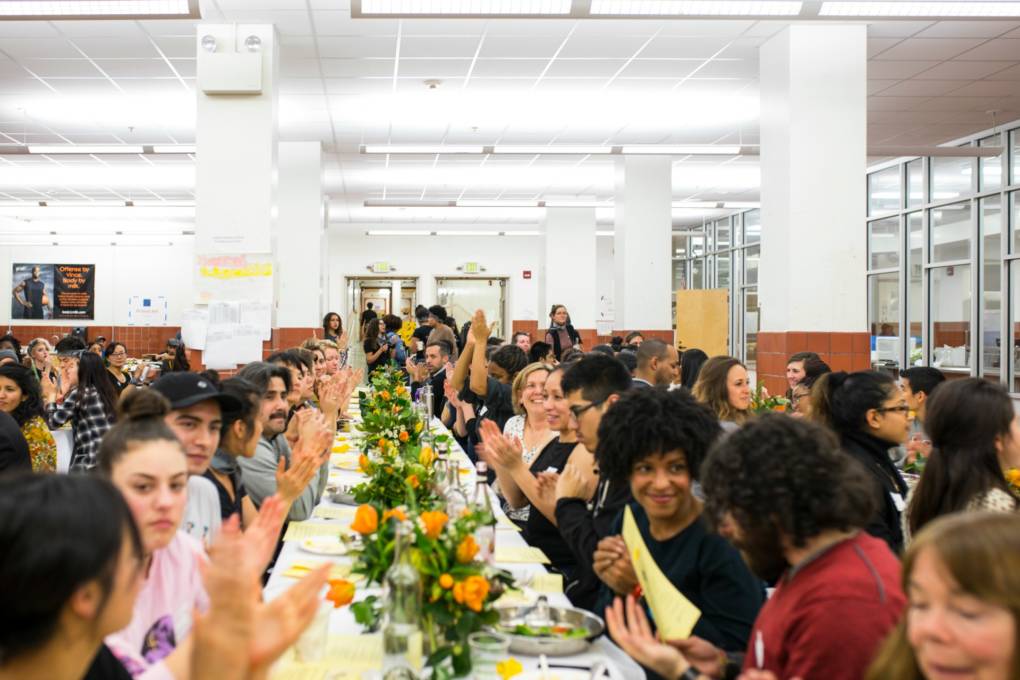
"caption": "Nourish/Resist's \"Unpresidented Meal\" took place in the Mission High cafeteria. ",
"description": "Nourish/Resist's \"Unpresidented Meal\" took place in the Mission High cafeteria. ",
"title": "Nourish/Resist's \"Unpresidented Meal\" took place in the Mission High cafeteria.",
"credit": "Sana Javeri Kadri",
"status": "inherit",
"isLoading": false,
"fetchFailed": false
},
"bayareabites_116443": {
"type": "attachments",
"id": "bayareabites_116443",
"meta": {
"index": "attachments_1716263798",
"site": "bayareabites",
"id": "116443",
"found": true
},
"parent": 116442,
"imgSizes": {
"small": {
"file": "https://ww2.kqed.org/app/uploads/sites/24/2017/03/labor_custom-bf66c316c159f77b9d57d2b8368eaca9e01f7050-520x320.jpg",
"width": 520,
"mimeType": "image/jpeg",
"height": 320
},
"twentyfourteen-full-width": {
"file": "https://ww2.kqed.org/app/uploads/sites/24/2017/03/labor_custom-bf66c316c159f77b9d57d2b8368eaca9e01f7050-1038x576.jpg",
"width": 1038,
"mimeType": "image/jpeg",
"height": 576
},
"thumbnail": {
"file": "https://ww2.kqed.org/app/uploads/sites/24/2017/03/labor_custom-bf66c316c159f77b9d57d2b8368eaca9e01f7050-160x98.jpg",
"width": 160,
"mimeType": "image/jpeg",
"height": 98
},
"fd-sm": {
"file": "https://ww2.kqed.org/app/uploads/sites/24/2017/03/labor_custom-bf66c316c159f77b9d57d2b8368eaca9e01f7050-960x590.jpg",
"width": 960,
"mimeType": "image/jpeg",
"height": 590
},
"post-thumbnail": {
"file": "https://ww2.kqed.org/app/uploads/sites/24/2017/03/labor_custom-bf66c316c159f77b9d57d2b8368eaca9e01f7050-672x372.jpg",
"width": 672,
"mimeType": "image/jpeg",
"height": 372
},
"xsmall": {
"file": "https://ww2.kqed.org/app/uploads/sites/24/2017/03/labor_custom-bf66c316c159f77b9d57d2b8368eaca9e01f7050-375x230.jpg",
"width": 375,
"mimeType": "image/jpeg",
"height": 230
},
"kqedFullSize": {
"file": "https://ww2.kqed.org/app/uploads/sites/24/2017/03/labor_custom-bf66c316c159f77b9d57d2b8368eaca9e01f7050.jpg",
"width": 1850,
"height": 1137
},
"large": {
"file": "https://ww2.kqed.org/app/uploads/sites/24/2017/03/labor_custom-bf66c316c159f77b9d57d2b8368eaca9e01f7050-1020x627.jpg",
"width": 1020,
"mimeType": "image/jpeg",
"height": 627
},
"xlarge": {
"file": "https://ww2.kqed.org/app/uploads/sites/24/2017/03/labor_custom-bf66c316c159f77b9d57d2b8368eaca9e01f7050-1180x725.jpg",
"width": 1180,
"mimeType": "image/jpeg",
"height": 725
},
"guest-author-50": {
"file": "https://ww2.kqed.org/app/uploads/sites/24/2017/03/labor_custom-bf66c316c159f77b9d57d2b8368eaca9e01f7050-50x50.jpg",
"width": 50,
"mimeType": "image/jpeg",
"height": 50
},
"guest-author-96": {
"file": "https://ww2.kqed.org/app/uploads/sites/24/2017/03/labor_custom-bf66c316c159f77b9d57d2b8368eaca9e01f7050-96x96.jpg",
"width": 96,
"mimeType": "image/jpeg",
"height": 96
},
"medium": {
"file": "https://ww2.kqed.org/app/uploads/sites/24/2017/03/labor_custom-bf66c316c159f77b9d57d2b8368eaca9e01f7050-800x492.jpg",
"width": 800,
"mimeType": "image/jpeg",
"height": 492
},
"guest-author-64": {
"file": "https://ww2.kqed.org/app/uploads/sites/24/2017/03/labor_custom-bf66c316c159f77b9d57d2b8368eaca9e01f7050-64x64.jpg",
"width": 64,
"mimeType": "image/jpeg",
"height": 64
},
"guest-author-32": {
"file": "https://ww2.kqed.org/app/uploads/sites/24/2017/03/labor_custom-bf66c316c159f77b9d57d2b8368eaca9e01f7050-32x32.jpg",
"width": 32,
"mimeType": "image/jpeg",
"height": 32
},
"fd-med": {
"file": "https://ww2.kqed.org/app/uploads/sites/24/2017/03/labor_custom-bf66c316c159f77b9d57d2b8368eaca9e01f7050-1180x725.jpg",
"width": 1180,
"mimeType": "image/jpeg",
"height": 725
},
"detail": {
"file": "https://ww2.kqed.org/app/uploads/sites/24/2017/03/labor_custom-bf66c316c159f77b9d57d2b8368eaca9e01f7050-150x150.jpg",
"width": 150,
"mimeType": "image/jpeg",
"height": 150
},
"medium_large": {
"file": "https://ww2.kqed.org/app/uploads/sites/24/2017/03/labor_custom-bf66c316c159f77b9d57d2b8368eaca9e01f7050-768x472.jpg",
"width": 768,
"mimeType": "image/jpeg",
"height": 472
},
"guest-author-128": {
"file": "https://ww2.kqed.org/app/uploads/sites/24/2017/03/labor_custom-bf66c316c159f77b9d57d2b8368eaca9e01f7050-128x128.jpg",
"width": 128,
"mimeType": "image/jpeg",
"height": 128
},
"xxsmall": {
"file": "https://ww2.kqed.org/app/uploads/sites/24/2017/03/labor_custom-bf66c316c159f77b9d57d2b8368eaca9e01f7050-240x148.jpg",
"width": 240,
"mimeType": "image/jpeg",
"height": 148
}
},
"publishDate": 1490890128,
"modified": 1490890334,
"caption": "A new report highlights victims of human trafficking in the food industry, from farm workers to restaurant bus staff, cooks and wait staff. Some victims are exploited for both sex and labor.",
"description": "A new report highlights victims of human trafficking in the food industry, from farm workers to restaurant bus staff, cooks and wait staff. Some victims are exploited for both sex and labor.",
"title": "A new report highlights victims of human trafficking in the food industry, from farm workers to restaurant bus staff, cooks and wait staff. Some victims are exploited for both sex and labor.",
"credit": " Juanmonino/Getty Images",
"status": "inherit",
"isLoading": false,
"fetchFailed": false
},
"bayareabites_116397": {
"type": "attachments",
"id": "bayareabites_116397",
"meta": {
"index": "attachments_1716263798",
"site": "bayareabites",
"id": "116397",
"found": true
},
"parent": 116328,
"imgSizes": {
"small": {
"file": "https://ww2.kqed.org/app/uploads/sites/24/2017/03/6-Orn-and-Sambath-NEW-520x398.jpg",
"width": 520,
"mimeType": "image/jpeg",
"height": 398
},
"twentyfourteen-full-width": {
"file": "https://ww2.kqed.org/app/uploads/sites/24/2017/03/6-Orn-and-Sambath-NEW-1038x576.jpg",
"width": 1038,
"mimeType": "image/jpeg",
"height": 576
},
"thumbnail": {
"file": "https://ww2.kqed.org/app/uploads/sites/24/2017/03/6-Orn-and-Sambath-NEW-160x123.jpg",
"width": 160,
"mimeType": "image/jpeg",
"height": 123
},
"fd-sm": {
"file": "https://ww2.kqed.org/app/uploads/sites/24/2017/03/6-Orn-and-Sambath-NEW-960x735.jpg",
"width": 960,
"mimeType": "image/jpeg",
"height": 735
},
"post-thumbnail": {
"file": "https://ww2.kqed.org/app/uploads/sites/24/2017/03/6-Orn-and-Sambath-NEW-672x372.jpg",
"width": 672,
"mimeType": "image/jpeg",
"height": 372
},
"xsmall": {
"file": "https://ww2.kqed.org/app/uploads/sites/24/2017/03/6-Orn-and-Sambath-NEW-375x287.jpg",
"width": 375,
"mimeType": "image/jpeg",
"height": 287
},
"kqedFullSize": {
"file": "https://ww2.kqed.org/app/uploads/sites/24/2017/03/6-Orn-and-Sambath-NEW.jpg",
"width": 1920,
"height": 1470
},
"large": {
"file": "https://ww2.kqed.org/app/uploads/sites/24/2017/03/6-Orn-and-Sambath-NEW-1020x781.jpg",
"width": 1020,
"mimeType": "image/jpeg",
"height": 781
},
"xlarge": {
"file": "https://ww2.kqed.org/app/uploads/sites/24/2017/03/6-Orn-and-Sambath-NEW-1180x903.jpg",
"width": 1180,
"mimeType": "image/jpeg",
"height": 903
},
"guest-author-50": {
"file": "https://ww2.kqed.org/app/uploads/sites/24/2017/03/6-Orn-and-Sambath-NEW-50x50.jpg",
"width": 50,
"mimeType": "image/jpeg",
"height": 50
},
"guest-author-96": {
"file": "https://ww2.kqed.org/app/uploads/sites/24/2017/03/6-Orn-and-Sambath-NEW-96x96.jpg",
"width": 96,
"mimeType": "image/jpeg",
"height": 96
},
"medium": {
"file": "https://ww2.kqed.org/app/uploads/sites/24/2017/03/6-Orn-and-Sambath-NEW-800x613.jpg",
"width": 800,
"mimeType": "image/jpeg",
"height": 613
},
"guest-author-64": {
"file": "https://ww2.kqed.org/app/uploads/sites/24/2017/03/6-Orn-and-Sambath-NEW-64x64.jpg",
"width": 64,
"mimeType": "image/jpeg",
"height": 64
},
"guest-author-32": {
"file": "https://ww2.kqed.org/app/uploads/sites/24/2017/03/6-Orn-and-Sambath-NEW-32x32.jpg",
"width": 32,
"mimeType": "image/jpeg",
"height": 32
},
"fd-lrg": {
"file": "https://ww2.kqed.org/app/uploads/sites/24/2017/03/6-Orn-and-Sambath-NEW-1920x1470.jpg",
"width": 1920,
"mimeType": "image/jpeg",
"height": 1470
},
"fd-med": {
"file": "https://ww2.kqed.org/app/uploads/sites/24/2017/03/6-Orn-and-Sambath-NEW-1180x903.jpg",
"width": 1180,
"mimeType": "image/jpeg",
"height": 903
},
"full-width": {
"file": "https://ww2.kqed.org/app/uploads/sites/24/2017/03/6-Orn-and-Sambath-NEW-1920x1470.jpg",
"width": 1920,
"mimeType": "image/jpeg",
"height": 1470
},
"detail": {
"file": "https://ww2.kqed.org/app/uploads/sites/24/2017/03/6-Orn-and-Sambath-NEW-150x150.jpg",
"width": 150,
"mimeType": "image/jpeg",
"height": 150
},
"medium_large": {
"file": "https://ww2.kqed.org/app/uploads/sites/24/2017/03/6-Orn-and-Sambath-NEW-768x588.jpg",
"width": 768,
"mimeType": "image/jpeg",
"height": 588
},
"guest-author-128": {
"file": "https://ww2.kqed.org/app/uploads/sites/24/2017/03/6-Orn-and-Sambath-NEW-128x128.jpg",
"width": 128,
"mimeType": "image/jpeg",
"height": 128
},
"xxsmall": {
"file": "https://ww2.kqed.org/app/uploads/sites/24/2017/03/6-Orn-and-Sambath-NEW-240x184.jpg",
"width": 240,
"mimeType": "image/jpeg",
"height": 184
}
},
"publishDate": 1490733736,
"modified": 1490739536,
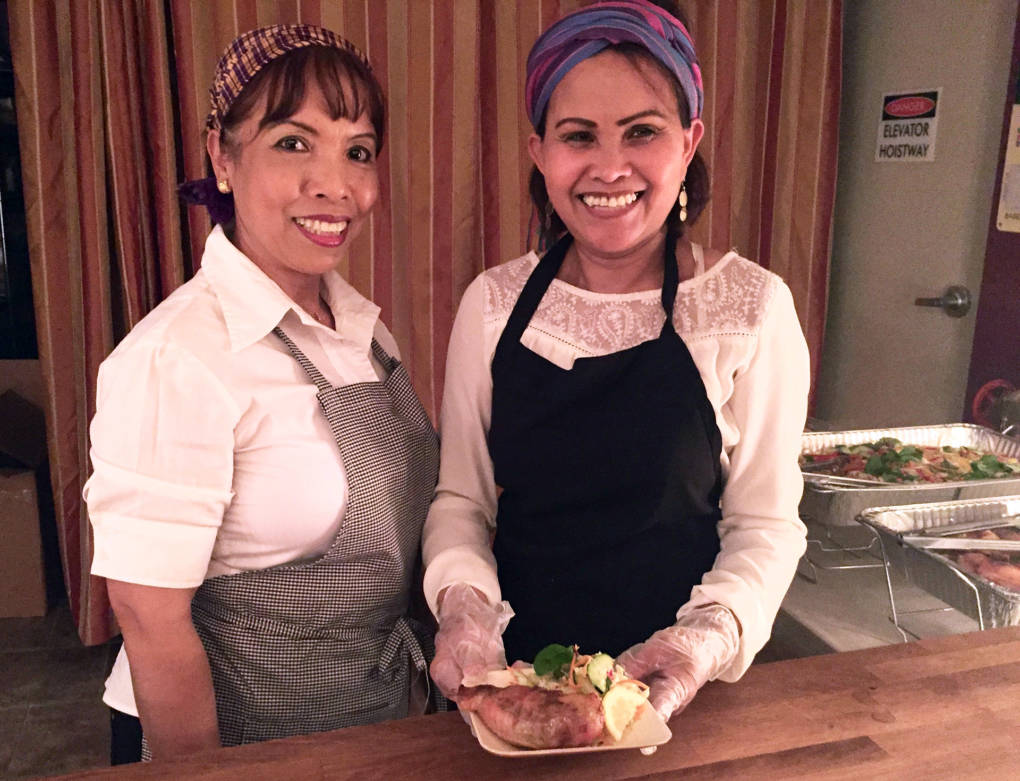
"caption": "Orn Sok and Sambath Ky are refugees from Cambodia, who have been been working at a small cafe in Oakland making American food for years. They want to cook Cambodian dishes, like this chicken stuffed with lemon grass, pork and tamarind and papaya glass noodle salad. They will also be cooking at the April 9th event.",
"description": null,
"title": "#6-Orn-and-Sambath-NEW",
"credit": "Anna Mindess",
"status": "inherit",
"isLoading": false,
"fetchFailed": false
},
"bayareabites_116412": {
"type": "attachments",
"id": "bayareabites_116412",
"meta": {
"index": "attachments_1716263798",
"site": "bayareabites",
"id": "116412",
"found": true
},
"parent": 116411,
"imgSizes": {
"small": {
"file": "https://ww2.kqed.org/app/uploads/sites/24/2017/03/gettyimages-113209805_custom-05e4eae1c5dd16de91d2b9286e924107b5f0e0cd-520x346.jpg",
"width": 520,
"mimeType": "image/jpeg",
"height": 346
},
"twentyfourteen-full-width": {
"file": "https://ww2.kqed.org/app/uploads/sites/24/2017/03/gettyimages-113209805_custom-05e4eae1c5dd16de91d2b9286e924107b5f0e0cd-1038x576.jpg",
"width": 1038,
"mimeType": "image/jpeg",
"height": 576
},
"thumbnail": {
"file": "https://ww2.kqed.org/app/uploads/sites/24/2017/03/gettyimages-113209805_custom-05e4eae1c5dd16de91d2b9286e924107b5f0e0cd-160x107.jpg",
"width": 160,
"mimeType": "image/jpeg",
"height": 107
},
"fd-sm": {
"file": "https://ww2.kqed.org/app/uploads/sites/24/2017/03/gettyimages-113209805_custom-05e4eae1c5dd16de91d2b9286e924107b5f0e0cd-960x639.jpg",
"width": 960,
"mimeType": "image/jpeg",
"height": 639
},
"post-thumbnail": {
"file": "https://ww2.kqed.org/app/uploads/sites/24/2017/03/gettyimages-113209805_custom-05e4eae1c5dd16de91d2b9286e924107b5f0e0cd-672x372.jpg",
"width": 672,
"mimeType": "image/jpeg",
"height": 372
},
"xsmall": {
"file": "https://ww2.kqed.org/app/uploads/sites/24/2017/03/gettyimages-113209805_custom-05e4eae1c5dd16de91d2b9286e924107b5f0e0cd-375x250.jpg",
"width": 375,
"mimeType": "image/jpeg",
"height": 250
},
"kqedFullSize": {
"file": "https://ww2.kqed.org/app/uploads/sites/24/2017/03/gettyimages-113209805_custom-05e4eae1c5dd16de91d2b9286e924107b5f0e0cd.jpg",
"width": 2880,
"height": 1918
},
"large": {
"file": "https://ww2.kqed.org/app/uploads/sites/24/2017/03/gettyimages-113209805_custom-05e4eae1c5dd16de91d2b9286e924107b5f0e0cd-1020x679.jpg",
"width": 1020,
"mimeType": "image/jpeg",
"height": 679
},
"xlarge": {
"file": "https://ww2.kqed.org/app/uploads/sites/24/2017/03/gettyimages-113209805_custom-05e4eae1c5dd16de91d2b9286e924107b5f0e0cd-1180x786.jpg",
"width": 1180,
"mimeType": "image/jpeg",
"height": 786
},
"guest-author-50": {
"file": "https://ww2.kqed.org/app/uploads/sites/24/2017/03/gettyimages-113209805_custom-05e4eae1c5dd16de91d2b9286e924107b5f0e0cd-50x50.jpg",
"width": 50,
"mimeType": "image/jpeg",
"height": 50
},
"guest-author-96": {
"file": "https://ww2.kqed.org/app/uploads/sites/24/2017/03/gettyimages-113209805_custom-05e4eae1c5dd16de91d2b9286e924107b5f0e0cd-96x96.jpg",
"width": 96,
"mimeType": "image/jpeg",
"height": 96
},
"medium": {
"file": "https://ww2.kqed.org/app/uploads/sites/24/2017/03/gettyimages-113209805_custom-05e4eae1c5dd16de91d2b9286e924107b5f0e0cd-800x533.jpg",
"width": 800,
"mimeType": "image/jpeg",
"height": 533
},
"guest-author-64": {
"file": "https://ww2.kqed.org/app/uploads/sites/24/2017/03/gettyimages-113209805_custom-05e4eae1c5dd16de91d2b9286e924107b5f0e0cd-64x64.jpg",
"width": 64,
"mimeType": "image/jpeg",
"height": 64
},
"guest-author-32": {
"file": "https://ww2.kqed.org/app/uploads/sites/24/2017/03/gettyimages-113209805_custom-05e4eae1c5dd16de91d2b9286e924107b5f0e0cd-32x32.jpg",
"width": 32,
"mimeType": "image/jpeg",
"height": 32
},
"fd-lrg": {
"file": "https://ww2.kqed.org/app/uploads/sites/24/2017/03/gettyimages-113209805_custom-05e4eae1c5dd16de91d2b9286e924107b5f0e0cd-1920x1279.jpg",
"width": 1920,
"mimeType": "image/jpeg",
"height": 1279
},
"fd-med": {
"file": "https://ww2.kqed.org/app/uploads/sites/24/2017/03/gettyimages-113209805_custom-05e4eae1c5dd16de91d2b9286e924107b5f0e0cd-1180x786.jpg",
"width": 1180,
"mimeType": "image/jpeg",
"height": 786
},
"full-width": {
"file": "https://ww2.kqed.org/app/uploads/sites/24/2017/03/gettyimages-113209805_custom-05e4eae1c5dd16de91d2b9286e924107b5f0e0cd-1920x1279.jpg",
"width": 1920,
"mimeType": "image/jpeg",
"height": 1279
},
"detail": {
"file": "https://ww2.kqed.org/app/uploads/sites/24/2017/03/gettyimages-113209805_custom-05e4eae1c5dd16de91d2b9286e924107b5f0e0cd-150x150.jpg",
"width": 150,
"mimeType": "image/jpeg",
"height": 150
},
"medium_large": {
"file": "https://ww2.kqed.org/app/uploads/sites/24/2017/03/gettyimages-113209805_custom-05e4eae1c5dd16de91d2b9286e924107b5f0e0cd-768x511.jpg",
"width": 768,
"mimeType": "image/jpeg",
"height": 511
},
"guest-author-128": {
"file": "https://ww2.kqed.org/app/uploads/sites/24/2017/03/gettyimages-113209805_custom-05e4eae1c5dd16de91d2b9286e924107b5f0e0cd-128x128.jpg",
"width": 128,
"mimeType": "image/jpeg",
"height": 128
},
"xxsmall": {
"file": "https://ww2.kqed.org/app/uploads/sites/24/2017/03/gettyimages-113209805_custom-05e4eae1c5dd16de91d2b9286e924107b5f0e0cd-240x160.jpg",
"width": 240,
"mimeType": "image/jpeg",
"height": 160
}
},
"publishDate": 1490744747,
"modified": 1490744872,
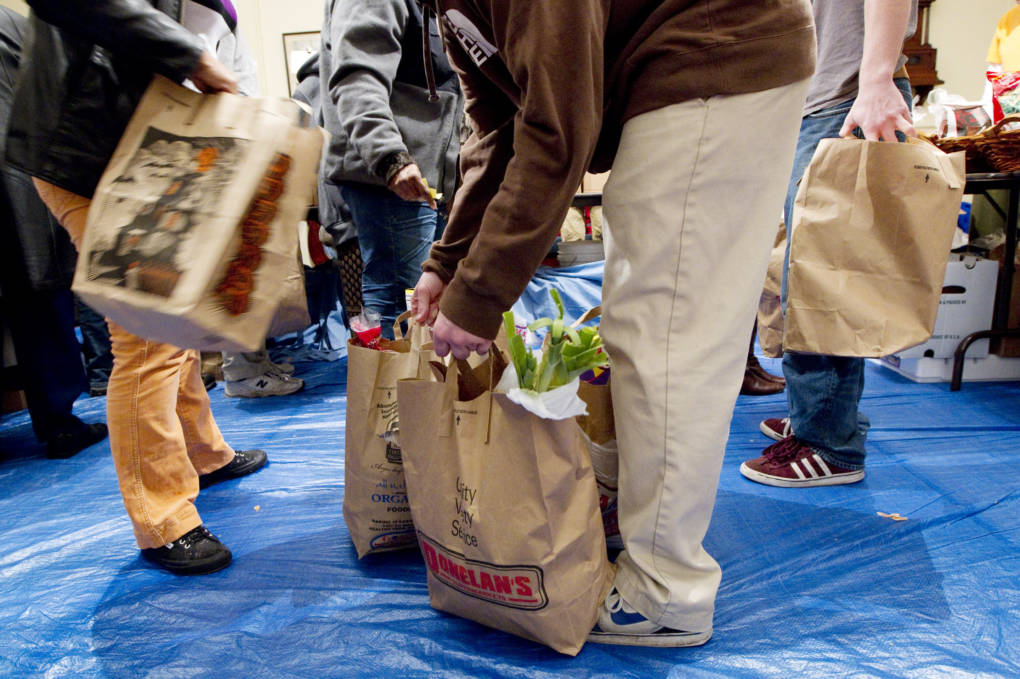
"caption": "Volunteers gather bags of groceries for people seeking assistance at a food pantry in Concord, Mass. Many groups that help low-income families get food aid say they've seen an alarming drop recently in the number of immigrants applying for help.",
"description": "Volunteers gather bags of groceries for people seeking assistance at a food pantry in Concord, Mass. Many groups that help low-income families get food aid say they've seen an alarming drop recently in the number of immigrants applying for hel",
"title": "Volunteers gather bags of groceries for people seeking assistance at a food pantry in Concord, Mass. Many groups that help low-income families get food aid say they've seen an alarming drop recently in the number of immigrants applying for help.",
"credit": "Yoon S. Byun/Boston Globe/Getty Images",
"status": "inherit",
"isLoading": false,
"fetchFailed": false
},
"bayareabites_116310": {
"type": "attachments",
"id": "bayareabites_116310",
"meta": {
"index": "attachments_1716263798",
"site": "bayareabites",
"id": "116310",
"found": true
},
"parent": 116309,
"imgSizes": {
"small": {
"file": "https://ww2.kqed.org/app/uploads/sites/24/2017/03/moodychickens_custom-8131822ea8918259664ad2691bc1243beef5a05a-520x371.jpg",
"width": 520,
"mimeType": "image/jpeg",
"height": 371
},
"twentyfourteen-full-width": {
"file": "https://ww2.kqed.org/app/uploads/sites/24/2017/03/moodychickens_custom-8131822ea8918259664ad2691bc1243beef5a05a-1038x576.jpg",
"width": 1038,
"mimeType": "image/jpeg",
"height": 576
},
"thumbnail": {
"file": "https://ww2.kqed.org/app/uploads/sites/24/2017/03/moodychickens_custom-8131822ea8918259664ad2691bc1243beef5a05a-160x114.jpg",
"width": 160,
"mimeType": "image/jpeg",
"height": 114
},
"fd-sm": {
"file": "https://ww2.kqed.org/app/uploads/sites/24/2017/03/moodychickens_custom-8131822ea8918259664ad2691bc1243beef5a05a-960x684.jpg",
"width": 960,
"mimeType": "image/jpeg",
"height": 684
},
"post-thumbnail": {
"file": "https://ww2.kqed.org/app/uploads/sites/24/2017/03/moodychickens_custom-8131822ea8918259664ad2691bc1243beef5a05a-672x372.jpg",
"width": 672,
"mimeType": "image/jpeg",
"height": 372
},
"xsmall": {
"file": "https://ww2.kqed.org/app/uploads/sites/24/2017/03/moodychickens_custom-8131822ea8918259664ad2691bc1243beef5a05a-375x267.jpg",
"width": 375,
"mimeType": "image/jpeg",
"height": 267
},
"kqedFullSize": {
"file": "https://ww2.kqed.org/app/uploads/sites/24/2017/03/moodychickens_custom-8131822ea8918259664ad2691bc1243beef5a05a-e1490395380675.jpg",
"width": 1852,
"height": 1320
},
"large": {
"file": "https://ww2.kqed.org/app/uploads/sites/24/2017/03/moodychickens_custom-8131822ea8918259664ad2691bc1243beef5a05a-1020x727.jpg",
"width": 1020,
"mimeType": "image/jpeg",
"height": 727
},
"xlarge": {
"file": "https://ww2.kqed.org/app/uploads/sites/24/2017/03/moodychickens_custom-8131822ea8918259664ad2691bc1243beef5a05a-1180x841.jpg",
"width": 1180,
"mimeType": "image/jpeg",
"height": 841
},
"guest-author-50": {
"file": "https://ww2.kqed.org/app/uploads/sites/24/2017/03/moodychickens_custom-8131822ea8918259664ad2691bc1243beef5a05a-50x50.jpg",
"width": 50,
"mimeType": "image/jpeg",
"height": 50
},
"guest-author-96": {
"file": "https://ww2.kqed.org/app/uploads/sites/24/2017/03/moodychickens_custom-8131822ea8918259664ad2691bc1243beef5a05a-96x96.jpg",
"width": 96,
"mimeType": "image/jpeg",
"height": 96
},
"medium": {
"file": "https://ww2.kqed.org/app/uploads/sites/24/2017/03/moodychickens_custom-8131822ea8918259664ad2691bc1243beef5a05a-800x570.jpg",
"width": 800,
"mimeType": "image/jpeg",
"height": 570
},
"guest-author-64": {
"file": "https://ww2.kqed.org/app/uploads/sites/24/2017/03/moodychickens_custom-8131822ea8918259664ad2691bc1243beef5a05a-64x64.jpg",
"width": 64,
"mimeType": "image/jpeg",
"height": 64
},
"guest-author-32": {
"file": "https://ww2.kqed.org/app/uploads/sites/24/2017/03/moodychickens_custom-8131822ea8918259664ad2691bc1243beef5a05a-32x32.jpg",
"width": 32,
"mimeType": "image/jpeg",
"height": 32
},
"fd-med": {
"file": "https://ww2.kqed.org/app/uploads/sites/24/2017/03/moodychickens_custom-8131822ea8918259664ad2691bc1243beef5a05a-1180x841.jpg",
"width": 1180,
"mimeType": "image/jpeg",
"height": 841
},
"detail": {
"file": "https://ww2.kqed.org/app/uploads/sites/24/2017/03/moodychickens_custom-8131822ea8918259664ad2691bc1243beef5a05a-150x150.jpg",
"width": 150,
"mimeType": "image/jpeg",
"height": 150
},
"medium_large": {
"file": "https://ww2.kqed.org/app/uploads/sites/24/2017/03/moodychickens_custom-8131822ea8918259664ad2691bc1243beef5a05a-768x548.jpg",
"width": 768,
"mimeType": "image/jpeg",
"height": 548
},
"guest-author-128": {
"file": "https://ww2.kqed.org/app/uploads/sites/24/2017/03/moodychickens_custom-8131822ea8918259664ad2691bc1243beef5a05a-128x128.jpg",
"width": 128,
"mimeType": "image/jpeg",
"height": 128
},
"xxsmall": {
"file": "https://ww2.kqed.org/app/uploads/sites/24/2017/03/moodychickens_custom-8131822ea8918259664ad2691bc1243beef5a05a-240x171.jpg",
"width": 240,
"mimeType": "image/jpeg",
"height": 171
}
},
"publishDate": 1490387553,
"modified": 1490388011,
"caption": "New FDA rules limit how farmers can give antibiotics to animals raised for meat. But a Government Accountability Office report says the FDA doesn't collect the data to know if that policy is working.",
"description": "New FDA rules limit how farmers can give antibiotics to animals raised for meat. But a Government Accountability Office report says the FDA doesn't collect the data to know if that policy is working.",
"title": "New FDA rules limit how farmers can give antibiotics to animals raised for meat. But a Government Accountability Office report says the FDA doesn't collect the data to know if that policy is working.",
"credit": "Scott Eells/Bloomberg/Getty Images",
"status": "inherit",
"isLoading": false,
"fetchFailed": false
},
"bayareabites_116293": {
"type": "attachments",
"id": "bayareabites_116293",
"meta": {
"index": "attachments_1716263798",
"site": "bayareabites",
"id": "116293",
"found": true
},
"parent": 0,
"imgSizes": {
"small": {
"file": "https://ww2.kqed.org/app/uploads/sites/24/2017/03/DSC_2259-520x197.jpg",
"width": 520,
"mimeType": "image/jpeg",
"height": 197
},
"twentyfourteen-full-width": {
"file": "https://ww2.kqed.org/app/uploads/sites/24/2017/03/DSC_2259-1038x576.jpg",
"width": 1038,
"mimeType": "image/jpeg",
"height": 576
},
"thumbnail": {
"file": "https://ww2.kqed.org/app/uploads/sites/24/2017/03/DSC_2259-160x61.jpg",
"width": 160,
"mimeType": "image/jpeg",
"height": 61
},
"fd-sm": {
"file": "https://ww2.kqed.org/app/uploads/sites/24/2017/03/DSC_2259-960x365.jpg",
"width": 960,
"mimeType": "image/jpeg",
"height": 365
},
"post-thumbnail": {
"file": "https://ww2.kqed.org/app/uploads/sites/24/2017/03/DSC_2259-672x372.jpg",
"width": 672,
"mimeType": "image/jpeg",
"height": 372
},
"xsmall": {
"file": "https://ww2.kqed.org/app/uploads/sites/24/2017/03/DSC_2259-375x142.jpg",
"width": 375,
"mimeType": "image/jpeg",
"height": 142
},
"kqedFullSize": {
"file": "https://ww2.kqed.org/app/uploads/sites/24/2017/03/DSC_2259.jpg",
"width": 1920,
"height": 729
},
"large": {
"file": "https://ww2.kqed.org/app/uploads/sites/24/2017/03/DSC_2259-1020x387.jpg",
"width": 1020,
"mimeType": "image/jpeg",
"height": 387
},
"xlarge": {
"file": "https://ww2.kqed.org/app/uploads/sites/24/2017/03/DSC_2259-1180x448.jpg",
"width": 1180,
"mimeType": "image/jpeg",
"height": 448
},
"guest-author-50": {
"file": "https://ww2.kqed.org/app/uploads/sites/24/2017/03/DSC_2259-50x50.jpg",
"width": 50,
"mimeType": "image/jpeg",
"height": 50
},
"guest-author-96": {
"file": "https://ww2.kqed.org/app/uploads/sites/24/2017/03/DSC_2259-96x96.jpg",
"width": 96,
"mimeType": "image/jpeg",
"height": 96
},
"medium": {
"file": "https://ww2.kqed.org/app/uploads/sites/24/2017/03/DSC_2259-800x304.jpg",
"width": 800,
"mimeType": "image/jpeg",
"height": 304
},
"guest-author-64": {
"file": "https://ww2.kqed.org/app/uploads/sites/24/2017/03/DSC_2259-64x64.jpg",
"width": 64,
"mimeType": "image/jpeg",
"height": 64
},
"guest-author-32": {
"file": "https://ww2.kqed.org/app/uploads/sites/24/2017/03/DSC_2259-32x32.jpg",
"width": 32,
"mimeType": "image/jpeg",
"height": 32
},
"fd-lrg": {
"file": "https://ww2.kqed.org/app/uploads/sites/24/2017/03/DSC_2259-1920x729.jpg",
"width": 1920,
"mimeType": "image/jpeg",
"height": 729
},
"fd-med": {
"file": "https://ww2.kqed.org/app/uploads/sites/24/2017/03/DSC_2259-1180x448.jpg",
"width": 1180,
"mimeType": "image/jpeg",
"height": 448
},
"full-width": {
"file": "https://ww2.kqed.org/app/uploads/sites/24/2017/03/DSC_2259-1920x729.jpg",
"width": 1920,
"mimeType": "image/jpeg",
"height": 729
},
"detail": {
"file": "https://ww2.kqed.org/app/uploads/sites/24/2017/03/DSC_2259-150x150.jpg",
"width": 150,
"mimeType": "image/jpeg",
"height": 150
},
"medium_large": {
"file": "https://ww2.kqed.org/app/uploads/sites/24/2017/03/DSC_2259-768x292.jpg",
"width": 768,
"mimeType": "image/jpeg",
"height": 292
},
"guest-author-128": {
"file": "https://ww2.kqed.org/app/uploads/sites/24/2017/03/DSC_2259-128x128.jpg",
"width": 128,
"mimeType": "image/jpeg",
"height": 128
},
"xxsmall": {
"file": "https://ww2.kqed.org/app/uploads/sites/24/2017/03/DSC_2259-240x91.jpg",
"width": 240,
"mimeType": "image/jpeg",
"height": 91
}
},
"publishDate": 1490380868,
"modified": 1490381030,
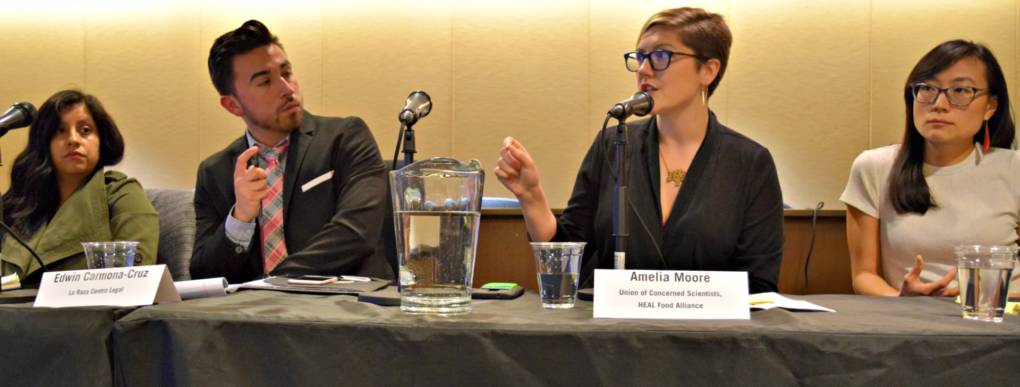
"caption": "Panelists at the CUESA event \"Resist Together! Reframing the Food Movement.\"\n",
"description": "Panelists at the CUESA event \"Resist Together! Reframing the Food Movement.\"\n",
"title": "Panelists at the CUESA event \"Resist Together! Reframing the Food Movement.\"",
"credit": "Shelby Pope",
"status": "inherit",
"isLoading": false,
"fetchFailed": false
},
"bayareabites_116123": {
"type": "attachments",
"id": "bayareabites_116123",
"meta": {
"index": "attachments_1716263798",
"site": "bayareabites",
"id": "116123",
"found": true
},
"parent": 116122,
"imgSizes": {
"small": {
"file": "https://ww2.kqed.org/app/uploads/sites/24/2017/03/mealsonwheels_custom-a3dfc3204ec9a91b1ce90647ec09545a3777659f-520x346.jpg",
"width": 520,
"mimeType": "image/jpeg",
"height": 346
},
"twentyfourteen-full-width": {
"file": "https://ww2.kqed.org/app/uploads/sites/24/2017/03/mealsonwheels_custom-a3dfc3204ec9a91b1ce90647ec09545a3777659f-1038x576.jpg",
"width": 1038,
"mimeType": "image/jpeg",
"height": 576
},
"thumbnail": {
"file": "https://ww2.kqed.org/app/uploads/sites/24/2017/03/mealsonwheels_custom-a3dfc3204ec9a91b1ce90647ec09545a3777659f-160x107.jpg",
"width": 160,
"mimeType": "image/jpeg",
"height": 107
},
"fd-sm": {
"file": "https://ww2.kqed.org/app/uploads/sites/24/2017/03/mealsonwheels_custom-a3dfc3204ec9a91b1ce90647ec09545a3777659f-960x639.jpg",
"width": 960,
"mimeType": "image/jpeg",
"height": 639
},
"post-thumbnail": {
"file": "https://ww2.kqed.org/app/uploads/sites/24/2017/03/mealsonwheels_custom-a3dfc3204ec9a91b1ce90647ec09545a3777659f-672x372.jpg",
"width": 672,
"mimeType": "image/jpeg",
"height": 372
},
"xsmall": {
"file": "https://ww2.kqed.org/app/uploads/sites/24/2017/03/mealsonwheels_custom-a3dfc3204ec9a91b1ce90647ec09545a3777659f-375x250.jpg",
"width": 375,
"mimeType": "image/jpeg",
"height": 250
},
"kqedFullSize": {
"file": "https://ww2.kqed.org/app/uploads/sites/24/2017/03/mealsonwheels_custom-a3dfc3204ec9a91b1ce90647ec09545a3777659f.jpg",
"width": 2000,
"height": 1332
},
"large": {
"file": "https://ww2.kqed.org/app/uploads/sites/24/2017/03/mealsonwheels_custom-a3dfc3204ec9a91b1ce90647ec09545a3777659f-1020x679.jpg",
"width": 1020,
"mimeType": "image/jpeg",
"height": 679
},
"xlarge": {
"file": "https://ww2.kqed.org/app/uploads/sites/24/2017/03/mealsonwheels_custom-a3dfc3204ec9a91b1ce90647ec09545a3777659f-1180x786.jpg",
"width": 1180,
"mimeType": "image/jpeg",
"height": 786
},
"guest-author-50": {
"file": "https://ww2.kqed.org/app/uploads/sites/24/2017/03/mealsonwheels_custom-a3dfc3204ec9a91b1ce90647ec09545a3777659f-50x50.jpg",
"width": 50,
"mimeType": "image/jpeg",
"height": 50
},
"guest-author-96": {
"file": "https://ww2.kqed.org/app/uploads/sites/24/2017/03/mealsonwheels_custom-a3dfc3204ec9a91b1ce90647ec09545a3777659f-96x96.jpg",
"width": 96,
"mimeType": "image/jpeg",
"height": 96
},
"medium": {
"file": "https://ww2.kqed.org/app/uploads/sites/24/2017/03/mealsonwheels_custom-a3dfc3204ec9a91b1ce90647ec09545a3777659f-800x533.jpg",
"width": 800,
"mimeType": "image/jpeg",
"height": 533
},
"guest-author-64": {
"file": "https://ww2.kqed.org/app/uploads/sites/24/2017/03/mealsonwheels_custom-a3dfc3204ec9a91b1ce90647ec09545a3777659f-64x64.jpg",
"width": 64,
"mimeType": "image/jpeg",
"height": 64
},
"guest-author-32": {
"file": "https://ww2.kqed.org/app/uploads/sites/24/2017/03/mealsonwheels_custom-a3dfc3204ec9a91b1ce90647ec09545a3777659f-32x32.jpg",
"width": 32,
"mimeType": "image/jpeg",
"height": 32
},
"fd-lrg": {
"file": "https://ww2.kqed.org/app/uploads/sites/24/2017/03/mealsonwheels_custom-a3dfc3204ec9a91b1ce90647ec09545a3777659f-1920x1279.jpg",
"width": 1920,
"mimeType": "image/jpeg",
"height": 1279
},
"fd-med": {
"file": "https://ww2.kqed.org/app/uploads/sites/24/2017/03/mealsonwheels_custom-a3dfc3204ec9a91b1ce90647ec09545a3777659f-1180x786.jpg",
"width": 1180,
"mimeType": "image/jpeg",
"height": 786
},
"full-width": {
"file": "https://ww2.kqed.org/app/uploads/sites/24/2017/03/mealsonwheels_custom-a3dfc3204ec9a91b1ce90647ec09545a3777659f-1920x1279.jpg",
"width": 1920,
"mimeType": "image/jpeg",
"height": 1279
},
"detail": {
"file": "https://ww2.kqed.org/app/uploads/sites/24/2017/03/mealsonwheels_custom-a3dfc3204ec9a91b1ce90647ec09545a3777659f-150x150.jpg",
"width": 150,
"mimeType": "image/jpeg",
"height": 150
},
"medium_large": {
"file": "https://ww2.kqed.org/app/uploads/sites/24/2017/03/mealsonwheels_custom-a3dfc3204ec9a91b1ce90647ec09545a3777659f-768x511.jpg",
"width": 768,
"mimeType": "image/jpeg",
"height": 511
},
"guest-author-128": {
"file": "https://ww2.kqed.org/app/uploads/sites/24/2017/03/mealsonwheels_custom-a3dfc3204ec9a91b1ce90647ec09545a3777659f-128x128.jpg",
"width": 128,
"mimeType": "image/jpeg",
"height": 128
},
"xxsmall": {
"file": "https://ww2.kqed.org/app/uploads/sites/24/2017/03/mealsonwheels_custom-a3dfc3204ec9a91b1ce90647ec09545a3777659f-240x160.jpg",
"width": 240,
"mimeType": "image/jpeg",
"height": 160
}
},
"publishDate": 1490060334,
"modified": 1490060449,
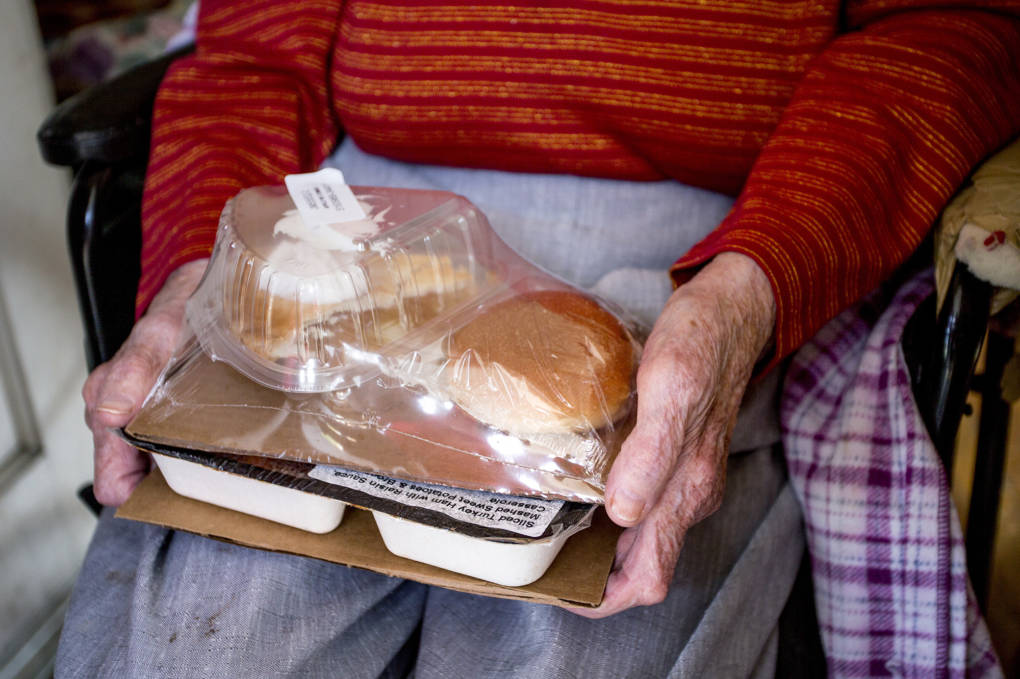
"caption": "Southern Maine Agency on Aging's Meals on Wheels program.",
"description": "Southern Maine Agency on Aging's Meals on Wheels program.",
"title": "Southern Maine Agency on Aging's Meals on Wheels program.",
"credit": "Gabe Souza/Portland Press Herald/Getty Images",
"status": "inherit",
"isLoading": false,
"fetchFailed": false
},
"bayareabites_115986": {
"type": "attachments",
"id": "bayareabites_115986",
"meta": {
"index": "attachments_1716263798",
"site": "bayareabites",
"id": "115986",
"found": true
},
"parent": 115985,
"imgSizes": {
"small": {
"file": "https://ww2.kqed.org/app/uploads/sites/24/2017/03/gettyimages-532082320_custom-9a307d3aa8e2ebfc88863fdcb226aa73c3e8346e-520x365.jpg",
"width": 520,
"mimeType": "image/jpeg",
"height": 365
},
"twentyfourteen-full-width": {
"file": "https://ww2.kqed.org/app/uploads/sites/24/2017/03/gettyimages-532082320_custom-9a307d3aa8e2ebfc88863fdcb226aa73c3e8346e-1038x576.jpg",
"width": 1038,
"mimeType": "image/jpeg",
"height": 576
},
"thumbnail": {
"file": "https://ww2.kqed.org/app/uploads/sites/24/2017/03/gettyimages-532082320_custom-9a307d3aa8e2ebfc88863fdcb226aa73c3e8346e-160x112.jpg",
"width": 160,
"mimeType": "image/jpeg",
"height": 112
},
"fd-sm": {
"file": "https://ww2.kqed.org/app/uploads/sites/24/2017/03/gettyimages-532082320_custom-9a307d3aa8e2ebfc88863fdcb226aa73c3e8346e-960x674.jpg",
"width": 960,
"mimeType": "image/jpeg",
"height": 674
},
"post-thumbnail": {
"file": "https://ww2.kqed.org/app/uploads/sites/24/2017/03/gettyimages-532082320_custom-9a307d3aa8e2ebfc88863fdcb226aa73c3e8346e-672x372.jpg",
"width": 672,
"mimeType": "image/jpeg",
"height": 372
},
"xsmall": {
"file": "https://ww2.kqed.org/app/uploads/sites/24/2017/03/gettyimages-532082320_custom-9a307d3aa8e2ebfc88863fdcb226aa73c3e8346e-375x263.jpg",
"width": 375,
"mimeType": "image/jpeg",
"height": 263
},
"kqedFullSize": {
"file": "https://ww2.kqed.org/app/uploads/sites/24/2017/03/gettyimages-532082320_custom-9a307d3aa8e2ebfc88863fdcb226aa73c3e8346e.jpg",
"width": 1895,
"height": 1331
},
"large": {
"file": "https://ww2.kqed.org/app/uploads/sites/24/2017/03/gettyimages-532082320_custom-9a307d3aa8e2ebfc88863fdcb226aa73c3e8346e-1020x716.jpg",
"width": 1020,
"mimeType": "image/jpeg",
"height": 716
},
"xlarge": {
"file": "https://ww2.kqed.org/app/uploads/sites/24/2017/03/gettyimages-532082320_custom-9a307d3aa8e2ebfc88863fdcb226aa73c3e8346e-1180x829.jpg",
"width": 1180,
"mimeType": "image/jpeg",
"height": 829
},
"guest-author-50": {
"file": "https://ww2.kqed.org/app/uploads/sites/24/2017/03/gettyimages-532082320_custom-9a307d3aa8e2ebfc88863fdcb226aa73c3e8346e-50x50.jpg",
"width": 50,
"mimeType": "image/jpeg",
"height": 50
},
"guest-author-96": {
"file": "https://ww2.kqed.org/app/uploads/sites/24/2017/03/gettyimages-532082320_custom-9a307d3aa8e2ebfc88863fdcb226aa73c3e8346e-96x96.jpg",
"width": 96,
"mimeType": "image/jpeg",
"height": 96
},
"medium": {
"file": "https://ww2.kqed.org/app/uploads/sites/24/2017/03/gettyimages-532082320_custom-9a307d3aa8e2ebfc88863fdcb226aa73c3e8346e-800x562.jpg",
"width": 800,
"mimeType": "image/jpeg",
"height": 562
},
"guest-author-64": {
"file": "https://ww2.kqed.org/app/uploads/sites/24/2017/03/gettyimages-532082320_custom-9a307d3aa8e2ebfc88863fdcb226aa73c3e8346e-64x64.jpg",
"width": 64,
"mimeType": "image/jpeg",
"height": 64
},
"guest-author-32": {
"file": "https://ww2.kqed.org/app/uploads/sites/24/2017/03/gettyimages-532082320_custom-9a307d3aa8e2ebfc88863fdcb226aa73c3e8346e-32x32.jpg",
"width": 32,
"mimeType": "image/jpeg",
"height": 32
},
"fd-med": {
"file": "https://ww2.kqed.org/app/uploads/sites/24/2017/03/gettyimages-532082320_custom-9a307d3aa8e2ebfc88863fdcb226aa73c3e8346e-1180x829.jpg",
"width": 1180,
"mimeType": "image/jpeg",
"height": 829
},
"detail": {
"file": "https://ww2.kqed.org/app/uploads/sites/24/2017/03/gettyimages-532082320_custom-9a307d3aa8e2ebfc88863fdcb226aa73c3e8346e-150x150.jpg",
"width": 150,
"mimeType": "image/jpeg",
"height": 150
},
"medium_large": {
"file": "https://ww2.kqed.org/app/uploads/sites/24/2017/03/gettyimages-532082320_custom-9a307d3aa8e2ebfc88863fdcb226aa73c3e8346e-768x539.jpg",
"width": 768,
"mimeType": "image/jpeg",
"height": 539
},
"guest-author-128": {
"file": "https://ww2.kqed.org/app/uploads/sites/24/2017/03/gettyimages-532082320_custom-9a307d3aa8e2ebfc88863fdcb226aa73c3e8346e-128x128.jpg",
"width": 128,
"mimeType": "image/jpeg",
"height": 128
},
"xxsmall": {
"file": "https://ww2.kqed.org/app/uploads/sites/24/2017/03/gettyimages-532082320_custom-9a307d3aa8e2ebfc88863fdcb226aa73c3e8346e-240x169.jpg",
"width": 240,
"mimeType": "image/jpeg",
"height": 169
}
},
"publishDate": 1489682584,
"modified": 1489683951,
"caption": "Last May, members of the Avaaz civic organization dressed as crop-sprayers in Brussels to protest the European Commission's plans to re-license glyphosate, the popular weed-killer sold by Monsanto under the brand name Roundup.",
"description": "Last May, members of the Avaaz civic organization dressed as crop-sprayers in Brussels to protest the European Commission's plans to re-license glyphosate, the popular weed-killer sold by Monsanto under the brand name Roundup",
"title": "Last May, members of the Avaaz civic organization dressed as crop-sprayers in Brussels to protest the European Commission's plans to re-license glyphosate, the popular weed-killer sold by Monsanto under the brand name Roundup.",
"credit": "John Thys/AFP/Getty Images",
"status": "inherit",
"isLoading": false,
"fetchFailed": false
},
"bayareabites_115980": {
"type": "attachments",
"id": "bayareabites_115980",
"meta": {
"index": "attachments_1716263798",
"site": "bayareabites",
"id": "115980",
"found": true
},
"parent": 115979,
"imgSizes": {
"small": {
"file": "https://ww2.kqed.org/app/uploads/sites/24/2017/03/mcdonalds-twitter_wide-8263d0bb425f8fe52f5173ac5a9640374619d7ca-520x292.jpg",
"width": 520,
"mimeType": "image/jpeg",
"height": 292
},
"thumbnail": {
"file": "https://ww2.kqed.org/app/uploads/sites/24/2017/03/mcdonalds-twitter_wide-8263d0bb425f8fe52f5173ac5a9640374619d7ca-160x90.jpg",
"width": 160,
"mimeType": "image/jpeg",
"height": 90
},
"post-thumbnail": {
"file": "https://ww2.kqed.org/app/uploads/sites/24/2017/03/mcdonalds-twitter_wide-8263d0bb425f8fe52f5173ac5a9640374619d7ca-672x372.jpg",
"width": 672,
"mimeType": "image/jpeg",
"height": 372
},
"xsmall": {
"file": "https://ww2.kqed.org/app/uploads/sites/24/2017/03/mcdonalds-twitter_wide-8263d0bb425f8fe52f5173ac5a9640374619d7ca-375x211.jpg",
"width": 375,
"mimeType": "image/jpeg",
"height": 211
},
"kqedFullSize": {
"file": "https://ww2.kqed.org/app/uploads/sites/24/2017/03/mcdonalds-twitter_wide-8263d0bb425f8fe52f5173ac5a9640374619d7ca.jpg",
"width": 829,
"height": 466
},
"guest-author-50": {
"file": "https://ww2.kqed.org/app/uploads/sites/24/2017/03/mcdonalds-twitter_wide-8263d0bb425f8fe52f5173ac5a9640374619d7ca-50x50.jpg",
"width": 50,
"mimeType": "image/jpeg",
"height": 50
},
"guest-author-96": {
"file": "https://ww2.kqed.org/app/uploads/sites/24/2017/03/mcdonalds-twitter_wide-8263d0bb425f8fe52f5173ac5a9640374619d7ca-96x96.jpg",
"width": 96,
"mimeType": "image/jpeg",
"height": 96
},
"medium": {
"file": "https://ww2.kqed.org/app/uploads/sites/24/2017/03/mcdonalds-twitter_wide-8263d0bb425f8fe52f5173ac5a9640374619d7ca-800x450.jpg",
"width": 800,
"mimeType": "image/jpeg",
"height": 450
},
"guest-author-64": {
"file": "https://ww2.kqed.org/app/uploads/sites/24/2017/03/mcdonalds-twitter_wide-8263d0bb425f8fe52f5173ac5a9640374619d7ca-64x64.jpg",
"width": 64,
"mimeType": "image/jpeg",
"height": 64
},
"guest-author-32": {
"file": "https://ww2.kqed.org/app/uploads/sites/24/2017/03/mcdonalds-twitter_wide-8263d0bb425f8fe52f5173ac5a9640374619d7ca-32x32.jpg",
"width": 32,
"mimeType": "image/jpeg",
"height": 32
},
"detail": {
"file": "https://ww2.kqed.org/app/uploads/sites/24/2017/03/mcdonalds-twitter_wide-8263d0bb425f8fe52f5173ac5a9640374619d7ca-150x150.jpg",
"width": 150,
"mimeType": "image/jpeg",
"height": 150
},
"medium_large": {
"file": "https://ww2.kqed.org/app/uploads/sites/24/2017/03/mcdonalds-twitter_wide-8263d0bb425f8fe52f5173ac5a9640374619d7ca-768x432.jpg",
"width": 768,
"mimeType": "image/jpeg",
"height": 432
},
"guest-author-128": {
"file": "https://ww2.kqed.org/app/uploads/sites/24/2017/03/mcdonalds-twitter_wide-8263d0bb425f8fe52f5173ac5a9640374619d7ca-128x128.jpg",
"width": 128,
"mimeType": "image/jpeg",
"height": 128
},
"xxsmall": {
"file": "https://ww2.kqed.org/app/uploads/sites/24/2017/03/mcdonalds-twitter_wide-8263d0bb425f8fe52f5173ac5a9640374619d7ca-240x135.jpg",
"width": 240,
"mimeType": "image/jpeg",
"height": 135
}
},
"publishDate": 1489680746,
"modified": 1489680772,
"caption": "A tweet from McDonald's corporate account attacked President Trump Thursday; it was deleted within 30 minutes.",
"description": "A tweet from McDonald's corporate account attacked President Trump Thursday; it was deleted within 30 minutes.",
"title": "A tweet from McDonald's corporate account attacked President Trump Thursday; it was deleted within 30 minutes.",
"credit": "Screenshot by NPR",
"status": "inherit",
"isLoading": false,
"fetchFailed": false
},
"bayareabites_115831": {
"type": "attachments",
"id": "bayareabites_115831",
"meta": {
"index": "attachments_1716263798",
"site": "bayareabites",
"id": "115831",
"found": true
},
"parent": 115830,
"imgSizes": {
"small": {
"file": "https://ww2.kqed.org/app/uploads/sites/24/2017/03/corkwine-2_custom-4fa05fbd4d8af755d4ba9f5ba2b23ab0304880d0-520x342.jpg",
"width": 520,
"mimeType": "image/jpeg",
"height": 342
},
"twentyfourteen-full-width": {
"file": "https://ww2.kqed.org/app/uploads/sites/24/2017/03/corkwine-2_custom-4fa05fbd4d8af755d4ba9f5ba2b23ab0304880d0-1038x576.jpg",
"width": 1038,
"mimeType": "image/jpeg",
"height": 576
},
"thumbnail": {
"file": "https://ww2.kqed.org/app/uploads/sites/24/2017/03/corkwine-2_custom-4fa05fbd4d8af755d4ba9f5ba2b23ab0304880d0-160x105.jpg",
"width": 160,
"mimeType": "image/jpeg",
"height": 105
},
"fd-sm": {
"file": "https://ww2.kqed.org/app/uploads/sites/24/2017/03/corkwine-2_custom-4fa05fbd4d8af755d4ba9f5ba2b23ab0304880d0-960x631.jpg",
"width": 960,
"mimeType": "image/jpeg",
"height": 631
},
"post-thumbnail": {
"file": "https://ww2.kqed.org/app/uploads/sites/24/2017/03/corkwine-2_custom-4fa05fbd4d8af755d4ba9f5ba2b23ab0304880d0-672x372.jpg",
"width": 672,
"mimeType": "image/jpeg",
"height": 372
},
"xsmall": {
"file": "https://ww2.kqed.org/app/uploads/sites/24/2017/03/corkwine-2_custom-4fa05fbd4d8af755d4ba9f5ba2b23ab0304880d0-375x246.jpg",
"width": 375,
"mimeType": "image/jpeg",
"height": 246
},
"kqedFullSize": {
"file": "https://ww2.kqed.org/app/uploads/sites/24/2017/03/corkwine-2_custom-4fa05fbd4d8af755d4ba9f5ba2b23ab0304880d0.jpg",
"width": 1895,
"height": 1245
},
"large": {
"file": "https://ww2.kqed.org/app/uploads/sites/24/2017/03/corkwine-2_custom-4fa05fbd4d8af755d4ba9f5ba2b23ab0304880d0-1020x670.jpg",
"width": 1020,
"mimeType": "image/jpeg",
"height": 670
},
"xlarge": {
"file": "https://ww2.kqed.org/app/uploads/sites/24/2017/03/corkwine-2_custom-4fa05fbd4d8af755d4ba9f5ba2b23ab0304880d0-1180x775.jpg",
"width": 1180,
"mimeType": "image/jpeg",
"height": 775
},
"guest-author-50": {
"file": "https://ww2.kqed.org/app/uploads/sites/24/2017/03/corkwine-2_custom-4fa05fbd4d8af755d4ba9f5ba2b23ab0304880d0-50x50.jpg",
"width": 50,
"mimeType": "image/jpeg",
"height": 50
},
"guest-author-96": {
"file": "https://ww2.kqed.org/app/uploads/sites/24/2017/03/corkwine-2_custom-4fa05fbd4d8af755d4ba9f5ba2b23ab0304880d0-96x96.jpg",
"width": 96,
"mimeType": "image/jpeg",
"height": 96
},
"medium": {
"file": "https://ww2.kqed.org/app/uploads/sites/24/2017/03/corkwine-2_custom-4fa05fbd4d8af755d4ba9f5ba2b23ab0304880d0-800x526.jpg",
"width": 800,
"mimeType": "image/jpeg",
"height": 526
},
"guest-author-64": {
"file": "https://ww2.kqed.org/app/uploads/sites/24/2017/03/corkwine-2_custom-4fa05fbd4d8af755d4ba9f5ba2b23ab0304880d0-64x64.jpg",
"width": 64,
"mimeType": "image/jpeg",
"height": 64
},
"guest-author-32": {
"file": "https://ww2.kqed.org/app/uploads/sites/24/2017/03/corkwine-2_custom-4fa05fbd4d8af755d4ba9f5ba2b23ab0304880d0-32x32.jpg",
"width": 32,
"mimeType": "image/jpeg",
"height": 32
},
"fd-med": {
"file": "https://ww2.kqed.org/app/uploads/sites/24/2017/03/corkwine-2_custom-4fa05fbd4d8af755d4ba9f5ba2b23ab0304880d0-1180x775.jpg",
"width": 1180,
"mimeType": "image/jpeg",
"height": 775
},
"detail": {
"file": "https://ww2.kqed.org/app/uploads/sites/24/2017/03/corkwine-2_custom-4fa05fbd4d8af755d4ba9f5ba2b23ab0304880d0-150x150.jpg",
"width": 150,
"mimeType": "image/jpeg",
"height": 150
},
"medium_large": {
"file": "https://ww2.kqed.org/app/uploads/sites/24/2017/03/corkwine-2_custom-4fa05fbd4d8af755d4ba9f5ba2b23ab0304880d0-768x505.jpg",
"width": 768,
"mimeType": "image/jpeg",
"height": 505
},
"guest-author-128": {
"file": "https://ww2.kqed.org/app/uploads/sites/24/2017/03/corkwine-2_custom-4fa05fbd4d8af755d4ba9f5ba2b23ab0304880d0-128x128.jpg",
"width": 128,
"mimeType": "image/jpeg",
"height": 128
},
"xxsmall": {
"file": "https://ww2.kqed.org/app/uploads/sites/24/2017/03/corkwine-2_custom-4fa05fbd4d8af755d4ba9f5ba2b23ab0304880d0-240x158.jpg",
"width": 240,
"mimeType": "image/jpeg",
"height": 158
}
},
"publishDate": 1489162053,
"modified": 1489162226,
"caption": "Diane Gross and Khalid Pitts, owners of the Cork Wine Bar, take part in a press conference announcing their unfair competition lawsuit against the Trump International Hotel in Washington, D.C., on Thursday.",
"description": "Diane Gross and Khalid Pitts, owners of the Cork Wine Bar, take part in a press conference announcing their unfair competition lawsuit against the Trump International Hotel in Washington, D.C., on Thursday.",
"title": "Diane Gross and Khalid Pitts, owners of the Cork Wine Bar, take part in a press conference announcing their unfair competition lawsuit against the Trump International Hotel in Washington, D.C., on Thursday.",
"credit": "Mandel Ngan/AFP/Getty Images",
"status": "inherit",
"isLoading": false,
"fetchFailed": false
},
"bayareabites_115745": {
"type": "attachments",
"id": "bayareabites_115745",
"meta": {
"index": "attachments_1716263798",
"site": "bayareabites",
"id": "115745",
"found": true
},
"parent": 115744,
"imgSizes": {
"small": {
"file": "https://ww2.kqed.org/app/uploads/sites/24/2017/03/img_3745_ed_custom-ab44a877500d584dea7341e179ff021e1140a62e-520x358.jpg",
"width": 520,
"mimeType": "image/jpeg",
"height": 358
},
"twentyfourteen-full-width": {
"file": "https://ww2.kqed.org/app/uploads/sites/24/2017/03/img_3745_ed_custom-ab44a877500d584dea7341e179ff021e1140a62e-1038x576.jpg",
"width": 1038,
"mimeType": "image/jpeg",
"height": 576
},
"thumbnail": {
"file": "https://ww2.kqed.org/app/uploads/sites/24/2017/03/img_3745_ed_custom-ab44a877500d584dea7341e179ff021e1140a62e-160x110.jpg",
"width": 160,
"mimeType": "image/jpeg",
"height": 110
},
"fd-sm": {
"file": "https://ww2.kqed.org/app/uploads/sites/24/2017/03/img_3745_ed_custom-ab44a877500d584dea7341e179ff021e1140a62e-960x661.jpg",
"width": 960,
"mimeType": "image/jpeg",
"height": 661
},
"post-thumbnail": {
"file": "https://ww2.kqed.org/app/uploads/sites/24/2017/03/img_3745_ed_custom-ab44a877500d584dea7341e179ff021e1140a62e-672x372.jpg",
"width": 672,
"mimeType": "image/jpeg",
"height": 372
},
"xsmall": {
"file": "https://ww2.kqed.org/app/uploads/sites/24/2017/03/img_3745_ed_custom-ab44a877500d584dea7341e179ff021e1140a62e-375x258.jpg",
"width": 375,
"mimeType": "image/jpeg",
"height": 258
},
"kqedFullSize": {
"file": "https://ww2.kqed.org/app/uploads/sites/24/2017/03/img_3745_ed_custom-ab44a877500d584dea7341e179ff021e1140a62e-e1488826569644.jpg",
"width": 1920,
"height": 1322
},
"large": {
"file": "https://ww2.kqed.org/app/uploads/sites/24/2017/03/img_3745_ed_custom-ab44a877500d584dea7341e179ff021e1140a62e-1020x702.jpg",
"width": 1020,
"mimeType": "image/jpeg",
"height": 702
},
"xlarge": {
"file": "https://ww2.kqed.org/app/uploads/sites/24/2017/03/img_3745_ed_custom-ab44a877500d584dea7341e179ff021e1140a62e-1180x813.jpg",
"width": 1180,
"mimeType": "image/jpeg",
"height": 813
},
"guest-author-50": {
"file": "https://ww2.kqed.org/app/uploads/sites/24/2017/03/img_3745_ed_custom-ab44a877500d584dea7341e179ff021e1140a62e-50x50.jpg",
"width": 50,
"mimeType": "image/jpeg",
"height": 50
},
"guest-author-96": {
"file": "https://ww2.kqed.org/app/uploads/sites/24/2017/03/img_3745_ed_custom-ab44a877500d584dea7341e179ff021e1140a62e-96x96.jpg",
"width": 96,
"mimeType": "image/jpeg",
"height": 96
},
"medium": {
"file": "https://ww2.kqed.org/app/uploads/sites/24/2017/03/img_3745_ed_custom-ab44a877500d584dea7341e179ff021e1140a62e-800x551.jpg",
"width": 800,
"mimeType": "image/jpeg",
"height": 551
},
"guest-author-64": {
"file": "https://ww2.kqed.org/app/uploads/sites/24/2017/03/img_3745_ed_custom-ab44a877500d584dea7341e179ff021e1140a62e-64x64.jpg",
"width": 64,
"mimeType": "image/jpeg",
"height": 64
},
"guest-author-32": {
"file": "https://ww2.kqed.org/app/uploads/sites/24/2017/03/img_3745_ed_custom-ab44a877500d584dea7341e179ff021e1140a62e-32x32.jpg",
"width": 32,
"mimeType": "image/jpeg",
"height": 32
},
"fd-lrg": {
"file": "https://ww2.kqed.org/app/uploads/sites/24/2017/03/img_3745_ed_custom-ab44a877500d584dea7341e179ff021e1140a62e-1920x1322.jpg",
"width": 1920,
"mimeType": "image/jpeg",
"height": 1322
},
"fd-med": {
"file": "https://ww2.kqed.org/app/uploads/sites/24/2017/03/img_3745_ed_custom-ab44a877500d584dea7341e179ff021e1140a62e-1180x813.jpg",
"width": 1180,
"mimeType": "image/jpeg",
"height": 813
},
"full-width": {
"file": "https://ww2.kqed.org/app/uploads/sites/24/2017/03/img_3745_ed_custom-ab44a877500d584dea7341e179ff021e1140a62e-1920x1322.jpg",
"width": 1920,
"mimeType": "image/jpeg",
"height": 1322
},
"detail": {
"file": "https://ww2.kqed.org/app/uploads/sites/24/2017/03/img_3745_ed_custom-ab44a877500d584dea7341e179ff021e1140a62e-150x150.jpg",
"width": 150,
"mimeType": "image/jpeg",
"height": 150
},
"medium_large": {
"file": "https://ww2.kqed.org/app/uploads/sites/24/2017/03/img_3745_ed_custom-ab44a877500d584dea7341e179ff021e1140a62e-768x529.jpg",
"width": 768,
"mimeType": "image/jpeg",
"height": 529
},
"guest-author-128": {
"file": "https://ww2.kqed.org/app/uploads/sites/24/2017/03/img_3745_ed_custom-ab44a877500d584dea7341e179ff021e1140a62e-128x128.jpg",
"width": 128,
"mimeType": "image/jpeg",
"height": 128
},
"xxsmall": {
"file": "https://ww2.kqed.org/app/uploads/sites/24/2017/03/img_3745_ed_custom-ab44a877500d584dea7341e179ff021e1140a62e-240x165.jpg",
"width": 240,
"mimeType": "image/jpeg",
"height": 165
}
},
"publishDate": 1488823602,
"modified": 1488823885,
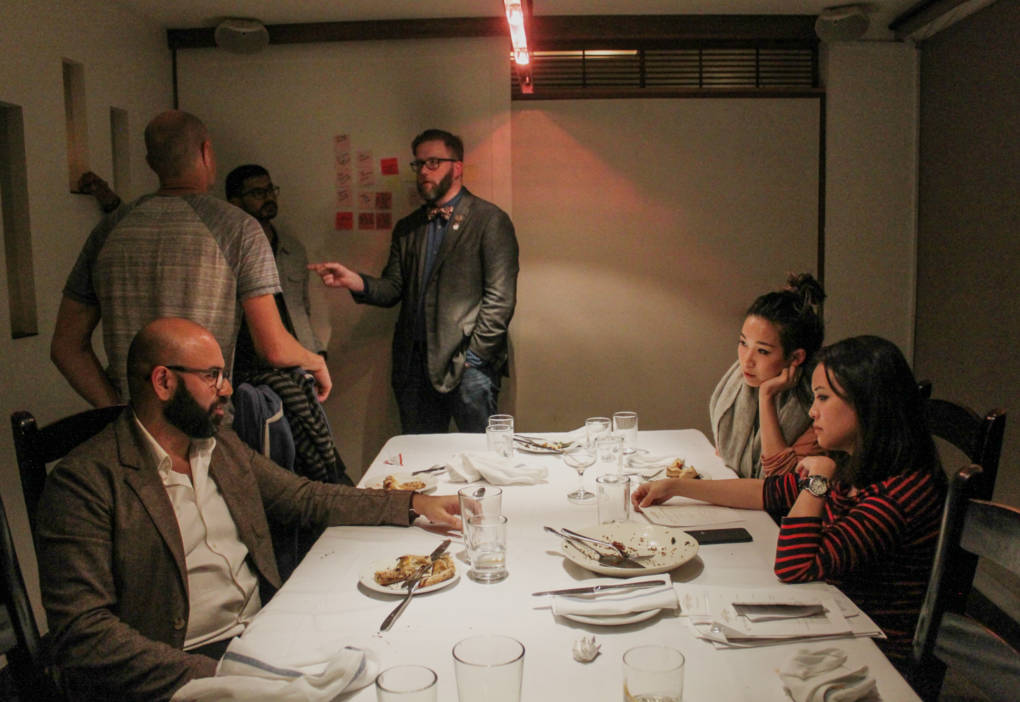
"caption": "Make America Dinner Again guest Affan Khokhar (left, seated) talks with hosts Tria Chang and Justine Lee (front right, seated) after the dinner as guests (from left to right) Afam Agbodike, Walter Rodriguez and Nick Tucker continue their conversation.",
"description": "Make America Dinner Again guest Affan Khokhar (left, seated) talks with hosts Tria Chang and Justine Lee (front right, seated) after the dinner as guests (from left to right) Afam Agbodike, Walter Rodriguez and Nick Tucker continue their conversation.",
"title": "Make America Dinner Again guest Affan Khokhar (left, seated) talks with hosts Tria Chang and Justine Lee (front right, seated) after the dinner as guests (from left to right) Afam Agbodike, Walter Rodriguez and Nick Tucker continue their conversation.",
"credit": "Sonia Paul/NPR",
"status": "inherit",
"isLoading": false,
"fetchFailed": false
},
"bayareabites_115633": {
"type": "attachments",
"id": "bayareabites_115633",
"meta": {
"index": "attachments_1716263798",
"site": "bayareabites",
"id": "115633",
"found": true
},
"parent": 115615,
"imgSizes": {
"small": {
"file": "https://ww2.kqed.org/app/uploads/sites/24/2017/02/1-Mica-and-Robert1920-520x348.jpg",
"width": 520,
"mimeType": "image/jpeg",
"height": 348
},
"twentyfourteen-full-width": {
"file": "https://ww2.kqed.org/app/uploads/sites/24/2017/02/1-Mica-and-Robert1920-1038x576.jpg",
"width": 1038,
"mimeType": "image/jpeg",
"height": 576
},
"thumbnail": {
"file": "https://ww2.kqed.org/app/uploads/sites/24/2017/02/1-Mica-and-Robert1920-160x107.jpg",
"width": 160,
"mimeType": "image/jpeg",
"height": 107
},
"fd-sm": {
"file": "https://ww2.kqed.org/app/uploads/sites/24/2017/02/1-Mica-and-Robert1920-960x643.jpg",
"width": 960,
"mimeType": "image/jpeg",
"height": 643
},
"post-thumbnail": {
"file": "https://ww2.kqed.org/app/uploads/sites/24/2017/02/1-Mica-and-Robert1920-672x372.jpg",
"width": 672,
"mimeType": "image/jpeg",
"height": 372
},
"xsmall": {
"file": "https://ww2.kqed.org/app/uploads/sites/24/2017/02/1-Mica-and-Robert1920-375x251.jpg",
"width": 375,
"mimeType": "image/jpeg",
"height": 251
},
"kqedFullSize": {
"file": "https://ww2.kqed.org/app/uploads/sites/24/2017/02/1-Mica-and-Robert1920.jpg",
"width": 1920,
"height": 1285
},
"large": {
"file": "https://ww2.kqed.org/app/uploads/sites/24/2017/02/1-Mica-and-Robert1920-1020x683.jpg",
"width": 1020,
"mimeType": "image/jpeg",
"height": 683
},
"xlarge": {
"file": "https://ww2.kqed.org/app/uploads/sites/24/2017/02/1-Mica-and-Robert1920-1180x790.jpg",
"width": 1180,
"mimeType": "image/jpeg",
"height": 790
},
"guest-author-50": {
"file": "https://ww2.kqed.org/app/uploads/sites/24/2017/02/1-Mica-and-Robert1920-50x50.jpg",
"width": 50,
"mimeType": "image/jpeg",
"height": 50
},
"guest-author-96": {
"file": "https://ww2.kqed.org/app/uploads/sites/24/2017/02/1-Mica-and-Robert1920-96x96.jpg",
"width": 96,
"mimeType": "image/jpeg",
"height": 96
},
"medium": {
"file": "https://ww2.kqed.org/app/uploads/sites/24/2017/02/1-Mica-and-Robert1920-800x535.jpg",
"width": 800,
"mimeType": "image/jpeg",
"height": 535
},
"guest-author-64": {
"file": "https://ww2.kqed.org/app/uploads/sites/24/2017/02/1-Mica-and-Robert1920-64x64.jpg",
"width": 64,
"mimeType": "image/jpeg",
"height": 64
},
"guest-author-32": {
"file": "https://ww2.kqed.org/app/uploads/sites/24/2017/02/1-Mica-and-Robert1920-32x32.jpg",
"width": 32,
"mimeType": "image/jpeg",
"height": 32
},
"fd-lrg": {
"file": "https://ww2.kqed.org/app/uploads/sites/24/2017/02/1-Mica-and-Robert1920-1920x1285.jpg",
"width": 1920,
"mimeType": "image/jpeg",
"height": 1285
},
"fd-med": {
"file": "https://ww2.kqed.org/app/uploads/sites/24/2017/02/1-Mica-and-Robert1920-1180x790.jpg",
"width": 1180,
"mimeType": "image/jpeg",
"height": 790
},
"full-width": {
"file": "https://ww2.kqed.org/app/uploads/sites/24/2017/02/1-Mica-and-Robert1920-1920x1285.jpg",
"width": 1920,
"mimeType": "image/jpeg",
"height": 1285
},
"detail": {
"file": "https://ww2.kqed.org/app/uploads/sites/24/2017/02/1-Mica-and-Robert1920-150x150.jpg",
"width": 150,
"mimeType": "image/jpeg",
"height": 150
},
"medium_large": {
"file": "https://ww2.kqed.org/app/uploads/sites/24/2017/02/1-Mica-and-Robert1920-768x514.jpg",
"width": 768,
"mimeType": "image/jpeg",
"height": 514
},
"guest-author-128": {
"file": "https://ww2.kqed.org/app/uploads/sites/24/2017/02/1-Mica-and-Robert1920-128x128.jpg",
"width": 128,
"mimeType": "image/jpeg",
"height": 128
},
"xxsmall": {
"file": "https://ww2.kqed.org/app/uploads/sites/24/2017/02/1-Mica-and-Robert1920-240x161.jpg",
"width": 240,
"mimeType": "image/jpeg",
"height": 161
}
},
"publishDate": 1488338913,
"modified": 1488339314,
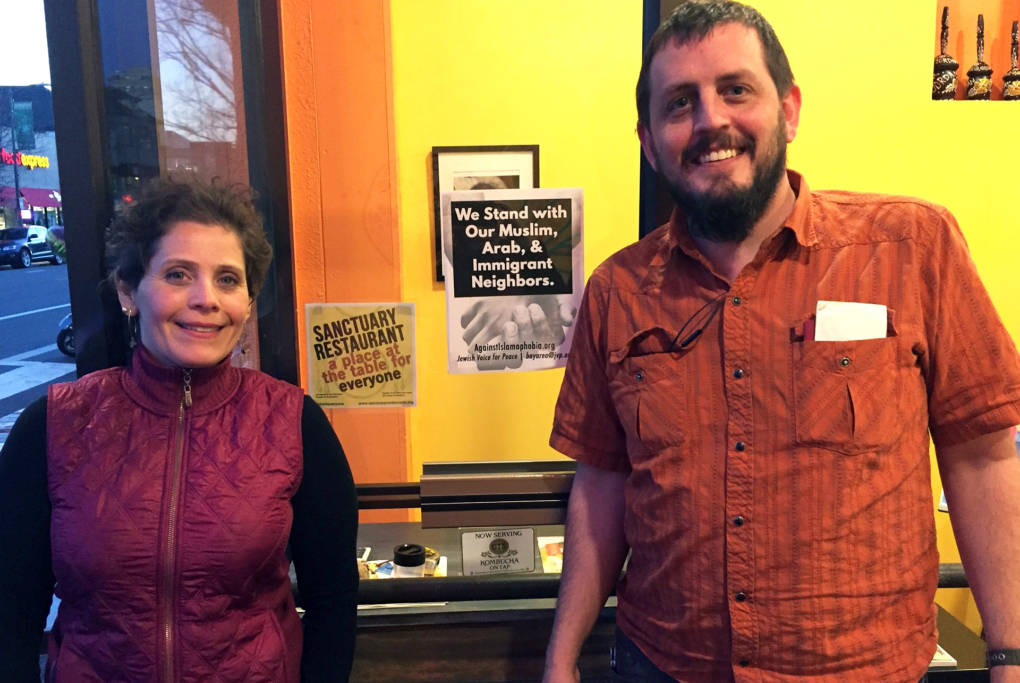
"caption": "Owners of Ba-Bite Mica Talmor and Robert Gott feel strongly that their restaurant should be a safe place for all.",
"description": null,
"title": "1-Mica-and-Robert1920",
"credit": "Anna Mindess",
"status": "inherit",
"isLoading": false,
"fetchFailed": false
}
},
"audioPlayerReducer": {
"postId": "stream_live",
"isPaused": true,
"isPlaying": false,
"pfsActive": false,
"pledgeModalIsOpen": true,
"playerDrawerIsOpen": false,
"liveAudioPlayStartedAt": 0,
"liveAudioPlayContext": ""
},
"authorsReducer": {
"byline_bayareabites_116442": {
"type": "authors",
"id": "byline_bayareabites_116442",
"meta": {
"override": true
},
"slug": "byline_bayareabites_116442",
"name": "Maria Godoy, NPR Food",
"isLoading": false
},
"byline_bayareabites_116411": {
"type": "authors",
"id": "byline_bayareabites_116411",
"meta": {
"override": true
},
"slug": "byline_bayareabites_116411",
"name": "Pam Fessler, NPR Food",
"isLoading": false
},
"byline_bayareabites_116309": {
"type": "authors",
"id": "byline_bayareabites_116309",
"meta": {
"override": true
},
"slug": "byline_bayareabites_116309",
"name": "Maryn McKenna, \u003ca href=\"https://ww2.kqed.org/bayareabites/author/nprfood/\">NPR Food\u003c/a>",
"isLoading": false
},
"byline_bayareabites_116122": {
"type": "authors",
"id": "byline_bayareabites_116122",
"meta": {
"override": true
},
"slug": "byline_bayareabites_116122",
"name": "Maria Godoy, NPR Food",
"isLoading": false
},
"byline_bayareabites_115985": {
"type": "authors",
"id": "byline_bayareabites_115985",
"meta": {
"override": true
},
"slug": "byline_bayareabites_115985",
"name": "Dan Charles, NPR Food",
"isLoading": false
},
"byline_bayareabites_115979": {
"type": "authors",
"id": "byline_bayareabites_115979",
"meta": {
"override": true
},
"slug": "byline_bayareabites_115979",
"name": "Bill Chappell, NPR's the two-way",
"isLoading": false
},
"byline_bayareabites_115830": {
"type": "authors",
"id": "byline_bayareabites_115830",
"meta": {
"override": true
},
"slug": "byline_bayareabites_115830",
"name": "Peter Overby, NPR Food",
"isLoading": false
},
"byline_bayareabites_115744": {
"type": "authors",
"id": "byline_bayareabites_115744",
"meta": {
"override": true
},
"slug": "byline_bayareabites_115744",
"name": "Sonia Paul, \u003ca href=\"https://ww2.kqed.org/bayareabites/author/nprfood/\">NPR Food\u003c/a>",
"isLoading": false
},
"annamindess": {
"type": "authors",
"id": "5283",
"meta": {
"index": "authors_1716337520",
"id": "5283",
"found": true
},
"name": "Anna Mindess",
"firstName": "Anna",
"lastName": "Mindess",
"slug": "annamindess",
"email": "amindess@aol.com",
"display_author_email": false,
"staff_mastheads": [],
"title": "KQED Contributor",
"bio": "My passion is exploring the connections between food, travel and culture. I am a regular contributor to AFAR, Edible East Bay Magazine, Oakland Magazine, Berkeleyside's NOSH and other publications. I usually take a route that's slightly off the beaten path, like \u003ca href=\"http://edibleeastbay.com/online-magazine/fall-harvest-2017/fun-with-food-insults/\">collecting food-related insults\u003c/a> around the world or \u003ca href=\"https://www.afar.com/magazine/what-i-learned-hawking-sweet-potatoes-with-a-street-vendor-in-taiwan?email=amindess%40aol.com&utm_source=Sailthru&utm_medium=email&utm_campaign=Doctors%20Without%20Borders&utm_term=Daily%20Wander%20Newsletter\">volunteering with a Sweet Potato Mama\u003c/a> (street food seller) in Tapei.\r\n\r\nCulture is the thread that ties together my several careers. I also work as a sign language interpreter, educator and author. My study of Deaf culture has taken me around the world, where I am always on a quest to find Deaf-owned restaurants. I love making connections between my different worlds, for example in this AFAR story where I share \u003ca href=\"https://www.afar.com/magazine/tips-from-a-sign-language-interpreter-for-overcoming-language-barriers\">tips for communicating across cultures\u003c/a> that I learned from the real experts, Deaf people. Or this \u003ca href=\"http://edibleeastbay.com/online-magazine/fall-harvest-2017/deaf-chefs-compete/\">profile of a Deaf chef and culinary arts instructor\u003c/a> at the California School for the Deaf.\r\n\r\nTo see my visual/edible take on the world, follow me on Instagram: \u003ca href=\"https://www.instagram.com/annamindess/\">annamindess. \u003c/a>\r\n\r\nFor more of my stories: visit Contently \u003ca href=\"http://annamindess.contently.com\">annamindess.contently.com\u003c/a>",
"avatar": "https://secure.gravatar.com/avatar/23c79f04bf3d58b2e727d35ca471d184e8945f6ed82e41a0c062eab5e7dc2bb5?s=600&d=blank&r=g",
"twitter": null,
"bluesky": null,
"facebook": null,
"instagram": null,
"linkedin": null,
"sites": [
{
"site": "arts",
"roles": [
"subscriber"
]
},
{
"site": "bayareabites",
"roles": [
"author"
]
},
{
"site": "food",
"roles": [
"contributor"
]
}
],
"headData": {
"title": "Anna Mindess | KQED",
"description": "KQED Contributor",
"ogImgSrc": "https://secure.gravatar.com/avatar/23c79f04bf3d58b2e727d35ca471d184e8945f6ed82e41a0c062eab5e7dc2bb5?s=600&d=blank&r=g",
"twImgSrc": "https://secure.gravatar.com/avatar/23c79f04bf3d58b2e727d35ca471d184e8945f6ed82e41a0c062eab5e7dc2bb5?s=600&d=blank&r=g"
},
"isLoading": false,
"link": "/author/annamindess"
},
"shelbypope": {
"type": "authors",
"id": "5566",
"meta": {
"index": "authors_1716337520",
"id": "5566",
"found": true
},
"name": "Shelby Pope",
"firstName": "Shelby",
"lastName": "Pope",
"slug": "shelbypope",
"email": "shelbylpope@gmail.com",
"display_author_email": false,
"staff_mastheads": [],
"title": "KQED Contributor",
"bio": "Shelby Pope is a freelance writer living and eating her way through the East Bay. She’s written about food, art and science for publications including the Smithsonian, Lucky Peach, and the Washington Post's pet blog. When she’s not taste testing sourdough bread to find the Bay Area’s best loaf, you can find her on Twitter \u003ca href=\"https://twitter.com/shelbylpope\">@shelbylpope\u003c/a> or at \u003ca href=\"https://shelbypope.com/\">shelbypope.com\u003c/a>",
"avatar": "https://secure.gravatar.com/avatar/df74e904399e45720e48e36c6e1ae7a90c32216eb2c9c82f3b2e1a9641b507d3?s=600&d=blank&r=g",
"twitter": "shelbylpope",
"bluesky": null,
"facebook": null,
"instagram": null,
"linkedin": null,
"sites": [
{
"site": "arts",
"roles": [
"subscriber"
]
},
{
"site": "food",
"roles": [
"subscriber"
]
}
],
"headData": {
"title": "Shelby Pope | KQED",
"description": "KQED Contributor",
"ogImgSrc": "https://secure.gravatar.com/avatar/df74e904399e45720e48e36c6e1ae7a90c32216eb2c9c82f3b2e1a9641b507d3?s=600&d=blank&r=g",
"twImgSrc": "https://secure.gravatar.com/avatar/df74e904399e45720e48e36c6e1ae7a90c32216eb2c9c82f3b2e1a9641b507d3?s=600&d=blank&r=g"
},
"isLoading": false,
"link": "/author/shelbypope"
}
},
"pagesReducer": {
"bayareabites_category_politics-activism-food-safety": {
"type": "terms",
"id": "bayareabites_2035",
"meta": {
"index": "terms_1716263798",
"site": "bayareabites",
"id": "2035",
"score": 13.89613
},
"featImg": null,
"name": "politics, activism, food safety",
"description": null,
"taxonomy": "category",
"headData": {
"twImgId": null,
"twTitle": null,
"ogTitle": null,
"ogImgId": null,
"twDescription": null,
"description": null,
"title": "politics, activism, food safety Archives | KQED Bay Area Bites",
"ogDescription": null
},
"ttid": 943,
"slug": "politics-activism-food-safety",
"isLoading": false,
"title": "politics, activism, food safety",
"pageMeta": {
"site": "bayareabites",
"WpPageTemplate": "page-topic-editorial",
"currentPage": 15
},
"blocks": [
{
"blockName": "kqed/post-list",
"attrs": {
"layout": "cardArticle2",
"query": "posts/bayareabites?category=politics-activism-food-safety",
"seeMore": false,
"paginated": true,
"page": 15
}
},
{
"blockName": "kqed/ad"
}
]
}
},
"pfsSessionReducer": {},
"postsReducer": {
"stream_live": {
"type": "live",
"id": "stream_live",
"audioUrl": "https://streams.kqed.org/kqedradio",
"title": "Live Stream",
"excerpt": "Live Stream information currently unavailable.",
"link": "/radio",
"featImg": "",
"label": {
"name": "KQED Live",
"link": "/"
}
},
"stream_kqedNewscast": {
"type": "posts",
"id": "stream_kqedNewscast",
"audioUrl": "https://www.kqed.org/.stream/anon/radio/RDnews/newscast.mp3?_=1",
"title": "KQED Newscast",
"featImg": "",
"label": {
"name": "88.5 FM",
"link": "/"
}
},
"bayareabites_116533": {
"type": "posts",
"id": "bayareabites_116533",
"meta": {
"index": "posts_1716263798",
"site": "bayareabites",
"id": "116533",
"score": null,
"sort": [
1491346631000
]
},
"parent": 0,
"labelTerm": {
"site": "bayareabites"
},
"blocks": [],
"publishDate": 1491346631,
"format": "standard",
"disqusTitle": "Fighting Trump, One Delicious Meal at a Time with Nourish|Resist",
"title": "Fighting Trump, One Delicious Meal at a Time with Nourish|Resist",
"headTitle": "Bay Area Bites | KQED Food",
"content": "\u003cp>Last year, a group of women started meeting in San Francisco. It was an informal group, composed of women of color who worked in the San Francisco food world at places like \u003ca href=\"http://www.tartinebakery.com/\" target=\"_blank\">Tartine\u003c/a> and \u003ca href=\"http://www.biritemarket.com/\" target=\"_blank\">Bi-Rite\u003c/a>. They used the potlucks to swap stories and share advice. After the election, the mood darkened.\u003c/p>\n\u003cp>“We were all feeling different levels of grief, despondence, confusion, [and] frustration,” said Leslie Mah, one of the group’s organizers. During one of the meals, someone wondered what they could do to combat President Trump’s administration. “We started naming things, and it started coming together--ok, we actually have a lot here,” Mah said.\u003c/p>\n\u003cp>Last November galvanized the group, organizer Shakirah Simley said. It made them want to “come together as a community and build something that was sincere to our needs as women, as folks of color, as people who understand these pretty intense issues as [they] relate to class, race, gender, immigration, labor and the economy,” Simley said. “We see all those things as industry folks.”\u003c/p>\n\u003cfigure id=\"attachment_116532\" class=\"wp-caption aligncenter\" style=\"max-width: 1920px\">\u003cimg class=\"size-full wp-image-116532\" src=\"https://ww2.kqed.org/bayareabites/wp-content/uploads/sites/24/2017/04/NourishResistRD_05.jpg\" alt=\"Nourish/Resist members at their first event in January.\" width=\"1920\" height=\"1280\" srcset=\"https://ww2.kqed.org/app/uploads/sites/24/2017/04/NourishResistRD_05.jpg 1920w, https://ww2.kqed.org/app/uploads/sites/24/2017/04/NourishResistRD_05-160x107.jpg 160w, https://ww2.kqed.org/app/uploads/sites/24/2017/04/NourishResistRD_05-800x533.jpg 800w, https://ww2.kqed.org/app/uploads/sites/24/2017/04/NourishResistRD_05-768x512.jpg 768w, https://ww2.kqed.org/app/uploads/sites/24/2017/04/NourishResistRD_05-1020x680.jpg 1020w, https://ww2.kqed.org/app/uploads/sites/24/2017/04/NourishResistRD_05-1180x787.jpg 1180w, https://ww2.kqed.org/app/uploads/sites/24/2017/04/NourishResistRD_05-960x640.jpg 960w, https://ww2.kqed.org/app/uploads/sites/24/2017/04/NourishResistRD_05-240x160.jpg 240w, https://ww2.kqed.org/app/uploads/sites/24/2017/04/NourishResistRD_05-375x250.jpg 375w, https://ww2.kqed.org/app/uploads/sites/24/2017/04/NourishResistRD_05-520x347.jpg 520w\" sizes=\"(max-width: 1920px) 100vw, 1920px\">\u003cfigcaption class=\"wp-caption-text\">Nourish/Resist members at their first event in January. \u003ccite>(Sana Javeri Kadri)\u003c/cite>\u003c/figcaption>\u003c/figure>\n\u003cp>The group decided to formalize the group as a tool for political action, and dubbed themselves \u003ca href=\"https://nourishresist.org/\" target=\"_blank\">Nourish|Resist\u003c/a>. They came up with a slogan: “Hate won’t feed us.” And since then, the group has combined their skill sets--from baking to political organizing--to educate people about how to effectively fight Trump’s policies.\u003c/p>\n\u003cp>The group takes a dual approach. Part of their work is internal, reminiscent of those early group dinners. It’s a safe space for women of color to discuss the mundanities and frustrations of their daily working lives. “When people think of resistance, they think of a protest. We like to think our existence is resistance,” Simley said. “In order to do that external organization, I like to say you have to take time to sharpen your saw before [you] can slice through wood.”\u003c/p>\n\u003cp>[ad fullwidth]\u003c/p>\n\u003cp>Their other work is external, a collection of events that facilitates direct political action. Many in the group have political and organizing backgrounds. Mah worked for \u003ca href=\"https://front.moveon.org/\" target=\"_blank\">Move On\u003c/a> during the beginning of the Obama administration, and later worked as a paralegal for death row inmates before switching careers to work at \u003ca href=\"https://www.ritualroasters.com/\" target=\"_blank\">Ritual Coffee Roasters\u003c/a>, where she’s currently head roaster. Until recently, Simley was Bi-Rite’s \u003ca href=\"https://missionlocal.org/2017/03/good-food-advocate-shakirah-simley-bids-bi-rite-farewell/\" target=\"_blank\">community program manager\u003c/a>, where she worked on community development projects like increasing the amount of healthy food at corner stores.\u003c/p>\n\u003cp>Yet the group also emphasizes the importance that comes with the first part of their name, the power that comes with feeding people. “Breaking bread is an essential part of bringing people together that’s disarming,” said Simley. “Everyone eats. You can’t do this work unless you’re full. We want to make sure that [we’re] paying homage to what we’re really good at and what we know, which is food, beverage and hospitality.”\u003c/p>\n\u003cfigure id=\"attachment_116528\" class=\"wp-caption aligncenter\" style=\"max-width: 1920px\">\u003cimg class=\"size-full wp-image-116528\" src=\"https://ww2.kqed.org/bayareabites/wp-content/uploads/sites/24/2017/04/edited.jpg\" alt=\"Nourish|Resist's first event, "An Unpresidented Meal," combined political organizing and a delicious meal.\" width=\"1920\" height=\"1280\" srcset=\"https://ww2.kqed.org/app/uploads/sites/24/2017/04/edited.jpg 1920w, https://ww2.kqed.org/app/uploads/sites/24/2017/04/edited-160x107.jpg 160w, https://ww2.kqed.org/app/uploads/sites/24/2017/04/edited-800x533.jpg 800w, https://ww2.kqed.org/app/uploads/sites/24/2017/04/edited-768x512.jpg 768w, https://ww2.kqed.org/app/uploads/sites/24/2017/04/edited-1020x680.jpg 1020w, https://ww2.kqed.org/app/uploads/sites/24/2017/04/edited-1180x787.jpg 1180w, https://ww2.kqed.org/app/uploads/sites/24/2017/04/edited-960x640.jpg 960w, https://ww2.kqed.org/app/uploads/sites/24/2017/04/edited-240x160.jpg 240w, https://ww2.kqed.org/app/uploads/sites/24/2017/04/edited-375x250.jpg 375w, https://ww2.kqed.org/app/uploads/sites/24/2017/04/edited-520x347.jpg 520w\" sizes=\"(max-width: 1920px) 100vw, 1920px\">\u003cfigcaption class=\"wp-caption-text\">Nourish|Resist's first event, \"An Unpresidented Meal,\" combined political organizing and a delicious meal. \u003ccite>(Sana Javeri Kadri)\u003c/cite>\u003c/figcaption>\u003c/figure>\n\u003cp>\u003ca href=\"https://nourishresist.org/blog/2017/2/7/video-an-unprecedented-meal-on-january-19th-2017\" target=\"_blank\">An Unpresidented Meal,\u003c/a> the group’s first event, took place at Mission High the night before the inauguration. The group organized a meal--salad, turkey kofta--and instructed the high schoolers on how they could channel their frustrations. They made protest signs together, and talked about the rights people have when protesting. Don’t just stop there, the group urged, instructing them how to set up a citywide network of young activists.\u003c/p>\n\u003cp>\u003ciframe src=\"https://player.vimeo.com/video/200338283?title=0&byline=0&portrait=0\" width=\"640\" height=\"360\" frameborder=\"0\" webkitallowfullscreen mozallowfullscreen allowfullscreen>\u003c/iframe>\u003c/p>\n\u003cp>“People don’t respect the power of youth,” Simley said. “Youth are not apathetic because they don’t care, youth are apathetic because they feel like people don’t care about them. The minute you give youth resources, or agency or ask them what they think, they can be really engaged. They told us at our resistance dinner, ‘we’re inheriting something you created.’ And it’s not fair.”\u003c/p>\n\u003cp>Other events followed. Around Valentine’s Day, they provided chocolate and writing supplies for a “love letters to legislators” event, as well as tips for a useful letter (don’t just be angry, mention a specific bill or action you want them to support). The event yielded hundreds of \u003ca href=\"https://www.instagram.com/p/BQgI9IOgZJ2/?taken-by=nourishresist\" target=\"_blank\">colorful postcards\u003c/a> to local politicians. The goal, Mah said, is to show people exactly what actions they can take to create the most amount of change.\u003c/p>\n\u003cblockquote class=\"instagram-media\" data-instgrm-captioned data-instgrm-version=\"7\" style=\" background:#FFF; border:0; border-radius:3px; box-shadow:0 0 1px 0 rgba(0,0,0,0.5),0 1px 10px 0 rgba(0,0,0,0.15); margin: 1px; max-width:658px; padding:0; width:99.375%; width:-webkit-calc(100% - 2px); width:calc(100% - 2px);\">\n\u003cdiv style=\"padding:8px;\">\n\u003cdiv style=\" background:#F8F8F8; line-height:0; margin-top:40px; padding:50.97222222222222% 0; text-align:center; width:100%;\">\n\u003cdiv style=\" background:url(data:image/png;base64,iVBORw0KGgoAAAANSUhEUgAAACwAAAAsCAMAAAApWqozAAAABGdBTUEAALGPC/xhBQAAAAFzUkdCAK7OHOkAAAAMUExURczMzPf399fX1+bm5mzY9AMAAADiSURBVDjLvZXbEsMgCES5/P8/t9FuRVCRmU73JWlzosgSIIZURCjo/ad+EQJJB4Hv8BFt+IDpQoCx1wjOSBFhh2XssxEIYn3ulI/6MNReE07UIWJEv8UEOWDS88LY97kqyTliJKKtuYBbruAyVh5wOHiXmpi5we58Ek028czwyuQdLKPG1Bkb4NnM+VeAnfHqn1k4+GPT6uGQcvu2h2OVuIf/gWUFyy8OWEpdyZSa3aVCqpVoVvzZZ2VTnn2wU8qzVjDDetO90GSy9mVLqtgYSy231MxrY6I2gGqjrTY0L8fxCxfCBbhWrsYYAAAAAElFTkSuQmCC); display:block; height:44px; margin:0 auto -44px; position:relative; top:-22px; width:44px;\">\u003c/div>\n\u003c/div>\n\u003cp style=\" margin:8px 0 0 0; padding:0 4px;\"> \u003ca href=\"https://www.instagram.com/p/BQgI9IOgZJ2/\" style=\" color:#000; font-family:Arial,sans-serif; font-size:14px; font-style:normal; font-weight:normal; line-height:17px; text-decoration:none; word-wrap:break-word;\" target=\"_blank\">Tonight we invite you to join us in the revolutionary act of #LoveLetterstoLegislators. And if you're making dinner for your sweetie, we'll see you next week, in #Oakland on 2/23. Have a #Valentines hug and a kiss from #NourishResist.\u003c/a>\u003c/p>\n\u003cp style=\" color:#c9c8cd; font-family:Arial,sans-serif; font-size:14px; line-height:17px; margin-bottom:0; margin-top:8px; overflow:hidden; padding:8px 0 7px; text-align:center; text-overflow:ellipsis; white-space:nowrap;\">A post shared by Nourish | Resist (@nourishresist) on \u003ctime style=\" font-family:Arial,sans-serif; font-size:14px; line-height:17px;\" datetime=\"2017-02-14T18:32:30+00:00\">Feb 14, 2017 at 10:32am PST\u003c/time>\u003c/p>\n\u003c/div>\n\u003c/blockquote>\n\u003cp>\u003cscript async defer src=\"//platform.instagram.com/en_US/embeds.js\">\u003c/script>\u003c/p>\n\u003cp>“A lot of times, people want to do something, yet there’s a lack of understanding of how to do that,” Mah said. “We’d like to create a very tangible pathway of activation and participation that’s not just for the white majority who enjoy privilege, but also [for] very silenced majorities who have not been able to activate themselves for either fear, a sense of vulnerability, or a lack of support.”\u003c/p>\n\u003cfigure id=\"attachment_116530\" class=\"wp-caption alignright\" style=\"max-width: 1920px\">\u003cimg class=\"wp-image-116530 size-full\" src=\"https://ww2.kqed.org/bayareabites/wp-content/uploads/sites/24/2017/04/NourishResistRD_03edited.jpg\" alt=\"Part of the night's meal at An Unpresidented Meal.\" width=\"1920\" height=\"2880\" srcset=\"https://ww2.kqed.org/app/uploads/sites/24/2017/04/NourishResistRD_03edited.jpg 1920w, https://ww2.kqed.org/app/uploads/sites/24/2017/04/NourishResistRD_03edited-160x240.jpg 160w, https://ww2.kqed.org/app/uploads/sites/24/2017/04/NourishResistRD_03edited-800x1200.jpg 800w, https://ww2.kqed.org/app/uploads/sites/24/2017/04/NourishResistRD_03edited-768x1152.jpg 768w, https://ww2.kqed.org/app/uploads/sites/24/2017/04/NourishResistRD_03edited-1020x1530.jpg 1020w, https://ww2.kqed.org/app/uploads/sites/24/2017/04/NourishResistRD_03edited-1180x1770.jpg 1180w, https://ww2.kqed.org/app/uploads/sites/24/2017/04/NourishResistRD_03edited-960x1440.jpg 960w, https://ww2.kqed.org/app/uploads/sites/24/2017/04/NourishResistRD_03edited-240x360.jpg 240w, https://ww2.kqed.org/app/uploads/sites/24/2017/04/NourishResistRD_03edited-375x563.jpg 375w, https://ww2.kqed.org/app/uploads/sites/24/2017/04/NourishResistRD_03edited-520x780.jpg 520w\" sizes=\"(max-width: 1920px) 100vw, 1920px\">\u003cfigcaption class=\"wp-caption-text\">Part of the night's meal at An Unpresidented Meal. \u003ccite>(Sana Javeri Kadri)\u003c/cite>\u003c/figcaption>\u003c/figure>\n\u003cp>Their goal isn’t merely to motivate San Franciscans, who have a wealth of resources and like-minded cohorts available to them. Nourish|Resist puts their \u003ca href=\"https://nourishresist.org/resources/\" target=\"_blank\">resources online\u003c/a>, so other groups throughout the country--who might be the Democratic minority in a red state--can easily create their own version of Nourish|Resist.\u003c/p>\n\u003cp>The group is currently planning more \u003ca href=\"https://nourishresist.org/events/\" target=\"_blank\">events\u003c/a>, including one this Friday about the \u003ca href=\"http://voicesfromthekitchen.org/\" target=\"_blank\">role of race in the kitchen\u003c/a>. In the future, they hope to connect with more women, and encourage people to participate in local and state elections. They also have loftier goals. They want to, “foster personal and food security for our community,” and “create coalitions across our similarly-minded movements, people, and organizations.” It’ll be a slow journey, requiring an excess of time and money from workers in an industry that thrives on little of both. But Mah and Simley are excited for the future, excited to use their passion for local, sustainable food to challenge the new political reality, and show others that food is far from apolitical.\u003c/p>\n\u003cp>[ad floatright]\u003c/p>\n\u003cp>“We use food as a tool for our resistance,” said Simley. “Sometimes when we think about the food system, people are like ‘yeah, we want a more just food system.’ We want a more just people system. And we use food to do that.”\u003c/p>\n\n",
"disqusIdentifier": "116533 https://ww2.kqed.org/bayareabites/?p=116533",
"disqusUrl": "https://ww2.kqed.org/bayareabites/2017/04/04/fighting-trump-one-delicious-meal-at-a-time-with-nourishresist/",
"stats": {
"hasVideo": true,
"hasChartOrMap": true,
"hasAudio": false,
"hasPolis": false,
"wordCount": 1156,
"hasGoogleForm": false,
"hasGallery": false,
"hasHearkenModule": false,
"iframeSrcs": [
"https://player.vimeo.com/video/200338283"
],
"paragraphCount": 18
},
"modified": 1491421225,
"excerpt": "Nourish|Resist combines targeted political action and artisan food to combat the new administration.",
"headData": {
"twImgId": "",
"twTitle": "",
"ogTitle": "",
"ogImgId": "",
"twDescription": "",
"description": "Nourish|Resist combines targeted political action and artisan food to combat the new administration.",
"title": "Fighting Trump, One Delicious Meal at a Time with Nourish|Resist | KQED",
"ogDescription": "",
"schema": {
"@context": "https://schema.org",
"@type": "Article",
"headline": "Fighting Trump, One Delicious Meal at a Time with Nourish|Resist",
"datePublished": "2017-04-04T15:57:11-07:00",
"dateModified": "2017-04-05T12:40:25-07:00",
"image": "https://cdn.kqed.org/wp-content/uploads/2020/02/KQED-OG-Image@1x.png"
}
},
"guestAuthors": [],
"slug": "fighting-trump-one-delicious-meal-at-a-time-with-nourishresist",
"status": "publish",
"path": "/bayareabites/116533/fighting-trump-one-delicious-meal-at-a-time-with-nourishresist",
"audioTrackLength": null,
"parsedContent": [
{
"type": "contentString",
"content": "\u003cdiv class=\"post-body\">\u003cp>\u003cp>Last year, a group of women started meeting in San Francisco. It was an informal group, composed of women of color who worked in the San Francisco food world at places like \u003ca href=\"http://www.tartinebakery.com/\" target=\"_blank\">Tartine\u003c/a> and \u003ca href=\"http://www.biritemarket.com/\" target=\"_blank\">Bi-Rite\u003c/a>. They used the potlucks to swap stories and share advice. After the election, the mood darkened.\u003c/p>\n\u003cp>“We were all feeling different levels of grief, despondence, confusion, [and] frustration,” said Leslie Mah, one of the group’s organizers. During one of the meals, someone wondered what they could do to combat President Trump’s administration. “We started naming things, and it started coming together--ok, we actually have a lot here,” Mah said.\u003c/p>\n\u003cp>Last November galvanized the group, organizer Shakirah Simley said. It made them want to “come together as a community and build something that was sincere to our needs as women, as folks of color, as people who understand these pretty intense issues as [they] relate to class, race, gender, immigration, labor and the economy,” Simley said. “We see all those things as industry folks.”\u003c/p>\n\u003cfigure id=\"attachment_116532\" class=\"wp-caption aligncenter\" style=\"max-width: 1920px\">\u003cimg class=\"size-full wp-image-116532\" src=\"https://ww2.kqed.org/bayareabites/wp-content/uploads/sites/24/2017/04/NourishResistRD_05.jpg\" alt=\"Nourish/Resist members at their first event in January.\" width=\"1920\" height=\"1280\" srcset=\"https://ww2.kqed.org/app/uploads/sites/24/2017/04/NourishResistRD_05.jpg 1920w, https://ww2.kqed.org/app/uploads/sites/24/2017/04/NourishResistRD_05-160x107.jpg 160w, https://ww2.kqed.org/app/uploads/sites/24/2017/04/NourishResistRD_05-800x533.jpg 800w, https://ww2.kqed.org/app/uploads/sites/24/2017/04/NourishResistRD_05-768x512.jpg 768w, https://ww2.kqed.org/app/uploads/sites/24/2017/04/NourishResistRD_05-1020x680.jpg 1020w, https://ww2.kqed.org/app/uploads/sites/24/2017/04/NourishResistRD_05-1180x787.jpg 1180w, https://ww2.kqed.org/app/uploads/sites/24/2017/04/NourishResistRD_05-960x640.jpg 960w, https://ww2.kqed.org/app/uploads/sites/24/2017/04/NourishResistRD_05-240x160.jpg 240w, https://ww2.kqed.org/app/uploads/sites/24/2017/04/NourishResistRD_05-375x250.jpg 375w, https://ww2.kqed.org/app/uploads/sites/24/2017/04/NourishResistRD_05-520x347.jpg 520w\" sizes=\"(max-width: 1920px) 100vw, 1920px\">\u003cfigcaption class=\"wp-caption-text\">Nourish/Resist members at their first event in January. \u003ccite>(Sana Javeri Kadri)\u003c/cite>\u003c/figcaption>\u003c/figure>\n\u003cp>The group decided to formalize the group as a tool for political action, and dubbed themselves \u003ca href=\"https://nourishresist.org/\" target=\"_blank\">Nourish|Resist\u003c/a>. They came up with a slogan: “Hate won’t feed us.” And since then, the group has combined their skill sets--from baking to political organizing--to educate people about how to effectively fight Trump’s policies.\u003c/p>\n\u003cp>The group takes a dual approach. Part of their work is internal, reminiscent of those early group dinners. It’s a safe space for women of color to discuss the mundanities and frustrations of their daily working lives. “When people think of resistance, they think of a protest. We like to think our existence is resistance,” Simley said. “In order to do that external organization, I like to say you have to take time to sharpen your saw before [you] can slice through wood.”\u003c/p>\n\u003cp>\u003c/p>\u003c/div>",
"attributes": {
"named": {},
"numeric": []
}
},
{
"type": "component",
"content": "",
"name": "ad",
"attributes": {
"named": {
"label": "fullwidth"
},
"numeric": [
"fullwidth"
]
}
},
{
"type": "contentString",
"content": "\u003cdiv class=\"post-body\">\u003cp>\u003c/p>\n\u003cp>Their other work is external, a collection of events that facilitates direct political action. Many in the group have political and organizing backgrounds. Mah worked for \u003ca href=\"https://front.moveon.org/\" target=\"_blank\">Move On\u003c/a> during the beginning of the Obama administration, and later worked as a paralegal for death row inmates before switching careers to work at \u003ca href=\"https://www.ritualroasters.com/\" target=\"_blank\">Ritual Coffee Roasters\u003c/a>, where she’s currently head roaster. Until recently, Simley was Bi-Rite’s \u003ca href=\"https://missionlocal.org/2017/03/good-food-advocate-shakirah-simley-bids-bi-rite-farewell/\" target=\"_blank\">community program manager\u003c/a>, where she worked on community development projects like increasing the amount of healthy food at corner stores.\u003c/p>\n\u003cp>Yet the group also emphasizes the importance that comes with the first part of their name, the power that comes with feeding people. “Breaking bread is an essential part of bringing people together that’s disarming,” said Simley. “Everyone eats. You can’t do this work unless you’re full. We want to make sure that [we’re] paying homage to what we’re really good at and what we know, which is food, beverage and hospitality.”\u003c/p>\n\u003cfigure id=\"attachment_116528\" class=\"wp-caption aligncenter\" style=\"max-width: 1920px\">\u003cimg class=\"size-full wp-image-116528\" src=\"https://ww2.kqed.org/bayareabites/wp-content/uploads/sites/24/2017/04/edited.jpg\" alt=\"Nourish|Resist's first event, "An Unpresidented Meal," combined political organizing and a delicious meal.\" width=\"1920\" height=\"1280\" srcset=\"https://ww2.kqed.org/app/uploads/sites/24/2017/04/edited.jpg 1920w, https://ww2.kqed.org/app/uploads/sites/24/2017/04/edited-160x107.jpg 160w, https://ww2.kqed.org/app/uploads/sites/24/2017/04/edited-800x533.jpg 800w, https://ww2.kqed.org/app/uploads/sites/24/2017/04/edited-768x512.jpg 768w, https://ww2.kqed.org/app/uploads/sites/24/2017/04/edited-1020x680.jpg 1020w, https://ww2.kqed.org/app/uploads/sites/24/2017/04/edited-1180x787.jpg 1180w, https://ww2.kqed.org/app/uploads/sites/24/2017/04/edited-960x640.jpg 960w, https://ww2.kqed.org/app/uploads/sites/24/2017/04/edited-240x160.jpg 240w, https://ww2.kqed.org/app/uploads/sites/24/2017/04/edited-375x250.jpg 375w, https://ww2.kqed.org/app/uploads/sites/24/2017/04/edited-520x347.jpg 520w\" sizes=\"(max-width: 1920px) 100vw, 1920px\">\u003cfigcaption class=\"wp-caption-text\">Nourish|Resist's first event, \"An Unpresidented Meal,\" combined political organizing and a delicious meal. \u003ccite>(Sana Javeri Kadri)\u003c/cite>\u003c/figcaption>\u003c/figure>\n\u003cp>\u003ca href=\"https://nourishresist.org/blog/2017/2/7/video-an-unprecedented-meal-on-january-19th-2017\" target=\"_blank\">An Unpresidented Meal,\u003c/a> the group’s first event, took place at Mission High the night before the inauguration. The group organized a meal--salad, turkey kofta--and instructed the high schoolers on how they could channel their frustrations. They made protest signs together, and talked about the rights people have when protesting. Don’t just stop there, the group urged, instructing them how to set up a citywide network of young activists.\u003c/p>\n\u003cp>\u003ciframe src=\"https://player.vimeo.com/video/200338283?title=0&byline=0&portrait=0\" width=\"640\" height=\"360\" frameborder=\"0\" webkitallowfullscreen mozallowfullscreen allowfullscreen>\u003c/iframe>\u003c/p>\n\u003cp>“People don’t respect the power of youth,” Simley said. “Youth are not apathetic because they don’t care, youth are apathetic because they feel like people don’t care about them. The minute you give youth resources, or agency or ask them what they think, they can be really engaged. They told us at our resistance dinner, ‘we’re inheriting something you created.’ And it’s not fair.”\u003c/p>\n\u003cp>Other events followed. Around Valentine’s Day, they provided chocolate and writing supplies for a “love letters to legislators” event, as well as tips for a useful letter (don’t just be angry, mention a specific bill or action you want them to support). The event yielded hundreds of \u003ca href=\"https://www.instagram.com/p/BQgI9IOgZJ2/?taken-by=nourishresist\" target=\"_blank\">colorful postcards\u003c/a> to local politicians. The goal, Mah said, is to show people exactly what actions they can take to create the most amount of change.\u003c/p>\n\u003cblockquote class=\"instagram-media\" data-instgrm-captioned data-instgrm-version=\"7\" style=\" background:#FFF; border:0; border-radius:3px; box-shadow:0 0 1px 0 rgba(0,0,0,0.5),0 1px 10px 0 rgba(0,0,0,0.15); margin: 1px; max-width:658px; padding:0; width:99.375%; width:-webkit-calc(100% - 2px); width:calc(100% - 2px);\">\n\u003cdiv style=\"padding:8px;\">\n\u003cdiv style=\" background:#F8F8F8; line-height:0; margin-top:40px; padding:50.97222222222222% 0; text-align:center; width:100%;\">\n\u003cdiv style=\" background:url(data:image/png;base64,iVBORw0KGgoAAAANSUhEUgAAACwAAAAsCAMAAAApWqozAAAABGdBTUEAALGPC/xhBQAAAAFzUkdCAK7OHOkAAAAMUExURczMzPf399fX1+bm5mzY9AMAAADiSURBVDjLvZXbEsMgCES5/P8/t9FuRVCRmU73JWlzosgSIIZURCjo/ad+EQJJB4Hv8BFt+IDpQoCx1wjOSBFhh2XssxEIYn3ulI/6MNReE07UIWJEv8UEOWDS88LY97kqyTliJKKtuYBbruAyVh5wOHiXmpi5we58Ek028czwyuQdLKPG1Bkb4NnM+VeAnfHqn1k4+GPT6uGQcvu2h2OVuIf/gWUFyy8OWEpdyZSa3aVCqpVoVvzZZ2VTnn2wU8qzVjDDetO90GSy9mVLqtgYSy231MxrY6I2gGqjrTY0L8fxCxfCBbhWrsYYAAAAAElFTkSuQmCC); display:block; height:44px; margin:0 auto -44px; position:relative; top:-22px; width:44px;\">\u003c/div>\n\u003c/div>\n\u003cp style=\" margin:8px 0 0 0; padding:0 4px;\"> \u003ca href=\"https://www.instagram.com/p/BQgI9IOgZJ2/\" style=\" color:#000; font-family:Arial,sans-serif; font-size:14px; font-style:normal; font-weight:normal; line-height:17px; text-decoration:none; word-wrap:break-word;\" target=\"_blank\">Tonight we invite you to join us in the revolutionary act of #LoveLetterstoLegislators. And if you're making dinner for your sweetie, we'll see you next week, in #Oakland on 2/23. Have a #Valentines hug and a kiss from #NourishResist.\u003c/a>\u003c/p>\n\u003cp style=\" color:#c9c8cd; font-family:Arial,sans-serif; font-size:14px; line-height:17px; margin-bottom:0; margin-top:8px; overflow:hidden; padding:8px 0 7px; text-align:center; text-overflow:ellipsis; white-space:nowrap;\">A post shared by Nourish | Resist (@nourishresist) on \u003ctime style=\" font-family:Arial,sans-serif; font-size:14px; line-height:17px;\" datetime=\"2017-02-14T18:32:30+00:00\">Feb 14, 2017 at 10:32am PST\u003c/time>\u003c/p>\n\u003c/div>\n\u003c/blockquote>\n\u003cp>\u003cscript async defer src=\"//platform.instagram.com/en_US/embeds.js\">\u003c/script>\u003c/p>\n\u003cp>“A lot of times, people want to do something, yet there’s a lack of understanding of how to do that,” Mah said. “We’d like to create a very tangible pathway of activation and participation that’s not just for the white majority who enjoy privilege, but also [for] very silenced majorities who have not been able to activate themselves for either fear, a sense of vulnerability, or a lack of support.”\u003c/p>\n\u003cfigure id=\"attachment_116530\" class=\"wp-caption alignright\" style=\"max-width: 1920px\">\u003cimg class=\"wp-image-116530 size-full\" src=\"https://ww2.kqed.org/bayareabites/wp-content/uploads/sites/24/2017/04/NourishResistRD_03edited.jpg\" alt=\"Part of the night's meal at An Unpresidented Meal.\" width=\"1920\" height=\"2880\" srcset=\"https://ww2.kqed.org/app/uploads/sites/24/2017/04/NourishResistRD_03edited.jpg 1920w, https://ww2.kqed.org/app/uploads/sites/24/2017/04/NourishResistRD_03edited-160x240.jpg 160w, https://ww2.kqed.org/app/uploads/sites/24/2017/04/NourishResistRD_03edited-800x1200.jpg 800w, https://ww2.kqed.org/app/uploads/sites/24/2017/04/NourishResistRD_03edited-768x1152.jpg 768w, https://ww2.kqed.org/app/uploads/sites/24/2017/04/NourishResistRD_03edited-1020x1530.jpg 1020w, https://ww2.kqed.org/app/uploads/sites/24/2017/04/NourishResistRD_03edited-1180x1770.jpg 1180w, https://ww2.kqed.org/app/uploads/sites/24/2017/04/NourishResistRD_03edited-960x1440.jpg 960w, https://ww2.kqed.org/app/uploads/sites/24/2017/04/NourishResistRD_03edited-240x360.jpg 240w, https://ww2.kqed.org/app/uploads/sites/24/2017/04/NourishResistRD_03edited-375x563.jpg 375w, https://ww2.kqed.org/app/uploads/sites/24/2017/04/NourishResistRD_03edited-520x780.jpg 520w\" sizes=\"(max-width: 1920px) 100vw, 1920px\">\u003cfigcaption class=\"wp-caption-text\">Part of the night's meal at An Unpresidented Meal. \u003ccite>(Sana Javeri Kadri)\u003c/cite>\u003c/figcaption>\u003c/figure>\n\u003cp>Their goal isn’t merely to motivate San Franciscans, who have a wealth of resources and like-minded cohorts available to them. Nourish|Resist puts their \u003ca href=\"https://nourishresist.org/resources/\" target=\"_blank\">resources online\u003c/a>, so other groups throughout the country--who might be the Democratic minority in a red state--can easily create their own version of Nourish|Resist.\u003c/p>\n\u003cp>The group is currently planning more \u003ca href=\"https://nourishresist.org/events/\" target=\"_blank\">events\u003c/a>, including one this Friday about the \u003ca href=\"http://voicesfromthekitchen.org/\" target=\"_blank\">role of race in the kitchen\u003c/a>. In the future, they hope to connect with more women, and encourage people to participate in local and state elections. They also have loftier goals. They want to, “foster personal and food security for our community,” and “create coalitions across our similarly-minded movements, people, and organizations.” It’ll be a slow journey, requiring an excess of time and money from workers in an industry that thrives on little of both. But Mah and Simley are excited for the future, excited to use their passion for local, sustainable food to challenge the new political reality, and show others that food is far from apolitical.\u003c/p>\n\u003cp>\u003c/p>\u003c/div>",
"attributes": {
"named": {},
"numeric": []
}
},
{
"type": "component",
"content": "",
"name": "ad",
"attributes": {
"named": {
"label": "floatright"
},
"numeric": [
"floatright"
]
}
},
{
"type": "contentString",
"content": "\u003cdiv class=\"post-body\">\u003cp>\u003c/p>\n\u003cp>“We use food as a tool for our resistance,” said Simley. “Sometimes when we think about the food system, people are like ‘yeah, we want a more just food system.’ We want a more just people system. And we use food to do that.”\u003c/p>\n\n\u003c/div>\u003c/p>",
"attributes": {
"named": {},
"numeric": []
}
}
],
"link": "/bayareabites/116533/fighting-trump-one-delicious-meal-at-a-time-with-nourishresist",
"authors": [
"5566"
],
"categories": [
"bayareabites_109",
"bayareabites_11028",
"bayareabites_10028",
"bayareabites_1875",
"bayareabites_2035"
],
"tags": [
"bayareabites_565",
"bayareabites_669",
"bayareabites_15810",
"bayareabites_15697"
],
"featImg": "bayareabites_116531",
"label": "bayareabites"
},
"bayareabites_116442": {
"type": "posts",
"id": "bayareabites_116442",
"meta": {
"index": "posts_1716263798",
"site": "bayareabites",
"id": "116442",
"score": null,
"sort": [
1490890386000
]
},
"parent": 0,
"labelTerm": {
"site": "bayareabites"
},
"blocks": [],
"publishDate": 1490890386,
"format": "standard",
"disqusTitle": "In U.S. Restaurants, Bars And Food Trucks, 'Modern Slavery' Persists",
"title": "In U.S. Restaurants, Bars And Food Trucks, 'Modern Slavery' Persists",
"headTitle": "Bay Area Bites | KQED Food",
"content": "\u003cp>They come from places like Vietnam, China, Mexico and Guatemala, lured by promises of better-paying jobs and legal immigration. Instead, they're smuggled into the U.S., forced to work around the clock as bussers, wait staff and cooks, and housed in cramped living quarters. For this, they must pay exorbitant fees that become an insurmountable debt, even as their pay is often withheld, stolen or unfairly docked.\u003c/p>\n\u003cp>In restaurants, bars and food trucks across America, many workers are entrapped in a form of modern slavery. That's according to \u003ca href=\"https://polarisproject.org/typology\">a new report\u003c/a> by Polaris, an organization that fights human trafficking and helps survivors.\u003c/p>\n\u003cp>In the report the group offers a detailed portrait of human trafficking as it occurs in the U.S., breaking it down into 25 distinct business models, from nail salons to hotel work and domestic service.\u003c/p>\n\u003cp>\"Because human trafficking is so diverse ... you can't fight it all at once and there are no single, silver bullet solutions. You have to ... fight it type by type,\" Bradley Myles, CEO of Polaris, told reporters on a press call. \"We see this report as a major breakthrough in the field.\"\u003c/p>\n\u003cp>He called the report the largest data set on human trafficking in the U.S. ever compiled and publicly analyzed. The Polaris team analyzed 32,208 reports of human trafficking, and 10,085 reports of labor exploitation processed through its hotlines for victims between 2007 and 2016. The goal: to identify profiles of traffickers and their victims — and the methods they use to recruit and control them — across industries, in order to better thwart them.\u003c/p>\n\u003cp>[ad fullwidth]\u003c/p>\n\u003cp>\u003ca href=\"http://www.denverlions.org/speakers/8b082711-3c5d-4f5a-aa9c-8d1ddf564817\">Janet Drake\u003c/a>, a senior assistant attorney general in Colorado who has prosecuted human trafficking cases, called the new report \"a game changer.\"\u003c/p>\n\u003cp>Only 16 percent of cases identified through the hotline calls involved labor trafficking, Drake says, \"but now we realize through the work we've done that labor trafficking is probably at least as prevalent, if not more so, than sex trafficking. And that's a real problem we've had as prosecutors – being able to identify and disrupt these labor trafficking networks.\"\u003c/p>\n\u003cp>Three of the 25 categories the group tracked involve the food industry: restaurants, bars and agriculture.\u003c/p>\n\u003cp>From dairy farms to orange orchards, nearly 2,000 of the cases involved the agriculture industry. Workers — mostly men from Mexico and Central America — often were enticed with assurances of an hourly rate, but once they showed up in the U.S., they were paid on a much lower piece-rate basis. Many reported being denied medical care and protective gear to do their job, forced to live in squalid conditions, and threatened with deportation.\u003c/p>\n\u003cp>Of the more than 1,700 restaurant industry cases, the vast majority of victims involved immigrants, recruited from Mexico, Central America and East and Southeast Asia. Nearly one in five was a minor. They included cooks, wait staff and bussers at restaurants, food trucks, buffets and taquerias.\u003c/p>\n\u003cp>Traffickers often take advantage \"of language barriers between exploited workers and patrons — and in some cases other workers at the same restaurant who are not being abused — to help avoid detection,\" the report says.\u003c/p>\n\u003cp>Workers who try to leave may face threats of deportation. Traffickers also may threaten to injure or even kill the worker's family back home. About a third of the cases involved immigrants without legal status in the U.S., but many other victims were here on valid work visas.\u003c/p>\n\u003cp>Some victims were forced to provide both sex and labor. Women from Latin America — including many minors — come to America beguiled by promises of good wages, safe migration or even a romantic relationship. They're put to work selling drinks, and sex, at bars and cantinas, says Jennifer Penrose, data analysis director for Polaris and co-author of the report.\u003c/p>\n\u003cp>Many times these are \"legitimate bars and restaurants, where they'll sell alcohol, often at inflated prices,\" Penrose says. But behind the scenes, \"forced commercial sex may occur on-site or nearby at a hotel or warehouse.\" In this model, she says, traffickers tend to be \"part of larger criminal organizations.\"\u003c/p>\n\u003cp>Because the report was based solely on calls and text messages to Polaris' hotlines, Myles notes there are limits to what it can tell us. \"Potentially, restaurant trafficking may be much higher than we're learning about, but we're just not getting enough of those hotline calls to be able to describe that,\" he said.\u003c/p>\n\u003cp>\u003cem>Maria Godoy is a senior editor with NPR and host of The Salt. She's on Twitter @mgodoyh.\u003c/em> \u003c/p>\n\u003cp>\u003c/p>\n\u003cp>\u003cem>Copyright 2017 \u003ca href=\"http://www.npr.org/\" target=\"_blank\">NPR\u003c/a>.\u003c/em>\u003c/p>\n\n",
"disqusIdentifier": "116442 https://ww2.kqed.org/bayareabites/?p=116442",
"disqusUrl": "https://ww2.kqed.org/bayareabites/2017/03/30/in-u-s-restaurants-bars-and-food-trucks-modern-slavery-persists/",
"stats": {
"hasVideo": false,
"hasChartOrMap": false,
"hasAudio": false,
"hasPolis": false,
"wordCount": 773,
"hasGoogleForm": false,
"hasGallery": false,
"hasHearkenModule": false,
"iframeSrcs": [],
"paragraphCount": 19
},
"modified": 1490890386,
"excerpt": "A new report highlights victims of human trafficking in the food industry, from farm workers to restaurant cooks and wait staff. Some victims are exploited for both sex and labor.",
"headData": {
"twImgId": "",
"twTitle": "",
"ogTitle": "",
"ogImgId": "",
"twDescription": "",
"description": "A new report highlights victims of human trafficking in the food industry, from farm workers to restaurant cooks and wait staff. Some victims are exploited for both sex and labor.",
"title": "In U.S. Restaurants, Bars And Food Trucks, 'Modern Slavery' Persists | KQED",
"ogDescription": "",
"schema": {
"@context": "https://schema.org",
"@type": "Article",
"headline": "In U.S. Restaurants, Bars And Food Trucks, 'Modern Slavery' Persists",
"datePublished": "2017-03-30T09:13:06-07:00",
"dateModified": "2017-03-30T09:13:06-07:00",
"image": "https://cdn.kqed.org/wp-content/uploads/2020/02/KQED-OG-Image@1x.png"
}
},
"guestAuthors": [],
"slug": "in-u-s-restaurants-bars-and-food-trucks-modern-slavery-persists",
"status": "publish",
"nprApiLink": "http://api.npr.org/query?id=521971468&apiKey=MDAxOTAwOTE4MDEyMTkxMDAzNjczZDljZA004",
"nprByline": "Maria Godoy, NPR Food",
"nprStoryDate": "Wed, 29 Mar 2017 19:35:00 -0400",
"nprLastModifiedDate": "Thu, 30 Mar 2017 11:50:18 -0400",
"nprHtmlLink": "http://www.npr.org/sections/thesalt/2017/03/29/521971468/in-u-s-restaurants-bars-and-food-trucks-modern-slavery-persists?ft=nprml&f=521971468",
"nprStoryId": "521971468",
"nprRetrievedStory": "1",
"nprPubDate": "Thu, 30 Mar 2017 11:50:00 -0400",
"path": "/bayareabites/116442/in-u-s-restaurants-bars-and-food-trucks-modern-slavery-persists",
"audioTrackLength": null,
"parsedContent": [
{
"type": "contentString",
"content": "\u003cdiv class=\"post-body\">\u003cp>\u003cp>They come from places like Vietnam, China, Mexico and Guatemala, lured by promises of better-paying jobs and legal immigration. Instead, they're smuggled into the U.S., forced to work around the clock as bussers, wait staff and cooks, and housed in cramped living quarters. For this, they must pay exorbitant fees that become an insurmountable debt, even as their pay is often withheld, stolen or unfairly docked.\u003c/p>\n\u003cp>In restaurants, bars and food trucks across America, many workers are entrapped in a form of modern slavery. That's according to \u003ca href=\"https://polarisproject.org/typology\">a new report\u003c/a> by Polaris, an organization that fights human trafficking and helps survivors.\u003c/p>\n\u003cp>In the report the group offers a detailed portrait of human trafficking as it occurs in the U.S., breaking it down into 25 distinct business models, from nail salons to hotel work and domestic service.\u003c/p>\n\u003cp>\"Because human trafficking is so diverse ... you can't fight it all at once and there are no single, silver bullet solutions. You have to ... fight it type by type,\" Bradley Myles, CEO of Polaris, told reporters on a press call. \"We see this report as a major breakthrough in the field.\"\u003c/p>\n\u003cp>He called the report the largest data set on human trafficking in the U.S. ever compiled and publicly analyzed. The Polaris team analyzed 32,208 reports of human trafficking, and 10,085 reports of labor exploitation processed through its hotlines for victims between 2007 and 2016. The goal: to identify profiles of traffickers and their victims — and the methods they use to recruit and control them — across industries, in order to better thwart them.\u003c/p>\n\u003cp>\u003c/p>\u003c/div>",
"attributes": {
"named": {},
"numeric": []
}
},
{
"type": "component",
"content": "",
"name": "ad",
"attributes": {
"named": {
"label": "fullwidth"
},
"numeric": [
"fullwidth"
]
}
},
{
"type": "contentString",
"content": "\u003cdiv class=\"post-body\">\u003cp>\u003c/p>\n\u003cp>\u003ca href=\"http://www.denverlions.org/speakers/8b082711-3c5d-4f5a-aa9c-8d1ddf564817\">Janet Drake\u003c/a>, a senior assistant attorney general in Colorado who has prosecuted human trafficking cases, called the new report \"a game changer.\"\u003c/p>\n\u003cp>Only 16 percent of cases identified through the hotline calls involved labor trafficking, Drake says, \"but now we realize through the work we've done that labor trafficking is probably at least as prevalent, if not more so, than sex trafficking. And that's a real problem we've had as prosecutors – being able to identify and disrupt these labor trafficking networks.\"\u003c/p>\n\u003cp>Three of the 25 categories the group tracked involve the food industry: restaurants, bars and agriculture.\u003c/p>\n\u003cp>From dairy farms to orange orchards, nearly 2,000 of the cases involved the agriculture industry. Workers — mostly men from Mexico and Central America — often were enticed with assurances of an hourly rate, but once they showed up in the U.S., they were paid on a much lower piece-rate basis. Many reported being denied medical care and protective gear to do their job, forced to live in squalid conditions, and threatened with deportation.\u003c/p>\n\u003cp>Of the more than 1,700 restaurant industry cases, the vast majority of victims involved immigrants, recruited from Mexico, Central America and East and Southeast Asia. Nearly one in five was a minor. They included cooks, wait staff and bussers at restaurants, food trucks, buffets and taquerias.\u003c/p>\n\u003cp>Traffickers often take advantage \"of language barriers between exploited workers and patrons — and in some cases other workers at the same restaurant who are not being abused — to help avoid detection,\" the report says.\u003c/p>\n\u003cp>Workers who try to leave may face threats of deportation. Traffickers also may threaten to injure or even kill the worker's family back home. About a third of the cases involved immigrants without legal status in the U.S., but many other victims were here on valid work visas.\u003c/p>\n\u003cp>Some victims were forced to provide both sex and labor. Women from Latin America — including many minors — come to America beguiled by promises of good wages, safe migration or even a romantic relationship. They're put to work selling drinks, and sex, at bars and cantinas, says Jennifer Penrose, data analysis director for Polaris and co-author of the report.\u003c/p>\n\u003cp>Many times these are \"legitimate bars and restaurants, where they'll sell alcohol, often at inflated prices,\" Penrose says. But behind the scenes, \"forced commercial sex may occur on-site or nearby at a hotel or warehouse.\" In this model, she says, traffickers tend to be \"part of larger criminal organizations.\"\u003c/p>\n\u003cp>Because the report was based solely on calls and text messages to Polaris' hotlines, Myles notes there are limits to what it can tell us. \"Potentially, restaurant trafficking may be much higher than we're learning about, but we're just not getting enough of those hotline calls to be able to describe that,\" he said.\u003c/p>\n\u003cp>\u003cem>Maria Godoy is a senior editor with NPR and host of The Salt. She's on Twitter @mgodoyh.\u003c/em> \u003c/p>\n\u003cp>\u003c/p>\n\u003cp>\u003cem>Copyright 2017 \u003ca href=\"http://www.npr.org/\" target=\"_blank\">NPR\u003c/a>.\u003c/em>\u003c/p>\n\n\u003c/div>\u003c/p>",
"attributes": {
"named": {},
"numeric": []
}
}
],
"link": "/bayareabites/116442/in-u-s-restaurants-bars-and-food-trucks-modern-slavery-persists",
"authors": [
"byline_bayareabites_116442"
],
"categories": [
"bayareabites_1874",
"bayareabites_10028",
"bayareabites_2035"
],
"tags": [
"bayareabites_11869",
"bayareabites_11611"
],
"featImg": "bayareabites_116443",
"label": "bayareabites"
},
"bayareabites_116328": {
"type": "posts",
"id": "bayareabites_116328",
"meta": {
"index": "posts_1716263798",
"site": "bayareabites",
"id": "116328",
"score": null,
"sort": [
1490747296000
]
},
"parent": 0,
"labelTerm": {},
"blocks": [],
"publishDate": 1490747296,
"format": "aside",
"disqusTitle": "Oakland Bloom Nurtures Refugee Chefs at Night Market Pop-Ups",
"title": "Oakland Bloom Nurtures Refugee Chefs at Night Market Pop-Ups",
"headTitle": "Bay Area Bites | KQED Food",
"content": "\u003cfigure id=\"attachment_116392\" class=\"wp-caption aligncenter\" style=\"max-width: 1920px\">\u003cimg class=\"size-full wp-image-116392\" src=\"https://ww2.kqed.org/bayareabites/wp-content/uploads/sites/24/2017/03/1-Farid-and-Mina-NEW.jpg\" alt=\"Farid Rafaty cooked Afghan food at the Oakland Bloom Night Market with his cousin Mina.\" width=\"1920\" height=\"1666\" srcset=\"https://ww2.kqed.org/app/uploads/sites/24/2017/03/1-Farid-and-Mina-NEW.jpg 1920w, https://ww2.kqed.org/app/uploads/sites/24/2017/03/1-Farid-and-Mina-NEW-160x139.jpg 160w, https://ww2.kqed.org/app/uploads/sites/24/2017/03/1-Farid-and-Mina-NEW-800x694.jpg 800w, https://ww2.kqed.org/app/uploads/sites/24/2017/03/1-Farid-and-Mina-NEW-768x666.jpg 768w, https://ww2.kqed.org/app/uploads/sites/24/2017/03/1-Farid-and-Mina-NEW-1020x885.jpg 1020w, https://ww2.kqed.org/app/uploads/sites/24/2017/03/1-Farid-and-Mina-NEW-1180x1024.jpg 1180w, https://ww2.kqed.org/app/uploads/sites/24/2017/03/1-Farid-and-Mina-NEW-960x833.jpg 960w, https://ww2.kqed.org/app/uploads/sites/24/2017/03/1-Farid-and-Mina-NEW-240x208.jpg 240w, https://ww2.kqed.org/app/uploads/sites/24/2017/03/1-Farid-and-Mina-NEW-375x325.jpg 375w, https://ww2.kqed.org/app/uploads/sites/24/2017/03/1-Farid-and-Mina-NEW-520x451.jpg 520w\" sizes=\"(max-width: 1920px) 100vw, 1920px\">\u003cfigcaption class=\"wp-caption-text\">Farid Rafaty cooked Afghan food at the Oakland Bloom Night Market with his friend Shahnaz. \u003ccite>(Anna Mindess)\u003c/cite>\u003c/figcaption>\u003c/figure>\n\u003cp>Farid Rafaty dreams of opening a restaurant where he will cook dishes from his native Afghanistan. One of these would be the luscious \u003cem>mantu\u003c/em> dumplings he recently made for a pop-up dinner sponsored by \u003ca href=\"http://oaklandbloom.org/\">Oakland Bloom\u003c/a>, an organization that wants to help him in his quest. It’s been a long journey. At age 14, Rafaty was walking home after getting a haircut when he was forcibly drafted by the pro-communist government as a soldier to fight against the \u003ca href=\"https://en.wikipedia.org/wiki/Mujahideen\" target=\"_blank\">Mujahideen\u003c/a> and taken by helicopter to their army base. After spending three weeks trying to operate an anti-aircraft missile launcher, the determined young man escaped from the base and fled his country by walking all the way to Pakistan, where he eventually met up with his parents and eight siblings.\u003c/p>\n\u003cfigure id=\"attachment_116393\" class=\"wp-caption aligncenter\" style=\"max-width: 1920px\">\u003cimg class=\"size-full wp-image-116393\" src=\"https://ww2.kqed.org/bayareabites/wp-content/uploads/sites/24/2017/03/2-Mantu-dumpling-NEW.jpg\" alt=\"Farid's mantu (beef dumpling) topped with tomato and yogurt sauces.\" width=\"1920\" height=\"2204\" srcset=\"https://ww2.kqed.org/app/uploads/sites/24/2017/03/2-Mantu-dumpling-NEW.jpg 1920w, https://ww2.kqed.org/app/uploads/sites/24/2017/03/2-Mantu-dumpling-NEW-160x184.jpg 160w, https://ww2.kqed.org/app/uploads/sites/24/2017/03/2-Mantu-dumpling-NEW-800x918.jpg 800w, https://ww2.kqed.org/app/uploads/sites/24/2017/03/2-Mantu-dumpling-NEW-768x882.jpg 768w, https://ww2.kqed.org/app/uploads/sites/24/2017/03/2-Mantu-dumpling-NEW-1020x1171.jpg 1020w, https://ww2.kqed.org/app/uploads/sites/24/2017/03/2-Mantu-dumpling-NEW-1180x1355.jpg 1180w, https://ww2.kqed.org/app/uploads/sites/24/2017/03/2-Mantu-dumpling-NEW-960x1102.jpg 960w, https://ww2.kqed.org/app/uploads/sites/24/2017/03/2-Mantu-dumpling-NEW-240x276.jpg 240w, https://ww2.kqed.org/app/uploads/sites/24/2017/03/2-Mantu-dumpling-NEW-375x430.jpg 375w, https://ww2.kqed.org/app/uploads/sites/24/2017/03/2-Mantu-dumpling-NEW-520x597.jpg 520w\" sizes=\"(max-width: 1920px) 100vw, 1920px\">\u003cfigcaption class=\"wp-caption-text\">Farid's mantu (beef dumpling) topped with tomato and yogurt sauces. \u003ccite>(Anna Mindess)\u003c/cite>\u003c/figcaption>\u003c/figure>\n\u003cp>After several years living in France, Rafaty moved to Southern California, and ironically, got his wish to cook authentic Afghan food -- for the U.S. Marine Corps training site in Twentynine Palms. The army had built a completely realistic Afghan town in the middle of the Mojave desert to train Marines before they were deployed to Afghanistan. “It had to be 100% accurate, from the shops to the colors of the clothing to the food,” explains Rafaty. “I was head of kitchen and cooked breakfast, lunch and dinner for 220 Afghan ‘actors’ and 40 Special Forces soldiers.” Sometimes Rafaty was also assigned to act a role, such as head of the Secret Service, in exercises where American soldiers were tasked with finding “the bad guys.” The results were impressive. After a month living in the simulated Afghan village, the soldiers were ready. “I received many commendations, and the soldiers expressed their gratitude for preparing them so well, which was crucial to their survival,” says Rafaty. “Now, I want to give back to this wonderful country.” With Oakland Bloom’s help, Rafaty hopes to start a catering business and work his way up to a café where he can make real connections with his customers. “I want a place,“ he says, “where we all know each other’s families.”\u003c/p>\n\u003cfigure id=\"attachment_116394\" class=\"wp-caption aligncenter\" style=\"max-width: 1920px\">\u003cimg class=\"size-full wp-image-116394\" src=\"https://ww2.kqed.org/bayareabites/wp-content/uploads/sites/24/2017/03/3-Seanathan-Chow-NEW.jpg\" alt=\"Seanathan Chow, founder of Oakland Bloom, at March 12 Night Market Pop-up Dinner.\" width=\"1920\" height=\"1389\" srcset=\"https://ww2.kqed.org/app/uploads/sites/24/2017/03/3-Seanathan-Chow-NEW.jpg 1920w, https://ww2.kqed.org/app/uploads/sites/24/2017/03/3-Seanathan-Chow-NEW-160x116.jpg 160w, https://ww2.kqed.org/app/uploads/sites/24/2017/03/3-Seanathan-Chow-NEW-800x579.jpg 800w, https://ww2.kqed.org/app/uploads/sites/24/2017/03/3-Seanathan-Chow-NEW-768x556.jpg 768w, https://ww2.kqed.org/app/uploads/sites/24/2017/03/3-Seanathan-Chow-NEW-1020x738.jpg 1020w, https://ww2.kqed.org/app/uploads/sites/24/2017/03/3-Seanathan-Chow-NEW-1180x854.jpg 1180w, https://ww2.kqed.org/app/uploads/sites/24/2017/03/3-Seanathan-Chow-NEW-960x695.jpg 960w, https://ww2.kqed.org/app/uploads/sites/24/2017/03/3-Seanathan-Chow-NEW-240x174.jpg 240w, https://ww2.kqed.org/app/uploads/sites/24/2017/03/3-Seanathan-Chow-NEW-375x271.jpg 375w, https://ww2.kqed.org/app/uploads/sites/24/2017/03/3-Seanathan-Chow-NEW-520x376.jpg 520w\" sizes=\"(max-width: 1920px) 100vw, 1920px\">\u003cfigcaption class=\"wp-caption-text\">Seanathan Chow, founder of Oakland Bloom, at March 12 Night Market Pop-up Dinner. \u003ccite>(Anna Mindess)\u003c/cite>\u003c/figcaption>\u003c/figure>\n\u003cp>Not all the refugees that Oakland Bloom mentors have as much food service experience as Farid Rafaty. Indeed, some have none at all. But the most important quality that Oakland Bloom founder Seanathan Chow looks for when choosing people for the training program is a love of cooking. After several years working to foster social entrepreneurialism as a start-up consultant and volunteering in a variety of non-profits, Chow switched gears to attend culinary school and then cook at Hawker Fare and Nopalito.\u003c/p>\n\u003cp>His “aha moment” came when he realized he could pair food and social impact to create economic opportunities for refugees and immigrants looking to start their own businesses. He founded Oakland Bloom in 2015. Now, he and his team run an intense two-week training program where refugees receive instruction in running a food business, operating a commercial kitchen, marketing, and testing recipes, all leading up to the Night Market, where they cook and serve their dishes to more than 100 guests.\u003c/p>\n\u003cp>These pop-up dinners, held monthly in the basement dining room of \u003ca href=\"https://www.choicehotels.com/california/oakland/clarion-hotels/cab03?source=gyxt\">Oakland’s Clarion Hotel\u003c/a>, give the emerging chefs an opportunity to handle a steady stream of customers and engage in conversation with them. Chow is still refining the structure and learning from each event. At the second dinner on March 12, he was dismayed to find that by the time the last two ticketed customers appeared, a couple of the chefs had run out of food. “It was a learning experience for us all,” says Chow, “I want to improve these events each time and use them as a testing ground for a permanent space.”\u003c/p>\n\u003cp>[ad fullwidth]\u003c/p>\n\u003cp>The \u003ca href=\"http://oaklandbloom.org/tickets/\">next pop-up dinner on April 9\u003c/a> will feature timed seatings to more evenly distribute diners. Besides allowing the chefs to practice feeding people at these events, Chow’s vision also includes encouraging conversations about culture and inspiring guests to volunteer their skills (say in marketing or graphic design) to help these budding entrepreneurs succeed.\u003c/p>\n\u003cfigure id=\"attachment_116455\" class=\"wp-caption aligncenter\" style=\"max-width: 1920px\">\u003cimg src=\"https://ww2.kqed.org/bayareabites/wp-content/uploads/sites/24/2017/03/4-Sara-Tebege-revised.jpg\" alt=\"Sara Tebege's spicy chicken and red lentils accompanied by her unique Eritrean flatbread.\" width=\"1920\" height=\"904\" class=\"size-full wp-image-116455\" srcset=\"https://ww2.kqed.org/app/uploads/sites/24/2017/03/4-Sara-Tebege-revised.jpg 1920w, https://ww2.kqed.org/app/uploads/sites/24/2017/03/4-Sara-Tebege-revised-160x75.jpg 160w, https://ww2.kqed.org/app/uploads/sites/24/2017/03/4-Sara-Tebege-revised-800x377.jpg 800w, https://ww2.kqed.org/app/uploads/sites/24/2017/03/4-Sara-Tebege-revised-768x362.jpg 768w, https://ww2.kqed.org/app/uploads/sites/24/2017/03/4-Sara-Tebege-revised-1020x480.jpg 1020w, https://ww2.kqed.org/app/uploads/sites/24/2017/03/4-Sara-Tebege-revised-1180x556.jpg 1180w, https://ww2.kqed.org/app/uploads/sites/24/2017/03/4-Sara-Tebege-revised-960x452.jpg 960w, https://ww2.kqed.org/app/uploads/sites/24/2017/03/4-Sara-Tebege-revised-240x113.jpg 240w, https://ww2.kqed.org/app/uploads/sites/24/2017/03/4-Sara-Tebege-revised-375x177.jpg 375w, https://ww2.kqed.org/app/uploads/sites/24/2017/03/4-Sara-Tebege-revised-520x245.jpg 520w\" sizes=\"(max-width: 1920px) 100vw, 1920px\">\u003cfigcaption class=\"wp-caption-text\">Sara Tebege's spicy chicken and red lentils accompanied by her unique Eritrean flatbread. \u003ccite>(Anna Mindess)\u003c/cite>\u003c/figcaption>\u003c/figure>\n\u003cp>The youngest chef in the March 12 Night Market line-up was 23-year old Sara Tebege, who served home-style Eritrean foods atop discs of a dark flatbread. But this flatbread was not \u003cem>injera\u003c/em> which is the large spongy crepe-like circles made primarily of teff flour that is a staple in Ethiopian and Eritrean meals.\u003c/p>\n\u003cp>Tebege featured a unique twist on another traditional flatbread that she calls \u003cem>anababiru\u003c/em>, which is usually served in layers. Her dish featured smaller rounds upon which she spread \u003cem>awaze\u003c/em> (spiced butter) and piled her \u003cem>doro tibs\u003c/em> (spicy chicken) and \u003cem>misr wot\u003c/em> (red lentil stew). She explained the significance of this “bread” to some of her customers, explaining that since it has a shorter rising time than injera, it was made every morning in her household and marked the start of the day.\u003c/p>\n\u003cp>Tebege is Eritrean. Since coming to the U.S. she has been working hard to improve herself and start a new life. When she connected with the \u003ca href=\"https://www.rescue.org/\">International Rescue Committee \u003c/a> (IRC) in 2014, she met Seanathan Chow who was then a volunteer. In 2015, Sara participated in Oakland Bloom’s food business training program (then in partnership with IRC’s New Roots Program), where participants were introduced to basic business concepts and various types of food businesses through guest lectures, field trips, and workshops.\u003c/p>\n\u003cp>Through the IRC, Tebege also met Doug Hewitt and recently completed the training program for \u003ca href=\"https://ww2.kqed.org/bayareabites/2017/02/14/refugees-life-stories-deepen-the-brew-at-1951-coffee-company/\">1951 Coffee Company\u003c/a>. Although she hopes to start working at the café, quickly whipping up lattes for Berkeleyites on the go, her ultimate wish is to have her own café where she can offer the slower-paced, \u003ca href=\"http://ww2.kqed.org/bayareabites/2012/08/07/traditional-ethiopian-coffee-ceremony-brewed-up-by-chef-marcus-samuelsson-and-cafe-colucci/\">traditional Ethiopian/Eritrean coffee ritual\u003c/a> that involves roasting the beans, grinding them, mixing the ground beans with water, then boiling and serving three rounds of coffee with snacks like popped sorghum. The daily ritual emphasizes slowing down and encourages participants to really talk to each other. Through her time with Oakland Bloom, Tebege came up with a name for her café: Mahaza, which means “friend” in Tigrinya, her native language.\u003c/p>\n\u003cfigure id=\"attachment_116396\" class=\"wp-caption aligncenter\" style=\"max-width: 1920px\">\u003cimg class=\"size-full wp-image-116396\" src=\"https://ww2.kqed.org/bayareabites/wp-content/uploads/sites/24/2017/03/5-Soda-NEW.jpg\" alt=\"Seanathan Chow's refreshing take on a Burmese tamarind ginger soda.\" width=\"1920\" height=\"1598\" srcset=\"https://ww2.kqed.org/app/uploads/sites/24/2017/03/5-Soda-NEW.jpg 1920w, https://ww2.kqed.org/app/uploads/sites/24/2017/03/5-Soda-NEW-160x133.jpg 160w, https://ww2.kqed.org/app/uploads/sites/24/2017/03/5-Soda-NEW-800x666.jpg 800w, https://ww2.kqed.org/app/uploads/sites/24/2017/03/5-Soda-NEW-768x639.jpg 768w, https://ww2.kqed.org/app/uploads/sites/24/2017/03/5-Soda-NEW-1020x849.jpg 1020w, https://ww2.kqed.org/app/uploads/sites/24/2017/03/5-Soda-NEW-1180x982.jpg 1180w, https://ww2.kqed.org/app/uploads/sites/24/2017/03/5-Soda-NEW-960x799.jpg 960w, https://ww2.kqed.org/app/uploads/sites/24/2017/03/5-Soda-NEW-240x200.jpg 240w, https://ww2.kqed.org/app/uploads/sites/24/2017/03/5-Soda-NEW-375x312.jpg 375w, https://ww2.kqed.org/app/uploads/sites/24/2017/03/5-Soda-NEW-520x433.jpg 520w\" sizes=\"(max-width: 1920px) 100vw, 1920px\">\u003cfigcaption class=\"wp-caption-text\">Seanathan Chow's refreshing take on a Burmese tamarind ginger soda. \u003ccite>(Anna Mindess)\u003c/cite>\u003c/figcaption>\u003c/figure>\n\u003cp>At his recent pop-up dinner, Seanathan Chow contributed his own Burmese-inspired tamarind ginger soda. He explains that his motivation for establishing Oakland Bloom was personal: “My parents were immigrants from Burma, where my mom grew up in poverty. My uncle hid on a boat to get here, with only $10 in his pocket. I grew up hearing stories about what it took for my family to come here, and even more so how difficult it was upon arriving. Now my mom and uncle are both successful entrepreneurs,\" says Chow. \"They sacrificed a lot, but they’re proof that anything is possible with a little help from the community and loved ones. It’s heartbreaking when I meet immigrants who feel like owning a business is simply out of their reach. I want my participants to know that Oakland Bloom will support them for the long haul. We’re in this together.\"\u003c/p>\n\u003cp>Chow’s ultimate goal is to open Oakland’s first \u003ca href=\"http://www.thebestsingapore.com/eat-and-drink/the-best-5-hawker-centres-in-singapore/\">Hawker Center\u003c/a> inspired by the food courts for which Singapore is famous. He needs a warehouse or other covered space that would be big enough for each entrepreneur to have his/her own stall. After a pilot program, he hopes to make this a permanent fixture in Oakland. Another part of Chow’s plan is to enlist the help of guest chefs. The Hawker center would have stalls for refugees and immigrants plus Oakland's up-and-coming chefs, who could provide one-on-one mentorships. “What we really need, “ says Chow, “is for everyone to feel invested in the success of others.”\u003c/p>\n\u003cfigure id=\"attachment_116397\" class=\"wp-caption aligncenter\" style=\"max-width: 1920px\">\u003cimg class=\"size-full wp-image-116397\" src=\"https://ww2.kqed.org/bayareabites/wp-content/uploads/sites/24/2017/03/6-Orn-and-Sambath-NEW.jpg\" alt=\"Orn Sok and Sambath Ky are refugees from Cambodia, who have been been working at a small cafe in Oakland making American food for years. They want to cook Cambodian dishes, like this chicken stuffed with lemon grass, pork and tamarind and papaya glass noodle salad. They will also be cooking at the April 9th event.\" width=\"1920\" height=\"1470\" srcset=\"https://ww2.kqed.org/app/uploads/sites/24/2017/03/6-Orn-and-Sambath-NEW.jpg 1920w, https://ww2.kqed.org/app/uploads/sites/24/2017/03/6-Orn-and-Sambath-NEW-160x123.jpg 160w, https://ww2.kqed.org/app/uploads/sites/24/2017/03/6-Orn-and-Sambath-NEW-800x613.jpg 800w, https://ww2.kqed.org/app/uploads/sites/24/2017/03/6-Orn-and-Sambath-NEW-768x588.jpg 768w, https://ww2.kqed.org/app/uploads/sites/24/2017/03/6-Orn-and-Sambath-NEW-1020x781.jpg 1020w, https://ww2.kqed.org/app/uploads/sites/24/2017/03/6-Orn-and-Sambath-NEW-1180x903.jpg 1180w, https://ww2.kqed.org/app/uploads/sites/24/2017/03/6-Orn-and-Sambath-NEW-960x735.jpg 960w, https://ww2.kqed.org/app/uploads/sites/24/2017/03/6-Orn-and-Sambath-NEW-240x184.jpg 240w, https://ww2.kqed.org/app/uploads/sites/24/2017/03/6-Orn-and-Sambath-NEW-375x287.jpg 375w, https://ww2.kqed.org/app/uploads/sites/24/2017/03/6-Orn-and-Sambath-NEW-520x398.jpg 520w\" sizes=\"(max-width: 1920px) 100vw, 1920px\">\u003cfigcaption class=\"wp-caption-text\">Orn Sok and Sambath Ky are refugees from Cambodia, who have been been working at a small cafe in Oakland making American food for years. They want to cook Cambodian dishes, like this chicken stuffed with lemon grass, pork and tamarind and papaya glass noodle salad. They will also be cooking at the April 9th event. \u003ccite>(Anna Mindess)\u003c/cite>\u003c/figcaption>\u003c/figure>\n\u003cp>[ad floatright]\u003c/p>\n\u003cp>\u003ca href=\"http://oaklandbloom.org/\">\u003cstrong>Oakland Bloom\u003c/strong>\u003c/a>\u003cbr>\n\u003ca href=\"http://oaklandbloom.org/tickets/\">Purchase tickets \u003c/a>for the next Pop-Up Night Market on April 9 at the Clarion Hotel\u003cbr>\n371 13\u003csup>th\u003c/sup> Street \u003ca href=\"https://www.google.com/maps/place/Clarion+Hotel+Downtown+Oakland+City+Center/@37.8027602,-122.272227,17z/data=!3m1!4b1!4m5!3m4!1s0x808f80b413425549:0xb07d41caf46aa28!8m2!3d37.802756!4d-122.270033\">[Map]\u003c/a>\u003cbr>\nOakland, CA 94612\u003cbr>\nFacebook: \u003ca href=\"https://www.facebook.com/oakbloomkitchen/\">Oakland Bloom\u003c/a>\u003cbr>\n\u003cem>Check \u003ca href=\"http://oaklandbloom.org/\">Oakland Bloom’s website\u003c/a> for upcoming crowd-funding projects.\u003c/em>\u003c/p>\n\n",
"disqusIdentifier": "116328 https://ww2.kqed.org/bayareabites/?p=116328",
"disqusUrl": "https://ww2.kqed.org/bayareabites/2017/03/28/oakland-bloom-nurtures-refugee-chefs-at-night-market-pop-ups/",
"stats": {
"hasVideo": false,
"hasChartOrMap": false,
"hasAudio": false,
"hasPolis": false,
"wordCount": 1523,
"hasGoogleForm": false,
"hasGallery": false,
"hasHearkenModule": false,
"iframeSrcs": [],
"paragraphCount": 15
},
"modified": 1539808903,
"excerpt": "Refugees who aspire to be chefs are supported by Oakland Bloom's training and monthly Night Market pop-up dinners.",
"headData": {
"twImgId": "",
"twTitle": "",
"ogTitle": "",
"ogImgId": "",
"twDescription": "",
"description": "Refugees who aspire to be chefs are supported by Oakland Bloom's training and monthly Night Market pop-up dinners.",
"title": "Oakland Bloom Nurtures Refugee Chefs at Night Market Pop-Ups | KQED",
"ogDescription": "",
"schema": {
"@context": "https://schema.org",
"@type": "Article",
"headline": "Oakland Bloom Nurtures Refugee Chefs at Night Market Pop-Ups",
"datePublished": "2017-03-28T17:28:16-07:00",
"dateModified": "2018-10-17T13:41:43-07:00",
"image": "https://cdn.kqed.org/wp-content/uploads/2020/02/KQED-OG-Image@1x.png"
}
},
"guestAuthors": [],
"slug": "oakland-bloom-nurtures-refugee-chefs-at-night-market-pop-ups",
"status": "publish",
"sourceUrl": "https://ww2.kqed.org/bayareabites/category/restaurants-and-bars/",
"source": "Restaurants, Bars, Cafes, Pop-Ups",
"path": "/bayareabites/116328/oakland-bloom-nurtures-refugee-chefs-at-night-market-pop-ups",
"audioTrackLength": null,
"parsedContent": [
{
"type": "contentString",
"content": "\u003cdiv class=\"post-body\">\u003cp>\u003cfigure id=\"attachment_116392\" class=\"wp-caption aligncenter\" style=\"max-width: 1920px\">\u003cimg class=\"size-full wp-image-116392\" src=\"https://ww2.kqed.org/bayareabites/wp-content/uploads/sites/24/2017/03/1-Farid-and-Mina-NEW.jpg\" alt=\"Farid Rafaty cooked Afghan food at the Oakland Bloom Night Market with his cousin Mina.\" width=\"1920\" height=\"1666\" srcset=\"https://ww2.kqed.org/app/uploads/sites/24/2017/03/1-Farid-and-Mina-NEW.jpg 1920w, https://ww2.kqed.org/app/uploads/sites/24/2017/03/1-Farid-and-Mina-NEW-160x139.jpg 160w, https://ww2.kqed.org/app/uploads/sites/24/2017/03/1-Farid-and-Mina-NEW-800x694.jpg 800w, https://ww2.kqed.org/app/uploads/sites/24/2017/03/1-Farid-and-Mina-NEW-768x666.jpg 768w, https://ww2.kqed.org/app/uploads/sites/24/2017/03/1-Farid-and-Mina-NEW-1020x885.jpg 1020w, https://ww2.kqed.org/app/uploads/sites/24/2017/03/1-Farid-and-Mina-NEW-1180x1024.jpg 1180w, https://ww2.kqed.org/app/uploads/sites/24/2017/03/1-Farid-and-Mina-NEW-960x833.jpg 960w, https://ww2.kqed.org/app/uploads/sites/24/2017/03/1-Farid-and-Mina-NEW-240x208.jpg 240w, https://ww2.kqed.org/app/uploads/sites/24/2017/03/1-Farid-and-Mina-NEW-375x325.jpg 375w, https://ww2.kqed.org/app/uploads/sites/24/2017/03/1-Farid-and-Mina-NEW-520x451.jpg 520w\" sizes=\"(max-width: 1920px) 100vw, 1920px\">\u003cfigcaption class=\"wp-caption-text\">Farid Rafaty cooked Afghan food at the Oakland Bloom Night Market with his friend Shahnaz. \u003ccite>(Anna Mindess)\u003c/cite>\u003c/figcaption>\u003c/figure>\n\u003cp>Farid Rafaty dreams of opening a restaurant where he will cook dishes from his native Afghanistan. One of these would be the luscious \u003cem>mantu\u003c/em> dumplings he recently made for a pop-up dinner sponsored by \u003ca href=\"http://oaklandbloom.org/\">Oakland Bloom\u003c/a>, an organization that wants to help him in his quest. It’s been a long journey. At age 14, Rafaty was walking home after getting a haircut when he was forcibly drafted by the pro-communist government as a soldier to fight against the \u003ca href=\"https://en.wikipedia.org/wiki/Mujahideen\" target=\"_blank\">Mujahideen\u003c/a> and taken by helicopter to their army base. After spending three weeks trying to operate an anti-aircraft missile launcher, the determined young man escaped from the base and fled his country by walking all the way to Pakistan, where he eventually met up with his parents and eight siblings.\u003c/p>\n\u003cfigure id=\"attachment_116393\" class=\"wp-caption aligncenter\" style=\"max-width: 1920px\">\u003cimg class=\"size-full wp-image-116393\" src=\"https://ww2.kqed.org/bayareabites/wp-content/uploads/sites/24/2017/03/2-Mantu-dumpling-NEW.jpg\" alt=\"Farid's mantu (beef dumpling) topped with tomato and yogurt sauces.\" width=\"1920\" height=\"2204\" srcset=\"https://ww2.kqed.org/app/uploads/sites/24/2017/03/2-Mantu-dumpling-NEW.jpg 1920w, https://ww2.kqed.org/app/uploads/sites/24/2017/03/2-Mantu-dumpling-NEW-160x184.jpg 160w, https://ww2.kqed.org/app/uploads/sites/24/2017/03/2-Mantu-dumpling-NEW-800x918.jpg 800w, https://ww2.kqed.org/app/uploads/sites/24/2017/03/2-Mantu-dumpling-NEW-768x882.jpg 768w, https://ww2.kqed.org/app/uploads/sites/24/2017/03/2-Mantu-dumpling-NEW-1020x1171.jpg 1020w, https://ww2.kqed.org/app/uploads/sites/24/2017/03/2-Mantu-dumpling-NEW-1180x1355.jpg 1180w, https://ww2.kqed.org/app/uploads/sites/24/2017/03/2-Mantu-dumpling-NEW-960x1102.jpg 960w, https://ww2.kqed.org/app/uploads/sites/24/2017/03/2-Mantu-dumpling-NEW-240x276.jpg 240w, https://ww2.kqed.org/app/uploads/sites/24/2017/03/2-Mantu-dumpling-NEW-375x430.jpg 375w, https://ww2.kqed.org/app/uploads/sites/24/2017/03/2-Mantu-dumpling-NEW-520x597.jpg 520w\" sizes=\"(max-width: 1920px) 100vw, 1920px\">\u003cfigcaption class=\"wp-caption-text\">Farid's mantu (beef dumpling) topped with tomato and yogurt sauces. \u003ccite>(Anna Mindess)\u003c/cite>\u003c/figcaption>\u003c/figure>\n\u003cp>After several years living in France, Rafaty moved to Southern California, and ironically, got his wish to cook authentic Afghan food -- for the U.S. Marine Corps training site in Twentynine Palms. The army had built a completely realistic Afghan town in the middle of the Mojave desert to train Marines before they were deployed to Afghanistan. “It had to be 100% accurate, from the shops to the colors of the clothing to the food,” explains Rafaty. “I was head of kitchen and cooked breakfast, lunch and dinner for 220 Afghan ‘actors’ and 40 Special Forces soldiers.” Sometimes Rafaty was also assigned to act a role, such as head of the Secret Service, in exercises where American soldiers were tasked with finding “the bad guys.” The results were impressive. After a month living in the simulated Afghan village, the soldiers were ready. “I received many commendations, and the soldiers expressed their gratitude for preparing them so well, which was crucial to their survival,” says Rafaty. “Now, I want to give back to this wonderful country.” With Oakland Bloom’s help, Rafaty hopes to start a catering business and work his way up to a café where he can make real connections with his customers. “I want a place,“ he says, “where we all know each other’s families.”\u003c/p>\n\u003cfigure id=\"attachment_116394\" class=\"wp-caption aligncenter\" style=\"max-width: 1920px\">\u003cimg class=\"size-full wp-image-116394\" src=\"https://ww2.kqed.org/bayareabites/wp-content/uploads/sites/24/2017/03/3-Seanathan-Chow-NEW.jpg\" alt=\"Seanathan Chow, founder of Oakland Bloom, at March 12 Night Market Pop-up Dinner.\" width=\"1920\" height=\"1389\" srcset=\"https://ww2.kqed.org/app/uploads/sites/24/2017/03/3-Seanathan-Chow-NEW.jpg 1920w, https://ww2.kqed.org/app/uploads/sites/24/2017/03/3-Seanathan-Chow-NEW-160x116.jpg 160w, https://ww2.kqed.org/app/uploads/sites/24/2017/03/3-Seanathan-Chow-NEW-800x579.jpg 800w, https://ww2.kqed.org/app/uploads/sites/24/2017/03/3-Seanathan-Chow-NEW-768x556.jpg 768w, https://ww2.kqed.org/app/uploads/sites/24/2017/03/3-Seanathan-Chow-NEW-1020x738.jpg 1020w, https://ww2.kqed.org/app/uploads/sites/24/2017/03/3-Seanathan-Chow-NEW-1180x854.jpg 1180w, https://ww2.kqed.org/app/uploads/sites/24/2017/03/3-Seanathan-Chow-NEW-960x695.jpg 960w, https://ww2.kqed.org/app/uploads/sites/24/2017/03/3-Seanathan-Chow-NEW-240x174.jpg 240w, https://ww2.kqed.org/app/uploads/sites/24/2017/03/3-Seanathan-Chow-NEW-375x271.jpg 375w, https://ww2.kqed.org/app/uploads/sites/24/2017/03/3-Seanathan-Chow-NEW-520x376.jpg 520w\" sizes=\"(max-width: 1920px) 100vw, 1920px\">\u003cfigcaption class=\"wp-caption-text\">Seanathan Chow, founder of Oakland Bloom, at March 12 Night Market Pop-up Dinner. \u003ccite>(Anna Mindess)\u003c/cite>\u003c/figcaption>\u003c/figure>\n\u003cp>Not all the refugees that Oakland Bloom mentors have as much food service experience as Farid Rafaty. Indeed, some have none at all. But the most important quality that Oakland Bloom founder Seanathan Chow looks for when choosing people for the training program is a love of cooking. After several years working to foster social entrepreneurialism as a start-up consultant and volunteering in a variety of non-profits, Chow switched gears to attend culinary school and then cook at Hawker Fare and Nopalito.\u003c/p>\n\u003cp>His “aha moment” came when he realized he could pair food and social impact to create economic opportunities for refugees and immigrants looking to start their own businesses. He founded Oakland Bloom in 2015. Now, he and his team run an intense two-week training program where refugees receive instruction in running a food business, operating a commercial kitchen, marketing, and testing recipes, all leading up to the Night Market, where they cook and serve their dishes to more than 100 guests.\u003c/p>\n\u003cp>These pop-up dinners, held monthly in the basement dining room of \u003ca href=\"https://www.choicehotels.com/california/oakland/clarion-hotels/cab03?source=gyxt\">Oakland’s Clarion Hotel\u003c/a>, give the emerging chefs an opportunity to handle a steady stream of customers and engage in conversation with them. Chow is still refining the structure and learning from each event. At the second dinner on March 12, he was dismayed to find that by the time the last two ticketed customers appeared, a couple of the chefs had run out of food. “It was a learning experience for us all,” says Chow, “I want to improve these events each time and use them as a testing ground for a permanent space.”\u003c/p>\n\u003cp>\u003c/p>\u003c/div>",
"attributes": {
"named": {},
"numeric": []
}
},
{
"type": "component",
"content": "",
"name": "ad",
"attributes": {
"named": {
"label": "fullwidth"
},
"numeric": [
"fullwidth"
]
}
},
{
"type": "contentString",
"content": "\u003cdiv class=\"post-body\">\u003cp>\u003c/p>\n\u003cp>The \u003ca href=\"http://oaklandbloom.org/tickets/\">next pop-up dinner on April 9\u003c/a> will feature timed seatings to more evenly distribute diners. Besides allowing the chefs to practice feeding people at these events, Chow’s vision also includes encouraging conversations about culture and inspiring guests to volunteer their skills (say in marketing or graphic design) to help these budding entrepreneurs succeed.\u003c/p>\n\u003cfigure id=\"attachment_116455\" class=\"wp-caption aligncenter\" style=\"max-width: 1920px\">\u003cimg src=\"https://ww2.kqed.org/bayareabites/wp-content/uploads/sites/24/2017/03/4-Sara-Tebege-revised.jpg\" alt=\"Sara Tebege's spicy chicken and red lentils accompanied by her unique Eritrean flatbread.\" width=\"1920\" height=\"904\" class=\"size-full wp-image-116455\" srcset=\"https://ww2.kqed.org/app/uploads/sites/24/2017/03/4-Sara-Tebege-revised.jpg 1920w, https://ww2.kqed.org/app/uploads/sites/24/2017/03/4-Sara-Tebege-revised-160x75.jpg 160w, https://ww2.kqed.org/app/uploads/sites/24/2017/03/4-Sara-Tebege-revised-800x377.jpg 800w, https://ww2.kqed.org/app/uploads/sites/24/2017/03/4-Sara-Tebege-revised-768x362.jpg 768w, https://ww2.kqed.org/app/uploads/sites/24/2017/03/4-Sara-Tebege-revised-1020x480.jpg 1020w, https://ww2.kqed.org/app/uploads/sites/24/2017/03/4-Sara-Tebege-revised-1180x556.jpg 1180w, https://ww2.kqed.org/app/uploads/sites/24/2017/03/4-Sara-Tebege-revised-960x452.jpg 960w, https://ww2.kqed.org/app/uploads/sites/24/2017/03/4-Sara-Tebege-revised-240x113.jpg 240w, https://ww2.kqed.org/app/uploads/sites/24/2017/03/4-Sara-Tebege-revised-375x177.jpg 375w, https://ww2.kqed.org/app/uploads/sites/24/2017/03/4-Sara-Tebege-revised-520x245.jpg 520w\" sizes=\"(max-width: 1920px) 100vw, 1920px\">\u003cfigcaption class=\"wp-caption-text\">Sara Tebege's spicy chicken and red lentils accompanied by her unique Eritrean flatbread. \u003ccite>(Anna Mindess)\u003c/cite>\u003c/figcaption>\u003c/figure>\n\u003cp>The youngest chef in the March 12 Night Market line-up was 23-year old Sara Tebege, who served home-style Eritrean foods atop discs of a dark flatbread. But this flatbread was not \u003cem>injera\u003c/em> which is the large spongy crepe-like circles made primarily of teff flour that is a staple in Ethiopian and Eritrean meals.\u003c/p>\n\u003cp>Tebege featured a unique twist on another traditional flatbread that she calls \u003cem>anababiru\u003c/em>, which is usually served in layers. Her dish featured smaller rounds upon which she spread \u003cem>awaze\u003c/em> (spiced butter) and piled her \u003cem>doro tibs\u003c/em> (spicy chicken) and \u003cem>misr wot\u003c/em> (red lentil stew). She explained the significance of this “bread” to some of her customers, explaining that since it has a shorter rising time than injera, it was made every morning in her household and marked the start of the day.\u003c/p>\n\u003cp>Tebege is Eritrean. Since coming to the U.S. she has been working hard to improve herself and start a new life. When she connected with the \u003ca href=\"https://www.rescue.org/\">International Rescue Committee \u003c/a> (IRC) in 2014, she met Seanathan Chow who was then a volunteer. In 2015, Sara participated in Oakland Bloom’s food business training program (then in partnership with IRC’s New Roots Program), where participants were introduced to basic business concepts and various types of food businesses through guest lectures, field trips, and workshops.\u003c/p>\n\u003cp>Through the IRC, Tebege also met Doug Hewitt and recently completed the training program for \u003ca href=\"https://ww2.kqed.org/bayareabites/2017/02/14/refugees-life-stories-deepen-the-brew-at-1951-coffee-company/\">1951 Coffee Company\u003c/a>. Although she hopes to start working at the café, quickly whipping up lattes for Berkeleyites on the go, her ultimate wish is to have her own café where she can offer the slower-paced, \u003ca href=\"http://ww2.kqed.org/bayareabites/2012/08/07/traditional-ethiopian-coffee-ceremony-brewed-up-by-chef-marcus-samuelsson-and-cafe-colucci/\">traditional Ethiopian/Eritrean coffee ritual\u003c/a> that involves roasting the beans, grinding them, mixing the ground beans with water, then boiling and serving three rounds of coffee with snacks like popped sorghum. The daily ritual emphasizes slowing down and encourages participants to really talk to each other. Through her time with Oakland Bloom, Tebege came up with a name for her café: Mahaza, which means “friend” in Tigrinya, her native language.\u003c/p>\n\u003cfigure id=\"attachment_116396\" class=\"wp-caption aligncenter\" style=\"max-width: 1920px\">\u003cimg class=\"size-full wp-image-116396\" src=\"https://ww2.kqed.org/bayareabites/wp-content/uploads/sites/24/2017/03/5-Soda-NEW.jpg\" alt=\"Seanathan Chow's refreshing take on a Burmese tamarind ginger soda.\" width=\"1920\" height=\"1598\" srcset=\"https://ww2.kqed.org/app/uploads/sites/24/2017/03/5-Soda-NEW.jpg 1920w, https://ww2.kqed.org/app/uploads/sites/24/2017/03/5-Soda-NEW-160x133.jpg 160w, https://ww2.kqed.org/app/uploads/sites/24/2017/03/5-Soda-NEW-800x666.jpg 800w, https://ww2.kqed.org/app/uploads/sites/24/2017/03/5-Soda-NEW-768x639.jpg 768w, https://ww2.kqed.org/app/uploads/sites/24/2017/03/5-Soda-NEW-1020x849.jpg 1020w, https://ww2.kqed.org/app/uploads/sites/24/2017/03/5-Soda-NEW-1180x982.jpg 1180w, https://ww2.kqed.org/app/uploads/sites/24/2017/03/5-Soda-NEW-960x799.jpg 960w, https://ww2.kqed.org/app/uploads/sites/24/2017/03/5-Soda-NEW-240x200.jpg 240w, https://ww2.kqed.org/app/uploads/sites/24/2017/03/5-Soda-NEW-375x312.jpg 375w, https://ww2.kqed.org/app/uploads/sites/24/2017/03/5-Soda-NEW-520x433.jpg 520w\" sizes=\"(max-width: 1920px) 100vw, 1920px\">\u003cfigcaption class=\"wp-caption-text\">Seanathan Chow's refreshing take on a Burmese tamarind ginger soda. \u003ccite>(Anna Mindess)\u003c/cite>\u003c/figcaption>\u003c/figure>\n\u003cp>At his recent pop-up dinner, Seanathan Chow contributed his own Burmese-inspired tamarind ginger soda. He explains that his motivation for establishing Oakland Bloom was personal: “My parents were immigrants from Burma, where my mom grew up in poverty. My uncle hid on a boat to get here, with only $10 in his pocket. I grew up hearing stories about what it took for my family to come here, and even more so how difficult it was upon arriving. Now my mom and uncle are both successful entrepreneurs,\" says Chow. \"They sacrificed a lot, but they’re proof that anything is possible with a little help from the community and loved ones. It’s heartbreaking when I meet immigrants who feel like owning a business is simply out of their reach. I want my participants to know that Oakland Bloom will support them for the long haul. We’re in this together.\"\u003c/p>\n\u003cp>Chow’s ultimate goal is to open Oakland’s first \u003ca href=\"http://www.thebestsingapore.com/eat-and-drink/the-best-5-hawker-centres-in-singapore/\">Hawker Center\u003c/a> inspired by the food courts for which Singapore is famous. He needs a warehouse or other covered space that would be big enough for each entrepreneur to have his/her own stall. After a pilot program, he hopes to make this a permanent fixture in Oakland. Another part of Chow’s plan is to enlist the help of guest chefs. The Hawker center would have stalls for refugees and immigrants plus Oakland's up-and-coming chefs, who could provide one-on-one mentorships. “What we really need, “ says Chow, “is for everyone to feel invested in the success of others.”\u003c/p>\n\u003cfigure id=\"attachment_116397\" class=\"wp-caption aligncenter\" style=\"max-width: 1920px\">\u003cimg class=\"size-full wp-image-116397\" src=\"https://ww2.kqed.org/bayareabites/wp-content/uploads/sites/24/2017/03/6-Orn-and-Sambath-NEW.jpg\" alt=\"Orn Sok and Sambath Ky are refugees from Cambodia, who have been been working at a small cafe in Oakland making American food for years. They want to cook Cambodian dishes, like this chicken stuffed with lemon grass, pork and tamarind and papaya glass noodle salad. They will also be cooking at the April 9th event.\" width=\"1920\" height=\"1470\" srcset=\"https://ww2.kqed.org/app/uploads/sites/24/2017/03/6-Orn-and-Sambath-NEW.jpg 1920w, https://ww2.kqed.org/app/uploads/sites/24/2017/03/6-Orn-and-Sambath-NEW-160x123.jpg 160w, https://ww2.kqed.org/app/uploads/sites/24/2017/03/6-Orn-and-Sambath-NEW-800x613.jpg 800w, https://ww2.kqed.org/app/uploads/sites/24/2017/03/6-Orn-and-Sambath-NEW-768x588.jpg 768w, https://ww2.kqed.org/app/uploads/sites/24/2017/03/6-Orn-and-Sambath-NEW-1020x781.jpg 1020w, https://ww2.kqed.org/app/uploads/sites/24/2017/03/6-Orn-and-Sambath-NEW-1180x903.jpg 1180w, https://ww2.kqed.org/app/uploads/sites/24/2017/03/6-Orn-and-Sambath-NEW-960x735.jpg 960w, https://ww2.kqed.org/app/uploads/sites/24/2017/03/6-Orn-and-Sambath-NEW-240x184.jpg 240w, https://ww2.kqed.org/app/uploads/sites/24/2017/03/6-Orn-and-Sambath-NEW-375x287.jpg 375w, https://ww2.kqed.org/app/uploads/sites/24/2017/03/6-Orn-and-Sambath-NEW-520x398.jpg 520w\" sizes=\"(max-width: 1920px) 100vw, 1920px\">\u003cfigcaption class=\"wp-caption-text\">Orn Sok and Sambath Ky are refugees from Cambodia, who have been been working at a small cafe in Oakland making American food for years. They want to cook Cambodian dishes, like this chicken stuffed with lemon grass, pork and tamarind and papaya glass noodle salad. They will also be cooking at the April 9th event. \u003ccite>(Anna Mindess)\u003c/cite>\u003c/figcaption>\u003c/figure>\n\u003cp>\u003c/p>\u003c/div>",
"attributes": {
"named": {},
"numeric": []
}
},
{
"type": "component",
"content": "",
"name": "ad",
"attributes": {
"named": {
"label": "floatright"
},
"numeric": [
"floatright"
]
}
},
{
"type": "contentString",
"content": "\u003cdiv class=\"post-body\">\u003cp>\u003c/p>\n\u003cp>\u003ca href=\"http://oaklandbloom.org/\">\u003cstrong>Oakland Bloom\u003c/strong>\u003c/a>\u003cbr>\n\u003ca href=\"http://oaklandbloom.org/tickets/\">Purchase tickets \u003c/a>for the next Pop-Up Night Market on April 9 at the Clarion Hotel\u003cbr>\n371 13\u003csup>th\u003c/sup> Street \u003ca href=\"https://www.google.com/maps/place/Clarion+Hotel+Downtown+Oakland+City+Center/@37.8027602,-122.272227,17z/data=!3m1!4b1!4m5!3m4!1s0x808f80b413425549:0xb07d41caf46aa28!8m2!3d37.802756!4d-122.270033\">[Map]\u003c/a>\u003cbr>\nOakland, CA 94612\u003cbr>\nFacebook: \u003ca href=\"https://www.facebook.com/oakbloomkitchen/\">Oakland Bloom\u003c/a>\u003cbr>\n\u003cem>Check \u003ca href=\"http://oaklandbloom.org/\">Oakland Bloom’s website\u003c/a> for upcoming crowd-funding projects.\u003c/em>\u003c/p>\n\n\u003c/div>\u003c/p>",
"attributes": {
"named": {},
"numeric": []
}
}
],
"link": "/bayareabites/116328/oakland-bloom-nurtures-refugee-chefs-at-night-market-pop-ups",
"authors": [
"5283"
],
"categories": [
"bayareabites_2998",
"bayareabites_109",
"bayareabites_63",
"bayareabites_64",
"bayareabites_8770",
"bayareabites_50",
"bayareabites_1146",
"bayareabites_1875",
"bayareabites_366",
"bayareabites_2035",
"bayareabites_1807",
"bayareabites_11070",
"bayareabites_181"
],
"tags": [
"bayareabites_15797",
"bayareabites_15798",
"bayareabites_10159",
"bayareabites_1121",
"bayareabites_14757"
],
"featImg": "bayareabites_116397",
"label": "source_bayareabites_116328"
},
"bayareabites_116411": {
"type": "posts",
"id": "bayareabites_116411",
"meta": {
"index": "posts_1716263798",
"site": "bayareabites",
"id": "116411",
"score": null,
"sort": [
1490745422000
]
},
"parent": 0,
"labelTerm": {
"site": "bayareabites"
},
"blocks": [],
"publishDate": 1490745422,
"format": "audio",
"disqusTitle": "Deportation Fears Prompt Immigrants To Cancel Food Stamps",
"title": "Deportation Fears Prompt Immigrants To Cancel Food Stamps",
"headTitle": "Bay Area Bites | KQED Food",
"content": "\u003cp>\u003cstrong>Listen to the story on All Things Considered:\u003c/strong>\u003cbr>\nhttps://ondemand.npr.org/anon.npr-mp3/npr/atc/2017/03/20170328_atc_immigrants_cancel_food_assistance_to_avoid_deportation.mp3\u003c/p>\n\u003cp>Groups that help low-income families get food assistance are alarmed by a recent drop in the number of immigrants seeking help. Some families are even canceling their food stamps and other government benefits, for fear that receiving them will affect their immigration status or lead to deportation. Many of the concerns appear to be unfounded but have been fueled by the Trump administration's tough stance on immigration.\u003c/p>\n\u003cp>Officials at Manna Food Center in Montgomery County, Md., report that about 20 percent of the 561 families they have helped apply for food stamps, or SNAP benefits, in the past few months have asked that their cases be closed.\u003c/p>\n\u003cp>Maria Chavez, an outreach worker for Manna, says her immigrant clients are scared, especially if they're unauthorized parents getting SNAP benefits for their eligible American children.\u003c/p>\n\u003cp>\"They say, 'I want to close my food stamp.' And I say, 'Why you want to close it?' They say, 'Well, because I am afraid that something [will] happen to me or they [will] deport me,' \" says Chavez.\u003c/p>\n\u003cp>[ad fullwidth]\u003c/p>\n\u003cp>Jim Wengler, director of benefits access at Hunger Free New York City, says fewer immigrants have also been showing up recently at the 20 sites his group serves around the city. And he says some noncitizens — even those in the country legally — want all of their government benefits canceled, including Medicaid.\u003c/p>\n\u003cp>\"Which is really frightening because these are families that are often working minimum-wage jobs, trying to raise children, trying to do the right thing, and with the help of these benefits are getting by. But without them, [they] will be in a really desperate situation,\" Wengler says.\u003c/p>\n\u003cp>Nonprofits around the country say they're seeing similar declines, although there are no hard numbers to back up the claims.\u003c/p>\n\u003cp>Advocates say the concerns seem to be twofold. Unauthorized immigrants, who can't get benefits themselves, are worried about getting deported if they receive benefits for their children. And lawful permanent residents are worried that receiving government aid — which they generally have to wait five years to do — will jeopardize their chances of becoming citizens.\u003c/p>\n\u003cfigure id=\"attachment_116417\" class=\"wp-caption aligncenter\" style=\"max-width: 812px\">\u003cimg src=\"https://ww2.kqed.org/bayareabites/wp-content/uploads/sites/24/2017/03/Screen-shot-2017-03-28-at-4.48.16-PM.png\" alt=\"SNAP Recipients In 2015, By Citizenship\" width=\"812\" height=\"411\" class=\"size-full wp-image-116417\" srcset=\"https://ww2.kqed.org/app/uploads/sites/24/2017/03/Screen-shot-2017-03-28-at-4.48.16-PM.png 812w, https://ww2.kqed.org/app/uploads/sites/24/2017/03/Screen-shot-2017-03-28-at-4.48.16-PM-160x81.png 160w, https://ww2.kqed.org/app/uploads/sites/24/2017/03/Screen-shot-2017-03-28-at-4.48.16-PM-800x405.png 800w, https://ww2.kqed.org/app/uploads/sites/24/2017/03/Screen-shot-2017-03-28-at-4.48.16-PM-768x389.png 768w, https://ww2.kqed.org/app/uploads/sites/24/2017/03/Screen-shot-2017-03-28-at-4.48.16-PM-240x121.png 240w, https://ww2.kqed.org/app/uploads/sites/24/2017/03/Screen-shot-2017-03-28-at-4.48.16-PM-375x190.png 375w, https://ww2.kqed.org/app/uploads/sites/24/2017/03/Screen-shot-2017-03-28-at-4.48.16-PM-520x263.png 520w\" sizes=\"(max-width: 812px) 100vw, 812px\">\u003cfigcaption class=\"wp-caption-text\">SNAP Recipients In 2015, By Citizenship \u003ccite>(Source: \u003ca href=\"https://fns-prod.azureedge.net/sites/default/files/ops/Characteristics2015.pdf\">Supplemental Nutrition Assistance Program\u003c/a> (PDF))\u003c/cite>\u003c/figcaption>\u003c/figure>\n\u003cp>There's no evidence either of these things will happen, but rumors have been flying.\u003c/p>\n\u003cp>\"There's so much misinformation that it's creating a lot of anxiety among all immigrants right now,\" says Matthew Lopas, an attorney with the National Immigration Law Center, which is trying to allay people's fears. \"Nothing in the law has changed as of now, and there's certainly no danger at this point in using programs for which a person is eligible.\"\u003c/p>\n\u003cp>Still, President Trump has made clear that he would like to restrict both illegal and legal immigration. In an address to Congress last month, he said that the nation's current immigration system is a drain on American taxpayers and that the country should be more selective about whom it lets in.\u003c/p>\n\u003cp>\"It's a basic principle that those seeking to enter a country ought to be able to support themselves financially. Yet, in America we do not enforce this rule, straining the very public resources that our poorest citizens rely upon,\" Trump told Congress.\u003c/p>\n\u003cp>Many economists disagree that's the case, but there are those within the administration who are concerned about immigrants' use of government aid. In January, a draft White House executive order was leaked that proposes new limits on the use of public benefits by those seeking citizenship.\u003c/p>\n\u003cp>The order hasn't been signed, and it might never be signed. But Marco Liu, director of advocacy and outreach for the Community Food Bank of Southern Arizona, says the draft order and stepped-up immigration enforcement make it difficult to convince noncitizens that they should continue to apply for the benefits they need.\u003c/p>\n\u003cp>\"That's the sensitive and tricky part, because honestly, if I were in their shoes, I might be just as apprehensive,\" says Liu.\u003c/p>\n\u003cp>One additional note. We tried repeatedly to find immigrants willing to talk to us for the story, even without using their names. But we were unable to do so, which is highly unusual. Liu says people are so worried, they don't want to take any risks. \u003c/p>\n\u003cp>\u003c/p>\n\u003cp> \u003cem>Copyright 2017 \u003ca href=\"http://www.npr.org/\" target=\"_blank\">NPR\u003c/a>.\u003c/em> \u003c/p>\n\n",
"disqusIdentifier": "116411 https://ww2.kqed.org/bayareabites/?p=116411",
"disqusUrl": "https://ww2.kqed.org/bayareabites/2017/03/28/deportation-fears-prompt-immigrants-to-cancel-food-stamps/",
"stats": {
"hasVideo": false,
"hasChartOrMap": false,
"hasAudio": false,
"hasPolis": false,
"wordCount": 736,
"hasGoogleForm": false,
"hasGallery": false,
"hasHearkenModule": false,
"iframeSrcs": [],
"paragraphCount": 20
},
"modified": 1490745422,
"excerpt": "Groups that help low-income families get food aid report a big drop in the number of immigrants seeking help. Some are canceling government benefits for fear it will affect their immigration status.",
"headData": {
"twImgId": "",
"twTitle": "",
"ogTitle": "",
"ogImgId": "",
"twDescription": "",
"description": "Groups that help low-income families get food aid report a big drop in the number of immigrants seeking help. Some are canceling government benefits for fear it will affect their immigration status.",
"title": "Deportation Fears Prompt Immigrants To Cancel Food Stamps | KQED",
"ogDescription": "",
"schema": {
"@context": "https://schema.org",
"@type": "Article",
"headline": "Deportation Fears Prompt Immigrants To Cancel Food Stamps",
"datePublished": "2017-03-28T16:57:02-07:00",
"dateModified": "2017-03-28T16:57:02-07:00",
"image": "https://cdn.kqed.org/wp-content/uploads/2020/02/KQED-OG-Image@1x.png"
}
},
"guestAuthors": [],
"slug": "deportation-fears-prompt-immigrants-to-cancel-food-stamps",
"status": "publish",
"nprApiLink": "http://api.npr.org/query?id=521823480&apiKey=MDAxOTAwOTE4MDEyMTkxMDAzNjczZDljZA004",
"nprByline": "Pam Fessler, NPR Food",
"nprStoryDate": "Tue, 28 Mar 2017 16:56:00 -0400",
"nprLastModifiedDate": "Tue, 28 Mar 2017 19:09:11 -0400",
"nprHtmlLink": "http://www.npr.org/sections/thesalt/2017/03/28/521823480/deportation-fears-prompt-immigrants-to-cancel-food-stamps?ft=nprml&f=521823480",
"nprAudio": "https://ondemand.npr.org/anon.npr-mp3/npr/atc/2017/03/20170328_atc_immigrants_cancel_food_assistance_to_avoid_deportation.mp3?orgId=1&topicId=1003&d=241&p=2&story=521823480&t=progseg&e=521761226&seg=9&ft=nprml&f=521823480",
"nprImageAgency": "Yoon S. Byun/Boston Globe/Getty Images",
"nprAudioM3u": "http://api.npr.org/m3u/1521823481-9eebf7.m3u?orgId=1&topicId=1003&d=241&p=2&story=521823480&t=progseg&e=521761226&seg=9&ft=nprml&f=521823480",
"nprStoryId": "521823480",
"nprRetrievedStory": "1",
"nprPubDate": "Tue, 28 Mar 2017 19:09:00 -0400",
"path": "/bayareabites/116411/deportation-fears-prompt-immigrants-to-cancel-food-stamps",
"audioUrl": "https://ondemand.npr.org/anon.npr-mp3/npr/atc/2017/03/20170328_atc_immigrants_cancel_food_assistance_to_avoid_deportation.mp3?orgId=1&topicId=1003&d=241&p=2&story=521823480&t=progseg&e=521761226&seg=9&ft=nprml&f=521823480",
"audioTrackLength": null,
"parsedContent": [
{
"type": "contentString",
"content": "\u003cdiv class=\"post-body\">\u003cp>\u003cp>\u003cstrong>Listen to the story on All Things Considered:\u003c/strong>\u003cbr>\n\u003c/p>\u003c/div>",
"attributes": {
"named": {},
"numeric": []
}
},
{
"type": "component",
"content": "",
"name": "nprOneAudioLink",
"attributes": {
"named": {
"src": "https://ondemand.npr.org/anon.npr-mp3/npr/atc/2017/03/20170328_atc_immigrants_cancel_food_assistance_to_avoid_deportation.mp3"
},
"numeric": []
}
},
{
"type": "contentString",
"content": "\u003cdiv class=\"post-body\">\u003cp>\u003c/p>\n\u003cp>Groups that help low-income families get food assistance are alarmed by a recent drop in the number of immigrants seeking help. Some families are even canceling their food stamps and other government benefits, for fear that receiving them will affect their immigration status or lead to deportation. Many of the concerns appear to be unfounded but have been fueled by the Trump administration's tough stance on immigration.\u003c/p>\n\u003cp>Officials at Manna Food Center in Montgomery County, Md., report that about 20 percent of the 561 families they have helped apply for food stamps, or SNAP benefits, in the past few months have asked that their cases be closed.\u003c/p>\n\u003cp>Maria Chavez, an outreach worker for Manna, says her immigrant clients are scared, especially if they're unauthorized parents getting SNAP benefits for their eligible American children.\u003c/p>\n\u003cp>\"They say, 'I want to close my food stamp.' And I say, 'Why you want to close it?' They say, 'Well, because I am afraid that something [will] happen to me or they [will] deport me,' \" says Chavez.\u003c/p>\n\u003cp>\u003c/p>\u003c/div>",
"attributes": {
"named": {},
"numeric": []
}
},
{
"type": "component",
"content": "",
"name": "ad",
"attributes": {
"named": {
"label": "fullwidth"
},
"numeric": [
"fullwidth"
]
}
},
{
"type": "contentString",
"content": "\u003cdiv class=\"post-body\">\u003cp>\u003c/p>\n\u003cp>Jim Wengler, director of benefits access at Hunger Free New York City, says fewer immigrants have also been showing up recently at the 20 sites his group serves around the city. And he says some noncitizens — even those in the country legally — want all of their government benefits canceled, including Medicaid.\u003c/p>\n\u003cp>\"Which is really frightening because these are families that are often working minimum-wage jobs, trying to raise children, trying to do the right thing, and with the help of these benefits are getting by. But without them, [they] will be in a really desperate situation,\" Wengler says.\u003c/p>\n\u003cp>Nonprofits around the country say they're seeing similar declines, although there are no hard numbers to back up the claims.\u003c/p>\n\u003cp>Advocates say the concerns seem to be twofold. Unauthorized immigrants, who can't get benefits themselves, are worried about getting deported if they receive benefits for their children. And lawful permanent residents are worried that receiving government aid — which they generally have to wait five years to do — will jeopardize their chances of becoming citizens.\u003c/p>\n\u003cfigure id=\"attachment_116417\" class=\"wp-caption aligncenter\" style=\"max-width: 812px\">\u003cimg src=\"https://ww2.kqed.org/bayareabites/wp-content/uploads/sites/24/2017/03/Screen-shot-2017-03-28-at-4.48.16-PM.png\" alt=\"SNAP Recipients In 2015, By Citizenship\" width=\"812\" height=\"411\" class=\"size-full wp-image-116417\" srcset=\"https://ww2.kqed.org/app/uploads/sites/24/2017/03/Screen-shot-2017-03-28-at-4.48.16-PM.png 812w, https://ww2.kqed.org/app/uploads/sites/24/2017/03/Screen-shot-2017-03-28-at-4.48.16-PM-160x81.png 160w, https://ww2.kqed.org/app/uploads/sites/24/2017/03/Screen-shot-2017-03-28-at-4.48.16-PM-800x405.png 800w, https://ww2.kqed.org/app/uploads/sites/24/2017/03/Screen-shot-2017-03-28-at-4.48.16-PM-768x389.png 768w, https://ww2.kqed.org/app/uploads/sites/24/2017/03/Screen-shot-2017-03-28-at-4.48.16-PM-240x121.png 240w, https://ww2.kqed.org/app/uploads/sites/24/2017/03/Screen-shot-2017-03-28-at-4.48.16-PM-375x190.png 375w, https://ww2.kqed.org/app/uploads/sites/24/2017/03/Screen-shot-2017-03-28-at-4.48.16-PM-520x263.png 520w\" sizes=\"(max-width: 812px) 100vw, 812px\">\u003cfigcaption class=\"wp-caption-text\">SNAP Recipients In 2015, By Citizenship \u003ccite>(Source: \u003ca href=\"https://fns-prod.azureedge.net/sites/default/files/ops/Characteristics2015.pdf\">Supplemental Nutrition Assistance Program\u003c/a> (PDF))\u003c/cite>\u003c/figcaption>\u003c/figure>\n\u003cp>There's no evidence either of these things will happen, but rumors have been flying.\u003c/p>\n\u003cp>\"There's so much misinformation that it's creating a lot of anxiety among all immigrants right now,\" says Matthew Lopas, an attorney with the National Immigration Law Center, which is trying to allay people's fears. \"Nothing in the law has changed as of now, and there's certainly no danger at this point in using programs for which a person is eligible.\"\u003c/p>\n\u003cp>Still, President Trump has made clear that he would like to restrict both illegal and legal immigration. In an address to Congress last month, he said that the nation's current immigration system is a drain on American taxpayers and that the country should be more selective about whom it lets in.\u003c/p>\n\u003cp>\"It's a basic principle that those seeking to enter a country ought to be able to support themselves financially. Yet, in America we do not enforce this rule, straining the very public resources that our poorest citizens rely upon,\" Trump told Congress.\u003c/p>\n\u003cp>Many economists disagree that's the case, but there are those within the administration who are concerned about immigrants' use of government aid. In January, a draft White House executive order was leaked that proposes new limits on the use of public benefits by those seeking citizenship.\u003c/p>\n\u003cp>The order hasn't been signed, and it might never be signed. But Marco Liu, director of advocacy and outreach for the Community Food Bank of Southern Arizona, says the draft order and stepped-up immigration enforcement make it difficult to convince noncitizens that they should continue to apply for the benefits they need.\u003c/p>\n\u003cp>\"That's the sensitive and tricky part, because honestly, if I were in their shoes, I might be just as apprehensive,\" says Liu.\u003c/p>\n\u003cp>One additional note. We tried repeatedly to find immigrants willing to talk to us for the story, even without using their names. But we were unable to do so, which is highly unusual. Liu says people are so worried, they don't want to take any risks. \u003c/p>\n\u003cp>\u003c/p>\n\u003cp> \u003cem>Copyright 2017 \u003ca href=\"http://www.npr.org/\" target=\"_blank\">NPR\u003c/a>.\u003c/em> \u003c/p>\n\n\u003c/div>\u003c/p>",
"attributes": {
"named": {},
"numeric": []
}
}
],
"link": "/bayareabites/116411/deportation-fears-prompt-immigrants-to-cancel-food-stamps",
"authors": [
"byline_bayareabites_116411"
],
"categories": [
"bayareabites_11028",
"bayareabites_3032",
"bayareabites_10028",
"bayareabites_2035"
],
"tags": [
"bayareabites_10011",
"bayareabites_452",
"bayareabites_14177",
"bayareabites_11838",
"bayareabites_15255"
],
"featImg": "bayareabites_116412",
"label": "bayareabites"
},
"bayareabites_116309": {
"type": "posts",
"id": "bayareabites_116309",
"meta": {
"index": "posts_1716263798",
"site": "bayareabites",
"id": "116309",
"score": null,
"sort": [
1490394489000
]
},
"parent": 0,
"labelTerm": {},
"blocks": [],
"publishDate": 1490394489,
"format": "standard",
"disqusTitle": "The U.S. Can't Really Know If Farmers Are Cutting Back On Antibiotics, GAO Says",
"title": "The U.S. Can't Really Know If Farmers Are Cutting Back On Antibiotics, GAO Says",
"headTitle": "Bay Area Bites | KQED Food",
"content": "\u003cp>When the Food and Drug Administration created controls in January on how farmers can give antibiotics to livestock, scientists concerned about antibiotic resistance and advocates for animal welfare called it a historic shift in how meat animals are raised.\u003c/p>\n\u003cp>But a \u003ca href=\"http://www.gao.gov/assets/690/683130.pdf\">new federal report\u003c/a>, released last week, says the long-awaited FDA initiative — first attempted back in 1977 — falls short in so many areas that it may not create the change that backers hoped for.\u003c/p>\n\u003cp>The FDA initiative, which was created by several documents called Guidances and is usually called its \u003ca href=\"https://www.fda.gov/AnimalVeterinary/SafetyHealth/AntimicrobialResistance/JudiciousUseofAntimicrobials/\">\"judicious use\" program\u003c/a>, made it impossible for livestock producers to use routine micro-doses of antibiotics known as growth promoters. Those doses speed up the time it takes to get chickens, swine and cattle to slaughtering weight, without preventing or treating illness.\u003c/p>\n\u003cp>Multiple lines of research have shown that growth promoters allow bacteria in animals' systems to develop resistance to antibiotics. Those bacteria move off farms in wind or water or with animals going to slaughter, increasing the likelihood of drug-resistant infections, which according to the Centers for Disease Control and Prevention kill \u003ca href=\"https://www.cdc.gov/drugresistance/threat-report-2013/\">23,000 Americans per year\u003c/a>.\u003c/p>\n\u003cp>However, the report by the Government Accountability Office says the FDA is not collecting usage data that will allow it to know if its effort has been successful.\u003c/p>\n\u003cp>[ad fullwidth]\u003c/p>\n\u003cp>In addition, despite urging by the GAO that goes back to 2004, the FDA and USDA have not negotiated access to farms that would allow them to see the types and manner of antibiotics being given — not even when outbreaks of drug-resistant foodborne illness need to be investigated. The FDA's usage data relies on sales information given by manufacturers, which contains no details about how the drugs actually are used.\u003c/p>\n\u003cp>Further, the GAO says the FDA has not anticipated the effect of livestock producers switching to \"preventive\" use of antibiotics — which is still allowed and can also stimulate antibiotic resistance, and may undermine the effectiveness of the growth-promoter ban.\u003c/p>\n\u003cp>The GAO says the departments already should be gathering all that data, because it is called for in \u003ca href=\"https://obamawhitehouse.archives.gov/the-press-office/2015/03/27/fact-sheet-obama-administration-releases-national-action-plan-combat-ant\">executive orders\u003c/a> issued by the Obama administration, which created a national policy on antibiotic resistance. It adds that getting the data is achievable, because other countries that control farm antibiotics, such as Denmark and the Netherlands, collect it routinely and use it to set national usage goals.\u003c/p>\n\u003cp>In 2015, according to \u003ca href=\"https://www.fda.gov/downloads/ForIndustry/UserFees/AnimalDrugUserFeeActADUFA/UCM534243.pdf\">FDA data\u003c/a>, sales of antibiotics for agricultural use in the United States totaled 34.3 million pounds. The agency does not publish comparisons with sales for human use, but the Pew Charitable Trusts estimates that U.S. farms use three times what U.S. patients do.\u003c/p>\n\u003cp>Staff at nonprofits concerned about antibiotic resistance, which have been monitoring the FDA's new policies, said they were dismayed by the GAO's assessment.\u003c/p>\n\u003cp>At the Pew Trusts, Dr. Karin Hoelzer said the lack of attention to preventive use is troubling, because it creates a loophole via which farmers could use antibiotics just as routinely as they did before. \"Our analysis has shown that more than one in three labels does not specify a duration of use,\" she said. \"This is falling short of judicious use standards.\"\u003c/p>\n\u003cp>The sense that there is no plan for next steps in antibiotic control is also a problem, said Dr. David Wallinga, a senior health officer at the Natural Resources Defense Council. \"The agencies haven't put in place a plan for what they are going to do, and they can't provide one when asked,\" he said. \"They have no target for where they want to go, and they have no metrics for how they will measure progress toward a goal they haven't even articulated.\"\u003c/p>\n\u003cp>Wallinga said Denmark and the Netherlands, mentioned in the GAO report, are useful comparisons to the United States because each country has combined national data on human and animal antibiotic use, and on resistant bacteria found in humans and in animals, into a single annual report. \"Each piece of data is important by itself, but it's only when you marry them together that you get insight into what your next steps should be,\" he said. \"That is something that could be done immediately here.\"\u003c/p>\n\u003cp>The GAO report was requested by members of Congress who have been pressing for more reform of farm antibiotic use: Sens. Kirsten Gillibrand (D-NY), Dianne Feinstein (D-CA) and Elizabeth Warren (D-MA), and Reps. Rosa DeLauro (D-CT) and Louise Slaughter (D-NY). (DeLauro has pressed for changes in food safety regulation and Slaughter is the chief sponsor of the Preservation of Antibiotics for Medical Treatment Act, which would further restrict farm use.) The same day the GAO released its report, the group fired off a stinging \u003ca href=\"https://www.gillibrand.senate.gov/newsroom/press/release/following-new-gao-report-gillibrand-feinstein-warren-delauro-and-slaughter-call-on-us-departments-of-agriculture_health-and-human-services-to-end-overuse-of-human-antibiotics-in-farm-animals\">letter\u003c/a> to the USDA and the Department of Health and Human Services, parent of the FDA.\u003c/p>\n\u003cp>\"The rise of antibiotic resistance is one of the greatest threats to global health, and the misuse and overuse of antibiotics has been linked to the emergence and spread of antibiotic resistant bacteria,\" they wrote. The members asked the agencies to set deadlines for getting on farms to gather antibiotic data and to investigate foodborne outbreaks, and to show how they will assure preventive antibiotics are not used in inappropriate ways.\u003c/p>\n\u003chr>\n\u003cp>\u003cem>Maryn McKenna is a journalist and author who specializes in global health, public health and food policy.\u003c/em> \u003c/p>\n\u003cp>\u003c/p>\n\u003cp>\u003cem>Copyright 2017 \u003ca href=\"http://www.npr.org/\" target=\"_blank\">NPR\u003c/a>.\u003c/em> \u003c/p>\n\n",
"disqusIdentifier": "116309 https://ww2.kqed.org/bayareabites/?p=116309",
"disqusUrl": "https://ww2.kqed.org/bayareabites/2017/03/24/the-u-s-cant-really-know-if-farmers-are-cutting-back-on-antibiotics-gao-says/",
"stats": {
"hasVideo": false,
"hasChartOrMap": false,
"hasAudio": false,
"hasPolis": false,
"wordCount": 906,
"hasGoogleForm": false,
"hasGallery": false,
"hasHearkenModule": false,
"iframeSrcs": [],
"paragraphCount": 19
},
"modified": 1490394489,
"excerpt": "New FDA rules limit how farmers can give antibiotics to animals raised for meat. But a Government Accountability Office report says the FDA doesn't collect the data to know if that policy is working.",
"headData": {
"twImgId": "",
"twTitle": "",
"ogTitle": "",
"ogImgId": "",
"twDescription": "",
"description": "New FDA rules limit how farmers can give antibiotics to animals raised for meat. But a Government Accountability Office report says the FDA doesn't collect the data to know if that policy is working.",
"title": "The U.S. Can't Really Know If Farmers Are Cutting Back On Antibiotics, GAO Says | KQED",
"ogDescription": "",
"schema": {
"@context": "https://schema.org",
"@type": "Article",
"headline": "The U.S. Can't Really Know If Farmers Are Cutting Back On Antibiotics, GAO Says",
"datePublished": "2017-03-24T15:28:09-07:00",
"dateModified": "2017-03-24T15:28:09-07:00",
"image": "https://cdn.kqed.org/wp-content/uploads/2020/02/KQED-OG-Image@1x.png"
}
},
"guestAuthors": [],
"slug": "the-u-s-cant-really-know-if-farmers-are-cutting-back-on-antibiotics-gao-says",
"status": "publish",
"sourceUrl": "https://ww2.kqed.org/bayareabites/category/politics-activism-food-safety/",
"nprApiLink": "http://api.npr.org/query?id=521281145&apiKey=MDAxOTAwOTE4MDEyMTkxMDAzNjczZDljZA004",
"nprByline": "Maryn McKenna, \u003ca href=\"https://ww2.kqed.org/bayareabites/author/nprfood/\">NPR Food\u003c/a>",
"nprStoryDate": "Fri, 24 Mar 2017 05:20:00 -0400",
"nprLastModifiedDate": "Fri, 24 Mar 2017 08:09:08 -0400",
"nprHtmlLink": "http://www.npr.org/sections/thesalt/2017/03/24/521281145/the-u-s-can-t-really-know-if-farmers-are-cutting-back-on-antibiotics-gao-says?ft=nprml&f=521281145",
"nprImageAgency": "Scott Eells/Bloomberg/Getty Images",
"source": "Politics, Activism, Food Safety",
"nprStoryId": "521281145",
"nprRetrievedStory": "1",
"nprPubDate": "Fri, 24 Mar 2017 08:09:00 -0400",
"path": "/bayareabites/116309/the-u-s-cant-really-know-if-farmers-are-cutting-back-on-antibiotics-gao-says",
"audioTrackLength": null,
"parsedContent": [
{
"type": "contentString",
"content": "\u003cdiv class=\"post-body\">\u003cp>\u003cp>When the Food and Drug Administration created controls in January on how farmers can give antibiotics to livestock, scientists concerned about antibiotic resistance and advocates for animal welfare called it a historic shift in how meat animals are raised.\u003c/p>\n\u003cp>But a \u003ca href=\"http://www.gao.gov/assets/690/683130.pdf\">new federal report\u003c/a>, released last week, says the long-awaited FDA initiative — first attempted back in 1977 — falls short in so many areas that it may not create the change that backers hoped for.\u003c/p>\n\u003cp>The FDA initiative, which was created by several documents called Guidances and is usually called its \u003ca href=\"https://www.fda.gov/AnimalVeterinary/SafetyHealth/AntimicrobialResistance/JudiciousUseofAntimicrobials/\">\"judicious use\" program\u003c/a>, made it impossible for livestock producers to use routine micro-doses of antibiotics known as growth promoters. Those doses speed up the time it takes to get chickens, swine and cattle to slaughtering weight, without preventing or treating illness.\u003c/p>\n\u003cp>Multiple lines of research have shown that growth promoters allow bacteria in animals' systems to develop resistance to antibiotics. Those bacteria move off farms in wind or water or with animals going to slaughter, increasing the likelihood of drug-resistant infections, which according to the Centers for Disease Control and Prevention kill \u003ca href=\"https://www.cdc.gov/drugresistance/threat-report-2013/\">23,000 Americans per year\u003c/a>.\u003c/p>\n\u003cp>However, the report by the Government Accountability Office says the FDA is not collecting usage data that will allow it to know if its effort has been successful.\u003c/p>\n\u003cp>\u003c/p>\u003c/div>",
"attributes": {
"named": {},
"numeric": []
}
},
{
"type": "component",
"content": "",
"name": "ad",
"attributes": {
"named": {
"label": "fullwidth"
},
"numeric": [
"fullwidth"
]
}
},
{
"type": "contentString",
"content": "\u003cdiv class=\"post-body\">\u003cp>\u003c/p>\n\u003cp>In addition, despite urging by the GAO that goes back to 2004, the FDA and USDA have not negotiated access to farms that would allow them to see the types and manner of antibiotics being given — not even when outbreaks of drug-resistant foodborne illness need to be investigated. The FDA's usage data relies on sales information given by manufacturers, which contains no details about how the drugs actually are used.\u003c/p>\n\u003cp>Further, the GAO says the FDA has not anticipated the effect of livestock producers switching to \"preventive\" use of antibiotics — which is still allowed and can also stimulate antibiotic resistance, and may undermine the effectiveness of the growth-promoter ban.\u003c/p>\n\u003cp>The GAO says the departments already should be gathering all that data, because it is called for in \u003ca href=\"https://obamawhitehouse.archives.gov/the-press-office/2015/03/27/fact-sheet-obama-administration-releases-national-action-plan-combat-ant\">executive orders\u003c/a> issued by the Obama administration, which created a national policy on antibiotic resistance. It adds that getting the data is achievable, because other countries that control farm antibiotics, such as Denmark and the Netherlands, collect it routinely and use it to set national usage goals.\u003c/p>\n\u003cp>In 2015, according to \u003ca href=\"https://www.fda.gov/downloads/ForIndustry/UserFees/AnimalDrugUserFeeActADUFA/UCM534243.pdf\">FDA data\u003c/a>, sales of antibiotics for agricultural use in the United States totaled 34.3 million pounds. The agency does not publish comparisons with sales for human use, but the Pew Charitable Trusts estimates that U.S. farms use three times what U.S. patients do.\u003c/p>\n\u003cp>Staff at nonprofits concerned about antibiotic resistance, which have been monitoring the FDA's new policies, said they were dismayed by the GAO's assessment.\u003c/p>\n\u003cp>At the Pew Trusts, Dr. Karin Hoelzer said the lack of attention to preventive use is troubling, because it creates a loophole via which farmers could use antibiotics just as routinely as they did before. \"Our analysis has shown that more than one in three labels does not specify a duration of use,\" she said. \"This is falling short of judicious use standards.\"\u003c/p>\n\u003cp>The sense that there is no plan for next steps in antibiotic control is also a problem, said Dr. David Wallinga, a senior health officer at the Natural Resources Defense Council. \"The agencies haven't put in place a plan for what they are going to do, and they can't provide one when asked,\" he said. \"They have no target for where they want to go, and they have no metrics for how they will measure progress toward a goal they haven't even articulated.\"\u003c/p>\n\u003cp>Wallinga said Denmark and the Netherlands, mentioned in the GAO report, are useful comparisons to the United States because each country has combined national data on human and animal antibiotic use, and on resistant bacteria found in humans and in animals, into a single annual report. \"Each piece of data is important by itself, but it's only when you marry them together that you get insight into what your next steps should be,\" he said. \"That is something that could be done immediately here.\"\u003c/p>\n\u003cp>The GAO report was requested by members of Congress who have been pressing for more reform of farm antibiotic use: Sens. Kirsten Gillibrand (D-NY), Dianne Feinstein (D-CA) and Elizabeth Warren (D-MA), and Reps. Rosa DeLauro (D-CT) and Louise Slaughter (D-NY). (DeLauro has pressed for changes in food safety regulation and Slaughter is the chief sponsor of the Preservation of Antibiotics for Medical Treatment Act, which would further restrict farm use.) The same day the GAO released its report, the group fired off a stinging \u003ca href=\"https://www.gillibrand.senate.gov/newsroom/press/release/following-new-gao-report-gillibrand-feinstein-warren-delauro-and-slaughter-call-on-us-departments-of-agriculture_health-and-human-services-to-end-overuse-of-human-antibiotics-in-farm-animals\">letter\u003c/a> to the USDA and the Department of Health and Human Services, parent of the FDA.\u003c/p>\n\u003cp>\"The rise of antibiotic resistance is one of the greatest threats to global health, and the misuse and overuse of antibiotics has been linked to the emergence and spread of antibiotic resistant bacteria,\" they wrote. The members asked the agencies to set deadlines for getting on farms to gather antibiotic data and to investigate foodborne outbreaks, and to show how they will assure preventive antibiotics are not used in inappropriate ways.\u003c/p>\n\u003chr>\n\u003cp>\u003cem>Maryn McKenna is a journalist and author who specializes in global health, public health and food policy.\u003c/em> \u003c/p>\n\u003cp>\u003c/p>\n\u003cp>\u003cem>Copyright 2017 \u003ca href=\"http://www.npr.org/\" target=\"_blank\">NPR\u003c/a>.\u003c/em> \u003c/p>\n\n\u003c/div>\u003c/p>",
"attributes": {
"named": {},
"numeric": []
}
}
],
"link": "/bayareabites/116309/the-u-s-cant-really-know-if-farmers-are-cutting-back-on-antibiotics-gao-says",
"authors": [
"byline_bayareabites_116309"
],
"categories": [
"bayareabites_10028",
"bayareabites_1245",
"bayareabites_2035",
"bayareabites_358"
],
"tags": [
"bayareabites_11521",
"bayareabites_2608",
"bayareabites_15793"
],
"featImg": "bayareabites_116310",
"label": "source_bayareabites_116309"
},
"bayareabites_116266": {
"type": "posts",
"id": "bayareabites_116266",
"meta": {
"index": "posts_1716263798",
"site": "bayareabites",
"id": "116266",
"score": null,
"sort": [
1490385447000
]
},
"parent": 0,
"labelTerm": {},
"blocks": [],
"publishDate": 1490385447,
"format": "standard",
"disqusTitle": "The Bay Area Food Movement Tackles Trump",
"title": "The Bay Area Food Movement Tackles Trump",
"headTitle": "Bay Area Bites | KQED Food",
"content": "\u003cp>The food world’s response to President Trump has varied. Farmers, from the Central Valley to Midwest, supported him. Restaurant owners are grappling with how political they can be without risking business. Some have declared their businesses “sanctuary restaurants,” while others, like the restaurant group that recently opened a restaurant in a Trump-owned hotel, simply see working with the president as a \u003ca href=\"https://www.washingtonpost.com/news/going-out-guide/wp/2015/09/30/blt-prime-steakhouse-to-open-in-the-trump-international-hotel/\" target=\"_blank\">good business decision\u003c/a>. But in the Bay Area, the food world is ready to resist.\u003c/p>\n\u003cp>That was the focus of a Thursday night \u003ca href=\"http://www.cuesa.org/\" target=\"_blank\">CUESA\u003c/a> event called “\u003ca href=\"https://www.eventbrite.com/e/resist-together-reframing-the-food-movement-tickets-32544341000?ref=ebtnebtckt#\" target=\"_blank\">Resist Together! Reframing the Food Movement\u003c/a>,” where panelists Evelyn Rangel-Medina of the \u003ca href=\"http://rocunited.org/staff-and-locals/bay-area/\" target=\"_blank\">Restaurant Opportunities Centers United\u003c/a>, Edwin Carmona-Cruz from \u003ca href=\"http://www.lrcl.org/\" target=\"_blank\">La Raza Centro Legal\u003c/a>, Amelia Moore from the \u003ca href=\"http://www.ucsusa.org/\" target=\"_blank\">Union of Concerned Scientists\u003c/a>, Leslie Mah from \u003ca href=\"https://nourishresist.org/\" target=\"_blank\">Nourish|Resist\u003c/a> and moderator, writer Stephen Satterfield, discuss the intersection of food and activism in the age of Trump.\u003c/p>\n\u003cfigure id=\"attachment_116287\" class=\"wp-caption aligncenter\" style=\"max-width: 1920px\">\u003cimg class=\"size-full wp-image-116287\" src=\"https://ww2.kqed.org/bayareabites/wp-content/uploads/sites/24/2017/03/DSC_2170.jpg\" alt=\"The crowd at CUESA's event.\" width=\"1920\" height=\"1300\" srcset=\"https://ww2.kqed.org/app/uploads/sites/24/2017/03/DSC_2170.jpg 1920w, https://ww2.kqed.org/app/uploads/sites/24/2017/03/DSC_2170-160x108.jpg 160w, https://ww2.kqed.org/app/uploads/sites/24/2017/03/DSC_2170-800x542.jpg 800w, https://ww2.kqed.org/app/uploads/sites/24/2017/03/DSC_2170-768x520.jpg 768w, https://ww2.kqed.org/app/uploads/sites/24/2017/03/DSC_2170-1020x691.jpg 1020w, https://ww2.kqed.org/app/uploads/sites/24/2017/03/DSC_2170-1180x799.jpg 1180w, https://ww2.kqed.org/app/uploads/sites/24/2017/03/DSC_2170-960x650.jpg 960w, https://ww2.kqed.org/app/uploads/sites/24/2017/03/DSC_2170-240x163.jpg 240w, https://ww2.kqed.org/app/uploads/sites/24/2017/03/DSC_2170-375x254.jpg 375w, https://ww2.kqed.org/app/uploads/sites/24/2017/03/DSC_2170-520x352.jpg 520w\" sizes=\"(max-width: 1920px) 100vw, 1920px\">\u003cfigcaption class=\"wp-caption-text\">The crowd at CUESA's event. \u003ccite>(Shelby Pope)\u003c/cite>\u003c/figcaption>\u003c/figure>\n\u003cp>CUESA director of education Julie Cummins introduced the event by emphasizing the need for people to think of food with a “bigger lens”: to think less about food itself and instead focus on the social and political issues in which our food is produced and made. Mah agreed, talking about how people need to shift in how they see the food movement, and go from making passive food choices (whatever’s cheapest at the store) to active ones (did that apple come from a farm in California or Mexico? Do the farmers take advantage of their workers?) The focus needs to be on “good food meets food justice,” Mah said.\u003c/p>\n\u003cp>The panel discussed the problems that Trump’s focus on illegal immigration can cause restaurants. Carmona-Cruz discussed how La Raza leads trainings for restaurants about what to do if ICE comes knocking at their door. Undocumented restaurant workers are often taken advantage of, he said, made to work for much less than minimum wage. “We have to realize that good food equals good practices,” he said. “We like to think about it in an intersectional way.”\u003c/p>\n\u003cfigure id=\"attachment_116290\" class=\"wp-caption aligncenter\" style=\"max-width: 1920px\">\u003cimg class=\"size-full wp-image-116290\" src=\"https://ww2.kqed.org/bayareabites/wp-content/uploads/sites/24/2017/03/DSC_2243.jpg\" alt=\"Panelist Edwin Carmona-Cruz, from La Raza Centro Legal.\" width=\"1920\" height=\"1449\" srcset=\"https://ww2.kqed.org/app/uploads/sites/24/2017/03/DSC_2243.jpg 1920w, https://ww2.kqed.org/app/uploads/sites/24/2017/03/DSC_2243-160x121.jpg 160w, https://ww2.kqed.org/app/uploads/sites/24/2017/03/DSC_2243-800x604.jpg 800w, https://ww2.kqed.org/app/uploads/sites/24/2017/03/DSC_2243-768x580.jpg 768w, https://ww2.kqed.org/app/uploads/sites/24/2017/03/DSC_2243-1020x770.jpg 1020w, https://ww2.kqed.org/app/uploads/sites/24/2017/03/DSC_2243-1180x891.jpg 1180w, https://ww2.kqed.org/app/uploads/sites/24/2017/03/DSC_2243-960x725.jpg 960w, https://ww2.kqed.org/app/uploads/sites/24/2017/03/DSC_2243-240x181.jpg 240w, https://ww2.kqed.org/app/uploads/sites/24/2017/03/DSC_2243-375x283.jpg 375w, https://ww2.kqed.org/app/uploads/sites/24/2017/03/DSC_2243-520x392.jpg 520w\" sizes=\"(max-width: 1920px) 100vw, 1920px\">\u003cfigcaption class=\"wp-caption-text\">Panelist Edwin Carmona-Cruz, from La Raza Centro Legal. \u003ccite>(Shelby Pope)\u003c/cite>\u003c/figcaption>\u003c/figure>\n\u003cp>Intersectionality is key, Moore said. It’s not just about people buying most of of their produce from the farmers' market. For the food system to become more equitable as a whole, she said, people have to collaborate with other social justice movements, like Black Lives Matter.\u003c/p>\n\u003cp>[ad fullwidth]\u003c/p>\n\u003cp>“Our food system is reliant on people of color and immigrants,” Rangel-Medina said, adding that any food movement needs to be relevant for everyone, from restaurant workers to the people who pick our food. She mentioned the uncomfortable dichotomy that anyone who’s dined out in the Bay Area has observed. Why are Latino workers consistently working in back of the house positions, while the the bulk of front of house workers--who generally make more money, and serve as the face of the resturaunt--white? Yes, it’s awkward for well-intentioned Bay Area liberals to discuss these kinds of inequities. Yet, it’s vital, Rangel-Medina said. “If we don’t do this hard work we end up with Trump.”\u003c/p>\n\u003cfigure id=\"attachment_116292\" class=\"wp-caption aligncenter\" style=\"max-width: 1920px\">\u003cimg class=\"size-full wp-image-116292\" src=\"https://ww2.kqed.org/bayareabites/wp-content/uploads/sites/24/2017/03/DSC_2256.jpg\" alt=\"Panelist Evelyn Rangel-Medina, from Restaurant Opportunities Centers United.\" width=\"1920\" height=\"1332\" srcset=\"https://ww2.kqed.org/app/uploads/sites/24/2017/03/DSC_2256.jpg 1920w, https://ww2.kqed.org/app/uploads/sites/24/2017/03/DSC_2256-160x111.jpg 160w, https://ww2.kqed.org/app/uploads/sites/24/2017/03/DSC_2256-800x555.jpg 800w, https://ww2.kqed.org/app/uploads/sites/24/2017/03/DSC_2256-768x533.jpg 768w, https://ww2.kqed.org/app/uploads/sites/24/2017/03/DSC_2256-1020x708.jpg 1020w, https://ww2.kqed.org/app/uploads/sites/24/2017/03/DSC_2256-1180x819.jpg 1180w, https://ww2.kqed.org/app/uploads/sites/24/2017/03/DSC_2256-960x666.jpg 960w, https://ww2.kqed.org/app/uploads/sites/24/2017/03/DSC_2256-240x167.jpg 240w, https://ww2.kqed.org/app/uploads/sites/24/2017/03/DSC_2256-375x260.jpg 375w, https://ww2.kqed.org/app/uploads/sites/24/2017/03/DSC_2256-520x361.jpg 520w\" sizes=\"(max-width: 1920px) 100vw, 1920px\">\u003cfigcaption class=\"wp-caption-text\">Panelist Evelyn Rangel-Medina, from Restaurant Opportunities Centers United. \u003ccite>(Shelby Pope)\u003c/cite>\u003c/figcaption>\u003c/figure>\n\u003cp>The fear and uncertainty that Trump’s presidency has created isn’t anything new, she added. “People of color have already been living in a Trump-like America.” Rangel-Medina pointed out that California, bastion of progressiveness and leader of the Trump resistance, is also the state that passed \u003ca href=\"https://en.wikipedia.org/wiki/California_Proposition_187\" target=\"_blank\">Proposition 187\u003c/a> in 1994, which denied undocumented Californians access to health care and education. We can’t rest on our laurels, confident that things will sort themselves out, believing that the Bay Area is somehow immune to Trump’s agenda, she said. We have to work hard to create a different future. “If we can create a demand for organic food, we can also demand racial equity,” she said.\u003c/p>\n\u003cp>That sentiment--in order to create change, people have to get out of their comfort zones--was echoed by the panelists. Moore mentioned her conservative Uncle Tom (yes, his real name) and the need for “Conversations across the aisle. We need to be collaborative.” Carmona-Cruz echoed her sentiments. “We as citizens need to put our bodies on the line for the first time,” he said.\u003c/p>\n\u003cfigure id=\"attachment_116288\" class=\"wp-caption aligncenter\" style=\"max-width: 1920px\">\u003cimg class=\"size-full wp-image-116288\" src=\"https://ww2.kqed.org/bayareabites/wp-content/uploads/sites/24/2017/03/DSC_2185.jpg\" alt=\"Panelist Amelia Moore, from the Union of Concerned Scientists.\" width=\"1920\" height=\"1382\" srcset=\"https://ww2.kqed.org/app/uploads/sites/24/2017/03/DSC_2185.jpg 1920w, https://ww2.kqed.org/app/uploads/sites/24/2017/03/DSC_2185-160x115.jpg 160w, https://ww2.kqed.org/app/uploads/sites/24/2017/03/DSC_2185-800x576.jpg 800w, https://ww2.kqed.org/app/uploads/sites/24/2017/03/DSC_2185-768x553.jpg 768w, https://ww2.kqed.org/app/uploads/sites/24/2017/03/DSC_2185-1020x734.jpg 1020w, https://ww2.kqed.org/app/uploads/sites/24/2017/03/DSC_2185-1180x849.jpg 1180w, https://ww2.kqed.org/app/uploads/sites/24/2017/03/DSC_2185-960x691.jpg 960w, https://ww2.kqed.org/app/uploads/sites/24/2017/03/DSC_2185-240x173.jpg 240w, https://ww2.kqed.org/app/uploads/sites/24/2017/03/DSC_2185-375x270.jpg 375w, https://ww2.kqed.org/app/uploads/sites/24/2017/03/DSC_2185-520x374.jpg 520w\" sizes=\"(max-width: 1920px) 100vw, 1920px\">\u003cfigcaption class=\"wp-caption-text\">Panelist Amelia Moore, from the Union of Concerned Scientists. \u003ccite>(Shelby Pope)\u003c/cite>\u003c/figcaption>\u003c/figure>\n\u003cp>“Intention is no longer enough,” Satterfield said. So what can people do? Carmona-Cruz advised that everyone should know \u003ca href=\"http://www.nclr.org/issues/immigration/resources/rights\" target=\"_blank\">what to do if ICE comes to your door\u003c/a>, and if a raid does happen, to make it as public as possible: “take out your phone, Facebook Live it.\" If you’re somewhere where you think an ICE raid might be taking place, you call (415) 200-1548, a 24-hour hotline managed by SF Rapid Response Network that will dispatch an observer to verify the raid and provide an attorney for detainees. He also encouraged people to look beyond national organizations like the ACLU and find a local group when considering where to donate.\u003c/p>\n\u003cp>If you work at a restaurant, urge it to become a \u003ca href=\"http://sanctuaryrestaurants.org/\" target=\"_blank\">sanctuary restaurant\u003c/a>, Rangel-Medina recommended. She also recommended supporting the bill for California to become a \u003ca href=\"http://www.usatoday.com/story/news/politics/2017/02/11/california-sanctuary-state-bill/97786476/\" target=\"_blank\">sanctuary state\u003c/a>.\u003c/p>\n\u003cfigure id=\"attachment_116289\" class=\"wp-caption aligncenter\" style=\"max-width: 1920px\">\u003cimg class=\"size-full wp-image-116289\" src=\"https://ww2.kqed.org/bayareabites/wp-content/uploads/sites/24/2017/03/DSC_2234.jpg\" alt=\"Panelist Leslie Mah, from Nourish|Resist.\" width=\"1920\" height=\"1473\" srcset=\"https://ww2.kqed.org/app/uploads/sites/24/2017/03/DSC_2234.jpg 1920w, https://ww2.kqed.org/app/uploads/sites/24/2017/03/DSC_2234-160x123.jpg 160w, https://ww2.kqed.org/app/uploads/sites/24/2017/03/DSC_2234-800x614.jpg 800w, https://ww2.kqed.org/app/uploads/sites/24/2017/03/DSC_2234-768x589.jpg 768w, https://ww2.kqed.org/app/uploads/sites/24/2017/03/DSC_2234-1020x783.jpg 1020w, https://ww2.kqed.org/app/uploads/sites/24/2017/03/DSC_2234-1180x905.jpg 1180w, https://ww2.kqed.org/app/uploads/sites/24/2017/03/DSC_2234-960x737.jpg 960w, https://ww2.kqed.org/app/uploads/sites/24/2017/03/DSC_2234-240x184.jpg 240w, https://ww2.kqed.org/app/uploads/sites/24/2017/03/DSC_2234-375x288.jpg 375w, https://ww2.kqed.org/app/uploads/sites/24/2017/03/DSC_2234-520x399.jpg 520w\" sizes=\"(max-width: 1920px) 100vw, 1920px\">\u003cfigcaption class=\"wp-caption-text\">Panelist Leslie Mah, from Nourish|Resist. \u003ccite>(Shelby Pope)\u003c/cite>\u003c/figcaption>\u003c/figure>\n\u003cp>\u003c/p>\n\u003cp>It will take hard work to fight Trump (who Carmona-Cruz referred to as “Cheeto man”) and his policies, the panel agreed. But as Mah pointed out, food can be an ideal starting point for political discussion, a way to find common ground with people who don’t share the same beliefs: “Everyone has to eat,” she said. “It’s a place to realize that you and I are the same.”\u003c/p>\n\n",
"disqusIdentifier": "116266 https://ww2.kqed.org/bayareabites/?p=116266",
"disqusUrl": "https://ww2.kqed.org/bayareabites/2017/03/24/the-bay-area-food-movement-tackles-trump/",
"stats": {
"hasVideo": false,
"hasChartOrMap": false,
"hasAudio": false,
"hasPolis": false,
"wordCount": 998,
"hasGoogleForm": false,
"hasGallery": false,
"hasHearkenModule": false,
"iframeSrcs": [],
"paragraphCount": 13
},
"modified": 1490985493,
"excerpt": "How the Bay Area's food movement is planning for four years of Trump was the topic of discussion at CUESA's event: Resist Together! Reframing the Food Movement. ",
"headData": {
"twImgId": "",
"twTitle": "",
"ogTitle": "",
"ogImgId": "",
"twDescription": "",
"description": "How the Bay Area's food movement is planning for four years of Trump was the topic of discussion at CUESA's event: Resist Together! Reframing the Food Movement. ",
"title": "The Bay Area Food Movement Tackles Trump | KQED",
"ogDescription": "",
"schema": {
"@context": "https://schema.org",
"@type": "Article",
"headline": "The Bay Area Food Movement Tackles Trump",
"datePublished": "2017-03-24T12:57:27-07:00",
"dateModified": "2017-03-31T11:38:13-07:00",
"image": "https://cdn.kqed.org/wp-content/uploads/2020/02/KQED-OG-Image@1x.png"
}
},
"guestAuthors": [],
"slug": "the-bay-area-food-movement-tackles-trump",
"status": "publish",
"sourceUrl": "https://ww2.kqed.org/bayareabites/category/politics-activism-food-safety/",
"source": "Politics, Activism, Food Safety",
"path": "/bayareabites/116266/the-bay-area-food-movement-tackles-trump",
"audioTrackLength": null,
"parsedContent": [
{
"type": "contentString",
"content": "\u003cdiv class=\"post-body\">\u003cp>\u003cp>The food world’s response to President Trump has varied. Farmers, from the Central Valley to Midwest, supported him. Restaurant owners are grappling with how political they can be without risking business. Some have declared their businesses “sanctuary restaurants,” while others, like the restaurant group that recently opened a restaurant in a Trump-owned hotel, simply see working with the president as a \u003ca href=\"https://www.washingtonpost.com/news/going-out-guide/wp/2015/09/30/blt-prime-steakhouse-to-open-in-the-trump-international-hotel/\" target=\"_blank\">good business decision\u003c/a>. But in the Bay Area, the food world is ready to resist.\u003c/p>\n\u003cp>That was the focus of a Thursday night \u003ca href=\"http://www.cuesa.org/\" target=\"_blank\">CUESA\u003c/a> event called “\u003ca href=\"https://www.eventbrite.com/e/resist-together-reframing-the-food-movement-tickets-32544341000?ref=ebtnebtckt#\" target=\"_blank\">Resist Together! Reframing the Food Movement\u003c/a>,” where panelists Evelyn Rangel-Medina of the \u003ca href=\"http://rocunited.org/staff-and-locals/bay-area/\" target=\"_blank\">Restaurant Opportunities Centers United\u003c/a>, Edwin Carmona-Cruz from \u003ca href=\"http://www.lrcl.org/\" target=\"_blank\">La Raza Centro Legal\u003c/a>, Amelia Moore from the \u003ca href=\"http://www.ucsusa.org/\" target=\"_blank\">Union of Concerned Scientists\u003c/a>, Leslie Mah from \u003ca href=\"https://nourishresist.org/\" target=\"_blank\">Nourish|Resist\u003c/a> and moderator, writer Stephen Satterfield, discuss the intersection of food and activism in the age of Trump.\u003c/p>\n\u003cfigure id=\"attachment_116287\" class=\"wp-caption aligncenter\" style=\"max-width: 1920px\">\u003cimg class=\"size-full wp-image-116287\" src=\"https://ww2.kqed.org/bayareabites/wp-content/uploads/sites/24/2017/03/DSC_2170.jpg\" alt=\"The crowd at CUESA's event.\" width=\"1920\" height=\"1300\" srcset=\"https://ww2.kqed.org/app/uploads/sites/24/2017/03/DSC_2170.jpg 1920w, https://ww2.kqed.org/app/uploads/sites/24/2017/03/DSC_2170-160x108.jpg 160w, https://ww2.kqed.org/app/uploads/sites/24/2017/03/DSC_2170-800x542.jpg 800w, https://ww2.kqed.org/app/uploads/sites/24/2017/03/DSC_2170-768x520.jpg 768w, https://ww2.kqed.org/app/uploads/sites/24/2017/03/DSC_2170-1020x691.jpg 1020w, https://ww2.kqed.org/app/uploads/sites/24/2017/03/DSC_2170-1180x799.jpg 1180w, https://ww2.kqed.org/app/uploads/sites/24/2017/03/DSC_2170-960x650.jpg 960w, https://ww2.kqed.org/app/uploads/sites/24/2017/03/DSC_2170-240x163.jpg 240w, https://ww2.kqed.org/app/uploads/sites/24/2017/03/DSC_2170-375x254.jpg 375w, https://ww2.kqed.org/app/uploads/sites/24/2017/03/DSC_2170-520x352.jpg 520w\" sizes=\"(max-width: 1920px) 100vw, 1920px\">\u003cfigcaption class=\"wp-caption-text\">The crowd at CUESA's event. \u003ccite>(Shelby Pope)\u003c/cite>\u003c/figcaption>\u003c/figure>\n\u003cp>CUESA director of education Julie Cummins introduced the event by emphasizing the need for people to think of food with a “bigger lens”: to think less about food itself and instead focus on the social and political issues in which our food is produced and made. Mah agreed, talking about how people need to shift in how they see the food movement, and go from making passive food choices (whatever’s cheapest at the store) to active ones (did that apple come from a farm in California or Mexico? Do the farmers take advantage of their workers?) The focus needs to be on “good food meets food justice,” Mah said.\u003c/p>\n\u003cp>The panel discussed the problems that Trump’s focus on illegal immigration can cause restaurants. Carmona-Cruz discussed how La Raza leads trainings for restaurants about what to do if ICE comes knocking at their door. Undocumented restaurant workers are often taken advantage of, he said, made to work for much less than minimum wage. “We have to realize that good food equals good practices,” he said. “We like to think about it in an intersectional way.”\u003c/p>\n\u003cfigure id=\"attachment_116290\" class=\"wp-caption aligncenter\" style=\"max-width: 1920px\">\u003cimg class=\"size-full wp-image-116290\" src=\"https://ww2.kqed.org/bayareabites/wp-content/uploads/sites/24/2017/03/DSC_2243.jpg\" alt=\"Panelist Edwin Carmona-Cruz, from La Raza Centro Legal.\" width=\"1920\" height=\"1449\" srcset=\"https://ww2.kqed.org/app/uploads/sites/24/2017/03/DSC_2243.jpg 1920w, https://ww2.kqed.org/app/uploads/sites/24/2017/03/DSC_2243-160x121.jpg 160w, https://ww2.kqed.org/app/uploads/sites/24/2017/03/DSC_2243-800x604.jpg 800w, https://ww2.kqed.org/app/uploads/sites/24/2017/03/DSC_2243-768x580.jpg 768w, https://ww2.kqed.org/app/uploads/sites/24/2017/03/DSC_2243-1020x770.jpg 1020w, https://ww2.kqed.org/app/uploads/sites/24/2017/03/DSC_2243-1180x891.jpg 1180w, https://ww2.kqed.org/app/uploads/sites/24/2017/03/DSC_2243-960x725.jpg 960w, https://ww2.kqed.org/app/uploads/sites/24/2017/03/DSC_2243-240x181.jpg 240w, https://ww2.kqed.org/app/uploads/sites/24/2017/03/DSC_2243-375x283.jpg 375w, https://ww2.kqed.org/app/uploads/sites/24/2017/03/DSC_2243-520x392.jpg 520w\" sizes=\"(max-width: 1920px) 100vw, 1920px\">\u003cfigcaption class=\"wp-caption-text\">Panelist Edwin Carmona-Cruz, from La Raza Centro Legal. \u003ccite>(Shelby Pope)\u003c/cite>\u003c/figcaption>\u003c/figure>\n\u003cp>Intersectionality is key, Moore said. It’s not just about people buying most of of their produce from the farmers' market. For the food system to become more equitable as a whole, she said, people have to collaborate with other social justice movements, like Black Lives Matter.\u003c/p>\n\u003cp>\u003c/p>\u003c/div>",
"attributes": {
"named": {},
"numeric": []
}
},
{
"type": "component",
"content": "",
"name": "ad",
"attributes": {
"named": {
"label": "fullwidth"
},
"numeric": [
"fullwidth"
]
}
},
{
"type": "contentString",
"content": "\u003cdiv class=\"post-body\">\u003cp>\u003c/p>\n\u003cp>“Our food system is reliant on people of color and immigrants,” Rangel-Medina said, adding that any food movement needs to be relevant for everyone, from restaurant workers to the people who pick our food. She mentioned the uncomfortable dichotomy that anyone who’s dined out in the Bay Area has observed. Why are Latino workers consistently working in back of the house positions, while the the bulk of front of house workers--who generally make more money, and serve as the face of the resturaunt--white? Yes, it’s awkward for well-intentioned Bay Area liberals to discuss these kinds of inequities. Yet, it’s vital, Rangel-Medina said. “If we don’t do this hard work we end up with Trump.”\u003c/p>\n\u003cfigure id=\"attachment_116292\" class=\"wp-caption aligncenter\" style=\"max-width: 1920px\">\u003cimg class=\"size-full wp-image-116292\" src=\"https://ww2.kqed.org/bayareabites/wp-content/uploads/sites/24/2017/03/DSC_2256.jpg\" alt=\"Panelist Evelyn Rangel-Medina, from Restaurant Opportunities Centers United.\" width=\"1920\" height=\"1332\" srcset=\"https://ww2.kqed.org/app/uploads/sites/24/2017/03/DSC_2256.jpg 1920w, https://ww2.kqed.org/app/uploads/sites/24/2017/03/DSC_2256-160x111.jpg 160w, https://ww2.kqed.org/app/uploads/sites/24/2017/03/DSC_2256-800x555.jpg 800w, https://ww2.kqed.org/app/uploads/sites/24/2017/03/DSC_2256-768x533.jpg 768w, https://ww2.kqed.org/app/uploads/sites/24/2017/03/DSC_2256-1020x708.jpg 1020w, https://ww2.kqed.org/app/uploads/sites/24/2017/03/DSC_2256-1180x819.jpg 1180w, https://ww2.kqed.org/app/uploads/sites/24/2017/03/DSC_2256-960x666.jpg 960w, https://ww2.kqed.org/app/uploads/sites/24/2017/03/DSC_2256-240x167.jpg 240w, https://ww2.kqed.org/app/uploads/sites/24/2017/03/DSC_2256-375x260.jpg 375w, https://ww2.kqed.org/app/uploads/sites/24/2017/03/DSC_2256-520x361.jpg 520w\" sizes=\"(max-width: 1920px) 100vw, 1920px\">\u003cfigcaption class=\"wp-caption-text\">Panelist Evelyn Rangel-Medina, from Restaurant Opportunities Centers United. \u003ccite>(Shelby Pope)\u003c/cite>\u003c/figcaption>\u003c/figure>\n\u003cp>The fear and uncertainty that Trump’s presidency has created isn’t anything new, she added. “People of color have already been living in a Trump-like America.” Rangel-Medina pointed out that California, bastion of progressiveness and leader of the Trump resistance, is also the state that passed \u003ca href=\"https://en.wikipedia.org/wiki/California_Proposition_187\" target=\"_blank\">Proposition 187\u003c/a> in 1994, which denied undocumented Californians access to health care and education. We can’t rest on our laurels, confident that things will sort themselves out, believing that the Bay Area is somehow immune to Trump’s agenda, she said. We have to work hard to create a different future. “If we can create a demand for organic food, we can also demand racial equity,” she said.\u003c/p>\n\u003cp>That sentiment--in order to create change, people have to get out of their comfort zones--was echoed by the panelists. Moore mentioned her conservative Uncle Tom (yes, his real name) and the need for “Conversations across the aisle. We need to be collaborative.” Carmona-Cruz echoed her sentiments. “We as citizens need to put our bodies on the line for the first time,” he said.\u003c/p>\n\u003cfigure id=\"attachment_116288\" class=\"wp-caption aligncenter\" style=\"max-width: 1920px\">\u003cimg class=\"size-full wp-image-116288\" src=\"https://ww2.kqed.org/bayareabites/wp-content/uploads/sites/24/2017/03/DSC_2185.jpg\" alt=\"Panelist Amelia Moore, from the Union of Concerned Scientists.\" width=\"1920\" height=\"1382\" srcset=\"https://ww2.kqed.org/app/uploads/sites/24/2017/03/DSC_2185.jpg 1920w, https://ww2.kqed.org/app/uploads/sites/24/2017/03/DSC_2185-160x115.jpg 160w, https://ww2.kqed.org/app/uploads/sites/24/2017/03/DSC_2185-800x576.jpg 800w, https://ww2.kqed.org/app/uploads/sites/24/2017/03/DSC_2185-768x553.jpg 768w, https://ww2.kqed.org/app/uploads/sites/24/2017/03/DSC_2185-1020x734.jpg 1020w, https://ww2.kqed.org/app/uploads/sites/24/2017/03/DSC_2185-1180x849.jpg 1180w, https://ww2.kqed.org/app/uploads/sites/24/2017/03/DSC_2185-960x691.jpg 960w, https://ww2.kqed.org/app/uploads/sites/24/2017/03/DSC_2185-240x173.jpg 240w, https://ww2.kqed.org/app/uploads/sites/24/2017/03/DSC_2185-375x270.jpg 375w, https://ww2.kqed.org/app/uploads/sites/24/2017/03/DSC_2185-520x374.jpg 520w\" sizes=\"(max-width: 1920px) 100vw, 1920px\">\u003cfigcaption class=\"wp-caption-text\">Panelist Amelia Moore, from the Union of Concerned Scientists. \u003ccite>(Shelby Pope)\u003c/cite>\u003c/figcaption>\u003c/figure>\n\u003cp>“Intention is no longer enough,” Satterfield said. So what can people do? Carmona-Cruz advised that everyone should know \u003ca href=\"http://www.nclr.org/issues/immigration/resources/rights\" target=\"_blank\">what to do if ICE comes to your door\u003c/a>, and if a raid does happen, to make it as public as possible: “take out your phone, Facebook Live it.\" If you’re somewhere where you think an ICE raid might be taking place, you call (415) 200-1548, a 24-hour hotline managed by SF Rapid Response Network that will dispatch an observer to verify the raid and provide an attorney for detainees. He also encouraged people to look beyond national organizations like the ACLU and find a local group when considering where to donate.\u003c/p>\n\u003cp>If you work at a restaurant, urge it to become a \u003ca href=\"http://sanctuaryrestaurants.org/\" target=\"_blank\">sanctuary restaurant\u003c/a>, Rangel-Medina recommended. She also recommended supporting the bill for California to become a \u003ca href=\"http://www.usatoday.com/story/news/politics/2017/02/11/california-sanctuary-state-bill/97786476/\" target=\"_blank\">sanctuary state\u003c/a>.\u003c/p>\n\u003cfigure id=\"attachment_116289\" class=\"wp-caption aligncenter\" style=\"max-width: 1920px\">\u003cimg class=\"size-full wp-image-116289\" src=\"https://ww2.kqed.org/bayareabites/wp-content/uploads/sites/24/2017/03/DSC_2234.jpg\" alt=\"Panelist Leslie Mah, from Nourish|Resist.\" width=\"1920\" height=\"1473\" srcset=\"https://ww2.kqed.org/app/uploads/sites/24/2017/03/DSC_2234.jpg 1920w, https://ww2.kqed.org/app/uploads/sites/24/2017/03/DSC_2234-160x123.jpg 160w, https://ww2.kqed.org/app/uploads/sites/24/2017/03/DSC_2234-800x614.jpg 800w, https://ww2.kqed.org/app/uploads/sites/24/2017/03/DSC_2234-768x589.jpg 768w, https://ww2.kqed.org/app/uploads/sites/24/2017/03/DSC_2234-1020x783.jpg 1020w, https://ww2.kqed.org/app/uploads/sites/24/2017/03/DSC_2234-1180x905.jpg 1180w, https://ww2.kqed.org/app/uploads/sites/24/2017/03/DSC_2234-960x737.jpg 960w, https://ww2.kqed.org/app/uploads/sites/24/2017/03/DSC_2234-240x184.jpg 240w, https://ww2.kqed.org/app/uploads/sites/24/2017/03/DSC_2234-375x288.jpg 375w, https://ww2.kqed.org/app/uploads/sites/24/2017/03/DSC_2234-520x399.jpg 520w\" sizes=\"(max-width: 1920px) 100vw, 1920px\">\u003cfigcaption class=\"wp-caption-text\">Panelist Leslie Mah, from Nourish|Resist. \u003ccite>(Shelby Pope)\u003c/cite>\u003c/figcaption>\u003c/figure>\n\u003cp>\u003c/p>\n\u003cp>It will take hard work to fight Trump (who Carmona-Cruz referred to as “Cheeto man”) and his policies, the panel agreed. But as Mah pointed out, food can be an ideal starting point for political discussion, a way to find common ground with people who don’t share the same beliefs: “Everyone has to eat,” she said. “It’s a place to realize that you and I are the same.”\u003c/p>\n\n\u003c/div>\u003c/p>",
"attributes": {
"named": {},
"numeric": []
}
}
],
"link": "/bayareabites/116266/the-bay-area-food-movement-tackles-trump",
"authors": [
"5566"
],
"categories": [
"bayareabites_109",
"bayareabites_12276",
"bayareabites_1962",
"bayareabites_50",
"bayareabites_11028",
"bayareabites_10028",
"bayareabites_2035",
"bayareabites_358"
],
"tags": [
"bayareabites_565",
"bayareabites_237",
"bayareabites_15792",
"bayareabites_2722",
"bayareabites_2243",
"bayareabites_15697"
],
"featImg": "bayareabites_116293",
"label": "source_bayareabites_116266"
},
"bayareabites_116122": {
"type": "posts",
"id": "bayareabites_116122",
"meta": {
"index": "posts_1716263798",
"site": "bayareabites",
"id": "116122",
"score": null,
"sort": [
1490060546000
]
},
"parent": 0,
"labelTerm": {
"site": "bayareabites"
},
"blocks": [],
"publishDate": 1490060546,
"format": "standard",
"disqusTitle": "Could Meals On Wheels Really Lose Funding? Yes, But It's Hard To Say How Much",
"title": "Could Meals On Wheels Really Lose Funding? Yes, But It's Hard To Say How Much",
"headTitle": "Bay Area Bites | KQED Food",
"content": "\u003cp>Call it an outburst of outrage giving.\u003c/p>\n\u003cp>Since President Trump's budget proposal was unveiled last Thursday, \u003ca href=\"http://www.mealsonwheelsamerica.org/\">Meals on Wheels America\u003c/a>, the national group which says it supports more than 5,000 community-based organizations that deliver meals to homebound seniors, has seen a flood of donations.\u003c/p>\n\u003cp>\"On a given day, Meals on Wheels America typically receives $1,000 in unsolicited online donations. Since Thursday morning, we've received more than $160,000 in online donations,\" says Jenny Bertolette, vice president for communications for the national group — which speaks on behalf of local programs and advocates for seniors, but does not itself deliver meals. It plans to use the money to fund awareness campaigns, among other things.\u003c/p>\n\u003cp>That surge in generosity comes in the wake of news stories suggesting that Trump's budget plan asks Congress for cuts that would gut federal funding for the program. But is that really the case?\u003c/p>\n\u003cp>The White House says no.\u003c/p>\n\u003cp>[ad fullwidth]\u003c/p>\n\u003cp>\"Some of the stories are just either grossly wrong or nearly grossly wrong, all the stories about how we cut Meals on Wheels,\" Mick Mulvaney, director of the Office of Management and Budget, said on NBC's \u003cem>Meet the Press\u003c/em>\u003cem> \u003c/em>Sunday.\u003c/p>\n\u003cp>Actually, how the meal programs are funded is kind of complicated.\u003c/p>\n\u003cp>The brouhaha stems from two community development block grants that would be eliminated under Trump's budget. States and cities receive the grants to help them fight poverty, and some of them use that money to help pay for Meals on Wheels programs.\u003c/p>\n\u003cp>Meals on Wheels, you see, isn't a federal program. It's a network of thousands of independently run groups that receive varying amounts of government aid – or none at all. (Some rely entirely on private donations). Together, they deliver hot meals to 2.4 million seniors each year. Some of these programs get federal funding, but how that will be affected is still unclear.\u003c/p>\n\u003cp>That's because we don't know how many programs get at least some of their funding through the block grants that are on the chopping block in Trump's budget. It's up to localities to allocate those funds, and as far as Bertolette knows, no one keeps a national tally of which cities and states are using those grants to fund Meals on Wheels, or how much is going to the programs.\u003c/p>\n\u003cp>But by far, the biggest source of federal funding for Meals on Wheels programs comes from another source: the Older Americans Act Nutrition Program, which is run by the Department Of Health and Human Services. In the aggregate, Bertolette says Meals on Wheels programs across the country rely on the HHS program for 35 percent of their funding.\u003c/p>\n\u003cp>The White House has proposed slashing the Health and Human Services budget by nearly 18 percent, but the details of those cuts have not been released. Will the Older Americans Act Nutrition Program be affected? No way to know.\u003c/p>\n\u003cp>But Bertolette says \"it's difficult to imagine a scenario in which these critical services would not be significantly and negatively impacted if [the budget proposal is] enacted into law,\" she says.\u003c/p>\n\u003cp>Even at current federal funding levels, some Meals on Wheels programs are struggling to meet demand.\u003c/p>\n\u003cp>\"We have a waiting list for home-delivered meals of 815 seniors, and it's growing,\" says Mark Adler, executive director of \u003ca href=\"https://www.bmow.org/\">Meals On Wheels South Florida\u003c/a>, which gets 65 percent of its $5.2 million yearly budget through the federal Older Americans Act.\u003c/p>\n\u003cp>\"We're already facing a situation where almost all of the seniors on our waiting list aren't going live to see their first meal delivered,\" says Adler.\u003c/p>\n\u003cp>His group serves 1.2 million meals to 10,000 seniors each year. Since Thursday, it's seen a spike in donations, taking in $1,000 over a three-day period, Adler says, where normally \"we'd get $100 if we're lucky.\"\u003c/p>\n\u003cp>\u003ca href=\"https://www.mealsonwheelsmd.org/pages/services%E2%80%94-the-homebound-meal-program%E2%80%94-landing-copy\">Meals on Wheels of Central Maryland\u003c/a> serves Baltimore City and seven other counties in the state. It relies on HHS funds for half of its $9 million annual budget.\u003c/p>\n\u003cp>Over the last four days, the Maryland group received $6,300 in donations, a huge increase over normal, a spokesperson said. The outpouring was welcome, because federal funds cover only about 30-60 percent of the cost of the roughly 1,500 meals it serves each day, so the organization is constantly fundraising to bridge that gap.\u003c/p>\n\u003cp>\"Loss of [federal] funding would mean that we would have to drastically reduce the number of people we can serve,\" Stephanie Archer-Smith, executive director of Meals on Wheels of Central Maryland, said in a statement.\u003c/p>\n\u003cp>Until the White House releases details of what will happen with funding for the Older Americans Act Nutrition Program, Adler says he'll remain on tenterhooks.\u003c/p>\n\u003cp>\"The sword of Damocles is hanging over our head with what is going to happen with this administration,\" Adler says. \u003c/p>\n\u003cp>\u003c/p>\n\u003cp>\u003cem>Copyright 2017 \u003ca href=\"http://www.npr.org/\" target=\"_blank\">NPR\u003c/a>.\u003c/em> \u003c/p>\n\n",
"disqusIdentifier": "116122 https://ww2.kqed.org/bayareabites/?p=116122",
"disqusUrl": "https://ww2.kqed.org/bayareabites/2017/03/20/could-meals-on-wheels-really-lose-funding-yes-but-its-hard-to-say-how-much/",
"stats": {
"hasVideo": false,
"hasChartOrMap": false,
"hasAudio": false,
"hasPolis": false,
"wordCount": 826,
"hasGoogleForm": false,
"hasGallery": false,
"hasHearkenModule": false,
"iframeSrcs": [],
"paragraphCount": 25
},
"modified": 1490060546,
"excerpt": "Meals on Wheels America has seen a surge in donations from worried supporters since President Trump's budget proposal was released. The role of federal funds differs in various local programs.",
"headData": {
"twImgId": "",
"twTitle": "",
"ogTitle": "",
"ogImgId": "",
"twDescription": "",
"description": "Meals on Wheels America has seen a surge in donations from worried supporters since President Trump's budget proposal was released. The role of federal funds differs in various local programs.",
"title": "Could Meals On Wheels Really Lose Funding? Yes, But It's Hard To Say How Much | KQED",
"ogDescription": "",
"schema": {
"@context": "https://schema.org",
"@type": "Article",
"headline": "Could Meals On Wheels Really Lose Funding? Yes, But It's Hard To Say How Much",
"datePublished": "2017-03-20T18:42:26-07:00",
"dateModified": "2017-03-20T18:42:26-07:00",
"image": "https://cdn.kqed.org/wp-content/uploads/2020/02/KQED-OG-Image@1x.png"
}
},
"guestAuthors": [],
"slug": "could-meals-on-wheels-really-lose-funding-yes-but-its-hard-to-say-how-much",
"status": "publish",
"nprApiLink": "http://api.npr.org/query?id=520848721&apiKey=MDAxOTAwOTE4MDEyMTkxMDAzNjczZDljZA004",
"nprByline": "Maria Godoy, NPR Food",
"nprStoryDate": "Mon, 20 Mar 2017 21:11:04 -0400",
"nprLastModifiedDate": "Mon, 20 Mar 2017 21:11:04 -0400",
"nprHtmlLink": "http://www.npr.org/sections/thesalt/2017/03/20/520848721/could-meals-on-wheels-really-lose-funding-yes-but-its-hard-to-say-how-much?ft=nprml&f=520848721",
"nprImageAgency": "Gabe Souza/Portland Press Herald/Getty Images",
"nprStoryId": "520848721",
"nprRetrievedStory": "1",
"nprPubDate": "Mon, 20 Mar 2017 21:11:00 -0400",
"path": "/bayareabites/116122/could-meals-on-wheels-really-lose-funding-yes-but-its-hard-to-say-how-much",
"audioTrackLength": null,
"parsedContent": [
{
"type": "contentString",
"content": "\u003cdiv class=\"post-body\">\u003cp>\u003cp>Call it an outburst of outrage giving.\u003c/p>\n\u003cp>Since President Trump's budget proposal was unveiled last Thursday, \u003ca href=\"http://www.mealsonwheelsamerica.org/\">Meals on Wheels America\u003c/a>, the national group which says it supports more than 5,000 community-based organizations that deliver meals to homebound seniors, has seen a flood of donations.\u003c/p>\n\u003cp>\"On a given day, Meals on Wheels America typically receives $1,000 in unsolicited online donations. Since Thursday morning, we've received more than $160,000 in online donations,\" says Jenny Bertolette, vice president for communications for the national group — which speaks on behalf of local programs and advocates for seniors, but does not itself deliver meals. It plans to use the money to fund awareness campaigns, among other things.\u003c/p>\n\u003cp>That surge in generosity comes in the wake of news stories suggesting that Trump's budget plan asks Congress for cuts that would gut federal funding for the program. But is that really the case?\u003c/p>\n\u003cp>The White House says no.\u003c/p>\n\u003cp>\u003c/p>\u003c/div>",
"attributes": {
"named": {},
"numeric": []
}
},
{
"type": "component",
"content": "",
"name": "ad",
"attributes": {
"named": {
"label": "fullwidth"
},
"numeric": [
"fullwidth"
]
}
},
{
"type": "contentString",
"content": "\u003cdiv class=\"post-body\">\u003cp>\u003c/p>\n\u003cp>\"Some of the stories are just either grossly wrong or nearly grossly wrong, all the stories about how we cut Meals on Wheels,\" Mick Mulvaney, director of the Office of Management and Budget, said on NBC's \u003cem>Meet the Press\u003c/em>\u003cem> \u003c/em>Sunday.\u003c/p>\n\u003cp>Actually, how the meal programs are funded is kind of complicated.\u003c/p>\n\u003cp>The brouhaha stems from two community development block grants that would be eliminated under Trump's budget. States and cities receive the grants to help them fight poverty, and some of them use that money to help pay for Meals on Wheels programs.\u003c/p>\n\u003cp>Meals on Wheels, you see, isn't a federal program. It's a network of thousands of independently run groups that receive varying amounts of government aid – or none at all. (Some rely entirely on private donations). Together, they deliver hot meals to 2.4 million seniors each year. Some of these programs get federal funding, but how that will be affected is still unclear.\u003c/p>\n\u003cp>That's because we don't know how many programs get at least some of their funding through the block grants that are on the chopping block in Trump's budget. It's up to localities to allocate those funds, and as far as Bertolette knows, no one keeps a national tally of which cities and states are using those grants to fund Meals on Wheels, or how much is going to the programs.\u003c/p>\n\u003cp>But by far, the biggest source of federal funding for Meals on Wheels programs comes from another source: the Older Americans Act Nutrition Program, which is run by the Department Of Health and Human Services. In the aggregate, Bertolette says Meals on Wheels programs across the country rely on the HHS program for 35 percent of their funding.\u003c/p>\n\u003cp>The White House has proposed slashing the Health and Human Services budget by nearly 18 percent, but the details of those cuts have not been released. Will the Older Americans Act Nutrition Program be affected? No way to know.\u003c/p>\n\u003cp>But Bertolette says \"it's difficult to imagine a scenario in which these critical services would not be significantly and negatively impacted if [the budget proposal is] enacted into law,\" she says.\u003c/p>\n\u003cp>Even at current federal funding levels, some Meals on Wheels programs are struggling to meet demand.\u003c/p>\n\u003cp>\"We have a waiting list for home-delivered meals of 815 seniors, and it's growing,\" says Mark Adler, executive director of \u003ca href=\"https://www.bmow.org/\">Meals On Wheels South Florida\u003c/a>, which gets 65 percent of its $5.2 million yearly budget through the federal Older Americans Act.\u003c/p>\n\u003cp>\"We're already facing a situation where almost all of the seniors on our waiting list aren't going live to see their first meal delivered,\" says Adler.\u003c/p>\n\u003cp>His group serves 1.2 million meals to 10,000 seniors each year. Since Thursday, it's seen a spike in donations, taking in $1,000 over a three-day period, Adler says, where normally \"we'd get $100 if we're lucky.\"\u003c/p>\n\u003cp>\u003ca href=\"https://www.mealsonwheelsmd.org/pages/services%E2%80%94-the-homebound-meal-program%E2%80%94-landing-copy\">Meals on Wheels of Central Maryland\u003c/a> serves Baltimore City and seven other counties in the state. It relies on HHS funds for half of its $9 million annual budget.\u003c/p>\n\u003cp>Over the last four days, the Maryland group received $6,300 in donations, a huge increase over normal, a spokesperson said. The outpouring was welcome, because federal funds cover only about 30-60 percent of the cost of the roughly 1,500 meals it serves each day, so the organization is constantly fundraising to bridge that gap.\u003c/p>\n\u003cp>\"Loss of [federal] funding would mean that we would have to drastically reduce the number of people we can serve,\" Stephanie Archer-Smith, executive director of Meals on Wheels of Central Maryland, said in a statement.\u003c/p>\n\u003cp>Until the White House releases details of what will happen with funding for the Older Americans Act Nutrition Program, Adler says he'll remain on tenterhooks.\u003c/p>\n\u003cp>\"The sword of Damocles is hanging over our head with what is going to happen with this administration,\" Adler says. \u003c/p>\n\u003cp>\u003c/p>\n\u003cp>\u003cem>Copyright 2017 \u003ca href=\"http://www.npr.org/\" target=\"_blank\">NPR\u003c/a>.\u003c/em> \u003c/p>\n\n\u003c/div>\u003c/p>",
"attributes": {
"named": {},
"numeric": []
}
}
],
"link": "/bayareabites/116122/could-meals-on-wheels-really-lose-funding-yes-but-its-hard-to-say-how-much",
"authors": [
"byline_bayareabites_116122"
],
"categories": [
"bayareabites_3032",
"bayareabites_10028",
"bayareabites_2035"
],
"tags": [
"bayareabites_4002",
"bayareabites_15697"
],
"featImg": "bayareabites_116123",
"label": "bayareabites"
},
"bayareabites_115985": {
"type": "posts",
"id": "bayareabites_115985",
"meta": {
"index": "posts_1716263798",
"site": "bayareabites",
"id": "115985",
"score": null,
"sort": [
1489684021000
]
},
"parent": 0,
"labelTerm": {
"site": "bayareabites"
},
"blocks": [],
"publishDate": 1489684021,
"format": "standard",
"disqusTitle": "Emails Reveal Monsanto's Tactics To Defend Glyphosate Against Cancer Fears",
"title": "Emails Reveal Monsanto's Tactics To Defend Glyphosate Against Cancer Fears",
"headTitle": "Bay Area Bites | KQED Food",
"content": "\u003cp>Two years ago, a U.N.-sponsored scientific agency declared that the popular weedkiller glyphosate probably causes cancer. That \u003ca href=\"http://www.npr.org/sections/thesalt/2015/03/24/394912399/a-top-weedkiiller-probably-causes-cancer-should-we-be-scared\">finding\u003c/a> from the International Agency for Research on Cancer caused an international uproar. Monsanto, the company that invented glyphosate and still sells most of it, unleashed a fierce campaign to discredit the IARC's conclusions.\u003c/p>\n\u003cp>New details of the company's counterattack came to light this week. Internal company \u003ca href=\"https://usrtk.org/pesticides/mdl-monsanto-glyphosate-cancer-case-key-documents-analysis/\">emails\u003c/a>, released as part of a lawsuit against the company, show how Monsanto recruited outside scientists to co-author reports defending the safety of glyphosate, sold under the brand name Roundup. Monsanto executive William Heydens proposed that the company \"ghost-write\" one paper. In an email, Heydens wrote that \"we would be keeping the cost down by us doing the writing and they would just edit & sign their names so to speak.\" Heydens wrote that this is how Monsanto had \"handled\" an earlier paper on glyphosate's safety.\u003c/p>\n\u003cp>That earlier \u003ca href=\"http://www.msal.gob.ar/agroquimicos/pdf/Williams-et-al-2000.pdf\">paper\u003c/a>, published in 2000, acknowledges Monsanto's help in assembling the data, but does not list any Monsanto employees as co-authors.\u003c/p>\n\u003cp>The emails also offer hints of a friendly relationship between Monsanto and a senior regulator at the Environmental Protection Agency, Jess Rowland. The EPA was already doing its own assessment of glyphosate's health risks, but after the U.N. report appeared, the Centers for Disease Control and Prevention apparently was considering launching its own study.\u003c/p>\n\u003cp>In late April, 2015, Rowland called a regulatory expert at Monsanto, Daniel Jenkins, to ask who at the CDC was working on the glyphosate study. Jenkins reported on the conversation in an email to his colleagues. He wrote that Rowland \"told me no coordination is going on and he wanted to establish some saying 'If I can kill this I should get a medal.\"\u003c/p>\n\u003cp>[ad fullwidth]\u003c/p>\n\u003cp>In a separate email in September, 2015, Jenkins wrote that \"Jess will be retiring from EPA in ~5--6 months and could be useful as we move forward with ongoing glyphosate defense.\" Rowland has since retired from the EPA.\u003c/p>\n\u003cp>The documents were collected as evidence in a lawsuit that a group of cancer victims have brought against Monsanto in California. Lawyers for the plaintiffs are arguing that Monsanto executives colluded with officials at the EPA to downplay glyphosate's health risks.\u003c/p>\n\u003cp>The EPA \u003ca href=\"http://www.npr.org/sections/thesalt/2016/09/17/494301343/epa-weighs-in-on-glyphosate-says-it-doesnt-cause-cancer\">concluded\u003c/a> last fall that glyphosate is unlikely to cause cancer. Other scientific groups have come to similar conclusions, including a committee from the \u003ca href=\"http://www.npr.org/sections/thesalt/2015/11/13/455810235/european-cancer-experts-dont-agree-on-how-risky-roundup-is\">European Food Safety Agency\u003c/a>, another U.N. agency, the \u003ca href=\"http://www.who.int/foodsafety/jmprsummary2016.pdf?ua=1\">Food and Agriculture Organization\u003c/a>, and just today, the European Chemical Agency, \u003ca href=\"https://echa.europa.eu/-/glyphosate-not-classified-as-a-carcinogen-by-echa\">ECHA\u003c/a>.\u003c/p>\n\u003cp>\u003c/p>\n\u003cp>\u003cem>Copyright 2017 \u003ca href=\"http://www.npr.org/\" target=\"_blank\">NPR\u003c/a>.\u003c/em>\u003c/p>\n\n",
"disqusIdentifier": "115985 https://ww2.kqed.org/bayareabites/?p=115985",
"disqusUrl": "https://ww2.kqed.org/bayareabites/2017/03/16/emails-reveal-monsantos-tactics-to-defend-glyphosate-against-cancer-fears/",
"stats": {
"hasVideo": false,
"hasChartOrMap": false,
"hasAudio": false,
"hasPolis": false,
"wordCount": 433,
"hasGoogleForm": false,
"hasGallery": false,
"hasHearkenModule": false,
"iframeSrcs": [],
"paragraphCount": 11
},
"modified": 1489685168,
"excerpt": "Internal emails show Monsanto executives scrambling to counter a U.N. agency's finding that glyphosate, the chemical in Roundup, can cause cancer. One email proposed \"ghost-writing\" scientific papers.",
"headData": {
"twImgId": "",
"twTitle": "",
"ogTitle": "",
"ogImgId": "",
"twDescription": "",
"description": "Internal emails show Monsanto executives scrambling to counter a U.N. agency's finding that glyphosate, the chemical in Roundup, can cause cancer. One email proposed "ghost-writing" scientific papers.",
"title": "Emails Reveal Monsanto's Tactics To Defend Glyphosate Against Cancer Fears | KQED",
"ogDescription": "",
"schema": {
"@context": "https://schema.org",
"@type": "Article",
"headline": "Emails Reveal Monsanto's Tactics To Defend Glyphosate Against Cancer Fears",
"datePublished": "2017-03-16T10:07:01-07:00",
"dateModified": "2017-03-16T10:26:08-07:00",
"image": "https://cdn.kqed.org/wp-content/uploads/2020/02/KQED-OG-Image@1x.png"
}
},
"guestAuthors": [],
"slug": "emails-reveal-monsantos-tactics-to-defend-glyphosate-against-cancer-fears",
"status": "publish",
"nprApiLink": "http://api.npr.org/query?id=520250505&apiKey=MDAxOTAwOTE4MDEyMTkxMDAzNjczZDljZA004",
"nprByline": "Dan Charles, NPR Food",
"nprStoryDate": "Wed, 15 Mar 2017 15:20:00 -0400",
"nprLastModifiedDate": "Wed, 15 Mar 2017 15:57:28 -0400",
"nprHtmlLink": "http://www.npr.org/sections/thesalt/2017/03/15/520250505/emails-reveal-monsantos-tactics-to-defend-glyphosate-against-cancer-fears?ft=nprml&f=520250505",
"nprImageAgency": "John Thys/AFP/Getty Images",
"nprStoryId": "520250505",
"nprRetrievedStory": "1",
"nprPubDate": "Wed, 15 Mar 2017 15:57:00 -0400",
"path": "/bayareabites/115985/emails-reveal-monsantos-tactics-to-defend-glyphosate-against-cancer-fears",
"audioTrackLength": null,
"parsedContent": [
{
"type": "contentString",
"content": "\u003cdiv class=\"post-body\">\u003cp>\u003cp>Two years ago, a U.N.-sponsored scientific agency declared that the popular weedkiller glyphosate probably causes cancer. That \u003ca href=\"http://www.npr.org/sections/thesalt/2015/03/24/394912399/a-top-weedkiiller-probably-causes-cancer-should-we-be-scared\">finding\u003c/a> from the International Agency for Research on Cancer caused an international uproar. Monsanto, the company that invented glyphosate and still sells most of it, unleashed a fierce campaign to discredit the IARC's conclusions.\u003c/p>\n\u003cp>New details of the company's counterattack came to light this week. Internal company \u003ca href=\"https://usrtk.org/pesticides/mdl-monsanto-glyphosate-cancer-case-key-documents-analysis/\">emails\u003c/a>, released as part of a lawsuit against the company, show how Monsanto recruited outside scientists to co-author reports defending the safety of glyphosate, sold under the brand name Roundup. Monsanto executive William Heydens proposed that the company \"ghost-write\" one paper. In an email, Heydens wrote that \"we would be keeping the cost down by us doing the writing and they would just edit & sign their names so to speak.\" Heydens wrote that this is how Monsanto had \"handled\" an earlier paper on glyphosate's safety.\u003c/p>\n\u003cp>That earlier \u003ca href=\"http://www.msal.gob.ar/agroquimicos/pdf/Williams-et-al-2000.pdf\">paper\u003c/a>, published in 2000, acknowledges Monsanto's help in assembling the data, but does not list any Monsanto employees as co-authors.\u003c/p>\n\u003cp>The emails also offer hints of a friendly relationship between Monsanto and a senior regulator at the Environmental Protection Agency, Jess Rowland. The EPA was already doing its own assessment of glyphosate's health risks, but after the U.N. report appeared, the Centers for Disease Control and Prevention apparently was considering launching its own study.\u003c/p>\n\u003cp>In late April, 2015, Rowland called a regulatory expert at Monsanto, Daniel Jenkins, to ask who at the CDC was working on the glyphosate study. Jenkins reported on the conversation in an email to his colleagues. He wrote that Rowland \"told me no coordination is going on and he wanted to establish some saying 'If I can kill this I should get a medal.\"\u003c/p>\n\u003cp>\u003c/p>\u003c/div>",
"attributes": {
"named": {},
"numeric": []
}
},
{
"type": "component",
"content": "",
"name": "ad",
"attributes": {
"named": {
"label": "fullwidth"
},
"numeric": [
"fullwidth"
]
}
},
{
"type": "contentString",
"content": "\u003cdiv class=\"post-body\">\u003cp>\u003c/p>\n\u003cp>In a separate email in September, 2015, Jenkins wrote that \"Jess will be retiring from EPA in ~5--6 months and could be useful as we move forward with ongoing glyphosate defense.\" Rowland has since retired from the EPA.\u003c/p>\n\u003cp>The documents were collected as evidence in a lawsuit that a group of cancer victims have brought against Monsanto in California. Lawyers for the plaintiffs are arguing that Monsanto executives colluded with officials at the EPA to downplay glyphosate's health risks.\u003c/p>\n\u003cp>The EPA \u003ca href=\"http://www.npr.org/sections/thesalt/2016/09/17/494301343/epa-weighs-in-on-glyphosate-says-it-doesnt-cause-cancer\">concluded\u003c/a> last fall that glyphosate is unlikely to cause cancer. Other scientific groups have come to similar conclusions, including a committee from the \u003ca href=\"http://www.npr.org/sections/thesalt/2015/11/13/455810235/european-cancer-experts-dont-agree-on-how-risky-roundup-is\">European Food Safety Agency\u003c/a>, another U.N. agency, the \u003ca href=\"http://www.who.int/foodsafety/jmprsummary2016.pdf?ua=1\">Food and Agriculture Organization\u003c/a>, and just today, the European Chemical Agency, \u003ca href=\"https://echa.europa.eu/-/glyphosate-not-classified-as-a-carcinogen-by-echa\">ECHA\u003c/a>.\u003c/p>\n\u003cp>\u003c/p>\n\u003cp>\u003cem>Copyright 2017 \u003ca href=\"http://www.npr.org/\" target=\"_blank\">NPR\u003c/a>.\u003c/em>\u003c/p>\n\n\u003c/div>\u003c/p>",
"attributes": {
"named": {},
"numeric": []
}
}
],
"link": "/bayareabites/115985/emails-reveal-monsantos-tactics-to-defend-glyphosate-against-cancer-fears",
"authors": [
"byline_bayareabites_115985"
],
"categories": [
"bayareabites_10028",
"bayareabites_2035",
"bayareabites_358"
],
"tags": [
"bayareabites_635",
"bayareabites_11952",
"bayareabites_14237",
"bayareabites_15784",
"bayareabites_14236"
],
"featImg": "bayareabites_115986",
"label": "bayareabites"
},
"bayareabites_115979": {
"type": "posts",
"id": "bayareabites_115979",
"meta": {
"index": "posts_1716263798",
"site": "bayareabites",
"id": "115979",
"score": null,
"sort": [
1489681021000
]
},
"parent": 0,
"labelTerm": {
"site": "bayareabites"
},
"blocks": [],
"publishDate": 1489681021,
"format": "standard",
"disqusTitle": "McDonald's Tweet Blasts President Trump, And Is Quickly Deleted",
"title": "McDonald's Tweet Blasts President Trump, And Is Quickly Deleted",
"headTitle": "Bay Area Bites | KQED Food",
"content": "\u003cp>A post on McDonald's corporate Twitter account caused a stir Thursday morning, denigrating President Trump and calling for Barack Obama's return. The tweet was only up for around 20 minutes — but in that time, it was liked and retweeted more than a thousand times.\u003c/p>\n\u003cp>\"You are actually a disgusting excuse of a President and we would love to have @BarackObama back,\" said the tweet that was briefly pinned to the top of the McDonald's page. It concluded, \"also you have tiny hands.\"\u003c/p>\n\u003cp>An early message to McDonald's seeking comment wasn't immediately answered; more than an hour after the incident, \u003ca href=\"https://twitter.com/McDonaldsCorp/status/842380484260818945\">the company said\u003c/a> that its Twitter account \"was compromised.\"\u003c/p>\n\u003cblockquote class=\"twitter-tweet\" data-lang=\"en\">\n\u003cp lang=\"en\" dir=\"ltr\">Twitter notified us that our account was compromised. We deleted the tweet, secured our account and are now investigating this.\u003c/p>\n\u003cp>— McDonald's (@McDonaldsCorp) \u003ca href=\"https://twitter.com/McDonaldsCorp/status/842380484260818945\">March 16, 2017\u003c/a>\u003c/p>\u003c/blockquote>\n\u003cp>\u003cscript async src=\"//platform.twitter.com/widgets.js\" charset=\"utf-8\">\u003c/script>\u003c/p>\n\u003cp>Saying that Twitter had informed the company of the breach, McDonald's adds, \"We deleted the tweet, secured our account and are now investigating this.\"\u003c/p>\n\u003cp>[ad fullwidth]\u003c/p>\n\u003cp>Posted at 9:16 a.m. ET, the tweet quickly drew a wide range of responses — and guesses over whether it was the work of an external hacker or a disgruntled employee.\u003c/p>\n\u003cp>The tweet came as a significant departure on a corporate account that normally contents itself with marking holidays, promoting McDonald's outlets, and informing investors about company strategy.\u003c/p>\n\u003cp>\"I assume somebody decided to quit their social media job in style,\" reads one popular comment.\u003c/p>\n\u003cp>Others joked that perhaps the Hamburglar, the McDonald's cartoon character, had infiltrated the company's social media division. And some, assuming that the tweet would be short-lived, posted \u003ca href=\"https://web.archive.org/web/20170316133302/https:/twitter.com/McDonaldsCorp/status/842363979485839360\">a Web Archives link\u003c/a> to the message.\u003c/p>\n\u003cp>While people posting those early responses didn't seem to believe the message reflected a shift in McDonald's public stance on America's leadership, several of them did say that they're now planning to eat a Big Mac today.\u003c/p>\n\u003cp>Other reactions came from Trump supporters — within an hour, one Twitter user had asked McDonald's, \"Why would you post this! You think it's ok to insult our president? For the record Obama was a failure!\"\u003c/p>\n\u003cp>\u003ca href=\"https://twitter.com/lagarrido/status/842371520550838272\">That tweet\u003c/a> included a new hashtag, \u003ca href=\"https://twitter.com/hashtag/BoycottMcDonalds?src=hash\">#BoycottMcDonalds\u003c/a>.\u003c/p>\n\u003cp>The now-deleted tweet comes one year after Trump explained his appreciation for McDonald's and other fast-food chains, saying on CNN that the restaurants were run to tight standards. And, he added, \u003ca href=\"http://www.cnn.com/2016/02/18/politics/donald-trump-fast-food-love/\">he likes the Filet-O-Fish\u003c/a> as well as the burgers.\u003c/p>\n\u003cp>After clinching the Republican presidential nomination last May, Trump \u003ca href=\"https://www.instagram.com/p/BF4raEHmhag/\">posted a photo of himself\u003c/a> eating a meal from McDonald's on his private jet, in an image that inspired \u003ca href=\"https://www.reddit.com/r/photoshopbattles/comments/4l7u3b/psbattle_trump_celebrating_his_win_with_a/\">a number of Photoshop retouches\u003c/a>. \u003c/p>\n\u003cp>\u003c/p>\n\u003cp> \u003cem>Copyright 2017 \u003ca href=\"http://www.npr.org/\" target=\"_blank\">NPR\u003c/a>.\u003c/em>\u003c/p>\n\n",
"disqusIdentifier": "115979 https://ww2.kqed.org/bayareabites/?p=115979",
"disqusUrl": "https://ww2.kqed.org/bayareabites/2017/03/16/mcdonalds-tweet-blasts-president-trump-and-is-quickly-deleted/",
"stats": {
"hasVideo": false,
"hasChartOrMap": false,
"hasAudio": false,
"hasPolis": false,
"wordCount": 450,
"hasGoogleForm": false,
"hasGallery": false,
"hasHearkenModule": false,
"iframeSrcs": [],
"paragraphCount": 18
},
"modified": 1489681021,
"excerpt": "McDonald's says it's account was \"compromised.\" The tweet drew a wide range of responses — from pledges to eat a Big Mac today to calls for a boycott.",
"headData": {
"twImgId": "",
"twTitle": "",
"ogTitle": "",
"ogImgId": "",
"twDescription": "",
"description": "McDonald's says it's account was "compromised." The tweet drew a wide range of responses — from pledges to eat a Big Mac today to calls for a boycott.",
"title": "McDonald's Tweet Blasts President Trump, And Is Quickly Deleted | KQED",
"ogDescription": "",
"schema": {
"@context": "https://schema.org",
"@type": "Article",
"headline": "McDonald's Tweet Blasts President Trump, And Is Quickly Deleted",
"datePublished": "2017-03-16T09:17:01-07:00",
"dateModified": "2017-03-16T09:17:01-07:00",
"image": "https://cdn.kqed.org/wp-content/uploads/2020/02/KQED-OG-Image@1x.png"
}
},
"guestAuthors": [],
"slug": "mcdonalds-tweet-blasts-president-trump-and-is-quickly-deleted",
"status": "publish",
"nprApiLink": "http://api.npr.org/query?id=520390105&apiKey=MDAxOTAwOTE4MDEyMTkxMDAzNjczZDljZA004",
"nprByline": "Bill Chappell, NPR's the two-way",
"nprStoryDate": "Thu, 16 Mar 2017 10:08:00 -0400",
"nprLastModifiedDate": "Thu, 16 Mar 2017 11:48:58 -0400",
"nprHtmlLink": "http://www.npr.org/sections/thetwo-way/2017/03/16/520390105/mcdonalds-tweet-blasts-president-trump-and-is-quickly-deleted?ft=nprml&f=520390105",
"nprImageAgency": "Screenshot by NPR",
"nprStoryId": "520390105",
"nprRetrievedStory": "1",
"nprPubDate": "Thu, 16 Mar 2017 11:48:00 -0400",
"path": "/bayareabites/115979/mcdonalds-tweet-blasts-president-trump-and-is-quickly-deleted",
"audioTrackLength": null,
"parsedContent": [
{
"type": "contentString",
"content": "\u003cdiv class=\"post-body\">\u003cp>\u003cp>A post on McDonald's corporate Twitter account caused a stir Thursday morning, denigrating President Trump and calling for Barack Obama's return. The tweet was only up for around 20 minutes — but in that time, it was liked and retweeted more than a thousand times.\u003c/p>\n\u003cp>\"You are actually a disgusting excuse of a President and we would love to have @BarackObama back,\" said the tweet that was briefly pinned to the top of the McDonald's page. It concluded, \"also you have tiny hands.\"\u003c/p>\n\u003cp>An early message to McDonald's seeking comment wasn't immediately answered; more than an hour after the incident, \u003ca href=\"https://twitter.com/McDonaldsCorp/status/842380484260818945\">the company said\u003c/a> that its Twitter account \"was compromised.\"\u003c/p>\n\u003cblockquote class=\"twitter-tweet\" data-lang=\"en\">\n\u003cp lang=\"en\" dir=\"ltr\">Twitter notified us that our account was compromised. We deleted the tweet, secured our account and are now investigating this.\u003c/p>\n\u003cp>— McDonald's (@McDonaldsCorp) \u003ca href=\"https://twitter.com/McDonaldsCorp/status/842380484260818945\">March 16, 2017\u003c/a>\u003c/p>\u003c/blockquote>\n\u003cp>\u003cscript async src=\"//platform.twitter.com/widgets.js\" charset=\"utf-8\">\u003c/script>\u003c/p>\n\u003cp>Saying that Twitter had informed the company of the breach, McDonald's adds, \"We deleted the tweet, secured our account and are now investigating this.\"\u003c/p>\n\u003cp>\u003c/p>\u003c/div>",
"attributes": {
"named": {},
"numeric": []
}
},
{
"type": "component",
"content": "",
"name": "ad",
"attributes": {
"named": {
"label": "fullwidth"
},
"numeric": [
"fullwidth"
]
}
},
{
"type": "contentString",
"content": "\u003cdiv class=\"post-body\">\u003cp>\u003c/p>\n\u003cp>Posted at 9:16 a.m. ET, the tweet quickly drew a wide range of responses — and guesses over whether it was the work of an external hacker or a disgruntled employee.\u003c/p>\n\u003cp>The tweet came as a significant departure on a corporate account that normally contents itself with marking holidays, promoting McDonald's outlets, and informing investors about company strategy.\u003c/p>\n\u003cp>\"I assume somebody decided to quit their social media job in style,\" reads one popular comment.\u003c/p>\n\u003cp>Others joked that perhaps the Hamburglar, the McDonald's cartoon character, had infiltrated the company's social media division. And some, assuming that the tweet would be short-lived, posted \u003ca href=\"https://web.archive.org/web/20170316133302/https:/twitter.com/McDonaldsCorp/status/842363979485839360\">a Web Archives link\u003c/a> to the message.\u003c/p>\n\u003cp>While people posting those early responses didn't seem to believe the message reflected a shift in McDonald's public stance on America's leadership, several of them did say that they're now planning to eat a Big Mac today.\u003c/p>\n\u003cp>Other reactions came from Trump supporters — within an hour, one Twitter user had asked McDonald's, \"Why would you post this! You think it's ok to insult our president? For the record Obama was a failure!\"\u003c/p>\n\u003cp>\u003ca href=\"https://twitter.com/lagarrido/status/842371520550838272\">That tweet\u003c/a> included a new hashtag, \u003ca href=\"https://twitter.com/hashtag/BoycottMcDonalds?src=hash\">#BoycottMcDonalds\u003c/a>.\u003c/p>\n\u003cp>The now-deleted tweet comes one year after Trump explained his appreciation for McDonald's and other fast-food chains, saying on CNN that the restaurants were run to tight standards. And, he added, \u003ca href=\"http://www.cnn.com/2016/02/18/politics/donald-trump-fast-food-love/\">he likes the Filet-O-Fish\u003c/a> as well as the burgers.\u003c/p>\n\u003cp>After clinching the Republican presidential nomination last May, Trump \u003ca href=\"https://www.instagram.com/p/BF4raEHmhag/\">posted a photo of himself\u003c/a> eating a meal from McDonald's on his private jet, in an image that inspired \u003ca href=\"https://www.reddit.com/r/photoshopbattles/comments/4l7u3b/psbattle_trump_celebrating_his_win_with_a/\">a number of Photoshop retouches\u003c/a>. \u003c/p>\n\u003cp>\u003c/p>\n\u003cp> \u003cem>Copyright 2017 \u003ca href=\"http://www.npr.org/\" target=\"_blank\">NPR\u003c/a>.\u003c/em>\u003c/p>\n\n\u003c/div>\u003c/p>",
"attributes": {
"named": {},
"numeric": []
}
}
],
"link": "/bayareabites/115979/mcdonalds-tweet-blasts-president-trump-and-is-quickly-deleted",
"authors": [
"byline_bayareabites_115979"
],
"categories": [
"bayareabites_11028",
"bayareabites_10028",
"bayareabites_2035"
],
"tags": [
"bayareabites_9101",
"bayareabites_15697",
"bayareabites_1486"
],
"featImg": "bayareabites_115980",
"label": "bayareabites"
},
"bayareabites_115830": {
"type": "posts",
"id": "bayareabites_115830",
"meta": {
"index": "posts_1716263798",
"site": "bayareabites",
"id": "115830",
"score": null,
"sort": [
1489162372000
]
},
"parent": 0,
"labelTerm": {
"site": "bayareabites"
},
"blocks": [],
"publishDate": 1489162372,
"format": "audio",
"disqusTitle": "D.C. Restaurant Sues Trump, Claiming 'Unfair' Competition",
"title": "D.C. Restaurant Sues Trump, Claiming 'Unfair' Competition",
"headTitle": "Bay Area Bites | KQED Food",
"content": "\u003cp>\u003ciframe src=\"https://www.npr.org/player/embed/519500019/519500020\" width=\"100%\" height=\"290\" frameborder=\"0\" scrolling=\"no\" title=\"NPR embedded audio player\">\u003c/iframe>\u003cbr>\nThe owners of a wine bar in Washington, D.C., say they face unfair competition from an unusual source: the president of the United States.\u003c/p>\n\u003cp>Diane Gross and Khalid Pitts own the \u003ca href=\"http://www.corkdc.com/\">Cork Wine Bar\u003c/a>, located about 20 blocks north of both the White House and the nearby Trump International Hotel.\u003c/p>\n\u003cp>Gross and Pitts say that their restaurant is losing business to the hotel restaurant run by the Trump Organization, which is owned by President Trump. So \u003ca href=\"http://www.endtrumphotelunfaircompetition.com/\">they're suing him\u003c/a> and his hotel.\u003c/p>\n\u003cp>\"We feel that the president of the United States, owning a hotel, owning restaurants, promoting those restaurants, is unfair and to the detriment of other businesses in the city,\" Pitts said at a press conference Thursday.\u003c/p>\n\u003cp>Pitts and Gross were joined by a platoon of lawyers to announce the lawsuit filed in D.C. Superior Court.\u003c/p>\n\u003cp>[ad fullwidth]\u003c/p>\n\u003cp>The case involves Trump's hotel located in a taxpayer-owned building, known as the Old Post Office Building. In 2013, the federal General Services Administration leased the historic building to the Trump Organization, which opened the hotel in the fall of 2016.\u003c/p>\n\u003cp>Here's the issue: A provision in the lease says no federal elected official\u003cbr> can be on the lease or benefit from it.\u003c/p>\n\u003cp> Despite that language, GSA has taken no action to force Trump out of the lease. Meanwhile, Trump's hotel is earning a reputation as \"the place to be\"\u003cbr> for lobbyists, political players and foreign diplomats. The GSA hasn't publicly addressed the lease since Trump took office. An agency spokeswoman said it had no comment.\u003c/p>\n\u003cp> The lawsuit cites examples that it says show the president, his family and administration officials were seeking to boost what the lawsuit calls the hotel's income-producing potential.\u003c/p>\n\u003cp>The suit, filed on Wednesday, seeks no monetary compensation. Instead, the plaintiffs want Trump to divest from the hotel or close it for the duration of his presidency.\u003c/p>\n\u003cp>At the press conference, lawyer Steven Schooner said an elected official shouldn't be competing with the private sector. \u003c/p>\n\u003cp> \"It's an unacceptable conflict and nobody ever intended that this be tolerated,\" he said. \u003c/p>\n\u003cp> White House press secretary Sean Spicer was asked about the lawsuit\u003cbr> at a press briefing on Thursday. He didn't speak to the lawsuit itself.\u003cbr> But he reiterated that a president is not covered by the federal conflicts of interest law. \u003c/p>\n\u003cp> \"You know, obviously, the president has made very clear in that December press conference at Trump Tower, he doesn't have conflicts and he's done everything in accordance with the guidance that he's been given and gone well beyond what he ever needed to do,\" Spicer said.\u003c/p>\n\u003cp>\u003c/p>\n\u003cp>Trump Organization lawyer Alan Garten called the lawsuit \"a wild publicity stunt completely lacking in legal merit.\"\u003cbr>\n\u003cem>\u003cbr>\nCopyright 2017 \u003ca href=\"http://www.npr.org/\" target=\"_blank\">NPR\u003c/a>.\u003c/em>\u003c/p>\n\n",
"disqusIdentifier": "115830 https://ww2.kqed.org/bayareabites/?p=115830",
"disqusUrl": "https://ww2.kqed.org/bayareabites/2017/03/10/d-c-restaurant-sues-trump-claiming-unfair-competition/",
"stats": {
"hasVideo": false,
"hasChartOrMap": true,
"hasAudio": false,
"hasPolis": false,
"wordCount": 464,
"hasGoogleForm": false,
"hasGallery": false,
"hasHearkenModule": false,
"iframeSrcs": [
"https://www.npr.org/player/embed/519500019/519500020"
],
"paragraphCount": 17
},
"modified": 1489162372,
"excerpt": "The owners of a Washington wine bar say President Trump is unfairly harming local restaurants by promoting his own nearby place: the Trump International Hotel. They want Trump to divest or close it.",
"headData": {
"twImgId": "",
"twTitle": "",
"ogTitle": "",
"ogImgId": "",
"twDescription": "",
"description": "The owners of a Washington wine bar say President Trump is unfairly harming local restaurants by promoting his own nearby place: the Trump International Hotel. They want Trump to divest or close it.",
"title": "D.C. Restaurant Sues Trump, Claiming 'Unfair' Competition | KQED",
"ogDescription": "",
"schema": {
"@context": "https://schema.org",
"@type": "Article",
"headline": "D.C. Restaurant Sues Trump, Claiming 'Unfair' Competition",
"datePublished": "2017-03-10T08:12:52-08:00",
"dateModified": "2017-03-10T08:12:52-08:00",
"image": "https://cdn.kqed.org/wp-content/uploads/2020/02/KQED-OG-Image@1x.png"
}
},
"guestAuthors": [],
"slug": "d-c-restaurant-sues-trump-claiming-unfair-competition",
"status": "publish",
"nprApiLink": "http://api.npr.org/query?id=519515358&apiKey=MDAxOTAwOTE4MDEyMTkxMDAzNjczZDljZA004",
"nprByline": "Peter Overby, NPR Food",
"nprStoryDate": "Thu, 09 Mar 2017 18:03:00 -0500",
"nprLastModifiedDate": "Thu, 09 Mar 2017 20:07:07 -0500",
"nprHtmlLink": "http://www.npr.org/sections/thesalt/2017/03/09/519515358/d-c-restaurant-sues-trump-claiming-unfair-competition?ft=nprml&f=519515358",
"nprImageAgency": "Mandel Ngan/AFP/Getty Images",
"nprStoryId": "519515358",
"nprRetrievedStory": "1",
"nprPubDate": "Thu, 09 Mar 2017 20:07:00 -0500",
"path": "/bayareabites/115830/d-c-restaurant-sues-trump-claiming-unfair-competition",
"audioTrackLength": null,
"parsedContent": [
{
"type": "contentString",
"content": "\u003cdiv class=\"post-body\">\u003cp>\u003cp>\u003ciframe src=\"https://www.npr.org/player/embed/519500019/519500020\" width=\"100%\" height=\"290\" frameborder=\"0\" scrolling=\"no\" title=\"NPR embedded audio player\">\u003c/iframe>\u003cbr>\nThe owners of a wine bar in Washington, D.C., say they face unfair competition from an unusual source: the president of the United States.\u003c/p>\n\u003cp>Diane Gross and Khalid Pitts own the \u003ca href=\"http://www.corkdc.com/\">Cork Wine Bar\u003c/a>, located about 20 blocks north of both the White House and the nearby Trump International Hotel.\u003c/p>\n\u003cp>Gross and Pitts say that their restaurant is losing business to the hotel restaurant run by the Trump Organization, which is owned by President Trump. So \u003ca href=\"http://www.endtrumphotelunfaircompetition.com/\">they're suing him\u003c/a> and his hotel.\u003c/p>\n\u003cp>\"We feel that the president of the United States, owning a hotel, owning restaurants, promoting those restaurants, is unfair and to the detriment of other businesses in the city,\" Pitts said at a press conference Thursday.\u003c/p>\n\u003cp>Pitts and Gross were joined by a platoon of lawyers to announce the lawsuit filed in D.C. Superior Court.\u003c/p>\n\u003cp>\u003c/p>\u003c/div>",
"attributes": {
"named": {},
"numeric": []
}
},
{
"type": "component",
"content": "",
"name": "ad",
"attributes": {
"named": {
"label": "fullwidth"
},
"numeric": [
"fullwidth"
]
}
},
{
"type": "contentString",
"content": "\u003cdiv class=\"post-body\">\u003cp>\u003c/p>\n\u003cp>The case involves Trump's hotel located in a taxpayer-owned building, known as the Old Post Office Building. In 2013, the federal General Services Administration leased the historic building to the Trump Organization, which opened the hotel in the fall of 2016.\u003c/p>\n\u003cp>Here's the issue: A provision in the lease says no federal elected official\u003cbr> can be on the lease or benefit from it.\u003c/p>\n\u003cp> Despite that language, GSA has taken no action to force Trump out of the lease. Meanwhile, Trump's hotel is earning a reputation as \"the place to be\"\u003cbr> for lobbyists, political players and foreign diplomats. The GSA hasn't publicly addressed the lease since Trump took office. An agency spokeswoman said it had no comment.\u003c/p>\n\u003cp> The lawsuit cites examples that it says show the president, his family and administration officials were seeking to boost what the lawsuit calls the hotel's income-producing potential.\u003c/p>\n\u003cp>The suit, filed on Wednesday, seeks no monetary compensation. Instead, the plaintiffs want Trump to divest from the hotel or close it for the duration of his presidency.\u003c/p>\n\u003cp>At the press conference, lawyer Steven Schooner said an elected official shouldn't be competing with the private sector. \u003c/p>\n\u003cp> \"It's an unacceptable conflict and nobody ever intended that this be tolerated,\" he said. \u003c/p>\n\u003cp> White House press secretary Sean Spicer was asked about the lawsuit\u003cbr> at a press briefing on Thursday. He didn't speak to the lawsuit itself.\u003cbr> But he reiterated that a president is not covered by the federal conflicts of interest law. \u003c/p>\n\u003cp> \"You know, obviously, the president has made very clear in that December press conference at Trump Tower, he doesn't have conflicts and he's done everything in accordance with the guidance that he's been given and gone well beyond what he ever needed to do,\" Spicer said.\u003c/p>\n\u003cp>\u003c/p>\n\u003cp>Trump Organization lawyer Alan Garten called the lawsuit \"a wild publicity stunt completely lacking in legal merit.\"\u003cbr>\n\u003cem>\u003cbr>\nCopyright 2017 \u003ca href=\"http://www.npr.org/\" target=\"_blank\">NPR\u003c/a>.\u003c/em>\u003c/p>\n\n\u003c/div>\u003c/p>",
"attributes": {
"named": {},
"numeric": []
}
}
],
"link": "/bayareabites/115830/d-c-restaurant-sues-trump-claiming-unfair-competition",
"authors": [
"byline_bayareabites_115830"
],
"categories": [
"bayareabites_10028",
"bayareabites_2035"
],
"tags": [
"bayareabites_15697"
],
"featImg": "bayareabites_115831",
"label": "bayareabites"
},
"bayareabites_115744": {
"type": "posts",
"id": "bayareabites_115744",
"meta": {
"index": "posts_1716263798",
"site": "bayareabites",
"id": "115744",
"score": null,
"sort": [
1488823938000
]
},
"parent": 0,
"labelTerm": {
"site": "bayareabites"
},
"blocks": [],
"publishDate": 1488823938,
"format": "standard",
"disqusTitle": "Political Perspectives Are The Main Course At These Dinner Gatherings",
"title": "Political Perspectives Are The Main Course At These Dinner Gatherings",
"headTitle": "Bay Area Bites | KQED Food",
"content": "\u003cp>After the upset results of the presidential election, some people felt motivated to become politically active. Justine Lee? She got the urge to host a dinner.\u003c/p>\n\u003cp>But not your typical dinner party, where, if politics seeps into the conversation, things typically don't turn volatile because all the guests likely share the same views. No, Lee was interested in the opposite: a gathering over a meal where all sorts of perspectives get aired.\u003c/p>\n\u003cp>So Lee, a marketing professional, teamed up with her friend Tria Chang, who works education technology, to launch \"Make America Dinner Again,\" a series of dinners in the Bay Area that brings together strangers whose views range the political spectrum.\u003c/p>\n\u003cp>They figured that a dinner is a warm and non-threatening way to chew on different ideas and have diverse opinions co-exist. While some people they invited had the opposite reaction, careful planning and gentle wording helped them convince others.\u003c/p>\n\u003cp>At the first such gathering, in late January, they gathered 10 people, including themselves, at Local Kitchen & Wine Merchant, a swanky pizza restaurant in San Francisco. Tucked into a private room, they reveal a bit of their histories as they start to talk politics. Among the dinner guests is Walt Shjeflo, an attorney originally from North Dakota.\u003c/p>\n\u003cp>[ad fullwidth]\u003c/p>\n\u003cp>\"I voted for Trump,\" Shjeflo reveals, \"but the vile statements surprised me,\" referring to the reactions from his liberal friends after the election.\u003cstrong> \u003c/strong>\u003c/p>\n\u003cp>Another guest, Rachel Williams, heads diversity at Yelp. \"Eight years of a black president does not excuse or erase 400 years of slavery and oppression and all that,\" she told her fellow guests.\u003c/p>\n\u003cp>And Facebook-employee Affan Khokhar is a first-generation Pakistani-American who was raised in a Muslim family. He grew up in a Trump stronghold in New Jersey, but he says he's never tested politically in the very liberal Bay Area.\u003c/p>\n\u003cp>\"I mean, it's pretty much just like my Facebook [feed] living in front of me,\" he says, referring to the liberal bubble of the Bay Area.\u003c/p>\n\u003cp>As the guests dine on margherita, mushroom and pepperoni pizzas, organizers Lee and Chang pose questions to stir discussion. The group quickly delves into different issues that strike a personal chord. At one point, Shjeflo compares North Dakota with the Bay Area when it comes to certain struggles.\u003c/p>\n\u003cp>\"In my experience, North Dakota has a lot less racism than the Bay Area does,\" he says. \"There's a lot less sexism than the Bay Area [has].\"\u003c/p>\n\u003cp>\"Is that because there's a lot less women and a lot less black people?\" Williams, who is African American, asks with a laugh. \"Because I don't know too many sisters that live in North Dakota!\"\u003c/p>\n\u003cp>To which Shjeflo, who is white, replies: \"Rachel ...You're right, I'll tell you this on that.\"\u003c/p>\n\u003cp>\"You know anybody who looks like me?\" she asks.\u003c/p>\n\u003cp>His answer: \"I never saw a black person live till I was 12 years old.\"\u003c/p>\n\u003cp>Alongside the dinner's larger group discussion is time set aside to talk in pairs.\u003c/p>\n\u003cp>Dom Brassey, an LGBTQ activist, says her own reaction to hearing Shjeflo's more conservative opinions was a wake-up call.\u003c/p>\n\u003cp>\"It reminded me of why I think so many people give into the temptation to retreat from the dispute. 'I'm not convinced I need to convince!' ... Why do I need to build this relationship, why do I need to hear this kind of framing?\"\u003c/p>\n\u003cp>She asks Shjeflo, \"What did you think?\"\u003c/p>\n\u003cp>He says, \"That would be really nice, wouldn't it, to have some place where you go where there's both sides of the story?\" \u003c/p>\n\u003cp>They all agree that this dinner is one way to speak and listen rather than argue. But, while it remains cordial, no one has a complete change of heart in the end.\u003c/p>\n\u003cp>Khokhar says what he realized most during the dinner has more to do with himself.\u003c/p>\n\u003cp>\"You only learn from testing your beliefs, defending your beliefs, being able to be coherent and articulate about your beliefs — and being challenged,\" he says.\u003cstrong> \u003c/strong>\u003c/p>\n\u003cp>The hosts of this event have created an \u003ca href=\"http://www.makeamericadinneragain.com/\">online guide\u003c/a> for people around the country who want to organize something similar — so people anywhere can try to Make America Dinner Again. \u003c/p>\n\u003cp>\u003c/p>\n\u003cp>\u003cem>Copyright 2017 \u003ca href=\"http://www.npr.org/\" target=\"_blank\">NPR\u003c/a>.\u003c/em>\u003c/p>\n\n",
"disqusIdentifier": "115744 https://ww2.kqed.org/bayareabites/?p=115744",
"disqusUrl": "https://ww2.kqed.org/bayareabites/2017/03/06/political-perspectives-are-the-main-course-at-these-dinner-gatherings/",
"stats": {
"hasVideo": false,
"hasChartOrMap": false,
"hasAudio": false,
"hasPolis": false,
"wordCount": 715,
"hasGoogleForm": false,
"hasGallery": false,
"hasHearkenModule": false,
"iframeSrcs": [],
"paragraphCount": 27
},
"modified": 1488823938,
"excerpt": "Most supper soirees aren't strategic ways to get people to work through their disagreements. But two friends have created the ongoing event, \"Make America Dinner Again,\" to get folks talking.",
"headData": {
"twImgId": "",
"twTitle": "",
"ogTitle": "",
"ogImgId": "",
"twDescription": "",
"description": "Most supper soirees aren't strategic ways to get people to work through their disagreements. But two friends have created the ongoing event, "Make America Dinner Again," to get folks talking.",
"title": "Political Perspectives Are The Main Course At These Dinner Gatherings | KQED",
"ogDescription": "",
"schema": {
"@context": "https://schema.org",
"@type": "Article",
"headline": "Political Perspectives Are The Main Course At These Dinner Gatherings",
"datePublished": "2017-03-06T10:12:18-08:00",
"dateModified": "2017-03-06T10:12:18-08:00",
"image": "https://cdn.kqed.org/wp-content/uploads/2020/02/KQED-OG-Image@1x.png"
}
},
"guestAuthors": [],
"slug": "political-perspectives-are-the-main-course-at-these-dinner-gatherings",
"status": "publish",
"nprApiLink": "http://api.npr.org/query?id=518182530&apiKey=MDAxOTAwOTE4MDEyMTkxMDAzNjczZDljZA004",
"nprByline": "Sonia Paul, \u003ca href=\"https://ww2.kqed.org/bayareabites/author/nprfood/\">NPR Food\u003c/a>",
"nprStoryDate": "Sat, 04 Mar 2017 07:00:14 -0500",
"nprLastModifiedDate": "Sat, 04 Mar 2017 07:00:14 -0500",
"nprHtmlLink": "http://www.npr.org/sections/thesalt/2017/03/04/518182530/political-perspectives-are-the-main-course-at-these-dinner-gatherings?ft=nprml&f=518182530",
"nprImageAgency": "Sonia Paul/NPR",
"nprStoryId": "518182530",
"nprRetrievedStory": "1",
"nprPubDate": "Sat, 04 Mar 2017 07:00:00 -0500",
"path": "/bayareabites/115744/political-perspectives-are-the-main-course-at-these-dinner-gatherings",
"audioTrackLength": null,
"parsedContent": [
{
"type": "contentString",
"content": "\u003cdiv class=\"post-body\">\u003cp>\u003cp>After the upset results of the presidential election, some people felt motivated to become politically active. Justine Lee? She got the urge to host a dinner.\u003c/p>\n\u003cp>But not your typical dinner party, where, if politics seeps into the conversation, things typically don't turn volatile because all the guests likely share the same views. No, Lee was interested in the opposite: a gathering over a meal where all sorts of perspectives get aired.\u003c/p>\n\u003cp>So Lee, a marketing professional, teamed up with her friend Tria Chang, who works education technology, to launch \"Make America Dinner Again,\" a series of dinners in the Bay Area that brings together strangers whose views range the political spectrum.\u003c/p>\n\u003cp>They figured that a dinner is a warm and non-threatening way to chew on different ideas and have diverse opinions co-exist. While some people they invited had the opposite reaction, careful planning and gentle wording helped them convince others.\u003c/p>\n\u003cp>At the first such gathering, in late January, they gathered 10 people, including themselves, at Local Kitchen & Wine Merchant, a swanky pizza restaurant in San Francisco. Tucked into a private room, they reveal a bit of their histories as they start to talk politics. Among the dinner guests is Walt Shjeflo, an attorney originally from North Dakota.\u003c/p>\n\u003cp>\u003c/p>\u003c/div>",
"attributes": {
"named": {},
"numeric": []
}
},
{
"type": "component",
"content": "",
"name": "ad",
"attributes": {
"named": {
"label": "fullwidth"
},
"numeric": [
"fullwidth"
]
}
},
{
"type": "contentString",
"content": "\u003cdiv class=\"post-body\">\u003cp>\u003c/p>\n\u003cp>\"I voted for Trump,\" Shjeflo reveals, \"but the vile statements surprised me,\" referring to the reactions from his liberal friends after the election.\u003cstrong> \u003c/strong>\u003c/p>\n\u003cp>Another guest, Rachel Williams, heads diversity at Yelp. \"Eight years of a black president does not excuse or erase 400 years of slavery and oppression and all that,\" she told her fellow guests.\u003c/p>\n\u003cp>And Facebook-employee Affan Khokhar is a first-generation Pakistani-American who was raised in a Muslim family. He grew up in a Trump stronghold in New Jersey, but he says he's never tested politically in the very liberal Bay Area.\u003c/p>\n\u003cp>\"I mean, it's pretty much just like my Facebook [feed] living in front of me,\" he says, referring to the liberal bubble of the Bay Area.\u003c/p>\n\u003cp>As the guests dine on margherita, mushroom and pepperoni pizzas, organizers Lee and Chang pose questions to stir discussion. The group quickly delves into different issues that strike a personal chord. At one point, Shjeflo compares North Dakota with the Bay Area when it comes to certain struggles.\u003c/p>\n\u003cp>\"In my experience, North Dakota has a lot less racism than the Bay Area does,\" he says. \"There's a lot less sexism than the Bay Area [has].\"\u003c/p>\n\u003cp>\"Is that because there's a lot less women and a lot less black people?\" Williams, who is African American, asks with a laugh. \"Because I don't know too many sisters that live in North Dakota!\"\u003c/p>\n\u003cp>To which Shjeflo, who is white, replies: \"Rachel ...You're right, I'll tell you this on that.\"\u003c/p>\n\u003cp>\"You know anybody who looks like me?\" she asks.\u003c/p>\n\u003cp>His answer: \"I never saw a black person live till I was 12 years old.\"\u003c/p>\n\u003cp>Alongside the dinner's larger group discussion is time set aside to talk in pairs.\u003c/p>\n\u003cp>Dom Brassey, an LGBTQ activist, says her own reaction to hearing Shjeflo's more conservative opinions was a wake-up call.\u003c/p>\n\u003cp>\"It reminded me of why I think so many people give into the temptation to retreat from the dispute. 'I'm not convinced I need to convince!' ... Why do I need to build this relationship, why do I need to hear this kind of framing?\"\u003c/p>\n\u003cp>She asks Shjeflo, \"What did you think?\"\u003c/p>\n\u003cp>He says, \"That would be really nice, wouldn't it, to have some place where you go where there's both sides of the story?\" \u003c/p>\n\u003cp>They all agree that this dinner is one way to speak and listen rather than argue. But, while it remains cordial, no one has a complete change of heart in the end.\u003c/p>\n\u003cp>Khokhar says what he realized most during the dinner has more to do with himself.\u003c/p>\n\u003cp>\"You only learn from testing your beliefs, defending your beliefs, being able to be coherent and articulate about your beliefs — and being challenged,\" he says.\u003cstrong> \u003c/strong>\u003c/p>\n\u003cp>The hosts of this event have created an \u003ca href=\"http://www.makeamericadinneragain.com/\">online guide\u003c/a> for people around the country who want to organize something similar — so people anywhere can try to Make America Dinner Again. \u003c/p>\n\u003cp>\u003c/p>\n\u003cp>\u003cem>Copyright 2017 \u003ca href=\"http://www.npr.org/\" target=\"_blank\">NPR\u003c/a>.\u003c/em>\u003c/p>\n\n\u003c/div>\u003c/p>",
"attributes": {
"named": {},
"numeric": []
}
}
],
"link": "/bayareabites/115744/political-perspectives-are-the-main-course-at-these-dinner-gatherings",
"authors": [
"byline_bayareabites_115744"
],
"categories": [
"bayareabites_109",
"bayareabites_11028",
"bayareabites_4084",
"bayareabites_2035"
],
"tags": [
"bayareabites_15773"
],
"featImg": "bayareabites_115745",
"label": "bayareabites"
},
"bayareabites_115577": {
"type": "posts",
"id": "bayareabites_115577",
"meta": {
"index": "posts_1716263798",
"site": "bayareabites",
"id": "115577",
"score": null,
"sort": [
1488479936000
]
},
"parent": 0,
"labelTerm": {
"site": "bayareabites"
},
"blocks": [],
"publishDate": 1488479936,
"format": "standard",
"disqusTitle": "To the Restaurant's Immigrant Workers, Ba-Bite in Oakland Feels Like Home",
"title": "To the Restaurant's Immigrant Workers, Ba-Bite in Oakland Feels Like Home",
"headTitle": "Bay Area Bites | KQED Food",
"content": "\u003cp>They’ve won accolades for their silken hummus and rainbow of organic salads, but for the owners of Oakland’s \u003ca href=\"http://www.BaBiteOakland.com\">Ba-Bite\u003c/a>, the most precious thing the almost two-year old restaurant can display right now may be the \u003ca href=\"https://www.facebook.com/table4everyone/\">Sanctuary Restaurant\u003c/a> poster on their front door. (While \u003ca href=\"http://sanctuaryrestaurants.org/\">“Sanctuary Restaurant”\u003c/a> is not a legal designation, its slogan, \"a place at the table for everyone\" signifies a growing movement for inclusion, diversity and dignity).\u003c/p>\n\u003cfigure id=\"attachment_115634\" class=\"wp-caption aligncenter\" style=\"max-width: 1920px\">\u003cimg class=\"size-full wp-image-115634\" src=\"https://ww2.kqed.org/bayareabites/wp-content/uploads/sites/24/2017/02/2-salad-and-hummus1920.jpg\" alt=\"One of Ba-Bite's colorful salads: red cabbage with mung bean sprouts, dried figs, arugula and feta and the creamiest hummus.\" width=\"1920\" height=\"2560\" srcset=\"https://ww2.kqed.org/app/uploads/sites/24/2017/02/2-salad-and-hummus1920.jpg 1920w, https://ww2.kqed.org/app/uploads/sites/24/2017/02/2-salad-and-hummus1920-160x213.jpg 160w, https://ww2.kqed.org/app/uploads/sites/24/2017/02/2-salad-and-hummus1920-800x1067.jpg 800w, https://ww2.kqed.org/app/uploads/sites/24/2017/02/2-salad-and-hummus1920-768x1024.jpg 768w, https://ww2.kqed.org/app/uploads/sites/24/2017/02/2-salad-and-hummus1920-1020x1360.jpg 1020w, https://ww2.kqed.org/app/uploads/sites/24/2017/02/2-salad-and-hummus1920-1180x1573.jpg 1180w, https://ww2.kqed.org/app/uploads/sites/24/2017/02/2-salad-and-hummus1920-960x1280.jpg 960w, https://ww2.kqed.org/app/uploads/sites/24/2017/02/2-salad-and-hummus1920-240x320.jpg 240w, https://ww2.kqed.org/app/uploads/sites/24/2017/02/2-salad-and-hummus1920-375x500.jpg 375w, https://ww2.kqed.org/app/uploads/sites/24/2017/02/2-salad-and-hummus1920-520x693.jpg 520w\" sizes=\"(max-width: 1920px) 100vw, 1920px\">\u003cfigcaption class=\"wp-caption-text\">One of Ba-Bite's colorful salads: red cabbage with mung bean sprouts, dried figs, arugula and feta and the creamiest hummus. \u003ccite>(Anna Mindess)\u003c/cite>\u003c/figcaption>\u003c/figure>\n\u003cp>Ba-Bite is Hebrew for “at home.” Even though most of Mica Talmor and Robert Gott’s employees don’t speak Hebrew, (besides English, they speak Spanish, Maya, and Arabic) they completely understand the concept. The majority of them -- like most food service workers in the Bay Area -- are immigrants. After walking across deserts at night, being shortchanged or abused in other restaurants where they could not complain, working at Ba-Bite feels like they have found a family.\u003c/p>\n\u003cp>Russell Chable manages the kitchen at Ba-Bite and is responsible for set up, prepping, and cooking. He grew up in a tiny town in Mexico’s Yucatan. When he was 18, he set off alone on a journey to a new land. The oldest of 5 brothers, he was determined to make enough money to send to his parents so they could build a proper house of concrete, instead of the rickety wooden structure where they all lived. He accomplished that goal after three years working double shifts in Thai, American and Louisiana restaurants. He started as a dishwasher and worked his way up to his lead position in Ba-Bite.\u003c/p>\n\u003cfigure id=\"attachment_115635\" class=\"wp-caption aligncenter\" style=\"max-width: 1920px\">\u003cimg class=\"size-full wp-image-115635\" src=\"https://ww2.kqed.org/bayareabites/wp-content/uploads/sites/24/2017/02/3-Russell1920.jpg\" alt=\"Russell cooks at Ba-Bite, which he says feels like a family.\" width=\"1920\" height=\"1528\" srcset=\"https://ww2.kqed.org/app/uploads/sites/24/2017/02/3-Russell1920.jpg 1920w, https://ww2.kqed.org/app/uploads/sites/24/2017/02/3-Russell1920-160x127.jpg 160w, https://ww2.kqed.org/app/uploads/sites/24/2017/02/3-Russell1920-800x637.jpg 800w, https://ww2.kqed.org/app/uploads/sites/24/2017/02/3-Russell1920-768x611.jpg 768w, https://ww2.kqed.org/app/uploads/sites/24/2017/02/3-Russell1920-1020x812.jpg 1020w, https://ww2.kqed.org/app/uploads/sites/24/2017/02/3-Russell1920-1180x939.jpg 1180w, https://ww2.kqed.org/app/uploads/sites/24/2017/02/3-Russell1920-960x764.jpg 960w, https://ww2.kqed.org/app/uploads/sites/24/2017/02/3-Russell1920-240x191.jpg 240w, https://ww2.kqed.org/app/uploads/sites/24/2017/02/3-Russell1920-375x298.jpg 375w, https://ww2.kqed.org/app/uploads/sites/24/2017/02/3-Russell1920-520x414.jpg 520w\" sizes=\"(max-width: 1920px) 100vw, 1920px\">\u003cfigcaption class=\"wp-caption-text\">Russell cooks at Ba-Bite, which he says feels like a family. \u003ccite>(Anna Mindess)\u003c/cite>\u003c/figcaption>\u003c/figure>\n\u003cp>After eight years away from home, Russell missed his mom. Sure, he would talk to her on the phone every week, but he wanted to see her face. So this determined young man decided to build his parents a cell tower so that he could FaceTime with his mom. Six months ago, he made contact with a man back in Mexico who outlined what would be needed: laptops, cables and a cell tower. Russell had his uncle check out the man and then sent money. Now he uses FaceTime to talk to his mom every week, and his parents have a small business renting out computer and internet time.\u003c/p>\n\u003cp>But given the recent actions of the new administration, Russell is scared and worried. He doesn’t feel welcome anymore. “When I walk on the street, I never know who is watching.” He has been working for Talmor and Gott for three years and feels like he has found another family at Ba-Bite. “Everyone cares about each other. The owners talk nicely to us. That is a different experience from the other places I worked. I feel so lucky. My message to other immigrants is ‘If you get the opportunity to come here, use it well.’”\u003c/p>\n\u003cfigure id=\"attachment_115636\" class=\"wp-caption aligncenter\" style=\"max-width: 1920px\">\u003cimg class=\"size-full wp-image-115636\" src=\"https://ww2.kqed.org/bayareabites/wp-content/uploads/sites/24/2017/02/4-Ba-Bite-spread-of-salads1920.jpg\" alt=\"A generous spread at Ba-Bite, including butternut squash and quinoa salad with cranberries and pumpkin seeds; Salad Shirazi (cucumbers, tomatoes, parsley and mint), Red Cabbage salad, Baba Ganoush, Lamb Kefta and Chicken Shishlik.\" width=\"1920\" height=\"1406\" srcset=\"https://ww2.kqed.org/app/uploads/sites/24/2017/02/4-Ba-Bite-spread-of-salads1920.jpg 1920w, https://ww2.kqed.org/app/uploads/sites/24/2017/02/4-Ba-Bite-spread-of-salads1920-160x117.jpg 160w, https://ww2.kqed.org/app/uploads/sites/24/2017/02/4-Ba-Bite-spread-of-salads1920-800x586.jpg 800w, https://ww2.kqed.org/app/uploads/sites/24/2017/02/4-Ba-Bite-spread-of-salads1920-768x562.jpg 768w, https://ww2.kqed.org/app/uploads/sites/24/2017/02/4-Ba-Bite-spread-of-salads1920-1020x747.jpg 1020w, https://ww2.kqed.org/app/uploads/sites/24/2017/02/4-Ba-Bite-spread-of-salads1920-1180x864.jpg 1180w, https://ww2.kqed.org/app/uploads/sites/24/2017/02/4-Ba-Bite-spread-of-salads1920-960x703.jpg 960w, https://ww2.kqed.org/app/uploads/sites/24/2017/02/4-Ba-Bite-spread-of-salads1920-240x176.jpg 240w, https://ww2.kqed.org/app/uploads/sites/24/2017/02/4-Ba-Bite-spread-of-salads1920-375x275.jpg 375w, https://ww2.kqed.org/app/uploads/sites/24/2017/02/4-Ba-Bite-spread-of-salads1920-520x381.jpg 520w\" sizes=\"(max-width: 1920px) 100vw, 1920px\">\u003cfigcaption class=\"wp-caption-text\">A generous spread at Ba-Bite, including butternut squash and quinoa salad with cranberries and pumpkin seeds; Salad Shirazi (cucumbers, tomatoes, parsley and mint), Red Cabbage salad, Baba Ganoush, Lamb Kefta and Chicken Shishlik. \u003ccite>(Anna Mindess)\u003c/cite>\u003c/figcaption>\u003c/figure>\n\u003cp>Co-owner Mica Talmor was born in Israel and has tried to create a family feeling among her workers. “The day after the election was hard for all of us,” she says. “The workers were frightened. They have hard lives. We want to give them a place to work that’s nice, clean, happy and safe.”\u003c/p>\n\u003cp>[ad fullwidth]\u003c/p>\n\u003cp>\"What do I tell my 90-year old Holocaust survivor grandmother who lives in Israel about what's going on in this country with the current wave of hate crimes, threats and attacks against Jewish institutions? We have collective memory. Closing the door on refugees reminds me of family members who were detained as they left Europe for Israel after World War ll. Their boats were stopped in Cypress and they were put in refugee camps.”\u003c/p>\n\u003cfigure id=\"attachment_115637\" class=\"wp-caption aligncenter\" style=\"max-width: 1920px\">\u003cimg class=\"size-full wp-image-115637\" src=\"https://ww2.kqed.org/bayareabites/wp-content/uploads/sites/24/2017/02/5-stuffed-falafel1920.jpg\" alt=\"Sheep's milk feta provides creamy center to Ba-bite's stuffed falafel.\" width=\"1920\" height=\"1440\" srcset=\"https://ww2.kqed.org/app/uploads/sites/24/2017/02/5-stuffed-falafel1920.jpg 1920w, https://ww2.kqed.org/app/uploads/sites/24/2017/02/5-stuffed-falafel1920-160x120.jpg 160w, https://ww2.kqed.org/app/uploads/sites/24/2017/02/5-stuffed-falafel1920-800x600.jpg 800w, https://ww2.kqed.org/app/uploads/sites/24/2017/02/5-stuffed-falafel1920-768x576.jpg 768w, https://ww2.kqed.org/app/uploads/sites/24/2017/02/5-stuffed-falafel1920-1020x765.jpg 1020w, https://ww2.kqed.org/app/uploads/sites/24/2017/02/5-stuffed-falafel1920-1180x885.jpg 1180w, https://ww2.kqed.org/app/uploads/sites/24/2017/02/5-stuffed-falafel1920-960x720.jpg 960w, https://ww2.kqed.org/app/uploads/sites/24/2017/02/5-stuffed-falafel1920-240x180.jpg 240w, https://ww2.kqed.org/app/uploads/sites/24/2017/02/5-stuffed-falafel1920-375x281.jpg 375w, https://ww2.kqed.org/app/uploads/sites/24/2017/02/5-stuffed-falafel1920-520x390.jpg 520w\" sizes=\"(max-width: 1920px) 100vw, 1920px\">\u003cfigcaption class=\"wp-caption-text\">Sheep's milk feta provides creamy center to Ba-bite's stuffed falafel. \u003ccite>(Anna Mindess)\u003c/cite>\u003c/figcaption>\u003c/figure>\n\u003cp>Fatima Abudamos is from Jordan and works as cashier. She also holds the distinction as Ba-Bite's best falafel shaper. As she stuffs the green balls with sheep’s milk feta, she says, “This is an amazing place, just like a family. I’ve worked here almost two years. Mica is not like a boss, she’s more like a friend. She doesn’t scream if you make a mistake; she explains things. I feel safe here; it’s my second family.”\u003c/p>\n\u003cfigure id=\"attachment_115638\" class=\"wp-caption aligncenter\" style=\"max-width: 1920px\">\u003cimg class=\"size-full wp-image-115638\" src=\"https://ww2.kqed.org/bayareabites/wp-content/uploads/sites/24/2017/02/6-Mica-and-Fatima1920.jpg\" alt=\"Fatima appreciates her caring employers at Ba-Bite.\" width=\"1920\" height=\"1440\" srcset=\"https://ww2.kqed.org/app/uploads/sites/24/2017/02/6-Mica-and-Fatima1920.jpg 1920w, https://ww2.kqed.org/app/uploads/sites/24/2017/02/6-Mica-and-Fatima1920-160x120.jpg 160w, https://ww2.kqed.org/app/uploads/sites/24/2017/02/6-Mica-and-Fatima1920-800x600.jpg 800w, https://ww2.kqed.org/app/uploads/sites/24/2017/02/6-Mica-and-Fatima1920-768x576.jpg 768w, https://ww2.kqed.org/app/uploads/sites/24/2017/02/6-Mica-and-Fatima1920-1020x765.jpg 1020w, https://ww2.kqed.org/app/uploads/sites/24/2017/02/6-Mica-and-Fatima1920-1180x885.jpg 1180w, https://ww2.kqed.org/app/uploads/sites/24/2017/02/6-Mica-and-Fatima1920-960x720.jpg 960w, https://ww2.kqed.org/app/uploads/sites/24/2017/02/6-Mica-and-Fatima1920-240x180.jpg 240w, https://ww2.kqed.org/app/uploads/sites/24/2017/02/6-Mica-and-Fatima1920-375x281.jpg 375w, https://ww2.kqed.org/app/uploads/sites/24/2017/02/6-Mica-and-Fatima1920-520x390.jpg 520w\" sizes=\"(max-width: 1920px) 100vw, 1920px\">\u003cfigcaption class=\"wp-caption-text\">Fatima appreciates her caring employers at Ba-Bite. \u003ccite>(Anna Mindess)\u003c/cite>\u003c/figcaption>\u003c/figure>\n\u003cp>Ironically, Fatima previously worked in another Middle Eastern Restaurant, but one owned by her uncle, where she did not feel appreciated. “Here, they thank me. They are nice and respectful. And,” she adds, “I love the food here; it’s organic and delicious.” Fatima’s father had lived in America previously and described it to his family before they moved here five years ago. “He told us it’s very clean. He explained about the lifestyle. You have to learn to smile at people and not stare at anyone too long. He also taught us that all people are human: white, black, Jewish.”\u003c/p>\n\u003cfigure id=\"attachment_115639\" class=\"wp-caption aligncenter\" style=\"max-width: 1920px\">\u003cimg class=\"size-full wp-image-115639\" src=\"https://ww2.kqed.org/bayareabites/wp-content/uploads/sites/24/2017/02/7-Qudsiah1920.jpg\" alt=\"Quidsiah, an homage to this East Jerusalem (i.e. Palestinian) specialty with split, peeled, braised fava beans atop garlicky hummus.\" width=\"1920\" height=\"1440\" srcset=\"https://ww2.kqed.org/app/uploads/sites/24/2017/02/7-Qudsiah1920.jpg 1920w, https://ww2.kqed.org/app/uploads/sites/24/2017/02/7-Qudsiah1920-160x120.jpg 160w, https://ww2.kqed.org/app/uploads/sites/24/2017/02/7-Qudsiah1920-800x600.jpg 800w, https://ww2.kqed.org/app/uploads/sites/24/2017/02/7-Qudsiah1920-768x576.jpg 768w, https://ww2.kqed.org/app/uploads/sites/24/2017/02/7-Qudsiah1920-1020x765.jpg 1020w, https://ww2.kqed.org/app/uploads/sites/24/2017/02/7-Qudsiah1920-1180x885.jpg 1180w, https://ww2.kqed.org/app/uploads/sites/24/2017/02/7-Qudsiah1920-960x720.jpg 960w, https://ww2.kqed.org/app/uploads/sites/24/2017/02/7-Qudsiah1920-240x180.jpg 240w, https://ww2.kqed.org/app/uploads/sites/24/2017/02/7-Qudsiah1920-375x281.jpg 375w, https://ww2.kqed.org/app/uploads/sites/24/2017/02/7-Qudsiah1920-520x390.jpg 520w\" sizes=\"(max-width: 1920px) 100vw, 1920px\">\u003cfigcaption class=\"wp-caption-text\">Quidsiah, an homage to this East Jerusalem (i.e. Palestinian) specialty with split, peeled, braised fava beans atop garlicky hummus. \u003ccite>(Anna Mindess)\u003c/cite>\u003c/figcaption>\u003c/figure>\n\u003cp>Gott points to the sign that states, “\u003ca href=\"https://jewishvoiceforpeace.org/network-against-islamophobia/\">We stand with Our Muslim, Arab and Immigrant Neighbors.\u003c/a>” We have gotten more pushback on this one than the Sanctuary sign. But the majority of customers have been extremely supportive. Some even apologized to one of our employees who wore a hijab, for the actions of the new administration. They hugged her, saying, ‘that doesn't represent us’\".\u003c/p>\n\u003cp>His wife adds, “You only hate someone you’ve never met. The first time I met a Palestinian was here. My husband’s family was from Oregon. Then they moved to Idaho. I was the first Jew they had ever met.” Commenting on the tense developments that seem to be getting worse every day, she says, \"If I wanted to live in a hateful society where half the people are treated unequally, I could have stayed in Israel.\"\u003c/p>\n\u003cp>Talmor and Gott are no strangers to the food service business. A baker and a pastry chef who met in culinary school in 1998, they have operated Savoy Events, a high-end catering company for more than a dozen years.\u003c/p>\n\u003cp>Not one to mince words, Talmor states, “It’s actually hard to hire Americans, because they generally don’t work as fast and they daydream. Probably they were coddled by their helicopter parents, ‘Oh, good job. You tied your shoes.’ The immigrants, who often grew up in large families, took on responsibilities from an early age, helping their families with laundry, cooking, taking care of younger siblings, all before they were 14. They had the personality, the drive and physical ability to walk across the desert for a better future. They have come here for the American Dream, to make a better life. And now they are excellent workers.”\u003c/p>\n\u003cp>“We pay all of our workers well,” says Gott. “Partly because we know how expensive it is to live here. My experience is that more often than not, immigrants are working multiple jobs or longer hours, and forgo taking time off at all costs, as they want to or need to make money. On the other side of the coin, most American workers I have hired over the years are much more willing to miss work for personal reasons. It could be that they don't need the money, that they have busier personal lives or that they are not as invested in the businesses that they work for.\"\u003c/p>\n\u003cp>“I understand why some people don’t want open borders,” Talmor says. “I can relate. I am a supporter of immigration reform and I think that if it wasn’t such a polarizing issue easily manipulated by our politicians, we could have a reasonable system that addresses our labor needs and the lives and dignity of immigrant workers. Like for example, in Canada.”\u003c/p>\n\u003cfigure id=\"attachment_115640\" class=\"wp-caption aligncenter\" style=\"max-width: 1752px\">\u003cimg class=\"size-full wp-image-115640\" src=\"https://ww2.kqed.org/bayareabites/wp-content/uploads/sites/24/2017/02/8-Kasandra.jpg\" alt=\"Kasandra, who says Ba-Bite feels like her family is studying to be a nurse.\" width=\"1752\" height=\"1985\" srcset=\"https://ww2.kqed.org/app/uploads/sites/24/2017/02/8-Kasandra.jpg 1752w, https://ww2.kqed.org/app/uploads/sites/24/2017/02/8-Kasandra-160x181.jpg 160w, https://ww2.kqed.org/app/uploads/sites/24/2017/02/8-Kasandra-800x906.jpg 800w, https://ww2.kqed.org/app/uploads/sites/24/2017/02/8-Kasandra-768x870.jpg 768w, https://ww2.kqed.org/app/uploads/sites/24/2017/02/8-Kasandra-1020x1156.jpg 1020w, https://ww2.kqed.org/app/uploads/sites/24/2017/02/8-Kasandra-1180x1337.jpg 1180w, https://ww2.kqed.org/app/uploads/sites/24/2017/02/8-Kasandra-960x1088.jpg 960w, https://ww2.kqed.org/app/uploads/sites/24/2017/02/8-Kasandra-240x272.jpg 240w, https://ww2.kqed.org/app/uploads/sites/24/2017/02/8-Kasandra-375x425.jpg 375w, https://ww2.kqed.org/app/uploads/sites/24/2017/02/8-Kasandra-520x589.jpg 520w\" sizes=\"(max-width: 1752px) 100vw, 1752px\">\u003cfigcaption class=\"wp-caption-text\">Kasandra, who says Ba-Bite feels like her family is studying to be a nurse. \u003ccite>(Anna Mindess)\u003c/cite>\u003c/figcaption>\u003c/figure>\n\u003cp>Kasandra Molina is 23 years old and has worked at Ba-Bite almost two years. She is a food runner and cleans up tables. She came from Guadalajara, Mexico with her mother, aunt and cousins when she was 7 years old. She remembers walking in the cold, sleeping in a hotel with a bunch of strangers, waiting for the “coyote” to tell them it’s time. They were picked up by immigration authorities twice, put in chilly cells without any blankets. When they finally made it, her father was waiting in a car. They came to Oakland. She started in a bilingual school in 4th grade. “But then we had to move and the next school was only in English,\" she says. \"The teacher was mean and always mad at me. She didn’t speak any Spanish, but the other students helped me and eventually I learned.“\u003c/p>\n\u003cp>“When I heard about the Dream Act, we went to meetings to find out about it and met with a lawyer. I had to show proof that I was here for 5 years, so we showed diplomas from school and medical records. Finally, about three years ago, I got my Social Security number and a work permit.” Kasandra is now going to college to become an RN. “I always liked medicine,” she says. “I’ve seen many babies born. It’s so amazing. And I always translate for my family in the ER.”\u003c/p>\n\u003cp>“The new president scares me. [Although the \u003ca href=\"https://en.wikipedia.org/wiki/Deferred_Action_for_Childhood_Arrivals\" target=\"_blank\">DACA program\u003c/a> is safe right now] I’m worried. Seems like he can do whatever he wants. He changes his mind from one day to another. He has our number, and our address. I spent most of my childhood here. If we have to go back to Mexico, there’s nothing there, no house to live in,\" she says. “Mica and Robert understand. This space here doesn’t feel like a workplace, it feels like home. We all get along. They care about our opinions and feelings. They don’t treat us just as employees; it’s more like a family.”\u003c/p>\n\u003cfigure id=\"attachment_115641\" class=\"wp-caption aligncenter\" style=\"max-width: 1177px\">\u003cimg class=\"size-full wp-image-115641\" src=\"https://ww2.kqed.org/bayareabites/wp-content/uploads/sites/24/2017/02/9-sign-close-up.jpg\" alt=\"Sign of a growing nation-wide movement.\" width=\"1177\" height=\"1177\" srcset=\"https://ww2.kqed.org/app/uploads/sites/24/2017/02/9-sign-close-up.jpg 1177w, https://ww2.kqed.org/app/uploads/sites/24/2017/02/9-sign-close-up-160x160.jpg 160w, https://ww2.kqed.org/app/uploads/sites/24/2017/02/9-sign-close-up-800x800.jpg 800w, https://ww2.kqed.org/app/uploads/sites/24/2017/02/9-sign-close-up-768x768.jpg 768w, https://ww2.kqed.org/app/uploads/sites/24/2017/02/9-sign-close-up-1020x1020.jpg 1020w, https://ww2.kqed.org/app/uploads/sites/24/2017/02/9-sign-close-up-960x960.jpg 960w, https://ww2.kqed.org/app/uploads/sites/24/2017/02/9-sign-close-up-240x240.jpg 240w, https://ww2.kqed.org/app/uploads/sites/24/2017/02/9-sign-close-up-375x375.jpg 375w, https://ww2.kqed.org/app/uploads/sites/24/2017/02/9-sign-close-up-520x520.jpg 520w, https://ww2.kqed.org/app/uploads/sites/24/2017/02/9-sign-close-up-32x32.jpg 32w, https://ww2.kqed.org/app/uploads/sites/24/2017/02/9-sign-close-up-50x50.jpg 50w, https://ww2.kqed.org/app/uploads/sites/24/2017/02/9-sign-close-up-64x64.jpg 64w, https://ww2.kqed.org/app/uploads/sites/24/2017/02/9-sign-close-up-96x96.jpg 96w, https://ww2.kqed.org/app/uploads/sites/24/2017/02/9-sign-close-up-128x128.jpg 128w, https://ww2.kqed.org/app/uploads/sites/24/2017/02/9-sign-close-up-150x150.jpg 150w\" sizes=\"(max-width: 1177px) 100vw, 1177px\">\u003cfigcaption class=\"wp-caption-text\">Sign of a growing nation-wide movement. \u003ccite>(Anna Mindess)\u003c/cite>\u003c/figcaption>\u003c/figure>\n\u003cp>“This restaurant is my home and my family,” says Gott. “It just happens that most of my family are immigrants. We want to be a safe place and that’s why we joined Sanctuary Restaurants.”\u003c/p>\n\u003cp>Gott also helped out a longtime employee from El Salvador whose injury from stepping on a landmine never healed properly. “We gave him time off from work and money so that he could finally have the surgery he needed,” he says. “We wanted him to be here.”\u003c/p>\n\u003cp>“What will we do if ICE comes?” Talmor asks herself. ”We are one. If they come for one, they come for all. If you let one group be persecuted, it’s just a matter of time until they come for us all. It’s an erosion of values when the values are what we stand for. We will close the restaurant on May 1 so we can all go to the Day without Immigrants Demonstration in San Francisco together.”\u003c/p>\n\u003cp>[ad floatright]\u003c/p>\n\u003cp>\u003ca href=\"http://www.BaBiteOakland.com\">\u003cstrong>Ba-Bite\u003c/strong>\u003c/a>\u003cbr>\n3905 Piedmont Ave. [\u003ca href=\"https://goo.gl/C0KJF3\">Map\u003c/a>]\u003cbr>\nOakland, CA 94611\u003cbr>\nPh: (510) 250-9526\u003cbr>\nHours: Sun-Thu 11am-8pm, Fri-Sat 11am-8:30pm\u003cbr>\nFacebook: \u003ca href=\"https://www.facebook.com/babitepiedmont/\">Ba-Bite Piedmont\u003c/a>\u003cbr>\nTwitter: \u003ca href=\"https://twitter.com/BaBiteOakland\" target=\"_blank\">@BaBiteOakland\u003c/a>\u003c/p>\n\n",
"disqusIdentifier": "115577 https://ww2.kqed.org/bayareabites/?p=115577",
"disqusUrl": "https://ww2.kqed.org/bayareabites/2017/03/02/to-the-restaurants-immigrant-workers-ba-bite-in-oakland-feels-like-home/",
"stats": {
"hasVideo": false,
"hasChartOrMap": false,
"hasAudio": false,
"hasPolis": false,
"wordCount": 2057,
"hasGoogleForm": false,
"hasGallery": false,
"hasHearkenModule": false,
"iframeSrcs": [],
"paragraphCount": 24
},
"modified": 1493086136,
"excerpt": "Immigrants are treasured employees at Ba-Bite, where it feels like family.",
"headData": {
"twImgId": "",
"twTitle": "",
"ogTitle": "",
"ogImgId": "",
"twDescription": "",
"description": "Immigrants are treasured employees at Ba-Bite, where it feels like family.",
"title": "To the Restaurant's Immigrant Workers, Ba-Bite in Oakland Feels Like Home | KQED",
"ogDescription": "",
"schema": {
"@context": "https://schema.org",
"@type": "Article",
"headline": "To the Restaurant's Immigrant Workers, Ba-Bite in Oakland Feels Like Home",
"datePublished": "2017-03-02T10:38:56-08:00",
"dateModified": "2017-04-24T19:08:56-07:00",
"image": "https://cdn.kqed.org/wp-content/uploads/2020/02/KQED-OG-Image@1x.png"
}
},
"guestAuthors": [],
"slug": "to-the-restaurants-immigrant-workers-ba-bite-in-oakland-feels-like-home",
"status": "publish",
"path": "/bayareabites/115577/to-the-restaurants-immigrant-workers-ba-bite-in-oakland-feels-like-home",
"audioTrackLength": null,
"parsedContent": [
{
"type": "contentString",
"content": "\u003cdiv class=\"post-body\">\u003cp>\u003cp>They’ve won accolades for their silken hummus and rainbow of organic salads, but for the owners of Oakland’s \u003ca href=\"http://www.BaBiteOakland.com\">Ba-Bite\u003c/a>, the most precious thing the almost two-year old restaurant can display right now may be the \u003ca href=\"https://www.facebook.com/table4everyone/\">Sanctuary Restaurant\u003c/a> poster on their front door. (While \u003ca href=\"http://sanctuaryrestaurants.org/\">“Sanctuary Restaurant”\u003c/a> is not a legal designation, its slogan, \"a place at the table for everyone\" signifies a growing movement for inclusion, diversity and dignity).\u003c/p>\n\u003cfigure id=\"attachment_115634\" class=\"wp-caption aligncenter\" style=\"max-width: 1920px\">\u003cimg class=\"size-full wp-image-115634\" src=\"https://ww2.kqed.org/bayareabites/wp-content/uploads/sites/24/2017/02/2-salad-and-hummus1920.jpg\" alt=\"One of Ba-Bite's colorful salads: red cabbage with mung bean sprouts, dried figs, arugula and feta and the creamiest hummus.\" width=\"1920\" height=\"2560\" srcset=\"https://ww2.kqed.org/app/uploads/sites/24/2017/02/2-salad-and-hummus1920.jpg 1920w, https://ww2.kqed.org/app/uploads/sites/24/2017/02/2-salad-and-hummus1920-160x213.jpg 160w, https://ww2.kqed.org/app/uploads/sites/24/2017/02/2-salad-and-hummus1920-800x1067.jpg 800w, https://ww2.kqed.org/app/uploads/sites/24/2017/02/2-salad-and-hummus1920-768x1024.jpg 768w, https://ww2.kqed.org/app/uploads/sites/24/2017/02/2-salad-and-hummus1920-1020x1360.jpg 1020w, https://ww2.kqed.org/app/uploads/sites/24/2017/02/2-salad-and-hummus1920-1180x1573.jpg 1180w, https://ww2.kqed.org/app/uploads/sites/24/2017/02/2-salad-and-hummus1920-960x1280.jpg 960w, https://ww2.kqed.org/app/uploads/sites/24/2017/02/2-salad-and-hummus1920-240x320.jpg 240w, https://ww2.kqed.org/app/uploads/sites/24/2017/02/2-salad-and-hummus1920-375x500.jpg 375w, https://ww2.kqed.org/app/uploads/sites/24/2017/02/2-salad-and-hummus1920-520x693.jpg 520w\" sizes=\"(max-width: 1920px) 100vw, 1920px\">\u003cfigcaption class=\"wp-caption-text\">One of Ba-Bite's colorful salads: red cabbage with mung bean sprouts, dried figs, arugula and feta and the creamiest hummus. \u003ccite>(Anna Mindess)\u003c/cite>\u003c/figcaption>\u003c/figure>\n\u003cp>Ba-Bite is Hebrew for “at home.” Even though most of Mica Talmor and Robert Gott’s employees don’t speak Hebrew, (besides English, they speak Spanish, Maya, and Arabic) they completely understand the concept. The majority of them -- like most food service workers in the Bay Area -- are immigrants. After walking across deserts at night, being shortchanged or abused in other restaurants where they could not complain, working at Ba-Bite feels like they have found a family.\u003c/p>\n\u003cp>Russell Chable manages the kitchen at Ba-Bite and is responsible for set up, prepping, and cooking. He grew up in a tiny town in Mexico’s Yucatan. When he was 18, he set off alone on a journey to a new land. The oldest of 5 brothers, he was determined to make enough money to send to his parents so they could build a proper house of concrete, instead of the rickety wooden structure where they all lived. He accomplished that goal after three years working double shifts in Thai, American and Louisiana restaurants. He started as a dishwasher and worked his way up to his lead position in Ba-Bite.\u003c/p>\n\u003cfigure id=\"attachment_115635\" class=\"wp-caption aligncenter\" style=\"max-width: 1920px\">\u003cimg class=\"size-full wp-image-115635\" src=\"https://ww2.kqed.org/bayareabites/wp-content/uploads/sites/24/2017/02/3-Russell1920.jpg\" alt=\"Russell cooks at Ba-Bite, which he says feels like a family.\" width=\"1920\" height=\"1528\" srcset=\"https://ww2.kqed.org/app/uploads/sites/24/2017/02/3-Russell1920.jpg 1920w, https://ww2.kqed.org/app/uploads/sites/24/2017/02/3-Russell1920-160x127.jpg 160w, https://ww2.kqed.org/app/uploads/sites/24/2017/02/3-Russell1920-800x637.jpg 800w, https://ww2.kqed.org/app/uploads/sites/24/2017/02/3-Russell1920-768x611.jpg 768w, https://ww2.kqed.org/app/uploads/sites/24/2017/02/3-Russell1920-1020x812.jpg 1020w, https://ww2.kqed.org/app/uploads/sites/24/2017/02/3-Russell1920-1180x939.jpg 1180w, https://ww2.kqed.org/app/uploads/sites/24/2017/02/3-Russell1920-960x764.jpg 960w, https://ww2.kqed.org/app/uploads/sites/24/2017/02/3-Russell1920-240x191.jpg 240w, https://ww2.kqed.org/app/uploads/sites/24/2017/02/3-Russell1920-375x298.jpg 375w, https://ww2.kqed.org/app/uploads/sites/24/2017/02/3-Russell1920-520x414.jpg 520w\" sizes=\"(max-width: 1920px) 100vw, 1920px\">\u003cfigcaption class=\"wp-caption-text\">Russell cooks at Ba-Bite, which he says feels like a family. \u003ccite>(Anna Mindess)\u003c/cite>\u003c/figcaption>\u003c/figure>\n\u003cp>After eight years away from home, Russell missed his mom. Sure, he would talk to her on the phone every week, but he wanted to see her face. So this determined young man decided to build his parents a cell tower so that he could FaceTime with his mom. Six months ago, he made contact with a man back in Mexico who outlined what would be needed: laptops, cables and a cell tower. Russell had his uncle check out the man and then sent money. Now he uses FaceTime to talk to his mom every week, and his parents have a small business renting out computer and internet time.\u003c/p>\n\u003cp>But given the recent actions of the new administration, Russell is scared and worried. He doesn’t feel welcome anymore. “When I walk on the street, I never know who is watching.” He has been working for Talmor and Gott for three years and feels like he has found another family at Ba-Bite. “Everyone cares about each other. The owners talk nicely to us. That is a different experience from the other places I worked. I feel so lucky. My message to other immigrants is ‘If you get the opportunity to come here, use it well.’”\u003c/p>\n\u003cfigure id=\"attachment_115636\" class=\"wp-caption aligncenter\" style=\"max-width: 1920px\">\u003cimg class=\"size-full wp-image-115636\" src=\"https://ww2.kqed.org/bayareabites/wp-content/uploads/sites/24/2017/02/4-Ba-Bite-spread-of-salads1920.jpg\" alt=\"A generous spread at Ba-Bite, including butternut squash and quinoa salad with cranberries and pumpkin seeds; Salad Shirazi (cucumbers, tomatoes, parsley and mint), Red Cabbage salad, Baba Ganoush, Lamb Kefta and Chicken Shishlik.\" width=\"1920\" height=\"1406\" srcset=\"https://ww2.kqed.org/app/uploads/sites/24/2017/02/4-Ba-Bite-spread-of-salads1920.jpg 1920w, https://ww2.kqed.org/app/uploads/sites/24/2017/02/4-Ba-Bite-spread-of-salads1920-160x117.jpg 160w, https://ww2.kqed.org/app/uploads/sites/24/2017/02/4-Ba-Bite-spread-of-salads1920-800x586.jpg 800w, https://ww2.kqed.org/app/uploads/sites/24/2017/02/4-Ba-Bite-spread-of-salads1920-768x562.jpg 768w, https://ww2.kqed.org/app/uploads/sites/24/2017/02/4-Ba-Bite-spread-of-salads1920-1020x747.jpg 1020w, https://ww2.kqed.org/app/uploads/sites/24/2017/02/4-Ba-Bite-spread-of-salads1920-1180x864.jpg 1180w, https://ww2.kqed.org/app/uploads/sites/24/2017/02/4-Ba-Bite-spread-of-salads1920-960x703.jpg 960w, https://ww2.kqed.org/app/uploads/sites/24/2017/02/4-Ba-Bite-spread-of-salads1920-240x176.jpg 240w, https://ww2.kqed.org/app/uploads/sites/24/2017/02/4-Ba-Bite-spread-of-salads1920-375x275.jpg 375w, https://ww2.kqed.org/app/uploads/sites/24/2017/02/4-Ba-Bite-spread-of-salads1920-520x381.jpg 520w\" sizes=\"(max-width: 1920px) 100vw, 1920px\">\u003cfigcaption class=\"wp-caption-text\">A generous spread at Ba-Bite, including butternut squash and quinoa salad with cranberries and pumpkin seeds; Salad Shirazi (cucumbers, tomatoes, parsley and mint), Red Cabbage salad, Baba Ganoush, Lamb Kefta and Chicken Shishlik. \u003ccite>(Anna Mindess)\u003c/cite>\u003c/figcaption>\u003c/figure>\n\u003cp>Co-owner Mica Talmor was born in Israel and has tried to create a family feeling among her workers. “The day after the election was hard for all of us,” she says. “The workers were frightened. They have hard lives. We want to give them a place to work that’s nice, clean, happy and safe.”\u003c/p>\n\u003cp>\u003c/p>\u003c/div>",
"attributes": {
"named": {},
"numeric": []
}
},
{
"type": "component",
"content": "",
"name": "ad",
"attributes": {
"named": {
"label": "fullwidth"
},
"numeric": [
"fullwidth"
]
}
},
{
"type": "contentString",
"content": "\u003cdiv class=\"post-body\">\u003cp>\u003c/p>\n\u003cp>\"What do I tell my 90-year old Holocaust survivor grandmother who lives in Israel about what's going on in this country with the current wave of hate crimes, threats and attacks against Jewish institutions? We have collective memory. Closing the door on refugees reminds me of family members who were detained as they left Europe for Israel after World War ll. Their boats were stopped in Cypress and they were put in refugee camps.”\u003c/p>\n\u003cfigure id=\"attachment_115637\" class=\"wp-caption aligncenter\" style=\"max-width: 1920px\">\u003cimg class=\"size-full wp-image-115637\" src=\"https://ww2.kqed.org/bayareabites/wp-content/uploads/sites/24/2017/02/5-stuffed-falafel1920.jpg\" alt=\"Sheep's milk feta provides creamy center to Ba-bite's stuffed falafel.\" width=\"1920\" height=\"1440\" srcset=\"https://ww2.kqed.org/app/uploads/sites/24/2017/02/5-stuffed-falafel1920.jpg 1920w, https://ww2.kqed.org/app/uploads/sites/24/2017/02/5-stuffed-falafel1920-160x120.jpg 160w, https://ww2.kqed.org/app/uploads/sites/24/2017/02/5-stuffed-falafel1920-800x600.jpg 800w, https://ww2.kqed.org/app/uploads/sites/24/2017/02/5-stuffed-falafel1920-768x576.jpg 768w, https://ww2.kqed.org/app/uploads/sites/24/2017/02/5-stuffed-falafel1920-1020x765.jpg 1020w, https://ww2.kqed.org/app/uploads/sites/24/2017/02/5-stuffed-falafel1920-1180x885.jpg 1180w, https://ww2.kqed.org/app/uploads/sites/24/2017/02/5-stuffed-falafel1920-960x720.jpg 960w, https://ww2.kqed.org/app/uploads/sites/24/2017/02/5-stuffed-falafel1920-240x180.jpg 240w, https://ww2.kqed.org/app/uploads/sites/24/2017/02/5-stuffed-falafel1920-375x281.jpg 375w, https://ww2.kqed.org/app/uploads/sites/24/2017/02/5-stuffed-falafel1920-520x390.jpg 520w\" sizes=\"(max-width: 1920px) 100vw, 1920px\">\u003cfigcaption class=\"wp-caption-text\">Sheep's milk feta provides creamy center to Ba-bite's stuffed falafel. \u003ccite>(Anna Mindess)\u003c/cite>\u003c/figcaption>\u003c/figure>\n\u003cp>Fatima Abudamos is from Jordan and works as cashier. She also holds the distinction as Ba-Bite's best falafel shaper. As she stuffs the green balls with sheep’s milk feta, she says, “This is an amazing place, just like a family. I’ve worked here almost two years. Mica is not like a boss, she’s more like a friend. She doesn’t scream if you make a mistake; she explains things. I feel safe here; it’s my second family.”\u003c/p>\n\u003cfigure id=\"attachment_115638\" class=\"wp-caption aligncenter\" style=\"max-width: 1920px\">\u003cimg class=\"size-full wp-image-115638\" src=\"https://ww2.kqed.org/bayareabites/wp-content/uploads/sites/24/2017/02/6-Mica-and-Fatima1920.jpg\" alt=\"Fatima appreciates her caring employers at Ba-Bite.\" width=\"1920\" height=\"1440\" srcset=\"https://ww2.kqed.org/app/uploads/sites/24/2017/02/6-Mica-and-Fatima1920.jpg 1920w, https://ww2.kqed.org/app/uploads/sites/24/2017/02/6-Mica-and-Fatima1920-160x120.jpg 160w, https://ww2.kqed.org/app/uploads/sites/24/2017/02/6-Mica-and-Fatima1920-800x600.jpg 800w, https://ww2.kqed.org/app/uploads/sites/24/2017/02/6-Mica-and-Fatima1920-768x576.jpg 768w, https://ww2.kqed.org/app/uploads/sites/24/2017/02/6-Mica-and-Fatima1920-1020x765.jpg 1020w, https://ww2.kqed.org/app/uploads/sites/24/2017/02/6-Mica-and-Fatima1920-1180x885.jpg 1180w, https://ww2.kqed.org/app/uploads/sites/24/2017/02/6-Mica-and-Fatima1920-960x720.jpg 960w, https://ww2.kqed.org/app/uploads/sites/24/2017/02/6-Mica-and-Fatima1920-240x180.jpg 240w, https://ww2.kqed.org/app/uploads/sites/24/2017/02/6-Mica-and-Fatima1920-375x281.jpg 375w, https://ww2.kqed.org/app/uploads/sites/24/2017/02/6-Mica-and-Fatima1920-520x390.jpg 520w\" sizes=\"(max-width: 1920px) 100vw, 1920px\">\u003cfigcaption class=\"wp-caption-text\">Fatima appreciates her caring employers at Ba-Bite. \u003ccite>(Anna Mindess)\u003c/cite>\u003c/figcaption>\u003c/figure>\n\u003cp>Ironically, Fatima previously worked in another Middle Eastern Restaurant, but one owned by her uncle, where she did not feel appreciated. “Here, they thank me. They are nice and respectful. And,” she adds, “I love the food here; it’s organic and delicious.” Fatima’s father had lived in America previously and described it to his family before they moved here five years ago. “He told us it’s very clean. He explained about the lifestyle. You have to learn to smile at people and not stare at anyone too long. He also taught us that all people are human: white, black, Jewish.”\u003c/p>\n\u003cfigure id=\"attachment_115639\" class=\"wp-caption aligncenter\" style=\"max-width: 1920px\">\u003cimg class=\"size-full wp-image-115639\" src=\"https://ww2.kqed.org/bayareabites/wp-content/uploads/sites/24/2017/02/7-Qudsiah1920.jpg\" alt=\"Quidsiah, an homage to this East Jerusalem (i.e. Palestinian) specialty with split, peeled, braised fava beans atop garlicky hummus.\" width=\"1920\" height=\"1440\" srcset=\"https://ww2.kqed.org/app/uploads/sites/24/2017/02/7-Qudsiah1920.jpg 1920w, https://ww2.kqed.org/app/uploads/sites/24/2017/02/7-Qudsiah1920-160x120.jpg 160w, https://ww2.kqed.org/app/uploads/sites/24/2017/02/7-Qudsiah1920-800x600.jpg 800w, https://ww2.kqed.org/app/uploads/sites/24/2017/02/7-Qudsiah1920-768x576.jpg 768w, https://ww2.kqed.org/app/uploads/sites/24/2017/02/7-Qudsiah1920-1020x765.jpg 1020w, https://ww2.kqed.org/app/uploads/sites/24/2017/02/7-Qudsiah1920-1180x885.jpg 1180w, https://ww2.kqed.org/app/uploads/sites/24/2017/02/7-Qudsiah1920-960x720.jpg 960w, https://ww2.kqed.org/app/uploads/sites/24/2017/02/7-Qudsiah1920-240x180.jpg 240w, https://ww2.kqed.org/app/uploads/sites/24/2017/02/7-Qudsiah1920-375x281.jpg 375w, https://ww2.kqed.org/app/uploads/sites/24/2017/02/7-Qudsiah1920-520x390.jpg 520w\" sizes=\"(max-width: 1920px) 100vw, 1920px\">\u003cfigcaption class=\"wp-caption-text\">Quidsiah, an homage to this East Jerusalem (i.e. Palestinian) specialty with split, peeled, braised fava beans atop garlicky hummus. \u003ccite>(Anna Mindess)\u003c/cite>\u003c/figcaption>\u003c/figure>\n\u003cp>Gott points to the sign that states, “\u003ca href=\"https://jewishvoiceforpeace.org/network-against-islamophobia/\">We stand with Our Muslim, Arab and Immigrant Neighbors.\u003c/a>” We have gotten more pushback on this one than the Sanctuary sign. But the majority of customers have been extremely supportive. Some even apologized to one of our employees who wore a hijab, for the actions of the new administration. They hugged her, saying, ‘that doesn't represent us’\".\u003c/p>\n\u003cp>His wife adds, “You only hate someone you’ve never met. The first time I met a Palestinian was here. My husband’s family was from Oregon. Then they moved to Idaho. I was the first Jew they had ever met.” Commenting on the tense developments that seem to be getting worse every day, she says, \"If I wanted to live in a hateful society where half the people are treated unequally, I could have stayed in Israel.\"\u003c/p>\n\u003cp>Talmor and Gott are no strangers to the food service business. A baker and a pastry chef who met in culinary school in 1998, they have operated Savoy Events, a high-end catering company for more than a dozen years.\u003c/p>\n\u003cp>Not one to mince words, Talmor states, “It’s actually hard to hire Americans, because they generally don’t work as fast and they daydream. Probably they were coddled by their helicopter parents, ‘Oh, good job. You tied your shoes.’ The immigrants, who often grew up in large families, took on responsibilities from an early age, helping their families with laundry, cooking, taking care of younger siblings, all before they were 14. They had the personality, the drive and physical ability to walk across the desert for a better future. They have come here for the American Dream, to make a better life. And now they are excellent workers.”\u003c/p>\n\u003cp>“We pay all of our workers well,” says Gott. “Partly because we know how expensive it is to live here. My experience is that more often than not, immigrants are working multiple jobs or longer hours, and forgo taking time off at all costs, as they want to or need to make money. On the other side of the coin, most American workers I have hired over the years are much more willing to miss work for personal reasons. It could be that they don't need the money, that they have busier personal lives or that they are not as invested in the businesses that they work for.\"\u003c/p>\n\u003cp>“I understand why some people don’t want open borders,” Talmor says. “I can relate. I am a supporter of immigration reform and I think that if it wasn’t such a polarizing issue easily manipulated by our politicians, we could have a reasonable system that addresses our labor needs and the lives and dignity of immigrant workers. Like for example, in Canada.”\u003c/p>\n\u003cfigure id=\"attachment_115640\" class=\"wp-caption aligncenter\" style=\"max-width: 1752px\">\u003cimg class=\"size-full wp-image-115640\" src=\"https://ww2.kqed.org/bayareabites/wp-content/uploads/sites/24/2017/02/8-Kasandra.jpg\" alt=\"Kasandra, who says Ba-Bite feels like her family is studying to be a nurse.\" width=\"1752\" height=\"1985\" srcset=\"https://ww2.kqed.org/app/uploads/sites/24/2017/02/8-Kasandra.jpg 1752w, https://ww2.kqed.org/app/uploads/sites/24/2017/02/8-Kasandra-160x181.jpg 160w, https://ww2.kqed.org/app/uploads/sites/24/2017/02/8-Kasandra-800x906.jpg 800w, https://ww2.kqed.org/app/uploads/sites/24/2017/02/8-Kasandra-768x870.jpg 768w, https://ww2.kqed.org/app/uploads/sites/24/2017/02/8-Kasandra-1020x1156.jpg 1020w, https://ww2.kqed.org/app/uploads/sites/24/2017/02/8-Kasandra-1180x1337.jpg 1180w, https://ww2.kqed.org/app/uploads/sites/24/2017/02/8-Kasandra-960x1088.jpg 960w, https://ww2.kqed.org/app/uploads/sites/24/2017/02/8-Kasandra-240x272.jpg 240w, https://ww2.kqed.org/app/uploads/sites/24/2017/02/8-Kasandra-375x425.jpg 375w, https://ww2.kqed.org/app/uploads/sites/24/2017/02/8-Kasandra-520x589.jpg 520w\" sizes=\"(max-width: 1752px) 100vw, 1752px\">\u003cfigcaption class=\"wp-caption-text\">Kasandra, who says Ba-Bite feels like her family is studying to be a nurse. \u003ccite>(Anna Mindess)\u003c/cite>\u003c/figcaption>\u003c/figure>\n\u003cp>Kasandra Molina is 23 years old and has worked at Ba-Bite almost two years. She is a food runner and cleans up tables. She came from Guadalajara, Mexico with her mother, aunt and cousins when she was 7 years old. She remembers walking in the cold, sleeping in a hotel with a bunch of strangers, waiting for the “coyote” to tell them it’s time. They were picked up by immigration authorities twice, put in chilly cells without any blankets. When they finally made it, her father was waiting in a car. They came to Oakland. She started in a bilingual school in 4th grade. “But then we had to move and the next school was only in English,\" she says. \"The teacher was mean and always mad at me. She didn’t speak any Spanish, but the other students helped me and eventually I learned.“\u003c/p>\n\u003cp>“When I heard about the Dream Act, we went to meetings to find out about it and met with a lawyer. I had to show proof that I was here for 5 years, so we showed diplomas from school and medical records. Finally, about three years ago, I got my Social Security number and a work permit.” Kasandra is now going to college to become an RN. “I always liked medicine,” she says. “I’ve seen many babies born. It’s so amazing. And I always translate for my family in the ER.”\u003c/p>\n\u003cp>“The new president scares me. [Although the \u003ca href=\"https://en.wikipedia.org/wiki/Deferred_Action_for_Childhood_Arrivals\" target=\"_blank\">DACA program\u003c/a> is safe right now] I’m worried. Seems like he can do whatever he wants. He changes his mind from one day to another. He has our number, and our address. I spent most of my childhood here. If we have to go back to Mexico, there’s nothing there, no house to live in,\" she says. “Mica and Robert understand. This space here doesn’t feel like a workplace, it feels like home. We all get along. They care about our opinions and feelings. They don’t treat us just as employees; it’s more like a family.”\u003c/p>\n\u003cfigure id=\"attachment_115641\" class=\"wp-caption aligncenter\" style=\"max-width: 1177px\">\u003cimg class=\"size-full wp-image-115641\" src=\"https://ww2.kqed.org/bayareabites/wp-content/uploads/sites/24/2017/02/9-sign-close-up.jpg\" alt=\"Sign of a growing nation-wide movement.\" width=\"1177\" height=\"1177\" srcset=\"https://ww2.kqed.org/app/uploads/sites/24/2017/02/9-sign-close-up.jpg 1177w, https://ww2.kqed.org/app/uploads/sites/24/2017/02/9-sign-close-up-160x160.jpg 160w, https://ww2.kqed.org/app/uploads/sites/24/2017/02/9-sign-close-up-800x800.jpg 800w, https://ww2.kqed.org/app/uploads/sites/24/2017/02/9-sign-close-up-768x768.jpg 768w, https://ww2.kqed.org/app/uploads/sites/24/2017/02/9-sign-close-up-1020x1020.jpg 1020w, https://ww2.kqed.org/app/uploads/sites/24/2017/02/9-sign-close-up-960x960.jpg 960w, https://ww2.kqed.org/app/uploads/sites/24/2017/02/9-sign-close-up-240x240.jpg 240w, https://ww2.kqed.org/app/uploads/sites/24/2017/02/9-sign-close-up-375x375.jpg 375w, https://ww2.kqed.org/app/uploads/sites/24/2017/02/9-sign-close-up-520x520.jpg 520w, https://ww2.kqed.org/app/uploads/sites/24/2017/02/9-sign-close-up-32x32.jpg 32w, https://ww2.kqed.org/app/uploads/sites/24/2017/02/9-sign-close-up-50x50.jpg 50w, https://ww2.kqed.org/app/uploads/sites/24/2017/02/9-sign-close-up-64x64.jpg 64w, https://ww2.kqed.org/app/uploads/sites/24/2017/02/9-sign-close-up-96x96.jpg 96w, https://ww2.kqed.org/app/uploads/sites/24/2017/02/9-sign-close-up-128x128.jpg 128w, https://ww2.kqed.org/app/uploads/sites/24/2017/02/9-sign-close-up-150x150.jpg 150w\" sizes=\"(max-width: 1177px) 100vw, 1177px\">\u003cfigcaption class=\"wp-caption-text\">Sign of a growing nation-wide movement. \u003ccite>(Anna Mindess)\u003c/cite>\u003c/figcaption>\u003c/figure>\n\u003cp>“This restaurant is my home and my family,” says Gott. “It just happens that most of my family are immigrants. We want to be a safe place and that’s why we joined Sanctuary Restaurants.”\u003c/p>\n\u003cp>Gott also helped out a longtime employee from El Salvador whose injury from stepping on a landmine never healed properly. “We gave him time off from work and money so that he could finally have the surgery he needed,” he says. “We wanted him to be here.”\u003c/p>\n\u003cp>“What will we do if ICE comes?” Talmor asks herself. ”We are one. If they come for one, they come for all. If you let one group be persecuted, it’s just a matter of time until they come for us all. It’s an erosion of values when the values are what we stand for. We will close the restaurant on May 1 so we can all go to the Day without Immigrants Demonstration in San Francisco together.”\u003c/p>\n\u003cp>\u003c/p>\u003c/div>",
"attributes": {
"named": {},
"numeric": []
}
},
{
"type": "component",
"content": "",
"name": "ad",
"attributes": {
"named": {
"label": "floatright"
},
"numeric": [
"floatright"
]
}
},
{
"type": "contentString",
"content": "\u003cdiv class=\"post-body\">\u003cp>\u003c/p>\n\u003cp>\u003ca href=\"http://www.BaBiteOakland.com\">\u003cstrong>Ba-Bite\u003c/strong>\u003c/a>\u003cbr>\n3905 Piedmont Ave. [\u003ca href=\"https://goo.gl/C0KJF3\">Map\u003c/a>]\u003cbr>\nOakland, CA 94611\u003cbr>\nPh: (510) 250-9526\u003cbr>\nHours: Sun-Thu 11am-8pm, Fri-Sat 11am-8:30pm\u003cbr>\nFacebook: \u003ca href=\"https://www.facebook.com/babitepiedmont/\">Ba-Bite Piedmont\u003c/a>\u003cbr>\nTwitter: \u003ca href=\"https://twitter.com/BaBiteOakland\" target=\"_blank\">@BaBiteOakland\u003c/a>\u003c/p>\n\n\u003c/div>\u003c/p>",
"attributes": {
"named": {},
"numeric": []
}
}
],
"link": "/bayareabites/115577/to-the-restaurants-immigrant-workers-ba-bite-in-oakland-feels-like-home",
"authors": [
"5283"
],
"categories": [
"bayareabites_109",
"bayareabites_8770",
"bayareabites_1875",
"bayareabites_366",
"bayareabites_2035",
"bayareabites_1807"
],
"tags": [
"bayareabites_15409",
"bayareabites_15770",
"bayareabites_15757",
"bayareabites_15771",
"bayareabites_452",
"bayareabites_15769"
],
"featImg": "bayareabites_115633",
"label": "bayareabites"
}
},
"podcastsReducer": {
"isFetching": false,
"fetchFailed": false,
"hasFetched": false,
"podcasts": {}
},
"radioProgramsReducer": {
"isFetching": false,
"fetchFailed": false,
"hasFetched": false,
"radioPrograms": {}
},
"radioSearchSegmentsReducer": {},
"programsReducer": {
"all-things-considered": {
"id": "all-things-considered",
"title": "All Things Considered",
"info": "Every weekday, \u003cem>All Things Considered\u003c/em> hosts Robert Siegel, Audie Cornish, Ari Shapiro, and Kelly McEvers present the program's trademark mix of news, interviews, commentaries, reviews, and offbeat features. Michel Martin hosts on the weekends.",
"airtime": "MON-FRI 1pm-2pm, 4:30pm-6:30pm\u003cbr />SAT-SUN 5pm-6pm",
"imageSrc": "https://cdn.kqed.org/wp-content/uploads/2024/04/All-Things-Considered-Podcast-Tile-360x360-1.jpg",
"officialWebsiteLink": "https://www.npr.org/programs/all-things-considered/",
"meta": {
"site": "news",
"source": "npr"
},
"link": "/radio/program/all-things-considered"
},
"american-suburb-podcast": {
"id": "american-suburb-podcast",
"title": "American Suburb: The Podcast",
"tagline": "The flip side of gentrification, told through one town",
"info": "Gentrification is changing cities across America, forcing people from neighborhoods they have long called home. Call them the displaced. Now those priced out of the Bay Area are looking for a better life in an unlikely place. American Suburb follows this migration to one California town along the Delta, 45 miles from San Francisco. But is this once sleepy suburb ready for them?",
"imageSrc": "https://cdn.kqed.org/wp-content/uploads/2024/04/American-Suburb-Podcast-Tile-703x703-1.jpg",
"officialWebsiteLink": "/news/series/american-suburb-podcast",
"meta": {
"site": "news",
"source": "kqed",
"order": 19
},
"link": "/news/series/american-suburb-podcast/",
"subscribe": {
"npr": "https://rpb3r.app.goo.gl/RBrW",
"apple": "https://itunes.apple.com/WebObjects/MZStore.woa/wa/viewPodcast?mt=2&id=1287748328",
"tuneIn": "https://tunein.com/radio/American-Suburb-p1086805/",
"rss": "https://ww2.kqed.org/news/series/american-suburb-podcast/feed/podcast",
"google": "https://podcasts.google.com/feed/aHR0cHM6Ly9mZWVkcy5tZWdhcGhvbmUuZm0vS1FJTkMzMDExODgxNjA5"
}
},
"baycurious": {
"id": "baycurious",
"title": "Bay Curious",
"tagline": "Exploring the Bay Area, one question at a time",
"info": "KQED’s new podcast, Bay Curious, gets to the bottom of the mysteries — both profound and peculiar — that give the Bay Area its unique identity. And we’ll do it with your help! You ask the questions. You decide what Bay Curious investigates. And you join us on the journey to find the answers.",
"imageSrc": "https://cdn.kqed.org/wp-content/uploads/2024/04/Bay-Curious-Podcast-Tile-703x703-1.jpg",
"imageAlt": "KQED Bay Curious",
"officialWebsiteLink": "/news/series/baycurious",
"meta": {
"site": "news",
"source": "kqed",
"order": 3
},
"link": "/podcasts/baycurious",
"subscribe": {
"apple": "https://podcasts.apple.com/us/podcast/bay-curious/id1172473406",
"npr": "https://www.npr.org/podcasts/500557090/bay-curious",
"rss": "https://ww2.kqed.org/news/category/bay-curious-podcast/feed/podcast",
"amazon": "https://music.amazon.com/podcasts/9a90d476-aa04-455d-9a4c-0871ed6216d4/bay-curious",
"stitcher": "https://www.stitcher.com/podcast/kqed/bay-curious",
"spotify": "https://open.spotify.com/show/6O76IdmhixfijmhTZLIJ8k"
}
},
"bbc-world-service": {
"id": "bbc-world-service",
"title": "BBC World Service",
"info": "The day's top stories from BBC News compiled twice daily in the week, once at weekends.",
"airtime": "MON-FRI 9pm-10pm, TUE-FRI 1am-2am",
"imageSrc": "https://cdn.kqed.org/wp-content/uploads/2024/04/BBC-World-Service-Podcast-Tile-360x360-1.jpg",
"officialWebsiteLink": "https://www.bbc.co.uk/sounds/play/live:bbc_world_service",
"meta": {
"site": "news",
"source": "BBC World Service"
},
"link": "/radio/program/bbc-world-service",
"subscribe": {
"apple": "https://itunes.apple.com/us/podcast/global-news-podcast/id135067274?mt=2",
"tuneIn": "https://tunein.com/radio/BBC-World-Service-p455581/",
"rss": "https://podcasts.files.bbci.co.uk/p02nq0gn.rss"
}
},
"californiareport": {
"id": "californiareport",
"title": "The California Report",
"tagline": "California, day by day",
"info": "KQED’s statewide radio news program providing daily coverage of issues, trends and public policy decisions.",
"imageSrc": "https://cdn.kqed.org/wp-content/uploads/2024/04/The-California-Report-Podcast-Tile-703x703-1.jpg",
"imageAlt": "KQED The California Report",
"officialWebsiteLink": "/californiareport",
"meta": {
"site": "news",
"source": "kqed",
"order": 8
},
"link": "/californiareport",
"subscribe": {
"apple": "https://podcasts.apple.com/us/podcast/kqeds-the-california-report/id79681292",
"amazon": "https://music.amazon.com/podcasts/26099305-72af-4542-9dde-ac1807fe36d5/kqed-s-the-california-report",
"npr": "https://www.npr.org/podcasts/432285393/the-california-report",
"stitcher": "https://www.stitcher.com/podcast/kqedfm-kqeds-the-california-report-podcast-8838",
"rss": "https://ww2.kqed.org/news/tag/tcram/feed/podcast"
}
},
"californiareportmagazine": {
"id": "californiareportmagazine",
"title": "The California Report Magazine",
"tagline": "Your state, your stories",
"info": "Every week, The California Report Magazine takes you on a road trip for the ears: to visit the places and meet the people who make California unique. The in-depth storytelling podcast from the California Report.",
"airtime": "FRI 4:30pm-5pm, 6:30pm-7pm, 11pm-11:30pm",
"imageSrc": "https://cdn.kqed.org/wp-content/uploads/2024/04/The-California-Report-Magazine-Podcast-Tile-703x703-1.jpg",
"imageAlt": "KQED The California Report Magazine",
"officialWebsiteLink": "/californiareportmagazine",
"meta": {
"site": "news",
"source": "kqed",
"order": 10
},
"link": "/californiareportmagazine",
"subscribe": {
"apple": "https://podcasts.apple.com/us/podcast/the-california-report-magazine/id1314750545",
"google": "https://podcasts.google.com/feed/aHR0cHM6Ly9mZWVkcy5tZWdhcGhvbmUuZm0vS1FJTkM3NjkwNjk1OTAz",
"npr": "https://www.npr.org/podcasts/564733126/the-california-report-magazine",
"stitcher": "https://www.stitcher.com/podcast/kqed/the-california-report-magazine",
"rss": "https://ww2.kqed.org/news/tag/tcrmag/feed/podcast"
}
},
"city-arts": {
"id": "city-arts",
"title": "City Arts & Lectures",
"info": "A one-hour radio program to hear celebrated writers, artists and thinkers address contemporary ideas and values, often discussing the creative process. Please note: tapes or transcripts are not available",
"imageSrc": "https://ww2.kqed.org/radio/wp-content/uploads/sites/50/2018/05/cityartsandlecture-300x300.jpg",
"officialWebsiteLink": "https://www.cityarts.net/",
"airtime": "SUN 1pm-2pm, TUE 10pm, WED 1am",
"meta": {
"site": "news",
"source": "City Arts & Lectures"
},
"link": "https://www.cityarts.net",
"subscribe": {
"tuneIn": "https://tunein.com/radio/City-Arts-and-Lectures-p692/",
"rss": "https://www.cityarts.net/feed/"
}
},
"closealltabs": {
"id": "closealltabs",
"title": "Close All Tabs",
"tagline": "Your irreverent guide to the trends redefining our world",
"info": "Close All Tabs breaks down how digital culture shapes our world through thoughtful insights and irreverent humor.",
"imageSrc": "https://cdn.kqed.org/wp-content/uploads/2025/02/CAT_2_Tile-scaled.jpg",
"imageAlt": "KQED Close All Tabs",
"officialWebsiteLink": "/podcasts/closealltabs",
"meta": {
"site": "news",
"source": "kqed",
"order": 1
},
"link": "/podcasts/closealltabs",
"subscribe": {
"apple": "https://podcasts.apple.com/us/podcast/close-all-tabs/id214663465",
"rss": "https://feeds.megaphone.fm/KQINC6993880386",
"amazon": "https://music.amazon.com/podcasts/92d9d4ac-67a3-4eed-b10a-fb45d45b1ef2/close-all-tabs",
"spotify": "https://open.spotify.com/show/6LAJFHnGK1pYXYzv6SIol6?si=deb0cae19813417c"
}
},
"code-switch-life-kit": {
"id": "code-switch-life-kit",
"title": "Code Switch / Life Kit",
"info": "\u003cem>Code Switch\u003c/em>, which listeners will hear in the first part of the hour, has fearless and much-needed conversations about race. Hosted by journalists of color, the show tackles the subject of race head-on, exploring how it impacts every part of society — from politics and pop culture to history, sports and more.\u003cbr />\u003cbr />\u003cem>Life Kit\u003c/em>, which will be in the second part of the hour, guides you through spaces and feelings no one prepares you for — from finances to mental health, from workplace microaggressions to imposter syndrome, from relationships to parenting. The show features experts with real world experience and shares their knowledge. Because everyone needs a little help being human.\u003cbr />\u003cbr />\u003ca href=\"https://www.npr.org/podcasts/510312/codeswitch\">\u003cem>Code Switch\u003c/em> offical site and podcast\u003c/a>\u003cbr />\u003ca href=\"https://www.npr.org/lifekit\">\u003cem>Life Kit\u003c/em> offical site and podcast\u003c/a>\u003cbr />",
"airtime": "SUN 9pm-10pm",
"imageSrc": "https://cdn.kqed.org/wp-content/uploads/2024/04/Code-Switch-Life-Kit-Podcast-Tile-360x360-1.jpg",
"meta": {
"site": "radio",
"source": "npr"
},
"link": "/radio/program/code-switch-life-kit",
"subscribe": {
"apple": "https://podcasts.apple.com/podcast/1112190608?mt=2&at=11l79Y&ct=nprdirectory",
"google": "https://podcasts.google.com/feed/aHR0cHM6Ly93d3cubnByLm9yZy9yc3MvcG9kY2FzdC5waHA_aWQ9NTEwMzEy",
"spotify": "https://open.spotify.com/show/3bExJ9JQpkwNhoHvaIIuyV",
"rss": "https://feeds.npr.org/510312/podcast.xml"
}
},
"commonwealth-club": {
"id": "commonwealth-club",
"title": "Commonwealth Club of California Podcast",
"info": "The Commonwealth Club of California is the nation's oldest and largest public affairs forum. As a non-partisan forum, The Club brings to the public airwaves diverse viewpoints on important topics. The Club's weekly radio broadcast - the oldest in the U.S., dating back to 1924 - is carried across the nation on public radio stations and is now podcasting. Our website archive features audio of our recent programs, as well as selected speeches from our long and distinguished history. This podcast feed is usually updated twice a week and is always un-edited.",
"airtime": "THU 10pm, FRI 1am",
"imageSrc": "https://cdn.kqed.org/wp-content/uploads/2024/04/Commonwealth-Club-Podcast-Tile-360x360-1.jpg",
"officialWebsiteLink": "https://www.commonwealthclub.org/podcasts",
"meta": {
"site": "news",
"source": "Commonwealth Club of California"
},
"link": "/radio/program/commonwealth-club",
"subscribe": {
"apple": "https://itunes.apple.com/us/podcast/commonwealth-club-of-california-podcast/id976334034?mt=2",
"google": "https://podcasts.google.com/feed/aHR0cDovL3d3dy5jb21tb253ZWFsdGhjbHViLm9yZy9hdWRpby9wb2RjYXN0L3dlZWtseS54bWw",
"tuneIn": "https://tunein.com/radio/Commonwealth-Club-of-California-p1060/"
}
},
"forum": {
"id": "forum",
"title": "Forum",
"tagline": "The conversation starts here",
"info": "KQED’s live call-in program discussing local, state, national and international issues, as well as in-depth interviews.",
"airtime": "MON-FRI 9am-11am, 10pm-11pm",
"imageSrc": "https://cdn.kqed.org/wp-content/uploads/2024/04/Forum-Podcast-Tile-703x703-1.jpg",
"imageAlt": "KQED Forum with Mina Kim and Alexis Madrigal",
"officialWebsiteLink": "/forum",
"meta": {
"site": "news",
"source": "kqed",
"order": 9
},
"link": "/forum",
"subscribe": {
"apple": "https://podcasts.apple.com/us/podcast/kqeds-forum/id73329719",
"google": "https://podcasts.google.com/feed/aHR0cHM6Ly9mZWVkcy5tZWdhcGhvbmUuZm0vS1FJTkM5NTU3MzgxNjMz",
"npr": "https://www.npr.org/podcasts/432307980/forum",
"stitcher": "https://www.stitcher.com/podcast/kqedfm-kqeds-forum-podcast",
"rss": "https://feeds.megaphone.fm/KQINC9557381633"
}
},
"freakonomics-radio": {
"id": "freakonomics-radio",
"title": "Freakonomics Radio",
"info": "Freakonomics Radio is a one-hour award-winning podcast and public-radio project hosted by Stephen Dubner, with co-author Steve Levitt as a regular guest. It is produced in partnership with WNYC.",
"imageSrc": "https://ww2.kqed.org/news/wp-content/uploads/sites/10/2018/05/freakonomicsRadio.png",
"officialWebsiteLink": "http://freakonomics.com/",
"airtime": "SUN 1am-2am, SAT 3pm-4pm",
"meta": {
"site": "radio",
"source": "WNYC"
},
"link": "/radio/program/freakonomics-radio",
"subscribe": {
"npr": "https://rpb3r.app.goo.gl/4s8b",
"apple": "https://itunes.apple.com/us/podcast/freakonomics-radio/id354668519",
"tuneIn": "https://tunein.com/podcasts/WNYC-Podcasts/Freakonomics-Radio-p272293/",
"rss": "https://feeds.feedburner.com/freakonomicsradio"
}
},
"fresh-air": {
"id": "fresh-air",
"title": "Fresh Air",
"info": "Hosted by Terry Gross, \u003cem>Fresh Air from WHYY\u003c/em> is the Peabody Award-winning weekday magazine of contemporary arts and issues. One of public radio's most popular programs, Fresh Air features intimate conversations with today's biggest luminaries.",
"airtime": "MON-FRI 7pm-8pm",
"imageSrc": "https://cdn.kqed.org/wp-content/uploads/2024/04/Fresh-Air-Podcast-Tile-360x360-1.jpg",
"officialWebsiteLink": "https://www.npr.org/programs/fresh-air/",
"meta": {
"site": "radio",
"source": "npr"
},
"link": "/radio/program/fresh-air",
"subscribe": {
"npr": "https://rpb3r.app.goo.gl/4s8b",
"apple": "https://itunes.apple.com/WebObjects/MZStore.woa/wa/viewPodcast?s=143441&mt=2&id=214089682&at=11l79Y&ct=nprdirectory",
"tuneIn": "https://tunein.com/radio/Fresh-Air-p17/",
"rss": "https://feeds.npr.org/381444908/podcast.xml"
}
},
"here-and-now": {
"id": "here-and-now",
"title": "Here & Now",
"info": "A live production of NPR and WBUR Boston, in collaboration with stations across the country, Here & Now reflects the fluid world of news as it's happening in the middle of the day, with timely, in-depth news, interviews and conversation. Hosted by Robin Young, Jeremy Hobson and Tonya Mosley.",
"airtime": "MON-THU 11am-12pm",
"imageSrc": "https://cdn.kqed.org/wp-content/uploads/2024/04/Here-And-Now-Podcast-Tile-360x360-1.jpg",
"officialWebsiteLink": "http://www.wbur.org/hereandnow",
"meta": {
"site": "news",
"source": "npr"
},
"link": "/radio/program/here-and-now",
"subsdcribe": {
"apple": "https://itunes.apple.com/WebObjects/MZStore.woa/wa/viewPodcast?mt=2&id=426698661",
"tuneIn": "https://tunein.com/radio/Here--Now-p211/",
"rss": "https://feeds.npr.org/510051/podcast.xml"
}
},
"hidden-brain": {
"id": "hidden-brain",
"title": "Hidden Brain",
"info": "Shankar Vedantam uses science and storytelling to reveal the unconscious patterns that drive human behavior, shape our choices and direct our relationships.",
"imageSrc": "https://ww2.kqed.org/radio/wp-content/uploads/sites/50/2018/05/hiddenbrain.jpg",
"officialWebsiteLink": "https://www.npr.org/series/423302056/hidden-brain",
"airtime": "SUN 7pm-8pm",
"meta": {
"site": "news",
"source": "NPR"
},
"link": "/radio/program/hidden-brain",
"subscribe": {
"apple": "https://itunes.apple.com/us/podcast/hidden-brain/id1028908750?mt=2",
"tuneIn": "https://tunein.com/podcasts/Science-Podcasts/Hidden-Brain-p787503/",
"rss": "https://feeds.npr.org/510308/podcast.xml"
}
},
"how-i-built-this": {
"id": "how-i-built-this",
"title": "How I Built This with Guy Raz",
"info": "Guy Raz dives into the stories behind some of the world's best known companies. How I Built This weaves a narrative journey about innovators, entrepreneurs and idealists—and the movements they built.",
"imageSrc": "https://ww2.kqed.org/news/wp-content/uploads/sites/10/2018/05/howIBuiltThis.png",
"officialWebsiteLink": "https://www.npr.org/podcasts/510313/how-i-built-this",
"airtime": "SUN 7:30pm-8pm",
"meta": {
"site": "news",
"source": "npr"
},
"link": "/radio/program/how-i-built-this",
"subscribe": {
"npr": "https://rpb3r.app.goo.gl/3zxy",
"apple": "https://itunes.apple.com/us/podcast/how-i-built-this-with-guy-raz/id1150510297?mt=2",
"tuneIn": "https://tunein.com/podcasts/Arts--Culture-Podcasts/How-I-Built-This-p910896/",
"rss": "https://feeds.npr.org/510313/podcast.xml"
}
},
"hyphenacion": {
"id": "hyphenacion",
"title": "Hyphenación",
"tagline": "Where conversation and cultura meet",
"info": "What kind of no sabo word is Hyphenación? For us, it’s about living within a hyphenation. Like being a third-gen Mexican-American from the Texas border now living that Bay Area Chicano life. Like Xorje! Each week we bring together a couple of hyphenated Latinos to talk all about personal life choices: family, careers, relationships, belonging … everything is on the table. ",
"imageSrc": "https://cdn.kqed.org/wp-content/uploads/2025/03/Hyphenacion_FinalAssets_PodcastTile.png",
"imageAlt": "KQED Hyphenación",
"officialWebsiteLink": "/podcasts/hyphenacion",
"meta": {
"site": "news",
"source": "kqed",
"order": 15
},
"link": "/podcasts/hyphenacion",
"subscribe": {
"apple": "https://podcasts.apple.com/us/podcast/hyphenaci%C3%B3n/id1191591838",
"spotify": "https://open.spotify.com/show/2p3Fifq96nw9BPcmFdIq0o?si=39209f7b25774f38",
"youtube": "https://www.youtube.com/c/kqedarts",
"amazon": "https://music.amazon.com/podcasts/6c3dd23c-93fb-4aab-97ba-1725fa6315f1/hyphenaci%C3%B3n",
"rss": "https://feeds.megaphone.fm/KQINC2275451163"
}
},
"jerrybrown": {
"id": "jerrybrown",
"title": "The Political Mind of Jerry Brown",
"tagline": "Lessons from a lifetime in politics",
"info": "The Political Mind of Jerry Brown brings listeners the wisdom of the former Governor, Mayor, and presidential candidate. Scott Shafer interviewed Brown for more than 40 hours, covering the former governor's life and half-century in the political game – and Brown has some lessons he'd like to share. ",
"imageSrc": "https://cdn.kqed.org/wp-content/uploads/2024/04/The-Political-Mind-of-Jerry-Brown-Podcast-Tile-703x703-1.jpg",
"imageAlt": "KQED The Political Mind of Jerry Brown",
"officialWebsiteLink": "/podcasts/jerrybrown",
"meta": {
"site": "news",
"source": "kqed",
"order": 18
},
"link": "/podcasts/jerrybrown",
"subscribe": {
"npr": "https://www.npr.org/podcasts/790253322/the-political-mind-of-jerry-brown",
"apple": "https://itunes.apple.com/us/podcast/id1492194549",
"rss": "https://ww2.kqed.org/news/series/jerrybrown/feed/podcast/",
"tuneIn": "http://tun.in/pjGcK",
"stitcher": "https://www.stitcher.com/podcast/kqed/the-political-mind-of-jerry-brown",
"spotify": "https://open.spotify.com/show/54C1dmuyFyKMFttY6X2j6r?si=K8SgRCoISNK6ZbjpXrX5-w",
"amazon": "https://music.amazon.com/podcasts/44420f75-3b0e-4301-ab3b-16da6b09e543/the-political-mind-of-jerry-brown"
}
},
"latino-usa": {
"id": "latino-usa",
"title": "Latino USA",
"airtime": "MON 1am-2am, SUN 6pm-7pm",
"info": "Latino USA, the radio journal of news and culture, is the only national, English-language radio program produced from a Latino perspective.",
"imageSrc": "https://ww2.kqed.org/radio/wp-content/uploads/sites/50/2018/04/latinoUsa.jpg",
"officialWebsiteLink": "http://latinousa.org/",
"meta": {
"site": "news",
"source": "npr"
},
"link": "/radio/program/latino-usa",
"subscribe": {
"npr": "https://rpb3r.app.goo.gl/xtTd",
"apple": "https://itunes.apple.com/WebObjects/MZStore.woa/wa/viewPodcast?s=143441&mt=2&id=79681317&at=11l79Y&ct=nprdirectory",
"tuneIn": "https://tunein.com/radio/Latino-USA-p621/",
"rss": "https://feeds.npr.org/510016/podcast.xml"
}
},
"marketplace": {
"id": "marketplace",
"title": "Marketplace",
"info": "Our flagship program, helmed by Kai Ryssdal, examines what the day in money delivered, through stories, conversations, newsworthy numbers and more. Updated Monday through Friday at about 3:30 p.m. PT.",
"airtime": "MON-FRI 4pm-4:30pm, MON-WED 6:30pm-7pm",
"imageSrc": "https://cdn.kqed.org/wp-content/uploads/2024/04/Marketplace-Podcast-Tile-360x360-1.jpg",
"officialWebsiteLink": "https://www.marketplace.org/",
"meta": {
"site": "news",
"source": "American Public Media"
},
"link": "/radio/program/marketplace",
"subscribe": {
"apple": "https://itunes.apple.com/WebObjects/MZStore.woa/wa/viewPodcast?s=143441&mt=2&id=201853034&at=11l79Y&ct=nprdirectory",
"tuneIn": "https://tunein.com/radio/APM-Marketplace-p88/",
"rss": "https://feeds.publicradio.org/public_feeds/marketplace-pm/rss/rss"
}
},
"masters-of-scale": {
"id": "masters-of-scale",
"title": "Masters of Scale",
"info": "Masters of Scale is an original podcast in which LinkedIn co-founder and Greylock Partner Reid Hoffman sets out to describe and prove theories that explain how great entrepreneurs take their companies from zero to a gazillion in ingenious fashion.",
"airtime": "Every other Wednesday June 12 through October 16 at 8pm (repeats Thursdays at 2am)",
"imageSrc": "https://cdn.kqed.org/wp-content/uploads/2024/04/Masters-of-Scale-Podcast-Tile-360x360-1.jpg",
"officialWebsiteLink": "https://mastersofscale.com/",
"meta": {
"site": "radio",
"source": "WaitWhat"
},
"link": "/radio/program/masters-of-scale",
"subscribe": {
"apple": "http://mastersofscale.app.link/",
"rss": "https://rss.art19.com/masters-of-scale"
}
},
"mindshift": {
"id": "mindshift",
"title": "MindShift",
"tagline": "A podcast about the future of learning and how we raise our kids",
"info": "The MindShift podcast explores the innovations in education that are shaping how kids learn. Hosts Ki Sung and Katrina Schwartz introduce listeners to educators, researchers, parents and students who are developing effective ways to improve how kids learn. We cover topics like how fed-up administrators are developing surprising tactics to deal with classroom disruptions; how listening to podcasts are helping kids develop reading skills; the consequences of overparenting; and why interdisciplinary learning can engage students on all ends of the traditional achievement spectrum. This podcast is part of the MindShift education site, a division of KQED News. KQED is an NPR/PBS member station based in San Francisco. You can also visit the MindShift website for episodes and supplemental blog posts or tweet us \u003ca href=\"https://twitter.com/MindShiftKQED\">@MindShiftKQED\u003c/a> or visit us at \u003ca href=\"/mindshift\">MindShift.KQED.org\u003c/a>",
"imageSrc": "https://cdn.kqed.org/wp-content/uploads/2024/04/Mindshift-Podcast-Tile-703x703-1.jpg",
"imageAlt": "KQED MindShift: How We Will Learn",
"officialWebsiteLink": "/mindshift/",
"meta": {
"site": "news",
"source": "kqed",
"order": 12
},
"link": "/podcasts/mindshift",
"subscribe": {
"apple": "https://podcasts.apple.com/us/podcast/mindshift-podcast/id1078765985",
"google": "https://podcasts.google.com/feed/aHR0cHM6Ly9mZWVkcy5tZWdhcGhvbmUuZm0vS1FJTkM1NzY0NjAwNDI5",
"npr": "https://www.npr.org/podcasts/464615685/mind-shift-podcast",
"stitcher": "https://www.stitcher.com/podcast/kqed/stories-teachers-share",
"spotify": "https://open.spotify.com/show/0MxSpNYZKNprFLCl7eEtyx"
}
},
"morning-edition": {
"id": "morning-edition",
"title": "Morning Edition",
"info": "\u003cem>Morning Edition\u003c/em> takes listeners around the country and the world with multi-faceted stories and commentaries every weekday. Hosts Steve Inskeep, David Greene and Rachel Martin bring you the latest breaking news and features to prepare you for the day.",
"airtime": "MON-FRI 3am-9am",
"imageSrc": "https://cdn.kqed.org/wp-content/uploads/2024/04/Morning-Edition-Podcast-Tile-360x360-1.jpg",
"officialWebsiteLink": "https://www.npr.org/programs/morning-edition/",
"meta": {
"site": "news",
"source": "npr"
},
"link": "/radio/program/morning-edition"
},
"onourwatch": {
"id": "onourwatch",
"title": "On Our Watch",
"tagline": "Deeply-reported investigative journalism",
"info": "For decades, the process for how police police themselves has been inconsistent – if not opaque. In some states, like California, these proceedings were completely hidden. After a new police transparency law unsealed scores of internal affairs files, our reporters set out to examine these cases and the shadow world of police discipline. On Our Watch brings listeners into the rooms where officers are questioned and witnesses are interrogated to find out who this system is really protecting. Is it the officers, or the public they've sworn to serve?",
"imageSrc": "https://cdn.kqed.org/wp-content/uploads/2024/04/On-Our-Watch-Podcast-Tile-703x703-1.jpg",
"imageAlt": "On Our Watch from NPR and KQED",
"officialWebsiteLink": "/podcasts/onourwatch",
"meta": {
"site": "news",
"source": "kqed",
"order": 11
},
"link": "/podcasts/onourwatch",
"subscribe": {
"apple": "https://podcasts.apple.com/podcast/id1567098962",
"google": "https://podcasts.google.com/feed/aHR0cHM6Ly9mZWVkcy5ucHIub3JnLzUxMDM2MC9wb2RjYXN0LnhtbD9zYz1nb29nbGVwb2RjYXN0cw",
"npr": "https://rpb3r.app.goo.gl/onourwatch",
"spotify": "https://open.spotify.com/show/0OLWoyizopu6tY1XiuX70x",
"tuneIn": "https://tunein.com/radio/On-Our-Watch-p1436229/",
"stitcher": "https://www.stitcher.com/show/on-our-watch",
"rss": "https://feeds.npr.org/510360/podcast.xml"
}
},
"on-the-media": {
"id": "on-the-media",
"title": "On The Media",
"info": "Our weekly podcast explores how the media 'sausage' is made, casts an incisive eye on fluctuations in the marketplace of ideas, and examines threats to the freedom of information and expression in America and abroad. For one hour a week, the show tries to lift the veil from the process of \"making media,\" especially news media, because it's through that lens that we see the world and the world sees us",
"airtime": "SUN 2pm-3pm, MON 12am-1am",
"imageSrc": "https://ww2.kqed.org/radio/wp-content/uploads/sites/50/2018/04/onTheMedia.png",
"officialWebsiteLink": "https://www.wnycstudios.org/shows/otm",
"meta": {
"site": "news",
"source": "wnyc"
},
"link": "/radio/program/on-the-media",
"subscribe": {
"apple": "https://itunes.apple.com/us/podcast/on-the-media/id73330715?mt=2",
"tuneIn": "https://tunein.com/radio/On-the-Media-p69/",
"rss": "http://feeds.wnyc.org/onthemedia"
}
},
"pbs-newshour": {
"id": "pbs-newshour",
"title": "PBS NewsHour",
"info": "Analysis, background reports and updates from the PBS NewsHour putting today's news in context.",
"airtime": "MON-FRI 3pm-4pm",
"imageSrc": "https://cdn.kqed.org/wp-content/uploads/2024/04/PBS-News-Hour-Podcast-Tile-360x360-1.jpg",
"officialWebsiteLink": "https://www.pbs.org/newshour/",
"meta": {
"site": "news",
"source": "pbs"
},
"link": "/radio/program/pbs-newshour",
"subscribe": {
"apple": "https://itunes.apple.com/us/podcast/pbs-newshour-full-show/id394432287?mt=2",
"tuneIn": "https://tunein.com/radio/PBS-NewsHour---Full-Show-p425698/",
"rss": "https://www.pbs.org/newshour/feeds/rss/podcasts/show"
}
},
"perspectives": {
"id": "perspectives",
"title": "Perspectives",
"tagline": "KQED's series of daily listener commentaries since 1991",
"info": "KQED's series of daily listener commentaries since 1991.",
"imageSrc": "https://cdn.kqed.org/wp-content/uploads/2025/01/Perspectives_Tile_Final.jpg",
"imageAlt": "KQED Perspectives",
"officialWebsiteLink": "/perspectives/",
"meta": {
"site": "radio",
"source": "kqed",
"order": 14
},
"link": "/perspectives",
"subscribe": {
"apple": "https://podcasts.apple.com/us/podcast/id73801135",
"npr": "https://www.npr.org/podcasts/432309616/perspectives",
"rss": "https://ww2.kqed.org/perspectives/category/perspectives/feed/",
"google": "https://podcasts.google.com/feed/aHR0cHM6Ly93dzIua3FlZC5vcmcvcGVyc3BlY3RpdmVzL2NhdGVnb3J5L3BlcnNwZWN0aXZlcy9mZWVkLw"
}
},
"planet-money": {
"id": "planet-money",
"title": "Planet Money",
"info": "The economy explained. Imagine you could call up a friend and say, Meet me at the bar and tell me what's going on with the economy. Now imagine that's actually a fun evening.",
"airtime": "SUN 3pm-4pm",
"imageSrc": "https://ww2.kqed.org/radio/wp-content/uploads/sites/50/2018/04/planetmoney.jpg",
"officialWebsiteLink": "https://www.npr.org/sections/money/",
"meta": {
"site": "news",
"source": "npr"
},
"link": "/radio/program/planet-money",
"subscribe": {
"npr": "https://rpb3r.app.goo.gl/M4f5",
"apple": "https://itunes.apple.com/us/podcast/planet-money/id290783428?mt=2",
"tuneIn": "https://tunein.com/podcasts/Business--Economics-Podcasts/Planet-Money-p164680/",
"rss": "https://feeds.npr.org/510289/podcast.xml"
}
},
"politicalbreakdown": {
"id": "politicalbreakdown",
"title": "Political Breakdown",
"tagline": "Politics from a personal perspective",
"info": "Political Breakdown is a new series that explores the political intersection of California and the nation. Each week hosts Scott Shafer and Marisa Lagos are joined with a new special guest to unpack politics -- with personality — and offer an insider’s glimpse at how politics happens.",
"airtime": "THU 6:30pm-7pm",
"imageSrc": "https://cdn.kqed.org/wp-content/uploads/2024/04/Political-Breakdown-2024-Podcast-Tile-703x703-1.jpg",
"imageAlt": "KQED Political Breakdown",
"officialWebsiteLink": "/podcasts/politicalbreakdown",
"meta": {
"site": "radio",
"source": "kqed",
"order": 5
},
"link": "/podcasts/politicalbreakdown",
"subscribe": {
"apple": "https://podcasts.apple.com/us/podcast/political-breakdown/id1327641087",
"amazon": "https://music.amazon.com/podcasts/e0c2d153-ad36-4c8d-901d-f1da6a724824/political-breakdown",
"npr": "https://www.npr.org/podcasts/572155894/political-breakdown",
"stitcher": "https://www.stitcher.com/podcast/kqed/political-breakdown",
"spotify": "https://open.spotify.com/show/07RVyIjIdk2WDuVehvBMoN",
"rss": "https://ww2.kqed.org/news/tag/political-breakdown/feed/podcast"
}
},
"possible": {
"id": "possible",
"title": "Possible",
"info": "Possible is hosted by entrepreneur Reid Hoffman and writer Aria Finger. Together in Possible, Hoffman and Finger lead enlightening discussions about building a brighter collective future. The show features interviews with visionary guests like Trevor Noah, Sam Altman and Janette Sadik-Khan. Possible paints an optimistic portrait of the world we can create through science, policy, business, art and our shared humanity. It asks: What if everything goes right for once? How can we get there? Each episode also includes a short fiction story generated by advanced AI GPT-4, serving as a thought-provoking springboard to speculate how humanity could leverage technology for good.",
"airtime": "SUN 2pm",
"imageSrc": "https://cdn.kqed.org/wp-content/uploads/2024/04/Possible-Podcast-Tile-360x360-1.jpg",
"officialWebsiteLink": "https://www.possible.fm/",
"meta": {
"site": "news",
"source": "Possible"
},
"link": "/radio/program/possible",
"subscribe": {
"apple": "https://podcasts.apple.com/us/podcast/possible/id1677184070",
"spotify": "https://open.spotify.com/show/730YpdUSNlMyPQwNnyjp4k"
}
},
"pri-the-world": {
"id": "pri-the-world",
"title": "PRI's The World: Latest Edition",
"info": "Each weekday, host Marco Werman and his team of producers bring you the world's most interesting stories in an hour of radio that reminds us just how small our planet really is.",
"airtime": "MON-FRI 2pm-3pm",
"imageSrc": "https://cdn.kqed.org/wp-content/uploads/2024/04/The-World-Podcast-Tile-360x360-1.jpg",
"officialWebsiteLink": "https://www.pri.org/programs/the-world",
"meta": {
"site": "news",
"source": "PRI"
},
"link": "/radio/program/pri-the-world",
"subscribe": {
"apple": "https://itunes.apple.com/us/podcast/pris-the-world-latest-edition/id278196007?mt=2",
"tuneIn": "https://tunein.com/podcasts/News--Politics-Podcasts/PRIs-The-World-p24/",
"rss": "http://feeds.feedburner.com/pri/theworld"
}
},
"radiolab": {
"id": "radiolab",
"title": "Radiolab",
"info": "A two-time Peabody Award-winner, Radiolab is an investigation told through sounds and stories, and centered around one big idea. In the Radiolab world, information sounds like music and science and culture collide. Hosted by Jad Abumrad and Robert Krulwich, the show is designed for listeners who demand skepticism, but appreciate wonder. WNYC Studios is the producer of other leading podcasts including Freakonomics Radio, Death, Sex & Money, On the Media and many more.",
"airtime": "SUN 12am-1am, SAT 2pm-3pm",
"imageSrc": "https://ww2.kqed.org/radio/wp-content/uploads/sites/50/2018/04/radiolab1400.png",
"officialWebsiteLink": "https://www.wnycstudios.org/shows/radiolab/",
"meta": {
"site": "science",
"source": "WNYC"
},
"link": "/radio/program/radiolab",
"subscribe": {
"apple": "https://itunes.apple.com/us/podcast/radiolab/id152249110?mt=2",
"tuneIn": "https://tunein.com/radio/RadioLab-p68032/",
"rss": "https://feeds.wnyc.org/radiolab"
}
},
"reveal": {
"id": "reveal",
"title": "Reveal",
"info": "Created by The Center for Investigative Reporting and PRX, Reveal is public radios first one-hour weekly radio show and podcast dedicated to investigative reporting. Credible, fact based and without a partisan agenda, Reveal combines the power and artistry of driveway moment storytelling with data-rich reporting on critically important issues. The result is stories that inform and inspire, arming our listeners with information to right injustices, hold the powerful accountable and improve lives.Reveal is hosted by Al Letson and showcases the award-winning work of CIR and newsrooms large and small across the nation. In a radio and podcast market crowded with choices, Reveal focuses on important and often surprising stories that illuminate the world for our listeners.",
"airtime": "SAT 4pm-5pm",
"imageSrc": "https://ww2.kqed.org/radio/wp-content/uploads/sites/50/2018/04/reveal300px.png",
"officialWebsiteLink": "https://www.revealnews.org/episodes/",
"meta": {
"site": "news",
"source": "npr"
},
"link": "/radio/program/reveal",
"subscribe": {
"apple": "https://itunes.apple.com/us/podcast/reveal/id886009669",
"tuneIn": "https://tunein.com/radio/Reveal-p679597/",
"rss": "http://feeds.revealradio.org/revealpodcast"
}
},
"rightnowish": {
"id": "rightnowish",
"title": "Rightnowish",
"tagline": "Art is where you find it",
"info": "Rightnowish digs into life in the Bay Area right now… ish. Journalist Pendarvis Harshaw takes us to galleries painted on the sides of liquor stores in West Oakland. We'll dance in warehouses in the Bayview, make smoothies with kids in South Berkeley, and listen to classical music in a 1984 Cutlass Supreme in Richmond. Every week, Pen talks to movers and shakers about how the Bay Area shapes what they create, and how they shape the place we call home.",
"imageSrc": "https://cdn.kqed.org/wp-content/uploads/2024/04/Rightnowish-Podcast-Tile-500x500-1.jpg",
"imageAlt": "KQED Rightnowish with Pendarvis Harshaw",
"officialWebsiteLink": "/podcasts/rightnowish",
"meta": {
"site": "arts",
"source": "kqed",
"order": 16
},
"link": "/podcasts/rightnowish",
"subscribe": {
"npr": "https://www.npr.org/podcasts/721590300/rightnowish",
"rss": "https://ww2.kqed.org/arts/programs/rightnowish/feed/podcast",
"apple": "https://podcasts.apple.com/us/podcast/rightnowish/id1482187648",
"stitcher": "https://www.stitcher.com/podcast/kqed/rightnowish",
"google": "https://podcasts.google.com/feed/aHR0cHM6Ly9mZWVkcy5tZWdhcGhvbmUuZm0vS1FJTkMxMjU5MTY3NDc4",
"spotify": "https://open.spotify.com/show/7kEJuafTzTVan7B78ttz1I"
}
},
"science-friday": {
"id": "science-friday",
"title": "Science Friday",
"info": "Science Friday is a weekly science talk show, broadcast live over public radio stations nationwide. Each week, the show focuses on science topics that are in the news and tries to bring an educated, balanced discussion to bear on the scientific issues at hand. Panels of expert guests join host Ira Flatow, a veteran science journalist, to discuss science and to take questions from listeners during the call-in portion of the program.",
"airtime": "FRI 11am-1pm",
"imageSrc": "https://cdn.kqed.org/wp-content/uploads/2024/04/Science-Friday-Podcast-Tile-360x360-1.jpg",
"officialWebsiteLink": "https://www.wnycstudios.org/shows/science-friday",
"meta": {
"site": "news",
"source": "npr"
},
"link": "/radio/program/science-friday",
"subscribe": {
"apple": "https://itunes.apple.com/WebObjects/MZStore.woa/wa/viewPodcast?s=143441&mt=2&id=73329284&at=11l79Y&ct=nprdirectory",
"tuneIn": "https://tunein.com/radio/Science-Friday-p394/",
"rss": "http://feeds.wnyc.org/science-friday"
}
},
"snap-judgment": {
"id": "snap-judgment",
"title": "Snap Judgment",
"tagline": "Real stories with killer beats",
"info": "The Snap Judgment radio show and podcast mixes real stories with killer beats to produce cinematic, dramatic radio. Snap's musical brand of storytelling dares listeners to see the world through the eyes of another. This is storytelling... with a BEAT!! Snap first aired on public radio stations nationwide in July 2010. Today, Snap Judgment airs on over 450 public radio stations and is brought to the airwaves by KQED & PRX.",
"airtime": "SAT 1pm-2pm, 9pm-10pm",
"imageSrc": "https://cdn.kqed.org/wp-content/uploads/2024/05/Snap-Judgment-Podcast-Tile-703x703-1.jpg",
"imageAlt": "KQED Snap Judgment",
"officialWebsiteLink": "https://snapjudgment.org",
"meta": {
"site": "arts",
"source": "kqed",
"order": 4
},
"link": "https://snapjudgment.org",
"subscribe": {
"apple": "https://podcasts.apple.com/us/podcast/snap-judgment/id283657561",
"npr": "https://www.npr.org/podcasts/449018144/snap-judgment",
"stitcher": "https://www.pandora.com/podcast/snap-judgment/PC:241?source=stitcher-sunset",
"spotify": "https://open.spotify.com/show/3Cct7ZWmxHNAtLgBTqjC5v",
"rss": "https://snap.feed.snapjudgment.org/"
}
},
"soldout": {
"id": "soldout",
"title": "SOLD OUT: Rethinking Housing in America",
"tagline": "A new future for housing",
"info": "Sold Out: Rethinking Housing in America",
"imageSrc": "https://cdn.kqed.org/wp-content/uploads/2024/04/Sold-Out-Podcast-Tile-703x703-1.jpg",
"imageAlt": "KQED Sold Out: Rethinking Housing in America",
"officialWebsiteLink": "/podcasts/soldout",
"meta": {
"site": "news",
"source": "kqed",
"order": 13
},
"link": "/podcasts/soldout",
"subscribe": {
"npr": "https://www.npr.org/podcasts/911586047/s-o-l-d-o-u-t-a-new-future-for-housing",
"apple": "https://podcasts.apple.com/us/podcast/introducing-sold-out-rethinking-housing-in-america/id1531354937",
"rss": "https://feeds.megaphone.fm/soldout",
"spotify": "https://open.spotify.com/show/38dTBSk2ISFoPiyYNoKn1X",
"stitcher": "https://www.stitcher.com/podcast/kqed/sold-out-rethinking-housing-in-america",
"tunein": "https://tunein.com/radio/SOLD-OUT-Rethinking-Housing-in-America-p1365871/"
}
},
"spooked": {
"id": "spooked",
"title": "Spooked",
"tagline": "True-life supernatural stories",
"info": "",
"imageSrc": "https://cdn.kqed.org/wp-content/uploads/2024/10/Spooked-Podcast-Tile-703x703-1.jpg",
"imageAlt": "KQED Spooked",
"officialWebsiteLink": "https://spookedpodcast.org/",
"meta": {
"site": "news",
"source": "kqed",
"order": 7
},
"link": "https://spookedpodcast.org/",
"subscribe": {
"apple": "https://podcasts.apple.com/us/podcast/spooked/id1279361017",
"npr": "https://www.npr.org/podcasts/549547848/snap-judgment-presents-spooked",
"spotify": "https://open.spotify.com/show/76571Rfl3m7PLJQZKQIGCT",
"rss": "https://feeds.simplecast.com/TBotaapn"
}
},
"tech-nation": {
"id": "tech-nation",
"title": "Tech Nation Radio Podcast",
"info": "Tech Nation is a weekly public radio program, hosted by Dr. Moira Gunn. Founded in 1993, it has grown from a simple interview show to a multi-faceted production, featuring conversations with noted technology and science leaders, and a weekly science and technology-related commentary.",
"airtime": "FRI 10pm",
"imageSrc": "https://cdn.kqed.org/wp-content/uploads/2024/04/Tech-Nation-Radio-Podcast-Tile-360x360-1.jpg",
"officialWebsiteLink": "http://technation.podomatic.com/",
"meta": {
"site": "science",
"source": "Tech Nation Media"
},
"link": "/radio/program/tech-nation",
"subscribe": {
"rss": "https://technation.podomatic.com/rss2.xml"
}
},
"ted-radio-hour": {
"id": "ted-radio-hour",
"title": "TED Radio Hour",
"info": "The TED Radio Hour is a journey through fascinating ideas, astonishing inventions, fresh approaches to old problems, and new ways to think and create.",
"airtime": "SUN 3pm-4pm, SAT 10pm-11pm",
"imageSrc": "https://ww2.kqed.org/radio/wp-content/uploads/sites/50/2018/04/tedRadioHour.jpg",
"officialWebsiteLink": "https://www.npr.org/programs/ted-radio-hour/?showDate=2018-06-22",
"meta": {
"site": "news",
"source": "npr"
},
"link": "/radio/program/ted-radio-hour",
"subscribe": {
"npr": "https://rpb3r.app.goo.gl/8vsS",
"apple": "https://itunes.apple.com/WebObjects/MZStore.woa/wa/viewPodcast?s=143441&mt=2&id=523121474&at=11l79Y&ct=nprdirectory",
"tuneIn": "https://tunein.com/radio/TED-Radio-Hour-p418021/",
"rss": "https://feeds.npr.org/510298/podcast.xml"
}
},
"thebay": {
"id": "thebay",
"title": "The Bay",
"tagline": "Local news to keep you rooted",
"info": "Host Devin Katayama walks you through the biggest story of the day with reporters and newsmakers.",
"imageSrc": "https://cdn.kqed.org/wp-content/uploads/2024/04/The-Bay-Podcast-Tile-703x703-1.jpg",
"imageAlt": "KQED The Bay",
"officialWebsiteLink": "/podcasts/thebay",
"meta": {
"site": "radio",
"source": "kqed",
"order": 2
},
"link": "/podcasts/thebay",
"subscribe": {
"apple": "https://podcasts.apple.com/us/podcast/the-bay/id1350043452",
"amazon": "https://music.amazon.com/podcasts/d800ea4c-7a2c-42f2-b861-edaf78a5db0b/the-bay",
"npr": "https://www.npr.org/podcasts/586725995/the-bay",
"stitcher": "https://www.stitcher.com/podcast/kqed/the-bay",
"spotify": "https://open.spotify.com/show/4BIKBKIujizLHlIlBNaAqQ",
"rss": "https://feeds.megaphone.fm/KQINC8259786327"
}
},
"thelatest": {
"id": "thelatest",
"title": "The Latest",
"tagline": "Trusted local news in real time",
"info": "",
"imageSrc": "https://cdn.kqed.org/wp-content/uploads/2025/05/The-Latest-2025-Podcast-Tile-703x703-1.jpg",
"imageAlt": "KQED The Latest",
"officialWebsiteLink": "/thelatest",
"meta": {
"site": "news",
"source": "kqed",
"order": 6
},
"link": "/thelatest",
"subscribe": {
"apple": "https://podcasts.apple.com/us/podcast/the-latest-from-kqed/id1197721799",
"npr": "https://www.npr.org/podcasts/1257949365/the-latest-from-k-q-e-d",
"spotify": "https://open.spotify.com/show/5KIIXMgM9GTi5AepwOYvIZ?si=bd3053fec7244dba",
"rss": "https://feeds.megaphone.fm/KQINC9137121918"
}
},
"theleap": {
"id": "theleap",
"title": "The Leap",
"tagline": "What if you closed your eyes, and jumped?",
"info": "Stories about people making dramatic, risky changes, told by award-winning public radio reporter Judy Campbell.",
"imageSrc": "https://cdn.kqed.org/wp-content/uploads/2024/04/The-Leap-Podcast-Tile-703x703-1.jpg",
"imageAlt": "KQED The Leap",
"officialWebsiteLink": "/podcasts/theleap",
"meta": {
"site": "news",
"source": "kqed",
"order": 17
},
"link": "/podcasts/theleap",
"subscribe": {
"apple": "https://podcasts.apple.com/us/podcast/the-leap/id1046668171",
"npr": "https://www.npr.org/podcasts/447248267/the-leap",
"stitcher": "https://www.stitcher.com/podcast/kqed/the-leap",
"spotify": "https://open.spotify.com/show/3sSlVHHzU0ytLwuGs1SD1U",
"rss": "https://ww2.kqed.org/news/programs/the-leap/feed/podcast"
}
},
"the-moth-radio-hour": {
"id": "the-moth-radio-hour",
"title": "The Moth Radio Hour",
"info": "Since its launch in 1997, The Moth has presented thousands of true stories, told live and without notes, to standing-room-only crowds worldwide. Moth storytellers stand alone, under a spotlight, with only a microphone and a roomful of strangers. The storyteller and the audience embark on a high-wire act of shared experience which is both terrifying and exhilarating. Since 2008, The Moth podcast has featured many of our favorite stories told live on Moth stages around the country. For information on all of our programs and live events, visit themoth.org.",
"airtime": "SAT 8pm-9pm and SUN 11am-12pm",
"imageSrc": "https://ww2.kqed.org/radio/wp-content/uploads/sites/50/2018/04/theMoth.jpg",
"officialWebsiteLink": "https://themoth.org/",
"meta": {
"site": "arts",
"source": "prx"
},
"link": "/radio/program/the-moth-radio-hour",
"subscribe": {
"apple": "https://itunes.apple.com/us/podcast/the-moth-podcast/id275699983?mt=2",
"tuneIn": "https://tunein.com/radio/The-Moth-p273888/",
"rss": "http://feeds.themoth.org/themothpodcast"
}
},
"the-new-yorker-radio-hour": {
"id": "the-new-yorker-radio-hour",
"title": "The New Yorker Radio Hour",
"info": "The New Yorker Radio Hour is a weekly program presented by the magazine's editor, David Remnick, and produced by WNYC Studios and The New Yorker. Each episode features a diverse mix of interviews, profiles, storytelling, and an occasional burst of humor inspired by the magazine, and shaped by its writers, artists, and editors. This isn't a radio version of a magazine, but something all its own, reflecting the rich possibilities of audio storytelling and conversation. Theme music for the show was composed and performed by Merrill Garbus of tUnE-YArDs.",
"airtime": "SAT 10am-11am",
"imageSrc": "https://cdn.kqed.org/wp-content/uploads/2024/04/The-New-Yorker-Podcast-Tile-360x360-1.jpg",
"officialWebsiteLink": "https://www.wnycstudios.org/shows/tnyradiohour",
"meta": {
"site": "arts",
"source": "WNYC"
},
"link": "/radio/program/the-new-yorker-radio-hour",
"subscribe": {
"apple": "https://itunes.apple.com/us/podcast/id1050430296",
"tuneIn": "https://tunein.com/podcasts/WNYC-Podcasts/New-Yorker-Radio-Hour-p803804/",
"rss": "https://feeds.feedburner.com/newyorkerradiohour"
}
},
"the-sam-sanders-show": {
"id": "the-sam-sanders-show",
"title": "The Sam Sanders Show",
"info": "One of public radio's most dynamic voices, Sam Sanders helped launch The NPR Politics Podcast and hosted NPR's hit show It's Been A Minute. Now, the award-winning host returns with something brand new, The Sam Sanders Show. Every week, Sam Sanders and friends dig into the culture that shapes our lives: what's driving the biggest trends, how artists really think, and even the memes you can't stop scrolling past. Sam is beloved for his way of unpacking the world and bringing you up close to fresh currents and engaging conversations. The Sam Sanders Show is smart, funny and always a good time.",
"airtime": "FRI 12-1pm AND SAT 11am-12pm",
"imageSrc": "https://cdn.kqed.org/wp-content/uploads/2025/11/The-Sam-Sanders-Show-Podcast-Tile-400x400-1.jpg",
"officialWebsiteLink": "https://www.kcrw.com/shows/the-sam-sanders-show/latest",
"meta": {
"site": "arts",
"source": "KCRW"
},
"link": "https://www.kcrw.com/shows/the-sam-sanders-show/latest",
"subscribe": {
"rss": "https://feed.cdnstream1.com/zjb/feed/download/ac/28/59/ac28594c-e1d0-4231-8728-61865cdc80e8.xml"
}
},
"the-splendid-table": {
"id": "the-splendid-table",
"title": "The Splendid Table",
"info": "\u003cem>The Splendid Table\u003c/em> hosts our nation's conversations about cooking, sustainability and food culture.",
"imageSrc": "https://cdn.kqed.org/wp-content/uploads/2024/04/The-Splendid-Table-Podcast-Tile-360x360-1.jpg",
"officialWebsiteLink": "https://www.splendidtable.org/",
"airtime": "SUN 10-11 pm",
"meta": {
"site": "radio",
"source": "npr"
},
"link": "/radio/program/the-splendid-table"
},
"this-american-life": {
"id": "this-american-life",
"title": "This American Life",
"info": "This American Life is a weekly public radio show, heard by 2.2 million people on more than 500 stations. Another 2.5 million people download the weekly podcast. It is hosted by Ira Glass, produced in collaboration with Chicago Public Media, delivered to stations by PRX The Public Radio Exchange, and has won all of the major broadcasting awards.",
"airtime": "SAT 12pm-1pm, 7pm-8pm",
"imageSrc": "https://ww2.kqed.org/radio/wp-content/uploads/sites/50/2018/04/thisAmericanLife.png",
"officialWebsiteLink": "https://www.thisamericanlife.org/",
"meta": {
"site": "news",
"source": "wbez"
},
"link": "/radio/program/this-american-life",
"subscribe": {
"apple": "https://itunes.apple.com/WebObjects/MZStore.woa/wa/viewPodcast?s=143441&mt=2&id=201671138&at=11l79Y&ct=nprdirectory",
"rss": "https://www.thisamericanlife.org/podcast/rss.xml"
}
},
"tinydeskradio": {
"id": "tinydeskradio",
"title": "Tiny Desk Radio",
"info": "We're bringing the best of Tiny Desk to the airwaves, only on public radio.",
"airtime": "SUN 8pm and SAT 9pm",
"imageSrc": "https://cdn.kqed.org/wp-content/uploads/2025/04/300x300-For-Member-Station-Logo-Tiny-Desk-Radio-@2x.png",
"officialWebsiteLink": "https://www.npr.org/series/g-s1-52030/tiny-desk-radio",
"meta": {
"site": "news",
"source": "npr"
},
"link": "/radio/program/tinydeskradio",
"subscribe": {
"rss": "https://feeds.npr.org/g-s1-52030/rss.xml"
}
},
"wait-wait-dont-tell-me": {
"id": "wait-wait-dont-tell-me",
"title": "Wait Wait... Don't Tell Me!",
"info": "Peter Sagal and Bill Kurtis host the weekly NPR News quiz show alongside some of the best and brightest news and entertainment personalities.",
"airtime": "SUN 10am-11am, SAT 11am-12pm, SAT 6pm-7pm",
"imageSrc": "https://cdn.kqed.org/wp-content/uploads/2024/04/Wait-Wait-Podcast-Tile-300x300-1.jpg",
"officialWebsiteLink": "https://www.npr.org/programs/wait-wait-dont-tell-me/",
"meta": {
"site": "news",
"source": "npr"
},
"link": "/radio/program/wait-wait-dont-tell-me",
"subscribe": {
"npr": "https://rpb3r.app.goo.gl/Xogv",
"apple": "https://itunes.apple.com/WebObjects/MZStore.woa/wa/viewPodcast?s=143441&mt=2&id=121493804&at=11l79Y&ct=nprdirectory",
"tuneIn": "https://tunein.com/radio/Wait-Wait-Dont-Tell-Me-p46/",
"rss": "https://feeds.npr.org/344098539/podcast.xml"
}
},
"weekend-edition-saturday": {
"id": "weekend-edition-saturday",
"title": "Weekend Edition Saturday",
"info": "Weekend Edition Saturday wraps up the week's news and offers a mix of analysis and features on a wide range of topics, including arts, sports, entertainment, and human interest stories. The two-hour program is hosted by NPR's Peabody Award-winning Scott Simon.",
"airtime": "SAT 5am-10am",
"imageSrc": "https://cdn.kqed.org/wp-content/uploads/2024/04/Weekend-Edition-Podcast-Tile-360x360-1.jpg",
"officialWebsiteLink": "https://www.npr.org/programs/weekend-edition-saturday/",
"meta": {
"site": "news",
"source": "npr"
},
"link": "/radio/program/weekend-edition-saturday"
},
"weekend-edition-sunday": {
"id": "weekend-edition-sunday",
"title": "Weekend Edition Sunday",
"info": "Weekend Edition Sunday features interviews with newsmakers, artists, scientists, politicians, musicians, writers, theologians and historians. The program has covered news events from Nelson Mandela's 1990 release from a South African prison to the capture of Saddam Hussein.",
"airtime": "SUN 5am-10am",
"imageSrc": "https://cdn.kqed.org/wp-content/uploads/2024/04/Weekend-Edition-Podcast-Tile-360x360-1.jpg",
"officialWebsiteLink": "https://www.npr.org/programs/weekend-edition-sunday/",
"meta": {
"site": "news",
"source": "npr"
},
"link": "/radio/program/weekend-edition-sunday"
}
},
"racesReducer": {},
"racesGenElectionReducer": {},
"racesGenElection2026Reducer": {},
"racesGenElection2026PresidentialReducer": {},
"radioSchedulesReducer": {},
"listsReducer": {
"posts/bayareabites?category=politics-activism-food-safety": {
"isFetching": false,
"latestQuery": {
"from": 168,
"size": 12
},
"vitalsOnly": false,
"totalRequested": 12,
"isLoading": false,
"isLoadingMore": true,
"total": {
"value": 832,
"relation": "eq"
},
"items": [
"bayareabites_116533",
"bayareabites_116442",
"bayareabites_116328",
"bayareabites_116411",
"bayareabites_116309",
"bayareabites_116266",
"bayareabites_116122",
"bayareabites_115985",
"bayareabites_115979",
"bayareabites_115830",
"bayareabites_115744",
"bayareabites_115577"
],
"complete": true
}
},
"recallGuideReducer": {
"intros": {},
"policy": {},
"candidates": {}
},
"savedArticleReducer": {
"articles": [],
"status": {}
},
"newslettersReducer": {
"isFetching": false,
"fetchFailed": false,
"hasFetched": false,
"newsletters": {},
"isSubscribing": false,
"isUnsubscribing": false,
"subscribedNewsletters": {}
},
"termsReducer": {
"about": {
"name": "About",
"type": "terms",
"id": "about",
"slug": "about",
"link": "/about",
"taxonomy": "site"
},
"arts": {
"name": "Arts & Culture",
"grouping": [
"arts",
"pop",
"trulyca"
],
"description": "KQED Arts provides daily in-depth coverage of the Bay Area's music, art, film, performing arts, literature and arts news, as well as cultural commentary and criticism.",
"type": "terms",
"id": "arts",
"slug": "arts",
"link": "/arts",
"taxonomy": "site"
},
"artschool": {
"name": "Art School",
"parent": "arts",
"type": "terms",
"id": "artschool",
"slug": "artschool",
"link": "/artschool",
"taxonomy": "site"
},
"bayareabites": {
"name": "KQED food",
"grouping": [
"food",
"bayareabites",
"checkplease"
],
"parent": "food",
"type": "terms",
"id": "bayareabites",
"slug": "bayareabites",
"link": "/food",
"taxonomy": "site"
},
"bayareahiphop": {
"name": "Bay Area Hiphop",
"type": "terms",
"id": "bayareahiphop",
"slug": "bayareahiphop",
"link": "/bayareahiphop",
"taxonomy": "site"
},
"campaign21": {
"name": "Campaign 21",
"type": "terms",
"id": "campaign21",
"slug": "campaign21",
"link": "/campaign21",
"taxonomy": "site"
},
"careers": {
"name": "Careers",
"type": "terms",
"id": "careers",
"slug": "careers",
"link": "/careers",
"taxonomy": "site"
},
"checkplease": {
"name": "KQED food",
"grouping": [
"food",
"bayareabites",
"checkplease"
],
"parent": "food",
"type": "terms",
"id": "checkplease",
"slug": "checkplease",
"link": "/food",
"taxonomy": "site"
},
"education": {
"name": "Education",
"grouping": [
"education"
],
"type": "terms",
"id": "education",
"slug": "education",
"link": "/education",
"taxonomy": "site"
},
"elections": {
"name": "Elections",
"type": "terms",
"id": "elections",
"slug": "elections",
"link": "/elections",
"taxonomy": "site"
},
"events": {
"name": "Events",
"type": "terms",
"id": "events",
"slug": "events",
"link": "/events",
"taxonomy": "site"
},
"event": {
"name": "Event",
"alias": "events",
"type": "terms",
"id": "event",
"slug": "event",
"link": "/event",
"taxonomy": "site"
},
"filmschoolshorts": {
"name": "Film School Shorts",
"type": "terms",
"id": "filmschoolshorts",
"slug": "filmschoolshorts",
"link": "/filmschoolshorts",
"taxonomy": "site"
},
"food": {
"name": "KQED food",
"grouping": [
"food",
"bayareabites",
"checkplease"
],
"type": "terms",
"id": "food",
"slug": "food",
"link": "/food",
"taxonomy": "site"
},
"forum": {
"name": "Forum",
"relatedContentQuery": "posts/forum?",
"parent": "news",
"type": "terms",
"id": "forum",
"slug": "forum",
"link": "/forum",
"taxonomy": "site"
},
"futureofyou": {
"name": "Future of You",
"grouping": [
"science",
"futureofyou"
],
"parent": "science",
"type": "terms",
"id": "futureofyou",
"slug": "futureofyou",
"link": "/futureofyou",
"taxonomy": "site"
},
"jpepinheart": {
"name": "KQED food",
"relatedContentQuery": "posts/food,bayareabites,checkplease",
"parent": "food",
"type": "terms",
"id": "jpepinheart",
"slug": "jpepinheart",
"link": "/food",
"taxonomy": "site"
},
"liveblog": {
"name": "Live Blog",
"type": "terms",
"id": "liveblog",
"slug": "liveblog",
"link": "/liveblog",
"taxonomy": "site"
},
"livetv": {
"name": "Live TV",
"parent": "tv",
"type": "terms",
"id": "livetv",
"slug": "livetv",
"link": "/livetv",
"taxonomy": "site"
},
"lowdown": {
"name": "The Lowdown",
"relatedContentQuery": "posts/lowdown?",
"parent": "news",
"type": "terms",
"id": "lowdown",
"slug": "lowdown",
"link": "/lowdown",
"taxonomy": "site"
},
"mindshift": {
"name": "Mindshift",
"parent": "news",
"description": "MindShift explores the future of education by highlighting the innovative – and sometimes counterintuitive – ways educators and parents are helping all children succeed.",
"type": "terms",
"id": "mindshift",
"slug": "mindshift",
"link": "/mindshift",
"taxonomy": "site"
},
"news": {
"name": "News",
"grouping": [
"news",
"forum"
],
"type": "terms",
"id": "news",
"slug": "news",
"link": "/news",
"taxonomy": "site"
},
"newsletters": {
"name": "newsletters",
"type": "terms",
"id": "newsletters",
"slug": "newsletters",
"link": "/newsletters",
"taxonomy": "site"
},
"perspectives": {
"name": "Perspectives",
"parent": "radio",
"type": "terms",
"id": "perspectives",
"slug": "perspectives",
"link": "/perspectives",
"taxonomy": "site"
},
"podcasts": {
"name": "Podcasts",
"type": "terms",
"id": "podcasts",
"slug": "podcasts",
"link": "/podcasts",
"taxonomy": "site"
},
"pop": {
"name": "Pop",
"parent": "arts",
"type": "terms",
"id": "pop",
"slug": "pop",
"link": "/pop",
"taxonomy": "site"
},
"pressroom": {
"name": "Pressroom",
"type": "terms",
"id": "pressroom",
"slug": "pressroom",
"link": "/pressroom",
"taxonomy": "site"
},
"quest": {
"name": "Quest",
"parent": "science",
"type": "terms",
"id": "quest",
"slug": "quest",
"link": "/quest",
"taxonomy": "site"
},
"radio": {
"name": "Radio",
"grouping": [
"forum",
"perspectives"
],
"description": "Listen to KQED Public Radio – home of Forum and The California Report – on 88.5 FM in San Francisco, 89.3 FM in Sacramento, 88.3 FM in Santa Rosa and 88.1 FM in Martinez.",
"type": "terms",
"id": "radio",
"slug": "radio",
"link": "/radio",
"taxonomy": "site"
},
"root": {
"name": "KQED",
"image": "https://ww2.kqed.org/app/uploads/2020/02/KQED-OG-Image@1x.png",
"imageWidth": 1200,
"imageHeight": 630,
"headData": {
"title": "KQED | News, Radio, Podcasts, TV | Public Media for Northern California",
"description": "KQED provides public radio, television, and independent reporting on issues that matter to the Bay Area. We’re the NPR and PBS member station for Northern California."
},
"type": "terms",
"id": "root",
"slug": "root",
"link": "/root",
"taxonomy": "site"
},
"science": {
"name": "Science",
"grouping": [
"science",
"futureofyou"
],
"description": "KQED Science brings you award-winning science and environment coverage from the Bay Area and beyond.",
"type": "terms",
"id": "science",
"slug": "science",
"link": "/science",
"taxonomy": "site"
},
"stateofhealth": {
"name": "State of Health",
"parent": "science",
"type": "terms",
"id": "stateofhealth",
"slug": "stateofhealth",
"link": "/stateofhealth",
"taxonomy": "site"
},
"support": {
"name": "Support",
"type": "terms",
"id": "support",
"slug": "support",
"link": "/support",
"taxonomy": "site"
},
"thedolist": {
"name": "The Do List",
"parent": "arts",
"type": "terms",
"id": "thedolist",
"slug": "thedolist",
"link": "/thedolist",
"taxonomy": "site"
},
"trulyca": {
"name": "Truly CA",
"grouping": [
"arts",
"pop",
"trulyca"
],
"parent": "arts",
"type": "terms",
"id": "trulyca",
"slug": "trulyca",
"link": "/trulyca",
"taxonomy": "site"
},
"tv": {
"name": "TV",
"type": "terms",
"id": "tv",
"slug": "tv",
"link": "/tv",
"taxonomy": "site"
},
"voterguide": {
"name": "Voter Guide",
"parent": "elections",
"alias": "elections",
"type": "terms",
"id": "voterguide",
"slug": "voterguide",
"link": "/voterguide",
"taxonomy": "site"
},
"guiaelectoral": {
"name": "Guia Electoral",
"parent": "elections",
"alias": "elections",
"type": "terms",
"id": "guiaelectoral",
"slug": "guiaelectoral",
"link": "/guiaelectoral",
"taxonomy": "site"
},
"bayareabites_category_politics-activism-food-safety": {
"isLoading": true
},
"bayareabites_2035": {
"type": "terms",
"id": "bayareabites_2035",
"meta": {
"index": "terms_1716263798",
"site": "bayareabites",
"id": "2035",
"found": true
},
"relationships": {},
"featImg": null,
"name": "politics, activism, food safety",
"description": null,
"taxonomy": "category",
"headData": {
"twImgId": null,
"twTitle": null,
"ogTitle": null,
"ogImgId": null,
"twDescription": null,
"description": null,
"title": "politics, activism, food safety Archives | KQED Bay Area Bites",
"ogDescription": null
},
"ttid": 943,
"slug": "politics-activism-food-safety",
"isLoading": false,
"link": "/bayareabites/category/politics-activism-food-safety"
},
"source_bayareabites_116328": {
"type": "terms",
"id": "source_bayareabites_116328",
"meta": {
"override": true
},
"name": "Restaurants, Bars, Cafes, Pop-Ups",
"link": "https://ww2.kqed.org/bayareabites/category/restaurants-and-bars/",
"isLoading": false
},
"source_bayareabites_116309": {
"type": "terms",
"id": "source_bayareabites_116309",
"meta": {
"override": true
},
"name": "Politics, Activism, Food Safety",
"link": "https://ww2.kqed.org/bayareabites/category/politics-activism-food-safety/",
"isLoading": false
},
"source_bayareabites_116266": {
"type": "terms",
"id": "source_bayareabites_116266",
"meta": {
"override": true
},
"name": "Politics, Activism, Food Safety",
"link": "https://ww2.kqed.org/bayareabites/category/politics-activism-food-safety/",
"isLoading": false
},
"bayareabites_109": {
"type": "terms",
"id": "bayareabites_109",
"meta": {
"index": "terms_1716263798",
"site": "bayareabites",
"id": "109",
"found": true
},
"relationships": {},
"featImg": null,
"name": "bay area",
"description": null,
"taxonomy": "category",
"headData": {
"twImgId": null,
"twTitle": null,
"ogTitle": null,
"ogImgId": null,
"twDescription": null,
"description": null,
"title": "bay area Archives | KQED Bay Area Bites",
"ogDescription": null
},
"ttid": 73,
"slug": "bay-area",
"isLoading": false,
"link": "/bayareabites/category/bay-area"
},
"bayareabites_11028": {
"type": "terms",
"id": "bayareabites_11028",
"meta": {
"index": "terms_1716263798",
"site": "bayareabites",
"id": "11028",
"found": true
},
"relationships": {},
"featImg": null,
"name": "food art",
"description": null,
"taxonomy": "category",
"headData": {
"twImgId": null,
"twTitle": null,
"ogTitle": null,
"ogImgId": null,
"twDescription": null,
"description": null,
"title": "food art Archives | KQED Bay Area Bites",
"ogDescription": null
},
"ttid": 7736,
"slug": "food-art",
"isLoading": false,
"link": "/bayareabites/category/food-art"
},
"bayareabites_10028": {
"type": "terms",
"id": "bayareabites_10028",
"meta": {
"index": "terms_1716263798",
"site": "bayareabites",
"id": "10028",
"found": true
},
"relationships": {},
"featImg": null,
"name": "food news",
"description": null,
"taxonomy": "category",
"headData": {
"twImgId": null,
"twTitle": null,
"ogTitle": null,
"ogImgId": null,
"twDescription": null,
"description": null,
"title": "food news Archives | KQED Bay Area Bites",
"ogDescription": null
},
"ttid": 8301,
"slug": "food-news",
"isLoading": false,
"link": "/bayareabites/category/food-news"
},
"bayareabites_1875": {
"type": "terms",
"id": "bayareabites_1875",
"meta": {
"index": "terms_1716263798",
"site": "bayareabites",
"id": "1875",
"found": true
},
"relationships": {},
"featImg": null,
"name": "local food businesses",
"description": null,
"taxonomy": "category",
"headData": {
"twImgId": null,
"twTitle": null,
"ogTitle": null,
"ogImgId": null,
"twDescription": null,
"description": null,
"title": "local food businesses Archives | KQED Bay Area Bites",
"ogDescription": null
},
"ttid": 1453,
"slug": "local-food-businesses",
"isLoading": false,
"link": "/bayareabites/category/local-food-businesses"
},
"bayareabites_565": {
"type": "terms",
"id": "bayareabites_565",
"meta": {
"index": "terms_1716263798",
"site": "bayareabites",
"id": "565",
"found": true
},
"relationships": {},
"featImg": null,
"name": "activism",
"description": null,
"taxonomy": "tag",
"headData": {
"twImgId": null,
"twTitle": null,
"ogTitle": null,
"ogImgId": null,
"twDescription": null,
"description": null,
"title": "activism Archives | KQED Bay Area Bites",
"ogDescription": null
},
"ttid": 530,
"slug": "activism",
"isLoading": false,
"link": "/bayareabites/tag/activism"
},
"bayareabites_669": {
"type": "terms",
"id": "bayareabites_669",
"meta": {
"index": "terms_1716263798",
"site": "bayareabites",
"id": "669",
"found": true
},
"relationships": {},
"featImg": null,
"name": "food politics",
"description": null,
"taxonomy": "tag",
"headData": {
"twImgId": null,
"twTitle": null,
"ogTitle": null,
"ogImgId": null,
"twDescription": null,
"description": null,
"title": "food politics Archives | KQED Bay Area Bites",
"ogDescription": null
},
"ttid": 2061,
"slug": "food-politics",
"isLoading": false,
"link": "/bayareabites/tag/food-politics"
},
"bayareabites_15810": {
"type": "terms",
"id": "bayareabites_15810",
"meta": {
"index": "terms_1716263798",
"site": "bayareabites",
"id": "15810",
"found": true
},
"relationships": {},
"featImg": null,
"name": "Nourish/Resist",
"description": null,
"taxonomy": "tag",
"headData": {
"twImgId": null,
"twTitle": null,
"ogTitle": null,
"ogImgId": null,
"twDescription": null,
"description": null,
"title": "Nourish/Resist Archives | KQED Bay Area Bites",
"ogDescription": null
},
"ttid": 100140,
"slug": "nourishresist",
"isLoading": false,
"link": "/bayareabites/tag/nourishresist"
},
"bayareabites_15697": {
"type": "terms",
"id": "bayareabites_15697",
"meta": {
"index": "terms_1716263798",
"site": "bayareabites",
"id": "15697",
"found": true
},
"relationships": {},
"featImg": null,
"name": "Trump",
"description": null,
"taxonomy": "tag",
"headData": {
"twImgId": null,
"twTitle": null,
"ogTitle": null,
"ogImgId": null,
"twDescription": null,
"description": null,
"title": "Trump Archives | KQED Bay Area Bites",
"ogDescription": null
},
"ttid": 100027,
"slug": "trump",
"isLoading": false,
"link": "/bayareabites/tag/trump"
},
"bayareabites_1874": {
"type": "terms",
"id": "bayareabites_1874",
"meta": {
"index": "terms_1716263798",
"site": "bayareabites",
"id": "1874",
"found": true
},
"relationships": {},
"featImg": null,
"name": "farmers and farms",
"description": null,
"taxonomy": "category",
"headData": {
"twImgId": null,
"twTitle": null,
"ogTitle": null,
"ogImgId": null,
"twDescription": null,
"description": null,
"title": "farmers and farms Archives | KQED Bay Area Bites",
"ogDescription": null
},
"ttid": 1452,
"slug": "farmers-farmers-markets",
"isLoading": false,
"link": "/bayareabites/category/farmers-farmers-markets"
},
"bayareabites_11869": {
"type": "terms",
"id": "bayareabites_11869",
"meta": {
"index": "terms_1716263798",
"site": "bayareabites",
"id": "11869",
"found": true
},
"relationships": {},
"featImg": null,
"name": "human trafficking",
"description": null,
"taxonomy": "tag",
"headData": {
"twImgId": null,
"twTitle": null,
"ogTitle": null,
"ogImgId": null,
"twDescription": null,
"description": null,
"title": "human trafficking Archives | KQED Bay Area Bites",
"ogDescription": null
},
"ttid": 6331,
"slug": "human-trafficking",
"isLoading": false,
"link": "/bayareabites/tag/human-trafficking"
},
"bayareabites_11611": {
"type": "terms",
"id": "bayareabites_11611",
"meta": {
"index": "terms_1716263798",
"site": "bayareabites",
"id": "11611",
"found": true
},
"relationships": {},
"featImg": null,
"name": "slavery",
"description": null,
"taxonomy": "tag",
"headData": {
"twImgId": null,
"twTitle": null,
"ogTitle": null,
"ogImgId": null,
"twDescription": null,
"description": null,
"title": "slavery Archives | KQED Bay Area Bites",
"ogDescription": null
},
"ttid": 6073,
"slug": "slavery",
"isLoading": false,
"link": "/bayareabites/tag/slavery"
},
"bayareabites_2998": {
"type": "terms",
"id": "bayareabites_2998",
"meta": {
"index": "terms_1716263798",
"site": "bayareabites",
"id": "2998",
"found": true
},
"relationships": {},
"featImg": null,
"name": "asian food and drink",
"description": null,
"taxonomy": "category",
"headData": {
"twImgId": null,
"twTitle": null,
"ogTitle": null,
"ogImgId": null,
"twDescription": null,
"description": null,
"title": "asian food and drink Archives | KQED Bay Area Bites",
"ogDescription": null
},
"ttid": 58,
"slug": "asian-food-and-drink",
"isLoading": false,
"link": "/bayareabites/category/asian-food-and-drink"
},
"bayareabites_63": {
"type": "terms",
"id": "bayareabites_63",
"meta": {
"index": "terms_1716263798",
"site": "bayareabites",
"id": "63",
"found": true
},
"relationships": {},
"featImg": null,
"name": "chefs",
"description": null,
"taxonomy": "category",
"headData": {
"twImgId": null,
"twTitle": null,
"ogTitle": null,
"ogImgId": null,
"twDescription": null,
"description": null,
"title": "chefs Archives | KQED Bay Area Bites",
"ogDescription": null
},
"ttid": 27,
"slug": "chefs",
"isLoading": false,
"link": "/bayareabites/category/chefs"
},
"bayareabites_64": {
"type": "terms",
"id": "bayareabites_64",
"meta": {
"index": "terms_1716263798",
"site": "bayareabites",
"id": "64",
"found": true
},
"relationships": {},
"featImg": null,
"name": "culinary education and classes",
"description": null,
"taxonomy": "category",
"headData": {
"twImgId": null,
"twTitle": null,
"ogTitle": null,
"ogImgId": null,
"twDescription": null,
"description": null,
"title": "culinary education and classes Archives | KQED Bay Area Bites",
"ogDescription": null
},
"ttid": 28,
"slug": "culinary-education",
"isLoading": false,
"link": "/bayareabites/category/culinary-education"
},
"bayareabites_8770": {
"type": "terms",
"id": "bayareabites_8770",
"meta": {
"index": "terms_1716263798",
"site": "bayareabites",
"id": "8770",
"found": true
},
"relationships": {},
"featImg": null,
"name": "east bay",
"description": null,
"taxonomy": "category",
"headData": {
"twImgId": null,
"twTitle": null,
"ogTitle": null,
"ogImgId": null,
"twDescription": null,
"description": null,
"title": "east bay Archives | KQED Bay Area Bites",
"ogDescription": null
},
"ttid": 7634,
"slug": "east-bay",
"isLoading": false,
"link": "/bayareabites/category/east-bay"
},
"bayareabites_50": {
"type": "terms",
"id": "bayareabites_50",
"meta": {
"index": "terms_1716263798",
"site": "bayareabites",
"id": "50",
"found": true
},
"relationships": {},
"featImg": null,
"name": "events",
"description": null,
"taxonomy": "category",
"headData": {
"twImgId": null,
"twTitle": null,
"ogTitle": null,
"ogImgId": null,
"twDescription": null,
"description": null,
"title": "events Archives | KQED Bay Area Bites",
"ogDescription": null
},
"ttid": 750,
"slug": "events",
"isLoading": false,
"link": "/bayareabites/category/events"
},
"bayareabites_1146": {
"type": "terms",
"id": "bayareabites_1146",
"meta": {
"index": "terms_1716263798",
"site": "bayareabites",
"id": "1146",
"found": true
},
"relationships": {},
"featImg": null,
"name": "hospitality",
"description": null,
"taxonomy": "category",
"headData": {
"twImgId": null,
"twTitle": null,
"ogTitle": null,
"ogImgId": null,
"twDescription": null,
"description": null,
"title": "hospitality Archives | KQED Bay Area Bites",
"ogDescription": null
},
"ttid": 1460,
"slug": "hospitality",
"isLoading": false,
"link": "/bayareabites/category/hospitality"
},
"bayareabites_366": {
"type": "terms",
"id": "bayareabites_366",
"meta": {
"index": "terms_1716263798",
"site": "bayareabites",
"id": "366",
"found": true
},
"relationships": {},
"featImg": null,
"name": "oakland",
"description": null,
"taxonomy": "category",
"headData": {
"twImgId": null,
"twTitle": null,
"ogTitle": null,
"ogImgId": null,
"twDescription": null,
"description": null,
"title": "oakland Archives | KQED Bay Area Bites",
"ogDescription": null
},
"ttid": 7635,
"slug": "oakland",
"isLoading": false,
"link": "/bayareabites/category/oakland"
},
"bayareabites_1807": {
"type": "terms",
"id": "bayareabites_1807",
"meta": {
"index": "terms_1716263798",
"site": "bayareabites",
"id": "1807",
"found": true
},
"relationships": {},
"featImg": null,
"name": "restaurants, bars, cafes, pop-ups",
"description": null,
"taxonomy": "category",
"headData": {
"twImgId": null,
"twTitle": null,
"ogTitle": null,
"ogImgId": null,
"twDescription": null,
"description": null,
"title": "restaurants, bars, cafes, pop-ups Archives | KQED Bay Area Bites",
"ogDescription": null
},
"ttid": 56,
"slug": "restaurants-and-bars",
"isLoading": false,
"link": "/bayareabites/category/restaurants-and-bars"
},
"bayareabites_11070": {
"type": "terms",
"id": "bayareabites_11070",
"meta": {
"index": "terms_1716263798",
"site": "bayareabites",
"id": "11070",
"found": true
},
"relationships": {},
"featImg": null,
"name": "soda",
"description": null,
"taxonomy": "category",
"headData": {
"twImgId": null,
"twTitle": null,
"ogTitle": null,
"ogImgId": null,
"twDescription": null,
"description": null,
"title": "soda Archives | KQED Bay Area Bites",
"ogDescription": null
},
"ttid": 7810,
"slug": "soda",
"isLoading": false,
"link": "/bayareabites/category/soda"
},
"bayareabites_181": {
"type": "terms",
"id": "bayareabites_181",
"meta": {
"index": "terms_1716263798",
"site": "bayareabites",
"id": "181",
"found": true
},
"relationships": {},
"featImg": null,
"name": "street food and fast food",
"description": null,
"taxonomy": "category",
"headData": {
"twImgId": null,
"twTitle": null,
"ogTitle": null,
"ogImgId": null,
"twDescription": null,
"description": null,
"title": "street food and fast food Archives | KQED Bay Area Bites",
"ogDescription": null
},
"ttid": 1872,
"slug": "street-food",
"isLoading": false,
"link": "/bayareabites/category/street-food"
},
"bayareabites_15797": {
"type": "terms",
"id": "bayareabites_15797",
"meta": {
"index": "terms_1716263798",
"site": "bayareabites",
"id": "15797",
"found": true
},
"relationships": {},
"featImg": null,
"name": "Afghan food",
"description": null,
"taxonomy": "tag",
"headData": {
"twImgId": null,
"twTitle": null,
"ogTitle": null,
"ogImgId": null,
"twDescription": null,
"description": null,
"title": "Afghan food Archives | KQED Bay Area Bites",
"ogDescription": null
},
"ttid": 100127,
"slug": "afghan-food",
"isLoading": false,
"link": "/bayareabites/tag/afghan-food"
},
"bayareabites_15798": {
"type": "terms",
"id": "bayareabites_15798",
"meta": {
"index": "terms_1716263798",
"site": "bayareabites",
"id": "15798",
"found": true
},
"relationships": {},
"featImg": null,
"name": "Eritrean food",
"description": null,
"taxonomy": "tag",
"headData": {
"twImgId": null,
"twTitle": null,
"ogTitle": null,
"ogImgId": null,
"twDescription": null,
"description": null,
"title": "Eritrean food Archives | KQED Bay Area Bites",
"ogDescription": null
},
"ttid": 100128,
"slug": "eritrean-food",
"isLoading": false,
"link": "/bayareabites/tag/eritrean-food"
},
"bayareabites_10159": {
"type": "terms",
"id": "bayareabites_10159",
"meta": {
"index": "terms_1716263798",
"site": "bayareabites",
"id": "10159",
"found": true
},
"relationships": {},
"featImg": null,
"name": "Ethiopian food",
"description": null,
"taxonomy": "tag",
"headData": {
"twImgId": null,
"twTitle": null,
"ogTitle": null,
"ogImgId": null,
"twDescription": null,
"description": null,
"title": "Ethiopian food Archives | KQED Bay Area Bites",
"ogDescription": null
},
"ttid": 4613,
"slug": "ethiopian-food",
"isLoading": false,
"link": "/bayareabites/tag/ethiopian-food"
},
"bayareabites_1121": {
"type": "terms",
"id": "bayareabites_1121",
"meta": {
"index": "terms_1716263798",
"site": "bayareabites",
"id": "1121",
"found": true
},
"relationships": {},
"featImg": null,
"name": "event",
"description": null,
"taxonomy": "tag",
"headData": {
"twImgId": null,
"twTitle": null,
"ogTitle": null,
"ogImgId": null,
"twDescription": null,
"description": null,
"title": "event Archives | KQED Bay Area Bites",
"ogDescription": null
},
"ttid": 1000,
"slug": "event",
"isLoading": false,
"link": "/bayareabites/tag/event"
},
"bayareabites_14757": {
"type": "terms",
"id": "bayareabites_14757",
"meta": {
"index": "terms_1716263798",
"site": "bayareabites",
"id": "14757",
"found": true
},
"relationships": {},
"featImg": null,
"name": "oakland",
"description": null,
"taxonomy": "tag",
"headData": {
"twImgId": null,
"twTitle": null,
"ogTitle": null,
"ogImgId": null,
"twDescription": null,
"description": null,
"title": "oakland Archives | KQED Bay Area Bites",
"ogDescription": null
},
"ttid": 331,
"slug": "oakland",
"isLoading": false,
"link": "/bayareabites/tag/oakland"
},
"bayareabites_3032": {
"type": "terms",
"id": "bayareabites_3032",
"meta": {
"index": "terms_1716263798",
"site": "bayareabites",
"id": "3032",
"found": true
},
"relationships": {},
"featImg": null,
"name": "food banks, hunger, volunteer",
"description": null,
"taxonomy": "category",
"headData": {
"twImgId": null,
"twTitle": null,
"ogTitle": null,
"ogImgId": null,
"twDescription": null,
"description": null,
"title": "food banks, hunger, volunteer Archives | KQED Bay Area Bites",
"ogDescription": null
},
"ttid": 2109,
"slug": "food-banks-hunger-volunteer",
"isLoading": false,
"link": "/bayareabites/category/food-banks-hunger-volunteer"
},
"bayareabites_10011": {
"type": "terms",
"id": "bayareabites_10011",
"meta": {
"index": "terms_1716263798",
"site": "bayareabites",
"id": "10011",
"found": true
},
"relationships": {},
"featImg": null,
"name": "food stamps",
"description": null,
"taxonomy": "tag",
"headData": {
"twImgId": null,
"twTitle": null,
"ogTitle": null,
"ogImgId": null,
"twDescription": null,
"description": null,
"title": "food stamps Archives | KQED Bay Area Bites",
"ogDescription": null
},
"ttid": 4465,
"slug": "food-stamps",
"isLoading": false,
"link": "/bayareabites/tag/food-stamps"
},
"bayareabites_452": {
"type": "terms",
"id": "bayareabites_452",
"meta": {
"index": "terms_1716263798",
"site": "bayareabites",
"id": "452",
"found": true
},
"relationships": {},
"featImg": null,
"name": "immigrants",
"description": null,
"taxonomy": "tag",
"headData": {
"twImgId": null,
"twTitle": null,
"ogTitle": null,
"ogImgId": null,
"twDescription": null,
"description": null,
"title": "immigrants Archives | KQED Bay Area Bites",
"ogDescription": null
},
"ttid": 417,
"slug": "immigrants",
"isLoading": false,
"link": "/bayareabites/tag/immigrants"
},
"bayareabites_14177": {
"type": "terms",
"id": "bayareabites_14177",
"meta": {
"index": "terms_1716263798",
"site": "bayareabites",
"id": "14177",
"found": true
},
"relationships": {},
"featImg": null,
"name": "immigration",
"description": null,
"taxonomy": "tag",
"headData": {
"twImgId": null,
"twTitle": null,
"ogTitle": null,
"ogImgId": null,
"twDescription": null,
"description": null,
"title": "immigration Archives | KQED Bay Area Bites",
"ogDescription": null
},
"ttid": 8653,
"slug": "immigration",
"isLoading": false,
"link": "/bayareabites/tag/immigration"
},
"bayareabites_11838": {
"type": "terms",
"id": "bayareabites_11838",
"meta": {
"index": "terms_1716263798",
"site": "bayareabites",
"id": "11838",
"found": true
},
"relationships": {},
"featImg": null,
"name": "SNAP",
"description": null,
"taxonomy": "tag",
"headData": {
"twImgId": null,
"twTitle": null,
"ogTitle": null,
"ogImgId": null,
"twDescription": null,
"description": null,
"title": "SNAP Archives | KQED Bay Area Bites",
"ogDescription": null
},
"ttid": 6300,
"slug": "snap",
"isLoading": false,
"link": "/bayareabites/tag/snap"
},
"bayareabites_15255": {
"type": "terms",
"id": "bayareabites_15255",
"meta": {
"index": "terms_1716263798",
"site": "bayareabites",
"id": "15255",
"found": true
},
"relationships": {},
"featImg": null,
"name": "undocumented workers",
"description": null,
"taxonomy": "tag",
"headData": {
"twImgId": null,
"twTitle": null,
"ogTitle": null,
"ogImgId": null,
"twDescription": null,
"description": null,
"title": "undocumented workers Archives | KQED Bay Area Bites",
"ogDescription": null
},
"ttid": 99585,
"slug": "undocumented-workers",
"isLoading": false,
"link": "/bayareabites/tag/undocumented-workers"
},
"bayareabites_1245": {
"type": "terms",
"id": "bayareabites_1245",
"meta": {
"index": "terms_1716263798",
"site": "bayareabites",
"id": "1245",
"found": true
},
"relationships": {},
"featImg": null,
"name": "health and nutrition",
"description": null,
"taxonomy": "category",
"headData": {
"twImgId": null,
"twTitle": null,
"ogTitle": null,
"ogImgId": null,
"twDescription": null,
"description": null,
"title": "health and nutrition Archives | KQED Bay Area Bites",
"ogDescription": null
},
"ttid": 1078,
"slug": "health-and-nutrition",
"isLoading": false,
"link": "/bayareabites/category/health-and-nutrition"
},
"bayareabites_358": {
"type": "terms",
"id": "bayareabites_358",
"meta": {
"index": "terms_1716263798",
"site": "bayareabites",
"id": "358",
"found": true
},
"relationships": {},
"featImg": null,
"name": "science",
"description": null,
"taxonomy": "category",
"headData": {
"twImgId": null,
"twTitle": null,
"ogTitle": null,
"ogImgId": null,
"twDescription": null,
"description": null,
"title": "science Archives | KQED Bay Area Bites",
"ogDescription": null
},
"ttid": 7943,
"slug": "science",
"isLoading": false,
"link": "/bayareabites/category/science"
},
"bayareabites_11521": {
"type": "terms",
"id": "bayareabites_11521",
"meta": {
"index": "terms_1716263798",
"site": "bayareabites",
"id": "11521",
"found": true
},
"relationships": {},
"featImg": null,
"name": "antibiotics",
"description": null,
"taxonomy": "tag",
"headData": {
"twImgId": null,
"twTitle": null,
"ogTitle": null,
"ogImgId": null,
"twDescription": null,
"description": null,
"title": "antibiotics Archives | KQED Bay Area Bites",
"ogDescription": null
},
"ttid": 5982,
"slug": "antibiotics",
"isLoading": false,
"link": "/bayareabites/tag/antibiotics"
},
"bayareabites_2608": {
"type": "terms",
"id": "bayareabites_2608",
"meta": {
"index": "terms_1716263798",
"site": "bayareabites",
"id": "2608",
"found": true
},
"relationships": {},
"featImg": null,
"name": "FDA",
"description": null,
"taxonomy": "tag",
"headData": {
"twImgId": null,
"twTitle": null,
"ogTitle": null,
"ogImgId": null,
"twDescription": null,
"description": null,
"title": "FDA Archives | KQED Bay Area Bites",
"ogDescription": null
},
"ttid": 1862,
"slug": "fda",
"isLoading": false,
"link": "/bayareabites/tag/fda"
},
"bayareabites_15793": {
"type": "terms",
"id": "bayareabites_15793",
"meta": {
"index": "terms_1716263798",
"site": "bayareabites",
"id": "15793",
"found": true
},
"relationships": {},
"featImg": null,
"name": "GAO",
"description": null,
"taxonomy": "tag",
"headData": {
"twImgId": null,
"twTitle": null,
"ogTitle": null,
"ogImgId": null,
"twDescription": null,
"description": null,
"title": "GAO Archives | KQED Bay Area Bites",
"ogDescription": null
},
"ttid": 100123,
"slug": "gao",
"isLoading": false,
"link": "/bayareabites/tag/gao"
},
"bayareabites_12276": {
"type": "terms",
"id": "bayareabites_12276",
"meta": {
"index": "terms_1716263798",
"site": "bayareabites",
"id": "12276",
"found": true
},
"relationships": {},
"featImg": null,
"name": "CUESA",
"description": null,
"taxonomy": "category",
"headData": {
"twImgId": null,
"twTitle": null,
"ogTitle": null,
"ogImgId": null,
"twDescription": null,
"description": null,
"title": "CUESA Archives | KQED Bay Area Bites",
"ogDescription": null
},
"ttid": 6738,
"slug": "cuesa",
"isLoading": false,
"link": "/bayareabites/category/cuesa"
},
"bayareabites_1962": {
"type": "terms",
"id": "bayareabites_1962",
"meta": {
"index": "terms_1716263798",
"site": "bayareabites",
"id": "1962",
"found": true
},
"relationships": {},
"featImg": null,
"name": "economy and food costs",
"description": null,
"taxonomy": "category",
"headData": {
"twImgId": null,
"twTitle": null,
"ogTitle": null,
"ogImgId": null,
"twDescription": null,
"description": null,
"title": "economy and food costs Archives | KQED Bay Area Bites",
"ogDescription": null
},
"ttid": 1488,
"slug": "economy-and-food-costs",
"isLoading": false,
"link": "/bayareabites/category/economy-and-food-costs"
},
"bayareabites_237": {
"type": "terms",
"id": "bayareabites_237",
"meta": {
"index": "terms_1716263798",
"site": "bayareabites",
"id": "237",
"found": true
},
"relationships": {},
"featImg": null,
"name": "cuesa",
"description": null,
"taxonomy": "tag",
"headData": {
"twImgId": null,
"twTitle": null,
"ogTitle": null,
"ogImgId": null,
"twDescription": null,
"description": null,
"title": "cuesa Archives | KQED Bay Area Bites",
"ogDescription": null
},
"ttid": 202,
"slug": "cuesa",
"isLoading": false,
"link": "/bayareabites/tag/cuesa"
},
"bayareabites_15792": {
"type": "terms",
"id": "bayareabites_15792",
"meta": {
"index": "terms_1716263798",
"site": "bayareabites",
"id": "15792",
"found": true
},
"relationships": {},
"featImg": null,
"name": "food activism",
"description": null,
"taxonomy": "tag",
"headData": {
"twImgId": null,
"twTitle": null,
"ogTitle": null,
"ogImgId": null,
"twDescription": null,
"description": null,
"title": "food activism Archives | KQED Bay Area Bites",
"ogDescription": null
},
"ttid": 100122,
"slug": "food-activism",
"isLoading": false,
"link": "/bayareabites/tag/food-activism"
},
"bayareabites_2722": {
"type": "terms",
"id": "bayareabites_2722",
"meta": {
"index": "terms_1716263798",
"site": "bayareabites",
"id": "2722",
"found": true
},
"relationships": {},
"featImg": null,
"name": "food justice",
"description": null,
"taxonomy": "tag",
"headData": {
"twImgId": null,
"twTitle": null,
"ogTitle": null,
"ogImgId": null,
"twDescription": null,
"description": null,
"title": "food justice Archives | KQED Bay Area Bites",
"ogDescription": null
},
"ttid": 1927,
"slug": "food-justice",
"isLoading": false,
"link": "/bayareabites/tag/food-justice"
},
"bayareabites_2243": {
"type": "terms",
"id": "bayareabites_2243",
"meta": {
"index": "terms_1716263798",
"site": "bayareabites",
"id": "2243",
"found": true
},
"relationships": {},
"featImg": null,
"name": "politics",
"description": null,
"taxonomy": "tag",
"headData": {
"twImgId": null,
"twTitle": null,
"ogTitle": null,
"ogImgId": null,
"twDescription": null,
"description": null,
"title": "politics Archives | KQED Bay Area Bites",
"ogDescription": null
},
"ttid": 1668,
"slug": "politics",
"isLoading": false,
"link": "/bayareabites/tag/politics"
},
"bayareabites_4002": {
"type": "terms",
"id": "bayareabites_4002",
"meta": {
"index": "terms_1716263798",
"site": "bayareabites",
"id": "4002",
"found": true
},
"relationships": {},
"featImg": null,
"name": "meals on wheels",
"description": null,
"taxonomy": "tag",
"headData": {
"twImgId": null,
"twTitle": null,
"ogTitle": null,
"ogImgId": null,
"twDescription": null,
"description": null,
"title": "meals on wheels Archives | KQED Bay Area Bites",
"ogDescription": null
},
"ttid": 2530,
"slug": "meals-on-wheels",
"isLoading": false,
"link": "/bayareabites/tag/meals-on-wheels"
},
"bayareabites_635": {
"type": "terms",
"id": "bayareabites_635",
"meta": {
"index": "terms_1716263798",
"site": "bayareabites",
"id": "635",
"found": true
},
"relationships": {},
"featImg": null,
"name": "cancer",
"description": null,
"taxonomy": "tag",
"headData": {
"twImgId": null,
"twTitle": null,
"ogTitle": null,
"ogImgId": null,
"twDescription": null,
"description": null,
"title": "cancer Archives | KQED Bay Area Bites",
"ogDescription": null
},
"ttid": 600,
"slug": "cancer",
"isLoading": false,
"link": "/bayareabites/tag/cancer"
},
"bayareabites_11952": {
"type": "terms",
"id": "bayareabites_11952",
"meta": {
"index": "terms_1716263798",
"site": "bayareabites",
"id": "11952",
"found": true
},
"relationships": {},
"featImg": null,
"name": "EPA",
"description": null,
"taxonomy": "tag",
"headData": {
"twImgId": null,
"twTitle": null,
"ogTitle": null,
"ogImgId": null,
"twDescription": null,
"description": null,
"title": "EPA Archives | KQED Bay Area Bites",
"ogDescription": null
},
"ttid": 6414,
"slug": "epa",
"isLoading": false,
"link": "/bayareabites/tag/epa"
},
"bayareabites_14237": {
"type": "terms",
"id": "bayareabites_14237",
"meta": {
"index": "terms_1716263798",
"site": "bayareabites",
"id": "14237",
"found": true
},
"relationships": {},
"featImg": null,
"name": "glyphosate",
"description": null,
"taxonomy": "tag",
"headData": {
"twImgId": null,
"twTitle": null,
"ogTitle": null,
"ogImgId": null,
"twDescription": null,
"description": null,
"title": "glyphosate Archives | KQED Bay Area Bites",
"ogDescription": null
},
"ttid": 8713,
"slug": "glyphosate",
"isLoading": false,
"link": "/bayareabites/tag/glyphosate"
},
"bayareabites_15784": {
"type": "terms",
"id": "bayareabites_15784",
"meta": {
"index": "terms_1716263798",
"site": "bayareabites",
"id": "15784",
"found": true
},
"relationships": {},
"featImg": null,
"name": "Monanto",
"description": null,
"taxonomy": "tag",
"headData": {
"twImgId": null,
"twTitle": null,
"ogTitle": null,
"ogImgId": null,
"twDescription": null,
"description": null,
"title": "Monanto Archives | KQED Bay Area Bites",
"ogDescription": null
},
"ttid": 100114,
"slug": "monanto",
"isLoading": false,
"link": "/bayareabites/tag/monanto"
},
"bayareabites_14236": {
"type": "terms",
"id": "bayareabites_14236",
"meta": {
"index": "terms_1716263798",
"site": "bayareabites",
"id": "14236",
"found": true
},
"relationships": {},
"featImg": null,
"name": "roundup",
"description": null,
"taxonomy": "tag",
"headData": {
"twImgId": null,
"twTitle": null,
"ogTitle": null,
"ogImgId": null,
"twDescription": null,
"description": null,
"title": "roundup Archives | KQED Bay Area Bites",
"ogDescription": null
},
"ttid": 8712,
"slug": "roundup",
"isLoading": false,
"link": "/bayareabites/tag/roundup"
},
"bayareabites_9101": {
"type": "terms",
"id": "bayareabites_9101",
"meta": {
"index": "terms_1716263798",
"site": "bayareabites",
"id": "9101",
"found": true
},
"relationships": {},
"featImg": null,
"name": "mcdonald's",
"description": null,
"taxonomy": "tag",
"headData": {
"twImgId": null,
"twTitle": null,
"ogTitle": null,
"ogImgId": null,
"twDescription": null,
"description": null,
"title": "mcdonald's Archives | KQED Bay Area Bites",
"ogDescription": null
},
"ttid": 3555,
"slug": "mcdonalds",
"isLoading": false,
"link": "/bayareabites/tag/mcdonalds"
},
"bayareabites_1486": {
"type": "terms",
"id": "bayareabites_1486",
"meta": {
"index": "terms_1716263798",
"site": "bayareabites",
"id": "1486",
"found": true
},
"relationships": {},
"featImg": null,
"name": "twitter",
"description": null,
"taxonomy": "tag",
"headData": {
"twImgId": null,
"twTitle": null,
"ogTitle": null,
"ogImgId": null,
"twDescription": null,
"description": null,
"title": "twitter Archives | KQED Bay Area Bites",
"ogDescription": null
},
"ttid": 1241,
"slug": "twitter",
"isLoading": false,
"link": "/bayareabites/tag/twitter"
},
"bayareabites_4084": {
"type": "terms",
"id": "bayareabites_4084",
"meta": {
"index": "terms_1716263798",
"site": "bayareabites",
"id": "4084",
"found": true
},
"relationships": {},
"featImg": null,
"name": "food trends and technology",
"description": null,
"taxonomy": "category",
"headData": {
"twImgId": null,
"twTitle": null,
"ogTitle": null,
"ogImgId": null,
"twDescription": null,
"description": null,
"title": "food trends and technology Archives | KQED Bay Area Bites",
"ogDescription": null
},
"ttid": 2573,
"slug": "food-and-technology",
"isLoading": false,
"link": "/bayareabites/category/food-and-technology"
},
"bayareabites_15773": {
"type": "terms",
"id": "bayareabites_15773",
"meta": {
"index": "terms_1716263798",
"site": "bayareabites",
"id": "15773",
"found": true
},
"relationships": {},
"featImg": null,
"name": "Make America Dinner Again",
"description": null,
"taxonomy": "tag",
"headData": {
"twImgId": null,
"twTitle": null,
"ogTitle": null,
"ogImgId": null,
"twDescription": null,
"description": null,
"title": "Make America Dinner Again Archives | KQED Bay Area Bites",
"ogDescription": null
},
"ttid": 100103,
"slug": "make-america-dinner-again",
"isLoading": false,
"link": "/bayareabites/tag/make-america-dinner-again"
},
"bayareabites_15409": {
"type": "terms",
"id": "bayareabites_15409",
"meta": {
"index": "terms_1716263798",
"site": "bayareabites",
"id": "15409",
"found": true
},
"relationships": {},
"featImg": null,
"name": "ba bite",
"description": null,
"taxonomy": "tag",
"headData": {
"twImgId": null,
"twTitle": null,
"ogTitle": null,
"ogImgId": null,
"twDescription": null,
"description": null,
"title": "ba bite Archives | KQED Bay Area Bites",
"ogDescription": null
},
"ttid": 99739,
"slug": "ba-bite",
"isLoading": false,
"link": "/bayareabites/tag/ba-bite"
},
"bayareabites_15770": {
"type": "terms",
"id": "bayareabites_15770",
"meta": {
"index": "terms_1716263798",
"site": "bayareabites",
"id": "15770",
"found": true
},
"relationships": {},
"featImg": null,
"name": "DACA",
"description": null,
"taxonomy": "tag",
"headData": {
"twImgId": null,
"twTitle": null,
"ogTitle": null,
"ogImgId": null,
"twDescription": null,
"description": null,
"title": "DACA Archives | KQED Bay Area Bites",
"ogDescription": null
},
"ttid": 100100,
"slug": "daca",
"isLoading": false,
"link": "/bayareabites/tag/daca"
},
"bayareabites_15757": {
"type": "terms",
"id": "bayareabites_15757",
"meta": {
"index": "terms_1716263798",
"site": "bayareabites",
"id": "15757",
"found": true
},
"relationships": {},
"featImg": null,
"name": "Day Without Immigrants",
"description": null,
"taxonomy": "tag",
"headData": {
"twImgId": null,
"twTitle": null,
"ogTitle": null,
"ogImgId": null,
"twDescription": null,
"description": null,
"title": "Day Without Immigrants Archives | KQED Bay Area Bites",
"ogDescription": null
},
"ttid": 100087,
"slug": "day-without-immigrants",
"isLoading": false,
"link": "/bayareabites/tag/day-without-immigrants"
},
"bayareabites_15771": {
"type": "terms",
"id": "bayareabites_15771",
"meta": {
"index": "terms_1716263798",
"site": "bayareabites",
"id": "15771",
"found": true
},
"relationships": {},
"featImg": null,
"name": "food service workers",
"description": null,
"taxonomy": "tag",
"headData": {
"twImgId": null,
"twTitle": null,
"ogTitle": null,
"ogImgId": null,
"twDescription": null,
"description": null,
"title": "food service workers Archives | KQED Bay Area Bites",
"ogDescription": null
},
"ttid": 100101,
"slug": "food-service-workers",
"isLoading": false,
"link": "/bayareabites/tag/food-service-workers"
},
"bayareabites_15769": {
"type": "terms",
"id": "bayareabites_15769",
"meta": {
"index": "terms_1716263798",
"site": "bayareabites",
"id": "15769",
"found": true
},
"relationships": {},
"featImg": null,
"name": "Sanctuary Restaurants",
"description": null,
"taxonomy": "tag",
"headData": {
"twImgId": null,
"twTitle": null,
"ogTitle": null,
"ogImgId": null,
"twDescription": null,
"description": null,
"title": "Sanctuary Restaurants Archives | KQED Bay Area Bites",
"ogDescription": null
},
"ttid": 100099,
"slug": "sanctuary-restaurants",
"isLoading": false,
"link": "/bayareabites/tag/sanctuary-restaurants"
}
},
"userPermissionsReducer": {
"wpLoggedIn": false
},
"eventsReducer": {},
"fssReducer": {},
"tvDailyScheduleReducer": {},
"tvWeeklyScheduleReducer": {},
"tvPrimetimeScheduleReducer": {},
"tvMonthlyScheduleReducer": {},
"userAccountReducer": {
"user": {
"email": null,
"emailStatus": "EMAIL_UNVALIDATED",
"loggedStatus": "LOGGED_OUT",
"loggingChecked": false,
"articles": [],
"firstName": null,
"lastName": null,
"phoneNumber": null,
"fetchingMembership": false,
"membershipError": false,
"memberships": [
{
"id": null,
"startDate": null,
"firstName": null,
"lastName": null,
"familyNumber": null,
"memberNumber": null,
"memberSince": null,
"expirationDate": null,
"pfsEligible": false,
"isSustaining": false,
"membershipLevel": "Prospect",
"membershipStatus": "Non Member",
"lastGiftDate": null,
"renewalDate": null,
"lastDonationAmount": null
}
]
},
"authModal": {
"isOpen": false,
"view": "LANDING_VIEW"
},
"error": null
},
"youthMediaReducer": {},
"checkPleaseReducer": {
"filterData": {
"region": {
"key": "Restaurant Region",
"filters": [
"Any Region"
]
},
"cuisine": {
"key": "Restaurant Cuisine",
"filters": [
"Any Cuisine"
]
}
},
"restaurantDataById": {},
"restaurantIdsSorted": [],
"error": null
},
"userAgentReducer": {
"userAgent": "Mozilla/5.0 AppleWebKit/537.36 (KHTML, like Gecko; compatible; ClaudeBot/1.0; +claudebot@anthropic.com)",
"isBot": true
},
"requestOutcomesReducer": {
"notFound": []
}
}