window.__IS_SSR__=true
window.__INITIAL_STATE__={
"attachmentsReducer": {
"audio_0": {
"type": "attachments",
"id": "audio_0",
"imgSizes": {
"kqedFullSize": {
"file": "https://ww2.kqed.org/news/wp-content/themes/KQED-unified/img/audio_bgs/background0.jpg"
}
}
},
"audio_1": {
"type": "attachments",
"id": "audio_1",
"imgSizes": {
"kqedFullSize": {
"file": "https://ww2.kqed.org/news/wp-content/themes/KQED-unified/img/audio_bgs/background1.jpg"
}
}
},
"audio_2": {
"type": "attachments",
"id": "audio_2",
"imgSizes": {
"kqedFullSize": {
"file": "https://ww2.kqed.org/news/wp-content/themes/KQED-unified/img/audio_bgs/background2.jpg"
}
}
},
"audio_3": {
"type": "attachments",
"id": "audio_3",
"imgSizes": {
"kqedFullSize": {
"file": "https://ww2.kqed.org/news/wp-content/themes/KQED-unified/img/audio_bgs/background3.jpg"
}
}
},
"audio_4": {
"type": "attachments",
"id": "audio_4",
"imgSizes": {
"kqedFullSize": {
"file": "https://ww2.kqed.org/news/wp-content/themes/KQED-unified/img/audio_bgs/background4.jpg"
}
}
},
"placeholder": {
"type": "attachments",
"id": "placeholder",
"imgSizes": {
"thumbnail": {
"file": "https://cdn.kqed.org/wp-content/uploads/2024/12/KQED-Default-Image-816638274-2000x1333-1-160x107.jpg",
"width": 160,
"height": 107,
"mimeType": "image/jpeg"
},
"medium": {
"file": "https://cdn.kqed.org/wp-content/uploads/2024/12/KQED-Default-Image-816638274-2000x1333-1-800x533.jpg",
"width": 800,
"height": 533,
"mimeType": "image/jpeg"
},
"medium_large": {
"file": "https://cdn.kqed.org/wp-content/uploads/2024/12/KQED-Default-Image-816638274-2000x1333-1-768x512.jpg",
"width": 768,
"height": 512,
"mimeType": "image/jpeg"
},
"large": {
"file": "https://cdn.kqed.org/wp-content/uploads/2024/12/KQED-Default-Image-816638274-2000x1333-1-1020x680.jpg",
"width": 1020,
"height": 680,
"mimeType": "image/jpeg"
},
"1536x1536": {
"file": "https://cdn.kqed.org/wp-content/uploads/2024/12/KQED-Default-Image-816638274-2000x1333-1-1536x1024.jpg",
"width": 1536,
"height": 1024,
"mimeType": "image/jpeg"
},
"fd-lrg": {
"file": "https://cdn.kqed.org/wp-content/uploads/2024/12/KQED-Default-Image-816638274-2000x1333-1-1536x1024.jpg",
"width": 1536,
"height": 1024,
"mimeType": "image/jpeg"
},
"fd-med": {
"file": "https://cdn.kqed.org/wp-content/uploads/2024/12/KQED-Default-Image-816638274-2000x1333-1-1020x680.jpg",
"width": 1020,
"height": 680,
"mimeType": "image/jpeg"
},
"fd-sm": {
"file": "https://cdn.kqed.org/wp-content/uploads/2024/12/KQED-Default-Image-816638274-2000x1333-1-800x533.jpg",
"width": 800,
"height": 533,
"mimeType": "image/jpeg"
},
"post-thumbnail": {
"file": "https://cdn.kqed.org/wp-content/uploads/2024/12/KQED-Default-Image-816638274-2000x1333-1-672x372.jpg",
"width": 672,
"height": 372,
"mimeType": "image/jpeg"
},
"twentyfourteen-full-width": {
"file": "https://cdn.kqed.org/wp-content/uploads/2024/12/KQED-Default-Image-816638274-2000x1333-1-1038x576.jpg",
"width": 1038,
"height": 576,
"mimeType": "image/jpeg"
},
"xxsmall": {
"file": "https://cdn.kqed.org/wp-content/uploads/2024/12/KQED-Default-Image-816638274-2000x1333-1-160x107.jpg",
"width": 160,
"height": 107,
"mimeType": "image/jpeg"
},
"xsmall": {
"file": "https://cdn.kqed.org/wp-content/uploads/2024/12/KQED-Default-Image-816638274-2000x1333-1-672x372.jpg",
"width": 672,
"height": 372,
"mimeType": "image/jpeg"
},
"small": {
"file": "https://cdn.kqed.org/wp-content/uploads/2024/12/KQED-Default-Image-816638274-2000x1333-1-672x372.jpg",
"width": 672,
"height": 372,
"mimeType": "image/jpeg"
},
"xlarge": {
"file": "https://cdn.kqed.org/wp-content/uploads/2024/12/KQED-Default-Image-816638274-2000x1333-1-1020x680.jpg",
"width": 1020,
"height": 680,
"mimeType": "image/jpeg"
},
"full-width": {
"file": "https://cdn.kqed.org/wp-content/uploads/2024/12/KQED-Default-Image-816638274-2000x1333-1-1920x1280.jpg",
"width": 1920,
"height": 1280,
"mimeType": "image/jpeg"
},
"guest-author-32": {
"file": "https://cdn.kqed.org/wp-content/uploads/2025/01/KQED-Default-Image-816638274-1333x1333-1-160x160.jpg",
"width": 32,
"height": 32,
"mimeType": "image/jpeg"
},
"guest-author-50": {
"file": "https://cdn.kqed.org/wp-content/uploads/2025/01/KQED-Default-Image-816638274-1333x1333-1-160x160.jpg",
"width": 50,
"height": 50,
"mimeType": "image/jpeg"
},
"guest-author-64": {
"file": "https://cdn.kqed.org/wp-content/uploads/2025/01/KQED-Default-Image-816638274-1333x1333-1-160x160.jpg",
"width": 64,
"height": 64,
"mimeType": "image/jpeg"
},
"guest-author-96": {
"file": "https://cdn.kqed.org/wp-content/uploads/2025/01/KQED-Default-Image-816638274-1333x1333-1-160x160.jpg",
"width": 96,
"height": 96,
"mimeType": "image/jpeg"
},
"guest-author-128": {
"file": "https://cdn.kqed.org/wp-content/uploads/2025/01/KQED-Default-Image-816638274-1333x1333-1-160x160.jpg",
"width": 128,
"height": 128,
"mimeType": "image/jpeg"
},
"detail": {
"file": "https://cdn.kqed.org/wp-content/uploads/2025/01/KQED-Default-Image-816638274-1333x1333-1-160x160.jpg",
"width": 160,
"height": 160,
"mimeType": "image/jpeg"
},
"kqedFullSize": {
"file": "https://cdn.kqed.org/wp-content/uploads/2024/12/KQED-Default-Image-816638274-2000x1333-1.jpg",
"width": 2000,
"height": 1333
}
}
},
"bayareabites_90525": {
"type": "attachments",
"id": "bayareabites_90525",
"meta": {
"index": "attachments_1716263798",
"site": "bayareabites",
"id": "90525",
"found": true
},
"parent": 90524,
"imgSizes": {
"kqedFullSize": {
"file": "https://ww2.kqed.org/app/uploads/sites/24/2014/12/grapenuts2_wide-f7263377e1fe948d93390f9144f18783a0d28bee-e1417817835786.jpg",
"width": 1000,
"height": 562
}
},
"publishDate": 1417817634,
"modified": 1417817830,
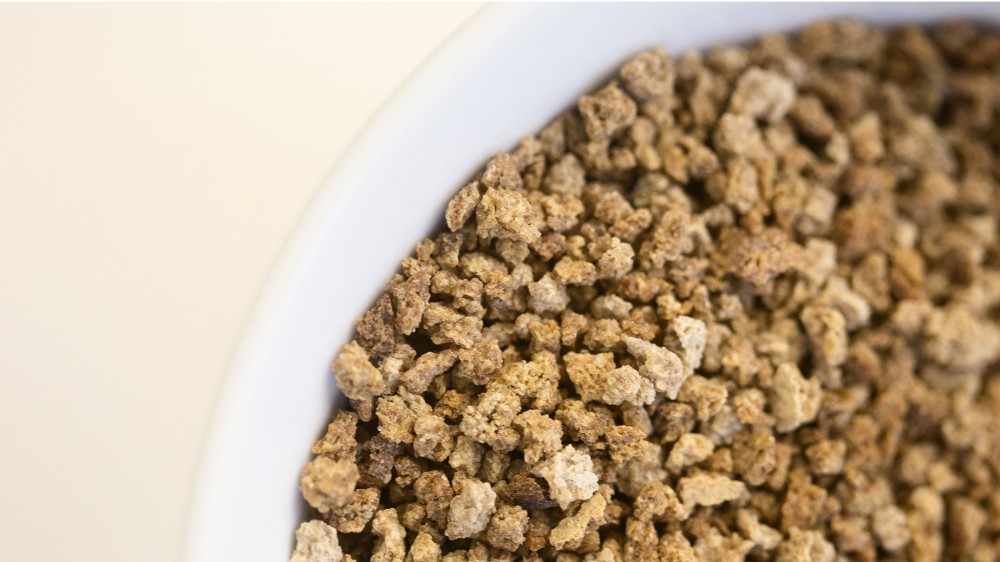
"caption": "The Original Grape-Nuts, which now bear a non-GMO label, no longer contain vitamins A, D, B-12 and B-2. Photo: Claire Eggers/NPR",
"description": "The Original Grape-Nuts, which now bear a non-GMO label, no longer contain vitamins A, D, B-12 and B-2.",
"title": "The Original Grape-Nuts, which now bear a non-GMO label, no longer contain vitamins A, D, B-12 and B-2.",
"credit": null,
"status": "inherit",
"isLoading": false,
"fetchFailed": false
},
"bayareabites_90518": {
"type": "attachments",
"id": "bayareabites_90518",
"meta": {
"index": "attachments_1716263798",
"site": "bayareabites",
"id": "90518",
"found": true
},
"parent": 90517,
"imgSizes": {
"kqedFullSize": {
"file": "https://ww2.kqed.org/app/uploads/sites/24/2014/12/gin-3_enl-9ed3adc0550c0139b3336788d4cd73e40fe5d04e-e1417803192112.jpg",
"width": 1000,
"height": 667
}
},
"publishDate": 1417802481,
"modified": 1417803186,
"caption": "Anthony Keels, bar manager at Verbena in San Francisco, Calif., serves up a cocktail made with barrel-aged, dark gin. Keels calls this gin a game-changer. Photo: Stacy Adimando for NPR ",
"description": "Anthony Keels, bar manager at Verbena in San Francisco, Calif., serves up a cocktail made with barrel-aged, dark gin. Keels calls this gin a game-chang",
"title": "Anthony Keels, bar manager at Verbena in San Francisco, Calif., serves up a cocktail made with barrel-aged, dark gin. Keels calls this gin a game-changer.",
"credit": null,
"status": "inherit",
"isLoading": false,
"fetchFailed": false
},
"bayareabites_90445": {
"type": "attachments",
"id": "bayareabites_90445",
"meta": {
"index": "attachments_1716263798",
"site": "bayareabites",
"id": "90445",
"found": true
},
"parent": 90444,
"imgSizes": {
"kqedFullSize": {
"file": "https://ww2.kqed.org/app/uploads/sites/24/2014/12/food-babe-7fc83677c3c8154da9bd0841cd8f2a77e861eb08-e1417720282954.jpg",
"width": 1000,
"height": 749
}
},
"publishDate": 1417720059,
"modified": 1417720276,
"caption": "Vani Hari, known as the \"Food Babe,\" speaks at the Green Festival in Los Angeles on Sept. 12. Hari has made a name for herself by investigating ingredients in Big Food products that she deems potentially harmful. But critics accuse her of stoking unfounded fears. Photo: Jonathan Alcorn/Bloomberg via Getty Images ",
"description": "Vani Hari, known as the \"Food Babe,\" speaks at the Green Festival in Los Angeles on Sept. 12. Hari has made a name for herself by investigating ingredients in Big Food products that she deems potentially harmful. But critics accuse her of stoking unfounded fears.",
"title": "Vani Hari, known as the \"Food Babe,\" speaks at the Green Festival in Los Angeles on Sept. 12. Hari has made a name for herself by investigating ingredients in Big Food products that she deems potentially harmful. But critics accuse her of stoking unfounded fears.",
"credit": null,
"status": "inherit",
"isLoading": false,
"fetchFailed": false
},
"bayareabites_90427": {
"type": "attachments",
"id": "bayareabites_90427",
"meta": {
"index": "attachments_1716263798",
"site": "bayareabites",
"id": "90427",
"found": true
},
"parent": 90426,
"imgSizes": {
"kqedFullSize": {
"file": "https://ww2.kqed.org/app/uploads/sites/24/2014/12/rottenfruit_enl-43d3a5e98d8e96b604f752658a679f089485e14c-e1417628674499.jpg",
"width": 1000,
"height": 662
}
},
"publishDate": 1417628313,
"modified": 1417628724,
"caption": "Rotten, fermented fruit has some nutritional value, and may have looked pretty good to our hungry ancient ancestors. Evolving the ability to metabolize the alcohol in fermented fruit may have helped us adapt to a changing climate 10 million years ago, research suggests. Photo; iStockphoto ",
"description": "Rotten, fermented fruit has some nutritional value, and may have looked pretty good to our hungry ancient ancestors. Evolving the ability to metabolize the alcohol in fermented fruit may have helped us adapt to a changing climate 10 million years ago, research suggests.",
"title": "Rotten, fermented fruit has some nutritional value, and may have looked pretty good to our hungry ancient ancestors. Evolving the ability to metabolize the alcohol in fermented fruit may have helped us adapt to a changing climate 10 million years ago, research suggests.",
"credit": null,
"status": "inherit",
"isLoading": false,
"fetchFailed": false
},
"bayareabites_90380": {
"type": "attachments",
"id": "bayareabites_90380",
"meta": {
"index": "attachments_1716263798",
"site": "bayareabites",
"id": "90380",
"found": true
},
"parent": 90379,
"imgSizes": {
"kqedFullSize": {
"file": "https://ww2.kqed.org/app/uploads/sites/24/2014/12/fasting_enl-c294b0c99f3f619635c8f367091b850cc7001973-e1417480139809.jpg",
"width": 1000,
"height": 666
}
},
"publishDate": 1417475894,
"modified": 1417475894,
"caption": "Nothing: It's what's for dinner. Photo: Meredith Rizzo/NPR",
"description": "Nothing: It's what's for dinner.",
"title": "Nothing: It's what's for dinner.",
"credit": null,
"status": "inherit",
"isLoading": false,
"fetchFailed": false
},
"bayareabites_90374": {
"type": "attachments",
"id": "bayareabites_90374",
"meta": {
"index": "attachments_1716263798",
"site": "bayareabites",
"id": "90374",
"found": true
},
"parent": 90373,
"imgSizes": {
"kqedFullSize": {
"file": "https://ww2.kqed.org/app/uploads/sites/24/2014/12/ap762130238467-fde1e3e4034124fbdfcddf7722ed357552b4dcf7-e1417470499441.jpg",
"width": 1000,
"height": 750
}
},
"publishDate": 1417464059,
"modified": 1417464059,
"caption": "Syrian refugees break their fast outside their tent at a Syrian refugee camp in Marj, Lebanon, on June 29. The World Food Program says it has suspended a food voucher program serving more than 1.7 million Syrian refugees because of a funding crisis. Photo: Bilal Hussein/AP",
"description": "Syrian refugees break their fast outside their tent at a Syrian refugee camp in Marj, Lebanon, on June 29. The World Food Program says it has suspended a food voucher program serving more than 1.7 million Syrian refugees because of a funding crisis.",
"title": "Syrian refugees break their fast outside their tent at a Syrian refugee camp in Marj, Lebanon, on June 29. The World Food Program says it has suspended a food voucher program serving more than 1.7 million Syrian refugees because of a funding crisis.",
"credit": null,
"status": "inherit",
"isLoading": false,
"fetchFailed": false
},
"bayareabites_90329": {
"type": "attachments",
"id": "bayareabites_90329",
"meta": {
"index": "attachments_1716263798",
"site": "bayareabites",
"id": "90329",
"found": true
},
"parent": 90325,
"imgSizes": {
"kqedFullSize": {
"file": "https://ww2.kqed.org/app/uploads/sites/24/2014/11/canned-foods.jpg",
"width": 900,
"height": 524
}
},
"publishDate": 1416857764,
"modified": 1416857764,
"caption": "\nJohn Umland (left) and John Torrens gather donated cans of food in 2011 in Rohnert Park, Calif., for the group Neighbors Organized Against Hunger. Hunger advocates say a lot of nutritionally dense food like canned tuna and beans can be cheaper than processed food. Photo: Kent Porter/ZUMA Press/Corbis ",
"description": null,
"title": "canned-foods",
"credit": null,
"status": "inherit",
"isLoading": false,
"fetchFailed": false
},
"bayareabites_89840": {
"type": "attachments",
"id": "bayareabites_89840",
"meta": {
"index": "attachments_1716263798",
"site": "bayareabites",
"id": "89840",
"found": true
},
"parent": 89839,
"imgSizes": {
"kqedFullSize": {
"file": "https://ww2.kqed.org/app/uploads/sites/24/2014/11/1030thewhaf_custom-ee127bde12cbed7777319bb904fd6324132af23b-e1415584110631.jpg",
"width": 1000,
"height": 678
}
},
"publishDate": 1415583907,
"modified": 1415583907,
"caption": "Le Laboratoire Cambridge features a restaurant, the Cafe ArtScience. The restaurant's bar features a glass-globed drink vaporizer called Le Whaf. Photo: Andrea Shea/WBUR",
"description": "Le Laboratoire Cambridge features a restaurant, the Cafe ArtScience. The restaurant's bar features a glass-globed drink vaporizer called \u003cem>Le Whaf.\u003c/em>",
"title": "Le Laboratoire Cambridge features a restaurant, the Cafe ArtScience. The restaurant's bar features a glass-globed drink vaporizer called Le Whaf.",
"credit": null,
"status": "inherit",
"isLoading": false,
"fetchFailed": false
},
"bayareabites_89760": {
"type": "attachments",
"id": "bayareabites_89760",
"meta": {
"index": "attachments_1716263798",
"site": "bayareabites",
"id": "89760",
"found": true
},
"parent": 89759,
"imgSizes": {
"kqedFullSize": {
"file": "https://ww2.kqed.org/app/uploads/sites/24/2014/11/occupy-the-farm_poster-image-watering-at-sundown_wide-bbcb04bc8228bd464d4e1153abfc8754be86ca60.jpg",
"width": 1836,
"height": 1033
}
},
"publishDate": 1415499646,
"modified": 1415499646,
"caption": null,
"description": "Promo poster for \u003cem>Occupy the Farm\u003c/em>",
"title": "Promo poster for Occupy the Farm",
"credit": null,
"status": "inherit",
"isLoading": false,
"fetchFailed": false
},
"bayareabites_89753": {
"type": "attachments",
"id": "bayareabites_89753",
"meta": {
"index": "attachments_1716263798",
"site": "bayareabites",
"id": "89753",
"found": true
},
"parent": 89752,
"imgSizes": {
"kqedFullSize": {
"file": "https://ww2.kqed.org/app/uploads/sites/24/2014/11/cheese_wide-da128da18dcdcb5d36f1ef2ebb69e90dcc0557b4-e1415499356507.jpg",
"width": 1000,
"height": 562
}
},
"publishDate": 1415499045,
"modified": 1415499045,
"caption": "Many artisan cheese producers never pasteurize their milk – it's raw. The milk's natural microbial community is still in there. This microbial festival gives cheese variety and intrigues scientists. Photo: iStockphoto",
"description": "Many artisan cheese producers never pasteurize their milk – it's raw. The milk's natural microbial community is still in there. This microbial festival gives cheese variety and intrigues scienti",
"title": "Many artisan cheese producers never pasteurize their milk – it's raw. The milk's natural microbial community is still in there. This microbial festival gives cheese variety and intrigues scientists.",
"credit": null,
"status": "inherit",
"isLoading": false,
"fetchFailed": false
},
"bayareabites_89617": {
"type": "attachments",
"id": "bayareabites_89617",
"meta": {
"index": "attachments_1716263798",
"site": "bayareabites",
"id": "89617",
"found": true
},
"parent": 89616,
"imgSizes": {
"kqedFullSize": {
"file": "https://ww2.kqed.org/app/uploads/sites/24/2014/11/ap484865038739_sq-5190db0796a8298c911bf93b6c41156f867c797b-e1415390949689.jpg",
"width": 1000,
"height": 1000
}
},
"publishDate": 1415390744,
"modified": 1415390744,
"caption": "S. Donald Stookey, photographed in 1950, prepares to expose an image to ultraviolet light. Stookey forever changed cooking with the invention of CorningWare. Photo: AP ",
"description": "S. Donald Stookey, photographed in 1950, prepares to expose an image to ultraviolet light. Stookey forever changed cooking with the invention of CorningWare.",
"title": "S. Donald Stookey, photographed in 1950, prepares to expose an image to ultraviolet light. Stookey forever changed cooking with the invention of CorningWare.",
"credit": null,
"status": "inherit",
"isLoading": false,
"fetchFailed": false
},
"bayareabites_89560": {
"type": "attachments",
"id": "bayareabites_89560",
"meta": {
"index": "attachments_1716263798",
"site": "bayareabites",
"id": "89560",
"found": true
},
"parent": 89559,
"imgSizes": {
"kqedFullSize": {
"file": "https://ww2.kqed.org/app/uploads/sites/24/2014/11/arnoldabbott_enl-e0c1c3c9eedff42f75173960313e7d62ca1e7ea8-e1415318891551.jpg",
"width": 1000,
"height": 690
}
},
"publishDate": 1415318290,
"modified": 1415318290,
"caption": "Homeless advocate Arnold Abbott, 90, director of the nonprofit group Love Thy Neighbor Inc., prepares a salad Wednesday in the kitchen of The Sanctuary Church in Fort Lauderdale, Fla. Abbott was recently arrested, along with two pastors, for feeding the homeless in a Fort Lauderdale park. Photo: Lynne Sladky/AP",
"description": "Homeless advocate Arnold Abbott, 90, director of the nonprofit group Love Thy Neighbor Inc., prepares a salad Wednesday in the kitchen of The Sanctuary Church in Fort Lauderdale, Fla. Abbott was recently arrested, along with two pastors, for feeding the homeless in a Fort Lauderdale park.",
"title": "Homeless advocate Arnold Abbott, 90, director of the nonprofit group Love Thy Neighbor Inc., prepares a salad Wednesday in the kitchen of The Sanctuary Church in Fort Lauderdale, Fla. Abbott was recently arrested, along with two pastors, for feeding the homeless in a Fort Lauderdale park.",
"credit": null,
"status": "inherit",
"isLoading": false,
"fetchFailed": false
}
},
"audioPlayerReducer": {
"postId": "stream_live",
"isPaused": true,
"isPlaying": false,
"pfsActive": false,
"pledgeModalIsOpen": true,
"playerDrawerIsOpen": false,
"liveAudioPlayStartedAt": 0,
"liveAudioPlayContext": ""
},
"authorsReducer": {
"byline_bayareabites_90524": {
"type": "authors",
"id": "byline_bayareabites_90524",
"meta": {
"override": true
},
"slug": "byline_bayareabites_90524",
"name": "Dan Charles",
"isLoading": false
},
"byline_bayareabites_90517": {
"type": "authors",
"id": "byline_bayareabites_90517",
"meta": {
"override": true
},
"slug": "byline_bayareabites_90517",
"name": "Stacy Adimando",
"isLoading": false
},
"byline_bayareabites_90444": {
"type": "authors",
"id": "byline_bayareabites_90444",
"meta": {
"override": true
},
"slug": "byline_bayareabites_90444",
"name": "Maria Godoy",
"isLoading": false
},
"byline_bayareabites_90426": {
"type": "authors",
"id": "byline_bayareabites_90426",
"meta": {
"override": true
},
"slug": "byline_bayareabites_90426",
"name": "Eliza Barclay",
"isLoading": false
},
"byline_bayareabites_90379": {
"type": "authors",
"id": "byline_bayareabites_90379",
"meta": {
"override": true
},
"slug": "byline_bayareabites_90379",
"name": "Eliza Barclay",
"isLoading": false
},
"byline_bayareabites_90373": {
"type": "authors",
"id": "byline_bayareabites_90373",
"meta": {
"override": true
},
"slug": "byline_bayareabites_90373",
"name": "Krishnadev Calamur",
"isLoading": false
},
"byline_bayareabites_90325": {
"type": "authors",
"id": "byline_bayareabites_90325",
"meta": {
"override": true
},
"slug": "byline_bayareabites_90325",
"name": "Maria Godoy",
"isLoading": false
},
"byline_bayareabites_89839": {
"type": "authors",
"id": "byline_bayareabites_89839",
"meta": {
"override": true
},
"slug": "byline_bayareabites_89839",
"name": "Andrea Shea",
"isLoading": false
},
"byline_bayareabites_89752": {
"type": "authors",
"id": "byline_bayareabites_89752",
"meta": {
"override": true
},
"slug": "byline_bayareabites_89752",
"name": "Kerri Smith",
"isLoading": false
},
"byline_bayareabites_89616": {
"type": "authors",
"id": "byline_bayareabites_89616",
"meta": {
"override": true
},
"slug": "byline_bayareabites_89616",
"name": "Doreen McCallister",
"isLoading": false
},
"byline_bayareabites_89559": {
"type": "authors",
"id": "byline_bayareabites_89559",
"meta": {
"override": true
},
"slug": "byline_bayareabites_89559",
"name": "Eliza Barclay",
"isLoading": false
},
"nprfood": {
"type": "authors",
"id": "5403",
"meta": {
"index": "authors_1716337520",
"id": "5403",
"found": true
},
"name": "NPR Food",
"firstName": "NPR Food",
"lastName": null,
"slug": "nprfood",
"email": "nprfood@kqed.org",
"display_author_email": false,
"staff_mastheads": [],
"title": null,
"bio": "Food and Health-related stories from NPR including NPR Radio; NPR's food blog, \"The Salt\"; NPR's Health News blog, \"Shots\"; NPR's Breaking News blog \"The Two-Way\"; NPR's global stories blog \"Goats and Soda,\" NPR's economy explainer \"Planet Money\"; food-related technology news from NPR's \"All Tech Considered\"; and food series \"Kitchen Window.\"",
"avatar": "https://secure.gravatar.com/avatar/c4b735bb26404fa18ce2447d32e64291?s=600&d=blank&r=g",
"twitter": "nprfood",
"facebook": null,
"instagram": null,
"linkedin": null,
"sites": [
{
"site": "bayareabites",
"roles": [
"contributor"
]
},
{
"site": "food",
"roles": [
"contributor"
]
}
],
"headData": {
"title": "NPR Food | KQED",
"description": null,
"ogImgSrc": "https://secure.gravatar.com/avatar/c4b735bb26404fa18ce2447d32e64291?s=600&d=blank&r=g",
"twImgSrc": "https://secure.gravatar.com/avatar/c4b735bb26404fa18ce2447d32e64291?s=600&d=blank&r=g"
},
"isLoading": false,
"link": "/author/nprfood"
}
},
"pagesReducer": {
"bayareabites_category_npr-food": {
"type": "terms",
"id": "bayareabites_10916",
"meta": {
"index": "terms_1716263798",
"site": "bayareabites",
"id": "10916",
"score": 13.894751
},
"featImg": null,
"name": "NPR food",
"description": null,
"taxonomy": "category",
"headData": {
"twImgId": null,
"twTitle": null,
"ogTitle": null,
"ogImgId": null,
"twDescription": null,
"description": null,
"title": "NPR food Archives | KQED Bay Area Bites",
"ogDescription": null
},
"ttid": 5375,
"slug": "npr-food",
"isLoading": false,
"title": "NPR food",
"pageMeta": {
"site": "bayareabites",
"WpPageTemplate": "page-topic-editorial",
"currentPage": 32
},
"blocks": [
{
"blockName": "kqed/post-list",
"attrs": {
"layout": "cardArticle2",
"query": "posts/bayareabites?category=npr-food",
"seeMore": false,
"paginated": true,
"page": 32
}
},
{
"blockName": "kqed/ad"
}
]
}
},
"pfsSessionReducer": {},
"postsReducer": {
"stream_live": {
"type": "live",
"id": "stream_live",
"audioUrl": "https://hls.kqed.org/hls/kqed_app/playlist.m3u8",
"title": "Live Stream",
"excerpt": "Live Stream information currently unavailable.",
"link": "/radio",
"featImg": "",
"label": {
"name": "KQED Live",
"link": "/"
}
},
"stream_kqedNewscast": {
"type": "posts",
"id": "stream_kqedNewscast",
"audioUrl": "https://www.kqed.org/.stream/anon/radio/RDnews/newscast.mp3?_=1",
"title": "KQED Newscast",
"featImg": "",
"label": {
"name": "88.5 FM",
"link": "/"
}
},
"bayareabites_90524": {
"type": "posts",
"id": "bayareabites_90524",
"meta": {
"index": "posts_1716263798",
"site": "bayareabites",
"id": "90524",
"score": null,
"sort": [
1417818181000
]
},
"parent": 0,
"labelTerm": {
"site": "bayareabites"
},
"blocks": [],
"publishDate": 1417818181,
"format": "aside",
"disqusTitle": "Why Did Vitamins Disappear From Non-GMO Breakfast Cereal?",
"title": "Why Did Vitamins Disappear From Non-GMO Breakfast Cereal?",
"headTitle": "Bay Area Bites | KQED Food",
"content": "\u003cfigure id=\"attachment_90525\" class=\"wp-caption aligncenter\" style=\"max-width: 1000px\">\u003ca href=\"http://ww2.kqed.org/bayareabites/wp-content/uploads/sites/24/2014/12/grapenuts2_wide-f7263377e1fe948d93390f9144f18783a0d28bee-e1417817835786.jpg\">\u003cimg src=\"http://ww2.kqed.org/bayareabites/wp-content/uploads/sites/24/2014/12/grapenuts2_wide-f7263377e1fe948d93390f9144f18783a0d28bee-e1417817835786.jpg\" alt=\"The Original Grape-Nuts, which now bear a non-GMO label, no longer contain vitamins A, D, B-12 and B-2. Photo: Claire Eggers/NPR\" width=\"1000\" height=\"562\" class=\"size-full wp-image-90525\">\u003c/a>\u003cfigcaption class=\"wp-caption-text\">The Original Grape-Nuts, which now bear a non-GMO label, no longer contain vitamins A, D, B-12 and B-2. Photo: Claire Eggers/NPR\u003c/figcaption>\u003c/figure>\n\u003cp>by \u003ca href=\"http://www.npr.org/people/143160021/daniel-charles\" target=\"_blank\">Dan Charles\u003c/a>, \u003ca href=\"http://www.npr.org/blogs/thesalt/2014/12/05/368248812/why-did-vitamins-disappear-from-non-gmo-breakfast-cereal\" target=\"_blank\">The Salt at NPR Food\u003c/a> (12/5/14)\u003c/p>\n\u003cp>Remember when Cheerios and Grape-Nuts went GMO-free? That was about a year ago, when their corporate creators \u003ca href=\"http://www.foodnavigator-usa.com/Manufacturers/Post-unveils-non-GMO-verified-Grape-Nuts-as-Gen-Mills-says-goodbye-to-GMOs-in-Original-Cheerios\">announced\u003c/a> that these products would no longer contain ingredients made from genetically modified organisms like common types of corn, soybeans or sugar beets.\u003c/p>\n\u003cp>When they actually arrived on supermarket shelves, though, there was a mysterious change in their list of ingredients. Four vitamins that previously had been added to Grape-Nuts — Vitamins A, D, B-12 and B-2 (also known as riboflavin) — were gone. Riboflavin vanished from Cheerios.\u003c/p>\n\u003cp>\u003ca href=\"http://www.cropsoil.uga.edu/personnel/faculty/parrott.html\">Wayne Parrott\u003c/a>, a professor of crop science at the University of Georgia and defender of GMOs, was among the first to point out the change. He \u003ca href=\"http://www.foodnavigator-usa.com/R-D/Goodbye-GMOs-and-vitamin-B12-D-A-and-Riboflavin-New-non-GMO-Grape-Nuts-and-Original-Cheerios-are-certainly-less-nutritious-claims-professor\">criticized\u003c/a> General Mills and Post Foods for marketing their non-GMO cereals as especially wholesome. \"The new version [of Cheerios] is certainly less nutritious,\" he told a reporter for Foodnavigator-usa.com, which covers the food industry.\u003c/p>\n\u003cfigure id=\"attachment_90526\" class=\"wp-caption alignleft\" style=\"max-width: 250px\">\u003ca href=\"http://ww2.kqed.org/bayareabites/wp-content/uploads/sites/24/2014/12/box_custom-fc9fb5f7add2ba52beb64df33b453cfdfcaa2f18-e1417817897119.jpg\">\u003cimg src=\"http://ww2.kqed.org/bayareabites/wp-content/uploads/sites/24/2014/12/box_custom-fc9fb5f7add2ba52beb64df33b453cfdfcaa2f18-e1417817897119.jpg\" alt=\"Vitamins may fail the non-GMO test for a variety of reasons, but they may not necessarily come from GMO microbes. Photo: Claire Eggers/NPR\" width=\"250\" class=\"size-full wp-image-90526\">\u003c/a>\u003cfigcaption class=\"wp-caption-text\">Vitamins may fail the non-GMO test for a variety of reasons, but they may not necessarily come from GMO microbes. Photo: Claire Eggers/NPR\u003c/figcaption>\u003c/figure>\n\u003cp>This mini-controversy never got much attention. Recently, though, as we \u003ca href=\"http://www.npr.org/blogs/thesalt/2014/12/04/368001548/who-made-that-flavor-maybe-a-genetically-altered-microbe\">interviewed scientists\u003c/a> who are using genetically altered yeast and bacteria to make nutrients and flavors, we recalled the strange case of the vanishing vitamins. We wondered: Do GMO microbes make vitamins, too? Is that why they can't be used in non-GMO cereals?\u003c/p>\n\u003cp>[ad fullwidth]\u003c/p>\n\u003cp>The companies directly involved weren't terribly helpful. Post Foods, the maker of Grape-Nuts, informed us in a prepared statement that vitamins were removed because \"they did not meet non-GMO standards,\" but refused to explain why this was so.\u003c/p>\n\u003cp>Two of the world's major vitamin makers, \u003ca href=\"http://www.newtrition.basf.com/web/global/newtrition/en_GB/market_segments/dietary_supplements/index\">BASF\u003c/a> and \u003ca href=\"http://www.dsm.com/markets/foodandbeverages/en_US/products/vitamins.html\">DSM\u003c/a>, declined to provide details of their manufacturing. \"There is very little non-proprietary information I could talk to you about,\" a spokesman for DSM wrote in an email.\u003c/p>\n\u003cp>We dug further and discovered that vitamins may fail the non-GMO test for a variety of reasons.\u003c/p>\n\u003cp>Some companies are most likely making vitamin B-12 and riboflavin using genetically modified microbes; they have, at least, \u003ca href=\"http://link.springer.com/article/10.1038/sj.jim.2900604#page-1\">published\u003c/a> scientific papers showing how this can be done.\u003c/p>\n\u003cp>On the other hand, these vitamins don't \u003cem>necessarily\u003c/em> come from GMO microbes. There are strains of bacteria that produce these vitamins naturally. Yet even such microbes may not qualify for non-GMO status, because there's another hurdle. Vitamin-makers have to show that their microbes consumed feed — glucose, for instance — that came from non-GMO sources.\u003c/p>\n\u003cp>There's a further complication. Some vitamins have to be mixed with other substances, such as cornstarch, to handle them easily. Can't prove that the cornstarch was free of genetic modification? Sorry, no non-GMO certification from the \u003ca href=\"http://www.nongmoproject.org/\">Non GMO Project\u003c/a>, an independent organization.\u003c/p>\n\u003cp>Bethany Davis, director of regulatory affairs at \u003ca href=\"http://www.foodstate.com/\">FoodState\u003c/a>, which sells nutritional supplements, says that for all those reasons, vitamins get very tight scrutiny before they can be certified as non-GMO.\u003c/p>\n\u003cp>It is still possible to find non-GMO vitamins, she says. Increasingly, you can get them from China. But it requires additional time and attention. Big cereal manufacturers like General Mills or Post Foods, Davis says, may find it easier just to drop vitamins from the recipe.\u003c/p>\n\u003cp>Extracting vitamins from ordinary foods like carrots is possible, but it's generally much more expensive.\u003c/p>\n\u003cp>That leaves one method of vitamin production that's cheap, industrial-scale, and reliably non-GMO: synthetic chemistry. Vitamins are commonly manufactured from scratch in chemical factories, using ingredients that cannot be linked to any genes or biological process at all. That technology may not inspire great affection, but it does, at least, qualify as non-GMO.\u003c/p>\n\u003cp>\u003c/p>\n\u003cp> \u003cem>Copyright 2014 \u003ca href=\"http://www.npr.org/\" target=\"_blank\">NPR\u003c/a>.\u003c/em> \u003c/p>\n\n",
"disqusIdentifier": "90524 http://blogs.kqed.org/bayareabites/?p=90524",
"disqusUrl": "https://ww2.kqed.org/bayareabites/2014/12/05/why-did-vitamins-disappear-from-non-gmo-breakfast-cereal/",
"stats": {
"hasVideo": false,
"hasChartOrMap": false,
"hasAudio": false,
"hasPolis": false,
"wordCount": 657,
"hasGoogleForm": false,
"hasGallery": false,
"hasHearkenModule": false,
"iframeSrcs": [],
"paragraphCount": 18
},
"modified": 1417818181,
"excerpt": "When GMO-free cereals landed in supermarkets, some vitamins had mysteriously vanished from them. But these vitamins don't necessarily come from genetically altered organisms.",
"headData": {
"twImgId": "",
"twTitle": "",
"ogTitle": "",
"ogImgId": "",
"twDescription": "",
"description": "When GMO-free cereals landed in supermarkets, some vitamins had mysteriously vanished from them. But these vitamins don't necessarily come from genetically altered organisms.",
"title": "Why Did Vitamins Disappear From Non-GMO Breakfast Cereal? | KQED",
"ogDescription": "",
"schema": {
"@context": "https://schema.org",
"@type": "Article",
"headline": "Why Did Vitamins Disappear From Non-GMO Breakfast Cereal?",
"datePublished": "2014-12-05T14:23:01-08:00",
"dateModified": "2014-12-05T14:23:01-08:00",
"image": "https://cdn.kqed.org/wp-content/uploads/2020/02/KQED-OG-Image@1x.png"
}
},
"guestAuthors": [],
"slug": "why-did-vitamins-disappear-from-non-gmo-breakfast-cereal",
"status": "publish",
"nprApiLink": "http://api.npr.org/query?id=368248812&apiKey=MDAxOTAwOTE4MDEyMTkxMDAzNjczZDljZA004",
"nprByline": "Dan Charles",
"nprStoryDate": "Fri, 05 Dec 2014 15:50:00 -0500",
"nprLastModifiedDate": "Fri, 05 Dec 2014 16:15:50 -0500",
"nprHtmlLink": "http://www.npr.org/blogs/thesalt/2014/12/05/368248812/why-did-vitamins-disappear-from-non-gmo-breakfast-cereal?ft=3&f=368248812",
"nprStoryId": "368248812",
"nprRetrievedStory": "1",
"nprPubDate": "Fri, 05 Dec 2014 16:15:00 -0500",
"path": "/bayareabites/90524/why-did-vitamins-disappear-from-non-gmo-breakfast-cereal",
"audioTrackLength": null,
"parsedContent": [
{
"type": "contentString",
"content": "\u003cdiv class=\"post-body\">\u003cp>\u003cfigure id=\"attachment_90525\" class=\"wp-caption aligncenter\" style=\"max-width: 1000px\">\u003ca href=\"http://ww2.kqed.org/bayareabites/wp-content/uploads/sites/24/2014/12/grapenuts2_wide-f7263377e1fe948d93390f9144f18783a0d28bee-e1417817835786.jpg\">\u003cimg src=\"http://ww2.kqed.org/bayareabites/wp-content/uploads/sites/24/2014/12/grapenuts2_wide-f7263377e1fe948d93390f9144f18783a0d28bee-e1417817835786.jpg\" alt=\"The Original Grape-Nuts, which now bear a non-GMO label, no longer contain vitamins A, D, B-12 and B-2. Photo: Claire Eggers/NPR\" width=\"1000\" height=\"562\" class=\"size-full wp-image-90525\">\u003c/a>\u003cfigcaption class=\"wp-caption-text\">The Original Grape-Nuts, which now bear a non-GMO label, no longer contain vitamins A, D, B-12 and B-2. Photo: Claire Eggers/NPR\u003c/figcaption>\u003c/figure>\n\u003cp>by \u003ca href=\"http://www.npr.org/people/143160021/daniel-charles\" target=\"_blank\">Dan Charles\u003c/a>, \u003ca href=\"http://www.npr.org/blogs/thesalt/2014/12/05/368248812/why-did-vitamins-disappear-from-non-gmo-breakfast-cereal\" target=\"_blank\">The Salt at NPR Food\u003c/a> (12/5/14)\u003c/p>\n\u003cp>Remember when Cheerios and Grape-Nuts went GMO-free? That was about a year ago, when their corporate creators \u003ca href=\"http://www.foodnavigator-usa.com/Manufacturers/Post-unveils-non-GMO-verified-Grape-Nuts-as-Gen-Mills-says-goodbye-to-GMOs-in-Original-Cheerios\">announced\u003c/a> that these products would no longer contain ingredients made from genetically modified organisms like common types of corn, soybeans or sugar beets.\u003c/p>\n\u003cp>When they actually arrived on supermarket shelves, though, there was a mysterious change in their list of ingredients. Four vitamins that previously had been added to Grape-Nuts — Vitamins A, D, B-12 and B-2 (also known as riboflavin) — were gone. Riboflavin vanished from Cheerios.\u003c/p>\n\u003cp>\u003ca href=\"http://www.cropsoil.uga.edu/personnel/faculty/parrott.html\">Wayne Parrott\u003c/a>, a professor of crop science at the University of Georgia and defender of GMOs, was among the first to point out the change. He \u003ca href=\"http://www.foodnavigator-usa.com/R-D/Goodbye-GMOs-and-vitamin-B12-D-A-and-Riboflavin-New-non-GMO-Grape-Nuts-and-Original-Cheerios-are-certainly-less-nutritious-claims-professor\">criticized\u003c/a> General Mills and Post Foods for marketing their non-GMO cereals as especially wholesome. \"The new version [of Cheerios] is certainly less nutritious,\" he told a reporter for Foodnavigator-usa.com, which covers the food industry.\u003c/p>\n\u003cfigure id=\"attachment_90526\" class=\"wp-caption alignleft\" style=\"max-width: 250px\">\u003ca href=\"http://ww2.kqed.org/bayareabites/wp-content/uploads/sites/24/2014/12/box_custom-fc9fb5f7add2ba52beb64df33b453cfdfcaa2f18-e1417817897119.jpg\">\u003cimg src=\"http://ww2.kqed.org/bayareabites/wp-content/uploads/sites/24/2014/12/box_custom-fc9fb5f7add2ba52beb64df33b453cfdfcaa2f18-e1417817897119.jpg\" alt=\"Vitamins may fail the non-GMO test for a variety of reasons, but they may not necessarily come from GMO microbes. Photo: Claire Eggers/NPR\" width=\"250\" class=\"size-full wp-image-90526\">\u003c/a>\u003cfigcaption class=\"wp-caption-text\">Vitamins may fail the non-GMO test for a variety of reasons, but they may not necessarily come from GMO microbes. Photo: Claire Eggers/NPR\u003c/figcaption>\u003c/figure>\n\u003cp>This mini-controversy never got much attention. Recently, though, as we \u003ca href=\"http://www.npr.org/blogs/thesalt/2014/12/04/368001548/who-made-that-flavor-maybe-a-genetically-altered-microbe\">interviewed scientists\u003c/a> who are using genetically altered yeast and bacteria to make nutrients and flavors, we recalled the strange case of the vanishing vitamins. We wondered: Do GMO microbes make vitamins, too? Is that why they can't be used in non-GMO cereals?\u003c/p>\n\u003cp>\u003c/p>\u003c/div>",
"attributes": {
"named": {},
"numeric": []
}
},
{
"type": "component",
"content": "",
"name": "ad",
"attributes": {
"named": {
"label": "fullwidth"
},
"numeric": [
"fullwidth"
]
}
},
{
"type": "contentString",
"content": "\u003cdiv class=\"post-body\">\u003cp>\u003c/p>\n\u003cp>The companies directly involved weren't terribly helpful. Post Foods, the maker of Grape-Nuts, informed us in a prepared statement that vitamins were removed because \"they did not meet non-GMO standards,\" but refused to explain why this was so.\u003c/p>\n\u003cp>Two of the world's major vitamin makers, \u003ca href=\"http://www.newtrition.basf.com/web/global/newtrition/en_GB/market_segments/dietary_supplements/index\">BASF\u003c/a> and \u003ca href=\"http://www.dsm.com/markets/foodandbeverages/en_US/products/vitamins.html\">DSM\u003c/a>, declined to provide details of their manufacturing. \"There is very little non-proprietary information I could talk to you about,\" a spokesman for DSM wrote in an email.\u003c/p>\n\u003cp>We dug further and discovered that vitamins may fail the non-GMO test for a variety of reasons.\u003c/p>\n\u003cp>Some companies are most likely making vitamin B-12 and riboflavin using genetically modified microbes; they have, at least, \u003ca href=\"http://link.springer.com/article/10.1038/sj.jim.2900604#page-1\">published\u003c/a> scientific papers showing how this can be done.\u003c/p>\n\u003cp>On the other hand, these vitamins don't \u003cem>necessarily\u003c/em> come from GMO microbes. There are strains of bacteria that produce these vitamins naturally. Yet even such microbes may not qualify for non-GMO status, because there's another hurdle. Vitamin-makers have to show that their microbes consumed feed — glucose, for instance — that came from non-GMO sources.\u003c/p>\n\u003cp>There's a further complication. Some vitamins have to be mixed with other substances, such as cornstarch, to handle them easily. Can't prove that the cornstarch was free of genetic modification? Sorry, no non-GMO certification from the \u003ca href=\"http://www.nongmoproject.org/\">Non GMO Project\u003c/a>, an independent organization.\u003c/p>\n\u003cp>Bethany Davis, director of regulatory affairs at \u003ca href=\"http://www.foodstate.com/\">FoodState\u003c/a>, which sells nutritional supplements, says that for all those reasons, vitamins get very tight scrutiny before they can be certified as non-GMO.\u003c/p>\n\u003cp>It is still possible to find non-GMO vitamins, she says. Increasingly, you can get them from China. But it requires additional time and attention. Big cereal manufacturers like General Mills or Post Foods, Davis says, may find it easier just to drop vitamins from the recipe.\u003c/p>\n\u003cp>Extracting vitamins from ordinary foods like carrots is possible, but it's generally much more expensive.\u003c/p>\n\u003cp>That leaves one method of vitamin production that's cheap, industrial-scale, and reliably non-GMO: synthetic chemistry. Vitamins are commonly manufactured from scratch in chemical factories, using ingredients that cannot be linked to any genes or biological process at all. That technology may not inspire great affection, but it does, at least, qualify as non-GMO.\u003c/p>\n\u003cp>\u003c/p>\n\u003cp> \u003cem>Copyright 2014 \u003ca href=\"http://www.npr.org/\" target=\"_blank\">NPR\u003c/a>.\u003c/em> \u003c/p>\n\n\u003c/div>\u003c/p>",
"attributes": {
"named": {},
"numeric": []
}
}
],
"link": "/bayareabites/90524/why-did-vitamins-disappear-from-non-gmo-breakfast-cereal",
"authors": [
"byline_bayareabites_90524"
],
"categories": [
"bayareabites_4084",
"bayareabites_1245",
"bayareabites_10916",
"bayareabites_2035"
],
"tags": [
"bayareabites_11198",
"bayareabites_11270",
"bayareabites_10787",
"bayareabites_10921",
"bayareabites_1598"
],
"featImg": "bayareabites_90525",
"label": "bayareabites"
},
"bayareabites_90517": {
"type": "posts",
"id": "bayareabites_90517",
"meta": {
"index": "posts_1716263798",
"site": "bayareabites",
"id": "90517",
"score": null,
"sort": [
1417803435000
]
},
"parent": 0,
"labelTerm": {
"site": "bayareabites"
},
"blocks": [],
"publishDate": 1417803435,
"format": "aside",
"disqusTitle": "It's Brown, It's Barrel-Aged, It's ... Gin?",
"title": "It's Brown, It's Barrel-Aged, It's ... Gin?",
"headTitle": "Bay Area Bites | KQED Food",
"content": "\u003cfigure id=\"attachment_90518\" class=\"wp-caption aligncenter\" style=\"max-width: 1000px\">\u003ca href=\"http://ww2.kqed.org/bayareabites/wp-content/uploads/sites/24/2014/12/gin-3_enl-9ed3adc0550c0139b3336788d4cd73e40fe5d04e-e1417803192112.jpg\">\u003cimg src=\"http://ww2.kqed.org/bayareabites/wp-content/uploads/sites/24/2014/12/gin-3_enl-9ed3adc0550c0139b3336788d4cd73e40fe5d04e-e1417803192112.jpg\" alt=\"Anthony Keels, bar manager at Verbena in San Francisco, Calif., serves up a cocktail made with barrel-aged, dark gin. Keels calls this gin a game-changer. Photo: Stacy Adimando for NPR\" width=\"1000\" height=\"667\" class=\"size-full wp-image-90518\">\u003c/a>\u003cfigcaption class=\"wp-caption-text\">Anthony Keels, bar manager at Verbena in San Francisco, Calif., serves up a cocktail made with barrel-aged, dark gin. Keels calls this gin a game-changer. Photo: Stacy Adimando for NPR\u003c/figcaption>\u003c/figure>\n\u003cp>by Stacy Adimando, \u003ca href=\"http://www.npr.org/blogs/thesalt/2014/12/05/368536734/it-s-brown-it-s-barrel-aged-it-s-gin\" target=\"_blank\">The Salt at NPR Food\u003c/a> (12/6/14)\u003c/p>\n\u003cp>While many know gin for its light, bright, and dry characteristics — citrusy, herbal flavors that goes so well with tonic water — another gin sits at the opposite end of the spectrum. Malty, lightly tannic, and with the subtle sweetness and spice of a young whiskey, dark, barrel-aged gin is pushing the frontiers of this spirit forward.\u003c/p>\n\u003cp>Dark gins are distilled the usual way, then spend months or even years resting in oak barrels — the same ones used to age whisky, wine and sherry. That final step yields surprisingly complex results. The wood tones down the intensity of the juniper, and adds notes of vanilla, caramel and often baking spices, somewhere between a bourbon-like gin and a gin-like bourbon.\u003c/p>\n\u003cp>Dark gin appeared in the U.S. in the last 5 to 10 years, but the marriage of gin and oak is not new. \"The Dutch have been doing this with their jenevers (a more neutral-tasting predecessor to gin) for 400 years,\" says Tad Henry Seestedt. Seestedt founded and owns \u003ca href=\"http://www.ransomspirits.com/\">Ransom Spirits\u003c/a>, a distillery and winery in Sheridan, Ore., that helped pioneer barrel-aged gin in American in 2008. The same is true of European Old Tom gin, he notes, a fuller-bodied, long-lost cousin of modern dry gins that was sweeter, spicier, and popular in the 1800s and 1900s. Historically, both were transported in barrels at full proof, then later cut with water by the bartenders.\u003c/p>\n\u003cp>Seestedt says a return to old-school styles and flavors is what sparked his pursuit of bringing barrel-aging back to gin. His barrel-rested Old Tom today makes up over 40 percent of Ransom's total offerings. \"A lot of old classic cocktail books called for Old Tom gin (in recipes like the \u003ca href=\"http://postprohibition.com/liquor-cabinet/ransom-old-tom-gin/\">Martinez\u003c/a>) and we wanted to bring it back.\"\u003c/p>\n\u003cfigure id=\"attachment_90519\" class=\"wp-caption aligncenter\" style=\"max-width: 800px\">\u003ca href=\"http://ww2.kqed.org/bayareabites/wp-content/uploads/sites/24/2014/12/gin-1_enl-a3ededa76c596d380cec318b5624da486ade5d91.jpg\">\u003cimg src=\"http://ww2.kqed.org/bayareabites/wp-content/uploads/sites/24/2014/12/gin-1_enl-a3ededa76c596d380cec318b5624da486ade5d91.jpg\" alt=\"A sampling of the barrel-aged gins available at The Gin Room inside Cafe Natasha's in St. Louis, Mo. Photo: Courtesy of Natasha Bahrami \" width=\"800\" height=\"532\" class=\"size-full wp-image-90519\">\u003c/a>\u003cfigcaption class=\"wp-caption-text\">A sampling of the barrel-aged gins available at The Gin Room inside Cafe Natasha's in St. Louis, Mo. Photo: Courtesy of Natasha Bahrami\u003c/figcaption>\u003c/figure>\n\u003cp>It took Ransom two years of trial batches working with friend and well-known cocktail historian \u003ca href=\"https://twitter.com/davidwondrich\">David Wondrich\u003c/a> to nail the aromatics and barreling process. \"We found that if you make a gin that maintains a lot of presence of the grains and cereals used in the distilling process, it will respond much better to aging in barrels,\" Seestedt says.\u003c/p>\n\u003cp>[ad fullwidth]\u003c/p>\n\u003cp>Ransom's barrel-aged Old Tom Gin currently spends 8 to 10 months in toasted oak barrels, and has become their most popular product. \"It pretty quickly became a situation where we couldn't make enough,\" Seestedt says. \"It was just completely surprising that something we thought was going to be kind of odd really caught on.\"\u003c/p>\n\u003cp>Across the country, other distilleries are turning out their own interpretations to meet a growing demand for dark gin. In Columbus, Ohio, Greg Lehman of \u003ca href=\"http://www.watersheddistillery.com/\">Watershed Distillery\u003c/a>, rests his grapefruit-heavy Four Peel gin in 53-gallon and 30-gallon uses bourbon barrels borrowed from their own supply, which he says mellows the bitterness and imparts hints of vanilla. The company went from turning out just three barrels' worth in 2011 to more than 800 cases a year now.\u003c/p>\n\u003cp>In Brooklyn, \u003ca href=\"http://greenhookgin.com/\">Greenhook Ginsmiths\u003c/a> finish their barrel-aged Old Tom Gin for one year in bourbon barrels, then one to three months in sherry casks. And the makers at New York City's \u003ca href=\"http://brkdistilling.com/\">Breuckelen Distillery\u003c/a> have bottled four distinct batches of their lemon and rosemary-infused Glorious Gin oaked in various wood treatments. They've settled on a robust recipe of new American oak for one to two years.\u003c/p>\n\u003cp>Natasha Bahrami of Natasha's Café and \u003ca href=\"https://www.facebook.com/NatashasGinRoom\">The Gin Room\u003c/a> in St. Louis says she may have the largest collection of barrel-aged gins of any bartender in the U.S. \"Anyone who's into gin can tell you how exciting this [new frontier] is. But I don't think the distillers themselves really even understand the world of barrel-aged gin yet. I have not spoken to a distiller who fully understood what their gin was going to come out as before they started the process. The spectrum is so diverse.\"\u003c/p>\n\u003cp>She uses barrel-aged gins to riff off classic cocktails like the Old Fashioned, Manhattan, Bees Knees (honey, gin, lemon) and Aviation (with crème d'violette, maraschino and lemon juice). At \u003ca href=\"http://www.verbenarestaurant.com/\">Verbena\u003c/a>, a restaurant and bar in San Francisco, bar manager Anthony Keels puts his favorite local gin in barrel for four months, and uses it in his 13 Blooms cocktail: a stirred version of the Chrysanthemum, featuring vermouth, sage and saltwater.\u003c/p>\n\u003cp>Keels says barrel-aging gin for just four months keeps the botanical intensity, but rounds it out and better integrates the aromatics. \"It's still very approachable. I can taste plenty of wood on it, but I feel like I haven't disrespected the gin.\" He enjoys it in Negronis, which he says turns the drink into something midway between a Negroni and a Boulevardier.\u003c/p>\n\u003cp>No one can quite agree on whether barrel-aged gins will continue to grow as a category or even stick around. Growing competition among the gin market may mean the gap could be tightening up for new players to enter the arena. But Keels is hopeful there is more fun to be had: \"The American style of gin and the barrel-aged versions have really changed the game for gin all together. It kind of takes the walls off for what a gin has to be, and allows for a lot more possibility.\"\u003c/p>\n\u003cp>\u003cem>Stacy Adimando is a freelance journalist based in San Francisco, Calif. who writes about food and lifestyle issues.\u003c/em> \u003c/p>\n\u003cp>\u003c/p>\n\u003cp>\u003cem>Copyright 2014 \u003ca href=\"http://www.npr.org/\" target=\"_blank\">NPR\u003c/a>.\u003c/em>\u003c/p>\n\n",
"disqusIdentifier": "90517 http://blogs.kqed.org/bayareabites/?p=90517",
"disqusUrl": "https://ww2.kqed.org/bayareabites/2014/12/05/its-brown-its-barrel-aged-its-gin/",
"stats": {
"hasVideo": false,
"hasChartOrMap": false,
"hasAudio": false,
"hasPolis": false,
"wordCount": 986,
"hasGoogleForm": false,
"hasGallery": false,
"hasHearkenModule": false,
"iframeSrcs": [],
"paragraphCount": 17
},
"modified": 1417803464,
"excerpt": "Barrel-aged gin resembles young whisky in color and flavor. It's quickly becoming the new darling of distillers and craft bartenders across the U.S.",
"headData": {
"twImgId": "",
"twTitle": "",
"ogTitle": "",
"ogImgId": "",
"twDescription": "",
"description": "Barrel-aged gin resembles young whisky in color and flavor. It's quickly becoming the new darling of distillers and craft bartenders across the U.S.",
"title": "It's Brown, It's Barrel-Aged, It's ... Gin? | KQED",
"ogDescription": "",
"schema": {
"@context": "https://schema.org",
"@type": "Article",
"headline": "It's Brown, It's Barrel-Aged, It's ... Gin?",
"datePublished": "2014-12-05T10:17:15-08:00",
"dateModified": "2014-12-05T10:17:44-08:00",
"image": "https://cdn.kqed.org/wp-content/uploads/2020/02/KQED-OG-Image@1x.png"
}
},
"guestAuthors": [],
"slug": "its-brown-its-barrel-aged-its-gin",
"status": "publish",
"nprApiLink": "http://api.npr.org/query?id=368536734&apiKey=MDAxOTAwOTE4MDEyMTkxMDAzNjczZDljZA004",
"nprByline": "Stacy Adimando",
"nprStoryDate": "Fri, 05 Dec 2014 12:27:00 -0500",
"nprLastModifiedDate": "Fri, 05 Dec 2014 12:31:23 -0500",
"nprHtmlLink": "http://www.npr.org/blogs/thesalt/2014/12/05/368536734/it-s-brown-it-s-barrel-aged-it-s-gin?ft=3&f=368536734",
"nprStoryId": "368536734",
"nprRetrievedStory": "1",
"nprPubDate": "Fri, 05 Dec 2014 12:31:00 -0500",
"path": "/bayareabites/90517/its-brown-its-barrel-aged-its-gin",
"audioTrackLength": null,
"parsedContent": [
{
"type": "contentString",
"content": "\u003cdiv class=\"post-body\">\u003cp>\u003cfigure id=\"attachment_90518\" class=\"wp-caption aligncenter\" style=\"max-width: 1000px\">\u003ca href=\"http://ww2.kqed.org/bayareabites/wp-content/uploads/sites/24/2014/12/gin-3_enl-9ed3adc0550c0139b3336788d4cd73e40fe5d04e-e1417803192112.jpg\">\u003cimg src=\"http://ww2.kqed.org/bayareabites/wp-content/uploads/sites/24/2014/12/gin-3_enl-9ed3adc0550c0139b3336788d4cd73e40fe5d04e-e1417803192112.jpg\" alt=\"Anthony Keels, bar manager at Verbena in San Francisco, Calif., serves up a cocktail made with barrel-aged, dark gin. Keels calls this gin a game-changer. Photo: Stacy Adimando for NPR\" width=\"1000\" height=\"667\" class=\"size-full wp-image-90518\">\u003c/a>\u003cfigcaption class=\"wp-caption-text\">Anthony Keels, bar manager at Verbena in San Francisco, Calif., serves up a cocktail made with barrel-aged, dark gin. Keels calls this gin a game-changer. Photo: Stacy Adimando for NPR\u003c/figcaption>\u003c/figure>\n\u003cp>by Stacy Adimando, \u003ca href=\"http://www.npr.org/blogs/thesalt/2014/12/05/368536734/it-s-brown-it-s-barrel-aged-it-s-gin\" target=\"_blank\">The Salt at NPR Food\u003c/a> (12/6/14)\u003c/p>\n\u003cp>While many know gin for its light, bright, and dry characteristics — citrusy, herbal flavors that goes so well with tonic water — another gin sits at the opposite end of the spectrum. Malty, lightly tannic, and with the subtle sweetness and spice of a young whiskey, dark, barrel-aged gin is pushing the frontiers of this spirit forward.\u003c/p>\n\u003cp>Dark gins are distilled the usual way, then spend months or even years resting in oak barrels — the same ones used to age whisky, wine and sherry. That final step yields surprisingly complex results. The wood tones down the intensity of the juniper, and adds notes of vanilla, caramel and often baking spices, somewhere between a bourbon-like gin and a gin-like bourbon.\u003c/p>\n\u003cp>Dark gin appeared in the U.S. in the last 5 to 10 years, but the marriage of gin and oak is not new. \"The Dutch have been doing this with their jenevers (a more neutral-tasting predecessor to gin) for 400 years,\" says Tad Henry Seestedt. Seestedt founded and owns \u003ca href=\"http://www.ransomspirits.com/\">Ransom Spirits\u003c/a>, a distillery and winery in Sheridan, Ore., that helped pioneer barrel-aged gin in American in 2008. The same is true of European Old Tom gin, he notes, a fuller-bodied, long-lost cousin of modern dry gins that was sweeter, spicier, and popular in the 1800s and 1900s. Historically, both were transported in barrels at full proof, then later cut with water by the bartenders.\u003c/p>\n\u003cp>Seestedt says a return to old-school styles and flavors is what sparked his pursuit of bringing barrel-aging back to gin. His barrel-rested Old Tom today makes up over 40 percent of Ransom's total offerings. \"A lot of old classic cocktail books called for Old Tom gin (in recipes like the \u003ca href=\"http://postprohibition.com/liquor-cabinet/ransom-old-tom-gin/\">Martinez\u003c/a>) and we wanted to bring it back.\"\u003c/p>\n\u003cfigure id=\"attachment_90519\" class=\"wp-caption aligncenter\" style=\"max-width: 800px\">\u003ca href=\"http://ww2.kqed.org/bayareabites/wp-content/uploads/sites/24/2014/12/gin-1_enl-a3ededa76c596d380cec318b5624da486ade5d91.jpg\">\u003cimg src=\"http://ww2.kqed.org/bayareabites/wp-content/uploads/sites/24/2014/12/gin-1_enl-a3ededa76c596d380cec318b5624da486ade5d91.jpg\" alt=\"A sampling of the barrel-aged gins available at The Gin Room inside Cafe Natasha's in St. Louis, Mo. Photo: Courtesy of Natasha Bahrami \" width=\"800\" height=\"532\" class=\"size-full wp-image-90519\">\u003c/a>\u003cfigcaption class=\"wp-caption-text\">A sampling of the barrel-aged gins available at The Gin Room inside Cafe Natasha's in St. Louis, Mo. Photo: Courtesy of Natasha Bahrami\u003c/figcaption>\u003c/figure>\n\u003cp>It took Ransom two years of trial batches working with friend and well-known cocktail historian \u003ca href=\"https://twitter.com/davidwondrich\">David Wondrich\u003c/a> to nail the aromatics and barreling process. \"We found that if you make a gin that maintains a lot of presence of the grains and cereals used in the distilling process, it will respond much better to aging in barrels,\" Seestedt says.\u003c/p>\n\u003cp>\u003c/p>\u003c/div>",
"attributes": {
"named": {},
"numeric": []
}
},
{
"type": "component",
"content": "",
"name": "ad",
"attributes": {
"named": {
"label": "fullwidth"
},
"numeric": [
"fullwidth"
]
}
},
{
"type": "contentString",
"content": "\u003cdiv class=\"post-body\">\u003cp>\u003c/p>\n\u003cp>Ransom's barrel-aged Old Tom Gin currently spends 8 to 10 months in toasted oak barrels, and has become their most popular product. \"It pretty quickly became a situation where we couldn't make enough,\" Seestedt says. \"It was just completely surprising that something we thought was going to be kind of odd really caught on.\"\u003c/p>\n\u003cp>Across the country, other distilleries are turning out their own interpretations to meet a growing demand for dark gin. In Columbus, Ohio, Greg Lehman of \u003ca href=\"http://www.watersheddistillery.com/\">Watershed Distillery\u003c/a>, rests his grapefruit-heavy Four Peel gin in 53-gallon and 30-gallon uses bourbon barrels borrowed from their own supply, which he says mellows the bitterness and imparts hints of vanilla. The company went from turning out just three barrels' worth in 2011 to more than 800 cases a year now.\u003c/p>\n\u003cp>In Brooklyn, \u003ca href=\"http://greenhookgin.com/\">Greenhook Ginsmiths\u003c/a> finish their barrel-aged Old Tom Gin for one year in bourbon barrels, then one to three months in sherry casks. And the makers at New York City's \u003ca href=\"http://brkdistilling.com/\">Breuckelen Distillery\u003c/a> have bottled four distinct batches of their lemon and rosemary-infused Glorious Gin oaked in various wood treatments. They've settled on a robust recipe of new American oak for one to two years.\u003c/p>\n\u003cp>Natasha Bahrami of Natasha's Café and \u003ca href=\"https://www.facebook.com/NatashasGinRoom\">The Gin Room\u003c/a> in St. Louis says she may have the largest collection of barrel-aged gins of any bartender in the U.S. \"Anyone who's into gin can tell you how exciting this [new frontier] is. But I don't think the distillers themselves really even understand the world of barrel-aged gin yet. I have not spoken to a distiller who fully understood what their gin was going to come out as before they started the process. The spectrum is so diverse.\"\u003c/p>\n\u003cp>She uses barrel-aged gins to riff off classic cocktails like the Old Fashioned, Manhattan, Bees Knees (honey, gin, lemon) and Aviation (with crème d'violette, maraschino and lemon juice). At \u003ca href=\"http://www.verbenarestaurant.com/\">Verbena\u003c/a>, a restaurant and bar in San Francisco, bar manager Anthony Keels puts his favorite local gin in barrel for four months, and uses it in his 13 Blooms cocktail: a stirred version of the Chrysanthemum, featuring vermouth, sage and saltwater.\u003c/p>\n\u003cp>Keels says barrel-aging gin for just four months keeps the botanical intensity, but rounds it out and better integrates the aromatics. \"It's still very approachable. I can taste plenty of wood on it, but I feel like I haven't disrespected the gin.\" He enjoys it in Negronis, which he says turns the drink into something midway between a Negroni and a Boulevardier.\u003c/p>\n\u003cp>No one can quite agree on whether barrel-aged gins will continue to grow as a category or even stick around. Growing competition among the gin market may mean the gap could be tightening up for new players to enter the arena. But Keels is hopeful there is more fun to be had: \"The American style of gin and the barrel-aged versions have really changed the game for gin all together. It kind of takes the walls off for what a gin has to be, and allows for a lot more possibility.\"\u003c/p>\n\u003cp>\u003cem>Stacy Adimando is a freelance journalist based in San Francisco, Calif. who writes about food and lifestyle issues.\u003c/em> \u003c/p>\n\u003cp>\u003c/p>\n\u003cp>\u003cem>Copyright 2014 \u003ca href=\"http://www.npr.org/\" target=\"_blank\">NPR\u003c/a>.\u003c/em>\u003c/p>\n\n\u003c/div>\u003c/p>",
"attributes": {
"named": {},
"numeric": []
}
}
],
"link": "/bayareabites/90517/its-brown-its-barrel-aged-its-gin",
"authors": [
"byline_bayareabites_90517"
],
"categories": [
"bayareabites_13306",
"bayareabites_1244",
"bayareabites_10916"
],
"tags": [
"bayareabites_13963",
"bayareabites_13964",
"bayareabites_140",
"bayareabites_12542",
"bayareabites_13965"
],
"featImg": "bayareabites_90518",
"label": "bayareabites"
},
"bayareabites_90444": {
"type": "posts",
"id": "bayareabites_90444",
"meta": {
"index": "posts_1716263798",
"site": "bayareabites",
"id": "90444",
"score": null,
"sort": [
1417720390000
]
},
"parent": 0,
"labelTerm": {
"site": "bayareabites"
},
"blocks": [],
"publishDate": 1417720390,
"format": "aside",
"disqusTitle": "Is The Food Babe A Fearmonger? Scientists Are Speaking Out",
"title": "Is The Food Babe A Fearmonger? Scientists Are Speaking Out",
"headTitle": "Bay Area Bites | KQED Food",
"content": "\u003cfigure id=\"attachment_90445\" class=\"wp-caption aligncenter\" style=\"max-width: 1000px\">\u003ca href=\"http://ww2.kqed.org/bayareabites/wp-content/uploads/sites/24/2014/12/food-babe-7fc83677c3c8154da9bd0841cd8f2a77e861eb08-e1417720282954.jpg\">\u003cimg src=\"http://ww2.kqed.org/bayareabites/wp-content/uploads/sites/24/2014/12/food-babe-7fc83677c3c8154da9bd0841cd8f2a77e861eb08-e1417720282954.jpg\" alt='Vani Hari, known as the \"Food Babe,\" speaks at the Green Festival in Los Angeles on Sept. 12. Hari has made a name for herself by investigating ingredients in Big Food products that she deems potentially harmful. But critics accuse her of stoking unfounded fears. Photo: Jonathan Alcorn/Bloomberg via Getty Images' width=\"1000\" height=\"749\" class=\"size-full wp-image-90445\">\u003c/a>\u003cfigcaption class=\"wp-caption-text\">Vani Hari, known as the \"Food Babe,\" speaks at the Green Festival in Los Angeles on Sept. 12. Hari has made a name for herself by investigating ingredients in Big Food products that she deems potentially harmful. But critics accuse her of stoking unfounded fears. Photo: Jonathan Alcorn/Bloomberg via Getty Images\u003c/figcaption>\u003c/figure>\n\u003cp>by Maria Godoy, \u003ca href=\"http://www.npr.org/blogs/thesalt/2014/12/04/364745790/food-babe-or-fear-babe-as-activist-s-profile-grows-so-do-her-critics\" target=\"_blank\">The Salt at NPR Food\u003c/a> (12/4/14) \u003c/p>\n\u003cp>In an age when consumers have become increasingly suspicious of processed food, the Internet has become a powerful platform for activists who want to hold Big Food accountable.\u003c/p>\n\u003cp>One of the highest-profile of these new food crusaders is Vani Hari, better known by her online moniker, Food Babe. Among her victories: a petition that nudged Kraft to drop the \u003ca href=\"http://www.npr.org/blogs/thesalt/2013/11/01/242412024/kraft-dims-that-mac-and-cheese-artificially-orange-glow\">artificial orange color\u003c/a> from its mac and cheese, and another one that helped get Subway to do away with the \u003ca href=\"http://www.npr.org/blogs/thesalt/2014/02/06/272455631/subway-phasing-out-bread-additive-after-blogger-flags-health-concerns\">common bread additive azodicarbonamide\u003c/a> — which Hari noted was also used in making yoga mats.\u003c/p>\n\u003cp>To followers on her \u003ca href=\"http://foodbabe.com/\">website\u003c/a> and on social media, who are known as the Food Babe Army, Hari is a hero. And with a book and TV development deal in the works, her platform is about to get a lot bigger.\u003c/p>\n\u003cp>But as her profile grows, so too do the criticisms of her approach. Detractors, many of them academics, say she stokes unfounded fears about what's in our food to garner publicity. Steve Novella, a Yale neuroscientist and prominent pseudoscience warrior, among others, has dubbed Hari the \"Jenny McCarthy of food\" after the celebrity known for championing thoroughly debunked claims that vaccines cause autism.\u003c/p>\n\u003cp>[ad fullwidth]\u003c/p>\n\u003cp>Hari is a self-styled consumer advocate and adviser on healthful eating. Her website, \u003ca href=\"http://foodbabe.com/\">FoodBabe.com\u003c/a>, offers recipes, tips for nutritious dining while traveling, and, for $17.99 a month, \"\u003ca href=\"http://foodbabe.com/eating-guides/\">eating guides\u003c/a>\" that include recipes, meal calendars and shopping lists. But she's best-known for her food investigations, frequently shared on social media — posts in which she flags what she deems to be questionable ingredients.\u003c/p>\n\u003cp>Take, for example, Hari's campaign urging beer-makers to reveal the \u003ca href=\"http://foodbabe.com/2013/07/17/the-shocking-ingredients-in-beer/\">ingredients in their brews\u003c/a>. Among the ingredients that concerned Hari was propylene glycol, a chemical used in antifreeze. But, as cancer surgeon and blogger David Gorski \u003ca href=\"http://scienceblogs.com/insolence/2014/06/23/the-food-babe-is-to-food-as-jenny-mccarthy-is-to-vaccines/\">writes\u003c/a>\u003ca href=\"http://scienceblogs.com/insolence/2014/06/23/the-food-babe-is-to-food-as-jenny-mccarthy-is-to-vaccines/\">,\u003c/a> the product used in some beers to stabilize foam is actually propylene glycol alginate — which is derived from kelp. \"It is not the same chemical as propylene glycol, not even close. It is not antifreeze,\" he wrote.\u003c/p>\n\u003cp>Another beer ingredient that got Hari up in arms? Isinglass, or dried fish swim bladders, which may sound, well, fishy, but has been used to clarify beers for well over a century. Such mix-ups prompted historian Maureen Ogle, the author of \u003cem>Ambitious Brew: The Story of American Beer,\u003c/em> to dissect Hari's claims, point by point, in a post on her site titled \"\u003ca href=\"http://www.maureenogle.com/maureen-ogle/2013/08/18/whats-in-your-beer-or-the-dangers-of-dumbassery\">What's In YOUR Beer? Or, The Dangers of Dumbassery\u003c/a>.\"\u003c/p>\n\u003cp>Hari's approach capitalizes on growing consumer distrust of both Big Food companies and their unfamiliar, industrial-sounding ingredients, and of regulators' ability to oversee them effectively. Some of these chemicals and additives may indeed be questionable, but food scientists would argue that nearly all are safe. So why do food companies respond to her demands, if they have nothing to hide?\u003c/p>\n\u003cp>Because, Gorski \u003ca href=\"http://www.sciencebasedmedicine.org/vani-hari-a-k-a-the-food-babe-the-jenny-mccarthy-of-food/?utm_source=twitterfeed&utm_medium=facebook&utm_campaign=vani-hari-a-k-a-the-food-babe-the-jenny-mccarthy-of-food\">writes\u003c/a>, \"companies live and die by public perception. It's far easier to give a blackmailer like Hari what she wants than to try to resist or to counter her propaganda by educating the public.\"\u003c/p>\n\u003cp>Critics note that Hari lacks credentials in nutrition or food science; she's a former consultant who studied computer science. Hari declined to be interviewed for this story; through her publicist, she told NPR she isn't speaking to media until her new book is released in February. But when the \u003cem>Charlotte Observer\u003c/em> \u003ca href=\"http://www.charlotteobserver.com/2014/07/13/5040109/charlottes-food-babe-has-lots.html#.VGuIZTTF98E\">asked her\u003c/a> about such criticisms, Hari answered, \"I've never claimed to be a nutritionist. I'm an investigator.\"\u003c/p>\n\u003cp>But that lack of training often leads her to misinterpret peer-reviewed research and technical details about food chemistry, nutrition and health, says \u003ca href=\"http://www.hos.ufl.edu/faculty/kmfolta\">Kevin Folta\u003c/a>, a professor of horticultural sciences at the University of Florida and vocal online critic of Hari. \"She really conflates the science,\" he tells The Salt.\u003c/p>\n\u003cp>\"If anything, she's created more confusion about food, more confusion about the role of chemicals and additives,\" Folta says.\u003c/p>\n\u003cp>More recently, as \u003ca href=\"http://www.npr.org/blogs/thesalt/2014/11/19/365213805/just-what-is-in-pumpkin-spice-flavor-hint-not-pumpkin\">we've reported\u003c/a>, Hari's attacks on the lack of pumpkin in Starbucks' Pumpkin Spice lattes prompted the Institute of Food Technologists to release a video explaining the chemicals that replicate that squash flavor in a cup of Joe.\u003c/p>\n\u003cp>\"What she does is exploit the scientific ignorance and fear of her followers,\" says Kavin Senepathy, an anti-pseudoscience blogger who frequently challenges the assertions in Hari's posts. \"And most of us are in agreement that we simply can't accept that.\"\u003c/p>\n\u003cp>Senepathy and other online critics, using parody names like \u003ca href=\"https://twitter.com/sciencebabe\">Science Babe\u003c/a>, \u003ca href=\"https://twitter.com/chow_babe\">Chow Babe\u003c/a> and \u003ca href=\"https://www.facebook.com/FoodHunk\">Food Hunk\u003c/a>, have taken to Twitter and Facebook in an organized effort to engage with Hari's followers and counter her scientific claims.\u003c/p>\n\u003cp>So why not simply ignore Hari? Because her reach is growing: Last month her \u003ca href=\"http://www.nytimes.com/roomfordebate/2014/11/10/should-the-fda-regulate-the-use-of-natural-on-food-products-15/the-word-natural-like-our-food-has-become-polluted\">op-ed\u003c/a> was featured in \u003cem>The New York Times'\u003c/em>\u003cem> \u003c/em>Room for Debate section. In October, \u003cem>Experience Life\u003c/em> magazine, a health and fitness publication, featured her on its cover. That decision prompted critics to bombard the \u003ca href=\"http://www.amazon.com/gp/product/B002PXW1NY/ref=as_li_qf_sp_asin_il_tl?ie=UTF8&camp=1789&creative=9325&creativeASIN=B002PXW1NY&linkCode=as2&tag=foobab-20&linkId=TWJE33AKIOL7OUZE\">magazine's Amazon page\u003c/a> with single-star reviews for putting \"an uneducated fearmonger\" on its cover.\u003c/p>\n\u003cp>And this fall, Hari addressed the University of Florida as part of a lecture series for freshmen on \"The Good Food Revolution.\" That talk prompted Folta to write a \u003ca href=\"http://kfolta.blogspot.com/2014/10/food-babe-visits-my-university.html\">scathing blog post\u003c/a> about her visit in which he accused her of being \"afraid of science and intellectual engagement.\"\u003c/p>\n\u003cp>He was angry that her talk didn't include a question and answer period in which he could challenge her on some of her scientific assertions. \"When you bring in a self-appointed expert, a celebrity more than a scientific figure, it does have the effect of undoing the science we are trying to instill in our students,\" Folta told me.\u003c/p>\n\u003cp>Ultimately, Folta says, he thinks Hari's heart is in the right place. \"She does seem to come from an honest intention of wanting people to think about good food choices and health.\" But, he says, \"it's a question of science.\"\u003c/p>\n\u003cp>Other critics are less generous in their assessment, noting that Hari isn't just raising the alarm about food additives. Through affiliated marketing partnerships, she is also making money by referring her website readers to organic and non-GMO food brands, as \u003ca href=\"http://adage.com/article/news/activist-capitalist-food-babe-makes-money/294032/\">Ad Age has reported\u003c/a>. Indeed, the Food Babe brand, a registered LLC, has become a full-time job for Hari, who also earns fees from speaking appearances.\u003c/p>\n\u003cp>\"Unfortunately, the web is cluttered with people who really have no idea what they are talking about giving advice as if it were authoritative, and often that advice is colored by either an ideological agenda or a commercial interest,\" Yale's Novella \u003ca href=\"http://theness.com/neurologicablog/index.php/food-babe-misinformation-on-travel/\">writes\u003c/a> on his blog. \"The Food Babe is now the poster child for this phenomenon.\"\u003c/p>\n\u003cp>Hari has brushed off such questions about her motivations and scientific proficiency. \"I know that I'm doing the right thing,\" she told the \u003cem>Observer\u003c/em>. \"I'm trying to help people understand things that no one else has spoken out about.\"\u003c/p>\n\u003cp>But the message of Hari's campaigns boils down to \"this toxic secret thing they are putting in my food is making me [sick],\" says \u003ca href=\"http://foodscience.psu.edu/directory/jnc3\">John Coupland\u003c/a>, a food scientist at Penn State, in an email to The Salt.\u003c/p>\n\u003cp>\"I personally think this is largely a distraction from more real concerns,\" about the food system, says Coupland. Problems, he says, like advertising aimed at kids, the environmental impacts of food production, food waste and hunger. \u003c/p>\n\u003cp>[ad floatright]\u003c/p>\n\u003cp>\u003cem>Copyright 2014 \u003ca href=\"http://www.npr.org/\" target=\"_blank\">NPR\u003c/a>.\u003c/em> \u003c/p>\n\n",
"disqusIdentifier": "90444 http://blogs.kqed.org/bayareabites/?p=90444",
"disqusUrl": "https://ww2.kqed.org/bayareabites/2014/12/04/is-the-food-babe-a-fearmonger-scientists-are-speaking-out/",
"stats": {
"hasVideo": false,
"hasChartOrMap": false,
"hasAudio": false,
"hasPolis": false,
"wordCount": 1309,
"hasGoogleForm": false,
"hasGallery": false,
"hasHearkenModule": false,
"iframeSrcs": [],
"paragraphCount": 28
},
"modified": 1417720390,
"excerpt": "The food system is awash in chemicals and additives. One woman has made a career out of investigating them. But a cadre of critics says she's creating more confusion than clarity about food.",
"headData": {
"twImgId": "",
"twTitle": "",
"ogTitle": "",
"ogImgId": "",
"twDescription": "",
"description": "The food system is awash in chemicals and additives. One woman has made a career out of investigating them. But a cadre of critics says she's creating more confusion than clarity about food.",
"title": "Is The Food Babe A Fearmonger? Scientists Are Speaking Out | KQED",
"ogDescription": "",
"schema": {
"@context": "https://schema.org",
"@type": "Article",
"headline": "Is The Food Babe A Fearmonger? Scientists Are Speaking Out",
"datePublished": "2014-12-04T11:13:10-08:00",
"dateModified": "2014-12-04T11:13:10-08:00",
"image": "https://cdn.kqed.org/wp-content/uploads/2020/02/KQED-OG-Image@1x.png"
}
},
"guestAuthors": [],
"slug": "is-the-food-babe-a-fearmonger-scientists-are-speaking-out",
"status": "publish",
"nprApiLink": "http://api.npr.org/query?id=364745790&apiKey=MDAxOTAwOTE4MDEyMTkxMDAzNjczZDljZA004",
"nprByline": "Maria Godoy",
"nprStoryDate": "Thu, 04 Dec 2014 13:26:00 -0500",
"nprLastModifiedDate": "Thu, 04 Dec 2014 14:04:20 -0500",
"nprHtmlLink": "http://www.npr.org/blogs/thesalt/2014/12/04/364745790/food-babe-or-fear-babe-as-activist-s-profile-grows-so-do-her-critics?ft=3&f=364745790",
"nprStoryId": "364745790",
"nprRetrievedStory": "1",
"nprPubDate": "Thu, 04 Dec 2014 14:04:00 -0500",
"path": "/bayareabites/90444/is-the-food-babe-a-fearmonger-scientists-are-speaking-out",
"audioTrackLength": null,
"parsedContent": [
{
"type": "contentString",
"content": "\u003cdiv class=\"post-body\">\u003cp>\u003cfigure id=\"attachment_90445\" class=\"wp-caption aligncenter\" style=\"max-width: 1000px\">\u003ca href=\"http://ww2.kqed.org/bayareabites/wp-content/uploads/sites/24/2014/12/food-babe-7fc83677c3c8154da9bd0841cd8f2a77e861eb08-e1417720282954.jpg\">\u003cimg src=\"http://ww2.kqed.org/bayareabites/wp-content/uploads/sites/24/2014/12/food-babe-7fc83677c3c8154da9bd0841cd8f2a77e861eb08-e1417720282954.jpg\" alt='Vani Hari, known as the \"Food Babe,\" speaks at the Green Festival in Los Angeles on Sept. 12. Hari has made a name for herself by investigating ingredients in Big Food products that she deems potentially harmful. But critics accuse her of stoking unfounded fears. Photo: Jonathan Alcorn/Bloomberg via Getty Images' width=\"1000\" height=\"749\" class=\"size-full wp-image-90445\">\u003c/a>\u003cfigcaption class=\"wp-caption-text\">Vani Hari, known as the \"Food Babe,\" speaks at the Green Festival in Los Angeles on Sept. 12. Hari has made a name for herself by investigating ingredients in Big Food products that she deems potentially harmful. But critics accuse her of stoking unfounded fears. Photo: Jonathan Alcorn/Bloomberg via Getty Images\u003c/figcaption>\u003c/figure>\n\u003cp>by Maria Godoy, \u003ca href=\"http://www.npr.org/blogs/thesalt/2014/12/04/364745790/food-babe-or-fear-babe-as-activist-s-profile-grows-so-do-her-critics\" target=\"_blank\">The Salt at NPR Food\u003c/a> (12/4/14) \u003c/p>\n\u003cp>In an age when consumers have become increasingly suspicious of processed food, the Internet has become a powerful platform for activists who want to hold Big Food accountable.\u003c/p>\n\u003cp>One of the highest-profile of these new food crusaders is Vani Hari, better known by her online moniker, Food Babe. Among her victories: a petition that nudged Kraft to drop the \u003ca href=\"http://www.npr.org/blogs/thesalt/2013/11/01/242412024/kraft-dims-that-mac-and-cheese-artificially-orange-glow\">artificial orange color\u003c/a> from its mac and cheese, and another one that helped get Subway to do away with the \u003ca href=\"http://www.npr.org/blogs/thesalt/2014/02/06/272455631/subway-phasing-out-bread-additive-after-blogger-flags-health-concerns\">common bread additive azodicarbonamide\u003c/a> — which Hari noted was also used in making yoga mats.\u003c/p>\n\u003cp>To followers on her \u003ca href=\"http://foodbabe.com/\">website\u003c/a> and on social media, who are known as the Food Babe Army, Hari is a hero. And with a book and TV development deal in the works, her platform is about to get a lot bigger.\u003c/p>\n\u003cp>But as her profile grows, so too do the criticisms of her approach. Detractors, many of them academics, say she stokes unfounded fears about what's in our food to garner publicity. Steve Novella, a Yale neuroscientist and prominent pseudoscience warrior, among others, has dubbed Hari the \"Jenny McCarthy of food\" after the celebrity known for championing thoroughly debunked claims that vaccines cause autism.\u003c/p>\n\u003cp>\u003c/p>\u003c/div>",
"attributes": {
"named": {},
"numeric": []
}
},
{
"type": "component",
"content": "",
"name": "ad",
"attributes": {
"named": {
"label": "fullwidth"
},
"numeric": [
"fullwidth"
]
}
},
{
"type": "contentString",
"content": "\u003cdiv class=\"post-body\">\u003cp>\u003c/p>\n\u003cp>Hari is a self-styled consumer advocate and adviser on healthful eating. Her website, \u003ca href=\"http://foodbabe.com/\">FoodBabe.com\u003c/a>, offers recipes, tips for nutritious dining while traveling, and, for $17.99 a month, \"\u003ca href=\"http://foodbabe.com/eating-guides/\">eating guides\u003c/a>\" that include recipes, meal calendars and shopping lists. But she's best-known for her food investigations, frequently shared on social media — posts in which she flags what she deems to be questionable ingredients.\u003c/p>\n\u003cp>Take, for example, Hari's campaign urging beer-makers to reveal the \u003ca href=\"http://foodbabe.com/2013/07/17/the-shocking-ingredients-in-beer/\">ingredients in their brews\u003c/a>. Among the ingredients that concerned Hari was propylene glycol, a chemical used in antifreeze. But, as cancer surgeon and blogger David Gorski \u003ca href=\"http://scienceblogs.com/insolence/2014/06/23/the-food-babe-is-to-food-as-jenny-mccarthy-is-to-vaccines/\">writes\u003c/a>\u003ca href=\"http://scienceblogs.com/insolence/2014/06/23/the-food-babe-is-to-food-as-jenny-mccarthy-is-to-vaccines/\">,\u003c/a> the product used in some beers to stabilize foam is actually propylene glycol alginate — which is derived from kelp. \"It is not the same chemical as propylene glycol, not even close. It is not antifreeze,\" he wrote.\u003c/p>\n\u003cp>Another beer ingredient that got Hari up in arms? Isinglass, or dried fish swim bladders, which may sound, well, fishy, but has been used to clarify beers for well over a century. Such mix-ups prompted historian Maureen Ogle, the author of \u003cem>Ambitious Brew: The Story of American Beer,\u003c/em> to dissect Hari's claims, point by point, in a post on her site titled \"\u003ca href=\"http://www.maureenogle.com/maureen-ogle/2013/08/18/whats-in-your-beer-or-the-dangers-of-dumbassery\">What's In YOUR Beer? Or, The Dangers of Dumbassery\u003c/a>.\"\u003c/p>\n\u003cp>Hari's approach capitalizes on growing consumer distrust of both Big Food companies and their unfamiliar, industrial-sounding ingredients, and of regulators' ability to oversee them effectively. Some of these chemicals and additives may indeed be questionable, but food scientists would argue that nearly all are safe. So why do food companies respond to her demands, if they have nothing to hide?\u003c/p>\n\u003cp>Because, Gorski \u003ca href=\"http://www.sciencebasedmedicine.org/vani-hari-a-k-a-the-food-babe-the-jenny-mccarthy-of-food/?utm_source=twitterfeed&utm_medium=facebook&utm_campaign=vani-hari-a-k-a-the-food-babe-the-jenny-mccarthy-of-food\">writes\u003c/a>, \"companies live and die by public perception. It's far easier to give a blackmailer like Hari what she wants than to try to resist or to counter her propaganda by educating the public.\"\u003c/p>\n\u003cp>Critics note that Hari lacks credentials in nutrition or food science; she's a former consultant who studied computer science. Hari declined to be interviewed for this story; through her publicist, she told NPR she isn't speaking to media until her new book is released in February. But when the \u003cem>Charlotte Observer\u003c/em> \u003ca href=\"http://www.charlotteobserver.com/2014/07/13/5040109/charlottes-food-babe-has-lots.html#.VGuIZTTF98E\">asked her\u003c/a> about such criticisms, Hari answered, \"I've never claimed to be a nutritionist. I'm an investigator.\"\u003c/p>\n\u003cp>But that lack of training often leads her to misinterpret peer-reviewed research and technical details about food chemistry, nutrition and health, says \u003ca href=\"http://www.hos.ufl.edu/faculty/kmfolta\">Kevin Folta\u003c/a>, a professor of horticultural sciences at the University of Florida and vocal online critic of Hari. \"She really conflates the science,\" he tells The Salt.\u003c/p>\n\u003cp>\"If anything, she's created more confusion about food, more confusion about the role of chemicals and additives,\" Folta says.\u003c/p>\n\u003cp>More recently, as \u003ca href=\"http://www.npr.org/blogs/thesalt/2014/11/19/365213805/just-what-is-in-pumpkin-spice-flavor-hint-not-pumpkin\">we've reported\u003c/a>, Hari's attacks on the lack of pumpkin in Starbucks' Pumpkin Spice lattes prompted the Institute of Food Technologists to release a video explaining the chemicals that replicate that squash flavor in a cup of Joe.\u003c/p>\n\u003cp>\"What she does is exploit the scientific ignorance and fear of her followers,\" says Kavin Senepathy, an anti-pseudoscience blogger who frequently challenges the assertions in Hari's posts. \"And most of us are in agreement that we simply can't accept that.\"\u003c/p>\n\u003cp>Senepathy and other online critics, using parody names like \u003ca href=\"https://twitter.com/sciencebabe\">Science Babe\u003c/a>, \u003ca href=\"https://twitter.com/chow_babe\">Chow Babe\u003c/a> and \u003ca href=\"https://www.facebook.com/FoodHunk\">Food Hunk\u003c/a>, have taken to Twitter and Facebook in an organized effort to engage with Hari's followers and counter her scientific claims.\u003c/p>\n\u003cp>So why not simply ignore Hari? Because her reach is growing: Last month her \u003ca href=\"http://www.nytimes.com/roomfordebate/2014/11/10/should-the-fda-regulate-the-use-of-natural-on-food-products-15/the-word-natural-like-our-food-has-become-polluted\">op-ed\u003c/a> was featured in \u003cem>The New York Times'\u003c/em>\u003cem> \u003c/em>Room for Debate section. In October, \u003cem>Experience Life\u003c/em> magazine, a health and fitness publication, featured her on its cover. That decision prompted critics to bombard the \u003ca href=\"http://www.amazon.com/gp/product/B002PXW1NY/ref=as_li_qf_sp_asin_il_tl?ie=UTF8&camp=1789&creative=9325&creativeASIN=B002PXW1NY&linkCode=as2&tag=foobab-20&linkId=TWJE33AKIOL7OUZE\">magazine's Amazon page\u003c/a> with single-star reviews for putting \"an uneducated fearmonger\" on its cover.\u003c/p>\n\u003cp>And this fall, Hari addressed the University of Florida as part of a lecture series for freshmen on \"The Good Food Revolution.\" That talk prompted Folta to write a \u003ca href=\"http://kfolta.blogspot.com/2014/10/food-babe-visits-my-university.html\">scathing blog post\u003c/a> about her visit in which he accused her of being \"afraid of science and intellectual engagement.\"\u003c/p>\n\u003cp>He was angry that her talk didn't include a question and answer period in which he could challenge her on some of her scientific assertions. \"When you bring in a self-appointed expert, a celebrity more than a scientific figure, it does have the effect of undoing the science we are trying to instill in our students,\" Folta told me.\u003c/p>\n\u003cp>Ultimately, Folta says, he thinks Hari's heart is in the right place. \"She does seem to come from an honest intention of wanting people to think about good food choices and health.\" But, he says, \"it's a question of science.\"\u003c/p>\n\u003cp>Other critics are less generous in their assessment, noting that Hari isn't just raising the alarm about food additives. Through affiliated marketing partnerships, she is also making money by referring her website readers to organic and non-GMO food brands, as \u003ca href=\"http://adage.com/article/news/activist-capitalist-food-babe-makes-money/294032/\">Ad Age has reported\u003c/a>. Indeed, the Food Babe brand, a registered LLC, has become a full-time job for Hari, who also earns fees from speaking appearances.\u003c/p>\n\u003cp>\"Unfortunately, the web is cluttered with people who really have no idea what they are talking about giving advice as if it were authoritative, and often that advice is colored by either an ideological agenda or a commercial interest,\" Yale's Novella \u003ca href=\"http://theness.com/neurologicablog/index.php/food-babe-misinformation-on-travel/\">writes\u003c/a> on his blog. \"The Food Babe is now the poster child for this phenomenon.\"\u003c/p>\n\u003cp>Hari has brushed off such questions about her motivations and scientific proficiency. \"I know that I'm doing the right thing,\" she told the \u003cem>Observer\u003c/em>. \"I'm trying to help people understand things that no one else has spoken out about.\"\u003c/p>\n\u003cp>But the message of Hari's campaigns boils down to \"this toxic secret thing they are putting in my food is making me [sick],\" says \u003ca href=\"http://foodscience.psu.edu/directory/jnc3\">John Coupland\u003c/a>, a food scientist at Penn State, in an email to The Salt.\u003c/p>\n\u003cp>\"I personally think this is largely a distraction from more real concerns,\" about the food system, says Coupland. Problems, he says, like advertising aimed at kids, the environmental impacts of food production, food waste and hunger. \u003c/p>\n\u003cp>\u003c/p>\u003c/div>",
"attributes": {
"named": {},
"numeric": []
}
},
{
"type": "component",
"content": "",
"name": "ad",
"attributes": {
"named": {
"label": "floatright"
},
"numeric": [
"floatright"
]
}
},
{
"type": "contentString",
"content": "\u003cdiv class=\"post-body\">\u003cp>\u003c/p>\n\u003cp>\u003cem>Copyright 2014 \u003ca href=\"http://www.npr.org/\" target=\"_blank\">NPR\u003c/a>.\u003c/em> \u003c/p>\n\n\u003c/div>\u003c/p>",
"attributes": {
"named": {},
"numeric": []
}
}
],
"link": "/bayareabites/90444/is-the-food-babe-a-fearmonger-scientists-are-speaking-out",
"authors": [
"byline_bayareabites_90444"
],
"categories": [
"bayareabites_1865",
"bayareabites_4084",
"bayareabites_1245",
"bayareabites_10916",
"bayareabites_358"
],
"tags": [
"bayareabites_13962",
"bayareabites_10921",
"bayareabites_13961"
],
"featImg": "bayareabites_90445",
"label": "bayareabites"
},
"bayareabites_90426": {
"type": "posts",
"id": "bayareabites_90426",
"meta": {
"index": "posts_1716263798",
"site": "bayareabites",
"id": "90426",
"score": null,
"sort": [
1417628878000
]
},
"parent": 0,
"labelTerm": {
"site": "bayareabites"
},
"blocks": [],
"publishDate": 1417628878,
"format": "aside",
"disqusTitle": "Our Ability To Digest Alcohol May Have Been Key To Our Survival",
"title": "Our Ability To Digest Alcohol May Have Been Key To Our Survival",
"headTitle": "Bay Area Bites | KQED Food",
"content": "\u003cfigure id=\"attachment_90427\" class=\"wp-caption aligncenter\" style=\"max-width: 1000px\">\u003ca href=\"http://ww2.kqed.org/bayareabites/wp-content/uploads/sites/24/2014/12/rottenfruit_enl-43d3a5e98d8e96b604f752658a679f089485e14c-e1417628674499.jpg\">\u003cimg src=\"http://ww2.kqed.org/bayareabites/wp-content/uploads/sites/24/2014/12/rottenfruit_enl-43d3a5e98d8e96b604f752658a679f089485e14c-e1417628674499.jpg\" alt=\"Rotten, fermented fruit has some nutritional value, and may have looked pretty good to our hungry ancient ancestors. Evolving the ability to metabolize the alcohol in fermented fruit may have helped us adapt to a changing climate 10 million years ago, research suggests. Photo: iStockphoto \" width=\"1000\" height=\"662\" class=\"size-full wp-image-90427\">\u003c/a>\u003cfigcaption class=\"wp-caption-text\">Rotten, fermented fruit has some nutritional value, and may have looked pretty good to our hungry ancient ancestors. Evolving the ability to metabolize the alcohol in fermented fruit may have helped us adapt to a changing climate 10 million years ago, research suggests. Photo: iStockphoto\u003c/figcaption>\u003c/figure>\n\u003cp>by \u003ca href=\"http://www.npr.org/people/348764033/eliza-barclay\" target=\"_blank\">Eliza Barclay\u003c/a>, \u003ca href=\"http://www.npr.org/blogs/thesalt/2014/12/03/368044880/our-ability-to-digest-alcohol-may-have-been-key-to-our-survival\" target=\"_blank\">The Salt at NPR Food\u003c/a> (12/3/14)\u003c/p>\n\u003cp>As we're sipping away on a glass of stout or Merlot, we probably take for granted our ability to digest the alcohol in the drink. Alcohol, or dietary ethanol (as scientists like to call it), is technically a toxin — imbibing too much can lead to a \u003ca href=\"http://www.npr.org/blogs/thesalt/2014/08/18/341360729/seeking-proof-for-why-we-feel-terrible-after-too-many-drinks\">hangover\u003c/a> and even poisoning, of course.\u003c/p>\n\u003cp>But thanks to enzymes in our gut, and particularly one called ADH4, we can make use of the calories in alcohol. And, according to a new scientific \u003ca href=\"http://www.pnas.org/content/early/2014/11/26/1404167111\">paper\u003c/a>, we gained that ability a very long time ago, at a critical moment in our evolution.\u003c/p>\n\u003cp>\u003ca href=\"http://www.sfcollege.edu/naturalsciences/?section=biology_faculty\">Matthew Carrigan\u003c/a> is an evolutionary biologist at Santa Fe College in Gainsville, Fla., and lead author on the paper. He discovered that the ADH4 enzyme started showing up in the ancestor we share with chimps and gorillas 10 million years ago, around the time when these ancestors started eating fallen, fermented fruit off the forest floor. The findings appear in the latest \u003cem>Proceedings of the National Academy of Sciences.\u003c/em>\u003c/p>\n\u003cp>That was a long time before we \u003ca href=\"http://www.penn.museum/research/research-asian-section/783-the-earliest-alcoholic-beverage-in-the-world.html\">started making alcohol ourselves\u003c/a> around 7,000 BC. And the timing was important, says Carrigan, because 10 million years ago, the climate was changing rapidly, and the East African forest ecosystem where our ancestors were roaming was replaced with more fragmented forests and grassland ecosystems. The change meant our tree-loving ancestors were probably spending more time on the ground.\u003c/p>\n\u003cp>[ad fullwidth]\u003c/p>\n\u003cp>Down there on all fours, ancestors had access to fruit that had fallen from the trees and was fermenting — so it had a buzzy kick. And that's when that ADH4 enzyme seemed to really come in handy.\u003c/p>\n\u003cp>\"The emergence of ADH4 in our ancestors wasn't slow and gradual; it was a rather abrupt shift of a large magnitude,\" Carrigan tells The Salt.\u003c/p>\n\u003cp>To figure out when the enzyme might have become a regular in our gut, Carrigan used \u003ca href=\"http://www.plosone.org/article/info%3Adoi%2F10.1371%2Fjournal.pone.0041175\">paleogenetics\u003c/a>, an experimental approach in which gene sequences from contemporary species are used to estimate how proteins, and in this case enzymes, evolved over time.\u003c/p>\n\u003cp>This ability to eat fermented fruit — not just ripe fruit — and use the alcohol for energy, as well as the sugars, vitamins and proteins in that fruit might have helped us survive the changing climate, Carrigan says. But he says, it also elucidates another dimension of our long relationship with alcohol.\u003c/p>\n\u003cp>\"There are hypotheses that the reason humans consume ethanol is because of our recent transition to farming, and how we learned how to ferment, grains or fruit, maybe because we wanted to escape consciousness,\" he says. \"But my study shows that maybe it has its roots in our ancient history as fruitivores.\"\u003c/p>\n\u003cp>The findings have intriguing implications for research into the evolutionary origins of alcoholism, Carrigan says. We humans have only been fermenting alcohol for 9,000 years, but his research shows we've actually been drinking it for millions of years. So when and why did our relationship to booze become problematic? That's a mystery that remains to be solved. \u003c/p>\n\u003cp>\u003c/p>\n\u003cp>\u003cem>Copyright 2014 \u003ca href=\"http://www.npr.org/\" target=\"_blank\">NPR\u003c/a>.\u003c/em> \u003c/p>\n\n",
"disqusIdentifier": "90426 http://blogs.kqed.org/bayareabites/?p=90426",
"disqusUrl": "https://ww2.kqed.org/bayareabites/2014/12/03/our-ability-to-digest-alcohol-may-have-been-key-to-our-survival/",
"stats": {
"hasVideo": false,
"hasChartOrMap": false,
"hasAudio": false,
"hasPolis": false,
"wordCount": 566,
"hasGoogleForm": false,
"hasGallery": false,
"hasHearkenModule": false,
"iframeSrcs": [],
"paragraphCount": 14
},
"modified": 1417628878,
"excerpt": "Our primate ancestors were consuming alcohol 10 million years ago in the form of fermented fruit, researchers have discovered. The finding suggests our relationship with alcohol is ancient.",
"headData": {
"twImgId": "",
"twTitle": "",
"ogTitle": "",
"ogImgId": "",
"twDescription": "",
"description": "Our primate ancestors were consuming alcohol 10 million years ago in the form of fermented fruit, researchers have discovered. The finding suggests our relationship with alcohol is ancient.",
"title": "Our Ability To Digest Alcohol May Have Been Key To Our Survival | KQED",
"ogDescription": "",
"schema": {
"@context": "https://schema.org",
"@type": "Article",
"headline": "Our Ability To Digest Alcohol May Have Been Key To Our Survival",
"datePublished": "2014-12-03T09:47:58-08:00",
"dateModified": "2014-12-03T09:47:58-08:00",
"image": "https://cdn.kqed.org/wp-content/uploads/2020/02/KQED-OG-Image@1x.png"
}
},
"guestAuthors": [],
"slug": "our-ability-to-digest-alcohol-may-have-been-key-to-our-survival",
"status": "publish",
"nprApiLink": "http://api.npr.org/query?id=368044880&apiKey=MDAxOTAwOTE4MDEyMTkxMDAzNjczZDljZA004",
"nprByline": "Eliza Barclay",
"nprStoryDate": "Wed, 03 Dec 2014 12:19:00 -0500",
"nprLastModifiedDate": "Wed, 03 Dec 2014 12:37:47 -0500",
"nprHtmlLink": "http://www.npr.org/blogs/thesalt/2014/12/03/368044880/our-ability-to-digest-alcohol-may-have-been-key-to-our-survival?ft=3&f=368044880",
"nprStoryId": "368044880",
"nprRetrievedStory": "1",
"nprPubDate": "Wed, 03 Dec 2014 12:37:00 -0500",
"path": "/bayareabites/90426/our-ability-to-digest-alcohol-may-have-been-key-to-our-survival",
"audioTrackLength": null,
"parsedContent": [
{
"type": "contentString",
"content": "\u003cdiv class=\"post-body\">\u003cp>\u003cfigure id=\"attachment_90427\" class=\"wp-caption aligncenter\" style=\"max-width: 1000px\">\u003ca href=\"http://ww2.kqed.org/bayareabites/wp-content/uploads/sites/24/2014/12/rottenfruit_enl-43d3a5e98d8e96b604f752658a679f089485e14c-e1417628674499.jpg\">\u003cimg src=\"http://ww2.kqed.org/bayareabites/wp-content/uploads/sites/24/2014/12/rottenfruit_enl-43d3a5e98d8e96b604f752658a679f089485e14c-e1417628674499.jpg\" alt=\"Rotten, fermented fruit has some nutritional value, and may have looked pretty good to our hungry ancient ancestors. Evolving the ability to metabolize the alcohol in fermented fruit may have helped us adapt to a changing climate 10 million years ago, research suggests. Photo: iStockphoto \" width=\"1000\" height=\"662\" class=\"size-full wp-image-90427\">\u003c/a>\u003cfigcaption class=\"wp-caption-text\">Rotten, fermented fruit has some nutritional value, and may have looked pretty good to our hungry ancient ancestors. Evolving the ability to metabolize the alcohol in fermented fruit may have helped us adapt to a changing climate 10 million years ago, research suggests. Photo: iStockphoto\u003c/figcaption>\u003c/figure>\n\u003cp>by \u003ca href=\"http://www.npr.org/people/348764033/eliza-barclay\" target=\"_blank\">Eliza Barclay\u003c/a>, \u003ca href=\"http://www.npr.org/blogs/thesalt/2014/12/03/368044880/our-ability-to-digest-alcohol-may-have-been-key-to-our-survival\" target=\"_blank\">The Salt at NPR Food\u003c/a> (12/3/14)\u003c/p>\n\u003cp>As we're sipping away on a glass of stout or Merlot, we probably take for granted our ability to digest the alcohol in the drink. Alcohol, or dietary ethanol (as scientists like to call it), is technically a toxin — imbibing too much can lead to a \u003ca href=\"http://www.npr.org/blogs/thesalt/2014/08/18/341360729/seeking-proof-for-why-we-feel-terrible-after-too-many-drinks\">hangover\u003c/a> and even poisoning, of course.\u003c/p>\n\u003cp>But thanks to enzymes in our gut, and particularly one called ADH4, we can make use of the calories in alcohol. And, according to a new scientific \u003ca href=\"http://www.pnas.org/content/early/2014/11/26/1404167111\">paper\u003c/a>, we gained that ability a very long time ago, at a critical moment in our evolution.\u003c/p>\n\u003cp>\u003ca href=\"http://www.sfcollege.edu/naturalsciences/?section=biology_faculty\">Matthew Carrigan\u003c/a> is an evolutionary biologist at Santa Fe College in Gainsville, Fla., and lead author on the paper. He discovered that the ADH4 enzyme started showing up in the ancestor we share with chimps and gorillas 10 million years ago, around the time when these ancestors started eating fallen, fermented fruit off the forest floor. The findings appear in the latest \u003cem>Proceedings of the National Academy of Sciences.\u003c/em>\u003c/p>\n\u003cp>That was a long time before we \u003ca href=\"http://www.penn.museum/research/research-asian-section/783-the-earliest-alcoholic-beverage-in-the-world.html\">started making alcohol ourselves\u003c/a> around 7,000 BC. And the timing was important, says Carrigan, because 10 million years ago, the climate was changing rapidly, and the East African forest ecosystem where our ancestors were roaming was replaced with more fragmented forests and grassland ecosystems. The change meant our tree-loving ancestors were probably spending more time on the ground.\u003c/p>\n\u003cp>\u003c/p>\u003c/div>",
"attributes": {
"named": {},
"numeric": []
}
},
{
"type": "component",
"content": "",
"name": "ad",
"attributes": {
"named": {
"label": "fullwidth"
},
"numeric": [
"fullwidth"
]
}
},
{
"type": "contentString",
"content": "\u003cdiv class=\"post-body\">\u003cp>\u003c/p>\n\u003cp>Down there on all fours, ancestors had access to fruit that had fallen from the trees and was fermenting — so it had a buzzy kick. And that's when that ADH4 enzyme seemed to really come in handy.\u003c/p>\n\u003cp>\"The emergence of ADH4 in our ancestors wasn't slow and gradual; it was a rather abrupt shift of a large magnitude,\" Carrigan tells The Salt.\u003c/p>\n\u003cp>To figure out when the enzyme might have become a regular in our gut, Carrigan used \u003ca href=\"http://www.plosone.org/article/info%3Adoi%2F10.1371%2Fjournal.pone.0041175\">paleogenetics\u003c/a>, an experimental approach in which gene sequences from contemporary species are used to estimate how proteins, and in this case enzymes, evolved over time.\u003c/p>\n\u003cp>This ability to eat fermented fruit — not just ripe fruit — and use the alcohol for energy, as well as the sugars, vitamins and proteins in that fruit might have helped us survive the changing climate, Carrigan says. But he says, it also elucidates another dimension of our long relationship with alcohol.\u003c/p>\n\u003cp>\"There are hypotheses that the reason humans consume ethanol is because of our recent transition to farming, and how we learned how to ferment, grains or fruit, maybe because we wanted to escape consciousness,\" he says. \"But my study shows that maybe it has its roots in our ancient history as fruitivores.\"\u003c/p>\n\u003cp>The findings have intriguing implications for research into the evolutionary origins of alcoholism, Carrigan says. We humans have only been fermenting alcohol for 9,000 years, but his research shows we've actually been drinking it for millions of years. So when and why did our relationship to booze become problematic? That's a mystery that remains to be solved. \u003c/p>\n\u003cp>\u003c/p>\n\u003cp>\u003cem>Copyright 2014 \u003ca href=\"http://www.npr.org/\" target=\"_blank\">NPR\u003c/a>.\u003c/em> \u003c/p>\n\n\u003c/div>\u003c/p>",
"attributes": {
"named": {},
"numeric": []
}
}
],
"link": "/bayareabites/90426/our-ability-to-digest-alcohol-may-have-been-key-to-our-survival",
"authors": [
"byline_bayareabites_90426"
],
"categories": [
"bayareabites_301",
"bayareabites_13306",
"bayareabites_1244",
"bayareabites_2090",
"bayareabites_1245",
"bayareabites_10916"
],
"tags": [
"bayareabites_8359",
"bayareabites_11566",
"bayareabites_13959",
"bayareabites_10921"
],
"featImg": "bayareabites_90427",
"label": "bayareabites"
},
"bayareabites_90379": {
"type": "posts",
"id": "bayareabites_90379",
"meta": {
"index": "posts_1716263798",
"site": "bayareabites",
"id": "90379",
"score": null,
"sort": [
1417480321000
]
},
"parent": 0,
"labelTerm": {
"site": "bayareabites"
},
"blocks": [],
"publishDate": 1417480321,
"format": "aside",
"disqusTitle": "Feeling Like A Holiday Glutton? It May Be Time To Try A Fast",
"title": "Feeling Like A Holiday Glutton? It May Be Time To Try A Fast",
"headTitle": "Bay Area Bites | KQED Food",
"content": "\u003cfigure id=\"attachment_90380\" class=\"wp-caption aligncenter\" style=\"max-width: 1000px\">\u003ca href=\"http://ww2.kqed.org/bayareabites/wp-content/uploads/sites/24/2014/12/fasting_enl-c294b0c99f3f619635c8f367091b850cc7001973-e1417480139809.jpg\">\u003cimg src=\"http://ww2.kqed.org/bayareabites/wp-content/uploads/sites/24/2014/12/fasting_enl-c294b0c99f3f619635c8f367091b850cc7001973-e1417480139809.jpg\" alt=\"Nothing: It's what's for dinner. Photo: Meredith Rizzo/NPR\" width=\"1000\" height=\"666\" class=\"size-full wp-image-90380\">\u003c/a>\u003cfigcaption class=\"wp-caption-text\">Nothing: It's what's for dinner. Photo: Meredith Rizzo/NPR\u003c/figcaption>\u003c/figure>\n\u003cp>by \u003ca href=\"http://www.npr.org/people/348764033/eliza-barclay\" target=\"_blank\">Eliza Barclay\u003c/a>, \u003ca href=\"http://www.npr.org/blogs/thesalt/2014/12/01/365277943/feeling-like-a-holiday-glutton-it-may-be-time-to-try-a-fast\" target=\"_blank\">The Salt at NPR Food\u003c/a> (12/1/14)\u003c/p>\n\u003cp>Before this season of over-indulgence freights us with unwanted pounds or a glutton's guilt complex, why not try the opposite of the holiday feast: the fast.\u003c/p>\n\u003cp>Fasting need not be a punishing, multi-day ordeal of deprivation. Increasingly, scientists are warming to the intermittent fast, which can be as brief as one skipped meal once or twice a week.\u003c/p>\n\u003cp>The benefits of fasting seem to extend far beyond managing weight. A recent \u003ca href=\"http://www.pnas.org/content/111/47/16647.abstract\">paper\u003c/a> in the \u003cem>Proceedings of the National Academy of Sciences \u003c/em>makes a cautious but encouraging case for how regularly\u003cstrong> \u003c/strong>cutting way back on calories for a short period of time may be good for your health (and that we need to study it more).\u003c/p>\n\u003cp>The lead author is \u003ca href=\"http://www.irp.nia.nih.gov/branches/irp/mmattson.htm\">Mark Mattson\u003c/a>, a researcher at the National Institutes of Health and Johns Hopkins University. As he and his co-authors write, \u003ca href=\"http://www.npr.org/blogs/thesalt/2013/07/29/205845319/two-day-diets-how-mini-fasts-can-help-maximize-weight-loss\">mini-fasts\u003c/a> — consuming just 500 to 600 calories two days a week — or skipping breakfast and/or lunch several days a week could boost the immune system, sharpen the mind and fight off disease.\u003c/p>\n\u003cp>[ad fullwidth]\u003c/p>\n\u003cp>Keep in mind that the scientific evidence on this is still quite limited. Scientists still don't know which diets that alter meal frequency or sharply restrict calories will work best for which people.\u003c/p>\n\u003cp>But the findings from the handful of human and animal studies exploring \"intermittent energy restriction\" seem to support one fundamental idea: that exposing our cells to this \"mild stress results in adaptive changes that protect against more severe stress,\" according to Mattson's paper.\u003c/p>\n\u003cp>This makes sense, since humans (and other animals) have fasted intermittently for much of our time on Earth. As the paper notes, \"The most common eating pattern in modern societies, three meals plus snacks every day, is abnormal from an evolutionary perspective.\" Thousands of years ago, we began fasting to express religious devotion, and to this day all of the world's major religions \u003ca href=\"http://www.beliefnet.com/Faiths/2001/02/Fasting-Chart.aspx\">encourage it\u003c/a> at least once a year.\u003c/p>\n\u003cp>But fasting may seem extremely daunting if you've never attempted it. The healthy among us have enough fat stored to survive, on average, for about 40 days without eating (don't try this one at home). But we get all kinds of signals from our bodies and the environment to eat at least twice a day. And it's those biochemical and psychological messages that we have to override if we're going to disrupt that cycle of habitual eating, however briefly.\u003c/p>\n\u003cp>Back in the spring, when I did the \u003ca href=\"http://www.npr.org/blogs/thesalt/2014/07/10/327854051/alcohol-test-does-eating-yeast-keep-you-from-getting-drunk\">yeast-beer experiment\u003c/a> with two colleagues, I fasted on four Sundays – skipping both lunch and dinner – so that I could \"test\" the effects of alcohol when combined with yeast and yogurt on an empty stomach.\u003c/p>\n\u003cp>While I'd had moments of weakness when I doubted the endeavor and was seriously tempted to grab a snack, in hindsight, I found that I actually enjoyed forgoing food for most of a day. I felt liberated, lighter, clearer of mind. And I really appreciated food when I finally was \"allowed\" to eat again.\u003c/p>\n\u003cp>Lately, I've been pondering the secrets to successful fasting, since a fast might be exactly what I'll want to do this month and next to counter holiday gluttony.\u003c/p>\n\u003cp>My first question: How long, and how, to do it? Well, turns out that the answer depends on your objective. If you're shooting high for big perks – anti-aging, immune system regeneration and disease fighting – a mini-fast may not cut it, according to \u003ca href=\"http://gero.usc.edu/faculty/longo/\">Valter Longo\u003c/a>, a gerentologist at the University of Southern California who studies the health benefits of fasting.\u003c/p>\n\u003cp>Longo argues that four to five days is the minimum amount of time you have to go with little to no food to see real changes and improvements in the immune system, for one. Anything less than that isn't a true fast, he tells me.\u003c/p>\n\u003cp>But since that's impractical (and potentially unsafe without the supervision of a doctor) to do regularly, Longo recommends skipping lunch instead. \"I think skipping a meal – lunch or dinner — is probably the best thing that everybody can do. I skip lunch because I love dinner, and I want to be able to have pasta,\" says the researcher, who's from Italy.\u003c/p>\n\u003cp>Holding out for a big bowl of tagliatelle may be enough to keep Longo away from the cafeteria at noon, but some of us may need another strategy.\u003c/p>\n\u003cp>One approach is the 5-2 diet, which involves eating a low-calorie (around 500 calories) diet of lean protein and very few carbs twice a week. As my colleague Allison Aubrey \u003ca href=\"http://www.npr.org/blogs/thesalt/2013/07/29/205845319/two-day-diets-how-mini-fasts-can-help-maximize-weight-loss\">reported\u003c/a>, that approach is gaining traction in the U.K. and here in the U.S.\u003c/p>\n\u003cp>\u003ca href=\"http://hnrca.tufts.edu/people/scientists/q-z/susan-b-roberts-ph-d/\">Susan Roberts\u003c/a>, a senior scientist and director of the Energy Metabolism Laboratory at the Human Nutrition Research Center on Aging at Tufts University, offers a different view on practical fasting.\u003c/p>\n\u003cp>Roberts designed the \u003ca href=\"http://www.instinctdiet.com/\">\"I\" or Instinct Diet\u003c/a>, with hunger management as its principle objective. She recommends a modified fast of 600 to 800 calories per day for one to two days a few times a year to people on the diet.\u003c/p>\n\u003cp>She says the fast can be useful for people who've learned how to curb cravings for cakes or doughnuts, but who feel the temptation to gorge creeping back, she says. This is especially likely to happen around the holidays, Roberts says, when huge, decadent meals have the potential to knock people back into their old ways.\u003c/p>\n\u003cp>\"If they go through the holidays eating garbage, they're going to get back some of the temptation for unhealthy food,\" she says. \"Doing a modified fast in January to zap away the cravings again can be helpful for some people.\"\u003c/p>\n\u003cp>And in the long run, Roberts tells me she thinks one of the principle benefit of doing a modified fast a few times a year is that it can make you more insulin sensitive. \"Someone who is more insulin sensitive won't have blood glucose swings, which means they'll have a better ability to balance the amount of calories they take in and regulate their weight,\" she says. In other words, being more insulin sensitive means being less hungry, and less likely to overeat.\u003c/p>\n\u003cp>But to get there, you'll have to endure some hunger during a fast, Roberts says. Soldiering through it is essential to getting the benefit of insulin sensitivity.\u003c/p>\n\u003cp>So how do you get through those hunger pangs?\u003c/p>\n\u003cul>\n\u003cli>Fasting is easier with a buddy. I had the bulwark of my fellow fasting colleagues to steel me against the hunger pangs that occasionally gnawed at me during our mini-fasts. And the faithful who fast for Ramadan and Yom Kippur of course rely on peer pressure to keep them out of the kitchen.\u003c/li>\n\u003cli>On a mini-fast, choose the food you do eat carefully. Roberts recommends high-protein, high-fiber foods, with some carbohydrates as well. Avoiding \u003ca href=\"http://www.npr.org/blogs/thesalt/2014/09/01/344315405/cutting-back-on-carbs-not-fat-may-lead-to-more-weight-loss\">refined carbs and sugar\u003c/a>, which will spike blood sugar, is best, she says.\u003c/li>\n\u003cli>To minimize temptation, stay out of the kitchen and away from food, if you can. Take a walk; get outside.\u003c/li>\n\u003cli>Try a pattern of weekly intermittent fasting for at least a month. The \u003cem>PNAS\u003c/em> paper notes that studies have shown that a long-term lifestyle change (and the benefits associated with it) is more likely for people who can stick with the diet for at least a month. And tolerating some hunger gets easier the longer you do it.\u003c/li>\n\u003cli>Don't be surprised if there are some side effects. Longo cautions that caloric restriction may cause some people to have trouble sleeping or have gastrointestinal issues because of how it affects the circadian clock. \"It would not be surprising for some people to be getting GI issues, because the system needs the meal, when it gets going. It may be that meal buffers the acids in the stomach and without the meal, the acids are released.\"\u003c/li>\n\u003cli>Experiment with different intermittent fasting patterns. The \u003cem>PNAS\u003c/em> paper proposes several possibilities: eating nothing for 16 hours, skipping breakfast, eating three small meals and skipping breakfast and lunch or dinner.\u003c/li>\n\u003c/ul>\n\u003cp>[ad floatright]\u003c/p>\n\u003cp> \u003cem>Copyright 2014 \u003ca href=\"http://www.npr.org/\" target=\"_blank\">NPR\u003c/a>.\u003c/em> \u003c/p>\n\n",
"disqusIdentifier": "90379 http://blogs.kqed.org/bayareabites/?p=90379",
"disqusUrl": "https://ww2.kqed.org/bayareabites/2014/12/01/feeling-like-a-holiday-glutton-it-may-be-time-to-try-a-fast/",
"stats": {
"hasVideo": false,
"hasChartOrMap": false,
"hasAudio": false,
"hasPolis": false,
"wordCount": 1388,
"hasGoogleForm": false,
"hasGallery": false,
"hasHearkenModule": false,
"iframeSrcs": [],
"paragraphCount": 27
},
"modified": 1417480321,
"excerpt": "Restricting your calories for short periods of time may be one way to counter seasonal overeating. A few studies make a cautious but encouraging case for the health benefits of regular \"mini-fasts.\"",
"headData": {
"twImgId": "",
"twTitle": "",
"ogTitle": "",
"ogImgId": "",
"twDescription": "",
"description": "Restricting your calories for short periods of time may be one way to counter seasonal overeating. A few studies make a cautious but encouraging case for the health benefits of regular "mini-fasts."",
"title": "Feeling Like A Holiday Glutton? It May Be Time To Try A Fast | KQED",
"ogDescription": "",
"schema": {
"@context": "https://schema.org",
"@type": "Article",
"headline": "Feeling Like A Holiday Glutton? It May Be Time To Try A Fast",
"datePublished": "2014-12-01T16:32:01-08:00",
"dateModified": "2014-12-01T16:32:01-08:00",
"image": "https://cdn.kqed.org/wp-content/uploads/2020/02/KQED-OG-Image@1x.png"
}
},
"guestAuthors": [],
"slug": "feeling-like-a-holiday-glutton-it-may-be-time-to-try-a-fast",
"status": "publish",
"nprApiLink": "http://api.npr.org/query?id=365277943&apiKey=MDAxOTAwOTE4MDEyMTkxMDAzNjczZDljZA004",
"nprByline": "Eliza Barclay",
"nprStoryDate": "Mon, 01 Dec 2014 17:31:00 -0500",
"nprLastModifiedDate": "Mon, 01 Dec 2014 17:54:03 -0500",
"nprHtmlLink": "http://www.npr.org/blogs/thesalt/2014/12/01/365277943/feeling-like-a-holiday-glutton-it-may-be-time-to-try-a-fast?ft=3&f=365277943",
"nprStoryId": "365277943",
"nprRetrievedStory": "1",
"nprPubDate": "Mon, 01 Dec 2014 17:54:00 -0500",
"path": "/bayareabites/90379/feeling-like-a-holiday-glutton-it-may-be-time-to-try-a-fast",
"audioTrackLength": null,
"parsedContent": [
{
"type": "contentString",
"content": "\u003cdiv class=\"post-body\">\u003cp>\u003cfigure id=\"attachment_90380\" class=\"wp-caption aligncenter\" style=\"max-width: 1000px\">\u003ca href=\"http://ww2.kqed.org/bayareabites/wp-content/uploads/sites/24/2014/12/fasting_enl-c294b0c99f3f619635c8f367091b850cc7001973-e1417480139809.jpg\">\u003cimg src=\"http://ww2.kqed.org/bayareabites/wp-content/uploads/sites/24/2014/12/fasting_enl-c294b0c99f3f619635c8f367091b850cc7001973-e1417480139809.jpg\" alt=\"Nothing: It's what's for dinner. Photo: Meredith Rizzo/NPR\" width=\"1000\" height=\"666\" class=\"size-full wp-image-90380\">\u003c/a>\u003cfigcaption class=\"wp-caption-text\">Nothing: It's what's for dinner. Photo: Meredith Rizzo/NPR\u003c/figcaption>\u003c/figure>\n\u003cp>by \u003ca href=\"http://www.npr.org/people/348764033/eliza-barclay\" target=\"_blank\">Eliza Barclay\u003c/a>, \u003ca href=\"http://www.npr.org/blogs/thesalt/2014/12/01/365277943/feeling-like-a-holiday-glutton-it-may-be-time-to-try-a-fast\" target=\"_blank\">The Salt at NPR Food\u003c/a> (12/1/14)\u003c/p>\n\u003cp>Before this season of over-indulgence freights us with unwanted pounds or a glutton's guilt complex, why not try the opposite of the holiday feast: the fast.\u003c/p>\n\u003cp>Fasting need not be a punishing, multi-day ordeal of deprivation. Increasingly, scientists are warming to the intermittent fast, which can be as brief as one skipped meal once or twice a week.\u003c/p>\n\u003cp>The benefits of fasting seem to extend far beyond managing weight. A recent \u003ca href=\"http://www.pnas.org/content/111/47/16647.abstract\">paper\u003c/a> in the \u003cem>Proceedings of the National Academy of Sciences \u003c/em>makes a cautious but encouraging case for how regularly\u003cstrong> \u003c/strong>cutting way back on calories for a short period of time may be good for your health (and that we need to study it more).\u003c/p>\n\u003cp>The lead author is \u003ca href=\"http://www.irp.nia.nih.gov/branches/irp/mmattson.htm\">Mark Mattson\u003c/a>, a researcher at the National Institutes of Health and Johns Hopkins University. As he and his co-authors write, \u003ca href=\"http://www.npr.org/blogs/thesalt/2013/07/29/205845319/two-day-diets-how-mini-fasts-can-help-maximize-weight-loss\">mini-fasts\u003c/a> — consuming just 500 to 600 calories two days a week — or skipping breakfast and/or lunch several days a week could boost the immune system, sharpen the mind and fight off disease.\u003c/p>\n\u003cp>\u003c/p>\u003c/div>",
"attributes": {
"named": {},
"numeric": []
}
},
{
"type": "component",
"content": "",
"name": "ad",
"attributes": {
"named": {
"label": "fullwidth"
},
"numeric": [
"fullwidth"
]
}
},
{
"type": "contentString",
"content": "\u003cdiv class=\"post-body\">\u003cp>\u003c/p>\n\u003cp>Keep in mind that the scientific evidence on this is still quite limited. Scientists still don't know which diets that alter meal frequency or sharply restrict calories will work best for which people.\u003c/p>\n\u003cp>But the findings from the handful of human and animal studies exploring \"intermittent energy restriction\" seem to support one fundamental idea: that exposing our cells to this \"mild stress results in adaptive changes that protect against more severe stress,\" according to Mattson's paper.\u003c/p>\n\u003cp>This makes sense, since humans (and other animals) have fasted intermittently for much of our time on Earth. As the paper notes, \"The most common eating pattern in modern societies, three meals plus snacks every day, is abnormal from an evolutionary perspective.\" Thousands of years ago, we began fasting to express religious devotion, and to this day all of the world's major religions \u003ca href=\"http://www.beliefnet.com/Faiths/2001/02/Fasting-Chart.aspx\">encourage it\u003c/a> at least once a year.\u003c/p>\n\u003cp>But fasting may seem extremely daunting if you've never attempted it. The healthy among us have enough fat stored to survive, on average, for about 40 days without eating (don't try this one at home). But we get all kinds of signals from our bodies and the environment to eat at least twice a day. And it's those biochemical and psychological messages that we have to override if we're going to disrupt that cycle of habitual eating, however briefly.\u003c/p>\n\u003cp>Back in the spring, when I did the \u003ca href=\"http://www.npr.org/blogs/thesalt/2014/07/10/327854051/alcohol-test-does-eating-yeast-keep-you-from-getting-drunk\">yeast-beer experiment\u003c/a> with two colleagues, I fasted on four Sundays – skipping both lunch and dinner – so that I could \"test\" the effects of alcohol when combined with yeast and yogurt on an empty stomach.\u003c/p>\n\u003cp>While I'd had moments of weakness when I doubted the endeavor and was seriously tempted to grab a snack, in hindsight, I found that I actually enjoyed forgoing food for most of a day. I felt liberated, lighter, clearer of mind. And I really appreciated food when I finally was \"allowed\" to eat again.\u003c/p>\n\u003cp>Lately, I've been pondering the secrets to successful fasting, since a fast might be exactly what I'll want to do this month and next to counter holiday gluttony.\u003c/p>\n\u003cp>My first question: How long, and how, to do it? Well, turns out that the answer depends on your objective. If you're shooting high for big perks – anti-aging, immune system regeneration and disease fighting – a mini-fast may not cut it, according to \u003ca href=\"http://gero.usc.edu/faculty/longo/\">Valter Longo\u003c/a>, a gerentologist at the University of Southern California who studies the health benefits of fasting.\u003c/p>\n\u003cp>Longo argues that four to five days is the minimum amount of time you have to go with little to no food to see real changes and improvements in the immune system, for one. Anything less than that isn't a true fast, he tells me.\u003c/p>\n\u003cp>But since that's impractical (and potentially unsafe without the supervision of a doctor) to do regularly, Longo recommends skipping lunch instead. \"I think skipping a meal – lunch or dinner — is probably the best thing that everybody can do. I skip lunch because I love dinner, and I want to be able to have pasta,\" says the researcher, who's from Italy.\u003c/p>\n\u003cp>Holding out for a big bowl of tagliatelle may be enough to keep Longo away from the cafeteria at noon, but some of us may need another strategy.\u003c/p>\n\u003cp>One approach is the 5-2 diet, which involves eating a low-calorie (around 500 calories) diet of lean protein and very few carbs twice a week. As my colleague Allison Aubrey \u003ca href=\"http://www.npr.org/blogs/thesalt/2013/07/29/205845319/two-day-diets-how-mini-fasts-can-help-maximize-weight-loss\">reported\u003c/a>, that approach is gaining traction in the U.K. and here in the U.S.\u003c/p>\n\u003cp>\u003ca href=\"http://hnrca.tufts.edu/people/scientists/q-z/susan-b-roberts-ph-d/\">Susan Roberts\u003c/a>, a senior scientist and director of the Energy Metabolism Laboratory at the Human Nutrition Research Center on Aging at Tufts University, offers a different view on practical fasting.\u003c/p>\n\u003cp>Roberts designed the \u003ca href=\"http://www.instinctdiet.com/\">\"I\" or Instinct Diet\u003c/a>, with hunger management as its principle objective. She recommends a modified fast of 600 to 800 calories per day for one to two days a few times a year to people on the diet.\u003c/p>\n\u003cp>She says the fast can be useful for people who've learned how to curb cravings for cakes or doughnuts, but who feel the temptation to gorge creeping back, she says. This is especially likely to happen around the holidays, Roberts says, when huge, decadent meals have the potential to knock people back into their old ways.\u003c/p>\n\u003cp>\"If they go through the holidays eating garbage, they're going to get back some of the temptation for unhealthy food,\" she says. \"Doing a modified fast in January to zap away the cravings again can be helpful for some people.\"\u003c/p>\n\u003cp>And in the long run, Roberts tells me she thinks one of the principle benefit of doing a modified fast a few times a year is that it can make you more insulin sensitive. \"Someone who is more insulin sensitive won't have blood glucose swings, which means they'll have a better ability to balance the amount of calories they take in and regulate their weight,\" she says. In other words, being more insulin sensitive means being less hungry, and less likely to overeat.\u003c/p>\n\u003cp>But to get there, you'll have to endure some hunger during a fast, Roberts says. Soldiering through it is essential to getting the benefit of insulin sensitivity.\u003c/p>\n\u003cp>So how do you get through those hunger pangs?\u003c/p>\n\u003cul>\n\u003cli>Fasting is easier with a buddy. I had the bulwark of my fellow fasting colleagues to steel me against the hunger pangs that occasionally gnawed at me during our mini-fasts. And the faithful who fast for Ramadan and Yom Kippur of course rely on peer pressure to keep them out of the kitchen.\u003c/li>\n\u003cli>On a mini-fast, choose the food you do eat carefully. Roberts recommends high-protein, high-fiber foods, with some carbohydrates as well. Avoiding \u003ca href=\"http://www.npr.org/blogs/thesalt/2014/09/01/344315405/cutting-back-on-carbs-not-fat-may-lead-to-more-weight-loss\">refined carbs and sugar\u003c/a>, which will spike blood sugar, is best, she says.\u003c/li>\n\u003cli>To minimize temptation, stay out of the kitchen and away from food, if you can. Take a walk; get outside.\u003c/li>\n\u003cli>Try a pattern of weekly intermittent fasting for at least a month. The \u003cem>PNAS\u003c/em> paper notes that studies have shown that a long-term lifestyle change (and the benefits associated with it) is more likely for people who can stick with the diet for at least a month. And tolerating some hunger gets easier the longer you do it.\u003c/li>\n\u003cli>Don't be surprised if there are some side effects. Longo cautions that caloric restriction may cause some people to have trouble sleeping or have gastrointestinal issues because of how it affects the circadian clock. \"It would not be surprising for some people to be getting GI issues, because the system needs the meal, when it gets going. It may be that meal buffers the acids in the stomach and without the meal, the acids are released.\"\u003c/li>\n\u003cli>Experiment with different intermittent fasting patterns. The \u003cem>PNAS\u003c/em> paper proposes several possibilities: eating nothing for 16 hours, skipping breakfast, eating three small meals and skipping breakfast and lunch or dinner.\u003c/li>\n\u003c/ul>\n\u003cp>\u003c/p>\u003c/div>",
"attributes": {
"named": {},
"numeric": []
}
},
{
"type": "component",
"content": "",
"name": "ad",
"attributes": {
"named": {
"label": "floatright"
},
"numeric": [
"floatright"
]
}
},
{
"type": "contentString",
"content": "\u003cdiv class=\"post-body\">\u003cp>\u003c/p>\n\u003cp> \u003cem>Copyright 2014 \u003ca href=\"http://www.npr.org/\" target=\"_blank\">NPR\u003c/a>.\u003c/em> \u003c/p>\n\n\u003c/div>\u003c/p>",
"attributes": {
"named": {},
"numeric": []
}
}
],
"link": "/bayareabites/90379/feeling-like-a-holiday-glutton-it-may-be-time-to-try-a-fast",
"authors": [
"byline_bayareabites_90379"
],
"categories": [
"bayareabites_1245",
"bayareabites_10916"
],
"tags": [
"bayareabites_1219",
"bayareabites_1220",
"bayareabites_13951",
"bayareabites_10921"
],
"featImg": "bayareabites_90380",
"label": "bayareabites"
},
"bayareabites_90373": {
"type": "posts",
"id": "bayareabites_90373",
"meta": {
"index": "posts_1716263798",
"site": "bayareabites",
"id": "90373",
"score": null,
"sort": [
1417470611000
]
},
"parent": 0,
"labelTerm": {
"site": "bayareabites"
},
"blocks": [],
"publishDate": 1417470611,
"format": "aside",
"disqusTitle": "U.N. Agency Suspends Food Aid For 1.7 Million Syrian Refugees",
"title": "U.N. Agency Suspends Food Aid For 1.7 Million Syrian Refugees",
"headTitle": "Bay Area Bites | KQED Food",
"content": "\u003cfigure id=\"attachment_90374\" class=\"wp-caption aligncenter\" style=\"max-width: 1000px\">\u003ca href=\"http://ww2.kqed.org/bayareabites/wp-content/uploads/sites/24/2014/12/ap762130238467-fde1e3e4034124fbdfcddf7722ed357552b4dcf7-e1417470499441.jpg\">\u003cimg src=\"http://ww2.kqed.org/bayareabites/wp-content/uploads/sites/24/2014/12/ap762130238467-fde1e3e4034124fbdfcddf7722ed357552b4dcf7-e1417470499441.jpg\" alt=\"Syrian refugees break their fast outside their tent at a Syrian refugee camp in Marj, Lebanon, on June 29. The World Food Program says it has suspended a food voucher program serving more than 1.7 million Syrian refugees because of a funding crisis. Photo: Bilal Hussein/AP\" width=\"1000\" height=\"750\" class=\"size-full wp-image-90374\">\u003c/a>\u003cfigcaption class=\"wp-caption-text\">Syrian refugees break their fast outside their tent at a Syrian refugee camp in Marj, Lebanon, on June 29. The World Food Program says it has suspended a food voucher program serving more than 1.7 million Syrian refugees because of a funding crisis. Photo: Bilal Hussein/AP\u003c/figcaption>\u003c/figure>\n\u003cp>by Krishnadev Calamur, \u003ca href=\"http://www.npr.org/blogs/thetwo-way/2014/12/01/367772593/u-n-agency-suspends-food-aid-for-1-7m-syrian-refugees\" target=\"_blank\">The Two-Way at NPR Food\u003c/a> (12/1/14)\u003c/p>\n\u003cp>The World Food Program \u003ca href=\"http://www.wfp.org/news/news-release/wfp-forced-suspend-syrian-refugee-food-assistance-warns-terrible-impact-winter-nea\">says\u003c/a> a funding crisis is forcing it to suspend a food voucher program for nearly 2 million \u003ca href=\"http://www.npr.org/tags/175577492/syrian-refugees\">Syrian refugees\u003c/a> in neighboring countries.\u003c/p>\n\u003cp>\"A suspension of WFP food assistance will endanger the health and safety of these refugees and will potentially cause further tensions, instability and insecurity in the neighboring host countries,\" WFP Executive Director Ertharin Cousin said in a statement on the Rome-based organization's website. \"The suspension of WFP food assistance will be disastrous for many already suffering families.\"\u003c/p>\n\u003cp>More than 1.7 million Syrian refugees in Jordan, Lebanon, Turkey, Iraq and Egypt were using the WFP's vouchers to buy food in local shops.\u003c/p>\n\u003cp>In all, the violence in \u003ca href=\"http://www.npr.org/tags/126941010/syria\">Syria\u003c/a>, which began in 2011, has created a humanitarian crisis and \u003ca href=\"http://data.unhcr.org/syrianrefugees/regional.php\">more than 3 million refugees\u003c/a>. Another 6.5 million Syrians have been internally displaced by the fighting pitting President Bashar Assad's forces against a coalition of rebel groups, both moderate and Islamist.\u003c/p>\n\u003cp>[ad fullwidth]\u003c/p>\n\u003cp>The U.N. agency's decision comes ahead of winter, when there is a need for both food and clothing. The agency said it needs $64 million now to support the refugees this month. It said the voucher program has pumped $800 million into those countries surrounding Syria that host the refugees.\u003c/p>\n\u003cp>\"We are very concerned about the negative impact these cuts will have on the refugees as well as the countries which host them,\" Muhannad Hadi, WFP regional emergency coordinator for the Syria crisis, said in the statement. \"These countries have shouldered a heavy burden throughout this crisis.\" \u003c/p>\n\u003cp>\u003c/p>\n\u003cp>\u003cem>Copyright 2014 \u003ca href=\"http://www.npr.org/\" target=\"_blank\">NPR\u003c/a>.\u003c/em> \u003c/p>\n\n",
"disqusIdentifier": "90373 http://blogs.kqed.org/bayareabites/?p=90373",
"disqusUrl": "https://ww2.kqed.org/bayareabites/2014/12/01/u-n-agency-suspends-food-aid-for-1-7-million-syrian-refugees/",
"stats": {
"hasVideo": false,
"hasChartOrMap": false,
"hasAudio": false,
"hasPolis": false,
"wordCount": 324,
"hasGoogleForm": false,
"hasGallery": false,
"hasHearkenModule": false,
"iframeSrcs": [],
"paragraphCount": 10
},
"modified": 1417470611,
"excerpt": "The World Food Program says it needs $64 million immediately to continue a voucher program that allows refugees in countries bordering Syria to buy food in local shops.",
"headData": {
"twImgId": "",
"twTitle": "",
"ogTitle": "",
"ogImgId": "",
"twDescription": "",
"description": "The World Food Program says it needs $64 million immediately to continue a voucher program that allows refugees in countries bordering Syria to buy food in local shops.",
"title": "U.N. Agency Suspends Food Aid For 1.7 Million Syrian Refugees | KQED",
"ogDescription": "",
"schema": {
"@context": "https://schema.org",
"@type": "Article",
"headline": "U.N. Agency Suspends Food Aid For 1.7 Million Syrian Refugees",
"datePublished": "2014-12-01T13:50:11-08:00",
"dateModified": "2014-12-01T13:50:11-08:00",
"image": "https://cdn.kqed.org/wp-content/uploads/2020/02/KQED-OG-Image@1x.png"
}
},
"guestAuthors": [],
"slug": "u-n-agency-suspends-food-aid-for-1-7-million-syrian-refugees",
"status": "publish",
"nprApiLink": "http://api.npr.org/query?id=367772593&apiKey=MDAxOTAwOTE4MDEyMTkxMDAzNjczZDljZA004",
"nprByline": "Krishnadev Calamur",
"nprStoryDate": "Mon, 01 Dec 2014 12:32:00 -0500",
"nprLastModifiedDate": "Mon, 01 Dec 2014 14:50:11 -0500",
"nprHtmlLink": "http://www.npr.org/blogs/thetwo-way/2014/12/01/367772593/u-n-agency-suspends-food-aid-for-1-7m-syrian-refugees?ft=3&f=367772593",
"nprStoryId": "367772593",
"nprRetrievedStory": "1",
"nprPubDate": "Mon, 01 Dec 2014 14:50:00 -0500",
"path": "/bayareabites/90373/u-n-agency-suspends-food-aid-for-1-7-million-syrian-refugees",
"audioTrackLength": null,
"parsedContent": [
{
"type": "contentString",
"content": "\u003cdiv class=\"post-body\">\u003cp>\u003cfigure id=\"attachment_90374\" class=\"wp-caption aligncenter\" style=\"max-width: 1000px\">\u003ca href=\"http://ww2.kqed.org/bayareabites/wp-content/uploads/sites/24/2014/12/ap762130238467-fde1e3e4034124fbdfcddf7722ed357552b4dcf7-e1417470499441.jpg\">\u003cimg src=\"http://ww2.kqed.org/bayareabites/wp-content/uploads/sites/24/2014/12/ap762130238467-fde1e3e4034124fbdfcddf7722ed357552b4dcf7-e1417470499441.jpg\" alt=\"Syrian refugees break their fast outside their tent at a Syrian refugee camp in Marj, Lebanon, on June 29. The World Food Program says it has suspended a food voucher program serving more than 1.7 million Syrian refugees because of a funding crisis. Photo: Bilal Hussein/AP\" width=\"1000\" height=\"750\" class=\"size-full wp-image-90374\">\u003c/a>\u003cfigcaption class=\"wp-caption-text\">Syrian refugees break their fast outside their tent at a Syrian refugee camp in Marj, Lebanon, on June 29. The World Food Program says it has suspended a food voucher program serving more than 1.7 million Syrian refugees because of a funding crisis. Photo: Bilal Hussein/AP\u003c/figcaption>\u003c/figure>\n\u003cp>by Krishnadev Calamur, \u003ca href=\"http://www.npr.org/blogs/thetwo-way/2014/12/01/367772593/u-n-agency-suspends-food-aid-for-1-7m-syrian-refugees\" target=\"_blank\">The Two-Way at NPR Food\u003c/a> (12/1/14)\u003c/p>\n\u003cp>The World Food Program \u003ca href=\"http://www.wfp.org/news/news-release/wfp-forced-suspend-syrian-refugee-food-assistance-warns-terrible-impact-winter-nea\">says\u003c/a> a funding crisis is forcing it to suspend a food voucher program for nearly 2 million \u003ca href=\"http://www.npr.org/tags/175577492/syrian-refugees\">Syrian refugees\u003c/a> in neighboring countries.\u003c/p>\n\u003cp>\"A suspension of WFP food assistance will endanger the health and safety of these refugees and will potentially cause further tensions, instability and insecurity in the neighboring host countries,\" WFP Executive Director Ertharin Cousin said in a statement on the Rome-based organization's website. \"The suspension of WFP food assistance will be disastrous for many already suffering families.\"\u003c/p>\n\u003cp>More than 1.7 million Syrian refugees in Jordan, Lebanon, Turkey, Iraq and Egypt were using the WFP's vouchers to buy food in local shops.\u003c/p>\n\u003cp>In all, the violence in \u003ca href=\"http://www.npr.org/tags/126941010/syria\">Syria\u003c/a>, which began in 2011, has created a humanitarian crisis and \u003ca href=\"http://data.unhcr.org/syrianrefugees/regional.php\">more than 3 million refugees\u003c/a>. Another 6.5 million Syrians have been internally displaced by the fighting pitting President Bashar Assad's forces against a coalition of rebel groups, both moderate and Islamist.\u003c/p>\n\u003cp>\u003c/p>\u003c/div>",
"attributes": {
"named": {},
"numeric": []
}
},
{
"type": "component",
"content": "",
"name": "ad",
"attributes": {
"named": {
"label": "fullwidth"
},
"numeric": [
"fullwidth"
]
}
},
{
"type": "contentString",
"content": "\u003cdiv class=\"post-body\">\u003cp>\u003c/p>\n\u003cp>The U.N. agency's decision comes ahead of winter, when there is a need for both food and clothing. The agency said it needs $64 million now to support the refugees this month. It said the voucher program has pumped $800 million into those countries surrounding Syria that host the refugees.\u003c/p>\n\u003cp>\"We are very concerned about the negative impact these cuts will have on the refugees as well as the countries which host them,\" Muhannad Hadi, WFP regional emergency coordinator for the Syria crisis, said in the statement. \"These countries have shouldered a heavy burden throughout this crisis.\" \u003c/p>\n\u003cp>\u003c/p>\n\u003cp>\u003cem>Copyright 2014 \u003ca href=\"http://www.npr.org/\" target=\"_blank\">NPR\u003c/a>.\u003c/em> \u003c/p>\n\n\u003c/div>\u003c/p>",
"attributes": {
"named": {},
"numeric": []
}
}
],
"link": "/bayareabites/90373/u-n-agency-suspends-food-aid-for-1-7-million-syrian-refugees",
"authors": [
"byline_bayareabites_90373"
],
"categories": [
"bayareabites_3032",
"bayareabites_10916",
"bayareabites_2035"
],
"tags": [
"bayareabites_13950",
"bayareabites_11465",
"bayareabites_12704"
],
"featImg": "bayareabites_90374",
"label": "bayareabites"
},
"bayareabites_90325": {
"type": "posts",
"id": "bayareabites_90325",
"meta": {
"index": "posts_1716263798",
"site": "bayareabites",
"id": "90325",
"score": null,
"sort": [
1416858249000
]
},
"parent": 0,
"labelTerm": {
"site": "bayareabites"
},
"blocks": [],
"publishDate": 1416858249,
"format": "aside",
"disqusTitle": "For The Next Food Drive, Go For The Canned Tuna, Not The Saltines",
"title": "For The Next Food Drive, Go For The Canned Tuna, Not The Saltines",
"headTitle": "Bay Area Bites | KQED Food",
"content": "\u003cfigure id=\"attachment_90329\" class=\"wp-caption aligncenter\" style=\"max-width: 900px\">\u003ca href=\"http://ww2.kqed.org/bayareabites/wp-content/uploads/sites/24/2014/11/canned-foods.jpg\">\u003cimg src=\"http://ww2.kqed.org/bayareabites/wp-content/uploads/sites/24/2014/11/canned-foods.jpg\" alt=\"John Umland (left) and John Torrens gather donated cans of food in 2011 in Rohnert Park, Calif., for the group Neighbors Organized Against Hunger. Hunger advocates say a lot of nutritionally dense food like canned tuna and beans can be cheaper than processed food. Photo: Kent Porter/ZUMA Press/Corbis \" width=\"900\" height=\"524\" class=\"size-full wp-image-90329\">\u003c/a>\u003cfigcaption class=\"wp-caption-text\">John Umland (left) and John Torrens gather donated cans of food in 2011 in Rohnert Park, Calif., for the group Neighbors Organized Against Hunger. Hunger advocates say a lot of nutritionally dense food like canned tuna and beans can be cheaper than processed food. Photo: Kent Porter/ZUMA Press/Corbis\u003c/figcaption>\u003c/figure>\n\u003cp>by Maria Godoy, \u003ca href=\"http://www.npr.org/blogs/thesalt/2014/11/24/366300894/for-the-next-food-drive-go-for-the-canned-tuna-not-the-saltines\" target=\"_blank\">The Salt at NPR Food\u003c/a> (11/24/14)\u003c/p>\n\u003cp>When you donate to a food drive, do you ponder the nutritional labels of the can in your hand? Or do you grab a packet of ramen or a bag of marshmallows from the dark corners of your pantry and hope it hasn't expired?\u003c/p>\n\u003cp>Healthfulness isn't typically a well-intended food donor's top concern, says hunger advocate Ruth Solari. The ramen and marshmallows, along with a container of Crisco and a few other items, were basically the entire contents of a food box delivered to one of her volunteer's grandmothers who received food aid, Solari says.\u003c/p>\n\u003cp>\"What would she even make with this?\" she notes.\u003c/p>\n\u003cp>Those sorts of real-life dilemmas led Solari to found SuperFood Drive in 2009. The hunger nonprofit works with food banks and pantries, schools and individuals on food drives that focus on nourishing, nutritionally dense nonperishables. And it offers materials available for free download at \u003ca href=\"http://www.superfooddrive.org/\">SuperFoodDrive.org\u003c/a> that groups can use to design their own healthful food drives.\u003c/p>\n\u003cp>[ad fullwidth]\u003c/p>\n\u003cp>\"People think if it's nonperishable, it must be unhealthy,\" says Solari. \"Instead of reaching in the back of the pantry for what's expired or undesired, we're asking people to really think about health.\"\u003c/p>\n\u003cp>That means lentils, canned tuna or canned salmon, brown rice or kidney beans. With these sorts of pantry staples, she says, \"you can have amazingly healthy food as the basis of any meal.\"\u003c/p>\n\u003cp>Though many people may not realize it, eating this way – with a focus on whole, unprocessed or minimally processed foods – can also be a lot cheaper, when you look at the cost per serving, Solari notes. A \u003ca href=\"http://www.superfooddrive.org/wp-content/uploads/2014/05/Cost-Comparison.pdf\">cost-comparison chart\u003c/a> on Superfood's website shows how swapping in raisins for fruit snacks or rolled oats for instant oatmeal will get you a much better (and healthier) bang for your buck.\u003c/p>\n\u003cp>Giving food pantry clients this type of price information is key to helping them make better nutritional choices when they're shopping, too, says Jennifer Gilmore, executive director of \u003ca href=\"http://feedingamericasd.org/\">Feeding America San Diego\u003c/a>, a hunger-relief organization that serves some 480,000 people in San Diego County, Calif. She says 67 percent of families who frequent food banks make their food purchases \"based on dollars, instead of anything having to do with nutrition.\"\u003c/p>\n\u003cp>\u003ca href=\"http://www.npr.org/blogs/thesalt/2014/11/11/362355858/a-glimmer-of-hope-in-the-fight-against-hunger-in-america\">One in 7 Americans\u003c/a> visited a food pantry in 2013, according to a national survey conducted by Feeding America.\u003c/p>\n\u003cp>\"These are the elderly, single parents, they're \u003ca href=\"http://www.npr.org/blogs/thesalt/2014/08/18/340676181/more-military-families-are-relying-on-food-banks-and-pantries\">returning veterans\u003c/a>,\" notes Solari. \"They're people just like us, our neighbors who hard times have forced to choose between paying for utilities and food.\"\u003c/p>\n\u003cp>Many of these people are also struggling with diet-related diseases like diabetes. So in recent years, hunger-relief groups have been putting an increasing emphasis on healthful eating, says Gilmore, who worked with Solari to revamp her organization's nutritional policies. That involved changing not only the types of foods that pantries give out to families, Gilmore says, but also educating volunteers and staffers about healthier cooking, so they can pass that knowledge on to the people they serve.\u003c/p>\n\u003cp>\"It's one thing to distribute brown rice and quinoa and bok choy,\" says Gilmore. \"It's a whole other thing to get families to taste it and cook it and eat it at home.\" Her group now hands out recipes with food boxes.\u003c/p>\n\u003cp>The goal, says Solari, is to make healthful eating approachable and \"really debunking the idea that it's an elitist thing.\"\u003c/p>\n\u003cp>\"It's not enough to fill empty stomachs,\" she says. \"The opposite of being hungry isn't being full – it's being healthy.\"\u003c/p>\n\u003cp>\u003cem>Planning to donate to a food drive this holiday season? Here's SuperFood Drive's suggested \u003ca href=\"http://www.superfooddrive.org/wp-content/uploads/2014/05/SFD-Shopping-List.pdf\">shopping list\u003c/a>. It's also just as efficient to \u003ca href=\"http://www.npr.org/templates/story/story.php?storyId=120760895\">give money\u003c/a> to your local bank online.\u003c/em> \u003c/p>\n\u003cp>\u003c/p>\n\u003cp> \u003cem>Copyright 2014 \u003ca href=\"http://www.npr.org/\" target=\"_blank\">NPR\u003c/a>.\u003c/em>\u003c/p>\n\n",
"disqusIdentifier": "90325 http://blogs.kqed.org/bayareabites/?p=90325",
"disqusUrl": "https://ww2.kqed.org/bayareabites/2014/11/24/for-the-next-food-drive-go-for-the-canned-tuna-not-the-saltines/",
"stats": {
"hasVideo": false,
"hasChartOrMap": false,
"hasAudio": false,
"hasPolis": false,
"wordCount": 700,
"hasGoogleForm": false,
"hasGallery": false,
"hasHearkenModule": false,
"iframeSrcs": [],
"paragraphCount": 19
},
"modified": 1416858249,
"excerpt": "If you're giving nonperishables to a food pantry this year, skip the sodium-packed soups and focus on nutrient-dense foods, hunger advocates say. Some of them may be cheaper, too.",
"headData": {
"twImgId": "",
"twTitle": "",
"ogTitle": "",
"ogImgId": "",
"twDescription": "",
"description": "If you're giving nonperishables to a food pantry this year, skip the sodium-packed soups and focus on nutrient-dense foods, hunger advocates say. Some of them may be cheaper, too.",
"title": "For The Next Food Drive, Go For The Canned Tuna, Not The Saltines | KQED",
"ogDescription": "",
"schema": {
"@context": "https://schema.org",
"@type": "Article",
"headline": "For The Next Food Drive, Go For The Canned Tuna, Not The Saltines",
"datePublished": "2014-11-24T11:44:09-08:00",
"dateModified": "2014-11-24T11:44:09-08:00",
"image": "https://cdn.kqed.org/wp-content/uploads/2020/02/KQED-OG-Image@1x.png"
}
},
"guestAuthors": [],
"slug": "for-the-next-food-drive-go-for-the-canned-tuna-not-the-saltines",
"status": "publish",
"nprApiLink": "http://api.npr.org/query?id=366300894&apiKey=MDAxOTAwOTE4MDEyMTkxMDAzNjczZDljZA004",
"nprByline": "Maria Godoy",
"nprStoryDate": "Mon, 24 Nov 2014 14:11:00 -0500",
"nprLastModifiedDate": "Mon, 24 Nov 2014 14:18:57 -0500",
"nprHtmlLink": "http://www.npr.org/blogs/thesalt/2014/11/24/366300894/for-the-next-food-drive-go-for-the-canned-tuna-not-the-saltines?ft=3&f=366300894",
"nprStoryId": "366300894",
"nprRetrievedStory": "1",
"nprPubDate": "Mon, 24 Nov 2014 14:18:00 -0500",
"path": "/bayareabites/90325/for-the-next-food-drive-go-for-the-canned-tuna-not-the-saltines",
"audioTrackLength": null,
"parsedContent": [
{
"type": "contentString",
"content": "\u003cdiv class=\"post-body\">\u003cp>\u003cfigure id=\"attachment_90329\" class=\"wp-caption aligncenter\" style=\"max-width: 900px\">\u003ca href=\"http://ww2.kqed.org/bayareabites/wp-content/uploads/sites/24/2014/11/canned-foods.jpg\">\u003cimg src=\"http://ww2.kqed.org/bayareabites/wp-content/uploads/sites/24/2014/11/canned-foods.jpg\" alt=\"John Umland (left) and John Torrens gather donated cans of food in 2011 in Rohnert Park, Calif., for the group Neighbors Organized Against Hunger. Hunger advocates say a lot of nutritionally dense food like canned tuna and beans can be cheaper than processed food. Photo: Kent Porter/ZUMA Press/Corbis \" width=\"900\" height=\"524\" class=\"size-full wp-image-90329\">\u003c/a>\u003cfigcaption class=\"wp-caption-text\">John Umland (left) and John Torrens gather donated cans of food in 2011 in Rohnert Park, Calif., for the group Neighbors Organized Against Hunger. Hunger advocates say a lot of nutritionally dense food like canned tuna and beans can be cheaper than processed food. Photo: Kent Porter/ZUMA Press/Corbis\u003c/figcaption>\u003c/figure>\n\u003cp>by Maria Godoy, \u003ca href=\"http://www.npr.org/blogs/thesalt/2014/11/24/366300894/for-the-next-food-drive-go-for-the-canned-tuna-not-the-saltines\" target=\"_blank\">The Salt at NPR Food\u003c/a> (11/24/14)\u003c/p>\n\u003cp>When you donate to a food drive, do you ponder the nutritional labels of the can in your hand? Or do you grab a packet of ramen or a bag of marshmallows from the dark corners of your pantry and hope it hasn't expired?\u003c/p>\n\u003cp>Healthfulness isn't typically a well-intended food donor's top concern, says hunger advocate Ruth Solari. The ramen and marshmallows, along with a container of Crisco and a few other items, were basically the entire contents of a food box delivered to one of her volunteer's grandmothers who received food aid, Solari says.\u003c/p>\n\u003cp>\"What would she even make with this?\" she notes.\u003c/p>\n\u003cp>Those sorts of real-life dilemmas led Solari to found SuperFood Drive in 2009. The hunger nonprofit works with food banks and pantries, schools and individuals on food drives that focus on nourishing, nutritionally dense nonperishables. And it offers materials available for free download at \u003ca href=\"http://www.superfooddrive.org/\">SuperFoodDrive.org\u003c/a> that groups can use to design their own healthful food drives.\u003c/p>\n\u003cp>\u003c/p>\u003c/div>",
"attributes": {
"named": {},
"numeric": []
}
},
{
"type": "component",
"content": "",
"name": "ad",
"attributes": {
"named": {
"label": "fullwidth"
},
"numeric": [
"fullwidth"
]
}
},
{
"type": "contentString",
"content": "\u003cdiv class=\"post-body\">\u003cp>\u003c/p>\n\u003cp>\"People think if it's nonperishable, it must be unhealthy,\" says Solari. \"Instead of reaching in the back of the pantry for what's expired or undesired, we're asking people to really think about health.\"\u003c/p>\n\u003cp>That means lentils, canned tuna or canned salmon, brown rice or kidney beans. With these sorts of pantry staples, she says, \"you can have amazingly healthy food as the basis of any meal.\"\u003c/p>\n\u003cp>Though many people may not realize it, eating this way – with a focus on whole, unprocessed or minimally processed foods – can also be a lot cheaper, when you look at the cost per serving, Solari notes. A \u003ca href=\"http://www.superfooddrive.org/wp-content/uploads/2014/05/Cost-Comparison.pdf\">cost-comparison chart\u003c/a> on Superfood's website shows how swapping in raisins for fruit snacks or rolled oats for instant oatmeal will get you a much better (and healthier) bang for your buck.\u003c/p>\n\u003cp>Giving food pantry clients this type of price information is key to helping them make better nutritional choices when they're shopping, too, says Jennifer Gilmore, executive director of \u003ca href=\"http://feedingamericasd.org/\">Feeding America San Diego\u003c/a>, a hunger-relief organization that serves some 480,000 people in San Diego County, Calif. She says 67 percent of families who frequent food banks make their food purchases \"based on dollars, instead of anything having to do with nutrition.\"\u003c/p>\n\u003cp>\u003ca href=\"http://www.npr.org/blogs/thesalt/2014/11/11/362355858/a-glimmer-of-hope-in-the-fight-against-hunger-in-america\">One in 7 Americans\u003c/a> visited a food pantry in 2013, according to a national survey conducted by Feeding America.\u003c/p>\n\u003cp>\"These are the elderly, single parents, they're \u003ca href=\"http://www.npr.org/blogs/thesalt/2014/08/18/340676181/more-military-families-are-relying-on-food-banks-and-pantries\">returning veterans\u003c/a>,\" notes Solari. \"They're people just like us, our neighbors who hard times have forced to choose between paying for utilities and food.\"\u003c/p>\n\u003cp>Many of these people are also struggling with diet-related diseases like diabetes. So in recent years, hunger-relief groups have been putting an increasing emphasis on healthful eating, says Gilmore, who worked with Solari to revamp her organization's nutritional policies. That involved changing not only the types of foods that pantries give out to families, Gilmore says, but also educating volunteers and staffers about healthier cooking, so they can pass that knowledge on to the people they serve.\u003c/p>\n\u003cp>\"It's one thing to distribute brown rice and quinoa and bok choy,\" says Gilmore. \"It's a whole other thing to get families to taste it and cook it and eat it at home.\" Her group now hands out recipes with food boxes.\u003c/p>\n\u003cp>The goal, says Solari, is to make healthful eating approachable and \"really debunking the idea that it's an elitist thing.\"\u003c/p>\n\u003cp>\"It's not enough to fill empty stomachs,\" she says. \"The opposite of being hungry isn't being full – it's being healthy.\"\u003c/p>\n\u003cp>\u003cem>Planning to donate to a food drive this holiday season? Here's SuperFood Drive's suggested \u003ca href=\"http://www.superfooddrive.org/wp-content/uploads/2014/05/SFD-Shopping-List.pdf\">shopping list\u003c/a>. It's also just as efficient to \u003ca href=\"http://www.npr.org/templates/story/story.php?storyId=120760895\">give money\u003c/a> to your local bank online.\u003c/em> \u003c/p>\n\u003cp>\u003c/p>\n\u003cp> \u003cem>Copyright 2014 \u003ca href=\"http://www.npr.org/\" target=\"_blank\">NPR\u003c/a>.\u003c/em>\u003c/p>\n\n\u003c/div>\u003c/p>",
"attributes": {
"named": {},
"numeric": []
}
}
],
"link": "/bayareabites/90325/for-the-next-food-drive-go-for-the-canned-tuna-not-the-saltines",
"authors": [
"byline_bayareabites_90325"
],
"categories": [
"bayareabites_1653",
"bayareabites_1874",
"bayareabites_3032",
"bayareabites_12549",
"bayareabites_1763",
"bayareabites_1146",
"bayareabites_1246",
"bayareabites_12555",
"bayareabites_10916"
],
"tags": [
"bayareabites_249",
"bayareabites_13947"
],
"featImg": "bayareabites_90329",
"label": "bayareabites"
},
"bayareabites_89839": {
"type": "posts",
"id": "bayareabites_89839",
"meta": {
"index": "posts_1716263798",
"site": "bayareabites",
"id": "89839",
"score": null,
"sort": [
1415584481000
]
},
"parent": 0,
"labelTerm": {
"site": "bayareabites"
},
"blocks": [],
"publishDate": 1415584481,
"format": "aside",
"disqusTitle": "Inhalable Chocolate? Ingestible Ideas From A Lab For The Senses",
"title": "Inhalable Chocolate? Ingestible Ideas From A Lab For The Senses",
"headTitle": "Bay Area Bites | KQED Food",
"content": "\u003cfigure id=\"attachment_89840\" class=\"wp-caption aligncenter\" style=\"max-width: 1000px\">\u003ca href=\"http://ww2.kqed.org/bayareabites/wp-content/uploads/sites/24/2014/11/1030thewhaf_custom-ee127bde12cbed7777319bb904fd6324132af23b-e1415584110631.jpg\">\u003cimg src=\"http://ww2.kqed.org/bayareabites/wp-content/uploads/sites/24/2014/11/1030thewhaf_custom-ee127bde12cbed7777319bb904fd6324132af23b-e1415584110631.jpg\" alt=\"Le Laboratoire Cambridge features a restaurant, the Cafe ArtScience. The restaurant's bar features a glass-globed drink vaporizer called Le Whaf. Photo: Andrea Shea/WBUR\" width=\"1000\" height=\"678\" class=\"size-full wp-image-89840\">\u003c/a>\u003cfigcaption class=\"wp-caption-text\">Le Laboratoire Cambridge features a restaurant, the Cafe ArtScience. The restaurant's bar features a glass-globed drink vaporizer called Le Whaf. Photo: Andrea Shea/WBUR\u003c/figcaption>\u003c/figure>\n\u003cp>\u003cstrong>Listen to the Story on Weekend Edition Sunday\u003c/strong>\u003cbr>\nhttp://pd.npr.org/anon.npr-mp3/npr/wesun/2014/11/20141109_wesun_inhalable_chocolate_long-distance_smells_come_to_massachusetts.mp3\u003c/p>\n\u003cp>by Andrea Shea, \u003ca href=\"http://www.wbur.org\" target=\"_blank\">WBUR\u003c/a>, \u003ca href=\"http://www.npr.org/blogs/thesalt/2014/11/09/362357358/inhalable-chocolate-ingestible-ideas-from-a-lab-for-the-senses\" target=\"_blank\">The Salt at NPR Food\u003c/a> (11/8/14)\u003c/p>\n\u003cp>David Edwards has been called a real-life Willy Wonka. The biomedical engineer has developed, among other things, inhalable chocolate, ice cream spheres in edible wrappers, and a device called the \"oPhone,\" which can transmit and receive odors.\u003c/p>\n\u003cp>Edwards is based at Harvard, but much of his work has been done in Paris, at a facility he calls Le Laboratoire. Now he's opened a similar \"culture lab\" closer to home: Le Laboratoire Cambridge in Cambridge, Mass.\u003c/p>\n\u003cp>\u003cstrong>Cultural Research And Development\u003c/strong>\u003c/p>\n\u003cp>[ad fullwidth]\u003c/p>\n\u003cp>\"Many of the questions that we face today — questions of innovation, of change — are not really questions we can deal with in a classical science lab,\" Edwards says. \"And I think that's why culture labs are showing up increasingly around the world. By opening the creative process up to the public, it leads to a better understanding of how the world's changing, and why it's actually thrilling that it is.\"\u003c/p>\n\u003cp>Edwards has been inviting scientists, designers, composers, artists and chefs to collaborate on projects the public can experience as the work develops.\u003c/p>\n\u003cp>This open lab, a kind of cultural research and development effort, grew out of Edwards' earlier work: The biomedical engineer helped pioneer aerosol prescription drug delivery systems for patients with diseases like Parkinson's. After selling his company, Edwards applied the technology and the profits to chocolate delivery, calling it Le Whif.\u003c/p>\n\u003cp>\"We've done a lot around 'air food' and other kinds of nutritional experiences that are without calories, that are all-natural, that are portable. And there's no liquid and all kinds of benefits,\" he says.\u003c/p>\n\u003cp>Or, instead of nutrition, how about a buzz? After Le Whif came Le Whaf, a machine that turns liquid — quite often alcohol — into fluffy clouds of consumable gas.\u003c/p>\n\u003cp>\u003cstrong>An Incubator For Unconventional Innovation\u003c/strong>\u003c/p>\n\u003cp>\u003cem>Boston Globe\u003c/em> technology columnist Scott Kirsner, who visited Edwards at the Laboratoire in Paris, says, \"People come in off the street and say, 'What exactly is this? Can I buy something here?' \"\u003c/p>\n\u003cp>Edwards takes great delight in explaining the concepts to visitors, Kirsner says. \"I think he kind of does have that enjoyment of — you can't really put your finger on what is he trying to do and what is the point of it, exactly.\"\u003c/p>\n\u003cp>What's the point? Well, Wikifoods, little spheres of ice cream, yogurt or cheese wrapped in edible packing, are meant to cut down on landfill waste. In the U.S., Edwards is collaborating with the dairy company Stonyfield Farms to get \"Frozen Yogurt Pearls\" onto the shelves at Whole Foods.\u003c/p>\n\u003cp>Kirsner thinks the Laboratoire fills a void in a landscape loaded with incubators trying to create the next Facebook or Twitter.\u003c/p>\n\u003cp>\"If he's creating a place where you can develop a new food product, or, you know, spawn some new nonprofit or some new cultural group, that's an interesting incubator to me,\" Kirsner says. \"Because it's not just saying, 'Let's just create new public companies that are gonna be worth billions.' It's saying, you know, 'Let's create healthier foods that maybe could be distributed without refrigeration in the developing world, and let's do cultural innovation.' And not a lot of people are saying that.\u003c/p>\n\u003cp>\u003cstrong>Where Our Senses Can Take Us\u003c/strong>\u003c/p>\n\u003cp>The lab in Cambridge is also collaborating with MIT's Dalai Lama Center and a cartilage expert to explore how sound and vibration affect our minds and bodies.\u003c/p>\n\u003cp>One piece is called \"Vocal Vibrations.\" Composer and MIT Media Lab professor Todd Machover says it invites Laboratoire visitors to sing and feel their voices vibrating through an egg-shaped \"oRb.\"\u003c/p>\n\u003cfigure id=\"attachment_89841\" class=\"wp-caption aligncenter\" style=\"max-width: 1000px\">\u003ca href=\"http://ww2.kqed.org/bayareabites/wp-content/uploads/sites/24/2014/11/1030orbcu_custom-9c5045053bfcb0ed02e0c5e90832924938cc02c1-e1415584181349.jpg\">\u003cimg src=\"http://ww2.kqed.org/bayareabites/wp-content/uploads/sites/24/2014/11/1030orbcu_custom-9c5045053bfcb0ed02e0c5e90832924938cc02c1-e1415584181349.jpg\" alt=\"The "oRb" vibrates in your hands as you sing. It's one of the projects under development at Le Laboratoire, Cambridge. Photo: Andrea Shea/WBUR\" width=\"1000\" height=\"799\" class=\"size-full wp-image-89841\">\u003c/a>\u003cfigcaption class=\"wp-caption-text\">The \"oRb\" vibrates in your hands as you sing. It's one of the projects under development at Le Laboratoire, Cambridge. Photo: Andrea Shea/WBUR\u003c/figcaption>\u003c/figure>\n\u003cp>\"The sense is, 'Oh my gosh, I'm holding my voice in my hands,' \" he says.\u003c/p>\n\u003cp>\"It's exciting to have a place like Le Laboratoire, where they're willing to think about where different senses can take us and what happens if you combine them,\" Machover says.\u003c/p>\n\u003cp>Which brings us to the oPhone, a little device that transmits and receives \"aroma messages.\" Chef Patrick Campbell collaborated with Edwards to concoct scents based on the dishes he's created for Le Laboratoire's restaurant. But the no-nonsense chef admits he was skeptical.\u003c/p>\n\u003cp>\"The idea of someone sending, essentially, my dish across the ocean instantaneously, and there's three people in a Parisian coffee shop smelling my cavatelli or whatever it is, is a very interesting concept,\" Campbell says.\u003c/p>\n\u003cp>Like a lot of the concepts in the Laboratoire, the oPhone is a work in progress. But Edwards hopes visitors will test it out — and even help his team of researchers come up with some more practical applications.\u003c/p>\n\u003cp>\u003c/p>\n\u003cp>\u003cem>Copyright 2014 \u003ca href=\"http://www.wbur.org\" target=\"_blank\">WBUR\u003c/a>.\u003c/em>\u003c/p>\n\n",
"disqusIdentifier": "89839 http://blogs.kqed.org/bayareabites/?p=89839",
"disqusUrl": "https://ww2.kqed.org/bayareabites/2014/11/09/inhalable-chocolate-ingestible-ideas-from-a-lab-for-the-senses/",
"stats": {
"hasVideo": false,
"hasChartOrMap": false,
"hasAudio": false,
"hasPolis": false,
"wordCount": 863,
"hasGoogleForm": false,
"hasGallery": false,
"hasHearkenModule": false,
"iframeSrcs": [],
"paragraphCount": 27
},
"modified": 1415584481,
"excerpt": "A real-life Willy Wonka invites scientists, designers, composers, artists and chefs to collaborate on novel foods and other cultural confections.",
"headData": {
"twImgId": "",
"twTitle": "",
"ogTitle": "",
"ogImgId": "",
"twDescription": "",
"description": "A real-life Willy Wonka invites scientists, designers, composers, artists and chefs to collaborate on novel foods and other cultural confections.",
"title": "Inhalable Chocolate? Ingestible Ideas From A Lab For The Senses | KQED",
"ogDescription": "",
"schema": {
"@context": "https://schema.org",
"@type": "Article",
"headline": "Inhalable Chocolate? Ingestible Ideas From A Lab For The Senses",
"datePublished": "2014-11-09T17:54:41-08:00",
"dateModified": "2014-11-09T17:54:41-08:00",
"image": "https://cdn.kqed.org/wp-content/uploads/2020/02/KQED-OG-Image@1x.png"
}
},
"guestAuthors": [],
"slug": "inhalable-chocolate-ingestible-ideas-from-a-lab-for-the-senses",
"status": "publish",
"nprApiLink": "http://api.npr.org/query?id=362357358&apiKey=MDAxOTAwOTE4MDEyMTkxMDAzNjczZDljZA004",
"nprByline": "Andrea Shea",
"nprStoryDate": "Sun, 09 Nov 2014 11:22:00 -0500",
"nprLastModifiedDate": "Sun, 09 Nov 2014 11:24:42 -0500",
"nprHtmlLink": "http://www.npr.org/blogs/thesalt/2014/11/09/362357358/inhalable-chocolate-ingestible-ideas-from-a-lab-for-the-senses?ft=3&f=362357358",
"nprAudio": "http://pd.npr.org/anon.npr-mp3/npr/wesun/2014/11/20141109_wesun_inhalable_chocolate_long-distance_smells_come_to_massachusetts.mp3?orgId=329&topicId=1007&ft=3&f=362357358",
"nprAudioM3u": "http://api.npr.org/m3u/1362737985-c54c23.m3u?orgId=329&topicId=1007&ft=3&f=362357358",
"nprStoryId": "362357358",
"nprRetrievedStory": "1",
"nprPubDate": "Sun, 09 Nov 2014 12:13:00 -0500",
"path": "/bayareabites/89839/inhalable-chocolate-ingestible-ideas-from-a-lab-for-the-senses",
"audioUrl": "http://pd.npr.org/anon.npr-mp3/npr/wesun/2014/11/20141109_wesun_inhalable_chocolate_long-distance_smells_come_to_massachusetts.mp3",
"audioDuration": null,
"audioTrackLength": null,
"parsedContent": [
{
"type": "contentString",
"content": "\u003cdiv class=\"post-body\">\u003cp>\u003cfigure id=\"attachment_89840\" class=\"wp-caption aligncenter\" style=\"max-width: 1000px\">\u003ca href=\"http://ww2.kqed.org/bayareabites/wp-content/uploads/sites/24/2014/11/1030thewhaf_custom-ee127bde12cbed7777319bb904fd6324132af23b-e1415584110631.jpg\">\u003cimg src=\"http://ww2.kqed.org/bayareabites/wp-content/uploads/sites/24/2014/11/1030thewhaf_custom-ee127bde12cbed7777319bb904fd6324132af23b-e1415584110631.jpg\" alt=\"Le Laboratoire Cambridge features a restaurant, the Cafe ArtScience. The restaurant's bar features a glass-globed drink vaporizer called Le Whaf. Photo: Andrea Shea/WBUR\" width=\"1000\" height=\"678\" class=\"size-full wp-image-89840\">\u003c/a>\u003cfigcaption class=\"wp-caption-text\">Le Laboratoire Cambridge features a restaurant, the Cafe ArtScience. The restaurant's bar features a glass-globed drink vaporizer called Le Whaf. Photo: Andrea Shea/WBUR\u003c/figcaption>\u003c/figure>\n\u003cp>\u003cstrong>Listen to the Story on Weekend Edition Sunday\u003c/strong>\u003cbr>\nhttp://pd.npr.org/anon.npr-mp3/npr/wesun/2014/11/20141109_wesun_inhalable_chocolate_long-distance_smells_come_to_massachusetts.mp3\u003c/p>\n\u003cp>by Andrea Shea, \u003ca href=\"http://www.wbur.org\" target=\"_blank\">WBUR\u003c/a>, \u003ca href=\"http://www.npr.org/blogs/thesalt/2014/11/09/362357358/inhalable-chocolate-ingestible-ideas-from-a-lab-for-the-senses\" target=\"_blank\">The Salt at NPR Food\u003c/a> (11/8/14)\u003c/p>\n\u003cp>David Edwards has been called a real-life Willy Wonka. The biomedical engineer has developed, among other things, inhalable chocolate, ice cream spheres in edible wrappers, and a device called the \"oPhone,\" which can transmit and receive odors.\u003c/p>\n\u003cp>Edwards is based at Harvard, but much of his work has been done in Paris, at a facility he calls Le Laboratoire. Now he's opened a similar \"culture lab\" closer to home: Le Laboratoire Cambridge in Cambridge, Mass.\u003c/p>\n\u003cp>\u003cstrong>Cultural Research And Development\u003c/strong>\u003c/p>\n\u003cp>\u003c/p>\u003c/div>",
"attributes": {
"named": {},
"numeric": []
}
},
{
"type": "component",
"content": "",
"name": "ad",
"attributes": {
"named": {
"label": "fullwidth"
},
"numeric": [
"fullwidth"
]
}
},
{
"type": "contentString",
"content": "\u003cdiv class=\"post-body\">\u003cp>\u003c/p>\n\u003cp>\"Many of the questions that we face today — questions of innovation, of change — are not really questions we can deal with in a classical science lab,\" Edwards says. \"And I think that's why culture labs are showing up increasingly around the world. By opening the creative process up to the public, it leads to a better understanding of how the world's changing, and why it's actually thrilling that it is.\"\u003c/p>\n\u003cp>Edwards has been inviting scientists, designers, composers, artists and chefs to collaborate on projects the public can experience as the work develops.\u003c/p>\n\u003cp>This open lab, a kind of cultural research and development effort, grew out of Edwards' earlier work: The biomedical engineer helped pioneer aerosol prescription drug delivery systems for patients with diseases like Parkinson's. After selling his company, Edwards applied the technology and the profits to chocolate delivery, calling it Le Whif.\u003c/p>\n\u003cp>\"We've done a lot around 'air food' and other kinds of nutritional experiences that are without calories, that are all-natural, that are portable. And there's no liquid and all kinds of benefits,\" he says.\u003c/p>\n\u003cp>Or, instead of nutrition, how about a buzz? After Le Whif came Le Whaf, a machine that turns liquid — quite often alcohol — into fluffy clouds of consumable gas.\u003c/p>\n\u003cp>\u003cstrong>An Incubator For Unconventional Innovation\u003c/strong>\u003c/p>\n\u003cp>\u003cem>Boston Globe\u003c/em> technology columnist Scott Kirsner, who visited Edwards at the Laboratoire in Paris, says, \"People come in off the street and say, 'What exactly is this? Can I buy something here?' \"\u003c/p>\n\u003cp>Edwards takes great delight in explaining the concepts to visitors, Kirsner says. \"I think he kind of does have that enjoyment of — you can't really put your finger on what is he trying to do and what is the point of it, exactly.\"\u003c/p>\n\u003cp>What's the point? Well, Wikifoods, little spheres of ice cream, yogurt or cheese wrapped in edible packing, are meant to cut down on landfill waste. In the U.S., Edwards is collaborating with the dairy company Stonyfield Farms to get \"Frozen Yogurt Pearls\" onto the shelves at Whole Foods.\u003c/p>\n\u003cp>Kirsner thinks the Laboratoire fills a void in a landscape loaded with incubators trying to create the next Facebook or Twitter.\u003c/p>\n\u003cp>\"If he's creating a place where you can develop a new food product, or, you know, spawn some new nonprofit or some new cultural group, that's an interesting incubator to me,\" Kirsner says. \"Because it's not just saying, 'Let's just create new public companies that are gonna be worth billions.' It's saying, you know, 'Let's create healthier foods that maybe could be distributed without refrigeration in the developing world, and let's do cultural innovation.' And not a lot of people are saying that.\u003c/p>\n\u003cp>\u003cstrong>Where Our Senses Can Take Us\u003c/strong>\u003c/p>\n\u003cp>The lab in Cambridge is also collaborating with MIT's Dalai Lama Center and a cartilage expert to explore how sound and vibration affect our minds and bodies.\u003c/p>\n\u003cp>One piece is called \"Vocal Vibrations.\" Composer and MIT Media Lab professor Todd Machover says it invites Laboratoire visitors to sing and feel their voices vibrating through an egg-shaped \"oRb.\"\u003c/p>\n\u003cfigure id=\"attachment_89841\" class=\"wp-caption aligncenter\" style=\"max-width: 1000px\">\u003ca href=\"http://ww2.kqed.org/bayareabites/wp-content/uploads/sites/24/2014/11/1030orbcu_custom-9c5045053bfcb0ed02e0c5e90832924938cc02c1-e1415584181349.jpg\">\u003cimg src=\"http://ww2.kqed.org/bayareabites/wp-content/uploads/sites/24/2014/11/1030orbcu_custom-9c5045053bfcb0ed02e0c5e90832924938cc02c1-e1415584181349.jpg\" alt=\"The "oRb" vibrates in your hands as you sing. It's one of the projects under development at Le Laboratoire, Cambridge. Photo: Andrea Shea/WBUR\" width=\"1000\" height=\"799\" class=\"size-full wp-image-89841\">\u003c/a>\u003cfigcaption class=\"wp-caption-text\">The \"oRb\" vibrates in your hands as you sing. It's one of the projects under development at Le Laboratoire, Cambridge. Photo: Andrea Shea/WBUR\u003c/figcaption>\u003c/figure>\n\u003cp>\"The sense is, 'Oh my gosh, I'm holding my voice in my hands,' \" he says.\u003c/p>\n\u003cp>\"It's exciting to have a place like Le Laboratoire, where they're willing to think about where different senses can take us and what happens if you combine them,\" Machover says.\u003c/p>\n\u003cp>Which brings us to the oPhone, a little device that transmits and receives \"aroma messages.\" Chef Patrick Campbell collaborated with Edwards to concoct scents based on the dishes he's created for Le Laboratoire's restaurant. But the no-nonsense chef admits he was skeptical.\u003c/p>\n\u003cp>\"The idea of someone sending, essentially, my dish across the ocean instantaneously, and there's three people in a Parisian coffee shop smelling my cavatelli or whatever it is, is a very interesting concept,\" Campbell says.\u003c/p>\n\u003cp>Like a lot of the concepts in the Laboratoire, the oPhone is a work in progress. But Edwards hopes visitors will test it out — and even help his team of researchers come up with some more practical applications.\u003c/p>\n\u003cp>\u003c/p>\n\u003cp>\u003cem>Copyright 2014 \u003ca href=\"http://www.wbur.org\" target=\"_blank\">WBUR\u003c/a>.\u003c/em>\u003c/p>\n\n\u003c/div>\u003c/p>",
"attributes": {
"named": {},
"numeric": []
}
}
],
"link": "/bayareabites/89839/inhalable-chocolate-ingestible-ideas-from-a-lab-for-the-senses",
"authors": [
"byline_bayareabites_89839"
],
"categories": [
"bayareabites_4084",
"bayareabites_10916",
"bayareabites_34",
"bayareabites_358"
],
"tags": [
"bayareabites_13926",
"bayareabites_147",
"bayareabites_13927",
"bayareabites_13928",
"bayareabites_13619"
],
"featImg": "bayareabites_89840",
"label": "bayareabites"
},
"bayareabites_89759": {
"type": "posts",
"id": "bayareabites_89759",
"meta": {
"index": "posts_1716263798",
"site": "bayareabites",
"id": "89759",
"score": null,
"sort": [
1415500146000
]
},
"parent": 0,
"labelTerm": {
"site": "bayareabites"
},
"blocks": [],
"publishDate": 1415500146,
"format": "aside",
"disqusTitle": "'Occupy The Farm': In Berkeley, The Revolution Will Be Irrigated",
"title": "'Occupy The Farm': In Berkeley, The Revolution Will Be Irrigated",
"headTitle": "Bay Area Bites | KQED Food",
"content": "\u003cp>by \u003ca href=\"http://www.npr.org/people/2100208/allison-aubrey\" target=\"_blank\">Allison Aubrey\u003c/a> and \u003ca href=\"http://www.npr.org/people/143160021/daniel-charles\" target=\"_blank\">Dan Charles\u003c/a>, \u003ca href=\"http://www.npr.org/blogs/thesalt/2014/11/08/362338673/occupy-the-farm-in-berkeley-the-revolution-will-be-irrigated\" target=\"_blank\">The Salt at NPR Food\u003c/a> (11/8/14)\u003c/p>\n\u003cp>\u003ciframe width=\"100%\" height=\"450\" scrolling=\"no\" frameborder=\"no\" src=\"https://w.soundcloud.com/player/?url=https%3A//api.soundcloud.com/tracks/175847418&auto_play=false&hide_related=false&show_comments=true&show_user=true&show_reposts=false&visual=true\">\u003c/iframe>\u003c/p>\n\u003cp>In an open field on the northern edge of Berkeley, Calif., planting vegetables is the latest form of political insurrection.\u003c/p>\n\u003cp>On the morning of April 22, 2012, hundreds of people broke the lock on a fence surrounding the Gill Tract, a 14-acre plot of land owned by the University of California. They set about planting thousands of vegetable seedlings.\u003c/p>\n\u003cp>This \"\u003ca href=\"http://occupythefarm.org/\">farm occupation\u003c/a>\" was, in part, a protest against the university's plans to convert part of the Gill Tract into a commercial development. But the protestors also had bigger things on their minds, such as malnutrition among the poor. The Gill Tract protest, which has evolved and persisted for more than two years now, has become a symbol of the subversive possibilities of urban agriculture.\u003c/p>\n\u003cp>[ad fullwidth]\u003c/p>\n\u003cp>There's now a documentary \u003ca href=\"http://occupythefarmfilm.com/\">film\u003c/a> about events at the Gill Tract, called \u003cem>Occupy the Farm\u003c/em>. Since we missed the actual protest, we called up the director of the film, Todd Darling, to learn more.\u003c/p>\n\u003cp>You can listen to our whole conversation at the link above.\u003c/p>\n\u003cp>\"What surprised me when I first got there was how much fun everybody was having,\" Darling says. \"All these kids were running around. People from the neighborhood were there. I realized that doing this as a group, in a piece of open land, was fulfilling people in a way that everyone was surprised at. When people talk about growing food as community, as a way of building communities, I realized that it's not just rhetoric, it actually is true. There's something magical about that activity.\"\u003c/p>\n\u003cp>Darling's film highlights many of the big issues that motivated the protest's organizers. \"It certainly was a protest against the university's plans to essentially privatize it by paving it over and leasing it out to commercial operations, but at the heart of it is the story of food and malnutrition in urban areas,\" he says.\u003c/p>\n\u003cp>At the end of the first summer, the impromptu farmers harvested two tons worth of food. Darling says he was startled by the amount. \"I came to realize how much food you could really grow in a small area,\" he says.\u003c/p>\n\u003cp>Darling isn't giving away the ending to his film, but he promises that it's not depressing. \"Rather than having martyrs led off at the end of the film, it's a more hopeful ending,\" he says. \"But that was never certain, and it happened in fairly dramatic style.\"\u003c/p>\n\u003cp>The film had its premier in Berkeley this week. In the coming weeks, it will \u003ca href=\"https://www.facebook.com/OccupyTheFarmFilm/events\">arrive\u003c/a> in New York and Pasadena, Calif. \u003c/p>\n\u003cp>\u003c/p>\n\u003cp>\u003cem>Copyright 2014 \u003ca href=\"http://www.npr.org/\" target=\"_blank\">NPR\u003c/a>.\u003c/em> \u003c/p>\n\n",
"disqusIdentifier": "89759 http://blogs.kqed.org/bayareabites/?p=89759",
"disqusUrl": "https://ww2.kqed.org/bayareabites/2014/11/08/occupy-the-farm-in-berkeley-the-revolution-will-be-irrigated/",
"stats": {
"hasVideo": false,
"hasChartOrMap": true,
"hasAudio": true,
"hasPolis": false,
"wordCount": 449,
"hasGoogleForm": false,
"hasGallery": false,
"hasHearkenModule": false,
"iframeSrcs": [
"https://w.soundcloud.com/player/"
],
"paragraphCount": 15
},
"modified": 1415500146,
"excerpt": "A new documentary film follows protesters who occupied a research farm owned by the University of California. The film has become a symbol of the subversive possibilities of urban farming.",
"headData": {
"twImgId": "",
"twTitle": "",
"ogTitle": "",
"ogImgId": "",
"twDescription": "",
"description": "A new documentary film follows protesters who occupied a research farm owned by the University of California. The film has become a symbol of the subversive possibilities of urban farming.",
"title": "'Occupy The Farm': In Berkeley, The Revolution Will Be Irrigated | KQED",
"ogDescription": "",
"schema": {
"@context": "https://schema.org",
"@type": "Article",
"headline": "'Occupy The Farm': In Berkeley, The Revolution Will Be Irrigated",
"datePublished": "2014-11-08T18:29:06-08:00",
"dateModified": "2014-11-08T18:29:06-08:00",
"image": "https://cdn.kqed.org/wp-content/uploads/2020/02/KQED-OG-Image@1x.png"
}
},
"guestAuthors": [],
"slug": "occupy-the-farm-in-berkeley-the-revolution-will-be-irrigated",
"status": "publish",
"nprApiLink": "http://api.npr.org/query?id=362338673&apiKey=MDAxOTAwOTE4MDEyMTkxMDAzNjczZDljZA004",
"nprStoryDate": "Sat, 08 Nov 2014 07:03:13 -0500",
"nprLastModifiedDate": "Sat, 08 Nov 2014 07:03:13 -0500",
"nprHtmlLink": "http://www.npr.org/blogs/thesalt/2014/11/08/362338673/occupy-the-farm-in-berkeley-the-revolution-will-be-irrigated?ft=3&f=362338673",
"nprStoryId": "362338673",
"nprRetrievedStory": "1",
"nprPubDate": "Sat, 08 Nov 2014 07:03:00 -0500",
"path": "/bayareabites/89759/occupy-the-farm-in-berkeley-the-revolution-will-be-irrigated",
"audioTrackLength": null,
"parsedContent": [
{
"type": "contentString",
"content": "\u003cdiv class=\"post-body\">\u003cp>\u003cp>by \u003ca href=\"http://www.npr.org/people/2100208/allison-aubrey\" target=\"_blank\">Allison Aubrey\u003c/a> and \u003ca href=\"http://www.npr.org/people/143160021/daniel-charles\" target=\"_blank\">Dan Charles\u003c/a>, \u003ca href=\"http://www.npr.org/blogs/thesalt/2014/11/08/362338673/occupy-the-farm-in-berkeley-the-revolution-will-be-irrigated\" target=\"_blank\">The Salt at NPR Food\u003c/a> (11/8/14)\u003c/p>\n\u003cp>\u003ciframe width=\"100%\" height=\"450\" scrolling=\"no\" frameborder=\"no\" src=\"https://w.soundcloud.com/player/?url=https%3A//api.soundcloud.com/tracks/175847418&auto_play=false&hide_related=false&show_comments=true&show_user=true&show_reposts=false&visual=true\">\u003c/iframe>\u003c/p>\n\u003cp>In an open field on the northern edge of Berkeley, Calif., planting vegetables is the latest form of political insurrection.\u003c/p>\n\u003cp>On the morning of April 22, 2012, hundreds of people broke the lock on a fence surrounding the Gill Tract, a 14-acre plot of land owned by the University of California. They set about planting thousands of vegetable seedlings.\u003c/p>\n\u003cp>This \"\u003ca href=\"http://occupythefarm.org/\">farm occupation\u003c/a>\" was, in part, a protest against the university's plans to convert part of the Gill Tract into a commercial development. But the protestors also had bigger things on their minds, such as malnutrition among the poor. The Gill Tract protest, which has evolved and persisted for more than two years now, has become a symbol of the subversive possibilities of urban agriculture.\u003c/p>\n\u003cp>\u003c/p>\u003c/div>",
"attributes": {
"named": {},
"numeric": []
}
},
{
"type": "component",
"content": "",
"name": "ad",
"attributes": {
"named": {
"label": "fullwidth"
},
"numeric": [
"fullwidth"
]
}
},
{
"type": "contentString",
"content": "\u003cdiv class=\"post-body\">\u003cp>\u003c/p>\n\u003cp>There's now a documentary \u003ca href=\"http://occupythefarmfilm.com/\">film\u003c/a> about events at the Gill Tract, called \u003cem>Occupy the Farm\u003c/em>. Since we missed the actual protest, we called up the director of the film, Todd Darling, to learn more.\u003c/p>\n\u003cp>You can listen to our whole conversation at the link above.\u003c/p>\n\u003cp>\"What surprised me when I first got there was how much fun everybody was having,\" Darling says. \"All these kids were running around. People from the neighborhood were there. I realized that doing this as a group, in a piece of open land, was fulfilling people in a way that everyone was surprised at. When people talk about growing food as community, as a way of building communities, I realized that it's not just rhetoric, it actually is true. There's something magical about that activity.\"\u003c/p>\n\u003cp>Darling's film highlights many of the big issues that motivated the protest's organizers. \"It certainly was a protest against the university's plans to essentially privatize it by paving it over and leasing it out to commercial operations, but at the heart of it is the story of food and malnutrition in urban areas,\" he says.\u003c/p>\n\u003cp>At the end of the first summer, the impromptu farmers harvested two tons worth of food. Darling says he was startled by the amount. \"I came to realize how much food you could really grow in a small area,\" he says.\u003c/p>\n\u003cp>Darling isn't giving away the ending to his film, but he promises that it's not depressing. \"Rather than having martyrs led off at the end of the film, it's a more hopeful ending,\" he says. \"But that was never certain, and it happened in fairly dramatic style.\"\u003c/p>\n\u003cp>The film had its premier in Berkeley this week. In the coming weeks, it will \u003ca href=\"https://www.facebook.com/OccupyTheFarmFilm/events\">arrive\u003c/a> in New York and Pasadena, Calif. \u003c/p>\n\u003cp>\u003c/p>\n\u003cp>\u003cem>Copyright 2014 \u003ca href=\"http://www.npr.org/\" target=\"_blank\">NPR\u003c/a>.\u003c/em> \u003c/p>\n\n\u003c/div>\u003c/p>",
"attributes": {
"named": {},
"numeric": []
}
}
],
"link": "/bayareabites/89759/occupy-the-farm-in-berkeley-the-revolution-will-be-irrigated",
"authors": [
"5403"
],
"categories": [
"bayareabites_109",
"bayareabites_264",
"bayareabites_8770",
"bayareabites_1874",
"bayareabites_4084",
"bayareabites_2554",
"bayareabites_10916",
"bayareabites_1593"
],
"tags": [
"bayareabites_14751",
"bayareabites_143",
"bayareabites_10407",
"bayareabites_10406",
"bayareabites_13517"
],
"featImg": "bayareabites_89760",
"label": "bayareabites"
},
"bayareabites_89752": {
"type": "posts",
"id": "bayareabites_89752",
"meta": {
"index": "posts_1716263798",
"site": "bayareabites",
"id": "89752",
"score": null,
"sort": [
1415466080000
]
},
"parent": 0,
"labelTerm": {
"site": "bayareabites"
},
"blocks": [],
"publishDate": 1415466080,
"format": "aside",
"disqusTitle": "The Ancient Art Of Cheese-Making Attracts Scientific Gawkers",
"title": "The Ancient Art Of Cheese-Making Attracts Scientific Gawkers",
"headTitle": "Bay Area Bites | KQED Food",
"content": "\u003cfigure id=\"attachment_89753\" class=\"wp-caption aligncenter\" style=\"max-width: 1000px\">\u003ca href=\"http://ww2.kqed.org/bayareabites/wp-content/uploads/sites/24/2014/11/cheese_wide-da128da18dcdcb5d36f1ef2ebb69e90dcc0557b4-e1415499356507.jpg\">\u003cimg src=\"http://ww2.kqed.org/bayareabites/wp-content/uploads/sites/24/2014/11/cheese_wide-da128da18dcdcb5d36f1ef2ebb69e90dcc0557b4-e1415499356507.jpg\" alt=\"Many artisan cheese producers never pasteurize their milk – it's raw. The milk's natural microbial community is still in there. This microbial festival gives cheese variety and intrigues scientists. Photo: iStockphoto\" width=\"1000\" height=\"562\" class=\"size-full wp-image-89753\">\u003c/a>\u003cfigcaption class=\"wp-caption-text\">Many artisan cheese producers never pasteurize their milk – it's raw. The milk's natural microbial community is still in there. This microbial festival gives cheese variety and intrigues scientists. Photo: iStockphoto\u003c/figcaption>\u003c/figure>\n\u003cp>\u003cstrong>Listen to the Story on Weekend Edition Saturday\u003c/strong>\u003cbr>\nhttp://pd.npr.org/anon.npr-mp3/npr/wesat/2014/11/20141108_wesat_the_ancient_art_of_cheese-making_attracts_scientific_gawkers.mp3\u003c/p>\n\u003cp>by Kerri Smith, \u003ca href=\"http://www.npr.org/blogs/thesalt/2014/09/15/348717428/the-ancient-art-of-cheese-making-attracts-scientific-gawkers\" target=\"_blank\">The Salt at NPR Food\u003c/a> (11/8/14)\u003c/p>\n\u003cp>From Swiss to cheddar, cheeses depend on the action of microbes for their flavor and aroma. But it's far from clear how these teams of microbes work together to ripen cheese.\u003c/p>\n\u003cp>To a cheese-maker, that's just the beauty of the art. To a scientist, it sounds like an experiment waiting to happen.\u003c/p>\n\u003cp>A handful of scientists who study cheese recently gathered to \u003ca href=\"http://www.nealsyarddairy.co.uk/scienceofartisancheese/conference.htm\">share their latest findings\u003c/a> at a farm in the English county of Somerset. They know cheese well here — after all, Somerset invented cheddar.\u003c/p>\n\u003cp>[ad fullwidth]\u003c/p>\n\u003cp>Somerset cheese-maker Jamie Montgomery hosted the conference. \"We've been making cheddar here for three generations,\" he says. \"My grandfather bought the estate in 1911.\"\u003c/p>\n\u003cp>\u003ca href=\"http://www.montgomerycheese.co.uk/\">Montgomery's cheese\u003c/a> is particularly microbe-rich. That sets it apart from most supermarket-bought cheese, which is made from milk that is pasteurized to kill any potentially harmful bacteria. Then a few microbes are added back in to ferment the cheese.\u003c/p>\n\u003cp>But Montgomery and many other artisan producers never pasteurize their milk – it's raw. The milk's natural microbial community is still in there. This microbial festival gives it variety and richness that commercial cheeses can't copy.\u003c/p>\n\u003cp>\"That's our defense, that's where the artisan cheese-maker is always going to have an edge,\" Montgomery says.\u003c/p>\n\u003cp>It's this complex community of microbes that intrigues the scientists and cheese-makers gathered in Somerset. For \u003ca href=\"https://sites.google.com/site/theduttonlab/\">Rachel Dutton\u003c/a>, whose lab at Harvard University studies everything from tangy stilton to creamy brie, cheese is a very cooperative subject, she says.\u003c/p>\n\u003cp>\"I wanted to find a microbial community to study that I would be able to grow the organisms in the lab, deconstruct and reconstruct these communities,\" she says.\u003c/p>\n\u003cp>Dutton's team just finished a study of more than 130 different cheese samples from around the world. Different types of cheeses have different microbial tenants – less to do with geography, and more to do with cheese-making method, like whether you wash the rind of the cheese with brine, or age it, or keep it in a moist room.\u003c/p>\n\u003cp>Whatever type you favor, Dutton says that cheese could be \u003ca href=\"http://ww2.kqed.org/bayareabites/2013/12/12/chowing-down-on-meat-dairy-alters-gut-bacteria-a-lot-and-quickly/\">affecting the microbes\u003c/a> in your own body. Our guts are teeming with bacteria that help us digest food, and many of the bacteria found in fermented foods make it through the digestive tract unscathed.\u003c/p>\n\u003cp>But whether they interact much isn't clear, she says. \"What they're doing, if anything, I think is still a wide-open question.\"\u003c/p>\n\u003cp>Cheese lovers would like to think that – like other microbe-rich foods – cheese could be good for us.\u003c/p>\n\u003cp>\"There's a very good chance that consumption of them will influence the gut microbiome, and could in turn have some positive benefits,\" says microbiologist and cheesemaker \u003ca href=\"http://animalscience.uconn.edu/faculty/DennisDAmico.php\">Dennis D'Amico\u003c/a>, who traveled to the meeting from his base at the University of Connecticut.\u003c/p>\n\u003cp>Those gains could include boosting metabolism, or stopping \"bad\" bugs from taking hold. But there's no evidence for this yet, because the microbes in our guts and in our foods are so complex that it's hard to work out how they affect each other.\u003c/p>\n\u003cp>Farm owner Jamie Montgomery is delighted that his cheese will be keeping scientists busy for a while yet. \"They're all saying that in cheese, they're probably only scratching the surface. And I love that.\" \u003c/p>\n\u003cp>\u003c/p>\n\u003cp>\u003cem>Copyright 2014 \u003ca href=\"http://www.npr.org/\" target=\"_blank\">NPR\u003c/a>.\u003c/em> \u003c/p>\n\n",
"disqusIdentifier": "89752 http://blogs.kqed.org/bayareabites/?p=89752",
"disqusUrl": "https://ww2.kqed.org/bayareabites/2014/11/08/the-ancient-art-of-cheese-making-attracts-scientific-gawkers/",
"stats": {
"hasVideo": false,
"hasChartOrMap": false,
"hasAudio": false,
"hasPolis": false,
"wordCount": 630,
"hasGoogleForm": false,
"hasGallery": false,
"hasHearkenModule": false,
"iframeSrcs": [],
"paragraphCount": 21
},
"modified": 1415500986,
"excerpt": "In England, cheese-making is an art stretching back hundreds of years. But recently, scientists have become interested in the microbes that make the country's artisan cheeses so tasty.",
"headData": {
"twImgId": "",
"twTitle": "",
"ogTitle": "",
"ogImgId": "",
"twDescription": "",
"description": "In England, cheese-making is an art stretching back hundreds of years. But recently, scientists have become interested in the microbes that make the country's artisan cheeses so tasty.",
"title": "The Ancient Art Of Cheese-Making Attracts Scientific Gawkers | KQED",
"ogDescription": "",
"schema": {
"@context": "https://schema.org",
"@type": "Article",
"headline": "The Ancient Art Of Cheese-Making Attracts Scientific Gawkers",
"datePublished": "2014-11-08T09:01:20-08:00",
"dateModified": "2014-11-08T18:43:06-08:00",
"image": "https://cdn.kqed.org/wp-content/uploads/2020/02/KQED-OG-Image@1x.png"
}
},
"guestAuthors": [],
"slug": "the-ancient-art-of-cheese-making-attracts-scientific-gawkers",
"status": "publish",
"nprApiLink": "http://api.npr.org/query?id=348717428&apiKey=MDAxOTAwOTE4MDEyMTkxMDAzNjczZDljZA004",
"nprByline": "Kerri Smith",
"nprStoryDate": "Sat, 08 Nov 2014 05:52:00 -0500",
"nprLastModifiedDate": "Sat, 08 Nov 2014 07:42:42 -0500",
"nprHtmlLink": "http://www.npr.org/blogs/thesalt/2014/09/15/348717428/the-ancient-art-of-cheese-making-attracts-scientific-gawkers?ft=3&f=348717428",
"nprAudio": "http://pd.npr.org/anon.npr-mp3/npr/wesat/2014/11/20141108_wesat_the_ancient_art_of_cheese-making_attracts_scientific_gawkers.mp3?orgId=1&topicId=1053&ft=3&f=348717428",
"nprAudioM3u": "http://api.npr.org/m3u/1362482315-c30a1b.m3u?orgId=1&topicId=1053&ft=3&f=348717428",
"nprStoryId": "348717428",
"nprRetrievedStory": "1",
"nprPubDate": "Sat, 08 Nov 2014 12:33:00 -0500",
"path": "/bayareabites/89752/the-ancient-art-of-cheese-making-attracts-scientific-gawkers",
"audioUrl": "http://pd.npr.org/anon.npr-mp3/npr/wesat/2014/11/20141108_wesat_the_ancient_art_of_cheese-making_attracts_scientific_gawkers.mp3",
"audioDuration": null,
"audioTrackLength": null,
"parsedContent": [
{
"type": "contentString",
"content": "\u003cdiv class=\"post-body\">\u003cp>\u003cfigure id=\"attachment_89753\" class=\"wp-caption aligncenter\" style=\"max-width: 1000px\">\u003ca href=\"http://ww2.kqed.org/bayareabites/wp-content/uploads/sites/24/2014/11/cheese_wide-da128da18dcdcb5d36f1ef2ebb69e90dcc0557b4-e1415499356507.jpg\">\u003cimg src=\"http://ww2.kqed.org/bayareabites/wp-content/uploads/sites/24/2014/11/cheese_wide-da128da18dcdcb5d36f1ef2ebb69e90dcc0557b4-e1415499356507.jpg\" alt=\"Many artisan cheese producers never pasteurize their milk – it's raw. The milk's natural microbial community is still in there. This microbial festival gives cheese variety and intrigues scientists. Photo: iStockphoto\" width=\"1000\" height=\"562\" class=\"size-full wp-image-89753\">\u003c/a>\u003cfigcaption class=\"wp-caption-text\">Many artisan cheese producers never pasteurize their milk – it's raw. The milk's natural microbial community is still in there. This microbial festival gives cheese variety and intrigues scientists. Photo: iStockphoto\u003c/figcaption>\u003c/figure>\n\u003cp>\u003cstrong>Listen to the Story on Weekend Edition Saturday\u003c/strong>\u003cbr>\nhttp://pd.npr.org/anon.npr-mp3/npr/wesat/2014/11/20141108_wesat_the_ancient_art_of_cheese-making_attracts_scientific_gawkers.mp3\u003c/p>\n\u003cp>by Kerri Smith, \u003ca href=\"http://www.npr.org/blogs/thesalt/2014/09/15/348717428/the-ancient-art-of-cheese-making-attracts-scientific-gawkers\" target=\"_blank\">The Salt at NPR Food\u003c/a> (11/8/14)\u003c/p>\n\u003cp>From Swiss to cheddar, cheeses depend on the action of microbes for their flavor and aroma. But it's far from clear how these teams of microbes work together to ripen cheese.\u003c/p>\n\u003cp>To a cheese-maker, that's just the beauty of the art. To a scientist, it sounds like an experiment waiting to happen.\u003c/p>\n\u003cp>A handful of scientists who study cheese recently gathered to \u003ca href=\"http://www.nealsyarddairy.co.uk/scienceofartisancheese/conference.htm\">share their latest findings\u003c/a> at a farm in the English county of Somerset. They know cheese well here — after all, Somerset invented cheddar.\u003c/p>\n\u003cp>\u003c/p>\u003c/div>",
"attributes": {
"named": {},
"numeric": []
}
},
{
"type": "component",
"content": "",
"name": "ad",
"attributes": {
"named": {
"label": "fullwidth"
},
"numeric": [
"fullwidth"
]
}
},
{
"type": "contentString",
"content": "\u003cdiv class=\"post-body\">\u003cp>\u003c/p>\n\u003cp>Somerset cheese-maker Jamie Montgomery hosted the conference. \"We've been making cheddar here for three generations,\" he says. \"My grandfather bought the estate in 1911.\"\u003c/p>\n\u003cp>\u003ca href=\"http://www.montgomerycheese.co.uk/\">Montgomery's cheese\u003c/a> is particularly microbe-rich. That sets it apart from most supermarket-bought cheese, which is made from milk that is pasteurized to kill any potentially harmful bacteria. Then a few microbes are added back in to ferment the cheese.\u003c/p>\n\u003cp>But Montgomery and many other artisan producers never pasteurize their milk – it's raw. The milk's natural microbial community is still in there. This microbial festival gives it variety and richness that commercial cheeses can't copy.\u003c/p>\n\u003cp>\"That's our defense, that's where the artisan cheese-maker is always going to have an edge,\" Montgomery says.\u003c/p>\n\u003cp>It's this complex community of microbes that intrigues the scientists and cheese-makers gathered in Somerset. For \u003ca href=\"https://sites.google.com/site/theduttonlab/\">Rachel Dutton\u003c/a>, whose lab at Harvard University studies everything from tangy stilton to creamy brie, cheese is a very cooperative subject, she says.\u003c/p>\n\u003cp>\"I wanted to find a microbial community to study that I would be able to grow the organisms in the lab, deconstruct and reconstruct these communities,\" she says.\u003c/p>\n\u003cp>Dutton's team just finished a study of more than 130 different cheese samples from around the world. Different types of cheeses have different microbial tenants – less to do with geography, and more to do with cheese-making method, like whether you wash the rind of the cheese with brine, or age it, or keep it in a moist room.\u003c/p>\n\u003cp>Whatever type you favor, Dutton says that cheese could be \u003ca href=\"http://ww2.kqed.org/bayareabites/2013/12/12/chowing-down-on-meat-dairy-alters-gut-bacteria-a-lot-and-quickly/\">affecting the microbes\u003c/a> in your own body. Our guts are teeming with bacteria that help us digest food, and many of the bacteria found in fermented foods make it through the digestive tract unscathed.\u003c/p>\n\u003cp>But whether they interact much isn't clear, she says. \"What they're doing, if anything, I think is still a wide-open question.\"\u003c/p>\n\u003cp>Cheese lovers would like to think that – like other microbe-rich foods – cheese could be good for us.\u003c/p>\n\u003cp>\"There's a very good chance that consumption of them will influence the gut microbiome, and could in turn have some positive benefits,\" says microbiologist and cheesemaker \u003ca href=\"http://animalscience.uconn.edu/faculty/DennisDAmico.php\">Dennis D'Amico\u003c/a>, who traveled to the meeting from his base at the University of Connecticut.\u003c/p>\n\u003cp>Those gains could include boosting metabolism, or stopping \"bad\" bugs from taking hold. But there's no evidence for this yet, because the microbes in our guts and in our foods are so complex that it's hard to work out how they affect each other.\u003c/p>\n\u003cp>Farm owner Jamie Montgomery is delighted that his cheese will be keeping scientists busy for a while yet. \"They're all saying that in cheese, they're probably only scratching the surface. And I love that.\" \u003c/p>\n\u003cp>\u003c/p>\n\u003cp>\u003cem>Copyright 2014 \u003ca href=\"http://www.npr.org/\" target=\"_blank\">NPR\u003c/a>.\u003c/em> \u003c/p>\n\n\u003c/div>\u003c/p>",
"attributes": {
"named": {},
"numeric": []
}
}
],
"link": "/bayareabites/89752/the-ancient-art-of-cheese-making-attracts-scientific-gawkers",
"authors": [
"byline_bayareabites_89752"
],
"categories": [
"bayareabites_188",
"bayareabites_4084",
"bayareabites_10916",
"bayareabites_34",
"bayareabites_358",
"bayareabites_1873"
],
"tags": [
"bayareabites_14750",
"bayareabites_11176",
"bayareabites_10921"
],
"featImg": "bayareabites_89753",
"label": "bayareabites"
},
"bayareabites_89616": {
"type": "posts",
"id": "bayareabites_89616",
"meta": {
"index": "posts_1716263798",
"site": "bayareabites",
"id": "89616",
"score": null,
"sort": [
1415391213000
]
},
"parent": 0,
"labelTerm": {
"site": "bayareabites"
},
"blocks": [],
"publishDate": 1415391213,
"format": "aside",
"disqusTitle": "Scientist Who Invented CorningWare Glass Dies At 99",
"title": "Scientist Who Invented CorningWare Glass Dies At 99",
"headTitle": "Bay Area Bites | KQED Food",
"content": "\u003cfigure id=\"attachment_89618\" class=\"wp-caption aligncenter\" style=\"max-width: 1000px\">\u003ca href=\"http://ww2.kqed.org/bayareabites/wp-content/uploads/sites/24/2014/11/ap134366976829_wide-055d0595007fe10679b2b17177b3bbf4ca3d491c-e1415390882310.jpg\">\u003cimg src=\"http://ww2.kqed.org/bayareabites/wp-content/uploads/sites/24/2014/11/ap134366976829_wide-055d0595007fe10679b2b17177b3bbf4ca3d491c-e1415390882310.jpg\" alt=\"Classic CorningWare pieces, if not in your kitchen already, can be found at yard sales. Updated pieces are on store shelves. Corning spun off its consumer-products division in 1998, and it is now marketed by World Kitchen LLC. Photo: AP\" width=\"1000\" height=\"563\" class=\"size-full wp-image-89618\">\u003c/a>\u003cfigcaption class=\"wp-caption-text\">Classic CorningWare pieces, if not in your kitchen already, can be found at yard sales. Updated pieces are on store shelves. Corning spun off its consumer-products division in 1998, and it is now marketed by World Kitchen LLC. Photo: AP\u003c/figcaption>\u003c/figure>\n\u003cp>by Doreen McCallister, \u003ca href=\"http://www.npr.org/blogs/thetwo-way/2014/11/07/362226389/scientist-who-invented-corningware-glass-dies-at-99\" target=\"_blank\">The Two-Way\u003c/a>, NPR News\u003c/p>\n\u003cp>Check your kitchen cabinets — there's a good chance a CorningWare casserole dish is inside.\u003c/p>\n\u003cp>If there isn't, you probably know someone who has one. CorningWare, the popular white cookware often decorated with blue cornflowers, has been a fixture at family gatherings and potluck dinners for decades.\u003c/p>\n\u003cp>\u003ca href=\"http://www.democratandchronicle.com/story/money/business/2014/11/06/corningware-glass-inventor-s-donald-stookey-dies/18597643/\">S. Donald Stookey\u003c/a>, credited with creating a synthetic ceramic glass in the 1950s that led to CorningWare, died Tuesday at age 99.\u003c/p>\n\u003cp>The durable cookware is able to withstand extreme temperatures, making it perfect for casseroles. The dishes can go from oven to table and then into the refrigerator or freezer. Later, CorningWare could be used in microwave ovens and cooktops.\u003c/p>\n\u003cp>[ad fullwidth]\u003c/p>\n\u003cp>Stookey discovered glass ceramics in 1952 — the fortuitous outcome of an experiment gone wrong.\u003c/p>\n\u003cp>As The Associated Press tells the story, \"Stookey was a young scientist researching the properties of glass ... when he put a glass plate into an oven to heat it. But the oven malfunctioned. Instead of heating to about 1,100 degrees Fahrenheit, the oven shot up to more than 1,600 degrees. Stookey expected to find a molten mess. Instead, he found an opaque, milky-white plate. As he was removing it from the oven, his tongs slipped, and the plate fell to the floor. But instead of shattering, it bounced.\"\u003c/p>\n\u003cfigure id=\"attachment_89617\" class=\"wp-caption aligncenter\" style=\"max-width: 1000px\">\u003ca href=\"http://ww2.kqed.org/bayareabites/wp-content/uploads/sites/24/2014/11/ap484865038739_sq-5190db0796a8298c911bf93b6c41156f867c797b-e1415390949689.jpg\">\u003cimg src=\"http://ww2.kqed.org/bayareabites/wp-content/uploads/sites/24/2014/11/ap484865038739_sq-5190db0796a8298c911bf93b6c41156f867c797b-e1415390949689.jpg\" alt=\"S. Donald Stookey, photographed in 1950, prepares to expose an image to ultraviolet light. Stookey forever changed cooking with the invention of CorningWare. Photo: AP\" width=\"1000\" height=\"1000\" class=\"size-full wp-image-89617\">\u003c/a>\u003cfigcaption class=\"wp-caption-text\">S. Donald Stookey, photographed in 1950, prepares to expose an image to ultraviolet light. Stookey forever changed cooking with the invention of CorningWare. Photo: AP\u003c/figcaption>\u003c/figure>\n\u003cp>And bounce is exactly what sales of CorningWare did. By the end of the 1950s, it was one of \u003ca href=\"http://www.corning.com/about_us/our_heritage.aspx?linkidentifier=id&itemid=377\">Corning's\u003c/a> most successful products.\u003c/p>\n\u003cp>CorningWare is still on store shelves. Corning spun off its consumer-products division in 1998, and the cookware is now marketed by \u003ca href=\"http://www.worldkitchen.com/en/corningware/\">World Kitchen\u003c/a>.\u003c/p>\n\u003cp>Stookey held the patent on CorningWare. His son, Donald Stookey, told the AP that he believes his father made money on a percentage of the sales — but did not get rich.\u003c/p>\n\u003cp>\u003c/p>\n\u003cp>In 1986, Stookey received the \u003ca href=\"http://www.uspto.gov/about/nmti/\">National Medal of Technology\u003c/a> from President Ronald Reagan. And in 2010, he was inducted into the \u003ca href=\"http://invent.org/\">National Inventors Hall of Fame\u003c/a>.\u003cbr>\n\u003cem>\u003cbr>\nCopyright 2014 \u003ca href=\"http://www.npr.org/\" target=\"_blank\">NPR\u003c/a>.\u003c/em>\u003c/p>\n\n",
"disqusIdentifier": "89616 http://blogs.kqed.org/bayareabites/?p=89616",
"disqusUrl": "https://ww2.kqed.org/bayareabites/2014/11/07/scientist-who-invented-corningware-glass-dies-at-99/",
"stats": {
"hasVideo": false,
"hasChartOrMap": false,
"hasAudio": false,
"hasPolis": false,
"wordCount": 401,
"hasGoogleForm": false,
"hasGallery": false,
"hasHearkenModule": false,
"iframeSrcs": [],
"paragraphCount": 13
},
"modified": 1415391213,
"excerpt": "S. Donald Stookey created a synthetic ceramic glass in 1952 — the fortuitous outcome of an experiment gone wrong.",
"headData": {
"twImgId": "",
"twTitle": "",
"ogTitle": "",
"ogImgId": "",
"twDescription": "",
"description": "S. Donald Stookey created a synthetic ceramic glass in 1952 — the fortuitous outcome of an experiment gone wrong.",
"title": "Scientist Who Invented CorningWare Glass Dies At 99 | KQED",
"ogDescription": "",
"schema": {
"@context": "https://schema.org",
"@type": "Article",
"headline": "Scientist Who Invented CorningWare Glass Dies At 99",
"datePublished": "2014-11-07T12:13:33-08:00",
"dateModified": "2014-11-07T12:13:33-08:00",
"image": "https://cdn.kqed.org/wp-content/uploads/2020/02/KQED-OG-Image@1x.png"
}
},
"guestAuthors": [],
"slug": "scientist-who-invented-corningware-glass-dies-at-99",
"status": "publish",
"nprApiLink": "http://api.npr.org/query?id=362226389&apiKey=MDAxOTAwOTE4MDEyMTkxMDAzNjczZDljZA004",
"nprByline": "Doreen McCallister",
"nprStoryDate": "Fri, 07 Nov 2014 08:30:00 -0500",
"nprLastModifiedDate": "Fri, 07 Nov 2014 12:19:07 -0500",
"nprHtmlLink": "http://www.npr.org/blogs/thetwo-way/2014/11/07/362226389/scientist-who-invented-corningware-glass-dies-at-99?ft=3&f=362226389",
"nprStoryId": "362226389",
"nprRetrievedStory": "1",
"nprPubDate": "Fri, 07 Nov 2014 12:19:00 -0500",
"path": "/bayareabites/89616/scientist-who-invented-corningware-glass-dies-at-99",
"audioTrackLength": null,
"parsedContent": [
{
"type": "contentString",
"content": "\u003cdiv class=\"post-body\">\u003cp>\u003cfigure id=\"attachment_89618\" class=\"wp-caption aligncenter\" style=\"max-width: 1000px\">\u003ca href=\"http://ww2.kqed.org/bayareabites/wp-content/uploads/sites/24/2014/11/ap134366976829_wide-055d0595007fe10679b2b17177b3bbf4ca3d491c-e1415390882310.jpg\">\u003cimg src=\"http://ww2.kqed.org/bayareabites/wp-content/uploads/sites/24/2014/11/ap134366976829_wide-055d0595007fe10679b2b17177b3bbf4ca3d491c-e1415390882310.jpg\" alt=\"Classic CorningWare pieces, if not in your kitchen already, can be found at yard sales. Updated pieces are on store shelves. Corning spun off its consumer-products division in 1998, and it is now marketed by World Kitchen LLC. Photo: AP\" width=\"1000\" height=\"563\" class=\"size-full wp-image-89618\">\u003c/a>\u003cfigcaption class=\"wp-caption-text\">Classic CorningWare pieces, if not in your kitchen already, can be found at yard sales. Updated pieces are on store shelves. Corning spun off its consumer-products division in 1998, and it is now marketed by World Kitchen LLC. Photo: AP\u003c/figcaption>\u003c/figure>\n\u003cp>by Doreen McCallister, \u003ca href=\"http://www.npr.org/blogs/thetwo-way/2014/11/07/362226389/scientist-who-invented-corningware-glass-dies-at-99\" target=\"_blank\">The Two-Way\u003c/a>, NPR News\u003c/p>\n\u003cp>Check your kitchen cabinets — there's a good chance a CorningWare casserole dish is inside.\u003c/p>\n\u003cp>If there isn't, you probably know someone who has one. CorningWare, the popular white cookware often decorated with blue cornflowers, has been a fixture at family gatherings and potluck dinners for decades.\u003c/p>\n\u003cp>\u003ca href=\"http://www.democratandchronicle.com/story/money/business/2014/11/06/corningware-glass-inventor-s-donald-stookey-dies/18597643/\">S. Donald Stookey\u003c/a>, credited with creating a synthetic ceramic glass in the 1950s that led to CorningWare, died Tuesday at age 99.\u003c/p>\n\u003cp>The durable cookware is able to withstand extreme temperatures, making it perfect for casseroles. The dishes can go from oven to table and then into the refrigerator or freezer. Later, CorningWare could be used in microwave ovens and cooktops.\u003c/p>\n\u003cp>\u003c/p>\u003c/div>",
"attributes": {
"named": {},
"numeric": []
}
},
{
"type": "component",
"content": "",
"name": "ad",
"attributes": {
"named": {
"label": "fullwidth"
},
"numeric": [
"fullwidth"
]
}
},
{
"type": "contentString",
"content": "\u003cdiv class=\"post-body\">\u003cp>\u003c/p>\n\u003cp>Stookey discovered glass ceramics in 1952 — the fortuitous outcome of an experiment gone wrong.\u003c/p>\n\u003cp>As The Associated Press tells the story, \"Stookey was a young scientist researching the properties of glass ... when he put a glass plate into an oven to heat it. But the oven malfunctioned. Instead of heating to about 1,100 degrees Fahrenheit, the oven shot up to more than 1,600 degrees. Stookey expected to find a molten mess. Instead, he found an opaque, milky-white plate. As he was removing it from the oven, his tongs slipped, and the plate fell to the floor. But instead of shattering, it bounced.\"\u003c/p>\n\u003cfigure id=\"attachment_89617\" class=\"wp-caption aligncenter\" style=\"max-width: 1000px\">\u003ca href=\"http://ww2.kqed.org/bayareabites/wp-content/uploads/sites/24/2014/11/ap484865038739_sq-5190db0796a8298c911bf93b6c41156f867c797b-e1415390949689.jpg\">\u003cimg src=\"http://ww2.kqed.org/bayareabites/wp-content/uploads/sites/24/2014/11/ap484865038739_sq-5190db0796a8298c911bf93b6c41156f867c797b-e1415390949689.jpg\" alt=\"S. Donald Stookey, photographed in 1950, prepares to expose an image to ultraviolet light. Stookey forever changed cooking with the invention of CorningWare. Photo: AP\" width=\"1000\" height=\"1000\" class=\"size-full wp-image-89617\">\u003c/a>\u003cfigcaption class=\"wp-caption-text\">S. Donald Stookey, photographed in 1950, prepares to expose an image to ultraviolet light. Stookey forever changed cooking with the invention of CorningWare. Photo: AP\u003c/figcaption>\u003c/figure>\n\u003cp>And bounce is exactly what sales of CorningWare did. By the end of the 1950s, it was one of \u003ca href=\"http://www.corning.com/about_us/our_heritage.aspx?linkidentifier=id&itemid=377\">Corning's\u003c/a> most successful products.\u003c/p>\n\u003cp>CorningWare is still on store shelves. Corning spun off its consumer-products division in 1998, and the cookware is now marketed by \u003ca href=\"http://www.worldkitchen.com/en/corningware/\">World Kitchen\u003c/a>.\u003c/p>\n\u003cp>Stookey held the patent on CorningWare. His son, Donald Stookey, told the AP that he believes his father made money on a percentage of the sales — but did not get rich.\u003c/p>\n\u003cp>\u003c/p>\n\u003cp>In 1986, Stookey received the \u003ca href=\"http://www.uspto.gov/about/nmti/\">National Medal of Technology\u003c/a> from President Ronald Reagan. And in 2010, he was inducted into the \u003ca href=\"http://invent.org/\">National Inventors Hall of Fame\u003c/a>.\u003cbr>\n\u003cem>\u003cbr>\nCopyright 2014 \u003ca href=\"http://www.npr.org/\" target=\"_blank\">NPR\u003c/a>.\u003c/em>\u003c/p>\n\n\u003c/div>\u003c/p>",
"attributes": {
"named": {},
"numeric": []
}
}
],
"link": "/bayareabites/89616/scientist-who-invented-corningware-glass-dies-at-99",
"authors": [
"byline_bayareabites_89616"
],
"categories": [
"bayareabites_2090",
"bayareabites_10028",
"bayareabites_10916",
"bayareabites_358"
],
"tags": [
"bayareabites_13921",
"bayareabites_13922",
"bayareabites_11465"
],
"featImg": "bayareabites_89617",
"label": "bayareabites"
},
"bayareabites_89559": {
"type": "posts",
"id": "bayareabites_89559",
"meta": {
"index": "posts_1716263798",
"site": "bayareabites",
"id": "89559",
"score": null,
"sort": [
1415319248000
]
},
"parent": 0,
"labelTerm": {
"site": "bayareabites"
},
"blocks": [],
"publishDate": 1415319248,
"format": "aside",
"disqusTitle": "Florida Activists Arrested For Serving Food To Homeless",
"title": "Florida Activists Arrested For Serving Food To Homeless",
"headTitle": "Bay Area Bites | KQED Food",
"content": "\u003cfigure id=\"attachment_89560\" class=\"wp-caption aligncenter\" style=\"max-width: 1000px\">\u003ca href=\"http://ww2.kqed.org/bayareabites/wp-content/uploads/sites/24/2014/11/arnoldabbott_enl-e0c1c3c9eedff42f75173960313e7d62ca1e7ea8-e1415318891551.jpg\">\u003cimg src=\"http://ww2.kqed.org/bayareabites/wp-content/uploads/sites/24/2014/11/arnoldabbott_enl-e0c1c3c9eedff42f75173960313e7d62ca1e7ea8-e1415318891551.jpg\" alt=\"Homeless advocate Arnold Abbott, 90, director of the nonprofit group Love Thy Neighbor Inc., prepares a salad Wednesday in the kitchen of The Sanctuary Church in Fort Lauderdale, Fla. Abbott was recently arrested, along with two pastors, for feeding the homeless in a Fort Lauderdale park. Photo: Lynne Sladky/AP\" width=\"1000\" height=\"690\" class=\"size-full wp-image-89560\">\u003c/a>\u003cfigcaption class=\"wp-caption-text\">Homeless advocate Arnold Abbott, 90, director of the nonprofit group Love Thy Neighbor Inc., prepares a salad Wednesday in the kitchen of The Sanctuary Church in Fort Lauderdale, Fla. Abbott was recently arrested, along with two pastors, for feeding the homeless in a Fort Lauderdale park. Photo: Lynne Sladky/AP\u003c/figcaption>\u003c/figure>\n\u003cp>by \u003ca href=\"http://www.npr.org/people/348764033/eliza-barclay/archive\" target=\"_blank\">Eliza Barclay\u003c/a>, \u003ca href=\"http://www.npr.org/blogs/thesalt/2014/11/06/362019133/florida-activists-arrested-for-serving-food-to-homeless\" target=\"_blank\">The Salt at NPR Food\u003c/a> (11/6/14)\u003c/p>\n\u003cp>Cities are increasingly getting tough on food distribution programs for the homeless. According to the \u003ca href=\"http://www.sun-sentinel.com/local/broward/fort-lauderdale/fl-homeless-feeding-citations-folo-20141105-story.html\">Sun Sentinel\u003c/a>, a 90-year-old activist and two pastors from two churches in Fort Lauderdale, Fla., were arrested at a park on Sunday and then again on Wednesday for doing what they've been doing there for years: serving meals to the homeless.\u003c/p>\n\u003cp>On Oct. 22, the city's commissioners \u003ca href=\"http://www.sun-sentinel.com/local/broward/fort-lauderdale/fl-lauderdale-homeless-feeding-sites-20141021-story.html\">passed a measure\u003c/a> that requires feeding sites to be more than 500 feet away from each other and 500 feet from residential properties. Only one group is allowed to share food with the homeless per city block.\u003c/p>\n\u003cp>As we \u003ca href=\"http://ww2.kqed.org/bayareabites/2014/10/22/more-cities-are-making-it-illegal-to-hand-out-food-to-the-homeless/\">reported\u003c/a> in October, a report by the National Coalition for the Homeless found that since 2010, there has been a 47 percent increase in the number of cities that have passed or introduced legislation to restrict food sharing.\u003c/p>\n\u003cp>The measures tend to take one of two forms: new rules on the use of public property (as Fort Lauderdale has done) and new food-safety regulations.\u003c/p>\n\u003cp>[ad fullwidth]\u003c/p>\n\u003cp>Arnold Abbott, the 90-year-old Fort Lauderdale activist, began offering food to the homeless living on the city's beaches in the 1990s. Then he formed his own nonprofit, \u003ca href=\"http://lovethyneighbor.org/\" data-link-name=\"in body link\" data-component=\"in-body-link\">Love Thy Neighbor,\u003c/a> and has continued to serve food twice weekly to the homeless at the beach and in a park.\u003c/p>\n\u003cp>\"These are the poorest of the poor. They have nothing; they don't have a roof over their heads,\" Abbot said Wednesday. He added that a police officer ordered him to drop the plate of food he was holding, as if it were a weapon, the AP reported.\u003c/p>\n\u003cp>If convicted, the \u003cem>Sun Sentinel\u003c/em> says, Abbott could receive a sentence of 60 days in jail or a fine of $500.\u003c/p>\n\u003cp>\"I know I will be arrested again, I'm prepared for that,\" \u003ca href=\"http://www.foxnews.com/politics/2014/11/04/0-year-old-among-first-charged-under-fort-lauderdale-strict-rules-against/\" data-link-name=\"in body link\" data-component=\"in-body-link\">Abbott told Fox News\u003c/a>. \"I am my brother's keeper, and what they are doing is just heartless. They are trying to sweep the poorest of the poor under the rug.\"\u003c/p>\n\u003cp>\u003c/p>\n\u003cp>\u003cem>Copyright 2014 \u003ca href=\"http://www.npr.org/\" target=\"_blank\">NPR\u003c/a>.\u003c/em>\u003c/p>\n\n",
"disqusIdentifier": "89559 http://blogs.kqed.org/bayareabites/?p=89559",
"disqusUrl": "https://ww2.kqed.org/bayareabites/2014/11/06/florida-activists-arrested-for-serving-food-to-homeless/",
"stats": {
"hasVideo": false,
"hasChartOrMap": false,
"hasAudio": false,
"hasPolis": false,
"wordCount": 399,
"hasGoogleForm": false,
"hasGallery": false,
"hasHearkenModule": false,
"iframeSrcs": [],
"paragraphCount": 12
},
"modified": 1415319248,
"excerpt": "Activists in Fort Lauderdale, Fla., were arrested twice this week for giving out food to the homeless in a park. Arnold Abbott, 90, says he will continue to serve the food even if he's arrested again.",
"headData": {
"twImgId": "",
"twTitle": "",
"ogTitle": "",
"ogImgId": "",
"twDescription": "",
"description": "Activists in Fort Lauderdale, Fla., were arrested twice this week for giving out food to the homeless in a park. Arnold Abbott, 90, says he will continue to serve the food even if he's arrested again.",
"title": "Florida Activists Arrested For Serving Food To Homeless | KQED",
"ogDescription": "",
"schema": {
"@context": "https://schema.org",
"@type": "Article",
"headline": "Florida Activists Arrested For Serving Food To Homeless",
"datePublished": "2014-11-06T16:14:08-08:00",
"dateModified": "2014-11-06T16:14:08-08:00",
"image": "https://cdn.kqed.org/wp-content/uploads/2020/02/KQED-OG-Image@1x.png"
}
},
"guestAuthors": [],
"slug": "florida-activists-arrested-for-serving-food-to-homeless",
"status": "publish",
"nprApiLink": "http://api.npr.org/query?id=362019133&apiKey=MDAxOTAwOTE4MDEyMTkxMDAzNjczZDljZA004",
"nprByline": "Eliza Barclay",
"nprStoryDate": "Thu, 06 Nov 2014 12:28:00 -0500",
"nprLastModifiedDate": "Thu, 06 Nov 2014 15:12:05 -0500",
"nprHtmlLink": "http://www.npr.org/blogs/thesalt/2014/11/06/362019133/florida-activists-arrested-for-serving-food-to-homeless?ft=3&f=362019133",
"nprStoryId": "362019133",
"nprRetrievedStory": "1",
"nprPubDate": "Thu, 06 Nov 2014 15:12:00 -0500",
"path": "/bayareabites/89559/florida-activists-arrested-for-serving-food-to-homeless",
"audioTrackLength": null,
"parsedContent": [
{
"type": "contentString",
"content": "\u003cdiv class=\"post-body\">\u003cp>\u003cfigure id=\"attachment_89560\" class=\"wp-caption aligncenter\" style=\"max-width: 1000px\">\u003ca href=\"http://ww2.kqed.org/bayareabites/wp-content/uploads/sites/24/2014/11/arnoldabbott_enl-e0c1c3c9eedff42f75173960313e7d62ca1e7ea8-e1415318891551.jpg\">\u003cimg src=\"http://ww2.kqed.org/bayareabites/wp-content/uploads/sites/24/2014/11/arnoldabbott_enl-e0c1c3c9eedff42f75173960313e7d62ca1e7ea8-e1415318891551.jpg\" alt=\"Homeless advocate Arnold Abbott, 90, director of the nonprofit group Love Thy Neighbor Inc., prepares a salad Wednesday in the kitchen of The Sanctuary Church in Fort Lauderdale, Fla. Abbott was recently arrested, along with two pastors, for feeding the homeless in a Fort Lauderdale park. Photo: Lynne Sladky/AP\" width=\"1000\" height=\"690\" class=\"size-full wp-image-89560\">\u003c/a>\u003cfigcaption class=\"wp-caption-text\">Homeless advocate Arnold Abbott, 90, director of the nonprofit group Love Thy Neighbor Inc., prepares a salad Wednesday in the kitchen of The Sanctuary Church in Fort Lauderdale, Fla. Abbott was recently arrested, along with two pastors, for feeding the homeless in a Fort Lauderdale park. Photo: Lynne Sladky/AP\u003c/figcaption>\u003c/figure>\n\u003cp>by \u003ca href=\"http://www.npr.org/people/348764033/eliza-barclay/archive\" target=\"_blank\">Eliza Barclay\u003c/a>, \u003ca href=\"http://www.npr.org/blogs/thesalt/2014/11/06/362019133/florida-activists-arrested-for-serving-food-to-homeless\" target=\"_blank\">The Salt at NPR Food\u003c/a> (11/6/14)\u003c/p>\n\u003cp>Cities are increasingly getting tough on food distribution programs for the homeless. According to the \u003ca href=\"http://www.sun-sentinel.com/local/broward/fort-lauderdale/fl-homeless-feeding-citations-folo-20141105-story.html\">Sun Sentinel\u003c/a>, a 90-year-old activist and two pastors from two churches in Fort Lauderdale, Fla., were arrested at a park on Sunday and then again on Wednesday for doing what they've been doing there for years: serving meals to the homeless.\u003c/p>\n\u003cp>On Oct. 22, the city's commissioners \u003ca href=\"http://www.sun-sentinel.com/local/broward/fort-lauderdale/fl-lauderdale-homeless-feeding-sites-20141021-story.html\">passed a measure\u003c/a> that requires feeding sites to be more than 500 feet away from each other and 500 feet from residential properties. Only one group is allowed to share food with the homeless per city block.\u003c/p>\n\u003cp>As we \u003ca href=\"http://ww2.kqed.org/bayareabites/2014/10/22/more-cities-are-making-it-illegal-to-hand-out-food-to-the-homeless/\">reported\u003c/a> in October, a report by the National Coalition for the Homeless found that since 2010, there has been a 47 percent increase in the number of cities that have passed or introduced legislation to restrict food sharing.\u003c/p>\n\u003cp>The measures tend to take one of two forms: new rules on the use of public property (as Fort Lauderdale has done) and new food-safety regulations.\u003c/p>\n\u003cp>\u003c/p>\u003c/div>",
"attributes": {
"named": {},
"numeric": []
}
},
{
"type": "component",
"content": "",
"name": "ad",
"attributes": {
"named": {
"label": "fullwidth"
},
"numeric": [
"fullwidth"
]
}
},
{
"type": "contentString",
"content": "\u003cdiv class=\"post-body\">\u003cp>\u003c/p>\n\u003cp>Arnold Abbott, the 90-year-old Fort Lauderdale activist, began offering food to the homeless living on the city's beaches in the 1990s. Then he formed his own nonprofit, \u003ca href=\"http://lovethyneighbor.org/\" data-link-name=\"in body link\" data-component=\"in-body-link\">Love Thy Neighbor,\u003c/a> and has continued to serve food twice weekly to the homeless at the beach and in a park.\u003c/p>\n\u003cp>\"These are the poorest of the poor. They have nothing; they don't have a roof over their heads,\" Abbot said Wednesday. He added that a police officer ordered him to drop the plate of food he was holding, as if it were a weapon, the AP reported.\u003c/p>\n\u003cp>If convicted, the \u003cem>Sun Sentinel\u003c/em> says, Abbott could receive a sentence of 60 days in jail or a fine of $500.\u003c/p>\n\u003cp>\"I know I will be arrested again, I'm prepared for that,\" \u003ca href=\"http://www.foxnews.com/politics/2014/11/04/0-year-old-among-first-charged-under-fort-lauderdale-strict-rules-against/\" data-link-name=\"in body link\" data-component=\"in-body-link\">Abbott told Fox News\u003c/a>. \"I am my brother's keeper, and what they are doing is just heartless. They are trying to sweep the poorest of the poor under the rug.\"\u003c/p>\n\u003cp>\u003c/p>\n\u003cp>\u003cem>Copyright 2014 \u003ca href=\"http://www.npr.org/\" target=\"_blank\">NPR\u003c/a>.\u003c/em>\u003c/p>\n\n\u003c/div>\u003c/p>",
"attributes": {
"named": {},
"numeric": []
}
}
],
"link": "/bayareabites/89559/florida-activists-arrested-for-serving-food-to-homeless",
"authors": [
"byline_bayareabites_89559"
],
"categories": [
"bayareabites_3032",
"bayareabites_10028",
"bayareabites_10916",
"bayareabites_2035"
],
"tags": [
"bayareabites_13916",
"bayareabites_73",
"bayareabites_13915",
"bayareabites_3038",
"bayareabites_10921"
],
"featImg": "bayareabites_89560",
"label": "bayareabites"
}
},
"podcastsReducer": {
"isFetching": false,
"fetchFailed": false,
"hasFetched": false,
"podcasts": {}
},
"radioProgramsReducer": {
"isFetching": false,
"fetchFailed": false,
"hasFetched": false,
"radioPrograms": {}
},
"radioSearchSegmentsReducer": {},
"programsReducer": {
"all-things-considered": {
"id": "all-things-considered",
"title": "All Things Considered",
"info": "Every weekday, \u003cem>All Things Considered\u003c/em> hosts Robert Siegel, Audie Cornish, Ari Shapiro, and Kelly McEvers present the program's trademark mix of news, interviews, commentaries, reviews, and offbeat features. Michel Martin hosts on the weekends.",
"airtime": "MON-FRI 1pm-2pm, 4:30pm-6:30pm\u003cbr />SAT-SUN 5pm-6pm",
"imageSrc": "https://cdn.kqed.org/wp-content/uploads/2024/04/All-Things-Considered-Podcast-Tile-360x360-1.jpg",
"officialWebsiteLink": "https://www.npr.org/programs/all-things-considered/",
"meta": {
"site": "news",
"source": "npr"
},
"link": "/radio/program/all-things-considered"
},
"american-suburb-podcast": {
"id": "american-suburb-podcast",
"title": "American Suburb: The Podcast",
"tagline": "The flip side of gentrification, told through one town",
"info": "Gentrification is changing cities across America, forcing people from neighborhoods they have long called home. Call them the displaced. Now those priced out of the Bay Area are looking for a better life in an unlikely place. American Suburb follows this migration to one California town along the Delta, 45 miles from San Francisco. But is this once sleepy suburb ready for them?",
"imageSrc": "https://cdn.kqed.org/wp-content/uploads/2024/04/American-Suburb-Podcast-Tile-703x703-1.jpg",
"officialWebsiteLink": "/news/series/american-suburb-podcast",
"meta": {
"site": "news",
"source": "kqed",
"order": 19
},
"link": "/news/series/american-suburb-podcast/",
"subscribe": {
"npr": "https://rpb3r.app.goo.gl/RBrW",
"apple": "https://itunes.apple.com/WebObjects/MZStore.woa/wa/viewPodcast?mt=2&id=1287748328",
"tuneIn": "https://tunein.com/radio/American-Suburb-p1086805/",
"rss": "https://ww2.kqed.org/news/series/american-suburb-podcast/feed/podcast",
"google": "https://podcasts.google.com/feed/aHR0cHM6Ly9mZWVkcy5tZWdhcGhvbmUuZm0vS1FJTkMzMDExODgxNjA5"
}
},
"baycurious": {
"id": "baycurious",
"title": "Bay Curious",
"tagline": "Exploring the Bay Area, one question at a time",
"info": "KQED’s new podcast, Bay Curious, gets to the bottom of the mysteries — both profound and peculiar — that give the Bay Area its unique identity. And we’ll do it with your help! You ask the questions. You decide what Bay Curious investigates. And you join us on the journey to find the answers.",
"imageSrc": "https://cdn.kqed.org/wp-content/uploads/2024/04/Bay-Curious-Podcast-Tile-703x703-1.jpg",
"imageAlt": "KQED Bay Curious",
"officialWebsiteLink": "/news/series/baycurious",
"meta": {
"site": "news",
"source": "kqed",
"order": 3
},
"link": "/podcasts/baycurious",
"subscribe": {
"apple": "https://podcasts.apple.com/us/podcast/bay-curious/id1172473406",
"npr": "https://www.npr.org/podcasts/500557090/bay-curious",
"rss": "https://ww2.kqed.org/news/category/bay-curious-podcast/feed/podcast",
"amazon": "https://music.amazon.com/podcasts/9a90d476-aa04-455d-9a4c-0871ed6216d4/bay-curious",
"stitcher": "https://www.stitcher.com/podcast/kqed/bay-curious",
"spotify": "https://open.spotify.com/show/6O76IdmhixfijmhTZLIJ8k"
}
},
"bbc-world-service": {
"id": "bbc-world-service",
"title": "BBC World Service",
"info": "The day's top stories from BBC News compiled twice daily in the week, once at weekends.",
"airtime": "MON-FRI 9pm-10pm, TUE-FRI 1am-2am",
"imageSrc": "https://cdn.kqed.org/wp-content/uploads/2024/04/BBC-World-Service-Podcast-Tile-360x360-1.jpg",
"officialWebsiteLink": "https://www.bbc.co.uk/sounds/play/live:bbc_world_service",
"meta": {
"site": "news",
"source": "BBC World Service"
},
"link": "/radio/program/bbc-world-service",
"subscribe": {
"apple": "https://itunes.apple.com/us/podcast/global-news-podcast/id135067274?mt=2",
"tuneIn": "https://tunein.com/radio/BBC-World-Service-p455581/",
"rss": "https://podcasts.files.bbci.co.uk/p02nq0gn.rss"
}
},
"californiareport": {
"id": "californiareport",
"title": "The California Report",
"tagline": "California, day by day",
"info": "KQED’s statewide radio news program providing daily coverage of issues, trends and public policy decisions.",
"imageSrc": "https://cdn.kqed.org/wp-content/uploads/2024/04/The-California-Report-Podcast-Tile-703x703-1.jpg",
"imageAlt": "KQED The California Report",
"officialWebsiteLink": "/californiareport",
"meta": {
"site": "news",
"source": "kqed",
"order": 8
},
"link": "/californiareport",
"subscribe": {
"apple": "https://podcasts.apple.com/us/podcast/kqeds-the-california-report/id79681292",
"amazon": "https://music.amazon.com/podcasts/26099305-72af-4542-9dde-ac1807fe36d5/kqed-s-the-california-report",
"npr": "https://www.npr.org/podcasts/432285393/the-california-report",
"stitcher": "https://www.stitcher.com/podcast/kqedfm-kqeds-the-california-report-podcast-8838",
"rss": "https://ww2.kqed.org/news/tag/tcram/feed/podcast"
}
},
"californiareportmagazine": {
"id": "californiareportmagazine",
"title": "The California Report Magazine",
"tagline": "Your state, your stories",
"info": "Every week, The California Report Magazine takes you on a road trip for the ears: to visit the places and meet the people who make California unique. The in-depth storytelling podcast from the California Report.",
"airtime": "FRI 4:30pm-5pm, 6:30pm-7pm, 11pm-11:30pm",
"imageSrc": "https://cdn.kqed.org/wp-content/uploads/2024/04/The-California-Report-Magazine-Podcast-Tile-703x703-1.jpg",
"imageAlt": "KQED The California Report Magazine",
"officialWebsiteLink": "/californiareportmagazine",
"meta": {
"site": "news",
"source": "kqed",
"order": 10
},
"link": "/californiareportmagazine",
"subscribe": {
"apple": "https://podcasts.apple.com/us/podcast/the-california-report-magazine/id1314750545",
"google": "https://podcasts.google.com/feed/aHR0cHM6Ly9mZWVkcy5tZWdhcGhvbmUuZm0vS1FJTkM3NjkwNjk1OTAz",
"npr": "https://www.npr.org/podcasts/564733126/the-california-report-magazine",
"stitcher": "https://www.stitcher.com/podcast/kqed/the-california-report-magazine",
"rss": "https://ww2.kqed.org/news/tag/tcrmag/feed/podcast"
}
},
"city-arts": {
"id": "city-arts",
"title": "City Arts & Lectures",
"info": "A one-hour radio program to hear celebrated writers, artists and thinkers address contemporary ideas and values, often discussing the creative process. Please note: tapes or transcripts are not available",
"imageSrc": "https://ww2.kqed.org/radio/wp-content/uploads/sites/50/2018/05/cityartsandlecture-300x300.jpg",
"officialWebsiteLink": "https://www.cityarts.net/",
"airtime": "SUN 1pm-2pm, TUE 10pm, WED 1am",
"meta": {
"site": "news",
"source": "City Arts & Lectures"
},
"link": "https://www.cityarts.net",
"subscribe": {
"tuneIn": "https://tunein.com/radio/City-Arts-and-Lectures-p692/",
"rss": "https://www.cityarts.net/feed/"
}
},
"closealltabs": {
"id": "closealltabs",
"title": "Close All Tabs",
"tagline": "Your irreverent guide to the trends redefining our world",
"info": "Close All Tabs breaks down how digital culture shapes our world through thoughtful insights and irreverent humor.",
"imageSrc": "https://cdn.kqed.org/wp-content/uploads/2025/02/CAT_2_Tile-scaled.jpg",
"imageAlt": "KQED Close All Tabs",
"officialWebsiteLink": "/podcasts/closealltabs",
"meta": {
"site": "news",
"source": "kqed",
"order": 1
},
"link": "/podcasts/closealltabs",
"subscribe": {
"apple": "https://podcasts.apple.com/us/podcast/close-all-tabs/id214663465",
"rss": "https://feeds.megaphone.fm/KQINC6993880386",
"amazon": "https://music.amazon.com/podcasts/92d9d4ac-67a3-4eed-b10a-fb45d45b1ef2/close-all-tabs",
"spotify": "https://open.spotify.com/show/6LAJFHnGK1pYXYzv6SIol6?si=deb0cae19813417c"
}
},
"code-switch-life-kit": {
"id": "code-switch-life-kit",
"title": "Code Switch / Life Kit",
"info": "\u003cem>Code Switch\u003c/em>, which listeners will hear in the first part of the hour, has fearless and much-needed conversations about race. Hosted by journalists of color, the show tackles the subject of race head-on, exploring how it impacts every part of society — from politics and pop culture to history, sports and more.\u003cbr />\u003cbr />\u003cem>Life Kit\u003c/em>, which will be in the second part of the hour, guides you through spaces and feelings no one prepares you for — from finances to mental health, from workplace microaggressions to imposter syndrome, from relationships to parenting. The show features experts with real world experience and shares their knowledge. Because everyone needs a little help being human.\u003cbr />\u003cbr />\u003ca href=\"https://www.npr.org/podcasts/510312/codeswitch\">\u003cem>Code Switch\u003c/em> offical site and podcast\u003c/a>\u003cbr />\u003ca href=\"https://www.npr.org/lifekit\">\u003cem>Life Kit\u003c/em> offical site and podcast\u003c/a>\u003cbr />",
"airtime": "SUN 9pm-10pm",
"imageSrc": "https://cdn.kqed.org/wp-content/uploads/2024/04/Code-Switch-Life-Kit-Podcast-Tile-360x360-1.jpg",
"meta": {
"site": "radio",
"source": "npr"
},
"link": "/radio/program/code-switch-life-kit",
"subscribe": {
"apple": "https://podcasts.apple.com/podcast/1112190608?mt=2&at=11l79Y&ct=nprdirectory",
"google": "https://podcasts.google.com/feed/aHR0cHM6Ly93d3cubnByLm9yZy9yc3MvcG9kY2FzdC5waHA_aWQ9NTEwMzEy",
"spotify": "https://open.spotify.com/show/3bExJ9JQpkwNhoHvaIIuyV",
"rss": "https://feeds.npr.org/510312/podcast.xml"
}
},
"commonwealth-club": {
"id": "commonwealth-club",
"title": "Commonwealth Club of California Podcast",
"info": "The Commonwealth Club of California is the nation's oldest and largest public affairs forum. As a non-partisan forum, The Club brings to the public airwaves diverse viewpoints on important topics. The Club's weekly radio broadcast - the oldest in the U.S., dating back to 1924 - is carried across the nation on public radio stations and is now podcasting. Our website archive features audio of our recent programs, as well as selected speeches from our long and distinguished history. This podcast feed is usually updated twice a week and is always un-edited.",
"airtime": "THU 10pm, FRI 1am",
"imageSrc": "https://cdn.kqed.org/wp-content/uploads/2024/04/Commonwealth-Club-Podcast-Tile-360x360-1.jpg",
"officialWebsiteLink": "https://www.commonwealthclub.org/podcasts",
"meta": {
"site": "news",
"source": "Commonwealth Club of California"
},
"link": "/radio/program/commonwealth-club",
"subscribe": {
"apple": "https://itunes.apple.com/us/podcast/commonwealth-club-of-california-podcast/id976334034?mt=2",
"google": "https://podcasts.google.com/feed/aHR0cDovL3d3dy5jb21tb253ZWFsdGhjbHViLm9yZy9hdWRpby9wb2RjYXN0L3dlZWtseS54bWw",
"tuneIn": "https://tunein.com/radio/Commonwealth-Club-of-California-p1060/"
}
},
"forum": {
"id": "forum",
"title": "Forum",
"tagline": "The conversation starts here",
"info": "KQED’s live call-in program discussing local, state, national and international issues, as well as in-depth interviews.",
"airtime": "MON-FRI 9am-11am, 10pm-11pm",
"imageSrc": "https://cdn.kqed.org/wp-content/uploads/2024/04/Forum-Podcast-Tile-703x703-1.jpg",
"imageAlt": "KQED Forum with Mina Kim and Alexis Madrigal",
"officialWebsiteLink": "/forum",
"meta": {
"site": "news",
"source": "kqed",
"order": 9
},
"link": "/forum",
"subscribe": {
"apple": "https://podcasts.apple.com/us/podcast/kqeds-forum/id73329719",
"google": "https://podcasts.google.com/feed/aHR0cHM6Ly9mZWVkcy5tZWdhcGhvbmUuZm0vS1FJTkM5NTU3MzgxNjMz",
"npr": "https://www.npr.org/podcasts/432307980/forum",
"stitcher": "https://www.stitcher.com/podcast/kqedfm-kqeds-forum-podcast",
"rss": "https://feeds.megaphone.fm/KQINC9557381633"
}
},
"freakonomics-radio": {
"id": "freakonomics-radio",
"title": "Freakonomics Radio",
"info": "Freakonomics Radio is a one-hour award-winning podcast and public-radio project hosted by Stephen Dubner, with co-author Steve Levitt as a regular guest. It is produced in partnership with WNYC.",
"imageSrc": "https://ww2.kqed.org/news/wp-content/uploads/sites/10/2018/05/freakonomicsRadio.png",
"officialWebsiteLink": "http://freakonomics.com/",
"airtime": "SUN 1am-2am, SAT 3pm-4pm",
"meta": {
"site": "radio",
"source": "WNYC"
},
"link": "/radio/program/freakonomics-radio",
"subscribe": {
"npr": "https://rpb3r.app.goo.gl/4s8b",
"apple": "https://itunes.apple.com/us/podcast/freakonomics-radio/id354668519",
"tuneIn": "https://tunein.com/podcasts/WNYC-Podcasts/Freakonomics-Radio-p272293/",
"rss": "https://feeds.feedburner.com/freakonomicsradio"
}
},
"fresh-air": {
"id": "fresh-air",
"title": "Fresh Air",
"info": "Hosted by Terry Gross, \u003cem>Fresh Air from WHYY\u003c/em> is the Peabody Award-winning weekday magazine of contemporary arts and issues. One of public radio's most popular programs, Fresh Air features intimate conversations with today's biggest luminaries.",
"airtime": "MON-FRI 7pm-8pm",
"imageSrc": "https://cdn.kqed.org/wp-content/uploads/2024/04/Fresh-Air-Podcast-Tile-360x360-1.jpg",
"officialWebsiteLink": "https://www.npr.org/programs/fresh-air/",
"meta": {
"site": "radio",
"source": "npr"
},
"link": "/radio/program/fresh-air",
"subscribe": {
"npr": "https://rpb3r.app.goo.gl/4s8b",
"apple": "https://itunes.apple.com/WebObjects/MZStore.woa/wa/viewPodcast?s=143441&mt=2&id=214089682&at=11l79Y&ct=nprdirectory",
"tuneIn": "https://tunein.com/radio/Fresh-Air-p17/",
"rss": "https://feeds.npr.org/381444908/podcast.xml"
}
},
"here-and-now": {
"id": "here-and-now",
"title": "Here & Now",
"info": "A live production of NPR and WBUR Boston, in collaboration with stations across the country, Here & Now reflects the fluid world of news as it's happening in the middle of the day, with timely, in-depth news, interviews and conversation. Hosted by Robin Young, Jeremy Hobson and Tonya Mosley.",
"airtime": "MON-THU 11am-12pm",
"imageSrc": "https://cdn.kqed.org/wp-content/uploads/2024/04/Here-And-Now-Podcast-Tile-360x360-1.jpg",
"officialWebsiteLink": "http://www.wbur.org/hereandnow",
"meta": {
"site": "news",
"source": "npr"
},
"link": "/radio/program/here-and-now",
"subsdcribe": {
"apple": "https://itunes.apple.com/WebObjects/MZStore.woa/wa/viewPodcast?mt=2&id=426698661",
"tuneIn": "https://tunein.com/radio/Here--Now-p211/",
"rss": "https://feeds.npr.org/510051/podcast.xml"
}
},
"hidden-brain": {
"id": "hidden-brain",
"title": "Hidden Brain",
"info": "Shankar Vedantam uses science and storytelling to reveal the unconscious patterns that drive human behavior, shape our choices and direct our relationships.",
"imageSrc": "https://ww2.kqed.org/radio/wp-content/uploads/sites/50/2018/05/hiddenbrain.jpg",
"officialWebsiteLink": "https://www.npr.org/series/423302056/hidden-brain",
"airtime": "SUN 7pm-8pm",
"meta": {
"site": "news",
"source": "NPR"
},
"link": "/radio/program/hidden-brain",
"subscribe": {
"apple": "https://itunes.apple.com/us/podcast/hidden-brain/id1028908750?mt=2",
"tuneIn": "https://tunein.com/podcasts/Science-Podcasts/Hidden-Brain-p787503/",
"rss": "https://feeds.npr.org/510308/podcast.xml"
}
},
"how-i-built-this": {
"id": "how-i-built-this",
"title": "How I Built This with Guy Raz",
"info": "Guy Raz dives into the stories behind some of the world's best known companies. How I Built This weaves a narrative journey about innovators, entrepreneurs and idealists—and the movements they built.",
"imageSrc": "https://ww2.kqed.org/news/wp-content/uploads/sites/10/2018/05/howIBuiltThis.png",
"officialWebsiteLink": "https://www.npr.org/podcasts/510313/how-i-built-this",
"airtime": "SUN 7:30pm-8pm",
"meta": {
"site": "news",
"source": "npr"
},
"link": "/radio/program/how-i-built-this",
"subscribe": {
"npr": "https://rpb3r.app.goo.gl/3zxy",
"apple": "https://itunes.apple.com/us/podcast/how-i-built-this-with-guy-raz/id1150510297?mt=2",
"tuneIn": "https://tunein.com/podcasts/Arts--Culture-Podcasts/How-I-Built-This-p910896/",
"rss": "https://feeds.npr.org/510313/podcast.xml"
}
},
"hyphenacion": {
"id": "hyphenacion",
"title": "Hyphenación",
"tagline": "Where conversation and cultura meet",
"info": "What kind of no sabo word is Hyphenación? For us, it’s about living within a hyphenation. Like being a third-gen Mexican-American from the Texas border now living that Bay Area Chicano life. Like Xorje! Each week we bring together a couple of hyphenated Latinos to talk all about personal life choices: family, careers, relationships, belonging … everything is on the table. ",
"imageSrc": "https://cdn.kqed.org/wp-content/uploads/2025/03/Hyphenacion_FinalAssets_PodcastTile.png",
"imageAlt": "KQED Hyphenación",
"officialWebsiteLink": "/podcasts/hyphenacion",
"meta": {
"site": "news",
"source": "kqed",
"order": 15
},
"link": "/podcasts/hyphenacion",
"subscribe": {
"apple": "https://podcasts.apple.com/us/podcast/hyphenaci%C3%B3n/id1191591838",
"spotify": "https://open.spotify.com/show/2p3Fifq96nw9BPcmFdIq0o?si=39209f7b25774f38",
"youtube": "https://www.youtube.com/c/kqedarts",
"amazon": "https://music.amazon.com/podcasts/6c3dd23c-93fb-4aab-97ba-1725fa6315f1/hyphenaci%C3%B3n",
"rss": "https://feeds.megaphone.fm/KQINC2275451163"
}
},
"jerrybrown": {
"id": "jerrybrown",
"title": "The Political Mind of Jerry Brown",
"tagline": "Lessons from a lifetime in politics",
"info": "The Political Mind of Jerry Brown brings listeners the wisdom of the former Governor, Mayor, and presidential candidate. Scott Shafer interviewed Brown for more than 40 hours, covering the former governor's life and half-century in the political game – and Brown has some lessons he'd like to share. ",
"imageSrc": "https://cdn.kqed.org/wp-content/uploads/2024/04/The-Political-Mind-of-Jerry-Brown-Podcast-Tile-703x703-1.jpg",
"imageAlt": "KQED The Political Mind of Jerry Brown",
"officialWebsiteLink": "/podcasts/jerrybrown",
"meta": {
"site": "news",
"source": "kqed",
"order": 18
},
"link": "/podcasts/jerrybrown",
"subscribe": {
"npr": "https://www.npr.org/podcasts/790253322/the-political-mind-of-jerry-brown",
"apple": "https://itunes.apple.com/us/podcast/id1492194549",
"rss": "https://ww2.kqed.org/news/series/jerrybrown/feed/podcast/",
"tuneIn": "http://tun.in/pjGcK",
"stitcher": "https://www.stitcher.com/podcast/kqed/the-political-mind-of-jerry-brown",
"spotify": "https://open.spotify.com/show/54C1dmuyFyKMFttY6X2j6r?si=K8SgRCoISNK6ZbjpXrX5-w",
"amazon": "https://music.amazon.com/podcasts/44420f75-3b0e-4301-ab3b-16da6b09e543/the-political-mind-of-jerry-brown"
}
},
"latino-usa": {
"id": "latino-usa",
"title": "Latino USA",
"airtime": "MON 1am-2am, SUN 6pm-7pm",
"info": "Latino USA, the radio journal of news and culture, is the only national, English-language radio program produced from a Latino perspective.",
"imageSrc": "https://ww2.kqed.org/radio/wp-content/uploads/sites/50/2018/04/latinoUsa.jpg",
"officialWebsiteLink": "http://latinousa.org/",
"meta": {
"site": "news",
"source": "npr"
},
"link": "/radio/program/latino-usa",
"subscribe": {
"npr": "https://rpb3r.app.goo.gl/xtTd",
"apple": "https://itunes.apple.com/WebObjects/MZStore.woa/wa/viewPodcast?s=143441&mt=2&id=79681317&at=11l79Y&ct=nprdirectory",
"tuneIn": "https://tunein.com/radio/Latino-USA-p621/",
"rss": "https://feeds.npr.org/510016/podcast.xml"
}
},
"marketplace": {
"id": "marketplace",
"title": "Marketplace",
"info": "Our flagship program, helmed by Kai Ryssdal, examines what the day in money delivered, through stories, conversations, newsworthy numbers and more. Updated Monday through Friday at about 3:30 p.m. PT.",
"airtime": "MON-FRI 4pm-4:30pm, MON-WED 6:30pm-7pm",
"imageSrc": "https://cdn.kqed.org/wp-content/uploads/2024/04/Marketplace-Podcast-Tile-360x360-1.jpg",
"officialWebsiteLink": "https://www.marketplace.org/",
"meta": {
"site": "news",
"source": "American Public Media"
},
"link": "/radio/program/marketplace",
"subscribe": {
"apple": "https://itunes.apple.com/WebObjects/MZStore.woa/wa/viewPodcast?s=143441&mt=2&id=201853034&at=11l79Y&ct=nprdirectory",
"tuneIn": "https://tunein.com/radio/APM-Marketplace-p88/",
"rss": "https://feeds.publicradio.org/public_feeds/marketplace-pm/rss/rss"
}
},
"masters-of-scale": {
"id": "masters-of-scale",
"title": "Masters of Scale",
"info": "Masters of Scale is an original podcast in which LinkedIn co-founder and Greylock Partner Reid Hoffman sets out to describe and prove theories that explain how great entrepreneurs take their companies from zero to a gazillion in ingenious fashion.",
"airtime": "Every other Wednesday June 12 through October 16 at 8pm (repeats Thursdays at 2am)",
"imageSrc": "https://cdn.kqed.org/wp-content/uploads/2024/04/Masters-of-Scale-Podcast-Tile-360x360-1.jpg",
"officialWebsiteLink": "https://mastersofscale.com/",
"meta": {
"site": "radio",
"source": "WaitWhat"
},
"link": "/radio/program/masters-of-scale",
"subscribe": {
"apple": "http://mastersofscale.app.link/",
"rss": "https://rss.art19.com/masters-of-scale"
}
},
"mindshift": {
"id": "mindshift",
"title": "MindShift",
"tagline": "A podcast about the future of learning and how we raise our kids",
"info": "The MindShift podcast explores the innovations in education that are shaping how kids learn. Hosts Ki Sung and Katrina Schwartz introduce listeners to educators, researchers, parents and students who are developing effective ways to improve how kids learn. We cover topics like how fed-up administrators are developing surprising tactics to deal with classroom disruptions; how listening to podcasts are helping kids develop reading skills; the consequences of overparenting; and why interdisciplinary learning can engage students on all ends of the traditional achievement spectrum. This podcast is part of the MindShift education site, a division of KQED News. KQED is an NPR/PBS member station based in San Francisco. You can also visit the MindShift website for episodes and supplemental blog posts or tweet us \u003ca href=\"https://twitter.com/MindShiftKQED\">@MindShiftKQED\u003c/a> or visit us at \u003ca href=\"/mindshift\">MindShift.KQED.org\u003c/a>",
"imageSrc": "https://cdn.kqed.org/wp-content/uploads/2024/04/Mindshift-Podcast-Tile-703x703-1.jpg",
"imageAlt": "KQED MindShift: How We Will Learn",
"officialWebsiteLink": "/mindshift/",
"meta": {
"site": "news",
"source": "kqed",
"order": 12
},
"link": "/podcasts/mindshift",
"subscribe": {
"apple": "https://podcasts.apple.com/us/podcast/mindshift-podcast/id1078765985",
"google": "https://podcasts.google.com/feed/aHR0cHM6Ly9mZWVkcy5tZWdhcGhvbmUuZm0vS1FJTkM1NzY0NjAwNDI5",
"npr": "https://www.npr.org/podcasts/464615685/mind-shift-podcast",
"stitcher": "https://www.stitcher.com/podcast/kqed/stories-teachers-share",
"spotify": "https://open.spotify.com/show/0MxSpNYZKNprFLCl7eEtyx"
}
},
"morning-edition": {
"id": "morning-edition",
"title": "Morning Edition",
"info": "\u003cem>Morning Edition\u003c/em> takes listeners around the country and the world with multi-faceted stories and commentaries every weekday. Hosts Steve Inskeep, David Greene and Rachel Martin bring you the latest breaking news and features to prepare you for the day.",
"airtime": "MON-FRI 3am-9am",
"imageSrc": "https://cdn.kqed.org/wp-content/uploads/2024/04/Morning-Edition-Podcast-Tile-360x360-1.jpg",
"officialWebsiteLink": "https://www.npr.org/programs/morning-edition/",
"meta": {
"site": "news",
"source": "npr"
},
"link": "/radio/program/morning-edition"
},
"onourwatch": {
"id": "onourwatch",
"title": "On Our Watch",
"tagline": "Deeply-reported investigative journalism",
"info": "For decades, the process for how police police themselves has been inconsistent – if not opaque. In some states, like California, these proceedings were completely hidden. After a new police transparency law unsealed scores of internal affairs files, our reporters set out to examine these cases and the shadow world of police discipline. On Our Watch brings listeners into the rooms where officers are questioned and witnesses are interrogated to find out who this system is really protecting. Is it the officers, or the public they've sworn to serve?",
"imageSrc": "https://cdn.kqed.org/wp-content/uploads/2024/04/On-Our-Watch-Podcast-Tile-703x703-1.jpg",
"imageAlt": "On Our Watch from NPR and KQED",
"officialWebsiteLink": "/podcasts/onourwatch",
"meta": {
"site": "news",
"source": "kqed",
"order": 11
},
"link": "/podcasts/onourwatch",
"subscribe": {
"apple": "https://podcasts.apple.com/podcast/id1567098962",
"google": "https://podcasts.google.com/feed/aHR0cHM6Ly9mZWVkcy5ucHIub3JnLzUxMDM2MC9wb2RjYXN0LnhtbD9zYz1nb29nbGVwb2RjYXN0cw",
"npr": "https://rpb3r.app.goo.gl/onourwatch",
"spotify": "https://open.spotify.com/show/0OLWoyizopu6tY1XiuX70x",
"tuneIn": "https://tunein.com/radio/On-Our-Watch-p1436229/",
"stitcher": "https://www.stitcher.com/show/on-our-watch",
"rss": "https://feeds.npr.org/510360/podcast.xml"
}
},
"on-the-media": {
"id": "on-the-media",
"title": "On The Media",
"info": "Our weekly podcast explores how the media 'sausage' is made, casts an incisive eye on fluctuations in the marketplace of ideas, and examines threats to the freedom of information and expression in America and abroad. For one hour a week, the show tries to lift the veil from the process of \"making media,\" especially news media, because it's through that lens that we see the world and the world sees us",
"airtime": "SUN 2pm-3pm, MON 12am-1am",
"imageSrc": "https://ww2.kqed.org/radio/wp-content/uploads/sites/50/2018/04/onTheMedia.png",
"officialWebsiteLink": "https://www.wnycstudios.org/shows/otm",
"meta": {
"site": "news",
"source": "wnyc"
},
"link": "/radio/program/on-the-media",
"subscribe": {
"apple": "https://itunes.apple.com/us/podcast/on-the-media/id73330715?mt=2",
"tuneIn": "https://tunein.com/radio/On-the-Media-p69/",
"rss": "http://feeds.wnyc.org/onthemedia"
}
},
"pbs-newshour": {
"id": "pbs-newshour",
"title": "PBS NewsHour",
"info": "Analysis, background reports and updates from the PBS NewsHour putting today's news in context.",
"airtime": "MON-FRI 3pm-4pm",
"imageSrc": "https://cdn.kqed.org/wp-content/uploads/2024/04/PBS-News-Hour-Podcast-Tile-360x360-1.jpg",
"officialWebsiteLink": "https://www.pbs.org/newshour/",
"meta": {
"site": "news",
"source": "pbs"
},
"link": "/radio/program/pbs-newshour",
"subscribe": {
"apple": "https://itunes.apple.com/us/podcast/pbs-newshour-full-show/id394432287?mt=2",
"tuneIn": "https://tunein.com/radio/PBS-NewsHour---Full-Show-p425698/",
"rss": "https://www.pbs.org/newshour/feeds/rss/podcasts/show"
}
},
"perspectives": {
"id": "perspectives",
"title": "Perspectives",
"tagline": "KQED's series of daily listener commentaries since 1991",
"info": "KQED's series of daily listener commentaries since 1991.",
"imageSrc": "https://cdn.kqed.org/wp-content/uploads/2025/01/Perspectives_Tile_Final.jpg",
"imageAlt": "KQED Perspectives",
"officialWebsiteLink": "/perspectives/",
"meta": {
"site": "radio",
"source": "kqed",
"order": 14
},
"link": "/perspectives",
"subscribe": {
"apple": "https://podcasts.apple.com/us/podcast/id73801135",
"npr": "https://www.npr.org/podcasts/432309616/perspectives",
"rss": "https://ww2.kqed.org/perspectives/category/perspectives/feed/",
"google": "https://podcasts.google.com/feed/aHR0cHM6Ly93dzIua3FlZC5vcmcvcGVyc3BlY3RpdmVzL2NhdGVnb3J5L3BlcnNwZWN0aXZlcy9mZWVkLw"
}
},
"planet-money": {
"id": "planet-money",
"title": "Planet Money",
"info": "The economy explained. Imagine you could call up a friend and say, Meet me at the bar and tell me what's going on with the economy. Now imagine that's actually a fun evening.",
"airtime": "SUN 3pm-4pm",
"imageSrc": "https://ww2.kqed.org/radio/wp-content/uploads/sites/50/2018/04/planetmoney.jpg",
"officialWebsiteLink": "https://www.npr.org/sections/money/",
"meta": {
"site": "news",
"source": "npr"
},
"link": "/radio/program/planet-money",
"subscribe": {
"npr": "https://rpb3r.app.goo.gl/M4f5",
"apple": "https://itunes.apple.com/us/podcast/planet-money/id290783428?mt=2",
"tuneIn": "https://tunein.com/podcasts/Business--Economics-Podcasts/Planet-Money-p164680/",
"rss": "https://feeds.npr.org/510289/podcast.xml"
}
},
"politicalbreakdown": {
"id": "politicalbreakdown",
"title": "Political Breakdown",
"tagline": "Politics from a personal perspective",
"info": "Political Breakdown is a new series that explores the political intersection of California and the nation. Each week hosts Scott Shafer and Marisa Lagos are joined with a new special guest to unpack politics -- with personality — and offer an insider’s glimpse at how politics happens.",
"airtime": "THU 6:30pm-7pm",
"imageSrc": "https://cdn.kqed.org/wp-content/uploads/2024/04/Political-Breakdown-2024-Podcast-Tile-703x703-1.jpg",
"imageAlt": "KQED Political Breakdown",
"officialWebsiteLink": "/podcasts/politicalbreakdown",
"meta": {
"site": "radio",
"source": "kqed",
"order": 5
},
"link": "/podcasts/politicalbreakdown",
"subscribe": {
"apple": "https://podcasts.apple.com/us/podcast/political-breakdown/id1327641087",
"amazon": "https://music.amazon.com/podcasts/e0c2d153-ad36-4c8d-901d-f1da6a724824/political-breakdown",
"npr": "https://www.npr.org/podcasts/572155894/political-breakdown",
"stitcher": "https://www.stitcher.com/podcast/kqed/political-breakdown",
"spotify": "https://open.spotify.com/show/07RVyIjIdk2WDuVehvBMoN",
"rss": "https://ww2.kqed.org/news/tag/political-breakdown/feed/podcast"
}
},
"possible": {
"id": "possible",
"title": "Possible",
"info": "Possible is hosted by entrepreneur Reid Hoffman and writer Aria Finger. Together in Possible, Hoffman and Finger lead enlightening discussions about building a brighter collective future. The show features interviews with visionary guests like Trevor Noah, Sam Altman and Janette Sadik-Khan. Possible paints an optimistic portrait of the world we can create through science, policy, business, art and our shared humanity. It asks: What if everything goes right for once? How can we get there? Each episode also includes a short fiction story generated by advanced AI GPT-4, serving as a thought-provoking springboard to speculate how humanity could leverage technology for good.",
"airtime": "SUN 2pm",
"imageSrc": "https://cdn.kqed.org/wp-content/uploads/2024/04/Possible-Podcast-Tile-360x360-1.jpg",
"officialWebsiteLink": "https://www.possible.fm/",
"meta": {
"site": "news",
"source": "Possible"
},
"link": "/radio/program/possible",
"subscribe": {
"apple": "https://podcasts.apple.com/us/podcast/possible/id1677184070",
"spotify": "https://open.spotify.com/show/730YpdUSNlMyPQwNnyjp4k"
}
},
"pri-the-world": {
"id": "pri-the-world",
"title": "PRI's The World: Latest Edition",
"info": "Each weekday, host Marco Werman and his team of producers bring you the world's most interesting stories in an hour of radio that reminds us just how small our planet really is.",
"airtime": "MON-FRI 2pm-3pm",
"imageSrc": "https://cdn.kqed.org/wp-content/uploads/2024/04/The-World-Podcast-Tile-360x360-1.jpg",
"officialWebsiteLink": "https://www.pri.org/programs/the-world",
"meta": {
"site": "news",
"source": "PRI"
},
"link": "/radio/program/pri-the-world",
"subscribe": {
"apple": "https://itunes.apple.com/us/podcast/pris-the-world-latest-edition/id278196007?mt=2",
"tuneIn": "https://tunein.com/podcasts/News--Politics-Podcasts/PRIs-The-World-p24/",
"rss": "http://feeds.feedburner.com/pri/theworld"
}
},
"radiolab": {
"id": "radiolab",
"title": "Radiolab",
"info": "A two-time Peabody Award-winner, Radiolab is an investigation told through sounds and stories, and centered around one big idea. In the Radiolab world, information sounds like music and science and culture collide. Hosted by Jad Abumrad and Robert Krulwich, the show is designed for listeners who demand skepticism, but appreciate wonder. WNYC Studios is the producer of other leading podcasts including Freakonomics Radio, Death, Sex & Money, On the Media and many more.",
"airtime": "SUN 12am-1am, SAT 2pm-3pm",
"imageSrc": "https://ww2.kqed.org/radio/wp-content/uploads/sites/50/2018/04/radiolab1400.png",
"officialWebsiteLink": "https://www.wnycstudios.org/shows/radiolab/",
"meta": {
"site": "science",
"source": "WNYC"
},
"link": "/radio/program/radiolab",
"subscribe": {
"apple": "https://itunes.apple.com/us/podcast/radiolab/id152249110?mt=2",
"tuneIn": "https://tunein.com/radio/RadioLab-p68032/",
"rss": "https://feeds.wnyc.org/radiolab"
}
},
"reveal": {
"id": "reveal",
"title": "Reveal",
"info": "Created by The Center for Investigative Reporting and PRX, Reveal is public radios first one-hour weekly radio show and podcast dedicated to investigative reporting. Credible, fact based and without a partisan agenda, Reveal combines the power and artistry of driveway moment storytelling with data-rich reporting on critically important issues. The result is stories that inform and inspire, arming our listeners with information to right injustices, hold the powerful accountable and improve lives.Reveal is hosted by Al Letson and showcases the award-winning work of CIR and newsrooms large and small across the nation. In a radio and podcast market crowded with choices, Reveal focuses on important and often surprising stories that illuminate the world for our listeners.",
"airtime": "SAT 4pm-5pm",
"imageSrc": "https://ww2.kqed.org/radio/wp-content/uploads/sites/50/2018/04/reveal300px.png",
"officialWebsiteLink": "https://www.revealnews.org/episodes/",
"meta": {
"site": "news",
"source": "npr"
},
"link": "/radio/program/reveal",
"subscribe": {
"apple": "https://itunes.apple.com/us/podcast/reveal/id886009669",
"tuneIn": "https://tunein.com/radio/Reveal-p679597/",
"rss": "http://feeds.revealradio.org/revealpodcast"
}
},
"rightnowish": {
"id": "rightnowish",
"title": "Rightnowish",
"tagline": "Art is where you find it",
"info": "Rightnowish digs into life in the Bay Area right now… ish. Journalist Pendarvis Harshaw takes us to galleries painted on the sides of liquor stores in West Oakland. We'll dance in warehouses in the Bayview, make smoothies with kids in South Berkeley, and listen to classical music in a 1984 Cutlass Supreme in Richmond. Every week, Pen talks to movers and shakers about how the Bay Area shapes what they create, and how they shape the place we call home.",
"imageSrc": "https://cdn.kqed.org/wp-content/uploads/2024/04/Rightnowish-Podcast-Tile-500x500-1.jpg",
"imageAlt": "KQED Rightnowish with Pendarvis Harshaw",
"officialWebsiteLink": "/podcasts/rightnowish",
"meta": {
"site": "arts",
"source": "kqed",
"order": 16
},
"link": "/podcasts/rightnowish",
"subscribe": {
"npr": "https://www.npr.org/podcasts/721590300/rightnowish",
"rss": "https://ww2.kqed.org/arts/programs/rightnowish/feed/podcast",
"apple": "https://podcasts.apple.com/us/podcast/rightnowish/id1482187648",
"stitcher": "https://www.stitcher.com/podcast/kqed/rightnowish",
"google": "https://podcasts.google.com/feed/aHR0cHM6Ly9mZWVkcy5tZWdhcGhvbmUuZm0vS1FJTkMxMjU5MTY3NDc4",
"spotify": "https://open.spotify.com/show/7kEJuafTzTVan7B78ttz1I"
}
},
"science-friday": {
"id": "science-friday",
"title": "Science Friday",
"info": "Science Friday is a weekly science talk show, broadcast live over public radio stations nationwide. Each week, the show focuses on science topics that are in the news and tries to bring an educated, balanced discussion to bear on the scientific issues at hand. Panels of expert guests join host Ira Flatow, a veteran science journalist, to discuss science and to take questions from listeners during the call-in portion of the program.",
"airtime": "FRI 11am-1pm",
"imageSrc": "https://cdn.kqed.org/wp-content/uploads/2024/04/Science-Friday-Podcast-Tile-360x360-1.jpg",
"officialWebsiteLink": "https://www.wnycstudios.org/shows/science-friday",
"meta": {
"site": "news",
"source": "npr"
},
"link": "/radio/program/science-friday",
"subscribe": {
"apple": "https://itunes.apple.com/WebObjects/MZStore.woa/wa/viewPodcast?s=143441&mt=2&id=73329284&at=11l79Y&ct=nprdirectory",
"tuneIn": "https://tunein.com/radio/Science-Friday-p394/",
"rss": "http://feeds.wnyc.org/science-friday"
}
},
"snap-judgment": {
"id": "snap-judgment",
"title": "Snap Judgment",
"tagline": "Real stories with killer beats",
"info": "The Snap Judgment radio show and podcast mixes real stories with killer beats to produce cinematic, dramatic radio. Snap's musical brand of storytelling dares listeners to see the world through the eyes of another. This is storytelling... with a BEAT!! Snap first aired on public radio stations nationwide in July 2010. Today, Snap Judgment airs on over 450 public radio stations and is brought to the airwaves by KQED & PRX.",
"airtime": "SAT 1pm-2pm, 9pm-10pm",
"imageSrc": "https://cdn.kqed.org/wp-content/uploads/2024/05/Snap-Judgment-Podcast-Tile-703x703-1.jpg",
"imageAlt": "KQED Snap Judgment",
"officialWebsiteLink": "https://snapjudgment.org",
"meta": {
"site": "arts",
"source": "kqed",
"order": 4
},
"link": "https://snapjudgment.org",
"subscribe": {
"apple": "https://podcasts.apple.com/us/podcast/snap-judgment/id283657561",
"npr": "https://www.npr.org/podcasts/449018144/snap-judgment",
"stitcher": "https://www.pandora.com/podcast/snap-judgment/PC:241?source=stitcher-sunset",
"spotify": "https://open.spotify.com/show/3Cct7ZWmxHNAtLgBTqjC5v",
"rss": "https://snap.feed.snapjudgment.org/"
}
},
"soldout": {
"id": "soldout",
"title": "SOLD OUT: Rethinking Housing in America",
"tagline": "A new future for housing",
"info": "Sold Out: Rethinking Housing in America",
"imageSrc": "https://cdn.kqed.org/wp-content/uploads/2024/04/Sold-Out-Podcast-Tile-703x703-1.jpg",
"imageAlt": "KQED Sold Out: Rethinking Housing in America",
"officialWebsiteLink": "/podcasts/soldout",
"meta": {
"site": "news",
"source": "kqed",
"order": 13
},
"link": "/podcasts/soldout",
"subscribe": {
"npr": "https://www.npr.org/podcasts/911586047/s-o-l-d-o-u-t-a-new-future-for-housing",
"apple": "https://podcasts.apple.com/us/podcast/introducing-sold-out-rethinking-housing-in-america/id1531354937",
"rss": "https://feeds.megaphone.fm/soldout",
"spotify": "https://open.spotify.com/show/38dTBSk2ISFoPiyYNoKn1X",
"stitcher": "https://www.stitcher.com/podcast/kqed/sold-out-rethinking-housing-in-america",
"tunein": "https://tunein.com/radio/SOLD-OUT-Rethinking-Housing-in-America-p1365871/"
}
},
"spooked": {
"id": "spooked",
"title": "Spooked",
"tagline": "True-life supernatural stories",
"info": "",
"imageSrc": "https://cdn.kqed.org/wp-content/uploads/2024/10/Spooked-Podcast-Tile-703x703-1.jpg",
"imageAlt": "KQED Spooked",
"officialWebsiteLink": "https://spookedpodcast.org/",
"meta": {
"site": "news",
"source": "kqed",
"order": 7
},
"link": "https://spookedpodcast.org/",
"subscribe": {
"apple": "https://podcasts.apple.com/us/podcast/spooked/id1279361017",
"npr": "https://www.npr.org/podcasts/549547848/snap-judgment-presents-spooked",
"spotify": "https://open.spotify.com/show/76571Rfl3m7PLJQZKQIGCT",
"rss": "https://feeds.simplecast.com/TBotaapn"
}
},
"tech-nation": {
"id": "tech-nation",
"title": "Tech Nation Radio Podcast",
"info": "Tech Nation is a weekly public radio program, hosted by Dr. Moira Gunn. Founded in 1993, it has grown from a simple interview show to a multi-faceted production, featuring conversations with noted technology and science leaders, and a weekly science and technology-related commentary.",
"airtime": "FRI 10pm",
"imageSrc": "https://cdn.kqed.org/wp-content/uploads/2024/04/Tech-Nation-Radio-Podcast-Tile-360x360-1.jpg",
"officialWebsiteLink": "http://technation.podomatic.com/",
"meta": {
"site": "science",
"source": "Tech Nation Media"
},
"link": "/radio/program/tech-nation",
"subscribe": {
"rss": "https://technation.podomatic.com/rss2.xml"
}
},
"ted-radio-hour": {
"id": "ted-radio-hour",
"title": "TED Radio Hour",
"info": "The TED Radio Hour is a journey through fascinating ideas, astonishing inventions, fresh approaches to old problems, and new ways to think and create.",
"airtime": "SUN 3pm-4pm, SAT 10pm-11pm",
"imageSrc": "https://ww2.kqed.org/radio/wp-content/uploads/sites/50/2018/04/tedRadioHour.jpg",
"officialWebsiteLink": "https://www.npr.org/programs/ted-radio-hour/?showDate=2018-06-22",
"meta": {
"site": "news",
"source": "npr"
},
"link": "/radio/program/ted-radio-hour",
"subscribe": {
"npr": "https://rpb3r.app.goo.gl/8vsS",
"apple": "https://itunes.apple.com/WebObjects/MZStore.woa/wa/viewPodcast?s=143441&mt=2&id=523121474&at=11l79Y&ct=nprdirectory",
"tuneIn": "https://tunein.com/radio/TED-Radio-Hour-p418021/",
"rss": "https://feeds.npr.org/510298/podcast.xml"
}
},
"thebay": {
"id": "thebay",
"title": "The Bay",
"tagline": "Local news to keep you rooted",
"info": "Host Devin Katayama walks you through the biggest story of the day with reporters and newsmakers.",
"imageSrc": "https://cdn.kqed.org/wp-content/uploads/2024/04/The-Bay-Podcast-Tile-703x703-1.jpg",
"imageAlt": "KQED The Bay",
"officialWebsiteLink": "/podcasts/thebay",
"meta": {
"site": "radio",
"source": "kqed",
"order": 2
},
"link": "/podcasts/thebay",
"subscribe": {
"apple": "https://podcasts.apple.com/us/podcast/the-bay/id1350043452",
"amazon": "https://music.amazon.com/podcasts/d800ea4c-7a2c-42f2-b861-edaf78a5db0b/the-bay",
"npr": "https://www.npr.org/podcasts/586725995/the-bay",
"stitcher": "https://www.stitcher.com/podcast/kqed/the-bay",
"spotify": "https://open.spotify.com/show/4BIKBKIujizLHlIlBNaAqQ",
"rss": "https://feeds.megaphone.fm/KQINC8259786327"
}
},
"thelatest": {
"id": "thelatest",
"title": "The Latest",
"tagline": "Trusted local news in real time",
"info": "",
"imageSrc": "https://cdn.kqed.org/wp-content/uploads/2025/05/The-Latest-2025-Podcast-Tile-703x703-1.jpg",
"imageAlt": "KQED The Latest",
"officialWebsiteLink": "/thelatest",
"meta": {
"site": "news",
"source": "kqed",
"order": 6
},
"link": "/thelatest",
"subscribe": {
"apple": "https://podcasts.apple.com/us/podcast/the-latest-from-kqed/id1197721799",
"npr": "https://www.npr.org/podcasts/1257949365/the-latest-from-k-q-e-d",
"spotify": "https://open.spotify.com/show/5KIIXMgM9GTi5AepwOYvIZ?si=bd3053fec7244dba",
"rss": "https://feeds.megaphone.fm/KQINC9137121918"
}
},
"theleap": {
"id": "theleap",
"title": "The Leap",
"tagline": "What if you closed your eyes, and jumped?",
"info": "Stories about people making dramatic, risky changes, told by award-winning public radio reporter Judy Campbell.",
"imageSrc": "https://cdn.kqed.org/wp-content/uploads/2024/04/The-Leap-Podcast-Tile-703x703-1.jpg",
"imageAlt": "KQED The Leap",
"officialWebsiteLink": "/podcasts/theleap",
"meta": {
"site": "news",
"source": "kqed",
"order": 17
},
"link": "/podcasts/theleap",
"subscribe": {
"apple": "https://podcasts.apple.com/us/podcast/the-leap/id1046668171",
"npr": "https://www.npr.org/podcasts/447248267/the-leap",
"stitcher": "https://www.stitcher.com/podcast/kqed/the-leap",
"spotify": "https://open.spotify.com/show/3sSlVHHzU0ytLwuGs1SD1U",
"rss": "https://ww2.kqed.org/news/programs/the-leap/feed/podcast"
}
},
"the-moth-radio-hour": {
"id": "the-moth-radio-hour",
"title": "The Moth Radio Hour",
"info": "Since its launch in 1997, The Moth has presented thousands of true stories, told live and without notes, to standing-room-only crowds worldwide. Moth storytellers stand alone, under a spotlight, with only a microphone and a roomful of strangers. The storyteller and the audience embark on a high-wire act of shared experience which is both terrifying and exhilarating. Since 2008, The Moth podcast has featured many of our favorite stories told live on Moth stages around the country. For information on all of our programs and live events, visit themoth.org.",
"airtime": "SAT 8pm-9pm and SUN 11am-12pm",
"imageSrc": "https://ww2.kqed.org/radio/wp-content/uploads/sites/50/2018/04/theMoth.jpg",
"officialWebsiteLink": "https://themoth.org/",
"meta": {
"site": "arts",
"source": "prx"
},
"link": "/radio/program/the-moth-radio-hour",
"subscribe": {
"apple": "https://itunes.apple.com/us/podcast/the-moth-podcast/id275699983?mt=2",
"tuneIn": "https://tunein.com/radio/The-Moth-p273888/",
"rss": "http://feeds.themoth.org/themothpodcast"
}
},
"the-new-yorker-radio-hour": {
"id": "the-new-yorker-radio-hour",
"title": "The New Yorker Radio Hour",
"info": "The New Yorker Radio Hour is a weekly program presented by the magazine's editor, David Remnick, and produced by WNYC Studios and The New Yorker. Each episode features a diverse mix of interviews, profiles, storytelling, and an occasional burst of humor inspired by the magazine, and shaped by its writers, artists, and editors. This isn't a radio version of a magazine, but something all its own, reflecting the rich possibilities of audio storytelling and conversation. Theme music for the show was composed and performed by Merrill Garbus of tUnE-YArDs.",
"airtime": "SAT 10am-11am",
"imageSrc": "https://cdn.kqed.org/wp-content/uploads/2024/04/The-New-Yorker-Podcast-Tile-360x360-1.jpg",
"officialWebsiteLink": "https://www.wnycstudios.org/shows/tnyradiohour",
"meta": {
"site": "arts",
"source": "WNYC"
},
"link": "/radio/program/the-new-yorker-radio-hour",
"subscribe": {
"apple": "https://itunes.apple.com/us/podcast/id1050430296",
"tuneIn": "https://tunein.com/podcasts/WNYC-Podcasts/New-Yorker-Radio-Hour-p803804/",
"rss": "https://feeds.feedburner.com/newyorkerradiohour"
}
},
"the-sam-sanders-show": {
"id": "the-sam-sanders-show",
"title": "The Sam Sanders Show",
"info": "One of public radio's most dynamic voices, Sam Sanders helped launch The NPR Politics Podcast and hosted NPR's hit show It's Been A Minute. Now, the award-winning host returns with something brand new, The Sam Sanders Show. Every week, Sam Sanders and friends dig into the culture that shapes our lives: what's driving the biggest trends, how artists really think, and even the memes you can't stop scrolling past. Sam is beloved for his way of unpacking the world and bringing you up close to fresh currents and engaging conversations. The Sam Sanders Show is smart, funny and always a good time.",
"airtime": "FRI 12-1pm AND SAT 11am-12pm",
"imageSrc": "https://cdn.kqed.org/wp-content/uploads/2025/11/The-Sam-Sanders-Show-Podcast-Tile-400x400-1.jpg",
"officialWebsiteLink": "https://www.kcrw.com/shows/the-sam-sanders-show/latest",
"meta": {
"site": "arts",
"source": "KCRW"
},
"link": "https://www.kcrw.com/shows/the-sam-sanders-show/latest",
"subscribe": {
"rss": "https://feed.cdnstream1.com/zjb/feed/download/ac/28/59/ac28594c-e1d0-4231-8728-61865cdc80e8.xml"
}
},
"the-splendid-table": {
"id": "the-splendid-table",
"title": "The Splendid Table",
"info": "\u003cem>The Splendid Table\u003c/em> hosts our nation's conversations about cooking, sustainability and food culture.",
"imageSrc": "https://cdn.kqed.org/wp-content/uploads/2024/04/The-Splendid-Table-Podcast-Tile-360x360-1.jpg",
"officialWebsiteLink": "https://www.splendidtable.org/",
"airtime": "SUN 10-11 pm",
"meta": {
"site": "radio",
"source": "npr"
},
"link": "/radio/program/the-splendid-table"
},
"this-american-life": {
"id": "this-american-life",
"title": "This American Life",
"info": "This American Life is a weekly public radio show, heard by 2.2 million people on more than 500 stations. Another 2.5 million people download the weekly podcast. It is hosted by Ira Glass, produced in collaboration with Chicago Public Media, delivered to stations by PRX The Public Radio Exchange, and has won all of the major broadcasting awards.",
"airtime": "SAT 12pm-1pm, 7pm-8pm",
"imageSrc": "https://ww2.kqed.org/radio/wp-content/uploads/sites/50/2018/04/thisAmericanLife.png",
"officialWebsiteLink": "https://www.thisamericanlife.org/",
"meta": {
"site": "news",
"source": "wbez"
},
"link": "/radio/program/this-american-life",
"subscribe": {
"apple": "https://itunes.apple.com/WebObjects/MZStore.woa/wa/viewPodcast?s=143441&mt=2&id=201671138&at=11l79Y&ct=nprdirectory",
"rss": "https://www.thisamericanlife.org/podcast/rss.xml"
}
},
"tinydeskradio": {
"id": "tinydeskradio",
"title": "Tiny Desk Radio",
"info": "We're bringing the best of Tiny Desk to the airwaves, only on public radio.",
"airtime": "SUN 8pm and SAT 9pm",
"imageSrc": "https://cdn.kqed.org/wp-content/uploads/2025/04/300x300-For-Member-Station-Logo-Tiny-Desk-Radio-@2x.png",
"officialWebsiteLink": "https://www.npr.org/series/g-s1-52030/tiny-desk-radio",
"meta": {
"site": "news",
"source": "npr"
},
"link": "/radio/program/tinydeskradio",
"subscribe": {
"rss": "https://feeds.npr.org/g-s1-52030/rss.xml"
}
},
"wait-wait-dont-tell-me": {
"id": "wait-wait-dont-tell-me",
"title": "Wait Wait... Don't Tell Me!",
"info": "Peter Sagal and Bill Kurtis host the weekly NPR News quiz show alongside some of the best and brightest news and entertainment personalities.",
"airtime": "SUN 10am-11am, SAT 11am-12pm, SAT 6pm-7pm",
"imageSrc": "https://cdn.kqed.org/wp-content/uploads/2024/04/Wait-Wait-Podcast-Tile-300x300-1.jpg",
"officialWebsiteLink": "https://www.npr.org/programs/wait-wait-dont-tell-me/",
"meta": {
"site": "news",
"source": "npr"
},
"link": "/radio/program/wait-wait-dont-tell-me",
"subscribe": {
"npr": "https://rpb3r.app.goo.gl/Xogv",
"apple": "https://itunes.apple.com/WebObjects/MZStore.woa/wa/viewPodcast?s=143441&mt=2&id=121493804&at=11l79Y&ct=nprdirectory",
"tuneIn": "https://tunein.com/radio/Wait-Wait-Dont-Tell-Me-p46/",
"rss": "https://feeds.npr.org/344098539/podcast.xml"
}
},
"weekend-edition-saturday": {
"id": "weekend-edition-saturday",
"title": "Weekend Edition Saturday",
"info": "Weekend Edition Saturday wraps up the week's news and offers a mix of analysis and features on a wide range of topics, including arts, sports, entertainment, and human interest stories. The two-hour program is hosted by NPR's Peabody Award-winning Scott Simon.",
"airtime": "SAT 5am-10am",
"imageSrc": "https://cdn.kqed.org/wp-content/uploads/2024/04/Weekend-Edition-Podcast-Tile-360x360-1.jpg",
"officialWebsiteLink": "https://www.npr.org/programs/weekend-edition-saturday/",
"meta": {
"site": "news",
"source": "npr"
},
"link": "/radio/program/weekend-edition-saturday"
},
"weekend-edition-sunday": {
"id": "weekend-edition-sunday",
"title": "Weekend Edition Sunday",
"info": "Weekend Edition Sunday features interviews with newsmakers, artists, scientists, politicians, musicians, writers, theologians and historians. The program has covered news events from Nelson Mandela's 1990 release from a South African prison to the capture of Saddam Hussein.",
"airtime": "SUN 5am-10am",
"imageSrc": "https://cdn.kqed.org/wp-content/uploads/2024/04/Weekend-Edition-Podcast-Tile-360x360-1.jpg",
"officialWebsiteLink": "https://www.npr.org/programs/weekend-edition-sunday/",
"meta": {
"site": "news",
"source": "npr"
},
"link": "/radio/program/weekend-edition-sunday"
}
},
"racesReducer": {},
"racesGenElectionReducer": {},
"racesGenElection2026Reducer": {},
"racesGenElection2026PresidentialReducer": {},
"radioSchedulesReducer": {},
"listsReducer": {
"posts/bayareabites?category=npr-food": {
"isFetching": false,
"latestQuery": {
"from": 372,
"size": 12
},
"vitalsOnly": false,
"totalRequested": 12,
"isLoading": false,
"isLoadingMore": true,
"total": {
"value": 1108,
"relation": "eq"
},
"items": [
"bayareabites_90524",
"bayareabites_90517",
"bayareabites_90444",
"bayareabites_90426",
"bayareabites_90379",
"bayareabites_90373",
"bayareabites_90325",
"bayareabites_89839",
"bayareabites_89759",
"bayareabites_89752",
"bayareabites_89616",
"bayareabites_89559"
],
"complete": true
}
},
"recallGuideReducer": {
"intros": {},
"policy": {},
"candidates": {}
},
"savedArticleReducer": {
"articles": [],
"status": {}
},
"newslettersReducer": {
"isFetching": false,
"fetchFailed": false,
"hasFetched": false,
"newsletters": {},
"isSubscribing": false,
"isUnsubscribing": false,
"subscribedNewsletters": {}
},
"termsReducer": {
"about": {
"name": "About",
"type": "terms",
"id": "about",
"slug": "about",
"link": "/about",
"taxonomy": "site"
},
"arts": {
"name": "Arts & Culture",
"grouping": [
"arts",
"pop",
"trulyca"
],
"description": "KQED Arts provides daily in-depth coverage of the Bay Area's music, art, film, performing arts, literature and arts news, as well as cultural commentary and criticism.",
"type": "terms",
"id": "arts",
"slug": "arts",
"link": "/arts",
"taxonomy": "site"
},
"artschool": {
"name": "Art School",
"parent": "arts",
"type": "terms",
"id": "artschool",
"slug": "artschool",
"link": "/artschool",
"taxonomy": "site"
},
"bayareabites": {
"name": "KQED food",
"grouping": [
"food",
"bayareabites",
"checkplease"
],
"parent": "food",
"type": "terms",
"id": "bayareabites",
"slug": "bayareabites",
"link": "/food",
"taxonomy": "site"
},
"bayareahiphop": {
"name": "Bay Area Hiphop",
"type": "terms",
"id": "bayareahiphop",
"slug": "bayareahiphop",
"link": "/bayareahiphop",
"taxonomy": "site"
},
"campaign21": {
"name": "Campaign 21",
"type": "terms",
"id": "campaign21",
"slug": "campaign21",
"link": "/campaign21",
"taxonomy": "site"
},
"careers": {
"name": "Careers",
"type": "terms",
"id": "careers",
"slug": "careers",
"link": "/careers",
"taxonomy": "site"
},
"checkplease": {
"name": "KQED food",
"grouping": [
"food",
"bayareabites",
"checkplease"
],
"parent": "food",
"type": "terms",
"id": "checkplease",
"slug": "checkplease",
"link": "/food",
"taxonomy": "site"
},
"education": {
"name": "Education",
"grouping": [
"education"
],
"type": "terms",
"id": "education",
"slug": "education",
"link": "/education",
"taxonomy": "site"
},
"elections": {
"name": "Elections",
"type": "terms",
"id": "elections",
"slug": "elections",
"link": "/elections",
"taxonomy": "site"
},
"events": {
"name": "Events",
"type": "terms",
"id": "events",
"slug": "events",
"link": "/events",
"taxonomy": "site"
},
"event": {
"name": "Event",
"alias": "events",
"type": "terms",
"id": "event",
"slug": "event",
"link": "/event",
"taxonomy": "site"
},
"filmschoolshorts": {
"name": "Film School Shorts",
"type": "terms",
"id": "filmschoolshorts",
"slug": "filmschoolshorts",
"link": "/filmschoolshorts",
"taxonomy": "site"
},
"food": {
"name": "KQED food",
"grouping": [
"food",
"bayareabites",
"checkplease"
],
"type": "terms",
"id": "food",
"slug": "food",
"link": "/food",
"taxonomy": "site"
},
"forum": {
"name": "Forum",
"relatedContentQuery": "posts/forum?",
"parent": "news",
"type": "terms",
"id": "forum",
"slug": "forum",
"link": "/forum",
"taxonomy": "site"
},
"futureofyou": {
"name": "Future of You",
"grouping": [
"science",
"futureofyou"
],
"parent": "science",
"type": "terms",
"id": "futureofyou",
"slug": "futureofyou",
"link": "/futureofyou",
"taxonomy": "site"
},
"jpepinheart": {
"name": "KQED food",
"relatedContentQuery": "posts/food,bayareabites,checkplease",
"parent": "food",
"type": "terms",
"id": "jpepinheart",
"slug": "jpepinheart",
"link": "/food",
"taxonomy": "site"
},
"liveblog": {
"name": "Live Blog",
"type": "terms",
"id": "liveblog",
"slug": "liveblog",
"link": "/liveblog",
"taxonomy": "site"
},
"livetv": {
"name": "Live TV",
"parent": "tv",
"type": "terms",
"id": "livetv",
"slug": "livetv",
"link": "/livetv",
"taxonomy": "site"
},
"lowdown": {
"name": "The Lowdown",
"relatedContentQuery": "posts/lowdown?",
"parent": "news",
"type": "terms",
"id": "lowdown",
"slug": "lowdown",
"link": "/lowdown",
"taxonomy": "site"
},
"mindshift": {
"name": "Mindshift",
"parent": "news",
"description": "MindShift explores the future of education by highlighting the innovative – and sometimes counterintuitive – ways educators and parents are helping all children succeed.",
"type": "terms",
"id": "mindshift",
"slug": "mindshift",
"link": "/mindshift",
"taxonomy": "site"
},
"news": {
"name": "News",
"grouping": [
"news",
"forum"
],
"type": "terms",
"id": "news",
"slug": "news",
"link": "/news",
"taxonomy": "site"
},
"newsletters": {
"name": "newsletters",
"type": "terms",
"id": "newsletters",
"slug": "newsletters",
"link": "/newsletters",
"taxonomy": "site"
},
"perspectives": {
"name": "Perspectives",
"parent": "radio",
"type": "terms",
"id": "perspectives",
"slug": "perspectives",
"link": "/perspectives",
"taxonomy": "site"
},
"podcasts": {
"name": "Podcasts",
"type": "terms",
"id": "podcasts",
"slug": "podcasts",
"link": "/podcasts",
"taxonomy": "site"
},
"pop": {
"name": "Pop",
"parent": "arts",
"type": "terms",
"id": "pop",
"slug": "pop",
"link": "/pop",
"taxonomy": "site"
},
"pressroom": {
"name": "Pressroom",
"type": "terms",
"id": "pressroom",
"slug": "pressroom",
"link": "/pressroom",
"taxonomy": "site"
},
"quest": {
"name": "Quest",
"parent": "science",
"type": "terms",
"id": "quest",
"slug": "quest",
"link": "/quest",
"taxonomy": "site"
},
"radio": {
"name": "Radio",
"grouping": [
"forum",
"perspectives"
],
"description": "Listen to KQED Public Radio – home of Forum and The California Report – on 88.5 FM in San Francisco, 89.3 FM in Sacramento, 88.3 FM in Santa Rosa and 88.1 FM in Martinez.",
"type": "terms",
"id": "radio",
"slug": "radio",
"link": "/radio",
"taxonomy": "site"
},
"root": {
"name": "KQED",
"image": "https://ww2.kqed.org/app/uploads/2020/02/KQED-OG-Image@1x.png",
"imageWidth": 1200,
"imageHeight": 630,
"headData": {
"title": "KQED | News, Radio, Podcasts, TV | Public Media for Northern California",
"description": "KQED provides public radio, television, and independent reporting on issues that matter to the Bay Area. We’re the NPR and PBS member station for Northern California."
},
"type": "terms",
"id": "root",
"slug": "root",
"link": "/root",
"taxonomy": "site"
},
"science": {
"name": "Science",
"grouping": [
"science",
"futureofyou"
],
"description": "KQED Science brings you award-winning science and environment coverage from the Bay Area and beyond.",
"type": "terms",
"id": "science",
"slug": "science",
"link": "/science",
"taxonomy": "site"
},
"stateofhealth": {
"name": "State of Health",
"parent": "science",
"type": "terms",
"id": "stateofhealth",
"slug": "stateofhealth",
"link": "/stateofhealth",
"taxonomy": "site"
},
"support": {
"name": "Support",
"type": "terms",
"id": "support",
"slug": "support",
"link": "/support",
"taxonomy": "site"
},
"thedolist": {
"name": "The Do List",
"parent": "arts",
"type": "terms",
"id": "thedolist",
"slug": "thedolist",
"link": "/thedolist",
"taxonomy": "site"
},
"trulyca": {
"name": "Truly CA",
"grouping": [
"arts",
"pop",
"trulyca"
],
"parent": "arts",
"type": "terms",
"id": "trulyca",
"slug": "trulyca",
"link": "/trulyca",
"taxonomy": "site"
},
"tv": {
"name": "TV",
"type": "terms",
"id": "tv",
"slug": "tv",
"link": "/tv",
"taxonomy": "site"
},
"voterguide": {
"name": "Voter Guide",
"parent": "elections",
"alias": "elections",
"type": "terms",
"id": "voterguide",
"slug": "voterguide",
"link": "/voterguide",
"taxonomy": "site"
},
"guiaelectoral": {
"name": "Guia Electoral",
"parent": "elections",
"alias": "elections",
"type": "terms",
"id": "guiaelectoral",
"slug": "guiaelectoral",
"link": "/guiaelectoral",
"taxonomy": "site"
},
"bayareabites_category_npr-food": {
"isLoading": true
},
"bayareabites_10916": {
"type": "terms",
"id": "bayareabites_10916",
"meta": {
"index": "terms_1716263798",
"site": "bayareabites",
"id": "10916",
"found": true
},
"relationships": {},
"featImg": null,
"name": "NPR food",
"description": null,
"taxonomy": "category",
"headData": {
"twImgId": null,
"twTitle": null,
"ogTitle": null,
"ogImgId": null,
"twDescription": null,
"description": null,
"title": "NPR food Archives | KQED Bay Area Bites",
"ogDescription": null
},
"ttid": 5375,
"slug": "npr-food",
"isLoading": false,
"link": "/bayareabites/category/npr-food"
},
"bayareabites_4084": {
"type": "terms",
"id": "bayareabites_4084",
"meta": {
"index": "terms_1716263798",
"site": "bayareabites",
"id": "4084",
"found": true
},
"relationships": {},
"featImg": null,
"name": "food trends and technology",
"description": null,
"taxonomy": "category",
"headData": {
"twImgId": null,
"twTitle": null,
"ogTitle": null,
"ogImgId": null,
"twDescription": null,
"description": null,
"title": "food trends and technology Archives | KQED Bay Area Bites",
"ogDescription": null
},
"ttid": 2573,
"slug": "food-and-technology",
"isLoading": false,
"link": "/bayareabites/category/food-and-technology"
},
"bayareabites_1245": {
"type": "terms",
"id": "bayareabites_1245",
"meta": {
"index": "terms_1716263798",
"site": "bayareabites",
"id": "1245",
"found": true
},
"relationships": {},
"featImg": null,
"name": "health and nutrition",
"description": null,
"taxonomy": "category",
"headData": {
"twImgId": null,
"twTitle": null,
"ogTitle": null,
"ogImgId": null,
"twDescription": null,
"description": null,
"title": "health and nutrition Archives | KQED Bay Area Bites",
"ogDescription": null
},
"ttid": 1078,
"slug": "health-and-nutrition",
"isLoading": false,
"link": "/bayareabites/category/health-and-nutrition"
},
"bayareabites_2035": {
"type": "terms",
"id": "bayareabites_2035",
"meta": {
"index": "terms_1716263798",
"site": "bayareabites",
"id": "2035",
"found": true
},
"relationships": {},
"featImg": null,
"name": "politics, activism, food safety",
"description": null,
"taxonomy": "category",
"headData": {
"twImgId": null,
"twTitle": null,
"ogTitle": null,
"ogImgId": null,
"twDescription": null,
"description": null,
"title": "politics, activism, food safety Archives | KQED Bay Area Bites",
"ogDescription": null
},
"ttid": 943,
"slug": "politics-activism-food-safety",
"isLoading": false,
"link": "/bayareabites/category/politics-activism-food-safety"
},
"bayareabites_11198": {
"type": "terms",
"id": "bayareabites_11198",
"meta": {
"index": "terms_1716263798",
"site": "bayareabites",
"id": "11198",
"found": true
},
"relationships": {},
"featImg": null,
"name": "cereal",
"description": null,
"taxonomy": "tag",
"headData": {
"twImgId": null,
"twTitle": null,
"ogTitle": null,
"ogImgId": null,
"twDescription": null,
"description": null,
"title": "cereal Archives | KQED Bay Area Bites",
"ogDescription": null
},
"ttid": 5657,
"slug": "cereal",
"isLoading": false,
"link": "/bayareabites/tag/cereal"
},
"bayareabites_11270": {
"type": "terms",
"id": "bayareabites_11270",
"meta": {
"index": "terms_1716263798",
"site": "bayareabites",
"id": "11270",
"found": true
},
"relationships": {},
"featImg": null,
"name": "dan charles",
"description": null,
"taxonomy": "tag",
"headData": {
"twImgId": null,
"twTitle": null,
"ogTitle": null,
"ogImgId": null,
"twDescription": null,
"description": null,
"title": "dan charles Archives | KQED Bay Area Bites",
"ogDescription": null
},
"ttid": 5729,
"slug": "dan-charles",
"isLoading": false,
"link": "/bayareabites/tag/dan-charles"
},
"bayareabites_10787": {
"type": "terms",
"id": "bayareabites_10787",
"meta": {
"index": "terms_1716263798",
"site": "bayareabites",
"id": "10787",
"found": true
},
"relationships": {},
"featImg": null,
"name": "GMOs",
"description": null,
"taxonomy": "tag",
"headData": {
"twImgId": null,
"twTitle": null,
"ogTitle": null,
"ogImgId": null,
"twDescription": null,
"description": null,
"title": "GMOs Archives | KQED Bay Area Bites",
"ogDescription": null
},
"ttid": 5241,
"slug": "gmos",
"isLoading": false,
"link": "/bayareabites/tag/gmos"
},
"bayareabites_10921": {
"type": "terms",
"id": "bayareabites_10921",
"meta": {
"index": "terms_1716263798",
"site": "bayareabites",
"id": "10921",
"found": true
},
"relationships": {},
"featImg": null,
"name": "the salt",
"description": null,
"taxonomy": "tag",
"headData": {
"twImgId": null,
"twTitle": null,
"ogTitle": null,
"ogImgId": null,
"twDescription": null,
"description": null,
"title": "the salt Archives | KQED Bay Area Bites",
"ogDescription": null
},
"ttid": 5380,
"slug": "the-salt",
"isLoading": false,
"link": "/bayareabites/tag/the-salt"
},
"bayareabites_1598": {
"type": "terms",
"id": "bayareabites_1598",
"meta": {
"index": "terms_1716263798",
"site": "bayareabites",
"id": "1598",
"found": true
},
"relationships": {},
"featImg": null,
"name": "vitamins",
"description": null,
"taxonomy": "tag",
"headData": {
"twImgId": null,
"twTitle": null,
"ogTitle": null,
"ogImgId": null,
"twDescription": null,
"description": null,
"title": "vitamins Archives | KQED Bay Area Bites",
"ogDescription": null
},
"ttid": 1300,
"slug": "vitamins",
"isLoading": false,
"link": "/bayareabites/tag/vitamins"
},
"bayareabites_13306": {
"type": "terms",
"id": "bayareabites_13306",
"meta": {
"index": "terms_1716263798",
"site": "bayareabites",
"id": "13306",
"found": true
},
"relationships": {},
"featImg": null,
"name": "beverages",
"description": null,
"taxonomy": "category",
"headData": {
"twImgId": null,
"twTitle": null,
"ogTitle": null,
"ogImgId": null,
"twDescription": null,
"description": null,
"title": "beverages Archives | KQED Bay Area Bites",
"ogDescription": null
},
"ttid": 7773,
"slug": "beverages",
"isLoading": false,
"link": "/bayareabites/category/beverages"
},
"bayareabites_1244": {
"type": "terms",
"id": "bayareabites_1244",
"meta": {
"index": "terms_1716263798",
"site": "bayareabites",
"id": "1244",
"found": true
},
"relationships": {},
"featImg": null,
"name": "cocktails and spirits",
"description": null,
"taxonomy": "category",
"headData": {
"twImgId": null,
"twTitle": null,
"ogTitle": null,
"ogImgId": null,
"twDescription": null,
"description": null,
"title": "cocktails and spirits Archives | KQED Bay Area Bites",
"ogDescription": null
},
"ttid": 53,
"slug": "cocktails-and-spirits",
"isLoading": false,
"link": "/bayareabites/category/cocktails-and-spirits"
},
"bayareabites_13963": {
"type": "terms",
"id": "bayareabites_13963",
"meta": {
"index": "terms_1716263798",
"site": "bayareabites",
"id": "13963",
"found": true
},
"relationships": {},
"featImg": null,
"name": "barrel-aged",
"description": null,
"taxonomy": "tag",
"headData": {
"twImgId": null,
"twTitle": null,
"ogTitle": null,
"ogImgId": null,
"twDescription": null,
"description": null,
"title": "barrel-aged Archives | KQED Bay Area Bites",
"ogDescription": null
},
"ttid": 8437,
"slug": "barrel-aged",
"isLoading": false,
"link": "/bayareabites/tag/barrel-aged"
},
"bayareabites_13964": {
"type": "terms",
"id": "bayareabites_13964",
"meta": {
"index": "terms_1716263798",
"site": "bayareabites",
"id": "13964",
"found": true
},
"relationships": {},
"featImg": null,
"name": "dark gin",
"description": null,
"taxonomy": "tag",
"headData": {
"twImgId": null,
"twTitle": null,
"ogTitle": null,
"ogImgId": null,
"twDescription": null,
"description": null,
"title": "dark gin Archives | KQED Bay Area Bites",
"ogDescription": null
},
"ttid": 8438,
"slug": "dark-gin",
"isLoading": false,
"link": "/bayareabites/tag/dark-gin"
},
"bayareabites_140": {
"type": "terms",
"id": "bayareabites_140",
"meta": {
"index": "terms_1716263798",
"site": "bayareabites",
"id": "140",
"found": true
},
"relationships": {},
"featImg": null,
"name": "gin",
"description": null,
"taxonomy": "tag",
"headData": {
"twImgId": null,
"twTitle": null,
"ogTitle": null,
"ogImgId": null,
"twDescription": null,
"description": null,
"title": "gin Archives | KQED Bay Area Bites",
"ogDescription": null
},
"ttid": 105,
"slug": "gin",
"isLoading": false,
"link": "/bayareabites/tag/gin"
},
"bayareabites_12542": {
"type": "terms",
"id": "bayareabites_12542",
"meta": {
"index": "terms_1716263798",
"site": "bayareabites",
"id": "12542",
"found": true
},
"relationships": {},
"featImg": null,
"name": "spirits",
"description": null,
"taxonomy": "tag",
"headData": {
"twImgId": null,
"twTitle": null,
"ogTitle": null,
"ogImgId": null,
"twDescription": null,
"description": null,
"title": "spirits Archives | KQED Bay Area Bites",
"ogDescription": null
},
"ttid": 7005,
"slug": "spirits",
"isLoading": false,
"link": "/bayareabites/tag/spirits"
},
"bayareabites_13965": {
"type": "terms",
"id": "bayareabites_13965",
"meta": {
"index": "terms_1716263798",
"site": "bayareabites",
"id": "13965",
"found": true
},
"relationships": {},
"featImg": null,
"name": "Verbena",
"description": null,
"taxonomy": "tag",
"headData": {
"twImgId": null,
"twTitle": null,
"ogTitle": null,
"ogImgId": null,
"twDescription": null,
"description": null,
"title": "Verbena Archives | KQED Bay Area Bites",
"ogDescription": null
},
"ttid": 8439,
"slug": "verbena",
"isLoading": false,
"link": "/bayareabites/tag/verbena"
},
"bayareabites_1865": {
"type": "terms",
"id": "bayareabites_1865",
"meta": {
"index": "terms_1716263798",
"site": "bayareabites",
"id": "1865",
"found": true
},
"relationships": {},
"featImg": null,
"name": "food bloggers and social media",
"description": null,
"taxonomy": "category",
"headData": {
"twImgId": null,
"twTitle": null,
"ogTitle": null,
"ogImgId": null,
"twDescription": null,
"description": null,
"title": "food bloggers and social media Archives | KQED Bay Area Bites",
"ogDescription": null
},
"ttid": 1240,
"slug": "food-bloggers-and-social-media",
"isLoading": false,
"link": "/bayareabites/category/food-bloggers-and-social-media"
},
"bayareabites_358": {
"type": "terms",
"id": "bayareabites_358",
"meta": {
"index": "terms_1716263798",
"site": "bayareabites",
"id": "358",
"found": true
},
"relationships": {},
"featImg": null,
"name": "science",
"description": null,
"taxonomy": "category",
"headData": {
"twImgId": null,
"twTitle": null,
"ogTitle": null,
"ogImgId": null,
"twDescription": null,
"description": null,
"title": "science Archives | KQED Bay Area Bites",
"ogDescription": null
},
"ttid": 7943,
"slug": "science",
"isLoading": false,
"link": "/bayareabites/category/science"
},
"bayareabites_13962": {
"type": "terms",
"id": "bayareabites_13962",
"meta": {
"index": "terms_1716263798",
"site": "bayareabites",
"id": "13962",
"found": true
},
"relationships": {},
"featImg": null,
"name": "Food Babe",
"description": null,
"taxonomy": "tag",
"headData": {
"twImgId": null,
"twTitle": null,
"ogTitle": null,
"ogImgId": null,
"twDescription": null,
"description": null,
"title": "Food Babe Archives | KQED Bay Area Bites",
"ogDescription": null
},
"ttid": 8436,
"slug": "food-babe",
"isLoading": false,
"link": "/bayareabites/tag/food-babe"
},
"bayareabites_13961": {
"type": "terms",
"id": "bayareabites_13961",
"meta": {
"index": "terms_1716263798",
"site": "bayareabites",
"id": "13961",
"found": true
},
"relationships": {},
"featImg": null,
"name": "Vani Hari",
"description": null,
"taxonomy": "tag",
"headData": {
"twImgId": null,
"twTitle": null,
"ogTitle": null,
"ogImgId": null,
"twDescription": null,
"description": null,
"title": "Vani Hari Archives | KQED Bay Area Bites",
"ogDescription": null
},
"ttid": 8435,
"slug": "vani-hari",
"isLoading": false,
"link": "/bayareabites/tag/vani-hari"
},
"bayareabites_301": {
"type": "terms",
"id": "bayareabites_301",
"meta": {
"index": "terms_1716263798",
"site": "bayareabites",
"id": "301",
"found": true
},
"relationships": {},
"featImg": null,
"name": "beer",
"description": "Beer",
"taxonomy": "category",
"headData": {
"twImgId": null,
"twTitle": null,
"ogTitle": null,
"ogImgId": null,
"twDescription": null,
"description": "beer",
"title": "beer Archives | KQED Bay Area Bites",
"ogDescription": null
},
"ttid": 1071,
"slug": "beer",
"isLoading": false,
"link": "/bayareabites/category/beer"
},
"bayareabites_2090": {
"type": "terms",
"id": "bayareabites_2090",
"meta": {
"index": "terms_1716263798",
"site": "bayareabites",
"id": "2090",
"found": true
},
"relationships": {},
"featImg": null,
"name": "food history and celebrities",
"description": null,
"taxonomy": "category",
"headData": {
"twImgId": null,
"twTitle": null,
"ogTitle": null,
"ogImgId": null,
"twDescription": null,
"description": null,
"title": "food history and celebrities Archives | KQED Bay Area Bites",
"ogDescription": null
},
"ttid": 1561,
"slug": "food-history-and-celebrities",
"isLoading": false,
"link": "/bayareabites/category/food-history-and-celebrities"
},
"bayareabites_8359": {
"type": "terms",
"id": "bayareabites_8359",
"meta": {
"index": "terms_1716263798",
"site": "bayareabites",
"id": "8359",
"found": true
},
"relationships": {},
"featImg": null,
"name": "alcohol",
"description": null,
"taxonomy": "tag",
"headData": {
"twImgId": null,
"twTitle": null,
"ogTitle": null,
"ogImgId": null,
"twDescription": null,
"description": null,
"title": "alcohol Archives | KQED Bay Area Bites",
"ogDescription": null
},
"ttid": 2812,
"slug": "alcohol",
"isLoading": false,
"link": "/bayareabites/tag/alcohol"
},
"bayareabites_11566": {
"type": "terms",
"id": "bayareabites_11566",
"meta": {
"index": "terms_1716263798",
"site": "bayareabites",
"id": "11566",
"found": true
},
"relationships": {},
"featImg": null,
"name": "digestion",
"description": null,
"taxonomy": "tag",
"headData": {
"twImgId": null,
"twTitle": null,
"ogTitle": null,
"ogImgId": null,
"twDescription": null,
"description": null,
"title": "digestion Archives | KQED Bay Area Bites",
"ogDescription": null
},
"ttid": 6028,
"slug": "digestion",
"isLoading": false,
"link": "/bayareabites/tag/digestion"
},
"bayareabites_13959": {
"type": "terms",
"id": "bayareabites_13959",
"meta": {
"index": "terms_1716263798",
"site": "bayareabites",
"id": "13959",
"found": true
},
"relationships": {},
"featImg": null,
"name": "paleogenetics",
"description": null,
"taxonomy": "tag",
"headData": {
"twImgId": null,
"twTitle": null,
"ogTitle": null,
"ogImgId": null,
"twDescription": null,
"description": null,
"title": "paleogenetics Archives | KQED Bay Area Bites",
"ogDescription": null
},
"ttid": 8433,
"slug": "paleogenetics",
"isLoading": false,
"link": "/bayareabites/tag/paleogenetics"
},
"bayareabites_1219": {
"type": "terms",
"id": "bayareabites_1219",
"meta": {
"index": "terms_1716263798",
"site": "bayareabites",
"id": "1219",
"found": true
},
"relationships": {},
"featImg": null,
"name": "cleanse",
"description": null,
"taxonomy": "tag",
"headData": {
"twImgId": null,
"twTitle": null,
"ogTitle": null,
"ogImgId": null,
"twDescription": null,
"description": null,
"title": "cleanse Archives | KQED Bay Area Bites",
"ogDescription": null
},
"ttid": 1076,
"slug": "cleanse",
"isLoading": false,
"link": "/bayareabites/tag/cleanse"
},
"bayareabites_1220": {
"type": "terms",
"id": "bayareabites_1220",
"meta": {
"index": "terms_1716263798",
"site": "bayareabites",
"id": "1220",
"found": true
},
"relationships": {},
"featImg": null,
"name": "fasting",
"description": null,
"taxonomy": "tag",
"headData": {
"twImgId": null,
"twTitle": null,
"ogTitle": null,
"ogImgId": null,
"twDescription": null,
"description": null,
"title": "fasting Archives | KQED Bay Area Bites",
"ogDescription": null
},
"ttid": 1077,
"slug": "fasting",
"isLoading": false,
"link": "/bayareabites/tag/fasting"
},
"bayareabites_13951": {
"type": "terms",
"id": "bayareabites_13951",
"meta": {
"index": "terms_1716263798",
"site": "bayareabites",
"id": "13951",
"found": true
},
"relationships": {},
"featImg": null,
"name": "mini-fast",
"description": null,
"taxonomy": "tag",
"headData": {
"twImgId": null,
"twTitle": null,
"ogTitle": null,
"ogImgId": null,
"twDescription": null,
"description": null,
"title": "mini-fast Archives | KQED Bay Area Bites",
"ogDescription": null
},
"ttid": 8425,
"slug": "mini-fast",
"isLoading": false,
"link": "/bayareabites/tag/mini-fast"
},
"bayareabites_3032": {
"type": "terms",
"id": "bayareabites_3032",
"meta": {
"index": "terms_1716263798",
"site": "bayareabites",
"id": "3032",
"found": true
},
"relationships": {},
"featImg": null,
"name": "food banks, hunger, volunteer",
"description": null,
"taxonomy": "category",
"headData": {
"twImgId": null,
"twTitle": null,
"ogTitle": null,
"ogImgId": null,
"twDescription": null,
"description": null,
"title": "food banks, hunger, volunteer Archives | KQED Bay Area Bites",
"ogDescription": null
},
"ttid": 2109,
"slug": "food-banks-hunger-volunteer",
"isLoading": false,
"link": "/bayareabites/category/food-banks-hunger-volunteer"
},
"bayareabites_13950": {
"type": "terms",
"id": "bayareabites_13950",
"meta": {
"index": "terms_1716263798",
"site": "bayareabites",
"id": "13950",
"found": true
},
"relationships": {},
"featImg": null,
"name": "Syria",
"description": null,
"taxonomy": "tag",
"headData": {
"twImgId": null,
"twTitle": null,
"ogTitle": null,
"ogImgId": null,
"twDescription": null,
"description": null,
"title": "Syria Archives | KQED Bay Area Bites",
"ogDescription": null
},
"ttid": 8424,
"slug": "syria",
"isLoading": false,
"link": "/bayareabites/tag/syria"
},
"bayareabites_11465": {
"type": "terms",
"id": "bayareabites_11465",
"meta": {
"index": "terms_1716263798",
"site": "bayareabites",
"id": "11465",
"found": true
},
"relationships": {},
"featImg": null,
"name": "the two-way",
"description": null,
"taxonomy": "tag",
"headData": {
"twImgId": null,
"twTitle": null,
"ogTitle": null,
"ogImgId": null,
"twDescription": null,
"description": null,
"title": "the two-way Archives | KQED Bay Area Bites",
"ogDescription": null
},
"ttid": 5926,
"slug": "the-two-way",
"isLoading": false,
"link": "/bayareabites/tag/the-two-way"
},
"bayareabites_12704": {
"type": "terms",
"id": "bayareabites_12704",
"meta": {
"index": "terms_1716263798",
"site": "bayareabites",
"id": "12704",
"found": true
},
"relationships": {},
"featImg": null,
"name": "World Food Program",
"description": null,
"taxonomy": "tag",
"headData": {
"twImgId": null,
"twTitle": null,
"ogTitle": null,
"ogImgId": null,
"twDescription": null,
"description": null,
"title": "World Food Program Archives | KQED Bay Area Bites",
"ogDescription": null
},
"ttid": 7167,
"slug": "world-food-program",
"isLoading": false,
"link": "/bayareabites/tag/world-food-program"
},
"bayareabites_1653": {
"type": "terms",
"id": "bayareabites_1653",
"meta": {
"index": "terms_1716263798",
"site": "bayareabites",
"id": "1653",
"found": true
},
"relationships": {},
"featImg": null,
"name": "dessert and chocolate",
"description": null,
"taxonomy": "category",
"headData": {
"twImgId": null,
"twTitle": null,
"ogTitle": null,
"ogImgId": null,
"twDescription": null,
"description": null,
"title": "dessert and chocolate Archives | KQED Bay Area Bites",
"ogDescription": null
},
"ttid": 12,
"slug": "dessert-and-chocolate",
"isLoading": false,
"link": "/bayareabites/category/dessert-and-chocolate"
},
"bayareabites_1874": {
"type": "terms",
"id": "bayareabites_1874",
"meta": {
"index": "terms_1716263798",
"site": "bayareabites",
"id": "1874",
"found": true
},
"relationships": {},
"featImg": null,
"name": "farmers and farms",
"description": null,
"taxonomy": "category",
"headData": {
"twImgId": null,
"twTitle": null,
"ogTitle": null,
"ogImgId": null,
"twDescription": null,
"description": null,
"title": "farmers and farms Archives | KQED Bay Area Bites",
"ogDescription": null
},
"ttid": 1452,
"slug": "farmers-farmers-markets",
"isLoading": false,
"link": "/bayareabites/category/farmers-farmers-markets"
},
"bayareabites_12549": {
"type": "terms",
"id": "bayareabites_12549",
"meta": {
"index": "terms_1716263798",
"site": "bayareabites",
"id": "12549",
"found": true
},
"relationships": {},
"featImg": null,
"name": "holiday recipe videos",
"description": null,
"taxonomy": "category",
"headData": {
"twImgId": null,
"twTitle": null,
"ogTitle": null,
"ogImgId": null,
"twDescription": null,
"description": null,
"title": "holiday recipe videos Archives | KQED Bay Area Bites",
"ogDescription": null
},
"ttid": 7012,
"slug": "holiday-recipe-videos",
"isLoading": false,
"link": "/bayareabites/category/holiday-recipe-videos"
},
"bayareabites_1763": {
"type": "terms",
"id": "bayareabites_1763",
"meta": {
"index": "terms_1716263798",
"site": "bayareabites",
"id": "1763",
"found": true
},
"relationships": {},
"featImg": null,
"name": "holidays and traditions",
"description": null,
"taxonomy": "category",
"headData": {
"twImgId": null,
"twTitle": null,
"ogTitle": null,
"ogImgId": null,
"twDescription": null,
"description": null,
"title": "holidays and traditions Archives | KQED Bay Area Bites",
"ogDescription": null
},
"ttid": 1254,
"slug": "holidays-and-traditions",
"isLoading": false,
"link": "/bayareabites/category/holidays-and-traditions"
},
"bayareabites_1146": {
"type": "terms",
"id": "bayareabites_1146",
"meta": {
"index": "terms_1716263798",
"site": "bayareabites",
"id": "1146",
"found": true
},
"relationships": {},
"featImg": null,
"name": "hospitality",
"description": null,
"taxonomy": "category",
"headData": {
"twImgId": null,
"twTitle": null,
"ogTitle": null,
"ogImgId": null,
"twDescription": null,
"description": null,
"title": "hospitality Archives | KQED Bay Area Bites",
"ogDescription": null
},
"ttid": 1460,
"slug": "hospitality",
"isLoading": false,
"link": "/bayareabites/category/hospitality"
},
"bayareabites_1246": {
"type": "terms",
"id": "bayareabites_1246",
"meta": {
"index": "terms_1716263798",
"site": "bayareabites",
"id": "1246",
"found": true
},
"relationships": {},
"featImg": null,
"name": "kids and family",
"description": null,
"taxonomy": "category",
"headData": {
"twImgId": null,
"twTitle": null,
"ogTitle": null,
"ogImgId": null,
"twDescription": null,
"description": null,
"title": "kids and family Archives | KQED Bay Area Bites",
"ogDescription": null
},
"ttid": 1085,
"slug": "kids-and-family",
"isLoading": false,
"link": "/bayareabites/category/kids-and-family"
},
"bayareabites_12555": {
"type": "terms",
"id": "bayareabites_12555",
"meta": {
"index": "terms_1716263798",
"site": "bayareabites",
"id": "12555",
"found": true
},
"relationships": {},
"featImg": null,
"name": "marketing, advertising & labeling",
"description": null,
"taxonomy": "category",
"headData": {
"twImgId": null,
"twTitle": null,
"ogTitle": null,
"ogImgId": null,
"twDescription": null,
"description": null,
"title": "marketing, advertising & labeling Archives | KQED Bay Area Bites",
"ogDescription": null
},
"ttid": 7018,
"slug": "marketing-and-advertising",
"isLoading": false,
"link": "/bayareabites/category/marketing-and-advertising"
},
"bayareabites_249": {
"type": "terms",
"id": "bayareabites_249",
"meta": {
"index": "terms_1716263798",
"site": "bayareabites",
"id": "249",
"found": true
},
"relationships": {},
"featImg": null,
"name": "food bank",
"description": null,
"taxonomy": "tag",
"headData": {
"twImgId": null,
"twTitle": null,
"ogTitle": null,
"ogImgId": null,
"twDescription": null,
"description": null,
"title": "food bank Archives | KQED Bay Area Bites",
"ogDescription": null
},
"ttid": 214,
"slug": "food-bank",
"isLoading": false,
"link": "/bayareabites/tag/food-bank"
},
"bayareabites_13947": {
"type": "terms",
"id": "bayareabites_13947",
"meta": {
"index": "terms_1716263798",
"site": "bayareabites",
"id": "13947",
"found": true
},
"relationships": {},
"featImg": null,
"name": "hunger drive",
"description": null,
"taxonomy": "tag",
"headData": {
"twImgId": null,
"twTitle": null,
"ogTitle": null,
"ogImgId": null,
"twDescription": null,
"description": null,
"title": "hunger drive Archives | KQED Bay Area Bites",
"ogDescription": null
},
"ttid": 8421,
"slug": "hunger-drive",
"isLoading": false,
"link": "/bayareabites/tag/hunger-drive"
},
"bayareabites_34": {
"type": "terms",
"id": "bayareabites_34",
"meta": {
"index": "terms_1716263798",
"site": "bayareabites",
"id": "34",
"found": true
},
"relationships": {},
"featImg": null,
"name": "radio",
"description": null,
"taxonomy": "category",
"headData": {
"twImgId": null,
"twTitle": null,
"ogTitle": null,
"ogImgId": null,
"twDescription": null,
"description": null,
"title": "radio Archives | KQED Bay Area Bites",
"ogDescription": null
},
"ttid": 1158,
"slug": "radio",
"isLoading": false,
"link": "/bayareabites/category/radio"
},
"bayareabites_13926": {
"type": "terms",
"id": "bayareabites_13926",
"meta": {
"index": "terms_1716263798",
"site": "bayareabites",
"id": "13926",
"found": true
},
"relationships": {},
"featImg": null,
"name": "air food",
"description": null,
"taxonomy": "tag",
"headData": {
"twImgId": null,
"twTitle": null,
"ogTitle": null,
"ogImgId": null,
"twDescription": null,
"description": null,
"title": "air food Archives | KQED Bay Area Bites",
"ogDescription": null
},
"ttid": 8400,
"slug": "air-food",
"isLoading": false,
"link": "/bayareabites/tag/air-food"
},
"bayareabites_147": {
"type": "terms",
"id": "bayareabites_147",
"meta": {
"index": "terms_1716263798",
"site": "bayareabites",
"id": "147",
"found": true
},
"relationships": {},
"featImg": null,
"name": "chocolate",
"description": null,
"taxonomy": "tag",
"headData": {
"twImgId": null,
"twTitle": null,
"ogTitle": null,
"ogImgId": null,
"twDescription": null,
"description": null,
"title": "chocolate Archives | KQED Bay Area Bites",
"ogDescription": null
},
"ttid": 112,
"slug": "chocolate",
"isLoading": false,
"link": "/bayareabites/tag/chocolate"
},
"bayareabites_13927": {
"type": "terms",
"id": "bayareabites_13927",
"meta": {
"index": "terms_1716263798",
"site": "bayareabites",
"id": "13927",
"found": true
},
"relationships": {},
"featImg": null,
"name": "David Edwards",
"description": null,
"taxonomy": "tag",
"headData": {
"twImgId": null,
"twTitle": null,
"ogTitle": null,
"ogImgId": null,
"twDescription": null,
"description": null,
"title": "David Edwards Archives | KQED Bay Area Bites",
"ogDescription": null
},
"ttid": 8401,
"slug": "david-edwards",
"isLoading": false,
"link": "/bayareabites/tag/david-edwards"
},
"bayareabites_13928": {
"type": "terms",
"id": "bayareabites_13928",
"meta": {
"index": "terms_1716263798",
"site": "bayareabites",
"id": "13928",
"found": true
},
"relationships": {},
"featImg": null,
"name": "inhalable chocolate",
"description": null,
"taxonomy": "tag",
"headData": {
"twImgId": null,
"twTitle": null,
"ogTitle": null,
"ogImgId": null,
"twDescription": null,
"description": null,
"title": "inhalable chocolate Archives | KQED Bay Area Bites",
"ogDescription": null
},
"ttid": 8402,
"slug": "inhalable-chocolate",
"isLoading": false,
"link": "/bayareabites/tag/inhalable-chocolate"
},
"bayareabites_13619": {
"type": "terms",
"id": "bayareabites_13619",
"meta": {
"index": "terms_1716263798",
"site": "bayareabites",
"id": "13619",
"found": true
},
"relationships": {},
"featImg": null,
"name": "WBUR",
"description": null,
"taxonomy": "tag",
"headData": {
"twImgId": null,
"twTitle": null,
"ogTitle": null,
"ogImgId": null,
"twDescription": null,
"description": null,
"title": "WBUR Archives | KQED Bay Area Bites",
"ogDescription": null
},
"ttid": 8089,
"slug": "wbur",
"isLoading": false,
"link": "/bayareabites/tag/wbur"
},
"bayareabites_109": {
"type": "terms",
"id": "bayareabites_109",
"meta": {
"index": "terms_1716263798",
"site": "bayareabites",
"id": "109",
"found": true
},
"relationships": {},
"featImg": null,
"name": "bay area",
"description": null,
"taxonomy": "category",
"headData": {
"twImgId": null,
"twTitle": null,
"ogTitle": null,
"ogImgId": null,
"twDescription": null,
"description": null,
"title": "bay area Archives | KQED Bay Area Bites",
"ogDescription": null
},
"ttid": 73,
"slug": "bay-area",
"isLoading": false,
"link": "/bayareabites/category/bay-area"
},
"bayareabites_264": {
"type": "terms",
"id": "bayareabites_264",
"meta": {
"index": "terms_1716263798",
"site": "bayareabites",
"id": "264",
"found": true
},
"relationships": {},
"featImg": null,
"name": "berkeley",
"description": null,
"taxonomy": "category",
"headData": {
"twImgId": null,
"twTitle": null,
"ogTitle": null,
"ogImgId": null,
"twDescription": null,
"description": null,
"title": "berkeley Archives | KQED Bay Area Bites",
"ogDescription": null
},
"ttid": 7636,
"slug": "berkeley",
"isLoading": false,
"link": "/bayareabites/category/berkeley"
},
"bayareabites_8770": {
"type": "terms",
"id": "bayareabites_8770",
"meta": {
"index": "terms_1716263798",
"site": "bayareabites",
"id": "8770",
"found": true
},
"relationships": {},
"featImg": null,
"name": "east bay",
"description": null,
"taxonomy": "category",
"headData": {
"twImgId": null,
"twTitle": null,
"ogTitle": null,
"ogImgId": null,
"twDescription": null,
"description": null,
"title": "east bay Archives | KQED Bay Area Bites",
"ogDescription": null
},
"ttid": 7634,
"slug": "east-bay",
"isLoading": false,
"link": "/bayareabites/category/east-bay"
},
"bayareabites_2554": {
"type": "terms",
"id": "bayareabites_2554",
"meta": {
"index": "terms_1716263798",
"site": "bayareabites",
"id": "2554",
"found": true
},
"relationships": {},
"featImg": null,
"name": "gardening and urban farming",
"description": null,
"taxonomy": "category",
"headData": {
"twImgId": null,
"twTitle": null,
"ogTitle": null,
"ogImgId": null,
"twDescription": null,
"description": null,
"title": "gardening and urban farming Archives | KQED Bay Area Bites",
"ogDescription": null
},
"ttid": 1016,
"slug": "gardening-and-urban-farming",
"isLoading": false,
"link": "/bayareabites/category/gardening-and-urban-farming"
},
"bayareabites_1593": {
"type": "terms",
"id": "bayareabites_1593",
"meta": {
"index": "terms_1716263798",
"site": "bayareabites",
"id": "1593",
"found": true
},
"relationships": {},
"featImg": null,
"name": "tv, film, video, photography",
"description": null,
"taxonomy": "category",
"headData": {
"twImgId": null,
"twTitle": null,
"ogTitle": null,
"ogImgId": null,
"twDescription": null,
"description": null,
"title": "tv, film, video, photography Archives | KQED Bay Area Bites",
"ogDescription": null
},
"ttid": 9,
"slug": "tv-film-video",
"isLoading": false,
"link": "/bayareabites/category/tv-film-video"
},
"bayareabites_14751": {
"type": "terms",
"id": "bayareabites_14751",
"meta": {
"index": "terms_1716263798",
"site": "bayareabites",
"id": "14751",
"found": true
},
"relationships": {},
"featImg": null,
"name": "berkeley",
"description": null,
"taxonomy": "tag",
"headData": {
"twImgId": null,
"twTitle": null,
"ogTitle": null,
"ogImgId": null,
"twDescription": null,
"description": null,
"title": "berkeley Archives | KQED Bay Area Bites",
"ogDescription": null
},
"ttid": 229,
"slug": "berkeley",
"isLoading": false,
"link": "/bayareabites/tag/berkeley"
},
"bayareabites_143": {
"type": "terms",
"id": "bayareabites_143",
"meta": {
"index": "terms_1716263798",
"site": "bayareabites",
"id": "143",
"found": true
},
"relationships": {},
"featImg": null,
"name": "film",
"description": null,
"taxonomy": "tag",
"headData": {
"twImgId": null,
"twTitle": null,
"ogTitle": null,
"ogImgId": null,
"twDescription": null,
"description": null,
"title": "film Archives | KQED Bay Area Bites",
"ogDescription": null
},
"ttid": 108,
"slug": "film",
"isLoading": false,
"link": "/bayareabites/tag/film"
},
"bayareabites_10407": {
"type": "terms",
"id": "bayareabites_10407",
"meta": {
"index": "terms_1716263798",
"site": "bayareabites",
"id": "10407",
"found": true
},
"relationships": {},
"featImg": null,
"name": "gill tract",
"description": null,
"taxonomy": "tag",
"headData": {
"twImgId": null,
"twTitle": null,
"ogTitle": null,
"ogImgId": null,
"twDescription": null,
"description": null,
"title": "gill tract Archives | KQED Bay Area Bites",
"ogDescription": null
},
"ttid": 4861,
"slug": "gill-tract",
"isLoading": false,
"link": "/bayareabites/tag/gill-tract"
},
"bayareabites_10406": {
"type": "terms",
"id": "bayareabites_10406",
"meta": {
"index": "terms_1716263798",
"site": "bayareabites",
"id": "10406",
"found": true
},
"relationships": {},
"featImg": null,
"name": "occupy the farm",
"description": null,
"taxonomy": "tag",
"headData": {
"twImgId": null,
"twTitle": null,
"ogTitle": null,
"ogImgId": null,
"twDescription": null,
"description": null,
"title": "occupy the farm Archives | KQED Bay Area Bites",
"ogDescription": null
},
"ttid": 4860,
"slug": "occupy-the-farm",
"isLoading": false,
"link": "/bayareabites/tag/occupy-the-farm"
},
"bayareabites_13517": {
"type": "terms",
"id": "bayareabites_13517",
"meta": {
"index": "terms_1716263798",
"site": "bayareabites",
"id": "13517",
"found": true
},
"relationships": {},
"featImg": null,
"name": "University of California",
"description": null,
"taxonomy": "tag",
"headData": {
"twImgId": null,
"twTitle": null,
"ogTitle": null,
"ogImgId": null,
"twDescription": null,
"description": null,
"title": "University of California Archives | KQED Bay Area Bites",
"ogDescription": null
},
"ttid": 7987,
"slug": "university-of-california",
"isLoading": false,
"link": "/bayareabites/tag/university-of-california"
},
"bayareabites_188": {
"type": "terms",
"id": "bayareabites_188",
"meta": {
"index": "terms_1716263798",
"site": "bayareabites",
"id": "188",
"found": true
},
"relationships": {},
"featImg": null,
"name": "cheese",
"description": null,
"taxonomy": "category",
"headData": {
"twImgId": null,
"twTitle": null,
"ogTitle": null,
"ogImgId": null,
"twDescription": null,
"description": null,
"title": "cheese Archives | KQED Bay Area Bites",
"ogDescription": null
},
"ttid": 5989,
"slug": "cheese",
"isLoading": false,
"link": "/bayareabites/category/cheese"
},
"bayareabites_1873": {
"type": "terms",
"id": "bayareabites_1873",
"meta": {
"index": "terms_1716263798",
"site": "bayareabites",
"id": "1873",
"found": true
},
"relationships": {},
"featImg": null,
"name": "vegetarian and vegan",
"description": null,
"taxonomy": "category",
"headData": {
"twImgId": null,
"twTitle": null,
"ogTitle": null,
"ogImgId": null,
"twDescription": null,
"description": null,
"title": "vegetarian and vegan Archives | KQED Bay Area Bites",
"ogDescription": null
},
"ttid": 1451,
"slug": "vegetarian-and-vegan",
"isLoading": false,
"link": "/bayareabites/category/vegetarian-and-vegan"
},
"bayareabites_14750": {
"type": "terms",
"id": "bayareabites_14750",
"meta": {
"index": "terms_1716263798",
"site": "bayareabites",
"id": "14750",
"found": true
},
"relationships": {},
"featImg": null,
"name": "cheese",
"description": null,
"taxonomy": "tag",
"headData": {
"twImgId": null,
"twTitle": null,
"ogTitle": null,
"ogImgId": null,
"twDescription": null,
"description": null,
"title": "cheese Archives | KQED Bay Area Bites",
"ogDescription": null
},
"ttid": 153,
"slug": "cheese",
"isLoading": false,
"link": "/bayareabites/tag/cheese"
},
"bayareabites_11176": {
"type": "terms",
"id": "bayareabites_11176",
"meta": {
"index": "terms_1716263798",
"site": "bayareabites",
"id": "11176",
"found": true
},
"relationships": {},
"featImg": null,
"name": "microbes",
"description": null,
"taxonomy": "tag",
"headData": {
"twImgId": null,
"twTitle": null,
"ogTitle": null,
"ogImgId": null,
"twDescription": null,
"description": null,
"title": "microbes Archives | KQED Bay Area Bites",
"ogDescription": null
},
"ttid": 5635,
"slug": "microbes",
"isLoading": false,
"link": "/bayareabites/tag/microbes"
},
"bayareabites_10028": {
"type": "terms",
"id": "bayareabites_10028",
"meta": {
"index": "terms_1716263798",
"site": "bayareabites",
"id": "10028",
"found": true
},
"relationships": {},
"featImg": null,
"name": "food news",
"description": null,
"taxonomy": "category",
"headData": {
"twImgId": null,
"twTitle": null,
"ogTitle": null,
"ogImgId": null,
"twDescription": null,
"description": null,
"title": "food news Archives | KQED Bay Area Bites",
"ogDescription": null
},
"ttid": 8301,
"slug": "food-news",
"isLoading": false,
"link": "/bayareabites/category/food-news"
},
"bayareabites_13921": {
"type": "terms",
"id": "bayareabites_13921",
"meta": {
"index": "terms_1716263798",
"site": "bayareabites",
"id": "13921",
"found": true
},
"relationships": {},
"featImg": null,
"name": "CorningWare",
"description": null,
"taxonomy": "tag",
"headData": {
"twImgId": null,
"twTitle": null,
"ogTitle": null,
"ogImgId": null,
"twDescription": null,
"description": null,
"title": "CorningWare Archives | KQED Bay Area Bites",
"ogDescription": null
},
"ttid": 8395,
"slug": "corningware",
"isLoading": false,
"link": "/bayareabites/tag/corningware"
},
"bayareabites_13922": {
"type": "terms",
"id": "bayareabites_13922",
"meta": {
"index": "terms_1716263798",
"site": "bayareabites",
"id": "13922",
"found": true
},
"relationships": {},
"featImg": null,
"name": "S. Donald Stookey",
"description": null,
"taxonomy": "tag",
"headData": {
"twImgId": null,
"twTitle": null,
"ogTitle": null,
"ogImgId": null,
"twDescription": null,
"description": null,
"title": "S. Donald Stookey Archives | KQED Bay Area Bites",
"ogDescription": null
},
"ttid": 8396,
"slug": "s-donald-stookey",
"isLoading": false,
"link": "/bayareabites/tag/s-donald-stookey"
},
"bayareabites_13916": {
"type": "terms",
"id": "bayareabites_13916",
"meta": {
"index": "terms_1716263798",
"site": "bayareabites",
"id": "13916",
"found": true
},
"relationships": {},
"featImg": null,
"name": "activists",
"description": null,
"taxonomy": "tag",
"headData": {
"twImgId": null,
"twTitle": null,
"ogTitle": null,
"ogImgId": null,
"twDescription": null,
"description": null,
"title": "activists Archives | KQED Bay Area Bites",
"ogDescription": null
},
"ttid": 8390,
"slug": "activists",
"isLoading": false,
"link": "/bayareabites/tag/activists"
},
"bayareabites_73": {
"type": "terms",
"id": "bayareabites_73",
"meta": {
"index": "terms_1716263798",
"site": "bayareabites",
"id": "73",
"found": true
},
"relationships": {},
"featImg": null,
"name": "Florida",
"description": null,
"taxonomy": "tag",
"headData": {
"twImgId": null,
"twTitle": null,
"ogTitle": null,
"ogImgId": null,
"twDescription": null,
"description": null,
"title": "Florida Archives | KQED Bay Area Bites",
"ogDescription": null
},
"ttid": 37,
"slug": "florida",
"isLoading": false,
"link": "/bayareabites/tag/florida"
},
"bayareabites_13915": {
"type": "terms",
"id": "bayareabites_13915",
"meta": {
"index": "terms_1716263798",
"site": "bayareabites",
"id": "13915",
"found": true
},
"relationships": {},
"featImg": null,
"name": "Fort Lauderdale",
"description": null,
"taxonomy": "tag",
"headData": {
"twImgId": null,
"twTitle": null,
"ogTitle": null,
"ogImgId": null,
"twDescription": null,
"description": null,
"title": "Fort Lauderdale Archives | KQED Bay Area Bites",
"ogDescription": null
},
"ttid": 8389,
"slug": "fort-lauderdale",
"isLoading": false,
"link": "/bayareabites/tag/fort-lauderdale"
},
"bayareabites_3038": {
"type": "terms",
"id": "bayareabites_3038",
"meta": {
"index": "terms_1716263798",
"site": "bayareabites",
"id": "3038",
"found": true
},
"relationships": {},
"featImg": null,
"name": "homeless",
"description": null,
"taxonomy": "tag",
"headData": {
"twImgId": null,
"twTitle": null,
"ogTitle": null,
"ogImgId": null,
"twDescription": null,
"description": null,
"title": "homeless Archives | KQED Bay Area Bites",
"ogDescription": null
},
"ttid": 2113,
"slug": "homeless",
"isLoading": false,
"link": "/bayareabites/tag/homeless"
}
},
"userPermissionsReducer": {
"wpLoggedIn": false
},
"eventsReducer": {},
"fssReducer": {},
"tvDailyScheduleReducer": {},
"tvWeeklyScheduleReducer": {},
"tvPrimetimeScheduleReducer": {},
"tvMonthlyScheduleReducer": {},
"userAccountReducer": {
"user": {
"email": null,
"emailStatus": "EMAIL_UNVALIDATED",
"loggedStatus": "LOGGED_OUT",
"loggingChecked": false,
"articles": [],
"firstName": null,
"lastName": null,
"phoneNumber": null,
"fetchingMembership": false,
"membershipError": false,
"memberships": [
{
"id": null,
"startDate": null,
"firstName": null,
"lastName": null,
"familyNumber": null,
"memberNumber": null,
"memberSince": null,
"expirationDate": null,
"pfsEligible": false,
"isSustaining": false,
"membershipLevel": "Prospect",
"membershipStatus": "Non Member",
"lastGiftDate": null,
"renewalDate": null,
"lastDonationAmount": null
}
]
},
"authModal": {
"isOpen": false,
"view": "LANDING_VIEW"
},
"error": null
},
"youthMediaReducer": {},
"checkPleaseReducer": {
"filterData": {
"region": {
"key": "Restaurant Region",
"filters": [
"Any Region"
]
},
"cuisine": {
"key": "Restaurant Cuisine",
"filters": [
"Any Cuisine"
]
}
},
"restaurantDataById": {},
"restaurantIdsSorted": [],
"error": null
},
"userAgentReducer": {
"userAgent": "Mozilla/5.0 AppleWebKit/537.36 (KHTML, like Gecko; compatible; ClaudeBot/1.0; +claudebot@anthropic.com)",
"isBot": true
},
"requestOutcomesReducer": {
"notFound": []
},
"navPromosReducer": {
"isFetching": false,
"fetchFailed": false,
"hasFetched": true,
"promos": {
"news": {
"name": "2026 Voter Guide",
"link": "/voterguide",
"imageURL": "https://cdn.kqed.org/wp-content/uploads/2026/10/Nav-News-Nov2026ElectionCoverage@2x-7bd4aad4.png",
"description": "Get informed in minutes with our Voter Guide for California’s November 3 election."
},
"podcasts-radio": {},
"video-tv": {},
"events": {},
"support": {}
}
}
}