window.__IS_SSR__=true
window.__INITIAL_STATE__={
"attachmentsReducer": {
"audio_0": {
"type": "attachments",
"id": "audio_0",
"imgSizes": {
"kqedFullSize": {
"file": "https://ww2.kqed.org/news/wp-content/themes/KQED-unified/img/audio_bgs/background0.jpg"
}
}
},
"audio_1": {
"type": "attachments",
"id": "audio_1",
"imgSizes": {
"kqedFullSize": {
"file": "https://ww2.kqed.org/news/wp-content/themes/KQED-unified/img/audio_bgs/background1.jpg"
}
}
},
"audio_2": {
"type": "attachments",
"id": "audio_2",
"imgSizes": {
"kqedFullSize": {
"file": "https://ww2.kqed.org/news/wp-content/themes/KQED-unified/img/audio_bgs/background2.jpg"
}
}
},
"audio_3": {
"type": "attachments",
"id": "audio_3",
"imgSizes": {
"kqedFullSize": {
"file": "https://ww2.kqed.org/news/wp-content/themes/KQED-unified/img/audio_bgs/background3.jpg"
}
}
},
"audio_4": {
"type": "attachments",
"id": "audio_4",
"imgSizes": {
"kqedFullSize": {
"file": "https://ww2.kqed.org/news/wp-content/themes/KQED-unified/img/audio_bgs/background4.jpg"
}
}
},
"placeholder": {
"type": "attachments",
"id": "placeholder",
"imgSizes": {
"thumbnail": {
"file": "https://cdn.kqed.org/wp-content/uploads/2024/12/KQED-Default-Image-816638274-2000x1333-1-160x107.jpg",
"width": 160,
"height": 107,
"mimeType": "image/jpeg"
},
"medium": {
"file": "https://cdn.kqed.org/wp-content/uploads/2024/12/KQED-Default-Image-816638274-2000x1333-1-800x533.jpg",
"width": 800,
"height": 533,
"mimeType": "image/jpeg"
},
"medium_large": {
"file": "https://cdn.kqed.org/wp-content/uploads/2024/12/KQED-Default-Image-816638274-2000x1333-1-768x512.jpg",
"width": 768,
"height": 512,
"mimeType": "image/jpeg"
},
"large": {
"file": "https://cdn.kqed.org/wp-content/uploads/2024/12/KQED-Default-Image-816638274-2000x1333-1-1020x680.jpg",
"width": 1020,
"height": 680,
"mimeType": "image/jpeg"
},
"1536x1536": {
"file": "https://cdn.kqed.org/wp-content/uploads/2024/12/KQED-Default-Image-816638274-2000x1333-1-1536x1024.jpg",
"width": 1536,
"height": 1024,
"mimeType": "image/jpeg"
},
"fd-lrg": {
"file": "https://cdn.kqed.org/wp-content/uploads/2024/12/KQED-Default-Image-816638274-2000x1333-1-1536x1024.jpg",
"width": 1536,
"height": 1024,
"mimeType": "image/jpeg"
},
"fd-med": {
"file": "https://cdn.kqed.org/wp-content/uploads/2024/12/KQED-Default-Image-816638274-2000x1333-1-1020x680.jpg",
"width": 1020,
"height": 680,
"mimeType": "image/jpeg"
},
"fd-sm": {
"file": "https://cdn.kqed.org/wp-content/uploads/2024/12/KQED-Default-Image-816638274-2000x1333-1-800x533.jpg",
"width": 800,
"height": 533,
"mimeType": "image/jpeg"
},
"post-thumbnail": {
"file": "https://cdn.kqed.org/wp-content/uploads/2024/12/KQED-Default-Image-816638274-2000x1333-1-672x372.jpg",
"width": 672,
"height": 372,
"mimeType": "image/jpeg"
},
"twentyfourteen-full-width": {
"file": "https://cdn.kqed.org/wp-content/uploads/2024/12/KQED-Default-Image-816638274-2000x1333-1-1038x576.jpg",
"width": 1038,
"height": 576,
"mimeType": "image/jpeg"
},
"xxsmall": {
"file": "https://cdn.kqed.org/wp-content/uploads/2024/12/KQED-Default-Image-816638274-2000x1333-1-160x107.jpg",
"width": 160,
"height": 107,
"mimeType": "image/jpeg"
},
"xsmall": {
"file": "https://cdn.kqed.org/wp-content/uploads/2024/12/KQED-Default-Image-816638274-2000x1333-1-672x372.jpg",
"width": 672,
"height": 372,
"mimeType": "image/jpeg"
},
"small": {
"file": "https://cdn.kqed.org/wp-content/uploads/2024/12/KQED-Default-Image-816638274-2000x1333-1-672x372.jpg",
"width": 672,
"height": 372,
"mimeType": "image/jpeg"
},
"xlarge": {
"file": "https://cdn.kqed.org/wp-content/uploads/2024/12/KQED-Default-Image-816638274-2000x1333-1-1020x680.jpg",
"width": 1020,
"height": 680,
"mimeType": "image/jpeg"
},
"full-width": {
"file": "https://cdn.kqed.org/wp-content/uploads/2024/12/KQED-Default-Image-816638274-2000x1333-1-1920x1280.jpg",
"width": 1920,
"height": 1280,
"mimeType": "image/jpeg"
},
"guest-author-32": {
"file": "https://cdn.kqed.org/wp-content/uploads/2025/01/KQED-Default-Image-816638274-1333x1333-1-160x160.jpg",
"width": 32,
"height": 32,
"mimeType": "image/jpeg"
},
"guest-author-50": {
"file": "https://cdn.kqed.org/wp-content/uploads/2025/01/KQED-Default-Image-816638274-1333x1333-1-160x160.jpg",
"width": 50,
"height": 50,
"mimeType": "image/jpeg"
},
"guest-author-64": {
"file": "https://cdn.kqed.org/wp-content/uploads/2025/01/KQED-Default-Image-816638274-1333x1333-1-160x160.jpg",
"width": 64,
"height": 64,
"mimeType": "image/jpeg"
},
"guest-author-96": {
"file": "https://cdn.kqed.org/wp-content/uploads/2025/01/KQED-Default-Image-816638274-1333x1333-1-160x160.jpg",
"width": 96,
"height": 96,
"mimeType": "image/jpeg"
},
"guest-author-128": {
"file": "https://cdn.kqed.org/wp-content/uploads/2025/01/KQED-Default-Image-816638274-1333x1333-1-160x160.jpg",
"width": 128,
"height": 128,
"mimeType": "image/jpeg"
},
"detail": {
"file": "https://cdn.kqed.org/wp-content/uploads/2025/01/KQED-Default-Image-816638274-1333x1333-1-160x160.jpg",
"width": 160,
"height": 160,
"mimeType": "image/jpeg"
},
"kqedFullSize": {
"file": "https://cdn.kqed.org/wp-content/uploads/2024/12/KQED-Default-Image-816638274-2000x1333-1.jpg",
"width": 2000,
"height": 1333
}
}
},
"bayareabites_97210": {
"type": "attachments",
"id": "bayareabites_97210",
"meta": {
"index": "attachments_1716263798",
"site": "bayareabites",
"id": "97210",
"found": true
},
"parent": 97209,
"imgSizes": {
"twentyfourteen-full-width": {
"file": "https://ww2.kqed.org/app/uploads/sites/24/2015/06/16068922552_d9db4d0d3d_o_slide-f425fa1bbfefca0eb55be224b7eeac2f28a95093-1038x576.jpg",
"width": 1038,
"mimeType": "image/jpeg",
"height": 576
},
"thumbnail": {
"file": "https://ww2.kqed.org/app/uploads/sites/24/2015/06/16068922552_d9db4d0d3d_o_slide-f425fa1bbfefca0eb55be224b7eeac2f28a95093-400x267.jpg",
"width": 400,
"mimeType": "image/jpeg",
"height": 267
},
"fd-sm": {
"file": "https://ww2.kqed.org/app/uploads/sites/24/2015/06/16068922552_d9db4d0d3d_o_slide-f425fa1bbfefca0eb55be224b7eeac2f28a95093-960x640.jpg",
"width": 960,
"mimeType": "image/jpeg",
"height": 640
},
"post-thumbnail": {
"file": "https://ww2.kqed.org/app/uploads/sites/24/2015/06/16068922552_d9db4d0d3d_o_slide-f425fa1bbfefca0eb55be224b7eeac2f28a95093-672x372.jpg",
"width": 672,
"mimeType": "image/jpeg",
"height": 372
},
"kqedFullSize": {
"file": "https://ww2.kqed.org/app/uploads/sites/24/2015/06/16068922552_d9db4d0d3d_o_slide-f425fa1bbfefca0eb55be224b7eeac2f28a95093-e1435004439403.jpg",
"width": 1920,
"height": 1279
},
"large": {
"file": "https://ww2.kqed.org/app/uploads/sites/24/2015/06/16068922552_d9db4d0d3d_o_slide-f425fa1bbfefca0eb55be224b7eeac2f28a95093-1440x960.jpg",
"width": 1440,
"mimeType": "image/jpeg",
"height": 960
},
"guest-author-96": {
"file": "https://ww2.kqed.org/app/uploads/sites/24/2015/06/16068922552_d9db4d0d3d_o_slide-f425fa1bbfefca0eb55be224b7eeac2f28a95093-96x96.jpg",
"width": 96,
"mimeType": "image/jpeg",
"height": 96
},
"medium": {
"file": "https://ww2.kqed.org/app/uploads/sites/24/2015/06/16068922552_d9db4d0d3d_o_slide-f425fa1bbfefca0eb55be224b7eeac2f28a95093-800x533.jpg",
"width": 800,
"mimeType": "image/jpeg",
"height": 533
},
"guest-author-64": {
"file": "https://ww2.kqed.org/app/uploads/sites/24/2015/06/16068922552_d9db4d0d3d_o_slide-f425fa1bbfefca0eb55be224b7eeac2f28a95093-64x64.jpg",
"width": 64,
"mimeType": "image/jpeg",
"height": 64
},
"guest-author-32": {
"file": "https://ww2.kqed.org/app/uploads/sites/24/2015/06/16068922552_d9db4d0d3d_o_slide-f425fa1bbfefca0eb55be224b7eeac2f28a95093-32x32.jpg",
"width": 32,
"mimeType": "image/jpeg",
"height": 32
},
"cat_post_thumb_sizecategory-posts-2": {
"file": "https://ww2.kqed.org/app/uploads/sites/24/2015/06/16068922552_d9db4d0d3d_o_slide-f425fa1bbfefca0eb55be224b7eeac2f28a95093-150x150.jpg",
"width": 150,
"mimeType": "image/jpeg",
"height": 150
},
"fd-med": {
"file": "https://ww2.kqed.org/app/uploads/sites/24/2015/06/16068922552_d9db4d0d3d_o_slide-f425fa1bbfefca0eb55be224b7eeac2f28a95093-1180x786.jpg",
"width": 1180,
"mimeType": "image/jpeg",
"height": 786
},
"detail": {
"file": "https://ww2.kqed.org/app/uploads/sites/24/2015/06/16068922552_d9db4d0d3d_o_slide-f425fa1bbfefca0eb55be224b7eeac2f28a95093-75x75.jpg",
"width": 75,
"mimeType": "image/jpeg",
"height": 75
},
"guest-author-128": {
"file": "https://ww2.kqed.org/app/uploads/sites/24/2015/06/16068922552_d9db4d0d3d_o_slide-f425fa1bbfefca0eb55be224b7eeac2f28a95093-128x128.jpg",
"width": 128,
"mimeType": "image/jpeg",
"height": 128
}
},
"publishDate": 1435004230,
"modified": 1435004487,
"caption": "Brace yourself, leprechaun: General Mills wants to ditch the artificial colorings and flavorings in your Lucky Charms.",
"description": "Brace yourself, leprechaun: General Mills wants to ditch the artificial colorings and flavorings in your Lucky Charms.",
"title": "Brace yourself, leprechaun: General Mills wants to ditch the artificial colorings and flavorings in your Lucky Charms.",
"credit": "\u003ca href=\"https://www.flickr.com/photos/jeepersmedia/16068922552/in/album-72157641109032234/\">Mike Mozart/Flickr\u003c/a>",
"status": "inherit",
"isLoading": false,
"fetchFailed": false
},
"bayareabites_97184": {
"type": "attachments",
"id": "bayareabites_97184",
"meta": {
"index": "attachments_1716263798",
"site": "bayareabites",
"id": "97184",
"found": true
},
"parent": 97176,
"imgSizes": {
"thumbnail": {
"file": "https://ww2.kqed.org/app/uploads/sites/24/2015/06/chestnuts1-400x279.jpg",
"width": 400,
"mimeType": "image/jpeg",
"height": 279
},
"post-thumbnail": {
"file": "https://ww2.kqed.org/app/uploads/sites/24/2015/06/chestnuts1-672x372.jpg",
"width": 672,
"mimeType": "image/jpeg",
"height": 372
},
"kqedFullSize": {
"file": "https://ww2.kqed.org/app/uploads/sites/24/2015/06/chestnuts1.jpg",
"width": 800,
"height": 557
},
"cat_post_thumb_sizecategory-posts-2": {
"file": "https://ww2.kqed.org/app/uploads/sites/24/2015/06/chestnuts1-150x150.jpg",
"width": 150,
"mimeType": "image/jpeg",
"height": 150
},
"guest-author-96": {
"file": "https://ww2.kqed.org/app/uploads/sites/24/2015/06/chestnuts1-96x96.jpg",
"width": 96,
"mimeType": "image/jpeg",
"height": 96
},
"medium": {
"file": "https://ww2.kqed.org/app/uploads/sites/24/2015/06/chestnuts1-800x557.jpg",
"width": 800,
"mimeType": "image/jpeg",
"height": 557
},
"guest-author-64": {
"file": "https://ww2.kqed.org/app/uploads/sites/24/2015/06/chestnuts1-64x64.jpg",
"width": 64,
"mimeType": "image/jpeg",
"height": 64
},
"detail": {
"file": "https://ww2.kqed.org/app/uploads/sites/24/2015/06/chestnuts1-75x75.jpg",
"width": 75,
"mimeType": "image/jpeg",
"height": 75
},
"guest-author-32": {
"file": "https://ww2.kqed.org/app/uploads/sites/24/2015/06/chestnuts1-32x32.jpg",
"width": 32,
"mimeType": "image/jpeg",
"height": 32
},
"guest-author-128": {
"file": "https://ww2.kqed.org/app/uploads/sites/24/2015/06/chestnuts1-128x128.jpg",
"width": 128,
"mimeType": "image/jpeg",
"height": 128
}
},
"publishDate": 1434748944,
"modified": 1434749014,
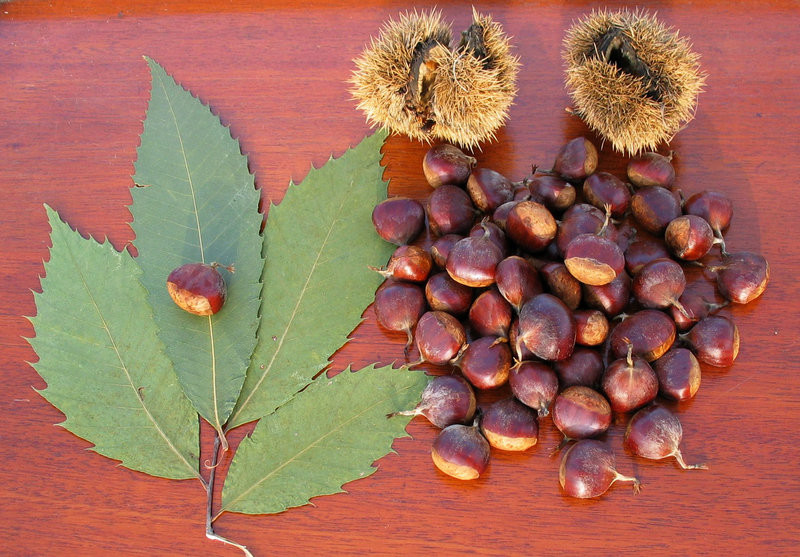
"caption": "Before blight decimated most of the American chestnut trees in the U.S., one of the great autumn pastimes was collecting the nuts and transforming them into pan-fried bread, porridge, pickles, preserves or cream pie.",
"description": "Before blight decimated most of the American chestnut trees in the U.S., one of the great autumn pastimes was collecting the nuts and transforming them into pan-fried bread, porridge, pickles, preserves or cream pie.",
"title": "Before blight decimated most of the American chestnut trees in the U.S., one of the great autumn pastimes was collecting the nuts and transforming them into pan-fried bread, porridge, pickles, preserves or cream pie.",
"credit": "\u003ca href=\"https://en.wikipedia.org/?title=American_chestnut#/media/File:American_Chestnut.JPG\">Timothy Van Vliet/Wikipedia\u003c/a>",
"status": "inherit",
"isLoading": false,
"fetchFailed": false
},
"bayareabites_97169": {
"type": "attachments",
"id": "bayareabites_97169",
"meta": {
"index": "attachments_1716263798",
"site": "bayareabites",
"id": "97169",
"found": true
},
"parent": 97168,
"imgSizes": {
"twentyfourteen-full-width": {
"file": "https://ww2.kqed.org/app/uploads/sites/24/2015/06/gettyimages-140986346_custom-ce94af27358a1c4515f8e36fe9ac88fdaa58ee25-1038x576.jpg",
"width": 1038,
"mimeType": "image/jpeg",
"height": 576
},
"thumbnail": {
"file": "https://ww2.kqed.org/app/uploads/sites/24/2015/06/gettyimages-140986346_custom-ce94af27358a1c4515f8e36fe9ac88fdaa58ee25-400x241.jpg",
"width": 400,
"mimeType": "image/jpeg",
"height": 241
},
"fd-sm": {
"file": "https://ww2.kqed.org/app/uploads/sites/24/2015/06/gettyimages-140986346_custom-ce94af27358a1c4515f8e36fe9ac88fdaa58ee25-960x577.jpg",
"width": 960,
"mimeType": "image/jpeg",
"height": 577
},
"post-thumbnail": {
"file": "https://ww2.kqed.org/app/uploads/sites/24/2015/06/gettyimages-140986346_custom-ce94af27358a1c4515f8e36fe9ac88fdaa58ee25-672x372.jpg",
"width": 672,
"mimeType": "image/jpeg",
"height": 372
},
"kqedFullSize": {
"file": "https://ww2.kqed.org/app/uploads/sites/24/2015/06/gettyimages-140986346_custom-ce94af27358a1c4515f8e36fe9ac88fdaa58ee25-e1434729616816.jpg",
"width": 1920,
"height": 1155
},
"large": {
"file": "https://ww2.kqed.org/app/uploads/sites/24/2015/06/gettyimages-140986346_custom-ce94af27358a1c4515f8e36fe9ac88fdaa58ee25-1440x866.jpg",
"width": 1440,
"mimeType": "image/jpeg",
"height": 866
},
"guest-author-96": {
"file": "https://ww2.kqed.org/app/uploads/sites/24/2015/06/gettyimages-140986346_custom-ce94af27358a1c4515f8e36fe9ac88fdaa58ee25-96x96.jpg",
"width": 96,
"mimeType": "image/jpeg",
"height": 96
},
"medium": {
"file": "https://ww2.kqed.org/app/uploads/sites/24/2015/06/gettyimages-140986346_custom-ce94af27358a1c4515f8e36fe9ac88fdaa58ee25-800x481.jpg",
"width": 800,
"mimeType": "image/jpeg",
"height": 481
},
"guest-author-64": {
"file": "https://ww2.kqed.org/app/uploads/sites/24/2015/06/gettyimages-140986346_custom-ce94af27358a1c4515f8e36fe9ac88fdaa58ee25-64x64.jpg",
"width": 64,
"mimeType": "image/jpeg",
"height": 64
},
"guest-author-32": {
"file": "https://ww2.kqed.org/app/uploads/sites/24/2015/06/gettyimages-140986346_custom-ce94af27358a1c4515f8e36fe9ac88fdaa58ee25-32x32.jpg",
"width": 32,
"mimeType": "image/jpeg",
"height": 32
},
"cat_post_thumb_sizecategory-posts-2": {
"file": "https://ww2.kqed.org/app/uploads/sites/24/2015/06/gettyimages-140986346_custom-ce94af27358a1c4515f8e36fe9ac88fdaa58ee25-150x150.jpg",
"width": 150,
"mimeType": "image/jpeg",
"height": 150
},
"fd-med": {
"file": "https://ww2.kqed.org/app/uploads/sites/24/2015/06/gettyimages-140986346_custom-ce94af27358a1c4515f8e36fe9ac88fdaa58ee25-1180x710.jpg",
"width": 1180,
"mimeType": "image/jpeg",
"height": 710
},
"detail": {
"file": "https://ww2.kqed.org/app/uploads/sites/24/2015/06/gettyimages-140986346_custom-ce94af27358a1c4515f8e36fe9ac88fdaa58ee25-75x75.jpg",
"width": 75,
"mimeType": "image/jpeg",
"height": 75
},
"guest-author-128": {
"file": "https://ww2.kqed.org/app/uploads/sites/24/2015/06/gettyimages-140986346_custom-ce94af27358a1c4515f8e36fe9ac88fdaa58ee25-128x128.jpg",
"width": 128,
"mimeType": "image/jpeg",
"height": 128
}
},
"publishDate": 1434729379,
"modified": 1434729639,
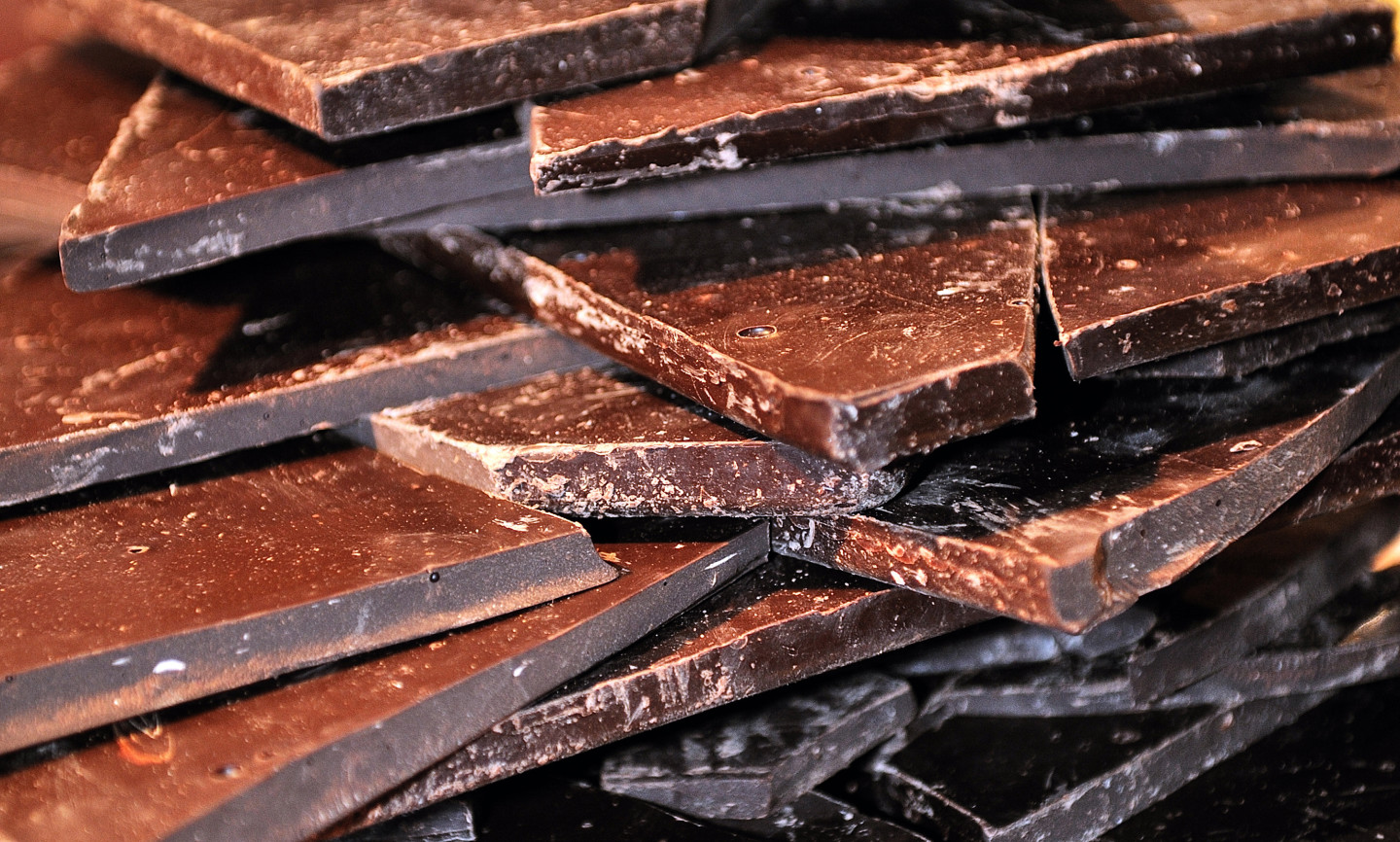
"caption": "There's a growing body of evidence suggesting that compounds found in cocoa beans, called polyphenols, may help protect against heart disease.",
"description": "There's a growing body of evidence suggesting that compounds found in cocoa beans, called polyphenols, may help protect against heart disease.",
"title": "There's a growing body of evidence suggesting that compounds found in cocoa beans, called polyphenols, may help protect against heart disease.",
"credit": "Philippe Huguen/AFP/Getty Images ",
"status": "inherit",
"isLoading": false,
"fetchFailed": false
},
"bayareabites_97156": {
"type": "attachments",
"id": "bayareabites_97156",
"meta": {
"index": "attachments_1716263798",
"site": "bayareabites",
"id": "97156",
"found": true
},
"parent": 97155,
"imgSizes": {
"twentyfourteen-full-width": {
"file": "https://ww2.kqed.org/app/uploads/sites/24/2015/06/Dandelion-954e0e601aeb2b100ec27b9965cf6da69848982a-1038x576.jpg",
"width": 1038,
"mimeType": "image/jpeg",
"height": 576
},
"thumbnail": {
"file": "https://ww2.kqed.org/app/uploads/sites/24/2015/06/Dandelion-954e0e601aeb2b100ec27b9965cf6da69848982a-400x300.jpg",
"width": 400,
"mimeType": "image/jpeg",
"height": 300
},
"fd-sm": {
"file": "https://ww2.kqed.org/app/uploads/sites/24/2015/06/Dandelion-954e0e601aeb2b100ec27b9965cf6da69848982a-960x720.jpg",
"width": 960,
"mimeType": "image/jpeg",
"height": 720
},
"post-thumbnail": {
"file": "https://ww2.kqed.org/app/uploads/sites/24/2015/06/Dandelion-954e0e601aeb2b100ec27b9965cf6da69848982a-672x372.jpg",
"width": 672,
"mimeType": "image/jpeg",
"height": 372
},
"kqedFullSize": {
"file": "https://ww2.kqed.org/app/uploads/sites/24/2015/06/Dandelion-954e0e601aeb2b100ec27b9965cf6da69848982a.jpg",
"width": 1710,
"height": 1283
},
"large": {
"file": "https://ww2.kqed.org/app/uploads/sites/24/2015/06/Dandelion-954e0e601aeb2b100ec27b9965cf6da69848982a-1440x1080.jpg",
"width": 1440,
"mimeType": "image/jpeg",
"height": 1080
},
"guest-author-96": {
"file": "https://ww2.kqed.org/app/uploads/sites/24/2015/06/Dandelion-954e0e601aeb2b100ec27b9965cf6da69848982a-96x96.jpg",
"width": 96,
"mimeType": "image/jpeg",
"height": 96
},
"medium": {
"file": "https://ww2.kqed.org/app/uploads/sites/24/2015/06/Dandelion-954e0e601aeb2b100ec27b9965cf6da69848982a-800x600.jpg",
"width": 800,
"mimeType": "image/jpeg",
"height": 600
},
"guest-author-64": {
"file": "https://ww2.kqed.org/app/uploads/sites/24/2015/06/Dandelion-954e0e601aeb2b100ec27b9965cf6da69848982a-64x64.jpg",
"width": 64,
"mimeType": "image/jpeg",
"height": 64
},
"guest-author-32": {
"file": "https://ww2.kqed.org/app/uploads/sites/24/2015/06/Dandelion-954e0e601aeb2b100ec27b9965cf6da69848982a-32x32.jpg",
"width": 32,
"mimeType": "image/jpeg",
"height": 32
},
"cat_post_thumb_sizecategory-posts-2": {
"file": "https://ww2.kqed.org/app/uploads/sites/24/2015/06/Dandelion-954e0e601aeb2b100ec27b9965cf6da69848982a-150x150.jpg",
"width": 150,
"mimeType": "image/jpeg",
"height": 150
},
"fd-med": {
"file": "https://ww2.kqed.org/app/uploads/sites/24/2015/06/Dandelion-954e0e601aeb2b100ec27b9965cf6da69848982a-1180x885.jpg",
"width": 1180,
"mimeType": "image/jpeg",
"height": 885
},
"detail": {
"file": "https://ww2.kqed.org/app/uploads/sites/24/2015/06/Dandelion-954e0e601aeb2b100ec27b9965cf6da69848982a-75x75.jpg",
"width": 75,
"mimeType": "image/jpeg",
"height": 75
},
"guest-author-128": {
"file": "https://ww2.kqed.org/app/uploads/sites/24/2015/06/Dandelion-954e0e601aeb2b100ec27b9965cf6da69848982a-128x128.jpg",
"width": 128,
"mimeType": "image/jpeg",
"height": 128
}
},
"publishDate": 1434661465,
"modified": 1434667056,
"caption": "Dandelion (\u003cem>Taraxacum officinale\u003c/em>) flower found on the sidewalk in Meridian Hill Park, Washington D.C. It's edible, but isn't on \"Wildman\" Steve Brill's list of seven.",
"description": "Dandelion (\u003cem>Taraxacum officinale\u003c/em>) flower found on the sidewalk in Meridian Hill Park, Washington D.C. It's edible, but isn't on \"Wildman\" Steve Brill's list of seven.",
"title": "Dandelion (Taraxacum officinale) flower found on the sidewalk in Meridian Hill Park, Washington D.C. It's edible, but isn't on \"Wildman\" Steve Brill's list of seven.",
"credit": "Ina Yang/NPR",
"status": "inherit",
"isLoading": false,
"fetchFailed": false
},
"bayareabites_97068": {
"type": "attachments",
"id": "bayareabites_97068",
"meta": {
"index": "attachments_1716263798",
"site": "bayareabites",
"id": "97068",
"found": true
},
"parent": 97064,
"imgSizes": {
"twentyfourteen-full-width": {
"file": "https://ww2.kqed.org/app/uploads/sites/24/2015/06/img_0051-3-ee690549d2ce44565d08efb9501ac1fa7703902a-1038x576.jpg",
"width": 1038,
"mimeType": "image/jpeg",
"height": 576
},
"thumbnail": {
"file": "https://ww2.kqed.org/app/uploads/sites/24/2015/06/img_0051-3-ee690549d2ce44565d08efb9501ac1fa7703902a-400x300.jpg",
"width": 400,
"mimeType": "image/jpeg",
"height": 300
},
"fd-sm": {
"file": "https://ww2.kqed.org/app/uploads/sites/24/2015/06/img_0051-3-ee690549d2ce44565d08efb9501ac1fa7703902a-960x720.jpg",
"width": 960,
"mimeType": "image/jpeg",
"height": 720
},
"post-thumbnail": {
"file": "https://ww2.kqed.org/app/uploads/sites/24/2015/06/img_0051-3-ee690549d2ce44565d08efb9501ac1fa7703902a-672x372.jpg",
"width": 672,
"mimeType": "image/jpeg",
"height": 372
},
"kqedFullSize": {
"file": "https://ww2.kqed.org/app/uploads/sites/24/2015/06/img_0051-3-ee690549d2ce44565d08efb9501ac1fa7703902a.jpg",
"width": 1052,
"height": 789
},
"cat_post_thumb_sizecategory-posts-2": {
"file": "https://ww2.kqed.org/app/uploads/sites/24/2015/06/img_0051-3-ee690549d2ce44565d08efb9501ac1fa7703902a-150x150.jpg",
"width": 150,
"mimeType": "image/jpeg",
"height": 150
},
"guest-author-96": {
"file": "https://ww2.kqed.org/app/uploads/sites/24/2015/06/img_0051-3-ee690549d2ce44565d08efb9501ac1fa7703902a-96x96.jpg",
"width": 96,
"mimeType": "image/jpeg",
"height": 96
},
"medium": {
"file": "https://ww2.kqed.org/app/uploads/sites/24/2015/06/img_0051-3-ee690549d2ce44565d08efb9501ac1fa7703902a-800x600.jpg",
"width": 800,
"mimeType": "image/jpeg",
"height": 600
},
"guest-author-64": {
"file": "https://ww2.kqed.org/app/uploads/sites/24/2015/06/img_0051-3-ee690549d2ce44565d08efb9501ac1fa7703902a-64x64.jpg",
"width": 64,
"mimeType": "image/jpeg",
"height": 64
},
"detail": {
"file": "https://ww2.kqed.org/app/uploads/sites/24/2015/06/img_0051-3-ee690549d2ce44565d08efb9501ac1fa7703902a-75x75.jpg",
"width": 75,
"mimeType": "image/jpeg",
"height": 75
},
"guest-author-32": {
"file": "https://ww2.kqed.org/app/uploads/sites/24/2015/06/img_0051-3-ee690549d2ce44565d08efb9501ac1fa7703902a-32x32.jpg",
"width": 32,
"mimeType": "image/jpeg",
"height": 32
},
"guest-author-128": {
"file": "https://ww2.kqed.org/app/uploads/sites/24/2015/06/img_0051-3-ee690549d2ce44565d08efb9501ac1fa7703902a-128x128.jpg",
"width": 128,
"mimeType": "image/jpeg",
"height": 128
}
},
"publishDate": 1434578043,
"modified": 1434582623,
"caption": "The marketplace demands white, blemish-free, perfectly sized heads of cauliflower. So that's almost all of what workers pick.",
"description": "The marketplace demands white, blemish-free, perfectly sized heads of cauliflower. So that's almost all of what workers pick",
"title": "The marketplace demands white, blemish-free, perfectly sized heads of cauliflower. So that's almost all of what workers pick.",
"credit": "Allison Aubrey/NPR",
"status": "inherit",
"isLoading": false,
"fetchFailed": false
},
"bayareabites_96997": {
"type": "attachments",
"id": "bayareabites_96997",
"meta": {
"index": "attachments_1716263798",
"site": "bayareabites",
"id": "96997",
"found": true
},
"parent": 96996,
"imgSizes": {
"twentyfourteen-full-width": {
"file": "https://ww2.kqed.org/app/uploads/sites/24/2015/06/trash-man-2bc556b6649a696f7ba6ed8b2189f9a3b4d89f55-1038x576.jpg",
"width": 1038,
"mimeType": "image/jpeg",
"height": 576
},
"thumbnail": {
"file": "https://ww2.kqed.org/app/uploads/sites/24/2015/06/trash-man-2bc556b6649a696f7ba6ed8b2189f9a3b4d89f55-400x300.jpg",
"width": 400,
"mimeType": "image/jpeg",
"height": 300
},
"fd-sm": {
"file": "https://ww2.kqed.org/app/uploads/sites/24/2015/06/trash-man-2bc556b6649a696f7ba6ed8b2189f9a3b4d89f55-960x720.jpg",
"width": 960,
"mimeType": "image/jpeg",
"height": 720
},
"post-thumbnail": {
"file": "https://ww2.kqed.org/app/uploads/sites/24/2015/06/trash-man-2bc556b6649a696f7ba6ed8b2189f9a3b4d89f55-672x372.jpg",
"width": 672,
"mimeType": "image/jpeg",
"height": 372
},
"kqedFullSize": {
"file": "https://ww2.kqed.org/app/uploads/sites/24/2015/06/trash-man-2bc556b6649a696f7ba6ed8b2189f9a3b4d89f55-e1434483323327.jpg",
"width": 1920,
"height": 1440
},
"large": {
"file": "https://ww2.kqed.org/app/uploads/sites/24/2015/06/trash-man-2bc556b6649a696f7ba6ed8b2189f9a3b4d89f55-1440x1080.jpg",
"width": 1440,
"mimeType": "image/jpeg",
"height": 1080
},
"guest-author-96": {
"file": "https://ww2.kqed.org/app/uploads/sites/24/2015/06/trash-man-2bc556b6649a696f7ba6ed8b2189f9a3b4d89f55-96x96.jpg",
"width": 96,
"mimeType": "image/jpeg",
"height": 96
},
"medium": {
"file": "https://ww2.kqed.org/app/uploads/sites/24/2015/06/trash-man-2bc556b6649a696f7ba6ed8b2189f9a3b4d89f55-800x600.jpg",
"width": 800,
"mimeType": "image/jpeg",
"height": 600
},
"guest-author-64": {
"file": "https://ww2.kqed.org/app/uploads/sites/24/2015/06/trash-man-2bc556b6649a696f7ba6ed8b2189f9a3b4d89f55-64x64.jpg",
"width": 64,
"mimeType": "image/jpeg",
"height": 64
},
"guest-author-32": {
"file": "https://ww2.kqed.org/app/uploads/sites/24/2015/06/trash-man-2bc556b6649a696f7ba6ed8b2189f9a3b4d89f55-32x32.jpg",
"width": 32,
"mimeType": "image/jpeg",
"height": 32
},
"cat_post_thumb_sizecategory-posts-2": {
"file": "https://ww2.kqed.org/app/uploads/sites/24/2015/06/trash-man-2bc556b6649a696f7ba6ed8b2189f9a3b4d89f55-150x150.jpg",
"width": 150,
"mimeType": "image/jpeg",
"height": 150
},
"fd-med": {
"file": "https://ww2.kqed.org/app/uploads/sites/24/2015/06/trash-man-2bc556b6649a696f7ba6ed8b2189f9a3b4d89f55-1180x885.jpg",
"width": 1180,
"mimeType": "image/jpeg",
"height": 885
},
"detail": {
"file": "https://ww2.kqed.org/app/uploads/sites/24/2015/06/trash-man-2bc556b6649a696f7ba6ed8b2189f9a3b4d89f55-75x75.jpg",
"width": 75,
"mimeType": "image/jpeg",
"height": 75
},
"guest-author-128": {
"file": "https://ww2.kqed.org/app/uploads/sites/24/2015/06/trash-man-2bc556b6649a696f7ba6ed8b2189f9a3b4d89f55-128x128.jpg",
"width": 128,
"mimeType": "image/jpeg",
"height": 128
}
},
"publishDate": 1434482888,
"modified": 1434483317,
"caption": "Cesar Zuniga, operations manager at the Salinas Valley municipal dump in California, points to salad greens that still have two weeks before their sell-by date. \"Some loads ... look very fresh,\" Zuniga says. \"We question, wow, why is this being tossed?",
"description": "Cesar Zuniga, operations manager at the Salinas Valley municipal dump in California, points to salad greens that still have two weeks before their sell-by date. \"Some loads ... look very fresh,\" Zuniga says. \"We question, wow, why is this being tossed?",
"title": "Cesar Zuniga, operations manager at the Salinas Valley municipal dump in California, points to salad greens that still have two weeks before their sell-by date. \"Some loads ... look very fresh,\" Zuniga says. \"We question, wow, why is this being tossed?\"",
"credit": "Allison Aubrey/NPR ",
"status": "inherit",
"isLoading": false,
"fetchFailed": false
},
"bayareabites_96989": {
"type": "attachments",
"id": "bayareabites_96989",
"meta": {
"index": "attachments_1716263798",
"site": "bayareabites",
"id": "96989",
"found": true
},
"parent": 96988,
"imgSizes": {
"twentyfourteen-full-width": {
"file": "https://ww2.kqed.org/app/uploads/sites/24/2015/06/gelato1_enl-234b548d1bab9d6010a37c657cc561094dda9d59-1038x576.jpg",
"width": 1038,
"mimeType": "image/jpeg",
"height": 576
},
"thumbnail": {
"file": "https://ww2.kqed.org/app/uploads/sites/24/2015/06/gelato1_enl-234b548d1bab9d6010a37c657cc561094dda9d59-400x231.jpg",
"width": 400,
"mimeType": "image/jpeg",
"height": 231
},
"fd-sm": {
"file": "https://ww2.kqed.org/app/uploads/sites/24/2015/06/gelato1_enl-234b548d1bab9d6010a37c657cc561094dda9d59-960x554.jpg",
"width": 960,
"mimeType": "image/jpeg",
"height": 554
},
"post-thumbnail": {
"file": "https://ww2.kqed.org/app/uploads/sites/24/2015/06/gelato1_enl-234b548d1bab9d6010a37c657cc561094dda9d59-672x372.jpg",
"width": 672,
"mimeType": "image/jpeg",
"height": 372
},
"kqedFullSize": {
"file": "https://ww2.kqed.org/app/uploads/sites/24/2015/06/gelato1_enl-234b548d1bab9d6010a37c657cc561094dda9d59-e1434482117442.jpg",
"width": 1920,
"height": 1108
},
"large": {
"file": "https://ww2.kqed.org/app/uploads/sites/24/2015/06/gelato1_enl-234b548d1bab9d6010a37c657cc561094dda9d59-1440x831.jpg",
"width": 1440,
"mimeType": "image/jpeg",
"height": 831
},
"guest-author-96": {
"file": "https://ww2.kqed.org/app/uploads/sites/24/2015/06/gelato1_enl-234b548d1bab9d6010a37c657cc561094dda9d59-96x96.jpg",
"width": 96,
"mimeType": "image/jpeg",
"height": 96
},
"medium": {
"file": "https://ww2.kqed.org/app/uploads/sites/24/2015/06/gelato1_enl-234b548d1bab9d6010a37c657cc561094dda9d59-800x462.jpg",
"width": 800,
"mimeType": "image/jpeg",
"height": 462
},
"guest-author-64": {
"file": "https://ww2.kqed.org/app/uploads/sites/24/2015/06/gelato1_enl-234b548d1bab9d6010a37c657cc561094dda9d59-64x64.jpg",
"width": 64,
"mimeType": "image/jpeg",
"height": 64
},
"guest-author-32": {
"file": "https://ww2.kqed.org/app/uploads/sites/24/2015/06/gelato1_enl-234b548d1bab9d6010a37c657cc561094dda9d59-32x32.jpg",
"width": 32,
"mimeType": "image/jpeg",
"height": 32
},
"cat_post_thumb_sizecategory-posts-2": {
"file": "https://ww2.kqed.org/app/uploads/sites/24/2015/06/gelato1_enl-234b548d1bab9d6010a37c657cc561094dda9d59-150x150.jpg",
"width": 150,
"mimeType": "image/jpeg",
"height": 150
},
"fd-med": {
"file": "https://ww2.kqed.org/app/uploads/sites/24/2015/06/gelato1_enl-234b548d1bab9d6010a37c657cc561094dda9d59-1180x681.jpg",
"width": 1180,
"mimeType": "image/jpeg",
"height": 681
},
"detail": {
"file": "https://ww2.kqed.org/app/uploads/sites/24/2015/06/gelato1_enl-234b548d1bab9d6010a37c657cc561094dda9d59-75x75.jpg",
"width": 75,
"mimeType": "image/jpeg",
"height": 75
},
"guest-author-128": {
"file": "https://ww2.kqed.org/app/uploads/sites/24/2015/06/gelato1_enl-234b548d1bab9d6010a37c657cc561094dda9d59-128x128.jpg",
"width": 128,
"mimeType": "image/jpeg",
"height": 128
}
},
"publishDate": 1434482036,
"modified": 1434482111,
"caption": "Higher butterfat content makes ice cream thick and heavy, which is why you can get a nice, round, firm scoop of ice cream, shown at left. Gelato, at right, has less cream, which gives you softer drifts.",
"description": "Higher butterfat content makes ice cream thick and heavy, which is why you can get a nice, round, firm scoop of ice cream, shown at left. Gelato, at right, has less cream, which gives you softer drifts.",
"title": "Higher butterfat content makes ice cream thick and heavy, which is why you can get a nice, round, firm scoop of ice cream, shown at left. Gelato, at right, has less cream, which gives you softer drifts.",
"credit": "iStockphoto/The Art of Making Gelato, Race Point Publishing ",
"status": "inherit",
"isLoading": false,
"fetchFailed": false
},
"bayareabites_96985": {
"type": "attachments",
"id": "bayareabites_96985",
"meta": {
"index": "attachments_1716263798",
"site": "bayareabites",
"id": "96985",
"found": true
},
"parent": 96984,
"imgSizes": {
"twentyfourteen-full-width": {
"file": "https://ww2.kqed.org/app/uploads/sites/24/2015/06/trans-fat-label_custom-3a2ca0d6590297fa237bf92e9f3b3e32c1f8255b-1038x576.jpg",
"width": 1038,
"mimeType": "image/jpeg",
"height": 576
},
"thumbnail": {
"file": "https://ww2.kqed.org/app/uploads/sites/24/2015/06/trans-fat-label_custom-3a2ca0d6590297fa237bf92e9f3b3e32c1f8255b-400x267.jpg",
"width": 400,
"mimeType": "image/jpeg",
"height": 267
},
"fd-sm": {
"file": "https://ww2.kqed.org/app/uploads/sites/24/2015/06/trans-fat-label_custom-3a2ca0d6590297fa237bf92e9f3b3e32c1f8255b-960x642.jpg",
"width": 960,
"mimeType": "image/jpeg",
"height": 642
},
"post-thumbnail": {
"file": "https://ww2.kqed.org/app/uploads/sites/24/2015/06/trans-fat-label_custom-3a2ca0d6590297fa237bf92e9f3b3e32c1f8255b-672x372.jpg",
"width": 672,
"mimeType": "image/jpeg",
"height": 372
},
"kqedFullSize": {
"file": "https://ww2.kqed.org/app/uploads/sites/24/2015/06/trans-fat-label_custom-3a2ca0d6590297fa237bf92e9f3b3e32c1f8255b-e1434481299713.jpg",
"width": 1920,
"height": 1284
},
"large": {
"file": "https://ww2.kqed.org/app/uploads/sites/24/2015/06/trans-fat-label_custom-3a2ca0d6590297fa237bf92e9f3b3e32c1f8255b-1440x963.jpg",
"width": 1440,
"mimeType": "image/jpeg",
"height": 963
},
"guest-author-96": {
"file": "https://ww2.kqed.org/app/uploads/sites/24/2015/06/trans-fat-label_custom-3a2ca0d6590297fa237bf92e9f3b3e32c1f8255b-96x96.jpg",
"width": 96,
"mimeType": "image/jpeg",
"height": 96
},
"medium": {
"file": "https://ww2.kqed.org/app/uploads/sites/24/2015/06/trans-fat-label_custom-3a2ca0d6590297fa237bf92e9f3b3e32c1f8255b-800x535.jpg",
"width": 800,
"mimeType": "image/jpeg",
"height": 535
},
"guest-author-64": {
"file": "https://ww2.kqed.org/app/uploads/sites/24/2015/06/trans-fat-label_custom-3a2ca0d6590297fa237bf92e9f3b3e32c1f8255b-64x64.jpg",
"width": 64,
"mimeType": "image/jpeg",
"height": 64
},
"guest-author-32": {
"file": "https://ww2.kqed.org/app/uploads/sites/24/2015/06/trans-fat-label_custom-3a2ca0d6590297fa237bf92e9f3b3e32c1f8255b-32x32.jpg",
"width": 32,
"mimeType": "image/jpeg",
"height": 32
},
"cat_post_thumb_sizecategory-posts-2": {
"file": "https://ww2.kqed.org/app/uploads/sites/24/2015/06/trans-fat-label_custom-3a2ca0d6590297fa237bf92e9f3b3e32c1f8255b-150x150.jpg",
"width": 150,
"mimeType": "image/jpeg",
"height": 150
},
"fd-med": {
"file": "https://ww2.kqed.org/app/uploads/sites/24/2015/06/trans-fat-label_custom-3a2ca0d6590297fa237bf92e9f3b3e32c1f8255b-1180x789.jpg",
"width": 1180,
"mimeType": "image/jpeg",
"height": 789
},
"detail": {
"file": "https://ww2.kqed.org/app/uploads/sites/24/2015/06/trans-fat-label_custom-3a2ca0d6590297fa237bf92e9f3b3e32c1f8255b-75x75.jpg",
"width": 75,
"mimeType": "image/jpeg",
"height": 75
},
"guest-author-128": {
"file": "https://ww2.kqed.org/app/uploads/sites/24/2015/06/trans-fat-label_custom-3a2ca0d6590297fa237bf92e9f3b3e32c1f8255b-128x128.jpg",
"width": 128,
"mimeType": "image/jpeg",
"height": 128
}
},
"publishDate": 1434481075,
"modified": 1434481335,
"caption": "Microwave popcorn containing trans fats from November 2013. The Grocery Manufacturers Association says the industry has lowered the amount of trans fat added to food products by more than 86 percent. But trans fats can still be found in some processed food items.",
"description": "Microwave popcorn containing trans fats from November 2013. The Grocery Manufacturers Association says the industry has lowered the amount of trans fat added to food products by more than 86 percent. But trans fats can still be found in some processed food items.",
"title": "Microwave popcorn containing trans fats from November 2013. The Grocery Manufacturers Association says the industry has lowered the amount of trans fat added to food products by more than 86 percent. But trans fats can still be found in some processed food items.",
"credit": "Shannon Stapleton/Reuters/Landov ",
"status": "inherit",
"isLoading": false,
"fetchFailed": false
},
"bayareabites_96916": {
"type": "attachments",
"id": "bayareabites_96916",
"meta": {
"index": "attachments_1716263798",
"site": "bayareabites",
"id": "96916",
"found": true
},
"parent": 96915,
"imgSizes": {
"twentyfourteen-full-width": {
"file": "https://ww2.kqed.org/app/uploads/sites/24/2015/06/microbes-21_enl-d73327494cca4044be42216ce4ea48b7ffe35df8-1038x576.jpg",
"width": 1038,
"mimeType": "image/jpeg",
"height": 576
},
"thumbnail": {
"file": "https://ww2.kqed.org/app/uploads/sites/24/2015/06/microbes-21_enl-d73327494cca4044be42216ce4ea48b7ffe35df8-400x266.jpg",
"width": 400,
"mimeType": "image/jpeg",
"height": 266
},
"fd-sm": {
"file": "https://ww2.kqed.org/app/uploads/sites/24/2015/06/microbes-21_enl-d73327494cca4044be42216ce4ea48b7ffe35df8-960x639.jpg",
"width": 960,
"mimeType": "image/jpeg",
"height": 639
},
"post-thumbnail": {
"file": "https://ww2.kqed.org/app/uploads/sites/24/2015/06/microbes-21_enl-d73327494cca4044be42216ce4ea48b7ffe35df8-672x372.jpg",
"width": 672,
"mimeType": "image/jpeg",
"height": 372
},
"kqedFullSize": {
"file": "https://ww2.kqed.org/app/uploads/sites/24/2015/06/microbes-21_enl-d73327494cca4044be42216ce4ea48b7ffe35df8-e1434150299425.jpg",
"width": 1920,
"height": 1279
},
"large": {
"file": "https://ww2.kqed.org/app/uploads/sites/24/2015/06/microbes-21_enl-d73327494cca4044be42216ce4ea48b7ffe35df8-1440x959.jpg",
"width": 1440,
"mimeType": "image/jpeg",
"height": 959
},
"guest-author-96": {
"file": "https://ww2.kqed.org/app/uploads/sites/24/2015/06/microbes-21_enl-d73327494cca4044be42216ce4ea48b7ffe35df8-96x96.jpg",
"width": 96,
"mimeType": "image/jpeg",
"height": 96
},
"medium": {
"file": "https://ww2.kqed.org/app/uploads/sites/24/2015/06/microbes-21_enl-d73327494cca4044be42216ce4ea48b7ffe35df8-800x533.jpg",
"width": 800,
"mimeType": "image/jpeg",
"height": 533
},
"guest-author-64": {
"file": "https://ww2.kqed.org/app/uploads/sites/24/2015/06/microbes-21_enl-d73327494cca4044be42216ce4ea48b7ffe35df8-64x64.jpg",
"width": 64,
"mimeType": "image/jpeg",
"height": 64
},
"guest-author-32": {
"file": "https://ww2.kqed.org/app/uploads/sites/24/2015/06/microbes-21_enl-d73327494cca4044be42216ce4ea48b7ffe35df8-32x32.jpg",
"width": 32,
"mimeType": "image/jpeg",
"height": 32
},
"cat_post_thumb_sizecategory-posts-2": {
"file": "https://ww2.kqed.org/app/uploads/sites/24/2015/06/microbes-21_enl-d73327494cca4044be42216ce4ea48b7ffe35df8-150x150.jpg",
"width": 150,
"mimeType": "image/jpeg",
"height": 150
},
"fd-med": {
"file": "https://ww2.kqed.org/app/uploads/sites/24/2015/06/microbes-21_enl-d73327494cca4044be42216ce4ea48b7ffe35df8-1180x786.jpg",
"width": 1180,
"mimeType": "image/jpeg",
"height": 786
},
"detail": {
"file": "https://ww2.kqed.org/app/uploads/sites/24/2015/06/microbes-21_enl-d73327494cca4044be42216ce4ea48b7ffe35df8-75x75.jpg",
"width": 75,
"mimeType": "image/jpeg",
"height": 75
},
"guest-author-128": {
"file": "https://ww2.kqed.org/app/uploads/sites/24/2015/06/microbes-21_enl-d73327494cca4044be42216ce4ea48b7ffe35df8-128x128.jpg",
"width": 128,
"mimeType": "image/jpeg",
"height": 128
}
},
"publishDate": 1434149351,
"modified": 1434150328,
"caption": "Pam Marrone (right), founder and CEO of Marrone Bio Innovations, inspects some colonies of microbes. Marrone has spent most of her professional life prospecting for microbial pesticides and bringing them to market. ",
"description": "Pam Marrone (right), founder and CEO of Marrone Bio Innovations, inspects some colonies of microbes. Marrone has spent most of her professional life prospecting for microbial pesticides and bringing them to marke",
"title": "Pam Marrone (right), founder and CEO of Marrone Bio Innovations, inspects some colonies of microbes. Marrone has spent most of her professional life prospecting for microbial pesticides and bringing them to market.",
"credit": "Dan Charles/NPR ",
"status": "inherit",
"isLoading": false,
"fetchFailed": false
},
"bayareabites_96892": {
"type": "attachments",
"id": "bayareabites_96892",
"meta": {
"index": "attachments_1716263798",
"site": "bayareabites",
"id": "96892",
"found": true
},
"parent": 96891,
"imgSizes": {
"twentyfourteen-full-width": {
"file": "https://ww2.kqed.org/app/uploads/sites/24/2015/06/img_0403_custom-10812f3262e9eff0b2588832b5068e952dda3ecd-1038x576.jpg",
"width": 1038,
"mimeType": "image/jpeg",
"height": 576
},
"thumbnail": {
"file": "https://ww2.kqed.org/app/uploads/sites/24/2015/06/img_0403_custom-10812f3262e9eff0b2588832b5068e952dda3ecd-400x301.jpg",
"width": 400,
"mimeType": "image/jpeg",
"height": 301
},
"fd-sm": {
"file": "https://ww2.kqed.org/app/uploads/sites/24/2015/06/img_0403_custom-10812f3262e9eff0b2588832b5068e952dda3ecd-960x723.jpg",
"width": 960,
"mimeType": "image/jpeg",
"height": 723
},
"post-thumbnail": {
"file": "https://ww2.kqed.org/app/uploads/sites/24/2015/06/img_0403_custom-10812f3262e9eff0b2588832b5068e952dda3ecd-672x372.jpg",
"width": 672,
"mimeType": "image/jpeg",
"height": 372
},
"kqedFullSize": {
"file": "https://ww2.kqed.org/app/uploads/sites/24/2015/06/img_0403_custom-10812f3262e9eff0b2588832b5068e952dda3ecd-e1434133807602.jpg",
"width": 1920,
"height": 1446
},
"large": {
"file": "https://ww2.kqed.org/app/uploads/sites/24/2015/06/img_0403_custom-10812f3262e9eff0b2588832b5068e952dda3ecd-1440x1084.jpg",
"width": 1440,
"mimeType": "image/jpeg",
"height": 1084
},
"guest-author-96": {
"file": "https://ww2.kqed.org/app/uploads/sites/24/2015/06/img_0403_custom-10812f3262e9eff0b2588832b5068e952dda3ecd-96x96.jpg",
"width": 96,
"mimeType": "image/jpeg",
"height": 96
},
"medium": {
"file": "https://ww2.kqed.org/app/uploads/sites/24/2015/06/img_0403_custom-10812f3262e9eff0b2588832b5068e952dda3ecd-800x602.jpg",
"width": 800,
"mimeType": "image/jpeg",
"height": 602
},
"guest-author-64": {
"file": "https://ww2.kqed.org/app/uploads/sites/24/2015/06/img_0403_custom-10812f3262e9eff0b2588832b5068e952dda3ecd-64x64.jpg",
"width": 64,
"mimeType": "image/jpeg",
"height": 64
},
"guest-author-32": {
"file": "https://ww2.kqed.org/app/uploads/sites/24/2015/06/img_0403_custom-10812f3262e9eff0b2588832b5068e952dda3ecd-32x32.jpg",
"width": 32,
"mimeType": "image/jpeg",
"height": 32
},
"cat_post_thumb_sizecategory-posts-2": {
"file": "https://ww2.kqed.org/app/uploads/sites/24/2015/06/img_0403_custom-10812f3262e9eff0b2588832b5068e952dda3ecd-150x150.jpg",
"width": 150,
"mimeType": "image/jpeg",
"height": 150
},
"fd-med": {
"file": "https://ww2.kqed.org/app/uploads/sites/24/2015/06/img_0403_custom-10812f3262e9eff0b2588832b5068e952dda3ecd-1180x889.jpg",
"width": 1180,
"mimeType": "image/jpeg",
"height": 889
},
"detail": {
"file": "https://ww2.kqed.org/app/uploads/sites/24/2015/06/img_0403_custom-10812f3262e9eff0b2588832b5068e952dda3ecd-75x75.jpg",
"width": 75,
"mimeType": "image/jpeg",
"height": 75
},
"guest-author-128": {
"file": "https://ww2.kqed.org/app/uploads/sites/24/2015/06/img_0403_custom-10812f3262e9eff0b2588832b5068e952dda3ecd-128x128.jpg",
"width": 128,
"mimeType": "image/jpeg",
"height": 128
}
},
"publishDate": 1434132421,
"modified": 1434133305,
"caption": "Whole Foods says its new rating system is a way to talk to farmers and customers about issues that the organic rules don't encompass, like water, energy, labor and waste. ",
"description": "Whole Foods says its new rating system is a way to talk to farmers and customers about issues that the organic rules don't encompass, like water, energy, labor and wa",
"title": "Whole Foods says its new rating system is a way to talk to farmers and customers about issues that the organic rules don't encompass, like water, energy, labor and waste.",
"credit": "Dan Charles/NPR ",
"status": "inherit",
"isLoading": false,
"fetchFailed": false
},
"bayareabites_96846": {
"type": "attachments",
"id": "bayareabites_96846",
"meta": {
"index": "attachments_1716263798",
"site": "bayareabites",
"id": "96846",
"found": true
},
"parent": 96845,
"imgSizes": {
"twentyfourteen-full-width": {
"file": "https://ww2.kqed.org/app/uploads/sites/24/2015/06/img_5834_custom-e89567c2d758002cf3a9f6488b4fea607d06485c-1038x576.jpg",
"width": 1038,
"mimeType": "image/jpeg",
"height": 576
},
"thumbnail": {
"file": "https://ww2.kqed.org/app/uploads/sites/24/2015/06/img_5834_custom-e89567c2d758002cf3a9f6488b4fea607d06485c-400x300.jpg",
"width": 400,
"mimeType": "image/jpeg",
"height": 300
},
"fd-sm": {
"file": "https://ww2.kqed.org/app/uploads/sites/24/2015/06/img_5834_custom-e89567c2d758002cf3a9f6488b4fea607d06485c-960x719.jpg",
"width": 960,
"mimeType": "image/jpeg",
"height": 719
},
"post-thumbnail": {
"file": "https://ww2.kqed.org/app/uploads/sites/24/2015/06/img_5834_custom-e89567c2d758002cf3a9f6488b4fea607d06485c-672x372.jpg",
"width": 672,
"mimeType": "image/jpeg",
"height": 372
},
"kqedFullSize": {
"file": "https://ww2.kqed.org/app/uploads/sites/24/2015/06/img_5834_custom-e89567c2d758002cf3a9f6488b4fea607d06485c.jpg",
"width": 1071,
"height": 802
},
"cat_post_thumb_sizecategory-posts-2": {
"file": "https://ww2.kqed.org/app/uploads/sites/24/2015/06/img_5834_custom-e89567c2d758002cf3a9f6488b4fea607d06485c-150x150.jpg",
"width": 150,
"mimeType": "image/jpeg",
"height": 150
},
"guest-author-96": {
"file": "https://ww2.kqed.org/app/uploads/sites/24/2015/06/img_5834_custom-e89567c2d758002cf3a9f6488b4fea607d06485c-96x96.jpg",
"width": 96,
"mimeType": "image/jpeg",
"height": 96
},
"medium": {
"file": "https://ww2.kqed.org/app/uploads/sites/24/2015/06/img_5834_custom-e89567c2d758002cf3a9f6488b4fea607d06485c-800x599.jpg",
"width": 800,
"mimeType": "image/jpeg",
"height": 599
},
"guest-author-64": {
"file": "https://ww2.kqed.org/app/uploads/sites/24/2015/06/img_5834_custom-e89567c2d758002cf3a9f6488b4fea607d06485c-64x64.jpg",
"width": 64,
"mimeType": "image/jpeg",
"height": 64
},
"detail": {
"file": "https://ww2.kqed.org/app/uploads/sites/24/2015/06/img_5834_custom-e89567c2d758002cf3a9f6488b4fea607d06485c-75x75.jpg",
"width": 75,
"mimeType": "image/jpeg",
"height": 75
},
"guest-author-32": {
"file": "https://ww2.kqed.org/app/uploads/sites/24/2015/06/img_5834_custom-e89567c2d758002cf3a9f6488b4fea607d06485c-32x32.jpg",
"width": 32,
"mimeType": "image/jpeg",
"height": 32
},
"guest-author-128": {
"file": "https://ww2.kqed.org/app/uploads/sites/24/2015/06/img_5834_custom-e89567c2d758002cf3a9f6488b4fea607d06485c-128x128.jpg",
"width": 128,
"mimeType": "image/jpeg",
"height": 128
}
},
"publishDate": 1434064557,
"modified": 1434065096,
"caption": "Pacific bluefin tuna for sale for $2.99 per pound at the fish market in San Diego. That shockingly low price does not reflect the deeply threatened state of the bluefin population.",
"description": "Pacific bluefin tuna for sale for $2.99 per pound at the fish market in San Diego. That shockingly low price does not reflect the deeply threatened state of the bluefin population.",
"title": "Pacific bluefin tuna for sale for $2.99 per pound at the fish market in San Diego. That shockingly low price does not reflect the deeply threatened state of the bluefin population.",
"credit": "Clare Leschin-Hoar for NPR",
"status": "inherit",
"isLoading": false,
"fetchFailed": false
},
"bayareabites_96821": {
"type": "attachments",
"id": "bayareabites_96821",
"meta": {
"index": "attachments_1716263798",
"site": "bayareabites",
"id": "96821",
"found": true
},
"parent": 96820,
"imgSizes": {
"twentyfourteen-full-width": {
"file": "https://ww2.kqed.org/app/uploads/sites/24/2015/06/gettyimages-474278430_custom-4558478131ce0134337adb5e737fbe25ee002ee6-1038x576.jpg",
"width": 1038,
"mimeType": "image/jpeg",
"height": 576
},
"thumbnail": {
"file": "https://ww2.kqed.org/app/uploads/sites/24/2015/06/gettyimages-474278430_custom-4558478131ce0134337adb5e737fbe25ee002ee6-400x266.jpg",
"width": 400,
"mimeType": "image/jpeg",
"height": 266
},
"fd-sm": {
"file": "https://ww2.kqed.org/app/uploads/sites/24/2015/06/gettyimages-474278430_custom-4558478131ce0134337adb5e737fbe25ee002ee6-960x639.jpg",
"width": 960,
"mimeType": "image/jpeg",
"height": 639
},
"post-thumbnail": {
"file": "https://ww2.kqed.org/app/uploads/sites/24/2015/06/gettyimages-474278430_custom-4558478131ce0134337adb5e737fbe25ee002ee6-672x372.jpg",
"width": 672,
"mimeType": "image/jpeg",
"height": 372
},
"kqedFullSize": {
"file": "https://ww2.kqed.org/app/uploads/sites/24/2015/06/gettyimages-474278430_custom-4558478131ce0134337adb5e737fbe25ee002ee6-e1433968908394.jpg",
"width": 1920,
"height": 1279
},
"large": {
"file": "https://ww2.kqed.org/app/uploads/sites/24/2015/06/gettyimages-474278430_custom-4558478131ce0134337adb5e737fbe25ee002ee6-1440x959.jpg",
"width": 1440,
"mimeType": "image/jpeg",
"height": 959
},
"guest-author-96": {
"file": "https://ww2.kqed.org/app/uploads/sites/24/2015/06/gettyimages-474278430_custom-4558478131ce0134337adb5e737fbe25ee002ee6-96x96.jpg",
"width": 96,
"mimeType": "image/jpeg",
"height": 96
},
"medium": {
"file": "https://ww2.kqed.org/app/uploads/sites/24/2015/06/gettyimages-474278430_custom-4558478131ce0134337adb5e737fbe25ee002ee6-800x533.jpg",
"width": 800,
"mimeType": "image/jpeg",
"height": 533
},
"guest-author-64": {
"file": "https://ww2.kqed.org/app/uploads/sites/24/2015/06/gettyimages-474278430_custom-4558478131ce0134337adb5e737fbe25ee002ee6-64x64.jpg",
"width": 64,
"mimeType": "image/jpeg",
"height": 64
},
"guest-author-32": {
"file": "https://ww2.kqed.org/app/uploads/sites/24/2015/06/gettyimages-474278430_custom-4558478131ce0134337adb5e737fbe25ee002ee6-32x32.jpg",
"width": 32,
"mimeType": "image/jpeg",
"height": 32
},
"cat_post_thumb_sizecategory-posts-2": {
"file": "https://ww2.kqed.org/app/uploads/sites/24/2015/06/gettyimages-474278430_custom-4558478131ce0134337adb5e737fbe25ee002ee6-150x150.jpg",
"width": 150,
"mimeType": "image/jpeg",
"height": 150
},
"fd-med": {
"file": "https://ww2.kqed.org/app/uploads/sites/24/2015/06/gettyimages-474278430_custom-4558478131ce0134337adb5e737fbe25ee002ee6-1180x786.jpg",
"width": 1180,
"mimeType": "image/jpeg",
"height": 786
},
"detail": {
"file": "https://ww2.kqed.org/app/uploads/sites/24/2015/06/gettyimages-474278430_custom-4558478131ce0134337adb5e737fbe25ee002ee6-75x75.jpg",
"width": 75,
"mimeType": "image/jpeg",
"height": 75
},
"guest-author-128": {
"file": "https://ww2.kqed.org/app/uploads/sites/24/2015/06/gettyimages-474278430_custom-4558478131ce0134337adb5e737fbe25ee002ee6-128x128.jpg",
"width": 128,
"mimeType": "image/jpeg",
"height": 128
}
},
"publishDate": 1433967023,
"modified": 1433968928,
"caption": "Cartons of eggs are stacked on shelves at Laurenzo's Italian Center, May 21, 2015, in Miami.",
"description": "Cartons of eggs are stacked on shelves at Laurenzo's Italian Center, May 21, 2015, in Miami.",
"title": "Cartons of eggs are stacked on shelves at Laurenzo's Italian Center, May 21, 2015, in Miami.",
"credit": "Joe Raedle/Getty Images",
"status": "inherit",
"isLoading": false,
"fetchFailed": false
}
},
"audioPlayerReducer": {
"postId": "stream_live",
"isPaused": true,
"isPlaying": false,
"pfsActive": false,
"pledgeModalIsOpen": true,
"playerDrawerIsOpen": false,
"liveAudioPlayStartedAt": 0,
"liveAudioPlayContext": ""
},
"authorsReducer": {
"byline_bayareabites_97209": {
"type": "authors",
"id": "byline_bayareabites_97209",
"meta": {
"override": true
},
"slug": "byline_bayareabites_97209",
"name": "Allison Aubrey, \u003ca href=\"http://ww2.kqed.org/bayareabites/author/nprfood/\">NPR Food\u003c/a>",
"isLoading": false
},
"byline_bayareabites_97176": {
"type": "authors",
"id": "byline_bayareabites_97176",
"meta": {
"override": true
},
"slug": "byline_bayareabites_97176",
"name": "Jill Neimark, \u003ca href=\"http://ww2.kqed.org/bayareabites/author/nprfood/\">NPR Food\u003c/a>",
"isLoading": false
},
"byline_bayareabites_97168": {
"type": "authors",
"id": "byline_bayareabites_97168",
"meta": {
"override": true
},
"slug": "byline_bayareabites_97168",
"name": "Allison Aubrey, \u003ca href=\"http://ww2.kqed.org/bayareabites/author/nprfood/\">NPR Food\u003c/a>",
"isLoading": false
},
"byline_bayareabites_97155": {
"type": "authors",
"id": "byline_bayareabites_97155",
"meta": {
"override": true
},
"slug": "byline_bayareabites_97155",
"name": "Ina Yang, \u003ca href=\"http://ww2.kqed.org/bayareabites/author/nprfood/\">NPR Food\u003c/a>",
"isLoading": false
},
"byline_bayareabites_97064": {
"type": "authors",
"id": "byline_bayareabites_97064",
"meta": {
"override": true
},
"slug": "byline_bayareabites_97064",
"name": "Allison Aubrey, \u003ca href=\"http://ww2.kqed.org/bayareabites/author/nprfood/\">NPR Food\u003c/a>",
"isLoading": false
},
"byline_bayareabites_96996": {
"type": "authors",
"id": "byline_bayareabites_96996",
"meta": {
"override": true
},
"slug": "byline_bayareabites_96996",
"name": "Allison Aubrey, \u003ca href=\"http://ww2.kqed.org/bayareabites/author/nprfood/\">NPR Food\u003c/a>",
"isLoading": false
},
"byline_bayareabites_96988": {
"type": "authors",
"id": "byline_bayareabites_96988",
"meta": {
"override": true
},
"slug": "byline_bayareabites_96988",
"name": "Linda Poon, \u003ca href=\"http://ww2.kqed.org/bayareabites/author/nprfood/\">NPR Food\u003c/a>",
"isLoading": false
},
"byline_bayareabites_96984": {
"type": "authors",
"id": "byline_bayareabites_96984",
"meta": {
"override": true
},
"slug": "byline_bayareabites_96984",
"name": "Allison Aubrey and Rob Stein, \u003ca href=\"http://ww2.kqed.org/bayareabites/author/nprfood/\">NPR Food\u003c/a>",
"isLoading": false
},
"byline_bayareabites_96915": {
"type": "authors",
"id": "byline_bayareabites_96915",
"meta": {
"override": true
},
"slug": "byline_bayareabites_96915",
"name": "Dan Charles, \u003ca href=\"http://ww2.kqed.org/bayareabites/author/nprfood/\">NPR Food\u003c/a>",
"isLoading": false
},
"byline_bayareabites_96891": {
"type": "authors",
"id": "byline_bayareabites_96891",
"meta": {
"override": true
},
"slug": "byline_bayareabites_96891",
"name": "Dan Charles, \u003ca href=\"http://ww2.kqed.org/bayareabites/author/nprfood/\">NPR Food\u003c/a>",
"isLoading": false
},
"byline_bayareabites_96845": {
"type": "authors",
"id": "byline_bayareabites_96845",
"meta": {
"override": true
},
"slug": "byline_bayareabites_96845",
"name": "Clare Leschin-Hoar, \u003ca href=\"http://ww2.kqed.org/bayareabites/author/nprfood/\">NPR Food\u003c/a>",
"isLoading": false
},
"byline_bayareabites_96820": {
"type": "authors",
"id": "byline_bayareabites_96820",
"meta": {
"override": true
},
"slug": "byline_bayareabites_96820",
"name": "Peggy Lowe, Harvest Public Media at \u003ca href=\"http://ww2.kqed.org/bayareabites/author/nprfood/\">NPR Food\u003c/a>",
"isLoading": false
}
},
"pagesReducer": {
"bayareabites_category_npr-food": {
"type": "terms",
"id": "bayareabites_10916",
"meta": {
"index": "terms_1716263798",
"site": "bayareabites",
"id": "10916",
"score": 13.894709
},
"featImg": null,
"name": "NPR food",
"description": null,
"taxonomy": "category",
"headData": {
"twImgId": null,
"twTitle": null,
"ogTitle": null,
"ogImgId": null,
"twDescription": null,
"description": null,
"title": "NPR food Archives | KQED Bay Area Bites",
"ogDescription": null
},
"ttid": 5375,
"slug": "npr-food",
"isLoading": false,
"title": "NPR food",
"pageMeta": {
"site": "bayareabites",
"WpPageTemplate": "page-topic-editorial",
"currentPage": 21
},
"blocks": [
{
"blockName": "kqed/post-list",
"attrs": {
"layout": "cardArticle2",
"query": "posts/bayareabites?category=npr-food",
"seeMore": false,
"paginated": true,
"page": 21
}
},
{
"blockName": "kqed/ad"
}
]
}
},
"pfsSessionReducer": {},
"postsReducer": {
"stream_live": {
"type": "live",
"id": "stream_live",
"audioUrl": "https://hls.kqed.org/hls/kqed_app/playlist.m3u8",
"title": "Live Stream",
"excerpt": "Live Stream information currently unavailable.",
"link": "/radio",
"featImg": "",
"label": {
"name": "KQED Live",
"link": "/"
}
},
"stream_kqedNewscast": {
"type": "posts",
"id": "stream_kqedNewscast",
"audioUrl": "https://www.kqed.org/.stream/anon/radio/RDnews/newscast.mp3?_=1",
"title": "KQED Newscast",
"featImg": "",
"label": {
"name": "88.5 FM",
"link": "/"
}
},
"bayareabites_97209": {
"type": "posts",
"id": "bayareabites_97209",
"meta": {
"index": "posts_1716263798",
"site": "bayareabites",
"id": "97209",
"score": null,
"sort": [
1435004706000
]
},
"parent": 0,
"labelTerm": {
"site": "bayareabites"
},
"blocks": [],
"publishDate": 1435004706,
"format": "standard",
"disqusTitle": "Sans Artificial: General Mills Scrambles To Reformulate Lucky Charms",
"title": "Sans Artificial: General Mills Scrambles To Reformulate Lucky Charms",
"headTitle": "Bay Area Bites | KQED Food",
"content": "\u003cp>We hate to break it to you, Mr. Leprechaun, but someone really is after your Lucky Charms: General Mills.\u003c/p>\n\u003cp>Or more specifically, it's after the artificial colorings used to give the cereal its trademark rainbow-colored marshmallow shapes. General Mills on Monday \u003ca href=\"http://www.blog.generalmills.com/2015/06/a-big-commitment-for-big-g-cereal/\">announced\u003c/a> it will remove artificial colors and flavors from all of its cereals.\u003c/p>\n\u003cp>The company's iconic Cheerios brand has been artificial-free for years now, as have other General Mills brands. But 40 percent of General Mills' cereals still contain artificial ingredients, including Trix, Reese's Puffs and yes, Lucky Charms. Under the new commitment, they'll be getting a makeover, too.\u003c/p>\n\u003cp>The move comes as other food companies, including \u003ca href=\"http://www.npr.org/sections/thesalt/2015/02/19/387319835/chocolate-makeover-nestle-dumps-artificial-colorings\">Nestle\u003c/a>, Hershey's, Subway and \u003ca href=\"http://www.npr.org/sections/thesalt/2015/05/06/404626500/panera-is-the-latest-to-drop-artificial-ingredients-from-its-food\">Panera\u003c/a>, have made similar announcements regarding the removal of artificial colorings and other ingredients.\u003c/p>\n\u003cp>In a \u003ca href=\"http://www.blog.generalmills.com/2015/06/a-big-commitment-for-big-g-cereal/\">blog post\u003c/a> on the company's website, Jim Murphy — the president of General Mills' cereal division — said, \"We're simply listening to consumers and these ingredients are not what people are looking for in their cereal today.\"\u003c/p>\n\u003cp>[ad fullwidth]\u003c/p>\n\u003cp>So, what will consumers notice? Not much in terms of color changes, though Murphy says that Trix may look a \"bit different,\" as the colors made from artificial sources are swapped out.\u003c/p>\n\u003cp>For instance, General Mills will use a mix of spice extracts — including turmeric and annatto — to maintain yellow and orange hues. And to get that funky purple and red coloring, the company will use fruit and vegetable juice. One wonders whether blueberry juice can deliver the same deep, hyper-intense hues that kids are accustomed to seeing in Trix cereal.\u003c/p>\n\u003cp>So what's the biggest hurdle? It seems taking the artificial ingredients out of the Lucky Charms marshmallow may take a little time to figure out.\u003c/p>\n\u003cp>General Mills says it hopes to complete the reformulations by the end of 2016, \"but cereals that contain marshmallows, like Lucky Charms and our Monster cereals ... make take longer,\" the company \u003ca href=\"http://www.blog.generalmills.com/2015/06/a-big-commitment-for-big-g-cereal/\">explains\u003c/a> in a blog post.\u003c/p>\n\u003cp>As we've \u003ca href=\"http://www.npr.org/sections/thesalt/2015/02/19/387319835/chocolate-makeover-nestle-dumps-artificial-colorings\">reported\u003c/a>, artificial food dyes have been controversial. Some studies have found a link to hyperactivity in children.\u003c/p>\n\u003cp>But the evidence to support this link is mixed. As \u003ca href=\"https://www.northshorelij.com/find-care/find-a-doctor/pediatrics/dr-andrew-robert-adesman-md-11315401\">Andrew Adesman\u003c/a>, a spokesperson for the American Academy of Pediatrics, told us, there's a growing body of evidence to show that food colorings can affect some children's behavior. \"On the other hand, these effects are relatively modest,\" he said.\u003c/p>\n\u003cp>Regardless of the science, consumer surveys (including Nielsen's Global Health and Wellness \u003ca href=\"http://www.nielsen.com/content/dam/nielsenglobal/eu/nielseninsights/pdfs/Nielsen%20Global%20Health%20and%20Wellness%20Report%20-%20January%202015.pdf\">Survey\u003c/a>) show that moving toward more natural, simpler foods and ingredients is a goal a growing number of Americans share.\u003c/p>\n\u003cp>\u003c/p>\n\u003cp>\u003cem>Copyright 2015 \u003ca href=\"http://www.npr.org/\" target=\"_blank\">NPR\u003c/a>.\u003c/em>\u003c/p>\n\n",
"disqusIdentifier": "97209 http://ww2.kqed.org/bayareabites/?p=97209",
"disqusUrl": "https://ww2.kqed.org/bayareabites/2015/06/22/sans-artificial-general-mills-scrambles-to-reformulate-lucky-charms/",
"stats": {
"hasVideo": false,
"hasChartOrMap": false,
"hasAudio": false,
"hasPolis": false,
"wordCount": 439,
"hasGoogleForm": false,
"hasGallery": false,
"hasHearkenModule": false,
"iframeSrcs": [],
"paragraphCount": 15
},
"modified": 1435004706,
"excerpt": "The company has pledged to ditch artificial colorings and flavorings from all of its cereals by the end of 2016. But those iconic rainbow-colored marshmallow charms might take longer to revamp.",
"headData": {
"twImgId": "",
"twTitle": "",
"ogTitle": "",
"ogImgId": "",
"twDescription": "",
"description": "The company has pledged to ditch artificial colorings and flavorings from all of its cereals by the end of 2016. But those iconic rainbow-colored marshmallow charms might take longer to revamp.",
"title": "Sans Artificial: General Mills Scrambles To Reformulate Lucky Charms | KQED",
"ogDescription": "",
"schema": {
"@context": "https://schema.org",
"@type": "Article",
"headline": "Sans Artificial: General Mills Scrambles To Reformulate Lucky Charms",
"datePublished": "2015-06-22T13:25:06-07:00",
"dateModified": "2015-06-22T13:25:06-07:00",
"image": "https://cdn.kqed.org/wp-content/uploads/2020/02/KQED-OG-Image@1x.png"
}
},
"guestAuthors": [],
"slug": "sans-artificial-general-mills-scrambles-to-reformulate-lucky-charms",
"status": "publish",
"nprApiLink": "http://api.npr.org/query?id=416486286&apiKey=MDAxOTAwOTE4MDEyMTkxMDAzNjczZDljZA004",
"nprByline": "Allison Aubrey, \u003ca href=\"http://ww2.kqed.org/bayareabites/author/nprfood/\">NPR Food\u003c/a>",
"nprStoryDate": "Mon, 22 Jun 2015 15:58:00 -0400",
"nprLastModifiedDate": "Mon, 22 Jun 2015 15:58:56 -0400",
"nprHtmlLink": "http://www.npr.org/sections/thesalt/2015/06/22/416486286/sans-artificial-general-mills-scrambles-to-reformulate-lucky-charms?ft=nprml&f=416486286",
"nprStoryId": "416486286",
"nprRetrievedStory": "1",
"nprPubDate": "Mon, 22 Jun 2015 15:58:00 -0400",
"path": "/bayareabites/97209/sans-artificial-general-mills-scrambles-to-reformulate-lucky-charms",
"audioTrackLength": null,
"parsedContent": [
{
"type": "contentString",
"content": "\u003cdiv class=\"post-body\">\u003cp>\u003cp>We hate to break it to you, Mr. Leprechaun, but someone really is after your Lucky Charms: General Mills.\u003c/p>\n\u003cp>Or more specifically, it's after the artificial colorings used to give the cereal its trademark rainbow-colored marshmallow shapes. General Mills on Monday \u003ca href=\"http://www.blog.generalmills.com/2015/06/a-big-commitment-for-big-g-cereal/\">announced\u003c/a> it will remove artificial colors and flavors from all of its cereals.\u003c/p>\n\u003cp>The company's iconic Cheerios brand has been artificial-free for years now, as have other General Mills brands. But 40 percent of General Mills' cereals still contain artificial ingredients, including Trix, Reese's Puffs and yes, Lucky Charms. Under the new commitment, they'll be getting a makeover, too.\u003c/p>\n\u003cp>The move comes as other food companies, including \u003ca href=\"http://www.npr.org/sections/thesalt/2015/02/19/387319835/chocolate-makeover-nestle-dumps-artificial-colorings\">Nestle\u003c/a>, Hershey's, Subway and \u003ca href=\"http://www.npr.org/sections/thesalt/2015/05/06/404626500/panera-is-the-latest-to-drop-artificial-ingredients-from-its-food\">Panera\u003c/a>, have made similar announcements regarding the removal of artificial colorings and other ingredients.\u003c/p>\n\u003cp>In a \u003ca href=\"http://www.blog.generalmills.com/2015/06/a-big-commitment-for-big-g-cereal/\">blog post\u003c/a> on the company's website, Jim Murphy — the president of General Mills' cereal division — said, \"We're simply listening to consumers and these ingredients are not what people are looking for in their cereal today.\"\u003c/p>\n\u003cp>\u003c/p>\u003c/div>",
"attributes": {
"named": {},
"numeric": []
}
},
{
"type": "component",
"content": "",
"name": "ad",
"attributes": {
"named": {
"label": "fullwidth"
},
"numeric": [
"fullwidth"
]
}
},
{
"type": "contentString",
"content": "\u003cdiv class=\"post-body\">\u003cp>\u003c/p>\n\u003cp>So, what will consumers notice? Not much in terms of color changes, though Murphy says that Trix may look a \"bit different,\" as the colors made from artificial sources are swapped out.\u003c/p>\n\u003cp>For instance, General Mills will use a mix of spice extracts — including turmeric and annatto — to maintain yellow and orange hues. And to get that funky purple and red coloring, the company will use fruit and vegetable juice. One wonders whether blueberry juice can deliver the same deep, hyper-intense hues that kids are accustomed to seeing in Trix cereal.\u003c/p>\n\u003cp>So what's the biggest hurdle? It seems taking the artificial ingredients out of the Lucky Charms marshmallow may take a little time to figure out.\u003c/p>\n\u003cp>General Mills says it hopes to complete the reformulations by the end of 2016, \"but cereals that contain marshmallows, like Lucky Charms and our Monster cereals ... make take longer,\" the company \u003ca href=\"http://www.blog.generalmills.com/2015/06/a-big-commitment-for-big-g-cereal/\">explains\u003c/a> in a blog post.\u003c/p>\n\u003cp>As we've \u003ca href=\"http://www.npr.org/sections/thesalt/2015/02/19/387319835/chocolate-makeover-nestle-dumps-artificial-colorings\">reported\u003c/a>, artificial food dyes have been controversial. Some studies have found a link to hyperactivity in children.\u003c/p>\n\u003cp>But the evidence to support this link is mixed. As \u003ca href=\"https://www.northshorelij.com/find-care/find-a-doctor/pediatrics/dr-andrew-robert-adesman-md-11315401\">Andrew Adesman\u003c/a>, a spokesperson for the American Academy of Pediatrics, told us, there's a growing body of evidence to show that food colorings can affect some children's behavior. \"On the other hand, these effects are relatively modest,\" he said.\u003c/p>\n\u003cp>Regardless of the science, consumer surveys (including Nielsen's Global Health and Wellness \u003ca href=\"http://www.nielsen.com/content/dam/nielsenglobal/eu/nielseninsights/pdfs/Nielsen%20Global%20Health%20and%20Wellness%20Report%20-%20January%202015.pdf\">Survey\u003c/a>) show that moving toward more natural, simpler foods and ingredients is a goal a growing number of Americans share.\u003c/p>\n\u003cp>\u003c/p>\n\u003cp>\u003cem>Copyright 2015 \u003ca href=\"http://www.npr.org/\" target=\"_blank\">NPR\u003c/a>.\u003c/em>\u003c/p>\n\n\u003c/div>\u003c/p>",
"attributes": {
"named": {},
"numeric": []
}
}
],
"link": "/bayareabites/97209/sans-artificial-general-mills-scrambles-to-reformulate-lucky-charms",
"authors": [
"byline_bayareabites_97209"
],
"categories": [
"bayareabites_4084",
"bayareabites_1245",
"bayareabites_1246",
"bayareabites_10916"
],
"tags": [
"bayareabites_11198",
"bayareabites_13599",
"bayareabites_14579",
"bayareabites_13202",
"bayareabites_11274",
"bayareabites_14581",
"bayareabites_14578",
"bayareabites_13489",
"bayareabites_14580"
],
"featImg": "bayareabites_97210",
"label": "bayareabites"
},
"bayareabites_97176": {
"type": "posts",
"id": "bayareabites_97176",
"meta": {
"index": "posts_1716263798",
"site": "bayareabites",
"id": "97176",
"score": null,
"sort": [
1434749762000
]
},
"parent": 0,
"labelTerm": {
"site": "bayareabites"
},
"blocks": [],
"publishDate": 1434749762,
"format": "standard",
"disqusTitle": "Once And Future Nut: How Genetic Engineering May Bring Back Chestnuts",
"title": "Once And Future Nut: How Genetic Engineering May Bring Back Chestnuts",
"headTitle": "Bay Area Bites | KQED Food",
"content": "\u003cp>One of the great autumn pastimes of the 1800s was nutting — where families, friends and farmers went around clubbing stately chestnut trees, or shimmying up 100-foot tall trunks to pound the branches. A fusillade of nuts would fall to the ground and be scooped up instantly, to be transformed into pan-fried bread, porridge, pickles, preserves, cream pie — and countless other nutritious favorites of colonial times.\u003c/p>\n\u003cp>Then, in the early 1900s, a plague decimated American chestnut trees. The deadly fungus, known as blight, caught a ride to the U.S. on a much smaller and fungus-resistant Chinese chestnut. The stately, soaring American tree was utterly vulnerable. Almost overnight, a quarter of our Eastern forests — 4 billion trees – vanished and with the trees went a nut that for centuries had nourished wildlife and humans alike.\u003c/p>\n\u003cp>But now, the American chestnut could return as a bionic, blight-resistant tree, thanks to genetic engineering and a group of dedicated forest \"biotechnologists\" at the State University of New York College of Environmental Science and Forestry's \u003ca href=\"http://www.esf.edu/chestnut/\">American Chestnut Research & Restoration Project\u003c/a>.\u003c/p>\n\u003cfigure id=\"attachment_97183\" class=\"wp-caption alignright\" style=\"max-width: 400px\">\u003cimg src=\"http://ww2.kqed.org/bayareabites/wp-content/uploads/sites/24/2015/06/chestnut-tree.jpg\" alt=\"A photo from a 1917 textbook on mycology and plant pathology shows pustules of chestnut blight fungus in the crevices of bark of a fallen chestnut tree in 1913.\" width=\"400\" height=\"573\" class=\"size-full wp-image-97183\">\u003cfigcaption class=\"wp-caption-text\">A photo from a 1917 textbook on mycology and plant pathology shows pustules of chestnut blight fungus in the crevices of bark of a fallen chestnut tree in 1913. \u003ccite>(\u003ca href=\"https://www.flickr.com/photos/internetarchivebookimages/14765117012/in/photolist-ouK5SY-tk19up-tD9s1q-tmKCUY-tmV8RY-tn24C7-tBheAq-tn8HxH-tn3A5L-tDoa7R-tCAqf5-tCVovp-tAW7VG-tDjJpg-tz3P9h-tm8d13-tmJLAy-sFJa7W-sFUgVL-tm9Acq-sEAEbZ-tApAVS-sGe1JW-tmpooA-tmB4Es\">Internet Archive/Flickr\u003c/a>)\u003c/cite>\u003c/figcaption>\u003c/figure>\n\u003cp>Through a series of genetic tweaks worked out over a 25-year period, researchers have bequeathed the chestnut a highly protective gene that bananas, cocoa, wheat and barley have already evolved on their own. So far the transgenic seedlings are proving to be at least as resistant to blight as the hybrid or Chinese chestnuts currently under cultivation in the U.S.\u003c/p>\n\u003cp>This isn't the first attempt to save the American chestnut. Since 1983, the \u003ca href=\"http://www.acf.org/\">American Chestnut Foundation\u003c/a> has been carrying out a restoration project —selectively breeding a blend of resistant Chinese chestnuts with vulnerable American chestnuts, hoping to transfer enough genes from the Asian trees to create a blight-resistant American tree with the favored height and strength.\u003c/p>\n\u003cp>[ad fullwidth]\u003c/p>\n\u003cp>They have been slowed, though, by the fact that a panoply of seven genes protects the Asian tree, and all must transfer. Some chestnuts also only tend to succumb to blight after five or ten years, so the foundation must grow the latest generation of trees—which are only 1/16\u003csup>th\u003c/sup> Chinese—for at least a decade before they can feel confident enough to release seeds to the public.\u003c/p>\n\u003cp>At SUNY-ESF, in contrast, the scientists transplanted a gene that wheat, barley, cocoa and some fruits already use to protect themselves against fungus. The gene makes an enzyme to degrade an acid produced by the fungus, rendering the fungus harmless. Using special laboratory techniques, the scientists transplanted this gene into chestnut embryos, harvested the few cells that took up the gene, and used those cells to grow a new embryo, nourishing it with all the nutrients it needs to become a \"plantlet\" or seedling.\u003c/p>\n\u003cp>The first generations of plantlets proved hardy but not fully immune, so the scientists replaced a genetic \"dimmer\" switch inside the gene to turn it up so it would produce more enzyme. The latest generation of plantlets have proved more resistant than American chestnut seedlings and hybrid seedlings, according to SUNY forest biotechnologist Andy Newhouse. And, he says, the newer transgenic trees have a similar level of blight resistance as Chinese chestnuts.\u003c/p>\n\u003cp>\"We have about 1,000 plants now in the field,\" he says. \"The best ones are about six feet tall and 2-3 years old, and we've shown that the gene does transfer to the next generation.\"\u003c/p>\n\u003cfigure id=\"attachment_97177\" class=\"wp-caption alignright\" style=\"max-width: 516px\">\u003cimg src=\"http://ww2.kqed.org/bayareabites/wp-content/uploads/sites/24/2015/06/seedlings-81caad199b46ca0e3688f9de45ae5f39db579d38.jpe\" alt=\"Linda McGuigan, lab manager of the American Chestnut Research & Restoration Project, examines a batch of transgenic American chestnut plantlets in a high-light chamber.\" width=\"516\" height=\"387\" class=\"size-full wp-image-97177\" srcset=\"https://ww2.kqed.org/app/uploads/sites/24/2015/06/seedlings-81caad199b46ca0e3688f9de45ae5f39db579d38.jpe 516w, https://ww2.kqed.org/app/uploads/sites/24/2015/06/seedlings-81caad199b46ca0e3688f9de45ae5f39db579d38-400x300.jpe 400w\" sizes=\"(max-width: 516px) 100vw, 516px\">\u003cfigcaption class=\"wp-caption-text\">Linda McGuigan, lab manager of the American Chestnut Research & Restoration Project, examines a batch of transgenic American chestnut plantlets in a high-light chamber. \u003ccite>(Courtesy Charles Maynard/SUNY/College of Environmental Science and Forestry)\u003c/cite>\u003c/figcaption>\u003c/figure>\n\u003cp>The ultimate plan is to plant about 10,000 transgenic seedlings and grow them big enough to produce enough pollen to pollinate other \"wild\" and vulnerable American chestnuts. That's not cheap, so in 2014 the scientists organized the \u003ca href=\"https://fundly.com/10-000-chestnut-challenge\">Ten Thousand Chestnut Challenge\u003c/a> crowdfunding campaign. Their goal was $50,000, but they raised over $100,000. \"It was a wildly successful campaign,\" says Newhouse.\u003c/p>\n\u003cp>The U.S. Department of Agriculture, Environmental Protection Agency and the Food and Drug Administration are currently reviewing the research and will have to approve it for the plan to move forward.\u003c/p>\n\u003cp>Not everyone welcomes the idea of transgenic chestnuts, however. The Center for Food Safety, which is broadly anti-GMO, has voiced concern that something might go wrong with the trees after they have spread. A 2013 \u003ca href=\"http://www.centerforfoodsafety.org/files/ge-tress-one-page-spread-final_67649.pdf\">report\u003c/a> by the group noted that \"ecological consequences of fungal resistance traits will be difficult to test because so little is known about the American chestnut's normal ecological interactions which are likely to be specific to a site or region.\"\u003c/p>\n\u003cp>\u003ca href=\"http://www.biosci.ohio-state.edu/~asnowlab/home.html\">Allison Snow\u003c/a>, a plant population biologist at Ohio State University, says it's harder to evaluate GMO trees for possible ecological risks than crops because trees aren't domesticated and live for decades. \"In the case of a very rare species like the American chestnut, I can't think of ecological problems that might come up because of transgenic blight resistance,\" Snow tells The Salt in an email. \"It seems unlikely that these trees could become invasive or harmful to other species. But I would like to see published studies showing that these assumptions are correct.\"\u003c/p>\n\u003cp>Newhouse wants to reassure those who worry about the transgenic chestnuts. \"This gene is a common adaptation in nature,\" he says. \"It's so widespread already it's highly unlikely to do any harm. But just to be sure, we carried out metabolomic tests to examine changes in sugars, amino acids, and fatty acids. The changes we found were minor and actually less than natural variation between Chinese and American chestnuts.\" He estimates that in about five years, the transgenic tree will be approved, and released in the \"wild.\"\u003c/p>\n\u003cp>Until then, chestnut lovers must rely on nuts produced only seasonally (autumn) by specialty growers who have groves of either Chinese or \u003ca href=\"http://www.chestnuthilltreefarm.com/store/c/31-Dunstan-Chestnut-Trees.aspx\">Dunstan hybrid \u003c/a>trees. Glenn Roberts, founder of \u003ca href=\"http://ansonmills.com/products\">Anson Mills,\u003c/a> an heirloom grain and seed cooperative in Columbia, S.C., is one such purveyor—he produces stone ground grits and flour, along with nuts, every autumn.\u003c/p>\n\u003cp>\"To me, chestnuts have a kind of high plum tang layered over nutty and buttery flavors,\" Roberts says. \"I've made black skillet chestnut bread in bacon fat that has a phenomenal, kaleidoscopic flavor and fragrance.\" He says he's also a fan of chestnut-finished wild hog barbecue.\u003c/p>\n\u003cp>And there is always the most popular chestnut dessert of the 1800s—chestnuts preserved in boiling cane syrup topped with vanilla ice cream and whipped cream. If chestnuts ever become plentiful again, it perhaps could be served throughout the year once more.\u003c/p>\n\u003cp>\u003cem>Jill Neimark is an Atlanta-based writer whose work has been featured in Discover, Scientific American, Science, Nautilus, Aeon, Psychology Today and The New York Times.\u003c/em> \u003c/p>\n\u003cp>[ad floatright]\u003c/p>\n\u003cp> \u003cem>Copyright 2015 \u003ca href=\"http://www.npr.org/\" target=\"_blank\">NPR\u003c/a>.\u003c/em> \u003c/p>\n\n",
"disqusIdentifier": "97176 http://ww2.kqed.org/bayareabites/?p=97176",
"disqusUrl": "https://ww2.kqed.org/bayareabites/2015/06/19/once-and-future-nut-how-genetic-engineering-may-bring-back-chestnuts/",
"stats": {
"hasVideo": false,
"hasChartOrMap": false,
"hasAudio": false,
"hasPolis": false,
"wordCount": 1179,
"hasGoogleForm": false,
"hasGallery": false,
"hasHearkenModule": false,
"iframeSrcs": [],
"paragraphCount": 21
},
"modified": 1434749762,
"excerpt": "The American chestnut is poised to return — as a bionic, blight-resistant tree. Scientists hope to plant about 10,000 transgenic plantlets to pollinate trees in the \"wild.\"",
"headData": {
"twImgId": "",
"twTitle": "",
"ogTitle": "",
"ogImgId": "",
"twDescription": "",
"description": "The American chestnut is poised to return — as a bionic, blight-resistant tree. Scientists hope to plant about 10,000 transgenic plantlets to pollinate trees in the "wild."",
"title": "Once And Future Nut: How Genetic Engineering May Bring Back Chestnuts | KQED",
"ogDescription": "",
"schema": {
"@context": "https://schema.org",
"@type": "Article",
"headline": "Once And Future Nut: How Genetic Engineering May Bring Back Chestnuts",
"datePublished": "2015-06-19T14:36:02-07:00",
"dateModified": "2015-06-19T14:36:02-07:00",
"image": "https://cdn.kqed.org/wp-content/uploads/2020/02/KQED-OG-Image@1x.png"
}
},
"guestAuthors": [],
"slug": "once-and-future-nut-how-genetic-engineering-may-bring-back-chestnuts",
"status": "publish",
"nprApiLink": "http://api.npr.org/query?id=413183808&apiKey=MDAxOTAwOTE4MDEyMTkxMDAzNjczZDljZA004",
"nprByline": "Jill Neimark, \u003ca href=\"http://ww2.kqed.org/bayareabites/author/nprfood/\">NPR Food\u003c/a>",
"nprStoryDate": "Fri, 19 Jun 2015 08:28:00 -0400",
"nprLastModifiedDate": "Fri, 19 Jun 2015 11:01:11 -0400",
"nprHtmlLink": "http://www.npr.org/sections/thesalt/2015/06/19/413183808/once-and-future-nut-how-genetic-engineering-may-bring-back-chestnuts?ft=nprml&f=413183808",
"nprStoryId": "413183808",
"nprRetrievedStory": "1",
"nprPubDate": "Fri, 19 Jun 2015 11:01:00 -0400",
"path": "/bayareabites/97176/once-and-future-nut-how-genetic-engineering-may-bring-back-chestnuts",
"audioTrackLength": null,
"parsedContent": [
{
"type": "contentString",
"content": "\u003cdiv class=\"post-body\">\u003cp>\u003cp>One of the great autumn pastimes of the 1800s was nutting — where families, friends and farmers went around clubbing stately chestnut trees, or shimmying up 100-foot tall trunks to pound the branches. A fusillade of nuts would fall to the ground and be scooped up instantly, to be transformed into pan-fried bread, porridge, pickles, preserves, cream pie — and countless other nutritious favorites of colonial times.\u003c/p>\n\u003cp>Then, in the early 1900s, a plague decimated American chestnut trees. The deadly fungus, known as blight, caught a ride to the U.S. on a much smaller and fungus-resistant Chinese chestnut. The stately, soaring American tree was utterly vulnerable. Almost overnight, a quarter of our Eastern forests — 4 billion trees – vanished and with the trees went a nut that for centuries had nourished wildlife and humans alike.\u003c/p>\n\u003cp>But now, the American chestnut could return as a bionic, blight-resistant tree, thanks to genetic engineering and a group of dedicated forest \"biotechnologists\" at the State University of New York College of Environmental Science and Forestry's \u003ca href=\"http://www.esf.edu/chestnut/\">American Chestnut Research & Restoration Project\u003c/a>.\u003c/p>\n\u003cfigure id=\"attachment_97183\" class=\"wp-caption alignright\" style=\"max-width: 400px\">\u003cimg src=\"http://ww2.kqed.org/bayareabites/wp-content/uploads/sites/24/2015/06/chestnut-tree.jpg\" alt=\"A photo from a 1917 textbook on mycology and plant pathology shows pustules of chestnut blight fungus in the crevices of bark of a fallen chestnut tree in 1913.\" width=\"400\" height=\"573\" class=\"size-full wp-image-97183\">\u003cfigcaption class=\"wp-caption-text\">A photo from a 1917 textbook on mycology and plant pathology shows pustules of chestnut blight fungus in the crevices of bark of a fallen chestnut tree in 1913. \u003ccite>(\u003ca href=\"https://www.flickr.com/photos/internetarchivebookimages/14765117012/in/photolist-ouK5SY-tk19up-tD9s1q-tmKCUY-tmV8RY-tn24C7-tBheAq-tn8HxH-tn3A5L-tDoa7R-tCAqf5-tCVovp-tAW7VG-tDjJpg-tz3P9h-tm8d13-tmJLAy-sFJa7W-sFUgVL-tm9Acq-sEAEbZ-tApAVS-sGe1JW-tmpooA-tmB4Es\">Internet Archive/Flickr\u003c/a>)\u003c/cite>\u003c/figcaption>\u003c/figure>\n\u003cp>Through a series of genetic tweaks worked out over a 25-year period, researchers have bequeathed the chestnut a highly protective gene that bananas, cocoa, wheat and barley have already evolved on their own. So far the transgenic seedlings are proving to be at least as resistant to blight as the hybrid or Chinese chestnuts currently under cultivation in the U.S.\u003c/p>\n\u003cp>This isn't the first attempt to save the American chestnut. Since 1983, the \u003ca href=\"http://www.acf.org/\">American Chestnut Foundation\u003c/a> has been carrying out a restoration project —selectively breeding a blend of resistant Chinese chestnuts with vulnerable American chestnuts, hoping to transfer enough genes from the Asian trees to create a blight-resistant American tree with the favored height and strength.\u003c/p>\n\u003cp>\u003c/p>\u003c/div>",
"attributes": {
"named": {},
"numeric": []
}
},
{
"type": "component",
"content": "",
"name": "ad",
"attributes": {
"named": {
"label": "fullwidth"
},
"numeric": [
"fullwidth"
]
}
},
{
"type": "contentString",
"content": "\u003cdiv class=\"post-body\">\u003cp>\u003c/p>\n\u003cp>They have been slowed, though, by the fact that a panoply of seven genes protects the Asian tree, and all must transfer. Some chestnuts also only tend to succumb to blight after five or ten years, so the foundation must grow the latest generation of trees—which are only 1/16\u003csup>th\u003c/sup> Chinese—for at least a decade before they can feel confident enough to release seeds to the public.\u003c/p>\n\u003cp>At SUNY-ESF, in contrast, the scientists transplanted a gene that wheat, barley, cocoa and some fruits already use to protect themselves against fungus. The gene makes an enzyme to degrade an acid produced by the fungus, rendering the fungus harmless. Using special laboratory techniques, the scientists transplanted this gene into chestnut embryos, harvested the few cells that took up the gene, and used those cells to grow a new embryo, nourishing it with all the nutrients it needs to become a \"plantlet\" or seedling.\u003c/p>\n\u003cp>The first generations of plantlets proved hardy but not fully immune, so the scientists replaced a genetic \"dimmer\" switch inside the gene to turn it up so it would produce more enzyme. The latest generation of plantlets have proved more resistant than American chestnut seedlings and hybrid seedlings, according to SUNY forest biotechnologist Andy Newhouse. And, he says, the newer transgenic trees have a similar level of blight resistance as Chinese chestnuts.\u003c/p>\n\u003cp>\"We have about 1,000 plants now in the field,\" he says. \"The best ones are about six feet tall and 2-3 years old, and we've shown that the gene does transfer to the next generation.\"\u003c/p>\n\u003cfigure id=\"attachment_97177\" class=\"wp-caption alignright\" style=\"max-width: 516px\">\u003cimg src=\"http://ww2.kqed.org/bayareabites/wp-content/uploads/sites/24/2015/06/seedlings-81caad199b46ca0e3688f9de45ae5f39db579d38.jpe\" alt=\"Linda McGuigan, lab manager of the American Chestnut Research & Restoration Project, examines a batch of transgenic American chestnut plantlets in a high-light chamber.\" width=\"516\" height=\"387\" class=\"size-full wp-image-97177\" srcset=\"https://ww2.kqed.org/app/uploads/sites/24/2015/06/seedlings-81caad199b46ca0e3688f9de45ae5f39db579d38.jpe 516w, https://ww2.kqed.org/app/uploads/sites/24/2015/06/seedlings-81caad199b46ca0e3688f9de45ae5f39db579d38-400x300.jpe 400w\" sizes=\"(max-width: 516px) 100vw, 516px\">\u003cfigcaption class=\"wp-caption-text\">Linda McGuigan, lab manager of the American Chestnut Research & Restoration Project, examines a batch of transgenic American chestnut plantlets in a high-light chamber. \u003ccite>(Courtesy Charles Maynard/SUNY/College of Environmental Science and Forestry)\u003c/cite>\u003c/figcaption>\u003c/figure>\n\u003cp>The ultimate plan is to plant about 10,000 transgenic seedlings and grow them big enough to produce enough pollen to pollinate other \"wild\" and vulnerable American chestnuts. That's not cheap, so in 2014 the scientists organized the \u003ca href=\"https://fundly.com/10-000-chestnut-challenge\">Ten Thousand Chestnut Challenge\u003c/a> crowdfunding campaign. Their goal was $50,000, but they raised over $100,000. \"It was a wildly successful campaign,\" says Newhouse.\u003c/p>\n\u003cp>The U.S. Department of Agriculture, Environmental Protection Agency and the Food and Drug Administration are currently reviewing the research and will have to approve it for the plan to move forward.\u003c/p>\n\u003cp>Not everyone welcomes the idea of transgenic chestnuts, however. The Center for Food Safety, which is broadly anti-GMO, has voiced concern that something might go wrong with the trees after they have spread. A 2013 \u003ca href=\"http://www.centerforfoodsafety.org/files/ge-tress-one-page-spread-final_67649.pdf\">report\u003c/a> by the group noted that \"ecological consequences of fungal resistance traits will be difficult to test because so little is known about the American chestnut's normal ecological interactions which are likely to be specific to a site or region.\"\u003c/p>\n\u003cp>\u003ca href=\"http://www.biosci.ohio-state.edu/~asnowlab/home.html\">Allison Snow\u003c/a>, a plant population biologist at Ohio State University, says it's harder to evaluate GMO trees for possible ecological risks than crops because trees aren't domesticated and live for decades. \"In the case of a very rare species like the American chestnut, I can't think of ecological problems that might come up because of transgenic blight resistance,\" Snow tells The Salt in an email. \"It seems unlikely that these trees could become invasive or harmful to other species. But I would like to see published studies showing that these assumptions are correct.\"\u003c/p>\n\u003cp>Newhouse wants to reassure those who worry about the transgenic chestnuts. \"This gene is a common adaptation in nature,\" he says. \"It's so widespread already it's highly unlikely to do any harm. But just to be sure, we carried out metabolomic tests to examine changes in sugars, amino acids, and fatty acids. The changes we found were minor and actually less than natural variation between Chinese and American chestnuts.\" He estimates that in about five years, the transgenic tree will be approved, and released in the \"wild.\"\u003c/p>\n\u003cp>Until then, chestnut lovers must rely on nuts produced only seasonally (autumn) by specialty growers who have groves of either Chinese or \u003ca href=\"http://www.chestnuthilltreefarm.com/store/c/31-Dunstan-Chestnut-Trees.aspx\">Dunstan hybrid \u003c/a>trees. Glenn Roberts, founder of \u003ca href=\"http://ansonmills.com/products\">Anson Mills,\u003c/a> an heirloom grain and seed cooperative in Columbia, S.C., is one such purveyor—he produces stone ground grits and flour, along with nuts, every autumn.\u003c/p>\n\u003cp>\"To me, chestnuts have a kind of high plum tang layered over nutty and buttery flavors,\" Roberts says. \"I've made black skillet chestnut bread in bacon fat that has a phenomenal, kaleidoscopic flavor and fragrance.\" He says he's also a fan of chestnut-finished wild hog barbecue.\u003c/p>\n\u003cp>And there is always the most popular chestnut dessert of the 1800s—chestnuts preserved in boiling cane syrup topped with vanilla ice cream and whipped cream. If chestnuts ever become plentiful again, it perhaps could be served throughout the year once more.\u003c/p>\n\u003cp>\u003cem>Jill Neimark is an Atlanta-based writer whose work has been featured in Discover, Scientific American, Science, Nautilus, Aeon, Psychology Today and The New York Times.\u003c/em> \u003c/p>\n\u003cp>\u003c/p>\u003c/div>",
"attributes": {
"named": {},
"numeric": []
}
},
{
"type": "component",
"content": "",
"name": "ad",
"attributes": {
"named": {
"label": "floatright"
},
"numeric": [
"floatright"
]
}
},
{
"type": "contentString",
"content": "\u003cdiv class=\"post-body\">\u003cp>\u003c/p>\n\u003cp> \u003cem>Copyright 2015 \u003ca href=\"http://www.npr.org/\" target=\"_blank\">NPR\u003c/a>.\u003c/em> \u003c/p>\n\n\u003c/div>\u003c/p>",
"attributes": {
"named": {},
"numeric": []
}
}
],
"link": "/bayareabites/97176/once-and-future-nut-how-genetic-engineering-may-bring-back-chestnuts",
"authors": [
"byline_bayareabites_97176"
],
"categories": [
"bayareabites_4084",
"bayareabites_10916",
"bayareabites_358",
"bayareabites_60"
],
"tags": [
"bayareabites_14576",
"bayareabites_14577",
"bayareabites_1597",
"bayareabites_11952",
"bayareabites_2608",
"bayareabites_178",
"bayareabites_14575",
"bayareabites_8913"
],
"featImg": "bayareabites_97184",
"label": "bayareabites"
},
"bayareabites_97168": {
"type": "posts",
"id": "bayareabites_97168",
"meta": {
"index": "posts_1716263798",
"site": "bayareabites",
"id": "97168",
"score": null,
"sort": [
1434729704000
]
},
"parent": 0,
"labelTerm": {
"site": "bayareabites"
},
"blocks": [],
"publishDate": 1434729704,
"format": "audio",
"disqusTitle": "Chocolate, Chocolate, It's Good For Your Heart, Study Finds",
"title": "Chocolate, Chocolate, It's Good For Your Heart, Study Finds",
"headTitle": "Bay Area Bites | KQED Food",
"content": "\u003cp>\u003cstrong>Listen to the Story on Morning Edition:\u003c/strong>\u003cbr>\nhttp://pd.npr.org/anon.npr-mp3/npr/me/2015/06/20150619_me_chocolate_chocolate_its_good_for_your_heart_study_finds.mp3\u003c/p>\n\u003cp>Here's a sweet notion: Eat a little chocolate each day and you could be doing your heart a favor.\u003c/p>\n\u003cp>A new \u003ca href=\"http://heart.bmj.com/content/early/2015/05/20/heartjnl-2014-307050.short?g=w_heart_ahead_tab\">study\u003c/a> published in the journal \u003cem>Heart\u003c/em> found that habitual chocolate eaters had a lower risk of cardiovascular disease and strokes compared to people who didn't eat chocolate.\u003c/p>\n\u003cp>So, what is it about chocolate that could possibly lead to such a benefit? Well, when you strip out the sugar and milk that's added to chocolate, you're left with the cocoa bean. And it's the compounds in the cocoa that researchers are most interested in.\u003c/p>\n\u003cp>The study is part of a growing body of evidence that suggests the bioactive plant compounds found in cocoa beans, called polyphenols, may help protect against heart disease.\u003c/p>\n\u003cp>[ad fullwidth]\u003c/p>\n\u003cp>\"What we're learning is that polyphenols ... seem to improve the health of our \u003ca href=\"http://www.npr.org/sections/thesalt/2014/07/02/327775106/how-dark-chocolate-not-milk-chocolate-may-help-blood-flow\">blood vessels\u003c/a>,\" says \u003ca href=\"http://www.nutrition.tufts.edu/about/welcome-dean-mozaffarian\">Dariush Mozaffarian,\u003c/a> dean of the Friedman School of Nutrition Science and Policy at Tufts University.\u003c/p>\n\u003cp>As part of the new study, researchers tracked about 20,000 adults in England for some 12 years. Participants filled out food-frequency questionnaires. And the researchers gauged chocolate consumption from these surveys.\u003c/p>\n\u003cp>How much better did the chocolate eaters fare when it came to staving off heart disease? As Howard LeWine of the Harvard Health Blog \u003ca href=\"http://www.health.harvard.edu/blog/sweet-dreams-eating-chocolate-prevents-heart-disease-201506168087\">calculates\u003c/a>: \"Among those in the top tier of chocolate consumption, 12 percent developed or died of cardiovascular disease during the study, compared to 17.4 percent of those who didn't eat chocolate.\"\u003c/p>\n\u003cp>The reduction in risk is surprising, according to study author \u003ca href=\"http://www.researchgate.net/profile/Phyo_Myint\">Phyo Myint\u003c/a> of the University of Aberdeen. As part of the analysis, the chocolate eaters were broken down into groups based on how much they ate — from the heaviest consumers of chocolate to those who ate the least. \"The group with the greatest benefit generally ate 16 to 100 grams per day,\" Myint writes in an email. To put that into perspective, a standard-size Hershey bar has 43 grams.\u003c/p>\n\u003cp>Now, the rub with this kind of study is that the link between chocolate and health is just an association. \"It doesn't prove a cause-and-effect relationship between chocolate and reduced risk of heart disease and stroke,\" says \u003ca href=\"http://www.brighamandwomens.org/departments_and_services/womenshealth/hearthealth/who-we-are/bios/joann-manson/index.htm\">JoAnn Manson\u003c/a>, chief of the Division of Preventive Medicine at Brigham and Women's Hospital in Boston.\u003c/p>\n\u003cp>Manson and a group of other researchers are about to launch a large-scale \u003ca href=\"https://www.fredhutch.org/en/labs/phs/projects/cocoa-flavanols-multivitamin-supplements.html\">clinical trial\u003c/a> of the polyphenols — those bioactive compounds — in the cocoa bean.\u003c/p>\n\u003cp>\"We'll be testing them in a capsule form,\" Manson says. \"So, [none of] the sugar, fat and calories\" that you get from a candy bar.\u003c/p>\n\u003cp>Now, if you're like me and don't like the idea of chocolate pill, keep savoring chocolate the old-fashioned way.\u003c/p>\n\u003cp>\"Chocolate can be part of a healthy diet,\" Manson says. But don't overdo it. And stay tuned, Manson says, for the findings of new research intented to unravel this connection between cocoa and our health.\u003c/p>\n\u003cp>\u003c/p>\n\u003cp> \u003cem>Copyright 2015 \u003ca href=\"http://www.npr.org/\" target=\"_blank\">NPR\u003c/a>.\u003c/em> \u003c/p>\n\n",
"disqusIdentifier": "97168 http://ww2.kqed.org/bayareabites/?p=97168",
"disqusUrl": "https://ww2.kqed.org/bayareabites/2015/06/19/chocolate-chocolate-its-good-for-your-heart-study-finds/",
"stats": {
"hasVideo": false,
"hasChartOrMap": false,
"hasAudio": false,
"hasPolis": false,
"wordCount": 524,
"hasGoogleForm": false,
"hasGallery": false,
"hasHearkenModule": false,
"iframeSrcs": [],
"paragraphCount": 17
},
"modified": 1434730041,
"excerpt": "Regular chocolate eaters had a lower risk of cardiovascular disease and stroke compared to people who didn't eat chocolate. The researchers say it's more evidence that polyphenols may be protective.",
"headData": {
"twImgId": "",
"twTitle": "",
"ogTitle": "",
"ogImgId": "",
"twDescription": "",
"description": "Regular chocolate eaters had a lower risk of cardiovascular disease and stroke compared to people who didn't eat chocolate. The researchers say it's more evidence that polyphenols may be protective.",
"title": "Chocolate, Chocolate, It's Good For Your Heart, Study Finds | KQED",
"ogDescription": "",
"schema": {
"@context": "https://schema.org",
"@type": "Article",
"headline": "Chocolate, Chocolate, It's Good For Your Heart, Study Finds",
"datePublished": "2015-06-19T09:01:44-07:00",
"dateModified": "2015-06-19T09:07:21-07:00",
"image": "https://cdn.kqed.org/wp-content/uploads/2020/02/KQED-OG-Image@1x.png"
}
},
"guestAuthors": [],
"slug": "chocolate-chocolate-its-good-for-your-heart-study-finds",
"status": "publish",
"nprApiLink": "http://api.npr.org/query?id=415527652&apiKey=MDAxOTAwOTE4MDEyMTkxMDAzNjczZDljZA004",
"nprByline": "Allison Aubrey, \u003ca href=\"http://ww2.kqed.org/bayareabites/author/nprfood/\">NPR Food\u003c/a>",
"nprStoryDate": "Fri, 19 Jun 2015 05:03:00 -0400",
"nprLastModifiedDate": "Fri, 19 Jun 2015 08:52:24 -0400",
"nprHtmlLink": "http://www.npr.org/sections/thesalt/2015/06/19/415527652/chocolate-chocolate-its-good-for-your-heart-study-finds?ft=nprml&f=415527652",
"nprAudio": "http://pd.npr.org/anon.npr-mp3/npr/me/2015/06/20150619_me_chocolate_chocolate_its_good_for_your_heart_study_finds.mp3?orgId=1&topicId=1053&d=127&p=3&story=415527652&t=progseg&e=415671583&seg=5&ft=nprml&f=415527652",
"nprAudioM3u": "http://api.npr.org/m3u/1415671818-fe51f6.m3u?orgId=1&topicId=1053&d=127&p=3&story=415527652&t=progseg&e=415671583&seg=5&ft=nprml&f=415527652",
"nprStoryId": "415527652",
"nprRetrievedStory": "1",
"nprPubDate": "Fri, 19 Jun 2015 08:52:00 -0400",
"path": "/bayareabites/97168/chocolate-chocolate-its-good-for-your-heart-study-finds",
"audioUrl": "http://pd.npr.org/anon.npr-mp3/npr/me/2015/06/20150619_me_chocolate_chocolate_its_good_for_your_heart_study_finds.mp3?orgId=1&topicId=1053&d=127&p=3&story=415527652&t=progseg&e=415671583&seg=5&ft=nprml&f=415527652",
"audioTrackLength": null,
"parsedContent": [
{
"type": "contentString",
"content": "\u003cdiv class=\"post-body\">\u003cp>\u003cp>\u003cstrong>Listen to the Story on Morning Edition:\u003c/strong>\u003cbr>\nhttp://pd.npr.org/anon.npr-mp3/npr/me/2015/06/20150619_me_chocolate_chocolate_its_good_for_your_heart_study_finds.mp3\u003c/p>\n\u003cp>Here's a sweet notion: Eat a little chocolate each day and you could be doing your heart a favor.\u003c/p>\n\u003cp>A new \u003ca href=\"http://heart.bmj.com/content/early/2015/05/20/heartjnl-2014-307050.short?g=w_heart_ahead_tab\">study\u003c/a> published in the journal \u003cem>Heart\u003c/em> found that habitual chocolate eaters had a lower risk of cardiovascular disease and strokes compared to people who didn't eat chocolate.\u003c/p>\n\u003cp>So, what is it about chocolate that could possibly lead to such a benefit? Well, when you strip out the sugar and milk that's added to chocolate, you're left with the cocoa bean. And it's the compounds in the cocoa that researchers are most interested in.\u003c/p>\n\u003cp>The study is part of a growing body of evidence that suggests the bioactive plant compounds found in cocoa beans, called polyphenols, may help protect against heart disease.\u003c/p>\n\u003cp>\u003c/p>\u003c/div>",
"attributes": {
"named": {},
"numeric": []
}
},
{
"type": "component",
"content": "",
"name": "ad",
"attributes": {
"named": {
"label": "fullwidth"
},
"numeric": [
"fullwidth"
]
}
},
{
"type": "contentString",
"content": "\u003cdiv class=\"post-body\">\u003cp>\u003c/p>\n\u003cp>\"What we're learning is that polyphenols ... seem to improve the health of our \u003ca href=\"http://www.npr.org/sections/thesalt/2014/07/02/327775106/how-dark-chocolate-not-milk-chocolate-may-help-blood-flow\">blood vessels\u003c/a>,\" says \u003ca href=\"http://www.nutrition.tufts.edu/about/welcome-dean-mozaffarian\">Dariush Mozaffarian,\u003c/a> dean of the Friedman School of Nutrition Science and Policy at Tufts University.\u003c/p>\n\u003cp>As part of the new study, researchers tracked about 20,000 adults in England for some 12 years. Participants filled out food-frequency questionnaires. And the researchers gauged chocolate consumption from these surveys.\u003c/p>\n\u003cp>How much better did the chocolate eaters fare when it came to staving off heart disease? As Howard LeWine of the Harvard Health Blog \u003ca href=\"http://www.health.harvard.edu/blog/sweet-dreams-eating-chocolate-prevents-heart-disease-201506168087\">calculates\u003c/a>: \"Among those in the top tier of chocolate consumption, 12 percent developed or died of cardiovascular disease during the study, compared to 17.4 percent of those who didn't eat chocolate.\"\u003c/p>\n\u003cp>The reduction in risk is surprising, according to study author \u003ca href=\"http://www.researchgate.net/profile/Phyo_Myint\">Phyo Myint\u003c/a> of the University of Aberdeen. As part of the analysis, the chocolate eaters were broken down into groups based on how much they ate — from the heaviest consumers of chocolate to those who ate the least. \"The group with the greatest benefit generally ate 16 to 100 grams per day,\" Myint writes in an email. To put that into perspective, a standard-size Hershey bar has 43 grams.\u003c/p>\n\u003cp>Now, the rub with this kind of study is that the link between chocolate and health is just an association. \"It doesn't prove a cause-and-effect relationship between chocolate and reduced risk of heart disease and stroke,\" says \u003ca href=\"http://www.brighamandwomens.org/departments_and_services/womenshealth/hearthealth/who-we-are/bios/joann-manson/index.htm\">JoAnn Manson\u003c/a>, chief of the Division of Preventive Medicine at Brigham and Women's Hospital in Boston.\u003c/p>\n\u003cp>Manson and a group of other researchers are about to launch a large-scale \u003ca href=\"https://www.fredhutch.org/en/labs/phs/projects/cocoa-flavanols-multivitamin-supplements.html\">clinical trial\u003c/a> of the polyphenols — those bioactive compounds — in the cocoa bean.\u003c/p>\n\u003cp>\"We'll be testing them in a capsule form,\" Manson says. \"So, [none of] the sugar, fat and calories\" that you get from a candy bar.\u003c/p>\n\u003cp>Now, if you're like me and don't like the idea of chocolate pill, keep savoring chocolate the old-fashioned way.\u003c/p>\n\u003cp>\"Chocolate can be part of a healthy diet,\" Manson says. But don't overdo it. And stay tuned, Manson says, for the findings of new research intented to unravel this connection between cocoa and our health.\u003c/p>\n\u003cp>\u003c/p>\n\u003cp> \u003cem>Copyright 2015 \u003ca href=\"http://www.npr.org/\" target=\"_blank\">NPR\u003c/a>.\u003c/em> \u003c/p>\n\n\u003c/div>\u003c/p>",
"attributes": {
"named": {},
"numeric": []
}
}
],
"link": "/bayareabites/97168/chocolate-chocolate-its-good-for-your-heart-study-finds",
"authors": [
"byline_bayareabites_97168"
],
"categories": [
"bayareabites_1653",
"bayareabites_10028",
"bayareabites_1245",
"bayareabites_10916",
"bayareabites_34",
"bayareabites_358"
],
"tags": [
"bayareabites_147",
"bayareabites_11205",
"bayareabites_11333",
"bayareabites_12699",
"bayareabites_11263"
],
"featImg": "bayareabites_97169",
"label": "bayareabites"
},
"bayareabites_97155": {
"type": "posts",
"id": "bayareabites_97155",
"meta": {
"index": "posts_1716263798",
"site": "bayareabites",
"id": "97155",
"score": null,
"sort": [
1434667744000
]
},
"parent": 0,
"labelTerm": {
"site": "bayareabites"
},
"blocks": [],
"publishDate": 1434667744,
"format": "video",
"disqusTitle": "In Search Of Edible Weeds: Adventures In Urban Foraging By App",
"title": "In Search Of Edible Weeds: Adventures In Urban Foraging By App",
"headTitle": "Bay Area Bites | KQED Food",
"content": "\u003cp>The next time you're out pulling weeds in the garden or stepping over a dandelion sticking out from the cracks of the sidewalk, consider where these wild greens could go: your salad bowl.\u003c/p>\n\u003cp>In this educational \u003ca href=\"https://www.youtube.com/watch?v=BVp2fi2qUf8\">video\u003c/a> produced by the design blog \u003ca href=\"http://inhabitat.com/\">Inhabitat\u003c/a>, foraging expert \u003ca href=\"https://www.facebook.com/wildman.brill\">\"Wildman\" Steve Brill\u003c/a> showcases seven exotic-sounding but common weeds you can eat: Garlic Mustard, Poor Man's Pepper, Yellow Sorrel, Violet, Field Pennycress, Common Mallow and Cattail. They're scattered all over Central Park in New York City, where Brill takes students on an expedition, and can be found up and down the East Coast in the summer months, too. They're delicious, he says.\u003c/p>\n\u003cp>Here are some highlights:\u003c/p>\n\u003cul>\n\u003cli>\u003ca href=\"http://www.invasivespeciesinfo.gov/plants/garlicmustard.shtml\">Garlic Mustard\u003c/a> is part of the Mustard family and protects itself by smelling and tasting like garlic: \"a very good defense unless Italian insects find it,\" Brill says in the video.\u003c/li>\n\u003cli>\u003ca href=\"http://www.bio.brandeis.edu/fieldbio/leeci_unet/miasfolder/Wildflowers_website/poormanspep.html\">Poor Man's Pepper\u003c/a> tastes like horseradish and wasabi.\u003c/li>\n\u003cli>\u003ca href=\"https://extension.umass.edu/landscape/weeds/viola-papilionacea\">Violet\u003c/a> tastes like lettuce, and according to Brill, is rich in vitamin C.\u003c/li>\n\u003c/ul>\n\u003cp>The summer salad Brill makes from these weeds is the ultimate locally grown dish that costs nothing. It could become the star of your Fourth of July dinner party or Saturday picnic in the park.\u003c/p>\n\u003cp>But is foraging for edible weeds in the wild really that easy?\u003c/p>\n\u003cp>[ad fullwidth]\u003c/p>\n\u003cp>Intrigued by the romantic notion of picking my own greens and communing with nature, I decided to give it a shot, right here in Washington, D.C. I made sure I did my homework the night before — downloading Brill's master foraging \u003ca href=\"https://itunes.apple.com/us/app/wild-edibles-full/id431504588?mt=8&ls=1\">app\u003c/a>, studying the video and taking notes of all the identifying characteristics of the seven common weeds. I was ready.\u003c/p>\n\u003cfigure id=\"attachment_97156\" class=\"wp-caption aligncenter\" style=\"max-width: 1710px\">\u003cimg src=\"http://ww2.kqed.org/bayareabites/wp-content/uploads/sites/24/2015/06/Dandelion-954e0e601aeb2b100ec27b9965cf6da69848982a.jpg\" alt=\"Dandelion (<em>Taraxacum officinale</em>) flower found on the sidewalk in Meridian Hill Park, Washington D.C. It's edible, but isn't on "Wildman" Steve Brill's list of seven.\" width=\"1710\" height=\"1283\" class=\"size-full wp-image-97156\" srcset=\"https://ww2.kqed.org/app/uploads/sites/24/2015/06/Dandelion-954e0e601aeb2b100ec27b9965cf6da69848982a.jpg 1710w, https://ww2.kqed.org/app/uploads/sites/24/2015/06/Dandelion-954e0e601aeb2b100ec27b9965cf6da69848982a-400x300.jpg 400w, https://ww2.kqed.org/app/uploads/sites/24/2015/06/Dandelion-954e0e601aeb2b100ec27b9965cf6da69848982a-800x600.jpg 800w, https://ww2.kqed.org/app/uploads/sites/24/2015/06/Dandelion-954e0e601aeb2b100ec27b9965cf6da69848982a-1440x1080.jpg 1440w, https://ww2.kqed.org/app/uploads/sites/24/2015/06/Dandelion-954e0e601aeb2b100ec27b9965cf6da69848982a-1180x885.jpg 1180w, https://ww2.kqed.org/app/uploads/sites/24/2015/06/Dandelion-954e0e601aeb2b100ec27b9965cf6da69848982a-960x720.jpg 960w\" sizes=\"(max-width: 1710px) 100vw, 1710px\">\u003cfigcaption class=\"wp-caption-text\">Dandelion (\u003cem>Taraxacum officinale\u003c/em>) flower found on the sidewalk in Meridian Hill Park, Washington D.C. It's edible, but isn't on \"Wildman\" Steve Brill's list of seven. \u003ccite>(Ina Yang/NPR)\u003c/cite>\u003c/figcaption>\u003c/figure>\n\u003cp>I went to Washington, D.C.'s \u003ca href=\"http://www.nps.gov/mehi/index.htm\">Meridian Hill Park\u003c/a>, equipped with nothing but a fully-charged phone and my notebook. If you saw a young adult peeking over benches and crouching down to stare intensely at the grass last Sunday, it was probably me.\u003c/p>\n\u003cp>It felt like a scavenger hunt, albeit one dependent on technology. I was constantly consulting the app – which inconveniently crashed every time I tried to search for a plant name – and Googling for images and plant descriptions.\u003c/p>\n\u003cp>How many of the seven common weeds did I find in two-and-a-half hours? None.\u003c/p>\n\u003cp>Even as a scavenger hunt aficionado, this one was tough. The stifling June afternoon wore me down while the occasional bug sighting made me jittery. (Disclosure: I detest mosquitoes and other small insects.)\u003c/p>\n\u003cp>I also refused to believe that none of the weeds I found fit the description. I wanted to find \u003cem>something\u003c/em>, so I started reversing the process and tried to identify the weeds that I did find with the help of Google – they were \u003ca href=\"http://www.ipm.ucdavis.edu/PMG/WEEDS/dandelion.html\">dandelion\u003c/a> and \u003ca href=\"http://www.ipm.ucdavis.edu/PMG/WEEDS/white_clover.html\">white clover\u003c/a>, both edible weeds. But no luck.\u003c/p>\n\u003cfigure id=\"attachment_97157\" class=\"wp-caption aligncenter\" style=\"max-width: 1224px\">\u003cimg src=\"http://ww2.kqed.org/bayareabites/wp-content/uploads/sites/24/2015/06/2015-06-14-16.57.47-1-65cd3fe07d374c7e7e3c01929828e9af8a22011a.jpg\" alt=\"White Clover (<em>Trifolium repens</em>) is edible, but not all that tasty.\" width=\"1224\" height=\"918\" class=\"size-full wp-image-97157\" srcset=\"https://ww2.kqed.org/app/uploads/sites/24/2015/06/2015-06-14-16.57.47-1-65cd3fe07d374c7e7e3c01929828e9af8a22011a.jpg 1224w, https://ww2.kqed.org/app/uploads/sites/24/2015/06/2015-06-14-16.57.47-1-65cd3fe07d374c7e7e3c01929828e9af8a22011a-400x300.jpg 400w, https://ww2.kqed.org/app/uploads/sites/24/2015/06/2015-06-14-16.57.47-1-65cd3fe07d374c7e7e3c01929828e9af8a22011a-800x600.jpg 800w, https://ww2.kqed.org/app/uploads/sites/24/2015/06/2015-06-14-16.57.47-1-65cd3fe07d374c7e7e3c01929828e9af8a22011a-1180x885.jpg 1180w, https://ww2.kqed.org/app/uploads/sites/24/2015/06/2015-06-14-16.57.47-1-65cd3fe07d374c7e7e3c01929828e9af8a22011a-960x720.jpg 960w\" sizes=\"(max-width: 1224px) 100vw, 1224px\">\u003cfigcaption class=\"wp-caption-text\">White Clover (\u003cem>Trifolium repens\u003c/em>) is edible, but not all that tasty. \u003ccite>( Ina Yang/NPR)\u003c/cite>\u003c/figcaption>\u003c/figure>\n\u003cp>Granted, a book of wild plants might have been handy on this hunt. And perhaps I could have tried DC's Rock Creek Park, which is considerably bigger.\u003c/p>\n\u003cp>But my experience was probably not all that unusual. For the average urbanite, foraging can be daunting. We may not trust ourselves to correctly identify edible weeds from the poisonous ones. And eating plants growing near where dogs may pee makes us squeamish.\u003c/p>\n\u003cp>\"I think we as a culture have really gotten separated from the source of our food,\" \u003ca href=\"http://www.stat.berkeley.edu/~stark/\">Philip Stark,\u003c/a> a statistician with the \u003ca href=\"http://forage.berkeley.edu/\">Open Source Food Project\u003c/a> at the University of California, Berkeley, tells The Salt. \"You buy something from the grocery store, a farmer's market, or something shows up on your plate at a restaurant and you don't think about how it came here, you just trust that it's going to be safe and nutritious.\"\u003c/p>\n\u003cp>Humans started as hunter-gatherers, and as much as the instinct may be built into my DNA, I don't have the time or energy to hunt and gather my salad on a daily basis. So for now, I think I'll stick with the greens in the grocery store when I crave a salad. (Unless \"Wildman\" Brill comes to town — maybe I'd give it another go in the shadow of an expert.) \u003c/p>\n\u003cp>\u003c/p>\n\u003cp>\u003cem>Copyright 2015 \u003ca href=\"http://www.npr.org/\" target=\"_blank\">NPR\u003c/a>.\u003c/em> \u003c/p>\n\n",
"disqusIdentifier": "97155 http://ww2.kqed.org/bayareabites/?p=97155",
"disqusUrl": "https://ww2.kqed.org/bayareabites/2015/06/18/in-search-of-edible-weeds-adventures-in-urban-foraging-by-app/",
"stats": {
"hasVideo": false,
"hasChartOrMap": false,
"hasAudio": false,
"hasPolis": false,
"wordCount": 744,
"hasGoogleForm": false,
"hasGallery": false,
"hasHearkenModule": false,
"iframeSrcs": [],
"paragraphCount": 18
},
"modified": 1434667744,
"excerpt": "An expert forager has a video and an app for finding weeds to make the ultimate locally grown salad. But even a master foraging app might not lead an amateur to success.",
"headData": {
"twImgId": "",
"twTitle": "",
"ogTitle": "",
"ogImgId": "",
"twDescription": "",
"description": "An expert forager has a video and an app for finding weeds to make the ultimate locally grown salad. But even a master foraging app might not lead an amateur to success.",
"title": "In Search Of Edible Weeds: Adventures In Urban Foraging By App | KQED",
"ogDescription": "",
"schema": {
"@context": "https://schema.org",
"@type": "Article",
"headline": "In Search Of Edible Weeds: Adventures In Urban Foraging By App",
"datePublished": "2015-06-18T15:49:04-07:00",
"dateModified": "2015-06-18T15:49:04-07:00",
"image": "https://cdn.kqed.org/wp-content/uploads/2020/02/KQED-OG-Image@1x.png"
}
},
"guestAuthors": [],
"slug": "in-search-of-edible-weeds-adventures-in-urban-foraging-by-app",
"status": "publish",
"nprApiLink": "http://api.npr.org/query?id=415189126&apiKey=MDAxOTAwOTE4MDEyMTkxMDAzNjczZDljZA004",
"videoEmbed": "https://youtu.be/BVp2fi2qUf8",
"nprByline": "Ina Yang, \u003ca href=\"http://ww2.kqed.org/bayareabites/author/nprfood/\">NPR Food\u003c/a>",
"nprStoryDate": "Thu, 18 Jun 2015 15:19:00 -0400",
"nprLastModifiedDate": "Thu, 18 Jun 2015 15:23:34 -0400",
"nprHtmlLink": "http://www.npr.org/sections/thesalt/2015/06/18/415189126/in-search-of-edible-weeds-adventures-in-urban-foraging-by-app?ft=nprml&f=415189126",
"nprStoryId": "415189126",
"nprRetrievedStory": "1",
"nprPubDate": "Thu, 18 Jun 2015 15:23:00 -0400",
"path": "/bayareabites/97155/in-search-of-edible-weeds-adventures-in-urban-foraging-by-app",
"audioTrackLength": null,
"parsedContent": [
{
"type": "contentString",
"content": "\u003cdiv class=\"post-body\">\u003cp>\u003cp>The next time you're out pulling weeds in the garden or stepping over a dandelion sticking out from the cracks of the sidewalk, consider where these wild greens could go: your salad bowl.\u003c/p>\n\u003cp>In this educational \u003ca href=\"https://www.youtube.com/watch?v=BVp2fi2qUf8\">video\u003c/a> produced by the design blog \u003ca href=\"http://inhabitat.com/\">Inhabitat\u003c/a>, foraging expert \u003ca href=\"https://www.facebook.com/wildman.brill\">\"Wildman\" Steve Brill\u003c/a> showcases seven exotic-sounding but common weeds you can eat: Garlic Mustard, Poor Man's Pepper, Yellow Sorrel, Violet, Field Pennycress, Common Mallow and Cattail. They're scattered all over Central Park in New York City, where Brill takes students on an expedition, and can be found up and down the East Coast in the summer months, too. They're delicious, he says.\u003c/p>\n\u003cp>Here are some highlights:\u003c/p>\n\u003cul>\n\u003cli>\u003ca href=\"http://www.invasivespeciesinfo.gov/plants/garlicmustard.shtml\">Garlic Mustard\u003c/a> is part of the Mustard family and protects itself by smelling and tasting like garlic: \"a very good defense unless Italian insects find it,\" Brill says in the video.\u003c/li>\n\u003cli>\u003ca href=\"http://www.bio.brandeis.edu/fieldbio/leeci_unet/miasfolder/Wildflowers_website/poormanspep.html\">Poor Man's Pepper\u003c/a> tastes like horseradish and wasabi.\u003c/li>\n\u003cli>\u003ca href=\"https://extension.umass.edu/landscape/weeds/viola-papilionacea\">Violet\u003c/a> tastes like lettuce, and according to Brill, is rich in vitamin C.\u003c/li>\n\u003c/ul>\n\u003cp>The summer salad Brill makes from these weeds is the ultimate locally grown dish that costs nothing. It could become the star of your Fourth of July dinner party or Saturday picnic in the park.\u003c/p>\n\u003cp>But is foraging for edible weeds in the wild really that easy?\u003c/p>\n\u003cp>\u003c/p>\u003c/div>",
"attributes": {
"named": {},
"numeric": []
}
},
{
"type": "component",
"content": "",
"name": "ad",
"attributes": {
"named": {
"label": "fullwidth"
},
"numeric": [
"fullwidth"
]
}
},
{
"type": "contentString",
"content": "\u003cdiv class=\"post-body\">\u003cp>\u003c/p>\n\u003cp>Intrigued by the romantic notion of picking my own greens and communing with nature, I decided to give it a shot, right here in Washington, D.C. I made sure I did my homework the night before — downloading Brill's master foraging \u003ca href=\"https://itunes.apple.com/us/app/wild-edibles-full/id431504588?mt=8&ls=1\">app\u003c/a>, studying the video and taking notes of all the identifying characteristics of the seven common weeds. I was ready.\u003c/p>\n\u003cfigure id=\"attachment_97156\" class=\"wp-caption aligncenter\" style=\"max-width: 1710px\">\u003cimg src=\"http://ww2.kqed.org/bayareabites/wp-content/uploads/sites/24/2015/06/Dandelion-954e0e601aeb2b100ec27b9965cf6da69848982a.jpg\" alt=\"Dandelion (<em>Taraxacum officinale</em>) flower found on the sidewalk in Meridian Hill Park, Washington D.C. It's edible, but isn't on "Wildman" Steve Brill's list of seven.\" width=\"1710\" height=\"1283\" class=\"size-full wp-image-97156\" srcset=\"https://ww2.kqed.org/app/uploads/sites/24/2015/06/Dandelion-954e0e601aeb2b100ec27b9965cf6da69848982a.jpg 1710w, https://ww2.kqed.org/app/uploads/sites/24/2015/06/Dandelion-954e0e601aeb2b100ec27b9965cf6da69848982a-400x300.jpg 400w, https://ww2.kqed.org/app/uploads/sites/24/2015/06/Dandelion-954e0e601aeb2b100ec27b9965cf6da69848982a-800x600.jpg 800w, https://ww2.kqed.org/app/uploads/sites/24/2015/06/Dandelion-954e0e601aeb2b100ec27b9965cf6da69848982a-1440x1080.jpg 1440w, https://ww2.kqed.org/app/uploads/sites/24/2015/06/Dandelion-954e0e601aeb2b100ec27b9965cf6da69848982a-1180x885.jpg 1180w, https://ww2.kqed.org/app/uploads/sites/24/2015/06/Dandelion-954e0e601aeb2b100ec27b9965cf6da69848982a-960x720.jpg 960w\" sizes=\"(max-width: 1710px) 100vw, 1710px\">\u003cfigcaption class=\"wp-caption-text\">Dandelion (\u003cem>Taraxacum officinale\u003c/em>) flower found on the sidewalk in Meridian Hill Park, Washington D.C. It's edible, but isn't on \"Wildman\" Steve Brill's list of seven. \u003ccite>(Ina Yang/NPR)\u003c/cite>\u003c/figcaption>\u003c/figure>\n\u003cp>I went to Washington, D.C.'s \u003ca href=\"http://www.nps.gov/mehi/index.htm\">Meridian Hill Park\u003c/a>, equipped with nothing but a fully-charged phone and my notebook. If you saw a young adult peeking over benches and crouching down to stare intensely at the grass last Sunday, it was probably me.\u003c/p>\n\u003cp>It felt like a scavenger hunt, albeit one dependent on technology. I was constantly consulting the app – which inconveniently crashed every time I tried to search for a plant name – and Googling for images and plant descriptions.\u003c/p>\n\u003cp>How many of the seven common weeds did I find in two-and-a-half hours? None.\u003c/p>\n\u003cp>Even as a scavenger hunt aficionado, this one was tough. The stifling June afternoon wore me down while the occasional bug sighting made me jittery. (Disclosure: I detest mosquitoes and other small insects.)\u003c/p>\n\u003cp>I also refused to believe that none of the weeds I found fit the description. I wanted to find \u003cem>something\u003c/em>, so I started reversing the process and tried to identify the weeds that I did find with the help of Google – they were \u003ca href=\"http://www.ipm.ucdavis.edu/PMG/WEEDS/dandelion.html\">dandelion\u003c/a> and \u003ca href=\"http://www.ipm.ucdavis.edu/PMG/WEEDS/white_clover.html\">white clover\u003c/a>, both edible weeds. But no luck.\u003c/p>\n\u003cfigure id=\"attachment_97157\" class=\"wp-caption aligncenter\" style=\"max-width: 1224px\">\u003cimg src=\"http://ww2.kqed.org/bayareabites/wp-content/uploads/sites/24/2015/06/2015-06-14-16.57.47-1-65cd3fe07d374c7e7e3c01929828e9af8a22011a.jpg\" alt=\"White Clover (<em>Trifolium repens</em>) is edible, but not all that tasty.\" width=\"1224\" height=\"918\" class=\"size-full wp-image-97157\" srcset=\"https://ww2.kqed.org/app/uploads/sites/24/2015/06/2015-06-14-16.57.47-1-65cd3fe07d374c7e7e3c01929828e9af8a22011a.jpg 1224w, https://ww2.kqed.org/app/uploads/sites/24/2015/06/2015-06-14-16.57.47-1-65cd3fe07d374c7e7e3c01929828e9af8a22011a-400x300.jpg 400w, https://ww2.kqed.org/app/uploads/sites/24/2015/06/2015-06-14-16.57.47-1-65cd3fe07d374c7e7e3c01929828e9af8a22011a-800x600.jpg 800w, https://ww2.kqed.org/app/uploads/sites/24/2015/06/2015-06-14-16.57.47-1-65cd3fe07d374c7e7e3c01929828e9af8a22011a-1180x885.jpg 1180w, https://ww2.kqed.org/app/uploads/sites/24/2015/06/2015-06-14-16.57.47-1-65cd3fe07d374c7e7e3c01929828e9af8a22011a-960x720.jpg 960w\" sizes=\"(max-width: 1224px) 100vw, 1224px\">\u003cfigcaption class=\"wp-caption-text\">White Clover (\u003cem>Trifolium repens\u003c/em>) is edible, but not all that tasty. \u003ccite>( Ina Yang/NPR)\u003c/cite>\u003c/figcaption>\u003c/figure>\n\u003cp>Granted, a book of wild plants might have been handy on this hunt. And perhaps I could have tried DC's Rock Creek Park, which is considerably bigger.\u003c/p>\n\u003cp>But my experience was probably not all that unusual. For the average urbanite, foraging can be daunting. We may not trust ourselves to correctly identify edible weeds from the poisonous ones. And eating plants growing near where dogs may pee makes us squeamish.\u003c/p>\n\u003cp>\"I think we as a culture have really gotten separated from the source of our food,\" \u003ca href=\"http://www.stat.berkeley.edu/~stark/\">Philip Stark,\u003c/a> a statistician with the \u003ca href=\"http://forage.berkeley.edu/\">Open Source Food Project\u003c/a> at the University of California, Berkeley, tells The Salt. \"You buy something from the grocery store, a farmer's market, or something shows up on your plate at a restaurant and you don't think about how it came here, you just trust that it's going to be safe and nutritious.\"\u003c/p>\n\u003cp>Humans started as hunter-gatherers, and as much as the instinct may be built into my DNA, I don't have the time or energy to hunt and gather my salad on a daily basis. So for now, I think I'll stick with the greens in the grocery store when I crave a salad. (Unless \"Wildman\" Brill comes to town — maybe I'd give it another go in the shadow of an expert.) \u003c/p>\n\u003cp>\u003c/p>\n\u003cp>\u003cem>Copyright 2015 \u003ca href=\"http://www.npr.org/\" target=\"_blank\">NPR\u003c/a>.\u003c/em> \u003c/p>\n\n\u003c/div>\u003c/p>",
"attributes": {
"named": {},
"numeric": []
}
}
],
"link": "/bayareabites/97155/in-search-of-edible-weeds-adventures-in-urban-foraging-by-app",
"authors": [
"byline_bayareabites_97155"
],
"categories": [
"bayareabites_2638",
"bayareabites_4084",
"bayareabites_10916"
],
"tags": [
"bayareabites_14544",
"bayareabites_14574",
"bayareabites_14543",
"bayareabites_14573",
"bayareabites_14125"
],
"featImg": "bayareabites_97156",
"label": "bayareabites"
},
"bayareabites_97064": {
"type": "posts",
"id": "bayareabites_97064",
"meta": {
"index": "posts_1716263798",
"site": "bayareabites",
"id": "97064",
"score": null,
"sort": [
1434583016000
]
},
"parent": 0,
"labelTerm": {
"site": "bayareabites"
},
"blocks": [],
"publishDate": 1434583016,
"format": "video",
"disqusTitle": "To Tackle Food Waste, Big Grocery Chain Will Sell Produce Rejects",
"title": "To Tackle Food Waste, Big Grocery Chain Will Sell Produce Rejects",
"headTitle": "Bay Area Bites | KQED Food",
"content": "\u003cp>It's easy to blame someone else for food waste. If this is really a $2.6 trillion issue, as the United Nations \u003ca href=\"http://www.fao.org/nr/sustainability/food-loss-and-waste/en/\">estimates\u003c/a>, then who's in charge of fixing it?\u003c/p>\n\u003cp>Turns out, we the eaters play a big role here.\u003c/p>\n\u003cp>When we shop with our eyeballs in the produce aisle, our expectations for perfection contribute to the problem.\u003c/p>\n\u003cp>We've come to expect a dazzling array of eye candy with beautiful displays of cosmetically perfect fruits and vegetables.\u003c/p>\n\u003cp>But, of course, nature serves up much more variation.\u003c/p>\n\u003cp>[ad fullwidth]\u003c/p>\n\u003cp>And now, a big grocery chain in the West called Raley's is taking a swing at the food waste problem by trying to get customers to embrace the differences.\u003c/p>\n\u003cp>Raley's announced Tuesday it will begin selling less-than-perfect fruits and vegetables in July.\u003c/p>\n\u003cp>But let's go back to where it all begins: the farm. As part of a \u003ca href=\"http://www.pbs.org/newshour/bb/almost-half-americas-food-go-waste/\">collaboration \u003c/a>with PBS NewsHour, we hit the fields of Salinas Valley, Calif., for a reality check.\u003c/p>\n\u003cp>In a cauliflower field, we found lots of slightly yellow heads of cauliflower.\u003c/p>\n\u003cp>\"You see how it just has that yellow tinge to it?\" Art Barrientos of Ocean Mist Farms points out. \"This is not marketable.\"\u003c/p>\n\u003cp>There's nothing wrong with these heads of cauliflower. The yellow tint comes from sun exposure. It's crunchy and every bit as nutritious as white cauliflower.\u003c/p>\n\u003cp>\"But this just doesn't meet our standards,\" Barrientos says as we give it a taste.\u003c/p>\n\u003cp>The marketplace demands white, blemish-free, perfectly sized heads. So, these heads are plowed under.\u003c/p>\n\u003cfigure id=\"attachment_97066\" class=\"wp-caption alignright\" style=\"max-width: 400px\">\u003cimg src=\"http://ww2.kqed.org/bayareabites/wp-content/uploads/sites/24/2015/06/img_0032-3-3f11b50e8ab45601f4ac3e90e0bfbbeb34ab356f-400x300.jpg\" alt=\"The yellow tint on this cauliflower comes from sun exposure. It's crunchy and every bit as nutritious as white cauliflower.\" width=\"400\" height=\"300\" class=\"size-thumbnail wp-image-97066\" srcset=\"https://ww2.kqed.org/app/uploads/sites/24/2015/06/img_0032-3-3f11b50e8ab45601f4ac3e90e0bfbbeb34ab356f-400x300.jpg 400w, https://ww2.kqed.org/app/uploads/sites/24/2015/06/img_0032-3-3f11b50e8ab45601f4ac3e90e0bfbbeb34ab356f-800x600.jpg 800w, https://ww2.kqed.org/app/uploads/sites/24/2015/06/img_0032-3-3f11b50e8ab45601f4ac3e90e0bfbbeb34ab356f-1440x1080.jpg 1440w, https://ww2.kqed.org/app/uploads/sites/24/2015/06/img_0032-3-3f11b50e8ab45601f4ac3e90e0bfbbeb34ab356f-1180x885.jpg 1180w, https://ww2.kqed.org/app/uploads/sites/24/2015/06/img_0032-3-3f11b50e8ab45601f4ac3e90e0bfbbeb34ab356f-960x720.jpg 960w\" sizes=\"(max-width: 400px) 100vw, 400px\">\u003cfigcaption class=\"wp-caption-text\">The yellow tint on this cauliflower comes from sun exposure. It's crunchy and every bit as nutritious as white cauliflower. \u003ccite>(Allison Aubrey/NPR)\u003c/cite>\u003c/figcaption>\u003c/figure>\n\u003cp>The story is similar with misshapen crowns of broccoli and peaches that aren't perfectly shaped or colored. Harold McLarty of \u003ca href=\"http://www.hmcfarms.com/welcome-to-hmc\">HMC Farms\u003c/a> in Kingsburg, Calif., says 35 percent of his crop never makes it to market. Much of his surplus goes to cattle feed.\u003c/p>\n\u003cp>The Natural Resources Defense Council estimates that depending on the crop, anywhere from 1 to 30 percent of food grown by farmers doesn't get to the grocery store.\u003c/p>\n\u003cp>And, as we've reported, food is wasted at every step in the supply chain — during transportation and processing and once it gets to our refrigerators.\u003c/p>\n\u003cp>And think of everything that goes into growing crop: the water, the fertilizer, the fuel to run the tractor.\u003c/p>\n\u003cp>\"Eighty percent of our water, 10 percent of our energy, 40 percent of our land is used to grow our food,\" says Peter Lehner of the NRDC. And, according to this NRDC \u003ca href=\"http://www.nrdc.org/food/files/wasted-food-ip.pdf\">report\u003c/a>, up to 40 percent of the food produced never gets eaten. \"It's crazy.\"\u003c/p>\n\u003cp>Food waste is among the biggest contributors to landfills in the U.S. Lehner says this creates another problem: \"When [food] rots, it emits methane, which is a very potent greenhouse gas.\" Food waste is responsible for a significant portion of methane emissions.\u003c/p>\n\u003cfigure id=\"attachment_97067\" class=\"wp-caption aligncenter\" style=\"max-width: 1996px\">\u003cimg src=\"http://ww2.kqed.org/bayareabites/wp-content/uploads/sites/24/2015/06/img_0060-3-1056322301084e8160be6f139271c6aa84398ff1.jpg\" alt=\"Cauliflower on the conveyor belt at Ocean Mist Farms in Salinas Valley, Calif.\" width=\"1996\" height=\"1497\" class=\"size-full wp-image-97067\" srcset=\"https://ww2.kqed.org/app/uploads/sites/24/2015/06/img_0060-3-1056322301084e8160be6f139271c6aa84398ff1.jpg 1996w, https://ww2.kqed.org/app/uploads/sites/24/2015/06/img_0060-3-1056322301084e8160be6f139271c6aa84398ff1-400x300.jpg 400w, https://ww2.kqed.org/app/uploads/sites/24/2015/06/img_0060-3-1056322301084e8160be6f139271c6aa84398ff1-800x600.jpg 800w, https://ww2.kqed.org/app/uploads/sites/24/2015/06/img_0060-3-1056322301084e8160be6f139271c6aa84398ff1-1440x1080.jpg 1440w, https://ww2.kqed.org/app/uploads/sites/24/2015/06/img_0060-3-1056322301084e8160be6f139271c6aa84398ff1-1180x885.jpg 1180w, https://ww2.kqed.org/app/uploads/sites/24/2015/06/img_0060-3-1056322301084e8160be6f139271c6aa84398ff1-960x720.jpg 960w\" sizes=\"(max-width: 1996px) 100vw, 1996px\">\u003cfigcaption class=\"wp-caption-text\">Cauliflower on the conveyor belt at Ocean Mist Farms in Salinas Valley, Calif. \u003ccite>(Allison Aubrey/NPR)\u003c/cite>\u003c/figcaption>\u003c/figure>\n\u003cp>There are new efforts underway to reduce food waste. The Environmental Protection Agency has a \u003ca href=\"http://www.epa.gov/smm/foodrecovery/participants.htm\">Food Recovery Challenge\u003c/a> that diverts about 375,000 tons of food waste.\u003c/p>\n\u003cp>And some producers, including Ocean Mist and HMC Farms, donate some of the less-than-perfect produce to California food banks.\u003c/p>\n\u003cp>Over the past decade, the California Association of Food Banks says it has doubled the amount of produce it distributes, thanks in part to these kinds of donations.\u003c/p>\n\u003cp>\"This year, we hope to grow the California Farm to Family program by over 70 million pounds,\" says Paul Ash, executive director of the San Francisco Marin Food Banks. He hopes to expand the program to other parts of the country.\u003c/p>\n\u003cfigure id=\"attachment_97068\" class=\"wp-caption alignright\" style=\"max-width: 400px\">\u003cimg src=\"http://ww2.kqed.org/bayareabites/wp-content/uploads/sites/24/2015/06/img_0051-3-ee690549d2ce44565d08efb9501ac1fa7703902a-400x300.jpg\" alt=\"The marketplace demands white, blemish-free, perfectly sized heads of cauliflower. So that's almost all of what workers pick.\" width=\"400\" height=\"300\" class=\"size-thumbnail wp-image-97068\" srcset=\"https://ww2.kqed.org/app/uploads/sites/24/2015/06/img_0051-3-ee690549d2ce44565d08efb9501ac1fa7703902a-400x300.jpg 400w, https://ww2.kqed.org/app/uploads/sites/24/2015/06/img_0051-3-ee690549d2ce44565d08efb9501ac1fa7703902a-800x600.jpg 800w, https://ww2.kqed.org/app/uploads/sites/24/2015/06/img_0051-3-ee690549d2ce44565d08efb9501ac1fa7703902a-960x720.jpg 960w, https://ww2.kqed.org/app/uploads/sites/24/2015/06/img_0051-3-ee690549d2ce44565d08efb9501ac1fa7703902a.jpg 1052w\" sizes=\"(max-width: 400px) 100vw, 400px\">\u003cfigcaption class=\"wp-caption-text\">The marketplace demands white, blemish-free, perfectly sized heads of cauliflower. So that's almost all of what workers pick. \u003ccite>(Allison Aubrey/NPR)\u003c/cite>\u003c/figcaption>\u003c/figure>\n\u003cp>Part of that growth has been fueled by a novel way of collecting surplus produce. For cauliflower and broccoli growers, who pack their products in the field as they're being harvested, there's now a co-packing system. As the workers slice and harvest the crop, they pack the premium heads in boxes headed to grocery stores. They separate out the less-than-perfect seconds and pack them in crates destined for the food banks.\u003c/p>\n\u003cp>It's a simple process, but it's tough to recruit more farmers to join in. Only three out of 25 broccoli and cauliflower growers in California participate.\u003c/p>\n\u003cp>Why? \"It's a lot easier and cheaper just to basically throw [unmarketable produce] away,\" says McLarty of HMC Farms. He says he'd like to donate more of his peaches to the food banks, but \"there's got to be an economic incentive.\"\u003c/p>\n\u003cp>California offers tax credits to farmers who donate produce, but the food banks are lobbying for bigger deductions. And there are only six other states besides California that give tax breaks to growers for donating food.\u003c/p>\n\u003cp>As food banks work to expand their programs, some entrepreneurs say there are so many seconds to go around, they see a whole new business model: selling imperfect produce at discounted prices.\u003c/p>\n\u003cfigure id=\"attachment_97065\" class=\"wp-caption alignright\" style=\"max-width: 356px\">\u003cimg src=\"http://ww2.kqed.org/bayareabites/wp-content/uploads/sites/24/2015/06/carrots-5f6d91b04096e6731378d025dc6376561ef5c18f.jpg\" alt=\"Imperfect Produce is a new venture that's sourcing funny-looking produce and partnering with the chain Raley's to sell it at discounted prices.\" width=\"356\" height=\"267\" class=\"size-full wp-image-97065\">\u003cfigcaption class=\"wp-caption-text\">Imperfect Produce is a new venture that's sourcing funny-looking produce and partnering with the chain Raley's to sell it at discounted prices. \u003ccite>(Courtesy of \u003chref>Imperfect Produce)\u003c/href>\u003c/cite>\u003c/figcaption>\u003c/figure>\n\u003cp>As we've \u003ca href=\"http://www.npr.org/sections/thesalt/2014/12/09/369613561/in-europe-ugly-sells-in-the-produce-aisle\">reported\u003c/a>, a French supermarket chain launched a campaign last year to sell what they dubbed \"the grotesque apple, and the ridiculous potato.\" The concept has so far worked well in France.\u003c/p>\n\u003cp>Here in the U.S., entrepreneurs behind a venture called \u003ca href=\"http://www.imperfectproduce.com/home.php\">Imperfect Produce\u003c/a> are betting they can turn Americans on to less-than-perfect produce, too.\u003c/p>\n\u003cp>In this \u003ca href=\"https://www.indiegogo.com/projects/imperfect-redefining-beauty-in-produce#/story\">promotional fundraising video\u003c/a>, the startup's co-founder Ben Simon explains how it works: \"You get a box of seasonal ugly produce delivered to your door every week, and because this produce looks a little funky on the outside you get it for 30 to 50 percent less.\" They plan to start delivery in the San Francisco area sometime this summer.\u003c/p>\n\u003cp>And it seems at least one major grocery chain may give it a go. Imperfect has just inked a deal with high-end chain \u003ca href=\"http://www.raleys.com/www/\">Raley's\u003c/a>, which has more than 100 stores in California and Nevada. The chain says it will launch a pilot program, \"Real Good\" produce, in 10 Northern California stores in mid-July.\u003c/p>\n\u003cp>Raley's Megan Burritt says she's working on in-store education. When customers are picking up a funky-looking double cherry or an apple that may look like a reject, she wants them to see it in a new way. Perhaps she'll market them as the underdogs of the produce aisle. \"Who doesn't love an underdog story!\" Burritt says. \u003c/p>\n\u003cp>[ad floatright]\u003c/p>\n\u003cp>\u003cem>Copyright 2015 \u003ca href=\"http://www.npr.org/\" target=\"_blank\">NPR\u003c/a>.\u003c/em> \u003c/p>\n\n",
"disqusIdentifier": "97064 http://ww2.kqed.org/bayareabites/?p=97064",
"disqusUrl": "https://ww2.kqed.org/bayareabites/2015/06/17/to-tackle-food-waste-big-grocery-chain-will-sell-produce-rejects/",
"stats": {
"hasVideo": false,
"hasChartOrMap": false,
"hasAudio": false,
"hasPolis": false,
"wordCount": 1144,
"hasGoogleForm": false,
"hasGallery": false,
"hasHearkenModule": false,
"iframeSrcs": [],
"paragraphCount": 36
},
"modified": 1434583016,
"excerpt": "If fruits and vegetables don't measure up to cosmetic standards, they're often plowed under in the field. One company wants to help change that by creating a market for less-than-perfect produce.",
"headData": {
"twImgId": "",
"twTitle": "",
"ogTitle": "",
"ogImgId": "",
"twDescription": "",
"description": "If fruits and vegetables don't measure up to cosmetic standards, they're often plowed under in the field. One company wants to help change that by creating a market for less-than-perfect produce.",
"title": "To Tackle Food Waste, Big Grocery Chain Will Sell Produce Rejects | KQED",
"ogDescription": "",
"schema": {
"@context": "https://schema.org",
"@type": "Article",
"headline": "To Tackle Food Waste, Big Grocery Chain Will Sell Produce Rejects",
"datePublished": "2015-06-17T16:16:56-07:00",
"dateModified": "2015-06-17T16:16:56-07:00",
"image": "https://cdn.kqed.org/wp-content/uploads/2020/02/KQED-OG-Image@1x.png"
}
},
"guestAuthors": [],
"slug": "to-tackle-food-waste-big-grocery-chain-will-sell-produce-rejects",
"status": "publish",
"nprApiLink": "http://api.npr.org/query?id=414986650&apiKey=MDAxOTAwOTE4MDEyMTkxMDAzNjczZDljZA004",
"videoEmbed": "https://www.youtube.com/embed/k8TDfjbpSBE",
"nprByline": "Allison Aubrey, \u003ca href=\"http://ww2.kqed.org/bayareabites/author/nprfood/\">NPR Food\u003c/a>",
"nprStoryDate": "Wed, 17 Jun 2015 13:45:00 -0400",
"nprLastModifiedDate": "Wed, 17 Jun 2015 16:45:01 -0400",
"nprHtmlLink": "http://www.npr.org/sections/thesalt/2015/06/17/414986650/to-tackle-food-waste-big-grocery-chain-will-sell-produce-rejects?ft=nprml&f=414986650",
"nprStoryId": "414986650",
"nprRetrievedStory": "1",
"nprPubDate": "Wed, 17 Jun 2015 16:45:00 -0400",
"path": "/bayareabites/97064/to-tackle-food-waste-big-grocery-chain-will-sell-produce-rejects",
"audioTrackLength": null,
"parsedContent": [
{
"type": "contentString",
"content": "\u003cdiv class=\"post-body\">\u003cp>\u003cp>It's easy to blame someone else for food waste. If this is really a $2.6 trillion issue, as the United Nations \u003ca href=\"http://www.fao.org/nr/sustainability/food-loss-and-waste/en/\">estimates\u003c/a>, then who's in charge of fixing it?\u003c/p>\n\u003cp>Turns out, we the eaters play a big role here.\u003c/p>\n\u003cp>When we shop with our eyeballs in the produce aisle, our expectations for perfection contribute to the problem.\u003c/p>\n\u003cp>We've come to expect a dazzling array of eye candy with beautiful displays of cosmetically perfect fruits and vegetables.\u003c/p>\n\u003cp>But, of course, nature serves up much more variation.\u003c/p>\n\u003cp>\u003c/p>\u003c/div>",
"attributes": {
"named": {},
"numeric": []
}
},
{
"type": "component",
"content": "",
"name": "ad",
"attributes": {
"named": {
"label": "fullwidth"
},
"numeric": [
"fullwidth"
]
}
},
{
"type": "contentString",
"content": "\u003cdiv class=\"post-body\">\u003cp>\u003c/p>\n\u003cp>And now, a big grocery chain in the West called Raley's is taking a swing at the food waste problem by trying to get customers to embrace the differences.\u003c/p>\n\u003cp>Raley's announced Tuesday it will begin selling less-than-perfect fruits and vegetables in July.\u003c/p>\n\u003cp>But let's go back to where it all begins: the farm. As part of a \u003ca href=\"http://www.pbs.org/newshour/bb/almost-half-americas-food-go-waste/\">collaboration \u003c/a>with PBS NewsHour, we hit the fields of Salinas Valley, Calif., for a reality check.\u003c/p>\n\u003cp>In a cauliflower field, we found lots of slightly yellow heads of cauliflower.\u003c/p>\n\u003cp>\"You see how it just has that yellow tinge to it?\" Art Barrientos of Ocean Mist Farms points out. \"This is not marketable.\"\u003c/p>\n\u003cp>There's nothing wrong with these heads of cauliflower. The yellow tint comes from sun exposure. It's crunchy and every bit as nutritious as white cauliflower.\u003c/p>\n\u003cp>\"But this just doesn't meet our standards,\" Barrientos says as we give it a taste.\u003c/p>\n\u003cp>The marketplace demands white, blemish-free, perfectly sized heads. So, these heads are plowed under.\u003c/p>\n\u003cfigure id=\"attachment_97066\" class=\"wp-caption alignright\" style=\"max-width: 400px\">\u003cimg src=\"http://ww2.kqed.org/bayareabites/wp-content/uploads/sites/24/2015/06/img_0032-3-3f11b50e8ab45601f4ac3e90e0bfbbeb34ab356f-400x300.jpg\" alt=\"The yellow tint on this cauliflower comes from sun exposure. It's crunchy and every bit as nutritious as white cauliflower.\" width=\"400\" height=\"300\" class=\"size-thumbnail wp-image-97066\" srcset=\"https://ww2.kqed.org/app/uploads/sites/24/2015/06/img_0032-3-3f11b50e8ab45601f4ac3e90e0bfbbeb34ab356f-400x300.jpg 400w, https://ww2.kqed.org/app/uploads/sites/24/2015/06/img_0032-3-3f11b50e8ab45601f4ac3e90e0bfbbeb34ab356f-800x600.jpg 800w, https://ww2.kqed.org/app/uploads/sites/24/2015/06/img_0032-3-3f11b50e8ab45601f4ac3e90e0bfbbeb34ab356f-1440x1080.jpg 1440w, https://ww2.kqed.org/app/uploads/sites/24/2015/06/img_0032-3-3f11b50e8ab45601f4ac3e90e0bfbbeb34ab356f-1180x885.jpg 1180w, https://ww2.kqed.org/app/uploads/sites/24/2015/06/img_0032-3-3f11b50e8ab45601f4ac3e90e0bfbbeb34ab356f-960x720.jpg 960w\" sizes=\"(max-width: 400px) 100vw, 400px\">\u003cfigcaption class=\"wp-caption-text\">The yellow tint on this cauliflower comes from sun exposure. It's crunchy and every bit as nutritious as white cauliflower. \u003ccite>(Allison Aubrey/NPR)\u003c/cite>\u003c/figcaption>\u003c/figure>\n\u003cp>The story is similar with misshapen crowns of broccoli and peaches that aren't perfectly shaped or colored. Harold McLarty of \u003ca href=\"http://www.hmcfarms.com/welcome-to-hmc\">HMC Farms\u003c/a> in Kingsburg, Calif., says 35 percent of his crop never makes it to market. Much of his surplus goes to cattle feed.\u003c/p>\n\u003cp>The Natural Resources Defense Council estimates that depending on the crop, anywhere from 1 to 30 percent of food grown by farmers doesn't get to the grocery store.\u003c/p>\n\u003cp>And, as we've reported, food is wasted at every step in the supply chain — during transportation and processing and once it gets to our refrigerators.\u003c/p>\n\u003cp>And think of everything that goes into growing crop: the water, the fertilizer, the fuel to run the tractor.\u003c/p>\n\u003cp>\"Eighty percent of our water, 10 percent of our energy, 40 percent of our land is used to grow our food,\" says Peter Lehner of the NRDC. And, according to this NRDC \u003ca href=\"http://www.nrdc.org/food/files/wasted-food-ip.pdf\">report\u003c/a>, up to 40 percent of the food produced never gets eaten. \"It's crazy.\"\u003c/p>\n\u003cp>Food waste is among the biggest contributors to landfills in the U.S. Lehner says this creates another problem: \"When [food] rots, it emits methane, which is a very potent greenhouse gas.\" Food waste is responsible for a significant portion of methane emissions.\u003c/p>\n\u003cfigure id=\"attachment_97067\" class=\"wp-caption aligncenter\" style=\"max-width: 1996px\">\u003cimg src=\"http://ww2.kqed.org/bayareabites/wp-content/uploads/sites/24/2015/06/img_0060-3-1056322301084e8160be6f139271c6aa84398ff1.jpg\" alt=\"Cauliflower on the conveyor belt at Ocean Mist Farms in Salinas Valley, Calif.\" width=\"1996\" height=\"1497\" class=\"size-full wp-image-97067\" srcset=\"https://ww2.kqed.org/app/uploads/sites/24/2015/06/img_0060-3-1056322301084e8160be6f139271c6aa84398ff1.jpg 1996w, https://ww2.kqed.org/app/uploads/sites/24/2015/06/img_0060-3-1056322301084e8160be6f139271c6aa84398ff1-400x300.jpg 400w, https://ww2.kqed.org/app/uploads/sites/24/2015/06/img_0060-3-1056322301084e8160be6f139271c6aa84398ff1-800x600.jpg 800w, https://ww2.kqed.org/app/uploads/sites/24/2015/06/img_0060-3-1056322301084e8160be6f139271c6aa84398ff1-1440x1080.jpg 1440w, https://ww2.kqed.org/app/uploads/sites/24/2015/06/img_0060-3-1056322301084e8160be6f139271c6aa84398ff1-1180x885.jpg 1180w, https://ww2.kqed.org/app/uploads/sites/24/2015/06/img_0060-3-1056322301084e8160be6f139271c6aa84398ff1-960x720.jpg 960w\" sizes=\"(max-width: 1996px) 100vw, 1996px\">\u003cfigcaption class=\"wp-caption-text\">Cauliflower on the conveyor belt at Ocean Mist Farms in Salinas Valley, Calif. \u003ccite>(Allison Aubrey/NPR)\u003c/cite>\u003c/figcaption>\u003c/figure>\n\u003cp>There are new efforts underway to reduce food waste. The Environmental Protection Agency has a \u003ca href=\"http://www.epa.gov/smm/foodrecovery/participants.htm\">Food Recovery Challenge\u003c/a> that diverts about 375,000 tons of food waste.\u003c/p>\n\u003cp>And some producers, including Ocean Mist and HMC Farms, donate some of the less-than-perfect produce to California food banks.\u003c/p>\n\u003cp>Over the past decade, the California Association of Food Banks says it has doubled the amount of produce it distributes, thanks in part to these kinds of donations.\u003c/p>\n\u003cp>\"This year, we hope to grow the California Farm to Family program by over 70 million pounds,\" says Paul Ash, executive director of the San Francisco Marin Food Banks. He hopes to expand the program to other parts of the country.\u003c/p>\n\u003cfigure id=\"attachment_97068\" class=\"wp-caption alignright\" style=\"max-width: 400px\">\u003cimg src=\"http://ww2.kqed.org/bayareabites/wp-content/uploads/sites/24/2015/06/img_0051-3-ee690549d2ce44565d08efb9501ac1fa7703902a-400x300.jpg\" alt=\"The marketplace demands white, blemish-free, perfectly sized heads of cauliflower. So that's almost all of what workers pick.\" width=\"400\" height=\"300\" class=\"size-thumbnail wp-image-97068\" srcset=\"https://ww2.kqed.org/app/uploads/sites/24/2015/06/img_0051-3-ee690549d2ce44565d08efb9501ac1fa7703902a-400x300.jpg 400w, https://ww2.kqed.org/app/uploads/sites/24/2015/06/img_0051-3-ee690549d2ce44565d08efb9501ac1fa7703902a-800x600.jpg 800w, https://ww2.kqed.org/app/uploads/sites/24/2015/06/img_0051-3-ee690549d2ce44565d08efb9501ac1fa7703902a-960x720.jpg 960w, https://ww2.kqed.org/app/uploads/sites/24/2015/06/img_0051-3-ee690549d2ce44565d08efb9501ac1fa7703902a.jpg 1052w\" sizes=\"(max-width: 400px) 100vw, 400px\">\u003cfigcaption class=\"wp-caption-text\">The marketplace demands white, blemish-free, perfectly sized heads of cauliflower. So that's almost all of what workers pick. \u003ccite>(Allison Aubrey/NPR)\u003c/cite>\u003c/figcaption>\u003c/figure>\n\u003cp>Part of that growth has been fueled by a novel way of collecting surplus produce. For cauliflower and broccoli growers, who pack their products in the field as they're being harvested, there's now a co-packing system. As the workers slice and harvest the crop, they pack the premium heads in boxes headed to grocery stores. They separate out the less-than-perfect seconds and pack them in crates destined for the food banks.\u003c/p>\n\u003cp>It's a simple process, but it's tough to recruit more farmers to join in. Only three out of 25 broccoli and cauliflower growers in California participate.\u003c/p>\n\u003cp>Why? \"It's a lot easier and cheaper just to basically throw [unmarketable produce] away,\" says McLarty of HMC Farms. He says he'd like to donate more of his peaches to the food banks, but \"there's got to be an economic incentive.\"\u003c/p>\n\u003cp>California offers tax credits to farmers who donate produce, but the food banks are lobbying for bigger deductions. And there are only six other states besides California that give tax breaks to growers for donating food.\u003c/p>\n\u003cp>As food banks work to expand their programs, some entrepreneurs say there are so many seconds to go around, they see a whole new business model: selling imperfect produce at discounted prices.\u003c/p>\n\u003cfigure id=\"attachment_97065\" class=\"wp-caption alignright\" style=\"max-width: 356px\">\u003cimg src=\"http://ww2.kqed.org/bayareabites/wp-content/uploads/sites/24/2015/06/carrots-5f6d91b04096e6731378d025dc6376561ef5c18f.jpg\" alt=\"Imperfect Produce is a new venture that's sourcing funny-looking produce and partnering with the chain Raley's to sell it at discounted prices.\" width=\"356\" height=\"267\" class=\"size-full wp-image-97065\">\u003cfigcaption class=\"wp-caption-text\">Imperfect Produce is a new venture that's sourcing funny-looking produce and partnering with the chain Raley's to sell it at discounted prices. \u003ccite>(Courtesy of \u003chref>Imperfect Produce)\u003c/href>\u003c/cite>\u003c/figcaption>\u003c/figure>\n\u003cp>As we've \u003ca href=\"http://www.npr.org/sections/thesalt/2014/12/09/369613561/in-europe-ugly-sells-in-the-produce-aisle\">reported\u003c/a>, a French supermarket chain launched a campaign last year to sell what they dubbed \"the grotesque apple, and the ridiculous potato.\" The concept has so far worked well in France.\u003c/p>\n\u003cp>Here in the U.S., entrepreneurs behind a venture called \u003ca href=\"http://www.imperfectproduce.com/home.php\">Imperfect Produce\u003c/a> are betting they can turn Americans on to less-than-perfect produce, too.\u003c/p>\n\u003cp>In this \u003ca href=\"https://www.indiegogo.com/projects/imperfect-redefining-beauty-in-produce#/story\">promotional fundraising video\u003c/a>, the startup's co-founder Ben Simon explains how it works: \"You get a box of seasonal ugly produce delivered to your door every week, and because this produce looks a little funky on the outside you get it for 30 to 50 percent less.\" They plan to start delivery in the San Francisco area sometime this summer.\u003c/p>\n\u003cp>And it seems at least one major grocery chain may give it a go. Imperfect has just inked a deal with high-end chain \u003ca href=\"http://www.raleys.com/www/\">Raley's\u003c/a>, which has more than 100 stores in California and Nevada. The chain says it will launch a pilot program, \"Real Good\" produce, in 10 Northern California stores in mid-July.\u003c/p>\n\u003cp>Raley's Megan Burritt says she's working on in-store education. When customers are picking up a funky-looking double cherry or an apple that may look like a reject, she wants them to see it in a new way. Perhaps she'll market them as the underdogs of the produce aisle. \"Who doesn't love an underdog story!\" Burritt says. \u003c/p>\n\u003cp>\u003c/p>\u003c/div>",
"attributes": {
"named": {},
"numeric": []
}
},
{
"type": "component",
"content": "",
"name": "ad",
"attributes": {
"named": {
"label": "floatright"
},
"numeric": [
"floatright"
]
}
},
{
"type": "contentString",
"content": "\u003cdiv class=\"post-body\">\u003cp>\u003c/p>\n\u003cp>\u003cem>Copyright 2015 \u003ca href=\"http://www.npr.org/\" target=\"_blank\">NPR\u003c/a>.\u003c/em> \u003c/p>\n\n\u003c/div>\u003c/p>",
"attributes": {
"named": {},
"numeric": []
}
}
],
"link": "/bayareabites/97064/to-tackle-food-waste-big-grocery-chain-will-sell-produce-rejects",
"authors": [
"byline_bayareabites_97064"
],
"categories": [
"bayareabites_1874",
"bayareabites_3032",
"bayareabites_10028",
"bayareabites_10916",
"bayareabites_2035",
"bayareabites_358",
"bayareabites_60",
"bayareabites_1593"
],
"tags": [
"bayareabites_250",
"bayareabites_3707",
"bayareabites_14572",
"bayareabites_10292",
"bayareabites_667",
"bayareabites_14571"
],
"featImg": "bayareabites_97068",
"label": "bayareabites"
},
"bayareabites_96996": {
"type": "posts",
"id": "bayareabites_96996",
"meta": {
"index": "posts_1716263798",
"site": "bayareabites",
"id": "96996",
"score": null,
"sort": [
1434483568000
]
},
"parent": 0,
"labelTerm": {
"site": "bayareabites"
},
"blocks": [],
"publishDate": 1434483568,
"format": "audio",
"disqusTitle": "Landfill Of Lettuce: What Happens To Salad Past Its Prime?",
"title": "Landfill Of Lettuce: What Happens To Salad Past Its Prime?",
"headTitle": "Bay Area Bites | KQED Food",
"content": "\u003cp>\u003cstrong>Listen to the Story on Morning Edition:\u003c/strong>\u003cbr>\nhttp://pd.npr.org/anon.npr-mp3/npr/me/2015/06/20150616_me_landfill_of_lettuce_what_happens_to_salad_past_its_prime.mp3\u003c/p>\n\u003cp>Here's a scenario lots of us can relate to: tossing a bag of lettuce because it sat too long in the back of the fridge.\u003c/p>\n\u003cp>It doesn't take a long time for greens to turn to slime.\u003c/p>\n\u003cp>Bag by bag, this waste adds up. The Environmental Protection Agency estimates that the typical American family throws out about $1,600 worth of food each year. And what we consumers toss out is just the last step in a long chain of waste.\u003c/p>\n\u003cp>Food is lost on farms, during processing and trucking. Supermarkets toss out unsold food.\u003c/p>\n\u003cp>[ad fullwidth]\u003c/p>\n\u003cp>We were curious about this downstream waste — the part of the food supply chain that's largely hidden from consumers.\u003c/p>\n\u003cp>And we wondered how the fast-growing, packaged produce and salads category — which is expected to approach \u003ca href=\"http://www.reportlinker.com/p02234073-summary/Branded-Packaged-Produce-and-Salads-U-S-Market-Trends.html\">$7 billion in sales\u003c/a> by 2018 — might contribute to waste.\u003c/p>\n\u003cp>In the Salinas Valley of California — known as America's salad bowl — we visited the \u003ca href=\"http://www.svswa.org/\">municipal dump\u003c/a>. The fertile strip of land surrounding the town of Salinas produces an estimated 70 percent of U.S. salad greens.\u003c/p>\n\u003cp>At the dump, we caught up with Operations Manager Cesar Zuniga as a dump truck pulled in. It was filled to the brim with salads and other waste from nearby farms.\u003c/p>\n\u003cp>\"This one looks like a mixed load,\" Zuniga says. As it tipped its load, out tumbled a 15-foot heap of greens.\u003c/p>\n\u003cp>And a lot of it looked crisp and ready to eat.\u003c/p>\n\u003cfigure id=\"attachment_97002\" class=\"wp-caption alignright\" style=\"max-width: 300px\">\u003cimg src=\"http://ww2.kqed.org/bayareabites/wp-content/uploads/sites/24/2015/06/salad-salinas.jpg\" alt=\"The Salinas Valley is known as America's salad bowl. The Natural Resources Defense Council estimates that farmers here and elsewhere around the country may over-plant by about 10 percent. \" width=\"300\" height=\"225\" class=\"size-full wp-image-97002\">\u003cfigcaption class=\"wp-caption-text\">The Salinas Valley is known as America's salad bowl. The Natural Resources Defense Council estimates that farmers here and elsewhere around the country may over-plant by about 10 percent. \u003ccite>(\u003ca href=\"https://www.flickr.com/photos/128012869@N08/15209767607/in/photolist-pb331x-7ZDsmm-5sXA2A-c8XR6G-5yiJ9P-4AbBr2-psvVkV-dVy7PS-ptGgQc-N64eA-iEkAkz-4XUo3p-ptJNV-zhKgt-c2YrZG-c2YpUU-c2Yrry-9hR3h5-gHH8J5-56qZwc-5sTcC8-4dBvFk-4kTyXX-5sXzMu-7m35Kh-4aSGdf-rwjNYB-\">Faces of Fracking/Flickr \u003c/a>)\u003c/cite>\u003c/figcaption>\u003c/figure>\n\u003cp>\"Some loads ... look very fresh,\" Zuniga says. \"We question, wow, why is this being tossed?\"\u003c/p>\n\u003cp>Zuniga says the load that arrived on this day is pretty typical. \"This is what we see through the spring and fall months: We see a lot of food waste from the salad processing plants,\" he says.\u003c/p>\n\u003cp>As we step closer to the dumped load, Zuniga picks up a bag of salad and looks at the sell-by date stamped on the package.\u003c/p>\n\u003cp>\"What ended up here was good for [another] two weeks or so,\" Zuniga says.\u003c/p>\n\u003cp>So, why were these salad greens dumped?\u003c/p>\n\u003cp>We called \u003ca href=\"http://www.taylorfarms.com/\">Taylor Farms\u003c/a>, the brand name on the bags we saw at the dump. It's one of the big salad processors in the area.\u003c/p>\n\u003cp>In an email, Mark Campion, president of Taylor Farms Retail, told us that the \"primary reason\" that salad gets disposed of is that it gets too close to its \"code date\" — what consumers think of as the sell-by date.\u003c/p>\n\u003cp>\"If we overrun a particular product ... it might not have enough code date for the customer to receive it,\" Campion said.\u003c/p>\n\u003cp>The bags we saw at the dump still had almost two weeks before reaching the sell-by date. But that was probably not long enough to ship them and get them onto store shelves, because grocery chains need plenty of time to sell the products while they're still fresh.\u003c/p>\n\u003cp>\"Most [grocery store] customers require 10-11 days of useable code date upon arrival at their distribution center,\" explains Campion.\u003c/p>\n\u003cp>Campion says Taylor Farms gives surplus product to its employees and donates some to food banks, too. \"The last option is sending product to disposal,\" Campion wrote. \"It's rare that product gets disposed of, but it does happen.\"\u003c/p>\n\u003cp>There are no official estimates of waste from salad processors. And as the U.S. Department of Agriculture has noted, it's \u003ca href=\"http://www.ers.usda.gov/data-products/food-availability-%28per-capita%29-data-system/loss-adjusted-food-availability-documentation.aspx#limitations\">difficult to estimate\u003c/a> food loss at the farm level not just for salad greens but for foods across the supply chain.\u003c/p>\n\u003cp>The Natural Resources Defense Council has \u003ca href=\"http://switchboard.nrdc.org/blogs/dgunders/left_out_how_much_of_the_fresh.html\">surveyed\u003c/a> California farmers about waste. \"It's a a difficult topic,\" says \u003ca href=\"http://switchboard.nrdc.org/blogs/jberkenkamp/\">JoAnne Berkenkamp\u003c/a>, a senior advocate for the environmental group's Food & Agriculture Program. \"Farmers don't want to talk about something they've grown and weren't able to sell.\"\u003c/p>\n\u003cp>It's a sensitive topic — especially in drought-stricken California — where farmers use a large quantity of the state's precious water. But Berkenkamp says the survey research shows that some farmers grow more than they can sell.\u003c/p>\n\u003cp>\"Most large growers have strong incentive to over-plant,\" explains Berkenkamp, because they \"don't want to run out of product or come up short on a contract.\"\u003c/p>\n\u003cp>The NRDC estimates growers may over-plant by about 10 percent. This may not sound like much, \"but it can really add up to thousands of pounds of surplus product,\" Berkenkamp says.\u003c/p>\n\u003cp>And here's another issue: When bags of lettuce and other produce end up in landfills, it contributes to climate change.\u003c/p>\n\u003cp>As the food decomposes, \"it will release methane — a very powerful greenhouse gas,\" explains Berkenkamp. And food waste in landfills is responsible for a significant portion of methane emissions.\u003c/p>\n\u003cp>Some of the methane gas from landfills is being captured and converted to energy. But a lot of it goes into the atmosphere.\u003c/p>\n\u003cp>So, what steps can shoppers take to address this issue?\u003c/p>\n\u003cp>They can compost the greens they don't eat instead of tossing them. If more produce were composted, it could help reduce methane emissions, according to NRDC.\u003c/p>\n\u003cp>And, here's a novel idea: Maybe more of us should rethink our shopping habits — and only buy what we know we can eat.\u003c/p>\n\u003cp>Back at the Salinas Valley dump, there's a separate pile for compost. But because of all the plastic in the lettuce waste from the salad processors, it can't be composted.\u003c/p>\n\u003cp>So, where will it end up? A landfill.\u003c/p>\n\u003cp>Tune in Tuesday night (June 16) to the PBS NewsHour and check The Salt on Wednesday for more on food waste in the Salinas Valley. Here's a \u003ca href=\"https://www.dropbox.com/s/dsbhn34wcfeioe7/food-waste-PROMO.mov?dl=0\">sneak peak of\u003c/a> the upcoming story. \u003c/p>\n\u003cp>\u003c/p>\n\u003cp>\u003cem>Copyright 2015 \u003ca href=\"http://www.npr.org/\" target=\"_blank\">NPR\u003c/a>.\u003c/em>\u003c/p>\n\n",
"disqusIdentifier": "96996 http://ww2.kqed.org/bayareabites/?p=96996",
"disqusUrl": "https://ww2.kqed.org/bayareabites/2015/06/16/landfill-of-lettuce-what-happens-to-salad-past-its-prime/",
"stats": {
"hasVideo": false,
"hasChartOrMap": false,
"hasAudio": false,
"hasPolis": false,
"wordCount": 1008,
"hasGoogleForm": false,
"hasGallery": false,
"hasHearkenModule": false,
"iframeSrcs": [],
"paragraphCount": 39
},
"modified": 1434483568,
"excerpt": "The bagged salad industry is growing quickly. Consumers love the convenience. But one unintended consequence is waste. We investigate why a dump truck full of bagged greens got tossed in a landfill.",
"headData": {
"twImgId": "",
"twTitle": "",
"ogTitle": "",
"ogImgId": "",
"twDescription": "",
"description": "The bagged salad industry is growing quickly. Consumers love the convenience. But one unintended consequence is waste. We investigate why a dump truck full of bagged greens got tossed in a landfill.",
"title": "Landfill Of Lettuce: What Happens To Salad Past Its Prime? | KQED",
"ogDescription": "",
"schema": {
"@context": "https://schema.org",
"@type": "Article",
"headline": "Landfill Of Lettuce: What Happens To Salad Past Its Prime?",
"datePublished": "2015-06-16T12:39:28-07:00",
"dateModified": "2015-06-16T12:39:28-07:00",
"image": "https://cdn.kqed.org/wp-content/uploads/2020/02/KQED-OG-Image@1x.png"
}
},
"guestAuthors": [],
"slug": "landfill-of-lettuce-what-happens-to-salad-past-its-prime",
"status": "publish",
"nprApiLink": "http://api.npr.org/query?id=414667913&apiKey=MDAxOTAwOTE4MDEyMTkxMDAzNjczZDljZA004",
"nprByline": "Allison Aubrey, \u003ca href=\"http://ww2.kqed.org/bayareabites/author/nprfood/\">NPR Food\u003c/a>",
"nprStoryDate": "Tue, 16 Jun 2015 05:07:00 -0400",
"nprLastModifiedDate": "Tue, 16 Jun 2015 15:03:12 -0400",
"nprHtmlLink": "http://www.npr.org/sections/thesalt/2015/06/16/414667913/landfill-of-lettuce-what-happens-to-salad-past-its-prime?ft=nprml&f=414667913",
"nprAudio": "http://pd.npr.org/anon.npr-mp3/npr/me/2015/06/20150616_me_landfill_of_lettuce_what_happens_to_salad_past_its_prime.mp3?orgId=1&topicId=1053&d=311&p=3&story=414667913&t=progseg&e=414831047&seg=1&ft=nprml&f=414667913",
"nprAudioM3u": "http://api.npr.org/m3u/1414831936-811225.m3u?orgId=1&topicId=1053&d=311&p=3&story=414667913&t=progseg&e=414831047&seg=1&ft=nprml&f=414667913",
"nprStoryId": "414667913",
"nprRetrievedStory": "1",
"nprPubDate": "Tue, 16 Jun 2015 15:03:00 -0400",
"path": "/bayareabites/96996/landfill-of-lettuce-what-happens-to-salad-past-its-prime",
"audioUrl": "http://pd.npr.org/anon.npr-mp3/npr/me/2015/06/20150616_me_landfill_of_lettuce_what_happens_to_salad_past_its_prime.mp3?orgId=1&topicId=1053&d=311&p=3&story=414667913&t=progseg&e=414831047&seg=1&ft=nprml&f=414667913",
"audioTrackLength": null,
"parsedContent": [
{
"type": "contentString",
"content": "\u003cdiv class=\"post-body\">\u003cp>\u003cp>\u003cstrong>Listen to the Story on Morning Edition:\u003c/strong>\u003cbr>\nhttp://pd.npr.org/anon.npr-mp3/npr/me/2015/06/20150616_me_landfill_of_lettuce_what_happens_to_salad_past_its_prime.mp3\u003c/p>\n\u003cp>Here's a scenario lots of us can relate to: tossing a bag of lettuce because it sat too long in the back of the fridge.\u003c/p>\n\u003cp>It doesn't take a long time for greens to turn to slime.\u003c/p>\n\u003cp>Bag by bag, this waste adds up. The Environmental Protection Agency estimates that the typical American family throws out about $1,600 worth of food each year. And what we consumers toss out is just the last step in a long chain of waste.\u003c/p>\n\u003cp>Food is lost on farms, during processing and trucking. Supermarkets toss out unsold food.\u003c/p>\n\u003cp>\u003c/p>\u003c/div>",
"attributes": {
"named": {},
"numeric": []
}
},
{
"type": "component",
"content": "",
"name": "ad",
"attributes": {
"named": {
"label": "fullwidth"
},
"numeric": [
"fullwidth"
]
}
},
{
"type": "contentString",
"content": "\u003cdiv class=\"post-body\">\u003cp>\u003c/p>\n\u003cp>We were curious about this downstream waste — the part of the food supply chain that's largely hidden from consumers.\u003c/p>\n\u003cp>And we wondered how the fast-growing, packaged produce and salads category — which is expected to approach \u003ca href=\"http://www.reportlinker.com/p02234073-summary/Branded-Packaged-Produce-and-Salads-U-S-Market-Trends.html\">$7 billion in sales\u003c/a> by 2018 — might contribute to waste.\u003c/p>\n\u003cp>In the Salinas Valley of California — known as America's salad bowl — we visited the \u003ca href=\"http://www.svswa.org/\">municipal dump\u003c/a>. The fertile strip of land surrounding the town of Salinas produces an estimated 70 percent of U.S. salad greens.\u003c/p>\n\u003cp>At the dump, we caught up with Operations Manager Cesar Zuniga as a dump truck pulled in. It was filled to the brim with salads and other waste from nearby farms.\u003c/p>\n\u003cp>\"This one looks like a mixed load,\" Zuniga says. As it tipped its load, out tumbled a 15-foot heap of greens.\u003c/p>\n\u003cp>And a lot of it looked crisp and ready to eat.\u003c/p>\n\u003cfigure id=\"attachment_97002\" class=\"wp-caption alignright\" style=\"max-width: 300px\">\u003cimg src=\"http://ww2.kqed.org/bayareabites/wp-content/uploads/sites/24/2015/06/salad-salinas.jpg\" alt=\"The Salinas Valley is known as America's salad bowl. The Natural Resources Defense Council estimates that farmers here and elsewhere around the country may over-plant by about 10 percent. \" width=\"300\" height=\"225\" class=\"size-full wp-image-97002\">\u003cfigcaption class=\"wp-caption-text\">The Salinas Valley is known as America's salad bowl. The Natural Resources Defense Council estimates that farmers here and elsewhere around the country may over-plant by about 10 percent. \u003ccite>(\u003ca href=\"https://www.flickr.com/photos/128012869@N08/15209767607/in/photolist-pb331x-7ZDsmm-5sXA2A-c8XR6G-5yiJ9P-4AbBr2-psvVkV-dVy7PS-ptGgQc-N64eA-iEkAkz-4XUo3p-ptJNV-zhKgt-c2YrZG-c2YpUU-c2Yrry-9hR3h5-gHH8J5-56qZwc-5sTcC8-4dBvFk-4kTyXX-5sXzMu-7m35Kh-4aSGdf-rwjNYB-\">Faces of Fracking/Flickr \u003c/a>)\u003c/cite>\u003c/figcaption>\u003c/figure>\n\u003cp>\"Some loads ... look very fresh,\" Zuniga says. \"We question, wow, why is this being tossed?\"\u003c/p>\n\u003cp>Zuniga says the load that arrived on this day is pretty typical. \"This is what we see through the spring and fall months: We see a lot of food waste from the salad processing plants,\" he says.\u003c/p>\n\u003cp>As we step closer to the dumped load, Zuniga picks up a bag of salad and looks at the sell-by date stamped on the package.\u003c/p>\n\u003cp>\"What ended up here was good for [another] two weeks or so,\" Zuniga says.\u003c/p>\n\u003cp>So, why were these salad greens dumped?\u003c/p>\n\u003cp>We called \u003ca href=\"http://www.taylorfarms.com/\">Taylor Farms\u003c/a>, the brand name on the bags we saw at the dump. It's one of the big salad processors in the area.\u003c/p>\n\u003cp>In an email, Mark Campion, president of Taylor Farms Retail, told us that the \"primary reason\" that salad gets disposed of is that it gets too close to its \"code date\" — what consumers think of as the sell-by date.\u003c/p>\n\u003cp>\"If we overrun a particular product ... it might not have enough code date for the customer to receive it,\" Campion said.\u003c/p>\n\u003cp>The bags we saw at the dump still had almost two weeks before reaching the sell-by date. But that was probably not long enough to ship them and get them onto store shelves, because grocery chains need plenty of time to sell the products while they're still fresh.\u003c/p>\n\u003cp>\"Most [grocery store] customers require 10-11 days of useable code date upon arrival at their distribution center,\" explains Campion.\u003c/p>\n\u003cp>Campion says Taylor Farms gives surplus product to its employees and donates some to food banks, too. \"The last option is sending product to disposal,\" Campion wrote. \"It's rare that product gets disposed of, but it does happen.\"\u003c/p>\n\u003cp>There are no official estimates of waste from salad processors. And as the U.S. Department of Agriculture has noted, it's \u003ca href=\"http://www.ers.usda.gov/data-products/food-availability-%28per-capita%29-data-system/loss-adjusted-food-availability-documentation.aspx#limitations\">difficult to estimate\u003c/a> food loss at the farm level not just for salad greens but for foods across the supply chain.\u003c/p>\n\u003cp>The Natural Resources Defense Council has \u003ca href=\"http://switchboard.nrdc.org/blogs/dgunders/left_out_how_much_of_the_fresh.html\">surveyed\u003c/a> California farmers about waste. \"It's a a difficult topic,\" says \u003ca href=\"http://switchboard.nrdc.org/blogs/jberkenkamp/\">JoAnne Berkenkamp\u003c/a>, a senior advocate for the environmental group's Food & Agriculture Program. \"Farmers don't want to talk about something they've grown and weren't able to sell.\"\u003c/p>\n\u003cp>It's a sensitive topic — especially in drought-stricken California — where farmers use a large quantity of the state's precious water. But Berkenkamp says the survey research shows that some farmers grow more than they can sell.\u003c/p>\n\u003cp>\"Most large growers have strong incentive to over-plant,\" explains Berkenkamp, because they \"don't want to run out of product or come up short on a contract.\"\u003c/p>\n\u003cp>The NRDC estimates growers may over-plant by about 10 percent. This may not sound like much, \"but it can really add up to thousands of pounds of surplus product,\" Berkenkamp says.\u003c/p>\n\u003cp>And here's another issue: When bags of lettuce and other produce end up in landfills, it contributes to climate change.\u003c/p>\n\u003cp>As the food decomposes, \"it will release methane — a very powerful greenhouse gas,\" explains Berkenkamp. And food waste in landfills is responsible for a significant portion of methane emissions.\u003c/p>\n\u003cp>Some of the methane gas from landfills is being captured and converted to energy. But a lot of it goes into the atmosphere.\u003c/p>\n\u003cp>So, what steps can shoppers take to address this issue?\u003c/p>\n\u003cp>They can compost the greens they don't eat instead of tossing them. If more produce were composted, it could help reduce methane emissions, according to NRDC.\u003c/p>\n\u003cp>And, here's a novel idea: Maybe more of us should rethink our shopping habits — and only buy what we know we can eat.\u003c/p>\n\u003cp>Back at the Salinas Valley dump, there's a separate pile for compost. But because of all the plastic in the lettuce waste from the salad processors, it can't be composted.\u003c/p>\n\u003cp>So, where will it end up? A landfill.\u003c/p>\n\u003cp>Tune in Tuesday night (June 16) to the PBS NewsHour and check The Salt on Wednesday for more on food waste in the Salinas Valley. Here's a \u003ca href=\"https://www.dropbox.com/s/dsbhn34wcfeioe7/food-waste-PROMO.mov?dl=0\">sneak peak of\u003c/a> the upcoming story. \u003c/p>\n\u003cp>\u003c/p>\n\u003cp>\u003cem>Copyright 2015 \u003ca href=\"http://www.npr.org/\" target=\"_blank\">NPR\u003c/a>.\u003c/em>\u003c/p>\n\n\u003c/div>\u003c/p>",
"attributes": {
"named": {},
"numeric": []
}
}
],
"link": "/bayareabites/96996/landfill-of-lettuce-what-happens-to-salad-past-its-prime",
"authors": [
"byline_bayareabites_96996"
],
"categories": [
"bayareabites_1962",
"bayareabites_3032",
"bayareabites_10028",
"bayareabites_4084",
"bayareabites_10916",
"bayareabites_2035",
"bayareabites_34",
"bayareabites_60"
],
"tags": [
"bayareabites_3707",
"bayareabites_12825",
"bayareabites_14571"
],
"featImg": "bayareabites_96997",
"label": "bayareabites"
},
"bayareabites_96988": {
"type": "posts",
"id": "bayareabites_96988",
"meta": {
"index": "posts_1716263798",
"site": "bayareabites",
"id": "96988",
"score": null,
"sort": [
1434482630000
]
},
"parent": 0,
"labelTerm": {
"site": "bayareabites"
},
"blocks": [],
"publishDate": 1434482630,
"format": "standard",
"disqusTitle": "Why Scream For Gelato Instead Of Ice Cream? Here's The Scoop",
"title": "Why Scream For Gelato Instead Of Ice Cream? Here's The Scoop",
"headTitle": "Bay Area Bites | KQED Food",
"content": "\u003cp>Back in the day, this saying applied to pretty much everyone: \"I scream, you scream, we all scream for ice cream.\"\u003c/p>\n\u003cp>Nowadays, though, one friend is probably screaming for gelato, another for a vegan frozen dessert and yet someone else for sherbet.\u003c/p>\n\u003cp>But it's gelato, ice cream's Italian cousin, that's keeping more customers coming back. Gelato sales rose from $11 million in 2009 to an estimated $214 million in 2014, which has kept frozen dessert sales afloat, according to the market research firm Mintel.\u003c/p>\n\u003cp>Gelato has gained ground in part because it's novel, says Beth Bloom, an analyst at Mintel. And, because we tend to think of gelato as \"this special thing \u003ca href=\"http://www.npr.org/templates/story/story.php?storyId=129545919\">made by artisans\u003c/a> in small, premium batches,\" she says.\u003c/p>\n\u003cp>But is gelato really all that different? I'll admit that whenever I take in a mouthful, I often wonder if I'm really just eating ice cream with an exotic name slapped on.\u003c/p>\n\u003cfigure id=\"attachment_96994\" class=\"wp-caption alignright\" style=\"max-width: 300px\">\u003cimg src=\"http://ww2.kqed.org/bayareabites/wp-content/uploads/sites/24/2015/06/gelato.jpg\" alt=\"Italian gelato is smoother and silkier than its American counterpart. It's also denser, but has elasticity and fluidity, says Morgan Morano, author of <em>The Art of Gelato</em>. \" width=\"300\" height=\"224\" class=\"size-full wp-image-96994\">\u003cfigcaption class=\"wp-caption-text\">Italian gelato is smoother and silkier than its American counterpart. It's also denser, but has elasticity and fluidity, says Morgan Morano, author of \u003cem>The Art of Gelato\u003c/em>. \u003ccite>(\u003ca href=\"https://www.flickr.com/photos/marc_buehler/10292036713/in/photolist-gFtnWR-nDmNF-8cep67-r4NrDR-r4NrGM-qMnAXZ-t3Yew-scQBqT-8ceyps-5aRFif-4NnVCW-4NiHW2-81WpNu-2tbF9t-5qQTw9-gFvpmm-8R39ct-dcNW7Y-8o9XYq-6Lmctx-imWVX-9WF25Q-54V5Ek-6sxQWE-894rRs-GjfN3-GjfNd-897\">Marc Buehler/Flickr\u003c/a> )\u003c/cite>\u003c/figcaption>\u003c/figure>\n\u003cp>They are, in fact, quite different, \u003ca href=\"http://www.moranogelato.com/about\">Morgan Morano\u003c/a> assures me. She's the author of the new book \u003cem>The Art of Making Gelato, \u003c/em>and was classically trained in Italy.\u003c/p>\n\u003cp>[ad fullwidth]\u003c/p>\n\u003cp>The first thing you'll notice, she says, is that gelato is a lot creamier. It's smoother and silkier than its American counterpart. It's also denser, yet it has that elasticity and fluidity that you can't get with ice cream.\u003c/p>\n\u003cp>Another difference: \"the actual recipe and ingredients used,\" she says. Both contain cream, milk and sugar. Ice cream, though, is heavier on the cream and typically uses egg yolks to pack the mixture together. Gelato, on the other hand, has more milk than cream. And authentic gelato rarely uses egg yolks, says Morano. Usually, if they're in there, it's just for a bit of flavor.\u003c/p>\n\u003cp>With more cream comes more butterfat. The Food and Drug Administration \u003ca href=\"http://www.accessdata.fda.gov/scripts/cdrh/cfdocs/cfcfr/cfrsearch.cfm?fr=135.110\">defines\u003c/a> ice cream as containing no less than 10 percent fat – though Morano says most ice cream tend to be 14 to 25 percent fat. Italian gelato, though, only has about 4 to 9 percent fat.\u003c/p>\n\u003cp>At the most basic level – the molecular level – any frozen dessert is a mix of water and fat molecules, according to a 2014 \u003ca href=\"https://www.youtube.com/watch?v=-rlapUkWCSM\">video\u003c/a> by the American Chemical Society. These molecules form crystals as the mixture freezes. And the longer it take for ice cream to freeze, the bigger the crystal, resulting in that crunchy mouthfeel.\u003c/p>\n\u003cp>https://youtu.be/-rlapUkWCSM\u003c/p>\n\u003cp>What the butterfat does, according to the ACS video, is keep ice crystals small by preventing water molecules from clumping together to form giant crystals. It also makes the mixture thick and heavy, which is why you can get a nice, round, firm scoop of ice cream. Scoops of gelato, on the other hand, are often soft fluid drifts.\u003c/p>\n\u003cp>But if fat is what makes the frozen treat creamy, how can gelato be creamier?\u003c/p>\n\u003cp>\"There is a lot less air churned into gelato than into American ice cream, [a process] known as overrun,\" Morano says. American ice cream can be up to 50 percent air. Air makes it soft and fluffy.\u003c/p>\n\u003cp>Since gelato has less butterfat, the mixture is light to begin with. So it only needs 20 to 30 percent air as it thickens and freezes. That keeps the product dense — and therefore creamy, Morano explains. It's also why her recipes suggest using a gelato machine, which churns at a slower rate, rather than an ice cream maker.\u003c/p>\n\u003cp>Lower fat also means the flavors in gelato come out better, Morano argues. \"Butterfat coats your palate,\" she says, \"and if you have less of it you can taste the flavors more quickly.\"\u003c/p>\n\u003cp>It also helps that authentic Italian gelato is typically served at 7 to 12 degrees Fahrenheit, about 10 to 15 degrees warmer than ice cream. As the YouTube video explains, the cold numbs your tongue so you don't taste as much of that sugary sweetness in ice cream. Because gelato is served warmer, you also get more of the flavor's intensity.\u003c/p>\n\u003cp>With the trend of gelato on the rise, shops have been popping up and commercial ice cream companies like Breyers and Haagen-Daz have been quick to \u003ca href=\"http://adage.com/article/cmo-strategy/mamma-mia-americans-finally-embrace-gelato/293015/\">jump on\u003c/a> the bandwagon. But Morano says there's one way to tell if a cup of gelato is made the traditional way or if it's just ice cream in a fancy suit.\u003c/p>\n\u003cp>She says traditional gelato shouldn't be served with an ice cream scoop. Instead, you have to use a spade, which is flatter — like a spatula. \"Not only can you work gelato with the spade to soften it up, but there's a whole artistry,\" she says. \"That's why I love the spade, it's an amazing tool and when you're using it to scoop gelato, people love seeing that.\"\u003c/p>\n\u003cp>When it comes to actually eating gelato, she says one thing matters most: \"Eat it fresh.\"\u003c/p>\n\u003cp>\"When you make anything at home, it never tastes the same the next day,\" she says. \"These recipes in my book — they're meant to be consumed within 24 hours.\" \u003c/p>\n\u003cp>\u003c/p>\n\u003cp> \u003cem>Copyright 2015 \u003ca href=\"http://www.npr.org/\" target=\"_blank\">NPR\u003c/a>.\u003c/em> \u003c/p>\n\n",
"disqusIdentifier": "96988 http://ww2.kqed.org/bayareabites/?p=96988",
"disqusUrl": "https://ww2.kqed.org/bayareabites/2015/06/16/why-scream-for-gelato-instead-of-ice-cream-heres-the-scoop/",
"stats": {
"hasVideo": false,
"hasChartOrMap": false,
"hasAudio": false,
"hasPolis": false,
"wordCount": 892,
"hasGoogleForm": false,
"hasGallery": false,
"hasHearkenModule": false,
"iframeSrcs": [],
"paragraphCount": 23
},
"modified": 1434482630,
"excerpt": "Ice cream's velvety Italian cousin is becoming one of America's favorite frozen desserts. It has less fat, but somehow tastes creamier and holds flavors better. So what's gelato's secret?",
"headData": {
"twImgId": "",
"twTitle": "",
"ogTitle": "",
"ogImgId": "",
"twDescription": "",
"description": "Ice cream's velvety Italian cousin is becoming one of America's favorite frozen desserts. It has less fat, but somehow tastes creamier and holds flavors better. So what's gelato's secret?",
"title": "Why Scream For Gelato Instead Of Ice Cream? Here's The Scoop | KQED",
"ogDescription": "",
"schema": {
"@context": "https://schema.org",
"@type": "Article",
"headline": "Why Scream For Gelato Instead Of Ice Cream? Here's The Scoop",
"datePublished": "2015-06-16T12:23:50-07:00",
"dateModified": "2015-06-16T12:23:50-07:00",
"image": "https://cdn.kqed.org/wp-content/uploads/2020/02/KQED-OG-Image@1x.png"
}
},
"guestAuthors": [],
"slug": "why-scream-for-gelato-instead-of-ice-cream-heres-the-scoop",
"status": "publish",
"nprApiLink": "http://api.npr.org/query?id=413223571&apiKey=MDAxOTAwOTE4MDEyMTkxMDAzNjczZDljZA004",
"nprByline": "Linda Poon, \u003ca href=\"http://ww2.kqed.org/bayareabites/author/nprfood/\">NPR Food\u003c/a>",
"nprStoryDate": "Tue, 16 Jun 2015 09:01:00 -0400",
"nprLastModifiedDate": "Tue, 16 Jun 2015 12:21:08 -0400",
"nprHtmlLink": "http://www.npr.org/sections/thesalt/2015/06/16/413223571/why-scream-for-gelato-instead-of-ice-cream-heres-the-scoop?ft=nprml&f=413223571",
"nprStoryId": "413223571",
"nprRetrievedStory": "1",
"nprPubDate": "Tue, 16 Jun 2015 12:21:00 -0400",
"path": "/bayareabites/96988/why-scream-for-gelato-instead-of-ice-cream-heres-the-scoop",
"audioTrackLength": null,
"parsedContent": [
{
"type": "contentString",
"content": "\u003cdiv class=\"post-body\">\u003cp>\u003cp>Back in the day, this saying applied to pretty much everyone: \"I scream, you scream, we all scream for ice cream.\"\u003c/p>\n\u003cp>Nowadays, though, one friend is probably screaming for gelato, another for a vegan frozen dessert and yet someone else for sherbet.\u003c/p>\n\u003cp>But it's gelato, ice cream's Italian cousin, that's keeping more customers coming back. Gelato sales rose from $11 million in 2009 to an estimated $214 million in 2014, which has kept frozen dessert sales afloat, according to the market research firm Mintel.\u003c/p>\n\u003cp>Gelato has gained ground in part because it's novel, says Beth Bloom, an analyst at Mintel. And, because we tend to think of gelato as \"this special thing \u003ca href=\"http://www.npr.org/templates/story/story.php?storyId=129545919\">made by artisans\u003c/a> in small, premium batches,\" she says.\u003c/p>\n\u003cp>But is gelato really all that different? I'll admit that whenever I take in a mouthful, I often wonder if I'm really just eating ice cream with an exotic name slapped on.\u003c/p>\n\u003cfigure id=\"attachment_96994\" class=\"wp-caption alignright\" style=\"max-width: 300px\">\u003cimg src=\"http://ww2.kqed.org/bayareabites/wp-content/uploads/sites/24/2015/06/gelato.jpg\" alt=\"Italian gelato is smoother and silkier than its American counterpart. It's also denser, but has elasticity and fluidity, says Morgan Morano, author of <em>The Art of Gelato</em>. \" width=\"300\" height=\"224\" class=\"size-full wp-image-96994\">\u003cfigcaption class=\"wp-caption-text\">Italian gelato is smoother and silkier than its American counterpart. It's also denser, but has elasticity and fluidity, says Morgan Morano, author of \u003cem>The Art of Gelato\u003c/em>. \u003ccite>(\u003ca href=\"https://www.flickr.com/photos/marc_buehler/10292036713/in/photolist-gFtnWR-nDmNF-8cep67-r4NrDR-r4NrGM-qMnAXZ-t3Yew-scQBqT-8ceyps-5aRFif-4NnVCW-4NiHW2-81WpNu-2tbF9t-5qQTw9-gFvpmm-8R39ct-dcNW7Y-8o9XYq-6Lmctx-imWVX-9WF25Q-54V5Ek-6sxQWE-894rRs-GjfN3-GjfNd-897\">Marc Buehler/Flickr\u003c/a> )\u003c/cite>\u003c/figcaption>\u003c/figure>\n\u003cp>They are, in fact, quite different, \u003ca href=\"http://www.moranogelato.com/about\">Morgan Morano\u003c/a> assures me. She's the author of the new book \u003cem>The Art of Making Gelato, \u003c/em>and was classically trained in Italy.\u003c/p>\n\u003cp>\u003c/p>\u003c/div>",
"attributes": {
"named": {},
"numeric": []
}
},
{
"type": "component",
"content": "",
"name": "ad",
"attributes": {
"named": {
"label": "fullwidth"
},
"numeric": [
"fullwidth"
]
}
},
{
"type": "contentString",
"content": "\u003cdiv class=\"post-body\">\u003cp>\u003c/p>\n\u003cp>The first thing you'll notice, she says, is that gelato is a lot creamier. It's smoother and silkier than its American counterpart. It's also denser, yet it has that elasticity and fluidity that you can't get with ice cream.\u003c/p>\n\u003cp>Another difference: \"the actual recipe and ingredients used,\" she says. Both contain cream, milk and sugar. Ice cream, though, is heavier on the cream and typically uses egg yolks to pack the mixture together. Gelato, on the other hand, has more milk than cream. And authentic gelato rarely uses egg yolks, says Morano. Usually, if they're in there, it's just for a bit of flavor.\u003c/p>\n\u003cp>With more cream comes more butterfat. The Food and Drug Administration \u003ca href=\"http://www.accessdata.fda.gov/scripts/cdrh/cfdocs/cfcfr/cfrsearch.cfm?fr=135.110\">defines\u003c/a> ice cream as containing no less than 10 percent fat – though Morano says most ice cream tend to be 14 to 25 percent fat. Italian gelato, though, only has about 4 to 9 percent fat.\u003c/p>\n\u003cp>At the most basic level – the molecular level – any frozen dessert is a mix of water and fat molecules, according to a 2014 \u003ca href=\"https://www.youtube.com/watch?v=-rlapUkWCSM\">video\u003c/a> by the American Chemical Society. These molecules form crystals as the mixture freezes. And the longer it take for ice cream to freeze, the bigger the crystal, resulting in that crunchy mouthfeel.\u003c/p>\u003c/p>\u003cp>\u003cspan class='utils-parseShortcode-shortcodes-__youtubeShortcode__embedYoutube'>\n \u003cspan class='utils-parseShortcode-shortcodes-__youtubeShortcode__embedYoutubeInside'>\n \u003ciframe\n loading='lazy'\n class='utils-parseShortcode-shortcodes-__youtubeShortcode__youtubePlayer'\n type='text/html'\n src='//www.youtube.com/embed/-rlapUkWCSM'\n title='//www.youtube.com/embed/-rlapUkWCSM'\n allowfullscreen='true'\n style='border:0;'>\u003c/iframe>\n \u003c/span>\n \u003c/span>\u003c/p>\u003cp>\u003cp>What the butterfat does, according to the ACS video, is keep ice crystals small by preventing water molecules from clumping together to form giant crystals. It also makes the mixture thick and heavy, which is why you can get a nice, round, firm scoop of ice cream. Scoops of gelato, on the other hand, are often soft fluid drifts.\u003c/p>\n\u003cp>But if fat is what makes the frozen treat creamy, how can gelato be creamier?\u003c/p>\n\u003cp>\"There is a lot less air churned into gelato than into American ice cream, [a process] known as overrun,\" Morano says. American ice cream can be up to 50 percent air. Air makes it soft and fluffy.\u003c/p>\n\u003cp>Since gelato has less butterfat, the mixture is light to begin with. So it only needs 20 to 30 percent air as it thickens and freezes. That keeps the product dense — and therefore creamy, Morano explains. It's also why her recipes suggest using a gelato machine, which churns at a slower rate, rather than an ice cream maker.\u003c/p>\n\u003cp>Lower fat also means the flavors in gelato come out better, Morano argues. \"Butterfat coats your palate,\" she says, \"and if you have less of it you can taste the flavors more quickly.\"\u003c/p>\n\u003cp>It also helps that authentic Italian gelato is typically served at 7 to 12 degrees Fahrenheit, about 10 to 15 degrees warmer than ice cream. As the YouTube video explains, the cold numbs your tongue so you don't taste as much of that sugary sweetness in ice cream. Because gelato is served warmer, you also get more of the flavor's intensity.\u003c/p>\n\u003cp>With the trend of gelato on the rise, shops have been popping up and commercial ice cream companies like Breyers and Haagen-Daz have been quick to \u003ca href=\"http://adage.com/article/cmo-strategy/mamma-mia-americans-finally-embrace-gelato/293015/\">jump on\u003c/a> the bandwagon. But Morano says there's one way to tell if a cup of gelato is made the traditional way or if it's just ice cream in a fancy suit.\u003c/p>\n\u003cp>She says traditional gelato shouldn't be served with an ice cream scoop. Instead, you have to use a spade, which is flatter — like a spatula. \"Not only can you work gelato with the spade to soften it up, but there's a whole artistry,\" she says. \"That's why I love the spade, it's an amazing tool and when you're using it to scoop gelato, people love seeing that.\"\u003c/p>\n\u003cp>When it comes to actually eating gelato, she says one thing matters most: \"Eat it fresh.\"\u003c/p>\n\u003cp>\"When you make anything at home, it never tastes the same the next day,\" she says. \"These recipes in my book — they're meant to be consumed within 24 hours.\" \u003c/p>\n\u003cp>\u003c/p>\n\u003cp> \u003cem>Copyright 2015 \u003ca href=\"http://www.npr.org/\" target=\"_blank\">NPR\u003c/a>.\u003c/em> \u003c/p>\n\n\u003c/div>\u003c/p>",
"attributes": {
"named": {},
"numeric": []
}
}
],
"link": "/bayareabites/96988/why-scream-for-gelato-instead-of-ice-cream-heres-the-scoop",
"authors": [
"byline_bayareabites_96988"
],
"categories": [
"bayareabites_1653",
"bayareabites_4084",
"bayareabites_10916",
"bayareabites_358"
],
"tags": [
"bayareabites_1298",
"bayareabites_312",
"bayareabites_766"
],
"featImg": "bayareabites_96989",
"label": "bayareabites"
},
"bayareabites_96984": {
"type": "posts",
"id": "bayareabites_96984",
"meta": {
"index": "posts_1716263798",
"site": "bayareabites",
"id": "96984",
"score": null,
"sort": [
1434481449000
]
},
"parent": 0,
"labelTerm": {
"site": "bayareabites"
},
"blocks": [],
"publishDate": 1434481449,
"format": "standard",
"disqusTitle": "FDA To Food Companies: This Time, Zero Means Zero Trans Fats",
"title": "FDA To Food Companies: This Time, Zero Means Zero Trans Fats",
"headTitle": "Bay Area Bites | KQED Food",
"content": "\u003cp>The Food and Drug Administration Tuesday \u003ca href=\"https://www.federalregister.gov/articles/2015/06/17/2015-14883/determinations-partially-hydrogenated-oils\">announced\u003c/a> that food companies have three years to remove all trans fats from processed food. The long-expected move is aimed at making food more healthful.\u003c/p>\n\u003cp>The FDA says the evidence is clear: Trans fats increase the risk for heart attacks and strokes. And so it has determined that trans fats are not \"generally recognized as safe\" for use in food anymore. The agency is giving food companies a hard deadline to stop using trans fats in processed foods.\u003c/p>\n\u003cp>Trans fats were once considered a healthy alternative to ingredients like lard. But evidence has mounted that \u003ca href=\"http://www.npr.org/sections/thesalt/2014/03/31/295719579/rethinking-fat-the-case-for-adding-some-into-your-diet\">the opposite is true\u003c/a>.\u003c/p>\n\u003cp>In 2006, the FDA started requiring food companies to disclose the amount of trans fat in processed food. And many food companies stopped using the substance in anticipation of the FDA's ban. The Grocery Manufacturers Association \u003ca href=\"http://www.gmaonline.org/news-events/newsroom/gma-statement-fda-action-on-phos-provides-needed-transition-time-for-food-m/\">says\u003c/a> the food industry has already reduced its use of trans fats by more than 86 percent.\u003c/p>\n\u003cp>As a result, the amount that people consume has plummeted. Even Crisco is now made without partially hydrogenated oils.\u003c/p>\n\u003cp>[ad fullwidth]\u003c/p>\n\u003cp>But the FDA says people are still consuming too much. Many food products have tiny amounts of trans fats since the FDA allows companies to put zero grams on the label even if there's up to .5 grams of trans fat in the food.\u003c/p>\n\u003cp>And other products with higher levels of the oils appear on this Trans Fat Wall of Shame Pinterest \u003ca href=\"https://www.pinterest.com/cspinutrition/trans-fat-wall-of-shame/\">board\u003c/a>, curated by the Center for Science in the Public Interest.\u003c/p>\n\u003cp>As \u003ca href=\"http://provost.tufts.edu/about/academic-leadership-team/mozaffarian-friedman-school-of-nutrition-science-and-policy/\">Dariush Mozaffarian\u003c/a>, a cardiologist, epidemiologist and dean of the nutrition policy and science school at Tufts University, told us, \"There's really not any other fat that has this constellation of harmful effects\" — from raising bad cholesterol and inflammation to lowering good cholesterol and harming blood vessels.\u003c/p>\n\u003cp>Consumer groups hailed the ban, with some saying it's long overdue. \"We applaud the FDA for taking an important step,\" said Renee Sharp, director of research at the Environmental Working Group, in a statement. But she lamented that the three-year deadline wasn't speedy enough.\u003c/p>\n\u003cp>The Grocery Manufacturers Association said in a \u003ca href=\"http://www.gmaonline.org/news-events/newsroom/gma-statement-fda-action-on-phos-provides-needed-transition-time-for-food-m/\">statement\u003c/a> the deadline \"provides time needed for food manufacturers to complete their transition to suitable alternatives and/or seek food additive approval.\" But, the group added, it will be petitioning the FDA to allow some low-level uses of trans fats in certain products.\u003c/p>\n\u003cp>\"The FDA should continue to minimize Americans' exposure to artificial trans fat and subject the industry's petition to a rigorous and skeptical test,\" \u003ca href=\"http://cspinet.org/new/201506161.html\">said\u003c/a> Michael Jacobson, executive director of the Center for Science in the Public Interest, which has been lobbying for the trans fat ban for years. \"If FDA approves it for use as a food additive, it must do so only in the tiniest of amounts.\" \u003c/p>\n\u003cp>\u003c/p>\n\u003cp> \u003cem>Copyright 2015 \u003ca href=\"http://www.npr.org/\" target=\"_blank\">NPR\u003c/a>.\u003c/em> \u003c/p>\n\n",
"disqusIdentifier": "96984 http://ww2.kqed.org/bayareabites/?p=96984",
"disqusUrl": "https://ww2.kqed.org/bayareabites/2015/06/16/fda-to-food-companies-this-time-zero-means-zero-trans-fats/",
"stats": {
"hasVideo": false,
"hasChartOrMap": false,
"hasAudio": false,
"hasPolis": false,
"wordCount": 474,
"hasGoogleForm": false,
"hasGallery": false,
"hasHearkenModule": false,
"iframeSrcs": [],
"paragraphCount": 14
},
"modified": 1434481557,
"excerpt": "The agency is giving food companies a hard deadline to stop using trans fats in processed foods. It has determined that partially hydrogenated oils are not \"generally recognized as safe\" for food.",
"headData": {
"twImgId": "",
"twTitle": "",
"ogTitle": "",
"ogImgId": "",
"twDescription": "",
"description": "The agency is giving food companies a hard deadline to stop using trans fats in processed foods. It has determined that partially hydrogenated oils are not "generally recognized as safe" for food.",
"title": "FDA To Food Companies: This Time, Zero Means Zero Trans Fats | KQED",
"ogDescription": "",
"schema": {
"@context": "https://schema.org",
"@type": "Article",
"headline": "FDA To Food Companies: This Time, Zero Means Zero Trans Fats",
"datePublished": "2015-06-16T12:04:09-07:00",
"dateModified": "2015-06-16T12:05:57-07:00",
"image": "https://cdn.kqed.org/wp-content/uploads/2020/02/KQED-OG-Image@1x.png"
}
},
"guestAuthors": [],
"slug": "fda-to-food-companies-this-time-zero-means-zero-trans-fats",
"status": "publish",
"nprApiLink": "http://api.npr.org/query?id=414906829&apiKey=MDAxOTAwOTE4MDEyMTkxMDAzNjczZDljZA004",
"nprByline": "Allison Aubrey and Rob Stein, \u003ca href=\"http://ww2.kqed.org/bayareabites/author/nprfood/\">NPR Food\u003c/a>",
"nprStoryDate": "Tue, 16 Jun 2015 14:06:00 -0400",
"nprLastModifiedDate": "Tue, 16 Jun 2015 14:29:40 -0400",
"nprHtmlLink": "http://www.npr.org/sections/thesalt/2015/06/16/414906829/fda-to-food-companies-this-time-zero-means-zero-trans-fats?ft=nprml&f=414906829",
"nprStoryId": "414906829",
"nprRetrievedStory": "1",
"nprPubDate": "Tue, 16 Jun 2015 14:29:00 -0400",
"path": "/bayareabites/96984/fda-to-food-companies-this-time-zero-means-zero-trans-fats",
"audioTrackLength": null,
"parsedContent": [
{
"type": "contentString",
"content": "\u003cdiv class=\"post-body\">\u003cp>\u003cp>The Food and Drug Administration Tuesday \u003ca href=\"https://www.federalregister.gov/articles/2015/06/17/2015-14883/determinations-partially-hydrogenated-oils\">announced\u003c/a> that food companies have three years to remove all trans fats from processed food. The long-expected move is aimed at making food more healthful.\u003c/p>\n\u003cp>The FDA says the evidence is clear: Trans fats increase the risk for heart attacks and strokes. And so it has determined that trans fats are not \"generally recognized as safe\" for use in food anymore. The agency is giving food companies a hard deadline to stop using trans fats in processed foods.\u003c/p>\n\u003cp>Trans fats were once considered a healthy alternative to ingredients like lard. But evidence has mounted that \u003ca href=\"http://www.npr.org/sections/thesalt/2014/03/31/295719579/rethinking-fat-the-case-for-adding-some-into-your-diet\">the opposite is true\u003c/a>.\u003c/p>\n\u003cp>In 2006, the FDA started requiring food companies to disclose the amount of trans fat in processed food. And many food companies stopped using the substance in anticipation of the FDA's ban. The Grocery Manufacturers Association \u003ca href=\"http://www.gmaonline.org/news-events/newsroom/gma-statement-fda-action-on-phos-provides-needed-transition-time-for-food-m/\">says\u003c/a> the food industry has already reduced its use of trans fats by more than 86 percent.\u003c/p>\n\u003cp>As a result, the amount that people consume has plummeted. Even Crisco is now made without partially hydrogenated oils.\u003c/p>\n\u003cp>\u003c/p>\u003c/div>",
"attributes": {
"named": {},
"numeric": []
}
},
{
"type": "component",
"content": "",
"name": "ad",
"attributes": {
"named": {
"label": "fullwidth"
},
"numeric": [
"fullwidth"
]
}
},
{
"type": "contentString",
"content": "\u003cdiv class=\"post-body\">\u003cp>\u003c/p>\n\u003cp>But the FDA says people are still consuming too much. Many food products have tiny amounts of trans fats since the FDA allows companies to put zero grams on the label even if there's up to .5 grams of trans fat in the food.\u003c/p>\n\u003cp>And other products with higher levels of the oils appear on this Trans Fat Wall of Shame Pinterest \u003ca href=\"https://www.pinterest.com/cspinutrition/trans-fat-wall-of-shame/\">board\u003c/a>, curated by the Center for Science in the Public Interest.\u003c/p>\n\u003cp>As \u003ca href=\"http://provost.tufts.edu/about/academic-leadership-team/mozaffarian-friedman-school-of-nutrition-science-and-policy/\">Dariush Mozaffarian\u003c/a>, a cardiologist, epidemiologist and dean of the nutrition policy and science school at Tufts University, told us, \"There's really not any other fat that has this constellation of harmful effects\" — from raising bad cholesterol and inflammation to lowering good cholesterol and harming blood vessels.\u003c/p>\n\u003cp>Consumer groups hailed the ban, with some saying it's long overdue. \"We applaud the FDA for taking an important step,\" said Renee Sharp, director of research at the Environmental Working Group, in a statement. But she lamented that the three-year deadline wasn't speedy enough.\u003c/p>\n\u003cp>The Grocery Manufacturers Association said in a \u003ca href=\"http://www.gmaonline.org/news-events/newsroom/gma-statement-fda-action-on-phos-provides-needed-transition-time-for-food-m/\">statement\u003c/a> the deadline \"provides time needed for food manufacturers to complete their transition to suitable alternatives and/or seek food additive approval.\" But, the group added, it will be petitioning the FDA to allow some low-level uses of trans fats in certain products.\u003c/p>\n\u003cp>\"The FDA should continue to minimize Americans' exposure to artificial trans fat and subject the industry's petition to a rigorous and skeptical test,\" \u003ca href=\"http://cspinet.org/new/201506161.html\">said\u003c/a> Michael Jacobson, executive director of the Center for Science in the Public Interest, which has been lobbying for the trans fat ban for years. \"If FDA approves it for use as a food additive, it must do so only in the tiniest of amounts.\" \u003c/p>\n\u003cp>\u003c/p>\n\u003cp> \u003cem>Copyright 2015 \u003ca href=\"http://www.npr.org/\" target=\"_blank\">NPR\u003c/a>.\u003c/em> \u003c/p>\n\n\u003c/div>\u003c/p>",
"attributes": {
"named": {},
"numeric": []
}
}
],
"link": "/bayareabites/96984/fda-to-food-companies-this-time-zero-means-zero-trans-fats",
"authors": [
"byline_bayareabites_96984"
],
"categories": [
"bayareabites_10028",
"bayareabites_1245",
"bayareabites_10916",
"bayareabites_2035"
],
"tags": [
"bayareabites_2608",
"bayareabites_11924",
"bayareabites_13758"
],
"featImg": "bayareabites_96985",
"label": "bayareabites"
},
"bayareabites_96915": {
"type": "posts",
"id": "bayareabites_96915",
"meta": {
"index": "posts_1716263798",
"site": "bayareabites",
"id": "96915",
"score": null,
"sort": [
1434150827000
]
},
"parent": 0,
"labelTerm": {
"site": "bayareabites"
},
"blocks": [],
"publishDate": 1434150827,
"format": "audio",
"disqusTitle": "Mighty Farming Microbes: Companies Harness Bacteria To Give Crops A Boost",
"title": "Mighty Farming Microbes: Companies Harness Bacteria To Give Crops A Boost",
"headTitle": "Bay Area Bites | KQED Food",
"content": "\u003cp>\u003cstrong>Listen to the Story on All Things Considered:\u003c/strong>\u003cbr>\nhttp://pd.npr.org/anon.npr-mp3/npr/atc/2015/06/20150612_atc_prospecting_for_microbes_to_give_crops_a_boost.mp3\u003c/p>\n\u003cp>What if farmers, instead of picking up some agricultural chemicals at their local dealer, picked up a load of agricultural microbes instead?\u003c/p>\n\u003cp>It's something to contemplate, because some big names in the pesticide business — like Bayer and Monsanto — are putting money behind attempts to turn soil microbes into tools that farmers can use to give their crops a boost.\u003c/p>\n\u003cp>It's a symptom of the soaring interest in the ways microbes affect all of life. In our bodies, they help fight off disease. In the soil, they help deliver nutrients to plants, and perhaps much more.\u003c/p>\n\u003cp>The most direct way to take advantage of microbes in farming — an approach that's been around for decades, in fact — is to deploy them as weapons against insects or weeds.\u003c/p>\n\u003cp>[ad fullwidth]\u003c/p>\n\u003cp>Pam Marrone, founder of \u003ca href=\"http://www.marronebioinnovations.com/\">Marrone Bio Innovations\u003c/a>, in Davis, Calif., has been spent most of her professional life looking for such microbial pesticides and bringing them to market.\u003c/p>\n\u003cp>She shows me a few of her newest candidates: colonies of microorganisms growing in little round petri dishes. Some are fuzzy; some are slimy. Marrone thinks they're beautiful. \"They're all different colors,\" she points out. \"You've got orange, blue, purple, black, boring tan and magenta.\"\u003c/p>\n\u003cfigure id=\"attachment_96917\" class=\"wp-caption aligncenter\" style=\"max-width: 1920px\">\u003cimg src=\"http://ww2.kqed.org/bayareabites/wp-content/uploads/sites/24/2015/06/microbes-1_custom-08fc68fda07264aa23c9f9ba295e360c77830ef5-e1434150438822.jpg\" alt=\"Petri dishes filled with colonies of microorganisms at Marrone Bio Innovations, in Davis, Calif.\" width=\"1920\" height=\"1279\" class=\"size-full wp-image-96917\">\u003cfigcaption class=\"wp-caption-text\">Petri dishes filled with colonies of microorganisms at Marrone Bio Innovations, in Davis, Calif. \u003ccite>(Dan Charles/NPR )\u003c/cite>\u003c/figcaption>\u003c/figure>\n\u003cp>The real test of their value, though, will be seeing whether they can kill a few other living creatures in this laboratory: crop-eating insects. The company maintains a collection of cabbage loopers, beet army worms, corn rootworms, green peach aphids, spider mites and a few others.\u003c/p>\n\u003cp>Marrone is also looking for microbes that kill weeds — and she thinks she may have found one. The company's scientists discovered it in soil collected from the garden of a Buddhist temple in Japan. It doesn't harm insects, but it kills many plants. Marrone thinks that it might eventually be a weedkiller that organic farmers can use. She says there's huge demand for such a thing.\u003c/p>\n\u003cp>\"I can go into a chemical distributor in the Central Valley of California and say, 'What's your greatest unmet need?' and honest to God, this chemical dealer will tell me it's organic weed control,\" she says. \"It's remarkable.\"\u003c/p>\n\u003cp>Marrone is hoping to submit a pile of data to the Environmental Protection Agency later this year, asking for approval to sell this microbe-produced herbicide to farmers.\u003c/p>\n\u003cp>Biopesticides have long been popular in small corners of agriculture, like organic farming.\u003c/p>\n\u003cp>Now big chemical companies are jumping in. That's partly because organic farming is growing. But even conventional farmers are under pressure to use fewer toxic chemicals.\u003c/p>\n\u003cp>And the search for useful microbes has now expanded to include a whole new way to use microbes on the farm. Some call it \"probiotics for crops.\" There are microbes that somehow seem to give crops a boost.\u003c/p>\n\u003cp>\"We don't know how they work, necessarily,\" says Matthew Ashby, the founder and chief scientist of a tiny startup company called \u003ca href=\"http://www.taxon.com/index.php\">Taxon Biosciences\u003c/a>, in Tiburon, Calif.\u003c/p>\n\u003cp>On the wall at Taxon there's a computer printout that reaches from ceiling to floor. It's a list of all the microbes Taxon found in about a hundred different soil samples. Each microbe was identified through its DNA sequence. The sheer number of microbes on the list is astounding.\u003c/p>\n\u003cfigure id=\"attachment_96918\" class=\"wp-caption alignright\" style=\"max-width: 400px\">\u003cimg src=\"http://ww2.kqed.org/bayareabites/wp-content/uploads/sites/24/2015/06/mark-ashby_enl-4a8107ea4efa1767bab5de2a55c617e45684d569-400x480.jpg\" alt=\"Matthew Ashby, co-founder and Chief Scientific Officer of Taxon Biosciences.\" width=\"400\" height=\"480\" class=\"size-thumbnail wp-image-96918\" srcset=\"https://ww2.kqed.org/app/uploads/sites/24/2015/06/mark-ashby_enl-4a8107ea4efa1767bab5de2a55c617e45684d569-400x480.jpg 400w, https://ww2.kqed.org/app/uploads/sites/24/2015/06/mark-ashby_enl-4a8107ea4efa1767bab5de2a55c617e45684d569-800x960.jpg 800w, https://ww2.kqed.org/app/uploads/sites/24/2015/06/mark-ashby_enl-4a8107ea4efa1767bab5de2a55c617e45684d569-960x1151.jpg 960w, https://ww2.kqed.org/app/uploads/sites/24/2015/06/mark-ashby_enl-4a8107ea4efa1767bab5de2a55c617e45684d569.jpg 1103w\" sizes=\"(max-width: 400px) 100vw, 400px\">\u003cfigcaption class=\"wp-caption-text\">Matthew Ashby, co-founder and Chief Scientific Officer of Taxon Biosciences. \u003ccite>(Dan Charles/NPR )\u003c/cite>\u003c/figcaption>\u003c/figure>\n\u003cp>\"I asked our sequencing manager to print out eight feet of this, so it would fit on the wall,\" Ashby says. \"If we printed out the entire data set, it would be over a mile long.\"\u003c/p>\n\u003cp>Ashby says if you take a close look at this overwhelming list, you find clues about what the microbes are doing. For instance, some microbes show up consistently in soil samples from fields that produce bumper harvests of corn.\u003c/p>\n\u003cp>\"When you always find a microbe there when a plant is doing well, there might be something to that,\" he says.\u003c/p>\n\u003cp>Maybe those microbes are making corn more productive. Maybe farmers could add those beneficial microbes to their fields, and see an effect.\u003c/p>\n\u003cp>A year and a half ago, DuPont, the giant multinational that sells pesticides and seeds, among many other things, paid a visit to Taxon. Frank DeGennaro, director of DuPont Biologicals, was on that trip. He says the delegation was really impressed; the car ride home was filled with excited chatter about possibilities, \"and I said, 'I think there's something here. I think we should have another discussion.' \"\u003c/p>\n\u003cp>In April, Dupont \u003ca href=\"http://www.dupont.com/corporate-functions/media-center/press-releases/dupont-acquires-taxon-biosciences.html\">announced\u003c/a> it was buying Taxon. This summer, at thousands of small plots across the Midwest, it's carrying out trials to see whether Taxon's microbes really do boost corn yields.\u003c/p>\n\u003cp>Other big companies that sell pesticides and seeds — like \u003ca href=\"http://news.monsanto.com/press-release/corporate/novozymes-and-monsanto-complete-closing-bioag-alliance\">Monsanto\u003c/a>, \u003ca href=\"http://beecare.bayer.com/media-center/press-releases/press-release-detail/bayer-cropscience-acquires-us-based-biological-company-agraquest-for-close-to-us-500-million\">Bayer Cropscience\u003c/a>, \u003ca href=\"https://www.syngenta.com/global/corporate/en/news-center/news-releases/Pages/120919.aspx\">Syngenta\u003c/a> — have made similar deals to boost their microbe-discovery capacity. Some, in fact, are much bigger than the Taxon deal. All of these companies are betting that the next great tool that farmers use to grow more food may be found in the soil under our feet. \u003c/p>\n\u003cp>\u003c/p>\n\u003cp>\u003cem>Copyright 2015 \u003ca href=\"http://www.npr.org/\" target=\"_blank\">NPR\u003c/a>.\u003c/em> \u003c/p>\n\n",
"disqusIdentifier": "96915 http://ww2.kqed.org/bayareabites/?p=96915",
"disqusUrl": "https://ww2.kqed.org/bayareabites/2015/06/12/mighty-farming-microbes-companies-harness-bacteria-to-give-crops-a-boost/",
"stats": {
"hasVideo": false,
"hasChartOrMap": false,
"hasAudio": false,
"hasPolis": false,
"wordCount": 889,
"hasGoogleForm": false,
"hasGallery": false,
"hasHearkenModule": false,
"iframeSrcs": [],
"paragraphCount": 26
},
"modified": 1434151370,
"excerpt": "Will agricultural chemical dealers start selling microbes? Some big pesticide companies are investing in efforts to turn soil bacteria into tools that farmers can use to grow more food.",
"headData": {
"twImgId": "",
"twTitle": "",
"ogTitle": "",
"ogImgId": "",
"twDescription": "",
"description": "Will agricultural chemical dealers start selling microbes? Some big pesticide companies are investing in efforts to turn soil bacteria into tools that farmers can use to grow more food.",
"title": "Mighty Farming Microbes: Companies Harness Bacteria To Give Crops A Boost | KQED",
"ogDescription": "",
"schema": {
"@context": "https://schema.org",
"@type": "Article",
"headline": "Mighty Farming Microbes: Companies Harness Bacteria To Give Crops A Boost",
"datePublished": "2015-06-12T16:13:47-07:00",
"dateModified": "2015-06-12T16:22:50-07:00",
"image": "https://cdn.kqed.org/wp-content/uploads/2020/02/KQED-OG-Image@1x.png"
}
},
"guestAuthors": [],
"slug": "mighty-farming-microbes-companies-harness-bacteria-to-give-crops-a-boost",
"status": "publish",
"nprApiLink": "http://api.npr.org/query?id=413692617&apiKey=MDAxOTAwOTE4MDEyMTkxMDAzNjczZDljZA004",
"nprByline": "Dan Charles, \u003ca href=\"http://ww2.kqed.org/bayareabites/author/nprfood/\">NPR Food\u003c/a>",
"nprStoryDate": "Fri, 12 Jun 2015 16:44:00 -0400",
"nprLastModifiedDate": "Fri, 12 Jun 2015 17:27:42 -0400",
"nprHtmlLink": "http://www.npr.org/sections/thesalt/2015/06/12/413692617/mighty-farming-microbes-companies-harness-bacteria-to-give-crops-a-boost?ft=nprml&f=413692617",
"nprAudio": "http://pd.npr.org/anon.npr-mp3/npr/atc/2015/06/20150612_atc_prospecting_for_microbes_to_give_crops_a_boost.mp3?orgId=1&topicId=1053&d=258&p=2&story=413692617&t=progseg&e=413811411&seg=13&ft=nprml&f=413692617",
"nprAudioM3u": "http://api.npr.org/m3u/1413995723-6ca2b1.m3u?orgId=1&topicId=1053&d=258&p=2&story=413692617&t=progseg&e=413811411&seg=13&ft=nprml&f=413692617",
"nprStoryId": "413692617",
"nprRetrievedStory": "1",
"nprPubDate": "Fri, 12 Jun 2015 18:33:00 -0400",
"path": "/bayareabites/96915/mighty-farming-microbes-companies-harness-bacteria-to-give-crops-a-boost",
"audioUrl": "http://pd.npr.org/anon.npr-mp3/npr/atc/2015/06/20150612_atc_prospecting_for_microbes_to_give_crops_a_boost.mp3?orgId=1&topicId=1053&d=258&p=2&story=413692617&t=progseg&e=413811411&seg=13&ft=nprml&f=413692617",
"audioTrackLength": null,
"parsedContent": [
{
"type": "contentString",
"content": "\u003cdiv class=\"post-body\">\u003cp>\u003cp>\u003cstrong>Listen to the Story on All Things Considered:\u003c/strong>\u003cbr>\nhttp://pd.npr.org/anon.npr-mp3/npr/atc/2015/06/20150612_atc_prospecting_for_microbes_to_give_crops_a_boost.mp3\u003c/p>\n\u003cp>What if farmers, instead of picking up some agricultural chemicals at their local dealer, picked up a load of agricultural microbes instead?\u003c/p>\n\u003cp>It's something to contemplate, because some big names in the pesticide business — like Bayer and Monsanto — are putting money behind attempts to turn soil microbes into tools that farmers can use to give their crops a boost.\u003c/p>\n\u003cp>It's a symptom of the soaring interest in the ways microbes affect all of life. In our bodies, they help fight off disease. In the soil, they help deliver nutrients to plants, and perhaps much more.\u003c/p>\n\u003cp>The most direct way to take advantage of microbes in farming — an approach that's been around for decades, in fact — is to deploy them as weapons against insects or weeds.\u003c/p>\n\u003cp>\u003c/p>\u003c/div>",
"attributes": {
"named": {},
"numeric": []
}
},
{
"type": "component",
"content": "",
"name": "ad",
"attributes": {
"named": {
"label": "fullwidth"
},
"numeric": [
"fullwidth"
]
}
},
{
"type": "contentString",
"content": "\u003cdiv class=\"post-body\">\u003cp>\u003c/p>\n\u003cp>Pam Marrone, founder of \u003ca href=\"http://www.marronebioinnovations.com/\">Marrone Bio Innovations\u003c/a>, in Davis, Calif., has been spent most of her professional life looking for such microbial pesticides and bringing them to market.\u003c/p>\n\u003cp>She shows me a few of her newest candidates: colonies of microorganisms growing in little round petri dishes. Some are fuzzy; some are slimy. Marrone thinks they're beautiful. \"They're all different colors,\" she points out. \"You've got orange, blue, purple, black, boring tan and magenta.\"\u003c/p>\n\u003cfigure id=\"attachment_96917\" class=\"wp-caption aligncenter\" style=\"max-width: 1920px\">\u003cimg src=\"http://ww2.kqed.org/bayareabites/wp-content/uploads/sites/24/2015/06/microbes-1_custom-08fc68fda07264aa23c9f9ba295e360c77830ef5-e1434150438822.jpg\" alt=\"Petri dishes filled with colonies of microorganisms at Marrone Bio Innovations, in Davis, Calif.\" width=\"1920\" height=\"1279\" class=\"size-full wp-image-96917\">\u003cfigcaption class=\"wp-caption-text\">Petri dishes filled with colonies of microorganisms at Marrone Bio Innovations, in Davis, Calif. \u003ccite>(Dan Charles/NPR )\u003c/cite>\u003c/figcaption>\u003c/figure>\n\u003cp>The real test of their value, though, will be seeing whether they can kill a few other living creatures in this laboratory: crop-eating insects. The company maintains a collection of cabbage loopers, beet army worms, corn rootworms, green peach aphids, spider mites and a few others.\u003c/p>\n\u003cp>Marrone is also looking for microbes that kill weeds — and she thinks she may have found one. The company's scientists discovered it in soil collected from the garden of a Buddhist temple in Japan. It doesn't harm insects, but it kills many plants. Marrone thinks that it might eventually be a weedkiller that organic farmers can use. She says there's huge demand for such a thing.\u003c/p>\n\u003cp>\"I can go into a chemical distributor in the Central Valley of California and say, 'What's your greatest unmet need?' and honest to God, this chemical dealer will tell me it's organic weed control,\" she says. \"It's remarkable.\"\u003c/p>\n\u003cp>Marrone is hoping to submit a pile of data to the Environmental Protection Agency later this year, asking for approval to sell this microbe-produced herbicide to farmers.\u003c/p>\n\u003cp>Biopesticides have long been popular in small corners of agriculture, like organic farming.\u003c/p>\n\u003cp>Now big chemical companies are jumping in. That's partly because organic farming is growing. But even conventional farmers are under pressure to use fewer toxic chemicals.\u003c/p>\n\u003cp>And the search for useful microbes has now expanded to include a whole new way to use microbes on the farm. Some call it \"probiotics for crops.\" There are microbes that somehow seem to give crops a boost.\u003c/p>\n\u003cp>\"We don't know how they work, necessarily,\" says Matthew Ashby, the founder and chief scientist of a tiny startup company called \u003ca href=\"http://www.taxon.com/index.php\">Taxon Biosciences\u003c/a>, in Tiburon, Calif.\u003c/p>\n\u003cp>On the wall at Taxon there's a computer printout that reaches from ceiling to floor. It's a list of all the microbes Taxon found in about a hundred different soil samples. Each microbe was identified through its DNA sequence. The sheer number of microbes on the list is astounding.\u003c/p>\n\u003cfigure id=\"attachment_96918\" class=\"wp-caption alignright\" style=\"max-width: 400px\">\u003cimg src=\"http://ww2.kqed.org/bayareabites/wp-content/uploads/sites/24/2015/06/mark-ashby_enl-4a8107ea4efa1767bab5de2a55c617e45684d569-400x480.jpg\" alt=\"Matthew Ashby, co-founder and Chief Scientific Officer of Taxon Biosciences.\" width=\"400\" height=\"480\" class=\"size-thumbnail wp-image-96918\" srcset=\"https://ww2.kqed.org/app/uploads/sites/24/2015/06/mark-ashby_enl-4a8107ea4efa1767bab5de2a55c617e45684d569-400x480.jpg 400w, https://ww2.kqed.org/app/uploads/sites/24/2015/06/mark-ashby_enl-4a8107ea4efa1767bab5de2a55c617e45684d569-800x960.jpg 800w, https://ww2.kqed.org/app/uploads/sites/24/2015/06/mark-ashby_enl-4a8107ea4efa1767bab5de2a55c617e45684d569-960x1151.jpg 960w, https://ww2.kqed.org/app/uploads/sites/24/2015/06/mark-ashby_enl-4a8107ea4efa1767bab5de2a55c617e45684d569.jpg 1103w\" sizes=\"(max-width: 400px) 100vw, 400px\">\u003cfigcaption class=\"wp-caption-text\">Matthew Ashby, co-founder and Chief Scientific Officer of Taxon Biosciences. \u003ccite>(Dan Charles/NPR )\u003c/cite>\u003c/figcaption>\u003c/figure>\n\u003cp>\"I asked our sequencing manager to print out eight feet of this, so it would fit on the wall,\" Ashby says. \"If we printed out the entire data set, it would be over a mile long.\"\u003c/p>\n\u003cp>Ashby says if you take a close look at this overwhelming list, you find clues about what the microbes are doing. For instance, some microbes show up consistently in soil samples from fields that produce bumper harvests of corn.\u003c/p>\n\u003cp>\"When you always find a microbe there when a plant is doing well, there might be something to that,\" he says.\u003c/p>\n\u003cp>Maybe those microbes are making corn more productive. Maybe farmers could add those beneficial microbes to their fields, and see an effect.\u003c/p>\n\u003cp>A year and a half ago, DuPont, the giant multinational that sells pesticides and seeds, among many other things, paid a visit to Taxon. Frank DeGennaro, director of DuPont Biologicals, was on that trip. He says the delegation was really impressed; the car ride home was filled with excited chatter about possibilities, \"and I said, 'I think there's something here. I think we should have another discussion.' \"\u003c/p>\n\u003cp>In April, Dupont \u003ca href=\"http://www.dupont.com/corporate-functions/media-center/press-releases/dupont-acquires-taxon-biosciences.html\">announced\u003c/a> it was buying Taxon. This summer, at thousands of small plots across the Midwest, it's carrying out trials to see whether Taxon's microbes really do boost corn yields.\u003c/p>\n\u003cp>Other big companies that sell pesticides and seeds — like \u003ca href=\"http://news.monsanto.com/press-release/corporate/novozymes-and-monsanto-complete-closing-bioag-alliance\">Monsanto\u003c/a>, \u003ca href=\"http://beecare.bayer.com/media-center/press-releases/press-release-detail/bayer-cropscience-acquires-us-based-biological-company-agraquest-for-close-to-us-500-million\">Bayer Cropscience\u003c/a>, \u003ca href=\"https://www.syngenta.com/global/corporate/en/news-center/news-releases/Pages/120919.aspx\">Syngenta\u003c/a> — have made similar deals to boost their microbe-discovery capacity. Some, in fact, are much bigger than the Taxon deal. All of these companies are betting that the next great tool that farmers use to grow more food may be found in the soil under our feet. \u003c/p>\n\u003cp>\u003c/p>\n\u003cp>\u003cem>Copyright 2015 \u003ca href=\"http://www.npr.org/\" target=\"_blank\">NPR\u003c/a>.\u003c/em> \u003c/p>\n\n\u003c/div>\u003c/p>",
"attributes": {
"named": {},
"numeric": []
}
}
],
"link": "/bayareabites/96915/mighty-farming-microbes-companies-harness-bacteria-to-give-crops-a-boost",
"authors": [
"byline_bayareabites_96915"
],
"categories": [
"bayareabites_1874",
"bayareabites_10028",
"bayareabites_4084",
"bayareabites_10916",
"bayareabites_2035",
"bayareabites_358",
"bayareabites_60"
],
"tags": [
"bayareabites_14563",
"bayareabites_14564",
"bayareabites_12209",
"bayareabites_11952",
"bayareabites_14565",
"bayareabites_11176",
"bayareabites_10773",
"bayareabites_184",
"bayareabites_14562"
],
"featImg": "bayareabites_96916",
"label": "bayareabites"
},
"bayareabites_96891": {
"type": "posts",
"id": "bayareabites_96891",
"meta": {
"index": "posts_1716263798",
"site": "bayareabites",
"id": "96891",
"score": null,
"sort": [
1434134104000
]
},
"parent": 0,
"labelTerm": {
"site": "bayareabites"
},
"blocks": [],
"publishDate": 1434134104,
"format": "audio",
"disqusTitle": "Organic Farmers Call Foul On Whole Foods' Produce Rating System",
"title": "Organic Farmers Call Foul On Whole Foods' Produce Rating System",
"headTitle": "Bay Area Bites | KQED Food",
"content": "\u003cfigure id=\"attachment_96893\" class=\"wp-caption aligncenter\" style=\"max-width: 1920px\">\u003cimg src=\"http://ww2.kqed.org/bayareabites/wp-content/uploads/sites/24/2015/06/img_0405-335fd8e7826341aa8ae99dee623a3793493d25d9-e1434133443294.jpg\" alt=\"Conventionally grown tomatoes can earn a "Best" rating from Whole Foods under the company's new program. Some organic farmers are chagrined, arguing that it devalues the organic label on their products.\" width=\"1920\" height=\"1440\" class=\"size-full wp-image-96893\">\u003cfigcaption class=\"wp-caption-text\">Conventionally grown tomatoes can earn a \"Best\" rating from Whole Foods under the company's new program. Some organic farmers are chagrined, arguing that it devalues the organic label on their products. \u003ccite>(Dan Charles/NPR )\u003c/cite>\u003c/figcaption>\u003c/figure>\n\u003cp>\u003cstrong>Listen to the Story on Morning Edition:\u003c/strong>\u003cbr>\nhttp://pd.npr.org/anon.npr-mp3/npr/me/2015/06/20150612_me_organic_farmers_call_foul_on_whole_foods_produce_rating_system.mp3\u003c/p>\n\u003cp>Nobody really likes to be graded. Especially when you don't get an A.\u003c/p>\n\u003cp>Some organic farmers are protesting a new grading system for produce and flowers that's coming into force at Whole Foods. They say it devalues the organic label and could become an \"existential threat.\"\u003c/p>\n\u003cp>The rating system is called \"\u003ca href=\"http://www.wholefoodsmarket.com/responsibly-grown\">Responsibly Grown\u003c/a>.\" And the company developed it as a way to give customers more information about how their food is grown, says \u003ca href=\"http://www.wholefoodsmarket.com/person/matt-rogers\">Matt Rogers\u003c/a>, a global produce coordinator for Whole Foods.\u003c/p>\n\u003cp>\"We're really proud of the food we sell, and we know a lot about it, in general, and we want to share that with customers,\" he says.\u003c/p>\n\u003cp>[ad fullwidth]\u003c/p>\n\u003cp>The labels on produce at Whole Foods always told shoppers what country or state supplied those vegetables, as well as whether it was grown organically.\u003c/p>\n\u003cp>The new rating system takes into account much more.\u003c/p>\n\u003cp>Whole Foods is asking its suppliers to pay a fee to get into the program, then answer a long questionnaire. There are questions about how they protect the soil and wildlife on their farms, whether they limit their use of pesticides, how they conserve energy and irrigation water and how they treat their workers.\u003c/p>\n\u003cp>Based on those answers, a farm's produce gets a grade: Unrated, Good, Better or Best. Those grades show up right beside each bin of produce on brightly colored stickers with the words: \"Responsibly Grown.\"\u003c/p>\n\u003cp>Rogers says that more than 50 percent of the farms that have gone through this process so far have been rated \"Good.\" \"We have few examples of 'Best' ratings at this point,\" he says.\u003c/p>\n\u003cp>But here's what is making organic farmers angry. At a Whole Foods store in Washington, D.C., I found nonorganic onions and tomatoes, presumably grown with standard fertilizers and pesticides, that were labeled \"Best.\" A few feet away, I found organic onions and tomatoes that were graded merely \"Good\" or just \"Unrated.\"\u003c/p>\n\u003cp>For \u003ca href=\"http://www.abundantharvestorganics.com/farmers/vernon-peterson-2/\">Vernon Peterson\u003c/a>, who grows and packs organic fruit in Kingsburg, Calif., this is dumbfounding.\u003c/p>\n\u003cp>\"Organic \u003cem>is\u003c/em> responsibly grown, for goodness sake,\" he says. \"Organic should be the foundation of anything that Whole Foods might do.\"\u003c/p>\n\u003cfigure id=\"attachment_96892\" class=\"wp-caption aligncenter\" style=\"max-width: 1920px\">\u003cimg src=\"http://ww2.kqed.org/bayareabites/wp-content/uploads/sites/24/2015/06/img_0403_custom-10812f3262e9eff0b2588832b5068e952dda3ecd-e1434133807602.jpg\" alt=\"Whole Foods says its new rating system is a way to talk to farmers and customers about issues that the organic rules don't encompass, like water, energy, labor and waste.\" width=\"1920\" height=\"1446\" class=\"size-full wp-image-96892\">\u003cfigcaption class=\"wp-caption-text\">Whole Foods says its new rating system is a way to talk to farmers and customers about issues that the organic rules don't encompass, like water, energy, labor and waste. \u003ccite>(Dan Charles/NPR )\u003c/cite>\u003c/figcaption>\u003c/figure>\n\u003cp>Peterson says that organic certification is harder to get and means more than the new ratings from Whole Foods. Following the organic rules is expensive, and there are third-party auditors making sure that you follow those rules, he adds. There are no such outside auditors in the Whole Foods system.\u003c/p>\n\u003cp>But what really irks Peterson is that these colorful new \"Responsibly Grown\" labels overshadow the organic label. He thinks they devalue it.\u003c/p>\n\u003cp>\u003ca href=\"http://www.tdwilleyfarms.com/frwho.html\">Tom Willey\u003c/a>, another long-time organic grower in California, has been urging his fellow farmers to take a stand against the ratings. It feels risky to criticize a big customer like Whole Foods, he says, but they have to speak up, \"because we think that this program is kind of the tip of an iceberg that represents an existential threat to the value of certified organic,\" to which many organic farmers have dedicated three or four decades of their working lives.\u003c/p>\n\u003cp>Peterson and Willey say they are trying to persuade Whole Foods to revise the scoring system to give more weight to organic certification, and also to reduce the financial burdens it imposes on small farmers. According to Peterson, the fees, paperwork and product tracking equipment required by the Whole Foods program cost farmers thousands of dollars.\u003c/p>\n\u003cp>\u003ca href=\"http://www.cornucopia.org/co-founder-mark-kastel/\">Mark Kastel\u003c/a>, an organic advocate and founder of the Cornucopia Institute, says there's a clear profit-driven motive behind this new label. \"They're trying to create an entire new vernacular for their customers to recognize a value-added product,\" he says.\u003c/p>\n\u003cp>And it's especially helpful to create that aura of specialness around conventional produce, because conventional veggies are easier and cheaper to grow. This label lets them compete better with organic. \"Why would you pay more for a certified organic product, when you can get the 'Best' for a couple of dollars a pound cheaper?\" he says.\u003c/p>\n\u003cp>Rogers, for his part, insists that Whole Foods is not backing away from its support for organic farming. He says the new ratings are simply a way to talk to farmers and customers about things that the organic rules just don't touch, \"such as water conservation, energy use in agriculture, farm worker welfare, waste management.\"\u003c/p>\n\u003cp>There are farmers who are doing a great job with that, he says, and they aren't all organic. \"There are conventional growers that we work with who are incredible stewards of the land, who do a tremendous job with their workforce, who deserve to be recognized,\" Rogers says.\u003c/p>\n\u003cp>In fact, organic farmers like Willey and Peterson agree that there are many aspects of responsible farming that the organic standards don't cover. Their dispute with Whole Foods is over whether the new ratings actually measure all those things very well, and also whether they could ever outweigh what organic certification represents. \u003c/p>\n\u003cp>\u003c/p>\n\u003cp> \u003cem>Copyright 2015 \u003ca href=\"http://www.npr.org/\" target=\"_blank\">NPR\u003c/a>.\u003c/em> \u003c/p>\n\n",
"disqusIdentifier": "96891 http://ww2.kqed.org/bayareabites/?p=96891",
"disqusUrl": "https://ww2.kqed.org/bayareabites/2015/06/12/organic-farmers-call-foul-on-whole-foods-produce-rating-system/",
"stats": {
"hasVideo": false,
"hasChartOrMap": false,
"hasAudio": false,
"hasPolis": false,
"wordCount": 920,
"hasGoogleForm": false,
"hasGallery": false,
"hasHearkenModule": false,
"iframeSrcs": [],
"paragraphCount": 25
},
"modified": 1434138956,
"excerpt": "Some organic farmers are protesting a new system Whole Foods is using to rate its suppliers. They say the system devalues the organic label because nonorganic producers can earn the highest grades.",
"headData": {
"twImgId": "",
"twTitle": "",
"ogTitle": "",
"ogImgId": "",
"twDescription": "",
"description": "Some organic farmers are protesting a new system Whole Foods is using to rate its suppliers. They say the system devalues the organic label because nonorganic producers can earn the highest grades.",
"title": "Organic Farmers Call Foul On Whole Foods' Produce Rating System | KQED",
"ogDescription": "",
"schema": {
"@context": "https://schema.org",
"@type": "Article",
"headline": "Organic Farmers Call Foul On Whole Foods' Produce Rating System",
"datePublished": "2015-06-12T11:35:04-07:00",
"dateModified": "2015-06-12T12:55:56-07:00",
"image": "https://cdn.kqed.org/wp-content/uploads/2020/02/KQED-OG-Image@1x.png"
}
},
"guestAuthors": [],
"slug": "organic-farmers-call-foul-on-whole-foods-produce-rating-system",
"status": "publish",
"nprApiLink": "http://api.npr.org/query?id=411779324&apiKey=MDAxOTAwOTE4MDEyMTkxMDAzNjczZDljZA004",
"nprByline": "Dan Charles, \u003ca href=\"http://ww2.kqed.org/bayareabites/author/nprfood/\">NPR Food\u003c/a>",
"nprStoryDate": "Fri, 12 Jun 2015 05:00:00 -0400",
"nprLastModifiedDate": "Fri, 12 Jun 2015 10:06:22 -0400",
"nprHtmlLink": "http://www.npr.org/sections/thesalt/2015/06/12/411779324/organic-farmers-call-foul-on-whole-foods-produce-rating-system?ft=nprml&f=411779324",
"nprAudio": "http://pd.npr.org/anon.npr-mp3/npr/me/2015/06/20150612_me_organic_farmers_call_foul_on_whole_foods_produce_rating_system.mp3?orgId=1&topicId=1053&d=268&p=3&story=411779324&t=progseg&e=413811408&seg=7&ft=nprml&f=411779324",
"nprAudioM3u": "http://api.npr.org/m3u/1413849188-d1073f.m3u?orgId=1&topicId=1053&d=268&p=3&story=411779324&t=progseg&e=413811408&seg=7&ft=nprml&f=411779324",
"nprStoryId": "411779324",
"nprRetrievedStory": "1",
"nprPubDate": "Fri, 12 Jun 2015 10:06:00 -0400",
"path": "/bayareabites/96891/organic-farmers-call-foul-on-whole-foods-produce-rating-system",
"audioUrl": "http://pd.npr.org/anon.npr-mp3/npr/me/2015/06/20150612_me_organic_farmers_call_foul_on_whole_foods_produce_rating_system.mp3?orgId=1&topicId=1053&d=268&p=3&story=411779324&t=progseg&e=413811408&seg=7&ft=nprml&f=411779324",
"audioTrackLength": null,
"parsedContent": [
{
"type": "contentString",
"content": "\u003cdiv class=\"post-body\">\u003cp>\u003cfigure id=\"attachment_96893\" class=\"wp-caption aligncenter\" style=\"max-width: 1920px\">\u003cimg src=\"http://ww2.kqed.org/bayareabites/wp-content/uploads/sites/24/2015/06/img_0405-335fd8e7826341aa8ae99dee623a3793493d25d9-e1434133443294.jpg\" alt=\"Conventionally grown tomatoes can earn a "Best" rating from Whole Foods under the company's new program. Some organic farmers are chagrined, arguing that it devalues the organic label on their products.\" width=\"1920\" height=\"1440\" class=\"size-full wp-image-96893\">\u003cfigcaption class=\"wp-caption-text\">Conventionally grown tomatoes can earn a \"Best\" rating from Whole Foods under the company's new program. Some organic farmers are chagrined, arguing that it devalues the organic label on their products. \u003ccite>(Dan Charles/NPR )\u003c/cite>\u003c/figcaption>\u003c/figure>\n\u003cp>\u003cstrong>Listen to the Story on Morning Edition:\u003c/strong>\u003cbr>\nhttp://pd.npr.org/anon.npr-mp3/npr/me/2015/06/20150612_me_organic_farmers_call_foul_on_whole_foods_produce_rating_system.mp3\u003c/p>\n\u003cp>Nobody really likes to be graded. Especially when you don't get an A.\u003c/p>\n\u003cp>Some organic farmers are protesting a new grading system for produce and flowers that's coming into force at Whole Foods. They say it devalues the organic label and could become an \"existential threat.\"\u003c/p>\n\u003cp>The rating system is called \"\u003ca href=\"http://www.wholefoodsmarket.com/responsibly-grown\">Responsibly Grown\u003c/a>.\" And the company developed it as a way to give customers more information about how their food is grown, says \u003ca href=\"http://www.wholefoodsmarket.com/person/matt-rogers\">Matt Rogers\u003c/a>, a global produce coordinator for Whole Foods.\u003c/p>\n\u003cp>\"We're really proud of the food we sell, and we know a lot about it, in general, and we want to share that with customers,\" he says.\u003c/p>\n\u003cp>\u003c/p>\u003c/div>",
"attributes": {
"named": {},
"numeric": []
}
},
{
"type": "component",
"content": "",
"name": "ad",
"attributes": {
"named": {
"label": "fullwidth"
},
"numeric": [
"fullwidth"
]
}
},
{
"type": "contentString",
"content": "\u003cdiv class=\"post-body\">\u003cp>\u003c/p>\n\u003cp>The labels on produce at Whole Foods always told shoppers what country or state supplied those vegetables, as well as whether it was grown organically.\u003c/p>\n\u003cp>The new rating system takes into account much more.\u003c/p>\n\u003cp>Whole Foods is asking its suppliers to pay a fee to get into the program, then answer a long questionnaire. There are questions about how they protect the soil and wildlife on their farms, whether they limit their use of pesticides, how they conserve energy and irrigation water and how they treat their workers.\u003c/p>\n\u003cp>Based on those answers, a farm's produce gets a grade: Unrated, Good, Better or Best. Those grades show up right beside each bin of produce on brightly colored stickers with the words: \"Responsibly Grown.\"\u003c/p>\n\u003cp>Rogers says that more than 50 percent of the farms that have gone through this process so far have been rated \"Good.\" \"We have few examples of 'Best' ratings at this point,\" he says.\u003c/p>\n\u003cp>But here's what is making organic farmers angry. At a Whole Foods store in Washington, D.C., I found nonorganic onions and tomatoes, presumably grown with standard fertilizers and pesticides, that were labeled \"Best.\" A few feet away, I found organic onions and tomatoes that were graded merely \"Good\" or just \"Unrated.\"\u003c/p>\n\u003cp>For \u003ca href=\"http://www.abundantharvestorganics.com/farmers/vernon-peterson-2/\">Vernon Peterson\u003c/a>, who grows and packs organic fruit in Kingsburg, Calif., this is dumbfounding.\u003c/p>\n\u003cp>\"Organic \u003cem>is\u003c/em> responsibly grown, for goodness sake,\" he says. \"Organic should be the foundation of anything that Whole Foods might do.\"\u003c/p>\n\u003cfigure id=\"attachment_96892\" class=\"wp-caption aligncenter\" style=\"max-width: 1920px\">\u003cimg src=\"http://ww2.kqed.org/bayareabites/wp-content/uploads/sites/24/2015/06/img_0403_custom-10812f3262e9eff0b2588832b5068e952dda3ecd-e1434133807602.jpg\" alt=\"Whole Foods says its new rating system is a way to talk to farmers and customers about issues that the organic rules don't encompass, like water, energy, labor and waste.\" width=\"1920\" height=\"1446\" class=\"size-full wp-image-96892\">\u003cfigcaption class=\"wp-caption-text\">Whole Foods says its new rating system is a way to talk to farmers and customers about issues that the organic rules don't encompass, like water, energy, labor and waste. \u003ccite>(Dan Charles/NPR )\u003c/cite>\u003c/figcaption>\u003c/figure>\n\u003cp>Peterson says that organic certification is harder to get and means more than the new ratings from Whole Foods. Following the organic rules is expensive, and there are third-party auditors making sure that you follow those rules, he adds. There are no such outside auditors in the Whole Foods system.\u003c/p>\n\u003cp>But what really irks Peterson is that these colorful new \"Responsibly Grown\" labels overshadow the organic label. He thinks they devalue it.\u003c/p>\n\u003cp>\u003ca href=\"http://www.tdwilleyfarms.com/frwho.html\">Tom Willey\u003c/a>, another long-time organic grower in California, has been urging his fellow farmers to take a stand against the ratings. It feels risky to criticize a big customer like Whole Foods, he says, but they have to speak up, \"because we think that this program is kind of the tip of an iceberg that represents an existential threat to the value of certified organic,\" to which many organic farmers have dedicated three or four decades of their working lives.\u003c/p>\n\u003cp>Peterson and Willey say they are trying to persuade Whole Foods to revise the scoring system to give more weight to organic certification, and also to reduce the financial burdens it imposes on small farmers. According to Peterson, the fees, paperwork and product tracking equipment required by the Whole Foods program cost farmers thousands of dollars.\u003c/p>\n\u003cp>\u003ca href=\"http://www.cornucopia.org/co-founder-mark-kastel/\">Mark Kastel\u003c/a>, an organic advocate and founder of the Cornucopia Institute, says there's a clear profit-driven motive behind this new label. \"They're trying to create an entire new vernacular for their customers to recognize a value-added product,\" he says.\u003c/p>\n\u003cp>And it's especially helpful to create that aura of specialness around conventional produce, because conventional veggies are easier and cheaper to grow. This label lets them compete better with organic. \"Why would you pay more for a certified organic product, when you can get the 'Best' for a couple of dollars a pound cheaper?\" he says.\u003c/p>\n\u003cp>Rogers, for his part, insists that Whole Foods is not backing away from its support for organic farming. He says the new ratings are simply a way to talk to farmers and customers about things that the organic rules just don't touch, \"such as water conservation, energy use in agriculture, farm worker welfare, waste management.\"\u003c/p>\n\u003cp>There are farmers who are doing a great job with that, he says, and they aren't all organic. \"There are conventional growers that we work with who are incredible stewards of the land, who do a tremendous job with their workforce, who deserve to be recognized,\" Rogers says.\u003c/p>\n\u003cp>In fact, organic farmers like Willey and Peterson agree that there are many aspects of responsible farming that the organic standards don't cover. Their dispute with Whole Foods is over whether the new ratings actually measure all those things very well, and also whether they could ever outweigh what organic certification represents. \u003c/p>\n\u003cp>\u003c/p>\n\u003cp> \u003cem>Copyright 2015 \u003ca href=\"http://www.npr.org/\" target=\"_blank\">NPR\u003c/a>.\u003c/em> \u003c/p>\n\n\u003c/div>\u003c/p>",
"attributes": {
"named": {},
"numeric": []
}
}
],
"link": "/bayareabites/96891/organic-farmers-call-foul-on-whole-foods-produce-rating-system",
"authors": [
"byline_bayareabites_96891"
],
"categories": [
"bayareabites_1874",
"bayareabites_4084",
"bayareabites_1875",
"bayareabites_10916",
"bayareabites_60"
],
"tags": [
"bayareabites_65",
"bayareabites_132",
"bayareabites_14560",
"bayareabites_3063"
],
"featImg": "bayareabites_96892",
"label": "bayareabites"
},
"bayareabites_96845": {
"type": "posts",
"id": "bayareabites_96845",
"meta": {
"index": "posts_1716263798",
"site": "bayareabites",
"id": "96845",
"score": null,
"sort": [
1434065532000
]
},
"parent": 0,
"labelTerm": {
"site": "bayareabites"
},
"blocks": [],
"publishDate": 1434065532,
"format": "standard",
"disqusTitle": "Why Is This Fisherman Selling Threatened Bluefin Tuna For $2.99 A Pound?",
"title": "Why Is This Fisherman Selling Threatened Bluefin Tuna For $2.99 A Pound?",
"headTitle": "Bay Area Bites | KQED Food",
"content": "\u003cp>Twenty minutes before the San Diego Tuna Harbor Dockside Market was set to open, the line was 75 people deep and starting to curl past the pier. The crowd here last Saturday didn't come for the local sand dabs or trap-caught black cod. They were bargain hunters looking to score freshly caught, whole Pacific bluefin tuna for the unbelievably low price of only $2.99 a pound.\u003c/p>\n\u003cp>That's less per pound for this fish — a delicacy prized for its fatty flesh, whose numbers are rapidly dwindling — than the cost of sliced turkey meat at a supermarket deli.\u003c/p>\n\u003cp>It's a low price that doesn't reflect the true state of Pacific bluefin: Scientists and environmentalists say the species is in deep trouble. According to population estimates, stocks of Pacific bluefin tuna are at historic lows, down 96 percent from the levels they'd be at if they weren't fished.\u003c/p>\n\u003cp>But commercial fishermen like David Haworth, who brought this pile of small, steely gray bluefin to market, say that assessment doesn't match up with what they're seeing in the water: a\u003ca href=\"http://www.petethomasoutdoors.com/2015/06/173-pound-bluefin-tuna-speared-off-dana-point-exceeds-state-record-by-75-pounds.html\"> record-smashing\u003c/a> abundance of Pacific bluefin tuna.\u003c/p>\n\u003cp>\"Our spotter pilots that have been fishing with us for up to 40 years here say they're seeing the most bluefin they've ever seen in their lifetimes, and our government is not documenting any of it,\" says Haworth.\u003c/p>\n\u003cp>[ad fullwidth]\u003c/p>\n\u003cp>Haworth, 52, is the last purse-seine tuna fisherman in San Diego — a city once heralded as the \u003ca href=\"http://www.utsandiego.com/news/2009/jun/20/1ez20history182544-san-diego-once-was-tuna-capital/\">tuna capital of the world\u003c/a>. Making a living isn't easy for commercial fishermen like Haworth. For much of the year he fishes for squid, but El Nino patterns have changed fishery patterns, making squid harder to find. And forget about the sardine fishery — crashing stocks have \u003ca href=\"http://www.npr.org/sections/thetwo-way/2015/04/16/400177895/feds-place-commercial-sardine-fishing-on-hold-for-more-than-a-year\">triggered its closure\u003c/a> until 2016.\u003c/p>\n\u003cp>At the same time, warmer ocean conditions have brought an abundance of bluefin tuna into the region, shifting Haworth's focus.\u003c/p>\n\u003cp>Historically, he says, \"there was never really a quota on bluefin, and we could go out and catch plenty and sell them. Or we could catch sardines, or mackerel, so we'd have something to do when [ocean] conditions changed\" or when the species that Haworth depended on for his income became less reliable. \"Now, we're just so restricted.\"\u003c/p>\n\u003cp>Bluefin tuna has long been listed as a species to \"avoid\" by influential groups like the Monterey Bay Aquarium's \u003ca href=\"http://www.seafoodwatch.org/\">Seafood Watch\u003c/a> program. It's a warning that many seem to have taken to heart. And it means the higher prices fishermen like Haworth used to count on for bluefin are no longer a sure thing.\u003c/p>\n\u003cp>Haworth says wholesalers who used to clamor for his bluefin now pass on it, preferring yellowfin tuna instead. Supermarkets and chefs that once eagerly purchased bluefin have pledged not to carry it. Fellow San Diego fisherman Tory Becker tried to sell some of Haworth's bluefin tuna at a local farmers market last week and was publicly scolded by a customer.\u003c/p>\n\u003cfigure id=\"attachment_96847\" class=\"wp-caption aligncenter\" style=\"max-width: 920px\">\u003cimg src=\"http://ww2.kqed.org/bayareabites/wp-content/uploads/sites/24/2015/06/img_5826-fd53cba9fee6ff1dce1760e677ceea8bc239120e.jpg\" alt=\"A long line of people queued up to buy Pacific bluefin for the bargain price of $2.99 per pound last Saturday at the San Diego Tuna Harbor Dockside Market.\" width=\"920\" height=\"690\" class=\"size-full wp-image-96847\" srcset=\"https://ww2.kqed.org/app/uploads/sites/24/2015/06/img_5826-fd53cba9fee6ff1dce1760e677ceea8bc239120e.jpg 920w, https://ww2.kqed.org/app/uploads/sites/24/2015/06/img_5826-fd53cba9fee6ff1dce1760e677ceea8bc239120e-400x300.jpg 400w, https://ww2.kqed.org/app/uploads/sites/24/2015/06/img_5826-fd53cba9fee6ff1dce1760e677ceea8bc239120e-800x600.jpg 800w\" sizes=\"(max-width: 920px) 100vw, 920px\">\u003cfigcaption class=\"wp-caption-text\">A long line of people queued up to buy Pacific bluefin for the bargain price of $2.99 per pound last Saturday at the San Diego Tuna Harbor Dockside Market. \u003ccite>(Clare Leschin-Hoar for NPR)\u003c/cite>\u003c/figcaption>\u003c/figure>\n\u003cp>Haworth says that the buyer he had originally lined up for his haul backed out of the sale, then later offered him a mere $1-$2 a pound — too low for him to break even. Instead, he took his catch and headed for San Diego's fledgling fishers market to sell directly to local foodies.\u003c/p>\n\u003cp>\"If you have a 30-pound fish, and you're selling it to a consumer for $2.99 a pound, it's $90 for one fish. I was trying to get to the price point where we're going to make decent money, but one where every family could come down and grab a fish if they want one,\" says Haworth.\u003c/p>\n\u003cp>But the bounty of bluefin that California fishermen like Haworth \u003ca href=\"https://swfsc.noaa.gov/uploadedFiles/Divisions/FRD/Large_Pelagics/Tuna/Pacific%20bluefin_frequently%20asked%20questions_March%202015.pdf\">report seeing\u003c/a> is not what it seems, scientists say.\u003c/p>\n\u003cp>\"It's a very difficult task to count animals as elusive as tuna,\" says Craig Heberer, the West Coast regional coordinator for\u003ca href=\"http://www.westcoast.fisheries.noaa.gov/stories/2015/11_02112015_rec_fishing.html\"> recreational fisheries\u003c/a> for NOAA Fisheries. \"The increase in the number of bluefin spotted by Southern California fishermen likely [reflects] a change in the percentage of migrating fish, not the overall population numbers.\"\u003c/p>\n\u003cp>Pacific bluefin off the coast of California and Mexico aren't counted in current stock assessments. That's because spawning grounds for Pacific bluefin are located in the western Pacific Ocean, near Japan. Some, but not all, of those fish then migrate to the U.S. West Coast and Mexico to feed. Counting them where they spawn, rather than where only a portion of them migrate, is how regulators say they get the most accurate information.\u003c/p>\n\u003cp>The migration to the U.S. side of the Pacific happens when bluefin are between 1 and 3 years old, which also explains why the tuna Haworth caught were so small — just 20 to 30 pounds each. They're technically still juveniles that haven't had the opportunity to reproduce and help replenish bluefin numbers. Mature Pacific bluefin can reach 1,200 pounds, and don't typically reproduce until they're closer to 5 years old. By that point, they would have already migrated back to their spawning grounds on the other side of the Pacific.\u003c/p>\n\u003cp>\u003ca href=\"https://caseagrant.ucsd.edu/profile/theresa-sinicrope-talley\">Theresa Sinicrope Talley\u003c/a>, a coastal specialist with the Scripps Institution of Oceanography in San Diego, says local fishermen like Haworth are simply catching what's plentiful and pricing it to local demand.\u003c/p>\n\u003cp>\"They're trying to make this business work. They're aware,\" she says. \"They don't want to harm the environment, either — their livelihood depends upon it.\"\u003c/p>\n\u003cp>\"From their perspective,\" she says, \"they're abiding by the law.\"\u003c/p>\n\u003cfigure id=\"attachment_96854\" class=\"wp-caption aligncenter\" style=\"max-width: 400px\">\u003cimg src=\"http://ww2.kqed.org/bayareabites/wp-content/uploads/sites/24/2015/06/fishing-tuna.jpg\" alt=\"Workers get more bluefin tuna from the deck of the Barbara H., David Haworth's vessel, to bring up on the dock for sale.\" width=\"400\" height=\"535\" class=\"size-full wp-image-96854\">\u003cfigcaption class=\"wp-caption-text\">Workers get more bluefin tuna from the deck of the Barbara H., David Haworth's vessel, to bring up on the dock for sale. \u003ccite>(Clare Leschin-Hoar for NPR)\u003c/cite>\u003c/figcaption>\u003c/figure>\n\u003cp>In recent years, Haworth and other commercial fisherman in the U.S. have seen the amount of bluefin they're allowed to catch slashed drastically as part of international agreements. Bluefin were once reliably lucrative for Haworth, but the cuts have affected his ability to make a living, he says. And he feels strongly that in the larger scheme of things, the amount of bluefin he catches is so small, it doesn't negatively impact global stocks.\u003c/p>\n\u003cp>\"Mexico now has a quota of 6,000 metric tons of fish over two years,\" he notes, while the quota for U.S. commercial fishermen is just a tenth of that. \"How could our 600 metric tons not be sustainable, when you think about it in the picture of the whole world? We're only catching 600 tons,\" says Haworth.\u003c/p>\n\u003cp>Haworth says he often feels villainized by environmental groups for fishing for this vulnerable species. But not everyone blames small fishermen like him for declining stock levels. Some are pointing the finger at the very organizations that oversee bluefin fisheries and set the world's catch limits.\u003c/p>\n\u003cp>\u003ca href=\"http://mgel.env.duke.edu/people/andre-boustany/\">Andre Boustany\u003c/a>, a research scientist and bluefin expert at Duke University, faults the agencies that manage the fishery for failing to conduct a \u003ca href=\"http://isc.ac.affrc.go.jp/working_groups/pacific_bluefin_tuna.html\">full assessment\u003c/a> of Pacific bluefin stock until 2012 — \"well after massive damage had already been done.\"\u003c/p>\n\u003cp>\"While Pacific bluefin tuna are not currently listed as endangered in the U.S., that could change if the stock maintains its current trajectory. And I say that as a scientist that is most definitely not an alarmist,\" Boustany says.\u003c/p>\n\u003cp>The Pew Charitable Trusts plans to call for \u003ca href=\"http://www.pewtrusts.org/en/research-and-analysis/issue-briefs/2015/06/recommendations-to-the-89th-meeting-of-the-inter-american-tropical-tuna-commission\">stronger measures\u003c/a> to protect Pacific bluefin later this month, when the Inter-American Tropical Tuna Commission — the agency responsible for setting international catch limits — meets in Ecuador.\u003c/p>\n\u003cp>\"We would disagree that the quotas, as they are currently set, are sustainable,\" says Jamie Gibbon, a tuna expert with Pew.\u003c/p>\n\u003cp>But there's still hope for the Pacific bluefin — and for fishermen like Haworth. For years its cousin, the Atlantic bluefin, was also experiencing rapidly declining stocks, garnering lots of headlines and hand-wringing. All that attention now seems to be paying off: This year, for the first time since 2006, stocks are healthy enough that \u003ca href=\"http://www.undercurrentnews.com/2015/05/26/bluefin-tuna-2015-fishing-season-kicks-off-with-20-quota-increase/\">catch quotas were actually increased\u003c/a> by 20 percent. Gibbon says it's not too late for the Pacific bluefin, either.\u003c/p>\n\u003cp>\"This is a population that can recover, and can recover in a relatively short amount of time,\" he says.\u003c/p>\n\u003chr>\n\u003cp>\u003ca href=\"http://www.leschin-hoar.com/\">Clare Leschin-Hoar\u003c/a>\u003cem> is a journalist based in San Diego who covers food policy and sustainability issues.\u003c/em> \u003c/p>\n\u003cp>[ad floatright]\u003c/p>\n\u003cp>\u003cem>Copyright 2015 \u003ca href=\"http://www.npr.org/\" target=\"_blank\">NPR\u003c/a>.\u003c/em> \u003c/p>\n\n",
"disqusIdentifier": "96845 http://ww2.kqed.org/bayareabites/?p=96845",
"disqusUrl": "https://ww2.kqed.org/bayareabites/2015/06/11/why-is-this-fisherman-selling-threatened-bluefin-tuna-for-2-99-a-pound/",
"stats": {
"hasVideo": false,
"hasChartOrMap": false,
"hasAudio": false,
"hasPolis": false,
"wordCount": 1445,
"hasGoogleForm": false,
"hasGallery": false,
"hasHearkenModule": false,
"iframeSrcs": [],
"paragraphCount": 32
},
"modified": 1434065532,
"excerpt": "That low price doesn't reflect the true state of Pacific bluefin: Scientists say it's in deep trouble. But fishermen who catch it say they're just trying to make a living — and obeying the law.",
"headData": {
"twImgId": "",
"twTitle": "",
"ogTitle": "",
"ogImgId": "",
"twDescription": "",
"description": "That low price doesn't reflect the true state of Pacific bluefin: Scientists say it's in deep trouble. But fishermen who catch it say they're just trying to make a living — and obeying the law.",
"title": "Why Is This Fisherman Selling Threatened Bluefin Tuna For $2.99 A Pound? | KQED",
"ogDescription": "",
"schema": {
"@context": "https://schema.org",
"@type": "Article",
"headline": "Why Is This Fisherman Selling Threatened Bluefin Tuna For $2.99 A Pound?",
"datePublished": "2015-06-11T16:32:12-07:00",
"dateModified": "2015-06-11T16:32:12-07:00",
"image": "https://cdn.kqed.org/wp-content/uploads/2020/02/KQED-OG-Image@1x.png"
}
},
"guestAuthors": [],
"slug": "why-is-this-fisherman-selling-threatened-bluefin-tuna-for-2-99-a-pound",
"status": "publish",
"nprApiLink": "http://api.npr.org/query?id=412943456&apiKey=MDAxOTAwOTE4MDEyMTkxMDAzNjczZDljZA004",
"nprByline": "Clare Leschin-Hoar, \u003ca href=\"http://ww2.kqed.org/bayareabites/author/nprfood/\">NPR Food\u003c/a>",
"nprStoryDate": "Thu, 11 Jun 2015 14:56:00 -0400",
"nprLastModifiedDate": "Thu, 11 Jun 2015 17:12:48 -0400",
"nprHtmlLink": "http://www.npr.org/sections/thesalt/2015/06/11/412943456/why-is-this-fisherman-selling-threatened-bluefin-tuna-for-2-99-a-pound?ft=nprml&f=412943456",
"nprStoryId": "412943456",
"nprRetrievedStory": "1",
"nprPubDate": "Thu, 11 Jun 2015 17:12:00 -0400",
"path": "/bayareabites/96845/why-is-this-fisherman-selling-threatened-bluefin-tuna-for-2-99-a-pound",
"audioTrackLength": null,
"parsedContent": [
{
"type": "contentString",
"content": "\u003cdiv class=\"post-body\">\u003cp>\u003cp>Twenty minutes before the San Diego Tuna Harbor Dockside Market was set to open, the line was 75 people deep and starting to curl past the pier. The crowd here last Saturday didn't come for the local sand dabs or trap-caught black cod. They were bargain hunters looking to score freshly caught, whole Pacific bluefin tuna for the unbelievably low price of only $2.99 a pound.\u003c/p>\n\u003cp>That's less per pound for this fish — a delicacy prized for its fatty flesh, whose numbers are rapidly dwindling — than the cost of sliced turkey meat at a supermarket deli.\u003c/p>\n\u003cp>It's a low price that doesn't reflect the true state of Pacific bluefin: Scientists and environmentalists say the species is in deep trouble. According to population estimates, stocks of Pacific bluefin tuna are at historic lows, down 96 percent from the levels they'd be at if they weren't fished.\u003c/p>\n\u003cp>But commercial fishermen like David Haworth, who brought this pile of small, steely gray bluefin to market, say that assessment doesn't match up with what they're seeing in the water: a\u003ca href=\"http://www.petethomasoutdoors.com/2015/06/173-pound-bluefin-tuna-speared-off-dana-point-exceeds-state-record-by-75-pounds.html\"> record-smashing\u003c/a> abundance of Pacific bluefin tuna.\u003c/p>\n\u003cp>\"Our spotter pilots that have been fishing with us for up to 40 years here say they're seeing the most bluefin they've ever seen in their lifetimes, and our government is not documenting any of it,\" says Haworth.\u003c/p>\n\u003cp>\u003c/p>\u003c/div>",
"attributes": {
"named": {},
"numeric": []
}
},
{
"type": "component",
"content": "",
"name": "ad",
"attributes": {
"named": {
"label": "fullwidth"
},
"numeric": [
"fullwidth"
]
}
},
{
"type": "contentString",
"content": "\u003cdiv class=\"post-body\">\u003cp>\u003c/p>\n\u003cp>Haworth, 52, is the last purse-seine tuna fisherman in San Diego — a city once heralded as the \u003ca href=\"http://www.utsandiego.com/news/2009/jun/20/1ez20history182544-san-diego-once-was-tuna-capital/\">tuna capital of the world\u003c/a>. Making a living isn't easy for commercial fishermen like Haworth. For much of the year he fishes for squid, but El Nino patterns have changed fishery patterns, making squid harder to find. And forget about the sardine fishery — crashing stocks have \u003ca href=\"http://www.npr.org/sections/thetwo-way/2015/04/16/400177895/feds-place-commercial-sardine-fishing-on-hold-for-more-than-a-year\">triggered its closure\u003c/a> until 2016.\u003c/p>\n\u003cp>At the same time, warmer ocean conditions have brought an abundance of bluefin tuna into the region, shifting Haworth's focus.\u003c/p>\n\u003cp>Historically, he says, \"there was never really a quota on bluefin, and we could go out and catch plenty and sell them. Or we could catch sardines, or mackerel, so we'd have something to do when [ocean] conditions changed\" or when the species that Haworth depended on for his income became less reliable. \"Now, we're just so restricted.\"\u003c/p>\n\u003cp>Bluefin tuna has long been listed as a species to \"avoid\" by influential groups like the Monterey Bay Aquarium's \u003ca href=\"http://www.seafoodwatch.org/\">Seafood Watch\u003c/a> program. It's a warning that many seem to have taken to heart. And it means the higher prices fishermen like Haworth used to count on for bluefin are no longer a sure thing.\u003c/p>\n\u003cp>Haworth says wholesalers who used to clamor for his bluefin now pass on it, preferring yellowfin tuna instead. Supermarkets and chefs that once eagerly purchased bluefin have pledged not to carry it. Fellow San Diego fisherman Tory Becker tried to sell some of Haworth's bluefin tuna at a local farmers market last week and was publicly scolded by a customer.\u003c/p>\n\u003cfigure id=\"attachment_96847\" class=\"wp-caption aligncenter\" style=\"max-width: 920px\">\u003cimg src=\"http://ww2.kqed.org/bayareabites/wp-content/uploads/sites/24/2015/06/img_5826-fd53cba9fee6ff1dce1760e677ceea8bc239120e.jpg\" alt=\"A long line of people queued up to buy Pacific bluefin for the bargain price of $2.99 per pound last Saturday at the San Diego Tuna Harbor Dockside Market.\" width=\"920\" height=\"690\" class=\"size-full wp-image-96847\" srcset=\"https://ww2.kqed.org/app/uploads/sites/24/2015/06/img_5826-fd53cba9fee6ff1dce1760e677ceea8bc239120e.jpg 920w, https://ww2.kqed.org/app/uploads/sites/24/2015/06/img_5826-fd53cba9fee6ff1dce1760e677ceea8bc239120e-400x300.jpg 400w, https://ww2.kqed.org/app/uploads/sites/24/2015/06/img_5826-fd53cba9fee6ff1dce1760e677ceea8bc239120e-800x600.jpg 800w\" sizes=\"(max-width: 920px) 100vw, 920px\">\u003cfigcaption class=\"wp-caption-text\">A long line of people queued up to buy Pacific bluefin for the bargain price of $2.99 per pound last Saturday at the San Diego Tuna Harbor Dockside Market. \u003ccite>(Clare Leschin-Hoar for NPR)\u003c/cite>\u003c/figcaption>\u003c/figure>\n\u003cp>Haworth says that the buyer he had originally lined up for his haul backed out of the sale, then later offered him a mere $1-$2 a pound — too low for him to break even. Instead, he took his catch and headed for San Diego's fledgling fishers market to sell directly to local foodies.\u003c/p>\n\u003cp>\"If you have a 30-pound fish, and you're selling it to a consumer for $2.99 a pound, it's $90 for one fish. I was trying to get to the price point where we're going to make decent money, but one where every family could come down and grab a fish if they want one,\" says Haworth.\u003c/p>\n\u003cp>But the bounty of bluefin that California fishermen like Haworth \u003ca href=\"https://swfsc.noaa.gov/uploadedFiles/Divisions/FRD/Large_Pelagics/Tuna/Pacific%20bluefin_frequently%20asked%20questions_March%202015.pdf\">report seeing\u003c/a> is not what it seems, scientists say.\u003c/p>\n\u003cp>\"It's a very difficult task to count animals as elusive as tuna,\" says Craig Heberer, the West Coast regional coordinator for\u003ca href=\"http://www.westcoast.fisheries.noaa.gov/stories/2015/11_02112015_rec_fishing.html\"> recreational fisheries\u003c/a> for NOAA Fisheries. \"The increase in the number of bluefin spotted by Southern California fishermen likely [reflects] a change in the percentage of migrating fish, not the overall population numbers.\"\u003c/p>\n\u003cp>Pacific bluefin off the coast of California and Mexico aren't counted in current stock assessments. That's because spawning grounds for Pacific bluefin are located in the western Pacific Ocean, near Japan. Some, but not all, of those fish then migrate to the U.S. West Coast and Mexico to feed. Counting them where they spawn, rather than where only a portion of them migrate, is how regulators say they get the most accurate information.\u003c/p>\n\u003cp>The migration to the U.S. side of the Pacific happens when bluefin are between 1 and 3 years old, which also explains why the tuna Haworth caught were so small — just 20 to 30 pounds each. They're technically still juveniles that haven't had the opportunity to reproduce and help replenish bluefin numbers. Mature Pacific bluefin can reach 1,200 pounds, and don't typically reproduce until they're closer to 5 years old. By that point, they would have already migrated back to their spawning grounds on the other side of the Pacific.\u003c/p>\n\u003cp>\u003ca href=\"https://caseagrant.ucsd.edu/profile/theresa-sinicrope-talley\">Theresa Sinicrope Talley\u003c/a>, a coastal specialist with the Scripps Institution of Oceanography in San Diego, says local fishermen like Haworth are simply catching what's plentiful and pricing it to local demand.\u003c/p>\n\u003cp>\"They're trying to make this business work. They're aware,\" she says. \"They don't want to harm the environment, either — their livelihood depends upon it.\"\u003c/p>\n\u003cp>\"From their perspective,\" she says, \"they're abiding by the law.\"\u003c/p>\n\u003cfigure id=\"attachment_96854\" class=\"wp-caption aligncenter\" style=\"max-width: 400px\">\u003cimg src=\"http://ww2.kqed.org/bayareabites/wp-content/uploads/sites/24/2015/06/fishing-tuna.jpg\" alt=\"Workers get more bluefin tuna from the deck of the Barbara H., David Haworth's vessel, to bring up on the dock for sale.\" width=\"400\" height=\"535\" class=\"size-full wp-image-96854\">\u003cfigcaption class=\"wp-caption-text\">Workers get more bluefin tuna from the deck of the Barbara H., David Haworth's vessel, to bring up on the dock for sale. \u003ccite>(Clare Leschin-Hoar for NPR)\u003c/cite>\u003c/figcaption>\u003c/figure>\n\u003cp>In recent years, Haworth and other commercial fisherman in the U.S. have seen the amount of bluefin they're allowed to catch slashed drastically as part of international agreements. Bluefin were once reliably lucrative for Haworth, but the cuts have affected his ability to make a living, he says. And he feels strongly that in the larger scheme of things, the amount of bluefin he catches is so small, it doesn't negatively impact global stocks.\u003c/p>\n\u003cp>\"Mexico now has a quota of 6,000 metric tons of fish over two years,\" he notes, while the quota for U.S. commercial fishermen is just a tenth of that. \"How could our 600 metric tons not be sustainable, when you think about it in the picture of the whole world? We're only catching 600 tons,\" says Haworth.\u003c/p>\n\u003cp>Haworth says he often feels villainized by environmental groups for fishing for this vulnerable species. But not everyone blames small fishermen like him for declining stock levels. Some are pointing the finger at the very organizations that oversee bluefin fisheries and set the world's catch limits.\u003c/p>\n\u003cp>\u003ca href=\"http://mgel.env.duke.edu/people/andre-boustany/\">Andre Boustany\u003c/a>, a research scientist and bluefin expert at Duke University, faults the agencies that manage the fishery for failing to conduct a \u003ca href=\"http://isc.ac.affrc.go.jp/working_groups/pacific_bluefin_tuna.html\">full assessment\u003c/a> of Pacific bluefin stock until 2012 — \"well after massive damage had already been done.\"\u003c/p>\n\u003cp>\"While Pacific bluefin tuna are not currently listed as endangered in the U.S., that could change if the stock maintains its current trajectory. And I say that as a scientist that is most definitely not an alarmist,\" Boustany says.\u003c/p>\n\u003cp>The Pew Charitable Trusts plans to call for \u003ca href=\"http://www.pewtrusts.org/en/research-and-analysis/issue-briefs/2015/06/recommendations-to-the-89th-meeting-of-the-inter-american-tropical-tuna-commission\">stronger measures\u003c/a> to protect Pacific bluefin later this month, when the Inter-American Tropical Tuna Commission — the agency responsible for setting international catch limits — meets in Ecuador.\u003c/p>\n\u003cp>\"We would disagree that the quotas, as they are currently set, are sustainable,\" says Jamie Gibbon, a tuna expert with Pew.\u003c/p>\n\u003cp>But there's still hope for the Pacific bluefin — and for fishermen like Haworth. For years its cousin, the Atlantic bluefin, was also experiencing rapidly declining stocks, garnering lots of headlines and hand-wringing. All that attention now seems to be paying off: This year, for the first time since 2006, stocks are healthy enough that \u003ca href=\"http://www.undercurrentnews.com/2015/05/26/bluefin-tuna-2015-fishing-season-kicks-off-with-20-quota-increase/\">catch quotas were actually increased\u003c/a> by 20 percent. Gibbon says it's not too late for the Pacific bluefin, either.\u003c/p>\n\u003cp>\"This is a population that can recover, and can recover in a relatively short amount of time,\" he says.\u003c/p>\n\u003chr>\n\u003cp>\u003ca href=\"http://www.leschin-hoar.com/\">Clare Leschin-Hoar\u003c/a>\u003cem> is a journalist based in San Diego who covers food policy and sustainability issues.\u003c/em> \u003c/p>\n\u003cp>\u003c/p>\u003c/div>",
"attributes": {
"named": {},
"numeric": []
}
},
{
"type": "component",
"content": "",
"name": "ad",
"attributes": {
"named": {
"label": "floatright"
},
"numeric": [
"floatright"
]
}
},
{
"type": "contentString",
"content": "\u003cdiv class=\"post-body\">\u003cp>\u003c/p>\n\u003cp>\u003cem>Copyright 2015 \u003ca href=\"http://www.npr.org/\" target=\"_blank\">NPR\u003c/a>.\u003c/em> \u003c/p>\n\n\u003c/div>\u003c/p>",
"attributes": {
"named": {},
"numeric": []
}
}
],
"link": "/bayareabites/96845/why-is-this-fisherman-selling-threatened-bluefin-tuna-for-2-99-a-pound",
"authors": [
"byline_bayareabites_96845"
],
"categories": [
"bayareabites_10916",
"bayareabites_60"
],
"tags": [
"bayareabites_13635",
"bayareabites_14558",
"bayareabites_376",
"bayareabites_14559"
],
"featImg": "bayareabites_96846",
"label": "bayareabites"
},
"bayareabites_96820": {
"type": "posts",
"id": "bayareabites_96820",
"meta": {
"index": "posts_1716263798",
"site": "bayareabites",
"id": "96820",
"score": null,
"sort": [
1433969237000
]
},
"parent": 0,
"labelTerm": {
"site": "bayareabites"
},
"blocks": [],
"publishDate": 1433969237,
"format": "audio",
"disqusTitle": "For Bakers And Restaurants, Egg Supply Is Getting Ugly",
"title": "For Bakers And Restaurants, Egg Supply Is Getting Ugly",
"headTitle": "Bay Area Bites | KQED Food",
"content": "\u003cp>\u003cstrong>Listen to the Story on Morning Edition:\u003c/strong>\u003cbr>\nhttp://pd.npr.org/anon.npr-mp3/npr/me/2015/06/20150610_me_for_bakers_and_restaurants_egg_supply_is_getting_ugly.mp3\u003c/p>\n\u003cp>Tony Lordi sighs as he reaches into the pocket of his white uniform pants and pulls out his iPhone.\u003c/p>\n\u003cp>These days, Lordi, the production manager at Judy's Bakery in Kansas City, Mo., checks with his supplier every day. He needs to know the price of what's become liquid gold for commercial bakers: \"liquid egg.\"\u003c/p>\n\u003cp>\"The market's like gas prices at this point,\" he says.\u003c/p>\n\u003cp>Rarely heard of outside the food industry, liquid egg is used for dozens of things, from cakes and cookies to mayonnaise and lots of breakfast dishes. On this day, Lordi learns that the price of a 30-pound bucket of liquid egg is $79.24 – more than double what it was in May.\u003c/p>\n\u003cp>[ad fullwidth]\u003c/p>\n\u003cp>Lordi sighs again – he reads out loud the latest text from his supplier: \"He says, 'Very ugly situation headed our way. We ordered 900 buckets of eggs and got 70. They're telling us as of July first, we get zero.' So when my guy that I buy all my eggs from tells me that, what do I do?\"\u003c/p>\n\u003cp>Commercial bakers and restaurants have been hard hit by the shortage of liquid egg, made scarce because of the largest outbreak of avian influenza to ever hit the U.S.\u003c/p>\n\u003cp>\"I think the product is out there. You're just going to have to pay for it,\" says \u003ca href=\"http://www.urnerbarry.com/EggBios.html\">Brian Moscogiuri\u003c/a>, an egg industry analyst with Urner Barry. \"That's the bottom line. That's supply and demand.\"\u003c/p>\n\u003cp>Liquid egg prices have shot up 240 percent since early May, when the outbreak began spreading quickly across the Midwest, Moscogiuri says. The center of the lethal bird flu outbreak was in Iowa, the country's largest egg-producing state. Most of the \u003ca href=\"http://www.aphis.usda.gov/wps/portal/aphis/ourfocus/animalhealth/sa_animal_disease_information/sa_avian_health/ct_avian_influenza_disease/!ut/p/a1/lVJNU4MwEP0tHnqkSYEC9db6VdS2akdbuDBLCJAREiaEMvrrDVgdnbFVc9vd93b3vQ0K0RaFHHYsA8UEh6KLQye6Xs3N0Qyb_tV6coH95dPlwrt1rdXc1oBAA_CBN8Xf-asb3-n4D3g2Px_htYU2KEQh4apSOQqgylkdEcEV5SoqWCxBvgxwDZFoZJQK0tR9BJyVUEQ5hULlXzMJqynUNGI8FbLsRbyXdwz4J56ofULDiobyV_ggdstUhCUoiM1Jih2TGpY3AsMmsWXAGMaGOU7SJCHEtSx3L_6Iul_M68VryNnVdG67t9ow2zOxf67p7mSBse_sAUf8DfQO7sEhExut_ynq-g8nN-XibJHptqByozMbbY8e4b385Qhoe-QImxkKnZZt_PtumawQcf8TgymPLU9PlTSlksphI3U6V6o6HeABbtt2yEQLkElGmkI1kg4zsRvgfsznlCHU1U_NclErtD3QBFXlY-lZL8ZzulwaYXB3V268enpy8gaLBRxS/?1dmy&urile=wcm%3apath%3a%2Faphis_content_library%2Fsa_our_focus%2Fsa_animal_health%2Fsa_animal_disease_information%2Fsa_avian_health%2Fsa_detections_by_states%2Fct_ai_pacific_flyway\">47 million birds killed\u003c/a> so far because of the outbreak were part of \"breaker\" operations, an on-farm process in which chickens lay the eggs, which are then broken, liquefied, frozen or dried.\u003c/p>\n\u003cfigure id=\"attachment_96822\" class=\"wp-caption aligncenter\" style=\"max-width: 1920px\">\u003cimg src=\"http://ww2.kqed.org/bayareabites/wp-content/uploads/sites/24/2015/06/fullsizerender.jpg_custom-64b19619c0014a0270f6e0756443ea1d48392ae4-e1433969156179.jpe\" alt=\"Tony Lordi, production manager at Judy's Bakery in North Kansas City, Mo., holds a 30-pound bucket of liquid egg, which has doubled in cost since May, as a lethal outbreak of avian flu has decimated laying hens in the Midwest.\" width=\"1920\" height=\"1439\" class=\"size-full wp-image-96822\">\u003cfigcaption class=\"wp-caption-text\">Tony Lordi, production manager at Judy's Bakery in North Kansas City, Mo., holds a 30-pound bucket of liquid egg, which has doubled in cost since May, as a lethal outbreak of avian flu has decimated laying hens in the Midwest. \u003ccite>(Peggy Lowe/KCUR/Harvest Public Media)\u003c/cite>\u003c/figcaption>\u003c/figure>\n\u003cp>The outbreak is affecting grocery store shell eggs, too. In some part of the country \u003ca href=\"http://www.usatoday.com/story/money/personalfinance/2015/06/09/egg-prices-up/28734967/?utm_source=feedblitz&utm_medium=FeedBlitzRss&utm_campaign=usatodaycomnation-topstories\">the price has tripled\u003c/a>, with a carton of a dozen peaking at $3. One Texas grocery chain is \u003ca href=\"http://www.washingtonpost.com/blogs/wonkblog/wp/2015/06/05/the-largest-grocer-in-the-texas-is-now-rationing-eggs/\">rationing eggs\u003c/a>.\u003c/p>\n\u003cp>The price spikes come even as agriculture officials believe the outbreak is slowing. On Tuesday, the first turkey farm that was infected got back online in Minnesota. But on Monday, the first case of \u003ca href=\"http://news.yahoo.com/worst-u-bird-flu-outbreak-history-expands-michigan-191824431.html\">bird flu was reported in Michigan\u003c/a>, with a Canada goose testing positive for the disease.\u003c/p>\n\u003cp>The outbreak of highly pathogenic H5N2 flu has now spread to 21 states, infecting 298 sites. \u003ca href=\"http://www.npr.org/sections/thesalt/2015/05/21/408306843/avian-flu-outbreak-takes-poultry-producers-into-uncharted-territory\">Scientists watching the spread are surprised\u003c/a> at how quickly the virus has moved, especially since it's historically known to be more contagious in the fall.\u003c/p>\n\u003cp>The outbreak comes at an unfortunate time for the egg industry, which has enjoyed record per capita consumption during the last few years, Moscogiuri says, thanks to popular protein diets.\u003c/p>\n\u003cp>\"Eggs were really becoming the good guy in the protein industry,\" he says.\u003c/p>\n\u003cp>Fast-food chains are also taking a hit, just as some are adding or extending breakfast hours. Yet most companies haven't increased prices to compensate, because they have fixed-price menus, says Todd Kuethe, an agricultural economist at the University of Illinois.\u003c/p>\n\u003cp>\"The price of your Egg McMuffin is not going to change, but McDonald's input change on that has gone up considerably in the past month,\" he says.\u003c/p>\n\u003cp>A quarter of McDonald's revenue comes from that first meal of the day — business so good that the global chain is testing \u003ca href=\"http://www.usatoday.com/story/money/2015/04/20/mcdonalds-all-day-breakfast-fast-food-restaurants-dining/26088395/\">an all-day breakfast menu\u003c/a>. But the outbreak has not affected McDonald's supplies, says company spokeswoman Lisa McComb. She says McDonald's is using its regular suppliers, and its contingency plans are always in place.\u003c/p>\n\u003cp>\"Our ability to provide our customers eggs is not impacted,\" McComb wrote in an email. \"McDonald's is not finding new sources for eggs, nor are we making changes to how we source eggs.\"\u003c/p>\n\u003cp>Kuethe and others are optimistic that the worst of the outbreak is over, because the number of bird flu cases has slowed in the last few weeks. Egg prices will likely go down – but not for months, as the flocks are being rebuilt. The infected farms have to sit idle for six weeks after the birds are destroyed, and young hens – called pullets – don't begin laying eggs until they're about five months old.\u003c/p>\n\u003cp>Supplies are also supposed to grow somewhat from \u003ca href=\"http://www.npr.org/sections/thesalt/2015/06/03/411713405/avian-flu-outbreak-has-u-s-bakers-begging-for-europes-eggs\">new imports\u003c/a> from the Netherlands, which the U.S. Department of Agriculture approved last week. The only other country that imports eggs to the U.S. is Canada, but officials have said they may open up trade to other countries if supplies continue to remain tight.\u003c/p>\n\u003chr>\n\u003cp>\u003cem>Peggy Lowe is a reporter for \u003c/em>\u003ca href=\"http://harvestpublicmedia.org/\">Harvest Public Media\u003c/a>\u003cem>, a public radio reporting collaboration that focuses on agriculture and food production. A \u003c/em>version\u003cem> of this story first appeared on the Harvest site. \u003c/em> \u003c/p>\n\u003cp>\u003c/p>\n\u003cp>\u003cem>Copyright 2015 \u003ca href=\"http://www.npr.org/\" target=\"_blank\">NPR\u003c/a>.\u003c/em> \u003c/p>\n\n",
"disqusIdentifier": "96820 http://ww2.kqed.org/bayareabites/?p=96820",
"disqusUrl": "https://ww2.kqed.org/bayareabites/2015/06/10/for-bakers-and-restaurants-egg-supply-is-getting-ugly/",
"stats": {
"hasVideo": false,
"hasChartOrMap": false,
"hasAudio": false,
"hasPolis": false,
"wordCount": 895,
"hasGoogleForm": false,
"hasGallery": false,
"hasHearkenModule": false,
"iframeSrcs": [],
"paragraphCount": 24
},
"modified": 1433969421,
"excerpt": "Commercial bakers and restaurants use liquid egg in dozens of foods, from cakes to mayonnaise. But the price has shot up 240 percent since May, as U.S. poultry farms reel from an avian flu outbreak.",
"headData": {
"twImgId": "",
"twTitle": "",
"ogTitle": "",
"ogImgId": "",
"twDescription": "",
"description": "Commercial bakers and restaurants use liquid egg in dozens of foods, from cakes to mayonnaise. But the price has shot up 240 percent since May, as U.S. poultry farms reel from an avian flu outbreak.",
"title": "For Bakers And Restaurants, Egg Supply Is Getting Ugly | KQED",
"ogDescription": "",
"schema": {
"@context": "https://schema.org",
"@type": "Article",
"headline": "For Bakers And Restaurants, Egg Supply Is Getting Ugly",
"datePublished": "2015-06-10T13:47:17-07:00",
"dateModified": "2015-06-10T13:50:21-07:00",
"image": "https://cdn.kqed.org/wp-content/uploads/2020/02/KQED-OG-Image@1x.png"
}
},
"guestAuthors": [],
"slug": "for-bakers-and-restaurants-egg-supply-is-getting-ugly",
"status": "publish",
"nprApiLink": "http://api.npr.org/query?id=413206232&apiKey=MDAxOTAwOTE4MDEyMTkxMDAzNjczZDljZA004",
"nprByline": "Peggy Lowe, Harvest Public Media at \u003ca href=\"http://ww2.kqed.org/bayareabites/author/nprfood/\">NPR Food\u003c/a>",
"nprStoryDate": "Wed, 10 Jun 2015 05:01:00 -0400",
"nprLastModifiedDate": "Wed, 10 Jun 2015 13:23:34 -0400",
"nprHtmlLink": "http://www.npr.org/sections/thesalt/2015/06/10/413206232/for-bakers-and-restaurants-egg-supply-is-getting-ugly?ft=nprml&f=413206232",
"nprAudio": "http://pd.npr.org/anon.npr-mp3/npr/me/2015/06/20150610_me_for_bakers_and_restaurants_egg_supply_is_getting_ugly.mp3?orgId=1&topicId=1006&d=220&p=3&story=413206232&t=progseg&e=413317980&seg=10&ft=nprml&f=413206232",
"nprAudioM3u": "http://api.npr.org/m3u/1413318106-e7b00e.m3u?orgId=1&topicId=1006&d=220&p=3&story=413206232&t=progseg&e=413317980&seg=10&ft=nprml&f=413206232",
"nprStoryId": "413206232",
"nprRetrievedStory": "1",
"nprPubDate": "Wed, 10 Jun 2015 13:23:00 -0400",
"path": "/bayareabites/96820/for-bakers-and-restaurants-egg-supply-is-getting-ugly",
"audioUrl": "http://pd.npr.org/anon.npr-mp3/npr/me/2015/06/20150610_me_for_bakers_and_restaurants_egg_supply_is_getting_ugly.mp3?orgId=1&topicId=1006&d=220&p=3&story=413206232&t=progseg&e=413317980&seg=10&ft=nprml&f=413206232",
"audioTrackLength": null,
"parsedContent": [
{
"type": "contentString",
"content": "\u003cdiv class=\"post-body\">\u003cp>\u003cp>\u003cstrong>Listen to the Story on Morning Edition:\u003c/strong>\u003cbr>\nhttp://pd.npr.org/anon.npr-mp3/npr/me/2015/06/20150610_me_for_bakers_and_restaurants_egg_supply_is_getting_ugly.mp3\u003c/p>\n\u003cp>Tony Lordi sighs as he reaches into the pocket of his white uniform pants and pulls out his iPhone.\u003c/p>\n\u003cp>These days, Lordi, the production manager at Judy's Bakery in Kansas City, Mo., checks with his supplier every day. He needs to know the price of what's become liquid gold for commercial bakers: \"liquid egg.\"\u003c/p>\n\u003cp>\"The market's like gas prices at this point,\" he says.\u003c/p>\n\u003cp>Rarely heard of outside the food industry, liquid egg is used for dozens of things, from cakes and cookies to mayonnaise and lots of breakfast dishes. On this day, Lordi learns that the price of a 30-pound bucket of liquid egg is $79.24 – more than double what it was in May.\u003c/p>\n\u003cp>\u003c/p>\u003c/div>",
"attributes": {
"named": {},
"numeric": []
}
},
{
"type": "component",
"content": "",
"name": "ad",
"attributes": {
"named": {
"label": "fullwidth"
},
"numeric": [
"fullwidth"
]
}
},
{
"type": "contentString",
"content": "\u003cdiv class=\"post-body\">\u003cp>\u003c/p>\n\u003cp>Lordi sighs again – he reads out loud the latest text from his supplier: \"He says, 'Very ugly situation headed our way. We ordered 900 buckets of eggs and got 70. They're telling us as of July first, we get zero.' So when my guy that I buy all my eggs from tells me that, what do I do?\"\u003c/p>\n\u003cp>Commercial bakers and restaurants have been hard hit by the shortage of liquid egg, made scarce because of the largest outbreak of avian influenza to ever hit the U.S.\u003c/p>\n\u003cp>\"I think the product is out there. You're just going to have to pay for it,\" says \u003ca href=\"http://www.urnerbarry.com/EggBios.html\">Brian Moscogiuri\u003c/a>, an egg industry analyst with Urner Barry. \"That's the bottom line. That's supply and demand.\"\u003c/p>\n\u003cp>Liquid egg prices have shot up 240 percent since early May, when the outbreak began spreading quickly across the Midwest, Moscogiuri says. The center of the lethal bird flu outbreak was in Iowa, the country's largest egg-producing state. Most of the \u003ca href=\"http://www.aphis.usda.gov/wps/portal/aphis/ourfocus/animalhealth/sa_animal_disease_information/sa_avian_health/ct_avian_influenza_disease/!ut/p/a1/lVJNU4MwEP0tHnqkSYEC9db6VdS2akdbuDBLCJAREiaEMvrrDVgdnbFVc9vd93b3vQ0K0RaFHHYsA8UEh6KLQye6Xs3N0Qyb_tV6coH95dPlwrt1rdXc1oBAA_CBN8Xf-asb3-n4D3g2Px_htYU2KEQh4apSOQqgylkdEcEV5SoqWCxBvgxwDZFoZJQK0tR9BJyVUEQ5hULlXzMJqynUNGI8FbLsRbyXdwz4J56ofULDiobyV_ggdstUhCUoiM1Jih2TGpY3AsMmsWXAGMaGOU7SJCHEtSx3L_6Iul_M68VryNnVdG67t9ow2zOxf67p7mSBse_sAUf8DfQO7sEhExut_ynq-g8nN-XibJHptqByozMbbY8e4b385Qhoe-QImxkKnZZt_PtumawQcf8TgymPLU9PlTSlksphI3U6V6o6HeABbtt2yEQLkElGmkI1kg4zsRvgfsznlCHU1U_NclErtD3QBFXlY-lZL8ZzulwaYXB3V268enpy8gaLBRxS/?1dmy&urile=wcm%3apath%3a%2Faphis_content_library%2Fsa_our_focus%2Fsa_animal_health%2Fsa_animal_disease_information%2Fsa_avian_health%2Fsa_detections_by_states%2Fct_ai_pacific_flyway\">47 million birds killed\u003c/a> so far because of the outbreak were part of \"breaker\" operations, an on-farm process in which chickens lay the eggs, which are then broken, liquefied, frozen or dried.\u003c/p>\n\u003cfigure id=\"attachment_96822\" class=\"wp-caption aligncenter\" style=\"max-width: 1920px\">\u003cimg src=\"http://ww2.kqed.org/bayareabites/wp-content/uploads/sites/24/2015/06/fullsizerender.jpg_custom-64b19619c0014a0270f6e0756443ea1d48392ae4-e1433969156179.jpe\" alt=\"Tony Lordi, production manager at Judy's Bakery in North Kansas City, Mo., holds a 30-pound bucket of liquid egg, which has doubled in cost since May, as a lethal outbreak of avian flu has decimated laying hens in the Midwest.\" width=\"1920\" height=\"1439\" class=\"size-full wp-image-96822\">\u003cfigcaption class=\"wp-caption-text\">Tony Lordi, production manager at Judy's Bakery in North Kansas City, Mo., holds a 30-pound bucket of liquid egg, which has doubled in cost since May, as a lethal outbreak of avian flu has decimated laying hens in the Midwest. \u003ccite>(Peggy Lowe/KCUR/Harvest Public Media)\u003c/cite>\u003c/figcaption>\u003c/figure>\n\u003cp>The outbreak is affecting grocery store shell eggs, too. In some part of the country \u003ca href=\"http://www.usatoday.com/story/money/personalfinance/2015/06/09/egg-prices-up/28734967/?utm_source=feedblitz&utm_medium=FeedBlitzRss&utm_campaign=usatodaycomnation-topstories\">the price has tripled\u003c/a>, with a carton of a dozen peaking at $3. One Texas grocery chain is \u003ca href=\"http://www.washingtonpost.com/blogs/wonkblog/wp/2015/06/05/the-largest-grocer-in-the-texas-is-now-rationing-eggs/\">rationing eggs\u003c/a>.\u003c/p>\n\u003cp>The price spikes come even as agriculture officials believe the outbreak is slowing. On Tuesday, the first turkey farm that was infected got back online in Minnesota. But on Monday, the first case of \u003ca href=\"http://news.yahoo.com/worst-u-bird-flu-outbreak-history-expands-michigan-191824431.html\">bird flu was reported in Michigan\u003c/a>, with a Canada goose testing positive for the disease.\u003c/p>\n\u003cp>The outbreak of highly pathogenic H5N2 flu has now spread to 21 states, infecting 298 sites. \u003ca href=\"http://www.npr.org/sections/thesalt/2015/05/21/408306843/avian-flu-outbreak-takes-poultry-producers-into-uncharted-territory\">Scientists watching the spread are surprised\u003c/a> at how quickly the virus has moved, especially since it's historically known to be more contagious in the fall.\u003c/p>\n\u003cp>The outbreak comes at an unfortunate time for the egg industry, which has enjoyed record per capita consumption during the last few years, Moscogiuri says, thanks to popular protein diets.\u003c/p>\n\u003cp>\"Eggs were really becoming the good guy in the protein industry,\" he says.\u003c/p>\n\u003cp>Fast-food chains are also taking a hit, just as some are adding or extending breakfast hours. Yet most companies haven't increased prices to compensate, because they have fixed-price menus, says Todd Kuethe, an agricultural economist at the University of Illinois.\u003c/p>\n\u003cp>\"The price of your Egg McMuffin is not going to change, but McDonald's input change on that has gone up considerably in the past month,\" he says.\u003c/p>\n\u003cp>A quarter of McDonald's revenue comes from that first meal of the day — business so good that the global chain is testing \u003ca href=\"http://www.usatoday.com/story/money/2015/04/20/mcdonalds-all-day-breakfast-fast-food-restaurants-dining/26088395/\">an all-day breakfast menu\u003c/a>. But the outbreak has not affected McDonald's supplies, says company spokeswoman Lisa McComb. She says McDonald's is using its regular suppliers, and its contingency plans are always in place.\u003c/p>\n\u003cp>\"Our ability to provide our customers eggs is not impacted,\" McComb wrote in an email. \"McDonald's is not finding new sources for eggs, nor are we making changes to how we source eggs.\"\u003c/p>\n\u003cp>Kuethe and others are optimistic that the worst of the outbreak is over, because the number of bird flu cases has slowed in the last few weeks. Egg prices will likely go down – but not for months, as the flocks are being rebuilt. The infected farms have to sit idle for six weeks after the birds are destroyed, and young hens – called pullets – don't begin laying eggs until they're about five months old.\u003c/p>\n\u003cp>Supplies are also supposed to grow somewhat from \u003ca href=\"http://www.npr.org/sections/thesalt/2015/06/03/411713405/avian-flu-outbreak-has-u-s-bakers-begging-for-europes-eggs\">new imports\u003c/a> from the Netherlands, which the U.S. Department of Agriculture approved last week. The only other country that imports eggs to the U.S. is Canada, but officials have said they may open up trade to other countries if supplies continue to remain tight.\u003c/p>\n\u003chr>\n\u003cp>\u003cem>Peggy Lowe is a reporter for \u003c/em>\u003ca href=\"http://harvestpublicmedia.org/\">Harvest Public Media\u003c/a>\u003cem>, a public radio reporting collaboration that focuses on agriculture and food production. A \u003c/em>version\u003cem> of this story first appeared on the Harvest site. \u003c/em> \u003c/p>\n\u003cp>\u003c/p>\n\u003cp>\u003cem>Copyright 2015 \u003ca href=\"http://www.npr.org/\" target=\"_blank\">NPR\u003c/a>.\u003c/em> \u003c/p>\n\n\u003c/div>\u003c/p>",
"attributes": {
"named": {},
"numeric": []
}
}
],
"link": "/bayareabites/96820/for-bakers-and-restaurants-egg-supply-is-getting-ugly",
"authors": [
"byline_bayareabites_96820"
],
"categories": [
"bayareabites_1962",
"bayareabites_1874",
"bayareabites_10028",
"bayareabites_1245",
"bayareabites_10916",
"bayareabites_2035"
],
"tags": [
"bayareabites_14489",
"bayareabites_8551",
"bayareabites_33",
"bayareabites_12328"
],
"featImg": "bayareabites_96821",
"label": "bayareabites"
}
},
"podcastsReducer": {
"isFetching": false,
"fetchFailed": false,
"hasFetched": false,
"podcasts": {}
},
"radioProgramsReducer": {
"isFetching": false,
"fetchFailed": false,
"hasFetched": false,
"radioPrograms": {}
},
"radioSearchSegmentsReducer": {},
"programsReducer": {
"all-things-considered": {
"id": "all-things-considered",
"title": "All Things Considered",
"info": "Every weekday, \u003cem>All Things Considered\u003c/em> hosts Robert Siegel, Audie Cornish, Ari Shapiro, and Kelly McEvers present the program's trademark mix of news, interviews, commentaries, reviews, and offbeat features. Michel Martin hosts on the weekends.",
"airtime": "MON-FRI 1pm-2pm, 4:30pm-6:30pm\u003cbr />SAT-SUN 5pm-6pm",
"imageSrc": "https://cdn.kqed.org/wp-content/uploads/2024/04/All-Things-Considered-Podcast-Tile-360x360-1.jpg",
"officialWebsiteLink": "https://www.npr.org/programs/all-things-considered/",
"meta": {
"site": "news",
"source": "npr"
},
"link": "/radio/program/all-things-considered"
},
"american-suburb-podcast": {
"id": "american-suburb-podcast",
"title": "American Suburb: The Podcast",
"tagline": "The flip side of gentrification, told through one town",
"info": "Gentrification is changing cities across America, forcing people from neighborhoods they have long called home. Call them the displaced. Now those priced out of the Bay Area are looking for a better life in an unlikely place. American Suburb follows this migration to one California town along the Delta, 45 miles from San Francisco. But is this once sleepy suburb ready for them?",
"imageSrc": "https://cdn.kqed.org/wp-content/uploads/2024/04/American-Suburb-Podcast-Tile-703x703-1.jpg",
"officialWebsiteLink": "/news/series/american-suburb-podcast",
"meta": {
"site": "news",
"source": "kqed",
"order": 19
},
"link": "/news/series/american-suburb-podcast/",
"subscribe": {
"npr": "https://rpb3r.app.goo.gl/RBrW",
"apple": "https://itunes.apple.com/WebObjects/MZStore.woa/wa/viewPodcast?mt=2&id=1287748328",
"tuneIn": "https://tunein.com/radio/American-Suburb-p1086805/",
"rss": "https://ww2.kqed.org/news/series/american-suburb-podcast/feed/podcast",
"google": "https://podcasts.google.com/feed/aHR0cHM6Ly9mZWVkcy5tZWdhcGhvbmUuZm0vS1FJTkMzMDExODgxNjA5"
}
},
"baycurious": {
"id": "baycurious",
"title": "Bay Curious",
"tagline": "Exploring the Bay Area, one question at a time",
"info": "KQED’s new podcast, Bay Curious, gets to the bottom of the mysteries — both profound and peculiar — that give the Bay Area its unique identity. And we’ll do it with your help! You ask the questions. You decide what Bay Curious investigates. And you join us on the journey to find the answers.",
"imageSrc": "https://cdn.kqed.org/wp-content/uploads/2024/04/Bay-Curious-Podcast-Tile-703x703-1.jpg",
"imageAlt": "KQED Bay Curious",
"officialWebsiteLink": "/news/series/baycurious",
"meta": {
"site": "news",
"source": "kqed",
"order": 3
},
"link": "/podcasts/baycurious",
"subscribe": {
"apple": "https://podcasts.apple.com/us/podcast/bay-curious/id1172473406",
"npr": "https://www.npr.org/podcasts/500557090/bay-curious",
"rss": "https://ww2.kqed.org/news/category/bay-curious-podcast/feed/podcast",
"amazon": "https://music.amazon.com/podcasts/9a90d476-aa04-455d-9a4c-0871ed6216d4/bay-curious",
"stitcher": "https://www.stitcher.com/podcast/kqed/bay-curious",
"spotify": "https://open.spotify.com/show/6O76IdmhixfijmhTZLIJ8k"
}
},
"bbc-world-service": {
"id": "bbc-world-service",
"title": "BBC World Service",
"info": "The day's top stories from BBC News compiled twice daily in the week, once at weekends.",
"airtime": "MON-FRI 9pm-10pm, TUE-FRI 1am-2am",
"imageSrc": "https://cdn.kqed.org/wp-content/uploads/2024/04/BBC-World-Service-Podcast-Tile-360x360-1.jpg",
"officialWebsiteLink": "https://www.bbc.co.uk/sounds/play/live:bbc_world_service",
"meta": {
"site": "news",
"source": "BBC World Service"
},
"link": "/radio/program/bbc-world-service",
"subscribe": {
"apple": "https://itunes.apple.com/us/podcast/global-news-podcast/id135067274?mt=2",
"tuneIn": "https://tunein.com/radio/BBC-World-Service-p455581/",
"rss": "https://podcasts.files.bbci.co.uk/p02nq0gn.rss"
}
},
"californiareport": {
"id": "californiareport",
"title": "The California Report",
"tagline": "California, day by day",
"info": "KQED’s statewide radio news program providing daily coverage of issues, trends and public policy decisions.",
"imageSrc": "https://cdn.kqed.org/wp-content/uploads/2024/04/The-California-Report-Podcast-Tile-703x703-1.jpg",
"imageAlt": "KQED The California Report",
"officialWebsiteLink": "/californiareport",
"meta": {
"site": "news",
"source": "kqed",
"order": 8
},
"link": "/californiareport",
"subscribe": {
"apple": "https://podcasts.apple.com/us/podcast/kqeds-the-california-report/id79681292",
"amazon": "https://music.amazon.com/podcasts/26099305-72af-4542-9dde-ac1807fe36d5/kqed-s-the-california-report",
"npr": "https://www.npr.org/podcasts/432285393/the-california-report",
"stitcher": "https://www.stitcher.com/podcast/kqedfm-kqeds-the-california-report-podcast-8838",
"rss": "https://ww2.kqed.org/news/tag/tcram/feed/podcast"
}
},
"californiareportmagazine": {
"id": "californiareportmagazine",
"title": "The California Report Magazine",
"tagline": "Your state, your stories",
"info": "Every week, The California Report Magazine takes you on a road trip for the ears: to visit the places and meet the people who make California unique. The in-depth storytelling podcast from the California Report.",
"airtime": "FRI 4:30pm-5pm, 6:30pm-7pm, 11pm-11:30pm",
"imageSrc": "https://cdn.kqed.org/wp-content/uploads/2024/04/The-California-Report-Magazine-Podcast-Tile-703x703-1.jpg",
"imageAlt": "KQED The California Report Magazine",
"officialWebsiteLink": "/californiareportmagazine",
"meta": {
"site": "news",
"source": "kqed",
"order": 10
},
"link": "/californiareportmagazine",
"subscribe": {
"apple": "https://podcasts.apple.com/us/podcast/the-california-report-magazine/id1314750545",
"google": "https://podcasts.google.com/feed/aHR0cHM6Ly9mZWVkcy5tZWdhcGhvbmUuZm0vS1FJTkM3NjkwNjk1OTAz",
"npr": "https://www.npr.org/podcasts/564733126/the-california-report-magazine",
"stitcher": "https://www.stitcher.com/podcast/kqed/the-california-report-magazine",
"rss": "https://ww2.kqed.org/news/tag/tcrmag/feed/podcast"
}
},
"city-arts": {
"id": "city-arts",
"title": "City Arts & Lectures",
"info": "A one-hour radio program to hear celebrated writers, artists and thinkers address contemporary ideas and values, often discussing the creative process. Please note: tapes or transcripts are not available",
"imageSrc": "https://ww2.kqed.org/radio/wp-content/uploads/sites/50/2018/05/cityartsandlecture-300x300.jpg",
"officialWebsiteLink": "https://www.cityarts.net/",
"airtime": "SUN 1pm-2pm, TUE 10pm, WED 1am",
"meta": {
"site": "news",
"source": "City Arts & Lectures"
},
"link": "https://www.cityarts.net",
"subscribe": {
"tuneIn": "https://tunein.com/radio/City-Arts-and-Lectures-p692/",
"rss": "https://www.cityarts.net/feed/"
}
},
"closealltabs": {
"id": "closealltabs",
"title": "Close All Tabs",
"tagline": "Your irreverent guide to the trends redefining our world",
"info": "Close All Tabs breaks down how digital culture shapes our world through thoughtful insights and irreverent humor.",
"imageSrc": "https://cdn.kqed.org/wp-content/uploads/2025/02/CAT_2_Tile-scaled.jpg",
"imageAlt": "KQED Close All Tabs",
"officialWebsiteLink": "/podcasts/closealltabs",
"meta": {
"site": "news",
"source": "kqed",
"order": 1
},
"link": "/podcasts/closealltabs",
"subscribe": {
"apple": "https://podcasts.apple.com/us/podcast/close-all-tabs/id214663465",
"rss": "https://feeds.megaphone.fm/KQINC6993880386",
"amazon": "https://music.amazon.com/podcasts/92d9d4ac-67a3-4eed-b10a-fb45d45b1ef2/close-all-tabs",
"spotify": "https://open.spotify.com/show/6LAJFHnGK1pYXYzv6SIol6?si=deb0cae19813417c"
}
},
"code-switch-life-kit": {
"id": "code-switch-life-kit",
"title": "Code Switch / Life Kit",
"info": "\u003cem>Code Switch\u003c/em>, which listeners will hear in the first part of the hour, has fearless and much-needed conversations about race. Hosted by journalists of color, the show tackles the subject of race head-on, exploring how it impacts every part of society — from politics and pop culture to history, sports and more.\u003cbr />\u003cbr />\u003cem>Life Kit\u003c/em>, which will be in the second part of the hour, guides you through spaces and feelings no one prepares you for — from finances to mental health, from workplace microaggressions to imposter syndrome, from relationships to parenting. The show features experts with real world experience and shares their knowledge. Because everyone needs a little help being human.\u003cbr />\u003cbr />\u003ca href=\"https://www.npr.org/podcasts/510312/codeswitch\">\u003cem>Code Switch\u003c/em> offical site and podcast\u003c/a>\u003cbr />\u003ca href=\"https://www.npr.org/lifekit\">\u003cem>Life Kit\u003c/em> offical site and podcast\u003c/a>\u003cbr />",
"airtime": "SUN 9pm-10pm",
"imageSrc": "https://cdn.kqed.org/wp-content/uploads/2024/04/Code-Switch-Life-Kit-Podcast-Tile-360x360-1.jpg",
"meta": {
"site": "radio",
"source": "npr"
},
"link": "/radio/program/code-switch-life-kit",
"subscribe": {
"apple": "https://podcasts.apple.com/podcast/1112190608?mt=2&at=11l79Y&ct=nprdirectory",
"google": "https://podcasts.google.com/feed/aHR0cHM6Ly93d3cubnByLm9yZy9yc3MvcG9kY2FzdC5waHA_aWQ9NTEwMzEy",
"spotify": "https://open.spotify.com/show/3bExJ9JQpkwNhoHvaIIuyV",
"rss": "https://feeds.npr.org/510312/podcast.xml"
}
},
"commonwealth-club": {
"id": "commonwealth-club",
"title": "Commonwealth Club of California Podcast",
"info": "The Commonwealth Club of California is the nation's oldest and largest public affairs forum. As a non-partisan forum, The Club brings to the public airwaves diverse viewpoints on important topics. The Club's weekly radio broadcast - the oldest in the U.S., dating back to 1924 - is carried across the nation on public radio stations and is now podcasting. Our website archive features audio of our recent programs, as well as selected speeches from our long and distinguished history. This podcast feed is usually updated twice a week and is always un-edited.",
"airtime": "THU 10pm, FRI 1am",
"imageSrc": "https://cdn.kqed.org/wp-content/uploads/2024/04/Commonwealth-Club-Podcast-Tile-360x360-1.jpg",
"officialWebsiteLink": "https://www.commonwealthclub.org/podcasts",
"meta": {
"site": "news",
"source": "Commonwealth Club of California"
},
"link": "/radio/program/commonwealth-club",
"subscribe": {
"apple": "https://itunes.apple.com/us/podcast/commonwealth-club-of-california-podcast/id976334034?mt=2",
"google": "https://podcasts.google.com/feed/aHR0cDovL3d3dy5jb21tb253ZWFsdGhjbHViLm9yZy9hdWRpby9wb2RjYXN0L3dlZWtseS54bWw",
"tuneIn": "https://tunein.com/radio/Commonwealth-Club-of-California-p1060/"
}
},
"forum": {
"id": "forum",
"title": "Forum",
"tagline": "The conversation starts here",
"info": "KQED’s live call-in program discussing local, state, national and international issues, as well as in-depth interviews.",
"airtime": "MON-FRI 9am-11am, 10pm-11pm",
"imageSrc": "https://cdn.kqed.org/wp-content/uploads/2024/04/Forum-Podcast-Tile-703x703-1.jpg",
"imageAlt": "KQED Forum with Mina Kim and Alexis Madrigal",
"officialWebsiteLink": "/forum",
"meta": {
"site": "news",
"source": "kqed",
"order": 9
},
"link": "/forum",
"subscribe": {
"apple": "https://podcasts.apple.com/us/podcast/kqeds-forum/id73329719",
"google": "https://podcasts.google.com/feed/aHR0cHM6Ly9mZWVkcy5tZWdhcGhvbmUuZm0vS1FJTkM5NTU3MzgxNjMz",
"npr": "https://www.npr.org/podcasts/432307980/forum",
"stitcher": "https://www.stitcher.com/podcast/kqedfm-kqeds-forum-podcast",
"rss": "https://feeds.megaphone.fm/KQINC9557381633"
}
},
"freakonomics-radio": {
"id": "freakonomics-radio",
"title": "Freakonomics Radio",
"info": "Freakonomics Radio is a one-hour award-winning podcast and public-radio project hosted by Stephen Dubner, with co-author Steve Levitt as a regular guest. It is produced in partnership with WNYC.",
"imageSrc": "https://ww2.kqed.org/news/wp-content/uploads/sites/10/2018/05/freakonomicsRadio.png",
"officialWebsiteLink": "http://freakonomics.com/",
"airtime": "SUN 1am-2am, SAT 3pm-4pm",
"meta": {
"site": "radio",
"source": "WNYC"
},
"link": "/radio/program/freakonomics-radio",
"subscribe": {
"npr": "https://rpb3r.app.goo.gl/4s8b",
"apple": "https://itunes.apple.com/us/podcast/freakonomics-radio/id354668519",
"tuneIn": "https://tunein.com/podcasts/WNYC-Podcasts/Freakonomics-Radio-p272293/",
"rss": "https://feeds.feedburner.com/freakonomicsradio"
}
},
"fresh-air": {
"id": "fresh-air",
"title": "Fresh Air",
"info": "Hosted by Terry Gross, \u003cem>Fresh Air from WHYY\u003c/em> is the Peabody Award-winning weekday magazine of contemporary arts and issues. One of public radio's most popular programs, Fresh Air features intimate conversations with today's biggest luminaries.",
"airtime": "MON-FRI 7pm-8pm",
"imageSrc": "https://cdn.kqed.org/wp-content/uploads/2024/04/Fresh-Air-Podcast-Tile-360x360-1.jpg",
"officialWebsiteLink": "https://www.npr.org/programs/fresh-air/",
"meta": {
"site": "radio",
"source": "npr"
},
"link": "/radio/program/fresh-air",
"subscribe": {
"npr": "https://rpb3r.app.goo.gl/4s8b",
"apple": "https://itunes.apple.com/WebObjects/MZStore.woa/wa/viewPodcast?s=143441&mt=2&id=214089682&at=11l79Y&ct=nprdirectory",
"tuneIn": "https://tunein.com/radio/Fresh-Air-p17/",
"rss": "https://feeds.npr.org/381444908/podcast.xml"
}
},
"here-and-now": {
"id": "here-and-now",
"title": "Here & Now",
"info": "A live production of NPR and WBUR Boston, in collaboration with stations across the country, Here & Now reflects the fluid world of news as it's happening in the middle of the day, with timely, in-depth news, interviews and conversation. Hosted by Robin Young, Jeremy Hobson and Tonya Mosley.",
"airtime": "MON-THU 11am-12pm",
"imageSrc": "https://cdn.kqed.org/wp-content/uploads/2024/04/Here-And-Now-Podcast-Tile-360x360-1.jpg",
"officialWebsiteLink": "http://www.wbur.org/hereandnow",
"meta": {
"site": "news",
"source": "npr"
},
"link": "/radio/program/here-and-now",
"subsdcribe": {
"apple": "https://itunes.apple.com/WebObjects/MZStore.woa/wa/viewPodcast?mt=2&id=426698661",
"tuneIn": "https://tunein.com/radio/Here--Now-p211/",
"rss": "https://feeds.npr.org/510051/podcast.xml"
}
},
"hidden-brain": {
"id": "hidden-brain",
"title": "Hidden Brain",
"info": "Shankar Vedantam uses science and storytelling to reveal the unconscious patterns that drive human behavior, shape our choices and direct our relationships.",
"imageSrc": "https://ww2.kqed.org/radio/wp-content/uploads/sites/50/2018/05/hiddenbrain.jpg",
"officialWebsiteLink": "https://www.npr.org/series/423302056/hidden-brain",
"airtime": "SUN 7pm-8pm",
"meta": {
"site": "news",
"source": "NPR"
},
"link": "/radio/program/hidden-brain",
"subscribe": {
"apple": "https://itunes.apple.com/us/podcast/hidden-brain/id1028908750?mt=2",
"tuneIn": "https://tunein.com/podcasts/Science-Podcasts/Hidden-Brain-p787503/",
"rss": "https://feeds.npr.org/510308/podcast.xml"
}
},
"how-i-built-this": {
"id": "how-i-built-this",
"title": "How I Built This with Guy Raz",
"info": "Guy Raz dives into the stories behind some of the world's best known companies. How I Built This weaves a narrative journey about innovators, entrepreneurs and idealists—and the movements they built.",
"imageSrc": "https://ww2.kqed.org/news/wp-content/uploads/sites/10/2018/05/howIBuiltThis.png",
"officialWebsiteLink": "https://www.npr.org/podcasts/510313/how-i-built-this",
"airtime": "SUN 7:30pm-8pm",
"meta": {
"site": "news",
"source": "npr"
},
"link": "/radio/program/how-i-built-this",
"subscribe": {
"npr": "https://rpb3r.app.goo.gl/3zxy",
"apple": "https://itunes.apple.com/us/podcast/how-i-built-this-with-guy-raz/id1150510297?mt=2",
"tuneIn": "https://tunein.com/podcasts/Arts--Culture-Podcasts/How-I-Built-This-p910896/",
"rss": "https://feeds.npr.org/510313/podcast.xml"
}
},
"hyphenacion": {
"id": "hyphenacion",
"title": "Hyphenación",
"tagline": "Where conversation and cultura meet",
"info": "What kind of no sabo word is Hyphenación? For us, it’s about living within a hyphenation. Like being a third-gen Mexican-American from the Texas border now living that Bay Area Chicano life. Like Xorje! Each week we bring together a couple of hyphenated Latinos to talk all about personal life choices: family, careers, relationships, belonging … everything is on the table. ",
"imageSrc": "https://cdn.kqed.org/wp-content/uploads/2025/03/Hyphenacion_FinalAssets_PodcastTile.png",
"imageAlt": "KQED Hyphenación",
"officialWebsiteLink": "/podcasts/hyphenacion",
"meta": {
"site": "news",
"source": "kqed",
"order": 15
},
"link": "/podcasts/hyphenacion",
"subscribe": {
"apple": "https://podcasts.apple.com/us/podcast/hyphenaci%C3%B3n/id1191591838",
"spotify": "https://open.spotify.com/show/2p3Fifq96nw9BPcmFdIq0o?si=39209f7b25774f38",
"youtube": "https://www.youtube.com/c/kqedarts",
"amazon": "https://music.amazon.com/podcasts/6c3dd23c-93fb-4aab-97ba-1725fa6315f1/hyphenaci%C3%B3n",
"rss": "https://feeds.megaphone.fm/KQINC2275451163"
}
},
"jerrybrown": {
"id": "jerrybrown",
"title": "The Political Mind of Jerry Brown",
"tagline": "Lessons from a lifetime in politics",
"info": "The Political Mind of Jerry Brown brings listeners the wisdom of the former Governor, Mayor, and presidential candidate. Scott Shafer interviewed Brown for more than 40 hours, covering the former governor's life and half-century in the political game – and Brown has some lessons he'd like to share. ",
"imageSrc": "https://cdn.kqed.org/wp-content/uploads/2024/04/The-Political-Mind-of-Jerry-Brown-Podcast-Tile-703x703-1.jpg",
"imageAlt": "KQED The Political Mind of Jerry Brown",
"officialWebsiteLink": "/podcasts/jerrybrown",
"meta": {
"site": "news",
"source": "kqed",
"order": 18
},
"link": "/podcasts/jerrybrown",
"subscribe": {
"npr": "https://www.npr.org/podcasts/790253322/the-political-mind-of-jerry-brown",
"apple": "https://itunes.apple.com/us/podcast/id1492194549",
"rss": "https://ww2.kqed.org/news/series/jerrybrown/feed/podcast/",
"tuneIn": "http://tun.in/pjGcK",
"stitcher": "https://www.stitcher.com/podcast/kqed/the-political-mind-of-jerry-brown",
"spotify": "https://open.spotify.com/show/54C1dmuyFyKMFttY6X2j6r?si=K8SgRCoISNK6ZbjpXrX5-w",
"amazon": "https://music.amazon.com/podcasts/44420f75-3b0e-4301-ab3b-16da6b09e543/the-political-mind-of-jerry-brown"
}
},
"latino-usa": {
"id": "latino-usa",
"title": "Latino USA",
"airtime": "MON 1am-2am, SUN 6pm-7pm",
"info": "Latino USA, the radio journal of news and culture, is the only national, English-language radio program produced from a Latino perspective.",
"imageSrc": "https://ww2.kqed.org/radio/wp-content/uploads/sites/50/2018/04/latinoUsa.jpg",
"officialWebsiteLink": "http://latinousa.org/",
"meta": {
"site": "news",
"source": "npr"
},
"link": "/radio/program/latino-usa",
"subscribe": {
"npr": "https://rpb3r.app.goo.gl/xtTd",
"apple": "https://itunes.apple.com/WebObjects/MZStore.woa/wa/viewPodcast?s=143441&mt=2&id=79681317&at=11l79Y&ct=nprdirectory",
"tuneIn": "https://tunein.com/radio/Latino-USA-p621/",
"rss": "https://feeds.npr.org/510016/podcast.xml"
}
},
"marketplace": {
"id": "marketplace",
"title": "Marketplace",
"info": "Our flagship program, helmed by Kai Ryssdal, examines what the day in money delivered, through stories, conversations, newsworthy numbers and more. Updated Monday through Friday at about 3:30 p.m. PT.",
"airtime": "MON-FRI 4pm-4:30pm, MON-WED 6:30pm-7pm",
"imageSrc": "https://cdn.kqed.org/wp-content/uploads/2024/04/Marketplace-Podcast-Tile-360x360-1.jpg",
"officialWebsiteLink": "https://www.marketplace.org/",
"meta": {
"site": "news",
"source": "American Public Media"
},
"link": "/radio/program/marketplace",
"subscribe": {
"apple": "https://itunes.apple.com/WebObjects/MZStore.woa/wa/viewPodcast?s=143441&mt=2&id=201853034&at=11l79Y&ct=nprdirectory",
"tuneIn": "https://tunein.com/radio/APM-Marketplace-p88/",
"rss": "https://feeds.publicradio.org/public_feeds/marketplace-pm/rss/rss"
}
},
"masters-of-scale": {
"id": "masters-of-scale",
"title": "Masters of Scale",
"info": "Masters of Scale is an original podcast in which LinkedIn co-founder and Greylock Partner Reid Hoffman sets out to describe and prove theories that explain how great entrepreneurs take their companies from zero to a gazillion in ingenious fashion.",
"airtime": "Every other Wednesday June 12 through October 16 at 8pm (repeats Thursdays at 2am)",
"imageSrc": "https://cdn.kqed.org/wp-content/uploads/2024/04/Masters-of-Scale-Podcast-Tile-360x360-1.jpg",
"officialWebsiteLink": "https://mastersofscale.com/",
"meta": {
"site": "radio",
"source": "WaitWhat"
},
"link": "/radio/program/masters-of-scale",
"subscribe": {
"apple": "http://mastersofscale.app.link/",
"rss": "https://rss.art19.com/masters-of-scale"
}
},
"mindshift": {
"id": "mindshift",
"title": "MindShift",
"tagline": "A podcast about the future of learning and how we raise our kids",
"info": "The MindShift podcast explores the innovations in education that are shaping how kids learn. Hosts Ki Sung and Katrina Schwartz introduce listeners to educators, researchers, parents and students who are developing effective ways to improve how kids learn. We cover topics like how fed-up administrators are developing surprising tactics to deal with classroom disruptions; how listening to podcasts are helping kids develop reading skills; the consequences of overparenting; and why interdisciplinary learning can engage students on all ends of the traditional achievement spectrum. This podcast is part of the MindShift education site, a division of KQED News. KQED is an NPR/PBS member station based in San Francisco. You can also visit the MindShift website for episodes and supplemental blog posts or tweet us \u003ca href=\"https://twitter.com/MindShiftKQED\">@MindShiftKQED\u003c/a> or visit us at \u003ca href=\"/mindshift\">MindShift.KQED.org\u003c/a>",
"imageSrc": "https://cdn.kqed.org/wp-content/uploads/2024/04/Mindshift-Podcast-Tile-703x703-1.jpg",
"imageAlt": "KQED MindShift: How We Will Learn",
"officialWebsiteLink": "/mindshift/",
"meta": {
"site": "news",
"source": "kqed",
"order": 12
},
"link": "/podcasts/mindshift",
"subscribe": {
"apple": "https://podcasts.apple.com/us/podcast/mindshift-podcast/id1078765985",
"google": "https://podcasts.google.com/feed/aHR0cHM6Ly9mZWVkcy5tZWdhcGhvbmUuZm0vS1FJTkM1NzY0NjAwNDI5",
"npr": "https://www.npr.org/podcasts/464615685/mind-shift-podcast",
"stitcher": "https://www.stitcher.com/podcast/kqed/stories-teachers-share",
"spotify": "https://open.spotify.com/show/0MxSpNYZKNprFLCl7eEtyx"
}
},
"morning-edition": {
"id": "morning-edition",
"title": "Morning Edition",
"info": "\u003cem>Morning Edition\u003c/em> takes listeners around the country and the world with multi-faceted stories and commentaries every weekday. Hosts Steve Inskeep, David Greene and Rachel Martin bring you the latest breaking news and features to prepare you for the day.",
"airtime": "MON-FRI 3am-9am",
"imageSrc": "https://cdn.kqed.org/wp-content/uploads/2024/04/Morning-Edition-Podcast-Tile-360x360-1.jpg",
"officialWebsiteLink": "https://www.npr.org/programs/morning-edition/",
"meta": {
"site": "news",
"source": "npr"
},
"link": "/radio/program/morning-edition"
},
"onourwatch": {
"id": "onourwatch",
"title": "On Our Watch",
"tagline": "Deeply-reported investigative journalism",
"info": "For decades, the process for how police police themselves has been inconsistent – if not opaque. In some states, like California, these proceedings were completely hidden. After a new police transparency law unsealed scores of internal affairs files, our reporters set out to examine these cases and the shadow world of police discipline. On Our Watch brings listeners into the rooms where officers are questioned and witnesses are interrogated to find out who this system is really protecting. Is it the officers, or the public they've sworn to serve?",
"imageSrc": "https://cdn.kqed.org/wp-content/uploads/2024/04/On-Our-Watch-Podcast-Tile-703x703-1.jpg",
"imageAlt": "On Our Watch from NPR and KQED",
"officialWebsiteLink": "/podcasts/onourwatch",
"meta": {
"site": "news",
"source": "kqed",
"order": 11
},
"link": "/podcasts/onourwatch",
"subscribe": {
"apple": "https://podcasts.apple.com/podcast/id1567098962",
"google": "https://podcasts.google.com/feed/aHR0cHM6Ly9mZWVkcy5ucHIub3JnLzUxMDM2MC9wb2RjYXN0LnhtbD9zYz1nb29nbGVwb2RjYXN0cw",
"npr": "https://rpb3r.app.goo.gl/onourwatch",
"spotify": "https://open.spotify.com/show/0OLWoyizopu6tY1XiuX70x",
"tuneIn": "https://tunein.com/radio/On-Our-Watch-p1436229/",
"stitcher": "https://www.stitcher.com/show/on-our-watch",
"rss": "https://feeds.npr.org/510360/podcast.xml"
}
},
"on-the-media": {
"id": "on-the-media",
"title": "On The Media",
"info": "Our weekly podcast explores how the media 'sausage' is made, casts an incisive eye on fluctuations in the marketplace of ideas, and examines threats to the freedom of information and expression in America and abroad. For one hour a week, the show tries to lift the veil from the process of \"making media,\" especially news media, because it's through that lens that we see the world and the world sees us",
"airtime": "SUN 2pm-3pm, MON 12am-1am",
"imageSrc": "https://ww2.kqed.org/radio/wp-content/uploads/sites/50/2018/04/onTheMedia.png",
"officialWebsiteLink": "https://www.wnycstudios.org/shows/otm",
"meta": {
"site": "news",
"source": "wnyc"
},
"link": "/radio/program/on-the-media",
"subscribe": {
"apple": "https://itunes.apple.com/us/podcast/on-the-media/id73330715?mt=2",
"tuneIn": "https://tunein.com/radio/On-the-Media-p69/",
"rss": "http://feeds.wnyc.org/onthemedia"
}
},
"pbs-newshour": {
"id": "pbs-newshour",
"title": "PBS NewsHour",
"info": "Analysis, background reports and updates from the PBS NewsHour putting today's news in context.",
"airtime": "MON-FRI 3pm-4pm",
"imageSrc": "https://cdn.kqed.org/wp-content/uploads/2024/04/PBS-News-Hour-Podcast-Tile-360x360-1.jpg",
"officialWebsiteLink": "https://www.pbs.org/newshour/",
"meta": {
"site": "news",
"source": "pbs"
},
"link": "/radio/program/pbs-newshour",
"subscribe": {
"apple": "https://itunes.apple.com/us/podcast/pbs-newshour-full-show/id394432287?mt=2",
"tuneIn": "https://tunein.com/radio/PBS-NewsHour---Full-Show-p425698/",
"rss": "https://www.pbs.org/newshour/feeds/rss/podcasts/show"
}
},
"perspectives": {
"id": "perspectives",
"title": "Perspectives",
"tagline": "KQED's series of daily listener commentaries since 1991",
"info": "KQED's series of daily listener commentaries since 1991.",
"imageSrc": "https://cdn.kqed.org/wp-content/uploads/2025/01/Perspectives_Tile_Final.jpg",
"imageAlt": "KQED Perspectives",
"officialWebsiteLink": "/perspectives/",
"meta": {
"site": "radio",
"source": "kqed",
"order": 14
},
"link": "/perspectives",
"subscribe": {
"apple": "https://podcasts.apple.com/us/podcast/id73801135",
"npr": "https://www.npr.org/podcasts/432309616/perspectives",
"rss": "https://ww2.kqed.org/perspectives/category/perspectives/feed/",
"google": "https://podcasts.google.com/feed/aHR0cHM6Ly93dzIua3FlZC5vcmcvcGVyc3BlY3RpdmVzL2NhdGVnb3J5L3BlcnNwZWN0aXZlcy9mZWVkLw"
}
},
"planet-money": {
"id": "planet-money",
"title": "Planet Money",
"info": "The economy explained. Imagine you could call up a friend and say, Meet me at the bar and tell me what's going on with the economy. Now imagine that's actually a fun evening.",
"airtime": "SUN 3pm-4pm",
"imageSrc": "https://ww2.kqed.org/radio/wp-content/uploads/sites/50/2018/04/planetmoney.jpg",
"officialWebsiteLink": "https://www.npr.org/sections/money/",
"meta": {
"site": "news",
"source": "npr"
},
"link": "/radio/program/planet-money",
"subscribe": {
"npr": "https://rpb3r.app.goo.gl/M4f5",
"apple": "https://itunes.apple.com/us/podcast/planet-money/id290783428?mt=2",
"tuneIn": "https://tunein.com/podcasts/Business--Economics-Podcasts/Planet-Money-p164680/",
"rss": "https://feeds.npr.org/510289/podcast.xml"
}
},
"politicalbreakdown": {
"id": "politicalbreakdown",
"title": "Political Breakdown",
"tagline": "Politics from a personal perspective",
"info": "Political Breakdown is a new series that explores the political intersection of California and the nation. Each week hosts Scott Shafer and Marisa Lagos are joined with a new special guest to unpack politics -- with personality — and offer an insider’s glimpse at how politics happens.",
"airtime": "THU 6:30pm-7pm",
"imageSrc": "https://cdn.kqed.org/wp-content/uploads/2024/04/Political-Breakdown-2024-Podcast-Tile-703x703-1.jpg",
"imageAlt": "KQED Political Breakdown",
"officialWebsiteLink": "/podcasts/politicalbreakdown",
"meta": {
"site": "radio",
"source": "kqed",
"order": 5
},
"link": "/podcasts/politicalbreakdown",
"subscribe": {
"apple": "https://podcasts.apple.com/us/podcast/political-breakdown/id1327641087",
"amazon": "https://music.amazon.com/podcasts/e0c2d153-ad36-4c8d-901d-f1da6a724824/political-breakdown",
"npr": "https://www.npr.org/podcasts/572155894/political-breakdown",
"stitcher": "https://www.stitcher.com/podcast/kqed/political-breakdown",
"spotify": "https://open.spotify.com/show/07RVyIjIdk2WDuVehvBMoN",
"rss": "https://ww2.kqed.org/news/tag/political-breakdown/feed/podcast"
}
},
"possible": {
"id": "possible",
"title": "Possible",
"info": "Possible is hosted by entrepreneur Reid Hoffman and writer Aria Finger. Together in Possible, Hoffman and Finger lead enlightening discussions about building a brighter collective future. The show features interviews with visionary guests like Trevor Noah, Sam Altman and Janette Sadik-Khan. Possible paints an optimistic portrait of the world we can create through science, policy, business, art and our shared humanity. It asks: What if everything goes right for once? How can we get there? Each episode also includes a short fiction story generated by advanced AI GPT-4, serving as a thought-provoking springboard to speculate how humanity could leverage technology for good.",
"airtime": "SUN 2pm",
"imageSrc": "https://cdn.kqed.org/wp-content/uploads/2024/04/Possible-Podcast-Tile-360x360-1.jpg",
"officialWebsiteLink": "https://www.possible.fm/",
"meta": {
"site": "news",
"source": "Possible"
},
"link": "/radio/program/possible",
"subscribe": {
"apple": "https://podcasts.apple.com/us/podcast/possible/id1677184070",
"spotify": "https://open.spotify.com/show/730YpdUSNlMyPQwNnyjp4k"
}
},
"pri-the-world": {
"id": "pri-the-world",
"title": "PRI's The World: Latest Edition",
"info": "Each weekday, host Marco Werman and his team of producers bring you the world's most interesting stories in an hour of radio that reminds us just how small our planet really is.",
"airtime": "MON-FRI 2pm-3pm",
"imageSrc": "https://cdn.kqed.org/wp-content/uploads/2024/04/The-World-Podcast-Tile-360x360-1.jpg",
"officialWebsiteLink": "https://www.pri.org/programs/the-world",
"meta": {
"site": "news",
"source": "PRI"
},
"link": "/radio/program/pri-the-world",
"subscribe": {
"apple": "https://itunes.apple.com/us/podcast/pris-the-world-latest-edition/id278196007?mt=2",
"tuneIn": "https://tunein.com/podcasts/News--Politics-Podcasts/PRIs-The-World-p24/",
"rss": "http://feeds.feedburner.com/pri/theworld"
}
},
"radiolab": {
"id": "radiolab",
"title": "Radiolab",
"info": "A two-time Peabody Award-winner, Radiolab is an investigation told through sounds and stories, and centered around one big idea. In the Radiolab world, information sounds like music and science and culture collide. Hosted by Jad Abumrad and Robert Krulwich, the show is designed for listeners who demand skepticism, but appreciate wonder. WNYC Studios is the producer of other leading podcasts including Freakonomics Radio, Death, Sex & Money, On the Media and many more.",
"airtime": "SUN 12am-1am, SAT 2pm-3pm",
"imageSrc": "https://ww2.kqed.org/radio/wp-content/uploads/sites/50/2018/04/radiolab1400.png",
"officialWebsiteLink": "https://www.wnycstudios.org/shows/radiolab/",
"meta": {
"site": "science",
"source": "WNYC"
},
"link": "/radio/program/radiolab",
"subscribe": {
"apple": "https://itunes.apple.com/us/podcast/radiolab/id152249110?mt=2",
"tuneIn": "https://tunein.com/radio/RadioLab-p68032/",
"rss": "https://feeds.wnyc.org/radiolab"
}
},
"reveal": {
"id": "reveal",
"title": "Reveal",
"info": "Created by The Center for Investigative Reporting and PRX, Reveal is public radios first one-hour weekly radio show and podcast dedicated to investigative reporting. Credible, fact based and without a partisan agenda, Reveal combines the power and artistry of driveway moment storytelling with data-rich reporting on critically important issues. The result is stories that inform and inspire, arming our listeners with information to right injustices, hold the powerful accountable and improve lives.Reveal is hosted by Al Letson and showcases the award-winning work of CIR and newsrooms large and small across the nation. In a radio and podcast market crowded with choices, Reveal focuses on important and often surprising stories that illuminate the world for our listeners.",
"airtime": "SAT 4pm-5pm",
"imageSrc": "https://ww2.kqed.org/radio/wp-content/uploads/sites/50/2018/04/reveal300px.png",
"officialWebsiteLink": "https://www.revealnews.org/episodes/",
"meta": {
"site": "news",
"source": "npr"
},
"link": "/radio/program/reveal",
"subscribe": {
"apple": "https://itunes.apple.com/us/podcast/reveal/id886009669",
"tuneIn": "https://tunein.com/radio/Reveal-p679597/",
"rss": "http://feeds.revealradio.org/revealpodcast"
}
},
"rightnowish": {
"id": "rightnowish",
"title": "Rightnowish",
"tagline": "Art is where you find it",
"info": "Rightnowish digs into life in the Bay Area right now… ish. Journalist Pendarvis Harshaw takes us to galleries painted on the sides of liquor stores in West Oakland. We'll dance in warehouses in the Bayview, make smoothies with kids in South Berkeley, and listen to classical music in a 1984 Cutlass Supreme in Richmond. Every week, Pen talks to movers and shakers about how the Bay Area shapes what they create, and how they shape the place we call home.",
"imageSrc": "https://cdn.kqed.org/wp-content/uploads/2024/04/Rightnowish-Podcast-Tile-500x500-1.jpg",
"imageAlt": "KQED Rightnowish with Pendarvis Harshaw",
"officialWebsiteLink": "/podcasts/rightnowish",
"meta": {
"site": "arts",
"source": "kqed",
"order": 16
},
"link": "/podcasts/rightnowish",
"subscribe": {
"npr": "https://www.npr.org/podcasts/721590300/rightnowish",
"rss": "https://ww2.kqed.org/arts/programs/rightnowish/feed/podcast",
"apple": "https://podcasts.apple.com/us/podcast/rightnowish/id1482187648",
"stitcher": "https://www.stitcher.com/podcast/kqed/rightnowish",
"google": "https://podcasts.google.com/feed/aHR0cHM6Ly9mZWVkcy5tZWdhcGhvbmUuZm0vS1FJTkMxMjU5MTY3NDc4",
"spotify": "https://open.spotify.com/show/7kEJuafTzTVan7B78ttz1I"
}
},
"science-friday": {
"id": "science-friday",
"title": "Science Friday",
"info": "Science Friday is a weekly science talk show, broadcast live over public radio stations nationwide. Each week, the show focuses on science topics that are in the news and tries to bring an educated, balanced discussion to bear on the scientific issues at hand. Panels of expert guests join host Ira Flatow, a veteran science journalist, to discuss science and to take questions from listeners during the call-in portion of the program.",
"airtime": "FRI 11am-1pm",
"imageSrc": "https://cdn.kqed.org/wp-content/uploads/2024/04/Science-Friday-Podcast-Tile-360x360-1.jpg",
"officialWebsiteLink": "https://www.wnycstudios.org/shows/science-friday",
"meta": {
"site": "news",
"source": "npr"
},
"link": "/radio/program/science-friday",
"subscribe": {
"apple": "https://itunes.apple.com/WebObjects/MZStore.woa/wa/viewPodcast?s=143441&mt=2&id=73329284&at=11l79Y&ct=nprdirectory",
"tuneIn": "https://tunein.com/radio/Science-Friday-p394/",
"rss": "http://feeds.wnyc.org/science-friday"
}
},
"snap-judgment": {
"id": "snap-judgment",
"title": "Snap Judgment",
"tagline": "Real stories with killer beats",
"info": "The Snap Judgment radio show and podcast mixes real stories with killer beats to produce cinematic, dramatic radio. Snap's musical brand of storytelling dares listeners to see the world through the eyes of another. This is storytelling... with a BEAT!! Snap first aired on public radio stations nationwide in July 2010. Today, Snap Judgment airs on over 450 public radio stations and is brought to the airwaves by KQED & PRX.",
"airtime": "SAT 1pm-2pm, 9pm-10pm",
"imageSrc": "https://cdn.kqed.org/wp-content/uploads/2024/05/Snap-Judgment-Podcast-Tile-703x703-1.jpg",
"imageAlt": "KQED Snap Judgment",
"officialWebsiteLink": "https://snapjudgment.org",
"meta": {
"site": "arts",
"source": "kqed",
"order": 4
},
"link": "https://snapjudgment.org",
"subscribe": {
"apple": "https://podcasts.apple.com/us/podcast/snap-judgment/id283657561",
"npr": "https://www.npr.org/podcasts/449018144/snap-judgment",
"stitcher": "https://www.pandora.com/podcast/snap-judgment/PC:241?source=stitcher-sunset",
"spotify": "https://open.spotify.com/show/3Cct7ZWmxHNAtLgBTqjC5v",
"rss": "https://snap.feed.snapjudgment.org/"
}
},
"soldout": {
"id": "soldout",
"title": "SOLD OUT: Rethinking Housing in America",
"tagline": "A new future for housing",
"info": "Sold Out: Rethinking Housing in America",
"imageSrc": "https://cdn.kqed.org/wp-content/uploads/2024/04/Sold-Out-Podcast-Tile-703x703-1.jpg",
"imageAlt": "KQED Sold Out: Rethinking Housing in America",
"officialWebsiteLink": "/podcasts/soldout",
"meta": {
"site": "news",
"source": "kqed",
"order": 13
},
"link": "/podcasts/soldout",
"subscribe": {
"npr": "https://www.npr.org/podcasts/911586047/s-o-l-d-o-u-t-a-new-future-for-housing",
"apple": "https://podcasts.apple.com/us/podcast/introducing-sold-out-rethinking-housing-in-america/id1531354937",
"rss": "https://feeds.megaphone.fm/soldout",
"spotify": "https://open.spotify.com/show/38dTBSk2ISFoPiyYNoKn1X",
"stitcher": "https://www.stitcher.com/podcast/kqed/sold-out-rethinking-housing-in-america",
"tunein": "https://tunein.com/radio/SOLD-OUT-Rethinking-Housing-in-America-p1365871/"
}
},
"spooked": {
"id": "spooked",
"title": "Spooked",
"tagline": "True-life supernatural stories",
"info": "",
"imageSrc": "https://cdn.kqed.org/wp-content/uploads/2024/10/Spooked-Podcast-Tile-703x703-1.jpg",
"imageAlt": "KQED Spooked",
"officialWebsiteLink": "https://spookedpodcast.org/",
"meta": {
"site": "news",
"source": "kqed",
"order": 7
},
"link": "https://spookedpodcast.org/",
"subscribe": {
"apple": "https://podcasts.apple.com/us/podcast/spooked/id1279361017",
"npr": "https://www.npr.org/podcasts/549547848/snap-judgment-presents-spooked",
"spotify": "https://open.spotify.com/show/76571Rfl3m7PLJQZKQIGCT",
"rss": "https://feeds.simplecast.com/TBotaapn"
}
},
"tech-nation": {
"id": "tech-nation",
"title": "Tech Nation Radio Podcast",
"info": "Tech Nation is a weekly public radio program, hosted by Dr. Moira Gunn. Founded in 1993, it has grown from a simple interview show to a multi-faceted production, featuring conversations with noted technology and science leaders, and a weekly science and technology-related commentary.",
"airtime": "FRI 10pm",
"imageSrc": "https://cdn.kqed.org/wp-content/uploads/2024/04/Tech-Nation-Radio-Podcast-Tile-360x360-1.jpg",
"officialWebsiteLink": "http://technation.podomatic.com/",
"meta": {
"site": "science",
"source": "Tech Nation Media"
},
"link": "/radio/program/tech-nation",
"subscribe": {
"rss": "https://technation.podomatic.com/rss2.xml"
}
},
"ted-radio-hour": {
"id": "ted-radio-hour",
"title": "TED Radio Hour",
"info": "The TED Radio Hour is a journey through fascinating ideas, astonishing inventions, fresh approaches to old problems, and new ways to think and create.",
"airtime": "SUN 3pm-4pm, SAT 10pm-11pm",
"imageSrc": "https://ww2.kqed.org/radio/wp-content/uploads/sites/50/2018/04/tedRadioHour.jpg",
"officialWebsiteLink": "https://www.npr.org/programs/ted-radio-hour/?showDate=2018-06-22",
"meta": {
"site": "news",
"source": "npr"
},
"link": "/radio/program/ted-radio-hour",
"subscribe": {
"npr": "https://rpb3r.app.goo.gl/8vsS",
"apple": "https://itunes.apple.com/WebObjects/MZStore.woa/wa/viewPodcast?s=143441&mt=2&id=523121474&at=11l79Y&ct=nprdirectory",
"tuneIn": "https://tunein.com/radio/TED-Radio-Hour-p418021/",
"rss": "https://feeds.npr.org/510298/podcast.xml"
}
},
"thebay": {
"id": "thebay",
"title": "The Bay",
"tagline": "Local news to keep you rooted",
"info": "Host Devin Katayama walks you through the biggest story of the day with reporters and newsmakers.",
"imageSrc": "https://cdn.kqed.org/wp-content/uploads/2024/04/The-Bay-Podcast-Tile-703x703-1.jpg",
"imageAlt": "KQED The Bay",
"officialWebsiteLink": "/podcasts/thebay",
"meta": {
"site": "radio",
"source": "kqed",
"order": 2
},
"link": "/podcasts/thebay",
"subscribe": {
"apple": "https://podcasts.apple.com/us/podcast/the-bay/id1350043452",
"amazon": "https://music.amazon.com/podcasts/d800ea4c-7a2c-42f2-b861-edaf78a5db0b/the-bay",
"npr": "https://www.npr.org/podcasts/586725995/the-bay",
"stitcher": "https://www.stitcher.com/podcast/kqed/the-bay",
"spotify": "https://open.spotify.com/show/4BIKBKIujizLHlIlBNaAqQ",
"rss": "https://feeds.megaphone.fm/KQINC8259786327"
}
},
"thelatest": {
"id": "thelatest",
"title": "The Latest",
"tagline": "Trusted local news in real time",
"info": "",
"imageSrc": "https://cdn.kqed.org/wp-content/uploads/2025/05/The-Latest-2025-Podcast-Tile-703x703-1.jpg",
"imageAlt": "KQED The Latest",
"officialWebsiteLink": "/thelatest",
"meta": {
"site": "news",
"source": "kqed",
"order": 6
},
"link": "/thelatest",
"subscribe": {
"apple": "https://podcasts.apple.com/us/podcast/the-latest-from-kqed/id1197721799",
"npr": "https://www.npr.org/podcasts/1257949365/the-latest-from-k-q-e-d",
"spotify": "https://open.spotify.com/show/5KIIXMgM9GTi5AepwOYvIZ?si=bd3053fec7244dba",
"rss": "https://feeds.megaphone.fm/KQINC9137121918"
}
},
"theleap": {
"id": "theleap",
"title": "The Leap",
"tagline": "What if you closed your eyes, and jumped?",
"info": "Stories about people making dramatic, risky changes, told by award-winning public radio reporter Judy Campbell.",
"imageSrc": "https://cdn.kqed.org/wp-content/uploads/2024/04/The-Leap-Podcast-Tile-703x703-1.jpg",
"imageAlt": "KQED The Leap",
"officialWebsiteLink": "/podcasts/theleap",
"meta": {
"site": "news",
"source": "kqed",
"order": 17
},
"link": "/podcasts/theleap",
"subscribe": {
"apple": "https://podcasts.apple.com/us/podcast/the-leap/id1046668171",
"npr": "https://www.npr.org/podcasts/447248267/the-leap",
"stitcher": "https://www.stitcher.com/podcast/kqed/the-leap",
"spotify": "https://open.spotify.com/show/3sSlVHHzU0ytLwuGs1SD1U",
"rss": "https://ww2.kqed.org/news/programs/the-leap/feed/podcast"
}
},
"the-moth-radio-hour": {
"id": "the-moth-radio-hour",
"title": "The Moth Radio Hour",
"info": "Since its launch in 1997, The Moth has presented thousands of true stories, told live and without notes, to standing-room-only crowds worldwide. Moth storytellers stand alone, under a spotlight, with only a microphone and a roomful of strangers. The storyteller and the audience embark on a high-wire act of shared experience which is both terrifying and exhilarating. Since 2008, The Moth podcast has featured many of our favorite stories told live on Moth stages around the country. For information on all of our programs and live events, visit themoth.org.",
"airtime": "SAT 8pm-9pm and SUN 11am-12pm",
"imageSrc": "https://ww2.kqed.org/radio/wp-content/uploads/sites/50/2018/04/theMoth.jpg",
"officialWebsiteLink": "https://themoth.org/",
"meta": {
"site": "arts",
"source": "prx"
},
"link": "/radio/program/the-moth-radio-hour",
"subscribe": {
"apple": "https://itunes.apple.com/us/podcast/the-moth-podcast/id275699983?mt=2",
"tuneIn": "https://tunein.com/radio/The-Moth-p273888/",
"rss": "http://feeds.themoth.org/themothpodcast"
}
},
"the-new-yorker-radio-hour": {
"id": "the-new-yorker-radio-hour",
"title": "The New Yorker Radio Hour",
"info": "The New Yorker Radio Hour is a weekly program presented by the magazine's editor, David Remnick, and produced by WNYC Studios and The New Yorker. Each episode features a diverse mix of interviews, profiles, storytelling, and an occasional burst of humor inspired by the magazine, and shaped by its writers, artists, and editors. This isn't a radio version of a magazine, but something all its own, reflecting the rich possibilities of audio storytelling and conversation. Theme music for the show was composed and performed by Merrill Garbus of tUnE-YArDs.",
"airtime": "SAT 10am-11am",
"imageSrc": "https://cdn.kqed.org/wp-content/uploads/2024/04/The-New-Yorker-Podcast-Tile-360x360-1.jpg",
"officialWebsiteLink": "https://www.wnycstudios.org/shows/tnyradiohour",
"meta": {
"site": "arts",
"source": "WNYC"
},
"link": "/radio/program/the-new-yorker-radio-hour",
"subscribe": {
"apple": "https://itunes.apple.com/us/podcast/id1050430296",
"tuneIn": "https://tunein.com/podcasts/WNYC-Podcasts/New-Yorker-Radio-Hour-p803804/",
"rss": "https://feeds.feedburner.com/newyorkerradiohour"
}
},
"the-sam-sanders-show": {
"id": "the-sam-sanders-show",
"title": "The Sam Sanders Show",
"info": "One of public radio's most dynamic voices, Sam Sanders helped launch The NPR Politics Podcast and hosted NPR's hit show It's Been A Minute. Now, the award-winning host returns with something brand new, The Sam Sanders Show. Every week, Sam Sanders and friends dig into the culture that shapes our lives: what's driving the biggest trends, how artists really think, and even the memes you can't stop scrolling past. Sam is beloved for his way of unpacking the world and bringing you up close to fresh currents and engaging conversations. The Sam Sanders Show is smart, funny and always a good time.",
"airtime": "FRI 12-1pm AND SAT 11am-12pm",
"imageSrc": "https://cdn.kqed.org/wp-content/uploads/2025/11/The-Sam-Sanders-Show-Podcast-Tile-400x400-1.jpg",
"officialWebsiteLink": "https://www.kcrw.com/shows/the-sam-sanders-show/latest",
"meta": {
"site": "arts",
"source": "KCRW"
},
"link": "https://www.kcrw.com/shows/the-sam-sanders-show/latest",
"subscribe": {
"rss": "https://feed.cdnstream1.com/zjb/feed/download/ac/28/59/ac28594c-e1d0-4231-8728-61865cdc80e8.xml"
}
},
"the-splendid-table": {
"id": "the-splendid-table",
"title": "The Splendid Table",
"info": "\u003cem>The Splendid Table\u003c/em> hosts our nation's conversations about cooking, sustainability and food culture.",
"imageSrc": "https://cdn.kqed.org/wp-content/uploads/2024/04/The-Splendid-Table-Podcast-Tile-360x360-1.jpg",
"officialWebsiteLink": "https://www.splendidtable.org/",
"airtime": "SUN 10-11 pm",
"meta": {
"site": "radio",
"source": "npr"
},
"link": "/radio/program/the-splendid-table"
},
"this-american-life": {
"id": "this-american-life",
"title": "This American Life",
"info": "This American Life is a weekly public radio show, heard by 2.2 million people on more than 500 stations. Another 2.5 million people download the weekly podcast. It is hosted by Ira Glass, produced in collaboration with Chicago Public Media, delivered to stations by PRX The Public Radio Exchange, and has won all of the major broadcasting awards.",
"airtime": "SAT 12pm-1pm, 7pm-8pm",
"imageSrc": "https://ww2.kqed.org/radio/wp-content/uploads/sites/50/2018/04/thisAmericanLife.png",
"officialWebsiteLink": "https://www.thisamericanlife.org/",
"meta": {
"site": "news",
"source": "wbez"
},
"link": "/radio/program/this-american-life",
"subscribe": {
"apple": "https://itunes.apple.com/WebObjects/MZStore.woa/wa/viewPodcast?s=143441&mt=2&id=201671138&at=11l79Y&ct=nprdirectory",
"rss": "https://www.thisamericanlife.org/podcast/rss.xml"
}
},
"tinydeskradio": {
"id": "tinydeskradio",
"title": "Tiny Desk Radio",
"info": "We're bringing the best of Tiny Desk to the airwaves, only on public radio.",
"airtime": "SUN 8pm and SAT 9pm",
"imageSrc": "https://cdn.kqed.org/wp-content/uploads/2025/04/300x300-For-Member-Station-Logo-Tiny-Desk-Radio-@2x.png",
"officialWebsiteLink": "https://www.npr.org/series/g-s1-52030/tiny-desk-radio",
"meta": {
"site": "news",
"source": "npr"
},
"link": "/radio/program/tinydeskradio",
"subscribe": {
"rss": "https://feeds.npr.org/g-s1-52030/rss.xml"
}
},
"wait-wait-dont-tell-me": {
"id": "wait-wait-dont-tell-me",
"title": "Wait Wait... Don't Tell Me!",
"info": "Peter Sagal and Bill Kurtis host the weekly NPR News quiz show alongside some of the best and brightest news and entertainment personalities.",
"airtime": "SUN 10am-11am, SAT 11am-12pm, SAT 6pm-7pm",
"imageSrc": "https://cdn.kqed.org/wp-content/uploads/2024/04/Wait-Wait-Podcast-Tile-300x300-1.jpg",
"officialWebsiteLink": "https://www.npr.org/programs/wait-wait-dont-tell-me/",
"meta": {
"site": "news",
"source": "npr"
},
"link": "/radio/program/wait-wait-dont-tell-me",
"subscribe": {
"npr": "https://rpb3r.app.goo.gl/Xogv",
"apple": "https://itunes.apple.com/WebObjects/MZStore.woa/wa/viewPodcast?s=143441&mt=2&id=121493804&at=11l79Y&ct=nprdirectory",
"tuneIn": "https://tunein.com/radio/Wait-Wait-Dont-Tell-Me-p46/",
"rss": "https://feeds.npr.org/344098539/podcast.xml"
}
},
"weekend-edition-saturday": {
"id": "weekend-edition-saturday",
"title": "Weekend Edition Saturday",
"info": "Weekend Edition Saturday wraps up the week's news and offers a mix of analysis and features on a wide range of topics, including arts, sports, entertainment, and human interest stories. The two-hour program is hosted by NPR's Peabody Award-winning Scott Simon.",
"airtime": "SAT 5am-10am",
"imageSrc": "https://cdn.kqed.org/wp-content/uploads/2024/04/Weekend-Edition-Podcast-Tile-360x360-1.jpg",
"officialWebsiteLink": "https://www.npr.org/programs/weekend-edition-saturday/",
"meta": {
"site": "news",
"source": "npr"
},
"link": "/radio/program/weekend-edition-saturday"
},
"weekend-edition-sunday": {
"id": "weekend-edition-sunday",
"title": "Weekend Edition Sunday",
"info": "Weekend Edition Sunday features interviews with newsmakers, artists, scientists, politicians, musicians, writers, theologians and historians. The program has covered news events from Nelson Mandela's 1990 release from a South African prison to the capture of Saddam Hussein.",
"airtime": "SUN 5am-10am",
"imageSrc": "https://cdn.kqed.org/wp-content/uploads/2024/04/Weekend-Edition-Podcast-Tile-360x360-1.jpg",
"officialWebsiteLink": "https://www.npr.org/programs/weekend-edition-sunday/",
"meta": {
"site": "news",
"source": "npr"
},
"link": "/radio/program/weekend-edition-sunday"
}
},
"racesReducer": {},
"racesGenElectionReducer": {},
"racesGenElection2026Reducer": {},
"racesGenElection2026PresidentialReducer": {},
"radioSchedulesReducer": {},
"listsReducer": {
"posts/bayareabites?category=npr-food": {
"isFetching": false,
"latestQuery": {
"from": 240,
"size": 12
},
"vitalsOnly": false,
"totalRequested": 12,
"isLoading": false,
"isLoadingMore": true,
"total": {
"value": 1108,
"relation": "eq"
},
"items": [
"bayareabites_97209",
"bayareabites_97176",
"bayareabites_97168",
"bayareabites_97155",
"bayareabites_97064",
"bayareabites_96996",
"bayareabites_96988",
"bayareabites_96984",
"bayareabites_96915",
"bayareabites_96891",
"bayareabites_96845",
"bayareabites_96820"
],
"complete": true
}
},
"recallGuideReducer": {
"intros": {},
"policy": {},
"candidates": {}
},
"savedArticleReducer": {
"articles": [],
"status": {}
},
"newslettersReducer": {
"isFetching": false,
"fetchFailed": false,
"hasFetched": false,
"newsletters": {},
"isSubscribing": false,
"isUnsubscribing": false,
"subscribedNewsletters": {}
},
"termsReducer": {
"about": {
"name": "About",
"type": "terms",
"id": "about",
"slug": "about",
"link": "/about",
"taxonomy": "site"
},
"arts": {
"name": "Arts & Culture",
"grouping": [
"arts",
"pop",
"trulyca"
],
"description": "KQED Arts provides daily in-depth coverage of the Bay Area's music, art, film, performing arts, literature and arts news, as well as cultural commentary and criticism.",
"type": "terms",
"id": "arts",
"slug": "arts",
"link": "/arts",
"taxonomy": "site"
},
"artschool": {
"name": "Art School",
"parent": "arts",
"type": "terms",
"id": "artschool",
"slug": "artschool",
"link": "/artschool",
"taxonomy": "site"
},
"bayareabites": {
"name": "KQED food",
"grouping": [
"food",
"bayareabites",
"checkplease"
],
"parent": "food",
"type": "terms",
"id": "bayareabites",
"slug": "bayareabites",
"link": "/food",
"taxonomy": "site"
},
"bayareahiphop": {
"name": "Bay Area Hiphop",
"type": "terms",
"id": "bayareahiphop",
"slug": "bayareahiphop",
"link": "/bayareahiphop",
"taxonomy": "site"
},
"campaign21": {
"name": "Campaign 21",
"type": "terms",
"id": "campaign21",
"slug": "campaign21",
"link": "/campaign21",
"taxonomy": "site"
},
"careers": {
"name": "Careers",
"type": "terms",
"id": "careers",
"slug": "careers",
"link": "/careers",
"taxonomy": "site"
},
"checkplease": {
"name": "KQED food",
"grouping": [
"food",
"bayareabites",
"checkplease"
],
"parent": "food",
"type": "terms",
"id": "checkplease",
"slug": "checkplease",
"link": "/food",
"taxonomy": "site"
},
"education": {
"name": "Education",
"grouping": [
"education"
],
"type": "terms",
"id": "education",
"slug": "education",
"link": "/education",
"taxonomy": "site"
},
"elections": {
"name": "Elections",
"type": "terms",
"id": "elections",
"slug": "elections",
"link": "/elections",
"taxonomy": "site"
},
"events": {
"name": "Events",
"type": "terms",
"id": "events",
"slug": "events",
"link": "/events",
"taxonomy": "site"
},
"event": {
"name": "Event",
"alias": "events",
"type": "terms",
"id": "event",
"slug": "event",
"link": "/event",
"taxonomy": "site"
},
"filmschoolshorts": {
"name": "Film School Shorts",
"type": "terms",
"id": "filmschoolshorts",
"slug": "filmschoolshorts",
"link": "/filmschoolshorts",
"taxonomy": "site"
},
"food": {
"name": "KQED food",
"grouping": [
"food",
"bayareabites",
"checkplease"
],
"type": "terms",
"id": "food",
"slug": "food",
"link": "/food",
"taxonomy": "site"
},
"forum": {
"name": "Forum",
"relatedContentQuery": "posts/forum?",
"parent": "news",
"type": "terms",
"id": "forum",
"slug": "forum",
"link": "/forum",
"taxonomy": "site"
},
"futureofyou": {
"name": "Future of You",
"grouping": [
"science",
"futureofyou"
],
"parent": "science",
"type": "terms",
"id": "futureofyou",
"slug": "futureofyou",
"link": "/futureofyou",
"taxonomy": "site"
},
"jpepinheart": {
"name": "KQED food",
"relatedContentQuery": "posts/food,bayareabites,checkplease",
"parent": "food",
"type": "terms",
"id": "jpepinheart",
"slug": "jpepinheart",
"link": "/food",
"taxonomy": "site"
},
"liveblog": {
"name": "Live Blog",
"type": "terms",
"id": "liveblog",
"slug": "liveblog",
"link": "/liveblog",
"taxonomy": "site"
},
"livetv": {
"name": "Live TV",
"parent": "tv",
"type": "terms",
"id": "livetv",
"slug": "livetv",
"link": "/livetv",
"taxonomy": "site"
},
"lowdown": {
"name": "The Lowdown",
"relatedContentQuery": "posts/lowdown?",
"parent": "news",
"type": "terms",
"id": "lowdown",
"slug": "lowdown",
"link": "/lowdown",
"taxonomy": "site"
},
"mindshift": {
"name": "Mindshift",
"parent": "news",
"description": "MindShift explores the future of education by highlighting the innovative – and sometimes counterintuitive – ways educators and parents are helping all children succeed.",
"type": "terms",
"id": "mindshift",
"slug": "mindshift",
"link": "/mindshift",
"taxonomy": "site"
},
"news": {
"name": "News",
"grouping": [
"news",
"forum"
],
"type": "terms",
"id": "news",
"slug": "news",
"link": "/news",
"taxonomy": "site"
},
"newsletters": {
"name": "newsletters",
"type": "terms",
"id": "newsletters",
"slug": "newsletters",
"link": "/newsletters",
"taxonomy": "site"
},
"perspectives": {
"name": "Perspectives",
"parent": "radio",
"type": "terms",
"id": "perspectives",
"slug": "perspectives",
"link": "/perspectives",
"taxonomy": "site"
},
"podcasts": {
"name": "Podcasts",
"type": "terms",
"id": "podcasts",
"slug": "podcasts",
"link": "/podcasts",
"taxonomy": "site"
},
"pop": {
"name": "Pop",
"parent": "arts",
"type": "terms",
"id": "pop",
"slug": "pop",
"link": "/pop",
"taxonomy": "site"
},
"pressroom": {
"name": "Pressroom",
"type": "terms",
"id": "pressroom",
"slug": "pressroom",
"link": "/pressroom",
"taxonomy": "site"
},
"quest": {
"name": "Quest",
"parent": "science",
"type": "terms",
"id": "quest",
"slug": "quest",
"link": "/quest",
"taxonomy": "site"
},
"radio": {
"name": "Radio",
"grouping": [
"forum",
"perspectives"
],
"description": "Listen to KQED Public Radio – home of Forum and The California Report – on 88.5 FM in San Francisco, 89.3 FM in Sacramento, 88.3 FM in Santa Rosa and 88.1 FM in Martinez.",
"type": "terms",
"id": "radio",
"slug": "radio",
"link": "/radio",
"taxonomy": "site"
},
"root": {
"name": "KQED",
"image": "https://ww2.kqed.org/app/uploads/2020/02/KQED-OG-Image@1x.png",
"imageWidth": 1200,
"imageHeight": 630,
"headData": {
"title": "KQED | News, Radio, Podcasts, TV | Public Media for Northern California",
"description": "KQED provides public radio, television, and independent reporting on issues that matter to the Bay Area. We’re the NPR and PBS member station for Northern California."
},
"type": "terms",
"id": "root",
"slug": "root",
"link": "/root",
"taxonomy": "site"
},
"science": {
"name": "Science",
"grouping": [
"science",
"futureofyou"
],
"description": "KQED Science brings you award-winning science and environment coverage from the Bay Area and beyond.",
"type": "terms",
"id": "science",
"slug": "science",
"link": "/science",
"taxonomy": "site"
},
"stateofhealth": {
"name": "State of Health",
"parent": "science",
"type": "terms",
"id": "stateofhealth",
"slug": "stateofhealth",
"link": "/stateofhealth",
"taxonomy": "site"
},
"support": {
"name": "Support",
"type": "terms",
"id": "support",
"slug": "support",
"link": "/support",
"taxonomy": "site"
},
"thedolist": {
"name": "The Do List",
"parent": "arts",
"type": "terms",
"id": "thedolist",
"slug": "thedolist",
"link": "/thedolist",
"taxonomy": "site"
},
"trulyca": {
"name": "Truly CA",
"grouping": [
"arts",
"pop",
"trulyca"
],
"parent": "arts",
"type": "terms",
"id": "trulyca",
"slug": "trulyca",
"link": "/trulyca",
"taxonomy": "site"
},
"tv": {
"name": "TV",
"type": "terms",
"id": "tv",
"slug": "tv",
"link": "/tv",
"taxonomy": "site"
},
"voterguide": {
"name": "Voter Guide",
"parent": "elections",
"alias": "elections",
"type": "terms",
"id": "voterguide",
"slug": "voterguide",
"link": "/voterguide",
"taxonomy": "site"
},
"guiaelectoral": {
"name": "Guia Electoral",
"parent": "elections",
"alias": "elections",
"type": "terms",
"id": "guiaelectoral",
"slug": "guiaelectoral",
"link": "/guiaelectoral",
"taxonomy": "site"
},
"bayareabites_category_npr-food": {
"isLoading": true
},
"bayareabites_10916": {
"type": "terms",
"id": "bayareabites_10916",
"meta": {
"index": "terms_1716263798",
"site": "bayareabites",
"id": "10916",
"found": true
},
"relationships": {},
"featImg": null,
"name": "NPR food",
"description": null,
"taxonomy": "category",
"headData": {
"twImgId": null,
"twTitle": null,
"ogTitle": null,
"ogImgId": null,
"twDescription": null,
"description": null,
"title": "NPR food Archives | KQED Bay Area Bites",
"ogDescription": null
},
"ttid": 5375,
"slug": "npr-food",
"isLoading": false,
"link": "/bayareabites/category/npr-food"
},
"bayareabites_4084": {
"type": "terms",
"id": "bayareabites_4084",
"meta": {
"index": "terms_1716263798",
"site": "bayareabites",
"id": "4084",
"found": true
},
"relationships": {},
"featImg": null,
"name": "food trends and technology",
"description": null,
"taxonomy": "category",
"headData": {
"twImgId": null,
"twTitle": null,
"ogTitle": null,
"ogImgId": null,
"twDescription": null,
"description": null,
"title": "food trends and technology Archives | KQED Bay Area Bites",
"ogDescription": null
},
"ttid": 2573,
"slug": "food-and-technology",
"isLoading": false,
"link": "/bayareabites/category/food-and-technology"
},
"bayareabites_1245": {
"type": "terms",
"id": "bayareabites_1245",
"meta": {
"index": "terms_1716263798",
"site": "bayareabites",
"id": "1245",
"found": true
},
"relationships": {},
"featImg": null,
"name": "health and nutrition",
"description": null,
"taxonomy": "category",
"headData": {
"twImgId": null,
"twTitle": null,
"ogTitle": null,
"ogImgId": null,
"twDescription": null,
"description": null,
"title": "health and nutrition Archives | KQED Bay Area Bites",
"ogDescription": null
},
"ttid": 1078,
"slug": "health-and-nutrition",
"isLoading": false,
"link": "/bayareabites/category/health-and-nutrition"
},
"bayareabites_1246": {
"type": "terms",
"id": "bayareabites_1246",
"meta": {
"index": "terms_1716263798",
"site": "bayareabites",
"id": "1246",
"found": true
},
"relationships": {},
"featImg": null,
"name": "kids and family",
"description": null,
"taxonomy": "category",
"headData": {
"twImgId": null,
"twTitle": null,
"ogTitle": null,
"ogImgId": null,
"twDescription": null,
"description": null,
"title": "kids and family Archives | KQED Bay Area Bites",
"ogDescription": null
},
"ttid": 1085,
"slug": "kids-and-family",
"isLoading": false,
"link": "/bayareabites/category/kids-and-family"
},
"bayareabites_11198": {
"type": "terms",
"id": "bayareabites_11198",
"meta": {
"index": "terms_1716263798",
"site": "bayareabites",
"id": "11198",
"found": true
},
"relationships": {},
"featImg": null,
"name": "cereal",
"description": null,
"taxonomy": "tag",
"headData": {
"twImgId": null,
"twTitle": null,
"ogTitle": null,
"ogImgId": null,
"twDescription": null,
"description": null,
"title": "cereal Archives | KQED Bay Area Bites",
"ogDescription": null
},
"ttid": 5657,
"slug": "cereal",
"isLoading": false,
"link": "/bayareabites/tag/cereal"
},
"bayareabites_13599": {
"type": "terms",
"id": "bayareabites_13599",
"meta": {
"index": "terms_1716263798",
"site": "bayareabites",
"id": "13599",
"found": true
},
"relationships": {},
"featImg": null,
"name": "Cheerios",
"description": null,
"taxonomy": "tag",
"headData": {
"twImgId": null,
"twTitle": null,
"ogTitle": null,
"ogImgId": null,
"twDescription": null,
"description": null,
"title": "Cheerios Archives | KQED Bay Area Bites",
"ogDescription": null
},
"ttid": 8069,
"slug": "cheerios",
"isLoading": false,
"link": "/bayareabites/tag/cheerios"
},
"bayareabites_14579": {
"type": "terms",
"id": "bayareabites_14579",
"meta": {
"index": "terms_1716263798",
"site": "bayareabites",
"id": "14579",
"found": true
},
"relationships": {},
"featImg": null,
"name": "coloring",
"description": null,
"taxonomy": "tag",
"headData": {
"twImgId": null,
"twTitle": null,
"ogTitle": null,
"ogImgId": null,
"twDescription": null,
"description": null,
"title": "coloring Archives | KQED Bay Area Bites",
"ogDescription": null
},
"ttid": 98955,
"slug": "coloring",
"isLoading": false,
"link": "/bayareabites/tag/coloring"
},
"bayareabites_13202": {
"type": "terms",
"id": "bayareabites_13202",
"meta": {
"index": "terms_1716263798",
"site": "bayareabites",
"id": "13202",
"found": true
},
"relationships": {},
"featImg": null,
"name": "flavoring",
"description": null,
"taxonomy": "tag",
"headData": {
"twImgId": null,
"twTitle": null,
"ogTitle": null,
"ogImgId": null,
"twDescription": null,
"description": null,
"title": "flavoring Archives | KQED Bay Area Bites",
"ogDescription": null
},
"ttid": 7668,
"slug": "flavoring",
"isLoading": false,
"link": "/bayareabites/tag/flavoring"
},
"bayareabites_11274": {
"type": "terms",
"id": "bayareabites_11274",
"meta": {
"index": "terms_1716263798",
"site": "bayareabites",
"id": "11274",
"found": true
},
"relationships": {},
"featImg": null,
"name": "general mills",
"description": null,
"taxonomy": "tag",
"headData": {
"twImgId": null,
"twTitle": null,
"ogTitle": null,
"ogImgId": null,
"twDescription": null,
"description": null,
"title": "general mills Archives | KQED Bay Area Bites",
"ogDescription": null
},
"ttid": 5733,
"slug": "general-mills",
"isLoading": false,
"link": "/bayareabites/tag/general-mills"
},
"bayareabites_14581": {
"type": "terms",
"id": "bayareabites_14581",
"meta": {
"index": "terms_1716263798",
"site": "bayareabites",
"id": "14581",
"found": true
},
"relationships": {},
"featImg": null,
"name": "hyperactivity",
"description": null,
"taxonomy": "tag",
"headData": {
"twImgId": null,
"twTitle": null,
"ogTitle": null,
"ogImgId": null,
"twDescription": null,
"description": null,
"title": "hyperactivity Archives | KQED Bay Area Bites",
"ogDescription": null
},
"ttid": 98957,
"slug": "hyperactivity",
"isLoading": false,
"link": "/bayareabites/tag/hyperactivity"
},
"bayareabites_14578": {
"type": "terms",
"id": "bayareabites_14578",
"meta": {
"index": "terms_1716263798",
"site": "bayareabites",
"id": "14578",
"found": true
},
"relationships": {},
"featImg": null,
"name": "Lucky Charms",
"description": null,
"taxonomy": "tag",
"headData": {
"twImgId": null,
"twTitle": null,
"ogTitle": null,
"ogImgId": null,
"twDescription": null,
"description": null,
"title": "Lucky Charms Archives | KQED Bay Area Bites",
"ogDescription": null
},
"ttid": 98954,
"slug": "lucky-charms",
"isLoading": false,
"link": "/bayareabites/tag/lucky-charms"
},
"bayareabites_13489": {
"type": "terms",
"id": "bayareabites_13489",
"meta": {
"index": "terms_1716263798",
"site": "bayareabites",
"id": "13489",
"found": true
},
"relationships": {},
"featImg": null,
"name": "natural",
"description": null,
"taxonomy": "tag",
"headData": {
"twImgId": null,
"twTitle": null,
"ogTitle": null,
"ogImgId": null,
"twDescription": null,
"description": null,
"title": "natural Archives | KQED Bay Area Bites",
"ogDescription": null
},
"ttid": 7959,
"slug": "natural",
"isLoading": false,
"link": "/bayareabites/tag/natural"
},
"bayareabites_14580": {
"type": "terms",
"id": "bayareabites_14580",
"meta": {
"index": "terms_1716263798",
"site": "bayareabites",
"id": "14580",
"found": true
},
"relationships": {},
"featImg": null,
"name": "Trix",
"description": null,
"taxonomy": "tag",
"headData": {
"twImgId": null,
"twTitle": null,
"ogTitle": null,
"ogImgId": null,
"twDescription": null,
"description": null,
"title": "Trix Archives | KQED Bay Area Bites",
"ogDescription": null
},
"ttid": 98956,
"slug": "trix",
"isLoading": false,
"link": "/bayareabites/tag/trix"
},
"bayareabites_358": {
"type": "terms",
"id": "bayareabites_358",
"meta": {
"index": "terms_1716263798",
"site": "bayareabites",
"id": "358",
"found": true
},
"relationships": {},
"featImg": null,
"name": "science",
"description": null,
"taxonomy": "category",
"headData": {
"twImgId": null,
"twTitle": null,
"ogTitle": null,
"ogImgId": null,
"twDescription": null,
"description": null,
"title": "science Archives | KQED Bay Area Bites",
"ogDescription": null
},
"ttid": 7943,
"slug": "science",
"isLoading": false,
"link": "/bayareabites/category/science"
},
"bayareabites_60": {
"type": "terms",
"id": "bayareabites_60",
"meta": {
"index": "terms_1716263798",
"site": "bayareabites",
"id": "60",
"found": true
},
"relationships": {},
"featImg": null,
"name": "sustainability, environment, climate change",
"description": null,
"taxonomy": "category",
"headData": {
"twImgId": null,
"twTitle": null,
"ogTitle": null,
"ogImgId": null,
"twDescription": null,
"description": null,
"title": "sustainability, environment, climate change Archives | KQED Bay Area Bites",
"ogDescription": null
},
"ttid": 23,
"slug": "sustainability",
"isLoading": false,
"link": "/bayareabites/category/sustainability"
},
"bayareabites_14576": {
"type": "terms",
"id": "bayareabites_14576",
"meta": {
"index": "terms_1716263798",
"site": "bayareabites",
"id": "14576",
"found": true
},
"relationships": {},
"featImg": null,
"name": "American Chestnut Research & Restoration Project",
"description": null,
"taxonomy": "tag",
"headData": {
"twImgId": null,
"twTitle": null,
"ogTitle": null,
"ogImgId": null,
"twDescription": null,
"description": null,
"title": "American Chestnut Research & Restoration Project Archives | KQED Bay Area Bites",
"ogDescription": null
},
"ttid": 98952,
"slug": "american-chestnut-research-restoration-project",
"isLoading": false,
"link": "/bayareabites/tag/american-chestnut-research-restoration-project"
},
"bayareabites_14577": {
"type": "terms",
"id": "bayareabites_14577",
"meta": {
"index": "terms_1716263798",
"site": "bayareabites",
"id": "14577",
"found": true
},
"relationships": {},
"featImg": null,
"name": "blight",
"description": null,
"taxonomy": "tag",
"headData": {
"twImgId": null,
"twTitle": null,
"ogTitle": null,
"ogImgId": null,
"twDescription": null,
"description": null,
"title": "blight Archives | KQED Bay Area Bites",
"ogDescription": null
},
"ttid": 98953,
"slug": "blight",
"isLoading": false,
"link": "/bayareabites/tag/blight"
},
"bayareabites_1597": {
"type": "terms",
"id": "bayareabites_1597",
"meta": {
"index": "terms_1716263798",
"site": "bayareabites",
"id": "1597",
"found": true
},
"relationships": {},
"featImg": null,
"name": "chestnuts",
"description": null,
"taxonomy": "tag",
"headData": {
"twImgId": null,
"twTitle": null,
"ogTitle": null,
"ogImgId": null,
"twDescription": null,
"description": null,
"title": "chestnuts Archives | KQED Bay Area Bites",
"ogDescription": null
},
"ttid": 1299,
"slug": "chestnuts",
"isLoading": false,
"link": "/bayareabites/tag/chestnuts"
},
"bayareabites_11952": {
"type": "terms",
"id": "bayareabites_11952",
"meta": {
"index": "terms_1716263798",
"site": "bayareabites",
"id": "11952",
"found": true
},
"relationships": {},
"featImg": null,
"name": "EPA",
"description": null,
"taxonomy": "tag",
"headData": {
"twImgId": null,
"twTitle": null,
"ogTitle": null,
"ogImgId": null,
"twDescription": null,
"description": null,
"title": "EPA Archives | KQED Bay Area Bites",
"ogDescription": null
},
"ttid": 6414,
"slug": "epa",
"isLoading": false,
"link": "/bayareabites/tag/epa"
},
"bayareabites_2608": {
"type": "terms",
"id": "bayareabites_2608",
"meta": {
"index": "terms_1716263798",
"site": "bayareabites",
"id": "2608",
"found": true
},
"relationships": {},
"featImg": null,
"name": "FDA",
"description": null,
"taxonomy": "tag",
"headData": {
"twImgId": null,
"twTitle": null,
"ogTitle": null,
"ogImgId": null,
"twDescription": null,
"description": null,
"title": "FDA Archives | KQED Bay Area Bites",
"ogDescription": null
},
"ttid": 1862,
"slug": "fda",
"isLoading": false,
"link": "/bayareabites/tag/fda"
},
"bayareabites_178": {
"type": "terms",
"id": "bayareabites_178",
"meta": {
"index": "terms_1716263798",
"site": "bayareabites",
"id": "178",
"found": true
},
"relationships": {},
"featImg": null,
"name": "fungus",
"description": null,
"taxonomy": "tag",
"headData": {
"twImgId": null,
"twTitle": null,
"ogTitle": null,
"ogImgId": null,
"twDescription": null,
"description": null,
"title": "fungus Archives | KQED Bay Area Bites",
"ogDescription": null
},
"ttid": 143,
"slug": "fungus",
"isLoading": false,
"link": "/bayareabites/tag/fungus"
},
"bayareabites_14575": {
"type": "terms",
"id": "bayareabites_14575",
"meta": {
"index": "terms_1716263798",
"site": "bayareabites",
"id": "14575",
"found": true
},
"relationships": {},
"featImg": null,
"name": "transgenic plantlets",
"description": null,
"taxonomy": "tag",
"headData": {
"twImgId": null,
"twTitle": null,
"ogTitle": null,
"ogImgId": null,
"twDescription": null,
"description": null,
"title": "transgenic plantlets Archives | KQED Bay Area Bites",
"ogDescription": null
},
"ttid": 98951,
"slug": "transgenic-plantlets",
"isLoading": false,
"link": "/bayareabites/tag/transgenic-plantlets"
},
"bayareabites_8913": {
"type": "terms",
"id": "bayareabites_8913",
"meta": {
"index": "terms_1716263798",
"site": "bayareabites",
"id": "8913",
"found": true
},
"relationships": {},
"featImg": null,
"name": "usda",
"description": null,
"taxonomy": "tag",
"headData": {
"twImgId": null,
"twTitle": null,
"ogTitle": null,
"ogImgId": null,
"twDescription": null,
"description": null,
"title": "usda Archives | KQED Bay Area Bites",
"ogDescription": null
},
"ttid": 3366,
"slug": "usda",
"isLoading": false,
"link": "/bayareabites/tag/usda"
},
"bayareabites_1653": {
"type": "terms",
"id": "bayareabites_1653",
"meta": {
"index": "terms_1716263798",
"site": "bayareabites",
"id": "1653",
"found": true
},
"relationships": {},
"featImg": null,
"name": "dessert and chocolate",
"description": null,
"taxonomy": "category",
"headData": {
"twImgId": null,
"twTitle": null,
"ogTitle": null,
"ogImgId": null,
"twDescription": null,
"description": null,
"title": "dessert and chocolate Archives | KQED Bay Area Bites",
"ogDescription": null
},
"ttid": 12,
"slug": "dessert-and-chocolate",
"isLoading": false,
"link": "/bayareabites/category/dessert-and-chocolate"
},
"bayareabites_10028": {
"type": "terms",
"id": "bayareabites_10028",
"meta": {
"index": "terms_1716263798",
"site": "bayareabites",
"id": "10028",
"found": true
},
"relationships": {},
"featImg": null,
"name": "food news",
"description": null,
"taxonomy": "category",
"headData": {
"twImgId": null,
"twTitle": null,
"ogTitle": null,
"ogImgId": null,
"twDescription": null,
"description": null,
"title": "food news Archives | KQED Bay Area Bites",
"ogDescription": null
},
"ttid": 8301,
"slug": "food-news",
"isLoading": false,
"link": "/bayareabites/category/food-news"
},
"bayareabites_34": {
"type": "terms",
"id": "bayareabites_34",
"meta": {
"index": "terms_1716263798",
"site": "bayareabites",
"id": "34",
"found": true
},
"relationships": {},
"featImg": null,
"name": "radio",
"description": null,
"taxonomy": "category",
"headData": {
"twImgId": null,
"twTitle": null,
"ogTitle": null,
"ogImgId": null,
"twDescription": null,
"description": null,
"title": "radio Archives | KQED Bay Area Bites",
"ogDescription": null
},
"ttid": 1158,
"slug": "radio",
"isLoading": false,
"link": "/bayareabites/category/radio"
},
"bayareabites_147": {
"type": "terms",
"id": "bayareabites_147",
"meta": {
"index": "terms_1716263798",
"site": "bayareabites",
"id": "147",
"found": true
},
"relationships": {},
"featImg": null,
"name": "chocolate",
"description": null,
"taxonomy": "tag",
"headData": {
"twImgId": null,
"twTitle": null,
"ogTitle": null,
"ogImgId": null,
"twDescription": null,
"description": null,
"title": "chocolate Archives | KQED Bay Area Bites",
"ogDescription": null
},
"ttid": 112,
"slug": "chocolate",
"isLoading": false,
"link": "/bayareabites/tag/chocolate"
},
"bayareabites_11205": {
"type": "terms",
"id": "bayareabites_11205",
"meta": {
"index": "terms_1716263798",
"site": "bayareabites",
"id": "11205",
"found": true
},
"relationships": {},
"featImg": null,
"name": "heart",
"description": null,
"taxonomy": "tag",
"headData": {
"twImgId": null,
"twTitle": null,
"ogTitle": null,
"ogImgId": null,
"twDescription": null,
"description": null,
"title": "heart Archives | KQED Bay Area Bites",
"ogDescription": null
},
"ttid": 5664,
"slug": "heart",
"isLoading": false,
"link": "/bayareabites/tag/heart"
},
"bayareabites_11333": {
"type": "terms",
"id": "bayareabites_11333",
"meta": {
"index": "terms_1716263798",
"site": "bayareabites",
"id": "11333",
"found": true
},
"relationships": {},
"featImg": null,
"name": "heart disease",
"description": null,
"taxonomy": "tag",
"headData": {
"twImgId": null,
"twTitle": null,
"ogTitle": null,
"ogImgId": null,
"twDescription": null,
"description": null,
"title": "heart disease Archives | KQED Bay Area Bites",
"ogDescription": null
},
"ttid": 5792,
"slug": "heart-disease",
"isLoading": false,
"link": "/bayareabites/tag/heart-disease"
},
"bayareabites_12699": {
"type": "terms",
"id": "bayareabites_12699",
"meta": {
"index": "terms_1716263798",
"site": "bayareabites",
"id": "12699",
"found": true
},
"relationships": {},
"featImg": null,
"name": "polyphenols",
"description": null,
"taxonomy": "tag",
"headData": {
"twImgId": null,
"twTitle": null,
"ogTitle": null,
"ogImgId": null,
"twDescription": null,
"description": null,
"title": "polyphenols Archives | KQED Bay Area Bites",
"ogDescription": null
},
"ttid": 7162,
"slug": "polyphenols",
"isLoading": false,
"link": "/bayareabites/tag/polyphenols"
},
"bayareabites_11263": {
"type": "terms",
"id": "bayareabites_11263",
"meta": {
"index": "terms_1716263798",
"site": "bayareabites",
"id": "11263",
"found": true
},
"relationships": {},
"featImg": null,
"name": "stroke",
"description": null,
"taxonomy": "tag",
"headData": {
"twImgId": null,
"twTitle": null,
"ogTitle": null,
"ogImgId": null,
"twDescription": null,
"description": null,
"title": "stroke Archives | KQED Bay Area Bites",
"ogDescription": null
},
"ttid": 5722,
"slug": "stroke",
"isLoading": false,
"link": "/bayareabites/tag/stroke"
},
"bayareabites_2638": {
"type": "terms",
"id": "bayareabites_2638",
"meta": {
"index": "terms_1716263798",
"site": "bayareabites",
"id": "2638",
"found": true
},
"relationships": {},
"featImg": null,
"name": "DIY, foraging, urban homesteading",
"description": null,
"taxonomy": "category",
"headData": {
"twImgId": null,
"twTitle": null,
"ogTitle": null,
"ogImgId": null,
"twDescription": null,
"description": null,
"title": "DIY, foraging, urban homesteading Archives | KQED Bay Area Bites",
"ogDescription": null
},
"ttid": 1880,
"slug": "diy-and-urban-homesteading",
"isLoading": false,
"link": "/bayareabites/category/diy-and-urban-homesteading"
},
"bayareabites_14544": {
"type": "terms",
"id": "bayareabites_14544",
"meta": {
"index": "terms_1716263798",
"site": "bayareabites",
"id": "14544",
"found": true
},
"relationships": {},
"featImg": null,
"name": "edible weeds",
"description": null,
"taxonomy": "tag",
"headData": {
"twImgId": null,
"twTitle": null,
"ogTitle": null,
"ogImgId": null,
"twDescription": null,
"description": null,
"title": "edible weeds Archives | KQED Bay Area Bites",
"ogDescription": null
},
"ttid": 98920,
"slug": "edible-weeds",
"isLoading": false,
"link": "/bayareabites/tag/edible-weeds"
},
"bayareabites_14574": {
"type": "terms",
"id": "bayareabites_14574",
"meta": {
"index": "terms_1716263798",
"site": "bayareabites",
"id": "14574",
"found": true
},
"relationships": {},
"featImg": null,
"name": "Open Source Food Project",
"description": null,
"taxonomy": "tag",
"headData": {
"twImgId": null,
"twTitle": null,
"ogTitle": null,
"ogImgId": null,
"twDescription": null,
"description": null,
"title": "Open Source Food Project Archives | KQED Bay Area Bites",
"ogDescription": null
},
"ttid": 98950,
"slug": "open-source-food-project",
"isLoading": false,
"link": "/bayareabites/tag/open-source-food-project"
},
"bayareabites_14543": {
"type": "terms",
"id": "bayareabites_14543",
"meta": {
"index": "terms_1716263798",
"site": "bayareabites",
"id": "14543",
"found": true
},
"relationships": {},
"featImg": null,
"name": "Philip Stark",
"description": null,
"taxonomy": "tag",
"headData": {
"twImgId": null,
"twTitle": null,
"ogTitle": null,
"ogImgId": null,
"twDescription": null,
"description": null,
"title": "Philip Stark Archives | KQED Bay Area Bites",
"ogDescription": null
},
"ttid": 98919,
"slug": "philip-stark",
"isLoading": false,
"link": "/bayareabites/tag/philip-stark"
},
"bayareabites_14573": {
"type": "terms",
"id": "bayareabites_14573",
"meta": {
"index": "terms_1716263798",
"site": "bayareabites",
"id": "14573",
"found": true
},
"relationships": {},
"featImg": null,
"name": "urban foraging",
"description": null,
"taxonomy": "tag",
"headData": {
"twImgId": null,
"twTitle": null,
"ogTitle": null,
"ogImgId": null,
"twDescription": null,
"description": null,
"title": "urban foraging Archives | KQED Bay Area Bites",
"ogDescription": null
},
"ttid": 98949,
"slug": "urban-foraging",
"isLoading": false,
"link": "/bayareabites/tag/urban-foraging"
},
"bayareabites_14125": {
"type": "terms",
"id": "bayareabites_14125",
"meta": {
"index": "terms_1716263798",
"site": "bayareabites",
"id": "14125",
"found": true
},
"relationships": {},
"featImg": null,
"name": "weeds",
"description": null,
"taxonomy": "tag",
"headData": {
"twImgId": null,
"twTitle": null,
"ogTitle": null,
"ogImgId": null,
"twDescription": null,
"description": null,
"title": "weeds Archives | KQED Bay Area Bites",
"ogDescription": null
},
"ttid": 8601,
"slug": "weeds",
"isLoading": false,
"link": "/bayareabites/tag/weeds"
},
"bayareabites_1874": {
"type": "terms",
"id": "bayareabites_1874",
"meta": {
"index": "terms_1716263798",
"site": "bayareabites",
"id": "1874",
"found": true
},
"relationships": {},
"featImg": null,
"name": "farmers and farms",
"description": null,
"taxonomy": "category",
"headData": {
"twImgId": null,
"twTitle": null,
"ogTitle": null,
"ogImgId": null,
"twDescription": null,
"description": null,
"title": "farmers and farms Archives | KQED Bay Area Bites",
"ogDescription": null
},
"ttid": 1452,
"slug": "farmers-farmers-markets",
"isLoading": false,
"link": "/bayareabites/category/farmers-farmers-markets"
},
"bayareabites_3032": {
"type": "terms",
"id": "bayareabites_3032",
"meta": {
"index": "terms_1716263798",
"site": "bayareabites",
"id": "3032",
"found": true
},
"relationships": {},
"featImg": null,
"name": "food banks, hunger, volunteer",
"description": null,
"taxonomy": "category",
"headData": {
"twImgId": null,
"twTitle": null,
"ogTitle": null,
"ogImgId": null,
"twDescription": null,
"description": null,
"title": "food banks, hunger, volunteer Archives | KQED Bay Area Bites",
"ogDescription": null
},
"ttid": 2109,
"slug": "food-banks-hunger-volunteer",
"isLoading": false,
"link": "/bayareabites/category/food-banks-hunger-volunteer"
},
"bayareabites_2035": {
"type": "terms",
"id": "bayareabites_2035",
"meta": {
"index": "terms_1716263798",
"site": "bayareabites",
"id": "2035",
"found": true
},
"relationships": {},
"featImg": null,
"name": "politics, activism, food safety",
"description": null,
"taxonomy": "category",
"headData": {
"twImgId": null,
"twTitle": null,
"ogTitle": null,
"ogImgId": null,
"twDescription": null,
"description": null,
"title": "politics, activism, food safety Archives | KQED Bay Area Bites",
"ogDescription": null
},
"ttid": 943,
"slug": "politics-activism-food-safety",
"isLoading": false,
"link": "/bayareabites/category/politics-activism-food-safety"
},
"bayareabites_1593": {
"type": "terms",
"id": "bayareabites_1593",
"meta": {
"index": "terms_1716263798",
"site": "bayareabites",
"id": "1593",
"found": true
},
"relationships": {},
"featImg": null,
"name": "tv, film, video, photography",
"description": null,
"taxonomy": "category",
"headData": {
"twImgId": null,
"twTitle": null,
"ogTitle": null,
"ogImgId": null,
"twDescription": null,
"description": null,
"title": "tv, film, video, photography Archives | KQED Bay Area Bites",
"ogDescription": null
},
"ttid": 9,
"slug": "tv-film-video",
"isLoading": false,
"link": "/bayareabites/category/tv-film-video"
},
"bayareabites_250": {
"type": "terms",
"id": "bayareabites_250",
"meta": {
"index": "terms_1716263798",
"site": "bayareabites",
"id": "250",
"found": true
},
"relationships": {},
"featImg": null,
"name": "California",
"description": null,
"taxonomy": "tag",
"headData": {
"twImgId": null,
"twTitle": null,
"ogTitle": null,
"ogImgId": null,
"twDescription": null,
"description": null,
"title": "California Archives | KQED Bay Area Bites",
"ogDescription": null
},
"ttid": 215,
"slug": "california",
"isLoading": false,
"link": "/bayareabites/tag/california"
},
"bayareabites_3707": {
"type": "terms",
"id": "bayareabites_3707",
"meta": {
"index": "terms_1716263798",
"site": "bayareabites",
"id": "3707",
"found": true
},
"relationships": {},
"featImg": null,
"name": "food waste",
"description": null,
"taxonomy": "tag",
"headData": {
"twImgId": null,
"twTitle": null,
"ogTitle": null,
"ogImgId": null,
"twDescription": null,
"description": null,
"title": "food waste Archives | KQED Bay Area Bites",
"ogDescription": null
},
"ttid": 2448,
"slug": "food-waste",
"isLoading": false,
"link": "/bayareabites/tag/food-waste"
},
"bayareabites_14572": {
"type": "terms",
"id": "bayareabites_14572",
"meta": {
"index": "terms_1716263798",
"site": "bayareabites",
"id": "14572",
"found": true
},
"relationships": {},
"featImg": null,
"name": "Imperfect Produce",
"description": null,
"taxonomy": "tag",
"headData": {
"twImgId": null,
"twTitle": null,
"ogTitle": null,
"ogImgId": null,
"twDescription": null,
"description": null,
"title": "Imperfect Produce Archives | KQED Bay Area Bites",
"ogDescription": null
},
"ttid": 98948,
"slug": "imperfect-produce",
"isLoading": false,
"link": "/bayareabites/tag/imperfect-produce"
},
"bayareabites_10292": {
"type": "terms",
"id": "bayareabites_10292",
"meta": {
"index": "terms_1716263798",
"site": "bayareabites",
"id": "10292",
"found": true
},
"relationships": {},
"featImg": null,
"name": "PBS",
"description": null,
"taxonomy": "tag",
"headData": {
"twImgId": null,
"twTitle": null,
"ogTitle": null,
"ogImgId": null,
"twDescription": null,
"description": null,
"title": "PBS Archives | KQED Bay Area Bites",
"ogDescription": null
},
"ttid": 4746,
"slug": "pbs",
"isLoading": false,
"link": "/bayareabites/tag/pbs"
},
"bayareabites_667": {
"type": "terms",
"id": "bayareabites_667",
"meta": {
"index": "terms_1716263798",
"site": "bayareabites",
"id": "667",
"found": true
},
"relationships": {},
"featImg": null,
"name": "produce",
"description": null,
"taxonomy": "tag",
"headData": {
"twImgId": null,
"twTitle": null,
"ogTitle": null,
"ogImgId": null,
"twDescription": null,
"description": null,
"title": "produce Archives | KQED Bay Area Bites",
"ogDescription": null
},
"ttid": 632,
"slug": "produce",
"isLoading": false,
"link": "/bayareabites/tag/produce"
},
"bayareabites_14571": {
"type": "terms",
"id": "bayareabites_14571",
"meta": {
"index": "terms_1716263798",
"site": "bayareabites",
"id": "14571",
"found": true
},
"relationships": {},
"featImg": null,
"name": "Salinas Valley",
"description": null,
"taxonomy": "tag",
"headData": {
"twImgId": null,
"twTitle": null,
"ogTitle": null,
"ogImgId": null,
"twDescription": null,
"description": null,
"title": "Salinas Valley Archives | KQED Bay Area Bites",
"ogDescription": null
},
"ttid": 98947,
"slug": "salinas-valley",
"isLoading": false,
"link": "/bayareabites/tag/salinas-valley"
},
"bayareabites_1962": {
"type": "terms",
"id": "bayareabites_1962",
"meta": {
"index": "terms_1716263798",
"site": "bayareabites",
"id": "1962",
"found": true
},
"relationships": {},
"featImg": null,
"name": "economy and food costs",
"description": null,
"taxonomy": "category",
"headData": {
"twImgId": null,
"twTitle": null,
"ogTitle": null,
"ogImgId": null,
"twDescription": null,
"description": null,
"title": "economy and food costs Archives | KQED Bay Area Bites",
"ogDescription": null
},
"ttid": 1488,
"slug": "economy-and-food-costs",
"isLoading": false,
"link": "/bayareabites/category/economy-and-food-costs"
},
"bayareabites_12825": {
"type": "terms",
"id": "bayareabites_12825",
"meta": {
"index": "terms_1716263798",
"site": "bayareabites",
"id": "12825",
"found": true
},
"relationships": {},
"featImg": null,
"name": "lettuce",
"description": null,
"taxonomy": "tag",
"headData": {
"twImgId": null,
"twTitle": null,
"ogTitle": null,
"ogImgId": null,
"twDescription": null,
"description": null,
"title": "lettuce Archives | KQED Bay Area Bites",
"ogDescription": null
},
"ttid": 7288,
"slug": "lettuce",
"isLoading": false,
"link": "/bayareabites/tag/lettuce"
},
"bayareabites_1298": {
"type": "terms",
"id": "bayareabites_1298",
"meta": {
"index": "terms_1716263798",
"site": "bayareabites",
"id": "1298",
"found": true
},
"relationships": {},
"featImg": null,
"name": "gelato",
"description": null,
"taxonomy": "tag",
"headData": {
"twImgId": null,
"twTitle": null,
"ogTitle": null,
"ogImgId": null,
"twDescription": null,
"description": null,
"title": "gelato Archives | KQED Bay Area Bites",
"ogDescription": null
},
"ttid": 1136,
"slug": "gelato",
"isLoading": false,
"link": "/bayareabites/tag/gelato"
},
"bayareabites_312": {
"type": "terms",
"id": "bayareabites_312",
"meta": {
"index": "terms_1716263798",
"site": "bayareabites",
"id": "312",
"found": true
},
"relationships": {},
"featImg": null,
"name": "ice cream",
"description": null,
"taxonomy": "tag",
"headData": {
"twImgId": null,
"twTitle": null,
"ogTitle": null,
"ogImgId": null,
"twDescription": null,
"description": null,
"title": "ice cream Archives | KQED Bay Area Bites",
"ogDescription": null
},
"ttid": 277,
"slug": "ice-cream",
"isLoading": false,
"link": "/bayareabites/tag/ice-cream"
},
"bayareabites_766": {
"type": "terms",
"id": "bayareabites_766",
"meta": {
"index": "terms_1716263798",
"site": "bayareabites",
"id": "766",
"found": true
},
"relationships": {},
"featImg": null,
"name": "Italian",
"description": null,
"taxonomy": "tag",
"headData": {
"twImgId": null,
"twTitle": null,
"ogTitle": null,
"ogImgId": null,
"twDescription": null,
"description": null,
"title": "Italian Archives | KQED Bay Area Bites",
"ogDescription": null
},
"ttid": 849,
"slug": "italian",
"isLoading": false,
"link": "/bayareabites/tag/italian"
},
"bayareabites_11924": {
"type": "terms",
"id": "bayareabites_11924",
"meta": {
"index": "terms_1716263798",
"site": "bayareabites",
"id": "11924",
"found": true
},
"relationships": {},
"featImg": null,
"name": "trans fat",
"description": null,
"taxonomy": "tag",
"headData": {
"twImgId": null,
"twTitle": null,
"ogTitle": null,
"ogImgId": null,
"twDescription": null,
"description": null,
"title": "trans fat Archives | KQED Bay Area Bites",
"ogDescription": null
},
"ttid": 6386,
"slug": "trans-fat",
"isLoading": false,
"link": "/bayareabites/tag/trans-fat"
},
"bayareabites_13758": {
"type": "terms",
"id": "bayareabites_13758",
"meta": {
"index": "terms_1716263798",
"site": "bayareabites",
"id": "13758",
"found": true
},
"relationships": {},
"featImg": null,
"name": "trans fats",
"description": null,
"taxonomy": "tag",
"headData": {
"twImgId": null,
"twTitle": null,
"ogTitle": null,
"ogImgId": null,
"twDescription": null,
"description": null,
"title": "trans fats Archives | KQED Bay Area Bites",
"ogDescription": null
},
"ttid": 8231,
"slug": "trans-fats",
"isLoading": false,
"link": "/bayareabites/tag/trans-fats"
},
"bayareabites_14563": {
"type": "terms",
"id": "bayareabites_14563",
"meta": {
"index": "terms_1716263798",
"site": "bayareabites",
"id": "14563",
"found": true
},
"relationships": {},
"featImg": null,
"name": "Bayer Cropscience",
"description": null,
"taxonomy": "tag",
"headData": {
"twImgId": null,
"twTitle": null,
"ogTitle": null,
"ogImgId": null,
"twDescription": null,
"description": null,
"title": "Bayer Cropscience Archives | KQED Bay Area Bites",
"ogDescription": null
},
"ttid": 98939,
"slug": "bayer-cropscience",
"isLoading": false,
"link": "/bayareabites/tag/bayer-cropscience"
},
"bayareabites_14564": {
"type": "terms",
"id": "bayareabites_14564",
"meta": {
"index": "terms_1716263798",
"site": "bayareabites",
"id": "14564",
"found": true
},
"relationships": {},
"featImg": null,
"name": "Biopesticides",
"description": null,
"taxonomy": "tag",
"headData": {
"twImgId": null,
"twTitle": null,
"ogTitle": null,
"ogImgId": null,
"twDescription": null,
"description": null,
"title": "Biopesticides Archives | KQED Bay Area Bites",
"ogDescription": null
},
"ttid": 98940,
"slug": "biopesticides",
"isLoading": false,
"link": "/bayareabites/tag/biopesticides"
},
"bayareabites_12209": {
"type": "terms",
"id": "bayareabites_12209",
"meta": {
"index": "terms_1716263798",
"site": "bayareabites",
"id": "12209",
"found": true
},
"relationships": {},
"featImg": null,
"name": "Dupont",
"description": null,
"taxonomy": "tag",
"headData": {
"twImgId": null,
"twTitle": null,
"ogTitle": null,
"ogImgId": null,
"twDescription": null,
"description": null,
"title": "Dupont Archives | KQED Bay Area Bites",
"ogDescription": null
},
"ttid": 6671,
"slug": "dupont",
"isLoading": false,
"link": "/bayareabites/tag/dupont"
},
"bayareabites_14565": {
"type": "terms",
"id": "bayareabites_14565",
"meta": {
"index": "terms_1716263798",
"site": "bayareabites",
"id": "14565",
"found": true
},
"relationships": {},
"featImg": null,
"name": "Marrone Bio Innovations",
"description": null,
"taxonomy": "tag",
"headData": {
"twImgId": null,
"twTitle": null,
"ogTitle": null,
"ogImgId": null,
"twDescription": null,
"description": null,
"title": "Marrone Bio Innovations Archives | KQED Bay Area Bites",
"ogDescription": null
},
"ttid": 98941,
"slug": "marrone-bio-innovations",
"isLoading": false,
"link": "/bayareabites/tag/marrone-bio-innovations"
},
"bayareabites_11176": {
"type": "terms",
"id": "bayareabites_11176",
"meta": {
"index": "terms_1716263798",
"site": "bayareabites",
"id": "11176",
"found": true
},
"relationships": {},
"featImg": null,
"name": "microbes",
"description": null,
"taxonomy": "tag",
"headData": {
"twImgId": null,
"twTitle": null,
"ogTitle": null,
"ogImgId": null,
"twDescription": null,
"description": null,
"title": "microbes Archives | KQED Bay Area Bites",
"ogDescription": null
},
"ttid": 5635,
"slug": "microbes",
"isLoading": false,
"link": "/bayareabites/tag/microbes"
},
"bayareabites_10773": {
"type": "terms",
"id": "bayareabites_10773",
"meta": {
"index": "terms_1716263798",
"site": "bayareabites",
"id": "10773",
"found": true
},
"relationships": {},
"featImg": null,
"name": "Monsanto",
"description": null,
"taxonomy": "tag",
"headData": {
"twImgId": null,
"twTitle": null,
"ogTitle": null,
"ogImgId": null,
"twDescription": null,
"description": null,
"title": "Monsanto Archives | KQED Bay Area Bites",
"ogDescription": null
},
"ttid": 5227,
"slug": "monsanto",
"isLoading": false,
"link": "/bayareabites/tag/monsanto"
},
"bayareabites_184": {
"type": "terms",
"id": "bayareabites_184",
"meta": {
"index": "terms_1716263798",
"site": "bayareabites",
"id": "184",
"found": true
},
"relationships": {},
"featImg": null,
"name": "probiotics",
"description": null,
"taxonomy": "tag",
"headData": {
"twImgId": null,
"twTitle": null,
"ogTitle": null,
"ogImgId": null,
"twDescription": null,
"description": null,
"title": "probiotics Archives | KQED Bay Area Bites",
"ogDescription": null
},
"ttid": 149,
"slug": "probiotics",
"isLoading": false,
"link": "/bayareabites/tag/probiotics"
},
"bayareabites_14562": {
"type": "terms",
"id": "bayareabites_14562",
"meta": {
"index": "terms_1716263798",
"site": "bayareabites",
"id": "14562",
"found": true
},
"relationships": {},
"featImg": null,
"name": "Taxon",
"description": null,
"taxonomy": "tag",
"headData": {
"twImgId": null,
"twTitle": null,
"ogTitle": null,
"ogImgId": null,
"twDescription": null,
"description": null,
"title": "Taxon Archives | KQED Bay Area Bites",
"ogDescription": null
},
"ttid": 98938,
"slug": "taxon",
"isLoading": false,
"link": "/bayareabites/tag/taxon"
},
"bayareabites_1875": {
"type": "terms",
"id": "bayareabites_1875",
"meta": {
"index": "terms_1716263798",
"site": "bayareabites",
"id": "1875",
"found": true
},
"relationships": {},
"featImg": null,
"name": "local food businesses",
"description": null,
"taxonomy": "category",
"headData": {
"twImgId": null,
"twTitle": null,
"ogTitle": null,
"ogImgId": null,
"twDescription": null,
"description": null,
"title": "local food businesses Archives | KQED Bay Area Bites",
"ogDescription": null
},
"ttid": 1453,
"slug": "local-food-businesses",
"isLoading": false,
"link": "/bayareabites/category/local-food-businesses"
},
"bayareabites_65": {
"type": "terms",
"id": "bayareabites_65",
"meta": {
"index": "terms_1716263798",
"site": "bayareabites",
"id": "65",
"found": true
},
"relationships": {},
"featImg": null,
"name": "organic",
"description": null,
"taxonomy": "tag",
"headData": {
"twImgId": null,
"twTitle": null,
"ogTitle": null,
"ogImgId": null,
"twDescription": null,
"description": null,
"title": "organic Archives | KQED Bay Area Bites",
"ogDescription": null
},
"ttid": 29,
"slug": "organic",
"isLoading": false,
"link": "/bayareabites/tag/organic"
},
"bayareabites_132": {
"type": "terms",
"id": "bayareabites_132",
"meta": {
"index": "terms_1716263798",
"site": "bayareabites",
"id": "132",
"found": true
},
"relationships": {},
"featImg": null,
"name": "organic farmers",
"description": null,
"taxonomy": "tag",
"headData": {
"twImgId": null,
"twTitle": null,
"ogTitle": null,
"ogImgId": null,
"twDescription": null,
"description": null,
"title": "organic farmers Archives | KQED Bay Area Bites",
"ogDescription": null
},
"ttid": 97,
"slug": "organic-farmers",
"isLoading": false,
"link": "/bayareabites/tag/organic-farmers"
},
"bayareabites_14560": {
"type": "terms",
"id": "bayareabites_14560",
"meta": {
"index": "terms_1716263798",
"site": "bayareabites",
"id": "14560",
"found": true
},
"relationships": {},
"featImg": null,
"name": "rating system",
"description": null,
"taxonomy": "tag",
"headData": {
"twImgId": null,
"twTitle": null,
"ogTitle": null,
"ogImgId": null,
"twDescription": null,
"description": null,
"title": "rating system Archives | KQED Bay Area Bites",
"ogDescription": null
},
"ttid": 98936,
"slug": "rating-system",
"isLoading": false,
"link": "/bayareabites/tag/rating-system"
},
"bayareabites_3063": {
"type": "terms",
"id": "bayareabites_3063",
"meta": {
"index": "terms_1716263798",
"site": "bayareabites",
"id": "3063",
"found": true
},
"relationships": {},
"featImg": null,
"name": "Whole Foods",
"description": null,
"taxonomy": "tag",
"headData": {
"twImgId": null,
"twTitle": null,
"ogTitle": null,
"ogImgId": null,
"twDescription": null,
"description": null,
"title": "Whole Foods Archives | KQED Bay Area Bites",
"ogDescription": null
},
"ttid": 2130,
"slug": "whole-foods",
"isLoading": false,
"link": "/bayareabites/tag/whole-foods"
},
"bayareabites_13635": {
"type": "terms",
"id": "bayareabites_13635",
"meta": {
"index": "terms_1716263798",
"site": "bayareabites",
"id": "13635",
"found": true
},
"relationships": {},
"featImg": null,
"name": "bluefin tuna",
"description": null,
"taxonomy": "tag",
"headData": {
"twImgId": null,
"twTitle": null,
"ogTitle": null,
"ogImgId": null,
"twDescription": null,
"description": null,
"title": "bluefin tuna Archives | KQED Bay Area Bites",
"ogDescription": null
},
"ttid": 8105,
"slug": "bluefin-tuna",
"isLoading": false,
"link": "/bayareabites/tag/bluefin-tuna"
},
"bayareabites_14558": {
"type": "terms",
"id": "bayareabites_14558",
"meta": {
"index": "terms_1716263798",
"site": "bayareabites",
"id": "14558",
"found": true
},
"relationships": {},
"featImg": null,
"name": "endangered fish",
"description": null,
"taxonomy": "tag",
"headData": {
"twImgId": null,
"twTitle": null,
"ogTitle": null,
"ogImgId": null,
"twDescription": null,
"description": null,
"title": "endangered fish Archives | KQED Bay Area Bites",
"ogDescription": null
},
"ttid": 98934,
"slug": "endangered-fish",
"isLoading": false,
"link": "/bayareabites/tag/endangered-fish"
},
"bayareabites_376": {
"type": "terms",
"id": "bayareabites_376",
"meta": {
"index": "terms_1716263798",
"site": "bayareabites",
"id": "376",
"found": true
},
"relationships": {},
"featImg": null,
"name": "fish",
"description": null,
"taxonomy": "tag",
"headData": {
"twImgId": null,
"twTitle": null,
"ogTitle": null,
"ogImgId": null,
"twDescription": null,
"description": null,
"title": "fish Archives | KQED Bay Area Bites",
"ogDescription": null
},
"ttid": 341,
"slug": "fish",
"isLoading": false,
"link": "/bayareabites/tag/fish"
},
"bayareabites_14559": {
"type": "terms",
"id": "bayareabites_14559",
"meta": {
"index": "terms_1716263798",
"site": "bayareabites",
"id": "14559",
"found": true
},
"relationships": {},
"featImg": null,
"name": "Pacific bluefin tuna",
"description": null,
"taxonomy": "tag",
"headData": {
"twImgId": null,
"twTitle": null,
"ogTitle": null,
"ogImgId": null,
"twDescription": null,
"description": null,
"title": "Pacific bluefin tuna Archives | KQED Bay Area Bites",
"ogDescription": null
},
"ttid": 98935,
"slug": "pacific-bluefin-tuna",
"isLoading": false,
"link": "/bayareabites/tag/pacific-bluefin-tuna"
},
"bayareabites_14489": {
"type": "terms",
"id": "bayareabites_14489",
"meta": {
"index": "terms_1716263798",
"site": "bayareabites",
"id": "14489",
"found": true
},
"relationships": {},
"featImg": null,
"name": "avian flu",
"description": null,
"taxonomy": "tag",
"headData": {
"twImgId": null,
"twTitle": null,
"ogTitle": null,
"ogImgId": null,
"twDescription": null,
"description": null,
"title": "avian flu Archives | KQED Bay Area Bites",
"ogDescription": null
},
"ttid": 98865,
"slug": "avian-flu",
"isLoading": false,
"link": "/bayareabites/tag/avian-flu"
},
"bayareabites_8551": {
"type": "terms",
"id": "bayareabites_8551",
"meta": {
"index": "terms_1716263798",
"site": "bayareabites",
"id": "8551",
"found": true
},
"relationships": {},
"featImg": null,
"name": "bakeries",
"description": null,
"taxonomy": "tag",
"headData": {
"twImgId": null,
"twTitle": null,
"ogTitle": null,
"ogImgId": null,
"twDescription": null,
"description": null,
"title": "bakeries Archives | KQED Bay Area Bites",
"ogDescription": null
},
"ttid": 3004,
"slug": "bakeries",
"isLoading": false,
"link": "/bayareabites/tag/bakeries"
},
"bayareabites_33": {
"type": "terms",
"id": "bayareabites_33",
"meta": {
"index": "terms_1716263798",
"site": "bayareabites",
"id": "33",
"found": true
},
"relationships": {},
"featImg": null,
"name": "eggs",
"description": null,
"taxonomy": "tag",
"headData": {
"twImgId": null,
"twTitle": null,
"ogTitle": null,
"ogImgId": null,
"twDescription": null,
"description": null,
"title": "eggs Archives | KQED Bay Area Bites",
"ogDescription": null
},
"ttid": 1497,
"slug": "eggs",
"isLoading": false,
"link": "/bayareabites/tag/eggs"
},
"bayareabites_12328": {
"type": "terms",
"id": "bayareabites_12328",
"meta": {
"index": "terms_1716263798",
"site": "bayareabites",
"id": "12328",
"found": true
},
"relationships": {},
"featImg": null,
"name": "poultry",
"description": null,
"taxonomy": "tag",
"headData": {
"twImgId": null,
"twTitle": null,
"ogTitle": null,
"ogImgId": null,
"twDescription": null,
"description": null,
"title": "poultry Archives | KQED Bay Area Bites",
"ogDescription": null
},
"ttid": 6790,
"slug": "poultry",
"isLoading": false,
"link": "/bayareabites/tag/poultry"
}
},
"userPermissionsReducer": {
"wpLoggedIn": false
},
"eventsReducer": {},
"fssReducer": {},
"tvDailyScheduleReducer": {},
"tvWeeklyScheduleReducer": {},
"tvPrimetimeScheduleReducer": {},
"tvMonthlyScheduleReducer": {},
"userAccountReducer": {
"user": {
"email": null,
"emailStatus": "EMAIL_UNVALIDATED",
"loggedStatus": "LOGGED_OUT",
"loggingChecked": false,
"articles": [],
"firstName": null,
"lastName": null,
"phoneNumber": null,
"fetchingMembership": false,
"membershipError": false,
"memberships": [
{
"id": null,
"startDate": null,
"firstName": null,
"lastName": null,
"familyNumber": null,
"memberNumber": null,
"memberSince": null,
"expirationDate": null,
"pfsEligible": false,
"isSustaining": false,
"membershipLevel": "Prospect",
"membershipStatus": "Non Member",
"lastGiftDate": null,
"renewalDate": null,
"lastDonationAmount": null
}
]
},
"authModal": {
"isOpen": false,
"view": "LANDING_VIEW"
},
"error": null
},
"youthMediaReducer": {},
"checkPleaseReducer": {
"filterData": {
"region": {
"key": "Restaurant Region",
"filters": [
"Any Region"
]
},
"cuisine": {
"key": "Restaurant Cuisine",
"filters": [
"Any Cuisine"
]
}
},
"restaurantDataById": {},
"restaurantIdsSorted": [],
"error": null
},
"userAgentReducer": {
"userAgent": "Mozilla/5.0 AppleWebKit/537.36 (KHTML, like Gecko; compatible; ClaudeBot/1.0; +claudebot@anthropic.com)",
"isBot": true
},
"requestOutcomesReducer": {
"notFound": []
},
"navPromosReducer": {
"isFetching": false,
"fetchFailed": false,
"hasFetched": true,
"promos": {
"news": {
"name": "2026 Voter Guide",
"link": "/voterguide",
"imageURL": "https://cdn.kqed.org/wp-content/uploads/2026/10/Nav-News-Nov2026ElectionCoverage@2x-7bd4aad4.png",
"description": "Get informed in minutes with our Voter Guide for California’s November 3 election."
},
"podcasts-radio": {},
"video-tv": {},
"events": {},
"support": {}
}
}
}