window.__IS_SSR__=true
window.__INITIAL_STATE__={
"attachmentsReducer": {
"audio_0": {
"type": "attachments",
"id": "audio_0",
"imgSizes": {
"kqedFullSize": {
"file": "https://ww2.kqed.org/news/wp-content/themes/KQED-unified/img/audio_bgs/background0.jpg"
}
}
},
"audio_1": {
"type": "attachments",
"id": "audio_1",
"imgSizes": {
"kqedFullSize": {
"file": "https://ww2.kqed.org/news/wp-content/themes/KQED-unified/img/audio_bgs/background1.jpg"
}
}
},
"audio_2": {
"type": "attachments",
"id": "audio_2",
"imgSizes": {
"kqedFullSize": {
"file": "https://ww2.kqed.org/news/wp-content/themes/KQED-unified/img/audio_bgs/background2.jpg"
}
}
},
"audio_3": {
"type": "attachments",
"id": "audio_3",
"imgSizes": {
"kqedFullSize": {
"file": "https://ww2.kqed.org/news/wp-content/themes/KQED-unified/img/audio_bgs/background3.jpg"
}
}
},
"audio_4": {
"type": "attachments",
"id": "audio_4",
"imgSizes": {
"kqedFullSize": {
"file": "https://ww2.kqed.org/news/wp-content/themes/KQED-unified/img/audio_bgs/background4.jpg"
}
}
},
"placeholder": {
"type": "attachments",
"id": "placeholder",
"imgSizes": {
"thumbnail": {
"file": "https://cdn.kqed.org/wp-content/uploads/2024/12/KQED-Default-Image-816638274-2000x1333-1-160x107.jpg",
"width": 160,
"height": 107,
"mimeType": "image/jpeg"
},
"medium": {
"file": "https://cdn.kqed.org/wp-content/uploads/2024/12/KQED-Default-Image-816638274-2000x1333-1-800x533.jpg",
"width": 800,
"height": 533,
"mimeType": "image/jpeg"
},
"medium_large": {
"file": "https://cdn.kqed.org/wp-content/uploads/2024/12/KQED-Default-Image-816638274-2000x1333-1-768x512.jpg",
"width": 768,
"height": 512,
"mimeType": "image/jpeg"
},
"large": {
"file": "https://cdn.kqed.org/wp-content/uploads/2024/12/KQED-Default-Image-816638274-2000x1333-1-1020x680.jpg",
"width": 1020,
"height": 680,
"mimeType": "image/jpeg"
},
"1536x1536": {
"file": "https://cdn.kqed.org/wp-content/uploads/2024/12/KQED-Default-Image-816638274-2000x1333-1-1536x1024.jpg",
"width": 1536,
"height": 1024,
"mimeType": "image/jpeg"
},
"fd-lrg": {
"file": "https://cdn.kqed.org/wp-content/uploads/2024/12/KQED-Default-Image-816638274-2000x1333-1-1536x1024.jpg",
"width": 1536,
"height": 1024,
"mimeType": "image/jpeg"
},
"fd-med": {
"file": "https://cdn.kqed.org/wp-content/uploads/2024/12/KQED-Default-Image-816638274-2000x1333-1-1020x680.jpg",
"width": 1020,
"height": 680,
"mimeType": "image/jpeg"
},
"fd-sm": {
"file": "https://cdn.kqed.org/wp-content/uploads/2024/12/KQED-Default-Image-816638274-2000x1333-1-800x533.jpg",
"width": 800,
"height": 533,
"mimeType": "image/jpeg"
},
"post-thumbnail": {
"file": "https://cdn.kqed.org/wp-content/uploads/2024/12/KQED-Default-Image-816638274-2000x1333-1-672x372.jpg",
"width": 672,
"height": 372,
"mimeType": "image/jpeg"
},
"twentyfourteen-full-width": {
"file": "https://cdn.kqed.org/wp-content/uploads/2024/12/KQED-Default-Image-816638274-2000x1333-1-1038x576.jpg",
"width": 1038,
"height": 576,
"mimeType": "image/jpeg"
},
"xxsmall": {
"file": "https://cdn.kqed.org/wp-content/uploads/2024/12/KQED-Default-Image-816638274-2000x1333-1-160x107.jpg",
"width": 160,
"height": 107,
"mimeType": "image/jpeg"
},
"xsmall": {
"file": "https://cdn.kqed.org/wp-content/uploads/2024/12/KQED-Default-Image-816638274-2000x1333-1-672x372.jpg",
"width": 672,
"height": 372,
"mimeType": "image/jpeg"
},
"small": {
"file": "https://cdn.kqed.org/wp-content/uploads/2024/12/KQED-Default-Image-816638274-2000x1333-1-672x372.jpg",
"width": 672,
"height": 372,
"mimeType": "image/jpeg"
},
"xlarge": {
"file": "https://cdn.kqed.org/wp-content/uploads/2024/12/KQED-Default-Image-816638274-2000x1333-1-1020x680.jpg",
"width": 1020,
"height": 680,
"mimeType": "image/jpeg"
},
"full-width": {
"file": "https://cdn.kqed.org/wp-content/uploads/2024/12/KQED-Default-Image-816638274-2000x1333-1-1920x1280.jpg",
"width": 1920,
"height": 1280,
"mimeType": "image/jpeg"
},
"guest-author-32": {
"file": "https://cdn.kqed.org/wp-content/uploads/2025/01/KQED-Default-Image-816638274-1333x1333-1-160x160.jpg",
"width": 32,
"height": 32,
"mimeType": "image/jpeg"
},
"guest-author-50": {
"file": "https://cdn.kqed.org/wp-content/uploads/2025/01/KQED-Default-Image-816638274-1333x1333-1-160x160.jpg",
"width": 50,
"height": 50,
"mimeType": "image/jpeg"
},
"guest-author-64": {
"file": "https://cdn.kqed.org/wp-content/uploads/2025/01/KQED-Default-Image-816638274-1333x1333-1-160x160.jpg",
"width": 64,
"height": 64,
"mimeType": "image/jpeg"
},
"guest-author-96": {
"file": "https://cdn.kqed.org/wp-content/uploads/2025/01/KQED-Default-Image-816638274-1333x1333-1-160x160.jpg",
"width": 96,
"height": 96,
"mimeType": "image/jpeg"
},
"guest-author-128": {
"file": "https://cdn.kqed.org/wp-content/uploads/2025/01/KQED-Default-Image-816638274-1333x1333-1-160x160.jpg",
"width": 128,
"height": 128,
"mimeType": "image/jpeg"
},
"detail": {
"file": "https://cdn.kqed.org/wp-content/uploads/2025/01/KQED-Default-Image-816638274-1333x1333-1-160x160.jpg",
"width": 160,
"height": 160,
"mimeType": "image/jpeg"
},
"kqedFullSize": {
"file": "https://cdn.kqed.org/wp-content/uploads/2024/12/KQED-Default-Image-816638274-2000x1333-1.jpg",
"width": 2000,
"height": 1333
}
}
},
"bayareabites_96813": {
"type": "attachments",
"id": "bayareabites_96813",
"meta": {
"index": "attachments_1716263798",
"site": "bayareabites",
"id": "96813",
"found": true
},
"parent": 96812,
"imgSizes": {
"twentyfourteen-full-width": {
"file": "https://ww2.kqed.org/app/uploads/sites/24/2015/06/gettyimages-508429077_custom-7c5f9f08385f2cc367c3799a9e6f1c3d5e6c037a-1038x576.jpg",
"width": 1038,
"mimeType": "image/jpeg",
"height": 576
},
"thumbnail": {
"file": "https://ww2.kqed.org/app/uploads/sites/24/2015/06/gettyimages-508429077_custom-7c5f9f08385f2cc367c3799a9e6f1c3d5e6c037a-400x300.jpg",
"width": 400,
"mimeType": "image/jpeg",
"height": 300
},
"fd-sm": {
"file": "https://ww2.kqed.org/app/uploads/sites/24/2015/06/gettyimages-508429077_custom-7c5f9f08385f2cc367c3799a9e6f1c3d5e6c037a-960x721.jpg",
"width": 960,
"mimeType": "image/jpeg",
"height": 721
},
"post-thumbnail": {
"file": "https://ww2.kqed.org/app/uploads/sites/24/2015/06/gettyimages-508429077_custom-7c5f9f08385f2cc367c3799a9e6f1c3d5e6c037a-672x372.jpg",
"width": 672,
"mimeType": "image/jpeg",
"height": 372
},
"kqedFullSize": {
"file": "https://ww2.kqed.org/app/uploads/sites/24/2015/06/gettyimages-508429077_custom-7c5f9f08385f2cc367c3799a9e6f1c3d5e6c037a-e1433909232186.jpg",
"width": 1920,
"height": 1442
},
"large": {
"file": "https://ww2.kqed.org/app/uploads/sites/24/2015/06/gettyimages-508429077_custom-7c5f9f08385f2cc367c3799a9e6f1c3d5e6c037a-1440x1081.jpg",
"width": 1440,
"mimeType": "image/jpeg",
"height": 1081
},
"guest-author-96": {
"file": "https://ww2.kqed.org/app/uploads/sites/24/2015/06/gettyimages-508429077_custom-7c5f9f08385f2cc367c3799a9e6f1c3d5e6c037a-96x96.jpg",
"width": 96,
"mimeType": "image/jpeg",
"height": 96
},
"medium": {
"file": "https://ww2.kqed.org/app/uploads/sites/24/2015/06/gettyimages-508429077_custom-7c5f9f08385f2cc367c3799a9e6f1c3d5e6c037a-800x601.jpg",
"width": 800,
"mimeType": "image/jpeg",
"height": 601
},
"guest-author-64": {
"file": "https://ww2.kqed.org/app/uploads/sites/24/2015/06/gettyimages-508429077_custom-7c5f9f08385f2cc367c3799a9e6f1c3d5e6c037a-64x64.jpg",
"width": 64,
"mimeType": "image/jpeg",
"height": 64
},
"guest-author-32": {
"file": "https://ww2.kqed.org/app/uploads/sites/24/2015/06/gettyimages-508429077_custom-7c5f9f08385f2cc367c3799a9e6f1c3d5e6c037a-32x32.jpg",
"width": 32,
"mimeType": "image/jpeg",
"height": 32
},
"cat_post_thumb_sizecategory-posts-2": {
"file": "https://ww2.kqed.org/app/uploads/sites/24/2015/06/gettyimages-508429077_custom-7c5f9f08385f2cc367c3799a9e6f1c3d5e6c037a-150x150.jpg",
"width": 150,
"mimeType": "image/jpeg",
"height": 150
},
"fd-med": {
"file": "https://ww2.kqed.org/app/uploads/sites/24/2015/06/gettyimages-508429077_custom-7c5f9f08385f2cc367c3799a9e6f1c3d5e6c037a-1180x886.jpg",
"width": 1180,
"mimeType": "image/jpeg",
"height": 886
},
"detail": {
"file": "https://ww2.kqed.org/app/uploads/sites/24/2015/06/gettyimages-508429077_custom-7c5f9f08385f2cc367c3799a9e6f1c3d5e6c037a-75x75.jpg",
"width": 75,
"mimeType": "image/jpeg",
"height": 75
},
"guest-author-128": {
"file": "https://ww2.kqed.org/app/uploads/sites/24/2015/06/gettyimages-508429077_custom-7c5f9f08385f2cc367c3799a9e6f1c3d5e6c037a-128x128.jpg",
"width": 128,
"mimeType": "image/jpeg",
"height": 128
}
},
"publishDate": 1433908943,
"modified": 1433909227,
"caption": "It makes sense that Americans would set aside a day to celebrate iced tea, if only unofficially: We popularized this summertime favorite.",
"description": "It makes sense that Americans would set aside a day to celebrate iced tea, if only unofficially: We popularized this summertime favorite",
"title": "It makes sense that Americans would set aside a day to celebrate iced tea, if only unofficially: We popularized this summertime favorite.",
"credit": "GraphicaArtis/Getty Images",
"status": "inherit",
"isLoading": false,
"fetchFailed": false
},
"bayareabites_96796": {
"type": "attachments",
"id": "bayareabites_96796",
"meta": {
"index": "attachments_1716263798",
"site": "bayareabites",
"id": "96796",
"found": true
},
"parent": 96795,
"imgSizes": {
"twentyfourteen-full-width": {
"file": "https://ww2.kqed.org/app/uploads/sites/24/2015/06/ap110408165501-d8791dd32e8d3f988f1fa0c60858be6ca5fd5b56-1038x576.jpg",
"width": 1038,
"mimeType": "image/jpeg",
"height": 576
},
"thumbnail": {
"file": "https://ww2.kqed.org/app/uploads/sites/24/2015/06/ap110408165501-d8791dd32e8d3f988f1fa0c60858be6ca5fd5b56-400x300.jpg",
"width": 400,
"mimeType": "image/jpeg",
"height": 300
},
"fd-sm": {
"file": "https://ww2.kqed.org/app/uploads/sites/24/2015/06/ap110408165501-d8791dd32e8d3f988f1fa0c60858be6ca5fd5b56-960x720.jpg",
"width": 960,
"mimeType": "image/jpeg",
"height": 720
},
"post-thumbnail": {
"file": "https://ww2.kqed.org/app/uploads/sites/24/2015/06/ap110408165501-d8791dd32e8d3f988f1fa0c60858be6ca5fd5b56-672x372.jpg",
"width": 672,
"mimeType": "image/jpeg",
"height": 372
},
"kqedFullSize": {
"file": "https://ww2.kqed.org/app/uploads/sites/24/2015/06/ap110408165501-d8791dd32e8d3f988f1fa0c60858be6ca5fd5b56-e1433894452842.jpg",
"width": 1920,
"height": 1440
},
"large": {
"file": "https://ww2.kqed.org/app/uploads/sites/24/2015/06/ap110408165501-d8791dd32e8d3f988f1fa0c60858be6ca5fd5b56-1440x1080.jpg",
"width": 1440,
"mimeType": "image/jpeg",
"height": 1080
},
"guest-author-96": {
"file": "https://ww2.kqed.org/app/uploads/sites/24/2015/06/ap110408165501-d8791dd32e8d3f988f1fa0c60858be6ca5fd5b56-96x96.jpg",
"width": 96,
"mimeType": "image/jpeg",
"height": 96
},
"medium": {
"file": "https://ww2.kqed.org/app/uploads/sites/24/2015/06/ap110408165501-d8791dd32e8d3f988f1fa0c60858be6ca5fd5b56-800x600.jpg",
"width": 800,
"mimeType": "image/jpeg",
"height": 600
},
"guest-author-64": {
"file": "https://ww2.kqed.org/app/uploads/sites/24/2015/06/ap110408165501-d8791dd32e8d3f988f1fa0c60858be6ca5fd5b56-64x64.jpg",
"width": 64,
"mimeType": "image/jpeg",
"height": 64
},
"guest-author-32": {
"file": "https://ww2.kqed.org/app/uploads/sites/24/2015/06/ap110408165501-d8791dd32e8d3f988f1fa0c60858be6ca5fd5b56-32x32.jpg",
"width": 32,
"mimeType": "image/jpeg",
"height": 32
},
"cat_post_thumb_sizecategory-posts-2": {
"file": "https://ww2.kqed.org/app/uploads/sites/24/2015/06/ap110408165501-d8791dd32e8d3f988f1fa0c60858be6ca5fd5b56-150x150.jpg",
"width": 150,
"mimeType": "image/jpeg",
"height": 150
},
"fd-med": {
"file": "https://ww2.kqed.org/app/uploads/sites/24/2015/06/ap110408165501-d8791dd32e8d3f988f1fa0c60858be6ca5fd5b56-1180x885.jpg",
"width": 1180,
"mimeType": "image/jpeg",
"height": 885
},
"detail": {
"file": "https://ww2.kqed.org/app/uploads/sites/24/2015/06/ap110408165501-d8791dd32e8d3f988f1fa0c60858be6ca5fd5b56-75x75.jpg",
"width": 75,
"mimeType": "image/jpeg",
"height": 75
},
"guest-author-128": {
"file": "https://ww2.kqed.org/app/uploads/sites/24/2015/06/ap110408165501-d8791dd32e8d3f988f1fa0c60858be6ca5fd5b56-128x128.jpg",
"width": 128,
"mimeType": "image/jpeg",
"height": 128
}
},
"publishDate": 1433893221,
"modified": 1433894474,
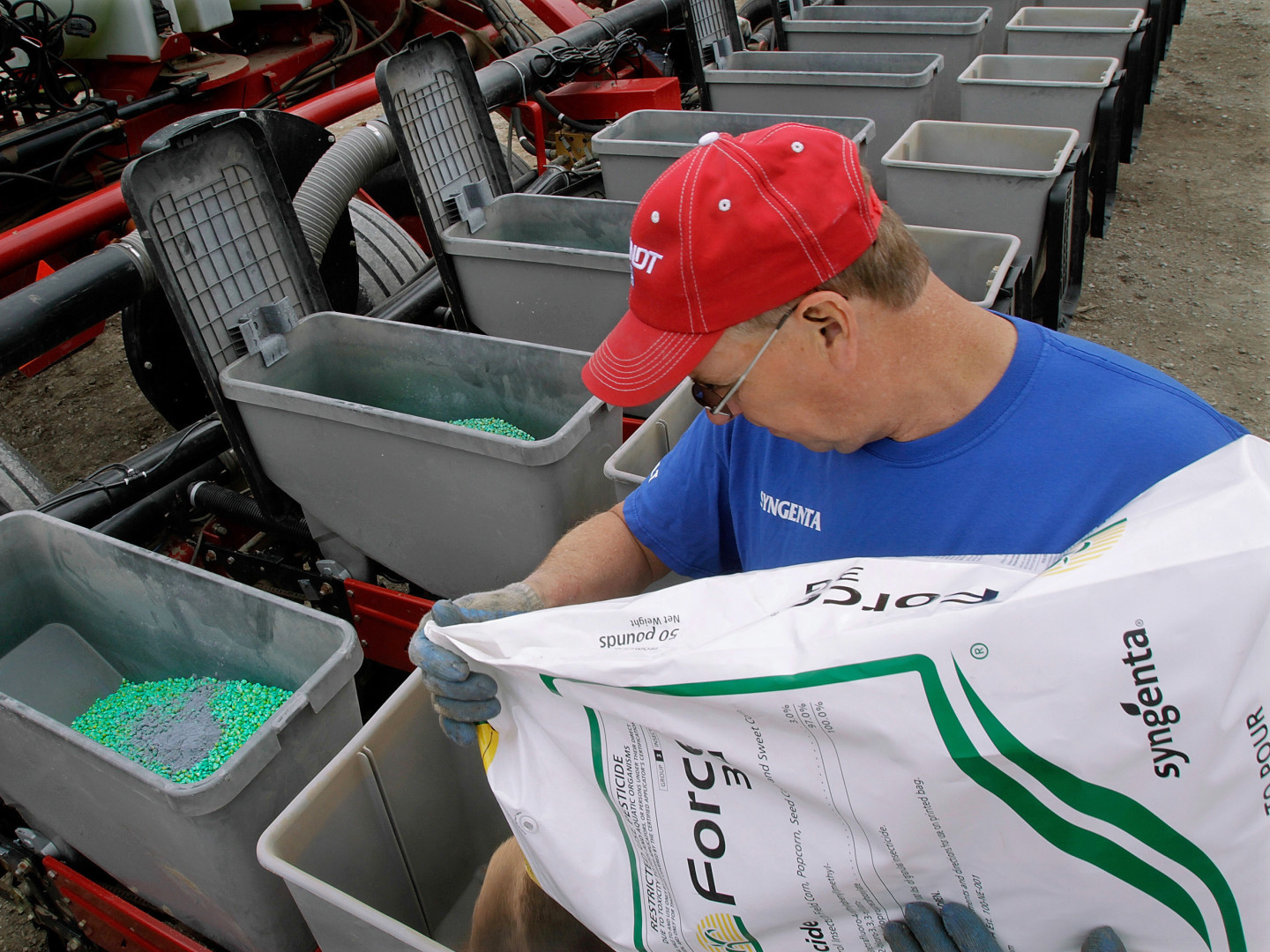
"caption": "Central Illinois corn and soybean farmer Tim Seifert loads his field planter with Syngenta insecticide while planting seed corn in 2011. Monsanto has made a bid to buy Syngenta for its pesticide business.",
"description": "Central Illinois corn and soybean farmer Tim Seifert loads his field planter with Syngenta insecticide while planting seed corn in 2011. Monsanto has made a bid to buy Syngenta for its pesticide business.",
"title": "Central Illinois corn and soybean farmer Tim Seifert loads his field planter with Syngenta insecticide while planting seed corn in 2011. Monsanto has made a bid to buy Syngenta for its pesticide business.",
"credit": "Seth Perlman/AP",
"status": "inherit",
"isLoading": false,
"fetchFailed": false
},
"bayareabites_96757": {
"type": "attachments",
"id": "bayareabites_96757",
"meta": {
"index": "attachments_1716263798",
"site": "bayareabites",
"id": "96757",
"found": true
},
"parent": 96752,
"imgSizes": {
"thumbnail": {
"file": "https://ww2.kqed.org/app/uploads/sites/24/2015/06/franklin-bbq-400x266.jpg",
"width": 400,
"mimeType": "image/jpeg",
"height": 266
},
"post-thumbnail": {
"file": "https://ww2.kqed.org/app/uploads/sites/24/2015/06/franklin-bbq-672x372.jpg",
"width": 672,
"mimeType": "image/jpeg",
"height": 372
},
"kqedFullSize": {
"file": "https://ww2.kqed.org/app/uploads/sites/24/2015/06/franklin-bbq.jpg",
"width": 800,
"height": 531
},
"cat_post_thumb_sizecategory-posts-2": {
"file": "https://ww2.kqed.org/app/uploads/sites/24/2015/06/franklin-bbq-150x150.jpg",
"width": 150,
"mimeType": "image/jpeg",
"height": 150
},
"guest-author-96": {
"file": "https://ww2.kqed.org/app/uploads/sites/24/2015/06/franklin-bbq-96x96.jpg",
"width": 96,
"mimeType": "image/jpeg",
"height": 96
},
"medium": {
"file": "https://ww2.kqed.org/app/uploads/sites/24/2015/06/franklin-bbq-800x531.jpg",
"width": 800,
"mimeType": "image/jpeg",
"height": 531
},
"guest-author-64": {
"file": "https://ww2.kqed.org/app/uploads/sites/24/2015/06/franklin-bbq-64x64.jpg",
"width": 64,
"mimeType": "image/jpeg",
"height": 64
},
"detail": {
"file": "https://ww2.kqed.org/app/uploads/sites/24/2015/06/franklin-bbq-75x75.jpg",
"width": 75,
"mimeType": "image/jpeg",
"height": 75
},
"guest-author-32": {
"file": "https://ww2.kqed.org/app/uploads/sites/24/2015/06/franklin-bbq-32x32.jpg",
"width": 32,
"mimeType": "image/jpeg",
"height": 32
},
"guest-author-128": {
"file": "https://ww2.kqed.org/app/uploads/sites/24/2015/06/franklin-bbq-128x128.jpg",
"width": 128,
"mimeType": "image/jpeg",
"height": 128
}
},
"publishDate": 1433796806,
"modified": 1433796882,
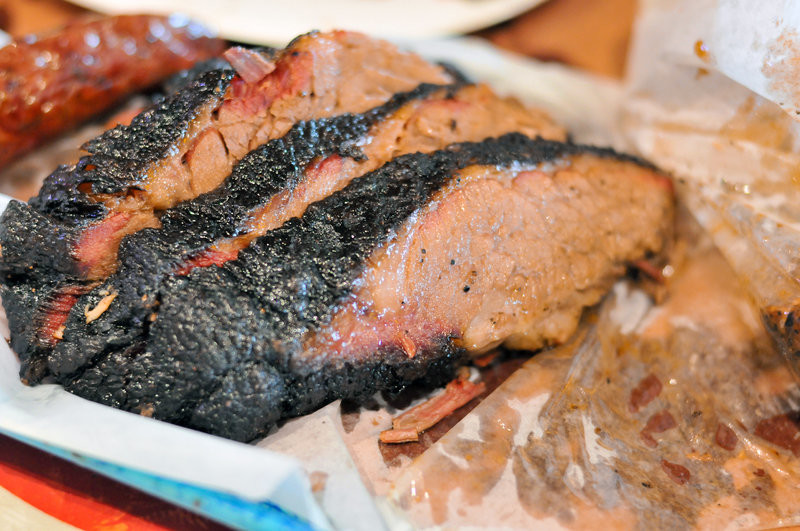
"caption": "A few slices of Franklin Barbecue's brisket. \"Resting a brisket for a long time is really important,\" owner Aaron Franklin says. ",
"description": null,
"title": "franklin-bbq",
"credit": "\u003ca href=\"https://www.flickr.com/photos/joshbousel/6849068716/\">Joshua Bousel/Flickr \u003c/a>",
"status": "inherit",
"isLoading": false,
"fetchFailed": false
},
"bayareabites_96732": {
"type": "attachments",
"id": "bayareabites_96732",
"meta": {
"index": "attachments_1716263798",
"site": "bayareabites",
"id": "96732",
"found": true
},
"parent": 96731,
"imgSizes": {
"twentyfourteen-full-width": {
"file": "https://ww2.kqed.org/app/uploads/sites/24/2015/06/cod-taco-close-18f1c226020443cf4db39f2246f07328e2b733f5-1000x576.jpe",
"width": 1000,
"mimeType": "image/jpeg",
"height": 576
},
"thumbnail": {
"file": "https://ww2.kqed.org/app/uploads/sites/24/2015/06/cod-taco-close-18f1c226020443cf4db39f2246f07328e2b733f5-400x300.jpe",
"width": 400,
"mimeType": "image/jpeg",
"height": 300
},
"fd-sm": {
"file": "https://ww2.kqed.org/app/uploads/sites/24/2015/06/cod-taco-close-18f1c226020443cf4db39f2246f07328e2b733f5-960x720.jpe",
"width": 960,
"mimeType": "image/jpeg",
"height": 720
},
"post-thumbnail": {
"file": "https://ww2.kqed.org/app/uploads/sites/24/2015/06/cod-taco-close-18f1c226020443cf4db39f2246f07328e2b733f5-672x372.jpe",
"width": 672,
"mimeType": "image/jpeg",
"height": 372
},
"kqedFullSize": {
"file": "https://ww2.kqed.org/app/uploads/sites/24/2015/06/cod-taco-close-18f1c226020443cf4db39f2246f07328e2b733f5.jpe",
"width": 1000,
"height": 750
},
"cat_post_thumb_sizecategory-posts-2": {
"file": "https://ww2.kqed.org/app/uploads/sites/24/2015/06/cod-taco-close-18f1c226020443cf4db39f2246f07328e2b733f5-150x150.jpe",
"width": 150,
"mimeType": "image/jpeg",
"height": 150
},
"guest-author-96": {
"file": "https://ww2.kqed.org/app/uploads/sites/24/2015/06/cod-taco-close-18f1c226020443cf4db39f2246f07328e2b733f5-96x96.jpe",
"width": 96,
"mimeType": "image/jpeg",
"height": 96
},
"medium": {
"file": "https://ww2.kqed.org/app/uploads/sites/24/2015/06/cod-taco-close-18f1c226020443cf4db39f2246f07328e2b733f5-800x600.jpe",
"width": 800,
"mimeType": "image/jpeg",
"height": 600
},
"guest-author-64": {
"file": "https://ww2.kqed.org/app/uploads/sites/24/2015/06/cod-taco-close-18f1c226020443cf4db39f2246f07328e2b733f5-64x64.jpe",
"width": 64,
"mimeType": "image/jpeg",
"height": 64
},
"detail": {
"file": "https://ww2.kqed.org/app/uploads/sites/24/2015/06/cod-taco-close-18f1c226020443cf4db39f2246f07328e2b733f5-75x75.jpe",
"width": 75,
"mimeType": "image/jpeg",
"height": 75
},
"guest-author-32": {
"file": "https://ww2.kqed.org/app/uploads/sites/24/2015/06/cod-taco-close-18f1c226020443cf4db39f2246f07328e2b733f5-32x32.jpe",
"width": 32,
"mimeType": "image/jpeg",
"height": 32
},
"guest-author-128": {
"file": "https://ww2.kqed.org/app/uploads/sites/24/2015/06/cod-taco-close-18f1c226020443cf4db39f2246f07328e2b733f5-128x128.jpe",
"width": 128,
"mimeType": "image/jpeg",
"height": 128
}
},
"publishDate": 1433779269,
"modified": 1433779269,
"caption": null,
"description": "This Alaskan cod taco with pickled radish salsa is one of several drought-friendly recipes that chef Nathan Lyon and his culinary manager, Sarah Forman, have cooked up.",
"title": "This Alaskan cod taco with pickled radish salsa is one of several drought-friendly recipes that chef Nathan Lyon and his culinary manager, Sarah Forman, have cooked up.",
"credit": null,
"status": "inherit",
"isLoading": false,
"fetchFailed": false
},
"bayareabites_96661": {
"type": "attachments",
"id": "bayareabites_96661",
"meta": {
"index": "attachments_1716263798",
"site": "bayareabites",
"id": "96661",
"found": true
},
"parent": 96659,
"imgSizes": {
"twentyfourteen-full-width": {
"file": "https://ww2.kqed.org/app/uploads/sites/24/2015/06/06004_daily-table01_custom-cbe346ac2af5b33d01de137666d2c14924bc228e-1038x576.jpg",
"width": 1038,
"mimeType": "image/jpeg",
"height": 576
},
"thumbnail": {
"file": "https://ww2.kqed.org/app/uploads/sites/24/2015/06/06004_daily-table01_custom-cbe346ac2af5b33d01de137666d2c14924bc228e-400x266.jpg",
"width": 400,
"mimeType": "image/jpeg",
"height": 266
},
"fd-sm": {
"file": "https://ww2.kqed.org/app/uploads/sites/24/2015/06/06004_daily-table01_custom-cbe346ac2af5b33d01de137666d2c14924bc228e-960x639.jpg",
"width": 960,
"mimeType": "image/jpeg",
"height": 639
},
"post-thumbnail": {
"file": "https://ww2.kqed.org/app/uploads/sites/24/2015/06/06004_daily-table01_custom-cbe346ac2af5b33d01de137666d2c14924bc228e-672x372.jpg",
"width": 672,
"mimeType": "image/jpeg",
"height": 372
},
"kqedFullSize": {
"file": "https://ww2.kqed.org/app/uploads/sites/24/2015/06/06004_daily-table01_custom-cbe346ac2af5b33d01de137666d2c14924bc228e.jpg",
"width": 1700,
"height": 1132
},
"large": {
"file": "https://ww2.kqed.org/app/uploads/sites/24/2015/06/06004_daily-table01_custom-cbe346ac2af5b33d01de137666d2c14924bc228e-1440x959.jpg",
"width": 1440,
"mimeType": "image/jpeg",
"height": 959
},
"guest-author-96": {
"file": "https://ww2.kqed.org/app/uploads/sites/24/2015/06/06004_daily-table01_custom-cbe346ac2af5b33d01de137666d2c14924bc228e-96x96.jpg",
"width": 96,
"mimeType": "image/jpeg",
"height": 96
},
"medium": {
"file": "https://ww2.kqed.org/app/uploads/sites/24/2015/06/06004_daily-table01_custom-cbe346ac2af5b33d01de137666d2c14924bc228e-800x533.jpg",
"width": 800,
"mimeType": "image/jpeg",
"height": 533
},
"guest-author-64": {
"file": "https://ww2.kqed.org/app/uploads/sites/24/2015/06/06004_daily-table01_custom-cbe346ac2af5b33d01de137666d2c14924bc228e-64x64.jpg",
"width": 64,
"mimeType": "image/jpeg",
"height": 64
},
"guest-author-32": {
"file": "https://ww2.kqed.org/app/uploads/sites/24/2015/06/06004_daily-table01_custom-cbe346ac2af5b33d01de137666d2c14924bc228e-32x32.jpg",
"width": 32,
"mimeType": "image/jpeg",
"height": 32
},
"cat_post_thumb_sizecategory-posts-2": {
"file": "https://ww2.kqed.org/app/uploads/sites/24/2015/06/06004_daily-table01_custom-cbe346ac2af5b33d01de137666d2c14924bc228e-150x150.jpg",
"width": 150,
"mimeType": "image/jpeg",
"height": 150
},
"fd-med": {
"file": "https://ww2.kqed.org/app/uploads/sites/24/2015/06/06004_daily-table01_custom-cbe346ac2af5b33d01de137666d2c14924bc228e-1180x786.jpg",
"width": 1180,
"mimeType": "image/jpeg",
"height": 786
},
"detail": {
"file": "https://ww2.kqed.org/app/uploads/sites/24/2015/06/06004_daily-table01_custom-cbe346ac2af5b33d01de137666d2c14924bc228e-75x75.jpg",
"width": 75,
"mimeType": "image/jpeg",
"height": 75
},
"guest-author-128": {
"file": "https://ww2.kqed.org/app/uploads/sites/24/2015/06/06004_daily-table01_custom-cbe346ac2af5b33d01de137666d2c14924bc228e-128x128.jpg",
"width": 128,
"mimeType": "image/jpeg",
"height": 128
}
},
"publishDate": 1433523128,
"modified": 1433526241,
"caption": "Noemi Sosa shops at Daily Table, a nonprofit supermarket in Dorchester, Mass. ",
"description": "Noemi Sosa shops at Daily Table, a nonprofit supermarket in Dorchester, Mass",
"title": "Noemi Sosa shops at Daily Table, a nonprofit supermarket in Dorchester, Mass.",
"credit": "Jesse Costa/WBUR ",
"status": "inherit",
"isLoading": false,
"fetchFailed": false
},
"bayareabites_96585": {
"type": "attachments",
"id": "bayareabites_96585",
"meta": {
"index": "attachments_1716263798",
"site": "bayareabites",
"id": "96585",
"found": true
},
"parent": 96584,
"imgSizes": {
"twentyfourteen-full-width": {
"file": "https://ww2.kqed.org/app/uploads/sites/24/2015/06/470892680-ce3652433301ebaa557aea7ac5a7ff89370c4b5e-1038x576.jpg",
"width": 1038,
"mimeType": "image/jpeg",
"height": 576
},
"thumbnail": {
"file": "https://ww2.kqed.org/app/uploads/sites/24/2015/06/470892680-ce3652433301ebaa557aea7ac5a7ff89370c4b5e-400x300.jpg",
"width": 400,
"mimeType": "image/jpeg",
"height": 300
},
"fd-sm": {
"file": "https://ww2.kqed.org/app/uploads/sites/24/2015/06/470892680-ce3652433301ebaa557aea7ac5a7ff89370c4b5e-960x719.jpg",
"width": 960,
"mimeType": "image/jpeg",
"height": 719
},
"post-thumbnail": {
"file": "https://ww2.kqed.org/app/uploads/sites/24/2015/06/470892680-ce3652433301ebaa557aea7ac5a7ff89370c4b5e-672x372.jpg",
"width": 672,
"mimeType": "image/jpeg",
"height": 372
},
"kqedFullSize": {
"file": "https://ww2.kqed.org/app/uploads/sites/24/2015/06/470892680-ce3652433301ebaa557aea7ac5a7ff89370c4b5e-e1433376109256.jpg",
"width": 1920,
"height": 1439
},
"large": {
"file": "https://ww2.kqed.org/app/uploads/sites/24/2015/06/470892680-ce3652433301ebaa557aea7ac5a7ff89370c4b5e-1440x1079.jpg",
"width": 1440,
"mimeType": "image/jpeg",
"height": 1079
},
"guest-author-96": {
"file": "https://ww2.kqed.org/app/uploads/sites/24/2015/06/470892680-ce3652433301ebaa557aea7ac5a7ff89370c4b5e-96x96.jpg",
"width": 96,
"mimeType": "image/jpeg",
"height": 96
},
"medium": {
"file": "https://ww2.kqed.org/app/uploads/sites/24/2015/06/470892680-ce3652433301ebaa557aea7ac5a7ff89370c4b5e-800x599.jpg",
"width": 800,
"mimeType": "image/jpeg",
"height": 599
},
"guest-author-64": {
"file": "https://ww2.kqed.org/app/uploads/sites/24/2015/06/470892680-ce3652433301ebaa557aea7ac5a7ff89370c4b5e-64x64.jpg",
"width": 64,
"mimeType": "image/jpeg",
"height": 64
},
"guest-author-32": {
"file": "https://ww2.kqed.org/app/uploads/sites/24/2015/06/470892680-ce3652433301ebaa557aea7ac5a7ff89370c4b5e-32x32.jpg",
"width": 32,
"mimeType": "image/jpeg",
"height": 32
},
"cat_post_thumb_sizecategory-posts-2": {
"file": "https://ww2.kqed.org/app/uploads/sites/24/2015/06/470892680-ce3652433301ebaa557aea7ac5a7ff89370c4b5e-150x150.jpg",
"width": 150,
"mimeType": "image/jpeg",
"height": 150
},
"fd-med": {
"file": "https://ww2.kqed.org/app/uploads/sites/24/2015/06/470892680-ce3652433301ebaa557aea7ac5a7ff89370c4b5e-1180x884.jpg",
"width": 1180,
"mimeType": "image/jpeg",
"height": 884
},
"detail": {
"file": "https://ww2.kqed.org/app/uploads/sites/24/2015/06/470892680-ce3652433301ebaa557aea7ac5a7ff89370c4b5e-75x75.jpg",
"width": 75,
"mimeType": "image/jpeg",
"height": 75
},
"guest-author-128": {
"file": "https://ww2.kqed.org/app/uploads/sites/24/2015/06/470892680-ce3652433301ebaa557aea7ac5a7ff89370c4b5e-128x128.jpg",
"width": 128,
"mimeType": "image/jpeg",
"height": 128
}
},
"publishDate": 1433375713,
"modified": 1433376141,
"caption": "A row of newly planted organic tomatoes on April 23, 2015 in Firebaugh, Calif. Some farmers are moving tomato production to the north of the state where water supplies are better.",
"description": "A row of newly planted organic tomatoes on April 23, 2015 in Firebaugh, Calif. Some farmers are moving tomato production to the north of the state where water supplies are better",
"title": "A row of newly planted organic tomatoes on April 23, 2015 in Firebaugh, Calif. Some farmers are moving tomato production to the north of the state where water supplies are better.",
"credit": "Justin Sullivan/Getty Images",
"status": "inherit",
"isLoading": false,
"fetchFailed": false
},
"bayareabites_96563": {
"type": "attachments",
"id": "bayareabites_96563",
"meta": {
"index": "attachments_1716263798",
"site": "bayareabites",
"id": "96563",
"found": true
},
"parent": 96562,
"imgSizes": {
"twentyfourteen-full-width": {
"file": "https://ww2.kqed.org/app/uploads/sites/24/2015/06/istock_000019402623large_enl-676aa60a2b7689cda1485191e2ff1d7446f78d08-1038x576.jpg",
"width": 1038,
"mimeType": "image/jpeg",
"height": 576
},
"thumbnail": {
"file": "https://ww2.kqed.org/app/uploads/sites/24/2015/06/istock_000019402623large_enl-676aa60a2b7689cda1485191e2ff1d7446f78d08-400x266.jpg",
"width": 400,
"mimeType": "image/jpeg",
"height": 266
},
"fd-sm": {
"file": "https://ww2.kqed.org/app/uploads/sites/24/2015/06/istock_000019402623large_enl-676aa60a2b7689cda1485191e2ff1d7446f78d08-960x639.jpg",
"width": 960,
"mimeType": "image/jpeg",
"height": 639
},
"post-thumbnail": {
"file": "https://ww2.kqed.org/app/uploads/sites/24/2015/06/istock_000019402623large_enl-676aa60a2b7689cda1485191e2ff1d7446f78d08-672x372.jpg",
"width": 672,
"mimeType": "image/jpeg",
"height": 372
},
"kqedFullSize": {
"file": "https://ww2.kqed.org/app/uploads/sites/24/2015/06/istock_000019402623large_enl-676aa60a2b7689cda1485191e2ff1d7446f78d08-e1433358432753.jpg",
"width": 1920,
"height": 1279
},
"large": {
"file": "https://ww2.kqed.org/app/uploads/sites/24/2015/06/istock_000019402623large_enl-676aa60a2b7689cda1485191e2ff1d7446f78d08-1440x959.jpg",
"width": 1440,
"mimeType": "image/jpeg",
"height": 959
},
"guest-author-96": {
"file": "https://ww2.kqed.org/app/uploads/sites/24/2015/06/istock_000019402623large_enl-676aa60a2b7689cda1485191e2ff1d7446f78d08-96x96.jpg",
"width": 96,
"mimeType": "image/jpeg",
"height": 96
},
"medium": {
"file": "https://ww2.kqed.org/app/uploads/sites/24/2015/06/istock_000019402623large_enl-676aa60a2b7689cda1485191e2ff1d7446f78d08-800x533.jpg",
"width": 800,
"mimeType": "image/jpeg",
"height": 533
},
"guest-author-64": {
"file": "https://ww2.kqed.org/app/uploads/sites/24/2015/06/istock_000019402623large_enl-676aa60a2b7689cda1485191e2ff1d7446f78d08-64x64.jpg",
"width": 64,
"mimeType": "image/jpeg",
"height": 64
},
"guest-author-32": {
"file": "https://ww2.kqed.org/app/uploads/sites/24/2015/06/istock_000019402623large_enl-676aa60a2b7689cda1485191e2ff1d7446f78d08-32x32.jpg",
"width": 32,
"mimeType": "image/jpeg",
"height": 32
},
"cat_post_thumb_sizecategory-posts-2": {
"file": "https://ww2.kqed.org/app/uploads/sites/24/2015/06/istock_000019402623large_enl-676aa60a2b7689cda1485191e2ff1d7446f78d08-150x150.jpg",
"width": 150,
"mimeType": "image/jpeg",
"height": 150
},
"fd-med": {
"file": "https://ww2.kqed.org/app/uploads/sites/24/2015/06/istock_000019402623large_enl-676aa60a2b7689cda1485191e2ff1d7446f78d08-1180x786.jpg",
"width": 1180,
"mimeType": "image/jpeg",
"height": 786
},
"detail": {
"file": "https://ww2.kqed.org/app/uploads/sites/24/2015/06/istock_000019402623large_enl-676aa60a2b7689cda1485191e2ff1d7446f78d08-75x75.jpg",
"width": 75,
"mimeType": "image/jpeg",
"height": 75
},
"guest-author-128": {
"file": "https://ww2.kqed.org/app/uploads/sites/24/2015/06/istock_000019402623large_enl-676aa60a2b7689cda1485191e2ff1d7446f78d08-128x128.jpg",
"width": 128,
"mimeType": "image/jpeg",
"height": 128
}
},
"publishDate": 1433355998,
"modified": 1433358467,
"caption": "Prices for wholesale eggs doubled in May, while prices for shell eggs in grocery stores have also risen.",
"description": "Prices for wholesale eggs doubled in May, while prices for shell eggs in grocery stores have also rise",
"title": "Prices for wholesale eggs doubled in May, while prices for shell eggs in grocery stores have also risen.",
"credit": "iStockphoto",
"status": "inherit",
"isLoading": false,
"fetchFailed": false
},
"bayareabites_96555": {
"type": "attachments",
"id": "bayareabites_96555",
"meta": {
"index": "attachments_1716263798",
"site": "bayareabites",
"id": "96555",
"found": true
},
"parent": 96554,
"imgSizes": {
"twentyfourteen-full-width": {
"file": "https://ww2.kqed.org/app/uploads/sites/24/2015/06/gettyimages-470825962-233e527c936066d715bcb66dda77222147a678cf-1038x576.jpg",
"width": 1038,
"mimeType": "image/jpeg",
"height": 576
},
"thumbnail": {
"file": "https://ww2.kqed.org/app/uploads/sites/24/2015/06/gettyimages-470825962-233e527c936066d715bcb66dda77222147a678cf-400x300.jpg",
"width": 400,
"mimeType": "image/jpeg",
"height": 300
},
"fd-sm": {
"file": "https://ww2.kqed.org/app/uploads/sites/24/2015/06/gettyimages-470825962-233e527c936066d715bcb66dda77222147a678cf-960x720.jpg",
"width": 960,
"mimeType": "image/jpeg",
"height": 720
},
"post-thumbnail": {
"file": "https://ww2.kqed.org/app/uploads/sites/24/2015/06/gettyimages-470825962-233e527c936066d715bcb66dda77222147a678cf-672x372.jpg",
"width": 672,
"mimeType": "image/jpeg",
"height": 372
},
"kqedFullSize": {
"file": "https://ww2.kqed.org/app/uploads/sites/24/2015/06/gettyimages-470825962-233e527c936066d715bcb66dda77222147a678cf-e1433272872471.jpg",
"width": 1920,
"height": 1440
},
"large": {
"file": "https://ww2.kqed.org/app/uploads/sites/24/2015/06/gettyimages-470825962-233e527c936066d715bcb66dda77222147a678cf-1440x1080.jpg",
"width": 1440,
"mimeType": "image/jpeg",
"height": 1080
},
"guest-author-96": {
"file": "https://ww2.kqed.org/app/uploads/sites/24/2015/06/gettyimages-470825962-233e527c936066d715bcb66dda77222147a678cf-96x96.jpg",
"width": 96,
"mimeType": "image/jpeg",
"height": 96
},
"medium": {
"file": "https://ww2.kqed.org/app/uploads/sites/24/2015/06/gettyimages-470825962-233e527c936066d715bcb66dda77222147a678cf-800x600.jpg",
"width": 800,
"mimeType": "image/jpeg",
"height": 600
},
"guest-author-64": {
"file": "https://ww2.kqed.org/app/uploads/sites/24/2015/06/gettyimages-470825962-233e527c936066d715bcb66dda77222147a678cf-64x64.jpg",
"width": 64,
"mimeType": "image/jpeg",
"height": 64
},
"guest-author-32": {
"file": "https://ww2.kqed.org/app/uploads/sites/24/2015/06/gettyimages-470825962-233e527c936066d715bcb66dda77222147a678cf-32x32.jpg",
"width": 32,
"mimeType": "image/jpeg",
"height": 32
},
"cat_post_thumb_sizecategory-posts-2": {
"file": "https://ww2.kqed.org/app/uploads/sites/24/2015/06/gettyimages-470825962-233e527c936066d715bcb66dda77222147a678cf-150x150.jpg",
"width": 150,
"mimeType": "image/jpeg",
"height": 150
},
"fd-med": {
"file": "https://ww2.kqed.org/app/uploads/sites/24/2015/06/gettyimages-470825962-233e527c936066d715bcb66dda77222147a678cf-1180x885.jpg",
"width": 1180,
"mimeType": "image/jpeg",
"height": 885
},
"detail": {
"file": "https://ww2.kqed.org/app/uploads/sites/24/2015/06/gettyimages-470825962-233e527c936066d715bcb66dda77222147a678cf-75x75.jpg",
"width": 75,
"mimeType": "image/jpeg",
"height": 75
},
"guest-author-128": {
"file": "https://ww2.kqed.org/app/uploads/sites/24/2015/06/gettyimages-470825962-233e527c936066d715bcb66dda77222147a678cf-128x128.jpg",
"width": 128,
"mimeType": "image/jpeg",
"height": 128
}
},
"publishDate": 1433272835,
"modified": 1433272907,
"caption": "A farm laborer uses a sieve to separate grains of wheat from the husk in Amritsar, India.",
"description": "A farm laborer uses a sieve to separate grains of wheat from the husk in Amritsar, India.",
"title": "A farm laborer uses a sieve to separate grains of wheat from the husk in Amritsar, India.",
"credit": "Hindustan Times via Getty Images",
"status": "inherit",
"isLoading": false,
"fetchFailed": false
},
"bayareabites_96494": {
"type": "attachments",
"id": "bayareabites_96494",
"meta": {
"index": "attachments_1716263798",
"site": "bayareabites",
"id": "96494",
"found": true
},
"parent": 96493,
"imgSizes": {
"twentyfourteen-full-width": {
"file": "https://ww2.kqed.org/app/uploads/sites/24/2015/05/uk-cod-1_enl-abf48b7fe3401f502fbc84c06c9e4e5594949146-1038x576.jpg",
"width": 1038,
"mimeType": "image/jpeg",
"height": 576
},
"thumbnail": {
"file": "https://ww2.kqed.org/app/uploads/sites/24/2015/05/uk-cod-1_enl-abf48b7fe3401f502fbc84c06c9e4e5594949146-400x266.jpg",
"width": 400,
"mimeType": "image/jpeg",
"height": 266
},
"fd-sm": {
"file": "https://ww2.kqed.org/app/uploads/sites/24/2015/05/uk-cod-1_enl-abf48b7fe3401f502fbc84c06c9e4e5594949146-960x639.jpg",
"width": 960,
"mimeType": "image/jpeg",
"height": 639
},
"post-thumbnail": {
"file": "https://ww2.kqed.org/app/uploads/sites/24/2015/05/uk-cod-1_enl-abf48b7fe3401f502fbc84c06c9e4e5594949146-672x372.jpg",
"width": 672,
"mimeType": "image/jpeg",
"height": 372
},
"kqedFullSize": {
"file": "https://ww2.kqed.org/app/uploads/sites/24/2015/05/uk-cod-1_enl-abf48b7fe3401f502fbc84c06c9e4e5594949146-e1433002490446.jpg",
"width": 1920,
"height": 1279
},
"large": {
"file": "https://ww2.kqed.org/app/uploads/sites/24/2015/05/uk-cod-1_enl-abf48b7fe3401f502fbc84c06c9e4e5594949146-1440x959.jpg",
"width": 1440,
"mimeType": "image/jpeg",
"height": 959
},
"guest-author-96": {
"file": "https://ww2.kqed.org/app/uploads/sites/24/2015/05/uk-cod-1_enl-abf48b7fe3401f502fbc84c06c9e4e5594949146-96x96.jpg",
"width": 96,
"mimeType": "image/jpeg",
"height": 96
},
"medium": {
"file": "https://ww2.kqed.org/app/uploads/sites/24/2015/05/uk-cod-1_enl-abf48b7fe3401f502fbc84c06c9e4e5594949146-800x533.jpg",
"width": 800,
"mimeType": "image/jpeg",
"height": 533
},
"guest-author-64": {
"file": "https://ww2.kqed.org/app/uploads/sites/24/2015/05/uk-cod-1_enl-abf48b7fe3401f502fbc84c06c9e4e5594949146-64x64.jpg",
"width": 64,
"mimeType": "image/jpeg",
"height": 64
},
"guest-author-32": {
"file": "https://ww2.kqed.org/app/uploads/sites/24/2015/05/uk-cod-1_enl-abf48b7fe3401f502fbc84c06c9e4e5594949146-32x32.jpg",
"width": 32,
"mimeType": "image/jpeg",
"height": 32
},
"cat_post_thumb_sizecategory-posts-2": {
"file": "https://ww2.kqed.org/app/uploads/sites/24/2015/05/uk-cod-1_enl-abf48b7fe3401f502fbc84c06c9e4e5594949146-150x150.jpg",
"width": 150,
"mimeType": "image/jpeg",
"height": 150
},
"fd-med": {
"file": "https://ww2.kqed.org/app/uploads/sites/24/2015/05/uk-cod-1_enl-abf48b7fe3401f502fbc84c06c9e4e5594949146-1180x786.jpg",
"width": 1180,
"mimeType": "image/jpeg",
"height": 786
},
"detail": {
"file": "https://ww2.kqed.org/app/uploads/sites/24/2015/05/uk-cod-1_enl-abf48b7fe3401f502fbc84c06c9e4e5594949146-75x75.jpg",
"width": 75,
"mimeType": "image/jpeg",
"height": 75
},
"guest-author-128": {
"file": "https://ww2.kqed.org/app/uploads/sites/24/2015/05/uk-cod-1_enl-abf48b7fe3401f502fbc84c06c9e4e5594949146-128x128.jpg",
"width": 128,
"mimeType": "image/jpeg",
"height": 128
}
},
"publishDate": 1433002298,
"modified": 1433002532,
"caption": "Fish for sale in the fish market in Fraserburgh, Scotland",
"description": "Fish for sale in the fish market in Fraserburgh, Scotland",
"title": "Fish for sale in the fish market in Fraserburgh, Scotland.",
"credit": "Ari Shapiro/NPR ",
"status": "inherit",
"isLoading": false,
"fetchFailed": false
},
"bayareabites_96470": {
"type": "attachments",
"id": "bayareabites_96470",
"meta": {
"index": "attachments_1716263798",
"site": "bayareabites",
"id": "96470",
"found": true
},
"parent": 96464,
"imgSizes": {
"twentyfourteen-full-width": {
"file": "https://ww2.kqed.org/app/uploads/sites/24/2015/05/bugs-1038x576.jpg",
"width": 1038,
"mimeType": "image/jpeg",
"height": 576
},
"thumbnail": {
"file": "https://ww2.kqed.org/app/uploads/sites/24/2015/05/bugs-400x266.jpg",
"width": 400,
"mimeType": "image/jpeg",
"height": 266
},
"fd-sm": {
"file": "https://ww2.kqed.org/app/uploads/sites/24/2015/05/bugs-960x639.jpg",
"width": 960,
"mimeType": "image/jpeg",
"height": 639
},
"post-thumbnail": {
"file": "https://ww2.kqed.org/app/uploads/sites/24/2015/05/bugs-672x372.jpg",
"width": 672,
"mimeType": "image/jpeg",
"height": 372
},
"kqedFullSize": {
"file": "https://ww2.kqed.org/app/uploads/sites/24/2015/05/bugs.jpg",
"width": 1920,
"height": 1277
},
"large": {
"file": "https://ww2.kqed.org/app/uploads/sites/24/2015/05/bugs-1440x958.jpg",
"width": 1440,
"mimeType": "image/jpeg",
"height": 958
},
"guest-author-96": {
"file": "https://ww2.kqed.org/app/uploads/sites/24/2015/05/bugs-96x96.jpg",
"width": 96,
"mimeType": "image/jpeg",
"height": 96
},
"medium": {
"file": "https://ww2.kqed.org/app/uploads/sites/24/2015/05/bugs-800x532.jpg",
"width": 800,
"mimeType": "image/jpeg",
"height": 532
},
"guest-author-64": {
"file": "https://ww2.kqed.org/app/uploads/sites/24/2015/05/bugs-64x64.jpg",
"width": 64,
"mimeType": "image/jpeg",
"height": 64
},
"guest-author-32": {
"file": "https://ww2.kqed.org/app/uploads/sites/24/2015/05/bugs-32x32.jpg",
"width": 32,
"mimeType": "image/jpeg",
"height": 32
},
"cat_post_thumb_sizecategory-posts-2": {
"file": "https://ww2.kqed.org/app/uploads/sites/24/2015/05/bugs-150x150.jpg",
"width": 150,
"mimeType": "image/jpeg",
"height": 150
},
"fd-med": {
"file": "https://ww2.kqed.org/app/uploads/sites/24/2015/05/bugs-1180x785.jpg",
"width": 1180,
"mimeType": "image/jpeg",
"height": 785
},
"detail": {
"file": "https://ww2.kqed.org/app/uploads/sites/24/2015/05/bugs-75x75.jpg",
"width": 75,
"mimeType": "image/jpeg",
"height": 75
},
"guest-author-128": {
"file": "https://ww2.kqed.org/app/uploads/sites/24/2015/05/bugs-128x128.jpg",
"width": 128,
"mimeType": "image/jpeg",
"height": 128
}
},
"publishDate": 1432837373,
"modified": 1432837438,
"caption": "Lollipops at the Pestaurant event in Washington, D.C., in 2014. ",
"description": null,
"title": "bugs",
"credit": "Maggie Starbard/NPR ",
"status": "inherit",
"isLoading": false,
"fetchFailed": false
},
"bayareabites_96435": {
"type": "attachments",
"id": "bayareabites_96435",
"meta": {
"index": "attachments_1716263798",
"site": "bayareabites",
"id": "96435",
"found": true
},
"parent": 96434,
"imgSizes": {
"twentyfourteen-full-width": {
"file": "https://ww2.kqed.org/app/uploads/sites/24/2015/05/8b31661u_custom-8dc8f58b9672834fbe1cb6fc1aedccb7ed3ea5bb-1038x576.jpg",
"width": 1038,
"mimeType": "image/jpeg",
"height": 576
},
"thumbnail": {
"file": "https://ww2.kqed.org/app/uploads/sites/24/2015/05/8b31661u_custom-8dc8f58b9672834fbe1cb6fc1aedccb7ed3ea5bb-400x314.jpg",
"width": 400,
"mimeType": "image/jpeg",
"height": 314
},
"fd-sm": {
"file": "https://ww2.kqed.org/app/uploads/sites/24/2015/05/8b31661u_custom-8dc8f58b9672834fbe1cb6fc1aedccb7ed3ea5bb-960x754.jpg",
"width": 960,
"mimeType": "image/jpeg",
"height": 754
},
"post-thumbnail": {
"file": "https://ww2.kqed.org/app/uploads/sites/24/2015/05/8b31661u_custom-8dc8f58b9672834fbe1cb6fc1aedccb7ed3ea5bb-672x372.jpg",
"width": 672,
"mimeType": "image/jpeg",
"height": 372
},
"kqedFullSize": {
"file": "https://ww2.kqed.org/app/uploads/sites/24/2015/05/8b31661u_custom-8dc8f58b9672834fbe1cb6fc1aedccb7ed3ea5bb-e1432753435543.jpg",
"width": 1920,
"height": 1508
},
"large": {
"file": "https://ww2.kqed.org/app/uploads/sites/24/2015/05/8b31661u_custom-8dc8f58b9672834fbe1cb6fc1aedccb7ed3ea5bb-1440x1131.jpg",
"width": 1440,
"mimeType": "image/jpeg",
"height": 1131
},
"guest-author-96": {
"file": "https://ww2.kqed.org/app/uploads/sites/24/2015/05/8b31661u_custom-8dc8f58b9672834fbe1cb6fc1aedccb7ed3ea5bb-96x96.jpg",
"width": 96,
"mimeType": "image/jpeg",
"height": 96
},
"medium": {
"file": "https://ww2.kqed.org/app/uploads/sites/24/2015/05/8b31661u_custom-8dc8f58b9672834fbe1cb6fc1aedccb7ed3ea5bb-800x628.jpg",
"width": 800,
"mimeType": "image/jpeg",
"height": 628
},
"guest-author-64": {
"file": "https://ww2.kqed.org/app/uploads/sites/24/2015/05/8b31661u_custom-8dc8f58b9672834fbe1cb6fc1aedccb7ed3ea5bb-64x64.jpg",
"width": 64,
"mimeType": "image/jpeg",
"height": 64
},
"guest-author-32": {
"file": "https://ww2.kqed.org/app/uploads/sites/24/2015/05/8b31661u_custom-8dc8f58b9672834fbe1cb6fc1aedccb7ed3ea5bb-32x32.jpg",
"width": 32,
"mimeType": "image/jpeg",
"height": 32
},
"cat_post_thumb_sizecategory-posts-2": {
"file": "https://ww2.kqed.org/app/uploads/sites/24/2015/05/8b31661u_custom-8dc8f58b9672834fbe1cb6fc1aedccb7ed3ea5bb-150x150.jpg",
"width": 150,
"mimeType": "image/jpeg",
"height": 150
},
"fd-med": {
"file": "https://ww2.kqed.org/app/uploads/sites/24/2015/05/8b31661u_custom-8dc8f58b9672834fbe1cb6fc1aedccb7ed3ea5bb-1180x927.jpg",
"width": 1180,
"mimeType": "image/jpeg",
"height": 927
},
"detail": {
"file": "https://ww2.kqed.org/app/uploads/sites/24/2015/05/8b31661u_custom-8dc8f58b9672834fbe1cb6fc1aedccb7ed3ea5bb-75x75.jpg",
"width": 75,
"mimeType": "image/jpeg",
"height": 75
},
"guest-author-128": {
"file": "https://ww2.kqed.org/app/uploads/sites/24/2015/05/8b31661u_custom-8dc8f58b9672834fbe1cb6fc1aedccb7ed3ea5bb-128x128.jpg",
"width": 128,
"mimeType": "image/jpeg",
"height": 128
}
},
"publishDate": 1432747596,
"modified": 1432747684,
"caption": "Carrot pullers from Texas, Oklahoma, Missouri, Arkansas and Mexico. \"We come from all states and we can't make a dollar in this field noways. [sic] Working from seven in the morning until twelve noon, we earn an average of thirty-five cents.\" California, February 1937",
"description": "Carrot pullers from Texas, Oklahoma, Missouri, Arkansas and Mexico. \"We come from all states and we can't make a dollar in this field noways. [sic] Working from seven in the morning until twelve noon, we earn an average of thirty-five cents.\" California, February 1937",
"title": "Carrot pullers from Texas, Oklahoma, Missouri, Arkansas and Mexico. \"We come from all states and we can't make a dollar in this field noways. [sic] Working from seven in the morning until twelve noon, we earn an average of thirty-five cents.\" California, February 1937",
"credit": "Dorothea Lange/Library of Congress ",
"status": "inherit",
"isLoading": false,
"fetchFailed": false
},
"bayareabites_96345": {
"type": "attachments",
"id": "bayareabites_96345",
"meta": {
"index": "attachments_1716263798",
"site": "bayareabites",
"id": "96345",
"found": true
},
"parent": 96343,
"imgSizes": {
"twentyfourteen-full-width": {
"file": "https://ww2.kqed.org/app/uploads/sites/24/2015/05/ap404973559026_custom-7a1476eabc15e15ad9a00474e74a69a663bb5b29-1038x576.jpg",
"width": 1038,
"mimeType": "image/jpeg",
"height": 576
},
"thumbnail": {
"file": "https://ww2.kqed.org/app/uploads/sites/24/2015/05/ap404973559026_custom-7a1476eabc15e15ad9a00474e74a69a663bb5b29-400x179.jpg",
"width": 400,
"mimeType": "image/jpeg",
"height": 179
},
"fd-sm": {
"file": "https://ww2.kqed.org/app/uploads/sites/24/2015/05/ap404973559026_custom-7a1476eabc15e15ad9a00474e74a69a663bb5b29-960x429.jpg",
"width": 960,
"mimeType": "image/jpeg",
"height": 429
},
"post-thumbnail": {
"file": "https://ww2.kqed.org/app/uploads/sites/24/2015/05/ap404973559026_custom-7a1476eabc15e15ad9a00474e74a69a663bb5b29-672x372.jpg",
"width": 672,
"mimeType": "image/jpeg",
"height": 372
},
"kqedFullSize": {
"file": "https://ww2.kqed.org/app/uploads/sites/24/2015/05/ap404973559026_custom-7a1476eabc15e15ad9a00474e74a69a663bb5b29-e1432320280701.jpg",
"width": 1920,
"height": 857
},
"large": {
"file": "https://ww2.kqed.org/app/uploads/sites/24/2015/05/ap404973559026_custom-7a1476eabc15e15ad9a00474e74a69a663bb5b29-1440x643.jpg",
"width": 1440,
"mimeType": "image/jpeg",
"height": 643
},
"guest-author-96": {
"file": "https://ww2.kqed.org/app/uploads/sites/24/2015/05/ap404973559026_custom-7a1476eabc15e15ad9a00474e74a69a663bb5b29-96x96.jpg",
"width": 96,
"mimeType": "image/jpeg",
"height": 96
},
"medium": {
"file": "https://ww2.kqed.org/app/uploads/sites/24/2015/05/ap404973559026_custom-7a1476eabc15e15ad9a00474e74a69a663bb5b29-800x357.jpg",
"width": 800,
"mimeType": "image/jpeg",
"height": 357
},
"guest-author-64": {
"file": "https://ww2.kqed.org/app/uploads/sites/24/2015/05/ap404973559026_custom-7a1476eabc15e15ad9a00474e74a69a663bb5b29-64x64.jpg",
"width": 64,
"mimeType": "image/jpeg",
"height": 64
},
"guest-author-32": {
"file": "https://ww2.kqed.org/app/uploads/sites/24/2015/05/ap404973559026_custom-7a1476eabc15e15ad9a00474e74a69a663bb5b29-32x32.jpg",
"width": 32,
"mimeType": "image/jpeg",
"height": 32
},
"cat_post_thumb_sizecategory-posts-2": {
"file": "https://ww2.kqed.org/app/uploads/sites/24/2015/05/ap404973559026_custom-7a1476eabc15e15ad9a00474e74a69a663bb5b29-150x150.jpg",
"width": 150,
"mimeType": "image/jpeg",
"height": 150
},
"fd-med": {
"file": "https://ww2.kqed.org/app/uploads/sites/24/2015/05/ap404973559026_custom-7a1476eabc15e15ad9a00474e74a69a663bb5b29-1180x527.jpg",
"width": 1180,
"mimeType": "image/jpeg",
"height": 527
},
"detail": {
"file": "https://ww2.kqed.org/app/uploads/sites/24/2015/05/ap404973559026_custom-7a1476eabc15e15ad9a00474e74a69a663bb5b29-75x75.jpg",
"width": 75,
"mimeType": "image/jpeg",
"height": 75
},
"guest-author-128": {
"file": "https://ww2.kqed.org/app/uploads/sites/24/2015/05/ap404973559026_custom-7a1476eabc15e15ad9a00474e74a69a663bb5b29-128x128.jpg",
"width": 128,
"mimeType": "image/jpeg",
"height": 128
}
},
"publishDate": 1432319668,
"modified": 1432320317,
"caption": "Men in hazardous materials suits load dead poultry to be buried at Rose Acre Farms Inc., just west of Winterset, Iowa, on May 11.",
"description": "Men in hazardous materials suits load dead poultry to be buried at Rose Acre Farms Inc., just west of Winterset, Iowa, on May 11.",
"title": "Men in hazardous materials suits load dead poultry to be buried at Rose Acre Farms Inc., just west of Winterset, Iowa, on May 11.",
"credit": "John Gaps III/AP ",
"status": "inherit",
"isLoading": false,
"fetchFailed": false
}
},
"audioPlayerReducer": {
"postId": "stream_live",
"isPaused": true,
"isPlaying": false,
"pfsActive": false,
"pledgeModalIsOpen": true,
"playerDrawerIsOpen": false,
"liveAudioPlayStartedAt": 0,
"liveAudioPlayContext": ""
},
"authorsReducer": {
"byline_bayareabites_96812": {
"type": "authors",
"id": "byline_bayareabites_96812",
"meta": {
"override": true
},
"slug": "byline_bayareabites_96812",
"name": "Tove Danovich, \u003ca href=\"http://ww2.kqed.org/bayareabites/author/nprfood/\">NPR Food\u003c/a>",
"isLoading": false
},
"byline_bayareabites_96795": {
"type": "authors",
"id": "byline_bayareabites_96795",
"meta": {
"override": true
},
"slug": "byline_bayareabites_96795",
"name": "Dan Charles, \u003ca href=\"http://ww2.kqed.org/bayareabites/author/nprfood/\">NPR Food\u003c/a>",
"isLoading": false
},
"byline_bayareabites_96752": {
"type": "authors",
"id": "byline_bayareabites_96752",
"meta": {
"override": true
},
"slug": "byline_bayareabites_96752",
"name": "Jim Shahin, \u003ca href=\"http://ww2.kqed.org/bayareabites/author/nprfood/\">NPR Food\u003c/a>",
"isLoading": false
},
"byline_bayareabites_96731": {
"type": "authors",
"id": "byline_bayareabites_96731",
"meta": {
"override": true
},
"slug": "byline_bayareabites_96731",
"name": "Ezra David Romero, Valley Public Radio at \u003ca href=\"http://ww2.kqed.org/bayareabites/author/nprfood/\">NPR Food\u003c/a>",
"isLoading": false
},
"byline_bayareabites_96659": {
"type": "authors",
"id": "byline_bayareabites_96659",
"meta": {
"override": true
},
"slug": "byline_bayareabites_96659",
"name": "Curt Nickisch, WBUR at \u003ca href=\"http://ww2.kqed.org/bayareabites/author/nprfood/\">NPR Food\u003c/a>",
"isLoading": false
},
"byline_bayareabites_96584": {
"type": "authors",
"id": "byline_bayareabites_96584",
"meta": {
"override": true
},
"slug": "byline_bayareabites_96584",
"name": "Sam Sanders, \u003ca href=\"http://ww2.kqed.org/bayareabites/author/nprfood/\">NPR Food\u003c/a>",
"isLoading": false
},
"byline_bayareabites_96562": {
"type": "authors",
"id": "byline_bayareabites_96562",
"meta": {
"override": true
},
"slug": "byline_bayareabites_96562",
"name": "Peggy Lowe, \u003ca href=\"http://ww2.kqed.org/bayareabites/author/nprfood/\">NPR Food\u003c/a>",
"isLoading": false
},
"byline_bayareabites_96554": {
"type": "authors",
"id": "byline_bayareabites_96554",
"meta": {
"override": true
},
"slug": "byline_bayareabites_96554",
"name": "Linda Poon, \u003ca href=\"http://ww2.kqed.org/bayareabites/author/nprfood/\">NPR Goats and Soda\u003c/a>",
"isLoading": false
},
"byline_bayareabites_96493": {
"type": "authors",
"id": "byline_bayareabites_96493",
"meta": {
"override": true
},
"slug": "byline_bayareabites_96493",
"name": "Ari Shapiro, \u003ca href=\"https://ww2.kqed.org/bayareabites/author/nprfood/\">NPR Food\u003c/a>",
"isLoading": false
},
"byline_bayareabites_96464": {
"type": "authors",
"id": "byline_bayareabites_96464",
"meta": {
"override": true
},
"slug": "byline_bayareabites_96464",
"name": "Eliza Barclay, \u003ca href=\"http://ww2.kqed.org/bayareabites/author/nprfood/\">NPR Food\u003c/a>",
"isLoading": false
},
"byline_bayareabites_96434": {
"type": "authors",
"id": "byline_bayareabites_96434",
"meta": {
"override": true
},
"slug": "byline_bayareabites_96434",
"name": "Maria Godoy, \u003ca href=\"http://ww2.kqed.org/bayareabites/author/nprfood/\">NPR Food\u003c/a>",
"isLoading": false
},
"byline_bayareabites_96343": {
"type": "authors",
"id": "byline_bayareabites_96343",
"meta": {
"override": true
},
"slug": "byline_bayareabites_96343",
"name": "Peggy Lowe and Sarah Boden, \u003ca href=\"http://ww2.kqed.org/bayareabites/author/nprfood/\">NPR Food\u003c/a>",
"isLoading": false
}
},
"pagesReducer": {
"bayareabites_category_npr-food": {
"type": "terms",
"id": "bayareabites_10916",
"meta": {
"index": "terms_1716263798",
"site": "bayareabites",
"id": "10916",
"score": 13.894709
},
"featImg": null,
"name": "NPR food",
"description": null,
"taxonomy": "category",
"headData": {
"twImgId": null,
"twTitle": null,
"ogTitle": null,
"ogImgId": null,
"twDescription": null,
"description": null,
"title": "NPR food Archives | KQED Bay Area Bites",
"ogDescription": null
},
"ttid": 5375,
"slug": "npr-food",
"isLoading": false,
"title": "NPR food",
"pageMeta": {
"site": "bayareabites",
"WpPageTemplate": "page-topic-editorial",
"currentPage": 22
},
"blocks": [
{
"blockName": "kqed/post-list",
"attrs": {
"layout": "cardArticle2",
"query": "posts/bayareabites?category=npr-food",
"seeMore": false,
"paginated": true,
"page": 22
}
},
{
"blockName": "kqed/ad"
}
]
}
},
"pfsSessionReducer": {},
"postsReducer": {
"stream_live": {
"type": "live",
"id": "stream_live",
"audioUrl": "https://hls.kqed.org/hls/kqed_app/playlist.m3u8",
"title": "Live Stream",
"excerpt": "Live Stream information currently unavailable.",
"link": "/radio",
"featImg": "",
"label": {
"name": "KQED Live",
"link": "/"
}
},
"stream_kqedNewscast": {
"type": "posts",
"id": "stream_kqedNewscast",
"audioUrl": "https://www.kqed.org/.stream/anon/radio/RDnews/newscast.mp3?_=1",
"title": "KQED Newscast",
"featImg": "",
"label": {
"name": "88.5 FM",
"link": "/"
}
},
"bayareabites_96812": {
"type": "posts",
"id": "bayareabites_96812",
"meta": {
"index": "posts_1716263798",
"site": "bayareabites",
"id": "96812",
"score": null,
"sort": [
1433964223000
]
},
"parent": 0,
"labelTerm": {
"site": "bayareabites"
},
"blocks": [],
"publishDate": 1433964223,
"format": "standard",
"disqusTitle": "As American As Iced Tea: A Brief, Sometimes Boozy History",
"title": "As American As Iced Tea: A Brief, Sometimes Boozy History",
"headTitle": "Bay Area Bites | KQED Food",
"content": "\u003cp>You'd be forgiven for not knowing this, but Wednesday is National Iced Tea Day. And while it's only an unofficial food holiday, it makes sense that Americans would set aside a day to celebrate this favorite summertime sip: We popularized it.\u003c/p>\n\u003cp>Tea itself, of course, has been consumed in America since Colonial times. (Remember the Boston Tea Party?) But before you could drink\u003cem> \u003c/em>\u003cem>iced\u003c/em> tea, you needed ice — and that was a rare summer luxury until the early 1800s. New Englanders could cut large chunks of ice from frozen ponds and lakes in winter, then insulate it with sawdust so that it could last into the warmer months. But in the hot South, snow and ice didn't exactly abound.\u003c/p>\n\u003cp>Then, around the turn of the 19th century, ice entrepreneurs from Northern U.S. states \u003ca href=\"http://www.ultimatehistoryproject.com/ice-house.html\">started shipping ice\u003c/a> down to Southern states and the Caribbean. Americans would come to \u003ca href=\"http://www.history.com/news/the-man-who-shipped-new-england-ice-around-the-world\">dominate \u003c/a>the 19th century global ice trade. And there's good reason to believe plenty of that ice was being used to serve tea on the rocks.\u003c/p>\n\u003cp>Early recipes had more in common with the booze-laden Long Island iced tea* than the stuff Lipton sells. Indeed, Americans were drinking iced tea in the form of alcohol-drenched punches at least as far back as the Colonial era.\u003c/p>\n\u003cp>The classic Philadelphia Fish House Punch, first imbibed in the early 1700s, was \u003ca href=\"http://www.wsj.com/articles/SB123758172905298941#articleTabs%3Darticle\">often diluted with tea\u003c/a>. In his book \u003cem>Punch,\u003c/em> liquor historian David Wondrich writes that the recipe for Regent's Punch, dating to 1815, also packed quite the potent wallop: Not only did it call for green tea and arrack, a rumlike liquor from South Asia, it also threw in citrus juice, sugar, champagne, brandy and rum. No wonder, then, that one early drinker described the Regent's as imparting a \"mad, delirious dizziness,\" as Wondrich writes. Overall, these strong, early punches had little in common with the light, fruity sippers served today.\u003c/p>\n\u003cfigure id=\"attachment_96814\" class=\"wp-caption aligncenter\" style=\"max-width: 1110px\">\u003cimg src=\"http://ww2.kqed.org/bayareabites/wp-content/uploads/sites/24/2015/06/inside_of_ice_warehouse_1871-1-_custom-9f8db2329abca6cd0960fbd4ee903dff268eb70e.jpg\" alt=\"Ice being stacked at Barrytown, N.Y., 1871. You can't have iced tea without ice, and American entrepreneurs of the 19th century came to the rescue.\" width=\"1110\" height=\"838\" class=\"size-full wp-image-96814\" srcset=\"https://ww2.kqed.org/app/uploads/sites/24/2015/06/inside_of_ice_warehouse_1871-1-_custom-9f8db2329abca6cd0960fbd4ee903dff268eb70e.jpg 1110w, https://ww2.kqed.org/app/uploads/sites/24/2015/06/inside_of_ice_warehouse_1871-1-_custom-9f8db2329abca6cd0960fbd4ee903dff268eb70e-400x302.jpg 400w, https://ww2.kqed.org/app/uploads/sites/24/2015/06/inside_of_ice_warehouse_1871-1-_custom-9f8db2329abca6cd0960fbd4ee903dff268eb70e-800x604.jpg 800w, https://ww2.kqed.org/app/uploads/sites/24/2015/06/inside_of_ice_warehouse_1871-1-_custom-9f8db2329abca6cd0960fbd4ee903dff268eb70e-960x725.jpg 960w\" sizes=\"(max-width: 1110px) 100vw, 1110px\">\u003cfigcaption class=\"wp-caption-text\">Ice being stacked at Barrytown, N.Y., 1871. You can't have iced tea without ice, and American entrepreneurs of the 19th century came to the rescue. \u003ccite>(Via \u003ca href=\"http://commons.wikimedia.org/wiki/File:Inside_of_ice_warehouse_1871.jpg\">Wikimedia\u003c/a>)\u003c/cite>\u003c/figcaption>\u003c/figure>\n\u003cp>Recipes for nonalcoholic iced tea didn't appear in print until 1876 — when one was included in Estelle Woods Wilcox's \u003cem>Buckeye Cookbook.\u003c/em>\u003cem> \u003c/em>But iced tea drinking habits really started to shift around the turn of the 20th century, when the nonalcoholic version was popularized at the 1904 World's Fair in St. Louis. Linda Stradley writes on \u003ca href=\"http://whatscookingamerica.net/\">What's Cooking America\u003c/a> that the hot summer weather caused fairgoers to ignore hot beverages in favor of cold ones — including iced tea. The fair's 20 million visitors cooled themselves with iced tea and brought the new style back to their homes throughout the United States and the world.\u003c/p>\n\u003cp>[ad fullwidth]\u003c/p>\n\u003cp>While Prohibition sounded a death knell for tea punches, it was a boon for nonalcoholic iced teas. A \u003ca href=\"https://books.google.com/books?id=_Mk6AQAAMAAJ&pg=PA2249&dq=tea+prohibition&hl=en&sa=X&ei=N0daVamNNOSCsQTujoL4Cw&ved=0CDoQ6AEwBQ#v=onepage&q=tea%20prohibition&f=false\">1921 book\u003c/a> on the coffee and tea industry notes, \"Since Prohibition has gone into effect, tea has been drunk in places not heretofore thought of.\" Clubs and hotels looking for substitutes to hard liquor sales gravitated toward strong iced teas or virgin fruit punches — beverages with the bonus of being flavorful but legal. And when home refrigerators with freezers became available for the home market starting in the \u003ca href=\"http://www.aham.org/consumer/ht/action/GetDocumentAction/id/1409\">1920s and '30s\u003c/a>, people didn't even have to leave the house to grab a couple of ice cubes year-round.\u003c/p>\n\u003cp>Another advantage for iced tea? Tea leaves themselves had become more affordable.\u003c/p>\n\u003cp>As tea plantations took off in India and Ceylon, and countries in Africa started producing tea in the second half of the 19th century, the price of tea — once the product mainly of China — dropped considerably. The majority of the tea these countries produced was black, making it a more popular, economical choice.\u003c/p>\n\u003cp>Yet until World War II, American consumers were \u003ca href=\"http://www.nlm.nih.gov/hmd/teapot/medical.html\">split almost equally\u003c/a> between black and green tea consumption. As Marian Segal wrote in \"Tea: a story of serendipity\" for \u003cem>FDA Consumer\u003c/em> magazine, the war cut off trade with China and Japan — the major suppliers of green tea — leaving Americans with British-supplied black teas from India. According to Segal, \"Americans came out of the war drinking nearly 99 percent black tea.\" Seven decades later, black tea is still the preferred version here.\u003c/p>\n\u003cp>According to the Tea Association of the U.S.A., \u003ca href=\"http://www.teausa.com/14655/tea-fact-sheet\">85 percent\u003c/a> of all tea consumed in the United States today is sipped cold. Whether you like your tea with a splash of liquor, poured into punches, or served simply on the rocks, you're taking part in a 200-year-old tradition with every sip.\u003c/p>\n\u003cp>\u003cem>*Funny enough, despite its name, the Long Island iced tea contains no tea — though it does taste like it.\u003c/em>\u003c/p>\n\u003chr>\n\u003cp>\u003ca href=\"http://www.npr.org/tags/388738261/tea-tuesdays\">Tea Tuesdays\u003c/a> \u003cem>is an occasional series exploring the science, history, culture and economics of this ancient brewed beverage.\u003c/em>\u003c/p>\n\u003cp>\u003cem>Tove Danovich is a writer based in New York City.\u003c/em>\u003c/p>\n\u003cp>\u003c/p>\n\u003cp> \u003cem>Copyright 2015 \u003ca href=\"http://www.npr.org/\" target=\"_blank\">NPR\u003c/a>.\u003c/em>\u003c/p>\n\n",
"disqusIdentifier": "96812 http://ww2.kqed.org/bayareabites/?p=96812",
"disqusUrl": "https://ww2.kqed.org/bayareabites/2015/06/10/as-american-as-iced-tea-a-brief-sometimes-boozy-history/",
"stats": {
"hasVideo": false,
"hasChartOrMap": false,
"hasAudio": false,
"hasPolis": false,
"wordCount": 831,
"hasGoogleForm": false,
"hasGallery": false,
"hasHearkenModule": false,
"iframeSrcs": [],
"paragraphCount": 17
},
"modified": 1433964654,
"excerpt": "At least as early as Colonial times, Americans were drinking iced tea, though early alcohol-laden recipes had more in common with the cocktail from Long Island than the stuff sold by Lipton.",
"headData": {
"twImgId": "",
"twTitle": "",
"ogTitle": "",
"ogImgId": "",
"twDescription": "",
"description": "At least as early as Colonial times, Americans were drinking iced tea, though early alcohol-laden recipes had more in common with the cocktail from Long Island than the stuff sold by Lipton.",
"title": "As American As Iced Tea: A Brief, Sometimes Boozy History | KQED",
"ogDescription": "",
"schema": {
"@context": "https://schema.org",
"@type": "Article",
"headline": "As American As Iced Tea: A Brief, Sometimes Boozy History",
"datePublished": "2015-06-10T12:23:43-07:00",
"dateModified": "2015-06-10T12:30:54-07:00",
"image": "https://cdn.kqed.org/wp-content/uploads/2020/02/KQED-OG-Image@1x.png"
}
},
"guestAuthors": [],
"slug": "as-american-as-iced-tea-a-brief-sometimes-boozy-history",
"status": "publish",
"nprApiLink": "http://api.npr.org/query?id=412984583&apiKey=MDAxOTAwOTE4MDEyMTkxMDAzNjczZDljZA004",
"nprByline": "Tove Danovich, \u003ca href=\"http://ww2.kqed.org/bayareabites/author/nprfood/\">NPR Food\u003c/a>",
"nprStoryDate": "Tue, 09 Jun 2015 13:57:00 -0400",
"nprLastModifiedDate": "Tue, 09 Jun 2015 19:43:13 -0400",
"nprHtmlLink": "http://www.npr.org/sections/thesalt/2015/06/09/412984583/as-american-as-iced-tea-a-brief-sometimes-boozy-history?ft=nprml&f=412984583",
"nprStoryId": "412984583",
"nprRetrievedStory": "1",
"nprPubDate": "Tue, 09 Jun 2015 19:43:00 -0400",
"path": "/bayareabites/96812/as-american-as-iced-tea-a-brief-sometimes-boozy-history",
"audioTrackLength": null,
"parsedContent": [
{
"type": "contentString",
"content": "\u003cdiv class=\"post-body\">\u003cp>\u003cp>You'd be forgiven for not knowing this, but Wednesday is National Iced Tea Day. And while it's only an unofficial food holiday, it makes sense that Americans would set aside a day to celebrate this favorite summertime sip: We popularized it.\u003c/p>\n\u003cp>Tea itself, of course, has been consumed in America since Colonial times. (Remember the Boston Tea Party?) But before you could drink\u003cem> \u003c/em>\u003cem>iced\u003c/em> tea, you needed ice — and that was a rare summer luxury until the early 1800s. New Englanders could cut large chunks of ice from frozen ponds and lakes in winter, then insulate it with sawdust so that it could last into the warmer months. But in the hot South, snow and ice didn't exactly abound.\u003c/p>\n\u003cp>Then, around the turn of the 19th century, ice entrepreneurs from Northern U.S. states \u003ca href=\"http://www.ultimatehistoryproject.com/ice-house.html\">started shipping ice\u003c/a> down to Southern states and the Caribbean. Americans would come to \u003ca href=\"http://www.history.com/news/the-man-who-shipped-new-england-ice-around-the-world\">dominate \u003c/a>the 19th century global ice trade. And there's good reason to believe plenty of that ice was being used to serve tea on the rocks.\u003c/p>\n\u003cp>Early recipes had more in common with the booze-laden Long Island iced tea* than the stuff Lipton sells. Indeed, Americans were drinking iced tea in the form of alcohol-drenched punches at least as far back as the Colonial era.\u003c/p>\n\u003cp>The classic Philadelphia Fish House Punch, first imbibed in the early 1700s, was \u003ca href=\"http://www.wsj.com/articles/SB123758172905298941#articleTabs%3Darticle\">often diluted with tea\u003c/a>. In his book \u003cem>Punch,\u003c/em> liquor historian David Wondrich writes that the recipe for Regent's Punch, dating to 1815, also packed quite the potent wallop: Not only did it call for green tea and arrack, a rumlike liquor from South Asia, it also threw in citrus juice, sugar, champagne, brandy and rum. No wonder, then, that one early drinker described the Regent's as imparting a \"mad, delirious dizziness,\" as Wondrich writes. Overall, these strong, early punches had little in common with the light, fruity sippers served today.\u003c/p>\n\u003cfigure id=\"attachment_96814\" class=\"wp-caption aligncenter\" style=\"max-width: 1110px\">\u003cimg src=\"http://ww2.kqed.org/bayareabites/wp-content/uploads/sites/24/2015/06/inside_of_ice_warehouse_1871-1-_custom-9f8db2329abca6cd0960fbd4ee903dff268eb70e.jpg\" alt=\"Ice being stacked at Barrytown, N.Y., 1871. You can't have iced tea without ice, and American entrepreneurs of the 19th century came to the rescue.\" width=\"1110\" height=\"838\" class=\"size-full wp-image-96814\" srcset=\"https://ww2.kqed.org/app/uploads/sites/24/2015/06/inside_of_ice_warehouse_1871-1-_custom-9f8db2329abca6cd0960fbd4ee903dff268eb70e.jpg 1110w, https://ww2.kqed.org/app/uploads/sites/24/2015/06/inside_of_ice_warehouse_1871-1-_custom-9f8db2329abca6cd0960fbd4ee903dff268eb70e-400x302.jpg 400w, https://ww2.kqed.org/app/uploads/sites/24/2015/06/inside_of_ice_warehouse_1871-1-_custom-9f8db2329abca6cd0960fbd4ee903dff268eb70e-800x604.jpg 800w, https://ww2.kqed.org/app/uploads/sites/24/2015/06/inside_of_ice_warehouse_1871-1-_custom-9f8db2329abca6cd0960fbd4ee903dff268eb70e-960x725.jpg 960w\" sizes=\"(max-width: 1110px) 100vw, 1110px\">\u003cfigcaption class=\"wp-caption-text\">Ice being stacked at Barrytown, N.Y., 1871. You can't have iced tea without ice, and American entrepreneurs of the 19th century came to the rescue. \u003ccite>(Via \u003ca href=\"http://commons.wikimedia.org/wiki/File:Inside_of_ice_warehouse_1871.jpg\">Wikimedia\u003c/a>)\u003c/cite>\u003c/figcaption>\u003c/figure>\n\u003cp>Recipes for nonalcoholic iced tea didn't appear in print until 1876 — when one was included in Estelle Woods Wilcox's \u003cem>Buckeye Cookbook.\u003c/em>\u003cem> \u003c/em>But iced tea drinking habits really started to shift around the turn of the 20th century, when the nonalcoholic version was popularized at the 1904 World's Fair in St. Louis. Linda Stradley writes on \u003ca href=\"http://whatscookingamerica.net/\">What's Cooking America\u003c/a> that the hot summer weather caused fairgoers to ignore hot beverages in favor of cold ones — including iced tea. The fair's 20 million visitors cooled themselves with iced tea and brought the new style back to their homes throughout the United States and the world.\u003c/p>\n\u003cp>\u003c/p>\u003c/div>",
"attributes": {
"named": {},
"numeric": []
}
},
{
"type": "component",
"content": "",
"name": "ad",
"attributes": {
"named": {
"label": "fullwidth"
},
"numeric": [
"fullwidth"
]
}
},
{
"type": "contentString",
"content": "\u003cdiv class=\"post-body\">\u003cp>\u003c/p>\n\u003cp>While Prohibition sounded a death knell for tea punches, it was a boon for nonalcoholic iced teas. A \u003ca href=\"https://books.google.com/books?id=_Mk6AQAAMAAJ&pg=PA2249&dq=tea+prohibition&hl=en&sa=X&ei=N0daVamNNOSCsQTujoL4Cw&ved=0CDoQ6AEwBQ#v=onepage&q=tea%20prohibition&f=false\">1921 book\u003c/a> on the coffee and tea industry notes, \"Since Prohibition has gone into effect, tea has been drunk in places not heretofore thought of.\" Clubs and hotels looking for substitutes to hard liquor sales gravitated toward strong iced teas or virgin fruit punches — beverages with the bonus of being flavorful but legal. And when home refrigerators with freezers became available for the home market starting in the \u003ca href=\"http://www.aham.org/consumer/ht/action/GetDocumentAction/id/1409\">1920s and '30s\u003c/a>, people didn't even have to leave the house to grab a couple of ice cubes year-round.\u003c/p>\n\u003cp>Another advantage for iced tea? Tea leaves themselves had become more affordable.\u003c/p>\n\u003cp>As tea plantations took off in India and Ceylon, and countries in Africa started producing tea in the second half of the 19th century, the price of tea — once the product mainly of China — dropped considerably. The majority of the tea these countries produced was black, making it a more popular, economical choice.\u003c/p>\n\u003cp>Yet until World War II, American consumers were \u003ca href=\"http://www.nlm.nih.gov/hmd/teapot/medical.html\">split almost equally\u003c/a> between black and green tea consumption. As Marian Segal wrote in \"Tea: a story of serendipity\" for \u003cem>FDA Consumer\u003c/em> magazine, the war cut off trade with China and Japan — the major suppliers of green tea — leaving Americans with British-supplied black teas from India. According to Segal, \"Americans came out of the war drinking nearly 99 percent black tea.\" Seven decades later, black tea is still the preferred version here.\u003c/p>\n\u003cp>According to the Tea Association of the U.S.A., \u003ca href=\"http://www.teausa.com/14655/tea-fact-sheet\">85 percent\u003c/a> of all tea consumed in the United States today is sipped cold. Whether you like your tea with a splash of liquor, poured into punches, or served simply on the rocks, you're taking part in a 200-year-old tradition with every sip.\u003c/p>\n\u003cp>\u003cem>*Funny enough, despite its name, the Long Island iced tea contains no tea — though it does taste like it.\u003c/em>\u003c/p>\n\u003chr>\n\u003cp>\u003ca href=\"http://www.npr.org/tags/388738261/tea-tuesdays\">Tea Tuesdays\u003c/a> \u003cem>is an occasional series exploring the science, history, culture and economics of this ancient brewed beverage.\u003c/em>\u003c/p>\n\u003cp>\u003cem>Tove Danovich is a writer based in New York City.\u003c/em>\u003c/p>\n\u003cp>\u003c/p>\n\u003cp> \u003cem>Copyright 2015 \u003ca href=\"http://www.npr.org/\" target=\"_blank\">NPR\u003c/a>.\u003c/em>\u003c/p>\n\n\u003c/div>\u003c/p>",
"attributes": {
"named": {},
"numeric": []
}
}
],
"link": "/bayareabites/96812/as-american-as-iced-tea-a-brief-sometimes-boozy-history",
"authors": [
"byline_bayareabites_96812"
],
"categories": [
"bayareabites_13306",
"bayareabites_2090",
"bayareabites_10916",
"bayareabites_1248"
],
"tags": [
"bayareabites_14555",
"bayareabites_14556",
"bayareabites_14557",
"bayareabites_165"
],
"featImg": "bayareabites_96813",
"label": "bayareabites"
},
"bayareabites_96795": {
"type": "posts",
"id": "bayareabites_96795",
"meta": {
"index": "posts_1716263798",
"site": "bayareabites",
"id": "96795",
"score": null,
"sort": [
1433894697000
]
},
"parent": 0,
"labelTerm": {
"site": "bayareabites"
},
"blocks": [],
"publishDate": 1433894697,
"format": "standard",
"disqusTitle": "Monsanto, Angling For Global Pesticide Dominance, Woos Syngenta",
"title": "Monsanto, Angling For Global Pesticide Dominance, Woos Syngenta",
"headTitle": "Bay Area Bites | KQED Food",
"content": "\u003cp>Selling seeds and pesticides used to be a sleepy, slow-moving business. That was, until about 20 years ago, when the chemical company Monsanto introduced genetically modified crops and started buying up seed companies. Ever since, companies in this industry have been maneuvering like hungry fish in a pond, occasionally dining on pieces of each other, hoping to survive through size and speed.\u003c/p>\n\u003cp>Monsanto, now the world's \u003ca href=\"http://www.seedsavers.org/site/pdf/HeritageFarmCompanion_BigSix.pdf\">biggest\u003c/a> seed company, is attempting its biggest bite ever. It wants to acquire Syngenta, a Switzerland-based company that sells pesticides and seeds, for $45 billion. Syngenta is currently the world's biggest seller of agricultural chemicals, and it is ranked third in seed sales.\u003c/p>\n\u003cp>Syngenta has \u003ca href=\"http://www.syngenta.com/global/corporate/en/news-center/news-releases/Pages/150608.aspx\">rejected\u003c/a> the deal, at least for now. The European company says Monsanto is offering a \"grossly inadequate\" price. It is also wary of pursuing a deal that government regulators in some parts of the world might end up blocking. The company also says it worries about the \"reputational risk\" of combining with Monsanto — implying that Monsanto is the corporate equivalent of a high school boy who's not cool.\u003c/p>\n\u003cp>In fact, a dose of cultural and personal animosity does appear to stand in the way of a deal. This past week, Syngenta took the unusual step of publicly \u003ca href=\"http://www.syngenta.com/global/corporate/SiteCollectionDocuments/pdf/media-releases/en/monsanto-letters-2015.pdf\">releasing\u003c/a> two letters in which Monsanto's CEO, Hugh Grant, made his case for a merger. In the first letter, Grant had expressly asked that the offer be \"kept strictly confidential.\"\u003c/p>\n\u003cp>\"I've been watching this with fascination,\" says \u003ca href=\"http://vestaron.com/innovative-company/corporate-officers/\">John Sorenson\u003c/a>, the former president of Syngenta's global biotechnology division. Sorenson now is CEO of a startup company in Kalamazoo, Mich., called Vestaron. He says that his former employer fits the European stereotype: hierarchical in structure, deliberate in making decisions, sometimes slow-moving. Monsanto, on the other hand, is \"very American — Wild West.\" It has been aggressive, nimble, and single-minded. As a result, it is also widely reviled.\u003c/p>\n\u003cp>[ad fullwidth]\u003c/p>\n\u003cp>\"Can you imagine them merging?\" I ask.\u003c/p>\n\u003cp>\"No!\" Sorenson says, with a laugh. \"But I would not underestimate Monsanto.\" When Monsanto pursues something, he says, \"it's relentless.\"\u003c/p>\n\u003cp>\"Ultimately, it comes down to price,\" Sorenson says. If Monsanto offers enough money, Syngenta's shareholders will make sure the sale goes through. Sorenson says if he were forced to place a bet, he'd estimate the chance of a deal at about 60 percent.\u003c/p>\n\u003cp>To preserve competition in the seed industry, and make the deal more palatable to antitrust regulators, Monsanto is promising to sell off Syngenta's seed business. It is also proposing to move the combined company's headquarters to London and to adopt a new name.\u003c/p>\n\u003cp>Dropping the Monsanto name might not be a bad move. One attempt to \u003ca href=\"http://www.harrisinteractive.com/vault/2015%20RQ%20Media%20Release%20Report_020415.pdf\">measure\u003c/a> the reputations of 100 top companies, conducted by Harris Interactive, ranked Monsanto fourth from the bottom.\u003c/p>\n\u003cp>\u003c/p>\n\u003cp>\u003cem>Copyright 2015 \u003ca href=\"http://www.npr.org/\" target=\"_blank\">NPR\u003c/a>.\u003c/em> \u003c/p>\n\n",
"disqusIdentifier": "96795 http://ww2.kqed.org/bayareabites/?p=96795",
"disqusUrl": "https://ww2.kqed.org/bayareabites/2015/06/09/monsanto-angling-for-global-pesticide-dominance-woos-syngenta/",
"stats": {
"hasVideo": false,
"hasChartOrMap": false,
"hasAudio": false,
"hasPolis": false,
"wordCount": 477,
"hasGoogleForm": false,
"hasGallery": false,
"hasHearkenModule": false,
"iframeSrcs": [],
"paragraphCount": 13
},
"modified": 1433894697,
"excerpt": "The world's biggest seed company wants to buy the world's biggest pesticide company. Syngenta is playing hard to get, but a veteran industry executive says the deal may happen.",
"headData": {
"twImgId": "",
"twTitle": "",
"ogTitle": "",
"ogImgId": "",
"twDescription": "",
"description": "The world's biggest seed company wants to buy the world's biggest pesticide company. Syngenta is playing hard to get, but a veteran industry executive says the deal may happen.",
"title": "Monsanto, Angling For Global Pesticide Dominance, Woos Syngenta | KQED",
"ogDescription": "",
"schema": {
"@context": "https://schema.org",
"@type": "Article",
"headline": "Monsanto, Angling For Global Pesticide Dominance, Woos Syngenta",
"datePublished": "2015-06-09T17:04:57-07:00",
"dateModified": "2015-06-09T17:04:57-07:00",
"image": "https://cdn.kqed.org/wp-content/uploads/2020/02/KQED-OG-Image@1x.png"
}
},
"guestAuthors": [],
"slug": "monsanto-angling-for-global-pesticide-dominance-woos-syngenta",
"status": "publish",
"nprApiLink": "http://api.npr.org/query?id=413125856&apiKey=MDAxOTAwOTE4MDEyMTkxMDAzNjczZDljZA004",
"nprByline": "Dan Charles, \u003ca href=\"http://ww2.kqed.org/bayareabites/author/nprfood/\">NPR Food\u003c/a>",
"nprStoryDate": "Tue, 09 Jun 2015 16:08:00 -0400",
"nprLastModifiedDate": "Tue, 09 Jun 2015 17:18:18 -0400",
"nprHtmlLink": "http://www.npr.org/sections/thesalt/2015/06/09/413125856/monsanto-angling-for-global-pesticide-dominance-woos-syngenta?ft=nprml&f=413125856",
"nprStoryId": "413125856",
"nprRetrievedStory": "1",
"nprPubDate": "Tue, 09 Jun 2015 17:18:00 -0400",
"path": "/bayareabites/96795/monsanto-angling-for-global-pesticide-dominance-woos-syngenta",
"audioTrackLength": null,
"parsedContent": [
{
"type": "contentString",
"content": "\u003cdiv class=\"post-body\">\u003cp>\u003cp>Selling seeds and pesticides used to be a sleepy, slow-moving business. That was, until about 20 years ago, when the chemical company Monsanto introduced genetically modified crops and started buying up seed companies. Ever since, companies in this industry have been maneuvering like hungry fish in a pond, occasionally dining on pieces of each other, hoping to survive through size and speed.\u003c/p>\n\u003cp>Monsanto, now the world's \u003ca href=\"http://www.seedsavers.org/site/pdf/HeritageFarmCompanion_BigSix.pdf\">biggest\u003c/a> seed company, is attempting its biggest bite ever. It wants to acquire Syngenta, a Switzerland-based company that sells pesticides and seeds, for $45 billion. Syngenta is currently the world's biggest seller of agricultural chemicals, and it is ranked third in seed sales.\u003c/p>\n\u003cp>Syngenta has \u003ca href=\"http://www.syngenta.com/global/corporate/en/news-center/news-releases/Pages/150608.aspx\">rejected\u003c/a> the deal, at least for now. The European company says Monsanto is offering a \"grossly inadequate\" price. It is also wary of pursuing a deal that government regulators in some parts of the world might end up blocking. The company also says it worries about the \"reputational risk\" of combining with Monsanto — implying that Monsanto is the corporate equivalent of a high school boy who's not cool.\u003c/p>\n\u003cp>In fact, a dose of cultural and personal animosity does appear to stand in the way of a deal. This past week, Syngenta took the unusual step of publicly \u003ca href=\"http://www.syngenta.com/global/corporate/SiteCollectionDocuments/pdf/media-releases/en/monsanto-letters-2015.pdf\">releasing\u003c/a> two letters in which Monsanto's CEO, Hugh Grant, made his case for a merger. In the first letter, Grant had expressly asked that the offer be \"kept strictly confidential.\"\u003c/p>\n\u003cp>\"I've been watching this with fascination,\" says \u003ca href=\"http://vestaron.com/innovative-company/corporate-officers/\">John Sorenson\u003c/a>, the former president of Syngenta's global biotechnology division. Sorenson now is CEO of a startup company in Kalamazoo, Mich., called Vestaron. He says that his former employer fits the European stereotype: hierarchical in structure, deliberate in making decisions, sometimes slow-moving. Monsanto, on the other hand, is \"very American — Wild West.\" It has been aggressive, nimble, and single-minded. As a result, it is also widely reviled.\u003c/p>\n\u003cp>\u003c/p>\u003c/div>",
"attributes": {
"named": {},
"numeric": []
}
},
{
"type": "component",
"content": "",
"name": "ad",
"attributes": {
"named": {
"label": "fullwidth"
},
"numeric": [
"fullwidth"
]
}
},
{
"type": "contentString",
"content": "\u003cdiv class=\"post-body\">\u003cp>\u003c/p>\n\u003cp>\"Can you imagine them merging?\" I ask.\u003c/p>\n\u003cp>\"No!\" Sorenson says, with a laugh. \"But I would not underestimate Monsanto.\" When Monsanto pursues something, he says, \"it's relentless.\"\u003c/p>\n\u003cp>\"Ultimately, it comes down to price,\" Sorenson says. If Monsanto offers enough money, Syngenta's shareholders will make sure the sale goes through. Sorenson says if he were forced to place a bet, he'd estimate the chance of a deal at about 60 percent.\u003c/p>\n\u003cp>To preserve competition in the seed industry, and make the deal more palatable to antitrust regulators, Monsanto is promising to sell off Syngenta's seed business. It is also proposing to move the combined company's headquarters to London and to adopt a new name.\u003c/p>\n\u003cp>Dropping the Monsanto name might not be a bad move. One attempt to \u003ca href=\"http://www.harrisinteractive.com/vault/2015%20RQ%20Media%20Release%20Report_020415.pdf\">measure\u003c/a> the reputations of 100 top companies, conducted by Harris Interactive, ranked Monsanto fourth from the bottom.\u003c/p>\n\u003cp>\u003c/p>\n\u003cp>\u003cem>Copyright 2015 \u003ca href=\"http://www.npr.org/\" target=\"_blank\">NPR\u003c/a>.\u003c/em> \u003c/p>\n\n\u003c/div>\u003c/p>",
"attributes": {
"named": {},
"numeric": []
}
}
],
"link": "/bayareabites/96795/monsanto-angling-for-global-pesticide-dominance-woos-syngenta",
"authors": [
"byline_bayareabites_96795"
],
"categories": [
"bayareabites_10916",
"bayareabites_2035",
"bayareabites_60"
],
"tags": [
"bayareabites_10773",
"bayareabites_13644"
],
"featImg": "bayareabites_96796",
"label": "bayareabites"
},
"bayareabites_96752": {
"type": "posts",
"id": "bayareabites_96752",
"meta": {
"index": "posts_1716263798",
"site": "bayareabites",
"id": "96752",
"score": null,
"sort": [
1433797202000
]
},
"parent": 0,
"labelTerm": {
"site": "bayareabites"
},
"blocks": [],
"publishDate": 1433797202,
"format": "standard",
"disqusTitle": "Pitmasters Embrace New Barbecue Truth: Rested Meat Is Sublime",
"title": "Pitmasters Embrace New Barbecue Truth: Rested Meat Is Sublime",
"headTitle": "Bay Area Bites | KQED Food",
"content": "\u003cp>For years, barbecue hounds planned their visits to barbecue joints with the precision of a Special Forces operation.\u003c/p>\n\u003cp>Why? Because they knew there was a narrow window when the smoked meat would be at its juiciest, smokiest best. Once the window had closed, a platter of would-be sublimity typically deteriorated into a pile of dried-out disappointment.\u003c/p>\n\u003cp>The problem was the \"hold.\" After the meat finished cooking, it had to be kept warm for service through the day. That could mean anything from storing it on a steam table, which turned it to mush, or under heat lamps, which zapped the moisture from it, or leaving it on a pit, which further cooked it and dried it out.\u003c/p>\n\u003cp>With the red-hot interest in barbecuing, restaurateurs have looked for ways to deal with the problem. Their solution? Technology.\u003c/p>\n\u003cp>Barbecue restaurants increasingly now turn to warming units by companies such as Alto-Shaam and Cambro. The pitmaster can take the meat off the pit hours before service, keep it in a warmer at 140 degrees Fahrenheit (the minimum recommended by the U.S. Department of Agriculture and required by city health codes) without fear of drying out. Indeed, the meat improves.\u003c/p>\n\u003cp>[ad fullwidth]\u003c/p>\n\u003cp>\"My observation is that this rested barbecue, which could be two to four hours or more held this way, is the best ever produced,\" says \u003ca href=\"http://animalscience.tamu.edu/people/savell-jeff/\" target=\"_blank\">Jeff Savell\u003c/a>, professor of meat science at Texas A&M University, who organizes intensive barbecue camps throughout the year.\u003c/p>\n\u003cp>The challenge of keeping barbecue at its peak also bedevils the backyard host. The home chef can stay up all night, coddling a brisket, feeding the fire every two hours to assure it runs low-and-slow, and getting the meat just perfect for a 4 p.m. slicing, only to deal with guests who don't arrive until hours later. It's hard to know how best to time the meats.\u003c/p>\n\u003cp>The solution: Don't serve the barbecue fresh from the smoker or grill. \"All cooked meat benefits from holding,\" says Savell. \"Obviously, the larger the cut, the longer the holding period.\"\u003c/p>\n\u003cp>Savell points to the distribution of moisture as the key to successful holding. Raw meat, he explains, is 70 percent water. Cooked meat is about 55 percent. Heat disrupts the proteins in the meat. Resting, or holding, allows the moisture to regroup around the proteins. \"When the meat is cut [after resting], the moisture does not rush out,\" Savell says, \"and will remain somewhat bound back to the proteins, resulting in the product we all desire.\"\u003c/p>\n\u003cp>Celebrated Austin pitman \u003ca href=\"https://franklinbarbecue.com/about-franklin-2/\" target=\"_blank\">Aaron Franklin\u003c/a> — he of the recent \u003ca href=\"http://www.jamesbeard.org/blog/2015-james-beard-award-winners\" target=\"_blank\">James Beard Award\u003c/a> for Best Chef: Southwest, \u003ca href=\"http://video.klru.tv/video/2365494916/\" target=\"_blank\">PBS show\u003c/a> and cookbook — says holding is crucial. \"Resting a brisket for a long time is really important,\" he told an audience in January at \u003ca href=\"http://bbq.tamu.edu/category/camp-brisket/\" target=\"_blank\">Camp Brisket\u003c/a>, one of the A&M barbecue courses. He said he keeps his in a custom-designed warmer at 140 degrees F for two to three hours after coming off the pit.\u003c/p>\n\u003cp>Back before Franklin had a restaurant, when he was still throwing barbecues in the backyard in 2009, he looked into how best to hold meats. He used an old 1982 Henny Penny warmer, built for KFC. Upon opening the restaurant, he used an Alto-Shaam warmer, which uses what the company calls \"halo heat,\" a form of gentle warming through uniform radiant heat.\u003c/p>\n\u003cp>But Franklin came to believe that the meats could benefit better from something more akin to convection heat. Now, he uses custom designed warmers. \"Barbecue is such a variable,\" he tells The Salt. \"You're trying to regulate every aspect, including how quickly it's going to cool down.\"\u003c/p>\n\u003cp>Wayne Mueller, the third-generation pitmaster at the legendary \u003ca href=\"http://www.louiemuellerbarbecue.com/history.htm\" target=\"_blank\">Louie Mueller Barbecue\u003c/a> in Taylor, Texas, says he improved an already fabled brisket a few years ago when he changed the holding method his family had employed for decades. For years, once a beef brisket was sliced, the pitman used to put it on a pit and it would be held around 150-160 degrees F.\u003c/p>\n\u003cp>But about five years ago, he made changes based on what he noticed when he catered. He pulled the meats off just before they were fully cooked, at about 98 percent, which he says is more a matter of feel than of temperature. He then wrapped the meat in plastic wrap, which acted as an insulator, and set it in a Cambro warmer for an even heat that did not further cook the meat but let it gently rest. Mueller has since changed from the plastic wrap to unwaxed butcher paper because it breathes better and it's cheaper.\u003c/p>\n\u003cp>\"What I was finding was that briskets coming out four hours later were fabulous,\" he says. \"Better than what we were serving in the restaurant.\"\u003c/p>\n\u003cp>He now holds his restaurant briskets from two to four hours in a Cambro. \"It took our quality index from a low A to a high A,\" he says. \"Our holding technique adds about eight points to our quality index, a whole letter grade.\"\u003c/p>\n\u003cfigure id=\"attachment_96753\" class=\"wp-caption aligncenter\" style=\"max-width: 1930px\">\u003cimg src=\"http://ww2.kqed.org/bayareabites/wp-content/uploads/sites/24/2015/06/cooler-meat-1_enl-758ef602860959ed4f31f8e407fbd007bc1129ae.jpg\" alt=\"This cooler may be the most important part of perfecting your barbecue.\" width=\"1930\" height=\"1245\" class=\"size-full wp-image-96753\" srcset=\"https://ww2.kqed.org/app/uploads/sites/24/2015/06/cooler-meat-1_enl-758ef602860959ed4f31f8e407fbd007bc1129ae.jpg 1930w, https://ww2.kqed.org/app/uploads/sites/24/2015/06/cooler-meat-1_enl-758ef602860959ed4f31f8e407fbd007bc1129ae-400x258.jpg 400w, https://ww2.kqed.org/app/uploads/sites/24/2015/06/cooler-meat-1_enl-758ef602860959ed4f31f8e407fbd007bc1129ae-800x516.jpg 800w, https://ww2.kqed.org/app/uploads/sites/24/2015/06/cooler-meat-1_enl-758ef602860959ed4f31f8e407fbd007bc1129ae-1440x929.jpg 1440w, https://ww2.kqed.org/app/uploads/sites/24/2015/06/cooler-meat-1_enl-758ef602860959ed4f31f8e407fbd007bc1129ae-1180x761.jpg 1180w, https://ww2.kqed.org/app/uploads/sites/24/2015/06/cooler-meat-1_enl-758ef602860959ed4f31f8e407fbd007bc1129ae-960x619.jpg 960w\" sizes=\"(max-width: 1930px) 100vw, 1930px\">\u003cfigcaption class=\"wp-caption-text\">This cooler may be the most important part of perfecting your barbecue. \u003ccite>(Jim Shahin for NPR )\u003c/cite>\u003c/figcaption>\u003c/figure>\n\u003cp>Whether it's a brisket, ribs or a pork shoulder, the idea is the same: Allowing a big piece of meat to rest for a long period of time improves its texture and the overall eating experience. In other words, don't fear the hold, embrace it.\u003c/p>\n\u003cp>The good news is that a backyard chef needn't invest in some high-dollar gadget to get the same result. All it takes is a cooler, some tinfoil and a few towels:\u003c/p>\n\u003cul>\n\u003cli>Pull the fully cooked meat from the grill.\u003c/li>\n\u003cli>Wrap it in aluminum foil. Better yet, use unwaxed butcher paper to allow a little air flow, which will help maintain the crusty exterior.\u003c/li>\n\u003cli>Swaddle a few old towels around the wrapped meat and place the whole shebang in the ice chest.\u003c/li>\n\u003cli>Shut the lid and leave the meat alone for a couple of hours, depending on size. Big meats, such as beef brisket and pork shoulder, improve with a long hold. A rack of pork ribs also benefits from some time off the grill, but only about a half-hour to an hour of resting.\u003c/li>\n\u003c/ul>\n\u003cp>The technique simulates an actual warming oven and works wonders for home-smoked meats. \"In my own limited experience,\" says meat scientist Savell, \"when we prepare barbecue for these camps or in my own backyard, longer resting times always results in a better eating experience.\"\u003c/p>\n\u003cp>And there's one more benefit. Allowing the meat to rest provides flexibility for barbecue-trail pilgrims and home pitmen alike. Which means the traveling chowhounds and patio pitmasters can rest a little, too.\u003c/p>\n\u003cp>\u003cem>Jim Shahin writes the Smoke Signals barbecue and grilling column for the Washington Post. His work has appeared in \u003c/em>Texas Monthly, GQ, Southern Living, Esquire.com, Bon Appetit.com\u003cem> and elsewhere. He teaches magazine journalism at the S. I\u003c/em>\u003cem>. \u003c/em>\u003cem>Newhouse School of Public Communications at Syracuse University.\u003c/em> \u003c/p>\n\u003cp>[ad floatright]\u003c/p>\n\u003cp>\u003cem>Copyright 2015 \u003ca href=\"http://www.npr.org/\" target=\"_blank\">NPR\u003c/a>.\u003c/em>\u003c/p>\n\n",
"disqusIdentifier": "96752 http://ww2.kqed.org/bayareabites/?p=96752",
"disqusUrl": "https://ww2.kqed.org/bayareabites/2015/06/08/pitmasters-embrace-new-barbecue-truth-rested-meat-is-sublime/",
"stats": {
"hasVideo": false,
"hasChartOrMap": false,
"hasAudio": false,
"hasPolis": false,
"wordCount": 1180,
"hasGoogleForm": false,
"hasGallery": false,
"hasHearkenModule": false,
"iframeSrcs": [],
"paragraphCount": 24
},
"modified": 1433797202,
"excerpt": "How to rest a pork shoulder, a beef brisket or rack of ribs to keep it moist hours after it comes off the pit? Restaurants now use warming units, but DIY home warmers are just as good.",
"headData": {
"twImgId": "",
"twTitle": "",
"ogTitle": "",
"ogImgId": "",
"twDescription": "",
"description": "How to rest a pork shoulder, a beef brisket or rack of ribs to keep it moist hours after it comes off the pit? Restaurants now use warming units, but DIY home warmers are just as good.",
"title": "Pitmasters Embrace New Barbecue Truth: Rested Meat Is Sublime | KQED",
"ogDescription": "",
"schema": {
"@context": "https://schema.org",
"@type": "Article",
"headline": "Pitmasters Embrace New Barbecue Truth: Rested Meat Is Sublime",
"datePublished": "2015-06-08T14:00:02-07:00",
"dateModified": "2015-06-08T14:00:02-07:00",
"image": "https://cdn.kqed.org/wp-content/uploads/2020/02/KQED-OG-Image@1x.png"
}
},
"guestAuthors": [],
"slug": "pitmasters-embrace-new-barbecue-truth-rested-meat-is-sublime",
"status": "publish",
"nprApiLink": "http://api.npr.org/query?id=411778404&apiKey=MDAxOTAwOTE4MDEyMTkxMDAzNjczZDljZA004",
"nprByline": "Jim Shahin, \u003ca href=\"http://ww2.kqed.org/bayareabites/author/nprfood/\">NPR Food\u003c/a>",
"nprStoryDate": "Mon, 08 Jun 2015 16:37:00 -0400",
"nprLastModifiedDate": "Mon, 08 Jun 2015 16:39:46 -0400",
"nprHtmlLink": "http://www.npr.org/sections/thesalt/2015/06/08/411778404/pitmasters-embrace-new-barbecue-truth-rested-meat-is-sublime?ft=nprml&f=411778404",
"nprStoryId": "411778404",
"nprRetrievedStory": "1",
"nprPubDate": "Mon, 08 Jun 2015 16:39:00 -0400",
"path": "/bayareabites/96752/pitmasters-embrace-new-barbecue-truth-rested-meat-is-sublime",
"audioTrackLength": null,
"parsedContent": [
{
"type": "contentString",
"content": "\u003cdiv class=\"post-body\">\u003cp>\u003cp>For years, barbecue hounds planned their visits to barbecue joints with the precision of a Special Forces operation.\u003c/p>\n\u003cp>Why? Because they knew there was a narrow window when the smoked meat would be at its juiciest, smokiest best. Once the window had closed, a platter of would-be sublimity typically deteriorated into a pile of dried-out disappointment.\u003c/p>\n\u003cp>The problem was the \"hold.\" After the meat finished cooking, it had to be kept warm for service through the day. That could mean anything from storing it on a steam table, which turned it to mush, or under heat lamps, which zapped the moisture from it, or leaving it on a pit, which further cooked it and dried it out.\u003c/p>\n\u003cp>With the red-hot interest in barbecuing, restaurateurs have looked for ways to deal with the problem. Their solution? Technology.\u003c/p>\n\u003cp>Barbecue restaurants increasingly now turn to warming units by companies such as Alto-Shaam and Cambro. The pitmaster can take the meat off the pit hours before service, keep it in a warmer at 140 degrees Fahrenheit (the minimum recommended by the U.S. Department of Agriculture and required by city health codes) without fear of drying out. Indeed, the meat improves.\u003c/p>\n\u003cp>\u003c/p>\u003c/div>",
"attributes": {
"named": {},
"numeric": []
}
},
{
"type": "component",
"content": "",
"name": "ad",
"attributes": {
"named": {
"label": "fullwidth"
},
"numeric": [
"fullwidth"
]
}
},
{
"type": "contentString",
"content": "\u003cdiv class=\"post-body\">\u003cp>\u003c/p>\n\u003cp>\"My observation is that this rested barbecue, which could be two to four hours or more held this way, is the best ever produced,\" says \u003ca href=\"http://animalscience.tamu.edu/people/savell-jeff/\" target=\"_blank\">Jeff Savell\u003c/a>, professor of meat science at Texas A&M University, who organizes intensive barbecue camps throughout the year.\u003c/p>\n\u003cp>The challenge of keeping barbecue at its peak also bedevils the backyard host. The home chef can stay up all night, coddling a brisket, feeding the fire every two hours to assure it runs low-and-slow, and getting the meat just perfect for a 4 p.m. slicing, only to deal with guests who don't arrive until hours later. It's hard to know how best to time the meats.\u003c/p>\n\u003cp>The solution: Don't serve the barbecue fresh from the smoker or grill. \"All cooked meat benefits from holding,\" says Savell. \"Obviously, the larger the cut, the longer the holding period.\"\u003c/p>\n\u003cp>Savell points to the distribution of moisture as the key to successful holding. Raw meat, he explains, is 70 percent water. Cooked meat is about 55 percent. Heat disrupts the proteins in the meat. Resting, or holding, allows the moisture to regroup around the proteins. \"When the meat is cut [after resting], the moisture does not rush out,\" Savell says, \"and will remain somewhat bound back to the proteins, resulting in the product we all desire.\"\u003c/p>\n\u003cp>Celebrated Austin pitman \u003ca href=\"https://franklinbarbecue.com/about-franklin-2/\" target=\"_blank\">Aaron Franklin\u003c/a> — he of the recent \u003ca href=\"http://www.jamesbeard.org/blog/2015-james-beard-award-winners\" target=\"_blank\">James Beard Award\u003c/a> for Best Chef: Southwest, \u003ca href=\"http://video.klru.tv/video/2365494916/\" target=\"_blank\">PBS show\u003c/a> and cookbook — says holding is crucial. \"Resting a brisket for a long time is really important,\" he told an audience in January at \u003ca href=\"http://bbq.tamu.edu/category/camp-brisket/\" target=\"_blank\">Camp Brisket\u003c/a>, one of the A&M barbecue courses. He said he keeps his in a custom-designed warmer at 140 degrees F for two to three hours after coming off the pit.\u003c/p>\n\u003cp>Back before Franklin had a restaurant, when he was still throwing barbecues in the backyard in 2009, he looked into how best to hold meats. He used an old 1982 Henny Penny warmer, built for KFC. Upon opening the restaurant, he used an Alto-Shaam warmer, which uses what the company calls \"halo heat,\" a form of gentle warming through uniform radiant heat.\u003c/p>\n\u003cp>But Franklin came to believe that the meats could benefit better from something more akin to convection heat. Now, he uses custom designed warmers. \"Barbecue is such a variable,\" he tells The Salt. \"You're trying to regulate every aspect, including how quickly it's going to cool down.\"\u003c/p>\n\u003cp>Wayne Mueller, the third-generation pitmaster at the legendary \u003ca href=\"http://www.louiemuellerbarbecue.com/history.htm\" target=\"_blank\">Louie Mueller Barbecue\u003c/a> in Taylor, Texas, says he improved an already fabled brisket a few years ago when he changed the holding method his family had employed for decades. For years, once a beef brisket was sliced, the pitman used to put it on a pit and it would be held around 150-160 degrees F.\u003c/p>\n\u003cp>But about five years ago, he made changes based on what he noticed when he catered. He pulled the meats off just before they were fully cooked, at about 98 percent, which he says is more a matter of feel than of temperature. He then wrapped the meat in plastic wrap, which acted as an insulator, and set it in a Cambro warmer for an even heat that did not further cook the meat but let it gently rest. Mueller has since changed from the plastic wrap to unwaxed butcher paper because it breathes better and it's cheaper.\u003c/p>\n\u003cp>\"What I was finding was that briskets coming out four hours later were fabulous,\" he says. \"Better than what we were serving in the restaurant.\"\u003c/p>\n\u003cp>He now holds his restaurant briskets from two to four hours in a Cambro. \"It took our quality index from a low A to a high A,\" he says. \"Our holding technique adds about eight points to our quality index, a whole letter grade.\"\u003c/p>\n\u003cfigure id=\"attachment_96753\" class=\"wp-caption aligncenter\" style=\"max-width: 1930px\">\u003cimg src=\"http://ww2.kqed.org/bayareabites/wp-content/uploads/sites/24/2015/06/cooler-meat-1_enl-758ef602860959ed4f31f8e407fbd007bc1129ae.jpg\" alt=\"This cooler may be the most important part of perfecting your barbecue.\" width=\"1930\" height=\"1245\" class=\"size-full wp-image-96753\" srcset=\"https://ww2.kqed.org/app/uploads/sites/24/2015/06/cooler-meat-1_enl-758ef602860959ed4f31f8e407fbd007bc1129ae.jpg 1930w, https://ww2.kqed.org/app/uploads/sites/24/2015/06/cooler-meat-1_enl-758ef602860959ed4f31f8e407fbd007bc1129ae-400x258.jpg 400w, https://ww2.kqed.org/app/uploads/sites/24/2015/06/cooler-meat-1_enl-758ef602860959ed4f31f8e407fbd007bc1129ae-800x516.jpg 800w, https://ww2.kqed.org/app/uploads/sites/24/2015/06/cooler-meat-1_enl-758ef602860959ed4f31f8e407fbd007bc1129ae-1440x929.jpg 1440w, https://ww2.kqed.org/app/uploads/sites/24/2015/06/cooler-meat-1_enl-758ef602860959ed4f31f8e407fbd007bc1129ae-1180x761.jpg 1180w, https://ww2.kqed.org/app/uploads/sites/24/2015/06/cooler-meat-1_enl-758ef602860959ed4f31f8e407fbd007bc1129ae-960x619.jpg 960w\" sizes=\"(max-width: 1930px) 100vw, 1930px\">\u003cfigcaption class=\"wp-caption-text\">This cooler may be the most important part of perfecting your barbecue. \u003ccite>(Jim Shahin for NPR )\u003c/cite>\u003c/figcaption>\u003c/figure>\n\u003cp>Whether it's a brisket, ribs or a pork shoulder, the idea is the same: Allowing a big piece of meat to rest for a long period of time improves its texture and the overall eating experience. In other words, don't fear the hold, embrace it.\u003c/p>\n\u003cp>The good news is that a backyard chef needn't invest in some high-dollar gadget to get the same result. All it takes is a cooler, some tinfoil and a few towels:\u003c/p>\n\u003cul>\n\u003cli>Pull the fully cooked meat from the grill.\u003c/li>\n\u003cli>Wrap it in aluminum foil. Better yet, use unwaxed butcher paper to allow a little air flow, which will help maintain the crusty exterior.\u003c/li>\n\u003cli>Swaddle a few old towels around the wrapped meat and place the whole shebang in the ice chest.\u003c/li>\n\u003cli>Shut the lid and leave the meat alone for a couple of hours, depending on size. Big meats, such as beef brisket and pork shoulder, improve with a long hold. A rack of pork ribs also benefits from some time off the grill, but only about a half-hour to an hour of resting.\u003c/li>\n\u003c/ul>\n\u003cp>The technique simulates an actual warming oven and works wonders for home-smoked meats. \"In my own limited experience,\" says meat scientist Savell, \"when we prepare barbecue for these camps or in my own backyard, longer resting times always results in a better eating experience.\"\u003c/p>\n\u003cp>And there's one more benefit. Allowing the meat to rest provides flexibility for barbecue-trail pilgrims and home pitmen alike. Which means the traveling chowhounds and patio pitmasters can rest a little, too.\u003c/p>\n\u003cp>\u003cem>Jim Shahin writes the Smoke Signals barbecue and grilling column for the Washington Post. His work has appeared in \u003c/em>Texas Monthly, GQ, Southern Living, Esquire.com, Bon Appetit.com\u003cem> and elsewhere. He teaches magazine journalism at the S. I\u003c/em>\u003cem>. \u003c/em>\u003cem>Newhouse School of Public Communications at Syracuse University.\u003c/em> \u003c/p>\n\u003cp>\u003c/p>\u003c/div>",
"attributes": {
"named": {},
"numeric": []
}
},
{
"type": "component",
"content": "",
"name": "ad",
"attributes": {
"named": {
"label": "floatright"
},
"numeric": [
"floatright"
]
}
},
{
"type": "contentString",
"content": "\u003cdiv class=\"post-body\">\u003cp>\u003c/p>\n\u003cp>\u003cem>Copyright 2015 \u003ca href=\"http://www.npr.org/\" target=\"_blank\">NPR\u003c/a>.\u003c/em>\u003c/p>\n\n\u003c/div>\u003c/p>",
"attributes": {
"named": {},
"numeric": []
}
}
],
"link": "/bayareabites/96752/pitmasters-embrace-new-barbecue-truth-rested-meat-is-sublime",
"authors": [
"byline_bayareabites_96752"
],
"categories": [
"bayareabites_2695",
"bayareabites_2638",
"bayareabites_4084",
"bayareabites_10916"
],
"tags": [
"bayareabites_2250",
"bayareabites_9457",
"bayareabites_1289"
],
"featImg": "bayareabites_96757",
"label": "bayareabites"
},
"bayareabites_96731": {
"type": "posts",
"id": "bayareabites_96731",
"meta": {
"index": "posts_1716263798",
"site": "bayareabites",
"id": "96731",
"score": null,
"sort": [
1433782060000
]
},
"parent": 0,
"labelTerm": {
"site": "bayareabites"
},
"blocks": [],
"publishDate": 1433782060,
"format": "standard",
"disqusTitle": "Drought-Friendly Recipes Kick Up The Flavor — And Cut Back On Water",
"title": "Drought-Friendly Recipes Kick Up The Flavor — And Cut Back On Water",
"headTitle": "Bay Area Bites | KQED Food",
"content": "\u003cp>When television chef \u003ca href=\"http://www.chefnathanlyon.com/\">Nathan Lyon\u003c/a> read about California's worsening drought earlier this year, he started thinking about the amount of water it takes to grow the food in recipes he creates.\u003c/p>\n\u003cp>That's when he and his girlfriend and culinary manager, \u003ca href=\"https://instagram.com/supersous/\">Sarah Forman\u003c/a>, decided to develop what they call \"\u003ca href=\"https://chefnathanlyon.wordpress.com/category/all-recipes/drought-friendly-all-recipes/\">drought-friendly recipes\u003c/a>.\"\u003cstrong> \u003c/strong>\u003c/p>\n\u003cp>\"Instead of looking at a bowl of strawberries, I look at that bowl of strawberries and think, wow, that's like 20 gallons of water right there,\" says Lyon, who co-hosts \u003cem>\u003ca href=\"http://www.growingagreenerworld.com/media-old/nathans-bio/\">Growing a Greener World\u003c/a>\u003c/em>\u003ca href=\"http://www.growingagreenerworld.com/media-old/nathans-bio/\"> \u003c/a> on PBS. \"I just want these recipes to start a dialogue that people aren't having right now.\"\u003c/p>\n\u003cp>With this idea of drought-friendly recipes in mind, the two went to a farmers market in Los Angeles, where they're based\u003cstrong>, \u003c/strong>and hit the kitchen to create meals with the smallest water footprint possible. To become more drought conscious, Lyon encourages people to use recipes calling for ingredients that require less water to grow or raise, less water to cook with and to use as much of a product as feasible to decrease water waste.\u003c/p>\n\u003cp>In order to measure how much water it takes to produce, raise or grow an ingredient, the couple use the online tool offered by the \u003ca href=\"http://waterfootprint.org/en/resources/interactive-tools/product-gallery/\">Water Footprint Network\u003c/a>. They also turn \u003ca href=\"http://coststudies.ucdavis.edu/en/current/\">to water footprint studies\u003c/a> by the University of California, Davis.\u003c/p>\n\u003cp>[ad fullwidth]\u003c/p>\n\u003cp>\"As a chef, it's sort of up to us to revolutionize what people have been doing in the past, bring attention to the amount of resources it takes to grow these things and say, you've already paid for it, so utilize that to the best of your ability,\" says Lyon, who previously hosted \u003cem>\u003ca href=\"https://chefnathanlyon.wordpress.com/2012/08/31/a-lyon-in-the-kitchen/\">A Lyon in the Kitchen \u003c/a>\u003c/em> on the Discovery Health channel.\u003c/p>\n\u003cp>Even though Lyon's cooking shows reach a national audience, for now, the drought-friendly recipes at this point are only found in full on Lyon's blog. It takes several days, if not weeks, to develop a recipe, says Forman, and they plan to keep working on the project at least through the end of this year. The couple is currently planning a series of cooking demonstrations with the recipes to spread the word.\u003c/p>\n\u003cfigure id=\"attachment_96733\" class=\"wp-caption aligncenter\" style=\"max-width: 840px\">\u003cimg src=\"http://ww2.kqed.org/bayareabites/wp-content/uploads/sites/24/2015/06/couple-0275eecc9102c7dbfe4af723ce3f132226f065be.jpg\" alt=\"Sarah Forman and chef Nathan Lyon in the kitchen.\" width=\"840\" height=\"630\" class=\"size-full wp-image-96733\" srcset=\"https://ww2.kqed.org/app/uploads/sites/24/2015/06/couple-0275eecc9102c7dbfe4af723ce3f132226f065be.jpg 840w, https://ww2.kqed.org/app/uploads/sites/24/2015/06/couple-0275eecc9102c7dbfe4af723ce3f132226f065be-400x300.jpg 400w, https://ww2.kqed.org/app/uploads/sites/24/2015/06/couple-0275eecc9102c7dbfe4af723ce3f132226f065be-800x600.jpg 800w\" sizes=\"(max-width: 840px) 100vw, 840px\">\u003cfigcaption class=\"wp-caption-text\">Sarah Forman and chef Nathan Lyon in the kitchen. \u003ccite>(Courtesy of Forman and Lyon )\u003c/cite>\u003c/figcaption>\u003c/figure>\n\u003cp>\"We were just part of a Chef's Collaborative discussion\" on fighting food waste, says Forman, referencing the nonprofit that advocates for sustainable food practices in restaurants. \"People are excited about the recipes all over California,\" she says. \"The recipes are made in Los Angeles, but people can decrease their water footprint all around the nation by cooking with our recipes.\"\u003c/p>\n\u003cp>One of the recipes the duo created is an \u003ca href=\"https://chefnathanlyon.wordpress.com/2015/04/23/alaskan-true-cod-taco-with-pickled-radish-and-radish-top-salsa/\">Alaskan True Cod Taco\u003c/a> with Pickled Radish and Radish Top Salsa.\u003c/p>\n\u003cp>\"It's not a beef taco, so we're using fish,\" Forman says. \"So it's going to be a lower water footprint to process this fish.\"\u003c/p>\n\u003cp>When creating a recipe, the couple looks at the relative use of water for each product, since water use ranges by each grower's practice. For example, a pound of beef can take up to 4,000 gallons of water to raise and process from farm to plate.\u003c/p>\n\u003cp>All of the duo's recipes tend to use more fruits, vegetables and fish over red meat.\u003c/p>\n\u003cp>Lyon says part of the idea behind drought-friendly recipes is to reduce food waste, which in turn reduces water waste.\u003c/p>\n\u003cp>\"I think that's what Americans are looking for — something very simple, but also something they can do to actually make change,\" Lyon says. \"Really be aware that when you throw food away, you're throwing away gallons and gallons of water that we desperately need.\"\u003c/p>\n\u003cp>Lyon also wants to expose consumers to food with a low water footprint that they may not know how to cook with, but that is readily available in stores and farmers markets.\u003c/p>\n\u003cp>Shoppers' \"habit is to go and get the bananas and the apples,\" says Lyon. \"When we bring different types of recipes to the general populous, then it makes it more accessible. ... It doesn't make them so stressed about using the vegetable they're experimenting with for the first time.\"\u003c/p>\n\u003cp>For example, Forman came up with the idea to use excess radish tops for a salsa on the drought-friendly taco. \"The salsa, if you have a food processor, you can just wiz it up and that's really the end of it,\" she says.\u003c/p>\n\u003cp>While they don't expect people to cook \"drought-friendly\" meals all the time, they hope their recipes will get people thinking about how much water goes into growing the food we consume.\u003c/p>\n\u003cp>\"It's just a topic we really want to bring awareness to and keep the conversation going and eat delicious food,\" Forman says.\u003c/p>\n\u003cp>\u003cem>Ezra David Romero reports for \u003ca href=\"http://kvpr.org/\">Valley Public Radio\u003c/a> in central California.\u003c/em>\u003c/p>\n\u003chr>\n\u003ch3>\u003cstrong>Alaskan True Cod Taco with Pickled Radish and Radish Top Red Pepper Salsa \u003c/strong>\u003cstrong>\u003c/strong>\u003c/h3>\n\u003cfigure id=\"attachment_96741\" class=\"wp-caption alignright\" style=\"max-width: 300px\">\u003cimg src=\"http://ww2.kqed.org/bayareabites/wp-content/uploads/sites/24/2015/06/cod-taco.jpeg\" alt=\"Alaskan True Cod Taco with Pickled Radish and Radish Top Red Pepper Salsa.\" width=\"300\" height=\"300\" class=\"size-full wp-image-96741\" srcset=\"https://ww2.kqed.org/app/uploads/sites/24/2015/06/cod-taco.jpeg 300w, https://ww2.kqed.org/app/uploads/sites/24/2015/06/cod-taco-32x32.jpeg 32w, https://ww2.kqed.org/app/uploads/sites/24/2015/06/cod-taco-64x64.jpeg 64w, https://ww2.kqed.org/app/uploads/sites/24/2015/06/cod-taco-96x96.jpeg 96w, https://ww2.kqed.org/app/uploads/sites/24/2015/06/cod-taco-128x128.jpeg 128w, https://ww2.kqed.org/app/uploads/sites/24/2015/06/cod-taco-150x150.jpeg 150w, https://ww2.kqed.org/app/uploads/sites/24/2015/06/cod-taco-75x75.jpeg 75w\" sizes=\"(max-width: 300px) 100vw, 300px\">\u003cfigcaption class=\"wp-caption-text\">Alaskan True Cod Taco with Pickled Radish and Radish Top Red Pepper Salsa. \u003ccite>(Courtesy of Sarah Forman )\u003c/cite>\u003c/figcaption>\u003c/figure>\n\u003cp>Yield: 6 tacos\u003cstrong>\u003c/strong>\u003c/p>\n\u003cp>\u003cem>Cod:\u003c/em>\u003cbr> 1 pound wild Alaskan true cod, 1-inch thick\u003cbr> 1 teaspoon kosher salt\u003cbr> 1/8 teaspoon freshly ground black pepper\u003cbr> 1 tablespoon grapeseed oil\u003c/p>\n\u003cp>Pat the fish dry and season all over with salt and pepper.\u003c/p>\n\u003cp>Place a medium nonstick sauté pan over medium heat and add oil.\u003c/p>\n\u003cp>Let heat for 2 minutes until oil is very hot.\u003c/p>\n\u003cp>Add fish and let cook for 3 to 4 minutes on each side. You will know the fish is done when the flesh becomes opaque and begins to flake.\u003c/p>\n\u003cp>Remove fish from pan and transfer to a plate. Flake the fish with a fork or fingers into bite-sized pieces. Season to taste with additional salt and pepper.\u003c/p>\n\u003cp>\u003cem>Assembling the Taco:\u003c/em>\u003c/p>\n\u003cp>6 Corn tortillas, warmed through\u003cbr> 2 avocados, pitted and sliced thinly\u003cbr> ½ cup shredded purple cabbage\u003cbr> ¼ cup fresh cilantro leaves\u003c/p>\n\u003cp>Place a cabbage on the tortilla, followed by avocado slices, fish, pickled radish and top with \u003ca href=\"ttps://chefnathanlyon.wordpress.com/2015/04/13/pickled-radish-and-radish-top-red-pepper-salsa-drought-friendly-recipe/\">salsa\u003c/a>. Sprinkle cilantro leaves and serve.\u003c/p>\n\u003cp>\u003cstrong>Radish Top and Red Pepper Salsa\u003c/strong>\u003c/p>\n\u003cp>Yield: 1 cup\u003c/p>\n\u003cp>5 large fire-roasted red bell peppers, drained and rough chopped (1 cup)\u003c/p>\n\u003cp>2 large garlic cloves, peeled and rough chopped\u003c/p>\n\u003cp>¼ cup roughly chopped fresh flat-leaf Italian parsley\u003c/p>\n\u003cp>¼ cup roughly chopped fresh mint leaves\u003c/p>\n\u003cp>1 cup roughly chopped (rinsed) radish greens\u003c/p>\n\u003cp>1½ tablespoons whole grain Dijon mustard\u003c/p>\n\u003cp>¼ teaspoon kosher salt\u003c/p>\n\u003cp>Zest of ½ small lemon (1/4 teaspoon)\u003c/p>\n\u003cp>Juice of ½ small lemon (1 Tablespoon)\u003c/p>\n\u003cp>1/8 teaspoon ground cumin\u003c/p>\n\u003cp>1/8 teaspoon ground coriander\u003c/p>\n\u003cp>2 tablespoons grapeseed oil\u003c/p>\n\u003cp>½ teaspoon granulated sugar\u003c/p>\n\u003cp>Place all ingredients in a food processor and process until smooth. Season to taste with additional salt, lemon and/or sugar. Let sit for 1 hour for flavors to meld before serving.\u003c/p>\n\u003chr>\n\u003ch3>\u003cstrong>Drought-Friendly Spicy Mango Ginger Popsicle\u003c/strong>\u003c/h3>\n\u003cfigure id=\"attachment_96735\" class=\"wp-caption alignright\" style=\"max-width: 300px\">\u003cimg src=\"http://ww2.kqed.org/bayareabites/wp-content/uploads/sites/24/2015/06/spicy-mango-popsicle_sq-f6489f824e0acc191af47c11d09cce40b8e956b0.jpe\" alt=\"Spicy Mango Ginger Popsicle\" width=\"300\" class=\"size-full wp-image-96735\" srcset=\"https://ww2.kqed.org/app/uploads/sites/24/2015/06/spicy-mango-popsicle_sq-f6489f824e0acc191af47c11d09cce40b8e956b0.jpe 959w, https://ww2.kqed.org/app/uploads/sites/24/2015/06/spicy-mango-popsicle_sq-f6489f824e0acc191af47c11d09cce40b8e956b0-400x400.jpe 400w, https://ww2.kqed.org/app/uploads/sites/24/2015/06/spicy-mango-popsicle_sq-f6489f824e0acc191af47c11d09cce40b8e956b0-800x801.jpe 800w, https://ww2.kqed.org/app/uploads/sites/24/2015/06/spicy-mango-popsicle_sq-f6489f824e0acc191af47c11d09cce40b8e956b0-32x32.jpe 32w, https://ww2.kqed.org/app/uploads/sites/24/2015/06/spicy-mango-popsicle_sq-f6489f824e0acc191af47c11d09cce40b8e956b0-64x64.jpe 64w, https://ww2.kqed.org/app/uploads/sites/24/2015/06/spicy-mango-popsicle_sq-f6489f824e0acc191af47c11d09cce40b8e956b0-96x96.jpe 96w, https://ww2.kqed.org/app/uploads/sites/24/2015/06/spicy-mango-popsicle_sq-f6489f824e0acc191af47c11d09cce40b8e956b0-128x128.jpe 128w, https://ww2.kqed.org/app/uploads/sites/24/2015/06/spicy-mango-popsicle_sq-f6489f824e0acc191af47c11d09cce40b8e956b0-150x150.jpe 150w, https://ww2.kqed.org/app/uploads/sites/24/2015/06/spicy-mango-popsicle_sq-f6489f824e0acc191af47c11d09cce40b8e956b0-75x75.jpe 75w\" sizes=\"(max-width: 959px) 100vw, 959px\">\u003cfigcaption class=\"wp-caption-text\">Spicy Mango Ginger Popsicle \u003ccite>(Courtesy of Sarah Forman )\u003c/cite>\u003c/figcaption>\u003c/figure>\n\u003cp>Yields: 6 popsicles\u003c/p>\n\u003cp>3 tablespoons freshly squeezed lime juice\u003cbr> 3 tablespoons granulated sugar\u003cbr> 1 tablespoon + 1 teaspoon fresh ginger juice\u003cbr> 1/16 teaspoon ground cayenne pepper\u003cbr> 1½ cups sweetened mango puree or pulp\u003c/p>\n\u003cp>Combine lime juice, sugar, ginger juice and cayenne pepper in a medium bowl. Stir until sugar dissolves. Add mango puree and stir to combine. Pour into popsicle molds and freeze.\u003c/p>\n\u003cp>For more drought-friendly recipes visit \u003ca href=\"https://chefnathanlyon.wordpress.com/\">chefnathanlyon.wordpress.com\u003c/a>. \u003c/p>\n\u003cp>[ad floatright]\u003c/p>\n\u003cp>\u003cem>Copyright 2015 \u003ca href=\"http://www.kvpr.org/\" target=\"_blank\">Valley Public Radio\u003c/a>.\u003c/em>\u003c/p>\n\n",
"disqusIdentifier": "96731 http://ww2.kqed.org/bayareabites/?p=96731",
"disqusUrl": "https://ww2.kqed.org/bayareabites/2015/06/08/drought-friendly-recipes-kick-up-the-flavor-and-cut-back-on-water/",
"stats": {
"hasVideo": false,
"hasChartOrMap": false,
"hasAudio": false,
"hasPolis": false,
"wordCount": 1236,
"hasGoogleForm": false,
"hasGallery": false,
"hasHearkenModule": false,
"iframeSrcs": [],
"paragraphCount": 53
},
"modified": 1433782060,
"excerpt": "An LA chef and his partner are cooking up recipes using ingredients that require less water to grow and cook with. They want to get us thinking about the resources that go into growing our food.",
"headData": {
"twImgId": "",
"twTitle": "",
"ogTitle": "",
"ogImgId": "",
"twDescription": "",
"description": "An LA chef and his partner are cooking up recipes using ingredients that require less water to grow and cook with. They want to get us thinking about the resources that go into growing our food.",
"title": "Drought-Friendly Recipes Kick Up The Flavor — And Cut Back On Water | KQED",
"ogDescription": "",
"schema": {
"@context": "https://schema.org",
"@type": "Article",
"headline": "Drought-Friendly Recipes Kick Up The Flavor — And Cut Back On Water",
"datePublished": "2015-06-08T09:47:40-07:00",
"dateModified": "2015-06-08T09:47:40-07:00",
"image": "https://cdn.kqed.org/wp-content/uploads/2020/02/KQED-OG-Image@1x.png"
}
},
"guestAuthors": [],
"slug": "drought-friendly-recipes-kick-up-the-flavor-and-cut-back-on-water",
"status": "publish",
"nprApiLink": "http://api.npr.org/query?id=412037546&apiKey=MDAxOTAwOTE4MDEyMTkxMDAzNjczZDljZA004",
"nprByline": "Ezra David Romero, Valley Public Radio at \u003ca href=\"http://ww2.kqed.org/bayareabites/author/nprfood/\">NPR Food\u003c/a>",
"nprStoryDate": "Mon, 08 Jun 2015 09:46:00 -0400",
"nprLastModifiedDate": "Mon, 08 Jun 2015 09:55:27 -0400",
"nprHtmlLink": "http://www.npr.org/sections/thesalt/2015/06/08/412037546/drought-friendly-recipes-kick-up-the-flavor-and-cut-back-on-water?ft=nprml&f=412037546",
"nprStoryId": "412037546",
"nprRetrievedStory": "1",
"nprPubDate": "Mon, 08 Jun 2015 09:55:00 -0400",
"path": "/bayareabites/96731/drought-friendly-recipes-kick-up-the-flavor-and-cut-back-on-water",
"audioTrackLength": null,
"parsedContent": [
{
"type": "contentString",
"content": "\u003cdiv class=\"post-body\">\u003cp>\u003cp>When television chef \u003ca href=\"http://www.chefnathanlyon.com/\">Nathan Lyon\u003c/a> read about California's worsening drought earlier this year, he started thinking about the amount of water it takes to grow the food in recipes he creates.\u003c/p>\n\u003cp>That's when he and his girlfriend and culinary manager, \u003ca href=\"https://instagram.com/supersous/\">Sarah Forman\u003c/a>, decided to develop what they call \"\u003ca href=\"https://chefnathanlyon.wordpress.com/category/all-recipes/drought-friendly-all-recipes/\">drought-friendly recipes\u003c/a>.\"\u003cstrong> \u003c/strong>\u003c/p>\n\u003cp>\"Instead of looking at a bowl of strawberries, I look at that bowl of strawberries and think, wow, that's like 20 gallons of water right there,\" says Lyon, who co-hosts \u003cem>\u003ca href=\"http://www.growingagreenerworld.com/media-old/nathans-bio/\">Growing a Greener World\u003c/a>\u003c/em>\u003ca href=\"http://www.growingagreenerworld.com/media-old/nathans-bio/\"> \u003c/a> on PBS. \"I just want these recipes to start a dialogue that people aren't having right now.\"\u003c/p>\n\u003cp>With this idea of drought-friendly recipes in mind, the two went to a farmers market in Los Angeles, where they're based\u003cstrong>, \u003c/strong>and hit the kitchen to create meals with the smallest water footprint possible. To become more drought conscious, Lyon encourages people to use recipes calling for ingredients that require less water to grow or raise, less water to cook with and to use as much of a product as feasible to decrease water waste.\u003c/p>\n\u003cp>In order to measure how much water it takes to produce, raise or grow an ingredient, the couple use the online tool offered by the \u003ca href=\"http://waterfootprint.org/en/resources/interactive-tools/product-gallery/\">Water Footprint Network\u003c/a>. They also turn \u003ca href=\"http://coststudies.ucdavis.edu/en/current/\">to water footprint studies\u003c/a> by the University of California, Davis.\u003c/p>\n\u003cp>\u003c/p>\u003c/div>",
"attributes": {
"named": {},
"numeric": []
}
},
{
"type": "component",
"content": "",
"name": "ad",
"attributes": {
"named": {
"label": "fullwidth"
},
"numeric": [
"fullwidth"
]
}
},
{
"type": "contentString",
"content": "\u003cdiv class=\"post-body\">\u003cp>\u003c/p>\n\u003cp>\"As a chef, it's sort of up to us to revolutionize what people have been doing in the past, bring attention to the amount of resources it takes to grow these things and say, you've already paid for it, so utilize that to the best of your ability,\" says Lyon, who previously hosted \u003cem>\u003ca href=\"https://chefnathanlyon.wordpress.com/2012/08/31/a-lyon-in-the-kitchen/\">A Lyon in the Kitchen \u003c/a>\u003c/em> on the Discovery Health channel.\u003c/p>\n\u003cp>Even though Lyon's cooking shows reach a national audience, for now, the drought-friendly recipes at this point are only found in full on Lyon's blog. It takes several days, if not weeks, to develop a recipe, says Forman, and they plan to keep working on the project at least through the end of this year. The couple is currently planning a series of cooking demonstrations with the recipes to spread the word.\u003c/p>\n\u003cfigure id=\"attachment_96733\" class=\"wp-caption aligncenter\" style=\"max-width: 840px\">\u003cimg src=\"http://ww2.kqed.org/bayareabites/wp-content/uploads/sites/24/2015/06/couple-0275eecc9102c7dbfe4af723ce3f132226f065be.jpg\" alt=\"Sarah Forman and chef Nathan Lyon in the kitchen.\" width=\"840\" height=\"630\" class=\"size-full wp-image-96733\" srcset=\"https://ww2.kqed.org/app/uploads/sites/24/2015/06/couple-0275eecc9102c7dbfe4af723ce3f132226f065be.jpg 840w, https://ww2.kqed.org/app/uploads/sites/24/2015/06/couple-0275eecc9102c7dbfe4af723ce3f132226f065be-400x300.jpg 400w, https://ww2.kqed.org/app/uploads/sites/24/2015/06/couple-0275eecc9102c7dbfe4af723ce3f132226f065be-800x600.jpg 800w\" sizes=\"(max-width: 840px) 100vw, 840px\">\u003cfigcaption class=\"wp-caption-text\">Sarah Forman and chef Nathan Lyon in the kitchen. \u003ccite>(Courtesy of Forman and Lyon )\u003c/cite>\u003c/figcaption>\u003c/figure>\n\u003cp>\"We were just part of a Chef's Collaborative discussion\" on fighting food waste, says Forman, referencing the nonprofit that advocates for sustainable food practices in restaurants. \"People are excited about the recipes all over California,\" she says. \"The recipes are made in Los Angeles, but people can decrease their water footprint all around the nation by cooking with our recipes.\"\u003c/p>\n\u003cp>One of the recipes the duo created is an \u003ca href=\"https://chefnathanlyon.wordpress.com/2015/04/23/alaskan-true-cod-taco-with-pickled-radish-and-radish-top-salsa/\">Alaskan True Cod Taco\u003c/a> with Pickled Radish and Radish Top Salsa.\u003c/p>\n\u003cp>\"It's not a beef taco, so we're using fish,\" Forman says. \"So it's going to be a lower water footprint to process this fish.\"\u003c/p>\n\u003cp>When creating a recipe, the couple looks at the relative use of water for each product, since water use ranges by each grower's practice. For example, a pound of beef can take up to 4,000 gallons of water to raise and process from farm to plate.\u003c/p>\n\u003cp>All of the duo's recipes tend to use more fruits, vegetables and fish over red meat.\u003c/p>\n\u003cp>Lyon says part of the idea behind drought-friendly recipes is to reduce food waste, which in turn reduces water waste.\u003c/p>\n\u003cp>\"I think that's what Americans are looking for — something very simple, but also something they can do to actually make change,\" Lyon says. \"Really be aware that when you throw food away, you're throwing away gallons and gallons of water that we desperately need.\"\u003c/p>\n\u003cp>Lyon also wants to expose consumers to food with a low water footprint that they may not know how to cook with, but that is readily available in stores and farmers markets.\u003c/p>\n\u003cp>Shoppers' \"habit is to go and get the bananas and the apples,\" says Lyon. \"When we bring different types of recipes to the general populous, then it makes it more accessible. ... It doesn't make them so stressed about using the vegetable they're experimenting with for the first time.\"\u003c/p>\n\u003cp>For example, Forman came up with the idea to use excess radish tops for a salsa on the drought-friendly taco. \"The salsa, if you have a food processor, you can just wiz it up and that's really the end of it,\" she says.\u003c/p>\n\u003cp>While they don't expect people to cook \"drought-friendly\" meals all the time, they hope their recipes will get people thinking about how much water goes into growing the food we consume.\u003c/p>\n\u003cp>\"It's just a topic we really want to bring awareness to and keep the conversation going and eat delicious food,\" Forman says.\u003c/p>\n\u003cp>\u003cem>Ezra David Romero reports for \u003ca href=\"http://kvpr.org/\">Valley Public Radio\u003c/a> in central California.\u003c/em>\u003c/p>\n\u003chr>\n\u003ch3>\u003cstrong>Alaskan True Cod Taco with Pickled Radish and Radish Top Red Pepper Salsa \u003c/strong>\u003cstrong>\u003c/strong>\u003c/h3>\n\u003cfigure id=\"attachment_96741\" class=\"wp-caption alignright\" style=\"max-width: 300px\">\u003cimg src=\"http://ww2.kqed.org/bayareabites/wp-content/uploads/sites/24/2015/06/cod-taco.jpeg\" alt=\"Alaskan True Cod Taco with Pickled Radish and Radish Top Red Pepper Salsa.\" width=\"300\" height=\"300\" class=\"size-full wp-image-96741\" srcset=\"https://ww2.kqed.org/app/uploads/sites/24/2015/06/cod-taco.jpeg 300w, https://ww2.kqed.org/app/uploads/sites/24/2015/06/cod-taco-32x32.jpeg 32w, https://ww2.kqed.org/app/uploads/sites/24/2015/06/cod-taco-64x64.jpeg 64w, https://ww2.kqed.org/app/uploads/sites/24/2015/06/cod-taco-96x96.jpeg 96w, https://ww2.kqed.org/app/uploads/sites/24/2015/06/cod-taco-128x128.jpeg 128w, https://ww2.kqed.org/app/uploads/sites/24/2015/06/cod-taco-150x150.jpeg 150w, https://ww2.kqed.org/app/uploads/sites/24/2015/06/cod-taco-75x75.jpeg 75w\" sizes=\"(max-width: 300px) 100vw, 300px\">\u003cfigcaption class=\"wp-caption-text\">Alaskan True Cod Taco with Pickled Radish and Radish Top Red Pepper Salsa. \u003ccite>(Courtesy of Sarah Forman )\u003c/cite>\u003c/figcaption>\u003c/figure>\n\u003cp>Yield: 6 tacos\u003cstrong>\u003c/strong>\u003c/p>\n\u003cp>\u003cem>Cod:\u003c/em>\u003cbr> 1 pound wild Alaskan true cod, 1-inch thick\u003cbr> 1 teaspoon kosher salt\u003cbr> 1/8 teaspoon freshly ground black pepper\u003cbr> 1 tablespoon grapeseed oil\u003c/p>\n\u003cp>Pat the fish dry and season all over with salt and pepper.\u003c/p>\n\u003cp>Place a medium nonstick sauté pan over medium heat and add oil.\u003c/p>\n\u003cp>Let heat for 2 minutes until oil is very hot.\u003c/p>\n\u003cp>Add fish and let cook for 3 to 4 minutes on each side. You will know the fish is done when the flesh becomes opaque and begins to flake.\u003c/p>\n\u003cp>Remove fish from pan and transfer to a plate. Flake the fish with a fork or fingers into bite-sized pieces. Season to taste with additional salt and pepper.\u003c/p>\n\u003cp>\u003cem>Assembling the Taco:\u003c/em>\u003c/p>\n\u003cp>6 Corn tortillas, warmed through\u003cbr> 2 avocados, pitted and sliced thinly\u003cbr> ½ cup shredded purple cabbage\u003cbr> ¼ cup fresh cilantro leaves\u003c/p>\n\u003cp>Place a cabbage on the tortilla, followed by avocado slices, fish, pickled radish and top with \u003ca href=\"ttps://chefnathanlyon.wordpress.com/2015/04/13/pickled-radish-and-radish-top-red-pepper-salsa-drought-friendly-recipe/\">salsa\u003c/a>. Sprinkle cilantro leaves and serve.\u003c/p>\n\u003cp>\u003cstrong>Radish Top and Red Pepper Salsa\u003c/strong>\u003c/p>\n\u003cp>Yield: 1 cup\u003c/p>\n\u003cp>5 large fire-roasted red bell peppers, drained and rough chopped (1 cup)\u003c/p>\n\u003cp>2 large garlic cloves, peeled and rough chopped\u003c/p>\n\u003cp>¼ cup roughly chopped fresh flat-leaf Italian parsley\u003c/p>\n\u003cp>¼ cup roughly chopped fresh mint leaves\u003c/p>\n\u003cp>1 cup roughly chopped (rinsed) radish greens\u003c/p>\n\u003cp>1½ tablespoons whole grain Dijon mustard\u003c/p>\n\u003cp>¼ teaspoon kosher salt\u003c/p>\n\u003cp>Zest of ½ small lemon (1/4 teaspoon)\u003c/p>\n\u003cp>Juice of ½ small lemon (1 Tablespoon)\u003c/p>\n\u003cp>1/8 teaspoon ground cumin\u003c/p>\n\u003cp>1/8 teaspoon ground coriander\u003c/p>\n\u003cp>2 tablespoons grapeseed oil\u003c/p>\n\u003cp>½ teaspoon granulated sugar\u003c/p>\n\u003cp>Place all ingredients in a food processor and process until smooth. Season to taste with additional salt, lemon and/or sugar. Let sit for 1 hour for flavors to meld before serving.\u003c/p>\n\u003chr>\n\u003ch3>\u003cstrong>Drought-Friendly Spicy Mango Ginger Popsicle\u003c/strong>\u003c/h3>\n\u003cfigure id=\"attachment_96735\" class=\"wp-caption alignright\" style=\"max-width: 300px\">\u003cimg src=\"http://ww2.kqed.org/bayareabites/wp-content/uploads/sites/24/2015/06/spicy-mango-popsicle_sq-f6489f824e0acc191af47c11d09cce40b8e956b0.jpe\" alt=\"Spicy Mango Ginger Popsicle\" width=\"300\" class=\"size-full wp-image-96735\" srcset=\"https://ww2.kqed.org/app/uploads/sites/24/2015/06/spicy-mango-popsicle_sq-f6489f824e0acc191af47c11d09cce40b8e956b0.jpe 959w, https://ww2.kqed.org/app/uploads/sites/24/2015/06/spicy-mango-popsicle_sq-f6489f824e0acc191af47c11d09cce40b8e956b0-400x400.jpe 400w, https://ww2.kqed.org/app/uploads/sites/24/2015/06/spicy-mango-popsicle_sq-f6489f824e0acc191af47c11d09cce40b8e956b0-800x801.jpe 800w, https://ww2.kqed.org/app/uploads/sites/24/2015/06/spicy-mango-popsicle_sq-f6489f824e0acc191af47c11d09cce40b8e956b0-32x32.jpe 32w, https://ww2.kqed.org/app/uploads/sites/24/2015/06/spicy-mango-popsicle_sq-f6489f824e0acc191af47c11d09cce40b8e956b0-64x64.jpe 64w, https://ww2.kqed.org/app/uploads/sites/24/2015/06/spicy-mango-popsicle_sq-f6489f824e0acc191af47c11d09cce40b8e956b0-96x96.jpe 96w, https://ww2.kqed.org/app/uploads/sites/24/2015/06/spicy-mango-popsicle_sq-f6489f824e0acc191af47c11d09cce40b8e956b0-128x128.jpe 128w, https://ww2.kqed.org/app/uploads/sites/24/2015/06/spicy-mango-popsicle_sq-f6489f824e0acc191af47c11d09cce40b8e956b0-150x150.jpe 150w, https://ww2.kqed.org/app/uploads/sites/24/2015/06/spicy-mango-popsicle_sq-f6489f824e0acc191af47c11d09cce40b8e956b0-75x75.jpe 75w\" sizes=\"(max-width: 959px) 100vw, 959px\">\u003cfigcaption class=\"wp-caption-text\">Spicy Mango Ginger Popsicle \u003ccite>(Courtesy of Sarah Forman )\u003c/cite>\u003c/figcaption>\u003c/figure>\n\u003cp>Yields: 6 popsicles\u003c/p>\n\u003cp>3 tablespoons freshly squeezed lime juice\u003cbr> 3 tablespoons granulated sugar\u003cbr> 1 tablespoon + 1 teaspoon fresh ginger juice\u003cbr> 1/16 teaspoon ground cayenne pepper\u003cbr> 1½ cups sweetened mango puree or pulp\u003c/p>\n\u003cp>Combine lime juice, sugar, ginger juice and cayenne pepper in a medium bowl. Stir until sugar dissolves. Add mango puree and stir to combine. Pour into popsicle molds and freeze.\u003c/p>\n\u003cp>For more drought-friendly recipes visit \u003ca href=\"https://chefnathanlyon.wordpress.com/\">chefnathanlyon.wordpress.com\u003c/a>. \u003c/p>\n\u003cp>\u003c/p>\u003c/div>",
"attributes": {
"named": {},
"numeric": []
}
},
{
"type": "component",
"content": "",
"name": "ad",
"attributes": {
"named": {
"label": "floatright"
},
"numeric": [
"floatright"
]
}
},
{
"type": "contentString",
"content": "\u003cdiv class=\"post-body\">\u003cp>\u003c/p>\n\u003cp>\u003cem>Copyright 2015 \u003ca href=\"http://www.kvpr.org/\" target=\"_blank\">Valley Public Radio\u003c/a>.\u003c/em>\u003c/p>\n\n\u003c/div>\u003c/p>",
"attributes": {
"named": {},
"numeric": []
}
}
],
"link": "/bayareabites/96731/drought-friendly-recipes-kick-up-the-flavor-and-cut-back-on-water",
"authors": [
"byline_bayareabites_96731"
],
"categories": [
"bayareabites_10916",
"bayareabites_2035",
"bayareabites_12",
"bayareabites_60"
],
"tags": [
"bayareabites_13888",
"bayareabites_11813",
"bayareabites_14546",
"bayareabites_1344",
"bayareabites_14547"
],
"featImg": "bayareabites_96732",
"label": "bayareabites"
},
"bayareabites_96659": {
"type": "posts",
"id": "bayareabites_96659",
"meta": {
"index": "posts_1716263798",
"site": "bayareabites",
"id": "96659",
"score": null,
"sort": [
1433527425000
]
},
"parent": 0,
"labelTerm": {
"site": "bayareabites"
},
"blocks": [],
"publishDate": 1433527425,
"format": "standard",
"disqusTitle": "Trader Joe's Ex-President Opens Store With Aging Food And Cheap Meals",
"title": "Trader Joe's Ex-President Opens Store With Aging Food And Cheap Meals",
"headTitle": "Bay Area Bites | KQED Food",
"content": "\u003cp>\u003cstrong>Listen to the Story on All Things Considered:\u003c/strong>\u003cbr>\nhttp://pd.npr.org/anon.npr-mp3/npr/atc/2015/06/20150604_atc_daily_table_opens.mp3\u003c/p>\n\u003cp>Daily Table opened its doors Thursday with shelves full of surplus and aging food.\u003c/p>\n\u003cp>The \u003ca href=\"http://dailytable.org/\">nonprofit grocery store\u003c/a> is in the low-to-middle income Boston neighborhood of Dorchester. It's selling canned vegetables two for $1 and a dozen eggs for 99 cents. Potatoes are 49 cents a pound. Bananas are 29 cents a pound.\u003c/p>\n\u003cp>\"That's good. It's cheap! Everything good,\" says Noemi Sosa, a shopper marveling at the prices that — for Boston — are phenomenally low.\u003c/p>\n\u003cp>The reason these prices are so low? Most of the stock is donated by food wholesalers and markets. It either didn't sell or it's surplus.\u003c/p>\n\u003cp>[ad fullwidth]\u003c/p>\n\u003cp>Grocery stores like Trader Joe's aren't donating any food to Daily Table yet, but the plan is to get food from them eventually, too.\u003c/p>\n\u003cp>It was Doug Rauch, the former president of Trader Joe's, who came up with this concept. He was frustrated by the amount of nutritious food that went into dumpsters, just because it was nearing its \u003ca href=\"http://www.npr.org/sections/thesalt/2012/12/26/167819082/dont-fear-that-expired-food\">sell-by date\u003c/a>. Meanwhile, millions of people don't eat very well. But Rauch had to fight the critics, who said he was just dumping food rejected by rich people on the poor.\u003c/p>\n\u003cfigure id=\"attachment_96662\" class=\"wp-caption aligncenter\" style=\"max-width: 1700px\">\u003cimg class=\"size-full wp-image-96662\" src=\"http://ww2.kqed.org/bayareabites/wp-content/uploads/sites/24/2015/06/06004_daily-table15_custom-8fc4dacf6877cf8bd07ec09475ca10eb986f160d.jpg\" alt=\"Daily Table founder Doug Rauch greets Latoya Rush after she walks into the store. \" width=\"1700\" height=\"1132\" srcset=\"https://ww2.kqed.org/app/uploads/sites/24/2015/06/06004_daily-table15_custom-8fc4dacf6877cf8bd07ec09475ca10eb986f160d.jpg 1700w, https://ww2.kqed.org/app/uploads/sites/24/2015/06/06004_daily-table15_custom-8fc4dacf6877cf8bd07ec09475ca10eb986f160d-400x266.jpg 400w, https://ww2.kqed.org/app/uploads/sites/24/2015/06/06004_daily-table15_custom-8fc4dacf6877cf8bd07ec09475ca10eb986f160d-800x533.jpg 800w, https://ww2.kqed.org/app/uploads/sites/24/2015/06/06004_daily-table15_custom-8fc4dacf6877cf8bd07ec09475ca10eb986f160d-1440x959.jpg 1440w, https://ww2.kqed.org/app/uploads/sites/24/2015/06/06004_daily-table15_custom-8fc4dacf6877cf8bd07ec09475ca10eb986f160d-1180x786.jpg 1180w, https://ww2.kqed.org/app/uploads/sites/24/2015/06/06004_daily-table15_custom-8fc4dacf6877cf8bd07ec09475ca10eb986f160d-960x639.jpg 960w\" sizes=\"(max-width: 1700px) 100vw, 1700px\">\u003cfigcaption class=\"wp-caption-text\">Daily Table founder Doug Rauch greets Latoya Rush after she walks into the store. \u003ccite>(Jesse Costa/WBUR )\u003c/cite>\u003c/figcaption>\u003c/figure>\n\u003cp>Rauch \u003ca href=\"http://www.npr.org/sections/thesalt/2013/09/21/222082247/trader-joes-ex-president-to-turn-expired-food-into-cheap-meals\">first announced\u003c/a> he would open the store in September 2013.\u003c/p>\n\u003cp>\"It's been a long time coming,\" he says.\u003c/p>\n\u003cp>Checking out with the cashier, customer Manuel Goncalves admits he surveyed the expiration dates before putting food in his basket.\u003c/p>\n\u003cp>\"I looked around, I saw the date. I saw the food being prepared in the back,\" he says. \"And I felt comfortable to come back and buy as much as I can.\u003c/p>\n\u003cp>His groceries come to $30.46. \"That's it? Wow!\" he says.\u003c/p>\n\u003cp>For just over $30, he walks out with what looks like enough groceries to feed his family for a week.\u003c/p>\n\u003cp>Besides selling staples, Daily Table is also cooking up prepared meals on a rotating menu. \"The recipes have to change every day because the donations change every day,\" says head chef Ismail Samad. Even though the food is not as new as what's in your local supermarket, that doesn't mean it's bad, he says.\u003c/p>\n\u003cfigure id=\"attachment_96660\" class=\"wp-caption aligncenter\" style=\"max-width: 1700px\">\u003cimg class=\"size-full wp-image-96660\" src=\"http://ww2.kqed.org/bayareabites/wp-content/uploads/sites/24/2015/06/06004_daily-table07_custom-9a6cd1307ffac7707590686e8331e7937abd4f8c.jpg\" alt=\"In the preparation kitchen, Marilyn Rush dispenses black beans into cups ready to be packed and sent out for retail. \" width=\"1700\" height=\"1132\" srcset=\"https://ww2.kqed.org/app/uploads/sites/24/2015/06/06004_daily-table07_custom-9a6cd1307ffac7707590686e8331e7937abd4f8c.jpg 1700w, https://ww2.kqed.org/app/uploads/sites/24/2015/06/06004_daily-table07_custom-9a6cd1307ffac7707590686e8331e7937abd4f8c-400x266.jpg 400w, https://ww2.kqed.org/app/uploads/sites/24/2015/06/06004_daily-table07_custom-9a6cd1307ffac7707590686e8331e7937abd4f8c-800x533.jpg 800w, https://ww2.kqed.org/app/uploads/sites/24/2015/06/06004_daily-table07_custom-9a6cd1307ffac7707590686e8331e7937abd4f8c-1440x959.jpg 1440w, https://ww2.kqed.org/app/uploads/sites/24/2015/06/06004_daily-table07_custom-9a6cd1307ffac7707590686e8331e7937abd4f8c-1180x786.jpg 1180w, https://ww2.kqed.org/app/uploads/sites/24/2015/06/06004_daily-table07_custom-9a6cd1307ffac7707590686e8331e7937abd4f8c-960x639.jpg 960w\" sizes=\"(max-width: 1700px) 100vw, 1700px\">\u003cfigcaption class=\"wp-caption-text\">In the preparation kitchen, Marilyn Rush dispenses black beans into cups ready to be packed and sent out for retail. \u003ccite>(Jesse Costa/WBUR )\u003c/cite>\u003c/figcaption>\u003c/figure>\n\u003cp>\"The top of the kale might be getting a little light green. We cut that off and sauté it up,\" he says.\u003c/p>\n\u003cp>Samad hopes customers in Dorchester eat it up. If they do, Rauch wants to expand this model to other cities across the country.\u003c/p>\n\u003cp>\u003c/p>\n\u003cp>\u003cem>Copyright 2015 \u003ca href=\"http://www.wbur.org\" target=\"_blank\" rel=\"noopener\">WBUR\u003c/a>.\u003c/em>\u003c/p>\n\n",
"disqusIdentifier": "96659 http://ww2.kqed.org/bayareabites/?p=96659",
"disqusUrl": "https://ww2.kqed.org/bayareabites/2015/06/05/trader-joes-ex-president-opens-store-with-aging-food-and-cheap-meals/",
"stats": {
"hasVideo": false,
"hasChartOrMap": false,
"hasAudio": false,
"hasPolis": false,
"wordCount": 476,
"hasGoogleForm": false,
"hasGallery": false,
"hasHearkenModule": false,
"iframeSrcs": [],
"paragraphCount": 19
},
"modified": 1556745893,
"excerpt": "Would you buy groceries with a shorter shelf life if they were sold at a steep discount? Doug Rauch will test the idea at a new grocery store stocked with food donated by wholesalers and markets.",
"headData": {
"twImgId": "",
"twTitle": "",
"ogTitle": "",
"ogImgId": "",
"twDescription": "",
"description": "Would you buy groceries with a shorter shelf life if they were sold at a steep discount? Doug Rauch will test the idea at a new grocery store stocked with food donated by wholesalers and markets.",
"title": "Trader Joe's Ex-President Opens Store With Aging Food And Cheap Meals | KQED",
"ogDescription": "",
"schema": {
"@context": "https://schema.org",
"@type": "Article",
"headline": "Trader Joe's Ex-President Opens Store With Aging Food And Cheap Meals",
"datePublished": "2015-06-05T11:03:45-07:00",
"dateModified": "2019-05-01T14:24:53-07:00",
"image": "https://cdn.kqed.org/wp-content/uploads/2020/02/KQED-OG-Image@1x.png"
}
},
"guestAuthors": [],
"slug": "trader-joes-ex-president-opens-store-with-aging-food-and-cheap-meals",
"status": "publish",
"nprApiLink": "http://api.npr.org/query?id=411777947&apiKey=MDAxOTAwOTE4MDEyMTkxMDAzNjczZDljZA004",
"nprByline": "Curt Nickisch, WBUR at \u003ca href=\"http://ww2.kqed.org/bayareabites/author/nprfood/\">NPR Food\u003c/a>",
"nprStoryDate": "Thu, 04 Jun 2015 18:25:00 -0400",
"nprLastModifiedDate": "Fri, 05 Jun 2015 10:02:53 -0400",
"nprHtmlLink": "http://www.npr.org/sections/thesalt/2015/06/04/411777947/trader-joes-ex-president-opens-store-with-aging-food-and-cheap-meals?ft=nprml&f=411777947",
"nprAudio": "http://pd.npr.org/anon.npr-mp3/npr/atc/2015/06/20150604_atc_daily_table_opens.mp3?orgId=329&topicId=1053&aggIds=130593764&d=143&p=2&story=411777947&t=progseg&e=412027307&seg=8&ft=nprml&f=411777947",
"audioTrackLength": 143,
"nprAudioM3u": "http://api.npr.org/m3u/1412046980-34e292.m3u?orgId=329&topicId=1053&aggIds=130593764&d=143&p=2&story=411777947&t=progseg&e=412027307&seg=8&ft=nprml&f=411777947",
"nprStoryId": "411777947",
"nprRetrievedStory": "1",
"nprPubDate": "Fri, 05 Jun 2015 10:02:00 -0400",
"path": "/bayareabites/96659/trader-joes-ex-president-opens-store-with-aging-food-and-cheap-meals",
"audioUrl": "http://pd.npr.org/anon.npr-mp3/npr/atc/2015/06/20150604_atc_daily_table_opens.mp3?orgId=329&topicId=1053&aggIds=130593764&d=143&p=2&story=411777947&t=progseg&e=412027307&seg=8&ft=nprml&f=411777947",
"parsedContent": [
{
"type": "contentString",
"content": "\u003cdiv class=\"post-body\">\u003cp>\u003cp>\u003cstrong>Listen to the Story on All Things Considered:\u003c/strong>\u003cbr>\nhttp://pd.npr.org/anon.npr-mp3/npr/atc/2015/06/20150604_atc_daily_table_opens.mp3\u003c/p>\n\u003cp>Daily Table opened its doors Thursday with shelves full of surplus and aging food.\u003c/p>\n\u003cp>The \u003ca href=\"http://dailytable.org/\">nonprofit grocery store\u003c/a> is in the low-to-middle income Boston neighborhood of Dorchester. It's selling canned vegetables two for $1 and a dozen eggs for 99 cents. Potatoes are 49 cents a pound. Bananas are 29 cents a pound.\u003c/p>\n\u003cp>\"That's good. It's cheap! Everything good,\" says Noemi Sosa, a shopper marveling at the prices that — for Boston — are phenomenally low.\u003c/p>\n\u003cp>The reason these prices are so low? Most of the stock is donated by food wholesalers and markets. It either didn't sell or it's surplus.\u003c/p>\n\u003cp>\u003c/p>\u003c/div>",
"attributes": {
"named": {},
"numeric": []
}
},
{
"type": "component",
"content": "",
"name": "ad",
"attributes": {
"named": {
"label": "fullwidth"
},
"numeric": [
"fullwidth"
]
}
},
{
"type": "contentString",
"content": "\u003cdiv class=\"post-body\">\u003cp>\u003c/p>\n\u003cp>Grocery stores like Trader Joe's aren't donating any food to Daily Table yet, but the plan is to get food from them eventually, too.\u003c/p>\n\u003cp>It was Doug Rauch, the former president of Trader Joe's, who came up with this concept. He was frustrated by the amount of nutritious food that went into dumpsters, just because it was nearing its \u003ca href=\"http://www.npr.org/sections/thesalt/2012/12/26/167819082/dont-fear-that-expired-food\">sell-by date\u003c/a>. Meanwhile, millions of people don't eat very well. But Rauch had to fight the critics, who said he was just dumping food rejected by rich people on the poor.\u003c/p>\n\u003cfigure id=\"attachment_96662\" class=\"wp-caption aligncenter\" style=\"max-width: 1700px\">\u003cimg class=\"size-full wp-image-96662\" src=\"http://ww2.kqed.org/bayareabites/wp-content/uploads/sites/24/2015/06/06004_daily-table15_custom-8fc4dacf6877cf8bd07ec09475ca10eb986f160d.jpg\" alt=\"Daily Table founder Doug Rauch greets Latoya Rush after she walks into the store. \" width=\"1700\" height=\"1132\" srcset=\"https://ww2.kqed.org/app/uploads/sites/24/2015/06/06004_daily-table15_custom-8fc4dacf6877cf8bd07ec09475ca10eb986f160d.jpg 1700w, https://ww2.kqed.org/app/uploads/sites/24/2015/06/06004_daily-table15_custom-8fc4dacf6877cf8bd07ec09475ca10eb986f160d-400x266.jpg 400w, https://ww2.kqed.org/app/uploads/sites/24/2015/06/06004_daily-table15_custom-8fc4dacf6877cf8bd07ec09475ca10eb986f160d-800x533.jpg 800w, https://ww2.kqed.org/app/uploads/sites/24/2015/06/06004_daily-table15_custom-8fc4dacf6877cf8bd07ec09475ca10eb986f160d-1440x959.jpg 1440w, https://ww2.kqed.org/app/uploads/sites/24/2015/06/06004_daily-table15_custom-8fc4dacf6877cf8bd07ec09475ca10eb986f160d-1180x786.jpg 1180w, https://ww2.kqed.org/app/uploads/sites/24/2015/06/06004_daily-table15_custom-8fc4dacf6877cf8bd07ec09475ca10eb986f160d-960x639.jpg 960w\" sizes=\"(max-width: 1700px) 100vw, 1700px\">\u003cfigcaption class=\"wp-caption-text\">Daily Table founder Doug Rauch greets Latoya Rush after she walks into the store. \u003ccite>(Jesse Costa/WBUR )\u003c/cite>\u003c/figcaption>\u003c/figure>\n\u003cp>Rauch \u003ca href=\"http://www.npr.org/sections/thesalt/2013/09/21/222082247/trader-joes-ex-president-to-turn-expired-food-into-cheap-meals\">first announced\u003c/a> he would open the store in September 2013.\u003c/p>\n\u003cp>\"It's been a long time coming,\" he says.\u003c/p>\n\u003cp>Checking out with the cashier, customer Manuel Goncalves admits he surveyed the expiration dates before putting food in his basket.\u003c/p>\n\u003cp>\"I looked around, I saw the date. I saw the food being prepared in the back,\" he says. \"And I felt comfortable to come back and buy as much as I can.\u003c/p>\n\u003cp>His groceries come to $30.46. \"That's it? Wow!\" he says.\u003c/p>\n\u003cp>For just over $30, he walks out with what looks like enough groceries to feed his family for a week.\u003c/p>\n\u003cp>Besides selling staples, Daily Table is also cooking up prepared meals on a rotating menu. \"The recipes have to change every day because the donations change every day,\" says head chef Ismail Samad. Even though the food is not as new as what's in your local supermarket, that doesn't mean it's bad, he says.\u003c/p>\n\u003cfigure id=\"attachment_96660\" class=\"wp-caption aligncenter\" style=\"max-width: 1700px\">\u003cimg class=\"size-full wp-image-96660\" src=\"http://ww2.kqed.org/bayareabites/wp-content/uploads/sites/24/2015/06/06004_daily-table07_custom-9a6cd1307ffac7707590686e8331e7937abd4f8c.jpg\" alt=\"In the preparation kitchen, Marilyn Rush dispenses black beans into cups ready to be packed and sent out for retail. \" width=\"1700\" height=\"1132\" srcset=\"https://ww2.kqed.org/app/uploads/sites/24/2015/06/06004_daily-table07_custom-9a6cd1307ffac7707590686e8331e7937abd4f8c.jpg 1700w, https://ww2.kqed.org/app/uploads/sites/24/2015/06/06004_daily-table07_custom-9a6cd1307ffac7707590686e8331e7937abd4f8c-400x266.jpg 400w, https://ww2.kqed.org/app/uploads/sites/24/2015/06/06004_daily-table07_custom-9a6cd1307ffac7707590686e8331e7937abd4f8c-800x533.jpg 800w, https://ww2.kqed.org/app/uploads/sites/24/2015/06/06004_daily-table07_custom-9a6cd1307ffac7707590686e8331e7937abd4f8c-1440x959.jpg 1440w, https://ww2.kqed.org/app/uploads/sites/24/2015/06/06004_daily-table07_custom-9a6cd1307ffac7707590686e8331e7937abd4f8c-1180x786.jpg 1180w, https://ww2.kqed.org/app/uploads/sites/24/2015/06/06004_daily-table07_custom-9a6cd1307ffac7707590686e8331e7937abd4f8c-960x639.jpg 960w\" sizes=\"(max-width: 1700px) 100vw, 1700px\">\u003cfigcaption class=\"wp-caption-text\">In the preparation kitchen, Marilyn Rush dispenses black beans into cups ready to be packed and sent out for retail. \u003ccite>(Jesse Costa/WBUR )\u003c/cite>\u003c/figcaption>\u003c/figure>\n\u003cp>\"The top of the kale might be getting a little light green. We cut that off and sauté it up,\" he says.\u003c/p>\n\u003cp>Samad hopes customers in Dorchester eat it up. If they do, Rauch wants to expand this model to other cities across the country.\u003c/p>\n\u003cp>\u003c/p>\n\u003cp>\u003cem>Copyright 2015 \u003ca href=\"http://www.wbur.org\" target=\"_blank\" rel=\"noopener\">WBUR\u003c/a>.\u003c/em>\u003c/p>\n\n\u003c/div>\u003c/p>",
"attributes": {
"named": {},
"numeric": []
}
}
],
"link": "/bayareabites/96659/trader-joes-ex-president-opens-store-with-aging-food-and-cheap-meals",
"authors": [
"byline_bayareabites_96659"
],
"categories": [
"bayareabites_1962",
"bayareabites_10028",
"bayareabites_10916"
],
"tags": [
"bayareabites_14775",
"bayareabites_1829"
],
"featImg": "bayareabites_96661",
"label": "bayareabites"
},
"bayareabites_96584": {
"type": "posts",
"id": "bayareabites_96584",
"meta": {
"index": "posts_1716263798",
"site": "bayareabites",
"id": "96584",
"score": null,
"sort": [
1433376692000
]
},
"parent": 0,
"labelTerm": {
"site": "bayareabites"
},
"blocks": [],
"publishDate": 1433376692,
"format": "standard",
"disqusTitle": "Drought May Cost California's Farmers Almost $3 Billion In 2015",
"title": "Drought May Cost California's Farmers Almost $3 Billion In 2015",
"headTitle": "Bay Area Bites | KQED Food",
"content": "\u003cp>California's drought isn't just turning green lawns brown or \u003ca href=\"https://twitter.com/hashtag/droughtshaming\">#droughtshaming\u003c/a> into a trending topic. It's taking a multi-billion dollar toll on the state's agricultural industry as well.\u003c/p>\n\u003cp>The University of California, Davis is out with a \u003ca href=\"https://watershed.ucdavis.edu/files/biblio/2015Drought_PrelimAnalysis.pdf\">new report\u003c/a>, and some of the numbers are steep. The study found that in 2015 alone, the drought will cost the state's farmers industry $2.7 billion dollars and more than 18,000 jobs, with 564,000 acres fallowed.\u003c/p>\n\u003cp>And that's just for one year. \"This study does not address long-term costs of groundwater overdraft, such as higher pumping costs and greater water scarcity,\" it reads. \"The socioeconomic impacts of an extended drought, in 2016 and beyond, could be much more severe.\"\u003c/p>\n\u003cp>But \u003ca href=\"https://watershed.ucdavis.edu/people/howitt\">Richard Howitt\u003c/a>, a professor emeritus at UC Davis, and one of the authors of the study, says the situation for farmers could be worse.\u003c/p>\n\u003cp>\"Despite really big cuts — 60 percent in the surface water supplies — access to underground water has allowed [farmers] to compensate for at least 70 percent of that,\" Howitt tells The Salt. \"So the net cut is around 8 percent of total water.\"\u003c/p>\n\u003cp>[ad fullwidth]\u003c/p>\n\u003cp>But groundwater is now running low as well, especially in the Central Valley of California, the heart of California farm country. \"This is concentrated in those areas that don't have access to underground water,\" Howitt says. \"These places are in what we call the Central Valley, the San Joaquin Valley. The impacts are hitting small farmers and farm workers [there].\"\u003c/p>\n\u003cp>Big Ag, Howitt says, has reserves to deal with the ongoing drought in a way that smaller farmers do not.\u003c/p>\n\u003cp>Howitt does say the agricultural industry is finding creative ways to deal with the drought. \"It's significantly worse than last year, but people have come up with cleverer ways of offsetting the effects,\" he said. \"The ... thing that surprised us a bit was how much the farmers are modifying and adapting to this situation.\"\u003c/p>\n\u003cp>For example, he says, they are moving crops around, like tomatoes. They are normally are grown in the south, but farmers are shifting production north, to where there are better water supplies. Howitt says farmers are also trying to focus on the highest value crops — like fruits, nuts and vegetables.\u003c/p>\n\u003cp>The report comes in the same week that statewide mandatory water cutbacks \u003ca href=\"http://www.npr.org/sections/thetwo-way/2015/04/01/396859879/california-governor-issues-1st-ever-statewide-mandatory-water-reductions\">took effect\u003c/a>, requiring a net 25 percent reduction in water use for California cities and towns.\u003c/p>\n\u003cp>But the state's agriculture industry is exempt from those mandatory cutbacks. And Howitt says that's appropriate. \"Ag has got a very, very bad supply,\" he notes. \"They've taken their cuts, and overall they're taking a bigger cut than 25 percent.\"\u003c/p>\n\u003cp>Nevertheless, some California farmers are already agreeing to voluntarily cut their water use. A group of farmers in the Central Valley has agreed to reduce water use by 25 percent from 2013 levels, or fallow 25 percent of their land. California's State Water Board said in a \u003ca href=\"http://www.swrcb.ca.gov/press_room/press_releases/2015/pr052215_riparian_proposal.pdf\">statement\u003c/a> it welcomes the farmers' proposal.\u003c/p>\n\u003cp>Howitt says UC Davis will update its study in July, with predictions for what he calls a \"worst-case scenario.\"\u003c/p>\n\u003cp>\u003c/p>\n\u003cp>\u003cem>Copyright 2015 \u003ca href=\"http://www.npr.org/\" target=\"_blank\" rel=\"noopener\">NPR\u003c/a>.\u003c/em>\u003c/p>\n\n",
"disqusIdentifier": "96584 http://ww2.kqed.org/bayareabites/?p=96584",
"disqusUrl": "https://ww2.kqed.org/bayareabites/2015/06/03/drought-may-cost-californias-farmers-almost-3-billion-in-2015/",
"stats": {
"hasVideo": false,
"hasChartOrMap": false,
"hasAudio": false,
"hasPolis": false,
"wordCount": 533,
"hasGoogleForm": false,
"hasGallery": false,
"hasHearkenModule": false,
"iframeSrcs": [],
"paragraphCount": 16
},
"modified": 1556745933,
"excerpt": "The state's farmers could be out $2.7 billion dollars and more than 18,000 jobs, with 564,000 acres fallowed by the end of 2015, researchers at UC Davis write in a new report.",
"headData": {
"twImgId": "",
"twTitle": "",
"ogTitle": "",
"ogImgId": "",
"twDescription": "",
"description": "The state's farmers could be out $2.7 billion dollars and more than 18,000 jobs, with 564,000 acres fallowed by the end of 2015, researchers at UC Davis write in a new report.",
"title": "Drought May Cost California's Farmers Almost $3 Billion In 2015 | KQED",
"ogDescription": "",
"schema": {
"@context": "https://schema.org",
"@type": "Article",
"headline": "Drought May Cost California's Farmers Almost $3 Billion In 2015",
"datePublished": "2015-06-03T17:11:32-07:00",
"dateModified": "2019-05-01T14:25:33-07:00",
"image": "https://cdn.kqed.org/wp-content/uploads/2020/02/KQED-OG-Image@1x.png"
}
},
"guestAuthors": [],
"slug": "drought-may-cost-californias-farmers-almost-3-billion-in-2015",
"status": "publish",
"nprApiLink": "http://api.npr.org/query?id=411802252&apiKey=MDAxOTAwOTE4MDEyMTkxMDAzNjczZDljZA004",
"nprByline": "Sam Sanders, \u003ca href=\"http://ww2.kqed.org/bayareabites/author/nprfood/\">NPR Food\u003c/a>",
"nprStoryDate": "Wed, 03 Jun 2015 17:46:00 -0400",
"nprLastModifiedDate": "Wed, 03 Jun 2015 17:46:30 -0400",
"nprHtmlLink": "http://www.npr.org/sections/thesalt/2015/06/03/411802252/drought-may-cost-californias-farmers-almost-3-billion-in-2015?ft=nprml&f=411802252",
"nprStoryId": "411802252",
"nprRetrievedStory": "1",
"nprPubDate": "Wed, 03 Jun 2015 17:46:00 -0400",
"path": "/bayareabites/96584/drought-may-cost-californias-farmers-almost-3-billion-in-2015",
"audioTrackLength": null,
"parsedContent": [
{
"type": "contentString",
"content": "\u003cdiv class=\"post-body\">\u003cp>\u003cp>California's drought isn't just turning green lawns brown or \u003ca href=\"https://twitter.com/hashtag/droughtshaming\">#droughtshaming\u003c/a> into a trending topic. It's taking a multi-billion dollar toll on the state's agricultural industry as well.\u003c/p>\n\u003cp>The University of California, Davis is out with a \u003ca href=\"https://watershed.ucdavis.edu/files/biblio/2015Drought_PrelimAnalysis.pdf\">new report\u003c/a>, and some of the numbers are steep. The study found that in 2015 alone, the drought will cost the state's farmers industry $2.7 billion dollars and more than 18,000 jobs, with 564,000 acres fallowed.\u003c/p>\n\u003cp>And that's just for one year. \"This study does not address long-term costs of groundwater overdraft, such as higher pumping costs and greater water scarcity,\" it reads. \"The socioeconomic impacts of an extended drought, in 2016 and beyond, could be much more severe.\"\u003c/p>\n\u003cp>But \u003ca href=\"https://watershed.ucdavis.edu/people/howitt\">Richard Howitt\u003c/a>, a professor emeritus at UC Davis, and one of the authors of the study, says the situation for farmers could be worse.\u003c/p>\n\u003cp>\"Despite really big cuts — 60 percent in the surface water supplies — access to underground water has allowed [farmers] to compensate for at least 70 percent of that,\" Howitt tells The Salt. \"So the net cut is around 8 percent of total water.\"\u003c/p>\n\u003cp>\u003c/p>\u003c/div>",
"attributes": {
"named": {},
"numeric": []
}
},
{
"type": "component",
"content": "",
"name": "ad",
"attributes": {
"named": {
"label": "fullwidth"
},
"numeric": [
"fullwidth"
]
}
},
{
"type": "contentString",
"content": "\u003cdiv class=\"post-body\">\u003cp>\u003c/p>\n\u003cp>But groundwater is now running low as well, especially in the Central Valley of California, the heart of California farm country. \"This is concentrated in those areas that don't have access to underground water,\" Howitt says. \"These places are in what we call the Central Valley, the San Joaquin Valley. The impacts are hitting small farmers and farm workers [there].\"\u003c/p>\n\u003cp>Big Ag, Howitt says, has reserves to deal with the ongoing drought in a way that smaller farmers do not.\u003c/p>\n\u003cp>Howitt does say the agricultural industry is finding creative ways to deal with the drought. \"It's significantly worse than last year, but people have come up with cleverer ways of offsetting the effects,\" he said. \"The ... thing that surprised us a bit was how much the farmers are modifying and adapting to this situation.\"\u003c/p>\n\u003cp>For example, he says, they are moving crops around, like tomatoes. They are normally are grown in the south, but farmers are shifting production north, to where there are better water supplies. Howitt says farmers are also trying to focus on the highest value crops — like fruits, nuts and vegetables.\u003c/p>\n\u003cp>The report comes in the same week that statewide mandatory water cutbacks \u003ca href=\"http://www.npr.org/sections/thetwo-way/2015/04/01/396859879/california-governor-issues-1st-ever-statewide-mandatory-water-reductions\">took effect\u003c/a>, requiring a net 25 percent reduction in water use for California cities and towns.\u003c/p>\n\u003cp>But the state's agriculture industry is exempt from those mandatory cutbacks. And Howitt says that's appropriate. \"Ag has got a very, very bad supply,\" he notes. \"They've taken their cuts, and overall they're taking a bigger cut than 25 percent.\"\u003c/p>\n\u003cp>Nevertheless, some California farmers are already agreeing to voluntarily cut their water use. A group of farmers in the Central Valley has agreed to reduce water use by 25 percent from 2013 levels, or fallow 25 percent of their land. California's State Water Board said in a \u003ca href=\"http://www.swrcb.ca.gov/press_room/press_releases/2015/pr052215_riparian_proposal.pdf\">statement\u003c/a> it welcomes the farmers' proposal.\u003c/p>\n\u003cp>Howitt says UC Davis will update its study in July, with predictions for what he calls a \"worst-case scenario.\"\u003c/p>\n\u003cp>\u003c/p>\n\u003cp>\u003cem>Copyright 2015 \u003ca href=\"http://www.npr.org/\" target=\"_blank\" rel=\"noopener\">NPR\u003c/a>.\u003c/em>\u003c/p>\n\n\u003c/div>\u003c/p>",
"attributes": {
"named": {},
"numeric": []
}
}
],
"link": "/bayareabites/96584/drought-may-cost-californias-farmers-almost-3-billion-in-2015",
"authors": [
"byline_bayareabites_96584"
],
"categories": [
"bayareabites_1874",
"bayareabites_10028",
"bayareabites_10916",
"bayareabites_358",
"bayareabites_60"
],
"tags": [
"bayareabites_129",
"bayareabites_2143",
"bayareabites_14775",
"bayareabites_11497"
],
"featImg": "bayareabites_96585",
"label": "bayareabites"
},
"bayareabites_96562": {
"type": "posts",
"id": "bayareabites_96562",
"meta": {
"index": "posts_1716263798",
"site": "bayareabites",
"id": "96562",
"score": null,
"sort": [
1433358827000
]
},
"parent": 0,
"labelTerm": {
"site": "bayareabites"
},
"blocks": [],
"publishDate": 1433358827,
"format": "standard",
"disqusTitle": "Avian Flu Outbreak Has U.S. Bakers Begging For Europe's Eggs",
"title": "Avian Flu Outbreak Has U.S. Bakers Begging For Europe's Eggs",
"headTitle": "Bay Area Bites | KQED Food",
"content": "\u003cp>Avian flu is devastating the egg industry across the Midwestern U.S. So far, the virulent strain of H5N2 has been detected at 201 farms in 15 states, triggering the destruction of 44.7 million chickens and turkeys, \u003ca href=\"http://www.aphis.usda.gov/wps/portal/aphis/ourfocus/animalhealth/sa_animal_disease_information/sa_avian_health/ct_avian_influenza_disease/!ut/p/a1/lVJNU4MwEP0tHnqkSYEC9db6VdS2akdbuDBLCJAREiaEMvrrDVgdnbFVc9vd93b3vQ0K0RaFHHYsA8UEh6KLQye6Xs3N0Qyb_tV6coH95dPlwrt1rdXc1oBAA_CBN8Xf-asb3-n4D3g2Px_htYU2KEQh4apSOQqgylkdEcEV5SoqWCxBvgxwDZFoZJQK0tR9BJyVUEQ5hULlXzMJqynUNGI8FbLsRbyXdwz4J56ofULDiobyV_ggdstUhCUoiM1Jih2TGpY3AsMmsWXAGMaGOU7SJCHEtSx3L_6Iul_M68VryNnVdG67t9ow2zOxf67p7mSBse_sAUf8DfQO7sEhExut_ynq-g8nN-XibJHptqByozMbbY8e4b385Qhoe-QImxkKnZZt_PtumawQcf8TgymPLU9PlTSlksphI3U6V6o6HeABbtt2yEQLkElGmkI1kg4zsRvgfsznlCHU1U_NclErtD3QBFXlY-lZL8ZzulwaYXB3V268enpy8gaLBRxS/?1dmy&urile=wcm%3apath%3a%2Faphis_content_library%2Fsa_our_focus%2Fsa_animal_health%2Fsa_animal_disease_information%2Fsa_avian_health%2Fsa_detections_by_states%2Fct_ai_pacific_flyway\">according to\u003c/a> the U.S. Department of Agriculture.\u003c/p>\n\u003cp>Many of the affected farms have what are called \"breaker\" operations – the eggs are broken right there on the farm and processed to be \"liquid eggs.\"\u003c/p>\n\u003cp>These liquid, frozen and powdered eggs are used in commercial baking for products like bread, cookies and crackers, as well as in restaurants. And bakers have been getting anxious about dwindling supplies and higher prices.\u003c/p>\n\u003cp>On Monday, USDA said it would soon allow pasteurized egg imports from the Netherlands.\u003c/p>\n\u003cp>The \u003ca href=\"http://www.fsis.usda.gov/wps/portal/fsis/newsroom/meetings/newsletters/constituent-updates/archive/2015/ConstUpdate060115\">trade decision\u003c/a> is another emergency measure taken in light of the largest-ever outbreak of avian flu in the U.S.\u003c/p>\n\u003cp>[ad fullwidth]\u003c/p>\n\u003cp>The American Bakers Association \u003ca href=\"http://americanbakers.org/2015/06/bakers-commend-usda-action-on-pasteurized-egg-imports/\">said\u003c/a> last week that it was lobbying USDA and Congress, asking to reinstate imports from the Netherlands, the first country in the European Union to be allowed to sell eggs here. Canada is the only other country the U.S. allows for egg imports.\u003c/p>\n\u003cp>When the outbreak started effecting the liquid egg industry, the market reacted wildly and suppliers began refusing new contracts and limiting sales, forcing many commercial bakers to look elsewhere, said \u003ca href=\"http://americanbakers.org/cory-martin/\">Cory Martin\u003c/a>, a lobbyist with the American Bakers Association.\u003c/p>\n\u003cp>\"We were essentially facing a couple choices,\" Martin says. \"One is to shut down lines or shut down production altogether. Nobody wants to do that. Or two, find a substitute for eggs.\"\u003c/p>\n\u003cp>Prices for \u003ca href=\"http://www.nj.com/business/index.ssf/2015/06/egg_prices_skyrocket_in_nj_as_disease_rocks_the_hen_world.html\">wholesale eggs doubled\u003c/a> in May, while prices for shell eggs in grocery stores have also risen. One restaurant chain, \u003ca href=\"http://www.nytimes.com/aponline/2015/06/01/us/ap-us-bird-flu-whataburger.html?_r=0\">Whataburger\u003c/a>, has announced that it has pared back breakfast hours because of the egg shortage.\u003c/p>\n\u003cp>Although John Clifford, the U.S. chief veterinary officer, \u003ca href=\"http://www.reuters.com/article/2015/05/26/us-health-birdflu-usa-idUSKBN0OB19W20150526\">told Reuters\u003c/a> he believes the outbreak will wane by mid-summer, when higher temperatures are predicted to help kill the virus, he still anticipates that some 50 million birds will ultimately be destroyed. Clifford said that he believes \"the worst is behind us.\"\u003c/p>\n\u003cp>Further down the food chain, companies expect the worst is yet to come, Martin said.\u003c/p>\n\u003cp>\"To us, losing 50 million hens — that's going to make the market react even moreso than it has now and it's going to be incredibly tight,\" he told Reuters. \"It's going to get worse before it gets better.\"\u003c/p>\n\u003cp>Commercial bakers, agri-business companies and restaurants also fear that the outbreak could grow larger by the fall when migratory birds once again fly south. The current avian flu outbreak is being blamed on wild birds, although U.S. Agriculture Secretary Tom Vilsack has admitted that it \u003ca href=\"http://harvestpublicmedia.org/content/vilsack-bird-flu-spread-human-movement#.VW3vI0b3ORI\">could be spreading because of humans\u003c/a>.\u003c/p>\n\u003cp>\"There's a very large fear out there and I think the market is reacting to this: that come fall, come next winter, we're all afraid that the flu is going to come back with a vengeance,\" Martin said.\u003c/p>\n\u003cp>\u003cem>Peggy Lowe is a reporter for \u003c/em>\u003ca href=\"http://harvestpublicmedia.org/\">Harvest Public Media\u003c/a>\u003cem>, a public radio reporting collaboration that focuses on agriculture and food production. A \u003ca href=\"http://harvestpublicmedia.org/content/after-shortages-us-allow-egg-imports-netherlands#.VW4MzEb3ORI\">version\u003c/a> of this story first appeared on the Harvest site. \u003c/em>\u003c/p>\n\u003cp>\u003c/p>\n\u003cp>\u003cem>Copyright 2015 \u003ca href=\"http://www.npr.org/\" target=\"_blank\" rel=\"noopener\">NPR\u003c/a>.\u003c/em>\u003c/p>\n\n",
"disqusIdentifier": "96562 http://ww2.kqed.org/bayareabites/?p=96562",
"disqusUrl": "https://ww2.kqed.org/bayareabites/2015/06/03/avian-flu-outbreak-has-u-s-bakers-begging-for-europes-eggs/",
"stats": {
"hasVideo": false,
"hasChartOrMap": false,
"hasAudio": false,
"hasPolis": false,
"wordCount": 538,
"hasGoogleForm": false,
"hasGallery": false,
"hasHearkenModule": false,
"iframeSrcs": [],
"paragraphCount": 18
},
"modified": 1556746030,
"excerpt": "The U.S. Department of Agriculture said it will allow pasteurized egg imports from the Netherlands to alleviate dwindling supplies and higher prices from the ongoing outbreak on U.S. poultry farms.",
"headData": {
"twImgId": "",
"twTitle": "",
"ogTitle": "",
"ogImgId": "",
"twDescription": "",
"description": "The U.S. Department of Agriculture said it will allow pasteurized egg imports from the Netherlands to alleviate dwindling supplies and higher prices from the ongoing outbreak on U.S. poultry farms.",
"title": "Avian Flu Outbreak Has U.S. Bakers Begging For Europe's Eggs | KQED",
"ogDescription": "",
"schema": {
"@context": "https://schema.org",
"@type": "Article",
"headline": "Avian Flu Outbreak Has U.S. Bakers Begging For Europe's Eggs",
"datePublished": "2015-06-03T12:13:47-07:00",
"dateModified": "2019-05-01T14:27:10-07:00",
"image": "https://cdn.kqed.org/wp-content/uploads/2020/02/KQED-OG-Image@1x.png"
}
},
"guestAuthors": [],
"slug": "avian-flu-outbreak-has-u-s-bakers-begging-for-europes-eggs",
"status": "publish",
"nprApiLink": "http://api.npr.org/query?id=411713405&apiKey=MDAxOTAwOTE4MDEyMTkxMDAzNjczZDljZA004",
"nprByline": "Peggy Lowe, \u003ca href=\"http://ww2.kqed.org/bayareabites/author/nprfood/\">NPR Food\u003c/a>",
"nprStoryDate": "Wed, 03 Jun 2015 13:50:00 -0400",
"nprLastModifiedDate": "Wed, 03 Jun 2015 13:51:19 -0400",
"nprHtmlLink": "http://www.npr.org/sections/thesalt/2015/06/03/411713405/avian-flu-outbreak-has-u-s-bakers-begging-for-europes-eggs?ft=nprml&f=411713405",
"nprStoryId": "411713405",
"nprRetrievedStory": "1",
"nprPubDate": "Wed, 03 Jun 2015 13:51:00 -0400",
"path": "/bayareabites/96562/avian-flu-outbreak-has-u-s-bakers-begging-for-europes-eggs",
"audioTrackLength": null,
"parsedContent": [
{
"type": "contentString",
"content": "\u003cdiv class=\"post-body\">\u003cp>\u003cp>Avian flu is devastating the egg industry across the Midwestern U.S. So far, the virulent strain of H5N2 has been detected at 201 farms in 15 states, triggering the destruction of 44.7 million chickens and turkeys, \u003ca href=\"http://www.aphis.usda.gov/wps/portal/aphis/ourfocus/animalhealth/sa_animal_disease_information/sa_avian_health/ct_avian_influenza_disease/!ut/p/a1/lVJNU4MwEP0tHnqkSYEC9db6VdS2akdbuDBLCJAREiaEMvrrDVgdnbFVc9vd93b3vQ0K0RaFHHYsA8UEh6KLQye6Xs3N0Qyb_tV6coH95dPlwrt1rdXc1oBAA_CBN8Xf-asb3-n4D3g2Px_htYU2KEQh4apSOQqgylkdEcEV5SoqWCxBvgxwDZFoZJQK0tR9BJyVUEQ5hULlXzMJqynUNGI8FbLsRbyXdwz4J56ofULDiobyV_ggdstUhCUoiM1Jih2TGpY3AsMmsWXAGMaGOU7SJCHEtSx3L_6Iul_M68VryNnVdG67t9ow2zOxf67p7mSBse_sAUf8DfQO7sEhExut_ynq-g8nN-XibJHptqByozMbbY8e4b385Qhoe-QImxkKnZZt_PtumawQcf8TgymPLU9PlTSlksphI3U6V6o6HeABbtt2yEQLkElGmkI1kg4zsRvgfsznlCHU1U_NclErtD3QBFXlY-lZL8ZzulwaYXB3V268enpy8gaLBRxS/?1dmy&urile=wcm%3apath%3a%2Faphis_content_library%2Fsa_our_focus%2Fsa_animal_health%2Fsa_animal_disease_information%2Fsa_avian_health%2Fsa_detections_by_states%2Fct_ai_pacific_flyway\">according to\u003c/a> the U.S. Department of Agriculture.\u003c/p>\n\u003cp>Many of the affected farms have what are called \"breaker\" operations – the eggs are broken right there on the farm and processed to be \"liquid eggs.\"\u003c/p>\n\u003cp>These liquid, frozen and powdered eggs are used in commercial baking for products like bread, cookies and crackers, as well as in restaurants. And bakers have been getting anxious about dwindling supplies and higher prices.\u003c/p>\n\u003cp>On Monday, USDA said it would soon allow pasteurized egg imports from the Netherlands.\u003c/p>\n\u003cp>The \u003ca href=\"http://www.fsis.usda.gov/wps/portal/fsis/newsroom/meetings/newsletters/constituent-updates/archive/2015/ConstUpdate060115\">trade decision\u003c/a> is another emergency measure taken in light of the largest-ever outbreak of avian flu in the U.S.\u003c/p>\n\u003cp>\u003c/p>\u003c/div>",
"attributes": {
"named": {},
"numeric": []
}
},
{
"type": "component",
"content": "",
"name": "ad",
"attributes": {
"named": {
"label": "fullwidth"
},
"numeric": [
"fullwidth"
]
}
},
{
"type": "contentString",
"content": "\u003cdiv class=\"post-body\">\u003cp>\u003c/p>\n\u003cp>The American Bakers Association \u003ca href=\"http://americanbakers.org/2015/06/bakers-commend-usda-action-on-pasteurized-egg-imports/\">said\u003c/a> last week that it was lobbying USDA and Congress, asking to reinstate imports from the Netherlands, the first country in the European Union to be allowed to sell eggs here. Canada is the only other country the U.S. allows for egg imports.\u003c/p>\n\u003cp>When the outbreak started effecting the liquid egg industry, the market reacted wildly and suppliers began refusing new contracts and limiting sales, forcing many commercial bakers to look elsewhere, said \u003ca href=\"http://americanbakers.org/cory-martin/\">Cory Martin\u003c/a>, a lobbyist with the American Bakers Association.\u003c/p>\n\u003cp>\"We were essentially facing a couple choices,\" Martin says. \"One is to shut down lines or shut down production altogether. Nobody wants to do that. Or two, find a substitute for eggs.\"\u003c/p>\n\u003cp>Prices for \u003ca href=\"http://www.nj.com/business/index.ssf/2015/06/egg_prices_skyrocket_in_nj_as_disease_rocks_the_hen_world.html\">wholesale eggs doubled\u003c/a> in May, while prices for shell eggs in grocery stores have also risen. One restaurant chain, \u003ca href=\"http://www.nytimes.com/aponline/2015/06/01/us/ap-us-bird-flu-whataburger.html?_r=0\">Whataburger\u003c/a>, has announced that it has pared back breakfast hours because of the egg shortage.\u003c/p>\n\u003cp>Although John Clifford, the U.S. chief veterinary officer, \u003ca href=\"http://www.reuters.com/article/2015/05/26/us-health-birdflu-usa-idUSKBN0OB19W20150526\">told Reuters\u003c/a> he believes the outbreak will wane by mid-summer, when higher temperatures are predicted to help kill the virus, he still anticipates that some 50 million birds will ultimately be destroyed. Clifford said that he believes \"the worst is behind us.\"\u003c/p>\n\u003cp>Further down the food chain, companies expect the worst is yet to come, Martin said.\u003c/p>\n\u003cp>\"To us, losing 50 million hens — that's going to make the market react even moreso than it has now and it's going to be incredibly tight,\" he told Reuters. \"It's going to get worse before it gets better.\"\u003c/p>\n\u003cp>Commercial bakers, agri-business companies and restaurants also fear that the outbreak could grow larger by the fall when migratory birds once again fly south. The current avian flu outbreak is being blamed on wild birds, although U.S. Agriculture Secretary Tom Vilsack has admitted that it \u003ca href=\"http://harvestpublicmedia.org/content/vilsack-bird-flu-spread-human-movement#.VW3vI0b3ORI\">could be spreading because of humans\u003c/a>.\u003c/p>\n\u003cp>\"There's a very large fear out there and I think the market is reacting to this: that come fall, come next winter, we're all afraid that the flu is going to come back with a vengeance,\" Martin said.\u003c/p>\n\u003cp>\u003cem>Peggy Lowe is a reporter for \u003c/em>\u003ca href=\"http://harvestpublicmedia.org/\">Harvest Public Media\u003c/a>\u003cem>, a public radio reporting collaboration that focuses on agriculture and food production. A \u003ca href=\"http://harvestpublicmedia.org/content/after-shortages-us-allow-egg-imports-netherlands#.VW4MzEb3ORI\">version\u003c/a> of this story first appeared on the Harvest site. \u003c/em>\u003c/p>\n\u003cp>\u003c/p>\n\u003cp>\u003cem>Copyright 2015 \u003ca href=\"http://www.npr.org/\" target=\"_blank\" rel=\"noopener\">NPR\u003c/a>.\u003c/em>\u003c/p>\n\n\u003c/div>\u003c/p>",
"attributes": {
"named": {},
"numeric": []
}
}
],
"link": "/bayareabites/96562/avian-flu-outbreak-has-u-s-bakers-begging-for-europes-eggs",
"authors": [
"byline_bayareabites_96562"
],
"categories": [
"bayareabites_10028",
"bayareabites_1245",
"bayareabites_10916",
"bayareabites_2035"
],
"tags": [
"bayareabites_33",
"bayareabites_14775",
"bayareabites_11497"
],
"featImg": "bayareabites_96563",
"label": "bayareabites"
},
"bayareabites_96554": {
"type": "posts",
"id": "bayareabites_96554",
"meta": {
"index": "posts_1716263798",
"site": "bayareabites",
"id": "96554",
"score": null,
"sort": [
1433273567000
]
},
"parent": 0,
"labelTerm": {
"site": "bayareabites"
},
"blocks": [],
"publishDate": 1433273567,
"format": "standard",
"disqusTitle": "There Are 200 Million Fewer Hungry People Than 25 Years Ago",
"title": "There Are 200 Million Fewer Hungry People Than 25 Years Ago",
"headTitle": "Bay Area Bites | KQED Food",
"content": "\u003cp>So what does it mean to be hungry?\u003c/p>\n\u003cp>That's a question that occurred to us as we read some encouraging news: The world isn't as hungry as it used to be.\u003c/p>\n\u003cp>A U.N. \u003ca href=\"http://www.fao.org/hunger/en/\">report\u003c/a> has noted that 795 million people were hungry in the year 2014. That's a mind-boggling number. But in fact it's 200 million lower than the estimated 1 billion hungry people in 1990.\u003c/p>\n\u003cp>The improvement is especially impressive because the world population has gone up by around 2 billion since the '90s.\u003c/p>\n\u003cp>And the rate of hunger is also declining. Only 12.9 percent of the population in developing regions are hungry today, compared to 23.3 percent a quarter century ago.\u003c/p>\n\u003cp>[ad fullwidth]\u003c/p>\n\u003cp>Here's a look at what hunger is like — and why it's declining.\u003c/p>\n\u003cp>\u003cstrong>The Hungry Person's Diet\u003c/strong>\u003c/p>\n\u003cp>The world's hungry people consume fewer than the 2,000 or so daily calories the average person needs to survive (the amount varies based on age, gender and energy expended).\u003c/p>\n\u003cp>There are two reasons for this calorie deficit, says Pedro Sanchez, director of Agriculture and Food Security Center at Columbia University. There's acute hunger: When sudden conflicts and disasters like a drought leave people starving.\u003c/p>\n\u003cp>That accounts for less than 10 percent of the hungry population, \u003ca href=\"https://www.wfp.org/hunger/what-is\">according\u003c/a> to the World Food Program.\u003c/p>\n\u003cp>The more prevalent type is chronic hunger, which happens mainly in rural areas and among the poorest of the poor.\u003c/p>\n\u003cp>People who are chronically hungry do eat. But their diet tends to consist of food like cereal, corn, cassava and rice — high in calories and carbohydrates but not much else.\u003c/p>\n\u003cp>Even then, these people eat so little that the carbs barely fill their stomach with the calories they need. And they don't eat the vegetables, meat, fish and/or dairy products that provide ample protein, vitamin A, zinc, iron and iodine, says \u003ca href=\"http://agriculture.columbia.edu/about-us/people-at-agcenter/full_time_staff/psanchez/\">Pedro Sanchez\u003c/a>, director of Agriculture and Food Security Center at Columbia University.\u003c/p>\n\u003cp>\u003cstrong>What Hunger Does To The Body...\u003c/strong>\u003c/p>\n\u003cp>A person who is chronically hungry would feel more than just hunger pangs. The body produces less energy and develops a daily sense of weakness. \"They feel tired, they don't feel like they can perform their work optimally,\" says \u003ca href=\"http://publichealth.yale.edu/people/rafael_perez-escamilla.profile\">Rafael Perez-Escamilla\u003c/a>, a chronic disease epidemiologist at Yale University. \"They feel fatigued and a sense of apathy.\" He adds that the hunger can become so severe that a person barely has the ability to get up from bed.\u003c/p>\n\u003cp>The lack of nutrients is especially detrimental for children under 5, for whom hunger is the leading cause of death. Each year, hunger kills some \u003ca href=\"http://www.wfp.org/hunger/stats\">3.1 million\u003c/a> children under 5, accounting for 45 percent of child mortality within that age group. Those who survive suffer a lack of physical and mental development. Roughly 100 million are underweight, and 1 in 4 children are stunted, meaning their height is below the fifth percentile for their age.\u003c/p>\n\u003cp>\u003cstrong>... And To The Brain\u003c/strong>\u003c/p>\n\u003cp>Perez-Escamilla warns that the physical consequences are only part of the problem. \"The vast majority of people facing chronic hunger cannot concentrate very well,\" he says. \"You start having a headache and getting into a bad mood, and you can't concentrate on your work.\"\u003c/p>\n\u003cp>Now, he says, imagine that happening every day. Add the distress of not being able to provide for your family. He recalls a study in which he asked people what hunger meant. \"People talked about how hunger is the worst form of violence against human beings,\" he says. \"It's the worst thing that can happen to the dignity of a human being.\"\u003c/p>\n\u003cp>\u003cstrong>Why Hunger Is Declining\u003c/strong>\u003c/p>\n\u003cp>Against that stark backdrop of hunger and death comes the good news about a dropoff in world hunger.\u003c/p>\n\u003cp>\"I was basically in tears,\" says Pedro Sanchez of Columbia University.\u003c/p>\n\u003cp>While he wasn't involved in this latest State of Food Insecurity report from the Food and Agriculture Organization, Sanchez coauthored another U.N. report back in 2005 laying out a \u003ca href=\"http://www.unmillenniumproject.org/documents/Hunger-lowres-complete.pdf\">series of recommendations\u003c/a> on how to cut hunger in half in the developing world. Its ambitious title: \"Halving Hunger: It Can Be Done.\" And 72 of 129 developing countries surveyed have met that goal.\u003c/p>\n\u003cp>\"That's happened in huge countries with enormous populations such as Nigeria and Ethiopia, and also in [smaller] countries like Malawi, Ghana, Mali,\" he says. \"This is fantastic.\"\u003c/p>\n\u003cp>The first step is getting those calories in by filling their stomachs with \"maize, flour, rice and the like,\" says Sanchez. To curb vitamin and mineral deficiency, foods like protein-rich legumes (peanuts, beans and soybeans), milk, fish and meat should be introduced.\u003c/p>\n\u003cp>The best way to do that, Sanchez says, is to in increase the yield of crops in small farming communities by providing seeds selectively bred to produce crops that can survive the harsh weather in some of these countries — as well as training small farmers to use manure and other fertilizers to improve the soil.\u003c/p>\n\u003cp>And those small family farms made a difference. When they become more productive, there's more food on the table but and more income to buy other nutrient-rich foods.\u003c/p>\n\u003cp>The report also cites government programs for making a dent in hunger.\u003c/p>\n\u003cp>Take Brazil, for example, says Rafael Perez-Escamilla at Yale. A multimillion-dollar program called Bolsa Familia rewards families with money for doing things like attending health and nutrition classes, sending kids to school and taking the family for checkups. And ideally, they can use the cash they receive to buy healthful food for the family.\u003c/p>\n\u003cp>\u003cstrong>What Gets In The Way Of Cutting Hunger \u003c/strong>\u003c/p>\n\u003cp>The U.N. report notes that the overall progress has been uneven. Some countries like India, Kenya and Liberia report little or no progress. \"With Somalia, with all sorts of civil wars, the government is worried about other things unfortunately,\" Sanchez says.\u003c/p>\n\u003cp>And in Ebola-stricken countries like Liberia, the disease took a toll as did inadequate government response to the outbreak\u003cstrong>, \u003c/strong>adds Perez-Escamilla.\u003c/p>\n\u003cp>\u003cstrong>When Hunger Ends, Other Problems Begin\u003c/strong>\u003c/p>\n\u003cp>If and when hunger is just a memory, other food-related problems will take its place. \"This is not an issue of just fattening people up,\" says Perez-Escamlla.\u003c/p>\n\u003cp>\"In many countries, the problem now is becoming obesity,\" he says. \"The big challenge ahead is not only ensuring that everybody has enough calories but that we ensure that everyone has access to healthy diets — fruits, vegetables, fish — and significant reduction in the consumption of junk foods.\"\u003c/p>\n\u003cp>He points to Mexico, which has reduced hunger but has also become among the fattest countries in the world, with \u003ca href=\"http://www.fao.org/docrep/018/i3300e/i3300e.pdf\">a third\u003c/a> of adults reported as obese. \"What's happening in Latin America should not be happen in Africa,\" he says, where countries are starting to record high numbers of heart disease and diabetes.\u003c/p>\n\u003cp>Sanchez agrees that cutting hunger in half is only part of the battle. \"It's not a total victory,\" he says, \"but it's a tremendous thing that has happened.\"\u003c/p>\n\u003cp>[ad floatright]\u003c/p>\n\u003cp>\u003cem>Copyright 2015 \u003ca href=\"http://www.npr.org/\" target=\"_blank\" rel=\"noopener\">NPR\u003c/a>.\u003c/em>\u003c/p>\n\n",
"disqusIdentifier": "96554 http://ww2.kqed.org/bayareabites/?p=96554",
"disqusUrl": "https://ww2.kqed.org/bayareabites/2015/06/02/there-are-200-million-fewer-hungry-people-than-25-years-ago/",
"stats": {
"hasVideo": false,
"hasChartOrMap": false,
"hasAudio": false,
"hasPolis": false,
"wordCount": 1176,
"hasGoogleForm": false,
"hasGallery": false,
"hasHearkenModule": false,
"iframeSrcs": [],
"paragraphCount": 40
},
"modified": 1556746088,
"excerpt": "That's the good news. The bad news is that there are still 795 million people who don't get enough to eat — and enough nutrients in their food.",
"headData": {
"twImgId": "",
"twTitle": "",
"ogTitle": "",
"ogImgId": "",
"twDescription": "",
"description": "That's the good news. The bad news is that there are still 795 million people who don't get enough to eat — and enough nutrients in their food.",
"title": "There Are 200 Million Fewer Hungry People Than 25 Years Ago | KQED",
"ogDescription": "",
"schema": {
"@context": "https://schema.org",
"@type": "Article",
"headline": "There Are 200 Million Fewer Hungry People Than 25 Years Ago",
"datePublished": "2015-06-02T12:32:47-07:00",
"dateModified": "2019-05-01T14:28:08-07:00",
"image": "https://cdn.kqed.org/wp-content/uploads/2020/02/KQED-OG-Image@1x.png"
}
},
"guestAuthors": [],
"slug": "there-are-200-million-fewer-hungry-people-than-25-years-ago",
"status": "publish",
"nprApiLink": "http://api.npr.org/query?id=411265021&apiKey=MDAxOTAwOTE4MDEyMTkxMDAzNjczZDljZA004",
"nprByline": "Linda Poon, \u003ca href=\"http://ww2.kqed.org/bayareabites/author/nprfood/\">NPR Goats and Soda\u003c/a>",
"nprStoryDate": "Mon, 01 Jun 2015 17:50:00 -0400",
"nprLastModifiedDate": "Mon, 01 Jun 2015 18:03:31 -0400",
"nprHtmlLink": "http://www.npr.org/sections/goatsandsoda/2015/06/01/411265021/there-are-200-million-fewer-hungry-people-than-25-years-ago?ft=nprml&f=411265021",
"nprStoryId": "411265021",
"nprRetrievedStory": "1",
"nprPubDate": "Mon, 01 Jun 2015 17:50:00 -0400",
"path": "/bayareabites/96554/there-are-200-million-fewer-hungry-people-than-25-years-ago",
"audioTrackLength": null,
"parsedContent": [
{
"type": "contentString",
"content": "\u003cdiv class=\"post-body\">\u003cp>\u003cp>So what does it mean to be hungry?\u003c/p>\n\u003cp>That's a question that occurred to us as we read some encouraging news: The world isn't as hungry as it used to be.\u003c/p>\n\u003cp>A U.N. \u003ca href=\"http://www.fao.org/hunger/en/\">report\u003c/a> has noted that 795 million people were hungry in the year 2014. That's a mind-boggling number. But in fact it's 200 million lower than the estimated 1 billion hungry people in 1990.\u003c/p>\n\u003cp>The improvement is especially impressive because the world population has gone up by around 2 billion since the '90s.\u003c/p>\n\u003cp>And the rate of hunger is also declining. Only 12.9 percent of the population in developing regions are hungry today, compared to 23.3 percent a quarter century ago.\u003c/p>\n\u003cp>\u003c/p>\u003c/div>",
"attributes": {
"named": {},
"numeric": []
}
},
{
"type": "component",
"content": "",
"name": "ad",
"attributes": {
"named": {
"label": "fullwidth"
},
"numeric": [
"fullwidth"
]
}
},
{
"type": "contentString",
"content": "\u003cdiv class=\"post-body\">\u003cp>\u003c/p>\n\u003cp>Here's a look at what hunger is like — and why it's declining.\u003c/p>\n\u003cp>\u003cstrong>The Hungry Person's Diet\u003c/strong>\u003c/p>\n\u003cp>The world's hungry people consume fewer than the 2,000 or so daily calories the average person needs to survive (the amount varies based on age, gender and energy expended).\u003c/p>\n\u003cp>There are two reasons for this calorie deficit, says Pedro Sanchez, director of Agriculture and Food Security Center at Columbia University. There's acute hunger: When sudden conflicts and disasters like a drought leave people starving.\u003c/p>\n\u003cp>That accounts for less than 10 percent of the hungry population, \u003ca href=\"https://www.wfp.org/hunger/what-is\">according\u003c/a> to the World Food Program.\u003c/p>\n\u003cp>The more prevalent type is chronic hunger, which happens mainly in rural areas and among the poorest of the poor.\u003c/p>\n\u003cp>People who are chronically hungry do eat. But their diet tends to consist of food like cereal, corn, cassava and rice — high in calories and carbohydrates but not much else.\u003c/p>\n\u003cp>Even then, these people eat so little that the carbs barely fill their stomach with the calories they need. And they don't eat the vegetables, meat, fish and/or dairy products that provide ample protein, vitamin A, zinc, iron and iodine, says \u003ca href=\"http://agriculture.columbia.edu/about-us/people-at-agcenter/full_time_staff/psanchez/\">Pedro Sanchez\u003c/a>, director of Agriculture and Food Security Center at Columbia University.\u003c/p>\n\u003cp>\u003cstrong>What Hunger Does To The Body...\u003c/strong>\u003c/p>\n\u003cp>A person who is chronically hungry would feel more than just hunger pangs. The body produces less energy and develops a daily sense of weakness. \"They feel tired, they don't feel like they can perform their work optimally,\" says \u003ca href=\"http://publichealth.yale.edu/people/rafael_perez-escamilla.profile\">Rafael Perez-Escamilla\u003c/a>, a chronic disease epidemiologist at Yale University. \"They feel fatigued and a sense of apathy.\" He adds that the hunger can become so severe that a person barely has the ability to get up from bed.\u003c/p>\n\u003cp>The lack of nutrients is especially detrimental for children under 5, for whom hunger is the leading cause of death. Each year, hunger kills some \u003ca href=\"http://www.wfp.org/hunger/stats\">3.1 million\u003c/a> children under 5, accounting for 45 percent of child mortality within that age group. Those who survive suffer a lack of physical and mental development. Roughly 100 million are underweight, and 1 in 4 children are stunted, meaning their height is below the fifth percentile for their age.\u003c/p>\n\u003cp>\u003cstrong>... And To The Brain\u003c/strong>\u003c/p>\n\u003cp>Perez-Escamilla warns that the physical consequences are only part of the problem. \"The vast majority of people facing chronic hunger cannot concentrate very well,\" he says. \"You start having a headache and getting into a bad mood, and you can't concentrate on your work.\"\u003c/p>\n\u003cp>Now, he says, imagine that happening every day. Add the distress of not being able to provide for your family. He recalls a study in which he asked people what hunger meant. \"People talked about how hunger is the worst form of violence against human beings,\" he says. \"It's the worst thing that can happen to the dignity of a human being.\"\u003c/p>\n\u003cp>\u003cstrong>Why Hunger Is Declining\u003c/strong>\u003c/p>\n\u003cp>Against that stark backdrop of hunger and death comes the good news about a dropoff in world hunger.\u003c/p>\n\u003cp>\"I was basically in tears,\" says Pedro Sanchez of Columbia University.\u003c/p>\n\u003cp>While he wasn't involved in this latest State of Food Insecurity report from the Food and Agriculture Organization, Sanchez coauthored another U.N. report back in 2005 laying out a \u003ca href=\"http://www.unmillenniumproject.org/documents/Hunger-lowres-complete.pdf\">series of recommendations\u003c/a> on how to cut hunger in half in the developing world. Its ambitious title: \"Halving Hunger: It Can Be Done.\" And 72 of 129 developing countries surveyed have met that goal.\u003c/p>\n\u003cp>\"That's happened in huge countries with enormous populations such as Nigeria and Ethiopia, and also in [smaller] countries like Malawi, Ghana, Mali,\" he says. \"This is fantastic.\"\u003c/p>\n\u003cp>The first step is getting those calories in by filling their stomachs with \"maize, flour, rice and the like,\" says Sanchez. To curb vitamin and mineral deficiency, foods like protein-rich legumes (peanuts, beans and soybeans), milk, fish and meat should be introduced.\u003c/p>\n\u003cp>The best way to do that, Sanchez says, is to in increase the yield of crops in small farming communities by providing seeds selectively bred to produce crops that can survive the harsh weather in some of these countries — as well as training small farmers to use manure and other fertilizers to improve the soil.\u003c/p>\n\u003cp>And those small family farms made a difference. When they become more productive, there's more food on the table but and more income to buy other nutrient-rich foods.\u003c/p>\n\u003cp>The report also cites government programs for making a dent in hunger.\u003c/p>\n\u003cp>Take Brazil, for example, says Rafael Perez-Escamilla at Yale. A multimillion-dollar program called Bolsa Familia rewards families with money for doing things like attending health and nutrition classes, sending kids to school and taking the family for checkups. And ideally, they can use the cash they receive to buy healthful food for the family.\u003c/p>\n\u003cp>\u003cstrong>What Gets In The Way Of Cutting Hunger \u003c/strong>\u003c/p>\n\u003cp>The U.N. report notes that the overall progress has been uneven. Some countries like India, Kenya and Liberia report little or no progress. \"With Somalia, with all sorts of civil wars, the government is worried about other things unfortunately,\" Sanchez says.\u003c/p>\n\u003cp>And in Ebola-stricken countries like Liberia, the disease took a toll as did inadequate government response to the outbreak\u003cstrong>, \u003c/strong>adds Perez-Escamilla.\u003c/p>\n\u003cp>\u003cstrong>When Hunger Ends, Other Problems Begin\u003c/strong>\u003c/p>\n\u003cp>If and when hunger is just a memory, other food-related problems will take its place. \"This is not an issue of just fattening people up,\" says Perez-Escamlla.\u003c/p>\n\u003cp>\"In many countries, the problem now is becoming obesity,\" he says. \"The big challenge ahead is not only ensuring that everybody has enough calories but that we ensure that everyone has access to healthy diets — fruits, vegetables, fish — and significant reduction in the consumption of junk foods.\"\u003c/p>\n\u003cp>He points to Mexico, which has reduced hunger but has also become among the fattest countries in the world, with \u003ca href=\"http://www.fao.org/docrep/018/i3300e/i3300e.pdf\">a third\u003c/a> of adults reported as obese. \"What's happening in Latin America should not be happen in Africa,\" he says, where countries are starting to record high numbers of heart disease and diabetes.\u003c/p>\n\u003cp>Sanchez agrees that cutting hunger in half is only part of the battle. \"It's not a total victory,\" he says, \"but it's a tremendous thing that has happened.\"\u003c/p>\n\u003cp>\u003c/p>\u003c/div>",
"attributes": {
"named": {},
"numeric": []
}
},
{
"type": "component",
"content": "",
"name": "ad",
"attributes": {
"named": {
"label": "floatright"
},
"numeric": [
"floatright"
]
}
},
{
"type": "contentString",
"content": "\u003cdiv class=\"post-body\">\u003cp>\u003c/p>\n\u003cp>\u003cem>Copyright 2015 \u003ca href=\"http://www.npr.org/\" target=\"_blank\" rel=\"noopener\">NPR\u003c/a>.\u003c/em>\u003c/p>\n\n\u003c/div>\u003c/p>",
"attributes": {
"named": {},
"numeric": []
}
}
],
"link": "/bayareabites/96554/there-are-200-million-fewer-hungry-people-than-25-years-ago",
"authors": [
"byline_bayareabites_96554"
],
"categories": [
"bayareabites_3032",
"bayareabites_10028",
"bayareabites_10916"
],
"tags": [
"bayareabites_14775",
"bayareabites_11497",
"bayareabites_449"
],
"featImg": "bayareabites_96555",
"label": "bayareabites"
},
"bayareabites_96493": {
"type": "posts",
"id": "bayareabites_96493",
"meta": {
"index": "posts_1716263798",
"site": "bayareabites",
"id": "96493",
"score": null,
"sort": [
1433088043000
]
},
"parent": 0,
"labelTerm": {
"site": "bayareabites"
},
"blocks": [],
"publishDate": 1433088043,
"format": "standard",
"disqusTitle": "Cod Comeback: How The North Sea Fishery Bounced Back From The Brink",
"title": "Cod Comeback: How The North Sea Fishery Bounced Back From The Brink",
"headTitle": "Bay Area Bites | KQED Food",
"content": "\u003cp>Listen to the \u003ci>All Things Considered\u003c/i> story:\u003cbr>\nhttp://pd.npr.org/anon.npr-mp3/npr/atc/2015/05/20150528_atc_aris_cod_piece.mp3\u003c/p>\n\u003cp>Cod love the icy cold waters of the North Sea — and British people love eating cod.\u003c/p>\n\u003cp>But a decade ago, it looked like people were eating the fish to the brink of collapse. Now the trend has turned around, and the cod are coming back.\u003c/p>\n\u003cp>We pick up this fish tale, which seems to be on its way to a happy ending, at an early morning fish auction in Fraserburgh, Scotland, where buyers and sellers are lined up alongside hundreds of boxes containing cod, hake, monkfish, sole and every other kind of fish you can imagine from the North Sea.\u003c/p>\n\u003cp>This auction is not a place for fancy chefs and home cooks. The sales are in bulk, and most of the buyers and sellers here come from generations of fishermen. Like market superintendent Ian Buchan — he spent most of his life at sea, until it became just too hard to catch fish.\u003c/p>\n\u003cp>[ad fullwidth]\u003c/p>\n\u003cp>\"People were saying there was no cod. Ten years before I stopped, at least 150 miles to get fish. Now, 20 miles. Fish is everywhere,\" Buchan says.\u003c/p>\n\u003cp>Everywhere.\u003c/p>\n\u003cfigure id=\"attachment_96495\" class=\"wp-caption aligncenter\" style=\"max-width: 1920px\">\u003cimg class=\"size-full wp-image-96495\" src=\"http://ww2.kqed.org/bayareabites/wp-content/uploads/sites/24/2015/05/uk-cod-2_enl-176bc47b729af7d408dba58135f79a126887ede5-e1433002621154.jpg\" alt=\"A view of the fishing port in Fraserburgh, Scotland. A decade ago, fishermen trying to catch cod were coming up empty. Now the cod and hake catch is rebounding.\" width=\"1920\" height=\"1352\">\u003cfigcaption class=\"wp-caption-text\">A view of the fishing port in Fraserburgh, Scotland. A decade ago, fishermen trying to catch cod were coming up empty. Now the cod and hake catch is rebounding. \u003ccite>(Ari Shapiro/NPR )\u003c/cite>\u003c/figcaption>\u003c/figure>\n\u003cp>\"We've seen a big explosion in the cod and hake,\" says Alan Mutch, who runs the fish salesmen's association here. \"We're definitely seeing an upsurge in that. And in fact, now vessels — because of the restrictions on the amount they're allowed to land — vessels now have to steam to other areas to get away from cod.\"\u003c/p>\n\u003cp>This is a huge turnaround from just a decade ago, says \u003ca href=\"http://www.strath.ac.uk/staff/cookrobindr/\">Robin Cook\u003c/a>, a scientist who used to run the region's fisheries research center. He's now with Strathclyde University in Glasgow.\u003c/p>\n\u003cp>\"Through much of my career, many of the stocks in European waters were in decline. And things were getting worse and worse and worse,\" Cook says.\u003c/p>\n\u003cp>Back then, Cook was the go-to expert for stories on fishery collapse. He was quoted in programs with titles like \u003cem>Goodbye Fish and Chips \u003c/em>and \u003cem>Costing the earth — In Cod We Trust.\u003c/em>\u003c/p>\n\u003cp>Whereas today?\u003c/p>\n\u003cp>\"It's interesting, you get a lot more interviews when things are bad than when things are getting better. So this is certainly quite a change,\" Cook says of our conversation.\u003c/p>\n\u003cp>In the late '90s, scientists say fishermen were pulling about 60 percent of the cod out of the water each year in the North Sea. It doesn't take an advanced math degree to calculate that that is unsustainable.\u003c/p>\n\u003cp>So about 10 years ago, the government bought about half of the fishing boats in Scotland and destroyed them. The boats that kept working were put under strict regulations — the number of days they could spend at sea, the number of cod they could catch.\u003c/p>\n\u003cp>And to Cook, it looks like the program is working. \"I certainly in the past would've avoided buying cod, whereas I wouldn't now,\" he says.\u003c/p>\n\u003cfigure id=\"attachment_96496\" class=\"wp-caption aligncenter\" style=\"max-width: 1920px\">\u003cimg class=\"size-full wp-image-96496\" src=\"http://ww2.kqed.org/bayareabites/wp-content/uploads/sites/24/2015/05/uk-cod-3_enl-cf9c544886afa6f954131fb024064e7658e546a9-e1433002682152.jpg\" alt=\"Most of the buyers and sellers at the Fraserburgh fish auction come from generations of fishermen.\" width=\"1920\" height=\"1426\">\u003cfigcaption class=\"wp-caption-text\">Most of the buyers and sellers at the Fraserburgh fish auction come from generations of fishermen. \u003ccite>( Ari Shapiro/NPR )\u003c/cite>\u003c/figcaption>\u003c/figure>\n\u003cp>It's not a perfect system.\u003c/p>\n\u003cp>Fishermen tell me they sometimes throw dead cod back in the water when they scoop them up with other fish. Otherwise, they'll be penalized for violating quotas.\u003c/p>\n\u003cp>In Fraserburgh, Mutch tells me he thinks this community can regulate itself. I note that some critics say that, if the industry is allowed to self-regulate, then every ship will be in a race to empty out the oceans. What does he think?\u003c/p>\n\u003cp>\"I would've said 20 years ago, 15 years ago, possibly. But you've now got a breed of young fishermen who have gone through all the trauma that we've gone through. They realize that we can't do what we were doing before.\"\u003c/p>\n\u003cp>He says the new crop of fishermen has seen what their parents went through and realize they can't return to the old ways. And there is a new generation coming on board.\u003c/p>\n\u003cp>Xander West gave up fishing almost 20 years ago when the fishery started collapsing. But his son, he says, has now taken up trawling.\u003c/p>\n\u003cp>He says his son doesn't make a great living, but it's good enough. And he's just glad that his son can continue in the family business.\u003c/p>\n\u003cp>\u003c/p>\n\u003cp>Copyright 2015 \u003ca href=\"http://www.npr.org/\">NPR\u003c/a>.\u003c/p>\n\n",
"disqusIdentifier": "96493 http://ww2.kqed.org/bayareabites/?p=96493",
"disqusUrl": "https://ww2.kqed.org/bayareabites/2015/05/31/cod-comeback-how-the-north-sea-fishery-bounced-back-from-the-brink/",
"stats": {
"hasVideo": false,
"hasChartOrMap": false,
"hasAudio": false,
"hasPolis": false,
"wordCount": 767,
"hasGoogleForm": false,
"hasGallery": false,
"hasHearkenModule": false,
"iframeSrcs": [],
"paragraphCount": 26
},
"modified": 1556747106,
"excerpt": "A decade ago, fishermen trying to catch North Sea cod were coming up empty. Now, thanks to strict fishing rules put in place to halt the decline, this fish tale looks headed for a happy ending.",
"headData": {
"twImgId": "",
"twTitle": "",
"ogTitle": "",
"ogImgId": "",
"twDescription": "",
"description": "A decade ago, fishermen trying to catch North Sea cod were coming up empty. Now, thanks to strict fishing rules put in place to halt the decline, this fish tale looks headed for a happy ending.",
"title": "Cod Comeback: How The North Sea Fishery Bounced Back From The Brink | KQED",
"ogDescription": "",
"schema": {
"@context": "https://schema.org",
"@type": "Article",
"headline": "Cod Comeback: How The North Sea Fishery Bounced Back From The Brink",
"datePublished": "2015-05-31T09:00:43-07:00",
"dateModified": "2019-05-01T14:45:06-07:00",
"image": "https://cdn.kqed.org/wp-content/uploads/2020/02/KQED-OG-Image@1x.png"
}
},
"guestAuthors": [],
"slug": "cod-comeback-how-the-north-sea-fishery-bounced-back-from-the-brink",
"status": "publish",
"nprApiLink": "http://api.npr.org/query?id=410319950&apiKey=MDAxOTAwOTE4MDEyMTkxMDAzNjczZDljZA004",
"nprByline": "Ari Shapiro, \u003ca href=\"https://ww2.kqed.org/bayareabites/author/nprfood/\">NPR Food\u003c/a>",
"nprStoryDate": "Thu, 28 May 2015 18:10:00 -0400",
"nprLastModifiedDate": "Thu, 28 May 2015 19:46:06 -0400",
"nprHtmlLink": "http://www.npr.org/sections/thesalt/2015/05/28/410319950/cod-comeback-how-the-north-sea-fishery-bounced-back-from-the-brink?ft=nprml&f=410319950",
"nprAudio": "http://pd.npr.org/anon.npr-mp3/npr/atc/2015/05/20150528_atc_aris_cod_piece.mp3?orgId=1&topicId=1124&d=217&p=2&story=410319950&t=progseg&e=410338173&seg=7&ft=nprml&f=410319950",
"audioTrackLength": 217,
"nprAudioM3u": "http://api.npr.org/m3u/1410340251-15051e.m3u?orgId=1&topicId=1124&d=217&p=2&story=410319950&t=progseg&e=410338173&seg=7&ft=nprml&f=410319950",
"nprStoryId": "410319950",
"nprRetrievedStory": "1",
"nprPubDate": "Thu, 28 May 2015 21:01:00 -0400",
"path": "/bayareabites/96493/cod-comeback-how-the-north-sea-fishery-bounced-back-from-the-brink",
"audioUrl": "http://pd.npr.org/anon.npr-mp3/npr/atc/2015/05/20150528_atc_aris_cod_piece.mp3?orgId=1&topicId=1124&d=217&p=2&story=410319950&t=progseg&e=410338173&seg=7&ft=nprml&f=410319950",
"parsedContent": [
{
"type": "contentString",
"content": "\u003cdiv class=\"post-body\">\u003cp>\u003cp>Listen to the \u003ci>All Things Considered\u003c/i> story:\u003cbr>\nhttp://pd.npr.org/anon.npr-mp3/npr/atc/2015/05/20150528_atc_aris_cod_piece.mp3\u003c/p>\n\u003cp>Cod love the icy cold waters of the North Sea — and British people love eating cod.\u003c/p>\n\u003cp>But a decade ago, it looked like people were eating the fish to the brink of collapse. Now the trend has turned around, and the cod are coming back.\u003c/p>\n\u003cp>We pick up this fish tale, which seems to be on its way to a happy ending, at an early morning fish auction in Fraserburgh, Scotland, where buyers and sellers are lined up alongside hundreds of boxes containing cod, hake, monkfish, sole and every other kind of fish you can imagine from the North Sea.\u003c/p>\n\u003cp>This auction is not a place for fancy chefs and home cooks. The sales are in bulk, and most of the buyers and sellers here come from generations of fishermen. Like market superintendent Ian Buchan — he spent most of his life at sea, until it became just too hard to catch fish.\u003c/p>\n\u003cp>\u003c/p>\u003c/div>",
"attributes": {
"named": {},
"numeric": []
}
},
{
"type": "component",
"content": "",
"name": "ad",
"attributes": {
"named": {
"label": "fullwidth"
},
"numeric": [
"fullwidth"
]
}
},
{
"type": "contentString",
"content": "\u003cdiv class=\"post-body\">\u003cp>\u003c/p>\n\u003cp>\"People were saying there was no cod. Ten years before I stopped, at least 150 miles to get fish. Now, 20 miles. Fish is everywhere,\" Buchan says.\u003c/p>\n\u003cp>Everywhere.\u003c/p>\n\u003cfigure id=\"attachment_96495\" class=\"wp-caption aligncenter\" style=\"max-width: 1920px\">\u003cimg class=\"size-full wp-image-96495\" src=\"http://ww2.kqed.org/bayareabites/wp-content/uploads/sites/24/2015/05/uk-cod-2_enl-176bc47b729af7d408dba58135f79a126887ede5-e1433002621154.jpg\" alt=\"A view of the fishing port in Fraserburgh, Scotland. A decade ago, fishermen trying to catch cod were coming up empty. Now the cod and hake catch is rebounding.\" width=\"1920\" height=\"1352\">\u003cfigcaption class=\"wp-caption-text\">A view of the fishing port in Fraserburgh, Scotland. A decade ago, fishermen trying to catch cod were coming up empty. Now the cod and hake catch is rebounding. \u003ccite>(Ari Shapiro/NPR )\u003c/cite>\u003c/figcaption>\u003c/figure>\n\u003cp>\"We've seen a big explosion in the cod and hake,\" says Alan Mutch, who runs the fish salesmen's association here. \"We're definitely seeing an upsurge in that. And in fact, now vessels — because of the restrictions on the amount they're allowed to land — vessels now have to steam to other areas to get away from cod.\"\u003c/p>\n\u003cp>This is a huge turnaround from just a decade ago, says \u003ca href=\"http://www.strath.ac.uk/staff/cookrobindr/\">Robin Cook\u003c/a>, a scientist who used to run the region's fisheries research center. He's now with Strathclyde University in Glasgow.\u003c/p>\n\u003cp>\"Through much of my career, many of the stocks in European waters were in decline. And things were getting worse and worse and worse,\" Cook says.\u003c/p>\n\u003cp>Back then, Cook was the go-to expert for stories on fishery collapse. He was quoted in programs with titles like \u003cem>Goodbye Fish and Chips \u003c/em>and \u003cem>Costing the earth — In Cod We Trust.\u003c/em>\u003c/p>\n\u003cp>Whereas today?\u003c/p>\n\u003cp>\"It's interesting, you get a lot more interviews when things are bad than when things are getting better. So this is certainly quite a change,\" Cook says of our conversation.\u003c/p>\n\u003cp>In the late '90s, scientists say fishermen were pulling about 60 percent of the cod out of the water each year in the North Sea. It doesn't take an advanced math degree to calculate that that is unsustainable.\u003c/p>\n\u003cp>So about 10 years ago, the government bought about half of the fishing boats in Scotland and destroyed them. The boats that kept working were put under strict regulations — the number of days they could spend at sea, the number of cod they could catch.\u003c/p>\n\u003cp>And to Cook, it looks like the program is working. \"I certainly in the past would've avoided buying cod, whereas I wouldn't now,\" he says.\u003c/p>\n\u003cfigure id=\"attachment_96496\" class=\"wp-caption aligncenter\" style=\"max-width: 1920px\">\u003cimg class=\"size-full wp-image-96496\" src=\"http://ww2.kqed.org/bayareabites/wp-content/uploads/sites/24/2015/05/uk-cod-3_enl-cf9c544886afa6f954131fb024064e7658e546a9-e1433002682152.jpg\" alt=\"Most of the buyers and sellers at the Fraserburgh fish auction come from generations of fishermen.\" width=\"1920\" height=\"1426\">\u003cfigcaption class=\"wp-caption-text\">Most of the buyers and sellers at the Fraserburgh fish auction come from generations of fishermen. \u003ccite>( Ari Shapiro/NPR )\u003c/cite>\u003c/figcaption>\u003c/figure>\n\u003cp>It's not a perfect system.\u003c/p>\n\u003cp>Fishermen tell me they sometimes throw dead cod back in the water when they scoop them up with other fish. Otherwise, they'll be penalized for violating quotas.\u003c/p>\n\u003cp>In Fraserburgh, Mutch tells me he thinks this community can regulate itself. I note that some critics say that, if the industry is allowed to self-regulate, then every ship will be in a race to empty out the oceans. What does he think?\u003c/p>\n\u003cp>\"I would've said 20 years ago, 15 years ago, possibly. But you've now got a breed of young fishermen who have gone through all the trauma that we've gone through. They realize that we can't do what we were doing before.\"\u003c/p>\n\u003cp>He says the new crop of fishermen has seen what their parents went through and realize they can't return to the old ways. And there is a new generation coming on board.\u003c/p>\n\u003cp>Xander West gave up fishing almost 20 years ago when the fishery started collapsing. But his son, he says, has now taken up trawling.\u003c/p>\n\u003cp>He says his son doesn't make a great living, but it's good enough. And he's just glad that his son can continue in the family business.\u003c/p>\n\u003cp>\u003c/p>\n\u003cp>Copyright 2015 \u003ca href=\"http://www.npr.org/\">NPR\u003c/a>.\u003c/p>\n\n\u003c/div>\u003c/p>",
"attributes": {
"named": {},
"numeric": []
}
}
],
"link": "/bayareabites/96493/cod-comeback-how-the-north-sea-fishery-bounced-back-from-the-brink",
"authors": [
"byline_bayareabites_96493"
],
"categories": [
"bayareabites_4084",
"bayareabites_10916",
"bayareabites_60"
],
"tags": [
"bayareabites_2202",
"bayareabites_11497"
],
"featImg": "bayareabites_96494",
"label": "bayareabites"
},
"bayareabites_96464": {
"type": "posts",
"id": "bayareabites_96464",
"meta": {
"index": "posts_1716263798",
"site": "bayareabites",
"id": "96464",
"score": null,
"sort": [
1432843231000
]
},
"parent": 0,
"labelTerm": {
"site": "bayareabites"
},
"blocks": [],
"publishDate": 1432843231,
"format": "standard",
"disqusTitle": "Bugs: Not What's For Dinner — Until They're Tastier, Maybe",
"title": "Bugs: Not What's For Dinner — Until They're Tastier, Maybe",
"headTitle": "Bay Area Bites | KQED Food",
"content": "\u003cp>In the last couple of years, we've detected a faint buzz about crispy crickets and crunchy mealworms. Companies pedaling scorpion lollipops and peanut butter-and-jelly protein bars made with cricket flour have thrust their wares into our hands and mailboxes.\u003c/p>\n\u003cp>It's truly gotten easier to snack on bugs, should you want to do so. And everyone from the earnest eco-entrepreneurs in towns like Austin and Boulder, to international luminaries like \u003ca href=\"http://www.theguardian.com/environment/2015/may/03/kofi-annan-interview-climate-change-paris-summit-sceptics\">Kofi Annan \u003c/a>to the \u003ca href=\"http://www.npr.org/sections/thesalt/2013/05/13/183676929/maybe-its-time-to-swap-burgers-for-bugs-says-u-n\">Food and Agriculture Organization\u003c/a> are raving about how sustainable bugs are compared to meat.\u003c/p>\n\u003cp>But that doesn't mean the Western world, which doesn't have much of a history of entomophagy, is biting. Much.\u003c/p>\n\u003cp>\u003ca href=\"http://sas.academia.edu/OpheliaDEROY\">Ophelia Deroy\u003c/a>, a British researcher, tells The Salt most Westerners she has surveyed in randomized studies say they've hardly ever eaten insects in their life. And in a \u003ca href=\"http://www.nature.com/news/eat-insects-for-fun-not-to-help-the-environment-1.17630\">short column\u003c/a> published Wednesday in \u003cem>Nature, \u003c/em>she explains her hunch as to why the call to eat insects for nutritional and environmental reasons isn't being widely heeded yet.\u003c/p>\n\u003cp>Policymakers and the media have assumed that Westerners are disgusted by bugs because we associate them with contamination and disease. So the focus has been on trying to convert the uninitiated by making an environmental case for insect cuisine, and by noting that 2 billion people in around 100 countries (like \u003ca href=\"http://www.npr.org/sections/thesalt/2015/04/15/394849989/street-food-no-more-bug-snacks-move-to-store-shelves-in-thailand\">Thailand\u003c/a>) already enjoy many different insects in a range of dishes, Deroy writes.\u003c/p>\n\u003cfigure id=\"attachment_96467\" class=\"wp-caption aligncenter\" style=\"max-width: 1920px\">\u003cimg src=\"http://ww2.kqed.org/bayareabites/wp-content/uploads/sites/24/2015/05/img_1061_sq-5d1584295031137c06a3a428f548f6889a8bff71-e1432837905584.jpg\" alt=\"Chef Jesse Griffiths' Texas avocado and cricket salad at Dai Due restaurant in Austin, Texas. \" width=\"1920\" height=\"1925\" class=\"size-full wp-image-96467\">\u003cfigcaption class=\"wp-caption-text\">Chef Jesse Griffiths' Texas avocado and cricket salad at Dai Due restaurant in Austin, Texas. \u003ccite>(Courtesy of Little Herds )\u003c/cite>\u003c/figcaption>\u003c/figure>\n\u003cp>Instead, Deroy argues, \"We should think less about combating disgust and more about appealing to taste.\"\u003c/p>\n\u003cp>[ad fullwidth]\u003c/p>\n\u003cp>So what does that mean? Well, Deroy, who's at the Centre for the Study of the Senses at the University of London, thinks it's about making the experience of eating them more enjoyable and less scary. For her, that happened when she tried crickets sprayed with a \"beautiful golden dust\" on the side of a salad.\u003c/p>\n\u003cp>It's true that many insects may not be especially enticing at a sensory level, at least at first: They're dry, and their wings and legs may crumble strangely in your mouth.\u003c/p>\n\u003cfigure id=\"attachment_96471\" class=\"wp-caption aligncenter\" style=\"max-width: 1920px\">\u003cimg src=\"http://ww2.kqed.org/bayareabites/wp-content/uploads/sites/24/2015/05/bugstoo.jpg\" alt=\"Matt Schnarr bites into a mealworm lollipop at the Pestaurant event in Washington, D.C., in 2014. \" width=\"1920\" height=\"1276\" class=\"size-full wp-image-96471\" srcset=\"https://ww2.kqed.org/app/uploads/sites/24/2015/05/bugstoo.jpg 1920w, https://ww2.kqed.org/app/uploads/sites/24/2015/05/bugstoo-400x266.jpg 400w, https://ww2.kqed.org/app/uploads/sites/24/2015/05/bugstoo-800x532.jpg 800w, https://ww2.kqed.org/app/uploads/sites/24/2015/05/bugstoo-1440x957.jpg 1440w, https://ww2.kqed.org/app/uploads/sites/24/2015/05/bugstoo-1180x784.jpg 1180w, https://ww2.kqed.org/app/uploads/sites/24/2015/05/bugstoo-960x638.jpg 960w\" sizes=\"(max-width: 1920px) 100vw, 1920px\">\u003cfigcaption class=\"wp-caption-text\">Matt Schnarr bites into a mealworm lollipop at the Pestaurant event in Washington, D.C., in 2014. \u003ccite>(Maggie Starbard/NPR )\u003c/cite>\u003c/figcaption>\u003c/figure>\n\u003cp>But there are other ways around this that don't involve visual seduction with gold dust. Last summer, we attended an event called the \"Pestaurant\" that featured turkey burgers with ground-up and whole grasshoppers. As we \u003ca href=\"http://www.npr.org/sections/thesalt/2014/06/05/318573980/at-pestaurant-grasshopper-burgers-win-over-eaters-who-say-yuck\">reported\u003c/a>, the burgers were juicy and full of flavor, thanks, in part, to a brilliant secret ingredient: duck fat. We watched as many skeptics gobbled the burgers, clearly happy to accept the unfamiliar addition to the succulent dish.\u003c/p>\n\u003cp>Entomophagists agree that bugs will need some culinary champions to really go big.\u003c/p>\n\u003cfigure id=\"attachment_96466\" class=\"wp-caption aligncenter\" style=\"max-width: 1024px\">\u003cimg src=\"http://ww2.kqed.org/bayareabites/wp-content/uploads/sites/24/2015/05/img_0021_custom-d08ecff2a4ab5a5c2a57daf3d60a1593eccba4cb.jpg\" alt='Sushi entrepreneur Peter Yung makes an Insectopia Roll at the Future Food Salon in Austin, Texas, in February 2014. A British researcher writes that chefs and others must \"make insect dishes appeal as food, not just a way to save the planet.\"' width=\"1024\" height=\"682\" class=\"size-full wp-image-96466\" srcset=\"https://ww2.kqed.org/app/uploads/sites/24/2015/05/img_0021_custom-d08ecff2a4ab5a5c2a57daf3d60a1593eccba4cb.jpg 1024w, https://ww2.kqed.org/app/uploads/sites/24/2015/05/img_0021_custom-d08ecff2a4ab5a5c2a57daf3d60a1593eccba4cb-400x266.jpg 400w, https://ww2.kqed.org/app/uploads/sites/24/2015/05/img_0021_custom-d08ecff2a4ab5a5c2a57daf3d60a1593eccba4cb-800x533.jpg 800w, https://ww2.kqed.org/app/uploads/sites/24/2015/05/img_0021_custom-d08ecff2a4ab5a5c2a57daf3d60a1593eccba4cb-960x639.jpg 960w\" sizes=\"(max-width: 1024px) 100vw, 1024px\">\u003cfigcaption class=\"wp-caption-text\">Sushi entrepreneur Peter Yung makes an Insectopia Roll at the Future Food Salon in Austin, Texas, in February 2014. A British researcher writes that chefs and others must \"make insect dishes appeal as food, not just a way to save the planet.\" \u003ccite>(Courtesy of Little Herds )\u003c/cite>\u003c/figcaption>\u003c/figure>\n\u003cp>\"Chefs (and their celebrity diners) will have to play a leading role in making crickets (or any other edible insects) attractive and desirable, in the same way that California chefs turned dangerous and disgusting raw fish into sushi, the dish of Hollywood elites,\" Robert Nathan Allen, founder of \u003ca href=\"http://www.LittleHerds.org\">Little Herds\u003c/a>, a group that's working to grow the market for edible bugs, tells The Salt in an email.\u003c/p>\n\u003cp>Deroy thinks some insects could also stand to be re-named, a la the Chilean sea bass (formerly Patagonian toothfish). And indeed, there have been \u003ca href=\"http://www.fao.org/docrep/018/i3253e/i3253e03.pdf\">efforts\u003c/a> to rename locusts \"sky prawns\" to make them more appetizing.\u003c/p>\n\u003cp>\"And we should not forget those with a sweet tooth: many insects lend themselves naturally to desserts,\" she writes.\u003c/p>\n\u003cp>Bee ice cream, maybe? There's got to be more to insect sweets than those scorpion lollipops, which are not going to be for everyone.\u003c/p>\n\u003cp>\"Appealing to logic and morality only gets you so far,\" says Allen. \"We need to make it desirable and affordable before we can hope to change the minds (and tastebuds) of the average American. \" \u003c/p>\n\u003cp>\u003c/p>\n\u003cp>Copyright 2015 \u003ca href=\"http://www.npr.org/\">NPR\u003c/a>.\u003c/p>\n\n",
"disqusIdentifier": "96464 http://ww2.kqed.org/bayareabites/?p=96464",
"disqusUrl": "https://ww2.kqed.org/bayareabites/2015/05/28/bugs-not-whats-for-dinner-until-theyre-tastier-maybe/",
"stats": {
"hasVideo": false,
"hasChartOrMap": false,
"hasAudio": false,
"hasPolis": false,
"wordCount": 702,
"hasGoogleForm": false,
"hasGallery": false,
"hasHearkenModule": false,
"iframeSrcs": [],
"paragraphCount": 18
},
"modified": 1432838049,
"excerpt": "A U.K. researcher says the environmental argument for eating bugs isn't working on its own. She says chefs and policymakers must \"make insect dishes appeal as food, not just a way to save the planet.\"",
"headData": {
"twImgId": "",
"twTitle": "",
"ogTitle": "",
"ogImgId": "",
"twDescription": "",
"description": "A U.K. researcher says the environmental argument for eating bugs isn't working on its own. She says chefs and policymakers must "make insect dishes appeal as food, not just a way to save the planet."",
"title": "Bugs: Not What's For Dinner — Until They're Tastier, Maybe | KQED",
"ogDescription": "",
"schema": {
"@context": "https://schema.org",
"@type": "Article",
"headline": "Bugs: Not What's For Dinner — Until They're Tastier, Maybe",
"datePublished": "2015-05-28T13:00:31-07:00",
"dateModified": "2015-05-28T11:34:09-07:00",
"image": "https://cdn.kqed.org/wp-content/uploads/2020/02/KQED-OG-Image@1x.png"
}
},
"guestAuthors": [],
"slug": "bugs-not-whats-for-dinner-until-theyre-tastier-maybe",
"status": "publish",
"nprApiLink": "http://api.npr.org/query?id=410013224&apiKey=MDAxOTAwOTE4MDEyMTkxMDAzNjczZDljZA004",
"nprByline": "Eliza Barclay, \u003ca href=\"http://ww2.kqed.org/bayareabites/author/nprfood/\">NPR Food\u003c/a>",
"nprStoryDate": "Wed, 27 May 2015 17:34:00 -0400",
"nprLastModifiedDate": "Thu, 28 May 2015 08:43:59 -0400",
"nprHtmlLink": "http://www.npr.org/sections/thesalt/2015/05/27/410013224/bugs-its-not-whats-for-dinner-until-theyre-tastier-maybe?ft=nprml&f=410013224",
"nprStoryId": "410013224",
"nprRetrievedStory": "1",
"nprPubDate": "Thu, 28 May 2015 08:43:00 -0400",
"path": "/bayareabites/96464/bugs-not-whats-for-dinner-until-theyre-tastier-maybe",
"audioTrackLength": null,
"parsedContent": [
{
"type": "contentString",
"content": "\u003cdiv class=\"post-body\">\u003cp>\u003cp>In the last couple of years, we've detected a faint buzz about crispy crickets and crunchy mealworms. Companies pedaling scorpion lollipops and peanut butter-and-jelly protein bars made with cricket flour have thrust their wares into our hands and mailboxes.\u003c/p>\n\u003cp>It's truly gotten easier to snack on bugs, should you want to do so. And everyone from the earnest eco-entrepreneurs in towns like Austin and Boulder, to international luminaries like \u003ca href=\"http://www.theguardian.com/environment/2015/may/03/kofi-annan-interview-climate-change-paris-summit-sceptics\">Kofi Annan \u003c/a>to the \u003ca href=\"http://www.npr.org/sections/thesalt/2013/05/13/183676929/maybe-its-time-to-swap-burgers-for-bugs-says-u-n\">Food and Agriculture Organization\u003c/a> are raving about how sustainable bugs are compared to meat.\u003c/p>\n\u003cp>But that doesn't mean the Western world, which doesn't have much of a history of entomophagy, is biting. Much.\u003c/p>\n\u003cp>\u003ca href=\"http://sas.academia.edu/OpheliaDEROY\">Ophelia Deroy\u003c/a>, a British researcher, tells The Salt most Westerners she has surveyed in randomized studies say they've hardly ever eaten insects in their life. And in a \u003ca href=\"http://www.nature.com/news/eat-insects-for-fun-not-to-help-the-environment-1.17630\">short column\u003c/a> published Wednesday in \u003cem>Nature, \u003c/em>she explains her hunch as to why the call to eat insects for nutritional and environmental reasons isn't being widely heeded yet.\u003c/p>\n\u003cp>Policymakers and the media have assumed that Westerners are disgusted by bugs because we associate them with contamination and disease. So the focus has been on trying to convert the uninitiated by making an environmental case for insect cuisine, and by noting that 2 billion people in around 100 countries (like \u003ca href=\"http://www.npr.org/sections/thesalt/2015/04/15/394849989/street-food-no-more-bug-snacks-move-to-store-shelves-in-thailand\">Thailand\u003c/a>) already enjoy many different insects in a range of dishes, Deroy writes.\u003c/p>\n\u003cfigure id=\"attachment_96467\" class=\"wp-caption aligncenter\" style=\"max-width: 1920px\">\u003cimg src=\"http://ww2.kqed.org/bayareabites/wp-content/uploads/sites/24/2015/05/img_1061_sq-5d1584295031137c06a3a428f548f6889a8bff71-e1432837905584.jpg\" alt=\"Chef Jesse Griffiths' Texas avocado and cricket salad at Dai Due restaurant in Austin, Texas. \" width=\"1920\" height=\"1925\" class=\"size-full wp-image-96467\">\u003cfigcaption class=\"wp-caption-text\">Chef Jesse Griffiths' Texas avocado and cricket salad at Dai Due restaurant in Austin, Texas. \u003ccite>(Courtesy of Little Herds )\u003c/cite>\u003c/figcaption>\u003c/figure>\n\u003cp>Instead, Deroy argues, \"We should think less about combating disgust and more about appealing to taste.\"\u003c/p>\n\u003cp>\u003c/p>\u003c/div>",
"attributes": {
"named": {},
"numeric": []
}
},
{
"type": "component",
"content": "",
"name": "ad",
"attributes": {
"named": {
"label": "fullwidth"
},
"numeric": [
"fullwidth"
]
}
},
{
"type": "contentString",
"content": "\u003cdiv class=\"post-body\">\u003cp>\u003c/p>\n\u003cp>So what does that mean? Well, Deroy, who's at the Centre for the Study of the Senses at the University of London, thinks it's about making the experience of eating them more enjoyable and less scary. For her, that happened when she tried crickets sprayed with a \"beautiful golden dust\" on the side of a salad.\u003c/p>\n\u003cp>It's true that many insects may not be especially enticing at a sensory level, at least at first: They're dry, and their wings and legs may crumble strangely in your mouth.\u003c/p>\n\u003cfigure id=\"attachment_96471\" class=\"wp-caption aligncenter\" style=\"max-width: 1920px\">\u003cimg src=\"http://ww2.kqed.org/bayareabites/wp-content/uploads/sites/24/2015/05/bugstoo.jpg\" alt=\"Matt Schnarr bites into a mealworm lollipop at the Pestaurant event in Washington, D.C., in 2014. \" width=\"1920\" height=\"1276\" class=\"size-full wp-image-96471\" srcset=\"https://ww2.kqed.org/app/uploads/sites/24/2015/05/bugstoo.jpg 1920w, https://ww2.kqed.org/app/uploads/sites/24/2015/05/bugstoo-400x266.jpg 400w, https://ww2.kqed.org/app/uploads/sites/24/2015/05/bugstoo-800x532.jpg 800w, https://ww2.kqed.org/app/uploads/sites/24/2015/05/bugstoo-1440x957.jpg 1440w, https://ww2.kqed.org/app/uploads/sites/24/2015/05/bugstoo-1180x784.jpg 1180w, https://ww2.kqed.org/app/uploads/sites/24/2015/05/bugstoo-960x638.jpg 960w\" sizes=\"(max-width: 1920px) 100vw, 1920px\">\u003cfigcaption class=\"wp-caption-text\">Matt Schnarr bites into a mealworm lollipop at the Pestaurant event in Washington, D.C., in 2014. \u003ccite>(Maggie Starbard/NPR )\u003c/cite>\u003c/figcaption>\u003c/figure>\n\u003cp>But there are other ways around this that don't involve visual seduction with gold dust. Last summer, we attended an event called the \"Pestaurant\" that featured turkey burgers with ground-up and whole grasshoppers. As we \u003ca href=\"http://www.npr.org/sections/thesalt/2014/06/05/318573980/at-pestaurant-grasshopper-burgers-win-over-eaters-who-say-yuck\">reported\u003c/a>, the burgers were juicy and full of flavor, thanks, in part, to a brilliant secret ingredient: duck fat. We watched as many skeptics gobbled the burgers, clearly happy to accept the unfamiliar addition to the succulent dish.\u003c/p>\n\u003cp>Entomophagists agree that bugs will need some culinary champions to really go big.\u003c/p>\n\u003cfigure id=\"attachment_96466\" class=\"wp-caption aligncenter\" style=\"max-width: 1024px\">\u003cimg src=\"http://ww2.kqed.org/bayareabites/wp-content/uploads/sites/24/2015/05/img_0021_custom-d08ecff2a4ab5a5c2a57daf3d60a1593eccba4cb.jpg\" alt='Sushi entrepreneur Peter Yung makes an Insectopia Roll at the Future Food Salon in Austin, Texas, in February 2014. A British researcher writes that chefs and others must \"make insect dishes appeal as food, not just a way to save the planet.\"' width=\"1024\" height=\"682\" class=\"size-full wp-image-96466\" srcset=\"https://ww2.kqed.org/app/uploads/sites/24/2015/05/img_0021_custom-d08ecff2a4ab5a5c2a57daf3d60a1593eccba4cb.jpg 1024w, https://ww2.kqed.org/app/uploads/sites/24/2015/05/img_0021_custom-d08ecff2a4ab5a5c2a57daf3d60a1593eccba4cb-400x266.jpg 400w, https://ww2.kqed.org/app/uploads/sites/24/2015/05/img_0021_custom-d08ecff2a4ab5a5c2a57daf3d60a1593eccba4cb-800x533.jpg 800w, https://ww2.kqed.org/app/uploads/sites/24/2015/05/img_0021_custom-d08ecff2a4ab5a5c2a57daf3d60a1593eccba4cb-960x639.jpg 960w\" sizes=\"(max-width: 1024px) 100vw, 1024px\">\u003cfigcaption class=\"wp-caption-text\">Sushi entrepreneur Peter Yung makes an Insectopia Roll at the Future Food Salon in Austin, Texas, in February 2014. A British researcher writes that chefs and others must \"make insect dishes appeal as food, not just a way to save the planet.\" \u003ccite>(Courtesy of Little Herds )\u003c/cite>\u003c/figcaption>\u003c/figure>\n\u003cp>\"Chefs (and their celebrity diners) will have to play a leading role in making crickets (or any other edible insects) attractive and desirable, in the same way that California chefs turned dangerous and disgusting raw fish into sushi, the dish of Hollywood elites,\" Robert Nathan Allen, founder of \u003ca href=\"http://www.LittleHerds.org\">Little Herds\u003c/a>, a group that's working to grow the market for edible bugs, tells The Salt in an email.\u003c/p>\n\u003cp>Deroy thinks some insects could also stand to be re-named, a la the Chilean sea bass (formerly Patagonian toothfish). And indeed, there have been \u003ca href=\"http://www.fao.org/docrep/018/i3253e/i3253e03.pdf\">efforts\u003c/a> to rename locusts \"sky prawns\" to make them more appetizing.\u003c/p>\n\u003cp>\"And we should not forget those with a sweet tooth: many insects lend themselves naturally to desserts,\" she writes.\u003c/p>\n\u003cp>Bee ice cream, maybe? There's got to be more to insect sweets than those scorpion lollipops, which are not going to be for everyone.\u003c/p>\n\u003cp>\"Appealing to logic and morality only gets you so far,\" says Allen. \"We need to make it desirable and affordable before we can hope to change the minds (and tastebuds) of the average American. \" \u003c/p>\n\u003cp>\u003c/p>\n\u003cp>Copyright 2015 \u003ca href=\"http://www.npr.org/\">NPR\u003c/a>.\u003c/p>\n\n\u003c/div>\u003c/p>",
"attributes": {
"named": {},
"numeric": []
}
}
],
"link": "/bayareabites/96464/bugs-not-whats-for-dinner-until-theyre-tastier-maybe",
"authors": [
"byline_bayareabites_96464"
],
"categories": [
"bayareabites_10916",
"bayareabites_60"
],
"tags": [
"bayareabites_14519",
"bayareabites_10015",
"bayareabites_9873",
"bayareabites_14518"
],
"featImg": "bayareabites_96470",
"label": "bayareabites"
},
"bayareabites_96434": {
"type": "posts",
"id": "bayareabites_96434",
"meta": {
"index": "posts_1716263798",
"site": "bayareabites",
"id": "96434",
"score": null,
"sort": [
1432753251000
]
},
"parent": 0,
"labelTerm": {
"site": "bayareabites"
},
"blocks": [],
"publishDate": 1432753251,
"format": "standard",
"disqusTitle": "How Dorothea Lange Taught Us To See Hunger And Humanity",
"title": "How Dorothea Lange Taught Us To See Hunger And Humanity",
"headTitle": "Bay Area Bites | KQED Food",
"content": "\u003cp>Documentary photographer Dorothea Lange had a favorite saying: \"A camera is a tool for learning how to see without a camera.\"\u003c/p>\n\u003cfigure id=\"attachment_96436\" class=\"wp-caption alignright\" style=\"max-width: 200px\">\u003cimg class=\"size-full wp-image-96436\" src=\"http://ww2.kqed.org/bayareabites/wp-content/uploads/sites/24/2015/05/3551599565_b79e941b2a_o_custom-fab2a02ea3349e297ed8aef1abca8dc141a46cda.jpg\" alt=\"Lange's iconic photograph of Florence Owens Thompson, often referred to as "Migrant Mother." It was taken at a camp full of destitute pea pickers in Nipomo, Calif., in 1936.\" width=\"200\" height=\"249\">\u003cfigcaption class=\"wp-caption-text\">Lange's iconic photograph of Florence Owens Thompson, often referred to as \"Migrant Mother.\" It was taken at a camp full of destitute pea pickers in Nipomo, Calif., in 1936. \u003ccite>(Dorothea Lange/Library of Congress )\u003c/cite>\u003c/figcaption>\u003c/figure>\n\u003cp>And perhaps no one did more to reveal the human toll of the Great Depression than Lange, who was born on May 27, 1895. Her photographs gave us an unflinching — but also deeply humanizing — look at the struggles of displaced farmers, migrant laborers, sharecroppers and others at the bottom of the American farm economy as it reeled through the 1930s.\u003c/p>\n\u003cp>Lange worked for the Farm Security Administration in the 1930s, chronicling rural poverty across America and the agency's efforts to provide relief.\u003c/p>\n\u003cp>Her most famous photo is often referred to as \"Migrant Mother.\" Shot in 1936 at a campsite full of unemployed pea pickers in Nipomo, Calif., the image features \u003ca href=\"http://www.pbs.org/wgbh/roadshow/fts/kansascity_201307F03.html\">Florence Owen Thompson\u003c/a>, a poor farmworker flanked by two of her seven children, while a third, a baby wrapped in burlap, rests on her lap.\u003c/p>\n\u003cp>Freezing rain had destroyed the pea crop. Thompson and her kids \"had been living on frozen vegetables from the surrounding fields, and birds that the children killed,\" Lange wrote in her notes. \"She had just sold the tires from her car to buy food.\"\u003c/p>\n\u003cfigure id=\"attachment_96437\" class=\"wp-caption alignright\" style=\"max-width: 200px\">\u003cimg class=\"size-full wp-image-96437\" src=\"http://ww2.kqed.org/bayareabites/wp-content/uploads/sites/24/2015/05/806362_custom-b4f8f07fba03775c2b11d334f95c990b42000097.jpg\" alt=\"A man waits in a bread line in San Francisco during the winter of 1933\" width=\"200\" height=\"245\">\u003cfigcaption class=\"wp-caption-text\">A man waits in a bread line in San Francisco during the winter of 1933 \u003ccite>(Dorothea Lange/Library of Congress )\u003c/cite>\u003c/figcaption>\u003c/figure>\n\u003cp>But you don't need to read Lange's notes to sense this desperation. So much is conveyed in the worry etched on Thompson's face, worn far beyond her 32 years at the time the photo was taken.\u003c/p>\n\u003cp>[ad fullwidth]\u003c/p>\n\u003cp>Before she began documenting the travails of the poor, Lange was a portrait photographer for the well-to-do in San Francisco. So she knew that images of individuals would have far more emotional impact than those showing barren landscapes, her biographer, Linda Gordon, \u003ca href=\"http://www.npr.org/templates/story/story.php?storyId=126289455\">told\u003c/a> NPR in 2010. Some of Lange's early photos of the downtrodden include images of hungry, unemployed men in San Francisco's bread lines.\u003c/p>\n\u003cp>As Anne Whiston Spirn \u003ca href=\"http://www.npr.org/templates/story/story.php?storyId=92656801\">recounts\u003c/a> in \u003cem>Daring To Look\u003c/em>, her book about Lange's Depression-era work, Lange turned her lens to agricultural workers in early 1935, traveling to California's Imperial Valley.\u003c/p>\n\u003cfigure id=\"attachment_96438\" class=\"wp-caption aligncenter\" style=\"max-width: 1920px\">\u003cimg class=\"size-full wp-image-96438\" src=\"http://ww2.kqed.org/bayareabites/wp-content/uploads/sites/24/2015/05/8b27001u-1-_custom-d950ef016733c2ebcea86a9b61705563bc7f08cb-e1432747861641.jpg\" alt='\"Off for the melon fields (Mexican labor).\" Imperial Valley, Calif. 1935' width=\"1920\" height=\"1526\">\u003cfigcaption class=\"wp-caption-text\">\"Off for the melon fields (Mexican labor).\" Imperial Valley, Calif. 1935 \u003ccite>(Dorothea Lange/Library of Congress )\u003c/cite>\u003c/figcaption>\u003c/figure>\n\u003cp>There, Spirn writes, Lange documented the situation of Mexican, Filipino and \"white American\" farm workers \"living in hovels made of cartons, branches, and scraps of wood and cloth, with primitive privies, no waste disposal, no potable water.\" One of Lange's captions noted: \"On these workers the crops of California depend.\"\u003c/p>\n\u003cp>Later that year, Spirn says, Lange's images and field notes from the Imperial Valley helped sway officials to fund a camp for migrants in California.\u003c/p>\n\u003cfigure id=\"attachment_96439\" class=\"wp-caption aligncenter\" style=\"max-width: 1920px\">\u003cimg class=\"size-full wp-image-96439\" src=\"http://ww2.kqed.org/bayareabites/wp-content/uploads/sites/24/2015/05/8b33921u-1-c5d280ff7a5b1c82e32eded0ff2afdbc3f623227-e1432747909580.jpg\" alt='A sharecropper plants sweet potatoes with his 13-year-old daughter near Olive Hill, N.C., July 1939. \"Her father hopes to send her to school,\" Lange noted' width=\"1920\" height=\"1440\">\u003cfigcaption class=\"wp-caption-text\">A sharecropper plants sweet potatoes with his 13-year-old daughter near Olive Hill, N.C., July 1939. \"Her father hopes to send her to school,\" Lange noted \u003ccite>(Dorothea Lange/Library of Congress )\u003c/cite>\u003c/figcaption>\u003c/figure>\n\u003cp>Throughout her career documenting the Great Depression, Lange took great pains to include detailed captions with her photographs. In her daybook, she jotted down facts about the people she captured on film, like how much they earned and paid for food, and the number and ages of their children, Spirn says. Lange also made it a point to engage her subjects in conversation, and her notes included direct quotes from these chats.\u003c/p>\n\u003cfigure id=\"attachment_96440\" class=\"wp-caption aligncenter\" style=\"max-width: 1920px\">\u003cimg class=\"size-full wp-image-96440\" src=\"http://ww2.kqed.org/bayareabites/wp-content/uploads/sites/24/2015/05/8b29790u_custom-6836fd45e5fe661639a62239f992685ba9a0a4c5-e1432747940458.jpg\" alt=\"A family traveling between Dallas and Austin, Texas. "The people have left their home and connections in South Texas, and hope to reach the Arkansas Delta for work in the cotton fields," Lang wrote in her notes. "Penniless people. No food and three gallons of gas in the tank. The father is trying to repair a tire. Three children. Father says, 'It's tough but life's tough anyway you take it.' "\" width=\"1920\" height=\"1555\">\u003cfigcaption class=\"wp-caption-text\">A family traveling between Dallas and Austin, Texas. \"The people have left their home and connections in South Texas, and hope to reach the Arkansas Delta for work in the cotton fields,\" Lang wrote in her notes. \"Penniless people. No food and three gallons of gas in the tank. The father is trying to repair a tire. Three children. Father says, 'It's tough but life's tough anyway you take it.' \" \u003ccite>(Dorothea Lange/Library of Congress )\u003c/cite>\u003c/figcaption>\u003c/figure>\n\u003cp>Lange once wrote that \"half the value\" of her fieldwork was in these captions. Yet as her images became more widely distributed, they were often published without these notes — a situation that made Lange \"furious all of her life,\" according to Gordon.\u003c/p>\n\u003cp>Even so, Lange well understood that photographs can speak a powerful visual language of their own. As she once said: \"No country has ever closely scrutinized itself visually ... I know what we could make of it if people only thought we could dare look at ourselves.\"\u003c/p>\n\u003cp>\u003c/p>\n\u003cp>Copyright 2015 \u003ca href=\"http://www.npr.org/\">NPR\u003c/a>.\u003c/p>\n\n",
"disqusIdentifier": "96434 http://ww2.kqed.org/bayareabites/?p=96434",
"disqusUrl": "https://ww2.kqed.org/bayareabites/2015/05/27/how-dorothea-lange-taught-us-to-see-hunger-and-humanity/",
"stats": {
"hasVideo": false,
"hasChartOrMap": false,
"hasAudio": false,
"hasPolis": false,
"wordCount": 768,
"hasGoogleForm": false,
"hasGallery": false,
"hasHearkenModule": false,
"iframeSrcs": [],
"paragraphCount": 16
},
"modified": 1585086411,
"excerpt": "Perhaps no one did more to show us the human toll of the Great Depression than Lange, who was born on this day in 1895. Her photos of farm workers and others have become iconic of the era.",
"headData": {
"twImgId": "",
"twTitle": "",
"ogTitle": "",
"ogImgId": "",
"twDescription": "",
"description": "Perhaps no one did more to show us the human toll of the Great Depression than Lange, who was born on this day in 1895. Her photos of farm workers and others have become iconic of the era.",
"title": "How Dorothea Lange Taught Us To See Hunger And Humanity | KQED",
"ogDescription": "",
"schema": {
"@context": "https://schema.org",
"@type": "Article",
"headline": "How Dorothea Lange Taught Us To See Hunger And Humanity",
"datePublished": "2015-05-27T12:00:51-07:00",
"dateModified": "2020-03-24T14:46:51-07:00",
"image": "https://cdn.kqed.org/wp-content/uploads/2020/02/KQED-OG-Image@1x.png"
}
},
"guestAuthors": [],
"slug": "how-dorothea-lange-taught-us-to-see-hunger-and-humanity",
"status": "publish",
"nprApiLink": "http://api.npr.org/query?id=409738018&apiKey=MDAxOTAwOTE4MDEyMTkxMDAzNjczZDljZA004",
"nprByline": "Maria Godoy, \u003ca href=\"http://ww2.kqed.org/bayareabites/author/nprfood/\">NPR Food\u003c/a>",
"nprStoryDate": "Tue, 26 May 2015 18:08:00 -0400",
"nprLastModifiedDate": "Tue, 26 May 2015 18:11:19 -0400",
"nprHtmlLink": "http://www.npr.org/sections/thesalt/2015/05/26/409738018/hunger-and-humanity-how-dorothea-lange-taught-us-to-see?ft=nprml&f=409738018",
"nprStoryId": "409738018",
"nprRetrievedStory": "1",
"nprPubDate": "Tue, 26 May 2015 18:11:00 -0400",
"path": "/bayareabites/96434/how-dorothea-lange-taught-us-to-see-hunger-and-humanity",
"audioTrackLength": null,
"parsedContent": [
{
"type": "contentString",
"content": "\u003cdiv class=\"post-body\">\u003cp>\u003cp>Documentary photographer Dorothea Lange had a favorite saying: \"A camera is a tool for learning how to see without a camera.\"\u003c/p>\n\u003cfigure id=\"attachment_96436\" class=\"wp-caption alignright\" style=\"max-width: 200px\">\u003cimg class=\"size-full wp-image-96436\" src=\"http://ww2.kqed.org/bayareabites/wp-content/uploads/sites/24/2015/05/3551599565_b79e941b2a_o_custom-fab2a02ea3349e297ed8aef1abca8dc141a46cda.jpg\" alt=\"Lange's iconic photograph of Florence Owens Thompson, often referred to as "Migrant Mother." It was taken at a camp full of destitute pea pickers in Nipomo, Calif., in 1936.\" width=\"200\" height=\"249\">\u003cfigcaption class=\"wp-caption-text\">Lange's iconic photograph of Florence Owens Thompson, often referred to as \"Migrant Mother.\" It was taken at a camp full of destitute pea pickers in Nipomo, Calif., in 1936. \u003ccite>(Dorothea Lange/Library of Congress )\u003c/cite>\u003c/figcaption>\u003c/figure>\n\u003cp>And perhaps no one did more to reveal the human toll of the Great Depression than Lange, who was born on May 27, 1895. Her photographs gave us an unflinching — but also deeply humanizing — look at the struggles of displaced farmers, migrant laborers, sharecroppers and others at the bottom of the American farm economy as it reeled through the 1930s.\u003c/p>\n\u003cp>Lange worked for the Farm Security Administration in the 1930s, chronicling rural poverty across America and the agency's efforts to provide relief.\u003c/p>\n\u003cp>Her most famous photo is often referred to as \"Migrant Mother.\" Shot in 1936 at a campsite full of unemployed pea pickers in Nipomo, Calif., the image features \u003ca href=\"http://www.pbs.org/wgbh/roadshow/fts/kansascity_201307F03.html\">Florence Owen Thompson\u003c/a>, a poor farmworker flanked by two of her seven children, while a third, a baby wrapped in burlap, rests on her lap.\u003c/p>\n\u003cp>Freezing rain had destroyed the pea crop. Thompson and her kids \"had been living on frozen vegetables from the surrounding fields, and birds that the children killed,\" Lange wrote in her notes. \"She had just sold the tires from her car to buy food.\"\u003c/p>\n\u003cfigure id=\"attachment_96437\" class=\"wp-caption alignright\" style=\"max-width: 200px\">\u003cimg class=\"size-full wp-image-96437\" src=\"http://ww2.kqed.org/bayareabites/wp-content/uploads/sites/24/2015/05/806362_custom-b4f8f07fba03775c2b11d334f95c990b42000097.jpg\" alt=\"A man waits in a bread line in San Francisco during the winter of 1933\" width=\"200\" height=\"245\">\u003cfigcaption class=\"wp-caption-text\">A man waits in a bread line in San Francisco during the winter of 1933 \u003ccite>(Dorothea Lange/Library of Congress )\u003c/cite>\u003c/figcaption>\u003c/figure>\n\u003cp>But you don't need to read Lange's notes to sense this desperation. So much is conveyed in the worry etched on Thompson's face, worn far beyond her 32 years at the time the photo was taken.\u003c/p>\n\u003cp>\u003c/p>\u003c/div>",
"attributes": {
"named": {},
"numeric": []
}
},
{
"type": "component",
"content": "",
"name": "ad",
"attributes": {
"named": {
"label": "fullwidth"
},
"numeric": [
"fullwidth"
]
}
},
{
"type": "contentString",
"content": "\u003cdiv class=\"post-body\">\u003cp>\u003c/p>\n\u003cp>Before she began documenting the travails of the poor, Lange was a portrait photographer for the well-to-do in San Francisco. So she knew that images of individuals would have far more emotional impact than those showing barren landscapes, her biographer, Linda Gordon, \u003ca href=\"http://www.npr.org/templates/story/story.php?storyId=126289455\">told\u003c/a> NPR in 2010. Some of Lange's early photos of the downtrodden include images of hungry, unemployed men in San Francisco's bread lines.\u003c/p>\n\u003cp>As Anne Whiston Spirn \u003ca href=\"http://www.npr.org/templates/story/story.php?storyId=92656801\">recounts\u003c/a> in \u003cem>Daring To Look\u003c/em>, her book about Lange's Depression-era work, Lange turned her lens to agricultural workers in early 1935, traveling to California's Imperial Valley.\u003c/p>\n\u003cfigure id=\"attachment_96438\" class=\"wp-caption aligncenter\" style=\"max-width: 1920px\">\u003cimg class=\"size-full wp-image-96438\" src=\"http://ww2.kqed.org/bayareabites/wp-content/uploads/sites/24/2015/05/8b27001u-1-_custom-d950ef016733c2ebcea86a9b61705563bc7f08cb-e1432747861641.jpg\" alt='\"Off for the melon fields (Mexican labor).\" Imperial Valley, Calif. 1935' width=\"1920\" height=\"1526\">\u003cfigcaption class=\"wp-caption-text\">\"Off for the melon fields (Mexican labor).\" Imperial Valley, Calif. 1935 \u003ccite>(Dorothea Lange/Library of Congress )\u003c/cite>\u003c/figcaption>\u003c/figure>\n\u003cp>There, Spirn writes, Lange documented the situation of Mexican, Filipino and \"white American\" farm workers \"living in hovels made of cartons, branches, and scraps of wood and cloth, with primitive privies, no waste disposal, no potable water.\" One of Lange's captions noted: \"On these workers the crops of California depend.\"\u003c/p>\n\u003cp>Later that year, Spirn says, Lange's images and field notes from the Imperial Valley helped sway officials to fund a camp for migrants in California.\u003c/p>\n\u003cfigure id=\"attachment_96439\" class=\"wp-caption aligncenter\" style=\"max-width: 1920px\">\u003cimg class=\"size-full wp-image-96439\" src=\"http://ww2.kqed.org/bayareabites/wp-content/uploads/sites/24/2015/05/8b33921u-1-c5d280ff7a5b1c82e32eded0ff2afdbc3f623227-e1432747909580.jpg\" alt='A sharecropper plants sweet potatoes with his 13-year-old daughter near Olive Hill, N.C., July 1939. \"Her father hopes to send her to school,\" Lange noted' width=\"1920\" height=\"1440\">\u003cfigcaption class=\"wp-caption-text\">A sharecropper plants sweet potatoes with his 13-year-old daughter near Olive Hill, N.C., July 1939. \"Her father hopes to send her to school,\" Lange noted \u003ccite>(Dorothea Lange/Library of Congress )\u003c/cite>\u003c/figcaption>\u003c/figure>\n\u003cp>Throughout her career documenting the Great Depression, Lange took great pains to include detailed captions with her photographs. In her daybook, she jotted down facts about the people she captured on film, like how much they earned and paid for food, and the number and ages of their children, Spirn says. Lange also made it a point to engage her subjects in conversation, and her notes included direct quotes from these chats.\u003c/p>\n\u003cfigure id=\"attachment_96440\" class=\"wp-caption aligncenter\" style=\"max-width: 1920px\">\u003cimg class=\"size-full wp-image-96440\" src=\"http://ww2.kqed.org/bayareabites/wp-content/uploads/sites/24/2015/05/8b29790u_custom-6836fd45e5fe661639a62239f992685ba9a0a4c5-e1432747940458.jpg\" alt=\"A family traveling between Dallas and Austin, Texas. "The people have left their home and connections in South Texas, and hope to reach the Arkansas Delta for work in the cotton fields," Lang wrote in her notes. "Penniless people. No food and three gallons of gas in the tank. The father is trying to repair a tire. Three children. Father says, 'It's tough but life's tough anyway you take it.' "\" width=\"1920\" height=\"1555\">\u003cfigcaption class=\"wp-caption-text\">A family traveling between Dallas and Austin, Texas. \"The people have left their home and connections in South Texas, and hope to reach the Arkansas Delta for work in the cotton fields,\" Lang wrote in her notes. \"Penniless people. No food and three gallons of gas in the tank. The father is trying to repair a tire. Three children. Father says, 'It's tough but life's tough anyway you take it.' \" \u003ccite>(Dorothea Lange/Library of Congress )\u003c/cite>\u003c/figcaption>\u003c/figure>\n\u003cp>Lange once wrote that \"half the value\" of her fieldwork was in these captions. Yet as her images became more widely distributed, they were often published without these notes — a situation that made Lange \"furious all of her life,\" according to Gordon.\u003c/p>\n\u003cp>Even so, Lange well understood that photographs can speak a powerful visual language of their own. As she once said: \"No country has ever closely scrutinized itself visually ... I know what we could make of it if people only thought we could dare look at ourselves.\"\u003c/p>\n\u003cp>\u003c/p>\n\u003cp>Copyright 2015 \u003ca href=\"http://www.npr.org/\">NPR\u003c/a>.\u003c/p>\n\n\u003c/div>\u003c/p>",
"attributes": {
"named": {},
"numeric": []
}
}
],
"link": "/bayareabites/96434/how-dorothea-lange-taught-us-to-see-hunger-and-humanity",
"authors": [
"byline_bayareabites_96434"
],
"categories": [
"bayareabites_2254",
"bayareabites_2407",
"bayareabites_2090",
"bayareabites_10916"
],
"tags": [
"bayareabites_127",
"bayareabites_14514",
"bayareabites_522"
],
"featImg": "bayareabites_96435",
"label": "bayareabites"
},
"bayareabites_96343": {
"type": "posts",
"id": "bayareabites_96343",
"meta": {
"index": "posts_1716263798",
"site": "bayareabites",
"id": "96343",
"score": null,
"sort": [
1432321210000
]
},
"parent": 0,
"labelTerm": {
"site": "bayareabites"
},
"blocks": [],
"publishDate": 1432321210,
"format": "standard",
"disqusTitle": "Avian Flu Outbreak Takes Poultry Producers Into Uncharted Territory",
"title": "Avian Flu Outbreak Takes Poultry Producers Into Uncharted Territory",
"headTitle": "Bay Area Bites | KQED Food",
"content": "\u003cp>\u003cstrong>Listen to the Story on \u003cem>Morning Edition\u003c/em>:\u003c/strong>\u003cbr>\nhttp://pd.npr.org/anon.npr-mp3/npr/me/2015/05/20150521_me_avian_flu_outbreak_takes_poultry_producers_into_uncharted_territory.mp3 \u003c/p>\n\u003cp>An avian flu outbreak is sweeping across the Midwest at a frightening pace, ravaging chicken and turkey farms and leaving officials stumped about the virus's seemingly unstoppable spread.\u003c/p>\n\u003cp>Now reaching to 15 states, the outbreak has been detected at 174 farms, according to the U.S. Department of Agriculture. Because there's no vaccine, infected and even healthy birds must be killed to try to stop the virus, forcing the killing of 38.9 million birds and counting, the USDA \u003ca href=\"http://www.aphis.usda.gov/wps/portal/aphis/ourfocus/animalhealth/sa_animal_disease_information/sa_avian_health/ct_avian_influenza_disease/!ut/p/a1/lVJNU4MwEP0tHnqkSYEC9db6VdS2akdbuDBLCJAREiaEMvrrDVgdnbFVc9vd93b3vQ0K0RaFHHYsA8UEh6KLQye6Xs3N0Qyb_tV6coH95dPlwrt1rdXc1oBAA_CBN8Xf-asb3-n4D3g2Px_htYU2KEQh4apSOQqgylkdEcEV5SoqWCxBvgxwDZFoZJQK0tR9BJyVUEQ5hULlXzMJqynUNGI8FbLsRbyXdwz4J56ofULDiobyV_ggdstUhCUoiM1Jih2TGpY3AsMmsWXAGMaGOU7SJCHEtSx3L_6Iul_M68VryNnVdG67t9ow2zOxf67p7mSBse_sAUf8DfQO7sEhExut_ynq-g8nN-XibJHptqByozMbbY8e4b385Qhoe-QImxkKnZZt_PtumawQcf8TgymPLU9PlTSlksphI3U6V6o6HeABbtt2yEQLkElGmkI1kg4zsRvgfsznlCHU1U_NclErtD3QBFXlY-lZL8ZzulwaYXB3V268enpy8gaLBRxS/?1dmy&urile=wcm%3apath%3a%2Faphis_content_library%2Fsa_our_focus%2Fsa_animal_health%2Fsa_animal_disease_information%2Fsa_avian_health%2Fsa_detections_by_states%2Fct_ai_pacific_flyway\">says\u003c/a>.\u003c/p>\n\u003cp>The particular strain of avian flu, highly pathogenic H5N2, \u003ca href=\"http://www.nwhc.usgs.gov/publications/wildlife_health_bulletins/WHB_2014-05_H5N8.pdf\">was first confirmed\u003c/a> in a backyard flock in Washington state. While chickens and turkeys are highly susceptible to it, it is considered a \u003ca href=\"http://www.cdc.gov/flu/avianflu/h5/index.htm\">low risk\u003c/a> for transmission to humans, according to the Centers for Disease Control and Prevention.\u003c/p>\n\u003cp>Now officials are scrambling, trying to figure out how to dispose of millions of dead birds. Most of them are in Iowa, the largest egg producer in the U.S. and the one hardest hit by the outbreak. At one farm alone, Rembrandt Enterprises, some 5.5 million birds had to be destroyed.\u003c/p>\n\u003cp>[ad fullwidth]\u003c/p>\n\u003cp>\"I've been in the landfill business probably 26 years, and I've never ever seen this kind of volume,\" said Randy Oldenkamp, director of the Northwest Iowa Area Solid Waste Agency. \"And I hope I never do again.\"\u003c/p>\n\u003cp>Oldenkamp is accepting 100 loads of the birds for disposal at 15 tons a load. But other landfill managers are turning away the birds, fearing contamination and neighbors' complaints.\u003c/p>\n\u003cp>\"It is a catastrophe,\" said Billy Duplechein, who works with Clean Harbors, the contractor hired by the federal government to do the cleanup. \"Nobody wants to see this kind of stuff, but something has to be done.\"\u003c/p>\n\u003cp>The USDA believes the virus was brought to the Midwest by migratory water fowl via the Mississippi Flyway. But Agriculture Secretary Tom Vilsack has admitted that the ongoing and quick spread could be \"laterally spread\" by people.\u003c/p>\n\u003cp>\"We've had circumstances recently where folks have been using pond water, for example, to feed and to water their birds. Well, that's a problem because the pond water could be contaminated,\" Vilsack said. \"We've had situations where folks are supposed to shower before they go into the facility, but the shower doesn't work, so they go in anyway.\"\u003c/p>\n\u003cfigure id=\"attachment_96344\" class=\"wp-caption aligncenter\" style=\"max-width: 1920px\">\u003cimg src=\"http://ww2.kqed.org/bayareabites/wp-content/uploads/sites/24/2015/05/473783936_custom-cf418fa0ddddc1e6faef966d98505d77062e0bcd-e1432320525776.jpg\" alt='\"No trespassing\" signs are posted on the edge of a field at a farm operated by Daybreak Foods near Eagle Grove, Iowa, which has been designated \"bio security area,\" on May 17.' width=\"1920\" height=\"1279\" class=\"size-full wp-image-96344\">\u003cfigcaption class=\"wp-caption-text\">\"No trespassing\" signs are posted on the edge of a field at a farm operated by Daybreak Foods near Eagle Grove, Iowa, which has been designated \"bio security area,\" on May 17. \u003ccite>(Scott Olson/Getty Images )\u003c/cite>\u003c/figcaption>\u003c/figure>\n\u003cp>\u003ca href=\"http://www.cidrap.umn.edu/about-us/cidrap-staff/michael-t-osterholm-phd-mph\">Michael Osterholm\u003c/a>, director of the Center for Infectious Disease Research and Policy at the University of Minnesota, said the poultry industry is in uncharted territory. The virus is \"doing things we've never seen it do before,\" so scientists' understanding is very limited, he says.\u003c/p>\n\u003cp>\"Influenza viruses have thought in the past to be transmitted by birds to birds in close contact and that it was only through that kind of transmission that we need to be concerned,\" Osterholm says. \"Now we surely have a very dynamic situation in the Midwest. It's also a situation where we no longer can assume it's just migratory birds.\"\u003c/p>\n\u003cp>Other theories on the virus's rapid transmission include small rodents infiltrating facilities, contaminated feed and water or that the virus could even be airborne.\u003c/p>\n\u003cp>Vilsack and Iowa Gov. Terry Branstad took to the media this week, begging landfills to take the birds before any more can be exposed. Farms are also burying the birds, composting them with wood chips and corn stover and burning them in five large mobile incinerators brought in by Clean Harbors. Officials are also considering taking mobile incinerators from farm to farm.\u003c/p>\n\u003cp>Northwest Iowa is hardest hit, thanks to its large egg-laying operations, and workers in white and yellow Tyvek suits, protective gear with a respirator, could be seen discarding the birds from barns.\u003c/p>\n\u003cp>Neighbors in the remote rural communities say they have noticed more trucks at the farms. And they've certainly noticed the putrid smell.\u003c/p>\n\u003cp>Dawn Cronk lives just a mile and a half south of Sunrise Farms, near Harris, Iowa, and drives home at midnight from her job working the late shift at a nursing home.\u003c/p>\n\u003cp>\"I have the window down and all of a sudden there's just that distinct dead animal smell,\" she says. \"And it's not just one dead animal, it's like you walked into a ... a decomposing lot. It's just that strong.\"\u003c/p>\n\u003cp>A huge incinerator is being set up at the Cherokee County landfill, and officials there plan to fire it up this week and have it burning for 24 hours a day. Although some hold out hope that the outbreak will die down this summer, when its harder for the virus to live in hot temperatures, others guess that states could be cleaning up for months or even years to come.\u003c/p>\n\u003cp>\"That's the million-dollar question,\" Duplechein says. \"We really don't know.\"\u003c/p>\n\u003cp>\u003cem>This \u003c/em>story \u003cem>comes to us via \u003ca href=\"http://harvestpublicmedia.org/\">Harvest Public Media\u003c/a>.\u003c/em> \u003c/p>\n\u003cp>\u003c/p>\n\u003cp>Copyright 2015 \u003ca href=\"http://www.npr.org/\" target=\"_blank\">NPR\u003c/a>.\u003c/p>\n\n",
"disqusIdentifier": "96343 http://ww2.kqed.org/bayareabites/?p=96343",
"disqusUrl": "https://ww2.kqed.org/bayareabites/2015/05/22/avian-flu-outbreak-takes-poultry-producers-into-uncharted-territory/",
"stats": {
"hasVideo": false,
"hasChartOrMap": false,
"hasAudio": false,
"hasPolis": false,
"wordCount": 864,
"hasGoogleForm": false,
"hasGallery": false,
"hasHearkenModule": false,
"iframeSrcs": [],
"paragraphCount": 24
},
"modified": 1432321197,
"excerpt": "Avian influenza is ravaging poultry flocks across the Upper Midwest. The virus is \"doing things we've never seen it do before,\" and understanding about transmission is very limited, a scientist says.",
"headData": {
"twImgId": "",
"twTitle": "",
"ogTitle": "",
"ogImgId": "",
"twDescription": "",
"description": "Avian influenza is ravaging poultry flocks across the Upper Midwest. The virus is "doing things we've never seen it do before," and understanding about transmission is very limited, a scientist says.",
"title": "Avian Flu Outbreak Takes Poultry Producers Into Uncharted Territory | KQED",
"ogDescription": "",
"schema": {
"@context": "https://schema.org",
"@type": "Article",
"headline": "Avian Flu Outbreak Takes Poultry Producers Into Uncharted Territory",
"datePublished": "2015-05-22T12:00:10-07:00",
"dateModified": "2015-05-22T11:59:57-07:00",
"image": "https://cdn.kqed.org/wp-content/uploads/2020/02/KQED-OG-Image@1x.png"
}
},
"guestAuthors": [],
"slug": "avian-flu-outbreak-takes-poultry-producers-into-uncharted-territory",
"status": "publish",
"nprApiLink": "http://api.npr.org/query?id=408306843&apiKey=MDAxOTAwOTE4MDEyMTkxMDAzNjczZDljZA004",
"nprByline": "Peggy Lowe and Sarah Boden, \u003ca href=\"http://ww2.kqed.org/bayareabites/author/nprfood/\">NPR Food\u003c/a>",
"nprStoryDate": "Thu, 21 May 2015 03:40:00 -0400",
"nprLastModifiedDate": "Thu, 21 May 2015 16:25:34 -0400",
"nprHtmlLink": "http://www.npr.org/sections/thesalt/2015/05/21/408306843/avian-flu-outbreak-takes-poultry-producers-into-uncharted-territory?ft=nprml&f=408306843",
"nprAudio": "http://pd.npr.org/anon.npr-mp3/npr/me/2015/05/20150521_me_avian_flu_outbreak_takes_poultry_producers_into_uncharted_territory.mp3?orgId=1&topicId=1053&d=274&p=3&story=408306843&t=progseg&e=408405005&seg=1&ft=nprml&f=408306843",
"nprAudioM3u": "http://api.npr.org/m3u/1408407224-97f56b.m3u?orgId=1&topicId=1053&d=274&p=3&story=408306843&t=progseg&e=408405005&seg=1&ft=nprml&f=408306843",
"nprStoryId": "408306843",
"nprRetrievedStory": "1",
"nprPubDate": "Thu, 21 May 2015 16:25:00 -0400",
"path": "/bayareabites/96343/avian-flu-outbreak-takes-poultry-producers-into-uncharted-territory",
"audioUrl": "http://pd.npr.org/anon.npr-mp3/npr/me/2015/05/20150521_me_avian_flu_outbreak_takes_poultry_producers_into_uncharted_territory.mp3?orgId=1&topicId=1053&d=274&p=3&story=408306843&t=progseg&e=408405005&seg=1&ft=nprml&f=408306843",
"audioTrackLength": null,
"parsedContent": [
{
"type": "contentString",
"content": "\u003cdiv class=\"post-body\">\u003cp>\u003cp>\u003cstrong>Listen to the Story on \u003cem>Morning Edition\u003c/em>:\u003c/strong>\u003cbr>\nhttp://pd.npr.org/anon.npr-mp3/npr/me/2015/05/20150521_me_avian_flu_outbreak_takes_poultry_producers_into_uncharted_territory.mp3 \u003c/p>\n\u003cp>An avian flu outbreak is sweeping across the Midwest at a frightening pace, ravaging chicken and turkey farms and leaving officials stumped about the virus's seemingly unstoppable spread.\u003c/p>\n\u003cp>Now reaching to 15 states, the outbreak has been detected at 174 farms, according to the U.S. Department of Agriculture. Because there's no vaccine, infected and even healthy birds must be killed to try to stop the virus, forcing the killing of 38.9 million birds and counting, the USDA \u003ca href=\"http://www.aphis.usda.gov/wps/portal/aphis/ourfocus/animalhealth/sa_animal_disease_information/sa_avian_health/ct_avian_influenza_disease/!ut/p/a1/lVJNU4MwEP0tHnqkSYEC9db6VdS2akdbuDBLCJAREiaEMvrrDVgdnbFVc9vd93b3vQ0K0RaFHHYsA8UEh6KLQye6Xs3N0Qyb_tV6coH95dPlwrt1rdXc1oBAA_CBN8Xf-asb3-n4D3g2Px_htYU2KEQh4apSOQqgylkdEcEV5SoqWCxBvgxwDZFoZJQK0tR9BJyVUEQ5hULlXzMJqynUNGI8FbLsRbyXdwz4J56ofULDiobyV_ggdstUhCUoiM1Jih2TGpY3AsMmsWXAGMaGOU7SJCHEtSx3L_6Iul_M68VryNnVdG67t9ow2zOxf67p7mSBse_sAUf8DfQO7sEhExut_ynq-g8nN-XibJHptqByozMbbY8e4b385Qhoe-QImxkKnZZt_PtumawQcf8TgymPLU9PlTSlksphI3U6V6o6HeABbtt2yEQLkElGmkI1kg4zsRvgfsznlCHU1U_NclErtD3QBFXlY-lZL8ZzulwaYXB3V268enpy8gaLBRxS/?1dmy&urile=wcm%3apath%3a%2Faphis_content_library%2Fsa_our_focus%2Fsa_animal_health%2Fsa_animal_disease_information%2Fsa_avian_health%2Fsa_detections_by_states%2Fct_ai_pacific_flyway\">says\u003c/a>.\u003c/p>\n\u003cp>The particular strain of avian flu, highly pathogenic H5N2, \u003ca href=\"http://www.nwhc.usgs.gov/publications/wildlife_health_bulletins/WHB_2014-05_H5N8.pdf\">was first confirmed\u003c/a> in a backyard flock in Washington state. While chickens and turkeys are highly susceptible to it, it is considered a \u003ca href=\"http://www.cdc.gov/flu/avianflu/h5/index.htm\">low risk\u003c/a> for transmission to humans, according to the Centers for Disease Control and Prevention.\u003c/p>\n\u003cp>Now officials are scrambling, trying to figure out how to dispose of millions of dead birds. Most of them are in Iowa, the largest egg producer in the U.S. and the one hardest hit by the outbreak. At one farm alone, Rembrandt Enterprises, some 5.5 million birds had to be destroyed.\u003c/p>\n\u003cp>\u003c/p>\u003c/div>",
"attributes": {
"named": {},
"numeric": []
}
},
{
"type": "component",
"content": "",
"name": "ad",
"attributes": {
"named": {
"label": "fullwidth"
},
"numeric": [
"fullwidth"
]
}
},
{
"type": "contentString",
"content": "\u003cdiv class=\"post-body\">\u003cp>\u003c/p>\n\u003cp>\"I've been in the landfill business probably 26 years, and I've never ever seen this kind of volume,\" said Randy Oldenkamp, director of the Northwest Iowa Area Solid Waste Agency. \"And I hope I never do again.\"\u003c/p>\n\u003cp>Oldenkamp is accepting 100 loads of the birds for disposal at 15 tons a load. But other landfill managers are turning away the birds, fearing contamination and neighbors' complaints.\u003c/p>\n\u003cp>\"It is a catastrophe,\" said Billy Duplechein, who works with Clean Harbors, the contractor hired by the federal government to do the cleanup. \"Nobody wants to see this kind of stuff, but something has to be done.\"\u003c/p>\n\u003cp>The USDA believes the virus was brought to the Midwest by migratory water fowl via the Mississippi Flyway. But Agriculture Secretary Tom Vilsack has admitted that the ongoing and quick spread could be \"laterally spread\" by people.\u003c/p>\n\u003cp>\"We've had circumstances recently where folks have been using pond water, for example, to feed and to water their birds. Well, that's a problem because the pond water could be contaminated,\" Vilsack said. \"We've had situations where folks are supposed to shower before they go into the facility, but the shower doesn't work, so they go in anyway.\"\u003c/p>\n\u003cfigure id=\"attachment_96344\" class=\"wp-caption aligncenter\" style=\"max-width: 1920px\">\u003cimg src=\"http://ww2.kqed.org/bayareabites/wp-content/uploads/sites/24/2015/05/473783936_custom-cf418fa0ddddc1e6faef966d98505d77062e0bcd-e1432320525776.jpg\" alt='\"No trespassing\" signs are posted on the edge of a field at a farm operated by Daybreak Foods near Eagle Grove, Iowa, which has been designated \"bio security area,\" on May 17.' width=\"1920\" height=\"1279\" class=\"size-full wp-image-96344\">\u003cfigcaption class=\"wp-caption-text\">\"No trespassing\" signs are posted on the edge of a field at a farm operated by Daybreak Foods near Eagle Grove, Iowa, which has been designated \"bio security area,\" on May 17. \u003ccite>(Scott Olson/Getty Images )\u003c/cite>\u003c/figcaption>\u003c/figure>\n\u003cp>\u003ca href=\"http://www.cidrap.umn.edu/about-us/cidrap-staff/michael-t-osterholm-phd-mph\">Michael Osterholm\u003c/a>, director of the Center for Infectious Disease Research and Policy at the University of Minnesota, said the poultry industry is in uncharted territory. The virus is \"doing things we've never seen it do before,\" so scientists' understanding is very limited, he says.\u003c/p>\n\u003cp>\"Influenza viruses have thought in the past to be transmitted by birds to birds in close contact and that it was only through that kind of transmission that we need to be concerned,\" Osterholm says. \"Now we surely have a very dynamic situation in the Midwest. It's also a situation where we no longer can assume it's just migratory birds.\"\u003c/p>\n\u003cp>Other theories on the virus's rapid transmission include small rodents infiltrating facilities, contaminated feed and water or that the virus could even be airborne.\u003c/p>\n\u003cp>Vilsack and Iowa Gov. Terry Branstad took to the media this week, begging landfills to take the birds before any more can be exposed. Farms are also burying the birds, composting them with wood chips and corn stover and burning them in five large mobile incinerators brought in by Clean Harbors. Officials are also considering taking mobile incinerators from farm to farm.\u003c/p>\n\u003cp>Northwest Iowa is hardest hit, thanks to its large egg-laying operations, and workers in white and yellow Tyvek suits, protective gear with a respirator, could be seen discarding the birds from barns.\u003c/p>\n\u003cp>Neighbors in the remote rural communities say they have noticed more trucks at the farms. And they've certainly noticed the putrid smell.\u003c/p>\n\u003cp>Dawn Cronk lives just a mile and a half south of Sunrise Farms, near Harris, Iowa, and drives home at midnight from her job working the late shift at a nursing home.\u003c/p>\n\u003cp>\"I have the window down and all of a sudden there's just that distinct dead animal smell,\" she says. \"And it's not just one dead animal, it's like you walked into a ... a decomposing lot. It's just that strong.\"\u003c/p>\n\u003cp>A huge incinerator is being set up at the Cherokee County landfill, and officials there plan to fire it up this week and have it burning for 24 hours a day. Although some hold out hope that the outbreak will die down this summer, when its harder for the virus to live in hot temperatures, others guess that states could be cleaning up for months or even years to come.\u003c/p>\n\u003cp>\"That's the million-dollar question,\" Duplechein says. \"We really don't know.\"\u003c/p>\n\u003cp>\u003cem>This \u003c/em>story \u003cem>comes to us via \u003ca href=\"http://harvestpublicmedia.org/\">Harvest Public Media\u003c/a>.\u003c/em> \u003c/p>\n\u003cp>\u003c/p>\n\u003cp>Copyright 2015 \u003ca href=\"http://www.npr.org/\" target=\"_blank\">NPR\u003c/a>.\u003c/p>\n\n\u003c/div>\u003c/p>",
"attributes": {
"named": {},
"numeric": []
}
}
],
"link": "/bayareabites/96343/avian-flu-outbreak-takes-poultry-producers-into-uncharted-territory",
"authors": [
"byline_bayareabites_96343"
],
"categories": [
"bayareabites_10028",
"bayareabites_10916",
"bayareabites_2035",
"bayareabites_358"
],
"tags": [
"bayareabites_14489",
"bayareabites_14491",
"bayareabites_14490"
],
"featImg": "bayareabites_96345",
"label": "bayareabites"
}
},
"podcastsReducer": {
"isFetching": false,
"fetchFailed": false,
"hasFetched": false,
"podcasts": {}
},
"radioProgramsReducer": {
"isFetching": false,
"fetchFailed": false,
"hasFetched": false,
"radioPrograms": {}
},
"radioSearchSegmentsReducer": {},
"programsReducer": {
"all-things-considered": {
"id": "all-things-considered",
"title": "All Things Considered",
"info": "Every weekday, \u003cem>All Things Considered\u003c/em> hosts Robert Siegel, Audie Cornish, Ari Shapiro, and Kelly McEvers present the program's trademark mix of news, interviews, commentaries, reviews, and offbeat features. Michel Martin hosts on the weekends.",
"airtime": "MON-FRI 1pm-2pm, 4:30pm-6:30pm\u003cbr />SAT-SUN 5pm-6pm",
"imageSrc": "https://cdn.kqed.org/wp-content/uploads/2024/04/All-Things-Considered-Podcast-Tile-360x360-1.jpg",
"officialWebsiteLink": "https://www.npr.org/programs/all-things-considered/",
"meta": {
"site": "news",
"source": "npr"
},
"link": "/radio/program/all-things-considered"
},
"american-suburb-podcast": {
"id": "american-suburb-podcast",
"title": "American Suburb: The Podcast",
"tagline": "The flip side of gentrification, told through one town",
"info": "Gentrification is changing cities across America, forcing people from neighborhoods they have long called home. Call them the displaced. Now those priced out of the Bay Area are looking for a better life in an unlikely place. American Suburb follows this migration to one California town along the Delta, 45 miles from San Francisco. But is this once sleepy suburb ready for them?",
"imageSrc": "https://cdn.kqed.org/wp-content/uploads/2024/04/American-Suburb-Podcast-Tile-703x703-1.jpg",
"officialWebsiteLink": "/news/series/american-suburb-podcast",
"meta": {
"site": "news",
"source": "kqed",
"order": 19
},
"link": "/news/series/american-suburb-podcast/",
"subscribe": {
"npr": "https://rpb3r.app.goo.gl/RBrW",
"apple": "https://itunes.apple.com/WebObjects/MZStore.woa/wa/viewPodcast?mt=2&id=1287748328",
"tuneIn": "https://tunein.com/radio/American-Suburb-p1086805/",
"rss": "https://ww2.kqed.org/news/series/american-suburb-podcast/feed/podcast",
"google": "https://podcasts.google.com/feed/aHR0cHM6Ly9mZWVkcy5tZWdhcGhvbmUuZm0vS1FJTkMzMDExODgxNjA5"
}
},
"baycurious": {
"id": "baycurious",
"title": "Bay Curious",
"tagline": "Exploring the Bay Area, one question at a time",
"info": "KQED’s new podcast, Bay Curious, gets to the bottom of the mysteries — both profound and peculiar — that give the Bay Area its unique identity. And we’ll do it with your help! You ask the questions. You decide what Bay Curious investigates. And you join us on the journey to find the answers.",
"imageSrc": "https://cdn.kqed.org/wp-content/uploads/2024/04/Bay-Curious-Podcast-Tile-703x703-1.jpg",
"imageAlt": "KQED Bay Curious",
"officialWebsiteLink": "/news/series/baycurious",
"meta": {
"site": "news",
"source": "kqed",
"order": 3
},
"link": "/podcasts/baycurious",
"subscribe": {
"apple": "https://podcasts.apple.com/us/podcast/bay-curious/id1172473406",
"npr": "https://www.npr.org/podcasts/500557090/bay-curious",
"rss": "https://ww2.kqed.org/news/category/bay-curious-podcast/feed/podcast",
"amazon": "https://music.amazon.com/podcasts/9a90d476-aa04-455d-9a4c-0871ed6216d4/bay-curious",
"stitcher": "https://www.stitcher.com/podcast/kqed/bay-curious",
"spotify": "https://open.spotify.com/show/6O76IdmhixfijmhTZLIJ8k"
}
},
"bbc-world-service": {
"id": "bbc-world-service",
"title": "BBC World Service",
"info": "The day's top stories from BBC News compiled twice daily in the week, once at weekends.",
"airtime": "MON-FRI 9pm-10pm, TUE-FRI 1am-2am",
"imageSrc": "https://cdn.kqed.org/wp-content/uploads/2024/04/BBC-World-Service-Podcast-Tile-360x360-1.jpg",
"officialWebsiteLink": "https://www.bbc.co.uk/sounds/play/live:bbc_world_service",
"meta": {
"site": "news",
"source": "BBC World Service"
},
"link": "/radio/program/bbc-world-service",
"subscribe": {
"apple": "https://itunes.apple.com/us/podcast/global-news-podcast/id135067274?mt=2",
"tuneIn": "https://tunein.com/radio/BBC-World-Service-p455581/",
"rss": "https://podcasts.files.bbci.co.uk/p02nq0gn.rss"
}
},
"californiareport": {
"id": "californiareport",
"title": "The California Report",
"tagline": "California, day by day",
"info": "KQED’s statewide radio news program providing daily coverage of issues, trends and public policy decisions.",
"imageSrc": "https://cdn.kqed.org/wp-content/uploads/2024/04/The-California-Report-Podcast-Tile-703x703-1.jpg",
"imageAlt": "KQED The California Report",
"officialWebsiteLink": "/californiareport",
"meta": {
"site": "news",
"source": "kqed",
"order": 8
},
"link": "/californiareport",
"subscribe": {
"apple": "https://podcasts.apple.com/us/podcast/kqeds-the-california-report/id79681292",
"amazon": "https://music.amazon.com/podcasts/26099305-72af-4542-9dde-ac1807fe36d5/kqed-s-the-california-report",
"npr": "https://www.npr.org/podcasts/432285393/the-california-report",
"stitcher": "https://www.stitcher.com/podcast/kqedfm-kqeds-the-california-report-podcast-8838",
"rss": "https://ww2.kqed.org/news/tag/tcram/feed/podcast"
}
},
"californiareportmagazine": {
"id": "californiareportmagazine",
"title": "The California Report Magazine",
"tagline": "Your state, your stories",
"info": "Every week, The California Report Magazine takes you on a road trip for the ears: to visit the places and meet the people who make California unique. The in-depth storytelling podcast from the California Report.",
"airtime": "FRI 4:30pm-5pm, 6:30pm-7pm, 11pm-11:30pm",
"imageSrc": "https://cdn.kqed.org/wp-content/uploads/2024/04/The-California-Report-Magazine-Podcast-Tile-703x703-1.jpg",
"imageAlt": "KQED The California Report Magazine",
"officialWebsiteLink": "/californiareportmagazine",
"meta": {
"site": "news",
"source": "kqed",
"order": 10
},
"link": "/californiareportmagazine",
"subscribe": {
"apple": "https://podcasts.apple.com/us/podcast/the-california-report-magazine/id1314750545",
"google": "https://podcasts.google.com/feed/aHR0cHM6Ly9mZWVkcy5tZWdhcGhvbmUuZm0vS1FJTkM3NjkwNjk1OTAz",
"npr": "https://www.npr.org/podcasts/564733126/the-california-report-magazine",
"stitcher": "https://www.stitcher.com/podcast/kqed/the-california-report-magazine",
"rss": "https://ww2.kqed.org/news/tag/tcrmag/feed/podcast"
}
},
"city-arts": {
"id": "city-arts",
"title": "City Arts & Lectures",
"info": "A one-hour radio program to hear celebrated writers, artists and thinkers address contemporary ideas and values, often discussing the creative process. Please note: tapes or transcripts are not available",
"imageSrc": "https://ww2.kqed.org/radio/wp-content/uploads/sites/50/2018/05/cityartsandlecture-300x300.jpg",
"officialWebsiteLink": "https://www.cityarts.net/",
"airtime": "SUN 1pm-2pm, TUE 10pm, WED 1am",
"meta": {
"site": "news",
"source": "City Arts & Lectures"
},
"link": "https://www.cityarts.net",
"subscribe": {
"tuneIn": "https://tunein.com/radio/City-Arts-and-Lectures-p692/",
"rss": "https://www.cityarts.net/feed/"
}
},
"closealltabs": {
"id": "closealltabs",
"title": "Close All Tabs",
"tagline": "Your irreverent guide to the trends redefining our world",
"info": "Close All Tabs breaks down how digital culture shapes our world through thoughtful insights and irreverent humor.",
"imageSrc": "https://cdn.kqed.org/wp-content/uploads/2025/02/CAT_2_Tile-scaled.jpg",
"imageAlt": "KQED Close All Tabs",
"officialWebsiteLink": "/podcasts/closealltabs",
"meta": {
"site": "news",
"source": "kqed",
"order": 1
},
"link": "/podcasts/closealltabs",
"subscribe": {
"apple": "https://podcasts.apple.com/us/podcast/close-all-tabs/id214663465",
"rss": "https://feeds.megaphone.fm/KQINC6993880386",
"amazon": "https://music.amazon.com/podcasts/92d9d4ac-67a3-4eed-b10a-fb45d45b1ef2/close-all-tabs",
"spotify": "https://open.spotify.com/show/6LAJFHnGK1pYXYzv6SIol6?si=deb0cae19813417c"
}
},
"code-switch-life-kit": {
"id": "code-switch-life-kit",
"title": "Code Switch / Life Kit",
"info": "\u003cem>Code Switch\u003c/em>, which listeners will hear in the first part of the hour, has fearless and much-needed conversations about race. Hosted by journalists of color, the show tackles the subject of race head-on, exploring how it impacts every part of society — from politics and pop culture to history, sports and more.\u003cbr />\u003cbr />\u003cem>Life Kit\u003c/em>, which will be in the second part of the hour, guides you through spaces and feelings no one prepares you for — from finances to mental health, from workplace microaggressions to imposter syndrome, from relationships to parenting. The show features experts with real world experience and shares their knowledge. Because everyone needs a little help being human.\u003cbr />\u003cbr />\u003ca href=\"https://www.npr.org/podcasts/510312/codeswitch\">\u003cem>Code Switch\u003c/em> offical site and podcast\u003c/a>\u003cbr />\u003ca href=\"https://www.npr.org/lifekit\">\u003cem>Life Kit\u003c/em> offical site and podcast\u003c/a>\u003cbr />",
"airtime": "SUN 9pm-10pm",
"imageSrc": "https://cdn.kqed.org/wp-content/uploads/2024/04/Code-Switch-Life-Kit-Podcast-Tile-360x360-1.jpg",
"meta": {
"site": "radio",
"source": "npr"
},
"link": "/radio/program/code-switch-life-kit",
"subscribe": {
"apple": "https://podcasts.apple.com/podcast/1112190608?mt=2&at=11l79Y&ct=nprdirectory",
"google": "https://podcasts.google.com/feed/aHR0cHM6Ly93d3cubnByLm9yZy9yc3MvcG9kY2FzdC5waHA_aWQ9NTEwMzEy",
"spotify": "https://open.spotify.com/show/3bExJ9JQpkwNhoHvaIIuyV",
"rss": "https://feeds.npr.org/510312/podcast.xml"
}
},
"commonwealth-club": {
"id": "commonwealth-club",
"title": "Commonwealth Club of California Podcast",
"info": "The Commonwealth Club of California is the nation's oldest and largest public affairs forum. As a non-partisan forum, The Club brings to the public airwaves diverse viewpoints on important topics. The Club's weekly radio broadcast - the oldest in the U.S., dating back to 1924 - is carried across the nation on public radio stations and is now podcasting. Our website archive features audio of our recent programs, as well as selected speeches from our long and distinguished history. This podcast feed is usually updated twice a week and is always un-edited.",
"airtime": "THU 10pm, FRI 1am",
"imageSrc": "https://cdn.kqed.org/wp-content/uploads/2024/04/Commonwealth-Club-Podcast-Tile-360x360-1.jpg",
"officialWebsiteLink": "https://www.commonwealthclub.org/podcasts",
"meta": {
"site": "news",
"source": "Commonwealth Club of California"
},
"link": "/radio/program/commonwealth-club",
"subscribe": {
"apple": "https://itunes.apple.com/us/podcast/commonwealth-club-of-california-podcast/id976334034?mt=2",
"google": "https://podcasts.google.com/feed/aHR0cDovL3d3dy5jb21tb253ZWFsdGhjbHViLm9yZy9hdWRpby9wb2RjYXN0L3dlZWtseS54bWw",
"tuneIn": "https://tunein.com/radio/Commonwealth-Club-of-California-p1060/"
}
},
"forum": {
"id": "forum",
"title": "Forum",
"tagline": "The conversation starts here",
"info": "KQED’s live call-in program discussing local, state, national and international issues, as well as in-depth interviews.",
"airtime": "MON-FRI 9am-11am, 10pm-11pm",
"imageSrc": "https://cdn.kqed.org/wp-content/uploads/2024/04/Forum-Podcast-Tile-703x703-1.jpg",
"imageAlt": "KQED Forum with Mina Kim and Alexis Madrigal",
"officialWebsiteLink": "/forum",
"meta": {
"site": "news",
"source": "kqed",
"order": 9
},
"link": "/forum",
"subscribe": {
"apple": "https://podcasts.apple.com/us/podcast/kqeds-forum/id73329719",
"google": "https://podcasts.google.com/feed/aHR0cHM6Ly9mZWVkcy5tZWdhcGhvbmUuZm0vS1FJTkM5NTU3MzgxNjMz",
"npr": "https://www.npr.org/podcasts/432307980/forum",
"stitcher": "https://www.stitcher.com/podcast/kqedfm-kqeds-forum-podcast",
"rss": "https://feeds.megaphone.fm/KQINC9557381633"
}
},
"freakonomics-radio": {
"id": "freakonomics-radio",
"title": "Freakonomics Radio",
"info": "Freakonomics Radio is a one-hour award-winning podcast and public-radio project hosted by Stephen Dubner, with co-author Steve Levitt as a regular guest. It is produced in partnership with WNYC.",
"imageSrc": "https://ww2.kqed.org/news/wp-content/uploads/sites/10/2018/05/freakonomicsRadio.png",
"officialWebsiteLink": "http://freakonomics.com/",
"airtime": "SUN 1am-2am, SAT 3pm-4pm",
"meta": {
"site": "radio",
"source": "WNYC"
},
"link": "/radio/program/freakonomics-radio",
"subscribe": {
"npr": "https://rpb3r.app.goo.gl/4s8b",
"apple": "https://itunes.apple.com/us/podcast/freakonomics-radio/id354668519",
"tuneIn": "https://tunein.com/podcasts/WNYC-Podcasts/Freakonomics-Radio-p272293/",
"rss": "https://feeds.feedburner.com/freakonomicsradio"
}
},
"fresh-air": {
"id": "fresh-air",
"title": "Fresh Air",
"info": "Hosted by Terry Gross, \u003cem>Fresh Air from WHYY\u003c/em> is the Peabody Award-winning weekday magazine of contemporary arts and issues. One of public radio's most popular programs, Fresh Air features intimate conversations with today's biggest luminaries.",
"airtime": "MON-FRI 7pm-8pm",
"imageSrc": "https://cdn.kqed.org/wp-content/uploads/2024/04/Fresh-Air-Podcast-Tile-360x360-1.jpg",
"officialWebsiteLink": "https://www.npr.org/programs/fresh-air/",
"meta": {
"site": "radio",
"source": "npr"
},
"link": "/radio/program/fresh-air",
"subscribe": {
"npr": "https://rpb3r.app.goo.gl/4s8b",
"apple": "https://itunes.apple.com/WebObjects/MZStore.woa/wa/viewPodcast?s=143441&mt=2&id=214089682&at=11l79Y&ct=nprdirectory",
"tuneIn": "https://tunein.com/radio/Fresh-Air-p17/",
"rss": "https://feeds.npr.org/381444908/podcast.xml"
}
},
"here-and-now": {
"id": "here-and-now",
"title": "Here & Now",
"info": "A live production of NPR and WBUR Boston, in collaboration with stations across the country, Here & Now reflects the fluid world of news as it's happening in the middle of the day, with timely, in-depth news, interviews and conversation. Hosted by Robin Young, Jeremy Hobson and Tonya Mosley.",
"airtime": "MON-THU 11am-12pm",
"imageSrc": "https://cdn.kqed.org/wp-content/uploads/2024/04/Here-And-Now-Podcast-Tile-360x360-1.jpg",
"officialWebsiteLink": "http://www.wbur.org/hereandnow",
"meta": {
"site": "news",
"source": "npr"
},
"link": "/radio/program/here-and-now",
"subsdcribe": {
"apple": "https://itunes.apple.com/WebObjects/MZStore.woa/wa/viewPodcast?mt=2&id=426698661",
"tuneIn": "https://tunein.com/radio/Here--Now-p211/",
"rss": "https://feeds.npr.org/510051/podcast.xml"
}
},
"hidden-brain": {
"id": "hidden-brain",
"title": "Hidden Brain",
"info": "Shankar Vedantam uses science and storytelling to reveal the unconscious patterns that drive human behavior, shape our choices and direct our relationships.",
"imageSrc": "https://ww2.kqed.org/radio/wp-content/uploads/sites/50/2018/05/hiddenbrain.jpg",
"officialWebsiteLink": "https://www.npr.org/series/423302056/hidden-brain",
"airtime": "SUN 7pm-8pm",
"meta": {
"site": "news",
"source": "NPR"
},
"link": "/radio/program/hidden-brain",
"subscribe": {
"apple": "https://itunes.apple.com/us/podcast/hidden-brain/id1028908750?mt=2",
"tuneIn": "https://tunein.com/podcasts/Science-Podcasts/Hidden-Brain-p787503/",
"rss": "https://feeds.npr.org/510308/podcast.xml"
}
},
"how-i-built-this": {
"id": "how-i-built-this",
"title": "How I Built This with Guy Raz",
"info": "Guy Raz dives into the stories behind some of the world's best known companies. How I Built This weaves a narrative journey about innovators, entrepreneurs and idealists—and the movements they built.",
"imageSrc": "https://ww2.kqed.org/news/wp-content/uploads/sites/10/2018/05/howIBuiltThis.png",
"officialWebsiteLink": "https://www.npr.org/podcasts/510313/how-i-built-this",
"airtime": "SUN 7:30pm-8pm",
"meta": {
"site": "news",
"source": "npr"
},
"link": "/radio/program/how-i-built-this",
"subscribe": {
"npr": "https://rpb3r.app.goo.gl/3zxy",
"apple": "https://itunes.apple.com/us/podcast/how-i-built-this-with-guy-raz/id1150510297?mt=2",
"tuneIn": "https://tunein.com/podcasts/Arts--Culture-Podcasts/How-I-Built-This-p910896/",
"rss": "https://feeds.npr.org/510313/podcast.xml"
}
},
"hyphenacion": {
"id": "hyphenacion",
"title": "Hyphenación",
"tagline": "Where conversation and cultura meet",
"info": "What kind of no sabo word is Hyphenación? For us, it’s about living within a hyphenation. Like being a third-gen Mexican-American from the Texas border now living that Bay Area Chicano life. Like Xorje! Each week we bring together a couple of hyphenated Latinos to talk all about personal life choices: family, careers, relationships, belonging … everything is on the table. ",
"imageSrc": "https://cdn.kqed.org/wp-content/uploads/2025/03/Hyphenacion_FinalAssets_PodcastTile.png",
"imageAlt": "KQED Hyphenación",
"officialWebsiteLink": "/podcasts/hyphenacion",
"meta": {
"site": "news",
"source": "kqed",
"order": 15
},
"link": "/podcasts/hyphenacion",
"subscribe": {
"apple": "https://podcasts.apple.com/us/podcast/hyphenaci%C3%B3n/id1191591838",
"spotify": "https://open.spotify.com/show/2p3Fifq96nw9BPcmFdIq0o?si=39209f7b25774f38",
"youtube": "https://www.youtube.com/c/kqedarts",
"amazon": "https://music.amazon.com/podcasts/6c3dd23c-93fb-4aab-97ba-1725fa6315f1/hyphenaci%C3%B3n",
"rss": "https://feeds.megaphone.fm/KQINC2275451163"
}
},
"jerrybrown": {
"id": "jerrybrown",
"title": "The Political Mind of Jerry Brown",
"tagline": "Lessons from a lifetime in politics",
"info": "The Political Mind of Jerry Brown brings listeners the wisdom of the former Governor, Mayor, and presidential candidate. Scott Shafer interviewed Brown for more than 40 hours, covering the former governor's life and half-century in the political game – and Brown has some lessons he'd like to share. ",
"imageSrc": "https://cdn.kqed.org/wp-content/uploads/2024/04/The-Political-Mind-of-Jerry-Brown-Podcast-Tile-703x703-1.jpg",
"imageAlt": "KQED The Political Mind of Jerry Brown",
"officialWebsiteLink": "/podcasts/jerrybrown",
"meta": {
"site": "news",
"source": "kqed",
"order": 18
},
"link": "/podcasts/jerrybrown",
"subscribe": {
"npr": "https://www.npr.org/podcasts/790253322/the-political-mind-of-jerry-brown",
"apple": "https://itunes.apple.com/us/podcast/id1492194549",
"rss": "https://ww2.kqed.org/news/series/jerrybrown/feed/podcast/",
"tuneIn": "http://tun.in/pjGcK",
"stitcher": "https://www.stitcher.com/podcast/kqed/the-political-mind-of-jerry-brown",
"spotify": "https://open.spotify.com/show/54C1dmuyFyKMFttY6X2j6r?si=K8SgRCoISNK6ZbjpXrX5-w",
"amazon": "https://music.amazon.com/podcasts/44420f75-3b0e-4301-ab3b-16da6b09e543/the-political-mind-of-jerry-brown"
}
},
"latino-usa": {
"id": "latino-usa",
"title": "Latino USA",
"airtime": "MON 1am-2am, SUN 6pm-7pm",
"info": "Latino USA, the radio journal of news and culture, is the only national, English-language radio program produced from a Latino perspective.",
"imageSrc": "https://ww2.kqed.org/radio/wp-content/uploads/sites/50/2018/04/latinoUsa.jpg",
"officialWebsiteLink": "http://latinousa.org/",
"meta": {
"site": "news",
"source": "npr"
},
"link": "/radio/program/latino-usa",
"subscribe": {
"npr": "https://rpb3r.app.goo.gl/xtTd",
"apple": "https://itunes.apple.com/WebObjects/MZStore.woa/wa/viewPodcast?s=143441&mt=2&id=79681317&at=11l79Y&ct=nprdirectory",
"tuneIn": "https://tunein.com/radio/Latino-USA-p621/",
"rss": "https://feeds.npr.org/510016/podcast.xml"
}
},
"marketplace": {
"id": "marketplace",
"title": "Marketplace",
"info": "Our flagship program, helmed by Kai Ryssdal, examines what the day in money delivered, through stories, conversations, newsworthy numbers and more. Updated Monday through Friday at about 3:30 p.m. PT.",
"airtime": "MON-FRI 4pm-4:30pm, MON-WED 6:30pm-7pm",
"imageSrc": "https://cdn.kqed.org/wp-content/uploads/2024/04/Marketplace-Podcast-Tile-360x360-1.jpg",
"officialWebsiteLink": "https://www.marketplace.org/",
"meta": {
"site": "news",
"source": "American Public Media"
},
"link": "/radio/program/marketplace",
"subscribe": {
"apple": "https://itunes.apple.com/WebObjects/MZStore.woa/wa/viewPodcast?s=143441&mt=2&id=201853034&at=11l79Y&ct=nprdirectory",
"tuneIn": "https://tunein.com/radio/APM-Marketplace-p88/",
"rss": "https://feeds.publicradio.org/public_feeds/marketplace-pm/rss/rss"
}
},
"masters-of-scale": {
"id": "masters-of-scale",
"title": "Masters of Scale",
"info": "Masters of Scale is an original podcast in which LinkedIn co-founder and Greylock Partner Reid Hoffman sets out to describe and prove theories that explain how great entrepreneurs take their companies from zero to a gazillion in ingenious fashion.",
"airtime": "Every other Wednesday June 12 through October 16 at 8pm (repeats Thursdays at 2am)",
"imageSrc": "https://cdn.kqed.org/wp-content/uploads/2024/04/Masters-of-Scale-Podcast-Tile-360x360-1.jpg",
"officialWebsiteLink": "https://mastersofscale.com/",
"meta": {
"site": "radio",
"source": "WaitWhat"
},
"link": "/radio/program/masters-of-scale",
"subscribe": {
"apple": "http://mastersofscale.app.link/",
"rss": "https://rss.art19.com/masters-of-scale"
}
},
"mindshift": {
"id": "mindshift",
"title": "MindShift",
"tagline": "A podcast about the future of learning and how we raise our kids",
"info": "The MindShift podcast explores the innovations in education that are shaping how kids learn. Hosts Ki Sung and Katrina Schwartz introduce listeners to educators, researchers, parents and students who are developing effective ways to improve how kids learn. We cover topics like how fed-up administrators are developing surprising tactics to deal with classroom disruptions; how listening to podcasts are helping kids develop reading skills; the consequences of overparenting; and why interdisciplinary learning can engage students on all ends of the traditional achievement spectrum. This podcast is part of the MindShift education site, a division of KQED News. KQED is an NPR/PBS member station based in San Francisco. You can also visit the MindShift website for episodes and supplemental blog posts or tweet us \u003ca href=\"https://twitter.com/MindShiftKQED\">@MindShiftKQED\u003c/a> or visit us at \u003ca href=\"/mindshift\">MindShift.KQED.org\u003c/a>",
"imageSrc": "https://cdn.kqed.org/wp-content/uploads/2024/04/Mindshift-Podcast-Tile-703x703-1.jpg",
"imageAlt": "KQED MindShift: How We Will Learn",
"officialWebsiteLink": "/mindshift/",
"meta": {
"site": "news",
"source": "kqed",
"order": 12
},
"link": "/podcasts/mindshift",
"subscribe": {
"apple": "https://podcasts.apple.com/us/podcast/mindshift-podcast/id1078765985",
"google": "https://podcasts.google.com/feed/aHR0cHM6Ly9mZWVkcy5tZWdhcGhvbmUuZm0vS1FJTkM1NzY0NjAwNDI5",
"npr": "https://www.npr.org/podcasts/464615685/mind-shift-podcast",
"stitcher": "https://www.stitcher.com/podcast/kqed/stories-teachers-share",
"spotify": "https://open.spotify.com/show/0MxSpNYZKNprFLCl7eEtyx"
}
},
"morning-edition": {
"id": "morning-edition",
"title": "Morning Edition",
"info": "\u003cem>Morning Edition\u003c/em> takes listeners around the country and the world with multi-faceted stories and commentaries every weekday. Hosts Steve Inskeep, David Greene and Rachel Martin bring you the latest breaking news and features to prepare you for the day.",
"airtime": "MON-FRI 3am-9am",
"imageSrc": "https://cdn.kqed.org/wp-content/uploads/2024/04/Morning-Edition-Podcast-Tile-360x360-1.jpg",
"officialWebsiteLink": "https://www.npr.org/programs/morning-edition/",
"meta": {
"site": "news",
"source": "npr"
},
"link": "/radio/program/morning-edition"
},
"onourwatch": {
"id": "onourwatch",
"title": "On Our Watch",
"tagline": "Deeply-reported investigative journalism",
"info": "For decades, the process for how police police themselves has been inconsistent – if not opaque. In some states, like California, these proceedings were completely hidden. After a new police transparency law unsealed scores of internal affairs files, our reporters set out to examine these cases and the shadow world of police discipline. On Our Watch brings listeners into the rooms where officers are questioned and witnesses are interrogated to find out who this system is really protecting. Is it the officers, or the public they've sworn to serve?",
"imageSrc": "https://cdn.kqed.org/wp-content/uploads/2024/04/On-Our-Watch-Podcast-Tile-703x703-1.jpg",
"imageAlt": "On Our Watch from NPR and KQED",
"officialWebsiteLink": "/podcasts/onourwatch",
"meta": {
"site": "news",
"source": "kqed",
"order": 11
},
"link": "/podcasts/onourwatch",
"subscribe": {
"apple": "https://podcasts.apple.com/podcast/id1567098962",
"google": "https://podcasts.google.com/feed/aHR0cHM6Ly9mZWVkcy5ucHIub3JnLzUxMDM2MC9wb2RjYXN0LnhtbD9zYz1nb29nbGVwb2RjYXN0cw",
"npr": "https://rpb3r.app.goo.gl/onourwatch",
"spotify": "https://open.spotify.com/show/0OLWoyizopu6tY1XiuX70x",
"tuneIn": "https://tunein.com/radio/On-Our-Watch-p1436229/",
"stitcher": "https://www.stitcher.com/show/on-our-watch",
"rss": "https://feeds.npr.org/510360/podcast.xml"
}
},
"on-the-media": {
"id": "on-the-media",
"title": "On The Media",
"info": "Our weekly podcast explores how the media 'sausage' is made, casts an incisive eye on fluctuations in the marketplace of ideas, and examines threats to the freedom of information and expression in America and abroad. For one hour a week, the show tries to lift the veil from the process of \"making media,\" especially news media, because it's through that lens that we see the world and the world sees us",
"airtime": "SUN 2pm-3pm, MON 12am-1am",
"imageSrc": "https://ww2.kqed.org/radio/wp-content/uploads/sites/50/2018/04/onTheMedia.png",
"officialWebsiteLink": "https://www.wnycstudios.org/shows/otm",
"meta": {
"site": "news",
"source": "wnyc"
},
"link": "/radio/program/on-the-media",
"subscribe": {
"apple": "https://itunes.apple.com/us/podcast/on-the-media/id73330715?mt=2",
"tuneIn": "https://tunein.com/radio/On-the-Media-p69/",
"rss": "http://feeds.wnyc.org/onthemedia"
}
},
"pbs-newshour": {
"id": "pbs-newshour",
"title": "PBS NewsHour",
"info": "Analysis, background reports and updates from the PBS NewsHour putting today's news in context.",
"airtime": "MON-FRI 3pm-4pm",
"imageSrc": "https://cdn.kqed.org/wp-content/uploads/2024/04/PBS-News-Hour-Podcast-Tile-360x360-1.jpg",
"officialWebsiteLink": "https://www.pbs.org/newshour/",
"meta": {
"site": "news",
"source": "pbs"
},
"link": "/radio/program/pbs-newshour",
"subscribe": {
"apple": "https://itunes.apple.com/us/podcast/pbs-newshour-full-show/id394432287?mt=2",
"tuneIn": "https://tunein.com/radio/PBS-NewsHour---Full-Show-p425698/",
"rss": "https://www.pbs.org/newshour/feeds/rss/podcasts/show"
}
},
"perspectives": {
"id": "perspectives",
"title": "Perspectives",
"tagline": "KQED's series of daily listener commentaries since 1991",
"info": "KQED's series of daily listener commentaries since 1991.",
"imageSrc": "https://cdn.kqed.org/wp-content/uploads/2025/01/Perspectives_Tile_Final.jpg",
"imageAlt": "KQED Perspectives",
"officialWebsiteLink": "/perspectives/",
"meta": {
"site": "radio",
"source": "kqed",
"order": 14
},
"link": "/perspectives",
"subscribe": {
"apple": "https://podcasts.apple.com/us/podcast/id73801135",
"npr": "https://www.npr.org/podcasts/432309616/perspectives",
"rss": "https://ww2.kqed.org/perspectives/category/perspectives/feed/",
"google": "https://podcasts.google.com/feed/aHR0cHM6Ly93dzIua3FlZC5vcmcvcGVyc3BlY3RpdmVzL2NhdGVnb3J5L3BlcnNwZWN0aXZlcy9mZWVkLw"
}
},
"planet-money": {
"id": "planet-money",
"title": "Planet Money",
"info": "The economy explained. Imagine you could call up a friend and say, Meet me at the bar and tell me what's going on with the economy. Now imagine that's actually a fun evening.",
"airtime": "SUN 3pm-4pm",
"imageSrc": "https://ww2.kqed.org/radio/wp-content/uploads/sites/50/2018/04/planetmoney.jpg",
"officialWebsiteLink": "https://www.npr.org/sections/money/",
"meta": {
"site": "news",
"source": "npr"
},
"link": "/radio/program/planet-money",
"subscribe": {
"npr": "https://rpb3r.app.goo.gl/M4f5",
"apple": "https://itunes.apple.com/us/podcast/planet-money/id290783428?mt=2",
"tuneIn": "https://tunein.com/podcasts/Business--Economics-Podcasts/Planet-Money-p164680/",
"rss": "https://feeds.npr.org/510289/podcast.xml"
}
},
"politicalbreakdown": {
"id": "politicalbreakdown",
"title": "Political Breakdown",
"tagline": "Politics from a personal perspective",
"info": "Political Breakdown is a new series that explores the political intersection of California and the nation. Each week hosts Scott Shafer and Marisa Lagos are joined with a new special guest to unpack politics -- with personality — and offer an insider’s glimpse at how politics happens.",
"airtime": "THU 6:30pm-7pm",
"imageSrc": "https://cdn.kqed.org/wp-content/uploads/2024/04/Political-Breakdown-2024-Podcast-Tile-703x703-1.jpg",
"imageAlt": "KQED Political Breakdown",
"officialWebsiteLink": "/podcasts/politicalbreakdown",
"meta": {
"site": "radio",
"source": "kqed",
"order": 5
},
"link": "/podcasts/politicalbreakdown",
"subscribe": {
"apple": "https://podcasts.apple.com/us/podcast/political-breakdown/id1327641087",
"amazon": "https://music.amazon.com/podcasts/e0c2d153-ad36-4c8d-901d-f1da6a724824/political-breakdown",
"npr": "https://www.npr.org/podcasts/572155894/political-breakdown",
"stitcher": "https://www.stitcher.com/podcast/kqed/political-breakdown",
"spotify": "https://open.spotify.com/show/07RVyIjIdk2WDuVehvBMoN",
"rss": "https://ww2.kqed.org/news/tag/political-breakdown/feed/podcast"
}
},
"possible": {
"id": "possible",
"title": "Possible",
"info": "Possible is hosted by entrepreneur Reid Hoffman and writer Aria Finger. Together in Possible, Hoffman and Finger lead enlightening discussions about building a brighter collective future. The show features interviews with visionary guests like Trevor Noah, Sam Altman and Janette Sadik-Khan. Possible paints an optimistic portrait of the world we can create through science, policy, business, art and our shared humanity. It asks: What if everything goes right for once? How can we get there? Each episode also includes a short fiction story generated by advanced AI GPT-4, serving as a thought-provoking springboard to speculate how humanity could leverage technology for good.",
"airtime": "SUN 2pm",
"imageSrc": "https://cdn.kqed.org/wp-content/uploads/2024/04/Possible-Podcast-Tile-360x360-1.jpg",
"officialWebsiteLink": "https://www.possible.fm/",
"meta": {
"site": "news",
"source": "Possible"
},
"link": "/radio/program/possible",
"subscribe": {
"apple": "https://podcasts.apple.com/us/podcast/possible/id1677184070",
"spotify": "https://open.spotify.com/show/730YpdUSNlMyPQwNnyjp4k"
}
},
"pri-the-world": {
"id": "pri-the-world",
"title": "PRI's The World: Latest Edition",
"info": "Each weekday, host Marco Werman and his team of producers bring you the world's most interesting stories in an hour of radio that reminds us just how small our planet really is.",
"airtime": "MON-FRI 2pm-3pm",
"imageSrc": "https://cdn.kqed.org/wp-content/uploads/2024/04/The-World-Podcast-Tile-360x360-1.jpg",
"officialWebsiteLink": "https://www.pri.org/programs/the-world",
"meta": {
"site": "news",
"source": "PRI"
},
"link": "/radio/program/pri-the-world",
"subscribe": {
"apple": "https://itunes.apple.com/us/podcast/pris-the-world-latest-edition/id278196007?mt=2",
"tuneIn": "https://tunein.com/podcasts/News--Politics-Podcasts/PRIs-The-World-p24/",
"rss": "http://feeds.feedburner.com/pri/theworld"
}
},
"radiolab": {
"id": "radiolab",
"title": "Radiolab",
"info": "A two-time Peabody Award-winner, Radiolab is an investigation told through sounds and stories, and centered around one big idea. In the Radiolab world, information sounds like music and science and culture collide. Hosted by Jad Abumrad and Robert Krulwich, the show is designed for listeners who demand skepticism, but appreciate wonder. WNYC Studios is the producer of other leading podcasts including Freakonomics Radio, Death, Sex & Money, On the Media and many more.",
"airtime": "SUN 12am-1am, SAT 2pm-3pm",
"imageSrc": "https://ww2.kqed.org/radio/wp-content/uploads/sites/50/2018/04/radiolab1400.png",
"officialWebsiteLink": "https://www.wnycstudios.org/shows/radiolab/",
"meta": {
"site": "science",
"source": "WNYC"
},
"link": "/radio/program/radiolab",
"subscribe": {
"apple": "https://itunes.apple.com/us/podcast/radiolab/id152249110?mt=2",
"tuneIn": "https://tunein.com/radio/RadioLab-p68032/",
"rss": "https://feeds.wnyc.org/radiolab"
}
},
"reveal": {
"id": "reveal",
"title": "Reveal",
"info": "Created by The Center for Investigative Reporting and PRX, Reveal is public radios first one-hour weekly radio show and podcast dedicated to investigative reporting. Credible, fact based and without a partisan agenda, Reveal combines the power and artistry of driveway moment storytelling with data-rich reporting on critically important issues. The result is stories that inform and inspire, arming our listeners with information to right injustices, hold the powerful accountable and improve lives.Reveal is hosted by Al Letson and showcases the award-winning work of CIR and newsrooms large and small across the nation. In a radio and podcast market crowded with choices, Reveal focuses on important and often surprising stories that illuminate the world for our listeners.",
"airtime": "SAT 4pm-5pm",
"imageSrc": "https://ww2.kqed.org/radio/wp-content/uploads/sites/50/2018/04/reveal300px.png",
"officialWebsiteLink": "https://www.revealnews.org/episodes/",
"meta": {
"site": "news",
"source": "npr"
},
"link": "/radio/program/reveal",
"subscribe": {
"apple": "https://itunes.apple.com/us/podcast/reveal/id886009669",
"tuneIn": "https://tunein.com/radio/Reveal-p679597/",
"rss": "http://feeds.revealradio.org/revealpodcast"
}
},
"rightnowish": {
"id": "rightnowish",
"title": "Rightnowish",
"tagline": "Art is where you find it",
"info": "Rightnowish digs into life in the Bay Area right now… ish. Journalist Pendarvis Harshaw takes us to galleries painted on the sides of liquor stores in West Oakland. We'll dance in warehouses in the Bayview, make smoothies with kids in South Berkeley, and listen to classical music in a 1984 Cutlass Supreme in Richmond. Every week, Pen talks to movers and shakers about how the Bay Area shapes what they create, and how they shape the place we call home.",
"imageSrc": "https://cdn.kqed.org/wp-content/uploads/2024/04/Rightnowish-Podcast-Tile-500x500-1.jpg",
"imageAlt": "KQED Rightnowish with Pendarvis Harshaw",
"officialWebsiteLink": "/podcasts/rightnowish",
"meta": {
"site": "arts",
"source": "kqed",
"order": 16
},
"link": "/podcasts/rightnowish",
"subscribe": {
"npr": "https://www.npr.org/podcasts/721590300/rightnowish",
"rss": "https://ww2.kqed.org/arts/programs/rightnowish/feed/podcast",
"apple": "https://podcasts.apple.com/us/podcast/rightnowish/id1482187648",
"stitcher": "https://www.stitcher.com/podcast/kqed/rightnowish",
"google": "https://podcasts.google.com/feed/aHR0cHM6Ly9mZWVkcy5tZWdhcGhvbmUuZm0vS1FJTkMxMjU5MTY3NDc4",
"spotify": "https://open.spotify.com/show/7kEJuafTzTVan7B78ttz1I"
}
},
"science-friday": {
"id": "science-friday",
"title": "Science Friday",
"info": "Science Friday is a weekly science talk show, broadcast live over public radio stations nationwide. Each week, the show focuses on science topics that are in the news and tries to bring an educated, balanced discussion to bear on the scientific issues at hand. Panels of expert guests join host Ira Flatow, a veteran science journalist, to discuss science and to take questions from listeners during the call-in portion of the program.",
"airtime": "FRI 11am-1pm",
"imageSrc": "https://cdn.kqed.org/wp-content/uploads/2024/04/Science-Friday-Podcast-Tile-360x360-1.jpg",
"officialWebsiteLink": "https://www.wnycstudios.org/shows/science-friday",
"meta": {
"site": "news",
"source": "npr"
},
"link": "/radio/program/science-friday",
"subscribe": {
"apple": "https://itunes.apple.com/WebObjects/MZStore.woa/wa/viewPodcast?s=143441&mt=2&id=73329284&at=11l79Y&ct=nprdirectory",
"tuneIn": "https://tunein.com/radio/Science-Friday-p394/",
"rss": "http://feeds.wnyc.org/science-friday"
}
},
"snap-judgment": {
"id": "snap-judgment",
"title": "Snap Judgment",
"tagline": "Real stories with killer beats",
"info": "The Snap Judgment radio show and podcast mixes real stories with killer beats to produce cinematic, dramatic radio. Snap's musical brand of storytelling dares listeners to see the world through the eyes of another. This is storytelling... with a BEAT!! Snap first aired on public radio stations nationwide in July 2010. Today, Snap Judgment airs on over 450 public radio stations and is brought to the airwaves by KQED & PRX.",
"airtime": "SAT 1pm-2pm, 9pm-10pm",
"imageSrc": "https://cdn.kqed.org/wp-content/uploads/2024/05/Snap-Judgment-Podcast-Tile-703x703-1.jpg",
"imageAlt": "KQED Snap Judgment",
"officialWebsiteLink": "https://snapjudgment.org",
"meta": {
"site": "arts",
"source": "kqed",
"order": 4
},
"link": "https://snapjudgment.org",
"subscribe": {
"apple": "https://podcasts.apple.com/us/podcast/snap-judgment/id283657561",
"npr": "https://www.npr.org/podcasts/449018144/snap-judgment",
"stitcher": "https://www.pandora.com/podcast/snap-judgment/PC:241?source=stitcher-sunset",
"spotify": "https://open.spotify.com/show/3Cct7ZWmxHNAtLgBTqjC5v",
"rss": "https://snap.feed.snapjudgment.org/"
}
},
"soldout": {
"id": "soldout",
"title": "SOLD OUT: Rethinking Housing in America",
"tagline": "A new future for housing",
"info": "Sold Out: Rethinking Housing in America",
"imageSrc": "https://cdn.kqed.org/wp-content/uploads/2024/04/Sold-Out-Podcast-Tile-703x703-1.jpg",
"imageAlt": "KQED Sold Out: Rethinking Housing in America",
"officialWebsiteLink": "/podcasts/soldout",
"meta": {
"site": "news",
"source": "kqed",
"order": 13
},
"link": "/podcasts/soldout",
"subscribe": {
"npr": "https://www.npr.org/podcasts/911586047/s-o-l-d-o-u-t-a-new-future-for-housing",
"apple": "https://podcasts.apple.com/us/podcast/introducing-sold-out-rethinking-housing-in-america/id1531354937",
"rss": "https://feeds.megaphone.fm/soldout",
"spotify": "https://open.spotify.com/show/38dTBSk2ISFoPiyYNoKn1X",
"stitcher": "https://www.stitcher.com/podcast/kqed/sold-out-rethinking-housing-in-america",
"tunein": "https://tunein.com/radio/SOLD-OUT-Rethinking-Housing-in-America-p1365871/"
}
},
"spooked": {
"id": "spooked",
"title": "Spooked",
"tagline": "True-life supernatural stories",
"info": "",
"imageSrc": "https://cdn.kqed.org/wp-content/uploads/2024/10/Spooked-Podcast-Tile-703x703-1.jpg",
"imageAlt": "KQED Spooked",
"officialWebsiteLink": "https://spookedpodcast.org/",
"meta": {
"site": "news",
"source": "kqed",
"order": 7
},
"link": "https://spookedpodcast.org/",
"subscribe": {
"apple": "https://podcasts.apple.com/us/podcast/spooked/id1279361017",
"npr": "https://www.npr.org/podcasts/549547848/snap-judgment-presents-spooked",
"spotify": "https://open.spotify.com/show/76571Rfl3m7PLJQZKQIGCT",
"rss": "https://feeds.simplecast.com/TBotaapn"
}
},
"tech-nation": {
"id": "tech-nation",
"title": "Tech Nation Radio Podcast",
"info": "Tech Nation is a weekly public radio program, hosted by Dr. Moira Gunn. Founded in 1993, it has grown from a simple interview show to a multi-faceted production, featuring conversations with noted technology and science leaders, and a weekly science and technology-related commentary.",
"airtime": "FRI 10pm",
"imageSrc": "https://cdn.kqed.org/wp-content/uploads/2024/04/Tech-Nation-Radio-Podcast-Tile-360x360-1.jpg",
"officialWebsiteLink": "http://technation.podomatic.com/",
"meta": {
"site": "science",
"source": "Tech Nation Media"
},
"link": "/radio/program/tech-nation",
"subscribe": {
"rss": "https://technation.podomatic.com/rss2.xml"
}
},
"ted-radio-hour": {
"id": "ted-radio-hour",
"title": "TED Radio Hour",
"info": "The TED Radio Hour is a journey through fascinating ideas, astonishing inventions, fresh approaches to old problems, and new ways to think and create.",
"airtime": "SUN 3pm-4pm, SAT 10pm-11pm",
"imageSrc": "https://ww2.kqed.org/radio/wp-content/uploads/sites/50/2018/04/tedRadioHour.jpg",
"officialWebsiteLink": "https://www.npr.org/programs/ted-radio-hour/?showDate=2018-06-22",
"meta": {
"site": "news",
"source": "npr"
},
"link": "/radio/program/ted-radio-hour",
"subscribe": {
"npr": "https://rpb3r.app.goo.gl/8vsS",
"apple": "https://itunes.apple.com/WebObjects/MZStore.woa/wa/viewPodcast?s=143441&mt=2&id=523121474&at=11l79Y&ct=nprdirectory",
"tuneIn": "https://tunein.com/radio/TED-Radio-Hour-p418021/",
"rss": "https://feeds.npr.org/510298/podcast.xml"
}
},
"thebay": {
"id": "thebay",
"title": "The Bay",
"tagline": "Local news to keep you rooted",
"info": "Host Devin Katayama walks you through the biggest story of the day with reporters and newsmakers.",
"imageSrc": "https://cdn.kqed.org/wp-content/uploads/2024/04/The-Bay-Podcast-Tile-703x703-1.jpg",
"imageAlt": "KQED The Bay",
"officialWebsiteLink": "/podcasts/thebay",
"meta": {
"site": "radio",
"source": "kqed",
"order": 2
},
"link": "/podcasts/thebay",
"subscribe": {
"apple": "https://podcasts.apple.com/us/podcast/the-bay/id1350043452",
"amazon": "https://music.amazon.com/podcasts/d800ea4c-7a2c-42f2-b861-edaf78a5db0b/the-bay",
"npr": "https://www.npr.org/podcasts/586725995/the-bay",
"stitcher": "https://www.stitcher.com/podcast/kqed/the-bay",
"spotify": "https://open.spotify.com/show/4BIKBKIujizLHlIlBNaAqQ",
"rss": "https://feeds.megaphone.fm/KQINC8259786327"
}
},
"thelatest": {
"id": "thelatest",
"title": "The Latest",
"tagline": "Trusted local news in real time",
"info": "",
"imageSrc": "https://cdn.kqed.org/wp-content/uploads/2025/05/The-Latest-2025-Podcast-Tile-703x703-1.jpg",
"imageAlt": "KQED The Latest",
"officialWebsiteLink": "/thelatest",
"meta": {
"site": "news",
"source": "kqed",
"order": 6
},
"link": "/thelatest",
"subscribe": {
"apple": "https://podcasts.apple.com/us/podcast/the-latest-from-kqed/id1197721799",
"npr": "https://www.npr.org/podcasts/1257949365/the-latest-from-k-q-e-d",
"spotify": "https://open.spotify.com/show/5KIIXMgM9GTi5AepwOYvIZ?si=bd3053fec7244dba",
"rss": "https://feeds.megaphone.fm/KQINC9137121918"
}
},
"theleap": {
"id": "theleap",
"title": "The Leap",
"tagline": "What if you closed your eyes, and jumped?",
"info": "Stories about people making dramatic, risky changes, told by award-winning public radio reporter Judy Campbell.",
"imageSrc": "https://cdn.kqed.org/wp-content/uploads/2024/04/The-Leap-Podcast-Tile-703x703-1.jpg",
"imageAlt": "KQED The Leap",
"officialWebsiteLink": "/podcasts/theleap",
"meta": {
"site": "news",
"source": "kqed",
"order": 17
},
"link": "/podcasts/theleap",
"subscribe": {
"apple": "https://podcasts.apple.com/us/podcast/the-leap/id1046668171",
"npr": "https://www.npr.org/podcasts/447248267/the-leap",
"stitcher": "https://www.stitcher.com/podcast/kqed/the-leap",
"spotify": "https://open.spotify.com/show/3sSlVHHzU0ytLwuGs1SD1U",
"rss": "https://ww2.kqed.org/news/programs/the-leap/feed/podcast"
}
},
"the-moth-radio-hour": {
"id": "the-moth-radio-hour",
"title": "The Moth Radio Hour",
"info": "Since its launch in 1997, The Moth has presented thousands of true stories, told live and without notes, to standing-room-only crowds worldwide. Moth storytellers stand alone, under a spotlight, with only a microphone and a roomful of strangers. The storyteller and the audience embark on a high-wire act of shared experience which is both terrifying and exhilarating. Since 2008, The Moth podcast has featured many of our favorite stories told live on Moth stages around the country. For information on all of our programs and live events, visit themoth.org.",
"airtime": "SAT 8pm-9pm and SUN 11am-12pm",
"imageSrc": "https://ww2.kqed.org/radio/wp-content/uploads/sites/50/2018/04/theMoth.jpg",
"officialWebsiteLink": "https://themoth.org/",
"meta": {
"site": "arts",
"source": "prx"
},
"link": "/radio/program/the-moth-radio-hour",
"subscribe": {
"apple": "https://itunes.apple.com/us/podcast/the-moth-podcast/id275699983?mt=2",
"tuneIn": "https://tunein.com/radio/The-Moth-p273888/",
"rss": "http://feeds.themoth.org/themothpodcast"
}
},
"the-new-yorker-radio-hour": {
"id": "the-new-yorker-radio-hour",
"title": "The New Yorker Radio Hour",
"info": "The New Yorker Radio Hour is a weekly program presented by the magazine's editor, David Remnick, and produced by WNYC Studios and The New Yorker. Each episode features a diverse mix of interviews, profiles, storytelling, and an occasional burst of humor inspired by the magazine, and shaped by its writers, artists, and editors. This isn't a radio version of a magazine, but something all its own, reflecting the rich possibilities of audio storytelling and conversation. Theme music for the show was composed and performed by Merrill Garbus of tUnE-YArDs.",
"airtime": "SAT 10am-11am",
"imageSrc": "https://cdn.kqed.org/wp-content/uploads/2024/04/The-New-Yorker-Podcast-Tile-360x360-1.jpg",
"officialWebsiteLink": "https://www.wnycstudios.org/shows/tnyradiohour",
"meta": {
"site": "arts",
"source": "WNYC"
},
"link": "/radio/program/the-new-yorker-radio-hour",
"subscribe": {
"apple": "https://itunes.apple.com/us/podcast/id1050430296",
"tuneIn": "https://tunein.com/podcasts/WNYC-Podcasts/New-Yorker-Radio-Hour-p803804/",
"rss": "https://feeds.feedburner.com/newyorkerradiohour"
}
},
"the-sam-sanders-show": {
"id": "the-sam-sanders-show",
"title": "The Sam Sanders Show",
"info": "One of public radio's most dynamic voices, Sam Sanders helped launch The NPR Politics Podcast and hosted NPR's hit show It's Been A Minute. Now, the award-winning host returns with something brand new, The Sam Sanders Show. Every week, Sam Sanders and friends dig into the culture that shapes our lives: what's driving the biggest trends, how artists really think, and even the memes you can't stop scrolling past. Sam is beloved for his way of unpacking the world and bringing you up close to fresh currents and engaging conversations. The Sam Sanders Show is smart, funny and always a good time.",
"airtime": "FRI 12-1pm AND SAT 11am-12pm",
"imageSrc": "https://cdn.kqed.org/wp-content/uploads/2025/11/The-Sam-Sanders-Show-Podcast-Tile-400x400-1.jpg",
"officialWebsiteLink": "https://www.kcrw.com/shows/the-sam-sanders-show/latest",
"meta": {
"site": "arts",
"source": "KCRW"
},
"link": "https://www.kcrw.com/shows/the-sam-sanders-show/latest",
"subscribe": {
"rss": "https://feed.cdnstream1.com/zjb/feed/download/ac/28/59/ac28594c-e1d0-4231-8728-61865cdc80e8.xml"
}
},
"the-splendid-table": {
"id": "the-splendid-table",
"title": "The Splendid Table",
"info": "\u003cem>The Splendid Table\u003c/em> hosts our nation's conversations about cooking, sustainability and food culture.",
"imageSrc": "https://cdn.kqed.org/wp-content/uploads/2024/04/The-Splendid-Table-Podcast-Tile-360x360-1.jpg",
"officialWebsiteLink": "https://www.splendidtable.org/",
"airtime": "SUN 10-11 pm",
"meta": {
"site": "radio",
"source": "npr"
},
"link": "/radio/program/the-splendid-table"
},
"this-american-life": {
"id": "this-american-life",
"title": "This American Life",
"info": "This American Life is a weekly public radio show, heard by 2.2 million people on more than 500 stations. Another 2.5 million people download the weekly podcast. It is hosted by Ira Glass, produced in collaboration with Chicago Public Media, delivered to stations by PRX The Public Radio Exchange, and has won all of the major broadcasting awards.",
"airtime": "SAT 12pm-1pm, 7pm-8pm",
"imageSrc": "https://ww2.kqed.org/radio/wp-content/uploads/sites/50/2018/04/thisAmericanLife.png",
"officialWebsiteLink": "https://www.thisamericanlife.org/",
"meta": {
"site": "news",
"source": "wbez"
},
"link": "/radio/program/this-american-life",
"subscribe": {
"apple": "https://itunes.apple.com/WebObjects/MZStore.woa/wa/viewPodcast?s=143441&mt=2&id=201671138&at=11l79Y&ct=nprdirectory",
"rss": "https://www.thisamericanlife.org/podcast/rss.xml"
}
},
"tinydeskradio": {
"id": "tinydeskradio",
"title": "Tiny Desk Radio",
"info": "We're bringing the best of Tiny Desk to the airwaves, only on public radio.",
"airtime": "SUN 8pm and SAT 9pm",
"imageSrc": "https://cdn.kqed.org/wp-content/uploads/2025/04/300x300-For-Member-Station-Logo-Tiny-Desk-Radio-@2x.png",
"officialWebsiteLink": "https://www.npr.org/series/g-s1-52030/tiny-desk-radio",
"meta": {
"site": "news",
"source": "npr"
},
"link": "/radio/program/tinydeskradio",
"subscribe": {
"rss": "https://feeds.npr.org/g-s1-52030/rss.xml"
}
},
"wait-wait-dont-tell-me": {
"id": "wait-wait-dont-tell-me",
"title": "Wait Wait... Don't Tell Me!",
"info": "Peter Sagal and Bill Kurtis host the weekly NPR News quiz show alongside some of the best and brightest news and entertainment personalities.",
"airtime": "SUN 10am-11am, SAT 11am-12pm, SAT 6pm-7pm",
"imageSrc": "https://cdn.kqed.org/wp-content/uploads/2024/04/Wait-Wait-Podcast-Tile-300x300-1.jpg",
"officialWebsiteLink": "https://www.npr.org/programs/wait-wait-dont-tell-me/",
"meta": {
"site": "news",
"source": "npr"
},
"link": "/radio/program/wait-wait-dont-tell-me",
"subscribe": {
"npr": "https://rpb3r.app.goo.gl/Xogv",
"apple": "https://itunes.apple.com/WebObjects/MZStore.woa/wa/viewPodcast?s=143441&mt=2&id=121493804&at=11l79Y&ct=nprdirectory",
"tuneIn": "https://tunein.com/radio/Wait-Wait-Dont-Tell-Me-p46/",
"rss": "https://feeds.npr.org/344098539/podcast.xml"
}
},
"weekend-edition-saturday": {
"id": "weekend-edition-saturday",
"title": "Weekend Edition Saturday",
"info": "Weekend Edition Saturday wraps up the week's news and offers a mix of analysis and features on a wide range of topics, including arts, sports, entertainment, and human interest stories. The two-hour program is hosted by NPR's Peabody Award-winning Scott Simon.",
"airtime": "SAT 5am-10am",
"imageSrc": "https://cdn.kqed.org/wp-content/uploads/2024/04/Weekend-Edition-Podcast-Tile-360x360-1.jpg",
"officialWebsiteLink": "https://www.npr.org/programs/weekend-edition-saturday/",
"meta": {
"site": "news",
"source": "npr"
},
"link": "/radio/program/weekend-edition-saturday"
},
"weekend-edition-sunday": {
"id": "weekend-edition-sunday",
"title": "Weekend Edition Sunday",
"info": "Weekend Edition Sunday features interviews with newsmakers, artists, scientists, politicians, musicians, writers, theologians and historians. The program has covered news events from Nelson Mandela's 1990 release from a South African prison to the capture of Saddam Hussein.",
"airtime": "SUN 5am-10am",
"imageSrc": "https://cdn.kqed.org/wp-content/uploads/2024/04/Weekend-Edition-Podcast-Tile-360x360-1.jpg",
"officialWebsiteLink": "https://www.npr.org/programs/weekend-edition-sunday/",
"meta": {
"site": "news",
"source": "npr"
},
"link": "/radio/program/weekend-edition-sunday"
}
},
"racesReducer": {},
"racesGenElectionReducer": {},
"racesGenElection2026Reducer": {},
"racesGenElection2026PresidentialReducer": {},
"radioSchedulesReducer": {},
"listsReducer": {
"posts/bayareabites?category=npr-food": {
"isFetching": false,
"latestQuery": {
"from": 252,
"size": 12
},
"vitalsOnly": false,
"totalRequested": 12,
"isLoading": false,
"isLoadingMore": true,
"total": {
"value": 1108,
"relation": "eq"
},
"items": [
"bayareabites_96812",
"bayareabites_96795",
"bayareabites_96752",
"bayareabites_96731",
"bayareabites_96659",
"bayareabites_96584",
"bayareabites_96562",
"bayareabites_96554",
"bayareabites_96493",
"bayareabites_96464",
"bayareabites_96434",
"bayareabites_96343"
],
"complete": true
}
},
"recallGuideReducer": {
"intros": {},
"policy": {},
"candidates": {}
},
"savedArticleReducer": {
"articles": [],
"status": {}
},
"newslettersReducer": {
"isFetching": false,
"fetchFailed": false,
"hasFetched": false,
"newsletters": {},
"isSubscribing": false,
"isUnsubscribing": false,
"subscribedNewsletters": {}
},
"termsReducer": {
"about": {
"name": "About",
"type": "terms",
"id": "about",
"slug": "about",
"link": "/about",
"taxonomy": "site"
},
"arts": {
"name": "Arts & Culture",
"grouping": [
"arts",
"pop",
"trulyca"
],
"description": "KQED Arts provides daily in-depth coverage of the Bay Area's music, art, film, performing arts, literature and arts news, as well as cultural commentary and criticism.",
"type": "terms",
"id": "arts",
"slug": "arts",
"link": "/arts",
"taxonomy": "site"
},
"artschool": {
"name": "Art School",
"parent": "arts",
"type": "terms",
"id": "artschool",
"slug": "artschool",
"link": "/artschool",
"taxonomy": "site"
},
"bayareabites": {
"name": "KQED food",
"grouping": [
"food",
"bayareabites",
"checkplease"
],
"parent": "food",
"type": "terms",
"id": "bayareabites",
"slug": "bayareabites",
"link": "/food",
"taxonomy": "site"
},
"bayareahiphop": {
"name": "Bay Area Hiphop",
"type": "terms",
"id": "bayareahiphop",
"slug": "bayareahiphop",
"link": "/bayareahiphop",
"taxonomy": "site"
},
"campaign21": {
"name": "Campaign 21",
"type": "terms",
"id": "campaign21",
"slug": "campaign21",
"link": "/campaign21",
"taxonomy": "site"
},
"careers": {
"name": "Careers",
"type": "terms",
"id": "careers",
"slug": "careers",
"link": "/careers",
"taxonomy": "site"
},
"checkplease": {
"name": "KQED food",
"grouping": [
"food",
"bayareabites",
"checkplease"
],
"parent": "food",
"type": "terms",
"id": "checkplease",
"slug": "checkplease",
"link": "/food",
"taxonomy": "site"
},
"education": {
"name": "Education",
"grouping": [
"education"
],
"type": "terms",
"id": "education",
"slug": "education",
"link": "/education",
"taxonomy": "site"
},
"elections": {
"name": "Elections",
"type": "terms",
"id": "elections",
"slug": "elections",
"link": "/elections",
"taxonomy": "site"
},
"events": {
"name": "Events",
"type": "terms",
"id": "events",
"slug": "events",
"link": "/events",
"taxonomy": "site"
},
"event": {
"name": "Event",
"alias": "events",
"type": "terms",
"id": "event",
"slug": "event",
"link": "/event",
"taxonomy": "site"
},
"filmschoolshorts": {
"name": "Film School Shorts",
"type": "terms",
"id": "filmschoolshorts",
"slug": "filmschoolshorts",
"link": "/filmschoolshorts",
"taxonomy": "site"
},
"food": {
"name": "KQED food",
"grouping": [
"food",
"bayareabites",
"checkplease"
],
"type": "terms",
"id": "food",
"slug": "food",
"link": "/food",
"taxonomy": "site"
},
"forum": {
"name": "Forum",
"relatedContentQuery": "posts/forum?",
"parent": "news",
"type": "terms",
"id": "forum",
"slug": "forum",
"link": "/forum",
"taxonomy": "site"
},
"futureofyou": {
"name": "Future of You",
"grouping": [
"science",
"futureofyou"
],
"parent": "science",
"type": "terms",
"id": "futureofyou",
"slug": "futureofyou",
"link": "/futureofyou",
"taxonomy": "site"
},
"jpepinheart": {
"name": "KQED food",
"relatedContentQuery": "posts/food,bayareabites,checkplease",
"parent": "food",
"type": "terms",
"id": "jpepinheart",
"slug": "jpepinheart",
"link": "/food",
"taxonomy": "site"
},
"liveblog": {
"name": "Live Blog",
"type": "terms",
"id": "liveblog",
"slug": "liveblog",
"link": "/liveblog",
"taxonomy": "site"
},
"livetv": {
"name": "Live TV",
"parent": "tv",
"type": "terms",
"id": "livetv",
"slug": "livetv",
"link": "/livetv",
"taxonomy": "site"
},
"lowdown": {
"name": "The Lowdown",
"relatedContentQuery": "posts/lowdown?",
"parent": "news",
"type": "terms",
"id": "lowdown",
"slug": "lowdown",
"link": "/lowdown",
"taxonomy": "site"
},
"mindshift": {
"name": "Mindshift",
"parent": "news",
"description": "MindShift explores the future of education by highlighting the innovative – and sometimes counterintuitive – ways educators and parents are helping all children succeed.",
"type": "terms",
"id": "mindshift",
"slug": "mindshift",
"link": "/mindshift",
"taxonomy": "site"
},
"news": {
"name": "News",
"grouping": [
"news",
"forum"
],
"type": "terms",
"id": "news",
"slug": "news",
"link": "/news",
"taxonomy": "site"
},
"newsletters": {
"name": "newsletters",
"type": "terms",
"id": "newsletters",
"slug": "newsletters",
"link": "/newsletters",
"taxonomy": "site"
},
"perspectives": {
"name": "Perspectives",
"parent": "radio",
"type": "terms",
"id": "perspectives",
"slug": "perspectives",
"link": "/perspectives",
"taxonomy": "site"
},
"podcasts": {
"name": "Podcasts",
"type": "terms",
"id": "podcasts",
"slug": "podcasts",
"link": "/podcasts",
"taxonomy": "site"
},
"pop": {
"name": "Pop",
"parent": "arts",
"type": "terms",
"id": "pop",
"slug": "pop",
"link": "/pop",
"taxonomy": "site"
},
"pressroom": {
"name": "Pressroom",
"type": "terms",
"id": "pressroom",
"slug": "pressroom",
"link": "/pressroom",
"taxonomy": "site"
},
"quest": {
"name": "Quest",
"parent": "science",
"type": "terms",
"id": "quest",
"slug": "quest",
"link": "/quest",
"taxonomy": "site"
},
"radio": {
"name": "Radio",
"grouping": [
"forum",
"perspectives"
],
"description": "Listen to KQED Public Radio – home of Forum and The California Report – on 88.5 FM in San Francisco, 89.3 FM in Sacramento, 88.3 FM in Santa Rosa and 88.1 FM in Martinez.",
"type": "terms",
"id": "radio",
"slug": "radio",
"link": "/radio",
"taxonomy": "site"
},
"root": {
"name": "KQED",
"image": "https://ww2.kqed.org/app/uploads/2020/02/KQED-OG-Image@1x.png",
"imageWidth": 1200,
"imageHeight": 630,
"headData": {
"title": "KQED | News, Radio, Podcasts, TV | Public Media for Northern California",
"description": "KQED provides public radio, television, and independent reporting on issues that matter to the Bay Area. We’re the NPR and PBS member station for Northern California."
},
"type": "terms",
"id": "root",
"slug": "root",
"link": "/root",
"taxonomy": "site"
},
"science": {
"name": "Science",
"grouping": [
"science",
"futureofyou"
],
"description": "KQED Science brings you award-winning science and environment coverage from the Bay Area and beyond.",
"type": "terms",
"id": "science",
"slug": "science",
"link": "/science",
"taxonomy": "site"
},
"stateofhealth": {
"name": "State of Health",
"parent": "science",
"type": "terms",
"id": "stateofhealth",
"slug": "stateofhealth",
"link": "/stateofhealth",
"taxonomy": "site"
},
"support": {
"name": "Support",
"type": "terms",
"id": "support",
"slug": "support",
"link": "/support",
"taxonomy": "site"
},
"thedolist": {
"name": "The Do List",
"parent": "arts",
"type": "terms",
"id": "thedolist",
"slug": "thedolist",
"link": "/thedolist",
"taxonomy": "site"
},
"trulyca": {
"name": "Truly CA",
"grouping": [
"arts",
"pop",
"trulyca"
],
"parent": "arts",
"type": "terms",
"id": "trulyca",
"slug": "trulyca",
"link": "/trulyca",
"taxonomy": "site"
},
"tv": {
"name": "TV",
"type": "terms",
"id": "tv",
"slug": "tv",
"link": "/tv",
"taxonomy": "site"
},
"voterguide": {
"name": "Voter Guide",
"parent": "elections",
"alias": "elections",
"type": "terms",
"id": "voterguide",
"slug": "voterguide",
"link": "/voterguide",
"taxonomy": "site"
},
"guiaelectoral": {
"name": "Guia Electoral",
"parent": "elections",
"alias": "elections",
"type": "terms",
"id": "guiaelectoral",
"slug": "guiaelectoral",
"link": "/guiaelectoral",
"taxonomy": "site"
},
"bayareabites_category_npr-food": {
"isLoading": true
},
"bayareabites_10916": {
"type": "terms",
"id": "bayareabites_10916",
"meta": {
"index": "terms_1716263798",
"site": "bayareabites",
"id": "10916",
"found": true
},
"relationships": {},
"featImg": null,
"name": "NPR food",
"description": null,
"taxonomy": "category",
"headData": {
"twImgId": null,
"twTitle": null,
"ogTitle": null,
"ogImgId": null,
"twDescription": null,
"description": null,
"title": "NPR food Archives | KQED Bay Area Bites",
"ogDescription": null
},
"ttid": 5375,
"slug": "npr-food",
"isLoading": false,
"link": "/bayareabites/category/npr-food"
},
"bayareabites_13306": {
"type": "terms",
"id": "bayareabites_13306",
"meta": {
"index": "terms_1716263798",
"site": "bayareabites",
"id": "13306",
"found": true
},
"relationships": {},
"featImg": null,
"name": "beverages",
"description": null,
"taxonomy": "category",
"headData": {
"twImgId": null,
"twTitle": null,
"ogTitle": null,
"ogImgId": null,
"twDescription": null,
"description": null,
"title": "beverages Archives | KQED Bay Area Bites",
"ogDescription": null
},
"ttid": 7773,
"slug": "beverages",
"isLoading": false,
"link": "/bayareabites/category/beverages"
},
"bayareabites_2090": {
"type": "terms",
"id": "bayareabites_2090",
"meta": {
"index": "terms_1716263798",
"site": "bayareabites",
"id": "2090",
"found": true
},
"relationships": {},
"featImg": null,
"name": "food history and celebrities",
"description": null,
"taxonomy": "category",
"headData": {
"twImgId": null,
"twTitle": null,
"ogTitle": null,
"ogImgId": null,
"twDescription": null,
"description": null,
"title": "food history and celebrities Archives | KQED Bay Area Bites",
"ogDescription": null
},
"ttid": 1561,
"slug": "food-history-and-celebrities",
"isLoading": false,
"link": "/bayareabites/category/food-history-and-celebrities"
},
"bayareabites_1248": {
"type": "terms",
"id": "bayareabites_1248",
"meta": {
"index": "terms_1716263798",
"site": "bayareabites",
"id": "1248",
"found": true
},
"relationships": {},
"featImg": null,
"name": "tea and coffee",
"description": null,
"taxonomy": "category",
"headData": {
"twImgId": null,
"twTitle": null,
"ogTitle": null,
"ogImgId": null,
"twDescription": null,
"description": null,
"title": "tea and coffee Archives | KQED Bay Area Bites",
"ogDescription": null
},
"ttid": 1086,
"slug": "tea-and-coffee",
"isLoading": false,
"link": "/bayareabites/category/tea-and-coffee"
},
"bayareabites_14555": {
"type": "terms",
"id": "bayareabites_14555",
"meta": {
"index": "terms_1716263798",
"site": "bayareabites",
"id": "14555",
"found": true
},
"relationships": {},
"featImg": null,
"name": "iced tea",
"description": null,
"taxonomy": "tag",
"headData": {
"twImgId": null,
"twTitle": null,
"ogTitle": null,
"ogImgId": null,
"twDescription": null,
"description": null,
"title": "iced tea Archives | KQED Bay Area Bites",
"ogDescription": null
},
"ttid": 98931,
"slug": "iced-tea",
"isLoading": false,
"link": "/bayareabites/tag/iced-tea"
},
"bayareabites_14556": {
"type": "terms",
"id": "bayareabites_14556",
"meta": {
"index": "terms_1716263798",
"site": "bayareabites",
"id": "14556",
"found": true
},
"relationships": {},
"featImg": null,
"name": "Long Island Iced Tea",
"description": null,
"taxonomy": "tag",
"headData": {
"twImgId": null,
"twTitle": null,
"ogTitle": null,
"ogImgId": null,
"twDescription": null,
"description": null,
"title": "Long Island Iced Tea Archives | KQED Bay Area Bites",
"ogDescription": null
},
"ttid": 98932,
"slug": "long-island-iced-tea",
"isLoading": false,
"link": "/bayareabites/tag/long-island-iced-tea"
},
"bayareabites_14557": {
"type": "terms",
"id": "bayareabites_14557",
"meta": {
"index": "terms_1716263798",
"site": "bayareabites",
"id": "14557",
"found": true
},
"relationships": {},
"featImg": null,
"name": "National Iced Tea Day",
"description": null,
"taxonomy": "tag",
"headData": {
"twImgId": null,
"twTitle": null,
"ogTitle": null,
"ogImgId": null,
"twDescription": null,
"description": null,
"title": "National Iced Tea Day Archives | KQED Bay Area Bites",
"ogDescription": null
},
"ttid": 98933,
"slug": "national-iced-tea-day",
"isLoading": false,
"link": "/bayareabites/tag/national-iced-tea-day"
},
"bayareabites_165": {
"type": "terms",
"id": "bayareabites_165",
"meta": {
"index": "terms_1716263798",
"site": "bayareabites",
"id": "165",
"found": true
},
"relationships": {},
"featImg": null,
"name": "tea",
"description": null,
"taxonomy": "tag",
"headData": {
"twImgId": null,
"twTitle": null,
"ogTitle": null,
"ogImgId": null,
"twDescription": null,
"description": null,
"title": "tea Archives | KQED Bay Area Bites",
"ogDescription": null
},
"ttid": 130,
"slug": "tea",
"isLoading": false,
"link": "/bayareabites/tag/tea"
},
"bayareabites_2035": {
"type": "terms",
"id": "bayareabites_2035",
"meta": {
"index": "terms_1716263798",
"site": "bayareabites",
"id": "2035",
"found": true
},
"relationships": {},
"featImg": null,
"name": "politics, activism, food safety",
"description": null,
"taxonomy": "category",
"headData": {
"twImgId": null,
"twTitle": null,
"ogTitle": null,
"ogImgId": null,
"twDescription": null,
"description": null,
"title": "politics, activism, food safety Archives | KQED Bay Area Bites",
"ogDescription": null
},
"ttid": 943,
"slug": "politics-activism-food-safety",
"isLoading": false,
"link": "/bayareabites/category/politics-activism-food-safety"
},
"bayareabites_60": {
"type": "terms",
"id": "bayareabites_60",
"meta": {
"index": "terms_1716263798",
"site": "bayareabites",
"id": "60",
"found": true
},
"relationships": {},
"featImg": null,
"name": "sustainability, environment, climate change",
"description": null,
"taxonomy": "category",
"headData": {
"twImgId": null,
"twTitle": null,
"ogTitle": null,
"ogImgId": null,
"twDescription": null,
"description": null,
"title": "sustainability, environment, climate change Archives | KQED Bay Area Bites",
"ogDescription": null
},
"ttid": 23,
"slug": "sustainability",
"isLoading": false,
"link": "/bayareabites/category/sustainability"
},
"bayareabites_10773": {
"type": "terms",
"id": "bayareabites_10773",
"meta": {
"index": "terms_1716263798",
"site": "bayareabites",
"id": "10773",
"found": true
},
"relationships": {},
"featImg": null,
"name": "Monsanto",
"description": null,
"taxonomy": "tag",
"headData": {
"twImgId": null,
"twTitle": null,
"ogTitle": null,
"ogImgId": null,
"twDescription": null,
"description": null,
"title": "Monsanto Archives | KQED Bay Area Bites",
"ogDescription": null
},
"ttid": 5227,
"slug": "monsanto",
"isLoading": false,
"link": "/bayareabites/tag/monsanto"
},
"bayareabites_13644": {
"type": "terms",
"id": "bayareabites_13644",
"meta": {
"index": "terms_1716263798",
"site": "bayareabites",
"id": "13644",
"found": true
},
"relationships": {},
"featImg": null,
"name": "Syngenta",
"description": null,
"taxonomy": "tag",
"headData": {
"twImgId": null,
"twTitle": null,
"ogTitle": null,
"ogImgId": null,
"twDescription": null,
"description": null,
"title": "Syngenta Archives | KQED Bay Area Bites",
"ogDescription": null
},
"ttid": 8114,
"slug": "syngenta",
"isLoading": false,
"link": "/bayareabites/tag/syngenta"
},
"bayareabites_2695": {
"type": "terms",
"id": "bayareabites_2695",
"meta": {
"index": "terms_1716263798",
"site": "bayareabites",
"id": "2695",
"found": true
},
"relationships": {},
"featImg": null,
"name": "cooking techniques and tips",
"description": null,
"taxonomy": "category",
"headData": {
"twImgId": null,
"twTitle": null,
"ogTitle": null,
"ogImgId": null,
"twDescription": null,
"description": null,
"title": "cooking techniques and tips Archives | KQED Bay Area Bites",
"ogDescription": null
},
"ttid": 1905,
"slug": "cooking-techniques-and-tips",
"isLoading": false,
"link": "/bayareabites/category/cooking-techniques-and-tips"
},
"bayareabites_2638": {
"type": "terms",
"id": "bayareabites_2638",
"meta": {
"index": "terms_1716263798",
"site": "bayareabites",
"id": "2638",
"found": true
},
"relationships": {},
"featImg": null,
"name": "DIY, foraging, urban homesteading",
"description": null,
"taxonomy": "category",
"headData": {
"twImgId": null,
"twTitle": null,
"ogTitle": null,
"ogImgId": null,
"twDescription": null,
"description": null,
"title": "DIY, foraging, urban homesteading Archives | KQED Bay Area Bites",
"ogDescription": null
},
"ttid": 1880,
"slug": "diy-and-urban-homesteading",
"isLoading": false,
"link": "/bayareabites/category/diy-and-urban-homesteading"
},
"bayareabites_4084": {
"type": "terms",
"id": "bayareabites_4084",
"meta": {
"index": "terms_1716263798",
"site": "bayareabites",
"id": "4084",
"found": true
},
"relationships": {},
"featImg": null,
"name": "food trends and technology",
"description": null,
"taxonomy": "category",
"headData": {
"twImgId": null,
"twTitle": null,
"ogTitle": null,
"ogImgId": null,
"twDescription": null,
"description": null,
"title": "food trends and technology Archives | KQED Bay Area Bites",
"ogDescription": null
},
"ttid": 2573,
"slug": "food-and-technology",
"isLoading": false,
"link": "/bayareabites/category/food-and-technology"
},
"bayareabites_2250": {
"type": "terms",
"id": "bayareabites_2250",
"meta": {
"index": "terms_1716263798",
"site": "bayareabites",
"id": "2250",
"found": true
},
"relationships": {},
"featImg": null,
"name": "barbecue",
"description": null,
"taxonomy": "tag",
"headData": {
"twImgId": null,
"twTitle": null,
"ogTitle": null,
"ogImgId": null,
"twDescription": null,
"description": null,
"title": "barbecue Archives | KQED Bay Area Bites",
"ogDescription": null
},
"ttid": 1673,
"slug": "barbecue",
"isLoading": false,
"link": "/bayareabites/tag/barbecue"
},
"bayareabites_9457": {
"type": "terms",
"id": "bayareabites_9457",
"meta": {
"index": "terms_1716263798",
"site": "bayareabites",
"id": "9457",
"found": true
},
"relationships": {},
"featImg": null,
"name": "barbeque",
"description": null,
"taxonomy": "tag",
"headData": {
"twImgId": null,
"twTitle": null,
"ogTitle": null,
"ogImgId": null,
"twDescription": null,
"description": null,
"title": "barbeque Archives | KQED Bay Area Bites",
"ogDescription": null
},
"ttid": 3911,
"slug": "barbeque",
"isLoading": false,
"link": "/bayareabites/tag/barbeque"
},
"bayareabites_1289": {
"type": "terms",
"id": "bayareabites_1289",
"meta": {
"index": "terms_1716263798",
"site": "bayareabites",
"id": "1289",
"found": true
},
"relationships": {},
"featImg": null,
"name": "bbq",
"description": null,
"taxonomy": "tag",
"headData": {
"twImgId": null,
"twTitle": null,
"ogTitle": null,
"ogImgId": null,
"twDescription": null,
"description": null,
"title": "bbq Archives | KQED Bay Area Bites",
"ogDescription": null
},
"ttid": 1128,
"slug": "bbq",
"isLoading": false,
"link": "/bayareabites/tag/bbq"
},
"bayareabites_12": {
"type": "terms",
"id": "bayareabites_12",
"meta": {
"index": "terms_1716263798",
"site": "bayareabites",
"id": "12",
"found": true
},
"relationships": {},
"featImg": null,
"name": "recipes",
"description": null,
"taxonomy": "category",
"headData": {
"twImgId": null,
"twTitle": null,
"ogTitle": null,
"ogImgId": null,
"twDescription": null,
"description": null,
"title": "recipes Archives | KQED Bay Area Bites",
"ogDescription": null
},
"ttid": 10,
"slug": "recipes",
"isLoading": false,
"link": "/bayareabites/category/recipes"
},
"bayareabites_13888": {
"type": "terms",
"id": "bayareabites_13888",
"meta": {
"index": "terms_1716263798",
"site": "bayareabites",
"id": "13888",
"found": true
},
"relationships": {},
"featImg": null,
"name": "California drought",
"description": null,
"taxonomy": "tag",
"headData": {
"twImgId": null,
"twTitle": null,
"ogTitle": null,
"ogImgId": null,
"twDescription": null,
"description": null,
"title": "California drought Archives | KQED Bay Area Bites",
"ogDescription": null
},
"ttid": 8362,
"slug": "california-drought",
"isLoading": false,
"link": "/bayareabites/tag/california-drought"
},
"bayareabites_11813": {
"type": "terms",
"id": "bayareabites_11813",
"meta": {
"index": "terms_1716263798",
"site": "bayareabites",
"id": "11813",
"found": true
},
"relationships": {},
"featImg": null,
"name": "drought",
"description": null,
"taxonomy": "tag",
"headData": {
"twImgId": null,
"twTitle": null,
"ogTitle": null,
"ogImgId": null,
"twDescription": null,
"description": null,
"title": "drought Archives | KQED Bay Area Bites",
"ogDescription": null
},
"ttid": 6275,
"slug": "drought",
"isLoading": false,
"link": "/bayareabites/tag/drought"
},
"bayareabites_14546": {
"type": "terms",
"id": "bayareabites_14546",
"meta": {
"index": "terms_1716263798",
"site": "bayareabites",
"id": "14546",
"found": true
},
"relationships": {},
"featImg": null,
"name": "Nathan Lyon",
"description": null,
"taxonomy": "tag",
"headData": {
"twImgId": null,
"twTitle": null,
"ogTitle": null,
"ogImgId": null,
"twDescription": null,
"description": null,
"title": "Nathan Lyon Archives | KQED Bay Area Bites",
"ogDescription": null
},
"ttid": 98922,
"slug": "nathan-lyon",
"isLoading": false,
"link": "/bayareabites/tag/nathan-lyon"
},
"bayareabites_1344": {
"type": "terms",
"id": "bayareabites_1344",
"meta": {
"index": "terms_1716263798",
"site": "bayareabites",
"id": "1344",
"found": true
},
"relationships": {},
"featImg": null,
"name": "water",
"description": null,
"taxonomy": "tag",
"headData": {
"twImgId": null,
"twTitle": null,
"ogTitle": null,
"ogImgId": null,
"twDescription": null,
"description": null,
"title": "water Archives | KQED Bay Area Bites",
"ogDescription": null
},
"ttid": 1295,
"slug": "water",
"isLoading": false,
"link": "/bayareabites/tag/water"
},
"bayareabites_14547": {
"type": "terms",
"id": "bayareabites_14547",
"meta": {
"index": "terms_1716263798",
"site": "bayareabites",
"id": "14547",
"found": true
},
"relationships": {},
"featImg": null,
"name": "Water Footprint Network",
"description": null,
"taxonomy": "tag",
"headData": {
"twImgId": null,
"twTitle": null,
"ogTitle": null,
"ogImgId": null,
"twDescription": null,
"description": null,
"title": "Water Footprint Network Archives | KQED Bay Area Bites",
"ogDescription": null
},
"ttid": 98923,
"slug": "water-footprint-network",
"isLoading": false,
"link": "/bayareabites/tag/water-footprint-network"
},
"bayareabites_1962": {
"type": "terms",
"id": "bayareabites_1962",
"meta": {
"index": "terms_1716263798",
"site": "bayareabites",
"id": "1962",
"found": true
},
"relationships": {},
"featImg": null,
"name": "economy and food costs",
"description": null,
"taxonomy": "category",
"headData": {
"twImgId": null,
"twTitle": null,
"ogTitle": null,
"ogImgId": null,
"twDescription": null,
"description": null,
"title": "economy and food costs Archives | KQED Bay Area Bites",
"ogDescription": null
},
"ttid": 1488,
"slug": "economy-and-food-costs",
"isLoading": false,
"link": "/bayareabites/category/economy-and-food-costs"
},
"bayareabites_10028": {
"type": "terms",
"id": "bayareabites_10028",
"meta": {
"index": "terms_1716263798",
"site": "bayareabites",
"id": "10028",
"found": true
},
"relationships": {},
"featImg": null,
"name": "food news",
"description": null,
"taxonomy": "category",
"headData": {
"twImgId": null,
"twTitle": null,
"ogTitle": null,
"ogImgId": null,
"twDescription": null,
"description": null,
"title": "food news Archives | KQED Bay Area Bites",
"ogDescription": null
},
"ttid": 8301,
"slug": "food-news",
"isLoading": false,
"link": "/bayareabites/category/food-news"
},
"bayareabites_14775": {
"type": "terms",
"id": "bayareabites_14775",
"meta": {
"index": "terms_1716263798",
"site": "bayareabites",
"id": "14775",
"found": true
},
"relationships": {},
"featImg": null,
"name": "food news",
"description": null,
"taxonomy": "tag",
"headData": {
"twImgId": null,
"twTitle": null,
"ogTitle": null,
"ogImgId": null,
"twDescription": null,
"description": null,
"title": "food news Archives | KQED Bay Area Bites",
"ogDescription": null
},
"ttid": 4482,
"slug": "food-news",
"isLoading": false,
"link": "/bayareabites/tag/food-news"
},
"bayareabites_1829": {
"type": "terms",
"id": "bayareabites_1829",
"meta": {
"index": "terms_1716263798",
"site": "bayareabites",
"id": "1829",
"found": true
},
"relationships": {},
"featImg": null,
"name": "trader joes",
"description": null,
"taxonomy": "tag",
"headData": {
"twImgId": null,
"twTitle": null,
"ogTitle": null,
"ogImgId": null,
"twDescription": null,
"description": null,
"title": "trader joes Archives | KQED Bay Area Bites",
"ogDescription": null
},
"ttid": 1430,
"slug": "trader-joes",
"isLoading": false,
"link": "/bayareabites/tag/trader-joes"
},
"bayareabites_1874": {
"type": "terms",
"id": "bayareabites_1874",
"meta": {
"index": "terms_1716263798",
"site": "bayareabites",
"id": "1874",
"found": true
},
"relationships": {},
"featImg": null,
"name": "farmers and farms",
"description": null,
"taxonomy": "category",
"headData": {
"twImgId": null,
"twTitle": null,
"ogTitle": null,
"ogImgId": null,
"twDescription": null,
"description": null,
"title": "farmers and farms Archives | KQED Bay Area Bites",
"ogDescription": null
},
"ttid": 1452,
"slug": "farmers-farmers-markets",
"isLoading": false,
"link": "/bayareabites/category/farmers-farmers-markets"
},
"bayareabites_358": {
"type": "terms",
"id": "bayareabites_358",
"meta": {
"index": "terms_1716263798",
"site": "bayareabites",
"id": "358",
"found": true
},
"relationships": {},
"featImg": null,
"name": "science",
"description": null,
"taxonomy": "category",
"headData": {
"twImgId": null,
"twTitle": null,
"ogTitle": null,
"ogImgId": null,
"twDescription": null,
"description": null,
"title": "science Archives | KQED Bay Area Bites",
"ogDescription": null
},
"ttid": 7943,
"slug": "science",
"isLoading": false,
"link": "/bayareabites/category/science"
},
"bayareabites_129": {
"type": "terms",
"id": "bayareabites_129",
"meta": {
"index": "terms_1716263798",
"site": "bayareabites",
"id": "129",
"found": true
},
"relationships": {},
"featImg": null,
"name": "agriculture",
"description": null,
"taxonomy": "tag",
"headData": {
"twImgId": null,
"twTitle": null,
"ogTitle": null,
"ogImgId": null,
"twDescription": null,
"description": null,
"title": "agriculture Archives | KQED Bay Area Bites",
"ogDescription": null
},
"ttid": 93,
"slug": "agriculture",
"isLoading": false,
"link": "/bayareabites/tag/agriculture"
},
"bayareabites_2143": {
"type": "terms",
"id": "bayareabites_2143",
"meta": {
"index": "terms_1716263798",
"site": "bayareabites",
"id": "2143",
"found": true
},
"relationships": {},
"featImg": null,
"name": "farming",
"description": null,
"taxonomy": "tag",
"headData": {
"twImgId": null,
"twTitle": null,
"ogTitle": null,
"ogImgId": null,
"twDescription": null,
"description": null,
"title": "farming Archives | KQED Bay Area Bites",
"ogDescription": null
},
"ttid": 1597,
"slug": "farming",
"isLoading": false,
"link": "/bayareabites/tag/farming"
},
"bayareabites_11497": {
"type": "terms",
"id": "bayareabites_11497",
"meta": {
"index": "terms_1716263798",
"site": "bayareabites",
"id": "11497",
"found": true
},
"relationships": {},
"featImg": null,
"name": "food policy",
"description": null,
"taxonomy": "tag",
"headData": {
"twImgId": null,
"twTitle": null,
"ogTitle": null,
"ogImgId": null,
"twDescription": null,
"description": null,
"title": "food policy Archives | KQED Bay Area Bites",
"ogDescription": null
},
"ttid": 5958,
"slug": "food-policy",
"isLoading": false,
"link": "/bayareabites/tag/food-policy"
},
"bayareabites_1245": {
"type": "terms",
"id": "bayareabites_1245",
"meta": {
"index": "terms_1716263798",
"site": "bayareabites",
"id": "1245",
"found": true
},
"relationships": {},
"featImg": null,
"name": "health and nutrition",
"description": null,
"taxonomy": "category",
"headData": {
"twImgId": null,
"twTitle": null,
"ogTitle": null,
"ogImgId": null,
"twDescription": null,
"description": null,
"title": "health and nutrition Archives | KQED Bay Area Bites",
"ogDescription": null
},
"ttid": 1078,
"slug": "health-and-nutrition",
"isLoading": false,
"link": "/bayareabites/category/health-and-nutrition"
},
"bayareabites_33": {
"type": "terms",
"id": "bayareabites_33",
"meta": {
"index": "terms_1716263798",
"site": "bayareabites",
"id": "33",
"found": true
},
"relationships": {},
"featImg": null,
"name": "eggs",
"description": null,
"taxonomy": "tag",
"headData": {
"twImgId": null,
"twTitle": null,
"ogTitle": null,
"ogImgId": null,
"twDescription": null,
"description": null,
"title": "eggs Archives | KQED Bay Area Bites",
"ogDescription": null
},
"ttid": 1497,
"slug": "eggs",
"isLoading": false,
"link": "/bayareabites/tag/eggs"
},
"bayareabites_3032": {
"type": "terms",
"id": "bayareabites_3032",
"meta": {
"index": "terms_1716263798",
"site": "bayareabites",
"id": "3032",
"found": true
},
"relationships": {},
"featImg": null,
"name": "food banks, hunger, volunteer",
"description": null,
"taxonomy": "category",
"headData": {
"twImgId": null,
"twTitle": null,
"ogTitle": null,
"ogImgId": null,
"twDescription": null,
"description": null,
"title": "food banks, hunger, volunteer Archives | KQED Bay Area Bites",
"ogDescription": null
},
"ttid": 2109,
"slug": "food-banks-hunger-volunteer",
"isLoading": false,
"link": "/bayareabites/category/food-banks-hunger-volunteer"
},
"bayareabites_449": {
"type": "terms",
"id": "bayareabites_449",
"meta": {
"index": "terms_1716263798",
"site": "bayareabites",
"id": "449",
"found": true
},
"relationships": {},
"featImg": null,
"name": "nutrition",
"description": null,
"taxonomy": "tag",
"headData": {
"twImgId": null,
"twTitle": null,
"ogTitle": null,
"ogImgId": null,
"twDescription": null,
"description": null,
"title": "nutrition Archives | KQED Bay Area Bites",
"ogDescription": null
},
"ttid": 414,
"slug": "nutrition",
"isLoading": false,
"link": "/bayareabites/tag/nutrition"
},
"bayareabites_2202": {
"type": "terms",
"id": "bayareabites_2202",
"meta": {
"index": "terms_1716263798",
"site": "bayareabites",
"id": "2202",
"found": true
},
"relationships": {},
"featImg": null,
"name": "cod",
"description": null,
"taxonomy": "tag",
"headData": {
"twImgId": null,
"twTitle": null,
"ogTitle": null,
"ogImgId": null,
"twDescription": null,
"description": null,
"title": "cod Archives | KQED Bay Area Bites",
"ogDescription": null
},
"ttid": 1638,
"slug": "cod",
"isLoading": false,
"link": "/bayareabites/tag/cod"
},
"bayareabites_14519": {
"type": "terms",
"id": "bayareabites_14519",
"meta": {
"index": "terms_1716263798",
"site": "bayareabites",
"id": "14519",
"found": true
},
"relationships": {},
"featImg": null,
"name": "Centre for the Study of the Senses",
"description": null,
"taxonomy": "tag",
"headData": {
"twImgId": null,
"twTitle": null,
"ogTitle": null,
"ogImgId": null,
"twDescription": null,
"description": null,
"title": "Centre for the Study of the Senses Archives | KQED Bay Area Bites",
"ogDescription": null
},
"ttid": 98895,
"slug": "centre-for-the-study-of-the-senses",
"isLoading": false,
"link": "/bayareabites/tag/centre-for-the-study-of-the-senses"
},
"bayareabites_10015": {
"type": "terms",
"id": "bayareabites_10015",
"meta": {
"index": "terms_1716263798",
"site": "bayareabites",
"id": "10015",
"found": true
},
"relationships": {},
"featImg": null,
"name": "eating insects",
"description": null,
"taxonomy": "tag",
"headData": {
"twImgId": null,
"twTitle": null,
"ogTitle": null,
"ogImgId": null,
"twDescription": null,
"description": null,
"title": "eating insects Archives | KQED Bay Area Bites",
"ogDescription": null
},
"ttid": 4469,
"slug": "eating-insects",
"isLoading": false,
"link": "/bayareabites/tag/eating-insects"
},
"bayareabites_9873": {
"type": "terms",
"id": "bayareabites_9873",
"meta": {
"index": "terms_1716263798",
"site": "bayareabites",
"id": "9873",
"found": true
},
"relationships": {},
"featImg": null,
"name": "edible insects",
"description": null,
"taxonomy": "tag",
"headData": {
"twImgId": null,
"twTitle": null,
"ogTitle": null,
"ogImgId": null,
"twDescription": null,
"description": null,
"title": "edible insects Archives | KQED Bay Area Bites",
"ogDescription": null
},
"ttid": 4327,
"slug": "edible-insects",
"isLoading": false,
"link": "/bayareabites/tag/edible-insects"
},
"bayareabites_14518": {
"type": "terms",
"id": "bayareabites_14518",
"meta": {
"index": "terms_1716263798",
"site": "bayareabites",
"id": "14518",
"found": true
},
"relationships": {},
"featImg": null,
"name": "Ophelia Deroy",
"description": null,
"taxonomy": "tag",
"headData": {
"twImgId": null,
"twTitle": null,
"ogTitle": null,
"ogImgId": null,
"twDescription": null,
"description": null,
"title": "Ophelia Deroy Archives | KQED Bay Area Bites",
"ogDescription": null
},
"ttid": 98894,
"slug": "ophelia-deroy",
"isLoading": false,
"link": "/bayareabites/tag/ophelia-deroy"
},
"bayareabites_2254": {
"type": "terms",
"id": "bayareabites_2254",
"meta": {
"index": "terms_1716263798",
"site": "bayareabites",
"id": "2254",
"found": true
},
"relationships": {},
"featImg": null,
"name": "books, magazines, newspapers",
"description": null,
"taxonomy": "category",
"headData": {
"twImgId": null,
"twTitle": null,
"ogTitle": null,
"ogImgId": null,
"twDescription": null,
"description": null,
"title": "books, magazines, newspapers Archives | KQED Bay Area Bites",
"ogDescription": null
},
"ttid": 11,
"slug": "books-and-magazines",
"isLoading": false,
"link": "/bayareabites/category/books-and-magazines"
},
"bayareabites_2407": {
"type": "terms",
"id": "bayareabites_2407",
"meta": {
"index": "terms_1716263798",
"site": "bayareabites",
"id": "2407",
"found": true
},
"relationships": {},
"featImg": null,
"name": "food art, writing, music, dance",
"description": null,
"taxonomy": "category",
"headData": {
"twImgId": null,
"twTitle": null,
"ogTitle": null,
"ogImgId": null,
"twDescription": null,
"description": null,
"title": "food art, writing, music, dance Archives | KQED Bay Area Bites",
"ogDescription": null
},
"ttid": 941,
"slug": "food-art-writing-music",
"isLoading": false,
"link": "/bayareabites/category/food-art-writing-music"
},
"bayareabites_127": {
"type": "terms",
"id": "bayareabites_127",
"meta": {
"index": "terms_1716263798",
"site": "bayareabites",
"id": "127",
"found": true
},
"relationships": {},
"featImg": null,
"name": "art",
"description": null,
"taxonomy": "tag",
"headData": {
"twImgId": null,
"twTitle": null,
"ogTitle": null,
"ogImgId": null,
"twDescription": null,
"description": null,
"title": "art Archives | KQED Bay Area Bites",
"ogDescription": null
},
"ttid": 91,
"slug": "art",
"isLoading": false,
"link": "/bayareabites/tag/art"
},
"bayareabites_14514": {
"type": "terms",
"id": "bayareabites_14514",
"meta": {
"index": "terms_1716263798",
"site": "bayareabites",
"id": "14514",
"found": true
},
"relationships": {},
"featImg": null,
"name": "Dorothea Lange",
"description": null,
"taxonomy": "tag",
"headData": {
"twImgId": null,
"twTitle": null,
"ogTitle": null,
"ogImgId": null,
"twDescription": null,
"description": null,
"title": "Dorothea Lange Archives | KQED Bay Area Bites",
"ogDescription": null
},
"ttid": 98890,
"slug": "dorothea-lange",
"isLoading": false,
"link": "/bayareabites/tag/dorothea-lange"
},
"bayareabites_522": {
"type": "terms",
"id": "bayareabites_522",
"meta": {
"index": "terms_1716263798",
"site": "bayareabites",
"id": "522",
"found": true
},
"relationships": {},
"featImg": null,
"name": "photography",
"description": null,
"taxonomy": "tag",
"headData": {
"twImgId": null,
"twTitle": null,
"ogTitle": null,
"ogImgId": null,
"twDescription": null,
"description": null,
"title": "photography Archives | KQED Bay Area Bites",
"ogDescription": null
},
"ttid": 487,
"slug": "photography",
"isLoading": false,
"link": "/bayareabites/tag/photography"
},
"bayareabites_14489": {
"type": "terms",
"id": "bayareabites_14489",
"meta": {
"index": "terms_1716263798",
"site": "bayareabites",
"id": "14489",
"found": true
},
"relationships": {},
"featImg": null,
"name": "avian flu",
"description": null,
"taxonomy": "tag",
"headData": {
"twImgId": null,
"twTitle": null,
"ogTitle": null,
"ogImgId": null,
"twDescription": null,
"description": null,
"title": "avian flu Archives | KQED Bay Area Bites",
"ogDescription": null
},
"ttid": 98865,
"slug": "avian-flu",
"isLoading": false,
"link": "/bayareabites/tag/avian-flu"
},
"bayareabites_14491": {
"type": "terms",
"id": "bayareabites_14491",
"meta": {
"index": "terms_1716263798",
"site": "bayareabites",
"id": "14491",
"found": true
},
"relationships": {},
"featImg": null,
"name": "egg production",
"description": null,
"taxonomy": "tag",
"headData": {
"twImgId": null,
"twTitle": null,
"ogTitle": null,
"ogImgId": null,
"twDescription": null,
"description": null,
"title": "egg production Archives | KQED Bay Area Bites",
"ogDescription": null
},
"ttid": 98867,
"slug": "egg-production",
"isLoading": false,
"link": "/bayareabites/tag/egg-production"
},
"bayareabites_14490": {
"type": "terms",
"id": "bayareabites_14490",
"meta": {
"index": "terms_1716263798",
"site": "bayareabites",
"id": "14490",
"found": true
},
"relationships": {},
"featImg": null,
"name": "poultry farming",
"description": null,
"taxonomy": "tag",
"headData": {
"twImgId": null,
"twTitle": null,
"ogTitle": null,
"ogImgId": null,
"twDescription": null,
"description": null,
"title": "poultry farming Archives | KQED Bay Area Bites",
"ogDescription": null
},
"ttid": 98866,
"slug": "poultry-farming",
"isLoading": false,
"link": "/bayareabites/tag/poultry-farming"
}
},
"userPermissionsReducer": {
"wpLoggedIn": false
},
"eventsReducer": {},
"fssReducer": {},
"tvDailyScheduleReducer": {},
"tvWeeklyScheduleReducer": {},
"tvPrimetimeScheduleReducer": {},
"tvMonthlyScheduleReducer": {},
"userAccountReducer": {
"user": {
"email": null,
"emailStatus": "EMAIL_UNVALIDATED",
"loggedStatus": "LOGGED_OUT",
"loggingChecked": false,
"articles": [],
"firstName": null,
"lastName": null,
"phoneNumber": null,
"fetchingMembership": false,
"membershipError": false,
"memberships": [
{
"id": null,
"startDate": null,
"firstName": null,
"lastName": null,
"familyNumber": null,
"memberNumber": null,
"memberSince": null,
"expirationDate": null,
"pfsEligible": false,
"isSustaining": false,
"membershipLevel": "Prospect",
"membershipStatus": "Non Member",
"lastGiftDate": null,
"renewalDate": null,
"lastDonationAmount": null
}
]
},
"authModal": {
"isOpen": false,
"view": "LANDING_VIEW"
},
"error": null
},
"youthMediaReducer": {},
"checkPleaseReducer": {
"filterData": {
"region": {
"key": "Restaurant Region",
"filters": [
"Any Region"
]
},
"cuisine": {
"key": "Restaurant Cuisine",
"filters": [
"Any Cuisine"
]
}
},
"restaurantDataById": {},
"restaurantIdsSorted": [],
"error": null
},
"userAgentReducer": {
"userAgent": "Mozilla/5.0 AppleWebKit/537.36 (KHTML, like Gecko; compatible; ClaudeBot/1.0; +claudebot@anthropic.com)",
"isBot": true
},
"requestOutcomesReducer": {
"notFound": []
},
"navPromosReducer": {
"isFetching": false,
"fetchFailed": false,
"hasFetched": true,
"promos": {
"news": {
"name": "2026 Voter Guide",
"link": "/voterguide",
"imageURL": "https://cdn.kqed.org/wp-content/uploads/2026/10/Nav-News-Nov2026ElectionCoverage@2x-7bd4aad4.png",
"description": "Get informed in minutes with our Voter Guide for California’s November 3 election."
},
"podcasts-radio": {},
"video-tv": {},
"events": {},
"support": {}
}
}
}