window.__IS_SSR__=true
window.__INITIAL_STATE__={
"attachmentsReducer": {
"audio_0": {
"type": "attachments",
"id": "audio_0",
"imgSizes": {
"kqedFullSize": {
"file": "https://ww2.kqed.org/news/wp-content/themes/KQED-unified/img/audio_bgs/background0.jpg"
}
}
},
"audio_1": {
"type": "attachments",
"id": "audio_1",
"imgSizes": {
"kqedFullSize": {
"file": "https://ww2.kqed.org/news/wp-content/themes/KQED-unified/img/audio_bgs/background1.jpg"
}
}
},
"audio_2": {
"type": "attachments",
"id": "audio_2",
"imgSizes": {
"kqedFullSize": {
"file": "https://ww2.kqed.org/news/wp-content/themes/KQED-unified/img/audio_bgs/background2.jpg"
}
}
},
"audio_3": {
"type": "attachments",
"id": "audio_3",
"imgSizes": {
"kqedFullSize": {
"file": "https://ww2.kqed.org/news/wp-content/themes/KQED-unified/img/audio_bgs/background3.jpg"
}
}
},
"audio_4": {
"type": "attachments",
"id": "audio_4",
"imgSizes": {
"kqedFullSize": {
"file": "https://ww2.kqed.org/news/wp-content/themes/KQED-unified/img/audio_bgs/background4.jpg"
}
}
},
"placeholder": {
"type": "attachments",
"id": "placeholder",
"imgSizes": {
"thumbnail": {
"file": "https://cdn.kqed.org/wp-content/uploads/2024/12/KQED-Default-Image-816638274-2000x1333-1-160x107.jpg",
"width": 160,
"height": 107,
"mimeType": "image/jpeg"
},
"medium": {
"file": "https://cdn.kqed.org/wp-content/uploads/2024/12/KQED-Default-Image-816638274-2000x1333-1-800x533.jpg",
"width": 800,
"height": 533,
"mimeType": "image/jpeg"
},
"medium_large": {
"file": "https://cdn.kqed.org/wp-content/uploads/2024/12/KQED-Default-Image-816638274-2000x1333-1-768x512.jpg",
"width": 768,
"height": 512,
"mimeType": "image/jpeg"
},
"large": {
"file": "https://cdn.kqed.org/wp-content/uploads/2024/12/KQED-Default-Image-816638274-2000x1333-1-1020x680.jpg",
"width": 1020,
"height": 680,
"mimeType": "image/jpeg"
},
"1536x1536": {
"file": "https://cdn.kqed.org/wp-content/uploads/2024/12/KQED-Default-Image-816638274-2000x1333-1-1536x1024.jpg",
"width": 1536,
"height": 1024,
"mimeType": "image/jpeg"
},
"fd-lrg": {
"file": "https://cdn.kqed.org/wp-content/uploads/2024/12/KQED-Default-Image-816638274-2000x1333-1-1536x1024.jpg",
"width": 1536,
"height": 1024,
"mimeType": "image/jpeg"
},
"fd-med": {
"file": "https://cdn.kqed.org/wp-content/uploads/2024/12/KQED-Default-Image-816638274-2000x1333-1-1020x680.jpg",
"width": 1020,
"height": 680,
"mimeType": "image/jpeg"
},
"fd-sm": {
"file": "https://cdn.kqed.org/wp-content/uploads/2024/12/KQED-Default-Image-816638274-2000x1333-1-800x533.jpg",
"width": 800,
"height": 533,
"mimeType": "image/jpeg"
},
"post-thumbnail": {
"file": "https://cdn.kqed.org/wp-content/uploads/2024/12/KQED-Default-Image-816638274-2000x1333-1-672x372.jpg",
"width": 672,
"height": 372,
"mimeType": "image/jpeg"
},
"twentyfourteen-full-width": {
"file": "https://cdn.kqed.org/wp-content/uploads/2024/12/KQED-Default-Image-816638274-2000x1333-1-1038x576.jpg",
"width": 1038,
"height": 576,
"mimeType": "image/jpeg"
},
"xxsmall": {
"file": "https://cdn.kqed.org/wp-content/uploads/2024/12/KQED-Default-Image-816638274-2000x1333-1-160x107.jpg",
"width": 160,
"height": 107,
"mimeType": "image/jpeg"
},
"xsmall": {
"file": "https://cdn.kqed.org/wp-content/uploads/2024/12/KQED-Default-Image-816638274-2000x1333-1-672x372.jpg",
"width": 672,
"height": 372,
"mimeType": "image/jpeg"
},
"small": {
"file": "https://cdn.kqed.org/wp-content/uploads/2024/12/KQED-Default-Image-816638274-2000x1333-1-672x372.jpg",
"width": 672,
"height": 372,
"mimeType": "image/jpeg"
},
"xlarge": {
"file": "https://cdn.kqed.org/wp-content/uploads/2024/12/KQED-Default-Image-816638274-2000x1333-1-1020x680.jpg",
"width": 1020,
"height": 680,
"mimeType": "image/jpeg"
},
"full-width": {
"file": "https://cdn.kqed.org/wp-content/uploads/2024/12/KQED-Default-Image-816638274-2000x1333-1-1920x1280.jpg",
"width": 1920,
"height": 1280,
"mimeType": "image/jpeg"
},
"guest-author-32": {
"file": "https://cdn.kqed.org/wp-content/uploads/2025/01/KQED-Default-Image-816638274-1333x1333-1-160x160.jpg",
"width": 32,
"height": 32,
"mimeType": "image/jpeg"
},
"guest-author-50": {
"file": "https://cdn.kqed.org/wp-content/uploads/2025/01/KQED-Default-Image-816638274-1333x1333-1-160x160.jpg",
"width": 50,
"height": 50,
"mimeType": "image/jpeg"
},
"guest-author-64": {
"file": "https://cdn.kqed.org/wp-content/uploads/2025/01/KQED-Default-Image-816638274-1333x1333-1-160x160.jpg",
"width": 64,
"height": 64,
"mimeType": "image/jpeg"
},
"guest-author-96": {
"file": "https://cdn.kqed.org/wp-content/uploads/2025/01/KQED-Default-Image-816638274-1333x1333-1-160x160.jpg",
"width": 96,
"height": 96,
"mimeType": "image/jpeg"
},
"guest-author-128": {
"file": "https://cdn.kqed.org/wp-content/uploads/2025/01/KQED-Default-Image-816638274-1333x1333-1-160x160.jpg",
"width": 128,
"height": 128,
"mimeType": "image/jpeg"
},
"detail": {
"file": "https://cdn.kqed.org/wp-content/uploads/2025/01/KQED-Default-Image-816638274-1333x1333-1-160x160.jpg",
"width": 160,
"height": 160,
"mimeType": "image/jpeg"
},
"kqedFullSize": {
"file": "https://cdn.kqed.org/wp-content/uploads/2024/12/KQED-Default-Image-816638274-2000x1333-1.jpg",
"width": 2000,
"height": 1333
}
}
},
"bayareabites_97752": {
"type": "attachments",
"id": "bayareabites_97752",
"meta": {
"index": "attachments_1716263798",
"site": "bayareabites",
"id": "97752",
"found": true
},
"parent": 97751,
"imgSizes": {
"twentyfourteen-full-width": {
"file": "https://ww2.kqed.org/app/uploads/sites/24/2015/07/ap_120223029923_custom-b105e269af9ce87b2c8f5f3b9f6cd1fec5df8dc4-1038x576.jpg",
"width": 1038,
"mimeType": "image/jpeg",
"height": 576
},
"thumbnail": {
"file": "https://ww2.kqed.org/app/uploads/sites/24/2015/07/ap_120223029923_custom-b105e269af9ce87b2c8f5f3b9f6cd1fec5df8dc4-400x266.jpg",
"width": 400,
"mimeType": "image/jpeg",
"height": 266
},
"fd-sm": {
"file": "https://ww2.kqed.org/app/uploads/sites/24/2015/07/ap_120223029923_custom-b105e269af9ce87b2c8f5f3b9f6cd1fec5df8dc4-960x639.jpg",
"width": 960,
"mimeType": "image/jpeg",
"height": 639
},
"post-thumbnail": {
"file": "https://ww2.kqed.org/app/uploads/sites/24/2015/07/ap_120223029923_custom-b105e269af9ce87b2c8f5f3b9f6cd1fec5df8dc4-672x372.jpg",
"width": 672,
"mimeType": "image/jpeg",
"height": 372
},
"kqedFullSize": {
"file": "https://ww2.kqed.org/app/uploads/sites/24/2015/07/ap_120223029923_custom-b105e269af9ce87b2c8f5f3b9f6cd1fec5df8dc4-e1436395041109.jpg",
"width": 1920,
"height": 1277
},
"large": {
"file": "https://ww2.kqed.org/app/uploads/sites/24/2015/07/ap_120223029923_custom-b105e269af9ce87b2c8f5f3b9f6cd1fec5df8dc4-1440x958.jpg",
"width": 1440,
"mimeType": "image/jpeg",
"height": 958
},
"guest-author-96": {
"file": "https://ww2.kqed.org/app/uploads/sites/24/2015/07/ap_120223029923_custom-b105e269af9ce87b2c8f5f3b9f6cd1fec5df8dc4-96x96.jpg",
"width": 96,
"mimeType": "image/jpeg",
"height": 96
},
"medium": {
"file": "https://ww2.kqed.org/app/uploads/sites/24/2015/07/ap_120223029923_custom-b105e269af9ce87b2c8f5f3b9f6cd1fec5df8dc4-800x532.jpg",
"width": 800,
"mimeType": "image/jpeg",
"height": 532
},
"guest-author-64": {
"file": "https://ww2.kqed.org/app/uploads/sites/24/2015/07/ap_120223029923_custom-b105e269af9ce87b2c8f5f3b9f6cd1fec5df8dc4-64x64.jpg",
"width": 64,
"mimeType": "image/jpeg",
"height": 64
},
"guest-author-32": {
"file": "https://ww2.kqed.org/app/uploads/sites/24/2015/07/ap_120223029923_custom-b105e269af9ce87b2c8f5f3b9f6cd1fec5df8dc4-32x32.jpg",
"width": 32,
"mimeType": "image/jpeg",
"height": 32
},
"cat_post_thumb_sizecategory-posts-2": {
"file": "https://ww2.kqed.org/app/uploads/sites/24/2015/07/ap_120223029923_custom-b105e269af9ce87b2c8f5f3b9f6cd1fec5df8dc4-150x150.jpg",
"width": 150,
"mimeType": "image/jpeg",
"height": 150
},
"fd-med": {
"file": "https://ww2.kqed.org/app/uploads/sites/24/2015/07/ap_120223029923_custom-b105e269af9ce87b2c8f5f3b9f6cd1fec5df8dc4-1180x785.jpg",
"width": 1180,
"mimeType": "image/jpeg",
"height": 785
},
"detail": {
"file": "https://ww2.kqed.org/app/uploads/sites/24/2015/07/ap_120223029923_custom-b105e269af9ce87b2c8f5f3b9f6cd1fec5df8dc4-75x75.jpg",
"width": 75,
"mimeType": "image/jpeg",
"height": 75
},
"guest-author-128": {
"file": "https://ww2.kqed.org/app/uploads/sites/24/2015/07/ap_120223029923_custom-b105e269af9ce87b2c8f5f3b9f6cd1fec5df8dc4-128x128.jpg",
"width": 128,
"mimeType": "image/jpeg",
"height": 128
}
},
"publishDate": 1436394933,
"modified": 1436395062,
"caption": "For 15 years, Jared Fogle has been the famous face of Subway. Here, Fogle (left) visits a Subway shop in Daytona Beach, Fla., with NASCAR driver Carl Edwards in 2012.",
"description": "For 15 years, Jared Fogle has been the famous face of Subway. Here, Fogle (left) visits a Subway shop in Daytona Beach, Fla., with NASCAR driver Carl Edwards in 201",
"title": "For 15 years, Jared Fogle has been the famous face of Subway. Here, Fogle (left) visits a Subway shop in Daytona Beach, Fla., with NASCAR driver Carl Edwards in 2012.",
"credit": " Brian Blanco/AP",
"status": "inherit",
"isLoading": false,
"fetchFailed": false
},
"bayareabites_97689": {
"type": "attachments",
"id": "bayareabites_97689",
"meta": {
"index": "attachments_1716263798",
"site": "bayareabites",
"id": "97689",
"found": true
},
"parent": 97688,
"imgSizes": {
"twentyfourteen-full-width": {
"file": "https://ww2.kqed.org/app/uploads/sites/24/2015/07/eval_custom-f72afff7ad3fb897b090203e87ef9b3e820a8177-1038x576.jpg",
"width": 1038,
"mimeType": "image/jpeg",
"height": 576
},
"thumbnail": {
"file": "https://ww2.kqed.org/app/uploads/sites/24/2015/07/eval_custom-f72afff7ad3fb897b090203e87ef9b3e820a8177-400x300.jpg",
"width": 400,
"mimeType": "image/jpeg",
"height": 300
},
"fd-sm": {
"file": "https://ww2.kqed.org/app/uploads/sites/24/2015/07/eval_custom-f72afff7ad3fb897b090203e87ef9b3e820a8177-960x719.jpg",
"width": 960,
"mimeType": "image/jpeg",
"height": 719
},
"post-thumbnail": {
"file": "https://ww2.kqed.org/app/uploads/sites/24/2015/07/eval_custom-f72afff7ad3fb897b090203e87ef9b3e820a8177-672x372.jpg",
"width": 672,
"mimeType": "image/jpeg",
"height": 372
},
"kqedFullSize": {
"file": "https://ww2.kqed.org/app/uploads/sites/24/2015/07/eval_custom-f72afff7ad3fb897b090203e87ef9b3e820a8177-e1436221325560.jpg",
"width": 1920,
"height": 1439
},
"large": {
"file": "https://ww2.kqed.org/app/uploads/sites/24/2015/07/eval_custom-f72afff7ad3fb897b090203e87ef9b3e820a8177-1440x1079.jpg",
"width": 1440,
"mimeType": "image/jpeg",
"height": 1079
},
"guest-author-96": {
"file": "https://ww2.kqed.org/app/uploads/sites/24/2015/07/eval_custom-f72afff7ad3fb897b090203e87ef9b3e820a8177-96x96.jpg",
"width": 96,
"mimeType": "image/jpeg",
"height": 96
},
"medium": {
"file": "https://ww2.kqed.org/app/uploads/sites/24/2015/07/eval_custom-f72afff7ad3fb897b090203e87ef9b3e820a8177-800x599.jpg",
"width": 800,
"mimeType": "image/jpeg",
"height": 599
},
"guest-author-64": {
"file": "https://ww2.kqed.org/app/uploads/sites/24/2015/07/eval_custom-f72afff7ad3fb897b090203e87ef9b3e820a8177-64x64.jpg",
"width": 64,
"mimeType": "image/jpeg",
"height": 64
},
"guest-author-32": {
"file": "https://ww2.kqed.org/app/uploads/sites/24/2015/07/eval_custom-f72afff7ad3fb897b090203e87ef9b3e820a8177-32x32.jpg",
"width": 32,
"mimeType": "image/jpeg",
"height": 32
},
"cat_post_thumb_sizecategory-posts-2": {
"file": "https://ww2.kqed.org/app/uploads/sites/24/2015/07/eval_custom-f72afff7ad3fb897b090203e87ef9b3e820a8177-150x150.jpg",
"width": 150,
"mimeType": "image/jpeg",
"height": 150
},
"fd-med": {
"file": "https://ww2.kqed.org/app/uploads/sites/24/2015/07/eval_custom-f72afff7ad3fb897b090203e87ef9b3e820a8177-1180x884.jpg",
"width": 1180,
"mimeType": "image/jpeg",
"height": 884
},
"detail": {
"file": "https://ww2.kqed.org/app/uploads/sites/24/2015/07/eval_custom-f72afff7ad3fb897b090203e87ef9b3e820a8177-75x75.jpg",
"width": 75,
"mimeType": "image/jpeg",
"height": 75
},
"guest-author-128": {
"file": "https://ww2.kqed.org/app/uploads/sites/24/2015/07/eval_custom-f72afff7ad3fb897b090203e87ef9b3e820a8177-128x128.jpg",
"width": 128,
"mimeType": "image/jpeg",
"height": 128
}
},
"publishDate": 1436039648,
"modified": 1436221351,
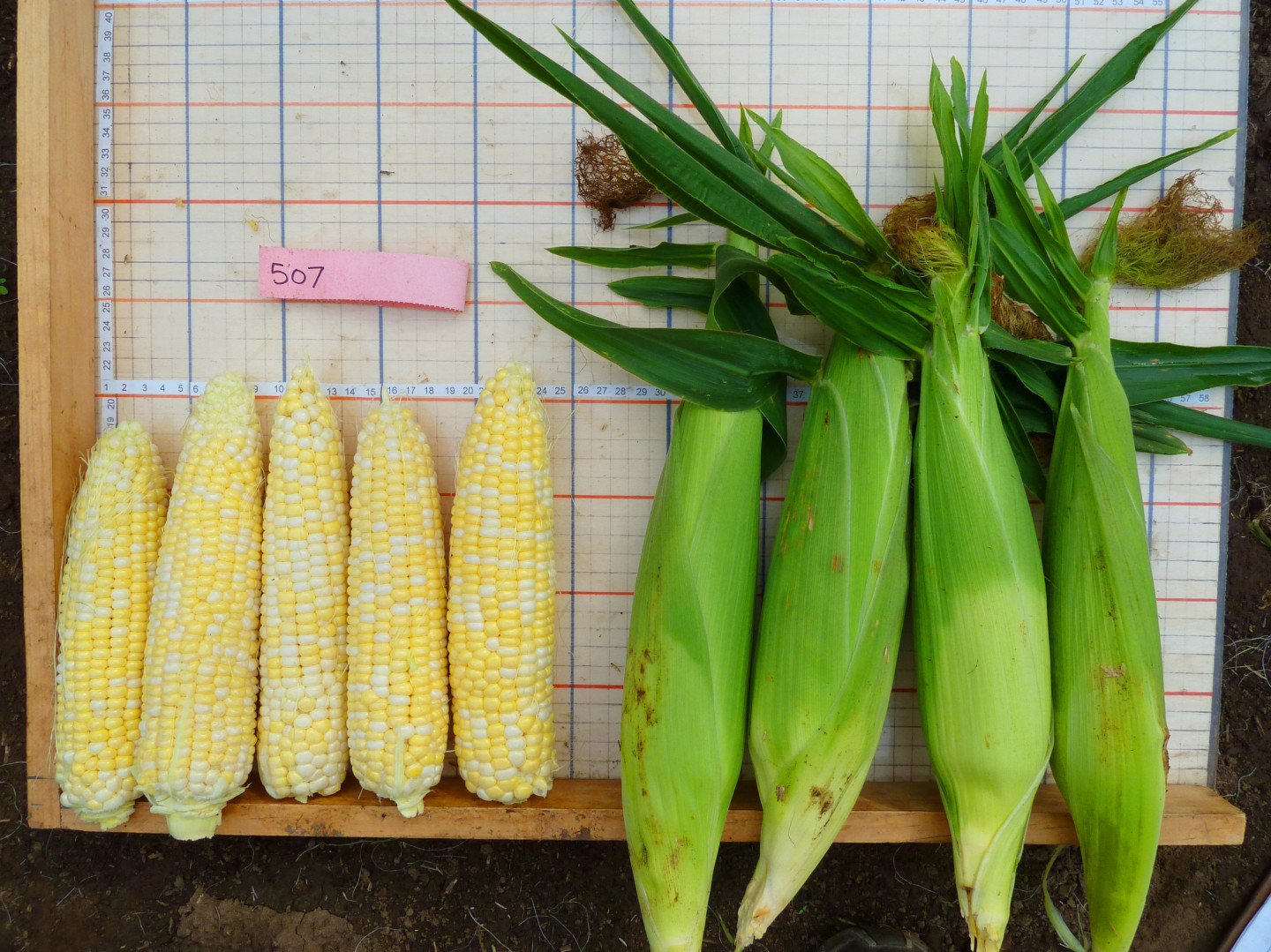
"caption": "\"Who Gets Kissed\" corn is a variety bred in Wisconsin specifically for organic farmers. It's named for an old game. At corn husking time, a lucky person who found a rare ear of corn with red kernels had the right to kiss anyone that he or she chose.",
"description": "\"Who Gets Kissed\" corn is a variety bred in Wisconsin specifically for organic farmers. It's named for an old game. At corn husking time, a lucky person who found a rare ear of corn with red kernels had the right to kiss anyone that he or she chose",
"title": "\"Who Gets Kissed\" corn is a variety bred in Wisconsin specifically for organic farmers. It's named for an old game. At corn husking time, a lucky person who found a rare ear of corn with red kernels had the right to kiss anyone that he or she chose.",
"credit": "Courtesy of Adrienne Shelton ",
"status": "inherit",
"isLoading": false,
"fetchFailed": false
},
"bayareabites_97620": {
"type": "attachments",
"id": "bayareabites_97620",
"meta": {
"index": "attachments_1716263798",
"site": "bayareabites",
"id": "97620",
"found": true
},
"parent": 97619,
"imgSizes": {
"twentyfourteen-full-width": {
"file": "https://ww2.kqed.org/app/uploads/sites/24/2015/07/istock_000017693556large_custom-6ec2ccf6f1c1e8e2df1ade19c9265708f003fda8-1038x576.jpg",
"width": 1038,
"mimeType": "image/jpeg",
"height": 576
},
"thumbnail": {
"file": "https://ww2.kqed.org/app/uploads/sites/24/2015/07/istock_000017693556large_custom-6ec2ccf6f1c1e8e2df1ade19c9265708f003fda8-400x268.jpg",
"width": 400,
"mimeType": "image/jpeg",
"height": 268
},
"fd-sm": {
"file": "https://ww2.kqed.org/app/uploads/sites/24/2015/07/istock_000017693556large_custom-6ec2ccf6f1c1e8e2df1ade19c9265708f003fda8-960x643.jpg",
"width": 960,
"mimeType": "image/jpeg",
"height": 643
},
"post-thumbnail": {
"file": "https://ww2.kqed.org/app/uploads/sites/24/2015/07/istock_000017693556large_custom-6ec2ccf6f1c1e8e2df1ade19c9265708f003fda8-672x372.jpg",
"width": 672,
"mimeType": "image/jpeg",
"height": 372
},
"kqedFullSize": {
"file": "https://ww2.kqed.org/app/uploads/sites/24/2015/07/istock_000017693556large_custom-6ec2ccf6f1c1e8e2df1ade19c9265708f003fda8-e1435880228136.jpg",
"width": 1920,
"height": 1285
},
"large": {
"file": "https://ww2.kqed.org/app/uploads/sites/24/2015/07/istock_000017693556large_custom-6ec2ccf6f1c1e8e2df1ade19c9265708f003fda8-1440x964.jpg",
"width": 1440,
"mimeType": "image/jpeg",
"height": 964
},
"guest-author-96": {
"file": "https://ww2.kqed.org/app/uploads/sites/24/2015/07/istock_000017693556large_custom-6ec2ccf6f1c1e8e2df1ade19c9265708f003fda8-96x96.jpg",
"width": 96,
"mimeType": "image/jpeg",
"height": 96
},
"medium": {
"file": "https://ww2.kqed.org/app/uploads/sites/24/2015/07/istock_000017693556large_custom-6ec2ccf6f1c1e8e2df1ade19c9265708f003fda8-800x535.jpg",
"width": 800,
"mimeType": "image/jpeg",
"height": 535
},
"guest-author-64": {
"file": "https://ww2.kqed.org/app/uploads/sites/24/2015/07/istock_000017693556large_custom-6ec2ccf6f1c1e8e2df1ade19c9265708f003fda8-64x64.jpg",
"width": 64,
"mimeType": "image/jpeg",
"height": 64
},
"guest-author-32": {
"file": "https://ww2.kqed.org/app/uploads/sites/24/2015/07/istock_000017693556large_custom-6ec2ccf6f1c1e8e2df1ade19c9265708f003fda8-32x32.jpg",
"width": 32,
"mimeType": "image/jpeg",
"height": 32
},
"cat_post_thumb_sizecategory-posts-2": {
"file": "https://ww2.kqed.org/app/uploads/sites/24/2015/07/istock_000017693556large_custom-6ec2ccf6f1c1e8e2df1ade19c9265708f003fda8-150x150.jpg",
"width": 150,
"mimeType": "image/jpeg",
"height": 150
},
"fd-med": {
"file": "https://ww2.kqed.org/app/uploads/sites/24/2015/07/istock_000017693556large_custom-6ec2ccf6f1c1e8e2df1ade19c9265708f003fda8-1180x790.jpg",
"width": 1180,
"mimeType": "image/jpeg",
"height": 790
},
"detail": {
"file": "https://ww2.kqed.org/app/uploads/sites/24/2015/07/istock_000017693556large_custom-6ec2ccf6f1c1e8e2df1ade19c9265708f003fda8-75x75.jpg",
"width": 75,
"mimeType": "image/jpeg",
"height": 75
},
"guest-author-128": {
"file": "https://ww2.kqed.org/app/uploads/sites/24/2015/07/istock_000017693556large_custom-6ec2ccf6f1c1e8e2df1ade19c9265708f003fda8-128x128.jpg",
"width": 128,
"mimeType": "image/jpeg",
"height": 128
}
},
"publishDate": 1435880017,
"modified": 1435880222,
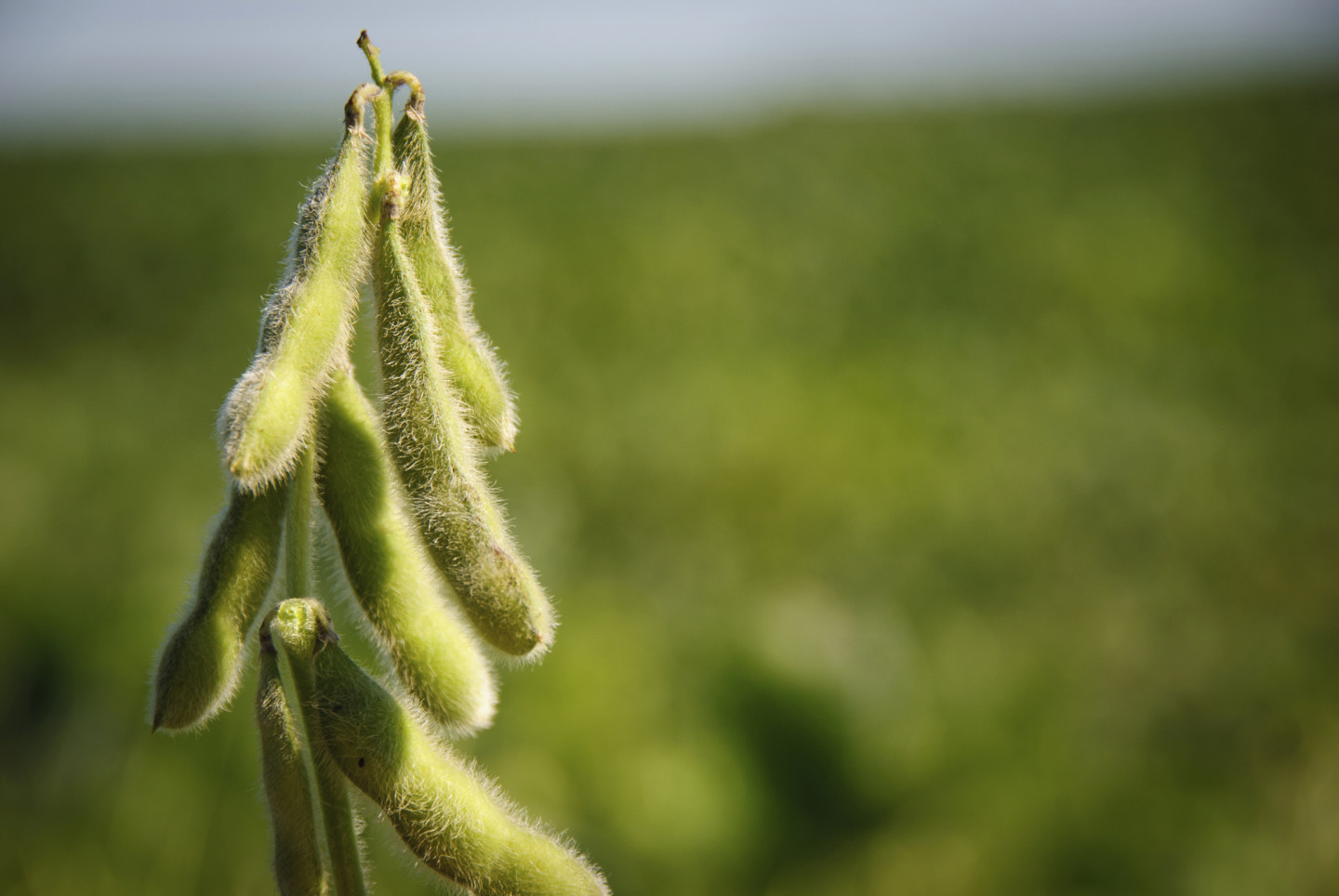
"caption": "About 90 percent of America's soybeans are genetically modified.",
"description": "About 90 percent of America's soybeans are genetically modified.",
"title": "About 90 percent of America's soybeans are genetically modified.",
"credit": "iStockphoto",
"status": "inherit",
"isLoading": false,
"fetchFailed": false
},
"bayareabites_97604": {
"type": "attachments",
"id": "bayareabites_97604",
"meta": {
"index": "attachments_1716263798",
"site": "bayareabites",
"id": "97604",
"found": true
},
"parent": 97603,
"imgSizes": {
"thumbnail": {
"file": "https://ww2.kqed.org/app/uploads/sites/24/2015/07/guacamole-9793b73b74575166bcd547102b355118e14fbcfb-400x300.jpg",
"width": 400,
"mimeType": "image/jpeg",
"height": 300
},
"post-thumbnail": {
"file": "https://ww2.kqed.org/app/uploads/sites/24/2015/07/guacamole-9793b73b74575166bcd547102b355118e14fbcfb-556x372.jpg",
"width": 556,
"mimeType": "image/jpeg",
"height": 372
},
"kqedFullSize": {
"file": "https://ww2.kqed.org/app/uploads/sites/24/2015/07/guacamole-9793b73b74575166bcd547102b355118e14fbcfb.jpg",
"width": 556,
"height": 417
},
"cat_post_thumb_sizecategory-posts-2": {
"file": "https://ww2.kqed.org/app/uploads/sites/24/2015/07/guacamole-9793b73b74575166bcd547102b355118e14fbcfb-150x150.jpg",
"width": 150,
"mimeType": "image/jpeg",
"height": 150
},
"guest-author-96": {
"file": "https://ww2.kqed.org/app/uploads/sites/24/2015/07/guacamole-9793b73b74575166bcd547102b355118e14fbcfb-96x96.jpg",
"width": 96,
"mimeType": "image/jpeg",
"height": 96
},
"guest-author-64": {
"file": "https://ww2.kqed.org/app/uploads/sites/24/2015/07/guacamole-9793b73b74575166bcd547102b355118e14fbcfb-64x64.jpg",
"width": 64,
"mimeType": "image/jpeg",
"height": 64
},
"detail": {
"file": "https://ww2.kqed.org/app/uploads/sites/24/2015/07/guacamole-9793b73b74575166bcd547102b355118e14fbcfb-75x75.jpg",
"width": 75,
"mimeType": "image/jpeg",
"height": 75
},
"guest-author-32": {
"file": "https://ww2.kqed.org/app/uploads/sites/24/2015/07/guacamole-9793b73b74575166bcd547102b355118e14fbcfb-32x32.jpg",
"width": 32,
"mimeType": "image/jpeg",
"height": 32
},
"guest-author-128": {
"file": "https://ww2.kqed.org/app/uploads/sites/24/2015/07/guacamole-9793b73b74575166bcd547102b355118e14fbcfb-128x128.jpg",
"width": 128,
"mimeType": "image/jpeg",
"height": 128
}
},
"publishDate": 1435851762,
"modified": 1435852123,
"caption": "This is guacamole, the way we love it, not The New York Times recipe with fresh peas, about which the Twittersphere had something to say – a lot to say, actually.",
"description": "This is guacamole, the way we love it, not \u003cem>The New York Times \u003c/em>recipe with fresh peas, about which the Twittersphere had something to say – a lot to say, actuall",
"title": "This is guacamole, the way we love it, not The New York Times recipe with fresh peas, about which the Twittersphere had something to say – a lot to say, actually.",
"credit": "Chicago Tribune/MCT via Getty Images ",
"status": "inherit",
"isLoading": false,
"fetchFailed": false
},
"bayareabites_97541": {
"type": "attachments",
"id": "bayareabites_97541",
"meta": {
"index": "attachments_1716263798",
"site": "bayareabites",
"id": "97541",
"found": true
},
"parent": 97540,
"imgSizes": {
"twentyfourteen-full-width": {
"file": "https://ww2.kqed.org/app/uploads/sites/24/2015/06/9736091624_c9c33e892a_o_custom-beb6920ea379872a3bc9803104f7d88d558602a7-1038x576.jpg",
"width": 1038,
"mimeType": "image/jpeg",
"height": 576
},
"thumbnail": {
"file": "https://ww2.kqed.org/app/uploads/sites/24/2015/06/9736091624_c9c33e892a_o_custom-beb6920ea379872a3bc9803104f7d88d558602a7-400x266.jpg",
"width": 400,
"mimeType": "image/jpeg",
"height": 266
},
"fd-sm": {
"file": "https://ww2.kqed.org/app/uploads/sites/24/2015/06/9736091624_c9c33e892a_o_custom-beb6920ea379872a3bc9803104f7d88d558602a7-960x639.jpg",
"width": 960,
"mimeType": "image/jpeg",
"height": 639
},
"post-thumbnail": {
"file": "https://ww2.kqed.org/app/uploads/sites/24/2015/06/9736091624_c9c33e892a_o_custom-beb6920ea379872a3bc9803104f7d88d558602a7-672x372.jpg",
"width": 672,
"mimeType": "image/jpeg",
"height": 372
},
"kqedFullSize": {
"file": "https://ww2.kqed.org/app/uploads/sites/24/2015/06/9736091624_c9c33e892a_o_custom-beb6920ea379872a3bc9803104f7d88d558602a7-e1435706390242.jpg",
"width": 1920,
"height": 1279
},
"large": {
"file": "https://ww2.kqed.org/app/uploads/sites/24/2015/06/9736091624_c9c33e892a_o_custom-beb6920ea379872a3bc9803104f7d88d558602a7-1440x959.jpg",
"width": 1440,
"mimeType": "image/jpeg",
"height": 959
},
"guest-author-96": {
"file": "https://ww2.kqed.org/app/uploads/sites/24/2015/06/9736091624_c9c33e892a_o_custom-beb6920ea379872a3bc9803104f7d88d558602a7-96x96.jpg",
"width": 96,
"mimeType": "image/jpeg",
"height": 96
},
"medium": {
"file": "https://ww2.kqed.org/app/uploads/sites/24/2015/06/9736091624_c9c33e892a_o_custom-beb6920ea379872a3bc9803104f7d88d558602a7-800x533.jpg",
"width": 800,
"mimeType": "image/jpeg",
"height": 533
},
"guest-author-64": {
"file": "https://ww2.kqed.org/app/uploads/sites/24/2015/06/9736091624_c9c33e892a_o_custom-beb6920ea379872a3bc9803104f7d88d558602a7-64x64.jpg",
"width": 64,
"mimeType": "image/jpeg",
"height": 64
},
"guest-author-32": {
"file": "https://ww2.kqed.org/app/uploads/sites/24/2015/06/9736091624_c9c33e892a_o_custom-beb6920ea379872a3bc9803104f7d88d558602a7-32x32.jpg",
"width": 32,
"mimeType": "image/jpeg",
"height": 32
},
"cat_post_thumb_sizecategory-posts-2": {
"file": "https://ww2.kqed.org/app/uploads/sites/24/2015/06/9736091624_c9c33e892a_o_custom-beb6920ea379872a3bc9803104f7d88d558602a7-150x150.jpg",
"width": 150,
"mimeType": "image/jpeg",
"height": 150
},
"fd-med": {
"file": "https://ww2.kqed.org/app/uploads/sites/24/2015/06/9736091624_c9c33e892a_o_custom-beb6920ea379872a3bc9803104f7d88d558602a7-1180x786.jpg",
"width": 1180,
"mimeType": "image/jpeg",
"height": 786
},
"detail": {
"file": "https://ww2.kqed.org/app/uploads/sites/24/2015/06/9736091624_c9c33e892a_o_custom-beb6920ea379872a3bc9803104f7d88d558602a7-75x75.jpg",
"width": 75,
"mimeType": "image/jpeg",
"height": 75
},
"guest-author-128": {
"file": "https://ww2.kqed.org/app/uploads/sites/24/2015/06/9736091624_c9c33e892a_o_custom-beb6920ea379872a3bc9803104f7d88d558602a7-128x128.jpg",
"width": 128,
"mimeType": "image/jpeg",
"height": 128
}
},
"publishDate": 1435705098,
"modified": 1435706438,
"caption": "Tomatoes at Union South Farmers Market in Madison Wisconsin.",
"description": "Tomatoes at Union South Farmers Market in Madison Wisconsin.",
"title": "Tomatoes at Union South Farmers Market in Madison Wisconsin.",
"credit": "\u003ca href=\"https://www.flickr.com/photos/patkuhl/9736091624/\">Patrick Kuhl/Flickr\u003c/a>",
"status": "inherit",
"isLoading": false,
"fetchFailed": false
},
"bayareabites_97523": {
"type": "attachments",
"id": "bayareabites_97523",
"meta": {
"index": "attachments_1716263798",
"site": "bayareabites",
"id": "97523",
"found": true
},
"parent": 97522,
"imgSizes": {
"twentyfourteen-full-width": {
"file": "https://ww2.kqed.org/app/uploads/sites/24/2015/06/stonewall-inn_wide-d8ad4ebd5a372aa6d55dd6cf080ae287dfd5c1dc-1038x576.jpg",
"width": 1038,
"mimeType": "image/jpeg",
"height": 576
},
"thumbnail": {
"file": "https://ww2.kqed.org/app/uploads/sites/24/2015/06/stonewall-inn_wide-d8ad4ebd5a372aa6d55dd6cf080ae287dfd5c1dc-400x225.jpg",
"width": 400,
"mimeType": "image/jpeg",
"height": 225
},
"fd-sm": {
"file": "https://ww2.kqed.org/app/uploads/sites/24/2015/06/stonewall-inn_wide-d8ad4ebd5a372aa6d55dd6cf080ae287dfd5c1dc-960x540.jpg",
"width": 960,
"mimeType": "image/jpeg",
"height": 540
},
"post-thumbnail": {
"file": "https://ww2.kqed.org/app/uploads/sites/24/2015/06/stonewall-inn_wide-d8ad4ebd5a372aa6d55dd6cf080ae287dfd5c1dc-672x372.jpg",
"width": 672,
"mimeType": "image/jpeg",
"height": 372
},
"kqedFullSize": {
"file": "https://ww2.kqed.org/app/uploads/sites/24/2015/06/stonewall-inn_wide-d8ad4ebd5a372aa6d55dd6cf080ae287dfd5c1dc-e1435345143954.jpg",
"width": 1920,
"height": 1080
},
"large": {
"file": "https://ww2.kqed.org/app/uploads/sites/24/2015/06/stonewall-inn_wide-d8ad4ebd5a372aa6d55dd6cf080ae287dfd5c1dc-1440x810.jpg",
"width": 1440,
"mimeType": "image/jpeg",
"height": 810
},
"guest-author-96": {
"file": "https://ww2.kqed.org/app/uploads/sites/24/2015/06/stonewall-inn_wide-d8ad4ebd5a372aa6d55dd6cf080ae287dfd5c1dc-96x96.jpg",
"width": 96,
"mimeType": "image/jpeg",
"height": 96
},
"medium": {
"file": "https://ww2.kqed.org/app/uploads/sites/24/2015/06/stonewall-inn_wide-d8ad4ebd5a372aa6d55dd6cf080ae287dfd5c1dc-800x450.jpg",
"width": 800,
"mimeType": "image/jpeg",
"height": 450
},
"guest-author-64": {
"file": "https://ww2.kqed.org/app/uploads/sites/24/2015/06/stonewall-inn_wide-d8ad4ebd5a372aa6d55dd6cf080ae287dfd5c1dc-64x64.jpg",
"width": 64,
"mimeType": "image/jpeg",
"height": 64
},
"guest-author-32": {
"file": "https://ww2.kqed.org/app/uploads/sites/24/2015/06/stonewall-inn_wide-d8ad4ebd5a372aa6d55dd6cf080ae287dfd5c1dc-32x32.jpg",
"width": 32,
"mimeType": "image/jpeg",
"height": 32
},
"cat_post_thumb_sizecategory-posts-2": {
"file": "https://ww2.kqed.org/app/uploads/sites/24/2015/06/stonewall-inn_wide-d8ad4ebd5a372aa6d55dd6cf080ae287dfd5c1dc-150x150.jpg",
"width": 150,
"mimeType": "image/jpeg",
"height": 150
},
"fd-med": {
"file": "https://ww2.kqed.org/app/uploads/sites/24/2015/06/stonewall-inn_wide-d8ad4ebd5a372aa6d55dd6cf080ae287dfd5c1dc-1180x664.jpg",
"width": 1180,
"mimeType": "image/jpeg",
"height": 664
},
"detail": {
"file": "https://ww2.kqed.org/app/uploads/sites/24/2015/06/stonewall-inn_wide-d8ad4ebd5a372aa6d55dd6cf080ae287dfd5c1dc-75x75.jpg",
"width": 75,
"mimeType": "image/jpeg",
"height": 75
},
"guest-author-128": {
"file": "https://ww2.kqed.org/app/uploads/sites/24/2015/06/stonewall-inn_wide-d8ad4ebd5a372aa6d55dd6cf080ae287dfd5c1dc-128x128.jpg",
"width": 128,
"mimeType": "image/jpeg",
"height": 128
}
},
"publishDate": 1435344272,
"modified": 1435345180,
"caption": "People celebrate inside the Stonewall Inn, an iconic gay bar recently granted historic landmark status, after the U.S. Supreme Court ruled same-sex couples have the right marry in all 50 states.",
"description": "People celebrate inside the Stonewall Inn, an iconic gay bar recently granted historic landmark status, after the U.S. Supreme Court ruled same-sex couples have the right marry in all 50 states.",
"title": "People celebrate inside the Stonewall Inn, an iconic gay bar recently granted historic landmark status, after the U.S. Supreme Court ruled same-sex couples have the right marry in all 50 states.",
"credit": "Yana Paskova/Getty Images ",
"status": "inherit",
"isLoading": false,
"fetchFailed": false
},
"bayareabites_97439": {
"type": "attachments",
"id": "bayareabites_97439",
"meta": {
"index": "attachments_1716263798",
"site": "bayareabites",
"id": "97439",
"found": true
},
"parent": 97438,
"imgSizes": {
"twentyfourteen-full-width": {
"file": "https://ww2.kqed.org/app/uploads/sites/24/2015/06/olive-coconut-standard-e256c8bad1f8abea415e020d5e99f8f501576141-1038x576.jpg",
"width": 1038,
"mimeType": "image/jpeg",
"height": 576
},
"thumbnail": {
"file": "https://ww2.kqed.org/app/uploads/sites/24/2015/06/olive-coconut-standard-e256c8bad1f8abea415e020d5e99f8f501576141-400x300.jpg",
"width": 400,
"mimeType": "image/jpeg",
"height": 300
},
"fd-sm": {
"file": "https://ww2.kqed.org/app/uploads/sites/24/2015/06/olive-coconut-standard-e256c8bad1f8abea415e020d5e99f8f501576141-960x720.jpg",
"width": 960,
"mimeType": "image/jpeg",
"height": 720
},
"post-thumbnail": {
"file": "https://ww2.kqed.org/app/uploads/sites/24/2015/06/olive-coconut-standard-e256c8bad1f8abea415e020d5e99f8f501576141-672x372.jpg",
"width": 672,
"mimeType": "image/jpeg",
"height": 372
},
"kqedFullSize": {
"file": "https://ww2.kqed.org/app/uploads/sites/24/2015/06/olive-coconut-standard-e256c8bad1f8abea415e020d5e99f8f501576141.jpg",
"width": 1199,
"height": 899
},
"guest-author-96": {
"file": "https://ww2.kqed.org/app/uploads/sites/24/2015/06/olive-coconut-standard-e256c8bad1f8abea415e020d5e99f8f501576141-96x96.jpg",
"width": 96,
"mimeType": "image/jpeg",
"height": 96
},
"medium": {
"file": "https://ww2.kqed.org/app/uploads/sites/24/2015/06/olive-coconut-standard-e256c8bad1f8abea415e020d5e99f8f501576141-800x600.jpg",
"width": 800,
"mimeType": "image/jpeg",
"height": 600
},
"guest-author-64": {
"file": "https://ww2.kqed.org/app/uploads/sites/24/2015/06/olive-coconut-standard-e256c8bad1f8abea415e020d5e99f8f501576141-64x64.jpg",
"width": 64,
"mimeType": "image/jpeg",
"height": 64
},
"guest-author-32": {
"file": "https://ww2.kqed.org/app/uploads/sites/24/2015/06/olive-coconut-standard-e256c8bad1f8abea415e020d5e99f8f501576141-32x32.jpg",
"width": 32,
"mimeType": "image/jpeg",
"height": 32
},
"cat_post_thumb_sizecategory-posts-2": {
"file": "https://ww2.kqed.org/app/uploads/sites/24/2015/06/olive-coconut-standard-e256c8bad1f8abea415e020d5e99f8f501576141-150x150.jpg",
"width": 150,
"mimeType": "image/jpeg",
"height": 150
},
"fd-med": {
"file": "https://ww2.kqed.org/app/uploads/sites/24/2015/06/olive-coconut-standard-e256c8bad1f8abea415e020d5e99f8f501576141-1180x885.jpg",
"width": 1180,
"mimeType": "image/jpeg",
"height": 885
},
"detail": {
"file": "https://ww2.kqed.org/app/uploads/sites/24/2015/06/olive-coconut-standard-e256c8bad1f8abea415e020d5e99f8f501576141-75x75.jpg",
"width": 75,
"mimeType": "image/jpeg",
"height": 75
},
"guest-author-128": {
"file": "https://ww2.kqed.org/app/uploads/sites/24/2015/06/olive-coconut-standard-e256c8bad1f8abea415e020d5e99f8f501576141-128x128.jpg",
"width": 128,
"mimeType": "image/jpeg",
"height": 128
}
},
"publishDate": 1435272134,
"modified": 1435337322,
"caption": "On the left, olive oil, which is low in saturated fat and high in more monounsaturated fat, which may lower bad cholesterol levels. On the right, coconut oil, which is 90 percent saturated fat and may raise bad cholesterol levels.",
"description": "On the left, olive oil, which is low in saturated fat and high in more monounsaturated fat, which may lower bad cholesterol levels. On the right, coconut oil, which is 90 percent saturated fat and may raise bad cholesterol level",
"title": "On the left, olive oil, which is low in saturated fat and high in more monounsaturated fat, which may lower bad cholesterol levels. On the right, coconut oil, which is 90 percent saturated fat and may raise bad cholesterol levels.",
"credit": "iStockphoto ",
"status": "inherit",
"isLoading": false,
"fetchFailed": false
},
"bayareabites_97360": {
"type": "attachments",
"id": "bayareabites_97360",
"meta": {
"index": "attachments_1716263798",
"site": "bayareabites",
"id": "97360",
"found": true
},
"parent": 97359,
"imgSizes": {
"twentyfourteen-full-width": {
"file": "https://ww2.kqed.org/app/uploads/sites/24/2015/06/egg-salad-2-ed7dcd2ce5b6c287b94bafda4353aa268fd37ba9-1038x576.jpg",
"width": 1038,
"mimeType": "image/jpeg",
"height": 576
},
"thumbnail": {
"file": "https://ww2.kqed.org/app/uploads/sites/24/2015/06/egg-salad-2-ed7dcd2ce5b6c287b94bafda4353aa268fd37ba9-400x300.jpg",
"width": 400,
"mimeType": "image/jpeg",
"height": 300
},
"fd-sm": {
"file": "https://ww2.kqed.org/app/uploads/sites/24/2015/06/egg-salad-2-ed7dcd2ce5b6c287b94bafda4353aa268fd37ba9-960x720.jpg",
"width": 960,
"mimeType": "image/jpeg",
"height": 720
},
"post-thumbnail": {
"file": "https://ww2.kqed.org/app/uploads/sites/24/2015/06/egg-salad-2-ed7dcd2ce5b6c287b94bafda4353aa268fd37ba9-672x372.jpg",
"width": 672,
"mimeType": "image/jpeg",
"height": 372
},
"kqedFullSize": {
"file": "https://ww2.kqed.org/app/uploads/sites/24/2015/06/egg-salad-2-ed7dcd2ce5b6c287b94bafda4353aa268fd37ba9-e1435188941843.jpg",
"width": 1920,
"height": 1440
},
"large": {
"file": "https://ww2.kqed.org/app/uploads/sites/24/2015/06/egg-salad-2-ed7dcd2ce5b6c287b94bafda4353aa268fd37ba9-1440x1080.jpg",
"width": 1440,
"mimeType": "image/jpeg",
"height": 1080
},
"guest-author-96": {
"file": "https://ww2.kqed.org/app/uploads/sites/24/2015/06/egg-salad-2-ed7dcd2ce5b6c287b94bafda4353aa268fd37ba9-96x96.jpg",
"width": 96,
"mimeType": "image/jpeg",
"height": 96
},
"medium": {
"file": "https://ww2.kqed.org/app/uploads/sites/24/2015/06/egg-salad-2-ed7dcd2ce5b6c287b94bafda4353aa268fd37ba9-800x600.jpg",
"width": 800,
"mimeType": "image/jpeg",
"height": 600
},
"guest-author-64": {
"file": "https://ww2.kqed.org/app/uploads/sites/24/2015/06/egg-salad-2-ed7dcd2ce5b6c287b94bafda4353aa268fd37ba9-64x64.jpg",
"width": 64,
"mimeType": "image/jpeg",
"height": 64
},
"guest-author-32": {
"file": "https://ww2.kqed.org/app/uploads/sites/24/2015/06/egg-salad-2-ed7dcd2ce5b6c287b94bafda4353aa268fd37ba9-32x32.jpg",
"width": 32,
"mimeType": "image/jpeg",
"height": 32
},
"cat_post_thumb_sizecategory-posts-2": {
"file": "https://ww2.kqed.org/app/uploads/sites/24/2015/06/egg-salad-2-ed7dcd2ce5b6c287b94bafda4353aa268fd37ba9-150x150.jpg",
"width": 150,
"mimeType": "image/jpeg",
"height": 150
},
"fd-med": {
"file": "https://ww2.kqed.org/app/uploads/sites/24/2015/06/egg-salad-2-ed7dcd2ce5b6c287b94bafda4353aa268fd37ba9-1180x885.jpg",
"width": 1180,
"mimeType": "image/jpeg",
"height": 885
},
"detail": {
"file": "https://ww2.kqed.org/app/uploads/sites/24/2015/06/egg-salad-2-ed7dcd2ce5b6c287b94bafda4353aa268fd37ba9-75x75.jpg",
"width": 75,
"mimeType": "image/jpeg",
"height": 75
},
"guest-author-128": {
"file": "https://ww2.kqed.org/app/uploads/sites/24/2015/06/egg-salad-2-ed7dcd2ce5b6c287b94bafda4353aa268fd37ba9-128x128.jpg",
"width": 128,
"mimeType": "image/jpeg",
"height": 128
}
},
"publishDate": 1435187810,
"modified": 1435188965,
"caption": "Eating eggs with your salad helps boost absorption of carotenoids — the pigments in tomatoes and carrots",
"description": "Eating eggs with your salad helps boost absorption of carotenoids — the pigments in tomatoes and carro",
"title": "Eating eggs with your salad helps boost absorption of carotenoids — the pigments in tomatoes and carrots.",
"credit": "Photo illustration by Meredith Rizzo/NPR",
"status": "inherit",
"isLoading": false,
"fetchFailed": false
},
"bayareabites_97335": {
"type": "attachments",
"id": "bayareabites_97335",
"meta": {
"index": "attachments_1716263798",
"site": "bayareabites",
"id": "97335",
"found": true
},
"parent": 97334,
"imgSizes": {
"twentyfourteen-full-width": {
"file": "https://ww2.kqed.org/app/uploads/sites/24/2015/06/smuttynose_towle_farm_custom-14e94ec2a15123114b363e1f1dd20455e77820f7-1038x576.jpg",
"width": 1038,
"mimeType": "image/jpeg",
"height": 576
},
"thumbnail": {
"file": "https://ww2.kqed.org/app/uploads/sites/24/2015/06/smuttynose_towle_farm_custom-14e94ec2a15123114b363e1f1dd20455e77820f7-400x266.jpg",
"width": 400,
"mimeType": "image/jpeg",
"height": 266
},
"fd-sm": {
"file": "https://ww2.kqed.org/app/uploads/sites/24/2015/06/smuttynose_towle_farm_custom-14e94ec2a15123114b363e1f1dd20455e77820f7-960x639.jpg",
"width": 960,
"mimeType": "image/jpeg",
"height": 639
},
"post-thumbnail": {
"file": "https://ww2.kqed.org/app/uploads/sites/24/2015/06/smuttynose_towle_farm_custom-14e94ec2a15123114b363e1f1dd20455e77820f7-672x372.jpg",
"width": 672,
"mimeType": "image/jpeg",
"height": 372
},
"kqedFullSize": {
"file": "https://ww2.kqed.org/app/uploads/sites/24/2015/06/smuttynose_towle_farm_custom-14e94ec2a15123114b363e1f1dd20455e77820f7-e1435174922250.jpg",
"width": 1920,
"height": 1277
},
"large": {
"file": "https://ww2.kqed.org/app/uploads/sites/24/2015/06/smuttynose_towle_farm_custom-14e94ec2a15123114b363e1f1dd20455e77820f7-1440x958.jpg",
"width": 1440,
"mimeType": "image/jpeg",
"height": 958
},
"guest-author-96": {
"file": "https://ww2.kqed.org/app/uploads/sites/24/2015/06/smuttynose_towle_farm_custom-14e94ec2a15123114b363e1f1dd20455e77820f7-96x96.jpg",
"width": 96,
"mimeType": "image/jpeg",
"height": 96
},
"medium": {
"file": "https://ww2.kqed.org/app/uploads/sites/24/2015/06/smuttynose_towle_farm_custom-14e94ec2a15123114b363e1f1dd20455e77820f7-800x532.jpg",
"width": 800,
"mimeType": "image/jpeg",
"height": 532
},
"guest-author-64": {
"file": "https://ww2.kqed.org/app/uploads/sites/24/2015/06/smuttynose_towle_farm_custom-14e94ec2a15123114b363e1f1dd20455e77820f7-64x64.jpg",
"width": 64,
"mimeType": "image/jpeg",
"height": 64
},
"guest-author-32": {
"file": "https://ww2.kqed.org/app/uploads/sites/24/2015/06/smuttynose_towle_farm_custom-14e94ec2a15123114b363e1f1dd20455e77820f7-32x32.jpg",
"width": 32,
"mimeType": "image/jpeg",
"height": 32
},
"cat_post_thumb_sizecategory-posts-2": {
"file": "https://ww2.kqed.org/app/uploads/sites/24/2015/06/smuttynose_towle_farm_custom-14e94ec2a15123114b363e1f1dd20455e77820f7-150x150.jpg",
"width": 150,
"mimeType": "image/jpeg",
"height": 150
},
"fd-med": {
"file": "https://ww2.kqed.org/app/uploads/sites/24/2015/06/smuttynose_towle_farm_custom-14e94ec2a15123114b363e1f1dd20455e77820f7-1180x785.jpg",
"width": 1180,
"mimeType": "image/jpeg",
"height": 785
},
"detail": {
"file": "https://ww2.kqed.org/app/uploads/sites/24/2015/06/smuttynose_towle_farm_custom-14e94ec2a15123114b363e1f1dd20455e77820f7-75x75.jpg",
"width": 75,
"mimeType": "image/jpeg",
"height": 75
},
"guest-author-128": {
"file": "https://ww2.kqed.org/app/uploads/sites/24/2015/06/smuttynose_towle_farm_custom-14e94ec2a15123114b363e1f1dd20455e77820f7-128x128.jpg",
"width": 128,
"mimeType": "image/jpeg",
"height": 128
}
},
"publishDate": 1435174292,
"modified": 1435174944,
"caption": "The Smuttynose Towle Farm brewery in Hampton, N.H., has an invisible but tight envelope that keeps the interior temperature consistently cool or warm, prevents energy loss and ultimately saves money.",
"description": "The Smuttynose Towle Farm brewery in Hampton, N.H., has an invisible but tight envelope that keeps the interior temperature consistently cool or warm, prevents energy loss and ultimately saves money.",
"title": "The Smuttynose Towle Farm brewery in Hampton, N.H., has an invisible but tight envelope that keeps the interior temperature consistently cool or warm, prevents energy loss and ultimately saves money.",
"credit": "Courtesy of Smuttynose Brewing Company",
"status": "inherit",
"isLoading": false,
"fetchFailed": false
},
"bayareabites_97329": {
"type": "attachments",
"id": "bayareabites_97329",
"meta": {
"index": "attachments_1716263798",
"site": "bayareabites",
"id": "97329",
"found": true
},
"parent": 97328,
"imgSizes": {
"twentyfourteen-full-width": {
"file": "https://ww2.kqed.org/app/uploads/sites/24/2015/06/hres-aquadvantage-salmon-vs-non-transgenic-sibling-aquabounty-technologies_custom-dab83824d097156693ec3233cb0c7d0469badecd-1038x576.jpg",
"width": 1038,
"mimeType": "image/jpeg",
"height": 576
},
"thumbnail": {
"file": "https://ww2.kqed.org/app/uploads/sites/24/2015/06/hres-aquadvantage-salmon-vs-non-transgenic-sibling-aquabounty-technologies_custom-dab83824d097156693ec3233cb0c7d0469badecd-400x200.jpg",
"width": 400,
"mimeType": "image/jpeg",
"height": 200
},
"fd-sm": {
"file": "https://ww2.kqed.org/app/uploads/sites/24/2015/06/hres-aquadvantage-salmon-vs-non-transgenic-sibling-aquabounty-technologies_custom-dab83824d097156693ec3233cb0c7d0469badecd-960x481.jpg",
"width": 960,
"mimeType": "image/jpeg",
"height": 481
},
"post-thumbnail": {
"file": "https://ww2.kqed.org/app/uploads/sites/24/2015/06/hres-aquadvantage-salmon-vs-non-transgenic-sibling-aquabounty-technologies_custom-dab83824d097156693ec3233cb0c7d0469badecd-672x372.jpg",
"width": 672,
"mimeType": "image/jpeg",
"height": 372
},
"kqedFullSize": {
"file": "https://ww2.kqed.org/app/uploads/sites/24/2015/06/hres-aquadvantage-salmon-vs-non-transgenic-sibling-aquabounty-technologies_custom-dab83824d097156693ec3233cb0c7d0469badecd-e1435173749517.jpg",
"width": 1920,
"height": 961
},
"large": {
"file": "https://ww2.kqed.org/app/uploads/sites/24/2015/06/hres-aquadvantage-salmon-vs-non-transgenic-sibling-aquabounty-technologies_custom-dab83824d097156693ec3233cb0c7d0469badecd-1440x721.jpg",
"width": 1440,
"mimeType": "image/jpeg",
"height": 721
},
"guest-author-96": {
"file": "https://ww2.kqed.org/app/uploads/sites/24/2015/06/hres-aquadvantage-salmon-vs-non-transgenic-sibling-aquabounty-technologies_custom-dab83824d097156693ec3233cb0c7d0469badecd-96x96.jpg",
"width": 96,
"mimeType": "image/jpeg",
"height": 96
},
"medium": {
"file": "https://ww2.kqed.org/app/uploads/sites/24/2015/06/hres-aquadvantage-salmon-vs-non-transgenic-sibling-aquabounty-technologies_custom-dab83824d097156693ec3233cb0c7d0469badecd-800x401.jpg",
"width": 800,
"mimeType": "image/jpeg",
"height": 401
},
"guest-author-64": {
"file": "https://ww2.kqed.org/app/uploads/sites/24/2015/06/hres-aquadvantage-salmon-vs-non-transgenic-sibling-aquabounty-technologies_custom-dab83824d097156693ec3233cb0c7d0469badecd-64x64.jpg",
"width": 64,
"mimeType": "image/jpeg",
"height": 64
},
"guest-author-32": {
"file": "https://ww2.kqed.org/app/uploads/sites/24/2015/06/hres-aquadvantage-salmon-vs-non-transgenic-sibling-aquabounty-technologies_custom-dab83824d097156693ec3233cb0c7d0469badecd-32x32.jpg",
"width": 32,
"mimeType": "image/jpeg",
"height": 32
},
"cat_post_thumb_sizecategory-posts-2": {
"file": "https://ww2.kqed.org/app/uploads/sites/24/2015/06/hres-aquadvantage-salmon-vs-non-transgenic-sibling-aquabounty-technologies_custom-dab83824d097156693ec3233cb0c7d0469badecd-150x150.jpg",
"width": 150,
"mimeType": "image/jpeg",
"height": 150
},
"fd-med": {
"file": "https://ww2.kqed.org/app/uploads/sites/24/2015/06/hres-aquadvantage-salmon-vs-non-transgenic-sibling-aquabounty-technologies_custom-dab83824d097156693ec3233cb0c7d0469badecd-1180x591.jpg",
"width": 1180,
"mimeType": "image/jpeg",
"height": 591
},
"detail": {
"file": "https://ww2.kqed.org/app/uploads/sites/24/2015/06/hres-aquadvantage-salmon-vs-non-transgenic-sibling-aquabounty-technologies_custom-dab83824d097156693ec3233cb0c7d0469badecd-75x75.jpg",
"width": 75,
"mimeType": "image/jpeg",
"height": 75
},
"guest-author-128": {
"file": "https://ww2.kqed.org/app/uploads/sites/24/2015/06/hres-aquadvantage-salmon-vs-non-transgenic-sibling-aquabounty-technologies_custom-dab83824d097156693ec3233cb0c7d0469badecd-128x128.jpg",
"width": 128,
"mimeType": "image/jpeg",
"height": 128
}
},
"publishDate": 1435172681,
"modified": 1435173767,
"caption": "AquaBounty's salmon (background) has been genetically modified to grow bigger and faster than a conventional Atlantic salmon of the same age (foreground.)\n",
"description": "AquaBounty’s salmon (background) has been genetically modified to grow bigger and faster than a conventional Atlantic salmon of the same age (foregroun",
"title": "AquaBounty's salmon (background) has been genetically modified to grow bigger and faster than a conventional Atlantic salmon of the same age (foreground.)",
"credit": "Courtesy of AquaBounty Technologies, Inc.",
"status": "inherit",
"isLoading": false,
"fetchFailed": false
},
"bayareabites_97281": {
"type": "attachments",
"id": "bayareabites_97281",
"meta": {
"index": "attachments_1716263798",
"site": "bayareabites",
"id": "97281",
"found": true
},
"parent": 97280,
"imgSizes": {
"twentyfourteen-full-width": {
"file": "https://ww2.kqed.org/app/uploads/sites/24/2015/06/gettyimages-166650868_custom-cc3769da0c38fceaa6018786d7b1eb7770ffe98c-1038x576.jpg",
"width": 1038,
"mimeType": "image/jpeg",
"height": 576
},
"thumbnail": {
"file": "https://ww2.kqed.org/app/uploads/sites/24/2015/06/gettyimages-166650868_custom-cc3769da0c38fceaa6018786d7b1eb7770ffe98c-400x293.jpg",
"width": 400,
"mimeType": "image/jpeg",
"height": 293
},
"fd-sm": {
"file": "https://ww2.kqed.org/app/uploads/sites/24/2015/06/gettyimages-166650868_custom-cc3769da0c38fceaa6018786d7b1eb7770ffe98c-960x703.jpg",
"width": 960,
"mimeType": "image/jpeg",
"height": 703
},
"post-thumbnail": {
"file": "https://ww2.kqed.org/app/uploads/sites/24/2015/06/gettyimages-166650868_custom-cc3769da0c38fceaa6018786d7b1eb7770ffe98c-672x372.jpg",
"width": 672,
"mimeType": "image/jpeg",
"height": 372
},
"kqedFullSize": {
"file": "https://ww2.kqed.org/app/uploads/sites/24/2015/06/gettyimages-166650868_custom-cc3769da0c38fceaa6018786d7b1eb7770ffe98c-e1435081131178.jpg",
"width": 1920,
"height": 1405
},
"large": {
"file": "https://ww2.kqed.org/app/uploads/sites/24/2015/06/gettyimages-166650868_custom-cc3769da0c38fceaa6018786d7b1eb7770ffe98c-1440x1054.jpg",
"width": 1440,
"mimeType": "image/jpeg",
"height": 1054
},
"guest-author-96": {
"file": "https://ww2.kqed.org/app/uploads/sites/24/2015/06/gettyimages-166650868_custom-cc3769da0c38fceaa6018786d7b1eb7770ffe98c-96x96.jpg",
"width": 96,
"mimeType": "image/jpeg",
"height": 96
},
"medium": {
"file": "https://ww2.kqed.org/app/uploads/sites/24/2015/06/gettyimages-166650868_custom-cc3769da0c38fceaa6018786d7b1eb7770ffe98c-800x586.jpg",
"width": 800,
"mimeType": "image/jpeg",
"height": 586
},
"guest-author-64": {
"file": "https://ww2.kqed.org/app/uploads/sites/24/2015/06/gettyimages-166650868_custom-cc3769da0c38fceaa6018786d7b1eb7770ffe98c-64x64.jpg",
"width": 64,
"mimeType": "image/jpeg",
"height": 64
},
"guest-author-32": {
"file": "https://ww2.kqed.org/app/uploads/sites/24/2015/06/gettyimages-166650868_custom-cc3769da0c38fceaa6018786d7b1eb7770ffe98c-32x32.jpg",
"width": 32,
"mimeType": "image/jpeg",
"height": 32
},
"cat_post_thumb_sizecategory-posts-2": {
"file": "https://ww2.kqed.org/app/uploads/sites/24/2015/06/gettyimages-166650868_custom-cc3769da0c38fceaa6018786d7b1eb7770ffe98c-150x150.jpg",
"width": 150,
"mimeType": "image/jpeg",
"height": 150
},
"fd-med": {
"file": "https://ww2.kqed.org/app/uploads/sites/24/2015/06/gettyimages-166650868_custom-cc3769da0c38fceaa6018786d7b1eb7770ffe98c-1180x864.jpg",
"width": 1180,
"mimeType": "image/jpeg",
"height": 864
},
"detail": {
"file": "https://ww2.kqed.org/app/uploads/sites/24/2015/06/gettyimages-166650868_custom-cc3769da0c38fceaa6018786d7b1eb7770ffe98c-75x75.jpg",
"width": 75,
"mimeType": "image/jpeg",
"height": 75
},
"guest-author-128": {
"file": "https://ww2.kqed.org/app/uploads/sites/24/2015/06/gettyimages-166650868_custom-cc3769da0c38fceaa6018786d7b1eb7770ffe98c-128x128.jpg",
"width": 128,
"mimeType": "image/jpeg",
"height": 128
}
},
"publishDate": 1435080951,
"modified": 1435081335,
"caption": "Myanmar democracy activist Aung San Suu Kyi (right) receives a bowl of green tea from Japanese tea master Genshitsu Sen at a tea ceremony in Kyoto during a 2013 visit to Japan.",
"description": "Myanmar democracy activist Aung San Suu Kyi (right) receives a bowl of green tea from Japanese tea master Genshitsu Sen at a tea ceremony in Kyoto during a 2013 visit to Japan",
"title": "Myanmar democracy activist Aung San Suu Kyi (right) receives a bowl of green tea from Japanese tea master Genshitsu Sen at a tea ceremony in Kyoto during a 2013 visit to Japan.",
"credit": "STR/AFP/Getty Images ",
"status": "inherit",
"isLoading": false,
"fetchFailed": false
},
"bayareabites_97251": {
"type": "attachments",
"id": "bayareabites_97251",
"meta": {
"index": "attachments_1716263798",
"site": "bayareabites",
"id": "97251",
"found": true
},
"parent": 97250,
"imgSizes": {
"twentyfourteen-full-width": {
"file": "https://ww2.kqed.org/app/uploads/sites/24/2015/06/elkgrove_ca_20150423_geo_custom-56d124ff5f1b5a924feb4a0df40afc9f32fc06b1-1038x576.jpg",
"width": 1038,
"mimeType": "image/jpeg",
"height": 576
},
"thumbnail": {
"file": "https://ww2.kqed.org/app/uploads/sites/24/2015/06/elkgrove_ca_20150423_geo_custom-56d124ff5f1b5a924feb4a0df40afc9f32fc06b1-400x252.jpg",
"width": 400,
"mimeType": "image/jpeg",
"height": 252
},
"fd-sm": {
"file": "https://ww2.kqed.org/app/uploads/sites/24/2015/06/elkgrove_ca_20150423_geo_custom-56d124ff5f1b5a924feb4a0df40afc9f32fc06b1-960x606.jpg",
"width": 960,
"mimeType": "image/jpeg",
"height": 606
},
"post-thumbnail": {
"file": "https://ww2.kqed.org/app/uploads/sites/24/2015/06/elkgrove_ca_20150423_geo_custom-56d124ff5f1b5a924feb4a0df40afc9f32fc06b1-672x372.jpg",
"width": 672,
"mimeType": "image/jpeg",
"height": 372
},
"kqedFullSize": {
"file": "https://ww2.kqed.org/app/uploads/sites/24/2015/06/elkgrove_ca_20150423_geo_custom-56d124ff5f1b5a924feb4a0df40afc9f32fc06b1-e1435016869542.jpg",
"width": 1920,
"height": 1212
},
"large": {
"file": "https://ww2.kqed.org/app/uploads/sites/24/2015/06/elkgrove_ca_20150423_geo_custom-56d124ff5f1b5a924feb4a0df40afc9f32fc06b1-1440x909.jpg",
"width": 1440,
"mimeType": "image/jpeg",
"height": 909
},
"guest-author-96": {
"file": "https://ww2.kqed.org/app/uploads/sites/24/2015/06/elkgrove_ca_20150423_geo_custom-56d124ff5f1b5a924feb4a0df40afc9f32fc06b1-96x96.jpg",
"width": 96,
"mimeType": "image/jpeg",
"height": 96
},
"medium": {
"file": "https://ww2.kqed.org/app/uploads/sites/24/2015/06/elkgrove_ca_20150423_geo_custom-56d124ff5f1b5a924feb4a0df40afc9f32fc06b1-800x505.jpg",
"width": 800,
"mimeType": "image/jpeg",
"height": 505
},
"guest-author-64": {
"file": "https://ww2.kqed.org/app/uploads/sites/24/2015/06/elkgrove_ca_20150423_geo_custom-56d124ff5f1b5a924feb4a0df40afc9f32fc06b1-64x64.jpg",
"width": 64,
"mimeType": "image/jpeg",
"height": 64
},
"guest-author-32": {
"file": "https://ww2.kqed.org/app/uploads/sites/24/2015/06/elkgrove_ca_20150423_geo_custom-56d124ff5f1b5a924feb4a0df40afc9f32fc06b1-32x32.jpg",
"width": 32,
"mimeType": "image/jpeg",
"height": 32
},
"cat_post_thumb_sizecategory-posts-2": {
"file": "https://ww2.kqed.org/app/uploads/sites/24/2015/06/elkgrove_ca_20150423_geo_custom-56d124ff5f1b5a924feb4a0df40afc9f32fc06b1-150x150.jpg",
"width": 150,
"mimeType": "image/jpeg",
"height": 150
},
"fd-med": {
"file": "https://ww2.kqed.org/app/uploads/sites/24/2015/06/elkgrove_ca_20150423_geo_custom-56d124ff5f1b5a924feb4a0df40afc9f32fc06b1-1180x745.jpg",
"width": 1180,
"mimeType": "image/jpeg",
"height": 745
},
"detail": {
"file": "https://ww2.kqed.org/app/uploads/sites/24/2015/06/elkgrove_ca_20150423_geo_custom-56d124ff5f1b5a924feb4a0df40afc9f32fc06b1-75x75.jpg",
"width": 75,
"mimeType": "image/jpeg",
"height": 75
},
"guest-author-128": {
"file": "https://ww2.kqed.org/app/uploads/sites/24/2015/06/elkgrove_ca_20150423_geo_custom-56d124ff5f1b5a924feb4a0df40afc9f32fc06b1-128x128.jpg",
"width": 128,
"mimeType": "image/jpeg",
"height": 128
}
},
"publishDate": 1435016455,
"modified": 1435016833,
"caption": "Elk Grove, Calif., is a suburb of Sacramento, about 15 miles from the city center. This 14-square mile view of the city was photographed on Apr. 23, 2015.",
"description": "Elk Grove, Calif., is a suburb of Sacramento, about 15 miles from the city center. This 14-square mile view of the city was photographed on Apr. 23, 20",
"title": "Elk Grove, Calif., is a suburb of Sacramento, about 15 miles from the city center. This 14-square mile view of the city was photographed on Apr. 23, 2015.",
"credit": "Courtesy of Planet Labs",
"status": "inherit",
"isLoading": false,
"fetchFailed": false
}
},
"audioPlayerReducer": {
"postId": "stream_live",
"isPaused": true,
"isPlaying": false,
"pfsActive": false,
"pledgeModalIsOpen": true,
"playerDrawerIsOpen": false,
"liveAudioPlayStartedAt": 0,
"liveAudioPlayContext": ""
},
"authorsReducer": {
"byline_bayareabites_97751": {
"type": "authors",
"id": "byline_bayareabites_97751",
"meta": {
"override": true
},
"slug": "byline_bayareabites_97751",
"name": "Allison Aubrey, \u003ca href=\"https://ww2.kqed.org/bayareabites/author/nprfood/\">NPR Food\u003c/a>",
"isLoading": false
},
"byline_bayareabites_97688": {
"type": "authors",
"id": "byline_bayareabites_97688",
"meta": {
"override": true
},
"slug": "byline_bayareabites_97688",
"name": "Dan Charles, \u003ca href=\"http://ww2.kqed.org/bayareabites/author/nprfood/\">NPR Food\u003c/a>",
"isLoading": false
},
"byline_bayareabites_97619": {
"type": "authors",
"id": "byline_bayareabites_97619",
"meta": {
"override": true
},
"slug": "byline_bayareabites_97619",
"name": "Dan Charles, \u003ca href=\"http://ww2.kqed.org/bayareabites/author/nprfood/\">NPR Food\u003c/a>",
"isLoading": false
},
"byline_bayareabites_97603": {
"type": "authors",
"id": "byline_bayareabites_97603",
"meta": {
"override": true
},
"slug": "byline_bayareabites_97603",
"name": "Lucy Perkins, NPR's The Two-Way",
"isLoading": false
},
"byline_bayareabites_97540": {
"type": "authors",
"id": "byline_bayareabites_97540",
"meta": {
"override": true
},
"slug": "byline_bayareabites_97540",
"name": "Allison Aubrey, \u003ca href=\"http://ww2.kqed.org/bayareabites/author/nprfood/\">NPR Food\u003c/a>",
"isLoading": false
},
"byline_bayareabites_97522": {
"type": "authors",
"id": "byline_bayareabites_97522",
"meta": {
"override": true
},
"slug": "byline_bayareabites_97522",
"name": "Bill Chappell, NPR's The Two-Way",
"isLoading": false
},
"byline_bayareabites_97438": {
"type": "authors",
"id": "byline_bayareabites_97438",
"meta": {
"override": true
},
"slug": "byline_bayareabites_97438",
"name": "Eliza Barclay, \u003ca href=\"http://ww2.kqed.org/bayareabites/author/nprfood/\">NPR Food\u003c/a>",
"isLoading": false
},
"byline_bayareabites_97359": {
"type": "authors",
"id": "byline_bayareabites_97359",
"meta": {
"override": true
},
"slug": "byline_bayareabites_97359",
"name": "Eliza Barclay and Allison Aubrey, \u003ca href=\"http://ww2.kqed.org/bayareabites/author/nprfood/\">NPR Food\u003c/a>",
"isLoading": false
},
"byline_bayareabites_97334": {
"type": "authors",
"id": "byline_bayareabites_97334",
"meta": {
"override": true
},
"slug": "byline_bayareabites_97334",
"name": "Andrea Shea, \u003ca href=\"http://ww2.kqed.org/bayareabites/author/nprfood/\">NPR Food\u003c/a>",
"isLoading": false
},
"byline_bayareabites_97328": {
"type": "authors",
"id": "byline_bayareabites_97328",
"meta": {
"override": true
},
"slug": "byline_bayareabites_97328",
"name": "Jessie Rack, \u003ca href=\"http://ww2.kqed.org/bayareabites/author/nprfood/\">NPR Food\u003c/a>",
"isLoading": false
},
"byline_bayareabites_97280": {
"type": "authors",
"id": "byline_bayareabites_97280",
"meta": {
"override": true
},
"slug": "byline_bayareabites_97280",
"name": "Layla Eplett, \u003ca href=\"http://ww2.kqed.org/bayareabites/author/nprfood/\">NPR Food\u003c/a> ",
"isLoading": false
},
"byline_bayareabites_97250": {
"type": "authors",
"id": "byline_bayareabites_97250",
"meta": {
"override": true
},
"slug": "byline_bayareabites_97250",
"name": "Ezra David Romero, \u003ca href=\"http://ww2.kqed.org/bayareabites/author/nprfood/\">NPR Food\u003c/a>",
"isLoading": false
}
},
"pagesReducer": {
"bayareabites_category_npr-food": {
"type": "terms",
"id": "bayareabites_10916",
"meta": {
"index": "terms_1716263798",
"site": "bayareabites",
"id": "10916",
"score": 13.894667
},
"featImg": null,
"name": "NPR food",
"description": null,
"taxonomy": "category",
"headData": {
"twImgId": null,
"twTitle": null,
"ogTitle": null,
"ogImgId": null,
"twDescription": null,
"description": null,
"title": "NPR food Archives | KQED Bay Area Bites",
"ogDescription": null
},
"ttid": 5375,
"slug": "npr-food",
"isLoading": false,
"title": "NPR food",
"pageMeta": {
"site": "bayareabites",
"WpPageTemplate": "page-topic-editorial",
"currentPage": 20
},
"blocks": [
{
"blockName": "kqed/post-list",
"attrs": {
"layout": "cardArticle2",
"query": "posts/bayareabites?category=npr-food",
"seeMore": false,
"paginated": true,
"page": 20
}
},
{
"blockName": "kqed/ad"
}
]
}
},
"pfsSessionReducer": {},
"postsReducer": {
"stream_live": {
"type": "live",
"id": "stream_live",
"audioUrl": "https://hls.kqed.org/hls/kqed_app/playlist.m3u8",
"title": "Live Stream",
"excerpt": "Live Stream information currently unavailable.",
"link": "/radio",
"featImg": "",
"label": {
"name": "KQED Live",
"link": "/"
}
},
"stream_kqedNewscast": {
"type": "posts",
"id": "stream_kqedNewscast",
"audioUrl": "https://www.kqed.org/.stream/anon/radio/RDnews/newscast.mp3?_=1",
"title": "KQED Newscast",
"featImg": "",
"label": {
"name": "88.5 FM",
"link": "/"
}
},
"bayareabites_97751": {
"type": "posts",
"id": "bayareabites_97751",
"meta": {
"index": "posts_1716263798",
"site": "bayareabites",
"id": "97751",
"score": null,
"sort": [
1436396461000
]
},
"parent": 0,
"labelTerm": {
"site": "bayareabites"
},
"blocks": [],
"publishDate": 1436396461,
"format": "audio",
"disqusTitle": "Can Subway Freshen Up Its Image After Jared?",
"title": "Can Subway Freshen Up Its Image After Jared?",
"headTitle": "Bay Area Bites | KQED Food",
"content": "\u003cp>\u003cstrong>Listen to the Story on All Things Considered:\u003c/strong>\u003cbr>\nhttp://pd.npr.org/anon.npr-mp3/npr/atc/2015/07/20150708_atc_subway_sans_jared_moving_past_the_story_of_a_guy_who_slimmed_down.mp3\u003c/p>\n\u003cp>If you can't picture Jared Fogle's face, you may remember his pants.\u003c/p>\n\u003cp>Before he lost a jaw-dropping 245 pounds, he was once an obese college student wearing blue jeans with a 60-inch waist.\u003c/p>\n\u003cp>He often held up those jeans in early commercials and TV appearances for Subway, a relic of the days before he swapped greasy food for a steady diet of the chain's low-fat sandwiches. Those pants, Fogle told CNN in 2013, \"are way more famous than I am.\"\u003c/p>\n\u003cp>For 15 years, Fogle has been known as the \"Subway guy.\" His story of dramatic weight loss became the centerpiece of Subway's marketing campaign.\u003c/p>\n\u003cp>[ad fullwidth]\u003c/p>\n\u003cp>Now, the chain has suspended its relationship with Fogle after law enforcement searched his home in connection with a criminal investigation.\u003c/p>\n\u003cp>https://youtu.be/DJ3gwbDLjQM\u003c/p>\n\u003cp>\"Subway and Jared Fogle have mutually agreed to suspend their relationship due to the current investigation,\" a Subway spokesman told The Salt via email.\u003c/p>\n\u003cp>\"Jared continues to cooperate with authorities and he expects no actions to be forthcoming. Both Jared and Subway agree that this was the appropriate step to take,\" the spokesman wrote.\u003c/p>\n\u003cp>Fogle's slimmed-down waistline helped his bank account grow. (His net worth is an \u003ca href=\"http://www.celebritynetworth.com/richest-celebrities/models/jared-subway-net-worth/\">estimated \u003c/a>$15 million.)\u003c/p>\n\u003cp>And along the way, says \u003ca href=\"http://www.sju.edu/about-sju/faculty-staff/faculty-experts/john-stanton-phd\">John Stanton\u003c/a>, a food marketing professor at St. Joseph's University, Fogle also helped changed the public's perception of fast food.\u003c/p>\n\u003cp>\"I don't think there's any doubt that he was the first person to draw attention to the fact that fast food is not necessarily bad for you\" — if you make good choices, Stanton says. Fogle actually lost weight eating these sandwiches every day.\u003c/p>\n\u003cp>This message that Fogle shared — that it was possible to lose weight eating Subway sandwiches — says Stanton, helped transform the sandwich chain.\u003c/p>\n\u003cp>\"I think he really helped Subway move into a position of being a dominant player in fast food,\" Stanton says.\u003c/p>\n\u003cp>Even before this latest trouble, Fogle's profile had begun to take a bit of a back seat. Subway now has ad campaigns starring sports players, and new menu items.\u003c/p>\n\u003cp>But the sandwich chain has also hit challenges of late: According to industry market research firm Technomic, \u003ca href=\"https://blogs.technomic.com/what-subways-sales-decline-says-about-the-restaurant-industry/\">Subway slipped\u003c/a> from the second-largest restaurant chain to no. 3 in 2014.\u003c/p>\n\u003cp>And while Subway has long used the slogan \"eat fresh,\" what consumers consider to be fresh has changed in recent years.\u003c/p>\n\u003cp>In a blog post this spring, Technomic \u003ca href=\"https://blogs.technomic.com/what-subways-sales-decline-says-about-the-restaurant-industry/\">warned\u003c/a> that \"as Subway's prices have crept upward ... perceived freshness and quality have not.\"\u003c/p>\n\u003cp>And, as Technomic pointed out, other fast-casual brands \"have also made inroads into Subway's positioning as the health leader in limited service\" restaurants.\u003c/p>\n\u003cp>Last month, Subway announced it was ditching artificial ingredients from its offerings, becoming part of \u003ca href=\"http://www.npr.org/sections/thesalt/2015/06/22/416486286/sans-artificial-general-mills-scrambles-to-reformulate-lucky-charms\">a growing list\u003c/a> of fast-food eateries and food companies to make similar moves.\u003c/p>\n\u003cp>So as Subway tries out new ways to appeal to health-conscious eaters, it has already moved beyond just the story of one guy who slimmed down.\u003c/p>\n\u003cp>\u003c/p>\n\u003cp>\u003cem>Copyright 2015 \u003ca href=\"http://www.npr.org/\" target=\"_blank\">NPR\u003c/a>.\u003c/em> \u003c/p>\n\n",
"disqusIdentifier": "97751 http://ww2.kqed.org/bayareabites/?p=97751",
"disqusUrl": "https://ww2.kqed.org/bayareabites/2015/07/08/can-subway-freshen-up-its-image-after-jared/",
"stats": {
"hasVideo": false,
"hasChartOrMap": false,
"hasAudio": false,
"hasPolis": false,
"wordCount": 535,
"hasGoogleForm": false,
"hasGallery": false,
"hasHearkenModule": false,
"iframeSrcs": [],
"paragraphCount": 23
},
"modified": 1436402513,
"excerpt": "Jared Fogle's dramatic story of weight loss helped to propel the Subway sandwich chain into a dominant player in fast food. So what happens now that Subway has suspended ties to its brand ambassador?",
"headData": {
"twImgId": "",
"twTitle": "",
"ogTitle": "",
"ogImgId": "",
"twDescription": "",
"description": "Jared Fogle's dramatic story of weight loss helped to propel the Subway sandwich chain into a dominant player in fast food. So what happens now that Subway has suspended ties to its brand ambassador?",
"title": "Can Subway Freshen Up Its Image After Jared? | KQED",
"ogDescription": "",
"schema": {
"@context": "https://schema.org",
"@type": "Article",
"headline": "Can Subway Freshen Up Its Image After Jared?",
"datePublished": "2015-07-08T16:01:01-07:00",
"dateModified": "2015-07-08T17:41:53-07:00",
"image": "https://cdn.kqed.org/wp-content/uploads/2020/02/KQED-OG-Image@1x.png"
}
},
"guestAuthors": [],
"slug": "can-subway-freshen-up-its-image-after-jared",
"status": "publish",
"nprApiLink": "http://api.npr.org/query?id=421217796&apiKey=MDAxOTAwOTE4MDEyMTkxMDAzNjczZDljZA004",
"nprByline": "Allison Aubrey, \u003ca href=\"https://ww2.kqed.org/bayareabites/author/nprfood/\">NPR Food\u003c/a>",
"nprStoryDate": "Wed, 08 Jul 2015 17:21:00 -0400",
"nprLastModifiedDate": "Wed, 08 Jul 2015 17:25:58 -0400",
"nprHtmlLink": "http://www.npr.org/sections/thesalt/2015/07/08/421217796/can-subway-freshen-up-its-image-after-jared?ft=nprml&f=421217796",
"nprAudio": "http://pd.npr.org/anon.npr-mp3/npr/atc/2015/07/20150708_atc_subway_sans_jared_moving_past_the_story_of_a_guy_who_slimmed_down.mp3?orgId=1&topicId=1053&d=114&p=2&story=421217796&t=progseg&e=421144858&seg=10&ft=nprml&f=421217796",
"nprAudioM3u": "http://api.npr.org/m3u/1421225108-b1f189.m3u?orgId=1&topicId=1053&d=114&p=2&story=421217796&t=progseg&e=421144858&seg=10&ft=nprml&f=421217796",
"nprStoryId": "421217796",
"nprRetrievedStory": "1",
"nprPubDate": "Wed, 08 Jul 2015 18:34:00 -0400",
"path": "/bayareabites/97751/can-subway-freshen-up-its-image-after-jared",
"audioUrl": "http://pd.npr.org/anon.npr-mp3/npr/atc/2015/07/20150708_atc_subway_sans_jared_moving_past_the_story_of_a_guy_who_slimmed_down.mp3?orgId=1&topicId=1053&d=114&p=2&story=421217796&t=progseg&e=421144858&seg=10&ft=nprml&f=421217796",
"audioTrackLength": null,
"parsedContent": [
{
"type": "contentString",
"content": "\u003cdiv class=\"post-body\">\u003cp>\u003cp>\u003cstrong>Listen to the Story on All Things Considered:\u003c/strong>\u003cbr>\nhttp://pd.npr.org/anon.npr-mp3/npr/atc/2015/07/20150708_atc_subway_sans_jared_moving_past_the_story_of_a_guy_who_slimmed_down.mp3\u003c/p>\n\u003cp>If you can't picture Jared Fogle's face, you may remember his pants.\u003c/p>\n\u003cp>Before he lost a jaw-dropping 245 pounds, he was once an obese college student wearing blue jeans with a 60-inch waist.\u003c/p>\n\u003cp>He often held up those jeans in early commercials and TV appearances for Subway, a relic of the days before he swapped greasy food for a steady diet of the chain's low-fat sandwiches. Those pants, Fogle told CNN in 2013, \"are way more famous than I am.\"\u003c/p>\n\u003cp>For 15 years, Fogle has been known as the \"Subway guy.\" His story of dramatic weight loss became the centerpiece of Subway's marketing campaign.\u003c/p>\n\u003cp>\u003c/p>\u003c/div>",
"attributes": {
"named": {},
"numeric": []
}
},
{
"type": "component",
"content": "",
"name": "ad",
"attributes": {
"named": {
"label": "fullwidth"
},
"numeric": [
"fullwidth"
]
}
},
{
"type": "contentString",
"content": "\u003cdiv class=\"post-body\">\u003cp>\u003c/p>\n\u003cp>Now, the chain has suspended its relationship with Fogle after law enforcement searched his home in connection with a criminal investigation.\u003c/p>\u003c/p>\u003cp>\u003cspan class='utils-parseShortcode-shortcodes-__youtubeShortcode__embedYoutube'>\n \u003cspan class='utils-parseShortcode-shortcodes-__youtubeShortcode__embedYoutubeInside'>\n \u003ciframe\n loading='lazy'\n class='utils-parseShortcode-shortcodes-__youtubeShortcode__youtubePlayer'\n type='text/html'\n src='//www.youtube.com/embed/DJ3gwbDLjQM'\n title='//www.youtube.com/embed/DJ3gwbDLjQM'\n allowfullscreen='true'\n style='border:0;'>\u003c/iframe>\n \u003c/span>\n \u003c/span>\u003c/p>\u003cp>\u003cp>\"Subway and Jared Fogle have mutually agreed to suspend their relationship due to the current investigation,\" a Subway spokesman told The Salt via email.\u003c/p>\n\u003cp>\"Jared continues to cooperate with authorities and he expects no actions to be forthcoming. Both Jared and Subway agree that this was the appropriate step to take,\" the spokesman wrote.\u003c/p>\n\u003cp>Fogle's slimmed-down waistline helped his bank account grow. (His net worth is an \u003ca href=\"http://www.celebritynetworth.com/richest-celebrities/models/jared-subway-net-worth/\">estimated \u003c/a>$15 million.)\u003c/p>\n\u003cp>And along the way, says \u003ca href=\"http://www.sju.edu/about-sju/faculty-staff/faculty-experts/john-stanton-phd\">John Stanton\u003c/a>, a food marketing professor at St. Joseph's University, Fogle also helped changed the public's perception of fast food.\u003c/p>\n\u003cp>\"I don't think there's any doubt that he was the first person to draw attention to the fact that fast food is not necessarily bad for you\" — if you make good choices, Stanton says. Fogle actually lost weight eating these sandwiches every day.\u003c/p>\n\u003cp>This message that Fogle shared — that it was possible to lose weight eating Subway sandwiches — says Stanton, helped transform the sandwich chain.\u003c/p>\n\u003cp>\"I think he really helped Subway move into a position of being a dominant player in fast food,\" Stanton says.\u003c/p>\n\u003cp>Even before this latest trouble, Fogle's profile had begun to take a bit of a back seat. Subway now has ad campaigns starring sports players, and new menu items.\u003c/p>\n\u003cp>But the sandwich chain has also hit challenges of late: According to industry market research firm Technomic, \u003ca href=\"https://blogs.technomic.com/what-subways-sales-decline-says-about-the-restaurant-industry/\">Subway slipped\u003c/a> from the second-largest restaurant chain to no. 3 in 2014.\u003c/p>\n\u003cp>And while Subway has long used the slogan \"eat fresh,\" what consumers consider to be fresh has changed in recent years.\u003c/p>\n\u003cp>In a blog post this spring, Technomic \u003ca href=\"https://blogs.technomic.com/what-subways-sales-decline-says-about-the-restaurant-industry/\">warned\u003c/a> that \"as Subway's prices have crept upward ... perceived freshness and quality have not.\"\u003c/p>\n\u003cp>And, as Technomic pointed out, other fast-casual brands \"have also made inroads into Subway's positioning as the health leader in limited service\" restaurants.\u003c/p>\n\u003cp>Last month, Subway announced it was ditching artificial ingredients from its offerings, becoming part of \u003ca href=\"http://www.npr.org/sections/thesalt/2015/06/22/416486286/sans-artificial-general-mills-scrambles-to-reformulate-lucky-charms\">a growing list\u003c/a> of fast-food eateries and food companies to make similar moves.\u003c/p>\n\u003cp>So as Subway tries out new ways to appeal to health-conscious eaters, it has already moved beyond just the story of one guy who slimmed down.\u003c/p>\n\u003cp>\u003c/p>\n\u003cp>\u003cem>Copyright 2015 \u003ca href=\"http://www.npr.org/\" target=\"_blank\">NPR\u003c/a>.\u003c/em> \u003c/p>\n\n\u003c/div>\u003c/p>",
"attributes": {
"named": {},
"numeric": []
}
}
],
"link": "/bayareabites/97751/can-subway-freshen-up-its-image-after-jared",
"authors": [
"byline_bayareabites_97751"
],
"categories": [
"bayareabites_10028",
"bayareabites_12555",
"bayareabites_10916",
"bayareabites_34"
],
"tags": [
"bayareabites_14615",
"bayareabites_13089"
],
"featImg": "bayareabites_97752",
"label": "bayareabites"
},
"bayareabites_97688": {
"type": "posts",
"id": "bayareabites_97688",
"meta": {
"index": "posts_1716263798",
"site": "bayareabites",
"id": "97688",
"score": null,
"sort": [
1436223037000
]
},
"parent": 0,
"labelTerm": {
"site": "bayareabites"
},
"blocks": [],
"publishDate": 1436223037,
"format": "standard",
"disqusTitle": "Do Organic Farmers Need Special Seeds And Money To Breed Them?",
"title": "Do Organic Farmers Need Special Seeds And Money To Breed Them?",
"headTitle": "Bay Area Bites | KQED Food",
"content": "\u003cp>Rearranging veggie genes is big business, and we're not even talking about biotechnology. Private companies and university researchers \u003ca href=\"http://www.ers.usda.gov/media/890776/aib772_002.pdf\">spend\u003c/a> hundreds of millions of dollars every year breeding better genetic varieties of food crops.\u003c/p>\n\u003cp>But organic farmers say those programs have a big blind spot when it comes to figuring out which new varieties are truly better. Few companies or researchers test those varieties under organic conditions.\u003c/p>\n\u003cp>\"The first axiom of plant breeding is, you breed for the environment of intended use,\" says \u003ca href=\"http://www.clifbarfamilyfoundation.org/about-us/friends-in-the-field\">Matthew Dillon\u003c/a>, who founded a group called the Organic Seed Alliance. The problem is, organic fields and conventional fields can be very different environments, thanks to big differences in the ways that farmers deal with weeds and insect pests.\u003c/p>\n\u003cp>For an organic farmer, Dillon says, the ideal bean variety would be one that's capable of fending for itself in a hostile environment. Perhaps it starts growing quickly enough to get a head start on the weeds, or finds a way to fend off insect pests, or develops a bigger root system to extract nutrients from the soil.\u003c/p>\n\u003cp>None of those genetic traits, though, would allow it to shine in a typical test plot where weeds are controlled with herbicides, nutrients come from synthetic fertilizer, and farmers fight off insects with standard insecticides.\u003c/p>\n\u003cp>[ad fullwidth]\u003c/p>\n\u003cp>As evidence, he points to an \u003ca href=\"http://digitalcommons.unl.edu/cgi/viewcontent.cgi?article=1427&context=usdaarsfacpub\">experiment\u003c/a> at Washington State University, where breeders tested experimental varieties of wheat in both conventional and organic fields. The varieties that did well in conventional fields did not exactly match the top performers in organic fields, although some varieties did perform well in both.\u003c/p>\n\u003cp>Dillon founded the Organic Seed Alliance to promote the development of seeds for organic farmers. To be clear, these seeds are different from certified organic seeds which are produced in organic fields, but in most cases were originally created and selected, by plant breeders, in conventional fields.\u003c/p>\n\u003cp>Dillon organization received some small grants from the Clif Bar Family Foundation, and eventually Clif Bar decided to give this cause a big boost.\u003c/p>\n\u003cp>\"Kit Crawford [the co-founder of Clif Bar] approached me and said, 'Hey, we're recognizing that, if we want to make change in the world of food and farming, we need to start with the seed,' \" Dillon recalls.\u003c/p>\n\u003cp>Dillon went to work for Clif Bar & Company, which uses a lot of organic ingredients, as director of agricultural policy. He's also in charge of a \"Seed Matters\" initiative at the Clif Bar Family Foundation. His new employer, \u003ca href=\"http://www.clifbar.com/newsroom/clif-bar-spearheads-10-million-investment-to-fund-five-endowed-chairs-focused-on-organic-agricultural-research\">has now promised\u003c/a> to fund organic breeding endowments at five universities, at a cost that could reach $10 million. The first $2 million endowment will be established at the University of Wisconsin-Madison. Organic Valley, a farmer cooperative based in Wisconsin, matched Clif Bar's contribution to the university.\u003c/p>\n\u003cfigure id=\"attachment_97690\" class=\"wp-caption aligncenter\" style=\"max-width: 500px\">\u003cimg src=\"http://ww2.kqed.org/bayareabites/wp-content/uploads/sites/24/2015/07/bill_custom-2a93afd7bc87bac3b0651d9052b3403c0aae0e23-e1436222642126.jpg\" alt='Bill Tracy, who breeds organic versions of sweet corn in Wisconsin, recently released one called \"Who Gets Kissed.\"' width=\"500\" class=\"size-full wp-image-97690\">\u003cfigcaption class=\"wp-caption-text\">Bill Tracy, who breeds organic versions of sweet corn in Wisconsin, recently released one called \"Who Gets Kissed.\" \u003ccite>(Courtesy of Kristina Hubbard )\u003c/cite>\u003c/figcaption>\u003c/figure>\n\u003cp>A few plant breeders at Wisconsin already have been working on seed varieties for organic farmers. \u003ca href=\"http://agronomy.wisc.edu/bill-tracy/\">Bill Tracy\u003c/a>, who breeds new versions of sweet corn, recently released a \u003ca href=\"http://www.highmowingseeds.com/blog/who-gets-kissed-corn/\">new one\u003c/a> called \"Who Gets Kissed.\" Among sweet corn breeders, \"I think I have the only organic seed program,\" Tracy says. Currently about 20 percent of Tracy's breeding program is aimed at organic farming.\u003c/p>\n\u003cp>The name of his new variety refers to an old game that was played in times when people grew corn that was genetically diverse. At corn husking time, a lucky person who found a rare ear of corn with red kernels had the right to kiss anyone that he or she chose.\u003c/p>\n\u003cp>This new variety, Tracy says, is particularly good at competing with weeds, and it has good resistance to diseases. It is also an old-style \"open-pollinated\" variety, rather than a hybrid. This means that farmers can use part of their harvest as seed for the next year.\u003c/p>\n\u003cp>In the future, Tracy says, he's hoping to create sweet corn varieties that are less prone to infestation by insects such as the corn ear worm. Biotech companies have created genetically engineered versions of corn with powerful insect resistance, but organic farmers have rejected the use of GMOs. Tracy hopes to find natural genetic resistance to insects in varieties of corn that grow in tropical regions, and introduce those genetic traits, through cross-pollination, into sweet corn varieties that American consumers like to eat. \"Flavor is most important,\" he says.\u003c/p>\n\u003cp>Tracy doesn't expect to achieve the same almost-total resistance to ear worms as GMOs offer, but \"I'd love to get to 50 percent resistance.\"\u003c/p>\n\u003cp>Breeders like Tracy will have the chance to apply for additional funding from the Clif Bar-funded endowment. And he says he's excited about the opportunity. The endowment will produce enough funding at least for an additional graduate student or field technician. \u003c/p>\n\u003cp>\u003c/p>\n\u003cp>\u003cem>Copyright 2015 \u003ca href=\"http://www.npr.org/\" target=\"_blank\">NPR\u003c/a>.\u003c/em>\u003c/p>\n\n",
"disqusIdentifier": "97688 http://ww2.kqed.org/bayareabites/?p=97688",
"disqusUrl": "https://ww2.kqed.org/bayareabites/2015/07/06/do-organic-farmers-need-special-seeds-and-money-to-breed-them/",
"stats": {
"hasVideo": false,
"hasChartOrMap": false,
"hasAudio": false,
"hasPolis": false,
"wordCount": 816,
"hasGoogleForm": false,
"hasGallery": false,
"hasHearkenModule": false,
"iframeSrcs": [],
"paragraphCount": 19
},
"modified": 1436223037,
"excerpt": "Organic farmers say they need crop varieties that were bred specifically for conditions on their farms. Clif Bar & Company decided to back their cause with up to $10 million in grants.",
"headData": {
"twImgId": "",
"twTitle": "",
"ogTitle": "",
"ogImgId": "",
"twDescription": "",
"description": "Organic farmers say they need crop varieties that were bred specifically for conditions on their farms. Clif Bar & Company decided to back their cause with up to $10 million in grants.",
"title": "Do Organic Farmers Need Special Seeds And Money To Breed Them? | KQED",
"ogDescription": "",
"schema": {
"@context": "https://schema.org",
"@type": "Article",
"headline": "Do Organic Farmers Need Special Seeds And Money To Breed Them?",
"datePublished": "2015-07-06T15:50:37-07:00",
"dateModified": "2015-07-06T15:50:37-07:00",
"image": "https://cdn.kqed.org/wp-content/uploads/2020/02/KQED-OG-Image@1x.png"
}
},
"guestAuthors": [],
"slug": "do-organic-farmers-need-special-seeds-and-money-to-breed-them",
"status": "publish",
"nprApiLink": "http://api.npr.org/query?id=419238479&apiKey=MDAxOTAwOTE4MDEyMTkxMDAzNjczZDljZA004",
"nprByline": "Dan Charles, \u003ca href=\"http://ww2.kqed.org/bayareabites/author/nprfood/\">NPR Food\u003c/a>",
"nprStoryDate": "Thu, 02 Jul 2015 15:03:00 -0400",
"nprLastModifiedDate": "Thu, 02 Jul 2015 15:16:17 -0400",
"nprHtmlLink": "http://www.npr.org/sections/thesalt/2015/07/02/419238479/do-organic-farmers-need-special-seeds-and-money-to-breed-them?ft=nprml&f=419238479",
"nprStoryId": "419238479",
"nprRetrievedStory": "1",
"nprPubDate": "Thu, 02 Jul 2015 15:16:00 -0400",
"path": "/bayareabites/97688/do-organic-farmers-need-special-seeds-and-money-to-breed-them",
"audioTrackLength": null,
"parsedContent": [
{
"type": "contentString",
"content": "\u003cdiv class=\"post-body\">\u003cp>\u003cp>Rearranging veggie genes is big business, and we're not even talking about biotechnology. Private companies and university researchers \u003ca href=\"http://www.ers.usda.gov/media/890776/aib772_002.pdf\">spend\u003c/a> hundreds of millions of dollars every year breeding better genetic varieties of food crops.\u003c/p>\n\u003cp>But organic farmers say those programs have a big blind spot when it comes to figuring out which new varieties are truly better. Few companies or researchers test those varieties under organic conditions.\u003c/p>\n\u003cp>\"The first axiom of plant breeding is, you breed for the environment of intended use,\" says \u003ca href=\"http://www.clifbarfamilyfoundation.org/about-us/friends-in-the-field\">Matthew Dillon\u003c/a>, who founded a group called the Organic Seed Alliance. The problem is, organic fields and conventional fields can be very different environments, thanks to big differences in the ways that farmers deal with weeds and insect pests.\u003c/p>\n\u003cp>For an organic farmer, Dillon says, the ideal bean variety would be one that's capable of fending for itself in a hostile environment. Perhaps it starts growing quickly enough to get a head start on the weeds, or finds a way to fend off insect pests, or develops a bigger root system to extract nutrients from the soil.\u003c/p>\n\u003cp>None of those genetic traits, though, would allow it to shine in a typical test plot where weeds are controlled with herbicides, nutrients come from synthetic fertilizer, and farmers fight off insects with standard insecticides.\u003c/p>\n\u003cp>\u003c/p>\u003c/div>",
"attributes": {
"named": {},
"numeric": []
}
},
{
"type": "component",
"content": "",
"name": "ad",
"attributes": {
"named": {
"label": "fullwidth"
},
"numeric": [
"fullwidth"
]
}
},
{
"type": "contentString",
"content": "\u003cdiv class=\"post-body\">\u003cp>\u003c/p>\n\u003cp>As evidence, he points to an \u003ca href=\"http://digitalcommons.unl.edu/cgi/viewcontent.cgi?article=1427&context=usdaarsfacpub\">experiment\u003c/a> at Washington State University, where breeders tested experimental varieties of wheat in both conventional and organic fields. The varieties that did well in conventional fields did not exactly match the top performers in organic fields, although some varieties did perform well in both.\u003c/p>\n\u003cp>Dillon founded the Organic Seed Alliance to promote the development of seeds for organic farmers. To be clear, these seeds are different from certified organic seeds which are produced in organic fields, but in most cases were originally created and selected, by plant breeders, in conventional fields.\u003c/p>\n\u003cp>Dillon organization received some small grants from the Clif Bar Family Foundation, and eventually Clif Bar decided to give this cause a big boost.\u003c/p>\n\u003cp>\"Kit Crawford [the co-founder of Clif Bar] approached me and said, 'Hey, we're recognizing that, if we want to make change in the world of food and farming, we need to start with the seed,' \" Dillon recalls.\u003c/p>\n\u003cp>Dillon went to work for Clif Bar & Company, which uses a lot of organic ingredients, as director of agricultural policy. He's also in charge of a \"Seed Matters\" initiative at the Clif Bar Family Foundation. His new employer, \u003ca href=\"http://www.clifbar.com/newsroom/clif-bar-spearheads-10-million-investment-to-fund-five-endowed-chairs-focused-on-organic-agricultural-research\">has now promised\u003c/a> to fund organic breeding endowments at five universities, at a cost that could reach $10 million. The first $2 million endowment will be established at the University of Wisconsin-Madison. Organic Valley, a farmer cooperative based in Wisconsin, matched Clif Bar's contribution to the university.\u003c/p>\n\u003cfigure id=\"attachment_97690\" class=\"wp-caption aligncenter\" style=\"max-width: 500px\">\u003cimg src=\"http://ww2.kqed.org/bayareabites/wp-content/uploads/sites/24/2015/07/bill_custom-2a93afd7bc87bac3b0651d9052b3403c0aae0e23-e1436222642126.jpg\" alt='Bill Tracy, who breeds organic versions of sweet corn in Wisconsin, recently released one called \"Who Gets Kissed.\"' width=\"500\" class=\"size-full wp-image-97690\">\u003cfigcaption class=\"wp-caption-text\">Bill Tracy, who breeds organic versions of sweet corn in Wisconsin, recently released one called \"Who Gets Kissed.\" \u003ccite>(Courtesy of Kristina Hubbard )\u003c/cite>\u003c/figcaption>\u003c/figure>\n\u003cp>A few plant breeders at Wisconsin already have been working on seed varieties for organic farmers. \u003ca href=\"http://agronomy.wisc.edu/bill-tracy/\">Bill Tracy\u003c/a>, who breeds new versions of sweet corn, recently released a \u003ca href=\"http://www.highmowingseeds.com/blog/who-gets-kissed-corn/\">new one\u003c/a> called \"Who Gets Kissed.\" Among sweet corn breeders, \"I think I have the only organic seed program,\" Tracy says. Currently about 20 percent of Tracy's breeding program is aimed at organic farming.\u003c/p>\n\u003cp>The name of his new variety refers to an old game that was played in times when people grew corn that was genetically diverse. At corn husking time, a lucky person who found a rare ear of corn with red kernels had the right to kiss anyone that he or she chose.\u003c/p>\n\u003cp>This new variety, Tracy says, is particularly good at competing with weeds, and it has good resistance to diseases. It is also an old-style \"open-pollinated\" variety, rather than a hybrid. This means that farmers can use part of their harvest as seed for the next year.\u003c/p>\n\u003cp>In the future, Tracy says, he's hoping to create sweet corn varieties that are less prone to infestation by insects such as the corn ear worm. Biotech companies have created genetically engineered versions of corn with powerful insect resistance, but organic farmers have rejected the use of GMOs. Tracy hopes to find natural genetic resistance to insects in varieties of corn that grow in tropical regions, and introduce those genetic traits, through cross-pollination, into sweet corn varieties that American consumers like to eat. \"Flavor is most important,\" he says.\u003c/p>\n\u003cp>Tracy doesn't expect to achieve the same almost-total resistance to ear worms as GMOs offer, but \"I'd love to get to 50 percent resistance.\"\u003c/p>\n\u003cp>Breeders like Tracy will have the chance to apply for additional funding from the Clif Bar-funded endowment. And he says he's excited about the opportunity. The endowment will produce enough funding at least for an additional graduate student or field technician. \u003c/p>\n\u003cp>\u003c/p>\n\u003cp>\u003cem>Copyright 2015 \u003ca href=\"http://www.npr.org/\" target=\"_blank\">NPR\u003c/a>.\u003c/em>\u003c/p>\n\n\u003c/div>\u003c/p>",
"attributes": {
"named": {},
"numeric": []
}
}
],
"link": "/bayareabites/97688/do-organic-farmers-need-special-seeds-and-money-to-breed-them",
"authors": [
"byline_bayareabites_97688"
],
"categories": [
"bayareabites_1874",
"bayareabites_4084",
"bayareabites_1245",
"bayareabites_10916",
"bayareabites_2035",
"bayareabites_358",
"bayareabites_60"
],
"tags": [
"bayareabites_14612",
"bayareabites_65",
"bayareabites_14614",
"bayareabites_14613",
"bayareabites_8523"
],
"featImg": "bayareabites_97689",
"label": "bayareabites"
},
"bayareabites_97619": {
"type": "posts",
"id": "bayareabites_97619",
"meta": {
"index": "posts_1716263798",
"site": "bayareabites",
"id": "97619",
"score": null,
"sort": [
1435880335000
]
},
"parent": 0,
"labelTerm": {
"site": "bayareabites"
},
"blocks": [],
"publishDate": 1435880335,
"format": "standard",
"disqusTitle": "White House: We Have A Beef With GMO Regulations",
"title": "White House: We Have A Beef With GMO Regulations",
"headTitle": "Bay Area Bites | KQED Food",
"content": "\u003cp>The U.S. government's system for regulating the products of biotechnology, including GMOs, or genetically modified organisms, was born in 1986, and it has been controversial from the start. Now, it will be getting a makeover — in part to assure the public that GMOs really are adequately regulated.\u003c/p>\n\u003cp>The White House has \u003ca href=\"https://www.whitehouse.gov/blog/2015/07/02/improving-transparency-and-ensuring-continued-safety-biotechnology\">ordered\u003c/a> three federal agencies with a hand in biotech regulation to \"update\" this system, which is formally called the Coordinated Framework for the Regulation of Biotechnology. The White House directive says there are several problems with the current system. Its complexity \"can make it difficult for the public to understand how the safety of biotechnology products is evaluated,\" small companies can have a difficult time navigating the process, and new technologies are emerging that existing rules didn't anticipate.\u003c/p>\n\u003cp>The current system is cobbled together using traditional roles of three different agencies. The U.S. Department of Agriculture, with existing authority to regulate \"plant pests,\" approves all releases of GMOs to make sure that they don't create an environmental hazard. The Environmental Protection Agency, with authority over pesticides, must approve all crops that contain insect-killing genes. And the Food and Drug Administration is responsible for evaluating whether GMOs are safe to eat. In general, the system treats GMOs like any other crop, food, or pesticide.\u003c/p>\n\u003cp>Some critics feel that this approach is wrong-headed, and that new crops demand new rules.\u003c/p>\n\u003cp>The Center for Science in the Public Interest, for instance, pointed out in a \u003ca href=\"http://www.cspinet.org/new/201507022.html\">press release\u003c/a> that when the USDA evaluates crops that have been modified to tolerate weedkillers, the agency currently is supposed to decide only if the crop might become a \"plant pest.\" According to the CSPI, the agency should look at a wider range of risks, such as whether widespread planting of the crop might lead to overuse of herbicides.\u003c/p>\n\u003cp>[ad fullwidth]\u003c/p>\n\u003cp>Similarly, GMO crops are treated much like any other food. If it turns out that they cause health problems, the FDA can order them taken off the market, but the FDA does not currently require biotech companies to submit these crops for approval before they go on the market. In practice, though, biotech companies that develop a new GMO have waited for the FDA to issue a letter certifying that the agency has looked at the product and found no safety issues with it.\u003c/p>\n\u003cp>Greg Jaffe, director of CSPI's biotechnology project, tells The Salt that he welcomes the update of the regulation. It's \"positive,\" he says, that the White House recognizes that it needs to show the public that its biotechnology regulations are, in fact, protecting public health and the environment.\u003c/p>\n\u003cp>Jaffe says that the update also will give regulators a chance to figure out how they will handle new technologies such as \"gene editing.\" These techniques don't introduce novel genes, but use genetic \"scissors\" to alter a plant's existing DNA.\u003c/p>\n\u003cp>\u003c/p>\n\u003cp>\u003cem>Copyright 2015 \u003ca href=\"http://www.npr.org/\" target=\"_blank\">NPR\u003c/a>.\u003c/em> \u003c/p>\n\n",
"disqusIdentifier": "97619 http://ww2.kqed.org/bayareabites/?p=97619",
"disqusUrl": "https://ww2.kqed.org/bayareabites/2015/07/02/white-house-we-have-a-beef-with-gmo-regulations/",
"stats": {
"hasVideo": false,
"hasChartOrMap": false,
"hasAudio": false,
"hasPolis": false,
"wordCount": 490,
"hasGoogleForm": false,
"hasGallery": false,
"hasHearkenModule": false,
"iframeSrcs": [],
"paragraphCount": 11
},
"modified": 1435880335,
"excerpt": "The White House has ordered a review of the government's system for regulating products of biotechnology, including genetically modified crops. That system has been controversial from the start.",
"headData": {
"twImgId": "",
"twTitle": "",
"ogTitle": "",
"ogImgId": "",
"twDescription": "",
"description": "The White House has ordered a review of the government's system for regulating products of biotechnology, including genetically modified crops. That system has been controversial from the start.",
"title": "White House: We Have A Beef With GMO Regulations | KQED",
"ogDescription": "",
"schema": {
"@context": "https://schema.org",
"@type": "Article",
"headline": "White House: We Have A Beef With GMO Regulations",
"datePublished": "2015-07-02T16:38:55-07:00",
"dateModified": "2015-07-02T16:38:55-07:00",
"image": "https://cdn.kqed.org/wp-content/uploads/2020/02/KQED-OG-Image@1x.png"
}
},
"guestAuthors": [],
"slug": "white-house-we-have-a-beef-with-gmo-regulations",
"status": "publish",
"nprApiLink": "http://api.npr.org/query?id=419557692&apiKey=MDAxOTAwOTE4MDEyMTkxMDAzNjczZDljZA004",
"nprByline": "Dan Charles, \u003ca href=\"http://ww2.kqed.org/bayareabites/author/nprfood/\">NPR Food\u003c/a>",
"nprStoryDate": "Thu, 02 Jul 2015 18:13:00 -0400",
"nprLastModifiedDate": "Thu, 02 Jul 2015 18:13:54 -0400",
"nprHtmlLink": "http://www.npr.org/sections/thesalt/2015/07/02/419557692/white-house-we-have-a-beef-with-gmo-regulations?ft=nprml&f=419557692",
"nprStoryId": "419557692",
"nprRetrievedStory": "1",
"nprPubDate": "Thu, 02 Jul 2015 18:13:00 -0400",
"path": "/bayareabites/97619/white-house-we-have-a-beef-with-gmo-regulations",
"audioTrackLength": null,
"parsedContent": [
{
"type": "contentString",
"content": "\u003cdiv class=\"post-body\">\u003cp>\u003cp>The U.S. government's system for regulating the products of biotechnology, including GMOs, or genetically modified organisms, was born in 1986, and it has been controversial from the start. Now, it will be getting a makeover — in part to assure the public that GMOs really are adequately regulated.\u003c/p>\n\u003cp>The White House has \u003ca href=\"https://www.whitehouse.gov/blog/2015/07/02/improving-transparency-and-ensuring-continued-safety-biotechnology\">ordered\u003c/a> three federal agencies with a hand in biotech regulation to \"update\" this system, which is formally called the Coordinated Framework for the Regulation of Biotechnology. The White House directive says there are several problems with the current system. Its complexity \"can make it difficult for the public to understand how the safety of biotechnology products is evaluated,\" small companies can have a difficult time navigating the process, and new technologies are emerging that existing rules didn't anticipate.\u003c/p>\n\u003cp>The current system is cobbled together using traditional roles of three different agencies. The U.S. Department of Agriculture, with existing authority to regulate \"plant pests,\" approves all releases of GMOs to make sure that they don't create an environmental hazard. The Environmental Protection Agency, with authority over pesticides, must approve all crops that contain insect-killing genes. And the Food and Drug Administration is responsible for evaluating whether GMOs are safe to eat. In general, the system treats GMOs like any other crop, food, or pesticide.\u003c/p>\n\u003cp>Some critics feel that this approach is wrong-headed, and that new crops demand new rules.\u003c/p>\n\u003cp>The Center for Science in the Public Interest, for instance, pointed out in a \u003ca href=\"http://www.cspinet.org/new/201507022.html\">press release\u003c/a> that when the USDA evaluates crops that have been modified to tolerate weedkillers, the agency currently is supposed to decide only if the crop might become a \"plant pest.\" According to the CSPI, the agency should look at a wider range of risks, such as whether widespread planting of the crop might lead to overuse of herbicides.\u003c/p>\n\u003cp>\u003c/p>\u003c/div>",
"attributes": {
"named": {},
"numeric": []
}
},
{
"type": "component",
"content": "",
"name": "ad",
"attributes": {
"named": {
"label": "fullwidth"
},
"numeric": [
"fullwidth"
]
}
},
{
"type": "contentString",
"content": "\u003cdiv class=\"post-body\">\u003cp>\u003c/p>\n\u003cp>Similarly, GMO crops are treated much like any other food. If it turns out that they cause health problems, the FDA can order them taken off the market, but the FDA does not currently require biotech companies to submit these crops for approval before they go on the market. In practice, though, biotech companies that develop a new GMO have waited for the FDA to issue a letter certifying that the agency has looked at the product and found no safety issues with it.\u003c/p>\n\u003cp>Greg Jaffe, director of CSPI's biotechnology project, tells The Salt that he welcomes the update of the regulation. It's \"positive,\" he says, that the White House recognizes that it needs to show the public that its biotechnology regulations are, in fact, protecting public health and the environment.\u003c/p>\n\u003cp>Jaffe says that the update also will give regulators a chance to figure out how they will handle new technologies such as \"gene editing.\" These techniques don't introduce novel genes, but use genetic \"scissors\" to alter a plant's existing DNA.\u003c/p>\n\u003cp>\u003c/p>\n\u003cp>\u003cem>Copyright 2015 \u003ca href=\"http://www.npr.org/\" target=\"_blank\">NPR\u003c/a>.\u003c/em> \u003c/p>\n\n\u003c/div>\u003c/p>",
"attributes": {
"named": {},
"numeric": []
}
}
],
"link": "/bayareabites/97619/white-house-we-have-a-beef-with-gmo-regulations",
"authors": [
"byline_bayareabites_97619"
],
"categories": [
"bayareabites_10028",
"bayareabites_1245",
"bayareabites_10916",
"bayareabites_2035"
],
"tags": [
"bayareabites_11352",
"bayareabites_14608",
"bayareabites_2608",
"bayareabites_10787",
"bayareabites_8913",
"bayareabites_1748"
],
"featImg": "bayareabites_97620",
"label": "bayareabites"
},
"bayareabites_97603": {
"type": "posts",
"id": "bayareabites_97603",
"meta": {
"index": "posts_1716263798",
"site": "bayareabites",
"id": "97603",
"score": null,
"sort": [
1435852255000
]
},
"parent": 0,
"labelTerm": {
"site": "bayareabites"
},
"blocks": [],
"publishDate": 1435852255,
"format": "standard",
"disqusTitle": "POTUS Weighs In: No Peas In Guacamole",
"title": "POTUS Weighs In: No Peas In Guacamole",
"headTitle": "Bay Area Bites | KQED Food",
"content": "\u003cp>If you were about to talk to President Obama and suggest that he try adding fresh peas to guacamole, don't. The Twitterverse learned this when someone asked Obama what he thought about a recipe \u003cem>The New York Times\u003c/em> \u003ca href=\"http://cooking.nytimes.com/recipes/1015047-green-pea-guacamole?smid=tw-nytimes\">published\u003c/a> that suggested adding fresh peas. The recipe drew a lot of rotten tomatoes from average folks, and someone asked Obama what he thought.\u003c/p>\n\u003cblockquote class=\"twitter-tweet\" lang=\"en\">\n\u003cp lang=\"en\" dir=\"ltr\">\u003ca href=\"https://twitter.com/hashtag/AskPOTUS?src=hash\">#AskPOTUS\u003c/a> Do you agree with the \u003ca href=\"https://twitter.com/nytimes\">@nytimes\u003c/a> about putting peas in guacamole? If yes, why?\u003c/p>\n\u003cp>— JustinGreen∞ (@JGreenDC) \u003ca href=\"https://twitter.com/JGreenDC/status/616311940957253632\">July 1, 2015\u003c/a>\u003c/p>\u003c/blockquote>\n\u003cp>\u003cscript async src=\"//platform.twitter.com/widgets.js\" charset=\"utf-8\">\u003c/script>\u003c/p>\n\u003cp>It came up during the president's healthcare Q & A on Twitter, writes \u003ca href=\"http://www.usnews.com/news/politics/articles/2015/07/01/give-peas-a-chance-not-in-my-guacamole-says-obama\">The Associated Press\u003c/a> — \"It turns out, the president is a traditionalist when it comes to his guac.\"\u003c/p>\n\u003cblockquote class=\"twitter-tweet\" lang=\"en\">\n\u003cp lang=\"en\" dir=\"ltr\">respect the nyt, but not buying peas in guac. onions, garlic, hot peppers. classic. \u003ca href=\"https://t.co/MEEI8QHH1V\">https://t.co/MEEI8QHH1V\u003c/a>\u003c/p>\n\u003cp>— President Obama (@POTUS) \u003ca href=\"https://twitter.com/POTUS/status/616338528138608640\">July 1, 2015\u003c/a>\u003c/p>\u003c/blockquote>\n\u003cp>\u003cscript async src=\"//platform.twitter.com/widgets.js\" charset=\"utf-8\">\u003c/script>\u003c/p>\n\u003cp>In case you missed \u003ca href=\"http://www.poynter.org/news/mediawire/354949/the-new-york-times-told-people-to-add-peas-to-guac-people-said-nope/\">the buzz\u003c/a>, here are a few Tweets to give you an idea of how people reacted:\u003c/p>\n\u003cblockquote class=\"twitter-tweet\" lang=\"en\">\n\u003cp lang=\"en\" dir=\"ltr\">\u003ca href=\"https://twitter.com/nytimes\">@nytimes\u003c/a> What happened to you? I don't even know you anymore.\u003c/p>\n\u003cp>— pourmecoffee (@pourmecoffee) \u003ca href=\"https://twitter.com/pourmecoffee/status/616308436318453760\">July 1, 2015\u003c/a>\u003c/p>\u003c/blockquote>\n\u003cp>\u003cscript async src=\"//platform.twitter.com/widgets.js\" charset=\"utf-8\">\u003c/script>\u003c/p>\n\u003cblockquote class=\"twitter-tweet\" data-conversation=\"none\" lang=\"en\">\n\u003cp lang=\"en\" dir=\"ltr\">i am glad the newspaper industry is failing. \u003ca href=\"https://twitter.com/nytimes\">@nytimes\u003c/a>\u003c/p>\n\u003cp>— debbie carrie (@CarriePotter_) \u003ca href=\"https://twitter.com/CarriePotter_/status/616311315305345024\">July 1, 2015\u003c/a>\u003c/p>\u003c/blockquote>\n\u003cp>\u003cscript async src=\"//platform.twitter.com/widgets.js\" charset=\"utf-8\">\u003c/script>\u003c/p>\n\u003cblockquote class=\"twitter-tweet\" data-conversation=\"none\" lang=\"en\">\n\u003cp lang=\"en\" dir=\"ltr\">\u003ca href=\"https://twitter.com/nytimes\">@nytimes\u003c/a> you guys are being really offensive and tbh I'm contemplating an unfollow\u003c/p>\n\u003cp>— William Turton (@WilliamTurton) \u003ca href=\"https://twitter.com/WilliamTurton/status/616304355273125888\">July 1, 2015\u003c/a>\u003c/p>\u003c/blockquote>\n\u003cp>\u003cscript async src=\"//platform.twitter.com/widgets.js\" charset=\"utf-8\">\u003c/script>\u003c/p>\n\u003cp>[ad fullwidth]\u003c/p>\n\u003cp>Republican presidential candidate Jeb Bush jumped in too – turns out he and Obama have similar views on guac policy:\u003c/p>\n\u003cblockquote class=\"twitter-tweet\" lang=\"en\">\n\u003cp lang=\"en\" dir=\"ltr\">You don't put peas in guacamole \u003ca href=\"https://t.co/kG3ewrVv6f\">https://t.co/kG3ewrVv6f\u003c/a>\u003c/p>\n\u003cp>— Jeb Bush (@JebBush) \u003ca href=\"https://twitter.com/JebBush/status/616329509617463296\">July 1, 2015\u003c/a>\u003c/p>\u003c/blockquote>\n\u003cp>\u003cscript async src=\"//platform.twitter.com/widgets.js\" charset=\"utf-8\">\u003c/script>\u003c/p>\n\u003cp>Actually, not everyone rejected the concept. \u003c/p>\n\u003cblockquote class=\"twitter-tweet\" lang=\"en\">\n\u003cp lang=\"en\" dir=\"ltr\">\u003ca href=\"https://twitter.com/hashtag/AskPOTUS?src=hash\">#AskPOTUS\u003c/a> why can't some people give peas a chance?\u003c/p>\n\u003cp>— Margarita Noriega (@margarita) \u003ca href=\"https://twitter.com/margarita/status/616338928744968192\">July 1, 2015\u003c/a>\u003c/p>\u003c/blockquote>\n\u003cp>\u003cscript async src=\"//platform.twitter.com/widgets.js\" charset=\"utf-8\">\u003c/script>\u003c/p>\n\u003cp>\u003c/p>\n\u003cp>\u003cem>Copyright 2015 \u003ca href=\"http://www.npr.org/\" target=\"_blank\">NPR\u003c/a>.\u003c/em> \u003c/p>\n\n",
"disqusIdentifier": "97603 http://ww2.kqed.org/bayareabites/?p=97603",
"disqusUrl": "https://ww2.kqed.org/bayareabites/2015/07/02/potus-weighs-in-no-peas-in-guacamole/",
"stats": {
"hasVideo": false,
"hasChartOrMap": false,
"hasAudio": false,
"hasPolis": false,
"wordCount": 283,
"hasGoogleForm": false,
"hasGallery": false,
"hasHearkenModule": false,
"iframeSrcs": [],
"paragraphCount": 22
},
"modified": 1435852255,
"excerpt": "The online debate began after \u003cem>The\u003c/em> \u003cem>New York Times\u003c/em> published a guacamole recipe that includes fresh peas.",
"headData": {
"twImgId": "",
"twTitle": "",
"ogTitle": "",
"ogImgId": "",
"twDescription": "",
"description": "The online debate began after The New York Times published a guacamole recipe that includes fresh peas.",
"title": "POTUS Weighs In: No Peas In Guacamole | KQED",
"ogDescription": "",
"schema": {
"@context": "https://schema.org",
"@type": "Article",
"headline": "POTUS Weighs In: No Peas In Guacamole",
"datePublished": "2015-07-02T08:50:55-07:00",
"dateModified": "2015-07-02T08:50:55-07:00",
"image": "https://cdn.kqed.org/wp-content/uploads/2020/02/KQED-OG-Image@1x.png"
}
},
"guestAuthors": [],
"slug": "potus-weighs-in-no-peas-in-guacamole",
"status": "publish",
"nprApiLink": "http://api.npr.org/query?id=419293776&apiKey=MDAxOTAwOTE4MDEyMTkxMDAzNjczZDljZA004",
"nprByline": "Lucy Perkins, NPR's The Two-Way",
"nprStoryDate": "Wed, 01 Jul 2015 19:28:00 -0400",
"nprLastModifiedDate": "Thu, 02 Jul 2015 11:06:30 -0400",
"nprHtmlLink": "http://www.npr.org/sections/thetwo-way/2015/07/01/419293776/potus-weighs-in-no-peas-in-guacamole?ft=nprml&f=419293776",
"nprStoryId": "419293776",
"nprRetrievedStory": "1",
"nprPubDate": "Thu, 02 Jul 2015 11:06:00 -0400",
"path": "/bayareabites/97603/potus-weighs-in-no-peas-in-guacamole",
"audioTrackLength": null,
"parsedContent": [
{
"type": "contentString",
"content": "\u003cdiv class=\"post-body\">\u003cp>\u003cp>If you were about to talk to President Obama and suggest that he try adding fresh peas to guacamole, don't. The Twitterverse learned this when someone asked Obama what he thought about a recipe \u003cem>The New York Times\u003c/em> \u003ca href=\"http://cooking.nytimes.com/recipes/1015047-green-pea-guacamole?smid=tw-nytimes\">published\u003c/a> that suggested adding fresh peas. The recipe drew a lot of rotten tomatoes from average folks, and someone asked Obama what he thought.\u003c/p>\n\u003cblockquote class=\"twitter-tweet\" lang=\"en\">\n\u003cp lang=\"en\" dir=\"ltr\">\u003ca href=\"https://twitter.com/hashtag/AskPOTUS?src=hash\">#AskPOTUS\u003c/a> Do you agree with the \u003ca href=\"https://twitter.com/nytimes\">@nytimes\u003c/a> about putting peas in guacamole? If yes, why?\u003c/p>\n\u003cp>— JustinGreen∞ (@JGreenDC) \u003ca href=\"https://twitter.com/JGreenDC/status/616311940957253632\">July 1, 2015\u003c/a>\u003c/p>\u003c/blockquote>\n\u003cp>\u003cscript async src=\"//platform.twitter.com/widgets.js\" charset=\"utf-8\">\u003c/script>\u003c/p>\n\u003cp>It came up during the president's healthcare Q & A on Twitter, writes \u003ca href=\"http://www.usnews.com/news/politics/articles/2015/07/01/give-peas-a-chance-not-in-my-guacamole-says-obama\">The Associated Press\u003c/a> — \"It turns out, the president is a traditionalist when it comes to his guac.\"\u003c/p>\n\u003cblockquote class=\"twitter-tweet\" lang=\"en\">\n\u003cp lang=\"en\" dir=\"ltr\">respect the nyt, but not buying peas in guac. onions, garlic, hot peppers. classic. \u003ca href=\"https://t.co/MEEI8QHH1V\">https://t.co/MEEI8QHH1V\u003c/a>\u003c/p>\n\u003cp>— President Obama (@POTUS) \u003ca href=\"https://twitter.com/POTUS/status/616338528138608640\">July 1, 2015\u003c/a>\u003c/p>\u003c/blockquote>\n\u003cp>\u003cscript async src=\"//platform.twitter.com/widgets.js\" charset=\"utf-8\">\u003c/script>\u003c/p>\n\u003cp>In case you missed \u003ca href=\"http://www.poynter.org/news/mediawire/354949/the-new-york-times-told-people-to-add-peas-to-guac-people-said-nope/\">the buzz\u003c/a>, here are a few Tweets to give you an idea of how people reacted:\u003c/p>\n\u003cblockquote class=\"twitter-tweet\" lang=\"en\">\n\u003cp lang=\"en\" dir=\"ltr\">\u003ca href=\"https://twitter.com/nytimes\">@nytimes\u003c/a> What happened to you? I don't even know you anymore.\u003c/p>\n\u003cp>— pourmecoffee (@pourmecoffee) \u003ca href=\"https://twitter.com/pourmecoffee/status/616308436318453760\">July 1, 2015\u003c/a>\u003c/p>\u003c/blockquote>\n\u003cp>\u003cscript async src=\"//platform.twitter.com/widgets.js\" charset=\"utf-8\">\u003c/script>\u003c/p>\n\u003cblockquote class=\"twitter-tweet\" data-conversation=\"none\" lang=\"en\">\n\u003cp lang=\"en\" dir=\"ltr\">i am glad the newspaper industry is failing. \u003ca href=\"https://twitter.com/nytimes\">@nytimes\u003c/a>\u003c/p>\n\u003cp>— debbie carrie (@CarriePotter_) \u003ca href=\"https://twitter.com/CarriePotter_/status/616311315305345024\">July 1, 2015\u003c/a>\u003c/p>\u003c/blockquote>\n\u003cp>\u003cscript async src=\"//platform.twitter.com/widgets.js\" charset=\"utf-8\">\u003c/script>\u003c/p>\n\u003cblockquote class=\"twitter-tweet\" data-conversation=\"none\" lang=\"en\">\n\u003cp lang=\"en\" dir=\"ltr\">\u003ca href=\"https://twitter.com/nytimes\">@nytimes\u003c/a> you guys are being really offensive and tbh I'm contemplating an unfollow\u003c/p>\n\u003cp>— William Turton (@WilliamTurton) \u003ca href=\"https://twitter.com/WilliamTurton/status/616304355273125888\">July 1, 2015\u003c/a>\u003c/p>\u003c/blockquote>\n\u003cp>\u003cscript async src=\"//platform.twitter.com/widgets.js\" charset=\"utf-8\">\u003c/script>\u003c/p>\n\u003cp>\u003c/p>\u003c/div>",
"attributes": {
"named": {},
"numeric": []
}
},
{
"type": "component",
"content": "",
"name": "ad",
"attributes": {
"named": {
"label": "fullwidth"
},
"numeric": [
"fullwidth"
]
}
},
{
"type": "contentString",
"content": "\u003cdiv class=\"post-body\">\u003cp>\u003c/p>\n\u003cp>Republican presidential candidate Jeb Bush jumped in too – turns out he and Obama have similar views on guac policy:\u003c/p>\n\u003cblockquote class=\"twitter-tweet\" lang=\"en\">\n\u003cp lang=\"en\" dir=\"ltr\">You don't put peas in guacamole \u003ca href=\"https://t.co/kG3ewrVv6f\">https://t.co/kG3ewrVv6f\u003c/a>\u003c/p>\n\u003cp>— Jeb Bush (@JebBush) \u003ca href=\"https://twitter.com/JebBush/status/616329509617463296\">July 1, 2015\u003c/a>\u003c/p>\u003c/blockquote>\n\u003cp>\u003cscript async src=\"//platform.twitter.com/widgets.js\" charset=\"utf-8\">\u003c/script>\u003c/p>\n\u003cp>Actually, not everyone rejected the concept. \u003c/p>\n\u003cblockquote class=\"twitter-tweet\" lang=\"en\">\n\u003cp lang=\"en\" dir=\"ltr\">\u003ca href=\"https://twitter.com/hashtag/AskPOTUS?src=hash\">#AskPOTUS\u003c/a> why can't some people give peas a chance?\u003c/p>\n\u003cp>— Margarita Noriega (@margarita) \u003ca href=\"https://twitter.com/margarita/status/616338928744968192\">July 1, 2015\u003c/a>\u003c/p>\u003c/blockquote>\n\u003cp>\u003cscript async src=\"//platform.twitter.com/widgets.js\" charset=\"utf-8\">\u003c/script>\u003c/p>\n\u003cp>\u003c/p>\n\u003cp>\u003cem>Copyright 2015 \u003ca href=\"http://www.npr.org/\" target=\"_blank\">NPR\u003c/a>.\u003c/em> \u003c/p>\n\n\u003c/div>\u003c/p>",
"attributes": {
"named": {},
"numeric": []
}
}
],
"link": "/bayareabites/97603/potus-weighs-in-no-peas-in-guacamole",
"authors": [
"byline_bayareabites_97603"
],
"categories": [
"bayareabites_334",
"bayareabites_10916",
"bayareabites_2035",
"bayareabites_12"
],
"tags": [
"bayareabites_14606",
"bayareabites_3226",
"bayareabites_2141",
"bayareabites_14607",
"bayareabites_11855"
],
"featImg": "bayareabites_97604",
"label": "bayareabites"
},
"bayareabites_97540": {
"type": "posts",
"id": "bayareabites_97540",
"meta": {
"index": "posts_1716263798",
"site": "bayareabites",
"id": "97540",
"score": null,
"sort": [
1435706901000
]
},
"parent": 0,
"labelTerm": {
"site": "bayareabites"
},
"blocks": [],
"publishDate": 1435706901,
"format": "standard",
"disqusTitle": "Communities Get A Lift As Local Food Sales Surge To $11 Billion A Year",
"title": "Communities Get A Lift As Local Food Sales Surge To $11 Billion A Year",
"headTitle": "Bay Area Bites | KQED Food",
"content": "\u003cp>There's a renaissance in local and regional food, and it's not just \u003ca href=\"http://www.npr.org/sections/thesalt/2015/02/05/384058943/are-farmer-market-sales-peaking-that-might-be-good-for-farmers\">farmers markets\u003c/a> in urban areas that are driving it.\u003c/p>\n\u003cp>On \u003ca href=\"http://www.usda.gov/wps/portal/usda/usdamedia?navid=kyf-compass-map\">this map\u003c/a>, the U.S. Department of Agriculture pinpoints more than 4,000 local and regional food businesses and projects — from food hubs to farm-to-school programs to initiatives to expand healthy food access to low-income communities — in every state around the country.\u003c/p>\n\u003cp>They've all contributed to the explosion in sales in local food. The USDA estimates that local food sales have grown from from about $5 billion in 2008 to $11.7 billion in 2014.\u003c/p>\n\u003cp>\"Local food is rapidly growing from a niche market to an integrated system recognized for its economic boost to communities across the country,\" Agriculture Secretary Tom Vilsack tells The Salt in an interview.\u003c/p>\n\u003cp>The states with the most federal investment in local food initiatives, according to the USDA, include Kentucky, Wisconsin, Mississippi, Texas and Alabama.\u003c/p>\n\u003cp>[ad fullwidth]\u003c/p>\n\u003cp>And, as evidence that this investment is paying off, Vilsack points to USDA's updated \u003ca href=\"state%20%22Made%20in%20Rural%20America%22%20report\">Made in Rural America\u003c/a> report.\u003c/p>\n\u003cp>It features the projects that the USDA has helped to support through the \u003ca href=\"https://www.whitehouse.gov/sites/default/files/docs/lflp_summary_report_508_final_062915.pdf\">Local Foods, Local Places\u003c/a> program.\u003c/p>\n\u003cfigure id=\"attachment_97542\" class=\"wp-caption aligncenter\" style=\"max-width: 1920px\">\u003cimg src=\"http://ww2.kqed.org/bayareabites/wp-content/uploads/sites/24/2015/06/market-sq-vendors-tn1_custom-0904ab8bd09cb77ce3ee06213f260f26bb125cd9-e1435706503733.jpg\" alt=\"Farmers' Marketat Market Square in Knoxville, Tennessee.\" width=\"1920\" height=\"1192\" class=\"size-full wp-image-97542\">\u003cfigcaption class=\"wp-caption-text\">Farmers' Marketat Market Square in Knoxville, Tennessee. \u003ccite>(\u003ca href=\"https://commons.wikimedia.org/wiki/File:Market-sq-vendors-tn1.jpg\">Brian Stansberry/Wikimedia\u003c/a>)\u003c/cite>\u003c/figcaption>\u003c/figure>\n\u003cp>So, what kinds of projects can communities get help with? Here are some examples:\u003c/p>\n\u003cul>\n\u003cli>In Barbourville, Ky., the community received technical assistance to expand a farmers market into a permanent facility and that may become a regional food hub.\u003c/li>\n\u003cli>In Clarksdale, Miss., a local non-profit got technical assistance in creating a vegetable farming-based job training program.\u003c/li>\n\u003cli>And in Fallon, Nev., a community group received technical assistance to help start a community-owned grocery store in a downtown building that had been abandoned.\u003c/li>\n\u003c/ul>\n\u003cp>So, is this boom in local food investment nationwide making it easier to get access to healthy, affordable food?\u003c/p>\n\u003cp>Vilsack points to new data showing that 6,400 farmers markets and other direct-to-consumer outlets now accept SNAP, or food stamps. As we've \u003ca href=\"http://www.npr.org/sections/thesalt/2014/11/10/361803607/how-double-bucks-for-food-stamps-conquered-capitol-hill\">reported\u003c/a>, the federal government in 2014 put put $100 million behind a simple idea: doubling the value of the benefits to buy local fruits and vegetables.\u003c/p>\n\u003cp>And last year SNAP recipients redeemed about $19 million worth of benefits at farmers markets.\u003c/p>\n\u003cp>Of course, this is just a tiny sliver of the billions of dollars spent on SNAP each year.\u003c/p>\n\u003cp>But according to Vilsack, \"it's millions of dollars of additional opportunity, which helps to support local communities and it's likely to grow over time.\" \u003c/p>\n\u003cp>\u003c/p>\n\u003cp>\u003cem>Copyright 2015 \u003ca href=\"http://www.npr.org/\" target=\"_blank\">NPR\u003c/a>.\u003c/em> \u003c/p>\n\n",
"disqusIdentifier": "97540 http://ww2.kqed.org/bayareabites/?p=97540",
"disqusUrl": "https://ww2.kqed.org/bayareabites/2015/06/30/communities-get-a-lift-as-local-food-sales-surge-to-11-billion-a-year/",
"stats": {
"hasVideo": false,
"hasChartOrMap": false,
"hasAudio": false,
"hasPolis": false,
"wordCount": 427,
"hasGoogleForm": false,
"hasGallery": false,
"hasHearkenModule": false,
"iframeSrcs": [],
"paragraphCount": 16
},
"modified": 1435706901,
"excerpt": "The U.S. Department of Agriculture says local food is growing quickly from a niche market into something that's generating significant income for communities across the country.",
"headData": {
"twImgId": "",
"twTitle": "",
"ogTitle": "",
"ogImgId": "",
"twDescription": "",
"description": "The U.S. Department of Agriculture says local food is growing quickly from a niche market into something that's generating significant income for communities across the country.",
"title": "Communities Get A Lift As Local Food Sales Surge To $11 Billion A Year | KQED",
"ogDescription": "",
"schema": {
"@context": "https://schema.org",
"@type": "Article",
"headline": "Communities Get A Lift As Local Food Sales Surge To $11 Billion A Year",
"datePublished": "2015-06-30T16:28:21-07:00",
"dateModified": "2015-06-30T16:28:21-07:00",
"image": "https://cdn.kqed.org/wp-content/uploads/2020/02/KQED-OG-Image@1x.png"
}
},
"guestAuthors": [],
"slug": "communities-get-a-lift-as-local-food-sales-surge-to-11-billion-a-year",
"status": "publish",
"nprApiLink": "http://api.npr.org/query?id=418835394&apiKey=MDAxOTAwOTE4MDEyMTkxMDAzNjczZDljZA004",
"nprByline": "Allison Aubrey, \u003ca href=\"http://ww2.kqed.org/bayareabites/author/nprfood/\">NPR Food\u003c/a>",
"nprStoryDate": "Tue, 30 Jun 2015 17:42:20 -0400",
"nprLastModifiedDate": "Tue, 30 Jun 2015 17:42:20 -0400",
"nprHtmlLink": "http://www.npr.org/sections/thesalt/2015/06/30/418835394/communities-get-a-lift-as-local-food-sales-surge-to-11-billion-a-year?ft=nprml&f=418835394",
"nprStoryId": "418835394",
"nprRetrievedStory": "1",
"nprPubDate": "Tue, 30 Jun 2015 17:42:00 -0400",
"path": "/bayareabites/97540/communities-get-a-lift-as-local-food-sales-surge-to-11-billion-a-year",
"audioTrackLength": null,
"parsedContent": [
{
"type": "contentString",
"content": "\u003cdiv class=\"post-body\">\u003cp>\u003cp>There's a renaissance in local and regional food, and it's not just \u003ca href=\"http://www.npr.org/sections/thesalt/2015/02/05/384058943/are-farmer-market-sales-peaking-that-might-be-good-for-farmers\">farmers markets\u003c/a> in urban areas that are driving it.\u003c/p>\n\u003cp>On \u003ca href=\"http://www.usda.gov/wps/portal/usda/usdamedia?navid=kyf-compass-map\">this map\u003c/a>, the U.S. Department of Agriculture pinpoints more than 4,000 local and regional food businesses and projects — from food hubs to farm-to-school programs to initiatives to expand healthy food access to low-income communities — in every state around the country.\u003c/p>\n\u003cp>They've all contributed to the explosion in sales in local food. The USDA estimates that local food sales have grown from from about $5 billion in 2008 to $11.7 billion in 2014.\u003c/p>\n\u003cp>\"Local food is rapidly growing from a niche market to an integrated system recognized for its economic boost to communities across the country,\" Agriculture Secretary Tom Vilsack tells The Salt in an interview.\u003c/p>\n\u003cp>The states with the most federal investment in local food initiatives, according to the USDA, include Kentucky, Wisconsin, Mississippi, Texas and Alabama.\u003c/p>\n\u003cp>\u003c/p>\u003c/div>",
"attributes": {
"named": {},
"numeric": []
}
},
{
"type": "component",
"content": "",
"name": "ad",
"attributes": {
"named": {
"label": "fullwidth"
},
"numeric": [
"fullwidth"
]
}
},
{
"type": "contentString",
"content": "\u003cdiv class=\"post-body\">\u003cp>\u003c/p>\n\u003cp>And, as evidence that this investment is paying off, Vilsack points to USDA's updated \u003ca href=\"state%20%22Made%20in%20Rural%20America%22%20report\">Made in Rural America\u003c/a> report.\u003c/p>\n\u003cp>It features the projects that the USDA has helped to support through the \u003ca href=\"https://www.whitehouse.gov/sites/default/files/docs/lflp_summary_report_508_final_062915.pdf\">Local Foods, Local Places\u003c/a> program.\u003c/p>\n\u003cfigure id=\"attachment_97542\" class=\"wp-caption aligncenter\" style=\"max-width: 1920px\">\u003cimg src=\"http://ww2.kqed.org/bayareabites/wp-content/uploads/sites/24/2015/06/market-sq-vendors-tn1_custom-0904ab8bd09cb77ce3ee06213f260f26bb125cd9-e1435706503733.jpg\" alt=\"Farmers' Marketat Market Square in Knoxville, Tennessee.\" width=\"1920\" height=\"1192\" class=\"size-full wp-image-97542\">\u003cfigcaption class=\"wp-caption-text\">Farmers' Marketat Market Square in Knoxville, Tennessee. \u003ccite>(\u003ca href=\"https://commons.wikimedia.org/wiki/File:Market-sq-vendors-tn1.jpg\">Brian Stansberry/Wikimedia\u003c/a>)\u003c/cite>\u003c/figcaption>\u003c/figure>\n\u003cp>So, what kinds of projects can communities get help with? Here are some examples:\u003c/p>\n\u003cul>\n\u003cli>In Barbourville, Ky., the community received technical assistance to expand a farmers market into a permanent facility and that may become a regional food hub.\u003c/li>\n\u003cli>In Clarksdale, Miss., a local non-profit got technical assistance in creating a vegetable farming-based job training program.\u003c/li>\n\u003cli>And in Fallon, Nev., a community group received technical assistance to help start a community-owned grocery store in a downtown building that had been abandoned.\u003c/li>\n\u003c/ul>\n\u003cp>So, is this boom in local food investment nationwide making it easier to get access to healthy, affordable food?\u003c/p>\n\u003cp>Vilsack points to new data showing that 6,400 farmers markets and other direct-to-consumer outlets now accept SNAP, or food stamps. As we've \u003ca href=\"http://www.npr.org/sections/thesalt/2014/11/10/361803607/how-double-bucks-for-food-stamps-conquered-capitol-hill\">reported\u003c/a>, the federal government in 2014 put put $100 million behind a simple idea: doubling the value of the benefits to buy local fruits and vegetables.\u003c/p>\n\u003cp>And last year SNAP recipients redeemed about $19 million worth of benefits at farmers markets.\u003c/p>\n\u003cp>Of course, this is just a tiny sliver of the billions of dollars spent on SNAP each year.\u003c/p>\n\u003cp>But according to Vilsack, \"it's millions of dollars of additional opportunity, which helps to support local communities and it's likely to grow over time.\" \u003c/p>\n\u003cp>\u003c/p>\n\u003cp>\u003cem>Copyright 2015 \u003ca href=\"http://www.npr.org/\" target=\"_blank\">NPR\u003c/a>.\u003c/em> \u003c/p>\n\n\u003c/div>\u003c/p>",
"attributes": {
"named": {},
"numeric": []
}
}
],
"link": "/bayareabites/97540/communities-get-a-lift-as-local-food-sales-surge-to-11-billion-a-year",
"authors": [
"byline_bayareabites_97540"
],
"categories": [
"bayareabites_1962",
"bayareabites_95",
"bayareabites_10028",
"bayareabites_4084",
"bayareabites_10916",
"bayareabites_60"
],
"tags": [
"bayareabites_14747",
"bayareabites_9136",
"bayareabites_11838",
"bayareabites_8913"
],
"featImg": "bayareabites_97541",
"label": "bayareabites"
},
"bayareabites_97522": {
"type": "posts",
"id": "bayareabites_97522",
"meta": {
"index": "posts_1716263798",
"site": "bayareabites",
"id": "97522",
"score": null,
"sort": [
1435346011000
]
},
"parent": 0,
"labelTerm": {
"site": "bayareabites"
},
"blocks": [],
"publishDate": 1435346011,
"format": "standard",
"disqusTitle": "From Ice Cream To Ian McKellan: Reactions To Same-Sex Marriage Ruling",
"title": "From Ice Cream To Ian McKellan: Reactions To Same-Sex Marriage Ruling",
"headTitle": "Bay Area Bites | KQED Food",
"content": "\u003cp>There was jubilation among supporters of same-sex marriage Friday, after the Supreme Court ruled that \u003ca href=\"http://www.npr.org/sections/thetwo-way/2015/06/26/417717613/supreme-court-rules-all-states-must-allow-same-sex-marriages\">gay marriage is legal in all 50 states\u003c/a>. We've rounded up some of the best reactions, below.\u003c/p>\n\u003cp>Ice cream makers Ben & Jerry's seemed to be poised for this moment, unveiling a new package for its popular Chocolate Chip Cookie Dough flavor — which was renamed \"I Dough, I Dough.\"\u003c/p>\n\u003cblockquote class=\"twitter-tweet\" lang=\"en\">\n\u003cp lang=\"en\" dir=\"ltr\">We’ve honorarily renamed Chocolate Chip Cookie Dough to “I Dough, I Dough” in our Scoop Shops. \u003ca href=\"http://t.co/J8Kd68ZQaB\">http://t.co/J8Kd68ZQaB\u003c/a> \u003ca href=\"http://t.co/xCgss0vXdM\">pic.twitter.com/xCgss0vXdM\u003c/a>\u003c/p>\n\u003cp>— Ben & Jerry's (@benandjerrys) \u003ca href=\"https://twitter.com/benandjerrys/status/614449208913973248\">June 26, 2015\u003c/a>\u003c/p>\u003c/blockquote>\n\u003cp>\u003cscript async src=\"//platform.twitter.com/widgets.js\" charset=\"utf-8\">\u003c/script>\u003c/p>\n\u003cp>In Dallas, the first gay couple to marry today were Jack Evans and George Harris, who've been together since 1961. Fox 4 News reports that they jokingly asked for a senior citizens discount. \"We'd never thought we'd see the day,\" \u003ca href=\"http://keranews.org/post/love-everywhere-couple-their-80s-dallas-countys-first-same-sex-ceremony?__utma=164821157.377033229.1433773725.1435249428.1435341498.7&__utmb=164821157.3.10.1435341500&__utmc=164821157&__utmx=-&__utmz=164821157.1433773726.1.1.utmcsr=(direct)</p><p>utmccn=(direct)</p><p>utmcmd=(none)&__utmv=-&__utmk=225338650\">Harris tells member station KERA\u003c/a>.\u003c/p>\n\u003cblockquote class=\"twitter-tweet\" lang=\"en\">\n\u003cp lang=\"en\" dir=\"ltr\">Jack & George are first gay couple to marry in Dallas. They've been together for 54 years... \u003ca href=\"http://t.co/NiRLbUPvnA\">http://t.co/NiRLbUPvnA\u003c/a> \u003ca href=\"http://t.co/64kgc6ZuPj\">pic.twitter.com/64kgc6ZuPj\u003c/a>\u003c/p>\n\u003cp>— FOX 4 NEWS (@FOX4) \u003ca href=\"https://twitter.com/FOX4/status/614473372794228736\">June 26, 2015\u003c/a>\u003c/p>\u003c/blockquote>\n\u003cp>\u003cscript async src=\"//platform.twitter.com/widgets.js\" charset=\"utf-8\">\u003c/script>\u003c/p>\n\u003cp>[ad fullwidth]\u003c/p>\n\u003cp>Comedian Margaret Cho, who has been a vocal supporter of marriage equality, also celebrated the moment, with an image showing Liberty and Justice in an embrace.\u003c/p>\n\u003cul>\n\u003cblockquote class=\"instagram-media\" data-instgrm-captioned data-instgrm-version=\"4\" style=\" background:#FFF; border:0; border-radius:3px; box-shadow:0 0 1px 0 rgba(0,0,0,0.5),0 1px 10px 0 rgba(0,0,0,0.15); margin: 1px; max-width:658px; padding:0; width:99.375%; width:-webkit-calc(100% - 2px); width:calc(100% - 2px);\">\n\u003cdiv style=\"padding:8px;\">\n\u003cdiv style=\" background:#F8F8F8; line-height:0; margin-top:40px; padding:50% 0; text-align:center; width:100%;\">\n\u003cdiv style=\" background:url(data:image/png;base64,iVBORw0KGgoAAAANSUhEUgAAACwAAAAsCAMAAAApWqozAAAAGFBMVEUiIiI9PT0eHh4gIB4hIBkcHBwcHBwcHBydr+JQAAAACHRSTlMABA4YHyQsM5jtaMwAAADfSURBVDjL7ZVBEgMhCAQBAf//42xcNbpAqakcM0ftUmFAAIBE81IqBJdS3lS6zs3bIpB9WED3YYXFPmHRfT8sgyrCP1x8uEUxLMzNWElFOYCV6mHWWwMzdPEKHlhLw7NWJqkHc4uIZphavDzA2JPzUDsBZziNae2S6owH8xPmX8G7zzgKEOPUoYHvGz1TBCxMkd3kwNVbU0gKHkx+iZILf77IofhrY1nYFnB/lQPb79drWOyJVa/DAvg9B/rLB4cC+Nqgdz/TvBbBnr6GBReqn/nRmDgaQEej7WhonozjF+Y2I/fZou/qAAAAAElFTkSuQmCC); display:block; height:44px; margin:0 auto -44px; position:relative; top:-22px; width:44px;\">\u003c/div>\n\u003c/div>\n\u003cp style=\" margin:8px 0 0 0; padding:0 4px;\"> \u003ca href=\"https://instagram.com/p/4ZiqWoNQux/\" style=\" color:#000; font-family:Arial,sans-serif; font-size:14px; font-style:normal; font-weight:normal; line-height:17px; text-decoration:none; word-wrap:break-word;\" target=\"_top\">#lovewins #marriageequality\u003c/a>\u003c/p>\n\u003cp style=\" color:#c9c8cd; font-family:Arial,sans-serif; font-size:14px; line-height:17px; margin-bottom:0; margin-top:8px; overflow:hidden; padding:8px 0 7px; text-align:center; text-overflow:ellipsis; white-space:nowrap;\">A photo posted by Margaret Cho (@margaret_cho) on \u003ctime style=\" font-family:Arial,sans-serif; font-size:14px; line-height:17px;\" datetime=\"2015-06-26T16:28:59+00:00\">Jun 26, 2015 at 9:28am PDT\u003c/time>\u003c/p>\n\u003c/div>\n\u003c/blockquote>\n\u003cp>\u003cscript async defer src=\"//platform.instagram.com/en_US/embeds.js\">\u003c/script>\n\u003c/p>\u003c/ul>\n\u003cp>After President Obama called the ruling \"a victory for America,\" the White House tweeted an image of the iconic building in the colors of the rainbow.\u003c/p>\n\u003cblockquote class=\"twitter-tweet\" lang=\"en\">\n\u003cp lang=\"en\" dir=\"ltr\">\"This ruling is a victory for America.\" —\u003ca href=\"https://twitter.com/POTUS\">@POTUS\u003c/a> \u003ca href=\"https://twitter.com/hashtag/LoveWins?src=hash\">#LoveWins\u003c/a> \u003ca href=\"http://t.co/MbPKoTK7WK\">pic.twitter.com/MbPKoTK7WK\u003c/a>\u003c/p>\n\u003cp>— The White House (@WhiteHouse) \u003ca href=\"https://twitter.com/WhiteHouse/status/614452348757372928\">June 26, 2015\u003c/a>\u003c/p>\u003c/blockquote>\n\u003cp>\u003cscript async src=\"//platform.twitter.com/widgets.js\" charset=\"utf-8\">\u003c/script>\u003c/p>\n\u003cp>Actors Ian McKellan and Derek Jacobi, who are serving as the grand marshals of this weekend's pride festival in New York City, celebrated while wearing T-shirts that recall the Stonewall Inn (the scene of a famous 1969 act of civil unrest that followed a police raid).\u003c/p>\n\u003cblockquote class=\"twitter-tweet\" lang=\"en\">\n\u003cp lang=\"en\" dir=\"ltr\">? Celebrating marriage equality with \u003ca href=\"https://twitter.com/hashtag/IanMcKellen?src=hash\">#IanMcKellen\u003c/a>, \u003ca href=\"https://twitter.com/hashtag/DerekJacobi?src=hash\">#DerekJacobi\u003c/a>, and a proposal! ❤️???? \u003ca href=\"https://t.co/5AqzN9EuAE\">https://t.co/5AqzN9EuAE\u003c/a>\u003c/p>\n\u003cp>— BuzzFeed Celeb (@BuzzFeedCeleb) \u003ca href=\"https://twitter.com/BuzzFeedCeleb/status/614456912126603264\">June 26, 2015\u003c/a>\u003c/p>\u003c/blockquote>\n\u003cp>\u003cscript async src=\"//platform.twitter.com/widgets.js\" charset=\"utf-8\">\u003c/script>\u003c/p>\n\u003cp>Emotions also ran high inside the Supreme Court. When the decision was announced, \"it was quite an amazing reaction,\" NPR's Nina Totenberg \u003ca href=\"http://www.npr.org/2015/06/26/417754388/supreme-courts-same-sex-marriage-ruling-a-reaction\">tells Morning Edition\u003c/a>.\u003c/p>\n\u003cp>Nina said, \"In the court were lots and lots of lawyers who had worked for many years on the question of gay rights, gay marriage. There was crying, weeping. There was a lot of hugging when the court finally adjourned. I heard one person say, 'I can't believe it.' \" \u003c/p>\n\u003cp>\u003c/p>\n\u003cp> \u003cem>Copyright 2015\u003ca href=\"http://www.npr.org/\" target=\"_blank\"> NPR\u003c/a>.\u003c/em> \u003c/p>\n\n",
"disqusIdentifier": "97522 http://ww2.kqed.org/bayareabites/?p=97522",
"disqusUrl": "https://ww2.kqed.org/bayareabites/2015/06/26/from-ice-cream-to-ian-mckellan-reactions-to-same-sex-marriage-ruling/",
"stats": {
"hasVideo": false,
"hasChartOrMap": false,
"hasAudio": false,
"hasPolis": false,
"wordCount": 429,
"hasGoogleForm": false,
"hasGallery": false,
"hasHearkenModule": false,
"iframeSrcs": [],
"paragraphCount": 20
},
"modified": 1435346011,
"excerpt": "There was jubilation among supporters of same-sex marriage after the Supreme Court declared it legal in all 50 states. We've rounded up some of the best reactions.",
"headData": {
"twImgId": "",
"twTitle": "",
"ogTitle": "",
"ogImgId": "",
"twDescription": "",
"description": "There was jubilation among supporters of same-sex marriage after the Supreme Court declared it legal in all 50 states. We've rounded up some of the best reactions.",
"title": "From Ice Cream To Ian McKellan: Reactions To Same-Sex Marriage Ruling | KQED",
"ogDescription": "",
"schema": {
"@context": "https://schema.org",
"@type": "Article",
"headline": "From Ice Cream To Ian McKellan: Reactions To Same-Sex Marriage Ruling",
"datePublished": "2015-06-26T12:13:31-07:00",
"dateModified": "2015-06-26T12:13:31-07:00",
"image": "https://cdn.kqed.org/wp-content/uploads/2020/02/KQED-OG-Image@1x.png"
}
},
"guestAuthors": [],
"slug": "from-ice-cream-to-ian-mckellan-reactions-to-same-sex-marriage-ruling",
"status": "publish",
"nprApiLink": "http://api.npr.org/query?id=417788242&apiKey=MDAxOTAwOTE4MDEyMTkxMDAzNjczZDljZA004",
"nprByline": "Bill Chappell, NPR's The Two-Way",
"nprStoryDate": "Fri, 26 Jun 2015 14:04:00 -0400",
"nprLastModifiedDate": "Fri, 26 Jun 2015 14:27:12 -0400",
"nprHtmlLink": "http://www.npr.org/sections/thetwo-way/2015/06/26/417788242/from-ice-cream-to-ian-mckellan-reactions-to-same-sex-marriage-ruling?ft=nprml&f=417788242",
"nprStoryId": "417788242",
"nprRetrievedStory": "1",
"nprPubDate": "Fri, 26 Jun 2015 14:27:00 -0400",
"path": "/bayareabites/97522/from-ice-cream-to-ian-mckellan-reactions-to-same-sex-marriage-ruling",
"audioTrackLength": null,
"parsedContent": [
{
"type": "contentString",
"content": "\u003cdiv class=\"post-body\">\u003cp>\u003cp>There was jubilation among supporters of same-sex marriage Friday, after the Supreme Court ruled that \u003ca href=\"http://www.npr.org/sections/thetwo-way/2015/06/26/417717613/supreme-court-rules-all-states-must-allow-same-sex-marriages\">gay marriage is legal in all 50 states\u003c/a>. We've rounded up some of the best reactions, below.\u003c/p>\n\u003cp>Ice cream makers Ben & Jerry's seemed to be poised for this moment, unveiling a new package for its popular Chocolate Chip Cookie Dough flavor — which was renamed \"I Dough, I Dough.\"\u003c/p>\n\u003cblockquote class=\"twitter-tweet\" lang=\"en\">\n\u003cp lang=\"en\" dir=\"ltr\">We’ve honorarily renamed Chocolate Chip Cookie Dough to “I Dough, I Dough” in our Scoop Shops. \u003ca href=\"http://t.co/J8Kd68ZQaB\">http://t.co/J8Kd68ZQaB\u003c/a> \u003ca href=\"http://t.co/xCgss0vXdM\">pic.twitter.com/xCgss0vXdM\u003c/a>\u003c/p>\n\u003cp>— Ben & Jerry's (@benandjerrys) \u003ca href=\"https://twitter.com/benandjerrys/status/614449208913973248\">June 26, 2015\u003c/a>\u003c/p>\u003c/blockquote>\n\u003cp>\u003cscript async src=\"//platform.twitter.com/widgets.js\" charset=\"utf-8\">\u003c/script>\u003c/p>\n\u003cp>In Dallas, the first gay couple to marry today were Jack Evans and George Harris, who've been together since 1961. Fox 4 News reports that they jokingly asked for a senior citizens discount. \"We'd never thought we'd see the day,\" \u003ca href=\"http://keranews.org/post/love-everywhere-couple-their-80s-dallas-countys-first-same-sex-ceremony?__utma=164821157.377033229.1433773725.1435249428.1435341498.7&__utmb=164821157.3.10.1435341500&__utmc=164821157&__utmx=-&__utmz=164821157.1433773726.1.1.utmcsr=(direct)</p><p>utmccn=(direct)</p><p>utmcmd=(none)&__utmv=-&__utmk=225338650\">Harris tells member station KERA\u003c/a>.\u003c/p>\n\u003cblockquote class=\"twitter-tweet\" lang=\"en\">\n\u003cp lang=\"en\" dir=\"ltr\">Jack & George are first gay couple to marry in Dallas. They've been together for 54 years... \u003ca href=\"http://t.co/NiRLbUPvnA\">http://t.co/NiRLbUPvnA\u003c/a> \u003ca href=\"http://t.co/64kgc6ZuPj\">pic.twitter.com/64kgc6ZuPj\u003c/a>\u003c/p>\n\u003cp>— FOX 4 NEWS (@FOX4) \u003ca href=\"https://twitter.com/FOX4/status/614473372794228736\">June 26, 2015\u003c/a>\u003c/p>\u003c/blockquote>\n\u003cp>\u003cscript async src=\"//platform.twitter.com/widgets.js\" charset=\"utf-8\">\u003c/script>\u003c/p>\n\u003cp>\u003c/p>\u003c/div>",
"attributes": {
"named": {},
"numeric": []
}
},
{
"type": "component",
"content": "",
"name": "ad",
"attributes": {
"named": {
"label": "fullwidth"
},
"numeric": [
"fullwidth"
]
}
},
{
"type": "contentString",
"content": "\u003cdiv class=\"post-body\">\u003cp>\u003c/p>\n\u003cp>Comedian Margaret Cho, who has been a vocal supporter of marriage equality, also celebrated the moment, with an image showing Liberty and Justice in an embrace.\u003c/p>\n\u003cul>\n\u003cblockquote class=\"instagram-media\" data-instgrm-captioned data-instgrm-version=\"4\" style=\" background:#FFF; border:0; border-radius:3px; box-shadow:0 0 1px 0 rgba(0,0,0,0.5),0 1px 10px 0 rgba(0,0,0,0.15); margin: 1px; max-width:658px; padding:0; width:99.375%; width:-webkit-calc(100% - 2px); width:calc(100% - 2px);\">\n\u003cdiv style=\"padding:8px;\">\n\u003cdiv style=\" background:#F8F8F8; line-height:0; margin-top:40px; padding:50% 0; text-align:center; width:100%;\">\n\u003cdiv style=\" background:url(data:image/png;base64,iVBORw0KGgoAAAANSUhEUgAAACwAAAAsCAMAAAApWqozAAAAGFBMVEUiIiI9PT0eHh4gIB4hIBkcHBwcHBwcHBydr+JQAAAACHRSTlMABA4YHyQsM5jtaMwAAADfSURBVDjL7ZVBEgMhCAQBAf//42xcNbpAqakcM0ftUmFAAIBE81IqBJdS3lS6zs3bIpB9WED3YYXFPmHRfT8sgyrCP1x8uEUxLMzNWElFOYCV6mHWWwMzdPEKHlhLw7NWJqkHc4uIZphavDzA2JPzUDsBZziNae2S6owH8xPmX8G7zzgKEOPUoYHvGz1TBCxMkd3kwNVbU0gKHkx+iZILf77IofhrY1nYFnB/lQPb79drWOyJVa/DAvg9B/rLB4cC+Nqgdz/TvBbBnr6GBReqn/nRmDgaQEej7WhonozjF+Y2I/fZou/qAAAAAElFTkSuQmCC); display:block; height:44px; margin:0 auto -44px; position:relative; top:-22px; width:44px;\">\u003c/div>\n\u003c/div>\n\u003cp style=\" margin:8px 0 0 0; padding:0 4px;\"> \u003ca href=\"https://instagram.com/p/4ZiqWoNQux/\" style=\" color:#000; font-family:Arial,sans-serif; font-size:14px; font-style:normal; font-weight:normal; line-height:17px; text-decoration:none; word-wrap:break-word;\" target=\"_top\">#lovewins #marriageequality\u003c/a>\u003c/p>\n\u003cp style=\" color:#c9c8cd; font-family:Arial,sans-serif; font-size:14px; line-height:17px; margin-bottom:0; margin-top:8px; overflow:hidden; padding:8px 0 7px; text-align:center; text-overflow:ellipsis; white-space:nowrap;\">A photo posted by Margaret Cho (@margaret_cho) on \u003ctime style=\" font-family:Arial,sans-serif; font-size:14px; line-height:17px;\" datetime=\"2015-06-26T16:28:59+00:00\">Jun 26, 2015 at 9:28am PDT\u003c/time>\u003c/p>\n\u003c/div>\n\u003c/blockquote>\n\u003cp>\u003cscript async defer src=\"//platform.instagram.com/en_US/embeds.js\">\u003c/script>\n\u003c/p>\u003c/ul>\n\u003cp>After President Obama called the ruling \"a victory for America,\" the White House tweeted an image of the iconic building in the colors of the rainbow.\u003c/p>\n\u003cblockquote class=\"twitter-tweet\" lang=\"en\">\n\u003cp lang=\"en\" dir=\"ltr\">\"This ruling is a victory for America.\" —\u003ca href=\"https://twitter.com/POTUS\">@POTUS\u003c/a> \u003ca href=\"https://twitter.com/hashtag/LoveWins?src=hash\">#LoveWins\u003c/a> \u003ca href=\"http://t.co/MbPKoTK7WK\">pic.twitter.com/MbPKoTK7WK\u003c/a>\u003c/p>\n\u003cp>— The White House (@WhiteHouse) \u003ca href=\"https://twitter.com/WhiteHouse/status/614452348757372928\">June 26, 2015\u003c/a>\u003c/p>\u003c/blockquote>\n\u003cp>\u003cscript async src=\"//platform.twitter.com/widgets.js\" charset=\"utf-8\">\u003c/script>\u003c/p>\n\u003cp>Actors Ian McKellan and Derek Jacobi, who are serving as the grand marshals of this weekend's pride festival in New York City, celebrated while wearing T-shirts that recall the Stonewall Inn (the scene of a famous 1969 act of civil unrest that followed a police raid).\u003c/p>\n\u003cblockquote class=\"twitter-tweet\" lang=\"en\">\n\u003cp lang=\"en\" dir=\"ltr\">? Celebrating marriage equality with \u003ca href=\"https://twitter.com/hashtag/IanMcKellen?src=hash\">#IanMcKellen\u003c/a>, \u003ca href=\"https://twitter.com/hashtag/DerekJacobi?src=hash\">#DerekJacobi\u003c/a>, and a proposal! ❤️???? \u003ca href=\"https://t.co/5AqzN9EuAE\">https://t.co/5AqzN9EuAE\u003c/a>\u003c/p>\n\u003cp>— BuzzFeed Celeb (@BuzzFeedCeleb) \u003ca href=\"https://twitter.com/BuzzFeedCeleb/status/614456912126603264\">June 26, 2015\u003c/a>\u003c/p>\u003c/blockquote>\n\u003cp>\u003cscript async src=\"//platform.twitter.com/widgets.js\" charset=\"utf-8\">\u003c/script>\u003c/p>\n\u003cp>Emotions also ran high inside the Supreme Court. When the decision was announced, \"it was quite an amazing reaction,\" NPR's Nina Totenberg \u003ca href=\"http://www.npr.org/2015/06/26/417754388/supreme-courts-same-sex-marriage-ruling-a-reaction\">tells Morning Edition\u003c/a>.\u003c/p>\n\u003cp>Nina said, \"In the court were lots and lots of lawyers who had worked for many years on the question of gay rights, gay marriage. There was crying, weeping. There was a lot of hugging when the court finally adjourned. I heard one person say, 'I can't believe it.' \" \u003c/p>\n\u003cp>\u003c/p>\n\u003cp> \u003cem>Copyright 2015\u003ca href=\"http://www.npr.org/\" target=\"_blank\"> NPR\u003c/a>.\u003c/em> \u003c/p>\n\n\u003c/div>\u003c/p>",
"attributes": {
"named": {},
"numeric": []
}
}
],
"link": "/bayareabites/97522/from-ice-cream-to-ian-mckellan-reactions-to-same-sex-marriage-ruling",
"authors": [
"byline_bayareabites_97522"
],
"categories": [
"bayareabites_10028",
"bayareabites_10916",
"bayareabites_2035"
],
"tags": [
"bayareabites_14601",
"bayareabites_1104",
"bayareabites_1063",
"bayareabites_2321",
"bayareabites_312",
"bayareabites_2329",
"bayareabites_9445",
"bayareabites_912",
"bayareabites_14600"
],
"featImg": "bayareabites_97523",
"label": "bayareabites"
},
"bayareabites_97438": {
"type": "posts",
"id": "bayareabites_97438",
"meta": {
"index": "posts_1716263798",
"site": "bayareabites",
"id": "97438",
"score": null,
"sort": [
1435340338000
]
},
"parent": 0,
"labelTerm": {
"site": "bayareabites"
},
"blocks": [],
"publishDate": 1435340338,
"format": "standard",
"disqusTitle": "Farewell, Low-Fat: Why Scientists Applaud Lifting A Ban On Fat",
"title": "Farewell, Low-Fat: Why Scientists Applaud Lifting A Ban On Fat",
"headTitle": "Bay Area Bites | KQED Food",
"content": "\u003cp>There were plenty of tasty tidbits packed into the Dietary Guidelines Advisory Committee report that came out back in February.\u003c/p>\n\u003cp>As we \u003ca href=\"http://www.npr.org/sections/thesalt/2015/02/19/387517506/nutrition-panel-egg-with-coffee-is-a-ok-but-skip-the-side-of-bacon\">reported\u003c/a>, the panel of nutrition experts that wrote the report said it was OK to eat an egg a day. The scientific evidence now shows it won't raise the amount of LDL cholesterol – the bad kind of cholesterol — in your blood or raise the risk of heart disease.\u003c/p>\n\u003cp>The panel, which advises the government on how to update the Dietary Guidelines every five years, also pushed the envelope a bit by recommending a plant-focused diet — not only because it promotes health, but because it's also \u003ca href=\"http://www.npr.org/blogs/thesalt/2014/12/15/370427441/congress-to-nutritionists-dont-talk-about-the-environment\">more environmentally sustainable\u003c/a>.\u003c/p>\n\u003cp>But as two leading nutrition researchers argue in an \u003ca href=\"http://jama.jamanetwork.com/article.aspx?articleid=2338262\">opinion\u003c/a> piece out this week in \u003cem>JAMA\u003c/em>, the journal of the American Medical Association, there was another, even more important recommendation in the committee's report that's largely been overlooked: It's all about fat.\u003c/p>\n\u003cp>For many years, the government has put a cap on how much fat we consume – recommending that we get only 20 to 35 percent of our daily calories from this nutrient.\u003c/p>\n\u003cp>[ad fullwidth]\u003c/p>\n\u003cp>What the new report advised instead was to \"put the emphasis on optimizing types of dietary fat and not reducing total fat.\" The advice to limit total fat to prevent obesity was also gutted.\u003c/p>\n\u003cp>This is a subtle but powerful change, Dariush Mozaffarian and David Ludwig write: \"With these quiet statements, the DGAC report reversed nearly four decades of nutrition policy that placed priority on reducing total fat consumption throughout the population.\"\u003c/p>\n\u003cp>\u003ca href=\"http://www.nutrition.tufts.edu/about/welcome-dean-mozaffarian\">Dariush Mozaffarian\u003c/a> is dean of the Friedman School of Nutrition Science and Policy at Tufts University, and \u003ca href=\"http://www.childrenshospital.org/researchers/david-ludwig\">David Ludwig\u003c/a> is a professor of pediatrics and nutrition at Harvard University and the director of the New Balance Foundation Obesity Prevention Center at Boston Children's Hospital. They've both authored research that has, over the years, done a lot to help shift the thinking on both macronutrients – like carbs and fat – and patterns of eating.\u003c/p>\n\u003cp>But let's back up a second. When and why did fat become such a big villain? As Allison Aubrey has \u003ca href=\"http://www.npr.org/sections/thesalt/2014/03/28/295332576/why-we-got-fatter-during-the-fat-free-food-boom\">reported\u003c/a>, it started back in the 1970s, and with the first set of dietary guidelines for Americans in 1980. The message was: Decrease fat and you'll decrease saturated fat.\u003c/p>\n\u003cp>Back then, scientists were mostly concerned with saturated fat. And indeed, the latest evidence shows that saturated fats can raise levels of artery-clogging LDL cholesterol. But demonizing all fat set off the fat-free boom, and a big increase in carbohydrate and sugar intake followed, which led to Americans becoming \u003ca href=\"http://www.npr.org/sections/thesalt/2014/03/28/295332576/why-we-got-fatter-during-the-fat-free-food-boom\">even fatter\u003c/a>.\u003c/p>\n\u003cp>And, as Mozaffarian and Ludwig point out, another problem with telling people to limit total fat is that people end up eating fewer monounsaturated and polyunsaturated fats – the kind found in nuts, vegetable oils and fish – which are really healthful.\u003c/p>\n\u003cp>Now, it seems, the government has an opportunity to set the record straight on fat. The U.S. Department of Agriculture and the Department of Health and Human Services are now reviewing the committee's report and will update the guidelines later this year.\u003c/p>\n\u003cp>\u003ca href=\"http://nutrition.hhd.psu.edu/directory/Bio.aspx?id=PennyKris-Etherton\">Penny Kris-Etherton\u003c/a>, professor of nutrition at Penn State and the chair of the American Heart Association's nutrition committee, says she thinks it's unlikely that lifting limits on total fat intake will be much of a sticking point. \"There is a pretty solid consensus now that it's the type of fat that's really important,\" she tells The Salt.\u003c/p>\n\u003cp>The American Heart Association still recommends \"selecting fat-free, 1 percent fat and low-fat dairy products\" on its \u003ca href=\"http://www.heart.org/HEARTORG/GettingHealthy/NutritionCenter/HealthyEating/The-American-Heart-Associations-Diet-and-Lifestyle-Recommendations_UCM_305855_Article.jsp\">website\u003c/a>. But Kris-Etherton says that advice is out of date. \"They need to change that,\" she says.\u003c/p>\n\u003cp>Kris-Etherton says that in practice, the association isn't defending the low-fat position anymore. The AHA's new lifestyle guideline implies that it's best to substitute polyunsaturated fats — found in things like almonds and avocados — for saturated fats.\u003c/p>\n\u003cp>\"A lot of people still look at how much fat [is in foods], and we're now saying don't focus on that: Look at the quality of fat you're consuming,\" she says. \u003c/p>\n\u003cp>\u003c/p>\n\u003cp>\u003cem>Copyright 2015 \u003ca href=\"http://www.npr.org/\" target=\"_blank\">NPR\u003c/a>.\u003c/em> \u003c/p>\n\n",
"disqusIdentifier": "97438 http://ww2.kqed.org/bayareabites/?p=97438",
"disqusUrl": "https://ww2.kqed.org/bayareabites/2015/06/26/farewell-low-fat-why-scientists-applaud-lifting-a-ban-on-fat/",
"stats": {
"hasVideo": false,
"hasChartOrMap": false,
"hasAudio": false,
"hasPolis": false,
"wordCount": 712,
"hasGoogleForm": false,
"hasGallery": false,
"hasHearkenModule": false,
"iframeSrcs": [],
"paragraphCount": 19
},
"modified": 1435340338,
"excerpt": "The Dietary Guidelines Advisory Committee report that came out in February contained some pretty game-changing advice that's largely been overlooked: Don't worry about the total amount of fat you eat.",
"headData": {
"twImgId": "",
"twTitle": "",
"ogTitle": "",
"ogImgId": "",
"twDescription": "",
"description": "The Dietary Guidelines Advisory Committee report that came out in February contained some pretty game-changing advice that's largely been overlooked: Don't worry about the total amount of fat you eat.",
"title": "Farewell, Low-Fat: Why Scientists Applaud Lifting A Ban On Fat | KQED",
"ogDescription": "",
"schema": {
"@context": "https://schema.org",
"@type": "Article",
"headline": "Farewell, Low-Fat: Why Scientists Applaud Lifting A Ban On Fat",
"datePublished": "2015-06-26T10:38:58-07:00",
"dateModified": "2015-06-26T10:38:58-07:00",
"image": "https://cdn.kqed.org/wp-content/uploads/2020/02/KQED-OG-Image@1x.png"
}
},
"guestAuthors": [],
"slug": "farewell-low-fat-why-scientists-applaud-lifting-a-ban-on-fat",
"status": "publish",
"nprApiLink": "http://api.npr.org/query?id=416936527&apiKey=MDAxOTAwOTE4MDEyMTkxMDAzNjczZDljZA004",
"nprByline": "Eliza Barclay, \u003ca href=\"http://ww2.kqed.org/bayareabites/author/nprfood/\">NPR Food\u003c/a>",
"nprStoryDate": "Thu, 25 Jun 2015 17:58:00 -0400",
"nprLastModifiedDate": "Thu, 25 Jun 2015 17:58:53 -0400",
"nprHtmlLink": "http://www.npr.org/sections/thesalt/2015/06/25/416936527/farewell-low-fat-why-scientists-applaud-lifting-a-ban-on-fat?ft=nprml&f=416936527",
"nprStoryId": "416936527",
"nprRetrievedStory": "1",
"nprPubDate": "Thu, 25 Jun 2015 17:58:00 -0400",
"path": "/bayareabites/97438/farewell-low-fat-why-scientists-applaud-lifting-a-ban-on-fat",
"audioTrackLength": null,
"parsedContent": [
{
"type": "contentString",
"content": "\u003cdiv class=\"post-body\">\u003cp>\u003cp>There were plenty of tasty tidbits packed into the Dietary Guidelines Advisory Committee report that came out back in February.\u003c/p>\n\u003cp>As we \u003ca href=\"http://www.npr.org/sections/thesalt/2015/02/19/387517506/nutrition-panel-egg-with-coffee-is-a-ok-but-skip-the-side-of-bacon\">reported\u003c/a>, the panel of nutrition experts that wrote the report said it was OK to eat an egg a day. The scientific evidence now shows it won't raise the amount of LDL cholesterol – the bad kind of cholesterol — in your blood or raise the risk of heart disease.\u003c/p>\n\u003cp>The panel, which advises the government on how to update the Dietary Guidelines every five years, also pushed the envelope a bit by recommending a plant-focused diet — not only because it promotes health, but because it's also \u003ca href=\"http://www.npr.org/blogs/thesalt/2014/12/15/370427441/congress-to-nutritionists-dont-talk-about-the-environment\">more environmentally sustainable\u003c/a>.\u003c/p>\n\u003cp>But as two leading nutrition researchers argue in an \u003ca href=\"http://jama.jamanetwork.com/article.aspx?articleid=2338262\">opinion\u003c/a> piece out this week in \u003cem>JAMA\u003c/em>, the journal of the American Medical Association, there was another, even more important recommendation in the committee's report that's largely been overlooked: It's all about fat.\u003c/p>\n\u003cp>For many years, the government has put a cap on how much fat we consume – recommending that we get only 20 to 35 percent of our daily calories from this nutrient.\u003c/p>\n\u003cp>\u003c/p>\u003c/div>",
"attributes": {
"named": {},
"numeric": []
}
},
{
"type": "component",
"content": "",
"name": "ad",
"attributes": {
"named": {
"label": "fullwidth"
},
"numeric": [
"fullwidth"
]
}
},
{
"type": "contentString",
"content": "\u003cdiv class=\"post-body\">\u003cp>\u003c/p>\n\u003cp>What the new report advised instead was to \"put the emphasis on optimizing types of dietary fat and not reducing total fat.\" The advice to limit total fat to prevent obesity was also gutted.\u003c/p>\n\u003cp>This is a subtle but powerful change, Dariush Mozaffarian and David Ludwig write: \"With these quiet statements, the DGAC report reversed nearly four decades of nutrition policy that placed priority on reducing total fat consumption throughout the population.\"\u003c/p>\n\u003cp>\u003ca href=\"http://www.nutrition.tufts.edu/about/welcome-dean-mozaffarian\">Dariush Mozaffarian\u003c/a> is dean of the Friedman School of Nutrition Science and Policy at Tufts University, and \u003ca href=\"http://www.childrenshospital.org/researchers/david-ludwig\">David Ludwig\u003c/a> is a professor of pediatrics and nutrition at Harvard University and the director of the New Balance Foundation Obesity Prevention Center at Boston Children's Hospital. They've both authored research that has, over the years, done a lot to help shift the thinking on both macronutrients – like carbs and fat – and patterns of eating.\u003c/p>\n\u003cp>But let's back up a second. When and why did fat become such a big villain? As Allison Aubrey has \u003ca href=\"http://www.npr.org/sections/thesalt/2014/03/28/295332576/why-we-got-fatter-during-the-fat-free-food-boom\">reported\u003c/a>, it started back in the 1970s, and with the first set of dietary guidelines for Americans in 1980. The message was: Decrease fat and you'll decrease saturated fat.\u003c/p>\n\u003cp>Back then, scientists were mostly concerned with saturated fat. And indeed, the latest evidence shows that saturated fats can raise levels of artery-clogging LDL cholesterol. But demonizing all fat set off the fat-free boom, and a big increase in carbohydrate and sugar intake followed, which led to Americans becoming \u003ca href=\"http://www.npr.org/sections/thesalt/2014/03/28/295332576/why-we-got-fatter-during-the-fat-free-food-boom\">even fatter\u003c/a>.\u003c/p>\n\u003cp>And, as Mozaffarian and Ludwig point out, another problem with telling people to limit total fat is that people end up eating fewer monounsaturated and polyunsaturated fats – the kind found in nuts, vegetable oils and fish – which are really healthful.\u003c/p>\n\u003cp>Now, it seems, the government has an opportunity to set the record straight on fat. The U.S. Department of Agriculture and the Department of Health and Human Services are now reviewing the committee's report and will update the guidelines later this year.\u003c/p>\n\u003cp>\u003ca href=\"http://nutrition.hhd.psu.edu/directory/Bio.aspx?id=PennyKris-Etherton\">Penny Kris-Etherton\u003c/a>, professor of nutrition at Penn State and the chair of the American Heart Association's nutrition committee, says she thinks it's unlikely that lifting limits on total fat intake will be much of a sticking point. \"There is a pretty solid consensus now that it's the type of fat that's really important,\" she tells The Salt.\u003c/p>\n\u003cp>The American Heart Association still recommends \"selecting fat-free, 1 percent fat and low-fat dairy products\" on its \u003ca href=\"http://www.heart.org/HEARTORG/GettingHealthy/NutritionCenter/HealthyEating/The-American-Heart-Associations-Diet-and-Lifestyle-Recommendations_UCM_305855_Article.jsp\">website\u003c/a>. But Kris-Etherton says that advice is out of date. \"They need to change that,\" she says.\u003c/p>\n\u003cp>Kris-Etherton says that in practice, the association isn't defending the low-fat position anymore. The AHA's new lifestyle guideline implies that it's best to substitute polyunsaturated fats — found in things like almonds and avocados — for saturated fats.\u003c/p>\n\u003cp>\"A lot of people still look at how much fat [is in foods], and we're now saying don't focus on that: Look at the quality of fat you're consuming,\" she says. \u003c/p>\n\u003cp>\u003c/p>\n\u003cp>\u003cem>Copyright 2015 \u003ca href=\"http://www.npr.org/\" target=\"_blank\">NPR\u003c/a>.\u003c/em> \u003c/p>\n\n\u003c/div>\u003c/p>",
"attributes": {
"named": {},
"numeric": []
}
}
],
"link": "/bayareabites/97438/farewell-low-fat-why-scientists-applaud-lifting-a-ban-on-fat",
"authors": [
"byline_bayareabites_97438"
],
"categories": [
"bayareabites_10028",
"bayareabites_1245",
"bayareabites_10916",
"bayareabites_358"
],
"tags": [
"bayareabites_12081",
"bayareabites_663",
"bayareabites_11518"
],
"featImg": "bayareabites_97439",
"label": "bayareabites"
},
"bayareabites_97359": {
"type": "posts",
"id": "bayareabites_97359",
"meta": {
"index": "posts_1716263798",
"site": "bayareabites",
"id": "97359",
"score": null,
"sort": [
1435260315000
]
},
"parent": 0,
"labelTerm": {
"site": "bayareabites"
},
"blocks": [],
"publishDate": 1435260315,
"format": "standard",
"disqusTitle": "Dynamic Duos: How To Get More Nutrition By Pairing Foods",
"title": "Dynamic Duos: How To Get More Nutrition By Pairing Foods",
"headTitle": "Bay Area Bites | KQED Food",
"content": "\u003cp>What are the makings of a great salad? You need fresh greens, of course, and then a layer of colorful vegetables like tomatoes and carrots.\u003c/p>\n\u003cp>That's a good start. But to help the body absorb more of the nutrients packed into this medley, you may want to add something else: a cooked egg.\u003c/p>\n\u003cp>A small \u003ca href=\"http://ajcn.nutrition.org/content/early/2015/05/27/ajcn.115.111062.abstract\">study\u003c/a> published in May in the \u003cem>American Journal of Clinical Nutrition\u003c/em> concludes that adding eggs to salads makes it easier to absorb the carotenoids in the raw vegetables. Carotenoids are the yellowish-red pigments that give carrots and tomatoes — and lots of other fruits and vegetables — their color. Two famous ones are beta carotene and lycopene. In addition to giving us those pretty colors, they're also beneficial phyonutrients that help fight inflammation.\u003c/p>\n\u003cp>For the study, the researchers gave 16 participants raw mixed-vegetable salad with no eggs, a salad with one and a half eggs and a salad with three eggs. They found that the absorption of carotenoids was 3.8-fold higher when the salad included three eggs compared to no eggs.\u003c/p>\n\u003cp>Now, we should point out that the study was funded by a grant from the American Egg Board's Egg Nutrition Center, which may raise eyebrows. But the scientists at Purdue University who carried out the study say they worked independently. And the findings hold up, since the scientific mechanism behind this phenomenon is well-documented in other studies.\u003c/p>\n\u003cp>[ad fullwidth]\u003c/p>\n\u003cp>It's the fat in the egg yolk that is responsible for upping the nutrient intake. And, as we've \u003ca href=\"http://www.npr.org/templates/story/story.php?storyId=106968683\">reported\u003c/a>, oil-based salad dressing helps accomplish the same goal.\u003c/p>\n\u003cfigure id=\"attachment_97361\" class=\"wp-caption aligncenter\" style=\"max-width: 2590px\">\u003cimg src=\"http://ww2.kqed.org/bayareabites/wp-content/uploads/sites/24/2015/06/yogurt-sunglasses-e6fd45851f178e80491da6094eabef44743d9648.jpg\" alt=\"If you want to take advantage of all that calcium in yogurt, you're going to need some vitamin D. So why not step outside to enjoy the creamy snack under the UV rays of the mid-day sun?\" width=\"2590\" height=\"1942\" class=\"size-full wp-image-97361\" srcset=\"https://ww2.kqed.org/app/uploads/sites/24/2015/06/yogurt-sunglasses-e6fd45851f178e80491da6094eabef44743d9648.jpg 2590w, https://ww2.kqed.org/app/uploads/sites/24/2015/06/yogurt-sunglasses-e6fd45851f178e80491da6094eabef44743d9648-400x300.jpg 400w, https://ww2.kqed.org/app/uploads/sites/24/2015/06/yogurt-sunglasses-e6fd45851f178e80491da6094eabef44743d9648-800x600.jpg 800w, https://ww2.kqed.org/app/uploads/sites/24/2015/06/yogurt-sunglasses-e6fd45851f178e80491da6094eabef44743d9648-1440x1080.jpg 1440w, https://ww2.kqed.org/app/uploads/sites/24/2015/06/yogurt-sunglasses-e6fd45851f178e80491da6094eabef44743d9648-1180x885.jpg 1180w, https://ww2.kqed.org/app/uploads/sites/24/2015/06/yogurt-sunglasses-e6fd45851f178e80491da6094eabef44743d9648-960x720.jpg 960w\" sizes=\"(max-width: 2590px) 100vw, 2590px\">\u003cfigcaption class=\"wp-caption-text\">If you want to take advantage of all that calcium in yogurt, you're going to need some vitamin D. So why not step outside to enjoy the creamy snack under the UV rays of the mid-day sun? \u003ccite>(Photo illustration by Meredith Rizzo/NPR)\u003c/cite>\u003c/figcaption>\u003c/figure>\n\u003cp>The dynamic duo of eggs and carrots (or any other \u003ca href=\"http://lpi.oregonstate.edu/mic/dietary-factors/phytochemicals/carotenoids\">vegetable or fruit high in carotenoids\u003c/a>) got us wondering about other food power couples. Turns out, they're not so hard to find.\u003c/p>\n\u003cp>\"The impact of consuming one food with another on the absorption of nutrients is well known in nutrition science,\" \u003ca href=\"http://www.purdue.edu/aging/faculty/?id=9\">Wayne Campbell\u003c/a>, professor of nutrition science at Purdue University and lead author of the egg and salad study, tells The Salt. \"Sometimes the impact may be positive and at other times negative.\"\u003c/p>\n\u003cfigure id=\"attachment_97362\" class=\"wp-caption aligncenter\" style=\"max-width: 1920px\">\u003cimg src=\"http://ww2.kqed.org/bayareabites/wp-content/uploads/sites/24/2015/06/black-beans-pepper-1-354f333763e6ee9b2c3ab0cd9a1357b5e3a3d202-e1435189498714.jpg\" alt=\"You'll get more plant-based iron from black beans if you eat them with something rich in vitamin C, like red pepper.\" width=\"1920\" height=\"1440\" class=\"size-full wp-image-97362\">\u003cfigcaption class=\"wp-caption-text\">You'll get more plant-based iron from black beans if you eat them with something rich in vitamin C, like red pepper. \u003ccite>(Photo illustration by Meredith Rizzo/NPR)\u003c/cite>\u003c/figcaption>\u003c/figure>\n\u003cp>A classic example: After corn is soaked in lime and water, then ground up, all kinds of nutrients in the corn are released and made available for absorption — calcium, iron, niacin and minerals. This is why corn tortillas have been one of the bedrocks of Mesoamerican cuisine for millennia.\u003c/p>\n\u003cp>So what about some other foods that you might as well throw together if you've got them on hand?\u003c/p>\n\u003cp>Campbell tells us that eating something high in vitamin C, like a red pepper, helps convert the nonheme iron in plant foods and iron-fortified foods into a chemical form that promotes absorption. (The other form of iron is \u003ca href=\"http://ods.od.nih.gov/factsheets/Iron-HealthProfessional/\">heme iron\u003c/a>, which is only found in meat and seafood.) Sounds like a good excuse to go Tex-Mex and stir some peppers into your black beans.\u003c/p>\n\u003cfigure id=\"attachment_97363\" class=\"wp-caption aligncenter\" style=\"max-width: 1920px\">\u003cimg src=\"http://ww2.kqed.org/bayareabites/wp-content/uploads/sites/24/2015/06/bread-hummus-c1294196cf5d4947f020dcc30eae681221d59026-e1435189478478.jpg\" alt=\"Why is this combo a vegetarian staple? Because hummus made with sesame seeds (in tahini) slathered on whole wheat bread gives you all the amino acids to form a complete protein.\" width=\"1920\" height=\"1440\" class=\"size-full wp-image-97363\">\u003cfigcaption class=\"wp-caption-text\">Why is this combo a vegetarian staple? Because hummus made with sesame seeds (in tahini) slathered on whole wheat bread gives you all the amino acids to form a complete protein. \u003ccite>(Photo illustration by Meredith Rizzo/NPR)\u003c/cite>\u003c/figcaption>\u003c/figure>\n\u003cp>And while we're on the subject of beans, why not eat your hummus with whole wheat bread? Oh, you already do? Good. Because it turns out that you get all the \u003ca href=\"https://www.nutrition.org/asn-blog/2011/03/protein-complementation/\">plant-based amino acids\u003c/a> you need from the chickpeas and sesame seeds (in the tahini) in the hummus if you combine them with whole wheat bread. This combo is a vegetarian staple for a reason: It's a complete protein.\u003c/p>\n\u003cp>If you're reaching for the turmeric to add to a curry, make sure you throw some black pepper in there, too. \u003ca href=\"http://asp.cumc.columbia.edu/facdb/profile_list.asp?uni=ar917&DepAffil=Psychiatry\">Drew Ramsey\u003c/a>, the Columbia University psychiatrist-turned-\u003ca href=\"http://nationalkaleday.org/about-team-kale#founders\">kale evangelist\u003c/a>, tells us that this combination makes \u003ca href=\"http://lpi.oregonstate.edu/mic/dietary-factors/phytochemicals/curcumin\">curcumin\u003c/a>, the pigment in turmeric that has anti-inflammatory and anticancer properties, easier for the body to access. One \u003ca href=\"http://www.ncbi.nlm.nih.gov/pubmed/9619120\">study\u003c/a> showed that the alkaloid in the pepper boosted the availability of curcumin in turmeric by 2,000 percent.\u003c/p>\n\u003cfigure id=\"attachment_97364\" class=\"wp-caption aligncenter\" style=\"max-width: 1920px\">\u003cimg src=\"http://ww2.kqed.org/bayareabites/wp-content/uploads/sites/24/2015/06/blackpepper-tumeric-66bfbe4fa335bbd17efb8855863bb509c6818628-e1435189469653.jpg\" alt=\"Turmeric is loaded with an anti-inflammatory and anticancer compound called curcumin. To reap all the curcumin you can get, mix turmeric with black pepper.\" width=\"1920\" height=\"1440\" class=\"size-full wp-image-97364\">\u003cfigcaption class=\"wp-caption-text\">Turmeric is loaded with an anti-inflammatory and anticancer compound called curcumin. To reap all the curcumin you can get, mix turmeric with black pepper. \u003ccite>(Photo illustration by Meredith Rizzo/NPR)\u003c/cite>\u003c/figcaption>\u003c/figure>\n\u003cp>Wondering why we paired yogurt with sunglasses? If you really want to take advantage of all the calcium that's in your yogurt, you're going to need some vitamin D. Campbell says calcium absorption depends on having enough vitamin D in your gut.\u003c/p>\n\u003cp>And as our pals at Shots have \u003ca href=\"http://www.npr.org/sections/health-shots/2014/11/24/366326677/vitamin-d-tests-arent-needed-for-everyone-federal-panel-says\">reported\u003c/a>, most people don't get enough sunshine to make vitamin D themselves. So why not eat your yogurt outside \u003ca href=\"http://www.vitamindcouncil.org/about-vitamin-d/how-do-i-get-the-vitamin-d-my-body-needs/\">for 15 minutes\u003c/a> under a bright midday sun?\u003c/p>\n\u003cp>Of course, not all pairings are beneficial. It turns out that phytates — a kind of acid — in things like tea and coffee may decrease the absorption of iron and zinc. So if you're having bacon with your morning coffee, you're not going to pick quite as many nutrients out of breakfast as you might otherwise. \u003c/p>\n\u003cp>\u003c/p>\n\u003cp>\u003cem>Copyright 2015 \u003ca href=\"http://www.npr.org/\" target=\"_blank\">NPR\u003c/a>.\u003c/em> \u003c/p>\n\n",
"disqusIdentifier": "97359 http://ww2.kqed.org/bayareabites/?p=97359",
"disqusUrl": "https://ww2.kqed.org/bayareabites/2015/06/25/dynamic-duos-how-to-get-more-nutrition-by-pairing-foods/",
"stats": {
"hasVideo": false,
"hasChartOrMap": false,
"hasAudio": false,
"hasPolis": false,
"wordCount": 923,
"hasGoogleForm": false,
"hasGallery": false,
"hasHearkenModule": false,
"iframeSrcs": [],
"paragraphCount": 19
},
"modified": 1435260315,
"excerpt": "Adding eggs to salads helps us absorb the beneficial pigments like beta carotene in the raw vegetables, a new study finds. Here are other foods that, when eaten together, pack a more nutritious punch.",
"headData": {
"twImgId": "",
"twTitle": "",
"ogTitle": "",
"ogImgId": "",
"twDescription": "",
"description": "Adding eggs to salads helps us absorb the beneficial pigments like beta carotene in the raw vegetables, a new study finds. Here are other foods that, when eaten together, pack a more nutritious punch.",
"title": "Dynamic Duos: How To Get More Nutrition By Pairing Foods | KQED",
"ogDescription": "",
"schema": {
"@context": "https://schema.org",
"@type": "Article",
"headline": "Dynamic Duos: How To Get More Nutrition By Pairing Foods",
"datePublished": "2015-06-25T12:25:15-07:00",
"dateModified": "2015-06-25T12:25:15-07:00",
"image": "https://cdn.kqed.org/wp-content/uploads/2020/02/KQED-OG-Image@1x.png"
}
},
"guestAuthors": [],
"slug": "dynamic-duos-how-to-get-more-nutrition-by-pairing-foods",
"status": "publish",
"nprApiLink": "http://api.npr.org/query?id=413122931&apiKey=MDAxOTAwOTE4MDEyMTkxMDAzNjczZDljZA004",
"nprByline": "Eliza Barclay and Allison Aubrey, \u003ca href=\"http://ww2.kqed.org/bayareabites/author/nprfood/\">NPR Food\u003c/a>",
"nprStoryDate": "Wed, 24 Jun 2015 17:51:00 -0400",
"nprLastModifiedDate": "Wed, 24 Jun 2015 18:27:16 -0400",
"nprHtmlLink": "http://www.npr.org/sections/thesalt/2015/06/24/413122931/dynamic-duos-how-to-get-more-nutrition-by-pairing-foods?ft=nprml&f=413122931",
"nprStoryId": "413122931",
"nprRetrievedStory": "1",
"nprPubDate": "Wed, 24 Jun 2015 18:27:00 -0400",
"path": "/bayareabites/97359/dynamic-duos-how-to-get-more-nutrition-by-pairing-foods",
"audioTrackLength": null,
"parsedContent": [
{
"type": "contentString",
"content": "\u003cdiv class=\"post-body\">\u003cp>\u003cp>What are the makings of a great salad? You need fresh greens, of course, and then a layer of colorful vegetables like tomatoes and carrots.\u003c/p>\n\u003cp>That's a good start. But to help the body absorb more of the nutrients packed into this medley, you may want to add something else: a cooked egg.\u003c/p>\n\u003cp>A small \u003ca href=\"http://ajcn.nutrition.org/content/early/2015/05/27/ajcn.115.111062.abstract\">study\u003c/a> published in May in the \u003cem>American Journal of Clinical Nutrition\u003c/em> concludes that adding eggs to salads makes it easier to absorb the carotenoids in the raw vegetables. Carotenoids are the yellowish-red pigments that give carrots and tomatoes — and lots of other fruits and vegetables — their color. Two famous ones are beta carotene and lycopene. In addition to giving us those pretty colors, they're also beneficial phyonutrients that help fight inflammation.\u003c/p>\n\u003cp>For the study, the researchers gave 16 participants raw mixed-vegetable salad with no eggs, a salad with one and a half eggs and a salad with three eggs. They found that the absorption of carotenoids was 3.8-fold higher when the salad included three eggs compared to no eggs.\u003c/p>\n\u003cp>Now, we should point out that the study was funded by a grant from the American Egg Board's Egg Nutrition Center, which may raise eyebrows. But the scientists at Purdue University who carried out the study say they worked independently. And the findings hold up, since the scientific mechanism behind this phenomenon is well-documented in other studies.\u003c/p>\n\u003cp>\u003c/p>\u003c/div>",
"attributes": {
"named": {},
"numeric": []
}
},
{
"type": "component",
"content": "",
"name": "ad",
"attributes": {
"named": {
"label": "fullwidth"
},
"numeric": [
"fullwidth"
]
}
},
{
"type": "contentString",
"content": "\u003cdiv class=\"post-body\">\u003cp>\u003c/p>\n\u003cp>It's the fat in the egg yolk that is responsible for upping the nutrient intake. And, as we've \u003ca href=\"http://www.npr.org/templates/story/story.php?storyId=106968683\">reported\u003c/a>, oil-based salad dressing helps accomplish the same goal.\u003c/p>\n\u003cfigure id=\"attachment_97361\" class=\"wp-caption aligncenter\" style=\"max-width: 2590px\">\u003cimg src=\"http://ww2.kqed.org/bayareabites/wp-content/uploads/sites/24/2015/06/yogurt-sunglasses-e6fd45851f178e80491da6094eabef44743d9648.jpg\" alt=\"If you want to take advantage of all that calcium in yogurt, you're going to need some vitamin D. So why not step outside to enjoy the creamy snack under the UV rays of the mid-day sun?\" width=\"2590\" height=\"1942\" class=\"size-full wp-image-97361\" srcset=\"https://ww2.kqed.org/app/uploads/sites/24/2015/06/yogurt-sunglasses-e6fd45851f178e80491da6094eabef44743d9648.jpg 2590w, https://ww2.kqed.org/app/uploads/sites/24/2015/06/yogurt-sunglasses-e6fd45851f178e80491da6094eabef44743d9648-400x300.jpg 400w, https://ww2.kqed.org/app/uploads/sites/24/2015/06/yogurt-sunglasses-e6fd45851f178e80491da6094eabef44743d9648-800x600.jpg 800w, https://ww2.kqed.org/app/uploads/sites/24/2015/06/yogurt-sunglasses-e6fd45851f178e80491da6094eabef44743d9648-1440x1080.jpg 1440w, https://ww2.kqed.org/app/uploads/sites/24/2015/06/yogurt-sunglasses-e6fd45851f178e80491da6094eabef44743d9648-1180x885.jpg 1180w, https://ww2.kqed.org/app/uploads/sites/24/2015/06/yogurt-sunglasses-e6fd45851f178e80491da6094eabef44743d9648-960x720.jpg 960w\" sizes=\"(max-width: 2590px) 100vw, 2590px\">\u003cfigcaption class=\"wp-caption-text\">If you want to take advantage of all that calcium in yogurt, you're going to need some vitamin D. So why not step outside to enjoy the creamy snack under the UV rays of the mid-day sun? \u003ccite>(Photo illustration by Meredith Rizzo/NPR)\u003c/cite>\u003c/figcaption>\u003c/figure>\n\u003cp>The dynamic duo of eggs and carrots (or any other \u003ca href=\"http://lpi.oregonstate.edu/mic/dietary-factors/phytochemicals/carotenoids\">vegetable or fruit high in carotenoids\u003c/a>) got us wondering about other food power couples. Turns out, they're not so hard to find.\u003c/p>\n\u003cp>\"The impact of consuming one food with another on the absorption of nutrients is well known in nutrition science,\" \u003ca href=\"http://www.purdue.edu/aging/faculty/?id=9\">Wayne Campbell\u003c/a>, professor of nutrition science at Purdue University and lead author of the egg and salad study, tells The Salt. \"Sometimes the impact may be positive and at other times negative.\"\u003c/p>\n\u003cfigure id=\"attachment_97362\" class=\"wp-caption aligncenter\" style=\"max-width: 1920px\">\u003cimg src=\"http://ww2.kqed.org/bayareabites/wp-content/uploads/sites/24/2015/06/black-beans-pepper-1-354f333763e6ee9b2c3ab0cd9a1357b5e3a3d202-e1435189498714.jpg\" alt=\"You'll get more plant-based iron from black beans if you eat them with something rich in vitamin C, like red pepper.\" width=\"1920\" height=\"1440\" class=\"size-full wp-image-97362\">\u003cfigcaption class=\"wp-caption-text\">You'll get more plant-based iron from black beans if you eat them with something rich in vitamin C, like red pepper. \u003ccite>(Photo illustration by Meredith Rizzo/NPR)\u003c/cite>\u003c/figcaption>\u003c/figure>\n\u003cp>A classic example: After corn is soaked in lime and water, then ground up, all kinds of nutrients in the corn are released and made available for absorption — calcium, iron, niacin and minerals. This is why corn tortillas have been one of the bedrocks of Mesoamerican cuisine for millennia.\u003c/p>\n\u003cp>So what about some other foods that you might as well throw together if you've got them on hand?\u003c/p>\n\u003cp>Campbell tells us that eating something high in vitamin C, like a red pepper, helps convert the nonheme iron in plant foods and iron-fortified foods into a chemical form that promotes absorption. (The other form of iron is \u003ca href=\"http://ods.od.nih.gov/factsheets/Iron-HealthProfessional/\">heme iron\u003c/a>, which is only found in meat and seafood.) Sounds like a good excuse to go Tex-Mex and stir some peppers into your black beans.\u003c/p>\n\u003cfigure id=\"attachment_97363\" class=\"wp-caption aligncenter\" style=\"max-width: 1920px\">\u003cimg src=\"http://ww2.kqed.org/bayareabites/wp-content/uploads/sites/24/2015/06/bread-hummus-c1294196cf5d4947f020dcc30eae681221d59026-e1435189478478.jpg\" alt=\"Why is this combo a vegetarian staple? Because hummus made with sesame seeds (in tahini) slathered on whole wheat bread gives you all the amino acids to form a complete protein.\" width=\"1920\" height=\"1440\" class=\"size-full wp-image-97363\">\u003cfigcaption class=\"wp-caption-text\">Why is this combo a vegetarian staple? Because hummus made with sesame seeds (in tahini) slathered on whole wheat bread gives you all the amino acids to form a complete protein. \u003ccite>(Photo illustration by Meredith Rizzo/NPR)\u003c/cite>\u003c/figcaption>\u003c/figure>\n\u003cp>And while we're on the subject of beans, why not eat your hummus with whole wheat bread? Oh, you already do? Good. Because it turns out that you get all the \u003ca href=\"https://www.nutrition.org/asn-blog/2011/03/protein-complementation/\">plant-based amino acids\u003c/a> you need from the chickpeas and sesame seeds (in the tahini) in the hummus if you combine them with whole wheat bread. This combo is a vegetarian staple for a reason: It's a complete protein.\u003c/p>\n\u003cp>If you're reaching for the turmeric to add to a curry, make sure you throw some black pepper in there, too. \u003ca href=\"http://asp.cumc.columbia.edu/facdb/profile_list.asp?uni=ar917&DepAffil=Psychiatry\">Drew Ramsey\u003c/a>, the Columbia University psychiatrist-turned-\u003ca href=\"http://nationalkaleday.org/about-team-kale#founders\">kale evangelist\u003c/a>, tells us that this combination makes \u003ca href=\"http://lpi.oregonstate.edu/mic/dietary-factors/phytochemicals/curcumin\">curcumin\u003c/a>, the pigment in turmeric that has anti-inflammatory and anticancer properties, easier for the body to access. One \u003ca href=\"http://www.ncbi.nlm.nih.gov/pubmed/9619120\">study\u003c/a> showed that the alkaloid in the pepper boosted the availability of curcumin in turmeric by 2,000 percent.\u003c/p>\n\u003cfigure id=\"attachment_97364\" class=\"wp-caption aligncenter\" style=\"max-width: 1920px\">\u003cimg src=\"http://ww2.kqed.org/bayareabites/wp-content/uploads/sites/24/2015/06/blackpepper-tumeric-66bfbe4fa335bbd17efb8855863bb509c6818628-e1435189469653.jpg\" alt=\"Turmeric is loaded with an anti-inflammatory and anticancer compound called curcumin. To reap all the curcumin you can get, mix turmeric with black pepper.\" width=\"1920\" height=\"1440\" class=\"size-full wp-image-97364\">\u003cfigcaption class=\"wp-caption-text\">Turmeric is loaded with an anti-inflammatory and anticancer compound called curcumin. To reap all the curcumin you can get, mix turmeric with black pepper. \u003ccite>(Photo illustration by Meredith Rizzo/NPR)\u003c/cite>\u003c/figcaption>\u003c/figure>\n\u003cp>Wondering why we paired yogurt with sunglasses? If you really want to take advantage of all the calcium that's in your yogurt, you're going to need some vitamin D. Campbell says calcium absorption depends on having enough vitamin D in your gut.\u003c/p>\n\u003cp>And as our pals at Shots have \u003ca href=\"http://www.npr.org/sections/health-shots/2014/11/24/366326677/vitamin-d-tests-arent-needed-for-everyone-federal-panel-says\">reported\u003c/a>, most people don't get enough sunshine to make vitamin D themselves. So why not eat your yogurt outside \u003ca href=\"http://www.vitamindcouncil.org/about-vitamin-d/how-do-i-get-the-vitamin-d-my-body-needs/\">for 15 minutes\u003c/a> under a bright midday sun?\u003c/p>\n\u003cp>Of course, not all pairings are beneficial. It turns out that phytates — a kind of acid — in things like tea and coffee may decrease the absorption of iron and zinc. So if you're having bacon with your morning coffee, you're not going to pick quite as many nutrients out of breakfast as you might otherwise. \u003c/p>\n\u003cp>\u003c/p>\n\u003cp>\u003cem>Copyright 2015 \u003ca href=\"http://www.npr.org/\" target=\"_blank\">NPR\u003c/a>.\u003c/em> \u003c/p>\n\n\u003c/div>\u003c/p>",
"attributes": {
"named": {},
"numeric": []
}
}
],
"link": "/bayareabites/97359/dynamic-duos-how-to-get-more-nutrition-by-pairing-foods",
"authors": [
"byline_bayareabites_97359"
],
"categories": [
"bayareabites_1245",
"bayareabites_10916",
"bayareabites_358"
],
"tags": [
"bayareabites_14588",
"bayareabites_449",
"bayareabites_14589"
],
"featImg": "bayareabites_97360",
"label": "bayareabites"
},
"bayareabites_97334": {
"type": "posts",
"id": "bayareabites_97334",
"meta": {
"index": "posts_1716263798",
"site": "bayareabites",
"id": "97334",
"score": null,
"sort": [
1435175322000
]
},
"parent": 0,
"labelTerm": {
"site": "bayareabites"
},
"blocks": [],
"publishDate": 1435175322,
"format": "standard",
"disqusTitle": "Survival Of The Greenest Beer? Breweries Adapt To A Changing Climate",
"title": "Survival Of The Greenest Beer? Breweries Adapt To A Changing Climate",
"headTitle": "Bay Area Bites | KQED Food",
"content": "\u003cp>When you hear the words \"green brewery,\" you might picture gleaming solar panels or aerodynamic wind turbines. But the most valuable piece of technology at the $24 million dollar \u003ca href=\"https://smuttynose.com/brewery/sustainability/\">LEED-Gold-certified headquarters\u003c/a> of Smuttynose Brewing Co. on the seacoast of New Hampshire isn't quite as sexy.\u003c/p>\n\u003cp>\"The place you have to start is the building envelope,\" says Smuttynose founder \u003ca href=\"https://smuttynose.com/about-us/our-people/\">Peter Egelston\u003c/a>.\u003c/p>\n\u003cp>That's the name for the interface between a building's interior and the outside world. It's basically the structural shell that's made up of exterior walls, windows, doors, the roof and foundation. Heating, ventilation and electrical work more efficiently in a tight building envelope, which keeps the interior temperature consistently cool or warm, prevents energy loss and ultimately saves money.\u003c/p>\n\u003cp>Homeowners understand all too well the payoff that comes with battening down the proverbial hatches, but the beer industry veteran says his team's motivation to tighten up was both an economic and a strategic response to Smuttynose's location.\u003c/p>\n\u003cp>New England has been battling some of the most brutal winters on record, forcing Egelston to reckon with the shifting power of Mother Nature. And he's not alone. Breweries around the country (and beyond) are grappling with their own climate and weather woes, and many are coming up with creative ways to adjust to their changing environments.\u003c/p>\n\u003cp>[ad fullwidth]\u003c/p>\n\u003cp>\"Being sustainable these days isn't only about reducing our carbon footprint or saving resources and money,\" Egelston says. \"It also means adapting to weather-related incidents — heat waves, freakishly snowy winters, heavy rains and drought. Sounds pretty grim when you rattle them off – but it's a new reality.\"\u003c/p>\n\u003cp>This new reality is hitting home in parts of California. Brewers there \u003ca href=\"http://www.npr.org/sections/thesalt/2014/02/19/279627234/california-brewers-fear-drought-could-leave-bad-taste-in-your-beer\">are reeling\u003c/a> in the face of a relentless drought, now in its fourth year. The lack of precipitation has cast a dark shadow on their growing industry because water is one of the four main ingredients in beer – along with barley, hops and yeast. Water is also essential to keeping brew house equipment clean and sanitized.\u003c/p>\n\u003cp>Some companies have even had to cut back on production \u003ca href=\"http://bearrepublic.com/bear-republic-brewing-co-made-decision-pull-state-massachusetts/\">due to limited water availability\u003c/a> from the drought. Bear Republic Brewing Company on the depleted Russian River in Sonoma County tells The Salt it has had to pull out of distributing to 27 retail markets across the U.S.\u003c/p>\n\u003cfigure id=\"attachment_97336\" class=\"wp-caption aligncenter\" style=\"max-width: 1920px\">\u003cimg src=\"http://ww2.kqed.org/bayareabites/wp-content/uploads/sites/24/2015/06/brewery_exterior_night_hires_custom-9b125e6ea27d6a4e3ec14ec82016893b83fde20b-e1435174986102.jpg\" alt=\"At its facility in Chico, Calif., Sierra Nevada Brewing Company has built a CO2 recovery system to capture the gas that's created during fermentation and recycle it back into operations.\" width=\"1920\" height=\"1235\" class=\"size-full wp-image-97336\">\u003cfigcaption class=\"wp-caption-text\">At its facility in Chico, Calif., Sierra Nevada Brewing Company has built a CO2 recovery system to capture the gas that's created during fermentation and recycle it back into operations. \u003ccite>(Courtesy of Sierra Nevada Brewing Co.)\u003c/cite>\u003c/figcaption>\u003c/figure>\n\u003cp>The enduring drought has certainly highlighted the critical need for adaptation, says Cheri Chastain, sustainability manager at the Sierra Nevada Brewing Company, headquartered in Chico, Calif. She's in charge of improving efficiency in every department at a brewery that sells about 1 million barrels of beer a year.\u003c/p>\n\u003cp>\"We've been trying to be good stewards and all of the low-hanging fruit has been picked – things like automating more systems, which reduces the risk of human error and waste, and making sure all of the brew house hoses have highly-controllable nozzles and flow meters so we can identify leaks,\" she says.\u003c/p>\n\u003cp>They've also built a CO2 recovery system to capture the gas that's created during fermentation and recycle it back into operations. \"This not only prevents CO2 from fermentation from immediately entering the atmosphere, but eliminates almost all of the need to purchase CO2 which eliminates a great deal of trucks from the road,\" she says.\u003c/p>\n\u003cp>Chastain is also helping raise awareness outside the walls of her own brewery as the co-chair of the national \u003ca href=\"https://www.brewersassociation.org/industry-updates/brewers-association-sustainability-subcommittee-adds-two-members/\">Brewers Association's sustainability subcommittee\u003c/a>, which meets monthly to strategize about solutions.\u003c/p>\n\u003cp>Jarrett Diamond of the non-profit \u003ca href=\"http://greenbreweryproject.org/\">Green Brewery Project\u003c/a> says it's essential for an industry that depends so much on natural resources to get serious about sustainability. His consulting venture focuses on helping craft brewers be more efficient through better facility design, water management and converting to renewable energy sources. Diamond says beer makers both mammoth and micro are taking heed of signs signaling a need for change.\u003c/p>\n\u003cfigure id=\"attachment_97337\" class=\"wp-caption aligncenter\" style=\"max-width: 1400px\">\u003cimg src=\"http://ww2.kqed.org/bayareabites/wp-content/uploads/sites/24/2015/06/sierranevadasolar_custom-9ffc65a447c8322cc88a535cb27adfb99defc3b5.jpg\" alt=\"Part of the solar array that covers much Sierra Nevada's brewery in Chico, Calif. The more than 10,500 panels that span the equivalent of 3.5 football fields supply about 20 percent of the brewery's electricity.\" width=\"1400\" height=\"917\" class=\"size-full wp-image-97337\" srcset=\"https://ww2.kqed.org/app/uploads/sites/24/2015/06/sierranevadasolar_custom-9ffc65a447c8322cc88a535cb27adfb99defc3b5.jpg 1400w, https://ww2.kqed.org/app/uploads/sites/24/2015/06/sierranevadasolar_custom-9ffc65a447c8322cc88a535cb27adfb99defc3b5-400x262.jpg 400w, https://ww2.kqed.org/app/uploads/sites/24/2015/06/sierranevadasolar_custom-9ffc65a447c8322cc88a535cb27adfb99defc3b5-800x524.jpg 800w, https://ww2.kqed.org/app/uploads/sites/24/2015/06/sierranevadasolar_custom-9ffc65a447c8322cc88a535cb27adfb99defc3b5-1180x773.jpg 1180w, https://ww2.kqed.org/app/uploads/sites/24/2015/06/sierranevadasolar_custom-9ffc65a447c8322cc88a535cb27adfb99defc3b5-960x629.jpg 960w\" sizes=\"(max-width: 1400px) 100vw, 1400px\">\u003cfigcaption class=\"wp-caption-text\">Part of the solar array that covers much Sierra Nevada's brewery in Chico, Calif. The more than 10,500 panels that span the equivalent of 3.5 football fields supply about 20 percent of the brewery's electricity. \u003ccite>(Courtesy of Sierra Nevada Brewing Co)\u003c/cite>\u003c/figcaption>\u003c/figure>\n\u003cp>One example he points to is SAB Miller (South African Brewers), the multinational company based in London that's responsible for brands including Grolsch, Miller Genuine Draft, Pilsner Urquell and Peroni. For its African beer Eagle, SAB Miller is experimenting with the indigenous and plentiful cassava root as a more sustainable, local and less expensive replacement for barley malt, which doesn't grow well in tropical climates.\u003c/p>\n\u003cp>According to Ceres, an environmental sustainability group that's working with the beer industry, warmer temperatures and extreme weather events are also hurting hops, which are cultivated mainly in the Pacific Northwest. \"Rising demand and lower yields have driven the price of hops up by more than 250 percent in the past decade,\" Ceres \u003ca href=\"http://www.ceres.org/press/press-releases/beer-companies-join-call-for-action-on-climate-change\">notes\u003c/a>.\u003c/p>\n\u003cp>In March, the group announced that 24 breweries had signed its \u003ca href=\"http://www.climatedeclaration.us/brewery\" target=\"_blank\">Brewery Climate Declaration\u003c/a>, aimed at calling attention \"to the specific risks and opportunities, of climate change on the $246 billion industry.\"\u003c/p>\n\u003cp>As for the hops, Diamond says some small farmers are stepping up to help breweries by growing hops so that they don't have to rely solely on the large hop producers in the Pacific Northwest hurt by their shifting climate.\u003c/p>\n\u003cp>Then there's \u003ca href=\"http://kbbrewing.com/pages/blog/blog_2.html\">Klamath Basin Brewing Company\u003c/a> in Oregon. Diamond says staff there are taking advantage of geothermal energy sources that are abundant in the northwest, and it's the only U.S. brewery using geothermal directly to produce beer.\u003c/p>\n\u003cp>Diamond also sings the praises of the Alaskan Brewing Company where brewers have begun turning a waste product — their spent grain — as an energy source. Rather than burn fossil fuels by shipping the byproduct to other states, the staff there built the world's first grain-burning furnace that reportedly cut fuel oil consumption by up to 70 percent.\u003c/p>\n\u003cp>Diamond says these types of forward-thinking adaptations will serve those breweries well in the in an uncertain future. And he sees a \"business climate change\" on the horizon that he believes will cause the growing craft beer market bubble to burst. The sustainability expert predicts only the greenest breweries will survive.\u003c/p>\n\u003cp>\"It's my theory that the breweries that are best equipped and have adapted to using fewer resources, less electric, natural gas, less water are going to be the ones that can sustain themselves through the coming sea change in the brewing industry,\" he says.\u003c/p>\n\u003chr>\n\u003cp>\u003cem>Andrea Shea is arts and culture reporter for WBUR in Boston and was a professional brewer for two years in the 1990s.\u003c/em> \u003c/p>\n\u003cp>[ad floatright]\u003c/p>\n\u003cp>\u003cem>Copyright 2015 \u003ca href=\"http://www.npr.org/\" target=\"_blank\">NPR\u003c/a>.\u003c/em>\u003c/p>\n\n",
"disqusIdentifier": "97334 http://ww2.kqed.org/bayareabites/?p=97334",
"disqusUrl": "https://ww2.kqed.org/bayareabites/2015/06/24/survival-of-the-greenest-beer-breweries-adapt-to-a-changing-climate/",
"stats": {
"hasVideo": false,
"hasChartOrMap": false,
"hasAudio": false,
"hasPolis": false,
"wordCount": 1161,
"hasGoogleForm": false,
"hasGallery": false,
"hasHearkenModule": false,
"iframeSrcs": [],
"paragraphCount": 25
},
"modified": 1435175322,
"excerpt": "Breweries are grappling with more weather extremes — heat waves, snowy winters, heavy rains and drought. Many are coming up with creative ways to adjust to their changing environments.",
"headData": {
"twImgId": "",
"twTitle": "",
"ogTitle": "",
"ogImgId": "",
"twDescription": "",
"description": "Breweries are grappling with more weather extremes — heat waves, snowy winters, heavy rains and drought. Many are coming up with creative ways to adjust to their changing environments.",
"title": "Survival Of The Greenest Beer? Breweries Adapt To A Changing Climate | KQED",
"ogDescription": "",
"schema": {
"@context": "https://schema.org",
"@type": "Article",
"headline": "Survival Of The Greenest Beer? Breweries Adapt To A Changing Climate",
"datePublished": "2015-06-24T12:48:42-07:00",
"dateModified": "2015-06-24T12:48:42-07:00",
"image": "https://cdn.kqed.org/wp-content/uploads/2020/02/KQED-OG-Image@1x.png"
}
},
"guestAuthors": [],
"slug": "survival-of-the-greenest-beer-breweries-adapt-to-a-changing-climate",
"status": "publish",
"nprApiLink": "http://api.npr.org/query?id=415538451&apiKey=MDAxOTAwOTE4MDEyMTkxMDAzNjczZDljZA004",
"nprByline": "Andrea Shea, \u003ca href=\"http://ww2.kqed.org/bayareabites/author/nprfood/\">NPR Food\u003c/a>",
"nprStoryDate": "Wed, 24 Jun 2015 11:51:00 -0400",
"nprLastModifiedDate": "Wed, 24 Jun 2015 12:32:46 -0400",
"nprHtmlLink": "http://www.npr.org/sections/thesalt/2015/06/24/415538451/survival-of-the-greenest-beer-breweries-adapt-to-a-changing-climate?ft=nprml&f=415538451",
"nprStoryId": "415538451",
"nprRetrievedStory": "1",
"nprPubDate": "Wed, 24 Jun 2015 12:32:00 -0400",
"path": "/bayareabites/97334/survival-of-the-greenest-beer-breweries-adapt-to-a-changing-climate",
"audioTrackLength": null,
"parsedContent": [
{
"type": "contentString",
"content": "\u003cdiv class=\"post-body\">\u003cp>\u003cp>When you hear the words \"green brewery,\" you might picture gleaming solar panels or aerodynamic wind turbines. But the most valuable piece of technology at the $24 million dollar \u003ca href=\"https://smuttynose.com/brewery/sustainability/\">LEED-Gold-certified headquarters\u003c/a> of Smuttynose Brewing Co. on the seacoast of New Hampshire isn't quite as sexy.\u003c/p>\n\u003cp>\"The place you have to start is the building envelope,\" says Smuttynose founder \u003ca href=\"https://smuttynose.com/about-us/our-people/\">Peter Egelston\u003c/a>.\u003c/p>\n\u003cp>That's the name for the interface between a building's interior and the outside world. It's basically the structural shell that's made up of exterior walls, windows, doors, the roof and foundation. Heating, ventilation and electrical work more efficiently in a tight building envelope, which keeps the interior temperature consistently cool or warm, prevents energy loss and ultimately saves money.\u003c/p>\n\u003cp>Homeowners understand all too well the payoff that comes with battening down the proverbial hatches, but the beer industry veteran says his team's motivation to tighten up was both an economic and a strategic response to Smuttynose's location.\u003c/p>\n\u003cp>New England has been battling some of the most brutal winters on record, forcing Egelston to reckon with the shifting power of Mother Nature. And he's not alone. Breweries around the country (and beyond) are grappling with their own climate and weather woes, and many are coming up with creative ways to adjust to their changing environments.\u003c/p>\n\u003cp>\u003c/p>\u003c/div>",
"attributes": {
"named": {},
"numeric": []
}
},
{
"type": "component",
"content": "",
"name": "ad",
"attributes": {
"named": {
"label": "fullwidth"
},
"numeric": [
"fullwidth"
]
}
},
{
"type": "contentString",
"content": "\u003cdiv class=\"post-body\">\u003cp>\u003c/p>\n\u003cp>\"Being sustainable these days isn't only about reducing our carbon footprint or saving resources and money,\" Egelston says. \"It also means adapting to weather-related incidents — heat waves, freakishly snowy winters, heavy rains and drought. Sounds pretty grim when you rattle them off – but it's a new reality.\"\u003c/p>\n\u003cp>This new reality is hitting home in parts of California. Brewers there \u003ca href=\"http://www.npr.org/sections/thesalt/2014/02/19/279627234/california-brewers-fear-drought-could-leave-bad-taste-in-your-beer\">are reeling\u003c/a> in the face of a relentless drought, now in its fourth year. The lack of precipitation has cast a dark shadow on their growing industry because water is one of the four main ingredients in beer – along with barley, hops and yeast. Water is also essential to keeping brew house equipment clean and sanitized.\u003c/p>\n\u003cp>Some companies have even had to cut back on production \u003ca href=\"http://bearrepublic.com/bear-republic-brewing-co-made-decision-pull-state-massachusetts/\">due to limited water availability\u003c/a> from the drought. Bear Republic Brewing Company on the depleted Russian River in Sonoma County tells The Salt it has had to pull out of distributing to 27 retail markets across the U.S.\u003c/p>\n\u003cfigure id=\"attachment_97336\" class=\"wp-caption aligncenter\" style=\"max-width: 1920px\">\u003cimg src=\"http://ww2.kqed.org/bayareabites/wp-content/uploads/sites/24/2015/06/brewery_exterior_night_hires_custom-9b125e6ea27d6a4e3ec14ec82016893b83fde20b-e1435174986102.jpg\" alt=\"At its facility in Chico, Calif., Sierra Nevada Brewing Company has built a CO2 recovery system to capture the gas that's created during fermentation and recycle it back into operations.\" width=\"1920\" height=\"1235\" class=\"size-full wp-image-97336\">\u003cfigcaption class=\"wp-caption-text\">At its facility in Chico, Calif., Sierra Nevada Brewing Company has built a CO2 recovery system to capture the gas that's created during fermentation and recycle it back into operations. \u003ccite>(Courtesy of Sierra Nevada Brewing Co.)\u003c/cite>\u003c/figcaption>\u003c/figure>\n\u003cp>The enduring drought has certainly highlighted the critical need for adaptation, says Cheri Chastain, sustainability manager at the Sierra Nevada Brewing Company, headquartered in Chico, Calif. She's in charge of improving efficiency in every department at a brewery that sells about 1 million barrels of beer a year.\u003c/p>\n\u003cp>\"We've been trying to be good stewards and all of the low-hanging fruit has been picked – things like automating more systems, which reduces the risk of human error and waste, and making sure all of the brew house hoses have highly-controllable nozzles and flow meters so we can identify leaks,\" she says.\u003c/p>\n\u003cp>They've also built a CO2 recovery system to capture the gas that's created during fermentation and recycle it back into operations. \"This not only prevents CO2 from fermentation from immediately entering the atmosphere, but eliminates almost all of the need to purchase CO2 which eliminates a great deal of trucks from the road,\" she says.\u003c/p>\n\u003cp>Chastain is also helping raise awareness outside the walls of her own brewery as the co-chair of the national \u003ca href=\"https://www.brewersassociation.org/industry-updates/brewers-association-sustainability-subcommittee-adds-two-members/\">Brewers Association's sustainability subcommittee\u003c/a>, which meets monthly to strategize about solutions.\u003c/p>\n\u003cp>Jarrett Diamond of the non-profit \u003ca href=\"http://greenbreweryproject.org/\">Green Brewery Project\u003c/a> says it's essential for an industry that depends so much on natural resources to get serious about sustainability. His consulting venture focuses on helping craft brewers be more efficient through better facility design, water management and converting to renewable energy sources. Diamond says beer makers both mammoth and micro are taking heed of signs signaling a need for change.\u003c/p>\n\u003cfigure id=\"attachment_97337\" class=\"wp-caption aligncenter\" style=\"max-width: 1400px\">\u003cimg src=\"http://ww2.kqed.org/bayareabites/wp-content/uploads/sites/24/2015/06/sierranevadasolar_custom-9ffc65a447c8322cc88a535cb27adfb99defc3b5.jpg\" alt=\"Part of the solar array that covers much Sierra Nevada's brewery in Chico, Calif. The more than 10,500 panels that span the equivalent of 3.5 football fields supply about 20 percent of the brewery's electricity.\" width=\"1400\" height=\"917\" class=\"size-full wp-image-97337\" srcset=\"https://ww2.kqed.org/app/uploads/sites/24/2015/06/sierranevadasolar_custom-9ffc65a447c8322cc88a535cb27adfb99defc3b5.jpg 1400w, https://ww2.kqed.org/app/uploads/sites/24/2015/06/sierranevadasolar_custom-9ffc65a447c8322cc88a535cb27adfb99defc3b5-400x262.jpg 400w, https://ww2.kqed.org/app/uploads/sites/24/2015/06/sierranevadasolar_custom-9ffc65a447c8322cc88a535cb27adfb99defc3b5-800x524.jpg 800w, https://ww2.kqed.org/app/uploads/sites/24/2015/06/sierranevadasolar_custom-9ffc65a447c8322cc88a535cb27adfb99defc3b5-1180x773.jpg 1180w, https://ww2.kqed.org/app/uploads/sites/24/2015/06/sierranevadasolar_custom-9ffc65a447c8322cc88a535cb27adfb99defc3b5-960x629.jpg 960w\" sizes=\"(max-width: 1400px) 100vw, 1400px\">\u003cfigcaption class=\"wp-caption-text\">Part of the solar array that covers much Sierra Nevada's brewery in Chico, Calif. The more than 10,500 panels that span the equivalent of 3.5 football fields supply about 20 percent of the brewery's electricity. \u003ccite>(Courtesy of Sierra Nevada Brewing Co)\u003c/cite>\u003c/figcaption>\u003c/figure>\n\u003cp>One example he points to is SAB Miller (South African Brewers), the multinational company based in London that's responsible for brands including Grolsch, Miller Genuine Draft, Pilsner Urquell and Peroni. For its African beer Eagle, SAB Miller is experimenting with the indigenous and plentiful cassava root as a more sustainable, local and less expensive replacement for barley malt, which doesn't grow well in tropical climates.\u003c/p>\n\u003cp>According to Ceres, an environmental sustainability group that's working with the beer industry, warmer temperatures and extreme weather events are also hurting hops, which are cultivated mainly in the Pacific Northwest. \"Rising demand and lower yields have driven the price of hops up by more than 250 percent in the past decade,\" Ceres \u003ca href=\"http://www.ceres.org/press/press-releases/beer-companies-join-call-for-action-on-climate-change\">notes\u003c/a>.\u003c/p>\n\u003cp>In March, the group announced that 24 breweries had signed its \u003ca href=\"http://www.climatedeclaration.us/brewery\" target=\"_blank\">Brewery Climate Declaration\u003c/a>, aimed at calling attention \"to the specific risks and opportunities, of climate change on the $246 billion industry.\"\u003c/p>\n\u003cp>As for the hops, Diamond says some small farmers are stepping up to help breweries by growing hops so that they don't have to rely solely on the large hop producers in the Pacific Northwest hurt by their shifting climate.\u003c/p>\n\u003cp>Then there's \u003ca href=\"http://kbbrewing.com/pages/blog/blog_2.html\">Klamath Basin Brewing Company\u003c/a> in Oregon. Diamond says staff there are taking advantage of geothermal energy sources that are abundant in the northwest, and it's the only U.S. brewery using geothermal directly to produce beer.\u003c/p>\n\u003cp>Diamond also sings the praises of the Alaskan Brewing Company where brewers have begun turning a waste product — their spent grain — as an energy source. Rather than burn fossil fuels by shipping the byproduct to other states, the staff there built the world's first grain-burning furnace that reportedly cut fuel oil consumption by up to 70 percent.\u003c/p>\n\u003cp>Diamond says these types of forward-thinking adaptations will serve those breweries well in the in an uncertain future. And he sees a \"business climate change\" on the horizon that he believes will cause the growing craft beer market bubble to burst. The sustainability expert predicts only the greenest breweries will survive.\u003c/p>\n\u003cp>\"It's my theory that the breweries that are best equipped and have adapted to using fewer resources, less electric, natural gas, less water are going to be the ones that can sustain themselves through the coming sea change in the brewing industry,\" he says.\u003c/p>\n\u003chr>\n\u003cp>\u003cem>Andrea Shea is arts and culture reporter for WBUR in Boston and was a professional brewer for two years in the 1990s.\u003c/em> \u003c/p>\n\u003cp>\u003c/p>\u003c/div>",
"attributes": {
"named": {},
"numeric": []
}
},
{
"type": "component",
"content": "",
"name": "ad",
"attributes": {
"named": {
"label": "floatright"
},
"numeric": [
"floatright"
]
}
},
{
"type": "contentString",
"content": "\u003cdiv class=\"post-body\">\u003cp>\u003c/p>\n\u003cp>\u003cem>Copyright 2015 \u003ca href=\"http://www.npr.org/\" target=\"_blank\">NPR\u003c/a>.\u003c/em>\u003c/p>\n\n\u003c/div>\u003c/p>",
"attributes": {
"named": {},
"numeric": []
}
}
],
"link": "/bayareabites/97334/survival-of-the-greenest-beer-breweries-adapt-to-a-changing-climate",
"authors": [
"byline_bayareabites_97334"
],
"categories": [
"bayareabites_301",
"bayareabites_13306",
"bayareabites_4084",
"bayareabites_10916",
"bayareabites_358",
"bayareabites_60"
],
"tags": [
"bayareabites_14753",
"bayareabites_14587",
"bayareabites_836"
],
"featImg": "bayareabites_97335",
"label": "bayareabites"
},
"bayareabites_97328": {
"type": "posts",
"id": "bayareabites_97328",
"meta": {
"index": "posts_1716263798",
"site": "bayareabites",
"id": "97328",
"score": null,
"sort": [
1435173885000
]
},
"parent": 0,
"labelTerm": {
"site": "bayareabites"
},
"blocks": [],
"publishDate": 1435173885,
"format": "standard",
"disqusTitle": "Genetically Modified Salmon: Coming To A River Near You?",
"title": "Genetically Modified Salmon: Coming To A River Near You?",
"headTitle": "Bay Area Bites | KQED Food",
"content": "\u003cp>While the debate over whether to label foods containing GMO ingredients plays out across the country, another engineered food has long been waiting to hit grocery stores: genetically modified salmon.\u003c/p>\n\u003cp>Produced by Massachusetts-based biotech firm \u003ca href=\"http://aquabounty.com/\">AquaBounty Technologies\u003c/a>, the fish is an Atlantic salmon engineered to grow twice as fast as its conventional, farm-raised counterpart. But AquaBounty's fish has been languishing in the regulatory process: The company has been trying to get the U.S. Food and Drug Administration to approve its salmon for sale for nearly 20 years.\u003c/p>\n\u003cp>One concern \u003ca href=\"http://www.npr.org/sections/thesalt/2011/12/12/143588609/safety-concerns-linger-around-genetically-modified-salmon\">repeatedly raised\u003c/a> by critics who don't want the FDA to give the transgenic fish the green light: What would happen if these fish got out of the land-based facilities where they're grown and escaped into the wild? Would genetically modified salmon push out their wild counterparts or permanently alter habitat? In a \u003ca href=\"http://bioscience.oxfordjournals.org/content/early/2015/06/05/biosci.biv068\">review paper\u003c/a> published this month in the journal \u003cem>BioScience\u003c/em>, scientists tackle that very question.\u003c/p>\n\u003cp>\u003ca href=\"http://www.meds-sdmm.dfo-mpo.gc.ca/sdb-bds/profile-profil.do?id=7&lang=eng\">Robert H. Devlin\u003c/a>, a scientist at Fisheries and Oceans Canada, led a team that reviewed more than 80 studies analyzing growth, behavior and other trait differences between genetically modified and unaltered fish. The scientists used this to predict what might happen if fish with modified traits were unleashed in nature.\u003c/p>\n\u003cp>Genetically modified salmon contain the growth hormone gene from one fish, combined with the promoter of an antifreeze gene from another. This combination both increases and speeds up growth, so the salmon reach a larger size faster.\u003c/p>\n\u003cp>[ad fullwidth]\u003c/p>\n\u003cp>Altering a fish's genes also changes other traits, the review found. Genetically modified salmon eat more food, spend more time near the surface of the water, and don't tend to associate in groups. They develop at a dramatically faster rate, and their immune function is reduced.\u003c/p>\n\u003cp>But would these altered traits help genetically modified salmon outcompete wild salmon, while at the same time making them less likely to thrive in nature? It's unclear, says\u003cstrong> \u003c/strong>\u003ca href=\"https://sites.google.com/site/fredsundstrom/\">Fredrik Sundström\u003c/a>, one of the study authors and an ecologist at Uppsala University in Sweden. He stresses that we can't assume genetically modified fish would perish quickly in nature, just because they didn't evolve there.\u003c/p>\n\u003cp>It's analogous, he says, to invasive species. \"Invasive species also didn't evolve in the environment where they are now invading, and they still are able to survive and flourish. We could argue along the same lines with the [genetically modified] fish.\"\u003c/p>\n\u003cp>Despite obvious differences between genetically engineered and wild salmon, predicting what could happen in a real escape is challenging. According to Sundström, \"it's very difficult to predict any ecological consequences before these fish are actually in nature, when it's kind of too late to do anything about it.\"\u003c/p>\n\u003cp>But how likely is an escape, really?\u003c/p>\n\u003cp>\"Virtually impossible,\" says Dave Conley, director of corporate communications for AquaBounty. \"We have in essence mitigated all the possible risk scenarios by combining biological and physical methods to reduce those risks to essentially zero,\" he tells The Salt via email.\u003c/p>\n\u003cp>AquaBounty grows its salmon in tanks on land, rather than in open-ocean tanks. According to the FDA's \u003ca href=\"http://www.fda.gov/AnimalVeterinary/DevelopmentApprovalProcess/GeneticEngineering/GeneticallyEngineeredAnimals/ucm280853.htm\">environmental assessment\u003c/a> of AquaBounty's fish,\u003cstrong> \u003c/strong>an additional combination of screens, filters and netting block access to drains and pipes that might provide means of escape.\u003c/p>\n\u003cp>What's more, AquaBounty says its salmon will be all-female and sterile, so if they do escape, they will fail to reproduce.\u003c/p>\n\u003cp>But critics remain unswayed by such assurances. Environmentalists \u003ca href=\"http://www.outsideonline.com/1900276/genetically-engineered-salmon-could-soon-run-wild\">question\u003c/a> just how dependable the company's containment methods are.\u003c/p>\n\u003cp>As Dana Perls of the environmental group \u003ca href=\"http://www.foe.org/\">Friends of the Earth\u003c/a> points out, \"Land-based doesn't mean not near a river.\" A fish egg production facility on Prince Edward Island is located next to an estuary, while another facility in Panama, where the fish are allowed to mature, is close to a river, according to the FDA documents. She calls escapes \"an unavoidable consequence\" of fish farming.\u003c/p>\n\u003cp>There are also questions about the process used to render the fish sterile. It carries a very small rate of failure, but if a large number of fish escaped at once, a few fertile fish could introduce the transgenes into the wild population.\u003c/p>\n\u003cp>Sundström attests that the risk of escape is, for the most part, in the future. \"We are expecting very little risk at the moment, because there are very few facilities that actually hold these fish. I think what's a worry to some people is if it becomes commercialized and you find these kind of fish in millions of hatcheries around the world.\"\u003c/p>\n\u003cp>If that were to happen, he says, the concern is that growers might become lax about containment methods, and then it would just be a matter of time before a fish — or a few — got out.\u003c/p>\n\u003cp>Sundström says scientists can't predict with absolute certainty what would happen in the event of an escape. The real world is just too complicated. \"You have to accept a certain amount of risk,\" he says.\u003c/p>\n\u003cp>And how much risk is too much? \"It's not my thing to answer.\" He says that's for regulators to decide. \u003c/p>\n\u003cp>\u003c/p>\n\u003cp>\u003cem>Copyright 2015 \u003ca href=\"http://www.npr.org/\" target=\"_blank\">NPR\u003c/a>.\u003c/em> \u003c/p>\n\n",
"disqusIdentifier": "97328 http://ww2.kqed.org/bayareabites/?p=97328",
"disqusUrl": "https://ww2.kqed.org/bayareabites/2015/06/24/genetically-modified-salmon-coming-to-a-river-near-you/",
"stats": {
"hasVideo": false,
"hasChartOrMap": false,
"hasAudio": false,
"hasPolis": false,
"wordCount": 872,
"hasGoogleForm": false,
"hasGallery": false,
"hasHearkenModule": false,
"iframeSrcs": [],
"paragraphCount": 23
},
"modified": 1435173885,
"excerpt": "Scientists are trying to predict what might happen if genetically modified salmon escaped growth facilities. It's a scenario often raised by critics who don't want the FDA to approve sale of the fish.",
"headData": {
"twImgId": "",
"twTitle": "",
"ogTitle": "",
"ogImgId": "",
"twDescription": "",
"description": "Scientists are trying to predict what might happen if genetically modified salmon escaped growth facilities. It's a scenario often raised by critics who don't want the FDA to approve sale of the fish.",
"title": "Genetically Modified Salmon: Coming To A River Near You? | KQED",
"ogDescription": "",
"schema": {
"@context": "https://schema.org",
"@type": "Article",
"headline": "Genetically Modified Salmon: Coming To A River Near You?",
"datePublished": "2015-06-24T12:24:45-07:00",
"dateModified": "2015-06-24T12:24:45-07:00",
"image": "https://cdn.kqed.org/wp-content/uploads/2020/02/KQED-OG-Image@1x.png"
}
},
"guestAuthors": [],
"slug": "genetically-modified-salmon-coming-to-a-river-near-you",
"status": "publish",
"nprApiLink": "http://api.npr.org/query?id=413755699&apiKey=MDAxOTAwOTE4MDEyMTkxMDAzNjczZDljZA004",
"nprByline": "Jessie Rack, \u003ca href=\"http://ww2.kqed.org/bayareabites/author/nprfood/\">NPR Food\u003c/a>",
"nprStoryDate": "Wed, 24 Jun 2015 12:08:00 -0400",
"nprLastModifiedDate": "Wed, 24 Jun 2015 12:11:09 -0400",
"nprHtmlLink": "http://www.npr.org/sections/thesalt/2015/06/24/413755699/genetically-modified-salmon-coming-to-a-river-near-you?ft=nprml&f=413755699",
"nprStoryId": "413755699",
"nprRetrievedStory": "1",
"nprPubDate": "Wed, 24 Jun 2015 12:11:00 -0400",
"path": "/bayareabites/97328/genetically-modified-salmon-coming-to-a-river-near-you",
"audioTrackLength": null,
"parsedContent": [
{
"type": "contentString",
"content": "\u003cdiv class=\"post-body\">\u003cp>\u003cp>While the debate over whether to label foods containing GMO ingredients plays out across the country, another engineered food has long been waiting to hit grocery stores: genetically modified salmon.\u003c/p>\n\u003cp>Produced by Massachusetts-based biotech firm \u003ca href=\"http://aquabounty.com/\">AquaBounty Technologies\u003c/a>, the fish is an Atlantic salmon engineered to grow twice as fast as its conventional, farm-raised counterpart. But AquaBounty's fish has been languishing in the regulatory process: The company has been trying to get the U.S. Food and Drug Administration to approve its salmon for sale for nearly 20 years.\u003c/p>\n\u003cp>One concern \u003ca href=\"http://www.npr.org/sections/thesalt/2011/12/12/143588609/safety-concerns-linger-around-genetically-modified-salmon\">repeatedly raised\u003c/a> by critics who don't want the FDA to give the transgenic fish the green light: What would happen if these fish got out of the land-based facilities where they're grown and escaped into the wild? Would genetically modified salmon push out their wild counterparts or permanently alter habitat? In a \u003ca href=\"http://bioscience.oxfordjournals.org/content/early/2015/06/05/biosci.biv068\">review paper\u003c/a> published this month in the journal \u003cem>BioScience\u003c/em>, scientists tackle that very question.\u003c/p>\n\u003cp>\u003ca href=\"http://www.meds-sdmm.dfo-mpo.gc.ca/sdb-bds/profile-profil.do?id=7&lang=eng\">Robert H. Devlin\u003c/a>, a scientist at Fisheries and Oceans Canada, led a team that reviewed more than 80 studies analyzing growth, behavior and other trait differences between genetically modified and unaltered fish. The scientists used this to predict what might happen if fish with modified traits were unleashed in nature.\u003c/p>\n\u003cp>Genetically modified salmon contain the growth hormone gene from one fish, combined with the promoter of an antifreeze gene from another. This combination both increases and speeds up growth, so the salmon reach a larger size faster.\u003c/p>\n\u003cp>\u003c/p>\u003c/div>",
"attributes": {
"named": {},
"numeric": []
}
},
{
"type": "component",
"content": "",
"name": "ad",
"attributes": {
"named": {
"label": "fullwidth"
},
"numeric": [
"fullwidth"
]
}
},
{
"type": "contentString",
"content": "\u003cdiv class=\"post-body\">\u003cp>\u003c/p>\n\u003cp>Altering a fish's genes also changes other traits, the review found. Genetically modified salmon eat more food, spend more time near the surface of the water, and don't tend to associate in groups. They develop at a dramatically faster rate, and their immune function is reduced.\u003c/p>\n\u003cp>But would these altered traits help genetically modified salmon outcompete wild salmon, while at the same time making them less likely to thrive in nature? It's unclear, says\u003cstrong> \u003c/strong>\u003ca href=\"https://sites.google.com/site/fredsundstrom/\">Fredrik Sundström\u003c/a>, one of the study authors and an ecologist at Uppsala University in Sweden. He stresses that we can't assume genetically modified fish would perish quickly in nature, just because they didn't evolve there.\u003c/p>\n\u003cp>It's analogous, he says, to invasive species. \"Invasive species also didn't evolve in the environment where they are now invading, and they still are able to survive and flourish. We could argue along the same lines with the [genetically modified] fish.\"\u003c/p>\n\u003cp>Despite obvious differences between genetically engineered and wild salmon, predicting what could happen in a real escape is challenging. According to Sundström, \"it's very difficult to predict any ecological consequences before these fish are actually in nature, when it's kind of too late to do anything about it.\"\u003c/p>\n\u003cp>But how likely is an escape, really?\u003c/p>\n\u003cp>\"Virtually impossible,\" says Dave Conley, director of corporate communications for AquaBounty. \"We have in essence mitigated all the possible risk scenarios by combining biological and physical methods to reduce those risks to essentially zero,\" he tells The Salt via email.\u003c/p>\n\u003cp>AquaBounty grows its salmon in tanks on land, rather than in open-ocean tanks. According to the FDA's \u003ca href=\"http://www.fda.gov/AnimalVeterinary/DevelopmentApprovalProcess/GeneticEngineering/GeneticallyEngineeredAnimals/ucm280853.htm\">environmental assessment\u003c/a> of AquaBounty's fish,\u003cstrong> \u003c/strong>an additional combination of screens, filters and netting block access to drains and pipes that might provide means of escape.\u003c/p>\n\u003cp>What's more, AquaBounty says its salmon will be all-female and sterile, so if they do escape, they will fail to reproduce.\u003c/p>\n\u003cp>But critics remain unswayed by such assurances. Environmentalists \u003ca href=\"http://www.outsideonline.com/1900276/genetically-engineered-salmon-could-soon-run-wild\">question\u003c/a> just how dependable the company's containment methods are.\u003c/p>\n\u003cp>As Dana Perls of the environmental group \u003ca href=\"http://www.foe.org/\">Friends of the Earth\u003c/a> points out, \"Land-based doesn't mean not near a river.\" A fish egg production facility on Prince Edward Island is located next to an estuary, while another facility in Panama, where the fish are allowed to mature, is close to a river, according to the FDA documents. She calls escapes \"an unavoidable consequence\" of fish farming.\u003c/p>\n\u003cp>There are also questions about the process used to render the fish sterile. It carries a very small rate of failure, but if a large number of fish escaped at once, a few fertile fish could introduce the transgenes into the wild population.\u003c/p>\n\u003cp>Sundström attests that the risk of escape is, for the most part, in the future. \"We are expecting very little risk at the moment, because there are very few facilities that actually hold these fish. I think what's a worry to some people is if it becomes commercialized and you find these kind of fish in millions of hatcheries around the world.\"\u003c/p>\n\u003cp>If that were to happen, he says, the concern is that growers might become lax about containment methods, and then it would just be a matter of time before a fish — or a few — got out.\u003c/p>\n\u003cp>Sundström says scientists can't predict with absolute certainty what would happen in the event of an escape. The real world is just too complicated. \"You have to accept a certain amount of risk,\" he says.\u003c/p>\n\u003cp>And how much risk is too much? \"It's not my thing to answer.\" He says that's for regulators to decide. \u003c/p>\n\u003cp>\u003c/p>\n\u003cp>\u003cem>Copyright 2015 \u003ca href=\"http://www.npr.org/\" target=\"_blank\">NPR\u003c/a>.\u003c/em> \u003c/p>\n\n\u003c/div>\u003c/p>",
"attributes": {
"named": {},
"numeric": []
}
}
],
"link": "/bayareabites/97328/genetically-modified-salmon-coming-to-a-river-near-you",
"authors": [
"byline_bayareabites_97328"
],
"categories": [
"bayareabites_10028",
"bayareabites_4084",
"bayareabites_1245",
"bayareabites_10916",
"bayareabites_2035",
"bayareabites_358",
"bayareabites_60"
],
"tags": [
"bayareabites_2608",
"bayareabites_14586",
"bayareabites_10771",
"bayareabites_80"
],
"featImg": "bayareabites_97329",
"label": "bayareabites"
},
"bayareabites_97280": {
"type": "posts",
"id": "bayareabites_97280",
"meta": {
"index": "posts_1716263798",
"site": "bayareabites",
"id": "97280",
"score": null,
"sort": [
1435081490000
]
},
"parent": 0,
"labelTerm": {
"site": "bayareabites"
},
"blocks": [],
"publishDate": 1435081490,
"format": "standard",
"disqusTitle": "In The Japanese Tea Ceremony, Politics Are Served With Every Cup",
"title": "In The Japanese Tea Ceremony, Politics Are Served With Every Cup",
"headTitle": "Bay Area Bites | KQED Food",
"content": "\u003cp>In the U.S., Tea Party politics refers to a certain strain of Republican conservatism. But in Japan, tea politics are of an altogether different sort: The ritual drinking of this ancient beverage — often thought of as the epitome of Japanese restraint and formality — has long been entwined with issues of power and national identity.\u003c/p>\n\u003cp>A thousand years ago, Buddhist monks studying in China brought tea back to Japan. And while the tea ceremony is meant to encourage spiritual contemplation, early on, it became enmeshed with very earthly displays of power. Japan's 15th-century aristocrats and other elites adopted the esoteric practice, holding tea parties during which they would also display rare Chinese objects to convey power and wealth.\u003c/p>\n\u003cp>As Andrew Watsy, a professor of Japanese art history at Princeton University, \u003ca href=\"http://www.npr.org/sections/thesalt/2014/03/18/290857751/japanese-tea-ritual-turned-15th-century-tupperware-into-art\">explained to NPR\u003c/a> in 2014, \"To be politically powerful at this time also meant that you had to show that you had some sort of cultural sophistication as well.\"\u003c/p>\n\u003cp>According to \u003ca href=\"https://www.soas.ac.uk/staff/staff86524.php\">Kristin Surak\u003c/a>, a professor of Japanese politics and author of \u003ca href=\"http://www.amazon.com/Making-Tea-Japan-Cultural-Nationalism/dp/0804778671/ref=asap_bc?ie=UTF8\">Making Tea, Making Japan\u003c/a>, the tea ceremony is full of contradictions. It's a Zen-like renunciation of the material world — and simultaneously, a place where expensive tea wares convey affluence. It's intended to be a place of equality, but often serves to reinforce power and hierarchies. Although each preparation is meant to be unique, the ritual is the same thing over and over.\u003c/p>\n\u003cfigure id=\"attachment_97287\" class=\"wp-caption alignright\" style=\"max-width: 247px\">\u003cimg src=\"http://ww2.kqed.org/bayareabites/wp-content/uploads/sites/24/2015/06/japanese-tea1.jpg\" alt=\"A portrait of Sen Rikyū by Tōhaku Hasegawa. Rikyū was a highly influential tea master in 16th century Japan.\" width=\"247\" height=\"560\" class=\"size-full wp-image-97287\">\u003cfigcaption class=\"wp-caption-text\">A portrait of Sen Rikyū by Tōhaku Hasegawa. Rikyū was a highly influential tea master in 16th century Japan. \u003ccite>(\u003ca href=\"https://commons.wikimedia.org/wiki/File:Sen_no_Rikyu_JPN.jpg\">Tōhaku Hasegawa/via Wikimedia \u003c/a>)\u003c/cite>\u003c/figcaption>\u003c/figure>\n\u003cp>\"It's presented as a universalistic practice open to everyone and pitched as being about \u003cem>wa, kei, sei \u003c/em>and \u003cem>jaku \u003c/em>(harmony, respect, purity and tranquility),\" says Surak, who spent more than a decade in Japan, studying the art of the tea ceremony and observing its subtleties. \"The claim is that everyone in the world can understand those things, and that if everybody sat around and had a bowl of tea, we could create world peace.\"\u003c/p>\n\u003cp>[ad fullwidth]\u003c/p>\n\u003cp>She adds, \"At the same time, it's also very much particularly, almost exclusively, Japanese.\"\u003c/p>\n\u003cp>Over the years, the\u003cstrong> \u003c/strong>ceremony also took on a political dimension, an aspect that became pronounced in the late 16th century. During this tumultuous time of civil war, two leading generals — Oda Nobunaga and Toyotomi Hideyoshi — unified much of Japan. Both used tea ceremonies as a political tool in this process: They awarded tea wares for victories on the battlefield, and the tea room was used as a space for liaising and negotiations.\u003c/p>\n\u003cp>Tea masters — men who, over years, had mastered the intricate choreography of preparing and serving the tea – wielded great influence. Sen Rikyū was a favored tea master of Nobunaga and later became the second most influential man under Hideyoshi's rule.\u003c/p>\n\u003cp>Tea continued to be steeped in politics and, by the end of the 17th century, elite warriors were expected to be adept in all aspects of the tea ceremony. The ceremony maintained its prominence when Japan opened up to the West in the 1850s.\u003c/p>\n\u003cp>This continued with the rise of capitalism in Japan in the early 20th century. Businessmen became the new rulers of the country, and they used tea ceremonies much like the elites and warriors had before them. Tea was still a way to network and display power — and paradoxically, convey humility.\u003c/p>\n\u003cp>\"Striking, though, is that such powerful men knelt on the floor and served tea themselves, including, for example, the key railroad founders, the shipbuilding magnates, and the leading bankers and politicians. Imagine \u003ca href=\"https://en.wikipedia.org/wiki/J._P._Morgan\">J.P. Morgan\u003c/a> or \u003ca href=\"http://www.pbs.org/wgbh/americanexperience/features/biography/rockefellers-john/\">[John D.] Rockefeller\u003c/a> doing something like that!\" says Surak.\u003c/p>\n\u003cfigure id=\"attachment_97288\" class=\"wp-caption aligncenter\" style=\"max-width: 800px\">\u003cimg src=\"http://ww2.kqed.org/bayareabites/wp-content/uploads/sites/24/2015/06/japanese-tea2.jpg\" alt=\"A woodblock print by the artist Toyohara Chikanobu depicts a tea ceremony during the reign of Japan's Emperor Meiji. Under Meiji, tea was included in many schools as part of etiquette training for women. \" width=\"800\" height=\"410\" class=\"size-full wp-image-97288\" srcset=\"https://ww2.kqed.org/app/uploads/sites/24/2015/06/japanese-tea2.jpg 800w, https://ww2.kqed.org/app/uploads/sites/24/2015/06/japanese-tea2-400x205.jpg 400w\" sizes=\"(max-width: 800px) 100vw, 800px\">\u003cfigcaption class=\"wp-caption-text\">A woodblock print by the artist Toyohara Chikanobu depicts a tea ceremony during the reign of Japan's Emperor Meiji. Under Meiji, tea was included in many schools as part of etiquette training for women. \u003ccite>(Toyohara Chikanobu/via Wikimedia )\u003c/cite>\u003c/figcaption>\u003c/figure>\n\u003cp>During this same period, the tea ceremony shifted from being a predominantly male practice to one aimed toward women. Beginning in the latter half of the 19th century, under the rule of the \u003ca href=\"http://www.britannica.com/biography/Meiji\">Emperor Mejii\u003c/a>, tea was included in many schools as part of etiquette training for women, as the manners gained were considered valuable on the marriage market. The inclusion of women in their customer base was not only financially advantageous for tea masters, it also reinforced their status and prestige within society.\u003c/p>\n\u003cp>Once instrumental in times of war, the tea ceremony was also integral in Japan's redefining itself as a peaceful culture following the end of World War II. It became a type of \u003cem>sogo bunka, \u003c/em>or a \"cultural synthesis\" of the country's traditions. The combination of politics, culture, and tea is still evident in contemporary Japan. Even the country's cultural ambassador to the United Nations, Sen Genshitsu, is a tea master.\u003c/p>\n\u003cp>Although \u003ca href=\"http://www.npr.org/sections/thesalt/2015/05/12/404234052/tea-tuesdays-matcha-maker-matcha-maker-make-me-some-tea\">matcha\u003c/a>, the Japanese green tea at the heart of the traditional tea ritual, is gaining popularity internationally, Surak believes it is unlikely that the tea ceremony itself will become diluted like other globalized exports.\u003c/p>\n\u003cp>Reading the tea leaves into the future of this traditional ceremony, she says, \"Because the Tea Ceremony, in capital letters, is controlled by very old families with much invested in preserving the practice as it is — and they've done so quite successfully across the centuries — it's unlikely that this formal variant will spawn international styles.\"\u003c/p>\n\u003chr>\n\u003cp>\u003cem>\u003ca href=\"http://www.npr.org/sections/thesalt/408297745/tea-tuesday\">Tea Tuesdays\u003c/a> \u003cem>is an occasional series exploring the science, history, culture and economics of this ancient brewed beverage.\u003c/em>\u003c/em>\u003c/p>\n\u003cp>\u003cem>Layla Eplett is a writer based in the Bay Area.\u003c/em> \u003c/p>\n\u003cp>\u003c/p>\n\u003cp>\u003cem>Copyright 2015 \u003ca href=\"http://www.npr.org/\" target=\"_blank\">NPR\u003c/a>.\u003c/em> \u003c/p>\n\n",
"disqusIdentifier": "97280 http://ww2.kqed.org/bayareabites/?p=97280",
"disqusUrl": "https://ww2.kqed.org/bayareabites/2015/06/23/in-the-japanese-tea-ceremony-politics-are-served-with-every-cup/",
"stats": {
"hasVideo": false,
"hasChartOrMap": false,
"hasAudio": false,
"hasPolis": false,
"wordCount": 942,
"hasGoogleForm": false,
"hasGallery": false,
"hasHearkenModule": false,
"iframeSrcs": [],
"paragraphCount": 20
},
"modified": 1435081490,
"excerpt": "The ritual drinking of this ancient beverage — often thought of as the epitome of Japanese restraint and formality — has long been entwined with issues of power and national identity.",
"headData": {
"twImgId": "",
"twTitle": "",
"ogTitle": "",
"ogImgId": "",
"twDescription": "",
"description": "The ritual drinking of this ancient beverage — often thought of as the epitome of Japanese restraint and formality — has long been entwined with issues of power and national identity.",
"title": "In The Japanese Tea Ceremony, Politics Are Served With Every Cup | KQED",
"ogDescription": "",
"schema": {
"@context": "https://schema.org",
"@type": "Article",
"headline": "In The Japanese Tea Ceremony, Politics Are Served With Every Cup",
"datePublished": "2015-06-23T10:44:50-07:00",
"dateModified": "2015-06-23T10:44:50-07:00",
"image": "https://cdn.kqed.org/wp-content/uploads/2020/02/KQED-OG-Image@1x.png"
}
},
"guestAuthors": [],
"slug": "in-the-japanese-tea-ceremony-politics-are-served-with-every-cup",
"status": "publish",
"nprApiLink": "http://api.npr.org/query?id=414669081&apiKey=MDAxOTAwOTE4MDEyMTkxMDAzNjczZDljZA004",
"nprByline": "Layla Eplett, \u003ca href=\"http://ww2.kqed.org/bayareabites/author/nprfood/\">NPR Food\u003c/a> ",
"nprStoryDate": "Tue, 23 Jun 2015 11:57:00 -0400",
"nprLastModifiedDate": "Tue, 23 Jun 2015 12:00:44 -0400",
"nprHtmlLink": "http://www.npr.org/sections/thesalt/2015/06/23/414669081/in-the-japanese-tea-ceremony-politics-are-served-with-every-cup?ft=nprml&f=414669081",
"nprStoryId": "414669081",
"nprRetrievedStory": "1",
"nprPubDate": "Tue, 23 Jun 2015 12:00:00 -0400",
"path": "/bayareabites/97280/in-the-japanese-tea-ceremony-politics-are-served-with-every-cup",
"audioTrackLength": null,
"parsedContent": [
{
"type": "contentString",
"content": "\u003cdiv class=\"post-body\">\u003cp>\u003cp>In the U.S., Tea Party politics refers to a certain strain of Republican conservatism. But in Japan, tea politics are of an altogether different sort: The ritual drinking of this ancient beverage — often thought of as the epitome of Japanese restraint and formality — has long been entwined with issues of power and national identity.\u003c/p>\n\u003cp>A thousand years ago, Buddhist monks studying in China brought tea back to Japan. And while the tea ceremony is meant to encourage spiritual contemplation, early on, it became enmeshed with very earthly displays of power. Japan's 15th-century aristocrats and other elites adopted the esoteric practice, holding tea parties during which they would also display rare Chinese objects to convey power and wealth.\u003c/p>\n\u003cp>As Andrew Watsy, a professor of Japanese art history at Princeton University, \u003ca href=\"http://www.npr.org/sections/thesalt/2014/03/18/290857751/japanese-tea-ritual-turned-15th-century-tupperware-into-art\">explained to NPR\u003c/a> in 2014, \"To be politically powerful at this time also meant that you had to show that you had some sort of cultural sophistication as well.\"\u003c/p>\n\u003cp>According to \u003ca href=\"https://www.soas.ac.uk/staff/staff86524.php\">Kristin Surak\u003c/a>, a professor of Japanese politics and author of \u003ca href=\"http://www.amazon.com/Making-Tea-Japan-Cultural-Nationalism/dp/0804778671/ref=asap_bc?ie=UTF8\">Making Tea, Making Japan\u003c/a>, the tea ceremony is full of contradictions. It's a Zen-like renunciation of the material world — and simultaneously, a place where expensive tea wares convey affluence. It's intended to be a place of equality, but often serves to reinforce power and hierarchies. Although each preparation is meant to be unique, the ritual is the same thing over and over.\u003c/p>\n\u003cfigure id=\"attachment_97287\" class=\"wp-caption alignright\" style=\"max-width: 247px\">\u003cimg src=\"http://ww2.kqed.org/bayareabites/wp-content/uploads/sites/24/2015/06/japanese-tea1.jpg\" alt=\"A portrait of Sen Rikyū by Tōhaku Hasegawa. Rikyū was a highly influential tea master in 16th century Japan.\" width=\"247\" height=\"560\" class=\"size-full wp-image-97287\">\u003cfigcaption class=\"wp-caption-text\">A portrait of Sen Rikyū by Tōhaku Hasegawa. Rikyū was a highly influential tea master in 16th century Japan. \u003ccite>(\u003ca href=\"https://commons.wikimedia.org/wiki/File:Sen_no_Rikyu_JPN.jpg\">Tōhaku Hasegawa/via Wikimedia \u003c/a>)\u003c/cite>\u003c/figcaption>\u003c/figure>\n\u003cp>\"It's presented as a universalistic practice open to everyone and pitched as being about \u003cem>wa, kei, sei \u003c/em>and \u003cem>jaku \u003c/em>(harmony, respect, purity and tranquility),\" says Surak, who spent more than a decade in Japan, studying the art of the tea ceremony and observing its subtleties. \"The claim is that everyone in the world can understand those things, and that if everybody sat around and had a bowl of tea, we could create world peace.\"\u003c/p>\n\u003cp>\u003c/p>\u003c/div>",
"attributes": {
"named": {},
"numeric": []
}
},
{
"type": "component",
"content": "",
"name": "ad",
"attributes": {
"named": {
"label": "fullwidth"
},
"numeric": [
"fullwidth"
]
}
},
{
"type": "contentString",
"content": "\u003cdiv class=\"post-body\">\u003cp>\u003c/p>\n\u003cp>She adds, \"At the same time, it's also very much particularly, almost exclusively, Japanese.\"\u003c/p>\n\u003cp>Over the years, the\u003cstrong> \u003c/strong>ceremony also took on a political dimension, an aspect that became pronounced in the late 16th century. During this tumultuous time of civil war, two leading generals — Oda Nobunaga and Toyotomi Hideyoshi — unified much of Japan. Both used tea ceremonies as a political tool in this process: They awarded tea wares for victories on the battlefield, and the tea room was used as a space for liaising and negotiations.\u003c/p>\n\u003cp>Tea masters — men who, over years, had mastered the intricate choreography of preparing and serving the tea – wielded great influence. Sen Rikyū was a favored tea master of Nobunaga and later became the second most influential man under Hideyoshi's rule.\u003c/p>\n\u003cp>Tea continued to be steeped in politics and, by the end of the 17th century, elite warriors were expected to be adept in all aspects of the tea ceremony. The ceremony maintained its prominence when Japan opened up to the West in the 1850s.\u003c/p>\n\u003cp>This continued with the rise of capitalism in Japan in the early 20th century. Businessmen became the new rulers of the country, and they used tea ceremonies much like the elites and warriors had before them. Tea was still a way to network and display power — and paradoxically, convey humility.\u003c/p>\n\u003cp>\"Striking, though, is that such powerful men knelt on the floor and served tea themselves, including, for example, the key railroad founders, the shipbuilding magnates, and the leading bankers and politicians. Imagine \u003ca href=\"https://en.wikipedia.org/wiki/J._P._Morgan\">J.P. Morgan\u003c/a> or \u003ca href=\"http://www.pbs.org/wgbh/americanexperience/features/biography/rockefellers-john/\">[John D.] Rockefeller\u003c/a> doing something like that!\" says Surak.\u003c/p>\n\u003cfigure id=\"attachment_97288\" class=\"wp-caption aligncenter\" style=\"max-width: 800px\">\u003cimg src=\"http://ww2.kqed.org/bayareabites/wp-content/uploads/sites/24/2015/06/japanese-tea2.jpg\" alt=\"A woodblock print by the artist Toyohara Chikanobu depicts a tea ceremony during the reign of Japan's Emperor Meiji. Under Meiji, tea was included in many schools as part of etiquette training for women. \" width=\"800\" height=\"410\" class=\"size-full wp-image-97288\" srcset=\"https://ww2.kqed.org/app/uploads/sites/24/2015/06/japanese-tea2.jpg 800w, https://ww2.kqed.org/app/uploads/sites/24/2015/06/japanese-tea2-400x205.jpg 400w\" sizes=\"(max-width: 800px) 100vw, 800px\">\u003cfigcaption class=\"wp-caption-text\">A woodblock print by the artist Toyohara Chikanobu depicts a tea ceremony during the reign of Japan's Emperor Meiji. Under Meiji, tea was included in many schools as part of etiquette training for women. \u003ccite>(Toyohara Chikanobu/via Wikimedia )\u003c/cite>\u003c/figcaption>\u003c/figure>\n\u003cp>During this same period, the tea ceremony shifted from being a predominantly male practice to one aimed toward women. Beginning in the latter half of the 19th century, under the rule of the \u003ca href=\"http://www.britannica.com/biography/Meiji\">Emperor Mejii\u003c/a>, tea was included in many schools as part of etiquette training for women, as the manners gained were considered valuable on the marriage market. The inclusion of women in their customer base was not only financially advantageous for tea masters, it also reinforced their status and prestige within society.\u003c/p>\n\u003cp>Once instrumental in times of war, the tea ceremony was also integral in Japan's redefining itself as a peaceful culture following the end of World War II. It became a type of \u003cem>sogo bunka, \u003c/em>or a \"cultural synthesis\" of the country's traditions. The combination of politics, culture, and tea is still evident in contemporary Japan. Even the country's cultural ambassador to the United Nations, Sen Genshitsu, is a tea master.\u003c/p>\n\u003cp>Although \u003ca href=\"http://www.npr.org/sections/thesalt/2015/05/12/404234052/tea-tuesdays-matcha-maker-matcha-maker-make-me-some-tea\">matcha\u003c/a>, the Japanese green tea at the heart of the traditional tea ritual, is gaining popularity internationally, Surak believes it is unlikely that the tea ceremony itself will become diluted like other globalized exports.\u003c/p>\n\u003cp>Reading the tea leaves into the future of this traditional ceremony, she says, \"Because the Tea Ceremony, in capital letters, is controlled by very old families with much invested in preserving the practice as it is — and they've done so quite successfully across the centuries — it's unlikely that this formal variant will spawn international styles.\"\u003c/p>\n\u003chr>\n\u003cp>\u003cem>\u003ca href=\"http://www.npr.org/sections/thesalt/408297745/tea-tuesday\">Tea Tuesdays\u003c/a> \u003cem>is an occasional series exploring the science, history, culture and economics of this ancient brewed beverage.\u003c/em>\u003c/em>\u003c/p>\n\u003cp>\u003cem>Layla Eplett is a writer based in the Bay Area.\u003c/em> \u003c/p>\n\u003cp>\u003c/p>\n\u003cp>\u003cem>Copyright 2015 \u003ca href=\"http://www.npr.org/\" target=\"_blank\">NPR\u003c/a>.\u003c/em> \u003c/p>\n\n\u003c/div>\u003c/p>",
"attributes": {
"named": {},
"numeric": []
}
}
],
"link": "/bayareabites/97280/in-the-japanese-tea-ceremony-politics-are-served-with-every-cup",
"authors": [
"byline_bayareabites_97280"
],
"categories": [
"bayareabites_2998",
"bayareabites_13306",
"bayareabites_10916",
"bayareabites_1248"
],
"tags": [
"bayareabites_989",
"bayareabites_14583",
"bayareabites_165"
],
"featImg": "bayareabites_97281",
"label": "bayareabites"
},
"bayareabites_97250": {
"type": "posts",
"id": "bayareabites_97250",
"meta": {
"index": "posts_1716263798",
"site": "bayareabites",
"id": "97250",
"score": null,
"sort": [
1435017218000
]
},
"parent": 0,
"labelTerm": {
"site": "bayareabites"
},
"blocks": [],
"publishDate": 1435017218,
"format": "aside",
"disqusTitle": "Local Food Is Still A Niche. Can It Grow Beyond That?",
"title": "Local Food Is Still A Niche. Can It Grow Beyond That?",
"headTitle": "Bay Area Bites | KQED Food",
"content": "\u003cfigure id=\"attachment_97252\" class=\"wp-caption alignnone\" style=\"max-width: 1920px\">\u003cimg src=\"http://ww2.kqed.org/bayareabites/wp-content/uploads/sites/24/2015/06/pineplains_ny_20140917_geo-aebdee71890eaaa30a14a9ff675cbe746dcab694-e1435016654749.jpg\" alt=\"Pine Plains, N.Y. is an agricultural community about 100 miles from New York City, photographed here on Sept. 17, 2014. The U.C. Merced researchers estimate that New York City could potentially fulfill about 30 percent of its food needs with food grown within 100 miles of the city.\" width=\"1920\" height=\"1440\" class=\"size-full wp-image-97252\">\u003cfigcaption class=\"wp-caption-text\">Pine Plains, N.Y. is an agricultural community about 100 miles from New York City, photographed here on Sept. 17, 2014. The U.C. Merced researchers estimate that New York City could potentially fulfill about 30 percent of its food needs with food grown within 100 miles of the city. \u003ccite>(Courtesy of Planet Labs)\u003c/cite>\u003c/figcaption>\u003c/figure>\n\u003cp>Local food enthusiasts have been trying to make the case that buying food from farmers nearby supports local economies, boosts food security and is better for the environment.\u003c/p>\n\u003cp>But so far, \"local\" food still makes up a pretty small fraction of what Americans eat. And given that most agriculture in the U.S. is geared toward producing food crops — from corn to soybeans to almonds — for the global market, it doesn't seem likely that will change.\u003c/p>\n\u003cp>But according to a recent \u003ca href=\"http://www.ucmerced.edu/news/2015/most-americans-could-eat-locally-research-shows\">study\u003c/a> by researchers at the University of California, Merced, it's actually possible to grow a lot more food closer to our cities.\u003c/p>\n\u003cp>\"If you drew a 100-mile circle around each city in the U.S. and then you looked at the capacity of the existing farmland, you'd find that 90 percent of the people could be fed within those circles,\" says \u003ca href=\"http://faculty.ucmerced.edu/ecampbell3/\">Elliott Campbell\u003c/a>, an associate professor of environmental engineering at U.C. Merced who co-authored the study.\u003c/p>\n\u003cfigure id=\"attachment_97251\" class=\"wp-caption alignnone\" style=\"max-width: 1920px\">\u003cimg src=\"http://ww2.kqed.org/bayareabites/wp-content/uploads/sites/24/2015/06/elkgrove_ca_20150423_geo_custom-56d124ff5f1b5a924feb4a0df40afc9f32fc06b1-e1435016869542.jpg\" alt=\"Elk Grove, Calif., is a suburb of Sacramento, about 15 miles from the city center. This 14-square mile view of the city was photographed on Apr. 23, 2015.\" width=\"1920\" height=\"1212\" class=\"size-full wp-image-97251\">\u003cfigcaption class=\"wp-caption-text\">Elk Grove, Calif., is a suburb of Sacramento, about 15 miles from the city center. This 14-square mile view of the city was photographed on Apr. 23, 2015. \u003ccite>(Courtesy of Planet Labs)\u003c/cite>\u003c/figcaption>\u003c/figure>\n\u003cp>Over the last two years, Campbell has been exploring the idea of \"foodshed potential,\" or \"the fraction of total dietary needs that could be met if all existing croplands were repurposed for local food consumption,\" as he and his co-author Andrew Zumkehr write in the paper.\u003c/p>\n\u003cp>[ad fullwidth]\u003c/p>\n\u003cp>And while the potential was highest looking at a 100-mile radius around cities, they also found that most areas in the U.S. could supply 80 to 100 percent of their populations with fare grown or raised within 50 miles.\u003c/p>\n\u003cp>\"Very few farms in the U.S. are currently used for local food and instead are contributing to very long supply chains,\" Campbell tells The Salt. \"If we wanted to earmark some of our croplands for our local needs it would be absolutely no problem to be 100 percent self-sufficient [in many places].\"\u003c/p>\n\u003cp>For example, in rich farming regions like California's San Joaquin Valley, they estimate that the city of Fresno could feed all its residents year-round with local food. Other cities would have more trouble: Campbell and Zumkehr found that New York City could only provide 5 percent of its residents with completely local food within a 50-mile radius, but could get to nearly 30 percent within 100 miles.\u003c/p>\n\u003cp>So why isn't this already happening? Campbell says many farms are serving markets far beyond their local cities. Also, he says, much of the food people currently eat is processed and packaged — rather than locally grown fruits and vegetables.\u003c/p>\n\u003cfigure id=\"attachment_97253\" class=\"wp-caption alignnone\" style=\"max-width: 1564px\">\u003cimg src=\"http://ww2.kqed.org/bayareabites/wp-content/uploads/sites/24/2015/06/auburn_wa_20150518_geo_custom-800914d0067372a83b787fa1e6b4241a7624844f.jpg\" alt=\"Auburn, Wash., is suburb of Seattle about 29 miles from the city center. This 6.3-square-mile view was photographed on May 18, 2015. The researchers say the city of Seattle could source 100 percent of its food from within a 100-mile radius.\" width=\"1564\" height=\"1172\" class=\"size-full wp-image-97253\" srcset=\"https://ww2.kqed.org/app/uploads/sites/24/2015/06/auburn_wa_20150518_geo_custom-800914d0067372a83b787fa1e6b4241a7624844f.jpg 1564w, https://ww2.kqed.org/app/uploads/sites/24/2015/06/auburn_wa_20150518_geo_custom-800914d0067372a83b787fa1e6b4241a7624844f-400x300.jpg 400w, https://ww2.kqed.org/app/uploads/sites/24/2015/06/auburn_wa_20150518_geo_custom-800914d0067372a83b787fa1e6b4241a7624844f-800x599.jpg 800w, https://ww2.kqed.org/app/uploads/sites/24/2015/06/auburn_wa_20150518_geo_custom-800914d0067372a83b787fa1e6b4241a7624844f-1440x1079.jpg 1440w, https://ww2.kqed.org/app/uploads/sites/24/2015/06/auburn_wa_20150518_geo_custom-800914d0067372a83b787fa1e6b4241a7624844f-1180x884.jpg 1180w, https://ww2.kqed.org/app/uploads/sites/24/2015/06/auburn_wa_20150518_geo_custom-800914d0067372a83b787fa1e6b4241a7624844f-960x719.jpg 960w\" sizes=\"(max-width: 1564px) 100vw, 1564px\">\u003cfigcaption class=\"wp-caption-text\">Auburn, Wash., is suburb of Seattle about 29 miles from the city center. This 6.3-square-mile view was photographed on May 18, 2015. The researchers say the city of Seattle could source 100 percent of its food from within a 100-mile radius. \u003ccite>( Courtesy of Planet Labs)\u003c/cite>\u003c/figcaption>\u003c/figure>\n\u003cp>Yet shifting to a more local foodshed system — while challenging — could yield benefits in nutrition and health.\u003c/p>\n\u003cp>\"There's some evidence that these local food systems, farmers markets, can get people to consume more fruits and vegetables,\" Campbell says. \"It's a really tough thing to get people to shift their diets, and if there's some potential for local food to do that I think it's well worth further looking into.\"\u003c/p>\n\u003cp>Not everyone is buying Campbell's conclusions. \u003ca href=\"http://sanford.duke.edu/people/faculty/sexton-steven-e\">Steven Sexton\u003c/a> with the Sanford School of Public Policy at Duke University has long been a critic of local food — in this \u003ca href=\"http://freakonomics.com/2011/11/14/the-inefficiency-of-local-food/\">2011 Freakonomics post\u003c/a>, he wrote that the assumption that a \"relocalized\" food system would be better is wrong.\u003c/p>\n\u003cp>As for Campbell's study, Sexton is skeptical about the measurements.\u003c/p>\n\u003cp>\"They're estimating how many calories silage and hay can be produced within a given radius of the cities,\" Sexton says. \"That's fine if Americans are just consuming calories, but Americans consume food products.\"\u003c/p>\n\u003cp>Measuring tools aside, Sexton still doesn't think Campbell's theory is foolproof. First, American's aren't used to eating seasonally — we want strawberries in winter and oranges in summer — and are accustomed to huge variety year-round.\u003c/p>\n\u003cp>\"People who live in certain parts of the country could eat local and have a balanced diet, like California,\" Sexton says. \"What this means for a lot of other parts of the country like the Midwest and the Northeast for substantial portions of the year if they are going to be eating any vegetables they are going to be pickled canned or frozen.\"\u003c/p>\n\u003cp>Second, he says a switch to consuming only local food would increase prices.\u003c/p>\n\u003cp>\"This is not a way to encourage consumption of healthy foods, and it's likely going to occur at some higher cost,\" Sexton says.\u003c/p>\n\u003cp>But even still Campbell says by creating models and maps his main purpose is to show how much potential there is to still eat local in America.\u003c/p>\n\u003cp>\"If this idea became a reality there's going to be a number of obstacles from a social point of view of what people's preferences are, from an economic point of view where there's infrastructure and support for local food,\" Campbell says. \"But the maps we've provided give you a sense of where it would make sense to allocate resources to ramp this up.\"\u003c/p>\n\u003cp>As for which city should try it first? He says he'll leave that up to politicians.\u003c/p>\n\u003cp>\u003c/p>\n\u003cp>\u003cem>Copyright 2015 \u003ca href=\"http://www.npr.org/\" target=\"_blank\">NPR\u003c/a>.\u003c/em> \u003c/p>\n\n",
"disqusIdentifier": "97250 http://ww2.kqed.org/bayareabites/?p=97250",
"disqusUrl": "https://ww2.kqed.org/bayareabites/2015/06/22/local-food-is-still-a-niche-can-it-grow-beyond-that/",
"stats": {
"hasVideo": false,
"hasChartOrMap": false,
"hasAudio": false,
"hasPolis": false,
"wordCount": 980,
"hasGoogleForm": false,
"hasGallery": false,
"hasHearkenModule": false,
"iframeSrcs": [],
"paragraphCount": 24
},
"modified": 1435017218,
"excerpt": "\"Local\" food makes up a small fraction of what Americans eat. But a recent study argues that 90 percent of people living in cities could be fed with food grown with 100 miles.",
"headData": {
"twImgId": "",
"twTitle": "",
"ogTitle": "",
"ogImgId": "",
"twDescription": "",
"description": ""Local" food makes up a small fraction of what Americans eat. But a recent study argues that 90 percent of people living in cities could be fed with food grown with 100 miles.",
"title": "Local Food Is Still A Niche. Can It Grow Beyond That? | KQED",
"ogDescription": "",
"schema": {
"@context": "https://schema.org",
"@type": "Article",
"headline": "Local Food Is Still A Niche. Can It Grow Beyond That?",
"datePublished": "2015-06-22T16:53:38-07:00",
"dateModified": "2015-06-22T16:53:38-07:00",
"image": "https://cdn.kqed.org/wp-content/uploads/2020/02/KQED-OG-Image@1x.png"
}
},
"guestAuthors": [],
"slug": "local-food-is-still-a-niche-can-it-grow-beyond-that",
"status": "publish",
"nprApiLink": "http://api.npr.org/query?id=415554585&apiKey=MDAxOTAwOTE4MDEyMTkxMDAzNjczZDljZA004",
"nprByline": "Ezra David Romero, \u003ca href=\"http://ww2.kqed.org/bayareabites/author/nprfood/\">NPR Food\u003c/a>",
"nprStoryDate": "Mon, 22 Jun 2015 18:23:00 -0400",
"nprLastModifiedDate": "Mon, 22 Jun 2015 19:19:42 -0400",
"nprHtmlLink": "http://www.npr.org/sections/thesalt/2015/06/22/415554585/local-food-is-still-a-niche-can-it-grow-beyond-that?ft=nprml&f=415554585",
"nprStoryId": "415554585",
"nprRetrievedStory": "1",
"nprPubDate": "Mon, 22 Jun 2015 19:19:00 -0400",
"path": "/bayareabites/97250/local-food-is-still-a-niche-can-it-grow-beyond-that",
"audioTrackLength": null,
"parsedContent": [
{
"type": "contentString",
"content": "\u003cdiv class=\"post-body\">\u003cp>\u003cfigure id=\"attachment_97252\" class=\"wp-caption alignnone\" style=\"max-width: 1920px\">\u003cimg src=\"http://ww2.kqed.org/bayareabites/wp-content/uploads/sites/24/2015/06/pineplains_ny_20140917_geo-aebdee71890eaaa30a14a9ff675cbe746dcab694-e1435016654749.jpg\" alt=\"Pine Plains, N.Y. is an agricultural community about 100 miles from New York City, photographed here on Sept. 17, 2014. The U.C. Merced researchers estimate that New York City could potentially fulfill about 30 percent of its food needs with food grown within 100 miles of the city.\" width=\"1920\" height=\"1440\" class=\"size-full wp-image-97252\">\u003cfigcaption class=\"wp-caption-text\">Pine Plains, N.Y. is an agricultural community about 100 miles from New York City, photographed here on Sept. 17, 2014. The U.C. Merced researchers estimate that New York City could potentially fulfill about 30 percent of its food needs with food grown within 100 miles of the city. \u003ccite>(Courtesy of Planet Labs)\u003c/cite>\u003c/figcaption>\u003c/figure>\n\u003cp>Local food enthusiasts have been trying to make the case that buying food from farmers nearby supports local economies, boosts food security and is better for the environment.\u003c/p>\n\u003cp>But so far, \"local\" food still makes up a pretty small fraction of what Americans eat. And given that most agriculture in the U.S. is geared toward producing food crops — from corn to soybeans to almonds — for the global market, it doesn't seem likely that will change.\u003c/p>\n\u003cp>But according to a recent \u003ca href=\"http://www.ucmerced.edu/news/2015/most-americans-could-eat-locally-research-shows\">study\u003c/a> by researchers at the University of California, Merced, it's actually possible to grow a lot more food closer to our cities.\u003c/p>\n\u003cp>\"If you drew a 100-mile circle around each city in the U.S. and then you looked at the capacity of the existing farmland, you'd find that 90 percent of the people could be fed within those circles,\" says \u003ca href=\"http://faculty.ucmerced.edu/ecampbell3/\">Elliott Campbell\u003c/a>, an associate professor of environmental engineering at U.C. Merced who co-authored the study.\u003c/p>\n\u003cfigure id=\"attachment_97251\" class=\"wp-caption alignnone\" style=\"max-width: 1920px\">\u003cimg src=\"http://ww2.kqed.org/bayareabites/wp-content/uploads/sites/24/2015/06/elkgrove_ca_20150423_geo_custom-56d124ff5f1b5a924feb4a0df40afc9f32fc06b1-e1435016869542.jpg\" alt=\"Elk Grove, Calif., is a suburb of Sacramento, about 15 miles from the city center. This 14-square mile view of the city was photographed on Apr. 23, 2015.\" width=\"1920\" height=\"1212\" class=\"size-full wp-image-97251\">\u003cfigcaption class=\"wp-caption-text\">Elk Grove, Calif., is a suburb of Sacramento, about 15 miles from the city center. This 14-square mile view of the city was photographed on Apr. 23, 2015. \u003ccite>(Courtesy of Planet Labs)\u003c/cite>\u003c/figcaption>\u003c/figure>\n\u003cp>Over the last two years, Campbell has been exploring the idea of \"foodshed potential,\" or \"the fraction of total dietary needs that could be met if all existing croplands were repurposed for local food consumption,\" as he and his co-author Andrew Zumkehr write in the paper.\u003c/p>\n\u003cp>\u003c/p>\u003c/div>",
"attributes": {
"named": {},
"numeric": []
}
},
{
"type": "component",
"content": "",
"name": "ad",
"attributes": {
"named": {
"label": "fullwidth"
},
"numeric": [
"fullwidth"
]
}
},
{
"type": "contentString",
"content": "\u003cdiv class=\"post-body\">\u003cp>\u003c/p>\n\u003cp>And while the potential was highest looking at a 100-mile radius around cities, they also found that most areas in the U.S. could supply 80 to 100 percent of their populations with fare grown or raised within 50 miles.\u003c/p>\n\u003cp>\"Very few farms in the U.S. are currently used for local food and instead are contributing to very long supply chains,\" Campbell tells The Salt. \"If we wanted to earmark some of our croplands for our local needs it would be absolutely no problem to be 100 percent self-sufficient [in many places].\"\u003c/p>\n\u003cp>For example, in rich farming regions like California's San Joaquin Valley, they estimate that the city of Fresno could feed all its residents year-round with local food. Other cities would have more trouble: Campbell and Zumkehr found that New York City could only provide 5 percent of its residents with completely local food within a 50-mile radius, but could get to nearly 30 percent within 100 miles.\u003c/p>\n\u003cp>So why isn't this already happening? Campbell says many farms are serving markets far beyond their local cities. Also, he says, much of the food people currently eat is processed and packaged — rather than locally grown fruits and vegetables.\u003c/p>\n\u003cfigure id=\"attachment_97253\" class=\"wp-caption alignnone\" style=\"max-width: 1564px\">\u003cimg src=\"http://ww2.kqed.org/bayareabites/wp-content/uploads/sites/24/2015/06/auburn_wa_20150518_geo_custom-800914d0067372a83b787fa1e6b4241a7624844f.jpg\" alt=\"Auburn, Wash., is suburb of Seattle about 29 miles from the city center. This 6.3-square-mile view was photographed on May 18, 2015. The researchers say the city of Seattle could source 100 percent of its food from within a 100-mile radius.\" width=\"1564\" height=\"1172\" class=\"size-full wp-image-97253\" srcset=\"https://ww2.kqed.org/app/uploads/sites/24/2015/06/auburn_wa_20150518_geo_custom-800914d0067372a83b787fa1e6b4241a7624844f.jpg 1564w, https://ww2.kqed.org/app/uploads/sites/24/2015/06/auburn_wa_20150518_geo_custom-800914d0067372a83b787fa1e6b4241a7624844f-400x300.jpg 400w, https://ww2.kqed.org/app/uploads/sites/24/2015/06/auburn_wa_20150518_geo_custom-800914d0067372a83b787fa1e6b4241a7624844f-800x599.jpg 800w, https://ww2.kqed.org/app/uploads/sites/24/2015/06/auburn_wa_20150518_geo_custom-800914d0067372a83b787fa1e6b4241a7624844f-1440x1079.jpg 1440w, https://ww2.kqed.org/app/uploads/sites/24/2015/06/auburn_wa_20150518_geo_custom-800914d0067372a83b787fa1e6b4241a7624844f-1180x884.jpg 1180w, https://ww2.kqed.org/app/uploads/sites/24/2015/06/auburn_wa_20150518_geo_custom-800914d0067372a83b787fa1e6b4241a7624844f-960x719.jpg 960w\" sizes=\"(max-width: 1564px) 100vw, 1564px\">\u003cfigcaption class=\"wp-caption-text\">Auburn, Wash., is suburb of Seattle about 29 miles from the city center. This 6.3-square-mile view was photographed on May 18, 2015. The researchers say the city of Seattle could source 100 percent of its food from within a 100-mile radius. \u003ccite>( Courtesy of Planet Labs)\u003c/cite>\u003c/figcaption>\u003c/figure>\n\u003cp>Yet shifting to a more local foodshed system — while challenging — could yield benefits in nutrition and health.\u003c/p>\n\u003cp>\"There's some evidence that these local food systems, farmers markets, can get people to consume more fruits and vegetables,\" Campbell says. \"It's a really tough thing to get people to shift their diets, and if there's some potential for local food to do that I think it's well worth further looking into.\"\u003c/p>\n\u003cp>Not everyone is buying Campbell's conclusions. \u003ca href=\"http://sanford.duke.edu/people/faculty/sexton-steven-e\">Steven Sexton\u003c/a> with the Sanford School of Public Policy at Duke University has long been a critic of local food — in this \u003ca href=\"http://freakonomics.com/2011/11/14/the-inefficiency-of-local-food/\">2011 Freakonomics post\u003c/a>, he wrote that the assumption that a \"relocalized\" food system would be better is wrong.\u003c/p>\n\u003cp>As for Campbell's study, Sexton is skeptical about the measurements.\u003c/p>\n\u003cp>\"They're estimating how many calories silage and hay can be produced within a given radius of the cities,\" Sexton says. \"That's fine if Americans are just consuming calories, but Americans consume food products.\"\u003c/p>\n\u003cp>Measuring tools aside, Sexton still doesn't think Campbell's theory is foolproof. First, American's aren't used to eating seasonally — we want strawberries in winter and oranges in summer — and are accustomed to huge variety year-round.\u003c/p>\n\u003cp>\"People who live in certain parts of the country could eat local and have a balanced diet, like California,\" Sexton says. \"What this means for a lot of other parts of the country like the Midwest and the Northeast for substantial portions of the year if they are going to be eating any vegetables they are going to be pickled canned or frozen.\"\u003c/p>\n\u003cp>Second, he says a switch to consuming only local food would increase prices.\u003c/p>\n\u003cp>\"This is not a way to encourage consumption of healthy foods, and it's likely going to occur at some higher cost,\" Sexton says.\u003c/p>\n\u003cp>But even still Campbell says by creating models and maps his main purpose is to show how much potential there is to still eat local in America.\u003c/p>\n\u003cp>\"If this idea became a reality there's going to be a number of obstacles from a social point of view of what people's preferences are, from an economic point of view where there's infrastructure and support for local food,\" Campbell says. \"But the maps we've provided give you a sense of where it would make sense to allocate resources to ramp this up.\"\u003c/p>\n\u003cp>As for which city should try it first? He says he'll leave that up to politicians.\u003c/p>\n\u003cp>\u003c/p>\n\u003cp>\u003cem>Copyright 2015 \u003ca href=\"http://www.npr.org/\" target=\"_blank\">NPR\u003c/a>.\u003c/em> \u003c/p>\n\n\u003c/div>\u003c/p>",
"attributes": {
"named": {},
"numeric": []
}
}
],
"link": "/bayareabites/97250/local-food-is-still-a-niche-can-it-grow-beyond-that",
"authors": [
"byline_bayareabites_97250"
],
"categories": [
"bayareabites_1874",
"bayareabites_4084",
"bayareabites_1245",
"bayareabites_10916",
"bayareabites_60"
],
"tags": [
"bayareabites_9136"
],
"featImg": "bayareabites_97251",
"label": "bayareabites"
}
},
"podcastsReducer": {
"isFetching": false,
"fetchFailed": false,
"hasFetched": false,
"podcasts": {}
},
"radioProgramsReducer": {
"isFetching": false,
"fetchFailed": false,
"hasFetched": false,
"radioPrograms": {}
},
"radioSearchSegmentsReducer": {},
"programsReducer": {
"all-things-considered": {
"id": "all-things-considered",
"title": "All Things Considered",
"info": "Every weekday, \u003cem>All Things Considered\u003c/em> hosts Robert Siegel, Audie Cornish, Ari Shapiro, and Kelly McEvers present the program's trademark mix of news, interviews, commentaries, reviews, and offbeat features. Michel Martin hosts on the weekends.",
"airtime": "MON-FRI 1pm-2pm, 4:30pm-6:30pm\u003cbr />SAT-SUN 5pm-6pm",
"imageSrc": "https://cdn.kqed.org/wp-content/uploads/2024/04/All-Things-Considered-Podcast-Tile-360x360-1.jpg",
"officialWebsiteLink": "https://www.npr.org/programs/all-things-considered/",
"meta": {
"site": "news",
"source": "npr"
},
"link": "/radio/program/all-things-considered"
},
"american-suburb-podcast": {
"id": "american-suburb-podcast",
"title": "American Suburb: The Podcast",
"tagline": "The flip side of gentrification, told through one town",
"info": "Gentrification is changing cities across America, forcing people from neighborhoods they have long called home. Call them the displaced. Now those priced out of the Bay Area are looking for a better life in an unlikely place. American Suburb follows this migration to one California town along the Delta, 45 miles from San Francisco. But is this once sleepy suburb ready for them?",
"imageSrc": "https://cdn.kqed.org/wp-content/uploads/2024/04/American-Suburb-Podcast-Tile-703x703-1.jpg",
"officialWebsiteLink": "/news/series/american-suburb-podcast",
"meta": {
"site": "news",
"source": "kqed",
"order": 19
},
"link": "/news/series/american-suburb-podcast/",
"subscribe": {
"npr": "https://rpb3r.app.goo.gl/RBrW",
"apple": "https://itunes.apple.com/WebObjects/MZStore.woa/wa/viewPodcast?mt=2&id=1287748328",
"tuneIn": "https://tunein.com/radio/American-Suburb-p1086805/",
"rss": "https://ww2.kqed.org/news/series/american-suburb-podcast/feed/podcast",
"google": "https://podcasts.google.com/feed/aHR0cHM6Ly9mZWVkcy5tZWdhcGhvbmUuZm0vS1FJTkMzMDExODgxNjA5"
}
},
"baycurious": {
"id": "baycurious",
"title": "Bay Curious",
"tagline": "Exploring the Bay Area, one question at a time",
"info": "KQED’s new podcast, Bay Curious, gets to the bottom of the mysteries — both profound and peculiar — that give the Bay Area its unique identity. And we’ll do it with your help! You ask the questions. You decide what Bay Curious investigates. And you join us on the journey to find the answers.",
"imageSrc": "https://cdn.kqed.org/wp-content/uploads/2024/04/Bay-Curious-Podcast-Tile-703x703-1.jpg",
"imageAlt": "KQED Bay Curious",
"officialWebsiteLink": "/news/series/baycurious",
"meta": {
"site": "news",
"source": "kqed",
"order": 3
},
"link": "/podcasts/baycurious",
"subscribe": {
"apple": "https://podcasts.apple.com/us/podcast/bay-curious/id1172473406",
"npr": "https://www.npr.org/podcasts/500557090/bay-curious",
"rss": "https://ww2.kqed.org/news/category/bay-curious-podcast/feed/podcast",
"amazon": "https://music.amazon.com/podcasts/9a90d476-aa04-455d-9a4c-0871ed6216d4/bay-curious",
"stitcher": "https://www.stitcher.com/podcast/kqed/bay-curious",
"spotify": "https://open.spotify.com/show/6O76IdmhixfijmhTZLIJ8k"
}
},
"bbc-world-service": {
"id": "bbc-world-service",
"title": "BBC World Service",
"info": "The day's top stories from BBC News compiled twice daily in the week, once at weekends.",
"airtime": "MON-FRI 9pm-10pm, TUE-FRI 1am-2am",
"imageSrc": "https://cdn.kqed.org/wp-content/uploads/2024/04/BBC-World-Service-Podcast-Tile-360x360-1.jpg",
"officialWebsiteLink": "https://www.bbc.co.uk/sounds/play/live:bbc_world_service",
"meta": {
"site": "news",
"source": "BBC World Service"
},
"link": "/radio/program/bbc-world-service",
"subscribe": {
"apple": "https://itunes.apple.com/us/podcast/global-news-podcast/id135067274?mt=2",
"tuneIn": "https://tunein.com/radio/BBC-World-Service-p455581/",
"rss": "https://podcasts.files.bbci.co.uk/p02nq0gn.rss"
}
},
"californiareport": {
"id": "californiareport",
"title": "The California Report",
"tagline": "California, day by day",
"info": "KQED’s statewide radio news program providing daily coverage of issues, trends and public policy decisions.",
"imageSrc": "https://cdn.kqed.org/wp-content/uploads/2024/04/The-California-Report-Podcast-Tile-703x703-1.jpg",
"imageAlt": "KQED The California Report",
"officialWebsiteLink": "/californiareport",
"meta": {
"site": "news",
"source": "kqed",
"order": 8
},
"link": "/californiareport",
"subscribe": {
"apple": "https://podcasts.apple.com/us/podcast/kqeds-the-california-report/id79681292",
"amazon": "https://music.amazon.com/podcasts/26099305-72af-4542-9dde-ac1807fe36d5/kqed-s-the-california-report",
"npr": "https://www.npr.org/podcasts/432285393/the-california-report",
"stitcher": "https://www.stitcher.com/podcast/kqedfm-kqeds-the-california-report-podcast-8838",
"rss": "https://ww2.kqed.org/news/tag/tcram/feed/podcast"
}
},
"californiareportmagazine": {
"id": "californiareportmagazine",
"title": "The California Report Magazine",
"tagline": "Your state, your stories",
"info": "Every week, The California Report Magazine takes you on a road trip for the ears: to visit the places and meet the people who make California unique. The in-depth storytelling podcast from the California Report.",
"airtime": "FRI 4:30pm-5pm, 6:30pm-7pm, 11pm-11:30pm",
"imageSrc": "https://cdn.kqed.org/wp-content/uploads/2024/04/The-California-Report-Magazine-Podcast-Tile-703x703-1.jpg",
"imageAlt": "KQED The California Report Magazine",
"officialWebsiteLink": "/californiareportmagazine",
"meta": {
"site": "news",
"source": "kqed",
"order": 10
},
"link": "/californiareportmagazine",
"subscribe": {
"apple": "https://podcasts.apple.com/us/podcast/the-california-report-magazine/id1314750545",
"google": "https://podcasts.google.com/feed/aHR0cHM6Ly9mZWVkcy5tZWdhcGhvbmUuZm0vS1FJTkM3NjkwNjk1OTAz",
"npr": "https://www.npr.org/podcasts/564733126/the-california-report-magazine",
"stitcher": "https://www.stitcher.com/podcast/kqed/the-california-report-magazine",
"rss": "https://ww2.kqed.org/news/tag/tcrmag/feed/podcast"
}
},
"city-arts": {
"id": "city-arts",
"title": "City Arts & Lectures",
"info": "A one-hour radio program to hear celebrated writers, artists and thinkers address contemporary ideas and values, often discussing the creative process. Please note: tapes or transcripts are not available",
"imageSrc": "https://ww2.kqed.org/radio/wp-content/uploads/sites/50/2018/05/cityartsandlecture-300x300.jpg",
"officialWebsiteLink": "https://www.cityarts.net/",
"airtime": "SUN 1pm-2pm, TUE 10pm, WED 1am",
"meta": {
"site": "news",
"source": "City Arts & Lectures"
},
"link": "https://www.cityarts.net",
"subscribe": {
"tuneIn": "https://tunein.com/radio/City-Arts-and-Lectures-p692/",
"rss": "https://www.cityarts.net/feed/"
}
},
"closealltabs": {
"id": "closealltabs",
"title": "Close All Tabs",
"tagline": "Your irreverent guide to the trends redefining our world",
"info": "Close All Tabs breaks down how digital culture shapes our world through thoughtful insights and irreverent humor.",
"imageSrc": "https://cdn.kqed.org/wp-content/uploads/2025/02/CAT_2_Tile-scaled.jpg",
"imageAlt": "KQED Close All Tabs",
"officialWebsiteLink": "/podcasts/closealltabs",
"meta": {
"site": "news",
"source": "kqed",
"order": 1
},
"link": "/podcasts/closealltabs",
"subscribe": {
"apple": "https://podcasts.apple.com/us/podcast/close-all-tabs/id214663465",
"rss": "https://feeds.megaphone.fm/KQINC6993880386",
"amazon": "https://music.amazon.com/podcasts/92d9d4ac-67a3-4eed-b10a-fb45d45b1ef2/close-all-tabs",
"spotify": "https://open.spotify.com/show/6LAJFHnGK1pYXYzv6SIol6?si=deb0cae19813417c"
}
},
"code-switch-life-kit": {
"id": "code-switch-life-kit",
"title": "Code Switch / Life Kit",
"info": "\u003cem>Code Switch\u003c/em>, which listeners will hear in the first part of the hour, has fearless and much-needed conversations about race. Hosted by journalists of color, the show tackles the subject of race head-on, exploring how it impacts every part of society — from politics and pop culture to history, sports and more.\u003cbr />\u003cbr />\u003cem>Life Kit\u003c/em>, which will be in the second part of the hour, guides you through spaces and feelings no one prepares you for — from finances to mental health, from workplace microaggressions to imposter syndrome, from relationships to parenting. The show features experts with real world experience and shares their knowledge. Because everyone needs a little help being human.\u003cbr />\u003cbr />\u003ca href=\"https://www.npr.org/podcasts/510312/codeswitch\">\u003cem>Code Switch\u003c/em> offical site and podcast\u003c/a>\u003cbr />\u003ca href=\"https://www.npr.org/lifekit\">\u003cem>Life Kit\u003c/em> offical site and podcast\u003c/a>\u003cbr />",
"airtime": "SUN 9pm-10pm",
"imageSrc": "https://cdn.kqed.org/wp-content/uploads/2024/04/Code-Switch-Life-Kit-Podcast-Tile-360x360-1.jpg",
"meta": {
"site": "radio",
"source": "npr"
},
"link": "/radio/program/code-switch-life-kit",
"subscribe": {
"apple": "https://podcasts.apple.com/podcast/1112190608?mt=2&at=11l79Y&ct=nprdirectory",
"google": "https://podcasts.google.com/feed/aHR0cHM6Ly93d3cubnByLm9yZy9yc3MvcG9kY2FzdC5waHA_aWQ9NTEwMzEy",
"spotify": "https://open.spotify.com/show/3bExJ9JQpkwNhoHvaIIuyV",
"rss": "https://feeds.npr.org/510312/podcast.xml"
}
},
"commonwealth-club": {
"id": "commonwealth-club",
"title": "Commonwealth Club of California Podcast",
"info": "The Commonwealth Club of California is the nation's oldest and largest public affairs forum. As a non-partisan forum, The Club brings to the public airwaves diverse viewpoints on important topics. The Club's weekly radio broadcast - the oldest in the U.S., dating back to 1924 - is carried across the nation on public radio stations and is now podcasting. Our website archive features audio of our recent programs, as well as selected speeches from our long and distinguished history. This podcast feed is usually updated twice a week and is always un-edited.",
"airtime": "THU 10pm, FRI 1am",
"imageSrc": "https://cdn.kqed.org/wp-content/uploads/2024/04/Commonwealth-Club-Podcast-Tile-360x360-1.jpg",
"officialWebsiteLink": "https://www.commonwealthclub.org/podcasts",
"meta": {
"site": "news",
"source": "Commonwealth Club of California"
},
"link": "/radio/program/commonwealth-club",
"subscribe": {
"apple": "https://itunes.apple.com/us/podcast/commonwealth-club-of-california-podcast/id976334034?mt=2",
"google": "https://podcasts.google.com/feed/aHR0cDovL3d3dy5jb21tb253ZWFsdGhjbHViLm9yZy9hdWRpby9wb2RjYXN0L3dlZWtseS54bWw",
"tuneIn": "https://tunein.com/radio/Commonwealth-Club-of-California-p1060/"
}
},
"forum": {
"id": "forum",
"title": "Forum",
"tagline": "The conversation starts here",
"info": "KQED’s live call-in program discussing local, state, national and international issues, as well as in-depth interviews.",
"airtime": "MON-FRI 9am-11am, 10pm-11pm",
"imageSrc": "https://cdn.kqed.org/wp-content/uploads/2024/04/Forum-Podcast-Tile-703x703-1.jpg",
"imageAlt": "KQED Forum with Mina Kim and Alexis Madrigal",
"officialWebsiteLink": "/forum",
"meta": {
"site": "news",
"source": "kqed",
"order": 9
},
"link": "/forum",
"subscribe": {
"apple": "https://podcasts.apple.com/us/podcast/kqeds-forum/id73329719",
"google": "https://podcasts.google.com/feed/aHR0cHM6Ly9mZWVkcy5tZWdhcGhvbmUuZm0vS1FJTkM5NTU3MzgxNjMz",
"npr": "https://www.npr.org/podcasts/432307980/forum",
"stitcher": "https://www.stitcher.com/podcast/kqedfm-kqeds-forum-podcast",
"rss": "https://feeds.megaphone.fm/KQINC9557381633"
}
},
"freakonomics-radio": {
"id": "freakonomics-radio",
"title": "Freakonomics Radio",
"info": "Freakonomics Radio is a one-hour award-winning podcast and public-radio project hosted by Stephen Dubner, with co-author Steve Levitt as a regular guest. It is produced in partnership with WNYC.",
"imageSrc": "https://ww2.kqed.org/news/wp-content/uploads/sites/10/2018/05/freakonomicsRadio.png",
"officialWebsiteLink": "http://freakonomics.com/",
"airtime": "SUN 1am-2am, SAT 3pm-4pm",
"meta": {
"site": "radio",
"source": "WNYC"
},
"link": "/radio/program/freakonomics-radio",
"subscribe": {
"npr": "https://rpb3r.app.goo.gl/4s8b",
"apple": "https://itunes.apple.com/us/podcast/freakonomics-radio/id354668519",
"tuneIn": "https://tunein.com/podcasts/WNYC-Podcasts/Freakonomics-Radio-p272293/",
"rss": "https://feeds.feedburner.com/freakonomicsradio"
}
},
"fresh-air": {
"id": "fresh-air",
"title": "Fresh Air",
"info": "Hosted by Terry Gross, \u003cem>Fresh Air from WHYY\u003c/em> is the Peabody Award-winning weekday magazine of contemporary arts and issues. One of public radio's most popular programs, Fresh Air features intimate conversations with today's biggest luminaries.",
"airtime": "MON-FRI 7pm-8pm",
"imageSrc": "https://cdn.kqed.org/wp-content/uploads/2024/04/Fresh-Air-Podcast-Tile-360x360-1.jpg",
"officialWebsiteLink": "https://www.npr.org/programs/fresh-air/",
"meta": {
"site": "radio",
"source": "npr"
},
"link": "/radio/program/fresh-air",
"subscribe": {
"npr": "https://rpb3r.app.goo.gl/4s8b",
"apple": "https://itunes.apple.com/WebObjects/MZStore.woa/wa/viewPodcast?s=143441&mt=2&id=214089682&at=11l79Y&ct=nprdirectory",
"tuneIn": "https://tunein.com/radio/Fresh-Air-p17/",
"rss": "https://feeds.npr.org/381444908/podcast.xml"
}
},
"here-and-now": {
"id": "here-and-now",
"title": "Here & Now",
"info": "A live production of NPR and WBUR Boston, in collaboration with stations across the country, Here & Now reflects the fluid world of news as it's happening in the middle of the day, with timely, in-depth news, interviews and conversation. Hosted by Robin Young, Jeremy Hobson and Tonya Mosley.",
"airtime": "MON-THU 11am-12pm",
"imageSrc": "https://cdn.kqed.org/wp-content/uploads/2024/04/Here-And-Now-Podcast-Tile-360x360-1.jpg",
"officialWebsiteLink": "http://www.wbur.org/hereandnow",
"meta": {
"site": "news",
"source": "npr"
},
"link": "/radio/program/here-and-now",
"subsdcribe": {
"apple": "https://itunes.apple.com/WebObjects/MZStore.woa/wa/viewPodcast?mt=2&id=426698661",
"tuneIn": "https://tunein.com/radio/Here--Now-p211/",
"rss": "https://feeds.npr.org/510051/podcast.xml"
}
},
"hidden-brain": {
"id": "hidden-brain",
"title": "Hidden Brain",
"info": "Shankar Vedantam uses science and storytelling to reveal the unconscious patterns that drive human behavior, shape our choices and direct our relationships.",
"imageSrc": "https://ww2.kqed.org/radio/wp-content/uploads/sites/50/2018/05/hiddenbrain.jpg",
"officialWebsiteLink": "https://www.npr.org/series/423302056/hidden-brain",
"airtime": "SUN 7pm-8pm",
"meta": {
"site": "news",
"source": "NPR"
},
"link": "/radio/program/hidden-brain",
"subscribe": {
"apple": "https://itunes.apple.com/us/podcast/hidden-brain/id1028908750?mt=2",
"tuneIn": "https://tunein.com/podcasts/Science-Podcasts/Hidden-Brain-p787503/",
"rss": "https://feeds.npr.org/510308/podcast.xml"
}
},
"how-i-built-this": {
"id": "how-i-built-this",
"title": "How I Built This with Guy Raz",
"info": "Guy Raz dives into the stories behind some of the world's best known companies. How I Built This weaves a narrative journey about innovators, entrepreneurs and idealists—and the movements they built.",
"imageSrc": "https://ww2.kqed.org/news/wp-content/uploads/sites/10/2018/05/howIBuiltThis.png",
"officialWebsiteLink": "https://www.npr.org/podcasts/510313/how-i-built-this",
"airtime": "SUN 7:30pm-8pm",
"meta": {
"site": "news",
"source": "npr"
},
"link": "/radio/program/how-i-built-this",
"subscribe": {
"npr": "https://rpb3r.app.goo.gl/3zxy",
"apple": "https://itunes.apple.com/us/podcast/how-i-built-this-with-guy-raz/id1150510297?mt=2",
"tuneIn": "https://tunein.com/podcasts/Arts--Culture-Podcasts/How-I-Built-This-p910896/",
"rss": "https://feeds.npr.org/510313/podcast.xml"
}
},
"hyphenacion": {
"id": "hyphenacion",
"title": "Hyphenación",
"tagline": "Where conversation and cultura meet",
"info": "What kind of no sabo word is Hyphenación? For us, it’s about living within a hyphenation. Like being a third-gen Mexican-American from the Texas border now living that Bay Area Chicano life. Like Xorje! Each week we bring together a couple of hyphenated Latinos to talk all about personal life choices: family, careers, relationships, belonging … everything is on the table. ",
"imageSrc": "https://cdn.kqed.org/wp-content/uploads/2025/03/Hyphenacion_FinalAssets_PodcastTile.png",
"imageAlt": "KQED Hyphenación",
"officialWebsiteLink": "/podcasts/hyphenacion",
"meta": {
"site": "news",
"source": "kqed",
"order": 15
},
"link": "/podcasts/hyphenacion",
"subscribe": {
"apple": "https://podcasts.apple.com/us/podcast/hyphenaci%C3%B3n/id1191591838",
"spotify": "https://open.spotify.com/show/2p3Fifq96nw9BPcmFdIq0o?si=39209f7b25774f38",
"youtube": "https://www.youtube.com/c/kqedarts",
"amazon": "https://music.amazon.com/podcasts/6c3dd23c-93fb-4aab-97ba-1725fa6315f1/hyphenaci%C3%B3n",
"rss": "https://feeds.megaphone.fm/KQINC2275451163"
}
},
"jerrybrown": {
"id": "jerrybrown",
"title": "The Political Mind of Jerry Brown",
"tagline": "Lessons from a lifetime in politics",
"info": "The Political Mind of Jerry Brown brings listeners the wisdom of the former Governor, Mayor, and presidential candidate. Scott Shafer interviewed Brown for more than 40 hours, covering the former governor's life and half-century in the political game – and Brown has some lessons he'd like to share. ",
"imageSrc": "https://cdn.kqed.org/wp-content/uploads/2024/04/The-Political-Mind-of-Jerry-Brown-Podcast-Tile-703x703-1.jpg",
"imageAlt": "KQED The Political Mind of Jerry Brown",
"officialWebsiteLink": "/podcasts/jerrybrown",
"meta": {
"site": "news",
"source": "kqed",
"order": 18
},
"link": "/podcasts/jerrybrown",
"subscribe": {
"npr": "https://www.npr.org/podcasts/790253322/the-political-mind-of-jerry-brown",
"apple": "https://itunes.apple.com/us/podcast/id1492194549",
"rss": "https://ww2.kqed.org/news/series/jerrybrown/feed/podcast/",
"tuneIn": "http://tun.in/pjGcK",
"stitcher": "https://www.stitcher.com/podcast/kqed/the-political-mind-of-jerry-brown",
"spotify": "https://open.spotify.com/show/54C1dmuyFyKMFttY6X2j6r?si=K8SgRCoISNK6ZbjpXrX5-w",
"amazon": "https://music.amazon.com/podcasts/44420f75-3b0e-4301-ab3b-16da6b09e543/the-political-mind-of-jerry-brown"
}
},
"latino-usa": {
"id": "latino-usa",
"title": "Latino USA",
"airtime": "MON 1am-2am, SUN 6pm-7pm",
"info": "Latino USA, the radio journal of news and culture, is the only national, English-language radio program produced from a Latino perspective.",
"imageSrc": "https://ww2.kqed.org/radio/wp-content/uploads/sites/50/2018/04/latinoUsa.jpg",
"officialWebsiteLink": "http://latinousa.org/",
"meta": {
"site": "news",
"source": "npr"
},
"link": "/radio/program/latino-usa",
"subscribe": {
"npr": "https://rpb3r.app.goo.gl/xtTd",
"apple": "https://itunes.apple.com/WebObjects/MZStore.woa/wa/viewPodcast?s=143441&mt=2&id=79681317&at=11l79Y&ct=nprdirectory",
"tuneIn": "https://tunein.com/radio/Latino-USA-p621/",
"rss": "https://feeds.npr.org/510016/podcast.xml"
}
},
"marketplace": {
"id": "marketplace",
"title": "Marketplace",
"info": "Our flagship program, helmed by Kai Ryssdal, examines what the day in money delivered, through stories, conversations, newsworthy numbers and more. Updated Monday through Friday at about 3:30 p.m. PT.",
"airtime": "MON-FRI 4pm-4:30pm, MON-WED 6:30pm-7pm",
"imageSrc": "https://cdn.kqed.org/wp-content/uploads/2024/04/Marketplace-Podcast-Tile-360x360-1.jpg",
"officialWebsiteLink": "https://www.marketplace.org/",
"meta": {
"site": "news",
"source": "American Public Media"
},
"link": "/radio/program/marketplace",
"subscribe": {
"apple": "https://itunes.apple.com/WebObjects/MZStore.woa/wa/viewPodcast?s=143441&mt=2&id=201853034&at=11l79Y&ct=nprdirectory",
"tuneIn": "https://tunein.com/radio/APM-Marketplace-p88/",
"rss": "https://feeds.publicradio.org/public_feeds/marketplace-pm/rss/rss"
}
},
"masters-of-scale": {
"id": "masters-of-scale",
"title": "Masters of Scale",
"info": "Masters of Scale is an original podcast in which LinkedIn co-founder and Greylock Partner Reid Hoffman sets out to describe and prove theories that explain how great entrepreneurs take their companies from zero to a gazillion in ingenious fashion.",
"airtime": "Every other Wednesday June 12 through October 16 at 8pm (repeats Thursdays at 2am)",
"imageSrc": "https://cdn.kqed.org/wp-content/uploads/2024/04/Masters-of-Scale-Podcast-Tile-360x360-1.jpg",
"officialWebsiteLink": "https://mastersofscale.com/",
"meta": {
"site": "radio",
"source": "WaitWhat"
},
"link": "/radio/program/masters-of-scale",
"subscribe": {
"apple": "http://mastersofscale.app.link/",
"rss": "https://rss.art19.com/masters-of-scale"
}
},
"mindshift": {
"id": "mindshift",
"title": "MindShift",
"tagline": "A podcast about the future of learning and how we raise our kids",
"info": "The MindShift podcast explores the innovations in education that are shaping how kids learn. Hosts Ki Sung and Katrina Schwartz introduce listeners to educators, researchers, parents and students who are developing effective ways to improve how kids learn. We cover topics like how fed-up administrators are developing surprising tactics to deal with classroom disruptions; how listening to podcasts are helping kids develop reading skills; the consequences of overparenting; and why interdisciplinary learning can engage students on all ends of the traditional achievement spectrum. This podcast is part of the MindShift education site, a division of KQED News. KQED is an NPR/PBS member station based in San Francisco. You can also visit the MindShift website for episodes and supplemental blog posts or tweet us \u003ca href=\"https://twitter.com/MindShiftKQED\">@MindShiftKQED\u003c/a> or visit us at \u003ca href=\"/mindshift\">MindShift.KQED.org\u003c/a>",
"imageSrc": "https://cdn.kqed.org/wp-content/uploads/2024/04/Mindshift-Podcast-Tile-703x703-1.jpg",
"imageAlt": "KQED MindShift: How We Will Learn",
"officialWebsiteLink": "/mindshift/",
"meta": {
"site": "news",
"source": "kqed",
"order": 12
},
"link": "/podcasts/mindshift",
"subscribe": {
"apple": "https://podcasts.apple.com/us/podcast/mindshift-podcast/id1078765985",
"google": "https://podcasts.google.com/feed/aHR0cHM6Ly9mZWVkcy5tZWdhcGhvbmUuZm0vS1FJTkM1NzY0NjAwNDI5",
"npr": "https://www.npr.org/podcasts/464615685/mind-shift-podcast",
"stitcher": "https://www.stitcher.com/podcast/kqed/stories-teachers-share",
"spotify": "https://open.spotify.com/show/0MxSpNYZKNprFLCl7eEtyx"
}
},
"morning-edition": {
"id": "morning-edition",
"title": "Morning Edition",
"info": "\u003cem>Morning Edition\u003c/em> takes listeners around the country and the world with multi-faceted stories and commentaries every weekday. Hosts Steve Inskeep, David Greene and Rachel Martin bring you the latest breaking news and features to prepare you for the day.",
"airtime": "MON-FRI 3am-9am",
"imageSrc": "https://cdn.kqed.org/wp-content/uploads/2024/04/Morning-Edition-Podcast-Tile-360x360-1.jpg",
"officialWebsiteLink": "https://www.npr.org/programs/morning-edition/",
"meta": {
"site": "news",
"source": "npr"
},
"link": "/radio/program/morning-edition"
},
"onourwatch": {
"id": "onourwatch",
"title": "On Our Watch",
"tagline": "Deeply-reported investigative journalism",
"info": "For decades, the process for how police police themselves has been inconsistent – if not opaque. In some states, like California, these proceedings were completely hidden. After a new police transparency law unsealed scores of internal affairs files, our reporters set out to examine these cases and the shadow world of police discipline. On Our Watch brings listeners into the rooms where officers are questioned and witnesses are interrogated to find out who this system is really protecting. Is it the officers, or the public they've sworn to serve?",
"imageSrc": "https://cdn.kqed.org/wp-content/uploads/2024/04/On-Our-Watch-Podcast-Tile-703x703-1.jpg",
"imageAlt": "On Our Watch from NPR and KQED",
"officialWebsiteLink": "/podcasts/onourwatch",
"meta": {
"site": "news",
"source": "kqed",
"order": 11
},
"link": "/podcasts/onourwatch",
"subscribe": {
"apple": "https://podcasts.apple.com/podcast/id1567098962",
"google": "https://podcasts.google.com/feed/aHR0cHM6Ly9mZWVkcy5ucHIub3JnLzUxMDM2MC9wb2RjYXN0LnhtbD9zYz1nb29nbGVwb2RjYXN0cw",
"npr": "https://rpb3r.app.goo.gl/onourwatch",
"spotify": "https://open.spotify.com/show/0OLWoyizopu6tY1XiuX70x",
"tuneIn": "https://tunein.com/radio/On-Our-Watch-p1436229/",
"stitcher": "https://www.stitcher.com/show/on-our-watch",
"rss": "https://feeds.npr.org/510360/podcast.xml"
}
},
"on-the-media": {
"id": "on-the-media",
"title": "On The Media",
"info": "Our weekly podcast explores how the media 'sausage' is made, casts an incisive eye on fluctuations in the marketplace of ideas, and examines threats to the freedom of information and expression in America and abroad. For one hour a week, the show tries to lift the veil from the process of \"making media,\" especially news media, because it's through that lens that we see the world and the world sees us",
"airtime": "SUN 2pm-3pm, MON 12am-1am",
"imageSrc": "https://ww2.kqed.org/radio/wp-content/uploads/sites/50/2018/04/onTheMedia.png",
"officialWebsiteLink": "https://www.wnycstudios.org/shows/otm",
"meta": {
"site": "news",
"source": "wnyc"
},
"link": "/radio/program/on-the-media",
"subscribe": {
"apple": "https://itunes.apple.com/us/podcast/on-the-media/id73330715?mt=2",
"tuneIn": "https://tunein.com/radio/On-the-Media-p69/",
"rss": "http://feeds.wnyc.org/onthemedia"
}
},
"pbs-newshour": {
"id": "pbs-newshour",
"title": "PBS NewsHour",
"info": "Analysis, background reports and updates from the PBS NewsHour putting today's news in context.",
"airtime": "MON-FRI 3pm-4pm",
"imageSrc": "https://cdn.kqed.org/wp-content/uploads/2024/04/PBS-News-Hour-Podcast-Tile-360x360-1.jpg",
"officialWebsiteLink": "https://www.pbs.org/newshour/",
"meta": {
"site": "news",
"source": "pbs"
},
"link": "/radio/program/pbs-newshour",
"subscribe": {
"apple": "https://itunes.apple.com/us/podcast/pbs-newshour-full-show/id394432287?mt=2",
"tuneIn": "https://tunein.com/radio/PBS-NewsHour---Full-Show-p425698/",
"rss": "https://www.pbs.org/newshour/feeds/rss/podcasts/show"
}
},
"perspectives": {
"id": "perspectives",
"title": "Perspectives",
"tagline": "KQED's series of daily listener commentaries since 1991",
"info": "KQED's series of daily listener commentaries since 1991.",
"imageSrc": "https://cdn.kqed.org/wp-content/uploads/2025/01/Perspectives_Tile_Final.jpg",
"imageAlt": "KQED Perspectives",
"officialWebsiteLink": "/perspectives/",
"meta": {
"site": "radio",
"source": "kqed",
"order": 14
},
"link": "/perspectives",
"subscribe": {
"apple": "https://podcasts.apple.com/us/podcast/id73801135",
"npr": "https://www.npr.org/podcasts/432309616/perspectives",
"rss": "https://ww2.kqed.org/perspectives/category/perspectives/feed/",
"google": "https://podcasts.google.com/feed/aHR0cHM6Ly93dzIua3FlZC5vcmcvcGVyc3BlY3RpdmVzL2NhdGVnb3J5L3BlcnNwZWN0aXZlcy9mZWVkLw"
}
},
"planet-money": {
"id": "planet-money",
"title": "Planet Money",
"info": "The economy explained. Imagine you could call up a friend and say, Meet me at the bar and tell me what's going on with the economy. Now imagine that's actually a fun evening.",
"airtime": "SUN 3pm-4pm",
"imageSrc": "https://ww2.kqed.org/radio/wp-content/uploads/sites/50/2018/04/planetmoney.jpg",
"officialWebsiteLink": "https://www.npr.org/sections/money/",
"meta": {
"site": "news",
"source": "npr"
},
"link": "/radio/program/planet-money",
"subscribe": {
"npr": "https://rpb3r.app.goo.gl/M4f5",
"apple": "https://itunes.apple.com/us/podcast/planet-money/id290783428?mt=2",
"tuneIn": "https://tunein.com/podcasts/Business--Economics-Podcasts/Planet-Money-p164680/",
"rss": "https://feeds.npr.org/510289/podcast.xml"
}
},
"politicalbreakdown": {
"id": "politicalbreakdown",
"title": "Political Breakdown",
"tagline": "Politics from a personal perspective",
"info": "Political Breakdown is a new series that explores the political intersection of California and the nation. Each week hosts Scott Shafer and Marisa Lagos are joined with a new special guest to unpack politics -- with personality — and offer an insider’s glimpse at how politics happens.",
"airtime": "THU 6:30pm-7pm",
"imageSrc": "https://cdn.kqed.org/wp-content/uploads/2024/04/Political-Breakdown-2024-Podcast-Tile-703x703-1.jpg",
"imageAlt": "KQED Political Breakdown",
"officialWebsiteLink": "/podcasts/politicalbreakdown",
"meta": {
"site": "radio",
"source": "kqed",
"order": 5
},
"link": "/podcasts/politicalbreakdown",
"subscribe": {
"apple": "https://podcasts.apple.com/us/podcast/political-breakdown/id1327641087",
"amazon": "https://music.amazon.com/podcasts/e0c2d153-ad36-4c8d-901d-f1da6a724824/political-breakdown",
"npr": "https://www.npr.org/podcasts/572155894/political-breakdown",
"stitcher": "https://www.stitcher.com/podcast/kqed/political-breakdown",
"spotify": "https://open.spotify.com/show/07RVyIjIdk2WDuVehvBMoN",
"rss": "https://ww2.kqed.org/news/tag/political-breakdown/feed/podcast"
}
},
"possible": {
"id": "possible",
"title": "Possible",
"info": "Possible is hosted by entrepreneur Reid Hoffman and writer Aria Finger. Together in Possible, Hoffman and Finger lead enlightening discussions about building a brighter collective future. The show features interviews with visionary guests like Trevor Noah, Sam Altman and Janette Sadik-Khan. Possible paints an optimistic portrait of the world we can create through science, policy, business, art and our shared humanity. It asks: What if everything goes right for once? How can we get there? Each episode also includes a short fiction story generated by advanced AI GPT-4, serving as a thought-provoking springboard to speculate how humanity could leverage technology for good.",
"airtime": "SUN 2pm",
"imageSrc": "https://cdn.kqed.org/wp-content/uploads/2024/04/Possible-Podcast-Tile-360x360-1.jpg",
"officialWebsiteLink": "https://www.possible.fm/",
"meta": {
"site": "news",
"source": "Possible"
},
"link": "/radio/program/possible",
"subscribe": {
"apple": "https://podcasts.apple.com/us/podcast/possible/id1677184070",
"spotify": "https://open.spotify.com/show/730YpdUSNlMyPQwNnyjp4k"
}
},
"pri-the-world": {
"id": "pri-the-world",
"title": "PRI's The World: Latest Edition",
"info": "Each weekday, host Marco Werman and his team of producers bring you the world's most interesting stories in an hour of radio that reminds us just how small our planet really is.",
"airtime": "MON-FRI 2pm-3pm",
"imageSrc": "https://cdn.kqed.org/wp-content/uploads/2024/04/The-World-Podcast-Tile-360x360-1.jpg",
"officialWebsiteLink": "https://www.pri.org/programs/the-world",
"meta": {
"site": "news",
"source": "PRI"
},
"link": "/radio/program/pri-the-world",
"subscribe": {
"apple": "https://itunes.apple.com/us/podcast/pris-the-world-latest-edition/id278196007?mt=2",
"tuneIn": "https://tunein.com/podcasts/News--Politics-Podcasts/PRIs-The-World-p24/",
"rss": "http://feeds.feedburner.com/pri/theworld"
}
},
"radiolab": {
"id": "radiolab",
"title": "Radiolab",
"info": "A two-time Peabody Award-winner, Radiolab is an investigation told through sounds and stories, and centered around one big idea. In the Radiolab world, information sounds like music and science and culture collide. Hosted by Jad Abumrad and Robert Krulwich, the show is designed for listeners who demand skepticism, but appreciate wonder. WNYC Studios is the producer of other leading podcasts including Freakonomics Radio, Death, Sex & Money, On the Media and many more.",
"airtime": "SUN 12am-1am, SAT 2pm-3pm",
"imageSrc": "https://ww2.kqed.org/radio/wp-content/uploads/sites/50/2018/04/radiolab1400.png",
"officialWebsiteLink": "https://www.wnycstudios.org/shows/radiolab/",
"meta": {
"site": "science",
"source": "WNYC"
},
"link": "/radio/program/radiolab",
"subscribe": {
"apple": "https://itunes.apple.com/us/podcast/radiolab/id152249110?mt=2",
"tuneIn": "https://tunein.com/radio/RadioLab-p68032/",
"rss": "https://feeds.wnyc.org/radiolab"
}
},
"reveal": {
"id": "reveal",
"title": "Reveal",
"info": "Created by The Center for Investigative Reporting and PRX, Reveal is public radios first one-hour weekly radio show and podcast dedicated to investigative reporting. Credible, fact based and without a partisan agenda, Reveal combines the power and artistry of driveway moment storytelling with data-rich reporting on critically important issues. The result is stories that inform and inspire, arming our listeners with information to right injustices, hold the powerful accountable and improve lives.Reveal is hosted by Al Letson and showcases the award-winning work of CIR and newsrooms large and small across the nation. In a radio and podcast market crowded with choices, Reveal focuses on important and often surprising stories that illuminate the world for our listeners.",
"airtime": "SAT 4pm-5pm",
"imageSrc": "https://ww2.kqed.org/radio/wp-content/uploads/sites/50/2018/04/reveal300px.png",
"officialWebsiteLink": "https://www.revealnews.org/episodes/",
"meta": {
"site": "news",
"source": "npr"
},
"link": "/radio/program/reveal",
"subscribe": {
"apple": "https://itunes.apple.com/us/podcast/reveal/id886009669",
"tuneIn": "https://tunein.com/radio/Reveal-p679597/",
"rss": "http://feeds.revealradio.org/revealpodcast"
}
},
"rightnowish": {
"id": "rightnowish",
"title": "Rightnowish",
"tagline": "Art is where you find it",
"info": "Rightnowish digs into life in the Bay Area right now… ish. Journalist Pendarvis Harshaw takes us to galleries painted on the sides of liquor stores in West Oakland. We'll dance in warehouses in the Bayview, make smoothies with kids in South Berkeley, and listen to classical music in a 1984 Cutlass Supreme in Richmond. Every week, Pen talks to movers and shakers about how the Bay Area shapes what they create, and how they shape the place we call home.",
"imageSrc": "https://cdn.kqed.org/wp-content/uploads/2024/04/Rightnowish-Podcast-Tile-500x500-1.jpg",
"imageAlt": "KQED Rightnowish with Pendarvis Harshaw",
"officialWebsiteLink": "/podcasts/rightnowish",
"meta": {
"site": "arts",
"source": "kqed",
"order": 16
},
"link": "/podcasts/rightnowish",
"subscribe": {
"npr": "https://www.npr.org/podcasts/721590300/rightnowish",
"rss": "https://ww2.kqed.org/arts/programs/rightnowish/feed/podcast",
"apple": "https://podcasts.apple.com/us/podcast/rightnowish/id1482187648",
"stitcher": "https://www.stitcher.com/podcast/kqed/rightnowish",
"google": "https://podcasts.google.com/feed/aHR0cHM6Ly9mZWVkcy5tZWdhcGhvbmUuZm0vS1FJTkMxMjU5MTY3NDc4",
"spotify": "https://open.spotify.com/show/7kEJuafTzTVan7B78ttz1I"
}
},
"science-friday": {
"id": "science-friday",
"title": "Science Friday",
"info": "Science Friday is a weekly science talk show, broadcast live over public radio stations nationwide. Each week, the show focuses on science topics that are in the news and tries to bring an educated, balanced discussion to bear on the scientific issues at hand. Panels of expert guests join host Ira Flatow, a veteran science journalist, to discuss science and to take questions from listeners during the call-in portion of the program.",
"airtime": "FRI 11am-1pm",
"imageSrc": "https://cdn.kqed.org/wp-content/uploads/2024/04/Science-Friday-Podcast-Tile-360x360-1.jpg",
"officialWebsiteLink": "https://www.wnycstudios.org/shows/science-friday",
"meta": {
"site": "news",
"source": "npr"
},
"link": "/radio/program/science-friday",
"subscribe": {
"apple": "https://itunes.apple.com/WebObjects/MZStore.woa/wa/viewPodcast?s=143441&mt=2&id=73329284&at=11l79Y&ct=nprdirectory",
"tuneIn": "https://tunein.com/radio/Science-Friday-p394/",
"rss": "http://feeds.wnyc.org/science-friday"
}
},
"snap-judgment": {
"id": "snap-judgment",
"title": "Snap Judgment",
"tagline": "Real stories with killer beats",
"info": "The Snap Judgment radio show and podcast mixes real stories with killer beats to produce cinematic, dramatic radio. Snap's musical brand of storytelling dares listeners to see the world through the eyes of another. This is storytelling... with a BEAT!! Snap first aired on public radio stations nationwide in July 2010. Today, Snap Judgment airs on over 450 public radio stations and is brought to the airwaves by KQED & PRX.",
"airtime": "SAT 1pm-2pm, 9pm-10pm",
"imageSrc": "https://cdn.kqed.org/wp-content/uploads/2024/05/Snap-Judgment-Podcast-Tile-703x703-1.jpg",
"imageAlt": "KQED Snap Judgment",
"officialWebsiteLink": "https://snapjudgment.org",
"meta": {
"site": "arts",
"source": "kqed",
"order": 4
},
"link": "https://snapjudgment.org",
"subscribe": {
"apple": "https://podcasts.apple.com/us/podcast/snap-judgment/id283657561",
"npr": "https://www.npr.org/podcasts/449018144/snap-judgment",
"stitcher": "https://www.pandora.com/podcast/snap-judgment/PC:241?source=stitcher-sunset",
"spotify": "https://open.spotify.com/show/3Cct7ZWmxHNAtLgBTqjC5v",
"rss": "https://snap.feed.snapjudgment.org/"
}
},
"soldout": {
"id": "soldout",
"title": "SOLD OUT: Rethinking Housing in America",
"tagline": "A new future for housing",
"info": "Sold Out: Rethinking Housing in America",
"imageSrc": "https://cdn.kqed.org/wp-content/uploads/2024/04/Sold-Out-Podcast-Tile-703x703-1.jpg",
"imageAlt": "KQED Sold Out: Rethinking Housing in America",
"officialWebsiteLink": "/podcasts/soldout",
"meta": {
"site": "news",
"source": "kqed",
"order": 13
},
"link": "/podcasts/soldout",
"subscribe": {
"npr": "https://www.npr.org/podcasts/911586047/s-o-l-d-o-u-t-a-new-future-for-housing",
"apple": "https://podcasts.apple.com/us/podcast/introducing-sold-out-rethinking-housing-in-america/id1531354937",
"rss": "https://feeds.megaphone.fm/soldout",
"spotify": "https://open.spotify.com/show/38dTBSk2ISFoPiyYNoKn1X",
"stitcher": "https://www.stitcher.com/podcast/kqed/sold-out-rethinking-housing-in-america",
"tunein": "https://tunein.com/radio/SOLD-OUT-Rethinking-Housing-in-America-p1365871/"
}
},
"spooked": {
"id": "spooked",
"title": "Spooked",
"tagline": "True-life supernatural stories",
"info": "",
"imageSrc": "https://cdn.kqed.org/wp-content/uploads/2024/10/Spooked-Podcast-Tile-703x703-1.jpg",
"imageAlt": "KQED Spooked",
"officialWebsiteLink": "https://spookedpodcast.org/",
"meta": {
"site": "news",
"source": "kqed",
"order": 7
},
"link": "https://spookedpodcast.org/",
"subscribe": {
"apple": "https://podcasts.apple.com/us/podcast/spooked/id1279361017",
"npr": "https://www.npr.org/podcasts/549547848/snap-judgment-presents-spooked",
"spotify": "https://open.spotify.com/show/76571Rfl3m7PLJQZKQIGCT",
"rss": "https://feeds.simplecast.com/TBotaapn"
}
},
"tech-nation": {
"id": "tech-nation",
"title": "Tech Nation Radio Podcast",
"info": "Tech Nation is a weekly public radio program, hosted by Dr. Moira Gunn. Founded in 1993, it has grown from a simple interview show to a multi-faceted production, featuring conversations with noted technology and science leaders, and a weekly science and technology-related commentary.",
"airtime": "FRI 10pm",
"imageSrc": "https://cdn.kqed.org/wp-content/uploads/2024/04/Tech-Nation-Radio-Podcast-Tile-360x360-1.jpg",
"officialWebsiteLink": "http://technation.podomatic.com/",
"meta": {
"site": "science",
"source": "Tech Nation Media"
},
"link": "/radio/program/tech-nation",
"subscribe": {
"rss": "https://technation.podomatic.com/rss2.xml"
}
},
"ted-radio-hour": {
"id": "ted-radio-hour",
"title": "TED Radio Hour",
"info": "The TED Radio Hour is a journey through fascinating ideas, astonishing inventions, fresh approaches to old problems, and new ways to think and create.",
"airtime": "SUN 3pm-4pm, SAT 10pm-11pm",
"imageSrc": "https://ww2.kqed.org/radio/wp-content/uploads/sites/50/2018/04/tedRadioHour.jpg",
"officialWebsiteLink": "https://www.npr.org/programs/ted-radio-hour/?showDate=2018-06-22",
"meta": {
"site": "news",
"source": "npr"
},
"link": "/radio/program/ted-radio-hour",
"subscribe": {
"npr": "https://rpb3r.app.goo.gl/8vsS",
"apple": "https://itunes.apple.com/WebObjects/MZStore.woa/wa/viewPodcast?s=143441&mt=2&id=523121474&at=11l79Y&ct=nprdirectory",
"tuneIn": "https://tunein.com/radio/TED-Radio-Hour-p418021/",
"rss": "https://feeds.npr.org/510298/podcast.xml"
}
},
"thebay": {
"id": "thebay",
"title": "The Bay",
"tagline": "Local news to keep you rooted",
"info": "Host Devin Katayama walks you through the biggest story of the day with reporters and newsmakers.",
"imageSrc": "https://cdn.kqed.org/wp-content/uploads/2024/04/The-Bay-Podcast-Tile-703x703-1.jpg",
"imageAlt": "KQED The Bay",
"officialWebsiteLink": "/podcasts/thebay",
"meta": {
"site": "radio",
"source": "kqed",
"order": 2
},
"link": "/podcasts/thebay",
"subscribe": {
"apple": "https://podcasts.apple.com/us/podcast/the-bay/id1350043452",
"amazon": "https://music.amazon.com/podcasts/d800ea4c-7a2c-42f2-b861-edaf78a5db0b/the-bay",
"npr": "https://www.npr.org/podcasts/586725995/the-bay",
"stitcher": "https://www.stitcher.com/podcast/kqed/the-bay",
"spotify": "https://open.spotify.com/show/4BIKBKIujizLHlIlBNaAqQ",
"rss": "https://feeds.megaphone.fm/KQINC8259786327"
}
},
"thelatest": {
"id": "thelatest",
"title": "The Latest",
"tagline": "Trusted local news in real time",
"info": "",
"imageSrc": "https://cdn.kqed.org/wp-content/uploads/2025/05/The-Latest-2025-Podcast-Tile-703x703-1.jpg",
"imageAlt": "KQED The Latest",
"officialWebsiteLink": "/thelatest",
"meta": {
"site": "news",
"source": "kqed",
"order": 6
},
"link": "/thelatest",
"subscribe": {
"apple": "https://podcasts.apple.com/us/podcast/the-latest-from-kqed/id1197721799",
"npr": "https://www.npr.org/podcasts/1257949365/the-latest-from-k-q-e-d",
"spotify": "https://open.spotify.com/show/5KIIXMgM9GTi5AepwOYvIZ?si=bd3053fec7244dba",
"rss": "https://feeds.megaphone.fm/KQINC9137121918"
}
},
"theleap": {
"id": "theleap",
"title": "The Leap",
"tagline": "What if you closed your eyes, and jumped?",
"info": "Stories about people making dramatic, risky changes, told by award-winning public radio reporter Judy Campbell.",
"imageSrc": "https://cdn.kqed.org/wp-content/uploads/2024/04/The-Leap-Podcast-Tile-703x703-1.jpg",
"imageAlt": "KQED The Leap",
"officialWebsiteLink": "/podcasts/theleap",
"meta": {
"site": "news",
"source": "kqed",
"order": 17
},
"link": "/podcasts/theleap",
"subscribe": {
"apple": "https://podcasts.apple.com/us/podcast/the-leap/id1046668171",
"npr": "https://www.npr.org/podcasts/447248267/the-leap",
"stitcher": "https://www.stitcher.com/podcast/kqed/the-leap",
"spotify": "https://open.spotify.com/show/3sSlVHHzU0ytLwuGs1SD1U",
"rss": "https://ww2.kqed.org/news/programs/the-leap/feed/podcast"
}
},
"the-moth-radio-hour": {
"id": "the-moth-radio-hour",
"title": "The Moth Radio Hour",
"info": "Since its launch in 1997, The Moth has presented thousands of true stories, told live and without notes, to standing-room-only crowds worldwide. Moth storytellers stand alone, under a spotlight, with only a microphone and a roomful of strangers. The storyteller and the audience embark on a high-wire act of shared experience which is both terrifying and exhilarating. Since 2008, The Moth podcast has featured many of our favorite stories told live on Moth stages around the country. For information on all of our programs and live events, visit themoth.org.",
"airtime": "SAT 8pm-9pm and SUN 11am-12pm",
"imageSrc": "https://ww2.kqed.org/radio/wp-content/uploads/sites/50/2018/04/theMoth.jpg",
"officialWebsiteLink": "https://themoth.org/",
"meta": {
"site": "arts",
"source": "prx"
},
"link": "/radio/program/the-moth-radio-hour",
"subscribe": {
"apple": "https://itunes.apple.com/us/podcast/the-moth-podcast/id275699983?mt=2",
"tuneIn": "https://tunein.com/radio/The-Moth-p273888/",
"rss": "http://feeds.themoth.org/themothpodcast"
}
},
"the-new-yorker-radio-hour": {
"id": "the-new-yorker-radio-hour",
"title": "The New Yorker Radio Hour",
"info": "The New Yorker Radio Hour is a weekly program presented by the magazine's editor, David Remnick, and produced by WNYC Studios and The New Yorker. Each episode features a diverse mix of interviews, profiles, storytelling, and an occasional burst of humor inspired by the magazine, and shaped by its writers, artists, and editors. This isn't a radio version of a magazine, but something all its own, reflecting the rich possibilities of audio storytelling and conversation. Theme music for the show was composed and performed by Merrill Garbus of tUnE-YArDs.",
"airtime": "SAT 10am-11am",
"imageSrc": "https://cdn.kqed.org/wp-content/uploads/2024/04/The-New-Yorker-Podcast-Tile-360x360-1.jpg",
"officialWebsiteLink": "https://www.wnycstudios.org/shows/tnyradiohour",
"meta": {
"site": "arts",
"source": "WNYC"
},
"link": "/radio/program/the-new-yorker-radio-hour",
"subscribe": {
"apple": "https://itunes.apple.com/us/podcast/id1050430296",
"tuneIn": "https://tunein.com/podcasts/WNYC-Podcasts/New-Yorker-Radio-Hour-p803804/",
"rss": "https://feeds.feedburner.com/newyorkerradiohour"
}
},
"the-sam-sanders-show": {
"id": "the-sam-sanders-show",
"title": "The Sam Sanders Show",
"info": "One of public radio's most dynamic voices, Sam Sanders helped launch The NPR Politics Podcast and hosted NPR's hit show It's Been A Minute. Now, the award-winning host returns with something brand new, The Sam Sanders Show. Every week, Sam Sanders and friends dig into the culture that shapes our lives: what's driving the biggest trends, how artists really think, and even the memes you can't stop scrolling past. Sam is beloved for his way of unpacking the world and bringing you up close to fresh currents and engaging conversations. The Sam Sanders Show is smart, funny and always a good time.",
"airtime": "FRI 12-1pm AND SAT 11am-12pm",
"imageSrc": "https://cdn.kqed.org/wp-content/uploads/2025/11/The-Sam-Sanders-Show-Podcast-Tile-400x400-1.jpg",
"officialWebsiteLink": "https://www.kcrw.com/shows/the-sam-sanders-show/latest",
"meta": {
"site": "arts",
"source": "KCRW"
},
"link": "https://www.kcrw.com/shows/the-sam-sanders-show/latest",
"subscribe": {
"rss": "https://feed.cdnstream1.com/zjb/feed/download/ac/28/59/ac28594c-e1d0-4231-8728-61865cdc80e8.xml"
}
},
"the-splendid-table": {
"id": "the-splendid-table",
"title": "The Splendid Table",
"info": "\u003cem>The Splendid Table\u003c/em> hosts our nation's conversations about cooking, sustainability and food culture.",
"imageSrc": "https://cdn.kqed.org/wp-content/uploads/2024/04/The-Splendid-Table-Podcast-Tile-360x360-1.jpg",
"officialWebsiteLink": "https://www.splendidtable.org/",
"airtime": "SUN 10-11 pm",
"meta": {
"site": "radio",
"source": "npr"
},
"link": "/radio/program/the-splendid-table"
},
"this-american-life": {
"id": "this-american-life",
"title": "This American Life",
"info": "This American Life is a weekly public radio show, heard by 2.2 million people on more than 500 stations. Another 2.5 million people download the weekly podcast. It is hosted by Ira Glass, produced in collaboration with Chicago Public Media, delivered to stations by PRX The Public Radio Exchange, and has won all of the major broadcasting awards.",
"airtime": "SAT 12pm-1pm, 7pm-8pm",
"imageSrc": "https://ww2.kqed.org/radio/wp-content/uploads/sites/50/2018/04/thisAmericanLife.png",
"officialWebsiteLink": "https://www.thisamericanlife.org/",
"meta": {
"site": "news",
"source": "wbez"
},
"link": "/radio/program/this-american-life",
"subscribe": {
"apple": "https://itunes.apple.com/WebObjects/MZStore.woa/wa/viewPodcast?s=143441&mt=2&id=201671138&at=11l79Y&ct=nprdirectory",
"rss": "https://www.thisamericanlife.org/podcast/rss.xml"
}
},
"tinydeskradio": {
"id": "tinydeskradio",
"title": "Tiny Desk Radio",
"info": "We're bringing the best of Tiny Desk to the airwaves, only on public radio.",
"airtime": "SUN 8pm and SAT 9pm",
"imageSrc": "https://cdn.kqed.org/wp-content/uploads/2025/04/300x300-For-Member-Station-Logo-Tiny-Desk-Radio-@2x.png",
"officialWebsiteLink": "https://www.npr.org/series/g-s1-52030/tiny-desk-radio",
"meta": {
"site": "news",
"source": "npr"
},
"link": "/radio/program/tinydeskradio",
"subscribe": {
"rss": "https://feeds.npr.org/g-s1-52030/rss.xml"
}
},
"wait-wait-dont-tell-me": {
"id": "wait-wait-dont-tell-me",
"title": "Wait Wait... Don't Tell Me!",
"info": "Peter Sagal and Bill Kurtis host the weekly NPR News quiz show alongside some of the best and brightest news and entertainment personalities.",
"airtime": "SUN 10am-11am, SAT 11am-12pm, SAT 6pm-7pm",
"imageSrc": "https://cdn.kqed.org/wp-content/uploads/2024/04/Wait-Wait-Podcast-Tile-300x300-1.jpg",
"officialWebsiteLink": "https://www.npr.org/programs/wait-wait-dont-tell-me/",
"meta": {
"site": "news",
"source": "npr"
},
"link": "/radio/program/wait-wait-dont-tell-me",
"subscribe": {
"npr": "https://rpb3r.app.goo.gl/Xogv",
"apple": "https://itunes.apple.com/WebObjects/MZStore.woa/wa/viewPodcast?s=143441&mt=2&id=121493804&at=11l79Y&ct=nprdirectory",
"tuneIn": "https://tunein.com/radio/Wait-Wait-Dont-Tell-Me-p46/",
"rss": "https://feeds.npr.org/344098539/podcast.xml"
}
},
"weekend-edition-saturday": {
"id": "weekend-edition-saturday",
"title": "Weekend Edition Saturday",
"info": "Weekend Edition Saturday wraps up the week's news and offers a mix of analysis and features on a wide range of topics, including arts, sports, entertainment, and human interest stories. The two-hour program is hosted by NPR's Peabody Award-winning Scott Simon.",
"airtime": "SAT 5am-10am",
"imageSrc": "https://cdn.kqed.org/wp-content/uploads/2024/04/Weekend-Edition-Podcast-Tile-360x360-1.jpg",
"officialWebsiteLink": "https://www.npr.org/programs/weekend-edition-saturday/",
"meta": {
"site": "news",
"source": "npr"
},
"link": "/radio/program/weekend-edition-saturday"
},
"weekend-edition-sunday": {
"id": "weekend-edition-sunday",
"title": "Weekend Edition Sunday",
"info": "Weekend Edition Sunday features interviews with newsmakers, artists, scientists, politicians, musicians, writers, theologians and historians. The program has covered news events from Nelson Mandela's 1990 release from a South African prison to the capture of Saddam Hussein.",
"airtime": "SUN 5am-10am",
"imageSrc": "https://cdn.kqed.org/wp-content/uploads/2024/04/Weekend-Edition-Podcast-Tile-360x360-1.jpg",
"officialWebsiteLink": "https://www.npr.org/programs/weekend-edition-sunday/",
"meta": {
"site": "news",
"source": "npr"
},
"link": "/radio/program/weekend-edition-sunday"
}
},
"racesReducer": {},
"racesGenElectionReducer": {},
"racesGenElection2026Reducer": {},
"racesGenElection2026PresidentialReducer": {},
"radioSchedulesReducer": {},
"listsReducer": {
"posts/bayareabites?category=npr-food": {
"isFetching": false,
"latestQuery": {
"from": 228,
"size": 12
},
"vitalsOnly": false,
"totalRequested": 12,
"isLoading": false,
"isLoadingMore": true,
"total": {
"value": 1108,
"relation": "eq"
},
"items": [
"bayareabites_97751",
"bayareabites_97688",
"bayareabites_97619",
"bayareabites_97603",
"bayareabites_97540",
"bayareabites_97522",
"bayareabites_97438",
"bayareabites_97359",
"bayareabites_97334",
"bayareabites_97328",
"bayareabites_97280",
"bayareabites_97250"
],
"complete": true
}
},
"recallGuideReducer": {
"intros": {},
"policy": {},
"candidates": {}
},
"savedArticleReducer": {
"articles": [],
"status": {}
},
"newslettersReducer": {
"isFetching": false,
"fetchFailed": false,
"hasFetched": false,
"newsletters": {},
"isSubscribing": false,
"isUnsubscribing": false,
"subscribedNewsletters": {}
},
"termsReducer": {
"about": {
"name": "About",
"type": "terms",
"id": "about",
"slug": "about",
"link": "/about",
"taxonomy": "site"
},
"arts": {
"name": "Arts & Culture",
"grouping": [
"arts",
"pop",
"trulyca"
],
"description": "KQED Arts provides daily in-depth coverage of the Bay Area's music, art, film, performing arts, literature and arts news, as well as cultural commentary and criticism.",
"type": "terms",
"id": "arts",
"slug": "arts",
"link": "/arts",
"taxonomy": "site"
},
"artschool": {
"name": "Art School",
"parent": "arts",
"type": "terms",
"id": "artschool",
"slug": "artschool",
"link": "/artschool",
"taxonomy": "site"
},
"bayareabites": {
"name": "KQED food",
"grouping": [
"food",
"bayareabites",
"checkplease"
],
"parent": "food",
"type": "terms",
"id": "bayareabites",
"slug": "bayareabites",
"link": "/food",
"taxonomy": "site"
},
"bayareahiphop": {
"name": "Bay Area Hiphop",
"type": "terms",
"id": "bayareahiphop",
"slug": "bayareahiphop",
"link": "/bayareahiphop",
"taxonomy": "site"
},
"campaign21": {
"name": "Campaign 21",
"type": "terms",
"id": "campaign21",
"slug": "campaign21",
"link": "/campaign21",
"taxonomy": "site"
},
"careers": {
"name": "Careers",
"type": "terms",
"id": "careers",
"slug": "careers",
"link": "/careers",
"taxonomy": "site"
},
"checkplease": {
"name": "KQED food",
"grouping": [
"food",
"bayareabites",
"checkplease"
],
"parent": "food",
"type": "terms",
"id": "checkplease",
"slug": "checkplease",
"link": "/food",
"taxonomy": "site"
},
"education": {
"name": "Education",
"grouping": [
"education"
],
"type": "terms",
"id": "education",
"slug": "education",
"link": "/education",
"taxonomy": "site"
},
"elections": {
"name": "Elections",
"type": "terms",
"id": "elections",
"slug": "elections",
"link": "/elections",
"taxonomy": "site"
},
"events": {
"name": "Events",
"type": "terms",
"id": "events",
"slug": "events",
"link": "/events",
"taxonomy": "site"
},
"event": {
"name": "Event",
"alias": "events",
"type": "terms",
"id": "event",
"slug": "event",
"link": "/event",
"taxonomy": "site"
},
"filmschoolshorts": {
"name": "Film School Shorts",
"type": "terms",
"id": "filmschoolshorts",
"slug": "filmschoolshorts",
"link": "/filmschoolshorts",
"taxonomy": "site"
},
"food": {
"name": "KQED food",
"grouping": [
"food",
"bayareabites",
"checkplease"
],
"type": "terms",
"id": "food",
"slug": "food",
"link": "/food",
"taxonomy": "site"
},
"forum": {
"name": "Forum",
"relatedContentQuery": "posts/forum?",
"parent": "news",
"type": "terms",
"id": "forum",
"slug": "forum",
"link": "/forum",
"taxonomy": "site"
},
"futureofyou": {
"name": "Future of You",
"grouping": [
"science",
"futureofyou"
],
"parent": "science",
"type": "terms",
"id": "futureofyou",
"slug": "futureofyou",
"link": "/futureofyou",
"taxonomy": "site"
},
"jpepinheart": {
"name": "KQED food",
"relatedContentQuery": "posts/food,bayareabites,checkplease",
"parent": "food",
"type": "terms",
"id": "jpepinheart",
"slug": "jpepinheart",
"link": "/food",
"taxonomy": "site"
},
"liveblog": {
"name": "Live Blog",
"type": "terms",
"id": "liveblog",
"slug": "liveblog",
"link": "/liveblog",
"taxonomy": "site"
},
"livetv": {
"name": "Live TV",
"parent": "tv",
"type": "terms",
"id": "livetv",
"slug": "livetv",
"link": "/livetv",
"taxonomy": "site"
},
"lowdown": {
"name": "The Lowdown",
"relatedContentQuery": "posts/lowdown?",
"parent": "news",
"type": "terms",
"id": "lowdown",
"slug": "lowdown",
"link": "/lowdown",
"taxonomy": "site"
},
"mindshift": {
"name": "Mindshift",
"parent": "news",
"description": "MindShift explores the future of education by highlighting the innovative – and sometimes counterintuitive – ways educators and parents are helping all children succeed.",
"type": "terms",
"id": "mindshift",
"slug": "mindshift",
"link": "/mindshift",
"taxonomy": "site"
},
"news": {
"name": "News",
"grouping": [
"news",
"forum"
],
"type": "terms",
"id": "news",
"slug": "news",
"link": "/news",
"taxonomy": "site"
},
"newsletters": {
"name": "newsletters",
"type": "terms",
"id": "newsletters",
"slug": "newsletters",
"link": "/newsletters",
"taxonomy": "site"
},
"perspectives": {
"name": "Perspectives",
"parent": "radio",
"type": "terms",
"id": "perspectives",
"slug": "perspectives",
"link": "/perspectives",
"taxonomy": "site"
},
"podcasts": {
"name": "Podcasts",
"type": "terms",
"id": "podcasts",
"slug": "podcasts",
"link": "/podcasts",
"taxonomy": "site"
},
"pop": {
"name": "Pop",
"parent": "arts",
"type": "terms",
"id": "pop",
"slug": "pop",
"link": "/pop",
"taxonomy": "site"
},
"pressroom": {
"name": "Pressroom",
"type": "terms",
"id": "pressroom",
"slug": "pressroom",
"link": "/pressroom",
"taxonomy": "site"
},
"quest": {
"name": "Quest",
"parent": "science",
"type": "terms",
"id": "quest",
"slug": "quest",
"link": "/quest",
"taxonomy": "site"
},
"radio": {
"name": "Radio",
"grouping": [
"forum",
"perspectives"
],
"description": "Listen to KQED Public Radio – home of Forum and The California Report – on 88.5 FM in San Francisco, 89.3 FM in Sacramento, 88.3 FM in Santa Rosa and 88.1 FM in Martinez.",
"type": "terms",
"id": "radio",
"slug": "radio",
"link": "/radio",
"taxonomy": "site"
},
"root": {
"name": "KQED",
"image": "https://ww2.kqed.org/app/uploads/2020/02/KQED-OG-Image@1x.png",
"imageWidth": 1200,
"imageHeight": 630,
"headData": {
"title": "KQED | News, Radio, Podcasts, TV | Public Media for Northern California",
"description": "KQED provides public radio, television, and independent reporting on issues that matter to the Bay Area. We’re the NPR and PBS member station for Northern California."
},
"type": "terms",
"id": "root",
"slug": "root",
"link": "/root",
"taxonomy": "site"
},
"science": {
"name": "Science",
"grouping": [
"science",
"futureofyou"
],
"description": "KQED Science brings you award-winning science and environment coverage from the Bay Area and beyond.",
"type": "terms",
"id": "science",
"slug": "science",
"link": "/science",
"taxonomy": "site"
},
"stateofhealth": {
"name": "State of Health",
"parent": "science",
"type": "terms",
"id": "stateofhealth",
"slug": "stateofhealth",
"link": "/stateofhealth",
"taxonomy": "site"
},
"support": {
"name": "Support",
"type": "terms",
"id": "support",
"slug": "support",
"link": "/support",
"taxonomy": "site"
},
"thedolist": {
"name": "The Do List",
"parent": "arts",
"type": "terms",
"id": "thedolist",
"slug": "thedolist",
"link": "/thedolist",
"taxonomy": "site"
},
"trulyca": {
"name": "Truly CA",
"grouping": [
"arts",
"pop",
"trulyca"
],
"parent": "arts",
"type": "terms",
"id": "trulyca",
"slug": "trulyca",
"link": "/trulyca",
"taxonomy": "site"
},
"tv": {
"name": "TV",
"type": "terms",
"id": "tv",
"slug": "tv",
"link": "/tv",
"taxonomy": "site"
},
"voterguide": {
"name": "Voter Guide",
"parent": "elections",
"alias": "elections",
"type": "terms",
"id": "voterguide",
"slug": "voterguide",
"link": "/voterguide",
"taxonomy": "site"
},
"guiaelectoral": {
"name": "Guia Electoral",
"parent": "elections",
"alias": "elections",
"type": "terms",
"id": "guiaelectoral",
"slug": "guiaelectoral",
"link": "/guiaelectoral",
"taxonomy": "site"
},
"bayareabites_category_npr-food": {
"isLoading": true
},
"bayareabites_10916": {
"type": "terms",
"id": "bayareabites_10916",
"meta": {
"index": "terms_1716263798",
"site": "bayareabites",
"id": "10916",
"found": true
},
"relationships": {},
"featImg": null,
"name": "NPR food",
"description": null,
"taxonomy": "category",
"headData": {
"twImgId": null,
"twTitle": null,
"ogTitle": null,
"ogImgId": null,
"twDescription": null,
"description": null,
"title": "NPR food Archives | KQED Bay Area Bites",
"ogDescription": null
},
"ttid": 5375,
"slug": "npr-food",
"isLoading": false,
"link": "/bayareabites/category/npr-food"
},
"bayareabites_10028": {
"type": "terms",
"id": "bayareabites_10028",
"meta": {
"index": "terms_1716263798",
"site": "bayareabites",
"id": "10028",
"found": true
},
"relationships": {},
"featImg": null,
"name": "food news",
"description": null,
"taxonomy": "category",
"headData": {
"twImgId": null,
"twTitle": null,
"ogTitle": null,
"ogImgId": null,
"twDescription": null,
"description": null,
"title": "food news Archives | KQED Bay Area Bites",
"ogDescription": null
},
"ttid": 8301,
"slug": "food-news",
"isLoading": false,
"link": "/bayareabites/category/food-news"
},
"bayareabites_12555": {
"type": "terms",
"id": "bayareabites_12555",
"meta": {
"index": "terms_1716263798",
"site": "bayareabites",
"id": "12555",
"found": true
},
"relationships": {},
"featImg": null,
"name": "marketing, advertising & labeling",
"description": null,
"taxonomy": "category",
"headData": {
"twImgId": null,
"twTitle": null,
"ogTitle": null,
"ogImgId": null,
"twDescription": null,
"description": null,
"title": "marketing, advertising & labeling Archives | KQED Bay Area Bites",
"ogDescription": null
},
"ttid": 7018,
"slug": "marketing-and-advertising",
"isLoading": false,
"link": "/bayareabites/category/marketing-and-advertising"
},
"bayareabites_34": {
"type": "terms",
"id": "bayareabites_34",
"meta": {
"index": "terms_1716263798",
"site": "bayareabites",
"id": "34",
"found": true
},
"relationships": {},
"featImg": null,
"name": "radio",
"description": null,
"taxonomy": "category",
"headData": {
"twImgId": null,
"twTitle": null,
"ogTitle": null,
"ogImgId": null,
"twDescription": null,
"description": null,
"title": "radio Archives | KQED Bay Area Bites",
"ogDescription": null
},
"ttid": 1158,
"slug": "radio",
"isLoading": false,
"link": "/bayareabites/category/radio"
},
"bayareabites_14615": {
"type": "terms",
"id": "bayareabites_14615",
"meta": {
"index": "terms_1716263798",
"site": "bayareabites",
"id": "14615",
"found": true
},
"relationships": {},
"featImg": null,
"name": "Jared Fogle",
"description": null,
"taxonomy": "tag",
"headData": {
"twImgId": null,
"twTitle": null,
"ogTitle": null,
"ogImgId": null,
"twDescription": null,
"description": null,
"title": "Jared Fogle Archives | KQED Bay Area Bites",
"ogDescription": null
},
"ttid": 98991,
"slug": "jared-fogle",
"isLoading": false,
"link": "/bayareabites/tag/jared-fogle"
},
"bayareabites_13089": {
"type": "terms",
"id": "bayareabites_13089",
"meta": {
"index": "terms_1716263798",
"site": "bayareabites",
"id": "13089",
"found": true
},
"relationships": {},
"featImg": null,
"name": "Subway",
"description": null,
"taxonomy": "tag",
"headData": {
"twImgId": null,
"twTitle": null,
"ogTitle": null,
"ogImgId": null,
"twDescription": null,
"description": null,
"title": "Subway Archives | KQED Bay Area Bites",
"ogDescription": null
},
"ttid": 7552,
"slug": "subway",
"isLoading": false,
"link": "/bayareabites/tag/subway"
},
"bayareabites_1874": {
"type": "terms",
"id": "bayareabites_1874",
"meta": {
"index": "terms_1716263798",
"site": "bayareabites",
"id": "1874",
"found": true
},
"relationships": {},
"featImg": null,
"name": "farmers and farms",
"description": null,
"taxonomy": "category",
"headData": {
"twImgId": null,
"twTitle": null,
"ogTitle": null,
"ogImgId": null,
"twDescription": null,
"description": null,
"title": "farmers and farms Archives | KQED Bay Area Bites",
"ogDescription": null
},
"ttid": 1452,
"slug": "farmers-farmers-markets",
"isLoading": false,
"link": "/bayareabites/category/farmers-farmers-markets"
},
"bayareabites_4084": {
"type": "terms",
"id": "bayareabites_4084",
"meta": {
"index": "terms_1716263798",
"site": "bayareabites",
"id": "4084",
"found": true
},
"relationships": {},
"featImg": null,
"name": "food trends and technology",
"description": null,
"taxonomy": "category",
"headData": {
"twImgId": null,
"twTitle": null,
"ogTitle": null,
"ogImgId": null,
"twDescription": null,
"description": null,
"title": "food trends and technology Archives | KQED Bay Area Bites",
"ogDescription": null
},
"ttid": 2573,
"slug": "food-and-technology",
"isLoading": false,
"link": "/bayareabites/category/food-and-technology"
},
"bayareabites_1245": {
"type": "terms",
"id": "bayareabites_1245",
"meta": {
"index": "terms_1716263798",
"site": "bayareabites",
"id": "1245",
"found": true
},
"relationships": {},
"featImg": null,
"name": "health and nutrition",
"description": null,
"taxonomy": "category",
"headData": {
"twImgId": null,
"twTitle": null,
"ogTitle": null,
"ogImgId": null,
"twDescription": null,
"description": null,
"title": "health and nutrition Archives | KQED Bay Area Bites",
"ogDescription": null
},
"ttid": 1078,
"slug": "health-and-nutrition",
"isLoading": false,
"link": "/bayareabites/category/health-and-nutrition"
},
"bayareabites_2035": {
"type": "terms",
"id": "bayareabites_2035",
"meta": {
"index": "terms_1716263798",
"site": "bayareabites",
"id": "2035",
"found": true
},
"relationships": {},
"featImg": null,
"name": "politics, activism, food safety",
"description": null,
"taxonomy": "category",
"headData": {
"twImgId": null,
"twTitle": null,
"ogTitle": null,
"ogImgId": null,
"twDescription": null,
"description": null,
"title": "politics, activism, food safety Archives | KQED Bay Area Bites",
"ogDescription": null
},
"ttid": 943,
"slug": "politics-activism-food-safety",
"isLoading": false,
"link": "/bayareabites/category/politics-activism-food-safety"
},
"bayareabites_358": {
"type": "terms",
"id": "bayareabites_358",
"meta": {
"index": "terms_1716263798",
"site": "bayareabites",
"id": "358",
"found": true
},
"relationships": {},
"featImg": null,
"name": "science",
"description": null,
"taxonomy": "category",
"headData": {
"twImgId": null,
"twTitle": null,
"ogTitle": null,
"ogImgId": null,
"twDescription": null,
"description": null,
"title": "science Archives | KQED Bay Area Bites",
"ogDescription": null
},
"ttid": 7943,
"slug": "science",
"isLoading": false,
"link": "/bayareabites/category/science"
},
"bayareabites_60": {
"type": "terms",
"id": "bayareabites_60",
"meta": {
"index": "terms_1716263798",
"site": "bayareabites",
"id": "60",
"found": true
},
"relationships": {},
"featImg": null,
"name": "sustainability, environment, climate change",
"description": null,
"taxonomy": "category",
"headData": {
"twImgId": null,
"twTitle": null,
"ogTitle": null,
"ogImgId": null,
"twDescription": null,
"description": null,
"title": "sustainability, environment, climate change Archives | KQED Bay Area Bites",
"ogDescription": null
},
"ttid": 23,
"slug": "sustainability",
"isLoading": false,
"link": "/bayareabites/category/sustainability"
},
"bayareabites_14612": {
"type": "terms",
"id": "bayareabites_14612",
"meta": {
"index": "terms_1716263798",
"site": "bayareabites",
"id": "14612",
"found": true
},
"relationships": {},
"featImg": null,
"name": "Clif Bar & Company",
"description": null,
"taxonomy": "tag",
"headData": {
"twImgId": null,
"twTitle": null,
"ogTitle": null,
"ogImgId": null,
"twDescription": null,
"description": null,
"title": "Clif Bar & Company Archives | KQED Bay Area Bites",
"ogDescription": null
},
"ttid": 98988,
"slug": "clif-bar-company",
"isLoading": false,
"link": "/bayareabites/tag/clif-bar-company"
},
"bayareabites_65": {
"type": "terms",
"id": "bayareabites_65",
"meta": {
"index": "terms_1716263798",
"site": "bayareabites",
"id": "65",
"found": true
},
"relationships": {},
"featImg": null,
"name": "organic",
"description": null,
"taxonomy": "tag",
"headData": {
"twImgId": null,
"twTitle": null,
"ogTitle": null,
"ogImgId": null,
"twDescription": null,
"description": null,
"title": "organic Archives | KQED Bay Area Bites",
"ogDescription": null
},
"ttid": 29,
"slug": "organic",
"isLoading": false,
"link": "/bayareabites/tag/organic"
},
"bayareabites_14614": {
"type": "terms",
"id": "bayareabites_14614",
"meta": {
"index": "terms_1716263798",
"site": "bayareabites",
"id": "14614",
"found": true
},
"relationships": {},
"featImg": null,
"name": "Organic Seed Alliance",
"description": null,
"taxonomy": "tag",
"headData": {
"twImgId": null,
"twTitle": null,
"ogTitle": null,
"ogImgId": null,
"twDescription": null,
"description": null,
"title": "Organic Seed Alliance Archives | KQED Bay Area Bites",
"ogDescription": null
},
"ttid": 98990,
"slug": "organic-seed-alliance",
"isLoading": false,
"link": "/bayareabites/tag/organic-seed-alliance"
},
"bayareabites_14613": {
"type": "terms",
"id": "bayareabites_14613",
"meta": {
"index": "terms_1716263798",
"site": "bayareabites",
"id": "14613",
"found": true
},
"relationships": {},
"featImg": null,
"name": "organic seeds",
"description": null,
"taxonomy": "tag",
"headData": {
"twImgId": null,
"twTitle": null,
"ogTitle": null,
"ogImgId": null,
"twDescription": null,
"description": null,
"title": "organic seeds Archives | KQED Bay Area Bites",
"ogDescription": null
},
"ttid": 98989,
"slug": "organic-seeds",
"isLoading": false,
"link": "/bayareabites/tag/organic-seeds"
},
"bayareabites_8523": {
"type": "terms",
"id": "bayareabites_8523",
"meta": {
"index": "terms_1716263798",
"site": "bayareabites",
"id": "8523",
"found": true
},
"relationships": {},
"featImg": null,
"name": "seeds",
"description": null,
"taxonomy": "tag",
"headData": {
"twImgId": null,
"twTitle": null,
"ogTitle": null,
"ogImgId": null,
"twDescription": null,
"description": null,
"title": "seeds Archives | KQED Bay Area Bites",
"ogDescription": null
},
"ttid": 2976,
"slug": "seeds",
"isLoading": false,
"link": "/bayareabites/tag/seeds"
},
"bayareabites_11352": {
"type": "terms",
"id": "bayareabites_11352",
"meta": {
"index": "terms_1716263798",
"site": "bayareabites",
"id": "11352",
"found": true
},
"relationships": {},
"featImg": null,
"name": "biotechnology",
"description": null,
"taxonomy": "tag",
"headData": {
"twImgId": null,
"twTitle": null,
"ogTitle": null,
"ogImgId": null,
"twDescription": null,
"description": null,
"title": "biotechnology Archives | KQED Bay Area Bites",
"ogDescription": null
},
"ttid": 5811,
"slug": "biotechnology",
"isLoading": false,
"link": "/bayareabites/tag/biotechnology"
},
"bayareabites_14608": {
"type": "terms",
"id": "bayareabites_14608",
"meta": {
"index": "terms_1716263798",
"site": "bayareabites",
"id": "14608",
"found": true
},
"relationships": {},
"featImg": null,
"name": "CSPI",
"description": null,
"taxonomy": "tag",
"headData": {
"twImgId": null,
"twTitle": null,
"ogTitle": null,
"ogImgId": null,
"twDescription": null,
"description": null,
"title": "CSPI Archives | KQED Bay Area Bites",
"ogDescription": null
},
"ttid": 98984,
"slug": "cspi",
"isLoading": false,
"link": "/bayareabites/tag/cspi"
},
"bayareabites_2608": {
"type": "terms",
"id": "bayareabites_2608",
"meta": {
"index": "terms_1716263798",
"site": "bayareabites",
"id": "2608",
"found": true
},
"relationships": {},
"featImg": null,
"name": "FDA",
"description": null,
"taxonomy": "tag",
"headData": {
"twImgId": null,
"twTitle": null,
"ogTitle": null,
"ogImgId": null,
"twDescription": null,
"description": null,
"title": "FDA Archives | KQED Bay Area Bites",
"ogDescription": null
},
"ttid": 1862,
"slug": "fda",
"isLoading": false,
"link": "/bayareabites/tag/fda"
},
"bayareabites_10787": {
"type": "terms",
"id": "bayareabites_10787",
"meta": {
"index": "terms_1716263798",
"site": "bayareabites",
"id": "10787",
"found": true
},
"relationships": {},
"featImg": null,
"name": "GMOs",
"description": null,
"taxonomy": "tag",
"headData": {
"twImgId": null,
"twTitle": null,
"ogTitle": null,
"ogImgId": null,
"twDescription": null,
"description": null,
"title": "GMOs Archives | KQED Bay Area Bites",
"ogDescription": null
},
"ttid": 5241,
"slug": "gmos",
"isLoading": false,
"link": "/bayareabites/tag/gmos"
},
"bayareabites_8913": {
"type": "terms",
"id": "bayareabites_8913",
"meta": {
"index": "terms_1716263798",
"site": "bayareabites",
"id": "8913",
"found": true
},
"relationships": {},
"featImg": null,
"name": "usda",
"description": null,
"taxonomy": "tag",
"headData": {
"twImgId": null,
"twTitle": null,
"ogTitle": null,
"ogImgId": null,
"twDescription": null,
"description": null,
"title": "usda Archives | KQED Bay Area Bites",
"ogDescription": null
},
"ttid": 3366,
"slug": "usda",
"isLoading": false,
"link": "/bayareabites/tag/usda"
},
"bayareabites_1748": {
"type": "terms",
"id": "bayareabites_1748",
"meta": {
"index": "terms_1716263798",
"site": "bayareabites",
"id": "1748",
"found": true
},
"relationships": {},
"featImg": null,
"name": "white house",
"description": null,
"taxonomy": "tag",
"headData": {
"twImgId": null,
"twTitle": null,
"ogTitle": null,
"ogImgId": null,
"twDescription": null,
"description": null,
"title": "white house Archives | KQED Bay Area Bites",
"ogDescription": null
},
"ttid": 1379,
"slug": "white-house",
"isLoading": false,
"link": "/bayareabites/tag/white-house"
},
"bayareabites_334": {
"type": "terms",
"id": "bayareabites_334",
"meta": {
"index": "terms_1716263798",
"site": "bayareabites",
"id": "334",
"found": true
},
"relationships": {},
"featImg": null,
"name": "humor",
"description": null,
"taxonomy": "category",
"headData": {
"twImgId": null,
"twTitle": null,
"ogTitle": null,
"ogImgId": null,
"twDescription": null,
"description": null,
"title": "humor Archives | KQED Bay Area Bites",
"ogDescription": null
},
"ttid": 5913,
"slug": "humor",
"isLoading": false,
"link": "/bayareabites/category/humor"
},
"bayareabites_12": {
"type": "terms",
"id": "bayareabites_12",
"meta": {
"index": "terms_1716263798",
"site": "bayareabites",
"id": "12",
"found": true
},
"relationships": {},
"featImg": null,
"name": "recipes",
"description": null,
"taxonomy": "category",
"headData": {
"twImgId": null,
"twTitle": null,
"ogTitle": null,
"ogImgId": null,
"twDescription": null,
"description": null,
"title": "recipes Archives | KQED Bay Area Bites",
"ogDescription": null
},
"ttid": 10,
"slug": "recipes",
"isLoading": false,
"link": "/bayareabites/category/recipes"
},
"bayareabites_14606": {
"type": "terms",
"id": "bayareabites_14606",
"meta": {
"index": "terms_1716263798",
"site": "bayareabites",
"id": "14606",
"found": true
},
"relationships": {},
"featImg": null,
"name": "guacomole",
"description": null,
"taxonomy": "tag",
"headData": {
"twImgId": null,
"twTitle": null,
"ogTitle": null,
"ogImgId": null,
"twDescription": null,
"description": null,
"title": "guacomole Archives | KQED Bay Area Bites",
"ogDescription": null
},
"ttid": 98982,
"slug": "guacomole",
"isLoading": false,
"link": "/bayareabites/tag/guacomole"
},
"bayareabites_3226": {
"type": "terms",
"id": "bayareabites_3226",
"meta": {
"index": "terms_1716263798",
"site": "bayareabites",
"id": "3226",
"found": true
},
"relationships": {},
"featImg": null,
"name": "New York Times",
"description": null,
"taxonomy": "tag",
"headData": {
"twImgId": null,
"twTitle": null,
"ogTitle": null,
"ogImgId": null,
"twDescription": null,
"description": null,
"title": "New York Times Archives | KQED Bay Area Bites",
"ogDescription": null
},
"ttid": 2213,
"slug": "new-york-times",
"isLoading": false,
"link": "/bayareabites/tag/new-york-times"
},
"bayareabites_2141": {
"type": "terms",
"id": "bayareabites_2141",
"meta": {
"index": "terms_1716263798",
"site": "bayareabites",
"id": "2141",
"found": true
},
"relationships": {},
"featImg": null,
"name": "peas",
"description": null,
"taxonomy": "tag",
"headData": {
"twImgId": null,
"twTitle": null,
"ogTitle": null,
"ogImgId": null,
"twDescription": null,
"description": null,
"title": "peas Archives | KQED Bay Area Bites",
"ogDescription": null
},
"ttid": 1595,
"slug": "peas",
"isLoading": false,
"link": "/bayareabites/tag/peas"
},
"bayareabites_14607": {
"type": "terms",
"id": "bayareabites_14607",
"meta": {
"index": "terms_1716263798",
"site": "bayareabites",
"id": "14607",
"found": true
},
"relationships": {},
"featImg": null,
"name": "POTUS",
"description": null,
"taxonomy": "tag",
"headData": {
"twImgId": null,
"twTitle": null,
"ogTitle": null,
"ogImgId": null,
"twDescription": null,
"description": null,
"title": "POTUS Archives | KQED Bay Area Bites",
"ogDescription": null
},
"ttid": 98983,
"slug": "potus",
"isLoading": false,
"link": "/bayareabites/tag/potus"
},
"bayareabites_11855": {
"type": "terms",
"id": "bayareabites_11855",
"meta": {
"index": "terms_1716263798",
"site": "bayareabites",
"id": "11855",
"found": true
},
"relationships": {},
"featImg": null,
"name": "president obama",
"description": null,
"taxonomy": "tag",
"headData": {
"twImgId": null,
"twTitle": null,
"ogTitle": null,
"ogImgId": null,
"twDescription": null,
"description": null,
"title": "president obama Archives | KQED Bay Area Bites",
"ogDescription": null
},
"ttid": 6317,
"slug": "president-obama",
"isLoading": false,
"link": "/bayareabites/tag/president-obama"
},
"bayareabites_1962": {
"type": "terms",
"id": "bayareabites_1962",
"meta": {
"index": "terms_1716263798",
"site": "bayareabites",
"id": "1962",
"found": true
},
"relationships": {},
"featImg": null,
"name": "economy and food costs",
"description": null,
"taxonomy": "category",
"headData": {
"twImgId": null,
"twTitle": null,
"ogTitle": null,
"ogImgId": null,
"twDescription": null,
"description": null,
"title": "economy and food costs Archives | KQED Bay Area Bites",
"ogDescription": null
},
"ttid": 1488,
"slug": "economy-and-food-costs",
"isLoading": false,
"link": "/bayareabites/category/economy-and-food-costs"
},
"bayareabites_95": {
"type": "terms",
"id": "bayareabites_95",
"meta": {
"index": "terms_1716263798",
"site": "bayareabites",
"id": "95",
"found": true
},
"relationships": {},
"featImg": null,
"name": "farmers markets",
"description": null,
"taxonomy": "category",
"headData": {
"twImgId": null,
"twTitle": null,
"ogTitle": null,
"ogImgId": null,
"twDescription": null,
"description": null,
"title": "farmers markets Archives | KQED Bay Area Bites",
"ogDescription": null
},
"ttid": 59,
"slug": "farmers-markets",
"isLoading": false,
"link": "/bayareabites/category/farmers-markets"
},
"bayareabites_14747": {
"type": "terms",
"id": "bayareabites_14747",
"meta": {
"index": "terms_1716263798",
"site": "bayareabites",
"id": "14747",
"found": true
},
"relationships": {},
"featImg": null,
"name": "farmers markets",
"description": null,
"taxonomy": "tag",
"headData": {
"twImgId": null,
"twTitle": null,
"ogTitle": null,
"ogImgId": null,
"twDescription": null,
"description": null,
"title": "farmers markets Archives | KQED Bay Area Bites",
"ogDescription": null
},
"ttid": 1612,
"slug": "farmers-markets",
"isLoading": false,
"link": "/bayareabites/tag/farmers-markets"
},
"bayareabites_9136": {
"type": "terms",
"id": "bayareabites_9136",
"meta": {
"index": "terms_1716263798",
"site": "bayareabites",
"id": "9136",
"found": true
},
"relationships": {},
"featImg": null,
"name": "local food",
"description": null,
"taxonomy": "tag",
"headData": {
"twImgId": null,
"twTitle": null,
"ogTitle": null,
"ogImgId": null,
"twDescription": null,
"description": null,
"title": "local food Archives | KQED Bay Area Bites",
"ogDescription": null
},
"ttid": 3590,
"slug": "local-food",
"isLoading": false,
"link": "/bayareabites/tag/local-food"
},
"bayareabites_11838": {
"type": "terms",
"id": "bayareabites_11838",
"meta": {
"index": "terms_1716263798",
"site": "bayareabites",
"id": "11838",
"found": true
},
"relationships": {},
"featImg": null,
"name": "SNAP",
"description": null,
"taxonomy": "tag",
"headData": {
"twImgId": null,
"twTitle": null,
"ogTitle": null,
"ogImgId": null,
"twDescription": null,
"description": null,
"title": "SNAP Archives | KQED Bay Area Bites",
"ogDescription": null
},
"ttid": 6300,
"slug": "snap",
"isLoading": false,
"link": "/bayareabites/tag/snap"
},
"bayareabites_14601": {
"type": "terms",
"id": "bayareabites_14601",
"meta": {
"index": "terms_1716263798",
"site": "bayareabites",
"id": "14601",
"found": true
},
"relationships": {},
"featImg": null,
"name": "ben & Jerry's",
"description": null,
"taxonomy": "tag",
"headData": {
"twImgId": null,
"twTitle": null,
"ogTitle": null,
"ogImgId": null,
"twDescription": null,
"description": null,
"title": "ben & Jerry's Archives | KQED Bay Area Bites",
"ogDescription": null
},
"ttid": 98977,
"slug": "ben-jerrys",
"isLoading": false,
"link": "/bayareabites/tag/ben-jerrys"
},
"bayareabites_1104": {
"type": "terms",
"id": "bayareabites_1104",
"meta": {
"index": "terms_1716263798",
"site": "bayareabites",
"id": "1104",
"found": true
},
"relationships": {},
"featImg": null,
"name": "gay",
"description": null,
"taxonomy": "tag",
"headData": {
"twImgId": null,
"twTitle": null,
"ogTitle": null,
"ogImgId": null,
"twDescription": null,
"description": null,
"title": "gay Archives | KQED Bay Area Bites",
"ogDescription": null
},
"ttid": 987,
"slug": "gay",
"isLoading": false,
"link": "/bayareabites/tag/gay"
},
"bayareabites_1063": {
"type": "terms",
"id": "bayareabites_1063",
"meta": {
"index": "terms_1716263798",
"site": "bayareabites",
"id": "1063",
"found": true
},
"relationships": {},
"featImg": null,
"name": "gay marriage",
"description": null,
"taxonomy": "tag",
"headData": {
"twImgId": null,
"twTitle": null,
"ogTitle": null,
"ogImgId": null,
"twDescription": null,
"description": null,
"title": "gay marriage Archives | KQED Bay Area Bites",
"ogDescription": null
},
"ttid": 1059,
"slug": "gay-marriage",
"isLoading": false,
"link": "/bayareabites/tag/gay-marriage"
},
"bayareabites_2321": {
"type": "terms",
"id": "bayareabites_2321",
"meta": {
"index": "terms_1716263798",
"site": "bayareabites",
"id": "2321",
"found": true
},
"relationships": {},
"featImg": null,
"name": "gay pride",
"description": null,
"taxonomy": "tag",
"headData": {
"twImgId": null,
"twTitle": null,
"ogTitle": null,
"ogImgId": null,
"twDescription": null,
"description": null,
"title": "gay pride Archives | KQED Bay Area Bites",
"ogDescription": null
},
"ttid": 1730,
"slug": "gay-pride",
"isLoading": false,
"link": "/bayareabites/tag/gay-pride"
},
"bayareabites_312": {
"type": "terms",
"id": "bayareabites_312",
"meta": {
"index": "terms_1716263798",
"site": "bayareabites",
"id": "312",
"found": true
},
"relationships": {},
"featImg": null,
"name": "ice cream",
"description": null,
"taxonomy": "tag",
"headData": {
"twImgId": null,
"twTitle": null,
"ogTitle": null,
"ogImgId": null,
"twDescription": null,
"description": null,
"title": "ice cream Archives | KQED Bay Area Bites",
"ogDescription": null
},
"ttid": 277,
"slug": "ice-cream",
"isLoading": false,
"link": "/bayareabites/tag/ice-cream"
},
"bayareabites_2329": {
"type": "terms",
"id": "bayareabites_2329",
"meta": {
"index": "terms_1716263798",
"site": "bayareabites",
"id": "2329",
"found": true
},
"relationships": {},
"featImg": null,
"name": "lgbt",
"description": null,
"taxonomy": "tag",
"headData": {
"twImgId": null,
"twTitle": null,
"ogTitle": null,
"ogImgId": null,
"twDescription": null,
"description": null,
"title": "lgbt Archives | KQED Bay Area Bites",
"ogDescription": null
},
"ttid": 1733,
"slug": "lgbt",
"isLoading": false,
"link": "/bayareabites/tag/lgbt"
},
"bayareabites_9445": {
"type": "terms",
"id": "bayareabites_9445",
"meta": {
"index": "terms_1716263798",
"site": "bayareabites",
"id": "9445",
"found": true
},
"relationships": {},
"featImg": null,
"name": "LGBT Pride",
"description": null,
"taxonomy": "tag",
"headData": {
"twImgId": null,
"twTitle": null,
"ogTitle": null,
"ogImgId": null,
"twDescription": null,
"description": null,
"title": "LGBT Pride Archives | KQED Bay Area Bites",
"ogDescription": null
},
"ttid": 3899,
"slug": "lgbt-pride",
"isLoading": false,
"link": "/bayareabites/tag/lgbt-pride"
},
"bayareabites_912": {
"type": "terms",
"id": "bayareabites_912",
"meta": {
"index": "terms_1716263798",
"site": "bayareabites",
"id": "912",
"found": true
},
"relationships": {},
"featImg": null,
"name": "same-sex marriage",
"description": null,
"taxonomy": "tag",
"headData": {
"twImgId": null,
"twTitle": null,
"ogTitle": null,
"ogImgId": null,
"twDescription": null,
"description": null,
"title": "same-sex marriage Archives | KQED Bay Area Bites",
"ogDescription": null
},
"ttid": 1006,
"slug": "same-sex-marriage",
"isLoading": false,
"link": "/bayareabites/tag/same-sex-marriage"
},
"bayareabites_14600": {
"type": "terms",
"id": "bayareabites_14600",
"meta": {
"index": "terms_1716263798",
"site": "bayareabites",
"id": "14600",
"found": true
},
"relationships": {},
"featImg": null,
"name": "SCOTUS",
"description": null,
"taxonomy": "tag",
"headData": {
"twImgId": null,
"twTitle": null,
"ogTitle": null,
"ogImgId": null,
"twDescription": null,
"description": null,
"title": "SCOTUS Archives | KQED Bay Area Bites",
"ogDescription": null
},
"ttid": 98976,
"slug": "scotus",
"isLoading": false,
"link": "/bayareabites/tag/scotus"
},
"bayareabites_12081": {
"type": "terms",
"id": "bayareabites_12081",
"meta": {
"index": "terms_1716263798",
"site": "bayareabites",
"id": "12081",
"found": true
},
"relationships": {},
"featImg": null,
"name": "cholesterol",
"description": null,
"taxonomy": "tag",
"headData": {
"twImgId": null,
"twTitle": null,
"ogTitle": null,
"ogImgId": null,
"twDescription": null,
"description": null,
"title": "cholesterol Archives | KQED Bay Area Bites",
"ogDescription": null
},
"ttid": 6543,
"slug": "cholesterol",
"isLoading": false,
"link": "/bayareabites/tag/cholesterol"
},
"bayareabites_663": {
"type": "terms",
"id": "bayareabites_663",
"meta": {
"index": "terms_1716263798",
"site": "bayareabites",
"id": "663",
"found": true
},
"relationships": {},
"featImg": null,
"name": "diet",
"description": null,
"taxonomy": "tag",
"headData": {
"twImgId": null,
"twTitle": null,
"ogTitle": null,
"ogImgId": null,
"twDescription": null,
"description": null,
"title": "diet Archives | KQED Bay Area Bites",
"ogDescription": null
},
"ttid": 628,
"slug": "diet",
"isLoading": false,
"link": "/bayareabites/tag/diet"
},
"bayareabites_11518": {
"type": "terms",
"id": "bayareabites_11518",
"meta": {
"index": "terms_1716263798",
"site": "bayareabites",
"id": "11518",
"found": true
},
"relationships": {},
"featImg": null,
"name": "fat",
"description": null,
"taxonomy": "tag",
"headData": {
"twImgId": null,
"twTitle": null,
"ogTitle": null,
"ogImgId": null,
"twDescription": null,
"description": null,
"title": "fat Archives | KQED Bay Area Bites",
"ogDescription": null
},
"ttid": 5979,
"slug": "fat",
"isLoading": false,
"link": "/bayareabites/tag/fat"
},
"bayareabites_14588": {
"type": "terms",
"id": "bayareabites_14588",
"meta": {
"index": "terms_1716263798",
"site": "bayareabites",
"id": "14588",
"found": true
},
"relationships": {},
"featImg": null,
"name": "food pairing",
"description": null,
"taxonomy": "tag",
"headData": {
"twImgId": null,
"twTitle": null,
"ogTitle": null,
"ogImgId": null,
"twDescription": null,
"description": null,
"title": "food pairing Archives | KQED Bay Area Bites",
"ogDescription": null
},
"ttid": 98964,
"slug": "food-pairing",
"isLoading": false,
"link": "/bayareabites/tag/food-pairing"
},
"bayareabites_449": {
"type": "terms",
"id": "bayareabites_449",
"meta": {
"index": "terms_1716263798",
"site": "bayareabites",
"id": "449",
"found": true
},
"relationships": {},
"featImg": null,
"name": "nutrition",
"description": null,
"taxonomy": "tag",
"headData": {
"twImgId": null,
"twTitle": null,
"ogTitle": null,
"ogImgId": null,
"twDescription": null,
"description": null,
"title": "nutrition Archives | KQED Bay Area Bites",
"ogDescription": null
},
"ttid": 414,
"slug": "nutrition",
"isLoading": false,
"link": "/bayareabites/tag/nutrition"
},
"bayareabites_14589": {
"type": "terms",
"id": "bayareabites_14589",
"meta": {
"index": "terms_1716263798",
"site": "bayareabites",
"id": "14589",
"found": true
},
"relationships": {},
"featImg": null,
"name": "Turmeric",
"description": null,
"taxonomy": "tag",
"headData": {
"twImgId": null,
"twTitle": null,
"ogTitle": null,
"ogImgId": null,
"twDescription": null,
"description": null,
"title": "Turmeric Archives | KQED Bay Area Bites",
"ogDescription": null
},
"ttid": 98965,
"slug": "turmeric",
"isLoading": false,
"link": "/bayareabites/tag/turmeric"
},
"bayareabites_301": {
"type": "terms",
"id": "bayareabites_301",
"meta": {
"index": "terms_1716263798",
"site": "bayareabites",
"id": "301",
"found": true
},
"relationships": {},
"featImg": null,
"name": "beer",
"description": "Beer",
"taxonomy": "category",
"headData": {
"twImgId": null,
"twTitle": null,
"ogTitle": null,
"ogImgId": null,
"twDescription": null,
"description": "beer",
"title": "beer Archives | KQED Bay Area Bites",
"ogDescription": null
},
"ttid": 1071,
"slug": "beer",
"isLoading": false,
"link": "/bayareabites/category/beer"
},
"bayareabites_13306": {
"type": "terms",
"id": "bayareabites_13306",
"meta": {
"index": "terms_1716263798",
"site": "bayareabites",
"id": "13306",
"found": true
},
"relationships": {},
"featImg": null,
"name": "beverages",
"description": null,
"taxonomy": "category",
"headData": {
"twImgId": null,
"twTitle": null,
"ogTitle": null,
"ogImgId": null,
"twDescription": null,
"description": null,
"title": "beverages Archives | KQED Bay Area Bites",
"ogDescription": null
},
"ttid": 7773,
"slug": "beverages",
"isLoading": false,
"link": "/bayareabites/category/beverages"
},
"bayareabites_14753": {
"type": "terms",
"id": "bayareabites_14753",
"meta": {
"index": "terms_1716263798",
"site": "bayareabites",
"id": "14753",
"found": true
},
"relationships": {},
"featImg": null,
"name": "beer",
"description": null,
"taxonomy": "tag",
"headData": {
"twImgId": null,
"twTitle": null,
"ogTitle": null,
"ogImgId": null,
"twDescription": null,
"description": null,
"title": "beer Archives | KQED Bay Area Bites",
"ogDescription": null
},
"ttid": 266,
"slug": "beer",
"isLoading": false,
"link": "/bayareabites/tag/beer"
},
"bayareabites_14587": {
"type": "terms",
"id": "bayareabites_14587",
"meta": {
"index": "terms_1716263798",
"site": "bayareabites",
"id": "14587",
"found": true
},
"relationships": {},
"featImg": null,
"name": "breweries",
"description": null,
"taxonomy": "tag",
"headData": {
"twImgId": null,
"twTitle": null,
"ogTitle": null,
"ogImgId": null,
"twDescription": null,
"description": null,
"title": "breweries Archives | KQED Bay Area Bites",
"ogDescription": null
},
"ttid": 98963,
"slug": "breweries",
"isLoading": false,
"link": "/bayareabites/tag/breweries"
},
"bayareabites_836": {
"type": "terms",
"id": "bayareabites_836",
"meta": {
"index": "terms_1716263798",
"site": "bayareabites",
"id": "836",
"found": true
},
"relationships": {},
"featImg": null,
"name": "climate change",
"description": null,
"taxonomy": "tag",
"headData": {
"twImgId": null,
"twTitle": null,
"ogTitle": null,
"ogImgId": null,
"twDescription": null,
"description": null,
"title": "climate change Archives | KQED Bay Area Bites",
"ogDescription": null
},
"ttid": 834,
"slug": "climate-change",
"isLoading": false,
"link": "/bayareabites/tag/climate-change"
},
"bayareabites_14586": {
"type": "terms",
"id": "bayareabites_14586",
"meta": {
"index": "terms_1716263798",
"site": "bayareabites",
"id": "14586",
"found": true
},
"relationships": {},
"featImg": null,
"name": "genetically modified",
"description": null,
"taxonomy": "tag",
"headData": {
"twImgId": null,
"twTitle": null,
"ogTitle": null,
"ogImgId": null,
"twDescription": null,
"description": null,
"title": "genetically modified Archives | KQED Bay Area Bites",
"ogDescription": null
},
"ttid": 98962,
"slug": "genetically-modified",
"isLoading": false,
"link": "/bayareabites/tag/genetically-modified"
},
"bayareabites_10771": {
"type": "terms",
"id": "bayareabites_10771",
"meta": {
"index": "terms_1716263798",
"site": "bayareabites",
"id": "10771",
"found": true
},
"relationships": {},
"featImg": null,
"name": "GMO",
"description": null,
"taxonomy": "tag",
"headData": {
"twImgId": null,
"twTitle": null,
"ogTitle": null,
"ogImgId": null,
"twDescription": null,
"description": null,
"title": "GMO Archives | KQED Bay Area Bites",
"ogDescription": null
},
"ttid": 5225,
"slug": "gmo",
"isLoading": false,
"link": "/bayareabites/tag/gmo"
},
"bayareabites_80": {
"type": "terms",
"id": "bayareabites_80",
"meta": {
"index": "terms_1716263798",
"site": "bayareabites",
"id": "80",
"found": true
},
"relationships": {},
"featImg": null,
"name": "salmon",
"description": null,
"taxonomy": "tag",
"headData": {
"twImgId": null,
"twTitle": null,
"ogTitle": null,
"ogImgId": null,
"twDescription": null,
"description": null,
"title": "salmon Archives | KQED Bay Area Bites",
"ogDescription": null
},
"ttid": 44,
"slug": "salmon",
"isLoading": false,
"link": "/bayareabites/tag/salmon"
},
"bayareabites_2998": {
"type": "terms",
"id": "bayareabites_2998",
"meta": {
"index": "terms_1716263798",
"site": "bayareabites",
"id": "2998",
"found": true
},
"relationships": {},
"featImg": null,
"name": "asian food and drink",
"description": null,
"taxonomy": "category",
"headData": {
"twImgId": null,
"twTitle": null,
"ogTitle": null,
"ogImgId": null,
"twDescription": null,
"description": null,
"title": "asian food and drink Archives | KQED Bay Area Bites",
"ogDescription": null
},
"ttid": 58,
"slug": "asian-food-and-drink",
"isLoading": false,
"link": "/bayareabites/category/asian-food-and-drink"
},
"bayareabites_1248": {
"type": "terms",
"id": "bayareabites_1248",
"meta": {
"index": "terms_1716263798",
"site": "bayareabites",
"id": "1248",
"found": true
},
"relationships": {},
"featImg": null,
"name": "tea and coffee",
"description": null,
"taxonomy": "category",
"headData": {
"twImgId": null,
"twTitle": null,
"ogTitle": null,
"ogImgId": null,
"twDescription": null,
"description": null,
"title": "tea and coffee Archives | KQED Bay Area Bites",
"ogDescription": null
},
"ttid": 1086,
"slug": "tea-and-coffee",
"isLoading": false,
"link": "/bayareabites/category/tea-and-coffee"
},
"bayareabites_989": {
"type": "terms",
"id": "bayareabites_989",
"meta": {
"index": "terms_1716263798",
"site": "bayareabites",
"id": "989",
"found": true
},
"relationships": {},
"featImg": null,
"name": "japan",
"description": null,
"taxonomy": "tag",
"headData": {
"twImgId": null,
"twTitle": null,
"ogTitle": null,
"ogImgId": null,
"twDescription": null,
"description": null,
"title": "japan Archives | KQED Bay Area Bites",
"ogDescription": null
},
"ttid": 900,
"slug": "japan",
"isLoading": false,
"link": "/bayareabites/tag/japan"
},
"bayareabites_14583": {
"type": "terms",
"id": "bayareabites_14583",
"meta": {
"index": "terms_1716263798",
"site": "bayareabites",
"id": "14583",
"found": true
},
"relationships": {},
"featImg": null,
"name": "japanese tea ceremony",
"description": null,
"taxonomy": "tag",
"headData": {
"twImgId": null,
"twTitle": null,
"ogTitle": null,
"ogImgId": null,
"twDescription": null,
"description": null,
"title": "japanese tea ceremony Archives | KQED Bay Area Bites",
"ogDescription": null
},
"ttid": 98959,
"slug": "japanese-tea-ceremony",
"isLoading": false,
"link": "/bayareabites/tag/japanese-tea-ceremony"
},
"bayareabites_165": {
"type": "terms",
"id": "bayareabites_165",
"meta": {
"index": "terms_1716263798",
"site": "bayareabites",
"id": "165",
"found": true
},
"relationships": {},
"featImg": null,
"name": "tea",
"description": null,
"taxonomy": "tag",
"headData": {
"twImgId": null,
"twTitle": null,
"ogTitle": null,
"ogImgId": null,
"twDescription": null,
"description": null,
"title": "tea Archives | KQED Bay Area Bites",
"ogDescription": null
},
"ttid": 130,
"slug": "tea",
"isLoading": false,
"link": "/bayareabites/tag/tea"
}
},
"userPermissionsReducer": {
"wpLoggedIn": false
},
"eventsReducer": {},
"fssReducer": {},
"tvDailyScheduleReducer": {},
"tvWeeklyScheduleReducer": {},
"tvPrimetimeScheduleReducer": {},
"tvMonthlyScheduleReducer": {},
"userAccountReducer": {
"user": {
"email": null,
"emailStatus": "EMAIL_UNVALIDATED",
"loggedStatus": "LOGGED_OUT",
"loggingChecked": false,
"articles": [],
"firstName": null,
"lastName": null,
"phoneNumber": null,
"fetchingMembership": false,
"membershipError": false,
"memberships": [
{
"id": null,
"startDate": null,
"firstName": null,
"lastName": null,
"familyNumber": null,
"memberNumber": null,
"memberSince": null,
"expirationDate": null,
"pfsEligible": false,
"isSustaining": false,
"membershipLevel": "Prospect",
"membershipStatus": "Non Member",
"lastGiftDate": null,
"renewalDate": null,
"lastDonationAmount": null
}
]
},
"authModal": {
"isOpen": false,
"view": "LANDING_VIEW"
},
"error": null
},
"youthMediaReducer": {},
"checkPleaseReducer": {
"filterData": {
"region": {
"key": "Restaurant Region",
"filters": [
"Any Region"
]
},
"cuisine": {
"key": "Restaurant Cuisine",
"filters": [
"Any Cuisine"
]
}
},
"restaurantDataById": {},
"restaurantIdsSorted": [],
"error": null
},
"userAgentReducer": {
"userAgent": "Mozilla/5.0 AppleWebKit/537.36 (KHTML, like Gecko; compatible; ClaudeBot/1.0; +claudebot@anthropic.com)",
"isBot": true
},
"requestOutcomesReducer": {
"notFound": []
},
"navPromosReducer": {
"isFetching": false,
"fetchFailed": false,
"hasFetched": true,
"promos": {
"news": {
"name": "2026 Voter Guide",
"link": "/voterguide",
"imageURL": "https://cdn.kqed.org/wp-content/uploads/2026/10/Nav-News-Nov2026ElectionCoverage@2x-7bd4aad4.png",
"description": "Get informed in minutes with our Voter Guide for California’s November 3 election."
},
"podcasts-radio": {},
"video-tv": {},
"events": {},
"support": {}
}
}
}