window.__IS_SSR__=true
window.__INITIAL_STATE__={
"attachmentsReducer": {
"audio_0": {
"type": "attachments",
"id": "audio_0",
"imgSizes": {
"kqedFullSize": {
"file": "https://ww2.kqed.org/news/wp-content/themes/KQED-unified/img/audio_bgs/background0.jpg"
}
}
},
"audio_1": {
"type": "attachments",
"id": "audio_1",
"imgSizes": {
"kqedFullSize": {
"file": "https://ww2.kqed.org/news/wp-content/themes/KQED-unified/img/audio_bgs/background1.jpg"
}
}
},
"audio_2": {
"type": "attachments",
"id": "audio_2",
"imgSizes": {
"kqedFullSize": {
"file": "https://ww2.kqed.org/news/wp-content/themes/KQED-unified/img/audio_bgs/background2.jpg"
}
}
},
"audio_3": {
"type": "attachments",
"id": "audio_3",
"imgSizes": {
"kqedFullSize": {
"file": "https://ww2.kqed.org/news/wp-content/themes/KQED-unified/img/audio_bgs/background3.jpg"
}
}
},
"audio_4": {
"type": "attachments",
"id": "audio_4",
"imgSizes": {
"kqedFullSize": {
"file": "https://ww2.kqed.org/news/wp-content/themes/KQED-unified/img/audio_bgs/background4.jpg"
}
}
},
"placeholder": {
"type": "attachments",
"id": "placeholder",
"imgSizes": {
"thumbnail": {
"file": "https://cdn.kqed.org/wp-content/uploads/2024/12/KQED-Default-Image-816638274-2000x1333-1-160x107.jpg",
"width": 160,
"height": 107,
"mimeType": "image/jpeg"
},
"medium": {
"file": "https://cdn.kqed.org/wp-content/uploads/2024/12/KQED-Default-Image-816638274-2000x1333-1-800x533.jpg",
"width": 800,
"height": 533,
"mimeType": "image/jpeg"
},
"medium_large": {
"file": "https://cdn.kqed.org/wp-content/uploads/2024/12/KQED-Default-Image-816638274-2000x1333-1-768x512.jpg",
"width": 768,
"height": 512,
"mimeType": "image/jpeg"
},
"large": {
"file": "https://cdn.kqed.org/wp-content/uploads/2024/12/KQED-Default-Image-816638274-2000x1333-1-1020x680.jpg",
"width": 1020,
"height": 680,
"mimeType": "image/jpeg"
},
"1536x1536": {
"file": "https://cdn.kqed.org/wp-content/uploads/2024/12/KQED-Default-Image-816638274-2000x1333-1-1536x1024.jpg",
"width": 1536,
"height": 1024,
"mimeType": "image/jpeg"
},
"fd-lrg": {
"file": "https://cdn.kqed.org/wp-content/uploads/2024/12/KQED-Default-Image-816638274-2000x1333-1-1536x1024.jpg",
"width": 1536,
"height": 1024,
"mimeType": "image/jpeg"
},
"fd-med": {
"file": "https://cdn.kqed.org/wp-content/uploads/2024/12/KQED-Default-Image-816638274-2000x1333-1-1020x680.jpg",
"width": 1020,
"height": 680,
"mimeType": "image/jpeg"
},
"fd-sm": {
"file": "https://cdn.kqed.org/wp-content/uploads/2024/12/KQED-Default-Image-816638274-2000x1333-1-800x533.jpg",
"width": 800,
"height": 533,
"mimeType": "image/jpeg"
},
"post-thumbnail": {
"file": "https://cdn.kqed.org/wp-content/uploads/2024/12/KQED-Default-Image-816638274-2000x1333-1-672x372.jpg",
"width": 672,
"height": 372,
"mimeType": "image/jpeg"
},
"twentyfourteen-full-width": {
"file": "https://cdn.kqed.org/wp-content/uploads/2024/12/KQED-Default-Image-816638274-2000x1333-1-1038x576.jpg",
"width": 1038,
"height": 576,
"mimeType": "image/jpeg"
},
"xxsmall": {
"file": "https://cdn.kqed.org/wp-content/uploads/2024/12/KQED-Default-Image-816638274-2000x1333-1-160x107.jpg",
"width": 160,
"height": 107,
"mimeType": "image/jpeg"
},
"xsmall": {
"file": "https://cdn.kqed.org/wp-content/uploads/2024/12/KQED-Default-Image-816638274-2000x1333-1-672x372.jpg",
"width": 672,
"height": 372,
"mimeType": "image/jpeg"
},
"small": {
"file": "https://cdn.kqed.org/wp-content/uploads/2024/12/KQED-Default-Image-816638274-2000x1333-1-672x372.jpg",
"width": 672,
"height": 372,
"mimeType": "image/jpeg"
},
"xlarge": {
"file": "https://cdn.kqed.org/wp-content/uploads/2024/12/KQED-Default-Image-816638274-2000x1333-1-1020x680.jpg",
"width": 1020,
"height": 680,
"mimeType": "image/jpeg"
},
"full-width": {
"file": "https://cdn.kqed.org/wp-content/uploads/2024/12/KQED-Default-Image-816638274-2000x1333-1-1920x1280.jpg",
"width": 1920,
"height": 1280,
"mimeType": "image/jpeg"
},
"guest-author-32": {
"file": "https://cdn.kqed.org/wp-content/uploads/2025/01/KQED-Default-Image-816638274-1333x1333-1-160x160.jpg",
"width": 32,
"height": 32,
"mimeType": "image/jpeg"
},
"guest-author-50": {
"file": "https://cdn.kqed.org/wp-content/uploads/2025/01/KQED-Default-Image-816638274-1333x1333-1-160x160.jpg",
"width": 50,
"height": 50,
"mimeType": "image/jpeg"
},
"guest-author-64": {
"file": "https://cdn.kqed.org/wp-content/uploads/2025/01/KQED-Default-Image-816638274-1333x1333-1-160x160.jpg",
"width": 64,
"height": 64,
"mimeType": "image/jpeg"
},
"guest-author-96": {
"file": "https://cdn.kqed.org/wp-content/uploads/2025/01/KQED-Default-Image-816638274-1333x1333-1-160x160.jpg",
"width": 96,
"height": 96,
"mimeType": "image/jpeg"
},
"guest-author-128": {
"file": "https://cdn.kqed.org/wp-content/uploads/2025/01/KQED-Default-Image-816638274-1333x1333-1-160x160.jpg",
"width": 128,
"height": 128,
"mimeType": "image/jpeg"
},
"detail": {
"file": "https://cdn.kqed.org/wp-content/uploads/2025/01/KQED-Default-Image-816638274-1333x1333-1-160x160.jpg",
"width": 160,
"height": 160,
"mimeType": "image/jpeg"
},
"kqedFullSize": {
"file": "https://cdn.kqed.org/wp-content/uploads/2024/12/KQED-Default-Image-816638274-2000x1333-1.jpg",
"width": 2000,
"height": 1333
}
}
},
"bayareabites_98384": {
"type": "attachments",
"id": "bayareabites_98384",
"meta": {
"index": "attachments_1716263798",
"site": "bayareabites",
"id": "98384",
"found": true
},
"parent": 98383,
"imgSizes": {
"twentyfourteen-full-width": {
"file": "https://ww2.kqed.org/app/uploads/sites/24/2015/07/15922494535_1ba3f12d61_o_custom-22588575537c99cdbd5418ecbbdc542f9d341b09-1038x576.jpg",
"width": 1038,
"mimeType": "image/jpeg",
"height": 576
},
"thumbnail": {
"file": "https://ww2.kqed.org/app/uploads/sites/24/2015/07/15922494535_1ba3f12d61_o_custom-22588575537c99cdbd5418ecbbdc542f9d341b09-400x265.jpg",
"width": 400,
"mimeType": "image/jpeg",
"height": 265
},
"fd-sm": {
"file": "https://ww2.kqed.org/app/uploads/sites/24/2015/07/15922494535_1ba3f12d61_o_custom-22588575537c99cdbd5418ecbbdc542f9d341b09-960x636.jpg",
"width": 960,
"mimeType": "image/jpeg",
"height": 636
},
"post-thumbnail": {
"file": "https://ww2.kqed.org/app/uploads/sites/24/2015/07/15922494535_1ba3f12d61_o_custom-22588575537c99cdbd5418ecbbdc542f9d341b09-672x372.jpg",
"width": 672,
"mimeType": "image/jpeg",
"height": 372
},
"kqedFullSize": {
"file": "https://ww2.kqed.org/app/uploads/sites/24/2015/07/15922494535_1ba3f12d61_o_custom-22588575537c99cdbd5418ecbbdc542f9d341b09-e1437606231866.jpg",
"width": 1920,
"height": 1272
},
"large": {
"file": "https://ww2.kqed.org/app/uploads/sites/24/2015/07/15922494535_1ba3f12d61_o_custom-22588575537c99cdbd5418ecbbdc542f9d341b09-1440x954.jpg",
"width": 1440,
"mimeType": "image/jpeg",
"height": 954
},
"guest-author-96": {
"file": "https://ww2.kqed.org/app/uploads/sites/24/2015/07/15922494535_1ba3f12d61_o_custom-22588575537c99cdbd5418ecbbdc542f9d341b09-96x96.jpg",
"width": 96,
"mimeType": "image/jpeg",
"height": 96
},
"medium": {
"file": "https://ww2.kqed.org/app/uploads/sites/24/2015/07/15922494535_1ba3f12d61_o_custom-22588575537c99cdbd5418ecbbdc542f9d341b09-800x530.jpg",
"width": 800,
"mimeType": "image/jpeg",
"height": 530
},
"guest-author-64": {
"file": "https://ww2.kqed.org/app/uploads/sites/24/2015/07/15922494535_1ba3f12d61_o_custom-22588575537c99cdbd5418ecbbdc542f9d341b09-64x64.jpg",
"width": 64,
"mimeType": "image/jpeg",
"height": 64
},
"guest-author-32": {
"file": "https://ww2.kqed.org/app/uploads/sites/24/2015/07/15922494535_1ba3f12d61_o_custom-22588575537c99cdbd5418ecbbdc542f9d341b09-32x32.jpg",
"width": 32,
"mimeType": "image/jpeg",
"height": 32
},
"cat_post_thumb_sizecategory-posts-2": {
"file": "https://ww2.kqed.org/app/uploads/sites/24/2015/07/15922494535_1ba3f12d61_o_custom-22588575537c99cdbd5418ecbbdc542f9d341b09-150x150.jpg",
"width": 150,
"mimeType": "image/jpeg",
"height": 150
},
"fd-lrg": {
"file": "https://ww2.kqed.org/app/uploads/sites/24/2015/07/15922494535_1ba3f12d61_o_custom-22588575537c99cdbd5418ecbbdc542f9d341b09-1400x928.jpg",
"width": 1400,
"mimeType": "image/jpeg",
"height": 928
},
"fd-med": {
"file": "https://ww2.kqed.org/app/uploads/sites/24/2015/07/15922494535_1ba3f12d61_o_custom-22588575537c99cdbd5418ecbbdc542f9d341b09-1180x782.jpg",
"width": 1180,
"mimeType": "image/jpeg",
"height": 782
},
"detail": {
"file": "https://ww2.kqed.org/app/uploads/sites/24/2015/07/15922494535_1ba3f12d61_o_custom-22588575537c99cdbd5418ecbbdc542f9d341b09-75x75.jpg",
"width": 75,
"mimeType": "image/jpeg",
"height": 75
},
"guest-author-128": {
"file": "https://ww2.kqed.org/app/uploads/sites/24/2015/07/15922494535_1ba3f12d61_o_custom-22588575537c99cdbd5418ecbbdc542f9d341b09-128x128.jpg",
"width": 128,
"mimeType": "image/jpeg",
"height": 128
}
},
"publishDate": 1437605995,
"modified": 1437606294,
"caption": "The hard part of making an egg replacement product is coming up with a substitute for the protein in egg whites.",
"description": "The hard part of making an egg replacement product is coming up with a substitute for the protein in egg whites.",
"title": "The hard part of making an egg replacement product is coming up with a substitute for the protein in egg whites.",
"credit": "\u003ca href=\"https://www.flickr.com/photos/wilsonhui/15922494535/\">Wilson Hui/Flickr\u003c/a>",
"status": "inherit",
"isLoading": false,
"fetchFailed": false
},
"bayareabites_98292": {
"type": "attachments",
"id": "bayareabites_98292",
"meta": {
"index": "attachments_1716263798",
"site": "bayareabites",
"id": "98292",
"found": true
},
"parent": 98291,
"imgSizes": {
"twentyfourteen-full-width": {
"file": "https://ww2.kqed.org/app/uploads/sites/24/2015/07/img_1255_custom-5ac11dc20a6f9c0dced49e6982ded959e7f4e319-1038x576.jpg",
"width": 1038,
"mimeType": "image/jpeg",
"height": 576
},
"thumbnail": {
"file": "https://ww2.kqed.org/app/uploads/sites/24/2015/07/img_1255_custom-5ac11dc20a6f9c0dced49e6982ded959e7f4e319-400x266.jpg",
"width": 400,
"mimeType": "image/jpeg",
"height": 266
},
"fd-sm": {
"file": "https://ww2.kqed.org/app/uploads/sites/24/2015/07/img_1255_custom-5ac11dc20a6f9c0dced49e6982ded959e7f4e319-960x639.jpg",
"width": 960,
"mimeType": "image/jpeg",
"height": 639
},
"post-thumbnail": {
"file": "https://ww2.kqed.org/app/uploads/sites/24/2015/07/img_1255_custom-5ac11dc20a6f9c0dced49e6982ded959e7f4e319-672x372.jpg",
"width": 672,
"mimeType": "image/jpeg",
"height": 372
},
"kqedFullSize": {
"file": "https://ww2.kqed.org/app/uploads/sites/24/2015/07/img_1255_custom-5ac11dc20a6f9c0dced49e6982ded959e7f4e319-e1437508471514.jpg",
"width": 1920,
"height": 1279
},
"large": {
"file": "https://ww2.kqed.org/app/uploads/sites/24/2015/07/img_1255_custom-5ac11dc20a6f9c0dced49e6982ded959e7f4e319-1440x959.jpg",
"width": 1440,
"mimeType": "image/jpeg",
"height": 959
},
"guest-author-96": {
"file": "https://ww2.kqed.org/app/uploads/sites/24/2015/07/img_1255_custom-5ac11dc20a6f9c0dced49e6982ded959e7f4e319-96x96.jpg",
"width": 96,
"mimeType": "image/jpeg",
"height": 96
},
"medium": {
"file": "https://ww2.kqed.org/app/uploads/sites/24/2015/07/img_1255_custom-5ac11dc20a6f9c0dced49e6982ded959e7f4e319-800x533.jpg",
"width": 800,
"mimeType": "image/jpeg",
"height": 533
},
"guest-author-64": {
"file": "https://ww2.kqed.org/app/uploads/sites/24/2015/07/img_1255_custom-5ac11dc20a6f9c0dced49e6982ded959e7f4e319-64x64.jpg",
"width": 64,
"mimeType": "image/jpeg",
"height": 64
},
"guest-author-32": {
"file": "https://ww2.kqed.org/app/uploads/sites/24/2015/07/img_1255_custom-5ac11dc20a6f9c0dced49e6982ded959e7f4e319-32x32.jpg",
"width": 32,
"mimeType": "image/jpeg",
"height": 32
},
"cat_post_thumb_sizecategory-posts-2": {
"file": "https://ww2.kqed.org/app/uploads/sites/24/2015/07/img_1255_custom-5ac11dc20a6f9c0dced49e6982ded959e7f4e319-150x150.jpg",
"width": 150,
"mimeType": "image/jpeg",
"height": 150
},
"fd-lrg": {
"file": "https://ww2.kqed.org/app/uploads/sites/24/2015/07/img_1255_custom-5ac11dc20a6f9c0dced49e6982ded959e7f4e319-1400x932.jpg",
"width": 1400,
"mimeType": "image/jpeg",
"height": 932
},
"fd-med": {
"file": "https://ww2.kqed.org/app/uploads/sites/24/2015/07/img_1255_custom-5ac11dc20a6f9c0dced49e6982ded959e7f4e319-1180x786.jpg",
"width": 1180,
"mimeType": "image/jpeg",
"height": 786
},
"detail": {
"file": "https://ww2.kqed.org/app/uploads/sites/24/2015/07/img_1255_custom-5ac11dc20a6f9c0dced49e6982ded959e7f4e319-75x75.jpg",
"width": 75,
"mimeType": "image/jpeg",
"height": 75
},
"guest-author-128": {
"file": "https://ww2.kqed.org/app/uploads/sites/24/2015/07/img_1255_custom-5ac11dc20a6f9c0dced49e6982ded959e7f4e319-128x128.jpg",
"width": 128,
"mimeType": "image/jpeg",
"height": 128
}
},
"publishDate": 1437500452,
"modified": 1437508466,
"caption": "For 3-D food printers, chocolate is a good material to start with, because it's fairly simple to keep it liquid inside the printer cartridge and solid once it drops out.",
"description": "For 3-D food printers, chocolate is a good material to start with, because it's fairly simple to keep it liquid inside the printer cartridge and solid once it drops out.",
"title": "For 3-D food printers, chocolate is a good material to start with, because it's fairly simple to keep it liquid inside the printer cartridge and solid once it drops out.",
"credit": "Courtesy of Smart Gastronomy Lab, University of Liège",
"status": "inherit",
"isLoading": false,
"fetchFailed": false
},
"bayareabites_98285": {
"type": "attachments",
"id": "bayareabites_98285",
"meta": {
"index": "attachments_1716263798",
"site": "bayareabites",
"id": "98285",
"found": true
},
"parent": 98284,
"imgSizes": {
"twentyfourteen-full-width": {
"file": "https://ww2.kqed.org/app/uploads/sites/24/2015/07/kathy-yl-chan-eleven-madison-park-09-6-_custom-402079cd2e5fc595e37fc2e7dad46479285e8b1c-1038x576.jpg",
"width": 1038,
"mimeType": "image/jpeg",
"height": 576
},
"thumbnail": {
"file": "https://ww2.kqed.org/app/uploads/sites/24/2015/07/kathy-yl-chan-eleven-madison-park-09-6-_custom-402079cd2e5fc595e37fc2e7dad46479285e8b1c-400x266.jpg",
"width": 400,
"mimeType": "image/jpeg",
"height": 266
},
"fd-sm": {
"file": "https://ww2.kqed.org/app/uploads/sites/24/2015/07/kathy-yl-chan-eleven-madison-park-09-6-_custom-402079cd2e5fc595e37fc2e7dad46479285e8b1c-960x639.jpg",
"width": 960,
"mimeType": "image/jpeg",
"height": 639
},
"post-thumbnail": {
"file": "https://ww2.kqed.org/app/uploads/sites/24/2015/07/kathy-yl-chan-eleven-madison-park-09-6-_custom-402079cd2e5fc595e37fc2e7dad46479285e8b1c-672x372.jpg",
"width": 672,
"mimeType": "image/jpeg",
"height": 372
},
"kqedFullSize": {
"file": "https://ww2.kqed.org/app/uploads/sites/24/2015/07/kathy-yl-chan-eleven-madison-park-09-6-_custom-402079cd2e5fc595e37fc2e7dad46479285e8b1c-e1437496888310.jpg",
"width": 1920,
"height": 1279
},
"large": {
"file": "https://ww2.kqed.org/app/uploads/sites/24/2015/07/kathy-yl-chan-eleven-madison-park-09-6-_custom-402079cd2e5fc595e37fc2e7dad46479285e8b1c-1440x959.jpg",
"width": 1440,
"mimeType": "image/jpeg",
"height": 959
},
"guest-author-96": {
"file": "https://ww2.kqed.org/app/uploads/sites/24/2015/07/kathy-yl-chan-eleven-madison-park-09-6-_custom-402079cd2e5fc595e37fc2e7dad46479285e8b1c-96x96.jpg",
"width": 96,
"mimeType": "image/jpeg",
"height": 96
},
"medium": {
"file": "https://ww2.kqed.org/app/uploads/sites/24/2015/07/kathy-yl-chan-eleven-madison-park-09-6-_custom-402079cd2e5fc595e37fc2e7dad46479285e8b1c-800x533.jpg",
"width": 800,
"mimeType": "image/jpeg",
"height": 533
},
"guest-author-64": {
"file": "https://ww2.kqed.org/app/uploads/sites/24/2015/07/kathy-yl-chan-eleven-madison-park-09-6-_custom-402079cd2e5fc595e37fc2e7dad46479285e8b1c-64x64.jpg",
"width": 64,
"mimeType": "image/jpeg",
"height": 64
},
"guest-author-32": {
"file": "https://ww2.kqed.org/app/uploads/sites/24/2015/07/kathy-yl-chan-eleven-madison-park-09-6-_custom-402079cd2e5fc595e37fc2e7dad46479285e8b1c-32x32.jpg",
"width": 32,
"mimeType": "image/jpeg",
"height": 32
},
"cat_post_thumb_sizecategory-posts-2": {
"file": "https://ww2.kqed.org/app/uploads/sites/24/2015/07/kathy-yl-chan-eleven-madison-park-09-6-_custom-402079cd2e5fc595e37fc2e7dad46479285e8b1c-150x150.jpg",
"width": 150,
"mimeType": "image/jpeg",
"height": 150
},
"fd-lrg": {
"file": "https://ww2.kqed.org/app/uploads/sites/24/2015/07/kathy-yl-chan-eleven-madison-park-09-6-_custom-402079cd2e5fc595e37fc2e7dad46479285e8b1c-1400x932.jpg",
"width": 1400,
"mimeType": "image/jpeg",
"height": 932
},
"fd-med": {
"file": "https://ww2.kqed.org/app/uploads/sites/24/2015/07/kathy-yl-chan-eleven-madison-park-09-6-_custom-402079cd2e5fc595e37fc2e7dad46479285e8b1c-1180x786.jpg",
"width": 1180,
"mimeType": "image/jpeg",
"height": 786
},
"detail": {
"file": "https://ww2.kqed.org/app/uploads/sites/24/2015/07/kathy-yl-chan-eleven-madison-park-09-6-_custom-402079cd2e5fc595e37fc2e7dad46479285e8b1c-75x75.jpg",
"width": 75,
"mimeType": "image/jpeg",
"height": 75
},
"guest-author-128": {
"file": "https://ww2.kqed.org/app/uploads/sites/24/2015/07/kathy-yl-chan-eleven-madison-park-09-6-_custom-402079cd2e5fc595e37fc2e7dad46479285e8b1c-128x128.jpg",
"width": 128,
"mimeType": "image/jpeg",
"height": 128
}
},
"publishDate": 1437496153,
"modified": 1437496917,
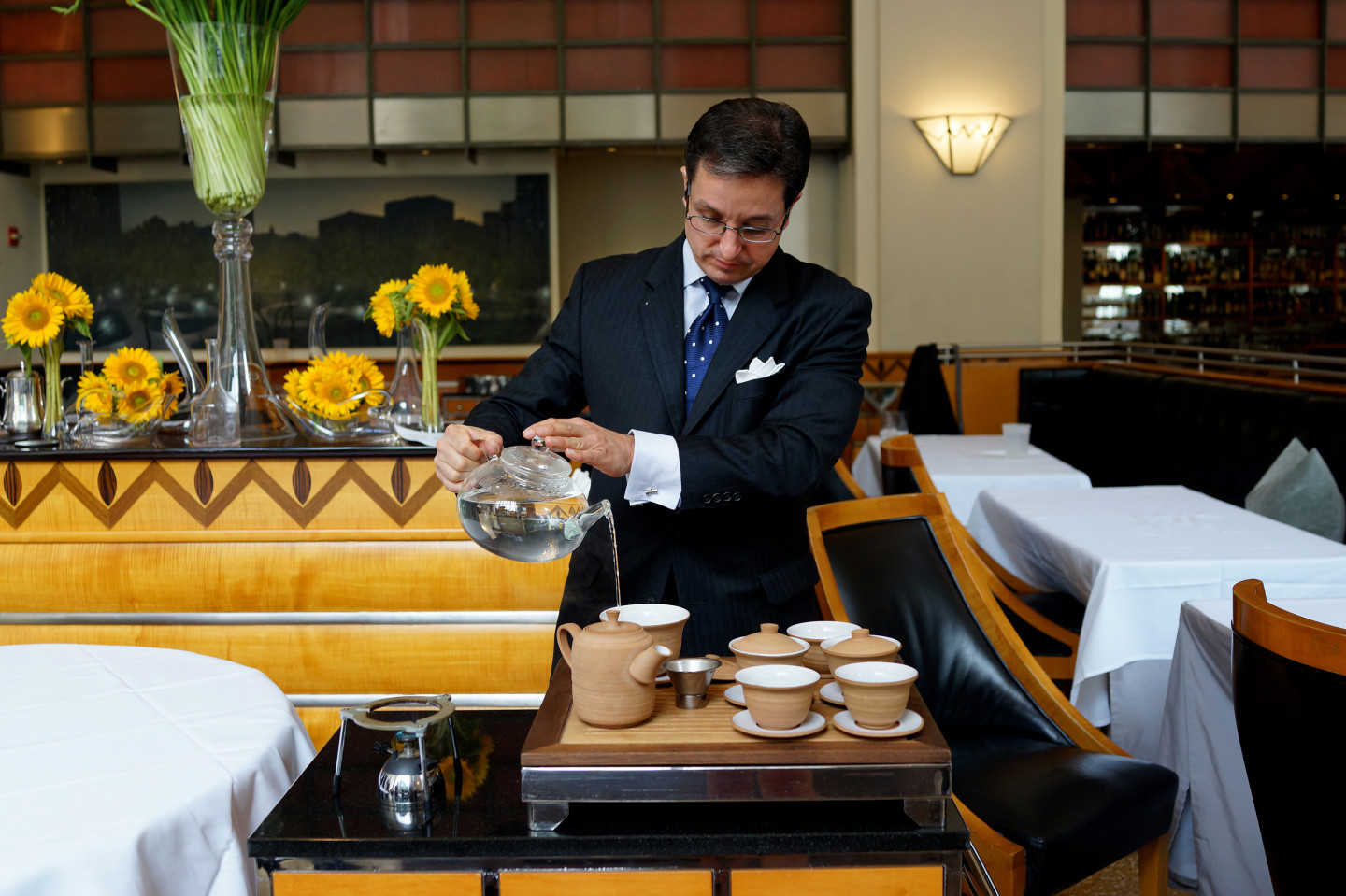
"caption": "Christopher Day is dining room manager at Eleven Madison Park and the man behind its tea program. \"My goal has always been to put together a tea list with the same standard and rigor as you would with wine,\" he says.",
"description": "Christopher Day is dining room manager at Eleven Madison Park and the man behind its tea program. \"My goal has always been to put together a tea list with the same standard and rigor as you would with wine,\" he says.",
"title": "Christopher Day is dining room manager at Eleven Madison Park and the man behind its tea program. \"My goal has always been to put together a tea list with the same standard and rigor as you would with wine,\" he says.",
"credit": "Kathy YL Chan for NPR ",
"status": "inherit",
"isLoading": false,
"fetchFailed": false
},
"bayareabites_98214": {
"type": "attachments",
"id": "bayareabites_98214",
"meta": {
"index": "attachments_1716263798",
"site": "bayareabites",
"id": "98214",
"found": true
},
"parent": 98213,
"imgSizes": {
"twentyfourteen-full-width": {
"file": "https://ww2.kqed.org/app/uploads/sites/24/2015/07/istock_000017697035large_custom-c2eb572db517f266b56d11b4f68a959f0e3dbb6e-1038x576.jpg",
"width": 1038,
"mimeType": "image/jpeg",
"height": 576
},
"thumbnail": {
"file": "https://ww2.kqed.org/app/uploads/sites/24/2015/07/istock_000017697035large_custom-c2eb572db517f266b56d11b4f68a959f0e3dbb6e-400x266.jpg",
"width": 400,
"mimeType": "image/jpeg",
"height": 266
},
"fd-sm": {
"file": "https://ww2.kqed.org/app/uploads/sites/24/2015/07/istock_000017697035large_custom-c2eb572db517f266b56d11b4f68a959f0e3dbb6e-960x638.jpg",
"width": 960,
"mimeType": "image/jpeg",
"height": 638
},
"post-thumbnail": {
"file": "https://ww2.kqed.org/app/uploads/sites/24/2015/07/istock_000017697035large_custom-c2eb572db517f266b56d11b4f68a959f0e3dbb6e-672x372.jpg",
"width": 672,
"mimeType": "image/jpeg",
"height": 372
},
"kqedFullSize": {
"file": "https://ww2.kqed.org/app/uploads/sites/24/2015/07/istock_000017697035large_custom-c2eb572db517f266b56d11b4f68a959f0e3dbb6e-e1437421832384.jpg",
"width": 1920,
"height": 1276
},
"large": {
"file": "https://ww2.kqed.org/app/uploads/sites/24/2015/07/istock_000017697035large_custom-c2eb572db517f266b56d11b4f68a959f0e3dbb6e-1440x957.jpg",
"width": 1440,
"mimeType": "image/jpeg",
"height": 957
},
"guest-author-96": {
"file": "https://ww2.kqed.org/app/uploads/sites/24/2015/07/istock_000017697035large_custom-c2eb572db517f266b56d11b4f68a959f0e3dbb6e-96x96.jpg",
"width": 96,
"mimeType": "image/jpeg",
"height": 96
},
"medium": {
"file": "https://ww2.kqed.org/app/uploads/sites/24/2015/07/istock_000017697035large_custom-c2eb572db517f266b56d11b4f68a959f0e3dbb6e-800x531.jpg",
"width": 800,
"mimeType": "image/jpeg",
"height": 531
},
"guest-author-64": {
"file": "https://ww2.kqed.org/app/uploads/sites/24/2015/07/istock_000017697035large_custom-c2eb572db517f266b56d11b4f68a959f0e3dbb6e-64x64.jpg",
"width": 64,
"mimeType": "image/jpeg",
"height": 64
},
"guest-author-32": {
"file": "https://ww2.kqed.org/app/uploads/sites/24/2015/07/istock_000017697035large_custom-c2eb572db517f266b56d11b4f68a959f0e3dbb6e-32x32.jpg",
"width": 32,
"mimeType": "image/jpeg",
"height": 32
},
"cat_post_thumb_sizecategory-posts-2": {
"file": "https://ww2.kqed.org/app/uploads/sites/24/2015/07/istock_000017697035large_custom-c2eb572db517f266b56d11b4f68a959f0e3dbb6e-150x150.jpg",
"width": 150,
"mimeType": "image/jpeg",
"height": 150
},
"fd-lrg": {
"file": "https://ww2.kqed.org/app/uploads/sites/24/2015/07/istock_000017697035large_custom-c2eb572db517f266b56d11b4f68a959f0e3dbb6e-1400x930.jpg",
"width": 1400,
"mimeType": "image/jpeg",
"height": 930
},
"fd-med": {
"file": "https://ww2.kqed.org/app/uploads/sites/24/2015/07/istock_000017697035large_custom-c2eb572db517f266b56d11b4f68a959f0e3dbb6e-1180x784.jpg",
"width": 1180,
"mimeType": "image/jpeg",
"height": 784
},
"detail": {
"file": "https://ww2.kqed.org/app/uploads/sites/24/2015/07/istock_000017697035large_custom-c2eb572db517f266b56d11b4f68a959f0e3dbb6e-75x75.jpg",
"width": 75,
"mimeType": "image/jpeg",
"height": 75
},
"guest-author-128": {
"file": "https://ww2.kqed.org/app/uploads/sites/24/2015/07/istock_000017697035large_custom-c2eb572db517f266b56d11b4f68a959f0e3dbb6e-128x128.jpg",
"width": 128,
"mimeType": "image/jpeg",
"height": 128
}
},
"publishDate": 1437421797,
"modified": 1437421860,
"caption": "As useful and tasty as they are, swine have not been universally adored.",
"description": "As useful and tasty as they are, swine have not been universally adored",
"title": "As useful and tasty as they are, swine have not been universally adored.",
"credit": "iStockphoto",
"status": "inherit",
"isLoading": false,
"fetchFailed": false
},
"bayareabites_98076": {
"type": "attachments",
"id": "bayareabites_98076",
"meta": {
"index": "attachments_1716263798",
"site": "bayareabites",
"id": "98076",
"found": true
},
"parent": 98075,
"imgSizes": {
"twentyfourteen-full-width": {
"file": "https://ww2.kqed.org/app/uploads/sites/24/2015/07/istock_000008256748large_custom-496402c8fcfa2ab44be8ff7d552814e83bb24d8c-1038x576.jpg",
"width": 1038,
"mimeType": "image/jpeg",
"height": 576
},
"thumbnail": {
"file": "https://ww2.kqed.org/app/uploads/sites/24/2015/07/istock_000008256748large_custom-496402c8fcfa2ab44be8ff7d552814e83bb24d8c-400x266.jpg",
"width": 400,
"mimeType": "image/jpeg",
"height": 266
},
"fd-sm": {
"file": "https://ww2.kqed.org/app/uploads/sites/24/2015/07/istock_000008256748large_custom-496402c8fcfa2ab44be8ff7d552814e83bb24d8c-960x639.jpg",
"width": 960,
"mimeType": "image/jpeg",
"height": 639
},
"post-thumbnail": {
"file": "https://ww2.kqed.org/app/uploads/sites/24/2015/07/istock_000008256748large_custom-496402c8fcfa2ab44be8ff7d552814e83bb24d8c-672x372.jpg",
"width": 672,
"mimeType": "image/jpeg",
"height": 372
},
"kqedFullSize": {
"file": "https://ww2.kqed.org/app/uploads/sites/24/2015/07/istock_000008256748large_custom-496402c8fcfa2ab44be8ff7d552814e83bb24d8c-e1437069226992.jpg",
"width": 1920,
"height": 1279
},
"large": {
"file": "https://ww2.kqed.org/app/uploads/sites/24/2015/07/istock_000008256748large_custom-496402c8fcfa2ab44be8ff7d552814e83bb24d8c-1440x959.jpg",
"width": 1440,
"mimeType": "image/jpeg",
"height": 959
},
"guest-author-96": {
"file": "https://ww2.kqed.org/app/uploads/sites/24/2015/07/istock_000008256748large_custom-496402c8fcfa2ab44be8ff7d552814e83bb24d8c-96x96.jpg",
"width": 96,
"mimeType": "image/jpeg",
"height": 96
},
"medium": {
"file": "https://ww2.kqed.org/app/uploads/sites/24/2015/07/istock_000008256748large_custom-496402c8fcfa2ab44be8ff7d552814e83bb24d8c-800x533.jpg",
"width": 800,
"mimeType": "image/jpeg",
"height": 533
},
"guest-author-64": {
"file": "https://ww2.kqed.org/app/uploads/sites/24/2015/07/istock_000008256748large_custom-496402c8fcfa2ab44be8ff7d552814e83bb24d8c-64x64.jpg",
"width": 64,
"mimeType": "image/jpeg",
"height": 64
},
"guest-author-32": {
"file": "https://ww2.kqed.org/app/uploads/sites/24/2015/07/istock_000008256748large_custom-496402c8fcfa2ab44be8ff7d552814e83bb24d8c-32x32.jpg",
"width": 32,
"mimeType": "image/jpeg",
"height": 32
},
"cat_post_thumb_sizecategory-posts-2": {
"file": "https://ww2.kqed.org/app/uploads/sites/24/2015/07/istock_000008256748large_custom-496402c8fcfa2ab44be8ff7d552814e83bb24d8c-150x150.jpg",
"width": 150,
"mimeType": "image/jpeg",
"height": 150
},
"fd-lrg": {
"file": "https://ww2.kqed.org/app/uploads/sites/24/2015/07/istock_000008256748large_custom-496402c8fcfa2ab44be8ff7d552814e83bb24d8c-1400x932.jpg",
"width": 1400,
"mimeType": "image/jpeg",
"height": 932
},
"fd-med": {
"file": "https://ww2.kqed.org/app/uploads/sites/24/2015/07/istock_000008256748large_custom-496402c8fcfa2ab44be8ff7d552814e83bb24d8c-1180x786.jpg",
"width": 1180,
"mimeType": "image/jpeg",
"height": 786
},
"detail": {
"file": "https://ww2.kqed.org/app/uploads/sites/24/2015/07/istock_000008256748large_custom-496402c8fcfa2ab44be8ff7d552814e83bb24d8c-75x75.jpg",
"width": 75,
"mimeType": "image/jpeg",
"height": 75
},
"guest-author-128": {
"file": "https://ww2.kqed.org/app/uploads/sites/24/2015/07/istock_000008256748large_custom-496402c8fcfa2ab44be8ff7d552814e83bb24d8c-128x128.jpg",
"width": 128,
"mimeType": "image/jpeg",
"height": 128
}
},
"publishDate": 1437068744,
"modified": 1437069252,
"caption": "Cottage cheese peaked in the early 1970s, when the average American ate about 5 pounds of it per year, according to the U.S. Department of Agriculture.",
"description": "Cottage cheese peaked in the early 1970s, when the average American ate about 5 pounds of it per year, according to the U.S. Department of Agricultur",
"title": "Cottage cheese peaked in the early 1970s, when the average American ate about 5 pounds of it per year, according to the U.S. Department of Agriculture.",
"credit": "iStockphoto ",
"status": "inherit",
"isLoading": false,
"fetchFailed": false
},
"bayareabites_98049": {
"type": "attachments",
"id": "bayareabites_98049",
"meta": {
"index": "attachments_1716263798",
"site": "bayareabites",
"id": "98049",
"found": true
},
"parent": 98048,
"imgSizes": {
"twentyfourteen-full-width": {
"file": "https://ww2.kqed.org/app/uploads/sites/24/2015/07/img_1617_custom-399b93c2dc2fdb4c24b6f68b703af2b829108c4f-1038x576.jpg",
"width": 1038,
"mimeType": "image/jpeg",
"height": 576
},
"thumbnail": {
"file": "https://ww2.kqed.org/app/uploads/sites/24/2015/07/img_1617_custom-399b93c2dc2fdb4c24b6f68b703af2b829108c4f-400x266.jpg",
"width": 400,
"mimeType": "image/jpeg",
"height": 266
},
"fd-sm": {
"file": "https://ww2.kqed.org/app/uploads/sites/24/2015/07/img_1617_custom-399b93c2dc2fdb4c24b6f68b703af2b829108c4f-960x639.jpg",
"width": 960,
"mimeType": "image/jpeg",
"height": 639
},
"post-thumbnail": {
"file": "https://ww2.kqed.org/app/uploads/sites/24/2015/07/img_1617_custom-399b93c2dc2fdb4c24b6f68b703af2b829108c4f-672x372.jpg",
"width": 672,
"mimeType": "image/jpeg",
"height": 372
},
"kqedFullSize": {
"file": "https://ww2.kqed.org/app/uploads/sites/24/2015/07/img_1617_custom-399b93c2dc2fdb4c24b6f68b703af2b829108c4f-e1436980692604.jpg",
"width": 1920,
"height": 1279
},
"large": {
"file": "https://ww2.kqed.org/app/uploads/sites/24/2015/07/img_1617_custom-399b93c2dc2fdb4c24b6f68b703af2b829108c4f-1440x959.jpg",
"width": 1440,
"mimeType": "image/jpeg",
"height": 959
},
"guest-author-96": {
"file": "https://ww2.kqed.org/app/uploads/sites/24/2015/07/img_1617_custom-399b93c2dc2fdb4c24b6f68b703af2b829108c4f-96x96.jpg",
"width": 96,
"mimeType": "image/jpeg",
"height": 96
},
"medium": {
"file": "https://ww2.kqed.org/app/uploads/sites/24/2015/07/img_1617_custom-399b93c2dc2fdb4c24b6f68b703af2b829108c4f-800x533.jpg",
"width": 800,
"mimeType": "image/jpeg",
"height": 533
},
"guest-author-64": {
"file": "https://ww2.kqed.org/app/uploads/sites/24/2015/07/img_1617_custom-399b93c2dc2fdb4c24b6f68b703af2b829108c4f-64x64.jpg",
"width": 64,
"mimeType": "image/jpeg",
"height": 64
},
"guest-author-32": {
"file": "https://ww2.kqed.org/app/uploads/sites/24/2015/07/img_1617_custom-399b93c2dc2fdb4c24b6f68b703af2b829108c4f-32x32.jpg",
"width": 32,
"mimeType": "image/jpeg",
"height": 32
},
"cat_post_thumb_sizecategory-posts-2": {
"file": "https://ww2.kqed.org/app/uploads/sites/24/2015/07/img_1617_custom-399b93c2dc2fdb4c24b6f68b703af2b829108c4f-150x150.jpg",
"width": 150,
"mimeType": "image/jpeg",
"height": 150
},
"fd-med": {
"file": "https://ww2.kqed.org/app/uploads/sites/24/2015/07/img_1617_custom-399b93c2dc2fdb4c24b6f68b703af2b829108c4f-1180x786.jpg",
"width": 1180,
"mimeType": "image/jpeg",
"height": 786
},
"detail": {
"file": "https://ww2.kqed.org/app/uploads/sites/24/2015/07/img_1617_custom-399b93c2dc2fdb4c24b6f68b703af2b829108c4f-75x75.jpg",
"width": 75,
"mimeType": "image/jpeg",
"height": 75
},
"guest-author-128": {
"file": "https://ww2.kqed.org/app/uploads/sites/24/2015/07/img_1617_custom-399b93c2dc2fdb4c24b6f68b703af2b829108c4f-128x128.jpg",
"width": 128,
"mimeType": "image/jpeg",
"height": 128
}
},
"publishDate": 1436980375,
"modified": 1436980715,
"caption": "Historic yogurt-making cultures held by Mirjana Curic-Bawden.",
"description": "Historic yogurt-making cultures held by Mirjana Curic-Bawden.",
"title": "Historic yogurt-making cultures held by Mirjana Curic-Bawden.",
"credit": "Dan Charles/NPR ",
"status": "inherit",
"isLoading": false,
"fetchFailed": false
},
"bayareabites_98031": {
"type": "attachments",
"id": "bayareabites_98031",
"meta": {
"index": "attachments_1716263798",
"site": "bayareabites",
"id": "98031",
"found": true
},
"parent": 98030,
"imgSizes": {
"twentyfourteen-full-width": {
"file": "https://ww2.kqed.org/app/uploads/sites/24/2015/07/foodprogram_wide-18d3f1aa1992d22fa524ccee25fb7610a1f6bb39-1038x576.jpg",
"width": 1038,
"mimeType": "image/jpeg",
"height": 576
},
"thumbnail": {
"file": "https://ww2.kqed.org/app/uploads/sites/24/2015/07/foodprogram_wide-18d3f1aa1992d22fa524ccee25fb7610a1f6bb39-400x225.jpg",
"width": 400,
"mimeType": "image/jpeg",
"height": 225
},
"fd-sm": {
"file": "https://ww2.kqed.org/app/uploads/sites/24/2015/07/foodprogram_wide-18d3f1aa1992d22fa524ccee25fb7610a1f6bb39-960x540.jpg",
"width": 960,
"mimeType": "image/jpeg",
"height": 540
},
"post-thumbnail": {
"file": "https://ww2.kqed.org/app/uploads/sites/24/2015/07/foodprogram_wide-18d3f1aa1992d22fa524ccee25fb7610a1f6bb39-672x372.jpg",
"width": 672,
"mimeType": "image/jpeg",
"height": 372
},
"kqedFullSize": {
"file": "https://ww2.kqed.org/app/uploads/sites/24/2015/07/foodprogram_wide-18d3f1aa1992d22fa524ccee25fb7610a1f6bb39-e1437005815607.jpg",
"width": 1920,
"height": 1080
},
"large": {
"file": "https://ww2.kqed.org/app/uploads/sites/24/2015/07/foodprogram_wide-18d3f1aa1992d22fa524ccee25fb7610a1f6bb39-1440x810.jpg",
"width": 1440,
"mimeType": "image/jpeg",
"height": 810
},
"guest-author-96": {
"file": "https://ww2.kqed.org/app/uploads/sites/24/2015/07/foodprogram_wide-18d3f1aa1992d22fa524ccee25fb7610a1f6bb39-96x96.jpg",
"width": 96,
"mimeType": "image/jpeg",
"height": 96
},
"medium": {
"file": "https://ww2.kqed.org/app/uploads/sites/24/2015/07/foodprogram_wide-18d3f1aa1992d22fa524ccee25fb7610a1f6bb39-800x450.jpg",
"width": 800,
"mimeType": "image/jpeg",
"height": 450
},
"guest-author-64": {
"file": "https://ww2.kqed.org/app/uploads/sites/24/2015/07/foodprogram_wide-18d3f1aa1992d22fa524ccee25fb7610a1f6bb39-64x64.jpg",
"width": 64,
"mimeType": "image/jpeg",
"height": 64
},
"guest-author-32": {
"file": "https://ww2.kqed.org/app/uploads/sites/24/2015/07/foodprogram_wide-18d3f1aa1992d22fa524ccee25fb7610a1f6bb39-32x32.jpg",
"width": 32,
"mimeType": "image/jpeg",
"height": 32
},
"cat_post_thumb_sizecategory-posts-2": {
"file": "https://ww2.kqed.org/app/uploads/sites/24/2015/07/foodprogram_wide-18d3f1aa1992d22fa524ccee25fb7610a1f6bb39-150x150.jpg",
"width": 150,
"mimeType": "image/jpeg",
"height": 150
},
"fd-med": {
"file": "https://ww2.kqed.org/app/uploads/sites/24/2015/07/foodprogram_wide-18d3f1aa1992d22fa524ccee25fb7610a1f6bb39-1180x664.jpg",
"width": 1180,
"mimeType": "image/jpeg",
"height": 664
},
"detail": {
"file": "https://ww2.kqed.org/app/uploads/sites/24/2015/07/foodprogram_wide-18d3f1aa1992d22fa524ccee25fb7610a1f6bb39-75x75.jpg",
"width": 75,
"mimeType": "image/jpeg",
"height": 75
},
"guest-author-128": {
"file": "https://ww2.kqed.org/app/uploads/sites/24/2015/07/foodprogram_wide-18d3f1aa1992d22fa524ccee25fb7610a1f6bb39-128x128.jpg",
"width": 128,
"mimeType": "image/jpeg",
"height": 128
}
},
"publishDate": 1436912099,
"modified": 1436912363,
"caption": "In some Indian states, efforts to serve eggs to malnourished children are a political minefield. See the related animation, \u003ca href=\"http://pulitzercenter.org/reporting/power-lunch-india-mid-day-meal-program\">\"Power Lunch: India's Mid-Day Meal Program,\"\u003c/a> produced by Mathilde Dratwa for the Pulitzer Center and based on Rhitu Chatterjee's reporting. ",
"description": "In some Indian states, efforts to serve eggs to malnourished children are a political minefield. See the related animation, \"\u003ca href=\"http://pulitzercenter.org/reporting/power-lunch-india-mid-day-meal-program\">Power Lunch: India's Mid-Day Meal Program\u003c/a>,\" produced by Mathilde Dratwa for the Pulitzer Center and based on Rhitu Chatterjee's reporting",
"title": "In some Indian states, efforts to serve eggs to malnourished children are a political minefield. See the related animation, \"Power Lunch: India's Mid-Day Meal Program,\" produced by Mathilde Dratwa for the Pulitzer Center and based on Rhitu Chatterjee's reporting.",
"credit": "\u003ca href=\"http://pulitzercenter.org/reporting/power-lunch-india-mid-day-meal-program\">Lisa LaBracio/Courtesy of the Pulitzer Center \u003c/a>",
"status": "inherit",
"isLoading": false,
"fetchFailed": false
},
"bayareabites_98011": {
"type": "attachments",
"id": "bayareabites_98011",
"meta": {
"index": "attachments_1716263798",
"site": "bayareabites",
"id": "98011",
"found": true
},
"parent": 98010,
"imgSizes": {
"twentyfourteen-full-width": {
"file": "https://ww2.kqed.org/app/uploads/sites/24/2015/07/istock_000035630244xlarge_custom-9608264c366e6b2467b1b789a113958691f67dcf-1038x576.jpg",
"width": 1038,
"mimeType": "image/jpeg",
"height": 576
},
"thumbnail": {
"file": "https://ww2.kqed.org/app/uploads/sites/24/2015/07/istock_000035630244xlarge_custom-9608264c366e6b2467b1b789a113958691f67dcf-400x246.jpg",
"width": 400,
"mimeType": "image/jpeg",
"height": 246
},
"fd-sm": {
"file": "https://ww2.kqed.org/app/uploads/sites/24/2015/07/istock_000035630244xlarge_custom-9608264c366e6b2467b1b789a113958691f67dcf-960x591.jpg",
"width": 960,
"mimeType": "image/jpeg",
"height": 591
},
"post-thumbnail": {
"file": "https://ww2.kqed.org/app/uploads/sites/24/2015/07/istock_000035630244xlarge_custom-9608264c366e6b2467b1b789a113958691f67dcf-672x372.jpg",
"width": 672,
"mimeType": "image/jpeg",
"height": 372
},
"kqedFullSize": {
"file": "https://ww2.kqed.org/app/uploads/sites/24/2015/07/istock_000035630244xlarge_custom-9608264c366e6b2467b1b789a113958691f67dcf-e1436891289653.jpg",
"width": 1920,
"height": 1181
},
"large": {
"file": "https://ww2.kqed.org/app/uploads/sites/24/2015/07/istock_000035630244xlarge_custom-9608264c366e6b2467b1b789a113958691f67dcf-1440x886.jpg",
"width": 1440,
"mimeType": "image/jpeg",
"height": 886
},
"guest-author-96": {
"file": "https://ww2.kqed.org/app/uploads/sites/24/2015/07/istock_000035630244xlarge_custom-9608264c366e6b2467b1b789a113958691f67dcf-96x96.jpg",
"width": 96,
"mimeType": "image/jpeg",
"height": 96
},
"medium": {
"file": "https://ww2.kqed.org/app/uploads/sites/24/2015/07/istock_000035630244xlarge_custom-9608264c366e6b2467b1b789a113958691f67dcf-800x492.jpg",
"width": 800,
"mimeType": "image/jpeg",
"height": 492
},
"guest-author-64": {
"file": "https://ww2.kqed.org/app/uploads/sites/24/2015/07/istock_000035630244xlarge_custom-9608264c366e6b2467b1b789a113958691f67dcf-64x64.jpg",
"width": 64,
"mimeType": "image/jpeg",
"height": 64
},
"guest-author-32": {
"file": "https://ww2.kqed.org/app/uploads/sites/24/2015/07/istock_000035630244xlarge_custom-9608264c366e6b2467b1b789a113958691f67dcf-32x32.jpg",
"width": 32,
"mimeType": "image/jpeg",
"height": 32
},
"cat_post_thumb_sizecategory-posts-2": {
"file": "https://ww2.kqed.org/app/uploads/sites/24/2015/07/istock_000035630244xlarge_custom-9608264c366e6b2467b1b789a113958691f67dcf-150x150.jpg",
"width": 150,
"mimeType": "image/jpeg",
"height": 150
},
"fd-med": {
"file": "https://ww2.kqed.org/app/uploads/sites/24/2015/07/istock_000035630244xlarge_custom-9608264c366e6b2467b1b789a113958691f67dcf-1180x726.jpg",
"width": 1180,
"mimeType": "image/jpeg",
"height": 726
},
"detail": {
"file": "https://ww2.kqed.org/app/uploads/sites/24/2015/07/istock_000035630244xlarge_custom-9608264c366e6b2467b1b789a113958691f67dcf-75x75.jpg",
"width": 75,
"mimeType": "image/jpeg",
"height": 75
},
"guest-author-128": {
"file": "https://ww2.kqed.org/app/uploads/sites/24/2015/07/istock_000035630244xlarge_custom-9608264c366e6b2467b1b789a113958691f67dcf-128x128.jpg",
"width": 128,
"mimeType": "image/jpeg",
"height": 128
}
},
"publishDate": 1436890671,
"modified": 1436891319,
"caption": "Scientists have documented that beneficial microorganisms play a critical role in how our bodies function. And it's becoming clear that the influence goes beyond the gut — researchers are turning their attention to our emotional health.",
"description": "Scientists have documented that beneficial microorganisms play a critical role in how our bodies function. And it's becoming clear that the influence goes beyond the gut -- researchers are turning their attention to our emotional heal",
"title": "Scientists have documented that beneficial microorganisms play a critical role in how our bodies function. And it's becoming clear that the influence goes beyond the gut — researchers are turning their attention to our emotional health.",
"credit": "iStockphoto ",
"status": "inherit",
"isLoading": false,
"fetchFailed": false
},
"bayareabites_97883": {
"type": "attachments",
"id": "bayareabites_97883",
"meta": {
"index": "attachments_1716263798",
"site": "bayareabites",
"id": "97883",
"found": true
},
"parent": 97882,
"imgSizes": {
"twentyfourteen-full-width": {
"file": "https://ww2.kqed.org/app/uploads/sites/24/2015/07/yogurtlove2_custom-76e3448c242105bfac4fe8bdfa5abeab449dfd2d-1038x576.jpg",
"width": 1038,
"mimeType": "image/jpeg",
"height": 576
},
"thumbnail": {
"file": "https://ww2.kqed.org/app/uploads/sites/24/2015/07/yogurtlove2_custom-76e3448c242105bfac4fe8bdfa5abeab449dfd2d-400x227.jpg",
"width": 400,
"mimeType": "image/jpeg",
"height": 227
},
"fd-sm": {
"file": "https://ww2.kqed.org/app/uploads/sites/24/2015/07/yogurtlove2_custom-76e3448c242105bfac4fe8bdfa5abeab449dfd2d-960x546.jpg",
"width": 960,
"mimeType": "image/jpeg",
"height": 546
},
"post-thumbnail": {
"file": "https://ww2.kqed.org/app/uploads/sites/24/2015/07/yogurtlove2_custom-76e3448c242105bfac4fe8bdfa5abeab449dfd2d-672x372.jpg",
"width": 672,
"mimeType": "image/jpeg",
"height": 372
},
"kqedFullSize": {
"file": "https://ww2.kqed.org/app/uploads/sites/24/2015/07/yogurtlove2_custom-76e3448c242105bfac4fe8bdfa5abeab449dfd2d-e1436821040721.jpg",
"width": 1920,
"height": 1092
},
"large": {
"file": "https://ww2.kqed.org/app/uploads/sites/24/2015/07/yogurtlove2_custom-76e3448c242105bfac4fe8bdfa5abeab449dfd2d-1440x819.jpg",
"width": 1440,
"mimeType": "image/jpeg",
"height": 819
},
"guest-author-96": {
"file": "https://ww2.kqed.org/app/uploads/sites/24/2015/07/yogurtlove2_custom-76e3448c242105bfac4fe8bdfa5abeab449dfd2d-96x96.jpg",
"width": 96,
"mimeType": "image/jpeg",
"height": 96
},
"medium": {
"file": "https://ww2.kqed.org/app/uploads/sites/24/2015/07/yogurtlove2_custom-76e3448c242105bfac4fe8bdfa5abeab449dfd2d-800x455.jpg",
"width": 800,
"mimeType": "image/jpeg",
"height": 455
},
"guest-author-64": {
"file": "https://ww2.kqed.org/app/uploads/sites/24/2015/07/yogurtlove2_custom-76e3448c242105bfac4fe8bdfa5abeab449dfd2d-64x64.jpg",
"width": 64,
"mimeType": "image/jpeg",
"height": 64
},
"guest-author-32": {
"file": "https://ww2.kqed.org/app/uploads/sites/24/2015/07/yogurtlove2_custom-76e3448c242105bfac4fe8bdfa5abeab449dfd2d-32x32.jpg",
"width": 32,
"mimeType": "image/jpeg",
"height": 32
},
"cat_post_thumb_sizecategory-posts-2": {
"file": "https://ww2.kqed.org/app/uploads/sites/24/2015/07/yogurtlove2_custom-76e3448c242105bfac4fe8bdfa5abeab449dfd2d-150x150.jpg",
"width": 150,
"mimeType": "image/jpeg",
"height": 150
},
"fd-med": {
"file": "https://ww2.kqed.org/app/uploads/sites/24/2015/07/yogurtlove2_custom-76e3448c242105bfac4fe8bdfa5abeab449dfd2d-1180x671.jpg",
"width": 1180,
"mimeType": "image/jpeg",
"height": 671
},
"detail": {
"file": "https://ww2.kqed.org/app/uploads/sites/24/2015/07/yogurtlove2_custom-76e3448c242105bfac4fe8bdfa5abeab449dfd2d-75x75.jpg",
"width": 75,
"mimeType": "image/jpeg",
"height": 75
},
"guest-author-128": {
"file": "https://ww2.kqed.org/app/uploads/sites/24/2015/07/yogurtlove2_custom-76e3448c242105bfac4fe8bdfa5abeab449dfd2d-128x128.jpg",
"width": 128,
"mimeType": "image/jpeg",
"height": 128
}
},
"publishDate": 1436819216,
"modified": 1436821066,
"caption": "An award-winning yogurt maker was jailed for burning down a yogurt factory.",
"description": "An award-winning yogurt maker was jailed for burning down a yogurt factory.",
"title": "An award-winning yogurt maker was jailed for burning down a yogurt factory.",
"credit": "Adolfo Valle for NPR ",
"status": "inherit",
"isLoading": false,
"fetchFailed": false
},
"bayareabites_97872": {
"type": "attachments",
"id": "bayareabites_97872",
"meta": {
"index": "attachments_1716263798",
"site": "bayareabites",
"id": "97872",
"found": true
},
"parent": 97871,
"imgSizes": {
"twentyfourteen-full-width": {
"file": "https://ww2.kqed.org/app/uploads/sites/24/2015/07/gettyimages-122142669_custom-7cf67462e97b6af64b73cac1bd7ad6971b972494-1038x576.jpg",
"width": 1038,
"mimeType": "image/jpeg",
"height": 576
},
"thumbnail": {
"file": "https://ww2.kqed.org/app/uploads/sites/24/2015/07/gettyimages-122142669_custom-7cf67462e97b6af64b73cac1bd7ad6971b972494-400x266.jpg",
"width": 400,
"mimeType": "image/jpeg",
"height": 266
},
"fd-sm": {
"file": "https://ww2.kqed.org/app/uploads/sites/24/2015/07/gettyimages-122142669_custom-7cf67462e97b6af64b73cac1bd7ad6971b972494-960x637.jpg",
"width": 960,
"mimeType": "image/jpeg",
"height": 637
},
"post-thumbnail": {
"file": "https://ww2.kqed.org/app/uploads/sites/24/2015/07/gettyimages-122142669_custom-7cf67462e97b6af64b73cac1bd7ad6971b972494-672x372.jpg",
"width": 672,
"mimeType": "image/jpeg",
"height": 372
},
"kqedFullSize": {
"file": "https://ww2.kqed.org/app/uploads/sites/24/2015/07/gettyimages-122142669_custom-7cf67462e97b6af64b73cac1bd7ad6971b972494-e1436815312801.jpg",
"width": 1920,
"height": 1274
},
"large": {
"file": "https://ww2.kqed.org/app/uploads/sites/24/2015/07/gettyimages-122142669_custom-7cf67462e97b6af64b73cac1bd7ad6971b972494-1440x956.jpg",
"width": 1440,
"mimeType": "image/jpeg",
"height": 956
},
"guest-author-96": {
"file": "https://ww2.kqed.org/app/uploads/sites/24/2015/07/gettyimages-122142669_custom-7cf67462e97b6af64b73cac1bd7ad6971b972494-96x96.jpg",
"width": 96,
"mimeType": "image/jpeg",
"height": 96
},
"medium": {
"file": "https://ww2.kqed.org/app/uploads/sites/24/2015/07/gettyimages-122142669_custom-7cf67462e97b6af64b73cac1bd7ad6971b972494-800x531.jpg",
"width": 800,
"mimeType": "image/jpeg",
"height": 531
},
"guest-author-64": {
"file": "https://ww2.kqed.org/app/uploads/sites/24/2015/07/gettyimages-122142669_custom-7cf67462e97b6af64b73cac1bd7ad6971b972494-64x64.jpg",
"width": 64,
"mimeType": "image/jpeg",
"height": 64
},
"guest-author-32": {
"file": "https://ww2.kqed.org/app/uploads/sites/24/2015/07/gettyimages-122142669_custom-7cf67462e97b6af64b73cac1bd7ad6971b972494-32x32.jpg",
"width": 32,
"mimeType": "image/jpeg",
"height": 32
},
"cat_post_thumb_sizecategory-posts-2": {
"file": "https://ww2.kqed.org/app/uploads/sites/24/2015/07/gettyimages-122142669_custom-7cf67462e97b6af64b73cac1bd7ad6971b972494-150x150.jpg",
"width": 150,
"mimeType": "image/jpeg",
"height": 150
},
"fd-med": {
"file": "https://ww2.kqed.org/app/uploads/sites/24/2015/07/gettyimages-122142669_custom-7cf67462e97b6af64b73cac1bd7ad6971b972494-1180x783.jpg",
"width": 1180,
"mimeType": "image/jpeg",
"height": 783
},
"detail": {
"file": "https://ww2.kqed.org/app/uploads/sites/24/2015/07/gettyimages-122142669_custom-7cf67462e97b6af64b73cac1bd7ad6971b972494-75x75.jpg",
"width": 75,
"mimeType": "image/jpeg",
"height": 75
},
"guest-author-128": {
"file": "https://ww2.kqed.org/app/uploads/sites/24/2015/07/gettyimages-122142669_custom-7cf67462e97b6af64b73cac1bd7ad6971b972494-128x128.jpg",
"width": 128,
"mimeType": "image/jpeg",
"height": 128
}
},
"publishDate": 1436815249,
"modified": 1436815886,
"caption": "Men line up at a takeaway food stand in the Saudi port of Jeddah in the early hours of August 26, 2011. Practicing Muslims eat their suhoor meal before dawn during the holy fasting month of Ramadan.",
"description": "Men line up at a takeaway food stand in the Saudi port of Jeddah in the early hours of August 26, 2011. Practicing Muslims eat their\u003cem> suhoor \u003c/em>meal before dawn during the holy fasting month of Ramada",
"title": "Men line up at a takeaway food stand in the Saudi port of Jeddah in the early hours of August 26, 2011. Practicing Muslims eat their suhoor meal before dawn during the holy fasting month of Ramadan.",
"credit": "Amer Hilabi/AFP/Getty Images ",
"status": "inherit",
"isLoading": false,
"fetchFailed": false
},
"bayareabites_97782": {
"type": "attachments",
"id": "bayareabites_97782",
"meta": {
"index": "attachments_1716263798",
"site": "bayareabites",
"id": "97782",
"found": true
},
"parent": 97781,
"imgSizes": {
"twentyfourteen-full-width": {
"file": "https://ww2.kqed.org/app/uploads/sites/24/2015/07/gvillewaitercarriers3_custom-732352bffc32440c9e41e566707111841857f996-1000x576.jpg",
"width": 1000,
"mimeType": "image/jpeg",
"height": 576
},
"thumbnail": {
"file": "https://ww2.kqed.org/app/uploads/sites/24/2015/07/gvillewaitercarriers3_custom-732352bffc32440c9e41e566707111841857f996-400x309.jpg",
"width": 400,
"mimeType": "image/jpeg",
"height": 309
},
"fd-sm": {
"file": "https://ww2.kqed.org/app/uploads/sites/24/2015/07/gvillewaitercarriers3_custom-732352bffc32440c9e41e566707111841857f996-960x741.jpg",
"width": 960,
"mimeType": "image/jpeg",
"height": 741
},
"post-thumbnail": {
"file": "https://ww2.kqed.org/app/uploads/sites/24/2015/07/gvillewaitercarriers3_custom-732352bffc32440c9e41e566707111841857f996-672x372.jpg",
"width": 672,
"mimeType": "image/jpeg",
"height": 372
},
"kqedFullSize": {
"file": "https://ww2.kqed.org/app/uploads/sites/24/2015/07/gvillewaitercarriers3_custom-732352bffc32440c9e41e566707111841857f996.jpg",
"width": 1000,
"height": 772
},
"cat_post_thumb_sizecategory-posts-2": {
"file": "https://ww2.kqed.org/app/uploads/sites/24/2015/07/gvillewaitercarriers3_custom-732352bffc32440c9e41e566707111841857f996-150x150.jpg",
"width": 150,
"mimeType": "image/jpeg",
"height": 150
},
"guest-author-96": {
"file": "https://ww2.kqed.org/app/uploads/sites/24/2015/07/gvillewaitercarriers3_custom-732352bffc32440c9e41e566707111841857f996-96x96.jpg",
"width": 96,
"mimeType": "image/jpeg",
"height": 96
},
"medium": {
"file": "https://ww2.kqed.org/app/uploads/sites/24/2015/07/gvillewaitercarriers3_custom-732352bffc32440c9e41e566707111841857f996-800x618.jpg",
"width": 800,
"mimeType": "image/jpeg",
"height": 618
},
"guest-author-64": {
"file": "https://ww2.kqed.org/app/uploads/sites/24/2015/07/gvillewaitercarriers3_custom-732352bffc32440c9e41e566707111841857f996-64x64.jpg",
"width": 64,
"mimeType": "image/jpeg",
"height": 64
},
"detail": {
"file": "https://ww2.kqed.org/app/uploads/sites/24/2015/07/gvillewaitercarriers3_custom-732352bffc32440c9e41e566707111841857f996-75x75.jpg",
"width": 75,
"mimeType": "image/jpeg",
"height": 75
},
"guest-author-32": {
"file": "https://ww2.kqed.org/app/uploads/sites/24/2015/07/gvillewaitercarriers3_custom-732352bffc32440c9e41e566707111841857f996-32x32.jpg",
"width": 32,
"mimeType": "image/jpeg",
"height": 32
},
"guest-author-128": {
"file": "https://ww2.kqed.org/app/uploads/sites/24/2015/07/gvillewaitercarriers3_custom-732352bffc32440c9e41e566707111841857f996-128x128.jpg",
"width": 128,
"mimeType": "image/jpeg",
"height": 128
}
},
"publishDate": 1436556929,
"modified": 1436557691,
"caption": "Waiter carriers pass food to passengers on a train stopping in Gordonsville, Va., in this undated photo. After the Civil War, local African-American women found a route to financial freedom by selling their famous fried chicken and other home-made goods track-side.",
"description": "Waiter carriers pass food to passengers on a train stopping in Gordonsville, Va., in this undated photo. After the Civil War, local African-American women found a route to financial freedom by selling their famous fried chicken and other home-made goods track-",
"title": "Waiter carriers pass food to passengers on a train stopping in Gordonsville, Va., in this undated photo. After the Civil War, local African-American women found a route to financial freedom by selling their famous fried chicken and other home-made goods track-side.",
"credit": "Courtesy of the Town of Gordonsville ",
"status": "inherit",
"isLoading": false,
"fetchFailed": false
},
"bayareabites_97766": {
"type": "attachments",
"id": "bayareabites_97766",
"meta": {
"index": "attachments_1716263798",
"site": "bayareabites",
"id": "97766",
"found": true
},
"parent": 97765,
"imgSizes": {
"twentyfourteen-full-width": {
"file": "https://ww2.kqed.org/app/uploads/sites/24/2015/07/gettyimages-475398808_custom-29082f5343669bf7a719903e25ecd7bd9ffa8103-1038x576.jpg",
"width": 1038,
"mimeType": "image/jpeg",
"height": 576
},
"thumbnail": {
"file": "https://ww2.kqed.org/app/uploads/sites/24/2015/07/gettyimages-475398808_custom-29082f5343669bf7a719903e25ecd7bd9ffa8103-400x259.jpg",
"width": 400,
"mimeType": "image/jpeg",
"height": 259
},
"fd-sm": {
"file": "https://ww2.kqed.org/app/uploads/sites/24/2015/07/gettyimages-475398808_custom-29082f5343669bf7a719903e25ecd7bd9ffa8103-960x623.jpg",
"width": 960,
"mimeType": "image/jpeg",
"height": 623
},
"post-thumbnail": {
"file": "https://ww2.kqed.org/app/uploads/sites/24/2015/07/gettyimages-475398808_custom-29082f5343669bf7a719903e25ecd7bd9ffa8103-672x372.jpg",
"width": 672,
"mimeType": "image/jpeg",
"height": 372
},
"kqedFullSize": {
"file": "https://ww2.kqed.org/app/uploads/sites/24/2015/07/gettyimages-475398808_custom-29082f5343669bf7a719903e25ecd7bd9ffa8103-e1436480205272.jpg",
"width": 1920,
"height": 1245
},
"large": {
"file": "https://ww2.kqed.org/app/uploads/sites/24/2015/07/gettyimages-475398808_custom-29082f5343669bf7a719903e25ecd7bd9ffa8103-1440x934.jpg",
"width": 1440,
"mimeType": "image/jpeg",
"height": 934
},
"guest-author-96": {
"file": "https://ww2.kqed.org/app/uploads/sites/24/2015/07/gettyimages-475398808_custom-29082f5343669bf7a719903e25ecd7bd9ffa8103-96x96.jpg",
"width": 96,
"mimeType": "image/jpeg",
"height": 96
},
"medium": {
"file": "https://ww2.kqed.org/app/uploads/sites/24/2015/07/gettyimages-475398808_custom-29082f5343669bf7a719903e25ecd7bd9ffa8103-800x519.jpg",
"width": 800,
"mimeType": "image/jpeg",
"height": 519
},
"guest-author-64": {
"file": "https://ww2.kqed.org/app/uploads/sites/24/2015/07/gettyimages-475398808_custom-29082f5343669bf7a719903e25ecd7bd9ffa8103-64x64.jpg",
"width": 64,
"mimeType": "image/jpeg",
"height": 64
},
"guest-author-32": {
"file": "https://ww2.kqed.org/app/uploads/sites/24/2015/07/gettyimages-475398808_custom-29082f5343669bf7a719903e25ecd7bd9ffa8103-32x32.jpg",
"width": 32,
"mimeType": "image/jpeg",
"height": 32
},
"cat_post_thumb_sizecategory-posts-2": {
"file": "https://ww2.kqed.org/app/uploads/sites/24/2015/07/gettyimages-475398808_custom-29082f5343669bf7a719903e25ecd7bd9ffa8103-150x150.jpg",
"width": 150,
"mimeType": "image/jpeg",
"height": 150
},
"fd-med": {
"file": "https://ww2.kqed.org/app/uploads/sites/24/2015/07/gettyimages-475398808_custom-29082f5343669bf7a719903e25ecd7bd9ffa8103-1180x765.jpg",
"width": 1180,
"mimeType": "image/jpeg",
"height": 765
},
"detail": {
"file": "https://ww2.kqed.org/app/uploads/sites/24/2015/07/gettyimages-475398808_custom-29082f5343669bf7a719903e25ecd7bd9ffa8103-75x75.jpg",
"width": 75,
"mimeType": "image/jpeg",
"height": 75
},
"guest-author-128": {
"file": "https://ww2.kqed.org/app/uploads/sites/24/2015/07/gettyimages-475398808_custom-29082f5343669bf7a719903e25ecd7bd9ffa8103-128x128.jpg",
"width": 128,
"mimeType": "image/jpeg",
"height": 128
}
},
"publishDate": 1436480014,
"modified": 1436480228,
"caption": "A bumblebee collects pollen from a cherry blossom. New evidence suggests climate change has left bumblebees with a shrinking range of places to live.",
"description": "A bumblebee collects pollen from a cherry blossom. New evidence suggests climate change has left bumblebees with a shrinking range of places to live.",
"title": "A bumblebee collects pollen from a cherry blossom. New evidence suggests climate change has left bumblebees with a shrinking range of places to live.",
"credit": "Yuri Kadobnovy/AFP/Getty Images ",
"status": "inherit",
"isLoading": false,
"fetchFailed": false
}
},
"audioPlayerReducer": {
"postId": "stream_live",
"isPaused": true,
"isPlaying": false,
"pfsActive": false,
"pledgeModalIsOpen": true,
"playerDrawerIsOpen": false,
"liveAudioPlayStartedAt": 0,
"liveAudioPlayContext": ""
},
"authorsReducer": {
"byline_bayareabites_98383": {
"type": "authors",
"id": "byline_bayareabites_98383",
"meta": {
"override": true
},
"slug": "byline_bayareabites_98383",
"name": "Dan Charles, \u003ca href=\"http://ww2.kqed.org/bayareabites/author/nprfood/\">NPR Food\u003c/a>",
"isLoading": false
},
"byline_bayareabites_98291": {
"type": "authors",
"id": "byline_bayareabites_98291",
"meta": {
"override": true
},
"slug": "byline_bayareabites_98291",
"name": "Rae Ellen Bichell, \u003ca href=\"https://ww2.kqed.org/bayareabites/author/nprfood/\">NPR Food\u003c/a>",
"isLoading": false
},
"byline_bayareabites_98284": {
"type": "authors",
"id": "byline_bayareabites_98284",
"meta": {
"override": true
},
"slug": "byline_bayareabites_98284",
"name": "Ina Yang, \u003ca href=\"https://ww2.kqed.org/bayareabites/author/nprfood/\">NPR Food\u003c/a>",
"isLoading": false
},
"byline_bayareabites_98213": {
"type": "authors",
"id": "byline_bayareabites_98213",
"meta": {
"override": true
},
"slug": "byline_bayareabites_98213",
"name": "Mark Essig, \u003ca href=\"https://ww2.kqed.org/bayareabites/author/nprfood/\">NPR Food\u003c/a>",
"isLoading": false
},
"byline_bayareabites_98075": {
"type": "authors",
"id": "byline_bayareabites_98075",
"meta": {
"override": true
},
"slug": "byline_bayareabites_98075",
"name": "Dan Charles, \u003ca href=\"https://ww2.kqed.org/bayareabites/author/nprfood/\">NPR Food\u003c/a>",
"isLoading": false
},
"byline_bayareabites_98048": {
"type": "authors",
"id": "byline_bayareabites_98048",
"meta": {
"override": true
},
"slug": "byline_bayareabites_98048",
"name": "Dan Charles, \u003ca href=\"https://ww2.kqed.org/bayareabites/author/nprfood/\">NPR Food\u003c/a>",
"isLoading": false
},
"byline_bayareabites_98030": {
"type": "authors",
"id": "byline_bayareabites_98030",
"meta": {
"override": true
},
"slug": "byline_bayareabites_98030",
"name": "Rhitu Chatterjee, \u003ca href=\"https://ww2.kqed.org/bayareabites/author/nprfood/\">NPR Food\u003c/a>",
"isLoading": false
},
"byline_bayareabites_98010": {
"type": "authors",
"id": "byline_bayareabites_98010",
"meta": {
"override": true
},
"slug": "byline_bayareabites_98010",
"name": "Allison Aubrey, \u003ca href=\"https://ww2.kqed.org/bayareabites/author/nprfood/\">NPR Food\u003c/a>",
"isLoading": false
},
"byline_bayareabites_97882": {
"type": "authors",
"id": "byline_bayareabites_97882",
"meta": {
"override": true
},
"slug": "byline_bayareabites_97882",
"name": "Dan Charles, \u003ca href=\"https://ww2.kqed.org/bayareabites/author/nprfood/\">NPR Food\u003c/a>",
"isLoading": false
},
"byline_bayareabites_97871": {
"type": "authors",
"id": "byline_bayareabites_97871",
"meta": {
"override": true
},
"slug": "byline_bayareabites_97871",
"name": "Deena Prichep, \u003ca href=\"https://ww2.kqed.org/bayareabites/author/nprfood/\">NPR Food\u003c/a>",
"isLoading": false
},
"byline_bayareabites_97781": {
"type": "authors",
"id": "byline_bayareabites_97781",
"meta": {
"override": true
},
"slug": "byline_bayareabites_97781",
"name": "Maria Godoy, \u003ca href=\"https://ww2.kqed.org/bayareabites/author/nprfood/\">NPR Food\u003c/a>",
"isLoading": false
},
"byline_bayareabites_97765": {
"type": "authors",
"id": "byline_bayareabites_97765",
"meta": {
"override": true
},
"slug": "byline_bayareabites_97765",
"name": "Dan Charles, \u003ca href=\"https://ww2.kqed.org/bayareabites/author/nprfood/\">NPR Food\u003c/a>",
"isLoading": false
}
},
"pagesReducer": {
"bayareabites_category_npr-food": {
"type": "terms",
"id": "bayareabites_10916",
"meta": {
"index": "terms_1716263798",
"site": "bayareabites",
"id": "10916",
"score": 13.894667
},
"featImg": null,
"name": "NPR food",
"description": null,
"taxonomy": "category",
"headData": {
"twImgId": null,
"twTitle": null,
"ogTitle": null,
"ogImgId": null,
"twDescription": null,
"description": null,
"title": "NPR food Archives | KQED Bay Area Bites",
"ogDescription": null
},
"ttid": 5375,
"slug": "npr-food",
"isLoading": false,
"title": "NPR food",
"pageMeta": {
"site": "bayareabites",
"WpPageTemplate": "page-topic-editorial",
"currentPage": 19
},
"blocks": [
{
"blockName": "kqed/post-list",
"attrs": {
"layout": "cardArticle2",
"query": "posts/bayareabites?category=npr-food",
"seeMore": false,
"paginated": true,
"page": 19
}
},
{
"blockName": "kqed/ad"
}
]
}
},
"pfsSessionReducer": {},
"postsReducer": {
"stream_live": {
"type": "live",
"id": "stream_live",
"audioUrl": "https://hls.kqed.org/hls/kqed_app/playlist.m3u8",
"title": "Live Stream",
"excerpt": "Live Stream information currently unavailable.",
"link": "/radio",
"featImg": "",
"label": {
"name": "KQED Live",
"link": "/"
}
},
"stream_kqedNewscast": {
"type": "posts",
"id": "stream_kqedNewscast",
"audioUrl": "https://www.kqed.org/.stream/anon/radio/RDnews/newscast.mp3?_=1",
"title": "KQED Newscast",
"featImg": "",
"label": {
"name": "88.5 FM",
"link": "/"
}
},
"bayareabites_98383": {
"type": "posts",
"id": "bayareabites_98383",
"meta": {
"index": "posts_1716263798",
"site": "bayareabites",
"id": "98383",
"score": null,
"sort": [
1437606388000
]
},
"parent": 0,
"labelTerm": {
"site": "bayareabites"
},
"blocks": [],
"publishDate": 1437606388,
"format": "audio",
"disqusTitle": "Eggs Go AWOL, And Bakers Scramble For High-Tech Substitutes",
"title": "Eggs Go AWOL, And Bakers Scramble For High-Tech Substitutes",
"headTitle": "Bay Area Bites | KQED Food",
"content": "\u003cp>\u003cstrong>Listen to the Story on All Things Considered:\u003c/strong>\u003cbr>\nhttp://pd.npr.org/anon.npr-mp3/npr/atc/2015/07/20150722_atc_eggs_go_awol_and_bakers_scramble_for_high-tech_substitutes.mp3\u003c/p>\n\u003cp>Strolling through the annual meeting of the \u003ca href=\"http://www.am-fe.ift.org/cms/\">Institute of Food Technologists\u003c/a> the other day, I saw several signs offering to solve an urgent problem facing American bakers. The signs advertised \"egg replacement.\"\u003c/p>\n\u003cp>It's a hot business right now, because eggs are in critically \u003ca href=\"http://www.npr.org/sections/thesalt/2015/06/10/413206232/for-bakers-and-restaurants-egg-supply-is-getting-ugly\">short supply\u003c/a>. Millions of egg-laying hens died this past spring as a result of \u003ca href=\"http://www.aphis.usda.gov/wps/portal/aphis/ourfocus/animalhealth/sa_animal_disease_information/sa_avian_health/ct_avian_influenza_disease/!ut/p/a1/lVFNc4IwEP0tHnpkEgH5OPrRCla0U6cquWTWAJIpBAaCjv31DWo79iBtc9vd97L73kMEbRERcOB7kLwQkLU1sehs6en9Edb96cp9xP5i_RQ4c9tYeqYChAqA77wh_slfPvtWy3_FI2_SxysDbRBBhAlZyhSFUKa8pqwQMhaSZnxXQXV6wDXQoqloUrCmPlcgeA4ZTWPIZHrbiXgdQx1TLpKiys8iLuMDB_GNZ_LaULCsicUHfBHbY0rGIxTudDfBlh5rhtMHzWQ7Q4MBDDR9ECVRxJhtGPZVfIe6X8w7i1eQ8XTomfZcGWY6OvYnim67Aca-dQV0-BuqG-y7S1wTrf4pavaHyPUqGAd79S3IVGvNRtvOEC7jmxDQtiOEzQiRQ3NcT46ozN9yxzhp78lioZHwxR_2ep_RA_Y1/?1dmy&urile=wcm%3apath%3a%2Faphis_content_library%2Fsa_our_focus%2Fsa_animal_health%2Fsa_animal_disease_information%2Fsa_avian_health%2Fsa_detections_by_states%2Fct_ai_pacific_flyway\">avian flu\u003c/a>, and egg prices have doubled. Liquid egg products, which the baking industry uses, are especially hard to find.\u003c/p>\n\u003cp>\"All of a sudden, [baking] companies were being told they're not going to have supply. Their phones are ringing, and then our phones started ringing,\" says Nicole Rees, a manager of business development for \u003ca href=\"http://www.glanbianutritionals.com/\">Glanbia Nutritionals\u003c/a>.\u003c/p>\n\u003cp>Glanbia is one of a \u003ca href=\"http://www.snackandbakery.com/articles/88007-egg-replacements-to-the-rescue/\">dozen or so\u003c/a> companies selling ingredients that can take the place of eggs. The difficult part, Rees explains, is duplicating all the different things that an egg can do. The yolk delivers moisture and richness. The egg white creates the structure in a sponge cake. And that's before you even get to flavor.\u003c/p>\n\u003cp>[ad fullwidth]\u003c/p>\n\u003cp>\"It's so primal to baking and our food system, so to remove it requires a lot of work behind the scenes that no one sees,\" says Rees.\u003c/p>\n\u003cp>The easy part, she says, is replacing the yolk. You need an emulsifier — something that helps oils mix with other ingredients. Glanbia uses a gum-like substance extracted from flax seed. \"It can behave like guar gum, or xanthan gum. Or some of the emulsifiers that you see out on the market: sodium stearoyl lactylate; GMS-90,\" Rees says.\u003c/p>\n\u003cp>But food companies would much rather put \"flax\" on their list of ingredient, instead of sodium stearoyl lactylate. Shoppers want what the industry calls \"clean labels\" these days.\u003c/p>\n\u003cp>The hard part of egg replacement, Rees says, is coming up with a substitute for the protein in egg whites, especially in foods like angel food cake, where it's really important.\u003c/p>\n\u003cp>For this, some companies use protein from the whey that's a byproduct of making cheese. Others use bean protein; others, protein from algae.\u003c/p>\n\u003cp>Rees says that these products can get close to egg white, but it's never a perfect match. \"Can we replace 100 percent of eggs in an angel food cake, the egg white? And make an angel food cake? Is it identical? No. Is it a cake? Yes,\" she says.\u003c/p>\n\u003cp>Then there's the final piece: the flavor.\u003c/p>\n\u003cp>For that, companies turn to flavor chemists like Michael Walsh, who works for Glanbia's flavor group, called Flavor Artistry.\u003c/p>\n\u003cp>According to Walsh, flavor chemistry is, in fact, art. \"If you look at it like a painter, a painter has a palette of colors, and he's going to blend them together. Or a musician has a bunch of different notes. Flavor is very much the same. Each flavor component is a note,\" he says.\u003c/p>\n\u003cp>There's a symphony of flavor notes in each food. Some come from the egg itself; others are created in the cooking process. Walsh's job is to use the notes at his disposal — hundreds of flavor extracts, mostly distilled from products of nature — to recreate the smell and flavor of the original.\u003c/p>\n\u003cp>He comes up with an egg flavor formula, usually including anywhere from 10 to 20 different flavor extracts. The formula may be a bit different, depending if it's for a sponge cake or a custard.\u003c/p>\n\u003cp>Glanbia will add this flavor combination to the rest of the egg replacement product, which contains the flax and the whey protein.\u003c/p>\n\u003cp>Together, they're ready for their starring role in some commercial bakery, appearing as a collective understudy for the simple egg. \u003c/p>\n\u003cp>\u003c/p>\n\u003cp>\u003cem>Copyright 2015 \u003ca href=\"http://www.npr.org/\" target=\"_blank\">NPR\u003c/a>.\u003c/em> \u003c/p>\n\n",
"disqusIdentifier": "98383 http://ww2.kqed.org/bayareabites/?p=98383",
"disqusUrl": "https://ww2.kqed.org/bayareabites/2015/07/22/eggs-go-awol-and-bakers-scramble-for-high-tech-substitutes/",
"stats": {
"hasVideo": false,
"hasChartOrMap": false,
"hasAudio": false,
"hasPolis": false,
"wordCount": 641,
"hasGoogleForm": false,
"hasGallery": false,
"hasHearkenModule": false,
"iframeSrcs": [],
"paragraphCount": 21
},
"modified": 1437606516,
"excerpt": "The national egg shortage is hitting bakers hard. Some are replacing eggs with highly engineered ingredients that promise to work just as well.",
"headData": {
"twImgId": "",
"twTitle": "",
"ogTitle": "",
"ogImgId": "",
"twDescription": "",
"description": "The national egg shortage is hitting bakers hard. Some are replacing eggs with highly engineered ingredients that promise to work just as well.",
"title": "Eggs Go AWOL, And Bakers Scramble For High-Tech Substitutes | KQED",
"ogDescription": "",
"schema": {
"@context": "https://schema.org",
"@type": "Article",
"headline": "Eggs Go AWOL, And Bakers Scramble For High-Tech Substitutes",
"datePublished": "2015-07-22T16:06:28-07:00",
"dateModified": "2015-07-22T16:08:36-07:00",
"image": "https://cdn.kqed.org/wp-content/uploads/2020/02/KQED-OG-Image@1x.png"
}
},
"guestAuthors": [],
"slug": "eggs-go-awol-and-bakers-scramble-for-high-tech-substitutes",
"status": "publish",
"nprApiLink": "http://api.npr.org/query?id=425318990&apiKey=MDAxOTAwOTE4MDEyMTkxMDAzNjczZDljZA004",
"nprByline": "Dan Charles, \u003ca href=\"http://ww2.kqed.org/bayareabites/author/nprfood/\">NPR Food\u003c/a>",
"nprStoryDate": "Wed, 22 Jul 2015 16:48:00 -0400",
"nprLastModifiedDate": "Wed, 22 Jul 2015 17:27:41 -0400",
"nprHtmlLink": "http://www.npr.org/sections/thesalt/2015/07/22/425318990/eggs-go-awol-and-bakers-scramble-for-high-tech-substitutes?ft=nprml&f=425318990",
"nprAudio": "http://pd.npr.org/anon.npr-mp3/npr/atc/2015/07/20150722_atc_eggs_go_awol_and_bakers_scramble_for_high-tech_substitutes.mp3?orgId=1&topicId=1053&d=233&p=2&story=425318990&t=progseg&e=425271381&seg=13&ft=nprml&f=425318990",
"nprAudioM3u": "http://api.npr.org/m3u/1425377084-9cbf12.m3u?orgId=1&topicId=1053&d=233&p=2&story=425318990&t=progseg&e=425271381&seg=13&ft=nprml&f=425318990",
"nprStoryId": "425318990",
"nprRetrievedStory": "1",
"nprPubDate": "Wed, 22 Jul 2015 18:21:00 -0400",
"path": "/bayareabites/98383/eggs-go-awol-and-bakers-scramble-for-high-tech-substitutes",
"audioUrl": "http://pd.npr.org/anon.npr-mp3/npr/atc/2015/07/20150722_atc_eggs_go_awol_and_bakers_scramble_for_high-tech_substitutes.mp3?orgId=1&topicId=1053&d=233&p=2&story=425318990&t=progseg&e=425271381&seg=13&ft=nprml&f=425318990",
"audioTrackLength": null,
"parsedContent": [
{
"type": "contentString",
"content": "\u003cdiv class=\"post-body\">\u003cp>\u003cp>\u003cstrong>Listen to the Story on All Things Considered:\u003c/strong>\u003cbr>\nhttp://pd.npr.org/anon.npr-mp3/npr/atc/2015/07/20150722_atc_eggs_go_awol_and_bakers_scramble_for_high-tech_substitutes.mp3\u003c/p>\n\u003cp>Strolling through the annual meeting of the \u003ca href=\"http://www.am-fe.ift.org/cms/\">Institute of Food Technologists\u003c/a> the other day, I saw several signs offering to solve an urgent problem facing American bakers. The signs advertised \"egg replacement.\"\u003c/p>\n\u003cp>It's a hot business right now, because eggs are in critically \u003ca href=\"http://www.npr.org/sections/thesalt/2015/06/10/413206232/for-bakers-and-restaurants-egg-supply-is-getting-ugly\">short supply\u003c/a>. Millions of egg-laying hens died this past spring as a result of \u003ca href=\"http://www.aphis.usda.gov/wps/portal/aphis/ourfocus/animalhealth/sa_animal_disease_information/sa_avian_health/ct_avian_influenza_disease/!ut/p/a1/lVFNc4IwEP0tHnpkEgH5OPrRCla0U6cquWTWAJIpBAaCjv31DWo79iBtc9vd97L73kMEbRERcOB7kLwQkLU1sehs6en9Edb96cp9xP5i_RQ4c9tYeqYChAqA77wh_slfPvtWy3_FI2_SxysDbRBBhAlZyhSFUKa8pqwQMhaSZnxXQXV6wDXQoqloUrCmPlcgeA4ZTWPIZHrbiXgdQx1TLpKiys8iLuMDB_GNZ_LaULCsicUHfBHbY0rGIxTudDfBlh5rhtMHzWQ7Q4MBDDR9ECVRxJhtGPZVfIe6X8w7i1eQ8XTomfZcGWY6OvYnim67Aca-dQV0-BuqG-y7S1wTrf4pavaHyPUqGAd79S3IVGvNRtvOEC7jmxDQtiOEzQiRQ3NcT46ozN9yxzhp78lioZHwxR_2ep_RA_Y1/?1dmy&urile=wcm%3apath%3a%2Faphis_content_library%2Fsa_our_focus%2Fsa_animal_health%2Fsa_animal_disease_information%2Fsa_avian_health%2Fsa_detections_by_states%2Fct_ai_pacific_flyway\">avian flu\u003c/a>, and egg prices have doubled. Liquid egg products, which the baking industry uses, are especially hard to find.\u003c/p>\n\u003cp>\"All of a sudden, [baking] companies were being told they're not going to have supply. Their phones are ringing, and then our phones started ringing,\" says Nicole Rees, a manager of business development for \u003ca href=\"http://www.glanbianutritionals.com/\">Glanbia Nutritionals\u003c/a>.\u003c/p>\n\u003cp>Glanbia is one of a \u003ca href=\"http://www.snackandbakery.com/articles/88007-egg-replacements-to-the-rescue/\">dozen or so\u003c/a> companies selling ingredients that can take the place of eggs. The difficult part, Rees explains, is duplicating all the different things that an egg can do. The yolk delivers moisture and richness. The egg white creates the structure in a sponge cake. And that's before you even get to flavor.\u003c/p>\n\u003cp>\u003c/p>\u003c/div>",
"attributes": {
"named": {},
"numeric": []
}
},
{
"type": "component",
"content": "",
"name": "ad",
"attributes": {
"named": {
"label": "fullwidth"
},
"numeric": [
"fullwidth"
]
}
},
{
"type": "contentString",
"content": "\u003cdiv class=\"post-body\">\u003cp>\u003c/p>\n\u003cp>\"It's so primal to baking and our food system, so to remove it requires a lot of work behind the scenes that no one sees,\" says Rees.\u003c/p>\n\u003cp>The easy part, she says, is replacing the yolk. You need an emulsifier — something that helps oils mix with other ingredients. Glanbia uses a gum-like substance extracted from flax seed. \"It can behave like guar gum, or xanthan gum. Or some of the emulsifiers that you see out on the market: sodium stearoyl lactylate; GMS-90,\" Rees says.\u003c/p>\n\u003cp>But food companies would much rather put \"flax\" on their list of ingredient, instead of sodium stearoyl lactylate. Shoppers want what the industry calls \"clean labels\" these days.\u003c/p>\n\u003cp>The hard part of egg replacement, Rees says, is coming up with a substitute for the protein in egg whites, especially in foods like angel food cake, where it's really important.\u003c/p>\n\u003cp>For this, some companies use protein from the whey that's a byproduct of making cheese. Others use bean protein; others, protein from algae.\u003c/p>\n\u003cp>Rees says that these products can get close to egg white, but it's never a perfect match. \"Can we replace 100 percent of eggs in an angel food cake, the egg white? And make an angel food cake? Is it identical? No. Is it a cake? Yes,\" she says.\u003c/p>\n\u003cp>Then there's the final piece: the flavor.\u003c/p>\n\u003cp>For that, companies turn to flavor chemists like Michael Walsh, who works for Glanbia's flavor group, called Flavor Artistry.\u003c/p>\n\u003cp>According to Walsh, flavor chemistry is, in fact, art. \"If you look at it like a painter, a painter has a palette of colors, and he's going to blend them together. Or a musician has a bunch of different notes. Flavor is very much the same. Each flavor component is a note,\" he says.\u003c/p>\n\u003cp>There's a symphony of flavor notes in each food. Some come from the egg itself; others are created in the cooking process. Walsh's job is to use the notes at his disposal — hundreds of flavor extracts, mostly distilled from products of nature — to recreate the smell and flavor of the original.\u003c/p>\n\u003cp>He comes up with an egg flavor formula, usually including anywhere from 10 to 20 different flavor extracts. The formula may be a bit different, depending if it's for a sponge cake or a custard.\u003c/p>\n\u003cp>Glanbia will add this flavor combination to the rest of the egg replacement product, which contains the flax and the whey protein.\u003c/p>\n\u003cp>Together, they're ready for their starring role in some commercial bakery, appearing as a collective understudy for the simple egg. \u003c/p>\n\u003cp>\u003c/p>\n\u003cp>\u003cem>Copyright 2015 \u003ca href=\"http://www.npr.org/\" target=\"_blank\">NPR\u003c/a>.\u003c/em> \u003c/p>\n\n\u003c/div>\u003c/p>",
"attributes": {
"named": {},
"numeric": []
}
}
],
"link": "/bayareabites/98383/eggs-go-awol-and-bakers-scramble-for-high-tech-substitutes",
"authors": [
"byline_bayareabites_98383"
],
"categories": [
"bayareabites_1516",
"bayareabites_4084",
"bayareabites_10916",
"bayareabites_358"
],
"tags": [
"bayareabites_14489",
"bayareabites_14658",
"bayareabites_14659",
"bayareabites_33"
],
"featImg": "bayareabites_98384",
"label": "bayareabites"
},
"bayareabites_98291": {
"type": "posts",
"id": "bayareabites_98291",
"meta": {
"index": "posts_1716263798",
"site": "bayareabites",
"id": "98291",
"score": null,
"sort": [
1437508581000
]
},
"parent": 0,
"labelTerm": {
"site": "bayareabites"
},
"blocks": [],
"publishDate": 1437508581,
"format": "standard",
"disqusTitle": "A 3-D Food Lab And Restaurant Wants To Turn Yuck Into Yum",
"title": "A 3-D Food Lab And Restaurant Wants To Turn Yuck Into Yum",
"headTitle": "Bay Area Bites | KQED Food",
"content": "\u003cp>Dorothée Goffin's lab in Belgium is outfitted with 3-D printers and digital milling machines. It's also a kitchen. And, one day a week, the doors open to anyone who feels like walking in to mess around with the equipment. These days, the tech geeks, chefs, and curious folk that inhabit \u003ca href=\"http://www.gembloux.ulg.ac.be/smart-gastronomy-lab/\" target=\"_blank\">the lab\u003c/a> are focused on 3-D printing. Instead of spouting plastic doodads, the printers exude chocolate.\u003c/p>\n\u003cp>Goffin is the director of the Smart Gastronomy Lab, supported by the University of Liège and a grant from Creative Wallonia. She and her colleagues aren't just playing with their food – they also want to figure out how to make 3-D printed foods more palatable to people. The goal, eventually, is to create foods with enhanced nutritional profiles that people actually want to eat.\u003c/p>\n\u003cp>\"We will cook again like our grandmothers did, but using new technologies\" that give healthier ingredients a more appetizing form, Goffin \u003ca href=\"https://www.youtube.com/watch?v=pZixLFnVG4w&index=13&list=WL\">explains\u003c/a> in a TEDx talk.\u003c/p>\n\u003cp>At a recent demonstration at the Expo Milano 2015 in Italy, Goffin, who has a doctorate in chemistry and bioindustry, demonstrated the chocolate printing in action. A syringe the size of a fork deposited \"ink\" – which was actually fancy Belgian chocolate infused with blue-green algae, a good source of protein — methodically across a printer board. Each drop of liquid was so miniscule, it was hard to tell they would eventually add up to something three dimensional.\u003c/p>\n\u003cp>The Smart Gastronomy Lab is certainly not alone in dedicating itself to deconstructing food into semi-liquids that can be jetted out of a 3-D printer. Just around the corner at the Expo Milano, Italian pasta giant Barilla and TNO, a Dutch independent research organization, revealed a printer that can ooze four noodles every 2 minutes. Hershey \u003ca href=\"http://3dprintingindustry.com/2015/01/06/hershey-3d-systems-unveil-new-cutting-edge-chocolate-3d-printer-ces/\" target=\"_blank\">just released\u003c/a> a commercially available chocolate printer. As The Salt has \u003ca href=\"http://www.npr.org/sections/thesalt/2014/01/13/262066977/spinach-dinosaurs-to-sugar-diamonds-3-d-printers-hit-the-kitchen\">reported\u003c/a>, a device called Foodini is meant to crank out things like dinosaur-shaped quiche. The U.S. Army \u003ca href=\"http://www.npr.org/sections/alltechconsidered/2014/11/04/361187352/army-eyes-3d-printed-food-for-soldiers\" target=\"_blank\">has considered\u003c/a> 3-D printing meals for soldiers. Modern Meadow, based in New York City, is working on producing meat that doesn't involve any actual animals.\u003c/p>\n\u003cp>[ad fullwidth]\u003c/p>\n\u003cp>But these innovations not only come with a whopping price tag – they also often happen behind closed doors. Goffin's endeavor is different: She wants to get local consumers, curious people and foodies in on the innovation.\u003c/p>\n\u003cfigure id=\"attachment_98293\" class=\"wp-caption aligncenter\" style=\"max-width: 1793px\">\u003cimg src=\"http://ww2.kqed.org/bayareabites/wp-content/uploads/sites/24/2015/07/10012703_924780220916386_3452627291743313625_o-e4b77835e643bbcd10dd19043efc551c31dc06b2.jpg\" alt=\"Lab visitors watch a 3-D printer squirt chocolate into an intricate shape designed by chef Arabelle Meirlaen.\" width=\"1793\" height=\"1345\" class=\"size-full wp-image-98293\" srcset=\"https://ww2.kqed.org/app/uploads/sites/24/2015/07/10012703_924780220916386_3452627291743313625_o-e4b77835e643bbcd10dd19043efc551c31dc06b2.jpg 1793w, https://ww2.kqed.org/app/uploads/sites/24/2015/07/10012703_924780220916386_3452627291743313625_o-e4b77835e643bbcd10dd19043efc551c31dc06b2-400x300.jpg 400w, https://ww2.kqed.org/app/uploads/sites/24/2015/07/10012703_924780220916386_3452627291743313625_o-e4b77835e643bbcd10dd19043efc551c31dc06b2-800x600.jpg 800w, https://ww2.kqed.org/app/uploads/sites/24/2015/07/10012703_924780220916386_3452627291743313625_o-e4b77835e643bbcd10dd19043efc551c31dc06b2-1440x1080.jpg 1440w, https://ww2.kqed.org/app/uploads/sites/24/2015/07/10012703_924780220916386_3452627291743313625_o-e4b77835e643bbcd10dd19043efc551c31dc06b2-1400x1050.jpg 1400w, https://ww2.kqed.org/app/uploads/sites/24/2015/07/10012703_924780220916386_3452627291743313625_o-e4b77835e643bbcd10dd19043efc551c31dc06b2-1180x885.jpg 1180w, https://ww2.kqed.org/app/uploads/sites/24/2015/07/10012703_924780220916386_3452627291743313625_o-e4b77835e643bbcd10dd19043efc551c31dc06b2-960x720.jpg 960w\" sizes=\"(max-width: 1793px) 100vw, 1793px\">\u003cfigcaption class=\"wp-caption-text\">Lab visitors watch a 3-D printer squirt chocolate into an intricate shape designed by chef Arabelle Meirlaen. \u003ccite>(Courtesy of Smart Gastronomy Lab, University of Liège)\u003c/cite>\u003c/figcaption>\u003c/figure>\n\u003cp>The lab exists right now in a \u003ca href=\"http://www.trakk.be/\" target=\"_blank\">co-working hub\u003c/a> in Namur, Belgium. It's a \"FabLab,\" or fabrication laboratory, an open workshop model originally \u003ca href=\"http://www.fabfoundation.org/fab-labs/what-is-a-fab-lab/\" target=\"_blank\">hatched at MIT\u003c/a> and replicated all over the world.\u003c/p>\n\u003cp>Goffin's lab is starting with chocolate, she explains, \"because we are Belgian,\" and also because the physical chemistry of chocolate is perfect for 3-D printing. It doesn't take much tinkering to ensure that chocolate will stay liquid when it's inside the printing cartridge and solidify once it drops out.\u003c/p>\n\u003cp>\"That's the biggest difficulty with 3-D food printing,\" she says. Fat allows chocolaty goop to crystallize easily at room temperature. But other foods are not so simple, especially if the goal is to partially cook, say, meat or vegetable material as it leaves the nozzle.\u003c/p>\n\u003cp>Michael Petch, who has written two books on 3-D food printing, says the process itself \"is very similar to the assembly line processes you might see in a large confectionery manufacturer, where molten foodstuff is extruded through a nozzle at a particular temperature and then allowed to cool before other materials are introduced.\"\u003c/p>\n\u003cp>\"That's been a way of producing food at high volume for a long time. What's new is being able to combine multiple ingredients, and being able to control the temperature much more precisely at the nozzle, so you can partially cook or not cook food,\" says Petch.\u003c/p>\n\u003cp>Next year, in Gembloux, Belgium, the Smart Gastronomy Lab will open a \"Living Lab,\" \u003ca href=\"http://www.openlivinglabs.eu/aboutus\" target=\"_blank\">a space\u003c/a> meant to mix innovators and consumers and quickly breed new prototypes. One floor will be a professional kitchen blended with a laboratory. The other will be a self-sustaining restaurant. It'll double as a consumer testing observatory to see how people respond to certain test recipes that have been 3-D printed in various forms and textures. About 20 Belgian \u003ca href=\"http://generationw.be/en/the-chefs/\" target=\"_blank\">chefs\u003c/a> are on board.\u003c/p>\n\u003cp>Most of the time, it'll just be a restaurant with a few 3-D printed bites here and there. But every now and then, they'll whip out a test recipe — for example, a chicken cutlet that's been fortified with micro-proteins and re-texturized for easy chewing. Diners will get surveys to fill out after their meal. Cameras will allow lab folk to observe how people react to test recipes and whacky ingredients.\u003c/p>\n\u003cfigure id=\"attachment_98294\" class=\"wp-caption aligncenter\" style=\"max-width: 1917px\">\u003cimg src=\"http://ww2.kqed.org/bayareabites/wp-content/uploads/sites/24/2015/07/10860961_924781327582942_5424914760909422767_o-e5d8eb217f1a812f5ed61ab97faf359d5f0dcab6.jpg\" alt=\"One of the goals of the Smart Gastronomy Lab in Belgium is to reengineer unappetizing but healthy food — like insect protein and algae — into appealing forms.\" width=\"1917\" height=\"1438\" class=\"size-full wp-image-98294\" srcset=\"https://ww2.kqed.org/app/uploads/sites/24/2015/07/10860961_924781327582942_5424914760909422767_o-e5d8eb217f1a812f5ed61ab97faf359d5f0dcab6.jpg 1917w, https://ww2.kqed.org/app/uploads/sites/24/2015/07/10860961_924781327582942_5424914760909422767_o-e5d8eb217f1a812f5ed61ab97faf359d5f0dcab6-400x300.jpg 400w, https://ww2.kqed.org/app/uploads/sites/24/2015/07/10860961_924781327582942_5424914760909422767_o-e5d8eb217f1a812f5ed61ab97faf359d5f0dcab6-800x600.jpg 800w, https://ww2.kqed.org/app/uploads/sites/24/2015/07/10860961_924781327582942_5424914760909422767_o-e5d8eb217f1a812f5ed61ab97faf359d5f0dcab6-1440x1080.jpg 1440w, https://ww2.kqed.org/app/uploads/sites/24/2015/07/10860961_924781327582942_5424914760909422767_o-e5d8eb217f1a812f5ed61ab97faf359d5f0dcab6-1400x1050.jpg 1400w, https://ww2.kqed.org/app/uploads/sites/24/2015/07/10860961_924781327582942_5424914760909422767_o-e5d8eb217f1a812f5ed61ab97faf359d5f0dcab6-1180x885.jpg 1180w, https://ww2.kqed.org/app/uploads/sites/24/2015/07/10860961_924781327582942_5424914760909422767_o-e5d8eb217f1a812f5ed61ab97faf359d5f0dcab6-960x720.jpg 960w\" sizes=\"(max-width: 1917px) 100vw, 1917px\">\u003cfigcaption class=\"wp-caption-text\">One of the goals of the Smart Gastronomy Lab in Belgium is to reengineer unappetizing but healthy food — like insect protein and algae — into appealing forms. \u003ccite>(Courtesy of Smart Gastronomy Lab, University of Liège)\u003c/cite>\u003c/figcaption>\u003c/figure>\n\u003cp>\"The idea is to have real, natural and in situ results,\" says Goffin, \"That's the idea of the Living Lab: to test the reaction of people in their real life.\"\u003c/p>\n\u003cp>\"If you are working only on nutrition, you do something like \u003ca href=\"http://www.newyorker.com/magazine/2014/05/12/the-end-of-food\" target=\"_blank\">Soylent\u003c/a>. That's nutrition. But food is pleasure. It's something very personal,\" she adds.\u003c/p>\n\u003cp>Once they improve the technology and figure out what people do and don't like, Goffin says she and her colleagues want to move on to health-focused exploits: infusing insects and algae into traditional recipes to boost their protein profile, and developing \"senior-adapted food\" for elderly people.\u003c/p>\n\u003cp>Seniors who have trouble chewing and swallowing properly, Goffin explains, often \"have to eat puree every day.\" As a result, they avoid eating socially, or they just don't eat enough. \"3-D printing will allow us to reconstitute food, and in doing so restore the pleasure of eating,\" she says.\u003c/p>\n\u003cp>A German company, Biozoon, is already \u003ca href=\"http://ec.europa.eu/programmes/horizon2020/en/news/3d-food-printing-technology-help-people-chewing-difficulties\" target=\"_blank\">working on\u003c/a> something similar: gel-like products they call \"smoothfood.\"\u003c/p>\n\u003cp>\"It's a big market for the future. There are a lot of companies working on senior-adapted food, because the overall population is getting older,\" says Goffin.\u003c/p>\n\u003cp>For now, though, it's all about the chocolate. \u003c/p>\n\u003cp>[ad floatright]\u003c/p>\n\u003cp>\u003cem>Copyright 2015 \u003ca href=\"http://www.npr.org/\" target=\"_blank\">NPR\u003c/a>.\u003c/em> \u003c/p>\n\n",
"disqusIdentifier": "98291 http://ww2.kqed.org/bayareabites/?p=98291",
"disqusUrl": "https://ww2.kqed.org/bayareabites/2015/07/21/a-3-d-food-lab-and-restaurant-wants-to-turn-yuck-into-yum/",
"stats": {
"hasVideo": false,
"hasChartOrMap": false,
"hasAudio": false,
"hasPolis": false,
"wordCount": 1077,
"hasGoogleForm": false,
"hasGallery": false,
"hasHearkenModule": false,
"iframeSrcs": [],
"paragraphCount": 23
},
"modified": 1546993979,
"excerpt": "A group of top chefs, food scientists and tech geeks have set up a lab in Belgium to master 3-D food printing. Their goal: to create nutritionally enhanced foods that appeal to the pickiest palates.",
"headData": {
"twImgId": "",
"twTitle": "",
"ogTitle": "",
"ogImgId": "",
"twDescription": "",
"description": "A group of top chefs, food scientists and tech geeks have set up a lab in Belgium to master 3-D food printing. Their goal: to create nutritionally enhanced foods that appeal to the pickiest palates.",
"title": "A 3-D Food Lab And Restaurant Wants To Turn Yuck Into Yum | KQED",
"ogDescription": "",
"schema": {
"@context": "https://schema.org",
"@type": "Article",
"headline": "A 3-D Food Lab And Restaurant Wants To Turn Yuck Into Yum",
"datePublished": "2015-07-21T12:56:21-07:00",
"dateModified": "2019-01-08T16:32:59-08:00",
"image": "https://cdn.kqed.org/wp-content/uploads/2020/02/KQED-OG-Image@1x.png"
}
},
"guestAuthors": [],
"slug": "a-3-d-food-lab-and-restaurant-wants-to-turn-yuck-into-yum",
"status": "publish",
"nprApiLink": "http://api.npr.org/query?id=421499146&apiKey=MDAxOTAwOTE4MDEyMTkxMDAzNjczZDljZA004",
"nprByline": "Rae Ellen Bichell, \u003ca href=\"https://ww2.kqed.org/bayareabites/author/nprfood/\">NPR Food\u003c/a>",
"nprStoryDate": "Tue, 21 Jul 2015 12:39:17 -0400",
"nprLastModifiedDate": "Tue, 21 Jul 2015 12:39:17 -0400",
"nprHtmlLink": "http://www.npr.org/sections/thesalt/2015/07/21/421499146/a-3-d-food-lab-and-restaurant-wants-to-turn-yuck-into-yum?ft=nprml&f=421499146",
"nprStoryId": "421499146",
"nprRetrievedStory": "1",
"nprPubDate": "Tue, 21 Jul 2015 12:39:00 -0400",
"path": "/bayareabites/98291/a-3-d-food-lab-and-restaurant-wants-to-turn-yuck-into-yum",
"audioTrackLength": null,
"parsedContent": [
{
"type": "contentString",
"content": "\u003cdiv class=\"post-body\">\u003cp>\u003cp>Dorothée Goffin's lab in Belgium is outfitted with 3-D printers and digital milling machines. It's also a kitchen. And, one day a week, the doors open to anyone who feels like walking in to mess around with the equipment. These days, the tech geeks, chefs, and curious folk that inhabit \u003ca href=\"http://www.gembloux.ulg.ac.be/smart-gastronomy-lab/\" target=\"_blank\">the lab\u003c/a> are focused on 3-D printing. Instead of spouting plastic doodads, the printers exude chocolate.\u003c/p>\n\u003cp>Goffin is the director of the Smart Gastronomy Lab, supported by the University of Liège and a grant from Creative Wallonia. She and her colleagues aren't just playing with their food – they also want to figure out how to make 3-D printed foods more palatable to people. The goal, eventually, is to create foods with enhanced nutritional profiles that people actually want to eat.\u003c/p>\n\u003cp>\"We will cook again like our grandmothers did, but using new technologies\" that give healthier ingredients a more appetizing form, Goffin \u003ca href=\"https://www.youtube.com/watch?v=pZixLFnVG4w&index=13&list=WL\">explains\u003c/a> in a TEDx talk.\u003c/p>\n\u003cp>At a recent demonstration at the Expo Milano 2015 in Italy, Goffin, who has a doctorate in chemistry and bioindustry, demonstrated the chocolate printing in action. A syringe the size of a fork deposited \"ink\" – which was actually fancy Belgian chocolate infused with blue-green algae, a good source of protein — methodically across a printer board. Each drop of liquid was so miniscule, it was hard to tell they would eventually add up to something three dimensional.\u003c/p>\n\u003cp>The Smart Gastronomy Lab is certainly not alone in dedicating itself to deconstructing food into semi-liquids that can be jetted out of a 3-D printer. Just around the corner at the Expo Milano, Italian pasta giant Barilla and TNO, a Dutch independent research organization, revealed a printer that can ooze four noodles every 2 minutes. Hershey \u003ca href=\"http://3dprintingindustry.com/2015/01/06/hershey-3d-systems-unveil-new-cutting-edge-chocolate-3d-printer-ces/\" target=\"_blank\">just released\u003c/a> a commercially available chocolate printer. As The Salt has \u003ca href=\"http://www.npr.org/sections/thesalt/2014/01/13/262066977/spinach-dinosaurs-to-sugar-diamonds-3-d-printers-hit-the-kitchen\">reported\u003c/a>, a device called Foodini is meant to crank out things like dinosaur-shaped quiche. The U.S. Army \u003ca href=\"http://www.npr.org/sections/alltechconsidered/2014/11/04/361187352/army-eyes-3d-printed-food-for-soldiers\" target=\"_blank\">has considered\u003c/a> 3-D printing meals for soldiers. Modern Meadow, based in New York City, is working on producing meat that doesn't involve any actual animals.\u003c/p>\n\u003cp>\u003c/p>\u003c/div>",
"attributes": {
"named": {},
"numeric": []
}
},
{
"type": "component",
"content": "",
"name": "ad",
"attributes": {
"named": {
"label": "fullwidth"
},
"numeric": [
"fullwidth"
]
}
},
{
"type": "contentString",
"content": "\u003cdiv class=\"post-body\">\u003cp>\u003c/p>\n\u003cp>But these innovations not only come with a whopping price tag – they also often happen behind closed doors. Goffin's endeavor is different: She wants to get local consumers, curious people and foodies in on the innovation.\u003c/p>\n\u003cfigure id=\"attachment_98293\" class=\"wp-caption aligncenter\" style=\"max-width: 1793px\">\u003cimg src=\"http://ww2.kqed.org/bayareabites/wp-content/uploads/sites/24/2015/07/10012703_924780220916386_3452627291743313625_o-e4b77835e643bbcd10dd19043efc551c31dc06b2.jpg\" alt=\"Lab visitors watch a 3-D printer squirt chocolate into an intricate shape designed by chef Arabelle Meirlaen.\" width=\"1793\" height=\"1345\" class=\"size-full wp-image-98293\" srcset=\"https://ww2.kqed.org/app/uploads/sites/24/2015/07/10012703_924780220916386_3452627291743313625_o-e4b77835e643bbcd10dd19043efc551c31dc06b2.jpg 1793w, https://ww2.kqed.org/app/uploads/sites/24/2015/07/10012703_924780220916386_3452627291743313625_o-e4b77835e643bbcd10dd19043efc551c31dc06b2-400x300.jpg 400w, https://ww2.kqed.org/app/uploads/sites/24/2015/07/10012703_924780220916386_3452627291743313625_o-e4b77835e643bbcd10dd19043efc551c31dc06b2-800x600.jpg 800w, https://ww2.kqed.org/app/uploads/sites/24/2015/07/10012703_924780220916386_3452627291743313625_o-e4b77835e643bbcd10dd19043efc551c31dc06b2-1440x1080.jpg 1440w, https://ww2.kqed.org/app/uploads/sites/24/2015/07/10012703_924780220916386_3452627291743313625_o-e4b77835e643bbcd10dd19043efc551c31dc06b2-1400x1050.jpg 1400w, https://ww2.kqed.org/app/uploads/sites/24/2015/07/10012703_924780220916386_3452627291743313625_o-e4b77835e643bbcd10dd19043efc551c31dc06b2-1180x885.jpg 1180w, https://ww2.kqed.org/app/uploads/sites/24/2015/07/10012703_924780220916386_3452627291743313625_o-e4b77835e643bbcd10dd19043efc551c31dc06b2-960x720.jpg 960w\" sizes=\"(max-width: 1793px) 100vw, 1793px\">\u003cfigcaption class=\"wp-caption-text\">Lab visitors watch a 3-D printer squirt chocolate into an intricate shape designed by chef Arabelle Meirlaen. \u003ccite>(Courtesy of Smart Gastronomy Lab, University of Liège)\u003c/cite>\u003c/figcaption>\u003c/figure>\n\u003cp>The lab exists right now in a \u003ca href=\"http://www.trakk.be/\" target=\"_blank\">co-working hub\u003c/a> in Namur, Belgium. It's a \"FabLab,\" or fabrication laboratory, an open workshop model originally \u003ca href=\"http://www.fabfoundation.org/fab-labs/what-is-a-fab-lab/\" target=\"_blank\">hatched at MIT\u003c/a> and replicated all over the world.\u003c/p>\n\u003cp>Goffin's lab is starting with chocolate, she explains, \"because we are Belgian,\" and also because the physical chemistry of chocolate is perfect for 3-D printing. It doesn't take much tinkering to ensure that chocolate will stay liquid when it's inside the printing cartridge and solidify once it drops out.\u003c/p>\n\u003cp>\"That's the biggest difficulty with 3-D food printing,\" she says. Fat allows chocolaty goop to crystallize easily at room temperature. But other foods are not so simple, especially if the goal is to partially cook, say, meat or vegetable material as it leaves the nozzle.\u003c/p>\n\u003cp>Michael Petch, who has written two books on 3-D food printing, says the process itself \"is very similar to the assembly line processes you might see in a large confectionery manufacturer, where molten foodstuff is extruded through a nozzle at a particular temperature and then allowed to cool before other materials are introduced.\"\u003c/p>\n\u003cp>\"That's been a way of producing food at high volume for a long time. What's new is being able to combine multiple ingredients, and being able to control the temperature much more precisely at the nozzle, so you can partially cook or not cook food,\" says Petch.\u003c/p>\n\u003cp>Next year, in Gembloux, Belgium, the Smart Gastronomy Lab will open a \"Living Lab,\" \u003ca href=\"http://www.openlivinglabs.eu/aboutus\" target=\"_blank\">a space\u003c/a> meant to mix innovators and consumers and quickly breed new prototypes. One floor will be a professional kitchen blended with a laboratory. The other will be a self-sustaining restaurant. It'll double as a consumer testing observatory to see how people respond to certain test recipes that have been 3-D printed in various forms and textures. About 20 Belgian \u003ca href=\"http://generationw.be/en/the-chefs/\" target=\"_blank\">chefs\u003c/a> are on board.\u003c/p>\n\u003cp>Most of the time, it'll just be a restaurant with a few 3-D printed bites here and there. But every now and then, they'll whip out a test recipe — for example, a chicken cutlet that's been fortified with micro-proteins and re-texturized for easy chewing. Diners will get surveys to fill out after their meal. Cameras will allow lab folk to observe how people react to test recipes and whacky ingredients.\u003c/p>\n\u003cfigure id=\"attachment_98294\" class=\"wp-caption aligncenter\" style=\"max-width: 1917px\">\u003cimg src=\"http://ww2.kqed.org/bayareabites/wp-content/uploads/sites/24/2015/07/10860961_924781327582942_5424914760909422767_o-e5d8eb217f1a812f5ed61ab97faf359d5f0dcab6.jpg\" alt=\"One of the goals of the Smart Gastronomy Lab in Belgium is to reengineer unappetizing but healthy food — like insect protein and algae — into appealing forms.\" width=\"1917\" height=\"1438\" class=\"size-full wp-image-98294\" srcset=\"https://ww2.kqed.org/app/uploads/sites/24/2015/07/10860961_924781327582942_5424914760909422767_o-e5d8eb217f1a812f5ed61ab97faf359d5f0dcab6.jpg 1917w, https://ww2.kqed.org/app/uploads/sites/24/2015/07/10860961_924781327582942_5424914760909422767_o-e5d8eb217f1a812f5ed61ab97faf359d5f0dcab6-400x300.jpg 400w, https://ww2.kqed.org/app/uploads/sites/24/2015/07/10860961_924781327582942_5424914760909422767_o-e5d8eb217f1a812f5ed61ab97faf359d5f0dcab6-800x600.jpg 800w, https://ww2.kqed.org/app/uploads/sites/24/2015/07/10860961_924781327582942_5424914760909422767_o-e5d8eb217f1a812f5ed61ab97faf359d5f0dcab6-1440x1080.jpg 1440w, https://ww2.kqed.org/app/uploads/sites/24/2015/07/10860961_924781327582942_5424914760909422767_o-e5d8eb217f1a812f5ed61ab97faf359d5f0dcab6-1400x1050.jpg 1400w, https://ww2.kqed.org/app/uploads/sites/24/2015/07/10860961_924781327582942_5424914760909422767_o-e5d8eb217f1a812f5ed61ab97faf359d5f0dcab6-1180x885.jpg 1180w, https://ww2.kqed.org/app/uploads/sites/24/2015/07/10860961_924781327582942_5424914760909422767_o-e5d8eb217f1a812f5ed61ab97faf359d5f0dcab6-960x720.jpg 960w\" sizes=\"(max-width: 1917px) 100vw, 1917px\">\u003cfigcaption class=\"wp-caption-text\">One of the goals of the Smart Gastronomy Lab in Belgium is to reengineer unappetizing but healthy food — like insect protein and algae — into appealing forms. \u003ccite>(Courtesy of Smart Gastronomy Lab, University of Liège)\u003c/cite>\u003c/figcaption>\u003c/figure>\n\u003cp>\"The idea is to have real, natural and in situ results,\" says Goffin, \"That's the idea of the Living Lab: to test the reaction of people in their real life.\"\u003c/p>\n\u003cp>\"If you are working only on nutrition, you do something like \u003ca href=\"http://www.newyorker.com/magazine/2014/05/12/the-end-of-food\" target=\"_blank\">Soylent\u003c/a>. That's nutrition. But food is pleasure. It's something very personal,\" she adds.\u003c/p>\n\u003cp>Once they improve the technology and figure out what people do and don't like, Goffin says she and her colleagues want to move on to health-focused exploits: infusing insects and algae into traditional recipes to boost their protein profile, and developing \"senior-adapted food\" for elderly people.\u003c/p>\n\u003cp>Seniors who have trouble chewing and swallowing properly, Goffin explains, often \"have to eat puree every day.\" As a result, they avoid eating socially, or they just don't eat enough. \"3-D printing will allow us to reconstitute food, and in doing so restore the pleasure of eating,\" she says.\u003c/p>\n\u003cp>A German company, Biozoon, is already \u003ca href=\"http://ec.europa.eu/programmes/horizon2020/en/news/3d-food-printing-technology-help-people-chewing-difficulties\" target=\"_blank\">working on\u003c/a> something similar: gel-like products they call \"smoothfood.\"\u003c/p>\n\u003cp>\"It's a big market for the future. There are a lot of companies working on senior-adapted food, because the overall population is getting older,\" says Goffin.\u003c/p>\n\u003cp>For now, though, it's all about the chocolate. \u003c/p>\n\u003cp>\u003c/p>\u003c/div>",
"attributes": {
"named": {},
"numeric": []
}
},
{
"type": "component",
"content": "",
"name": "ad",
"attributes": {
"named": {
"label": "floatright"
},
"numeric": [
"floatright"
]
}
},
{
"type": "contentString",
"content": "\u003cdiv class=\"post-body\">\u003cp>\u003c/p>\n\u003cp>\u003cem>Copyright 2015 \u003ca href=\"http://www.npr.org/\" target=\"_blank\">NPR\u003c/a>.\u003c/em> \u003c/p>\n\n\u003c/div>\u003c/p>",
"attributes": {
"named": {},
"numeric": []
}
}
],
"link": "/bayareabites/98291/a-3-d-food-lab-and-restaurant-wants-to-turn-yuck-into-yum",
"authors": [
"byline_bayareabites_98291"
],
"categories": [
"bayareabites_4084",
"bayareabites_10916",
"bayareabites_358"
],
"tags": [
"bayareabites_147",
"bayareabites_14775",
"bayareabites_16272",
"bayareabites_14756",
"bayareabites_16265"
],
"featImg": "bayareabites_98292",
"label": "bayareabites"
},
"bayareabites_98284": {
"type": "posts",
"id": "bayareabites_98284",
"meta": {
"index": "posts_1716263798",
"site": "bayareabites",
"id": "98284",
"score": null,
"sort": [
1437497028000
]
},
"parent": 0,
"labelTerm": {
"site": "bayareabites"
},
"blocks": [],
"publishDate": 1437497028,
"format": "standard",
"disqusTitle": "Tea Sommeliers Are The Hot New Thing In Food Pairing",
"title": "Tea Sommeliers Are The Hot New Thing In Food Pairing",
"headTitle": "Bay Area Bites | KQED Food",
"content": "\u003cp>Even those of us who can't tell the difference between a pinot noir and a merlot are probably familiar with the basic rule of wine pairing: white wine with fish and red wine with steak. But when it comes to tea pairings, we're stumped.\u003c/p>\n\u003cp>Yet it turns out there is an art to unlocking new flavors in your food by pairing it with tea. Sipping oolong with a buttery, citrusy madeleine can highlight the flowery and milky notes of the tea, while a hot cup of green tea melts the texture of goat cheese and enhances its creamy notes.\u003c/p>\n\u003cp>Now a whole new breed of experts has risen up to spread this knowledge: tea sommeliers.\u003c/p>\n\u003cp>\"The whole idea of pairing tea with food is that you should have a tea that's going to enhance the flavor of the food, or vice versa,\" explains Aurelie Bessiere, a tea expert at \u003ca href=\"http://us.palaisdesthes.com/en_us/\">Palais Des Thes\u003c/a>, a tea production company based in France. \"What you want to happen in your mouth is to feel the different layers of taste and flavors of both tea and food.\"\u003c/p>\n\u003cp>This is where tea sommeliers come in.\u003c/p>\n\u003cp>[ad fullwidth]\u003c/p>\n\u003cp>\"It's like a wine sommelier, giving you advice, depending on what kind of tea you want to drink, what time of the day it is, and what you're eating,\" says Bessiere, a tea sommelier herself.\u003c/p>\n\u003cp>It's a fairly new concept — and very much a Western term, Bessiere says. In the East, by contrast, the rituals surrounding tea follow stricter guidelines and often have a deeper cultural as well as political meaning behind them, as exemplified by the \u003ca href=\"http://www.npr.org/sections/thesalt/2015/06/23/414669081/in-the-japanese-tea-ceremony-politics-are-served-with-every-cup\">Japanese tea ceremony\u003c/a>.\u003c/p>\n\u003cp>To become a tea sommelier, you need to know a lot about tea: where it's from, how it's made, the different aromas and flavors in tea, and which ones pair well with what kind of food, says Bessiere. The International Tea Masters Association even developed an \u003ca href=\"http://teamasters.org/tea-aroma/\">aroma wheel\u003c/a> for tea, modeled on a wine aroma wheel, that lists aromatics such as spicy, earthy and floral as starting points for evaluating tea.\u003c/p>\n\u003cp>Palais Des Thes, which offers tea sommelier training classes in Paris, often works with hotels and restaurants around the globe that are gradually changing their approach to tea, bringing it to the front and center of the dining experience.\u003c/p>\n\u003cp>One of the restaurants it recently started working with is \u003ca href=\"http://elevenmadisonpark.com/\">Eleven Madison Park\u003c/a> in New York — a fine-dining establishment also known for its tea program.\u003c/p>\n\u003cfigure id=\"attachment_98286\" class=\"wp-caption aligncenter\" style=\"max-width: 1920px\">\u003cimg src=\"http://ww2.kqed.org/bayareabites/wp-content/uploads/sites/24/2015/07/kathy-yl-chan-tea-and-cheese-pairings-12-5-_custom-28cfcc2b92b6225a8621d8ee3bfe1f99d7fa8f39-e1437496979738.jpg\" alt=\"Enjoying wine with cheese is common, but black tea also goes surprisingly well with chiriboga blue cheese, as shown here.\" width=\"1920\" height=\"1323\" class=\"size-full wp-image-98286\">\u003cfigcaption class=\"wp-caption-text\">Enjoying wine with cheese is common, but black tea also goes surprisingly well with chiriboga blue cheese, as shown here. \u003ccite>(Kathy YL Chan for NPR )\u003c/cite>\u003c/figcaption>\u003c/figure>\n\u003cp>\"My goal has always been to put together a tea list with the same standard and rigor as you would with wine,\" says Christopher Day, the dining room manager and head of the tea program at the restaurant. \"I try to taste and select teas that are representative of the major styles of oolong, black and green tea.\"\u003c/p>\n\u003cp>The tableside tea program at Eleven Madison Park boasts four different oolongs, two different types of pu'erh, a Hawaiian black tea, and many more tea options — loose tea, not tea bags — directly sourced from the country of origin through vendors like Palais Des Thes, Teance and In Pursuit of Tea, and individual farms as well.\u003c/p>\n\u003cp>The tea can be served by the pot, or tableside in the Chinese traditional \u003cem>gong-fu\u003c/em> style with \u003cem>gaiwan\u003c/em> (a three-piece ceramic tea cup with lid, cup and saucer) at any point of the meal. The \u003cem>gong-fu\u003c/em> style of tea-drinking is \u003ca href=\"http://www.inpursuitoftea.com/The-Gong-Fu-Style-of-Drinking-Fine-Tea-s/99.htm\">rooted\u003c/a> in the traditional Chinese tea ceremony. It's seen as an intimate act between drinker and server that demonstrates both art and skills in brewing and serving tea. Both the tea selection and the accompanying service go above and beyond the Earl Grey or chamomile tea bag you might find at most restaurants.\u003c/p>\n\u003cp>Tea sommeliers make their recommendations much like their counterparts in wine do: They talk with the diners, taking into consideration what they're looking for in the tea and what dishes they've ordered, Day says. \"We provide background but also space in terms of recommendations\" for tea and food pairings. There are general guidelines, but experimenting is really the best option, according to Day.\u003c/p>\n\u003cp>\"We once served a pu-erh at cellar temperature with celery root that had been cooked in a pig's bladder,\" Day tells of a particular pairing experiment. \"The reasoning was that the bladder course was extremely fragrant, and we wanted to highlight the earthiness of the tea on the palate without competing with or diminishing the fragrance of the bladder course, which was cut open in front of the guests and served immediately. It worked extremely well.\"\u003c/p>\n\u003cp>For many customers, the pairings can be a revelation, says Jeff Ruiz, head of the tea program at the restaurant \u003ca href=\"http://ateranyc.com/\">Atera\u003c/a>, in New York City.\u003c/p>\n\u003cp>Atera offers a tea pairing that's specific to the course, matching six types of tea with the restaurant's 16-to-18-course tasting menu.\u003c/p>\n\u003cp>\"Everyone that gets it, it changes their perspective,\" Ruiz says, with customers often exclaiming how eye-opening the pairing experience has been.\u003c/p>\n\u003cp>When you pair a specific tea with a specific dish, the pairing can \"unlock a third flavor,\" Ruiz says. He's fascinated by the multidimensional flavors you can coax out of teas, and enjoys the challenge of exploring potential pairings with Atera's chef.\u003c/p>\n\u003cp>For example, a new dish on the menu – foie gras with blackcurrant and peanut – is paired with a second-flush Darjeeling tea prepared hot.\u003c/p>\n\u003cp>\"[The tea] helps the foie gras melt. It brings everything together. Black tea tannin matches the fat content in the foie gras. Everyone is skeptical, but it just works, and it works beautifully,\" Ruiz says.\u003c/p>\n\u003chr>\n\u003ch3>\u003cstrong>Experiment With Tea Pairings\u003c/strong>\u003c/h3>\n\u003cp>\"Every tea has a story to tell,\" says Christopher Day, head of the tea program at Eleven Madison Park in New York City. Tea sommeliers are there to help tell that story, but you don't need to be an expert in tea to appreciate the long history and variety of flavors the beverage brings, especially when paired with food.\u003c/p>\n\u003cp>In fact, here are some simple food and tea pairings you can try at home, suggested by the tea experts we spoke with for our story.\u003c/p>\n\u003cp>\u003cstrong>Butterfly of Taiwan ooolong with Sheep cheese such as Ossau Iraty\u003c/strong>\u003c/p>\n\u003cp>The cheese enhances the fruity (think apple puree and candied citrus) and honey notes of the tea, which seems sweeter. The strong woody notes of the tea are elevated to a lighter and greener tone.\u003c/p>\n\u003cp>\u003cstrong>Nepal Arya Tara black tea & Pleasant Ridge Reserve Extra Aged Cheddar\u003c/strong>\u003c/p>\n\u003cp>This pairing enhances the sweet, fruity notes of both the tea and the cheese. The cheese cuts the astringency of the tea and makes it much rounder. The green, vegetal notes of the tea become stronger, allowing for a fresh and long-lasting finish.\u003c/p>\n\u003cp>\u003cstrong>Bao Zhong imperial oolong tea with a madeleine\u003c/strong>\u003c/p>\n\u003cp>The slightly lemony madeleine melts in the mouth with the tea, and its buttery and citrus notes highlight the flowery (rose, jasmine) and milky notes of the tea.\u003c/p>\n\u003cp>\u003cstrong>Oriental Beauty \u003c/strong>\u003cstrong>oolong with almond cherry bars\u003c/strong>\u003c/p>\n\u003cp>The peach and apricot notes and distinct honey sweetness of the tea accentuate the flavor of the cherries.\u003c/p>\n\u003cp>\u003cstrong>Kabuse green tea with melted chocolate\u003c/strong>\u003c/p>\n\u003cp>The kabuse is a green tea with high levels of umami – a pleasant, savory taste – as well as sweet and salty. When these three flavors hit melted chocolate, you unlock a flavor similar to pure cantaloupe.\u003c/p>\n\u003chr>\n\u003cp>\u003ca href=\"http://www.npr.org/sections/thesalt/408297745/tea-tuesday\">Tea Tuesdays\u003c/a>\u003cem>is an occasional series exploring the science, history, culture and economics of this ancient brewed beverage.\u003c/em>\u003c/p>\n\u003cp>[ad floatright]\u003c/p>\n\u003cp>\u003cem>Copyright 2015 \u003ca href=\"http://www.npr.org/\" target=\"_blank\">NPR\u003c/a>.\u003c/em> \u003c/p>\n\n",
"disqusIdentifier": "98284 http://ww2.kqed.org/bayareabites/?p=98284",
"disqusUrl": "https://ww2.kqed.org/bayareabites/2015/07/21/tea-sommeliers-are-the-hot-new-thing-in-food-pairing/",
"stats": {
"hasVideo": false,
"hasChartOrMap": false,
"hasAudio": false,
"hasPolis": false,
"wordCount": 1296,
"hasGoogleForm": false,
"hasGallery": false,
"hasHearkenModule": false,
"iframeSrcs": [],
"paragraphCount": 37
},
"modified": 1437497028,
"excerpt": "Which black tea goes best with blue cheese? It turns out there is an art to unlocking new flavors in your food by pairing it with tea. And a whole new breed of experts has risen up to spread the word.",
"headData": {
"twImgId": "",
"twTitle": "",
"ogTitle": "",
"ogImgId": "",
"twDescription": "",
"description": "Which black tea goes best with blue cheese? It turns out there is an art to unlocking new flavors in your food by pairing it with tea. And a whole new breed of experts has risen up to spread the word.",
"title": "Tea Sommeliers Are The Hot New Thing In Food Pairing | KQED",
"ogDescription": "",
"schema": {
"@context": "https://schema.org",
"@type": "Article",
"headline": "Tea Sommeliers Are The Hot New Thing In Food Pairing",
"datePublished": "2015-07-21T09:43:48-07:00",
"dateModified": "2015-07-21T09:43:48-07:00",
"image": "https://cdn.kqed.org/wp-content/uploads/2020/02/KQED-OG-Image@1x.png"
}
},
"guestAuthors": [],
"slug": "tea-sommeliers-are-the-hot-new-thing-in-food-pairing",
"status": "publish",
"nprApiLink": "http://api.npr.org/query?id=422863066&apiKey=MDAxOTAwOTE4MDEyMTkxMDAzNjczZDljZA004",
"nprByline": "Ina Yang, \u003ca href=\"https://ww2.kqed.org/bayareabites/author/nprfood/\">NPR Food\u003c/a>",
"nprStoryDate": "Tue, 21 Jul 2015 10:59:00 -0400",
"nprLastModifiedDate": "Tue, 21 Jul 2015 12:01:03 -0400",
"nprHtmlLink": "http://www.npr.org/sections/thesalt/2015/07/21/422863066/tea-sommeliers-are-the-hot-new-thing-in-food-pairing?ft=nprml&f=422863066",
"nprStoryId": "422863066",
"nprRetrievedStory": "1",
"nprPubDate": "Tue, 21 Jul 2015 12:01:00 -0400",
"path": "/bayareabites/98284/tea-sommeliers-are-the-hot-new-thing-in-food-pairing",
"audioTrackLength": null,
"parsedContent": [
{
"type": "contentString",
"content": "\u003cdiv class=\"post-body\">\u003cp>\u003cp>Even those of us who can't tell the difference between a pinot noir and a merlot are probably familiar with the basic rule of wine pairing: white wine with fish and red wine with steak. But when it comes to tea pairings, we're stumped.\u003c/p>\n\u003cp>Yet it turns out there is an art to unlocking new flavors in your food by pairing it with tea. Sipping oolong with a buttery, citrusy madeleine can highlight the flowery and milky notes of the tea, while a hot cup of green tea melts the texture of goat cheese and enhances its creamy notes.\u003c/p>\n\u003cp>Now a whole new breed of experts has risen up to spread this knowledge: tea sommeliers.\u003c/p>\n\u003cp>\"The whole idea of pairing tea with food is that you should have a tea that's going to enhance the flavor of the food, or vice versa,\" explains Aurelie Bessiere, a tea expert at \u003ca href=\"http://us.palaisdesthes.com/en_us/\">Palais Des Thes\u003c/a>, a tea production company based in France. \"What you want to happen in your mouth is to feel the different layers of taste and flavors of both tea and food.\"\u003c/p>\n\u003cp>This is where tea sommeliers come in.\u003c/p>\n\u003cp>\u003c/p>\u003c/div>",
"attributes": {
"named": {},
"numeric": []
}
},
{
"type": "component",
"content": "",
"name": "ad",
"attributes": {
"named": {
"label": "fullwidth"
},
"numeric": [
"fullwidth"
]
}
},
{
"type": "contentString",
"content": "\u003cdiv class=\"post-body\">\u003cp>\u003c/p>\n\u003cp>\"It's like a wine sommelier, giving you advice, depending on what kind of tea you want to drink, what time of the day it is, and what you're eating,\" says Bessiere, a tea sommelier herself.\u003c/p>\n\u003cp>It's a fairly new concept — and very much a Western term, Bessiere says. In the East, by contrast, the rituals surrounding tea follow stricter guidelines and often have a deeper cultural as well as political meaning behind them, as exemplified by the \u003ca href=\"http://www.npr.org/sections/thesalt/2015/06/23/414669081/in-the-japanese-tea-ceremony-politics-are-served-with-every-cup\">Japanese tea ceremony\u003c/a>.\u003c/p>\n\u003cp>To become a tea sommelier, you need to know a lot about tea: where it's from, how it's made, the different aromas and flavors in tea, and which ones pair well with what kind of food, says Bessiere. The International Tea Masters Association even developed an \u003ca href=\"http://teamasters.org/tea-aroma/\">aroma wheel\u003c/a> for tea, modeled on a wine aroma wheel, that lists aromatics such as spicy, earthy and floral as starting points for evaluating tea.\u003c/p>\n\u003cp>Palais Des Thes, which offers tea sommelier training classes in Paris, often works with hotels and restaurants around the globe that are gradually changing their approach to tea, bringing it to the front and center of the dining experience.\u003c/p>\n\u003cp>One of the restaurants it recently started working with is \u003ca href=\"http://elevenmadisonpark.com/\">Eleven Madison Park\u003c/a> in New York — a fine-dining establishment also known for its tea program.\u003c/p>\n\u003cfigure id=\"attachment_98286\" class=\"wp-caption aligncenter\" style=\"max-width: 1920px\">\u003cimg src=\"http://ww2.kqed.org/bayareabites/wp-content/uploads/sites/24/2015/07/kathy-yl-chan-tea-and-cheese-pairings-12-5-_custom-28cfcc2b92b6225a8621d8ee3bfe1f99d7fa8f39-e1437496979738.jpg\" alt=\"Enjoying wine with cheese is common, but black tea also goes surprisingly well with chiriboga blue cheese, as shown here.\" width=\"1920\" height=\"1323\" class=\"size-full wp-image-98286\">\u003cfigcaption class=\"wp-caption-text\">Enjoying wine with cheese is common, but black tea also goes surprisingly well with chiriboga blue cheese, as shown here. \u003ccite>(Kathy YL Chan for NPR )\u003c/cite>\u003c/figcaption>\u003c/figure>\n\u003cp>\"My goal has always been to put together a tea list with the same standard and rigor as you would with wine,\" says Christopher Day, the dining room manager and head of the tea program at the restaurant. \"I try to taste and select teas that are representative of the major styles of oolong, black and green tea.\"\u003c/p>\n\u003cp>The tableside tea program at Eleven Madison Park boasts four different oolongs, two different types of pu'erh, a Hawaiian black tea, and many more tea options — loose tea, not tea bags — directly sourced from the country of origin through vendors like Palais Des Thes, Teance and In Pursuit of Tea, and individual farms as well.\u003c/p>\n\u003cp>The tea can be served by the pot, or tableside in the Chinese traditional \u003cem>gong-fu\u003c/em> style with \u003cem>gaiwan\u003c/em> (a three-piece ceramic tea cup with lid, cup and saucer) at any point of the meal. The \u003cem>gong-fu\u003c/em> style of tea-drinking is \u003ca href=\"http://www.inpursuitoftea.com/The-Gong-Fu-Style-of-Drinking-Fine-Tea-s/99.htm\">rooted\u003c/a> in the traditional Chinese tea ceremony. It's seen as an intimate act between drinker and server that demonstrates both art and skills in brewing and serving tea. Both the tea selection and the accompanying service go above and beyond the Earl Grey or chamomile tea bag you might find at most restaurants.\u003c/p>\n\u003cp>Tea sommeliers make their recommendations much like their counterparts in wine do: They talk with the diners, taking into consideration what they're looking for in the tea and what dishes they've ordered, Day says. \"We provide background but also space in terms of recommendations\" for tea and food pairings. There are general guidelines, but experimenting is really the best option, according to Day.\u003c/p>\n\u003cp>\"We once served a pu-erh at cellar temperature with celery root that had been cooked in a pig's bladder,\" Day tells of a particular pairing experiment. \"The reasoning was that the bladder course was extremely fragrant, and we wanted to highlight the earthiness of the tea on the palate without competing with or diminishing the fragrance of the bladder course, which was cut open in front of the guests and served immediately. It worked extremely well.\"\u003c/p>\n\u003cp>For many customers, the pairings can be a revelation, says Jeff Ruiz, head of the tea program at the restaurant \u003ca href=\"http://ateranyc.com/\">Atera\u003c/a>, in New York City.\u003c/p>\n\u003cp>Atera offers a tea pairing that's specific to the course, matching six types of tea with the restaurant's 16-to-18-course tasting menu.\u003c/p>\n\u003cp>\"Everyone that gets it, it changes their perspective,\" Ruiz says, with customers often exclaiming how eye-opening the pairing experience has been.\u003c/p>\n\u003cp>When you pair a specific tea with a specific dish, the pairing can \"unlock a third flavor,\" Ruiz says. He's fascinated by the multidimensional flavors you can coax out of teas, and enjoys the challenge of exploring potential pairings with Atera's chef.\u003c/p>\n\u003cp>For example, a new dish on the menu – foie gras with blackcurrant and peanut – is paired with a second-flush Darjeeling tea prepared hot.\u003c/p>\n\u003cp>\"[The tea] helps the foie gras melt. It brings everything together. Black tea tannin matches the fat content in the foie gras. Everyone is skeptical, but it just works, and it works beautifully,\" Ruiz says.\u003c/p>\n\u003chr>\n\u003ch3>\u003cstrong>Experiment With Tea Pairings\u003c/strong>\u003c/h3>\n\u003cp>\"Every tea has a story to tell,\" says Christopher Day, head of the tea program at Eleven Madison Park in New York City. Tea sommeliers are there to help tell that story, but you don't need to be an expert in tea to appreciate the long history and variety of flavors the beverage brings, especially when paired with food.\u003c/p>\n\u003cp>In fact, here are some simple food and tea pairings you can try at home, suggested by the tea experts we spoke with for our story.\u003c/p>\n\u003cp>\u003cstrong>Butterfly of Taiwan ooolong with Sheep cheese such as Ossau Iraty\u003c/strong>\u003c/p>\n\u003cp>The cheese enhances the fruity (think apple puree and candied citrus) and honey notes of the tea, which seems sweeter. The strong woody notes of the tea are elevated to a lighter and greener tone.\u003c/p>\n\u003cp>\u003cstrong>Nepal Arya Tara black tea & Pleasant Ridge Reserve Extra Aged Cheddar\u003c/strong>\u003c/p>\n\u003cp>This pairing enhances the sweet, fruity notes of both the tea and the cheese. The cheese cuts the astringency of the tea and makes it much rounder. The green, vegetal notes of the tea become stronger, allowing for a fresh and long-lasting finish.\u003c/p>\n\u003cp>\u003cstrong>Bao Zhong imperial oolong tea with a madeleine\u003c/strong>\u003c/p>\n\u003cp>The slightly lemony madeleine melts in the mouth with the tea, and its buttery and citrus notes highlight the flowery (rose, jasmine) and milky notes of the tea.\u003c/p>\n\u003cp>\u003cstrong>Oriental Beauty \u003c/strong>\u003cstrong>oolong with almond cherry bars\u003c/strong>\u003c/p>\n\u003cp>The peach and apricot notes and distinct honey sweetness of the tea accentuate the flavor of the cherries.\u003c/p>\n\u003cp>\u003cstrong>Kabuse green tea with melted chocolate\u003c/strong>\u003c/p>\n\u003cp>The kabuse is a green tea with high levels of umami – a pleasant, savory taste – as well as sweet and salty. When these three flavors hit melted chocolate, you unlock a flavor similar to pure cantaloupe.\u003c/p>\n\u003chr>\n\u003cp>\u003ca href=\"http://www.npr.org/sections/thesalt/408297745/tea-tuesday\">Tea Tuesdays\u003c/a>\u003cem>is an occasional series exploring the science, history, culture and economics of this ancient brewed beverage.\u003c/em>\u003c/p>\n\u003cp>\u003c/p>\u003c/div>",
"attributes": {
"named": {},
"numeric": []
}
},
{
"type": "component",
"content": "",
"name": "ad",
"attributes": {
"named": {
"label": "floatright"
},
"numeric": [
"floatright"
]
}
},
{
"type": "contentString",
"content": "\u003cdiv class=\"post-body\">\u003cp>\u003c/p>\n\u003cp>\u003cem>Copyright 2015 \u003ca href=\"http://www.npr.org/\" target=\"_blank\">NPR\u003c/a>.\u003c/em> \u003c/p>\n\n\u003c/div>\u003c/p>",
"attributes": {
"named": {},
"numeric": []
}
}
],
"link": "/bayareabites/98284/tea-sommeliers-are-the-hot-new-thing-in-food-pairing",
"authors": [
"byline_bayareabites_98284"
],
"categories": [
"bayareabites_13306",
"bayareabites_4084",
"bayareabites_10916",
"bayareabites_1248"
],
"tags": [
"bayareabites_10940",
"bayareabites_165",
"bayareabites_14644",
"bayareabites_14645"
],
"featImg": "bayareabites_98285",
"label": "bayareabites"
},
"bayareabites_98213": {
"type": "posts",
"id": "bayareabites_98213",
"meta": {
"index": "posts_1716263798",
"site": "bayareabites",
"id": "98213",
"score": null,
"sort": [
1437422368000
]
},
"parent": 0,
"labelTerm": {
"site": "bayareabites"
},
"blocks": [],
"publishDate": 1437422368,
"format": "standard",
"disqusTitle": "Why The Pig Is The Most Loved And Most Loathed Animal On The Plate",
"title": "Why The Pig Is The Most Loved And Most Loathed Animal On The Plate",
"headTitle": "Bay Area Bites | KQED Food",
"content": "\u003cp>In 1849 an American farmer watched a sow give birth and was moved to record a diary entry: \"Pigs! Pigs! Pork! Pork! Pork!\"\u003c/p>\n\u003cp>The writer's enthusiasm — dug up by historical geographer Sam Bowers Hilliard for \u003ca href=\"http://www.ugapress.org/index.php/books/hog_meat_and_hoecake\">Hog Meat and Hoecake\u003c/a>, his examination of Southern foodways — is understandable. Swine reproduce far more quickly than cows and sheep, thanks to brief gestation periods and large litters, and pork only improves when cured with salt and smoke. If your goal is to produce a great deal of meat and then store it at room temperature — crucial before refrigerators came along — the pig is the animal for you.\u003c/p>\n\u003cp>Enormously useful as they are, swine have not been universally adored. The history of pigs is a tale of love and loathing. As long as pigs have existed, people have weighed their hunger for meat against worries about how the animals lived and what they ate. And today, we have just as much reason to worry about how pigs are living.\u003c/p>\n\u003cp>Pigs and people have similar digestive systems and similar diets: Both are omnivores who thrive on meat, roots and seeds. It was food that first brought them together. About 10,000 years ago, hunter-gatherers in Anatolia — now Turkey — settled down into villages. Almost immediately, Eurasian wild boars began slinking into town to devour scraps, spoiled grain and rotten fruit. In time, some of those scavenging boars evolved into domestic pigs. \u003cem>Sus scrofa domesticus\u003c/em> was the new species perfectly adapted to living alongside people.\u003c/p>\n\u003cp>By 1,000 BC, however, our partnership with pigs had soured, a development marked most notably in the Book of Leviticus, which deemed pigs \"unclean.\" The Israelites could eat any beast that \"parteth the hoof, and is clovenfooted, and cheweth the cud.\" Cows, sheep and goats got the nod; pigs did not: \"though he divide the hoof, and be clovenfooted, yet he cheweth not the cud.\"\u003c/p>\n\u003cfigure id=\"attachment_98215\" class=\"wp-caption aligncenter\" style=\"max-width: 1436px\">\u003ca href=\"http://ww2.kqed.org/bayareabites/wp-content/uploads/sites/24/2015/07/pieter_bruegel_the_elder_-_the_fair_at_hoboken_-_wga03527_custom-bd24cc424da80346e34466b7ec7a634a8917eba7.jpg\">\u003cimg src=\"http://ww2.kqed.org/bayareabites/wp-content/uploads/sites/24/2015/07/pieter_bruegel_the_elder_-_the_fair_at_hoboken_-_wga03527_custom-bd24cc424da80346e34466b7ec7a634a8917eba7.jpg\" alt=\"As Europe's forests were felled to grow crops, pigs took up residence in towns, as in this 1559 sketch "Fair at Hoboken" by Breugel the Elder. The pig's scavenging habits — which included the occasional human corpse — was one factor in a decline in the reputation of pigs and pork in the late Middle Ages.\" width=\"1436\" height=\"965\" class=\"size-full wp-image-98215\" srcset=\"https://ww2.kqed.org/app/uploads/sites/24/2015/07/pieter_bruegel_the_elder_-_the_fair_at_hoboken_-_wga03527_custom-bd24cc424da80346e34466b7ec7a634a8917eba7.jpg 1436w, https://ww2.kqed.org/app/uploads/sites/24/2015/07/pieter_bruegel_the_elder_-_the_fair_at_hoboken_-_wga03527_custom-bd24cc424da80346e34466b7ec7a634a8917eba7-400x269.jpg 400w, https://ww2.kqed.org/app/uploads/sites/24/2015/07/pieter_bruegel_the_elder_-_the_fair_at_hoboken_-_wga03527_custom-bd24cc424da80346e34466b7ec7a634a8917eba7-800x538.jpg 800w, https://ww2.kqed.org/app/uploads/sites/24/2015/07/pieter_bruegel_the_elder_-_the_fair_at_hoboken_-_wga03527_custom-bd24cc424da80346e34466b7ec7a634a8917eba7-1400x941.jpg 1400w, https://ww2.kqed.org/app/uploads/sites/24/2015/07/pieter_bruegel_the_elder_-_the_fair_at_hoboken_-_wga03527_custom-bd24cc424da80346e34466b7ec7a634a8917eba7-1180x793.jpg 1180w, https://ww2.kqed.org/app/uploads/sites/24/2015/07/pieter_bruegel_the_elder_-_the_fair_at_hoboken_-_wga03527_custom-bd24cc424da80346e34466b7ec7a634a8917eba7-960x645.jpg 960w\" sizes=\"(max-width: 1436px) 100vw, 1436px\">\u003c/a>\u003cfigcaption class=\"wp-caption-text\">As Europe's forests were felled to grow crops, pigs took up residence in towns, as in this 1559 sketch \"Fair at Hoboken\" by Breugel the Elder. The pig's scavenging habits — which included the occasional human corpse — was one factor in a decline in the reputation of pigs and pork in the late Middle Ages. \u003ccite>(\u003ca href=\"https://commons.wikimedia.org/wiki/File:Pieter_Bruegel_the_Elder_-_The_Fair_at_Hoboken_-_WGA03527.jpg\">Pieter Bruegel the Elder/via Wikimedia\u003c/a>)\u003c/cite>\u003c/figcaption>\u003c/figure>\n\u003cp>The Koran followed suit in the seventh century AD: \"forbidden to you is ... the flesh of swine.\" Today a quarter of the world's population — 14 million Jews and 1.6 billion Muslims — must avoid pork.\u003c/p>\n\u003cp>[ad fullwidth]\u003c/p>\n\u003cp>The rules strike many as arbitrary, and there has been no shortage of attempts to expose the supposedly hidden truth. The mostly popular explanation — that the ban protected against trichinosis — is almost \u003ca href=\"https://books.google.com/books?id=WV8WAAAAQBAJ&pg=PA70&lpg=PA70&dq=trichinosis+pork+taboo&source=bl&ots=FwHCxtq-Du&sig=53EDiZvefxTwsT54L5s_fu2YD00&hl=en&sa=X&ved=0CDAQ6AEwBTgKahUKEwjFquP2iePGAhWCvYAKHVOJAvw#v=onepage&q=trichinosis%20pork%20taboo&f=false\">certainly untrue\u003c/a> (there's no evidence the parasite existed in ancient Palestine, and other meats could be equally dangerous). Some scholars point to the unsuitability of pigs for desert conditions, or the fact that pigs and humans might compete for food. Others suggest that poor people could raise pigs at home and thereby gain control of their own food supply; rulers, intent on total control, banned pigs so the poor would be hungry unless fed by the state.\u003c/p>\n\u003cfigure id=\"attachment_98222\" class=\"wp-caption alignright\" style=\"max-width: 400px\">\u003cimg src=\"http://ww2.kqed.org/bayareabites/wp-content/uploads/sites/24/2015/07/pigsty.jpg\" alt=\"This Chinese sculpture, dating to about 200 AD, depicts an outhouse perched over a pigsty. All over the world pigs ate human waste, carrion, and rotting garbage, a dietary habit that made them quite useful—they cleaned the streets and transformed filth into meat—but also turned them into pariahs.\" width=\"400\" height=\"356\" class=\"size-full wp-image-98222\">\u003cfigcaption class=\"wp-caption-text\">This Chinese sculpture, dating to about 200 AD, depicts an outhouse perched over a pigsty. All over the world pigs ate human waste, carrion, and rotting garbage, a dietary habit that made them quite useful—they cleaned the streets and transformed filth into meat—but also turned them into pariahs. \u003ccite>(\u003ca href=\"https://commons.wikimedia.org/wiki/File:Green_glazed_toilet_with_pigsty_model._Eastern_Han_dynasty_25_-_220_CE.jpg\">via Wikimedia\u003c/a>)\u003c/cite>\u003c/figcaption>\u003c/figure>\n\u003cp>All of these theories hold a piece of the truth, but the best explanation lies in Leviticus. The approved animals \"chew the cud,\" which is another way of saying they are ruminants that eat grass. Pigs \"cheweth not the cud\" because they possess simple guts, unable to digest cellulose. They eat calorie-dense foods, not only nuts and grains but also less salubrious items such as carrion, human corpses and feces. Pigs were unclean because they ate filth.\u003c/p>\n\u003cp>The Jews were not alone in this prejudice. In the great civilizations of Mesopotamia and Egypt, priests and rulers avoided pork at all costs.\u003c/p>\n\u003cp>Just across the Mediterranean, however, the Romans loved swine with a passion matched by few people before or since. Romans sacrificed pigs to their gods and created an elaborate pork-based cuisine, including some dishes—such as roast udder of lactating sow—that could make even a gentile shudder.\u003c/p>\n\u003cp>What accounts for these differing views? In the Near East, an arid land, most pigs lived as urban scavengers. The Italian Peninsula, by contrast, boasted vast oak forests, and Rome imported wheat by the shipload. Rather than eating garbage in the streets, Roman pigs spent their days dining on acorns and grain.\u003c/p>\n\u003cp>The reputation of pork depends upon the life of the pig. In early medieval Europe, when most pigs foraged in the woods, pork was the preferred meat of the nobility. By 1300 most forests had been felled, and pigs became scavengers. In a medieval British text, a woman explains that she won't serve pork because pigs \"eat human shit in the streets.\" Pigs also dined on human flesh, which was available because executed prisoners, among others, were left unburied. In Shakespeare's \u003cem>Richard III\u003c/em>, the title character is described as a \"foul swine\" who \"Swills your warm blood like wash, and makes his trough / In your embowell'd bosoms.\" An Irish religious text noted, \"Cows feed only on grass and the leaves of trees, but swine eat things clean and unclean.\"\u003c/p>\n\u003cp>Pigs today eat a wholesome diet of corn and soybeans, but people have new reasons to avoid pork.\u003c/p>\n\u003cp>The most intelligent of farm animals, swine raised in the confined feeding operations that now dominate the industry endure the most inhumane conditions. They stand on slatted concrete floors, trampling their waste into gutters below. Most sows still spend nearly their entire lives confined to \"gestation crates,\" metal cages so tiny the animals can't turn around (though this \u003ca href=\"http://www.npr.org/sections/thesalt/2014/01/07/260439063/smithfield-prods-its-pork-suppliers-to-dump-pig-crates\">is changing\u003c/a>.) Sick piglets are killed by being grabbed by their hind legs and slammed against the floor, a practice known as \"thumping.\"\u003c/p>\n\u003cfigure id=\"attachment_98217\" class=\"wp-caption aligncenter\" style=\"max-width: 1214px\">\u003cimg src=\"http://ww2.kqed.org/bayareabites/wp-content/uploads/sites/24/2015/07/16005870734_40a6e97747_o_custom-35581d40e2c1d1c4b0eb330f0762b062fe08902f.jpg\" alt=\"A hog facility in Duplin County, N.C. discharges waste into a manure lagoon, April 2015.\" width=\"1214\" height=\"808\" class=\"size-full wp-image-98217\" srcset=\"https://ww2.kqed.org/app/uploads/sites/24/2015/07/16005870734_40a6e97747_o_custom-35581d40e2c1d1c4b0eb330f0762b062fe08902f.jpg 1214w, https://ww2.kqed.org/app/uploads/sites/24/2015/07/16005870734_40a6e97747_o_custom-35581d40e2c1d1c4b0eb330f0762b062fe08902f-400x266.jpg 400w, https://ww2.kqed.org/app/uploads/sites/24/2015/07/16005870734_40a6e97747_o_custom-35581d40e2c1d1c4b0eb330f0762b062fe08902f-800x532.jpg 800w, https://ww2.kqed.org/app/uploads/sites/24/2015/07/16005870734_40a6e97747_o_custom-35581d40e2c1d1c4b0eb330f0762b062fe08902f-1180x785.jpg 1180w, https://ww2.kqed.org/app/uploads/sites/24/2015/07/16005870734_40a6e97747_o_custom-35581d40e2c1d1c4b0eb330f0762b062fe08902f-960x639.jpg 960w\" sizes=\"(max-width: 1214px) 100vw, 1214px\">\u003cfigcaption class=\"wp-caption-text\">A hog facility in Duplin County, N.C. discharges waste into a manure lagoon, April 2015. \u003ccite>(Courtesy of Waterkeeper Alliance)\u003c/cite>\u003c/figcaption>\u003c/figure>\n\u003cp>Critiques of such practices, once the concern mostly of animals rights groups, have gone mainstream. This year the restaurant chain Chipotle \u003ca href=\"http://www.npr.org/sections/thesalt/2015/01/16/377760603/chipotles-pulled-pork-highlights-debate-over-sow-welfare\">kept carnitas off the menu\u003c/a> at some locations because it couldn't find enough pork raised according to its stricter welfare standards. Other chains, including McDonald's, still serve conventional pork but have pressured pork suppliers to change their ways. As a result the largest pork producers have vowed to phase out gestation crates.\u003c/p>\n\u003cp>Smaller producers have taken larger steps, adopting methods that would look familiar to ancient Romans: Their pigs roam on pasture or gobble acorns in the woods. That's the kind of agriculture that might prompt not disgust but enthusiastic cries of, \"Pork! Pork! Pork!\"\u003c/p>\n\u003chr>\n\u003cp>\u003cem>\u003ca href=\"http://markessig.com/\">Mark Essig\u003c/a> is the author, most recently, of \u003c/em>\u003ca href=\"http://www.amazon.com/Lesser-Beasts-Snout-Tail-History/dp/0465052746\">Lesser Beasts: A Snout-to-Tail History of the Humble Pig\u003c/a>\u003cem>. He holds a Ph.D. in history from Cornell University and lives in Asheville, N.C.\u003c/em> \u003c/p>\n\u003cp>[ad floatright]\u003c/p>\n\u003cp> \u003cem>Copyright 2015 \u003ca href=\"http://www.npr.org/\" target=\"_blank\">NPR\u003c/a>.\u003c/em> \u003c/p>\n\n",
"disqusIdentifier": "98213 http://ww2.kqed.org/bayareabites/?p=98213",
"disqusUrl": "https://ww2.kqed.org/bayareabites/2015/07/20/why-the-pig-is-the-most-loved-and-most-loathed-animal-on-the-plate/",
"stats": {
"hasVideo": false,
"hasChartOrMap": false,
"hasAudio": false,
"hasPolis": false,
"wordCount": 1207,
"hasGoogleForm": false,
"hasGallery": false,
"hasHearkenModule": false,
"iframeSrcs": [],
"paragraphCount": 20
},
"modified": 1437422368,
"excerpt": "As long as pigs have existed, humans have weighed desire for their meat against disgust for how the animals lived and what they ate. Today we have fresh cause for worry about how pigs are living.",
"headData": {
"twImgId": "",
"twTitle": "",
"ogTitle": "",
"ogImgId": "",
"twDescription": "",
"description": "As long as pigs have existed, humans have weighed desire for their meat against disgust for how the animals lived and what they ate. Today we have fresh cause for worry about how pigs are living.",
"title": "Why The Pig Is The Most Loved And Most Loathed Animal On The Plate | KQED",
"ogDescription": "",
"schema": {
"@context": "https://schema.org",
"@type": "Article",
"headline": "Why The Pig Is The Most Loved And Most Loathed Animal On The Plate",
"datePublished": "2015-07-20T12:59:28-07:00",
"dateModified": "2015-07-20T12:59:28-07:00",
"image": "https://cdn.kqed.org/wp-content/uploads/2020/02/KQED-OG-Image@1x.png"
}
},
"guestAuthors": [],
"slug": "why-the-pig-is-the-most-loved-and-most-loathed-animal-on-the-plate",
"status": "publish",
"nprApiLink": "http://api.npr.org/query?id=423865233&apiKey=MDAxOTAwOTE4MDEyMTkxMDAzNjczZDljZA004",
"nprByline": "Mark Essig, \u003ca href=\"https://ww2.kqed.org/bayareabites/author/nprfood/\">NPR Food\u003c/a>",
"nprStoryDate": "Mon, 20 Jul 2015 14:32:00 -0400",
"nprLastModifiedDate": "Mon, 20 Jul 2015 14:48:16 -0400",
"nprHtmlLink": "http://www.npr.org/sections/thesalt/2015/07/20/423865233/why-the-pig-is-the-most-loved-and-most-loathed-animal-on-the-plate?ft=nprml&f=423865233",
"nprStoryId": "423865233",
"nprRetrievedStory": "1",
"nprPubDate": "Mon, 20 Jul 2015 14:48:00 -0400",
"path": "/bayareabites/98213/why-the-pig-is-the-most-loved-and-most-loathed-animal-on-the-plate",
"audioTrackLength": null,
"parsedContent": [
{
"type": "contentString",
"content": "\u003cdiv class=\"post-body\">\u003cp>\u003cp>In 1849 an American farmer watched a sow give birth and was moved to record a diary entry: \"Pigs! Pigs! Pork! Pork! Pork!\"\u003c/p>\n\u003cp>The writer's enthusiasm — dug up by historical geographer Sam Bowers Hilliard for \u003ca href=\"http://www.ugapress.org/index.php/books/hog_meat_and_hoecake\">Hog Meat and Hoecake\u003c/a>, his examination of Southern foodways — is understandable. Swine reproduce far more quickly than cows and sheep, thanks to brief gestation periods and large litters, and pork only improves when cured with salt and smoke. If your goal is to produce a great deal of meat and then store it at room temperature — crucial before refrigerators came along — the pig is the animal for you.\u003c/p>\n\u003cp>Enormously useful as they are, swine have not been universally adored. The history of pigs is a tale of love and loathing. As long as pigs have existed, people have weighed their hunger for meat against worries about how the animals lived and what they ate. And today, we have just as much reason to worry about how pigs are living.\u003c/p>\n\u003cp>Pigs and people have similar digestive systems and similar diets: Both are omnivores who thrive on meat, roots and seeds. It was food that first brought them together. About 10,000 years ago, hunter-gatherers in Anatolia — now Turkey — settled down into villages. Almost immediately, Eurasian wild boars began slinking into town to devour scraps, spoiled grain and rotten fruit. In time, some of those scavenging boars evolved into domestic pigs. \u003cem>Sus scrofa domesticus\u003c/em> was the new species perfectly adapted to living alongside people.\u003c/p>\n\u003cp>By 1,000 BC, however, our partnership with pigs had soured, a development marked most notably in the Book of Leviticus, which deemed pigs \"unclean.\" The Israelites could eat any beast that \"parteth the hoof, and is clovenfooted, and cheweth the cud.\" Cows, sheep and goats got the nod; pigs did not: \"though he divide the hoof, and be clovenfooted, yet he cheweth not the cud.\"\u003c/p>\n\u003cfigure id=\"attachment_98215\" class=\"wp-caption aligncenter\" style=\"max-width: 1436px\">\u003ca href=\"http://ww2.kqed.org/bayareabites/wp-content/uploads/sites/24/2015/07/pieter_bruegel_the_elder_-_the_fair_at_hoboken_-_wga03527_custom-bd24cc424da80346e34466b7ec7a634a8917eba7.jpg\">\u003cimg src=\"http://ww2.kqed.org/bayareabites/wp-content/uploads/sites/24/2015/07/pieter_bruegel_the_elder_-_the_fair_at_hoboken_-_wga03527_custom-bd24cc424da80346e34466b7ec7a634a8917eba7.jpg\" alt=\"As Europe's forests were felled to grow crops, pigs took up residence in towns, as in this 1559 sketch "Fair at Hoboken" by Breugel the Elder. The pig's scavenging habits — which included the occasional human corpse — was one factor in a decline in the reputation of pigs and pork in the late Middle Ages.\" width=\"1436\" height=\"965\" class=\"size-full wp-image-98215\" srcset=\"https://ww2.kqed.org/app/uploads/sites/24/2015/07/pieter_bruegel_the_elder_-_the_fair_at_hoboken_-_wga03527_custom-bd24cc424da80346e34466b7ec7a634a8917eba7.jpg 1436w, https://ww2.kqed.org/app/uploads/sites/24/2015/07/pieter_bruegel_the_elder_-_the_fair_at_hoboken_-_wga03527_custom-bd24cc424da80346e34466b7ec7a634a8917eba7-400x269.jpg 400w, https://ww2.kqed.org/app/uploads/sites/24/2015/07/pieter_bruegel_the_elder_-_the_fair_at_hoboken_-_wga03527_custom-bd24cc424da80346e34466b7ec7a634a8917eba7-800x538.jpg 800w, https://ww2.kqed.org/app/uploads/sites/24/2015/07/pieter_bruegel_the_elder_-_the_fair_at_hoboken_-_wga03527_custom-bd24cc424da80346e34466b7ec7a634a8917eba7-1400x941.jpg 1400w, https://ww2.kqed.org/app/uploads/sites/24/2015/07/pieter_bruegel_the_elder_-_the_fair_at_hoboken_-_wga03527_custom-bd24cc424da80346e34466b7ec7a634a8917eba7-1180x793.jpg 1180w, https://ww2.kqed.org/app/uploads/sites/24/2015/07/pieter_bruegel_the_elder_-_the_fair_at_hoboken_-_wga03527_custom-bd24cc424da80346e34466b7ec7a634a8917eba7-960x645.jpg 960w\" sizes=\"(max-width: 1436px) 100vw, 1436px\">\u003c/a>\u003cfigcaption class=\"wp-caption-text\">As Europe's forests were felled to grow crops, pigs took up residence in towns, as in this 1559 sketch \"Fair at Hoboken\" by Breugel the Elder. The pig's scavenging habits — which included the occasional human corpse — was one factor in a decline in the reputation of pigs and pork in the late Middle Ages. \u003ccite>(\u003ca href=\"https://commons.wikimedia.org/wiki/File:Pieter_Bruegel_the_Elder_-_The_Fair_at_Hoboken_-_WGA03527.jpg\">Pieter Bruegel the Elder/via Wikimedia\u003c/a>)\u003c/cite>\u003c/figcaption>\u003c/figure>\n\u003cp>The Koran followed suit in the seventh century AD: \"forbidden to you is ... the flesh of swine.\" Today a quarter of the world's population — 14 million Jews and 1.6 billion Muslims — must avoid pork.\u003c/p>\n\u003cp>\u003c/p>\u003c/div>",
"attributes": {
"named": {},
"numeric": []
}
},
{
"type": "component",
"content": "",
"name": "ad",
"attributes": {
"named": {
"label": "fullwidth"
},
"numeric": [
"fullwidth"
]
}
},
{
"type": "contentString",
"content": "\u003cdiv class=\"post-body\">\u003cp>\u003c/p>\n\u003cp>The rules strike many as arbitrary, and there has been no shortage of attempts to expose the supposedly hidden truth. The mostly popular explanation — that the ban protected against trichinosis — is almost \u003ca href=\"https://books.google.com/books?id=WV8WAAAAQBAJ&pg=PA70&lpg=PA70&dq=trichinosis+pork+taboo&source=bl&ots=FwHCxtq-Du&sig=53EDiZvefxTwsT54L5s_fu2YD00&hl=en&sa=X&ved=0CDAQ6AEwBTgKahUKEwjFquP2iePGAhWCvYAKHVOJAvw#v=onepage&q=trichinosis%20pork%20taboo&f=false\">certainly untrue\u003c/a> (there's no evidence the parasite existed in ancient Palestine, and other meats could be equally dangerous). Some scholars point to the unsuitability of pigs for desert conditions, or the fact that pigs and humans might compete for food. Others suggest that poor people could raise pigs at home and thereby gain control of their own food supply; rulers, intent on total control, banned pigs so the poor would be hungry unless fed by the state.\u003c/p>\n\u003cfigure id=\"attachment_98222\" class=\"wp-caption alignright\" style=\"max-width: 400px\">\u003cimg src=\"http://ww2.kqed.org/bayareabites/wp-content/uploads/sites/24/2015/07/pigsty.jpg\" alt=\"This Chinese sculpture, dating to about 200 AD, depicts an outhouse perched over a pigsty. All over the world pigs ate human waste, carrion, and rotting garbage, a dietary habit that made them quite useful—they cleaned the streets and transformed filth into meat—but also turned them into pariahs.\" width=\"400\" height=\"356\" class=\"size-full wp-image-98222\">\u003cfigcaption class=\"wp-caption-text\">This Chinese sculpture, dating to about 200 AD, depicts an outhouse perched over a pigsty. All over the world pigs ate human waste, carrion, and rotting garbage, a dietary habit that made them quite useful—they cleaned the streets and transformed filth into meat—but also turned them into pariahs. \u003ccite>(\u003ca href=\"https://commons.wikimedia.org/wiki/File:Green_glazed_toilet_with_pigsty_model._Eastern_Han_dynasty_25_-_220_CE.jpg\">via Wikimedia\u003c/a>)\u003c/cite>\u003c/figcaption>\u003c/figure>\n\u003cp>All of these theories hold a piece of the truth, but the best explanation lies in Leviticus. The approved animals \"chew the cud,\" which is another way of saying they are ruminants that eat grass. Pigs \"cheweth not the cud\" because they possess simple guts, unable to digest cellulose. They eat calorie-dense foods, not only nuts and grains but also less salubrious items such as carrion, human corpses and feces. Pigs were unclean because they ate filth.\u003c/p>\n\u003cp>The Jews were not alone in this prejudice. In the great civilizations of Mesopotamia and Egypt, priests and rulers avoided pork at all costs.\u003c/p>\n\u003cp>Just across the Mediterranean, however, the Romans loved swine with a passion matched by few people before or since. Romans sacrificed pigs to their gods and created an elaborate pork-based cuisine, including some dishes—such as roast udder of lactating sow—that could make even a gentile shudder.\u003c/p>\n\u003cp>What accounts for these differing views? In the Near East, an arid land, most pigs lived as urban scavengers. The Italian Peninsula, by contrast, boasted vast oak forests, and Rome imported wheat by the shipload. Rather than eating garbage in the streets, Roman pigs spent their days dining on acorns and grain.\u003c/p>\n\u003cp>The reputation of pork depends upon the life of the pig. In early medieval Europe, when most pigs foraged in the woods, pork was the preferred meat of the nobility. By 1300 most forests had been felled, and pigs became scavengers. In a medieval British text, a woman explains that she won't serve pork because pigs \"eat human shit in the streets.\" Pigs also dined on human flesh, which was available because executed prisoners, among others, were left unburied. In Shakespeare's \u003cem>Richard III\u003c/em>, the title character is described as a \"foul swine\" who \"Swills your warm blood like wash, and makes his trough / In your embowell'd bosoms.\" An Irish religious text noted, \"Cows feed only on grass and the leaves of trees, but swine eat things clean and unclean.\"\u003c/p>\n\u003cp>Pigs today eat a wholesome diet of corn and soybeans, but people have new reasons to avoid pork.\u003c/p>\n\u003cp>The most intelligent of farm animals, swine raised in the confined feeding operations that now dominate the industry endure the most inhumane conditions. They stand on slatted concrete floors, trampling their waste into gutters below. Most sows still spend nearly their entire lives confined to \"gestation crates,\" metal cages so tiny the animals can't turn around (though this \u003ca href=\"http://www.npr.org/sections/thesalt/2014/01/07/260439063/smithfield-prods-its-pork-suppliers-to-dump-pig-crates\">is changing\u003c/a>.) Sick piglets are killed by being grabbed by their hind legs and slammed against the floor, a practice known as \"thumping.\"\u003c/p>\n\u003cfigure id=\"attachment_98217\" class=\"wp-caption aligncenter\" style=\"max-width: 1214px\">\u003cimg src=\"http://ww2.kqed.org/bayareabites/wp-content/uploads/sites/24/2015/07/16005870734_40a6e97747_o_custom-35581d40e2c1d1c4b0eb330f0762b062fe08902f.jpg\" alt=\"A hog facility in Duplin County, N.C. discharges waste into a manure lagoon, April 2015.\" width=\"1214\" height=\"808\" class=\"size-full wp-image-98217\" srcset=\"https://ww2.kqed.org/app/uploads/sites/24/2015/07/16005870734_40a6e97747_o_custom-35581d40e2c1d1c4b0eb330f0762b062fe08902f.jpg 1214w, https://ww2.kqed.org/app/uploads/sites/24/2015/07/16005870734_40a6e97747_o_custom-35581d40e2c1d1c4b0eb330f0762b062fe08902f-400x266.jpg 400w, https://ww2.kqed.org/app/uploads/sites/24/2015/07/16005870734_40a6e97747_o_custom-35581d40e2c1d1c4b0eb330f0762b062fe08902f-800x532.jpg 800w, https://ww2.kqed.org/app/uploads/sites/24/2015/07/16005870734_40a6e97747_o_custom-35581d40e2c1d1c4b0eb330f0762b062fe08902f-1180x785.jpg 1180w, https://ww2.kqed.org/app/uploads/sites/24/2015/07/16005870734_40a6e97747_o_custom-35581d40e2c1d1c4b0eb330f0762b062fe08902f-960x639.jpg 960w\" sizes=\"(max-width: 1214px) 100vw, 1214px\">\u003cfigcaption class=\"wp-caption-text\">A hog facility in Duplin County, N.C. discharges waste into a manure lagoon, April 2015. \u003ccite>(Courtesy of Waterkeeper Alliance)\u003c/cite>\u003c/figcaption>\u003c/figure>\n\u003cp>Critiques of such practices, once the concern mostly of animals rights groups, have gone mainstream. This year the restaurant chain Chipotle \u003ca href=\"http://www.npr.org/sections/thesalt/2015/01/16/377760603/chipotles-pulled-pork-highlights-debate-over-sow-welfare\">kept carnitas off the menu\u003c/a> at some locations because it couldn't find enough pork raised according to its stricter welfare standards. Other chains, including McDonald's, still serve conventional pork but have pressured pork suppliers to change their ways. As a result the largest pork producers have vowed to phase out gestation crates.\u003c/p>\n\u003cp>Smaller producers have taken larger steps, adopting methods that would look familiar to ancient Romans: Their pigs roam on pasture or gobble acorns in the woods. That's the kind of agriculture that might prompt not disgust but enthusiastic cries of, \"Pork! Pork! Pork!\"\u003c/p>\n\u003chr>\n\u003cp>\u003cem>\u003ca href=\"http://markessig.com/\">Mark Essig\u003c/a> is the author, most recently, of \u003c/em>\u003ca href=\"http://www.amazon.com/Lesser-Beasts-Snout-Tail-History/dp/0465052746\">Lesser Beasts: A Snout-to-Tail History of the Humble Pig\u003c/a>\u003cem>. He holds a Ph.D. in history from Cornell University and lives in Asheville, N.C.\u003c/em> \u003c/p>\n\u003cp>\u003c/p>\u003c/div>",
"attributes": {
"named": {},
"numeric": []
}
},
{
"type": "component",
"content": "",
"name": "ad",
"attributes": {
"named": {
"label": "floatright"
},
"numeric": [
"floatright"
]
}
},
{
"type": "contentString",
"content": "\u003cdiv class=\"post-body\">\u003cp>\u003c/p>\n\u003cp> \u003cem>Copyright 2015 \u003ca href=\"http://www.npr.org/\" target=\"_blank\">NPR\u003c/a>.\u003c/em> \u003c/p>\n\n\u003c/div>\u003c/p>",
"attributes": {
"named": {},
"numeric": []
}
}
],
"link": "/bayareabites/98213/why-the-pig-is-the-most-loved-and-most-loathed-animal-on-the-plate",
"authors": [
"byline_bayareabites_98213"
],
"categories": [
"bayareabites_2090",
"bayareabites_10916"
],
"tags": [
"bayareabites_11393",
"bayareabites_616"
],
"featImg": "bayareabites_98214",
"label": "bayareabites"
},
"bayareabites_98075": {
"type": "posts",
"id": "bayareabites_98075",
"meta": {
"index": "posts_1716263798",
"site": "bayareabites",
"id": "98075",
"score": null,
"sort": [
1437069635000
]
},
"parent": 0,
"labelTerm": {
"site": "bayareabites"
},
"blocks": [],
"publishDate": 1437069635,
"format": "audio",
"disqusTitle": "The Fall Of A Dairy Darling: How Cottage Cheese Got Eclipsed By Yogurt",
"title": "The Fall Of A Dairy Darling: How Cottage Cheese Got Eclipsed By Yogurt",
"headTitle": "Bay Area Bites | KQED Food",
"content": "\u003cp>\u003cstrong>Listen to the Story on Morning Edition:\u003c/strong>\u003cbr>\nhttp://pd.npr.org/anon.npr-mp3/npr/me/2015/07/20150716_me_whatever_happened_to_cottage_cheese.mp3\u003c/p>\n\u003cp>As you know, here at The Salt we've been a little obsessed with \u003ca href=\"http://www.npr.org/tags/421881486/for-the-love-of-yogurt\">yogurt\u003c/a> lately.\u003c/p>\n\u003cp>But there's a flip side to the story of the yogurt boom. What about that other product made from fermented milk that had its boom from 1950 to 1975, and has been sliding into obscurity ever since?\u003c/p>\n\u003cp>Cottage cheese took off as a diet and health food in the 1950s.\u003c/p>\n\u003cp>It makes a cameo in the show \u003cem>Mad Men,\u003c/em> that time capsule of the 1960s, as poor Betty Draper describes her last meal before going to the hospital to give birth: \"Toast, cottage cheese, pineapple,\" she tells her unsympathetic nurse.\u003c/p>\n\u003cfigure id=\"attachment_98077\" class=\"wp-caption alignright\" style=\"max-width: 400px\">\u003ca href=\"http://ww2.kqed.org/bayareabites/wp-content/uploads/sites/24/2015/07/e3367c-07a_cottage-c855731ea73917e41f92124cf922bd772f6f772f-e1437069348587.jpg\">\u003cimg src=\"http://ww2.kqed.org/bayareabites/wp-content/uploads/sites/24/2015/07/e3367c-07a_cottage-c855731ea73917e41f92124cf922bd772f6f772f-400x300.jpg\" alt=\"On the day that he announced his resignation, Richard Nixon ate this meal of cottage cheese and pineapple slices.\" width=\"400\" height=\"300\" class=\"size-thumbnail wp-image-98077\">\u003c/a>\u003cfigcaption class=\"wp-caption-text\">On the day that he announced his resignation, Richard Nixon ate this meal of cottage cheese and pineapple slices. \u003ccite>(Robert Knudson/Nixon Library )\u003c/cite>\u003c/figcaption>\u003c/figure>\n\u003cp>Cottage cheese peaked in the early 1970s, when the average American ate about 5 pounds of it per year, according to the U.S. Department of Agriculture. Richard Nixon apparently ate even more.\u003c/p>\n\u003cp>[ad fullwidth]\u003c/p>\n\u003cp>The same hidden tape recorders that helped bring down our 37th president also recorded him repeatedly ordering cottage cheese, often with pineapple.\u003c/p>\n\u003cp>Since then, though, Americans have cut their cottage cheese consumption in half. For comparison, per capita consumption of yogurt has \u003ca href=\"http://www.ers.usda.gov/datafiles/Dairy_Data/pcconsp_1_.xlsx\">increased\u003c/a> sevenfold over that time.\u003c/p>\n\u003cp>Nobody can be sure of the exact reasons for this.\u003c/p>\n\u003cp>Tim Noll, who worked for decades as plant manager for a now-shuttered cottage cheese manufacturer called \u003ca href=\"http://host.madison.com/gallery/business/photos-good-ol-days-at-the-bancroft-dairy/collection_253f61b6-eaed-11e0-8736-001cc4c03286.html#0\">Bancroft Dairy\u003c/a> in Madison, Wis., thinks it's partly due to the difficulty of making cottage cheese of consistently high quality. \"I think it's safe to say that in just about every plant that makes cottage cheese, it's regarded as the hardest product to make,\" he says.\u003c/p>\n\u003cp>\u003ca href=\"http://ww2.kqed.org/bayareabites/wp-content/uploads/sites/24/2015/07/Screen-Shot-2015-07-16-at-10.51.59-AM.png\">\u003cimg src=\"http://ww2.kqed.org/bayareabites/wp-content/uploads/sites/24/2015/07/Screen-Shot-2015-07-16-at-10.51.59-AM.png\" alt=\"How Yogurt Eclipsed Cottage Cheese for About 40 Years\" width=\"809\" height=\"655\" class=\"aligncenter size-full wp-image-98083\" srcset=\"https://ww2.kqed.org/app/uploads/sites/24/2015/07/Screen-Shot-2015-07-16-at-10.51.59-AM.png 809w, https://ww2.kqed.org/app/uploads/sites/24/2015/07/Screen-Shot-2015-07-16-at-10.51.59-AM-400x324.png 400w, https://ww2.kqed.org/app/uploads/sites/24/2015/07/Screen-Shot-2015-07-16-at-10.51.59-AM-800x648.png 800w\" sizes=\"(max-width: 809px) 100vw, 809px\">\u003c/a>\u003c/p>\n\u003cp>\u003ca href=\"http://foodsci.wisc.edu/faculty/bradley/\">Robert Bradley\u003c/a>, who's taught cheese-making at the University of Wisconsin, Madison, for 50 years, agrees. \"It takes personal attention. It's a very fragile product,\" he says.\u003c/p>\n\u003cp>Making cottage cheese starts with milk and bacteria, as yogurt does, although the two products use different types of bacteria. A semi-solid curd forms, and just at the right moment, you have to cut the curd into small cubes. Then the curd is cooked and washed. Sometimes cream is added. It all takes careful handling.\u003c/p>\n\u003cfigure id=\"attachment_98085\" class=\"wp-caption alignright\" style=\"max-width: 400px\">\u003ca href=\"http://ww2.kqed.org/bayareabites/wp-content/uploads/sites/24/2015/07/cottage-cheese.jpg\">\u003cimg src=\"http://ww2.kqed.org/bayareabites/wp-content/uploads/sites/24/2015/07/cottage-cheese.jpg\" alt=\"A USDA poster promoting cottage cheese.\" width=\"400\" height=\"556\" class=\"size-full wp-image-98085\">\u003c/a>\u003cfigcaption class=\"wp-caption-text\">A USDA poster promoting cottage cheese. \u003ccite>(U.S. Department of Agriculture )\u003c/cite>\u003c/figcaption>\u003c/figure>\n\u003cp>\"We don't have the degree of dedication to this manufacture that we used to have,\" Bradley says.\u003c/p>\n\u003cp>As a result, quality varies. Bradley says that sometimes the product doesn't taste quite right.\u003c/p>\n\u003cp>Noll, though, points to another difficulty that has nothing to do with manufacturing. The people who run big food companies these days seem to feel that cottage cheese is a little old-fashioned. \"I haven't heard anybody on the marketing side trying to do anything exciting with cottage cheese in quite a while,\" he says.\u003c/p>\n\u003cp>That, of course, is very different from yogurt.\u003c/p>\n\u003cp>When I recently visited the dairy aisle of one supermarket, I found five whole sections of shelves filled with Greek yogurt, Australian-style yogurt and yogurt with all different flavorings. Off in the corner, there was one set of shelves with generic-looking cottage cheese.\u003c/p>\n\u003cp>Gerry Berman, a shopper, says there's lots of marketing about how \"Greek yogurt is so good for us.\" Cottage cheese doesn't have the same marketing behind it. \"Nobody talks about it anymore.\"\u003c/p>\n\u003cp>\"When we were younger, it was really promoted for your salad,\" says her friend Madeline Anglin.\u003c/p>\n\u003cp>\"Cottage cheese and peach slices!\" says Berman. \"And a hamburger patty!\"\u003c/p>\n\u003cp>A younger shopper, Mary Scott Bogatz, tells me that she hasn't tasted cottage cheese in years. \"It's really good for you, I know, but I just don't like the chunky and the creamy; the texture freaks me out,\" she says.\u003c/p>\n\u003cp>She walks off with a big container of plain yogurt.\u003c/p>\n\u003cp>But then, a few minutes later, she comes back. Just talking about cottage cheese got her thinking about it, she says. She's ready to try some again.\u003c/p>\n\u003cp>Maybe there's hope for cottage cheese after all. \u003c/p>\n\u003cp>\u003c/p>\n\u003cp>\u003cem>Copyright 2015 \u003ca href=\"http://www.npr.org/\" target=\"_blank\">NPR\u003c/a>.\u003c/em>\u003c/p>\n\n",
"disqusIdentifier": "98075 http://ww2.kqed.org/bayareabites/?p=98075",
"disqusUrl": "https://ww2.kqed.org/bayareabites/2015/07/16/the-fall-of-a-dairy-darling-how-cottage-cheese-got-eclipsed-by-yogurt/",
"stats": {
"hasVideo": false,
"hasChartOrMap": false,
"hasAudio": false,
"hasPolis": false,
"wordCount": 701,
"hasGoogleForm": false,
"hasGallery": false,
"hasHearkenModule": false,
"iframeSrcs": [],
"paragraphCount": 28
},
"modified": 1437069806,
"excerpt": "Cottage cheese was the yogurt of the mid-20th century: a dairy product for the health-conscious. But it has fallen out of favor, while marketing of — and demand for — yogurt has soared.",
"headData": {
"twImgId": "",
"twTitle": "",
"ogTitle": "",
"ogImgId": "",
"twDescription": "",
"description": "Cottage cheese was the yogurt of the mid-20th century: a dairy product for the health-conscious. But it has fallen out of favor, while marketing of — and demand for — yogurt has soared.",
"title": "The Fall Of A Dairy Darling: How Cottage Cheese Got Eclipsed By Yogurt | KQED",
"ogDescription": "",
"schema": {
"@context": "https://schema.org",
"@type": "Article",
"headline": "The Fall Of A Dairy Darling: How Cottage Cheese Got Eclipsed By Yogurt",
"datePublished": "2015-07-16T11:00:35-07:00",
"dateModified": "2015-07-16T11:03:26-07:00",
"image": "https://cdn.kqed.org/wp-content/uploads/2020/02/KQED-OG-Image@1x.png"
}
},
"guestAuthors": [],
"slug": "the-fall-of-a-dairy-darling-how-cottage-cheese-got-eclipsed-by-yogurt",
"status": "publish",
"nprApiLink": "http://api.npr.org/query?id=423207704&apiKey=MDAxOTAwOTE4MDEyMTkxMDAzNjczZDljZA004",
"nprByline": "Dan Charles, \u003ca href=\"https://ww2.kqed.org/bayareabites/author/nprfood/\">NPR Food\u003c/a>",
"nprStoryDate": "Thu, 16 Jul 2015 10:51:00 -0400",
"nprLastModifiedDate": "Thu, 16 Jul 2015 11:59:00 -0400",
"nprHtmlLink": "http://www.npr.org/sections/thesalt/2015/07/16/423207704/the-fall-of-a-dairy-darling-how-cottage-cheese-got-eclipsed-by-yogurt?ft=nprml&f=423207704",
"nprAudio": "http://pd.npr.org/anon.npr-mp3/npr/me/2015/07/20150716_me_whatever_happened_to_cottage_cheese.mp3?orgId=1&topicId=1053&p=3&story=423207704&t=progseg&e=423414958&seg=17&ft=nprml&f=423207704",
"nprAudioM3u": "http://api.npr.org/m3u/1423435473-b436ba.m3u?orgId=1&topicId=1053&p=3&story=423207704&t=progseg&e=423414958&seg=17&ft=nprml&f=423207704",
"nprStoryId": "423207704",
"nprRetrievedStory": "1",
"nprPubDate": "Thu, 16 Jul 2015 11:59:00 -0400",
"path": "/bayareabites/98075/the-fall-of-a-dairy-darling-how-cottage-cheese-got-eclipsed-by-yogurt",
"audioUrl": "http://pd.npr.org/anon.npr-mp3/npr/me/2015/07/20150716_me_whatever_happened_to_cottage_cheese.mp3?orgId=1&topicId=1053&p=3&story=423207704&t=progseg&e=423414958&seg=17&ft=nprml&f=423207704",
"audioTrackLength": null,
"parsedContent": [
{
"type": "contentString",
"content": "\u003cdiv class=\"post-body\">\u003cp>\u003cp>\u003cstrong>Listen to the Story on Morning Edition:\u003c/strong>\u003cbr>\nhttp://pd.npr.org/anon.npr-mp3/npr/me/2015/07/20150716_me_whatever_happened_to_cottage_cheese.mp3\u003c/p>\n\u003cp>As you know, here at The Salt we've been a little obsessed with \u003ca href=\"http://www.npr.org/tags/421881486/for-the-love-of-yogurt\">yogurt\u003c/a> lately.\u003c/p>\n\u003cp>But there's a flip side to the story of the yogurt boom. What about that other product made from fermented milk that had its boom from 1950 to 1975, and has been sliding into obscurity ever since?\u003c/p>\n\u003cp>Cottage cheese took off as a diet and health food in the 1950s.\u003c/p>\n\u003cp>It makes a cameo in the show \u003cem>Mad Men,\u003c/em> that time capsule of the 1960s, as poor Betty Draper describes her last meal before going to the hospital to give birth: \"Toast, cottage cheese, pineapple,\" she tells her unsympathetic nurse.\u003c/p>\n\u003cfigure id=\"attachment_98077\" class=\"wp-caption alignright\" style=\"max-width: 400px\">\u003ca href=\"http://ww2.kqed.org/bayareabites/wp-content/uploads/sites/24/2015/07/e3367c-07a_cottage-c855731ea73917e41f92124cf922bd772f6f772f-e1437069348587.jpg\">\u003cimg src=\"http://ww2.kqed.org/bayareabites/wp-content/uploads/sites/24/2015/07/e3367c-07a_cottage-c855731ea73917e41f92124cf922bd772f6f772f-400x300.jpg\" alt=\"On the day that he announced his resignation, Richard Nixon ate this meal of cottage cheese and pineapple slices.\" width=\"400\" height=\"300\" class=\"size-thumbnail wp-image-98077\">\u003c/a>\u003cfigcaption class=\"wp-caption-text\">On the day that he announced his resignation, Richard Nixon ate this meal of cottage cheese and pineapple slices. \u003ccite>(Robert Knudson/Nixon Library )\u003c/cite>\u003c/figcaption>\u003c/figure>\n\u003cp>Cottage cheese peaked in the early 1970s, when the average American ate about 5 pounds of it per year, according to the U.S. Department of Agriculture. Richard Nixon apparently ate even more.\u003c/p>\n\u003cp>\u003c/p>\u003c/div>",
"attributes": {
"named": {},
"numeric": []
}
},
{
"type": "component",
"content": "",
"name": "ad",
"attributes": {
"named": {
"label": "fullwidth"
},
"numeric": [
"fullwidth"
]
}
},
{
"type": "contentString",
"content": "\u003cdiv class=\"post-body\">\u003cp>\u003c/p>\n\u003cp>The same hidden tape recorders that helped bring down our 37th president also recorded him repeatedly ordering cottage cheese, often with pineapple.\u003c/p>\n\u003cp>Since then, though, Americans have cut their cottage cheese consumption in half. For comparison, per capita consumption of yogurt has \u003ca href=\"http://www.ers.usda.gov/datafiles/Dairy_Data/pcconsp_1_.xlsx\">increased\u003c/a> sevenfold over that time.\u003c/p>\n\u003cp>Nobody can be sure of the exact reasons for this.\u003c/p>\n\u003cp>Tim Noll, who worked for decades as plant manager for a now-shuttered cottage cheese manufacturer called \u003ca href=\"http://host.madison.com/gallery/business/photos-good-ol-days-at-the-bancroft-dairy/collection_253f61b6-eaed-11e0-8736-001cc4c03286.html#0\">Bancroft Dairy\u003c/a> in Madison, Wis., thinks it's partly due to the difficulty of making cottage cheese of consistently high quality. \"I think it's safe to say that in just about every plant that makes cottage cheese, it's regarded as the hardest product to make,\" he says.\u003c/p>\n\u003cp>\u003ca href=\"http://ww2.kqed.org/bayareabites/wp-content/uploads/sites/24/2015/07/Screen-Shot-2015-07-16-at-10.51.59-AM.png\">\u003cimg src=\"http://ww2.kqed.org/bayareabites/wp-content/uploads/sites/24/2015/07/Screen-Shot-2015-07-16-at-10.51.59-AM.png\" alt=\"How Yogurt Eclipsed Cottage Cheese for About 40 Years\" width=\"809\" height=\"655\" class=\"aligncenter size-full wp-image-98083\" srcset=\"https://ww2.kqed.org/app/uploads/sites/24/2015/07/Screen-Shot-2015-07-16-at-10.51.59-AM.png 809w, https://ww2.kqed.org/app/uploads/sites/24/2015/07/Screen-Shot-2015-07-16-at-10.51.59-AM-400x324.png 400w, https://ww2.kqed.org/app/uploads/sites/24/2015/07/Screen-Shot-2015-07-16-at-10.51.59-AM-800x648.png 800w\" sizes=\"(max-width: 809px) 100vw, 809px\">\u003c/a>\u003c/p>\n\u003cp>\u003ca href=\"http://foodsci.wisc.edu/faculty/bradley/\">Robert Bradley\u003c/a>, who's taught cheese-making at the University of Wisconsin, Madison, for 50 years, agrees. \"It takes personal attention. It's a very fragile product,\" he says.\u003c/p>\n\u003cp>Making cottage cheese starts with milk and bacteria, as yogurt does, although the two products use different types of bacteria. A semi-solid curd forms, and just at the right moment, you have to cut the curd into small cubes. Then the curd is cooked and washed. Sometimes cream is added. It all takes careful handling.\u003c/p>\n\u003cfigure id=\"attachment_98085\" class=\"wp-caption alignright\" style=\"max-width: 400px\">\u003ca href=\"http://ww2.kqed.org/bayareabites/wp-content/uploads/sites/24/2015/07/cottage-cheese.jpg\">\u003cimg src=\"http://ww2.kqed.org/bayareabites/wp-content/uploads/sites/24/2015/07/cottage-cheese.jpg\" alt=\"A USDA poster promoting cottage cheese.\" width=\"400\" height=\"556\" class=\"size-full wp-image-98085\">\u003c/a>\u003cfigcaption class=\"wp-caption-text\">A USDA poster promoting cottage cheese. \u003ccite>(U.S. Department of Agriculture )\u003c/cite>\u003c/figcaption>\u003c/figure>\n\u003cp>\"We don't have the degree of dedication to this manufacture that we used to have,\" Bradley says.\u003c/p>\n\u003cp>As a result, quality varies. Bradley says that sometimes the product doesn't taste quite right.\u003c/p>\n\u003cp>Noll, though, points to another difficulty that has nothing to do with manufacturing. The people who run big food companies these days seem to feel that cottage cheese is a little old-fashioned. \"I haven't heard anybody on the marketing side trying to do anything exciting with cottage cheese in quite a while,\" he says.\u003c/p>\n\u003cp>That, of course, is very different from yogurt.\u003c/p>\n\u003cp>When I recently visited the dairy aisle of one supermarket, I found five whole sections of shelves filled with Greek yogurt, Australian-style yogurt and yogurt with all different flavorings. Off in the corner, there was one set of shelves with generic-looking cottage cheese.\u003c/p>\n\u003cp>Gerry Berman, a shopper, says there's lots of marketing about how \"Greek yogurt is so good for us.\" Cottage cheese doesn't have the same marketing behind it. \"Nobody talks about it anymore.\"\u003c/p>\n\u003cp>\"When we were younger, it was really promoted for your salad,\" says her friend Madeline Anglin.\u003c/p>\n\u003cp>\"Cottage cheese and peach slices!\" says Berman. \"And a hamburger patty!\"\u003c/p>\n\u003cp>A younger shopper, Mary Scott Bogatz, tells me that she hasn't tasted cottage cheese in years. \"It's really good for you, I know, but I just don't like the chunky and the creamy; the texture freaks me out,\" she says.\u003c/p>\n\u003cp>She walks off with a big container of plain yogurt.\u003c/p>\n\u003cp>But then, a few minutes later, she comes back. Just talking about cottage cheese got her thinking about it, she says. She's ready to try some again.\u003c/p>\n\u003cp>Maybe there's hope for cottage cheese after all. \u003c/p>\n\u003cp>\u003c/p>\n\u003cp>\u003cem>Copyright 2015 \u003ca href=\"http://www.npr.org/\" target=\"_blank\">NPR\u003c/a>.\u003c/em>\u003c/p>\n\n\u003c/div>\u003c/p>",
"attributes": {
"named": {},
"numeric": []
}
}
],
"link": "/bayareabites/98075/the-fall-of-a-dairy-darling-how-cottage-cheese-got-eclipsed-by-yogurt",
"authors": [
"byline_bayareabites_98075"
],
"categories": [
"bayareabites_1245",
"bayareabites_10916",
"bayareabites_34",
"bayareabites_1873"
],
"tags": [
"bayareabites_10212",
"bayareabites_10480",
"bayareabites_2890"
],
"featImg": "bayareabites_98076",
"label": "bayareabites"
},
"bayareabites_98048": {
"type": "posts",
"id": "bayareabites_98048",
"meta": {
"index": "posts_1716263798",
"site": "bayareabites",
"id": "98048",
"score": null,
"sort": [
1436980947000
]
},
"parent": 0,
"labelTerm": {
"site": "bayareabites"
},
"blocks": [],
"publishDate": 1436980947,
"format": "audio",
"disqusTitle": "Hey Yogurt-Maker, Where'd You Get Those Microbes?",
"title": "Hey Yogurt-Maker, Where'd You Get Those Microbes?",
"headTitle": "Bay Area Bites | KQED Food",
"content": "\u003cp>\u003cstrong>Listen to the Story on Morning Edition:\u003c/strong>\u003cbr>\nhttp://pd.npr.org/anon.npr-mp3/npr/me/2015/07/20150715_me_hey_yogurt-maker_whered_you_get_those_microbes.mp3\u003c/p>\n\u003cp>Yogurt is a truly living food. The bacteria that transform milk into this thick and sour food also provide a sense of mystique.\u003c/p>\n\u003cp>For \u003ca href=\"http://www.trimonayogurt.com/about/\">Atanas Valev\u003c/a>, they carry the taste and smell of his homeland, Bulgaria. \"It's just the smell of the fermented milk. It's tart, tangy tart. That's what yogurt should taste like,\" he says.\u003c/p>\n\u003cp>The secret to that taste, he says, is the bacteria that Bulgarian yogurt-makers have used for thousands of years. So when he flew to the U.S. in 1991, he brought with him, in his luggage, two jars of those precious bacterial cultures.\u003c/p>\n\u003cp>\"It was homemade yogurt in Bulgaria,\" he says. \"Sheep milk yogurt. I got it from a shepherd.\" He kept that yogurt and used it as a \"mother culture\" to make more, for himself and his friends.\u003c/p>\n\u003cp>[ad fullwidth]\u003c/p>\n\u003cp>The process is simple. Add yogurt to warm milk, and the bacteria in it multiply, consuming lactose and turning it into lactic acid. Gradually, the milk becomes more acidic and eventually sets in a gel.\u003c/p>\n\u003cp>Valev is now trying to bring the taste of his boyhood to America with his company, called Trimona Bulgarian yogurt.\u003c/p>\n\u003cp>Siggi Hilmarsson, founder of a company that makes, of course, \u003ca href=\"http://siggisdairy.com/\">siggi's\u003c/a> Icelandic-style yogurt, has also tried to duplicate the taste of his childhood. \"To begin with, I just bought yogurt off the shelf and tried to incubate the cultures from those,\" he says.\u003c/p>\n\u003cp>Many small yogurt companies tell stories of starting with bacterial cultures handed down from previous generations. \"My uncle, a long time ago, got his own\" yogurt-making cultures, says Hannibal Murray, operations manager of \u003ca href=\"http://www.whitemountainfoods.com/\">White Mountain Foods\u003c/a> in Austin, Texas.\u003c/p>\n\u003cp>In fact, though, it's not feasible to carry out commercial production the old-fashioned way, using existing yogurt to inoculate each new batch. This process, called backslopping, is inefficient and can raise the risk of contamination.\u003c/p>\n\u003cp>If you're in the commercial yogurt business, you need a microbe manufacturer, and that means a company like the Danish firm \u003ca href=\"http://www.chr-hansen.com/products/product-areas/dairy-cultures.html\">Christian Hansen\u003c/a>. Its North American headquarters is in Milwaukee.\u003c/p>\n\u003cp>Mirjana Curic-Bawden is the house expert on yogurt-making microbes at Christian Hansen. She, too, has childhood memories of homemade yogurt. \"I grew up in Belgrade, in Serbia, and my grandmother lived by the Bulgarian border and she made yogurt by herself,\" she says. \"My grandmother would be really proud of me. She never understood why I needed to go to school to make yogurt.\"\u003c/p>\n\u003cfigure id=\"attachment_98050\" class=\"wp-caption aligncenter\" style=\"max-width: 1920px\">\u003ca href=\"http://ww2.kqed.org/bayareabites/wp-content/uploads/sites/24/2015/07/img_1608_custom-28d8de9d605a76843a7b55b8de738a740596b351-e1436980759203.jpg\">\u003cimg src=\"http://ww2.kqed.org/bayareabites/wp-content/uploads/sites/24/2015/07/img_1608_custom-28d8de9d605a76843a7b55b8de738a740596b351-e1436980759203.jpg\" alt=\"Siggi Hilmarsson, founder of siggi's Icelandic-style yogurt, calls Mirjana Curic-Bawden at Christian Hansen "the doyenne of cultures."\" width=\"1920\" height=\"1279\" class=\"size-full wp-image-98050\">\u003c/a>\u003cfigcaption class=\"wp-caption-text\">Siggi Hilmarsson, founder of siggi's Icelandic-style yogurt, calls Mirjana Curic-Bawden at Christian Hansen \"the doyenne of cultures.\" \u003ccite>(Dan Charles/NPR )\u003c/cite>\u003c/figcaption>\u003c/figure>\n\u003cp>What Grandma didn't realize is how science can change the taste and texture of this food.\u003c/p>\n\u003cp>Despite the wild proliferation of yogurt labels these days — say hello, please, to Icelandic yogurt, Bulgarian yogurt and Australian yogurt — they all are made using a very similar recipe.\u003c/p>\n\u003cp>By law, anything called \"yogurt\" must be made from a few common ingredients: milk, of course, plus two species of bacteria called \u003cem>Lactobacillus bulgaricus\u003c/em> and \u003cem>Streptococcus thermophilus\u003c/em>. (Those are the essential ingredients; yogurt can also include other bacteria, as well as fruit and flavorings.)\u003c/p>\n\u003cp>So what makes Yogurt A different from Yogurt B?\u003c/p>\n\u003cp>Curic-Bawden explains that there's lots of variation within these two bacterial species, just as there's immense variation within our species, \u003cem>Homo sapiens\u003c/em>. Some of these little creatures gobble up lactose faster than others; some release more of that sour, tangy flavor.\u003c/p>\n\u003cp>So her company, Christian Hansen, has assembled a kind of microscopic zoo: 60 different strains of yogurt-making bacteria. They were originally collected in the ancestral homelands of yogurt, including Greece, Turkey, Bulgaria, the Balkans and the Caucasus region. \"We blend them in different ratios to achieve a certain texture and flavor,\" Curic-Bawden says.\u003c/p>\n\u003cp>Yogurt-makers with a particular vision for their yogurt make pilgrimages to Curic-Bawden's workplace, looking for the bacterial blend that's just right for them. \"She's the doyenne of cultures,\" says Hilmarsson.\u003c/p>\n\u003cp>A typical yogurt-making culture contains four to six strains of bacteria. Each company's exact mix of microbes, however, is a closely guarded secret.\u003c/p>\n\u003cp>Deciding on that mix can be complicated. Douglas Stewart, co-founder of \u003ca href=\"http://smariorganics.com/\">Smari Organics\u003c/a>, which makes Icelandic-style yogurt, says his company had to adopt a different bacterial culture when the first version produced yogurt that the company's yogurt-straining equipment couldn't handle. \"If we found something that worked better, we'd switch,\" Stewart wrote in an email.\u003c/p>\n\u003cp>Many yogurt-makers add additional species of bacteria to the mix, such as \u003cem>Lactobacillus acidophilus, Bifidus regulari\u003c/em>s and \u003cem>Lactobacillus casei\u003c/em>. These \"probiotics\" \u003ca href=\"http://www.npr.org/sections/thesalt/2015/07/14/422623067/prozac-in-the-yogurt-aisle-can-good-bacteria-chill-us-out\">may improve\u003c/a> intestinal health (although the evidence for this is mixed), but they don't affect the yogurt's flavor very much, says Murray.\u003c/p>\n\u003cp>It's possible to get your hands on yogurt-making cultures that, do, in fact, trace their lineage back to someone's kitchen. There's a community of culture-sharing yogurt enthusiasts, and a company called \u003ca href=\"http://www.culturesforhealth.com/\">Cultures for Health\u003c/a> sells various yogurt starters, some of them labeled as Greek, Bulgarian and Finnish. But Julie Feickert, the company's founder, says she acquired these bacterial cultures from \"people I know\": fellow yogurt-makers near Portland, Ore., where she started the company, and elsewhere in the U.S.\u003c/p>\n\u003cp>The labels on these starter cultures, she says, refer to their historical origins, but their actual source is a matter of \"legends and stories.\"\u003c/p>\n\u003cp>Curic-Bawden, for her part, believes that true \"heirloom\" yogurt cultures are now almost impossible to find. She says that most home yogurt cultures these days actually trace their ancestry to yogurt that someone bought in a store, which in turn came from the bacterial collections of companies like Christian Hansen.\u003c/p>\n\u003cp>Christian Hansen grows those microbes on a grand scale. Bacteria from this one company ferment 40 percent of all the yogurt sold in America.\u003c/p>\n\u003cp>Max McGloughlan, one of the chemists in charge of production at the company, shows me 8,000-gallon tanks where the bacteria multiply, and machines that concentrate the microbes into a thick soup. \"After it is concentrated, we bring it over to our freezing area for pelletizing, and we make small droplets of frozen bacteria,\" he explains.\u003c/p>\n\u003cp>There are 100 million individual microbes in each little pellet. Each pound of pellets will make 1,000 gallons of yogurt.\u003c/p>\n\u003cp>They leave the factory in big insulated boxes: a few hundred pounds of microbe pellets packed together with a few hundred pounds of dry ice, on their way to yogurt companies across the country.\u003c/p>\n\u003cp>They are the living heart of the yogurt business. \u003c/p>\n\u003cp>[ad floatright]\u003c/p>\n\u003cp>Copyright 2015 \u003ca href=\"http://www.npr.org/\" target=\"_blank\">NPR\u003c/a>. \u003c/p>\n\n",
"disqusIdentifier": "98048 http://ww2.kqed.org/bayareabites/?p=98048",
"disqusUrl": "https://ww2.kqed.org/bayareabites/2015/07/15/hey-yogurt-maker-whered-you-get-those-microbes/",
"stats": {
"hasVideo": false,
"hasChartOrMap": false,
"hasAudio": false,
"hasPolis": false,
"wordCount": 1136,
"hasGoogleForm": false,
"hasGallery": false,
"hasHearkenModule": false,
"iframeSrcs": [],
"paragraphCount": 33
},
"modified": 1436980947,
"excerpt": "Making yogurt requires bacteria — but which strains of bacteria? There are dozens to choose from, and that choice affects yogurt's tartness and texture.",
"headData": {
"twImgId": "",
"twTitle": "",
"ogTitle": "",
"ogImgId": "",
"twDescription": "",
"description": "Making yogurt requires bacteria — but which strains of bacteria? There are dozens to choose from, and that choice affects yogurt's tartness and texture.",
"title": "Hey Yogurt-Maker, Where'd You Get Those Microbes? | KQED",
"ogDescription": "",
"schema": {
"@context": "https://schema.org",
"@type": "Article",
"headline": "Hey Yogurt-Maker, Where'd You Get Those Microbes?",
"datePublished": "2015-07-15T10:22:27-07:00",
"dateModified": "2015-07-15T10:22:27-07:00",
"image": "https://cdn.kqed.org/wp-content/uploads/2020/02/KQED-OG-Image@1x.png"
}
},
"guestAuthors": [],
"slug": "hey-yogurt-maker-whered-you-get-those-microbes",
"status": "publish",
"nprApiLink": "http://api.npr.org/query?id=391927036&apiKey=MDAxOTAwOTE4MDEyMTkxMDAzNjczZDljZA004",
"nprByline": "Dan Charles, \u003ca href=\"https://ww2.kqed.org/bayareabites/author/nprfood/\">NPR Food\u003c/a>",
"nprStoryDate": "Wed, 15 Jul 2015 05:08:24 -0400",
"nprLastModifiedDate": "Wed, 15 Jul 2015 05:08:24 -0400",
"nprHtmlLink": "http://www.npr.org/sections/thesalt/2015/07/15/391927036/hey-yogurt-maker-whered-you-get-those-microbes?ft=nprml&f=391927036",
"nprAudio": "http://pd.npr.org/anon.npr-mp3/npr/me/2015/07/20150715_me_hey_yogurt-maker_whered_you_get_those_microbes.mp3?orgId=1&topicId=1053&d=255&p=3&story=391927036&t=progseg&e=423093635&seg=4&ft=nprml&f=391927036",
"nprAudioM3u": "http://api.npr.org/m3u/1423101509-a9c24c.m3u?orgId=1&topicId=1053&d=255&p=3&story=391927036&t=progseg&e=423093635&seg=4&ft=nprml&f=391927036",
"nprStoryId": "391927036",
"nprRetrievedStory": "1",
"nprPubDate": "Wed, 15 Jul 2015 08:25:00 -0400",
"path": "/bayareabites/98048/hey-yogurt-maker-whered-you-get-those-microbes",
"audioUrl": "http://pd.npr.org/anon.npr-mp3/npr/me/2015/07/20150715_me_hey_yogurt-maker_whered_you_get_those_microbes.mp3?orgId=1&topicId=1053&d=255&p=3&story=391927036&t=progseg&e=423093635&seg=4&ft=nprml&f=391927036",
"audioTrackLength": null,
"parsedContent": [
{
"type": "contentString",
"content": "\u003cdiv class=\"post-body\">\u003cp>\u003cp>\u003cstrong>Listen to the Story on Morning Edition:\u003c/strong>\u003cbr>\nhttp://pd.npr.org/anon.npr-mp3/npr/me/2015/07/20150715_me_hey_yogurt-maker_whered_you_get_those_microbes.mp3\u003c/p>\n\u003cp>Yogurt is a truly living food. The bacteria that transform milk into this thick and sour food also provide a sense of mystique.\u003c/p>\n\u003cp>For \u003ca href=\"http://www.trimonayogurt.com/about/\">Atanas Valev\u003c/a>, they carry the taste and smell of his homeland, Bulgaria. \"It's just the smell of the fermented milk. It's tart, tangy tart. That's what yogurt should taste like,\" he says.\u003c/p>\n\u003cp>The secret to that taste, he says, is the bacteria that Bulgarian yogurt-makers have used for thousands of years. So when he flew to the U.S. in 1991, he brought with him, in his luggage, two jars of those precious bacterial cultures.\u003c/p>\n\u003cp>\"It was homemade yogurt in Bulgaria,\" he says. \"Sheep milk yogurt. I got it from a shepherd.\" He kept that yogurt and used it as a \"mother culture\" to make more, for himself and his friends.\u003c/p>\n\u003cp>\u003c/p>\u003c/div>",
"attributes": {
"named": {},
"numeric": []
}
},
{
"type": "component",
"content": "",
"name": "ad",
"attributes": {
"named": {
"label": "fullwidth"
},
"numeric": [
"fullwidth"
]
}
},
{
"type": "contentString",
"content": "\u003cdiv class=\"post-body\">\u003cp>\u003c/p>\n\u003cp>The process is simple. Add yogurt to warm milk, and the bacteria in it multiply, consuming lactose and turning it into lactic acid. Gradually, the milk becomes more acidic and eventually sets in a gel.\u003c/p>\n\u003cp>Valev is now trying to bring the taste of his boyhood to America with his company, called Trimona Bulgarian yogurt.\u003c/p>\n\u003cp>Siggi Hilmarsson, founder of a company that makes, of course, \u003ca href=\"http://siggisdairy.com/\">siggi's\u003c/a> Icelandic-style yogurt, has also tried to duplicate the taste of his childhood. \"To begin with, I just bought yogurt off the shelf and tried to incubate the cultures from those,\" he says.\u003c/p>\n\u003cp>Many small yogurt companies tell stories of starting with bacterial cultures handed down from previous generations. \"My uncle, a long time ago, got his own\" yogurt-making cultures, says Hannibal Murray, operations manager of \u003ca href=\"http://www.whitemountainfoods.com/\">White Mountain Foods\u003c/a> in Austin, Texas.\u003c/p>\n\u003cp>In fact, though, it's not feasible to carry out commercial production the old-fashioned way, using existing yogurt to inoculate each new batch. This process, called backslopping, is inefficient and can raise the risk of contamination.\u003c/p>\n\u003cp>If you're in the commercial yogurt business, you need a microbe manufacturer, and that means a company like the Danish firm \u003ca href=\"http://www.chr-hansen.com/products/product-areas/dairy-cultures.html\">Christian Hansen\u003c/a>. Its North American headquarters is in Milwaukee.\u003c/p>\n\u003cp>Mirjana Curic-Bawden is the house expert on yogurt-making microbes at Christian Hansen. She, too, has childhood memories of homemade yogurt. \"I grew up in Belgrade, in Serbia, and my grandmother lived by the Bulgarian border and she made yogurt by herself,\" she says. \"My grandmother would be really proud of me. She never understood why I needed to go to school to make yogurt.\"\u003c/p>\n\u003cfigure id=\"attachment_98050\" class=\"wp-caption aligncenter\" style=\"max-width: 1920px\">\u003ca href=\"http://ww2.kqed.org/bayareabites/wp-content/uploads/sites/24/2015/07/img_1608_custom-28d8de9d605a76843a7b55b8de738a740596b351-e1436980759203.jpg\">\u003cimg src=\"http://ww2.kqed.org/bayareabites/wp-content/uploads/sites/24/2015/07/img_1608_custom-28d8de9d605a76843a7b55b8de738a740596b351-e1436980759203.jpg\" alt=\"Siggi Hilmarsson, founder of siggi's Icelandic-style yogurt, calls Mirjana Curic-Bawden at Christian Hansen "the doyenne of cultures."\" width=\"1920\" height=\"1279\" class=\"size-full wp-image-98050\">\u003c/a>\u003cfigcaption class=\"wp-caption-text\">Siggi Hilmarsson, founder of siggi's Icelandic-style yogurt, calls Mirjana Curic-Bawden at Christian Hansen \"the doyenne of cultures.\" \u003ccite>(Dan Charles/NPR )\u003c/cite>\u003c/figcaption>\u003c/figure>\n\u003cp>What Grandma didn't realize is how science can change the taste and texture of this food.\u003c/p>\n\u003cp>Despite the wild proliferation of yogurt labels these days — say hello, please, to Icelandic yogurt, Bulgarian yogurt and Australian yogurt — they all are made using a very similar recipe.\u003c/p>\n\u003cp>By law, anything called \"yogurt\" must be made from a few common ingredients: milk, of course, plus two species of bacteria called \u003cem>Lactobacillus bulgaricus\u003c/em> and \u003cem>Streptococcus thermophilus\u003c/em>. (Those are the essential ingredients; yogurt can also include other bacteria, as well as fruit and flavorings.)\u003c/p>\n\u003cp>So what makes Yogurt A different from Yogurt B?\u003c/p>\n\u003cp>Curic-Bawden explains that there's lots of variation within these two bacterial species, just as there's immense variation within our species, \u003cem>Homo sapiens\u003c/em>. Some of these little creatures gobble up lactose faster than others; some release more of that sour, tangy flavor.\u003c/p>\n\u003cp>So her company, Christian Hansen, has assembled a kind of microscopic zoo: 60 different strains of yogurt-making bacteria. They were originally collected in the ancestral homelands of yogurt, including Greece, Turkey, Bulgaria, the Balkans and the Caucasus region. \"We blend them in different ratios to achieve a certain texture and flavor,\" Curic-Bawden says.\u003c/p>\n\u003cp>Yogurt-makers with a particular vision for their yogurt make pilgrimages to Curic-Bawden's workplace, looking for the bacterial blend that's just right for them. \"She's the doyenne of cultures,\" says Hilmarsson.\u003c/p>\n\u003cp>A typical yogurt-making culture contains four to six strains of bacteria. Each company's exact mix of microbes, however, is a closely guarded secret.\u003c/p>\n\u003cp>Deciding on that mix can be complicated. Douglas Stewart, co-founder of \u003ca href=\"http://smariorganics.com/\">Smari Organics\u003c/a>, which makes Icelandic-style yogurt, says his company had to adopt a different bacterial culture when the first version produced yogurt that the company's yogurt-straining equipment couldn't handle. \"If we found something that worked better, we'd switch,\" Stewart wrote in an email.\u003c/p>\n\u003cp>Many yogurt-makers add additional species of bacteria to the mix, such as \u003cem>Lactobacillus acidophilus, Bifidus regulari\u003c/em>s and \u003cem>Lactobacillus casei\u003c/em>. These \"probiotics\" \u003ca href=\"http://www.npr.org/sections/thesalt/2015/07/14/422623067/prozac-in-the-yogurt-aisle-can-good-bacteria-chill-us-out\">may improve\u003c/a> intestinal health (although the evidence for this is mixed), but they don't affect the yogurt's flavor very much, says Murray.\u003c/p>\n\u003cp>It's possible to get your hands on yogurt-making cultures that, do, in fact, trace their lineage back to someone's kitchen. There's a community of culture-sharing yogurt enthusiasts, and a company called \u003ca href=\"http://www.culturesforhealth.com/\">Cultures for Health\u003c/a> sells various yogurt starters, some of them labeled as Greek, Bulgarian and Finnish. But Julie Feickert, the company's founder, says she acquired these bacterial cultures from \"people I know\": fellow yogurt-makers near Portland, Ore., where she started the company, and elsewhere in the U.S.\u003c/p>\n\u003cp>The labels on these starter cultures, she says, refer to their historical origins, but their actual source is a matter of \"legends and stories.\"\u003c/p>\n\u003cp>Curic-Bawden, for her part, believes that true \"heirloom\" yogurt cultures are now almost impossible to find. She says that most home yogurt cultures these days actually trace their ancestry to yogurt that someone bought in a store, which in turn came from the bacterial collections of companies like Christian Hansen.\u003c/p>\n\u003cp>Christian Hansen grows those microbes on a grand scale. Bacteria from this one company ferment 40 percent of all the yogurt sold in America.\u003c/p>\n\u003cp>Max McGloughlan, one of the chemists in charge of production at the company, shows me 8,000-gallon tanks where the bacteria multiply, and machines that concentrate the microbes into a thick soup. \"After it is concentrated, we bring it over to our freezing area for pelletizing, and we make small droplets of frozen bacteria,\" he explains.\u003c/p>\n\u003cp>There are 100 million individual microbes in each little pellet. Each pound of pellets will make 1,000 gallons of yogurt.\u003c/p>\n\u003cp>They leave the factory in big insulated boxes: a few hundred pounds of microbe pellets packed together with a few hundred pounds of dry ice, on their way to yogurt companies across the country.\u003c/p>\n\u003cp>They are the living heart of the yogurt business. \u003c/p>\n\u003cp>\u003c/p>\u003c/div>",
"attributes": {
"named": {},
"numeric": []
}
},
{
"type": "component",
"content": "",
"name": "ad",
"attributes": {
"named": {
"label": "floatright"
},
"numeric": [
"floatright"
]
}
},
{
"type": "contentString",
"content": "\u003cdiv class=\"post-body\">\u003cp>\u003c/p>\n\u003cp>Copyright 2015 \u003ca href=\"http://www.npr.org/\" target=\"_blank\">NPR\u003c/a>. \u003c/p>\n\n\u003c/div>\u003c/p>",
"attributes": {
"named": {},
"numeric": []
}
}
],
"link": "/bayareabites/98048/hey-yogurt-maker-whered-you-get-those-microbes",
"authors": [
"byline_bayareabites_98048"
],
"categories": [
"bayareabites_1245",
"bayareabites_10916"
],
"tags": [
"bayareabites_11456",
"bayareabites_11176",
"bayareabites_184",
"bayareabites_2890"
],
"featImg": "bayareabites_98049",
"label": "bayareabites"
},
"bayareabites_98030": {
"type": "posts",
"id": "bayareabites_98030",
"meta": {
"index": "posts_1716263798",
"site": "bayareabites",
"id": "98030",
"score": null,
"sort": [
1436912688000
]
},
"parent": 0,
"labelTerm": {
"site": "bayareabites"
},
"blocks": [],
"publishDate": 1436912688,
"format": "standard",
"disqusTitle": "Egg War: Why India's Vegetarian Elite Are Accused Of Keeping Kids Hungry",
"title": "Egg War: Why India's Vegetarian Elite Are Accused Of Keeping Kids Hungry",
"headTitle": "Bay Area Bites | KQED Food",
"content": "\u003cp>India is in the midst of a war of sorts — a war over eggs. To eat them, or not to eat them. Actually, it's more about whether the government should give free eggs to poor, malnourished children.\u003c/p>\n\u003cp>It all began in late May, when Shivraj Chouhan, the chief minister of the Indian state of Madhya Pradesh, shot down a proposal to serve eggs in government-run day care centers (\u003cem>anganwadis\u003c/em>) in some tribal areas.\u003c/p>\n\u003cp>These communities have high rates of malnutrition, says Sachin Jain, a local food-rights activist in the state. \"The idea behind the proposal was to address the gap in protein deficiency through ... eggs,\" he says.\u003c/p>\n\u003cp>But Chouhan \u003ca href=\"http://indianexpress.com/article/india/india-others/veg-chouhan-blocks-eggs-in-anganwadis/\">wasn't convinced\u003c/a>. As Indian newspapers reported, he publicly vowed not to allow eggs to be served as long as he was minister.\u003c/p>\n\u003cp>Why this vehement opposition to eggs? Well, the local community of Jains, which is strictly vegetarian and also powerful in the state, has previously thwarted efforts to introduce eggs in day care centers and schools. Chouhan is an upper caste Hindu man who recently became a vegetarian.\u003c/p>\n\u003cp>[ad fullwidth]\u003c/p>\n\u003cp>And the state of Madhya Pradesh is mostly vegetarian, as are some other states, like Karnataka, Rajasthan and Gujarat. For years, the more politically vocal vegetarians in these states have kept eggs out of school lunches and \u003cem>anganwadis.\u003c/em>\u003c/p>\n\u003cp>But here's the thing: While these states as a whole may be mostly vegetarian, the poorest — and most malnourished — Indians generally are not. They would eat eggs, if only they could afford them, says Dipa Sinha, an economist at the Center for Equity Studies in New Delhi and an expert on India's preschool and school feeding programs.\u003c/p>\n\u003cp>India's free school lunch program alone reaches about \u003ca href=\"http://pulitzercenter.org/projects/asia-india-midday-meal-program-corruption-success-nutrition-poverty-school-lunch\">120 million of India's poorest children\u003c/a>, and the \u003cem>anganwadis\u003c/em> reach millions of younger children. So, the egg war isn't trivial.\u003c/p>\n\u003cp>Chouhan's office \u003ca href=\"http://economictimes.indiatimes.com/news/politics-and-nation/egg-less-meals-at-anganwadis-madhya-pradeshs-ban-pitches-nutrition-against-politics/articleshow/47560045.cms\">has said\u003c/a> the chief minister is \"sentimental\" about keeping \u003cem>anganwadis\u003c/em> egg-free. \"This is a very upper caste Hindu sentiment,\" says Sinha.\u003c/p>\n\u003cp>Hindu scriptures prescribe \u003ca href=\"http://pulitzercenter.org/reporting/asia-india-school-lunch-program-caste-discrimination\">notions of purity\u003c/a> for people belonging to upper castes, Sinha explains. \"You can't use the same spoon as someone else. You can't sit next to someone eating meat. You can't eat food cooked by someone who eats meat. And they think this is a dominant culture and that they can impose it on anyone.\"\u003c/p>\n\u003cp>The \u003ca href=\"http://indianexpress.com/article/india/india-others/beef-banned-in-maharashtra-5-yrs-jail-rs10000-fine-for-possession-or-sale/\">recent ban\u003c/a> on the slaughter of bulls and bullocks in the neighboring state of Maharashtra also reflects this sentiment.\u003c/p>\n\u003cp>While most Hindus today don't eat beef, Hindus belonging to lower castes, including Dalits (considered the lowest in India's caste hierarchy), do rely on this meat as a regular source of protein, as do Christians and Muslims. Dalit scholars have \u003ca href=\"http://scroll.in/article/714661/beef-ban-is-an-attempt-to-impose-upper-caste-culture-on-other-hindus-kancha-ilaiah\">called this ban\u003c/a> an effort to impose upper-caste Hindu values on the lower caste minorities.\u003c/p>\n\u003cp>We often assume Indians are largely vegetarian, but that assumption doesn't hold up against data. A \u003ca href=\"http://www.thehindu.com/todays-paper/the-food-habits-of-a-nation/article3089973.ece\">2006 survey\u003c/a> by the Delhi-based \u003ca href=\"http://www.csds.in/\">Center for the Study of Developing Societies\u003c/a> found that more than 50 percent of Indians are in fact non-vegetarian. They eat fish, chicken, beef and, yes, eggs, too. Vegetarianism is often limited to privileged, upper caste Hindu communities and a couple of other religions, like Jainism.\u003c/p>\n\u003cp>Most underprivileged Indians, on the other hand, including Dalits and tribal communities, are non-vegetarians, says Sinha. Their children make up the majority of India's most malnourished.\u003c/p>\n\u003cp>That is why public health policy experts and right-to-food activists all over the country are trying to introduce eggs into government schools and day cares.\u003cstrong> \u003c/strong>\u003c/p>\n\u003cp>Some states already serve eggs, and they are popular among the children. Sinha recalls an incident from several years ago, when she was visiting schools in the southern state of Andhra Pradesh to see how well the school lunch program was working. The state had recently begun to provide eggs in school lunches. One school had a box where students submitted their complaints and feedback about the school meal.\u003c/p>\n\u003cp>\"We opened it, and one of the letters in that box was from a girl in [fourth grade],\" says Sinha. \"It was a Dalit girl, who said, 'Thank you very much. I got to eat an egg in my life for the first time.' \"\u003c/p>\n\u003cp>\"Wherever eggs are introduced, attendance goes up,\" says Sinha. \"It's very popular, because children don't get it at home.\"\u003c/p>\n\u003cp>Eggs are also an easy way to provide much-needed protein and fat to malnourished children, says Sachin Jain, the food rights activist. They are easy to procure locally, and storage and transportation aren't a problem. \"No ... vegetarian food item is that good a source of protein,\" he says.\u003c/p>\n\u003cp>Milk, which comes close and is often touted as a good alternative by vegetarians like Chouhan, comes with many complications. It is often diluted by suppliers and is easy to contaminate, says Jain. It also requires more infrastructure to store and transport to remote rural areas.\u003c/p>\n\u003cp>\"I am a vegetarian,\" adds Jain. \"I have never touched an egg. But I have other sources of fat and protein, like ghee (clarified butter) and milk. Tribals, Dalits and other poor people don't have these options. They can't afford these things. Then, eggs become a very good option for them.\"\u003c/p>\n\u003cp>\"We still have very high malnutrition,\" says Dipa Sinha. \"Every third Indian child is malnourished.\"\u003c/p>\n\u003cp>This context\u003cstrong> \u003c/strong>is crucial in this discussion, she says, \"because the best interest of the child is what should be driving policy. I think this (ban on eggs) is a big setback.\"\u003c/p>\n\u003chr>\n\u003cp>\u003cem>Rhitu Chatterjee is a multimedia journalist based in New Delhi. See the related animation, \"\u003ca href=\"http://pulitzercenter.org/reporting/power-lunch-india-mid-day-meal-program\">Power Lunch: India's Mid-Day Meal Program\u003c/a>,\" produced by Mathilde Dratwa for the Pulitzer Center and based on Chatterjee's reporting.\u003c/em> \u003c/p>\n\u003cp>\u003c/p>\n\u003cp> \u003cem>Copyright 2015 \u003ca href=\"http://www.npr.org/\" target=\"_blank\">NPR\u003c/a>.\u003c/em> \u003c/p>\n\n",
"disqusIdentifier": "98030 http://ww2.kqed.org/bayareabites/?p=98030",
"disqusUrl": "https://ww2.kqed.org/bayareabites/2015/07/14/egg-war-why-indias-vegetarian-elite-are-accused-of-keeping-kids-hungry/",
"stats": {
"hasVideo": false,
"hasChartOrMap": false,
"hasAudio": false,
"hasPolis": false,
"wordCount": 972,
"hasGoogleForm": false,
"hasGallery": false,
"hasHearkenModule": false,
"iframeSrcs": [],
"paragraphCount": 27
},
"modified": 1436912688,
"excerpt": "Serving eggs in free school meals could boost the protein-deficient diets of poor, lower caste Indian school kids. But in some Indian states, powerful vegetarian politicians have thwarted these plans.",
"headData": {
"twImgId": "",
"twTitle": "",
"ogTitle": "",
"ogImgId": "",
"twDescription": "",
"description": "Serving eggs in free school meals could boost the protein-deficient diets of poor, lower caste Indian school kids. But in some Indian states, powerful vegetarian politicians have thwarted these plans.",
"title": "Egg War: Why India's Vegetarian Elite Are Accused Of Keeping Kids Hungry | KQED",
"ogDescription": "",
"schema": {
"@context": "https://schema.org",
"@type": "Article",
"headline": "Egg War: Why India's Vegetarian Elite Are Accused Of Keeping Kids Hungry",
"datePublished": "2015-07-14T15:24:48-07:00",
"dateModified": "2015-07-14T15:24:48-07:00",
"image": "https://cdn.kqed.org/wp-content/uploads/2020/02/KQED-OG-Image@1x.png"
}
},
"guestAuthors": [],
"slug": "egg-war-why-indias-vegetarian-elite-are-accused-of-keeping-kids-hungry",
"status": "publish",
"nprApiLink": "http://api.npr.org/query?id=422592127&apiKey=MDAxOTAwOTE4MDEyMTkxMDAzNjczZDljZA004",
"nprByline": "Rhitu Chatterjee, \u003ca href=\"https://ww2.kqed.org/bayareabites/author/nprfood/\">NPR Food\u003c/a>",
"nprStoryDate": "Tue, 14 Jul 2015 14:00:00 -0400",
"nprLastModifiedDate": "Tue, 14 Jul 2015 17:20:34 -0400",
"nprHtmlLink": "http://www.npr.org/sections/thesalt/2015/07/14/422592127/egg-wars-india-s-vegetarian-elite-are-accused-of-keeping-kids-hungry?ft=nprml&f=422592127",
"nprStoryId": "422592127",
"nprRetrievedStory": "1",
"nprPubDate": "Tue, 14 Jul 2015 14:02:00 -0400",
"path": "/bayareabites/98030/egg-war-why-indias-vegetarian-elite-are-accused-of-keeping-kids-hungry",
"audioTrackLength": null,
"parsedContent": [
{
"type": "contentString",
"content": "\u003cdiv class=\"post-body\">\u003cp>\u003cp>India is in the midst of a war of sorts — a war over eggs. To eat them, or not to eat them. Actually, it's more about whether the government should give free eggs to poor, malnourished children.\u003c/p>\n\u003cp>It all began in late May, when Shivraj Chouhan, the chief minister of the Indian state of Madhya Pradesh, shot down a proposal to serve eggs in government-run day care centers (\u003cem>anganwadis\u003c/em>) in some tribal areas.\u003c/p>\n\u003cp>These communities have high rates of malnutrition, says Sachin Jain, a local food-rights activist in the state. \"The idea behind the proposal was to address the gap in protein deficiency through ... eggs,\" he says.\u003c/p>\n\u003cp>But Chouhan \u003ca href=\"http://indianexpress.com/article/india/india-others/veg-chouhan-blocks-eggs-in-anganwadis/\">wasn't convinced\u003c/a>. As Indian newspapers reported, he publicly vowed not to allow eggs to be served as long as he was minister.\u003c/p>\n\u003cp>Why this vehement opposition to eggs? Well, the local community of Jains, which is strictly vegetarian and also powerful in the state, has previously thwarted efforts to introduce eggs in day care centers and schools. Chouhan is an upper caste Hindu man who recently became a vegetarian.\u003c/p>\n\u003cp>\u003c/p>\u003c/div>",
"attributes": {
"named": {},
"numeric": []
}
},
{
"type": "component",
"content": "",
"name": "ad",
"attributes": {
"named": {
"label": "fullwidth"
},
"numeric": [
"fullwidth"
]
}
},
{
"type": "contentString",
"content": "\u003cdiv class=\"post-body\">\u003cp>\u003c/p>\n\u003cp>And the state of Madhya Pradesh is mostly vegetarian, as are some other states, like Karnataka, Rajasthan and Gujarat. For years, the more politically vocal vegetarians in these states have kept eggs out of school lunches and \u003cem>anganwadis.\u003c/em>\u003c/p>\n\u003cp>But here's the thing: While these states as a whole may be mostly vegetarian, the poorest — and most malnourished — Indians generally are not. They would eat eggs, if only they could afford them, says Dipa Sinha, an economist at the Center for Equity Studies in New Delhi and an expert on India's preschool and school feeding programs.\u003c/p>\n\u003cp>India's free school lunch program alone reaches about \u003ca href=\"http://pulitzercenter.org/projects/asia-india-midday-meal-program-corruption-success-nutrition-poverty-school-lunch\">120 million of India's poorest children\u003c/a>, and the \u003cem>anganwadis\u003c/em> reach millions of younger children. So, the egg war isn't trivial.\u003c/p>\n\u003cp>Chouhan's office \u003ca href=\"http://economictimes.indiatimes.com/news/politics-and-nation/egg-less-meals-at-anganwadis-madhya-pradeshs-ban-pitches-nutrition-against-politics/articleshow/47560045.cms\">has said\u003c/a> the chief minister is \"sentimental\" about keeping \u003cem>anganwadis\u003c/em> egg-free. \"This is a very upper caste Hindu sentiment,\" says Sinha.\u003c/p>\n\u003cp>Hindu scriptures prescribe \u003ca href=\"http://pulitzercenter.org/reporting/asia-india-school-lunch-program-caste-discrimination\">notions of purity\u003c/a> for people belonging to upper castes, Sinha explains. \"You can't use the same spoon as someone else. You can't sit next to someone eating meat. You can't eat food cooked by someone who eats meat. And they think this is a dominant culture and that they can impose it on anyone.\"\u003c/p>\n\u003cp>The \u003ca href=\"http://indianexpress.com/article/india/india-others/beef-banned-in-maharashtra-5-yrs-jail-rs10000-fine-for-possession-or-sale/\">recent ban\u003c/a> on the slaughter of bulls and bullocks in the neighboring state of Maharashtra also reflects this sentiment.\u003c/p>\n\u003cp>While most Hindus today don't eat beef, Hindus belonging to lower castes, including Dalits (considered the lowest in India's caste hierarchy), do rely on this meat as a regular source of protein, as do Christians and Muslims. Dalit scholars have \u003ca href=\"http://scroll.in/article/714661/beef-ban-is-an-attempt-to-impose-upper-caste-culture-on-other-hindus-kancha-ilaiah\">called this ban\u003c/a> an effort to impose upper-caste Hindu values on the lower caste minorities.\u003c/p>\n\u003cp>We often assume Indians are largely vegetarian, but that assumption doesn't hold up against data. A \u003ca href=\"http://www.thehindu.com/todays-paper/the-food-habits-of-a-nation/article3089973.ece\">2006 survey\u003c/a> by the Delhi-based \u003ca href=\"http://www.csds.in/\">Center for the Study of Developing Societies\u003c/a> found that more than 50 percent of Indians are in fact non-vegetarian. They eat fish, chicken, beef and, yes, eggs, too. Vegetarianism is often limited to privileged, upper caste Hindu communities and a couple of other religions, like Jainism.\u003c/p>\n\u003cp>Most underprivileged Indians, on the other hand, including Dalits and tribal communities, are non-vegetarians, says Sinha. Their children make up the majority of India's most malnourished.\u003c/p>\n\u003cp>That is why public health policy experts and right-to-food activists all over the country are trying to introduce eggs into government schools and day cares.\u003cstrong> \u003c/strong>\u003c/p>\n\u003cp>Some states already serve eggs, and they are popular among the children. Sinha recalls an incident from several years ago, when she was visiting schools in the southern state of Andhra Pradesh to see how well the school lunch program was working. The state had recently begun to provide eggs in school lunches. One school had a box where students submitted their complaints and feedback about the school meal.\u003c/p>\n\u003cp>\"We opened it, and one of the letters in that box was from a girl in [fourth grade],\" says Sinha. \"It was a Dalit girl, who said, 'Thank you very much. I got to eat an egg in my life for the first time.' \"\u003c/p>\n\u003cp>\"Wherever eggs are introduced, attendance goes up,\" says Sinha. \"It's very popular, because children don't get it at home.\"\u003c/p>\n\u003cp>Eggs are also an easy way to provide much-needed protein and fat to malnourished children, says Sachin Jain, the food rights activist. They are easy to procure locally, and storage and transportation aren't a problem. \"No ... vegetarian food item is that good a source of protein,\" he says.\u003c/p>\n\u003cp>Milk, which comes close and is often touted as a good alternative by vegetarians like Chouhan, comes with many complications. It is often diluted by suppliers and is easy to contaminate, says Jain. It also requires more infrastructure to store and transport to remote rural areas.\u003c/p>\n\u003cp>\"I am a vegetarian,\" adds Jain. \"I have never touched an egg. But I have other sources of fat and protein, like ghee (clarified butter) and milk. Tribals, Dalits and other poor people don't have these options. They can't afford these things. Then, eggs become a very good option for them.\"\u003c/p>\n\u003cp>\"We still have very high malnutrition,\" says Dipa Sinha. \"Every third Indian child is malnourished.\"\u003c/p>\n\u003cp>This context\u003cstrong> \u003c/strong>is crucial in this discussion, she says, \"because the best interest of the child is what should be driving policy. I think this (ban on eggs) is a big setback.\"\u003c/p>\n\u003chr>\n\u003cp>\u003cem>Rhitu Chatterjee is a multimedia journalist based in New Delhi. See the related animation, \"\u003ca href=\"http://pulitzercenter.org/reporting/power-lunch-india-mid-day-meal-program\">Power Lunch: India's Mid-Day Meal Program\u003c/a>,\" produced by Mathilde Dratwa for the Pulitzer Center and based on Chatterjee's reporting.\u003c/em> \u003c/p>\n\u003cp>\u003c/p>\n\u003cp> \u003cem>Copyright 2015 \u003ca href=\"http://www.npr.org/\" target=\"_blank\">NPR\u003c/a>.\u003c/em> \u003c/p>\n\n\u003c/div>\u003c/p>",
"attributes": {
"named": {},
"numeric": []
}
}
],
"link": "/bayareabites/98030/egg-war-why-indias-vegetarian-elite-are-accused-of-keeping-kids-hungry",
"authors": [
"byline_bayareabites_98030"
],
"categories": [
"bayareabites_2998",
"bayareabites_10028",
"bayareabites_1245",
"bayareabites_1246",
"bayareabites_10916",
"bayareabites_2035",
"bayareabites_1873"
],
"tags": [
"bayareabites_33",
"bayareabites_107",
"bayareabites_450",
"bayareabites_108"
],
"featImg": "bayareabites_98031",
"label": "bayareabites"
},
"bayareabites_98010": {
"type": "posts",
"id": "bayareabites_98010",
"meta": {
"index": "posts_1716263798",
"site": "bayareabites",
"id": "98010",
"score": null,
"sort": [
1436891762000
]
},
"parent": 0,
"labelTerm": {
"site": "bayareabites"
},
"blocks": [],
"publishDate": 1436891762,
"format": "audio",
"disqusTitle": "Prozac In The Yogurt Aisle: Can 'Good' Bacteria Chill Us Out?",
"title": "Prozac In The Yogurt Aisle: Can 'Good' Bacteria Chill Us Out?",
"headTitle": "Bay Area Bites | KQED Food",
"content": "\u003cp>\u003cstrong>Listen to the Story on Morning Edition:\u003c/strong>\u003cbr>\nhttp://pd.npr.org/anon.npr-mp3/npr/me/2015/07/20150714_me_prozac_in_the_yogurt_aisle_can_good_bacteria_chill_us_out.mp3\u003c/p>\n\u003cp>The idea that fermented foods — including yogurt and kefir — are good for us goes way back. But could the benefits of \"good bacteria\" extend beyond our guts to our brains?\u003c/p>\n\u003cp>Nobel prize-winning scientist Elie Metchnikoff (also known as Ilya Ilich Mechnikov) first observed a connection between fermented milk and longevity among Bulgarian peasants more than a century ago.\u003c/p>\n\u003cp>\"Metchnikoff is regarded by many as the father of probiotics,\" says \u003ca href=\"http://theafricainstitute.uwo.ca/about/affiliated_faculty/gregor_reid.html\">Gregor Reid\u003c/a> of the University of Western Ontario, who \u003ca href=\"http://www.pasteur.fr/infosci/biblio/ressources/histoire/textes_integraux/metchnikoff/formatexmetabio2007anukam.pdf\">published\u003c/a> a look back at Metchnikoff's contributions.\u003c/p>\n\u003cp>Metchnikoff came up with \"the scientific rationale for the use of live microbes in the prevention and treatment of infections,\" according to Reid. And back in 1907, he says, Metchnikoff hypothesized that replacing or diminishing the number of bad bacteria in the gut with lactic acid bacteria — like the kind found in yogurt and kefir — \"could normalize bowel health and prolong life.\"\u003c/p>\n\u003cp>[ad fullwidth]\u003c/p>\n\u003cp>But Metchnikoff's ideas were ignored for decades. Reid says after the discovery of penicillin, science focused on the use of antibiotics to kill off harmful bacteria.\u003c/p>\n\u003cp>It's only recently, Reid says, that the importance of beneficial bacteria has come into the limelight.\u003c/p>\n\u003cfigure id=\"attachment_98016\" class=\"wp-caption alignright\" style=\"max-width: 300px\">\u003ca href=\"http://ww2.kqed.org/bayareabites/wp-content/uploads/sites/24/2015/07/elie_metchnikoff.jpg\">\u003cimg src=\"http://ww2.kqed.org/bayareabites/wp-content/uploads/sites/24/2015/07/elie_metchnikoff.jpg\" alt=\"More than a century ago, Élie Metchnikoff, a Nobel prize-winning microbiologist, hypothesized that lactic acid bacteria — like the kind found in our yogurt — was important to gut health and longevity.\" width=\"300\" height=\"379\" class=\"size-full wp-image-98016\">\u003c/a>\u003cfigcaption class=\"wp-caption-text\">More than a century ago, Élie Metchnikoff, a Nobel prize-winning microbiologist, hypothesized that lactic acid bacteria — like the kind found in our yogurt — was important to gut health and longevity. \u003ccite>(\u003ca href=\"https://commons.wikimedia.org/wiki/File:Elie_Metchnikoff_-_Between_ca._1910_and_ca._1915_-_LOC.jpg\">via Wikimedia\u003c/a>)\u003c/cite>\u003c/figcaption>\u003c/figure>\n\u003cp>\"Bacteria used to be the thing we had to eradicate,\" Reid says. But people are now realizing that many kinds of bacteria provide a benefit. \"So it's a paradigm shift, a massive shift in our thinking,\" he says.\u003c/p>\n\u003cp>This shift has led to an explosive growth in research. Scientists have \u003ca href=\"http://www.npr.org/sections/goatsandsoda/2015/04/21/400393756/how-modern-life-depletes-our-gut-microbes\">documented\u003c/a> that beneficial microorganisms play a critical role in how our bodies function. And along the way, it's become clear that the influence goes beyond the gut. Scientists have documented that the mix of bacteria that populate our gut influence our susceptibility to — or our immunity against — allergies, eczema and \u003ca href=\"http://www.nature.com/ncomms/2015/150623/ncomms8320/full/ncomms8320.html\">asthma\u003c/a>.\u003c/p>\n\u003cp>Now, researchers are turning their attention to our emotional health. It turns out that there's a lot of communication between our guts and our brains. Scientists studying this refer to this as the gut-brain axis.\u003c/p>\n\u003cp>\"The gut-brain-axis is the collective communication pathway between the gastrointestinal tract and the brain,\" explains \u003ca href=\"http://publish.ucc.ie/researchprofiles/C003/jcryan\">John Cryan\u003c/a>, a professor of anatomy and neuroscience at University College Cork in Ireland.\u003c/p>\n\u003cp>Some of the information travels along the vagus nerve, which extends from our guts to our brains. Cryan says the idea that the two regions are so interconnected should not be a surprise.\u003c/p>\n\u003cp>\"Think of phrases in our everyday language,\" Cryan says. We have \"gut instincts\" and \"gut feelings,\" he notes — or if we're brave, then we're \"gutsy.\"\u003c/p>\n\u003cp>\"We refer to butterflies in our tummy if we're feeling a bit anxious. So we portray a raft of human emotions directly in our gut,\" he says.\u003c/p>\n\u003cp>A few years back, Cryan and his colleagues \u003ca href=\"http://www.ncbi.nlm.nih.gov/pubmed/?term=cryan+PNAS+2011+lactobacillus\">published \u003c/a>the findings of a simple experiment. They took a strain of lactobacillus — known as \u003cem>\u003ca href=\"http://www.mayoclinic.org/drugs-supplements/acidophilus/background/hrb-20058615\">Lactobacillus rhamnosus\u003c/a>\u003c/em> — that's one of the most commonly used probiotics, or beneficial microorganisms.\u003c/p>\n\u003cp>They fed it to one group of mice every day for a month, and they looked to see if the rodents' behavior changed. The results, Cryan says, were striking.\u003c/p>\n\u003cp>\"What we found was that the animals that were fed the lactobacillus — compared to those that were just fed a regular broth — were a lot less anxious. And they behaved almost as if they were on Valium or Prozac,\" he says.\u003c/p>\n\u003cp>Other labs doing similar animal experiments have also shown that probiotics can influence their emotional state.\u003c/p>\n\u003cp>But, of course, mice are not people. For starters, their emotional lives are much less complicated.\u003c/p>\n\u003cp>So researchers have begun to explore whether this effect may be seen in humans. To date, there have been a handful of small studies.\u003c/p>\n\u003cp>Take, for instance, a recent study \u003ca href=\"http://www.ncbi.nlm.nih.gov/pubmed/?term=steenbergen++probiotics+leiden\">published\u003c/a> in the journal \u003cem>Brain, Behavior, and Immunity\u003c/em>. Researchers at Leiden University in The Netherlands recruited 40 healthy volunteers. (The study was funded in part by a probiotics manufacturer, but the company had no say in its design or execution.)\u003c/p>\n\u003cp>\"And out of those 40 people, we made two groups,\" explains Laura Steenbergen, a neuroscience researcher who worked on the study. Twenty people took a probiotic containing a mix of eight strains of bacteria for one month. The other 20 volunteers got a placebo that looked exactly the same. So no one in the study knew what they were getting.\u003c/p>\n\u003cp>In order to assess their vulnerability to sad moods, all 40 participants filled out questionnaires at the beginning and end of the study.\u003c/p>\n\u003cp>They were asked to rate on a scale how strongly they agreed with a host of statements, like this one: \"When I'm in a sad mood, I think how my life could be different.\" Or \"when I'm down, I more often feel overwhelmed by things.\"\u003c/p>\n\u003cp>After one month, what Steenbergen and her colleagues found is that the participants taking the probiotics answered these questions significantly differently than they had at the beginning.\u003c/p>\n\u003cp>\"What was different is that they reported less aggressive thoughts and less ruminative thoughts,\" Steenbergen told us by phone.\u003c/p>\n\u003cp>So, bottom line, they were a little more chill? \"Yes, it means they were less reactive to negative thoughts and feelings.\"\u003c/p>\n\u003cp>It's not clear how much weight to give studies like these. Asking people to report how they're feeling is a tricky business.\u003c/p>\n\u003cp>And scientists say it's still early days for this line of research, so we should be cautious in interpreting the findings. Especially since the effects of probiotics can be subtle.\u003c/p>\n\u003cp>\"We have to make sure the science proves the concept,\" Gregor Reid says.\u003c/p>\n\u003cp>So, I ask, there's not likely to be a probiotic that has the strength of Prozac in the yogurt aisle?\u003c/p>\n\u003cp>\"So far, no one has come out with magical strains saying this improves brain function,\" Reid says.\u003c/p>\n\u003cp>But as this body of evidence builds, scientists including Reid say \"beneficial bacteria\" are finally getting the attention they deserve. \u003c/p>\n\u003cp>[ad floatright]\u003c/p>\n\u003cp>\u003cem>Copyright 2015 \u003ca href=\"http://www.npr.org/\" target=\"_blank\">NPR\u003c/a>.\u003c/em> \u003c/p>\n\n",
"disqusIdentifier": "98010 http://ww2.kqed.org/bayareabites/?p=98010",
"disqusUrl": "https://ww2.kqed.org/bayareabites/2015/07/14/prozac-in-the-yogurt-aisle-can-good-bacteria-chill-us-out/",
"stats": {
"hasVideo": false,
"hasChartOrMap": false,
"hasAudio": false,
"hasPolis": false,
"wordCount": 1058,
"hasGoogleForm": false,
"hasGallery": false,
"hasHearkenModule": false,
"iframeSrcs": [],
"paragraphCount": 36
},
"modified": 1436891762,
"excerpt": "In recent years, a body of research has shown that beneficial microbes play a critical role in how our bodies work. And it turns out there's a lot of communication between our gut and our brain.",
"headData": {
"twImgId": "",
"twTitle": "",
"ogTitle": "",
"ogImgId": "",
"twDescription": "",
"description": "In recent years, a body of research has shown that beneficial microbes play a critical role in how our bodies work. And it turns out there's a lot of communication between our gut and our brain.",
"title": "Prozac In The Yogurt Aisle: Can 'Good' Bacteria Chill Us Out? | KQED",
"ogDescription": "",
"schema": {
"@context": "https://schema.org",
"@type": "Article",
"headline": "Prozac In The Yogurt Aisle: Can 'Good' Bacteria Chill Us Out?",
"datePublished": "2015-07-14T09:36:02-07:00",
"dateModified": "2015-07-14T09:36:02-07:00",
"image": "https://cdn.kqed.org/wp-content/uploads/2020/02/KQED-OG-Image@1x.png"
}
},
"guestAuthors": [],
"slug": "prozac-in-the-yogurt-aisle-can-good-bacteria-chill-us-out",
"status": "publish",
"nprApiLink": "http://api.npr.org/query?id=422623067&apiKey=MDAxOTAwOTE4MDEyMTkxMDAzNjczZDljZA004",
"nprByline": "Allison Aubrey, \u003ca href=\"https://ww2.kqed.org/bayareabites/author/nprfood/\">NPR Food\u003c/a>",
"nprStoryDate": "Tue, 14 Jul 2015 03:42:00 -0400",
"nprLastModifiedDate": "Tue, 14 Jul 2015 05:22:56 -0400",
"nprHtmlLink": "http://www.npr.org/sections/thesalt/2015/07/14/422623067/prozac-in-the-yogurt-aisle-can-good-bacteria-chill-us-out?ft=nprml&f=422623067",
"nprAudio": "http://pd.npr.org/anon.npr-mp3/npr/me/2015/07/20150714_me_prozac_in_the_yogurt_aisle_can_good_bacteria_chill_us_out.mp3?orgId=1&topicId=1053&d=345&p=3&story=422623067&t=progseg&e=422799162&seg=8&ft=nprml&f=422623067",
"nprAudioM3u": "http://api.npr.org/m3u/1422800679-054c67.m3u?orgId=1&topicId=1053&d=345&p=3&story=422623067&t=progseg&e=422799162&seg=8&ft=nprml&f=422623067",
"nprStoryId": "422623067",
"nprRetrievedStory": "1",
"nprPubDate": "Tue, 14 Jul 2015 11:25:00 -0400",
"path": "/bayareabites/98010/prozac-in-the-yogurt-aisle-can-good-bacteria-chill-us-out",
"audioUrl": "http://pd.npr.org/anon.npr-mp3/npr/me/2015/07/20150714_me_prozac_in_the_yogurt_aisle_can_good_bacteria_chill_us_out.mp3?orgId=1&topicId=1053&d=345&p=3&story=422623067&t=progseg&e=422799162&seg=8&ft=nprml&f=422623067",
"audioTrackLength": null,
"parsedContent": [
{
"type": "contentString",
"content": "\u003cdiv class=\"post-body\">\u003cp>\u003cp>\u003cstrong>Listen to the Story on Morning Edition:\u003c/strong>\u003cbr>\nhttp://pd.npr.org/anon.npr-mp3/npr/me/2015/07/20150714_me_prozac_in_the_yogurt_aisle_can_good_bacteria_chill_us_out.mp3\u003c/p>\n\u003cp>The idea that fermented foods — including yogurt and kefir — are good for us goes way back. But could the benefits of \"good bacteria\" extend beyond our guts to our brains?\u003c/p>\n\u003cp>Nobel prize-winning scientist Elie Metchnikoff (also known as Ilya Ilich Mechnikov) first observed a connection between fermented milk and longevity among Bulgarian peasants more than a century ago.\u003c/p>\n\u003cp>\"Metchnikoff is regarded by many as the father of probiotics,\" says \u003ca href=\"http://theafricainstitute.uwo.ca/about/affiliated_faculty/gregor_reid.html\">Gregor Reid\u003c/a> of the University of Western Ontario, who \u003ca href=\"http://www.pasteur.fr/infosci/biblio/ressources/histoire/textes_integraux/metchnikoff/formatexmetabio2007anukam.pdf\">published\u003c/a> a look back at Metchnikoff's contributions.\u003c/p>\n\u003cp>Metchnikoff came up with \"the scientific rationale for the use of live microbes in the prevention and treatment of infections,\" according to Reid. And back in 1907, he says, Metchnikoff hypothesized that replacing or diminishing the number of bad bacteria in the gut with lactic acid bacteria — like the kind found in yogurt and kefir — \"could normalize bowel health and prolong life.\"\u003c/p>\n\u003cp>\u003c/p>\u003c/div>",
"attributes": {
"named": {},
"numeric": []
}
},
{
"type": "component",
"content": "",
"name": "ad",
"attributes": {
"named": {
"label": "fullwidth"
},
"numeric": [
"fullwidth"
]
}
},
{
"type": "contentString",
"content": "\u003cdiv class=\"post-body\">\u003cp>\u003c/p>\n\u003cp>But Metchnikoff's ideas were ignored for decades. Reid says after the discovery of penicillin, science focused on the use of antibiotics to kill off harmful bacteria.\u003c/p>\n\u003cp>It's only recently, Reid says, that the importance of beneficial bacteria has come into the limelight.\u003c/p>\n\u003cfigure id=\"attachment_98016\" class=\"wp-caption alignright\" style=\"max-width: 300px\">\u003ca href=\"http://ww2.kqed.org/bayareabites/wp-content/uploads/sites/24/2015/07/elie_metchnikoff.jpg\">\u003cimg src=\"http://ww2.kqed.org/bayareabites/wp-content/uploads/sites/24/2015/07/elie_metchnikoff.jpg\" alt=\"More than a century ago, Élie Metchnikoff, a Nobel prize-winning microbiologist, hypothesized that lactic acid bacteria — like the kind found in our yogurt — was important to gut health and longevity.\" width=\"300\" height=\"379\" class=\"size-full wp-image-98016\">\u003c/a>\u003cfigcaption class=\"wp-caption-text\">More than a century ago, Élie Metchnikoff, a Nobel prize-winning microbiologist, hypothesized that lactic acid bacteria — like the kind found in our yogurt — was important to gut health and longevity. \u003ccite>(\u003ca href=\"https://commons.wikimedia.org/wiki/File:Elie_Metchnikoff_-_Between_ca._1910_and_ca._1915_-_LOC.jpg\">via Wikimedia\u003c/a>)\u003c/cite>\u003c/figcaption>\u003c/figure>\n\u003cp>\"Bacteria used to be the thing we had to eradicate,\" Reid says. But people are now realizing that many kinds of bacteria provide a benefit. \"So it's a paradigm shift, a massive shift in our thinking,\" he says.\u003c/p>\n\u003cp>This shift has led to an explosive growth in research. Scientists have \u003ca href=\"http://www.npr.org/sections/goatsandsoda/2015/04/21/400393756/how-modern-life-depletes-our-gut-microbes\">documented\u003c/a> that beneficial microorganisms play a critical role in how our bodies function. And along the way, it's become clear that the influence goes beyond the gut. Scientists have documented that the mix of bacteria that populate our gut influence our susceptibility to — or our immunity against — allergies, eczema and \u003ca href=\"http://www.nature.com/ncomms/2015/150623/ncomms8320/full/ncomms8320.html\">asthma\u003c/a>.\u003c/p>\n\u003cp>Now, researchers are turning their attention to our emotional health. It turns out that there's a lot of communication between our guts and our brains. Scientists studying this refer to this as the gut-brain axis.\u003c/p>\n\u003cp>\"The gut-brain-axis is the collective communication pathway between the gastrointestinal tract and the brain,\" explains \u003ca href=\"http://publish.ucc.ie/researchprofiles/C003/jcryan\">John Cryan\u003c/a>, a professor of anatomy and neuroscience at University College Cork in Ireland.\u003c/p>\n\u003cp>Some of the information travels along the vagus nerve, which extends from our guts to our brains. Cryan says the idea that the two regions are so interconnected should not be a surprise.\u003c/p>\n\u003cp>\"Think of phrases in our everyday language,\" Cryan says. We have \"gut instincts\" and \"gut feelings,\" he notes — or if we're brave, then we're \"gutsy.\"\u003c/p>\n\u003cp>\"We refer to butterflies in our tummy if we're feeling a bit anxious. So we portray a raft of human emotions directly in our gut,\" he says.\u003c/p>\n\u003cp>A few years back, Cryan and his colleagues \u003ca href=\"http://www.ncbi.nlm.nih.gov/pubmed/?term=cryan+PNAS+2011+lactobacillus\">published \u003c/a>the findings of a simple experiment. They took a strain of lactobacillus — known as \u003cem>\u003ca href=\"http://www.mayoclinic.org/drugs-supplements/acidophilus/background/hrb-20058615\">Lactobacillus rhamnosus\u003c/a>\u003c/em> — that's one of the most commonly used probiotics, or beneficial microorganisms.\u003c/p>\n\u003cp>They fed it to one group of mice every day for a month, and they looked to see if the rodents' behavior changed. The results, Cryan says, were striking.\u003c/p>\n\u003cp>\"What we found was that the animals that were fed the lactobacillus — compared to those that were just fed a regular broth — were a lot less anxious. And they behaved almost as if they were on Valium or Prozac,\" he says.\u003c/p>\n\u003cp>Other labs doing similar animal experiments have also shown that probiotics can influence their emotional state.\u003c/p>\n\u003cp>But, of course, mice are not people. For starters, their emotional lives are much less complicated.\u003c/p>\n\u003cp>So researchers have begun to explore whether this effect may be seen in humans. To date, there have been a handful of small studies.\u003c/p>\n\u003cp>Take, for instance, a recent study \u003ca href=\"http://www.ncbi.nlm.nih.gov/pubmed/?term=steenbergen++probiotics+leiden\">published\u003c/a> in the journal \u003cem>Brain, Behavior, and Immunity\u003c/em>. Researchers at Leiden University in The Netherlands recruited 40 healthy volunteers. (The study was funded in part by a probiotics manufacturer, but the company had no say in its design or execution.)\u003c/p>\n\u003cp>\"And out of those 40 people, we made two groups,\" explains Laura Steenbergen, a neuroscience researcher who worked on the study. Twenty people took a probiotic containing a mix of eight strains of bacteria for one month. The other 20 volunteers got a placebo that looked exactly the same. So no one in the study knew what they were getting.\u003c/p>\n\u003cp>In order to assess their vulnerability to sad moods, all 40 participants filled out questionnaires at the beginning and end of the study.\u003c/p>\n\u003cp>They were asked to rate on a scale how strongly they agreed with a host of statements, like this one: \"When I'm in a sad mood, I think how my life could be different.\" Or \"when I'm down, I more often feel overwhelmed by things.\"\u003c/p>\n\u003cp>After one month, what Steenbergen and her colleagues found is that the participants taking the probiotics answered these questions significantly differently than they had at the beginning.\u003c/p>\n\u003cp>\"What was different is that they reported less aggressive thoughts and less ruminative thoughts,\" Steenbergen told us by phone.\u003c/p>\n\u003cp>So, bottom line, they were a little more chill? \"Yes, it means they were less reactive to negative thoughts and feelings.\"\u003c/p>\n\u003cp>It's not clear how much weight to give studies like these. Asking people to report how they're feeling is a tricky business.\u003c/p>\n\u003cp>And scientists say it's still early days for this line of research, so we should be cautious in interpreting the findings. Especially since the effects of probiotics can be subtle.\u003c/p>\n\u003cp>\"We have to make sure the science proves the concept,\" Gregor Reid says.\u003c/p>\n\u003cp>So, I ask, there's not likely to be a probiotic that has the strength of Prozac in the yogurt aisle?\u003c/p>\n\u003cp>\"So far, no one has come out with magical strains saying this improves brain function,\" Reid says.\u003c/p>\n\u003cp>But as this body of evidence builds, scientists including Reid say \"beneficial bacteria\" are finally getting the attention they deserve. \u003c/p>\n\u003cp>\u003c/p>\u003c/div>",
"attributes": {
"named": {},
"numeric": []
}
},
{
"type": "component",
"content": "",
"name": "ad",
"attributes": {
"named": {
"label": "floatright"
},
"numeric": [
"floatright"
]
}
},
{
"type": "contentString",
"content": "\u003cdiv class=\"post-body\">\u003cp>\u003c/p>\n\u003cp>\u003cem>Copyright 2015 \u003ca href=\"http://www.npr.org/\" target=\"_blank\">NPR\u003c/a>.\u003c/em> \u003c/p>\n\n\u003c/div>\u003c/p>",
"attributes": {
"named": {},
"numeric": []
}
}
],
"link": "/bayareabites/98010/prozac-in-the-yogurt-aisle-can-good-bacteria-chill-us-out",
"authors": [
"byline_bayareabites_98010"
],
"categories": [
"bayareabites_1245",
"bayareabites_10916",
"bayareabites_358"
],
"tags": [
"bayareabites_12708",
"bayareabites_11654",
"bayareabites_14633",
"bayareabites_184",
"bayareabites_2890"
],
"featImg": "bayareabites_98011",
"label": "bayareabites"
},
"bayareabites_97882": {
"type": "posts",
"id": "bayareabites_97882",
"meta": {
"index": "posts_1716263798",
"site": "bayareabites",
"id": "97882",
"score": null,
"sort": [
1436821162000
]
},
"parent": 0,
"labelTerm": {
"site": "bayareabites"
},
"blocks": [],
"publishDate": 1436821162,
"format": "audio",
"disqusTitle": "A Crime Of Passion: When The Love Of Yogurt Burned Too Bright",
"title": "A Crime Of Passion: When The Love Of Yogurt Burned Too Bright",
"headTitle": "Bay Area Bites | KQED Food",
"content": "\u003cp>\u003cstrong>Listen to the Story on Morning Edition:\u003c/strong>\u003cbr>\nhttp://pd.npr.org/anon.npr-mp3/npr/me/2015/07/20150713_me_a_crime_of_passion_when_the_love_of_yogurt_burned_too_bright.mp3\u003c/p>\n\u003cp>Two years ago, in the middle of the night, a fire broke out in a commercial building on the northern edge of the city of Dallas. It destroyed a small yogurt company called Three Happy Cows.\u003c/p>\n\u003cp>Two months later, Edgar Diaz, the founder of Three Happy Cows, confessed that he'd set the fire. Yet people who knew Diaz, and had worked with him, could not believe it.\u003c/p>\n\u003cp>\"I was like, Edgar did that? No way! No way. No way,\" says Ruth Cruz, who worked at Three Happy Cows.\u003c/p>\n\u003cp>\"No. No. It was his baby. Couldn't imagine,\" says Don Seale, who supplied milk to the factory.\u003c/p>\n\u003cp>[ad fullwidth]\u003c/p>\n\u003cp>They, and others, say Edgar Diaz loved Three Happy Cows. He'd built that factory himself. So why did he burn it down?\u003c/p>\n\u003cp>The answer is a love story, in a way. It's a love affair with yogurt.\u003c/p>\n\u003cp>Edgar Diaz now occupies a cell in the federal prison in Seagoville, Texas, and that is where I met him.\u003c/p>\n\u003cp>Diaz is a short, soft-spoken man, 57 years old. One of the arson investigators who took his confession described him as \"meek.\" He struggles, on occasion, to express himself in English. He only learned the language as an adult, after emigrating from Colombia.\u003c/p>\n\u003cp>It was in Colombia, at the university, where Diaz first fell in love with yogurt. He studied the science and technology of dairy products.\u003c/p>\n\u003cp>\"I love to work with milk,\" he says. \"For me, milk is a life element.\"\u003c/p>\n\u003cp>But he and his wife fled Colombia's civil war in 2001. They were granted political asylum in the United States. Diaz worked at a Wendy's for a while, and sold used cars. His wife, Diana Ocampo, who had also studied dairy science, cleaned houses.\u003c/p>\n\u003cp>A series of fortunate connections brought Diaz back to his first love. In 2010, a friend offered to put up the money to start a new yogurt company: Three Happy Cows. And Edgar Diaz threw himself into building that factory.\u003c/p>\n\u003cp>\"All the plant is designed for me,\" he says. \"Even the walls. The walls [are] glass. Because I love for people to see how we made it. We don't have anything hiding.\"\u003c/p>\n\u003cp>From 2010 to 2013, Three Happy Cows had some remarkable success. The yogurt won national \u003ca href=\"https://www.cheesesociety.org/competition/2012-winners/\">awards\u003c/a>. It was a hit at farmers markets around Dallas.\u003c/p>\n\u003cp>\"The product was really exceptionally good,\" says Cindy Johnson, who founded the farmers market in the town of McKinney. \"It was just the first place everybody stopped. I mean, it's hard to describe just how good it was!\"\u003c/p>\n\u003cp>Diaz loved making a product that people enjoyed so much. Even now, in prison, his eyes light up and his voice becomes animated when he remembers talking to satisfied customers. \"That is my reward!\" he says. \"It's not money! You enjoy the product. Your life is happy because you eat it and you like it!\"\u003c/p>\n\u003cp>After three years, though, Three Happy Cows still was not profitable. The company's financial backer, Diaz's friend Juan Padilla, was running out of money.\u003c/p>\n\u003cp>Diaz found some new investors, but this is where things started to come unglued. He couldn't control what happened next.\u003c/p>\n\u003cp>Diaz says that he and Juan Padilla had a verbal agreement. Padilla would own 75 percent of the company, and Diaz would own 25 percent. But legally, the company wasn't set up that way. Padilla owned it.\u003c/p>\n\u003cp>The new investors, realizing this, began negotiations with Padilla. They acquired an option to buy the company, in the future. Padilla also turned over management of Three Happy Cows to the new investors. That happened right away.\u003c/p>\n\u003cp>\"The next week, all my belongings in my office [are] in the trash. They took everything and put it in the trash,\" says Diaz.\u003c/p>\n\u003cp>Other changes followed. \"They change the milk, they don't use anymore organic milk,\" says Ocampo, Diaz's wife. \"The honey? 'Oh, this honey is cheaper — just use it.' Also the fruit, the sugar, everything. They change everything,\" Ocampo says.\u003c/p>\n\u003cp>Diaz was still working at Three Happy Cows, but only as an employee; he'd lost control of the thing he loved more than almost anything else.\u003c/p>\n\u003cp>I tried, through phone calls and a letter, to get Padilla's side of this story. Padilla responded only with a text message saying that he didn't want to talk about Three Happy Cows. It was, he wrote, \"too painful.\"\u003c/p>\n\u003cp>I was able to speak with Blaine Iler, one of the investors who took control of Three Happy Cows.\u003c/p>\n\u003cp>\"I feel like we did everything we could to meet Edgar's concerns,\" Iler says. He says he and his partners offered Diaz a contract that would have made Diaz part owner of Three Happy Cows when the investors eventually bought the company.\u003c/p>\n\u003cp>But Diaz didn't sign that contract. According to Diaz, it was because it contained a clause that barred him from working for any other yogurt company if he left Three Happy Cows, for a period of five years. Diaz says that would have stripped him of his experience and knowledge.\u003c/p>\n\u003cp>In fact, in Diaz's mind, that knowledge was his only source of power, and he had to protect that knowledge from the new investors. He describes repeated conversations in which the new investors demanded the \"formula\" for making Three Happy Cows yogurt.\u003c/p>\n\u003cp>\"They try to find records\" of how to make the yogurt, Diaz says. \"The records are over there. But how to make it?\" Diaz points toward his head. \"How to make it is here.\"\u003c/p>\n\u003cp>His mind, though, was growing increasingly dark and troubled through this time. \"You work so hard, but your feelings go down. You go into depression,\" he says. \"I drive to Three Happy Cows and I cry, and I don't understand how some people can destroy everything. We worked 36 months, and these people destroy everything in three months.\"\u003c/p>\n\u003cp>In March 2013, the company arrived at a crossroads. It received its biggest order ever. The investors felt that it could lead to even bigger success down the road.\u003c/p>\n\u003cp>Edgar Diaz worked through the weekend to make the yogurt. In the wee hours of Monday morning, March 18, he returned to the factory.\u003c/p>\n\u003cp>\"And I go to the cooler and open the tanks, and I see, I did it! I feel so happy, but at the same time, I feel so stupid. Because they know how I made it,\" he says.\u003c/p>\n\u003cp>Whether this feeling was delusion or reality, Diaz became convinced that the investors now knew how the yogurt was made. It was no longer his secret.\u003c/p>\n\u003cp>\"I come into a panic,\" he recalls. \"I want to die. I start to walk to crazy around the plant.\"\u003c/p>\n\u003cp>He found some gasoline, and set the place on fire.\u003c/p>\n\u003cp>Six months ago, in January, Diaz was sentenced to five years in prison. He and his wife have declared bankruptcy. She's cleaning houses for a living, often from early in the morning until late in the evening.\u003c/p>\n\u003cp>\"Do you think you are a good businessman?\" I ask Diaz.\u003c/p>\n\u003cp>\"No,\" he replies quickly. \"When you're thinking too much with this\" — he points to his heart — \"you are not good businessman.\"\u003c/p>\n\u003cp>\"Did your heart destroy your business?\"\u003c/p>\n\u003cp>Diaz considers. \"No. Destroy is, when people thinking it's only money. Business is not only money. Business is adventure. It's to enjoy. Make you happy. Sad, sometimes. But it's life. That's business.\"\u003c/p>\n\u003cp>And Edgar Diaz is still dreaming of making yogurt. Even here in prison, he says, he could probably make yogurt. They get milk. The bacteria one needs often are there in the milk already.\u003c/p>\n\u003cp>All it takes is the skill. And the love.\u003c/p>\n\u003cp>\u003cem>(Want to hear a longer version of this sad story? Go \u003ca href=\"http://one.npr.org/?sharedMediaId=417591198:417591445\">here\u003c/a>!)\u003c/em> \u003c/p>\n\u003cp>[ad floatright]\u003c/p>\n\u003cp>\u003cem>Copyright 2015 \u003ca href=\"http://www.npr.org/\" target=\"_blank\">NPR\u003c/a>.\u003c/em> \u003c/p>\n\n",
"disqusIdentifier": "97882 http://ww2.kqed.org/bayareabites/?p=97882",
"disqusUrl": "https://ww2.kqed.org/bayareabites/2015/07/13/a-crime-of-passion-when-the-love-of-yogurt-burned-too-bright/",
"stats": {
"hasVideo": false,
"hasChartOrMap": false,
"hasAudio": false,
"hasPolis": false,
"wordCount": 1336,
"hasGoogleForm": false,
"hasGallery": false,
"hasHearkenModule": false,
"iframeSrcs": [],
"paragraphCount": 48
},
"modified": 1436821162,
"excerpt": "Edgar Diaz poured his heart into building a yogurt company whose product won accolades. So why did he burn down his factory? The answer is a kind of love story: an ill-fated love affair with yogurt.",
"headData": {
"twImgId": "",
"twTitle": "",
"ogTitle": "",
"ogImgId": "",
"twDescription": "",
"description": "Edgar Diaz poured his heart into building a yogurt company whose product won accolades. So why did he burn down his factory? The answer is a kind of love story: an ill-fated love affair with yogurt.",
"title": "A Crime Of Passion: When The Love Of Yogurt Burned Too Bright | KQED",
"ogDescription": "",
"schema": {
"@context": "https://schema.org",
"@type": "Article",
"headline": "A Crime Of Passion: When The Love Of Yogurt Burned Too Bright",
"datePublished": "2015-07-13T13:59:22-07:00",
"dateModified": "2015-07-13T13:59:22-07:00",
"image": "https://cdn.kqed.org/wp-content/uploads/2020/02/KQED-OG-Image@1x.png"
}
},
"guestAuthors": [],
"slug": "a-crime-of-passion-when-the-love-of-yogurt-burned-too-bright",
"status": "publish",
"nprApiLink": "http://api.npr.org/query?id=421141868&apiKey=MDAxOTAwOTE4MDEyMTkxMDAzNjczZDljZA004",
"nprByline": "Dan Charles, \u003ca href=\"https://ww2.kqed.org/bayareabites/author/nprfood/\">NPR Food\u003c/a>",
"nprStoryDate": "Mon, 13 Jul 2015 03:37:00 -0400",
"nprLastModifiedDate": "Mon, 13 Jul 2015 11:11:53 -0400",
"nprHtmlLink": "http://www.npr.org/sections/thesalt/2015/07/08/421141868/a-crime-of-passion-when-the-love-of-yogurt-burned-too-bright?ft=nprml&f=421141868",
"nprAudio": "http://pd.npr.org/anon.npr-mp3/npr/me/2015/07/20150713_me_a_crime_of_passion_when_the_love_of_yogurt_burned_too_bright.mp3?orgId=1&topicId=1053&d=437&p=3&story=421141868&t=progseg&e=422488331&seg=17&ft=nprml&f=421141868",
"nprAudioM3u": "http://api.npr.org/m3u/1422490150-0f862c.m3u?orgId=1&topicId=1053&d=437&p=3&story=421141868&t=progseg&e=422488331&seg=17&ft=nprml&f=421141868",
"nprStoryId": "421141868",
"nprRetrievedStory": "1",
"nprPubDate": "Mon, 13 Jul 2015 12:48:00 -0400",
"path": "/bayareabites/97882/a-crime-of-passion-when-the-love-of-yogurt-burned-too-bright",
"audioUrl": "http://pd.npr.org/anon.npr-mp3/npr/me/2015/07/20150713_me_a_crime_of_passion_when_the_love_of_yogurt_burned_too_bright.mp3?orgId=1&topicId=1053&d=437&p=3&story=421141868&t=progseg&e=422488331&seg=17&ft=nprml&f=421141868",
"audioTrackLength": null,
"parsedContent": [
{
"type": "contentString",
"content": "\u003cdiv class=\"post-body\">\u003cp>\u003cp>\u003cstrong>Listen to the Story on Morning Edition:\u003c/strong>\u003cbr>\nhttp://pd.npr.org/anon.npr-mp3/npr/me/2015/07/20150713_me_a_crime_of_passion_when_the_love_of_yogurt_burned_too_bright.mp3\u003c/p>\n\u003cp>Two years ago, in the middle of the night, a fire broke out in a commercial building on the northern edge of the city of Dallas. It destroyed a small yogurt company called Three Happy Cows.\u003c/p>\n\u003cp>Two months later, Edgar Diaz, the founder of Three Happy Cows, confessed that he'd set the fire. Yet people who knew Diaz, and had worked with him, could not believe it.\u003c/p>\n\u003cp>\"I was like, Edgar did that? No way! No way. No way,\" says Ruth Cruz, who worked at Three Happy Cows.\u003c/p>\n\u003cp>\"No. No. It was his baby. Couldn't imagine,\" says Don Seale, who supplied milk to the factory.\u003c/p>\n\u003cp>\u003c/p>\u003c/div>",
"attributes": {
"named": {},
"numeric": []
}
},
{
"type": "component",
"content": "",
"name": "ad",
"attributes": {
"named": {
"label": "fullwidth"
},
"numeric": [
"fullwidth"
]
}
},
{
"type": "contentString",
"content": "\u003cdiv class=\"post-body\">\u003cp>\u003c/p>\n\u003cp>They, and others, say Edgar Diaz loved Three Happy Cows. He'd built that factory himself. So why did he burn it down?\u003c/p>\n\u003cp>The answer is a love story, in a way. It's a love affair with yogurt.\u003c/p>\n\u003cp>Edgar Diaz now occupies a cell in the federal prison in Seagoville, Texas, and that is where I met him.\u003c/p>\n\u003cp>Diaz is a short, soft-spoken man, 57 years old. One of the arson investigators who took his confession described him as \"meek.\" He struggles, on occasion, to express himself in English. He only learned the language as an adult, after emigrating from Colombia.\u003c/p>\n\u003cp>It was in Colombia, at the university, where Diaz first fell in love with yogurt. He studied the science and technology of dairy products.\u003c/p>\n\u003cp>\"I love to work with milk,\" he says. \"For me, milk is a life element.\"\u003c/p>\n\u003cp>But he and his wife fled Colombia's civil war in 2001. They were granted political asylum in the United States. Diaz worked at a Wendy's for a while, and sold used cars. His wife, Diana Ocampo, who had also studied dairy science, cleaned houses.\u003c/p>\n\u003cp>A series of fortunate connections brought Diaz back to his first love. In 2010, a friend offered to put up the money to start a new yogurt company: Three Happy Cows. And Edgar Diaz threw himself into building that factory.\u003c/p>\n\u003cp>\"All the plant is designed for me,\" he says. \"Even the walls. The walls [are] glass. Because I love for people to see how we made it. We don't have anything hiding.\"\u003c/p>\n\u003cp>From 2010 to 2013, Three Happy Cows had some remarkable success. The yogurt won national \u003ca href=\"https://www.cheesesociety.org/competition/2012-winners/\">awards\u003c/a>. It was a hit at farmers markets around Dallas.\u003c/p>\n\u003cp>\"The product was really exceptionally good,\" says Cindy Johnson, who founded the farmers market in the town of McKinney. \"It was just the first place everybody stopped. I mean, it's hard to describe just how good it was!\"\u003c/p>\n\u003cp>Diaz loved making a product that people enjoyed so much. Even now, in prison, his eyes light up and his voice becomes animated when he remembers talking to satisfied customers. \"That is my reward!\" he says. \"It's not money! You enjoy the product. Your life is happy because you eat it and you like it!\"\u003c/p>\n\u003cp>After three years, though, Three Happy Cows still was not profitable. The company's financial backer, Diaz's friend Juan Padilla, was running out of money.\u003c/p>\n\u003cp>Diaz found some new investors, but this is where things started to come unglued. He couldn't control what happened next.\u003c/p>\n\u003cp>Diaz says that he and Juan Padilla had a verbal agreement. Padilla would own 75 percent of the company, and Diaz would own 25 percent. But legally, the company wasn't set up that way. Padilla owned it.\u003c/p>\n\u003cp>The new investors, realizing this, began negotiations with Padilla. They acquired an option to buy the company, in the future. Padilla also turned over management of Three Happy Cows to the new investors. That happened right away.\u003c/p>\n\u003cp>\"The next week, all my belongings in my office [are] in the trash. They took everything and put it in the trash,\" says Diaz.\u003c/p>\n\u003cp>Other changes followed. \"They change the milk, they don't use anymore organic milk,\" says Ocampo, Diaz's wife. \"The honey? 'Oh, this honey is cheaper — just use it.' Also the fruit, the sugar, everything. They change everything,\" Ocampo says.\u003c/p>\n\u003cp>Diaz was still working at Three Happy Cows, but only as an employee; he'd lost control of the thing he loved more than almost anything else.\u003c/p>\n\u003cp>I tried, through phone calls and a letter, to get Padilla's side of this story. Padilla responded only with a text message saying that he didn't want to talk about Three Happy Cows. It was, he wrote, \"too painful.\"\u003c/p>\n\u003cp>I was able to speak with Blaine Iler, one of the investors who took control of Three Happy Cows.\u003c/p>\n\u003cp>\"I feel like we did everything we could to meet Edgar's concerns,\" Iler says. He says he and his partners offered Diaz a contract that would have made Diaz part owner of Three Happy Cows when the investors eventually bought the company.\u003c/p>\n\u003cp>But Diaz didn't sign that contract. According to Diaz, it was because it contained a clause that barred him from working for any other yogurt company if he left Three Happy Cows, for a period of five years. Diaz says that would have stripped him of his experience and knowledge.\u003c/p>\n\u003cp>In fact, in Diaz's mind, that knowledge was his only source of power, and he had to protect that knowledge from the new investors. He describes repeated conversations in which the new investors demanded the \"formula\" for making Three Happy Cows yogurt.\u003c/p>\n\u003cp>\"They try to find records\" of how to make the yogurt, Diaz says. \"The records are over there. But how to make it?\" Diaz points toward his head. \"How to make it is here.\"\u003c/p>\n\u003cp>His mind, though, was growing increasingly dark and troubled through this time. \"You work so hard, but your feelings go down. You go into depression,\" he says. \"I drive to Three Happy Cows and I cry, and I don't understand how some people can destroy everything. We worked 36 months, and these people destroy everything in three months.\"\u003c/p>\n\u003cp>In March 2013, the company arrived at a crossroads. It received its biggest order ever. The investors felt that it could lead to even bigger success down the road.\u003c/p>\n\u003cp>Edgar Diaz worked through the weekend to make the yogurt. In the wee hours of Monday morning, March 18, he returned to the factory.\u003c/p>\n\u003cp>\"And I go to the cooler and open the tanks, and I see, I did it! I feel so happy, but at the same time, I feel so stupid. Because they know how I made it,\" he says.\u003c/p>\n\u003cp>Whether this feeling was delusion or reality, Diaz became convinced that the investors now knew how the yogurt was made. It was no longer his secret.\u003c/p>\n\u003cp>\"I come into a panic,\" he recalls. \"I want to die. I start to walk to crazy around the plant.\"\u003c/p>\n\u003cp>He found some gasoline, and set the place on fire.\u003c/p>\n\u003cp>Six months ago, in January, Diaz was sentenced to five years in prison. He and his wife have declared bankruptcy. She's cleaning houses for a living, often from early in the morning until late in the evening.\u003c/p>\n\u003cp>\"Do you think you are a good businessman?\" I ask Diaz.\u003c/p>\n\u003cp>\"No,\" he replies quickly. \"When you're thinking too much with this\" — he points to his heart — \"you are not good businessman.\"\u003c/p>\n\u003cp>\"Did your heart destroy your business?\"\u003c/p>\n\u003cp>Diaz considers. \"No. Destroy is, when people thinking it's only money. Business is not only money. Business is adventure. It's to enjoy. Make you happy. Sad, sometimes. But it's life. That's business.\"\u003c/p>\n\u003cp>And Edgar Diaz is still dreaming of making yogurt. Even here in prison, he says, he could probably make yogurt. They get milk. The bacteria one needs often are there in the milk already.\u003c/p>\n\u003cp>All it takes is the skill. And the love.\u003c/p>\n\u003cp>\u003cem>(Want to hear a longer version of this sad story? Go \u003ca href=\"http://one.npr.org/?sharedMediaId=417591198:417591445\">here\u003c/a>!)\u003c/em> \u003c/p>\n\u003cp>\u003c/p>\u003c/div>",
"attributes": {
"named": {},
"numeric": []
}
},
{
"type": "component",
"content": "",
"name": "ad",
"attributes": {
"named": {
"label": "floatright"
},
"numeric": [
"floatright"
]
}
},
{
"type": "contentString",
"content": "\u003cdiv class=\"post-body\">\u003cp>\u003c/p>\n\u003cp>\u003cem>Copyright 2015 \u003ca href=\"http://www.npr.org/\" target=\"_blank\">NPR\u003c/a>.\u003c/em> \u003c/p>\n\n\u003c/div>\u003c/p>",
"attributes": {
"named": {},
"numeric": []
}
}
],
"link": "/bayareabites/97882/a-crime-of-passion-when-the-love-of-yogurt-burned-too-bright",
"authors": [
"byline_bayareabites_97882"
],
"categories": [
"bayareabites_10916"
],
"tags": [
"bayareabites_14629",
"bayareabites_10728",
"bayareabites_14630",
"bayareabites_14631",
"bayareabites_2890"
],
"featImg": "bayareabites_97883",
"label": "bayareabites"
},
"bayareabites_97871": {
"type": "posts",
"id": "bayareabites_97871",
"meta": {
"index": "posts_1716263798",
"site": "bayareabites",
"id": "97871",
"score": null,
"sort": [
1436816523000
]
},
"parent": 0,
"labelTerm": {
"site": "bayareabites"
},
"blocks": [],
"publishDate": 1436816523,
"format": "audio",
"disqusTitle": "The Ramadan Breakfast Of Champions To Get You Through A Day's Fast",
"title": "The Ramadan Breakfast Of Champions To Get You Through A Day's Fast",
"headTitle": "Bay Area Bites | KQED Food",
"content": "\u003cp>\u003cstrong>Listen to the Story on Weekend Edition Sunday:\u003c/strong>\u003cbr>\nhttp://pd.npr.org/anon.npr-mp3/npr/wesun/2015/07/20150712_wesun_the_ramadan_breakfast_of_champions_to_get_you_through_a_days_fast.mp3\u003c/p>\n\u003cp>We're coming up on the final week of the month of Ramadan. It's the time of year when observant Muslims avoid all food and drink during the holy month's daylight hours — if they're able.\u003c/p>\n\u003cp>When Ramadan falls during the height of summer — as it does this year — that's a lot of hours. So what's the best thing to eat to prepare you for a long fast?\u003c/p>\n\u003cp>The pre-dawn breakfast meal — \u003cem>suhoor\u003c/em>— varies quite a bit. What you serve for \u003cem>suhoor \u003c/em>depends upon whether you're from the Middle East or Malaysia or the U.S., and whether you're ravenous in the morning or still a little ill from overindulging at last night's \u003cem>iftar,\u003c/em> the Ramadan evening meal.\u003cem> \u003c/em>\u003c/p>\n\u003cp>\u003cem>Suhoor \u003c/em>tables are spread with everything from leftovers to a dish of \u003ca href=\"http://www.saveur.com/article/Recipes/Classic-Stewed-Fava-Beans\">stewed fava beans\u003c/a> called ful medames to hard-boiled eggs to chia seed smoothies. But no matter what you're feeling in the mood for (and can stomach early in the morning), there are a few guidelines for the most sustaining meal.\u003c/p>\n\u003cfigure id=\"attachment_97880\" class=\"wp-caption alignright\" style=\"max-width: 300px\">\u003ca href=\"http://ww2.kqed.org/bayareabites/wp-content/uploads/sites/24/2015/07/suhoor.jpg\">\u003cimg src=\"http://ww2.kqed.org/bayareabites/wp-content/uploads/sites/24/2015/07/suhoor.jpg\" alt=\"Suhoor tables sometimes feature a dish of stewed fava beans called ful medames.\" width=\"300\" height=\"225\" class=\"size-full wp-image-97880\">\u003c/a>\u003cfigcaption class=\"wp-caption-text\">Suhoor tables sometimes feature a dish of stewed fava beans called ful medames. \u003ccite>(\u003ca href=\"https://www.flickr.com/photos/eltpics/5159438924/\">Eltpics/Flickr\u003c/a>)\u003c/cite>\u003c/figcaption>\u003c/figure>\n\u003cp>\u003ca href=\"http://nourzibdeh.com/\">Nour Zibdeh\u003c/a> is a dietician and nutritionist in Herdon, Va., who advises many fasting patients (and observes Ramadan herself). She recommends \u003cem>suhoor\u003c/em> dishes with protein, healthy fats, and fiber — as well as smoothies, fruits and water. You want to be satiated and hydrated. But, as Zibdeh notes, even the best \u003cem>suhoor\u003c/em> has its limitations.\u003c/p>\n\u003cp>[ad fullwidth]\u003c/p>\n\u003cp>\"There's no meal that will hold anyone for 16 hours. That's just basic physiology,\" Zibdeh explains. \"After 6-8 hours, the body uses up all the glucose it obtained from a meal, and then it starts to go into its glycogen.\"\u003c/p>\n\u003cp>And after your body burns through these stores of sugar in the liver and muscles, it keeps on going.\u003c/p>\n\u003cp>\"After 10 hours, the body even runs out from this energy reservoir, and it has to tap into the fat stores.\"\u003c/p>\n\u003cp>For those looking to lose weight, burning through stored fat might not sound so bad. Zibdeh points out there are benefits — some of the same reasons studies have come out in support of \u003ca href=\"http://www.npr.org/sections/thesalt/2015/01/12/376712920/minifasting-how-occasionally-skipping-meals-may-boost-health\">intermittent fasting\u003c/a>. In addition to burning fat, the time without food gives your intestines a chance to empty, and your stomach a chance to shrink. And just as importantly, Zibdeh says, fasting cuts out the habit of mindless eating.\u003c/p>\n\u003cp>\"I eliminate mindless eating when I'm fasting,\" Zibdeh says. \"You can't lick your finger, you can't take your kids' food, you can't do any of those things.\" Zibdeh says that many of these eating habits can persist beyond the end of Ramadan.\u003c/p>\n\u003cp>And it's more than just food behaviors that change.\u003c/p>\n\u003cp>Manar Alattar observes the Ramadan fast from her home in Portland, Ore. Like many observant Muslims, she tries to eliminate more than just food. \"We're really taught to clean out our behavioral closet, or whatever you want to think about it as — the bad habits.\" That, she says, laughing, \"is a a little bit \u003cem>even\u003c/em> more difficult if you're hungry, and grumpy.\"\u003c/p>\n\u003cp>Over a \u003cem>suhoor\u003c/em> meal of date smoothies, leftover frittat, and warmed granola, Alattar's husband, Mohamed Abdelkader, notes that doing the hard work of fasting can ready you for the hard work that you need to do internally. \"You have to push yourself to change. And that's what fasting does. So it's a practical Islam teaching.\"\u003c/p>\n\u003cp>And though it's difficult — even with a good breakfast — this work is what Ramadan is about.\u003c/p>\n\u003cp>\"The prophet Mohammed, peace be upon him, said if you don't leave bad speech and bad actions, then God has no need for you to leave food and drink,\" Alattar says.\u003c/p>\n\u003cp>It's up to each individual Muslim to figure out how long bad speech and bad actions will be abandoned, and the behavioral closet can stay clean. \u003c/p>\n\u003cp>\u003c/p>\n\u003cp> \u003cem>Copyright 2015 \u003ca href=\"http://www.npr.org/\" target=\"_blank\">NPR\u003c/a>.\u003c/em> \u003c/p>\n\n",
"disqusIdentifier": "97871 http://ww2.kqed.org/bayareabites/?p=97871",
"disqusUrl": "https://ww2.kqed.org/bayareabites/2015/07/13/the-ramadan-breakfast-of-champions-to-get-you-through-a-days-fast/",
"stats": {
"hasVideo": false,
"hasChartOrMap": false,
"hasAudio": false,
"hasPolis": false,
"wordCount": 694,
"hasGoogleForm": false,
"hasGallery": false,
"hasHearkenModule": false,
"iframeSrcs": [],
"paragraphCount": 20
},
"modified": 1436816705,
"excerpt": "Ramadan this year falls in the height of summer when days are longest. Many observant Muslims are fasting 16 hours a day or longer, so their pre-dawn breakfast needs to be hydrating and satiating.",
"headData": {
"twImgId": "",
"twTitle": "",
"ogTitle": "",
"ogImgId": "",
"twDescription": "",
"description": "Ramadan this year falls in the height of summer when days are longest. Many observant Muslims are fasting 16 hours a day or longer, so their pre-dawn breakfast needs to be hydrating and satiating.",
"title": "The Ramadan Breakfast Of Champions To Get You Through A Day's Fast | KQED",
"ogDescription": "",
"schema": {
"@context": "https://schema.org",
"@type": "Article",
"headline": "The Ramadan Breakfast Of Champions To Get You Through A Day's Fast",
"datePublished": "2015-07-13T12:42:03-07:00",
"dateModified": "2015-07-13T12:45:05-07:00",
"image": "https://cdn.kqed.org/wp-content/uploads/2020/02/KQED-OG-Image@1x.png"
}
},
"guestAuthors": [],
"slug": "the-ramadan-breakfast-of-champions-to-get-you-through-a-days-fast",
"status": "publish",
"nprApiLink": "http://api.npr.org/query?id=421497014&apiKey=MDAxOTAwOTE4MDEyMTkxMDAzNjczZDljZA004",
"nprByline": "Deena Prichep, \u003ca href=\"https://ww2.kqed.org/bayareabites/author/nprfood/\">NPR Food\u003c/a>",
"nprStoryDate": "Sun, 12 Jul 2015 07:48:00 -0400",
"nprLastModifiedDate": "Sun, 12 Jul 2015 12:27:14 -0400",
"nprHtmlLink": "http://www.npr.org/sections/thesalt/2015/07/12/421497014/the-ramadan-breakfast-of-champions-to-get-you-through-a-days-fast?ft=nprml&f=421497014",
"nprAudio": "http://pd.npr.org/anon.npr-mp3/npr/wesun/2015/07/20150712_wesun_the_ramadan_breakfast_of_champions_to_get_you_through_a_days_fast.mp3?orgId=1&topicId=1053&d=238&p=10&story=421497014&t=progseg&e=422275298&seg=16&ft=nprml&f=421497014",
"nprAudioM3u": "http://api.npr.org/m3u/1422275404-637a26.m3u?orgId=1&topicId=1053&d=238&p=10&story=421497014&t=progseg&e=422275298&seg=16&ft=nprml&f=421497014",
"nprStoryId": "421497014",
"nprRetrievedStory": "1",
"nprPubDate": "Sun, 12 Jul 2015 12:27:00 -0400",
"path": "/bayareabites/97871/the-ramadan-breakfast-of-champions-to-get-you-through-a-days-fast",
"audioUrl": "http://pd.npr.org/anon.npr-mp3/npr/wesun/2015/07/20150712_wesun_the_ramadan_breakfast_of_champions_to_get_you_through_a_days_fast.mp3?orgId=1&topicId=1053&d=238&p=10&story=421497014&t=progseg&e=422275298&seg=16&ft=nprml&f=421497014",
"audioTrackLength": null,
"parsedContent": [
{
"type": "contentString",
"content": "\u003cdiv class=\"post-body\">\u003cp>\u003cp>\u003cstrong>Listen to the Story on Weekend Edition Sunday:\u003c/strong>\u003cbr>\nhttp://pd.npr.org/anon.npr-mp3/npr/wesun/2015/07/20150712_wesun_the_ramadan_breakfast_of_champions_to_get_you_through_a_days_fast.mp3\u003c/p>\n\u003cp>We're coming up on the final week of the month of Ramadan. It's the time of year when observant Muslims avoid all food and drink during the holy month's daylight hours — if they're able.\u003c/p>\n\u003cp>When Ramadan falls during the height of summer — as it does this year — that's a lot of hours. So what's the best thing to eat to prepare you for a long fast?\u003c/p>\n\u003cp>The pre-dawn breakfast meal — \u003cem>suhoor\u003c/em>— varies quite a bit. What you serve for \u003cem>suhoor \u003c/em>depends upon whether you're from the Middle East or Malaysia or the U.S., and whether you're ravenous in the morning or still a little ill from overindulging at last night's \u003cem>iftar,\u003c/em> the Ramadan evening meal.\u003cem> \u003c/em>\u003c/p>\n\u003cp>\u003cem>Suhoor \u003c/em>tables are spread with everything from leftovers to a dish of \u003ca href=\"http://www.saveur.com/article/Recipes/Classic-Stewed-Fava-Beans\">stewed fava beans\u003c/a> called ful medames to hard-boiled eggs to chia seed smoothies. But no matter what you're feeling in the mood for (and can stomach early in the morning), there are a few guidelines for the most sustaining meal.\u003c/p>\n\u003cfigure id=\"attachment_97880\" class=\"wp-caption alignright\" style=\"max-width: 300px\">\u003ca href=\"http://ww2.kqed.org/bayareabites/wp-content/uploads/sites/24/2015/07/suhoor.jpg\">\u003cimg src=\"http://ww2.kqed.org/bayareabites/wp-content/uploads/sites/24/2015/07/suhoor.jpg\" alt=\"Suhoor tables sometimes feature a dish of stewed fava beans called ful medames.\" width=\"300\" height=\"225\" class=\"size-full wp-image-97880\">\u003c/a>\u003cfigcaption class=\"wp-caption-text\">Suhoor tables sometimes feature a dish of stewed fava beans called ful medames. \u003ccite>(\u003ca href=\"https://www.flickr.com/photos/eltpics/5159438924/\">Eltpics/Flickr\u003c/a>)\u003c/cite>\u003c/figcaption>\u003c/figure>\n\u003cp>\u003ca href=\"http://nourzibdeh.com/\">Nour Zibdeh\u003c/a> is a dietician and nutritionist in Herdon, Va., who advises many fasting patients (and observes Ramadan herself). She recommends \u003cem>suhoor\u003c/em> dishes with protein, healthy fats, and fiber — as well as smoothies, fruits and water. You want to be satiated and hydrated. But, as Zibdeh notes, even the best \u003cem>suhoor\u003c/em> has its limitations.\u003c/p>\n\u003cp>\u003c/p>\u003c/div>",
"attributes": {
"named": {},
"numeric": []
}
},
{
"type": "component",
"content": "",
"name": "ad",
"attributes": {
"named": {
"label": "fullwidth"
},
"numeric": [
"fullwidth"
]
}
},
{
"type": "contentString",
"content": "\u003cdiv class=\"post-body\">\u003cp>\u003c/p>\n\u003cp>\"There's no meal that will hold anyone for 16 hours. That's just basic physiology,\" Zibdeh explains. \"After 6-8 hours, the body uses up all the glucose it obtained from a meal, and then it starts to go into its glycogen.\"\u003c/p>\n\u003cp>And after your body burns through these stores of sugar in the liver and muscles, it keeps on going.\u003c/p>\n\u003cp>\"After 10 hours, the body even runs out from this energy reservoir, and it has to tap into the fat stores.\"\u003c/p>\n\u003cp>For those looking to lose weight, burning through stored fat might not sound so bad. Zibdeh points out there are benefits — some of the same reasons studies have come out in support of \u003ca href=\"http://www.npr.org/sections/thesalt/2015/01/12/376712920/minifasting-how-occasionally-skipping-meals-may-boost-health\">intermittent fasting\u003c/a>. In addition to burning fat, the time without food gives your intestines a chance to empty, and your stomach a chance to shrink. And just as importantly, Zibdeh says, fasting cuts out the habit of mindless eating.\u003c/p>\n\u003cp>\"I eliminate mindless eating when I'm fasting,\" Zibdeh says. \"You can't lick your finger, you can't take your kids' food, you can't do any of those things.\" Zibdeh says that many of these eating habits can persist beyond the end of Ramadan.\u003c/p>\n\u003cp>And it's more than just food behaviors that change.\u003c/p>\n\u003cp>Manar Alattar observes the Ramadan fast from her home in Portland, Ore. Like many observant Muslims, she tries to eliminate more than just food. \"We're really taught to clean out our behavioral closet, or whatever you want to think about it as — the bad habits.\" That, she says, laughing, \"is a a little bit \u003cem>even\u003c/em> more difficult if you're hungry, and grumpy.\"\u003c/p>\n\u003cp>Over a \u003cem>suhoor\u003c/em> meal of date smoothies, leftover frittat, and warmed granola, Alattar's husband, Mohamed Abdelkader, notes that doing the hard work of fasting can ready you for the hard work that you need to do internally. \"You have to push yourself to change. And that's what fasting does. So it's a practical Islam teaching.\"\u003c/p>\n\u003cp>And though it's difficult — even with a good breakfast — this work is what Ramadan is about.\u003c/p>\n\u003cp>\"The prophet Mohammed, peace be upon him, said if you don't leave bad speech and bad actions, then God has no need for you to leave food and drink,\" Alattar says.\u003c/p>\n\u003cp>It's up to each individual Muslim to figure out how long bad speech and bad actions will be abandoned, and the behavioral closet can stay clean. \u003c/p>\n\u003cp>\u003c/p>\n\u003cp> \u003cem>Copyright 2015 \u003ca href=\"http://www.npr.org/\" target=\"_blank\">NPR\u003c/a>.\u003c/em> \u003c/p>\n\n\u003c/div>\u003c/p>",
"attributes": {
"named": {},
"numeric": []
}
}
],
"link": "/bayareabites/97871/the-ramadan-breakfast-of-champions-to-get-you-through-a-days-fast",
"authors": [
"byline_bayareabites_97871"
],
"categories": [
"bayareabites_2090",
"bayareabites_1763",
"bayareabites_10916"
],
"tags": [
"bayareabites_477",
"bayareabites_1220",
"bayareabites_13254",
"bayareabites_14627",
"bayareabites_14628"
],
"featImg": "bayareabites_97872",
"label": "bayareabites"
},
"bayareabites_97781": {
"type": "posts",
"id": "bayareabites_97781",
"meta": {
"index": "posts_1716263798",
"site": "bayareabites",
"id": "97781",
"score": null,
"sort": [
1436558078000
]
},
"parent": 0,
"labelTerm": {
"site": "bayareabites"
},
"blocks": [],
"publishDate": 1436558078,
"format": "standard",
"disqusTitle": "'The Fried Chicken Capital': Where Racial Progress Began Along The Rails",
"title": "'The Fried Chicken Capital': Where Racial Progress Began Along The Rails",
"headTitle": "Bay Area Bites | KQED Food",
"content": "\u003cp>Fried chicken is a \u003ca href=\"http://www.npr.org/sections/codeswitch/2013/05/22/186087397/where-did-that-fried-chicken-stereotype-come-from\">racially fraught food\u003c/a>. Historically, it's been associated with racist depictions of African-Americans, and today, some still wield the fried-chicken-eating stereotype as an insult. But in some cases, the food itself has provided a path toward financial freedom for blacks.\u003c/p>\n\u003cp>Take the town of Gordonsville, Va., for example. As Lauren Ober of NPR member station WAMU \u003ca href=\"http://wamu.org/programs/metro_connection/15/07/03/how_gordonsville_virginia_became_the_world_capital_of_fried_chicken\">recently reported\u003c/a>, in the latter half of the 1800s, the town gained fame as the \"Fried Chicken Capital of the World.\" And the reasons why date back to the rise of the railroad.\u003c/p>\n\u003cp>By the time the Civil War broke out, the town was a main stop on two rail lines. It was also a major \u003ca href=\"http://www.encyclopediavirginia.org/Gordonsville_During_the_Civil_War#start_entry\">transportation hub\u003c/a> for produce coming from Virginia's Shenandoah Valley.\u003c/p>\n\u003cp>But those trains didn't have dining cars, and local African-American women found a business opportunity in hungry passengers. The women would cook up fried chicken, biscuits, pies and other tasty goods and sell it from the train platform, passing it over to passengers through the open windows.\u003c/p>\n\u003cfigure id=\"attachment_97783\" class=\"wp-caption aligncenter\" style=\"max-width: 858px\">\u003cimg src=\"http://ww2.kqed.org/bayareabites/wp-content/uploads/sites/24/2015/07/gvillewaitercarriersphoto_custom-8ce8619a04b61808aa2d6f4aa37f7f766ec198f2.jpg\" alt=\"Waiter carriers sell their wares along the platform. According to Williams-Forson's book, Bella Winston's mother is one of the women pictured in this photo.\" width=\"858\" height=\"623\" class=\"size-full wp-image-97783\" srcset=\"https://ww2.kqed.org/app/uploads/sites/24/2015/07/gvillewaitercarriersphoto_custom-8ce8619a04b61808aa2d6f4aa37f7f766ec198f2.jpg 858w, https://ww2.kqed.org/app/uploads/sites/24/2015/07/gvillewaitercarriersphoto_custom-8ce8619a04b61808aa2d6f4aa37f7f766ec198f2-400x290.jpg 400w, https://ww2.kqed.org/app/uploads/sites/24/2015/07/gvillewaitercarriersphoto_custom-8ce8619a04b61808aa2d6f4aa37f7f766ec198f2-800x581.jpg 800w\" sizes=\"(max-width: 858px) 100vw, 858px\">\u003cfigcaption class=\"wp-caption-text\">Waiter carriers sell their wares along the platform. According to Williams-Forson's book, Bella Winston's mother is one of the women pictured in this photo. \u003ccite>(Courtesy of the Town of Gordonsville )\u003c/cite>\u003c/figcaption>\u003c/figure>\n\u003cp>These vendors, known as waiter carriers because they had to transport the food a long way to get to the station, developed a reputation for their culinary skills, according to \u003ca href=\"http://amst.umd.edu/people/faculty/psyche-williams-forson/\">Psyche Williams-Forson\u003c/a>, an associate professor of American Studies at the University of Maryland.\u003c/p>\n\u003cp>[ad fullwidth]\u003c/p>\n\u003cp>\"Some people would deliberately chart their way through Gordonsville because they knew they would encounter these women and those particular foodstuffs,\" Williams-Forson tells Ober.\u003c/p>\n\u003cp>For the waiter carriers of Gordonsville, fried chicken became an avenue of economic empowerment after the Civil War. The title of Williams-Forson's \u003ca href=\"http://uncpress.unc.edu/browse/book_detail?title_id=1400\">2006 book\u003c/a>, \u003cem>Building Houses Out of Chicken Legs: Black Women, Food and Power,\u003c/em> is a nod to this entrepreneurial legacy: Bella Winston, an 80-year-old former waiter carrier, who learned the trade from her mother, told a local newspaper in 1970, \"My mother paid for this place with chicken legs.\"\u003c/p>\n\u003cp>That degree of economic independence was rare for African-Americans post-emancipation, Gordonsville Mayor Bob Coiner tells Ober:\u003c/p>\n\u003cp>\"At the end of the Civil War, when we have new freedoms for people, they're put in a position where they need jobs,\" says Coiner, whose family has lived in Gordonsville for many generations. \"The situation was bad before, but you could count on the situation. Now it was a big unknown.\"\u003c/p>\n\u003cp>The waiter carriers were part of a larger tradition of African-American women who found economic independence — in some cases even \u003ca href=\"http://www.npr.org/sections/thesalt/2013/02/10/171663336/meet-the-calas-a-new-orleans-treat-that-helped-free-slaves\">buying their own freedom\u003c/a> — through their cooking skills. Indeed, one of the first cookbooks published by a black woman in America was \u003ca href=\"http://www.npr.org/sections/thesalt/2015/06/02/411518221/slavery-famine-and-the-politics-of-pie-what-civil-war-recipes-reveal\">put out\u003c/a> by an ex-slave woman in 1881.\u003c/p>\n\u003cp>Williams-Forson writes that the historical record is sparse when it comes to Gordonsville's fried chicken vendors. But, she tells Ober, \"I think it's important to talk about it, because it reflects some level of agency that some African-Americans were able to exhibit during that horrible institution.\"\u003c/p>\n\u003cp>Of course, fried chicken is a particularly racially charged dish. To wit: the\u003ca href=\"http://depts.washington.edu/civilr/coon_chicken.htm\"> Coon Chicken Inn\u003c/a>, a restaurant chain begun in Salt Lake City, Utah, in 1925, that was popular for its fried chicken. The decor was as racist as the name. The caricature of a black man with grotesquely oversized red, open, smiling lips, a porter's hat askew on his head, was ubiquitous: on silverware, menus, matchbooks and other advertising. Customers had to walk through a giant version of those grinning lips to enter the restaurants.\u003c/p>\n\u003cp>\"Back in those days ... it wasn't nothing to see [such] mockery. Black folks was always being mocked,\" according to former headwaiter Roy Hawkins, whose recollections of working there appear in Williams-Forson's book.\u003c/p>\n\u003cp>Hawkins said he had to endure customer insults, but it was lucrative work: He'd bring home $100 to $200 a night in tips, at a time when bricklayers earned $5 a day. As Hawkins \u003ca href=\"http://archive.sltrib.com/article.php?id=3951441&itype=NGPSID\">told\u003c/a> \u003cem>The Salt Lake Tribune\u003c/em>\u003cem> \u003c/em>in 2006, he ended up \"laughing all the way to the bank.\"\u003c/p>\n\u003cp>As for the waiter carriers of Gordonsville, their trade disappeared in the first half of the 20th century, as dining cars were added to trains and government regulations cracked down on track-side food vendors. But their legacy lives on in Gordonsville, which \u003ca href=\"http://www.fredericksburg.com/featuresfood/chicken-tradition-gordonsville-may-be-known-as-the-fried-chicken/article_f6b21b7e-dbb7-5be5-a3d8-808b6469ffd6.html\">hosts\u003c/a> an annual fried chicken contest.\u003c/p>\n\u003cp>\u003cem>Lauren Ober's \u003ca href=\"http://wamu.org/programs/metro_connection/15/07/03/how_gordonsville_virginia_became_the_world_capital_of_fried_chicken\">report\u003c/a> on Gordonsville's fried chicken tradition aired on member station WAMU in Washington, D.C. You can listen to a longer version of that story, which details other ways that African-American women have found economic empowerment through food, \u003ca href=\"https://www.southernfoodways.org/gravy/fried-chicken-a-complicated-comfort-food-gravy-ep-16/\">from Gravy\u003c/a>, the podcast from the Southern Foodways Alliance.\u003c/em> \u003c/p>\n\u003cp>\u003c/p>\n\u003cp>\u003cem>Copyright 2015 \u003ca href=\"http://www.npr.org/\" target=\"_blank\">NPR\u003c/a>.\u003c/em> \u003c/p>\n\n",
"disqusIdentifier": "97781 http://ww2.kqed.org/bayareabites/?p=97781",
"disqusUrl": "https://ww2.kqed.org/bayareabites/2015/07/10/the-fried-chicken-capital-where-racial-progress-began-along-the-rails/",
"stats": {
"hasVideo": false,
"hasChartOrMap": false,
"hasAudio": false,
"hasPolis": false,
"wordCount": 811,
"hasGoogleForm": false,
"hasGallery": false,
"hasHearkenModule": false,
"iframeSrcs": [],
"paragraphCount": 19
},
"modified": 1436558078,
"excerpt": "Fried chicken is a racially fraught food. But for African-American women in Gordonsville, Va., the dish became a route to financial independence after the Civil War.",
"headData": {
"twImgId": "",
"twTitle": "",
"ogTitle": "",
"ogImgId": "",
"twDescription": "",
"description": "Fried chicken is a racially fraught food. But for African-American women in Gordonsville, Va., the dish became a route to financial independence after the Civil War.",
"title": "'The Fried Chicken Capital': Where Racial Progress Began Along The Rails | KQED",
"ogDescription": "",
"schema": {
"@context": "https://schema.org",
"@type": "Article",
"headline": "'The Fried Chicken Capital': Where Racial Progress Began Along The Rails",
"datePublished": "2015-07-10T12:54:38-07:00",
"dateModified": "2015-07-10T12:54:38-07:00",
"image": "https://cdn.kqed.org/wp-content/uploads/2020/02/KQED-OG-Image@1x.png"
}
},
"guestAuthors": [],
"slug": "the-fried-chicken-capital-where-racial-progress-began-along-the-rails",
"status": "publish",
"nprApiLink": "http://api.npr.org/query?id=421469370&apiKey=MDAxOTAwOTE4MDEyMTkxMDAzNjczZDljZA004",
"nprByline": "Maria Godoy, \u003ca href=\"https://ww2.kqed.org/bayareabites/author/nprfood/\">NPR Food\u003c/a>",
"nprStoryDate": "Fri, 10 Jul 2015 13:01:00 -0400",
"nprLastModifiedDate": "Fri, 10 Jul 2015 14:26:20 -0400",
"nprHtmlLink": "http://www.npr.org/sections/thesalt/2015/07/10/421469370/fried-chicken-and-freedom-a-virginia-town-s-surprising-civil-war-legacy?ft=nprml&f=421469370",
"nprStoryId": "421469370",
"nprRetrievedStory": "1",
"nprPubDate": "Fri, 10 Jul 2015 14:26:00 -0400",
"path": "/bayareabites/97781/the-fried-chicken-capital-where-racial-progress-began-along-the-rails",
"audioTrackLength": null,
"parsedContent": [
{
"type": "contentString",
"content": "\u003cdiv class=\"post-body\">\u003cp>\u003cp>Fried chicken is a \u003ca href=\"http://www.npr.org/sections/codeswitch/2013/05/22/186087397/where-did-that-fried-chicken-stereotype-come-from\">racially fraught food\u003c/a>. Historically, it's been associated with racist depictions of African-Americans, and today, some still wield the fried-chicken-eating stereotype as an insult. But in some cases, the food itself has provided a path toward financial freedom for blacks.\u003c/p>\n\u003cp>Take the town of Gordonsville, Va., for example. As Lauren Ober of NPR member station WAMU \u003ca href=\"http://wamu.org/programs/metro_connection/15/07/03/how_gordonsville_virginia_became_the_world_capital_of_fried_chicken\">recently reported\u003c/a>, in the latter half of the 1800s, the town gained fame as the \"Fried Chicken Capital of the World.\" And the reasons why date back to the rise of the railroad.\u003c/p>\n\u003cp>By the time the Civil War broke out, the town was a main stop on two rail lines. It was also a major \u003ca href=\"http://www.encyclopediavirginia.org/Gordonsville_During_the_Civil_War#start_entry\">transportation hub\u003c/a> for produce coming from Virginia's Shenandoah Valley.\u003c/p>\n\u003cp>But those trains didn't have dining cars, and local African-American women found a business opportunity in hungry passengers. The women would cook up fried chicken, biscuits, pies and other tasty goods and sell it from the train platform, passing it over to passengers through the open windows.\u003c/p>\n\u003cfigure id=\"attachment_97783\" class=\"wp-caption aligncenter\" style=\"max-width: 858px\">\u003cimg src=\"http://ww2.kqed.org/bayareabites/wp-content/uploads/sites/24/2015/07/gvillewaitercarriersphoto_custom-8ce8619a04b61808aa2d6f4aa37f7f766ec198f2.jpg\" alt=\"Waiter carriers sell their wares along the platform. According to Williams-Forson's book, Bella Winston's mother is one of the women pictured in this photo.\" width=\"858\" height=\"623\" class=\"size-full wp-image-97783\" srcset=\"https://ww2.kqed.org/app/uploads/sites/24/2015/07/gvillewaitercarriersphoto_custom-8ce8619a04b61808aa2d6f4aa37f7f766ec198f2.jpg 858w, https://ww2.kqed.org/app/uploads/sites/24/2015/07/gvillewaitercarriersphoto_custom-8ce8619a04b61808aa2d6f4aa37f7f766ec198f2-400x290.jpg 400w, https://ww2.kqed.org/app/uploads/sites/24/2015/07/gvillewaitercarriersphoto_custom-8ce8619a04b61808aa2d6f4aa37f7f766ec198f2-800x581.jpg 800w\" sizes=\"(max-width: 858px) 100vw, 858px\">\u003cfigcaption class=\"wp-caption-text\">Waiter carriers sell their wares along the platform. According to Williams-Forson's book, Bella Winston's mother is one of the women pictured in this photo. \u003ccite>(Courtesy of the Town of Gordonsville )\u003c/cite>\u003c/figcaption>\u003c/figure>\n\u003cp>These vendors, known as waiter carriers because they had to transport the food a long way to get to the station, developed a reputation for their culinary skills, according to \u003ca href=\"http://amst.umd.edu/people/faculty/psyche-williams-forson/\">Psyche Williams-Forson\u003c/a>, an associate professor of American Studies at the University of Maryland.\u003c/p>\n\u003cp>\u003c/p>\u003c/div>",
"attributes": {
"named": {},
"numeric": []
}
},
{
"type": "component",
"content": "",
"name": "ad",
"attributes": {
"named": {
"label": "fullwidth"
},
"numeric": [
"fullwidth"
]
}
},
{
"type": "contentString",
"content": "\u003cdiv class=\"post-body\">\u003cp>\u003c/p>\n\u003cp>\"Some people would deliberately chart their way through Gordonsville because they knew they would encounter these women and those particular foodstuffs,\" Williams-Forson tells Ober.\u003c/p>\n\u003cp>For the waiter carriers of Gordonsville, fried chicken became an avenue of economic empowerment after the Civil War. The title of Williams-Forson's \u003ca href=\"http://uncpress.unc.edu/browse/book_detail?title_id=1400\">2006 book\u003c/a>, \u003cem>Building Houses Out of Chicken Legs: Black Women, Food and Power,\u003c/em> is a nod to this entrepreneurial legacy: Bella Winston, an 80-year-old former waiter carrier, who learned the trade from her mother, told a local newspaper in 1970, \"My mother paid for this place with chicken legs.\"\u003c/p>\n\u003cp>That degree of economic independence was rare for African-Americans post-emancipation, Gordonsville Mayor Bob Coiner tells Ober:\u003c/p>\n\u003cp>\"At the end of the Civil War, when we have new freedoms for people, they're put in a position where they need jobs,\" says Coiner, whose family has lived in Gordonsville for many generations. \"The situation was bad before, but you could count on the situation. Now it was a big unknown.\"\u003c/p>\n\u003cp>The waiter carriers were part of a larger tradition of African-American women who found economic independence — in some cases even \u003ca href=\"http://www.npr.org/sections/thesalt/2013/02/10/171663336/meet-the-calas-a-new-orleans-treat-that-helped-free-slaves\">buying their own freedom\u003c/a> — through their cooking skills. Indeed, one of the first cookbooks published by a black woman in America was \u003ca href=\"http://www.npr.org/sections/thesalt/2015/06/02/411518221/slavery-famine-and-the-politics-of-pie-what-civil-war-recipes-reveal\">put out\u003c/a> by an ex-slave woman in 1881.\u003c/p>\n\u003cp>Williams-Forson writes that the historical record is sparse when it comes to Gordonsville's fried chicken vendors. But, she tells Ober, \"I think it's important to talk about it, because it reflects some level of agency that some African-Americans were able to exhibit during that horrible institution.\"\u003c/p>\n\u003cp>Of course, fried chicken is a particularly racially charged dish. To wit: the\u003ca href=\"http://depts.washington.edu/civilr/coon_chicken.htm\"> Coon Chicken Inn\u003c/a>, a restaurant chain begun in Salt Lake City, Utah, in 1925, that was popular for its fried chicken. The decor was as racist as the name. The caricature of a black man with grotesquely oversized red, open, smiling lips, a porter's hat askew on his head, was ubiquitous: on silverware, menus, matchbooks and other advertising. Customers had to walk through a giant version of those grinning lips to enter the restaurants.\u003c/p>\n\u003cp>\"Back in those days ... it wasn't nothing to see [such] mockery. Black folks was always being mocked,\" according to former headwaiter Roy Hawkins, whose recollections of working there appear in Williams-Forson's book.\u003c/p>\n\u003cp>Hawkins said he had to endure customer insults, but it was lucrative work: He'd bring home $100 to $200 a night in tips, at a time when bricklayers earned $5 a day. As Hawkins \u003ca href=\"http://archive.sltrib.com/article.php?id=3951441&itype=NGPSID\">told\u003c/a> \u003cem>The Salt Lake Tribune\u003c/em>\u003cem> \u003c/em>in 2006, he ended up \"laughing all the way to the bank.\"\u003c/p>\n\u003cp>As for the waiter carriers of Gordonsville, their trade disappeared in the first half of the 20th century, as dining cars were added to trains and government regulations cracked down on track-side food vendors. But their legacy lives on in Gordonsville, which \u003ca href=\"http://www.fredericksburg.com/featuresfood/chicken-tradition-gordonsville-may-be-known-as-the-fried-chicken/article_f6b21b7e-dbb7-5be5-a3d8-808b6469ffd6.html\">hosts\u003c/a> an annual fried chicken contest.\u003c/p>\n\u003cp>\u003cem>Lauren Ober's \u003ca href=\"http://wamu.org/programs/metro_connection/15/07/03/how_gordonsville_virginia_became_the_world_capital_of_fried_chicken\">report\u003c/a> on Gordonsville's fried chicken tradition aired on member station WAMU in Washington, D.C. You can listen to a longer version of that story, which details other ways that African-American women have found economic empowerment through food, \u003ca href=\"https://www.southernfoodways.org/gravy/fried-chicken-a-complicated-comfort-food-gravy-ep-16/\">from Gravy\u003c/a>, the podcast from the Southern Foodways Alliance.\u003c/em> \u003c/p>\n\u003cp>\u003c/p>\n\u003cp>\u003cem>Copyright 2015 \u003ca href=\"http://www.npr.org/\" target=\"_blank\">NPR\u003c/a>.\u003c/em> \u003c/p>\n\n\u003c/div>\u003c/p>",
"attributes": {
"named": {},
"numeric": []
}
}
],
"link": "/bayareabites/97781/the-fried-chicken-capital-where-racial-progress-began-along-the-rails",
"authors": [
"byline_bayareabites_97781"
],
"categories": [
"bayareabites_2090",
"bayareabites_10916"
],
"tags": [
"bayareabites_14326",
"bayareabites_14619",
"bayareabites_330",
"bayareabites_14620",
"bayareabites_11875",
"bayareabites_14621"
],
"featImg": "bayareabites_97782",
"label": "bayareabites"
},
"bayareabites_97765": {
"type": "posts",
"id": "bayareabites_97765",
"meta": {
"index": "posts_1716263798",
"site": "bayareabites",
"id": "97765",
"score": null,
"sort": [
1436480280000
]
},
"parent": 0,
"labelTerm": {
"site": "bayareabites"
},
"blocks": [],
"publishDate": 1436480280,
"format": "audio",
"disqusTitle": "Buzz Kill For Bumblebees: Climate Change Is Shrinking Their Range",
"title": "Buzz Kill For Bumblebees: Climate Change Is Shrinking Their Range",
"headTitle": "Bay Area Bites | KQED Food",
"content": "\u003cp>\u003cstrong>Listen to the Story on All Things Considered:\u003c/strong>\u003cbr>\nhttp://pd.npr.org/anon.npr-mp3/npr/atc/2015/07/20150709_atc_bumblebees_and_climate.mp3\u003c/p>\n\u003cp>There's new evidence that wild bees, some of nature's most \u003ca href=\"http://www.npr.org/sections/thesalt/2013/03/01/173167125/wild-bees-are-good-for-crops-but-crops-are-bad-for-bees\">industrious pollinators\u003c/a> of wildflowers and crops, are getting squeezed by our planet's changing climate.\u003c/p>\n\u003cp>The evidence comes from a century of bee observations, carried out across North America and Europe. Biologist \u003ca href=\"http://science.uottawa.ca/biology/people/kerr-jeremy-t\">Jeremy Kerr\u003c/a>, at the University of Ottawa, decided to look specifically at sightings of bumblebees. These are the big, fuzzy bees that live wild, not the honeybees that beekeepers manage. There are dozens of different bumblebee species in North America.\u003c/p>\n\u003cp>\"There are something like 423,000 of these observations,\" Kerr says. \"And every one of those, we know rather precisely where and when that species of bumblebee was observed.\"\u003c/p>\n\u003cp>Kerr and his collaborators looked at where each species was found long ago, compared to recent years.\u003c/p>\n\u003cp>[ad fullwidth]\u003c/p>\n\u003cp>They were looking for effects of a warming climate, and indeed, they found that some species of these wild bees have vanished from the warmest, most southern, of the places where they used to live. Kerr says there's no evidence that this shift in geographic range was the result of land clearing or pesticide use. Their \u003ca href=\"http://news.sciencemag.org/biology/2015/07/bumblebees-being-crushed-climate-change\">report\u003c/a> is published in the journal \u003cem>Science\u003c/em>.\u003c/p>\n\u003cp>\u003ca href=\"http://contacts.ucalgary.ca/info/bio/profiles/124-1269\">Lawrence Harder\u003c/a>, an ecologist at the University of Calgary, who has studied bumblebees for the past 35 years, says that observation makes complete sense, if you consider what it's like to be a bumblebee.\u003c/p>\n\u003cp>\"They're relatively large insects, and they're quite furry,\" he says. As a result, unlike most insects, they're good at staying warm in cool environments. But they have difficulty in heat.\u003c/p>\n\u003cp>The most striking thing that Kerr and his colleagues found, though, occurred at the cooler edge of the bumblebee's range. Many other insects, such as butterflies, are expanding their range into cooler regions. Bumblebees, though, are not. \"Bumblebee species seem to be kind of stuck,\" Kerr says. \"They're not shifting north in the way that many other species groups are.\"\u003c/p>\n\u003cp>Harder, at the University of Calgary, thinks he knows the reason. He says that in the north, bumblebees are limited by boundaries of vegetation, not cold temperatures. Many bumblebee species like open grassland, he says, and they won't move northward into Canada's forests, no matter how warm it gets.\u003c/p>\n\u003cp>\"You could see bumblebees being caught between the devil and the deep blue sea,\" Harder says. \"They're being pushed north at the southern edge, but they can't move north at the northern edge.\"\u003c/p>\n\u003cp>Even though honeybees get more attention, bumblebees play a \u003ca href=\"http://www.npr.org/sections/thesalt/2013/03/01/173167125/wild-bees-are-good-for-crops-but-crops-are-bad-for-bees\">vital role\u003c/a> in many ecosystems. Wildflowers and agricultural crops alike depend on them.\u003c/p>\n\u003cp>There still are bumblebees all across North America. But at the southern edge of this range there are fewer different types of them to carry out the complex, yet vital, task of pollination. \u003c/p>\n\u003cp>\u003c/p>\n\u003cp>\u003cem>Copyright 2015 \u003ca href=\"http://www.npr.org/\" target=\"_blank\">NPR\u003c/a>.\u003c/em>\u003c/p>\n\n",
"disqusIdentifier": "97765 http://ww2.kqed.org/bayareabites/?p=97765",
"disqusUrl": "https://ww2.kqed.org/bayareabites/2015/07/09/buzz-kill-for-bumblebees-climate-change-is-shrinking-their-range/",
"stats": {
"hasVideo": false,
"hasChartOrMap": false,
"hasAudio": false,
"hasPolis": false,
"wordCount": 491,
"hasGoogleForm": false,
"hasGallery": false,
"hasHearkenModule": false,
"iframeSrcs": [],
"paragraphCount": 16
},
"modified": 1436480280,
"excerpt": "Wild bees are some of nature's busiest pollinators of crops and flowers. But new evidence suggests a warming climate is squeezing the bounds of where bumblebees can live.",
"headData": {
"twImgId": "",
"twTitle": "",
"ogTitle": "",
"ogImgId": "",
"twDescription": "",
"description": "Wild bees are some of nature's busiest pollinators of crops and flowers. But new evidence suggests a warming climate is squeezing the bounds of where bumblebees can live.",
"title": "Buzz Kill For Bumblebees: Climate Change Is Shrinking Their Range | KQED",
"ogDescription": "",
"schema": {
"@context": "https://schema.org",
"@type": "Article",
"headline": "Buzz Kill For Bumblebees: Climate Change Is Shrinking Their Range",
"datePublished": "2015-07-09T15:18:00-07:00",
"dateModified": "2015-07-09T15:18:00-07:00",
"image": "https://cdn.kqed.org/wp-content/uploads/2020/02/KQED-OG-Image@1x.png"
}
},
"guestAuthors": [],
"slug": "buzz-kill-for-bumblebees-climate-change-is-shrinking-their-range",
"status": "publish",
"nprApiLink": "http://api.npr.org/query?id=421499871&apiKey=MDAxOTAwOTE4MDEyMTkxMDAzNjczZDljZA004",
"nprByline": "Dan Charles, \u003ca href=\"https://ww2.kqed.org/bayareabites/author/nprfood/\">NPR Food\u003c/a>",
"nprStoryDate": "Thu, 09 Jul 2015 16:47:00 -0400",
"nprLastModifiedDate": "Thu, 09 Jul 2015 17:48:26 -0400",
"nprHtmlLink": "http://www.npr.org/sections/thesalt/2015/07/09/421499871/climate-change-is-squeezing-the-bumblebees?ft=nprml&f=421499871",
"nprAudio": "http://pd.npr.org/anon.npr-mp3/npr/atc/2015/07/20150709_atc_bumblebees_and_climate.mp3?orgId=1&topicId=1024&d=147&p=2&story=421499871&t=progseg&e=421467904&seg=7&ft=nprml&f=421499871",
"nprAudioM3u": "http://api.npr.org/m3u/1421564183-44f814.m3u?orgId=1&topicId=1024&d=147&p=2&story=421499871&t=progseg&e=421467904&seg=7&ft=nprml&f=421499871",
"nprStoryId": "421499871",
"nprRetrievedStory": "1",
"nprPubDate": "Thu, 09 Jul 2015 17:48:00 -0400",
"path": "/bayareabites/97765/buzz-kill-for-bumblebees-climate-change-is-shrinking-their-range",
"audioUrl": "http://pd.npr.org/anon.npr-mp3/npr/atc/2015/07/20150709_atc_bumblebees_and_climate.mp3?orgId=1&topicId=1024&d=147&p=2&story=421499871&t=progseg&e=421467904&seg=7&ft=nprml&f=421499871",
"audioTrackLength": null,
"parsedContent": [
{
"type": "contentString",
"content": "\u003cdiv class=\"post-body\">\u003cp>\u003cp>\u003cstrong>Listen to the Story on All Things Considered:\u003c/strong>\u003cbr>\nhttp://pd.npr.org/anon.npr-mp3/npr/atc/2015/07/20150709_atc_bumblebees_and_climate.mp3\u003c/p>\n\u003cp>There's new evidence that wild bees, some of nature's most \u003ca href=\"http://www.npr.org/sections/thesalt/2013/03/01/173167125/wild-bees-are-good-for-crops-but-crops-are-bad-for-bees\">industrious pollinators\u003c/a> of wildflowers and crops, are getting squeezed by our planet's changing climate.\u003c/p>\n\u003cp>The evidence comes from a century of bee observations, carried out across North America and Europe. Biologist \u003ca href=\"http://science.uottawa.ca/biology/people/kerr-jeremy-t\">Jeremy Kerr\u003c/a>, at the University of Ottawa, decided to look specifically at sightings of bumblebees. These are the big, fuzzy bees that live wild, not the honeybees that beekeepers manage. There are dozens of different bumblebee species in North America.\u003c/p>\n\u003cp>\"There are something like 423,000 of these observations,\" Kerr says. \"And every one of those, we know rather precisely where and when that species of bumblebee was observed.\"\u003c/p>\n\u003cp>Kerr and his collaborators looked at where each species was found long ago, compared to recent years.\u003c/p>\n\u003cp>\u003c/p>\u003c/div>",
"attributes": {
"named": {},
"numeric": []
}
},
{
"type": "component",
"content": "",
"name": "ad",
"attributes": {
"named": {
"label": "fullwidth"
},
"numeric": [
"fullwidth"
]
}
},
{
"type": "contentString",
"content": "\u003cdiv class=\"post-body\">\u003cp>\u003c/p>\n\u003cp>They were looking for effects of a warming climate, and indeed, they found that some species of these wild bees have vanished from the warmest, most southern, of the places where they used to live. Kerr says there's no evidence that this shift in geographic range was the result of land clearing or pesticide use. Their \u003ca href=\"http://news.sciencemag.org/biology/2015/07/bumblebees-being-crushed-climate-change\">report\u003c/a> is published in the journal \u003cem>Science\u003c/em>.\u003c/p>\n\u003cp>\u003ca href=\"http://contacts.ucalgary.ca/info/bio/profiles/124-1269\">Lawrence Harder\u003c/a>, an ecologist at the University of Calgary, who has studied bumblebees for the past 35 years, says that observation makes complete sense, if you consider what it's like to be a bumblebee.\u003c/p>\n\u003cp>\"They're relatively large insects, and they're quite furry,\" he says. As a result, unlike most insects, they're good at staying warm in cool environments. But they have difficulty in heat.\u003c/p>\n\u003cp>The most striking thing that Kerr and his colleagues found, though, occurred at the cooler edge of the bumblebee's range. Many other insects, such as butterflies, are expanding their range into cooler regions. Bumblebees, though, are not. \"Bumblebee species seem to be kind of stuck,\" Kerr says. \"They're not shifting north in the way that many other species groups are.\"\u003c/p>\n\u003cp>Harder, at the University of Calgary, thinks he knows the reason. He says that in the north, bumblebees are limited by boundaries of vegetation, not cold temperatures. Many bumblebee species like open grassland, he says, and they won't move northward into Canada's forests, no matter how warm it gets.\u003c/p>\n\u003cp>\"You could see bumblebees being caught between the devil and the deep blue sea,\" Harder says. \"They're being pushed north at the southern edge, but they can't move north at the northern edge.\"\u003c/p>\n\u003cp>Even though honeybees get more attention, bumblebees play a \u003ca href=\"http://www.npr.org/sections/thesalt/2013/03/01/173167125/wild-bees-are-good-for-crops-but-crops-are-bad-for-bees\">vital role\u003c/a> in many ecosystems. Wildflowers and agricultural crops alike depend on them.\u003c/p>\n\u003cp>There still are bumblebees all across North America. But at the southern edge of this range there are fewer different types of them to carry out the complex, yet vital, task of pollination. \u003c/p>\n\u003cp>\u003c/p>\n\u003cp>\u003cem>Copyright 2015 \u003ca href=\"http://www.npr.org/\" target=\"_blank\">NPR\u003c/a>.\u003c/em>\u003c/p>\n\n\u003c/div>\u003c/p>",
"attributes": {
"named": {},
"numeric": []
}
}
],
"link": "/bayareabites/97765/buzz-kill-for-bumblebees-climate-change-is-shrinking-their-range",
"authors": [
"byline_bayareabites_97765"
],
"categories": [
"bayareabites_10916",
"bayareabites_358",
"bayareabites_60"
],
"tags": [
"bayareabites_14618",
"bayareabites_836"
],
"featImg": "bayareabites_97766",
"label": "bayareabites"
}
},
"podcastsReducer": {
"isFetching": false,
"fetchFailed": false,
"hasFetched": false,
"podcasts": {}
},
"radioProgramsReducer": {
"isFetching": false,
"fetchFailed": false,
"hasFetched": false,
"radioPrograms": {}
},
"radioSearchSegmentsReducer": {},
"programsReducer": {
"all-things-considered": {
"id": "all-things-considered",
"title": "All Things Considered",
"info": "Every weekday, \u003cem>All Things Considered\u003c/em> hosts Robert Siegel, Audie Cornish, Ari Shapiro, and Kelly McEvers present the program's trademark mix of news, interviews, commentaries, reviews, and offbeat features. Michel Martin hosts on the weekends.",
"airtime": "MON-FRI 1pm-2pm, 4:30pm-6:30pm\u003cbr />SAT-SUN 5pm-6pm",
"imageSrc": "https://cdn.kqed.org/wp-content/uploads/2024/04/All-Things-Considered-Podcast-Tile-360x360-1.jpg",
"officialWebsiteLink": "https://www.npr.org/programs/all-things-considered/",
"meta": {
"site": "news",
"source": "npr"
},
"link": "/radio/program/all-things-considered"
},
"american-suburb-podcast": {
"id": "american-suburb-podcast",
"title": "American Suburb: The Podcast",
"tagline": "The flip side of gentrification, told through one town",
"info": "Gentrification is changing cities across America, forcing people from neighborhoods they have long called home. Call them the displaced. Now those priced out of the Bay Area are looking for a better life in an unlikely place. American Suburb follows this migration to one California town along the Delta, 45 miles from San Francisco. But is this once sleepy suburb ready for them?",
"imageSrc": "https://cdn.kqed.org/wp-content/uploads/2024/04/American-Suburb-Podcast-Tile-703x703-1.jpg",
"officialWebsiteLink": "/news/series/american-suburb-podcast",
"meta": {
"site": "news",
"source": "kqed",
"order": 19
},
"link": "/news/series/american-suburb-podcast/",
"subscribe": {
"npr": "https://rpb3r.app.goo.gl/RBrW",
"apple": "https://itunes.apple.com/WebObjects/MZStore.woa/wa/viewPodcast?mt=2&id=1287748328",
"tuneIn": "https://tunein.com/radio/American-Suburb-p1086805/",
"rss": "https://ww2.kqed.org/news/series/american-suburb-podcast/feed/podcast",
"google": "https://podcasts.google.com/feed/aHR0cHM6Ly9mZWVkcy5tZWdhcGhvbmUuZm0vS1FJTkMzMDExODgxNjA5"
}
},
"baycurious": {
"id": "baycurious",
"title": "Bay Curious",
"tagline": "Exploring the Bay Area, one question at a time",
"info": "KQED’s new podcast, Bay Curious, gets to the bottom of the mysteries — both profound and peculiar — that give the Bay Area its unique identity. And we’ll do it with your help! You ask the questions. You decide what Bay Curious investigates. And you join us on the journey to find the answers.",
"imageSrc": "https://cdn.kqed.org/wp-content/uploads/2024/04/Bay-Curious-Podcast-Tile-703x703-1.jpg",
"imageAlt": "KQED Bay Curious",
"officialWebsiteLink": "/news/series/baycurious",
"meta": {
"site": "news",
"source": "kqed",
"order": 3
},
"link": "/podcasts/baycurious",
"subscribe": {
"apple": "https://podcasts.apple.com/us/podcast/bay-curious/id1172473406",
"npr": "https://www.npr.org/podcasts/500557090/bay-curious",
"rss": "https://ww2.kqed.org/news/category/bay-curious-podcast/feed/podcast",
"amazon": "https://music.amazon.com/podcasts/9a90d476-aa04-455d-9a4c-0871ed6216d4/bay-curious",
"stitcher": "https://www.stitcher.com/podcast/kqed/bay-curious",
"spotify": "https://open.spotify.com/show/6O76IdmhixfijmhTZLIJ8k"
}
},
"bbc-world-service": {
"id": "bbc-world-service",
"title": "BBC World Service",
"info": "The day's top stories from BBC News compiled twice daily in the week, once at weekends.",
"airtime": "MON-FRI 9pm-10pm, TUE-FRI 1am-2am",
"imageSrc": "https://cdn.kqed.org/wp-content/uploads/2024/04/BBC-World-Service-Podcast-Tile-360x360-1.jpg",
"officialWebsiteLink": "https://www.bbc.co.uk/sounds/play/live:bbc_world_service",
"meta": {
"site": "news",
"source": "BBC World Service"
},
"link": "/radio/program/bbc-world-service",
"subscribe": {
"apple": "https://itunes.apple.com/us/podcast/global-news-podcast/id135067274?mt=2",
"tuneIn": "https://tunein.com/radio/BBC-World-Service-p455581/",
"rss": "https://podcasts.files.bbci.co.uk/p02nq0gn.rss"
}
},
"californiareport": {
"id": "californiareport",
"title": "The California Report",
"tagline": "California, day by day",
"info": "KQED’s statewide radio news program providing daily coverage of issues, trends and public policy decisions.",
"imageSrc": "https://cdn.kqed.org/wp-content/uploads/2024/04/The-California-Report-Podcast-Tile-703x703-1.jpg",
"imageAlt": "KQED The California Report",
"officialWebsiteLink": "/californiareport",
"meta": {
"site": "news",
"source": "kqed",
"order": 8
},
"link": "/californiareport",
"subscribe": {
"apple": "https://podcasts.apple.com/us/podcast/kqeds-the-california-report/id79681292",
"amazon": "https://music.amazon.com/podcasts/26099305-72af-4542-9dde-ac1807fe36d5/kqed-s-the-california-report",
"npr": "https://www.npr.org/podcasts/432285393/the-california-report",
"stitcher": "https://www.stitcher.com/podcast/kqedfm-kqeds-the-california-report-podcast-8838",
"rss": "https://ww2.kqed.org/news/tag/tcram/feed/podcast"
}
},
"californiareportmagazine": {
"id": "californiareportmagazine",
"title": "The California Report Magazine",
"tagline": "Your state, your stories",
"info": "Every week, The California Report Magazine takes you on a road trip for the ears: to visit the places and meet the people who make California unique. The in-depth storytelling podcast from the California Report.",
"airtime": "FRI 4:30pm-5pm, 6:30pm-7pm, 11pm-11:30pm",
"imageSrc": "https://cdn.kqed.org/wp-content/uploads/2024/04/The-California-Report-Magazine-Podcast-Tile-703x703-1.jpg",
"imageAlt": "KQED The California Report Magazine",
"officialWebsiteLink": "/californiareportmagazine",
"meta": {
"site": "news",
"source": "kqed",
"order": 10
},
"link": "/californiareportmagazine",
"subscribe": {
"apple": "https://podcasts.apple.com/us/podcast/the-california-report-magazine/id1314750545",
"google": "https://podcasts.google.com/feed/aHR0cHM6Ly9mZWVkcy5tZWdhcGhvbmUuZm0vS1FJTkM3NjkwNjk1OTAz",
"npr": "https://www.npr.org/podcasts/564733126/the-california-report-magazine",
"stitcher": "https://www.stitcher.com/podcast/kqed/the-california-report-magazine",
"rss": "https://ww2.kqed.org/news/tag/tcrmag/feed/podcast"
}
},
"city-arts": {
"id": "city-arts",
"title": "City Arts & Lectures",
"info": "A one-hour radio program to hear celebrated writers, artists and thinkers address contemporary ideas and values, often discussing the creative process. Please note: tapes or transcripts are not available",
"imageSrc": "https://ww2.kqed.org/radio/wp-content/uploads/sites/50/2018/05/cityartsandlecture-300x300.jpg",
"officialWebsiteLink": "https://www.cityarts.net/",
"airtime": "SUN 1pm-2pm, TUE 10pm, WED 1am",
"meta": {
"site": "news",
"source": "City Arts & Lectures"
},
"link": "https://www.cityarts.net",
"subscribe": {
"tuneIn": "https://tunein.com/radio/City-Arts-and-Lectures-p692/",
"rss": "https://www.cityarts.net/feed/"
}
},
"closealltabs": {
"id": "closealltabs",
"title": "Close All Tabs",
"tagline": "Your irreverent guide to the trends redefining our world",
"info": "Close All Tabs breaks down how digital culture shapes our world through thoughtful insights and irreverent humor.",
"imageSrc": "https://cdn.kqed.org/wp-content/uploads/2025/02/CAT_2_Tile-scaled.jpg",
"imageAlt": "KQED Close All Tabs",
"officialWebsiteLink": "/podcasts/closealltabs",
"meta": {
"site": "news",
"source": "kqed",
"order": 1
},
"link": "/podcasts/closealltabs",
"subscribe": {
"apple": "https://podcasts.apple.com/us/podcast/close-all-tabs/id214663465",
"rss": "https://feeds.megaphone.fm/KQINC6993880386",
"amazon": "https://music.amazon.com/podcasts/92d9d4ac-67a3-4eed-b10a-fb45d45b1ef2/close-all-tabs",
"spotify": "https://open.spotify.com/show/6LAJFHnGK1pYXYzv6SIol6?si=deb0cae19813417c"
}
},
"code-switch-life-kit": {
"id": "code-switch-life-kit",
"title": "Code Switch / Life Kit",
"info": "\u003cem>Code Switch\u003c/em>, which listeners will hear in the first part of the hour, has fearless and much-needed conversations about race. Hosted by journalists of color, the show tackles the subject of race head-on, exploring how it impacts every part of society — from politics and pop culture to history, sports and more.\u003cbr />\u003cbr />\u003cem>Life Kit\u003c/em>, which will be in the second part of the hour, guides you through spaces and feelings no one prepares you for — from finances to mental health, from workplace microaggressions to imposter syndrome, from relationships to parenting. The show features experts with real world experience and shares their knowledge. Because everyone needs a little help being human.\u003cbr />\u003cbr />\u003ca href=\"https://www.npr.org/podcasts/510312/codeswitch\">\u003cem>Code Switch\u003c/em> offical site and podcast\u003c/a>\u003cbr />\u003ca href=\"https://www.npr.org/lifekit\">\u003cem>Life Kit\u003c/em> offical site and podcast\u003c/a>\u003cbr />",
"airtime": "SUN 9pm-10pm",
"imageSrc": "https://cdn.kqed.org/wp-content/uploads/2024/04/Code-Switch-Life-Kit-Podcast-Tile-360x360-1.jpg",
"meta": {
"site": "radio",
"source": "npr"
},
"link": "/radio/program/code-switch-life-kit",
"subscribe": {
"apple": "https://podcasts.apple.com/podcast/1112190608?mt=2&at=11l79Y&ct=nprdirectory",
"google": "https://podcasts.google.com/feed/aHR0cHM6Ly93d3cubnByLm9yZy9yc3MvcG9kY2FzdC5waHA_aWQ9NTEwMzEy",
"spotify": "https://open.spotify.com/show/3bExJ9JQpkwNhoHvaIIuyV",
"rss": "https://feeds.npr.org/510312/podcast.xml"
}
},
"commonwealth-club": {
"id": "commonwealth-club",
"title": "Commonwealth Club of California Podcast",
"info": "The Commonwealth Club of California is the nation's oldest and largest public affairs forum. As a non-partisan forum, The Club brings to the public airwaves diverse viewpoints on important topics. The Club's weekly radio broadcast - the oldest in the U.S., dating back to 1924 - is carried across the nation on public radio stations and is now podcasting. Our website archive features audio of our recent programs, as well as selected speeches from our long and distinguished history. This podcast feed is usually updated twice a week and is always un-edited.",
"airtime": "THU 10pm, FRI 1am",
"imageSrc": "https://cdn.kqed.org/wp-content/uploads/2024/04/Commonwealth-Club-Podcast-Tile-360x360-1.jpg",
"officialWebsiteLink": "https://www.commonwealthclub.org/podcasts",
"meta": {
"site": "news",
"source": "Commonwealth Club of California"
},
"link": "/radio/program/commonwealth-club",
"subscribe": {
"apple": "https://itunes.apple.com/us/podcast/commonwealth-club-of-california-podcast/id976334034?mt=2",
"google": "https://podcasts.google.com/feed/aHR0cDovL3d3dy5jb21tb253ZWFsdGhjbHViLm9yZy9hdWRpby9wb2RjYXN0L3dlZWtseS54bWw",
"tuneIn": "https://tunein.com/radio/Commonwealth-Club-of-California-p1060/"
}
},
"forum": {
"id": "forum",
"title": "Forum",
"tagline": "The conversation starts here",
"info": "KQED’s live call-in program discussing local, state, national and international issues, as well as in-depth interviews.",
"airtime": "MON-FRI 9am-11am, 10pm-11pm",
"imageSrc": "https://cdn.kqed.org/wp-content/uploads/2024/04/Forum-Podcast-Tile-703x703-1.jpg",
"imageAlt": "KQED Forum with Mina Kim and Alexis Madrigal",
"officialWebsiteLink": "/forum",
"meta": {
"site": "news",
"source": "kqed",
"order": 9
},
"link": "/forum",
"subscribe": {
"apple": "https://podcasts.apple.com/us/podcast/kqeds-forum/id73329719",
"google": "https://podcasts.google.com/feed/aHR0cHM6Ly9mZWVkcy5tZWdhcGhvbmUuZm0vS1FJTkM5NTU3MzgxNjMz",
"npr": "https://www.npr.org/podcasts/432307980/forum",
"stitcher": "https://www.stitcher.com/podcast/kqedfm-kqeds-forum-podcast",
"rss": "https://feeds.megaphone.fm/KQINC9557381633"
}
},
"freakonomics-radio": {
"id": "freakonomics-radio",
"title": "Freakonomics Radio",
"info": "Freakonomics Radio is a one-hour award-winning podcast and public-radio project hosted by Stephen Dubner, with co-author Steve Levitt as a regular guest. It is produced in partnership with WNYC.",
"imageSrc": "https://ww2.kqed.org/news/wp-content/uploads/sites/10/2018/05/freakonomicsRadio.png",
"officialWebsiteLink": "http://freakonomics.com/",
"airtime": "SUN 1am-2am, SAT 3pm-4pm",
"meta": {
"site": "radio",
"source": "WNYC"
},
"link": "/radio/program/freakonomics-radio",
"subscribe": {
"npr": "https://rpb3r.app.goo.gl/4s8b",
"apple": "https://itunes.apple.com/us/podcast/freakonomics-radio/id354668519",
"tuneIn": "https://tunein.com/podcasts/WNYC-Podcasts/Freakonomics-Radio-p272293/",
"rss": "https://feeds.feedburner.com/freakonomicsradio"
}
},
"fresh-air": {
"id": "fresh-air",
"title": "Fresh Air",
"info": "Hosted by Terry Gross, \u003cem>Fresh Air from WHYY\u003c/em> is the Peabody Award-winning weekday magazine of contemporary arts and issues. One of public radio's most popular programs, Fresh Air features intimate conversations with today's biggest luminaries.",
"airtime": "MON-FRI 7pm-8pm",
"imageSrc": "https://cdn.kqed.org/wp-content/uploads/2024/04/Fresh-Air-Podcast-Tile-360x360-1.jpg",
"officialWebsiteLink": "https://www.npr.org/programs/fresh-air/",
"meta": {
"site": "radio",
"source": "npr"
},
"link": "/radio/program/fresh-air",
"subscribe": {
"npr": "https://rpb3r.app.goo.gl/4s8b",
"apple": "https://itunes.apple.com/WebObjects/MZStore.woa/wa/viewPodcast?s=143441&mt=2&id=214089682&at=11l79Y&ct=nprdirectory",
"tuneIn": "https://tunein.com/radio/Fresh-Air-p17/",
"rss": "https://feeds.npr.org/381444908/podcast.xml"
}
},
"here-and-now": {
"id": "here-and-now",
"title": "Here & Now",
"info": "A live production of NPR and WBUR Boston, in collaboration with stations across the country, Here & Now reflects the fluid world of news as it's happening in the middle of the day, with timely, in-depth news, interviews and conversation. Hosted by Robin Young, Jeremy Hobson and Tonya Mosley.",
"airtime": "MON-THU 11am-12pm",
"imageSrc": "https://cdn.kqed.org/wp-content/uploads/2024/04/Here-And-Now-Podcast-Tile-360x360-1.jpg",
"officialWebsiteLink": "http://www.wbur.org/hereandnow",
"meta": {
"site": "news",
"source": "npr"
},
"link": "/radio/program/here-and-now",
"subsdcribe": {
"apple": "https://itunes.apple.com/WebObjects/MZStore.woa/wa/viewPodcast?mt=2&id=426698661",
"tuneIn": "https://tunein.com/radio/Here--Now-p211/",
"rss": "https://feeds.npr.org/510051/podcast.xml"
}
},
"hidden-brain": {
"id": "hidden-brain",
"title": "Hidden Brain",
"info": "Shankar Vedantam uses science and storytelling to reveal the unconscious patterns that drive human behavior, shape our choices and direct our relationships.",
"imageSrc": "https://ww2.kqed.org/radio/wp-content/uploads/sites/50/2018/05/hiddenbrain.jpg",
"officialWebsiteLink": "https://www.npr.org/series/423302056/hidden-brain",
"airtime": "SUN 7pm-8pm",
"meta": {
"site": "news",
"source": "NPR"
},
"link": "/radio/program/hidden-brain",
"subscribe": {
"apple": "https://itunes.apple.com/us/podcast/hidden-brain/id1028908750?mt=2",
"tuneIn": "https://tunein.com/podcasts/Science-Podcasts/Hidden-Brain-p787503/",
"rss": "https://feeds.npr.org/510308/podcast.xml"
}
},
"how-i-built-this": {
"id": "how-i-built-this",
"title": "How I Built This with Guy Raz",
"info": "Guy Raz dives into the stories behind some of the world's best known companies. How I Built This weaves a narrative journey about innovators, entrepreneurs and idealists—and the movements they built.",
"imageSrc": "https://ww2.kqed.org/news/wp-content/uploads/sites/10/2018/05/howIBuiltThis.png",
"officialWebsiteLink": "https://www.npr.org/podcasts/510313/how-i-built-this",
"airtime": "SUN 7:30pm-8pm",
"meta": {
"site": "news",
"source": "npr"
},
"link": "/radio/program/how-i-built-this",
"subscribe": {
"npr": "https://rpb3r.app.goo.gl/3zxy",
"apple": "https://itunes.apple.com/us/podcast/how-i-built-this-with-guy-raz/id1150510297?mt=2",
"tuneIn": "https://tunein.com/podcasts/Arts--Culture-Podcasts/How-I-Built-This-p910896/",
"rss": "https://feeds.npr.org/510313/podcast.xml"
}
},
"hyphenacion": {
"id": "hyphenacion",
"title": "Hyphenación",
"tagline": "Where conversation and cultura meet",
"info": "What kind of no sabo word is Hyphenación? For us, it’s about living within a hyphenation. Like being a third-gen Mexican-American from the Texas border now living that Bay Area Chicano life. Like Xorje! Each week we bring together a couple of hyphenated Latinos to talk all about personal life choices: family, careers, relationships, belonging … everything is on the table. ",
"imageSrc": "https://cdn.kqed.org/wp-content/uploads/2025/03/Hyphenacion_FinalAssets_PodcastTile.png",
"imageAlt": "KQED Hyphenación",
"officialWebsiteLink": "/podcasts/hyphenacion",
"meta": {
"site": "news",
"source": "kqed",
"order": 15
},
"link": "/podcasts/hyphenacion",
"subscribe": {
"apple": "https://podcasts.apple.com/us/podcast/hyphenaci%C3%B3n/id1191591838",
"spotify": "https://open.spotify.com/show/2p3Fifq96nw9BPcmFdIq0o?si=39209f7b25774f38",
"youtube": "https://www.youtube.com/c/kqedarts",
"amazon": "https://music.amazon.com/podcasts/6c3dd23c-93fb-4aab-97ba-1725fa6315f1/hyphenaci%C3%B3n",
"rss": "https://feeds.megaphone.fm/KQINC2275451163"
}
},
"jerrybrown": {
"id": "jerrybrown",
"title": "The Political Mind of Jerry Brown",
"tagline": "Lessons from a lifetime in politics",
"info": "The Political Mind of Jerry Brown brings listeners the wisdom of the former Governor, Mayor, and presidential candidate. Scott Shafer interviewed Brown for more than 40 hours, covering the former governor's life and half-century in the political game – and Brown has some lessons he'd like to share. ",
"imageSrc": "https://cdn.kqed.org/wp-content/uploads/2024/04/The-Political-Mind-of-Jerry-Brown-Podcast-Tile-703x703-1.jpg",
"imageAlt": "KQED The Political Mind of Jerry Brown",
"officialWebsiteLink": "/podcasts/jerrybrown",
"meta": {
"site": "news",
"source": "kqed",
"order": 18
},
"link": "/podcasts/jerrybrown",
"subscribe": {
"npr": "https://www.npr.org/podcasts/790253322/the-political-mind-of-jerry-brown",
"apple": "https://itunes.apple.com/us/podcast/id1492194549",
"rss": "https://ww2.kqed.org/news/series/jerrybrown/feed/podcast/",
"tuneIn": "http://tun.in/pjGcK",
"stitcher": "https://www.stitcher.com/podcast/kqed/the-political-mind-of-jerry-brown",
"spotify": "https://open.spotify.com/show/54C1dmuyFyKMFttY6X2j6r?si=K8SgRCoISNK6ZbjpXrX5-w",
"amazon": "https://music.amazon.com/podcasts/44420f75-3b0e-4301-ab3b-16da6b09e543/the-political-mind-of-jerry-brown"
}
},
"latino-usa": {
"id": "latino-usa",
"title": "Latino USA",
"airtime": "MON 1am-2am, SUN 6pm-7pm",
"info": "Latino USA, the radio journal of news and culture, is the only national, English-language radio program produced from a Latino perspective.",
"imageSrc": "https://ww2.kqed.org/radio/wp-content/uploads/sites/50/2018/04/latinoUsa.jpg",
"officialWebsiteLink": "http://latinousa.org/",
"meta": {
"site": "news",
"source": "npr"
},
"link": "/radio/program/latino-usa",
"subscribe": {
"npr": "https://rpb3r.app.goo.gl/xtTd",
"apple": "https://itunes.apple.com/WebObjects/MZStore.woa/wa/viewPodcast?s=143441&mt=2&id=79681317&at=11l79Y&ct=nprdirectory",
"tuneIn": "https://tunein.com/radio/Latino-USA-p621/",
"rss": "https://feeds.npr.org/510016/podcast.xml"
}
},
"marketplace": {
"id": "marketplace",
"title": "Marketplace",
"info": "Our flagship program, helmed by Kai Ryssdal, examines what the day in money delivered, through stories, conversations, newsworthy numbers and more. Updated Monday through Friday at about 3:30 p.m. PT.",
"airtime": "MON-FRI 4pm-4:30pm, MON-WED 6:30pm-7pm",
"imageSrc": "https://cdn.kqed.org/wp-content/uploads/2024/04/Marketplace-Podcast-Tile-360x360-1.jpg",
"officialWebsiteLink": "https://www.marketplace.org/",
"meta": {
"site": "news",
"source": "American Public Media"
},
"link": "/radio/program/marketplace",
"subscribe": {
"apple": "https://itunes.apple.com/WebObjects/MZStore.woa/wa/viewPodcast?s=143441&mt=2&id=201853034&at=11l79Y&ct=nprdirectory",
"tuneIn": "https://tunein.com/radio/APM-Marketplace-p88/",
"rss": "https://feeds.publicradio.org/public_feeds/marketplace-pm/rss/rss"
}
},
"masters-of-scale": {
"id": "masters-of-scale",
"title": "Masters of Scale",
"info": "Masters of Scale is an original podcast in which LinkedIn co-founder and Greylock Partner Reid Hoffman sets out to describe and prove theories that explain how great entrepreneurs take their companies from zero to a gazillion in ingenious fashion.",
"airtime": "Every other Wednesday June 12 through October 16 at 8pm (repeats Thursdays at 2am)",
"imageSrc": "https://cdn.kqed.org/wp-content/uploads/2024/04/Masters-of-Scale-Podcast-Tile-360x360-1.jpg",
"officialWebsiteLink": "https://mastersofscale.com/",
"meta": {
"site": "radio",
"source": "WaitWhat"
},
"link": "/radio/program/masters-of-scale",
"subscribe": {
"apple": "http://mastersofscale.app.link/",
"rss": "https://rss.art19.com/masters-of-scale"
}
},
"mindshift": {
"id": "mindshift",
"title": "MindShift",
"tagline": "A podcast about the future of learning and how we raise our kids",
"info": "The MindShift podcast explores the innovations in education that are shaping how kids learn. Hosts Ki Sung and Katrina Schwartz introduce listeners to educators, researchers, parents and students who are developing effective ways to improve how kids learn. We cover topics like how fed-up administrators are developing surprising tactics to deal with classroom disruptions; how listening to podcasts are helping kids develop reading skills; the consequences of overparenting; and why interdisciplinary learning can engage students on all ends of the traditional achievement spectrum. This podcast is part of the MindShift education site, a division of KQED News. KQED is an NPR/PBS member station based in San Francisco. You can also visit the MindShift website for episodes and supplemental blog posts or tweet us \u003ca href=\"https://twitter.com/MindShiftKQED\">@MindShiftKQED\u003c/a> or visit us at \u003ca href=\"/mindshift\">MindShift.KQED.org\u003c/a>",
"imageSrc": "https://cdn.kqed.org/wp-content/uploads/2024/04/Mindshift-Podcast-Tile-703x703-1.jpg",
"imageAlt": "KQED MindShift: How We Will Learn",
"officialWebsiteLink": "/mindshift/",
"meta": {
"site": "news",
"source": "kqed",
"order": 12
},
"link": "/podcasts/mindshift",
"subscribe": {
"apple": "https://podcasts.apple.com/us/podcast/mindshift-podcast/id1078765985",
"google": "https://podcasts.google.com/feed/aHR0cHM6Ly9mZWVkcy5tZWdhcGhvbmUuZm0vS1FJTkM1NzY0NjAwNDI5",
"npr": "https://www.npr.org/podcasts/464615685/mind-shift-podcast",
"stitcher": "https://www.stitcher.com/podcast/kqed/stories-teachers-share",
"spotify": "https://open.spotify.com/show/0MxSpNYZKNprFLCl7eEtyx"
}
},
"morning-edition": {
"id": "morning-edition",
"title": "Morning Edition",
"info": "\u003cem>Morning Edition\u003c/em> takes listeners around the country and the world with multi-faceted stories and commentaries every weekday. Hosts Steve Inskeep, David Greene and Rachel Martin bring you the latest breaking news and features to prepare you for the day.",
"airtime": "MON-FRI 3am-9am",
"imageSrc": "https://cdn.kqed.org/wp-content/uploads/2024/04/Morning-Edition-Podcast-Tile-360x360-1.jpg",
"officialWebsiteLink": "https://www.npr.org/programs/morning-edition/",
"meta": {
"site": "news",
"source": "npr"
},
"link": "/radio/program/morning-edition"
},
"onourwatch": {
"id": "onourwatch",
"title": "On Our Watch",
"tagline": "Deeply-reported investigative journalism",
"info": "For decades, the process for how police police themselves has been inconsistent – if not opaque. In some states, like California, these proceedings were completely hidden. After a new police transparency law unsealed scores of internal affairs files, our reporters set out to examine these cases and the shadow world of police discipline. On Our Watch brings listeners into the rooms where officers are questioned and witnesses are interrogated to find out who this system is really protecting. Is it the officers, or the public they've sworn to serve?",
"imageSrc": "https://cdn.kqed.org/wp-content/uploads/2024/04/On-Our-Watch-Podcast-Tile-703x703-1.jpg",
"imageAlt": "On Our Watch from NPR and KQED",
"officialWebsiteLink": "/podcasts/onourwatch",
"meta": {
"site": "news",
"source": "kqed",
"order": 11
},
"link": "/podcasts/onourwatch",
"subscribe": {
"apple": "https://podcasts.apple.com/podcast/id1567098962",
"google": "https://podcasts.google.com/feed/aHR0cHM6Ly9mZWVkcy5ucHIub3JnLzUxMDM2MC9wb2RjYXN0LnhtbD9zYz1nb29nbGVwb2RjYXN0cw",
"npr": "https://rpb3r.app.goo.gl/onourwatch",
"spotify": "https://open.spotify.com/show/0OLWoyizopu6tY1XiuX70x",
"tuneIn": "https://tunein.com/radio/On-Our-Watch-p1436229/",
"stitcher": "https://www.stitcher.com/show/on-our-watch",
"rss": "https://feeds.npr.org/510360/podcast.xml"
}
},
"on-the-media": {
"id": "on-the-media",
"title": "On The Media",
"info": "Our weekly podcast explores how the media 'sausage' is made, casts an incisive eye on fluctuations in the marketplace of ideas, and examines threats to the freedom of information and expression in America and abroad. For one hour a week, the show tries to lift the veil from the process of \"making media,\" especially news media, because it's through that lens that we see the world and the world sees us",
"airtime": "SUN 2pm-3pm, MON 12am-1am",
"imageSrc": "https://ww2.kqed.org/radio/wp-content/uploads/sites/50/2018/04/onTheMedia.png",
"officialWebsiteLink": "https://www.wnycstudios.org/shows/otm",
"meta": {
"site": "news",
"source": "wnyc"
},
"link": "/radio/program/on-the-media",
"subscribe": {
"apple": "https://itunes.apple.com/us/podcast/on-the-media/id73330715?mt=2",
"tuneIn": "https://tunein.com/radio/On-the-Media-p69/",
"rss": "http://feeds.wnyc.org/onthemedia"
}
},
"pbs-newshour": {
"id": "pbs-newshour",
"title": "PBS NewsHour",
"info": "Analysis, background reports and updates from the PBS NewsHour putting today's news in context.",
"airtime": "MON-FRI 3pm-4pm",
"imageSrc": "https://cdn.kqed.org/wp-content/uploads/2024/04/PBS-News-Hour-Podcast-Tile-360x360-1.jpg",
"officialWebsiteLink": "https://www.pbs.org/newshour/",
"meta": {
"site": "news",
"source": "pbs"
},
"link": "/radio/program/pbs-newshour",
"subscribe": {
"apple": "https://itunes.apple.com/us/podcast/pbs-newshour-full-show/id394432287?mt=2",
"tuneIn": "https://tunein.com/radio/PBS-NewsHour---Full-Show-p425698/",
"rss": "https://www.pbs.org/newshour/feeds/rss/podcasts/show"
}
},
"perspectives": {
"id": "perspectives",
"title": "Perspectives",
"tagline": "KQED's series of daily listener commentaries since 1991",
"info": "KQED's series of daily listener commentaries since 1991.",
"imageSrc": "https://cdn.kqed.org/wp-content/uploads/2025/01/Perspectives_Tile_Final.jpg",
"imageAlt": "KQED Perspectives",
"officialWebsiteLink": "/perspectives/",
"meta": {
"site": "radio",
"source": "kqed",
"order": 14
},
"link": "/perspectives",
"subscribe": {
"apple": "https://podcasts.apple.com/us/podcast/id73801135",
"npr": "https://www.npr.org/podcasts/432309616/perspectives",
"rss": "https://ww2.kqed.org/perspectives/category/perspectives/feed/",
"google": "https://podcasts.google.com/feed/aHR0cHM6Ly93dzIua3FlZC5vcmcvcGVyc3BlY3RpdmVzL2NhdGVnb3J5L3BlcnNwZWN0aXZlcy9mZWVkLw"
}
},
"planet-money": {
"id": "planet-money",
"title": "Planet Money",
"info": "The economy explained. Imagine you could call up a friend and say, Meet me at the bar and tell me what's going on with the economy. Now imagine that's actually a fun evening.",
"airtime": "SUN 3pm-4pm",
"imageSrc": "https://ww2.kqed.org/radio/wp-content/uploads/sites/50/2018/04/planetmoney.jpg",
"officialWebsiteLink": "https://www.npr.org/sections/money/",
"meta": {
"site": "news",
"source": "npr"
},
"link": "/radio/program/planet-money",
"subscribe": {
"npr": "https://rpb3r.app.goo.gl/M4f5",
"apple": "https://itunes.apple.com/us/podcast/planet-money/id290783428?mt=2",
"tuneIn": "https://tunein.com/podcasts/Business--Economics-Podcasts/Planet-Money-p164680/",
"rss": "https://feeds.npr.org/510289/podcast.xml"
}
},
"politicalbreakdown": {
"id": "politicalbreakdown",
"title": "Political Breakdown",
"tagline": "Politics from a personal perspective",
"info": "Political Breakdown is a new series that explores the political intersection of California and the nation. Each week hosts Scott Shafer and Marisa Lagos are joined with a new special guest to unpack politics -- with personality — and offer an insider’s glimpse at how politics happens.",
"airtime": "THU 6:30pm-7pm",
"imageSrc": "https://cdn.kqed.org/wp-content/uploads/2024/04/Political-Breakdown-2024-Podcast-Tile-703x703-1.jpg",
"imageAlt": "KQED Political Breakdown",
"officialWebsiteLink": "/podcasts/politicalbreakdown",
"meta": {
"site": "radio",
"source": "kqed",
"order": 5
},
"link": "/podcasts/politicalbreakdown",
"subscribe": {
"apple": "https://podcasts.apple.com/us/podcast/political-breakdown/id1327641087",
"amazon": "https://music.amazon.com/podcasts/e0c2d153-ad36-4c8d-901d-f1da6a724824/political-breakdown",
"npr": "https://www.npr.org/podcasts/572155894/political-breakdown",
"stitcher": "https://www.stitcher.com/podcast/kqed/political-breakdown",
"spotify": "https://open.spotify.com/show/07RVyIjIdk2WDuVehvBMoN",
"rss": "https://ww2.kqed.org/news/tag/political-breakdown/feed/podcast"
}
},
"possible": {
"id": "possible",
"title": "Possible",
"info": "Possible is hosted by entrepreneur Reid Hoffman and writer Aria Finger. Together in Possible, Hoffman and Finger lead enlightening discussions about building a brighter collective future. The show features interviews with visionary guests like Trevor Noah, Sam Altman and Janette Sadik-Khan. Possible paints an optimistic portrait of the world we can create through science, policy, business, art and our shared humanity. It asks: What if everything goes right for once? How can we get there? Each episode also includes a short fiction story generated by advanced AI GPT-4, serving as a thought-provoking springboard to speculate how humanity could leverage technology for good.",
"airtime": "SUN 2pm",
"imageSrc": "https://cdn.kqed.org/wp-content/uploads/2024/04/Possible-Podcast-Tile-360x360-1.jpg",
"officialWebsiteLink": "https://www.possible.fm/",
"meta": {
"site": "news",
"source": "Possible"
},
"link": "/radio/program/possible",
"subscribe": {
"apple": "https://podcasts.apple.com/us/podcast/possible/id1677184070",
"spotify": "https://open.spotify.com/show/730YpdUSNlMyPQwNnyjp4k"
}
},
"pri-the-world": {
"id": "pri-the-world",
"title": "PRI's The World: Latest Edition",
"info": "Each weekday, host Marco Werman and his team of producers bring you the world's most interesting stories in an hour of radio that reminds us just how small our planet really is.",
"airtime": "MON-FRI 2pm-3pm",
"imageSrc": "https://cdn.kqed.org/wp-content/uploads/2024/04/The-World-Podcast-Tile-360x360-1.jpg",
"officialWebsiteLink": "https://www.pri.org/programs/the-world",
"meta": {
"site": "news",
"source": "PRI"
},
"link": "/radio/program/pri-the-world",
"subscribe": {
"apple": "https://itunes.apple.com/us/podcast/pris-the-world-latest-edition/id278196007?mt=2",
"tuneIn": "https://tunein.com/podcasts/News--Politics-Podcasts/PRIs-The-World-p24/",
"rss": "http://feeds.feedburner.com/pri/theworld"
}
},
"radiolab": {
"id": "radiolab",
"title": "Radiolab",
"info": "A two-time Peabody Award-winner, Radiolab is an investigation told through sounds and stories, and centered around one big idea. In the Radiolab world, information sounds like music and science and culture collide. Hosted by Jad Abumrad and Robert Krulwich, the show is designed for listeners who demand skepticism, but appreciate wonder. WNYC Studios is the producer of other leading podcasts including Freakonomics Radio, Death, Sex & Money, On the Media and many more.",
"airtime": "SUN 12am-1am, SAT 2pm-3pm",
"imageSrc": "https://ww2.kqed.org/radio/wp-content/uploads/sites/50/2018/04/radiolab1400.png",
"officialWebsiteLink": "https://www.wnycstudios.org/shows/radiolab/",
"meta": {
"site": "science",
"source": "WNYC"
},
"link": "/radio/program/radiolab",
"subscribe": {
"apple": "https://itunes.apple.com/us/podcast/radiolab/id152249110?mt=2",
"tuneIn": "https://tunein.com/radio/RadioLab-p68032/",
"rss": "https://feeds.wnyc.org/radiolab"
}
},
"reveal": {
"id": "reveal",
"title": "Reveal",
"info": "Created by The Center for Investigative Reporting and PRX, Reveal is public radios first one-hour weekly radio show and podcast dedicated to investigative reporting. Credible, fact based and without a partisan agenda, Reveal combines the power and artistry of driveway moment storytelling with data-rich reporting on critically important issues. The result is stories that inform and inspire, arming our listeners with information to right injustices, hold the powerful accountable and improve lives.Reveal is hosted by Al Letson and showcases the award-winning work of CIR and newsrooms large and small across the nation. In a radio and podcast market crowded with choices, Reveal focuses on important and often surprising stories that illuminate the world for our listeners.",
"airtime": "SAT 4pm-5pm",
"imageSrc": "https://ww2.kqed.org/radio/wp-content/uploads/sites/50/2018/04/reveal300px.png",
"officialWebsiteLink": "https://www.revealnews.org/episodes/",
"meta": {
"site": "news",
"source": "npr"
},
"link": "/radio/program/reveal",
"subscribe": {
"apple": "https://itunes.apple.com/us/podcast/reveal/id886009669",
"tuneIn": "https://tunein.com/radio/Reveal-p679597/",
"rss": "http://feeds.revealradio.org/revealpodcast"
}
},
"rightnowish": {
"id": "rightnowish",
"title": "Rightnowish",
"tagline": "Art is where you find it",
"info": "Rightnowish digs into life in the Bay Area right now… ish. Journalist Pendarvis Harshaw takes us to galleries painted on the sides of liquor stores in West Oakland. We'll dance in warehouses in the Bayview, make smoothies with kids in South Berkeley, and listen to classical music in a 1984 Cutlass Supreme in Richmond. Every week, Pen talks to movers and shakers about how the Bay Area shapes what they create, and how they shape the place we call home.",
"imageSrc": "https://cdn.kqed.org/wp-content/uploads/2024/04/Rightnowish-Podcast-Tile-500x500-1.jpg",
"imageAlt": "KQED Rightnowish with Pendarvis Harshaw",
"officialWebsiteLink": "/podcasts/rightnowish",
"meta": {
"site": "arts",
"source": "kqed",
"order": 16
},
"link": "/podcasts/rightnowish",
"subscribe": {
"npr": "https://www.npr.org/podcasts/721590300/rightnowish",
"rss": "https://ww2.kqed.org/arts/programs/rightnowish/feed/podcast",
"apple": "https://podcasts.apple.com/us/podcast/rightnowish/id1482187648",
"stitcher": "https://www.stitcher.com/podcast/kqed/rightnowish",
"google": "https://podcasts.google.com/feed/aHR0cHM6Ly9mZWVkcy5tZWdhcGhvbmUuZm0vS1FJTkMxMjU5MTY3NDc4",
"spotify": "https://open.spotify.com/show/7kEJuafTzTVan7B78ttz1I"
}
},
"science-friday": {
"id": "science-friday",
"title": "Science Friday",
"info": "Science Friday is a weekly science talk show, broadcast live over public radio stations nationwide. Each week, the show focuses on science topics that are in the news and tries to bring an educated, balanced discussion to bear on the scientific issues at hand. Panels of expert guests join host Ira Flatow, a veteran science journalist, to discuss science and to take questions from listeners during the call-in portion of the program.",
"airtime": "FRI 11am-1pm",
"imageSrc": "https://cdn.kqed.org/wp-content/uploads/2024/04/Science-Friday-Podcast-Tile-360x360-1.jpg",
"officialWebsiteLink": "https://www.wnycstudios.org/shows/science-friday",
"meta": {
"site": "news",
"source": "npr"
},
"link": "/radio/program/science-friday",
"subscribe": {
"apple": "https://itunes.apple.com/WebObjects/MZStore.woa/wa/viewPodcast?s=143441&mt=2&id=73329284&at=11l79Y&ct=nprdirectory",
"tuneIn": "https://tunein.com/radio/Science-Friday-p394/",
"rss": "http://feeds.wnyc.org/science-friday"
}
},
"snap-judgment": {
"id": "snap-judgment",
"title": "Snap Judgment",
"tagline": "Real stories with killer beats",
"info": "The Snap Judgment radio show and podcast mixes real stories with killer beats to produce cinematic, dramatic radio. Snap's musical brand of storytelling dares listeners to see the world through the eyes of another. This is storytelling... with a BEAT!! Snap first aired on public radio stations nationwide in July 2010. Today, Snap Judgment airs on over 450 public radio stations and is brought to the airwaves by KQED & PRX.",
"airtime": "SAT 1pm-2pm, 9pm-10pm",
"imageSrc": "https://cdn.kqed.org/wp-content/uploads/2024/05/Snap-Judgment-Podcast-Tile-703x703-1.jpg",
"imageAlt": "KQED Snap Judgment",
"officialWebsiteLink": "https://snapjudgment.org",
"meta": {
"site": "arts",
"source": "kqed",
"order": 4
},
"link": "https://snapjudgment.org",
"subscribe": {
"apple": "https://podcasts.apple.com/us/podcast/snap-judgment/id283657561",
"npr": "https://www.npr.org/podcasts/449018144/snap-judgment",
"stitcher": "https://www.pandora.com/podcast/snap-judgment/PC:241?source=stitcher-sunset",
"spotify": "https://open.spotify.com/show/3Cct7ZWmxHNAtLgBTqjC5v",
"rss": "https://snap.feed.snapjudgment.org/"
}
},
"soldout": {
"id": "soldout",
"title": "SOLD OUT: Rethinking Housing in America",
"tagline": "A new future for housing",
"info": "Sold Out: Rethinking Housing in America",
"imageSrc": "https://cdn.kqed.org/wp-content/uploads/2024/04/Sold-Out-Podcast-Tile-703x703-1.jpg",
"imageAlt": "KQED Sold Out: Rethinking Housing in America",
"officialWebsiteLink": "/podcasts/soldout",
"meta": {
"site": "news",
"source": "kqed",
"order": 13
},
"link": "/podcasts/soldout",
"subscribe": {
"npr": "https://www.npr.org/podcasts/911586047/s-o-l-d-o-u-t-a-new-future-for-housing",
"apple": "https://podcasts.apple.com/us/podcast/introducing-sold-out-rethinking-housing-in-america/id1531354937",
"rss": "https://feeds.megaphone.fm/soldout",
"spotify": "https://open.spotify.com/show/38dTBSk2ISFoPiyYNoKn1X",
"stitcher": "https://www.stitcher.com/podcast/kqed/sold-out-rethinking-housing-in-america",
"tunein": "https://tunein.com/radio/SOLD-OUT-Rethinking-Housing-in-America-p1365871/"
}
},
"spooked": {
"id": "spooked",
"title": "Spooked",
"tagline": "True-life supernatural stories",
"info": "",
"imageSrc": "https://cdn.kqed.org/wp-content/uploads/2024/10/Spooked-Podcast-Tile-703x703-1.jpg",
"imageAlt": "KQED Spooked",
"officialWebsiteLink": "https://spookedpodcast.org/",
"meta": {
"site": "news",
"source": "kqed",
"order": 7
},
"link": "https://spookedpodcast.org/",
"subscribe": {
"apple": "https://podcasts.apple.com/us/podcast/spooked/id1279361017",
"npr": "https://www.npr.org/podcasts/549547848/snap-judgment-presents-spooked",
"spotify": "https://open.spotify.com/show/76571Rfl3m7PLJQZKQIGCT",
"rss": "https://feeds.simplecast.com/TBotaapn"
}
},
"tech-nation": {
"id": "tech-nation",
"title": "Tech Nation Radio Podcast",
"info": "Tech Nation is a weekly public radio program, hosted by Dr. Moira Gunn. Founded in 1993, it has grown from a simple interview show to a multi-faceted production, featuring conversations with noted technology and science leaders, and a weekly science and technology-related commentary.",
"airtime": "FRI 10pm",
"imageSrc": "https://cdn.kqed.org/wp-content/uploads/2024/04/Tech-Nation-Radio-Podcast-Tile-360x360-1.jpg",
"officialWebsiteLink": "http://technation.podomatic.com/",
"meta": {
"site": "science",
"source": "Tech Nation Media"
},
"link": "/radio/program/tech-nation",
"subscribe": {
"rss": "https://technation.podomatic.com/rss2.xml"
}
},
"ted-radio-hour": {
"id": "ted-radio-hour",
"title": "TED Radio Hour",
"info": "The TED Radio Hour is a journey through fascinating ideas, astonishing inventions, fresh approaches to old problems, and new ways to think and create.",
"airtime": "SUN 3pm-4pm, SAT 10pm-11pm",
"imageSrc": "https://ww2.kqed.org/radio/wp-content/uploads/sites/50/2018/04/tedRadioHour.jpg",
"officialWebsiteLink": "https://www.npr.org/programs/ted-radio-hour/?showDate=2018-06-22",
"meta": {
"site": "news",
"source": "npr"
},
"link": "/radio/program/ted-radio-hour",
"subscribe": {
"npr": "https://rpb3r.app.goo.gl/8vsS",
"apple": "https://itunes.apple.com/WebObjects/MZStore.woa/wa/viewPodcast?s=143441&mt=2&id=523121474&at=11l79Y&ct=nprdirectory",
"tuneIn": "https://tunein.com/radio/TED-Radio-Hour-p418021/",
"rss": "https://feeds.npr.org/510298/podcast.xml"
}
},
"thebay": {
"id": "thebay",
"title": "The Bay",
"tagline": "Local news to keep you rooted",
"info": "Host Devin Katayama walks you through the biggest story of the day with reporters and newsmakers.",
"imageSrc": "https://cdn.kqed.org/wp-content/uploads/2024/04/The-Bay-Podcast-Tile-703x703-1.jpg",
"imageAlt": "KQED The Bay",
"officialWebsiteLink": "/podcasts/thebay",
"meta": {
"site": "radio",
"source": "kqed",
"order": 2
},
"link": "/podcasts/thebay",
"subscribe": {
"apple": "https://podcasts.apple.com/us/podcast/the-bay/id1350043452",
"amazon": "https://music.amazon.com/podcasts/d800ea4c-7a2c-42f2-b861-edaf78a5db0b/the-bay",
"npr": "https://www.npr.org/podcasts/586725995/the-bay",
"stitcher": "https://www.stitcher.com/podcast/kqed/the-bay",
"spotify": "https://open.spotify.com/show/4BIKBKIujizLHlIlBNaAqQ",
"rss": "https://feeds.megaphone.fm/KQINC8259786327"
}
},
"thelatest": {
"id": "thelatest",
"title": "The Latest",
"tagline": "Trusted local news in real time",
"info": "",
"imageSrc": "https://cdn.kqed.org/wp-content/uploads/2025/05/The-Latest-2025-Podcast-Tile-703x703-1.jpg",
"imageAlt": "KQED The Latest",
"officialWebsiteLink": "/thelatest",
"meta": {
"site": "news",
"source": "kqed",
"order": 6
},
"link": "/thelatest",
"subscribe": {
"apple": "https://podcasts.apple.com/us/podcast/the-latest-from-kqed/id1197721799",
"npr": "https://www.npr.org/podcasts/1257949365/the-latest-from-k-q-e-d",
"spotify": "https://open.spotify.com/show/5KIIXMgM9GTi5AepwOYvIZ?si=bd3053fec7244dba",
"rss": "https://feeds.megaphone.fm/KQINC9137121918"
}
},
"theleap": {
"id": "theleap",
"title": "The Leap",
"tagline": "What if you closed your eyes, and jumped?",
"info": "Stories about people making dramatic, risky changes, told by award-winning public radio reporter Judy Campbell.",
"imageSrc": "https://cdn.kqed.org/wp-content/uploads/2024/04/The-Leap-Podcast-Tile-703x703-1.jpg",
"imageAlt": "KQED The Leap",
"officialWebsiteLink": "/podcasts/theleap",
"meta": {
"site": "news",
"source": "kqed",
"order": 17
},
"link": "/podcasts/theleap",
"subscribe": {
"apple": "https://podcasts.apple.com/us/podcast/the-leap/id1046668171",
"npr": "https://www.npr.org/podcasts/447248267/the-leap",
"stitcher": "https://www.stitcher.com/podcast/kqed/the-leap",
"spotify": "https://open.spotify.com/show/3sSlVHHzU0ytLwuGs1SD1U",
"rss": "https://ww2.kqed.org/news/programs/the-leap/feed/podcast"
}
},
"the-moth-radio-hour": {
"id": "the-moth-radio-hour",
"title": "The Moth Radio Hour",
"info": "Since its launch in 1997, The Moth has presented thousands of true stories, told live and without notes, to standing-room-only crowds worldwide. Moth storytellers stand alone, under a spotlight, with only a microphone and a roomful of strangers. The storyteller and the audience embark on a high-wire act of shared experience which is both terrifying and exhilarating. Since 2008, The Moth podcast has featured many of our favorite stories told live on Moth stages around the country. For information on all of our programs and live events, visit themoth.org.",
"airtime": "SAT 8pm-9pm and SUN 11am-12pm",
"imageSrc": "https://ww2.kqed.org/radio/wp-content/uploads/sites/50/2018/04/theMoth.jpg",
"officialWebsiteLink": "https://themoth.org/",
"meta": {
"site": "arts",
"source": "prx"
},
"link": "/radio/program/the-moth-radio-hour",
"subscribe": {
"apple": "https://itunes.apple.com/us/podcast/the-moth-podcast/id275699983?mt=2",
"tuneIn": "https://tunein.com/radio/The-Moth-p273888/",
"rss": "http://feeds.themoth.org/themothpodcast"
}
},
"the-new-yorker-radio-hour": {
"id": "the-new-yorker-radio-hour",
"title": "The New Yorker Radio Hour",
"info": "The New Yorker Radio Hour is a weekly program presented by the magazine's editor, David Remnick, and produced by WNYC Studios and The New Yorker. Each episode features a diverse mix of interviews, profiles, storytelling, and an occasional burst of humor inspired by the magazine, and shaped by its writers, artists, and editors. This isn't a radio version of a magazine, but something all its own, reflecting the rich possibilities of audio storytelling and conversation. Theme music for the show was composed and performed by Merrill Garbus of tUnE-YArDs.",
"airtime": "SAT 10am-11am",
"imageSrc": "https://cdn.kqed.org/wp-content/uploads/2024/04/The-New-Yorker-Podcast-Tile-360x360-1.jpg",
"officialWebsiteLink": "https://www.wnycstudios.org/shows/tnyradiohour",
"meta": {
"site": "arts",
"source": "WNYC"
},
"link": "/radio/program/the-new-yorker-radio-hour",
"subscribe": {
"apple": "https://itunes.apple.com/us/podcast/id1050430296",
"tuneIn": "https://tunein.com/podcasts/WNYC-Podcasts/New-Yorker-Radio-Hour-p803804/",
"rss": "https://feeds.feedburner.com/newyorkerradiohour"
}
},
"the-sam-sanders-show": {
"id": "the-sam-sanders-show",
"title": "The Sam Sanders Show",
"info": "One of public radio's most dynamic voices, Sam Sanders helped launch The NPR Politics Podcast and hosted NPR's hit show It's Been A Minute. Now, the award-winning host returns with something brand new, The Sam Sanders Show. Every week, Sam Sanders and friends dig into the culture that shapes our lives: what's driving the biggest trends, how artists really think, and even the memes you can't stop scrolling past. Sam is beloved for his way of unpacking the world and bringing you up close to fresh currents and engaging conversations. The Sam Sanders Show is smart, funny and always a good time.",
"airtime": "FRI 12-1pm AND SAT 11am-12pm",
"imageSrc": "https://cdn.kqed.org/wp-content/uploads/2025/11/The-Sam-Sanders-Show-Podcast-Tile-400x400-1.jpg",
"officialWebsiteLink": "https://www.kcrw.com/shows/the-sam-sanders-show/latest",
"meta": {
"site": "arts",
"source": "KCRW"
},
"link": "https://www.kcrw.com/shows/the-sam-sanders-show/latest",
"subscribe": {
"rss": "https://feed.cdnstream1.com/zjb/feed/download/ac/28/59/ac28594c-e1d0-4231-8728-61865cdc80e8.xml"
}
},
"the-splendid-table": {
"id": "the-splendid-table",
"title": "The Splendid Table",
"info": "\u003cem>The Splendid Table\u003c/em> hosts our nation's conversations about cooking, sustainability and food culture.",
"imageSrc": "https://cdn.kqed.org/wp-content/uploads/2024/04/The-Splendid-Table-Podcast-Tile-360x360-1.jpg",
"officialWebsiteLink": "https://www.splendidtable.org/",
"airtime": "SUN 10-11 pm",
"meta": {
"site": "radio",
"source": "npr"
},
"link": "/radio/program/the-splendid-table"
},
"this-american-life": {
"id": "this-american-life",
"title": "This American Life",
"info": "This American Life is a weekly public radio show, heard by 2.2 million people on more than 500 stations. Another 2.5 million people download the weekly podcast. It is hosted by Ira Glass, produced in collaboration with Chicago Public Media, delivered to stations by PRX The Public Radio Exchange, and has won all of the major broadcasting awards.",
"airtime": "SAT 12pm-1pm, 7pm-8pm",
"imageSrc": "https://ww2.kqed.org/radio/wp-content/uploads/sites/50/2018/04/thisAmericanLife.png",
"officialWebsiteLink": "https://www.thisamericanlife.org/",
"meta": {
"site": "news",
"source": "wbez"
},
"link": "/radio/program/this-american-life",
"subscribe": {
"apple": "https://itunes.apple.com/WebObjects/MZStore.woa/wa/viewPodcast?s=143441&mt=2&id=201671138&at=11l79Y&ct=nprdirectory",
"rss": "https://www.thisamericanlife.org/podcast/rss.xml"
}
},
"tinydeskradio": {
"id": "tinydeskradio",
"title": "Tiny Desk Radio",
"info": "We're bringing the best of Tiny Desk to the airwaves, only on public radio.",
"airtime": "SUN 8pm and SAT 9pm",
"imageSrc": "https://cdn.kqed.org/wp-content/uploads/2025/04/300x300-For-Member-Station-Logo-Tiny-Desk-Radio-@2x.png",
"officialWebsiteLink": "https://www.npr.org/series/g-s1-52030/tiny-desk-radio",
"meta": {
"site": "news",
"source": "npr"
},
"link": "/radio/program/tinydeskradio",
"subscribe": {
"rss": "https://feeds.npr.org/g-s1-52030/rss.xml"
}
},
"wait-wait-dont-tell-me": {
"id": "wait-wait-dont-tell-me",
"title": "Wait Wait... Don't Tell Me!",
"info": "Peter Sagal and Bill Kurtis host the weekly NPR News quiz show alongside some of the best and brightest news and entertainment personalities.",
"airtime": "SUN 10am-11am, SAT 11am-12pm, SAT 6pm-7pm",
"imageSrc": "https://cdn.kqed.org/wp-content/uploads/2024/04/Wait-Wait-Podcast-Tile-300x300-1.jpg",
"officialWebsiteLink": "https://www.npr.org/programs/wait-wait-dont-tell-me/",
"meta": {
"site": "news",
"source": "npr"
},
"link": "/radio/program/wait-wait-dont-tell-me",
"subscribe": {
"npr": "https://rpb3r.app.goo.gl/Xogv",
"apple": "https://itunes.apple.com/WebObjects/MZStore.woa/wa/viewPodcast?s=143441&mt=2&id=121493804&at=11l79Y&ct=nprdirectory",
"tuneIn": "https://tunein.com/radio/Wait-Wait-Dont-Tell-Me-p46/",
"rss": "https://feeds.npr.org/344098539/podcast.xml"
}
},
"weekend-edition-saturday": {
"id": "weekend-edition-saturday",
"title": "Weekend Edition Saturday",
"info": "Weekend Edition Saturday wraps up the week's news and offers a mix of analysis and features on a wide range of topics, including arts, sports, entertainment, and human interest stories. The two-hour program is hosted by NPR's Peabody Award-winning Scott Simon.",
"airtime": "SAT 5am-10am",
"imageSrc": "https://cdn.kqed.org/wp-content/uploads/2024/04/Weekend-Edition-Podcast-Tile-360x360-1.jpg",
"officialWebsiteLink": "https://www.npr.org/programs/weekend-edition-saturday/",
"meta": {
"site": "news",
"source": "npr"
},
"link": "/radio/program/weekend-edition-saturday"
},
"weekend-edition-sunday": {
"id": "weekend-edition-sunday",
"title": "Weekend Edition Sunday",
"info": "Weekend Edition Sunday features interviews with newsmakers, artists, scientists, politicians, musicians, writers, theologians and historians. The program has covered news events from Nelson Mandela's 1990 release from a South African prison to the capture of Saddam Hussein.",
"airtime": "SUN 5am-10am",
"imageSrc": "https://cdn.kqed.org/wp-content/uploads/2024/04/Weekend-Edition-Podcast-Tile-360x360-1.jpg",
"officialWebsiteLink": "https://www.npr.org/programs/weekend-edition-sunday/",
"meta": {
"site": "news",
"source": "npr"
},
"link": "/radio/program/weekend-edition-sunday"
}
},
"racesReducer": {},
"racesGenElectionReducer": {},
"racesGenElection2026Reducer": {},
"racesGenElection2026PresidentialReducer": {},
"radioSchedulesReducer": {},
"listsReducer": {
"posts/bayareabites?category=npr-food": {
"isFetching": false,
"latestQuery": {
"from": 216,
"size": 12
},
"vitalsOnly": false,
"totalRequested": 12,
"isLoading": false,
"isLoadingMore": true,
"total": {
"value": 1108,
"relation": "eq"
},
"items": [
"bayareabites_98383",
"bayareabites_98291",
"bayareabites_98284",
"bayareabites_98213",
"bayareabites_98075",
"bayareabites_98048",
"bayareabites_98030",
"bayareabites_98010",
"bayareabites_97882",
"bayareabites_97871",
"bayareabites_97781",
"bayareabites_97765"
],
"complete": true
}
},
"recallGuideReducer": {
"intros": {},
"policy": {},
"candidates": {}
},
"savedArticleReducer": {
"articles": [],
"status": {}
},
"newslettersReducer": {
"isFetching": false,
"fetchFailed": false,
"hasFetched": false,
"newsletters": {},
"isSubscribing": false,
"isUnsubscribing": false,
"subscribedNewsletters": {}
},
"termsReducer": {
"about": {
"name": "About",
"type": "terms",
"id": "about",
"slug": "about",
"link": "/about",
"taxonomy": "site"
},
"arts": {
"name": "Arts & Culture",
"grouping": [
"arts",
"pop",
"trulyca"
],
"description": "KQED Arts provides daily in-depth coverage of the Bay Area's music, art, film, performing arts, literature and arts news, as well as cultural commentary and criticism.",
"type": "terms",
"id": "arts",
"slug": "arts",
"link": "/arts",
"taxonomy": "site"
},
"artschool": {
"name": "Art School",
"parent": "arts",
"type": "terms",
"id": "artschool",
"slug": "artschool",
"link": "/artschool",
"taxonomy": "site"
},
"bayareabites": {
"name": "KQED food",
"grouping": [
"food",
"bayareabites",
"checkplease"
],
"parent": "food",
"type": "terms",
"id": "bayareabites",
"slug": "bayareabites",
"link": "/food",
"taxonomy": "site"
},
"bayareahiphop": {
"name": "Bay Area Hiphop",
"type": "terms",
"id": "bayareahiphop",
"slug": "bayareahiphop",
"link": "/bayareahiphop",
"taxonomy": "site"
},
"campaign21": {
"name": "Campaign 21",
"type": "terms",
"id": "campaign21",
"slug": "campaign21",
"link": "/campaign21",
"taxonomy": "site"
},
"careers": {
"name": "Careers",
"type": "terms",
"id": "careers",
"slug": "careers",
"link": "/careers",
"taxonomy": "site"
},
"checkplease": {
"name": "KQED food",
"grouping": [
"food",
"bayareabites",
"checkplease"
],
"parent": "food",
"type": "terms",
"id": "checkplease",
"slug": "checkplease",
"link": "/food",
"taxonomy": "site"
},
"education": {
"name": "Education",
"grouping": [
"education"
],
"type": "terms",
"id": "education",
"slug": "education",
"link": "/education",
"taxonomy": "site"
},
"elections": {
"name": "Elections",
"type": "terms",
"id": "elections",
"slug": "elections",
"link": "/elections",
"taxonomy": "site"
},
"events": {
"name": "Events",
"type": "terms",
"id": "events",
"slug": "events",
"link": "/events",
"taxonomy": "site"
},
"event": {
"name": "Event",
"alias": "events",
"type": "terms",
"id": "event",
"slug": "event",
"link": "/event",
"taxonomy": "site"
},
"filmschoolshorts": {
"name": "Film School Shorts",
"type": "terms",
"id": "filmschoolshorts",
"slug": "filmschoolshorts",
"link": "/filmschoolshorts",
"taxonomy": "site"
},
"food": {
"name": "KQED food",
"grouping": [
"food",
"bayareabites",
"checkplease"
],
"type": "terms",
"id": "food",
"slug": "food",
"link": "/food",
"taxonomy": "site"
},
"forum": {
"name": "Forum",
"relatedContentQuery": "posts/forum?",
"parent": "news",
"type": "terms",
"id": "forum",
"slug": "forum",
"link": "/forum",
"taxonomy": "site"
},
"futureofyou": {
"name": "Future of You",
"grouping": [
"science",
"futureofyou"
],
"parent": "science",
"type": "terms",
"id": "futureofyou",
"slug": "futureofyou",
"link": "/futureofyou",
"taxonomy": "site"
},
"jpepinheart": {
"name": "KQED food",
"relatedContentQuery": "posts/food,bayareabites,checkplease",
"parent": "food",
"type": "terms",
"id": "jpepinheart",
"slug": "jpepinheart",
"link": "/food",
"taxonomy": "site"
},
"liveblog": {
"name": "Live Blog",
"type": "terms",
"id": "liveblog",
"slug": "liveblog",
"link": "/liveblog",
"taxonomy": "site"
},
"livetv": {
"name": "Live TV",
"parent": "tv",
"type": "terms",
"id": "livetv",
"slug": "livetv",
"link": "/livetv",
"taxonomy": "site"
},
"lowdown": {
"name": "The Lowdown",
"relatedContentQuery": "posts/lowdown?",
"parent": "news",
"type": "terms",
"id": "lowdown",
"slug": "lowdown",
"link": "/lowdown",
"taxonomy": "site"
},
"mindshift": {
"name": "Mindshift",
"parent": "news",
"description": "MindShift explores the future of education by highlighting the innovative – and sometimes counterintuitive – ways educators and parents are helping all children succeed.",
"type": "terms",
"id": "mindshift",
"slug": "mindshift",
"link": "/mindshift",
"taxonomy": "site"
},
"news": {
"name": "News",
"grouping": [
"news",
"forum"
],
"type": "terms",
"id": "news",
"slug": "news",
"link": "/news",
"taxonomy": "site"
},
"newsletters": {
"name": "newsletters",
"type": "terms",
"id": "newsletters",
"slug": "newsletters",
"link": "/newsletters",
"taxonomy": "site"
},
"perspectives": {
"name": "Perspectives",
"parent": "radio",
"type": "terms",
"id": "perspectives",
"slug": "perspectives",
"link": "/perspectives",
"taxonomy": "site"
},
"podcasts": {
"name": "Podcasts",
"type": "terms",
"id": "podcasts",
"slug": "podcasts",
"link": "/podcasts",
"taxonomy": "site"
},
"pop": {
"name": "Pop",
"parent": "arts",
"type": "terms",
"id": "pop",
"slug": "pop",
"link": "/pop",
"taxonomy": "site"
},
"pressroom": {
"name": "Pressroom",
"type": "terms",
"id": "pressroom",
"slug": "pressroom",
"link": "/pressroom",
"taxonomy": "site"
},
"quest": {
"name": "Quest",
"parent": "science",
"type": "terms",
"id": "quest",
"slug": "quest",
"link": "/quest",
"taxonomy": "site"
},
"radio": {
"name": "Radio",
"grouping": [
"forum",
"perspectives"
],
"description": "Listen to KQED Public Radio – home of Forum and The California Report – on 88.5 FM in San Francisco, 89.3 FM in Sacramento, 88.3 FM in Santa Rosa and 88.1 FM in Martinez.",
"type": "terms",
"id": "radio",
"slug": "radio",
"link": "/radio",
"taxonomy": "site"
},
"root": {
"name": "KQED",
"image": "https://ww2.kqed.org/app/uploads/2020/02/KQED-OG-Image@1x.png",
"imageWidth": 1200,
"imageHeight": 630,
"headData": {
"title": "KQED | News, Radio, Podcasts, TV | Public Media for Northern California",
"description": "KQED provides public radio, television, and independent reporting on issues that matter to the Bay Area. We’re the NPR and PBS member station for Northern California."
},
"type": "terms",
"id": "root",
"slug": "root",
"link": "/root",
"taxonomy": "site"
},
"science": {
"name": "Science",
"grouping": [
"science",
"futureofyou"
],
"description": "KQED Science brings you award-winning science and environment coverage from the Bay Area and beyond.",
"type": "terms",
"id": "science",
"slug": "science",
"link": "/science",
"taxonomy": "site"
},
"stateofhealth": {
"name": "State of Health",
"parent": "science",
"type": "terms",
"id": "stateofhealth",
"slug": "stateofhealth",
"link": "/stateofhealth",
"taxonomy": "site"
},
"support": {
"name": "Support",
"type": "terms",
"id": "support",
"slug": "support",
"link": "/support",
"taxonomy": "site"
},
"thedolist": {
"name": "The Do List",
"parent": "arts",
"type": "terms",
"id": "thedolist",
"slug": "thedolist",
"link": "/thedolist",
"taxonomy": "site"
},
"trulyca": {
"name": "Truly CA",
"grouping": [
"arts",
"pop",
"trulyca"
],
"parent": "arts",
"type": "terms",
"id": "trulyca",
"slug": "trulyca",
"link": "/trulyca",
"taxonomy": "site"
},
"tv": {
"name": "TV",
"type": "terms",
"id": "tv",
"slug": "tv",
"link": "/tv",
"taxonomy": "site"
},
"voterguide": {
"name": "Voter Guide",
"parent": "elections",
"alias": "elections",
"type": "terms",
"id": "voterguide",
"slug": "voterguide",
"link": "/voterguide",
"taxonomy": "site"
},
"guiaelectoral": {
"name": "Guia Electoral",
"parent": "elections",
"alias": "elections",
"type": "terms",
"id": "guiaelectoral",
"slug": "guiaelectoral",
"link": "/guiaelectoral",
"taxonomy": "site"
},
"bayareabites_category_npr-food": {
"isLoading": true
},
"bayareabites_10916": {
"type": "terms",
"id": "bayareabites_10916",
"meta": {
"index": "terms_1716263798",
"site": "bayareabites",
"id": "10916",
"found": true
},
"relationships": {},
"featImg": null,
"name": "NPR food",
"description": null,
"taxonomy": "category",
"headData": {
"twImgId": null,
"twTitle": null,
"ogTitle": null,
"ogImgId": null,
"twDescription": null,
"description": null,
"title": "NPR food Archives | KQED Bay Area Bites",
"ogDescription": null
},
"ttid": 5375,
"slug": "npr-food",
"isLoading": false,
"link": "/bayareabites/category/npr-food"
},
"bayareabites_1516": {
"type": "terms",
"id": "bayareabites_1516",
"meta": {
"index": "terms_1716263798",
"site": "bayareabites",
"id": "1516",
"found": true
},
"relationships": {},
"featImg": null,
"name": "baking and bakeries",
"description": null,
"taxonomy": "category",
"headData": {
"twImgId": null,
"twTitle": null,
"ogTitle": null,
"ogImgId": null,
"twDescription": null,
"description": null,
"title": "baking and bakeries Archives | KQED Bay Area Bites",
"ogDescription": null
},
"ttid": 1253,
"slug": "baking-and-bakeries",
"isLoading": false,
"link": "/bayareabites/category/baking-and-bakeries"
},
"bayareabites_4084": {
"type": "terms",
"id": "bayareabites_4084",
"meta": {
"index": "terms_1716263798",
"site": "bayareabites",
"id": "4084",
"found": true
},
"relationships": {},
"featImg": null,
"name": "food trends and technology",
"description": null,
"taxonomy": "category",
"headData": {
"twImgId": null,
"twTitle": null,
"ogTitle": null,
"ogImgId": null,
"twDescription": null,
"description": null,
"title": "food trends and technology Archives | KQED Bay Area Bites",
"ogDescription": null
},
"ttid": 2573,
"slug": "food-and-technology",
"isLoading": false,
"link": "/bayareabites/category/food-and-technology"
},
"bayareabites_358": {
"type": "terms",
"id": "bayareabites_358",
"meta": {
"index": "terms_1716263798",
"site": "bayareabites",
"id": "358",
"found": true
},
"relationships": {},
"featImg": null,
"name": "science",
"description": null,
"taxonomy": "category",
"headData": {
"twImgId": null,
"twTitle": null,
"ogTitle": null,
"ogImgId": null,
"twDescription": null,
"description": null,
"title": "science Archives | KQED Bay Area Bites",
"ogDescription": null
},
"ttid": 7943,
"slug": "science",
"isLoading": false,
"link": "/bayareabites/category/science"
},
"bayareabites_14489": {
"type": "terms",
"id": "bayareabites_14489",
"meta": {
"index": "terms_1716263798",
"site": "bayareabites",
"id": "14489",
"found": true
},
"relationships": {},
"featImg": null,
"name": "avian flu",
"description": null,
"taxonomy": "tag",
"headData": {
"twImgId": null,
"twTitle": null,
"ogTitle": null,
"ogImgId": null,
"twDescription": null,
"description": null,
"title": "avian flu Archives | KQED Bay Area Bites",
"ogDescription": null
},
"ttid": 98865,
"slug": "avian-flu",
"isLoading": false,
"link": "/bayareabites/tag/avian-flu"
},
"bayareabites_14658": {
"type": "terms",
"id": "bayareabites_14658",
"meta": {
"index": "terms_1716263798",
"site": "bayareabites",
"id": "14658",
"found": true
},
"relationships": {},
"featImg": null,
"name": "bakers",
"description": null,
"taxonomy": "tag",
"headData": {
"twImgId": null,
"twTitle": null,
"ogTitle": null,
"ogImgId": null,
"twDescription": null,
"description": null,
"title": "bakers Archives | KQED Bay Area Bites",
"ogDescription": null
},
"ttid": 99034,
"slug": "bakers",
"isLoading": false,
"link": "/bayareabites/tag/bakers"
},
"bayareabites_14659": {
"type": "terms",
"id": "bayareabites_14659",
"meta": {
"index": "terms_1716263798",
"site": "bayareabites",
"id": "14659",
"found": true
},
"relationships": {},
"featImg": null,
"name": "egg replacement",
"description": null,
"taxonomy": "tag",
"headData": {
"twImgId": null,
"twTitle": null,
"ogTitle": null,
"ogImgId": null,
"twDescription": null,
"description": null,
"title": "egg replacement Archives | KQED Bay Area Bites",
"ogDescription": null
},
"ttid": 99035,
"slug": "egg-replacement",
"isLoading": false,
"link": "/bayareabites/tag/egg-replacement"
},
"bayareabites_33": {
"type": "terms",
"id": "bayareabites_33",
"meta": {
"index": "terms_1716263798",
"site": "bayareabites",
"id": "33",
"found": true
},
"relationships": {},
"featImg": null,
"name": "eggs",
"description": null,
"taxonomy": "tag",
"headData": {
"twImgId": null,
"twTitle": null,
"ogTitle": null,
"ogImgId": null,
"twDescription": null,
"description": null,
"title": "eggs Archives | KQED Bay Area Bites",
"ogDescription": null
},
"ttid": 1497,
"slug": "eggs",
"isLoading": false,
"link": "/bayareabites/tag/eggs"
},
"bayareabites_147": {
"type": "terms",
"id": "bayareabites_147",
"meta": {
"index": "terms_1716263798",
"site": "bayareabites",
"id": "147",
"found": true
},
"relationships": {},
"featImg": null,
"name": "chocolate",
"description": null,
"taxonomy": "tag",
"headData": {
"twImgId": null,
"twTitle": null,
"ogTitle": null,
"ogImgId": null,
"twDescription": null,
"description": null,
"title": "chocolate Archives | KQED Bay Area Bites",
"ogDescription": null
},
"ttid": 112,
"slug": "chocolate",
"isLoading": false,
"link": "/bayareabites/tag/chocolate"
},
"bayareabites_14775": {
"type": "terms",
"id": "bayareabites_14775",
"meta": {
"index": "terms_1716263798",
"site": "bayareabites",
"id": "14775",
"found": true
},
"relationships": {},
"featImg": null,
"name": "food news",
"description": null,
"taxonomy": "tag",
"headData": {
"twImgId": null,
"twTitle": null,
"ogTitle": null,
"ogImgId": null,
"twDescription": null,
"description": null,
"title": "food news Archives | KQED Bay Area Bites",
"ogDescription": null
},
"ttid": 4482,
"slug": "food-news",
"isLoading": false,
"link": "/bayareabites/tag/food-news"
},
"bayareabites_16272": {
"type": "terms",
"id": "bayareabites_16272",
"meta": {
"index": "terms_1716263798",
"site": "bayareabites",
"id": "16272",
"found": true
},
"relationships": {},
"featImg": null,
"name": "npr food",
"description": null,
"taxonomy": "tag",
"headData": {
"twImgId": null,
"twTitle": null,
"ogTitle": null,
"ogImgId": null,
"twDescription": null,
"description": null,
"title": "npr food Archives | KQED Bay Area Bites",
"ogDescription": null
},
"ttid": 100602,
"slug": "npr-food",
"isLoading": false,
"link": "/bayareabites/tag/npr-food"
},
"bayareabites_14756": {
"type": "terms",
"id": "bayareabites_14756",
"meta": {
"index": "terms_1716263798",
"site": "bayareabites",
"id": "14756",
"found": true
},
"relationships": {},
"featImg": null,
"name": "science",
"description": null,
"taxonomy": "tag",
"headData": {
"twImgId": null,
"twTitle": null,
"ogTitle": null,
"ogImgId": null,
"twDescription": null,
"description": null,
"title": "science Archives | KQED Bay Area Bites",
"ogDescription": null
},
"ttid": 323,
"slug": "science",
"isLoading": false,
"link": "/bayareabites/tag/science"
},
"bayareabites_16265": {
"type": "terms",
"id": "bayareabites_16265",
"meta": {
"index": "terms_1716263798",
"site": "bayareabites",
"id": "16265",
"found": true
},
"relationships": {},
"featImg": null,
"name": "tech",
"description": null,
"taxonomy": "tag",
"headData": {
"twImgId": null,
"twTitle": null,
"ogTitle": null,
"ogImgId": null,
"twDescription": null,
"description": null,
"title": "tech Archives | KQED Bay Area Bites",
"ogDescription": null
},
"ttid": 100595,
"slug": "tech",
"isLoading": false,
"link": "/bayareabites/tag/tech"
},
"bayareabites_13306": {
"type": "terms",
"id": "bayareabites_13306",
"meta": {
"index": "terms_1716263798",
"site": "bayareabites",
"id": "13306",
"found": true
},
"relationships": {},
"featImg": null,
"name": "beverages",
"description": null,
"taxonomy": "category",
"headData": {
"twImgId": null,
"twTitle": null,
"ogTitle": null,
"ogImgId": null,
"twDescription": null,
"description": null,
"title": "beverages Archives | KQED Bay Area Bites",
"ogDescription": null
},
"ttid": 7773,
"slug": "beverages",
"isLoading": false,
"link": "/bayareabites/category/beverages"
},
"bayareabites_1248": {
"type": "terms",
"id": "bayareabites_1248",
"meta": {
"index": "terms_1716263798",
"site": "bayareabites",
"id": "1248",
"found": true
},
"relationships": {},
"featImg": null,
"name": "tea and coffee",
"description": null,
"taxonomy": "category",
"headData": {
"twImgId": null,
"twTitle": null,
"ogTitle": null,
"ogImgId": null,
"twDescription": null,
"description": null,
"title": "tea and coffee Archives | KQED Bay Area Bites",
"ogDescription": null
},
"ttid": 1086,
"slug": "tea-and-coffee",
"isLoading": false,
"link": "/bayareabites/category/tea-and-coffee"
},
"bayareabites_10940": {
"type": "terms",
"id": "bayareabites_10940",
"meta": {
"index": "terms_1716263798",
"site": "bayareabites",
"id": "10940",
"found": true
},
"relationships": {},
"featImg": null,
"name": "Sommeliers",
"description": null,
"taxonomy": "tag",
"headData": {
"twImgId": null,
"twTitle": null,
"ogTitle": null,
"ogImgId": null,
"twDescription": null,
"description": null,
"title": "Sommeliers Archives | KQED Bay Area Bites",
"ogDescription": null
},
"ttid": 5399,
"slug": "sommeliers",
"isLoading": false,
"link": "/bayareabites/tag/sommeliers"
},
"bayareabites_165": {
"type": "terms",
"id": "bayareabites_165",
"meta": {
"index": "terms_1716263798",
"site": "bayareabites",
"id": "165",
"found": true
},
"relationships": {},
"featImg": null,
"name": "tea",
"description": null,
"taxonomy": "tag",
"headData": {
"twImgId": null,
"twTitle": null,
"ogTitle": null,
"ogImgId": null,
"twDescription": null,
"description": null,
"title": "tea Archives | KQED Bay Area Bites",
"ogDescription": null
},
"ttid": 130,
"slug": "tea",
"isLoading": false,
"link": "/bayareabites/tag/tea"
},
"bayareabites_14644": {
"type": "terms",
"id": "bayareabites_14644",
"meta": {
"index": "terms_1716263798",
"site": "bayareabites",
"id": "14644",
"found": true
},
"relationships": {},
"featImg": null,
"name": "tea pairings",
"description": null,
"taxonomy": "tag",
"headData": {
"twImgId": null,
"twTitle": null,
"ogTitle": null,
"ogImgId": null,
"twDescription": null,
"description": null,
"title": "tea pairings Archives | KQED Bay Area Bites",
"ogDescription": null
},
"ttid": 99020,
"slug": "tea-pairings",
"isLoading": false,
"link": "/bayareabites/tag/tea-pairings"
},
"bayareabites_14645": {
"type": "terms",
"id": "bayareabites_14645",
"meta": {
"index": "terms_1716263798",
"site": "bayareabites",
"id": "14645",
"found": true
},
"relationships": {},
"featImg": null,
"name": "tea sommeliers",
"description": null,
"taxonomy": "tag",
"headData": {
"twImgId": null,
"twTitle": null,
"ogTitle": null,
"ogImgId": null,
"twDescription": null,
"description": null,
"title": "tea sommeliers Archives | KQED Bay Area Bites",
"ogDescription": null
},
"ttid": 99021,
"slug": "tea-sommeliers",
"isLoading": false,
"link": "/bayareabites/tag/tea-sommeliers"
},
"bayareabites_2090": {
"type": "terms",
"id": "bayareabites_2090",
"meta": {
"index": "terms_1716263798",
"site": "bayareabites",
"id": "2090",
"found": true
},
"relationships": {},
"featImg": null,
"name": "food history and celebrities",
"description": null,
"taxonomy": "category",
"headData": {
"twImgId": null,
"twTitle": null,
"ogTitle": null,
"ogImgId": null,
"twDescription": null,
"description": null,
"title": "food history and celebrities Archives | KQED Bay Area Bites",
"ogDescription": null
},
"ttid": 1561,
"slug": "food-history-and-celebrities",
"isLoading": false,
"link": "/bayareabites/category/food-history-and-celebrities"
},
"bayareabites_11393": {
"type": "terms",
"id": "bayareabites_11393",
"meta": {
"index": "terms_1716263798",
"site": "bayareabites",
"id": "11393",
"found": true
},
"relationships": {},
"featImg": null,
"name": "pigs",
"description": null,
"taxonomy": "tag",
"headData": {
"twImgId": null,
"twTitle": null,
"ogTitle": null,
"ogImgId": null,
"twDescription": null,
"description": null,
"title": "pigs Archives | KQED Bay Area Bites",
"ogDescription": null
},
"ttid": 5853,
"slug": "pigs",
"isLoading": false,
"link": "/bayareabites/tag/pigs"
},
"bayareabites_616": {
"type": "terms",
"id": "bayareabites_616",
"meta": {
"index": "terms_1716263798",
"site": "bayareabites",
"id": "616",
"found": true
},
"relationships": {},
"featImg": null,
"name": "pork",
"description": null,
"taxonomy": "tag",
"headData": {
"twImgId": null,
"twTitle": null,
"ogTitle": null,
"ogImgId": null,
"twDescription": null,
"description": null,
"title": "pork Archives | KQED Bay Area Bites",
"ogDescription": null
},
"ttid": 581,
"slug": "pork",
"isLoading": false,
"link": "/bayareabites/tag/pork"
},
"bayareabites_1245": {
"type": "terms",
"id": "bayareabites_1245",
"meta": {
"index": "terms_1716263798",
"site": "bayareabites",
"id": "1245",
"found": true
},
"relationships": {},
"featImg": null,
"name": "health and nutrition",
"description": null,
"taxonomy": "category",
"headData": {
"twImgId": null,
"twTitle": null,
"ogTitle": null,
"ogImgId": null,
"twDescription": null,
"description": null,
"title": "health and nutrition Archives | KQED Bay Area Bites",
"ogDescription": null
},
"ttid": 1078,
"slug": "health-and-nutrition",
"isLoading": false,
"link": "/bayareabites/category/health-and-nutrition"
},
"bayareabites_34": {
"type": "terms",
"id": "bayareabites_34",
"meta": {
"index": "terms_1716263798",
"site": "bayareabites",
"id": "34",
"found": true
},
"relationships": {},
"featImg": null,
"name": "radio",
"description": null,
"taxonomy": "category",
"headData": {
"twImgId": null,
"twTitle": null,
"ogTitle": null,
"ogImgId": null,
"twDescription": null,
"description": null,
"title": "radio Archives | KQED Bay Area Bites",
"ogDescription": null
},
"ttid": 1158,
"slug": "radio",
"isLoading": false,
"link": "/bayareabites/category/radio"
},
"bayareabites_1873": {
"type": "terms",
"id": "bayareabites_1873",
"meta": {
"index": "terms_1716263798",
"site": "bayareabites",
"id": "1873",
"found": true
},
"relationships": {},
"featImg": null,
"name": "vegetarian and vegan",
"description": null,
"taxonomy": "category",
"headData": {
"twImgId": null,
"twTitle": null,
"ogTitle": null,
"ogImgId": null,
"twDescription": null,
"description": null,
"title": "vegetarian and vegan Archives | KQED Bay Area Bites",
"ogDescription": null
},
"ttid": 1451,
"slug": "vegetarian-and-vegan",
"isLoading": false,
"link": "/bayareabites/category/vegetarian-and-vegan"
},
"bayareabites_10212": {
"type": "terms",
"id": "bayareabites_10212",
"meta": {
"index": "terms_1716263798",
"site": "bayareabites",
"id": "10212",
"found": true
},
"relationships": {},
"featImg": null,
"name": "cottage cheese",
"description": null,
"taxonomy": "tag",
"headData": {
"twImgId": null,
"twTitle": null,
"ogTitle": null,
"ogImgId": null,
"twDescription": null,
"description": null,
"title": "cottage cheese Archives | KQED Bay Area Bites",
"ogDescription": null
},
"ttid": 4666,
"slug": "cottage-cheese",
"isLoading": false,
"link": "/bayareabites/tag/cottage-cheese"
},
"bayareabites_10480": {
"type": "terms",
"id": "bayareabites_10480",
"meta": {
"index": "terms_1716263798",
"site": "bayareabites",
"id": "10480",
"found": true
},
"relationships": {},
"featImg": null,
"name": "dairy",
"description": null,
"taxonomy": "tag",
"headData": {
"twImgId": null,
"twTitle": null,
"ogTitle": null,
"ogImgId": null,
"twDescription": null,
"description": null,
"title": "dairy Archives | KQED Bay Area Bites",
"ogDescription": null
},
"ttid": 4934,
"slug": "dairy",
"isLoading": false,
"link": "/bayareabites/tag/dairy"
},
"bayareabites_2890": {
"type": "terms",
"id": "bayareabites_2890",
"meta": {
"index": "terms_1716263798",
"site": "bayareabites",
"id": "2890",
"found": true
},
"relationships": {},
"featImg": null,
"name": "yogurt",
"description": null,
"taxonomy": "tag",
"headData": {
"twImgId": null,
"twTitle": null,
"ogTitle": null,
"ogImgId": null,
"twDescription": null,
"description": null,
"title": "yogurt Archives | KQED Bay Area Bites",
"ogDescription": null
},
"ttid": 2019,
"slug": "yogurt",
"isLoading": false,
"link": "/bayareabites/tag/yogurt"
},
"bayareabites_11456": {
"type": "terms",
"id": "bayareabites_11456",
"meta": {
"index": "terms_1716263798",
"site": "bayareabites",
"id": "11456",
"found": true
},
"relationships": {},
"featImg": null,
"name": "bacteria",
"description": null,
"taxonomy": "tag",
"headData": {
"twImgId": null,
"twTitle": null,
"ogTitle": null,
"ogImgId": null,
"twDescription": null,
"description": null,
"title": "bacteria Archives | KQED Bay Area Bites",
"ogDescription": null
},
"ttid": 5917,
"slug": "bacteria",
"isLoading": false,
"link": "/bayareabites/tag/bacteria"
},
"bayareabites_11176": {
"type": "terms",
"id": "bayareabites_11176",
"meta": {
"index": "terms_1716263798",
"site": "bayareabites",
"id": "11176",
"found": true
},
"relationships": {},
"featImg": null,
"name": "microbes",
"description": null,
"taxonomy": "tag",
"headData": {
"twImgId": null,
"twTitle": null,
"ogTitle": null,
"ogImgId": null,
"twDescription": null,
"description": null,
"title": "microbes Archives | KQED Bay Area Bites",
"ogDescription": null
},
"ttid": 5635,
"slug": "microbes",
"isLoading": false,
"link": "/bayareabites/tag/microbes"
},
"bayareabites_184": {
"type": "terms",
"id": "bayareabites_184",
"meta": {
"index": "terms_1716263798",
"site": "bayareabites",
"id": "184",
"found": true
},
"relationships": {},
"featImg": null,
"name": "probiotics",
"description": null,
"taxonomy": "tag",
"headData": {
"twImgId": null,
"twTitle": null,
"ogTitle": null,
"ogImgId": null,
"twDescription": null,
"description": null,
"title": "probiotics Archives | KQED Bay Area Bites",
"ogDescription": null
},
"ttid": 149,
"slug": "probiotics",
"isLoading": false,
"link": "/bayareabites/tag/probiotics"
},
"bayareabites_2998": {
"type": "terms",
"id": "bayareabites_2998",
"meta": {
"index": "terms_1716263798",
"site": "bayareabites",
"id": "2998",
"found": true
},
"relationships": {},
"featImg": null,
"name": "asian food and drink",
"description": null,
"taxonomy": "category",
"headData": {
"twImgId": null,
"twTitle": null,
"ogTitle": null,
"ogImgId": null,
"twDescription": null,
"description": null,
"title": "asian food and drink Archives | KQED Bay Area Bites",
"ogDescription": null
},
"ttid": 58,
"slug": "asian-food-and-drink",
"isLoading": false,
"link": "/bayareabites/category/asian-food-and-drink"
},
"bayareabites_10028": {
"type": "terms",
"id": "bayareabites_10028",
"meta": {
"index": "terms_1716263798",
"site": "bayareabites",
"id": "10028",
"found": true
},
"relationships": {},
"featImg": null,
"name": "food news",
"description": null,
"taxonomy": "category",
"headData": {
"twImgId": null,
"twTitle": null,
"ogTitle": null,
"ogImgId": null,
"twDescription": null,
"description": null,
"title": "food news Archives | KQED Bay Area Bites",
"ogDescription": null
},
"ttid": 8301,
"slug": "food-news",
"isLoading": false,
"link": "/bayareabites/category/food-news"
},
"bayareabites_1246": {
"type": "terms",
"id": "bayareabites_1246",
"meta": {
"index": "terms_1716263798",
"site": "bayareabites",
"id": "1246",
"found": true
},
"relationships": {},
"featImg": null,
"name": "kids and family",
"description": null,
"taxonomy": "category",
"headData": {
"twImgId": null,
"twTitle": null,
"ogTitle": null,
"ogImgId": null,
"twDescription": null,
"description": null,
"title": "kids and family Archives | KQED Bay Area Bites",
"ogDescription": null
},
"ttid": 1085,
"slug": "kids-and-family",
"isLoading": false,
"link": "/bayareabites/category/kids-and-family"
},
"bayareabites_2035": {
"type": "terms",
"id": "bayareabites_2035",
"meta": {
"index": "terms_1716263798",
"site": "bayareabites",
"id": "2035",
"found": true
},
"relationships": {},
"featImg": null,
"name": "politics, activism, food safety",
"description": null,
"taxonomy": "category",
"headData": {
"twImgId": null,
"twTitle": null,
"ogTitle": null,
"ogImgId": null,
"twDescription": null,
"description": null,
"title": "politics, activism, food safety Archives | KQED Bay Area Bites",
"ogDescription": null
},
"ttid": 943,
"slug": "politics-activism-food-safety",
"isLoading": false,
"link": "/bayareabites/category/politics-activism-food-safety"
},
"bayareabites_107": {
"type": "terms",
"id": "bayareabites_107",
"meta": {
"index": "terms_1716263798",
"site": "bayareabites",
"id": "107",
"found": true
},
"relationships": {},
"featImg": null,
"name": "india",
"description": null,
"taxonomy": "tag",
"headData": {
"twImgId": null,
"twTitle": null,
"ogTitle": null,
"ogImgId": null,
"twDescription": null,
"description": null,
"title": "india Archives | KQED Bay Area Bites",
"ogDescription": null
},
"ttid": 71,
"slug": "india",
"isLoading": false,
"link": "/bayareabites/tag/india"
},
"bayareabites_450": {
"type": "terms",
"id": "bayareabites_450",
"meta": {
"index": "terms_1716263798",
"site": "bayareabites",
"id": "450",
"found": true
},
"relationships": {},
"featImg": null,
"name": "school lunch",
"description": null,
"taxonomy": "tag",
"headData": {
"twImgId": null,
"twTitle": null,
"ogTitle": null,
"ogImgId": null,
"twDescription": null,
"description": null,
"title": "school lunch Archives | KQED Bay Area Bites",
"ogDescription": null
},
"ttid": 415,
"slug": "school-lunch",
"isLoading": false,
"link": "/bayareabites/tag/school-lunch"
},
"bayareabites_108": {
"type": "terms",
"id": "bayareabites_108",
"meta": {
"index": "terms_1716263798",
"site": "bayareabites",
"id": "108",
"found": true
},
"relationships": {},
"featImg": null,
"name": "vegetarian",
"description": null,
"taxonomy": "tag",
"headData": {
"twImgId": null,
"twTitle": null,
"ogTitle": null,
"ogImgId": null,
"twDescription": null,
"description": null,
"title": "vegetarian Archives | KQED Bay Area Bites",
"ogDescription": null
},
"ttid": 72,
"slug": "vegetarian",
"isLoading": false,
"link": "/bayareabites/tag/vegetarian"
},
"bayareabites_12708": {
"type": "terms",
"id": "bayareabites_12708",
"meta": {
"index": "terms_1716263798",
"site": "bayareabites",
"id": "12708",
"found": true
},
"relationships": {},
"featImg": null,
"name": "gut bacteria",
"description": null,
"taxonomy": "tag",
"headData": {
"twImgId": null,
"twTitle": null,
"ogTitle": null,
"ogImgId": null,
"twDescription": null,
"description": null,
"title": "gut bacteria Archives | KQED Bay Area Bites",
"ogDescription": null
},
"ttid": 7171,
"slug": "gut-bacteria",
"isLoading": false,
"link": "/bayareabites/tag/gut-bacteria"
},
"bayareabites_11654": {
"type": "terms",
"id": "bayareabites_11654",
"meta": {
"index": "terms_1716263798",
"site": "bayareabites",
"id": "11654",
"found": true
},
"relationships": {},
"featImg": null,
"name": "kefir",
"description": null,
"taxonomy": "tag",
"headData": {
"twImgId": null,
"twTitle": null,
"ogTitle": null,
"ogImgId": null,
"twDescription": null,
"description": null,
"title": "kefir Archives | KQED Bay Area Bites",
"ogDescription": null
},
"ttid": 6116,
"slug": "kefir",
"isLoading": false,
"link": "/bayareabites/tag/kefir"
},
"bayareabites_14633": {
"type": "terms",
"id": "bayareabites_14633",
"meta": {
"index": "terms_1716263798",
"site": "bayareabites",
"id": "14633",
"found": true
},
"relationships": {},
"featImg": null,
"name": "lactobacillus",
"description": null,
"taxonomy": "tag",
"headData": {
"twImgId": null,
"twTitle": null,
"ogTitle": null,
"ogImgId": null,
"twDescription": null,
"description": null,
"title": "lactobacillus Archives | KQED Bay Area Bites",
"ogDescription": null
},
"ttid": 99009,
"slug": "lactobacillus",
"isLoading": false,
"link": "/bayareabites/tag/lactobacillus"
},
"bayareabites_14629": {
"type": "terms",
"id": "bayareabites_14629",
"meta": {
"index": "terms_1716263798",
"site": "bayareabites",
"id": "14629",
"found": true
},
"relationships": {},
"featImg": null,
"name": "arson",
"description": null,
"taxonomy": "tag",
"headData": {
"twImgId": null,
"twTitle": null,
"ogTitle": null,
"ogImgId": null,
"twDescription": null,
"description": null,
"title": "arson Archives | KQED Bay Area Bites",
"ogDescription": null
},
"ttid": 99005,
"slug": "arson",
"isLoading": false,
"link": "/bayareabites/tag/arson"
},
"bayareabites_10728": {
"type": "terms",
"id": "bayareabites_10728",
"meta": {
"index": "terms_1716263798",
"site": "bayareabites",
"id": "10728",
"found": true
},
"relationships": {},
"featImg": null,
"name": "fire",
"description": null,
"taxonomy": "tag",
"headData": {
"twImgId": null,
"twTitle": null,
"ogTitle": null,
"ogImgId": null,
"twDescription": null,
"description": null,
"title": "fire Archives | KQED Bay Area Bites",
"ogDescription": null
},
"ttid": 5182,
"slug": "fire",
"isLoading": false,
"link": "/bayareabites/tag/fire"
},
"bayareabites_14630": {
"type": "terms",
"id": "bayareabites_14630",
"meta": {
"index": "terms_1716263798",
"site": "bayareabites",
"id": "14630",
"found": true
},
"relationships": {},
"featImg": null,
"name": "Juan Padilla",
"description": null,
"taxonomy": "tag",
"headData": {
"twImgId": null,
"twTitle": null,
"ogTitle": null,
"ogImgId": null,
"twDescription": null,
"description": null,
"title": "Juan Padilla Archives | KQED Bay Area Bites",
"ogDescription": null
},
"ttid": 99006,
"slug": "juan-padilla",
"isLoading": false,
"link": "/bayareabites/tag/juan-padilla"
},
"bayareabites_14631": {
"type": "terms",
"id": "bayareabites_14631",
"meta": {
"index": "terms_1716263798",
"site": "bayareabites",
"id": "14631",
"found": true
},
"relationships": {},
"featImg": null,
"name": "Three Happy Cows",
"description": null,
"taxonomy": "tag",
"headData": {
"twImgId": null,
"twTitle": null,
"ogTitle": null,
"ogImgId": null,
"twDescription": null,
"description": null,
"title": "Three Happy Cows Archives | KQED Bay Area Bites",
"ogDescription": null
},
"ttid": 99007,
"slug": "three-happy-cows",
"isLoading": false,
"link": "/bayareabites/tag/three-happy-cows"
},
"bayareabites_1763": {
"type": "terms",
"id": "bayareabites_1763",
"meta": {
"index": "terms_1716263798",
"site": "bayareabites",
"id": "1763",
"found": true
},
"relationships": {},
"featImg": null,
"name": "holidays and traditions",
"description": null,
"taxonomy": "category",
"headData": {
"twImgId": null,
"twTitle": null,
"ogTitle": null,
"ogImgId": null,
"twDescription": null,
"description": null,
"title": "holidays and traditions Archives | KQED Bay Area Bites",
"ogDescription": null
},
"ttid": 1254,
"slug": "holidays-and-traditions",
"isLoading": false,
"link": "/bayareabites/category/holidays-and-traditions"
},
"bayareabites_477": {
"type": "terms",
"id": "bayareabites_477",
"meta": {
"index": "terms_1716263798",
"site": "bayareabites",
"id": "477",
"found": true
},
"relationships": {},
"featImg": null,
"name": "breakfast",
"description": null,
"taxonomy": "tag",
"headData": {
"twImgId": null,
"twTitle": null,
"ogTitle": null,
"ogImgId": null,
"twDescription": null,
"description": null,
"title": "breakfast Archives | KQED Bay Area Bites",
"ogDescription": null
},
"ttid": 442,
"slug": "breakfast",
"isLoading": false,
"link": "/bayareabites/tag/breakfast"
},
"bayareabites_1220": {
"type": "terms",
"id": "bayareabites_1220",
"meta": {
"index": "terms_1716263798",
"site": "bayareabites",
"id": "1220",
"found": true
},
"relationships": {},
"featImg": null,
"name": "fasting",
"description": null,
"taxonomy": "tag",
"headData": {
"twImgId": null,
"twTitle": null,
"ogTitle": null,
"ogImgId": null,
"twDescription": null,
"description": null,
"title": "fasting Archives | KQED Bay Area Bites",
"ogDescription": null
},
"ttid": 1077,
"slug": "fasting",
"isLoading": false,
"link": "/bayareabites/tag/fasting"
},
"bayareabites_13254": {
"type": "terms",
"id": "bayareabites_13254",
"meta": {
"index": "terms_1716263798",
"site": "bayareabites",
"id": "13254",
"found": true
},
"relationships": {},
"featImg": null,
"name": "Muslim",
"description": null,
"taxonomy": "tag",
"headData": {
"twImgId": null,
"twTitle": null,
"ogTitle": null,
"ogImgId": null,
"twDescription": null,
"description": null,
"title": "Muslim Archives | KQED Bay Area Bites",
"ogDescription": null
},
"ttid": 7720,
"slug": "muslim",
"isLoading": false,
"link": "/bayareabites/tag/muslim"
},
"bayareabites_14627": {
"type": "terms",
"id": "bayareabites_14627",
"meta": {
"index": "terms_1716263798",
"site": "bayareabites",
"id": "14627",
"found": true
},
"relationships": {},
"featImg": null,
"name": "Ramadan",
"description": null,
"taxonomy": "tag",
"headData": {
"twImgId": null,
"twTitle": null,
"ogTitle": null,
"ogImgId": null,
"twDescription": null,
"description": null,
"title": "Ramadan Archives | KQED Bay Area Bites",
"ogDescription": null
},
"ttid": 99003,
"slug": "ramadan",
"isLoading": false,
"link": "/bayareabites/tag/ramadan"
},
"bayareabites_14628": {
"type": "terms",
"id": "bayareabites_14628",
"meta": {
"index": "terms_1716263798",
"site": "bayareabites",
"id": "14628",
"found": true
},
"relationships": {},
"featImg": null,
"name": "suhoor",
"description": null,
"taxonomy": "tag",
"headData": {
"twImgId": null,
"twTitle": null,
"ogTitle": null,
"ogImgId": null,
"twDescription": null,
"description": null,
"title": "suhoor Archives | KQED Bay Area Bites",
"ogDescription": null
},
"ttid": 99004,
"slug": "suhoor",
"isLoading": false,
"link": "/bayareabites/tag/suhoor"
},
"bayareabites_14326": {
"type": "terms",
"id": "bayareabites_14326",
"meta": {
"index": "terms_1716263798",
"site": "bayareabites",
"id": "14326",
"found": true
},
"relationships": {},
"featImg": null,
"name": "African-American",
"description": null,
"taxonomy": "tag",
"headData": {
"twImgId": null,
"twTitle": null,
"ogTitle": null,
"ogImgId": null,
"twDescription": null,
"description": null,
"title": "African-American Archives | KQED Bay Area Bites",
"ogDescription": null
},
"ttid": 98702,
"slug": "african-american",
"isLoading": false,
"link": "/bayareabites/tag/african-american"
},
"bayareabites_14619": {
"type": "terms",
"id": "bayareabites_14619",
"meta": {
"index": "terms_1716263798",
"site": "bayareabites",
"id": "14619",
"found": true
},
"relationships": {},
"featImg": null,
"name": "Civil War",
"description": null,
"taxonomy": "tag",
"headData": {
"twImgId": null,
"twTitle": null,
"ogTitle": null,
"ogImgId": null,
"twDescription": null,
"description": null,
"title": "Civil War Archives | KQED Bay Area Bites",
"ogDescription": null
},
"ttid": 98995,
"slug": "civil-war",
"isLoading": false,
"link": "/bayareabites/tag/civil-war"
},
"bayareabites_330": {
"type": "terms",
"id": "bayareabites_330",
"meta": {
"index": "terms_1716263798",
"site": "bayareabites",
"id": "330",
"found": true
},
"relationships": {},
"featImg": null,
"name": "fried chicken",
"description": null,
"taxonomy": "tag",
"headData": {
"twImgId": null,
"twTitle": null,
"ogTitle": null,
"ogImgId": null,
"twDescription": null,
"description": null,
"title": "fried chicken Archives | KQED Bay Area Bites",
"ogDescription": null
},
"ttid": 295,
"slug": "fried-chicken",
"isLoading": false,
"link": "/bayareabites/tag/fried-chicken"
},
"bayareabites_14620": {
"type": "terms",
"id": "bayareabites_14620",
"meta": {
"index": "terms_1716263798",
"site": "bayareabites",
"id": "14620",
"found": true
},
"relationships": {},
"featImg": null,
"name": "Gordonsville",
"description": null,
"taxonomy": "tag",
"headData": {
"twImgId": null,
"twTitle": null,
"ogTitle": null,
"ogImgId": null,
"twDescription": null,
"description": null,
"title": "Gordonsville Archives | KQED Bay Area Bites",
"ogDescription": null
},
"ttid": 98996,
"slug": "gordonsville",
"isLoading": false,
"link": "/bayareabites/tag/gordonsville"
},
"bayareabites_11875": {
"type": "terms",
"id": "bayareabites_11875",
"meta": {
"index": "terms_1716263798",
"site": "bayareabites",
"id": "11875",
"found": true
},
"relationships": {},
"featImg": null,
"name": "racism",
"description": null,
"taxonomy": "tag",
"headData": {
"twImgId": null,
"twTitle": null,
"ogTitle": null,
"ogImgId": null,
"twDescription": null,
"description": null,
"title": "racism Archives | KQED Bay Area Bites",
"ogDescription": null
},
"ttid": 6337,
"slug": "racism",
"isLoading": false,
"link": "/bayareabites/tag/racism"
},
"bayareabites_14621": {
"type": "terms",
"id": "bayareabites_14621",
"meta": {
"index": "terms_1716263798",
"site": "bayareabites",
"id": "14621",
"found": true
},
"relationships": {},
"featImg": null,
"name": "Va.",
"description": null,
"taxonomy": "tag",
"headData": {
"twImgId": null,
"twTitle": null,
"ogTitle": null,
"ogImgId": null,
"twDescription": null,
"description": null,
"title": "Va. Archives | KQED Bay Area Bites",
"ogDescription": null
},
"ttid": 98997,
"slug": "va",
"isLoading": false,
"link": "/bayareabites/tag/va"
},
"bayareabites_60": {
"type": "terms",
"id": "bayareabites_60",
"meta": {
"index": "terms_1716263798",
"site": "bayareabites",
"id": "60",
"found": true
},
"relationships": {},
"featImg": null,
"name": "sustainability, environment, climate change",
"description": null,
"taxonomy": "category",
"headData": {
"twImgId": null,
"twTitle": null,
"ogTitle": null,
"ogImgId": null,
"twDescription": null,
"description": null,
"title": "sustainability, environment, climate change Archives | KQED Bay Area Bites",
"ogDescription": null
},
"ttid": 23,
"slug": "sustainability",
"isLoading": false,
"link": "/bayareabites/category/sustainability"
},
"bayareabites_14618": {
"type": "terms",
"id": "bayareabites_14618",
"meta": {
"index": "terms_1716263798",
"site": "bayareabites",
"id": "14618",
"found": true
},
"relationships": {},
"featImg": null,
"name": "bumblebees",
"description": null,
"taxonomy": "tag",
"headData": {
"twImgId": null,
"twTitle": null,
"ogTitle": null,
"ogImgId": null,
"twDescription": null,
"description": null,
"title": "bumblebees Archives | KQED Bay Area Bites",
"ogDescription": null
},
"ttid": 98994,
"slug": "bumblebees",
"isLoading": false,
"link": "/bayareabites/tag/bumblebees"
},
"bayareabites_836": {
"type": "terms",
"id": "bayareabites_836",
"meta": {
"index": "terms_1716263798",
"site": "bayareabites",
"id": "836",
"found": true
},
"relationships": {},
"featImg": null,
"name": "climate change",
"description": null,
"taxonomy": "tag",
"headData": {
"twImgId": null,
"twTitle": null,
"ogTitle": null,
"ogImgId": null,
"twDescription": null,
"description": null,
"title": "climate change Archives | KQED Bay Area Bites",
"ogDescription": null
},
"ttid": 834,
"slug": "climate-change",
"isLoading": false,
"link": "/bayareabites/tag/climate-change"
}
},
"userPermissionsReducer": {
"wpLoggedIn": false
},
"eventsReducer": {},
"fssReducer": {},
"tvDailyScheduleReducer": {},
"tvWeeklyScheduleReducer": {},
"tvPrimetimeScheduleReducer": {},
"tvMonthlyScheduleReducer": {},
"userAccountReducer": {
"user": {
"email": null,
"emailStatus": "EMAIL_UNVALIDATED",
"loggedStatus": "LOGGED_OUT",
"loggingChecked": false,
"articles": [],
"firstName": null,
"lastName": null,
"phoneNumber": null,
"fetchingMembership": false,
"membershipError": false,
"memberships": [
{
"id": null,
"startDate": null,
"firstName": null,
"lastName": null,
"familyNumber": null,
"memberNumber": null,
"memberSince": null,
"expirationDate": null,
"pfsEligible": false,
"isSustaining": false,
"membershipLevel": "Prospect",
"membershipStatus": "Non Member",
"lastGiftDate": null,
"renewalDate": null,
"lastDonationAmount": null
}
]
},
"authModal": {
"isOpen": false,
"view": "LANDING_VIEW"
},
"error": null
},
"youthMediaReducer": {},
"checkPleaseReducer": {
"filterData": {
"region": {
"key": "Restaurant Region",
"filters": [
"Any Region"
]
},
"cuisine": {
"key": "Restaurant Cuisine",
"filters": [
"Any Cuisine"
]
}
},
"restaurantDataById": {},
"restaurantIdsSorted": [],
"error": null
},
"userAgentReducer": {
"userAgent": "Mozilla/5.0 AppleWebKit/537.36 (KHTML, like Gecko; compatible; ClaudeBot/1.0; +claudebot@anthropic.com)",
"isBot": true
},
"requestOutcomesReducer": {
"notFound": []
},
"navPromosReducer": {
"isFetching": false,
"fetchFailed": false,
"hasFetched": true,
"promos": {
"news": {
"name": "2026 Voter Guide",
"link": "/voterguide",
"imageURL": "https://cdn.kqed.org/wp-content/uploads/2026/10/Nav-News-Nov2026ElectionCoverage@2x-7bd4aad4.png",
"description": "Get informed in minutes with our Voter Guide for California’s November 3 election."
},
"podcasts-radio": {},
"video-tv": {},
"events": {},
"support": {}
}
}
}