window.__IS_SSR__=true
window.__INITIAL_STATE__={
"attachmentsReducer": {
"audio_0": {
"type": "attachments",
"id": "audio_0",
"imgSizes": {
"kqedFullSize": {
"file": "https://ww2.kqed.org/news/wp-content/themes/KQED-unified/img/audio_bgs/background0.jpg"
}
}
},
"audio_1": {
"type": "attachments",
"id": "audio_1",
"imgSizes": {
"kqedFullSize": {
"file": "https://ww2.kqed.org/news/wp-content/themes/KQED-unified/img/audio_bgs/background1.jpg"
}
}
},
"audio_2": {
"type": "attachments",
"id": "audio_2",
"imgSizes": {
"kqedFullSize": {
"file": "https://ww2.kqed.org/news/wp-content/themes/KQED-unified/img/audio_bgs/background2.jpg"
}
}
},
"audio_3": {
"type": "attachments",
"id": "audio_3",
"imgSizes": {
"kqedFullSize": {
"file": "https://ww2.kqed.org/news/wp-content/themes/KQED-unified/img/audio_bgs/background3.jpg"
}
}
},
"audio_4": {
"type": "attachments",
"id": "audio_4",
"imgSizes": {
"kqedFullSize": {
"file": "https://ww2.kqed.org/news/wp-content/themes/KQED-unified/img/audio_bgs/background4.jpg"
}
}
},
"placeholder": {
"type": "attachments",
"id": "placeholder",
"imgSizes": {
"thumbnail": {
"file": "https://cdn.kqed.org/wp-content/uploads/2024/12/KQED-Default-Image-816638274-2000x1333-1-160x107.jpg",
"width": 160,
"height": 107,
"mimeType": "image/jpeg"
},
"medium": {
"file": "https://cdn.kqed.org/wp-content/uploads/2024/12/KQED-Default-Image-816638274-2000x1333-1-800x533.jpg",
"width": 800,
"height": 533,
"mimeType": "image/jpeg"
},
"medium_large": {
"file": "https://cdn.kqed.org/wp-content/uploads/2024/12/KQED-Default-Image-816638274-2000x1333-1-768x512.jpg",
"width": 768,
"height": 512,
"mimeType": "image/jpeg"
},
"large": {
"file": "https://cdn.kqed.org/wp-content/uploads/2024/12/KQED-Default-Image-816638274-2000x1333-1-1020x680.jpg",
"width": 1020,
"height": 680,
"mimeType": "image/jpeg"
},
"1536x1536": {
"file": "https://cdn.kqed.org/wp-content/uploads/2024/12/KQED-Default-Image-816638274-2000x1333-1-1536x1024.jpg",
"width": 1536,
"height": 1024,
"mimeType": "image/jpeg"
},
"fd-lrg": {
"file": "https://cdn.kqed.org/wp-content/uploads/2024/12/KQED-Default-Image-816638274-2000x1333-1-1536x1024.jpg",
"width": 1536,
"height": 1024,
"mimeType": "image/jpeg"
},
"fd-med": {
"file": "https://cdn.kqed.org/wp-content/uploads/2024/12/KQED-Default-Image-816638274-2000x1333-1-1020x680.jpg",
"width": 1020,
"height": 680,
"mimeType": "image/jpeg"
},
"fd-sm": {
"file": "https://cdn.kqed.org/wp-content/uploads/2024/12/KQED-Default-Image-816638274-2000x1333-1-800x533.jpg",
"width": 800,
"height": 533,
"mimeType": "image/jpeg"
},
"post-thumbnail": {
"file": "https://cdn.kqed.org/wp-content/uploads/2024/12/KQED-Default-Image-816638274-2000x1333-1-672x372.jpg",
"width": 672,
"height": 372,
"mimeType": "image/jpeg"
},
"twentyfourteen-full-width": {
"file": "https://cdn.kqed.org/wp-content/uploads/2024/12/KQED-Default-Image-816638274-2000x1333-1-1038x576.jpg",
"width": 1038,
"height": 576,
"mimeType": "image/jpeg"
},
"xxsmall": {
"file": "https://cdn.kqed.org/wp-content/uploads/2024/12/KQED-Default-Image-816638274-2000x1333-1-160x107.jpg",
"width": 160,
"height": 107,
"mimeType": "image/jpeg"
},
"xsmall": {
"file": "https://cdn.kqed.org/wp-content/uploads/2024/12/KQED-Default-Image-816638274-2000x1333-1-672x372.jpg",
"width": 672,
"height": 372,
"mimeType": "image/jpeg"
},
"small": {
"file": "https://cdn.kqed.org/wp-content/uploads/2024/12/KQED-Default-Image-816638274-2000x1333-1-672x372.jpg",
"width": 672,
"height": 372,
"mimeType": "image/jpeg"
},
"xlarge": {
"file": "https://cdn.kqed.org/wp-content/uploads/2024/12/KQED-Default-Image-816638274-2000x1333-1-1020x680.jpg",
"width": 1020,
"height": 680,
"mimeType": "image/jpeg"
},
"full-width": {
"file": "https://cdn.kqed.org/wp-content/uploads/2024/12/KQED-Default-Image-816638274-2000x1333-1-1920x1280.jpg",
"width": 1920,
"height": 1280,
"mimeType": "image/jpeg"
},
"guest-author-32": {
"file": "https://cdn.kqed.org/wp-content/uploads/2025/01/KQED-Default-Image-816638274-1333x1333-1-160x160.jpg",
"width": 32,
"height": 32,
"mimeType": "image/jpeg"
},
"guest-author-50": {
"file": "https://cdn.kqed.org/wp-content/uploads/2025/01/KQED-Default-Image-816638274-1333x1333-1-160x160.jpg",
"width": 50,
"height": 50,
"mimeType": "image/jpeg"
},
"guest-author-64": {
"file": "https://cdn.kqed.org/wp-content/uploads/2025/01/KQED-Default-Image-816638274-1333x1333-1-160x160.jpg",
"width": 64,
"height": 64,
"mimeType": "image/jpeg"
},
"guest-author-96": {
"file": "https://cdn.kqed.org/wp-content/uploads/2025/01/KQED-Default-Image-816638274-1333x1333-1-160x160.jpg",
"width": 96,
"height": 96,
"mimeType": "image/jpeg"
},
"guest-author-128": {
"file": "https://cdn.kqed.org/wp-content/uploads/2025/01/KQED-Default-Image-816638274-1333x1333-1-160x160.jpg",
"width": 128,
"height": 128,
"mimeType": "image/jpeg"
},
"detail": {
"file": "https://cdn.kqed.org/wp-content/uploads/2025/01/KQED-Default-Image-816638274-1333x1333-1-160x160.jpg",
"width": 160,
"height": 160,
"mimeType": "image/jpeg"
},
"kqedFullSize": {
"file": "https://cdn.kqed.org/wp-content/uploads/2024/12/KQED-Default-Image-816638274-2000x1333-1.jpg",
"width": 2000,
"height": 1333
}
}
},
"bayareabites_105965": {
"type": "attachments",
"id": "bayareabites_105965",
"meta": {
"index": "attachments_1716263798",
"site": "bayareabites",
"id": "105965",
"found": true
},
"parent": 105964,
"imgSizes": {
"twentyfourteen-full-width": {
"file": "https://ww2.kqed.org/app/uploads/sites/24/2016/01/basic7promoimage-b836536aaad9509320f62226229fec77d9b0c50c-1038x576.jpg",
"width": 1038,
"mimeType": "image/jpeg",
"height": 576
},
"thumbnail": {
"file": "https://ww2.kqed.org/app/uploads/sites/24/2016/01/basic7promoimage-b836536aaad9509320f62226229fec77d9b0c50c-400x300.jpg",
"width": 400,
"mimeType": "image/jpeg",
"height": 300
},
"fd-sm": {
"file": "https://ww2.kqed.org/app/uploads/sites/24/2016/01/basic7promoimage-b836536aaad9509320f62226229fec77d9b0c50c-960x720.jpg",
"width": 960,
"mimeType": "image/jpeg",
"height": 720
},
"post-thumbnail": {
"file": "https://ww2.kqed.org/app/uploads/sites/24/2016/01/basic7promoimage-b836536aaad9509320f62226229fec77d9b0c50c-672x372.jpg",
"width": 672,
"mimeType": "image/jpeg",
"height": 372
},
"kqedFullSize": {
"file": "https://ww2.kqed.org/app/uploads/sites/24/2016/01/basic7promoimage-b836536aaad9509320f62226229fec77d9b0c50c.jpg",
"width": 1286,
"height": 965
},
"guest-author-96": {
"file": "https://ww2.kqed.org/app/uploads/sites/24/2016/01/basic7promoimage-b836536aaad9509320f62226229fec77d9b0c50c-96x96.jpg",
"width": 96,
"mimeType": "image/jpeg",
"height": 96
},
"medium": {
"file": "https://ww2.kqed.org/app/uploads/sites/24/2016/01/basic7promoimage-b836536aaad9509320f62226229fec77d9b0c50c-800x600.jpg",
"width": 800,
"mimeType": "image/jpeg",
"height": 600
},
"guest-author-64": {
"file": "https://ww2.kqed.org/app/uploads/sites/24/2016/01/basic7promoimage-b836536aaad9509320f62226229fec77d9b0c50c-64x64.jpg",
"width": 64,
"mimeType": "image/jpeg",
"height": 64
},
"guest-author-32": {
"file": "https://ww2.kqed.org/app/uploads/sites/24/2016/01/basic7promoimage-b836536aaad9509320f62226229fec77d9b0c50c-32x32.jpg",
"width": 32,
"mimeType": "image/jpeg",
"height": 32
},
"cat_post_thumb_sizecategory-posts-2": {
"file": "https://ww2.kqed.org/app/uploads/sites/24/2016/01/basic7promoimage-b836536aaad9509320f62226229fec77d9b0c50c-150x150.jpg",
"width": 150,
"mimeType": "image/jpeg",
"height": 150
},
"fd-med": {
"file": "https://ww2.kqed.org/app/uploads/sites/24/2016/01/basic7promoimage-b836536aaad9509320f62226229fec77d9b0c50c-1180x885.jpg",
"width": 1180,
"mimeType": "image/jpeg",
"height": 885
},
"detail": {
"file": "https://ww2.kqed.org/app/uploads/sites/24/2016/01/basic7promoimage-b836536aaad9509320f62226229fec77d9b0c50c-75x75.jpg",
"width": 75,
"mimeType": "image/jpeg",
"height": 75
},
"medium_large": {
"file": "https://ww2.kqed.org/app/uploads/sites/24/2016/01/basic7promoimage-b836536aaad9509320f62226229fec77d9b0c50c-768x576.jpg",
"width": 768,
"mimeType": "image/jpeg",
"height": 576
},
"guest-author-128": {
"file": "https://ww2.kqed.org/app/uploads/sites/24/2016/01/basic7promoimage-b836536aaad9509320f62226229fec77d9b0c50c-128x128.jpg",
"width": 128,
"mimeType": "image/jpeg",
"height": 128
}
},
"publishDate": 1452744631,
"modified": 1452744631,
"caption": null,
"description": "for promo",
"title": "for promo",
"credit": null,
"status": "inherit",
"isLoading": false,
"fetchFailed": false
},
"bayareabites_105943": {
"type": "attachments",
"id": "bayareabites_105943",
"meta": {
"index": "attachments_1716263798",
"site": "bayareabites",
"id": "105943",
"found": true
},
"parent": 105942,
"imgSizes": {
"twentyfourteen-full-width": {
"file": "https://ww2.kqed.org/app/uploads/sites/24/2016/01/seasons-grass-fed-steak_smaller_enl-4079aaab7241b29ed2e926e465195869e3162f44-1038x576.jpg",
"width": 1038,
"mimeType": "image/jpeg",
"height": 576
},
"thumbnail": {
"file": "https://ww2.kqed.org/app/uploads/sites/24/2016/01/seasons-grass-fed-steak_smaller_enl-4079aaab7241b29ed2e926e465195869e3162f44-400x266.jpg",
"width": 400,
"mimeType": "image/jpeg",
"height": 266
},
"fd-sm": {
"file": "https://ww2.kqed.org/app/uploads/sites/24/2016/01/seasons-grass-fed-steak_smaller_enl-4079aaab7241b29ed2e926e465195869e3162f44-960x639.jpg",
"width": 960,
"mimeType": "image/jpeg",
"height": 639
},
"post-thumbnail": {
"file": "https://ww2.kqed.org/app/uploads/sites/24/2016/01/seasons-grass-fed-steak_smaller_enl-4079aaab7241b29ed2e926e465195869e3162f44-672x372.jpg",
"width": 672,
"mimeType": "image/jpeg",
"height": 372
},
"kqedFullSize": {
"file": "https://ww2.kqed.org/app/uploads/sites/24/2016/01/seasons-grass-fed-steak_smaller_enl-4079aaab7241b29ed2e926e465195869e3162f44.jpg",
"width": 2000,
"height": 1332
},
"large": {
"file": "https://ww2.kqed.org/app/uploads/sites/24/2016/01/seasons-grass-fed-steak_smaller_enl-4079aaab7241b29ed2e926e465195869e3162f44-1440x959.jpg",
"width": 1440,
"mimeType": "image/jpeg",
"height": 959
},
"guest-author-96": {
"file": "https://ww2.kqed.org/app/uploads/sites/24/2016/01/seasons-grass-fed-steak_smaller_enl-4079aaab7241b29ed2e926e465195869e3162f44-96x96.jpg",
"width": 96,
"mimeType": "image/jpeg",
"height": 96
},
"medium": {
"file": "https://ww2.kqed.org/app/uploads/sites/24/2016/01/seasons-grass-fed-steak_smaller_enl-4079aaab7241b29ed2e926e465195869e3162f44-800x533.jpg",
"width": 800,
"mimeType": "image/jpeg",
"height": 533
},
"guest-author-64": {
"file": "https://ww2.kqed.org/app/uploads/sites/24/2016/01/seasons-grass-fed-steak_smaller_enl-4079aaab7241b29ed2e926e465195869e3162f44-64x64.jpg",
"width": 64,
"mimeType": "image/jpeg",
"height": 64
},
"guest-author-32": {
"file": "https://ww2.kqed.org/app/uploads/sites/24/2016/01/seasons-grass-fed-steak_smaller_enl-4079aaab7241b29ed2e926e465195869e3162f44-32x32.jpg",
"width": 32,
"mimeType": "image/jpeg",
"height": 32
},
"cat_post_thumb_sizecategory-posts-2": {
"file": "https://ww2.kqed.org/app/uploads/sites/24/2016/01/seasons-grass-fed-steak_smaller_enl-4079aaab7241b29ed2e926e465195869e3162f44-150x150.jpg",
"width": 150,
"mimeType": "image/jpeg",
"height": 150
},
"fd-lrg": {
"file": "https://ww2.kqed.org/app/uploads/sites/24/2016/01/seasons-grass-fed-steak_smaller_enl-4079aaab7241b29ed2e926e465195869e3162f44-1920x1279.jpg",
"width": 1920,
"mimeType": "image/jpeg",
"height": 1279
},
"fd-med": {
"file": "https://ww2.kqed.org/app/uploads/sites/24/2016/01/seasons-grass-fed-steak_smaller_enl-4079aaab7241b29ed2e926e465195869e3162f44-1180x786.jpg",
"width": 1180,
"mimeType": "image/jpeg",
"height": 786
},
"detail": {
"file": "https://ww2.kqed.org/app/uploads/sites/24/2016/01/seasons-grass-fed-steak_smaller_enl-4079aaab7241b29ed2e926e465195869e3162f44-75x75.jpg",
"width": 75,
"mimeType": "image/jpeg",
"height": 75
},
"medium_large": {
"file": "https://ww2.kqed.org/app/uploads/sites/24/2016/01/seasons-grass-fed-steak_smaller_enl-4079aaab7241b29ed2e926e465195869e3162f44-768x511.jpg",
"width": 768,
"mimeType": "image/jpeg",
"height": 511
},
"guest-author-128": {
"file": "https://ww2.kqed.org/app/uploads/sites/24/2016/01/seasons-grass-fed-steak_smaller_enl-4079aaab7241b29ed2e926e465195869e3162f44-128x128.jpg",
"width": 128,
"mimeType": "image/jpeg",
"height": 128
}
},
"publishDate": 1452646548,
"modified": 1452646983,
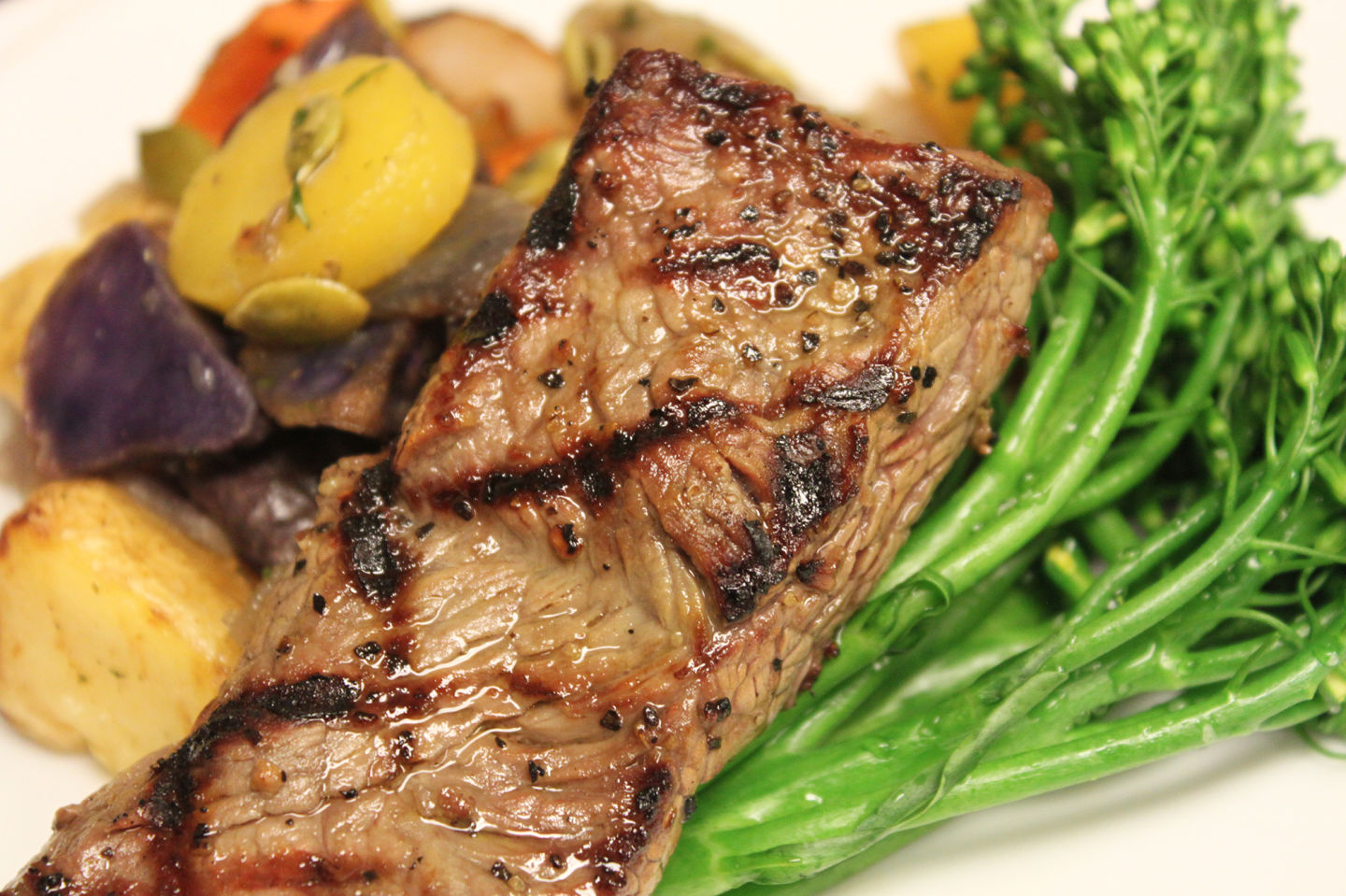
"caption": "A dish featuring antibiotic-free beef from Strauss Beef served at Overlake Medical Center in Bellevue, Wash.",
"description": "A dish featuring antibiotic-free beef from Strauss Beef served at Overlake Medical Center in Bellevue, Was",
"title": "A dish featuring antibiotic-free beef from Strauss Beef served at Overlake Medical Center in Bellevue, Wash.",
"credit": "Courtesy of Overlake Medical Center",
"status": "inherit",
"isLoading": false,
"fetchFailed": false
},
"bayareabites_105850": {
"type": "attachments",
"id": "bayareabites_105850",
"meta": {
"index": "attachments_1716263798",
"site": "bayareabites",
"id": "105850",
"found": true
},
"parent": 105848,
"imgSizes": {
"twentyfourteen-full-width": {
"file": "https://ww2.kqed.org/app/uploads/sites/24/2016/01/bananas_2_enl-5876abdc8765ac6143e4bca400bd28078153091e-1038x576.jpg",
"width": 1038,
"mimeType": "image/jpeg",
"height": 576
},
"thumbnail": {
"file": "https://ww2.kqed.org/app/uploads/sites/24/2016/01/bananas_2_enl-5876abdc8765ac6143e4bca400bd28078153091e-400x267.jpg",
"width": 400,
"mimeType": "image/jpeg",
"height": 267
},
"fd-sm": {
"file": "https://ww2.kqed.org/app/uploads/sites/24/2016/01/bananas_2_enl-5876abdc8765ac6143e4bca400bd28078153091e-960x640.jpg",
"width": 960,
"mimeType": "image/jpeg",
"height": 640
},
"post-thumbnail": {
"file": "https://ww2.kqed.org/app/uploads/sites/24/2016/01/bananas_2_enl-5876abdc8765ac6143e4bca400bd28078153091e-672x372.jpg",
"width": 672,
"mimeType": "image/jpeg",
"height": 372
},
"kqedFullSize": {
"file": "https://ww2.kqed.org/app/uploads/sites/24/2016/01/bananas_2_enl-5876abdc8765ac6143e4bca400bd28078153091e.jpg",
"width": 2000,
"height": 1334
},
"large": {
"file": "https://ww2.kqed.org/app/uploads/sites/24/2016/01/bananas_2_enl-5876abdc8765ac6143e4bca400bd28078153091e-1440x960.jpg",
"width": 1440,
"mimeType": "image/jpeg",
"height": 960
},
"guest-author-96": {
"file": "https://ww2.kqed.org/app/uploads/sites/24/2016/01/bananas_2_enl-5876abdc8765ac6143e4bca400bd28078153091e-96x96.jpg",
"width": 96,
"mimeType": "image/jpeg",
"height": 96
},
"medium": {
"file": "https://ww2.kqed.org/app/uploads/sites/24/2016/01/bananas_2_enl-5876abdc8765ac6143e4bca400bd28078153091e-800x534.jpg",
"width": 800,
"mimeType": "image/jpeg",
"height": 534
},
"guest-author-64": {
"file": "https://ww2.kqed.org/app/uploads/sites/24/2016/01/bananas_2_enl-5876abdc8765ac6143e4bca400bd28078153091e-64x64.jpg",
"width": 64,
"mimeType": "image/jpeg",
"height": 64
},
"guest-author-32": {
"file": "https://ww2.kqed.org/app/uploads/sites/24/2016/01/bananas_2_enl-5876abdc8765ac6143e4bca400bd28078153091e-32x32.jpg",
"width": 32,
"mimeType": "image/jpeg",
"height": 32
},
"cat_post_thumb_sizecategory-posts-2": {
"file": "https://ww2.kqed.org/app/uploads/sites/24/2016/01/bananas_2_enl-5876abdc8765ac6143e4bca400bd28078153091e-150x150.jpg",
"width": 150,
"mimeType": "image/jpeg",
"height": 150
},
"fd-lrg": {
"file": "https://ww2.kqed.org/app/uploads/sites/24/2016/01/bananas_2_enl-5876abdc8765ac6143e4bca400bd28078153091e-1920x1281.jpg",
"width": 1920,
"mimeType": "image/jpeg",
"height": 1281
},
"fd-med": {
"file": "https://ww2.kqed.org/app/uploads/sites/24/2016/01/bananas_2_enl-5876abdc8765ac6143e4bca400bd28078153091e-1180x787.jpg",
"width": 1180,
"mimeType": "image/jpeg",
"height": 787
},
"detail": {
"file": "https://ww2.kqed.org/app/uploads/sites/24/2016/01/bananas_2_enl-5876abdc8765ac6143e4bca400bd28078153091e-75x75.jpg",
"width": 75,
"mimeType": "image/jpeg",
"height": 75
},
"medium_large": {
"file": "https://ww2.kqed.org/app/uploads/sites/24/2016/01/bananas_2_enl-5876abdc8765ac6143e4bca400bd28078153091e-768x512.jpg",
"width": 768,
"mimeType": "image/jpeg",
"height": 512
},
"guest-author-128": {
"file": "https://ww2.kqed.org/app/uploads/sites/24/2016/01/bananas_2_enl-5876abdc8765ac6143e4bca400bd28078153091e-128x128.jpg",
"width": 128,
"mimeType": "image/jpeg",
"height": 128
}
},
"publishDate": 1452553874,
"modified": 1452554321,
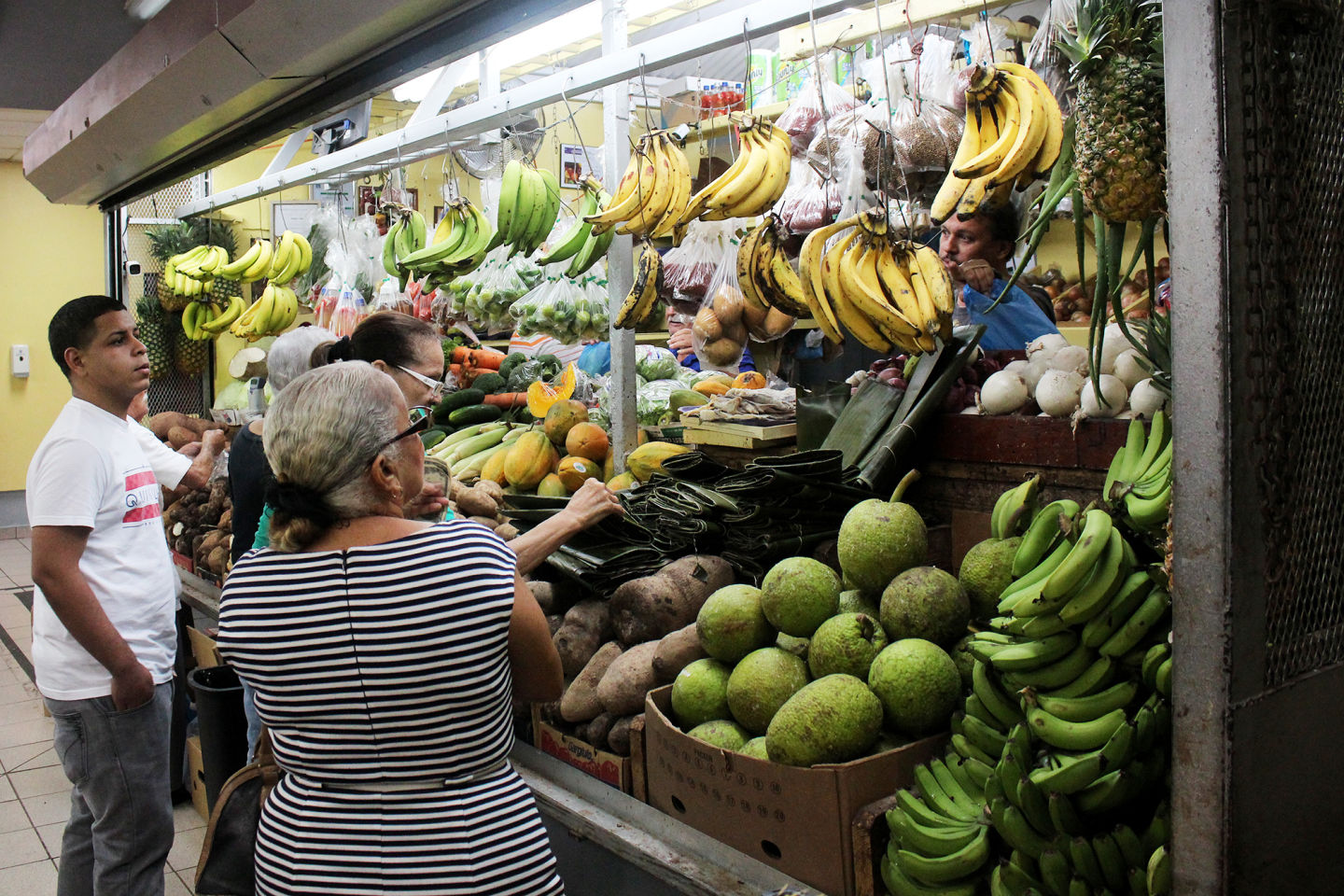
"caption": "Shoppers at the market in Mayagüez, Puerto Rico, can choose from many more varieties of banana than what's available in the U.S.",
"description": "Shoppers at the market in Mayagüez, Puerto Rico, can choose from many more varieties of banana than what's available in the U.S",
"title": "Shoppers at the market in Mayagüez, Puerto Rico, can choose from many more varieties of banana than what's available in the U.S.",
"credit": "Dan Charles/NPR",
"status": "inherit",
"isLoading": false,
"fetchFailed": false
},
"bayareabites_105840": {
"type": "attachments",
"id": "bayareabites_105840",
"meta": {
"index": "attachments_1716263798",
"site": "bayareabites",
"id": "105840",
"found": true
},
"parent": 105839,
"imgSizes": {
"twentyfourteen-full-width": {
"file": "https://ww2.kqed.org/app/uploads/sites/24/2016/01/sam_1494-2_smaller_enl-5c1f047be8989a22dbde89f3af159fc85f9ce55f-1038x576.jpg",
"width": 1038,
"mimeType": "image/jpeg",
"height": 576
},
"thumbnail": {
"file": "https://ww2.kqed.org/app/uploads/sites/24/2016/01/sam_1494-2_smaller_enl-5c1f047be8989a22dbde89f3af159fc85f9ce55f-400x266.jpg",
"width": 400,
"mimeType": "image/jpeg",
"height": 266
},
"fd-sm": {
"file": "https://ww2.kqed.org/app/uploads/sites/24/2016/01/sam_1494-2_smaller_enl-5c1f047be8989a22dbde89f3af159fc85f9ce55f-960x639.jpg",
"width": 960,
"mimeType": "image/jpeg",
"height": 639
},
"post-thumbnail": {
"file": "https://ww2.kqed.org/app/uploads/sites/24/2016/01/sam_1494-2_smaller_enl-5c1f047be8989a22dbde89f3af159fc85f9ce55f-672x372.jpg",
"width": 672,
"mimeType": "image/jpeg",
"height": 372
},
"kqedFullSize": {
"file": "https://ww2.kqed.org/app/uploads/sites/24/2016/01/sam_1494-2_smaller_enl-5c1f047be8989a22dbde89f3af159fc85f9ce55f.jpg",
"width": 2000,
"height": 1332
},
"large": {
"file": "https://ww2.kqed.org/app/uploads/sites/24/2016/01/sam_1494-2_smaller_enl-5c1f047be8989a22dbde89f3af159fc85f9ce55f-1440x959.jpg",
"width": 1440,
"mimeType": "image/jpeg",
"height": 959
},
"guest-author-96": {
"file": "https://ww2.kqed.org/app/uploads/sites/24/2016/01/sam_1494-2_smaller_enl-5c1f047be8989a22dbde89f3af159fc85f9ce55f-96x96.jpg",
"width": 96,
"mimeType": "image/jpeg",
"height": 96
},
"medium": {
"file": "https://ww2.kqed.org/app/uploads/sites/24/2016/01/sam_1494-2_smaller_enl-5c1f047be8989a22dbde89f3af159fc85f9ce55f-800x533.jpg",
"width": 800,
"mimeType": "image/jpeg",
"height": 533
},
"guest-author-64": {
"file": "https://ww2.kqed.org/app/uploads/sites/24/2016/01/sam_1494-2_smaller_enl-5c1f047be8989a22dbde89f3af159fc85f9ce55f-64x64.jpg",
"width": 64,
"mimeType": "image/jpeg",
"height": 64
},
"guest-author-32": {
"file": "https://ww2.kqed.org/app/uploads/sites/24/2016/01/sam_1494-2_smaller_enl-5c1f047be8989a22dbde89f3af159fc85f9ce55f-32x32.jpg",
"width": 32,
"mimeType": "image/jpeg",
"height": 32
},
"cat_post_thumb_sizecategory-posts-2": {
"file": "https://ww2.kqed.org/app/uploads/sites/24/2016/01/sam_1494-2_smaller_enl-5c1f047be8989a22dbde89f3af159fc85f9ce55f-150x150.jpg",
"width": 150,
"mimeType": "image/jpeg",
"height": 150
},
"fd-lrg": {
"file": "https://ww2.kqed.org/app/uploads/sites/24/2016/01/sam_1494-2_smaller_enl-5c1f047be8989a22dbde89f3af159fc85f9ce55f-1920x1279.jpg",
"width": 1920,
"mimeType": "image/jpeg",
"height": 1279
},
"fd-med": {
"file": "https://ww2.kqed.org/app/uploads/sites/24/2016/01/sam_1494-2_smaller_enl-5c1f047be8989a22dbde89f3af159fc85f9ce55f-1180x786.jpg",
"width": 1180,
"mimeType": "image/jpeg",
"height": 786
},
"detail": {
"file": "https://ww2.kqed.org/app/uploads/sites/24/2016/01/sam_1494-2_smaller_enl-5c1f047be8989a22dbde89f3af159fc85f9ce55f-75x75.jpg",
"width": 75,
"mimeType": "image/jpeg",
"height": 75
},
"medium_large": {
"file": "https://ww2.kqed.org/app/uploads/sites/24/2016/01/sam_1494-2_smaller_enl-5c1f047be8989a22dbde89f3af159fc85f9ce55f-768x511.jpg",
"width": 768,
"mimeType": "image/jpeg",
"height": 511
},
"guest-author-128": {
"file": "https://ww2.kqed.org/app/uploads/sites/24/2016/01/sam_1494-2_smaller_enl-5c1f047be8989a22dbde89f3af159fc85f9ce55f-128x128.jpg",
"width": 128,
"mimeType": "image/jpeg",
"height": 128
}
},
"publishDate": 1452547187,
"modified": 1452552416,
"caption": "Maryann Frazier, a researcher at Penn State's Center for Pollinator Research, checks on one of her experimental honeybee hives. Frazier is testing the effects of pesticides on honeybee colonies.",
"description": "Maryann Frazier, a researcher at Penn State's Center for Pollinator Research, checks on one of her experimental honeybee hives. Frazier is testing the effects of pesticides on honeybee colonies.",
"title": "Maryann Frazier, a researcher at Penn State's Center for Pollinator Research, checks on one of her experimental honeybee hives. Frazier is testing the effects of pesticides on honeybee colonies.",
"credit": "Lou Blouin for NPR",
"status": "inherit",
"isLoading": false,
"fetchFailed": false
},
"bayareabites_105696": {
"type": "attachments",
"id": "bayareabites_105696",
"meta": {
"index": "attachments_1716263798",
"site": "bayareabites",
"id": "105696",
"found": true
},
"parent": 105695,
"imgSizes": {
"twentyfourteen-full-width": {
"file": "https://ww2.kqed.org/app/uploads/sites/24/2015/12/istock_000072892879_xxxlarge_mini-f43689c260acc722dd85cc6b62126995f94b47d9-1038x576.jpg",
"width": 1038,
"mimeType": "image/jpeg",
"height": 576
},
"thumbnail": {
"file": "https://ww2.kqed.org/app/uploads/sites/24/2015/12/istock_000072892879_xxxlarge_mini-f43689c260acc722dd85cc6b62126995f94b47d9-400x300.jpg",
"width": 400,
"mimeType": "image/jpeg",
"height": 300
},
"fd-sm": {
"file": "https://ww2.kqed.org/app/uploads/sites/24/2015/12/istock_000072892879_xxxlarge_mini-f43689c260acc722dd85cc6b62126995f94b47d9-960x720.jpg",
"width": 960,
"mimeType": "image/jpeg",
"height": 720
},
"post-thumbnail": {
"file": "https://ww2.kqed.org/app/uploads/sites/24/2015/12/istock_000072892879_xxxlarge_mini-f43689c260acc722dd85cc6b62126995f94b47d9-672x372.jpg",
"width": 672,
"mimeType": "image/jpeg",
"height": 372
},
"kqedFullSize": {
"file": "https://ww2.kqed.org/app/uploads/sites/24/2015/12/istock_000072892879_xxxlarge_mini-f43689c260acc722dd85cc6b62126995f94b47d9.jpg",
"width": 4987,
"height": 3740
},
"large": {
"file": "https://ww2.kqed.org/app/uploads/sites/24/2015/12/istock_000072892879_xxxlarge_mini-f43689c260acc722dd85cc6b62126995f94b47d9-1440x1080.jpg",
"width": 1440,
"mimeType": "image/jpeg",
"height": 1080
},
"guest-author-96": {
"file": "https://ww2.kqed.org/app/uploads/sites/24/2015/12/istock_000072892879_xxxlarge_mini-f43689c260acc722dd85cc6b62126995f94b47d9-96x96.jpg",
"width": 96,
"mimeType": "image/jpeg",
"height": 96
},
"medium": {
"file": "https://ww2.kqed.org/app/uploads/sites/24/2015/12/istock_000072892879_xxxlarge_mini-f43689c260acc722dd85cc6b62126995f94b47d9-800x600.jpg",
"width": 800,
"mimeType": "image/jpeg",
"height": 600
},
"guest-author-64": {
"file": "https://ww2.kqed.org/app/uploads/sites/24/2015/12/istock_000072892879_xxxlarge_mini-f43689c260acc722dd85cc6b62126995f94b47d9-64x64.jpg",
"width": 64,
"mimeType": "image/jpeg",
"height": 64
},
"guest-author-32": {
"file": "https://ww2.kqed.org/app/uploads/sites/24/2015/12/istock_000072892879_xxxlarge_mini-f43689c260acc722dd85cc6b62126995f94b47d9-32x32.jpg",
"width": 32,
"mimeType": "image/jpeg",
"height": 32
},
"cat_post_thumb_sizecategory-posts-2": {
"file": "https://ww2.kqed.org/app/uploads/sites/24/2015/12/istock_000072892879_xxxlarge_mini-f43689c260acc722dd85cc6b62126995f94b47d9-150x150.jpg",
"width": 150,
"mimeType": "image/jpeg",
"height": 150
},
"fd-lrg": {
"file": "https://ww2.kqed.org/app/uploads/sites/24/2015/12/istock_000072892879_xxxlarge_mini-f43689c260acc722dd85cc6b62126995f94b47d9-1920x1440.jpg",
"width": 1920,
"mimeType": "image/jpeg",
"height": 1440
},
"fd-med": {
"file": "https://ww2.kqed.org/app/uploads/sites/24/2015/12/istock_000072892879_xxxlarge_mini-f43689c260acc722dd85cc6b62126995f94b47d9-1180x885.jpg",
"width": 1180,
"mimeType": "image/jpeg",
"height": 885
},
"detail": {
"file": "https://ww2.kqed.org/app/uploads/sites/24/2015/12/istock_000072892879_xxxlarge_mini-f43689c260acc722dd85cc6b62126995f94b47d9-75x75.jpg",
"width": 75,
"mimeType": "image/jpeg",
"height": 75
},
"medium_large": {
"file": "https://ww2.kqed.org/app/uploads/sites/24/2015/12/istock_000072892879_xxxlarge_mini-f43689c260acc722dd85cc6b62126995f94b47d9-768x576.jpg",
"width": 768,
"mimeType": "image/jpeg",
"height": 576
},
"guest-author-128": {
"file": "https://ww2.kqed.org/app/uploads/sites/24/2015/12/istock_000072892879_xxxlarge_mini-f43689c260acc722dd85cc6b62126995f94b47d9-128x128.jpg",
"width": 128,
"mimeType": "image/jpeg",
"height": 128
}
},
"publishDate": 1451668826,
"modified": 1451669079,
"caption": "Researchers have been studying the links between TV viewing and mindless eating for years. The news isn't good for our waistlines.",
"description": "Researchers have been studying the links between TV viewing and mindless eating for years. The news isn't good for our waistlines.",
"title": "Researchers have been studying the links between TV viewing and mindless eating for years. The news isn't good for our waistlines.",
"credit": "iStockphoto ",
"status": "inherit",
"isLoading": false,
"fetchFailed": false
},
"bayareabites_105499": {
"type": "attachments",
"id": "bayareabites_105499",
"meta": {
"index": "attachments_1716263798",
"site": "bayareabites",
"id": "105499",
"found": true
},
"parent": 105497,
"imgSizes": {
"thumbnail": {
"file": "https://ww2.kqed.org/app/uploads/sites/24/2015/12/yearendfoodtrends-400x175.jpg",
"width": 400,
"mimeType": "image/jpeg",
"height": 175
},
"kqedFullSize": {
"file": "https://ww2.kqed.org/app/uploads/sites/24/2015/12/yearendfoodtrends.jpg",
"width": 600,
"height": 263
},
"cat_post_thumb_sizecategory-posts-2": {
"file": "https://ww2.kqed.org/app/uploads/sites/24/2015/12/yearendfoodtrends-150x150.jpg",
"width": 150,
"mimeType": "image/jpeg",
"height": 150
},
"guest-author-96": {
"file": "https://ww2.kqed.org/app/uploads/sites/24/2015/12/yearendfoodtrends-96x96.jpg",
"width": 96,
"mimeType": "image/jpeg",
"height": 96
},
"guest-author-64": {
"file": "https://ww2.kqed.org/app/uploads/sites/24/2015/12/yearendfoodtrends-64x64.jpg",
"width": 64,
"mimeType": "image/jpeg",
"height": 64
},
"detail": {
"file": "https://ww2.kqed.org/app/uploads/sites/24/2015/12/yearendfoodtrends-75x75.jpg",
"width": 75,
"mimeType": "image/jpeg",
"height": 75
},
"guest-author-32": {
"file": "https://ww2.kqed.org/app/uploads/sites/24/2015/12/yearendfoodtrends-32x32.jpg",
"width": 32,
"mimeType": "image/jpeg",
"height": 32
},
"guest-author-128": {
"file": "https://ww2.kqed.org/app/uploads/sites/24/2015/12/yearendfoodtrends-128x128.jpg",
"width": 128,
"mimeType": "image/jpeg",
"height": 128
}
},
"publishDate": 1451410917,
"modified": 1451410946,
"caption": "Clockwise from top left: General Mills, Nestle, Dunkin Donuts, Panera, Tyson Chicken and McDonald's, among other big food companies, made commitments in 2015 to change the way they prepare and procure their food products. ",
"description": "Clockwise from top left: General Mills, Nestle, Dunkin Donuts, Panera, Tyson Chicken and McDonald's, among other big food companies, made commitments in 2015 to change the way they prepare and procure their food products. ",
"title": "yearendfoodtrends",
"credit": "Daniel Acker/Bloomberg/Getty; Justin Sullivan/Getty; Susana Gonzalez/Bloomberg/Getty; Daniel Acker/Bloomberg/Getty; Paul Sakuma/AP; Ulrich Baumgarten/Getty ",
"status": "inherit",
"isLoading": false,
"fetchFailed": false
},
"bayareabites_104389": {
"type": "attachments",
"id": "bayareabites_104389",
"meta": {
"index": "attachments_1716263798",
"site": "bayareabites",
"id": "104389",
"found": true
},
"parent": 104388,
"imgSizes": {
"twentyfourteen-full-width": {
"file": "https://ww2.kqed.org/app/uploads/sites/24/2015/12/0.2-aerial_small-6aac298f58745448bc487d1f70262e2a8abb11b1-1038x576.jpg",
"width": 1038,
"mimeType": "image/jpeg",
"height": 576
},
"thumbnail": {
"file": "https://ww2.kqed.org/app/uploads/sites/24/2015/12/0.2-aerial_small-6aac298f58745448bc487d1f70262e2a8abb11b1-400x300.jpg",
"width": 400,
"mimeType": "image/jpeg",
"height": 300
},
"fd-sm": {
"file": "https://ww2.kqed.org/app/uploads/sites/24/2015/12/0.2-aerial_small-6aac298f58745448bc487d1f70262e2a8abb11b1-960x720.jpg",
"width": 960,
"mimeType": "image/jpeg",
"height": 720
},
"post-thumbnail": {
"file": "https://ww2.kqed.org/app/uploads/sites/24/2015/12/0.2-aerial_small-6aac298f58745448bc487d1f70262e2a8abb11b1-672x372.jpg",
"width": 672,
"mimeType": "image/jpeg",
"height": 372
},
"kqedFullSize": {
"file": "https://ww2.kqed.org/app/uploads/sites/24/2015/12/0.2-aerial_small-6aac298f58745448bc487d1f70262e2a8abb11b1.jpg",
"width": 1998,
"height": 1499
},
"large": {
"file": "https://ww2.kqed.org/app/uploads/sites/24/2015/12/0.2-aerial_small-6aac298f58745448bc487d1f70262e2a8abb11b1-1440x1080.jpg",
"width": 1440,
"mimeType": "image/jpeg",
"height": 1080
},
"guest-author-96": {
"file": "https://ww2.kqed.org/app/uploads/sites/24/2015/12/0.2-aerial_small-6aac298f58745448bc487d1f70262e2a8abb11b1-96x96.jpg",
"width": 96,
"mimeType": "image/jpeg",
"height": 96
},
"medium": {
"file": "https://ww2.kqed.org/app/uploads/sites/24/2015/12/0.2-aerial_small-6aac298f58745448bc487d1f70262e2a8abb11b1-800x600.jpg",
"width": 800,
"mimeType": "image/jpeg",
"height": 600
},
"guest-author-64": {
"file": "https://ww2.kqed.org/app/uploads/sites/24/2015/12/0.2-aerial_small-6aac298f58745448bc487d1f70262e2a8abb11b1-64x64.jpg",
"width": 64,
"mimeType": "image/jpeg",
"height": 64
},
"guest-author-32": {
"file": "https://ww2.kqed.org/app/uploads/sites/24/2015/12/0.2-aerial_small-6aac298f58745448bc487d1f70262e2a8abb11b1-32x32.jpg",
"width": 32,
"mimeType": "image/jpeg",
"height": 32
},
"cat_post_thumb_sizecategory-posts-2": {
"file": "https://ww2.kqed.org/app/uploads/sites/24/2015/12/0.2-aerial_small-6aac298f58745448bc487d1f70262e2a8abb11b1-150x150.jpg",
"width": 150,
"mimeType": "image/jpeg",
"height": 150
},
"fd-lrg": {
"file": "https://ww2.kqed.org/app/uploads/sites/24/2015/12/0.2-aerial_small-6aac298f58745448bc487d1f70262e2a8abb11b1-1920x1440.jpg",
"width": 1920,
"mimeType": "image/jpeg",
"height": 1440
},
"fd-med": {
"file": "https://ww2.kqed.org/app/uploads/sites/24/2015/12/0.2-aerial_small-6aac298f58745448bc487d1f70262e2a8abb11b1-1180x885.jpg",
"width": 1180,
"mimeType": "image/jpeg",
"height": 885
},
"detail": {
"file": "https://ww2.kqed.org/app/uploads/sites/24/2015/12/0.2-aerial_small-6aac298f58745448bc487d1f70262e2a8abb11b1-75x75.jpg",
"width": 75,
"mimeType": "image/jpeg",
"height": 75
},
"guest-author-128": {
"file": "https://ww2.kqed.org/app/uploads/sites/24/2015/12/0.2-aerial_small-6aac298f58745448bc487d1f70262e2a8abb11b1-128x128.jpg",
"width": 128,
"mimeType": "image/jpeg",
"height": 128
}
},
"publishDate": 1449523265,
"modified": 1449523378,
"caption": "Las Cañadas is an ecological cooperative in Veracruz, Mexico that's working to sequester carbon and mitigate climate change while producing food, materials, chemicals and energy.",
"description": "Las Cañadas is an ecological cooperative in Veracruz, Mexico that's working to sequester carbon and mitigate climate change while producing food, materials, chemicals and energ",
"title": "Las Cañadas is an ecological cooperative in Veracruz, Mexico that's working to sequester carbon and mitigate climate change while producing food, materials, chemicals and energy.",
"credit": "Courtesy of Ricardo Romero/Chelsea Green Publishing",
"status": "inherit",
"isLoading": false,
"fetchFailed": false
},
"bayareabites_104127": {
"type": "attachments",
"id": "bayareabites_104127",
"meta": {
"index": "attachments_1716263798",
"site": "bayareabites",
"id": "104127",
"found": true
},
"parent": 104126,
"imgSizes": {
"twentyfourteen-full-width": {
"file": "https://ww2.kqed.org/app/uploads/sites/24/2015/11/waiter_small-f95f088f4ae1babba292319df59ffd030abd767b-1038x576.jpg",
"width": 1038,
"mimeType": "image/jpeg",
"height": 576
},
"thumbnail": {
"file": "https://ww2.kqed.org/app/uploads/sites/24/2015/11/waiter_small-f95f088f4ae1babba292319df59ffd030abd767b-400x300.jpg",
"width": 400,
"mimeType": "image/jpeg",
"height": 300
},
"fd-sm": {
"file": "https://ww2.kqed.org/app/uploads/sites/24/2015/11/waiter_small-f95f088f4ae1babba292319df59ffd030abd767b-960x720.jpg",
"width": 960,
"mimeType": "image/jpeg",
"height": 720
},
"post-thumbnail": {
"file": "https://ww2.kqed.org/app/uploads/sites/24/2015/11/waiter_small-f95f088f4ae1babba292319df59ffd030abd767b-672x372.jpg",
"width": 672,
"mimeType": "image/jpeg",
"height": 372
},
"kqedFullSize": {
"file": "https://ww2.kqed.org/app/uploads/sites/24/2015/11/waiter_small-f95f088f4ae1babba292319df59ffd030abd767b.jpg",
"width": 1989,
"height": 1492
},
"large": {
"file": "https://ww2.kqed.org/app/uploads/sites/24/2015/11/waiter_small-f95f088f4ae1babba292319df59ffd030abd767b-1440x1080.jpg",
"width": 1440,
"mimeType": "image/jpeg",
"height": 1080
},
"guest-author-96": {
"file": "https://ww2.kqed.org/app/uploads/sites/24/2015/11/waiter_small-f95f088f4ae1babba292319df59ffd030abd767b-96x96.jpg",
"width": 96,
"mimeType": "image/jpeg",
"height": 96
},
"medium": {
"file": "https://ww2.kqed.org/app/uploads/sites/24/2015/11/waiter_small-f95f088f4ae1babba292319df59ffd030abd767b-800x600.jpg",
"width": 800,
"mimeType": "image/jpeg",
"height": 600
},
"guest-author-64": {
"file": "https://ww2.kqed.org/app/uploads/sites/24/2015/11/waiter_small-f95f088f4ae1babba292319df59ffd030abd767b-64x64.jpg",
"width": 64,
"mimeType": "image/jpeg",
"height": 64
},
"guest-author-32": {
"file": "https://ww2.kqed.org/app/uploads/sites/24/2015/11/waiter_small-f95f088f4ae1babba292319df59ffd030abd767b-32x32.jpg",
"width": 32,
"mimeType": "image/jpeg",
"height": 32
},
"cat_post_thumb_sizecategory-posts-2": {
"file": "https://ww2.kqed.org/app/uploads/sites/24/2015/11/waiter_small-f95f088f4ae1babba292319df59ffd030abd767b-150x150.jpg",
"width": 150,
"mimeType": "image/jpeg",
"height": 150
},
"fd-lrg": {
"file": "https://ww2.kqed.org/app/uploads/sites/24/2015/11/waiter_small-f95f088f4ae1babba292319df59ffd030abd767b-1920x1440.jpg",
"width": 1920,
"mimeType": "image/jpeg",
"height": 1440
},
"fd-med": {
"file": "https://ww2.kqed.org/app/uploads/sites/24/2015/11/waiter_small-f95f088f4ae1babba292319df59ffd030abd767b-1180x885.jpg",
"width": 1180,
"mimeType": "image/jpeg",
"height": 885
},
"detail": {
"file": "https://ww2.kqed.org/app/uploads/sites/24/2015/11/waiter_small-f95f088f4ae1babba292319df59ffd030abd767b-75x75.jpg",
"width": 75,
"mimeType": "image/jpeg",
"height": 75
},
"guest-author-128": {
"file": "https://ww2.kqed.org/app/uploads/sites/24/2015/11/waiter_small-f95f088f4ae1babba292319df59ffd030abd767b-128x128.jpg",
"width": 128,
"mimeType": "image/jpeg",
"height": 128
}
},
"publishDate": 1448929398,
"modified": 1448929875,
"caption": "Imported from Europe, the custom of leaving gratuities began spreading in the U.S. post-Civil War. It was loathed as a master-serf custom that degraded America's democratic, anti-aristocratic ethic.",
"description": "Imported from Europe, the custom of leaving gratuities began spreading in the U.S. post-Civil War. It was loathed as a master-serf custom that\u003cstrong> \u003c/strong>degraded America's democratic, anti-aristocratic ethic.",
"title": "Imported from Europe, the custom of leaving gratuities began spreading in the U.S. post-Civil War. It was loathed as a master-serf custom that degraded America's democratic, anti-aristocratic ethic.",
"credit": "Hulton Archive/Getty Images ",
"status": "inherit",
"isLoading": false,
"fetchFailed": false
},
"bayareabites_103950": {
"type": "attachments",
"id": "bayareabites_103950",
"meta": {
"index": "attachments_1716263798",
"site": "bayareabites",
"id": "103950",
"found": true
},
"parent": 103949,
"imgSizes": {
"twentyfourteen-full-width": {
"file": "https://ww2.kqed.org/app/uploads/sites/24/2015/11/turkeylabel1small_enl-a25017d6d96cd1be0cb4cb26391a66b3e5c31c7c-1038x576.jpg",
"width": 1038,
"mimeType": "image/jpeg",
"height": 576
},
"thumbnail": {
"file": "https://ww2.kqed.org/app/uploads/sites/24/2015/11/turkeylabel1small_enl-a25017d6d96cd1be0cb4cb26391a66b3e5c31c7c-400x407.jpg",
"width": 400,
"mimeType": "image/jpeg",
"height": 407
},
"fd-sm": {
"file": "https://ww2.kqed.org/app/uploads/sites/24/2015/11/turkeylabel1small_enl-a25017d6d96cd1be0cb4cb26391a66b3e5c31c7c-960x976.jpg",
"width": 960,
"mimeType": "image/jpeg",
"height": 976
},
"post-thumbnail": {
"file": "https://ww2.kqed.org/app/uploads/sites/24/2015/11/turkeylabel1small_enl-a25017d6d96cd1be0cb4cb26391a66b3e5c31c7c-672x372.jpg",
"width": 672,
"mimeType": "image/jpeg",
"height": 372
},
"kqedFullSize": {
"file": "https://ww2.kqed.org/app/uploads/sites/24/2015/11/turkeylabel1small_enl-a25017d6d96cd1be0cb4cb26391a66b3e5c31c7c.jpg",
"width": 1967,
"height": 2000
},
"large": {
"file": "https://ww2.kqed.org/app/uploads/sites/24/2015/11/turkeylabel1small_enl-a25017d6d96cd1be0cb4cb26391a66b3e5c31c7c-1440x1464.jpg",
"width": 1440,
"mimeType": "image/jpeg",
"height": 1464
},
"guest-author-96": {
"file": "https://ww2.kqed.org/app/uploads/sites/24/2015/11/turkeylabel1small_enl-a25017d6d96cd1be0cb4cb26391a66b3e5c31c7c-96x96.jpg",
"width": 96,
"mimeType": "image/jpeg",
"height": 96
},
"medium": {
"file": "https://ww2.kqed.org/app/uploads/sites/24/2015/11/turkeylabel1small_enl-a25017d6d96cd1be0cb4cb26391a66b3e5c31c7c-800x813.jpg",
"width": 800,
"mimeType": "image/jpeg",
"height": 813
},
"guest-author-64": {
"file": "https://ww2.kqed.org/app/uploads/sites/24/2015/11/turkeylabel1small_enl-a25017d6d96cd1be0cb4cb26391a66b3e5c31c7c-64x64.jpg",
"width": 64,
"mimeType": "image/jpeg",
"height": 64
},
"guest-author-32": {
"file": "https://ww2.kqed.org/app/uploads/sites/24/2015/11/turkeylabel1small_enl-a25017d6d96cd1be0cb4cb26391a66b3e5c31c7c-32x32.jpg",
"width": 32,
"mimeType": "image/jpeg",
"height": 32
},
"cat_post_thumb_sizecategory-posts-2": {
"file": "https://ww2.kqed.org/app/uploads/sites/24/2015/11/turkeylabel1small_enl-a25017d6d96cd1be0cb4cb26391a66b3e5c31c7c-150x150.jpg",
"width": 150,
"mimeType": "image/jpeg",
"height": 150
},
"fd-lrg": {
"file": "https://ww2.kqed.org/app/uploads/sites/24/2015/11/turkeylabel1small_enl-a25017d6d96cd1be0cb4cb26391a66b3e5c31c7c-1920x1952.jpg",
"width": 1920,
"mimeType": "image/jpeg",
"height": 1952
},
"fd-med": {
"file": "https://ww2.kqed.org/app/uploads/sites/24/2015/11/turkeylabel1small_enl-a25017d6d96cd1be0cb4cb26391a66b3e5c31c7c-1180x1200.jpg",
"width": 1180,
"mimeType": "image/jpeg",
"height": 1200
},
"detail": {
"file": "https://ww2.kqed.org/app/uploads/sites/24/2015/11/turkeylabel1small_enl-a25017d6d96cd1be0cb4cb26391a66b3e5c31c7c-75x75.jpg",
"width": 75,
"mimeType": "image/jpeg",
"height": 75
},
"guest-author-128": {
"file": "https://ww2.kqed.org/app/uploads/sites/24/2015/11/turkeylabel1small_enl-a25017d6d96cd1be0cb4cb26391a66b3e5c31c7c-128x128.jpg",
"width": 128,
"mimeType": "image/jpeg",
"height": 128
}
},
"publishDate": 1448158246,
"modified": 1448160949,
"caption": "A Butterball turkey for sale in November 2014, in Centreville, Va. Terms like \"premium\" and \"raised without hormones\" tell you little about the quality of the turkey or how it was raised.",
"description": "A Butterball turkey for sale in November 2014, in Centreville, Va. Terms like \"premium\" and \"raised without hormones\" tell you little about the quality of the turkey or how it was raised",
"title": "A Butterball turkey for sale in November 2014, in Centreville, Va. Terms like \"premium\" and \"raised without hormones\" tell you little about the quality of the turkey or how it was raised.",
"credit": "Paul J. Richards/AFP/Getty Images ",
"status": "inherit",
"isLoading": false,
"fetchFailed": false
},
"bayareabites_103843": {
"type": "attachments",
"id": "bayareabites_103843",
"meta": {
"index": "attachments_1716263798",
"site": "bayareabites",
"id": "103843",
"found": true
},
"parent": 103841,
"imgSizes": {
"twentyfourteen-full-width": {
"file": "https://ww2.kqed.org/app/uploads/sites/24/2015/11/frozenturkey_custom-551660041b282899105e944fef0abe8148fa3817-s1400-c85-1038x576.jpg",
"width": 1038,
"mimeType": "image/jpeg",
"height": 576
},
"thumbnail": {
"file": "https://ww2.kqed.org/app/uploads/sites/24/2015/11/frozenturkey_custom-551660041b282899105e944fef0abe8148fa3817-s1400-c85-400x258.jpg",
"width": 400,
"mimeType": "image/jpeg",
"height": 258
},
"fd-sm": {
"file": "https://ww2.kqed.org/app/uploads/sites/24/2015/11/frozenturkey_custom-551660041b282899105e944fef0abe8148fa3817-s1400-c85-960x619.jpg",
"width": 960,
"mimeType": "image/jpeg",
"height": 619
},
"post-thumbnail": {
"file": "https://ww2.kqed.org/app/uploads/sites/24/2015/11/frozenturkey_custom-551660041b282899105e944fef0abe8148fa3817-s1400-c85-672x372.jpg",
"width": 672,
"mimeType": "image/jpeg",
"height": 372
},
"kqedFullSize": {
"file": "https://ww2.kqed.org/app/uploads/sites/24/2015/11/frozenturkey_custom-551660041b282899105e944fef0abe8148fa3817-s1400-c85.jpg",
"width": 1400,
"height": 903
},
"guest-author-96": {
"file": "https://ww2.kqed.org/app/uploads/sites/24/2015/11/frozenturkey_custom-551660041b282899105e944fef0abe8148fa3817-s1400-c85-96x96.jpg",
"width": 96,
"mimeType": "image/jpeg",
"height": 96
},
"medium": {
"file": "https://ww2.kqed.org/app/uploads/sites/24/2015/11/frozenturkey_custom-551660041b282899105e944fef0abe8148fa3817-s1400-c85-800x516.jpg",
"width": 800,
"mimeType": "image/jpeg",
"height": 516
},
"guest-author-64": {
"file": "https://ww2.kqed.org/app/uploads/sites/24/2015/11/frozenturkey_custom-551660041b282899105e944fef0abe8148fa3817-s1400-c85-64x64.jpg",
"width": 64,
"mimeType": "image/jpeg",
"height": 64
},
"guest-author-32": {
"file": "https://ww2.kqed.org/app/uploads/sites/24/2015/11/frozenturkey_custom-551660041b282899105e944fef0abe8148fa3817-s1400-c85-32x32.jpg",
"width": 32,
"mimeType": "image/jpeg",
"height": 32
},
"cat_post_thumb_sizecategory-posts-2": {
"file": "https://ww2.kqed.org/app/uploads/sites/24/2015/11/frozenturkey_custom-551660041b282899105e944fef0abe8148fa3817-s1400-c85-150x150.jpg",
"width": 150,
"mimeType": "image/jpeg",
"height": 150
},
"fd-med": {
"file": "https://ww2.kqed.org/app/uploads/sites/24/2015/11/frozenturkey_custom-551660041b282899105e944fef0abe8148fa3817-s1400-c85-1180x761.jpg",
"width": 1180,
"mimeType": "image/jpeg",
"height": 761
},
"detail": {
"file": "https://ww2.kqed.org/app/uploads/sites/24/2015/11/frozenturkey_custom-551660041b282899105e944fef0abe8148fa3817-s1400-c85-75x75.jpg",
"width": 75,
"mimeType": "image/jpeg",
"height": 75
},
"guest-author-128": {
"file": "https://ww2.kqed.org/app/uploads/sites/24/2015/11/frozenturkey_custom-551660041b282899105e944fef0abe8148fa3817-s1400-c85-128x128.jpg",
"width": 128,
"mimeType": "image/jpeg",
"height": 128
}
},
"publishDate": 1447795985,
"modified": 1447795996,
"caption": "The average wholesale price of turkeys was $1.35 per pound in mid-November. But the retail price of frozen tom turkeys has fallen to an average of 87 cents a pound. Why? Because grocers know cheap turkeys draw customers into the store.",
"description": "The average wholesale price of turkeys was $1.35 per pound in mid-November. But the retail price of frozen tom turkeys has fallen to an average of 87 cents a pound. Why? Because grocers know cheap turkeys draw customers into the store.",
"title": "frozenturkey_custom-551660041b282899105e944fef0abe8148fa3817-s1400-c85",
"credit": "Larry Crowe/AP",
"status": "inherit",
"isLoading": false,
"fetchFailed": false
},
"bayareabites_103532": {
"type": "attachments",
"id": "bayareabites_103532",
"meta": {
"index": "attachments_1716263798",
"site": "bayareabites",
"id": "103532",
"found": true
},
"parent": 103531,
"imgSizes": {
"twentyfourteen-full-width": {
"file": "https://ww2.kqed.org/app/uploads/sites/24/2015/11/sherman-harvesting-greensnew-c725b16e33a345c3eb9dcb2e1e4f2edff7423733-1038x576.jpg",
"width": 1038,
"mimeType": "image/jpeg",
"height": 576
},
"thumbnail": {
"file": "https://ww2.kqed.org/app/uploads/sites/24/2015/11/sherman-harvesting-greensnew-c725b16e33a345c3eb9dcb2e1e4f2edff7423733-400x300.jpg",
"width": 400,
"mimeType": "image/jpeg",
"height": 300
},
"fd-sm": {
"file": "https://ww2.kqed.org/app/uploads/sites/24/2015/11/sherman-harvesting-greensnew-c725b16e33a345c3eb9dcb2e1e4f2edff7423733-960x720.jpg",
"width": 960,
"mimeType": "image/jpeg",
"height": 720
},
"post-thumbnail": {
"file": "https://ww2.kqed.org/app/uploads/sites/24/2015/11/sherman-harvesting-greensnew-c725b16e33a345c3eb9dcb2e1e4f2edff7423733-672x372.jpg",
"width": 672,
"mimeType": "image/jpeg",
"height": 372
},
"kqedFullSize": {
"file": "https://ww2.kqed.org/app/uploads/sites/24/2015/11/sherman-harvesting-greensnew-c725b16e33a345c3eb9dcb2e1e4f2edff7423733.jpg",
"width": 1050,
"height": 787
},
"cat_post_thumb_sizecategory-posts-2": {
"file": "https://ww2.kqed.org/app/uploads/sites/24/2015/11/sherman-harvesting-greensnew-c725b16e33a345c3eb9dcb2e1e4f2edff7423733-150x150.jpg",
"width": 150,
"mimeType": "image/jpeg",
"height": 150
},
"guest-author-96": {
"file": "https://ww2.kqed.org/app/uploads/sites/24/2015/11/sherman-harvesting-greensnew-c725b16e33a345c3eb9dcb2e1e4f2edff7423733-96x96.jpg",
"width": 96,
"mimeType": "image/jpeg",
"height": 96
},
"medium": {
"file": "https://ww2.kqed.org/app/uploads/sites/24/2015/11/sherman-harvesting-greensnew-c725b16e33a345c3eb9dcb2e1e4f2edff7423733-800x600.jpg",
"width": 800,
"mimeType": "image/jpeg",
"height": 600
},
"guest-author-64": {
"file": "https://ww2.kqed.org/app/uploads/sites/24/2015/11/sherman-harvesting-greensnew-c725b16e33a345c3eb9dcb2e1e4f2edff7423733-64x64.jpg",
"width": 64,
"mimeType": "image/jpeg",
"height": 64
},
"detail": {
"file": "https://ww2.kqed.org/app/uploads/sites/24/2015/11/sherman-harvesting-greensnew-c725b16e33a345c3eb9dcb2e1e4f2edff7423733-75x75.jpg",
"width": 75,
"mimeType": "image/jpeg",
"height": 75
},
"guest-author-32": {
"file": "https://ww2.kqed.org/app/uploads/sites/24/2015/11/sherman-harvesting-greensnew-c725b16e33a345c3eb9dcb2e1e4f2edff7423733-32x32.jpg",
"width": 32,
"mimeType": "image/jpeg",
"height": 32
},
"guest-author-128": {
"file": "https://ww2.kqed.org/app/uploads/sites/24/2015/11/sherman-harvesting-greensnew-c725b16e33a345c3eb9dcb2e1e4f2edff7423733-128x128.jpg",
"width": 128,
"mimeType": "image/jpeg",
"height": 128
}
},
"publishDate": 1447142070,
"modified": 1447142534,
"caption": "Julia Sherman is the mastermind behind the Salad Garden at the Getty. Here, she pulls up heirloom greens for the salad.",
"description": "Julia Sherman is the mastermind behind the Salad Garden at the Getty. Here, she pulls up heirloom greens for the salad.",
"title": "Julia Sherman is the mastermind behind the Salad Garden at the Getty. Here, she pulls up heirloom greens for the salad.",
"credit": "Abbie Fentress Swanson for NPR ",
"status": "inherit",
"isLoading": false,
"fetchFailed": false
},
"bayareabites_103319": {
"type": "attachments",
"id": "bayareabites_103319",
"meta": {
"index": "attachments_1716263798",
"site": "bayareabites",
"id": "103319",
"found": true
},
"parent": 103318,
"imgSizes": {
"twentyfourteen-full-width": {
"file": "https://ww2.kqed.org/app/uploads/sites/24/2015/11/gettyimages-482696700_custom-3b2d86bc315805c0070f8c4b608510712b8875be-1038x576.jpg",
"width": 1038,
"mimeType": "image/jpeg",
"height": 576
},
"thumbnail": {
"file": "https://ww2.kqed.org/app/uploads/sites/24/2015/11/gettyimages-482696700_custom-3b2d86bc315805c0070f8c4b608510712b8875be-400x266.jpg",
"width": 400,
"mimeType": "image/jpeg",
"height": 266
},
"fd-sm": {
"file": "https://ww2.kqed.org/app/uploads/sites/24/2015/11/gettyimages-482696700_custom-3b2d86bc315805c0070f8c4b608510712b8875be-960x639.jpg",
"width": 960,
"mimeType": "image/jpeg",
"height": 639
},
"post-thumbnail": {
"file": "https://ww2.kqed.org/app/uploads/sites/24/2015/11/gettyimages-482696700_custom-3b2d86bc315805c0070f8c4b608510712b8875be-672x372.jpg",
"width": 672,
"mimeType": "image/jpeg",
"height": 372
},
"kqedFullSize": {
"file": "https://ww2.kqed.org/app/uploads/sites/24/2015/11/gettyimages-482696700_custom-3b2d86bc315805c0070f8c4b608510712b8875be.jpg",
"width": 3000,
"height": 1998
},
"large": {
"file": "https://ww2.kqed.org/app/uploads/sites/24/2015/11/gettyimages-482696700_custom-3b2d86bc315805c0070f8c4b608510712b8875be-1440x959.jpg",
"width": 1440,
"mimeType": "image/jpeg",
"height": 959
},
"guest-author-96": {
"file": "https://ww2.kqed.org/app/uploads/sites/24/2015/11/gettyimages-482696700_custom-3b2d86bc315805c0070f8c4b608510712b8875be-96x96.jpg",
"width": 96,
"mimeType": "image/jpeg",
"height": 96
},
"medium": {
"file": "https://ww2.kqed.org/app/uploads/sites/24/2015/11/gettyimages-482696700_custom-3b2d86bc315805c0070f8c4b608510712b8875be-800x533.jpg",
"width": 800,
"mimeType": "image/jpeg",
"height": 533
},
"guest-author-64": {
"file": "https://ww2.kqed.org/app/uploads/sites/24/2015/11/gettyimages-482696700_custom-3b2d86bc315805c0070f8c4b608510712b8875be-64x64.jpg",
"width": 64,
"mimeType": "image/jpeg",
"height": 64
},
"guest-author-32": {
"file": "https://ww2.kqed.org/app/uploads/sites/24/2015/11/gettyimages-482696700_custom-3b2d86bc315805c0070f8c4b608510712b8875be-32x32.jpg",
"width": 32,
"mimeType": "image/jpeg",
"height": 32
},
"cat_post_thumb_sizecategory-posts-2": {
"file": "https://ww2.kqed.org/app/uploads/sites/24/2015/11/gettyimages-482696700_custom-3b2d86bc315805c0070f8c4b608510712b8875be-150x150.jpg",
"width": 150,
"mimeType": "image/jpeg",
"height": 150
},
"fd-lrg": {
"file": "https://ww2.kqed.org/app/uploads/sites/24/2015/11/gettyimages-482696700_custom-3b2d86bc315805c0070f8c4b608510712b8875be-1920x1279.jpg",
"width": 1920,
"mimeType": "image/jpeg",
"height": 1279
},
"fd-med": {
"file": "https://ww2.kqed.org/app/uploads/sites/24/2015/11/gettyimages-482696700_custom-3b2d86bc315805c0070f8c4b608510712b8875be-1180x786.jpg",
"width": 1180,
"mimeType": "image/jpeg",
"height": 786
},
"detail": {
"file": "https://ww2.kqed.org/app/uploads/sites/24/2015/11/gettyimages-482696700_custom-3b2d86bc315805c0070f8c4b608510712b8875be-75x75.jpg",
"width": 75,
"mimeType": "image/jpeg",
"height": 75
},
"guest-author-128": {
"file": "https://ww2.kqed.org/app/uploads/sites/24/2015/11/gettyimages-482696700_custom-3b2d86bc315805c0070f8c4b608510712b8875be-128x128.jpg",
"width": 128,
"mimeType": "image/jpeg",
"height": 128
}
},
"publishDate": 1447061301,
"modified": 1447061341,
"caption": "Tajima Wagyu beef cows at a cattle farm in Yabu City, Hyogo Prefecture, Japan. Japan won a provision in the new Pacific Rim trade deal that would push tariffs back up if its beef imports surge.",
"description": "Tajima Wagyu beef cows at a cattle farm in Yabu City, Hyogo Prefecture, Japan. Japan won a provision in the new Pacific Rim trade deal that would push tariffs back up if its beef imports surge",
"title": "Tajima Wagyu beef cows at a cattle farm in Yabu City, Hyogo Prefecture, Japan. Japan won a provision in the new Pacific Rim trade deal that would push tariffs back up if its beef imports surge.",
"credit": "Buddhika Weerasinghe/Bloomberg/Getty Images ",
"status": "inherit",
"isLoading": false,
"fetchFailed": false
}
},
"audioPlayerReducer": {
"postId": "stream_live",
"isPaused": true,
"isPlaying": false,
"pfsActive": false,
"pledgeModalIsOpen": true,
"playerDrawerIsOpen": false,
"liveAudioPlayStartedAt": 0,
"liveAudioPlayContext": ""
},
"authorsReducer": {
"byline_bayareabites_105964": {
"type": "authors",
"id": "byline_bayareabites_105964",
"meta": {
"override": true
},
"slug": "byline_bayareabites_105964",
"name": "Maria Godoy, \u003ca href=\"http://ww2.kqed.org/bayareabites/author/nprfood/\">NPR Food\u003c/a>",
"isLoading": false
},
"byline_bayareabites_105942": {
"type": "authors",
"id": "byline_bayareabites_105942",
"meta": {
"override": true
},
"slug": "byline_bayareabites_105942",
"name": "Eliza Barclay, \u003ca href=\"https://ww2.kqed.org/bayareabites/author/nprfood/\">NPR Food\u003c/a>",
"isLoading": false
},
"byline_bayareabites_105848": {
"type": "authors",
"id": "byline_bayareabites_105848",
"meta": {
"override": true
},
"slug": "byline_bayareabites_105848",
"name": "Dan Charles, \u003ca href=\"https://ww2.kqed.org/bayareabites/author/nprfood/\">NPR Food\u003c/a>",
"isLoading": false
},
"byline_bayareabites_105839": {
"type": "authors",
"id": "byline_bayareabites_105839",
"meta": {
"override": true
},
"slug": "byline_bayareabites_105839",
"name": "Lou Blouin, \u003ca href=\"https://ww2.kqed.org/bayareabites/author/wendy-goodfriend/\">NPR Food\u003c/a>",
"isLoading": false
},
"byline_bayareabites_105695": {
"type": "authors",
"id": "byline_bayareabites_105695",
"meta": {
"override": true
},
"slug": "byline_bayareabites_105695",
"name": "Susmita Baral, \u003ca href=\"https://ww2.kqed.org/bayareabites/author/nprfood/\">NPR Food\u003c/a>",
"isLoading": false
},
"byline_bayareabites_105497": {
"type": "authors",
"id": "byline_bayareabites_105497",
"meta": {
"override": true
},
"slug": "byline_bayareabites_105497",
"name": "Eliza Barclay and Allison Aubrey, NPR Food",
"isLoading": false
},
"byline_bayareabites_104388": {
"type": "authors",
"id": "byline_bayareabites_104388",
"meta": {
"override": true
},
"slug": "byline_bayareabites_104388",
"name": "Alastair Bland, \u003ca href=\"https://ww2.kqed.org/bayareabites/author/nprfood/\">NPR Food\u003c/a>",
"isLoading": false
},
"byline_bayareabites_104126": {
"type": "authors",
"id": "byline_bayareabites_104126",
"meta": {
"override": true
},
"slug": "byline_bayareabites_104126",
"name": "Nina Martyris, \u003ca href=\"https://ww2.kqed.org/bayareabites/author/nprfood/\">NPR Food\u003c/a>",
"isLoading": false
},
"byline_bayareabites_103949": {
"type": "authors",
"id": "byline_bayareabites_103949",
"meta": {
"override": true
},
"slug": "byline_bayareabites_103949",
"name": "Anders Kelto, \u003ca href=\"https://ww2.kqed.org/bayareabites/author/nprfood/\">NPR Food\u003c/a>",
"isLoading": false
},
"byline_bayareabites_103841": {
"type": "authors",
"id": "byline_bayareabites_103841",
"meta": {
"override": true
},
"slug": "byline_bayareabites_103841",
"name": "Marilyn Geewax, \u003ca href=\"https://ww2.kqed.org/bayareabites/author/nprfood/\">NPR Food\u003c/a>",
"isLoading": false
},
"byline_bayareabites_103531": {
"type": "authors",
"id": "byline_bayareabites_103531",
"meta": {
"override": true
},
"slug": "byline_bayareabites_103531",
"name": "Abbie Fentress Swanson, \u003ca href=\"https://ww2.kqed.org/bayareabites/author/nprfood/\">NPR Food\u003c/a>",
"isLoading": false
},
"byline_bayareabites_103318": {
"type": "authors",
"id": "byline_bayareabites_103318",
"meta": {
"override": true
},
"slug": "byline_bayareabites_103318",
"name": "Tracie McMillan, \u003ca href=\"https://ww2.kqed.org/bayareabites/author/nprfood/\">NPR Food\u003c/a>",
"isLoading": false
}
},
"pagesReducer": {
"bayareabites_category_npr-food": {
"type": "terms",
"id": "bayareabites_10916",
"meta": {
"index": "terms_1716263798",
"site": "bayareabites",
"id": "10916",
"score": 13.894498
},
"featImg": null,
"name": "NPR food",
"description": null,
"taxonomy": "category",
"headData": {
"twImgId": null,
"twTitle": null,
"ogTitle": null,
"ogImgId": null,
"twDescription": null,
"description": null,
"title": "NPR food Archives | KQED Bay Area Bites",
"ogDescription": null
},
"ttid": 5375,
"slug": "npr-food",
"isLoading": false,
"title": "NPR food",
"pageMeta": {
"site": "bayareabites",
"WpPageTemplate": "page-topic-editorial",
"currentPage": 13
},
"blocks": [
{
"blockName": "kqed/post-list",
"attrs": {
"layout": "cardArticle2",
"query": "posts/bayareabites?category=npr-food",
"seeMore": false,
"paginated": true,
"page": 13
}
},
{
"blockName": "kqed/ad"
}
]
}
},
"pfsSessionReducer": {},
"postsReducer": {
"stream_live": {
"type": "live",
"id": "stream_live",
"audioUrl": "https://hls.kqed.org/hls/kqed_app/playlist.m3u8",
"title": "Live Stream",
"excerpt": "Live Stream information currently unavailable.",
"link": "/radio",
"featImg": "",
"label": {
"name": "KQED Live",
"link": "/"
}
},
"stream_kqedNewscast": {
"type": "posts",
"id": "stream_kqedNewscast",
"audioUrl": "https://www.kqed.org/.stream/anon/radio/RDnews/newscast.mp3?_=1",
"title": "KQED Newscast",
"featImg": "",
"label": {
"name": "88.5 FM",
"link": "/"
}
},
"bayareabites_105964": {
"type": "posts",
"id": "bayareabites_105964",
"meta": {
"index": "posts_1716263798",
"site": "bayareabites",
"id": "105964",
"score": null,
"sort": [
1452745294000
]
},
"parent": 0,
"labelTerm": {
"site": "bayareabites"
},
"blocks": [],
"publishDate": 1452745294,
"format": "image",
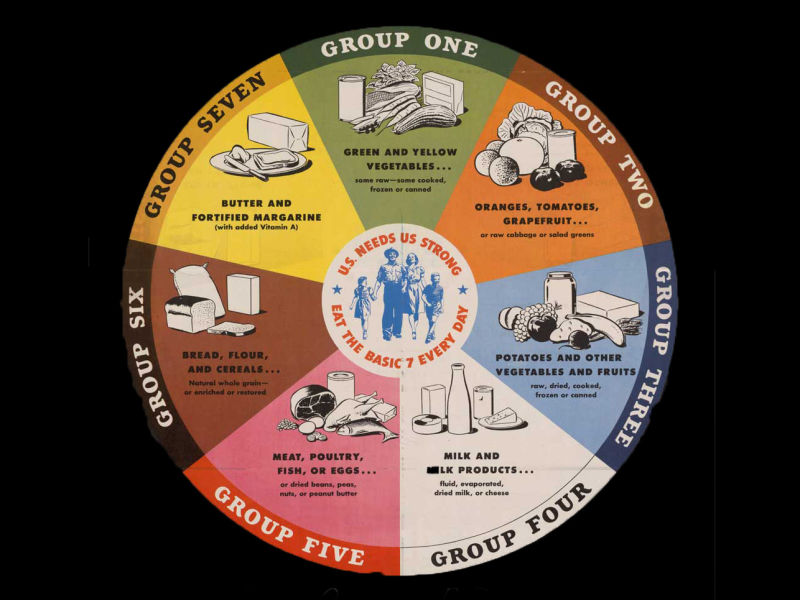
"disqusTitle": "Wheels, Pyramids And Plates: USDA's Struggles To Illustrate Good Diet",
"title": "Wheels, Pyramids And Plates: USDA's Struggles To Illustrate Good Diet",
"headTitle": "Bay Area Bites | KQED Food",
"content": "\u003cp>The U.S. Department of Agriculture's first stab at offering nutrition advice came in 1894, when W. O. Atwater, a chemist and pioneering nutrition investigator for the agency, published this warning in a \u003cem>Farmer's Bulletin\u003c/em>:\u003c/p>\n\u003cblockquote>\n\u003cp>\"Unless care is exercised in selecting food, a diet may result which is one-sided or badly balanced. ... The evils of overeating may not be felt at once, but sooner or later they are sure to appear...\"\u003c/p>\n\u003c/blockquote>\n\u003cp>Thus began the USDA's long struggle to craft eating advice based on the latest scientific evidence. That science, of course, has evolved quite a bit since 1894 – a time when micronutrients like vitamins \u003ca href=\"http://www.clinchem.org/content/43/4/680.full\">hadn't even been discovered\u003c/a>.\u003c/p>\n\u003cp>As the science changed, so did the USDA's efforts to represent its best advice with visuals – sometimes, with amusing results to our modern eyes.\u003c/p>\n\u003ch3>\u003cstrong>1943: The Basic 7\u003c/strong>\u003c/h3>\n\u003cfigure id=\"attachment_105966\" class=\"wp-caption aligncenter\" style=\"max-width: 1024px\">\u003cimg src=\"http://ww2.kqed.org/bayareabites/wp-content/uploads/sites/24/2016/01/basic7_enl-bae3d39273e35bb08f2ce648cd83a1239f54e4e5.jpg\" alt=\"The Basic 7: In 1943, the USDA introduced this food guide. Released during World War II, it was aimed at helping to maintain nutrition standards amid wartime food shortages. Notice butter's place of visual prominence.\" width=\"1024\" height=\"1293\" class=\"size-full wp-image-105966\" srcset=\"https://ww2.kqed.org/app/uploads/sites/24/2016/01/basic7_enl-bae3d39273e35bb08f2ce648cd83a1239f54e4e5.jpg 1024w, https://ww2.kqed.org/app/uploads/sites/24/2016/01/basic7_enl-bae3d39273e35bb08f2ce648cd83a1239f54e4e5-400x505.jpg 400w, https://ww2.kqed.org/app/uploads/sites/24/2016/01/basic7_enl-bae3d39273e35bb08f2ce648cd83a1239f54e4e5-800x1010.jpg 800w, https://ww2.kqed.org/app/uploads/sites/24/2016/01/basic7_enl-bae3d39273e35bb08f2ce648cd83a1239f54e4e5-768x970.jpg 768w, https://ww2.kqed.org/app/uploads/sites/24/2016/01/basic7_enl-bae3d39273e35bb08f2ce648cd83a1239f54e4e5-960x1212.jpg 960w\" sizes=\"(max-width: 1024px) 100vw, 1024px\">\u003cfigcaption class=\"wp-caption-text\">The Basic 7: In 1943, the USDA introduced this food guide. Released during World War II, it was aimed at helping to maintain nutrition standards amid wartime food shortages. Notice butter's place of visual prominence. \u003ccite>(U.S. National Archives and Records/USDA)\u003c/cite>\u003c/figcaption>\u003c/figure>\n\u003cp>Along with margarine, butter gets a place of prominence in this food wheel from 1943 — when wartime butter shortages prompted many consumers to switch to margarine. It's hard to imagine either one playing a starring role in today's Dietary Guidelines, which still urge limits on saturated fats in foods like butter, and frown on \u003ca href=\"http://health.clevelandclinic.org/2014/01/margarine-or-butter-the-heart-healthiest-spreads-infographic/\">margarine\u003c/a>, which can be high in \u003ca href=\"http://www.npr.org/sections/thesalt/2015/06/16/414906829/fda-to-food-companies-this-time-zero-means-zero-trans-fats\">trans fats\u003c/a>.\u003c/p>\n\u003cp>At first blush, butter is as prominent as the vegetables next to it. But look closely and you'll see fruits and vegetables in not one but three separate categories. While these guidelines were criticized at the time for lacking specific information on serving sizes, visually, at least, they seem to place a healthy emphasis on produce.\u003c/p>\n\u003ch3>\u003cstrong>1956: The Basic 4\u003c/strong>\u003c/h3>\n\u003cfigure id=\"attachment_105967\" class=\"wp-caption aligncenter\" style=\"max-width: 473px\">\u003cimg src=\"http://ww2.kqed.org/bayareabites/wp-content/uploads/sites/24/2016/01/1966basicfour_enl-fe86a70f781a860d5cb9c55e4b87e3106f91885c.jpg\" alt=\"This version of the Basic 4 was published in 1966.\" width=\"473\" height=\"610\" class=\"size-full wp-image-105967\" srcset=\"https://ww2.kqed.org/app/uploads/sites/24/2016/01/1966basicfour_enl-fe86a70f781a860d5cb9c55e4b87e3106f91885c.jpg 473w, https://ww2.kqed.org/app/uploads/sites/24/2016/01/1966basicfour_enl-fe86a70f781a860d5cb9c55e4b87e3106f91885c-400x516.jpg 400w\" sizes=\"(max-width: 473px) 100vw, 473px\">\u003cfigcaption class=\"wp-caption-text\">This version of the Basic 4 was published in 1966. \u003ccite>(USDA)\u003c/cite>\u003c/figcaption>\u003c/figure>\n\u003cp>In the 1950s, the USDA put the Basic 7 on a diet and slimmed it down to the Basic 4 – which did offer recommended minimum servings. Widely used into the 1970s, this diet guide was designed to meet basic nutritional needs – the assumption was that Americans would eat more than what was laid out here.\u003c/p>\n\u003ch3>\u003cstrong>1980: The Food Wheel\u003c/strong>\u003c/h3>\n\u003cfigure id=\"attachment_105968\" class=\"wp-caption aligncenter\" style=\"max-width: 833px\">\u003cimg src=\"http://ww2.kqed.org/bayareabites/wp-content/uploads/sites/24/2016/01/food-wheel_enl-c3831769ddbab714437a3183acc2060362af85e8.jpg\" alt=\"The Food Wheel: The Dietary Guidelines for America were first released in 1980. Its nutrition advice was visualized as a food wheel. The pyramid many of us grew up with came later.\" width=\"833\" height=\"1260\" class=\"size-full wp-image-105968\" srcset=\"https://ww2.kqed.org/app/uploads/sites/24/2016/01/food-wheel_enl-c3831769ddbab714437a3183acc2060362af85e8.jpg 833w, https://ww2.kqed.org/app/uploads/sites/24/2016/01/food-wheel_enl-c3831769ddbab714437a3183acc2060362af85e8-400x605.jpg 400w, https://ww2.kqed.org/app/uploads/sites/24/2016/01/food-wheel_enl-c3831769ddbab714437a3183acc2060362af85e8-800x1210.jpg 800w, https://ww2.kqed.org/app/uploads/sites/24/2016/01/food-wheel_enl-c3831769ddbab714437a3183acc2060362af85e8-768x1162.jpg 768w\" sizes=\"(max-width: 833px) 100vw, 833px\">\u003cfigcaption class=\"wp-caption-text\">The Food Wheel: The Dietary Guidelines for America were first released in 1980. Its nutrition advice was visualized as a food wheel. The pyramid many of us grew up with came later. \u003ccite>(American Red Cross/USDA)\u003c/cite>\u003c/figcaption>\u003c/figure>\n\u003cp>In the late 1970s, the focus of Uncle Sam's guidelines shifted – from getting enough of the right nutrients, to avoiding the wrong ones — as \u003ca href=\"http://www.npr.org/sections/thesalt/2014/03/28/295332576/why-we-got-fatter-during-the-fat-free-food-boom\">concerns rose\u003c/a> about the links between diet and disease. Though there weren't a lot of data available, fat became a prime nutrient of concern.\u003c/p>\n\u003cp>[ad fullwidth]\u003c/p>\n\u003cp>The Dietary Guidelines as we know them today were born of this era. First published in 1980, they were (and still are) supposed to be based on a review of the latest nutritional science. Back then, they emphasized a diet low in fat, saturated fat and cholesterol. First visualized as a food wheel, the guidelines later took the form of the food pyramid many of us grew up with.\u003c/p>\n\u003ch3>\u003cstrong>1992: The Food Pyramid\u003c/strong>\u003c/h3>\n\u003cfigure id=\"attachment_105969\" class=\"wp-caption aligncenter\" style=\"max-width: 730px\">\u003cimg src=\"http://ww2.kqed.org/bayareabites/wp-content/uploads/sites/24/2016/01/usda_food_pyramid_enl-269f45594d5051adbfafec4881a755e9da8e657b.jpg\" alt=\"1992 Food Pyramid: Carbs were the base of this pyramid, sending the message to eat all you want.\" width=\"730\" height=\"568\" class=\"size-full wp-image-105969\" srcset=\"https://ww2.kqed.org/app/uploads/sites/24/2016/01/usda_food_pyramid_enl-269f45594d5051adbfafec4881a755e9da8e657b.jpg 730w, https://ww2.kqed.org/app/uploads/sites/24/2016/01/usda_food_pyramid_enl-269f45594d5051adbfafec4881a755e9da8e657b-400x311.jpg 400w\" sizes=\"(max-width: 730px) 100vw, 730px\">\u003cfigcaption class=\"wp-caption-text\">1992 Food Pyramid: Carbs were the base of this pyramid, sending the message to eat all you want. \u003ccite>(USDA)\u003c/cite>\u003c/figcaption>\u003c/figure>\n\u003cp>Carbs were the base of this pyramid, sending the message to eat all you want. And Americans did, gobbling up refined grains and processed snacks like SnackWell cookies — that staple of the low-fat craze — in their quest to avoid the dreaded dietary fat.\u003c/p>\n\u003cp>We know now that \"carbohydrates worsen glucose and insulin — they have negative effects on blood cholesterol levels,\" as \u003ca href=\"http://www.nutrition.tufts.edu/about/welcome-dean-mozaffarian\">Dariush Mozaffarian\u003c/a>, dean of the Friedman School of Nutrition Science and Policy at Tufts University, \u003ca href=\"http://www.npr.org/sections/thesalt/2014/03/31/295719579/rethinking-fat-the-case-for-adding-some-into-your-diet\">told us\u003c/a> back in 2014. In other words, he told us, replacing saturated fats with refined carbs \"has not been useful advice.\"\u003c/p>\n\u003ch3>2005: My Pyramid\u003c/h3>\n\u003cfigure id=\"attachment_105970\" class=\"wp-caption aligncenter\" style=\"max-width: 1423px\">\u003cimg src=\"http://ww2.kqed.org/bayareabites/wp-content/uploads/sites/24/2016/01/2005mypyramid_enl-dccc5b08cb8e3a9e4688a6179d0170a18a83e10f.jpg\" alt=\"2005 My Pyramid\" width=\"1423\" height=\"1098\" class=\"size-full wp-image-105970\" srcset=\"https://ww2.kqed.org/app/uploads/sites/24/2016/01/2005mypyramid_enl-dccc5b08cb8e3a9e4688a6179d0170a18a83e10f.jpg 1423w, https://ww2.kqed.org/app/uploads/sites/24/2016/01/2005mypyramid_enl-dccc5b08cb8e3a9e4688a6179d0170a18a83e10f-400x309.jpg 400w, https://ww2.kqed.org/app/uploads/sites/24/2016/01/2005mypyramid_enl-dccc5b08cb8e3a9e4688a6179d0170a18a83e10f-800x617.jpg 800w, https://ww2.kqed.org/app/uploads/sites/24/2016/01/2005mypyramid_enl-dccc5b08cb8e3a9e4688a6179d0170a18a83e10f-768x593.jpg 768w, https://ww2.kqed.org/app/uploads/sites/24/2016/01/2005mypyramid_enl-dccc5b08cb8e3a9e4688a6179d0170a18a83e10f-1180x910.jpg 1180w, https://ww2.kqed.org/app/uploads/sites/24/2016/01/2005mypyramid_enl-dccc5b08cb8e3a9e4688a6179d0170a18a83e10f-960x741.jpg 960w\" sizes=\"(max-width: 1423px) 100vw, 1423px\">\u003cfigcaption class=\"wp-caption-text\">2005 My Pyramid \u003ccite>(USDA)\u003c/cite>\u003c/figcaption>\u003c/figure>\n\u003cp>With the obesity epidemic in full swing, this update to the food pyramid tried to emphasize the importance of exercise along with a healthy diet. The vertical wedges were supposed to indicate how much to eat of each food groups, but visually, it's a jumble: It looks like someone spilled the contents of a dinner table on the floor. Even worse was \u003ca href=\"https://en.wikipedia.org/wiki/MyPyramid#/media/File:MyPyramid.svg\">this bare-bones version \u003c/a>of MyPyramid, which ditches the food images altogether. Without visual or written cues, just how are you supposed to know that blue is for milk?\u003c/p>\n\u003ch3>\u003cstrong>2011: MyPlate\u003c/strong>\u003c/h3>\n\u003cfigure id=\"attachment_105971\" class=\"wp-caption aligncenter\" style=\"max-width: 1100px\">\u003cimg src=\"http://ww2.kqed.org/bayareabites/wp-content/uploads/sites/24/2016/01/myplate_blue_enl-63bef82fa269c96f4c8499c720ad5b15680bb784.jpg\" alt=\"The MyPlate icon is the visual centerpiece of the USDA's advice for healthy eating aimed at the general public.\" width=\"1100\" height=\"1000\" class=\"size-full wp-image-105971\" srcset=\"https://ww2.kqed.org/app/uploads/sites/24/2016/01/myplate_blue_enl-63bef82fa269c96f4c8499c720ad5b15680bb784.jpg 1100w, https://ww2.kqed.org/app/uploads/sites/24/2016/01/myplate_blue_enl-63bef82fa269c96f4c8499c720ad5b15680bb784-400x364.jpg 400w, https://ww2.kqed.org/app/uploads/sites/24/2016/01/myplate_blue_enl-63bef82fa269c96f4c8499c720ad5b15680bb784-800x727.jpg 800w, https://ww2.kqed.org/app/uploads/sites/24/2016/01/myplate_blue_enl-63bef82fa269c96f4c8499c720ad5b15680bb784-768x698.jpg 768w, https://ww2.kqed.org/app/uploads/sites/24/2016/01/myplate_blue_enl-63bef82fa269c96f4c8499c720ad5b15680bb784-960x873.jpg 960w\" sizes=\"(max-width: 1100px) 100vw, 1100px\">\u003cfigcaption class=\"wp-caption-text\">The MyPlate icon is the visual centerpiece of the USDA's advice for healthy eating aimed at the general public. \u003ccite>(USDA)\u003c/cite>\u003c/figcaption>\u003c/figure>\n\u003cp>By comparison, MyPlate, the latest visualization of the food guide, is sleek, and definitely a step in the right directly. The plate makes it clear, for instance, that fruits and veggies should be half of each meal.\u003c/p>\n\u003cp>Not that Americans are necessarily absorbing the message. According to USDA data, most of us \u003ca href=\"http://www.npr.org/sections/thesalt/2015/09/19/441494432/the-u-s-doesnt-have-enough-of-the-vegetables-were-supposed-to-eat\">don't eat\u003c/a> the daily recommended amount of produce. \u003c/p>\n\u003cp>\u003c/p>\n\u003cp>\u003cem>Copyright 2016 \u003ca href=\"http://www.npr.org/\" target=\"_blank\">NPR\u003c/a>.\u003c/em> \u003c/p>\n\n",
"disqusIdentifier": "105964 http://ww2.kqed.org/bayareabites/?p=105964",
"disqusUrl": "https://ww2.kqed.org/bayareabites/2016/01/13/wheels-pyramids-and-plates-usdas-struggles-to-illustrate-good-diet/",
"stats": {
"hasVideo": false,
"hasChartOrMap": false,
"hasAudio": false,
"hasPolis": false,
"wordCount": 855,
"hasGoogleForm": false,
"hasGallery": false,
"hasHearkenModule": false,
"iframeSrcs": [],
"paragraphCount": 17
},
"modified": 1452746111,
"excerpt": "The USDA has been doling out nutrition advice since 1894. As the science changed, so did the government's efforts to visualize its best advice – sometimes, with amusing results to our modern eyes.",
"headData": {
"twImgId": "",
"twTitle": "",
"ogTitle": "",
"ogImgId": "",
"twDescription": "",
"description": "The USDA has been doling out nutrition advice since 1894. As the science changed, so did the government's efforts to visualize its best advice – sometimes, with amusing results to our modern eyes.",
"title": "Wheels, Pyramids And Plates: USDA's Struggles To Illustrate Good Diet | KQED",
"ogDescription": "",
"schema": {
"@context": "https://schema.org",
"@type": "Article",
"headline": "Wheels, Pyramids And Plates: USDA's Struggles To Illustrate Good Diet",
"datePublished": "2016-01-13T20:21:34-08:00",
"dateModified": "2016-01-13T20:35:11-08:00",
"image": "https://cdn.kqed.org/wp-content/uploads/2020/02/KQED-OG-Image@1x.png"
}
},
"guestAuthors": [],
"slug": "wheels-pyramids-and-plates-usdas-struggles-to-illustrate-good-diet",
"status": "publish",
"nprApiLink": "http://api.npr.org/query?id=462821161&apiKey=MDAxOTAwOTE4MDEyMTkxMDAzNjczZDljZA004",
"nprByline": "Maria Godoy, \u003ca href=\"http://ww2.kqed.org/bayareabites/author/nprfood/\">NPR Food\u003c/a>",
"nprStoryDate": "Wed, 13 Jan 2016 14:05:00 -0500",
"nprLastModifiedDate": "Wed, 13 Jan 2016 18:24:27 -0500",
"nprHtmlLink": "http://www.npr.org/sections/thesalt/2016/01/13/462821161/illustrating-diet-advice-is-hard-heres-how-usda-has-tried-to-do-it?ft=nprml&f=462821161",
"nprImageAgency": "USDA",
"nprStoryId": "462821161",
"nprRetrievedStory": "1",
"nprPubDate": "Wed, 13 Jan 2016 18:24:00 -0500",
"path": "/bayareabites/105964/wheels-pyramids-and-plates-usdas-struggles-to-illustrate-good-diet",
"audioTrackLength": null,
"parsedContent": [
{
"type": "contentString",
"content": "\u003cdiv class=\"post-body\">\u003cp>\u003cp>The U.S. Department of Agriculture's first stab at offering nutrition advice came in 1894, when W. O. Atwater, a chemist and pioneering nutrition investigator for the agency, published this warning in a \u003cem>Farmer's Bulletin\u003c/em>:\u003c/p>\n\u003cblockquote>\n\u003cp>\"Unless care is exercised in selecting food, a diet may result which is one-sided or badly balanced. ... The evils of overeating may not be felt at once, but sooner or later they are sure to appear...\"\u003c/p>\n\u003c/blockquote>\n\u003cp>Thus began the USDA's long struggle to craft eating advice based on the latest scientific evidence. That science, of course, has evolved quite a bit since 1894 – a time when micronutrients like vitamins \u003ca href=\"http://www.clinchem.org/content/43/4/680.full\">hadn't even been discovered\u003c/a>.\u003c/p>\n\u003cp>As the science changed, so did the USDA's efforts to represent its best advice with visuals – sometimes, with amusing results to our modern eyes.\u003c/p>\n\u003ch3>\u003cstrong>1943: The Basic 7\u003c/strong>\u003c/h3>\n\u003cfigure id=\"attachment_105966\" class=\"wp-caption aligncenter\" style=\"max-width: 1024px\">\u003cimg src=\"http://ww2.kqed.org/bayareabites/wp-content/uploads/sites/24/2016/01/basic7_enl-bae3d39273e35bb08f2ce648cd83a1239f54e4e5.jpg\" alt=\"The Basic 7: In 1943, the USDA introduced this food guide. Released during World War II, it was aimed at helping to maintain nutrition standards amid wartime food shortages. Notice butter's place of visual prominence.\" width=\"1024\" height=\"1293\" class=\"size-full wp-image-105966\" srcset=\"https://ww2.kqed.org/app/uploads/sites/24/2016/01/basic7_enl-bae3d39273e35bb08f2ce648cd83a1239f54e4e5.jpg 1024w, https://ww2.kqed.org/app/uploads/sites/24/2016/01/basic7_enl-bae3d39273e35bb08f2ce648cd83a1239f54e4e5-400x505.jpg 400w, https://ww2.kqed.org/app/uploads/sites/24/2016/01/basic7_enl-bae3d39273e35bb08f2ce648cd83a1239f54e4e5-800x1010.jpg 800w, https://ww2.kqed.org/app/uploads/sites/24/2016/01/basic7_enl-bae3d39273e35bb08f2ce648cd83a1239f54e4e5-768x970.jpg 768w, https://ww2.kqed.org/app/uploads/sites/24/2016/01/basic7_enl-bae3d39273e35bb08f2ce648cd83a1239f54e4e5-960x1212.jpg 960w\" sizes=\"(max-width: 1024px) 100vw, 1024px\">\u003cfigcaption class=\"wp-caption-text\">The Basic 7: In 1943, the USDA introduced this food guide. Released during World War II, it was aimed at helping to maintain nutrition standards amid wartime food shortages. Notice butter's place of visual prominence. \u003ccite>(U.S. National Archives and Records/USDA)\u003c/cite>\u003c/figcaption>\u003c/figure>\n\u003cp>Along with margarine, butter gets a place of prominence in this food wheel from 1943 — when wartime butter shortages prompted many consumers to switch to margarine. It's hard to imagine either one playing a starring role in today's Dietary Guidelines, which still urge limits on saturated fats in foods like butter, and frown on \u003ca href=\"http://health.clevelandclinic.org/2014/01/margarine-or-butter-the-heart-healthiest-spreads-infographic/\">margarine\u003c/a>, which can be high in \u003ca href=\"http://www.npr.org/sections/thesalt/2015/06/16/414906829/fda-to-food-companies-this-time-zero-means-zero-trans-fats\">trans fats\u003c/a>.\u003c/p>\n\u003cp>At first blush, butter is as prominent as the vegetables next to it. But look closely and you'll see fruits and vegetables in not one but three separate categories. While these guidelines were criticized at the time for lacking specific information on serving sizes, visually, at least, they seem to place a healthy emphasis on produce.\u003c/p>\n\u003ch3>\u003cstrong>1956: The Basic 4\u003c/strong>\u003c/h3>\n\u003cfigure id=\"attachment_105967\" class=\"wp-caption aligncenter\" style=\"max-width: 473px\">\u003cimg src=\"http://ww2.kqed.org/bayareabites/wp-content/uploads/sites/24/2016/01/1966basicfour_enl-fe86a70f781a860d5cb9c55e4b87e3106f91885c.jpg\" alt=\"This version of the Basic 4 was published in 1966.\" width=\"473\" height=\"610\" class=\"size-full wp-image-105967\" srcset=\"https://ww2.kqed.org/app/uploads/sites/24/2016/01/1966basicfour_enl-fe86a70f781a860d5cb9c55e4b87e3106f91885c.jpg 473w, https://ww2.kqed.org/app/uploads/sites/24/2016/01/1966basicfour_enl-fe86a70f781a860d5cb9c55e4b87e3106f91885c-400x516.jpg 400w\" sizes=\"(max-width: 473px) 100vw, 473px\">\u003cfigcaption class=\"wp-caption-text\">This version of the Basic 4 was published in 1966. \u003ccite>(USDA)\u003c/cite>\u003c/figcaption>\u003c/figure>\n\u003cp>In the 1950s, the USDA put the Basic 7 on a diet and slimmed it down to the Basic 4 – which did offer recommended minimum servings. Widely used into the 1970s, this diet guide was designed to meet basic nutritional needs – the assumption was that Americans would eat more than what was laid out here.\u003c/p>\n\u003ch3>\u003cstrong>1980: The Food Wheel\u003c/strong>\u003c/h3>\n\u003cfigure id=\"attachment_105968\" class=\"wp-caption aligncenter\" style=\"max-width: 833px\">\u003cimg src=\"http://ww2.kqed.org/bayareabites/wp-content/uploads/sites/24/2016/01/food-wheel_enl-c3831769ddbab714437a3183acc2060362af85e8.jpg\" alt=\"The Food Wheel: The Dietary Guidelines for America were first released in 1980. Its nutrition advice was visualized as a food wheel. The pyramid many of us grew up with came later.\" width=\"833\" height=\"1260\" class=\"size-full wp-image-105968\" srcset=\"https://ww2.kqed.org/app/uploads/sites/24/2016/01/food-wheel_enl-c3831769ddbab714437a3183acc2060362af85e8.jpg 833w, https://ww2.kqed.org/app/uploads/sites/24/2016/01/food-wheel_enl-c3831769ddbab714437a3183acc2060362af85e8-400x605.jpg 400w, https://ww2.kqed.org/app/uploads/sites/24/2016/01/food-wheel_enl-c3831769ddbab714437a3183acc2060362af85e8-800x1210.jpg 800w, https://ww2.kqed.org/app/uploads/sites/24/2016/01/food-wheel_enl-c3831769ddbab714437a3183acc2060362af85e8-768x1162.jpg 768w\" sizes=\"(max-width: 833px) 100vw, 833px\">\u003cfigcaption class=\"wp-caption-text\">The Food Wheel: The Dietary Guidelines for America were first released in 1980. Its nutrition advice was visualized as a food wheel. The pyramid many of us grew up with came later. \u003ccite>(American Red Cross/USDA)\u003c/cite>\u003c/figcaption>\u003c/figure>\n\u003cp>In the late 1970s, the focus of Uncle Sam's guidelines shifted – from getting enough of the right nutrients, to avoiding the wrong ones — as \u003ca href=\"http://www.npr.org/sections/thesalt/2014/03/28/295332576/why-we-got-fatter-during-the-fat-free-food-boom\">concerns rose\u003c/a> about the links between diet and disease. Though there weren't a lot of data available, fat became a prime nutrient of concern.\u003c/p>\n\u003cp>\u003c/p>\u003c/div>",
"attributes": {
"named": {},
"numeric": []
}
},
{
"type": "component",
"content": "",
"name": "ad",
"attributes": {
"named": {
"label": "fullwidth"
},
"numeric": [
"fullwidth"
]
}
},
{
"type": "contentString",
"content": "\u003cdiv class=\"post-body\">\u003cp>\u003c/p>\n\u003cp>The Dietary Guidelines as we know them today were born of this era. First published in 1980, they were (and still are) supposed to be based on a review of the latest nutritional science. Back then, they emphasized a diet low in fat, saturated fat and cholesterol. First visualized as a food wheel, the guidelines later took the form of the food pyramid many of us grew up with.\u003c/p>\n\u003ch3>\u003cstrong>1992: The Food Pyramid\u003c/strong>\u003c/h3>\n\u003cfigure id=\"attachment_105969\" class=\"wp-caption aligncenter\" style=\"max-width: 730px\">\u003cimg src=\"http://ww2.kqed.org/bayareabites/wp-content/uploads/sites/24/2016/01/usda_food_pyramid_enl-269f45594d5051adbfafec4881a755e9da8e657b.jpg\" alt=\"1992 Food Pyramid: Carbs were the base of this pyramid, sending the message to eat all you want.\" width=\"730\" height=\"568\" class=\"size-full wp-image-105969\" srcset=\"https://ww2.kqed.org/app/uploads/sites/24/2016/01/usda_food_pyramid_enl-269f45594d5051adbfafec4881a755e9da8e657b.jpg 730w, https://ww2.kqed.org/app/uploads/sites/24/2016/01/usda_food_pyramid_enl-269f45594d5051adbfafec4881a755e9da8e657b-400x311.jpg 400w\" sizes=\"(max-width: 730px) 100vw, 730px\">\u003cfigcaption class=\"wp-caption-text\">1992 Food Pyramid: Carbs were the base of this pyramid, sending the message to eat all you want. \u003ccite>(USDA)\u003c/cite>\u003c/figcaption>\u003c/figure>\n\u003cp>Carbs were the base of this pyramid, sending the message to eat all you want. And Americans did, gobbling up refined grains and processed snacks like SnackWell cookies — that staple of the low-fat craze — in their quest to avoid the dreaded dietary fat.\u003c/p>\n\u003cp>We know now that \"carbohydrates worsen glucose and insulin — they have negative effects on blood cholesterol levels,\" as \u003ca href=\"http://www.nutrition.tufts.edu/about/welcome-dean-mozaffarian\">Dariush Mozaffarian\u003c/a>, dean of the Friedman School of Nutrition Science and Policy at Tufts University, \u003ca href=\"http://www.npr.org/sections/thesalt/2014/03/31/295719579/rethinking-fat-the-case-for-adding-some-into-your-diet\">told us\u003c/a> back in 2014. In other words, he told us, replacing saturated fats with refined carbs \"has not been useful advice.\"\u003c/p>\n\u003ch3>2005: My Pyramid\u003c/h3>\n\u003cfigure id=\"attachment_105970\" class=\"wp-caption aligncenter\" style=\"max-width: 1423px\">\u003cimg src=\"http://ww2.kqed.org/bayareabites/wp-content/uploads/sites/24/2016/01/2005mypyramid_enl-dccc5b08cb8e3a9e4688a6179d0170a18a83e10f.jpg\" alt=\"2005 My Pyramid\" width=\"1423\" height=\"1098\" class=\"size-full wp-image-105970\" srcset=\"https://ww2.kqed.org/app/uploads/sites/24/2016/01/2005mypyramid_enl-dccc5b08cb8e3a9e4688a6179d0170a18a83e10f.jpg 1423w, https://ww2.kqed.org/app/uploads/sites/24/2016/01/2005mypyramid_enl-dccc5b08cb8e3a9e4688a6179d0170a18a83e10f-400x309.jpg 400w, https://ww2.kqed.org/app/uploads/sites/24/2016/01/2005mypyramid_enl-dccc5b08cb8e3a9e4688a6179d0170a18a83e10f-800x617.jpg 800w, https://ww2.kqed.org/app/uploads/sites/24/2016/01/2005mypyramid_enl-dccc5b08cb8e3a9e4688a6179d0170a18a83e10f-768x593.jpg 768w, https://ww2.kqed.org/app/uploads/sites/24/2016/01/2005mypyramid_enl-dccc5b08cb8e3a9e4688a6179d0170a18a83e10f-1180x910.jpg 1180w, https://ww2.kqed.org/app/uploads/sites/24/2016/01/2005mypyramid_enl-dccc5b08cb8e3a9e4688a6179d0170a18a83e10f-960x741.jpg 960w\" sizes=\"(max-width: 1423px) 100vw, 1423px\">\u003cfigcaption class=\"wp-caption-text\">2005 My Pyramid \u003ccite>(USDA)\u003c/cite>\u003c/figcaption>\u003c/figure>\n\u003cp>With the obesity epidemic in full swing, this update to the food pyramid tried to emphasize the importance of exercise along with a healthy diet. The vertical wedges were supposed to indicate how much to eat of each food groups, but visually, it's a jumble: It looks like someone spilled the contents of a dinner table on the floor. Even worse was \u003ca href=\"https://en.wikipedia.org/wiki/MyPyramid#/media/File:MyPyramid.svg\">this bare-bones version \u003c/a>of MyPyramid, which ditches the food images altogether. Without visual or written cues, just how are you supposed to know that blue is for milk?\u003c/p>\n\u003ch3>\u003cstrong>2011: MyPlate\u003c/strong>\u003c/h3>\n\u003cfigure id=\"attachment_105971\" class=\"wp-caption aligncenter\" style=\"max-width: 1100px\">\u003cimg src=\"http://ww2.kqed.org/bayareabites/wp-content/uploads/sites/24/2016/01/myplate_blue_enl-63bef82fa269c96f4c8499c720ad5b15680bb784.jpg\" alt=\"The MyPlate icon is the visual centerpiece of the USDA's advice for healthy eating aimed at the general public.\" width=\"1100\" height=\"1000\" class=\"size-full wp-image-105971\" srcset=\"https://ww2.kqed.org/app/uploads/sites/24/2016/01/myplate_blue_enl-63bef82fa269c96f4c8499c720ad5b15680bb784.jpg 1100w, https://ww2.kqed.org/app/uploads/sites/24/2016/01/myplate_blue_enl-63bef82fa269c96f4c8499c720ad5b15680bb784-400x364.jpg 400w, https://ww2.kqed.org/app/uploads/sites/24/2016/01/myplate_blue_enl-63bef82fa269c96f4c8499c720ad5b15680bb784-800x727.jpg 800w, https://ww2.kqed.org/app/uploads/sites/24/2016/01/myplate_blue_enl-63bef82fa269c96f4c8499c720ad5b15680bb784-768x698.jpg 768w, https://ww2.kqed.org/app/uploads/sites/24/2016/01/myplate_blue_enl-63bef82fa269c96f4c8499c720ad5b15680bb784-960x873.jpg 960w\" sizes=\"(max-width: 1100px) 100vw, 1100px\">\u003cfigcaption class=\"wp-caption-text\">The MyPlate icon is the visual centerpiece of the USDA's advice for healthy eating aimed at the general public. \u003ccite>(USDA)\u003c/cite>\u003c/figcaption>\u003c/figure>\n\u003cp>By comparison, MyPlate, the latest visualization of the food guide, is sleek, and definitely a step in the right directly. The plate makes it clear, for instance, that fruits and veggies should be half of each meal.\u003c/p>\n\u003cp>Not that Americans are necessarily absorbing the message. According to USDA data, most of us \u003ca href=\"http://www.npr.org/sections/thesalt/2015/09/19/441494432/the-u-s-doesnt-have-enough-of-the-vegetables-were-supposed-to-eat\">don't eat\u003c/a> the daily recommended amount of produce. \u003c/p>\n\u003cp>\u003c/p>\n\u003cp>\u003cem>Copyright 2016 \u003ca href=\"http://www.npr.org/\" target=\"_blank\">NPR\u003c/a>.\u003c/em> \u003c/p>\n\n\u003c/div>\u003c/p>",
"attributes": {
"named": {},
"numeric": []
}
}
],
"link": "/bayareabites/105964/wheels-pyramids-and-plates-usdas-struggles-to-illustrate-good-diet",
"authors": [
"byline_bayareabites_105964"
],
"categories": [
"bayareabites_4084",
"bayareabites_1245",
"bayareabites_10916",
"bayareabites_2035"
],
"tags": [
"bayareabites_663",
"bayareabites_15208",
"bayareabites_10014",
"bayareabites_15207",
"bayareabites_8913"
],
"featImg": "bayareabites_105965",
"label": "bayareabites"
},
"bayareabites_105942": {
"type": "posts",
"id": "bayareabites_105942",
"meta": {
"index": "posts_1716263798",
"site": "bayareabites",
"id": "105942",
"score": null,
"sort": [
1452648840000
]
},
"parent": 0,
"labelTerm": {},
"blocks": [],
"publishDate": 1452648840,
"format": "standard",
"disqusTitle": "More Hospitals Are Ditching Antibiotics In The Meat They Serve",
"title": "More Hospitals Are Ditching Antibiotics In The Meat They Serve",
"headTitle": "Bay Area Bites | KQED Food",
"content": "\u003cp>Every year some 2 million Americans get infections from antibiotic-resistant bacteria, and 23,000 of them die from these superbugs.\u003c/p>\n\u003cp>Superbugs are mostly a hospital problem: They're where these pathogens are often born and spread, and where the infected come for help. But hospitals are not where the majority of antibiotics sold in the U.S. are used.\u003c/p>\n\u003cp>Food and Drug Administration \u003ca href=\"http://www.fda.gov/downloads/ForIndustry/UserFees/AnimalDrugUserFeeActADUFA/UCM476258.pdf\">data show\u003c/a> that 62 percent of antibiotics important for human health are sold to food animal producers and used on farms. And in December, the agency \u003ca href=\"http://www.npr.org/sections/thesalt/2015/12/11/459274335/antibiotic-use-on-farms-is-up-despite-promises-to-kick-the-drugs\">noted\u003c/a> that antibiotics for use on the farm increased in 2014, including antibiotics important in human medicine.\u003c/p>\n\u003cp>Concern about the livestock industry's overuse of antibiotics has led a number of health care institutions to start choosing meat from animals raised without antibiotics whenever they can. According to Practice Greenhealth, a nonprofit that's helping the health care industry on this issue, more than 400 U.S. hospitals are working toward a goal of making 20 percent of their meat purchases \"antibiotic-free.\" And around a dozen hospitals have already switched the majority of their chicken purchases to antibiotic-free.\u003c/p>\n\u003cp>\"Health care is really voicing their demand for [antibiotic-free meat] products,\" says Hillary Bisnett, a food expert for Practice Greenhealth and Health Care Without Harm. \"Hospitals understand antibiotic resistance, and they're being asked to steward their own use of antibiotics. So it's very easy for them to say, 'Livestock producers need to be doing their part, too.' \"\u003c/p>\n\u003cp>[ad fullwidth]\u003c/p>\n\u003cp>Is meat from animals raised without antibiotics really better? Public health groups who follow this issue, like the Pew Charitable Trusts, say it can be safer. Of greatest concern is that when chicken, hog or cattle farmers use drugs to promote growth or prevent disease in their animals, they'll overuse the drugs and create resistant bacteria, like \u003cem>Salmonella\u003c/em> and \u003cem>Campylobacter,\u003c/em> that could make people sick.\u003c/p>\n\u003cp>Various studies, including \u003ca href=\"http://cid.oxfordjournals.org/content/early/2015/07/09/cid.civ428.full\">ones\u003c/a> by George Washington University microbiologist Lance Price and advocacy groups like \u003ca href=\"ConsumerReports.org/cro/beefsafety\">Consumer Reports\u003c/a> and the \u003ca href=\"http://www.ewg.org/meateatersguide/superbugs/\">Environmental Working Group\u003c/a>, have found resistant bacteria on samples of beef, pork, turkey and chicken from supermarkets. If meat contaminated this way isn't cooked properly, the resistant bacteria can infect humans. And if the pathogens are resistant to antibiotics designed to kill them, then doctors may have few tools to treat the infections.\u003c/p>\n\u003cp>Among the hospitals that have made antibiotic-free meat a priority for their food services is \u003ca href=\"http://www.hackensackumc.org/\">Hackensack University Medical Center\u003c/a> in New Jersey. But according to Kyle Tafuri, senior sustainability adviser at the hospital, it wasn't easy to figure out how to switch 100 percent of their chicken purchases to antibiotic-free.\u003c/p>\n\u003cfigure id=\"attachment_105944\" class=\"wp-caption alignright\" style=\"max-width: 400px\">\u003cimg src=\"http://ww2.kqed.org/bayareabites/wp-content/uploads/sites/24/2016/01/seasons-tandoori-chicken-skewers_smaller_enl-eb32ca67f09bc32a2fc727514468ecea721ec4e5-400x361.jpg\" alt=\"Perdue's Harvestland brand, antibiotic-free chicken served at Overlake Medical Center in Bellevue, Wash.\" width=\"400\" height=\"361\" class=\"size-thumbnail wp-image-105944\" srcset=\"https://ww2.kqed.org/app/uploads/sites/24/2016/01/seasons-tandoori-chicken-skewers_smaller_enl-eb32ca67f09bc32a2fc727514468ecea721ec4e5-400x361.jpg 400w, https://ww2.kqed.org/app/uploads/sites/24/2016/01/seasons-tandoori-chicken-skewers_smaller_enl-eb32ca67f09bc32a2fc727514468ecea721ec4e5-800x722.jpg 800w, https://ww2.kqed.org/app/uploads/sites/24/2016/01/seasons-tandoori-chicken-skewers_smaller_enl-eb32ca67f09bc32a2fc727514468ecea721ec4e5-768x693.jpg 768w, https://ww2.kqed.org/app/uploads/sites/24/2016/01/seasons-tandoori-chicken-skewers_smaller_enl-eb32ca67f09bc32a2fc727514468ecea721ec4e5-1440x1300.jpg 1440w, https://ww2.kqed.org/app/uploads/sites/24/2016/01/seasons-tandoori-chicken-skewers_smaller_enl-eb32ca67f09bc32a2fc727514468ecea721ec4e5-1180x1065.jpg 1180w, https://ww2.kqed.org/app/uploads/sites/24/2016/01/seasons-tandoori-chicken-skewers_smaller_enl-eb32ca67f09bc32a2fc727514468ecea721ec4e5-960x867.jpg 960w\" sizes=\"(max-width: 400px) 100vw, 400px\">\u003cfigcaption class=\"wp-caption-text\">Perdue's Harvestland brand, antibiotic-free chicken served at Overlake Medical Center in Bellevue, Wash. \u003ccite>(Courtesy of Overlake Medical Center)\u003c/cite>\u003c/figcaption>\u003c/figure>\n\u003cp>At first, the hospital's distributor said it didn't have enough antibiotic-free chicken to sell the hospital. But over the course of a few years, and after several meetings with the distributor and a group purchasing organization, they were able to find away to make it work.\u003c/p>\n\u003cp>Eventually, Tafuri says, the supplier, Perdue, agreed to specially ship the chicken up to the distributor's warehouse just for the hospital. \"It took a lot of work to make this happen and a lot of pushing, but hospitals should be inclined to push the industry to make a change,\" he says.\u003c/p>\n\u003cp>His hospital pays 30 percent more for Perdue's antibiotic-free chicken under its Harvestland brand, but Tafuri says it's worth it to his institution to be able to offer a \"higher quality and healthier product.\" He's now working on sourcing more antibiotic-free pork and beef, but he says they're dramatically more expensive, and more difficult to source.\u003c/p>\n\u003cp>\u003ca href=\"https://www.linkedin.com/in/chris-linaman-1734b946\">Chris Linamen\u003c/a>, executive chef at \u003ca href=\"http://www.overlakehospital.org/\">Overlake Medical Center\u003c/a> in Bellevue, Wash., says he's managed to find antibiotic-free sources for 79 percent of his total meat purchases.\u003c/p>\n\u003cp>\"The biggest challenge is budget,\" says Linamen. He's also struggled to find antibiotic-free sources for specific items, like chicken strips, sausage patties, duck and lamb.\u003c/p>\n\u003cp>Part of what explains Linamen and Tafuri's success in getting more antibiotic-free meat on the plates they serve is the fact that neither of their institutions is locked into a contract with a big food service management company, like Aramark, Sodexo or Compass, says Bisnett of Practice Greenhealth. Many other hospitals tell her they would like to source more antibiotic-free meat but can't, because their contracts do not allow them to.\u003c/p>\n\u003cp>The biggest food-service management companies have very limited supply of these items. And the hospitals \"don't have flexibility in changing vendors or supply,\" says Bisnett.\u003c/p>\n\u003cp>\"That's why it's really important that the food service sector get more involved with this issue, too, since one third of hospitals in the U.S. have food service managed by Sodexo, Compass or Aramark,\" she says.\u003c/p>\n\u003cp>Hospitals are far from the only big buyers to get interested in sourcing antibiotic-free meat and apply pressure to biggest meat producers, like Perdue, Tyson, JBS and Smithfield, to make more of it available. Several restaurant and retail chains in 2015 committed to sourcing more antibiotic-free meat, including \u003ca href=\"http://www.npr.org/sections/thesalt/2015/03/04/390701295/mcdonalds-says-it-wont-be-serving-chicken-raised-on-antibiotics\">McDonald's,\u003c/a> \u003ca href=\"http://www.npr.org/sections/thesalt/2015/10/20/450314991/subway-joins-the-fast-food-antibiotic-free-meat-club\">Subway\u003c/a>, Panera, Costco and Chick-fil-A. Some have committed to sourcing antibiotic-free poultry, while others have also given suppliers of beef and pork a mandatory timetable to go antibiotic-free as well. \u003c/p>\n\u003cp>\u003c/p>\n\u003cp> \u003cem>Copyright 2016 \u003ca href=\"http://www.npr.org/\" target=\"_blank\">NPR\u003c/a>.\u003c/em> \u003c/p>\n\n",
"disqusIdentifier": "105942 http://ww2.kqed.org/bayareabites/?p=105942",
"disqusUrl": "https://ww2.kqed.org/bayareabites/2016/01/12/more-hospitals-are-ditching-antibiotics-in-the-meat-they-serve/",
"stats": {
"hasVideo": false,
"hasChartOrMap": false,
"hasAudio": false,
"hasPolis": false,
"wordCount": 912,
"hasGoogleForm": false,
"hasGallery": false,
"hasHearkenModule": false,
"iframeSrcs": [],
"paragraphCount": 20
},
"modified": 1452648840,
"excerpt": "Hospitals are on the front lines of the battle against antibiotic resistance. Increasingly, they're trying to walk the talk by purchasing meat from animals raised without antibiotics.",
"headData": {
"twImgId": "",
"twTitle": "",
"ogTitle": "",
"ogImgId": "",
"twDescription": "",
"description": "Hospitals are on the front lines of the battle against antibiotic resistance. Increasingly, they're trying to walk the talk by purchasing meat from animals raised without antibiotics.",
"title": "More Hospitals Are Ditching Antibiotics In The Meat They Serve | KQED",
"ogDescription": "",
"schema": {
"@context": "https://schema.org",
"@type": "Article",
"headline": "More Hospitals Are Ditching Antibiotics In The Meat They Serve",
"datePublished": "2016-01-12T17:34:00-08:00",
"dateModified": "2016-01-12T17:34:00-08:00",
"image": "https://cdn.kqed.org/wp-content/uploads/2020/02/KQED-OG-Image@1x.png"
}
},
"guestAuthors": [],
"slug": "more-hospitals-are-ditching-antibiotics-in-the-meat-they-serve",
"status": "publish",
"sourceUrl": "https://ww2.kqed.org/bayareabites/category/health-and-nutrition/",
"nprApiLink": "http://api.npr.org/query?id=462176257&apiKey=MDAxOTAwOTE4MDEyMTkxMDAzNjczZDljZA004",
"nprByline": "Eliza Barclay, \u003ca href=\"https://ww2.kqed.org/bayareabites/author/nprfood/\">NPR Food\u003c/a>",
"nprStoryDate": "Tue, 12 Jan 2016 14:02:00 -0500",
"nprLastModifiedDate": "Tue, 12 Jan 2016 16:35:54 -0500",
"nprHtmlLink": "http://www.npr.org/sections/thesalt/2016/01/12/462176257/more-hospitals-are-ditching-antibiotics-in-the-meat-they-serve?ft=nprml&f=462176257",
"nprImageAgency": "Courtesy of Overlake Medical Center",
"source": "Health and Nutrition",
"nprStoryId": "462176257",
"nprRetrievedStory": "1",
"nprPubDate": "Tue, 12 Jan 2016 16:35:00 -0500",
"path": "/bayareabites/105942/more-hospitals-are-ditching-antibiotics-in-the-meat-they-serve",
"audioTrackLength": null,
"parsedContent": [
{
"type": "contentString",
"content": "\u003cdiv class=\"post-body\">\u003cp>\u003cp>Every year some 2 million Americans get infections from antibiotic-resistant bacteria, and 23,000 of them die from these superbugs.\u003c/p>\n\u003cp>Superbugs are mostly a hospital problem: They're where these pathogens are often born and spread, and where the infected come for help. But hospitals are not where the majority of antibiotics sold in the U.S. are used.\u003c/p>\n\u003cp>Food and Drug Administration \u003ca href=\"http://www.fda.gov/downloads/ForIndustry/UserFees/AnimalDrugUserFeeActADUFA/UCM476258.pdf\">data show\u003c/a> that 62 percent of antibiotics important for human health are sold to food animal producers and used on farms. And in December, the agency \u003ca href=\"http://www.npr.org/sections/thesalt/2015/12/11/459274335/antibiotic-use-on-farms-is-up-despite-promises-to-kick-the-drugs\">noted\u003c/a> that antibiotics for use on the farm increased in 2014, including antibiotics important in human medicine.\u003c/p>\n\u003cp>Concern about the livestock industry's overuse of antibiotics has led a number of health care institutions to start choosing meat from animals raised without antibiotics whenever they can. According to Practice Greenhealth, a nonprofit that's helping the health care industry on this issue, more than 400 U.S. hospitals are working toward a goal of making 20 percent of their meat purchases \"antibiotic-free.\" And around a dozen hospitals have already switched the majority of their chicken purchases to antibiotic-free.\u003c/p>\n\u003cp>\"Health care is really voicing their demand for [antibiotic-free meat] products,\" says Hillary Bisnett, a food expert for Practice Greenhealth and Health Care Without Harm. \"Hospitals understand antibiotic resistance, and they're being asked to steward their own use of antibiotics. So it's very easy for them to say, 'Livestock producers need to be doing their part, too.' \"\u003c/p>\n\u003cp>\u003c/p>\u003c/div>",
"attributes": {
"named": {},
"numeric": []
}
},
{
"type": "component",
"content": "",
"name": "ad",
"attributes": {
"named": {
"label": "fullwidth"
},
"numeric": [
"fullwidth"
]
}
},
{
"type": "contentString",
"content": "\u003cdiv class=\"post-body\">\u003cp>\u003c/p>\n\u003cp>Is meat from animals raised without antibiotics really better? Public health groups who follow this issue, like the Pew Charitable Trusts, say it can be safer. Of greatest concern is that when chicken, hog or cattle farmers use drugs to promote growth or prevent disease in their animals, they'll overuse the drugs and create resistant bacteria, like \u003cem>Salmonella\u003c/em> and \u003cem>Campylobacter,\u003c/em> that could make people sick.\u003c/p>\n\u003cp>Various studies, including \u003ca href=\"http://cid.oxfordjournals.org/content/early/2015/07/09/cid.civ428.full\">ones\u003c/a> by George Washington University microbiologist Lance Price and advocacy groups like \u003ca href=\"ConsumerReports.org/cro/beefsafety\">Consumer Reports\u003c/a> and the \u003ca href=\"http://www.ewg.org/meateatersguide/superbugs/\">Environmental Working Group\u003c/a>, have found resistant bacteria on samples of beef, pork, turkey and chicken from supermarkets. If meat contaminated this way isn't cooked properly, the resistant bacteria can infect humans. And if the pathogens are resistant to antibiotics designed to kill them, then doctors may have few tools to treat the infections.\u003c/p>\n\u003cp>Among the hospitals that have made antibiotic-free meat a priority for their food services is \u003ca href=\"http://www.hackensackumc.org/\">Hackensack University Medical Center\u003c/a> in New Jersey. But according to Kyle Tafuri, senior sustainability adviser at the hospital, it wasn't easy to figure out how to switch 100 percent of their chicken purchases to antibiotic-free.\u003c/p>\n\u003cfigure id=\"attachment_105944\" class=\"wp-caption alignright\" style=\"max-width: 400px\">\u003cimg src=\"http://ww2.kqed.org/bayareabites/wp-content/uploads/sites/24/2016/01/seasons-tandoori-chicken-skewers_smaller_enl-eb32ca67f09bc32a2fc727514468ecea721ec4e5-400x361.jpg\" alt=\"Perdue's Harvestland brand, antibiotic-free chicken served at Overlake Medical Center in Bellevue, Wash.\" width=\"400\" height=\"361\" class=\"size-thumbnail wp-image-105944\" srcset=\"https://ww2.kqed.org/app/uploads/sites/24/2016/01/seasons-tandoori-chicken-skewers_smaller_enl-eb32ca67f09bc32a2fc727514468ecea721ec4e5-400x361.jpg 400w, https://ww2.kqed.org/app/uploads/sites/24/2016/01/seasons-tandoori-chicken-skewers_smaller_enl-eb32ca67f09bc32a2fc727514468ecea721ec4e5-800x722.jpg 800w, https://ww2.kqed.org/app/uploads/sites/24/2016/01/seasons-tandoori-chicken-skewers_smaller_enl-eb32ca67f09bc32a2fc727514468ecea721ec4e5-768x693.jpg 768w, https://ww2.kqed.org/app/uploads/sites/24/2016/01/seasons-tandoori-chicken-skewers_smaller_enl-eb32ca67f09bc32a2fc727514468ecea721ec4e5-1440x1300.jpg 1440w, https://ww2.kqed.org/app/uploads/sites/24/2016/01/seasons-tandoori-chicken-skewers_smaller_enl-eb32ca67f09bc32a2fc727514468ecea721ec4e5-1180x1065.jpg 1180w, https://ww2.kqed.org/app/uploads/sites/24/2016/01/seasons-tandoori-chicken-skewers_smaller_enl-eb32ca67f09bc32a2fc727514468ecea721ec4e5-960x867.jpg 960w\" sizes=\"(max-width: 400px) 100vw, 400px\">\u003cfigcaption class=\"wp-caption-text\">Perdue's Harvestland brand, antibiotic-free chicken served at Overlake Medical Center in Bellevue, Wash. \u003ccite>(Courtesy of Overlake Medical Center)\u003c/cite>\u003c/figcaption>\u003c/figure>\n\u003cp>At first, the hospital's distributor said it didn't have enough antibiotic-free chicken to sell the hospital. But over the course of a few years, and after several meetings with the distributor and a group purchasing organization, they were able to find away to make it work.\u003c/p>\n\u003cp>Eventually, Tafuri says, the supplier, Perdue, agreed to specially ship the chicken up to the distributor's warehouse just for the hospital. \"It took a lot of work to make this happen and a lot of pushing, but hospitals should be inclined to push the industry to make a change,\" he says.\u003c/p>\n\u003cp>His hospital pays 30 percent more for Perdue's antibiotic-free chicken under its Harvestland brand, but Tafuri says it's worth it to his institution to be able to offer a \"higher quality and healthier product.\" He's now working on sourcing more antibiotic-free pork and beef, but he says they're dramatically more expensive, and more difficult to source.\u003c/p>\n\u003cp>\u003ca href=\"https://www.linkedin.com/in/chris-linaman-1734b946\">Chris Linamen\u003c/a>, executive chef at \u003ca href=\"http://www.overlakehospital.org/\">Overlake Medical Center\u003c/a> in Bellevue, Wash., says he's managed to find antibiotic-free sources for 79 percent of his total meat purchases.\u003c/p>\n\u003cp>\"The biggest challenge is budget,\" says Linamen. He's also struggled to find antibiotic-free sources for specific items, like chicken strips, sausage patties, duck and lamb.\u003c/p>\n\u003cp>Part of what explains Linamen and Tafuri's success in getting more antibiotic-free meat on the plates they serve is the fact that neither of their institutions is locked into a contract with a big food service management company, like Aramark, Sodexo or Compass, says Bisnett of Practice Greenhealth. Many other hospitals tell her they would like to source more antibiotic-free meat but can't, because their contracts do not allow them to.\u003c/p>\n\u003cp>The biggest food-service management companies have very limited supply of these items. And the hospitals \"don't have flexibility in changing vendors or supply,\" says Bisnett.\u003c/p>\n\u003cp>\"That's why it's really important that the food service sector get more involved with this issue, too, since one third of hospitals in the U.S. have food service managed by Sodexo, Compass or Aramark,\" she says.\u003c/p>\n\u003cp>Hospitals are far from the only big buyers to get interested in sourcing antibiotic-free meat and apply pressure to biggest meat producers, like Perdue, Tyson, JBS and Smithfield, to make more of it available. Several restaurant and retail chains in 2015 committed to sourcing more antibiotic-free meat, including \u003ca href=\"http://www.npr.org/sections/thesalt/2015/03/04/390701295/mcdonalds-says-it-wont-be-serving-chicken-raised-on-antibiotics\">McDonald's,\u003c/a> \u003ca href=\"http://www.npr.org/sections/thesalt/2015/10/20/450314991/subway-joins-the-fast-food-antibiotic-free-meat-club\">Subway\u003c/a>, Panera, Costco and Chick-fil-A. Some have committed to sourcing antibiotic-free poultry, while others have also given suppliers of beef and pork a mandatory timetable to go antibiotic-free as well. \u003c/p>\n\u003cp>\u003c/p>\n\u003cp> \u003cem>Copyright 2016 \u003ca href=\"http://www.npr.org/\" target=\"_blank\">NPR\u003c/a>.\u003c/em> \u003c/p>\n\n\u003c/div>\u003c/p>",
"attributes": {
"named": {},
"numeric": []
}
}
],
"link": "/bayareabites/105942/more-hospitals-are-ditching-antibiotics-in-the-meat-they-serve",
"authors": [
"byline_bayareabites_105942"
],
"categories": [
"bayareabites_1245",
"bayareabites_10916",
"bayareabites_60"
],
"tags": [
"bayareabites_15206",
"bayareabites_12289",
"bayareabites_11521",
"bayareabites_12399",
"bayareabites_243"
],
"featImg": "bayareabites_105943",
"label": "source_bayareabites_105942"
},
"bayareabites_105848": {
"type": "posts",
"id": "bayareabites_105848",
"meta": {
"index": "posts_1716263798",
"site": "bayareabites",
"id": "105848",
"score": null,
"sort": [
1452555756000
]
},
"parent": 0,
"labelTerm": {
"site": "bayareabites"
},
"blocks": [],
"publishDate": 1452555756,
"format": "standard",
"disqusTitle": "Our Favorite Banana May Be Doomed; Can New Varieties Replace It?",
"title": "Our Favorite Banana May Be Doomed; Can New Varieties Replace It?",
"headTitle": "Bay Area Bites | KQED Food",
"content": "\u003cp>\u003cstrong>Listen to the Story on All Things Considered:\u003c/strong>\u003cbr>\nhttp://pd.npr.org/anon.npr-mp3/npr/atc/2016/01/20160111_atc_our_favorite_banana_may_be_doomed_can_new_varieties_replace_it.mp3\u003c/p>\n\u003cp>The bananas you find in the average U.S. grocery store are pretty much the same: They're the genetic variety, known as Cavendish.\u003c/p>\n\u003cp>In the market in Mayagüez, Puerto Rico, though, you have choices.\u003c/p>\n\u003cp>Brian Irish, a scientist who has been working at the U.S. Department of Agriculture's \u003ca href=\"http://www.ars.usda.gov/Main/docs.htm?docid=3271\">Tropical Agriculture Research Station\u003c/a> in Mayagüez, points out our options. There are Cavendish bananas, to be sure, but also red-skinned varieties, miniature ones and others that seem extra plump. Shop owners are also here, buying their bananas from farms on the island.\u003c/p>\n\u003cfigure id=\"attachment_105851\" class=\"wp-caption alignright\" style=\"max-width: 400px\">\u003cimg src=\"http://ww2.kqed.org/bayareabites/wp-content/uploads/sites/24/2016/01/banana_1_enl-0f76e334d6c4c968c936e6f4877847ce1f4e1b4f-400x266.jpg\" alt=\"Brian Irish, a scientist with the USDA's Agricultural Research Service in Puerto Rico, with the fruit of a wild banana variety.\" width=\"400\" height=\"266\" class=\"size-thumbnail wp-image-105851\" srcset=\"https://ww2.kqed.org/app/uploads/sites/24/2016/01/banana_1_enl-0f76e334d6c4c968c936e6f4877847ce1f4e1b4f-400x266.jpg 400w, https://ww2.kqed.org/app/uploads/sites/24/2016/01/banana_1_enl-0f76e334d6c4c968c936e6f4877847ce1f4e1b4f-800x533.jpg 800w, https://ww2.kqed.org/app/uploads/sites/24/2016/01/banana_1_enl-0f76e334d6c4c968c936e6f4877847ce1f4e1b4f-768x511.jpg 768w, https://ww2.kqed.org/app/uploads/sites/24/2016/01/banana_1_enl-0f76e334d6c4c968c936e6f4877847ce1f4e1b4f-1440x959.jpg 1440w, https://ww2.kqed.org/app/uploads/sites/24/2016/01/banana_1_enl-0f76e334d6c4c968c936e6f4877847ce1f4e1b4f-1180x786.jpg 1180w, https://ww2.kqed.org/app/uploads/sites/24/2016/01/banana_1_enl-0f76e334d6c4c968c936e6f4877847ce1f4e1b4f-960x639.jpg 960w\" sizes=\"(max-width: 400px) 100vw, 400px\">\u003cfigcaption class=\"wp-caption-text\">Brian Irish, a scientist with the USDA's Agricultural Research Service in Puerto Rico, with the fruit of a wild banana variety. \u003ccite>(Dan Charles/NPR)\u003c/cite>\u003c/figcaption>\u003c/figure>\n\u003cp>Irish buys a few of a popular variety called Manzano, or apple. \"Manzanos have a little acid, a little puckering of your mouth, especially if they're not very ripe,\" he says.\u003c/p>\n\u003cp>[ad fullwidth]\u003c/p>\n\u003cp>I take a bite. It's truly fabulous.\u003c/p>\n\u003cp>Irish nods. \"Tasty!\" he says. \"It's one of my favorites, too. I really like it.\"\u003c/p>\n\u003cp>But whether you're someplace that relies on just one kind of banana, or someplace like Puerto Rico with great banana diversity, this fruit is vulnerable everywhere.\u003c/p>\n\u003cp>There's a deadly fungus that attacks banana plants. In the past century, an earlier version of this fungus wiped out commercial plantings of a banana variety, called Gros Michel, that once dominated the global banana trade.\u003c/p>\n\u003cp>Now history may be repeating itself. A new version of the fungus, called \u003ca href=\"http://www.promusa.org/Tropical+race+4+-+TR4\">Tropical Race 4\u003c/a>, is killing off the Cavendish variety.\u003c/p>\n\u003cp>Tropical Race 4 has marched across China and Southeast Asia, laying waste to banana plantations. It's killing bananas in Australia, and cases have been reported in southern Africa.\u003c/p>\n\u003cp>So far, the fungus has not spread to Latin America, but it can travel on the smallest particle of soil, even on a pair of shoes. When Irish visited a banana plantation in Australia recently, he decided to leave his boots behind. \"It's such a small sacrifice to make for such an important cause,\" he says.\u003c/p>\n\u003cp>Some people probably don't take such precautions, though. \"I think it's very realistic that the fungus will simply continue to spread,\" says \u003ca href=\"https://www.wageningenur.nl/en/Persons/Gert-dr.ir.ing.-GHJ-Gert-Kema.htm?subpage=projects\">Gert Kema\u003c/a>, an expert on tropical plant diseases at Wageningen University in the Netherlands.\u003c/p>\n\u003cp>So Kema and other scientists are commencing the search for a banana that is immune to Tropical Race 4, and could replace Cavendish.\u003c/p>\n\u003cp>The scientific sprint to beat the fungus relies on genetic diversity right here in Puerto Rico at the USDA's tropical agriculture research station. It's just one of many banana collections around the world that might just hold the key to stopping the fungus' deadly reach.\u003c/p>\n\u003cfigure id=\"attachment_105849\" class=\"wp-caption aligncenter\" style=\"max-width: 2000px\">\u003cimg src=\"http://ww2.kqed.org/bayareabites/wp-content/uploads/sites/24/2016/01/bananatree_enl-c80e2ca8cccf917c1f4492dec8ba6992ca687715.jpg\" alt=\"One of the banana plants in the collection at the USDA's Tropical Agriculture Research Station in Puerto Rico. It's just one of many banana collections around the world that might just hold the key to stopping the fungus's deadly reach.\" width=\"2000\" height=\"1332\" class=\"size-full wp-image-105849\" srcset=\"https://ww2.kqed.org/app/uploads/sites/24/2016/01/bananatree_enl-c80e2ca8cccf917c1f4492dec8ba6992ca687715.jpg 2000w, https://ww2.kqed.org/app/uploads/sites/24/2016/01/bananatree_enl-c80e2ca8cccf917c1f4492dec8ba6992ca687715-400x266.jpg 400w, https://ww2.kqed.org/app/uploads/sites/24/2016/01/bananatree_enl-c80e2ca8cccf917c1f4492dec8ba6992ca687715-800x533.jpg 800w, https://ww2.kqed.org/app/uploads/sites/24/2016/01/bananatree_enl-c80e2ca8cccf917c1f4492dec8ba6992ca687715-768x511.jpg 768w, https://ww2.kqed.org/app/uploads/sites/24/2016/01/bananatree_enl-c80e2ca8cccf917c1f4492dec8ba6992ca687715-1440x959.jpg 1440w, https://ww2.kqed.org/app/uploads/sites/24/2016/01/bananatree_enl-c80e2ca8cccf917c1f4492dec8ba6992ca687715-1180x786.jpg 1180w, https://ww2.kqed.org/app/uploads/sites/24/2016/01/bananatree_enl-c80e2ca8cccf917c1f4492dec8ba6992ca687715-960x639.jpg 960w\" sizes=\"(max-width: 2000px) 100vw, 2000px\">\u003cfigcaption class=\"wp-caption-text\">One of the banana plants in the collection at the USDA's Tropical Agriculture Research Station in Puerto Rico. It's just one of many banana collections around the world that might just hold the key to stopping the fungus's deadly reach. \u003ccite>( Dan Charles/NPR)\u003c/cite>\u003c/figcaption>\u003c/figure>\n\u003cp>It's a forest of banana diversity. Bunches of red fruit dangle from some of the tall stalks; big green fruit from others. Some plants barely have any fruit at all.\u003c/p>\n\u003cp>\"Many of them are wild,\" says Irish, who's been in charge of this collection for the past eleven years. \"They have very small fruit, with seeds in them.\"\u003c/p>\n\u003cp>He grabs one tiny yellow banana and splits it open. It's full of black seeds, hard as rocks. \"And how many in this small fruit? Hundreds. It's impossible to eat the pulp around these seeds,\" he says.\u003c/p>\n\u003cp>It may be useless to eat, but if this plant could withstand Tropical Race 4, it would be priceless.\u003c/p>\n\u003cp>The only way to know, is by exposing it to the disease. It would be crazy to do this in Puerto Rico, of course, where the fungus hasn't yet spread. But Kema is doing such experiments in greenhouses at Wageningen University, which is one of Europe's biggest centers of agricultural research.\u003c/p>\n\u003cp>He's tested about 200 different banana plants so far. \"Less than 10 percent of what we've tested has been resistant to Tropical Race 4,\" he says.\u003c/p>\n\u003cp>But the plants that resist the disease, so far, are not candidates to replace Cavendish. Some are wild varieties, with fruit full of seeds. Others are plantains, starchier relatives of the dessert bananas that are so popular in North America and Europe.\u003c/p>\n\u003cp>So it's possible that this search will fail, and the fungus will slowly destroy large-scale banana production around the globe.\u003c/p>\n\u003cp>But there's an optimistic scenario, too.\u003c/p>\n\u003cp>Kema says plant breeders can take those few disease-resistant bananas and mate them with others that taste good, creating offspring that might contain the best traits of both.\u003c/p>\n\u003cp>There's a special complication when breeding bananas. Breeders have to start with bananas that have seeds; otherwise, there are no offspring. But eventually their efforts have to produce a variety with no seeds, so that people will eat it.\u003c/p>\n\u003cp>It can be done, Kema says, and in the best of all worlds, this breeding effort would come up with multiple varieties, not just one. And then, if big plantations grow them for export, consumers here might actually get to see and taste the kind of banana diversity that you can find already in places like Puerto Rico.\u003c/p>\n\u003cp>\u003c/p>\n\u003cp>\u003cem>Copyright 2016 \u003ca href=\"http://www.npr.org/\" target=\"_blank\">NPR\u003c/a>.\u003c/em> \u003c/p>\n\n",
"disqusIdentifier": "105848 http://ww2.kqed.org/bayareabites/?p=105848",
"disqusUrl": "https://ww2.kqed.org/bayareabites/2016/01/11/our-favorite-banana-may-be-doomed-can-new-varieties-replace-it/",
"stats": {
"hasVideo": false,
"hasChartOrMap": false,
"hasAudio": false,
"hasPolis": false,
"wordCount": 928,
"hasGoogleForm": false,
"hasGallery": false,
"hasHearkenModule": false,
"iframeSrcs": [],
"paragraphCount": 30
},
"modified": 1452555756,
"excerpt": "The Cavendish banana and other beloved varieties are threatened by a fungus that's spreading around the world. Scientists are trying to find new varieties that will be resistant to the disease.",
"headData": {
"twImgId": "",
"twTitle": "",
"ogTitle": "",
"ogImgId": "",
"twDescription": "",
"description": "The Cavendish banana and other beloved varieties are threatened by a fungus that's spreading around the world. Scientists are trying to find new varieties that will be resistant to the disease.",
"title": "Our Favorite Banana May Be Doomed; Can New Varieties Replace It? | KQED",
"ogDescription": "",
"schema": {
"@context": "https://schema.org",
"@type": "Article",
"headline": "Our Favorite Banana May Be Doomed; Can New Varieties Replace It?",
"datePublished": "2016-01-11T15:42:36-08:00",
"dateModified": "2016-01-11T15:42:36-08:00",
"image": "https://cdn.kqed.org/wp-content/uploads/2020/02/KQED-OG-Image@1x.png"
}
},
"guestAuthors": [],
"slug": "our-favorite-banana-may-be-doomed-can-new-varieties-replace-it",
"status": "publish",
"nprApiLink": "http://api.npr.org/query?id=462375558&apiKey=MDAxOTAwOTE4MDEyMTkxMDAzNjczZDljZA004",
"nprByline": "Dan Charles, \u003ca href=\"https://ww2.kqed.org/bayareabites/author/nprfood/\">NPR Food\u003c/a>",
"nprStoryDate": "Mon, 11 Jan 2016 15:50:00 -0500",
"nprLastModifiedDate": "Mon, 11 Jan 2016 18:06:57 -0500",
"nprHtmlLink": "http://www.npr.org/sections/thesalt/2016/01/11/462375558/our-favorite-banana-may-be-doomed-can-new-varieties-replace-it?ft=nprml&f=462375558",
"nprAudio": "http://pd.npr.org/anon.npr-mp3/npr/atc/2016/01/20160111_atc_our_favorite_banana_may_be_doomed_can_new_varieties_replace_it.mp3?orgId=1&topicId=1053&d=276&p=2&story=462375558&t=progseg&e=462632159&seg=6&ft=nprml&f=462375558",
"nprImageAgency": "Dan Charles/NPR",
"nprAudioM3u": "http://api.npr.org/m3u/1462698295-ee5ab1.m3u?orgId=1&topicId=1053&d=276&p=2&story=462375558&t=progseg&e=462632159&seg=6&ft=nprml&f=462375558",
"nprStoryId": "462375558",
"nprRetrievedStory": "1",
"nprPubDate": "Mon, 11 Jan 2016 18:06:00 -0500",
"path": "/bayareabites/105848/our-favorite-banana-may-be-doomed-can-new-varieties-replace-it",
"audioUrl": "http://pd.npr.org/anon.npr-mp3/npr/atc/2016/01/20160111_atc_our_favorite_banana_may_be_doomed_can_new_varieties_replace_it.mp3",
"audioDuration": null,
"audioTrackLength": null,
"parsedContent": [
{
"type": "contentString",
"content": "\u003cdiv class=\"post-body\">\u003cp>\u003cp>\u003cstrong>Listen to the Story on All Things Considered:\u003c/strong>\u003cbr>\nhttp://pd.npr.org/anon.npr-mp3/npr/atc/2016/01/20160111_atc_our_favorite_banana_may_be_doomed_can_new_varieties_replace_it.mp3\u003c/p>\n\u003cp>The bananas you find in the average U.S. grocery store are pretty much the same: They're the genetic variety, known as Cavendish.\u003c/p>\n\u003cp>In the market in Mayagüez, Puerto Rico, though, you have choices.\u003c/p>\n\u003cp>Brian Irish, a scientist who has been working at the U.S. Department of Agriculture's \u003ca href=\"http://www.ars.usda.gov/Main/docs.htm?docid=3271\">Tropical Agriculture Research Station\u003c/a> in Mayagüez, points out our options. There are Cavendish bananas, to be sure, but also red-skinned varieties, miniature ones and others that seem extra plump. Shop owners are also here, buying their bananas from farms on the island.\u003c/p>\n\u003cfigure id=\"attachment_105851\" class=\"wp-caption alignright\" style=\"max-width: 400px\">\u003cimg src=\"http://ww2.kqed.org/bayareabites/wp-content/uploads/sites/24/2016/01/banana_1_enl-0f76e334d6c4c968c936e6f4877847ce1f4e1b4f-400x266.jpg\" alt=\"Brian Irish, a scientist with the USDA's Agricultural Research Service in Puerto Rico, with the fruit of a wild banana variety.\" width=\"400\" height=\"266\" class=\"size-thumbnail wp-image-105851\" srcset=\"https://ww2.kqed.org/app/uploads/sites/24/2016/01/banana_1_enl-0f76e334d6c4c968c936e6f4877847ce1f4e1b4f-400x266.jpg 400w, https://ww2.kqed.org/app/uploads/sites/24/2016/01/banana_1_enl-0f76e334d6c4c968c936e6f4877847ce1f4e1b4f-800x533.jpg 800w, https://ww2.kqed.org/app/uploads/sites/24/2016/01/banana_1_enl-0f76e334d6c4c968c936e6f4877847ce1f4e1b4f-768x511.jpg 768w, https://ww2.kqed.org/app/uploads/sites/24/2016/01/banana_1_enl-0f76e334d6c4c968c936e6f4877847ce1f4e1b4f-1440x959.jpg 1440w, https://ww2.kqed.org/app/uploads/sites/24/2016/01/banana_1_enl-0f76e334d6c4c968c936e6f4877847ce1f4e1b4f-1180x786.jpg 1180w, https://ww2.kqed.org/app/uploads/sites/24/2016/01/banana_1_enl-0f76e334d6c4c968c936e6f4877847ce1f4e1b4f-960x639.jpg 960w\" sizes=\"(max-width: 400px) 100vw, 400px\">\u003cfigcaption class=\"wp-caption-text\">Brian Irish, a scientist with the USDA's Agricultural Research Service in Puerto Rico, with the fruit of a wild banana variety. \u003ccite>(Dan Charles/NPR)\u003c/cite>\u003c/figcaption>\u003c/figure>\n\u003cp>Irish buys a few of a popular variety called Manzano, or apple. \"Manzanos have a little acid, a little puckering of your mouth, especially if they're not very ripe,\" he says.\u003c/p>\n\u003cp>\u003c/p>\u003c/div>",
"attributes": {
"named": {},
"numeric": []
}
},
{
"type": "component",
"content": "",
"name": "ad",
"attributes": {
"named": {
"label": "fullwidth"
},
"numeric": [
"fullwidth"
]
}
},
{
"type": "contentString",
"content": "\u003cdiv class=\"post-body\">\u003cp>\u003c/p>\n\u003cp>I take a bite. It's truly fabulous.\u003c/p>\n\u003cp>Irish nods. \"Tasty!\" he says. \"It's one of my favorites, too. I really like it.\"\u003c/p>\n\u003cp>But whether you're someplace that relies on just one kind of banana, or someplace like Puerto Rico with great banana diversity, this fruit is vulnerable everywhere.\u003c/p>\n\u003cp>There's a deadly fungus that attacks banana plants. In the past century, an earlier version of this fungus wiped out commercial plantings of a banana variety, called Gros Michel, that once dominated the global banana trade.\u003c/p>\n\u003cp>Now history may be repeating itself. A new version of the fungus, called \u003ca href=\"http://www.promusa.org/Tropical+race+4+-+TR4\">Tropical Race 4\u003c/a>, is killing off the Cavendish variety.\u003c/p>\n\u003cp>Tropical Race 4 has marched across China and Southeast Asia, laying waste to banana plantations. It's killing bananas in Australia, and cases have been reported in southern Africa.\u003c/p>\n\u003cp>So far, the fungus has not spread to Latin America, but it can travel on the smallest particle of soil, even on a pair of shoes. When Irish visited a banana plantation in Australia recently, he decided to leave his boots behind. \"It's such a small sacrifice to make for such an important cause,\" he says.\u003c/p>\n\u003cp>Some people probably don't take such precautions, though. \"I think it's very realistic that the fungus will simply continue to spread,\" says \u003ca href=\"https://www.wageningenur.nl/en/Persons/Gert-dr.ir.ing.-GHJ-Gert-Kema.htm?subpage=projects\">Gert Kema\u003c/a>, an expert on tropical plant diseases at Wageningen University in the Netherlands.\u003c/p>\n\u003cp>So Kema and other scientists are commencing the search for a banana that is immune to Tropical Race 4, and could replace Cavendish.\u003c/p>\n\u003cp>The scientific sprint to beat the fungus relies on genetic diversity right here in Puerto Rico at the USDA's tropical agriculture research station. It's just one of many banana collections around the world that might just hold the key to stopping the fungus' deadly reach.\u003c/p>\n\u003cfigure id=\"attachment_105849\" class=\"wp-caption aligncenter\" style=\"max-width: 2000px\">\u003cimg src=\"http://ww2.kqed.org/bayareabites/wp-content/uploads/sites/24/2016/01/bananatree_enl-c80e2ca8cccf917c1f4492dec8ba6992ca687715.jpg\" alt=\"One of the banana plants in the collection at the USDA's Tropical Agriculture Research Station in Puerto Rico. It's just one of many banana collections around the world that might just hold the key to stopping the fungus's deadly reach.\" width=\"2000\" height=\"1332\" class=\"size-full wp-image-105849\" srcset=\"https://ww2.kqed.org/app/uploads/sites/24/2016/01/bananatree_enl-c80e2ca8cccf917c1f4492dec8ba6992ca687715.jpg 2000w, https://ww2.kqed.org/app/uploads/sites/24/2016/01/bananatree_enl-c80e2ca8cccf917c1f4492dec8ba6992ca687715-400x266.jpg 400w, https://ww2.kqed.org/app/uploads/sites/24/2016/01/bananatree_enl-c80e2ca8cccf917c1f4492dec8ba6992ca687715-800x533.jpg 800w, https://ww2.kqed.org/app/uploads/sites/24/2016/01/bananatree_enl-c80e2ca8cccf917c1f4492dec8ba6992ca687715-768x511.jpg 768w, https://ww2.kqed.org/app/uploads/sites/24/2016/01/bananatree_enl-c80e2ca8cccf917c1f4492dec8ba6992ca687715-1440x959.jpg 1440w, https://ww2.kqed.org/app/uploads/sites/24/2016/01/bananatree_enl-c80e2ca8cccf917c1f4492dec8ba6992ca687715-1180x786.jpg 1180w, https://ww2.kqed.org/app/uploads/sites/24/2016/01/bananatree_enl-c80e2ca8cccf917c1f4492dec8ba6992ca687715-960x639.jpg 960w\" sizes=\"(max-width: 2000px) 100vw, 2000px\">\u003cfigcaption class=\"wp-caption-text\">One of the banana plants in the collection at the USDA's Tropical Agriculture Research Station in Puerto Rico. It's just one of many banana collections around the world that might just hold the key to stopping the fungus's deadly reach. \u003ccite>( Dan Charles/NPR)\u003c/cite>\u003c/figcaption>\u003c/figure>\n\u003cp>It's a forest of banana diversity. Bunches of red fruit dangle from some of the tall stalks; big green fruit from others. Some plants barely have any fruit at all.\u003c/p>\n\u003cp>\"Many of them are wild,\" says Irish, who's been in charge of this collection for the past eleven years. \"They have very small fruit, with seeds in them.\"\u003c/p>\n\u003cp>He grabs one tiny yellow banana and splits it open. It's full of black seeds, hard as rocks. \"And how many in this small fruit? Hundreds. It's impossible to eat the pulp around these seeds,\" he says.\u003c/p>\n\u003cp>It may be useless to eat, but if this plant could withstand Tropical Race 4, it would be priceless.\u003c/p>\n\u003cp>The only way to know, is by exposing it to the disease. It would be crazy to do this in Puerto Rico, of course, where the fungus hasn't yet spread. But Kema is doing such experiments in greenhouses at Wageningen University, which is one of Europe's biggest centers of agricultural research.\u003c/p>\n\u003cp>He's tested about 200 different banana plants so far. \"Less than 10 percent of what we've tested has been resistant to Tropical Race 4,\" he says.\u003c/p>\n\u003cp>But the plants that resist the disease, so far, are not candidates to replace Cavendish. Some are wild varieties, with fruit full of seeds. Others are plantains, starchier relatives of the dessert bananas that are so popular in North America and Europe.\u003c/p>\n\u003cp>So it's possible that this search will fail, and the fungus will slowly destroy large-scale banana production around the globe.\u003c/p>\n\u003cp>But there's an optimistic scenario, too.\u003c/p>\n\u003cp>Kema says plant breeders can take those few disease-resistant bananas and mate them with others that taste good, creating offspring that might contain the best traits of both.\u003c/p>\n\u003cp>There's a special complication when breeding bananas. Breeders have to start with bananas that have seeds; otherwise, there are no offspring. But eventually their efforts have to produce a variety with no seeds, so that people will eat it.\u003c/p>\n\u003cp>It can be done, Kema says, and in the best of all worlds, this breeding effort would come up with multiple varieties, not just one. And then, if big plantations grow them for export, consumers here might actually get to see and taste the kind of banana diversity that you can find already in places like Puerto Rico.\u003c/p>\n\u003cp>\u003c/p>\n\u003cp>\u003cem>Copyright 2016 \u003ca href=\"http://www.npr.org/\" target=\"_blank\">NPR\u003c/a>.\u003c/em> \u003c/p>\n\n\u003c/div>\u003c/p>",
"attributes": {
"named": {},
"numeric": []
}
}
],
"link": "/bayareabites/105848/our-favorite-banana-may-be-doomed-can-new-varieties-replace-it",
"authors": [
"byline_bayareabites_105848"
],
"categories": [
"bayareabites_1874",
"bayareabites_10028",
"bayareabites_10916",
"bayareabites_2035",
"bayareabites_358",
"bayareabites_60"
],
"tags": [
"bayareabites_2203",
"bayareabites_15203",
"bayareabites_178"
],
"featImg": "bayareabites_105850",
"label": "bayareabites"
},
"bayareabites_105839": {
"type": "posts",
"id": "bayareabites_105839",
"meta": {
"index": "posts_1716263798",
"site": "bayareabites",
"id": "105839",
"score": null,
"sort": [
1452553050000
]
},
"parent": 0,
"labelTerm": {},
"blocks": [],
"publishDate": 1452553050,
"format": "standard",
"disqusTitle": "A Hardier Honeybee That Fights Back By Biting Back",
"title": "A Hardier Honeybee That Fights Back By Biting Back",
"headTitle": "Bay Area Bites | KQED Food",
"content": "\u003cp>Keeping honeybees healthy has become a challenge for beekeepers. One main reason is a threat that has been wiping out bees since the late 1980s: the varroa mite.\u003c/p>\n\u003cp>\"It's a parasitic mite that feeds on the blood of adult bees and on the brood. It also transmits virus, and it suppresses the immune system of the bees,\" explains Penn State honeybee expert \u003ca href=\"http://ento.psu.edu/directory/mxt15\">Maryann Frazier\u003c/a>.\u003c/p>\n\u003cp>It's basically like having a 6-pound house cat attached to your side, sucking the life out of you. These mites wiped out colonies across the world. And treatments were, and still are, pretty limited. In fact, the way most beekeepers treat bees for mites sounds a little crazy: They actually spray bees — which are, of course, insects — with low-dose insecticides. The hope is they'll kill the mites, but not the bees.\u003c/p>\n\u003cp>\"But you can imagine how difficult it is to control a mite on a bee with a pesticide,\" Frazier says. Still, the strategy has worked well enough to at least give colonies a fighting chance.\u003c/p>\n\u003cp>But a co-op of about 100 beekeepers stretching from Michigan to Tennessee is trying a different approach. On his farm near Slippery Rock in Western Pennsylvania, beekeeper Jeff Berta lights a smoker to check on one of his all-star queen bees. This queen, he says, could be the future of honeybees in Pennsylvania.\u003c/p>\n\u003cp>[ad fullwidth]\u003c/p>\n\u003cp>\"No. 18, there,\" Berta says, pointing to a queen with a little fluorescent yellow tag on it. \"That little disc there with the '18' on it, we call those our NASCAR bees because they have numbers on them.\"\u003c/p>\n\u003cp>No. 18 is bit of a science experiment, funded with money from the USDA. This queen's mother is from a Vermont colony that survived disease and cold winters. And then Berta had her artificially inseminated by Purdue University scientists who were raising bees that demonstrated a unique, mite-fighting grooming behavior.\u003c/p>\n\u003cp>\"The bees will take the mite and they will bite the legs and will chew on the mite,\" Berta says. \"And if they bite a leg off of the mite, the mite will bleed to death. So the bees are actually fighting back. That's the type of genetic line we're after right now.\"\u003c/p>\n\u003cp>So now with every egg No. 18 lays, she passes on those leg-biting behaviors — making a colony that can rid itself of mites naturally, with no help from pesticides. It's a huge breakthrough.\u003c/p>\n\u003cfigure id=\"attachment_105841\" class=\"wp-caption alignright\" style=\"max-width: 400px\">\u003cimg src=\"http://ww2.kqed.org/bayareabites/wp-content/uploads/sites/24/2016/01/enl-cc8817f43d2553e653f77ebf04b3e39e68332625-400x265.jpg\" alt=\"Bucking the paradigm in the beekeeping world, beekeeper and breeder Jeff Berta doesn't use pesticides to control mites on his honeybee colonies near Slippery Rock, Pa. Instead, he breeds bees that have natural grooming behaviors that keep colonies free of mites.\" width=\"400\" height=\"265\" class=\"size-thumbnail wp-image-105841\" srcset=\"https://ww2.kqed.org/app/uploads/sites/24/2016/01/enl-cc8817f43d2553e653f77ebf04b3e39e68332625-400x265.jpg 400w, https://ww2.kqed.org/app/uploads/sites/24/2016/01/enl-cc8817f43d2553e653f77ebf04b3e39e68332625-800x530.jpg 800w, https://ww2.kqed.org/app/uploads/sites/24/2016/01/enl-cc8817f43d2553e653f77ebf04b3e39e68332625-768x509.jpg 768w, https://ww2.kqed.org/app/uploads/sites/24/2016/01/enl-cc8817f43d2553e653f77ebf04b3e39e68332625-1440x954.jpg 1440w, https://ww2.kqed.org/app/uploads/sites/24/2016/01/enl-cc8817f43d2553e653f77ebf04b3e39e68332625-1180x782.jpg 1180w, https://ww2.kqed.org/app/uploads/sites/24/2016/01/enl-cc8817f43d2553e653f77ebf04b3e39e68332625-960x636.jpg 960w\" sizes=\"(max-width: 400px) 100vw, 400px\">\u003cfigcaption class=\"wp-caption-text\">Bucking the paradigm in the beekeeping world, beekeeper and breeder Jeff Berta doesn't use pesticides to control mites on his honeybee colonies near Slippery Rock, Pa. Instead, he breeds bees that have natural grooming behaviors that keep colonies free of mites. \u003ccite>(Lou Blouin for NPR)\u003c/cite>\u003c/figcaption>\u003c/figure>\n\u003cp>But the breeding project can't end there. Because Berta can't artificially inseminate every queen, any descendants of No. 18 that turn into queens themselves will most likely just fly off and mate with any old drones within a few miles. That means if Berta's beekeeping neighbors don't have strong bees, too, they can easily dilute his carefully selected lines.\u003c/p>\n\u003cp>\"So you can't produce a stock and say, 'Now I'm done! And that was it! Now we can sell it everywhere!' \" says Penn State bee geneticist \u003ca href=\"http://ento.psu.edu/directory/cmg25\">Christina Grozinger\u003c/a>, who works with Berta. \"You have to constantly re-select and constantly have to have people very interested in working as part of this effort.\"\u003c/p>\n\u003cp>That's why Berta and the co-op of beekeepers happily give eggs from their best colonies to their neighbors and swap queens to try out new genetics. It's all part of shifting the paradigm from a system where beekeepers simply buy new bees every year to a lasting neighborhood of bees that can slowly create real survivors.\u003c/p>\n\u003cp>\"There really isn't any bee that laid the golden egg,\" Berta says. \"Genetics with honeybees is more like a river, and the river is always changing.\"\u003c/p>\n\u003chr>\n\u003cp>\u003cem>Lou Blouin is a reporter for \u003c/em>\u003ca href=\"http://www.alleghenyfront.org/\" target=\"_blank\">The Allegheny Front\u003c/a>,\u003cem> a public radio program based in Pittsburgh that covers the environment.\u003c/em>\u003c/p>\n\u003cp>\u003c/p>\n\u003cp> \u003cem>Copyright 2016 \u003ca href=\"http://www.npr.org/\" target=\"_blank\">NPR\u003c/a>.\u003c/em> \u003c/p>\n\n",
"disqusIdentifier": "105839 http://ww2.kqed.org/bayareabites/?p=105839",
"disqusUrl": "https://ww2.kqed.org/bayareabites/2016/01/11/a-hardier-honeybee-that-fights-back-by-biting-back/",
"stats": {
"hasVideo": false,
"hasChartOrMap": false,
"hasAudio": false,
"hasPolis": false,
"wordCount": 688,
"hasGoogleForm": false,
"hasGallery": false,
"hasHearkenModule": false,
"iframeSrcs": [],
"paragraphCount": 17
},
"modified": 1452554148,
"excerpt": "The parasitic varroa mite has been wiping out honeybee colonies globally since the late '80s. Now scientists and beekeepers have teamed up to selectively breed bees with a unique, mite-fighting trait.",
"headData": {
"twImgId": "",
"twTitle": "",
"ogTitle": "",
"ogImgId": "",
"twDescription": "",
"description": "The parasitic varroa mite has been wiping out honeybee colonies globally since the late '80s. Now scientists and beekeepers have teamed up to selectively breed bees with a unique, mite-fighting trait.",
"title": "A Hardier Honeybee That Fights Back By Biting Back | KQED",
"ogDescription": "",
"schema": {
"@context": "https://schema.org",
"@type": "Article",
"headline": "A Hardier Honeybee That Fights Back By Biting Back",
"datePublished": "2016-01-11T14:57:30-08:00",
"dateModified": "2016-01-11T15:15:48-08:00",
"image": "https://cdn.kqed.org/wp-content/uploads/2020/02/KQED-OG-Image@1x.png"
}
},
"guestAuthors": [],
"slug": "a-hardier-honeybee-that-fights-back-by-biting-back",
"status": "publish",
"sourceUrl": "http://ww2.kqed.org/bayareabites/category/sustainability/",
"nprApiLink": "http://api.npr.org/query?id=462391470&apiKey=MDAxOTAwOTE4MDEyMTkxMDAzNjczZDljZA004",
"nprByline": "Lou Blouin, \u003ca href=\"https://ww2.kqed.org/bayareabites/author/wendy-goodfriend/\">NPR Food\u003c/a>",
"nprStoryDate": "Mon, 11 Jan 2016 13:39:00 -0500",
"nprLastModifiedDate": "Mon, 11 Jan 2016 16:19:59 -0500",
"nprHtmlLink": "http://www.npr.org/sections/thesalt/2016/01/11/462391470/a-hardier-honeybee-that-fights-back-by-biting-back?ft=nprml&f=462391470",
"nprImageAgency": "Lou Blouin for NPR",
"source": "Sustainability, Environment, Climate Change",
"nprStoryId": "462391470",
"nprRetrievedStory": "1",
"nprPubDate": "Mon, 11 Jan 2016 16:20:00 -0500",
"path": "/bayareabites/105839/a-hardier-honeybee-that-fights-back-by-biting-back",
"audioTrackLength": null,
"parsedContent": [
{
"type": "contentString",
"content": "\u003cdiv class=\"post-body\">\u003cp>\u003cp>Keeping honeybees healthy has become a challenge for beekeepers. One main reason is a threat that has been wiping out bees since the late 1980s: the varroa mite.\u003c/p>\n\u003cp>\"It's a parasitic mite that feeds on the blood of adult bees and on the brood. It also transmits virus, and it suppresses the immune system of the bees,\" explains Penn State honeybee expert \u003ca href=\"http://ento.psu.edu/directory/mxt15\">Maryann Frazier\u003c/a>.\u003c/p>\n\u003cp>It's basically like having a 6-pound house cat attached to your side, sucking the life out of you. These mites wiped out colonies across the world. And treatments were, and still are, pretty limited. In fact, the way most beekeepers treat bees for mites sounds a little crazy: They actually spray bees — which are, of course, insects — with low-dose insecticides. The hope is they'll kill the mites, but not the bees.\u003c/p>\n\u003cp>\"But you can imagine how difficult it is to control a mite on a bee with a pesticide,\" Frazier says. Still, the strategy has worked well enough to at least give colonies a fighting chance.\u003c/p>\n\u003cp>But a co-op of about 100 beekeepers stretching from Michigan to Tennessee is trying a different approach. On his farm near Slippery Rock in Western Pennsylvania, beekeeper Jeff Berta lights a smoker to check on one of his all-star queen bees. This queen, he says, could be the future of honeybees in Pennsylvania.\u003c/p>\n\u003cp>\u003c/p>\u003c/div>",
"attributes": {
"named": {},
"numeric": []
}
},
{
"type": "component",
"content": "",
"name": "ad",
"attributes": {
"named": {
"label": "fullwidth"
},
"numeric": [
"fullwidth"
]
}
},
{
"type": "contentString",
"content": "\u003cdiv class=\"post-body\">\u003cp>\u003c/p>\n\u003cp>\"No. 18, there,\" Berta says, pointing to a queen with a little fluorescent yellow tag on it. \"That little disc there with the '18' on it, we call those our NASCAR bees because they have numbers on them.\"\u003c/p>\n\u003cp>No. 18 is bit of a science experiment, funded with money from the USDA. This queen's mother is from a Vermont colony that survived disease and cold winters. And then Berta had her artificially inseminated by Purdue University scientists who were raising bees that demonstrated a unique, mite-fighting grooming behavior.\u003c/p>\n\u003cp>\"The bees will take the mite and they will bite the legs and will chew on the mite,\" Berta says. \"And if they bite a leg off of the mite, the mite will bleed to death. So the bees are actually fighting back. That's the type of genetic line we're after right now.\"\u003c/p>\n\u003cp>So now with every egg No. 18 lays, she passes on those leg-biting behaviors — making a colony that can rid itself of mites naturally, with no help from pesticides. It's a huge breakthrough.\u003c/p>\n\u003cfigure id=\"attachment_105841\" class=\"wp-caption alignright\" style=\"max-width: 400px\">\u003cimg src=\"http://ww2.kqed.org/bayareabites/wp-content/uploads/sites/24/2016/01/enl-cc8817f43d2553e653f77ebf04b3e39e68332625-400x265.jpg\" alt=\"Bucking the paradigm in the beekeeping world, beekeeper and breeder Jeff Berta doesn't use pesticides to control mites on his honeybee colonies near Slippery Rock, Pa. Instead, he breeds bees that have natural grooming behaviors that keep colonies free of mites.\" width=\"400\" height=\"265\" class=\"size-thumbnail wp-image-105841\" srcset=\"https://ww2.kqed.org/app/uploads/sites/24/2016/01/enl-cc8817f43d2553e653f77ebf04b3e39e68332625-400x265.jpg 400w, https://ww2.kqed.org/app/uploads/sites/24/2016/01/enl-cc8817f43d2553e653f77ebf04b3e39e68332625-800x530.jpg 800w, https://ww2.kqed.org/app/uploads/sites/24/2016/01/enl-cc8817f43d2553e653f77ebf04b3e39e68332625-768x509.jpg 768w, https://ww2.kqed.org/app/uploads/sites/24/2016/01/enl-cc8817f43d2553e653f77ebf04b3e39e68332625-1440x954.jpg 1440w, https://ww2.kqed.org/app/uploads/sites/24/2016/01/enl-cc8817f43d2553e653f77ebf04b3e39e68332625-1180x782.jpg 1180w, https://ww2.kqed.org/app/uploads/sites/24/2016/01/enl-cc8817f43d2553e653f77ebf04b3e39e68332625-960x636.jpg 960w\" sizes=\"(max-width: 400px) 100vw, 400px\">\u003cfigcaption class=\"wp-caption-text\">Bucking the paradigm in the beekeeping world, beekeeper and breeder Jeff Berta doesn't use pesticides to control mites on his honeybee colonies near Slippery Rock, Pa. Instead, he breeds bees that have natural grooming behaviors that keep colonies free of mites. \u003ccite>(Lou Blouin for NPR)\u003c/cite>\u003c/figcaption>\u003c/figure>\n\u003cp>But the breeding project can't end there. Because Berta can't artificially inseminate every queen, any descendants of No. 18 that turn into queens themselves will most likely just fly off and mate with any old drones within a few miles. That means if Berta's beekeeping neighbors don't have strong bees, too, they can easily dilute his carefully selected lines.\u003c/p>\n\u003cp>\"So you can't produce a stock and say, 'Now I'm done! And that was it! Now we can sell it everywhere!' \" says Penn State bee geneticist \u003ca href=\"http://ento.psu.edu/directory/cmg25\">Christina Grozinger\u003c/a>, who works with Berta. \"You have to constantly re-select and constantly have to have people very interested in working as part of this effort.\"\u003c/p>\n\u003cp>That's why Berta and the co-op of beekeepers happily give eggs from their best colonies to their neighbors and swap queens to try out new genetics. It's all part of shifting the paradigm from a system where beekeepers simply buy new bees every year to a lasting neighborhood of bees that can slowly create real survivors.\u003c/p>\n\u003cp>\"There really isn't any bee that laid the golden egg,\" Berta says. \"Genetics with honeybees is more like a river, and the river is always changing.\"\u003c/p>\n\u003chr>\n\u003cp>\u003cem>Lou Blouin is a reporter for \u003c/em>\u003ca href=\"http://www.alleghenyfront.org/\" target=\"_blank\">The Allegheny Front\u003c/a>,\u003cem> a public radio program based in Pittsburgh that covers the environment.\u003c/em>\u003c/p>\n\u003cp>\u003c/p>\n\u003cp> \u003cem>Copyright 2016 \u003ca href=\"http://www.npr.org/\" target=\"_blank\">NPR\u003c/a>.\u003c/em> \u003c/p>\n\n\u003c/div>\u003c/p>",
"attributes": {
"named": {},
"numeric": []
}
}
],
"link": "/bayareabites/105839/a-hardier-honeybee-that-fights-back-by-biting-back",
"authors": [
"byline_bayareabites_105839"
],
"categories": [
"bayareabites_10916",
"bayareabites_358",
"bayareabites_60"
],
"tags": [
"bayareabites_875",
"bayareabites_877",
"bayareabites_15202"
],
"featImg": "bayareabites_105840",
"label": "source_bayareabites_105839"
},
"bayareabites_105695": {
"type": "posts",
"id": "bayareabites_105695",
"meta": {
"index": "posts_1716263798",
"site": "bayareabites",
"id": "105695",
"score": null,
"sort": [
1451669411000
]
},
"parent": 0,
"labelTerm": {},
"blocks": [],
"publishDate": 1451669411,
"format": "standard",
"disqusTitle": "Netflix And Chew: How Binge Watching Affects Our Eating Habits",
"title": "Netflix And Chew: How Binge Watching Affects Our Eating Habits",
"headTitle": "Bay Area Bites | KQED Food",
"content": "\u003cp>Bingeing has become many people's favorite way to consume television. But marathon-viewing doesn't just change how we watch, it also affects how we eat.\u003c/p>\n\u003cp>While the culture of the Netflix all-nighter is relatively recent, researchers have been studying the links between TV viewing and mindless eating for years. And the news isn't good for our waistlines.\u003c/p>\n\u003cp>\"There's convincing evidence in adults that the more television they watch, the more likely they are to gain weight or become overweight or obese,\" says \u003ca href=\"http://www.hsph.harvard.edu/lilian-cheung/\">Lilian Cheung\u003c/a>, director of health promotion and communication at Harvard School of Public Health and author of \u003ca href=\"http://savorthebook.com/\">Savor: Mindful Eating, Mindful Life\u003c/a>.\u003c/p>\n\u003cp>She says the sedentary nature of prolonged viewing as just one contributing factor: \"TV viewing may also promote poor dietary behavior due to frequent exposure to unhealthy food and beverage marketing, as well as providing more opportunities for unhealthy snacking, and interfering with adequate sleep.\" \u003cstrong> \u003c/strong>\u003c/p>\n\u003cp>Preliminary research has also suggested a connection between binge viewing and higher rates of \u003ca href=\"http://www.npr.org/sections/health-shots/2015/02/04/383527370/does-binge-watching-make-us-depressed-good-question\">depression\u003c/a> and increased risk of developing type 2 \u003ca href=\"http://time.com/3767458/tv-binge-watching-health/\">diabetes\u003c/a>, among other concerns.\u003c/p>\n\u003cp>[ad fullwidth]\u003c/p>\n\u003cp>University of Houston associate professor \u003ca href=\"http://www.uh.edu/class/communication/faculty-staff/faculty/TempleNorthup/index.php\">Temple Northup\u003c/a> has looked at the relationship between food consumption and the number of hours spent in front of the television. Northup's \u003ca href=\"http://communicationandhealth.ro/upload/number3/TEMPLE-NORTHUP.pdf\">study\u003c/a>, published in the January 2015 issue of \u003cem>The International Journal of Communication and Health\u003c/em>, surveyed 591 undergraduate students on their viewing, eating and drinking habits. Consistent with past studies, he found that the more people watched TV, the more they engaged in unhealthy eating. \"The explanation is relatively straightforward — the act of watching TV is a sedentary activity that encourages snacking,\" says Northup, the interim director of the university's Jack J. Valenti School of Communication.\u003c/p>\n\u003cp>Lots of research shows mindless eating plays a prominent role in how much we ingest while distracted with what is happening on screen. \"Watching TV while eating is also common behavior,\" says Cheung. \"When we are distracted while eating, or eating mindlessly, we are not paying full attention to the food in front of us, and miss the satiety cues letting us know that we are full.\"\u003c/p>\n\u003cp>Overall viewing time is certainly a key factor. But the genre of what you are watching may also influence how much you munch. Researchers from Cornell University's Food and Brand Lab have found that action content (say, \u003cem>The Walking Dead\u003c/em>) made subjects eat twice as much — \u003ca href=\"http://foodpsychology.cornell.edu/OP/watch-what-you-eat\">98 percent\u003c/a> more, to be exact — than their counterparts who watched a talk show. And sad content (like the sci-fi drama\u003cem> Solaris\u003c/em>) made participants eat \u003ca href=\"http://foodpsychology.cornell.edu/OP/watch-what-you-eat\">55 percent\u003c/a> more than those who watched more upbeat content, like the romantic comedy\u003cem> My Big Fat Greek Wedding.\u003c/em>\u003c/p>\n\u003cp>Researchers speculate that action and adventure shows may promote mindless eating because people consume more to keep up with the pace of the content. \"It might be the level of distraction — how engaging the content is,\" says \u003ca href=\"http://foodpsychology.cornell.edu/content/aner-tal\">Aner Tal\u003c/a>, a research associate at Cornell's Food and Brand Lab. \"Another possibility is that it's the feelings associated with what you are watching. Specifically, anything that involves a stress reaction enhances people's levels of cortisol — and we know that leads to overeating.\"\u003c/p>\n\u003cp>With tearjerkers, the increase in snacking can be credited to stress responses but also to emotional eating, which compensates for sadness. \"It makes you feel temporarily better,\" says Tal.\u003c/p>\n\u003cp>Less-obvious cues may also modify eating habits. A separate \u003ca href=\"http://www.sciencedirect.com/science/article/pii/S0195666311005472\">study\u003c/a> from Cornell's Food and Brand Lab found that food-related content on television makes those who are watching their diet (\"restrained eaters\") eat more. Led by Food and Brand Lab Director \u003ca href=\"http://mindlesseating.org/about.php\">Brian Wansink\u003c/a>, the study found that, when subjects watched episodes of \u003cem>SpongeBob SquarePants\u003c/em> in which the protagonist was selling chocolate bars, they ate more than their counterparts who watched an episode unrelated to food.\u003c/p>\n\u003cp>But you don't have to cancel Netflix and Hulu subscriptions to save your waistline. Cheung recommends separating food and television by unplugging while eating.\u003c/p>\n\u003cp>\"To reduce \u003cem>mindless\u003c/em> eating, one can practice \u003cem>mindful\u003c/em> eating for more control over their relationship with food,\" says Cheung. \"When eating, only eat. Turn off the television [and] computer, and put the cellphone away to refrain from checking messages. By removing these distractions, you can bring your full attention to the food in front of you, going beyond just taste and engaging all senses — including sight, smell, texture and the sound your food makes.\"\u003c/p>\n\u003cp>Tal, on the other hand, suggests you don't have to banish snacking while viewing. He says just be aware how television influences what you put in your mouth, and plan accordingly. \"Monitor ahead of time what is there for you to eat. Put out healthier snacks on the table or not have snacks available,\" says Tal. \"You can also substitute your snacks for healthier ones like vegetables.\"\u003c/p>\n\u003chr>\n\u003cp>\u003cem>Susmita Baral is a journalist based in New York City. She frequently writes about science, food and health. \u003c/em>\u003c/p>\n\u003cp>\u003c/p>\n\u003cp> \u003cem>Copyright 2016 \u003ca href=\"http://www.npr.org/\" target=\"_blank\">NPR\u003c/a>.\u003c/em>\u003c/p>\n\n",
"disqusIdentifier": "105695 http://ww2.kqed.org/bayareabites/?p=105695",
"disqusUrl": "https://ww2.kqed.org/bayareabites/2016/01/01/netflix-and-chew-how-binge-watching-affects-our-eating-habits/",
"stats": {
"hasVideo": false,
"hasChartOrMap": false,
"hasAudio": false,
"hasPolis": false,
"wordCount": 829,
"hasGoogleForm": false,
"hasGallery": false,
"hasHearkenModule": false,
"iframeSrcs": [],
"paragraphCount": 18
},
"modified": 1451669411,
"excerpt": "Lots of research suggests munching while watching TV promotes mindless eating. Overall viewing time is a key factor. But the genre of what you are watching may also influence how much you consume.",
"headData": {
"twImgId": "",
"twTitle": "",
"ogTitle": "",
"ogImgId": "",
"twDescription": "",
"description": "Lots of research suggests munching while watching TV promotes mindless eating. Overall viewing time is a key factor. But the genre of what you are watching may also influence how much you consume.",
"title": "Netflix And Chew: How Binge Watching Affects Our Eating Habits | KQED",
"ogDescription": "",
"schema": {
"@context": "https://schema.org",
"@type": "Article",
"headline": "Netflix And Chew: How Binge Watching Affects Our Eating Habits",
"datePublished": "2016-01-01T09:30:11-08:00",
"dateModified": "2016-01-01T09:30:11-08:00",
"image": "https://cdn.kqed.org/wp-content/uploads/2020/02/KQED-OG-Image@1x.png"
}
},
"guestAuthors": [],
"slug": "netflix-and-chew-how-binge-watching-affects-our-eating-habits",
"status": "publish",
"sourceUrl": "https://ww2.kqed.org/bayareabites/category/health-and-nutrition/",
"nprApiLink": "http://api.npr.org/query?id=461594989&apiKey=MDAxOTAwOTE4MDEyMTkxMDAzNjczZDljZA004",
"nprByline": "Susmita Baral, \u003ca href=\"https://ww2.kqed.org/bayareabites/author/nprfood/\">NPR Food\u003c/a>",
"nprStoryDate": "Thu, 31 Dec 2015 16:57:00 -0500",
"nprLastModifiedDate": "Thu, 31 Dec 2015 18:25:10 -0500",
"nprHtmlLink": "http://www.npr.org/sections/thesalt/2015/12/31/461594989/netflix-and-chew-how-binge-watching-affects-our-eating-habits?ft=nprml&f=461594989",
"nprImageAgency": "iStockphoto",
"source": "Health and Nutrition",
"nprStoryId": "461594989",
"nprRetrievedStory": "1",
"nprPubDate": "Thu, 31 Dec 2015 18:25:00 -0500",
"path": "/bayareabites/105695/netflix-and-chew-how-binge-watching-affects-our-eating-habits",
"audioTrackLength": null,
"parsedContent": [
{
"type": "contentString",
"content": "\u003cdiv class=\"post-body\">\u003cp>\u003cp>Bingeing has become many people's favorite way to consume television. But marathon-viewing doesn't just change how we watch, it also affects how we eat.\u003c/p>\n\u003cp>While the culture of the Netflix all-nighter is relatively recent, researchers have been studying the links between TV viewing and mindless eating for years. And the news isn't good for our waistlines.\u003c/p>\n\u003cp>\"There's convincing evidence in adults that the more television they watch, the more likely they are to gain weight or become overweight or obese,\" says \u003ca href=\"http://www.hsph.harvard.edu/lilian-cheung/\">Lilian Cheung\u003c/a>, director of health promotion and communication at Harvard School of Public Health and author of \u003ca href=\"http://savorthebook.com/\">Savor: Mindful Eating, Mindful Life\u003c/a>.\u003c/p>\n\u003cp>She says the sedentary nature of prolonged viewing as just one contributing factor: \"TV viewing may also promote poor dietary behavior due to frequent exposure to unhealthy food and beverage marketing, as well as providing more opportunities for unhealthy snacking, and interfering with adequate sleep.\" \u003cstrong> \u003c/strong>\u003c/p>\n\u003cp>Preliminary research has also suggested a connection between binge viewing and higher rates of \u003ca href=\"http://www.npr.org/sections/health-shots/2015/02/04/383527370/does-binge-watching-make-us-depressed-good-question\">depression\u003c/a> and increased risk of developing type 2 \u003ca href=\"http://time.com/3767458/tv-binge-watching-health/\">diabetes\u003c/a>, among other concerns.\u003c/p>\n\u003cp>\u003c/p>\u003c/div>",
"attributes": {
"named": {},
"numeric": []
}
},
{
"type": "component",
"content": "",
"name": "ad",
"attributes": {
"named": {
"label": "fullwidth"
},
"numeric": [
"fullwidth"
]
}
},
{
"type": "contentString",
"content": "\u003cdiv class=\"post-body\">\u003cp>\u003c/p>\n\u003cp>University of Houston associate professor \u003ca href=\"http://www.uh.edu/class/communication/faculty-staff/faculty/TempleNorthup/index.php\">Temple Northup\u003c/a> has looked at the relationship between food consumption and the number of hours spent in front of the television. Northup's \u003ca href=\"http://communicationandhealth.ro/upload/number3/TEMPLE-NORTHUP.pdf\">study\u003c/a>, published in the January 2015 issue of \u003cem>The International Journal of Communication and Health\u003c/em>, surveyed 591 undergraduate students on their viewing, eating and drinking habits. Consistent with past studies, he found that the more people watched TV, the more they engaged in unhealthy eating. \"The explanation is relatively straightforward — the act of watching TV is a sedentary activity that encourages snacking,\" says Northup, the interim director of the university's Jack J. Valenti School of Communication.\u003c/p>\n\u003cp>Lots of research shows mindless eating plays a prominent role in how much we ingest while distracted with what is happening on screen. \"Watching TV while eating is also common behavior,\" says Cheung. \"When we are distracted while eating, or eating mindlessly, we are not paying full attention to the food in front of us, and miss the satiety cues letting us know that we are full.\"\u003c/p>\n\u003cp>Overall viewing time is certainly a key factor. But the genre of what you are watching may also influence how much you munch. Researchers from Cornell University's Food and Brand Lab have found that action content (say, \u003cem>The Walking Dead\u003c/em>) made subjects eat twice as much — \u003ca href=\"http://foodpsychology.cornell.edu/OP/watch-what-you-eat\">98 percent\u003c/a> more, to be exact — than their counterparts who watched a talk show. And sad content (like the sci-fi drama\u003cem> Solaris\u003c/em>) made participants eat \u003ca href=\"http://foodpsychology.cornell.edu/OP/watch-what-you-eat\">55 percent\u003c/a> more than those who watched more upbeat content, like the romantic comedy\u003cem> My Big Fat Greek Wedding.\u003c/em>\u003c/p>\n\u003cp>Researchers speculate that action and adventure shows may promote mindless eating because people consume more to keep up with the pace of the content. \"It might be the level of distraction — how engaging the content is,\" says \u003ca href=\"http://foodpsychology.cornell.edu/content/aner-tal\">Aner Tal\u003c/a>, a research associate at Cornell's Food and Brand Lab. \"Another possibility is that it's the feelings associated with what you are watching. Specifically, anything that involves a stress reaction enhances people's levels of cortisol — and we know that leads to overeating.\"\u003c/p>\n\u003cp>With tearjerkers, the increase in snacking can be credited to stress responses but also to emotional eating, which compensates for sadness. \"It makes you feel temporarily better,\" says Tal.\u003c/p>\n\u003cp>Less-obvious cues may also modify eating habits. A separate \u003ca href=\"http://www.sciencedirect.com/science/article/pii/S0195666311005472\">study\u003c/a> from Cornell's Food and Brand Lab found that food-related content on television makes those who are watching their diet (\"restrained eaters\") eat more. Led by Food and Brand Lab Director \u003ca href=\"http://mindlesseating.org/about.php\">Brian Wansink\u003c/a>, the study found that, when subjects watched episodes of \u003cem>SpongeBob SquarePants\u003c/em> in which the protagonist was selling chocolate bars, they ate more than their counterparts who watched an episode unrelated to food.\u003c/p>\n\u003cp>But you don't have to cancel Netflix and Hulu subscriptions to save your waistline. Cheung recommends separating food and television by unplugging while eating.\u003c/p>\n\u003cp>\"To reduce \u003cem>mindless\u003c/em> eating, one can practice \u003cem>mindful\u003c/em> eating for more control over their relationship with food,\" says Cheung. \"When eating, only eat. Turn off the television [and] computer, and put the cellphone away to refrain from checking messages. By removing these distractions, you can bring your full attention to the food in front of you, going beyond just taste and engaging all senses — including sight, smell, texture and the sound your food makes.\"\u003c/p>\n\u003cp>Tal, on the other hand, suggests you don't have to banish snacking while viewing. He says just be aware how television influences what you put in your mouth, and plan accordingly. \"Monitor ahead of time what is there for you to eat. Put out healthier snacks on the table or not have snacks available,\" says Tal. \"You can also substitute your snacks for healthier ones like vegetables.\"\u003c/p>\n\u003chr>\n\u003cp>\u003cem>Susmita Baral is a journalist based in New York City. She frequently writes about science, food and health. \u003c/em>\u003c/p>\n\u003cp>\u003c/p>\n\u003cp> \u003cem>Copyright 2016 \u003ca href=\"http://www.npr.org/\" target=\"_blank\">NPR\u003c/a>.\u003c/em>\u003c/p>\n\n\u003c/div>\u003c/p>",
"attributes": {
"named": {},
"numeric": []
}
}
],
"link": "/bayareabites/105695/netflix-and-chew-how-binge-watching-affects-our-eating-habits",
"authors": [
"byline_bayareabites_105695"
],
"categories": [
"bayareabites_4084",
"bayareabites_1245",
"bayareabites_10916",
"bayareabites_358",
"bayareabites_1593"
],
"tags": [
"bayareabites_15181",
"bayareabites_15184",
"bayareabites_11927",
"bayareabites_12473",
"bayareabites_15183",
"bayareabites_15182",
"bayareabites_12139",
"bayareabites_11318"
],
"featImg": "bayareabites_105696",
"label": "source_bayareabites_105695"
},
"bayareabites_105497": {
"type": "posts",
"id": "bayareabites_105497",
"meta": {
"index": "posts_1716263798",
"site": "bayareabites",
"id": "105497",
"score": null,
"sort": [
1451411532000
]
},
"parent": 0,
"labelTerm": {},
"blocks": [],
"publishDate": 1451411532,
"format": "standard",
"disqusTitle": "The Year In Food: Artificial Out, Innovation In (And 2 More Trends)",
"title": "The Year In Food: Artificial Out, Innovation In (And 2 More Trends)",
"headTitle": "Bay Area Bites | KQED Food",
"content": "\u003cp>\u003cstrong>Listen to the Story on Morning Edition:\u003c/strong>\u003cbr>\nhttp://pd.npr.org/anon.npr-mp3/npr/me/2015/12/20151229_me_the_year_in_food_artificial_out_innovation_in_and_2_more_trends.mp3\u003c/p>\n\u003cp>Cage-free, antibiotic-free, artificial-free. Sound familiar?\u003c/p>\n\u003cp>Many of the world's biggest food companies announced major changes this year — in what they purchase and how they manufacture their food.\u003c/p>\n\u003cp>Many of the big moves we saw came from companies striving to bring more transparency to their supply chain. McDonald's \u003ca href=\"http://www.npr.org/sections/thesalt/2015/03/04/390701295/mcdonalds-says-it-wont-be-serving-chicken-raised-on-antibiotics\">pledged \u003c/a>to source chickens raised without antibiotics. Dunkin' Donuts and \u003ca href=\"https://customerservice.costco.com/system/templates/selfservice/costco_en_us/?sf9909006=1#!portal/200500000001002/article/200500000043548/Hillandale-Farms-Humane-Society-Egg-Response\">Costco\u003c/a> are switching to cage-free eggs.\u003c/p>\n\u003cp>Some companies signaled to customers that they were \"cleaning up\" and simplifying their ingredient lists. Panera \u003ca href=\"http://www.npr.org/sections/thesalt/2015/05/06/404626500/panera-is-the-latest-to-drop-artificial-ingredients-from-its-food\">ditched\u003c/a> dozens of additives. Even Lucky Charms and Butterfingers are \u003ca href=\"http://www.npr.org/sections/thesalt/2015/06/22/416486286/sans-artificial-general-mills-scrambles-to-reformulate-lucky-charms\">getting minor makeovers:\u003c/a> General Mills and Nestle said they're removing artificial colors and flavors from their products.\u003c/p>\n\u003cp>[ad fullwidth]\u003c/p>\n\u003cp>\"Big Food is definitely feeling the pressure,\" \u003ca href=\"http://www.ciachef.edu/scott-allmendinger-cia-consulting-release/\">Scott Allmendinger\u003c/a>, who consults with food companies for the Culinary Institute of America,\u003ca href=\"http://www.npr.org/2015/11/10/455510032/simplifying-soup-campbells-tinkers-with-chicken-noodle-recipe\"> told us\u003c/a>. Packaged-food companies \u003ca href=\"http://fortune.com/2015/05/21/the-war-on-big-food/\">lost $4 billion\u003c/a> in market share last year, according to a \u003cem>Fortune\u003c/em> analysis.\u003c/p>\n\u003cp>A 2015 Nielsen \u003ca href=\"http://www.nielsen.com/content/dam/nielsenglobal/eu/nielseninsights/pdfs/Nielsen%20Global%20Health%20and%20Wellness%20Report%20-%20January%202015.pdf\">survey\u003c/a> found an increasing number of consumers say they're willing to pay a premium for \"all natural,\" \"clean\" and minimally processed foods. (As we've reported, it's hard to know what any of these terms actually mean. The federal government \u003ca href=\"http://www.npr.org/sections/thesalt/2015/11/11/455506222/whats-natural-food-the-government-isnt-sure-and-wants-your-input\">is soliciting input\u003c/a> for how to define \"natural.\")\u003c/p>\n\u003cp>And, it seems, these foods marketed as cleaner and more natural are blending into mainstream grocery stores. One example: the success of Kroger's Simple Truth line of products, which focus on \"simpler\" and organic ingredients.\u003c/p>\n\u003cp>\"Consumers are slowly migrating away\" from the center aisle of the grocery store that's filled with processed baked goods and canned foods, says \u003ca href=\"https://www.edwardjones.com/about/media/strategists-analysts-companies/analysts/jack-russo.html\">Jack Russo\u003c/a>, an analyst with Edward Jones, a financial advisory firm.\u003c/p>\n\u003cp>At the same time, the sales of foods marketed as \"local\" have \u003ca href=\"http://www.npr.org/sections/thesalt/2015/06/30/418835394/communities-get-a-lift-as-local-food-sales-surge-to-11-billion-a-year\">surged to $11 billion\u003c/a> a year. The organic and natural sector, including GMO-free and gluten-free, is growing at about 8 to 10 percent a year, says Russo.\u003c/p>\n\u003cp>Russo sees this trend continuing, with growth continuing in the 6 to 8 percent range for the next few years, he says.\u003c/p>\n\u003cp>\u003cstrong>Food Waste\u003c/strong>\u003c/p>\n\u003cp>Another issue that gained traction this year: the 133 billion pounds of food wasted in the U.S. annually.\u003c/p>\n\u003cp>To put a visual to this estimate, imagine filling a huge skyscraper such as the Willis Tower (formerly known as the Sears Tower) 44 times.\u003c/p>\n\u003cp>That's the image that Agriculture Secretary Tom Vilsack used when he announced in October a \u003ca href=\"http://www.npr.org/sections/thesalt/2015/09/16/440825159/its-time-to-get-serious-about-reducing-food-waste-feds-say\">new national goal\u003c/a> to reduce food waste by 50 percent by the year 2030.\u003c/p>\n\u003cp>Everyone who eats could play a role in reducing waste. And we have plenty of moral imperatives to do it. As Pope Francis \u003ca href=\"https://www.washingtonpost.com/national/on-faith/pope-francis-wasting-food-is-like-stealing-from-the-poor/2013/06/05/d4dc167c-ce13-11e2-8573-3baeea6a2647_story.html\">once said,\u003c/a> some food waste is akin to \"stealing from the table of those who are poor and hungry.\" The Environmental Protection Agency has estimated that the typical American family tosses out about $1,600 a year in groceries.\u003c/p>\n\u003cp>There's plenty wasted on farms, too, some of which is entirely unavoidable. But as we documented in \u003ca href=\"http://www.npr.org/sections/thesalt/2015/06/17/414986650/to-tackle-food-waste-big-grocery-chain-will-sell-produce-rejects\">this story\u003c/a>, a lot of food isn't harvested simply because it's not quite up to our cosmetic standards. Often, \u003ca href=\"http://www.npr.org/sections/thesalt/2015/06/16/414667913/landfill-of-lettuce-what-happens-to-salad-past-its-prime\">bags of salad\u003c/a> and plenty of other edible food items end up in landfills because they won't stay fresh long enough to be shipped across the country. A number of NGOs and startups are trying to figure out how to get more of it into the hands of the hungry and the people happy to pay less for imperfect produce.\u003c/p>\n\u003cp>The environmental footprint of food waste is significant. As we've \u003ca href=\"http://www.npr.org/sections/thesalt/2013/09/11/221153037/wasted-food-around-the-world-takes-heavy-toll-on-environment\">reported\u003c/a>, all that food we toss out is creating billions of tons of greenhouse gases, and costing us precious \u003ca href=\"http://www.npr.org/blogs/thesalt/2013/06/06/189192870/when-you-waste-food-youre-wasting-tons-of-water-too\">water\u003c/a> and land.\u003c/p>\n\u003cp>\u003cstrong>Foodborne Illness\u003c/strong>\u003c/p>\n\u003cp>This year also brought some high-profile outbreaks of foodborne illness. If you're a Chipotle stockholder, you're probably well aware of the fallout.\u003c/p>\n\u003cp>As we've reported, Chipotle Mexican Grill is linked to two separate outbreaks of \u003cem>E. coli\u003c/em> infections. The first outbreak sickened 53 people in nine states and prompted the temporary closure of many Chipotle locations in Washington and Oregon.\u003c/p>\n\u003cp>Then, in early December an \u003ca href=\"http://www.npr.org/sections/thesalt/2015/12/09/459056550/chipotle-faces-another-foodborne-illness-outbreak-this-time-in-boston\">outbreak of norovirus\u003c/a> sickened at least 120 people in Boston, mostly students at Boston College. Most of the sick students reported eating at a nearby Chipotle.\u003c/p>\n\u003cp>As our colleague Dan Charles reported, city health inspectors \u003ca href=\"http://www.cityofboston.gov/isd/health/mfc/viewinsp.asp?inspno=278271\">cited \u003c/a>Chipotle for allowing a sick employee to work his shift. In the violation report, the inspectors specified that the restaurant should follow its employee illness policy.\u003c/p>\n\u003cp>Though the Chipotle outbreak got a lot of attention, there are thousands of outbreaks of norovirus each year.\u003c/p>\n\u003cp>The CDC says norovirus is the \u003ca href=\"http://www.cdc.gov/media/releases/2014/p0603-norovirus.html\">leading cause\u003c/a> of foodborne disease in the U.S. It's estimated that about 20 million people a year get sick with it.\u003c/p>\n\u003cp>The vast majority of outbreaks are caused by infected workers. So, hopefully, the lesson learned in 2015 is this: Restaurants need to keep sick workers off the job.\u003c/p>\n\u003cp>The CDC estimates that 1 in 5 food service workers has gone to work while sick with vomiting or diarrhea. \"It is vital that food service workers stay home if they are sick,\" says the CDC's \u003ca href=\"http://www.cdc.gov/media/pdf/spokesperson/sme-bio/hall.pdf\">Aron Hall\u003c/a>. He says businesses should consider measures such as paid sick days.\u003c/p>\n\u003cp>\u003cstrong>Innovation And Investment In Food And Agriculture\u003c/strong>\u003c/p>\n\u003cp>While Big Food is hustling to keep up with changing consumer tastes and values, hundreds of new and nimble companies are entering the marketplace to compete with them. A \u003ca href=\"http://agfundernews.com/wp-content/uploads/2015/10/Rabobank-Building-Smarter-Food-Systems-report.pdf\">report\u003c/a> by the Dutch banking group Rabobank found that investment in food and agriculture is set to surpass $4 billion by the end of the year.\u003c/p>\n\u003cp>Rabobank thinks we're headed toward a \"smarter food system.\" And plenty of companies and investors want to help us get there. How? Mainly, with technology and (big) data tools for both consumers and farmers.\u003c/p>\n\u003cp>Venture capitalists are excited about food and agriculture, too, and are pouring money into startups. \u003cem>Entrepreneur \u003c/em>\u003ca href=\"http://www.entrepreneur.com/article/251515\">reported\u003c/a> earlier this year that \"startups all along the food chain — from farmers and tech companies to home cooks — are reaping huge rewards [from venture firms]: $2.06 billion invested in the first half of 2015 ... nearly as much as the $2.36 billion total for 2014.\" \u003c/p>\n\u003cp>[ad floatright]\u003c/p>\n\u003cp>\u003cem>Copyright 2015 \u003ca href=\"http://www.npr.org/\" target=\"_blank\">NPR\u003c/a>.\u003c/em> \u003c/p>\n\n",
"disqusIdentifier": "105497 http://ww2.kqed.org/bayareabites/?p=105497",
"disqusUrl": "https://ww2.kqed.org/bayareabites/2015/12/29/the-year-in-food-artificial-out-innovation-in-and-2-more-trends/",
"stats": {
"hasVideo": false,
"hasChartOrMap": false,
"hasAudio": false,
"hasPolis": false,
"wordCount": 1057,
"hasGoogleForm": false,
"hasGallery": false,
"hasHearkenModule": false,
"iframeSrcs": [],
"paragraphCount": 34
},
"modified": 1546993045,
"excerpt": "From big food companies simplifying ingredients, to the U.S. government's new goal to reduce food waste, to a public image crisis for Chipotle, 2015 has been a big year for food.",
"headData": {
"twImgId": "",
"twTitle": "",
"ogTitle": "",
"ogImgId": "",
"twDescription": "",
"description": "From big food companies simplifying ingredients, to the U.S. government's new goal to reduce food waste, to a public image crisis for Chipotle, 2015 has been a big year for food.",
"title": "The Year In Food: Artificial Out, Innovation In (And 2 More Trends) | KQED",
"ogDescription": "",
"schema": {
"@context": "https://schema.org",
"@type": "Article",
"headline": "The Year In Food: Artificial Out, Innovation In (And 2 More Trends)",
"datePublished": "2015-12-29T09:52:12-08:00",
"dateModified": "2019-01-08T16:17:25-08:00",
"image": "https://cdn.kqed.org/wp-content/uploads/2020/02/KQED-OG-Image@1x.png"
}
},
"guestAuthors": [],
"slug": "the-year-in-food-artificial-out-innovation-in-and-2-more-trends",
"status": "publish",
"nprApiLink": "http://api.npr.org/query?id=460589462&apiKey=MDAxOTAwOTE4MDEyMTkxMDAzNjczZDljZA004",
"nprStoryDate": "Tue, 29 Dec 2015 04:54:00 -0500",
"nprLastModifiedDate": "Tue, 29 Dec 2015 12:39:00 -0500",
"nprHtmlLink": "http://www.npr.org/sections/thesalt/2015/12/29/460589462/the-year-in-food-artificial-out-innovation-in-and-2-more-trends?ft=nprml&f=460589462",
"nprAudio": "http://pd.npr.org/anon.npr-mp3/npr/me/2015/12/20151229_me_the_year_in_food_artificial_out_innovation_in_and_2_more_trends.mp3?orgId=1&topicId=1053&d=226&p=3&story=460589462&t=progseg&e=461350803&seg=18&ft=nprml&f=460589462",
"source": "Food Trends and Technology",
"nprAudioM3u": "http://api.npr.org/m3u/1461352978-a799ae.m3u?orgId=1&topicId=1053&d=226&p=3&story=460589462&t=progseg&e=461350803&seg=18&ft=nprml&f=460589462",
"nprStoryId": "460589462",
"sourceUrl": "https://ww2.kqed.org/bayareabites/category/food-and-technology/",
"nprByline": "Eliza Barclay and Allison Aubrey, NPR Food",
"audioTrackLength": 227,
"nprRetrievedStory": "1",
"nprPubDate": "Tue, 29 Dec 2015 12:39:00 -0500",
"path": "/bayareabites/105497/the-year-in-food-artificial-out-innovation-in-and-2-more-trends",
"audioUrl": "http://pd.npr.org/anon.npr-mp3/npr/me/2015/12/20151229_me_the_year_in_food_artificial_out_innovation_in_and_2_more_trends.mp3",
"audioDuration": null,
"parsedContent": [
{
"type": "contentString",
"content": "\u003cdiv class=\"post-body\">\u003cp>\u003cp>\u003cstrong>Listen to the Story on Morning Edition:\u003c/strong>\u003cbr>\nhttp://pd.npr.org/anon.npr-mp3/npr/me/2015/12/20151229_me_the_year_in_food_artificial_out_innovation_in_and_2_more_trends.mp3\u003c/p>\n\u003cp>Cage-free, antibiotic-free, artificial-free. Sound familiar?\u003c/p>\n\u003cp>Many of the world's biggest food companies announced major changes this year — in what they purchase and how they manufacture their food.\u003c/p>\n\u003cp>Many of the big moves we saw came from companies striving to bring more transparency to their supply chain. McDonald's \u003ca href=\"http://www.npr.org/sections/thesalt/2015/03/04/390701295/mcdonalds-says-it-wont-be-serving-chicken-raised-on-antibiotics\">pledged \u003c/a>to source chickens raised without antibiotics. Dunkin' Donuts and \u003ca href=\"https://customerservice.costco.com/system/templates/selfservice/costco_en_us/?sf9909006=1#!portal/200500000001002/article/200500000043548/Hillandale-Farms-Humane-Society-Egg-Response\">Costco\u003c/a> are switching to cage-free eggs.\u003c/p>\n\u003cp>Some companies signaled to customers that they were \"cleaning up\" and simplifying their ingredient lists. Panera \u003ca href=\"http://www.npr.org/sections/thesalt/2015/05/06/404626500/panera-is-the-latest-to-drop-artificial-ingredients-from-its-food\">ditched\u003c/a> dozens of additives. Even Lucky Charms and Butterfingers are \u003ca href=\"http://www.npr.org/sections/thesalt/2015/06/22/416486286/sans-artificial-general-mills-scrambles-to-reformulate-lucky-charms\">getting minor makeovers:\u003c/a> General Mills and Nestle said they're removing artificial colors and flavors from their products.\u003c/p>\n\u003cp>\u003c/p>\u003c/div>",
"attributes": {
"named": {},
"numeric": []
}
},
{
"type": "component",
"content": "",
"name": "ad",
"attributes": {
"named": {
"label": "fullwidth"
},
"numeric": [
"fullwidth"
]
}
},
{
"type": "contentString",
"content": "\u003cdiv class=\"post-body\">\u003cp>\u003c/p>\n\u003cp>\"Big Food is definitely feeling the pressure,\" \u003ca href=\"http://www.ciachef.edu/scott-allmendinger-cia-consulting-release/\">Scott Allmendinger\u003c/a>, who consults with food companies for the Culinary Institute of America,\u003ca href=\"http://www.npr.org/2015/11/10/455510032/simplifying-soup-campbells-tinkers-with-chicken-noodle-recipe\"> told us\u003c/a>. Packaged-food companies \u003ca href=\"http://fortune.com/2015/05/21/the-war-on-big-food/\">lost $4 billion\u003c/a> in market share last year, according to a \u003cem>Fortune\u003c/em> analysis.\u003c/p>\n\u003cp>A 2015 Nielsen \u003ca href=\"http://www.nielsen.com/content/dam/nielsenglobal/eu/nielseninsights/pdfs/Nielsen%20Global%20Health%20and%20Wellness%20Report%20-%20January%202015.pdf\">survey\u003c/a> found an increasing number of consumers say they're willing to pay a premium for \"all natural,\" \"clean\" and minimally processed foods. (As we've reported, it's hard to know what any of these terms actually mean. The federal government \u003ca href=\"http://www.npr.org/sections/thesalt/2015/11/11/455506222/whats-natural-food-the-government-isnt-sure-and-wants-your-input\">is soliciting input\u003c/a> for how to define \"natural.\")\u003c/p>\n\u003cp>And, it seems, these foods marketed as cleaner and more natural are blending into mainstream grocery stores. One example: the success of Kroger's Simple Truth line of products, which focus on \"simpler\" and organic ingredients.\u003c/p>\n\u003cp>\"Consumers are slowly migrating away\" from the center aisle of the grocery store that's filled with processed baked goods and canned foods, says \u003ca href=\"https://www.edwardjones.com/about/media/strategists-analysts-companies/analysts/jack-russo.html\">Jack Russo\u003c/a>, an analyst with Edward Jones, a financial advisory firm.\u003c/p>\n\u003cp>At the same time, the sales of foods marketed as \"local\" have \u003ca href=\"http://www.npr.org/sections/thesalt/2015/06/30/418835394/communities-get-a-lift-as-local-food-sales-surge-to-11-billion-a-year\">surged to $11 billion\u003c/a> a year. The organic and natural sector, including GMO-free and gluten-free, is growing at about 8 to 10 percent a year, says Russo.\u003c/p>\n\u003cp>Russo sees this trend continuing, with growth continuing in the 6 to 8 percent range for the next few years, he says.\u003c/p>\n\u003cp>\u003cstrong>Food Waste\u003c/strong>\u003c/p>\n\u003cp>Another issue that gained traction this year: the 133 billion pounds of food wasted in the U.S. annually.\u003c/p>\n\u003cp>To put a visual to this estimate, imagine filling a huge skyscraper such as the Willis Tower (formerly known as the Sears Tower) 44 times.\u003c/p>\n\u003cp>That's the image that Agriculture Secretary Tom Vilsack used when he announced in October a \u003ca href=\"http://www.npr.org/sections/thesalt/2015/09/16/440825159/its-time-to-get-serious-about-reducing-food-waste-feds-say\">new national goal\u003c/a> to reduce food waste by 50 percent by the year 2030.\u003c/p>\n\u003cp>Everyone who eats could play a role in reducing waste. And we have plenty of moral imperatives to do it. As Pope Francis \u003ca href=\"https://www.washingtonpost.com/national/on-faith/pope-francis-wasting-food-is-like-stealing-from-the-poor/2013/06/05/d4dc167c-ce13-11e2-8573-3baeea6a2647_story.html\">once said,\u003c/a> some food waste is akin to \"stealing from the table of those who are poor and hungry.\" The Environmental Protection Agency has estimated that the typical American family tosses out about $1,600 a year in groceries.\u003c/p>\n\u003cp>There's plenty wasted on farms, too, some of which is entirely unavoidable. But as we documented in \u003ca href=\"http://www.npr.org/sections/thesalt/2015/06/17/414986650/to-tackle-food-waste-big-grocery-chain-will-sell-produce-rejects\">this story\u003c/a>, a lot of food isn't harvested simply because it's not quite up to our cosmetic standards. Often, \u003ca href=\"http://www.npr.org/sections/thesalt/2015/06/16/414667913/landfill-of-lettuce-what-happens-to-salad-past-its-prime\">bags of salad\u003c/a> and plenty of other edible food items end up in landfills because they won't stay fresh long enough to be shipped across the country. A number of NGOs and startups are trying to figure out how to get more of it into the hands of the hungry and the people happy to pay less for imperfect produce.\u003c/p>\n\u003cp>The environmental footprint of food waste is significant. As we've \u003ca href=\"http://www.npr.org/sections/thesalt/2013/09/11/221153037/wasted-food-around-the-world-takes-heavy-toll-on-environment\">reported\u003c/a>, all that food we toss out is creating billions of tons of greenhouse gases, and costing us precious \u003ca href=\"http://www.npr.org/blogs/thesalt/2013/06/06/189192870/when-you-waste-food-youre-wasting-tons-of-water-too\">water\u003c/a> and land.\u003c/p>\n\u003cp>\u003cstrong>Foodborne Illness\u003c/strong>\u003c/p>\n\u003cp>This year also brought some high-profile outbreaks of foodborne illness. If you're a Chipotle stockholder, you're probably well aware of the fallout.\u003c/p>\n\u003cp>As we've reported, Chipotle Mexican Grill is linked to two separate outbreaks of \u003cem>E. coli\u003c/em> infections. The first outbreak sickened 53 people in nine states and prompted the temporary closure of many Chipotle locations in Washington and Oregon.\u003c/p>\n\u003cp>Then, in early December an \u003ca href=\"http://www.npr.org/sections/thesalt/2015/12/09/459056550/chipotle-faces-another-foodborne-illness-outbreak-this-time-in-boston\">outbreak of norovirus\u003c/a> sickened at least 120 people in Boston, mostly students at Boston College. Most of the sick students reported eating at a nearby Chipotle.\u003c/p>\n\u003cp>As our colleague Dan Charles reported, city health inspectors \u003ca href=\"http://www.cityofboston.gov/isd/health/mfc/viewinsp.asp?inspno=278271\">cited \u003c/a>Chipotle for allowing a sick employee to work his shift. In the violation report, the inspectors specified that the restaurant should follow its employee illness policy.\u003c/p>\n\u003cp>Though the Chipotle outbreak got a lot of attention, there are thousands of outbreaks of norovirus each year.\u003c/p>\n\u003cp>The CDC says norovirus is the \u003ca href=\"http://www.cdc.gov/media/releases/2014/p0603-norovirus.html\">leading cause\u003c/a> of foodborne disease in the U.S. It's estimated that about 20 million people a year get sick with it.\u003c/p>\n\u003cp>The vast majority of outbreaks are caused by infected workers. So, hopefully, the lesson learned in 2015 is this: Restaurants need to keep sick workers off the job.\u003c/p>\n\u003cp>The CDC estimates that 1 in 5 food service workers has gone to work while sick with vomiting or diarrhea. \"It is vital that food service workers stay home if they are sick,\" says the CDC's \u003ca href=\"http://www.cdc.gov/media/pdf/spokesperson/sme-bio/hall.pdf\">Aron Hall\u003c/a>. He says businesses should consider measures such as paid sick days.\u003c/p>\n\u003cp>\u003cstrong>Innovation And Investment In Food And Agriculture\u003c/strong>\u003c/p>\n\u003cp>While Big Food is hustling to keep up with changing consumer tastes and values, hundreds of new and nimble companies are entering the marketplace to compete with them. A \u003ca href=\"http://agfundernews.com/wp-content/uploads/2015/10/Rabobank-Building-Smarter-Food-Systems-report.pdf\">report\u003c/a> by the Dutch banking group Rabobank found that investment in food and agriculture is set to surpass $4 billion by the end of the year.\u003c/p>\n\u003cp>Rabobank thinks we're headed toward a \"smarter food system.\" And plenty of companies and investors want to help us get there. How? Mainly, with technology and (big) data tools for both consumers and farmers.\u003c/p>\n\u003cp>Venture capitalists are excited about food and agriculture, too, and are pouring money into startups. \u003cem>Entrepreneur \u003c/em>\u003ca href=\"http://www.entrepreneur.com/article/251515\">reported\u003c/a> earlier this year that \"startups all along the food chain — from farmers and tech companies to home cooks — are reaping huge rewards [from venture firms]: $2.06 billion invested in the first half of 2015 ... nearly as much as the $2.36 billion total for 2014.\" \u003c/p>\n\u003cp>\u003c/p>\u003c/div>",
"attributes": {
"named": {},
"numeric": []
}
},
{
"type": "component",
"content": "",
"name": "ad",
"attributes": {
"named": {
"label": "floatright"
},
"numeric": [
"floatright"
]
}
},
{
"type": "contentString",
"content": "\u003cdiv class=\"post-body\">\u003cp>\u003c/p>\n\u003cp>\u003cem>Copyright 2015 \u003ca href=\"http://www.npr.org/\" target=\"_blank\">NPR\u003c/a>.\u003c/em> \u003c/p>\n\n\u003c/div>\u003c/p>",
"attributes": {
"named": {},
"numeric": []
}
}
],
"link": "/bayareabites/105497/the-year-in-food-artificial-out-innovation-in-and-2-more-trends",
"authors": [
"byline_bayareabites_105497"
],
"categories": [
"bayareabites_4084",
"bayareabites_10916",
"bayareabites_2035",
"bayareabites_60"
],
"tags": [
"bayareabites_16263",
"bayareabites_14775",
"bayareabites_3707",
"bayareabites_16272"
],
"featImg": "bayareabites_105499",
"label": "source_bayareabites_105497"
},
"bayareabites_104388": {
"type": "posts",
"id": "bayareabites_104388",
"meta": {
"index": "posts_1716263798",
"site": "bayareabites",
"id": "104388",
"score": null,
"sort": [
1449523813000
]
},
"parent": 0,
"labelTerm": {},
"blocks": [],
"publishDate": 1449523813,
"format": "standard",
"disqusTitle": "Carbon Farming Gets A Nod At Paris Climate Conference",
"title": "Carbon Farming Gets A Nod At Paris Climate Conference",
"headTitle": "Bay Area Bites | KQED Food",
"content": "\u003cp>This week, world leaders \u003ca href=\"http://www.npr.org/2015/12/07/458742069/talks-in-paris-to-reach-a-treaty-on-global-warming-enter-final-week\">are hashing out\u003c/a> a binding agreement in Paris at the 2015 U.N. Climate Change Conference for curbing greenhouse gas emissions. And for the first time, \u003ca href=\"http://newsroom.unfccc.int/lpaa/agriculture/press-release-lpaa-focus-agriculture-at-cop21/\">they've made\u003c/a> the capture of carbon in soil a formal part of the global response to the climate crisis.\u003c/p>\n\u003cp>\"This is a game changer because soil carbon is now central to how the world manages climate change. I am stunned,\" says \u003ca href=\"http://www.ifoam.bio/en/andre-leu\">André Leu\u003c/a>, president of IFOAM — Organics International, an organization that promotes organic agriculture and carbon farming worldwide.\u003c/p>\n\u003cp>Leu is referring to the United Nations Lima-Paris Action Agenda, a sort of side deal aimed at \"robust global action towards low carbon and resilient societies.\" On Dec. 1, countries, businesses and NGOs signed on to a series of new commitments under the agenda, including several on agriculture.\u003c/p>\n\u003cp>Currently, the Earth's atmosphere contains about 400 parts per million of carbon dioxide. Eric Toensmeier, a lecturer at Yale and the author of \u003ca href=\"http://www.chelseagreen.com/the-carbon-farming-solution\">The Carbon Farming Solution\u003c/a>, a book due out in February, says the atmosphere's carbon dioxide levels must be cut to 350 parts per million or lower to curb climate change.\u003c/p>\n\u003cp>Toensmeier and Leu are among a growing number of environmental advocates who say one of the best opportunities for drawing carbon back to Earth is for farmers and other land managers to try to sequester more carbon in the soil.\u003c/p>\n\u003cp>[ad fullwidth]\u003c/p>\n\u003cp>\"Reducing emissions is essential, but eventually it still gets us to catastrophic climate change,\" says Toensmeier, who's attending the Paris talks on behalf of the group \u003ca href=\"http://www.drawdown.org/\">Project Drawdown\u003c/a>. \"The level of emissions in the atmosphere now is already past a tipping point. That means we have to sequester carbon.\"\u003c/p>\n\u003cp>Using photosynthesis, plants draw carbon from the air and deposit it in the soil. And farming is a simple way of growing crops and managing soil that, under the right conditions, encourages the buildup of carbon in the ground. In addition to countering global warming, carbon-rich soil can be more productive and hold water better than soil with lower carbon content.\u003c/p>\n\u003cp>https://youtu.be/NxqBzrx9yIE\u003c/p>\n\u003cp>There are two basic ways for farmers to capture it, says \u003ca href=\"http://www.appleseedpermaculture.com/about/team/\">Connor Stedman\u003c/a>, an agricultural consultant in the Hudson Valley with the firm AppleSeed Permaculture.\u003c/p>\n\u003cp>\"You can put carbon in soil, and you can put carbon in long-lived perennial plants, especially trees,\" says Stedman.\u003c/p>\n\u003cp>And you can start, according to Torri Estrada, managing director with the \u003ca href=\"http://www.carboncycle.org/\">Carbon Cycle Institute\u003c/a> in northern California, by disturbing the land as little as possible.\u003c/p>\n\u003cp>In conventional industrial agriculture, the soil is often tilled or plowed to disrupt weeds and prepare the land for planting. But turning the soil this way (or overgrazing animals on rangelands) introduces oxygen to the carbon. The carbon and oxygen then can bond into carbon dioxide – a greenhouse gas.\u003c/p>\n\u003cp>As food production has intensified, between 50 and 80 percent of the soil carbon has been lost around the world, \u003ca href=\"http://www.sciencefriday.com/articles/a-savior-in-soil/\">according to\u003c/a> researchers at the Ohio State University's Carbon Management and Sequestration Center.\u003c/p>\n\u003cp>Gabe Brown grows oats, alfalfa, peas, clover and other field crops in North Dakota. He says that when he bought his land in 1991, his soil's carbon level registered at a dismal 1.9 percent on average. \"It was a tan, lifeless powder,\" says Brown, who delivers seminars around the nation on carbon farming and has become a sort of guru of the movement.\u003c/p>\n\u003cp>But then he decided not to till or plow to boost carbon levels in his soil. And his efforts have paid off. \"Now, [the soil] looks like black cottage cheese,\" he says, adding that his yields are as much as 25 percent greater than those of conventional farms nearby, and his soil is up to 6 percent carbon on average.\u003c/p>\n\u003cp>According to Stedman, healthy, undisturbed soil rich in organic matter can contain anywhere from 8 to 20 percent carbon. In addition to minimal tilling and plowing, another way to sequester carbon in soil is to add compost. Cover crops add carbon, too, and also reduce erosion.\u003cstrong>\u003c/strong>\u003c/p>\n\u003cp>But to make a real dent in the carbon dioxide emissions – and climate change — with carbon farming, Stedman says farmers globally would have to deposit on average just over 25 tons of atmospheric carbon into each acre of the Earth's arable land. That could take decades. And that assumes carbon emissions could also be halted and that all farmers in the world actually participate. Stedman says that, realistically, since only some farmers will be actively trying to sequester carbon in coming decades, it may require depositing much more than 25 tons per acre.\u003c/p>\n\u003cp>There's another possible wrinkle in the scheme, says\u003cstrong> \u003c/strong>Peter Donovan, a board member of the \u003ca href=\"http://soilcarboncoalition.org/\">Soil Carbon Coalition\u003c/a>. As carbon is drawn from the atmosphere and into the Earth, the ocean will release some of its own carbon into the air, which could substantially offset the progress of sequestration.\u003c/p>\n\u003cp>Ecologist \u003ca href=\"http://oaec.org/about-us/staff/brock-dolman/\">Brock Dolman\u003c/a> agrees the task at hand is massive.\u003c/p>\n\u003cp>\"Business as usual with conventional agriculture is just contributing to greenhouse gases, soil erosion, ocean dead zones, all of the above,\" says Dolman, co-founder of the Occidental Arts and Ecology Center in northern California, which promotes sustainable agriculture. \"But to not move forward with carbon farming ... well, somebody would have to tell me what else we are going to do.\"\u003c/p>\n\u003cp>There are signs beyond the \u003ca href=\"http://newsroom.unfccc.int/lpaa/agriculture/press-release-lpaa-focus-agriculture-at-cop21/\">Lima-Paris Action Agenda\u003c/a>, announced in Paris on Dec. 1, that the carbon farming movement is moving forward.\u003c/p>\n\u003cp>The Carbon Cycle Institute is working with local governments to teach the basics of carbon farming to growers and ranchers around California.\u003c/p>\n\u003cp>In France, the Ministry of Agriculture, Agrifood and Forestry has launched an international \u003ca href=\"http://newsroom.unfccc.int/media/408539/4-per-1000-initiative.pdf\">campaign\u003c/a> to increase soil carbon content.\u003c/p>\n\u003cp>There are \u003ca href=\"http://www3.epa.gov/climatechange/ccs/\">other ways\u003c/a> to sequester carbon besides agriculture and forestry, such as capturing emissions from power plants and piping the carbon to underground storage spaces.\u003c/p>\n\u003cp>But Estrada says doing so by farming makes the most sense.\u003c/p>\n\u003cp>\"Photosynthesis and soil has been working for billions of years,\" he says. \"It's the longest running [research and development] project around, so why not use the simple, well proven one that we know works?\"\u003c/p>\n\u003chr>\n\u003cp>\u003cem>Alastair Bland is a freelance writer based in San Francisco who covers food, agriculture and the environment.\u003c/em> \u003c/p>\n\u003cp>[ad floatright]\u003c/p>\n\u003cp>\u003cem>Copyright 2015 \u003ca href=\"http://www.npr.org/\" target=\"_blank\">NPR\u003c/a>.\u003c/em> \u003c/p>\n\n",
"disqusIdentifier": "104388 http://ww2.kqed.org/bayareabites/?p=104388",
"disqusUrl": "https://ww2.kqed.org/bayareabites/2015/12/07/carbon-farming-gets-a-nod-at-paris-climate-conference/",
"stats": {
"hasVideo": false,
"hasChartOrMap": false,
"hasAudio": false,
"hasPolis": false,
"wordCount": 1054,
"hasGoogleForm": false,
"hasGallery": false,
"hasHearkenModule": false,
"iframeSrcs": [],
"paragraphCount": 29
},
"modified": 1449523813,
"excerpt": "Using farmland to capture carbon rather than release it into the atmosphere is called carbon farming. The idea is taking off and countries and institutions have endorsed a new agenda promoting it.",
"headData": {
"twImgId": "",
"twTitle": "",
"ogTitle": "",
"ogImgId": "",
"twDescription": "",
"description": "Using farmland to capture carbon rather than release it into the atmosphere is called carbon farming. The idea is taking off and countries and institutions have endorsed a new agenda promoting it.",
"title": "Carbon Farming Gets A Nod At Paris Climate Conference | KQED",
"ogDescription": "",
"schema": {
"@context": "https://schema.org",
"@type": "Article",
"headline": "Carbon Farming Gets A Nod At Paris Climate Conference",
"datePublished": "2015-12-07T13:30:13-08:00",
"dateModified": "2015-12-07T13:30:13-08:00",
"image": "https://cdn.kqed.org/wp-content/uploads/2020/02/KQED-OG-Image@1x.png"
}
},
"guestAuthors": [],
"slug": "carbon-farming-gets-a-nod-at-paris-climate-conference",
"status": "publish",
"sourceUrl": "https://ww2.kqed.org/bayareabites/category/sustainability/",
"nprApiLink": "http://api.npr.org/query?id=458063708&apiKey=MDAxOTAwOTE4MDEyMTkxMDAzNjczZDljZA004",
"nprByline": "Alastair Bland, \u003ca href=\"https://ww2.kqed.org/bayareabites/author/nprfood/\">NPR Food\u003c/a>",
"nprStoryDate": "Mon, 07 Dec 2015 11:11:00 -0500",
"nprLastModifiedDate": "Mon, 07 Dec 2015 13:33:18 -0500",
"nprHtmlLink": "http://www.npr.org/sections/thesalt/2015/12/07/458063708/carbon-farming-gets-a-nod-at-paris-climate-conference?ft=nprml&f=458063708",
"nprImageAgency": "Courtesy of Ricardo Romero/Chelsea Green Publishing",
"source": "Sustainability, Environment, Climate Change",
"nprStoryId": "458063708",
"nprRetrievedStory": "1",
"nprPubDate": "Mon, 07 Dec 2015 13:33:00 -0500",
"path": "/bayareabites/104388/carbon-farming-gets-a-nod-at-paris-climate-conference",
"audioTrackLength": null,
"parsedContent": [
{
"type": "contentString",
"content": "\u003cdiv class=\"post-body\">\u003cp>\u003cp>This week, world leaders \u003ca href=\"http://www.npr.org/2015/12/07/458742069/talks-in-paris-to-reach-a-treaty-on-global-warming-enter-final-week\">are hashing out\u003c/a> a binding agreement in Paris at the 2015 U.N. Climate Change Conference for curbing greenhouse gas emissions. And for the first time, \u003ca href=\"http://newsroom.unfccc.int/lpaa/agriculture/press-release-lpaa-focus-agriculture-at-cop21/\">they've made\u003c/a> the capture of carbon in soil a formal part of the global response to the climate crisis.\u003c/p>\n\u003cp>\"This is a game changer because soil carbon is now central to how the world manages climate change. I am stunned,\" says \u003ca href=\"http://www.ifoam.bio/en/andre-leu\">André Leu\u003c/a>, president of IFOAM — Organics International, an organization that promotes organic agriculture and carbon farming worldwide.\u003c/p>\n\u003cp>Leu is referring to the United Nations Lima-Paris Action Agenda, a sort of side deal aimed at \"robust global action towards low carbon and resilient societies.\" On Dec. 1, countries, businesses and NGOs signed on to a series of new commitments under the agenda, including several on agriculture.\u003c/p>\n\u003cp>Currently, the Earth's atmosphere contains about 400 parts per million of carbon dioxide. Eric Toensmeier, a lecturer at Yale and the author of \u003ca href=\"http://www.chelseagreen.com/the-carbon-farming-solution\">The Carbon Farming Solution\u003c/a>, a book due out in February, says the atmosphere's carbon dioxide levels must be cut to 350 parts per million or lower to curb climate change.\u003c/p>\n\u003cp>Toensmeier and Leu are among a growing number of environmental advocates who say one of the best opportunities for drawing carbon back to Earth is for farmers and other land managers to try to sequester more carbon in the soil.\u003c/p>\n\u003cp>\u003c/p>\u003c/div>",
"attributes": {
"named": {},
"numeric": []
}
},
{
"type": "component",
"content": "",
"name": "ad",
"attributes": {
"named": {
"label": "fullwidth"
},
"numeric": [
"fullwidth"
]
}
},
{
"type": "contentString",
"content": "\u003cdiv class=\"post-body\">\u003cp>\u003c/p>\n\u003cp>\"Reducing emissions is essential, but eventually it still gets us to catastrophic climate change,\" says Toensmeier, who's attending the Paris talks on behalf of the group \u003ca href=\"http://www.drawdown.org/\">Project Drawdown\u003c/a>. \"The level of emissions in the atmosphere now is already past a tipping point. That means we have to sequester carbon.\"\u003c/p>\n\u003cp>Using photosynthesis, plants draw carbon from the air and deposit it in the soil. And farming is a simple way of growing crops and managing soil that, under the right conditions, encourages the buildup of carbon in the ground. In addition to countering global warming, carbon-rich soil can be more productive and hold water better than soil with lower carbon content.\u003c/p>\u003c/p>\u003cp>\u003cspan class='utils-parseShortcode-shortcodes-__youtubeShortcode__embedYoutube'>\n \u003cspan class='utils-parseShortcode-shortcodes-__youtubeShortcode__embedYoutubeInside'>\n \u003ciframe\n loading='lazy'\n class='utils-parseShortcode-shortcodes-__youtubeShortcode__youtubePlayer'\n type='text/html'\n src='//www.youtube.com/embed/NxqBzrx9yIE'\n title='//www.youtube.com/embed/NxqBzrx9yIE'\n allowfullscreen='true'\n style='border:0;'>\u003c/iframe>\n \u003c/span>\n \u003c/span>\u003c/p>\u003cp>\u003cp>There are two basic ways for farmers to capture it, says \u003ca href=\"http://www.appleseedpermaculture.com/about/team/\">Connor Stedman\u003c/a>, an agricultural consultant in the Hudson Valley with the firm AppleSeed Permaculture.\u003c/p>\n\u003cp>\"You can put carbon in soil, and you can put carbon in long-lived perennial plants, especially trees,\" says Stedman.\u003c/p>\n\u003cp>And you can start, according to Torri Estrada, managing director with the \u003ca href=\"http://www.carboncycle.org/\">Carbon Cycle Institute\u003c/a> in northern California, by disturbing the land as little as possible.\u003c/p>\n\u003cp>In conventional industrial agriculture, the soil is often tilled or plowed to disrupt weeds and prepare the land for planting. But turning the soil this way (or overgrazing animals on rangelands) introduces oxygen to the carbon. The carbon and oxygen then can bond into carbon dioxide – a greenhouse gas.\u003c/p>\n\u003cp>As food production has intensified, between 50 and 80 percent of the soil carbon has been lost around the world, \u003ca href=\"http://www.sciencefriday.com/articles/a-savior-in-soil/\">according to\u003c/a> researchers at the Ohio State University's Carbon Management and Sequestration Center.\u003c/p>\n\u003cp>Gabe Brown grows oats, alfalfa, peas, clover and other field crops in North Dakota. He says that when he bought his land in 1991, his soil's carbon level registered at a dismal 1.9 percent on average. \"It was a tan, lifeless powder,\" says Brown, who delivers seminars around the nation on carbon farming and has become a sort of guru of the movement.\u003c/p>\n\u003cp>But then he decided not to till or plow to boost carbon levels in his soil. And his efforts have paid off. \"Now, [the soil] looks like black cottage cheese,\" he says, adding that his yields are as much as 25 percent greater than those of conventional farms nearby, and his soil is up to 6 percent carbon on average.\u003c/p>\n\u003cp>According to Stedman, healthy, undisturbed soil rich in organic matter can contain anywhere from 8 to 20 percent carbon. In addition to minimal tilling and plowing, another way to sequester carbon in soil is to add compost. Cover crops add carbon, too, and also reduce erosion.\u003cstrong>\u003c/strong>\u003c/p>\n\u003cp>But to make a real dent in the carbon dioxide emissions – and climate change — with carbon farming, Stedman says farmers globally would have to deposit on average just over 25 tons of atmospheric carbon into each acre of the Earth's arable land. That could take decades. And that assumes carbon emissions could also be halted and that all farmers in the world actually participate. Stedman says that, realistically, since only some farmers will be actively trying to sequester carbon in coming decades, it may require depositing much more than 25 tons per acre.\u003c/p>\n\u003cp>There's another possible wrinkle in the scheme, says\u003cstrong> \u003c/strong>Peter Donovan, a board member of the \u003ca href=\"http://soilcarboncoalition.org/\">Soil Carbon Coalition\u003c/a>. As carbon is drawn from the atmosphere and into the Earth, the ocean will release some of its own carbon into the air, which could substantially offset the progress of sequestration.\u003c/p>\n\u003cp>Ecologist \u003ca href=\"http://oaec.org/about-us/staff/brock-dolman/\">Brock Dolman\u003c/a> agrees the task at hand is massive.\u003c/p>\n\u003cp>\"Business as usual with conventional agriculture is just contributing to greenhouse gases, soil erosion, ocean dead zones, all of the above,\" says Dolman, co-founder of the Occidental Arts and Ecology Center in northern California, which promotes sustainable agriculture. \"But to not move forward with carbon farming ... well, somebody would have to tell me what else we are going to do.\"\u003c/p>\n\u003cp>There are signs beyond the \u003ca href=\"http://newsroom.unfccc.int/lpaa/agriculture/press-release-lpaa-focus-agriculture-at-cop21/\">Lima-Paris Action Agenda\u003c/a>, announced in Paris on Dec. 1, that the carbon farming movement is moving forward.\u003c/p>\n\u003cp>The Carbon Cycle Institute is working with local governments to teach the basics of carbon farming to growers and ranchers around California.\u003c/p>\n\u003cp>In France, the Ministry of Agriculture, Agrifood and Forestry has launched an international \u003ca href=\"http://newsroom.unfccc.int/media/408539/4-per-1000-initiative.pdf\">campaign\u003c/a> to increase soil carbon content.\u003c/p>\n\u003cp>There are \u003ca href=\"http://www3.epa.gov/climatechange/ccs/\">other ways\u003c/a> to sequester carbon besides agriculture and forestry, such as capturing emissions from power plants and piping the carbon to underground storage spaces.\u003c/p>\n\u003cp>But Estrada says doing so by farming makes the most sense.\u003c/p>\n\u003cp>\"Photosynthesis and soil has been working for billions of years,\" he says. \"It's the longest running [research and development] project around, so why not use the simple, well proven one that we know works?\"\u003c/p>\n\u003chr>\n\u003cp>\u003cem>Alastair Bland is a freelance writer based in San Francisco who covers food, agriculture and the environment.\u003c/em> \u003c/p>\n\u003cp>\u003c/p>\u003c/div>",
"attributes": {
"named": {},
"numeric": []
}
},
{
"type": "component",
"content": "",
"name": "ad",
"attributes": {
"named": {
"label": "floatright"
},
"numeric": [
"floatright"
]
}
},
{
"type": "contentString",
"content": "\u003cdiv class=\"post-body\">\u003cp>\u003c/p>\n\u003cp>\u003cem>Copyright 2015 \u003ca href=\"http://www.npr.org/\" target=\"_blank\">NPR\u003c/a>.\u003c/em> \u003c/p>\n\n\u003c/div>\u003c/p>",
"attributes": {
"named": {},
"numeric": []
}
}
],
"link": "/bayareabites/104388/carbon-farming-gets-a-nod-at-paris-climate-conference",
"authors": [
"byline_bayareabites_104388"
],
"categories": [
"bayareabites_1874",
"bayareabites_10916",
"bayareabites_358",
"bayareabites_60"
],
"tags": [
"bayareabites_15126",
"bayareabites_836",
"bayareabites_15127"
],
"featImg": "bayareabites_104389",
"label": "source_bayareabites_104388"
},
"bayareabites_104126": {
"type": "posts",
"id": "bayareabites_104126",
"meta": {
"index": "posts_1716263798",
"site": "bayareabites",
"id": "104126",
"score": null,
"sort": [
1448930215000
]
},
"parent": 0,
"labelTerm": {},
"blocks": [],
"publishDate": 1448930215,
"format": "standard",
"disqusTitle": "When Tipping Was Considered Deeply Un-American",
"title": "When Tipping Was Considered Deeply Un-American",
"headTitle": "Bay Area Bites | KQED Food",
"content": "\u003cp>Today's restaurants abandoning the tipping system are part of a long heritage of people — including Emerson and Twain — raging against the gratuity system.\u003c/p>\n\u003cp>With New York restaurateur Danny Meyer \u003ca href=\"http://www.npr.org/sections/thesalt/2015/10/14/448678237/danny-meyer-will-banish-tipping-and-raise-prices-at-his-restaurants\" target=\"_blank\">banning tips\u003c/a> in his restaurants and \u003ca href=\"http://ww2.kqed.org/news/2015/11/05/no-tip-restaurants-bay-area\" target=\"_blank\">Berkeley restaurateurs\u003c/a> Andrew Hoffman and John Paluska joining the no-tip bandwagon, the tipping debate has clinked back into the headlines of late.\u003c/p>\n\u003cp>Except it never really went away.\u003c/p>\n\u003cp>To tip or not to tip constitutes one of the oldest and nastiest debates surrounding America's restaurant business.\u003c/p>\n\u003cp>When tipping began to spread in post-Civil War America, it was tarred as \"a cancer in the breast of democracy,\" \"flunkeyism\" and \"a gross and offensive caricature of mercy.\" But the most common insult hurled at it was \"offensively un-American.\"\u003c/p>\n\u003cp>[ad fullwidth]\u003c/p>\n\u003cp>Loathed as a master-serf custom of the caste-bound Old World that went back to the Middle Ages, tipping was blamed for encouraging servility and degrading America's democratic, puritanical, and anti-aristocratic ethic. European immigrants surging into the U.S. were charged with bringing this deplorable custom with them. But in fact, it was also American tourists, like the characters in Henry James' novels, who picked up the restaurant conventions of the Continent, and imported them back to America.\u003c/p>\n\u003cp>In James's 1897 novel \u003cem>What Maisie Knew\u003c/em>, 6-year-old Maisie, breakfasting with her English stepfather, Sir Claude, at a quayside French café, watches the waiter retreat \"with the 'tip' gathered in with graceful thanks on a subtle hint from Sir Claude's forefinger.\" Significantly, the word \"tip\" is in quotation marks, indicating its newness to the little girl, as well as to James' American readers.\u003c/p>\n\u003cp>For their part, Europeans were irked by wealthy Americans who ruined the rates by over-tipping — not just during the Gilded Age, but in more recent times as well. According to Kerry Segrave's \u003cem>Tipping: An American Social History of Gratuities, \u003c/em>conservative thinker William F. Buckley Jr. was in the habit of leaving a scandalously lavish \u003cem>propina\u003c/em> for the staff of the Swiss chateau he rented in the 1980s. He used the Spanish word for tip, his son Christopher explained, \"since it's money, you know, it's best not to discuss it directly.\"\u003c/p>\n\u003cp>America's anti-tipping hall of fame includes millionaires John D. Rockefeller and Andrew Carnegie, who were stingy tippers, and Ralph Waldo Emerson, who famously said, \"I sometimes succumb and give the dollar, yet it is a wicked dollar, which, by and by, I shall have the manhood to withhold.\" A 1901 editorial in the\u003cem> Chicago Times-Herald \u003c/em>congratulated Mark Twain for refusing to tip a cab driver, and added, hyperbolically, that should the writer lived to \"claim credit for its abolition[,] he will deserve greater gratitude from the public on that account than for anything that he has written or ever may write.\"\u003c/p>\n\u003cfigure id=\"attachment_104128\" class=\"wp-caption aligncenter\" style=\"max-width: 2000px\">\u003cimg src=\"http://ww2.kqed.org/bayareabites/wp-content/uploads/sites/24/2015/11/triptych_tipping_enl-50ec221312cc2205e7f9b9fa08e4192f42e142ae.jpg\" alt=\"Famous anti-tippers (from left): Leon Trotsky, William Howard Taft and Mark Twain. Trotsky refused to tip his waiters while living in the Bronx. The Russian revolutionary thought the practice let capitalist restaurant owners off the hook.\" width=\"2000\" height=\"831\" class=\"size-full wp-image-104128\" srcset=\"https://ww2.kqed.org/app/uploads/sites/24/2015/11/triptych_tipping_enl-50ec221312cc2205e7f9b9fa08e4192f42e142ae.jpg 2000w, https://ww2.kqed.org/app/uploads/sites/24/2015/11/triptych_tipping_enl-50ec221312cc2205e7f9b9fa08e4192f42e142ae-400x166.jpg 400w, https://ww2.kqed.org/app/uploads/sites/24/2015/11/triptych_tipping_enl-50ec221312cc2205e7f9b9fa08e4192f42e142ae-800x332.jpg 800w, https://ww2.kqed.org/app/uploads/sites/24/2015/11/triptych_tipping_enl-50ec221312cc2205e7f9b9fa08e4192f42e142ae-1440x598.jpg 1440w, https://ww2.kqed.org/app/uploads/sites/24/2015/11/triptych_tipping_enl-50ec221312cc2205e7f9b9fa08e4192f42e142ae-1180x490.jpg 1180w, https://ww2.kqed.org/app/uploads/sites/24/2015/11/triptych_tipping_enl-50ec221312cc2205e7f9b9fa08e4192f42e142ae-960x399.jpg 960w\" sizes=\"(max-width: 2000px) 100vw, 2000px\">\u003cfigcaption class=\"wp-caption-text\">Famous anti-tippers (from left): Leon Trotsky, William Howard Taft and Mark Twain. Trotsky refused to tip his waiters while living in the Bronx. The Russian revolutionary thought the practice let capitalist restaurant owners off the hook. \u003ccite>(Associated Press )\u003c/cite>\u003c/figcaption>\u003c/figure>\n\u003cp>The long-suffering public grumbled incessantly about being at the mercy of surly waiters and porters who performed only when bribed. The attitude was summed up by the young prostitute in F. Scott Fitzgerald's 1920 novel, \u003cem>This Side of Paradise\u003c/em>, who, when caught with a patron in a hotel room, says angrily: \"Alec didn't give the waiter a \u003cem>tip\u003c/em>, so I guess the little bastard snitched.\"\u003c/p>\n\u003cp>The tipping abolitionist campaign came to a boil in 1915, when three states (Iowa, South Carolina and Tennessee) passed anti-tipping laws, joining three other states (Washington, Mississippi, and Arkansas) that had already passed similar bills. Georgia soon followed. By 1926, however, all these anti-tipping laws were repealed, writes Segrave, largely because it was seen as futile to police something that had gained a momentum of its own.\u003c/p>\n\u003cp>Tipping also had a racial angle. \"Class, race and gender all played a part in the early discussions of tipping,\" writes Segrave. He quotes journalist John Speed writing in 1902, \"Negroes take tips, of course, one expects that of them – it is a token of their inferiority. But to give money to a white man was embarrassing to me.\"\u003c/p>\n\u003cp>Such was the furor surrounding tipping that, in 1907, Sen. Benjamin Tillman of South Carolina – a virulent segregationist whose bronze statue stands outside the statehouse in Columbia – actually made national headlines for tipping a black porter at an Omaha hotel. The porter, well aware of Tillman's previous boast that he never \"tips a nigger,\" told reporters sardonically that he would have the quarter made into a watch charm. \"Tillman gives Negro a Tip,\" was \u003cem>The New York Times'\u003c/em> headline, under which ran a sympathetic editorial on how travelers were forced \"to convert themselves into fountains playing quarters upon the circumambient Africans.\"\u003c/p>\n\u003cp>Tipping even became an election issue, writes Segrave. When William Howard Taft, who prided himself on never tipping his barber, ran for president in 1908, he was projected as \"the patron saint of the anti-tip crusade.\" Today, several Democratic presidential hopefuls have campaigned on raising the minimum wage – an issue that was, and continues to be, at the heart of the tipping debate.\u003c/p>\n\u003cp>Then, as today, the crux of the matter was the low wages paid to waiters, making them dependent on patron largesse. The waiters' cause was taken up by union member T. O. Smith, in the 1919 edition of \u003cem>The Mixer and Server\u003c/em>, a trade journal of restaurant and hotel employees. He said waiters were unfairly accused of having \"an itching palm,\" when the truth was that the \"waiter was not the author, but the victim of the tipping system.\"\u003c/p>\n\u003cp>Smith was referring to a popular 1916 \u003ca href=\"http://www.gutenberg.org/files/33170/33170-h/33170-h.htm\">anti-tipping jeremiad\u003c/a> by a writer named William R. Scott entitled, \u003cem>The Itching Palm: A Study of the Habit of Tipping in America.\u003c/em> Scott's screed decried the millions of Americans who derived their income from tips as suffering from a \"moral malady.\"\u003c/p>\n\u003cp>But Smith pointed out acerbically that while the newspapers were dripping with concern for the \"long suffering public,\" not too much thought was directed at the \"long suffering waiter.\" He said the unjust system forced waiters to \"learn the art of smiling under even the most adverse circumstances\" – for a frown, however justified, would cost him not only his tip but perhaps his job as well. It was tougher for black waiters, who were commonly paid a lower wage than white waiters.\u003c/p>\n\u003cp>Russian revolutionary Leon Trotsky refused to tip and had soup spilled on him by vengeful waiters in the Bronx (where he \u003ca href=\"http://www.nytimes.com/2000/09/17/nyregion/fyi-167878.html\">lived briefly\u003c/a>). He believed that tipping allowed capitalists, a.k.a. restaurant owners, to get off the hook. If the waiters were being paid a decent wage, he said, tipping would die on the vine.\u003c/p>\n\u003cp>Over time, however, the opposition to tipping faded. \"Tipping eventually became more entrenched in American life than in any other country,\" writes Segrave.\u003c/p>\n\u003cp>In 1942, the Supreme Court ruled that employees had an exclusive right to their tips and that their employers could not force them to share their tips with kitchen staff.\u003c/p>\n\u003cp>In 1966, Congress created a concept known as \"Tip Credit.\" This system allows employers to pay tipped employees a sub-minimum wage on the understanding that the rest of the wage would be made up by the largesse of customers. Which is why, to this day, the federal minimum wage for tipped employees is just $2.13 per hour.\u003c/p>\n\u003cp>Tipping remains a deeply divisive issue. Many waiters at fine-dining restaurants prefer the tip system because it means a higher income — but it's harder for those who toil away in diners and lower-end eateries to earn a livable wage. No-tip restaurants like Alice Waters' famous Chez Panisse in Berkeley, Calif., have a fixed service charge that is divided among the whole staff, including the kitchen. As a result, waiters get less, but the back-of-the-house staff — traditionally left of out tipping — get more.\u003c/p>\n\u003cp>The irony is that, though Americans imported the tipping custom from Europe, countries such as France have long done away with tipping: A 15 percent service charge is automatically added to the bill, and customers aren't obliged to tip. As a result, a French schoolgirl visiting the U.S. might find herself, like Maisie, curiously eyeing the \"tip' in the billfold. \u003c/p>\n\u003cp>[ad floatright]\u003c/p>\n\u003cp>\u003cem>Copyright 2015 \u003ca href=\"http://www.npr.org/\" target=\"_blank\">NPR\u003c/a>.\u003c/em> \u003c/p>\n\n",
"disqusIdentifier": "104126 http://ww2.kqed.org/bayareabites/?p=104126",
"disqusUrl": "https://ww2.kqed.org/bayareabites/2015/11/30/when-tipping-was-considered-deeply-un-american/",
"stats": {
"hasVideo": false,
"hasChartOrMap": false,
"hasAudio": false,
"hasPolis": false,
"wordCount": 1422,
"hasGoogleForm": false,
"hasGallery": false,
"hasHearkenModule": false,
"iframeSrcs": [],
"paragraphCount": 26
},
"modified": 1448930215,
"excerpt": "Imported from Europe, the custom of leaving gratuities began spreading in the U.S. post-Civil War. It was loathed as a master-serf custom that\u003cstrong> \u003c/strong>degraded America's democratic, anti-aristocratic ethic.",
"headData": {
"twImgId": "",
"twTitle": "",
"ogTitle": "",
"ogImgId": "",
"twDescription": "",
"description": "Imported from Europe, the custom of leaving gratuities began spreading in the U.S. post-Civil War. It was loathed as a master-serf custom that degraded America's democratic, anti-aristocratic ethic.",
"title": "When Tipping Was Considered Deeply Un-American | KQED",
"ogDescription": "",
"schema": {
"@context": "https://schema.org",
"@type": "Article",
"headline": "When Tipping Was Considered Deeply Un-American",
"datePublished": "2015-11-30T16:36:55-08:00",
"dateModified": "2015-11-30T16:36:55-08:00",
"image": "https://cdn.kqed.org/wp-content/uploads/2020/02/KQED-OG-Image@1x.png"
}
},
"guestAuthors": [],
"slug": "when-tipping-was-considered-deeply-un-american",
"status": "publish",
"sourceUrl": "https://ww2.kqed.org/bayareabites/category/food-history-and-celebrities/",
"nprApiLink": "http://api.npr.org/query?id=457125740&apiKey=MDAxOTAwOTE4MDEyMTkxMDAzNjczZDljZA004",
"nprByline": "Nina Martyris, \u003ca href=\"https://ww2.kqed.org/bayareabites/author/nprfood/\">NPR Food\u003c/a>",
"nprStoryDate": "Mon, 30 Nov 2015 15:58:00 -0500",
"nprLastModifiedDate": "Mon, 30 Nov 2015 17:29:11 -0500",
"nprHtmlLink": "http://www.npr.org/sections/thesalt/2015/11/30/457125740/when-tipping-was-considered-deeply-un-american?ft=nprml&f=457125740",
"nprImageAgency": "Hulton Archive/Getty Images",
"source": "Food History",
"nprStoryId": "457125740",
"nprRetrievedStory": "1",
"nprPubDate": "Mon, 30 Nov 2015 17:29:00 -0500",
"path": "/bayareabites/104126/when-tipping-was-considered-deeply-un-american",
"audioTrackLength": null,
"parsedContent": [
{
"type": "contentString",
"content": "\u003cdiv class=\"post-body\">\u003cp>\u003cp>Today's restaurants abandoning the tipping system are part of a long heritage of people — including Emerson and Twain — raging against the gratuity system.\u003c/p>\n\u003cp>With New York restaurateur Danny Meyer \u003ca href=\"http://www.npr.org/sections/thesalt/2015/10/14/448678237/danny-meyer-will-banish-tipping-and-raise-prices-at-his-restaurants\" target=\"_blank\">banning tips\u003c/a> in his restaurants and \u003ca href=\"http://ww2.kqed.org/news/2015/11/05/no-tip-restaurants-bay-area\" target=\"_blank\">Berkeley restaurateurs\u003c/a> Andrew Hoffman and John Paluska joining the no-tip bandwagon, the tipping debate has clinked back into the headlines of late.\u003c/p>\n\u003cp>Except it never really went away.\u003c/p>\n\u003cp>To tip or not to tip constitutes one of the oldest and nastiest debates surrounding America's restaurant business.\u003c/p>\n\u003cp>When tipping began to spread in post-Civil War America, it was tarred as \"a cancer in the breast of democracy,\" \"flunkeyism\" and \"a gross and offensive caricature of mercy.\" But the most common insult hurled at it was \"offensively un-American.\"\u003c/p>\n\u003cp>\u003c/p>\u003c/div>",
"attributes": {
"named": {},
"numeric": []
}
},
{
"type": "component",
"content": "",
"name": "ad",
"attributes": {
"named": {
"label": "fullwidth"
},
"numeric": [
"fullwidth"
]
}
},
{
"type": "contentString",
"content": "\u003cdiv class=\"post-body\">\u003cp>\u003c/p>\n\u003cp>Loathed as a master-serf custom of the caste-bound Old World that went back to the Middle Ages, tipping was blamed for encouraging servility and degrading America's democratic, puritanical, and anti-aristocratic ethic. European immigrants surging into the U.S. were charged with bringing this deplorable custom with them. But in fact, it was also American tourists, like the characters in Henry James' novels, who picked up the restaurant conventions of the Continent, and imported them back to America.\u003c/p>\n\u003cp>In James's 1897 novel \u003cem>What Maisie Knew\u003c/em>, 6-year-old Maisie, breakfasting with her English stepfather, Sir Claude, at a quayside French café, watches the waiter retreat \"with the 'tip' gathered in with graceful thanks on a subtle hint from Sir Claude's forefinger.\" Significantly, the word \"tip\" is in quotation marks, indicating its newness to the little girl, as well as to James' American readers.\u003c/p>\n\u003cp>For their part, Europeans were irked by wealthy Americans who ruined the rates by over-tipping — not just during the Gilded Age, but in more recent times as well. According to Kerry Segrave's \u003cem>Tipping: An American Social History of Gratuities, \u003c/em>conservative thinker William F. Buckley Jr. was in the habit of leaving a scandalously lavish \u003cem>propina\u003c/em> for the staff of the Swiss chateau he rented in the 1980s. He used the Spanish word for tip, his son Christopher explained, \"since it's money, you know, it's best not to discuss it directly.\"\u003c/p>\n\u003cp>America's anti-tipping hall of fame includes millionaires John D. Rockefeller and Andrew Carnegie, who were stingy tippers, and Ralph Waldo Emerson, who famously said, \"I sometimes succumb and give the dollar, yet it is a wicked dollar, which, by and by, I shall have the manhood to withhold.\" A 1901 editorial in the\u003cem> Chicago Times-Herald \u003c/em>congratulated Mark Twain for refusing to tip a cab driver, and added, hyperbolically, that should the writer lived to \"claim credit for its abolition[,] he will deserve greater gratitude from the public on that account than for anything that he has written or ever may write.\"\u003c/p>\n\u003cfigure id=\"attachment_104128\" class=\"wp-caption aligncenter\" style=\"max-width: 2000px\">\u003cimg src=\"http://ww2.kqed.org/bayareabites/wp-content/uploads/sites/24/2015/11/triptych_tipping_enl-50ec221312cc2205e7f9b9fa08e4192f42e142ae.jpg\" alt=\"Famous anti-tippers (from left): Leon Trotsky, William Howard Taft and Mark Twain. Trotsky refused to tip his waiters while living in the Bronx. The Russian revolutionary thought the practice let capitalist restaurant owners off the hook.\" width=\"2000\" height=\"831\" class=\"size-full wp-image-104128\" srcset=\"https://ww2.kqed.org/app/uploads/sites/24/2015/11/triptych_tipping_enl-50ec221312cc2205e7f9b9fa08e4192f42e142ae.jpg 2000w, https://ww2.kqed.org/app/uploads/sites/24/2015/11/triptych_tipping_enl-50ec221312cc2205e7f9b9fa08e4192f42e142ae-400x166.jpg 400w, https://ww2.kqed.org/app/uploads/sites/24/2015/11/triptych_tipping_enl-50ec221312cc2205e7f9b9fa08e4192f42e142ae-800x332.jpg 800w, https://ww2.kqed.org/app/uploads/sites/24/2015/11/triptych_tipping_enl-50ec221312cc2205e7f9b9fa08e4192f42e142ae-1440x598.jpg 1440w, https://ww2.kqed.org/app/uploads/sites/24/2015/11/triptych_tipping_enl-50ec221312cc2205e7f9b9fa08e4192f42e142ae-1180x490.jpg 1180w, https://ww2.kqed.org/app/uploads/sites/24/2015/11/triptych_tipping_enl-50ec221312cc2205e7f9b9fa08e4192f42e142ae-960x399.jpg 960w\" sizes=\"(max-width: 2000px) 100vw, 2000px\">\u003cfigcaption class=\"wp-caption-text\">Famous anti-tippers (from left): Leon Trotsky, William Howard Taft and Mark Twain. Trotsky refused to tip his waiters while living in the Bronx. The Russian revolutionary thought the practice let capitalist restaurant owners off the hook. \u003ccite>(Associated Press )\u003c/cite>\u003c/figcaption>\u003c/figure>\n\u003cp>The long-suffering public grumbled incessantly about being at the mercy of surly waiters and porters who performed only when bribed. The attitude was summed up by the young prostitute in F. Scott Fitzgerald's 1920 novel, \u003cem>This Side of Paradise\u003c/em>, who, when caught with a patron in a hotel room, says angrily: \"Alec didn't give the waiter a \u003cem>tip\u003c/em>, so I guess the little bastard snitched.\"\u003c/p>\n\u003cp>The tipping abolitionist campaign came to a boil in 1915, when three states (Iowa, South Carolina and Tennessee) passed anti-tipping laws, joining three other states (Washington, Mississippi, and Arkansas) that had already passed similar bills. Georgia soon followed. By 1926, however, all these anti-tipping laws were repealed, writes Segrave, largely because it was seen as futile to police something that had gained a momentum of its own.\u003c/p>\n\u003cp>Tipping also had a racial angle. \"Class, race and gender all played a part in the early discussions of tipping,\" writes Segrave. He quotes journalist John Speed writing in 1902, \"Negroes take tips, of course, one expects that of them – it is a token of their inferiority. But to give money to a white man was embarrassing to me.\"\u003c/p>\n\u003cp>Such was the furor surrounding tipping that, in 1907, Sen. Benjamin Tillman of South Carolina – a virulent segregationist whose bronze statue stands outside the statehouse in Columbia – actually made national headlines for tipping a black porter at an Omaha hotel. The porter, well aware of Tillman's previous boast that he never \"tips a nigger,\" told reporters sardonically that he would have the quarter made into a watch charm. \"Tillman gives Negro a Tip,\" was \u003cem>The New York Times'\u003c/em> headline, under which ran a sympathetic editorial on how travelers were forced \"to convert themselves into fountains playing quarters upon the circumambient Africans.\"\u003c/p>\n\u003cp>Tipping even became an election issue, writes Segrave. When William Howard Taft, who prided himself on never tipping his barber, ran for president in 1908, he was projected as \"the patron saint of the anti-tip crusade.\" Today, several Democratic presidential hopefuls have campaigned on raising the minimum wage – an issue that was, and continues to be, at the heart of the tipping debate.\u003c/p>\n\u003cp>Then, as today, the crux of the matter was the low wages paid to waiters, making them dependent on patron largesse. The waiters' cause was taken up by union member T. O. Smith, in the 1919 edition of \u003cem>The Mixer and Server\u003c/em>, a trade journal of restaurant and hotel employees. He said waiters were unfairly accused of having \"an itching palm,\" when the truth was that the \"waiter was not the author, but the victim of the tipping system.\"\u003c/p>\n\u003cp>Smith was referring to a popular 1916 \u003ca href=\"http://www.gutenberg.org/files/33170/33170-h/33170-h.htm\">anti-tipping jeremiad\u003c/a> by a writer named William R. Scott entitled, \u003cem>The Itching Palm: A Study of the Habit of Tipping in America.\u003c/em> Scott's screed decried the millions of Americans who derived their income from tips as suffering from a \"moral malady.\"\u003c/p>\n\u003cp>But Smith pointed out acerbically that while the newspapers were dripping with concern for the \"long suffering public,\" not too much thought was directed at the \"long suffering waiter.\" He said the unjust system forced waiters to \"learn the art of smiling under even the most adverse circumstances\" – for a frown, however justified, would cost him not only his tip but perhaps his job as well. It was tougher for black waiters, who were commonly paid a lower wage than white waiters.\u003c/p>\n\u003cp>Russian revolutionary Leon Trotsky refused to tip and had soup spilled on him by vengeful waiters in the Bronx (where he \u003ca href=\"http://www.nytimes.com/2000/09/17/nyregion/fyi-167878.html\">lived briefly\u003c/a>). He believed that tipping allowed capitalists, a.k.a. restaurant owners, to get off the hook. If the waiters were being paid a decent wage, he said, tipping would die on the vine.\u003c/p>\n\u003cp>Over time, however, the opposition to tipping faded. \"Tipping eventually became more entrenched in American life than in any other country,\" writes Segrave.\u003c/p>\n\u003cp>In 1942, the Supreme Court ruled that employees had an exclusive right to their tips and that their employers could not force them to share their tips with kitchen staff.\u003c/p>\n\u003cp>In 1966, Congress created a concept known as \"Tip Credit.\" This system allows employers to pay tipped employees a sub-minimum wage on the understanding that the rest of the wage would be made up by the largesse of customers. Which is why, to this day, the federal minimum wage for tipped employees is just $2.13 per hour.\u003c/p>\n\u003cp>Tipping remains a deeply divisive issue. Many waiters at fine-dining restaurants prefer the tip system because it means a higher income — but it's harder for those who toil away in diners and lower-end eateries to earn a livable wage. No-tip restaurants like Alice Waters' famous Chez Panisse in Berkeley, Calif., have a fixed service charge that is divided among the whole staff, including the kitchen. As a result, waiters get less, but the back-of-the-house staff — traditionally left of out tipping — get more.\u003c/p>\n\u003cp>The irony is that, though Americans imported the tipping custom from Europe, countries such as France have long done away with tipping: A 15 percent service charge is automatically added to the bill, and customers aren't obliged to tip. As a result, a French schoolgirl visiting the U.S. might find herself, like Maisie, curiously eyeing the \"tip' in the billfold. \u003c/p>\n\u003cp>\u003c/p>\u003c/div>",
"attributes": {
"named": {},
"numeric": []
}
},
{
"type": "component",
"content": "",
"name": "ad",
"attributes": {
"named": {
"label": "floatright"
},
"numeric": [
"floatright"
]
}
},
{
"type": "contentString",
"content": "\u003cdiv class=\"post-body\">\u003cp>\u003c/p>\n\u003cp>\u003cem>Copyright 2015 \u003ca href=\"http://www.npr.org/\" target=\"_blank\">NPR\u003c/a>.\u003c/em> \u003c/p>\n\n\u003c/div>\u003c/p>",
"attributes": {
"named": {},
"numeric": []
}
}
],
"link": "/bayareabites/104126/when-tipping-was-considered-deeply-un-american",
"authors": [
"byline_bayareabites_104126"
],
"categories": [
"bayareabites_2090",
"bayareabites_1146",
"bayareabites_10916",
"bayareabites_1807"
],
"tags": [
"bayareabites_1148",
"bayareabites_1147",
"bayareabites_1149"
],
"featImg": "bayareabites_104127",
"label": "source_bayareabites_104126"
},
"bayareabites_103949": {
"type": "posts",
"id": "bayareabites_103949",
"meta": {
"index": "posts_1716263798",
"site": "bayareabites",
"id": "103949",
"score": null,
"sort": [
1448161973000
]
},
"parent": 0,
"labelTerm": {},
"blocks": [],
"publishDate": 1448161973,
"format": "aside",
"disqusTitle": "Premium, Young And Natural: The Turkey Labels We Cluck-Cluck Over",
"title": "Premium, Young And Natural: The Turkey Labels We Cluck-Cluck Over",
"headTitle": "Bay Area Bites | KQED Food",
"content": "\u003cfigure id=\"attachment_103951\" class=\"wp-caption aligncenter\" style=\"max-width: 2000px\">\u003cimg src=\"http://ww2.kqed.org/bayareabites/wp-content/uploads/sites/24/2015/11/freerangeturkeys_enl-29a1348c257ac2d6fcb709339028d89cc25928f6.jpg\" alt='\"Free-range\" turkeys at Maple Lawn Farms in Fulton, Md., in November 2014. In some cases, turkeys labeled \"free-range\" roam freely on a farm. But in the vast majority spend most of their time in crowded houses, consumer advocates say.' width=\"2000\" height=\"1320\" class=\"size-full wp-image-103951\" srcset=\"https://ww2.kqed.org/app/uploads/sites/24/2015/11/freerangeturkeys_enl-29a1348c257ac2d6fcb709339028d89cc25928f6.jpg 2000w, https://ww2.kqed.org/app/uploads/sites/24/2015/11/freerangeturkeys_enl-29a1348c257ac2d6fcb709339028d89cc25928f6-400x264.jpg 400w, https://ww2.kqed.org/app/uploads/sites/24/2015/11/freerangeturkeys_enl-29a1348c257ac2d6fcb709339028d89cc25928f6-800x528.jpg 800w, https://ww2.kqed.org/app/uploads/sites/24/2015/11/freerangeturkeys_enl-29a1348c257ac2d6fcb709339028d89cc25928f6-1440x950.jpg 1440w, https://ww2.kqed.org/app/uploads/sites/24/2015/11/freerangeturkeys_enl-29a1348c257ac2d6fcb709339028d89cc25928f6-1180x779.jpg 1180w, https://ww2.kqed.org/app/uploads/sites/24/2015/11/freerangeturkeys_enl-29a1348c257ac2d6fcb709339028d89cc25928f6-960x634.jpg 960w\" sizes=\"(max-width: 2000px) 100vw, 2000px\">\u003cfigcaption class=\"wp-caption-text\">\"Free-range\" turkeys at Maple Lawn Farms in Fulton, Md., in November 2014. In some cases, turkeys labeled \"free-range\" roam freely on a farm. But in the vast majority spend most of their time in crowded houses, consumer advocates say. \u003ccite>( Jim Watson/AFP/Getty Images )\u003c/cite>\u003c/figcaption>\u003c/figure>\n\u003cp>You're at the grocery store, shopping for Thanksgiving dinner. You've grabbed sweet potatoes, Brussels sprouts and cans of pumpkin. If you're from the Midwest like I am, you're also gearing up for green bean casserole.\u003c/p>\n\u003cp>But when you approach a refrigerated section of the store piled high with turkeys, you're suddenly inundated with labels: natural, fresh, no hormones, young, premium and so on. Pretty soon, your head is spinning, so you grab the nearest one. As you head to the checkout line, you wonder if you've just made an ethical choice or been duped. \u003c/p>\n\u003cp>This scenario has become part of the Thanksgiving experience for many shoppers. If you're like me, you may have told yourself that, someday, you'll learn what all those labels actually mean. Well, today is that day. Because this is your guide to the utterly confusing world of turkey labels — a glossary for the wannabe informed Thanksgiving shopper. \u003c/p>\n\u003cp>\u003cstrong>Fresh\u003c/strong>\u003c/p>\n\u003cp>\u003cem> What you might think it means:\u003c/em> The turkey was slaughtered this morning (or maybe yesterday) and was rushed to my local grocery store, where consumers like me will taste the difference! \u003c/p>\n\u003cfigure id=\"attachment_103950\" class=\"wp-caption alignright\" style=\"max-width: 400px\">\u003cimg src=\"http://ww2.kqed.org/bayareabites/wp-content/uploads/sites/24/2015/11/turkeylabel1small_enl-a25017d6d96cd1be0cb4cb26391a66b3e5c31c7c-400x407.jpg\" alt='A Butterball turkey for sale in November 2014, in Centreville, Va. Terms like \"premium\" and \"raised without hormones\" tell you little about the quality of the turkey or how it was raised.' width=\"400\" height=\"407\" class=\"size-thumbnail wp-image-103950\" srcset=\"https://ww2.kqed.org/app/uploads/sites/24/2015/11/turkeylabel1small_enl-a25017d6d96cd1be0cb4cb26391a66b3e5c31c7c-400x407.jpg 400w, https://ww2.kqed.org/app/uploads/sites/24/2015/11/turkeylabel1small_enl-a25017d6d96cd1be0cb4cb26391a66b3e5c31c7c-800x813.jpg 800w, https://ww2.kqed.org/app/uploads/sites/24/2015/11/turkeylabel1small_enl-a25017d6d96cd1be0cb4cb26391a66b3e5c31c7c-1440x1464.jpg 1440w, https://ww2.kqed.org/app/uploads/sites/24/2015/11/turkeylabel1small_enl-a25017d6d96cd1be0cb4cb26391a66b3e5c31c7c-1180x1200.jpg 1180w, https://ww2.kqed.org/app/uploads/sites/24/2015/11/turkeylabel1small_enl-a25017d6d96cd1be0cb4cb26391a66b3e5c31c7c-960x976.jpg 960w, https://ww2.kqed.org/app/uploads/sites/24/2015/11/turkeylabel1small_enl-a25017d6d96cd1be0cb4cb26391a66b3e5c31c7c-32x32.jpg 32w, https://ww2.kqed.org/app/uploads/sites/24/2015/11/turkeylabel1small_enl-a25017d6d96cd1be0cb4cb26391a66b3e5c31c7c-64x64.jpg 64w, https://ww2.kqed.org/app/uploads/sites/24/2015/11/turkeylabel1small_enl-a25017d6d96cd1be0cb4cb26391a66b3e5c31c7c-75x75.jpg 75w\" sizes=\"(max-width: 400px) 100vw, 400px\">\u003cfigcaption class=\"wp-caption-text\">A Butterball turkey for sale in November 2014, in Centreville, Va. Terms like \"premium\" and \"raised without hormones\" tell you little about the quality of the turkey or how it was raised. \u003ccite>(Paul J. Richards/AFP/Getty Images )\u003c/cite>\u003c/figcaption>\u003c/figure>\n\u003cp>\u003cem>What it actually means: \u003c/em>\"Fresh\" has nothing to do with the time between slaughter and sale. Instead, it means that the turkey has not been cooled to below 26 degrees Fahrenheit. In other words, it was never frozen. Above 26 degrees Fahrenheit, the meat can remain pliant — you can press it in with your thumb.\u003c/p>\n\u003cp>[ad fullwidth]\u003c/p>\n\u003cp>\u003cstrong>Young\u003c/strong>\u003c/p>\n\u003cp>\u003cem>What you might think it means\u003c/em>: This bird was killed at a younger age than most turkeys and is therefore more tender and delicious. Maybe it also suffered less. \u003c/p>\n\u003cp>\u003cem>What it actually means\u003c/em>: The bird was likely killed at the same age as most other turkeys. According to \u003ca href=\"http://www.goodfoodjobs.com/blog/daisy-freund-senior-manager-farm-animal-welfare-american-society-for-the-prevention-of-cruelty-to-animals/\">Daisy Freund\u003c/a>, an animal welfare certification expert at the American Society for the Prevention of Cruelty to Animals, most commercial turkeys are slaughtered at 16 to 18 weeks, compared to the roughly 10 years turkeys live in the wild. The U.S. Department of Agriculture does not define \"young\" for turkeys, but it \u003ca href=\"http://www.fsis.usda.gov/OPPDE/larc/Policies/Labeling_Policy_Book_082005.pdf\">requires\u003c/a> that turkeys that lived more than a year be labeled as \"yearling\" or \"mature.\"\u003c/p>\n\u003cp>\u003cstrong>Natural\u003c/strong>\u003c/p>\n\u003cp>\u003cem>What you might think it means:\u003c/em> The turkeys have been raised in a \"natural\" environment, wandering around in the woods or on a farm, scavenging food and gobble-gobbling their cares away. \u003c/p>\n\u003cp>\u003cem>What it actually means:\u003c/em> According to the \u003ca href=\"http://www.fsis.usda.gov/wps/wcm/connect/2a9bcae8-ae1e-4248-9ce7-4e752f2f91fc/Turkey_Raised_by_the_Rules.pdf?MOD=AJPERES\">U.S. Department of Agriculture\u003c/a>, it means no artificial ingredients have been added to the turkey meat, and the meat is only minimally processed. But \u003ca href=\"http://consumersunion.org/experts/urvashi-rangan/\">Urvashi Rangan\u003c/a>, director of consumer safety and sustainability for Consumer Reports, says the term isn't helpful at all. \"It has nothing to do with whether the turkeys got antibiotics every day, were living in filthy conditions or were confined indoors,\" she says. Her organization is campaigning against the use of the term, which they feel misleads consumers. The Food and Drug Administration also has admitted it's a challenge to define the term and \u003ca href=\"http://www.npr.org/sections/thesalt/2015/11/11/455506222/whats-natural-food-the-government-isnt-sure-and-wants-your-input\">just asked\u003c/a> the public for help. \u003c/p>\n\u003cp>On that note, let's pause for a minute to answer a basic question — how exactly are most turkeys in the U.S. raised? \u003c/p>\n\u003cp>\"The vast majority of turkeys are living in crowded houses — football field-sized sheds that are entirely enclosed — by the tens of thousands,\" says the ASPCA's Freund. She says the 30-pound birds typically have their beaks cut to prevent them from injuring or killing one another, and are allotted an average of two square feet of space. \"It's like living your entire life in Times Square on New Year's Eve,\" she says.\u003c/p>\n\u003cp>Meanwhile, Freund says, manure often piles up beneath the birds, and ammonia hangs thick in the air. Many turkeys are routinely given \u003ca href=\"http://www.npr.org/sections/thesalt/2013/11/26/247377377/did-your-thanksgiving-turkey-take-any-antibiotics\">antibiotics\u003c/a> to prevent them from getting sick. Plus, modern turkeys have been selectively bred to mature quickly and have extremely large breasts (for more white meat). Many have trouble standing and are incapable of having sex — their large chests get in the way, Freund says.\u003c/p>\n\u003cp>To be clear, turkey producers must still meet basic safety standards and the meat should be safe. But terms like \"natural\" may be misleading consumers about how the birds are actually raised.\u003c/p>\n\u003cp>Let's look at a few more dubious labels. \u003c/p>\n\u003cp>\u003cstrong>Free-Range\u003c/strong>\u003c/p>\n\u003cp>\u003cem>What you might think it means:\u003c/em> These turkeys roam freely on a farm, pecking at the lush grass and getting more exercise than I do. \u003c/p>\n\u003cp>\u003cem>What it actually means:\u003c/em> In some cases (on some small farms), it does mean what you're picturing. But Rangan says in the vast majority of cases, \"free-range\" turkeys are raised in the standard, crowded houses. The only difference, she says, is that these birds must have \"access to the outdoors.\"\u003c/p>\n\u003cp>But the word \"access\" is broadly used. \"If the animal never even went outdoors, but you sort of opened and closed the door every day, that would suffice to label the bird as 'free-range,' \" she says.\u003c/p>\n\u003cp>\u003cstrong>Cage-Free\u003c/strong>\u003c/p>\n\u003cp>\u003cem>What you might think it means:\u003c/em> This turkey had a better life than most, because at least it wasn't stuffed into a tiny cage. \u003c/p>\n\u003cp>\u003cem>What it actually means:\u003c/em> This turkey's life was probably the same as most, because turkeys are not raised in cages. The conventional practice — which accounts for well over 95 percent of all commercial turkeys, according to ASPCA — is to raise them in open houses. So, calling a turkey cage-free is sort of like calling a cantaloupe cage-free. \u003c/p>\n\u003cp>\u003cstrong>Premium\u003c/strong>\u003c/p>\n\u003cp>\u003cem>What you might think it means:\u003c/em> This turkey is a higher grade of meat, and is more delicious and healthy. \u003c/p>\n\u003cp>\u003cem>What it actually means:\u003c/em> Basically, nothing. The USDA grades beef cuts with words like \"prime,\" \"choice\" and \"select,\" but premium is not one of their designations and these graded terms are not used for poultry anyway. A company can label any kind of turkey as \"premium.\"\u003c/p>\n\u003cp>\u003cstrong>No Hormones Added\u003c/strong>\u003c/p>\n\u003cp>\u003cem>What you might think it means:\u003c/em> This bird is healthier than most because it wasn't pumped full of the hormones that turn some turkeys into the Incredible Hulk. \u003c/p>\n\u003cp>\u003cem>What it actually means:\u003c/em> Once again, this term is misleading. By USDA law, turkeys (and other poultry) are not allowed to be given growth hormones.\u003c/p>\n\u003cp>\u003cstrong>Humane/Non-Certified Humane\u003c/strong> \u003c/p>\n\u003cp>\u003cem>What you might think it means:\u003c/em> Finally, a bird that has been raised according to an ethical set of principles. It was probably treated fairly and lived a decent life. Maybe it even got to kiss its loved ones goodbye. \u003c/p>\n\u003cp>\u003cem>What it actually means: \u003c/em>If there is no certifying agency, which there isn't for this term, the label is probably meaningless, says Rangan from Consumer Reports. That's because the USDA allows companies to come up with their own definition of \"humane\" and it gives its seal of approval if the company meets its own standards. In these cases, \"it probably just means they met the conventional baseline,\" says Rangan.\u003c/p>\n\u003cp>That's most of the virtually meaningless terms. Let's move on to some labels that have at least some significance.\u003c/p>\n\u003cp>\u003cstrong>Kosher\u003c/strong>\u003c/p>\n\u003cp>\u003cem>What you might think it means: \u003c/em>The turkey was raised according to a stricter set of hygiene standards. It was probably kept cleaner and healthier. \u003c/p>\n\u003cp>\u003cem>What it actually means: \u003c/em>The turkey was probably raised in the same crowded house conditions as most turkeys. The only difference is that it was slaughtered according to a set of \u003ca href=\"http://www.growandbehold.com/index.php?page=Kosher\">kosher principles\u003c/a>.\u003c/p>\n\u003cp>\u003cstrong>Vegetarian-Fed/Grain-Fed\u003c/strong>\u003cstrong> \u003c/strong>\u003c/p>\n\u003cp>\u003cem>What you might think it means:\u003c/em> This turkey enjoyed a lush supply of greens and grains, replicating its natural diet. \u003c/p>\n\u003cp>\u003cem>What it actually means:\u003c/em> The bird probably ate what most turkeys eat: corn. But these birds have not had their diets supplemented with animal byproducts, which does happen in some settings. The irony, though, is that turkeys are not natural vegetarians. In the wild, they eat a variety of bugs and worms, along with grass and other plants. \u003c/p>\n\u003cp>\u003cstrong>Raised Without Antibiotics/No Antibiotics Administered\u003c/strong>\u003c/p>\n\u003cp>\u003cem>What you might think it means:\u003c/em> These birds were never given any antibiotics of any kind.\u003c/p>\n\u003cp>\u003cem>What it actually means:\u003c/em> These birds were given drugs only if they were sick, but not for growth promotion, feed efficiency or to prevent disease.\u003cstrong> \u003c/strong>That means their producers are contributing less to the risk of antibiotic resistance and to \"superbugs\"— a serious health concern. However, Rangan suggests that consumers look for the USDA label with this term, to verify that the companies have been inspected. And she points out that the label does not mean the birds were raised in more sanitary conditions — only that they were not given routine antibiotics.\u003c/p>\n\u003cp>\u003cstrong>Organic\u003c/strong>\u003c/p>\n\u003cp>\u003cem>What you might think it means: \u003c/em>These turkeys were raised on a steady diet of organic vegetables, green smoothies and Bikram yoga.\u003c/p>\n\u003cp>\u003cem>What it actually means:\u003c/em> To meet the requirements for the \u003ca href=\"http://www.ams.usda.gov/about-ams/programs-offices/national-organic-program\">USDA's Certified Organic program\u003c/a>, animals must have some access to the outdoors (though there's debate about whether or not most organic turkeys actually go outdoors), be fed only organic feed (non-GMO and grown without chemical pesticides) and must not be given antibiotic drugs on a routine basis. Rangan says organic conditions are \"significantly different\" from conventional conditions. And yet, she says, organic lags behind the conditions enjoyed by humanely raised birds.\u003c/p>\n\u003cp>Which brings us to the final section.\u003c/p>\n\u003cp> There are three main organizations that have publicly available standards for \"humane\" treatment. Birds bearing these labels typically are granted real access to the outdoors, eat a diverse diet and have the opportunity to behave as they would in the wild. You can read more about the specific criteria by clicking on each name.\u003c/p>\n\u003cp>\u003ca href=\"http://animalwelfareapproved.org/\">\u003cstrong>Animal Welfare Approved\u003c/strong>\u003c/a>\u003c/p>\n\u003cp>Turkeys with this label come from farms that have been audited at least once a year, and have met criteria for animal welfare, environmental protection and community well-being. According to its website, \"Provisions are made to ensure [the animals'] social interaction, comfort, and physical and psychological well-being.\" \u003c/p>\n\u003cp>\u003ca href=\"http://certifiedhumane.org/\">\u003cstrong>Certified Humane\u003c/strong>\u003c/a>\u003c/p>\n\u003cp>This is also a label with clearly defined parameters for animal and environmental care. Its website says, \"The goal of the program is to improve the lives of farm animals by driving consumer demand for kinder and more responsible farm animal practices.\" \u003c/p>\n\u003cp>\u003ca href=\"http://www.globalanimalpartnership.org/\">\u003cstrong>Global Animal Partnership, or GAP\u003c/strong>\u003c/a>\u003c/p>\n\u003cp>This is a rating system with six different levels, ranging from less crowding (level one) to animals without clipped beaks spending their entire life on the same farm, with enhanced access to the outdoors (level five-plus).\u003c/p>\n\u003cp>To summarize, here's a cheat sheet: \u003c/p>\n\u003cp>\u003cstrong>Labels that mean very little:\u003c/strong> Fresh, Young, Natural, Premium, Cage-Free, Free-Range, No Hormones Added, Humane (not certified or USDA certified) \u003c/p>\n\u003cp>\u003cstrong>Labels that mean something specific:\u003c/strong> Kosher, Raised Without Antibiotics/No Antibiotics Administered, Vegetarian-Fed/Grain-Fed, Organic \u003c/p>\n\u003cp>\u003cstrong>Labels that mean the birds were raised humanely\u003c/strong>: Animal Welfare Approved, Certified Humane, GAP\u003c/p>\n\u003cp>Want more info? Check out Farm Forward's \u003ca href=\"http://buyingpoultry.com/\">poultry buying guide\u003c/a> released Nov. 18.\u003c/p>\n\u003cp>\u003cem>Enjoy this story? Check out our \u003ca href=\"http://www.npr.org/sections/thesalt/2014/12/23/370377902/farm-fresh-natural-eggs-not-always-what-they-re-cracked-up-to-be\">guide to egg labels\u003c/a>.\u003c/em> \u003c/p>\n\u003cp>[ad floatright]\u003c/p>\n\u003cp> \u003cem>Copyright 2015 \u003ca href=\"http://www.npr.org/\" target=\"_blank\">NPR\u003c/a>.\u003c/em>\u003c/p>\n\n",
"disqusIdentifier": "103949 http://ww2.kqed.org/bayareabites/?p=103949",
"disqusUrl": "https://ww2.kqed.org/bayareabites/2015/11/21/premium-young-and-natural-the-turkey-labels-we-cluck-cluck-over/",
"stats": {
"hasVideo": false,
"hasChartOrMap": false,
"hasAudio": false,
"hasPolis": false,
"wordCount": 1980,
"hasGoogleForm": false,
"hasGallery": false,
"hasHearkenModule": false,
"iframeSrcs": [],
"paragraphCount": 63
},
"modified": 1448161973,
"excerpt": "Turkeys these days are often plastered with an array of terms that can confuse and even mislead consumers. Here's a glossary of jargon for the wannabe informed Thanksgiving turkey buyer.",
"headData": {
"twImgId": "",
"twTitle": "",
"ogTitle": "",
"ogImgId": "",
"twDescription": "",
"description": "Turkeys these days are often plastered with an array of terms that can confuse and even mislead consumers. Here's a glossary of jargon for the wannabe informed Thanksgiving turkey buyer.",
"title": "Premium, Young And Natural: The Turkey Labels We Cluck-Cluck Over | KQED",
"ogDescription": "",
"schema": {
"@context": "https://schema.org",
"@type": "Article",
"headline": "Premium, Young And Natural: The Turkey Labels We Cluck-Cluck Over",
"datePublished": "2015-11-21T19:12:53-08:00",
"dateModified": "2015-11-21T19:12:53-08:00",
"image": "https://cdn.kqed.org/wp-content/uploads/2020/02/KQED-OG-Image@1x.png"
}
},
"guestAuthors": [],
"slug": "premium-young-and-natural-the-turkey-labels-we-cluck-cluck-over",
"status": "publish",
"sourceUrl": "https://ww2.kqed.org/bayareabites/category/politics-activism-food-safety/",
"nprApiLink": "http://api.npr.org/query?id=456414257&apiKey=MDAxOTAwOTE4MDEyMTkxMDAzNjczZDljZA004",
"nprByline": "Anders Kelto, \u003ca href=\"https://ww2.kqed.org/bayareabites/author/nprfood/\">NPR Food\u003c/a>",
"nprStoryDate": "Wed, 18 Nov 2015 13:30:00 -0500",
"nprLastModifiedDate": "Thu, 19 Nov 2015 15:04:31 -0500",
"nprHtmlLink": "http://www.npr.org/sections/thesalt/2015/11/18/456414257/premium-young-and-natural-the-turkey-labels-we-cluck-cluck-over?ft=nprml&f=456414257",
"source": "politics, activism, food safety",
"nprStoryId": "456414257",
"nprRetrievedStory": "1",
"nprPubDate": "Thu, 19 Nov 2015 15:04:00 -0500",
"path": "/bayareabites/103949/premium-young-and-natural-the-turkey-labels-we-cluck-cluck-over",
"audioTrackLength": null,
"parsedContent": [
{
"type": "contentString",
"content": "\u003cdiv class=\"post-body\">\u003cp>\u003cfigure id=\"attachment_103951\" class=\"wp-caption aligncenter\" style=\"max-width: 2000px\">\u003cimg src=\"http://ww2.kqed.org/bayareabites/wp-content/uploads/sites/24/2015/11/freerangeturkeys_enl-29a1348c257ac2d6fcb709339028d89cc25928f6.jpg\" alt='\"Free-range\" turkeys at Maple Lawn Farms in Fulton, Md., in November 2014. In some cases, turkeys labeled \"free-range\" roam freely on a farm. But in the vast majority spend most of their time in crowded houses, consumer advocates say.' width=\"2000\" height=\"1320\" class=\"size-full wp-image-103951\" srcset=\"https://ww2.kqed.org/app/uploads/sites/24/2015/11/freerangeturkeys_enl-29a1348c257ac2d6fcb709339028d89cc25928f6.jpg 2000w, https://ww2.kqed.org/app/uploads/sites/24/2015/11/freerangeturkeys_enl-29a1348c257ac2d6fcb709339028d89cc25928f6-400x264.jpg 400w, https://ww2.kqed.org/app/uploads/sites/24/2015/11/freerangeturkeys_enl-29a1348c257ac2d6fcb709339028d89cc25928f6-800x528.jpg 800w, https://ww2.kqed.org/app/uploads/sites/24/2015/11/freerangeturkeys_enl-29a1348c257ac2d6fcb709339028d89cc25928f6-1440x950.jpg 1440w, https://ww2.kqed.org/app/uploads/sites/24/2015/11/freerangeturkeys_enl-29a1348c257ac2d6fcb709339028d89cc25928f6-1180x779.jpg 1180w, https://ww2.kqed.org/app/uploads/sites/24/2015/11/freerangeturkeys_enl-29a1348c257ac2d6fcb709339028d89cc25928f6-960x634.jpg 960w\" sizes=\"(max-width: 2000px) 100vw, 2000px\">\u003cfigcaption class=\"wp-caption-text\">\"Free-range\" turkeys at Maple Lawn Farms in Fulton, Md., in November 2014. In some cases, turkeys labeled \"free-range\" roam freely on a farm. But in the vast majority spend most of their time in crowded houses, consumer advocates say. \u003ccite>( Jim Watson/AFP/Getty Images )\u003c/cite>\u003c/figcaption>\u003c/figure>\n\u003cp>You're at the grocery store, shopping for Thanksgiving dinner. You've grabbed sweet potatoes, Brussels sprouts and cans of pumpkin. If you're from the Midwest like I am, you're also gearing up for green bean casserole.\u003c/p>\n\u003cp>But when you approach a refrigerated section of the store piled high with turkeys, you're suddenly inundated with labels: natural, fresh, no hormones, young, premium and so on. Pretty soon, your head is spinning, so you grab the nearest one. As you head to the checkout line, you wonder if you've just made an ethical choice or been duped. \u003c/p>\n\u003cp>This scenario has become part of the Thanksgiving experience for many shoppers. If you're like me, you may have told yourself that, someday, you'll learn what all those labels actually mean. Well, today is that day. Because this is your guide to the utterly confusing world of turkey labels — a glossary for the wannabe informed Thanksgiving shopper. \u003c/p>\n\u003cp>\u003cstrong>Fresh\u003c/strong>\u003c/p>\n\u003cp>\u003cem> What you might think it means:\u003c/em> The turkey was slaughtered this morning (or maybe yesterday) and was rushed to my local grocery store, where consumers like me will taste the difference! \u003c/p>\n\u003cfigure id=\"attachment_103950\" class=\"wp-caption alignright\" style=\"max-width: 400px\">\u003cimg src=\"http://ww2.kqed.org/bayareabites/wp-content/uploads/sites/24/2015/11/turkeylabel1small_enl-a25017d6d96cd1be0cb4cb26391a66b3e5c31c7c-400x407.jpg\" alt='A Butterball turkey for sale in November 2014, in Centreville, Va. Terms like \"premium\" and \"raised without hormones\" tell you little about the quality of the turkey or how it was raised.' width=\"400\" height=\"407\" class=\"size-thumbnail wp-image-103950\" srcset=\"https://ww2.kqed.org/app/uploads/sites/24/2015/11/turkeylabel1small_enl-a25017d6d96cd1be0cb4cb26391a66b3e5c31c7c-400x407.jpg 400w, https://ww2.kqed.org/app/uploads/sites/24/2015/11/turkeylabel1small_enl-a25017d6d96cd1be0cb4cb26391a66b3e5c31c7c-800x813.jpg 800w, https://ww2.kqed.org/app/uploads/sites/24/2015/11/turkeylabel1small_enl-a25017d6d96cd1be0cb4cb26391a66b3e5c31c7c-1440x1464.jpg 1440w, https://ww2.kqed.org/app/uploads/sites/24/2015/11/turkeylabel1small_enl-a25017d6d96cd1be0cb4cb26391a66b3e5c31c7c-1180x1200.jpg 1180w, https://ww2.kqed.org/app/uploads/sites/24/2015/11/turkeylabel1small_enl-a25017d6d96cd1be0cb4cb26391a66b3e5c31c7c-960x976.jpg 960w, https://ww2.kqed.org/app/uploads/sites/24/2015/11/turkeylabel1small_enl-a25017d6d96cd1be0cb4cb26391a66b3e5c31c7c-32x32.jpg 32w, https://ww2.kqed.org/app/uploads/sites/24/2015/11/turkeylabel1small_enl-a25017d6d96cd1be0cb4cb26391a66b3e5c31c7c-64x64.jpg 64w, https://ww2.kqed.org/app/uploads/sites/24/2015/11/turkeylabel1small_enl-a25017d6d96cd1be0cb4cb26391a66b3e5c31c7c-75x75.jpg 75w\" sizes=\"(max-width: 400px) 100vw, 400px\">\u003cfigcaption class=\"wp-caption-text\">A Butterball turkey for sale in November 2014, in Centreville, Va. Terms like \"premium\" and \"raised without hormones\" tell you little about the quality of the turkey or how it was raised. \u003ccite>(Paul J. Richards/AFP/Getty Images )\u003c/cite>\u003c/figcaption>\u003c/figure>\n\u003cp>\u003cem>What it actually means: \u003c/em>\"Fresh\" has nothing to do with the time between slaughter and sale. Instead, it means that the turkey has not been cooled to below 26 degrees Fahrenheit. In other words, it was never frozen. Above 26 degrees Fahrenheit, the meat can remain pliant — you can press it in with your thumb.\u003c/p>\n\u003cp>\u003c/p>\u003c/div>",
"attributes": {
"named": {},
"numeric": []
}
},
{
"type": "component",
"content": "",
"name": "ad",
"attributes": {
"named": {
"label": "fullwidth"
},
"numeric": [
"fullwidth"
]
}
},
{
"type": "contentString",
"content": "\u003cdiv class=\"post-body\">\u003cp>\u003c/p>\n\u003cp>\u003cstrong>Young\u003c/strong>\u003c/p>\n\u003cp>\u003cem>What you might think it means\u003c/em>: This bird was killed at a younger age than most turkeys and is therefore more tender and delicious. Maybe it also suffered less. \u003c/p>\n\u003cp>\u003cem>What it actually means\u003c/em>: The bird was likely killed at the same age as most other turkeys. According to \u003ca href=\"http://www.goodfoodjobs.com/blog/daisy-freund-senior-manager-farm-animal-welfare-american-society-for-the-prevention-of-cruelty-to-animals/\">Daisy Freund\u003c/a>, an animal welfare certification expert at the American Society for the Prevention of Cruelty to Animals, most commercial turkeys are slaughtered at 16 to 18 weeks, compared to the roughly 10 years turkeys live in the wild. The U.S. Department of Agriculture does not define \"young\" for turkeys, but it \u003ca href=\"http://www.fsis.usda.gov/OPPDE/larc/Policies/Labeling_Policy_Book_082005.pdf\">requires\u003c/a> that turkeys that lived more than a year be labeled as \"yearling\" or \"mature.\"\u003c/p>\n\u003cp>\u003cstrong>Natural\u003c/strong>\u003c/p>\n\u003cp>\u003cem>What you might think it means:\u003c/em> The turkeys have been raised in a \"natural\" environment, wandering around in the woods or on a farm, scavenging food and gobble-gobbling their cares away. \u003c/p>\n\u003cp>\u003cem>What it actually means:\u003c/em> According to the \u003ca href=\"http://www.fsis.usda.gov/wps/wcm/connect/2a9bcae8-ae1e-4248-9ce7-4e752f2f91fc/Turkey_Raised_by_the_Rules.pdf?MOD=AJPERES\">U.S. Department of Agriculture\u003c/a>, it means no artificial ingredients have been added to the turkey meat, and the meat is only minimally processed. But \u003ca href=\"http://consumersunion.org/experts/urvashi-rangan/\">Urvashi Rangan\u003c/a>, director of consumer safety and sustainability for Consumer Reports, says the term isn't helpful at all. \"It has nothing to do with whether the turkeys got antibiotics every day, were living in filthy conditions or were confined indoors,\" she says. Her organization is campaigning against the use of the term, which they feel misleads consumers. The Food and Drug Administration also has admitted it's a challenge to define the term and \u003ca href=\"http://www.npr.org/sections/thesalt/2015/11/11/455506222/whats-natural-food-the-government-isnt-sure-and-wants-your-input\">just asked\u003c/a> the public for help. \u003c/p>\n\u003cp>On that note, let's pause for a minute to answer a basic question — how exactly are most turkeys in the U.S. raised? \u003c/p>\n\u003cp>\"The vast majority of turkeys are living in crowded houses — football field-sized sheds that are entirely enclosed — by the tens of thousands,\" says the ASPCA's Freund. She says the 30-pound birds typically have their beaks cut to prevent them from injuring or killing one another, and are allotted an average of two square feet of space. \"It's like living your entire life in Times Square on New Year's Eve,\" she says.\u003c/p>\n\u003cp>Meanwhile, Freund says, manure often piles up beneath the birds, and ammonia hangs thick in the air. Many turkeys are routinely given \u003ca href=\"http://www.npr.org/sections/thesalt/2013/11/26/247377377/did-your-thanksgiving-turkey-take-any-antibiotics\">antibiotics\u003c/a> to prevent them from getting sick. Plus, modern turkeys have been selectively bred to mature quickly and have extremely large breasts (for more white meat). Many have trouble standing and are incapable of having sex — their large chests get in the way, Freund says.\u003c/p>\n\u003cp>To be clear, turkey producers must still meet basic safety standards and the meat should be safe. But terms like \"natural\" may be misleading consumers about how the birds are actually raised.\u003c/p>\n\u003cp>Let's look at a few more dubious labels. \u003c/p>\n\u003cp>\u003cstrong>Free-Range\u003c/strong>\u003c/p>\n\u003cp>\u003cem>What you might think it means:\u003c/em> These turkeys roam freely on a farm, pecking at the lush grass and getting more exercise than I do. \u003c/p>\n\u003cp>\u003cem>What it actually means:\u003c/em> In some cases (on some small farms), it does mean what you're picturing. But Rangan says in the vast majority of cases, \"free-range\" turkeys are raised in the standard, crowded houses. The only difference, she says, is that these birds must have \"access to the outdoors.\"\u003c/p>\n\u003cp>But the word \"access\" is broadly used. \"If the animal never even went outdoors, but you sort of opened and closed the door every day, that would suffice to label the bird as 'free-range,' \" she says.\u003c/p>\n\u003cp>\u003cstrong>Cage-Free\u003c/strong>\u003c/p>\n\u003cp>\u003cem>What you might think it means:\u003c/em> This turkey had a better life than most, because at least it wasn't stuffed into a tiny cage. \u003c/p>\n\u003cp>\u003cem>What it actually means:\u003c/em> This turkey's life was probably the same as most, because turkeys are not raised in cages. The conventional practice — which accounts for well over 95 percent of all commercial turkeys, according to ASPCA — is to raise them in open houses. So, calling a turkey cage-free is sort of like calling a cantaloupe cage-free. \u003c/p>\n\u003cp>\u003cstrong>Premium\u003c/strong>\u003c/p>\n\u003cp>\u003cem>What you might think it means:\u003c/em> This turkey is a higher grade of meat, and is more delicious and healthy. \u003c/p>\n\u003cp>\u003cem>What it actually means:\u003c/em> Basically, nothing. The USDA grades beef cuts with words like \"prime,\" \"choice\" and \"select,\" but premium is not one of their designations and these graded terms are not used for poultry anyway. A company can label any kind of turkey as \"premium.\"\u003c/p>\n\u003cp>\u003cstrong>No Hormones Added\u003c/strong>\u003c/p>\n\u003cp>\u003cem>What you might think it means:\u003c/em> This bird is healthier than most because it wasn't pumped full of the hormones that turn some turkeys into the Incredible Hulk. \u003c/p>\n\u003cp>\u003cem>What it actually means:\u003c/em> Once again, this term is misleading. By USDA law, turkeys (and other poultry) are not allowed to be given growth hormones.\u003c/p>\n\u003cp>\u003cstrong>Humane/Non-Certified Humane\u003c/strong> \u003c/p>\n\u003cp>\u003cem>What you might think it means:\u003c/em> Finally, a bird that has been raised according to an ethical set of principles. It was probably treated fairly and lived a decent life. Maybe it even got to kiss its loved ones goodbye. \u003c/p>\n\u003cp>\u003cem>What it actually means: \u003c/em>If there is no certifying agency, which there isn't for this term, the label is probably meaningless, says Rangan from Consumer Reports. That's because the USDA allows companies to come up with their own definition of \"humane\" and it gives its seal of approval if the company meets its own standards. In these cases, \"it probably just means they met the conventional baseline,\" says Rangan.\u003c/p>\n\u003cp>That's most of the virtually meaningless terms. Let's move on to some labels that have at least some significance.\u003c/p>\n\u003cp>\u003cstrong>Kosher\u003c/strong>\u003c/p>\n\u003cp>\u003cem>What you might think it means: \u003c/em>The turkey was raised according to a stricter set of hygiene standards. It was probably kept cleaner and healthier. \u003c/p>\n\u003cp>\u003cem>What it actually means: \u003c/em>The turkey was probably raised in the same crowded house conditions as most turkeys. The only difference is that it was slaughtered according to a set of \u003ca href=\"http://www.growandbehold.com/index.php?page=Kosher\">kosher principles\u003c/a>.\u003c/p>\n\u003cp>\u003cstrong>Vegetarian-Fed/Grain-Fed\u003c/strong>\u003cstrong> \u003c/strong>\u003c/p>\n\u003cp>\u003cem>What you might think it means:\u003c/em> This turkey enjoyed a lush supply of greens and grains, replicating its natural diet. \u003c/p>\n\u003cp>\u003cem>What it actually means:\u003c/em> The bird probably ate what most turkeys eat: corn. But these birds have not had their diets supplemented with animal byproducts, which does happen in some settings. The irony, though, is that turkeys are not natural vegetarians. In the wild, they eat a variety of bugs and worms, along with grass and other plants. \u003c/p>\n\u003cp>\u003cstrong>Raised Without Antibiotics/No Antibiotics Administered\u003c/strong>\u003c/p>\n\u003cp>\u003cem>What you might think it means:\u003c/em> These birds were never given any antibiotics of any kind.\u003c/p>\n\u003cp>\u003cem>What it actually means:\u003c/em> These birds were given drugs only if they were sick, but not for growth promotion, feed efficiency or to prevent disease.\u003cstrong> \u003c/strong>That means their producers are contributing less to the risk of antibiotic resistance and to \"superbugs\"— a serious health concern. However, Rangan suggests that consumers look for the USDA label with this term, to verify that the companies have been inspected. And she points out that the label does not mean the birds were raised in more sanitary conditions — only that they were not given routine antibiotics.\u003c/p>\n\u003cp>\u003cstrong>Organic\u003c/strong>\u003c/p>\n\u003cp>\u003cem>What you might think it means: \u003c/em>These turkeys were raised on a steady diet of organic vegetables, green smoothies and Bikram yoga.\u003c/p>\n\u003cp>\u003cem>What it actually means:\u003c/em> To meet the requirements for the \u003ca href=\"http://www.ams.usda.gov/about-ams/programs-offices/national-organic-program\">USDA's Certified Organic program\u003c/a>, animals must have some access to the outdoors (though there's debate about whether or not most organic turkeys actually go outdoors), be fed only organic feed (non-GMO and grown without chemical pesticides) and must not be given antibiotic drugs on a routine basis. Rangan says organic conditions are \"significantly different\" from conventional conditions. And yet, she says, organic lags behind the conditions enjoyed by humanely raised birds.\u003c/p>\n\u003cp>Which brings us to the final section.\u003c/p>\n\u003cp> There are three main organizations that have publicly available standards for \"humane\" treatment. Birds bearing these labels typically are granted real access to the outdoors, eat a diverse diet and have the opportunity to behave as they would in the wild. You can read more about the specific criteria by clicking on each name.\u003c/p>\n\u003cp>\u003ca href=\"http://animalwelfareapproved.org/\">\u003cstrong>Animal Welfare Approved\u003c/strong>\u003c/a>\u003c/p>\n\u003cp>Turkeys with this label come from farms that have been audited at least once a year, and have met criteria for animal welfare, environmental protection and community well-being. According to its website, \"Provisions are made to ensure [the animals'] social interaction, comfort, and physical and psychological well-being.\" \u003c/p>\n\u003cp>\u003ca href=\"http://certifiedhumane.org/\">\u003cstrong>Certified Humane\u003c/strong>\u003c/a>\u003c/p>\n\u003cp>This is also a label with clearly defined parameters for animal and environmental care. Its website says, \"The goal of the program is to improve the lives of farm animals by driving consumer demand for kinder and more responsible farm animal practices.\" \u003c/p>\n\u003cp>\u003ca href=\"http://www.globalanimalpartnership.org/\">\u003cstrong>Global Animal Partnership, or GAP\u003c/strong>\u003c/a>\u003c/p>\n\u003cp>This is a rating system with six different levels, ranging from less crowding (level one) to animals without clipped beaks spending their entire life on the same farm, with enhanced access to the outdoors (level five-plus).\u003c/p>\n\u003cp>To summarize, here's a cheat sheet: \u003c/p>\n\u003cp>\u003cstrong>Labels that mean very little:\u003c/strong> Fresh, Young, Natural, Premium, Cage-Free, Free-Range, No Hormones Added, Humane (not certified or USDA certified) \u003c/p>\n\u003cp>\u003cstrong>Labels that mean something specific:\u003c/strong> Kosher, Raised Without Antibiotics/No Antibiotics Administered, Vegetarian-Fed/Grain-Fed, Organic \u003c/p>\n\u003cp>\u003cstrong>Labels that mean the birds were raised humanely\u003c/strong>: Animal Welfare Approved, Certified Humane, GAP\u003c/p>\n\u003cp>Want more info? Check out Farm Forward's \u003ca href=\"http://buyingpoultry.com/\">poultry buying guide\u003c/a> released Nov. 18.\u003c/p>\n\u003cp>\u003cem>Enjoy this story? Check out our \u003ca href=\"http://www.npr.org/sections/thesalt/2014/12/23/370377902/farm-fresh-natural-eggs-not-always-what-they-re-cracked-up-to-be\">guide to egg labels\u003c/a>.\u003c/em> \u003c/p>\n\u003cp>\u003c/p>\u003c/div>",
"attributes": {
"named": {},
"numeric": []
}
},
{
"type": "component",
"content": "",
"name": "ad",
"attributes": {
"named": {
"label": "floatright"
},
"numeric": [
"floatright"
]
}
},
{
"type": "contentString",
"content": "\u003cdiv class=\"post-body\">\u003cp>\u003c/p>\n\u003cp> \u003cem>Copyright 2015 \u003ca href=\"http://www.npr.org/\" target=\"_blank\">NPR\u003c/a>.\u003c/em>\u003c/p>\n\n\u003c/div>\u003c/p>",
"attributes": {
"named": {},
"numeric": []
}
}
],
"link": "/bayareabites/103949/premium-young-and-natural-the-turkey-labels-we-cluck-cluck-over",
"authors": [
"byline_bayareabites_103949"
],
"categories": [
"bayareabites_1763",
"bayareabites_10916",
"bayareabites_2035"
],
"tags": [
"bayareabites_12697",
"bayareabites_14731",
"bayareabites_530",
"bayareabites_543"
],
"featImg": "bayareabites_103950",
"label": "source_bayareabites_103949"
},
"bayareabites_103841": {
"type": "posts",
"id": "bayareabites_103841",
"meta": {
"index": "posts_1716263798",
"site": "bayareabites",
"id": "103841",
"score": null,
"sort": [
1447796054000
]
},
"parent": 0,
"labelTerm": {
"site": "bayareabites"
},
"blocks": [],
"publishDate": 1447796054,
"format": "standard",
"disqusTitle": "As Americans Shop For Thanksgiving, They're Finding Cheaper Prices",
"title": "As Americans Shop For Thanksgiving, They're Finding Cheaper Prices",
"headTitle": "Bay Area Bites | KQED Food",
"content": "\u003cp>Grocers know this: Cheap turkeys will get customers into the store.\u003c/p>\n\u003cp>So this Thanksgiving, despite an avian flu that killed 8 million turkeys, shoppers are having no trouble finding bargain birds priced lower than last year.\u003c/p>\n\u003cp>In fact, store managers have been slicing all sorts of holiday-related food prices this fall.\u003c/p>\n\u003cp>On Tuesday, the Labor Department said its \u003ca href=\"http://www.bls.gov/news.release/cpi.t02.htm\">consumer price index\u003c/a> ticked up a modest 0.2 percent in October, mostly because of higher prices for shelter and medical care. But for food, the increase was just 0.1 percent, the weakest growth rate since May.\u003c/p>\n\u003cp>And many of the foods you'll be buying for the holidays actually have been getting cheaper. For example, the CPI report showed prices for beef roasts fell 1 percent last month, while candy dropped 0.4 percent. Snacks, gravies, coffee, milk, carbonated beverages, frozen vegetables and cheese — all fell in price last month.\u003c/p>\n\u003cp>[ad fullwidth]\u003c/p>\n\u003cp>To understand what's happening, let's start with the estimated 46 million turkeys we will be eating in coming days. Earlier this year, you may have heard that an avian flu had hit turkeys hard, so you may have been expecting pricier poultry. Turns out, the turkeys most seriously affected were those used for deli products and sausages.\u003c/p>\n\u003cp>Still, grocers did have to pay more for the kinds of turkeys Norman Rockwell painted. The USDA's mid-November \u003ca href=\"http://www.ams.usda.gov/mnreports/pywturkey.pdf\">report\u003c/a> on frozen tom turkeys, in the 16-24 pound range, showed that the average \u003cem>wholesale\u003c/em> price was $1.35 per pound, up from last year's $1.17.\u003c/p>\n\u003cp>But when you get to the store register, you probably won't feel that wholesale price hike. In fact, \u003ca href=\"http://search.ams.usda.gov/mnreports/pywretailturkey.pdf\">USDA says\u003c/a> the \u003cem>retail\u003c/em> price of frozen tom turkeys has fallen to an average of 87 cents a pound, compared with last year's 93 cents. That decline might leave you scratching your head and asking: Why are supermarket prices lower than wholesale prices?\u003c/p>\n\u003cp>Answer: Grocers compete so fiercely that they are willing to lose money on frozen birds to get you into the store.\u003c/p>\n\u003cp>\"Retailers fully expect frozen turkeys to continue to be the draw in supermarket promotions, and prices are expected to remain competitive,\" USDA spokesman Sam Jones-Ellard said in an email about prices.\u003c/p>\n\u003cp>Wal-Mart, for example, says it has cut prices so that the typical 16-pound, premium frozen Butterball turkey will cost $17.44 on average nationally, down 64 cents from one year ago.\u003c/p>\n\u003cp>The USDA says cheaper turkeys also will put downward pressure on prices for roaster chickens and hams in coming days. And with beef-roast prices already sliding, holiday tables likely will be loaded up with protein.\u003c/p>\n\u003cp>If you want to give thanks for the lower prices, you can direct your gratitude to oil producers. They have kept rivers of crude oil flowing despite oceans of inventories. Amid this over-supply, \u003ca href=\"http://www.fuelgaugereport.com/\">gasoline prices\u003c/a> have been dropping. AAA, the auto club, says regular gasoline is selling for $2.14 a gallon on average, compared with $2.88 a year ago. That is making it cheaper for farmers and truckers to get food to your table.\u003c/p>\n\u003cp>Other factors are helping, too: A strong dollar is making it cheaper to import fruits, vegetables, wines and cheeses. And that strong dollar, along with slowing growth in other countries, is reducing global demand for U.S. foods, and leaving more available at lower prices for Americans. At the same time, many U.S. farmers have brought in huge harvests of corn, wheat and soybeans.\u003c/p>\n\u003cp>All of that means the food headed to stores in coming weeks will likely stay cheap. The Labor Department's most recent \u003ca href=\"http://www.bls.gov/news.release/ppi.nr0.htm\">producer price index\u003c/a> showed that in October, wholesale prices for food dropped 0.8 percent for a second straight month. Wholesale eggs showed the biggest cost decline since March 2000.\u003c/p>\n\u003cp>So if you like eggnog, this really will be a season to be jolly. \u003c/p>\n\u003cp>\u003c/p>\n\u003cp>\u003cem>Copyright 2015 \u003ca href=\"http://www.npr.org/\">NPR\u003c/a>.\u003c/em>\u003c/p>\n\n",
"disqusIdentifier": "103841 http://ww2.kqed.org/bayareabites/?p=103841",
"disqusUrl": "https://ww2.kqed.org/bayareabites/2015/11/17/as-americans-shop-for-thanksgiving-theyre-finding-cheaper-prices/",
"stats": {
"hasVideo": false,
"hasChartOrMap": false,
"hasAudio": false,
"hasPolis": false,
"wordCount": 654,
"hasGoogleForm": false,
"hasGallery": false,
"hasHearkenModule": false,
"iframeSrcs": [],
"paragraphCount": 19
},
"modified": 1447796054,
"excerpt": "Grocers faced higher wholesale prices for frozen turkeys this year. But because of fierce competition, they still cut their retail prices. Consumers are finding bargains on other holiday foods, too.",
"headData": {
"twImgId": "",
"twTitle": "",
"ogTitle": "",
"ogImgId": "",
"twDescription": "",
"description": "Grocers faced higher wholesale prices for frozen turkeys this year. But because of fierce competition, they still cut their retail prices. Consumers are finding bargains on other holiday foods, too.",
"title": "As Americans Shop For Thanksgiving, They're Finding Cheaper Prices | KQED",
"ogDescription": "",
"schema": {
"@context": "https://schema.org",
"@type": "Article",
"headline": "As Americans Shop For Thanksgiving, They're Finding Cheaper Prices",
"datePublished": "2015-11-17T13:34:14-08:00",
"dateModified": "2015-11-17T13:34:14-08:00",
"image": "https://cdn.kqed.org/wp-content/uploads/2020/02/KQED-OG-Image@1x.png"
}
},
"guestAuthors": [],
"slug": "as-americans-shop-for-thanksgiving-theyre-finding-cheaper-prices",
"status": "publish",
"nprApiLink": "http://api.npr.org/query?id=456353954&apiKey=MDAxOTAwOTE4MDEyMTkxMDAzNjczZDljZA004",
"nprByline": "Marilyn Geewax, \u003ca href=\"https://ww2.kqed.org/bayareabites/author/nprfood/\">NPR Food\u003c/a>",
"nprStoryDate": "Tue, 17 Nov 2015 13:25:00 -0500",
"nprLastModifiedDate": "Tue, 17 Nov 2015 14:19:15 -0500",
"nprHtmlLink": "http://www.npr.org/sections/thesalt/2015/11/17/456353954/as-americans-shop-for-thanksgiving-theyre-finding-cheaper-prices?ft=nprml&f=456353954",
"nprStoryId": "456353954",
"nprRetrievedStory": "1",
"nprPubDate": "Tue, 17 Nov 2015 14:19:00 -0500",
"path": "/bayareabites/103841/as-americans-shop-for-thanksgiving-theyre-finding-cheaper-prices",
"audioTrackLength": null,
"parsedContent": [
{
"type": "contentString",
"content": "\u003cdiv class=\"post-body\">\u003cp>\u003cp>Grocers know this: Cheap turkeys will get customers into the store.\u003c/p>\n\u003cp>So this Thanksgiving, despite an avian flu that killed 8 million turkeys, shoppers are having no trouble finding bargain birds priced lower than last year.\u003c/p>\n\u003cp>In fact, store managers have been slicing all sorts of holiday-related food prices this fall.\u003c/p>\n\u003cp>On Tuesday, the Labor Department said its \u003ca href=\"http://www.bls.gov/news.release/cpi.t02.htm\">consumer price index\u003c/a> ticked up a modest 0.2 percent in October, mostly because of higher prices for shelter and medical care. But for food, the increase was just 0.1 percent, the weakest growth rate since May.\u003c/p>\n\u003cp>And many of the foods you'll be buying for the holidays actually have been getting cheaper. For example, the CPI report showed prices for beef roasts fell 1 percent last month, while candy dropped 0.4 percent. Snacks, gravies, coffee, milk, carbonated beverages, frozen vegetables and cheese — all fell in price last month.\u003c/p>\n\u003cp>\u003c/p>\u003c/div>",
"attributes": {
"named": {},
"numeric": []
}
},
{
"type": "component",
"content": "",
"name": "ad",
"attributes": {
"named": {
"label": "fullwidth"
},
"numeric": [
"fullwidth"
]
}
},
{
"type": "contentString",
"content": "\u003cdiv class=\"post-body\">\u003cp>\u003c/p>\n\u003cp>To understand what's happening, let's start with the estimated 46 million turkeys we will be eating in coming days. Earlier this year, you may have heard that an avian flu had hit turkeys hard, so you may have been expecting pricier poultry. Turns out, the turkeys most seriously affected were those used for deli products and sausages.\u003c/p>\n\u003cp>Still, grocers did have to pay more for the kinds of turkeys Norman Rockwell painted. The USDA's mid-November \u003ca href=\"http://www.ams.usda.gov/mnreports/pywturkey.pdf\">report\u003c/a> on frozen tom turkeys, in the 16-24 pound range, showed that the average \u003cem>wholesale\u003c/em> price was $1.35 per pound, up from last year's $1.17.\u003c/p>\n\u003cp>But when you get to the store register, you probably won't feel that wholesale price hike. In fact, \u003ca href=\"http://search.ams.usda.gov/mnreports/pywretailturkey.pdf\">USDA says\u003c/a> the \u003cem>retail\u003c/em> price of frozen tom turkeys has fallen to an average of 87 cents a pound, compared with last year's 93 cents. That decline might leave you scratching your head and asking: Why are supermarket prices lower than wholesale prices?\u003c/p>\n\u003cp>Answer: Grocers compete so fiercely that they are willing to lose money on frozen birds to get you into the store.\u003c/p>\n\u003cp>\"Retailers fully expect frozen turkeys to continue to be the draw in supermarket promotions, and prices are expected to remain competitive,\" USDA spokesman Sam Jones-Ellard said in an email about prices.\u003c/p>\n\u003cp>Wal-Mart, for example, says it has cut prices so that the typical 16-pound, premium frozen Butterball turkey will cost $17.44 on average nationally, down 64 cents from one year ago.\u003c/p>\n\u003cp>The USDA says cheaper turkeys also will put downward pressure on prices for roaster chickens and hams in coming days. And with beef-roast prices already sliding, holiday tables likely will be loaded up with protein.\u003c/p>\n\u003cp>If you want to give thanks for the lower prices, you can direct your gratitude to oil producers. They have kept rivers of crude oil flowing despite oceans of inventories. Amid this over-supply, \u003ca href=\"http://www.fuelgaugereport.com/\">gasoline prices\u003c/a> have been dropping. AAA, the auto club, says regular gasoline is selling for $2.14 a gallon on average, compared with $2.88 a year ago. That is making it cheaper for farmers and truckers to get food to your table.\u003c/p>\n\u003cp>Other factors are helping, too: A strong dollar is making it cheaper to import fruits, vegetables, wines and cheeses. And that strong dollar, along with slowing growth in other countries, is reducing global demand for U.S. foods, and leaving more available at lower prices for Americans. At the same time, many U.S. farmers have brought in huge harvests of corn, wheat and soybeans.\u003c/p>\n\u003cp>All of that means the food headed to stores in coming weeks will likely stay cheap. The Labor Department's most recent \u003ca href=\"http://www.bls.gov/news.release/ppi.nr0.htm\">producer price index\u003c/a> showed that in October, wholesale prices for food dropped 0.8 percent for a second straight month. Wholesale eggs showed the biggest cost decline since March 2000.\u003c/p>\n\u003cp>So if you like eggnog, this really will be a season to be jolly. \u003c/p>\n\u003cp>\u003c/p>\n\u003cp>\u003cem>Copyright 2015 \u003ca href=\"http://www.npr.org/\">NPR\u003c/a>.\u003c/em>\u003c/p>\n\n\u003c/div>\u003c/p>",
"attributes": {
"named": {},
"numeric": []
}
}
],
"link": "/bayareabites/103841/as-americans-shop-for-thanksgiving-theyre-finding-cheaper-prices",
"authors": [
"byline_bayareabites_103841"
],
"categories": [
"bayareabites_1962",
"bayareabites_10916"
],
"tags": [
"bayareabites_14765",
"bayareabites_13273",
"bayareabites_530"
],
"featImg": "bayareabites_103843",
"label": "bayareabites"
},
"bayareabites_103531": {
"type": "posts",
"id": "bayareabites_103531",
"meta": {
"index": "posts_1716263798",
"site": "bayareabites",
"id": "103531",
"score": null,
"sort": [
1447142663000
]
},
"parent": 0,
"labelTerm": {},
"blocks": [],
"publishDate": 1447142663,
"format": "standard",
"disqusTitle": "Salad-Making Is Performance Art At The Getty In Los Angeles",
"title": "Salad-Making Is Performance Art At The Getty In Los Angeles",
"headTitle": "Bay Area Bites | KQED Food",
"content": "\u003cp>If the Getty Center in Los Angeles is going to treat salad as art, then you can bet iceberg lettuce is not part of the equation. And indeed, from now through January 11, the \u003ca href=\"http://www.getty.edu/museum/programs/courses/getty_salad_garden.html\">Salad Garden\u003c/a> performance art stage features artists making salads from more than 50 exquisite heirloom herbs, vegetables and edible flowers. Part of the spectacle is also the artists devouring their salads on site.\u003c/p>\n\u003cp>Brooklyn photographer and writer Julia Sherman first established salad as a serious medium with her \u003ca href=\"http://www.saladforpresident.com/\">Salad for President\u003c/a> blog. She then put in an acclaimed garden installation on the roof of MoMA's PS1 in New York last year.\u003c/p>\n\u003cp>As she's moved the garden west to the Getty, she's tapped a dozen contemporary artists from across the country, including Larry Bell, Harry Gesner and Richard Irwin, to make salads with her here.\u003c/p>\n\u003cp>Sherman says the salad garden is an opportunity for artists to learn about rare heirloom plant varieties and engage with these plants as their materials in a new way.\u003c/p>\n\u003cp>\"Every salad is a new take, especially when the prompt is to make something based off of what we're growing here,\" Sherman says. \"We have some familiar plants, but a lot of these plants people have never had before. Even if artists come with a plan which we develop ahead of time, there's a certain element of chance and improvisation that necessarily happens on site.\"\u003c/p>\n\u003cfigure id=\"attachment_103533\" class=\"wp-caption aligncenter\" style=\"max-width: 1217px\">\u003cimg src=\"http://ww2.kqed.org/bayareabites/wp-content/uploads/sites/24/2015/11/parker-dressing-the-saladnew_enl-b47a91ca72dd12303014ae45c4f889bceff76360.jpg\" alt=\"Los Angeles artist Michael Parker pours a dressing of lemon juice, olive oil, salt and pepper over edible flowers, herbs and greens. Parker also made this giant purple porcelain bowl.\" width=\"1217\" height=\"757\" class=\"size-full wp-image-103533\" srcset=\"https://ww2.kqed.org/app/uploads/sites/24/2015/11/parker-dressing-the-saladnew_enl-b47a91ca72dd12303014ae45c4f889bceff76360.jpg 1217w, https://ww2.kqed.org/app/uploads/sites/24/2015/11/parker-dressing-the-saladnew_enl-b47a91ca72dd12303014ae45c4f889bceff76360-400x249.jpg 400w, https://ww2.kqed.org/app/uploads/sites/24/2015/11/parker-dressing-the-saladnew_enl-b47a91ca72dd12303014ae45c4f889bceff76360-800x498.jpg 800w, https://ww2.kqed.org/app/uploads/sites/24/2015/11/parker-dressing-the-saladnew_enl-b47a91ca72dd12303014ae45c4f889bceff76360-1180x734.jpg 1180w, https://ww2.kqed.org/app/uploads/sites/24/2015/11/parker-dressing-the-saladnew_enl-b47a91ca72dd12303014ae45c4f889bceff76360-960x597.jpg 960w\" sizes=\"(max-width: 1217px) 100vw, 1217px\">\u003cfigcaption class=\"wp-caption-text\">Los Angeles artist Michael Parker pours a dressing of lemon juice, olive oil, salt and pepper over edible flowers, herbs and greens. Parker also made this giant purple porcelain bowl. \u003ccite>(Abbie Fentress Swanson for NPR )\u003c/cite>\u003c/figcaption>\u003c/figure>\n\u003cp>A fluid and flexible community space is what the Getty is after, too, says Sarah Cooper, who works in educational programs division and convinced Sherman to bring the salad garden to California.\u003c/p>\n\u003cp>[ad fullwidth]\u003c/p>\n\u003cp>Sherman's first Los Angeles guest artist is Michael Parker, who happens to share an interest in performance art about produce. In \u003ca href=\"http://www.latimes.com/entertainment/arts/miranda/la-et-cam-juicework-ceramics-michael-parker-hrla-20150211-column.html\">his \"Juicework\" exhibition\u003c/a> earlier this year, Parker invited the public to squeeze juice from oranges, lemons and grapefruit using pretty handmade porcelain juicers that he made in his studio.\u003c/p>\n\u003cp>As he assembles his salad here at the Getty, Parker decides to taste each ingredient in the garden. The survey takes a couple of hours and yields selections like fragrant chicory and microgreen popcorn shoots for their color and pungent yet tender taste.\u003c/p>\n\u003cp>The leaves of the delicate purple-and-white pansies, however, do not make the cut. \"Some of these plants leave a horrible aftertaste,\" Parker says.\u003c/p>\n\u003cp>Sherman agrees: \"That leaf tastes like chewing gum or a crappy Life Savers from a hospitality bowl at a bad restaurant!\"\u003c/p>\n\u003cp>The garden's thousands of heirloom seeds come from the Baker Creek seed bank in Petaluma and were planted by California urban farming firm Farmscape. Sherman says she prefers heirlooms over conventional seeds to highlight lesser known plant varieties.\u003c/p>\n\u003cp>At the garden's edge, we museum visitors watch Parker bend to try borage, an ancient herb with emerald leaves and purple star-shaped flowers. Borage was used to aid digestion and \u003ca href=\"http://www.wnyc.org/story/224388-last-chance-foods-getting-know-borage/\">garnish the British Pimm's Cup\u003c/a> cocktail.\u003c/p>\n\u003cp>\"The young borage is delicious!\" Parker says. \"It tastes like cucumber. It's also kind of like okra because it's slimy.\"\u003c/p>\n\u003cp>Parker and Sherman next harvest mizuna and flashy butter gem and red ruffles lettuces. They add herbs and microgreens: chicory, basil and garlic chives. Pansy and marigold blossoms along with purple salvia give the salad more color. An errant ladybug is plucked out before the salad is finally dressed with the freshly squeezed juice of a Meyer lemon, olive oil, salt and pepper. Then it's all tossed in a giant purple iridescent porcelain bowl made by Parker.\u003c/p>\n\u003cp>Taking in the view of Los Angeles from atop the hill, the artists eat bites of salad with their hands and talk about how fresh it tastes, before moving onto discuss food waste and biodiversity in farming, and making absinthe from wormwood. The pretty salad looks like a Dutch still life from the 1600s and not a bit of it is wasted.\u003c/p>\n\u003cp>Visitors can see the Salad Garden first-hand two afternoons a week at the Getty and watch salad-making in the sculpture garden. And if it gets you hungry, you'll just have to make salad art at home.\u003c/p>\n\u003chr>\n\u003cp>\u003cem>Abbie Fentress Swanson is a journalist based in Los Angeles. She covers agriculture, food production, science, health and the environment.\u003c/em>\u003c/p>\n\u003cp>\u003c/p>\n\u003cp>\u003cem>Copyright 2015 \u003ca href=\"http://www.npr.org/\" target=\"_blank\">NPR\u003c/a>.\u003c/em>\u003c/p>\n\n",
"disqusIdentifier": "103531 http://ww2.kqed.org/bayareabites/?p=103531",
"disqusUrl": "https://ww2.kqed.org/bayareabites/2015/11/10/salad-making-is-performance-art-at-the-getty-in-los-angeles/",
"stats": {
"hasVideo": false,
"hasChartOrMap": false,
"hasAudio": false,
"hasPolis": false,
"wordCount": 748,
"hasGoogleForm": false,
"hasGallery": false,
"hasHearkenModule": false,
"iframeSrcs": [],
"paragraphCount": 20
},
"modified": 1447142663,
"excerpt": "Brooklyn photographer and writer Julia Sherman first established salad as a serious medium with her Salad for President blog. Now she's making salad with artists from around the country at the Getty.",
"headData": {
"twImgId": "",
"twTitle": "",
"ogTitle": "",
"ogImgId": "",
"twDescription": "",
"description": "Brooklyn photographer and writer Julia Sherman first established salad as a serious medium with her Salad for President blog. Now she's making salad with artists from around the country at the Getty.",
"title": "Salad-Making Is Performance Art At The Getty In Los Angeles | KQED",
"ogDescription": "",
"schema": {
"@context": "https://schema.org",
"@type": "Article",
"headline": "Salad-Making Is Performance Art At The Getty In Los Angeles",
"datePublished": "2015-11-10T00:04:23-08:00",
"dateModified": "2015-11-10T00:04:23-08:00",
"image": "https://cdn.kqed.org/wp-content/uploads/2020/02/KQED-OG-Image@1x.png"
}
},
"guestAuthors": [],
"slug": "salad-making-is-performance-art-at-the-getty-in-los-angeles",
"status": "publish",
"sourceUrl": "https://ww2.kqed.org/bayareabites/category/food-art/",
"nprApiLink": "http://api.npr.org/query?id=455338415&apiKey=MDAxOTAwOTE4MDEyMTkxMDAzNjczZDljZA004",
"nprByline": "Abbie Fentress Swanson, \u003ca href=\"https://ww2.kqed.org/bayareabites/author/nprfood/\">NPR Food\u003c/a>",
"nprStoryDate": "Mon, 09 Nov 2015 18:52:00 -0500",
"nprLastModifiedDate": "Mon, 09 Nov 2015 19:47:23 -0500",
"nprHtmlLink": "http://www.npr.org/sections/thesalt/2015/11/09/455338415/salad-making-is-performance-art-at-the-getty-in-los-angeles?ft=nprml&f=455338415",
"source": "Food Art",
"nprStoryId": "455338415",
"nprRetrievedStory": "1",
"nprPubDate": "Mon, 09 Nov 2015 19:47:00 -0500",
"path": "/bayareabites/103531/salad-making-is-performance-art-at-the-getty-in-los-angeles",
"audioTrackLength": null,
"parsedContent": [
{
"type": "contentString",
"content": "\u003cdiv class=\"post-body\">\u003cp>\u003cp>If the Getty Center in Los Angeles is going to treat salad as art, then you can bet iceberg lettuce is not part of the equation. And indeed, from now through January 11, the \u003ca href=\"http://www.getty.edu/museum/programs/courses/getty_salad_garden.html\">Salad Garden\u003c/a> performance art stage features artists making salads from more than 50 exquisite heirloom herbs, vegetables and edible flowers. Part of the spectacle is also the artists devouring their salads on site.\u003c/p>\n\u003cp>Brooklyn photographer and writer Julia Sherman first established salad as a serious medium with her \u003ca href=\"http://www.saladforpresident.com/\">Salad for President\u003c/a> blog. She then put in an acclaimed garden installation on the roof of MoMA's PS1 in New York last year.\u003c/p>\n\u003cp>As she's moved the garden west to the Getty, she's tapped a dozen contemporary artists from across the country, including Larry Bell, Harry Gesner and Richard Irwin, to make salads with her here.\u003c/p>\n\u003cp>Sherman says the salad garden is an opportunity for artists to learn about rare heirloom plant varieties and engage with these plants as their materials in a new way.\u003c/p>\n\u003cp>\"Every salad is a new take, especially when the prompt is to make something based off of what we're growing here,\" Sherman says. \"We have some familiar plants, but a lot of these plants people have never had before. Even if artists come with a plan which we develop ahead of time, there's a certain element of chance and improvisation that necessarily happens on site.\"\u003c/p>\n\u003cfigure id=\"attachment_103533\" class=\"wp-caption aligncenter\" style=\"max-width: 1217px\">\u003cimg src=\"http://ww2.kqed.org/bayareabites/wp-content/uploads/sites/24/2015/11/parker-dressing-the-saladnew_enl-b47a91ca72dd12303014ae45c4f889bceff76360.jpg\" alt=\"Los Angeles artist Michael Parker pours a dressing of lemon juice, olive oil, salt and pepper over edible flowers, herbs and greens. Parker also made this giant purple porcelain bowl.\" width=\"1217\" height=\"757\" class=\"size-full wp-image-103533\" srcset=\"https://ww2.kqed.org/app/uploads/sites/24/2015/11/parker-dressing-the-saladnew_enl-b47a91ca72dd12303014ae45c4f889bceff76360.jpg 1217w, https://ww2.kqed.org/app/uploads/sites/24/2015/11/parker-dressing-the-saladnew_enl-b47a91ca72dd12303014ae45c4f889bceff76360-400x249.jpg 400w, https://ww2.kqed.org/app/uploads/sites/24/2015/11/parker-dressing-the-saladnew_enl-b47a91ca72dd12303014ae45c4f889bceff76360-800x498.jpg 800w, https://ww2.kqed.org/app/uploads/sites/24/2015/11/parker-dressing-the-saladnew_enl-b47a91ca72dd12303014ae45c4f889bceff76360-1180x734.jpg 1180w, https://ww2.kqed.org/app/uploads/sites/24/2015/11/parker-dressing-the-saladnew_enl-b47a91ca72dd12303014ae45c4f889bceff76360-960x597.jpg 960w\" sizes=\"(max-width: 1217px) 100vw, 1217px\">\u003cfigcaption class=\"wp-caption-text\">Los Angeles artist Michael Parker pours a dressing of lemon juice, olive oil, salt and pepper over edible flowers, herbs and greens. Parker also made this giant purple porcelain bowl. \u003ccite>(Abbie Fentress Swanson for NPR )\u003c/cite>\u003c/figcaption>\u003c/figure>\n\u003cp>A fluid and flexible community space is what the Getty is after, too, says Sarah Cooper, who works in educational programs division and convinced Sherman to bring the salad garden to California.\u003c/p>\n\u003cp>\u003c/p>\u003c/div>",
"attributes": {
"named": {},
"numeric": []
}
},
{
"type": "component",
"content": "",
"name": "ad",
"attributes": {
"named": {
"label": "fullwidth"
},
"numeric": [
"fullwidth"
]
}
},
{
"type": "contentString",
"content": "\u003cdiv class=\"post-body\">\u003cp>\u003c/p>\n\u003cp>Sherman's first Los Angeles guest artist is Michael Parker, who happens to share an interest in performance art about produce. In \u003ca href=\"http://www.latimes.com/entertainment/arts/miranda/la-et-cam-juicework-ceramics-michael-parker-hrla-20150211-column.html\">his \"Juicework\" exhibition\u003c/a> earlier this year, Parker invited the public to squeeze juice from oranges, lemons and grapefruit using pretty handmade porcelain juicers that he made in his studio.\u003c/p>\n\u003cp>As he assembles his salad here at the Getty, Parker decides to taste each ingredient in the garden. The survey takes a couple of hours and yields selections like fragrant chicory and microgreen popcorn shoots for their color and pungent yet tender taste.\u003c/p>\n\u003cp>The leaves of the delicate purple-and-white pansies, however, do not make the cut. \"Some of these plants leave a horrible aftertaste,\" Parker says.\u003c/p>\n\u003cp>Sherman agrees: \"That leaf tastes like chewing gum or a crappy Life Savers from a hospitality bowl at a bad restaurant!\"\u003c/p>\n\u003cp>The garden's thousands of heirloom seeds come from the Baker Creek seed bank in Petaluma and were planted by California urban farming firm Farmscape. Sherman says she prefers heirlooms over conventional seeds to highlight lesser known plant varieties.\u003c/p>\n\u003cp>At the garden's edge, we museum visitors watch Parker bend to try borage, an ancient herb with emerald leaves and purple star-shaped flowers. Borage was used to aid digestion and \u003ca href=\"http://www.wnyc.org/story/224388-last-chance-foods-getting-know-borage/\">garnish the British Pimm's Cup\u003c/a> cocktail.\u003c/p>\n\u003cp>\"The young borage is delicious!\" Parker says. \"It tastes like cucumber. It's also kind of like okra because it's slimy.\"\u003c/p>\n\u003cp>Parker and Sherman next harvest mizuna and flashy butter gem and red ruffles lettuces. They add herbs and microgreens: chicory, basil and garlic chives. Pansy and marigold blossoms along with purple salvia give the salad more color. An errant ladybug is plucked out before the salad is finally dressed with the freshly squeezed juice of a Meyer lemon, olive oil, salt and pepper. Then it's all tossed in a giant purple iridescent porcelain bowl made by Parker.\u003c/p>\n\u003cp>Taking in the view of Los Angeles from atop the hill, the artists eat bites of salad with their hands and talk about how fresh it tastes, before moving onto discuss food waste and biodiversity in farming, and making absinthe from wormwood. The pretty salad looks like a Dutch still life from the 1600s and not a bit of it is wasted.\u003c/p>\n\u003cp>Visitors can see the Salad Garden first-hand two afternoons a week at the Getty and watch salad-making in the sculpture garden. And if it gets you hungry, you'll just have to make salad art at home.\u003c/p>\n\u003chr>\n\u003cp>\u003cem>Abbie Fentress Swanson is a journalist based in Los Angeles. She covers agriculture, food production, science, health and the environment.\u003c/em>\u003c/p>\n\u003cp>\u003c/p>\n\u003cp>\u003cem>Copyright 2015 \u003ca href=\"http://www.npr.org/\" target=\"_blank\">NPR\u003c/a>.\u003c/em>\u003c/p>\n\n\u003c/div>\u003c/p>",
"attributes": {
"named": {},
"numeric": []
}
}
],
"link": "/bayareabites/103531/salad-making-is-performance-art-at-the-getty-in-los-angeles",
"authors": [
"byline_bayareabites_103531"
],
"categories": [
"bayareabites_11028",
"bayareabites_2407",
"bayareabites_4084",
"bayareabites_2554",
"bayareabites_10916"
],
"tags": [
"bayareabites_15085",
"bayareabites_15086",
"bayareabites_15084",
"bayareabites_1815",
"bayareabites_15087"
],
"featImg": "bayareabites_103532",
"label": "source_bayareabites_103531"
},
"bayareabites_103318": {
"type": "posts",
"id": "bayareabites_103318",
"meta": {
"index": "posts_1716263798",
"site": "bayareabites",
"id": "103318",
"score": null,
"sort": [
1447061717000
]
},
"parent": 0,
"labelTerm": {},
"blocks": [],
"publishDate": 1447061717,
"format": "standard",
"disqusTitle": "How Obama's Trade Deal Might Stir Up Your Dinner",
"title": "How Obama's Trade Deal Might Stir Up Your Dinner",
"headTitle": "Bay Area Bites | KQED Food",
"content": "\u003cp>When President Obama announced the details of the Trans-Pacific Partnership on Thursday — and released them on \u003ca href=\"https://medium.com/the-trans-pacific-partnership\">Medium.com\u003c/a> — there was a lot of talk about labor, the environment and manufacturing. But trade deals have a way of changing the way we eat, too.\u003c/p>\n\u003cp>Consider NAFTA, which \u003ca href=\"http://www.npr.org/sections/thesalt/2015/02/13/385754265/how-nafta-changed-american-and-mexican-food-forever\">boosted\u003c/a> the availability of cheap avocados and winter tomatoes for Americans, while expanding Wal-Mart and processed food in Mexico. So now that we know the details of this new Pacific Rim trade deal, what might it mean for dinner — both in the U.S. and the 11 other nations party to the treaty? Herewith, a cheat sheet on the 2,000-plus-page deal:\u003c/p>\n\u003ch3>Food Safety\u003c/h3>\n\u003cp>Supporters of the TPP highlight the fact that the chapter on food safety and inspections will bring other countries up to U.S. standards, and set rapid deadlines for resolving disputes over rejected shipments. Critics say the agreement gives \u003ca href=\"http://www.foodandwaterwatch.org/news/tpp-details-released-and-it%25E2%2580%2599s-worse-we-thought\">countries new power to challenge food safety laws\u003c/a>, which could be framed as \"barriers to trade.\"\u003c/p>\n\u003cp>\"It's hard right now for inspectors to make sure everything is safe,\" said Karen Hansen-Kuhn, director of trade, technology and global governance for the Institute for Agriculture and Trade Policy. Currently, about \u003ca href=\"http://www.nbcnews.com/id/44701433/ns/health-food_safety/t/flood-food-imported-us-only-percent-inspected/\">2 percent of food imported to the U.S\u003c/a>. is inspected. With more imports coming in, pressure to resolve disputes quickly, and no mandate for more regulatory staff, says Hansen-Kuhn, it's unlikely that inspections will improve.\u003c/p>\n\u003ch3>\u003cstrong>GMOS\u003c/strong>\u003c/h3>\n\u003cp>Since \u003ca href=\"http://www.businessinsider.com/afp-us-says-new-eu-plan-for-gmo-imports-is-no-solution-2015-4\">rules on genetically modified foods differ from country to country\u003c/a>, the agreement's market access chapter includes a section on \"products of biotechnology\" — think engineered corn and soy — and sets up a protocol for importing countries to decide on product safety. It also establishes a working group for the topic, suggesting that there's plenty more to be worked out.\u003c/p>\n\u003ch3>Dairy, Meat And Booze\u003c/h3>\n\u003cp>The TPP does away with more than 18,000 tariffs in the countries party to the deal. American producers will gain access to new markets — and foreign producers will get access to ours. That includes a lot of food, much of which could become cheaper here, as low-cost imports intensify competition on price.\u003c/p>\n\u003cp>[ad fullwidth]\u003c/p>\n\u003cp>\u003cstrong>Dairy:\u003c/strong> After significant battle during negotiations, Canada and New Zealand agreed to modest tariff reductions on dairy, opening their markets to American milk and cheese. In return, Americans may see more New Zealand milk — \u003ca href=\"http://www.thecollectivedairy.com/nz/our-products/suckie-spouch-apple-bircher/\">apple bircher \"yogurt suckies\"\u003c/a>, anyone? — on shelves.\u003c/p>\n\u003cp>\u003cstrong>Pork:\u003c/strong> The American pork industry has become a net exporter in the last 20 years, says Nick Giordano, vice president for global government affairs at the National Pork Producers Council. The TPP will pave the way for exports to continue to grow. But America also imports a significant amount of pork. Tariff reductions on imports here could make all that foreign pork cheaper, and push prices down in the U.S. — but also potentially threaten the livelihood of hog farmers.\u003c/p>\n\u003cp>\u003cstrong>Beef:\u003c/strong> The agreement doesn't do much for American beef producers, says the \u003ca href=\"http://www.nfu.org/nfu-says-tpp-will-fail-family-farmers-and-ranchers/3620\">National Farmer's Union\u003c/a>, because Japan won a \u003ca href=\"http://www.bloomberg.com/news/articles/2015-10-06/tpp-to-cut-food-costs-for-japan-on-lower-tariffs-more-imports\">provision\u003c/a> that would push tariffs back up if imports surged. \u003ca href=\"http://www.r-calfusa.com/r-calf-usa-says-tpp-will-worsen-cattle-and-sheep-price-volatility/\">Smaller beef producers in the U.S. say\u003c/a> that increased competition from imports will put more farmers out of business.\u003c/p>\n\u003cp>\u003cstrong>Booze:\u003c/strong> California's \u003ca href=\"http://www.wineinstitute.org/resources/pressroom/10062015\">Wine Institute has been supportive of the TPP\u003c/a>, as have \u003ca href=\"http://www.just-drinks.com/analysis/what-does-the-trans-pacific-partnership-mean-for-the-drinks-industry-focus_id118361.aspx\">most American drink industry group\u003c/a>s — think Kentucky bourbon — because the deal opens the massive Pacific market to their products. It also should mean lower prices here for Pacific Rim wines and spirits, like New Zealand's sauvignon blancs and Japanese \u003ca href=\"http://www.forbes.com/sites/larryolmsted/2013/08/06/the-best-spirit-youve-probably-never-tasted-japans-shochu/\">shochu\u003c/a> — though the Office of the U.S. Trade Representative notes that American wine tariffs are already pretty low.\u003c/p>\n\u003ch3>\u003cstrong>Labeling Issues\u003c/strong>\u003c/h3>\n\u003cp>\u003cstrong>Junk food:\u003c/strong> Prepackaged food companies can be required to list all ingredients in their foods and additives, but regulators are required to provide importer companies the same confidentiality afforded domestic ones — i.e. no requesting, say, the formula for Coca-Cola to verify nutrition information and then sharing it with a local producer. So those food labels should still tell you whether or not you can \u003ca href=\"http://www.npr.org/templates/story/story.php?storyId=89876927\">pronounce what you're eating\u003c/a>.\u003c/p>\n\u003cp>\u003cstrong>Organic Products:\u003c/strong> Countries can enforce organic standards and are encouraged to come up with a way to unify them across borders. But there's no provision about whether stricter or looser standards should prevail. According to the agreement's draft text, if a country \"maintains requirements relating to the production, processing, or labeling of products as organic, it shall enforce such requirements.\" the U.S.T.R. was unable to provide specifics by press time.\u003c/p>\n\u003cp>\u003cstrong>Challenging other nations' laws:\u003c/strong> The Investor State Dispute Settlement provision — which Elizabeth Warren called \"the TPP clause everyone should oppose\" — gives member states the power to challenge other states' laws that impact trade and sales. This provision gives member states the power to challenge other states' laws that impact trade and sales. The clause is similar to the provision in NAFTA that overturned a Mexican tax on high-fructose corn syrup in favor of American companies' right to sell it, though the TPP does contain explicit language giving countries the right to \"regulate in the public interest.\" No word yet from USTR\u003cstrong> \u003c/strong>on whether labeling provisions for genetic modification and country of origin would reach that standard, or who defines \"public interest.\"\u003c/p>\n\u003chr>\n\u003cp>\u003cem>Tracie McMillan is the author of \u003c/em>\u003ca href=\"http://www.americanwayofeating.com/\">The American Way of Eating,\u003c/a>\u003cem> a \u003c/em>New York Times \u003cem>best-seller, and a senior fellow at the Schuster Institute for Investigative Journalism at Brandeis University. You can follow her on Twitter @tmmcmillan.\u003c/em> \u003c/p>\n\u003cp>\u003c/p>\n\u003cp>\u003cem>Copyright 2015 \u003ca href=\"http://www.npr.org/\" target=\"_blank\">NPR\u003c/a>.\u003c/em> \u003c/p>\n\n",
"disqusIdentifier": "103318 http://ww2.kqed.org/bayareabites/?p=103318",
"disqusUrl": "https://ww2.kqed.org/bayareabites/2015/11/09/how-obamas-trade-deal-might-stir-up-your-dinner/",
"stats": {
"hasVideo": false,
"hasChartOrMap": false,
"hasAudio": false,
"hasPolis": false,
"wordCount": 933,
"hasGoogleForm": false,
"hasGallery": false,
"hasHearkenModule": false,
"iframeSrcs": [],
"paragraphCount": 17
},
"modified": 1447061717,
"excerpt": "Trade deals don't just affect labor and manufacturing. They also have a way of changing the way we eat. From food safety to booze imports, we offer a cheat sheet on the new Pacific Rim trade deal.",
"headData": {
"twImgId": "",
"twTitle": "",
"ogTitle": "",
"ogImgId": "",
"twDescription": "",
"description": "Trade deals don't just affect labor and manufacturing. They also have a way of changing the way we eat. From food safety to booze imports, we offer a cheat sheet on the new Pacific Rim trade deal.",
"title": "How Obama's Trade Deal Might Stir Up Your Dinner | KQED",
"ogDescription": "",
"schema": {
"@context": "https://schema.org",
"@type": "Article",
"headline": "How Obama's Trade Deal Might Stir Up Your Dinner",
"datePublished": "2015-11-09T01:35:17-08:00",
"dateModified": "2015-11-09T01:35:17-08:00",
"image": "https://cdn.kqed.org/wp-content/uploads/2020/02/KQED-OG-Image@1x.png"
}
},
"guestAuthors": [],
"slug": "how-obamas-trade-deal-might-stir-up-your-dinner",
"status": "publish",
"sourceUrl": "https://ww2.kqed.org/bayareabites/category/politics-activism-food-safety/",
"nprApiLink": "http://api.npr.org/query?id=455054676&apiKey=MDAxOTAwOTE4MDEyMTkxMDAzNjczZDljZA004",
"nprByline": "Tracie McMillan, \u003ca href=\"https://ww2.kqed.org/bayareabites/author/nprfood/\">NPR Food\u003c/a>",
"nprStoryDate": "Sun, 08 Nov 2015 10:28:00 -0500",
"nprLastModifiedDate": "Sun, 08 Nov 2015 20:00:43 -0500",
"nprHtmlLink": "http://www.npr.org/sections/thesalt/2015/11/08/455054676/how-obama-s-trrade-deal-might-change-your-dinner?ft=nprml&f=455054676",
"source": "Politics, Activism & Food Safety",
"nprStoryId": "455054676",
"nprRetrievedStory": "1",
"nprPubDate": "Sun, 08 Nov 2015 20:00:00 -0500",
"path": "/bayareabites/103318/how-obamas-trade-deal-might-stir-up-your-dinner",
"audioTrackLength": null,
"parsedContent": [
{
"type": "contentString",
"content": "\u003cdiv class=\"post-body\">\u003cp>\u003cp>When President Obama announced the details of the Trans-Pacific Partnership on Thursday — and released them on \u003ca href=\"https://medium.com/the-trans-pacific-partnership\">Medium.com\u003c/a> — there was a lot of talk about labor, the environment and manufacturing. But trade deals have a way of changing the way we eat, too.\u003c/p>\n\u003cp>Consider NAFTA, which \u003ca href=\"http://www.npr.org/sections/thesalt/2015/02/13/385754265/how-nafta-changed-american-and-mexican-food-forever\">boosted\u003c/a> the availability of cheap avocados and winter tomatoes for Americans, while expanding Wal-Mart and processed food in Mexico. So now that we know the details of this new Pacific Rim trade deal, what might it mean for dinner — both in the U.S. and the 11 other nations party to the treaty? Herewith, a cheat sheet on the 2,000-plus-page deal:\u003c/p>\n\u003ch3>Food Safety\u003c/h3>\n\u003cp>Supporters of the TPP highlight the fact that the chapter on food safety and inspections will bring other countries up to U.S. standards, and set rapid deadlines for resolving disputes over rejected shipments. Critics say the agreement gives \u003ca href=\"http://www.foodandwaterwatch.org/news/tpp-details-released-and-it%25E2%2580%2599s-worse-we-thought\">countries new power to challenge food safety laws\u003c/a>, which could be framed as \"barriers to trade.\"\u003c/p>\n\u003cp>\"It's hard right now for inspectors to make sure everything is safe,\" said Karen Hansen-Kuhn, director of trade, technology and global governance for the Institute for Agriculture and Trade Policy. Currently, about \u003ca href=\"http://www.nbcnews.com/id/44701433/ns/health-food_safety/t/flood-food-imported-us-only-percent-inspected/\">2 percent of food imported to the U.S\u003c/a>. is inspected. With more imports coming in, pressure to resolve disputes quickly, and no mandate for more regulatory staff, says Hansen-Kuhn, it's unlikely that inspections will improve.\u003c/p>\n\u003ch3>\u003cstrong>GMOS\u003c/strong>\u003c/h3>\n\u003cp>Since \u003ca href=\"http://www.businessinsider.com/afp-us-says-new-eu-plan-for-gmo-imports-is-no-solution-2015-4\">rules on genetically modified foods differ from country to country\u003c/a>, the agreement's market access chapter includes a section on \"products of biotechnology\" — think engineered corn and soy — and sets up a protocol for importing countries to decide on product safety. It also establishes a working group for the topic, suggesting that there's plenty more to be worked out.\u003c/p>\n\u003ch3>Dairy, Meat And Booze\u003c/h3>\n\u003cp>The TPP does away with more than 18,000 tariffs in the countries party to the deal. American producers will gain access to new markets — and foreign producers will get access to ours. That includes a lot of food, much of which could become cheaper here, as low-cost imports intensify competition on price.\u003c/p>\n\u003cp>\u003c/p>\u003c/div>",
"attributes": {
"named": {},
"numeric": []
}
},
{
"type": "component",
"content": "",
"name": "ad",
"attributes": {
"named": {
"label": "fullwidth"
},
"numeric": [
"fullwidth"
]
}
},
{
"type": "contentString",
"content": "\u003cdiv class=\"post-body\">\u003cp>\u003c/p>\n\u003cp>\u003cstrong>Dairy:\u003c/strong> After significant battle during negotiations, Canada and New Zealand agreed to modest tariff reductions on dairy, opening their markets to American milk and cheese. In return, Americans may see more New Zealand milk — \u003ca href=\"http://www.thecollectivedairy.com/nz/our-products/suckie-spouch-apple-bircher/\">apple bircher \"yogurt suckies\"\u003c/a>, anyone? — on shelves.\u003c/p>\n\u003cp>\u003cstrong>Pork:\u003c/strong> The American pork industry has become a net exporter in the last 20 years, says Nick Giordano, vice president for global government affairs at the National Pork Producers Council. The TPP will pave the way for exports to continue to grow. But America also imports a significant amount of pork. Tariff reductions on imports here could make all that foreign pork cheaper, and push prices down in the U.S. — but also potentially threaten the livelihood of hog farmers.\u003c/p>\n\u003cp>\u003cstrong>Beef:\u003c/strong> The agreement doesn't do much for American beef producers, says the \u003ca href=\"http://www.nfu.org/nfu-says-tpp-will-fail-family-farmers-and-ranchers/3620\">National Farmer's Union\u003c/a>, because Japan won a \u003ca href=\"http://www.bloomberg.com/news/articles/2015-10-06/tpp-to-cut-food-costs-for-japan-on-lower-tariffs-more-imports\">provision\u003c/a> that would push tariffs back up if imports surged. \u003ca href=\"http://www.r-calfusa.com/r-calf-usa-says-tpp-will-worsen-cattle-and-sheep-price-volatility/\">Smaller beef producers in the U.S. say\u003c/a> that increased competition from imports will put more farmers out of business.\u003c/p>\n\u003cp>\u003cstrong>Booze:\u003c/strong> California's \u003ca href=\"http://www.wineinstitute.org/resources/pressroom/10062015\">Wine Institute has been supportive of the TPP\u003c/a>, as have \u003ca href=\"http://www.just-drinks.com/analysis/what-does-the-trans-pacific-partnership-mean-for-the-drinks-industry-focus_id118361.aspx\">most American drink industry group\u003c/a>s — think Kentucky bourbon — because the deal opens the massive Pacific market to their products. It also should mean lower prices here for Pacific Rim wines and spirits, like New Zealand's sauvignon blancs and Japanese \u003ca href=\"http://www.forbes.com/sites/larryolmsted/2013/08/06/the-best-spirit-youve-probably-never-tasted-japans-shochu/\">shochu\u003c/a> — though the Office of the U.S. Trade Representative notes that American wine tariffs are already pretty low.\u003c/p>\n\u003ch3>\u003cstrong>Labeling Issues\u003c/strong>\u003c/h3>\n\u003cp>\u003cstrong>Junk food:\u003c/strong> Prepackaged food companies can be required to list all ingredients in their foods and additives, but regulators are required to provide importer companies the same confidentiality afforded domestic ones — i.e. no requesting, say, the formula for Coca-Cola to verify nutrition information and then sharing it with a local producer. So those food labels should still tell you whether or not you can \u003ca href=\"http://www.npr.org/templates/story/story.php?storyId=89876927\">pronounce what you're eating\u003c/a>.\u003c/p>\n\u003cp>\u003cstrong>Organic Products:\u003c/strong> Countries can enforce organic standards and are encouraged to come up with a way to unify them across borders. But there's no provision about whether stricter or looser standards should prevail. According to the agreement's draft text, if a country \"maintains requirements relating to the production, processing, or labeling of products as organic, it shall enforce such requirements.\" the U.S.T.R. was unable to provide specifics by press time.\u003c/p>\n\u003cp>\u003cstrong>Challenging other nations' laws:\u003c/strong> The Investor State Dispute Settlement provision — which Elizabeth Warren called \"the TPP clause everyone should oppose\" — gives member states the power to challenge other states' laws that impact trade and sales. This provision gives member states the power to challenge other states' laws that impact trade and sales. The clause is similar to the provision in NAFTA that overturned a Mexican tax on high-fructose corn syrup in favor of American companies' right to sell it, though the TPP does contain explicit language giving countries the right to \"regulate in the public interest.\" No word yet from USTR\u003cstrong> \u003c/strong>on whether labeling provisions for genetic modification and country of origin would reach that standard, or who defines \"public interest.\"\u003c/p>\n\u003chr>\n\u003cp>\u003cem>Tracie McMillan is the author of \u003c/em>\u003ca href=\"http://www.americanwayofeating.com/\">The American Way of Eating,\u003c/a>\u003cem> a \u003c/em>New York Times \u003cem>best-seller, and a senior fellow at the Schuster Institute for Investigative Journalism at Brandeis University. You can follow her on Twitter @tmmcmillan.\u003c/em> \u003c/p>\n\u003cp>\u003c/p>\n\u003cp>\u003cem>Copyright 2015 \u003ca href=\"http://www.npr.org/\" target=\"_blank\">NPR\u003c/a>.\u003c/em> \u003c/p>\n\n\u003c/div>\u003c/p>",
"attributes": {
"named": {},
"numeric": []
}
}
],
"link": "/bayareabites/103318/how-obamas-trade-deal-might-stir-up-your-dinner",
"authors": [
"byline_bayareabites_103318"
],
"categories": [
"bayareabites_10028",
"bayareabites_10916",
"bayareabites_2035",
"bayareabites_358",
"bayareabites_60"
],
"tags": [
"bayareabites_11855",
"bayareabites_14454"
],
"featImg": "bayareabites_103319",
"label": "source_bayareabites_103318"
}
},
"podcastsReducer": {
"isFetching": false,
"fetchFailed": false,
"hasFetched": false,
"podcasts": {}
},
"radioProgramsReducer": {
"isFetching": false,
"fetchFailed": false,
"hasFetched": false,
"radioPrograms": {}
},
"radioSearchSegmentsReducer": {},
"programsReducer": {
"all-things-considered": {
"id": "all-things-considered",
"title": "All Things Considered",
"info": "Every weekday, \u003cem>All Things Considered\u003c/em> hosts Robert Siegel, Audie Cornish, Ari Shapiro, and Kelly McEvers present the program's trademark mix of news, interviews, commentaries, reviews, and offbeat features. Michel Martin hosts on the weekends.",
"airtime": "MON-FRI 1pm-2pm, 4:30pm-6:30pm\u003cbr />SAT-SUN 5pm-6pm",
"imageSrc": "https://cdn.kqed.org/wp-content/uploads/2024/04/All-Things-Considered-Podcast-Tile-360x360-1.jpg",
"officialWebsiteLink": "https://www.npr.org/programs/all-things-considered/",
"meta": {
"site": "news",
"source": "npr"
},
"link": "/radio/program/all-things-considered"
},
"american-suburb-podcast": {
"id": "american-suburb-podcast",
"title": "American Suburb: The Podcast",
"tagline": "The flip side of gentrification, told through one town",
"info": "Gentrification is changing cities across America, forcing people from neighborhoods they have long called home. Call them the displaced. Now those priced out of the Bay Area are looking for a better life in an unlikely place. American Suburb follows this migration to one California town along the Delta, 45 miles from San Francisco. But is this once sleepy suburb ready for them?",
"imageSrc": "https://cdn.kqed.org/wp-content/uploads/2024/04/American-Suburb-Podcast-Tile-703x703-1.jpg",
"officialWebsiteLink": "/news/series/american-suburb-podcast",
"meta": {
"site": "news",
"source": "kqed",
"order": 19
},
"link": "/news/series/american-suburb-podcast/",
"subscribe": {
"npr": "https://rpb3r.app.goo.gl/RBrW",
"apple": "https://itunes.apple.com/WebObjects/MZStore.woa/wa/viewPodcast?mt=2&id=1287748328",
"tuneIn": "https://tunein.com/radio/American-Suburb-p1086805/",
"rss": "https://ww2.kqed.org/news/series/american-suburb-podcast/feed/podcast",
"google": "https://podcasts.google.com/feed/aHR0cHM6Ly9mZWVkcy5tZWdhcGhvbmUuZm0vS1FJTkMzMDExODgxNjA5"
}
},
"baycurious": {
"id": "baycurious",
"title": "Bay Curious",
"tagline": "Exploring the Bay Area, one question at a time",
"info": "KQED’s new podcast, Bay Curious, gets to the bottom of the mysteries — both profound and peculiar — that give the Bay Area its unique identity. And we’ll do it with your help! You ask the questions. You decide what Bay Curious investigates. And you join us on the journey to find the answers.",
"imageSrc": "https://cdn.kqed.org/wp-content/uploads/2024/04/Bay-Curious-Podcast-Tile-703x703-1.jpg",
"imageAlt": "KQED Bay Curious",
"officialWebsiteLink": "/news/series/baycurious",
"meta": {
"site": "news",
"source": "kqed",
"order": 3
},
"link": "/podcasts/baycurious",
"subscribe": {
"apple": "https://podcasts.apple.com/us/podcast/bay-curious/id1172473406",
"npr": "https://www.npr.org/podcasts/500557090/bay-curious",
"rss": "https://ww2.kqed.org/news/category/bay-curious-podcast/feed/podcast",
"amazon": "https://music.amazon.com/podcasts/9a90d476-aa04-455d-9a4c-0871ed6216d4/bay-curious",
"stitcher": "https://www.stitcher.com/podcast/kqed/bay-curious",
"spotify": "https://open.spotify.com/show/6O76IdmhixfijmhTZLIJ8k"
}
},
"bbc-world-service": {
"id": "bbc-world-service",
"title": "BBC World Service",
"info": "The day's top stories from BBC News compiled twice daily in the week, once at weekends.",
"airtime": "MON-FRI 9pm-10pm, TUE-FRI 1am-2am",
"imageSrc": "https://cdn.kqed.org/wp-content/uploads/2024/04/BBC-World-Service-Podcast-Tile-360x360-1.jpg",
"officialWebsiteLink": "https://www.bbc.co.uk/sounds/play/live:bbc_world_service",
"meta": {
"site": "news",
"source": "BBC World Service"
},
"link": "/radio/program/bbc-world-service",
"subscribe": {
"apple": "https://itunes.apple.com/us/podcast/global-news-podcast/id135067274?mt=2",
"tuneIn": "https://tunein.com/radio/BBC-World-Service-p455581/",
"rss": "https://podcasts.files.bbci.co.uk/p02nq0gn.rss"
}
},
"californiareport": {
"id": "californiareport",
"title": "The California Report",
"tagline": "California, day by day",
"info": "KQED’s statewide radio news program providing daily coverage of issues, trends and public policy decisions.",
"imageSrc": "https://cdn.kqed.org/wp-content/uploads/2024/04/The-California-Report-Podcast-Tile-703x703-1.jpg",
"imageAlt": "KQED The California Report",
"officialWebsiteLink": "/californiareport",
"meta": {
"site": "news",
"source": "kqed",
"order": 8
},
"link": "/californiareport",
"subscribe": {
"apple": "https://podcasts.apple.com/us/podcast/kqeds-the-california-report/id79681292",
"amazon": "https://music.amazon.com/podcasts/26099305-72af-4542-9dde-ac1807fe36d5/kqed-s-the-california-report",
"npr": "https://www.npr.org/podcasts/432285393/the-california-report",
"stitcher": "https://www.stitcher.com/podcast/kqedfm-kqeds-the-california-report-podcast-8838",
"rss": "https://ww2.kqed.org/news/tag/tcram/feed/podcast"
}
},
"californiareportmagazine": {
"id": "californiareportmagazine",
"title": "The California Report Magazine",
"tagline": "Your state, your stories",
"info": "Every week, The California Report Magazine takes you on a road trip for the ears: to visit the places and meet the people who make California unique. The in-depth storytelling podcast from the California Report.",
"airtime": "FRI 4:30pm-5pm, 6:30pm-7pm, 11pm-11:30pm",
"imageSrc": "https://cdn.kqed.org/wp-content/uploads/2024/04/The-California-Report-Magazine-Podcast-Tile-703x703-1.jpg",
"imageAlt": "KQED The California Report Magazine",
"officialWebsiteLink": "/californiareportmagazine",
"meta": {
"site": "news",
"source": "kqed",
"order": 10
},
"link": "/californiareportmagazine",
"subscribe": {
"apple": "https://podcasts.apple.com/us/podcast/the-california-report-magazine/id1314750545",
"google": "https://podcasts.google.com/feed/aHR0cHM6Ly9mZWVkcy5tZWdhcGhvbmUuZm0vS1FJTkM3NjkwNjk1OTAz",
"npr": "https://www.npr.org/podcasts/564733126/the-california-report-magazine",
"stitcher": "https://www.stitcher.com/podcast/kqed/the-california-report-magazine",
"rss": "https://ww2.kqed.org/news/tag/tcrmag/feed/podcast"
}
},
"city-arts": {
"id": "city-arts",
"title": "City Arts & Lectures",
"info": "A one-hour radio program to hear celebrated writers, artists and thinkers address contemporary ideas and values, often discussing the creative process. Please note: tapes or transcripts are not available",
"imageSrc": "https://ww2.kqed.org/radio/wp-content/uploads/sites/50/2018/05/cityartsandlecture-300x300.jpg",
"officialWebsiteLink": "https://www.cityarts.net/",
"airtime": "SUN 1pm-2pm, TUE 10pm, WED 1am",
"meta": {
"site": "news",
"source": "City Arts & Lectures"
},
"link": "https://www.cityarts.net",
"subscribe": {
"tuneIn": "https://tunein.com/radio/City-Arts-and-Lectures-p692/",
"rss": "https://www.cityarts.net/feed/"
}
},
"closealltabs": {
"id": "closealltabs",
"title": "Close All Tabs",
"tagline": "Your irreverent guide to the trends redefining our world",
"info": "Close All Tabs breaks down how digital culture shapes our world through thoughtful insights and irreverent humor.",
"imageSrc": "https://cdn.kqed.org/wp-content/uploads/2025/02/CAT_2_Tile-scaled.jpg",
"imageAlt": "KQED Close All Tabs",
"officialWebsiteLink": "/podcasts/closealltabs",
"meta": {
"site": "news",
"source": "kqed",
"order": 1
},
"link": "/podcasts/closealltabs",
"subscribe": {
"apple": "https://podcasts.apple.com/us/podcast/close-all-tabs/id214663465",
"rss": "https://feeds.megaphone.fm/KQINC6993880386",
"amazon": "https://music.amazon.com/podcasts/92d9d4ac-67a3-4eed-b10a-fb45d45b1ef2/close-all-tabs",
"spotify": "https://open.spotify.com/show/6LAJFHnGK1pYXYzv6SIol6?si=deb0cae19813417c"
}
},
"code-switch-life-kit": {
"id": "code-switch-life-kit",
"title": "Code Switch / Life Kit",
"info": "\u003cem>Code Switch\u003c/em>, which listeners will hear in the first part of the hour, has fearless and much-needed conversations about race. Hosted by journalists of color, the show tackles the subject of race head-on, exploring how it impacts every part of society — from politics and pop culture to history, sports and more.\u003cbr />\u003cbr />\u003cem>Life Kit\u003c/em>, which will be in the second part of the hour, guides you through spaces and feelings no one prepares you for — from finances to mental health, from workplace microaggressions to imposter syndrome, from relationships to parenting. The show features experts with real world experience and shares their knowledge. Because everyone needs a little help being human.\u003cbr />\u003cbr />\u003ca href=\"https://www.npr.org/podcasts/510312/codeswitch\">\u003cem>Code Switch\u003c/em> offical site and podcast\u003c/a>\u003cbr />\u003ca href=\"https://www.npr.org/lifekit\">\u003cem>Life Kit\u003c/em> offical site and podcast\u003c/a>\u003cbr />",
"airtime": "SUN 9pm-10pm",
"imageSrc": "https://cdn.kqed.org/wp-content/uploads/2024/04/Code-Switch-Life-Kit-Podcast-Tile-360x360-1.jpg",
"meta": {
"site": "radio",
"source": "npr"
},
"link": "/radio/program/code-switch-life-kit",
"subscribe": {
"apple": "https://podcasts.apple.com/podcast/1112190608?mt=2&at=11l79Y&ct=nprdirectory",
"google": "https://podcasts.google.com/feed/aHR0cHM6Ly93d3cubnByLm9yZy9yc3MvcG9kY2FzdC5waHA_aWQ9NTEwMzEy",
"spotify": "https://open.spotify.com/show/3bExJ9JQpkwNhoHvaIIuyV",
"rss": "https://feeds.npr.org/510312/podcast.xml"
}
},
"commonwealth-club": {
"id": "commonwealth-club",
"title": "Commonwealth Club of California Podcast",
"info": "The Commonwealth Club of California is the nation's oldest and largest public affairs forum. As a non-partisan forum, The Club brings to the public airwaves diverse viewpoints on important topics. The Club's weekly radio broadcast - the oldest in the U.S., dating back to 1924 - is carried across the nation on public radio stations and is now podcasting. Our website archive features audio of our recent programs, as well as selected speeches from our long and distinguished history. This podcast feed is usually updated twice a week and is always un-edited.",
"airtime": "THU 10pm, FRI 1am",
"imageSrc": "https://cdn.kqed.org/wp-content/uploads/2024/04/Commonwealth-Club-Podcast-Tile-360x360-1.jpg",
"officialWebsiteLink": "https://www.commonwealthclub.org/podcasts",
"meta": {
"site": "news",
"source": "Commonwealth Club of California"
},
"link": "/radio/program/commonwealth-club",
"subscribe": {
"apple": "https://itunes.apple.com/us/podcast/commonwealth-club-of-california-podcast/id976334034?mt=2",
"google": "https://podcasts.google.com/feed/aHR0cDovL3d3dy5jb21tb253ZWFsdGhjbHViLm9yZy9hdWRpby9wb2RjYXN0L3dlZWtseS54bWw",
"tuneIn": "https://tunein.com/radio/Commonwealth-Club-of-California-p1060/"
}
},
"forum": {
"id": "forum",
"title": "Forum",
"tagline": "The conversation starts here",
"info": "KQED’s live call-in program discussing local, state, national and international issues, as well as in-depth interviews.",
"airtime": "MON-FRI 9am-11am, 10pm-11pm",
"imageSrc": "https://cdn.kqed.org/wp-content/uploads/2024/04/Forum-Podcast-Tile-703x703-1.jpg",
"imageAlt": "KQED Forum with Mina Kim and Alexis Madrigal",
"officialWebsiteLink": "/forum",
"meta": {
"site": "news",
"source": "kqed",
"order": 9
},
"link": "/forum",
"subscribe": {
"apple": "https://podcasts.apple.com/us/podcast/kqeds-forum/id73329719",
"google": "https://podcasts.google.com/feed/aHR0cHM6Ly9mZWVkcy5tZWdhcGhvbmUuZm0vS1FJTkM5NTU3MzgxNjMz",
"npr": "https://www.npr.org/podcasts/432307980/forum",
"stitcher": "https://www.stitcher.com/podcast/kqedfm-kqeds-forum-podcast",
"rss": "https://feeds.megaphone.fm/KQINC9557381633"
}
},
"freakonomics-radio": {
"id": "freakonomics-radio",
"title": "Freakonomics Radio",
"info": "Freakonomics Radio is a one-hour award-winning podcast and public-radio project hosted by Stephen Dubner, with co-author Steve Levitt as a regular guest. It is produced in partnership with WNYC.",
"imageSrc": "https://ww2.kqed.org/news/wp-content/uploads/sites/10/2018/05/freakonomicsRadio.png",
"officialWebsiteLink": "http://freakonomics.com/",
"airtime": "SUN 1am-2am, SAT 3pm-4pm",
"meta": {
"site": "radio",
"source": "WNYC"
},
"link": "/radio/program/freakonomics-radio",
"subscribe": {
"npr": "https://rpb3r.app.goo.gl/4s8b",
"apple": "https://itunes.apple.com/us/podcast/freakonomics-radio/id354668519",
"tuneIn": "https://tunein.com/podcasts/WNYC-Podcasts/Freakonomics-Radio-p272293/",
"rss": "https://feeds.feedburner.com/freakonomicsradio"
}
},
"fresh-air": {
"id": "fresh-air",
"title": "Fresh Air",
"info": "Hosted by Terry Gross, \u003cem>Fresh Air from WHYY\u003c/em> is the Peabody Award-winning weekday magazine of contemporary arts and issues. One of public radio's most popular programs, Fresh Air features intimate conversations with today's biggest luminaries.",
"airtime": "MON-FRI 7pm-8pm",
"imageSrc": "https://cdn.kqed.org/wp-content/uploads/2024/04/Fresh-Air-Podcast-Tile-360x360-1.jpg",
"officialWebsiteLink": "https://www.npr.org/programs/fresh-air/",
"meta": {
"site": "radio",
"source": "npr"
},
"link": "/radio/program/fresh-air",
"subscribe": {
"npr": "https://rpb3r.app.goo.gl/4s8b",
"apple": "https://itunes.apple.com/WebObjects/MZStore.woa/wa/viewPodcast?s=143441&mt=2&id=214089682&at=11l79Y&ct=nprdirectory",
"tuneIn": "https://tunein.com/radio/Fresh-Air-p17/",
"rss": "https://feeds.npr.org/381444908/podcast.xml"
}
},
"here-and-now": {
"id": "here-and-now",
"title": "Here & Now",
"info": "A live production of NPR and WBUR Boston, in collaboration with stations across the country, Here & Now reflects the fluid world of news as it's happening in the middle of the day, with timely, in-depth news, interviews and conversation. Hosted by Robin Young, Jeremy Hobson and Tonya Mosley.",
"airtime": "MON-THU 11am-12pm",
"imageSrc": "https://cdn.kqed.org/wp-content/uploads/2024/04/Here-And-Now-Podcast-Tile-360x360-1.jpg",
"officialWebsiteLink": "http://www.wbur.org/hereandnow",
"meta": {
"site": "news",
"source": "npr"
},
"link": "/radio/program/here-and-now",
"subsdcribe": {
"apple": "https://itunes.apple.com/WebObjects/MZStore.woa/wa/viewPodcast?mt=2&id=426698661",
"tuneIn": "https://tunein.com/radio/Here--Now-p211/",
"rss": "https://feeds.npr.org/510051/podcast.xml"
}
},
"hidden-brain": {
"id": "hidden-brain",
"title": "Hidden Brain",
"info": "Shankar Vedantam uses science and storytelling to reveal the unconscious patterns that drive human behavior, shape our choices and direct our relationships.",
"imageSrc": "https://ww2.kqed.org/radio/wp-content/uploads/sites/50/2018/05/hiddenbrain.jpg",
"officialWebsiteLink": "https://www.npr.org/series/423302056/hidden-brain",
"airtime": "SUN 7pm-8pm",
"meta": {
"site": "news",
"source": "NPR"
},
"link": "/radio/program/hidden-brain",
"subscribe": {
"apple": "https://itunes.apple.com/us/podcast/hidden-brain/id1028908750?mt=2",
"tuneIn": "https://tunein.com/podcasts/Science-Podcasts/Hidden-Brain-p787503/",
"rss": "https://feeds.npr.org/510308/podcast.xml"
}
},
"how-i-built-this": {
"id": "how-i-built-this",
"title": "How I Built This with Guy Raz",
"info": "Guy Raz dives into the stories behind some of the world's best known companies. How I Built This weaves a narrative journey about innovators, entrepreneurs and idealists—and the movements they built.",
"imageSrc": "https://ww2.kqed.org/news/wp-content/uploads/sites/10/2018/05/howIBuiltThis.png",
"officialWebsiteLink": "https://www.npr.org/podcasts/510313/how-i-built-this",
"airtime": "SUN 7:30pm-8pm",
"meta": {
"site": "news",
"source": "npr"
},
"link": "/radio/program/how-i-built-this",
"subscribe": {
"npr": "https://rpb3r.app.goo.gl/3zxy",
"apple": "https://itunes.apple.com/us/podcast/how-i-built-this-with-guy-raz/id1150510297?mt=2",
"tuneIn": "https://tunein.com/podcasts/Arts--Culture-Podcasts/How-I-Built-This-p910896/",
"rss": "https://feeds.npr.org/510313/podcast.xml"
}
},
"hyphenacion": {
"id": "hyphenacion",
"title": "Hyphenación",
"tagline": "Where conversation and cultura meet",
"info": "What kind of no sabo word is Hyphenación? For us, it’s about living within a hyphenation. Like being a third-gen Mexican-American from the Texas border now living that Bay Area Chicano life. Like Xorje! Each week we bring together a couple of hyphenated Latinos to talk all about personal life choices: family, careers, relationships, belonging … everything is on the table. ",
"imageSrc": "https://cdn.kqed.org/wp-content/uploads/2025/03/Hyphenacion_FinalAssets_PodcastTile.png",
"imageAlt": "KQED Hyphenación",
"officialWebsiteLink": "/podcasts/hyphenacion",
"meta": {
"site": "news",
"source": "kqed",
"order": 15
},
"link": "/podcasts/hyphenacion",
"subscribe": {
"apple": "https://podcasts.apple.com/us/podcast/hyphenaci%C3%B3n/id1191591838",
"spotify": "https://open.spotify.com/show/2p3Fifq96nw9BPcmFdIq0o?si=39209f7b25774f38",
"youtube": "https://www.youtube.com/c/kqedarts",
"amazon": "https://music.amazon.com/podcasts/6c3dd23c-93fb-4aab-97ba-1725fa6315f1/hyphenaci%C3%B3n",
"rss": "https://feeds.megaphone.fm/KQINC2275451163"
}
},
"jerrybrown": {
"id": "jerrybrown",
"title": "The Political Mind of Jerry Brown",
"tagline": "Lessons from a lifetime in politics",
"info": "The Political Mind of Jerry Brown brings listeners the wisdom of the former Governor, Mayor, and presidential candidate. Scott Shafer interviewed Brown for more than 40 hours, covering the former governor's life and half-century in the political game – and Brown has some lessons he'd like to share. ",
"imageSrc": "https://cdn.kqed.org/wp-content/uploads/2024/04/The-Political-Mind-of-Jerry-Brown-Podcast-Tile-703x703-1.jpg",
"imageAlt": "KQED The Political Mind of Jerry Brown",
"officialWebsiteLink": "/podcasts/jerrybrown",
"meta": {
"site": "news",
"source": "kqed",
"order": 18
},
"link": "/podcasts/jerrybrown",
"subscribe": {
"npr": "https://www.npr.org/podcasts/790253322/the-political-mind-of-jerry-brown",
"apple": "https://itunes.apple.com/us/podcast/id1492194549",
"rss": "https://ww2.kqed.org/news/series/jerrybrown/feed/podcast/",
"tuneIn": "http://tun.in/pjGcK",
"stitcher": "https://www.stitcher.com/podcast/kqed/the-political-mind-of-jerry-brown",
"spotify": "https://open.spotify.com/show/54C1dmuyFyKMFttY6X2j6r?si=K8SgRCoISNK6ZbjpXrX5-w",
"amazon": "https://music.amazon.com/podcasts/44420f75-3b0e-4301-ab3b-16da6b09e543/the-political-mind-of-jerry-brown"
}
},
"latino-usa": {
"id": "latino-usa",
"title": "Latino USA",
"airtime": "MON 1am-2am, SUN 6pm-7pm",
"info": "Latino USA, the radio journal of news and culture, is the only national, English-language radio program produced from a Latino perspective.",
"imageSrc": "https://ww2.kqed.org/radio/wp-content/uploads/sites/50/2018/04/latinoUsa.jpg",
"officialWebsiteLink": "http://latinousa.org/",
"meta": {
"site": "news",
"source": "npr"
},
"link": "/radio/program/latino-usa",
"subscribe": {
"npr": "https://rpb3r.app.goo.gl/xtTd",
"apple": "https://itunes.apple.com/WebObjects/MZStore.woa/wa/viewPodcast?s=143441&mt=2&id=79681317&at=11l79Y&ct=nprdirectory",
"tuneIn": "https://tunein.com/radio/Latino-USA-p621/",
"rss": "https://feeds.npr.org/510016/podcast.xml"
}
},
"marketplace": {
"id": "marketplace",
"title": "Marketplace",
"info": "Our flagship program, helmed by Kai Ryssdal, examines what the day in money delivered, through stories, conversations, newsworthy numbers and more. Updated Monday through Friday at about 3:30 p.m. PT.",
"airtime": "MON-FRI 4pm-4:30pm, MON-WED 6:30pm-7pm",
"imageSrc": "https://cdn.kqed.org/wp-content/uploads/2024/04/Marketplace-Podcast-Tile-360x360-1.jpg",
"officialWebsiteLink": "https://www.marketplace.org/",
"meta": {
"site": "news",
"source": "American Public Media"
},
"link": "/radio/program/marketplace",
"subscribe": {
"apple": "https://itunes.apple.com/WebObjects/MZStore.woa/wa/viewPodcast?s=143441&mt=2&id=201853034&at=11l79Y&ct=nprdirectory",
"tuneIn": "https://tunein.com/radio/APM-Marketplace-p88/",
"rss": "https://feeds.publicradio.org/public_feeds/marketplace-pm/rss/rss"
}
},
"masters-of-scale": {
"id": "masters-of-scale",
"title": "Masters of Scale",
"info": "Masters of Scale is an original podcast in which LinkedIn co-founder and Greylock Partner Reid Hoffman sets out to describe and prove theories that explain how great entrepreneurs take their companies from zero to a gazillion in ingenious fashion.",
"airtime": "Every other Wednesday June 12 through October 16 at 8pm (repeats Thursdays at 2am)",
"imageSrc": "https://cdn.kqed.org/wp-content/uploads/2024/04/Masters-of-Scale-Podcast-Tile-360x360-1.jpg",
"officialWebsiteLink": "https://mastersofscale.com/",
"meta": {
"site": "radio",
"source": "WaitWhat"
},
"link": "/radio/program/masters-of-scale",
"subscribe": {
"apple": "http://mastersofscale.app.link/",
"rss": "https://rss.art19.com/masters-of-scale"
}
},
"mindshift": {
"id": "mindshift",
"title": "MindShift",
"tagline": "A podcast about the future of learning and how we raise our kids",
"info": "The MindShift podcast explores the innovations in education that are shaping how kids learn. Hosts Ki Sung and Katrina Schwartz introduce listeners to educators, researchers, parents and students who are developing effective ways to improve how kids learn. We cover topics like how fed-up administrators are developing surprising tactics to deal with classroom disruptions; how listening to podcasts are helping kids develop reading skills; the consequences of overparenting; and why interdisciplinary learning can engage students on all ends of the traditional achievement spectrum. This podcast is part of the MindShift education site, a division of KQED News. KQED is an NPR/PBS member station based in San Francisco. You can also visit the MindShift website for episodes and supplemental blog posts or tweet us \u003ca href=\"https://twitter.com/MindShiftKQED\">@MindShiftKQED\u003c/a> or visit us at \u003ca href=\"/mindshift\">MindShift.KQED.org\u003c/a>",
"imageSrc": "https://cdn.kqed.org/wp-content/uploads/2024/04/Mindshift-Podcast-Tile-703x703-1.jpg",
"imageAlt": "KQED MindShift: How We Will Learn",
"officialWebsiteLink": "/mindshift/",
"meta": {
"site": "news",
"source": "kqed",
"order": 12
},
"link": "/podcasts/mindshift",
"subscribe": {
"apple": "https://podcasts.apple.com/us/podcast/mindshift-podcast/id1078765985",
"google": "https://podcasts.google.com/feed/aHR0cHM6Ly9mZWVkcy5tZWdhcGhvbmUuZm0vS1FJTkM1NzY0NjAwNDI5",
"npr": "https://www.npr.org/podcasts/464615685/mind-shift-podcast",
"stitcher": "https://www.stitcher.com/podcast/kqed/stories-teachers-share",
"spotify": "https://open.spotify.com/show/0MxSpNYZKNprFLCl7eEtyx"
}
},
"morning-edition": {
"id": "morning-edition",
"title": "Morning Edition",
"info": "\u003cem>Morning Edition\u003c/em> takes listeners around the country and the world with multi-faceted stories and commentaries every weekday. Hosts Steve Inskeep, David Greene and Rachel Martin bring you the latest breaking news and features to prepare you for the day.",
"airtime": "MON-FRI 3am-9am",
"imageSrc": "https://cdn.kqed.org/wp-content/uploads/2024/04/Morning-Edition-Podcast-Tile-360x360-1.jpg",
"officialWebsiteLink": "https://www.npr.org/programs/morning-edition/",
"meta": {
"site": "news",
"source": "npr"
},
"link": "/radio/program/morning-edition"
},
"onourwatch": {
"id": "onourwatch",
"title": "On Our Watch",
"tagline": "Deeply-reported investigative journalism",
"info": "For decades, the process for how police police themselves has been inconsistent – if not opaque. In some states, like California, these proceedings were completely hidden. After a new police transparency law unsealed scores of internal affairs files, our reporters set out to examine these cases and the shadow world of police discipline. On Our Watch brings listeners into the rooms where officers are questioned and witnesses are interrogated to find out who this system is really protecting. Is it the officers, or the public they've sworn to serve?",
"imageSrc": "https://cdn.kqed.org/wp-content/uploads/2024/04/On-Our-Watch-Podcast-Tile-703x703-1.jpg",
"imageAlt": "On Our Watch from NPR and KQED",
"officialWebsiteLink": "/podcasts/onourwatch",
"meta": {
"site": "news",
"source": "kqed",
"order": 11
},
"link": "/podcasts/onourwatch",
"subscribe": {
"apple": "https://podcasts.apple.com/podcast/id1567098962",
"google": "https://podcasts.google.com/feed/aHR0cHM6Ly9mZWVkcy5ucHIub3JnLzUxMDM2MC9wb2RjYXN0LnhtbD9zYz1nb29nbGVwb2RjYXN0cw",
"npr": "https://rpb3r.app.goo.gl/onourwatch",
"spotify": "https://open.spotify.com/show/0OLWoyizopu6tY1XiuX70x",
"tuneIn": "https://tunein.com/radio/On-Our-Watch-p1436229/",
"stitcher": "https://www.stitcher.com/show/on-our-watch",
"rss": "https://feeds.npr.org/510360/podcast.xml"
}
},
"on-the-media": {
"id": "on-the-media",
"title": "On The Media",
"info": "Our weekly podcast explores how the media 'sausage' is made, casts an incisive eye on fluctuations in the marketplace of ideas, and examines threats to the freedom of information and expression in America and abroad. For one hour a week, the show tries to lift the veil from the process of \"making media,\" especially news media, because it's through that lens that we see the world and the world sees us",
"airtime": "SUN 2pm-3pm, MON 12am-1am",
"imageSrc": "https://ww2.kqed.org/radio/wp-content/uploads/sites/50/2018/04/onTheMedia.png",
"officialWebsiteLink": "https://www.wnycstudios.org/shows/otm",
"meta": {
"site": "news",
"source": "wnyc"
},
"link": "/radio/program/on-the-media",
"subscribe": {
"apple": "https://itunes.apple.com/us/podcast/on-the-media/id73330715?mt=2",
"tuneIn": "https://tunein.com/radio/On-the-Media-p69/",
"rss": "http://feeds.wnyc.org/onthemedia"
}
},
"pbs-newshour": {
"id": "pbs-newshour",
"title": "PBS NewsHour",
"info": "Analysis, background reports and updates from the PBS NewsHour putting today's news in context.",
"airtime": "MON-FRI 3pm-4pm",
"imageSrc": "https://cdn.kqed.org/wp-content/uploads/2024/04/PBS-News-Hour-Podcast-Tile-360x360-1.jpg",
"officialWebsiteLink": "https://www.pbs.org/newshour/",
"meta": {
"site": "news",
"source": "pbs"
},
"link": "/radio/program/pbs-newshour",
"subscribe": {
"apple": "https://itunes.apple.com/us/podcast/pbs-newshour-full-show/id394432287?mt=2",
"tuneIn": "https://tunein.com/radio/PBS-NewsHour---Full-Show-p425698/",
"rss": "https://www.pbs.org/newshour/feeds/rss/podcasts/show"
}
},
"perspectives": {
"id": "perspectives",
"title": "Perspectives",
"tagline": "KQED's series of daily listener commentaries since 1991",
"info": "KQED's series of daily listener commentaries since 1991.",
"imageSrc": "https://cdn.kqed.org/wp-content/uploads/2025/01/Perspectives_Tile_Final.jpg",
"imageAlt": "KQED Perspectives",
"officialWebsiteLink": "/perspectives/",
"meta": {
"site": "radio",
"source": "kqed",
"order": 14
},
"link": "/perspectives",
"subscribe": {
"apple": "https://podcasts.apple.com/us/podcast/id73801135",
"npr": "https://www.npr.org/podcasts/432309616/perspectives",
"rss": "https://ww2.kqed.org/perspectives/category/perspectives/feed/",
"google": "https://podcasts.google.com/feed/aHR0cHM6Ly93dzIua3FlZC5vcmcvcGVyc3BlY3RpdmVzL2NhdGVnb3J5L3BlcnNwZWN0aXZlcy9mZWVkLw"
}
},
"planet-money": {
"id": "planet-money",
"title": "Planet Money",
"info": "The economy explained. Imagine you could call up a friend and say, Meet me at the bar and tell me what's going on with the economy. Now imagine that's actually a fun evening.",
"airtime": "SUN 3pm-4pm",
"imageSrc": "https://ww2.kqed.org/radio/wp-content/uploads/sites/50/2018/04/planetmoney.jpg",
"officialWebsiteLink": "https://www.npr.org/sections/money/",
"meta": {
"site": "news",
"source": "npr"
},
"link": "/radio/program/planet-money",
"subscribe": {
"npr": "https://rpb3r.app.goo.gl/M4f5",
"apple": "https://itunes.apple.com/us/podcast/planet-money/id290783428?mt=2",
"tuneIn": "https://tunein.com/podcasts/Business--Economics-Podcasts/Planet-Money-p164680/",
"rss": "https://feeds.npr.org/510289/podcast.xml"
}
},
"politicalbreakdown": {
"id": "politicalbreakdown",
"title": "Political Breakdown",
"tagline": "Politics from a personal perspective",
"info": "Political Breakdown is a new series that explores the political intersection of California and the nation. Each week hosts Scott Shafer and Marisa Lagos are joined with a new special guest to unpack politics -- with personality — and offer an insider’s glimpse at how politics happens.",
"airtime": "THU 6:30pm-7pm",
"imageSrc": "https://cdn.kqed.org/wp-content/uploads/2024/04/Political-Breakdown-2024-Podcast-Tile-703x703-1.jpg",
"imageAlt": "KQED Political Breakdown",
"officialWebsiteLink": "/podcasts/politicalbreakdown",
"meta": {
"site": "radio",
"source": "kqed",
"order": 5
},
"link": "/podcasts/politicalbreakdown",
"subscribe": {
"apple": "https://podcasts.apple.com/us/podcast/political-breakdown/id1327641087",
"amazon": "https://music.amazon.com/podcasts/e0c2d153-ad36-4c8d-901d-f1da6a724824/political-breakdown",
"npr": "https://www.npr.org/podcasts/572155894/political-breakdown",
"stitcher": "https://www.stitcher.com/podcast/kqed/political-breakdown",
"spotify": "https://open.spotify.com/show/07RVyIjIdk2WDuVehvBMoN",
"rss": "https://ww2.kqed.org/news/tag/political-breakdown/feed/podcast"
}
},
"possible": {
"id": "possible",
"title": "Possible",
"info": "Possible is hosted by entrepreneur Reid Hoffman and writer Aria Finger. Together in Possible, Hoffman and Finger lead enlightening discussions about building a brighter collective future. The show features interviews with visionary guests like Trevor Noah, Sam Altman and Janette Sadik-Khan. Possible paints an optimistic portrait of the world we can create through science, policy, business, art and our shared humanity. It asks: What if everything goes right for once? How can we get there? Each episode also includes a short fiction story generated by advanced AI GPT-4, serving as a thought-provoking springboard to speculate how humanity could leverage technology for good.",
"airtime": "SUN 2pm",
"imageSrc": "https://cdn.kqed.org/wp-content/uploads/2024/04/Possible-Podcast-Tile-360x360-1.jpg",
"officialWebsiteLink": "https://www.possible.fm/",
"meta": {
"site": "news",
"source": "Possible"
},
"link": "/radio/program/possible",
"subscribe": {
"apple": "https://podcasts.apple.com/us/podcast/possible/id1677184070",
"spotify": "https://open.spotify.com/show/730YpdUSNlMyPQwNnyjp4k"
}
},
"pri-the-world": {
"id": "pri-the-world",
"title": "PRI's The World: Latest Edition",
"info": "Each weekday, host Marco Werman and his team of producers bring you the world's most interesting stories in an hour of radio that reminds us just how small our planet really is.",
"airtime": "MON-FRI 2pm-3pm",
"imageSrc": "https://cdn.kqed.org/wp-content/uploads/2024/04/The-World-Podcast-Tile-360x360-1.jpg",
"officialWebsiteLink": "https://www.pri.org/programs/the-world",
"meta": {
"site": "news",
"source": "PRI"
},
"link": "/radio/program/pri-the-world",
"subscribe": {
"apple": "https://itunes.apple.com/us/podcast/pris-the-world-latest-edition/id278196007?mt=2",
"tuneIn": "https://tunein.com/podcasts/News--Politics-Podcasts/PRIs-The-World-p24/",
"rss": "http://feeds.feedburner.com/pri/theworld"
}
},
"radiolab": {
"id": "radiolab",
"title": "Radiolab",
"info": "A two-time Peabody Award-winner, Radiolab is an investigation told through sounds and stories, and centered around one big idea. In the Radiolab world, information sounds like music and science and culture collide. Hosted by Jad Abumrad and Robert Krulwich, the show is designed for listeners who demand skepticism, but appreciate wonder. WNYC Studios is the producer of other leading podcasts including Freakonomics Radio, Death, Sex & Money, On the Media and many more.",
"airtime": "SUN 12am-1am, SAT 2pm-3pm",
"imageSrc": "https://ww2.kqed.org/radio/wp-content/uploads/sites/50/2018/04/radiolab1400.png",
"officialWebsiteLink": "https://www.wnycstudios.org/shows/radiolab/",
"meta": {
"site": "science",
"source": "WNYC"
},
"link": "/radio/program/radiolab",
"subscribe": {
"apple": "https://itunes.apple.com/us/podcast/radiolab/id152249110?mt=2",
"tuneIn": "https://tunein.com/radio/RadioLab-p68032/",
"rss": "https://feeds.wnyc.org/radiolab"
}
},
"reveal": {
"id": "reveal",
"title": "Reveal",
"info": "Created by The Center for Investigative Reporting and PRX, Reveal is public radios first one-hour weekly radio show and podcast dedicated to investigative reporting. Credible, fact based and without a partisan agenda, Reveal combines the power and artistry of driveway moment storytelling with data-rich reporting on critically important issues. The result is stories that inform and inspire, arming our listeners with information to right injustices, hold the powerful accountable and improve lives.Reveal is hosted by Al Letson and showcases the award-winning work of CIR and newsrooms large and small across the nation. In a radio and podcast market crowded with choices, Reveal focuses on important and often surprising stories that illuminate the world for our listeners.",
"airtime": "SAT 4pm-5pm",
"imageSrc": "https://ww2.kqed.org/radio/wp-content/uploads/sites/50/2018/04/reveal300px.png",
"officialWebsiteLink": "https://www.revealnews.org/episodes/",
"meta": {
"site": "news",
"source": "npr"
},
"link": "/radio/program/reveal",
"subscribe": {
"apple": "https://itunes.apple.com/us/podcast/reveal/id886009669",
"tuneIn": "https://tunein.com/radio/Reveal-p679597/",
"rss": "http://feeds.revealradio.org/revealpodcast"
}
},
"rightnowish": {
"id": "rightnowish",
"title": "Rightnowish",
"tagline": "Art is where you find it",
"info": "Rightnowish digs into life in the Bay Area right now… ish. Journalist Pendarvis Harshaw takes us to galleries painted on the sides of liquor stores in West Oakland. We'll dance in warehouses in the Bayview, make smoothies with kids in South Berkeley, and listen to classical music in a 1984 Cutlass Supreme in Richmond. Every week, Pen talks to movers and shakers about how the Bay Area shapes what they create, and how they shape the place we call home.",
"imageSrc": "https://cdn.kqed.org/wp-content/uploads/2024/04/Rightnowish-Podcast-Tile-500x500-1.jpg",
"imageAlt": "KQED Rightnowish with Pendarvis Harshaw",
"officialWebsiteLink": "/podcasts/rightnowish",
"meta": {
"site": "arts",
"source": "kqed",
"order": 16
},
"link": "/podcasts/rightnowish",
"subscribe": {
"npr": "https://www.npr.org/podcasts/721590300/rightnowish",
"rss": "https://ww2.kqed.org/arts/programs/rightnowish/feed/podcast",
"apple": "https://podcasts.apple.com/us/podcast/rightnowish/id1482187648",
"stitcher": "https://www.stitcher.com/podcast/kqed/rightnowish",
"google": "https://podcasts.google.com/feed/aHR0cHM6Ly9mZWVkcy5tZWdhcGhvbmUuZm0vS1FJTkMxMjU5MTY3NDc4",
"spotify": "https://open.spotify.com/show/7kEJuafTzTVan7B78ttz1I"
}
},
"science-friday": {
"id": "science-friday",
"title": "Science Friday",
"info": "Science Friday is a weekly science talk show, broadcast live over public radio stations nationwide. Each week, the show focuses on science topics that are in the news and tries to bring an educated, balanced discussion to bear on the scientific issues at hand. Panels of expert guests join host Ira Flatow, a veteran science journalist, to discuss science and to take questions from listeners during the call-in portion of the program.",
"airtime": "FRI 11am-1pm",
"imageSrc": "https://cdn.kqed.org/wp-content/uploads/2024/04/Science-Friday-Podcast-Tile-360x360-1.jpg",
"officialWebsiteLink": "https://www.wnycstudios.org/shows/science-friday",
"meta": {
"site": "news",
"source": "npr"
},
"link": "/radio/program/science-friday",
"subscribe": {
"apple": "https://itunes.apple.com/WebObjects/MZStore.woa/wa/viewPodcast?s=143441&mt=2&id=73329284&at=11l79Y&ct=nprdirectory",
"tuneIn": "https://tunein.com/radio/Science-Friday-p394/",
"rss": "http://feeds.wnyc.org/science-friday"
}
},
"snap-judgment": {
"id": "snap-judgment",
"title": "Snap Judgment",
"tagline": "Real stories with killer beats",
"info": "The Snap Judgment radio show and podcast mixes real stories with killer beats to produce cinematic, dramatic radio. Snap's musical brand of storytelling dares listeners to see the world through the eyes of another. This is storytelling... with a BEAT!! Snap first aired on public radio stations nationwide in July 2010. Today, Snap Judgment airs on over 450 public radio stations and is brought to the airwaves by KQED & PRX.",
"airtime": "SAT 1pm-2pm, 9pm-10pm",
"imageSrc": "https://cdn.kqed.org/wp-content/uploads/2024/05/Snap-Judgment-Podcast-Tile-703x703-1.jpg",
"imageAlt": "KQED Snap Judgment",
"officialWebsiteLink": "https://snapjudgment.org",
"meta": {
"site": "arts",
"source": "kqed",
"order": 4
},
"link": "https://snapjudgment.org",
"subscribe": {
"apple": "https://podcasts.apple.com/us/podcast/snap-judgment/id283657561",
"npr": "https://www.npr.org/podcasts/449018144/snap-judgment",
"stitcher": "https://www.pandora.com/podcast/snap-judgment/PC:241?source=stitcher-sunset",
"spotify": "https://open.spotify.com/show/3Cct7ZWmxHNAtLgBTqjC5v",
"rss": "https://snap.feed.snapjudgment.org/"
}
},
"soldout": {
"id": "soldout",
"title": "SOLD OUT: Rethinking Housing in America",
"tagline": "A new future for housing",
"info": "Sold Out: Rethinking Housing in America",
"imageSrc": "https://cdn.kqed.org/wp-content/uploads/2024/04/Sold-Out-Podcast-Tile-703x703-1.jpg",
"imageAlt": "KQED Sold Out: Rethinking Housing in America",
"officialWebsiteLink": "/podcasts/soldout",
"meta": {
"site": "news",
"source": "kqed",
"order": 13
},
"link": "/podcasts/soldout",
"subscribe": {
"npr": "https://www.npr.org/podcasts/911586047/s-o-l-d-o-u-t-a-new-future-for-housing",
"apple": "https://podcasts.apple.com/us/podcast/introducing-sold-out-rethinking-housing-in-america/id1531354937",
"rss": "https://feeds.megaphone.fm/soldout",
"spotify": "https://open.spotify.com/show/38dTBSk2ISFoPiyYNoKn1X",
"stitcher": "https://www.stitcher.com/podcast/kqed/sold-out-rethinking-housing-in-america",
"tunein": "https://tunein.com/radio/SOLD-OUT-Rethinking-Housing-in-America-p1365871/"
}
},
"spooked": {
"id": "spooked",
"title": "Spooked",
"tagline": "True-life supernatural stories",
"info": "",
"imageSrc": "https://cdn.kqed.org/wp-content/uploads/2024/10/Spooked-Podcast-Tile-703x703-1.jpg",
"imageAlt": "KQED Spooked",
"officialWebsiteLink": "https://spookedpodcast.org/",
"meta": {
"site": "news",
"source": "kqed",
"order": 7
},
"link": "https://spookedpodcast.org/",
"subscribe": {
"apple": "https://podcasts.apple.com/us/podcast/spooked/id1279361017",
"npr": "https://www.npr.org/podcasts/549547848/snap-judgment-presents-spooked",
"spotify": "https://open.spotify.com/show/76571Rfl3m7PLJQZKQIGCT",
"rss": "https://feeds.simplecast.com/TBotaapn"
}
},
"tech-nation": {
"id": "tech-nation",
"title": "Tech Nation Radio Podcast",
"info": "Tech Nation is a weekly public radio program, hosted by Dr. Moira Gunn. Founded in 1993, it has grown from a simple interview show to a multi-faceted production, featuring conversations with noted technology and science leaders, and a weekly science and technology-related commentary.",
"airtime": "FRI 10pm",
"imageSrc": "https://cdn.kqed.org/wp-content/uploads/2024/04/Tech-Nation-Radio-Podcast-Tile-360x360-1.jpg",
"officialWebsiteLink": "http://technation.podomatic.com/",
"meta": {
"site": "science",
"source": "Tech Nation Media"
},
"link": "/radio/program/tech-nation",
"subscribe": {
"rss": "https://technation.podomatic.com/rss2.xml"
}
},
"ted-radio-hour": {
"id": "ted-radio-hour",
"title": "TED Radio Hour",
"info": "The TED Radio Hour is a journey through fascinating ideas, astonishing inventions, fresh approaches to old problems, and new ways to think and create.",
"airtime": "SUN 3pm-4pm, SAT 10pm-11pm",
"imageSrc": "https://ww2.kqed.org/radio/wp-content/uploads/sites/50/2018/04/tedRadioHour.jpg",
"officialWebsiteLink": "https://www.npr.org/programs/ted-radio-hour/?showDate=2018-06-22",
"meta": {
"site": "news",
"source": "npr"
},
"link": "/radio/program/ted-radio-hour",
"subscribe": {
"npr": "https://rpb3r.app.goo.gl/8vsS",
"apple": "https://itunes.apple.com/WebObjects/MZStore.woa/wa/viewPodcast?s=143441&mt=2&id=523121474&at=11l79Y&ct=nprdirectory",
"tuneIn": "https://tunein.com/radio/TED-Radio-Hour-p418021/",
"rss": "https://feeds.npr.org/510298/podcast.xml"
}
},
"thebay": {
"id": "thebay",
"title": "The Bay",
"tagline": "Local news to keep you rooted",
"info": "Host Devin Katayama walks you through the biggest story of the day with reporters and newsmakers.",
"imageSrc": "https://cdn.kqed.org/wp-content/uploads/2024/04/The-Bay-Podcast-Tile-703x703-1.jpg",
"imageAlt": "KQED The Bay",
"officialWebsiteLink": "/podcasts/thebay",
"meta": {
"site": "radio",
"source": "kqed",
"order": 2
},
"link": "/podcasts/thebay",
"subscribe": {
"apple": "https://podcasts.apple.com/us/podcast/the-bay/id1350043452",
"amazon": "https://music.amazon.com/podcasts/d800ea4c-7a2c-42f2-b861-edaf78a5db0b/the-bay",
"npr": "https://www.npr.org/podcasts/586725995/the-bay",
"stitcher": "https://www.stitcher.com/podcast/kqed/the-bay",
"spotify": "https://open.spotify.com/show/4BIKBKIujizLHlIlBNaAqQ",
"rss": "https://feeds.megaphone.fm/KQINC8259786327"
}
},
"thelatest": {
"id": "thelatest",
"title": "The Latest",
"tagline": "Trusted local news in real time",
"info": "",
"imageSrc": "https://cdn.kqed.org/wp-content/uploads/2025/05/The-Latest-2025-Podcast-Tile-703x703-1.jpg",
"imageAlt": "KQED The Latest",
"officialWebsiteLink": "/thelatest",
"meta": {
"site": "news",
"source": "kqed",
"order": 6
},
"link": "/thelatest",
"subscribe": {
"apple": "https://podcasts.apple.com/us/podcast/the-latest-from-kqed/id1197721799",
"npr": "https://www.npr.org/podcasts/1257949365/the-latest-from-k-q-e-d",
"spotify": "https://open.spotify.com/show/5KIIXMgM9GTi5AepwOYvIZ?si=bd3053fec7244dba",
"rss": "https://feeds.megaphone.fm/KQINC9137121918"
}
},
"theleap": {
"id": "theleap",
"title": "The Leap",
"tagline": "What if you closed your eyes, and jumped?",
"info": "Stories about people making dramatic, risky changes, told by award-winning public radio reporter Judy Campbell.",
"imageSrc": "https://cdn.kqed.org/wp-content/uploads/2024/04/The-Leap-Podcast-Tile-703x703-1.jpg",
"imageAlt": "KQED The Leap",
"officialWebsiteLink": "/podcasts/theleap",
"meta": {
"site": "news",
"source": "kqed",
"order": 17
},
"link": "/podcasts/theleap",
"subscribe": {
"apple": "https://podcasts.apple.com/us/podcast/the-leap/id1046668171",
"npr": "https://www.npr.org/podcasts/447248267/the-leap",
"stitcher": "https://www.stitcher.com/podcast/kqed/the-leap",
"spotify": "https://open.spotify.com/show/3sSlVHHzU0ytLwuGs1SD1U",
"rss": "https://ww2.kqed.org/news/programs/the-leap/feed/podcast"
}
},
"the-moth-radio-hour": {
"id": "the-moth-radio-hour",
"title": "The Moth Radio Hour",
"info": "Since its launch in 1997, The Moth has presented thousands of true stories, told live and without notes, to standing-room-only crowds worldwide. Moth storytellers stand alone, under a spotlight, with only a microphone and a roomful of strangers. The storyteller and the audience embark on a high-wire act of shared experience which is both terrifying and exhilarating. Since 2008, The Moth podcast has featured many of our favorite stories told live on Moth stages around the country. For information on all of our programs and live events, visit themoth.org.",
"airtime": "SAT 8pm-9pm and SUN 11am-12pm",
"imageSrc": "https://ww2.kqed.org/radio/wp-content/uploads/sites/50/2018/04/theMoth.jpg",
"officialWebsiteLink": "https://themoth.org/",
"meta": {
"site": "arts",
"source": "prx"
},
"link": "/radio/program/the-moth-radio-hour",
"subscribe": {
"apple": "https://itunes.apple.com/us/podcast/the-moth-podcast/id275699983?mt=2",
"tuneIn": "https://tunein.com/radio/The-Moth-p273888/",
"rss": "http://feeds.themoth.org/themothpodcast"
}
},
"the-new-yorker-radio-hour": {
"id": "the-new-yorker-radio-hour",
"title": "The New Yorker Radio Hour",
"info": "The New Yorker Radio Hour is a weekly program presented by the magazine's editor, David Remnick, and produced by WNYC Studios and The New Yorker. Each episode features a diverse mix of interviews, profiles, storytelling, and an occasional burst of humor inspired by the magazine, and shaped by its writers, artists, and editors. This isn't a radio version of a magazine, but something all its own, reflecting the rich possibilities of audio storytelling and conversation. Theme music for the show was composed and performed by Merrill Garbus of tUnE-YArDs.",
"airtime": "SAT 10am-11am",
"imageSrc": "https://cdn.kqed.org/wp-content/uploads/2024/04/The-New-Yorker-Podcast-Tile-360x360-1.jpg",
"officialWebsiteLink": "https://www.wnycstudios.org/shows/tnyradiohour",
"meta": {
"site": "arts",
"source": "WNYC"
},
"link": "/radio/program/the-new-yorker-radio-hour",
"subscribe": {
"apple": "https://itunes.apple.com/us/podcast/id1050430296",
"tuneIn": "https://tunein.com/podcasts/WNYC-Podcasts/New-Yorker-Radio-Hour-p803804/",
"rss": "https://feeds.feedburner.com/newyorkerradiohour"
}
},
"the-sam-sanders-show": {
"id": "the-sam-sanders-show",
"title": "The Sam Sanders Show",
"info": "One of public radio's most dynamic voices, Sam Sanders helped launch The NPR Politics Podcast and hosted NPR's hit show It's Been A Minute. Now, the award-winning host returns with something brand new, The Sam Sanders Show. Every week, Sam Sanders and friends dig into the culture that shapes our lives: what's driving the biggest trends, how artists really think, and even the memes you can't stop scrolling past. Sam is beloved for his way of unpacking the world and bringing you up close to fresh currents and engaging conversations. The Sam Sanders Show is smart, funny and always a good time.",
"airtime": "FRI 12-1pm AND SAT 11am-12pm",
"imageSrc": "https://cdn.kqed.org/wp-content/uploads/2025/11/The-Sam-Sanders-Show-Podcast-Tile-400x400-1.jpg",
"officialWebsiteLink": "https://www.kcrw.com/shows/the-sam-sanders-show/latest",
"meta": {
"site": "arts",
"source": "KCRW"
},
"link": "https://www.kcrw.com/shows/the-sam-sanders-show/latest",
"subscribe": {
"rss": "https://feed.cdnstream1.com/zjb/feed/download/ac/28/59/ac28594c-e1d0-4231-8728-61865cdc80e8.xml"
}
},
"the-splendid-table": {
"id": "the-splendid-table",
"title": "The Splendid Table",
"info": "\u003cem>The Splendid Table\u003c/em> hosts our nation's conversations about cooking, sustainability and food culture.",
"imageSrc": "https://cdn.kqed.org/wp-content/uploads/2024/04/The-Splendid-Table-Podcast-Tile-360x360-1.jpg",
"officialWebsiteLink": "https://www.splendidtable.org/",
"airtime": "SUN 10-11 pm",
"meta": {
"site": "radio",
"source": "npr"
},
"link": "/radio/program/the-splendid-table"
},
"this-american-life": {
"id": "this-american-life",
"title": "This American Life",
"info": "This American Life is a weekly public radio show, heard by 2.2 million people on more than 500 stations. Another 2.5 million people download the weekly podcast. It is hosted by Ira Glass, produced in collaboration with Chicago Public Media, delivered to stations by PRX The Public Radio Exchange, and has won all of the major broadcasting awards.",
"airtime": "SAT 12pm-1pm, 7pm-8pm",
"imageSrc": "https://ww2.kqed.org/radio/wp-content/uploads/sites/50/2018/04/thisAmericanLife.png",
"officialWebsiteLink": "https://www.thisamericanlife.org/",
"meta": {
"site": "news",
"source": "wbez"
},
"link": "/radio/program/this-american-life",
"subscribe": {
"apple": "https://itunes.apple.com/WebObjects/MZStore.woa/wa/viewPodcast?s=143441&mt=2&id=201671138&at=11l79Y&ct=nprdirectory",
"rss": "https://www.thisamericanlife.org/podcast/rss.xml"
}
},
"tinydeskradio": {
"id": "tinydeskradio",
"title": "Tiny Desk Radio",
"info": "We're bringing the best of Tiny Desk to the airwaves, only on public radio.",
"airtime": "SUN 8pm and SAT 9pm",
"imageSrc": "https://cdn.kqed.org/wp-content/uploads/2025/04/300x300-For-Member-Station-Logo-Tiny-Desk-Radio-@2x.png",
"officialWebsiteLink": "https://www.npr.org/series/g-s1-52030/tiny-desk-radio",
"meta": {
"site": "news",
"source": "npr"
},
"link": "/radio/program/tinydeskradio",
"subscribe": {
"rss": "https://feeds.npr.org/g-s1-52030/rss.xml"
}
},
"wait-wait-dont-tell-me": {
"id": "wait-wait-dont-tell-me",
"title": "Wait Wait... Don't Tell Me!",
"info": "Peter Sagal and Bill Kurtis host the weekly NPR News quiz show alongside some of the best and brightest news and entertainment personalities.",
"airtime": "SUN 10am-11am, SAT 11am-12pm, SAT 6pm-7pm",
"imageSrc": "https://cdn.kqed.org/wp-content/uploads/2024/04/Wait-Wait-Podcast-Tile-300x300-1.jpg",
"officialWebsiteLink": "https://www.npr.org/programs/wait-wait-dont-tell-me/",
"meta": {
"site": "news",
"source": "npr"
},
"link": "/radio/program/wait-wait-dont-tell-me",
"subscribe": {
"npr": "https://rpb3r.app.goo.gl/Xogv",
"apple": "https://itunes.apple.com/WebObjects/MZStore.woa/wa/viewPodcast?s=143441&mt=2&id=121493804&at=11l79Y&ct=nprdirectory",
"tuneIn": "https://tunein.com/radio/Wait-Wait-Dont-Tell-Me-p46/",
"rss": "https://feeds.npr.org/344098539/podcast.xml"
}
},
"weekend-edition-saturday": {
"id": "weekend-edition-saturday",
"title": "Weekend Edition Saturday",
"info": "Weekend Edition Saturday wraps up the week's news and offers a mix of analysis and features on a wide range of topics, including arts, sports, entertainment, and human interest stories. The two-hour program is hosted by NPR's Peabody Award-winning Scott Simon.",
"airtime": "SAT 5am-10am",
"imageSrc": "https://cdn.kqed.org/wp-content/uploads/2024/04/Weekend-Edition-Podcast-Tile-360x360-1.jpg",
"officialWebsiteLink": "https://www.npr.org/programs/weekend-edition-saturday/",
"meta": {
"site": "news",
"source": "npr"
},
"link": "/radio/program/weekend-edition-saturday"
},
"weekend-edition-sunday": {
"id": "weekend-edition-sunday",
"title": "Weekend Edition Sunday",
"info": "Weekend Edition Sunday features interviews with newsmakers, artists, scientists, politicians, musicians, writers, theologians and historians. The program has covered news events from Nelson Mandela's 1990 release from a South African prison to the capture of Saddam Hussein.",
"airtime": "SUN 5am-10am",
"imageSrc": "https://cdn.kqed.org/wp-content/uploads/2024/04/Weekend-Edition-Podcast-Tile-360x360-1.jpg",
"officialWebsiteLink": "https://www.npr.org/programs/weekend-edition-sunday/",
"meta": {
"site": "news",
"source": "npr"
},
"link": "/radio/program/weekend-edition-sunday"
}
},
"racesReducer": {},
"racesGenElectionReducer": {},
"racesGenElection2026Reducer": {},
"racesGenElection2026PresidentialReducer": {},
"radioSchedulesReducer": {},
"listsReducer": {
"posts/bayareabites?category=npr-food": {
"isFetching": false,
"latestQuery": {
"from": 144,
"size": 12
},
"vitalsOnly": false,
"totalRequested": 12,
"isLoading": false,
"isLoadingMore": true,
"total": {
"value": 1108,
"relation": "eq"
},
"items": [
"bayareabites_105964",
"bayareabites_105942",
"bayareabites_105848",
"bayareabites_105839",
"bayareabites_105695",
"bayareabites_105497",
"bayareabites_104388",
"bayareabites_104126",
"bayareabites_103949",
"bayareabites_103841",
"bayareabites_103531",
"bayareabites_103318"
],
"complete": true
}
},
"recallGuideReducer": {
"intros": {},
"policy": {},
"candidates": {}
},
"savedArticleReducer": {
"articles": [],
"status": {}
},
"newslettersReducer": {
"isFetching": false,
"fetchFailed": false,
"hasFetched": false,
"newsletters": {},
"isSubscribing": false,
"isUnsubscribing": false,
"subscribedNewsletters": {}
},
"termsReducer": {
"about": {
"name": "About",
"type": "terms",
"id": "about",
"slug": "about",
"link": "/about",
"taxonomy": "site"
},
"arts": {
"name": "Arts & Culture",
"grouping": [
"arts",
"pop",
"trulyca"
],
"description": "KQED Arts provides daily in-depth coverage of the Bay Area's music, art, film, performing arts, literature and arts news, as well as cultural commentary and criticism.",
"type": "terms",
"id": "arts",
"slug": "arts",
"link": "/arts",
"taxonomy": "site"
},
"artschool": {
"name": "Art School",
"parent": "arts",
"type": "terms",
"id": "artschool",
"slug": "artschool",
"link": "/artschool",
"taxonomy": "site"
},
"bayareabites": {
"name": "KQED food",
"grouping": [
"food",
"bayareabites",
"checkplease"
],
"parent": "food",
"type": "terms",
"id": "bayareabites",
"slug": "bayareabites",
"link": "/food",
"taxonomy": "site"
},
"bayareahiphop": {
"name": "Bay Area Hiphop",
"type": "terms",
"id": "bayareahiphop",
"slug": "bayareahiphop",
"link": "/bayareahiphop",
"taxonomy": "site"
},
"campaign21": {
"name": "Campaign 21",
"type": "terms",
"id": "campaign21",
"slug": "campaign21",
"link": "/campaign21",
"taxonomy": "site"
},
"careers": {
"name": "Careers",
"type": "terms",
"id": "careers",
"slug": "careers",
"link": "/careers",
"taxonomy": "site"
},
"checkplease": {
"name": "KQED food",
"grouping": [
"food",
"bayareabites",
"checkplease"
],
"parent": "food",
"type": "terms",
"id": "checkplease",
"slug": "checkplease",
"link": "/food",
"taxonomy": "site"
},
"education": {
"name": "Education",
"grouping": [
"education"
],
"type": "terms",
"id": "education",
"slug": "education",
"link": "/education",
"taxonomy": "site"
},
"elections": {
"name": "Elections",
"type": "terms",
"id": "elections",
"slug": "elections",
"link": "/elections",
"taxonomy": "site"
},
"events": {
"name": "Events",
"type": "terms",
"id": "events",
"slug": "events",
"link": "/events",
"taxonomy": "site"
},
"event": {
"name": "Event",
"alias": "events",
"type": "terms",
"id": "event",
"slug": "event",
"link": "/event",
"taxonomy": "site"
},
"filmschoolshorts": {
"name": "Film School Shorts",
"type": "terms",
"id": "filmschoolshorts",
"slug": "filmschoolshorts",
"link": "/filmschoolshorts",
"taxonomy": "site"
},
"food": {
"name": "KQED food",
"grouping": [
"food",
"bayareabites",
"checkplease"
],
"type": "terms",
"id": "food",
"slug": "food",
"link": "/food",
"taxonomy": "site"
},
"forum": {
"name": "Forum",
"relatedContentQuery": "posts/forum?",
"parent": "news",
"type": "terms",
"id": "forum",
"slug": "forum",
"link": "/forum",
"taxonomy": "site"
},
"futureofyou": {
"name": "Future of You",
"grouping": [
"science",
"futureofyou"
],
"parent": "science",
"type": "terms",
"id": "futureofyou",
"slug": "futureofyou",
"link": "/futureofyou",
"taxonomy": "site"
},
"jpepinheart": {
"name": "KQED food",
"relatedContentQuery": "posts/food,bayareabites,checkplease",
"parent": "food",
"type": "terms",
"id": "jpepinheart",
"slug": "jpepinheart",
"link": "/food",
"taxonomy": "site"
},
"liveblog": {
"name": "Live Blog",
"type": "terms",
"id": "liveblog",
"slug": "liveblog",
"link": "/liveblog",
"taxonomy": "site"
},
"livetv": {
"name": "Live TV",
"parent": "tv",
"type": "terms",
"id": "livetv",
"slug": "livetv",
"link": "/livetv",
"taxonomy": "site"
},
"lowdown": {
"name": "The Lowdown",
"relatedContentQuery": "posts/lowdown?",
"parent": "news",
"type": "terms",
"id": "lowdown",
"slug": "lowdown",
"link": "/lowdown",
"taxonomy": "site"
},
"mindshift": {
"name": "Mindshift",
"parent": "news",
"description": "MindShift explores the future of education by highlighting the innovative – and sometimes counterintuitive – ways educators and parents are helping all children succeed.",
"type": "terms",
"id": "mindshift",
"slug": "mindshift",
"link": "/mindshift",
"taxonomy": "site"
},
"news": {
"name": "News",
"grouping": [
"news",
"forum"
],
"type": "terms",
"id": "news",
"slug": "news",
"link": "/news",
"taxonomy": "site"
},
"newsletters": {
"name": "newsletters",
"type": "terms",
"id": "newsletters",
"slug": "newsletters",
"link": "/newsletters",
"taxonomy": "site"
},
"perspectives": {
"name": "Perspectives",
"parent": "radio",
"type": "terms",
"id": "perspectives",
"slug": "perspectives",
"link": "/perspectives",
"taxonomy": "site"
},
"podcasts": {
"name": "Podcasts",
"type": "terms",
"id": "podcasts",
"slug": "podcasts",
"link": "/podcasts",
"taxonomy": "site"
},
"pop": {
"name": "Pop",
"parent": "arts",
"type": "terms",
"id": "pop",
"slug": "pop",
"link": "/pop",
"taxonomy": "site"
},
"pressroom": {
"name": "Pressroom",
"type": "terms",
"id": "pressroom",
"slug": "pressroom",
"link": "/pressroom",
"taxonomy": "site"
},
"quest": {
"name": "Quest",
"parent": "science",
"type": "terms",
"id": "quest",
"slug": "quest",
"link": "/quest",
"taxonomy": "site"
},
"radio": {
"name": "Radio",
"grouping": [
"forum",
"perspectives"
],
"description": "Listen to KQED Public Radio – home of Forum and The California Report – on 88.5 FM in San Francisco, 89.3 FM in Sacramento, 88.3 FM in Santa Rosa and 88.1 FM in Martinez.",
"type": "terms",
"id": "radio",
"slug": "radio",
"link": "/radio",
"taxonomy": "site"
},
"root": {
"name": "KQED",
"image": "https://ww2.kqed.org/app/uploads/2020/02/KQED-OG-Image@1x.png",
"imageWidth": 1200,
"imageHeight": 630,
"headData": {
"title": "KQED | News, Radio, Podcasts, TV | Public Media for Northern California",
"description": "KQED provides public radio, television, and independent reporting on issues that matter to the Bay Area. We’re the NPR and PBS member station for Northern California."
},
"type": "terms",
"id": "root",
"slug": "root",
"link": "/root",
"taxonomy": "site"
},
"science": {
"name": "Science",
"grouping": [
"science",
"futureofyou"
],
"description": "KQED Science brings you award-winning science and environment coverage from the Bay Area and beyond.",
"type": "terms",
"id": "science",
"slug": "science",
"link": "/science",
"taxonomy": "site"
},
"stateofhealth": {
"name": "State of Health",
"parent": "science",
"type": "terms",
"id": "stateofhealth",
"slug": "stateofhealth",
"link": "/stateofhealth",
"taxonomy": "site"
},
"support": {
"name": "Support",
"type": "terms",
"id": "support",
"slug": "support",
"link": "/support",
"taxonomy": "site"
},
"thedolist": {
"name": "The Do List",
"parent": "arts",
"type": "terms",
"id": "thedolist",
"slug": "thedolist",
"link": "/thedolist",
"taxonomy": "site"
},
"trulyca": {
"name": "Truly CA",
"grouping": [
"arts",
"pop",
"trulyca"
],
"parent": "arts",
"type": "terms",
"id": "trulyca",
"slug": "trulyca",
"link": "/trulyca",
"taxonomy": "site"
},
"tv": {
"name": "TV",
"type": "terms",
"id": "tv",
"slug": "tv",
"link": "/tv",
"taxonomy": "site"
},
"voterguide": {
"name": "Voter Guide",
"parent": "elections",
"alias": "elections",
"type": "terms",
"id": "voterguide",
"slug": "voterguide",
"link": "/voterguide",
"taxonomy": "site"
},
"guiaelectoral": {
"name": "Guia Electoral",
"parent": "elections",
"alias": "elections",
"type": "terms",
"id": "guiaelectoral",
"slug": "guiaelectoral",
"link": "/guiaelectoral",
"taxonomy": "site"
},
"bayareabites_category_npr-food": {
"isLoading": true
},
"bayareabites_10916": {
"type": "terms",
"id": "bayareabites_10916",
"meta": {
"index": "terms_1716263798",
"site": "bayareabites",
"id": "10916",
"found": true
},
"relationships": {},
"featImg": null,
"name": "NPR food",
"description": null,
"taxonomy": "category",
"headData": {
"twImgId": null,
"twTitle": null,
"ogTitle": null,
"ogImgId": null,
"twDescription": null,
"description": null,
"title": "NPR food Archives | KQED Bay Area Bites",
"ogDescription": null
},
"ttid": 5375,
"slug": "npr-food",
"isLoading": false,
"link": "/bayareabites/category/npr-food"
},
"source_bayareabites_105942": {
"type": "terms",
"id": "source_bayareabites_105942",
"meta": {
"override": true
},
"name": "Health and Nutrition",
"link": "https://ww2.kqed.org/bayareabites/category/health-and-nutrition/",
"isLoading": false
},
"source_bayareabites_105839": {
"type": "terms",
"id": "source_bayareabites_105839",
"meta": {
"override": true
},
"name": "Sustainability, Environment, Climate Change",
"link": "http://ww2.kqed.org/bayareabites/category/sustainability/",
"isLoading": false
},
"source_bayareabites_105695": {
"type": "terms",
"id": "source_bayareabites_105695",
"meta": {
"override": true
},
"name": "Health and Nutrition",
"link": "https://ww2.kqed.org/bayareabites/category/health-and-nutrition/",
"isLoading": false
},
"source_bayareabites_105497": {
"type": "terms",
"id": "source_bayareabites_105497",
"meta": {
"override": true
},
"name": "Food Trends and Technology",
"link": "https://ww2.kqed.org/bayareabites/category/food-and-technology/",
"isLoading": false
},
"source_bayareabites_104388": {
"type": "terms",
"id": "source_bayareabites_104388",
"meta": {
"override": true
},
"name": "Sustainability, Environment, Climate Change",
"link": "https://ww2.kqed.org/bayareabites/category/sustainability/",
"isLoading": false
},
"source_bayareabites_104126": {
"type": "terms",
"id": "source_bayareabites_104126",
"meta": {
"override": true
},
"name": "Food History",
"link": "https://ww2.kqed.org/bayareabites/category/food-history-and-celebrities/",
"isLoading": false
},
"source_bayareabites_103949": {
"type": "terms",
"id": "source_bayareabites_103949",
"meta": {
"override": true
},
"name": "politics, activism, food safety",
"link": "https://ww2.kqed.org/bayareabites/category/politics-activism-food-safety/",
"isLoading": false
},
"source_bayareabites_103531": {
"type": "terms",
"id": "source_bayareabites_103531",
"meta": {
"override": true
},
"name": "Food Art",
"link": "https://ww2.kqed.org/bayareabites/category/food-art/",
"isLoading": false
},
"source_bayareabites_103318": {
"type": "terms",
"id": "source_bayareabites_103318",
"meta": {
"override": true
},
"name": "Politics, Activism & Food Safety",
"link": "https://ww2.kqed.org/bayareabites/category/politics-activism-food-safety/",
"isLoading": false
},
"bayareabites_4084": {
"type": "terms",
"id": "bayareabites_4084",
"meta": {
"index": "terms_1716263798",
"site": "bayareabites",
"id": "4084",
"found": true
},
"relationships": {},
"featImg": null,
"name": "food trends and technology",
"description": null,
"taxonomy": "category",
"headData": {
"twImgId": null,
"twTitle": null,
"ogTitle": null,
"ogImgId": null,
"twDescription": null,
"description": null,
"title": "food trends and technology Archives | KQED Bay Area Bites",
"ogDescription": null
},
"ttid": 2573,
"slug": "food-and-technology",
"isLoading": false,
"link": "/bayareabites/category/food-and-technology"
},
"bayareabites_1245": {
"type": "terms",
"id": "bayareabites_1245",
"meta": {
"index": "terms_1716263798",
"site": "bayareabites",
"id": "1245",
"found": true
},
"relationships": {},
"featImg": null,
"name": "health and nutrition",
"description": null,
"taxonomy": "category",
"headData": {
"twImgId": null,
"twTitle": null,
"ogTitle": null,
"ogImgId": null,
"twDescription": null,
"description": null,
"title": "health and nutrition Archives | KQED Bay Area Bites",
"ogDescription": null
},
"ttid": 1078,
"slug": "health-and-nutrition",
"isLoading": false,
"link": "/bayareabites/category/health-and-nutrition"
},
"bayareabites_2035": {
"type": "terms",
"id": "bayareabites_2035",
"meta": {
"index": "terms_1716263798",
"site": "bayareabites",
"id": "2035",
"found": true
},
"relationships": {},
"featImg": null,
"name": "politics, activism, food safety",
"description": null,
"taxonomy": "category",
"headData": {
"twImgId": null,
"twTitle": null,
"ogTitle": null,
"ogImgId": null,
"twDescription": null,
"description": null,
"title": "politics, activism, food safety Archives | KQED Bay Area Bites",
"ogDescription": null
},
"ttid": 943,
"slug": "politics-activism-food-safety",
"isLoading": false,
"link": "/bayareabites/category/politics-activism-food-safety"
},
"bayareabites_663": {
"type": "terms",
"id": "bayareabites_663",
"meta": {
"index": "terms_1716263798",
"site": "bayareabites",
"id": "663",
"found": true
},
"relationships": {},
"featImg": null,
"name": "diet",
"description": null,
"taxonomy": "tag",
"headData": {
"twImgId": null,
"twTitle": null,
"ogTitle": null,
"ogImgId": null,
"twDescription": null,
"description": null,
"title": "diet Archives | KQED Bay Area Bites",
"ogDescription": null
},
"ttid": 628,
"slug": "diet",
"isLoading": false,
"link": "/bayareabites/tag/diet"
},
"bayareabites_15208": {
"type": "terms",
"id": "bayareabites_15208",
"meta": {
"index": "terms_1716263798",
"site": "bayareabites",
"id": "15208",
"found": true
},
"relationships": {},
"featImg": null,
"name": "food plate",
"description": null,
"taxonomy": "tag",
"headData": {
"twImgId": null,
"twTitle": null,
"ogTitle": null,
"ogImgId": null,
"twDescription": null,
"description": null,
"title": "food plate Archives | KQED Bay Area Bites",
"ogDescription": null
},
"ttid": 99538,
"slug": "food-plate",
"isLoading": false,
"link": "/bayareabites/tag/food-plate"
},
"bayareabites_10014": {
"type": "terms",
"id": "bayareabites_10014",
"meta": {
"index": "terms_1716263798",
"site": "bayareabites",
"id": "10014",
"found": true
},
"relationships": {},
"featImg": null,
"name": "food pyramid",
"description": null,
"taxonomy": "tag",
"headData": {
"twImgId": null,
"twTitle": null,
"ogTitle": null,
"ogImgId": null,
"twDescription": null,
"description": null,
"title": "food pyramid Archives | KQED Bay Area Bites",
"ogDescription": null
},
"ttid": 4468,
"slug": "food-pyramid",
"isLoading": false,
"link": "/bayareabites/tag/food-pyramid"
},
"bayareabites_15207": {
"type": "terms",
"id": "bayareabites_15207",
"meta": {
"index": "terms_1716263798",
"site": "bayareabites",
"id": "15207",
"found": true
},
"relationships": {},
"featImg": null,
"name": "nutritional guidelines",
"description": null,
"taxonomy": "tag",
"headData": {
"twImgId": null,
"twTitle": null,
"ogTitle": null,
"ogImgId": null,
"twDescription": null,
"description": null,
"title": "nutritional guidelines Archives | KQED Bay Area Bites",
"ogDescription": null
},
"ttid": 99537,
"slug": "nutritional-guidelines",
"isLoading": false,
"link": "/bayareabites/tag/nutritional-guidelines"
},
"bayareabites_8913": {
"type": "terms",
"id": "bayareabites_8913",
"meta": {
"index": "terms_1716263798",
"site": "bayareabites",
"id": "8913",
"found": true
},
"relationships": {},
"featImg": null,
"name": "usda",
"description": null,
"taxonomy": "tag",
"headData": {
"twImgId": null,
"twTitle": null,
"ogTitle": null,
"ogImgId": null,
"twDescription": null,
"description": null,
"title": "usda Archives | KQED Bay Area Bites",
"ogDescription": null
},
"ttid": 3366,
"slug": "usda",
"isLoading": false,
"link": "/bayareabites/tag/usda"
},
"bayareabites_60": {
"type": "terms",
"id": "bayareabites_60",
"meta": {
"index": "terms_1716263798",
"site": "bayareabites",
"id": "60",
"found": true
},
"relationships": {},
"featImg": null,
"name": "sustainability, environment, climate change",
"description": null,
"taxonomy": "category",
"headData": {
"twImgId": null,
"twTitle": null,
"ogTitle": null,
"ogImgId": null,
"twDescription": null,
"description": null,
"title": "sustainability, environment, climate change Archives | KQED Bay Area Bites",
"ogDescription": null
},
"ttid": 23,
"slug": "sustainability",
"isLoading": false,
"link": "/bayareabites/category/sustainability"
},
"bayareabites_15206": {
"type": "terms",
"id": "bayareabites_15206",
"meta": {
"index": "terms_1716263798",
"site": "bayareabites",
"id": "15206",
"found": true
},
"relationships": {},
"featImg": null,
"name": "antibiotic-free meat",
"description": null,
"taxonomy": "tag",
"headData": {
"twImgId": null,
"twTitle": null,
"ogTitle": null,
"ogImgId": null,
"twDescription": null,
"description": null,
"title": "antibiotic-free meat Archives | KQED Bay Area Bites",
"ogDescription": null
},
"ttid": 99536,
"slug": "antibiotic-free-meat",
"isLoading": false,
"link": "/bayareabites/tag/antibiotic-free-meat"
},
"bayareabites_12289": {
"type": "terms",
"id": "bayareabites_12289",
"meta": {
"index": "terms_1716263798",
"site": "bayareabites",
"id": "12289",
"found": true
},
"relationships": {},
"featImg": null,
"name": "antibiotic-resistant bacteria",
"description": null,
"taxonomy": "tag",
"headData": {
"twImgId": null,
"twTitle": null,
"ogTitle": null,
"ogImgId": null,
"twDescription": null,
"description": null,
"title": "antibiotic-resistant bacteria Archives | KQED Bay Area Bites",
"ogDescription": null
},
"ttid": 6751,
"slug": "antibiotic-resistant-bacteria",
"isLoading": false,
"link": "/bayareabites/tag/antibiotic-resistant-bacteria"
},
"bayareabites_11521": {
"type": "terms",
"id": "bayareabites_11521",
"meta": {
"index": "terms_1716263798",
"site": "bayareabites",
"id": "11521",
"found": true
},
"relationships": {},
"featImg": null,
"name": "antibiotics",
"description": null,
"taxonomy": "tag",
"headData": {
"twImgId": null,
"twTitle": null,
"ogTitle": null,
"ogImgId": null,
"twDescription": null,
"description": null,
"title": "antibiotics Archives | KQED Bay Area Bites",
"ogDescription": null
},
"ttid": 5982,
"slug": "antibiotics",
"isLoading": false,
"link": "/bayareabites/tag/antibiotics"
},
"bayareabites_12399": {
"type": "terms",
"id": "bayareabites_12399",
"meta": {
"index": "terms_1716263798",
"site": "bayareabites",
"id": "12399",
"found": true
},
"relationships": {},
"featImg": null,
"name": "hospitals",
"description": null,
"taxonomy": "tag",
"headData": {
"twImgId": null,
"twTitle": null,
"ogTitle": null,
"ogImgId": null,
"twDescription": null,
"description": null,
"title": "hospitals Archives | KQED Bay Area Bites",
"ogDescription": null
},
"ttid": 6861,
"slug": "hospitals",
"isLoading": false,
"link": "/bayareabites/tag/hospitals"
},
"bayareabites_243": {
"type": "terms",
"id": "bayareabites_243",
"meta": {
"index": "terms_1716263798",
"site": "bayareabites",
"id": "243",
"found": true
},
"relationships": {},
"featImg": null,
"name": "meat",
"description": null,
"taxonomy": "tag",
"headData": {
"twImgId": null,
"twTitle": null,
"ogTitle": null,
"ogImgId": null,
"twDescription": null,
"description": null,
"title": "meat Archives | KQED Bay Area Bites",
"ogDescription": null
},
"ttid": 208,
"slug": "meat",
"isLoading": false,
"link": "/bayareabites/tag/meat"
},
"bayareabites_1874": {
"type": "terms",
"id": "bayareabites_1874",
"meta": {
"index": "terms_1716263798",
"site": "bayareabites",
"id": "1874",
"found": true
},
"relationships": {},
"featImg": null,
"name": "farmers and farms",
"description": null,
"taxonomy": "category",
"headData": {
"twImgId": null,
"twTitle": null,
"ogTitle": null,
"ogImgId": null,
"twDescription": null,
"description": null,
"title": "farmers and farms Archives | KQED Bay Area Bites",
"ogDescription": null
},
"ttid": 1452,
"slug": "farmers-farmers-markets",
"isLoading": false,
"link": "/bayareabites/category/farmers-farmers-markets"
},
"bayareabites_10028": {
"type": "terms",
"id": "bayareabites_10028",
"meta": {
"index": "terms_1716263798",
"site": "bayareabites",
"id": "10028",
"found": true
},
"relationships": {},
"featImg": null,
"name": "food news",
"description": null,
"taxonomy": "category",
"headData": {
"twImgId": null,
"twTitle": null,
"ogTitle": null,
"ogImgId": null,
"twDescription": null,
"description": null,
"title": "food news Archives | KQED Bay Area Bites",
"ogDescription": null
},
"ttid": 8301,
"slug": "food-news",
"isLoading": false,
"link": "/bayareabites/category/food-news"
},
"bayareabites_358": {
"type": "terms",
"id": "bayareabites_358",
"meta": {
"index": "terms_1716263798",
"site": "bayareabites",
"id": "358",
"found": true
},
"relationships": {},
"featImg": null,
"name": "science",
"description": null,
"taxonomy": "category",
"headData": {
"twImgId": null,
"twTitle": null,
"ogTitle": null,
"ogImgId": null,
"twDescription": null,
"description": null,
"title": "science Archives | KQED Bay Area Bites",
"ogDescription": null
},
"ttid": 7943,
"slug": "science",
"isLoading": false,
"link": "/bayareabites/category/science"
},
"bayareabites_2203": {
"type": "terms",
"id": "bayareabites_2203",
"meta": {
"index": "terms_1716263798",
"site": "bayareabites",
"id": "2203",
"found": true
},
"relationships": {},
"featImg": null,
"name": "bananas",
"description": null,
"taxonomy": "tag",
"headData": {
"twImgId": null,
"twTitle": null,
"ogTitle": null,
"ogImgId": null,
"twDescription": null,
"description": null,
"title": "bananas Archives | KQED Bay Area Bites",
"ogDescription": null
},
"ttid": 1639,
"slug": "bananas",
"isLoading": false,
"link": "/bayareabites/tag/bananas"
},
"bayareabites_15203": {
"type": "terms",
"id": "bayareabites_15203",
"meta": {
"index": "terms_1716263798",
"site": "bayareabites",
"id": "15203",
"found": true
},
"relationships": {},
"featImg": null,
"name": "Cavendish banana",
"description": null,
"taxonomy": "tag",
"headData": {
"twImgId": null,
"twTitle": null,
"ogTitle": null,
"ogImgId": null,
"twDescription": null,
"description": null,
"title": "Cavendish banana Archives | KQED Bay Area Bites",
"ogDescription": null
},
"ttid": 99533,
"slug": "cavendish-banana",
"isLoading": false,
"link": "/bayareabites/tag/cavendish-banana"
},
"bayareabites_178": {
"type": "terms",
"id": "bayareabites_178",
"meta": {
"index": "terms_1716263798",
"site": "bayareabites",
"id": "178",
"found": true
},
"relationships": {},
"featImg": null,
"name": "fungus",
"description": null,
"taxonomy": "tag",
"headData": {
"twImgId": null,
"twTitle": null,
"ogTitle": null,
"ogImgId": null,
"twDescription": null,
"description": null,
"title": "fungus Archives | KQED Bay Area Bites",
"ogDescription": null
},
"ttid": 143,
"slug": "fungus",
"isLoading": false,
"link": "/bayareabites/tag/fungus"
},
"bayareabites_875": {
"type": "terms",
"id": "bayareabites_875",
"meta": {
"index": "terms_1716263798",
"site": "bayareabites",
"id": "875",
"found": true
},
"relationships": {},
"featImg": null,
"name": "bees",
"description": null,
"taxonomy": "tag",
"headData": {
"twImgId": null,
"twTitle": null,
"ogTitle": null,
"ogImgId": null,
"twDescription": null,
"description": null,
"title": "bees Archives | KQED Bay Area Bites",
"ogDescription": null
},
"ttid": 852,
"slug": "bees",
"isLoading": false,
"link": "/bayareabites/tag/bees"
},
"bayareabites_877": {
"type": "terms",
"id": "bayareabites_877",
"meta": {
"index": "terms_1716263798",
"site": "bayareabites",
"id": "877",
"found": true
},
"relationships": {},
"featImg": null,
"name": "honeybees",
"description": null,
"taxonomy": "tag",
"headData": {
"twImgId": null,
"twTitle": null,
"ogTitle": null,
"ogImgId": null,
"twDescription": null,
"description": null,
"title": "honeybees Archives | KQED Bay Area Bites",
"ogDescription": null
},
"ttid": 854,
"slug": "honeybees",
"isLoading": false,
"link": "/bayareabites/tag/honeybees"
},
"bayareabites_15202": {
"type": "terms",
"id": "bayareabites_15202",
"meta": {
"index": "terms_1716263798",
"site": "bayareabites",
"id": "15202",
"found": true
},
"relationships": {},
"featImg": null,
"name": "varroa mite",
"description": null,
"taxonomy": "tag",
"headData": {
"twImgId": null,
"twTitle": null,
"ogTitle": null,
"ogImgId": null,
"twDescription": null,
"description": null,
"title": "varroa mite Archives | KQED Bay Area Bites",
"ogDescription": null
},
"ttid": 99532,
"slug": "varroa-mite",
"isLoading": false,
"link": "/bayareabites/tag/varroa-mite"
},
"bayareabites_1593": {
"type": "terms",
"id": "bayareabites_1593",
"meta": {
"index": "terms_1716263798",
"site": "bayareabites",
"id": "1593",
"found": true
},
"relationships": {},
"featImg": null,
"name": "tv, film, video, photography",
"description": null,
"taxonomy": "category",
"headData": {
"twImgId": null,
"twTitle": null,
"ogTitle": null,
"ogImgId": null,
"twDescription": null,
"description": null,
"title": "tv, film, video, photography Archives | KQED Bay Area Bites",
"ogDescription": null
},
"ttid": 9,
"slug": "tv-film-video",
"isLoading": false,
"link": "/bayareabites/category/tv-film-video"
},
"bayareabites_15181": {
"type": "terms",
"id": "bayareabites_15181",
"meta": {
"index": "terms_1716263798",
"site": "bayareabites",
"id": "15181",
"found": true
},
"relationships": {},
"featImg": null,
"name": "binge watching",
"description": null,
"taxonomy": "tag",
"headData": {
"twImgId": null,
"twTitle": null,
"ogTitle": null,
"ogImgId": null,
"twDescription": null,
"description": null,
"title": "binge watching Archives | KQED Bay Area Bites",
"ogDescription": null
},
"ttid": 99511,
"slug": "binge-watching",
"isLoading": false,
"link": "/bayareabites/tag/binge-watching"
},
"bayareabites_15184": {
"type": "terms",
"id": "bayareabites_15184",
"meta": {
"index": "terms_1716263798",
"site": "bayareabites",
"id": "15184",
"found": true
},
"relationships": {},
"featImg": null,
"name": "eating habits",
"description": null,
"taxonomy": "tag",
"headData": {
"twImgId": null,
"twTitle": null,
"ogTitle": null,
"ogImgId": null,
"twDescription": null,
"description": null,
"title": "eating habits Archives | KQED Bay Area Bites",
"ogDescription": null
},
"ttid": 99514,
"slug": "eating-habits",
"isLoading": false,
"link": "/bayareabites/tag/eating-habits"
},
"bayareabites_11927": {
"type": "terms",
"id": "bayareabites_11927",
"meta": {
"index": "terms_1716263798",
"site": "bayareabites",
"id": "11927",
"found": true
},
"relationships": {},
"featImg": null,
"name": "food psychology",
"description": null,
"taxonomy": "tag",
"headData": {
"twImgId": null,
"twTitle": null,
"ogTitle": null,
"ogImgId": null,
"twDescription": null,
"description": null,
"title": "food psychology Archives | KQED Bay Area Bites",
"ogDescription": null
},
"ttid": 6389,
"slug": "food-psychology",
"isLoading": false,
"link": "/bayareabites/tag/food-psychology"
},
"bayareabites_12473": {
"type": "terms",
"id": "bayareabites_12473",
"meta": {
"index": "terms_1716263798",
"site": "bayareabites",
"id": "12473",
"found": true
},
"relationships": {},
"featImg": null,
"name": "Mindful Eating",
"description": null,
"taxonomy": "tag",
"headData": {
"twImgId": null,
"twTitle": null,
"ogTitle": null,
"ogImgId": null,
"twDescription": null,
"description": null,
"title": "Mindful Eating Archives | KQED Bay Area Bites",
"ogDescription": null
},
"ttid": 6935,
"slug": "mindful-eating",
"isLoading": false,
"link": "/bayareabites/tag/mindful-eating"
},
"bayareabites_15183": {
"type": "terms",
"id": "bayareabites_15183",
"meta": {
"index": "terms_1716263798",
"site": "bayareabites",
"id": "15183",
"found": true
},
"relationships": {},
"featImg": null,
"name": "mindless eating",
"description": null,
"taxonomy": "tag",
"headData": {
"twImgId": null,
"twTitle": null,
"ogTitle": null,
"ogImgId": null,
"twDescription": null,
"description": null,
"title": "mindless eating Archives | KQED Bay Area Bites",
"ogDescription": null
},
"ttid": 99513,
"slug": "mindless-eating",
"isLoading": false,
"link": "/bayareabites/tag/mindless-eating"
},
"bayareabites_15182": {
"type": "terms",
"id": "bayareabites_15182",
"meta": {
"index": "terms_1716263798",
"site": "bayareabites",
"id": "15182",
"found": true
},
"relationships": {},
"featImg": null,
"name": "Netflix",
"description": null,
"taxonomy": "tag",
"headData": {
"twImgId": null,
"twTitle": null,
"ogTitle": null,
"ogImgId": null,
"twDescription": null,
"description": null,
"title": "Netflix Archives | KQED Bay Area Bites",
"ogDescription": null
},
"ttid": 99512,
"slug": "netflix",
"isLoading": false,
"link": "/bayareabites/tag/netflix"
},
"bayareabites_12139": {
"type": "terms",
"id": "bayareabites_12139",
"meta": {
"index": "terms_1716263798",
"site": "bayareabites",
"id": "12139",
"found": true
},
"relationships": {},
"featImg": null,
"name": "research",
"description": null,
"taxonomy": "tag",
"headData": {
"twImgId": null,
"twTitle": null,
"ogTitle": null,
"ogImgId": null,
"twDescription": null,
"description": null,
"title": "research Archives | KQED Bay Area Bites",
"ogDescription": null
},
"ttid": 6601,
"slug": "research",
"isLoading": false,
"link": "/bayareabites/tag/research"
},
"bayareabites_11318": {
"type": "terms",
"id": "bayareabites_11318",
"meta": {
"index": "terms_1716263798",
"site": "bayareabites",
"id": "11318",
"found": true
},
"relationships": {},
"featImg": null,
"name": "study",
"description": null,
"taxonomy": "tag",
"headData": {
"twImgId": null,
"twTitle": null,
"ogTitle": null,
"ogImgId": null,
"twDescription": null,
"description": null,
"title": "study Archives | KQED Bay Area Bites",
"ogDescription": null
},
"ttid": 5777,
"slug": "study",
"isLoading": false,
"link": "/bayareabites/tag/study"
},
"bayareabites_16263": {
"type": "terms",
"id": "bayareabites_16263",
"meta": {
"index": "terms_1716263798",
"site": "bayareabites",
"id": "16263",
"found": true
},
"relationships": {},
"featImg": null,
"name": "culture",
"description": null,
"taxonomy": "tag",
"headData": {
"twImgId": null,
"twTitle": null,
"ogTitle": null,
"ogImgId": null,
"twDescription": null,
"description": null,
"title": "culture Archives | KQED Bay Area Bites",
"ogDescription": null
},
"ttid": 100593,
"slug": "culture",
"isLoading": false,
"link": "/bayareabites/tag/culture"
},
"bayareabites_14775": {
"type": "terms",
"id": "bayareabites_14775",
"meta": {
"index": "terms_1716263798",
"site": "bayareabites",
"id": "14775",
"found": true
},
"relationships": {},
"featImg": null,
"name": "food news",
"description": null,
"taxonomy": "tag",
"headData": {
"twImgId": null,
"twTitle": null,
"ogTitle": null,
"ogImgId": null,
"twDescription": null,
"description": null,
"title": "food news Archives | KQED Bay Area Bites",
"ogDescription": null
},
"ttid": 4482,
"slug": "food-news",
"isLoading": false,
"link": "/bayareabites/tag/food-news"
},
"bayareabites_3707": {
"type": "terms",
"id": "bayareabites_3707",
"meta": {
"index": "terms_1716263798",
"site": "bayareabites",
"id": "3707",
"found": true
},
"relationships": {},
"featImg": null,
"name": "food waste",
"description": null,
"taxonomy": "tag",
"headData": {
"twImgId": null,
"twTitle": null,
"ogTitle": null,
"ogImgId": null,
"twDescription": null,
"description": null,
"title": "food waste Archives | KQED Bay Area Bites",
"ogDescription": null
},
"ttid": 2448,
"slug": "food-waste",
"isLoading": false,
"link": "/bayareabites/tag/food-waste"
},
"bayareabites_16272": {
"type": "terms",
"id": "bayareabites_16272",
"meta": {
"index": "terms_1716263798",
"site": "bayareabites",
"id": "16272",
"found": true
},
"relationships": {},
"featImg": null,
"name": "npr food",
"description": null,
"taxonomy": "tag",
"headData": {
"twImgId": null,
"twTitle": null,
"ogTitle": null,
"ogImgId": null,
"twDescription": null,
"description": null,
"title": "npr food Archives | KQED Bay Area Bites",
"ogDescription": null
},
"ttid": 100602,
"slug": "npr-food",
"isLoading": false,
"link": "/bayareabites/tag/npr-food"
},
"bayareabites_15126": {
"type": "terms",
"id": "bayareabites_15126",
"meta": {
"index": "terms_1716263798",
"site": "bayareabites",
"id": "15126",
"found": true
},
"relationships": {},
"featImg": null,
"name": "Carbon Farming",
"description": null,
"taxonomy": "tag",
"headData": {
"twImgId": null,
"twTitle": null,
"ogTitle": null,
"ogImgId": null,
"twDescription": null,
"description": null,
"title": "Carbon Farming Archives | KQED Bay Area Bites",
"ogDescription": null
},
"ttid": 99456,
"slug": "carbon-farming",
"isLoading": false,
"link": "/bayareabites/tag/carbon-farming"
},
"bayareabites_836": {
"type": "terms",
"id": "bayareabites_836",
"meta": {
"index": "terms_1716263798",
"site": "bayareabites",
"id": "836",
"found": true
},
"relationships": {},
"featImg": null,
"name": "climate change",
"description": null,
"taxonomy": "tag",
"headData": {
"twImgId": null,
"twTitle": null,
"ogTitle": null,
"ogImgId": null,
"twDescription": null,
"description": null,
"title": "climate change Archives | KQED Bay Area Bites",
"ogDescription": null
},
"ttid": 834,
"slug": "climate-change",
"isLoading": false,
"link": "/bayareabites/tag/climate-change"
},
"bayareabites_15127": {
"type": "terms",
"id": "bayareabites_15127",
"meta": {
"index": "terms_1716263798",
"site": "bayareabites",
"id": "15127",
"found": true
},
"relationships": {},
"featImg": null,
"name": "Paris Climate Conference",
"description": null,
"taxonomy": "tag",
"headData": {
"twImgId": null,
"twTitle": null,
"ogTitle": null,
"ogImgId": null,
"twDescription": null,
"description": null,
"title": "Paris Climate Conference Archives | KQED Bay Area Bites",
"ogDescription": null
},
"ttid": 99457,
"slug": "paris-climate-conference",
"isLoading": false,
"link": "/bayareabites/tag/paris-climate-conference"
},
"bayareabites_2090": {
"type": "terms",
"id": "bayareabites_2090",
"meta": {
"index": "terms_1716263798",
"site": "bayareabites",
"id": "2090",
"found": true
},
"relationships": {},
"featImg": null,
"name": "food history and celebrities",
"description": null,
"taxonomy": "category",
"headData": {
"twImgId": null,
"twTitle": null,
"ogTitle": null,
"ogImgId": null,
"twDescription": null,
"description": null,
"title": "food history and celebrities Archives | KQED Bay Area Bites",
"ogDescription": null
},
"ttid": 1561,
"slug": "food-history-and-celebrities",
"isLoading": false,
"link": "/bayareabites/category/food-history-and-celebrities"
},
"bayareabites_1146": {
"type": "terms",
"id": "bayareabites_1146",
"meta": {
"index": "terms_1716263798",
"site": "bayareabites",
"id": "1146",
"found": true
},
"relationships": {},
"featImg": null,
"name": "hospitality",
"description": null,
"taxonomy": "category",
"headData": {
"twImgId": null,
"twTitle": null,
"ogTitle": null,
"ogImgId": null,
"twDescription": null,
"description": null,
"title": "hospitality Archives | KQED Bay Area Bites",
"ogDescription": null
},
"ttid": 1460,
"slug": "hospitality",
"isLoading": false,
"link": "/bayareabites/category/hospitality"
},
"bayareabites_1807": {
"type": "terms",
"id": "bayareabites_1807",
"meta": {
"index": "terms_1716263798",
"site": "bayareabites",
"id": "1807",
"found": true
},
"relationships": {},
"featImg": null,
"name": "restaurants, bars, cafes, pop-ups",
"description": null,
"taxonomy": "category",
"headData": {
"twImgId": null,
"twTitle": null,
"ogTitle": null,
"ogImgId": null,
"twDescription": null,
"description": null,
"title": "restaurants, bars, cafes, pop-ups Archives | KQED Bay Area Bites",
"ogDescription": null
},
"ttid": 56,
"slug": "restaurants-and-bars",
"isLoading": false,
"link": "/bayareabites/category/restaurants-and-bars"
},
"bayareabites_1148": {
"type": "terms",
"id": "bayareabites_1148",
"meta": {
"index": "terms_1716263798",
"site": "bayareabites",
"id": "1148",
"found": true
},
"relationships": {},
"featImg": null,
"name": "gratuity",
"description": null,
"taxonomy": "tag",
"headData": {
"twImgId": null,
"twTitle": null,
"ogTitle": null,
"ogImgId": null,
"twDescription": null,
"description": null,
"title": "gratuity Archives | KQED Bay Area Bites",
"ogDescription": null
},
"ttid": 1019,
"slug": "gratuity",
"isLoading": false,
"link": "/bayareabites/tag/gratuity"
},
"bayareabites_1147": {
"type": "terms",
"id": "bayareabites_1147",
"meta": {
"index": "terms_1716263798",
"site": "bayareabites",
"id": "1147",
"found": true
},
"relationships": {},
"featImg": null,
"name": "tipping",
"description": null,
"taxonomy": "tag",
"headData": {
"twImgId": null,
"twTitle": null,
"ogTitle": null,
"ogImgId": null,
"twDescription": null,
"description": null,
"title": "tipping Archives | KQED Bay Area Bites",
"ogDescription": null
},
"ttid": 1018,
"slug": "tipping",
"isLoading": false,
"link": "/bayareabites/tag/tipping"
},
"bayareabites_1149": {
"type": "terms",
"id": "bayareabites_1149",
"meta": {
"index": "terms_1716263798",
"site": "bayareabites",
"id": "1149",
"found": true
},
"relationships": {},
"featImg": null,
"name": "tips",
"description": null,
"taxonomy": "tag",
"headData": {
"twImgId": null,
"twTitle": null,
"ogTitle": null,
"ogImgId": null,
"twDescription": null,
"description": null,
"title": "tips Archives | KQED Bay Area Bites",
"ogDescription": null
},
"ttid": 1020,
"slug": "tips",
"isLoading": false,
"link": "/bayareabites/tag/tips"
},
"bayareabites_1763": {
"type": "terms",
"id": "bayareabites_1763",
"meta": {
"index": "terms_1716263798",
"site": "bayareabites",
"id": "1763",
"found": true
},
"relationships": {},
"featImg": null,
"name": "holidays and traditions",
"description": null,
"taxonomy": "category",
"headData": {
"twImgId": null,
"twTitle": null,
"ogTitle": null,
"ogImgId": null,
"twDescription": null,
"description": null,
"title": "holidays and traditions Archives | KQED Bay Area Bites",
"ogDescription": null
},
"ttid": 1254,
"slug": "holidays-and-traditions",
"isLoading": false,
"link": "/bayareabites/category/holidays-and-traditions"
},
"bayareabites_12697": {
"type": "terms",
"id": "bayareabites_12697",
"meta": {
"index": "terms_1716263798",
"site": "bayareabites",
"id": "12697",
"found": true
},
"relationships": {},
"featImg": null,
"name": "food labels",
"description": null,
"taxonomy": "tag",
"headData": {
"twImgId": null,
"twTitle": null,
"ogTitle": null,
"ogImgId": null,
"twDescription": null,
"description": null,
"title": "food labels Archives | KQED Bay Area Bites",
"ogDescription": null
},
"ttid": 7160,
"slug": "food-labels",
"isLoading": false,
"link": "/bayareabites/tag/food-labels"
},
"bayareabites_14731": {
"type": "terms",
"id": "bayareabites_14731",
"meta": {
"index": "terms_1716263798",
"site": "bayareabites",
"id": "14731",
"found": true
},
"relationships": {},
"featImg": null,
"name": "meat labeling",
"description": null,
"taxonomy": "tag",
"headData": {
"twImgId": null,
"twTitle": null,
"ogTitle": null,
"ogImgId": null,
"twDescription": null,
"description": null,
"title": "meat labeling Archives | KQED Bay Area Bites",
"ogDescription": null
},
"ttid": 99107,
"slug": "meat-labeling",
"isLoading": false,
"link": "/bayareabites/tag/meat-labeling"
},
"bayareabites_530": {
"type": "terms",
"id": "bayareabites_530",
"meta": {
"index": "terms_1716263798",
"site": "bayareabites",
"id": "530",
"found": true
},
"relationships": {},
"featImg": null,
"name": "thanksgiving",
"description": null,
"taxonomy": "tag",
"headData": {
"twImgId": null,
"twTitle": null,
"ogTitle": null,
"ogImgId": null,
"twDescription": null,
"description": null,
"title": "thanksgiving Archives | KQED Bay Area Bites",
"ogDescription": null
},
"ttid": 495,
"slug": "thanksgiving",
"isLoading": false,
"link": "/bayareabites/tag/thanksgiving"
},
"bayareabites_543": {
"type": "terms",
"id": "bayareabites_543",
"meta": {
"index": "terms_1716263798",
"site": "bayareabites",
"id": "543",
"found": true
},
"relationships": {},
"featImg": null,
"name": "turkey",
"description": null,
"taxonomy": "tag",
"headData": {
"twImgId": null,
"twTitle": null,
"ogTitle": null,
"ogImgId": null,
"twDescription": null,
"description": null,
"title": "turkey Archives | KQED Bay Area Bites",
"ogDescription": null
},
"ttid": 508,
"slug": "turkey",
"isLoading": false,
"link": "/bayareabites/tag/turkey"
},
"bayareabites_1962": {
"type": "terms",
"id": "bayareabites_1962",
"meta": {
"index": "terms_1716263798",
"site": "bayareabites",
"id": "1962",
"found": true
},
"relationships": {},
"featImg": null,
"name": "economy and food costs",
"description": null,
"taxonomy": "category",
"headData": {
"twImgId": null,
"twTitle": null,
"ogTitle": null,
"ogImgId": null,
"twDescription": null,
"description": null,
"title": "economy and food costs Archives | KQED Bay Area Bites",
"ogDescription": null
},
"ttid": 1488,
"slug": "economy-and-food-costs",
"isLoading": false,
"link": "/bayareabites/category/economy-and-food-costs"
},
"bayareabites_14765": {
"type": "terms",
"id": "bayareabites_14765",
"meta": {
"index": "terms_1716263798",
"site": "bayareabites",
"id": "14765",
"found": true
},
"relationships": {},
"featImg": null,
"name": "economy and food costs",
"description": null,
"taxonomy": "tag",
"headData": {
"twImgId": null,
"twTitle": null,
"ogTitle": null,
"ogImgId": null,
"twDescription": null,
"description": null,
"title": "economy and food costs Archives | KQED Bay Area Bites",
"ogDescription": null
},
"ttid": 3503,
"slug": "economy-and-food-costs",
"isLoading": false,
"link": "/bayareabites/tag/economy-and-food-costs"
},
"bayareabites_13273": {
"type": "terms",
"id": "bayareabites_13273",
"meta": {
"index": "terms_1716263798",
"site": "bayareabites",
"id": "13273",
"found": true
},
"relationships": {},
"featImg": null,
"name": "groceries",
"description": null,
"taxonomy": "tag",
"headData": {
"twImgId": null,
"twTitle": null,
"ogTitle": null,
"ogImgId": null,
"twDescription": null,
"description": null,
"title": "groceries Archives | KQED Bay Area Bites",
"ogDescription": null
},
"ttid": 7740,
"slug": "groceries",
"isLoading": false,
"link": "/bayareabites/tag/groceries"
},
"bayareabites_11028": {
"type": "terms",
"id": "bayareabites_11028",
"meta": {
"index": "terms_1716263798",
"site": "bayareabites",
"id": "11028",
"found": true
},
"relationships": {},
"featImg": null,
"name": "food art",
"description": null,
"taxonomy": "category",
"headData": {
"twImgId": null,
"twTitle": null,
"ogTitle": null,
"ogImgId": null,
"twDescription": null,
"description": null,
"title": "food art Archives | KQED Bay Area Bites",
"ogDescription": null
},
"ttid": 7736,
"slug": "food-art",
"isLoading": false,
"link": "/bayareabites/category/food-art"
},
"bayareabites_2407": {
"type": "terms",
"id": "bayareabites_2407",
"meta": {
"index": "terms_1716263798",
"site": "bayareabites",
"id": "2407",
"found": true
},
"relationships": {},
"featImg": null,
"name": "food art, writing, music, dance",
"description": null,
"taxonomy": "category",
"headData": {
"twImgId": null,
"twTitle": null,
"ogTitle": null,
"ogImgId": null,
"twDescription": null,
"description": null,
"title": "food art, writing, music, dance Archives | KQED Bay Area Bites",
"ogDescription": null
},
"ttid": 941,
"slug": "food-art-writing-music",
"isLoading": false,
"link": "/bayareabites/category/food-art-writing-music"
},
"bayareabites_2554": {
"type": "terms",
"id": "bayareabites_2554",
"meta": {
"index": "terms_1716263798",
"site": "bayareabites",
"id": "2554",
"found": true
},
"relationships": {},
"featImg": null,
"name": "gardening and urban farming",
"description": null,
"taxonomy": "category",
"headData": {
"twImgId": null,
"twTitle": null,
"ogTitle": null,
"ogImgId": null,
"twDescription": null,
"description": null,
"title": "gardening and urban farming Archives | KQED Bay Area Bites",
"ogDescription": null
},
"ttid": 1016,
"slug": "gardening-and-urban-farming",
"isLoading": false,
"link": "/bayareabites/category/gardening-and-urban-farming"
},
"bayareabites_15085": {
"type": "terms",
"id": "bayareabites_15085",
"meta": {
"index": "terms_1716263798",
"site": "bayareabites",
"id": "15085",
"found": true
},
"relationships": {},
"featImg": null,
"name": "Getty",
"description": null,
"taxonomy": "tag",
"headData": {
"twImgId": null,
"twTitle": null,
"ogTitle": null,
"ogImgId": null,
"twDescription": null,
"description": null,
"title": "Getty Archives | KQED Bay Area Bites",
"ogDescription": null
},
"ttid": 99415,
"slug": "getty",
"isLoading": false,
"link": "/bayareabites/tag/getty"
},
"bayareabites_15086": {
"type": "terms",
"id": "bayareabites_15086",
"meta": {
"index": "terms_1716263798",
"site": "bayareabites",
"id": "15086",
"found": true
},
"relationships": {},
"featImg": null,
"name": "Julia Sherman",
"description": null,
"taxonomy": "tag",
"headData": {
"twImgId": null,
"twTitle": null,
"ogTitle": null,
"ogImgId": null,
"twDescription": null,
"description": null,
"title": "Julia Sherman Archives | KQED Bay Area Bites",
"ogDescription": null
},
"ttid": 99416,
"slug": "julia-sherman",
"isLoading": false,
"link": "/bayareabites/tag/julia-sherman"
},
"bayareabites_15084": {
"type": "terms",
"id": "bayareabites_15084",
"meta": {
"index": "terms_1716263798",
"site": "bayareabites",
"id": "15084",
"found": true
},
"relationships": {},
"featImg": null,
"name": "performance art",
"description": null,
"taxonomy": "tag",
"headData": {
"twImgId": null,
"twTitle": null,
"ogTitle": null,
"ogImgId": null,
"twDescription": null,
"description": null,
"title": "performance art Archives | KQED Bay Area Bites",
"ogDescription": null
},
"ttid": 99414,
"slug": "performance-art",
"isLoading": false,
"link": "/bayareabites/tag/performance-art"
},
"bayareabites_1815": {
"type": "terms",
"id": "bayareabites_1815",
"meta": {
"index": "terms_1716263798",
"site": "bayareabites",
"id": "1815",
"found": true
},
"relationships": {},
"featImg": null,
"name": "salad",
"description": null,
"taxonomy": "tag",
"headData": {
"twImgId": null,
"twTitle": null,
"ogTitle": null,
"ogImgId": null,
"twDescription": null,
"description": null,
"title": "salad Archives | KQED Bay Area Bites",
"ogDescription": null
},
"ttid": 1418,
"slug": "salad",
"isLoading": false,
"link": "/bayareabites/tag/salad"
},
"bayareabites_15087": {
"type": "terms",
"id": "bayareabites_15087",
"meta": {
"index": "terms_1716263798",
"site": "bayareabites",
"id": "15087",
"found": true
},
"relationships": {},
"featImg": null,
"name": "Salad for President",
"description": null,
"taxonomy": "tag",
"headData": {
"twImgId": null,
"twTitle": null,
"ogTitle": null,
"ogImgId": null,
"twDescription": null,
"description": null,
"title": "Salad for President Archives | KQED Bay Area Bites",
"ogDescription": null
},
"ttid": 99417,
"slug": "salad-for-president",
"isLoading": false,
"link": "/bayareabites/tag/salad-for-president"
},
"bayareabites_11855": {
"type": "terms",
"id": "bayareabites_11855",
"meta": {
"index": "terms_1716263798",
"site": "bayareabites",
"id": "11855",
"found": true
},
"relationships": {},
"featImg": null,
"name": "president obama",
"description": null,
"taxonomy": "tag",
"headData": {
"twImgId": null,
"twTitle": null,
"ogTitle": null,
"ogImgId": null,
"twDescription": null,
"description": null,
"title": "president obama Archives | KQED Bay Area Bites",
"ogDescription": null
},
"ttid": 6317,
"slug": "president-obama",
"isLoading": false,
"link": "/bayareabites/tag/president-obama"
},
"bayareabites_14454": {
"type": "terms",
"id": "bayareabites_14454",
"meta": {
"index": "terms_1716263798",
"site": "bayareabites",
"id": "14454",
"found": true
},
"relationships": {},
"featImg": null,
"name": "Trans-Pacific Partnership",
"description": null,
"taxonomy": "tag",
"headData": {
"twImgId": null,
"twTitle": null,
"ogTitle": null,
"ogImgId": null,
"twDescription": null,
"description": null,
"title": "Trans-Pacific Partnership Archives | KQED Bay Area Bites",
"ogDescription": null
},
"ttid": 98830,
"slug": "trans-pacific-partnership",
"isLoading": false,
"link": "/bayareabites/tag/trans-pacific-partnership"
}
},
"userPermissionsReducer": {
"wpLoggedIn": false
},
"eventsReducer": {},
"fssReducer": {},
"tvDailyScheduleReducer": {},
"tvWeeklyScheduleReducer": {},
"tvPrimetimeScheduleReducer": {},
"tvMonthlyScheduleReducer": {},
"userAccountReducer": {
"user": {
"email": null,
"emailStatus": "EMAIL_UNVALIDATED",
"loggedStatus": "LOGGED_OUT",
"loggingChecked": false,
"articles": [],
"firstName": null,
"lastName": null,
"phoneNumber": null,
"fetchingMembership": false,
"membershipError": false,
"memberships": [
{
"id": null,
"startDate": null,
"firstName": null,
"lastName": null,
"familyNumber": null,
"memberNumber": null,
"memberSince": null,
"expirationDate": null,
"pfsEligible": false,
"isSustaining": false,
"membershipLevel": "Prospect",
"membershipStatus": "Non Member",
"lastGiftDate": null,
"renewalDate": null,
"lastDonationAmount": null
}
]
},
"authModal": {
"isOpen": false,
"view": "LANDING_VIEW"
},
"error": null
},
"youthMediaReducer": {},
"checkPleaseReducer": {
"filterData": {
"region": {
"key": "Restaurant Region",
"filters": [
"Any Region"
]
},
"cuisine": {
"key": "Restaurant Cuisine",
"filters": [
"Any Cuisine"
]
}
},
"restaurantDataById": {},
"restaurantIdsSorted": [],
"error": null
},
"userAgentReducer": {
"userAgent": "Mozilla/5.0 AppleWebKit/537.36 (KHTML, like Gecko; compatible; ClaudeBot/1.0; +claudebot@anthropic.com)",
"isBot": true
},
"requestOutcomesReducer": {
"notFound": []
},
"navPromosReducer": {
"isFetching": false,
"fetchFailed": false,
"hasFetched": true,
"promos": {
"news": {
"name": "2026 Voter Guide",
"link": "/voterguide",
"imageURL": "https://cdn.kqed.org/wp-content/uploads/2026/10/Nav-News-Nov2026ElectionCoverage@2x-7bd4aad4.png",
"description": "Get informed in minutes with our Voter Guide for California’s November 3 election."
},
"podcasts-radio": {},
"video-tv": {},
"events": {},
"support": {}
}
}
}