window.__IS_SSR__=true
window.__INITIAL_STATE__={
"attachmentsReducer": {
"audio_0": {
"type": "attachments",
"id": "audio_0",
"imgSizes": {
"kqedFullSize": {
"file": "https://ww2.kqed.org/news/wp-content/themes/KQED-unified/img/audio_bgs/background0.jpg"
}
}
},
"audio_1": {
"type": "attachments",
"id": "audio_1",
"imgSizes": {
"kqedFullSize": {
"file": "https://ww2.kqed.org/news/wp-content/themes/KQED-unified/img/audio_bgs/background1.jpg"
}
}
},
"audio_2": {
"type": "attachments",
"id": "audio_2",
"imgSizes": {
"kqedFullSize": {
"file": "https://ww2.kqed.org/news/wp-content/themes/KQED-unified/img/audio_bgs/background2.jpg"
}
}
},
"audio_3": {
"type": "attachments",
"id": "audio_3",
"imgSizes": {
"kqedFullSize": {
"file": "https://ww2.kqed.org/news/wp-content/themes/KQED-unified/img/audio_bgs/background3.jpg"
}
}
},
"audio_4": {
"type": "attachments",
"id": "audio_4",
"imgSizes": {
"kqedFullSize": {
"file": "https://ww2.kqed.org/news/wp-content/themes/KQED-unified/img/audio_bgs/background4.jpg"
}
}
},
"placeholder": {
"type": "attachments",
"id": "placeholder",
"imgSizes": {
"thumbnail": {
"file": "https://cdn.kqed.org/wp-content/uploads/2024/12/KQED-Default-Image-816638274-2000x1333-1-160x107.jpg",
"width": 160,
"height": 107,
"mimeType": "image/jpeg"
},
"medium": {
"file": "https://cdn.kqed.org/wp-content/uploads/2024/12/KQED-Default-Image-816638274-2000x1333-1-800x533.jpg",
"width": 800,
"height": 533,
"mimeType": "image/jpeg"
},
"medium_large": {
"file": "https://cdn.kqed.org/wp-content/uploads/2024/12/KQED-Default-Image-816638274-2000x1333-1-768x512.jpg",
"width": 768,
"height": 512,
"mimeType": "image/jpeg"
},
"large": {
"file": "https://cdn.kqed.org/wp-content/uploads/2024/12/KQED-Default-Image-816638274-2000x1333-1-1020x680.jpg",
"width": 1020,
"height": 680,
"mimeType": "image/jpeg"
},
"1536x1536": {
"file": "https://cdn.kqed.org/wp-content/uploads/2024/12/KQED-Default-Image-816638274-2000x1333-1-1536x1024.jpg",
"width": 1536,
"height": 1024,
"mimeType": "image/jpeg"
},
"fd-lrg": {
"file": "https://cdn.kqed.org/wp-content/uploads/2024/12/KQED-Default-Image-816638274-2000x1333-1-1536x1024.jpg",
"width": 1536,
"height": 1024,
"mimeType": "image/jpeg"
},
"fd-med": {
"file": "https://cdn.kqed.org/wp-content/uploads/2024/12/KQED-Default-Image-816638274-2000x1333-1-1020x680.jpg",
"width": 1020,
"height": 680,
"mimeType": "image/jpeg"
},
"fd-sm": {
"file": "https://cdn.kqed.org/wp-content/uploads/2024/12/KQED-Default-Image-816638274-2000x1333-1-800x533.jpg",
"width": 800,
"height": 533,
"mimeType": "image/jpeg"
},
"post-thumbnail": {
"file": "https://cdn.kqed.org/wp-content/uploads/2024/12/KQED-Default-Image-816638274-2000x1333-1-672x372.jpg",
"width": 672,
"height": 372,
"mimeType": "image/jpeg"
},
"twentyfourteen-full-width": {
"file": "https://cdn.kqed.org/wp-content/uploads/2024/12/KQED-Default-Image-816638274-2000x1333-1-1038x576.jpg",
"width": 1038,
"height": 576,
"mimeType": "image/jpeg"
},
"xxsmall": {
"file": "https://cdn.kqed.org/wp-content/uploads/2024/12/KQED-Default-Image-816638274-2000x1333-1-160x107.jpg",
"width": 160,
"height": 107,
"mimeType": "image/jpeg"
},
"xsmall": {
"file": "https://cdn.kqed.org/wp-content/uploads/2024/12/KQED-Default-Image-816638274-2000x1333-1-672x372.jpg",
"width": 672,
"height": 372,
"mimeType": "image/jpeg"
},
"small": {
"file": "https://cdn.kqed.org/wp-content/uploads/2024/12/KQED-Default-Image-816638274-2000x1333-1-672x372.jpg",
"width": 672,
"height": 372,
"mimeType": "image/jpeg"
},
"xlarge": {
"file": "https://cdn.kqed.org/wp-content/uploads/2024/12/KQED-Default-Image-816638274-2000x1333-1-1020x680.jpg",
"width": 1020,
"height": 680,
"mimeType": "image/jpeg"
},
"full-width": {
"file": "https://cdn.kqed.org/wp-content/uploads/2024/12/KQED-Default-Image-816638274-2000x1333-1-1920x1280.jpg",
"width": 1920,
"height": 1280,
"mimeType": "image/jpeg"
},
"guest-author-32": {
"file": "https://cdn.kqed.org/wp-content/uploads/2025/01/KQED-Default-Image-816638274-1333x1333-1-160x160.jpg",
"width": 32,
"height": 32,
"mimeType": "image/jpeg"
},
"guest-author-50": {
"file": "https://cdn.kqed.org/wp-content/uploads/2025/01/KQED-Default-Image-816638274-1333x1333-1-160x160.jpg",
"width": 50,
"height": 50,
"mimeType": "image/jpeg"
},
"guest-author-64": {
"file": "https://cdn.kqed.org/wp-content/uploads/2025/01/KQED-Default-Image-816638274-1333x1333-1-160x160.jpg",
"width": 64,
"height": 64,
"mimeType": "image/jpeg"
},
"guest-author-96": {
"file": "https://cdn.kqed.org/wp-content/uploads/2025/01/KQED-Default-Image-816638274-1333x1333-1-160x160.jpg",
"width": 96,
"height": 96,
"mimeType": "image/jpeg"
},
"guest-author-128": {
"file": "https://cdn.kqed.org/wp-content/uploads/2025/01/KQED-Default-Image-816638274-1333x1333-1-160x160.jpg",
"width": 128,
"height": 128,
"mimeType": "image/jpeg"
},
"detail": {
"file": "https://cdn.kqed.org/wp-content/uploads/2025/01/KQED-Default-Image-816638274-1333x1333-1-160x160.jpg",
"width": 160,
"height": 160,
"mimeType": "image/jpeg"
},
"kqedFullSize": {
"file": "https://cdn.kqed.org/wp-content/uploads/2024/12/KQED-Default-Image-816638274-2000x1333-1.jpg",
"width": 2000,
"height": 1333
}
}
},
"bayareabites_103046": {
"type": "attachments",
"id": "bayareabites_103046",
"meta": {
"index": "attachments_1716263798",
"site": "bayareabites",
"id": "103046",
"found": true
},
"parent": 103045,
"imgSizes": {
"twentyfourteen-full-width": {
"file": "https://ww2.kqed.org/app/uploads/sites/24/2015/11/20070330amrunderwater047_custom-76dfe9a18f2d588fceca68e5a885756d53a910b4-1038x576.jpg",
"width": 1038,
"mimeType": "image/jpeg",
"height": 576
},
"thumbnail": {
"file": "https://ww2.kqed.org/app/uploads/sites/24/2015/11/20070330amrunderwater047_custom-76dfe9a18f2d588fceca68e5a885756d53a910b4-400x266.jpg",
"width": 400,
"mimeType": "image/jpeg",
"height": 266
},
"fd-sm": {
"file": "https://ww2.kqed.org/app/uploads/sites/24/2015/11/20070330amrunderwater047_custom-76dfe9a18f2d588fceca68e5a885756d53a910b4-960x639.jpg",
"width": 960,
"mimeType": "image/jpeg",
"height": 639
},
"post-thumbnail": {
"file": "https://ww2.kqed.org/app/uploads/sites/24/2015/11/20070330amrunderwater047_custom-76dfe9a18f2d588fceca68e5a885756d53a910b4-672x372.jpg",
"width": 672,
"mimeType": "image/jpeg",
"height": 372
},
"kqedFullSize": {
"file": "https://ww2.kqed.org/app/uploads/sites/24/2015/11/20070330amrunderwater047_custom-76dfe9a18f2d588fceca68e5a885756d53a910b4.jpg",
"width": 3000,
"height": 1998
},
"large": {
"file": "https://ww2.kqed.org/app/uploads/sites/24/2015/11/20070330amrunderwater047_custom-76dfe9a18f2d588fceca68e5a885756d53a910b4-1440x959.jpg",
"width": 1440,
"mimeType": "image/jpeg",
"height": 959
},
"guest-author-96": {
"file": "https://ww2.kqed.org/app/uploads/sites/24/2015/11/20070330amrunderwater047_custom-76dfe9a18f2d588fceca68e5a885756d53a910b4-96x96.jpg",
"width": 96,
"mimeType": "image/jpeg",
"height": 96
},
"medium": {
"file": "https://ww2.kqed.org/app/uploads/sites/24/2015/11/20070330amrunderwater047_custom-76dfe9a18f2d588fceca68e5a885756d53a910b4-800x533.jpg",
"width": 800,
"mimeType": "image/jpeg",
"height": 533
},
"guest-author-64": {
"file": "https://ww2.kqed.org/app/uploads/sites/24/2015/11/20070330amrunderwater047_custom-76dfe9a18f2d588fceca68e5a885756d53a910b4-64x64.jpg",
"width": 64,
"mimeType": "image/jpeg",
"height": 64
},
"guest-author-32": {
"file": "https://ww2.kqed.org/app/uploads/sites/24/2015/11/20070330amrunderwater047_custom-76dfe9a18f2d588fceca68e5a885756d53a910b4-32x32.jpg",
"width": 32,
"mimeType": "image/jpeg",
"height": 32
},
"cat_post_thumb_sizecategory-posts-2": {
"file": "https://ww2.kqed.org/app/uploads/sites/24/2015/11/20070330amrunderwater047_custom-76dfe9a18f2d588fceca68e5a885756d53a910b4-150x150.jpg",
"width": 150,
"mimeType": "image/jpeg",
"height": 150
},
"fd-lrg": {
"file": "https://ww2.kqed.org/app/uploads/sites/24/2015/11/20070330amrunderwater047_custom-76dfe9a18f2d588fceca68e5a885756d53a910b4-1920x1279.jpg",
"width": 1920,
"mimeType": "image/jpeg",
"height": 1279
},
"fd-med": {
"file": "https://ww2.kqed.org/app/uploads/sites/24/2015/11/20070330amrunderwater047_custom-76dfe9a18f2d588fceca68e5a885756d53a910b4-1180x786.jpg",
"width": 1180,
"mimeType": "image/jpeg",
"height": 786
},
"detail": {
"file": "https://ww2.kqed.org/app/uploads/sites/24/2015/11/20070330amrunderwater047_custom-76dfe9a18f2d588fceca68e5a885756d53a910b4-75x75.jpg",
"width": 75,
"mimeType": "image/jpeg",
"height": 75
},
"guest-author-128": {
"file": "https://ww2.kqed.org/app/uploads/sites/24/2015/11/20070330amrunderwater047_custom-76dfe9a18f2d588fceca68e5a885756d53a910b4-128x128.jpg",
"width": 128,
"mimeType": "image/jpeg",
"height": 128
}
},
"publishDate": 1446838570,
"modified": 1446859611,
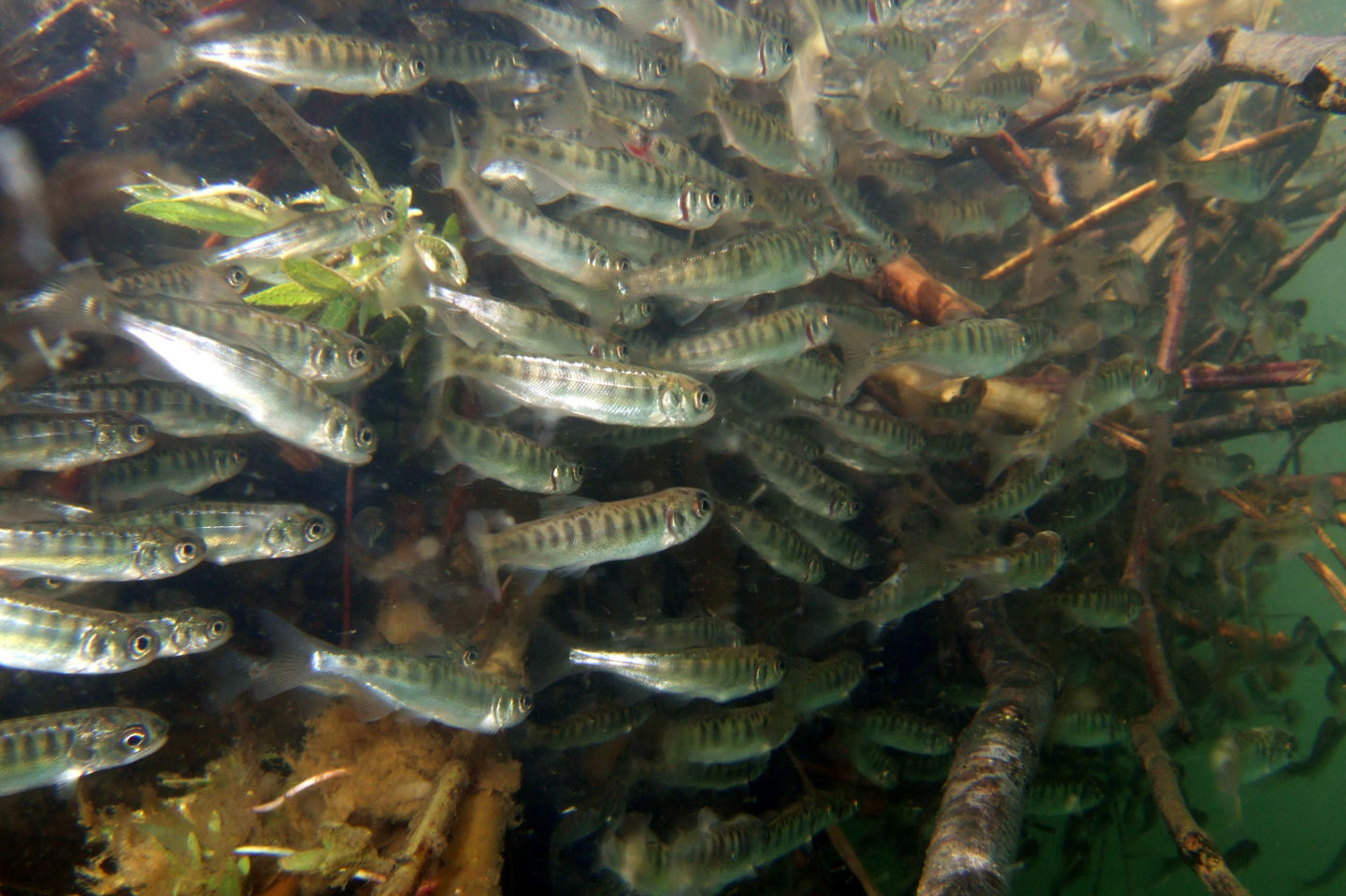
"caption": "Juvenile Chinook salmon swim in the American River in California. The state's salmon fishery, which centers around fall-run Chinook, has been estimated to be worth $1.4 billion, with the fish finding their way into markets and restaurants.",
"description": "Juvenile Chinook salmon swim in the American River in California. The state's salmon fishery, which centers around fall-run Chinook, has been estimated to be worth $1.4 billion, with the fish finding their way into markets and restaurants.",
"title": "Juvenile Chinook salmon swim in the American River in California. The state's salmon fishery, which centers around fall-run Chinook, has been estimated to be worth $1.4 billion, with the fish finding their way into markets and restaurants.",
"credit": "Courtesy of John Hannon/USBR",
"status": "inherit",
"isLoading": false,
"fetchFailed": false
},
"bayareabites_102997": {
"type": "attachments",
"id": "bayareabites_102997",
"meta": {
"index": "attachments_1716263798",
"site": "bayareabites",
"id": "102997",
"found": true
},
"parent": 102996,
"imgSizes": {
"twentyfourteen-full-width": {
"file": "https://ww2.kqed.org/app/uploads/sites/24/2015/11/gettyimages-2667800-0419d9d916a3f0bcfb40103d684acb437c368c36-1038x576.jpg",
"width": 1038,
"mimeType": "image/jpeg",
"height": 576
},
"thumbnail": {
"file": "https://ww2.kqed.org/app/uploads/sites/24/2015/11/gettyimages-2667800-0419d9d916a3f0bcfb40103d684acb437c368c36-400x300.jpg",
"width": 400,
"mimeType": "image/jpeg",
"height": 300
},
"fd-sm": {
"file": "https://ww2.kqed.org/app/uploads/sites/24/2015/11/gettyimages-2667800-0419d9d916a3f0bcfb40103d684acb437c368c36-960x720.jpg",
"width": 960,
"mimeType": "image/jpeg",
"height": 720
},
"post-thumbnail": {
"file": "https://ww2.kqed.org/app/uploads/sites/24/2015/11/gettyimages-2667800-0419d9d916a3f0bcfb40103d684acb437c368c36-672x372.jpg",
"width": 672,
"mimeType": "image/jpeg",
"height": 372
},
"kqedFullSize": {
"file": "https://ww2.kqed.org/app/uploads/sites/24/2015/11/gettyimages-2667800-0419d9d916a3f0bcfb40103d684acb437c368c36.jpg",
"width": 3393,
"height": 2544
},
"large": {
"file": "https://ww2.kqed.org/app/uploads/sites/24/2015/11/gettyimages-2667800-0419d9d916a3f0bcfb40103d684acb437c368c36-1440x1080.jpg",
"width": 1440,
"mimeType": "image/jpeg",
"height": 1080
},
"guest-author-96": {
"file": "https://ww2.kqed.org/app/uploads/sites/24/2015/11/gettyimages-2667800-0419d9d916a3f0bcfb40103d684acb437c368c36-96x96.jpg",
"width": 96,
"mimeType": "image/jpeg",
"height": 96
},
"medium": {
"file": "https://ww2.kqed.org/app/uploads/sites/24/2015/11/gettyimages-2667800-0419d9d916a3f0bcfb40103d684acb437c368c36-800x600.jpg",
"width": 800,
"mimeType": "image/jpeg",
"height": 600
},
"guest-author-64": {
"file": "https://ww2.kqed.org/app/uploads/sites/24/2015/11/gettyimages-2667800-0419d9d916a3f0bcfb40103d684acb437c368c36-64x64.jpg",
"width": 64,
"mimeType": "image/jpeg",
"height": 64
},
"guest-author-32": {
"file": "https://ww2.kqed.org/app/uploads/sites/24/2015/11/gettyimages-2667800-0419d9d916a3f0bcfb40103d684acb437c368c36-32x32.jpg",
"width": 32,
"mimeType": "image/jpeg",
"height": 32
},
"cat_post_thumb_sizecategory-posts-2": {
"file": "https://ww2.kqed.org/app/uploads/sites/24/2015/11/gettyimages-2667800-0419d9d916a3f0bcfb40103d684acb437c368c36-150x150.jpg",
"width": 150,
"mimeType": "image/jpeg",
"height": 150
},
"fd-lrg": {
"file": "https://ww2.kqed.org/app/uploads/sites/24/2015/11/gettyimages-2667800-0419d9d916a3f0bcfb40103d684acb437c368c36-1920x1440.jpg",
"width": 1920,
"mimeType": "image/jpeg",
"height": 1440
},
"fd-med": {
"file": "https://ww2.kqed.org/app/uploads/sites/24/2015/11/gettyimages-2667800-0419d9d916a3f0bcfb40103d684acb437c368c36-1180x885.jpg",
"width": 1180,
"mimeType": "image/jpeg",
"height": 885
},
"detail": {
"file": "https://ww2.kqed.org/app/uploads/sites/24/2015/11/gettyimages-2667800-0419d9d916a3f0bcfb40103d684acb437c368c36-75x75.jpg",
"width": 75,
"mimeType": "image/jpeg",
"height": 75
},
"guest-author-128": {
"file": "https://ww2.kqed.org/app/uploads/sites/24/2015/11/gettyimages-2667800-0419d9d916a3f0bcfb40103d684acb437c368c36-128x128.jpg",
"width": 128,
"mimeType": "image/jpeg",
"height": 128
}
},
"publishDate": 1446773659,
"modified": 1446781299,
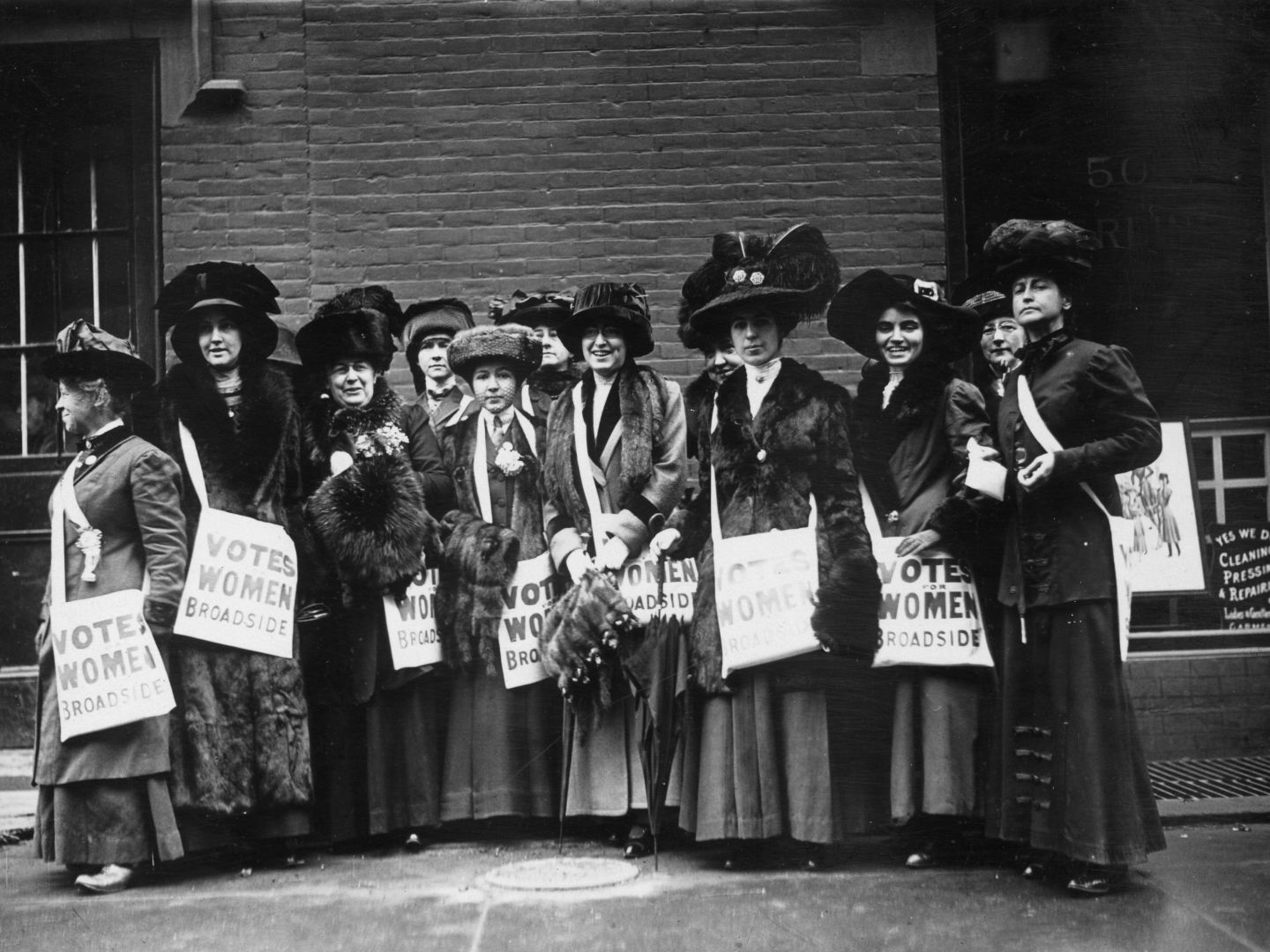
"caption": "Members of the women's suffrage movement prepare to march on New York's Wall Street in 1913, armed with leaflets and slogans demanding the vote for women.",
"description": "Members of the women's suffrage movement prepare to march on New York's Wall Street in 1913, armed with leaflets and slogans demanding the vote for women.",
"title": "Members of the women's suffrage movement prepare to march on New York's Wall Street in 1913, armed with leaflets and slogans demanding the vote for women.",
"credit": "Paul Thompson/Getty Images",
"status": "inherit",
"isLoading": false,
"fetchFailed": false
},
"bayareabites_102753": {
"type": "attachments",
"id": "bayareabites_102753",
"meta": {
"index": "attachments_1716263798",
"site": "bayareabites",
"id": "102753",
"found": true
},
"parent": 102752,
"imgSizes": {
"twentyfourteen-full-width": {
"file": "https://ww2.kqed.org/app/uploads/sites/24/2015/11/turmeric3_wide-3ca8d3f6907f0e1500d76b01a9761f680a7a61d0-1038x576.jpg",
"width": 1038,
"mimeType": "image/jpeg",
"height": 576
},
"thumbnail": {
"file": "https://ww2.kqed.org/app/uploads/sites/24/2015/11/turmeric3_wide-3ca8d3f6907f0e1500d76b01a9761f680a7a61d0-400x225.jpg",
"width": 400,
"mimeType": "image/jpeg",
"height": 225
},
"fd-sm": {
"file": "https://ww2.kqed.org/app/uploads/sites/24/2015/11/turmeric3_wide-3ca8d3f6907f0e1500d76b01a9761f680a7a61d0-960x540.jpg",
"width": 960,
"mimeType": "image/jpeg",
"height": 540
},
"post-thumbnail": {
"file": "https://ww2.kqed.org/app/uploads/sites/24/2015/11/turmeric3_wide-3ca8d3f6907f0e1500d76b01a9761f680a7a61d0-672x372.jpg",
"width": 672,
"mimeType": "image/jpeg",
"height": 372
},
"kqedFullSize": {
"file": "https://ww2.kqed.org/app/uploads/sites/24/2015/11/turmeric3_wide-3ca8d3f6907f0e1500d76b01a9761f680a7a61d0.jpg",
"width": 1198,
"height": 674
},
"guest-author-96": {
"file": "https://ww2.kqed.org/app/uploads/sites/24/2015/11/turmeric3_wide-3ca8d3f6907f0e1500d76b01a9761f680a7a61d0-96x96.jpg",
"width": 96,
"mimeType": "image/jpeg",
"height": 96
},
"medium": {
"file": "https://ww2.kqed.org/app/uploads/sites/24/2015/11/turmeric3_wide-3ca8d3f6907f0e1500d76b01a9761f680a7a61d0-800x450.jpg",
"width": 800,
"mimeType": "image/jpeg",
"height": 450
},
"guest-author-64": {
"file": "https://ww2.kqed.org/app/uploads/sites/24/2015/11/turmeric3_wide-3ca8d3f6907f0e1500d76b01a9761f680a7a61d0-64x64.jpg",
"width": 64,
"mimeType": "image/jpeg",
"height": 64
},
"guest-author-32": {
"file": "https://ww2.kqed.org/app/uploads/sites/24/2015/11/turmeric3_wide-3ca8d3f6907f0e1500d76b01a9761f680a7a61d0-32x32.jpg",
"width": 32,
"mimeType": "image/jpeg",
"height": 32
},
"cat_post_thumb_sizecategory-posts-2": {
"file": "https://ww2.kqed.org/app/uploads/sites/24/2015/11/turmeric3_wide-3ca8d3f6907f0e1500d76b01a9761f680a7a61d0-150x150.jpg",
"width": 150,
"mimeType": "image/jpeg",
"height": 150
},
"fd-med": {
"file": "https://ww2.kqed.org/app/uploads/sites/24/2015/11/turmeric3_wide-3ca8d3f6907f0e1500d76b01a9761f680a7a61d0-1180x664.jpg",
"width": 1180,
"mimeType": "image/jpeg",
"height": 664
},
"detail": {
"file": "https://ww2.kqed.org/app/uploads/sites/24/2015/11/turmeric3_wide-3ca8d3f6907f0e1500d76b01a9761f680a7a61d0-75x75.jpg",
"width": 75,
"mimeType": "image/jpeg",
"height": 75
},
"guest-author-128": {
"file": "https://ww2.kqed.org/app/uploads/sites/24/2015/11/turmeric3_wide-3ca8d3f6907f0e1500d76b01a9761f680a7a61d0-128x128.jpg",
"width": 128,
"mimeType": "image/jpeg",
"height": 128
}
},
"publishDate": 1446490442,
"modified": 1446582340,
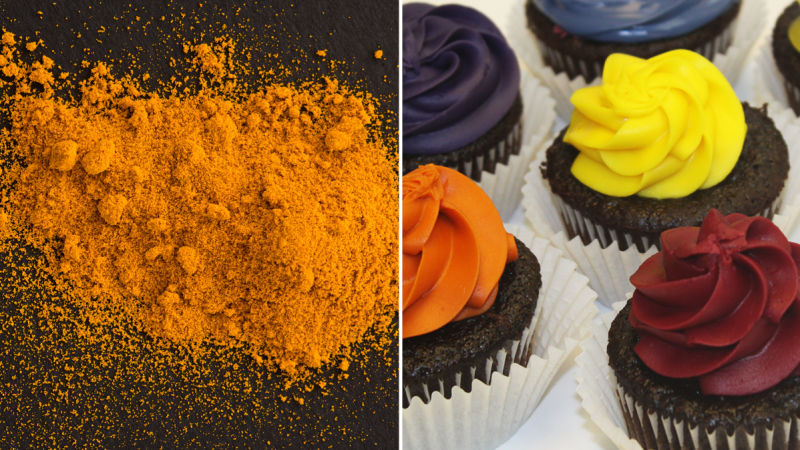
"caption": "Turmeric, on left, was used to make the yellow in the cupcakes on the right.",
"description": "Turmeric, on left, was used to make the yellow in the cupcakes on the right.",
"title": "Turmeric, on left, was used to make the yellow in the cupcakes on the right.",
"credit": "NPR; Courtesy of colorMaker Inc.",
"status": "inherit",
"isLoading": false,
"fetchFailed": false
},
"bayareabites_102904": {
"type": "attachments",
"id": "bayareabites_102904",
"meta": {
"index": "attachments_1716263798",
"site": "bayareabites",
"id": "102904",
"found": true
},
"parent": 102902,
"imgSizes": {
"twentyfourteen-full-width": {
"file": "https://ww2.kqed.org/app/uploads/sites/24/2015/11/mb_ingredients_chickpeasbroth1451-f5d30c27a6de41d23dd04c9dd9e9450b8f11e061-1038x576.jpg",
"width": 1038,
"mimeType": "image/jpeg",
"height": 576
},
"thumbnail": {
"file": "https://ww2.kqed.org/app/uploads/sites/24/2015/11/mb_ingredients_chickpeasbroth1451-f5d30c27a6de41d23dd04c9dd9e9450b8f11e061-400x300.jpg",
"width": 400,
"mimeType": "image/jpeg",
"height": 300
},
"fd-sm": {
"file": "https://ww2.kqed.org/app/uploads/sites/24/2015/11/mb_ingredients_chickpeasbroth1451-f5d30c27a6de41d23dd04c9dd9e9450b8f11e061-960x720.jpg",
"width": 960,
"mimeType": "image/jpeg",
"height": 720
},
"post-thumbnail": {
"file": "https://ww2.kqed.org/app/uploads/sites/24/2015/11/mb_ingredients_chickpeasbroth1451-f5d30c27a6de41d23dd04c9dd9e9450b8f11e061-672x372.jpg",
"width": 672,
"mimeType": "image/jpeg",
"height": 372
},
"kqedFullSize": {
"file": "https://ww2.kqed.org/app/uploads/sites/24/2015/11/mb_ingredients_chickpeasbroth1451-f5d30c27a6de41d23dd04c9dd9e9450b8f11e061.jpg",
"width": 5053,
"height": 3790
},
"large": {
"file": "https://ww2.kqed.org/app/uploads/sites/24/2015/11/mb_ingredients_chickpeasbroth1451-f5d30c27a6de41d23dd04c9dd9e9450b8f11e061-1440x1080.jpg",
"width": 1440,
"mimeType": "image/jpeg",
"height": 1080
},
"guest-author-96": {
"file": "https://ww2.kqed.org/app/uploads/sites/24/2015/11/mb_ingredients_chickpeasbroth1451-f5d30c27a6de41d23dd04c9dd9e9450b8f11e061-96x96.jpg",
"width": 96,
"mimeType": "image/jpeg",
"height": 96
},
"medium": {
"file": "https://ww2.kqed.org/app/uploads/sites/24/2015/11/mb_ingredients_chickpeasbroth1451-f5d30c27a6de41d23dd04c9dd9e9450b8f11e061-800x600.jpg",
"width": 800,
"mimeType": "image/jpeg",
"height": 600
},
"guest-author-64": {
"file": "https://ww2.kqed.org/app/uploads/sites/24/2015/11/mb_ingredients_chickpeasbroth1451-f5d30c27a6de41d23dd04c9dd9e9450b8f11e061-64x64.jpg",
"width": 64,
"mimeType": "image/jpeg",
"height": 64
},
"guest-author-32": {
"file": "https://ww2.kqed.org/app/uploads/sites/24/2015/11/mb_ingredients_chickpeasbroth1451-f5d30c27a6de41d23dd04c9dd9e9450b8f11e061-32x32.jpg",
"width": 32,
"mimeType": "image/jpeg",
"height": 32
},
"cat_post_thumb_sizecategory-posts-2": {
"file": "https://ww2.kqed.org/app/uploads/sites/24/2015/11/mb_ingredients_chickpeasbroth1451-f5d30c27a6de41d23dd04c9dd9e9450b8f11e061-150x150.jpg",
"width": 150,
"mimeType": "image/jpeg",
"height": 150
},
"fd-lrg": {
"file": "https://ww2.kqed.org/app/uploads/sites/24/2015/11/mb_ingredients_chickpeasbroth1451-f5d30c27a6de41d23dd04c9dd9e9450b8f11e061-1920x1440.jpg",
"width": 1920,
"mimeType": "image/jpeg",
"height": 1440
},
"fd-med": {
"file": "https://ww2.kqed.org/app/uploads/sites/24/2015/11/mb_ingredients_chickpeasbroth1451-f5d30c27a6de41d23dd04c9dd9e9450b8f11e061-1180x885.jpg",
"width": 1180,
"mimeType": "image/jpeg",
"height": 885
},
"detail": {
"file": "https://ww2.kqed.org/app/uploads/sites/24/2015/11/mb_ingredients_chickpeasbroth1451-f5d30c27a6de41d23dd04c9dd9e9450b8f11e061-75x75.jpg",
"width": 75,
"mimeType": "image/jpeg",
"height": 75
},
"guest-author-128": {
"file": "https://ww2.kqed.org/app/uploads/sites/24/2015/11/mb_ingredients_chickpeasbroth1451-f5d30c27a6de41d23dd04c9dd9e9450b8f11e061-128x128.jpg",
"width": 128,
"mimeType": "image/jpeg",
"height": 128
}
},
"publishDate": 1446513997,
"modified": 1446514722,
"caption": "Chickpeas in their own broth (with lots of extras). This recipe is coming soon, according to the folks at The Purple Carrot. Mark Bittman, who left The New York Times to join the meal delivery startup, says he and a team of test cooks are trying to develop eight new recipes a week.",
"description": "Chickpeas in their own broth (with lots of extras). This recipe is coming soon, according to the folks at The Purple Carrot. Mark Bittman, who left \u003cem>The New York Times\u003c/em> to join the meal delivery startup, says he and a team of test cooks are trying to develop eight new recipes a week",
"title": "Chickpeas in their own broth (with lots of extras). This recipe is coming soon, according to the folks at The Purple Carrot. Mark Bittman, who left The New York Times to join the meal delivery startup, says he and a team of test cooks are trying to develop eight new recipes a week.",
"credit": "Aya Bracket/The Purple Carrot",
"status": "inherit",
"isLoading": false,
"fetchFailed": false
},
"bayareabites_102728": {
"type": "attachments",
"id": "bayareabites_102728",
"meta": {
"index": "attachments_1716263798",
"site": "bayareabites",
"id": "102728",
"found": true
},
"parent": 102727,
"imgSizes": {
"twentyfourteen-full-width": {
"file": "https://ww2.kqed.org/app/uploads/sites/24/2015/10/294913729_01cbdf0ba0_o_wide-1b8a5af1c4aed0a9244fdf0a18362cfeeda79b3b-1038x576.jpg",
"width": 1038,
"mimeType": "image/jpeg",
"height": 576
},
"thumbnail": {
"file": "https://ww2.kqed.org/app/uploads/sites/24/2015/10/294913729_01cbdf0ba0_o_wide-1b8a5af1c4aed0a9244fdf0a18362cfeeda79b3b-400x225.jpg",
"width": 400,
"mimeType": "image/jpeg",
"height": 225
},
"fd-sm": {
"file": "https://ww2.kqed.org/app/uploads/sites/24/2015/10/294913729_01cbdf0ba0_o_wide-1b8a5af1c4aed0a9244fdf0a18362cfeeda79b3b-960x540.jpg",
"width": 960,
"mimeType": "image/jpeg",
"height": 540
},
"post-thumbnail": {
"file": "https://ww2.kqed.org/app/uploads/sites/24/2015/10/294913729_01cbdf0ba0_o_wide-1b8a5af1c4aed0a9244fdf0a18362cfeeda79b3b-672x372.jpg",
"width": 672,
"mimeType": "image/jpeg",
"height": 372
},
"kqedFullSize": {
"file": "https://ww2.kqed.org/app/uploads/sites/24/2015/10/294913729_01cbdf0ba0_o_wide-1b8a5af1c4aed0a9244fdf0a18362cfeeda79b3b.jpg",
"width": 2592,
"height": 1458
},
"large": {
"file": "https://ww2.kqed.org/app/uploads/sites/24/2015/10/294913729_01cbdf0ba0_o_wide-1b8a5af1c4aed0a9244fdf0a18362cfeeda79b3b-1440x810.jpg",
"width": 1440,
"mimeType": "image/jpeg",
"height": 810
},
"guest-author-96": {
"file": "https://ww2.kqed.org/app/uploads/sites/24/2015/10/294913729_01cbdf0ba0_o_wide-1b8a5af1c4aed0a9244fdf0a18362cfeeda79b3b-96x96.jpg",
"width": 96,
"mimeType": "image/jpeg",
"height": 96
},
"medium": {
"file": "https://ww2.kqed.org/app/uploads/sites/24/2015/10/294913729_01cbdf0ba0_o_wide-1b8a5af1c4aed0a9244fdf0a18362cfeeda79b3b-800x450.jpg",
"width": 800,
"mimeType": "image/jpeg",
"height": 450
},
"guest-author-64": {
"file": "https://ww2.kqed.org/app/uploads/sites/24/2015/10/294913729_01cbdf0ba0_o_wide-1b8a5af1c4aed0a9244fdf0a18362cfeeda79b3b-64x64.jpg",
"width": 64,
"mimeType": "image/jpeg",
"height": 64
},
"guest-author-32": {
"file": "https://ww2.kqed.org/app/uploads/sites/24/2015/10/294913729_01cbdf0ba0_o_wide-1b8a5af1c4aed0a9244fdf0a18362cfeeda79b3b-32x32.jpg",
"width": 32,
"mimeType": "image/jpeg",
"height": 32
},
"cat_post_thumb_sizecategory-posts-2": {
"file": "https://ww2.kqed.org/app/uploads/sites/24/2015/10/294913729_01cbdf0ba0_o_wide-1b8a5af1c4aed0a9244fdf0a18362cfeeda79b3b-150x150.jpg",
"width": 150,
"mimeType": "image/jpeg",
"height": 150
},
"fd-lrg": {
"file": "https://ww2.kqed.org/app/uploads/sites/24/2015/10/294913729_01cbdf0ba0_o_wide-1b8a5af1c4aed0a9244fdf0a18362cfeeda79b3b-1920x1080.jpg",
"width": 1920,
"mimeType": "image/jpeg",
"height": 1080
},
"fd-med": {
"file": "https://ww2.kqed.org/app/uploads/sites/24/2015/10/294913729_01cbdf0ba0_o_wide-1b8a5af1c4aed0a9244fdf0a18362cfeeda79b3b-1180x664.jpg",
"width": 1180,
"mimeType": "image/jpeg",
"height": 664
},
"detail": {
"file": "https://ww2.kqed.org/app/uploads/sites/24/2015/10/294913729_01cbdf0ba0_o_wide-1b8a5af1c4aed0a9244fdf0a18362cfeeda79b3b-75x75.jpg",
"width": 75,
"mimeType": "image/jpeg",
"height": 75
},
"guest-author-128": {
"file": "https://ww2.kqed.org/app/uploads/sites/24/2015/10/294913729_01cbdf0ba0_o_wide-1b8a5af1c4aed0a9244fdf0a18362cfeeda79b3b-128x128.jpg",
"width": 128,
"mimeType": "image/jpeg",
"height": 128
}
},
"publishDate": 1446247480,
"modified": 1446252742,
"caption": "You probably wouldn't want to eat these Jack O'Lanterns since they've been carved and sitting out. But this variety of pumpkin is perfectly edible and nutritious.",
"description": "You probably wouldn't want to eat these Jack O'Lanterns since they've been carved and sitting out. But this variety of pumpkin is perfectly edible and nutritious.",
"title": "You probably wouldn't want to eat these Jack O'Lanterns since they've been carved and sitting out. But this variety of pumpkin is perfectly edible and nutritious.",
"credit": "\u003ca href=\"https://www.flickr.com/photos/wildcat_dunny/294913729\" target=\"_blank\">Wildcat Dunny/Flickr\u003c/a>",
"status": "inherit",
"isLoading": false,
"fetchFailed": false
},
"bayareabites_102713": {
"type": "attachments",
"id": "bayareabites_102713",
"meta": {
"index": "attachments_1716263798",
"site": "bayareabites",
"id": "102713",
"found": true
},
"parent": 102711,
"imgSizes": {
"twentyfourteen-full-width": {
"file": "https://ww2.kqed.org/app/uploads/sites/24/2015/10/cooking-pricestandar_custom-657c32fb5da9027e9da875451346ca82c3af8291-1010x576.jpg",
"width": 1010,
"mimeType": "image/jpeg",
"height": 576
},
"thumbnail": {
"file": "https://ww2.kqed.org/app/uploads/sites/24/2015/10/cooking-pricestandar_custom-657c32fb5da9027e9da875451346ca82c3af8291-400x266.jpg",
"width": 400,
"mimeType": "image/jpeg",
"height": 266
},
"fd-sm": {
"file": "https://ww2.kqed.org/app/uploads/sites/24/2015/10/cooking-pricestandar_custom-657c32fb5da9027e9da875451346ca82c3af8291-960x639.jpg",
"width": 960,
"mimeType": "image/jpeg",
"height": 639
},
"post-thumbnail": {
"file": "https://ww2.kqed.org/app/uploads/sites/24/2015/10/cooking-pricestandar_custom-657c32fb5da9027e9da875451346ca82c3af8291-672x372.jpg",
"width": 672,
"mimeType": "image/jpeg",
"height": 372
},
"kqedFullSize": {
"file": "https://ww2.kqed.org/app/uploads/sites/24/2015/10/cooking-pricestandar_custom-657c32fb5da9027e9da875451346ca82c3af8291.jpg",
"width": 1010,
"height": 672
},
"cat_post_thumb_sizecategory-posts-2": {
"file": "https://ww2.kqed.org/app/uploads/sites/24/2015/10/cooking-pricestandar_custom-657c32fb5da9027e9da875451346ca82c3af8291-150x150.jpg",
"width": 150,
"mimeType": "image/jpeg",
"height": 150
},
"guest-author-96": {
"file": "https://ww2.kqed.org/app/uploads/sites/24/2015/10/cooking-pricestandar_custom-657c32fb5da9027e9da875451346ca82c3af8291-96x96.jpg",
"width": 96,
"mimeType": "image/jpeg",
"height": 96
},
"medium": {
"file": "https://ww2.kqed.org/app/uploads/sites/24/2015/10/cooking-pricestandar_custom-657c32fb5da9027e9da875451346ca82c3af8291-800x532.jpg",
"width": 800,
"mimeType": "image/jpeg",
"height": 532
},
"guest-author-64": {
"file": "https://ww2.kqed.org/app/uploads/sites/24/2015/10/cooking-pricestandar_custom-657c32fb5da9027e9da875451346ca82c3af8291-64x64.jpg",
"width": 64,
"mimeType": "image/jpeg",
"height": 64
},
"detail": {
"file": "https://ww2.kqed.org/app/uploads/sites/24/2015/10/cooking-pricestandar_custom-657c32fb5da9027e9da875451346ca82c3af8291-75x75.jpg",
"width": 75,
"mimeType": "image/jpeg",
"height": 75
},
"guest-author-32": {
"file": "https://ww2.kqed.org/app/uploads/sites/24/2015/10/cooking-pricestandar_custom-657c32fb5da9027e9da875451346ca82c3af8291-32x32.jpg",
"width": 32,
"mimeType": "image/jpeg",
"height": 32
},
"guest-author-128": {
"file": "https://ww2.kqed.org/app/uploads/sites/24/2015/10/cooking-pricestandar_custom-657c32fb5da9027e9da875451346ca82c3af8291-128x128.jpg",
"width": 128,
"mimeType": "image/jpeg",
"height": 128
}
},
"publishDate": 1446243375,
"modified": 1446244852,
"caption": "Famous horror film actor Vincent Price also co-wrote a best-selling cookbook in the 1960s with his then-wife, Mary. The original cover of the book, A Treasury Of Great Recipes, is seen at left. It's just been reissued.",
"description": "Famous horror film actor Vincent Price also co-wrote a best-selling cookbook in the 1960s with his then-wife, Mary. The original cover of the book, \u003cem>A Treasury Of Great Recipes,\u003c/em> is seen at left. It's just been reissued.",
"title": "Famous horror film actor Vincent Price also co-wrote a best-selling cookbook in the 1960s with his then-wife, Mary. The original cover of the book, A Treasury Of Great Recipes, is seen at left. It's just been reissued.",
"credit": "William Claxton/A Treasury of Great Recipes; Price Family Trust",
"status": "inherit",
"isLoading": false,
"fetchFailed": false
},
"bayareabites_102698": {
"type": "attachments",
"id": "bayareabites_102698",
"meta": {
"index": "attachments_1716263798",
"site": "bayareabites",
"id": "102698",
"found": true
},
"parent": 102697,
"imgSizes": {
"twentyfourteen-full-width": {
"file": "https://ww2.kqed.org/app/uploads/sites/24/2015/10/birkby002a_frontjpg_slide-852a3d817bbb5d120e549b4e31ef698f697a7a3b-1038x576.jpg",
"width": 1038,
"mimeType": "image/jpeg",
"height": 576
},
"thumbnail": {
"file": "https://ww2.kqed.org/app/uploads/sites/24/2015/10/birkby002a_frontjpg_slide-852a3d817bbb5d120e549b4e31ef698f697a7a3b-400x267.jpg",
"width": 400,
"mimeType": "image/jpeg",
"height": 267
},
"fd-sm": {
"file": "https://ww2.kqed.org/app/uploads/sites/24/2015/10/birkby002a_frontjpg_slide-852a3d817bbb5d120e549b4e31ef698f697a7a3b-960x640.jpg",
"width": 960,
"mimeType": "image/jpeg",
"height": 640
},
"post-thumbnail": {
"file": "https://ww2.kqed.org/app/uploads/sites/24/2015/10/birkby002a_frontjpg_slide-852a3d817bbb5d120e549b4e31ef698f697a7a3b-672x372.jpg",
"width": 672,
"mimeType": "image/jpeg",
"height": 372
},
"kqedFullSize": {
"file": "https://ww2.kqed.org/app/uploads/sites/24/2015/10/birkby002a_frontjpg_slide-852a3d817bbb5d120e549b4e31ef698f697a7a3b.jpg",
"width": 2342,
"height": 1561
},
"large": {
"file": "https://ww2.kqed.org/app/uploads/sites/24/2015/10/birkby002a_frontjpg_slide-852a3d817bbb5d120e549b4e31ef698f697a7a3b-1440x960.jpg",
"width": 1440,
"mimeType": "image/jpeg",
"height": 960
},
"guest-author-96": {
"file": "https://ww2.kqed.org/app/uploads/sites/24/2015/10/birkby002a_frontjpg_slide-852a3d817bbb5d120e549b4e31ef698f697a7a3b-96x96.jpg",
"width": 96,
"mimeType": "image/jpeg",
"height": 96
},
"medium": {
"file": "https://ww2.kqed.org/app/uploads/sites/24/2015/10/birkby002a_frontjpg_slide-852a3d817bbb5d120e549b4e31ef698f697a7a3b-800x533.jpg",
"width": 800,
"mimeType": "image/jpeg",
"height": 533
},
"guest-author-64": {
"file": "https://ww2.kqed.org/app/uploads/sites/24/2015/10/birkby002a_frontjpg_slide-852a3d817bbb5d120e549b4e31ef698f697a7a3b-64x64.jpg",
"width": 64,
"mimeType": "image/jpeg",
"height": 64
},
"guest-author-32": {
"file": "https://ww2.kqed.org/app/uploads/sites/24/2015/10/birkby002a_frontjpg_slide-852a3d817bbb5d120e549b4e31ef698f697a7a3b-32x32.jpg",
"width": 32,
"mimeType": "image/jpeg",
"height": 32
},
"cat_post_thumb_sizecategory-posts-2": {
"file": "https://ww2.kqed.org/app/uploads/sites/24/2015/10/birkby002a_frontjpg_slide-852a3d817bbb5d120e549b4e31ef698f697a7a3b-150x150.jpg",
"width": 150,
"mimeType": "image/jpeg",
"height": 150
},
"fd-lrg": {
"file": "https://ww2.kqed.org/app/uploads/sites/24/2015/10/birkby002a_frontjpg_slide-852a3d817bbb5d120e549b4e31ef698f697a7a3b-1920x1280.jpg",
"width": 1920,
"mimeType": "image/jpeg",
"height": 1280
},
"fd-med": {
"file": "https://ww2.kqed.org/app/uploads/sites/24/2015/10/birkby002a_frontjpg_slide-852a3d817bbb5d120e549b4e31ef698f697a7a3b-1180x786.jpg",
"width": 1180,
"mimeType": "image/jpeg",
"height": 786
},
"detail": {
"file": "https://ww2.kqed.org/app/uploads/sites/24/2015/10/birkby002a_frontjpg_slide-852a3d817bbb5d120e549b4e31ef698f697a7a3b-75x75.jpg",
"width": 75,
"mimeType": "image/jpeg",
"height": 75
},
"guest-author-128": {
"file": "https://ww2.kqed.org/app/uploads/sites/24/2015/10/birkby002a_frontjpg_slide-852a3d817bbb5d120e549b4e31ef698f697a7a3b-128x128.jpg",
"width": 128,
"mimeType": "image/jpeg",
"height": 128
}
},
"publishDate": 1446159193,
"modified": 1446159333,
"caption": "Evelyn Birkby interviews guests on her KMA radio program, Down a Country Lane, in 1951 in Shenandoah, Iowa.",
"description": "Evelyn Birkby interviews guests on her KMA radio program, \u003cem>Down a Country Lane,\u003c/em> in 1951 in \u003cem> \u003c/em>Shenandoah, Io",
"title": "Evelyn Birkby interviews guests on her KMA radio program, Down a Country Lane, in 1951 in Shenandoah, Iowa.",
"credit": "Courtesy of University of Iowa Women's Archives/Evelyn Birkby Collection",
"status": "inherit",
"isLoading": false,
"fetchFailed": false
},
"bayareabites_102672": {
"type": "attachments",
"id": "bayareabites_102672",
"meta": {
"index": "attachments_1716263798",
"site": "bayareabites",
"id": "102672",
"found": true
},
"parent": 102671,
"imgSizes": {
"twentyfourteen-full-width": {
"file": "https://ww2.kqed.org/app/uploads/sites/24/2015/10/istock_000048514658_full_slide-1388bd0f3924894bb2e10c312bced111dea97050-1038x576.jpg",
"width": 1038,
"mimeType": "image/jpeg",
"height": 576
},
"thumbnail": {
"file": "https://ww2.kqed.org/app/uploads/sites/24/2015/10/istock_000048514658_full_slide-1388bd0f3924894bb2e10c312bced111dea97050-400x267.jpg",
"width": 400,
"mimeType": "image/jpeg",
"height": 267
},
"fd-sm": {
"file": "https://ww2.kqed.org/app/uploads/sites/24/2015/10/istock_000048514658_full_slide-1388bd0f3924894bb2e10c312bced111dea97050-960x640.jpg",
"width": 960,
"mimeType": "image/jpeg",
"height": 640
},
"post-thumbnail": {
"file": "https://ww2.kqed.org/app/uploads/sites/24/2015/10/istock_000048514658_full_slide-1388bd0f3924894bb2e10c312bced111dea97050-672x372.jpg",
"width": 672,
"mimeType": "image/jpeg",
"height": 372
},
"kqedFullSize": {
"file": "https://ww2.kqed.org/app/uploads/sites/24/2015/10/istock_000048514658_full_slide-1388bd0f3924894bb2e10c312bced111dea97050.jpg",
"width": 2731,
"height": 1820
},
"large": {
"file": "https://ww2.kqed.org/app/uploads/sites/24/2015/10/istock_000048514658_full_slide-1388bd0f3924894bb2e10c312bced111dea97050-1440x960.jpg",
"width": 1440,
"mimeType": "image/jpeg",
"height": 960
},
"guest-author-96": {
"file": "https://ww2.kqed.org/app/uploads/sites/24/2015/10/istock_000048514658_full_slide-1388bd0f3924894bb2e10c312bced111dea97050-96x96.jpg",
"width": 96,
"mimeType": "image/jpeg",
"height": 96
},
"medium": {
"file": "https://ww2.kqed.org/app/uploads/sites/24/2015/10/istock_000048514658_full_slide-1388bd0f3924894bb2e10c312bced111dea97050-800x533.jpg",
"width": 800,
"mimeType": "image/jpeg",
"height": 533
},
"guest-author-64": {
"file": "https://ww2.kqed.org/app/uploads/sites/24/2015/10/istock_000048514658_full_slide-1388bd0f3924894bb2e10c312bced111dea97050-64x64.jpg",
"width": 64,
"mimeType": "image/jpeg",
"height": 64
},
"guest-author-32": {
"file": "https://ww2.kqed.org/app/uploads/sites/24/2015/10/istock_000048514658_full_slide-1388bd0f3924894bb2e10c312bced111dea97050-32x32.jpg",
"width": 32,
"mimeType": "image/jpeg",
"height": 32
},
"cat_post_thumb_sizecategory-posts-2": {
"file": "https://ww2.kqed.org/app/uploads/sites/24/2015/10/istock_000048514658_full_slide-1388bd0f3924894bb2e10c312bced111dea97050-150x150.jpg",
"width": 150,
"mimeType": "image/jpeg",
"height": 150
},
"fd-lrg": {
"file": "https://ww2.kqed.org/app/uploads/sites/24/2015/10/istock_000048514658_full_slide-1388bd0f3924894bb2e10c312bced111dea97050-1920x1280.jpg",
"width": 1920,
"mimeType": "image/jpeg",
"height": 1280
},
"fd-med": {
"file": "https://ww2.kqed.org/app/uploads/sites/24/2015/10/istock_000048514658_full_slide-1388bd0f3924894bb2e10c312bced111dea97050-1180x786.jpg",
"width": 1180,
"mimeType": "image/jpeg",
"height": 786
},
"detail": {
"file": "https://ww2.kqed.org/app/uploads/sites/24/2015/10/istock_000048514658_full_slide-1388bd0f3924894bb2e10c312bced111dea97050-75x75.jpg",
"width": 75,
"mimeType": "image/jpeg",
"height": 75
},
"guest-author-128": {
"file": "https://ww2.kqed.org/app/uploads/sites/24/2015/10/istock_000048514658_full_slide-1388bd0f3924894bb2e10c312bced111dea97050-128x128.jpg",
"width": 128,
"mimeType": "image/jpeg",
"height": 128
}
},
"publishDate": 1446076626,
"modified": 1446076803,
"caption": "When salmon was out of season, diners in restaurants were likely to get a species other than what they ordered 67 percent of the time, a new survey finds.",
"description": "When salmon was out of season, diners in restaurants were likely to get a species other than what they ordered 67 percent of the time, a new survey finds.",
"title": "When salmon was out of season, diners in restaurants were likely to get a species other than what they ordered 67 percent of the time, a new survey finds.",
"credit": "iStockphoto",
"status": "inherit",
"isLoading": false,
"fetchFailed": false
},
"bayareabites_102474": {
"type": "attachments",
"id": "bayareabites_102474",
"meta": {
"index": "attachments_1716263798",
"site": "bayareabites",
"id": "102474",
"found": true
},
"parent": 102469,
"imgSizes": {
"thumbnail": {
"file": "https://ww2.kqed.org/app/uploads/sites/24/2015/10/bacon-400x300.jpg",
"width": 400,
"mimeType": "image/jpeg",
"height": 300
},
"post-thumbnail": {
"file": "https://ww2.kqed.org/app/uploads/sites/24/2015/10/bacon-672x372.jpg",
"width": 672,
"mimeType": "image/jpeg",
"height": 372
},
"kqedFullSize": {
"file": "https://ww2.kqed.org/app/uploads/sites/24/2015/10/bacon.jpg",
"width": 766,
"height": 575
},
"cat_post_thumb_sizecategory-posts-2": {
"file": "https://ww2.kqed.org/app/uploads/sites/24/2015/10/bacon-150x150.jpg",
"width": 150,
"mimeType": "image/jpeg",
"height": 150
},
"guest-author-96": {
"file": "https://ww2.kqed.org/app/uploads/sites/24/2015/10/bacon-96x96.jpg",
"width": 96,
"mimeType": "image/jpeg",
"height": 96
},
"guest-author-64": {
"file": "https://ww2.kqed.org/app/uploads/sites/24/2015/10/bacon-64x64.jpg",
"width": 64,
"mimeType": "image/jpeg",
"height": 64
},
"detail": {
"file": "https://ww2.kqed.org/app/uploads/sites/24/2015/10/bacon-75x75.jpg",
"width": 75,
"mimeType": "image/jpeg",
"height": 75
},
"guest-author-32": {
"file": "https://ww2.kqed.org/app/uploads/sites/24/2015/10/bacon-32x32.jpg",
"width": 32,
"mimeType": "image/jpeg",
"height": 32
},
"guest-author-128": {
"file": "https://ww2.kqed.org/app/uploads/sites/24/2015/10/bacon-128x128.jpg",
"width": 128,
"mimeType": "image/jpeg",
"height": 128
}
},
"publishDate": 1445890353,
"modified": 1445890414,
"caption": "The World Health Organization has put bacon, hot dogs and sausages in the same category of cancer risk as tobacco smoking.",
"description": "The World Health Organization has put bacon, hot dogs and sausages in the same category of cancer risk as tobacco smoking.",
"title": "The World Health Organization has put bacon, hot dogs and sausages in the same category of cancer risk as tobacco smoking.",
"credit": "\u003ca href=\"https://www.flickr.com/photos/anokarina/5152097912/in/photolist-8RgRdm\" target=\"_blank\">Anokarina/Flickr\u003c/a>",
"status": "inherit",
"isLoading": false,
"fetchFailed": false
},
"bayareabites_102447": {
"type": "attachments",
"id": "bayareabites_102447",
"meta": {
"index": "attachments_1716263798",
"site": "bayareabites",
"id": "102447",
"found": true
},
"parent": 102446,
"imgSizes": {
"twentyfourteen-full-width": {
"file": "https://ww2.kqed.org/app/uploads/sites/24/2015/10/restaurant_enl-9ede6c876a12686d37014010a71edeb7a016bbf7-1038x576.jpg",
"width": 1038,
"mimeType": "image/jpeg",
"height": 576
},
"thumbnail": {
"file": "https://ww2.kqed.org/app/uploads/sites/24/2015/10/restaurant_enl-9ede6c876a12686d37014010a71edeb7a016bbf7-400x266.jpg",
"width": 400,
"mimeType": "image/jpeg",
"height": 266
},
"fd-sm": {
"file": "https://ww2.kqed.org/app/uploads/sites/24/2015/10/restaurant_enl-9ede6c876a12686d37014010a71edeb7a016bbf7-960x639.jpg",
"width": 960,
"mimeType": "image/jpeg",
"height": 639
},
"post-thumbnail": {
"file": "https://ww2.kqed.org/app/uploads/sites/24/2015/10/restaurant_enl-9ede6c876a12686d37014010a71edeb7a016bbf7-672x372.jpg",
"width": 672,
"mimeType": "image/jpeg",
"height": 372
},
"kqedFullSize": {
"file": "https://ww2.kqed.org/app/uploads/sites/24/2015/10/restaurant_enl-9ede6c876a12686d37014010a71edeb7a016bbf7.jpg",
"width": 1698,
"height": 1131
},
"large": {
"file": "https://ww2.kqed.org/app/uploads/sites/24/2015/10/restaurant_enl-9ede6c876a12686d37014010a71edeb7a016bbf7-1440x959.jpg",
"width": 1440,
"mimeType": "image/jpeg",
"height": 959
},
"guest-author-96": {
"file": "https://ww2.kqed.org/app/uploads/sites/24/2015/10/restaurant_enl-9ede6c876a12686d37014010a71edeb7a016bbf7-96x96.jpg",
"width": 96,
"mimeType": "image/jpeg",
"height": 96
},
"medium": {
"file": "https://ww2.kqed.org/app/uploads/sites/24/2015/10/restaurant_enl-9ede6c876a12686d37014010a71edeb7a016bbf7-800x533.jpg",
"width": 800,
"mimeType": "image/jpeg",
"height": 533
},
"guest-author-64": {
"file": "https://ww2.kqed.org/app/uploads/sites/24/2015/10/restaurant_enl-9ede6c876a12686d37014010a71edeb7a016bbf7-64x64.jpg",
"width": 64,
"mimeType": "image/jpeg",
"height": 64
},
"guest-author-32": {
"file": "https://ww2.kqed.org/app/uploads/sites/24/2015/10/restaurant_enl-9ede6c876a12686d37014010a71edeb7a016bbf7-32x32.jpg",
"width": 32,
"mimeType": "image/jpeg",
"height": 32
},
"cat_post_thumb_sizecategory-posts-2": {
"file": "https://ww2.kqed.org/app/uploads/sites/24/2015/10/restaurant_enl-9ede6c876a12686d37014010a71edeb7a016bbf7-150x150.jpg",
"width": 150,
"mimeType": "image/jpeg",
"height": 150
},
"fd-med": {
"file": "https://ww2.kqed.org/app/uploads/sites/24/2015/10/restaurant_enl-9ede6c876a12686d37014010a71edeb7a016bbf7-1180x786.jpg",
"width": 1180,
"mimeType": "image/jpeg",
"height": 786
},
"detail": {
"file": "https://ww2.kqed.org/app/uploads/sites/24/2015/10/restaurant_enl-9ede6c876a12686d37014010a71edeb7a016bbf7-75x75.jpg",
"width": 75,
"mimeType": "image/jpeg",
"height": 75
},
"guest-author-128": {
"file": "https://ww2.kqed.org/app/uploads/sites/24/2015/10/restaurant_enl-9ede6c876a12686d37014010a71edeb7a016bbf7-128x128.jpg",
"width": 128,
"mimeType": "image/jpeg",
"height": 128
}
},
"publishDate": 1445548896,
"modified": 1445549066,
"caption": "At fine-dining places, white workers overwhelmingly fill jobs with the heftiest salaries, while Latinos, blacks and other minorities have jobs with pay closer to the poverty level, a study finds.",
"description": "At fine-dining places, white workers overwhelmingly fill jobs with the heftiest salaries, while Latinos, blacks and other minorities have jobs with pay closer to the poverty level, a study finds.",
"title": "At fine-dining places, white workers overwhelmingly fill jobs with the heftiest salaries, while Latinos, blacks and other minorities have jobs with pay closer to the poverty level, a study finds.",
"credit": "iStockphoto",
"status": "inherit",
"isLoading": false,
"fetchFailed": false
},
"bayareabites_102399": {
"type": "attachments",
"id": "bayareabites_102399",
"meta": {
"index": "attachments_1716263798",
"site": "bayareabites",
"id": "102399",
"found": true
},
"parent": 102398,
"imgSizes": {
"twentyfourteen-full-width": {
"file": "https://ww2.kqed.org/app/uploads/sites/24/2015/10/ap_080226061937_custom-5cbccc9f0c1d1533e3841c1655cd34e4a490a4c9-1038x576.jpg",
"width": 1038,
"mimeType": "image/jpeg",
"height": 576
},
"thumbnail": {
"file": "https://ww2.kqed.org/app/uploads/sites/24/2015/10/ap_080226061937_custom-5cbccc9f0c1d1533e3841c1655cd34e4a490a4c9-400x316.jpg",
"width": 400,
"mimeType": "image/jpeg",
"height": 316
},
"fd-sm": {
"file": "https://ww2.kqed.org/app/uploads/sites/24/2015/10/ap_080226061937_custom-5cbccc9f0c1d1533e3841c1655cd34e4a490a4c9-960x757.jpg",
"width": 960,
"mimeType": "image/jpeg",
"height": 757
},
"post-thumbnail": {
"file": "https://ww2.kqed.org/app/uploads/sites/24/2015/10/ap_080226061937_custom-5cbccc9f0c1d1533e3841c1655cd34e4a490a4c9-672x372.jpg",
"width": 672,
"mimeType": "image/jpeg",
"height": 372
},
"kqedFullSize": {
"file": "https://ww2.kqed.org/app/uploads/sites/24/2015/10/ap_080226061937_custom-5cbccc9f0c1d1533e3841c1655cd34e4a490a4c9.jpg",
"width": 2000,
"height": 1578
},
"large": {
"file": "https://ww2.kqed.org/app/uploads/sites/24/2015/10/ap_080226061937_custom-5cbccc9f0c1d1533e3841c1655cd34e4a490a4c9-1440x1136.jpg",
"width": 1440,
"mimeType": "image/jpeg",
"height": 1136
},
"guest-author-96": {
"file": "https://ww2.kqed.org/app/uploads/sites/24/2015/10/ap_080226061937_custom-5cbccc9f0c1d1533e3841c1655cd34e4a490a4c9-96x96.jpg",
"width": 96,
"mimeType": "image/jpeg",
"height": 96
},
"medium": {
"file": "https://ww2.kqed.org/app/uploads/sites/24/2015/10/ap_080226061937_custom-5cbccc9f0c1d1533e3841c1655cd34e4a490a4c9-800x631.jpg",
"width": 800,
"mimeType": "image/jpeg",
"height": 631
},
"guest-author-64": {
"file": "https://ww2.kqed.org/app/uploads/sites/24/2015/10/ap_080226061937_custom-5cbccc9f0c1d1533e3841c1655cd34e4a490a4c9-64x64.jpg",
"width": 64,
"mimeType": "image/jpeg",
"height": 64
},
"guest-author-32": {
"file": "https://ww2.kqed.org/app/uploads/sites/24/2015/10/ap_080226061937_custom-5cbccc9f0c1d1533e3841c1655cd34e4a490a4c9-32x32.jpg",
"width": 32,
"mimeType": "image/jpeg",
"height": 32
},
"cat_post_thumb_sizecategory-posts-2": {
"file": "https://ww2.kqed.org/app/uploads/sites/24/2015/10/ap_080226061937_custom-5cbccc9f0c1d1533e3841c1655cd34e4a490a4c9-150x150.jpg",
"width": 150,
"mimeType": "image/jpeg",
"height": 150
},
"fd-lrg": {
"file": "https://ww2.kqed.org/app/uploads/sites/24/2015/10/ap_080226061937_custom-5cbccc9f0c1d1533e3841c1655cd34e4a490a4c9-1920x1515.jpg",
"width": 1920,
"mimeType": "image/jpeg",
"height": 1515
},
"fd-med": {
"file": "https://ww2.kqed.org/app/uploads/sites/24/2015/10/ap_080226061937_custom-5cbccc9f0c1d1533e3841c1655cd34e4a490a4c9-1180x931.jpg",
"width": 1180,
"mimeType": "image/jpeg",
"height": 931
},
"detail": {
"file": "https://ww2.kqed.org/app/uploads/sites/24/2015/10/ap_080226061937_custom-5cbccc9f0c1d1533e3841c1655cd34e4a490a4c9-75x75.jpg",
"width": 75,
"mimeType": "image/jpeg",
"height": 75
},
"guest-author-128": {
"file": "https://ww2.kqed.org/app/uploads/sites/24/2015/10/ap_080226061937_custom-5cbccc9f0c1d1533e3841c1655cd34e4a490a4c9-128x128.jpg",
"width": 128,
"mimeType": "image/jpeg",
"height": 128
}
},
"publishDate": 1445531822,
"modified": 1445532424,
"caption": "Celia Chacon, a former host of Cooking Without Looking, in the kitchen at Lighthouse of Broward, Fort Lauderdale, Fla., in 2008. The television cooking show features chefs and guests who are blind or visually impaired.",
"description": "Celia Chacon, a former host of \u003cem>Cooking Without Looking, \u003c/em>in the kitchen at Lighthouse of Broward, Fort Lauderdale, Fla., in 2008. The television cooking show features chefs and guests who are blind or visually impa",
"title": "Celia Chacon, a former host of Cooking Without Looking, in the kitchen at Lighthouse of Broward, Fort Lauderdale, Fla., in 2008. The television cooking show features chefs and guests who are blind or visually impaired.",
"credit": "Luis M. Alvarez/AP ",
"status": "inherit",
"isLoading": false,
"fetchFailed": false
},
"bayareabites_102277": {
"type": "attachments",
"id": "bayareabites_102277",
"meta": {
"index": "attachments_1716263798",
"site": "bayareabites",
"id": "102277",
"found": true
},
"parent": 102276,
"imgSizes": {
"twentyfourteen-full-width": {
"file": "https://ww2.kqed.org/app/uploads/sites/24/2015/10/istock_000011746985_full_custom-81009e8115b30df828b8d04b661332f996a33003-1038x576.jpg",
"width": 1038,
"mimeType": "image/jpeg",
"height": 576
},
"thumbnail": {
"file": "https://ww2.kqed.org/app/uploads/sites/24/2015/10/istock_000011746985_full_custom-81009e8115b30df828b8d04b661332f996a33003-400x266.jpg",
"width": 400,
"mimeType": "image/jpeg",
"height": 266
},
"fd-sm": {
"file": "https://ww2.kqed.org/app/uploads/sites/24/2015/10/istock_000011746985_full_custom-81009e8115b30df828b8d04b661332f996a33003-960x638.jpg",
"width": 960,
"mimeType": "image/jpeg",
"height": 638
},
"post-thumbnail": {
"file": "https://ww2.kqed.org/app/uploads/sites/24/2015/10/istock_000011746985_full_custom-81009e8115b30df828b8d04b661332f996a33003-672x372.jpg",
"width": 672,
"mimeType": "image/jpeg",
"height": 372
},
"kqedFullSize": {
"file": "https://ww2.kqed.org/app/uploads/sites/24/2015/10/istock_000011746985_full_custom-81009e8115b30df828b8d04b661332f996a33003.jpg",
"width": 3000,
"height": 1993
},
"large": {
"file": "https://ww2.kqed.org/app/uploads/sites/24/2015/10/istock_000011746985_full_custom-81009e8115b30df828b8d04b661332f996a33003-1440x957.jpg",
"width": 1440,
"mimeType": "image/jpeg",
"height": 957
},
"guest-author-96": {
"file": "https://ww2.kqed.org/app/uploads/sites/24/2015/10/istock_000011746985_full_custom-81009e8115b30df828b8d04b661332f996a33003-96x96.jpg",
"width": 96,
"mimeType": "image/jpeg",
"height": 96
},
"medium": {
"file": "https://ww2.kqed.org/app/uploads/sites/24/2015/10/istock_000011746985_full_custom-81009e8115b30df828b8d04b661332f996a33003-800x531.jpg",
"width": 800,
"mimeType": "image/jpeg",
"height": 531
},
"guest-author-64": {
"file": "https://ww2.kqed.org/app/uploads/sites/24/2015/10/istock_000011746985_full_custom-81009e8115b30df828b8d04b661332f996a33003-64x64.jpg",
"width": 64,
"mimeType": "image/jpeg",
"height": 64
},
"guest-author-32": {
"file": "https://ww2.kqed.org/app/uploads/sites/24/2015/10/istock_000011746985_full_custom-81009e8115b30df828b8d04b661332f996a33003-32x32.jpg",
"width": 32,
"mimeType": "image/jpeg",
"height": 32
},
"cat_post_thumb_sizecategory-posts-2": {
"file": "https://ww2.kqed.org/app/uploads/sites/24/2015/10/istock_000011746985_full_custom-81009e8115b30df828b8d04b661332f996a33003-150x150.jpg",
"width": 150,
"mimeType": "image/jpeg",
"height": 150
},
"fd-lrg": {
"file": "https://ww2.kqed.org/app/uploads/sites/24/2015/10/istock_000011746985_full_custom-81009e8115b30df828b8d04b661332f996a33003-1920x1276.jpg",
"width": 1920,
"mimeType": "image/jpeg",
"height": 1276
},
"fd-med": {
"file": "https://ww2.kqed.org/app/uploads/sites/24/2015/10/istock_000011746985_full_custom-81009e8115b30df828b8d04b661332f996a33003-1180x784.jpg",
"width": 1180,
"mimeType": "image/jpeg",
"height": 784
},
"detail": {
"file": "https://ww2.kqed.org/app/uploads/sites/24/2015/10/istock_000011746985_full_custom-81009e8115b30df828b8d04b661332f996a33003-75x75.jpg",
"width": 75,
"mimeType": "image/jpeg",
"height": 75
},
"guest-author-128": {
"file": "https://ww2.kqed.org/app/uploads/sites/24/2015/10/istock_000011746985_full_custom-81009e8115b30df828b8d04b661332f996a33003-128x128.jpg",
"width": 128,
"mimeType": "image/jpeg",
"height": 128
}
},
"publishDate": 1445291329,
"modified": 1445291507,
"caption": "The vast majority of reported cases of norovirus — the leading cause of foodborne disease outbreaks and illnesses across the country — have been linked to infected food industry workers.",
"description": "The vast majority of reported cases of norovirus — the leading cause of foodborne disease outbreaks and illnesses across the country -- have been linked to infected food industry wor",
"title": "The vast majority of reported cases of norovirus — the leading cause of foodborne disease outbreaks and illnesses across the country — have been linked to infected food industry workers.",
"credit": "iStockphoto",
"status": "inherit",
"isLoading": false,
"fetchFailed": false
}
},
"audioPlayerReducer": {
"postId": "stream_live",
"isPaused": true,
"isPlaying": false,
"pfsActive": false,
"pledgeModalIsOpen": true,
"playerDrawerIsOpen": false,
"liveAudioPlayStartedAt": 0,
"liveAudioPlayContext": ""
},
"authorsReducer": {
"byline_bayareabites_103045": {
"type": "authors",
"id": "byline_bayareabites_103045",
"meta": {
"override": true
},
"slug": "byline_bayareabites_103045",
"name": "Alastair Bland, \u003ca href=\"https://ww2.kqed.org/bayareabites/author/nprfood/\">NPR Food\u003c/a>",
"isLoading": false
},
"byline_bayareabites_102996": {
"type": "authors",
"id": "byline_bayareabites_102996",
"meta": {
"override": true
},
"slug": "byline_bayareabites_102996",
"name": "Nina Martyris, \u003ca href=\"https://ww2.kqed.org/bayareabites/author/nprfood/\">NPR Food\u003c/a>",
"isLoading": false
},
"byline_bayareabites_102752": {
"type": "authors",
"id": "byline_bayareabites_102752",
"meta": {
"override": true
},
"slug": "byline_bayareabites_102752",
"name": "Lynne Shallcross, \u003ca href=\"https://ww2.kqed.org/bayareabites/author/nprfood/\">NPR Food\u003c/a>",
"isLoading": false
},
"byline_bayareabites_102902": {
"type": "authors",
"id": "byline_bayareabites_102902",
"meta": {
"override": true
},
"slug": "byline_bayareabites_102902",
"name": "Allison Aubrey, \u003ca href=\"https://ww2.kqed.org/bayareabites/author/nprfood/\">NPR Food\u003c/a>",
"isLoading": false
},
"byline_bayareabites_102727": {
"type": "authors",
"id": "byline_bayareabites_102727",
"meta": {
"override": true
},
"slug": "byline_bayareabites_102727",
"name": "Alastair Bland, \u003ca href=\"https://ww2.kqed.org/bayareabites/author/nprfood/\">NPR Food\u003c/a>",
"isLoading": false
},
"byline_bayareabites_102711": {
"type": "authors",
"id": "byline_bayareabites_102711",
"meta": {
"override": true
},
"slug": "byline_bayareabites_102711",
"name": "Mandalit del Barco, \u003ca href=\"https://ww2.kqed.org/bayareabites/author/nprfood/\">NPR Food\u003c/a>",
"isLoading": false
},
"byline_bayareabites_102697": {
"type": "authors",
"id": "byline_bayareabites_102697",
"meta": {
"override": true
},
"slug": "byline_bayareabites_102697",
"name": "Anne Bramley, \u003ca href=\"https://ww2.kqed.org/bayareabites/category/npr-food/\">NPR Food\u003c/a>",
"isLoading": false
},
"byline_bayareabites_102671": {
"type": "authors",
"id": "byline_bayareabites_102671",
"meta": {
"override": true
},
"slug": "byline_bayareabites_102671",
"name": "Clare Leschin-Hoar, \u003ca href=\"https://ww2.kqed.org/bayareabites/category/npr-food/\">NPR Food\u003c/a>",
"isLoading": false
},
"byline_bayareabites_102469": {
"type": "authors",
"id": "byline_bayareabites_102469",
"meta": {
"override": true
},
"slug": "byline_bayareabites_102469",
"name": "Allison Aubrey, \u003ca href=\"http://ww2.kqed.org/bayareabites/category/npr-food/\">NPR Food\u003c/a>",
"isLoading": false
},
"byline_bayareabites_102446": {
"type": "authors",
"id": "byline_bayareabites_102446",
"meta": {
"override": true
},
"slug": "byline_bayareabites_102446",
"name": "Alastair Bland, \u003ca href=\"https://ww2.kqed.org/bayareabites/category/npr-food/\">NPR Food\u003c/a>",
"isLoading": false
},
"byline_bayareabites_102398": {
"type": "authors",
"id": "byline_bayareabites_102398",
"meta": {
"override": true
},
"slug": "byline_bayareabites_102398",
"name": "Tove Danovich, \u003ca href=\"https://ww2.kqed.org/bayareabites/category/npr-food/\">NPR Food\u003c/a>",
"isLoading": false
},
"byline_bayareabites_102276": {
"type": "authors",
"id": "byline_bayareabites_102276",
"meta": {
"override": true
},
"slug": "byline_bayareabites_102276",
"name": "Lynne Shallcross, \u003ca href=\"https://ww2.kqed.org/bayareabites/category/npr-food/\">NPR Food\u003c/a>",
"isLoading": false
}
},
"pagesReducer": {
"bayareabites_category_npr-food": {
"type": "terms",
"id": "bayareabites_10916",
"meta": {
"index": "terms_1716263798",
"site": "bayareabites",
"id": "10916",
"score": 13.894455
},
"featImg": null,
"name": "NPR food",
"description": null,
"taxonomy": "category",
"headData": {
"twImgId": null,
"twTitle": null,
"ogTitle": null,
"ogImgId": null,
"twDescription": null,
"description": null,
"title": "NPR food Archives | KQED Bay Area Bites",
"ogDescription": null
},
"ttid": 5375,
"slug": "npr-food",
"isLoading": false,
"title": "NPR food",
"pageMeta": {
"site": "bayareabites",
"WpPageTemplate": "page-topic-editorial",
"currentPage": 14
},
"blocks": [
{
"blockName": "kqed/post-list",
"attrs": {
"layout": "cardArticle2",
"query": "posts/bayareabites?category=npr-food",
"seeMore": false,
"paginated": true,
"page": 14
}
},
{
"blockName": "kqed/ad"
}
]
}
},
"pfsSessionReducer": {},
"postsReducer": {
"stream_live": {
"type": "live",
"id": "stream_live",
"audioUrl": "https://hls.kqed.org/hls/kqed_app/playlist.m3u8",
"title": "Live Stream",
"excerpt": "Live Stream information currently unavailable.",
"link": "/radio",
"featImg": "",
"label": {
"name": "KQED Live",
"link": "/"
}
},
"stream_kqedNewscast": {
"type": "posts",
"id": "stream_kqedNewscast",
"audioUrl": "https://www.kqed.org/.stream/anon/radio/RDnews/newscast.mp3?_=1",
"title": "KQED Newscast",
"featImg": "",
"label": {
"name": "88.5 FM",
"link": "/"
}
},
"bayareabites_103045": {
"type": "posts",
"id": "bayareabites_103045",
"meta": {
"index": "posts_1716263798",
"site": "bayareabites",
"id": "103045",
"score": null,
"sort": [
1446859782000
]
},
"parent": 0,
"labelTerm": {
"site": "bayareabites"
},
"blocks": [],
"publishDate": 1446859782,
"format": "standard",
"disqusTitle": "Big Trouble Looms For California Salmon — And For Fishermen",
"title": "Big Trouble Looms For California Salmon — And For Fishermen",
"headTitle": "Bay Area Bites | KQED Food",
"content": "\u003cp>The West Coast's historic drought has strained many Californians – from farmers who've watched their lands dry up, to rural residents forced to drink and cook with bottled water. Now, thanks to a blazing hot summer and unusually warm water, things are looking pretty bad for salmon, too – and for the fishermen whose livelihoods depend on them.\u003c/p>\n\u003cp>Preliminary counts of juvenile winter-run Chinook are at extreme low levels. These are salmon that are born during the summer in California's Sacramento River and begin to swim downstream in the fall.\u003c/p>\n\u003cp>Unusually warm water in recent months has caused high mortality for the young salmon, which are very temperature sensitive in their early life stages. Most years, about 25 percent of the eggs laid and fertilized by spawning winter-run fish survive. This summer and fall, the survival rate may be as low as 5 percent, according to Jim Smith, project leader with the U.S. Fish and Wildlife Service's Red Bluff office.\u003c/p>\n\u003cp>\"That's not good,\" Smith tells The Salt.\u003c/p>\n\u003cp>Worse, it's the second year in a row this has happened. Most Chinook salmon live on a three-year life cycle, which means one more year like the last two could essentially wipe out the winter run. To protect them, fishing for Chinook in the ocean may be restricted in the years ahead, when winter-run fish born in 2014 and 2015 have become big enough to bite a baited hook. The hope is that the few young fish that survived the recent warm-water die-offs will make it through adulthood and eventually return to the river to spawn.\u003c/p>\n\u003cp>[ad fullwidth]\u003c/p>\n\u003cp>Sacramento River winter-run Chinook are already protected by law from anglers. It's mostly the Chinook salmon of the relatively abundant fall run – a genetically distinct strain – that wind up in the fish boxes and coolers of California's commercial and recreational fishermen. The state's salmon fishery has been estimated to be worth $1.4 billion, with the fish finding their way into markets and restaurants.\u003c/p>\n\u003cfigure id=\"attachment_103047\" class=\"wp-caption aligncenter\" style=\"max-width: 1920px\">\u003cimg src=\"http://ww2.kqed.org/bayareabites/wp-content/uploads/sites/24/2015/11/img_0685-001_custom-74c360fa4a5448e095e2b335ce61e32f92592927-e1446859665709.jpg\" alt=\"Chinook salmon swim in the Stanislaus River, a tributary of the San Joaquin River, in California.\" width=\"1920\" height=\"1288\" class=\"size-full wp-image-103047\">\u003cfigcaption class=\"wp-caption-text\">Chinook salmon swim in the Stanislaus River, a tributary of the San Joaquin River, in California. \u003ccite>(Courtesy of John Hannon/USBR)\u003c/cite>\u003c/figcaption>\u003c/figure>\n\u003cp>The trouble is, winter-run and fall-run Chinook\u003cstrong> — \u003c/strong>when mingled together in the ocean – are all but impossible to tell apart by eye. In fact, many of the protected fish are almost certainly caught and killed every year.\u003c/p>\n\u003cp>So, when estimated numbers of winter-run fish drop too low, fishing restrictions for all ocean Chinook in certain regions along the California coast may be imposed to protect them. Peter Dygert, a biologist with the \u003ca href=\"http://www.westcoast.fisheries.noaa.gov/about_us/sustainable_fisheries_division.html\">sustainable fisheries division\u003c/a> of the National Marine Fisheries Service, says fishing regulations for 2016, including size limits and season duration, will be determined at meetings in March and April – and the recent spawning failures of winter-run Chinook will factor into the decision making.\u003c/p>\n\u003cp>The water supply issues in Lake Shasta haven't only affected the winter run. Adult fall-run Chinook are currently returning into the Sacramento River to spawn at very low levels, according to Smith. And in 2013 and 2014, meager river flows caused high juvenile mortality of this commercially important fish.\u003c/p>\n\u003cp>Bay Area commercial salmon fisherman Mike Hudson feels the situation is unfair. \"We're all aware that fishermen haven't caused this problem,\" he says. \"The way they manage water in the Central Valley has killed thousands of fish, and we might get shut down to save a few hundred.\"\u003c/p>\n\u003cp>The U.S. Bureau of Reclamation is required by federal law to make sure enough cold water is available throughout the year at the bottom of Lake Shasta, a large reservoir at the north end of the Sacramento Valley. This cold water is critical for successful salmon spawning in the river below. For fertilized Chinook eggs, water temperatures in the high 50s and up can be lethal. Temperatures in the low-to-mid 50s are more ideal.\u003c/p>\n\u003cp>However, in 2014 and 2015, the bureau failed to meet basic temperature requirements for salmon. Louis Moore, public affairs specialist with the Bureau of Reclamation, says a faulty temperature gauge deep in the lake is to blame. Inaccurate readings, he says, threw off calculations in 2015.\u003c/p>\n\u003cp>That resulted in too much water released from the reservoir early in the season – and not enough cold water left later for the benefit of fish.\u003c/p>\n\u003cp>Many in the environmental community are not sold on this story.\u003c/p>\n\u003cp>\"All of that is either negligence or incompetence,\" says Jon Rosenfield, a conservation biologist with the \u003ca href=\"http://www.bay.org/\" target=\"_blank\">The Bay Institute\u003c/a>, an environmental group in San Francisco. \"Why did they only have one temperature gauge? Saying the thermometer broke is like saying, 'The dog ate my homework.' \"\u003c/p>\n\u003cp>Rosenfield says the bureau chose to favor farmers over environmental laws, including the Endangered Species Act.\u003c/p>\n\u003cp>Of course, many farmers have been hit hard by the drought. Growers in parts of the San Joaquin Valley have been receiving none of their usual irrigation allotments and have had to resort to heavy use of groundwater – reserves that are becoming seriously stressed.\u003c/p>\n\u003cp>But in parts of the Central Valley, farmers have what are called senior water rights. This means they are last in line to get cut off when shortages occur. Rosenfield says these farmers, including rice growers near where the endangered salmon spawn, experienced only minimal cutbacks in 2015.\u003c/p>\n\u003cp>Even though these farmers have senior rights, favoring them over endangered fish is illegal, according to \u003ca href=\"http://www.nrdc.org/about/staff/kate-poole\" target=\"_blank\">Kate Poole\u003c/a>, a senior attorney with the Natural Resources Defense Council's water program. She tells The Salt that protecting endangered species is supposed to be prioritized over diverting flows to farmland.\u003c/p>\n\u003cp>John Hannon, a Bureau of Reclamation fisheries biologist, agrees that a miscalculation was made earlier in the year, leading to unfavorable conditions in the cold water supply. However, he says the problems now affecting winter-run salmon have been caused mostly by Mother Nature.\u003c/p>\n\u003cp>\"It just didn't rain enough,\" Hannon says.\u003c/p>\n\u003cp>If the drought persists through this winter, Rosenfield believes fish must be provided with generous flows while California farmers, who sold a record \u003ca href=\"http://www.npr.org/sections/thesalt/2015/08/27/434649587/despite-the-drought-california-farms-see-record-sales\" target=\"_blank\">$54 billion in crops in 2014\u003c/a>, must take one for the team.\u003c/p>\n\u003cp>\"Because extinction is forever, and though economic losses for farmers are painful, they aren't forever,\" Rosenfield says.\u003c/p>\n\u003chr>\n\u003cp>\u003cem>Alastair Bland is a freelance writer based in San Francisco who covers food, agriculture and the environment.\u003c/em> \u003c/p>\n\u003cp>[ad floatright]\u003c/p>\n\u003cp> \u003cem>Copyright 2015 \u003ca href=\"http://www.npr.org/\" target=\"_blank\">NPR\u003c/a>.\u003c/em> \u003c/p>\n\n",
"disqusIdentifier": "103045 http://ww2.kqed.org/bayareabites/?p=103045",
"disqusUrl": "https://ww2.kqed.org/bayareabites/2015/11/06/big-trouble-looms-for-california-salmon-and-for-fishermen/",
"stats": {
"hasVideo": false,
"hasChartOrMap": false,
"hasAudio": false,
"hasPolis": false,
"wordCount": 1082,
"hasGoogleForm": false,
"hasGallery": false,
"hasHearkenModule": false,
"iframeSrcs": [],
"paragraphCount": 27
},
"modified": 1446859782,
"excerpt": "Thanks to a blazing hot summer and unusually warm water, early counts of juvenile winter-run Chinook are at extreme low levels. To protect them, regulators may restrict ocean fishing.",
"headData": {
"twImgId": "",
"twTitle": "",
"ogTitle": "",
"ogImgId": "",
"twDescription": "",
"description": "Thanks to a blazing hot summer and unusually warm water, early counts of juvenile winter-run Chinook are at extreme low levels. To protect them, regulators may restrict ocean fishing.",
"title": "Big Trouble Looms For California Salmon — And For Fishermen | KQED",
"ogDescription": "",
"schema": {
"@context": "https://schema.org",
"@type": "Article",
"headline": "Big Trouble Looms For California Salmon — And For Fishermen",
"datePublished": "2015-11-06T17:29:42-08:00",
"dateModified": "2015-11-06T17:29:42-08:00",
"image": "https://cdn.kqed.org/wp-content/uploads/2020/02/KQED-OG-Image@1x.png"
}
},
"guestAuthors": [],
"slug": "big-trouble-looms-for-california-salmon-and-for-fishermen",
"status": "publish",
"nprApiLink": "http://api.npr.org/query?id=454926680&apiKey=MDAxOTAwOTE4MDEyMTkxMDAzNjczZDljZA004",
"nprByline": "Alastair Bland, \u003ca href=\"https://ww2.kqed.org/bayareabites/author/nprfood/\">NPR Food\u003c/a>",
"nprStoryDate": "Fri, 06 Nov 2015 13:28:00 -0500",
"nprLastModifiedDate": "Fri, 06 Nov 2015 13:28:53 -0500",
"nprHtmlLink": "http://www.npr.org/sections/thesalt/2015/11/06/454926680/big-trouble-looms-for-california-salmon-and-for-fishermen?ft=nprml&f=454926680",
"nprStoryId": "454926680",
"nprRetrievedStory": "1",
"nprPubDate": "Fri, 06 Nov 2015 13:28:00 -0500",
"path": "/bayareabites/103045/big-trouble-looms-for-california-salmon-and-for-fishermen",
"audioTrackLength": null,
"parsedContent": [
{
"type": "contentString",
"content": "\u003cdiv class=\"post-body\">\u003cp>\u003cp>The West Coast's historic drought has strained many Californians – from farmers who've watched their lands dry up, to rural residents forced to drink and cook with bottled water. Now, thanks to a blazing hot summer and unusually warm water, things are looking pretty bad for salmon, too – and for the fishermen whose livelihoods depend on them.\u003c/p>\n\u003cp>Preliminary counts of juvenile winter-run Chinook are at extreme low levels. These are salmon that are born during the summer in California's Sacramento River and begin to swim downstream in the fall.\u003c/p>\n\u003cp>Unusually warm water in recent months has caused high mortality for the young salmon, which are very temperature sensitive in their early life stages. Most years, about 25 percent of the eggs laid and fertilized by spawning winter-run fish survive. This summer and fall, the survival rate may be as low as 5 percent, according to Jim Smith, project leader with the U.S. Fish and Wildlife Service's Red Bluff office.\u003c/p>\n\u003cp>\"That's not good,\" Smith tells The Salt.\u003c/p>\n\u003cp>Worse, it's the second year in a row this has happened. Most Chinook salmon live on a three-year life cycle, which means one more year like the last two could essentially wipe out the winter run. To protect them, fishing for Chinook in the ocean may be restricted in the years ahead, when winter-run fish born in 2014 and 2015 have become big enough to bite a baited hook. The hope is that the few young fish that survived the recent warm-water die-offs will make it through adulthood and eventually return to the river to spawn.\u003c/p>\n\u003cp>\u003c/p>\u003c/div>",
"attributes": {
"named": {},
"numeric": []
}
},
{
"type": "component",
"content": "",
"name": "ad",
"attributes": {
"named": {
"label": "fullwidth"
},
"numeric": [
"fullwidth"
]
}
},
{
"type": "contentString",
"content": "\u003cdiv class=\"post-body\">\u003cp>\u003c/p>\n\u003cp>Sacramento River winter-run Chinook are already protected by law from anglers. It's mostly the Chinook salmon of the relatively abundant fall run – a genetically distinct strain – that wind up in the fish boxes and coolers of California's commercial and recreational fishermen. The state's salmon fishery has been estimated to be worth $1.4 billion, with the fish finding their way into markets and restaurants.\u003c/p>\n\u003cfigure id=\"attachment_103047\" class=\"wp-caption aligncenter\" style=\"max-width: 1920px\">\u003cimg src=\"http://ww2.kqed.org/bayareabites/wp-content/uploads/sites/24/2015/11/img_0685-001_custom-74c360fa4a5448e095e2b335ce61e32f92592927-e1446859665709.jpg\" alt=\"Chinook salmon swim in the Stanislaus River, a tributary of the San Joaquin River, in California.\" width=\"1920\" height=\"1288\" class=\"size-full wp-image-103047\">\u003cfigcaption class=\"wp-caption-text\">Chinook salmon swim in the Stanislaus River, a tributary of the San Joaquin River, in California. \u003ccite>(Courtesy of John Hannon/USBR)\u003c/cite>\u003c/figcaption>\u003c/figure>\n\u003cp>The trouble is, winter-run and fall-run Chinook\u003cstrong> — \u003c/strong>when mingled together in the ocean – are all but impossible to tell apart by eye. In fact, many of the protected fish are almost certainly caught and killed every year.\u003c/p>\n\u003cp>So, when estimated numbers of winter-run fish drop too low, fishing restrictions for all ocean Chinook in certain regions along the California coast may be imposed to protect them. Peter Dygert, a biologist with the \u003ca href=\"http://www.westcoast.fisheries.noaa.gov/about_us/sustainable_fisheries_division.html\">sustainable fisheries division\u003c/a> of the National Marine Fisheries Service, says fishing regulations for 2016, including size limits and season duration, will be determined at meetings in March and April – and the recent spawning failures of winter-run Chinook will factor into the decision making.\u003c/p>\n\u003cp>The water supply issues in Lake Shasta haven't only affected the winter run. Adult fall-run Chinook are currently returning into the Sacramento River to spawn at very low levels, according to Smith. And in 2013 and 2014, meager river flows caused high juvenile mortality of this commercially important fish.\u003c/p>\n\u003cp>Bay Area commercial salmon fisherman Mike Hudson feels the situation is unfair. \"We're all aware that fishermen haven't caused this problem,\" he says. \"The way they manage water in the Central Valley has killed thousands of fish, and we might get shut down to save a few hundred.\"\u003c/p>\n\u003cp>The U.S. Bureau of Reclamation is required by federal law to make sure enough cold water is available throughout the year at the bottom of Lake Shasta, a large reservoir at the north end of the Sacramento Valley. This cold water is critical for successful salmon spawning in the river below. For fertilized Chinook eggs, water temperatures in the high 50s and up can be lethal. Temperatures in the low-to-mid 50s are more ideal.\u003c/p>\n\u003cp>However, in 2014 and 2015, the bureau failed to meet basic temperature requirements for salmon. Louis Moore, public affairs specialist with the Bureau of Reclamation, says a faulty temperature gauge deep in the lake is to blame. Inaccurate readings, he says, threw off calculations in 2015.\u003c/p>\n\u003cp>That resulted in too much water released from the reservoir early in the season – and not enough cold water left later for the benefit of fish.\u003c/p>\n\u003cp>Many in the environmental community are not sold on this story.\u003c/p>\n\u003cp>\"All of that is either negligence or incompetence,\" says Jon Rosenfield, a conservation biologist with the \u003ca href=\"http://www.bay.org/\" target=\"_blank\">The Bay Institute\u003c/a>, an environmental group in San Francisco. \"Why did they only have one temperature gauge? Saying the thermometer broke is like saying, 'The dog ate my homework.' \"\u003c/p>\n\u003cp>Rosenfield says the bureau chose to favor farmers over environmental laws, including the Endangered Species Act.\u003c/p>\n\u003cp>Of course, many farmers have been hit hard by the drought. Growers in parts of the San Joaquin Valley have been receiving none of their usual irrigation allotments and have had to resort to heavy use of groundwater – reserves that are becoming seriously stressed.\u003c/p>\n\u003cp>But in parts of the Central Valley, farmers have what are called senior water rights. This means they are last in line to get cut off when shortages occur. Rosenfield says these farmers, including rice growers near where the endangered salmon spawn, experienced only minimal cutbacks in 2015.\u003c/p>\n\u003cp>Even though these farmers have senior rights, favoring them over endangered fish is illegal, according to \u003ca href=\"http://www.nrdc.org/about/staff/kate-poole\" target=\"_blank\">Kate Poole\u003c/a>, a senior attorney with the Natural Resources Defense Council's water program. She tells The Salt that protecting endangered species is supposed to be prioritized over diverting flows to farmland.\u003c/p>\n\u003cp>John Hannon, a Bureau of Reclamation fisheries biologist, agrees that a miscalculation was made earlier in the year, leading to unfavorable conditions in the cold water supply. However, he says the problems now affecting winter-run salmon have been caused mostly by Mother Nature.\u003c/p>\n\u003cp>\"It just didn't rain enough,\" Hannon says.\u003c/p>\n\u003cp>If the drought persists through this winter, Rosenfield believes fish must be provided with generous flows while California farmers, who sold a record \u003ca href=\"http://www.npr.org/sections/thesalt/2015/08/27/434649587/despite-the-drought-california-farms-see-record-sales\" target=\"_blank\">$54 billion in crops in 2014\u003c/a>, must take one for the team.\u003c/p>\n\u003cp>\"Because extinction is forever, and though economic losses for farmers are painful, they aren't forever,\" Rosenfield says.\u003c/p>\n\u003chr>\n\u003cp>\u003cem>Alastair Bland is a freelance writer based in San Francisco who covers food, agriculture and the environment.\u003c/em> \u003c/p>\n\u003cp>\u003c/p>\u003c/div>",
"attributes": {
"named": {},
"numeric": []
}
},
{
"type": "component",
"content": "",
"name": "ad",
"attributes": {
"named": {
"label": "floatright"
},
"numeric": [
"floatright"
]
}
},
{
"type": "contentString",
"content": "\u003cdiv class=\"post-body\">\u003cp>\u003c/p>\n\u003cp> \u003cem>Copyright 2015 \u003ca href=\"http://www.npr.org/\" target=\"_blank\">NPR\u003c/a>.\u003c/em> \u003c/p>\n\n\u003c/div>\u003c/p>",
"attributes": {
"named": {},
"numeric": []
}
}
],
"link": "/bayareabites/103045/big-trouble-looms-for-california-salmon-and-for-fishermen",
"authors": [
"byline_bayareabites_103045"
],
"categories": [
"bayareabites_10028",
"bayareabites_10916",
"bayareabites_60"
],
"tags": [
"bayareabites_250",
"bayareabites_836",
"bayareabites_15070",
"bayareabites_80"
],
"featImg": "bayareabites_103046",
"label": "bayareabites"
},
"bayareabites_102996": {
"type": "posts",
"id": "bayareabites_102996",
"meta": {
"index": "posts_1716263798",
"site": "bayareabites",
"id": "102996",
"score": null,
"sort": [
1446836431000
]
},
"parent": 0,
"labelTerm": {
"site": "bayareabites"
},
"blocks": [],
"publishDate": 1446836431,
"format": "standard",
"disqusTitle": "How Suffragists Used Cookbooks As A Recipe For Subversion",
"title": "How Suffragists Used Cookbooks As A Recipe For Subversion",
"headTitle": "Bay Area Bites | KQED Food",
"content": "\u003cp>In the new Meryl Streep period movie \u003cem>Suffragette\u003c/em>, Englishwomen march on the streets, smash shop windows and stage sit-ins to demand the vote. Less well-known is that across the pond, a less cinematic resistance was being staged via that most humble vehicle: the cookbook.\u003c/p>\n\u003cp>Between 1886, when the first American suffragist cookbook was published, and 1920, when the 19th Amendment to the U.S. Constitution granted women the right to vote, there were at least a half-dozen cookbooks published by suffragette associations in the country.\u003c/p>\n\u003cp>These books were the descendants of the post-Civil War charity cookbooks, published to raise funds for war victims and church-related issues.\u003c/p>\n\u003cp>The suffrage cookbooks came garnished with propaganda for the Great Cause: the fight for getting women the right to vote. Recipes ranged from basic guidelines on brewing tea and boiling rice, to epicurean ones for Almond Parfait and the ever-popular \u003ca href=\"http://www.saveur.com/article/Recipes/Lady-Baltimore-Cake-\">Lady Baltimore Cake\u003c/a>, a layered Southern confection draped in boiled meringue frosting. Occasionally, there was a startling entry, such as that for Emergency Salad: one-tenth of an onion and nine-tenths of an apple with any salad dressing. But the bulk comprised a soothing flow of soups, gravies, breads, roasts, pies, omelets, salads, pickles and puddings.\u003c/p>\n\u003cp>Today, some might ask: What were feminists doing printing cookbooks? Wasn't their whole movement aimed at empowering women beyond home and hearth?\u003c/p>\n\u003cp>[ad fullwidth]\u003c/p>\n\u003cp>\"Women used what they knew, what they could to champion their causes,\" eminent culinary archivist Jan Longone explained during a 2008\u003ca href=\"http://lecb.physics.lsa.umich.edu/wl/carma/2008/20080921-clements/20080921-umwlcd0011-150544/flash.html\"> lecture \u003c/a>at the University of Michigan, where she is adjunct curator of the \u003ca href=\"http://clements.umich.edu/longone-archive.php\">Janice Bluestein Longone Culinary Archive\u003c/a>. \"If that meant baking a cake or cooking a dinner or writing a cookbook, they did that. I need not remind the audience that for most of the 19th century, a woman had no control over her own money, her own children, her own destiny.\"\u003c/p>\n\u003cfigure id=\"attachment_103023\" class=\"wp-caption alignright\" style=\"max-width: 426px\">\u003cimg src=\"http://ww2.kqed.org/bayareabites/wp-content/uploads/sites/24/2015/11/book43_cover_custom-b9ce0dc3eac54f9c7c18ffe409a2667cfc654be4-s600-c85.jpg\" alt='Cover of The Woman Suffrage Cook Book, published in 1886. Hattie Burr, the editor, noted proudly that \"among the contributors are many who are eminent in their professions as teachers, lecturers, physicians, ministers, and authors — whose names are household words in the land.\"' width=\"426\" height=\"652\" class=\"size-full wp-image-103023\" srcset=\"https://ww2.kqed.org/app/uploads/sites/24/2015/11/book43_cover_custom-b9ce0dc3eac54f9c7c18ffe409a2667cfc654be4-s600-c85.jpg 426w, https://ww2.kqed.org/app/uploads/sites/24/2015/11/book43_cover_custom-b9ce0dc3eac54f9c7c18ffe409a2667cfc654be4-s600-c85-400x612.jpg 400w\" sizes=\"(max-width: 426px) 100vw, 426px\">\u003cfigcaption class=\"wp-caption-text\">Cover of \u003ca href=\"http://digital.lib.msu.edu/projects/cookbooks/html/books/book_43.cfm\" target=\"_blank\">The Woman Suffrage Cook Book\u003c/a>, published in 1886. Hattie Burr, the editor, noted proudly that \"among the contributors are many who are eminent in their professions as teachers, lecturers, physicians, ministers, and authors — whose names are household words in the land.\" \u003ccite>(Special Collections/Michigan State University Libraries)\u003c/cite>\u003c/figcaption>\u003c/figure>\n\u003cp>But, as Longone points out, these cookbooks were also a strategic rebuttal to the snide jokes and hurtful innuendo directed against suffragists, who were painted as neglectful mothers and kitchen-hating harridans, busy politicking while their children starved. The assertion these books sought to buttress was that \"good cooking and sure voting went hand in hand,\" to quote the 1909 \u003cem>Washington Women's Cook Book\u003c/em>, which opened with the couplet:\u003c/p>\n\u003cblockquote>\n\u003cp>Give us the vote and we will cook\u003cbr> The Better for a wide outlook\u003c/p>\n\u003c/blockquote>\n\u003cp>On Dec. 13, 1886, America's first suffragist cookbook, \u003cem>The Woman's Suffrage Cook Book\u003c/em>, was launched on a drizzly but sold-out evening at a fundraiser at the Boston music hall. The hall was decorated with a white banner bearing the Massachusetts Woman Suffrage Association motto, \"Male and female created He them, and gave them dominion.\"\u003c/p>\n\u003cp>Members included the novelist Louisa May Alcott, who would become the first woman registered to vote in Concord. Though she hadn't contributed a recipe, Alcott had just published \u003cem>Jo's Boys\u003c/em>, the final book of her \u003cem>Little Women\u003c/em> series, into which she had slipped in a droll description of a statue of Minerva, the goddess of wisdom, sporting a \"Women's Rights\" slogan on her shield and a helmet ornamented with \"a tiny pestle and mortar\" — a divine nod to the compatibility between cooking and voting.\u003c/p>\n\u003cp>Recipes were contributed by regular housewives who carried a \"Mrs.\" before their name, as well as a parade of prominent suffragists who didn't.\u003c/p>\n\u003cp>Irish Stew, for instance, came courtesy of Cora Scott Pond, a militant prohibitionist (she declined fermented communion wine) and real-estate investor who had refused to wear a corset starting at the age of 16.\u003c/p>\n\u003cp>Chicago obstetrician and gynecologist Alice Bunker Stockham, the fifth woman to become a licensed doctor in the U.S., sent in an elaborate recipe for Coraline Cake, which called for the cake to be split and infused with strawberry or raspberry juice, then filled with boiled custard to make a sort of \"French pie.\"\u003c/p>\n\u003cp>Dr. Stockham was anti-alcohol and anti-corset but — extraordinarily for her time – pro-masturbation. She publicly endorsed it as healthy for both men and women. Her unorthodox stand positioned her as the antithesis to Sylvester Graham, the Presbyterian reformer who believed \u003ca href=\"http://www.theatlantic.com/health/archive/2014/01/looking-to-quell-sexual-urges-consider-the-graham-cracker/282769/\">rich food inflamed sexual appetite\u003c/a>, and who invented the Graham cracker (made with unrefined flour) to help Americans tame their sexual desires. By the Rev. Graham's standards, the Coraline Cake was positively orgiastic.\u003cstrong>\u003c/strong>\u003c/p>\n\u003cp>Julia A. Kellogg, star student of novelist Henry James' father, contributed a veal sausage recipe. Though Henry James Sr. was in favor of universal suffrage, he forecast that \"women wouldn't avail themselves of it when it was granted.\" When Kellogg disagreed, they quarreled, according to Alfred Habegger's \u003cem>Henry James\u003c/em> \u003cem>and the 'Woman Business.'\u003c/em>\u003c/p>\n\u003cfigure id=\"attachment_103025\" class=\"wp-caption alignright\" style=\"max-width: 400px\">\u003cimg src=\"http://ww2.kqed.org/bayareabites/wp-content/uploads/sites/24/2015/11/alice_stockham_custom-2589fd7eff1c32458ac3c1bdfca9d65a5699672f-s600-c85-400x601.jpg\" alt=\"Among those contributing to the first suffragist cookbook, published in 1886, was Alice Bunker Stockham, a Chicago obstetrician and gynecologist who sent in an elaborate recipe for Coraline Cake. Stockham was anti-alcohol and anti-corset but — extraordinarily for her time — pro-masturbation.\" width=\"400\" height=\"601\" class=\"size-thumbnail wp-image-103025\" srcset=\"https://ww2.kqed.org/app/uploads/sites/24/2015/11/alice_stockham_custom-2589fd7eff1c32458ac3c1bdfca9d65a5699672f-s600-c85-400x601.jpg 400w, https://ww2.kqed.org/app/uploads/sites/24/2015/11/alice_stockham_custom-2589fd7eff1c32458ac3c1bdfca9d65a5699672f-s600-c85.jpg 600w\" sizes=\"(max-width: 400px) 100vw, 400px\">\u003cfigcaption class=\"wp-caption-text\">Among those contributing to the first suffragist cookbook, published in 1886, was Alice Bunker Stockham, a Chicago obstetrician and gynecologist who sent in an elaborate recipe for Coraline Cake. Stockham was anti-alcohol and anti-corset but — extraordinarily for her time — pro-masturbation. \u003ccite>(Wikimedia Commons)\u003c/cite>\u003c/figcaption>\u003c/figure>\n\u003cp>Anna Ella Carroll,\u003cstrong> \u003c/strong>a political writer\u003cstrong> \u003c/strong>from Maryland\u003cstrong> \u003c/strong>who freed her slaves when Abraham Lincoln was elected president, and who advised him during the Civil War, sent in gruesomely explicit advice for Terrapin Soup. (\u003ca href=\"http://www.saveur.com/history-of-turtle-soup-hunting\" target=\"_blank\">Turtle soup \u003c/a>was once an American delicacy.)\u003c/p>\n\u003cp>\"Decidedly, the terrapin has to be killed before cooking, and the killing is no easy matter,\" she wrote. \"The head must be cut off, and, as the sight is peculiarly acute, the cook must exercise great ingenuity in concealing the weapon.\" The decapitated terrapin was then to be \"boiled until the feet can be easily pulled off.\"\u003c/p>\n\u003cp>Sold at fairs, bazaars and women's exchanges, these cookbooks not only raised funds for the suffrage movement, says Longone, but also\u003cstrong> \u003c/strong>helped women network, and gain new skills in the fields of publishing, advertising and sales.\u003c/p>\n\u003cp>In 1891, the Equal Suffrage Association of Rockford, Ill., published \u003cem>The Holiday Gift Cook Book\u003c/em>. At the time, the state's constitutional law stated: \"Idiots, lunatics, paupers, felons and women shall not be entitled to vote.\"\u003c/p>\n\u003cfigure id=\"attachment_103000\" class=\"wp-caption alignnone\" style=\"max-width: 3391px\">\u003cimg src=\"http://ww2.kqed.org/bayareabites/wp-content/uploads/sites/24/2015/11/gettyimages-3087723-6ab5c755bc28e45d96b6bda2d442a4a53d4be0db.jpg\" alt=\"Martha Gruening, a suffragist leader, distributes literature on the movement to passersby in New York City, circa 1912. She later earned a law degree from New York University and was active in the civil rights movement.\" width=\"3391\" height=\"2546\" class=\"size-full wp-image-103000\" srcset=\"https://ww2.kqed.org/app/uploads/sites/24/2015/11/gettyimages-3087723-6ab5c755bc28e45d96b6bda2d442a4a53d4be0db.jpg 3391w, https://ww2.kqed.org/app/uploads/sites/24/2015/11/gettyimages-3087723-6ab5c755bc28e45d96b6bda2d442a4a53d4be0db-400x300.jpg 400w, https://ww2.kqed.org/app/uploads/sites/24/2015/11/gettyimages-3087723-6ab5c755bc28e45d96b6bda2d442a4a53d4be0db-800x601.jpg 800w, https://ww2.kqed.org/app/uploads/sites/24/2015/11/gettyimages-3087723-6ab5c755bc28e45d96b6bda2d442a4a53d4be0db-1440x1081.jpg 1440w, https://ww2.kqed.org/app/uploads/sites/24/2015/11/gettyimages-3087723-6ab5c755bc28e45d96b6bda2d442a4a53d4be0db-1180x886.jpg 1180w, https://ww2.kqed.org/app/uploads/sites/24/2015/11/gettyimages-3087723-6ab5c755bc28e45d96b6bda2d442a4a53d4be0db-960x721.jpg 960w\" sizes=\"(max-width: 3391px) 100vw, 3391px\">\u003cfigcaption class=\"wp-caption-text\">Martha Gruening, a suffragist leader, distributes literature on the movement to passersby in New York City, circa 1912. She later earned a law degree from New York University and was active in the civil rights movement. \u003ccite>(Paul Thompson/Getty Images)\u003c/cite>\u003c/figcaption>\u003c/figure>\n\u003cp>Recipes were interspersed with pro-suffrage quotes by famous people such as British politician William Gladstone and abolitionist author Harriet Beecher Stowe. \"Of these, the most poignant plea is that of Clara Barton, founder of the American Red Cross,\" says Longone.\u003c/p>\n\u003cp>Barton, a legendary Civil War nurse known as the \"Angel of the Battlefield,\" wrote, \"When you were sick and wounded I toiled for you on the battlefield. Because of my work for you, I ask your aid. I ask the ballot for myself and my sex. As I stood by you, I pray you stand by me and mine.\"\u003c/p>\n\u003cp>Perhaps the most fascinating of these cookbooks came from Pittsburgh in 1915. \u003cem>The Suffrage Cook Book \u003c/em>was a sumptuous cake layered with recipes, celebrity endorsements, photographs and saucy jokes.\u003c/p>\n\u003cp>The blue cover featured a silhouette of Uncle Sam piloting the ship of state with a wheel that has only 12.5 spokes. \"The 12 spokes were for those states where women could vote before the 19th Amendment — all Western states,\" explained Longone. \"The half-spoke was for Illinois, which, at the time, allowed women to vote only in school board elections.\"\u003c/p>\n\u003cfigure id=\"attachment_103001\" class=\"wp-caption alignright\" style=\"max-width: 400px\">\u003cimg src=\"http://ww2.kqed.org/bayareabites/wp-content/uploads/sites/24/2015/11/10311203585_bd98a36878_o_enl-870e544e75e397d8c75fcc2ee955c2d873c88a80-400x368.jpg\" alt=\"Recipes from the Woman Suffrage Cook Book, including one for "Graham Bread" attributed to Harriet Beecher Stowe, the author of Uncle Tom's Cabin. Beecher Stowe's sister Isabella Beecher Hooker was a founder of the National Woman Suffrage Association.\" width=\"400\" height=\"368\" class=\"size-thumbnail wp-image-103001\" srcset=\"https://ww2.kqed.org/app/uploads/sites/24/2015/11/10311203585_bd98a36878_o_enl-870e544e75e397d8c75fcc2ee955c2d873c88a80-400x368.jpg 400w, https://ww2.kqed.org/app/uploads/sites/24/2015/11/10311203585_bd98a36878_o_enl-870e544e75e397d8c75fcc2ee955c2d873c88a80-800x736.jpg 800w, https://ww2.kqed.org/app/uploads/sites/24/2015/11/10311203585_bd98a36878_o_enl-870e544e75e397d8c75fcc2ee955c2d873c88a80-1440x1326.jpg 1440w, https://ww2.kqed.org/app/uploads/sites/24/2015/11/10311203585_bd98a36878_o_enl-870e544e75e397d8c75fcc2ee955c2d873c88a80-1180x1086.jpg 1180w, https://ww2.kqed.org/app/uploads/sites/24/2015/11/10311203585_bd98a36878_o_enl-870e544e75e397d8c75fcc2ee955c2d873c88a80-960x884.jpg 960w\" sizes=\"(max-width: 400px) 100vw, 400px\">\u003cfigcaption class=\"wp-caption-text\">Recipes from the Woman Suffrage Cook Book, including one for \"Graham Bread\" attributed to Harriet Beecher Stowe, the author of Uncle Tom's Cabin. Beecher Stowe's sister Isabella Beecher Hooker was a founder of the National Woman Suffrage Association. \u003ccite>(Schlesinger Library/Flickr)\u003c/cite>\u003c/figcaption>\u003c/figure>\n\u003cp>Its pages were sprinkled with recipes carrying playful titles like \"Hymen Cake,\" \"Mother's Election Cake,\" \"Suffrage Salad Dressing,\" \"Suffrage Angel Cake\" and \"Parliament Gingerbread (With apologies to the English Suffragists).\" There were satirical recipes, too, such as \"Pie for a Suffragist's Doubting Husband,\" whose ingredients made for a doleful litany:\u003c/p>\n\u003cblockquote>\n\u003cp>1 qt. milk human kindness\u003cbr> 8 reasons:\u003cbr> War\u003cbr> White Slavery\u003cbr> Child Labor\u003cbr> 8,000,000 Working Women\u003cbr> Bad Roads\u003cbr> Poisonous Water\u003cbr> Impure Food\u003c/p>\n\u003cp>Mix the crust with tact and velvet gloves, using no sarcasm, especially with the upper crust. Upper crusts must be handled with extreme care, for they quickly sour if manipulated roughly.\u003c/p>\n\u003c/blockquote>\n\u003cp>Another recipe, for \"Anti's Favorite Hash\" — \"anti\" being shorthand for those against the Great Cause — called for a generous handful of injustice, a pound of truth thoroughly mangled, a little vitriol for tang, and a string of nonsense to be stirred with a sharp knife.\u003c/p>\n\u003cp>The contributors were all women, apart from a few celebrity male feminists like writer Jack London, who sent in two recipes: roast duck (\"the plucked bird should be stuffed with a tight handful of plain raw celery\"), and a version of stuffed celery, which called for Roquefort cheese, softened with butter and sherry, to be \"squeezed into the troughs\" of the celery sticks.\u003c/p>\n\u003cp>Exhibiting political savvy, \u003cem>The Suffrage Cook Book's \u003c/em>editor, Mrs. L.O. Kleber, had invited endorsements from governors of eight states that had passed female suffrage laws (Wyoming, Arizona, California, Kansas, Idaho, Illinois, Washington and Oregon). These eminences were fulsome in their praise of women as intelligent, diligent and patriotic voters — but only up to a point.\u003c/p>\n\u003cp>As Idaho Gov. Moses Alexander wrote: \"The impression that Woman Suffrage inspires an ambition in women to seek and hold public office is altogether wrong. The contrary is true.\"\u003c/p>\n\u003cp>Hillary Clinton, Nancy Pelosi, Jan Brewer, Nikki Haley and a host of other women would surely chuckle at that. \u003c/p>\n\u003cp>[ad floatright]\u003c/p>\n\u003cp>\u003cem>Copyright 2015 \u003ca href=\"http://www.npr.org/\">NPR\u003c/a>.\u003c/em>\u003c/p>\n\n",
"disqusIdentifier": "102996 http://ww2.kqed.org/bayareabites/?p=102996",
"disqusUrl": "https://ww2.kqed.org/bayareabites/2015/11/06/how-suffragists-used-cookbooks-as-a-recipe-for-subversion/",
"stats": {
"hasVideo": false,
"hasChartOrMap": false,
"hasAudio": false,
"hasPolis": false,
"wordCount": 1664,
"hasGoogleForm": false,
"hasGallery": false,
"hasHearkenModule": false,
"iframeSrcs": [],
"paragraphCount": 34
},
"modified": 1446837852,
"excerpt": "Women seeking the right to vote published the cookbooks both to raise funds for their cause — and as a strategic rebuttal to those who painted them as neglectful mothers and kitchen-hating harridans.",
"headData": {
"twImgId": "",
"twTitle": "",
"ogTitle": "",
"ogImgId": "",
"twDescription": "",
"description": "Women seeking the right to vote published the cookbooks both to raise funds for their cause — and as a strategic rebuttal to those who painted them as neglectful mothers and kitchen-hating harridans.",
"title": "How Suffragists Used Cookbooks As A Recipe For Subversion | KQED",
"ogDescription": "",
"schema": {
"@context": "https://schema.org",
"@type": "Article",
"headline": "How Suffragists Used Cookbooks As A Recipe For Subversion",
"datePublished": "2015-11-06T11:00:31-08:00",
"dateModified": "2015-11-06T11:24:12-08:00",
"image": "https://cdn.kqed.org/wp-content/uploads/2020/02/KQED-OG-Image@1x.png"
}
},
"guestAuthors": [],
"slug": "how-suffragists-used-cookbooks-as-a-recipe-for-subversion",
"status": "publish",
"nprApiLink": "http://api.npr.org/query?id=454246666&apiKey=MDAxOTAwOTE4MDEyMTkxMDAzNjczZDljZA004",
"nprByline": "Nina Martyris, \u003ca href=\"https://ww2.kqed.org/bayareabites/author/nprfood/\">NPR Food\u003c/a>",
"nprStoryDate": "Thu, 05 Nov 2015 11:25:00 -0500",
"nprLastModifiedDate": "Thu, 05 Nov 2015 14:40:50 -0500",
"nprHtmlLink": "http://www.npr.org/sections/thesalt/2015/11/05/454246666/how-suffragists-used-cookbooks-as-a-recipe-for-subversion?ft=nprml&f=454246666",
"nprStoryId": "454246666",
"nprRetrievedStory": "1",
"nprPubDate": "Thu, 05 Nov 2015 14:40:00 -0500",
"path": "/bayareabites/102996/how-suffragists-used-cookbooks-as-a-recipe-for-subversion",
"audioTrackLength": null,
"parsedContent": [
{
"type": "contentString",
"content": "\u003cdiv class=\"post-body\">\u003cp>\u003cp>In the new Meryl Streep period movie \u003cem>Suffragette\u003c/em>, Englishwomen march on the streets, smash shop windows and stage sit-ins to demand the vote. Less well-known is that across the pond, a less cinematic resistance was being staged via that most humble vehicle: the cookbook.\u003c/p>\n\u003cp>Between 1886, when the first American suffragist cookbook was published, and 1920, when the 19th Amendment to the U.S. Constitution granted women the right to vote, there were at least a half-dozen cookbooks published by suffragette associations in the country.\u003c/p>\n\u003cp>These books were the descendants of the post-Civil War charity cookbooks, published to raise funds for war victims and church-related issues.\u003c/p>\n\u003cp>The suffrage cookbooks came garnished with propaganda for the Great Cause: the fight for getting women the right to vote. Recipes ranged from basic guidelines on brewing tea and boiling rice, to epicurean ones for Almond Parfait and the ever-popular \u003ca href=\"http://www.saveur.com/article/Recipes/Lady-Baltimore-Cake-\">Lady Baltimore Cake\u003c/a>, a layered Southern confection draped in boiled meringue frosting. Occasionally, there was a startling entry, such as that for Emergency Salad: one-tenth of an onion and nine-tenths of an apple with any salad dressing. But the bulk comprised a soothing flow of soups, gravies, breads, roasts, pies, omelets, salads, pickles and puddings.\u003c/p>\n\u003cp>Today, some might ask: What were feminists doing printing cookbooks? Wasn't their whole movement aimed at empowering women beyond home and hearth?\u003c/p>\n\u003cp>\u003c/p>\u003c/div>",
"attributes": {
"named": {},
"numeric": []
}
},
{
"type": "component",
"content": "",
"name": "ad",
"attributes": {
"named": {
"label": "fullwidth"
},
"numeric": [
"fullwidth"
]
}
},
{
"type": "contentString",
"content": "\u003cdiv class=\"post-body\">\u003cp>\u003c/p>\n\u003cp>\"Women used what they knew, what they could to champion their causes,\" eminent culinary archivist Jan Longone explained during a 2008\u003ca href=\"http://lecb.physics.lsa.umich.edu/wl/carma/2008/20080921-clements/20080921-umwlcd0011-150544/flash.html\"> lecture \u003c/a>at the University of Michigan, where she is adjunct curator of the \u003ca href=\"http://clements.umich.edu/longone-archive.php\">Janice Bluestein Longone Culinary Archive\u003c/a>. \"If that meant baking a cake or cooking a dinner or writing a cookbook, they did that. I need not remind the audience that for most of the 19th century, a woman had no control over her own money, her own children, her own destiny.\"\u003c/p>\n\u003cfigure id=\"attachment_103023\" class=\"wp-caption alignright\" style=\"max-width: 426px\">\u003cimg src=\"http://ww2.kqed.org/bayareabites/wp-content/uploads/sites/24/2015/11/book43_cover_custom-b9ce0dc3eac54f9c7c18ffe409a2667cfc654be4-s600-c85.jpg\" alt='Cover of The Woman Suffrage Cook Book, published in 1886. Hattie Burr, the editor, noted proudly that \"among the contributors are many who are eminent in their professions as teachers, lecturers, physicians, ministers, and authors — whose names are household words in the land.\"' width=\"426\" height=\"652\" class=\"size-full wp-image-103023\" srcset=\"https://ww2.kqed.org/app/uploads/sites/24/2015/11/book43_cover_custom-b9ce0dc3eac54f9c7c18ffe409a2667cfc654be4-s600-c85.jpg 426w, https://ww2.kqed.org/app/uploads/sites/24/2015/11/book43_cover_custom-b9ce0dc3eac54f9c7c18ffe409a2667cfc654be4-s600-c85-400x612.jpg 400w\" sizes=\"(max-width: 426px) 100vw, 426px\">\u003cfigcaption class=\"wp-caption-text\">Cover of \u003ca href=\"http://digital.lib.msu.edu/projects/cookbooks/html/books/book_43.cfm\" target=\"_blank\">The Woman Suffrage Cook Book\u003c/a>, published in 1886. Hattie Burr, the editor, noted proudly that \"among the contributors are many who are eminent in their professions as teachers, lecturers, physicians, ministers, and authors — whose names are household words in the land.\" \u003ccite>(Special Collections/Michigan State University Libraries)\u003c/cite>\u003c/figcaption>\u003c/figure>\n\u003cp>But, as Longone points out, these cookbooks were also a strategic rebuttal to the snide jokes and hurtful innuendo directed against suffragists, who were painted as neglectful mothers and kitchen-hating harridans, busy politicking while their children starved. The assertion these books sought to buttress was that \"good cooking and sure voting went hand in hand,\" to quote the 1909 \u003cem>Washington Women's Cook Book\u003c/em>, which opened with the couplet:\u003c/p>\n\u003cblockquote>\n\u003cp>Give us the vote and we will cook\u003cbr> The Better for a wide outlook\u003c/p>\n\u003c/blockquote>\n\u003cp>On Dec. 13, 1886, America's first suffragist cookbook, \u003cem>The Woman's Suffrage Cook Book\u003c/em>, was launched on a drizzly but sold-out evening at a fundraiser at the Boston music hall. The hall was decorated with a white banner bearing the Massachusetts Woman Suffrage Association motto, \"Male and female created He them, and gave them dominion.\"\u003c/p>\n\u003cp>Members included the novelist Louisa May Alcott, who would become the first woman registered to vote in Concord. Though she hadn't contributed a recipe, Alcott had just published \u003cem>Jo's Boys\u003c/em>, the final book of her \u003cem>Little Women\u003c/em> series, into which she had slipped in a droll description of a statue of Minerva, the goddess of wisdom, sporting a \"Women's Rights\" slogan on her shield and a helmet ornamented with \"a tiny pestle and mortar\" — a divine nod to the compatibility between cooking and voting.\u003c/p>\n\u003cp>Recipes were contributed by regular housewives who carried a \"Mrs.\" before their name, as well as a parade of prominent suffragists who didn't.\u003c/p>\n\u003cp>Irish Stew, for instance, came courtesy of Cora Scott Pond, a militant prohibitionist (she declined fermented communion wine) and real-estate investor who had refused to wear a corset starting at the age of 16.\u003c/p>\n\u003cp>Chicago obstetrician and gynecologist Alice Bunker Stockham, the fifth woman to become a licensed doctor in the U.S., sent in an elaborate recipe for Coraline Cake, which called for the cake to be split and infused with strawberry or raspberry juice, then filled with boiled custard to make a sort of \"French pie.\"\u003c/p>\n\u003cp>Dr. Stockham was anti-alcohol and anti-corset but — extraordinarily for her time – pro-masturbation. She publicly endorsed it as healthy for both men and women. Her unorthodox stand positioned her as the antithesis to Sylvester Graham, the Presbyterian reformer who believed \u003ca href=\"http://www.theatlantic.com/health/archive/2014/01/looking-to-quell-sexual-urges-consider-the-graham-cracker/282769/\">rich food inflamed sexual appetite\u003c/a>, and who invented the Graham cracker (made with unrefined flour) to help Americans tame their sexual desires. By the Rev. Graham's standards, the Coraline Cake was positively orgiastic.\u003cstrong>\u003c/strong>\u003c/p>\n\u003cp>Julia A. Kellogg, star student of novelist Henry James' father, contributed a veal sausage recipe. Though Henry James Sr. was in favor of universal suffrage, he forecast that \"women wouldn't avail themselves of it when it was granted.\" When Kellogg disagreed, they quarreled, according to Alfred Habegger's \u003cem>Henry James\u003c/em> \u003cem>and the 'Woman Business.'\u003c/em>\u003c/p>\n\u003cfigure id=\"attachment_103025\" class=\"wp-caption alignright\" style=\"max-width: 400px\">\u003cimg src=\"http://ww2.kqed.org/bayareabites/wp-content/uploads/sites/24/2015/11/alice_stockham_custom-2589fd7eff1c32458ac3c1bdfca9d65a5699672f-s600-c85-400x601.jpg\" alt=\"Among those contributing to the first suffragist cookbook, published in 1886, was Alice Bunker Stockham, a Chicago obstetrician and gynecologist who sent in an elaborate recipe for Coraline Cake. Stockham was anti-alcohol and anti-corset but — extraordinarily for her time — pro-masturbation.\" width=\"400\" height=\"601\" class=\"size-thumbnail wp-image-103025\" srcset=\"https://ww2.kqed.org/app/uploads/sites/24/2015/11/alice_stockham_custom-2589fd7eff1c32458ac3c1bdfca9d65a5699672f-s600-c85-400x601.jpg 400w, https://ww2.kqed.org/app/uploads/sites/24/2015/11/alice_stockham_custom-2589fd7eff1c32458ac3c1bdfca9d65a5699672f-s600-c85.jpg 600w\" sizes=\"(max-width: 400px) 100vw, 400px\">\u003cfigcaption class=\"wp-caption-text\">Among those contributing to the first suffragist cookbook, published in 1886, was Alice Bunker Stockham, a Chicago obstetrician and gynecologist who sent in an elaborate recipe for Coraline Cake. Stockham was anti-alcohol and anti-corset but — extraordinarily for her time — pro-masturbation. \u003ccite>(Wikimedia Commons)\u003c/cite>\u003c/figcaption>\u003c/figure>\n\u003cp>Anna Ella Carroll,\u003cstrong> \u003c/strong>a political writer\u003cstrong> \u003c/strong>from Maryland\u003cstrong> \u003c/strong>who freed her slaves when Abraham Lincoln was elected president, and who advised him during the Civil War, sent in gruesomely explicit advice for Terrapin Soup. (\u003ca href=\"http://www.saveur.com/history-of-turtle-soup-hunting\" target=\"_blank\">Turtle soup \u003c/a>was once an American delicacy.)\u003c/p>\n\u003cp>\"Decidedly, the terrapin has to be killed before cooking, and the killing is no easy matter,\" she wrote. \"The head must be cut off, and, as the sight is peculiarly acute, the cook must exercise great ingenuity in concealing the weapon.\" The decapitated terrapin was then to be \"boiled until the feet can be easily pulled off.\"\u003c/p>\n\u003cp>Sold at fairs, bazaars and women's exchanges, these cookbooks not only raised funds for the suffrage movement, says Longone, but also\u003cstrong> \u003c/strong>helped women network, and gain new skills in the fields of publishing, advertising and sales.\u003c/p>\n\u003cp>In 1891, the Equal Suffrage Association of Rockford, Ill., published \u003cem>The Holiday Gift Cook Book\u003c/em>. At the time, the state's constitutional law stated: \"Idiots, lunatics, paupers, felons and women shall not be entitled to vote.\"\u003c/p>\n\u003cfigure id=\"attachment_103000\" class=\"wp-caption alignnone\" style=\"max-width: 3391px\">\u003cimg src=\"http://ww2.kqed.org/bayareabites/wp-content/uploads/sites/24/2015/11/gettyimages-3087723-6ab5c755bc28e45d96b6bda2d442a4a53d4be0db.jpg\" alt=\"Martha Gruening, a suffragist leader, distributes literature on the movement to passersby in New York City, circa 1912. She later earned a law degree from New York University and was active in the civil rights movement.\" width=\"3391\" height=\"2546\" class=\"size-full wp-image-103000\" srcset=\"https://ww2.kqed.org/app/uploads/sites/24/2015/11/gettyimages-3087723-6ab5c755bc28e45d96b6bda2d442a4a53d4be0db.jpg 3391w, https://ww2.kqed.org/app/uploads/sites/24/2015/11/gettyimages-3087723-6ab5c755bc28e45d96b6bda2d442a4a53d4be0db-400x300.jpg 400w, https://ww2.kqed.org/app/uploads/sites/24/2015/11/gettyimages-3087723-6ab5c755bc28e45d96b6bda2d442a4a53d4be0db-800x601.jpg 800w, https://ww2.kqed.org/app/uploads/sites/24/2015/11/gettyimages-3087723-6ab5c755bc28e45d96b6bda2d442a4a53d4be0db-1440x1081.jpg 1440w, https://ww2.kqed.org/app/uploads/sites/24/2015/11/gettyimages-3087723-6ab5c755bc28e45d96b6bda2d442a4a53d4be0db-1180x886.jpg 1180w, https://ww2.kqed.org/app/uploads/sites/24/2015/11/gettyimages-3087723-6ab5c755bc28e45d96b6bda2d442a4a53d4be0db-960x721.jpg 960w\" sizes=\"(max-width: 3391px) 100vw, 3391px\">\u003cfigcaption class=\"wp-caption-text\">Martha Gruening, a suffragist leader, distributes literature on the movement to passersby in New York City, circa 1912. She later earned a law degree from New York University and was active in the civil rights movement. \u003ccite>(Paul Thompson/Getty Images)\u003c/cite>\u003c/figcaption>\u003c/figure>\n\u003cp>Recipes were interspersed with pro-suffrage quotes by famous people such as British politician William Gladstone and abolitionist author Harriet Beecher Stowe. \"Of these, the most poignant plea is that of Clara Barton, founder of the American Red Cross,\" says Longone.\u003c/p>\n\u003cp>Barton, a legendary Civil War nurse known as the \"Angel of the Battlefield,\" wrote, \"When you were sick and wounded I toiled for you on the battlefield. Because of my work for you, I ask your aid. I ask the ballot for myself and my sex. As I stood by you, I pray you stand by me and mine.\"\u003c/p>\n\u003cp>Perhaps the most fascinating of these cookbooks came from Pittsburgh in 1915. \u003cem>The Suffrage Cook Book \u003c/em>was a sumptuous cake layered with recipes, celebrity endorsements, photographs and saucy jokes.\u003c/p>\n\u003cp>The blue cover featured a silhouette of Uncle Sam piloting the ship of state with a wheel that has only 12.5 spokes. \"The 12 spokes were for those states where women could vote before the 19th Amendment — all Western states,\" explained Longone. \"The half-spoke was for Illinois, which, at the time, allowed women to vote only in school board elections.\"\u003c/p>\n\u003cfigure id=\"attachment_103001\" class=\"wp-caption alignright\" style=\"max-width: 400px\">\u003cimg src=\"http://ww2.kqed.org/bayareabites/wp-content/uploads/sites/24/2015/11/10311203585_bd98a36878_o_enl-870e544e75e397d8c75fcc2ee955c2d873c88a80-400x368.jpg\" alt=\"Recipes from the Woman Suffrage Cook Book, including one for "Graham Bread" attributed to Harriet Beecher Stowe, the author of Uncle Tom's Cabin. Beecher Stowe's sister Isabella Beecher Hooker was a founder of the National Woman Suffrage Association.\" width=\"400\" height=\"368\" class=\"size-thumbnail wp-image-103001\" srcset=\"https://ww2.kqed.org/app/uploads/sites/24/2015/11/10311203585_bd98a36878_o_enl-870e544e75e397d8c75fcc2ee955c2d873c88a80-400x368.jpg 400w, https://ww2.kqed.org/app/uploads/sites/24/2015/11/10311203585_bd98a36878_o_enl-870e544e75e397d8c75fcc2ee955c2d873c88a80-800x736.jpg 800w, https://ww2.kqed.org/app/uploads/sites/24/2015/11/10311203585_bd98a36878_o_enl-870e544e75e397d8c75fcc2ee955c2d873c88a80-1440x1326.jpg 1440w, https://ww2.kqed.org/app/uploads/sites/24/2015/11/10311203585_bd98a36878_o_enl-870e544e75e397d8c75fcc2ee955c2d873c88a80-1180x1086.jpg 1180w, https://ww2.kqed.org/app/uploads/sites/24/2015/11/10311203585_bd98a36878_o_enl-870e544e75e397d8c75fcc2ee955c2d873c88a80-960x884.jpg 960w\" sizes=\"(max-width: 400px) 100vw, 400px\">\u003cfigcaption class=\"wp-caption-text\">Recipes from the Woman Suffrage Cook Book, including one for \"Graham Bread\" attributed to Harriet Beecher Stowe, the author of Uncle Tom's Cabin. Beecher Stowe's sister Isabella Beecher Hooker was a founder of the National Woman Suffrage Association. \u003ccite>(Schlesinger Library/Flickr)\u003c/cite>\u003c/figcaption>\u003c/figure>\n\u003cp>Its pages were sprinkled with recipes carrying playful titles like \"Hymen Cake,\" \"Mother's Election Cake,\" \"Suffrage Salad Dressing,\" \"Suffrage Angel Cake\" and \"Parliament Gingerbread (With apologies to the English Suffragists).\" There were satirical recipes, too, such as \"Pie for a Suffragist's Doubting Husband,\" whose ingredients made for a doleful litany:\u003c/p>\n\u003cblockquote>\n\u003cp>1 qt. milk human kindness\u003cbr> 8 reasons:\u003cbr> War\u003cbr> White Slavery\u003cbr> Child Labor\u003cbr> 8,000,000 Working Women\u003cbr> Bad Roads\u003cbr> Poisonous Water\u003cbr> Impure Food\u003c/p>\n\u003cp>Mix the crust with tact and velvet gloves, using no sarcasm, especially with the upper crust. Upper crusts must be handled with extreme care, for they quickly sour if manipulated roughly.\u003c/p>\n\u003c/blockquote>\n\u003cp>Another recipe, for \"Anti's Favorite Hash\" — \"anti\" being shorthand for those against the Great Cause — called for a generous handful of injustice, a pound of truth thoroughly mangled, a little vitriol for tang, and a string of nonsense to be stirred with a sharp knife.\u003c/p>\n\u003cp>The contributors were all women, apart from a few celebrity male feminists like writer Jack London, who sent in two recipes: roast duck (\"the plucked bird should be stuffed with a tight handful of plain raw celery\"), and a version of stuffed celery, which called for Roquefort cheese, softened with butter and sherry, to be \"squeezed into the troughs\" of the celery sticks.\u003c/p>\n\u003cp>Exhibiting political savvy, \u003cem>The Suffrage Cook Book's \u003c/em>editor, Mrs. L.O. Kleber, had invited endorsements from governors of eight states that had passed female suffrage laws (Wyoming, Arizona, California, Kansas, Idaho, Illinois, Washington and Oregon). These eminences were fulsome in their praise of women as intelligent, diligent and patriotic voters — but only up to a point.\u003c/p>\n\u003cp>As Idaho Gov. Moses Alexander wrote: \"The impression that Woman Suffrage inspires an ambition in women to seek and hold public office is altogether wrong. The contrary is true.\"\u003c/p>\n\u003cp>Hillary Clinton, Nancy Pelosi, Jan Brewer, Nikki Haley and a host of other women would surely chuckle at that. \u003c/p>\n\u003cp>\u003c/p>\u003c/div>",
"attributes": {
"named": {},
"numeric": []
}
},
{
"type": "component",
"content": "",
"name": "ad",
"attributes": {
"named": {
"label": "floatright"
},
"numeric": [
"floatright"
]
}
},
{
"type": "contentString",
"content": "\u003cdiv class=\"post-body\">\u003cp>\u003c/p>\n\u003cp>\u003cem>Copyright 2015 \u003ca href=\"http://www.npr.org/\">NPR\u003c/a>.\u003c/em>\u003c/p>\n\n\u003c/div>\u003c/p>",
"attributes": {
"named": {},
"numeric": []
}
}
],
"link": "/bayareabites/102996/how-suffragists-used-cookbooks-as-a-recipe-for-subversion",
"authors": [
"byline_bayareabites_102996"
],
"categories": [
"bayareabites_2254",
"bayareabites_588",
"bayareabites_2090",
"bayareabites_10916",
"bayareabites_2035"
],
"tags": [
"bayareabites_112",
"bayareabites_15045",
"bayareabites_15046",
"bayareabites_1608",
"bayareabites_128",
"bayareabites_14738",
"bayareabites_15047",
"bayareabites_15043",
"bayareabites_15044",
"bayareabites_15049",
"bayareabites_15048"
],
"featImg": "bayareabites_102997",
"label": "bayareabites"
},
"bayareabites_102752": {
"type": "posts",
"id": "bayareabites_102752",
"meta": {
"index": "posts_1716263798",
"site": "bayareabites",
"id": "102752",
"score": null,
"sort": [
1446584462000
]
},
"parent": 0,
"labelTerm": {
"site": "bayareabites"
},
"blocks": [],
"publishDate": 1446584462,
"format": "standard",
"disqusTitle": "Move Over, Yellow 6. More Natural Colors From Plants Are Coming",
"title": "Move Over, Yellow 6. More Natural Colors From Plants Are Coming",
"headTitle": "Bay Area Bites | KQED Food",
"content": "\u003cp>Not long ago, I tried a new kind of Doritos tinted a shade of orange that I'll wager does not exist in the vegetable world. These JACKED Ranch Dipped Hot Wings Flavored chips were so intensely tinted that after four chips, I had to stop eating them. My mind simply wouldn't accept them as food.\u003c/p>\n\u003cp>What was behind that exceedingly bold hue of orange? Red 40, Blue 1, Yellow 6, Red 40 Lake, Yellow 6 Lake and Yellow 5 Lake, according to the \u003ca href=\"http://www.fritolay.com/snacks/product-page/doritos/doritos-jacked-ranch-dipped-hot-wings-flavored-tortilla-chips\">label\u003c/a>.\u003c/p>\n\u003cp>Artificial colors like these are widely used in packaged food and considered \u003ca href=\"http://www.fda.gov/ForConsumers/ConsumerUpdates/ucm048951.htm\">safe\u003c/a> by the Food and Drug Administration.\u003c/p>\n\u003cp>Yet an increasing number of food companies are moving away from synthetic colorings and toward plant-based ones, according to \u003ca href=\"http://www.foodfocus.on.ca/who.html\">Carol Culhane\u003c/a>, president of International Food Focus Limited, a Toronto-based firm that helps American and Canadian food manufacturers comply with food regulations.\u003c/p>\n\u003cp>Culhane says demand for natural colorings – which can be derived from a variety of fruits and vegetables – took off after a 2007 \u003ca href=\"http://www.ncbi.nlm.nih.gov/pubmed/17825405/\">study\u003c/a> in the Lancet linking artificial colors with hyperactivity in children.\u003c/p>\n\u003cfigure id=\"attachment_102754\" class=\"wp-caption alignnone\" style=\"max-width: 2631px\">\u003cimg src=\"http://ww2.kqed.org/bayareabites/wp-content/uploads/sites/24/2015/11/colormaker_multicolorcake_custom-0f43c13aa9ce448e87364e4a2777c155cb948740.jpg\" alt=\"This multi-colored cake's icing is made from red cabbage juice, turmeric, annatto, beet juice, and caramel color.\" width=\"2631\" height=\"3000\" class=\"size-full wp-image-102754\" srcset=\"https://ww2.kqed.org/app/uploads/sites/24/2015/11/colormaker_multicolorcake_custom-0f43c13aa9ce448e87364e4a2777c155cb948740.jpg 2631w, https://ww2.kqed.org/app/uploads/sites/24/2015/11/colormaker_multicolorcake_custom-0f43c13aa9ce448e87364e4a2777c155cb948740-400x456.jpg 400w, https://ww2.kqed.org/app/uploads/sites/24/2015/11/colormaker_multicolorcake_custom-0f43c13aa9ce448e87364e4a2777c155cb948740-800x912.jpg 800w, https://ww2.kqed.org/app/uploads/sites/24/2015/11/colormaker_multicolorcake_custom-0f43c13aa9ce448e87364e4a2777c155cb948740-1440x1642.jpg 1440w, https://ww2.kqed.org/app/uploads/sites/24/2015/11/colormaker_multicolorcake_custom-0f43c13aa9ce448e87364e4a2777c155cb948740-1180x1345.jpg 1180w, https://ww2.kqed.org/app/uploads/sites/24/2015/11/colormaker_multicolorcake_custom-0f43c13aa9ce448e87364e4a2777c155cb948740-960x1095.jpg 960w\" sizes=\"(max-width: 2631px) 100vw, 2631px\">\u003cfigcaption class=\"wp-caption-text\">This multi-colored cake's icing is made from red cabbage juice, turmeric, annatto, beet juice, and caramel color. \u003ccite>(Courtesy of colorMaker Inc.)\u003c/cite>\u003c/figcaption>\u003c/figure>\n\u003cp>Culhane cautions that the 2007 study's findings were preliminary and were not necessarily statistically significant. Nonetheless, she says, \"the food industry wanted to take a precautionary stand\" and many companies began working to replace artificial colorings with natural colorings in everything from cereal to soft drinks to powdered cheese.\u003c/p>\n\u003cp>[ad fullwidth]\u003c/p>\n\u003cp>They include Kraft, which announced in April that its classic macaroni and cheese will debut in 2016 \u003ca href=\"http://www.kraftmacandcheese.com/FAQs\">without synthetic colors\u003c/a>, and Panera Bread, which \u003ca href=\"http://www.npr.org/sections/thesalt/2015/05/06/404626500/panera-is-the-latest-to-drop-artificial-ingredients-from-its-food\">pledged\u003c/a> to ditch artificial colorings and other additives by the end of 2016. \u003ca href=\"http://www.npr.org/sections/thesalt/2015/06/22/416486286/sans-artificial-general-mills-scrambles-to-reformulate-lucky-charms\">General Mills\u003c/a> is taking artificial colors and flavors out of its cereals by the end of 2016, and \u003ca href=\"http://www.npr.org/sections/thesalt/2015/02/19/387319835/chocolate-makeover-nestle-dumps-artificial-colorings\">Nestle\u003c/a> made the same announcement about its chocolate candy products, with a deadline at the end of this year.\u003c/p>\n\u003cp>But making food colors from plants is often more expensive than making in them in a lab. That's because when you're dealing with plants, Culhane says, you have to deal with a lot more fluctuations, thanks to Mother Nature. For example, she says, in a factory, companies can make as much of a synthetic color as needed at any given time the exact same way, and keep the price consistent. But pigments in real vegetables can vary from field to field, region to region and year to year.\u003c/p>\n\u003cp>Now that the string of announcements from Big Food is ratcheting up demand for colorings from plants even higher, companies are looking for new ways to derive bold hues from everything from grapes to carrots to beets.\u003c/p>\n\u003cp>In the October issue of \u003ca href=\"http://www.ift.org/Food-Technology/Past-Issues/2015/October/Columns/Ingredients.aspx?page=viewall\">Food Technology\u003c/a>, Karen Nachay of the Institute of Food Technologists rounded up some of the new fruit- and vegetable-derived coloring options on the market. The Salt reached out to three of those companies toget the lowdown on how they do it.\u003c/p>\n\u003cp>\u003ca href=\"http://colormaker.com/\">colorMaker\u003c/a> of Anaheim, Calif., uses a wide variety of fruits and vegetables to make a full spectrum of natural colorings – from purple carrots and red cabbage to beets and grapes. Stephen Lauro, the general manager of colorMaker, says the company gets its fruits and vegetables in juice form from growers from all over the world: grapes and beets from the U.S., red cabbage from China, purple carrots from Eastern Europe, turmeric from India and more. The custom natural color blends can be found in kid cereals, ice cream, candy and stuffed pasta.\u003c/p>\n\u003cfigure id=\"attachment_102755\" class=\"wp-caption alignnone\" style=\"max-width: 3000px\">\u003cimg src=\"http://ww2.kqed.org/bayareabites/wp-content/uploads/sites/24/2015/11/kalsec_chips-and-cheesedip_custom-be4f6a357724f19680cf43101f341147f6e15112.jpg\" alt=\"Cheese dip is one type of food that Kalsec's natural colors derived from carrots might go into.\" width=\"3000\" height=\"2217\" class=\"size-full wp-image-102755\" srcset=\"https://ww2.kqed.org/app/uploads/sites/24/2015/11/kalsec_chips-and-cheesedip_custom-be4f6a357724f19680cf43101f341147f6e15112.jpg 3000w, https://ww2.kqed.org/app/uploads/sites/24/2015/11/kalsec_chips-and-cheesedip_custom-be4f6a357724f19680cf43101f341147f6e15112-400x296.jpg 400w, https://ww2.kqed.org/app/uploads/sites/24/2015/11/kalsec_chips-and-cheesedip_custom-be4f6a357724f19680cf43101f341147f6e15112-800x591.jpg 800w, https://ww2.kqed.org/app/uploads/sites/24/2015/11/kalsec_chips-and-cheesedip_custom-be4f6a357724f19680cf43101f341147f6e15112-1440x1064.jpg 1440w, https://ww2.kqed.org/app/uploads/sites/24/2015/11/kalsec_chips-and-cheesedip_custom-be4f6a357724f19680cf43101f341147f6e15112-1180x872.jpg 1180w, https://ww2.kqed.org/app/uploads/sites/24/2015/11/kalsec_chips-and-cheesedip_custom-be4f6a357724f19680cf43101f341147f6e15112-960x709.jpg 960w\" sizes=\"(max-width: 3000px) 100vw, 3000px\">\u003cfigcaption class=\"wp-caption-text\">Cheese dip is one type of food that Kalsec's natural colors derived from carrots might go into. \u003ccite>(Courtesy of Kalsec)\u003c/cite>\u003c/figcaption>\u003c/figure>\n\u003cp>In the past few years, Lauro says more food companies have come to colorMaker asking for more natural-looking colors – not just replicas of the artificial version that look artificial (like those JACKED Doritos). \"[They] don't want a red color that looks like red 40,\" says Lauro. \"That was a major shift,\" spurred by consumers.\u003c/p>\n\u003cp>\u003ca href=\"http://kalsec.com/\">Kalsec\u003c/a> has been making natural colors for more than 50 years and is one of the world's largest extractors of color from carrots. The Kalamazoo, Mich., company contracts with growers across the U.S. to produce them. \"We have a certain variety and a certain seed mixture that works the best for us in terms of getting the best yield and the best color that we can,\" Gary Augustine, Kalsec's executive director of market development, tells The Salt. Augustine compares the process used to extract the concentrated color from the carrots to the process used to make coffee from grinds in a coffee maker.\u003c/p>\n\u003cp>Because natural colors are not as stable as artificial colors, Kalsec applies its patented Durabrite technology to its naturally sourced colors, making them more stable against light, heat, oxygen and trace metals. The yellow or orange natural coloring that comes from the carrots might be used in products like margarine or snack chips. \"Consumers are looking for more naturally sourced ingredients,\" Augustine says. \"They want what we would call 'cleaner' labels.\"\u003c/p>\n\u003cfigure id=\"attachment_102756\" class=\"wp-caption alignnone\" style=\"max-width: 1198px\">\u003cimg src=\"http://ww2.kqed.org/bayareabites/wp-content/uploads/sites/24/2015/11/turmeric2_wide-9aeb1e1bca2e2fe8d4f997a438111aa4a5858254.jpg\" alt=\"San Joaquin Valley Concentrates sells a natural color made from Rubired grapes used to tint things like fruit smoothies.\" width=\"1198\" height=\"674\" class=\"size-full wp-image-102756\" srcset=\"https://ww2.kqed.org/app/uploads/sites/24/2015/11/turmeric2_wide-9aeb1e1bca2e2fe8d4f997a438111aa4a5858254.jpg 1198w, https://ww2.kqed.org/app/uploads/sites/24/2015/11/turmeric2_wide-9aeb1e1bca2e2fe8d4f997a438111aa4a5858254-400x225.jpg 400w, https://ww2.kqed.org/app/uploads/sites/24/2015/11/turmeric2_wide-9aeb1e1bca2e2fe8d4f997a438111aa4a5858254-800x450.jpg 800w, https://ww2.kqed.org/app/uploads/sites/24/2015/11/turmeric2_wide-9aeb1e1bca2e2fe8d4f997a438111aa4a5858254-1180x664.jpg 1180w, https://ww2.kqed.org/app/uploads/sites/24/2015/11/turmeric2_wide-9aeb1e1bca2e2fe8d4f997a438111aa4a5858254-960x540.jpg 960w\" sizes=\"(max-width: 1198px) 100vw, 1198px\">\u003cfigcaption class=\"wp-caption-text\">San Joaquin Valley Concentrates sells a natural color made from Rubired grapes used to tint things like fruit smoothies. \u003ccite>(Courtesy of San Joaquin Valley Concentrates)\u003c/cite>\u003c/figcaption>\u003c/figure>\n\u003cp>\u003ca href=\"http://www.sjvconc.com/\">San Joaquin Valley Concentrates\u003c/a>, a subsidiary of E. & J. Gallo Winery, creates natural shades of red, pink and purple from Rubired grapes, purple carrots and purple sweet potatoes in Fresno, Calif. The colors come in crystal and liquid forms.\u003cstrong> \u003c/strong>SJVC also sells anthocyanins — the blue, purple or red pigments –\u003cstrong>\u003c/strong> in those fruits and vegetables that give them their gorgeous red, pink and purple shades,\u003cstrong> \u003c/strong>according to Tracy Takeda, a product development technologist for the company, in an email. (Anthocyanins are also \u003ca href=\"http://www.ncbi.nlm.nih.gov/pubmed/22129334\">antioxidants\u003c/a>, with a variety of healthful properties.)\u003c/p>\n\u003cp>Takeda says the Rubired grape is only grown in the San Joaquin Valley of California, and is a favorite because it's more stable than other fruit colors. You might see its reddish hue in things like beverages, candy or frozen fruit bars. \u003c/p>\n\u003cp>\u003c/p>\n\u003cp>\u003cem>Copyright 2015 \u003ca href=\"http://www.npr.org/\">NPR\u003c/a>.\u003c/em>\u003c/p>\n\n",
"disqusIdentifier": "102752 http://ww2.kqed.org/bayareabites/?p=102752",
"disqusUrl": "https://ww2.kqed.org/bayareabites/2015/11/03/move-over-yellow-6-more-natural-colors-from-plants-are-coming/",
"stats": {
"hasVideo": false,
"hasChartOrMap": false,
"hasAudio": false,
"hasPolis": false,
"wordCount": 1017,
"hasGoogleForm": false,
"hasGallery": false,
"hasHearkenModule": false,
"iframeSrcs": [],
"paragraphCount": 19
},
"modified": 1446584462,
"excerpt": "From purple carrots and cabbage to grapes, the food industry is finding new ways to derive natural colors from plants. It's happening just as consumers are pushing Big Food to ditch artificial colors.",
"headData": {
"twImgId": "",
"twTitle": "",
"ogTitle": "",
"ogImgId": "",
"twDescription": "",
"description": "From purple carrots and cabbage to grapes, the food industry is finding new ways to derive natural colors from plants. It's happening just as consumers are pushing Big Food to ditch artificial colors.",
"title": "Move Over, Yellow 6. More Natural Colors From Plants Are Coming | KQED",
"ogDescription": "",
"schema": {
"@context": "https://schema.org",
"@type": "Article",
"headline": "Move Over, Yellow 6. More Natural Colors From Plants Are Coming",
"datePublished": "2015-11-03T13:01:02-08:00",
"dateModified": "2015-11-03T13:01:02-08:00",
"image": "https://cdn.kqed.org/wp-content/uploads/2020/02/KQED-OG-Image@1x.png"
}
},
"guestAuthors": [],
"slug": "move-over-yellow-6-more-natural-colors-from-plants-are-coming",
"status": "publish",
"nprApiLink": "http://api.npr.org/query?id=452561192&apiKey=MDAxOTAwOTE4MDEyMTkxMDAzNjczZDljZA004",
"nprByline": "Lynne Shallcross, \u003ca href=\"https://ww2.kqed.org/bayareabites/author/nprfood/\">NPR Food\u003c/a>",
"nprStoryDate": "Mon, 02 Nov 2015 13:19:00 -0500",
"nprLastModifiedDate": "Mon, 02 Nov 2015 13:22:20 -0500",
"nprHtmlLink": "http://www.npr.org/sections/thesalt/2015/11/02/452561192/move-over-yellow-6-more-natural-colors-from-plants-are-coming?ft=nprml&f=452561192",
"nprStoryId": "452561192",
"nprRetrievedStory": "1",
"nprPubDate": "Mon, 02 Nov 2015 13:22:00 -0500",
"path": "/bayareabites/102752/move-over-yellow-6-more-natural-colors-from-plants-are-coming",
"audioTrackLength": null,
"parsedContent": [
{
"type": "contentString",
"content": "\u003cdiv class=\"post-body\">\u003cp>\u003cp>Not long ago, I tried a new kind of Doritos tinted a shade of orange that I'll wager does not exist in the vegetable world. These JACKED Ranch Dipped Hot Wings Flavored chips were so intensely tinted that after four chips, I had to stop eating them. My mind simply wouldn't accept them as food.\u003c/p>\n\u003cp>What was behind that exceedingly bold hue of orange? Red 40, Blue 1, Yellow 6, Red 40 Lake, Yellow 6 Lake and Yellow 5 Lake, according to the \u003ca href=\"http://www.fritolay.com/snacks/product-page/doritos/doritos-jacked-ranch-dipped-hot-wings-flavored-tortilla-chips\">label\u003c/a>.\u003c/p>\n\u003cp>Artificial colors like these are widely used in packaged food and considered \u003ca href=\"http://www.fda.gov/ForConsumers/ConsumerUpdates/ucm048951.htm\">safe\u003c/a> by the Food and Drug Administration.\u003c/p>\n\u003cp>Yet an increasing number of food companies are moving away from synthetic colorings and toward plant-based ones, according to \u003ca href=\"http://www.foodfocus.on.ca/who.html\">Carol Culhane\u003c/a>, president of International Food Focus Limited, a Toronto-based firm that helps American and Canadian food manufacturers comply with food regulations.\u003c/p>\n\u003cp>Culhane says demand for natural colorings – which can be derived from a variety of fruits and vegetables – took off after a 2007 \u003ca href=\"http://www.ncbi.nlm.nih.gov/pubmed/17825405/\">study\u003c/a> in the Lancet linking artificial colors with hyperactivity in children.\u003c/p>\n\u003cfigure id=\"attachment_102754\" class=\"wp-caption alignnone\" style=\"max-width: 2631px\">\u003cimg src=\"http://ww2.kqed.org/bayareabites/wp-content/uploads/sites/24/2015/11/colormaker_multicolorcake_custom-0f43c13aa9ce448e87364e4a2777c155cb948740.jpg\" alt=\"This multi-colored cake's icing is made from red cabbage juice, turmeric, annatto, beet juice, and caramel color.\" width=\"2631\" height=\"3000\" class=\"size-full wp-image-102754\" srcset=\"https://ww2.kqed.org/app/uploads/sites/24/2015/11/colormaker_multicolorcake_custom-0f43c13aa9ce448e87364e4a2777c155cb948740.jpg 2631w, https://ww2.kqed.org/app/uploads/sites/24/2015/11/colormaker_multicolorcake_custom-0f43c13aa9ce448e87364e4a2777c155cb948740-400x456.jpg 400w, https://ww2.kqed.org/app/uploads/sites/24/2015/11/colormaker_multicolorcake_custom-0f43c13aa9ce448e87364e4a2777c155cb948740-800x912.jpg 800w, https://ww2.kqed.org/app/uploads/sites/24/2015/11/colormaker_multicolorcake_custom-0f43c13aa9ce448e87364e4a2777c155cb948740-1440x1642.jpg 1440w, https://ww2.kqed.org/app/uploads/sites/24/2015/11/colormaker_multicolorcake_custom-0f43c13aa9ce448e87364e4a2777c155cb948740-1180x1345.jpg 1180w, https://ww2.kqed.org/app/uploads/sites/24/2015/11/colormaker_multicolorcake_custom-0f43c13aa9ce448e87364e4a2777c155cb948740-960x1095.jpg 960w\" sizes=\"(max-width: 2631px) 100vw, 2631px\">\u003cfigcaption class=\"wp-caption-text\">This multi-colored cake's icing is made from red cabbage juice, turmeric, annatto, beet juice, and caramel color. \u003ccite>(Courtesy of colorMaker Inc.)\u003c/cite>\u003c/figcaption>\u003c/figure>\n\u003cp>Culhane cautions that the 2007 study's findings were preliminary and were not necessarily statistically significant. Nonetheless, she says, \"the food industry wanted to take a precautionary stand\" and many companies began working to replace artificial colorings with natural colorings in everything from cereal to soft drinks to powdered cheese.\u003c/p>\n\u003cp>\u003c/p>\u003c/div>",
"attributes": {
"named": {},
"numeric": []
}
},
{
"type": "component",
"content": "",
"name": "ad",
"attributes": {
"named": {
"label": "fullwidth"
},
"numeric": [
"fullwidth"
]
}
},
{
"type": "contentString",
"content": "\u003cdiv class=\"post-body\">\u003cp>\u003c/p>\n\u003cp>They include Kraft, which announced in April that its classic macaroni and cheese will debut in 2016 \u003ca href=\"http://www.kraftmacandcheese.com/FAQs\">without synthetic colors\u003c/a>, and Panera Bread, which \u003ca href=\"http://www.npr.org/sections/thesalt/2015/05/06/404626500/panera-is-the-latest-to-drop-artificial-ingredients-from-its-food\">pledged\u003c/a> to ditch artificial colorings and other additives by the end of 2016. \u003ca href=\"http://www.npr.org/sections/thesalt/2015/06/22/416486286/sans-artificial-general-mills-scrambles-to-reformulate-lucky-charms\">General Mills\u003c/a> is taking artificial colors and flavors out of its cereals by the end of 2016, and \u003ca href=\"http://www.npr.org/sections/thesalt/2015/02/19/387319835/chocolate-makeover-nestle-dumps-artificial-colorings\">Nestle\u003c/a> made the same announcement about its chocolate candy products, with a deadline at the end of this year.\u003c/p>\n\u003cp>But making food colors from plants is often more expensive than making in them in a lab. That's because when you're dealing with plants, Culhane says, you have to deal with a lot more fluctuations, thanks to Mother Nature. For example, she says, in a factory, companies can make as much of a synthetic color as needed at any given time the exact same way, and keep the price consistent. But pigments in real vegetables can vary from field to field, region to region and year to year.\u003c/p>\n\u003cp>Now that the string of announcements from Big Food is ratcheting up demand for colorings from plants even higher, companies are looking for new ways to derive bold hues from everything from grapes to carrots to beets.\u003c/p>\n\u003cp>In the October issue of \u003ca href=\"http://www.ift.org/Food-Technology/Past-Issues/2015/October/Columns/Ingredients.aspx?page=viewall\">Food Technology\u003c/a>, Karen Nachay of the Institute of Food Technologists rounded up some of the new fruit- and vegetable-derived coloring options on the market. The Salt reached out to three of those companies toget the lowdown on how they do it.\u003c/p>\n\u003cp>\u003ca href=\"http://colormaker.com/\">colorMaker\u003c/a> of Anaheim, Calif., uses a wide variety of fruits and vegetables to make a full spectrum of natural colorings – from purple carrots and red cabbage to beets and grapes. Stephen Lauro, the general manager of colorMaker, says the company gets its fruits and vegetables in juice form from growers from all over the world: grapes and beets from the U.S., red cabbage from China, purple carrots from Eastern Europe, turmeric from India and more. The custom natural color blends can be found in kid cereals, ice cream, candy and stuffed pasta.\u003c/p>\n\u003cfigure id=\"attachment_102755\" class=\"wp-caption alignnone\" style=\"max-width: 3000px\">\u003cimg src=\"http://ww2.kqed.org/bayareabites/wp-content/uploads/sites/24/2015/11/kalsec_chips-and-cheesedip_custom-be4f6a357724f19680cf43101f341147f6e15112.jpg\" alt=\"Cheese dip is one type of food that Kalsec's natural colors derived from carrots might go into.\" width=\"3000\" height=\"2217\" class=\"size-full wp-image-102755\" srcset=\"https://ww2.kqed.org/app/uploads/sites/24/2015/11/kalsec_chips-and-cheesedip_custom-be4f6a357724f19680cf43101f341147f6e15112.jpg 3000w, https://ww2.kqed.org/app/uploads/sites/24/2015/11/kalsec_chips-and-cheesedip_custom-be4f6a357724f19680cf43101f341147f6e15112-400x296.jpg 400w, https://ww2.kqed.org/app/uploads/sites/24/2015/11/kalsec_chips-and-cheesedip_custom-be4f6a357724f19680cf43101f341147f6e15112-800x591.jpg 800w, https://ww2.kqed.org/app/uploads/sites/24/2015/11/kalsec_chips-and-cheesedip_custom-be4f6a357724f19680cf43101f341147f6e15112-1440x1064.jpg 1440w, https://ww2.kqed.org/app/uploads/sites/24/2015/11/kalsec_chips-and-cheesedip_custom-be4f6a357724f19680cf43101f341147f6e15112-1180x872.jpg 1180w, https://ww2.kqed.org/app/uploads/sites/24/2015/11/kalsec_chips-and-cheesedip_custom-be4f6a357724f19680cf43101f341147f6e15112-960x709.jpg 960w\" sizes=\"(max-width: 3000px) 100vw, 3000px\">\u003cfigcaption class=\"wp-caption-text\">Cheese dip is one type of food that Kalsec's natural colors derived from carrots might go into. \u003ccite>(Courtesy of Kalsec)\u003c/cite>\u003c/figcaption>\u003c/figure>\n\u003cp>In the past few years, Lauro says more food companies have come to colorMaker asking for more natural-looking colors – not just replicas of the artificial version that look artificial (like those JACKED Doritos). \"[They] don't want a red color that looks like red 40,\" says Lauro. \"That was a major shift,\" spurred by consumers.\u003c/p>\n\u003cp>\u003ca href=\"http://kalsec.com/\">Kalsec\u003c/a> has been making natural colors for more than 50 years and is one of the world's largest extractors of color from carrots. The Kalamazoo, Mich., company contracts with growers across the U.S. to produce them. \"We have a certain variety and a certain seed mixture that works the best for us in terms of getting the best yield and the best color that we can,\" Gary Augustine, Kalsec's executive director of market development, tells The Salt. Augustine compares the process used to extract the concentrated color from the carrots to the process used to make coffee from grinds in a coffee maker.\u003c/p>\n\u003cp>Because natural colors are not as stable as artificial colors, Kalsec applies its patented Durabrite technology to its naturally sourced colors, making them more stable against light, heat, oxygen and trace metals. The yellow or orange natural coloring that comes from the carrots might be used in products like margarine or snack chips. \"Consumers are looking for more naturally sourced ingredients,\" Augustine says. \"They want what we would call 'cleaner' labels.\"\u003c/p>\n\u003cfigure id=\"attachment_102756\" class=\"wp-caption alignnone\" style=\"max-width: 1198px\">\u003cimg src=\"http://ww2.kqed.org/bayareabites/wp-content/uploads/sites/24/2015/11/turmeric2_wide-9aeb1e1bca2e2fe8d4f997a438111aa4a5858254.jpg\" alt=\"San Joaquin Valley Concentrates sells a natural color made from Rubired grapes used to tint things like fruit smoothies.\" width=\"1198\" height=\"674\" class=\"size-full wp-image-102756\" srcset=\"https://ww2.kqed.org/app/uploads/sites/24/2015/11/turmeric2_wide-9aeb1e1bca2e2fe8d4f997a438111aa4a5858254.jpg 1198w, https://ww2.kqed.org/app/uploads/sites/24/2015/11/turmeric2_wide-9aeb1e1bca2e2fe8d4f997a438111aa4a5858254-400x225.jpg 400w, https://ww2.kqed.org/app/uploads/sites/24/2015/11/turmeric2_wide-9aeb1e1bca2e2fe8d4f997a438111aa4a5858254-800x450.jpg 800w, https://ww2.kqed.org/app/uploads/sites/24/2015/11/turmeric2_wide-9aeb1e1bca2e2fe8d4f997a438111aa4a5858254-1180x664.jpg 1180w, https://ww2.kqed.org/app/uploads/sites/24/2015/11/turmeric2_wide-9aeb1e1bca2e2fe8d4f997a438111aa4a5858254-960x540.jpg 960w\" sizes=\"(max-width: 1198px) 100vw, 1198px\">\u003cfigcaption class=\"wp-caption-text\">San Joaquin Valley Concentrates sells a natural color made from Rubired grapes used to tint things like fruit smoothies. \u003ccite>(Courtesy of San Joaquin Valley Concentrates)\u003c/cite>\u003c/figcaption>\u003c/figure>\n\u003cp>\u003ca href=\"http://www.sjvconc.com/\">San Joaquin Valley Concentrates\u003c/a>, a subsidiary of E. & J. Gallo Winery, creates natural shades of red, pink and purple from Rubired grapes, purple carrots and purple sweet potatoes in Fresno, Calif. The colors come in crystal and liquid forms.\u003cstrong> \u003c/strong>SJVC also sells anthocyanins — the blue, purple or red pigments –\u003cstrong>\u003c/strong> in those fruits and vegetables that give them their gorgeous red, pink and purple shades,\u003cstrong> \u003c/strong>according to Tracy Takeda, a product development technologist for the company, in an email. (Anthocyanins are also \u003ca href=\"http://www.ncbi.nlm.nih.gov/pubmed/22129334\">antioxidants\u003c/a>, with a variety of healthful properties.)\u003c/p>\n\u003cp>Takeda says the Rubired grape is only grown in the San Joaquin Valley of California, and is a favorite because it's more stable than other fruit colors. You might see its reddish hue in things like beverages, candy or frozen fruit bars. \u003c/p>\n\u003cp>\u003c/p>\n\u003cp>\u003cem>Copyright 2015 \u003ca href=\"http://www.npr.org/\">NPR\u003c/a>.\u003c/em>\u003c/p>\n\n\u003c/div>\u003c/p>",
"attributes": {
"named": {},
"numeric": []
}
}
],
"link": "/bayareabites/102752/move-over-yellow-6-more-natural-colors-from-plants-are-coming",
"authors": [
"byline_bayareabites_102752"
],
"categories": [
"bayareabites_10028",
"bayareabites_4084",
"bayareabites_10916",
"bayareabites_358"
],
"tags": [
"bayareabites_14428",
"bayareabites_15036",
"bayareabites_15038",
"bayareabites_12644",
"bayareabites_13504",
"bayareabites_11274",
"bayareabites_15037",
"bayareabites_11282"
],
"featImg": "bayareabites_102753",
"label": "bayareabites"
},
"bayareabites_102902": {
"type": "posts",
"id": "bayareabites_102902",
"meta": {
"index": "posts_1716263798",
"site": "bayareabites",
"id": "102902",
"score": null,
"sort": [
1446515190000
]
},
"parent": 0,
"labelTerm": {
"site": "bayareabites"
},
"blocks": [],
"publishDate": 1446515190,
"format": "standard",
"disqusTitle": "From Gray Lady To Purple Carrot: Bittman Adds Spice To Vegan Meal Startup",
"title": "From Gray Lady To Purple Carrot: Bittman Adds Spice To Vegan Meal Startup",
"headTitle": "Bay Area Bites | KQED Food",
"content": "\u003cp>Lots of you have \u003ca href=\"http://www.npr.org/sections/thesalt/2013/02/26/172897660/family-dinner-treasured-tradition-or-bygone-ideal\">told us\u003c/a> that the \u003ca href=\"http://www.npr.org/sections/thesalt/2013/02/26/172897660/family-dinner-treasured-tradition-or-bygone-ideal\">dinner scramble\u003c/a> is tough.\u003c/p>\n\u003cp>As a culture, we aspire to sit-down, home-cooked meals. But we often don't have the time or energy to pull them off.\u003c/p>\n\u003cp>Maybe this explains the \u003ca href=\"http://www.bloomberg.com/news/articles/2015-03-11/gourmet-meal-delivery-competition-heats-up\">buzz\u003c/a> over meal-kit delivery companies, such as Plated or \u003ca href=\"http://techcrunch.com/2015/06/09/blue-apron-cooks-up-135-million-in-series-d-funding/#.thyw0oh:qxZk\">Blue Apron.\u003c/a> The model? You subscribe online, and a box of fresh food is delivered to your doorstep filled with everything you need to make a meal — or several meals.\u003c/p>\n\u003cp>Investors have been \u003ca href=\"http://techcrunch.com/2015/06/09/blue-apron-cooks-up-135-million-in-series-d-funding/#.thyw0oh:qxZk\">pouring money\u003c/a> into the concept. And as we've \u003ca href=\"http://www.npr.org/sections/thesalt/2015/03/30/395774725/grocery-stores-are-losing-you-heres-how-they-plan-to-win-you-back\">reported\u003c/a>, grocery stores know they're at risk of losing us. Or at least some of us.\u003c/p>\n\u003cfigure id=\"attachment_102905\" class=\"wp-caption alignright\" style=\"max-width: 400px\">\u003cimg src=\"http://ww2.kqed.org/bayareabites/wp-content/uploads/sites/24/2015/11/pc_markandy2_vert-999288c5a2d47a5f57346d7c31abe8f7a39be8a7-400x533.jpg\" alt=\"Former New York Times food writer Mark Bittman (right) with Andy Levitt, the founder and CEO of The Purple Carrot.\" width=\"400\" height=\"533\" class=\"size-thumbnail wp-image-102905\" srcset=\"https://ww2.kqed.org/app/uploads/sites/24/2015/11/pc_markandy2_vert-999288c5a2d47a5f57346d7c31abe8f7a39be8a7-400x533.jpg 400w, https://ww2.kqed.org/app/uploads/sites/24/2015/11/pc_markandy2_vert-999288c5a2d47a5f57346d7c31abe8f7a39be8a7-800x1067.jpg 800w, https://ww2.kqed.org/app/uploads/sites/24/2015/11/pc_markandy2_vert-999288c5a2d47a5f57346d7c31abe8f7a39be8a7-1440x1920.jpg 1440w, https://ww2.kqed.org/app/uploads/sites/24/2015/11/pc_markandy2_vert-999288c5a2d47a5f57346d7c31abe8f7a39be8a7-1180x1573.jpg 1180w, https://ww2.kqed.org/app/uploads/sites/24/2015/11/pc_markandy2_vert-999288c5a2d47a5f57346d7c31abe8f7a39be8a7-960x1280.jpg 960w\" sizes=\"(max-width: 400px) 100vw, 400px\">\u003cfigcaption class=\"wp-caption-text\">Former New York Times food writer Mark Bittman (right) with Andy Levitt, the founder and CEO of The Purple Carrot. \u003ccite>(Eric Tanner/Purple Carrot)\u003c/cite>\u003c/figcaption>\u003c/figure>\n\u003cp>As the competition heats up, Mark Bittman — yes, the guy whose cookbook \u003cem>How To Cook Everythin\u003c/em>g may have served as the basic instruction manual in your kitchen — has announced he's joining \u003ca href=\"https://thepurplecarrot.com/pages/mark\">The Purple Carrot\u003c/a>, a plant-based, meal-kit delivery company, as its chief innovation officer. The company was launched a year ago, with a goal of promoting a diet that its founders call a \"New American Diet — one that is healthy, honest and humane.\"\u003c/p>\n\u003cp>[ad fullwidth]\u003c/p>\n\u003cp>I spoke to Bittman about his leap from writing about food for \u003cem>The New York Times\u003c/em> to this new gig. Interview highlights are below, edited for length and clarity.\u003c/p>\n\u003cp>\u003cstrong>So, you just gave up a big platform as an op-ed columnist. You were known for, among other things, slicing through the food issue or controversy of the day. You doled out pithy \u003ca href=\"http://www.nytimes.com/2014/03/26/opinion/bittman-butter-is-back.html?_r=0\">advise\u003c/a> such as: \"Just abandon fake food for real food.\" Lots of people seemed to be paying attention. \u003c/strong>\u003c/p>\n\u003cp>\u003cstrong>Why'd you make the jump? What's the appeal?\u003c/strong>\u003c/p>\n\u003cp>The idea is that I'm going to get people to eat the stuff I've been writing about.\u003c/p>\n\u003cp>I didn't give up the platform in exchange for opening a small restaurant. I gave it up in exchange for getting plant-based foods into the hands of many, many more people.\u003c/p>\n\u003cp>And I was tired of the weekly grind of the opinion column. Yes, it was a total privilege, an amazing gig. But it was really, really hard.\u003c/p>\n\u003cfigure id=\"attachment_102903\" class=\"wp-caption aligncenter\" style=\"max-width: 1920px\">\u003cimg src=\"http://ww2.kqed.org/bayareabites/wp-content/uploads/sites/24/2015/11/mb_finalrecipe_padkeemao10280-d966da67f5c2a03bad530be174f208a938c0371b-e1446514884659.jpg\" alt=\"Pad kee mao, one of the plant-based offerings from The Purple Carrot.\" width=\"1920\" height=\"1440\" class=\"size-full wp-image-102903\">\u003cfigcaption class=\"wp-caption-text\">Pad kee mao, one of the plant-based offerings from The Purple Carrot. \u003ccite>(Aya Bracket/Purple Carrot)\u003c/cite>\u003c/figcaption>\u003c/figure>\n\u003cp>There are lots of meal-kit and food delivery companies popping up. It's a crowded space. How can The Purple Carrot stand out? We are the only people doing plant-based meal kits. So we have a different position.\u003c/p>\n\u003cp>It is a crowded space, but it's a growing space. I think there's a lot of room.\u003c/p>\n\u003cp>\u003cstrong>Are you a vegan? I know you've written a book about \u003ca href=\"http://www.amazon.com/VB6-Before-Weight-Restore-Health/dp/0385344740\">eating vegan before 6 p.m.\u003c/a>?\u003c/strong>\u003c/p>\n\u003cp>I'm not vegan. Vegan-before-6 thing is still my thing!\u003c/p>\n\u003cp>\u003cstrong>Is it harder to put together a plant-based meal?\u003c/strong>\u003c/p>\n\u003cp>You can make spaghetti and tomato sauce. That doesn't take long. But if you want to get into [creating] meals that have more satisfaction and variety, it does take more thought. So, I'm thinking through these options.\u003c/p>\n\u003cp>\u003cstrong>Have you started creating recipes?\u003c/strong>\u003c/p>\n\u003cp>Yes, I'm working with test cooks. We [just] had a three-day, nonstop [session] here in Berkeley to get things off on the right foot. We're shipping four recipes a week, and we're trying to develop eight recipes a week so we can have a library of things to select from.\u003c/p>\n\u003cp>\u003cstrong>This sounds like a lot of work. And you're also out trying to raise money? I see from the PR materials that the company has raised $1 million from angel investors and is closing out a $3 million round of seed investment.\u003c/strong>\u003c/p>\n\u003cp>I'm meeting with a potential investor today and another tomorrow. So that's a crazy kind of thing I've never done before.\u003c/p>\n\u003cp>\u003cstrong>As a serious cook, it sounds as if, several years back, you may have been skeptical of the the meal-kit model.\u003c/strong>\u003c/p>\n\u003cp>Yes, I would say things like: 'Why can't people just go shop and cook?' But now I see that was sort of naive or even snobbish of me.\u003c/p>\n\u003cp>\u003cstrong>So, did you have a moment when you realized that, hey, most Americans aren't cooking, so a meal-kit service makes sense? It could save people time?\u003c/strong>\u003c/p>\n\u003cp>Realistically, cooking means planning. First, you go to the store, you buy stuff and figure out what you're going to make with it. That's a time-suck!\u003c/p>\n\u003cp>\u003cstrong>Right, and that's just the beginning.\u003c/strong>\u003c/p>\n\u003cp>Then you unpack the groceries. You put them in the refrigerator. Then, you take them back out. You cook, you eat.\u003c/p>\n\u003cp>By eliminating half of that process, you really are saving people a lot of time ... and they're still getting the fun part and beneficial part of cooking.\u003c/p>\n\u003cp>\u003cstrong>How long does it take to prepare a meal from a meal kit?\u003c/strong>\u003c/p>\n\u003cp>At this point, I'd say , 30 to 60 minutes. We have some that are very fast. There are a lot of 45-minute recipes that I wish were a little faster. It also depends on skill. If someone has never peeled and chopped, the recipe will take longer.\u003c/p>\n\u003cp>The \u003ca href=\"https://thepurplecarrot.com/vegan-recipes/saag-paneer-with-basmati-rice-for-4\">saag paneer\u003c/a> recipe is a good example. It uses tofu instead of paneer [a fresh cheese common in Indian cuisine]. There's also a\u003ca href=\"https://thepurplecarrot.com/vegan-recipes/penne-with-cauliflower-brussel-sprouts-and-bread-crumbs\"> penne with cauliflower and Brussel sprouts\u003c/a>. Those are both fast recipes. \u003c/p>\n\u003cp>\u003c/p>\n\u003cp>\u003cem>Copyright 2015 \u003ca href=\"http://www.npr.org/\" target=\"_blank\">NPR\u003c/a>.\u003c/em>\u003c/p>\n\n",
"disqusIdentifier": "102902 http://ww2.kqed.org/bayareabites/?p=102902",
"disqusUrl": "https://ww2.kqed.org/bayareabites/2015/11/02/from-gray-lady-to-purple-carrot-bittman-adds-spice-to-vegan-meal-startup/",
"stats": {
"hasVideo": false,
"hasChartOrMap": false,
"hasAudio": false,
"hasPolis": false,
"wordCount": 932,
"hasGoogleForm": false,
"hasGallery": false,
"hasHearkenModule": false,
"iframeSrcs": [],
"paragraphCount": 34
},
"modified": 1446515190,
"excerpt": "Bittman left a gig as \u003cem>The New York Times' \u003c/em>influential food writer to join a meal-kit delivery firm that wants to make it easier for people to eat plant-based meals at home.",
"headData": {
"twImgId": "",
"twTitle": "",
"ogTitle": "",
"ogImgId": "",
"twDescription": "",
"description": "Bittman left a gig as The New York Times' influential food writer to join a meal-kit delivery firm that wants to make it easier for people to eat plant-based meals at home.",
"title": "From Gray Lady To Purple Carrot: Bittman Adds Spice To Vegan Meal Startup | KQED",
"ogDescription": "",
"schema": {
"@context": "https://schema.org",
"@type": "Article",
"headline": "From Gray Lady To Purple Carrot: Bittman Adds Spice To Vegan Meal Startup",
"datePublished": "2015-11-02T17:46:30-08:00",
"dateModified": "2015-11-02T17:46:30-08:00",
"image": "https://cdn.kqed.org/wp-content/uploads/2020/02/KQED-OG-Image@1x.png"
}
},
"guestAuthors": [],
"slug": "from-gray-lady-to-purple-carrot-bittman-adds-spice-to-vegan-meal-startup",
"status": "publish",
"nprApiLink": "http://api.npr.org/query?id=453975431&apiKey=MDAxOTAwOTE4MDEyMTkxMDAzNjczZDljZA004",
"nprByline": "Allison Aubrey, \u003ca href=\"https://ww2.kqed.org/bayareabites/author/nprfood/\">NPR Food\u003c/a>",
"nprStoryDate": "Mon, 02 Nov 2015 17:42:00 -0500",
"nprLastModifiedDate": "Mon, 02 Nov 2015 17:42:32 -0500",
"nprHtmlLink": "http://www.npr.org/sections/thesalt/2015/11/02/453975431/from-gray-lady-to-purple-carrot-bittman-adds-spice-to-vegan-meal-startup?ft=nprml&f=453975431",
"nprStoryId": "453975431",
"nprRetrievedStory": "1",
"nprPubDate": "Mon, 02 Nov 2015 17:42:00 -0500",
"path": "/bayareabites/102902/from-gray-lady-to-purple-carrot-bittman-adds-spice-to-vegan-meal-startup",
"audioTrackLength": null,
"parsedContent": [
{
"type": "contentString",
"content": "\u003cdiv class=\"post-body\">\u003cp>\u003cp>Lots of you have \u003ca href=\"http://www.npr.org/sections/thesalt/2013/02/26/172897660/family-dinner-treasured-tradition-or-bygone-ideal\">told us\u003c/a> that the \u003ca href=\"http://www.npr.org/sections/thesalt/2013/02/26/172897660/family-dinner-treasured-tradition-or-bygone-ideal\">dinner scramble\u003c/a> is tough.\u003c/p>\n\u003cp>As a culture, we aspire to sit-down, home-cooked meals. But we often don't have the time or energy to pull them off.\u003c/p>\n\u003cp>Maybe this explains the \u003ca href=\"http://www.bloomberg.com/news/articles/2015-03-11/gourmet-meal-delivery-competition-heats-up\">buzz\u003c/a> over meal-kit delivery companies, such as Plated or \u003ca href=\"http://techcrunch.com/2015/06/09/blue-apron-cooks-up-135-million-in-series-d-funding/#.thyw0oh:qxZk\">Blue Apron.\u003c/a> The model? You subscribe online, and a box of fresh food is delivered to your doorstep filled with everything you need to make a meal — or several meals.\u003c/p>\n\u003cp>Investors have been \u003ca href=\"http://techcrunch.com/2015/06/09/blue-apron-cooks-up-135-million-in-series-d-funding/#.thyw0oh:qxZk\">pouring money\u003c/a> into the concept. And as we've \u003ca href=\"http://www.npr.org/sections/thesalt/2015/03/30/395774725/grocery-stores-are-losing-you-heres-how-they-plan-to-win-you-back\">reported\u003c/a>, grocery stores know they're at risk of losing us. Or at least some of us.\u003c/p>\n\u003cfigure id=\"attachment_102905\" class=\"wp-caption alignright\" style=\"max-width: 400px\">\u003cimg src=\"http://ww2.kqed.org/bayareabites/wp-content/uploads/sites/24/2015/11/pc_markandy2_vert-999288c5a2d47a5f57346d7c31abe8f7a39be8a7-400x533.jpg\" alt=\"Former New York Times food writer Mark Bittman (right) with Andy Levitt, the founder and CEO of The Purple Carrot.\" width=\"400\" height=\"533\" class=\"size-thumbnail wp-image-102905\" srcset=\"https://ww2.kqed.org/app/uploads/sites/24/2015/11/pc_markandy2_vert-999288c5a2d47a5f57346d7c31abe8f7a39be8a7-400x533.jpg 400w, https://ww2.kqed.org/app/uploads/sites/24/2015/11/pc_markandy2_vert-999288c5a2d47a5f57346d7c31abe8f7a39be8a7-800x1067.jpg 800w, https://ww2.kqed.org/app/uploads/sites/24/2015/11/pc_markandy2_vert-999288c5a2d47a5f57346d7c31abe8f7a39be8a7-1440x1920.jpg 1440w, https://ww2.kqed.org/app/uploads/sites/24/2015/11/pc_markandy2_vert-999288c5a2d47a5f57346d7c31abe8f7a39be8a7-1180x1573.jpg 1180w, https://ww2.kqed.org/app/uploads/sites/24/2015/11/pc_markandy2_vert-999288c5a2d47a5f57346d7c31abe8f7a39be8a7-960x1280.jpg 960w\" sizes=\"(max-width: 400px) 100vw, 400px\">\u003cfigcaption class=\"wp-caption-text\">Former New York Times food writer Mark Bittman (right) with Andy Levitt, the founder and CEO of The Purple Carrot. \u003ccite>(Eric Tanner/Purple Carrot)\u003c/cite>\u003c/figcaption>\u003c/figure>\n\u003cp>As the competition heats up, Mark Bittman — yes, the guy whose cookbook \u003cem>How To Cook Everythin\u003c/em>g may have served as the basic instruction manual in your kitchen — has announced he's joining \u003ca href=\"https://thepurplecarrot.com/pages/mark\">The Purple Carrot\u003c/a>, a plant-based, meal-kit delivery company, as its chief innovation officer. The company was launched a year ago, with a goal of promoting a diet that its founders call a \"New American Diet — one that is healthy, honest and humane.\"\u003c/p>\n\u003cp>\u003c/p>\u003c/div>",
"attributes": {
"named": {},
"numeric": []
}
},
{
"type": "component",
"content": "",
"name": "ad",
"attributes": {
"named": {
"label": "fullwidth"
},
"numeric": [
"fullwidth"
]
}
},
{
"type": "contentString",
"content": "\u003cdiv class=\"post-body\">\u003cp>\u003c/p>\n\u003cp>I spoke to Bittman about his leap from writing about food for \u003cem>The New York Times\u003c/em> to this new gig. Interview highlights are below, edited for length and clarity.\u003c/p>\n\u003cp>\u003cstrong>So, you just gave up a big platform as an op-ed columnist. You were known for, among other things, slicing through the food issue or controversy of the day. You doled out pithy \u003ca href=\"http://www.nytimes.com/2014/03/26/opinion/bittman-butter-is-back.html?_r=0\">advise\u003c/a> such as: \"Just abandon fake food for real food.\" Lots of people seemed to be paying attention. \u003c/strong>\u003c/p>\n\u003cp>\u003cstrong>Why'd you make the jump? What's the appeal?\u003c/strong>\u003c/p>\n\u003cp>The idea is that I'm going to get people to eat the stuff I've been writing about.\u003c/p>\n\u003cp>I didn't give up the platform in exchange for opening a small restaurant. I gave it up in exchange for getting plant-based foods into the hands of many, many more people.\u003c/p>\n\u003cp>And I was tired of the weekly grind of the opinion column. Yes, it was a total privilege, an amazing gig. But it was really, really hard.\u003c/p>\n\u003cfigure id=\"attachment_102903\" class=\"wp-caption aligncenter\" style=\"max-width: 1920px\">\u003cimg src=\"http://ww2.kqed.org/bayareabites/wp-content/uploads/sites/24/2015/11/mb_finalrecipe_padkeemao10280-d966da67f5c2a03bad530be174f208a938c0371b-e1446514884659.jpg\" alt=\"Pad kee mao, one of the plant-based offerings from The Purple Carrot.\" width=\"1920\" height=\"1440\" class=\"size-full wp-image-102903\">\u003cfigcaption class=\"wp-caption-text\">Pad kee mao, one of the plant-based offerings from The Purple Carrot. \u003ccite>(Aya Bracket/Purple Carrot)\u003c/cite>\u003c/figcaption>\u003c/figure>\n\u003cp>There are lots of meal-kit and food delivery companies popping up. It's a crowded space. How can The Purple Carrot stand out? We are the only people doing plant-based meal kits. So we have a different position.\u003c/p>\n\u003cp>It is a crowded space, but it's a growing space. I think there's a lot of room.\u003c/p>\n\u003cp>\u003cstrong>Are you a vegan? I know you've written a book about \u003ca href=\"http://www.amazon.com/VB6-Before-Weight-Restore-Health/dp/0385344740\">eating vegan before 6 p.m.\u003c/a>?\u003c/strong>\u003c/p>\n\u003cp>I'm not vegan. Vegan-before-6 thing is still my thing!\u003c/p>\n\u003cp>\u003cstrong>Is it harder to put together a plant-based meal?\u003c/strong>\u003c/p>\n\u003cp>You can make spaghetti and tomato sauce. That doesn't take long. But if you want to get into [creating] meals that have more satisfaction and variety, it does take more thought. So, I'm thinking through these options.\u003c/p>\n\u003cp>\u003cstrong>Have you started creating recipes?\u003c/strong>\u003c/p>\n\u003cp>Yes, I'm working with test cooks. We [just] had a three-day, nonstop [session] here in Berkeley to get things off on the right foot. We're shipping four recipes a week, and we're trying to develop eight recipes a week so we can have a library of things to select from.\u003c/p>\n\u003cp>\u003cstrong>This sounds like a lot of work. And you're also out trying to raise money? I see from the PR materials that the company has raised $1 million from angel investors and is closing out a $3 million round of seed investment.\u003c/strong>\u003c/p>\n\u003cp>I'm meeting with a potential investor today and another tomorrow. So that's a crazy kind of thing I've never done before.\u003c/p>\n\u003cp>\u003cstrong>As a serious cook, it sounds as if, several years back, you may have been skeptical of the the meal-kit model.\u003c/strong>\u003c/p>\n\u003cp>Yes, I would say things like: 'Why can't people just go shop and cook?' But now I see that was sort of naive or even snobbish of me.\u003c/p>\n\u003cp>\u003cstrong>So, did you have a moment when you realized that, hey, most Americans aren't cooking, so a meal-kit service makes sense? It could save people time?\u003c/strong>\u003c/p>\n\u003cp>Realistically, cooking means planning. First, you go to the store, you buy stuff and figure out what you're going to make with it. That's a time-suck!\u003c/p>\n\u003cp>\u003cstrong>Right, and that's just the beginning.\u003c/strong>\u003c/p>\n\u003cp>Then you unpack the groceries. You put them in the refrigerator. Then, you take them back out. You cook, you eat.\u003c/p>\n\u003cp>By eliminating half of that process, you really are saving people a lot of time ... and they're still getting the fun part and beneficial part of cooking.\u003c/p>\n\u003cp>\u003cstrong>How long does it take to prepare a meal from a meal kit?\u003c/strong>\u003c/p>\n\u003cp>At this point, I'd say , 30 to 60 minutes. We have some that are very fast. There are a lot of 45-minute recipes that I wish were a little faster. It also depends on skill. If someone has never peeled and chopped, the recipe will take longer.\u003c/p>\n\u003cp>The \u003ca href=\"https://thepurplecarrot.com/vegan-recipes/saag-paneer-with-basmati-rice-for-4\">saag paneer\u003c/a> recipe is a good example. It uses tofu instead of paneer [a fresh cheese common in Indian cuisine]. There's also a\u003ca href=\"https://thepurplecarrot.com/vegan-recipes/penne-with-cauliflower-brussel-sprouts-and-bread-crumbs\"> penne with cauliflower and Brussel sprouts\u003c/a>. Those are both fast recipes. \u003c/p>\n\u003cp>\u003c/p>\n\u003cp>\u003cem>Copyright 2015 \u003ca href=\"http://www.npr.org/\" target=\"_blank\">NPR\u003c/a>.\u003c/em>\u003c/p>\n\n\u003c/div>\u003c/p>",
"attributes": {
"named": {},
"numeric": []
}
}
],
"link": "/bayareabites/102902/from-gray-lady-to-purple-carrot-bittman-adds-spice-to-vegan-meal-startup",
"authors": [
"byline_bayareabites_102902"
],
"categories": [
"bayareabites_10028",
"bayareabites_4084",
"bayareabites_1245",
"bayareabites_10916",
"bayareabites_1873"
],
"tags": [
"bayareabites_14381",
"bayareabites_676",
"bayareabites_15029",
"bayareabites_1871"
],
"featImg": "bayareabites_102904",
"label": "bayareabites"
},
"bayareabites_102727": {
"type": "posts",
"id": "bayareabites_102727",
"meta": {
"index": "posts_1716263798",
"site": "bayareabites",
"id": "102727",
"score": null,
"sort": [
1446253034000
]
},
"parent": 0,
"labelTerm": {
"site": "bayareabites"
},
"blocks": [],
"publishDate": 1446253034,
"format": "standard",
"disqusTitle": "Do We Waste A Lot Of Pumpkins We Could Be Eating?",
"title": "Do We Waste A Lot Of Pumpkins We Could Be Eating?",
"headTitle": "Bay Area Bites | KQED Food",
"content": "\u003cp>Pumpkins of \u003ca href=\"http://www.nutritionletter.tufts.edu/issues/8_10/current-articles/Healthy-Ideas-for-Pumpkin-Eaters_911-1.html\">almost any variety\u003c/a> have flesh high in fiber and beta carotene. Their seeds, delicious when toasted or baked, can be rich in vitamin B-12, potassium and protein.\u003c/p>\n\u003cp>But we didn't eat the vast majority of the 1.91 billion pounds of pumpkins grown in the U.S. in 2014, according to the U.S. Department of Agriculture. Instead we, of course, carved faces into them, set them aglow and perhaps left them to sit outside for days. And then we tossed them.\u003c/p>\n\u003cp>Earlier this week, the U.S. Energy Department \u003ca href=\"http://energy.gov/articles/turn-your-halloween-pumpkins-power\">warned\u003c/a> that when Halloween pumpkins end up in the landfill, they generate greenhouse gas emissions. The agency is hoping to turn them into energy and fuel one day soon.\u003c/p>\n\u003cp>That got us wondering: Could we be eating more pumpkins, too? About \u003ca href=\"http://quickstats.nass.usda.gov/results/F9E4691D-7876-34A4-A79D-9655DBD4CDC6\">a fifth\u003c/a> of the pumpkins we grow are processed for food products liked canned pumpkin. But given all the \u003ca href=\"http://www.npr.org/tags/141123294/food-waste\">attention\u003c/a> on food waste these days, it seems a shame that so many of the rest of these fresh, nutritious \u003ca href=\"http://www.thepumpkinfarm.com/faq.html\">fruits\u003c/a> never make it onto the table.\u003c/p>\n\u003cfigure id=\"attachment_102729\" class=\"wp-caption aligncenter\" style=\"max-width: 1920px\">\u003cimg src=\"http://ww2.kqed.org/bayareabites/wp-content/uploads/sites/24/2015/10/img_1831_wide-494c8eacfc73710dbeacd4d827606f7a634a5e9b-e1446252789921.jpg\" alt=\"Prepping a Howden pumpkin – the most common variety for decorative uses — for soup.\" width=\"1920\" height=\"1079\" class=\"size-full wp-image-102729\">\u003cfigcaption class=\"wp-caption-text\">Prepping a Howden pumpkin – the most common variety for decorative uses — for soup. \u003ccite>(Alastair Bland for NPR)\u003c/cite>\u003c/figcaption>\u003c/figure>\n\u003cp>The Howden pumpkin – the most common variety for decorative uses – has been bred for size, shape, color and having a handle-like stem for easy carrying, according to \u003ca href=\"http://extension.missouri.edu/stegenevieve/directory.aspx\">Katie Kammler\u003c/a>, horticulture specialist with the University of Missouri Extension. \"If it was my choice, [carving pumpkins] are not what I'd want to eat,\" Kammler says. Instead, she'd prefer one of the smaller, denser, sweeter varieties – like the jack-be-little, Jarrahdale, sugar pie, Hubbard or kabocha, which have been selected over time for flavor and texture.\u003c/p>\n\u003cp>[ad fullwidth]\u003c/p>\n\u003cp>New York Chef Dan Barber, who has lately \u003ca href=\"http://www.npr.org/sections/thesalt/2015/09/23/441460163/don-t-toss-that-sour-milk-10-tips-cut-food-waste-in-your-kitchen\">been trying to raise awareness\u003c/a> around food waste, agrees Halloween pumpkins aren't so delicious (but are perfectly edible).\u003c/p>\n\u003cp>\"You could forgo the carving, and repurpose your intact pumpkin for some slightly sub-par puree,\" he tells The Salt by email. \"If you go that route, I'd recommend using the puree for baking; sugar and spices will go a long way in improving the taste.\"\u003c/p>\n\u003cp>Or how about coconut milk? That's what we added to pumpkin soup – with very good results.\u003c/p>\n\u003cfigure id=\"attachment_102730\" class=\"wp-caption aligncenter\" style=\"max-width: 1920px\">\u003cimg src=\"http://ww2.kqed.org/bayareabites/wp-content/uploads/sites/24/2015/10/img_1843_wide-90b356ef93fb488f22695008476c910c511baf59-e1446252834608.jpg\" alt=\"Adding coconut milk to curried pumpkin soup will give you very good results.\" width=\"1920\" height=\"1079\" class=\"size-full wp-image-102730\">\u003cfigcaption class=\"wp-caption-text\">Adding coconut milk to curried pumpkin soup will give you very good results. \u003ccite>(Alastair Bland for NPR)\u003c/cite>\u003c/figcaption>\u003c/figure>\n\u003cp>We purchased a 12-pound Howden pumpkin and turned to \u003ca href=\"http://www.epicurious.com/recipes/food/views/curried-pumpkin-soup-232968\">this Epicurious recipe\u003c/a> for curried pumpkin soup for inspiration.\u003c/p>\n\u003cp>We scooped about five cups of flesh out of the skin and coarsely chopped it. We then simmered it with coconut oil, onions, ginger and garlic. Adding spices, coconut milk and fish broth, we let it bubble away for 40 minutes before pureeing in a blender. The resulting soup was spicy and rich, and seemed to be a great way to use a carving pumpkin, which is naturally a bit more watery than a Hubbard or kabocha.\u003c/p>\n\u003cp>Now, granted, eating your Halloween pumpkin this way means not carving it.\u003c/p>\n\u003cp>So what if you already carved it? By the time Nov. 1 rolls around, it admittedly could be pretty nasty.\u003c/p>\n\u003cp>When we asked the Food and Drug Administration whether they recommended eating Halloween pumpkins, spokeswoman Lauren Sucher demurred. \"They may have been left outside for days and exposed to dirt and insects, and possibly wax and smoke,\" she says. \"The FDA recommends that consumers who want to use their pumpkins for food set aside those parts, such as pumpkin seeds, and roast them soon after carving.\"\u003c/p>\n\u003cp>Another government agency – the one most concerned with food waste – agrees that there isn't much of a movement to eat Halloween pumpkins. Jean Buzby, an economist with USDA's Economic Research Center, says she isn't way of any significant efforts to curb pumpkin waste or make better nutritional use of them. \u003cstrong>\u003c/strong>\u003c/p>\n\u003cp>But this doesn't mean there aren't better things to do with unwanted or rotting pumpkins than putting them in landfills. Kammler says they make great livestock feed.\u003c/p>\n\u003cp>Another suggestion from Chef Dan Barber? \"Donate your pumpkin to compost at your local farmer's market—so if it doesn't feed us, at least it's feeding critters below ground.\"\u003c/p>\n\u003cp>Or next time, just buy the flavorful varieties instead and enjoy them in the prime of the season.\u003c/p>\n\u003chr>\n\u003cp>\u003cem>Alastair Bland is a freelance writer based in San Francisco who covers food, agriculture and the environment.\u003c/em> \u003c/p>\n\u003cp>\u003c/p>\n\u003cp>\u003cem>Copyright 2015 \u003ca href=\"http://www.npr.org/\" target=\"_blank\">NPR\u003c/a>.\u003c/em> \u003c/p>\n\n",
"disqusIdentifier": "102727 http://ww2.kqed.org/bayareabites/?p=102727",
"disqusUrl": "https://ww2.kqed.org/bayareabites/2015/10/30/do-we-waste-a-lot-of-pumpkins-we-could-be-eating/",
"stats": {
"hasVideo": false,
"hasChartOrMap": false,
"hasAudio": false,
"hasPolis": false,
"wordCount": 750,
"hasGoogleForm": false,
"hasGallery": false,
"hasHearkenModule": false,
"iframeSrcs": [],
"paragraphCount": 21
},
"modified": 1446253034,
"excerpt": "Halloween pumpkins are nutritious and perfectly edible — if they haven't been carved and left outside for days. And yet we throw almost all of them away. Here's what happened when we cooked with one.",
"headData": {
"twImgId": "",
"twTitle": "",
"ogTitle": "",
"ogImgId": "",
"twDescription": "",
"description": "Halloween pumpkins are nutritious and perfectly edible — if they haven't been carved and left outside for days. And yet we throw almost all of them away. Here's what happened when we cooked with one.",
"title": "Do We Waste A Lot Of Pumpkins We Could Be Eating? | KQED",
"ogDescription": "",
"schema": {
"@context": "https://schema.org",
"@type": "Article",
"headline": "Do We Waste A Lot Of Pumpkins We Could Be Eating?",
"datePublished": "2015-10-30T17:57:14-07:00",
"dateModified": "2015-10-30T17:57:14-07:00",
"image": "https://cdn.kqed.org/wp-content/uploads/2020/02/KQED-OG-Image@1x.png"
}
},
"guestAuthors": [],
"slug": "do-we-waste-a-lot-of-pumpkins-we-could-be-eating",
"status": "publish",
"nprApiLink": "http://api.npr.org/query?id=452856477&apiKey=MDAxOTAwOTE4MDEyMTkxMDAzNjczZDljZA004",
"nprByline": "Alastair Bland, \u003ca href=\"https://ww2.kqed.org/bayareabites/author/nprfood/\">NPR Food\u003c/a>",
"nprStoryDate": "Fri, 30 Oct 2015 17:05:00 -0400",
"nprLastModifiedDate": "Fri, 30 Oct 2015 17:09:15 -0400",
"nprHtmlLink": "http://www.npr.org/sections/thesalt/2015/10/30/452856477/are-we-wasting-millions-of-jack-o-lanterns-that-we-could-be-eating?ft=nprml&f=452856477",
"nprStoryId": "452856477",
"nprRetrievedStory": "1",
"nprPubDate": "Fri, 30 Oct 2015 17:09:00 -0400",
"path": "/bayareabites/102727/do-we-waste-a-lot-of-pumpkins-we-could-be-eating",
"audioTrackLength": null,
"parsedContent": [
{
"type": "contentString",
"content": "\u003cdiv class=\"post-body\">\u003cp>\u003cp>Pumpkins of \u003ca href=\"http://www.nutritionletter.tufts.edu/issues/8_10/current-articles/Healthy-Ideas-for-Pumpkin-Eaters_911-1.html\">almost any variety\u003c/a> have flesh high in fiber and beta carotene. Their seeds, delicious when toasted or baked, can be rich in vitamin B-12, potassium and protein.\u003c/p>\n\u003cp>But we didn't eat the vast majority of the 1.91 billion pounds of pumpkins grown in the U.S. in 2014, according to the U.S. Department of Agriculture. Instead we, of course, carved faces into them, set them aglow and perhaps left them to sit outside for days. And then we tossed them.\u003c/p>\n\u003cp>Earlier this week, the U.S. Energy Department \u003ca href=\"http://energy.gov/articles/turn-your-halloween-pumpkins-power\">warned\u003c/a> that when Halloween pumpkins end up in the landfill, they generate greenhouse gas emissions. The agency is hoping to turn them into energy and fuel one day soon.\u003c/p>\n\u003cp>That got us wondering: Could we be eating more pumpkins, too? About \u003ca href=\"http://quickstats.nass.usda.gov/results/F9E4691D-7876-34A4-A79D-9655DBD4CDC6\">a fifth\u003c/a> of the pumpkins we grow are processed for food products liked canned pumpkin. But given all the \u003ca href=\"http://www.npr.org/tags/141123294/food-waste\">attention\u003c/a> on food waste these days, it seems a shame that so many of the rest of these fresh, nutritious \u003ca href=\"http://www.thepumpkinfarm.com/faq.html\">fruits\u003c/a> never make it onto the table.\u003c/p>\n\u003cfigure id=\"attachment_102729\" class=\"wp-caption aligncenter\" style=\"max-width: 1920px\">\u003cimg src=\"http://ww2.kqed.org/bayareabites/wp-content/uploads/sites/24/2015/10/img_1831_wide-494c8eacfc73710dbeacd4d827606f7a634a5e9b-e1446252789921.jpg\" alt=\"Prepping a Howden pumpkin – the most common variety for decorative uses — for soup.\" width=\"1920\" height=\"1079\" class=\"size-full wp-image-102729\">\u003cfigcaption class=\"wp-caption-text\">Prepping a Howden pumpkin – the most common variety for decorative uses — for soup. \u003ccite>(Alastair Bland for NPR)\u003c/cite>\u003c/figcaption>\u003c/figure>\n\u003cp>The Howden pumpkin – the most common variety for decorative uses – has been bred for size, shape, color and having a handle-like stem for easy carrying, according to \u003ca href=\"http://extension.missouri.edu/stegenevieve/directory.aspx\">Katie Kammler\u003c/a>, horticulture specialist with the University of Missouri Extension. \"If it was my choice, [carving pumpkins] are not what I'd want to eat,\" Kammler says. Instead, she'd prefer one of the smaller, denser, sweeter varieties – like the jack-be-little, Jarrahdale, sugar pie, Hubbard or kabocha, which have been selected over time for flavor and texture.\u003c/p>\n\u003cp>\u003c/p>\u003c/div>",
"attributes": {
"named": {},
"numeric": []
}
},
{
"type": "component",
"content": "",
"name": "ad",
"attributes": {
"named": {
"label": "fullwidth"
},
"numeric": [
"fullwidth"
]
}
},
{
"type": "contentString",
"content": "\u003cdiv class=\"post-body\">\u003cp>\u003c/p>\n\u003cp>New York Chef Dan Barber, who has lately \u003ca href=\"http://www.npr.org/sections/thesalt/2015/09/23/441460163/don-t-toss-that-sour-milk-10-tips-cut-food-waste-in-your-kitchen\">been trying to raise awareness\u003c/a> around food waste, agrees Halloween pumpkins aren't so delicious (but are perfectly edible).\u003c/p>\n\u003cp>\"You could forgo the carving, and repurpose your intact pumpkin for some slightly sub-par puree,\" he tells The Salt by email. \"If you go that route, I'd recommend using the puree for baking; sugar and spices will go a long way in improving the taste.\"\u003c/p>\n\u003cp>Or how about coconut milk? That's what we added to pumpkin soup – with very good results.\u003c/p>\n\u003cfigure id=\"attachment_102730\" class=\"wp-caption aligncenter\" style=\"max-width: 1920px\">\u003cimg src=\"http://ww2.kqed.org/bayareabites/wp-content/uploads/sites/24/2015/10/img_1843_wide-90b356ef93fb488f22695008476c910c511baf59-e1446252834608.jpg\" alt=\"Adding coconut milk to curried pumpkin soup will give you very good results.\" width=\"1920\" height=\"1079\" class=\"size-full wp-image-102730\">\u003cfigcaption class=\"wp-caption-text\">Adding coconut milk to curried pumpkin soup will give you very good results. \u003ccite>(Alastair Bland for NPR)\u003c/cite>\u003c/figcaption>\u003c/figure>\n\u003cp>We purchased a 12-pound Howden pumpkin and turned to \u003ca href=\"http://www.epicurious.com/recipes/food/views/curried-pumpkin-soup-232968\">this Epicurious recipe\u003c/a> for curried pumpkin soup for inspiration.\u003c/p>\n\u003cp>We scooped about five cups of flesh out of the skin and coarsely chopped it. We then simmered it with coconut oil, onions, ginger and garlic. Adding spices, coconut milk and fish broth, we let it bubble away for 40 minutes before pureeing in a blender. The resulting soup was spicy and rich, and seemed to be a great way to use a carving pumpkin, which is naturally a bit more watery than a Hubbard or kabocha.\u003c/p>\n\u003cp>Now, granted, eating your Halloween pumpkin this way means not carving it.\u003c/p>\n\u003cp>So what if you already carved it? By the time Nov. 1 rolls around, it admittedly could be pretty nasty.\u003c/p>\n\u003cp>When we asked the Food and Drug Administration whether they recommended eating Halloween pumpkins, spokeswoman Lauren Sucher demurred. \"They may have been left outside for days and exposed to dirt and insects, and possibly wax and smoke,\" she says. \"The FDA recommends that consumers who want to use their pumpkins for food set aside those parts, such as pumpkin seeds, and roast them soon after carving.\"\u003c/p>\n\u003cp>Another government agency – the one most concerned with food waste – agrees that there isn't much of a movement to eat Halloween pumpkins. Jean Buzby, an economist with USDA's Economic Research Center, says she isn't way of any significant efforts to curb pumpkin waste or make better nutritional use of them. \u003cstrong>\u003c/strong>\u003c/p>\n\u003cp>But this doesn't mean there aren't better things to do with unwanted or rotting pumpkins than putting them in landfills. Kammler says they make great livestock feed.\u003c/p>\n\u003cp>Another suggestion from Chef Dan Barber? \"Donate your pumpkin to compost at your local farmer's market—so if it doesn't feed us, at least it's feeding critters below ground.\"\u003c/p>\n\u003cp>Or next time, just buy the flavorful varieties instead and enjoy them in the prime of the season.\u003c/p>\n\u003chr>\n\u003cp>\u003cem>Alastair Bland is a freelance writer based in San Francisco who covers food, agriculture and the environment.\u003c/em> \u003c/p>\n\u003cp>\u003c/p>\n\u003cp>\u003cem>Copyright 2015 \u003ca href=\"http://www.npr.org/\" target=\"_blank\">NPR\u003c/a>.\u003c/em> \u003c/p>\n\n\u003c/div>\u003c/p>",
"attributes": {
"named": {},
"numeric": []
}
}
],
"link": "/bayareabites/102727/do-we-waste-a-lot-of-pumpkins-we-could-be-eating",
"authors": [
"byline_bayareabites_102727"
],
"categories": [
"bayareabites_1763",
"bayareabites_10916",
"bayareabites_2035",
"bayareabites_60"
],
"tags": [
"bayareabites_41",
"bayareabites_2896"
],
"featImg": "bayareabites_102728",
"label": "bayareabites"
},
"bayareabites_102711": {
"type": "posts",
"id": "bayareabites_102711",
"meta": {
"index": "posts_1716263798",
"site": "bayareabites",
"id": "102711",
"score": null,
"sort": [
1446245236000
]
},
"parent": 0,
"labelTerm": {},
"blocks": [],
"publishDate": 1446245236,
"format": "standard",
"disqusTitle": "So Good You'll Scream? A Cookbook From Horror Icon Vincent Price",
"title": "So Good You'll Scream? A Cookbook From Horror Icon Vincent Price",
"headTitle": "Bay Area Bites | KQED Food",
"content": "\u003cp>\u003cstrong>Listen to the Story on Morning Edition:\u003c/strong>\u003cbr>\nhttp://pd.npr.org/anon.npr-mp3/npr/me/2015/10/20151030_me_so_good_youll_scream_a_cookbook_from_horror_icon_vincent_price.mp3\u003c/p>\n\u003cp>The late Vincent Price was a horror film icon. With perfect elocution, he delivered creepy invitations to haunted houses in such movies as \u003cem>House of Wax\u003c/em> (1953) and \u003cem>House on Haunted Hill\u003c/em> (1959). He was a regular on TV's \u003cem>Hollywood Squares\u003c/em> and a villain on the 1960s TV series \u003cem>Batman\u003c/em>. Price's deep voice narrated Michael Jackson's 1982 music video for \"Thriller\" and was an inspiration to director Tim Burton. But Price was also a foodie.\u003c/p>\n\u003cfigure id=\"attachment_102721\" class=\"wp-caption alignright\" style=\"max-width: 400px\">\u003ca href=\"http://www.npr.org/books/titles/452937269/a-treasury-of-great-recipes-famous-specialties-of-the-worlds-foremost-restaurant\">\u003cimg class=\"size-full wp-image-102721\" src=\"http://ww2.kqed.org/bayareabites/wp-content/uploads/sites/24/2015/10/vincentprice-book.jpg\" alt=\"A Treasury of Great Recipes Famous Specialties of the World's Foremost Restaurants Adapted for the American Kitchen by Vincent Price, Mary Price and Wolfgang Puck\" width=\"400\" height=\"520\">\u003c/a>\u003cfigcaption class=\"wp-caption-text\">A Treasury of Great Recipes\u003cbr>Famous Specialties of the World's Foremost Restaurants Adapted for the American Kitchen\u003cbr>by Vincent Price, Mary Price and Wolfgang Puck\u003c/figcaption>\u003c/figure>\n\u003cp>\"He had an omnivorous appetite for life and for food,\" says Victoria Price of her father, who was also an art collector and consultant who founded an art museum in California. (He encouraged people to buy works of art by Pablo Picasso and other modern masters from Sears.)\u003c/p>\n\u003cp>Price and his second wife, Mary, were such food connoisseurs that in 1965, they wrote a best-selling cookbook, \u003cem>A Treasury of Great Recipes.\u003c/em> It's been out of print until now. Victoria helped get the book reissued for its 50th anniversary, with a preface by chef Wolfgang Puck.\u003c/p>\n\u003cp>Victoria Price remembers her father spending hours perfecting creme brulee, and hosting lavish dinner parties at his Beverly Hills mansion. She writes of her mother, a costume designer, creating the perfect atmospheres for the parties: She once copper-glazed an entire set of dishes for one meal.\u003c/p>\n\u003cp>[ad fullwidth]\u003c/p>\n\u003cp>\"She was Martha Stewart way before Martha Stewart,\" Price told NPR. \"And then my dad was the ultimate convivial host and just pure joy. Everybody wanted to come to a dinner party. But their dinner parties weren't about the A-list. Their dinner parties were people they loved.\"\u003c/p>\n\u003cp>Their guests included Hollywood producers, artists, comedian Fanny Brice's son, Grace Kelly's publicist, even a young actor by the name of Dennis Hopper. And what the Prices served was just as eclectic — from recipes they'd gathered as they traveled the world. Their cookbook includes dishes from some of the most famous restaurants in Europe, the U.S. and Mexico.\u003c/p>\n\u003cfigure id=\"attachment_102723\" class=\"wp-caption aligncenter\" style=\"max-width: 800px\">\u003cimg class=\"size-full wp-image-102723\" src=\"http://ww2.kqed.org/bayareabites/wp-content/uploads/sites/24/2015/10/vincentprice-cookbook-recipes.jpg\" alt=\"The Prices' cookbook included recipes for Whitehall Club Chocolate Roll and Soufflé au Grande Marnier, photographed by artist Tosh Matsumoto.\" width=\"800\" height=\"531\" srcset=\"https://ww2.kqed.org/app/uploads/sites/24/2015/10/vincentprice-cookbook-recipes.jpg 800w, https://ww2.kqed.org/app/uploads/sites/24/2015/10/vincentprice-cookbook-recipes-400x266.jpg 400w\" sizes=\"(max-width: 800px) 100vw, 800px\">\u003cfigcaption class=\"wp-caption-text\">The Prices' cookbook included recipes for Whitehall Club Chocolate Roll and Soufflé au Grande Marnier, photographed by artist Tosh Matsumoto. \u003ccite>(Tosh Matsumoto/A Treasury of Great Recipes)\u003c/cite>\u003c/figcaption>\u003c/figure>\n\u003cp>\"If you eat some of these recipes one too many times, I think your cholesterol level might just go ballistic. There's a lot of butter; there's a lot of heavy cream. But the ones that are people's favorites are actually pretty easy to make, and they're kind of classic,\" says Price.\u003c/p>\n\u003cp>The cookbook includes Mad Men-era recipes, old menus, the original typeface and the original photos by jazz photographer \u003ca href=\"http://www.williamclaxton.com/\">William Claxton\u003c/a>, \u003cem>Life\u003c/em> magazine's Eliot Elisofon, and artist Tosh Matsumoto. The images feature sumptuous spreads and waiters from legendary restaurants around the world. There's stuffed trout from \u003ca href=\"http://www.lapyramide.com/?lang=en\">La Pyramide\u003c/a> in Lyon, France; gazpacho Andaluz from the Sobrino de Botin in Madrid (considered the oldest restaurant in the world); frog's legs polonaise from Sardi's in New York.\u003c/p>\n\u003cp>Price says her folks also believed that gourmet was not just for the elite and that ambience was everything. So they also included recipes for French toast, which they used to eat on the Santa Fe train from LA to New Mexico, and hot dogs, like the kind they relished while watching the Dodgers play baseball.\u003c/p>\n\u003cp>Vincent and Mary both liked to cook, as they told TV's \u003cem>This is Your Life\u003c/em> in 1973. \"We each have our specialties,\" Mary admitted. \"So together we add up to be one pretty good cook.\"\u003c/p>\n\u003cp>The Prices divorced that same year. But their cookbook has remained a collectible classic.\u003c/p>\n\u003cp>Victoria Price says for years, chefs have treasured the book, and many readers have told her about how much they've loved to cook from it, often given as a wedding gift.\u003c/p>\n\u003cp>Price can still remember having to curtsy at her parents' dinner parties. And she recalls her father's wicked sense of humor. With NPR, she shared one Halloween memory, of going house to house in Beverly Hills: \"My dad would accompany us, and would jump out of bushes and scare the owners of the house,\" she says. \"So we got the treat and they got the trick.\"\u003c/p>\n\u003cp>With his cookbook in print again, Vincent Price lives on.\u003c/p>\n\u003cp>\u003c/p>\n\u003cp>\u003cem>Copyright 2015 \u003ca href=\"http://www.npr.org/\" target=\"_blank\" rel=\"noopener\">NPR\u003c/a>.\u003c/em>\u003c/p>\n\n",
"disqusIdentifier": "102711 http://ww2.kqed.org/bayareabites/?p=102711",
"disqusUrl": "https://ww2.kqed.org/bayareabites/2015/10/30/so-good-youll-scream-a-cookbook-from-horror-icon-vincent-price/",
"stats": {
"hasVideo": false,
"hasChartOrMap": false,
"hasAudio": false,
"hasPolis": false,
"wordCount": 760,
"hasGoogleForm": false,
"hasGallery": false,
"hasHearkenModule": false,
"iframeSrcs": [],
"paragraphCount": 18
},
"modified": 1570571953,
"excerpt": "\u003cem>A Treasury of Great Recipes,\u003c/em> by the famed horror film actor, was out of print for decades until this month. It turns out, Price was also a foodie with an \"omnivorous appetite,\" his daughter tells us.",
"headData": {
"twImgId": "",
"twTitle": "",
"ogTitle": "",
"ogImgId": "",
"twDescription": "",
"description": "A Treasury of Great Recipes, by the famed horror film actor, was out of print for decades until this month. It turns out, Price was also a foodie with an "omnivorous appetite," his daughter tells us.",
"title": "So Good You'll Scream? A Cookbook From Horror Icon Vincent Price | KQED",
"ogDescription": "",
"schema": {
"@context": "https://schema.org",
"@type": "Article",
"headline": "So Good You'll Scream? A Cookbook From Horror Icon Vincent Price",
"datePublished": "2015-10-30T15:47:16-07:00",
"dateModified": "2019-10-08T14:59:13-07:00",
"image": "https://cdn.kqed.org/wp-content/uploads/2020/02/KQED-OG-Image@1x.png"
}
},
"guestAuthors": [],
"slug": "so-good-youll-scream-a-cookbook-from-horror-icon-vincent-price",
"status": "publish",
"nprApiLink": "http://api.npr.org/query?id=452660436&apiKey=MDAxOTAwOTE4MDEyMTkxMDAzNjczZDljZA004",
"nprStoryDate": "Fri, 30 Oct 2015 05:21:00 -0400",
"nprLastModifiedDate": "Fri, 30 Oct 2015 16:37:38 -0400",
"nprHtmlLink": "http://www.npr.org/sections/thesalt/2015/10/30/452660436/back-from-the-dead-horror-icon-vincent-price-s-cookbook-revived?ft=nprml&f=452660436",
"nprAudio": "http://pd.npr.org/anon.npr-mp3/npr/me/2015/10/20151030_me_so_good_youll_scream_a_cookbook_from_horror_icon_vincent_price.mp3?orgId=1&topicId=1053&d=207&p=3&story=452660436&t=progseg&e=453061266&seg=20&ft=nprml&f=452660436",
"source": "Cookbook",
"nprAudioM3u": "http://api.npr.org/m3u/1453072684-1a53ff.m3u?orgId=1&topicId=1053&d=207&p=3&story=452660436&t=progseg&e=453061266&seg=20&ft=nprml&f=452660436",
"nprStoryId": "452660436",
"sourceUrl": "https://ww2.kqed.org/bayareabites/category/books-and-magazines/cookbooks/",
"nprByline": "Mandalit del Barco, \u003ca href=\"https://ww2.kqed.org/bayareabites/author/nprfood/\">NPR Food\u003c/a>",
"nprRetrievedStory": "1",
"nprPubDate": "Fri, 30 Oct 2015 16:37:00 -0400",
"path": "/bayareabites/102711/so-good-youll-scream-a-cookbook-from-horror-icon-vincent-price",
"audioUrl": "http://pd.npr.org/anon.npr-mp3/npr/me/2015/10/20151030_me_so_good_youll_scream_a_cookbook_from_horror_icon_vincent_price.mp3",
"audioDuration": null,
"audioTrackLength": null,
"parsedContent": [
{
"type": "contentString",
"content": "\u003cdiv class=\"post-body\">\u003cp>\u003cp>\u003cstrong>Listen to the Story on Morning Edition:\u003c/strong>\u003cbr>\nhttp://pd.npr.org/anon.npr-mp3/npr/me/2015/10/20151030_me_so_good_youll_scream_a_cookbook_from_horror_icon_vincent_price.mp3\u003c/p>\n\u003cp>The late Vincent Price was a horror film icon. With perfect elocution, he delivered creepy invitations to haunted houses in such movies as \u003cem>House of Wax\u003c/em> (1953) and \u003cem>House on Haunted Hill\u003c/em> (1959). He was a regular on TV's \u003cem>Hollywood Squares\u003c/em> and a villain on the 1960s TV series \u003cem>Batman\u003c/em>. Price's deep voice narrated Michael Jackson's 1982 music video for \"Thriller\" and was an inspiration to director Tim Burton. But Price was also a foodie.\u003c/p>\n\u003cfigure id=\"attachment_102721\" class=\"wp-caption alignright\" style=\"max-width: 400px\">\u003ca href=\"http://www.npr.org/books/titles/452937269/a-treasury-of-great-recipes-famous-specialties-of-the-worlds-foremost-restaurant\">\u003cimg class=\"size-full wp-image-102721\" src=\"http://ww2.kqed.org/bayareabites/wp-content/uploads/sites/24/2015/10/vincentprice-book.jpg\" alt=\"A Treasury of Great Recipes Famous Specialties of the World's Foremost Restaurants Adapted for the American Kitchen by Vincent Price, Mary Price and Wolfgang Puck\" width=\"400\" height=\"520\">\u003c/a>\u003cfigcaption class=\"wp-caption-text\">A Treasury of Great Recipes\u003cbr>Famous Specialties of the World's Foremost Restaurants Adapted for the American Kitchen\u003cbr>by Vincent Price, Mary Price and Wolfgang Puck\u003c/figcaption>\u003c/figure>\n\u003cp>\"He had an omnivorous appetite for life and for food,\" says Victoria Price of her father, who was also an art collector and consultant who founded an art museum in California. (He encouraged people to buy works of art by Pablo Picasso and other modern masters from Sears.)\u003c/p>\n\u003cp>Price and his second wife, Mary, were such food connoisseurs that in 1965, they wrote a best-selling cookbook, \u003cem>A Treasury of Great Recipes.\u003c/em> It's been out of print until now. Victoria helped get the book reissued for its 50th anniversary, with a preface by chef Wolfgang Puck.\u003c/p>\n\u003cp>Victoria Price remembers her father spending hours perfecting creme brulee, and hosting lavish dinner parties at his Beverly Hills mansion. She writes of her mother, a costume designer, creating the perfect atmospheres for the parties: She once copper-glazed an entire set of dishes for one meal.\u003c/p>\n\u003cp>\u003c/p>\u003c/div>",
"attributes": {
"named": {},
"numeric": []
}
},
{
"type": "component",
"content": "",
"name": "ad",
"attributes": {
"named": {
"label": "fullwidth"
},
"numeric": [
"fullwidth"
]
}
},
{
"type": "contentString",
"content": "\u003cdiv class=\"post-body\">\u003cp>\u003c/p>\n\u003cp>\"She was Martha Stewart way before Martha Stewart,\" Price told NPR. \"And then my dad was the ultimate convivial host and just pure joy. Everybody wanted to come to a dinner party. But their dinner parties weren't about the A-list. Their dinner parties were people they loved.\"\u003c/p>\n\u003cp>Their guests included Hollywood producers, artists, comedian Fanny Brice's son, Grace Kelly's publicist, even a young actor by the name of Dennis Hopper. And what the Prices served was just as eclectic — from recipes they'd gathered as they traveled the world. Their cookbook includes dishes from some of the most famous restaurants in Europe, the U.S. and Mexico.\u003c/p>\n\u003cfigure id=\"attachment_102723\" class=\"wp-caption aligncenter\" style=\"max-width: 800px\">\u003cimg class=\"size-full wp-image-102723\" src=\"http://ww2.kqed.org/bayareabites/wp-content/uploads/sites/24/2015/10/vincentprice-cookbook-recipes.jpg\" alt=\"The Prices' cookbook included recipes for Whitehall Club Chocolate Roll and Soufflé au Grande Marnier, photographed by artist Tosh Matsumoto.\" width=\"800\" height=\"531\" srcset=\"https://ww2.kqed.org/app/uploads/sites/24/2015/10/vincentprice-cookbook-recipes.jpg 800w, https://ww2.kqed.org/app/uploads/sites/24/2015/10/vincentprice-cookbook-recipes-400x266.jpg 400w\" sizes=\"(max-width: 800px) 100vw, 800px\">\u003cfigcaption class=\"wp-caption-text\">The Prices' cookbook included recipes for Whitehall Club Chocolate Roll and Soufflé au Grande Marnier, photographed by artist Tosh Matsumoto. \u003ccite>(Tosh Matsumoto/A Treasury of Great Recipes)\u003c/cite>\u003c/figcaption>\u003c/figure>\n\u003cp>\"If you eat some of these recipes one too many times, I think your cholesterol level might just go ballistic. There's a lot of butter; there's a lot of heavy cream. But the ones that are people's favorites are actually pretty easy to make, and they're kind of classic,\" says Price.\u003c/p>\n\u003cp>The cookbook includes Mad Men-era recipes, old menus, the original typeface and the original photos by jazz photographer \u003ca href=\"http://www.williamclaxton.com/\">William Claxton\u003c/a>, \u003cem>Life\u003c/em> magazine's Eliot Elisofon, and artist Tosh Matsumoto. The images feature sumptuous spreads and waiters from legendary restaurants around the world. There's stuffed trout from \u003ca href=\"http://www.lapyramide.com/?lang=en\">La Pyramide\u003c/a> in Lyon, France; gazpacho Andaluz from the Sobrino de Botin in Madrid (considered the oldest restaurant in the world); frog's legs polonaise from Sardi's in New York.\u003c/p>\n\u003cp>Price says her folks also believed that gourmet was not just for the elite and that ambience was everything. So they also included recipes for French toast, which they used to eat on the Santa Fe train from LA to New Mexico, and hot dogs, like the kind they relished while watching the Dodgers play baseball.\u003c/p>\n\u003cp>Vincent and Mary both liked to cook, as they told TV's \u003cem>This is Your Life\u003c/em> in 1973. \"We each have our specialties,\" Mary admitted. \"So together we add up to be one pretty good cook.\"\u003c/p>\n\u003cp>The Prices divorced that same year. But their cookbook has remained a collectible classic.\u003c/p>\n\u003cp>Victoria Price says for years, chefs have treasured the book, and many readers have told her about how much they've loved to cook from it, often given as a wedding gift.\u003c/p>\n\u003cp>Price can still remember having to curtsy at her parents' dinner parties. And she recalls her father's wicked sense of humor. With NPR, she shared one Halloween memory, of going house to house in Beverly Hills: \"My dad would accompany us, and would jump out of bushes and scare the owners of the house,\" she says. \"So we got the treat and they got the trick.\"\u003c/p>\n\u003cp>With his cookbook in print again, Vincent Price lives on.\u003c/p>\n\u003cp>\u003c/p>\n\u003cp>\u003cem>Copyright 2015 \u003ca href=\"http://www.npr.org/\" target=\"_blank\" rel=\"noopener\">NPR\u003c/a>.\u003c/em>\u003c/p>\n\n\u003c/div>\u003c/p>",
"attributes": {
"named": {},
"numeric": []
}
}
],
"link": "/bayareabites/102711/so-good-youll-scream-a-cookbook-from-horror-icon-vincent-price",
"authors": [
"byline_bayareabites_102711"
],
"categories": [
"bayareabites_2254",
"bayareabites_588",
"bayareabites_11028",
"bayareabites_2407",
"bayareabites_2090",
"bayareabites_12550",
"bayareabites_10916",
"bayareabites_34",
"bayareabites_12",
"bayareabites_1593"
],
"tags": [
"bayareabites_112",
"bayareabites_41",
"bayareabites_1223",
"bayareabites_14738",
"bayareabites_492"
],
"featImg": "bayareabites_102713",
"label": "source_bayareabites_102711"
},
"bayareabites_102697": {
"type": "posts",
"id": "bayareabites_102697",
"meta": {
"index": "posts_1716263798",
"site": "bayareabites",
"id": "102697",
"score": null,
"sort": [
1446159673000
]
},
"parent": 0,
"labelTerm": {
"site": "bayareabites"
},
"blocks": [],
"publishDate": 1446159673,
"format": "standard",
"disqusTitle": "Food Podcasts 1.0: These Radio Pioneers Had It Down 90 Years Ago",
"title": "Food Podcasts 1.0: These Radio Pioneers Had It Down 90 Years Ago",
"headTitle": "Bay Area Bites | KQED Food",
"content": "\u003cp>Long before the homemade vibes of food podcasts, there were folksy radio homemakers. These early 20th-century women offered recipes, life hacks and insights for the modern farmer's wife. And just like podcasts today, their shows were often personal, off-the-cuff and straight from the kitchen table.\u003c/p>\n\u003cp>\"We were just women who shared our lives,\" says \u003ca href=\"http://www.evelynbirkby.com/\">Evelyn Birkby\u003c/a>. \"We shared what we were doing with our families, what we were cooking, what we were eating.\" Birkby began hosting \u003cem>Down a Country Lane\u003c/em> out of Shenandoah, Iowa, 65 years ago on KMA radio.\u003c/p>\n\u003cp>The station was the brainchild of Earl May, owner of the May Seed and Nursery Company. In 1925, the early days of radio, May saw the new medium as way to build an audience for his products. He asked listeners to write in with their addresses for a free flower bulb — and quickly expanded his catalogue mailing list. By continuing to create new, woman-centered content every day, his nursery was ever present in the ears of people who made the household buying decisions.\u003c/p>\n\u003cp>KMA broadcasts, and others like them, gave farm wives information they could use every day, while connecting listeners across the isolation of the Midwestern prairie. The familiar voices who hosted these shows became an intimate presence in fans' homes — in part, because some women broadcast right out of their homes. Birkby, who still broadcasts once a month, collected the stories of some of these pioneering female broadcasters in her book \u003cem>Neighboring on the Air: Cooking With the KMA Radio Homemakers\u003c/em>.\u003c/p>\n\u003cfigure id=\"attachment_102699\" class=\"wp-caption aligncenter\" style=\"max-width: 1920px\">\u003cimg src=\"http://ww2.kqed.org/bayareabites/wp-content/uploads/sites/24/2015/10/birkby003a_frontjpg_custom-76015679148000242a8a3c04b571d5b793d19160-e1446159386752.jpg\" alt=\"Florence Falk and a rooster are pictured in the 1950s at a table in the dining room where broadcasts of The Farmer's Wife originated.\" width=\"1920\" height=\"1499\" class=\"size-full wp-image-102699\">\u003cfigcaption class=\"wp-caption-text\">Florence Falk and a rooster are pictured in the 1950s at a table in the dining room where broadcasts of The Farmer's Wife originated. \u003ccite>(Courtesy of University of Iowa Women's Archives/Evelyn Birkby Collection)\u003c/cite>\u003c/figcaption>\u003c/figure>\n\u003cp>Florence Falk, who hosted \u003cem>The Farmer's Wife\u003c/em>, gave her audience a taste of farm life by narrating the scenes she spotted through her dining room window and sharing dishes inspired by her Swedish heritage. Adella Shoemaker drew listeners in for a \"visit\" to her sunroom, reveling in the freedom that the new medium of radio gave her. Birkby says that Shoemaker loved the idea that she could move from kitchen to microphone, appearing before her fans even in an apron splattered with the day's canning. And after a car accident put Leanna Driftmier in a wheelchair, she hosted her popular \u003cem>Kitchen-Klatter\u003c/em> from the mini-studio that KMA set up in her house. There, she dished up recipes for Midwestern staples like meatloaf and angel food cake.\u003c/p>\n\u003cp>[ad fullwidth]\u003c/p>\n\u003cp>\"It was just like they were sitting there with you,\" says Birkby. They were, she jokes, something of an early support group — especially for farm wives.\u003c/p>\n\u003cp>\"For a lot of rural women, their nearest neighbor might be several miles away,\" explains \u003ca href=\"http://erikajanik.com/\">Erika Janik\u003c/a>, a scholar of women's and Wisconsin history and executive producer of the Wisconsin Public Radio show \u003ca href=\"http://www.wisconsinlife.org/\">\u003cem>Wisconsin Life\u003c/em>\u003c/a>. She says these real-life radio shows helped listeners and hosts make \"friends on the air.\"\u003c/p>\n\u003cp>Wisconsin Public Radio, one of the oldest stations in the nation, first received its WHA call letters in 1922. And in 1929, the station began broadcasting \u003cem>The Homemakers Program\u003c/em>, which aired for 38 years. The hosts — from the university's home economics department or extension services — created shows for a captive audience \"who were home doing the cooking and cleaning during the day and listening to the radio,\" explains Janik.\u003c/p>\n\u003cp>But the show had a bigger goal — \"to elevate rural women through education on technology and domestic science,\" Janik says. The idea was to put farm wives in touch with the latest techniques and trends (think convenience foods) that urban women already enjoyed.\u003c/p>\n\u003cp>\"They did roundtable discussions about recipes and food,\" says Janik. Or listeners could write in and ask for advice about a cooking failure, \"and the home economists would try to tackle it.\" A lot like \u003cem>America's Test Kitchen\u003c/em> today, she adds.\u003c/p>\n\u003cp>In 1933, when Aline Hazard began to host the program, she sometimes took the personal touch on the road, broadcasting from listeners' own kitchens and gardens. Hazard, who was required to upgrade her degree in English and speech with one in home economics in order to host the show, learned alongside her listeners. That gave her shows a sense that \"you're on this journey together,\" Janik says.\u003c/p>\n\u003cp>At a time when commercial stations allowed \"10, 15, maybe 20 minutes\" for food programs, the early public radio shows ran an hour or two a day, explains Janik, giving listeners far more contact time with the women whose lives they felt they shared. She says hosts like Hazard received thousands of letters from listeners who \"considered her a good friend.\"\u003c/p>\n\u003cfigure id=\"attachment_102700\" class=\"wp-caption aligncenter\" style=\"max-width: 1920px\">\u003cimg src=\"http://ww2.kqed.org/bayareabites/wp-content/uploads/sites/24/2015/10/birkby013a_frontjpg_custom-f4d1ad83fd2120b9fcfdd43c675a321ef433c4fb-e1446159449731.jpg\" alt='Birkby and a guest, Vicar Henry Robbins, a local pastor, 1950. \"We were just women who shared our lives,\" Birkby says of herself and her fellow radio homemakers. \"We shared what we were doing with our families, what we were cooking, what we were eating.\"' width=\"1920\" height=\"1318\" class=\"size-full wp-image-102700\">\u003cfigcaption class=\"wp-caption-text\">Birkby and a guest, Vicar Henry Robbins, a local pastor, 1950. \"We were just women who shared our lives,\" Birkby says of herself and her fellow radio homemakers. \"We shared what we were doing with our families, what we were cooking, what we were eating.\" \u003ccite>(Courtesy of University of Iowa Women's Archives/Evelyn Birkby Collection)\u003c/cite>\u003c/figcaption>\u003c/figure>\n\u003cp>Compare this intimacy and neighborliness to programs like \u003cem>Aunt Sammy — \u003c/em>a radio personality created by the Department of Agriculture in the 1920s. In 1925, the USDA launched a radio program to deliver advice to farmers. The following year, \"Aunt Sammy\" was conceived as the female counterpart, who would speak to the concerns of the farmers' wives. A single script was drafted in Washington, D.C., and sent to radio stations across the country, where it would be read by a woman in the local dialect. There was no room for deviation or personalization. It was a far cry from those hosts who \"literally shared their lives,\" says Birkby.\u003c/p>\n\u003cp>For some fans, listening in was like catching up with a good friend over the phone — sometimes literally. In the days of party lines, explains Birkby, one farm wife with a crystal set could ring fellow listeners on the same telephone line. When the program began, \"you would lift your receiver and ring the party line,\" she says. As soon as your friends heard the bell, \"everybody would lift up their receivers, and 13 or 14 people listened to the same radio.\"\u003c/p>\n\u003cp>Today, we've replaced the telephone with earbuds. With their sometimes informal presentation and direct connection to the host, Janik says, \"I see podcasts drawing a direct line back to these homemaking programs.\"\u003c/p>\n\u003cp>Birkby says she and others created an intimate environment \"where you couldn't wait until the next day to listen again.\"\u003c/p>\n\u003cp>It was less like a broadcast from far away, and more like an afternoon break for a good conversation about food and drink. Birkby recalls: \"I would say to the listeners, 'Pull up a chair, I'll pour you a cup of coffee, and let's visit.' \"\u003c/p>\n\u003chr>\n\u003cp>\u003cem>Anne Bramley is the author of \u003c/em>\u003ca href=\"http://www.powells.com/biblio/6-9781584797197-2\">\u003cem>Eat Feed Autumn Winter\u003c/em>\u003c/a>\u003cem> and the host of the \u003c/em>\u003ca href=\"https://itunes.apple.com/us/podcast/eat-feed/id73330012?mt=2\">\u003cem>Eat Feed podcast\u003c/em>\u003c/a>\u003cem>. Twitter: @\u003c/em>\u003ca href=\"https://twitter.com/eatfeed\">\u003cem>annebramley\u003c/em>\u003c/a>\u003c/p>\n\u003cp>[ad floatright]\u003c/p>\n\u003cp>\u003cem>Copyright 2015 \u003ca href=\"http://www.npr.org/\" target=\"_blank\">NPR\u003c/a>.\u003c/em> \u003c/p>\n\n",
"disqusIdentifier": "102697 http://ww2.kqed.org/bayareabites/?p=102697",
"disqusUrl": "https://ww2.kqed.org/bayareabites/2015/10/29/food-podcasts-1-0-these-radio-pioneers-had-it-down-90-years-ago/",
"stats": {
"hasVideo": false,
"hasChartOrMap": false,
"hasAudio": false,
"hasPolis": false,
"wordCount": 1167,
"hasGoogleForm": false,
"hasGallery": false,
"hasHearkenModule": false,
"iframeSrcs": [],
"paragraphCount": 21
},
"modified": 1446161122,
"excerpt": "From the 1920s on, women broadcasters offered recipes, life hacks and insights for the farmer's wife. Like podcasts, their shows were often personal, off-the-cuff and right from the kitchen table.",
"headData": {
"twImgId": "",
"twTitle": "",
"ogTitle": "",
"ogImgId": "",
"twDescription": "",
"description": "From the 1920s on, women broadcasters offered recipes, life hacks and insights for the farmer's wife. Like podcasts, their shows were often personal, off-the-cuff and right from the kitchen table.",
"title": "Food Podcasts 1.0: These Radio Pioneers Had It Down 90 Years Ago | KQED",
"ogDescription": "",
"schema": {
"@context": "https://schema.org",
"@type": "Article",
"headline": "Food Podcasts 1.0: These Radio Pioneers Had It Down 90 Years Ago",
"datePublished": "2015-10-29T16:01:13-07:00",
"dateModified": "2015-10-29T16:25:22-07:00",
"image": "https://cdn.kqed.org/wp-content/uploads/2020/02/KQED-OG-Image@1x.png"
}
},
"guestAuthors": [],
"slug": "food-podcasts-1-0-these-radio-pioneers-had-it-down-90-years-ago",
"status": "publish",
"nprApiLink": "http://api.npr.org/query?id=452600907&apiKey=MDAxOTAwOTE4MDEyMTkxMDAzNjczZDljZA004",
"nprByline": "Anne Bramley, \u003ca href=\"https://ww2.kqed.org/bayareabites/category/npr-food/\">NPR Food\u003c/a>",
"nprStoryDate": "Thu, 29 Oct 2015 18:06:15 -0400",
"nprLastModifiedDate": "Thu, 29 Oct 2015 18:06:15 -0400",
"nprHtmlLink": "http://www.npr.org/sections/thesalt/2015/10/29/452600907/food-podcasts-1-0-these-radio-pioneers-had-it-down-90-years-ago?ft=nprml&f=452600907",
"nprStoryId": "452600907",
"nprRetrievedStory": "1",
"nprPubDate": "Thu, 29 Oct 2015 18:06:00 -0400",
"path": "/bayareabites/102697/food-podcasts-1-0-these-radio-pioneers-had-it-down-90-years-ago",
"audioTrackLength": null,
"parsedContent": [
{
"type": "contentString",
"content": "\u003cdiv class=\"post-body\">\u003cp>\u003cp>Long before the homemade vibes of food podcasts, there were folksy radio homemakers. These early 20th-century women offered recipes, life hacks and insights for the modern farmer's wife. And just like podcasts today, their shows were often personal, off-the-cuff and straight from the kitchen table.\u003c/p>\n\u003cp>\"We were just women who shared our lives,\" says \u003ca href=\"http://www.evelynbirkby.com/\">Evelyn Birkby\u003c/a>. \"We shared what we were doing with our families, what we were cooking, what we were eating.\" Birkby began hosting \u003cem>Down a Country Lane\u003c/em> out of Shenandoah, Iowa, 65 years ago on KMA radio.\u003c/p>\n\u003cp>The station was the brainchild of Earl May, owner of the May Seed and Nursery Company. In 1925, the early days of radio, May saw the new medium as way to build an audience for his products. He asked listeners to write in with their addresses for a free flower bulb — and quickly expanded his catalogue mailing list. By continuing to create new, woman-centered content every day, his nursery was ever present in the ears of people who made the household buying decisions.\u003c/p>\n\u003cp>KMA broadcasts, and others like them, gave farm wives information they could use every day, while connecting listeners across the isolation of the Midwestern prairie. The familiar voices who hosted these shows became an intimate presence in fans' homes — in part, because some women broadcast right out of their homes. Birkby, who still broadcasts once a month, collected the stories of some of these pioneering female broadcasters in her book \u003cem>Neighboring on the Air: Cooking With the KMA Radio Homemakers\u003c/em>.\u003c/p>\n\u003cfigure id=\"attachment_102699\" class=\"wp-caption aligncenter\" style=\"max-width: 1920px\">\u003cimg src=\"http://ww2.kqed.org/bayareabites/wp-content/uploads/sites/24/2015/10/birkby003a_frontjpg_custom-76015679148000242a8a3c04b571d5b793d19160-e1446159386752.jpg\" alt=\"Florence Falk and a rooster are pictured in the 1950s at a table in the dining room where broadcasts of The Farmer's Wife originated.\" width=\"1920\" height=\"1499\" class=\"size-full wp-image-102699\">\u003cfigcaption class=\"wp-caption-text\">Florence Falk and a rooster are pictured in the 1950s at a table in the dining room where broadcasts of The Farmer's Wife originated. \u003ccite>(Courtesy of University of Iowa Women's Archives/Evelyn Birkby Collection)\u003c/cite>\u003c/figcaption>\u003c/figure>\n\u003cp>Florence Falk, who hosted \u003cem>The Farmer's Wife\u003c/em>, gave her audience a taste of farm life by narrating the scenes she spotted through her dining room window and sharing dishes inspired by her Swedish heritage. Adella Shoemaker drew listeners in for a \"visit\" to her sunroom, reveling in the freedom that the new medium of radio gave her. Birkby says that Shoemaker loved the idea that she could move from kitchen to microphone, appearing before her fans even in an apron splattered with the day's canning. And after a car accident put Leanna Driftmier in a wheelchair, she hosted her popular \u003cem>Kitchen-Klatter\u003c/em> from the mini-studio that KMA set up in her house. There, she dished up recipes for Midwestern staples like meatloaf and angel food cake.\u003c/p>\n\u003cp>\u003c/p>\u003c/div>",
"attributes": {
"named": {},
"numeric": []
}
},
{
"type": "component",
"content": "",
"name": "ad",
"attributes": {
"named": {
"label": "fullwidth"
},
"numeric": [
"fullwidth"
]
}
},
{
"type": "contentString",
"content": "\u003cdiv class=\"post-body\">\u003cp>\u003c/p>\n\u003cp>\"It was just like they were sitting there with you,\" says Birkby. They were, she jokes, something of an early support group — especially for farm wives.\u003c/p>\n\u003cp>\"For a lot of rural women, their nearest neighbor might be several miles away,\" explains \u003ca href=\"http://erikajanik.com/\">Erika Janik\u003c/a>, a scholar of women's and Wisconsin history and executive producer of the Wisconsin Public Radio show \u003ca href=\"http://www.wisconsinlife.org/\">\u003cem>Wisconsin Life\u003c/em>\u003c/a>. She says these real-life radio shows helped listeners and hosts make \"friends on the air.\"\u003c/p>\n\u003cp>Wisconsin Public Radio, one of the oldest stations in the nation, first received its WHA call letters in 1922. And in 1929, the station began broadcasting \u003cem>The Homemakers Program\u003c/em>, which aired for 38 years. The hosts — from the university's home economics department or extension services — created shows for a captive audience \"who were home doing the cooking and cleaning during the day and listening to the radio,\" explains Janik.\u003c/p>\n\u003cp>But the show had a bigger goal — \"to elevate rural women through education on technology and domestic science,\" Janik says. The idea was to put farm wives in touch with the latest techniques and trends (think convenience foods) that urban women already enjoyed.\u003c/p>\n\u003cp>\"They did roundtable discussions about recipes and food,\" says Janik. Or listeners could write in and ask for advice about a cooking failure, \"and the home economists would try to tackle it.\" A lot like \u003cem>America's Test Kitchen\u003c/em> today, she adds.\u003c/p>\n\u003cp>In 1933, when Aline Hazard began to host the program, she sometimes took the personal touch on the road, broadcasting from listeners' own kitchens and gardens. Hazard, who was required to upgrade her degree in English and speech with one in home economics in order to host the show, learned alongside her listeners. That gave her shows a sense that \"you're on this journey together,\" Janik says.\u003c/p>\n\u003cp>At a time when commercial stations allowed \"10, 15, maybe 20 minutes\" for food programs, the early public radio shows ran an hour or two a day, explains Janik, giving listeners far more contact time with the women whose lives they felt they shared. She says hosts like Hazard received thousands of letters from listeners who \"considered her a good friend.\"\u003c/p>\n\u003cfigure id=\"attachment_102700\" class=\"wp-caption aligncenter\" style=\"max-width: 1920px\">\u003cimg src=\"http://ww2.kqed.org/bayareabites/wp-content/uploads/sites/24/2015/10/birkby013a_frontjpg_custom-f4d1ad83fd2120b9fcfdd43c675a321ef433c4fb-e1446159449731.jpg\" alt='Birkby and a guest, Vicar Henry Robbins, a local pastor, 1950. \"We were just women who shared our lives,\" Birkby says of herself and her fellow radio homemakers. \"We shared what we were doing with our families, what we were cooking, what we were eating.\"' width=\"1920\" height=\"1318\" class=\"size-full wp-image-102700\">\u003cfigcaption class=\"wp-caption-text\">Birkby and a guest, Vicar Henry Robbins, a local pastor, 1950. \"We were just women who shared our lives,\" Birkby says of herself and her fellow radio homemakers. \"We shared what we were doing with our families, what we were cooking, what we were eating.\" \u003ccite>(Courtesy of University of Iowa Women's Archives/Evelyn Birkby Collection)\u003c/cite>\u003c/figcaption>\u003c/figure>\n\u003cp>Compare this intimacy and neighborliness to programs like \u003cem>Aunt Sammy — \u003c/em>a radio personality created by the Department of Agriculture in the 1920s. In 1925, the USDA launched a radio program to deliver advice to farmers. The following year, \"Aunt Sammy\" was conceived as the female counterpart, who would speak to the concerns of the farmers' wives. A single script was drafted in Washington, D.C., and sent to radio stations across the country, where it would be read by a woman in the local dialect. There was no room for deviation or personalization. It was a far cry from those hosts who \"literally shared their lives,\" says Birkby.\u003c/p>\n\u003cp>For some fans, listening in was like catching up with a good friend over the phone — sometimes literally. In the days of party lines, explains Birkby, one farm wife with a crystal set could ring fellow listeners on the same telephone line. When the program began, \"you would lift your receiver and ring the party line,\" she says. As soon as your friends heard the bell, \"everybody would lift up their receivers, and 13 or 14 people listened to the same radio.\"\u003c/p>\n\u003cp>Today, we've replaced the telephone with earbuds. With their sometimes informal presentation and direct connection to the host, Janik says, \"I see podcasts drawing a direct line back to these homemaking programs.\"\u003c/p>\n\u003cp>Birkby says she and others created an intimate environment \"where you couldn't wait until the next day to listen again.\"\u003c/p>\n\u003cp>It was less like a broadcast from far away, and more like an afternoon break for a good conversation about food and drink. Birkby recalls: \"I would say to the listeners, 'Pull up a chair, I'll pour you a cup of coffee, and let's visit.' \"\u003c/p>\n\u003chr>\n\u003cp>\u003cem>Anne Bramley is the author of \u003c/em>\u003ca href=\"http://www.powells.com/biblio/6-9781584797197-2\">\u003cem>Eat Feed Autumn Winter\u003c/em>\u003c/a>\u003cem> and the host of the \u003c/em>\u003ca href=\"https://itunes.apple.com/us/podcast/eat-feed/id73330012?mt=2\">\u003cem>Eat Feed podcast\u003c/em>\u003c/a>\u003cem>. Twitter: @\u003c/em>\u003ca href=\"https://twitter.com/eatfeed\">\u003cem>annebramley\u003c/em>\u003c/a>\u003c/p>\n\u003cp>\u003c/p>\u003c/div>",
"attributes": {
"named": {},
"numeric": []
}
},
{
"type": "component",
"content": "",
"name": "ad",
"attributes": {
"named": {
"label": "floatright"
},
"numeric": [
"floatright"
]
}
},
{
"type": "contentString",
"content": "\u003cdiv class=\"post-body\">\u003cp>\u003c/p>\n\u003cp>\u003cem>Copyright 2015 \u003ca href=\"http://www.npr.org/\" target=\"_blank\">NPR\u003c/a>.\u003c/em> \u003c/p>\n\n\u003c/div>\u003c/p>",
"attributes": {
"named": {},
"numeric": []
}
}
],
"link": "/bayareabites/102697/food-podcasts-1-0-these-radio-pioneers-had-it-down-90-years-ago",
"authors": [
"byline_bayareabites_102697"
],
"categories": [
"bayareabites_10916",
"bayareabites_34"
],
"tags": [
"bayareabites_15017",
"bayareabites_15016",
"bayareabites_14739"
],
"featImg": "bayareabites_102698",
"label": "bayareabites"
},
"bayareabites_102671": {
"type": "posts",
"id": "bayareabites_102671",
"meta": {
"index": "posts_1716263798",
"site": "bayareabites",
"id": "102671",
"score": null,
"sort": [
1446077136000
]
},
"parent": 0,
"labelTerm": {},
"blocks": [],
"publishDate": 1446077136,
"format": "standard",
"disqusTitle": "That Salmon On The Menu Might Be A Fraud — Especially In Winter",
"title": "That Salmon On The Menu Might Be A Fraud — Especially In Winter",
"headTitle": "Bay Area Bites | KQED Food",
"content": "\u003cp>Would you be able to tell if the wild Alaskan sockeye salmon you ordered for dinner was swapped out for a less expensive piece of farm-raised salmon?\u003c/p>\n\u003cp>For the observant, the color difference between the two would likely be the first giveaway. (Sockeye has a deeper red-orange hue.) Or maybe you'd notice the disparity in the thickness of fillet. (Sockeye is flatter and less steaky in appearance.)\u003c/p>\n\u003cp>But what if you ordered the most coveted of salmon species — king salmon? (It's also known as chinook.) Much like farmed Atlantic salmon, it's light in color, thick in texture and similarly marbled with fat. It's also significantly more expensive. And according to\u003ca href=\"http://oceana.org/salmonfraud\"> a new report\u003c/a> released Wednesday by conservation group Oceana, it's a fish about which you're more likely to get duped — especially if you order it from a restaurant during the winter.\u003c/p>\n\u003cp>In its latest attempt to uncover seafood fraud, Oceana collected and tested 82 salmon samples from restaurants and grocery stores in Virginia; Washington, D.C.; Chicago, and New York between December 2013 and March 2014. Results showed that 43 percent of salmon samples tested were mislabeled, and that far more of that mislabeling is occurring in restaurants than in large supermarkets.\u003c/p>\n\u003cp>The instances of salmon fraud were significantly higher than during an\u003ca href=\"http://www.npr.org/sections/thesalt/2013/02/21/172589997/one-in-three-fish-sold-at-restaurants-and-grocery-stores-is-mislabeled\"> earlier 2013 nationwide study\u003c/a> by the same group. That study included far more — 384 samples, which showed salmon fraud at only 7 percent. But the jump isn't being attributed to a sudden increase in label swapping, rampant menu high jinks or differences in sample size. This survey was designed to measure fraud during the winter months, when salmon was not in season and the marketplace would be shorter on supply, says Kimberly Warner, a senior scientist at Oceana who authored the new report.\u003c/p>\n\u003cp>[ad fullwidth]\u003c/p>\n\u003cp>\"In D.C. in summer, I don't think we had any salmon mislabeling. Same for Chicago,\" Warner tells The Salt.\u003c/p>\n\u003cp>To select samples for the newest study, Oceana searched online menus for restaurants touting \"wild salmon\" and sought out salmon labeled \"wild\" in grocery stores.\u003c/p>\n\u003cp>What the group found was that when wild salmon was out of season, the testing netted significantly different results. Diners were likely to get duped 67 percent of the time when ordering salmon in restaurants, compared with 20 percent of the time when buying in large grocery stores — which have to comply with country of origin labeling regulations. And when diners were deceived, it was more likely to be an incident of farmed salmon being passed off as more expensive wild (69 percent of the time).\u003c/p>\n\u003cp>Erica Cline, an associate professor at the University of Washington, Tacoma, conducted a\u003ca href=\"http://www.sciencedirect.com/science/article/pii/S0963996911006247\"> similar study published in 2012\u003c/a>. Initially, she also found higher rates of farmed salmon being swapped for wild during winter months. But her ongoing testing in the years since has found that fraud tends to fluctuate regardless of season. Like Oceana's report, \"we still see substantially higher rates of substitution in restaurants than in [grocery] stores,\" Cline says.\u003c/p>\n\u003cp>Oceana says this kind of fraud is a real economic problem: Salmon-loving consumers aren't always getting what they're paying for, and responsible American salmon fishermen, forced to compete with fraudulent products, are \"receiving less cash than they should be for their hard-won catch,\" according to the report.\u003c/p>\n\u003cp>Warner says it's also an environmental problem for those consumers who go the extra mile to consult seafood sustainability ratings like the Monterey Bay Aquarium's Seafood Watch, which ranks seafood as \"best choice,\" \"good alternative\" or \"avoid.\"\u003c/p>\n\u003cfigure id=\"attachment_102673\" class=\"wp-caption aligncenter\" style=\"max-width: 1217px\">\u003cimg src=\"http://ww2.kqed.org/bayareabites/wp-content/uploads/sites/24/2015/10/1280px-pike_place_market_-_silver_salmon_at_pure_food_fish_01_custom-583b33496a4c7e216bc8e892f3dd825469cc437e.jpg\" alt=\"Salmon for sale at a market.\" width=\"1217\" height=\"803\" class=\"size-full wp-image-102673\" srcset=\"https://ww2.kqed.org/app/uploads/sites/24/2015/10/1280px-pike_place_market_-_silver_salmon_at_pure_food_fish_01_custom-583b33496a4c7e216bc8e892f3dd825469cc437e.jpg 1217w, https://ww2.kqed.org/app/uploads/sites/24/2015/10/1280px-pike_place_market_-_silver_salmon_at_pure_food_fish_01_custom-583b33496a4c7e216bc8e892f3dd825469cc437e-400x264.jpg 400w, https://ww2.kqed.org/app/uploads/sites/24/2015/10/1280px-pike_place_market_-_silver_salmon_at_pure_food_fish_01_custom-583b33496a4c7e216bc8e892f3dd825469cc437e-800x528.jpg 800w, https://ww2.kqed.org/app/uploads/sites/24/2015/10/1280px-pike_place_market_-_silver_salmon_at_pure_food_fish_01_custom-583b33496a4c7e216bc8e892f3dd825469cc437e-1180x779.jpg 1180w, https://ww2.kqed.org/app/uploads/sites/24/2015/10/1280px-pike_place_market_-_silver_salmon_at_pure_food_fish_01_custom-583b33496a4c7e216bc8e892f3dd825469cc437e-960x633.jpg 960w\" sizes=\"(max-width: 1217px) 100vw, 1217px\">\u003cfigcaption class=\"wp-caption-text\">Salmon for sale at a market. \u003ccite>(Joe Mable/Wikimedia)\u003c/cite>\u003c/figcaption>\u003c/figure>\n\u003cp>\"If someone is trying to purchase something rated as a 'best choice,' like a wild Alaskan salmon, and is getting in its place something from a foreign country that has problems with sea lice or antibiotic use — if farmed — or was caught illegally, it could have serious ecological consequences,\" says Warner.\u003c/p>\n\u003cp>\"Serious ecological consequences\" is strong language. If the marketplace swap is simply farmed salmon for wild, rather than a species threatened by overfishing, the damage to the environment may be less than the damage to a deceived diner's wallet. After all, the farmed-salmon industry has come a long way from its days as a poster child for bad aquaculture practices.\u003c/p>\n\u003cp>\"There are a lot of misconceptions about aquaculture, and farmed salmon,\" NOAA Fisheries spokeswoman Jennie Lyons tells The Salt.\u003c/p>\n\u003cp>Salmon is the most popular fish in America. We consume impressive amounts of it — nearly 870 million pounds of a year. The majority of that, nearly two-thirds, comes from farmed salmon, grown outside the U.S, despite the fact that American fishermen catch enough salmon to satisfy 80 percent of our domestic demand.\u003c/p>\n\u003cp>But global seafood supply chains are complex. Fish don't often travel in a straight line from fishermen to chef to plate. Approximately 70 percent of U.S. wild-caught salmon is exported, much of it to Asia for processing into tidy fillets. And at each step in that journey, information about the fish — where it was caught, how it was caught and the exact species — can get left behind. That's true even when the same salmon sent to China for processing is refrozen and shipped back to to the U.S. — a head-scratching fish swap noted by author\u003ca href=\"http://www.npr.org/sections/thesalt/2014/07/01/327248504/the-great-fish-swap-how-america-is-downgrading-its-seafood-supply\"> Paul Greenberg\u003c/a> in his book \u003cem>American Catch.\u003c/em>\u003c/p>\n\u003cp>Precisely how much of that salmon comes back to quell American appetites is unclear.\u003c/p>\n\u003cp>\"No one has yet given me a satisfying answer for how much of that is re-imported,\" says Greenberg.\u003c/p>\n\u003cp>Warner says that's because no one is tracking it. This system creates conditions ripe for fraud and mislabeling. There are no traceability requirements in place that will follow a fish from the point where it was caught to its final place on your dinner plate.\u003c/p>\n\u003cp>\"We have no tracking of our fish through the supply chain. That's how something like illegally caught Russian salmon can enter into our supply chain,\" she says — and be mislabeled as \"Pacific salmon\" or \"wild salmon.\"\u003c/p>\n\u003cp>And it is why Oceana is calling on the\u003ca href=\"http://www.noaanews.noaa.gov/stories2015/20150315-presidential-task-force-releases-action-plan-to-combat-illegal-unreported-and-unregulated-fishingaand-seafood-fraud.html\"> President's Task Force on Combating Illegal, Unreported and Unregulated Fishing and Seafood Fraud\u003c/a> to include salmon as a species at high risk for fraud and to expand documentation requirements to all seafood entering the U.S. supply chain.\u003c/p>\n\u003cp>Steven Wilson, deputy director of the Office of International Affairs and\u003ca href=\"http://www.seafood.nmfs.noaa.gov/\"> Seafood Inspection\u003c/a> at NOAA Fisheries, is a member of the task force. He says issues of seafood fraud are on the government's radar but that NOAA's own testing has not shown an uptick in salmon species substitutions.\u003c/p>\n\u003cp>\"We're seeing an increase of seafood fraud as you move further down the supply chain, but we're not seeing an increase in the overall percentage being mislabeled,\" says Wilson. The further down the supply chain a fish goes, the likelier it is to be mislabeled he says — but he stresses that not all menu mislabeling is intentional.\u003c/p>\n\u003cp>\"Someone can make a simple mistake,\" Wilson says. \"They serve salmon on the menu, run out, buy more and wouldn't necessarily even think about it. It's very telling that salmon fraud identified in grocery stores was far less. Restaurants are the most susceptible.\"\u003c/p>\n\u003cp>His advice on avoiding salmon fraud echoes Oceana's: Ask questions — and lots of them. Look at the price you're paying for the salmon: If it's too good to be true, be cautious. Warner would add: Seek out wild salmon in-season, and look for fish that are traceable back to the boat.\u003c/p>\n\u003cp>Wilson says it's important to keep the problem in perspective.\u003c/p>\n\u003cp>\"Is the consumer being defrauded? If the consumer definitely wants wild caught, they're not getting what they're paying for,\" he says. \"But what if they're paying less? If they're paying for Atlantic salmon, they're getting what they're paying for. What if they're paying for ambiance, a night out with good friends? [Then] they're getting what they're paying for. It's fuzzy. I'm not condoning it, but how far do we go, and what's the punishment?\" \u003c/p>\n\u003cp>[ad floatright]\u003c/p>\n\u003cp>\u003cem>Copyright 2015 \u003ca href=\"http://www.npr.org/\" target=\"_blank\">NPR\u003c/a>.\u003c/em> \u003c/p>\n\n",
"disqusIdentifier": "102671 http://ww2.kqed.org/bayareabites/?p=102671",
"disqusUrl": "https://ww2.kqed.org/bayareabites/2015/10/28/that-salmon-on-the-menu-might-be-a-fraud-especially-in-winter/",
"stats": {
"hasVideo": false,
"hasChartOrMap": false,
"hasAudio": false,
"hasPolis": false,
"wordCount": 1392,
"hasGoogleForm": false,
"hasGallery": false,
"hasHearkenModule": false,
"iframeSrcs": [],
"paragraphCount": 30
},
"modified": 1446077136,
"excerpt": "Diners were likely to get duped 67 percent of the time when ordering salmon in restaurants out of season, a survey says. Much of the deception involved farmed salmon passed off as more expensive wild.",
"headData": {
"twImgId": "",
"twTitle": "",
"ogTitle": "",
"ogImgId": "",
"twDescription": "",
"description": "Diners were likely to get duped 67 percent of the time when ordering salmon in restaurants out of season, a survey says. Much of the deception involved farmed salmon passed off as more expensive wild.",
"title": "That Salmon On The Menu Might Be A Fraud — Especially In Winter | KQED",
"ogDescription": "",
"schema": {
"@context": "https://schema.org",
"@type": "Article",
"headline": "That Salmon On The Menu Might Be A Fraud — Especially In Winter",
"datePublished": "2015-10-28T17:05:36-07:00",
"dateModified": "2015-10-28T17:05:36-07:00",
"image": "https://cdn.kqed.org/wp-content/uploads/2020/02/KQED-OG-Image@1x.png"
}
},
"guestAuthors": [],
"slug": "that-salmon-on-the-menu-might-be-a-fraud-especially-in-winter",
"status": "publish",
"sourceUrl": "https://ww2.kqed.org/bayareabites/tag/seafood-fraud/",
"nprApiLink": "http://api.npr.org/query?id=452539969&apiKey=MDAxOTAwOTE4MDEyMTkxMDAzNjczZDljZA004",
"nprByline": "Clare Leschin-Hoar, \u003ca href=\"https://ww2.kqed.org/bayareabites/category/npr-food/\">NPR Food\u003c/a>",
"nprStoryDate": "Wed, 28 Oct 2015 11:42:00 -0400",
"nprLastModifiedDate": "Wed, 28 Oct 2015 18:04:14 -0400",
"nprHtmlLink": "http://www.npr.org/sections/thesalt/2015/10/28/452539969/that-salmon-on-the-menu-might-be-fraudulent-especially-in-winter?ft=nprml&f=452539969",
"source": "Seafood Fraud",
"nprStoryId": "452539969",
"nprRetrievedStory": "1",
"nprPubDate": "Wed, 28 Oct 2015 18:04:00 -0400",
"path": "/bayareabites/102671/that-salmon-on-the-menu-might-be-a-fraud-especially-in-winter",
"audioTrackLength": null,
"parsedContent": [
{
"type": "contentString",
"content": "\u003cdiv class=\"post-body\">\u003cp>\u003cp>Would you be able to tell if the wild Alaskan sockeye salmon you ordered for dinner was swapped out for a less expensive piece of farm-raised salmon?\u003c/p>\n\u003cp>For the observant, the color difference between the two would likely be the first giveaway. (Sockeye has a deeper red-orange hue.) Or maybe you'd notice the disparity in the thickness of fillet. (Sockeye is flatter and less steaky in appearance.)\u003c/p>\n\u003cp>But what if you ordered the most coveted of salmon species — king salmon? (It's also known as chinook.) Much like farmed Atlantic salmon, it's light in color, thick in texture and similarly marbled with fat. It's also significantly more expensive. And according to\u003ca href=\"http://oceana.org/salmonfraud\"> a new report\u003c/a> released Wednesday by conservation group Oceana, it's a fish about which you're more likely to get duped — especially if you order it from a restaurant during the winter.\u003c/p>\n\u003cp>In its latest attempt to uncover seafood fraud, Oceana collected and tested 82 salmon samples from restaurants and grocery stores in Virginia; Washington, D.C.; Chicago, and New York between December 2013 and March 2014. Results showed that 43 percent of salmon samples tested were mislabeled, and that far more of that mislabeling is occurring in restaurants than in large supermarkets.\u003c/p>\n\u003cp>The instances of salmon fraud were significantly higher than during an\u003ca href=\"http://www.npr.org/sections/thesalt/2013/02/21/172589997/one-in-three-fish-sold-at-restaurants-and-grocery-stores-is-mislabeled\"> earlier 2013 nationwide study\u003c/a> by the same group. That study included far more — 384 samples, which showed salmon fraud at only 7 percent. But the jump isn't being attributed to a sudden increase in label swapping, rampant menu high jinks or differences in sample size. This survey was designed to measure fraud during the winter months, when salmon was not in season and the marketplace would be shorter on supply, says Kimberly Warner, a senior scientist at Oceana who authored the new report.\u003c/p>\n\u003cp>\u003c/p>\u003c/div>",
"attributes": {
"named": {},
"numeric": []
}
},
{
"type": "component",
"content": "",
"name": "ad",
"attributes": {
"named": {
"label": "fullwidth"
},
"numeric": [
"fullwidth"
]
}
},
{
"type": "contentString",
"content": "\u003cdiv class=\"post-body\">\u003cp>\u003c/p>\n\u003cp>\"In D.C. in summer, I don't think we had any salmon mislabeling. Same for Chicago,\" Warner tells The Salt.\u003c/p>\n\u003cp>To select samples for the newest study, Oceana searched online menus for restaurants touting \"wild salmon\" and sought out salmon labeled \"wild\" in grocery stores.\u003c/p>\n\u003cp>What the group found was that when wild salmon was out of season, the testing netted significantly different results. Diners were likely to get duped 67 percent of the time when ordering salmon in restaurants, compared with 20 percent of the time when buying in large grocery stores — which have to comply with country of origin labeling regulations. And when diners were deceived, it was more likely to be an incident of farmed salmon being passed off as more expensive wild (69 percent of the time).\u003c/p>\n\u003cp>Erica Cline, an associate professor at the University of Washington, Tacoma, conducted a\u003ca href=\"http://www.sciencedirect.com/science/article/pii/S0963996911006247\"> similar study published in 2012\u003c/a>. Initially, she also found higher rates of farmed salmon being swapped for wild during winter months. But her ongoing testing in the years since has found that fraud tends to fluctuate regardless of season. Like Oceana's report, \"we still see substantially higher rates of substitution in restaurants than in [grocery] stores,\" Cline says.\u003c/p>\n\u003cp>Oceana says this kind of fraud is a real economic problem: Salmon-loving consumers aren't always getting what they're paying for, and responsible American salmon fishermen, forced to compete with fraudulent products, are \"receiving less cash than they should be for their hard-won catch,\" according to the report.\u003c/p>\n\u003cp>Warner says it's also an environmental problem for those consumers who go the extra mile to consult seafood sustainability ratings like the Monterey Bay Aquarium's Seafood Watch, which ranks seafood as \"best choice,\" \"good alternative\" or \"avoid.\"\u003c/p>\n\u003cfigure id=\"attachment_102673\" class=\"wp-caption aligncenter\" style=\"max-width: 1217px\">\u003cimg src=\"http://ww2.kqed.org/bayareabites/wp-content/uploads/sites/24/2015/10/1280px-pike_place_market_-_silver_salmon_at_pure_food_fish_01_custom-583b33496a4c7e216bc8e892f3dd825469cc437e.jpg\" alt=\"Salmon for sale at a market.\" width=\"1217\" height=\"803\" class=\"size-full wp-image-102673\" srcset=\"https://ww2.kqed.org/app/uploads/sites/24/2015/10/1280px-pike_place_market_-_silver_salmon_at_pure_food_fish_01_custom-583b33496a4c7e216bc8e892f3dd825469cc437e.jpg 1217w, https://ww2.kqed.org/app/uploads/sites/24/2015/10/1280px-pike_place_market_-_silver_salmon_at_pure_food_fish_01_custom-583b33496a4c7e216bc8e892f3dd825469cc437e-400x264.jpg 400w, https://ww2.kqed.org/app/uploads/sites/24/2015/10/1280px-pike_place_market_-_silver_salmon_at_pure_food_fish_01_custom-583b33496a4c7e216bc8e892f3dd825469cc437e-800x528.jpg 800w, https://ww2.kqed.org/app/uploads/sites/24/2015/10/1280px-pike_place_market_-_silver_salmon_at_pure_food_fish_01_custom-583b33496a4c7e216bc8e892f3dd825469cc437e-1180x779.jpg 1180w, https://ww2.kqed.org/app/uploads/sites/24/2015/10/1280px-pike_place_market_-_silver_salmon_at_pure_food_fish_01_custom-583b33496a4c7e216bc8e892f3dd825469cc437e-960x633.jpg 960w\" sizes=\"(max-width: 1217px) 100vw, 1217px\">\u003cfigcaption class=\"wp-caption-text\">Salmon for sale at a market. \u003ccite>(Joe Mable/Wikimedia)\u003c/cite>\u003c/figcaption>\u003c/figure>\n\u003cp>\"If someone is trying to purchase something rated as a 'best choice,' like a wild Alaskan salmon, and is getting in its place something from a foreign country that has problems with sea lice or antibiotic use — if farmed — or was caught illegally, it could have serious ecological consequences,\" says Warner.\u003c/p>\n\u003cp>\"Serious ecological consequences\" is strong language. If the marketplace swap is simply farmed salmon for wild, rather than a species threatened by overfishing, the damage to the environment may be less than the damage to a deceived diner's wallet. After all, the farmed-salmon industry has come a long way from its days as a poster child for bad aquaculture practices.\u003c/p>\n\u003cp>\"There are a lot of misconceptions about aquaculture, and farmed salmon,\" NOAA Fisheries spokeswoman Jennie Lyons tells The Salt.\u003c/p>\n\u003cp>Salmon is the most popular fish in America. We consume impressive amounts of it — nearly 870 million pounds of a year. The majority of that, nearly two-thirds, comes from farmed salmon, grown outside the U.S, despite the fact that American fishermen catch enough salmon to satisfy 80 percent of our domestic demand.\u003c/p>\n\u003cp>But global seafood supply chains are complex. Fish don't often travel in a straight line from fishermen to chef to plate. Approximately 70 percent of U.S. wild-caught salmon is exported, much of it to Asia for processing into tidy fillets. And at each step in that journey, information about the fish — where it was caught, how it was caught and the exact species — can get left behind. That's true even when the same salmon sent to China for processing is refrozen and shipped back to to the U.S. — a head-scratching fish swap noted by author\u003ca href=\"http://www.npr.org/sections/thesalt/2014/07/01/327248504/the-great-fish-swap-how-america-is-downgrading-its-seafood-supply\"> Paul Greenberg\u003c/a> in his book \u003cem>American Catch.\u003c/em>\u003c/p>\n\u003cp>Precisely how much of that salmon comes back to quell American appetites is unclear.\u003c/p>\n\u003cp>\"No one has yet given me a satisfying answer for how much of that is re-imported,\" says Greenberg.\u003c/p>\n\u003cp>Warner says that's because no one is tracking it. This system creates conditions ripe for fraud and mislabeling. There are no traceability requirements in place that will follow a fish from the point where it was caught to its final place on your dinner plate.\u003c/p>\n\u003cp>\"We have no tracking of our fish through the supply chain. That's how something like illegally caught Russian salmon can enter into our supply chain,\" she says — and be mislabeled as \"Pacific salmon\" or \"wild salmon.\"\u003c/p>\n\u003cp>And it is why Oceana is calling on the\u003ca href=\"http://www.noaanews.noaa.gov/stories2015/20150315-presidential-task-force-releases-action-plan-to-combat-illegal-unreported-and-unregulated-fishingaand-seafood-fraud.html\"> President's Task Force on Combating Illegal, Unreported and Unregulated Fishing and Seafood Fraud\u003c/a> to include salmon as a species at high risk for fraud and to expand documentation requirements to all seafood entering the U.S. supply chain.\u003c/p>\n\u003cp>Steven Wilson, deputy director of the Office of International Affairs and\u003ca href=\"http://www.seafood.nmfs.noaa.gov/\"> Seafood Inspection\u003c/a> at NOAA Fisheries, is a member of the task force. He says issues of seafood fraud are on the government's radar but that NOAA's own testing has not shown an uptick in salmon species substitutions.\u003c/p>\n\u003cp>\"We're seeing an increase of seafood fraud as you move further down the supply chain, but we're not seeing an increase in the overall percentage being mislabeled,\" says Wilson. The further down the supply chain a fish goes, the likelier it is to be mislabeled he says — but he stresses that not all menu mislabeling is intentional.\u003c/p>\n\u003cp>\"Someone can make a simple mistake,\" Wilson says. \"They serve salmon on the menu, run out, buy more and wouldn't necessarily even think about it. It's very telling that salmon fraud identified in grocery stores was far less. Restaurants are the most susceptible.\"\u003c/p>\n\u003cp>His advice on avoiding salmon fraud echoes Oceana's: Ask questions — and lots of them. Look at the price you're paying for the salmon: If it's too good to be true, be cautious. Warner would add: Seek out wild salmon in-season, and look for fish that are traceable back to the boat.\u003c/p>\n\u003cp>Wilson says it's important to keep the problem in perspective.\u003c/p>\n\u003cp>\"Is the consumer being defrauded? If the consumer definitely wants wild caught, they're not getting what they're paying for,\" he says. \"But what if they're paying less? If they're paying for Atlantic salmon, they're getting what they're paying for. What if they're paying for ambiance, a night out with good friends? [Then] they're getting what they're paying for. It's fuzzy. I'm not condoning it, but how far do we go, and what's the punishment?\" \u003c/p>\n\u003cp>\u003c/p>\u003c/div>",
"attributes": {
"named": {},
"numeric": []
}
},
{
"type": "component",
"content": "",
"name": "ad",
"attributes": {
"named": {
"label": "floatright"
},
"numeric": [
"floatright"
]
}
},
{
"type": "contentString",
"content": "\u003cdiv class=\"post-body\">\u003cp>\u003c/p>\n\u003cp>\u003cem>Copyright 2015 \u003ca href=\"http://www.npr.org/\" target=\"_blank\">NPR\u003c/a>.\u003c/em> \u003c/p>\n\n\u003c/div>\u003c/p>",
"attributes": {
"named": {},
"numeric": []
}
}
],
"link": "/bayareabites/102671/that-salmon-on-the-menu-might-be-a-fraud-especially-in-winter",
"authors": [
"byline_bayareabites_102671"
],
"categories": [
"bayareabites_10916",
"bayareabites_2035"
],
"tags": [
"bayareabites_15014",
"bayareabites_10012",
"bayareabites_11245",
"bayareabites_15015",
"bayareabites_80",
"bayareabites_11892"
],
"featImg": "bayareabites_102672",
"label": "source_bayareabites_102671"
},
"bayareabites_102469": {
"type": "posts",
"id": "bayareabites_102469",
"meta": {
"index": "posts_1716263798",
"site": "bayareabites",
"id": "102469",
"score": null,
"sort": [
1445890502000
]
},
"parent": 0,
"labelTerm": {},
"blocks": [],
"publishDate": 1445890502,
"format": "standard",
"disqusTitle": "Bad Day For Bacon: Processed Meats Cause Cancer, WHO Says",
"title": "Bad Day For Bacon: Processed Meats Cause Cancer, WHO Says",
"headTitle": "Bay Area Bites | KQED Food",
"content": "\u003cp>The World Health Organization has deemed that processed meats — such as bacon, sausages and hot dogs — cause cancer.\u003c/p>\n\u003cp>In addition, the WHO says red meats including beef, pork, veal and lamb are \"probably carcinogenic\" to people.\u003c/p>\n\u003cp>A group of 22 scientists reviewed the evidence linking red meat and processed meat consumption to cancer, and concluded that eating processed meats regularly increases the risk of colorectal cancer. Their evidence review is explained in an \u003ca href=\"http://www.thelancet.com/journals/lanonc/article/PIIS1470-2045%2815%2900444-1/fulltext\">article\u003c/a> published in \u003cem>The Lancet.\u003c/em>\u003c/p>\n\u003cp>The conclusion puts processed meats in the same \u003ca href=\"http://monographs.iarc.fr/ENG/Classification/ClassificationsAlphaOrder.pdf\" target=\"_blank\">category of cancer risk\u003c/a> as tobacco smoking and asbestos. This does not mean that they are equally dangerous, says the \u003ca href=\"http://www.iarc.fr/\">International Agency for Research on Cancer\u003c/a> — the agency within the WHO that sets the classifications. And it's important to note that even things such as aloe vera are on the list of possible carcinogens.\u003c/p>\n\u003cp>In a Q & A released by the IARC, the agency says that \"eating meat has known health benefits,\" but it also points out that the cancer risk increases with the amount of meat consumed. As we've \u003ca href=\"http://www.npr.org/sections/thesalt/2012/03/12/148457233/death-by-bacon-study-finds-eating-meat-is-risky\">reported\u003c/a>, studies show that the heaviest meat eaters tend to have the highest risk.\u003c/p>\n\u003cp>[ad fullwidth]\u003c/p>\n\u003cp>The IARC says high-temperature cooking methods (such as cooking meat in direct contact with a flame) produce more carcinogenic compounds. However, the group says there were not enough data \"to reach a conclusion about whether the way meat is cooked affects the risk of cancer.\"\u003c/p>\n\u003cp>\u003ca href=\"http://www.cancer.org/research/acsresearchers/susan-gapstur-phd-mph\">Susan Gapstur\u003c/a> of the American Cancer Society says the society recommends \"consuming a healthy diet with an emphasis on plant foods and limiting consumption of processed meat and red meat,\" she told us in a written statement.\u003c/p>\n\u003cp>The recommendation, Gapstur tells The Salt, is based on research. For instance, a systematic literature review on colorectal cancer published in 2011 by the World Cancer Research Fund found a statistically significant, 16 percent increased risk of colorectal cancer associated with each 3.5 ounces of red and processed meat consumed per day. As the ACS points out, this is an amount of meat roughly equivalent in size to a deck of cards. And according to the experts convened by IARC to make its new evaluation, eating just half that amount of processed meats daily – about 1.8 ounces per day — will increase the risk of colorectal cancer — by about 18 percent. \u003c/p>\n\u003cp>\u003cem>The Lancet\u003c/em> paper points out that red meat also contains \"high biological-value proteins and important micronutrients such as B vitamins, iron and zinc.\" And the North American Meat Institute says lots of research points to the benefits of red meat consumption.\u003c/p>\n\u003cp>\"Scientific evidence shows cancer is a complex disease not caused by single foods and that a balanced diet and healthy lifestyle choices are essential to good health,\" writes Barry Carpenter, president of the North American Meat Institute, in a \u003ca href=\"https://www.meatinstitute.org/index.php?ht=display/ReleaseDetails/i/116609\">statement\u003c/a> on the new WHO classification.\u003c/p>\n\u003cp>Carpenter says it's important to put this new classification in context. \"IARC's panel was given the basic task of looking at hazards that meat could pose at some level, under circumstance, but was not asked to consider any off-setting benefits, like the nutrition that meat delivers or the implications of drastically reducing or removing meat from the diet altogether,\" the statement concludes.\u003c/p>\n\u003cp>\u003c/p>\n\u003cp>\u003cem>Copyright 2015 \u003ca href=\"http://www.npr.org/\" target=\"_blank\">NPR\u003c/a>.\u003c/em> \u003c/p>\n\n",
"disqusIdentifier": "102469 http://ww2.kqed.org/bayareabites/?p=102469",
"disqusUrl": "https://ww2.kqed.org/bayareabites/2015/10/26/bad-day-for-bacon-processed-meats-cause-cancer-who-says/",
"stats": {
"hasVideo": false,
"hasChartOrMap": false,
"hasAudio": false,
"hasPolis": false,
"wordCount": 551,
"hasGoogleForm": false,
"hasGallery": false,
"hasHearkenModule": false,
"iframeSrcs": [],
"paragraphCount": 14
},
"modified": 1445890642,
"excerpt": "The World Health Organization's decision puts bacon, hot dogs and sausages in the same category of cancer risk as tobacco smoking. And beef, pork, veal and lamb are \"probably carcinogenic,\" WHO says.",
"headData": {
"twImgId": "",
"twTitle": "",
"ogTitle": "",
"ogImgId": "",
"twDescription": "",
"description": "The World Health Organization's decision puts bacon, hot dogs and sausages in the same category of cancer risk as tobacco smoking. And beef, pork, veal and lamb are "probably carcinogenic," WHO says.",
"title": "Bad Day For Bacon: Processed Meats Cause Cancer, WHO Says | KQED",
"ogDescription": "",
"schema": {
"@context": "https://schema.org",
"@type": "Article",
"headline": "Bad Day For Bacon: Processed Meats Cause Cancer, WHO Says",
"datePublished": "2015-10-26T13:15:02-07:00",
"dateModified": "2015-10-26T13:17:22-07:00",
"image": "https://cdn.kqed.org/wp-content/uploads/2020/02/KQED-OG-Image@1x.png"
}
},
"guestAuthors": [],
"slug": "bad-day-for-bacon-processed-meats-cause-cancer-who-says",
"status": "publish",
"sourceUrl": "https://ww2.kqed.org/bayareabites/category/health-and-nutrition/",
"nprApiLink": "http://api.npr.org/query?id=451211964&apiKey=MDAxOTAwOTE4MDEyMTkxMDAzNjczZDljZA004",
"nprByline": "Allison Aubrey, \u003ca href=\"http://ww2.kqed.org/bayareabites/category/npr-food/\">NPR Food\u003c/a>",
"nprStoryDate": "Mon, 26 Oct 2015 10:31:00 -0400",
"nprLastModifiedDate": "Mon, 26 Oct 2015 13:53:51 -0400",
"nprHtmlLink": "http://www.npr.org/sections/thesalt/2015/10/26/451211964/bad-day-for-bacon-processed-red-meats-cause-cancer-says-who?ft=nprml&f=451211964",
"source": "Health & Nutrition",
"nprStoryId": "451211964",
"nprRetrievedStory": "1",
"nprPubDate": "Mon, 26 Oct 2015 13:53:00 -0400",
"path": "/bayareabites/102469/bad-day-for-bacon-processed-meats-cause-cancer-who-says",
"audioTrackLength": null,
"parsedContent": [
{
"type": "contentString",
"content": "\u003cdiv class=\"post-body\">\u003cp>\u003cp>The World Health Organization has deemed that processed meats — such as bacon, sausages and hot dogs — cause cancer.\u003c/p>\n\u003cp>In addition, the WHO says red meats including beef, pork, veal and lamb are \"probably carcinogenic\" to people.\u003c/p>\n\u003cp>A group of 22 scientists reviewed the evidence linking red meat and processed meat consumption to cancer, and concluded that eating processed meats regularly increases the risk of colorectal cancer. Their evidence review is explained in an \u003ca href=\"http://www.thelancet.com/journals/lanonc/article/PIIS1470-2045%2815%2900444-1/fulltext\">article\u003c/a> published in \u003cem>The Lancet.\u003c/em>\u003c/p>\n\u003cp>The conclusion puts processed meats in the same \u003ca href=\"http://monographs.iarc.fr/ENG/Classification/ClassificationsAlphaOrder.pdf\" target=\"_blank\">category of cancer risk\u003c/a> as tobacco smoking and asbestos. This does not mean that they are equally dangerous, says the \u003ca href=\"http://www.iarc.fr/\">International Agency for Research on Cancer\u003c/a> — the agency within the WHO that sets the classifications. And it's important to note that even things such as aloe vera are on the list of possible carcinogens.\u003c/p>\n\u003cp>In a Q & A released by the IARC, the agency says that \"eating meat has known health benefits,\" but it also points out that the cancer risk increases with the amount of meat consumed. As we've \u003ca href=\"http://www.npr.org/sections/thesalt/2012/03/12/148457233/death-by-bacon-study-finds-eating-meat-is-risky\">reported\u003c/a>, studies show that the heaviest meat eaters tend to have the highest risk.\u003c/p>\n\u003cp>\u003c/p>\u003c/div>",
"attributes": {
"named": {},
"numeric": []
}
},
{
"type": "component",
"content": "",
"name": "ad",
"attributes": {
"named": {
"label": "fullwidth"
},
"numeric": [
"fullwidth"
]
}
},
{
"type": "contentString",
"content": "\u003cdiv class=\"post-body\">\u003cp>\u003c/p>\n\u003cp>The IARC says high-temperature cooking methods (such as cooking meat in direct contact with a flame) produce more carcinogenic compounds. However, the group says there were not enough data \"to reach a conclusion about whether the way meat is cooked affects the risk of cancer.\"\u003c/p>\n\u003cp>\u003ca href=\"http://www.cancer.org/research/acsresearchers/susan-gapstur-phd-mph\">Susan Gapstur\u003c/a> of the American Cancer Society says the society recommends \"consuming a healthy diet with an emphasis on plant foods and limiting consumption of processed meat and red meat,\" she told us in a written statement.\u003c/p>\n\u003cp>The recommendation, Gapstur tells The Salt, is based on research. For instance, a systematic literature review on colorectal cancer published in 2011 by the World Cancer Research Fund found a statistically significant, 16 percent increased risk of colorectal cancer associated with each 3.5 ounces of red and processed meat consumed per day. As the ACS points out, this is an amount of meat roughly equivalent in size to a deck of cards. And according to the experts convened by IARC to make its new evaluation, eating just half that amount of processed meats daily – about 1.8 ounces per day — will increase the risk of colorectal cancer — by about 18 percent. \u003c/p>\n\u003cp>\u003cem>The Lancet\u003c/em> paper points out that red meat also contains \"high biological-value proteins and important micronutrients such as B vitamins, iron and zinc.\" And the North American Meat Institute says lots of research points to the benefits of red meat consumption.\u003c/p>\n\u003cp>\"Scientific evidence shows cancer is a complex disease not caused by single foods and that a balanced diet and healthy lifestyle choices are essential to good health,\" writes Barry Carpenter, president of the North American Meat Institute, in a \u003ca href=\"https://www.meatinstitute.org/index.php?ht=display/ReleaseDetails/i/116609\">statement\u003c/a> on the new WHO classification.\u003c/p>\n\u003cp>Carpenter says it's important to put this new classification in context. \"IARC's panel was given the basic task of looking at hazards that meat could pose at some level, under circumstance, but was not asked to consider any off-setting benefits, like the nutrition that meat delivers or the implications of drastically reducing or removing meat from the diet altogether,\" the statement concludes.\u003c/p>\n\u003cp>\u003c/p>\n\u003cp>\u003cem>Copyright 2015 \u003ca href=\"http://www.npr.org/\" target=\"_blank\">NPR\u003c/a>.\u003c/em> \u003c/p>\n\n\u003c/div>\u003c/p>",
"attributes": {
"named": {},
"numeric": []
}
}
],
"link": "/bayareabites/102469/bad-day-for-bacon-processed-meats-cause-cancer-who-says",
"authors": [
"byline_bayareabites_102469"
],
"categories": [
"bayareabites_10028",
"bayareabites_1245",
"bayareabites_10916"
],
"tags": [
"bayareabites_278",
"bayareabites_635",
"bayareabites_2346",
"bayareabites_15000",
"bayareabites_13103",
"bayareabites_14185"
],
"featImg": "bayareabites_102474",
"label": "source_bayareabites_102469"
},
"bayareabites_102446": {
"type": "posts",
"id": "bayareabites_102446",
"meta": {
"index": "posts_1716263798",
"site": "bayareabites",
"id": "102446",
"score": null,
"sort": [
1445549395000
]
},
"parent": 0,
"labelTerm": {
"site": "bayareabites"
},
"blocks": [],
"publishDate": 1445549395,
"format": "standard",
"disqusTitle": "The Startling Racial Divide In Pay For Restaurant Workers",
"title": "The Startling Racial Divide In Pay For Restaurant Workers",
"headTitle": "Bay Area Bites | KQED Food",
"content": "\u003cp>In America's fine-dining restaurants, how much workers get paid is closely correlated to the color of their skin.\u003c/p>\n\u003cp>That's according to a new study from researchers at the University of Santa Cruz and UC Berkeley. The report, \u003ca href=\"https://www.scribd.com/fullscreen/285968393?access_key=key-aB2D7wLPk5XfesMYf7Wj&allow_share=true&escape=false&view_mode=scroll\">Ending Jim Crow in America's Restaurants\u003c/a>, describes how waiters at high-end restaurants may earn salaries five times greater than those of employees washing dishes, clearing tables and prepping food in the same establishment.\u003c/p>\n\u003cp>That pay disparity among different jobs is perhaps to be expected. The troubling part is the stark racial divide the researchers found between the highest- and lowest-paid workers: Basically, white employees overwhelmingly fill the jobs with the heftiest salaries, while Latinos, blacks and other minorities occupy positions with pay closer to the poverty level. The divide is gender-based, too: White men across the restaurant industry are paid, on average in the U.S., roughly a quarter more than women, whether white or of color.\u003c/p>\n\u003cp>The racial segregation seen among America's 11 million restaurant workers is not necessarily a result of intentional discrimination on the part of employers, says study co-author \u003ca href=\"https://ccrec.ucsc.edu/profile/chris-benner-phd\">Chris Benner\u003c/a>, a professor of environmental studies at UC Santa Cruz.\u003c/p>\n\u003cp>Rather, it is a product of many factors that cannot easily be eliminated or addressed through policy and legislation — the way that safe working conditions or minimum wage can.\u003c/p>\n\u003cp>[ad fullwidth]\u003c/p>\n\u003cp>For one thing, Benner tells The Salt, Latinos tend to apply for certain types of jobs, like dishwasher, line cook and table busser. Likewise, such so-called \"back-of-house\" positions are not generally targeted by Caucasian applicants, who more often seek higher-paying bartender and waiter positions.\u003c/p>\n\u003cp>\"We call this the self-selection bias,\" says Benner, whose research involved interviewing owners and managers at 12 California restaurants, half of which were high-end establishments, and closely analyzing national industry data. \"People may just not see themselves as working in a certain area.\"\u003c/p>\n\u003cp>Sometimes, he says, customers may drive the bias against immigrants filling front-of-house positions.\u003c/p>\n\u003cp>\"We've heard of a lot of stories where the customer actually asked for a different server, because they had a hard time understanding the accent of whoever the server is,\" he says.\u003c/p>\n\u003cp>This is not the first time a close look at the restaurant industry has revealed striking inequity in the labor force. The organization Restaurant Opportunities Centers United went undercover in 2011 and 2012 and found that upscale restaurants were racially discriminating in their hiring process.\u003c/p>\n\u003cp>The national group sent pairs of equally qualified individuals — one person white, the other not — to apply for jobs at white tablecloth-type restaurants in Chicago, Detroit and New Orleans. The group repeated this method, called \"matched pair testing,\" 273 times.\u003c/p>\n\u003cp>\"Testers of color [in Chicago] were only 53 percent as likely as white testers to get a job offer, and were less likely than white testers to receive a job interview in the first place,\" according to the resulting \u003ca href=\"http://rocunited.org/the-great-service-divide-national/\">report\u003c/a>, published in 2014. Applicants of color fared better in the other cities, but were still far less likely than their white counterparts to get the job.\u003c/p>\n\u003cp>That study was led by \u003ca href=\"http://laborcenter.berkeley.edu/author/saru-jayaraman/\">Saru Jayaraman\u003c/a>, co-director of Restaurant Opportunities Centers United and the director of the Food Labor Research Institute at UC Berkeley. She tells The Salt that about 20 percent of restaurant jobs pay exceptionally well. In the San Francisco Bay Area, for example, servers and bartenders can take home as much as $180,000 per year, she says – if they're working in upper-end establishments, the kind with $125 a person tasting menus, for example.\u003c/p>\n\u003cp>\"But these jobs are held almost exclusively by white people, and in particular, white men,\" says Jayaraman, who also collaborated with Benner on the more recent research.\u003c/p>\n\u003cp>Latinos, she says, tend to spend their restaurant careers in back-of-house jobs, earning somewhere closer to $30,000 per year – with few paths for promotion or pay raises. Jayaraman says she has interviewed Latino table bussers who reported having helped train newly hired white employees who were easing into positions waiting tables.\u003c/p>\n\u003cp>\"Then, within weeks or months, the people they're training are earning five times what that busser is making,\" she says.\u003c/p>\n\u003cp>African-Americans seem to have a particularly tough plight in the restaurant industry, mostly working in down-market restaurants where wages and tips are minimal.\u003c/p>\n\u003cp>\"For African-American workers, it's almost 100-percent exclusion from [fine dining restaurants] altogether,\" Jayaraman says. \"They work almost exclusively at fast-food restaurants or very casual restaurants like Red Lobster.\"\u003c/p>\n\u003cp>Most of the big bucks in the restaurant industry come from tipping — a practice that is increasingly coming under scrutiny. Prominent New York restaurateur Danny Meyer recently banished tipping in his eateries as a step toward equalizing the skewed pay scale. In an \u003ca href=\"http://www.npr.org/sections/thesalt/2015/10/14/448678237/danny-meyer-will-banish-tipping-and-raise-prices-at-his-restaurants\">interview with NPR\u003c/a>, he noted that waiters' take-home pay at fine restaurants has skyrocketed thanks to tips, but the pay of workers at the back of the house hasn't kept pace. And women workers who rely on tips may feel obliged to tolerate sexual harassment from customers, Jayaraman \u003ca href=\"http://www.nytimes.com/2015/10/16/opinion/why-tipping-is-wrong.html?_r=0\">argued\u003c/a> in a recent op-ed for \u003cem>The\u003c/em> \u003cem>New York Times\u003c/em>.\u003c/p>\n\u003cp>The National Restaurant Association thinks little of the new \"Ending Jim Crow\" study.\u003c/p>\n\u003cp>\"The restaurant industry is one of the most diverse industries in America, with zero barriers to entry and endless pathways to success,\" says Katie Niebaum, the association's vice president of communications, who corresponded with The Salt via email.\u003c/p>\n\u003cp>Niebaum, citing U.S. Census Bureau numbers, says restaurant ownership among minorities and women \"outpaced growth in the overall industry during the last 10 years on record.\"\u003c/p>\n\u003cp>\"In addition, we proudly employ more women and minority managers than any other industry,\" she says. \"Two in five restaurant managers are women; overall, one in three come from a minority background.\"\u003c/p>\n\u003cp>The researchers agree that the restaurant industry is more racially diverse today in America than in the past.\u003c/p>\n\u003cp>But that, Jayaraman warns, should not necessarily win the industry any brownie points.\u003c/p>\n\u003cp>\"It just makes the segregation more and more pernicious, because we see greater concentrations of people of color in lower-level positions,\" Jayaraman says.\u003c/p>\n\u003cp>\u003c/p>\n\u003cp> \u003cem>Copyright 2015 \u003ca href=\"http://www.npr.org/\" target=\"_blank\">NPR\u003c/a>.\u003c/em> \u003c/p>\n\n",
"disqusIdentifier": "102446 http://ww2.kqed.org/bayareabites/?p=102446",
"disqusUrl": "https://ww2.kqed.org/bayareabites/2015/10/22/the-startling-racial-divide-in-pay-for-restaurant-workers/",
"stats": {
"hasVideo": false,
"hasChartOrMap": false,
"hasAudio": false,
"hasPolis": false,
"wordCount": 1043,
"hasGoogleForm": false,
"hasGallery": false,
"hasHearkenModule": false,
"iframeSrcs": [],
"paragraphCount": 29
},
"modified": 1445549395,
"excerpt": "At fine-dining places, white workers overwhelmingly fill jobs with the heftiest salaries, while Latinos, blacks and other minorities have jobs with pay closer to the poverty level, a study finds.",
"headData": {
"twImgId": "",
"twTitle": "",
"ogTitle": "",
"ogImgId": "",
"twDescription": "",
"description": "At fine-dining places, white workers overwhelmingly fill jobs with the heftiest salaries, while Latinos, blacks and other minorities have jobs with pay closer to the poverty level, a study finds.",
"title": "The Startling Racial Divide In Pay For Restaurant Workers | KQED",
"ogDescription": "",
"schema": {
"@context": "https://schema.org",
"@type": "Article",
"headline": "The Startling Racial Divide In Pay For Restaurant Workers",
"datePublished": "2015-10-22T14:29:55-07:00",
"dateModified": "2015-10-22T14:29:55-07:00",
"image": "https://cdn.kqed.org/wp-content/uploads/2020/02/KQED-OG-Image@1x.png"
}
},
"guestAuthors": [],
"slug": "the-startling-racial-divide-in-pay-for-restaurant-workers",
"status": "publish",
"nprApiLink": "http://api.npr.org/query?id=450863158&apiKey=MDAxOTAwOTE4MDEyMTkxMDAzNjczZDljZA004",
"nprByline": "Alastair Bland, \u003ca href=\"https://ww2.kqed.org/bayareabites/category/npr-food/\">NPR Food\u003c/a>",
"nprStoryDate": "Thu, 22 Oct 2015 16:02:00 -0400",
"nprLastModifiedDate": "Thu, 22 Oct 2015 16:35:14 -0400",
"nprHtmlLink": "http://www.npr.org/sections/thesalt/2015/10/22/450863158/the-startling-racial-divide-in-pay-for-restaurant-workers?ft=nprml&f=450863158",
"nprStoryId": "450863158",
"nprRetrievedStory": "1",
"nprPubDate": "Thu, 22 Oct 2015 16:35:00 -0400",
"path": "/bayareabites/102446/the-startling-racial-divide-in-pay-for-restaurant-workers",
"audioTrackLength": null,
"parsedContent": [
{
"type": "contentString",
"content": "\u003cdiv class=\"post-body\">\u003cp>\u003cp>In America's fine-dining restaurants, how much workers get paid is closely correlated to the color of their skin.\u003c/p>\n\u003cp>That's according to a new study from researchers at the University of Santa Cruz and UC Berkeley. The report, \u003ca href=\"https://www.scribd.com/fullscreen/285968393?access_key=key-aB2D7wLPk5XfesMYf7Wj&allow_share=true&escape=false&view_mode=scroll\">Ending Jim Crow in America's Restaurants\u003c/a>, describes how waiters at high-end restaurants may earn salaries five times greater than those of employees washing dishes, clearing tables and prepping food in the same establishment.\u003c/p>\n\u003cp>That pay disparity among different jobs is perhaps to be expected. The troubling part is the stark racial divide the researchers found between the highest- and lowest-paid workers: Basically, white employees overwhelmingly fill the jobs with the heftiest salaries, while Latinos, blacks and other minorities occupy positions with pay closer to the poverty level. The divide is gender-based, too: White men across the restaurant industry are paid, on average in the U.S., roughly a quarter more than women, whether white or of color.\u003c/p>\n\u003cp>The racial segregation seen among America's 11 million restaurant workers is not necessarily a result of intentional discrimination on the part of employers, says study co-author \u003ca href=\"https://ccrec.ucsc.edu/profile/chris-benner-phd\">Chris Benner\u003c/a>, a professor of environmental studies at UC Santa Cruz.\u003c/p>\n\u003cp>Rather, it is a product of many factors that cannot easily be eliminated or addressed through policy and legislation — the way that safe working conditions or minimum wage can.\u003c/p>\n\u003cp>\u003c/p>\u003c/div>",
"attributes": {
"named": {},
"numeric": []
}
},
{
"type": "component",
"content": "",
"name": "ad",
"attributes": {
"named": {
"label": "fullwidth"
},
"numeric": [
"fullwidth"
]
}
},
{
"type": "contentString",
"content": "\u003cdiv class=\"post-body\">\u003cp>\u003c/p>\n\u003cp>For one thing, Benner tells The Salt, Latinos tend to apply for certain types of jobs, like dishwasher, line cook and table busser. Likewise, such so-called \"back-of-house\" positions are not generally targeted by Caucasian applicants, who more often seek higher-paying bartender and waiter positions.\u003c/p>\n\u003cp>\"We call this the self-selection bias,\" says Benner, whose research involved interviewing owners and managers at 12 California restaurants, half of which were high-end establishments, and closely analyzing national industry data. \"People may just not see themselves as working in a certain area.\"\u003c/p>\n\u003cp>Sometimes, he says, customers may drive the bias against immigrants filling front-of-house positions.\u003c/p>\n\u003cp>\"We've heard of a lot of stories where the customer actually asked for a different server, because they had a hard time understanding the accent of whoever the server is,\" he says.\u003c/p>\n\u003cp>This is not the first time a close look at the restaurant industry has revealed striking inequity in the labor force. The organization Restaurant Opportunities Centers United went undercover in 2011 and 2012 and found that upscale restaurants were racially discriminating in their hiring process.\u003c/p>\n\u003cp>The national group sent pairs of equally qualified individuals — one person white, the other not — to apply for jobs at white tablecloth-type restaurants in Chicago, Detroit and New Orleans. The group repeated this method, called \"matched pair testing,\" 273 times.\u003c/p>\n\u003cp>\"Testers of color [in Chicago] were only 53 percent as likely as white testers to get a job offer, and were less likely than white testers to receive a job interview in the first place,\" according to the resulting \u003ca href=\"http://rocunited.org/the-great-service-divide-national/\">report\u003c/a>, published in 2014. Applicants of color fared better in the other cities, but were still far less likely than their white counterparts to get the job.\u003c/p>\n\u003cp>That study was led by \u003ca href=\"http://laborcenter.berkeley.edu/author/saru-jayaraman/\">Saru Jayaraman\u003c/a>, co-director of Restaurant Opportunities Centers United and the director of the Food Labor Research Institute at UC Berkeley. She tells The Salt that about 20 percent of restaurant jobs pay exceptionally well. In the San Francisco Bay Area, for example, servers and bartenders can take home as much as $180,000 per year, she says – if they're working in upper-end establishments, the kind with $125 a person tasting menus, for example.\u003c/p>\n\u003cp>\"But these jobs are held almost exclusively by white people, and in particular, white men,\" says Jayaraman, who also collaborated with Benner on the more recent research.\u003c/p>\n\u003cp>Latinos, she says, tend to spend their restaurant careers in back-of-house jobs, earning somewhere closer to $30,000 per year – with few paths for promotion or pay raises. Jayaraman says she has interviewed Latino table bussers who reported having helped train newly hired white employees who were easing into positions waiting tables.\u003c/p>\n\u003cp>\"Then, within weeks or months, the people they're training are earning five times what that busser is making,\" she says.\u003c/p>\n\u003cp>African-Americans seem to have a particularly tough plight in the restaurant industry, mostly working in down-market restaurants where wages and tips are minimal.\u003c/p>\n\u003cp>\"For African-American workers, it's almost 100-percent exclusion from [fine dining restaurants] altogether,\" Jayaraman says. \"They work almost exclusively at fast-food restaurants or very casual restaurants like Red Lobster.\"\u003c/p>\n\u003cp>Most of the big bucks in the restaurant industry come from tipping — a practice that is increasingly coming under scrutiny. Prominent New York restaurateur Danny Meyer recently banished tipping in his eateries as a step toward equalizing the skewed pay scale. In an \u003ca href=\"http://www.npr.org/sections/thesalt/2015/10/14/448678237/danny-meyer-will-banish-tipping-and-raise-prices-at-his-restaurants\">interview with NPR\u003c/a>, he noted that waiters' take-home pay at fine restaurants has skyrocketed thanks to tips, but the pay of workers at the back of the house hasn't kept pace. And women workers who rely on tips may feel obliged to tolerate sexual harassment from customers, Jayaraman \u003ca href=\"http://www.nytimes.com/2015/10/16/opinion/why-tipping-is-wrong.html?_r=0\">argued\u003c/a> in a recent op-ed for \u003cem>The\u003c/em> \u003cem>New York Times\u003c/em>.\u003c/p>\n\u003cp>The National Restaurant Association thinks little of the new \"Ending Jim Crow\" study.\u003c/p>\n\u003cp>\"The restaurant industry is one of the most diverse industries in America, with zero barriers to entry and endless pathways to success,\" says Katie Niebaum, the association's vice president of communications, who corresponded with The Salt via email.\u003c/p>\n\u003cp>Niebaum, citing U.S. Census Bureau numbers, says restaurant ownership among minorities and women \"outpaced growth in the overall industry during the last 10 years on record.\"\u003c/p>\n\u003cp>\"In addition, we proudly employ more women and minority managers than any other industry,\" she says. \"Two in five restaurant managers are women; overall, one in three come from a minority background.\"\u003c/p>\n\u003cp>The researchers agree that the restaurant industry is more racially diverse today in America than in the past.\u003c/p>\n\u003cp>But that, Jayaraman warns, should not necessarily win the industry any brownie points.\u003c/p>\n\u003cp>\"It just makes the segregation more and more pernicious, because we see greater concentrations of people of color in lower-level positions,\" Jayaraman says.\u003c/p>\n\u003cp>\u003c/p>\n\u003cp> \u003cem>Copyright 2015 \u003ca href=\"http://www.npr.org/\" target=\"_blank\">NPR\u003c/a>.\u003c/em> \u003c/p>\n\n\u003c/div>\u003c/p>",
"attributes": {
"named": {},
"numeric": []
}
}
],
"link": "/bayareabites/102446/the-startling-racial-divide-in-pay-for-restaurant-workers",
"authors": [
"byline_bayareabites_102446"
],
"categories": [
"bayareabites_10028",
"bayareabites_1146",
"bayareabites_10916",
"bayareabites_2035"
],
"tags": [
"bayareabites_14998",
"bayareabites_14997",
"bayareabites_14800",
"bayareabites_14996",
"bayareabites_8832",
"bayareabites_11875",
"bayareabites_11425",
"bayareabites_11424",
"bayareabites_11318",
"bayareabites_9649",
"bayareabites_14999",
"bayareabites_13064"
],
"featImg": "bayareabites_102447",
"label": "bayareabites"
},
"bayareabites_102398": {
"type": "posts",
"id": "bayareabites_102398",
"meta": {
"index": "posts_1716263798",
"site": "bayareabites",
"id": "102398",
"score": null,
"sort": [
1445533097000
]
},
"parent": 0,
"labelTerm": {
"site": "bayareabites"
},
"blocks": [],
"publishDate": 1445533097,
"format": "standard",
"disqusTitle": "Cooking With Disabilities: An Exercise In Creative Problem Solving",
"title": "Cooking With Disabilities: An Exercise In Creative Problem Solving",
"headTitle": "Bay Area Bites | KQED Food",
"content": "\u003cp>Christine Ha made quite an entrance on season three of the Fox television show \u003cem>Master Chef.\u003c/em>\u003c/p>\n\u003cp>Though the final plating of her dishes would not have been out of place in a restaurant, the steps to prepare them were noticeably different. For starters, Ha — who also goes by the moniker The Blind Cook — used a guide and a walking stick to get around on stage. And when it came to judging the quality of her ingredients, she had to rely on her other senses more than most chefs do. Still, her technique — and her dish of Vietnamese catfish — wowed the judges, and she ended up winning the entire season of the show.\u003c/p>\n\u003cp>But there are over \u003ca href=\"https://www.census.gov/prod/2012pubs/p70-131.pdf\">38 million\u003c/a> Americans with severe physical disabilities, and not everyone is a \u003cem>Master Chef\u003c/em>. So how does the rest of this population find ways to navigate the kitchen?\u003c/p>\n\u003cp>\u003ca href=\"http://incl.ca/\">Nicolas Steenhout\u003c/a>, now a speaker and consultant on disability issues, is a culinary school graduate who worked as a chef for several years. Two decades ago, after a rock climbing accident left him paralyzed, Steenhout had to learn how to do everyday tasks from a wheelchair. Life had changed, but his interest in cooking continued. \"I realized a lot of people with disabilities don't really know what to cook or what was available to them,\" he says. So he started using the Internet to share his tips.\u003c/p>\n\u003cp>In a perfect world, Steenhout says, everyone would have a fully adapted kitchen. This means different things depending on someone's disabilities, but it could involve, for instance, lowered countertop heights or new appliances. But given that many people have trouble funding a remodel for a basic necessity like making their front stairs wheelchair accessible, such kitchen overhauls are usually financially out of reach.\u003c/p>\n\u003cp>[ad fullwidth]\u003c/p>\n\u003cp>Instead, Steenhout focuses on little alterations that can make a big difference. For instance, \"If you're a wheelchair user and you can't see into your pots, you can mount a little bathroom mirror on a pole,\" he says. The mirror can be used to easily see whether water is boiling or the scrambled eggs are done.\u003c/p>\n\u003caside class=\"pullquote alignright\">\n\"There are so many tricks that you can do so you don't hurt yourself. Honestly, those of us who are sighted need to learn them — people who are blind or visually impaired are trained not to hurt themselves.\"\u003cbr>\n\u003ccite>Renee Rentmeester, executive producer, \"Cooking Without Looking\"\u003c/cite>\u003cbr>\n\u003c/aside>\n\u003cp>Many companies now sell kitchen equipment designed to address various disabilities, from lowered grip strength to vision impairments. But in many cases, there's a cheap hack for anyone who's DIY-inclined. One example: Rather than buy large-handled utensils made for people with grip issues, people can tape rubber foam around the handles. If someone has trouble using a traditional two-handed rolling pin, a paint roller handle with a wooden dowel attached is an easy homemade variation. \"It's not a one-size-fits-all solution,\" Steenhout says. \"It's a question of using imagination to figure out how to do this.\"\u003c/p>\n\u003cp>For those with visual impairments, measuring cups that talk or are written in braille can help. There are also \u003ca href=\"http://www.afb.org/info/living-with-vision-loss/for-job-seekers/careerconnect-virtual-worksites/retail-worksite-for-blind-users/bar-code-scanner/12345\">talking barcode scanners\u003c/a> that can help people with their grocery shopping.\u003c/p>\n\u003cp>\"There are so many tricks that you can do so you don't hurt yourself. Honestly, those of us who are sighted need to learn them — people who are blind or visually impaired are trained not to hurt themselves,\" says Renee Rentmeester, creator and executive producer of the television program \u003cem>\u003ca href=\"http://cookingwithoutlooking.net/\">Cooking Without Looking\u003c/a>\u003c/em>. The cooking show, which features chefs and guests who are blind or visually impaired, is currently transitioning to its new host Foody TV, an online lifestyle network found on services like Roku or Google TV.\u003c/p>\n\u003cp>Here are a few rules for the blind: Use a sharp knife to lower the risk of the blade slipping. It might sound counter-intuitive, but a dull knife makes it more likely that anyone — regardless of your eyesight or physical abilities — might cut themselves. Wear shoes to protect feet from falling sharp objects. Don't wear sleeves that could accidentally catch on fire. Never preheat the oven — otherwise, Rentmeester says, \"you'll burn your arms when you go to open it.\" Instead, put food into a cold oven and assume you'll need some extra cooking time.\u003c/p>\n\u003cp>For patients with a new disability, occupational therapy programs may go out of their way to add culinary life skills into the training. After 19-year-old \u003ca href=\"http://grierstrong.com/\">Jared Grier\u003c/a> was paralyzed from the chest down earlier this year, he went to a program that walked patients through the steps of making pizza, from grocery shopping to pulling the pie out of the oven.\u003c/p>\n\u003cp>But each person has different challenges, and for some, even a simple pasta night can be a trial. Grier explains that he can't move his fingers except for what's called a \"passive grip,\" a tightening and loosening of the tendons in his wrists. \"It makes doing a lot of things more difficult, and some things, almost impossible,\" he says.\u003c/p>\n\u003cp>At home, Grier now has an oven \"that opens more like a microwave,\" which makes it easier to access and put pans inside. He can still chop and cut, thanks to a pivot knife: It's a knife that's permanently attached to the cutting board by the tip; this keeps it in the proper position, while small spikes on the cutting board skewer food into place without needing an extra hand. The handle has been modified so Grier can strap in his hand to move the knife up and down.\u003c/p>\n\u003cp>\"I personally didn't think about or consider what people in the position I'm now in have to go through,\" Grier says of life after dropping out of a tree to the ground 12 feet below. But he describes learning adaptive techniques as a relief. \"I wasn't the first person—there's been years and years of people figuring out what works.\"\u003c/p>\n\u003cp>Other than the occasional meal and a cooking class in high school, Grier didn't spend too much time in the kitchen prior to his accident. But cooking is \"an important life skill,\" Grier says, and he doesn't want to rely on microwave meals.\u003c/p>\n\u003cp>\"Everybody, even if you're disabled, should know how to cook for yourself,\" he says.\u003c/p>\n\u003chr>\n\u003cp>\u003cem>Tove Danovich is a food journalist based in New York City.\u003c/em> \u003c/p>\n\u003cp>[ad floatright]\u003c/p>\n\u003cp>\u003cem>Copyright 2015 \u003ca href=\"http://www.npr.org/\" target=\"_blank\">NPR\u003c/a>.\u003c/em> \u003c/p>\n\n",
"disqusIdentifier": "102398 http://ww2.kqed.org/bayareabites/?p=102398",
"disqusUrl": "https://ww2.kqed.org/bayareabites/2015/10/22/cooking-with-disabilities-an-exercise-in-creative-problem-solving/",
"stats": {
"hasVideo": false,
"hasChartOrMap": false,
"hasAudio": false,
"hasPolis": false,
"wordCount": 1088,
"hasGoogleForm": false,
"hasGallery": false,
"hasHearkenModule": false,
"iframeSrcs": [],
"paragraphCount": 20
},
"modified": 1445533097,
"excerpt": "In a perfect world, everyone with a physical disability would have a kitchen fully adapted to their needs. But such remodels can be pricey. In many cases, small DIY-solutions help keep people cooking.",
"headData": {
"twImgId": "",
"twTitle": "",
"ogTitle": "",
"ogImgId": "",
"twDescription": "",
"description": "In a perfect world, everyone with a physical disability would have a kitchen fully adapted to their needs. But such remodels can be pricey. In many cases, small DIY-solutions help keep people cooking.",
"title": "Cooking With Disabilities: An Exercise In Creative Problem Solving | KQED",
"ogDescription": "",
"schema": {
"@context": "https://schema.org",
"@type": "Article",
"headline": "Cooking With Disabilities: An Exercise In Creative Problem Solving",
"datePublished": "2015-10-22T09:58:17-07:00",
"dateModified": "2015-10-22T09:58:17-07:00",
"image": "https://cdn.kqed.org/wp-content/uploads/2020/02/KQED-OG-Image@1x.png"
}
},
"guestAuthors": [],
"slug": "cooking-with-disabilities-an-exercise-in-creative-problem-solving",
"status": "publish",
"nprApiLink": "http://api.npr.org/query?id=448971281&apiKey=MDAxOTAwOTE4MDEyMTkxMDAzNjczZDljZA004",
"nprByline": "Tove Danovich, \u003ca href=\"https://ww2.kqed.org/bayareabites/category/npr-food/\">NPR Food\u003c/a>",
"nprStoryDate": "Wed, 21 Oct 2015 17:45:00 -0400",
"nprLastModifiedDate": "Thu, 22 Oct 2015 11:42:07 -0400",
"nprHtmlLink": "http://www.npr.org/sections/thesalt/2015/10/21/448971281/cooking-with-disabilities-an-exercise-in-creative-problem-solving?ft=nprml&f=448971281",
"nprStoryId": "448971281",
"nprRetrievedStory": "1",
"nprPubDate": "Thu, 22 Oct 2015 11:42:00 -0400",
"path": "/bayareabites/102398/cooking-with-disabilities-an-exercise-in-creative-problem-solving",
"audioTrackLength": null,
"parsedContent": [
{
"type": "contentString",
"content": "\u003cdiv class=\"post-body\">\u003cp>\u003cp>Christine Ha made quite an entrance on season three of the Fox television show \u003cem>Master Chef.\u003c/em>\u003c/p>\n\u003cp>Though the final plating of her dishes would not have been out of place in a restaurant, the steps to prepare them were noticeably different. For starters, Ha — who also goes by the moniker The Blind Cook — used a guide and a walking stick to get around on stage. And when it came to judging the quality of her ingredients, she had to rely on her other senses more than most chefs do. Still, her technique — and her dish of Vietnamese catfish — wowed the judges, and she ended up winning the entire season of the show.\u003c/p>\n\u003cp>But there are over \u003ca href=\"https://www.census.gov/prod/2012pubs/p70-131.pdf\">38 million\u003c/a> Americans with severe physical disabilities, and not everyone is a \u003cem>Master Chef\u003c/em>. So how does the rest of this population find ways to navigate the kitchen?\u003c/p>\n\u003cp>\u003ca href=\"http://incl.ca/\">Nicolas Steenhout\u003c/a>, now a speaker and consultant on disability issues, is a culinary school graduate who worked as a chef for several years. Two decades ago, after a rock climbing accident left him paralyzed, Steenhout had to learn how to do everyday tasks from a wheelchair. Life had changed, but his interest in cooking continued. \"I realized a lot of people with disabilities don't really know what to cook or what was available to them,\" he says. So he started using the Internet to share his tips.\u003c/p>\n\u003cp>In a perfect world, Steenhout says, everyone would have a fully adapted kitchen. This means different things depending on someone's disabilities, but it could involve, for instance, lowered countertop heights or new appliances. But given that many people have trouble funding a remodel for a basic necessity like making their front stairs wheelchair accessible, such kitchen overhauls are usually financially out of reach.\u003c/p>\n\u003cp>\u003c/p>\u003c/div>",
"attributes": {
"named": {},
"numeric": []
}
},
{
"type": "component",
"content": "",
"name": "ad",
"attributes": {
"named": {
"label": "fullwidth"
},
"numeric": [
"fullwidth"
]
}
},
{
"type": "contentString",
"content": "\u003cdiv class=\"post-body\">\u003cp>\u003c/p>\n\u003cp>Instead, Steenhout focuses on little alterations that can make a big difference. For instance, \"If you're a wheelchair user and you can't see into your pots, you can mount a little bathroom mirror on a pole,\" he says. The mirror can be used to easily see whether water is boiling or the scrambled eggs are done.\u003c/p>\n\u003caside class=\"pullquote alignright\">\n\"There are so many tricks that you can do so you don't hurt yourself. Honestly, those of us who are sighted need to learn them — people who are blind or visually impaired are trained not to hurt themselves.\"\u003cbr>\n\u003ccite>Renee Rentmeester, executive producer, \"Cooking Without Looking\"\u003c/cite>\u003cbr>\n\u003c/aside>\n\u003cp>Many companies now sell kitchen equipment designed to address various disabilities, from lowered grip strength to vision impairments. But in many cases, there's a cheap hack for anyone who's DIY-inclined. One example: Rather than buy large-handled utensils made for people with grip issues, people can tape rubber foam around the handles. If someone has trouble using a traditional two-handed rolling pin, a paint roller handle with a wooden dowel attached is an easy homemade variation. \"It's not a one-size-fits-all solution,\" Steenhout says. \"It's a question of using imagination to figure out how to do this.\"\u003c/p>\n\u003cp>For those with visual impairments, measuring cups that talk or are written in braille can help. There are also \u003ca href=\"http://www.afb.org/info/living-with-vision-loss/for-job-seekers/careerconnect-virtual-worksites/retail-worksite-for-blind-users/bar-code-scanner/12345\">talking barcode scanners\u003c/a> that can help people with their grocery shopping.\u003c/p>\n\u003cp>\"There are so many tricks that you can do so you don't hurt yourself. Honestly, those of us who are sighted need to learn them — people who are blind or visually impaired are trained not to hurt themselves,\" says Renee Rentmeester, creator and executive producer of the television program \u003cem>\u003ca href=\"http://cookingwithoutlooking.net/\">Cooking Without Looking\u003c/a>\u003c/em>. The cooking show, which features chefs and guests who are blind or visually impaired, is currently transitioning to its new host Foody TV, an online lifestyle network found on services like Roku or Google TV.\u003c/p>\n\u003cp>Here are a few rules for the blind: Use a sharp knife to lower the risk of the blade slipping. It might sound counter-intuitive, but a dull knife makes it more likely that anyone — regardless of your eyesight or physical abilities — might cut themselves. Wear shoes to protect feet from falling sharp objects. Don't wear sleeves that could accidentally catch on fire. Never preheat the oven — otherwise, Rentmeester says, \"you'll burn your arms when you go to open it.\" Instead, put food into a cold oven and assume you'll need some extra cooking time.\u003c/p>\n\u003cp>For patients with a new disability, occupational therapy programs may go out of their way to add culinary life skills into the training. After 19-year-old \u003ca href=\"http://grierstrong.com/\">Jared Grier\u003c/a> was paralyzed from the chest down earlier this year, he went to a program that walked patients through the steps of making pizza, from grocery shopping to pulling the pie out of the oven.\u003c/p>\n\u003cp>But each person has different challenges, and for some, even a simple pasta night can be a trial. Grier explains that he can't move his fingers except for what's called a \"passive grip,\" a tightening and loosening of the tendons in his wrists. \"It makes doing a lot of things more difficult, and some things, almost impossible,\" he says.\u003c/p>\n\u003cp>At home, Grier now has an oven \"that opens more like a microwave,\" which makes it easier to access and put pans inside. He can still chop and cut, thanks to a pivot knife: It's a knife that's permanently attached to the cutting board by the tip; this keeps it in the proper position, while small spikes on the cutting board skewer food into place without needing an extra hand. The handle has been modified so Grier can strap in his hand to move the knife up and down.\u003c/p>\n\u003cp>\"I personally didn't think about or consider what people in the position I'm now in have to go through,\" Grier says of life after dropping out of a tree to the ground 12 feet below. But he describes learning adaptive techniques as a relief. \"I wasn't the first person—there's been years and years of people figuring out what works.\"\u003c/p>\n\u003cp>Other than the occasional meal and a cooking class in high school, Grier didn't spend too much time in the kitchen prior to his accident. But cooking is \"an important life skill,\" Grier says, and he doesn't want to rely on microwave meals.\u003c/p>\n\u003cp>\"Everybody, even if you're disabled, should know how to cook for yourself,\" he says.\u003c/p>\n\u003chr>\n\u003cp>\u003cem>Tove Danovich is a food journalist based in New York City.\u003c/em> \u003c/p>\n\u003cp>\u003c/p>\u003c/div>",
"attributes": {
"named": {},
"numeric": []
}
},
{
"type": "component",
"content": "",
"name": "ad",
"attributes": {
"named": {
"label": "floatright"
},
"numeric": [
"floatright"
]
}
},
{
"type": "contentString",
"content": "\u003cdiv class=\"post-body\">\u003cp>\u003c/p>\n\u003cp>\u003cem>Copyright 2015 \u003ca href=\"http://www.npr.org/\" target=\"_blank\">NPR\u003c/a>.\u003c/em> \u003c/p>\n\n\u003c/div>\u003c/p>",
"attributes": {
"named": {},
"numeric": []
}
}
],
"link": "/bayareabites/102398/cooking-with-disabilities-an-exercise-in-creative-problem-solving",
"authors": [
"byline_bayareabites_102398"
],
"categories": [
"bayareabites_10916",
"bayareabites_1593"
],
"tags": [
"bayareabites_11014",
"bayareabites_14993",
"bayareabites_14994",
"bayareabites_14992",
"bayareabites_1572",
"bayareabites_14991"
],
"featImg": "bayareabites_102399",
"label": "bayareabites"
},
"bayareabites_102276": {
"type": "posts",
"id": "bayareabites_102276",
"meta": {
"index": "posts_1716263798",
"site": "bayareabites",
"id": "102276",
"score": null,
"sort": [
1445291706000
]
},
"parent": 0,
"labelTerm": {
"site": "bayareabites"
},
"blocks": [],
"publishDate": 1445291706,
"format": "standard",
"disqusTitle": "Survey: Half Of Food Workers Go To Work Sick Because They Have To",
"title": "Survey: Half Of Food Workers Go To Work Sick Because They Have To",
"headTitle": "Bay Area Bites | KQED Food",
"content": "\u003cp>Flu season is here. And when the flu strikes, the luckier victims may call in sick without getting punished or losing pay.\u003c/p>\n\u003cp>But many American workers, including those who handle our food, aren't so fortunate.\u003c/p>\n\u003cp>Fifty-one percent of food workers – who do everything from grow and process food to cook and serve it – said they \"always\" or \"frequently\" go to work when they're sick, according to the results of a \u003ca href=\"http://www.alchemysystems.com/mindofthefoodworker/\">survey\u003c/a> released Monday.\u003cstrong> \u003c/strong>Another 38 percent said they go to work sick \"sometimes.\" \u003cstrong>\u003c/strong>\u003c/p>\n\u003cp>That's a practice that can have serious public health consequences. For instance, as The Salt \u003ca href=\"http://www.npr.org/sections/thesalt/2014/06/03/318524155/norovirus-far-more-likely-to-come-from-restaurant-than-cruise-ship\">reported\u003c/a> last year, the vast majority of reported cases of norovirus — the \u003ca href=\"http://www.cdc.gov/vitalsigns/norovirus/index.html\">leading cause\u003c/a> of foodborne disease outbreaks and illnesses across the country — have been linked to infected food industry workers.\u003c/p>\n\u003cp>But it's not as if these sick food workers are careless. Nine out of 10 workers polled in the new survey said they feel responsible for the safety and well-being of their customers. Yet about 45 percent said they go to work sick because they \"can't afford to lose pay.\" And about 46 percent said they do it because \"don't want to let co-workers down.\"\u003c/p>\n\u003cp>[ad fullwidth]\u003c/p>\n\u003cp>The study was commissioned by Alchemy, a firm that works with companies across the food chain to improve safety and productivity. Alchemy CEO Jeff Eastman tells The Salt that the survey was designed to help his firm learn more about the experience of the food worker. Alchemy asked the \u003ca href=\"http://www.crpp.com/\">Center for Research and Public Policy\u003c/a>, a consulting firm, to conduct the research with more than 1,200 food workers in the U.S. and Canada\u003cstrong> \u003c/strong>in July.\u003c/p>\n\u003cp>Though some people might be tempted to point a finger at the workers for going to work sick, the reality of their situation helps explain why they do it, says \u003ca href=\"http://foodchainworkers.org/?page_id=118\">Jose Oliva\u003c/a>, co-director of the Food Chain Workers Alliance. \"A lot of these workers actually depend on every single one of the days that they work for money,\" Oliva says. \"So if you don't go to work, you don't get paid.\"\u003c/p>\n\u003cp>Indeed, a \u003ca href=\"http://foodchainworkers.org/wp-content/uploads/2012/06/Hands-That-Feed-Us-Report.pdf\">2012 study\u003c/a>\u003cstrong> \u003c/strong>from Oliva's Food Chain Workers Alliance and the Restaurant Opportunities Centers United found that 79 percent of food system workers did not have paid sick days or did not know if they did. Similar to the current study, the 2012 report also found that 53 percent of workers had worked when they were sick.\u003c/p>\n\u003cp>And Oliva points to another factor in the equation: low wages. Many of the lowest-paying jobs in America are in the food industry, according to data from the \u003ca href=\"http://www.bls.gov/oes/current/oes_nat.htm#00-0000\">Bureau of Labor Statistics\u003c/a>. If workers were making a living wage, Oliva says, they might have more flexibility to take an unpaid day when needed. But for workers making minimum wage, or even the federal subminimum \"tipped\" wage of $2.13 per hour, \"You just can't,\" take an unpaid day, Oliva says.\u003c/p>\n\u003cp>According to \u003ca href=\"http://laborcenter.berkeley.edu/author/saru-jayaraman/\">Saru Jayaraman\u003c/a>, co-director of the Restaurant Opportunities Centers United and director of the Food Labor Research Center at the University of California, Berkeley, workers have other incentives to come to work sick. \"It's also that they'd actually be penalized, fired or retaliated against for taking a day off when sick,\" she says.\u003c/p>\n\u003cp>Research that the ROCU conducted in Philadelphia, for example, showed that a third of restaurant workers in that city have worked sick because they feared retaliation if they took a day off. Jayaraman, author of the 2014 book \u003ca href=\"http://www.amazon.com/Behind-Kitchen-Door-Saru-Jayaraman/dp/0801479517\">Behind the Kitchen Door\u003c/a>, says workers have told her that they've reported to duty with everything from H1N1 to pink eye and typhoid fever.\u003c/p>\n\u003cp>\"One of the most egregious examples that I describe in the book is a worker at a Fayetteville, N.C., Olive Garden [who] was forced to work with hepatitis A because [Olive Garden] doesn't have an earned sick leave policy,\" Jayaraman says. As a result, Jayaraman says, 3,000 people had to be tested for hepatitis A at the Cumberland County, N.C., health department.\u003c/p>\n\u003cp>Four states – California, Connecticut, Massachusetts and Oregon – \u003ca href=\"http://familyvaluesatwork.org/media-center/paid-sick-days-wins\">have passed legislation\u003c/a> to provide paid sick leave, in addition to a number of cities across the country. Last month, President Obama \u003ca href=\"http://www.npr.org/2015/09/07/438354750/obama-signs-order-to-extend-contractors-paid-sick-leave\">signed an executive order\u003c/a> allowing employees of federal contractors to earn up to seven paid sick days a year.\u003c/p>\n\u003cp>Some food businesses are improving their policies, too. In July, Chipotle \u003ca href=\"http://ir.chipotle.com/phoenix.zhtml?c=194775&p=irol-newsArticle&ID=2069647\">expanded\u003c/a> paid sick leave to all its employees.\u003c/p>\n\u003cp>But Jayaraman says there's still \"tremendous opposition\" to paid sick leave, from the National Restaurant Association and other industry groups. (The association did not respond to multiple requests for comment from NPR.)\u003c/p>\n\u003cp>\u003cstrong>Update, 1:57 p.m.\u003c/strong>\u003c/p>\n\u003cp>The National Restaurant Association's Christin Fernandez tells The Salt that her organization \"does not want workers going into work sick. Flexible scheduling is a hallmark of the restaurant industry. If a restaurant employee is not feeling well, one of good things about the industry is that they can talk to their employer ... and work out a schedule that best fits their health needs.\" \u003c/p>\n\u003cp>\u003c/p>\n\u003cp>\u003cem>Copyright 2015 \u003ca href=\"http://www.npr.org/\" target=\"_blank\">NPR\u003c/a>.\u003c/em> \u003c/p>\n\n",
"disqusIdentifier": "102276 http://ww2.kqed.org/bayareabites/?p=102276",
"disqusUrl": "https://ww2.kqed.org/bayareabites/2015/10/19/survey-half-of-food-workers-go-to-work-sick-because-they-have-to/",
"stats": {
"hasVideo": false,
"hasChartOrMap": false,
"hasAudio": false,
"hasPolis": false,
"wordCount": 861,
"hasGoogleForm": false,
"hasGallery": false,
"hasHearkenModule": false,
"iframeSrcs": [],
"paragraphCount": 20
},
"modified": 1445291706,
"excerpt": "Sick food workers who go to work say they can't afford to stay home or don't want to let their co-workers down, a survey finds. That puts consumers at risk of getting sick from contaminated food.",
"headData": {
"twImgId": "",
"twTitle": "",
"ogTitle": "",
"ogImgId": "",
"twDescription": "",
"description": "Sick food workers who go to work say they can't afford to stay home or don't want to let their co-workers down, a survey finds. That puts consumers at risk of getting sick from contaminated food.",
"title": "Survey: Half Of Food Workers Go To Work Sick Because They Have To | KQED",
"ogDescription": "",
"schema": {
"@context": "https://schema.org",
"@type": "Article",
"headline": "Survey: Half Of Food Workers Go To Work Sick Because They Have To",
"datePublished": "2015-10-19T14:55:06-07:00",
"dateModified": "2015-10-19T14:55:06-07:00",
"image": "https://cdn.kqed.org/wp-content/uploads/2020/02/KQED-OG-Image@1x.png"
}
},
"guestAuthors": [],
"slug": "survey-half-of-food-workers-go-to-work-sick-because-they-have-to",
"status": "publish",
"nprApiLink": "http://api.npr.org/query?id=449213511&apiKey=MDAxOTAwOTE4MDEyMTkxMDAzNjczZDljZA004",
"nprByline": "Lynne Shallcross, \u003ca href=\"https://ww2.kqed.org/bayareabites/category/npr-food/\">NPR Food\u003c/a>",
"nprStoryDate": "Mon, 19 Oct 2015 12:28:00 -0400",
"nprLastModifiedDate": "Mon, 19 Oct 2015 14:47:43 -0400",
"nprHtmlLink": "http://www.npr.org/sections/thesalt/2015/10/19/449213511/survey-half-of-food-workers-go-to-work-sick-because-they-have-to?ft=nprml&f=449213511",
"nprStoryId": "449213511",
"nprRetrievedStory": "1",
"nprPubDate": "Mon, 19 Oct 2015 14:47:00 -0400",
"path": "/bayareabites/102276/survey-half-of-food-workers-go-to-work-sick-because-they-have-to",
"audioTrackLength": null,
"parsedContent": [
{
"type": "contentString",
"content": "\u003cdiv class=\"post-body\">\u003cp>\u003cp>Flu season is here. And when the flu strikes, the luckier victims may call in sick without getting punished or losing pay.\u003c/p>\n\u003cp>But many American workers, including those who handle our food, aren't so fortunate.\u003c/p>\n\u003cp>Fifty-one percent of food workers – who do everything from grow and process food to cook and serve it – said they \"always\" or \"frequently\" go to work when they're sick, according to the results of a \u003ca href=\"http://www.alchemysystems.com/mindofthefoodworker/\">survey\u003c/a> released Monday.\u003cstrong> \u003c/strong>Another 38 percent said they go to work sick \"sometimes.\" \u003cstrong>\u003c/strong>\u003c/p>\n\u003cp>That's a practice that can have serious public health consequences. For instance, as The Salt \u003ca href=\"http://www.npr.org/sections/thesalt/2014/06/03/318524155/norovirus-far-more-likely-to-come-from-restaurant-than-cruise-ship\">reported\u003c/a> last year, the vast majority of reported cases of norovirus — the \u003ca href=\"http://www.cdc.gov/vitalsigns/norovirus/index.html\">leading cause\u003c/a> of foodborne disease outbreaks and illnesses across the country — have been linked to infected food industry workers.\u003c/p>\n\u003cp>But it's not as if these sick food workers are careless. Nine out of 10 workers polled in the new survey said they feel responsible for the safety and well-being of their customers. Yet about 45 percent said they go to work sick because they \"can't afford to lose pay.\" And about 46 percent said they do it because \"don't want to let co-workers down.\"\u003c/p>\n\u003cp>\u003c/p>\u003c/div>",
"attributes": {
"named": {},
"numeric": []
}
},
{
"type": "component",
"content": "",
"name": "ad",
"attributes": {
"named": {
"label": "fullwidth"
},
"numeric": [
"fullwidth"
]
}
},
{
"type": "contentString",
"content": "\u003cdiv class=\"post-body\">\u003cp>\u003c/p>\n\u003cp>The study was commissioned by Alchemy, a firm that works with companies across the food chain to improve safety and productivity. Alchemy CEO Jeff Eastman tells The Salt that the survey was designed to help his firm learn more about the experience of the food worker. Alchemy asked the \u003ca href=\"http://www.crpp.com/\">Center for Research and Public Policy\u003c/a>, a consulting firm, to conduct the research with more than 1,200 food workers in the U.S. and Canada\u003cstrong> \u003c/strong>in July.\u003c/p>\n\u003cp>Though some people might be tempted to point a finger at the workers for going to work sick, the reality of their situation helps explain why they do it, says \u003ca href=\"http://foodchainworkers.org/?page_id=118\">Jose Oliva\u003c/a>, co-director of the Food Chain Workers Alliance. \"A lot of these workers actually depend on every single one of the days that they work for money,\" Oliva says. \"So if you don't go to work, you don't get paid.\"\u003c/p>\n\u003cp>Indeed, a \u003ca href=\"http://foodchainworkers.org/wp-content/uploads/2012/06/Hands-That-Feed-Us-Report.pdf\">2012 study\u003c/a>\u003cstrong> \u003c/strong>from Oliva's Food Chain Workers Alliance and the Restaurant Opportunities Centers United found that 79 percent of food system workers did not have paid sick days or did not know if they did. Similar to the current study, the 2012 report also found that 53 percent of workers had worked when they were sick.\u003c/p>\n\u003cp>And Oliva points to another factor in the equation: low wages. Many of the lowest-paying jobs in America are in the food industry, according to data from the \u003ca href=\"http://www.bls.gov/oes/current/oes_nat.htm#00-0000\">Bureau of Labor Statistics\u003c/a>. If workers were making a living wage, Oliva says, they might have more flexibility to take an unpaid day when needed. But for workers making minimum wage, or even the federal subminimum \"tipped\" wage of $2.13 per hour, \"You just can't,\" take an unpaid day, Oliva says.\u003c/p>\n\u003cp>According to \u003ca href=\"http://laborcenter.berkeley.edu/author/saru-jayaraman/\">Saru Jayaraman\u003c/a>, co-director of the Restaurant Opportunities Centers United and director of the Food Labor Research Center at the University of California, Berkeley, workers have other incentives to come to work sick. \"It's also that they'd actually be penalized, fired or retaliated against for taking a day off when sick,\" she says.\u003c/p>\n\u003cp>Research that the ROCU conducted in Philadelphia, for example, showed that a third of restaurant workers in that city have worked sick because they feared retaliation if they took a day off. Jayaraman, author of the 2014 book \u003ca href=\"http://www.amazon.com/Behind-Kitchen-Door-Saru-Jayaraman/dp/0801479517\">Behind the Kitchen Door\u003c/a>, says workers have told her that they've reported to duty with everything from H1N1 to pink eye and typhoid fever.\u003c/p>\n\u003cp>\"One of the most egregious examples that I describe in the book is a worker at a Fayetteville, N.C., Olive Garden [who] was forced to work with hepatitis A because [Olive Garden] doesn't have an earned sick leave policy,\" Jayaraman says. As a result, Jayaraman says, 3,000 people had to be tested for hepatitis A at the Cumberland County, N.C., health department.\u003c/p>\n\u003cp>Four states – California, Connecticut, Massachusetts and Oregon – \u003ca href=\"http://familyvaluesatwork.org/media-center/paid-sick-days-wins\">have passed legislation\u003c/a> to provide paid sick leave, in addition to a number of cities across the country. Last month, President Obama \u003ca href=\"http://www.npr.org/2015/09/07/438354750/obama-signs-order-to-extend-contractors-paid-sick-leave\">signed an executive order\u003c/a> allowing employees of federal contractors to earn up to seven paid sick days a year.\u003c/p>\n\u003cp>Some food businesses are improving their policies, too. In July, Chipotle \u003ca href=\"http://ir.chipotle.com/phoenix.zhtml?c=194775&p=irol-newsArticle&ID=2069647\">expanded\u003c/a> paid sick leave to all its employees.\u003c/p>\n\u003cp>But Jayaraman says there's still \"tremendous opposition\" to paid sick leave, from the National Restaurant Association and other industry groups. (The association did not respond to multiple requests for comment from NPR.)\u003c/p>\n\u003cp>\u003cstrong>Update, 1:57 p.m.\u003c/strong>\u003c/p>\n\u003cp>The National Restaurant Association's Christin Fernandez tells The Salt that her organization \"does not want workers going into work sick. Flexible scheduling is a hallmark of the restaurant industry. If a restaurant employee is not feeling well, one of good things about the industry is that they can talk to their employer ... and work out a schedule that best fits their health needs.\" \u003c/p>\n\u003cp>\u003c/p>\n\u003cp>\u003cem>Copyright 2015 \u003ca href=\"http://www.npr.org/\" target=\"_blank\">NPR\u003c/a>.\u003c/em> \u003c/p>\n\n\u003c/div>\u003c/p>",
"attributes": {
"named": {},
"numeric": []
}
}
],
"link": "/bayareabites/102276/survey-half-of-food-workers-go-to-work-sick-because-they-have-to",
"authors": [
"byline_bayareabites_102276"
],
"categories": [
"bayareabites_1962",
"bayareabites_1146",
"bayareabites_10916",
"bayareabites_2035"
],
"tags": [
"bayareabites_14800",
"bayareabites_11544",
"bayareabites_14982"
],
"featImg": "bayareabites_102277",
"label": "bayareabites"
}
},
"podcastsReducer": {
"isFetching": false,
"fetchFailed": false,
"hasFetched": false,
"podcasts": {}
},
"radioProgramsReducer": {
"isFetching": false,
"fetchFailed": false,
"hasFetched": false,
"radioPrograms": {}
},
"radioSearchSegmentsReducer": {},
"programsReducer": {
"all-things-considered": {
"id": "all-things-considered",
"title": "All Things Considered",
"info": "Every weekday, \u003cem>All Things Considered\u003c/em> hosts Robert Siegel, Audie Cornish, Ari Shapiro, and Kelly McEvers present the program's trademark mix of news, interviews, commentaries, reviews, and offbeat features. Michel Martin hosts on the weekends.",
"airtime": "MON-FRI 1pm-2pm, 4:30pm-6:30pm\u003cbr />SAT-SUN 5pm-6pm",
"imageSrc": "https://cdn.kqed.org/wp-content/uploads/2024/04/All-Things-Considered-Podcast-Tile-360x360-1.jpg",
"officialWebsiteLink": "https://www.npr.org/programs/all-things-considered/",
"meta": {
"site": "news",
"source": "npr"
},
"link": "/radio/program/all-things-considered"
},
"american-suburb-podcast": {
"id": "american-suburb-podcast",
"title": "American Suburb: The Podcast",
"tagline": "The flip side of gentrification, told through one town",
"info": "Gentrification is changing cities across America, forcing people from neighborhoods they have long called home. Call them the displaced. Now those priced out of the Bay Area are looking for a better life in an unlikely place. American Suburb follows this migration to one California town along the Delta, 45 miles from San Francisco. But is this once sleepy suburb ready for them?",
"imageSrc": "https://cdn.kqed.org/wp-content/uploads/2024/04/American-Suburb-Podcast-Tile-703x703-1.jpg",
"officialWebsiteLink": "/news/series/american-suburb-podcast",
"meta": {
"site": "news",
"source": "kqed",
"order": 19
},
"link": "/news/series/american-suburb-podcast/",
"subscribe": {
"npr": "https://rpb3r.app.goo.gl/RBrW",
"apple": "https://itunes.apple.com/WebObjects/MZStore.woa/wa/viewPodcast?mt=2&id=1287748328",
"tuneIn": "https://tunein.com/radio/American-Suburb-p1086805/",
"rss": "https://ww2.kqed.org/news/series/american-suburb-podcast/feed/podcast",
"google": "https://podcasts.google.com/feed/aHR0cHM6Ly9mZWVkcy5tZWdhcGhvbmUuZm0vS1FJTkMzMDExODgxNjA5"
}
},
"baycurious": {
"id": "baycurious",
"title": "Bay Curious",
"tagline": "Exploring the Bay Area, one question at a time",
"info": "KQED’s new podcast, Bay Curious, gets to the bottom of the mysteries — both profound and peculiar — that give the Bay Area its unique identity. And we’ll do it with your help! You ask the questions. You decide what Bay Curious investigates. And you join us on the journey to find the answers.",
"imageSrc": "https://cdn.kqed.org/wp-content/uploads/2024/04/Bay-Curious-Podcast-Tile-703x703-1.jpg",
"imageAlt": "KQED Bay Curious",
"officialWebsiteLink": "/news/series/baycurious",
"meta": {
"site": "news",
"source": "kqed",
"order": 3
},
"link": "/podcasts/baycurious",
"subscribe": {
"apple": "https://podcasts.apple.com/us/podcast/bay-curious/id1172473406",
"npr": "https://www.npr.org/podcasts/500557090/bay-curious",
"rss": "https://ww2.kqed.org/news/category/bay-curious-podcast/feed/podcast",
"amazon": "https://music.amazon.com/podcasts/9a90d476-aa04-455d-9a4c-0871ed6216d4/bay-curious",
"stitcher": "https://www.stitcher.com/podcast/kqed/bay-curious",
"spotify": "https://open.spotify.com/show/6O76IdmhixfijmhTZLIJ8k"
}
},
"bbc-world-service": {
"id": "bbc-world-service",
"title": "BBC World Service",
"info": "The day's top stories from BBC News compiled twice daily in the week, once at weekends.",
"airtime": "MON-FRI 9pm-10pm, TUE-FRI 1am-2am",
"imageSrc": "https://cdn.kqed.org/wp-content/uploads/2024/04/BBC-World-Service-Podcast-Tile-360x360-1.jpg",
"officialWebsiteLink": "https://www.bbc.co.uk/sounds/play/live:bbc_world_service",
"meta": {
"site": "news",
"source": "BBC World Service"
},
"link": "/radio/program/bbc-world-service",
"subscribe": {
"apple": "https://itunes.apple.com/us/podcast/global-news-podcast/id135067274?mt=2",
"tuneIn": "https://tunein.com/radio/BBC-World-Service-p455581/",
"rss": "https://podcasts.files.bbci.co.uk/p02nq0gn.rss"
}
},
"californiareport": {
"id": "californiareport",
"title": "The California Report",
"tagline": "California, day by day",
"info": "KQED’s statewide radio news program providing daily coverage of issues, trends and public policy decisions.",
"imageSrc": "https://cdn.kqed.org/wp-content/uploads/2024/04/The-California-Report-Podcast-Tile-703x703-1.jpg",
"imageAlt": "KQED The California Report",
"officialWebsiteLink": "/californiareport",
"meta": {
"site": "news",
"source": "kqed",
"order": 8
},
"link": "/californiareport",
"subscribe": {
"apple": "https://podcasts.apple.com/us/podcast/kqeds-the-california-report/id79681292",
"amazon": "https://music.amazon.com/podcasts/26099305-72af-4542-9dde-ac1807fe36d5/kqed-s-the-california-report",
"npr": "https://www.npr.org/podcasts/432285393/the-california-report",
"stitcher": "https://www.stitcher.com/podcast/kqedfm-kqeds-the-california-report-podcast-8838",
"rss": "https://ww2.kqed.org/news/tag/tcram/feed/podcast"
}
},
"californiareportmagazine": {
"id": "californiareportmagazine",
"title": "The California Report Magazine",
"tagline": "Your state, your stories",
"info": "Every week, The California Report Magazine takes you on a road trip for the ears: to visit the places and meet the people who make California unique. The in-depth storytelling podcast from the California Report.",
"airtime": "FRI 4:30pm-5pm, 6:30pm-7pm, 11pm-11:30pm",
"imageSrc": "https://cdn.kqed.org/wp-content/uploads/2024/04/The-California-Report-Magazine-Podcast-Tile-703x703-1.jpg",
"imageAlt": "KQED The California Report Magazine",
"officialWebsiteLink": "/californiareportmagazine",
"meta": {
"site": "news",
"source": "kqed",
"order": 10
},
"link": "/californiareportmagazine",
"subscribe": {
"apple": "https://podcasts.apple.com/us/podcast/the-california-report-magazine/id1314750545",
"google": "https://podcasts.google.com/feed/aHR0cHM6Ly9mZWVkcy5tZWdhcGhvbmUuZm0vS1FJTkM3NjkwNjk1OTAz",
"npr": "https://www.npr.org/podcasts/564733126/the-california-report-magazine",
"stitcher": "https://www.stitcher.com/podcast/kqed/the-california-report-magazine",
"rss": "https://ww2.kqed.org/news/tag/tcrmag/feed/podcast"
}
},
"city-arts": {
"id": "city-arts",
"title": "City Arts & Lectures",
"info": "A one-hour radio program to hear celebrated writers, artists and thinkers address contemporary ideas and values, often discussing the creative process. Please note: tapes or transcripts are not available",
"imageSrc": "https://ww2.kqed.org/radio/wp-content/uploads/sites/50/2018/05/cityartsandlecture-300x300.jpg",
"officialWebsiteLink": "https://www.cityarts.net/",
"airtime": "SUN 1pm-2pm, TUE 10pm, WED 1am",
"meta": {
"site": "news",
"source": "City Arts & Lectures"
},
"link": "https://www.cityarts.net",
"subscribe": {
"tuneIn": "https://tunein.com/radio/City-Arts-and-Lectures-p692/",
"rss": "https://www.cityarts.net/feed/"
}
},
"closealltabs": {
"id": "closealltabs",
"title": "Close All Tabs",
"tagline": "Your irreverent guide to the trends redefining our world",
"info": "Close All Tabs breaks down how digital culture shapes our world through thoughtful insights and irreverent humor.",
"imageSrc": "https://cdn.kqed.org/wp-content/uploads/2025/02/CAT_2_Tile-scaled.jpg",
"imageAlt": "KQED Close All Tabs",
"officialWebsiteLink": "/podcasts/closealltabs",
"meta": {
"site": "news",
"source": "kqed",
"order": 1
},
"link": "/podcasts/closealltabs",
"subscribe": {
"apple": "https://podcasts.apple.com/us/podcast/close-all-tabs/id214663465",
"rss": "https://feeds.megaphone.fm/KQINC6993880386",
"amazon": "https://music.amazon.com/podcasts/92d9d4ac-67a3-4eed-b10a-fb45d45b1ef2/close-all-tabs",
"spotify": "https://open.spotify.com/show/6LAJFHnGK1pYXYzv6SIol6?si=deb0cae19813417c"
}
},
"code-switch-life-kit": {
"id": "code-switch-life-kit",
"title": "Code Switch / Life Kit",
"info": "\u003cem>Code Switch\u003c/em>, which listeners will hear in the first part of the hour, has fearless and much-needed conversations about race. Hosted by journalists of color, the show tackles the subject of race head-on, exploring how it impacts every part of society — from politics and pop culture to history, sports and more.\u003cbr />\u003cbr />\u003cem>Life Kit\u003c/em>, which will be in the second part of the hour, guides you through spaces and feelings no one prepares you for — from finances to mental health, from workplace microaggressions to imposter syndrome, from relationships to parenting. The show features experts with real world experience and shares their knowledge. Because everyone needs a little help being human.\u003cbr />\u003cbr />\u003ca href=\"https://www.npr.org/podcasts/510312/codeswitch\">\u003cem>Code Switch\u003c/em> offical site and podcast\u003c/a>\u003cbr />\u003ca href=\"https://www.npr.org/lifekit\">\u003cem>Life Kit\u003c/em> offical site and podcast\u003c/a>\u003cbr />",
"airtime": "SUN 9pm-10pm",
"imageSrc": "https://cdn.kqed.org/wp-content/uploads/2024/04/Code-Switch-Life-Kit-Podcast-Tile-360x360-1.jpg",
"meta": {
"site": "radio",
"source": "npr"
},
"link": "/radio/program/code-switch-life-kit",
"subscribe": {
"apple": "https://podcasts.apple.com/podcast/1112190608?mt=2&at=11l79Y&ct=nprdirectory",
"google": "https://podcasts.google.com/feed/aHR0cHM6Ly93d3cubnByLm9yZy9yc3MvcG9kY2FzdC5waHA_aWQ9NTEwMzEy",
"spotify": "https://open.spotify.com/show/3bExJ9JQpkwNhoHvaIIuyV",
"rss": "https://feeds.npr.org/510312/podcast.xml"
}
},
"commonwealth-club": {
"id": "commonwealth-club",
"title": "Commonwealth Club of California Podcast",
"info": "The Commonwealth Club of California is the nation's oldest and largest public affairs forum. As a non-partisan forum, The Club brings to the public airwaves diverse viewpoints on important topics. The Club's weekly radio broadcast - the oldest in the U.S., dating back to 1924 - is carried across the nation on public radio stations and is now podcasting. Our website archive features audio of our recent programs, as well as selected speeches from our long and distinguished history. This podcast feed is usually updated twice a week and is always un-edited.",
"airtime": "THU 10pm, FRI 1am",
"imageSrc": "https://cdn.kqed.org/wp-content/uploads/2024/04/Commonwealth-Club-Podcast-Tile-360x360-1.jpg",
"officialWebsiteLink": "https://www.commonwealthclub.org/podcasts",
"meta": {
"site": "news",
"source": "Commonwealth Club of California"
},
"link": "/radio/program/commonwealth-club",
"subscribe": {
"apple": "https://itunes.apple.com/us/podcast/commonwealth-club-of-california-podcast/id976334034?mt=2",
"google": "https://podcasts.google.com/feed/aHR0cDovL3d3dy5jb21tb253ZWFsdGhjbHViLm9yZy9hdWRpby9wb2RjYXN0L3dlZWtseS54bWw",
"tuneIn": "https://tunein.com/radio/Commonwealth-Club-of-California-p1060/"
}
},
"forum": {
"id": "forum",
"title": "Forum",
"tagline": "The conversation starts here",
"info": "KQED’s live call-in program discussing local, state, national and international issues, as well as in-depth interviews.",
"airtime": "MON-FRI 9am-11am, 10pm-11pm",
"imageSrc": "https://cdn.kqed.org/wp-content/uploads/2024/04/Forum-Podcast-Tile-703x703-1.jpg",
"imageAlt": "KQED Forum with Mina Kim and Alexis Madrigal",
"officialWebsiteLink": "/forum",
"meta": {
"site": "news",
"source": "kqed",
"order": 9
},
"link": "/forum",
"subscribe": {
"apple": "https://podcasts.apple.com/us/podcast/kqeds-forum/id73329719",
"google": "https://podcasts.google.com/feed/aHR0cHM6Ly9mZWVkcy5tZWdhcGhvbmUuZm0vS1FJTkM5NTU3MzgxNjMz",
"npr": "https://www.npr.org/podcasts/432307980/forum",
"stitcher": "https://www.stitcher.com/podcast/kqedfm-kqeds-forum-podcast",
"rss": "https://feeds.megaphone.fm/KQINC9557381633"
}
},
"freakonomics-radio": {
"id": "freakonomics-radio",
"title": "Freakonomics Radio",
"info": "Freakonomics Radio is a one-hour award-winning podcast and public-radio project hosted by Stephen Dubner, with co-author Steve Levitt as a regular guest. It is produced in partnership with WNYC.",
"imageSrc": "https://ww2.kqed.org/news/wp-content/uploads/sites/10/2018/05/freakonomicsRadio.png",
"officialWebsiteLink": "http://freakonomics.com/",
"airtime": "SUN 1am-2am, SAT 3pm-4pm",
"meta": {
"site": "radio",
"source": "WNYC"
},
"link": "/radio/program/freakonomics-radio",
"subscribe": {
"npr": "https://rpb3r.app.goo.gl/4s8b",
"apple": "https://itunes.apple.com/us/podcast/freakonomics-radio/id354668519",
"tuneIn": "https://tunein.com/podcasts/WNYC-Podcasts/Freakonomics-Radio-p272293/",
"rss": "https://feeds.feedburner.com/freakonomicsradio"
}
},
"fresh-air": {
"id": "fresh-air",
"title": "Fresh Air",
"info": "Hosted by Terry Gross, \u003cem>Fresh Air from WHYY\u003c/em> is the Peabody Award-winning weekday magazine of contemporary arts and issues. One of public radio's most popular programs, Fresh Air features intimate conversations with today's biggest luminaries.",
"airtime": "MON-FRI 7pm-8pm",
"imageSrc": "https://cdn.kqed.org/wp-content/uploads/2024/04/Fresh-Air-Podcast-Tile-360x360-1.jpg",
"officialWebsiteLink": "https://www.npr.org/programs/fresh-air/",
"meta": {
"site": "radio",
"source": "npr"
},
"link": "/radio/program/fresh-air",
"subscribe": {
"npr": "https://rpb3r.app.goo.gl/4s8b",
"apple": "https://itunes.apple.com/WebObjects/MZStore.woa/wa/viewPodcast?s=143441&mt=2&id=214089682&at=11l79Y&ct=nprdirectory",
"tuneIn": "https://tunein.com/radio/Fresh-Air-p17/",
"rss": "https://feeds.npr.org/381444908/podcast.xml"
}
},
"here-and-now": {
"id": "here-and-now",
"title": "Here & Now",
"info": "A live production of NPR and WBUR Boston, in collaboration with stations across the country, Here & Now reflects the fluid world of news as it's happening in the middle of the day, with timely, in-depth news, interviews and conversation. Hosted by Robin Young, Jeremy Hobson and Tonya Mosley.",
"airtime": "MON-THU 11am-12pm",
"imageSrc": "https://cdn.kqed.org/wp-content/uploads/2024/04/Here-And-Now-Podcast-Tile-360x360-1.jpg",
"officialWebsiteLink": "http://www.wbur.org/hereandnow",
"meta": {
"site": "news",
"source": "npr"
},
"link": "/radio/program/here-and-now",
"subsdcribe": {
"apple": "https://itunes.apple.com/WebObjects/MZStore.woa/wa/viewPodcast?mt=2&id=426698661",
"tuneIn": "https://tunein.com/radio/Here--Now-p211/",
"rss": "https://feeds.npr.org/510051/podcast.xml"
}
},
"hidden-brain": {
"id": "hidden-brain",
"title": "Hidden Brain",
"info": "Shankar Vedantam uses science and storytelling to reveal the unconscious patterns that drive human behavior, shape our choices and direct our relationships.",
"imageSrc": "https://ww2.kqed.org/radio/wp-content/uploads/sites/50/2018/05/hiddenbrain.jpg",
"officialWebsiteLink": "https://www.npr.org/series/423302056/hidden-brain",
"airtime": "SUN 7pm-8pm",
"meta": {
"site": "news",
"source": "NPR"
},
"link": "/radio/program/hidden-brain",
"subscribe": {
"apple": "https://itunes.apple.com/us/podcast/hidden-brain/id1028908750?mt=2",
"tuneIn": "https://tunein.com/podcasts/Science-Podcasts/Hidden-Brain-p787503/",
"rss": "https://feeds.npr.org/510308/podcast.xml"
}
},
"how-i-built-this": {
"id": "how-i-built-this",
"title": "How I Built This with Guy Raz",
"info": "Guy Raz dives into the stories behind some of the world's best known companies. How I Built This weaves a narrative journey about innovators, entrepreneurs and idealists—and the movements they built.",
"imageSrc": "https://ww2.kqed.org/news/wp-content/uploads/sites/10/2018/05/howIBuiltThis.png",
"officialWebsiteLink": "https://www.npr.org/podcasts/510313/how-i-built-this",
"airtime": "SUN 7:30pm-8pm",
"meta": {
"site": "news",
"source": "npr"
},
"link": "/radio/program/how-i-built-this",
"subscribe": {
"npr": "https://rpb3r.app.goo.gl/3zxy",
"apple": "https://itunes.apple.com/us/podcast/how-i-built-this-with-guy-raz/id1150510297?mt=2",
"tuneIn": "https://tunein.com/podcasts/Arts--Culture-Podcasts/How-I-Built-This-p910896/",
"rss": "https://feeds.npr.org/510313/podcast.xml"
}
},
"hyphenacion": {
"id": "hyphenacion",
"title": "Hyphenación",
"tagline": "Where conversation and cultura meet",
"info": "What kind of no sabo word is Hyphenación? For us, it’s about living within a hyphenation. Like being a third-gen Mexican-American from the Texas border now living that Bay Area Chicano life. Like Xorje! Each week we bring together a couple of hyphenated Latinos to talk all about personal life choices: family, careers, relationships, belonging … everything is on the table. ",
"imageSrc": "https://cdn.kqed.org/wp-content/uploads/2025/03/Hyphenacion_FinalAssets_PodcastTile.png",
"imageAlt": "KQED Hyphenación",
"officialWebsiteLink": "/podcasts/hyphenacion",
"meta": {
"site": "news",
"source": "kqed",
"order": 15
},
"link": "/podcasts/hyphenacion",
"subscribe": {
"apple": "https://podcasts.apple.com/us/podcast/hyphenaci%C3%B3n/id1191591838",
"spotify": "https://open.spotify.com/show/2p3Fifq96nw9BPcmFdIq0o?si=39209f7b25774f38",
"youtube": "https://www.youtube.com/c/kqedarts",
"amazon": "https://music.amazon.com/podcasts/6c3dd23c-93fb-4aab-97ba-1725fa6315f1/hyphenaci%C3%B3n",
"rss": "https://feeds.megaphone.fm/KQINC2275451163"
}
},
"jerrybrown": {
"id": "jerrybrown",
"title": "The Political Mind of Jerry Brown",
"tagline": "Lessons from a lifetime in politics",
"info": "The Political Mind of Jerry Brown brings listeners the wisdom of the former Governor, Mayor, and presidential candidate. Scott Shafer interviewed Brown for more than 40 hours, covering the former governor's life and half-century in the political game – and Brown has some lessons he'd like to share. ",
"imageSrc": "https://cdn.kqed.org/wp-content/uploads/2024/04/The-Political-Mind-of-Jerry-Brown-Podcast-Tile-703x703-1.jpg",
"imageAlt": "KQED The Political Mind of Jerry Brown",
"officialWebsiteLink": "/podcasts/jerrybrown",
"meta": {
"site": "news",
"source": "kqed",
"order": 18
},
"link": "/podcasts/jerrybrown",
"subscribe": {
"npr": "https://www.npr.org/podcasts/790253322/the-political-mind-of-jerry-brown",
"apple": "https://itunes.apple.com/us/podcast/id1492194549",
"rss": "https://ww2.kqed.org/news/series/jerrybrown/feed/podcast/",
"tuneIn": "http://tun.in/pjGcK",
"stitcher": "https://www.stitcher.com/podcast/kqed/the-political-mind-of-jerry-brown",
"spotify": "https://open.spotify.com/show/54C1dmuyFyKMFttY6X2j6r?si=K8SgRCoISNK6ZbjpXrX5-w",
"amazon": "https://music.amazon.com/podcasts/44420f75-3b0e-4301-ab3b-16da6b09e543/the-political-mind-of-jerry-brown"
}
},
"latino-usa": {
"id": "latino-usa",
"title": "Latino USA",
"airtime": "MON 1am-2am, SUN 6pm-7pm",
"info": "Latino USA, the radio journal of news and culture, is the only national, English-language radio program produced from a Latino perspective.",
"imageSrc": "https://ww2.kqed.org/radio/wp-content/uploads/sites/50/2018/04/latinoUsa.jpg",
"officialWebsiteLink": "http://latinousa.org/",
"meta": {
"site": "news",
"source": "npr"
},
"link": "/radio/program/latino-usa",
"subscribe": {
"npr": "https://rpb3r.app.goo.gl/xtTd",
"apple": "https://itunes.apple.com/WebObjects/MZStore.woa/wa/viewPodcast?s=143441&mt=2&id=79681317&at=11l79Y&ct=nprdirectory",
"tuneIn": "https://tunein.com/radio/Latino-USA-p621/",
"rss": "https://feeds.npr.org/510016/podcast.xml"
}
},
"marketplace": {
"id": "marketplace",
"title": "Marketplace",
"info": "Our flagship program, helmed by Kai Ryssdal, examines what the day in money delivered, through stories, conversations, newsworthy numbers and more. Updated Monday through Friday at about 3:30 p.m. PT.",
"airtime": "MON-FRI 4pm-4:30pm, MON-WED 6:30pm-7pm",
"imageSrc": "https://cdn.kqed.org/wp-content/uploads/2024/04/Marketplace-Podcast-Tile-360x360-1.jpg",
"officialWebsiteLink": "https://www.marketplace.org/",
"meta": {
"site": "news",
"source": "American Public Media"
},
"link": "/radio/program/marketplace",
"subscribe": {
"apple": "https://itunes.apple.com/WebObjects/MZStore.woa/wa/viewPodcast?s=143441&mt=2&id=201853034&at=11l79Y&ct=nprdirectory",
"tuneIn": "https://tunein.com/radio/APM-Marketplace-p88/",
"rss": "https://feeds.publicradio.org/public_feeds/marketplace-pm/rss/rss"
}
},
"masters-of-scale": {
"id": "masters-of-scale",
"title": "Masters of Scale",
"info": "Masters of Scale is an original podcast in which LinkedIn co-founder and Greylock Partner Reid Hoffman sets out to describe and prove theories that explain how great entrepreneurs take their companies from zero to a gazillion in ingenious fashion.",
"airtime": "Every other Wednesday June 12 through October 16 at 8pm (repeats Thursdays at 2am)",
"imageSrc": "https://cdn.kqed.org/wp-content/uploads/2024/04/Masters-of-Scale-Podcast-Tile-360x360-1.jpg",
"officialWebsiteLink": "https://mastersofscale.com/",
"meta": {
"site": "radio",
"source": "WaitWhat"
},
"link": "/radio/program/masters-of-scale",
"subscribe": {
"apple": "http://mastersofscale.app.link/",
"rss": "https://rss.art19.com/masters-of-scale"
}
},
"mindshift": {
"id": "mindshift",
"title": "MindShift",
"tagline": "A podcast about the future of learning and how we raise our kids",
"info": "The MindShift podcast explores the innovations in education that are shaping how kids learn. Hosts Ki Sung and Katrina Schwartz introduce listeners to educators, researchers, parents and students who are developing effective ways to improve how kids learn. We cover topics like how fed-up administrators are developing surprising tactics to deal with classroom disruptions; how listening to podcasts are helping kids develop reading skills; the consequences of overparenting; and why interdisciplinary learning can engage students on all ends of the traditional achievement spectrum. This podcast is part of the MindShift education site, a division of KQED News. KQED is an NPR/PBS member station based in San Francisco. You can also visit the MindShift website for episodes and supplemental blog posts or tweet us \u003ca href=\"https://twitter.com/MindShiftKQED\">@MindShiftKQED\u003c/a> or visit us at \u003ca href=\"/mindshift\">MindShift.KQED.org\u003c/a>",
"imageSrc": "https://cdn.kqed.org/wp-content/uploads/2024/04/Mindshift-Podcast-Tile-703x703-1.jpg",
"imageAlt": "KQED MindShift: How We Will Learn",
"officialWebsiteLink": "/mindshift/",
"meta": {
"site": "news",
"source": "kqed",
"order": 12
},
"link": "/podcasts/mindshift",
"subscribe": {
"apple": "https://podcasts.apple.com/us/podcast/mindshift-podcast/id1078765985",
"google": "https://podcasts.google.com/feed/aHR0cHM6Ly9mZWVkcy5tZWdhcGhvbmUuZm0vS1FJTkM1NzY0NjAwNDI5",
"npr": "https://www.npr.org/podcasts/464615685/mind-shift-podcast",
"stitcher": "https://www.stitcher.com/podcast/kqed/stories-teachers-share",
"spotify": "https://open.spotify.com/show/0MxSpNYZKNprFLCl7eEtyx"
}
},
"morning-edition": {
"id": "morning-edition",
"title": "Morning Edition",
"info": "\u003cem>Morning Edition\u003c/em> takes listeners around the country and the world with multi-faceted stories and commentaries every weekday. Hosts Steve Inskeep, David Greene and Rachel Martin bring you the latest breaking news and features to prepare you for the day.",
"airtime": "MON-FRI 3am-9am",
"imageSrc": "https://cdn.kqed.org/wp-content/uploads/2024/04/Morning-Edition-Podcast-Tile-360x360-1.jpg",
"officialWebsiteLink": "https://www.npr.org/programs/morning-edition/",
"meta": {
"site": "news",
"source": "npr"
},
"link": "/radio/program/morning-edition"
},
"onourwatch": {
"id": "onourwatch",
"title": "On Our Watch",
"tagline": "Deeply-reported investigative journalism",
"info": "For decades, the process for how police police themselves has been inconsistent – if not opaque. In some states, like California, these proceedings were completely hidden. After a new police transparency law unsealed scores of internal affairs files, our reporters set out to examine these cases and the shadow world of police discipline. On Our Watch brings listeners into the rooms where officers are questioned and witnesses are interrogated to find out who this system is really protecting. Is it the officers, or the public they've sworn to serve?",
"imageSrc": "https://cdn.kqed.org/wp-content/uploads/2024/04/On-Our-Watch-Podcast-Tile-703x703-1.jpg",
"imageAlt": "On Our Watch from NPR and KQED",
"officialWebsiteLink": "/podcasts/onourwatch",
"meta": {
"site": "news",
"source": "kqed",
"order": 11
},
"link": "/podcasts/onourwatch",
"subscribe": {
"apple": "https://podcasts.apple.com/podcast/id1567098962",
"google": "https://podcasts.google.com/feed/aHR0cHM6Ly9mZWVkcy5ucHIub3JnLzUxMDM2MC9wb2RjYXN0LnhtbD9zYz1nb29nbGVwb2RjYXN0cw",
"npr": "https://rpb3r.app.goo.gl/onourwatch",
"spotify": "https://open.spotify.com/show/0OLWoyizopu6tY1XiuX70x",
"tuneIn": "https://tunein.com/radio/On-Our-Watch-p1436229/",
"stitcher": "https://www.stitcher.com/show/on-our-watch",
"rss": "https://feeds.npr.org/510360/podcast.xml"
}
},
"on-the-media": {
"id": "on-the-media",
"title": "On The Media",
"info": "Our weekly podcast explores how the media 'sausage' is made, casts an incisive eye on fluctuations in the marketplace of ideas, and examines threats to the freedom of information and expression in America and abroad. For one hour a week, the show tries to lift the veil from the process of \"making media,\" especially news media, because it's through that lens that we see the world and the world sees us",
"airtime": "SUN 2pm-3pm, MON 12am-1am",
"imageSrc": "https://ww2.kqed.org/radio/wp-content/uploads/sites/50/2018/04/onTheMedia.png",
"officialWebsiteLink": "https://www.wnycstudios.org/shows/otm",
"meta": {
"site": "news",
"source": "wnyc"
},
"link": "/radio/program/on-the-media",
"subscribe": {
"apple": "https://itunes.apple.com/us/podcast/on-the-media/id73330715?mt=2",
"tuneIn": "https://tunein.com/radio/On-the-Media-p69/",
"rss": "http://feeds.wnyc.org/onthemedia"
}
},
"pbs-newshour": {
"id": "pbs-newshour",
"title": "PBS NewsHour",
"info": "Analysis, background reports and updates from the PBS NewsHour putting today's news in context.",
"airtime": "MON-FRI 3pm-4pm",
"imageSrc": "https://cdn.kqed.org/wp-content/uploads/2024/04/PBS-News-Hour-Podcast-Tile-360x360-1.jpg",
"officialWebsiteLink": "https://www.pbs.org/newshour/",
"meta": {
"site": "news",
"source": "pbs"
},
"link": "/radio/program/pbs-newshour",
"subscribe": {
"apple": "https://itunes.apple.com/us/podcast/pbs-newshour-full-show/id394432287?mt=2",
"tuneIn": "https://tunein.com/radio/PBS-NewsHour---Full-Show-p425698/",
"rss": "https://www.pbs.org/newshour/feeds/rss/podcasts/show"
}
},
"perspectives": {
"id": "perspectives",
"title": "Perspectives",
"tagline": "KQED's series of daily listener commentaries since 1991",
"info": "KQED's series of daily listener commentaries since 1991.",
"imageSrc": "https://cdn.kqed.org/wp-content/uploads/2025/01/Perspectives_Tile_Final.jpg",
"imageAlt": "KQED Perspectives",
"officialWebsiteLink": "/perspectives/",
"meta": {
"site": "radio",
"source": "kqed",
"order": 14
},
"link": "/perspectives",
"subscribe": {
"apple": "https://podcasts.apple.com/us/podcast/id73801135",
"npr": "https://www.npr.org/podcasts/432309616/perspectives",
"rss": "https://ww2.kqed.org/perspectives/category/perspectives/feed/",
"google": "https://podcasts.google.com/feed/aHR0cHM6Ly93dzIua3FlZC5vcmcvcGVyc3BlY3RpdmVzL2NhdGVnb3J5L3BlcnNwZWN0aXZlcy9mZWVkLw"
}
},
"planet-money": {
"id": "planet-money",
"title": "Planet Money",
"info": "The economy explained. Imagine you could call up a friend and say, Meet me at the bar and tell me what's going on with the economy. Now imagine that's actually a fun evening.",
"airtime": "SUN 3pm-4pm",
"imageSrc": "https://ww2.kqed.org/radio/wp-content/uploads/sites/50/2018/04/planetmoney.jpg",
"officialWebsiteLink": "https://www.npr.org/sections/money/",
"meta": {
"site": "news",
"source": "npr"
},
"link": "/radio/program/planet-money",
"subscribe": {
"npr": "https://rpb3r.app.goo.gl/M4f5",
"apple": "https://itunes.apple.com/us/podcast/planet-money/id290783428?mt=2",
"tuneIn": "https://tunein.com/podcasts/Business--Economics-Podcasts/Planet-Money-p164680/",
"rss": "https://feeds.npr.org/510289/podcast.xml"
}
},
"politicalbreakdown": {
"id": "politicalbreakdown",
"title": "Political Breakdown",
"tagline": "Politics from a personal perspective",
"info": "Political Breakdown is a new series that explores the political intersection of California and the nation. Each week hosts Scott Shafer and Marisa Lagos are joined with a new special guest to unpack politics -- with personality — and offer an insider’s glimpse at how politics happens.",
"airtime": "THU 6:30pm-7pm",
"imageSrc": "https://cdn.kqed.org/wp-content/uploads/2024/04/Political-Breakdown-2024-Podcast-Tile-703x703-1.jpg",
"imageAlt": "KQED Political Breakdown",
"officialWebsiteLink": "/podcasts/politicalbreakdown",
"meta": {
"site": "radio",
"source": "kqed",
"order": 5
},
"link": "/podcasts/politicalbreakdown",
"subscribe": {
"apple": "https://podcasts.apple.com/us/podcast/political-breakdown/id1327641087",
"amazon": "https://music.amazon.com/podcasts/e0c2d153-ad36-4c8d-901d-f1da6a724824/political-breakdown",
"npr": "https://www.npr.org/podcasts/572155894/political-breakdown",
"stitcher": "https://www.stitcher.com/podcast/kqed/political-breakdown",
"spotify": "https://open.spotify.com/show/07RVyIjIdk2WDuVehvBMoN",
"rss": "https://ww2.kqed.org/news/tag/political-breakdown/feed/podcast"
}
},
"possible": {
"id": "possible",
"title": "Possible",
"info": "Possible is hosted by entrepreneur Reid Hoffman and writer Aria Finger. Together in Possible, Hoffman and Finger lead enlightening discussions about building a brighter collective future. The show features interviews with visionary guests like Trevor Noah, Sam Altman and Janette Sadik-Khan. Possible paints an optimistic portrait of the world we can create through science, policy, business, art and our shared humanity. It asks: What if everything goes right for once? How can we get there? Each episode also includes a short fiction story generated by advanced AI GPT-4, serving as a thought-provoking springboard to speculate how humanity could leverage technology for good.",
"airtime": "SUN 2pm",
"imageSrc": "https://cdn.kqed.org/wp-content/uploads/2024/04/Possible-Podcast-Tile-360x360-1.jpg",
"officialWebsiteLink": "https://www.possible.fm/",
"meta": {
"site": "news",
"source": "Possible"
},
"link": "/radio/program/possible",
"subscribe": {
"apple": "https://podcasts.apple.com/us/podcast/possible/id1677184070",
"spotify": "https://open.spotify.com/show/730YpdUSNlMyPQwNnyjp4k"
}
},
"pri-the-world": {
"id": "pri-the-world",
"title": "PRI's The World: Latest Edition",
"info": "Each weekday, host Marco Werman and his team of producers bring you the world's most interesting stories in an hour of radio that reminds us just how small our planet really is.",
"airtime": "MON-FRI 2pm-3pm",
"imageSrc": "https://cdn.kqed.org/wp-content/uploads/2024/04/The-World-Podcast-Tile-360x360-1.jpg",
"officialWebsiteLink": "https://www.pri.org/programs/the-world",
"meta": {
"site": "news",
"source": "PRI"
},
"link": "/radio/program/pri-the-world",
"subscribe": {
"apple": "https://itunes.apple.com/us/podcast/pris-the-world-latest-edition/id278196007?mt=2",
"tuneIn": "https://tunein.com/podcasts/News--Politics-Podcasts/PRIs-The-World-p24/",
"rss": "http://feeds.feedburner.com/pri/theworld"
}
},
"radiolab": {
"id": "radiolab",
"title": "Radiolab",
"info": "A two-time Peabody Award-winner, Radiolab is an investigation told through sounds and stories, and centered around one big idea. In the Radiolab world, information sounds like music and science and culture collide. Hosted by Jad Abumrad and Robert Krulwich, the show is designed for listeners who demand skepticism, but appreciate wonder. WNYC Studios is the producer of other leading podcasts including Freakonomics Radio, Death, Sex & Money, On the Media and many more.",
"airtime": "SUN 12am-1am, SAT 2pm-3pm",
"imageSrc": "https://ww2.kqed.org/radio/wp-content/uploads/sites/50/2018/04/radiolab1400.png",
"officialWebsiteLink": "https://www.wnycstudios.org/shows/radiolab/",
"meta": {
"site": "science",
"source": "WNYC"
},
"link": "/radio/program/radiolab",
"subscribe": {
"apple": "https://itunes.apple.com/us/podcast/radiolab/id152249110?mt=2",
"tuneIn": "https://tunein.com/radio/RadioLab-p68032/",
"rss": "https://feeds.wnyc.org/radiolab"
}
},
"reveal": {
"id": "reveal",
"title": "Reveal",
"info": "Created by The Center for Investigative Reporting and PRX, Reveal is public radios first one-hour weekly radio show and podcast dedicated to investigative reporting. Credible, fact based and without a partisan agenda, Reveal combines the power and artistry of driveway moment storytelling with data-rich reporting on critically important issues. The result is stories that inform and inspire, arming our listeners with information to right injustices, hold the powerful accountable and improve lives.Reveal is hosted by Al Letson and showcases the award-winning work of CIR and newsrooms large and small across the nation. In a radio and podcast market crowded with choices, Reveal focuses on important and often surprising stories that illuminate the world for our listeners.",
"airtime": "SAT 4pm-5pm",
"imageSrc": "https://ww2.kqed.org/radio/wp-content/uploads/sites/50/2018/04/reveal300px.png",
"officialWebsiteLink": "https://www.revealnews.org/episodes/",
"meta": {
"site": "news",
"source": "npr"
},
"link": "/radio/program/reveal",
"subscribe": {
"apple": "https://itunes.apple.com/us/podcast/reveal/id886009669",
"tuneIn": "https://tunein.com/radio/Reveal-p679597/",
"rss": "http://feeds.revealradio.org/revealpodcast"
}
},
"rightnowish": {
"id": "rightnowish",
"title": "Rightnowish",
"tagline": "Art is where you find it",
"info": "Rightnowish digs into life in the Bay Area right now… ish. Journalist Pendarvis Harshaw takes us to galleries painted on the sides of liquor stores in West Oakland. We'll dance in warehouses in the Bayview, make smoothies with kids in South Berkeley, and listen to classical music in a 1984 Cutlass Supreme in Richmond. Every week, Pen talks to movers and shakers about how the Bay Area shapes what they create, and how they shape the place we call home.",
"imageSrc": "https://cdn.kqed.org/wp-content/uploads/2024/04/Rightnowish-Podcast-Tile-500x500-1.jpg",
"imageAlt": "KQED Rightnowish with Pendarvis Harshaw",
"officialWebsiteLink": "/podcasts/rightnowish",
"meta": {
"site": "arts",
"source": "kqed",
"order": 16
},
"link": "/podcasts/rightnowish",
"subscribe": {
"npr": "https://www.npr.org/podcasts/721590300/rightnowish",
"rss": "https://ww2.kqed.org/arts/programs/rightnowish/feed/podcast",
"apple": "https://podcasts.apple.com/us/podcast/rightnowish/id1482187648",
"stitcher": "https://www.stitcher.com/podcast/kqed/rightnowish",
"google": "https://podcasts.google.com/feed/aHR0cHM6Ly9mZWVkcy5tZWdhcGhvbmUuZm0vS1FJTkMxMjU5MTY3NDc4",
"spotify": "https://open.spotify.com/show/7kEJuafTzTVan7B78ttz1I"
}
},
"science-friday": {
"id": "science-friday",
"title": "Science Friday",
"info": "Science Friday is a weekly science talk show, broadcast live over public radio stations nationwide. Each week, the show focuses on science topics that are in the news and tries to bring an educated, balanced discussion to bear on the scientific issues at hand. Panels of expert guests join host Ira Flatow, a veteran science journalist, to discuss science and to take questions from listeners during the call-in portion of the program.",
"airtime": "FRI 11am-1pm",
"imageSrc": "https://cdn.kqed.org/wp-content/uploads/2024/04/Science-Friday-Podcast-Tile-360x360-1.jpg",
"officialWebsiteLink": "https://www.wnycstudios.org/shows/science-friday",
"meta": {
"site": "news",
"source": "npr"
},
"link": "/radio/program/science-friday",
"subscribe": {
"apple": "https://itunes.apple.com/WebObjects/MZStore.woa/wa/viewPodcast?s=143441&mt=2&id=73329284&at=11l79Y&ct=nprdirectory",
"tuneIn": "https://tunein.com/radio/Science-Friday-p394/",
"rss": "http://feeds.wnyc.org/science-friday"
}
},
"snap-judgment": {
"id": "snap-judgment",
"title": "Snap Judgment",
"tagline": "Real stories with killer beats",
"info": "The Snap Judgment radio show and podcast mixes real stories with killer beats to produce cinematic, dramatic radio. Snap's musical brand of storytelling dares listeners to see the world through the eyes of another. This is storytelling... with a BEAT!! Snap first aired on public radio stations nationwide in July 2010. Today, Snap Judgment airs on over 450 public radio stations and is brought to the airwaves by KQED & PRX.",
"airtime": "SAT 1pm-2pm, 9pm-10pm",
"imageSrc": "https://cdn.kqed.org/wp-content/uploads/2024/05/Snap-Judgment-Podcast-Tile-703x703-1.jpg",
"imageAlt": "KQED Snap Judgment",
"officialWebsiteLink": "https://snapjudgment.org",
"meta": {
"site": "arts",
"source": "kqed",
"order": 4
},
"link": "https://snapjudgment.org",
"subscribe": {
"apple": "https://podcasts.apple.com/us/podcast/snap-judgment/id283657561",
"npr": "https://www.npr.org/podcasts/449018144/snap-judgment",
"stitcher": "https://www.pandora.com/podcast/snap-judgment/PC:241?source=stitcher-sunset",
"spotify": "https://open.spotify.com/show/3Cct7ZWmxHNAtLgBTqjC5v",
"rss": "https://snap.feed.snapjudgment.org/"
}
},
"soldout": {
"id": "soldout",
"title": "SOLD OUT: Rethinking Housing in America",
"tagline": "A new future for housing",
"info": "Sold Out: Rethinking Housing in America",
"imageSrc": "https://cdn.kqed.org/wp-content/uploads/2024/04/Sold-Out-Podcast-Tile-703x703-1.jpg",
"imageAlt": "KQED Sold Out: Rethinking Housing in America",
"officialWebsiteLink": "/podcasts/soldout",
"meta": {
"site": "news",
"source": "kqed",
"order": 13
},
"link": "/podcasts/soldout",
"subscribe": {
"npr": "https://www.npr.org/podcasts/911586047/s-o-l-d-o-u-t-a-new-future-for-housing",
"apple": "https://podcasts.apple.com/us/podcast/introducing-sold-out-rethinking-housing-in-america/id1531354937",
"rss": "https://feeds.megaphone.fm/soldout",
"spotify": "https://open.spotify.com/show/38dTBSk2ISFoPiyYNoKn1X",
"stitcher": "https://www.stitcher.com/podcast/kqed/sold-out-rethinking-housing-in-america",
"tunein": "https://tunein.com/radio/SOLD-OUT-Rethinking-Housing-in-America-p1365871/"
}
},
"spooked": {
"id": "spooked",
"title": "Spooked",
"tagline": "True-life supernatural stories",
"info": "",
"imageSrc": "https://cdn.kqed.org/wp-content/uploads/2024/10/Spooked-Podcast-Tile-703x703-1.jpg",
"imageAlt": "KQED Spooked",
"officialWebsiteLink": "https://spookedpodcast.org/",
"meta": {
"site": "news",
"source": "kqed",
"order": 7
},
"link": "https://spookedpodcast.org/",
"subscribe": {
"apple": "https://podcasts.apple.com/us/podcast/spooked/id1279361017",
"npr": "https://www.npr.org/podcasts/549547848/snap-judgment-presents-spooked",
"spotify": "https://open.spotify.com/show/76571Rfl3m7PLJQZKQIGCT",
"rss": "https://feeds.simplecast.com/TBotaapn"
}
},
"tech-nation": {
"id": "tech-nation",
"title": "Tech Nation Radio Podcast",
"info": "Tech Nation is a weekly public radio program, hosted by Dr. Moira Gunn. Founded in 1993, it has grown from a simple interview show to a multi-faceted production, featuring conversations with noted technology and science leaders, and a weekly science and technology-related commentary.",
"airtime": "FRI 10pm",
"imageSrc": "https://cdn.kqed.org/wp-content/uploads/2024/04/Tech-Nation-Radio-Podcast-Tile-360x360-1.jpg",
"officialWebsiteLink": "http://technation.podomatic.com/",
"meta": {
"site": "science",
"source": "Tech Nation Media"
},
"link": "/radio/program/tech-nation",
"subscribe": {
"rss": "https://technation.podomatic.com/rss2.xml"
}
},
"ted-radio-hour": {
"id": "ted-radio-hour",
"title": "TED Radio Hour",
"info": "The TED Radio Hour is a journey through fascinating ideas, astonishing inventions, fresh approaches to old problems, and new ways to think and create.",
"airtime": "SUN 3pm-4pm, SAT 10pm-11pm",
"imageSrc": "https://ww2.kqed.org/radio/wp-content/uploads/sites/50/2018/04/tedRadioHour.jpg",
"officialWebsiteLink": "https://www.npr.org/programs/ted-radio-hour/?showDate=2018-06-22",
"meta": {
"site": "news",
"source": "npr"
},
"link": "/radio/program/ted-radio-hour",
"subscribe": {
"npr": "https://rpb3r.app.goo.gl/8vsS",
"apple": "https://itunes.apple.com/WebObjects/MZStore.woa/wa/viewPodcast?s=143441&mt=2&id=523121474&at=11l79Y&ct=nprdirectory",
"tuneIn": "https://tunein.com/radio/TED-Radio-Hour-p418021/",
"rss": "https://feeds.npr.org/510298/podcast.xml"
}
},
"thebay": {
"id": "thebay",
"title": "The Bay",
"tagline": "Local news to keep you rooted",
"info": "Host Devin Katayama walks you through the biggest story of the day with reporters and newsmakers.",
"imageSrc": "https://cdn.kqed.org/wp-content/uploads/2024/04/The-Bay-Podcast-Tile-703x703-1.jpg",
"imageAlt": "KQED The Bay",
"officialWebsiteLink": "/podcasts/thebay",
"meta": {
"site": "radio",
"source": "kqed",
"order": 2
},
"link": "/podcasts/thebay",
"subscribe": {
"apple": "https://podcasts.apple.com/us/podcast/the-bay/id1350043452",
"amazon": "https://music.amazon.com/podcasts/d800ea4c-7a2c-42f2-b861-edaf78a5db0b/the-bay",
"npr": "https://www.npr.org/podcasts/586725995/the-bay",
"stitcher": "https://www.stitcher.com/podcast/kqed/the-bay",
"spotify": "https://open.spotify.com/show/4BIKBKIujizLHlIlBNaAqQ",
"rss": "https://feeds.megaphone.fm/KQINC8259786327"
}
},
"thelatest": {
"id": "thelatest",
"title": "The Latest",
"tagline": "Trusted local news in real time",
"info": "",
"imageSrc": "https://cdn.kqed.org/wp-content/uploads/2025/05/The-Latest-2025-Podcast-Tile-703x703-1.jpg",
"imageAlt": "KQED The Latest",
"officialWebsiteLink": "/thelatest",
"meta": {
"site": "news",
"source": "kqed",
"order": 6
},
"link": "/thelatest",
"subscribe": {
"apple": "https://podcasts.apple.com/us/podcast/the-latest-from-kqed/id1197721799",
"npr": "https://www.npr.org/podcasts/1257949365/the-latest-from-k-q-e-d",
"spotify": "https://open.spotify.com/show/5KIIXMgM9GTi5AepwOYvIZ?si=bd3053fec7244dba",
"rss": "https://feeds.megaphone.fm/KQINC9137121918"
}
},
"theleap": {
"id": "theleap",
"title": "The Leap",
"tagline": "What if you closed your eyes, and jumped?",
"info": "Stories about people making dramatic, risky changes, told by award-winning public radio reporter Judy Campbell.",
"imageSrc": "https://cdn.kqed.org/wp-content/uploads/2024/04/The-Leap-Podcast-Tile-703x703-1.jpg",
"imageAlt": "KQED The Leap",
"officialWebsiteLink": "/podcasts/theleap",
"meta": {
"site": "news",
"source": "kqed",
"order": 17
},
"link": "/podcasts/theleap",
"subscribe": {
"apple": "https://podcasts.apple.com/us/podcast/the-leap/id1046668171",
"npr": "https://www.npr.org/podcasts/447248267/the-leap",
"stitcher": "https://www.stitcher.com/podcast/kqed/the-leap",
"spotify": "https://open.spotify.com/show/3sSlVHHzU0ytLwuGs1SD1U",
"rss": "https://ww2.kqed.org/news/programs/the-leap/feed/podcast"
}
},
"the-moth-radio-hour": {
"id": "the-moth-radio-hour",
"title": "The Moth Radio Hour",
"info": "Since its launch in 1997, The Moth has presented thousands of true stories, told live and without notes, to standing-room-only crowds worldwide. Moth storytellers stand alone, under a spotlight, with only a microphone and a roomful of strangers. The storyteller and the audience embark on a high-wire act of shared experience which is both terrifying and exhilarating. Since 2008, The Moth podcast has featured many of our favorite stories told live on Moth stages around the country. For information on all of our programs and live events, visit themoth.org.",
"airtime": "SAT 8pm-9pm and SUN 11am-12pm",
"imageSrc": "https://ww2.kqed.org/radio/wp-content/uploads/sites/50/2018/04/theMoth.jpg",
"officialWebsiteLink": "https://themoth.org/",
"meta": {
"site": "arts",
"source": "prx"
},
"link": "/radio/program/the-moth-radio-hour",
"subscribe": {
"apple": "https://itunes.apple.com/us/podcast/the-moth-podcast/id275699983?mt=2",
"tuneIn": "https://tunein.com/radio/The-Moth-p273888/",
"rss": "http://feeds.themoth.org/themothpodcast"
}
},
"the-new-yorker-radio-hour": {
"id": "the-new-yorker-radio-hour",
"title": "The New Yorker Radio Hour",
"info": "The New Yorker Radio Hour is a weekly program presented by the magazine's editor, David Remnick, and produced by WNYC Studios and The New Yorker. Each episode features a diverse mix of interviews, profiles, storytelling, and an occasional burst of humor inspired by the magazine, and shaped by its writers, artists, and editors. This isn't a radio version of a magazine, but something all its own, reflecting the rich possibilities of audio storytelling and conversation. Theme music for the show was composed and performed by Merrill Garbus of tUnE-YArDs.",
"airtime": "SAT 10am-11am",
"imageSrc": "https://cdn.kqed.org/wp-content/uploads/2024/04/The-New-Yorker-Podcast-Tile-360x360-1.jpg",
"officialWebsiteLink": "https://www.wnycstudios.org/shows/tnyradiohour",
"meta": {
"site": "arts",
"source": "WNYC"
},
"link": "/radio/program/the-new-yorker-radio-hour",
"subscribe": {
"apple": "https://itunes.apple.com/us/podcast/id1050430296",
"tuneIn": "https://tunein.com/podcasts/WNYC-Podcasts/New-Yorker-Radio-Hour-p803804/",
"rss": "https://feeds.feedburner.com/newyorkerradiohour"
}
},
"the-sam-sanders-show": {
"id": "the-sam-sanders-show",
"title": "The Sam Sanders Show",
"info": "One of public radio's most dynamic voices, Sam Sanders helped launch The NPR Politics Podcast and hosted NPR's hit show It's Been A Minute. Now, the award-winning host returns with something brand new, The Sam Sanders Show. Every week, Sam Sanders and friends dig into the culture that shapes our lives: what's driving the biggest trends, how artists really think, and even the memes you can't stop scrolling past. Sam is beloved for his way of unpacking the world and bringing you up close to fresh currents and engaging conversations. The Sam Sanders Show is smart, funny and always a good time.",
"airtime": "FRI 12-1pm AND SAT 11am-12pm",
"imageSrc": "https://cdn.kqed.org/wp-content/uploads/2025/11/The-Sam-Sanders-Show-Podcast-Tile-400x400-1.jpg",
"officialWebsiteLink": "https://www.kcrw.com/shows/the-sam-sanders-show/latest",
"meta": {
"site": "arts",
"source": "KCRW"
},
"link": "https://www.kcrw.com/shows/the-sam-sanders-show/latest",
"subscribe": {
"rss": "https://feed.cdnstream1.com/zjb/feed/download/ac/28/59/ac28594c-e1d0-4231-8728-61865cdc80e8.xml"
}
},
"the-splendid-table": {
"id": "the-splendid-table",
"title": "The Splendid Table",
"info": "\u003cem>The Splendid Table\u003c/em> hosts our nation's conversations about cooking, sustainability and food culture.",
"imageSrc": "https://cdn.kqed.org/wp-content/uploads/2024/04/The-Splendid-Table-Podcast-Tile-360x360-1.jpg",
"officialWebsiteLink": "https://www.splendidtable.org/",
"airtime": "SUN 10-11 pm",
"meta": {
"site": "radio",
"source": "npr"
},
"link": "/radio/program/the-splendid-table"
},
"this-american-life": {
"id": "this-american-life",
"title": "This American Life",
"info": "This American Life is a weekly public radio show, heard by 2.2 million people on more than 500 stations. Another 2.5 million people download the weekly podcast. It is hosted by Ira Glass, produced in collaboration with Chicago Public Media, delivered to stations by PRX The Public Radio Exchange, and has won all of the major broadcasting awards.",
"airtime": "SAT 12pm-1pm, 7pm-8pm",
"imageSrc": "https://ww2.kqed.org/radio/wp-content/uploads/sites/50/2018/04/thisAmericanLife.png",
"officialWebsiteLink": "https://www.thisamericanlife.org/",
"meta": {
"site": "news",
"source": "wbez"
},
"link": "/radio/program/this-american-life",
"subscribe": {
"apple": "https://itunes.apple.com/WebObjects/MZStore.woa/wa/viewPodcast?s=143441&mt=2&id=201671138&at=11l79Y&ct=nprdirectory",
"rss": "https://www.thisamericanlife.org/podcast/rss.xml"
}
},
"tinydeskradio": {
"id": "tinydeskradio",
"title": "Tiny Desk Radio",
"info": "We're bringing the best of Tiny Desk to the airwaves, only on public radio.",
"airtime": "SUN 8pm and SAT 9pm",
"imageSrc": "https://cdn.kqed.org/wp-content/uploads/2025/04/300x300-For-Member-Station-Logo-Tiny-Desk-Radio-@2x.png",
"officialWebsiteLink": "https://www.npr.org/series/g-s1-52030/tiny-desk-radio",
"meta": {
"site": "news",
"source": "npr"
},
"link": "/radio/program/tinydeskradio",
"subscribe": {
"rss": "https://feeds.npr.org/g-s1-52030/rss.xml"
}
},
"wait-wait-dont-tell-me": {
"id": "wait-wait-dont-tell-me",
"title": "Wait Wait... Don't Tell Me!",
"info": "Peter Sagal and Bill Kurtis host the weekly NPR News quiz show alongside some of the best and brightest news and entertainment personalities.",
"airtime": "SUN 10am-11am, SAT 11am-12pm, SAT 6pm-7pm",
"imageSrc": "https://cdn.kqed.org/wp-content/uploads/2024/04/Wait-Wait-Podcast-Tile-300x300-1.jpg",
"officialWebsiteLink": "https://www.npr.org/programs/wait-wait-dont-tell-me/",
"meta": {
"site": "news",
"source": "npr"
},
"link": "/radio/program/wait-wait-dont-tell-me",
"subscribe": {
"npr": "https://rpb3r.app.goo.gl/Xogv",
"apple": "https://itunes.apple.com/WebObjects/MZStore.woa/wa/viewPodcast?s=143441&mt=2&id=121493804&at=11l79Y&ct=nprdirectory",
"tuneIn": "https://tunein.com/radio/Wait-Wait-Dont-Tell-Me-p46/",
"rss": "https://feeds.npr.org/344098539/podcast.xml"
}
},
"weekend-edition-saturday": {
"id": "weekend-edition-saturday",
"title": "Weekend Edition Saturday",
"info": "Weekend Edition Saturday wraps up the week's news and offers a mix of analysis and features on a wide range of topics, including arts, sports, entertainment, and human interest stories. The two-hour program is hosted by NPR's Peabody Award-winning Scott Simon.",
"airtime": "SAT 5am-10am",
"imageSrc": "https://cdn.kqed.org/wp-content/uploads/2024/04/Weekend-Edition-Podcast-Tile-360x360-1.jpg",
"officialWebsiteLink": "https://www.npr.org/programs/weekend-edition-saturday/",
"meta": {
"site": "news",
"source": "npr"
},
"link": "/radio/program/weekend-edition-saturday"
},
"weekend-edition-sunday": {
"id": "weekend-edition-sunday",
"title": "Weekend Edition Sunday",
"info": "Weekend Edition Sunday features interviews with newsmakers, artists, scientists, politicians, musicians, writers, theologians and historians. The program has covered news events from Nelson Mandela's 1990 release from a South African prison to the capture of Saddam Hussein.",
"airtime": "SUN 5am-10am",
"imageSrc": "https://cdn.kqed.org/wp-content/uploads/2024/04/Weekend-Edition-Podcast-Tile-360x360-1.jpg",
"officialWebsiteLink": "https://www.npr.org/programs/weekend-edition-sunday/",
"meta": {
"site": "news",
"source": "npr"
},
"link": "/radio/program/weekend-edition-sunday"
}
},
"racesReducer": {},
"racesGenElectionReducer": {},
"racesGenElection2026Reducer": {},
"racesGenElection2026PresidentialReducer": {},
"radioSchedulesReducer": {},
"listsReducer": {
"posts/bayareabites?category=npr-food": {
"isFetching": false,
"latestQuery": {
"from": 156,
"size": 12
},
"vitalsOnly": false,
"totalRequested": 12,
"isLoading": false,
"isLoadingMore": true,
"total": {
"value": 1108,
"relation": "eq"
},
"items": [
"bayareabites_103045",
"bayareabites_102996",
"bayareabites_102752",
"bayareabites_102902",
"bayareabites_102727",
"bayareabites_102711",
"bayareabites_102697",
"bayareabites_102671",
"bayareabites_102469",
"bayareabites_102446",
"bayareabites_102398",
"bayareabites_102276"
],
"complete": true
}
},
"recallGuideReducer": {
"intros": {},
"policy": {},
"candidates": {}
},
"savedArticleReducer": {
"articles": [],
"status": {}
},
"newslettersReducer": {
"isFetching": false,
"fetchFailed": false,
"hasFetched": false,
"newsletters": {},
"isSubscribing": false,
"isUnsubscribing": false,
"subscribedNewsletters": {}
},
"termsReducer": {
"about": {
"name": "About",
"type": "terms",
"id": "about",
"slug": "about",
"link": "/about",
"taxonomy": "site"
},
"arts": {
"name": "Arts & Culture",
"grouping": [
"arts",
"pop",
"trulyca"
],
"description": "KQED Arts provides daily in-depth coverage of the Bay Area's music, art, film, performing arts, literature and arts news, as well as cultural commentary and criticism.",
"type": "terms",
"id": "arts",
"slug": "arts",
"link": "/arts",
"taxonomy": "site"
},
"artschool": {
"name": "Art School",
"parent": "arts",
"type": "terms",
"id": "artschool",
"slug": "artschool",
"link": "/artschool",
"taxonomy": "site"
},
"bayareabites": {
"name": "KQED food",
"grouping": [
"food",
"bayareabites",
"checkplease"
],
"parent": "food",
"type": "terms",
"id": "bayareabites",
"slug": "bayareabites",
"link": "/food",
"taxonomy": "site"
},
"bayareahiphop": {
"name": "Bay Area Hiphop",
"type": "terms",
"id": "bayareahiphop",
"slug": "bayareahiphop",
"link": "/bayareahiphop",
"taxonomy": "site"
},
"campaign21": {
"name": "Campaign 21",
"type": "terms",
"id": "campaign21",
"slug": "campaign21",
"link": "/campaign21",
"taxonomy": "site"
},
"careers": {
"name": "Careers",
"type": "terms",
"id": "careers",
"slug": "careers",
"link": "/careers",
"taxonomy": "site"
},
"checkplease": {
"name": "KQED food",
"grouping": [
"food",
"bayareabites",
"checkplease"
],
"parent": "food",
"type": "terms",
"id": "checkplease",
"slug": "checkplease",
"link": "/food",
"taxonomy": "site"
},
"education": {
"name": "Education",
"grouping": [
"education"
],
"type": "terms",
"id": "education",
"slug": "education",
"link": "/education",
"taxonomy": "site"
},
"elections": {
"name": "Elections",
"type": "terms",
"id": "elections",
"slug": "elections",
"link": "/elections",
"taxonomy": "site"
},
"events": {
"name": "Events",
"type": "terms",
"id": "events",
"slug": "events",
"link": "/events",
"taxonomy": "site"
},
"event": {
"name": "Event",
"alias": "events",
"type": "terms",
"id": "event",
"slug": "event",
"link": "/event",
"taxonomy": "site"
},
"filmschoolshorts": {
"name": "Film School Shorts",
"type": "terms",
"id": "filmschoolshorts",
"slug": "filmschoolshorts",
"link": "/filmschoolshorts",
"taxonomy": "site"
},
"food": {
"name": "KQED food",
"grouping": [
"food",
"bayareabites",
"checkplease"
],
"type": "terms",
"id": "food",
"slug": "food",
"link": "/food",
"taxonomy": "site"
},
"forum": {
"name": "Forum",
"relatedContentQuery": "posts/forum?",
"parent": "news",
"type": "terms",
"id": "forum",
"slug": "forum",
"link": "/forum",
"taxonomy": "site"
},
"futureofyou": {
"name": "Future of You",
"grouping": [
"science",
"futureofyou"
],
"parent": "science",
"type": "terms",
"id": "futureofyou",
"slug": "futureofyou",
"link": "/futureofyou",
"taxonomy": "site"
},
"jpepinheart": {
"name": "KQED food",
"relatedContentQuery": "posts/food,bayareabites,checkplease",
"parent": "food",
"type": "terms",
"id": "jpepinheart",
"slug": "jpepinheart",
"link": "/food",
"taxonomy": "site"
},
"liveblog": {
"name": "Live Blog",
"type": "terms",
"id": "liveblog",
"slug": "liveblog",
"link": "/liveblog",
"taxonomy": "site"
},
"livetv": {
"name": "Live TV",
"parent": "tv",
"type": "terms",
"id": "livetv",
"slug": "livetv",
"link": "/livetv",
"taxonomy": "site"
},
"lowdown": {
"name": "The Lowdown",
"relatedContentQuery": "posts/lowdown?",
"parent": "news",
"type": "terms",
"id": "lowdown",
"slug": "lowdown",
"link": "/lowdown",
"taxonomy": "site"
},
"mindshift": {
"name": "Mindshift",
"parent": "news",
"description": "MindShift explores the future of education by highlighting the innovative – and sometimes counterintuitive – ways educators and parents are helping all children succeed.",
"type": "terms",
"id": "mindshift",
"slug": "mindshift",
"link": "/mindshift",
"taxonomy": "site"
},
"news": {
"name": "News",
"grouping": [
"news",
"forum"
],
"type": "terms",
"id": "news",
"slug": "news",
"link": "/news",
"taxonomy": "site"
},
"newsletters": {
"name": "newsletters",
"type": "terms",
"id": "newsletters",
"slug": "newsletters",
"link": "/newsletters",
"taxonomy": "site"
},
"perspectives": {
"name": "Perspectives",
"parent": "radio",
"type": "terms",
"id": "perspectives",
"slug": "perspectives",
"link": "/perspectives",
"taxonomy": "site"
},
"podcasts": {
"name": "Podcasts",
"type": "terms",
"id": "podcasts",
"slug": "podcasts",
"link": "/podcasts",
"taxonomy": "site"
},
"pop": {
"name": "Pop",
"parent": "arts",
"type": "terms",
"id": "pop",
"slug": "pop",
"link": "/pop",
"taxonomy": "site"
},
"pressroom": {
"name": "Pressroom",
"type": "terms",
"id": "pressroom",
"slug": "pressroom",
"link": "/pressroom",
"taxonomy": "site"
},
"quest": {
"name": "Quest",
"parent": "science",
"type": "terms",
"id": "quest",
"slug": "quest",
"link": "/quest",
"taxonomy": "site"
},
"radio": {
"name": "Radio",
"grouping": [
"forum",
"perspectives"
],
"description": "Listen to KQED Public Radio – home of Forum and The California Report – on 88.5 FM in San Francisco, 89.3 FM in Sacramento, 88.3 FM in Santa Rosa and 88.1 FM in Martinez.",
"type": "terms",
"id": "radio",
"slug": "radio",
"link": "/radio",
"taxonomy": "site"
},
"root": {
"name": "KQED",
"image": "https://ww2.kqed.org/app/uploads/2020/02/KQED-OG-Image@1x.png",
"imageWidth": 1200,
"imageHeight": 630,
"headData": {
"title": "KQED | News, Radio, Podcasts, TV | Public Media for Northern California",
"description": "KQED provides public radio, television, and independent reporting on issues that matter to the Bay Area. We’re the NPR and PBS member station for Northern California."
},
"type": "terms",
"id": "root",
"slug": "root",
"link": "/root",
"taxonomy": "site"
},
"science": {
"name": "Science",
"grouping": [
"science",
"futureofyou"
],
"description": "KQED Science brings you award-winning science and environment coverage from the Bay Area and beyond.",
"type": "terms",
"id": "science",
"slug": "science",
"link": "/science",
"taxonomy": "site"
},
"stateofhealth": {
"name": "State of Health",
"parent": "science",
"type": "terms",
"id": "stateofhealth",
"slug": "stateofhealth",
"link": "/stateofhealth",
"taxonomy": "site"
},
"support": {
"name": "Support",
"type": "terms",
"id": "support",
"slug": "support",
"link": "/support",
"taxonomy": "site"
},
"thedolist": {
"name": "The Do List",
"parent": "arts",
"type": "terms",
"id": "thedolist",
"slug": "thedolist",
"link": "/thedolist",
"taxonomy": "site"
},
"trulyca": {
"name": "Truly CA",
"grouping": [
"arts",
"pop",
"trulyca"
],
"parent": "arts",
"type": "terms",
"id": "trulyca",
"slug": "trulyca",
"link": "/trulyca",
"taxonomy": "site"
},
"tv": {
"name": "TV",
"type": "terms",
"id": "tv",
"slug": "tv",
"link": "/tv",
"taxonomy": "site"
},
"voterguide": {
"name": "Voter Guide",
"parent": "elections",
"alias": "elections",
"type": "terms",
"id": "voterguide",
"slug": "voterguide",
"link": "/voterguide",
"taxonomy": "site"
},
"guiaelectoral": {
"name": "Guia Electoral",
"parent": "elections",
"alias": "elections",
"type": "terms",
"id": "guiaelectoral",
"slug": "guiaelectoral",
"link": "/guiaelectoral",
"taxonomy": "site"
},
"bayareabites_category_npr-food": {
"isLoading": true
},
"bayareabites_10916": {
"type": "terms",
"id": "bayareabites_10916",
"meta": {
"index": "terms_1716263798",
"site": "bayareabites",
"id": "10916",
"found": true
},
"relationships": {},
"featImg": null,
"name": "NPR food",
"description": null,
"taxonomy": "category",
"headData": {
"twImgId": null,
"twTitle": null,
"ogTitle": null,
"ogImgId": null,
"twDescription": null,
"description": null,
"title": "NPR food Archives | KQED Bay Area Bites",
"ogDescription": null
},
"ttid": 5375,
"slug": "npr-food",
"isLoading": false,
"link": "/bayareabites/category/npr-food"
},
"source_bayareabites_102711": {
"type": "terms",
"id": "source_bayareabites_102711",
"meta": {
"override": true
},
"name": "Cookbook",
"link": "https://ww2.kqed.org/bayareabites/category/books-and-magazines/cookbooks/",
"isLoading": false
},
"source_bayareabites_102671": {
"type": "terms",
"id": "source_bayareabites_102671",
"meta": {
"override": true
},
"name": "Seafood Fraud",
"link": "https://ww2.kqed.org/bayareabites/tag/seafood-fraud/",
"isLoading": false
},
"source_bayareabites_102469": {
"type": "terms",
"id": "source_bayareabites_102469",
"meta": {
"override": true
},
"name": "Health & Nutrition",
"link": "https://ww2.kqed.org/bayareabites/category/health-and-nutrition/",
"isLoading": false
},
"bayareabites_10028": {
"type": "terms",
"id": "bayareabites_10028",
"meta": {
"index": "terms_1716263798",
"site": "bayareabites",
"id": "10028",
"found": true
},
"relationships": {},
"featImg": null,
"name": "food news",
"description": null,
"taxonomy": "category",
"headData": {
"twImgId": null,
"twTitle": null,
"ogTitle": null,
"ogImgId": null,
"twDescription": null,
"description": null,
"title": "food news Archives | KQED Bay Area Bites",
"ogDescription": null
},
"ttid": 8301,
"slug": "food-news",
"isLoading": false,
"link": "/bayareabites/category/food-news"
},
"bayareabites_60": {
"type": "terms",
"id": "bayareabites_60",
"meta": {
"index": "terms_1716263798",
"site": "bayareabites",
"id": "60",
"found": true
},
"relationships": {},
"featImg": null,
"name": "sustainability, environment, climate change",
"description": null,
"taxonomy": "category",
"headData": {
"twImgId": null,
"twTitle": null,
"ogTitle": null,
"ogImgId": null,
"twDescription": null,
"description": null,
"title": "sustainability, environment, climate change Archives | KQED Bay Area Bites",
"ogDescription": null
},
"ttid": 23,
"slug": "sustainability",
"isLoading": false,
"link": "/bayareabites/category/sustainability"
},
"bayareabites_250": {
"type": "terms",
"id": "bayareabites_250",
"meta": {
"index": "terms_1716263798",
"site": "bayareabites",
"id": "250",
"found": true
},
"relationships": {},
"featImg": null,
"name": "California",
"description": null,
"taxonomy": "tag",
"headData": {
"twImgId": null,
"twTitle": null,
"ogTitle": null,
"ogImgId": null,
"twDescription": null,
"description": null,
"title": "California Archives | KQED Bay Area Bites",
"ogDescription": null
},
"ttid": 215,
"slug": "california",
"isLoading": false,
"link": "/bayareabites/tag/california"
},
"bayareabites_836": {
"type": "terms",
"id": "bayareabites_836",
"meta": {
"index": "terms_1716263798",
"site": "bayareabites",
"id": "836",
"found": true
},
"relationships": {},
"featImg": null,
"name": "climate change",
"description": null,
"taxonomy": "tag",
"headData": {
"twImgId": null,
"twTitle": null,
"ogTitle": null,
"ogImgId": null,
"twDescription": null,
"description": null,
"title": "climate change Archives | KQED Bay Area Bites",
"ogDescription": null
},
"ttid": 834,
"slug": "climate-change",
"isLoading": false,
"link": "/bayareabites/tag/climate-change"
},
"bayareabites_15070": {
"type": "terms",
"id": "bayareabites_15070",
"meta": {
"index": "terms_1716263798",
"site": "bayareabites",
"id": "15070",
"found": true
},
"relationships": {},
"featImg": null,
"name": "fisherman",
"description": null,
"taxonomy": "tag",
"headData": {
"twImgId": null,
"twTitle": null,
"ogTitle": null,
"ogImgId": null,
"twDescription": null,
"description": null,
"title": "fisherman Archives | KQED Bay Area Bites",
"ogDescription": null
},
"ttid": 99400,
"slug": "fisherman",
"isLoading": false,
"link": "/bayareabites/tag/fisherman"
},
"bayareabites_80": {
"type": "terms",
"id": "bayareabites_80",
"meta": {
"index": "terms_1716263798",
"site": "bayareabites",
"id": "80",
"found": true
},
"relationships": {},
"featImg": null,
"name": "salmon",
"description": null,
"taxonomy": "tag",
"headData": {
"twImgId": null,
"twTitle": null,
"ogTitle": null,
"ogImgId": null,
"twDescription": null,
"description": null,
"title": "salmon Archives | KQED Bay Area Bites",
"ogDescription": null
},
"ttid": 44,
"slug": "salmon",
"isLoading": false,
"link": "/bayareabites/tag/salmon"
},
"bayareabites_2254": {
"type": "terms",
"id": "bayareabites_2254",
"meta": {
"index": "terms_1716263798",
"site": "bayareabites",
"id": "2254",
"found": true
},
"relationships": {},
"featImg": null,
"name": "books, magazines, newspapers",
"description": null,
"taxonomy": "category",
"headData": {
"twImgId": null,
"twTitle": null,
"ogTitle": null,
"ogImgId": null,
"twDescription": null,
"description": null,
"title": "books, magazines, newspapers Archives | KQED Bay Area Bites",
"ogDescription": null
},
"ttid": 11,
"slug": "books-and-magazines",
"isLoading": false,
"link": "/bayareabites/category/books-and-magazines"
},
"bayareabites_588": {
"type": "terms",
"id": "bayareabites_588",
"meta": {
"index": "terms_1716263798",
"site": "bayareabites",
"id": "588",
"found": true
},
"relationships": {},
"featImg": null,
"name": "cookbooks",
"description": null,
"taxonomy": "category",
"headData": {
"twImgId": null,
"twTitle": null,
"ogTitle": null,
"ogImgId": null,
"twDescription": null,
"description": null,
"title": "cookbooks Archives | KQED Bay Area Bites",
"ogDescription": null
},
"ttid": 76,
"slug": "cookbooks",
"isLoading": false,
"link": "/bayareabites/category/cookbooks"
},
"bayareabites_2090": {
"type": "terms",
"id": "bayareabites_2090",
"meta": {
"index": "terms_1716263798",
"site": "bayareabites",
"id": "2090",
"found": true
},
"relationships": {},
"featImg": null,
"name": "food history and celebrities",
"description": null,
"taxonomy": "category",
"headData": {
"twImgId": null,
"twTitle": null,
"ogTitle": null,
"ogImgId": null,
"twDescription": null,
"description": null,
"title": "food history and celebrities Archives | KQED Bay Area Bites",
"ogDescription": null
},
"ttid": 1561,
"slug": "food-history-and-celebrities",
"isLoading": false,
"link": "/bayareabites/category/food-history-and-celebrities"
},
"bayareabites_2035": {
"type": "terms",
"id": "bayareabites_2035",
"meta": {
"index": "terms_1716263798",
"site": "bayareabites",
"id": "2035",
"found": true
},
"relationships": {},
"featImg": null,
"name": "politics, activism, food safety",
"description": null,
"taxonomy": "category",
"headData": {
"twImgId": null,
"twTitle": null,
"ogTitle": null,
"ogImgId": null,
"twDescription": null,
"description": null,
"title": "politics, activism, food safety Archives | KQED Bay Area Bites",
"ogDescription": null
},
"ttid": 943,
"slug": "politics-activism-food-safety",
"isLoading": false,
"link": "/bayareabites/category/politics-activism-food-safety"
},
"bayareabites_112": {
"type": "terms",
"id": "bayareabites_112",
"meta": {
"index": "terms_1716263798",
"site": "bayareabites",
"id": "112",
"found": true
},
"relationships": {},
"featImg": null,
"name": "cookbook",
"description": null,
"taxonomy": "tag",
"headData": {
"twImgId": null,
"twTitle": null,
"ogTitle": null,
"ogImgId": null,
"twDescription": null,
"description": null,
"title": "cookbook Archives | KQED Bay Area Bites",
"ogDescription": null
},
"ttid": 786,
"slug": "cookbook",
"isLoading": false,
"link": "/bayareabites/tag/cookbook"
},
"bayareabites_15045": {
"type": "terms",
"id": "bayareabites_15045",
"meta": {
"index": "terms_1716263798",
"site": "bayareabites",
"id": "15045",
"found": true
},
"relationships": {},
"featImg": null,
"name": "feminism",
"description": null,
"taxonomy": "tag",
"headData": {
"twImgId": null,
"twTitle": null,
"ogTitle": null,
"ogImgId": null,
"twDescription": null,
"description": null,
"title": "feminism Archives | KQED Bay Area Bites",
"ogDescription": null
},
"ttid": 99375,
"slug": "feminism",
"isLoading": false,
"link": "/bayareabites/tag/feminism"
},
"bayareabites_15046": {
"type": "terms",
"id": "bayareabites_15046",
"meta": {
"index": "terms_1716263798",
"site": "bayareabites",
"id": "15046",
"found": true
},
"relationships": {},
"featImg": null,
"name": "feminists",
"description": null,
"taxonomy": "tag",
"headData": {
"twImgId": null,
"twTitle": null,
"ogTitle": null,
"ogImgId": null,
"twDescription": null,
"description": null,
"title": "feminists Archives | KQED Bay Area Bites",
"ogDescription": null
},
"ttid": 99376,
"slug": "feminists",
"isLoading": false,
"link": "/bayareabites/tag/feminists"
},
"bayareabites_1608": {
"type": "terms",
"id": "bayareabites_1608",
"meta": {
"index": "terms_1716263798",
"site": "bayareabites",
"id": "1608",
"found": true
},
"relationships": {},
"featImg": null,
"name": "food history",
"description": null,
"taxonomy": "tag",
"headData": {
"twImgId": null,
"twTitle": null,
"ogTitle": null,
"ogImgId": null,
"twDescription": null,
"description": null,
"title": "food history Archives | KQED Bay Area Bites",
"ogDescription": null
},
"ttid": 1310,
"slug": "food-history",
"isLoading": false,
"link": "/bayareabites/tag/food-history"
},
"bayareabites_128": {
"type": "terms",
"id": "bayareabites_128",
"meta": {
"index": "terms_1716263798",
"site": "bayareabites",
"id": "128",
"found": true
},
"relationships": {},
"featImg": null,
"name": "history",
"description": null,
"taxonomy": "tag",
"headData": {
"twImgId": null,
"twTitle": null,
"ogTitle": null,
"ogImgId": null,
"twDescription": null,
"description": null,
"title": "history Archives | KQED Bay Area Bites",
"ogDescription": null
},
"ttid": 92,
"slug": "history",
"isLoading": false,
"link": "/bayareabites/tag/history"
},
"bayareabites_14738": {
"type": "terms",
"id": "bayareabites_14738",
"meta": {
"index": "terms_1716263798",
"site": "bayareabites",
"id": "14738",
"found": true
},
"relationships": {},
"featImg": null,
"name": "recipes",
"description": null,
"taxonomy": "tag",
"headData": {
"twImgId": null,
"twTitle": null,
"ogTitle": null,
"ogImgId": null,
"twDescription": null,
"description": null,
"title": "recipes Archives | KQED Bay Area Bites",
"ogDescription": null
},
"ttid": 831,
"slug": "recipes",
"isLoading": false,
"link": "/bayareabites/tag/recipes"
},
"bayareabites_15047": {
"type": "terms",
"id": "bayareabites_15047",
"meta": {
"index": "terms_1716263798",
"site": "bayareabites",
"id": "15047",
"found": true
},
"relationships": {},
"featImg": null,
"name": "suffrage",
"description": null,
"taxonomy": "tag",
"headData": {
"twImgId": null,
"twTitle": null,
"ogTitle": null,
"ogImgId": null,
"twDescription": null,
"description": null,
"title": "suffrage Archives | KQED Bay Area Bites",
"ogDescription": null
},
"ttid": 99377,
"slug": "suffrage",
"isLoading": false,
"link": "/bayareabites/tag/suffrage"
},
"bayareabites_15043": {
"type": "terms",
"id": "bayareabites_15043",
"meta": {
"index": "terms_1716263798",
"site": "bayareabites",
"id": "15043",
"found": true
},
"relationships": {},
"featImg": null,
"name": "suffragettes",
"description": null,
"taxonomy": "tag",
"headData": {
"twImgId": null,
"twTitle": null,
"ogTitle": null,
"ogImgId": null,
"twDescription": null,
"description": null,
"title": "suffragettes Archives | KQED Bay Area Bites",
"ogDescription": null
},
"ttid": 99373,
"slug": "suffragettes",
"isLoading": false,
"link": "/bayareabites/tag/suffragettes"
},
"bayareabites_15044": {
"type": "terms",
"id": "bayareabites_15044",
"meta": {
"index": "terms_1716263798",
"site": "bayareabites",
"id": "15044",
"found": true
},
"relationships": {},
"featImg": null,
"name": "Suffragists",
"description": null,
"taxonomy": "tag",
"headData": {
"twImgId": null,
"twTitle": null,
"ogTitle": null,
"ogImgId": null,
"twDescription": null,
"description": null,
"title": "Suffragists Archives | KQED Bay Area Bites",
"ogDescription": null
},
"ttid": 99374,
"slug": "suffragists",
"isLoading": false,
"link": "/bayareabites/tag/suffragists"
},
"bayareabites_15049": {
"type": "terms",
"id": "bayareabites_15049",
"meta": {
"index": "terms_1716263798",
"site": "bayareabites",
"id": "15049",
"found": true
},
"relationships": {},
"featImg": null,
"name": "women",
"description": null,
"taxonomy": "tag",
"headData": {
"twImgId": null,
"twTitle": null,
"ogTitle": null,
"ogImgId": null,
"twDescription": null,
"description": null,
"title": "women Archives | KQED Bay Area Bites",
"ogDescription": null
},
"ttid": 99379,
"slug": "women",
"isLoading": false,
"link": "/bayareabites/tag/women"
},
"bayareabites_15048": {
"type": "terms",
"id": "bayareabites_15048",
"meta": {
"index": "terms_1716263798",
"site": "bayareabites",
"id": "15048",
"found": true
},
"relationships": {},
"featImg": null,
"name": "women's rights",
"description": null,
"taxonomy": "tag",
"headData": {
"twImgId": null,
"twTitle": null,
"ogTitle": null,
"ogImgId": null,
"twDescription": null,
"description": null,
"title": "women's rights Archives | KQED Bay Area Bites",
"ogDescription": null
},
"ttid": 99378,
"slug": "womens-rights",
"isLoading": false,
"link": "/bayareabites/tag/womens-rights"
},
"bayareabites_4084": {
"type": "terms",
"id": "bayareabites_4084",
"meta": {
"index": "terms_1716263798",
"site": "bayareabites",
"id": "4084",
"found": true
},
"relationships": {},
"featImg": null,
"name": "food trends and technology",
"description": null,
"taxonomy": "category",
"headData": {
"twImgId": null,
"twTitle": null,
"ogTitle": null,
"ogImgId": null,
"twDescription": null,
"description": null,
"title": "food trends and technology Archives | KQED Bay Area Bites",
"ogDescription": null
},
"ttid": 2573,
"slug": "food-and-technology",
"isLoading": false,
"link": "/bayareabites/category/food-and-technology"
},
"bayareabites_358": {
"type": "terms",
"id": "bayareabites_358",
"meta": {
"index": "terms_1716263798",
"site": "bayareabites",
"id": "358",
"found": true
},
"relationships": {},
"featImg": null,
"name": "science",
"description": null,
"taxonomy": "category",
"headData": {
"twImgId": null,
"twTitle": null,
"ogTitle": null,
"ogImgId": null,
"twDescription": null,
"description": null,
"title": "science Archives | KQED Bay Area Bites",
"ogDescription": null
},
"ttid": 7943,
"slug": "science",
"isLoading": false,
"link": "/bayareabites/category/science"
},
"bayareabites_14428": {
"type": "terms",
"id": "bayareabites_14428",
"meta": {
"index": "terms_1716263798",
"site": "bayareabites",
"id": "14428",
"found": true
},
"relationships": {},
"featImg": null,
"name": "additives",
"description": null,
"taxonomy": "tag",
"headData": {
"twImgId": null,
"twTitle": null,
"ogTitle": null,
"ogImgId": null,
"twDescription": null,
"description": null,
"title": "additives Archives | KQED Bay Area Bites",
"ogDescription": null
},
"ttid": 98804,
"slug": "additives",
"isLoading": false,
"link": "/bayareabites/tag/additives"
},
"bayareabites_15036": {
"type": "terms",
"id": "bayareabites_15036",
"meta": {
"index": "terms_1716263798",
"site": "bayareabites",
"id": "15036",
"found": true
},
"relationships": {},
"featImg": null,
"name": "artificial colors",
"description": null,
"taxonomy": "tag",
"headData": {
"twImgId": null,
"twTitle": null,
"ogTitle": null,
"ogImgId": null,
"twDescription": null,
"description": null,
"title": "artificial colors Archives | KQED Bay Area Bites",
"ogDescription": null
},
"ttid": 99366,
"slug": "artificial-colors",
"isLoading": false,
"link": "/bayareabites/tag/artificial-colors"
},
"bayareabites_15038": {
"type": "terms",
"id": "bayareabites_15038",
"meta": {
"index": "terms_1716263798",
"site": "bayareabites",
"id": "15038",
"found": true
},
"relationships": {},
"featImg": null,
"name": "colorMaker",
"description": null,
"taxonomy": "tag",
"headData": {
"twImgId": null,
"twTitle": null,
"ogTitle": null,
"ogImgId": null,
"twDescription": null,
"description": null,
"title": "colorMaker Archives | KQED Bay Area Bites",
"ogDescription": null
},
"ttid": 99368,
"slug": "colormaker",
"isLoading": false,
"link": "/bayareabites/tag/colormaker"
},
"bayareabites_12644": {
"type": "terms",
"id": "bayareabites_12644",
"meta": {
"index": "terms_1716263798",
"site": "bayareabites",
"id": "12644",
"found": true
},
"relationships": {},
"featImg": null,
"name": "food coloring",
"description": null,
"taxonomy": "tag",
"headData": {
"twImgId": null,
"twTitle": null,
"ogTitle": null,
"ogImgId": null,
"twDescription": null,
"description": null,
"title": "food coloring Archives | KQED Bay Area Bites",
"ogDescription": null
},
"ttid": 7107,
"slug": "food-coloring",
"isLoading": false,
"link": "/bayareabites/tag/food-coloring"
},
"bayareabites_13504": {
"type": "terms",
"id": "bayareabites_13504",
"meta": {
"index": "terms_1716263798",
"site": "bayareabites",
"id": "13504",
"found": true
},
"relationships": {},
"featImg": null,
"name": "food science",
"description": null,
"taxonomy": "tag",
"headData": {
"twImgId": null,
"twTitle": null,
"ogTitle": null,
"ogImgId": null,
"twDescription": null,
"description": null,
"title": "food science Archives | KQED Bay Area Bites",
"ogDescription": null
},
"ttid": 7974,
"slug": "food-science",
"isLoading": false,
"link": "/bayareabites/tag/food-science"
},
"bayareabites_11274": {
"type": "terms",
"id": "bayareabites_11274",
"meta": {
"index": "terms_1716263798",
"site": "bayareabites",
"id": "11274",
"found": true
},
"relationships": {},
"featImg": null,
"name": "general mills",
"description": null,
"taxonomy": "tag",
"headData": {
"twImgId": null,
"twTitle": null,
"ogTitle": null,
"ogImgId": null,
"twDescription": null,
"description": null,
"title": "general mills Archives | KQED Bay Area Bites",
"ogDescription": null
},
"ttid": 5733,
"slug": "general-mills",
"isLoading": false,
"link": "/bayareabites/tag/general-mills"
},
"bayareabites_15037": {
"type": "terms",
"id": "bayareabites_15037",
"meta": {
"index": "terms_1716263798",
"site": "bayareabites",
"id": "15037",
"found": true
},
"relationships": {},
"featImg": null,
"name": "Kalsec",
"description": null,
"taxonomy": "tag",
"headData": {
"twImgId": null,
"twTitle": null,
"ogTitle": null,
"ogImgId": null,
"twDescription": null,
"description": null,
"title": "Kalsec Archives | KQED Bay Area Bites",
"ogDescription": null
},
"ttid": 99367,
"slug": "kalsec",
"isLoading": false,
"link": "/bayareabites/tag/kalsec"
},
"bayareabites_11282": {
"type": "terms",
"id": "bayareabites_11282",
"meta": {
"index": "terms_1716263798",
"site": "bayareabites",
"id": "11282",
"found": true
},
"relationships": {},
"featImg": null,
"name": "Kraft",
"description": null,
"taxonomy": "tag",
"headData": {
"twImgId": null,
"twTitle": null,
"ogTitle": null,
"ogImgId": null,
"twDescription": null,
"description": null,
"title": "Kraft Archives | KQED Bay Area Bites",
"ogDescription": null
},
"ttid": 5741,
"slug": "kraft",
"isLoading": false,
"link": "/bayareabites/tag/kraft"
},
"bayareabites_1245": {
"type": "terms",
"id": "bayareabites_1245",
"meta": {
"index": "terms_1716263798",
"site": "bayareabites",
"id": "1245",
"found": true
},
"relationships": {},
"featImg": null,
"name": "health and nutrition",
"description": null,
"taxonomy": "category",
"headData": {
"twImgId": null,
"twTitle": null,
"ogTitle": null,
"ogImgId": null,
"twDescription": null,
"description": null,
"title": "health and nutrition Archives | KQED Bay Area Bites",
"ogDescription": null
},
"ttid": 1078,
"slug": "health-and-nutrition",
"isLoading": false,
"link": "/bayareabites/category/health-and-nutrition"
},
"bayareabites_1873": {
"type": "terms",
"id": "bayareabites_1873",
"meta": {
"index": "terms_1716263798",
"site": "bayareabites",
"id": "1873",
"found": true
},
"relationships": {},
"featImg": null,
"name": "vegetarian and vegan",
"description": null,
"taxonomy": "category",
"headData": {
"twImgId": null,
"twTitle": null,
"ogTitle": null,
"ogImgId": null,
"twDescription": null,
"description": null,
"title": "vegetarian and vegan Archives | KQED Bay Area Bites",
"ogDescription": null
},
"ttid": 1451,
"slug": "vegetarian-and-vegan",
"isLoading": false,
"link": "/bayareabites/category/vegetarian-and-vegan"
},
"bayareabites_14381": {
"type": "terms",
"id": "bayareabites_14381",
"meta": {
"index": "terms_1716263798",
"site": "bayareabites",
"id": "14381",
"found": true
},
"relationships": {},
"featImg": null,
"name": "food delivery",
"description": null,
"taxonomy": "tag",
"headData": {
"twImgId": null,
"twTitle": null,
"ogTitle": null,
"ogImgId": null,
"twDescription": null,
"description": null,
"title": "food delivery Archives | KQED Bay Area Bites",
"ogDescription": null
},
"ttid": 98757,
"slug": "food-delivery",
"isLoading": false,
"link": "/bayareabites/tag/food-delivery"
},
"bayareabites_676": {
"type": "terms",
"id": "bayareabites_676",
"meta": {
"index": "terms_1716263798",
"site": "bayareabites",
"id": "676",
"found": true
},
"relationships": {},
"featImg": null,
"name": "mark bittman",
"description": null,
"taxonomy": "tag",
"headData": {
"twImgId": null,
"twTitle": null,
"ogTitle": null,
"ogImgId": null,
"twDescription": null,
"description": null,
"title": "mark bittman Archives | KQED Bay Area Bites",
"ogDescription": null
},
"ttid": 641,
"slug": "mark-bittman",
"isLoading": false,
"link": "/bayareabites/tag/mark-bittman"
},
"bayareabites_15029": {
"type": "terms",
"id": "bayareabites_15029",
"meta": {
"index": "terms_1716263798",
"site": "bayareabites",
"id": "15029",
"found": true
},
"relationships": {},
"featImg": null,
"name": "Purple Carrot",
"description": null,
"taxonomy": "tag",
"headData": {
"twImgId": null,
"twTitle": null,
"ogTitle": null,
"ogImgId": null,
"twDescription": null,
"description": null,
"title": "Purple Carrot Archives | KQED Bay Area Bites",
"ogDescription": null
},
"ttid": 99359,
"slug": "purple-carrot",
"isLoading": false,
"link": "/bayareabites/tag/purple-carrot"
},
"bayareabites_1871": {
"type": "terms",
"id": "bayareabites_1871",
"meta": {
"index": "terms_1716263798",
"site": "bayareabites",
"id": "1871",
"found": true
},
"relationships": {},
"featImg": null,
"name": "vegan",
"description": null,
"taxonomy": "tag",
"headData": {
"twImgId": null,
"twTitle": null,
"ogTitle": null,
"ogImgId": null,
"twDescription": null,
"description": null,
"title": "vegan Archives | KQED Bay Area Bites",
"ogDescription": null
},
"ttid": 1450,
"slug": "vegan",
"isLoading": false,
"link": "/bayareabites/tag/vegan"
},
"bayareabites_1763": {
"type": "terms",
"id": "bayareabites_1763",
"meta": {
"index": "terms_1716263798",
"site": "bayareabites",
"id": "1763",
"found": true
},
"relationships": {},
"featImg": null,
"name": "holidays and traditions",
"description": null,
"taxonomy": "category",
"headData": {
"twImgId": null,
"twTitle": null,
"ogTitle": null,
"ogImgId": null,
"twDescription": null,
"description": null,
"title": "holidays and traditions Archives | KQED Bay Area Bites",
"ogDescription": null
},
"ttid": 1254,
"slug": "holidays-and-traditions",
"isLoading": false,
"link": "/bayareabites/category/holidays-and-traditions"
},
"bayareabites_41": {
"type": "terms",
"id": "bayareabites_41",
"meta": {
"index": "terms_1716263798",
"site": "bayareabites",
"id": "41",
"found": true
},
"relationships": {},
"featImg": null,
"name": "halloween",
"description": null,
"taxonomy": "tag",
"headData": {
"twImgId": null,
"twTitle": null,
"ogTitle": null,
"ogImgId": null,
"twDescription": null,
"description": null,
"title": "halloween Archives | KQED Bay Area Bites",
"ogDescription": null
},
"ttid": 3,
"slug": "halloween",
"isLoading": false,
"link": "/bayareabites/tag/halloween"
},
"bayareabites_2896": {
"type": "terms",
"id": "bayareabites_2896",
"meta": {
"index": "terms_1716263798",
"site": "bayareabites",
"id": "2896",
"found": true
},
"relationships": {},
"featImg": null,
"name": "pumpkins",
"description": null,
"taxonomy": "tag",
"headData": {
"twImgId": null,
"twTitle": null,
"ogTitle": null,
"ogImgId": null,
"twDescription": null,
"description": null,
"title": "pumpkins Archives | KQED Bay Area Bites",
"ogDescription": null
},
"ttid": 2026,
"slug": "pumpkins",
"isLoading": false,
"link": "/bayareabites/tag/pumpkins"
},
"bayareabites_11028": {
"type": "terms",
"id": "bayareabites_11028",
"meta": {
"index": "terms_1716263798",
"site": "bayareabites",
"id": "11028",
"found": true
},
"relationships": {},
"featImg": null,
"name": "food art",
"description": null,
"taxonomy": "category",
"headData": {
"twImgId": null,
"twTitle": null,
"ogTitle": null,
"ogImgId": null,
"twDescription": null,
"description": null,
"title": "food art Archives | KQED Bay Area Bites",
"ogDescription": null
},
"ttid": 7736,
"slug": "food-art",
"isLoading": false,
"link": "/bayareabites/category/food-art"
},
"bayareabites_2407": {
"type": "terms",
"id": "bayareabites_2407",
"meta": {
"index": "terms_1716263798",
"site": "bayareabites",
"id": "2407",
"found": true
},
"relationships": {},
"featImg": null,
"name": "food art, writing, music, dance",
"description": null,
"taxonomy": "category",
"headData": {
"twImgId": null,
"twTitle": null,
"ogTitle": null,
"ogImgId": null,
"twDescription": null,
"description": null,
"title": "food art, writing, music, dance Archives | KQED Bay Area Bites",
"ogDescription": null
},
"ttid": 941,
"slug": "food-art-writing-music",
"isLoading": false,
"link": "/bayareabites/category/food-art-writing-music"
},
"bayareabites_12550": {
"type": "terms",
"id": "bayareabites_12550",
"meta": {
"index": "terms_1716263798",
"site": "bayareabites",
"id": "12550",
"found": true
},
"relationships": {},
"featImg": null,
"name": "holiday recipes",
"description": null,
"taxonomy": "category",
"headData": {
"twImgId": null,
"twTitle": null,
"ogTitle": null,
"ogImgId": null,
"twDescription": null,
"description": null,
"title": "holiday recipes Archives | KQED Bay Area Bites",
"ogDescription": null
},
"ttid": 7013,
"slug": "holiday-recipes",
"isLoading": false,
"link": "/bayareabites/category/holiday-recipes"
},
"bayareabites_34": {
"type": "terms",
"id": "bayareabites_34",
"meta": {
"index": "terms_1716263798",
"site": "bayareabites",
"id": "34",
"found": true
},
"relationships": {},
"featImg": null,
"name": "radio",
"description": null,
"taxonomy": "category",
"headData": {
"twImgId": null,
"twTitle": null,
"ogTitle": null,
"ogImgId": null,
"twDescription": null,
"description": null,
"title": "radio Archives | KQED Bay Area Bites",
"ogDescription": null
},
"ttid": 1158,
"slug": "radio",
"isLoading": false,
"link": "/bayareabites/category/radio"
},
"bayareabites_12": {
"type": "terms",
"id": "bayareabites_12",
"meta": {
"index": "terms_1716263798",
"site": "bayareabites",
"id": "12",
"found": true
},
"relationships": {},
"featImg": null,
"name": "recipes",
"description": null,
"taxonomy": "category",
"headData": {
"twImgId": null,
"twTitle": null,
"ogTitle": null,
"ogImgId": null,
"twDescription": null,
"description": null,
"title": "recipes Archives | KQED Bay Area Bites",
"ogDescription": null
},
"ttid": 10,
"slug": "recipes",
"isLoading": false,
"link": "/bayareabites/category/recipes"
},
"bayareabites_1593": {
"type": "terms",
"id": "bayareabites_1593",
"meta": {
"index": "terms_1716263798",
"site": "bayareabites",
"id": "1593",
"found": true
},
"relationships": {},
"featImg": null,
"name": "tv, film, video, photography",
"description": null,
"taxonomy": "category",
"headData": {
"twImgId": null,
"twTitle": null,
"ogTitle": null,
"ogImgId": null,
"twDescription": null,
"description": null,
"title": "tv, film, video, photography Archives | KQED Bay Area Bites",
"ogDescription": null
},
"ttid": 9,
"slug": "tv-film-video",
"isLoading": false,
"link": "/bayareabites/category/tv-film-video"
},
"bayareabites_1223": {
"type": "terms",
"id": "bayareabites_1223",
"meta": {
"index": "terms_1716263798",
"site": "bayareabites",
"id": "1223",
"found": true
},
"relationships": {},
"featImg": null,
"name": "movies",
"description": null,
"taxonomy": "tag",
"headData": {
"twImgId": null,
"twTitle": null,
"ogTitle": null,
"ogImgId": null,
"twDescription": null,
"description": null,
"title": "movies Archives | KQED Bay Area Bites",
"ogDescription": null
},
"ttid": 1079,
"slug": "movies",
"isLoading": false,
"link": "/bayareabites/tag/movies"
},
"bayareabites_492": {
"type": "terms",
"id": "bayareabites_492",
"meta": {
"index": "terms_1716263798",
"site": "bayareabites",
"id": "492",
"found": true
},
"relationships": {},
"featImg": null,
"name": "vincent price",
"description": null,
"taxonomy": "tag",
"headData": {
"twImgId": null,
"twTitle": null,
"ogTitle": null,
"ogImgId": null,
"twDescription": null,
"description": null,
"title": "vincent price Archives | KQED Bay Area Bites",
"ogDescription": null
},
"ttid": 457,
"slug": "vincent-price",
"isLoading": false,
"link": "/bayareabites/tag/vincent-price"
},
"bayareabites_15017": {
"type": "terms",
"id": "bayareabites_15017",
"meta": {
"index": "terms_1716263798",
"site": "bayareabites",
"id": "15017",
"found": true
},
"relationships": {},
"featImg": null,
"name": "food podcasts",
"description": null,
"taxonomy": "tag",
"headData": {
"twImgId": null,
"twTitle": null,
"ogTitle": null,
"ogImgId": null,
"twDescription": null,
"description": null,
"title": "food podcasts Archives | KQED Bay Area Bites",
"ogDescription": null
},
"ttid": 99347,
"slug": "food-podcasts",
"isLoading": false,
"link": "/bayareabites/tag/food-podcasts"
},
"bayareabites_15016": {
"type": "terms",
"id": "bayareabites_15016",
"meta": {
"index": "terms_1716263798",
"site": "bayareabites",
"id": "15016",
"found": true
},
"relationships": {},
"featImg": null,
"name": "podcasts",
"description": null,
"taxonomy": "tag",
"headData": {
"twImgId": null,
"twTitle": null,
"ogTitle": null,
"ogImgId": null,
"twDescription": null,
"description": null,
"title": "podcasts Archives | KQED Bay Area Bites",
"ogDescription": null
},
"ttid": 99346,
"slug": "podcasts",
"isLoading": false,
"link": "/bayareabites/tag/podcasts"
},
"bayareabites_14739": {
"type": "terms",
"id": "bayareabites_14739",
"meta": {
"index": "terms_1716263798",
"site": "bayareabites",
"id": "14739",
"found": true
},
"relationships": {},
"featImg": null,
"name": "radio",
"description": null,
"taxonomy": "tag",
"headData": {
"twImgId": null,
"twTitle": null,
"ogTitle": null,
"ogImgId": null,
"twDescription": null,
"description": null,
"title": "radio Archives | KQED Bay Area Bites",
"ogDescription": null
},
"ttid": 96,
"slug": "radio",
"isLoading": false,
"link": "/bayareabites/tag/radio"
},
"bayareabites_15014": {
"type": "terms",
"id": "bayareabites_15014",
"meta": {
"index": "terms_1716263798",
"site": "bayareabites",
"id": "15014",
"found": true
},
"relationships": {},
"featImg": null,
"name": "fish fraud",
"description": null,
"taxonomy": "tag",
"headData": {
"twImgId": null,
"twTitle": null,
"ogTitle": null,
"ogImgId": null,
"twDescription": null,
"description": null,
"title": "fish fraud Archives | KQED Bay Area Bites",
"ogDescription": null
},
"ttid": 99344,
"slug": "fish-fraud",
"isLoading": false,
"link": "/bayareabites/tag/fish-fraud"
},
"bayareabites_10012": {
"type": "terms",
"id": "bayareabites_10012",
"meta": {
"index": "terms_1716263798",
"site": "bayareabites",
"id": "10012",
"found": true
},
"relationships": {},
"featImg": null,
"name": "food fraud",
"description": null,
"taxonomy": "tag",
"headData": {
"twImgId": null,
"twTitle": null,
"ogTitle": null,
"ogImgId": null,
"twDescription": null,
"description": null,
"title": "food fraud Archives | KQED Bay Area Bites",
"ogDescription": null
},
"ttid": 4466,
"slug": "food-fraud",
"isLoading": false,
"link": "/bayareabites/tag/food-fraud"
},
"bayareabites_11245": {
"type": "terms",
"id": "bayareabites_11245",
"meta": {
"index": "terms_1716263798",
"site": "bayareabites",
"id": "11245",
"found": true
},
"relationships": {},
"featImg": null,
"name": "Oceana",
"description": null,
"taxonomy": "tag",
"headData": {
"twImgId": null,
"twTitle": null,
"ogTitle": null,
"ogImgId": null,
"twDescription": null,
"description": null,
"title": "Oceana Archives | KQED Bay Area Bites",
"ogDescription": null
},
"ttid": 5704,
"slug": "oceana",
"isLoading": false,
"link": "/bayareabites/tag/oceana"
},
"bayareabites_15015": {
"type": "terms",
"id": "bayareabites_15015",
"meta": {
"index": "terms_1716263798",
"site": "bayareabites",
"id": "15015",
"found": true
},
"relationships": {},
"featImg": null,
"name": "report",
"description": null,
"taxonomy": "tag",
"headData": {
"twImgId": null,
"twTitle": null,
"ogTitle": null,
"ogImgId": null,
"twDescription": null,
"description": null,
"title": "report Archives | KQED Bay Area Bites",
"ogDescription": null
},
"ttid": 99345,
"slug": "report",
"isLoading": false,
"link": "/bayareabites/tag/report"
},
"bayareabites_11892": {
"type": "terms",
"id": "bayareabites_11892",
"meta": {
"index": "terms_1716263798",
"site": "bayareabites",
"id": "11892",
"found": true
},
"relationships": {},
"featImg": null,
"name": "seafood fraud",
"description": null,
"taxonomy": "tag",
"headData": {
"twImgId": null,
"twTitle": null,
"ogTitle": null,
"ogImgId": null,
"twDescription": null,
"description": null,
"title": "seafood fraud Archives | KQED Bay Area Bites",
"ogDescription": null
},
"ttid": 6354,
"slug": "seafood-fraud",
"isLoading": false,
"link": "/bayareabites/tag/seafood-fraud"
},
"bayareabites_278": {
"type": "terms",
"id": "bayareabites_278",
"meta": {
"index": "terms_1716263798",
"site": "bayareabites",
"id": "278",
"found": true
},
"relationships": {},
"featImg": null,
"name": "bacon",
"description": null,
"taxonomy": "tag",
"headData": {
"twImgId": null,
"twTitle": null,
"ogTitle": null,
"ogImgId": null,
"twDescription": null,
"description": null,
"title": "bacon Archives | KQED Bay Area Bites",
"ogDescription": null
},
"ttid": 243,
"slug": "bacon",
"isLoading": false,
"link": "/bayareabites/tag/bacon"
},
"bayareabites_635": {
"type": "terms",
"id": "bayareabites_635",
"meta": {
"index": "terms_1716263798",
"site": "bayareabites",
"id": "635",
"found": true
},
"relationships": {},
"featImg": null,
"name": "cancer",
"description": null,
"taxonomy": "tag",
"headData": {
"twImgId": null,
"twTitle": null,
"ogTitle": null,
"ogImgId": null,
"twDescription": null,
"description": null,
"title": "cancer Archives | KQED Bay Area Bites",
"ogDescription": null
},
"ttid": 600,
"slug": "cancer",
"isLoading": false,
"link": "/bayareabites/tag/cancer"
},
"bayareabites_2346": {
"type": "terms",
"id": "bayareabites_2346",
"meta": {
"index": "terms_1716263798",
"site": "bayareabites",
"id": "2346",
"found": true
},
"relationships": {},
"featImg": null,
"name": "hot dogs",
"description": null,
"taxonomy": "tag",
"headData": {
"twImgId": null,
"twTitle": null,
"ogTitle": null,
"ogImgId": null,
"twDescription": null,
"description": null,
"title": "hot dogs Archives | KQED Bay Area Bites",
"ogDescription": null
},
"ttid": 1743,
"slug": "hot-dogs",
"isLoading": false,
"link": "/bayareabites/tag/hot-dogs"
},
"bayareabites_15000": {
"type": "terms",
"id": "bayareabites_15000",
"meta": {
"index": "terms_1716263798",
"site": "bayareabites",
"id": "15000",
"found": true
},
"relationships": {},
"featImg": null,
"name": "processed meats",
"description": null,
"taxonomy": "tag",
"headData": {
"twImgId": null,
"twTitle": null,
"ogTitle": null,
"ogImgId": null,
"twDescription": null,
"description": null,
"title": "processed meats Archives | KQED Bay Area Bites",
"ogDescription": null
},
"ttid": 99330,
"slug": "processed-meats",
"isLoading": false,
"link": "/bayareabites/tag/processed-meats"
},
"bayareabites_13103": {
"type": "terms",
"id": "bayareabites_13103",
"meta": {
"index": "terms_1716263798",
"site": "bayareabites",
"id": "13103",
"found": true
},
"relationships": {},
"featImg": null,
"name": "sausages",
"description": null,
"taxonomy": "tag",
"headData": {
"twImgId": null,
"twTitle": null,
"ogTitle": null,
"ogImgId": null,
"twDescription": null,
"description": null,
"title": "sausages Archives | KQED Bay Area Bites",
"ogDescription": null
},
"ttid": 7566,
"slug": "sausages",
"isLoading": false,
"link": "/bayareabites/tag/sausages"
},
"bayareabites_14185": {
"type": "terms",
"id": "bayareabites_14185",
"meta": {
"index": "terms_1716263798",
"site": "bayareabites",
"id": "14185",
"found": true
},
"relationships": {},
"featImg": null,
"name": "WHO",
"description": null,
"taxonomy": "tag",
"headData": {
"twImgId": null,
"twTitle": null,
"ogTitle": null,
"ogImgId": null,
"twDescription": null,
"description": null,
"title": "WHO Archives | KQED Bay Area Bites",
"ogDescription": null
},
"ttid": 8661,
"slug": "who",
"isLoading": false,
"link": "/bayareabites/tag/who"
},
"bayareabites_1146": {
"type": "terms",
"id": "bayareabites_1146",
"meta": {
"index": "terms_1716263798",
"site": "bayareabites",
"id": "1146",
"found": true
},
"relationships": {},
"featImg": null,
"name": "hospitality",
"description": null,
"taxonomy": "category",
"headData": {
"twImgId": null,
"twTitle": null,
"ogTitle": null,
"ogImgId": null,
"twDescription": null,
"description": null,
"title": "hospitality Archives | KQED Bay Area Bites",
"ogDescription": null
},
"ttid": 1460,
"slug": "hospitality",
"isLoading": false,
"link": "/bayareabites/category/hospitality"
},
"bayareabites_14998": {
"type": "terms",
"id": "bayareabites_14998",
"meta": {
"index": "terms_1716263798",
"site": "bayareabites",
"id": "14998",
"found": true
},
"relationships": {},
"featImg": null,
"name": "Food Labor Research Institute",
"description": null,
"taxonomy": "tag",
"headData": {
"twImgId": null,
"twTitle": null,
"ogTitle": null,
"ogImgId": null,
"twDescription": null,
"description": null,
"title": "Food Labor Research Institute Archives | KQED Bay Area Bites",
"ogDescription": null
},
"ttid": 99328,
"slug": "food-labor-research-institute",
"isLoading": false,
"link": "/bayareabites/tag/food-labor-research-institute"
},
"bayareabites_14997": {
"type": "terms",
"id": "bayareabites_14997",
"meta": {
"index": "terms_1716263798",
"site": "bayareabites",
"id": "14997",
"found": true
},
"relationships": {},
"featImg": null,
"name": "food worker wages",
"description": null,
"taxonomy": "tag",
"headData": {
"twImgId": null,
"twTitle": null,
"ogTitle": null,
"ogImgId": null,
"twDescription": null,
"description": null,
"title": "food worker wages Archives | KQED Bay Area Bites",
"ogDescription": null
},
"ttid": 99327,
"slug": "food-worker-wages",
"isLoading": false,
"link": "/bayareabites/tag/food-worker-wages"
},
"bayareabites_14800": {
"type": "terms",
"id": "bayareabites_14800",
"meta": {
"index": "terms_1716263798",
"site": "bayareabites",
"id": "14800",
"found": true
},
"relationships": {},
"featImg": null,
"name": "food workers",
"description": null,
"taxonomy": "tag",
"headData": {
"twImgId": null,
"twTitle": null,
"ogTitle": null,
"ogImgId": null,
"twDescription": null,
"description": null,
"title": "food workers Archives | KQED Bay Area Bites",
"ogDescription": null
},
"ttid": 99130,
"slug": "food-workers",
"isLoading": false,
"link": "/bayareabites/tag/food-workers"
},
"bayareabites_14996": {
"type": "terms",
"id": "bayareabites_14996",
"meta": {
"index": "terms_1716263798",
"site": "bayareabites",
"id": "14996",
"found": true
},
"relationships": {},
"featImg": null,
"name": "inequity",
"description": null,
"taxonomy": "tag",
"headData": {
"twImgId": null,
"twTitle": null,
"ogTitle": null,
"ogImgId": null,
"twDescription": null,
"description": null,
"title": "inequity Archives | KQED Bay Area Bites",
"ogDescription": null
},
"ttid": 99326,
"slug": "inequity",
"isLoading": false,
"link": "/bayareabites/tag/inequity"
},
"bayareabites_8832": {
"type": "terms",
"id": "bayareabites_8832",
"meta": {
"index": "terms_1716263798",
"site": "bayareabites",
"id": "8832",
"found": true
},
"relationships": {},
"featImg": null,
"name": "poverty",
"description": null,
"taxonomy": "tag",
"headData": {
"twImgId": null,
"twTitle": null,
"ogTitle": null,
"ogImgId": null,
"twDescription": null,
"description": null,
"title": "poverty Archives | KQED Bay Area Bites",
"ogDescription": null
},
"ttid": 3285,
"slug": "poverty",
"isLoading": false,
"link": "/bayareabites/tag/poverty"
},
"bayareabites_11875": {
"type": "terms",
"id": "bayareabites_11875",
"meta": {
"index": "terms_1716263798",
"site": "bayareabites",
"id": "11875",
"found": true
},
"relationships": {},
"featImg": null,
"name": "racism",
"description": null,
"taxonomy": "tag",
"headData": {
"twImgId": null,
"twTitle": null,
"ogTitle": null,
"ogImgId": null,
"twDescription": null,
"description": null,
"title": "racism Archives | KQED Bay Area Bites",
"ogDescription": null
},
"ttid": 6337,
"slug": "racism",
"isLoading": false,
"link": "/bayareabites/tag/racism"
},
"bayareabites_11425": {
"type": "terms",
"id": "bayareabites_11425",
"meta": {
"index": "terms_1716263798",
"site": "bayareabites",
"id": "11425",
"found": true
},
"relationships": {},
"featImg": null,
"name": "restaurant opportunities centers united",
"description": null,
"taxonomy": "tag",
"headData": {
"twImgId": null,
"twTitle": null,
"ogTitle": null,
"ogImgId": null,
"twDescription": null,
"description": null,
"title": "restaurant opportunities centers united Archives | KQED Bay Area Bites",
"ogDescription": null
},
"ttid": 5885,
"slug": "restaurant-opportunities-centers-united",
"isLoading": false,
"link": "/bayareabites/tag/restaurant-opportunities-centers-united"
},
"bayareabites_11424": {
"type": "terms",
"id": "bayareabites_11424",
"meta": {
"index": "terms_1716263798",
"site": "bayareabites",
"id": "11424",
"found": true
},
"relationships": {},
"featImg": null,
"name": "saru jayaraman",
"description": null,
"taxonomy": "tag",
"headData": {
"twImgId": null,
"twTitle": null,
"ogTitle": null,
"ogImgId": null,
"twDescription": null,
"description": null,
"title": "saru jayaraman Archives | KQED Bay Area Bites",
"ogDescription": null
},
"ttid": 5884,
"slug": "saru-jayaraman",
"isLoading": false,
"link": "/bayareabites/tag/saru-jayaraman"
},
"bayareabites_11318": {
"type": "terms",
"id": "bayareabites_11318",
"meta": {
"index": "terms_1716263798",
"site": "bayareabites",
"id": "11318",
"found": true
},
"relationships": {},
"featImg": null,
"name": "study",
"description": null,
"taxonomy": "tag",
"headData": {
"twImgId": null,
"twTitle": null,
"ogTitle": null,
"ogImgId": null,
"twDescription": null,
"description": null,
"title": "study Archives | KQED Bay Area Bites",
"ogDescription": null
},
"ttid": 5777,
"slug": "study",
"isLoading": false,
"link": "/bayareabites/tag/study"
},
"bayareabites_9649": {
"type": "terms",
"id": "bayareabites_9649",
"meta": {
"index": "terms_1716263798",
"site": "bayareabites",
"id": "9649",
"found": true
},
"relationships": {},
"featImg": null,
"name": "UC Berkeley",
"description": null,
"taxonomy": "tag",
"headData": {
"twImgId": null,
"twTitle": null,
"ogTitle": null,
"ogImgId": null,
"twDescription": null,
"description": null,
"title": "UC Berkeley Archives | KQED Bay Area Bites",
"ogDescription": null
},
"ttid": 4103,
"slug": "uc-berkeley",
"isLoading": false,
"link": "/bayareabites/tag/uc-berkeley"
},
"bayareabites_14999": {
"type": "terms",
"id": "bayareabites_14999",
"meta": {
"index": "terms_1716263798",
"site": "bayareabites",
"id": "14999",
"found": true
},
"relationships": {},
"featImg": null,
"name": "University of Santa Cruz",
"description": null,
"taxonomy": "tag",
"headData": {
"twImgId": null,
"twTitle": null,
"ogTitle": null,
"ogImgId": null,
"twDescription": null,
"description": null,
"title": "University of Santa Cruz Archives | KQED Bay Area Bites",
"ogDescription": null
},
"ttid": 99329,
"slug": "university-of-santa-cruz",
"isLoading": false,
"link": "/bayareabites/tag/university-of-santa-cruz"
},
"bayareabites_13064": {
"type": "terms",
"id": "bayareabites_13064",
"meta": {
"index": "terms_1716263798",
"site": "bayareabites",
"id": "13064",
"found": true
},
"relationships": {},
"featImg": null,
"name": "wages",
"description": null,
"taxonomy": "tag",
"headData": {
"twImgId": null,
"twTitle": null,
"ogTitle": null,
"ogImgId": null,
"twDescription": null,
"description": null,
"title": "wages Archives | KQED Bay Area Bites",
"ogDescription": null
},
"ttid": 7527,
"slug": "wages",
"isLoading": false,
"link": "/bayareabites/tag/wages"
},
"bayareabites_11014": {
"type": "terms",
"id": "bayareabites_11014",
"meta": {
"index": "terms_1716263798",
"site": "bayareabites",
"id": "11014",
"found": true
},
"relationships": {},
"featImg": null,
"name": "Americans With Disabilities Act",
"description": null,
"taxonomy": "tag",
"headData": {
"twImgId": null,
"twTitle": null,
"ogTitle": null,
"ogImgId": null,
"twDescription": null,
"description": null,
"title": "Americans With Disabilities Act Archives | KQED Bay Area Bites",
"ogDescription": null
},
"ttid": 5473,
"slug": "americans-with-disabilities-act",
"isLoading": false,
"link": "/bayareabites/tag/americans-with-disabilities-act"
},
"bayareabites_14993": {
"type": "terms",
"id": "bayareabites_14993",
"meta": {
"index": "terms_1716263798",
"site": "bayareabites",
"id": "14993",
"found": true
},
"relationships": {},
"featImg": null,
"name": "blind",
"description": null,
"taxonomy": "tag",
"headData": {
"twImgId": null,
"twTitle": null,
"ogTitle": null,
"ogImgId": null,
"twDescription": null,
"description": null,
"title": "blind Archives | KQED Bay Area Bites",
"ogDescription": null
},
"ttid": 99323,
"slug": "blind",
"isLoading": false,
"link": "/bayareabites/tag/blind"
},
"bayareabites_14994": {
"type": "terms",
"id": "bayareabites_14994",
"meta": {
"index": "terms_1716263798",
"site": "bayareabites",
"id": "14994",
"found": true
},
"relationships": {},
"featImg": null,
"name": "Cooking Without Looking",
"description": null,
"taxonomy": "tag",
"headData": {
"twImgId": null,
"twTitle": null,
"ogTitle": null,
"ogImgId": null,
"twDescription": null,
"description": null,
"title": "Cooking Without Looking Archives | KQED Bay Area Bites",
"ogDescription": null
},
"ttid": 99324,
"slug": "cooking-without-looking",
"isLoading": false,
"link": "/bayareabites/tag/cooking-without-looking"
},
"bayareabites_14992": {
"type": "terms",
"id": "bayareabites_14992",
"meta": {
"index": "terms_1716263798",
"site": "bayareabites",
"id": "14992",
"found": true
},
"relationships": {},
"featImg": null,
"name": "disabilities",
"description": null,
"taxonomy": "tag",
"headData": {
"twImgId": null,
"twTitle": null,
"ogTitle": null,
"ogImgId": null,
"twDescription": null,
"description": null,
"title": "disabilities Archives | KQED Bay Area Bites",
"ogDescription": null
},
"ttid": 99322,
"slug": "disabilities",
"isLoading": false,
"link": "/bayareabites/tag/disabilities"
},
"bayareabites_1572": {
"type": "terms",
"id": "bayareabites_1572",
"meta": {
"index": "terms_1716263798",
"site": "bayareabites",
"id": "1572",
"found": true
},
"relationships": {},
"featImg": null,
"name": "Master Chef",
"description": null,
"taxonomy": "tag",
"headData": {
"twImgId": null,
"twTitle": null,
"ogTitle": null,
"ogImgId": null,
"twDescription": null,
"description": null,
"title": "Master Chef Archives | KQED Bay Area Bites",
"ogDescription": null
},
"ttid": 1278,
"slug": "master-chef",
"isLoading": false,
"link": "/bayareabites/tag/master-chef"
},
"bayareabites_14991": {
"type": "terms",
"id": "bayareabites_14991",
"meta": {
"index": "terms_1716263798",
"site": "bayareabites",
"id": "14991",
"found": true
},
"relationships": {},
"featImg": null,
"name": "The Blind Cook",
"description": null,
"taxonomy": "tag",
"headData": {
"twImgId": null,
"twTitle": null,
"ogTitle": null,
"ogImgId": null,
"twDescription": null,
"description": null,
"title": "The Blind Cook Archives | KQED Bay Area Bites",
"ogDescription": null
},
"ttid": 99321,
"slug": "the-blind-cook",
"isLoading": false,
"link": "/bayareabites/tag/the-blind-cook"
},
"bayareabites_1962": {
"type": "terms",
"id": "bayareabites_1962",
"meta": {
"index": "terms_1716263798",
"site": "bayareabites",
"id": "1962",
"found": true
},
"relationships": {},
"featImg": null,
"name": "economy and food costs",
"description": null,
"taxonomy": "category",
"headData": {
"twImgId": null,
"twTitle": null,
"ogTitle": null,
"ogImgId": null,
"twDescription": null,
"description": null,
"title": "economy and food costs Archives | KQED Bay Area Bites",
"ogDescription": null
},
"ttid": 1488,
"slug": "economy-and-food-costs",
"isLoading": false,
"link": "/bayareabites/category/economy-and-food-costs"
},
"bayareabites_11544": {
"type": "terms",
"id": "bayareabites_11544",
"meta": {
"index": "terms_1716263798",
"site": "bayareabites",
"id": "11544",
"found": true
},
"relationships": {},
"featImg": null,
"name": "foodborne illness",
"description": null,
"taxonomy": "tag",
"headData": {
"twImgId": null,
"twTitle": null,
"ogTitle": null,
"ogImgId": null,
"twDescription": null,
"description": null,
"title": "foodborne illness Archives | KQED Bay Area Bites",
"ogDescription": null
},
"ttid": 6006,
"slug": "foodborne-illness",
"isLoading": false,
"link": "/bayareabites/tag/foodborne-illness"
},
"bayareabites_14982": {
"type": "terms",
"id": "bayareabites_14982",
"meta": {
"index": "terms_1716263798",
"site": "bayareabites",
"id": "14982",
"found": true
},
"relationships": {},
"featImg": null,
"name": "sick days",
"description": null,
"taxonomy": "tag",
"headData": {
"twImgId": null,
"twTitle": null,
"ogTitle": null,
"ogImgId": null,
"twDescription": null,
"description": null,
"title": "sick days Archives | KQED Bay Area Bites",
"ogDescription": null
},
"ttid": 99312,
"slug": "sick-days",
"isLoading": false,
"link": "/bayareabites/tag/sick-days"
}
},
"userPermissionsReducer": {
"wpLoggedIn": false
},
"eventsReducer": {},
"fssReducer": {},
"tvDailyScheduleReducer": {},
"tvWeeklyScheduleReducer": {},
"tvPrimetimeScheduleReducer": {},
"tvMonthlyScheduleReducer": {},
"userAccountReducer": {
"user": {
"email": null,
"emailStatus": "EMAIL_UNVALIDATED",
"loggedStatus": "LOGGED_OUT",
"loggingChecked": false,
"articles": [],
"firstName": null,
"lastName": null,
"phoneNumber": null,
"fetchingMembership": false,
"membershipError": false,
"memberships": [
{
"id": null,
"startDate": null,
"firstName": null,
"lastName": null,
"familyNumber": null,
"memberNumber": null,
"memberSince": null,
"expirationDate": null,
"pfsEligible": false,
"isSustaining": false,
"membershipLevel": "Prospect",
"membershipStatus": "Non Member",
"lastGiftDate": null,
"renewalDate": null,
"lastDonationAmount": null
}
]
},
"authModal": {
"isOpen": false,
"view": "LANDING_VIEW"
},
"error": null
},
"youthMediaReducer": {},
"checkPleaseReducer": {
"filterData": {
"region": {
"key": "Restaurant Region",
"filters": [
"Any Region"
]
},
"cuisine": {
"key": "Restaurant Cuisine",
"filters": [
"Any Cuisine"
]
}
},
"restaurantDataById": {},
"restaurantIdsSorted": [],
"error": null
},
"userAgentReducer": {
"userAgent": "Mozilla/5.0 AppleWebKit/537.36 (KHTML, like Gecko; compatible; ClaudeBot/1.0; +claudebot@anthropic.com)",
"isBot": true
},
"requestOutcomesReducer": {
"notFound": []
},
"navPromosReducer": {
"isFetching": false,
"fetchFailed": false,
"hasFetched": true,
"promos": {
"news": {
"name": "2026 Voter Guide",
"link": "/voterguide",
"imageURL": "https://cdn.kqed.org/wp-content/uploads/2026/10/Nav-News-Nov2026ElectionCoverage@2x-7bd4aad4.png",
"description": "Get informed in minutes with our Voter Guide for California’s November 3 election."
},
"podcasts-radio": {},
"video-tv": {},
"events": {},
"support": {}
}
}
}