window.__IS_SSR__=true
window.__INITIAL_STATE__={
"attachmentsReducer": {
"audio_0": {
"type": "attachments",
"id": "audio_0",
"imgSizes": {
"kqedFullSize": {
"file": "https://ww2.kqed.org/news/wp-content/themes/KQED-unified/img/audio_bgs/background0.jpg"
}
}
},
"audio_1": {
"type": "attachments",
"id": "audio_1",
"imgSizes": {
"kqedFullSize": {
"file": "https://ww2.kqed.org/news/wp-content/themes/KQED-unified/img/audio_bgs/background1.jpg"
}
}
},
"audio_2": {
"type": "attachments",
"id": "audio_2",
"imgSizes": {
"kqedFullSize": {
"file": "https://ww2.kqed.org/news/wp-content/themes/KQED-unified/img/audio_bgs/background2.jpg"
}
}
},
"audio_3": {
"type": "attachments",
"id": "audio_3",
"imgSizes": {
"kqedFullSize": {
"file": "https://ww2.kqed.org/news/wp-content/themes/KQED-unified/img/audio_bgs/background3.jpg"
}
}
},
"audio_4": {
"type": "attachments",
"id": "audio_4",
"imgSizes": {
"kqedFullSize": {
"file": "https://ww2.kqed.org/news/wp-content/themes/KQED-unified/img/audio_bgs/background4.jpg"
}
}
},
"placeholder": {
"type": "attachments",
"id": "placeholder",
"imgSizes": {
"thumbnail": {
"file": "https://cdn.kqed.org/wp-content/uploads/2024/12/KQED-Default-Image-816638274-2000x1333-1-160x107.jpg",
"width": 160,
"height": 107,
"mimeType": "image/jpeg"
},
"medium": {
"file": "https://cdn.kqed.org/wp-content/uploads/2024/12/KQED-Default-Image-816638274-2000x1333-1-800x533.jpg",
"width": 800,
"height": 533,
"mimeType": "image/jpeg"
},
"medium_large": {
"file": "https://cdn.kqed.org/wp-content/uploads/2024/12/KQED-Default-Image-816638274-2000x1333-1-768x512.jpg",
"width": 768,
"height": 512,
"mimeType": "image/jpeg"
},
"large": {
"file": "https://cdn.kqed.org/wp-content/uploads/2024/12/KQED-Default-Image-816638274-2000x1333-1-1020x680.jpg",
"width": 1020,
"height": 680,
"mimeType": "image/jpeg"
},
"1536x1536": {
"file": "https://cdn.kqed.org/wp-content/uploads/2024/12/KQED-Default-Image-816638274-2000x1333-1-1536x1024.jpg",
"width": 1536,
"height": 1024,
"mimeType": "image/jpeg"
},
"fd-lrg": {
"file": "https://cdn.kqed.org/wp-content/uploads/2024/12/KQED-Default-Image-816638274-2000x1333-1-1536x1024.jpg",
"width": 1536,
"height": 1024,
"mimeType": "image/jpeg"
},
"fd-med": {
"file": "https://cdn.kqed.org/wp-content/uploads/2024/12/KQED-Default-Image-816638274-2000x1333-1-1020x680.jpg",
"width": 1020,
"height": 680,
"mimeType": "image/jpeg"
},
"fd-sm": {
"file": "https://cdn.kqed.org/wp-content/uploads/2024/12/KQED-Default-Image-816638274-2000x1333-1-800x533.jpg",
"width": 800,
"height": 533,
"mimeType": "image/jpeg"
},
"post-thumbnail": {
"file": "https://cdn.kqed.org/wp-content/uploads/2024/12/KQED-Default-Image-816638274-2000x1333-1-672x372.jpg",
"width": 672,
"height": 372,
"mimeType": "image/jpeg"
},
"twentyfourteen-full-width": {
"file": "https://cdn.kqed.org/wp-content/uploads/2024/12/KQED-Default-Image-816638274-2000x1333-1-1038x576.jpg",
"width": 1038,
"height": 576,
"mimeType": "image/jpeg"
},
"xxsmall": {
"file": "https://cdn.kqed.org/wp-content/uploads/2024/12/KQED-Default-Image-816638274-2000x1333-1-160x107.jpg",
"width": 160,
"height": 107,
"mimeType": "image/jpeg"
},
"xsmall": {
"file": "https://cdn.kqed.org/wp-content/uploads/2024/12/KQED-Default-Image-816638274-2000x1333-1-672x372.jpg",
"width": 672,
"height": 372,
"mimeType": "image/jpeg"
},
"small": {
"file": "https://cdn.kqed.org/wp-content/uploads/2024/12/KQED-Default-Image-816638274-2000x1333-1-672x372.jpg",
"width": 672,
"height": 372,
"mimeType": "image/jpeg"
},
"xlarge": {
"file": "https://cdn.kqed.org/wp-content/uploads/2024/12/KQED-Default-Image-816638274-2000x1333-1-1020x680.jpg",
"width": 1020,
"height": 680,
"mimeType": "image/jpeg"
},
"full-width": {
"file": "https://cdn.kqed.org/wp-content/uploads/2024/12/KQED-Default-Image-816638274-2000x1333-1-1920x1280.jpg",
"width": 1920,
"height": 1280,
"mimeType": "image/jpeg"
},
"guest-author-32": {
"file": "https://cdn.kqed.org/wp-content/uploads/2025/01/KQED-Default-Image-816638274-1333x1333-1-160x160.jpg",
"width": 32,
"height": 32,
"mimeType": "image/jpeg"
},
"guest-author-50": {
"file": "https://cdn.kqed.org/wp-content/uploads/2025/01/KQED-Default-Image-816638274-1333x1333-1-160x160.jpg",
"width": 50,
"height": 50,
"mimeType": "image/jpeg"
},
"guest-author-64": {
"file": "https://cdn.kqed.org/wp-content/uploads/2025/01/KQED-Default-Image-816638274-1333x1333-1-160x160.jpg",
"width": 64,
"height": 64,
"mimeType": "image/jpeg"
},
"guest-author-96": {
"file": "https://cdn.kqed.org/wp-content/uploads/2025/01/KQED-Default-Image-816638274-1333x1333-1-160x160.jpg",
"width": 96,
"height": 96,
"mimeType": "image/jpeg"
},
"guest-author-128": {
"file": "https://cdn.kqed.org/wp-content/uploads/2025/01/KQED-Default-Image-816638274-1333x1333-1-160x160.jpg",
"width": 128,
"height": 128,
"mimeType": "image/jpeg"
},
"detail": {
"file": "https://cdn.kqed.org/wp-content/uploads/2025/01/KQED-Default-Image-816638274-1333x1333-1-160x160.jpg",
"width": 160,
"height": 160,
"mimeType": "image/jpeg"
},
"kqedFullSize": {
"file": "https://cdn.kqed.org/wp-content/uploads/2024/12/KQED-Default-Image-816638274-2000x1333-1.jpg",
"width": 2000,
"height": 1333
}
}
},
"bayareabites_110337": {
"type": "attachments",
"id": "bayareabites_110337",
"meta": {
"index": "attachments_1716263798",
"site": "bayareabites",
"id": "110337",
"found": true
},
"parent": 110336,
"imgSizes": {
"twentyfourteen-full-width": {
"file": "https://ww2.kqed.org/app/uploads/sites/24/2016/06/img_4710_edited_enl-418a86e926410db406b761744866d0e208210727-1038x576.jpg",
"width": 1038,
"mimeType": "image/jpeg",
"height": 576
},
"thumbnail": {
"file": "https://ww2.kqed.org/app/uploads/sites/24/2016/06/img_4710_edited_enl-418a86e926410db406b761744866d0e208210727-400x279.jpg",
"width": 400,
"mimeType": "image/jpeg",
"height": 279
},
"fd-sm": {
"file": "https://ww2.kqed.org/app/uploads/sites/24/2016/06/img_4710_edited_enl-418a86e926410db406b761744866d0e208210727-960x669.jpg",
"width": 960,
"mimeType": "image/jpeg",
"height": 669
},
"post-thumbnail": {
"file": "https://ww2.kqed.org/app/uploads/sites/24/2016/06/img_4710_edited_enl-418a86e926410db406b761744866d0e208210727-672x372.jpg",
"width": 672,
"mimeType": "image/jpeg",
"height": 372
},
"kqedFullSize": {
"file": "https://ww2.kqed.org/app/uploads/sites/24/2016/06/img_4710_edited_enl-418a86e926410db406b761744866d0e208210727.jpg",
"width": 2000,
"height": 1394
},
"large": {
"file": "https://ww2.kqed.org/app/uploads/sites/24/2016/06/img_4710_edited_enl-418a86e926410db406b761744866d0e208210727-1440x1004.jpg",
"width": 1440,
"mimeType": "image/jpeg",
"height": 1004
},
"guest-author-50": {
"file": "https://ww2.kqed.org/app/uploads/sites/24/2016/06/img_4710_edited_enl-418a86e926410db406b761744866d0e208210727-50x50.jpg",
"width": 50,
"mimeType": "image/jpeg",
"height": 50
},
"guest-author-96": {
"file": "https://ww2.kqed.org/app/uploads/sites/24/2016/06/img_4710_edited_enl-418a86e926410db406b761744866d0e208210727-96x96.jpg",
"width": 96,
"mimeType": "image/jpeg",
"height": 96
},
"medium": {
"file": "https://ww2.kqed.org/app/uploads/sites/24/2016/06/img_4710_edited_enl-418a86e926410db406b761744866d0e208210727-800x558.jpg",
"width": 800,
"mimeType": "image/jpeg",
"height": 558
},
"guest-author-64": {
"file": "https://ww2.kqed.org/app/uploads/sites/24/2016/06/img_4710_edited_enl-418a86e926410db406b761744866d0e208210727-64x64.jpg",
"width": 64,
"mimeType": "image/jpeg",
"height": 64
},
"guest-author-32": {
"file": "https://ww2.kqed.org/app/uploads/sites/24/2016/06/img_4710_edited_enl-418a86e926410db406b761744866d0e208210727-32x32.jpg",
"width": 32,
"mimeType": "image/jpeg",
"height": 32
},
"cat_post_thumb_sizecategory-posts-2": {
"file": "https://ww2.kqed.org/app/uploads/sites/24/2016/06/img_4710_edited_enl-418a86e926410db406b761744866d0e208210727-150x150.jpg",
"width": 150,
"mimeType": "image/jpeg",
"height": 150
},
"fd-lrg": {
"file": "https://ww2.kqed.org/app/uploads/sites/24/2016/06/img_4710_edited_enl-418a86e926410db406b761744866d0e208210727-1920x1338.jpg",
"width": 1920,
"mimeType": "image/jpeg",
"height": 1338
},
"fd-med": {
"file": "https://ww2.kqed.org/app/uploads/sites/24/2016/06/img_4710_edited_enl-418a86e926410db406b761744866d0e208210727-1180x822.jpg",
"width": 1180,
"mimeType": "image/jpeg",
"height": 822
},
"detail": {
"file": "https://ww2.kqed.org/app/uploads/sites/24/2016/06/img_4710_edited_enl-418a86e926410db406b761744866d0e208210727-150x150.jpg",
"width": 150,
"mimeType": "image/jpeg",
"height": 150
},
"medium_large": {
"file": "https://ww2.kqed.org/app/uploads/sites/24/2016/06/img_4710_edited_enl-418a86e926410db406b761744866d0e208210727-768x535.jpg",
"width": 768,
"mimeType": "image/jpeg",
"height": 535
},
"guest-author-128": {
"file": "https://ww2.kqed.org/app/uploads/sites/24/2016/06/img_4710_edited_enl-418a86e926410db406b761744866d0e208210727-128x128.jpg",
"width": 128,
"mimeType": "image/jpeg",
"height": 128
}
},
"publishDate": 1466789274,
"modified": 1466789669,
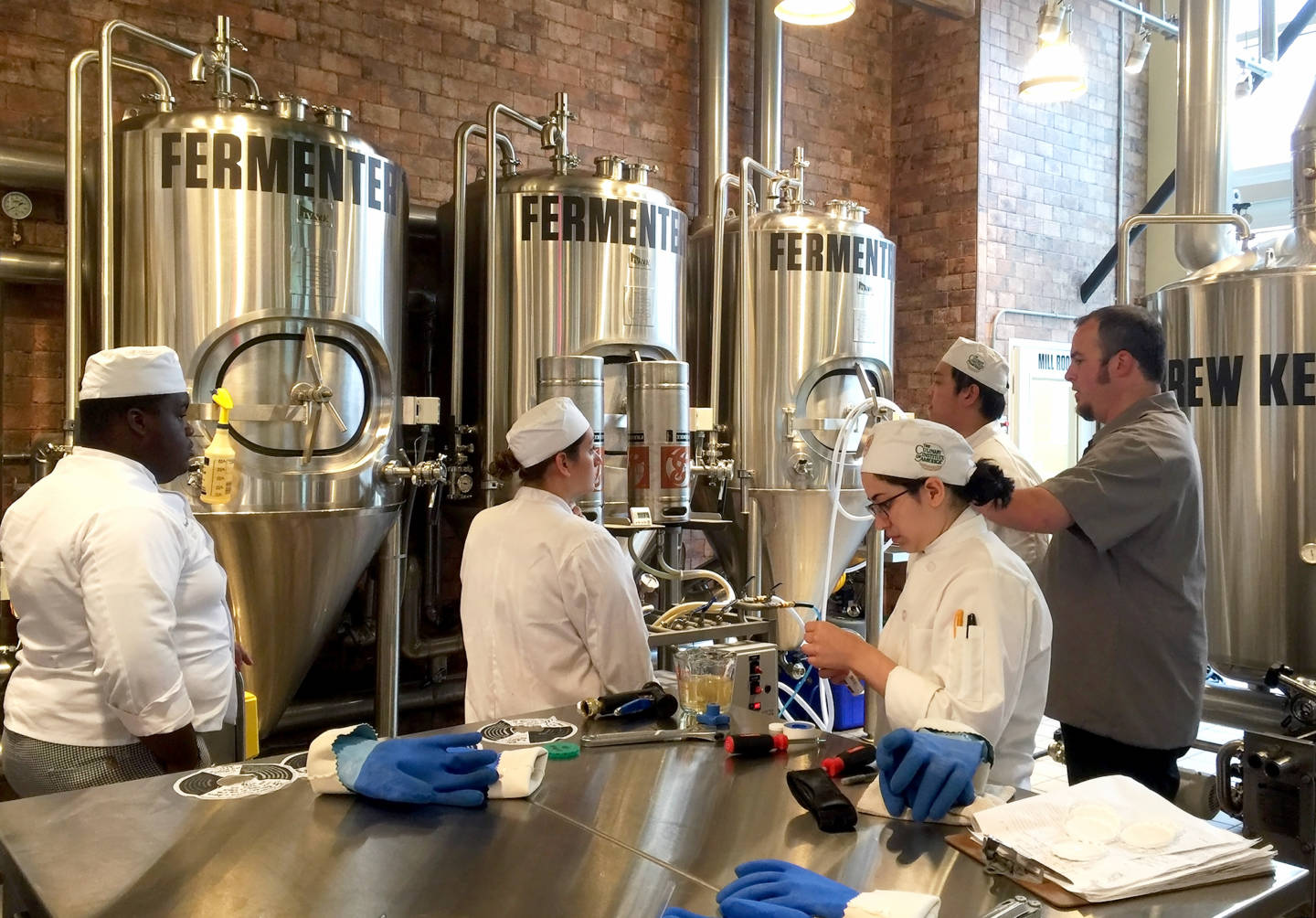
"caption": "The new brewery at Culinary Institute of America in Hyde Park, N.Y. The school now teaches the art and science of brewing, an elective course.",
"description": "The new brewery at Culinary Institute of America in Hyde Park, N.Y. The school now teaches the art and science of brewing, an elective course.",
"title": "The new brewery at Culinary Institute of America in Hyde Park, N.Y. The school now teaches the art and science of brewing, an elective course.",
"credit": " Allison Aubrey/NPR",
"status": "inherit",
"isLoading": false,
"fetchFailed": false
},
"bayareabites_110026": {
"type": "attachments",
"id": "bayareabites_110026",
"meta": {
"index": "attachments_1716263798",
"site": "bayareabites",
"id": "110026",
"found": true
},
"parent": 110025,
"imgSizes": {
"twentyfourteen-full-width": {
"file": "https://ww2.kqed.org/app/uploads/sites/24/2016/06/coffeeandcancer_enl-620f6c99ac19823aab9aa64472a1f79f0213c43c-1038x576.jpg",
"width": 1038,
"mimeType": "image/jpeg",
"height": 576
},
"thumbnail": {
"file": "https://ww2.kqed.org/app/uploads/sites/24/2016/06/coffeeandcancer_enl-620f6c99ac19823aab9aa64472a1f79f0213c43c-400x266.jpg",
"width": 400,
"mimeType": "image/jpeg",
"height": 266
},
"fd-sm": {
"file": "https://ww2.kqed.org/app/uploads/sites/24/2016/06/coffeeandcancer_enl-620f6c99ac19823aab9aa64472a1f79f0213c43c-960x637.jpg",
"width": 960,
"mimeType": "image/jpeg",
"height": 637
},
"post-thumbnail": {
"file": "https://ww2.kqed.org/app/uploads/sites/24/2016/06/coffeeandcancer_enl-620f6c99ac19823aab9aa64472a1f79f0213c43c-672x372.jpg",
"width": 672,
"mimeType": "image/jpeg",
"height": 372
},
"kqedFullSize": {
"file": "https://ww2.kqed.org/app/uploads/sites/24/2016/06/coffeeandcancer_enl-620f6c99ac19823aab9aa64472a1f79f0213c43c.jpg",
"width": 2000,
"height": 1328
},
"large": {
"file": "https://ww2.kqed.org/app/uploads/sites/24/2016/06/coffeeandcancer_enl-620f6c99ac19823aab9aa64472a1f79f0213c43c-1440x956.jpg",
"width": 1440,
"mimeType": "image/jpeg",
"height": 956
},
"guest-author-50": {
"file": "https://ww2.kqed.org/app/uploads/sites/24/2016/06/coffeeandcancer_enl-620f6c99ac19823aab9aa64472a1f79f0213c43c-50x50.jpg",
"width": 50,
"mimeType": "image/jpeg",
"height": 50
},
"guest-author-96": {
"file": "https://ww2.kqed.org/app/uploads/sites/24/2016/06/coffeeandcancer_enl-620f6c99ac19823aab9aa64472a1f79f0213c43c-96x96.jpg",
"width": 96,
"mimeType": "image/jpeg",
"height": 96
},
"medium": {
"file": "https://ww2.kqed.org/app/uploads/sites/24/2016/06/coffeeandcancer_enl-620f6c99ac19823aab9aa64472a1f79f0213c43c-800x531.jpg",
"width": 800,
"mimeType": "image/jpeg",
"height": 531
},
"guest-author-64": {
"file": "https://ww2.kqed.org/app/uploads/sites/24/2016/06/coffeeandcancer_enl-620f6c99ac19823aab9aa64472a1f79f0213c43c-64x64.jpg",
"width": 64,
"mimeType": "image/jpeg",
"height": 64
},
"guest-author-32": {
"file": "https://ww2.kqed.org/app/uploads/sites/24/2016/06/coffeeandcancer_enl-620f6c99ac19823aab9aa64472a1f79f0213c43c-32x32.jpg",
"width": 32,
"mimeType": "image/jpeg",
"height": 32
},
"cat_post_thumb_sizecategory-posts-2": {
"file": "https://ww2.kqed.org/app/uploads/sites/24/2016/06/coffeeandcancer_enl-620f6c99ac19823aab9aa64472a1f79f0213c43c-150x150.jpg",
"width": 150,
"mimeType": "image/jpeg",
"height": 150
},
"fd-lrg": {
"file": "https://ww2.kqed.org/app/uploads/sites/24/2016/06/coffeeandcancer_enl-620f6c99ac19823aab9aa64472a1f79f0213c43c-1920x1275.jpg",
"width": 1920,
"mimeType": "image/jpeg",
"height": 1275
},
"fd-med": {
"file": "https://ww2.kqed.org/app/uploads/sites/24/2016/06/coffeeandcancer_enl-620f6c99ac19823aab9aa64472a1f79f0213c43c-1180x784.jpg",
"width": 1180,
"mimeType": "image/jpeg",
"height": 784
},
"detail": {
"file": "https://ww2.kqed.org/app/uploads/sites/24/2016/06/coffeeandcancer_enl-620f6c99ac19823aab9aa64472a1f79f0213c43c-150x150.jpg",
"width": 150,
"mimeType": "image/jpeg",
"height": 150
},
"medium_large": {
"file": "https://ww2.kqed.org/app/uploads/sites/24/2016/06/coffeeandcancer_enl-620f6c99ac19823aab9aa64472a1f79f0213c43c-768x510.jpg",
"width": 768,
"mimeType": "image/jpeg",
"height": 510
},
"guest-author-128": {
"file": "https://ww2.kqed.org/app/uploads/sites/24/2016/06/coffeeandcancer_enl-620f6c99ac19823aab9aa64472a1f79f0213c43c-128x128.jpg",
"width": 128,
"mimeType": "image/jpeg",
"height": 128
}
},
"publishDate": 1466031644,
"modified": 1466031788,
"caption": "Coffee gets the all-clear from the World Health Organization's cancer research agency.",
"description": "Coffee gets the all-clear from the World Health Organization's cancer research agency.",
"title": "Coffee gets the all-clear from the World Health Organization's cancer research agency.",
"credit": "Rob MacEwen/Flickr",
"status": "inherit",
"isLoading": false,
"fetchFailed": false
},
"bayareabites_110008": {
"type": "attachments",
"id": "bayareabites_110008",
"meta": {
"index": "attachments_1716263798",
"site": "bayareabites",
"id": "110008",
"found": true
},
"parent": 110007,
"imgSizes": {
"twentyfourteen-full-width": {
"file": "https://ww2.kqed.org/app/uploads/sites/24/2016/06/celery_enl-f77a18ccad839316bdd9e4df3fd35f4d43fa662d-1038x576.jpg",
"width": 1038,
"mimeType": "image/jpeg",
"height": 576
},
"thumbnail": {
"file": "https://ww2.kqed.org/app/uploads/sites/24/2016/06/celery_enl-f77a18ccad839316bdd9e4df3fd35f4d43fa662d-400x266.jpg",
"width": 400,
"mimeType": "image/jpeg",
"height": 266
},
"fd-sm": {
"file": "https://ww2.kqed.org/app/uploads/sites/24/2016/06/celery_enl-f77a18ccad839316bdd9e4df3fd35f4d43fa662d-960x637.jpg",
"width": 960,
"mimeType": "image/jpeg",
"height": 637
},
"post-thumbnail": {
"file": "https://ww2.kqed.org/app/uploads/sites/24/2016/06/celery_enl-f77a18ccad839316bdd9e4df3fd35f4d43fa662d-672x372.jpg",
"width": 672,
"mimeType": "image/jpeg",
"height": 372
},
"kqedFullSize": {
"file": "https://ww2.kqed.org/app/uploads/sites/24/2016/06/celery_enl-f77a18ccad839316bdd9e4df3fd35f4d43fa662d.jpg",
"width": 2000,
"height": 1328
},
"large": {
"file": "https://ww2.kqed.org/app/uploads/sites/24/2016/06/celery_enl-f77a18ccad839316bdd9e4df3fd35f4d43fa662d-1440x956.jpg",
"width": 1440,
"mimeType": "image/jpeg",
"height": 956
},
"guest-author-50": {
"file": "https://ww2.kqed.org/app/uploads/sites/24/2016/06/celery_enl-f77a18ccad839316bdd9e4df3fd35f4d43fa662d-50x50.jpg",
"width": 50,
"mimeType": "image/jpeg",
"height": 50
},
"guest-author-96": {
"file": "https://ww2.kqed.org/app/uploads/sites/24/2016/06/celery_enl-f77a18ccad839316bdd9e4df3fd35f4d43fa662d-96x96.jpg",
"width": 96,
"mimeType": "image/jpeg",
"height": 96
},
"medium": {
"file": "https://ww2.kqed.org/app/uploads/sites/24/2016/06/celery_enl-f77a18ccad839316bdd9e4df3fd35f4d43fa662d-800x531.jpg",
"width": 800,
"mimeType": "image/jpeg",
"height": 531
},
"guest-author-64": {
"file": "https://ww2.kqed.org/app/uploads/sites/24/2016/06/celery_enl-f77a18ccad839316bdd9e4df3fd35f4d43fa662d-64x64.jpg",
"width": 64,
"mimeType": "image/jpeg",
"height": 64
},
"guest-author-32": {
"file": "https://ww2.kqed.org/app/uploads/sites/24/2016/06/celery_enl-f77a18ccad839316bdd9e4df3fd35f4d43fa662d-32x32.jpg",
"width": 32,
"mimeType": "image/jpeg",
"height": 32
},
"cat_post_thumb_sizecategory-posts-2": {
"file": "https://ww2.kqed.org/app/uploads/sites/24/2016/06/celery_enl-f77a18ccad839316bdd9e4df3fd35f4d43fa662d-150x150.jpg",
"width": 150,
"mimeType": "image/jpeg",
"height": 150
},
"fd-lrg": {
"file": "https://ww2.kqed.org/app/uploads/sites/24/2016/06/celery_enl-f77a18ccad839316bdd9e4df3fd35f4d43fa662d-1920x1275.jpg",
"width": 1920,
"mimeType": "image/jpeg",
"height": 1275
},
"fd-med": {
"file": "https://ww2.kqed.org/app/uploads/sites/24/2016/06/celery_enl-f77a18ccad839316bdd9e4df3fd35f4d43fa662d-1180x784.jpg",
"width": 1180,
"mimeType": "image/jpeg",
"height": 784
},
"detail": {
"file": "https://ww2.kqed.org/app/uploads/sites/24/2016/06/celery_enl-f77a18ccad839316bdd9e4df3fd35f4d43fa662d-150x150.jpg",
"width": 150,
"mimeType": "image/jpeg",
"height": 150
},
"medium_large": {
"file": "https://ww2.kqed.org/app/uploads/sites/24/2016/06/celery_enl-f77a18ccad839316bdd9e4df3fd35f4d43fa662d-768x510.jpg",
"width": 768,
"mimeType": "image/jpeg",
"height": 510
},
"guest-author-128": {
"file": "https://ww2.kqed.org/app/uploads/sites/24/2016/06/celery_enl-f77a18ccad839316bdd9e4df3fd35f4d43fa662d-128x128.jpg",
"width": 128,
"mimeType": "image/jpeg",
"height": 128
}
},
"publishDate": 1465856572,
"modified": 1465857255,
"caption": "Why did humans start cultivating celery? It's low-calorie and, one might argue, low flavor. We asked some experts at the intersection of botany and anthropology to share their best guesses.",
"description": "Why did humans start cultivating celery? It's low-calorie and, one might argue, low flavor. We asked some experts at the intersection of botany and anthropology to share their best guesses.",
"title": "Why did humans start cultivating celery? It's low-calorie and, one might argue, low flavor. We asked some experts at the intersection of botany and anthropology to share their best guesses.",
"credit": "Cora Niele/Getty Images",
"status": "inherit",
"isLoading": false,
"fetchFailed": false
},
"bayareabites_109924": {
"type": "attachments",
"id": "bayareabites_109924",
"meta": {
"index": "attachments_1716263798",
"site": "bayareabites",
"id": "109924",
"found": true
},
"parent": 109923,
"imgSizes": {
"twentyfourteen-full-width": {
"file": "https://ww2.kqed.org/app/uploads/sites/24/2016/06/whydietsmakeusfat_enl-6cce97024f8c11167e55dfc618af383eb598f956-1038x576.jpg",
"width": 1038,
"mimeType": "image/jpeg",
"height": 576
},
"thumbnail": {
"file": "https://ww2.kqed.org/app/uploads/sites/24/2016/06/whydietsmakeusfat_enl-6cce97024f8c11167e55dfc618af383eb598f956-400x274.jpg",
"width": 400,
"mimeType": "image/jpeg",
"height": 274
},
"fd-sm": {
"file": "https://ww2.kqed.org/app/uploads/sites/24/2016/06/whydietsmakeusfat_enl-6cce97024f8c11167e55dfc618af383eb598f956-960x658.jpg",
"width": 960,
"mimeType": "image/jpeg",
"height": 658
},
"post-thumbnail": {
"file": "https://ww2.kqed.org/app/uploads/sites/24/2016/06/whydietsmakeusfat_enl-6cce97024f8c11167e55dfc618af383eb598f956-672x372.jpg",
"width": 672,
"mimeType": "image/jpeg",
"height": 372
},
"kqedFullSize": {
"file": "https://ww2.kqed.org/app/uploads/sites/24/2016/06/whydietsmakeusfat_enl-6cce97024f8c11167e55dfc618af383eb598f956.jpg",
"width": 2000,
"height": 1370
},
"large": {
"file": "https://ww2.kqed.org/app/uploads/sites/24/2016/06/whydietsmakeusfat_enl-6cce97024f8c11167e55dfc618af383eb598f956-1440x986.jpg",
"width": 1440,
"mimeType": "image/jpeg",
"height": 986
},
"guest-author-50": {
"file": "https://ww2.kqed.org/app/uploads/sites/24/2016/06/whydietsmakeusfat_enl-6cce97024f8c11167e55dfc618af383eb598f956-50x50.jpg",
"width": 50,
"mimeType": "image/jpeg",
"height": 50
},
"guest-author-96": {
"file": "https://ww2.kqed.org/app/uploads/sites/24/2016/06/whydietsmakeusfat_enl-6cce97024f8c11167e55dfc618af383eb598f956-96x96.jpg",
"width": 96,
"mimeType": "image/jpeg",
"height": 96
},
"medium": {
"file": "https://ww2.kqed.org/app/uploads/sites/24/2016/06/whydietsmakeusfat_enl-6cce97024f8c11167e55dfc618af383eb598f956-800x548.jpg",
"width": 800,
"mimeType": "image/jpeg",
"height": 548
},
"guest-author-64": {
"file": "https://ww2.kqed.org/app/uploads/sites/24/2016/06/whydietsmakeusfat_enl-6cce97024f8c11167e55dfc618af383eb598f956-64x64.jpg",
"width": 64,
"mimeType": "image/jpeg",
"height": 64
},
"guest-author-32": {
"file": "https://ww2.kqed.org/app/uploads/sites/24/2016/06/whydietsmakeusfat_enl-6cce97024f8c11167e55dfc618af383eb598f956-32x32.jpg",
"width": 32,
"mimeType": "image/jpeg",
"height": 32
},
"cat_post_thumb_sizecategory-posts-2": {
"file": "https://ww2.kqed.org/app/uploads/sites/24/2016/06/whydietsmakeusfat_enl-6cce97024f8c11167e55dfc618af383eb598f956-150x150.jpg",
"width": 150,
"mimeType": "image/jpeg",
"height": 150
},
"fd-lrg": {
"file": "https://ww2.kqed.org/app/uploads/sites/24/2016/06/whydietsmakeusfat_enl-6cce97024f8c11167e55dfc618af383eb598f956-1920x1315.jpg",
"width": 1920,
"mimeType": "image/jpeg",
"height": 1315
},
"fd-med": {
"file": "https://ww2.kqed.org/app/uploads/sites/24/2016/06/whydietsmakeusfat_enl-6cce97024f8c11167e55dfc618af383eb598f956-1180x808.jpg",
"width": 1180,
"mimeType": "image/jpeg",
"height": 808
},
"detail": {
"file": "https://ww2.kqed.org/app/uploads/sites/24/2016/06/whydietsmakeusfat_enl-6cce97024f8c11167e55dfc618af383eb598f956-150x150.jpg",
"width": 150,
"mimeType": "image/jpeg",
"height": 150
},
"medium_large": {
"file": "https://ww2.kqed.org/app/uploads/sites/24/2016/06/whydietsmakeusfat_enl-6cce97024f8c11167e55dfc618af383eb598f956-768x526.jpg",
"width": 768,
"mimeType": "image/jpeg",
"height": 526
},
"guest-author-128": {
"file": "https://ww2.kqed.org/app/uploads/sites/24/2016/06/whydietsmakeusfat_enl-6cce97024f8c11167e55dfc618af383eb598f956-128x128.jpg",
"width": 128,
"mimeType": "image/jpeg",
"height": 128
}
},
"publishDate": 1465325424,
"modified": 1465327181,
"caption": "In her new book, neuroscientist Sandra Aamodt tackles why traditional diets don't work for many people, and often leave the dieter worse off than before.",
"description": "In her new book, neuroscientist Sandra Aamodt tackles why traditional diets don't work for many people, and often leave the dieter worse off than before.",
"title": "In her new book, neuroscientist Sandra Aamodt tackles why traditional diets don't work for many people, and often leave the dieter worse off than before.",
"credit": "PM Images/Getty Images",
"status": "inherit",
"isLoading": false,
"fetchFailed": false
},
"bayareabites_109749": {
"type": "attachments",
"id": "bayareabites_109749",
"meta": {
"index": "attachments_1716263798",
"site": "bayareabites",
"id": "109749",
"found": true
},
"parent": 109748,
"imgSizes": {
"twentyfourteen-full-width": {
"file": "https://ww2.kqed.org/app/uploads/sites/24/2016/05/canesugarmountain_enl-e72a5cb243e49ad4ea69cde3fefd98217f5e6ea4-1038x576.jpg",
"width": 1038,
"mimeType": "image/jpeg",
"height": 576
},
"thumbnail": {
"file": "https://ww2.kqed.org/app/uploads/sites/24/2016/05/canesugarmountain_enl-e72a5cb243e49ad4ea69cde3fefd98217f5e6ea4-400x267.jpg",
"width": 400,
"mimeType": "image/jpeg",
"height": 267
},
"fd-sm": {
"file": "https://ww2.kqed.org/app/uploads/sites/24/2016/05/canesugarmountain_enl-e72a5cb243e49ad4ea69cde3fefd98217f5e6ea4-960x640.jpg",
"width": 960,
"mimeType": "image/jpeg",
"height": 640
},
"post-thumbnail": {
"file": "https://ww2.kqed.org/app/uploads/sites/24/2016/05/canesugarmountain_enl-e72a5cb243e49ad4ea69cde3fefd98217f5e6ea4-672x372.jpg",
"width": 672,
"mimeType": "image/jpeg",
"height": 372
},
"kqedFullSize": {
"file": "https://ww2.kqed.org/app/uploads/sites/24/2016/05/canesugarmountain_enl-e72a5cb243e49ad4ea69cde3fefd98217f5e6ea4.jpg",
"width": 2000,
"height": 1334
},
"large": {
"file": "https://ww2.kqed.org/app/uploads/sites/24/2016/05/canesugarmountain_enl-e72a5cb243e49ad4ea69cde3fefd98217f5e6ea4-1440x960.jpg",
"width": 1440,
"mimeType": "image/jpeg",
"height": 960
},
"guest-author-50": {
"file": "https://ww2.kqed.org/app/uploads/sites/24/2016/05/canesugarmountain_enl-e72a5cb243e49ad4ea69cde3fefd98217f5e6ea4-50x50.jpg",
"width": 50,
"mimeType": "image/jpeg",
"height": 50
},
"guest-author-96": {
"file": "https://ww2.kqed.org/app/uploads/sites/24/2016/05/canesugarmountain_enl-e72a5cb243e49ad4ea69cde3fefd98217f5e6ea4-96x96.jpg",
"width": 96,
"mimeType": "image/jpeg",
"height": 96
},
"medium": {
"file": "https://ww2.kqed.org/app/uploads/sites/24/2016/05/canesugarmountain_enl-e72a5cb243e49ad4ea69cde3fefd98217f5e6ea4-800x534.jpg",
"width": 800,
"mimeType": "image/jpeg",
"height": 534
},
"guest-author-64": {
"file": "https://ww2.kqed.org/app/uploads/sites/24/2016/05/canesugarmountain_enl-e72a5cb243e49ad4ea69cde3fefd98217f5e6ea4-64x64.jpg",
"width": 64,
"mimeType": "image/jpeg",
"height": 64
},
"guest-author-32": {
"file": "https://ww2.kqed.org/app/uploads/sites/24/2016/05/canesugarmountain_enl-e72a5cb243e49ad4ea69cde3fefd98217f5e6ea4-32x32.jpg",
"width": 32,
"mimeType": "image/jpeg",
"height": 32
},
"cat_post_thumb_sizecategory-posts-2": {
"file": "https://ww2.kqed.org/app/uploads/sites/24/2016/05/canesugarmountain_enl-e72a5cb243e49ad4ea69cde3fefd98217f5e6ea4-150x150.jpg",
"width": 150,
"mimeType": "image/jpeg",
"height": 150
},
"fd-lrg": {
"file": "https://ww2.kqed.org/app/uploads/sites/24/2016/05/canesugarmountain_enl-e72a5cb243e49ad4ea69cde3fefd98217f5e6ea4-1920x1281.jpg",
"width": 1920,
"mimeType": "image/jpeg",
"height": 1281
},
"fd-med": {
"file": "https://ww2.kqed.org/app/uploads/sites/24/2016/05/canesugarmountain_enl-e72a5cb243e49ad4ea69cde3fefd98217f5e6ea4-1180x787.jpg",
"width": 1180,
"mimeType": "image/jpeg",
"height": 787
},
"detail": {
"file": "https://ww2.kqed.org/app/uploads/sites/24/2016/05/canesugarmountain_enl-e72a5cb243e49ad4ea69cde3fefd98217f5e6ea4-150x150.jpg",
"width": 150,
"mimeType": "image/jpeg",
"height": 150
},
"medium_large": {
"file": "https://ww2.kqed.org/app/uploads/sites/24/2016/05/canesugarmountain_enl-e72a5cb243e49ad4ea69cde3fefd98217f5e6ea4-768x512.jpg",
"width": 768,
"mimeType": "image/jpeg",
"height": 512
},
"guest-author-128": {
"file": "https://ww2.kqed.org/app/uploads/sites/24/2016/05/canesugarmountain_enl-e72a5cb243e49ad4ea69cde3fefd98217f5e6ea4-128x128.jpg",
"width": 128,
"mimeType": "image/jpeg",
"height": 128
}
},
"publishDate": 1464296294,
"modified": 1464296571,
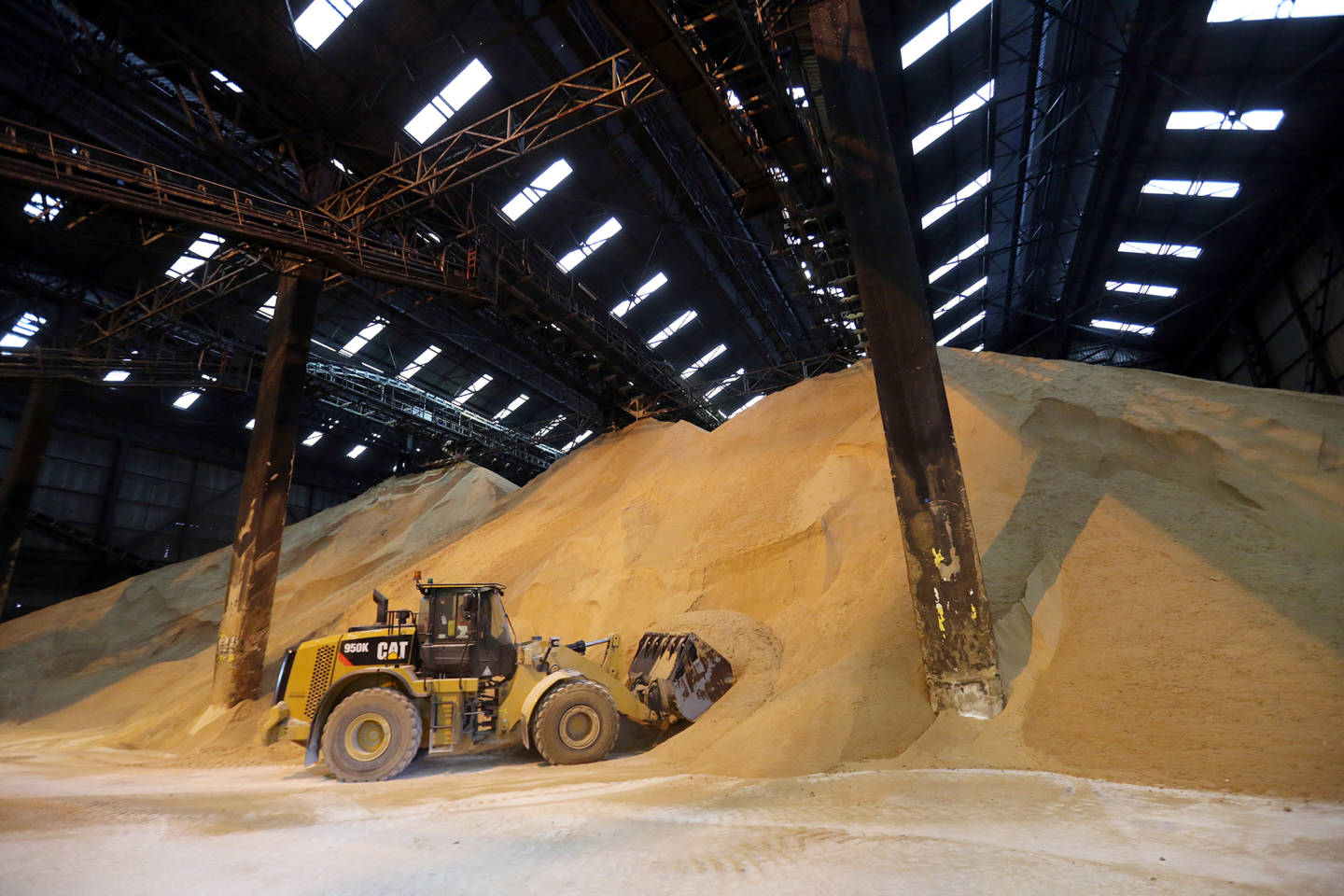
"caption": "Is it sugar, or \"evaporated cane juice\"? The FDA says they're the same thing, folks.",
"description": "Is it sugar, or \"evaporated cane juice\"? The FDA says they're the same thing, folks.",
"title": "Is it sugar, or \"evaporated cane juice\"? The FDA says they're the same thing, folks.",
"credit": "Chris Ratcliffe/Bloomberg via Getty Images",
"status": "inherit",
"isLoading": false,
"fetchFailed": false
},
"bayareabites_109672": {
"type": "attachments",
"id": "bayareabites_109672",
"meta": {
"index": "attachments_1716263798",
"site": "bayareabites",
"id": "109672",
"found": true
},
"parent": 109671,
"imgSizes": {
"twentyfourteen-full-width": {
"file": "https://ww2.kqed.org/app/uploads/sites/24/2016/05/tenderizedmeat2_enl-d1e01b48e2ae63ac11c989a1a868bd5cb9aca3eb-1038x576.jpg",
"width": 1038,
"mimeType": "image/jpeg",
"height": 576
},
"thumbnail": {
"file": "https://ww2.kqed.org/app/uploads/sites/24/2016/05/tenderizedmeat2_enl-d1e01b48e2ae63ac11c989a1a868bd5cb9aca3eb-400x240.jpg",
"width": 400,
"mimeType": "image/jpeg",
"height": 240
},
"fd-sm": {
"file": "https://ww2.kqed.org/app/uploads/sites/24/2016/05/tenderizedmeat2_enl-d1e01b48e2ae63ac11c989a1a868bd5cb9aca3eb-960x576.jpg",
"width": 960,
"mimeType": "image/jpeg",
"height": 576
},
"post-thumbnail": {
"file": "https://ww2.kqed.org/app/uploads/sites/24/2016/05/tenderizedmeat2_enl-d1e01b48e2ae63ac11c989a1a868bd5cb9aca3eb-672x372.jpg",
"width": 672,
"mimeType": "image/jpeg",
"height": 372
},
"kqedFullSize": {
"file": "https://ww2.kqed.org/app/uploads/sites/24/2016/05/tenderizedmeat2_enl-d1e01b48e2ae63ac11c989a1a868bd5cb9aca3eb.jpg",
"width": 2000,
"height": 1200
},
"large": {
"file": "https://ww2.kqed.org/app/uploads/sites/24/2016/05/tenderizedmeat2_enl-d1e01b48e2ae63ac11c989a1a868bd5cb9aca3eb-1440x864.jpg",
"width": 1440,
"mimeType": "image/jpeg",
"height": 864
},
"guest-author-50": {
"file": "https://ww2.kqed.org/app/uploads/sites/24/2016/05/tenderizedmeat2_enl-d1e01b48e2ae63ac11c989a1a868bd5cb9aca3eb-50x50.jpg",
"width": 50,
"mimeType": "image/jpeg",
"height": 50
},
"guest-author-96": {
"file": "https://ww2.kqed.org/app/uploads/sites/24/2016/05/tenderizedmeat2_enl-d1e01b48e2ae63ac11c989a1a868bd5cb9aca3eb-96x96.jpg",
"width": 96,
"mimeType": "image/jpeg",
"height": 96
},
"medium": {
"file": "https://ww2.kqed.org/app/uploads/sites/24/2016/05/tenderizedmeat2_enl-d1e01b48e2ae63ac11c989a1a868bd5cb9aca3eb-800x480.jpg",
"width": 800,
"mimeType": "image/jpeg",
"height": 480
},
"guest-author-64": {
"file": "https://ww2.kqed.org/app/uploads/sites/24/2016/05/tenderizedmeat2_enl-d1e01b48e2ae63ac11c989a1a868bd5cb9aca3eb-64x64.jpg",
"width": 64,
"mimeType": "image/jpeg",
"height": 64
},
"guest-author-32": {
"file": "https://ww2.kqed.org/app/uploads/sites/24/2016/05/tenderizedmeat2_enl-d1e01b48e2ae63ac11c989a1a868bd5cb9aca3eb-32x32.jpg",
"width": 32,
"mimeType": "image/jpeg",
"height": 32
},
"cat_post_thumb_sizecategory-posts-2": {
"file": "https://ww2.kqed.org/app/uploads/sites/24/2016/05/tenderizedmeat2_enl-d1e01b48e2ae63ac11c989a1a868bd5cb9aca3eb-150x150.jpg",
"width": 150,
"mimeType": "image/jpeg",
"height": 150
},
"fd-lrg": {
"file": "https://ww2.kqed.org/app/uploads/sites/24/2016/05/tenderizedmeat2_enl-d1e01b48e2ae63ac11c989a1a868bd5cb9aca3eb-1920x1152.jpg",
"width": 1920,
"mimeType": "image/jpeg",
"height": 1152
},
"fd-med": {
"file": "https://ww2.kqed.org/app/uploads/sites/24/2016/05/tenderizedmeat2_enl-d1e01b48e2ae63ac11c989a1a868bd5cb9aca3eb-1180x708.jpg",
"width": 1180,
"mimeType": "image/jpeg",
"height": 708
},
"detail": {
"file": "https://ww2.kqed.org/app/uploads/sites/24/2016/05/tenderizedmeat2_enl-d1e01b48e2ae63ac11c989a1a868bd5cb9aca3eb-150x150.jpg",
"width": 150,
"mimeType": "image/jpeg",
"height": 150
},
"medium_large": {
"file": "https://ww2.kqed.org/app/uploads/sites/24/2016/05/tenderizedmeat2_enl-d1e01b48e2ae63ac11c989a1a868bd5cb9aca3eb-768x461.jpg",
"width": 768,
"mimeType": "image/jpeg",
"height": 461
},
"guest-author-128": {
"file": "https://ww2.kqed.org/app/uploads/sites/24/2016/05/tenderizedmeat2_enl-d1e01b48e2ae63ac11c989a1a868bd5cb9aca3eb-128x128.jpg",
"width": 128,
"mimeType": "image/jpeg",
"height": 128
}
},
"publishDate": 1463839638,
"modified": 1463839884,
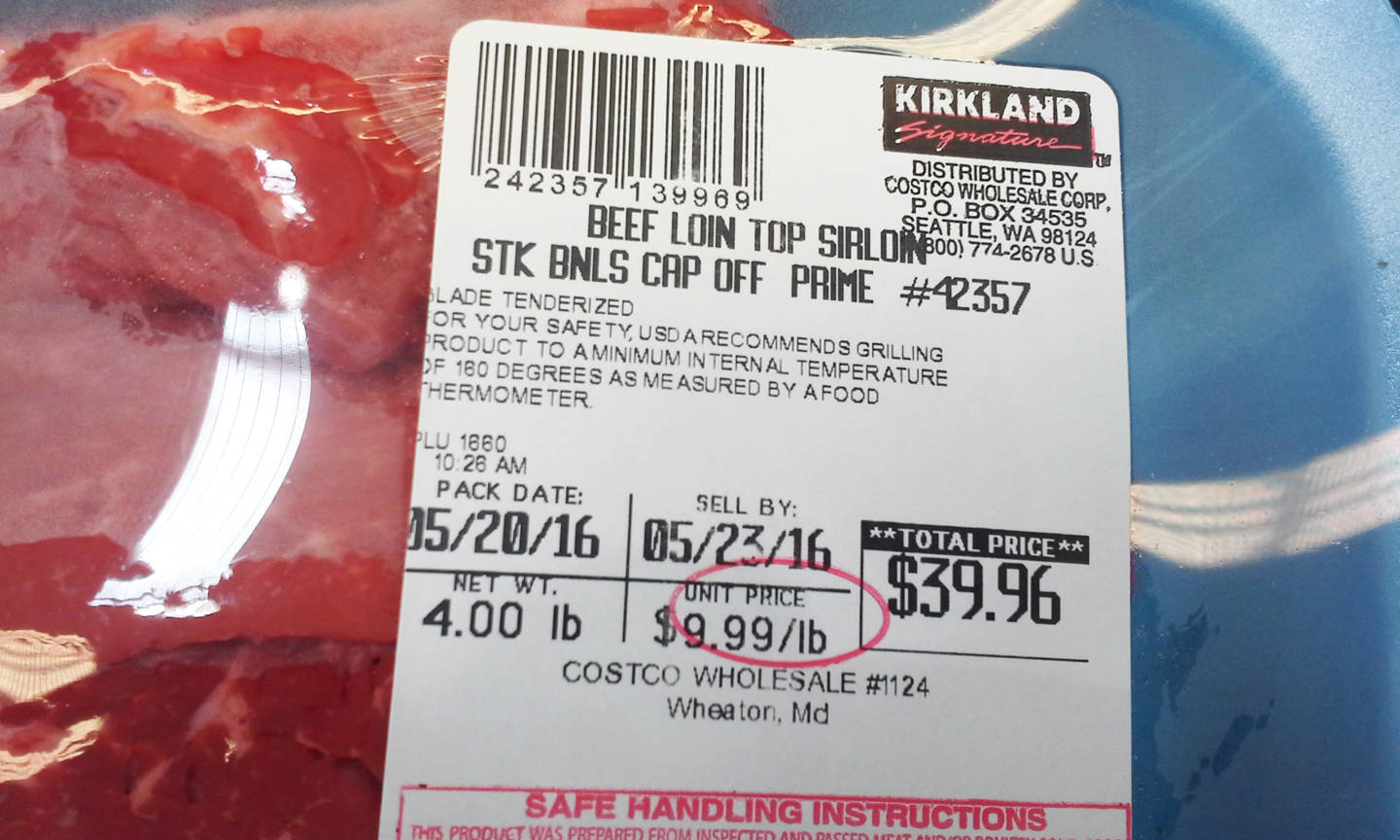
"caption": "A typical label includes safe cooking instructions. This label on blade-tenderized beef sold at Costco recommends 160 degrees as the minimum internal temperature, which doesn't require a three-minute rest time.",
"description": "A typical label includes \u003ca href=\"http://www.fsis.usda.gov/wps/wcm/connect/606919b6-5192-40bd-a32b-99a41c75eeb6/Comp_Guide_MTB.pdf?MOD=AJPERES\">safe cooking instructions\u003c/a>. This label on blade-tenderized beef sold at Costco recommends 160 degrees as the minimum internal temperature, which doesn't require a three-minute rest time.",
"title": "A typical label includes safe cooking instructions. This label on blade-tenderized beef sold at Costco recommends 160 degrees as the minimum internal temperature, which doesn't require a three-minute rest time.",
"credit": "Lydia Zuraw/KHN for NPR ",
"status": "inherit",
"isLoading": false,
"fetchFailed": false
},
"bayareabites_109611": {
"type": "attachments",
"id": "bayareabites_109611",
"meta": {
"index": "attachments_1716263798",
"site": "bayareabites",
"id": "109611",
"found": true
},
"parent": 109610,
"imgSizes": {
"twentyfourteen-full-width": {
"file": "https://ww2.kqed.org/app/uploads/sites/24/2016/05/nutritionlabeledited_enl-beb4ae535f5fd5a3395b1586dff2d12a38fd5b33-1038x576.jpg",
"width": 1038,
"mimeType": "image/jpeg",
"height": 576
},
"thumbnail": {
"file": "https://ww2.kqed.org/app/uploads/sites/24/2016/05/nutritionlabeledited_enl-beb4ae535f5fd5a3395b1586dff2d12a38fd5b33-400x556.jpg",
"width": 400,
"mimeType": "image/jpeg",
"height": 556
},
"fd-sm": {
"file": "https://ww2.kqed.org/app/uploads/sites/24/2016/05/nutritionlabeledited_enl-beb4ae535f5fd5a3395b1586dff2d12a38fd5b33-960x1335.jpg",
"width": 960,
"mimeType": "image/jpeg",
"height": 1335
},
"post-thumbnail": {
"file": "https://ww2.kqed.org/app/uploads/sites/24/2016/05/nutritionlabeledited_enl-beb4ae535f5fd5a3395b1586dff2d12a38fd5b33-672x372.jpg",
"width": 672,
"mimeType": "image/jpeg",
"height": 372
},
"kqedFullSize": {
"file": "https://ww2.kqed.org/app/uploads/sites/24/2016/05/nutritionlabeledited_enl-beb4ae535f5fd5a3395b1586dff2d12a38fd5b33.jpg",
"width": 1400,
"height": 1947
},
"guest-author-50": {
"file": "https://ww2.kqed.org/app/uploads/sites/24/2016/05/nutritionlabeledited_enl-beb4ae535f5fd5a3395b1586dff2d12a38fd5b33-50x50.jpg",
"width": 50,
"mimeType": "image/jpeg",
"height": 50
},
"guest-author-96": {
"file": "https://ww2.kqed.org/app/uploads/sites/24/2016/05/nutritionlabeledited_enl-beb4ae535f5fd5a3395b1586dff2d12a38fd5b33-96x96.jpg",
"width": 96,
"mimeType": "image/jpeg",
"height": 96
},
"medium": {
"file": "https://ww2.kqed.org/app/uploads/sites/24/2016/05/nutritionlabeledited_enl-beb4ae535f5fd5a3395b1586dff2d12a38fd5b33-800x1113.jpg",
"width": 800,
"mimeType": "image/jpeg",
"height": 1113
},
"guest-author-64": {
"file": "https://ww2.kqed.org/app/uploads/sites/24/2016/05/nutritionlabeledited_enl-beb4ae535f5fd5a3395b1586dff2d12a38fd5b33-64x64.jpg",
"width": 64,
"mimeType": "image/jpeg",
"height": 64
},
"guest-author-32": {
"file": "https://ww2.kqed.org/app/uploads/sites/24/2016/05/nutritionlabeledited_enl-beb4ae535f5fd5a3395b1586dff2d12a38fd5b33-32x32.jpg",
"width": 32,
"mimeType": "image/jpeg",
"height": 32
},
"cat_post_thumb_sizecategory-posts-2": {
"file": "https://ww2.kqed.org/app/uploads/sites/24/2016/05/nutritionlabeledited_enl-beb4ae535f5fd5a3395b1586dff2d12a38fd5b33-150x150.jpg",
"width": 150,
"mimeType": "image/jpeg",
"height": 150
},
"fd-med": {
"file": "https://ww2.kqed.org/app/uploads/sites/24/2016/05/nutritionlabeledited_enl-beb4ae535f5fd5a3395b1586dff2d12a38fd5b33-1180x1641.jpg",
"width": 1180,
"mimeType": "image/jpeg",
"height": 1641
},
"detail": {
"file": "https://ww2.kqed.org/app/uploads/sites/24/2016/05/nutritionlabeledited_enl-beb4ae535f5fd5a3395b1586dff2d12a38fd5b33-150x150.jpg",
"width": 150,
"mimeType": "image/jpeg",
"height": 150
},
"medium_large": {
"file": "https://ww2.kqed.org/app/uploads/sites/24/2016/05/nutritionlabeledited_enl-beb4ae535f5fd5a3395b1586dff2d12a38fd5b33-768x1068.jpg",
"width": 768,
"mimeType": "image/jpeg",
"height": 1068
},
"guest-author-128": {
"file": "https://ww2.kqed.org/app/uploads/sites/24/2016/05/nutritionlabeledited_enl-beb4ae535f5fd5a3395b1586dff2d12a38fd5b33-128x128.jpg",
"width": 128,
"mimeType": "image/jpeg",
"height": 128
}
},
"publishDate": 1463776882,
"modified": 1463777007,
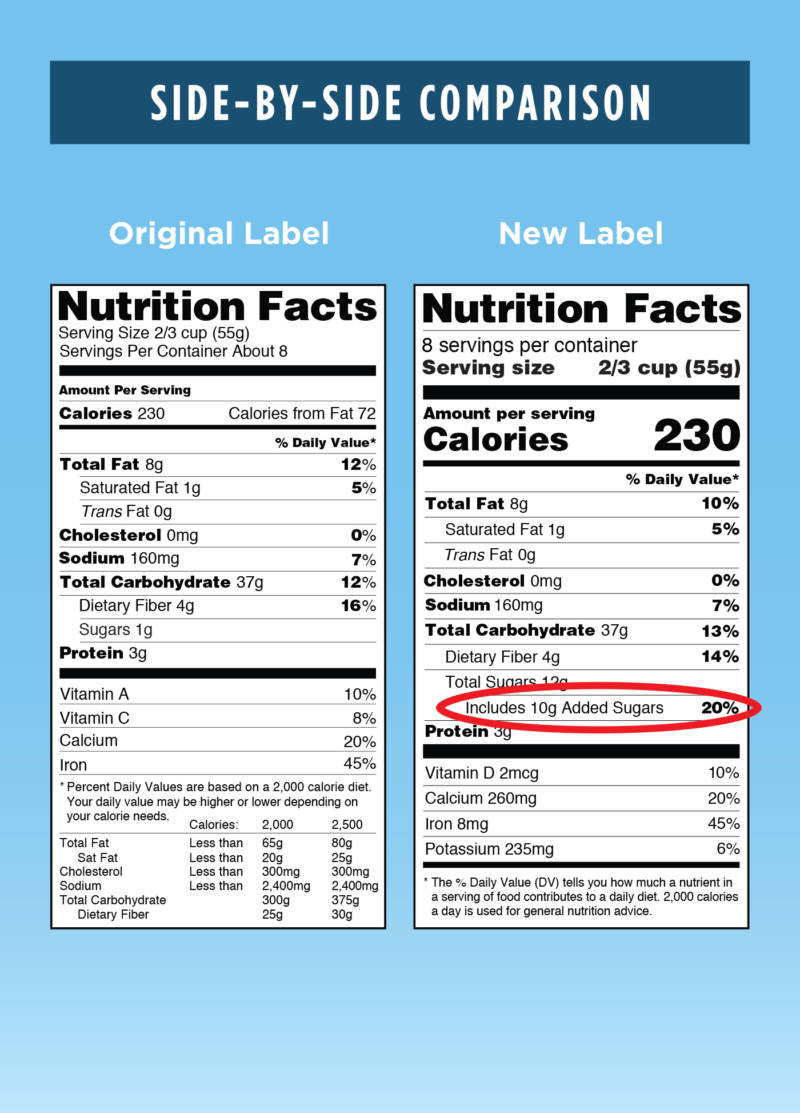
"caption": "Coming soon: The redesigned nutrition facts label will highlight added sugars in food. The label also will display calories per serving, and serving size, more prominently.",
"description": "Coming soon: The redesigned nutrition facts label will highlight added sugars in food. The label also will display calories per serving, and serving size, more prominently",
"title": "Coming soon: The redesigned nutrition facts label will highlight added sugars in food. The label also will display calories per serving, and serving size, more prominently.",
"credit": "U.S. Food and Drug Administration",
"status": "inherit",
"isLoading": false,
"fetchFailed": false
},
"bayareabites_109423": {
"type": "attachments",
"id": "bayareabites_109423",
"meta": {
"index": "attachments_1716263798",
"site": "bayareabites",
"id": "109423",
"found": true
},
"parent": 109421,
"imgSizes": {
"twentyfourteen-full-width": {
"file": "https://ww2.kqed.org/app/uploads/sites/24/2016/05/1.-nutbutterandtoast-1038x576.jpg",
"width": 1038,
"mimeType": "image/jpeg",
"height": 576
},
"thumbnail": {
"file": "https://ww2.kqed.org/app/uploads/sites/24/2016/05/1.-nutbutterandtoast-400x310.jpg",
"width": 400,
"mimeType": "image/jpeg",
"height": 310
},
"fd-sm": {
"file": "https://ww2.kqed.org/app/uploads/sites/24/2016/05/1.-nutbutterandtoast-960x744.jpg",
"width": 960,
"mimeType": "image/jpeg",
"height": 744
},
"post-thumbnail": {
"file": "https://ww2.kqed.org/app/uploads/sites/24/2016/05/1.-nutbutterandtoast-672x372.jpg",
"width": 672,
"mimeType": "image/jpeg",
"height": 372
},
"kqedFullSize": {
"file": "https://ww2.kqed.org/app/uploads/sites/24/2016/05/1.-nutbutterandtoast.jpg",
"width": 1704,
"height": 1320
},
"large": {
"file": "https://ww2.kqed.org/app/uploads/sites/24/2016/05/1.-nutbutterandtoast-1440x1115.jpg",
"width": 1440,
"mimeType": "image/jpeg",
"height": 1115
},
"guest-author-50": {
"file": "https://ww2.kqed.org/app/uploads/sites/24/2016/05/1.-nutbutterandtoast-50x50.jpg",
"width": 50,
"mimeType": "image/jpeg",
"height": 50
},
"guest-author-96": {
"file": "https://ww2.kqed.org/app/uploads/sites/24/2016/05/1.-nutbutterandtoast-96x96.jpg",
"width": 96,
"mimeType": "image/jpeg",
"height": 96
},
"medium": {
"file": "https://ww2.kqed.org/app/uploads/sites/24/2016/05/1.-nutbutterandtoast-800x620.jpg",
"width": 800,
"mimeType": "image/jpeg",
"height": 620
},
"guest-author-64": {
"file": "https://ww2.kqed.org/app/uploads/sites/24/2016/05/1.-nutbutterandtoast-64x64.jpg",
"width": 64,
"mimeType": "image/jpeg",
"height": 64
},
"guest-author-32": {
"file": "https://ww2.kqed.org/app/uploads/sites/24/2016/05/1.-nutbutterandtoast-32x32.jpg",
"width": 32,
"mimeType": "image/jpeg",
"height": 32
},
"cat_post_thumb_sizecategory-posts-2": {
"file": "https://ww2.kqed.org/app/uploads/sites/24/2016/05/1.-nutbutterandtoast-150x150.jpg",
"width": 150,
"mimeType": "image/jpeg",
"height": 150
},
"fd-med": {
"file": "https://ww2.kqed.org/app/uploads/sites/24/2016/05/1.-nutbutterandtoast-1180x914.jpg",
"width": 1180,
"mimeType": "image/jpeg",
"height": 914
},
"detail": {
"file": "https://ww2.kqed.org/app/uploads/sites/24/2016/05/1.-nutbutterandtoast-150x150.jpg",
"width": 150,
"mimeType": "image/jpeg",
"height": 150
},
"medium_large": {
"file": "https://ww2.kqed.org/app/uploads/sites/24/2016/05/1.-nutbutterandtoast-768x595.jpg",
"width": 768,
"mimeType": "image/jpeg",
"height": 595
},
"guest-author-128": {
"file": "https://ww2.kqed.org/app/uploads/sites/24/2016/05/1.-nutbutterandtoast-128x128.jpg",
"width": 128,
"mimeType": "image/jpeg",
"height": 128
}
},
"publishDate": 1463553785,
"modified": 1463606158,
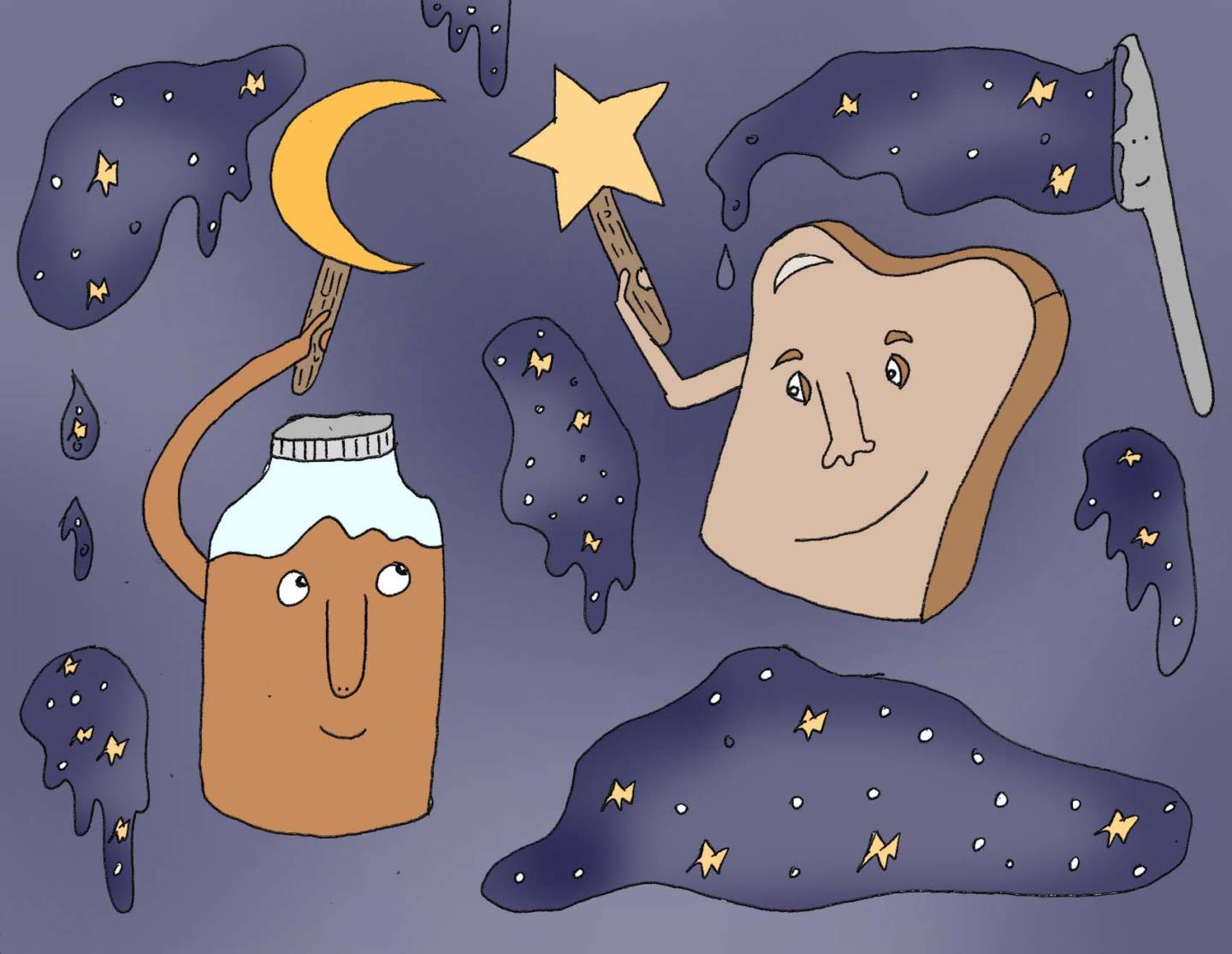
"caption": "Nut butter and toast enjoy fulfilling your evening snack dreams.",
"description": null,
"title": "1. nutbutterandtoast",
"credit": "Lila Volkas",
"status": "inherit",
"isLoading": false,
"fetchFailed": false
},
"bayareabites_109415": {
"type": "attachments",
"id": "bayareabites_109415",
"meta": {
"index": "attachments_1716263798",
"site": "bayareabites",
"id": "109415",
"found": true
},
"parent": 109414,
"imgSizes": {
"twentyfourteen-full-width": {
"file": "https://ww2.kqed.org/app/uploads/sites/24/2016/05/monsantocorn_enl-de25c3086f2b445847c7e86ca85cf0374f86aa7d-1038x576.jpg",
"width": 1038,
"mimeType": "image/jpeg",
"height": 576
},
"thumbnail": {
"file": "https://ww2.kqed.org/app/uploads/sites/24/2016/05/monsantocorn_enl-de25c3086f2b445847c7e86ca85cf0374f86aa7d-400x201.jpg",
"width": 400,
"mimeType": "image/jpeg",
"height": 201
},
"fd-sm": {
"file": "https://ww2.kqed.org/app/uploads/sites/24/2016/05/monsantocorn_enl-de25c3086f2b445847c7e86ca85cf0374f86aa7d-960x483.jpg",
"width": 960,
"mimeType": "image/jpeg",
"height": 483
},
"post-thumbnail": {
"file": "https://ww2.kqed.org/app/uploads/sites/24/2016/05/monsantocorn_enl-de25c3086f2b445847c7e86ca85cf0374f86aa7d-672x372.jpg",
"width": 672,
"mimeType": "image/jpeg",
"height": 372
},
"kqedFullSize": {
"file": "https://ww2.kqed.org/app/uploads/sites/24/2016/05/monsantocorn_enl-de25c3086f2b445847c7e86ca85cf0374f86aa7d.jpg",
"width": 1784,
"height": 897
},
"large": {
"file": "https://ww2.kqed.org/app/uploads/sites/24/2016/05/monsantocorn_enl-de25c3086f2b445847c7e86ca85cf0374f86aa7d-1440x724.jpg",
"width": 1440,
"mimeType": "image/jpeg",
"height": 724
},
"guest-author-50": {
"file": "https://ww2.kqed.org/app/uploads/sites/24/2016/05/monsantocorn_enl-de25c3086f2b445847c7e86ca85cf0374f86aa7d-50x50.jpg",
"width": 50,
"mimeType": "image/jpeg",
"height": 50
},
"guest-author-96": {
"file": "https://ww2.kqed.org/app/uploads/sites/24/2016/05/monsantocorn_enl-de25c3086f2b445847c7e86ca85cf0374f86aa7d-96x96.jpg",
"width": 96,
"mimeType": "image/jpeg",
"height": 96
},
"medium": {
"file": "https://ww2.kqed.org/app/uploads/sites/24/2016/05/monsantocorn_enl-de25c3086f2b445847c7e86ca85cf0374f86aa7d-800x402.jpg",
"width": 800,
"mimeType": "image/jpeg",
"height": 402
},
"guest-author-64": {
"file": "https://ww2.kqed.org/app/uploads/sites/24/2016/05/monsantocorn_enl-de25c3086f2b445847c7e86ca85cf0374f86aa7d-64x64.jpg",
"width": 64,
"mimeType": "image/jpeg",
"height": 64
},
"guest-author-32": {
"file": "https://ww2.kqed.org/app/uploads/sites/24/2016/05/monsantocorn_enl-de25c3086f2b445847c7e86ca85cf0374f86aa7d-32x32.jpg",
"width": 32,
"mimeType": "image/jpeg",
"height": 32
},
"cat_post_thumb_sizecategory-posts-2": {
"file": "https://ww2.kqed.org/app/uploads/sites/24/2016/05/monsantocorn_enl-de25c3086f2b445847c7e86ca85cf0374f86aa7d-150x150.jpg",
"width": 150,
"mimeType": "image/jpeg",
"height": 150
},
"fd-med": {
"file": "https://ww2.kqed.org/app/uploads/sites/24/2016/05/monsantocorn_enl-de25c3086f2b445847c7e86ca85cf0374f86aa7d-1180x593.jpg",
"width": 1180,
"mimeType": "image/jpeg",
"height": 593
},
"detail": {
"file": "https://ww2.kqed.org/app/uploads/sites/24/2016/05/monsantocorn_enl-de25c3086f2b445847c7e86ca85cf0374f86aa7d-150x150.jpg",
"width": 150,
"mimeType": "image/jpeg",
"height": 150
},
"medium_large": {
"file": "https://ww2.kqed.org/app/uploads/sites/24/2016/05/monsantocorn_enl-de25c3086f2b445847c7e86ca85cf0374f86aa7d-768x386.jpg",
"width": 768,
"mimeType": "image/jpeg",
"height": 386
},
"guest-author-128": {
"file": "https://ww2.kqed.org/app/uploads/sites/24/2016/05/monsantocorn_enl-de25c3086f2b445847c7e86ca85cf0374f86aa7d-128x128.jpg",
"width": 128,
"mimeType": "image/jpeg",
"height": 128
}
},
"publishDate": 1463544703,
"modified": 1463544902,
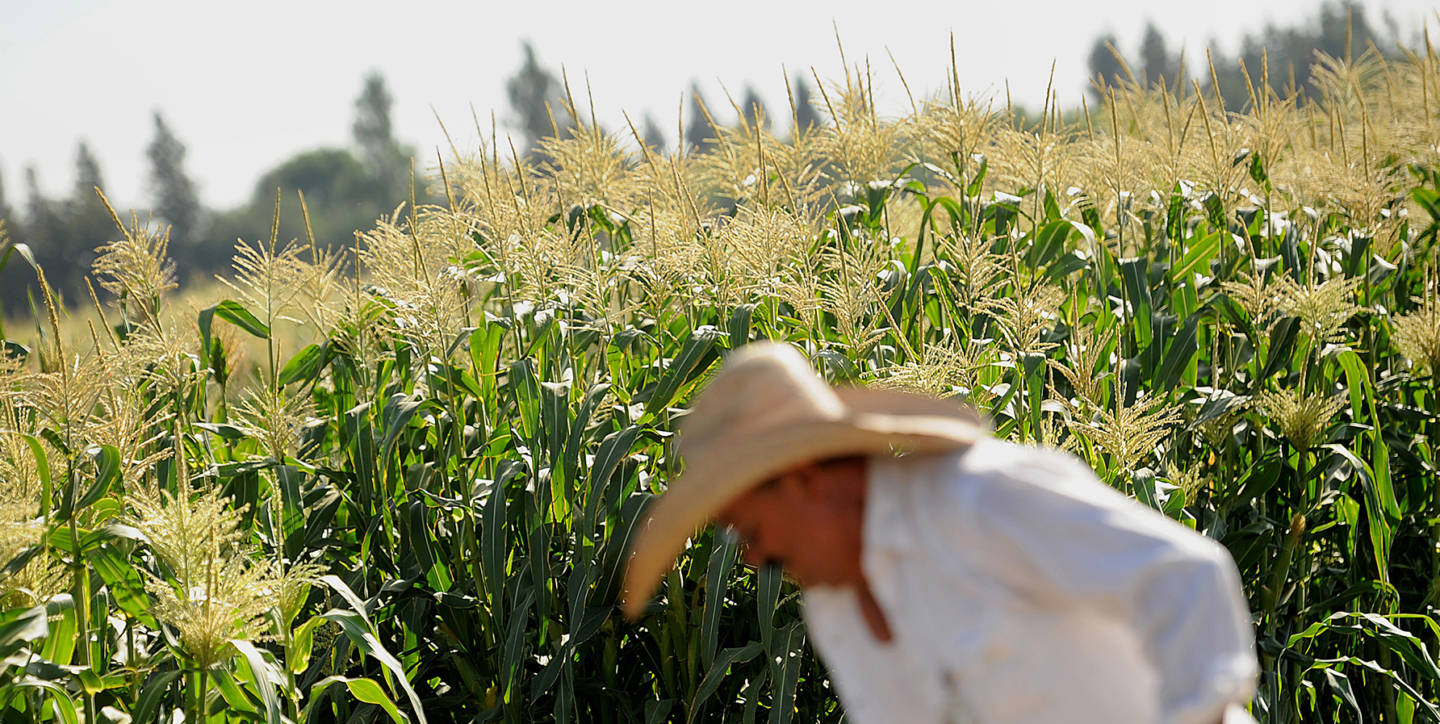
"caption": "Worker Javier Alcantar tends to corn crops at the Monsanto Co. test field in Woodland, Calif., in 2012.",
"description": "Worker Javier Alcantar tends to corn crops at the Monsanto Co. test field in Woodland, Calif., in 2012.",
"title": "Worker Javier Alcantar tends to corn crops at the Monsanto Co. test field in Woodland, Calif., in 2012.",
"credit": "Noah Berger/Bloomberg via Getty Images ",
"status": "inherit",
"isLoading": false,
"fetchFailed": false
},
"bayareabites_109176": {
"type": "attachments",
"id": "bayareabites_109176",
"meta": {
"index": "attachments_1716263798",
"site": "bayareabites",
"id": "109176",
"found": true
},
"parent": 109175,
"imgSizes": {
"twentyfourteen-full-width": {
"file": "https://ww2.kqed.org/app/uploads/sites/24/2016/05/allnatural_enl-dcb05c3fac76047368db54554646ead9da51057d-1038x576.jpg",
"width": 1038,
"mimeType": "image/jpeg",
"height": 576
},
"thumbnail": {
"file": "https://ww2.kqed.org/app/uploads/sites/24/2016/05/allnatural_enl-dcb05c3fac76047368db54554646ead9da51057d-400x277.jpg",
"width": 400,
"mimeType": "image/jpeg",
"height": 277
},
"fd-sm": {
"file": "https://ww2.kqed.org/app/uploads/sites/24/2016/05/allnatural_enl-dcb05c3fac76047368db54554646ead9da51057d-960x666.jpg",
"width": 960,
"mimeType": "image/jpeg",
"height": 666
},
"post-thumbnail": {
"file": "https://ww2.kqed.org/app/uploads/sites/24/2016/05/allnatural_enl-dcb05c3fac76047368db54554646ead9da51057d-672x372.jpg",
"width": 672,
"mimeType": "image/jpeg",
"height": 372
},
"kqedFullSize": {
"file": "https://ww2.kqed.org/app/uploads/sites/24/2016/05/allnatural_enl-dcb05c3fac76047368db54554646ead9da51057d.jpg",
"width": 2000,
"height": 1387
},
"large": {
"file": "https://ww2.kqed.org/app/uploads/sites/24/2016/05/allnatural_enl-dcb05c3fac76047368db54554646ead9da51057d-1440x999.jpg",
"width": 1440,
"mimeType": "image/jpeg",
"height": 999
},
"guest-author-96": {
"file": "https://ww2.kqed.org/app/uploads/sites/24/2016/05/allnatural_enl-dcb05c3fac76047368db54554646ead9da51057d-96x96.jpg",
"width": 96,
"mimeType": "image/jpeg",
"height": 96
},
"medium": {
"file": "https://ww2.kqed.org/app/uploads/sites/24/2016/05/allnatural_enl-dcb05c3fac76047368db54554646ead9da51057d-800x555.jpg",
"width": 800,
"mimeType": "image/jpeg",
"height": 555
},
"guest-author-64": {
"file": "https://ww2.kqed.org/app/uploads/sites/24/2016/05/allnatural_enl-dcb05c3fac76047368db54554646ead9da51057d-64x64.jpg",
"width": 64,
"mimeType": "image/jpeg",
"height": 64
},
"guest-author-32": {
"file": "https://ww2.kqed.org/app/uploads/sites/24/2016/05/allnatural_enl-dcb05c3fac76047368db54554646ead9da51057d-32x32.jpg",
"width": 32,
"mimeType": "image/jpeg",
"height": 32
},
"cat_post_thumb_sizecategory-posts-2": {
"file": "https://ww2.kqed.org/app/uploads/sites/24/2016/05/allnatural_enl-dcb05c3fac76047368db54554646ead9da51057d-150x150.jpg",
"width": 150,
"mimeType": "image/jpeg",
"height": 150
},
"fd-lrg": {
"file": "https://ww2.kqed.org/app/uploads/sites/24/2016/05/allnatural_enl-dcb05c3fac76047368db54554646ead9da51057d-1920x1332.jpg",
"width": 1920,
"mimeType": "image/jpeg",
"height": 1332
},
"fd-med": {
"file": "https://ww2.kqed.org/app/uploads/sites/24/2016/05/allnatural_enl-dcb05c3fac76047368db54554646ead9da51057d-1180x818.jpg",
"width": 1180,
"mimeType": "image/jpeg",
"height": 818
},
"detail": {
"file": "https://ww2.kqed.org/app/uploads/sites/24/2016/05/allnatural_enl-dcb05c3fac76047368db54554646ead9da51057d-150x150.jpg",
"width": 150,
"mimeType": "image/jpeg",
"height": 150
},
"medium_large": {
"file": "https://ww2.kqed.org/app/uploads/sites/24/2016/05/allnatural_enl-dcb05c3fac76047368db54554646ead9da51057d-768x533.jpg",
"width": 768,
"mimeType": "image/jpeg",
"height": 533
},
"guest-author-128": {
"file": "https://ww2.kqed.org/app/uploads/sites/24/2016/05/allnatural_enl-dcb05c3fac76047368db54554646ead9da51057d-128x128.jpg",
"width": 128,
"mimeType": "image/jpeg",
"height": 128
}
},
"publishDate": 1462724406,
"modified": 1462724896,
"caption": "The FDA is asking consumers to help define what \"natural\" food is. It's an ancient philosophical question with no easy answers.",
"description": "The FDA is asking consumers to help define what \"natural\" food is. It's an ancient philosophical question with no easy answers.",
"title": "The FDA is asking consumers to help define what \"natural\" food is. It's an ancient philosophical question with no easy answers.",
"credit": "Jutta Kuss/fStop/Getty Images ",
"status": "inherit",
"isLoading": false,
"fetchFailed": false
},
"bayareabites_109066": {
"type": "attachments",
"id": "bayareabites_109066",
"meta": {
"index": "attachments_1716263798",
"site": "bayareabites",
"id": "109066",
"found": true
},
"parent": 109065,
"imgSizes": {
"twentyfourteen-full-width": {
"file": "https://ww2.kqed.org/app/uploads/sites/24/2016/05/frozen-vegetables_enl-0ca43ba90ce6f15f1d43980a3d4cd853a95d42eb-1038x576.jpg",
"width": 1038,
"mimeType": "image/jpeg",
"height": 576
},
"thumbnail": {
"file": "https://ww2.kqed.org/app/uploads/sites/24/2016/05/frozen-vegetables_enl-0ca43ba90ce6f15f1d43980a3d4cd853a95d42eb-400x266.jpg",
"width": 400,
"mimeType": "image/jpeg",
"height": 266
},
"fd-sm": {
"file": "https://ww2.kqed.org/app/uploads/sites/24/2016/05/frozen-vegetables_enl-0ca43ba90ce6f15f1d43980a3d4cd853a95d42eb-960x637.jpg",
"width": 960,
"mimeType": "image/jpeg",
"height": 637
},
"post-thumbnail": {
"file": "https://ww2.kqed.org/app/uploads/sites/24/2016/05/frozen-vegetables_enl-0ca43ba90ce6f15f1d43980a3d4cd853a95d42eb-672x372.jpg",
"width": 672,
"mimeType": "image/jpeg",
"height": 372
},
"kqedFullSize": {
"file": "https://ww2.kqed.org/app/uploads/sites/24/2016/05/frozen-vegetables_enl-0ca43ba90ce6f15f1d43980a3d4cd853a95d42eb.jpg",
"width": 2000,
"height": 1328
},
"large": {
"file": "https://ww2.kqed.org/app/uploads/sites/24/2016/05/frozen-vegetables_enl-0ca43ba90ce6f15f1d43980a3d4cd853a95d42eb-1440x956.jpg",
"width": 1440,
"mimeType": "image/jpeg",
"height": 956
},
"guest-author-96": {
"file": "https://ww2.kqed.org/app/uploads/sites/24/2016/05/frozen-vegetables_enl-0ca43ba90ce6f15f1d43980a3d4cd853a95d42eb-96x96.jpg",
"width": 96,
"mimeType": "image/jpeg",
"height": 96
},
"medium": {
"file": "https://ww2.kqed.org/app/uploads/sites/24/2016/05/frozen-vegetables_enl-0ca43ba90ce6f15f1d43980a3d4cd853a95d42eb-800x531.jpg",
"width": 800,
"mimeType": "image/jpeg",
"height": 531
},
"guest-author-64": {
"file": "https://ww2.kqed.org/app/uploads/sites/24/2016/05/frozen-vegetables_enl-0ca43ba90ce6f15f1d43980a3d4cd853a95d42eb-64x64.jpg",
"width": 64,
"mimeType": "image/jpeg",
"height": 64
},
"guest-author-32": {
"file": "https://ww2.kqed.org/app/uploads/sites/24/2016/05/frozen-vegetables_enl-0ca43ba90ce6f15f1d43980a3d4cd853a95d42eb-32x32.jpg",
"width": 32,
"mimeType": "image/jpeg",
"height": 32
},
"cat_post_thumb_sizecategory-posts-2": {
"file": "https://ww2.kqed.org/app/uploads/sites/24/2016/05/frozen-vegetables_enl-0ca43ba90ce6f15f1d43980a3d4cd853a95d42eb-150x150.jpg",
"width": 150,
"mimeType": "image/jpeg",
"height": 150
},
"fd-lrg": {
"file": "https://ww2.kqed.org/app/uploads/sites/24/2016/05/frozen-vegetables_enl-0ca43ba90ce6f15f1d43980a3d4cd853a95d42eb-1920x1275.jpg",
"width": 1920,
"mimeType": "image/jpeg",
"height": 1275
},
"fd-med": {
"file": "https://ww2.kqed.org/app/uploads/sites/24/2016/05/frozen-vegetables_enl-0ca43ba90ce6f15f1d43980a3d4cd853a95d42eb-1180x784.jpg",
"width": 1180,
"mimeType": "image/jpeg",
"height": 784
},
"detail": {
"file": "https://ww2.kqed.org/app/uploads/sites/24/2016/05/frozen-vegetables_enl-0ca43ba90ce6f15f1d43980a3d4cd853a95d42eb-150x150.jpg",
"width": 150,
"mimeType": "image/jpeg",
"height": 150
},
"medium_large": {
"file": "https://ww2.kqed.org/app/uploads/sites/24/2016/05/frozen-vegetables_enl-0ca43ba90ce6f15f1d43980a3d4cd853a95d42eb-768x510.jpg",
"width": 768,
"mimeType": "image/jpeg",
"height": 510
},
"guest-author-128": {
"file": "https://ww2.kqed.org/app/uploads/sites/24/2016/05/frozen-vegetables_enl-0ca43ba90ce6f15f1d43980a3d4cd853a95d42eb-128x128.jpg",
"width": 128,
"mimeType": "image/jpeg",
"height": 128
}
},
"publishDate": 1462393830,
"modified": 1462394085,
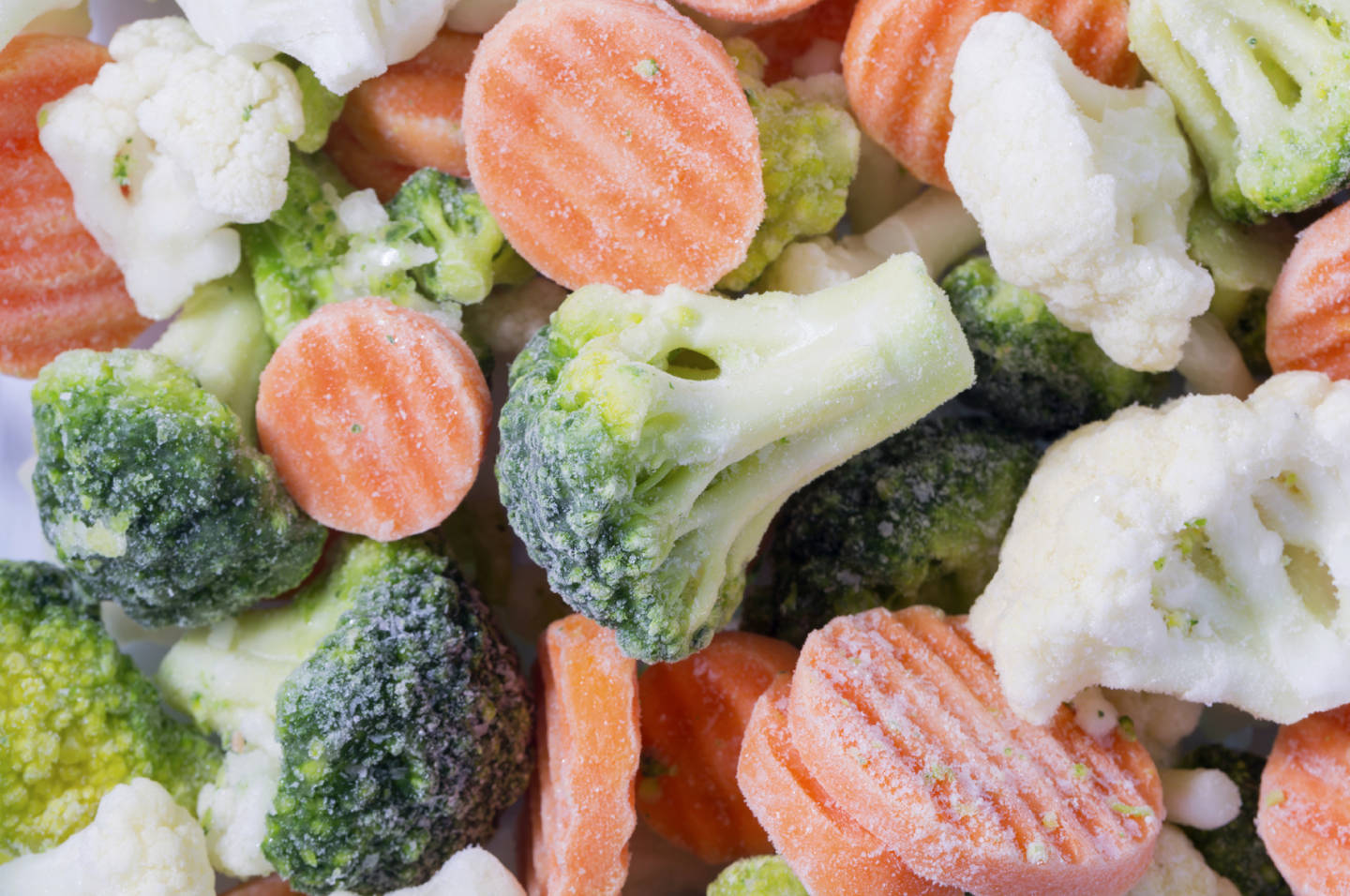
"caption": "The CDC has announced an outbreak of the deadly Listeria monocytogenes bacteria --- and frozen vegetables and fruits are believed to be the cause.",
"description": "monocytogenes\u003c/em> bacteria --- and frozen vegetables and fruits are believed to be the cause",
"title": "The CDC has announced an outbreak of the deadly Listeria monocytogenes bacteria --- and frozen vegetables and fruits are believed to be the cause.",
"credit": "iStockphoto",
"status": "inherit",
"isLoading": false,
"fetchFailed": false
},
"bayareabites_108957": {
"type": "attachments",
"id": "bayareabites_108957",
"meta": {
"index": "attachments_1716263798",
"site": "bayareabites",
"id": "108957",
"found": true
},
"parent": 108956,
"imgSizes": {
"twentyfourteen-full-width": {
"file": "https://ww2.kqed.org/app/uploads/sites/24/2016/04/tigernut-76c72b6b46c78adafc40ce193c34bf98386c8db7-1038x576.jpg",
"width": 1038,
"mimeType": "image/jpeg",
"height": 576
},
"thumbnail": {
"file": "https://ww2.kqed.org/app/uploads/sites/24/2016/04/tigernut-76c72b6b46c78adafc40ce193c34bf98386c8db7-400x300.jpg",
"width": 400,
"mimeType": "image/jpeg",
"height": 300
},
"fd-sm": {
"file": "https://ww2.kqed.org/app/uploads/sites/24/2016/04/tigernut-76c72b6b46c78adafc40ce193c34bf98386c8db7-960x720.jpg",
"width": 960,
"mimeType": "image/jpeg",
"height": 720
},
"post-thumbnail": {
"file": "https://ww2.kqed.org/app/uploads/sites/24/2016/04/tigernut-76c72b6b46c78adafc40ce193c34bf98386c8db7-672x372.jpg",
"width": 672,
"mimeType": "image/jpeg",
"height": 372
},
"kqedFullSize": {
"file": "https://ww2.kqed.org/app/uploads/sites/24/2016/04/tigernut-76c72b6b46c78adafc40ce193c34bf98386c8db7.jpg",
"width": 6536,
"height": 4902
},
"large": {
"file": "https://ww2.kqed.org/app/uploads/sites/24/2016/04/tigernut-76c72b6b46c78adafc40ce193c34bf98386c8db7-1440x1080.jpg",
"width": 1440,
"mimeType": "image/jpeg",
"height": 1080
},
"guest-author-96": {
"file": "https://ww2.kqed.org/app/uploads/sites/24/2016/04/tigernut-76c72b6b46c78adafc40ce193c34bf98386c8db7-96x96.jpg",
"width": 96,
"mimeType": "image/jpeg",
"height": 96
},
"medium": {
"file": "https://ww2.kqed.org/app/uploads/sites/24/2016/04/tigernut-76c72b6b46c78adafc40ce193c34bf98386c8db7-800x600.jpg",
"width": 800,
"mimeType": "image/jpeg",
"height": 600
},
"guest-author-64": {
"file": "https://ww2.kqed.org/app/uploads/sites/24/2016/04/tigernut-76c72b6b46c78adafc40ce193c34bf98386c8db7-64x64.jpg",
"width": 64,
"mimeType": "image/jpeg",
"height": 64
},
"guest-author-32": {
"file": "https://ww2.kqed.org/app/uploads/sites/24/2016/04/tigernut-76c72b6b46c78adafc40ce193c34bf98386c8db7-32x32.jpg",
"width": 32,
"mimeType": "image/jpeg",
"height": 32
},
"cat_post_thumb_sizecategory-posts-2": {
"file": "https://ww2.kqed.org/app/uploads/sites/24/2016/04/tigernut-76c72b6b46c78adafc40ce193c34bf98386c8db7-150x150.jpg",
"width": 150,
"mimeType": "image/jpeg",
"height": 150
},
"fd-lrg": {
"file": "https://ww2.kqed.org/app/uploads/sites/24/2016/04/tigernut-76c72b6b46c78adafc40ce193c34bf98386c8db7-1920x1440.jpg",
"width": 1920,
"mimeType": "image/jpeg",
"height": 1440
},
"fd-med": {
"file": "https://ww2.kqed.org/app/uploads/sites/24/2016/04/tigernut-76c72b6b46c78adafc40ce193c34bf98386c8db7-1180x885.jpg",
"width": 1180,
"mimeType": "image/jpeg",
"height": 885
},
"detail": {
"file": "https://ww2.kqed.org/app/uploads/sites/24/2016/04/tigernut-76c72b6b46c78adafc40ce193c34bf98386c8db7-150x150.jpg",
"width": 150,
"mimeType": "image/jpeg",
"height": 150
},
"medium_large": {
"file": "https://ww2.kqed.org/app/uploads/sites/24/2016/04/tigernut-76c72b6b46c78adafc40ce193c34bf98386c8db7-768x576.jpg",
"width": 768,
"mimeType": "image/jpeg",
"height": 576
},
"guest-author-128": {
"file": "https://ww2.kqed.org/app/uploads/sites/24/2016/04/tigernut-76c72b6b46c78adafc40ce193c34bf98386c8db7-128x128.jpg",
"width": 128,
"mimeType": "image/jpeg",
"height": 128
}
},
"publishDate": 1461864728,
"modified": 1461865019,
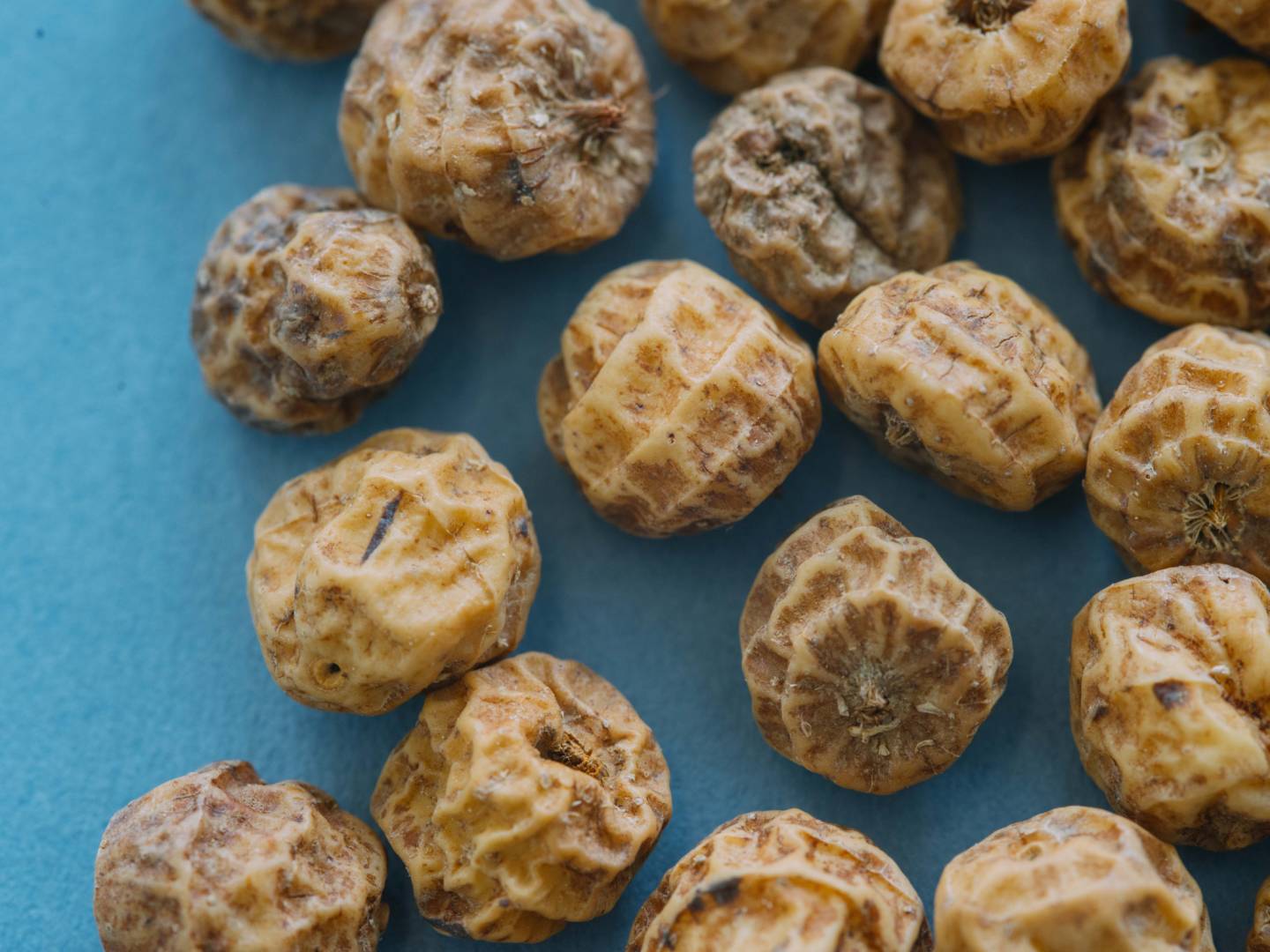
"caption": "The earliest records of tiger nuts date back to ancient Egypt, where they were valuable and loved enough to be entombed and discovered with buried Egyptians as far back as the 4th millennium B.C. Now, tiger nuts are making a comeback in the health food aisle. Nutritionally, they do OK.",
"description": "The earliest records of tiger nuts date back to ancient Egypt, where they were valuable and loved enough to be entombed and discovered with buried Egyptians as far back as the 4th millennium B.C. Now, tiger nuts are making a comeback in the health food aisle. Nutritionally, they do OK",
"title": "The earliest records of tiger nuts date back to ancient Egypt, where they were valuable and loved enough to be entombed and discovered with buried Egyptians as far back as the 4th millennium B.C. Now, tiger nuts are making a comeback in the health food aisle. Nutritionally, they do OK.",
"credit": "Matailong Du/NPR",
"status": "inherit",
"isLoading": false,
"fetchFailed": false
}
},
"audioPlayerReducer": {
"postId": "stream_live",
"isPaused": true,
"isPlaying": false,
"pfsActive": false,
"pledgeModalIsOpen": true,
"playerDrawerIsOpen": false,
"liveAudioPlayStartedAt": 0,
"liveAudioPlayContext": ""
},
"authorsReducer": {
"byline_bayareabites_110336": {
"type": "authors",
"id": "byline_bayareabites_110336",
"meta": {
"override": true
},
"slug": "byline_bayareabites_110336",
"name": "Allison Aubrey, NPR Food",
"isLoading": false
},
"byline_bayareabites_110025": {
"type": "authors",
"id": "byline_bayareabites_110025",
"meta": {
"override": true
},
"slug": "byline_bayareabites_110025",
"name": "Allison Aubrey, \u003ca href=\"https://ww2.kqed.org/bayareabites/author/nprfood/\">NPR Food\u003c/a>",
"isLoading": false
},
"byline_bayareabites_110007": {
"type": "authors",
"id": "byline_bayareabites_110007",
"meta": {
"override": true
},
"slug": "byline_bayareabites_110007",
"name": "Natalie Jacewicz, \u003ca href=\"https://ww2.kqed.org/bayareabites/author/nprfood/\">NPR Food\u003c/a>",
"isLoading": false
},
"byline_bayareabites_109923": {
"type": "authors",
"id": "byline_bayareabites_109923",
"meta": {
"override": true
},
"slug": "byline_bayareabites_109923",
"name": "Jean Fain, \u003ca href=\"https://ww2.kqed.org/bayareabites/author/nprfood/\">NPR Food\u003c/a>",
"isLoading": false
},
"byline_bayareabites_109748": {
"type": "authors",
"id": "byline_bayareabites_109748",
"meta": {
"override": true
},
"slug": "byline_bayareabites_109748",
"name": "Dan Charles, \u003ca href=\"http://ww2.kqed.org/bayareabites/author/nprfood/\">NPR Food\u003c/a>",
"isLoading": false
},
"byline_bayareabites_109671": {
"type": "authors",
"id": "byline_bayareabites_109671",
"meta": {
"override": true
},
"slug": "byline_bayareabites_109671",
"name": "Lydia Zuraw, Kaiser Health News at NPR Food",
"isLoading": false
},
"byline_bayareabites_109610": {
"type": "authors",
"id": "byline_bayareabites_109610",
"meta": {
"override": true
},
"slug": "byline_bayareabites_109610",
"name": "Dan Charles, NPR Food",
"isLoading": false
},
"byline_bayareabites_109414": {
"type": "authors",
"id": "byline_bayareabites_109414",
"meta": {
"override": true
},
"slug": "byline_bayareabites_109414",
"name": "Dan Charles, \u003ca href=\"https://ww2.kqed.org/bayareabites/author/nprfood/\">NPR Food\u003c/a>",
"isLoading": false
},
"byline_bayareabites_109175": {
"type": "authors",
"id": "byline_bayareabites_109175",
"meta": {
"override": true
},
"slug": "byline_bayareabites_109175",
"name": "Alan Levinovitz, \u003ca href=\"https://ww2.kqed.org/bayareabites/author/nprfood/\">NPR Food\u003c/a>",
"isLoading": false
},
"byline_bayareabites_109065": {
"type": "authors",
"id": "byline_bayareabites_109065",
"meta": {
"override": true
},
"slug": "byline_bayareabites_109065",
"name": "Lydia Zuraw, \u003ca href=\"http://khn.org/\">Kaiser Health News\u003c/a> at \u003ca href=\"https://ww2.kqed.org/bayareabites/author/nprfood/\">NPR Food\u003c/a>",
"isLoading": false
},
"byline_bayareabites_108956": {
"type": "authors",
"id": "byline_bayareabites_108956",
"meta": {
"override": true
},
"slug": "byline_bayareabites_108956",
"name": "Angus Chen, \u003ca href=\"https://ww2.kqed.org/bayareabites/author/nprfood/\">NPR Food\u003c/a>",
"isLoading": false
},
"lilavolkas": {
"type": "authors",
"id": "5404",
"meta": {
"index": "authors_1716337520",
"id": "5404",
"found": true
},
"name": "Lila Volkas",
"firstName": "Lila",
"lastName": "Volkas",
"slug": "lilavolkas",
"email": "lilavolkas@gmail.com",
"display_author_email": false,
"staff_mastheads": [],
"title": null,
"bio": "Lila Volkas is a Berkeley based Holistic Nutritionist, food writer and illustrator. She received her Nutritional Consulting Certification from Bauman College and offers clients individualized nutritional support. As an illustrator she creates hand drawn and digitally colored illustrations that whimsically capture the essence of her subjects and are easily digested by readers. Much of her inspiration comes from her undeniable love for vegetables, as well her knack for anthropomorphizing what's on her plate. Lila has had several pieces published in KQED’s Bay Area Bites as well as in Edible East Bay Magazine. For more of a taste of Lila's offering, check out her website \u003ca href=\"http://www.lilavolkas.com/\">lilavolkas.com\u003c/a>",
"avatar": "https://secure.gravatar.com/avatar/e520743544a0600729bc45ff3ab43206?s=600&d=blank&r=g",
"twitter": null,
"facebook": null,
"instagram": null,
"linkedin": null,
"sites": [
{
"site": "bayareabites",
"roles": [
"contributor"
]
},
{
"site": "food",
"roles": [
"contributor"
]
}
],
"headData": {
"title": "Lila Volkas | KQED",
"description": null,
"ogImgSrc": "https://secure.gravatar.com/avatar/e520743544a0600729bc45ff3ab43206?s=600&d=blank&r=g",
"twImgSrc": "https://secure.gravatar.com/avatar/e520743544a0600729bc45ff3ab43206?s=600&d=blank&r=g"
},
"isLoading": false,
"link": "/author/lilavolkas"
}
},
"pagesReducer": {
"bayareabites_category_health-and-nutrition": {
"type": "terms",
"id": "bayareabites_1245",
"meta": {
"index": "terms_1716263798",
"site": "bayareabites",
"id": "1245",
"score": 14.407673
},
"featImg": null,
"name": "health and nutrition",
"description": null,
"taxonomy": "category",
"headData": {
"twImgId": null,
"twTitle": null,
"ogTitle": null,
"ogImgId": null,
"twDescription": null,
"description": null,
"title": "health and nutrition Archives | KQED Bay Area Bites",
"ogDescription": null
},
"ttid": 1078,
"slug": "health-and-nutrition",
"isLoading": false,
"title": "health and nutrition",
"pageMeta": {
"site": "bayareabites",
"WpPageTemplate": "page-topic-editorial",
"currentPage": 17
},
"blocks": [
{
"blockName": "kqed/post-list",
"attrs": {
"layout": "cardArticle2",
"query": "posts/bayareabites?category=health-and-nutrition",
"seeMore": false,
"paginated": true,
"page": 17
}
},
{
"blockName": "kqed/ad"
}
]
}
},
"pfsSessionReducer": {},
"postsReducer": {
"stream_live": {
"type": "live",
"id": "stream_live",
"audioUrl": "https://streams.kqed.org/kqedradio",
"title": "Live Stream",
"excerpt": "Live Stream information currently unavailable.",
"link": "/radio",
"featImg": "",
"label": {
"name": "KQED Live",
"link": "/"
}
},
"stream_kqedNewscast": {
"type": "posts",
"id": "stream_kqedNewscast",
"audioUrl": "https://www.kqed.org/.stream/anon/radio/RDnews/newscast.mp3?_=1",
"title": "KQED Newscast",
"featImg": "",
"label": {
"name": "88.5 FM",
"link": "/"
}
},
"bayareabites_110336": {
"type": "posts",
"id": "bayareabites_110336",
"meta": {
"index": "posts_1716263798",
"site": "bayareabites",
"id": "110336",
"score": null,
"sort": [
1466790280000
]
},
"parent": 0,
"labelTerm": {
"site": "bayareabites"
},
"blocks": [],
"publishDate": 1466790280,
"format": "standard",
"disqusTitle": "Fermentation Fervor: Here's How Chefs Boost Flavor And Health",
"title": "Fermentation Fervor: Here's How Chefs Boost Flavor And Health",
"headTitle": "Bay Area Bites | KQED Food",
"content": "\u003cp>\u003cstrong>Listen to the Story on Morning Edition:\u003c/strong>\u003cbr>\nhttp://pd.npr.org/anon.npr-mp3/npr/me/2016/06/20160624_me_fermentation_fervor_heres_how_chefs_boost_flavor_and_health.mp3\u003c/p>\n\u003cp>There's an explosion of interest in friendly bacteria.\u003c/p>\n\u003cp>Beneficial microorganisms, as we've \u003ca href=\"http://www.npr.org/sections/thesalt/2012/07/09/156381323/confusion-at-the-yogurt-aisle-time-for-probiotics-101\">reported,\u003c/a> can help us digest food, make vitamins, and protect us against harmful pathogens.\u003c/p>\n\u003cp>As this idea gains traction, so too does the popularity of fermented foods such as yogurt, sauerkraut and kimchi.\u003c/p>\n\u003cp>Though the science is tricky, researchers are learning more about how this ancient technique for preserving food may also help promote good health.\u003c/p>\n\u003cp>[ad fullwidth]\u003c/p>\n\u003cp>For instance, the bacteria in yogurt have been shown to \u003ca href=\"http://www.npr.org/sections/thesalt/2015/07/14/422623067/prozac-in-the-yogurt-aisle-can-good-bacteria-chill-us-out\">aid digestion,\u003c/a> and making cabbage into sauerkraut by fermenting it \"increases glucosinolate compounds believed to fight cancer,\" \u003ca href=\"http://www.nutritionletter.tufts.edu/issues/10_2/current-articles/Discover-the-Digestive-Benefits-of-Fermented-Foods_1383-1.html\">explains\u003c/a> a Tufts University Health & Nutrition publication.\u003c/p>\n\u003cp>So, what's next in fermentation? Chefs and do-it-yourself enthusiasts are using microorganisms to coax new, complex flavors out of foods.\u003c/p>\n\u003cp>\"Cooks around the world have begun to discover (or, more accurately, to \u003cem>rediscover\u003c/em>) the possibilities of using fermentation processes in the kitchen,\" writes \u003ca href=\"http://www.madfeed.co/about/\">Arielle Johnson\u003c/a>, a flavor chemist, in an article titled \"Artisanal Food Microbiology\" \u003ca href=\"http://www.nature.com/articles/nmicrobiol201639\">published\u003c/a> in \u003cem>Nature Microbiology \u003c/em>this spring.\u003c/p>\n\u003cp>Johnson works for \u003ca href=\"http://www.madfeed.co/about/\">MAD\u003c/a>, a nonprofit food organization based in Copenhagen that was founded by Rene Redzepi, the chef-patron of the acclaimed restaurant Noma.\u003c/p>\n\u003cp>Fermentation, she explains, is loosely defined as the transformation of food by microorganisms.\"When you ferment something, you create flavour,\" Johnson writes.\u003c/p>\n\u003cp>From soy sauces to vinegars, breads, cheeses, and, of course, wines and beers, \"fermentation processes are key to elaborate well-known delicacies,\" Johnson says.\u003c/p>\n\u003cfigure id=\"attachment_110338\" class=\"wp-caption alignright\" style=\"max-width: 400px\">\u003cimg src=\"http://ww2.kqed.org/bayareabites/wp-content/uploads/sites/24/2016/06/img_4352_edited_enl-50ad62780db660f20f78a5d4131c8569571aa023-400x584.jpg\" alt=\"Chef Rob Weland fermented ramps to make a ramp kimchi, which was featured on his menu this spring at Garrison restaurant in Washington, D.C.\" width=\"400\" height=\"584\" class=\"size-thumbnail wp-image-110338\" srcset=\"https://ww2.kqed.org/app/uploads/sites/24/2016/06/img_4352_edited_enl-50ad62780db660f20f78a5d4131c8569571aa023-400x584.jpg 400w, https://ww2.kqed.org/app/uploads/sites/24/2016/06/img_4352_edited_enl-50ad62780db660f20f78a5d4131c8569571aa023-800x1168.jpg 800w, https://ww2.kqed.org/app/uploads/sites/24/2016/06/img_4352_edited_enl-50ad62780db660f20f78a5d4131c8569571aa023-768x1121.jpg 768w, https://ww2.kqed.org/app/uploads/sites/24/2016/06/img_4352_edited_enl-50ad62780db660f20f78a5d4131c8569571aa023-1180x1723.jpg 1180w, https://ww2.kqed.org/app/uploads/sites/24/2016/06/img_4352_edited_enl-50ad62780db660f20f78a5d4131c8569571aa023-960x1401.jpg 960w, https://ww2.kqed.org/app/uploads/sites/24/2016/06/img_4352_edited_enl-50ad62780db660f20f78a5d4131c8569571aa023.jpg 1370w\" sizes=\"(max-width: 400px) 100vw, 400px\">\u003cfigcaption class=\"wp-caption-text\">Chef Rob Weland fermented ramps to make a ramp kimchi, which was featured on his menu this spring at Garrison restaurant in Washington, D.C.\u003c/figcaption>\u003c/figure>\n\u003cp>Food is biologically transformed by the bacteria and other microorganisms that live in or on it. \"In general, a pool of larger-molecular-weight, and usually less flavor-active molecules .... are transformed into a more diverse group of tastier, smaller molecules, such as amino acids, organic acids, esters ... and aromatic compounds,\" Johnson explains.\u003c/p>\n\u003cp>As more chefs experiment with microorganisms \"to transform ingredients and create new flavors,\" fermentation has gone from preservation technique to culinary tool — one that's \"every bit as essential as a paring knife or frying pan,\" Johnson argues.\u003c/p>\n\u003cp>In addition to the innovations at Noma in Copenhagen, Johnson points to kitchens around the world, such as Sean Brock's restaurant\u003ca href=\"http://huskrestaurant.com/\"> Husk\u003c/a> in Charleston, S.C.,\u003ca href=\"https://momofuku.com/\"> Momofuku\u003c/a> in New York, and \u003ca href=\"http://www.bartartine.com/\">Bar Tartine\u003c/a> in San Francisco, that are experimenting with these techniques.\u003c/p>\n\u003cp>I visited the kitchen of chef Rob Weland at \u003ca href=\"http://www.garrisondc.com/\">Garrison\u003c/a> restaurant in Washington, D.C. He's caught the fermentation experimentation bug, too.\u003c/p>\n\u003cp>During the spring, he fermented ramps to make a ramp kimchi and made an exquisite black garlic aioli.\u003c/p>\n\u003cp>If you listen to the audio of my conversation with David Greene on \u003cem>Morning Edition\u003c/em>, you'll hear Weland describe how he transformed a simple bulb of garlic into something extraordinary. (Hint: The garlic cooks at low heat in a humid environment for six to eight weeks.) \"What comes out, [the] flavors, works wonders,\" Weland told us.\u003c/p>\n\u003cp>During this aging a number of chemical processes transform this humble ingredient. For instance, the garlic picks up caramel notes during browning. Hints of dried fruit come out. Also, natural microbes on the garlic bulb can ferment, creating more distinct flavors.\u003c/p>\n\u003cfigure id=\"attachment_110339\" class=\"wp-caption aligncenter\" style=\"max-width: 2000px\">\u003cimg src=\"http://ww2.kqed.org/bayareabites/wp-content/uploads/sites/24/2016/06/blackgarlic1_enl-f6f2186c92d97b7dedba2c0f5d53db716fd4136c.jpg\" alt=\"Black garlic: A number of chemical processes transform this humble ingredient during aging. For instance, the garlic picks up caramel notes during browning. Hints of dried fruit come out. And natural microbes on the garlic bulb can ferment, creating more distinct flavors.\" width=\"2000\" height=\"1332\" class=\"size-full wp-image-110339\" srcset=\"https://ww2.kqed.org/app/uploads/sites/24/2016/06/blackgarlic1_enl-f6f2186c92d97b7dedba2c0f5d53db716fd4136c.jpg 2000w, https://ww2.kqed.org/app/uploads/sites/24/2016/06/blackgarlic1_enl-f6f2186c92d97b7dedba2c0f5d53db716fd4136c-400x266.jpg 400w, https://ww2.kqed.org/app/uploads/sites/24/2016/06/blackgarlic1_enl-f6f2186c92d97b7dedba2c0f5d53db716fd4136c-800x533.jpg 800w, https://ww2.kqed.org/app/uploads/sites/24/2016/06/blackgarlic1_enl-f6f2186c92d97b7dedba2c0f5d53db716fd4136c-768x511.jpg 768w, https://ww2.kqed.org/app/uploads/sites/24/2016/06/blackgarlic1_enl-f6f2186c92d97b7dedba2c0f5d53db716fd4136c-1440x959.jpg 1440w, https://ww2.kqed.org/app/uploads/sites/24/2016/06/blackgarlic1_enl-f6f2186c92d97b7dedba2c0f5d53db716fd4136c-1180x786.jpg 1180w, https://ww2.kqed.org/app/uploads/sites/24/2016/06/blackgarlic1_enl-f6f2186c92d97b7dedba2c0f5d53db716fd4136c-960x639.jpg 960w\" sizes=\"(max-width: 2000px) 100vw, 2000px\">\u003cfigcaption class=\"wp-caption-text\">Black garlic: A number of chemical processes transform this humble ingredient during aging. For instance, the garlic picks up caramel notes during browning. Hints of dried fruit come out. And natural microbes on the garlic bulb can ferment, creating more distinct flavors. \u003ccite>(Morgan McCloy/NPR)\u003c/cite>\u003c/figcaption>\u003c/figure>\n\u003cp>\"I'm a huge fan of black garlic,\" chef Dan Barber of Blue Hill told me. \"We serve it with vegetables mostly.\" Barber says he's made his own, but he also imports black garlic from Japan, where they're marketed under the name Fruit Garlic of Japan. It's \"insanely good,\" Barber says.\u003c/p>\n\u003cp>So, as chefs catch the bug, academics are elevating fermentation to a higher level, too. For instance, there's now a fermentation \u003ca href=\"https://www4.uwm.edu/secu/faculty/standing/apcc/agendas/15-16/upload/3-Certificate-in-Culture-and-Science-of-Fermentation.pdf\">certificate program\u003c/a> at the University of Wisconsin-Milwaukee.\u003c/p>\n\u003cp>And, at the Culinary Institute of American in Hyde Park, N.Y., there's a new focus on the fermented product that has perhaps the widest appeal in our culture: beer. The school now offers an elective course, the art and science of brewing, taught in the newly built\u003ca href=\"http://www.ciachef.edu/student-brewed-beer-available/\"> brewery\u003c/a> on campus.\u003c/p>\n\u003cp>Students are taught the basics of brewing, with a focus on science. \"I would say the most exciting development has been the ready use of wild yeast and bacteria in beer fermentation,\" says Hutch Kugeman, head brewer at the CIA.\u003c/p>\n\u003cp>Using wild yeast and bacteria \"allows a range of really interesting flavors in beers, from the tart lemon of lactobacillus to the funky barnyard aromas of brettanomyces,\" Kugeman says.\u003c/p>\n\u003cp>So it seems from chefs to brewers, foodies are turning to microorganisms to amp up flavor.\u003c/p>\n\u003cp>If you'd like to try this at home, check out D-I-Y sites or a fermentation festival. Sandor Katz, a fermenting enthusiast and author of \u003ca href=\"http://www.wildfermentation.com/the-art-of-fermentation-is-now-available/cover_artferment/\">The Art of Fermentation\u003c/a>, keeps fellow enthusiasts \u003ca href=\"http://www.wildfermentation.com/\">in the loop\u003c/a>. \u003c/p>\n\u003cp>\u003c/p>\n\u003cp>\u003cem>Copyright 2016 \u003ca href=\"http://www.npr.org/\" target=\"_blank\">NPR\u003c/a>.\u003c/em> \u003c/p>\n\n",
"disqusIdentifier": "110336 http://ww2.kqed.org/bayareabites/?p=110336",
"disqusUrl": "https://ww2.kqed.org/bayareabites/2016/06/24/fermentation-fervor-heres-how-chefs-boost-flavor-and-health/",
"stats": {
"hasVideo": false,
"hasChartOrMap": false,
"hasAudio": false,
"hasPolis": false,
"wordCount": 867,
"hasGoogleForm": false,
"hasGallery": false,
"hasHearkenModule": false,
"iframeSrcs": [],
"paragraphCount": 28
},
"modified": 1466790328,
"excerpt": "As more chefs experiment with microorganisms to transform ingredients and create new flavors, fermentation has gone from ancient preservation technique to culinary tool \u003cem>du jour.\u003c/em>",
"headData": {
"twImgId": "",
"twTitle": "",
"ogTitle": "",
"ogImgId": "",
"twDescription": "",
"description": "As more chefs experiment with microorganisms to transform ingredients and create new flavors, fermentation has gone from ancient preservation technique to culinary tool du jour.",
"title": "Fermentation Fervor: Here's How Chefs Boost Flavor And Health | KQED",
"ogDescription": "",
"schema": {
"@context": "https://schema.org",
"@type": "Article",
"headline": "Fermentation Fervor: Here's How Chefs Boost Flavor And Health",
"datePublished": "2016-06-24T10:44:40-07:00",
"dateModified": "2016-06-24T10:45:28-07:00",
"image": "https://cdn.kqed.org/wp-content/uploads/2020/02/KQED-OG-Image@1x.png"
}
},
"guestAuthors": [],
"slug": "fermentation-fervor-heres-how-chefs-boost-flavor-and-health",
"status": "publish",
"nprApiLink": "http://api.npr.org/query?id=483228632&apiKey=MDAxOTAwOTE4MDEyMTkxMDAzNjczZDljZA004",
"nprByline": "Allison Aubrey, NPR Food",
"nprStoryDate": "Fri, 24 Jun 2016 04:32:00 -0400",
"nprLastModifiedDate": "Fri, 24 Jun 2016 05:33:05 -0400",
"nprHtmlLink": "http://www.npr.org/sections/thesalt/2016/06/24/483228632/fermentation-fervor-scientist-chefs-use-microbiology-to-boost-flavor?ft=nprml&f=483228632",
"nprAudio": "http://pd.npr.org/anon.npr-mp3/npr/me/2016/06/20160624_me_fermentation_fervor_heres_how_chefs_boost_flavor_and_health.mp3?orgId=1&topicId=1053&d=444&p=3&story=483228632&t=progseg&e=483330690&seg=9&ft=nprml&f=483228632",
"nprImageAgency": "Allison Aubrey/NPR",
"nprAudioM3u": "http://api.npr.org/m3u/1483337095-672be9.m3u?orgId=1&topicId=1053&d=444&p=3&story=483228632&t=progseg&e=483330690&seg=9&ft=nprml&f=483228632",
"nprStoryId": "483228632",
"nprRetrievedStory": "1",
"nprPubDate": "Fri, 24 Jun 2016 08:05:00 -0400",
"path": "/bayareabites/110336/fermentation-fervor-heres-how-chefs-boost-flavor-and-health",
"audioUrl": "http://pd.npr.org/anon.npr-mp3/npr/me/2016/06/20160624_me_fermentation_fervor_heres_how_chefs_boost_flavor_and_health.mp3",
"audioDuration": null,
"audioTrackLength": null,
"parsedContent": [
{
"type": "contentString",
"content": "\u003cdiv class=\"post-body\">\u003cp>\u003cp>\u003cstrong>Listen to the Story on Morning Edition:\u003c/strong>\u003cbr>\nhttp://pd.npr.org/anon.npr-mp3/npr/me/2016/06/20160624_me_fermentation_fervor_heres_how_chefs_boost_flavor_and_health.mp3\u003c/p>\n\u003cp>There's an explosion of interest in friendly bacteria.\u003c/p>\n\u003cp>Beneficial microorganisms, as we've \u003ca href=\"http://www.npr.org/sections/thesalt/2012/07/09/156381323/confusion-at-the-yogurt-aisle-time-for-probiotics-101\">reported,\u003c/a> can help us digest food, make vitamins, and protect us against harmful pathogens.\u003c/p>\n\u003cp>As this idea gains traction, so too does the popularity of fermented foods such as yogurt, sauerkraut and kimchi.\u003c/p>\n\u003cp>Though the science is tricky, researchers are learning more about how this ancient technique for preserving food may also help promote good health.\u003c/p>\n\u003cp>\u003c/p>\u003c/div>",
"attributes": {
"named": {},
"numeric": []
}
},
{
"type": "component",
"content": "",
"name": "ad",
"attributes": {
"named": {
"label": "fullwidth"
},
"numeric": [
"fullwidth"
]
}
},
{
"type": "contentString",
"content": "\u003cdiv class=\"post-body\">\u003cp>\u003c/p>\n\u003cp>For instance, the bacteria in yogurt have been shown to \u003ca href=\"http://www.npr.org/sections/thesalt/2015/07/14/422623067/prozac-in-the-yogurt-aisle-can-good-bacteria-chill-us-out\">aid digestion,\u003c/a> and making cabbage into sauerkraut by fermenting it \"increases glucosinolate compounds believed to fight cancer,\" \u003ca href=\"http://www.nutritionletter.tufts.edu/issues/10_2/current-articles/Discover-the-Digestive-Benefits-of-Fermented-Foods_1383-1.html\">explains\u003c/a> a Tufts University Health & Nutrition publication.\u003c/p>\n\u003cp>So, what's next in fermentation? Chefs and do-it-yourself enthusiasts are using microorganisms to coax new, complex flavors out of foods.\u003c/p>\n\u003cp>\"Cooks around the world have begun to discover (or, more accurately, to \u003cem>rediscover\u003c/em>) the possibilities of using fermentation processes in the kitchen,\" writes \u003ca href=\"http://www.madfeed.co/about/\">Arielle Johnson\u003c/a>, a flavor chemist, in an article titled \"Artisanal Food Microbiology\" \u003ca href=\"http://www.nature.com/articles/nmicrobiol201639\">published\u003c/a> in \u003cem>Nature Microbiology \u003c/em>this spring.\u003c/p>\n\u003cp>Johnson works for \u003ca href=\"http://www.madfeed.co/about/\">MAD\u003c/a>, a nonprofit food organization based in Copenhagen that was founded by Rene Redzepi, the chef-patron of the acclaimed restaurant Noma.\u003c/p>\n\u003cp>Fermentation, she explains, is loosely defined as the transformation of food by microorganisms.\"When you ferment something, you create flavour,\" Johnson writes.\u003c/p>\n\u003cp>From soy sauces to vinegars, breads, cheeses, and, of course, wines and beers, \"fermentation processes are key to elaborate well-known delicacies,\" Johnson says.\u003c/p>\n\u003cfigure id=\"attachment_110338\" class=\"wp-caption alignright\" style=\"max-width: 400px\">\u003cimg src=\"http://ww2.kqed.org/bayareabites/wp-content/uploads/sites/24/2016/06/img_4352_edited_enl-50ad62780db660f20f78a5d4131c8569571aa023-400x584.jpg\" alt=\"Chef Rob Weland fermented ramps to make a ramp kimchi, which was featured on his menu this spring at Garrison restaurant in Washington, D.C.\" width=\"400\" height=\"584\" class=\"size-thumbnail wp-image-110338\" srcset=\"https://ww2.kqed.org/app/uploads/sites/24/2016/06/img_4352_edited_enl-50ad62780db660f20f78a5d4131c8569571aa023-400x584.jpg 400w, https://ww2.kqed.org/app/uploads/sites/24/2016/06/img_4352_edited_enl-50ad62780db660f20f78a5d4131c8569571aa023-800x1168.jpg 800w, https://ww2.kqed.org/app/uploads/sites/24/2016/06/img_4352_edited_enl-50ad62780db660f20f78a5d4131c8569571aa023-768x1121.jpg 768w, https://ww2.kqed.org/app/uploads/sites/24/2016/06/img_4352_edited_enl-50ad62780db660f20f78a5d4131c8569571aa023-1180x1723.jpg 1180w, https://ww2.kqed.org/app/uploads/sites/24/2016/06/img_4352_edited_enl-50ad62780db660f20f78a5d4131c8569571aa023-960x1401.jpg 960w, https://ww2.kqed.org/app/uploads/sites/24/2016/06/img_4352_edited_enl-50ad62780db660f20f78a5d4131c8569571aa023.jpg 1370w\" sizes=\"(max-width: 400px) 100vw, 400px\">\u003cfigcaption class=\"wp-caption-text\">Chef Rob Weland fermented ramps to make a ramp kimchi, which was featured on his menu this spring at Garrison restaurant in Washington, D.C.\u003c/figcaption>\u003c/figure>\n\u003cp>Food is biologically transformed by the bacteria and other microorganisms that live in or on it. \"In general, a pool of larger-molecular-weight, and usually less flavor-active molecules .... are transformed into a more diverse group of tastier, smaller molecules, such as amino acids, organic acids, esters ... and aromatic compounds,\" Johnson explains.\u003c/p>\n\u003cp>As more chefs experiment with microorganisms \"to transform ingredients and create new flavors,\" fermentation has gone from preservation technique to culinary tool — one that's \"every bit as essential as a paring knife or frying pan,\" Johnson argues.\u003c/p>\n\u003cp>In addition to the innovations at Noma in Copenhagen, Johnson points to kitchens around the world, such as Sean Brock's restaurant\u003ca href=\"http://huskrestaurant.com/\"> Husk\u003c/a> in Charleston, S.C.,\u003ca href=\"https://momofuku.com/\"> Momofuku\u003c/a> in New York, and \u003ca href=\"http://www.bartartine.com/\">Bar Tartine\u003c/a> in San Francisco, that are experimenting with these techniques.\u003c/p>\n\u003cp>I visited the kitchen of chef Rob Weland at \u003ca href=\"http://www.garrisondc.com/\">Garrison\u003c/a> restaurant in Washington, D.C. He's caught the fermentation experimentation bug, too.\u003c/p>\n\u003cp>During the spring, he fermented ramps to make a ramp kimchi and made an exquisite black garlic aioli.\u003c/p>\n\u003cp>If you listen to the audio of my conversation with David Greene on \u003cem>Morning Edition\u003c/em>, you'll hear Weland describe how he transformed a simple bulb of garlic into something extraordinary. (Hint: The garlic cooks at low heat in a humid environment for six to eight weeks.) \"What comes out, [the] flavors, works wonders,\" Weland told us.\u003c/p>\n\u003cp>During this aging a number of chemical processes transform this humble ingredient. For instance, the garlic picks up caramel notes during browning. Hints of dried fruit come out. Also, natural microbes on the garlic bulb can ferment, creating more distinct flavors.\u003c/p>\n\u003cfigure id=\"attachment_110339\" class=\"wp-caption aligncenter\" style=\"max-width: 2000px\">\u003cimg src=\"http://ww2.kqed.org/bayareabites/wp-content/uploads/sites/24/2016/06/blackgarlic1_enl-f6f2186c92d97b7dedba2c0f5d53db716fd4136c.jpg\" alt=\"Black garlic: A number of chemical processes transform this humble ingredient during aging. For instance, the garlic picks up caramel notes during browning. Hints of dried fruit come out. And natural microbes on the garlic bulb can ferment, creating more distinct flavors.\" width=\"2000\" height=\"1332\" class=\"size-full wp-image-110339\" srcset=\"https://ww2.kqed.org/app/uploads/sites/24/2016/06/blackgarlic1_enl-f6f2186c92d97b7dedba2c0f5d53db716fd4136c.jpg 2000w, https://ww2.kqed.org/app/uploads/sites/24/2016/06/blackgarlic1_enl-f6f2186c92d97b7dedba2c0f5d53db716fd4136c-400x266.jpg 400w, https://ww2.kqed.org/app/uploads/sites/24/2016/06/blackgarlic1_enl-f6f2186c92d97b7dedba2c0f5d53db716fd4136c-800x533.jpg 800w, https://ww2.kqed.org/app/uploads/sites/24/2016/06/blackgarlic1_enl-f6f2186c92d97b7dedba2c0f5d53db716fd4136c-768x511.jpg 768w, https://ww2.kqed.org/app/uploads/sites/24/2016/06/blackgarlic1_enl-f6f2186c92d97b7dedba2c0f5d53db716fd4136c-1440x959.jpg 1440w, https://ww2.kqed.org/app/uploads/sites/24/2016/06/blackgarlic1_enl-f6f2186c92d97b7dedba2c0f5d53db716fd4136c-1180x786.jpg 1180w, https://ww2.kqed.org/app/uploads/sites/24/2016/06/blackgarlic1_enl-f6f2186c92d97b7dedba2c0f5d53db716fd4136c-960x639.jpg 960w\" sizes=\"(max-width: 2000px) 100vw, 2000px\">\u003cfigcaption class=\"wp-caption-text\">Black garlic: A number of chemical processes transform this humble ingredient during aging. For instance, the garlic picks up caramel notes during browning. Hints of dried fruit come out. And natural microbes on the garlic bulb can ferment, creating more distinct flavors. \u003ccite>(Morgan McCloy/NPR)\u003c/cite>\u003c/figcaption>\u003c/figure>\n\u003cp>\"I'm a huge fan of black garlic,\" chef Dan Barber of Blue Hill told me. \"We serve it with vegetables mostly.\" Barber says he's made his own, but he also imports black garlic from Japan, where they're marketed under the name Fruit Garlic of Japan. It's \"insanely good,\" Barber says.\u003c/p>\n\u003cp>So, as chefs catch the bug, academics are elevating fermentation to a higher level, too. For instance, there's now a fermentation \u003ca href=\"https://www4.uwm.edu/secu/faculty/standing/apcc/agendas/15-16/upload/3-Certificate-in-Culture-and-Science-of-Fermentation.pdf\">certificate program\u003c/a> at the University of Wisconsin-Milwaukee.\u003c/p>\n\u003cp>And, at the Culinary Institute of American in Hyde Park, N.Y., there's a new focus on the fermented product that has perhaps the widest appeal in our culture: beer. The school now offers an elective course, the art and science of brewing, taught in the newly built\u003ca href=\"http://www.ciachef.edu/student-brewed-beer-available/\"> brewery\u003c/a> on campus.\u003c/p>\n\u003cp>Students are taught the basics of brewing, with a focus on science. \"I would say the most exciting development has been the ready use of wild yeast and bacteria in beer fermentation,\" says Hutch Kugeman, head brewer at the CIA.\u003c/p>\n\u003cp>Using wild yeast and bacteria \"allows a range of really interesting flavors in beers, from the tart lemon of lactobacillus to the funky barnyard aromas of brettanomyces,\" Kugeman says.\u003c/p>\n\u003cp>So it seems from chefs to brewers, foodies are turning to microorganisms to amp up flavor.\u003c/p>\n\u003cp>If you'd like to try this at home, check out D-I-Y sites or a fermentation festival. Sandor Katz, a fermenting enthusiast and author of \u003ca href=\"http://www.wildfermentation.com/the-art-of-fermentation-is-now-available/cover_artferment/\">The Art of Fermentation\u003c/a>, keeps fellow enthusiasts \u003ca href=\"http://www.wildfermentation.com/\">in the loop\u003c/a>. \u003c/p>\n\u003cp>\u003c/p>\n\u003cp>\u003cem>Copyright 2016 \u003ca href=\"http://www.npr.org/\" target=\"_blank\">NPR\u003c/a>.\u003c/em> \u003c/p>\n\n\u003c/div>\u003c/p>",
"attributes": {
"named": {},
"numeric": []
}
}
],
"link": "/bayareabites/110336/fermentation-fervor-heres-how-chefs-boost-flavor-and-health",
"authors": [
"byline_bayareabites_110336"
],
"categories": [
"bayareabites_2638",
"bayareabites_4084",
"bayareabites_1245",
"bayareabites_358"
],
"tags": [
"bayareabites_11456",
"bayareabites_11510",
"bayareabites_15512",
"bayareabites_15511",
"bayareabites_14756"
],
"featImg": "bayareabites_110337",
"label": "bayareabites"
},
"bayareabites_110025": {
"type": "posts",
"id": "bayareabites_110025",
"meta": {
"index": "posts_1716263798",
"site": "bayareabites",
"id": "110025",
"score": null,
"sort": [
1466032559000
]
},
"parent": 0,
"labelTerm": {
"site": "bayareabites"
},
"blocks": [],
"publishDate": 1466032559,
"format": "standard",
"disqusTitle": "Java Lovers, Rejoice: Coffee Doesn't Pose A Cancer Risk, WHO Panel Says",
"title": "Java Lovers, Rejoice: Coffee Doesn't Pose A Cancer Risk, WHO Panel Says",
"headTitle": "Bay Area Bites | KQED Food",
"content": "\u003cp>If coffee is your favorite morning pick-me-up, read on.\u003c/p>\n\u003cp>The World Health Organization's cancer research agency has given coffee the green light. The group concludes that coffee does not pose a cancer risk, and experts say a regular coffee habit may even be protective of good health.\u003c/p>\n\u003cp>So, you'd never heard that there had been concern of a cancer risk from coffee? Yeah, that makes lots of us. In 1991, the World Health Organization's International Agency for Research on Cancer listed coffee as a possible carcinogen. This classification was based on what the IARC says was \"limited evidence\" that coffee was associated with a higher risk of bladder cancer.\u003c/p>\n\u003cp>But over the past 25 years, the body of evidence has pointed in a new direction. \"Many epidemiological studies now available showed that coffee drinking had no carcinogenic effects for cancers,\" the \u003ca href=\"http://www.iarc.fr/en/media-centre/pr/2016/pdfs/pr244_E.pdf\">IARC statement\u003c/a> concludes.\u003c/p>\n\u003cp>Researchers reviewed more than 500 studies on more than 20 different types of cancers. The group concludes that coffee may in fact help protect against the risk of cancers of the liver and uterus. In addition, coffee consumption has been associated with a reduced risk of colorectal cancer in a number of studies.\u003c/p>\n\u003cp>[ad fullwidth]\u003c/p>\n\u003cp>As we've reported, a regular coffee habit has also been \u003ca href=\"http://www.npr.org/sections/thesalt/2015/11/16/456191657/drink-to-your-health-study-links-daily-coffee-habit-to-longevity\">linked to longevity\u003c/a> and a reduced risk of diabetes.\u003c/p>\n\u003cp>One word of caution: The agency warns that extremely hot beverages may increase the risk of cancer. For instance, the group looked at studies from South America where mate is consumed at very hot temperatures.\u003c/p>\n\u003cp>\"Epidemiological studies found that cancer of the esophagus is associated with drinking mate at very hot temperatures but not with drinking \u003ca href=\"http://www.npr.org/sections/thesalt/2015/03/17/393355841/tea-tuesdays-south-america-runs-on-yerba-mate\">mate\u003c/a> warm or cold,\" the IARC concludes. The researchers also point to studies of tea in Asian countries, including China, that found the risk of esophageal cancer may increase with temperature.\u003c/p>\n\u003cp>The group concludes that the cancer-causing effects probably occur at drinking temperatures of 150 degrees Fahrenheit and above.\u003c/p>\n\u003cp>So, enjoy that cup of Joe — but not too hot. \u003c/p>\n\u003cp>\u003c/p>\n\u003cp>\u003cem>Copyright 2016 \u003ca href=\"http://www.npr.org/\" target=\"_blank\">NPR\u003c/a>.\u003c/em>\u003c/p>\n\n",
"disqusIdentifier": "110025 http://ww2.kqed.org/bayareabites/?p=110025",
"disqusUrl": "https://ww2.kqed.org/bayareabites/2016/06/15/java-lovers-rejoice-coffee-doesnt-pose-a-cancer-risk-who-panel-says/",
"stats": {
"hasVideo": false,
"hasChartOrMap": false,
"hasAudio": false,
"hasPolis": false,
"wordCount": 344,
"hasGoogleForm": false,
"hasGallery": false,
"hasHearkenModule": false,
"iframeSrcs": [],
"paragraphCount": 13
},
"modified": 1466179698,
"excerpt": "The World Health Organization's cancer research agency listed coffee as a possible carcinogen in 1991. But the body of evidence now suggests that's not the case, and coffee may even protect health.",
"headData": {
"twImgId": "",
"twTitle": "",
"ogTitle": "",
"ogImgId": "",
"twDescription": "",
"description": "The World Health Organization's cancer research agency listed coffee as a possible carcinogen in 1991. But the body of evidence now suggests that's not the case, and coffee may even protect health.",
"title": "Java Lovers, Rejoice: Coffee Doesn't Pose A Cancer Risk, WHO Panel Says | KQED",
"ogDescription": "",
"schema": {
"@context": "https://schema.org",
"@type": "Article",
"headline": "Java Lovers, Rejoice: Coffee Doesn't Pose A Cancer Risk, WHO Panel Says",
"datePublished": "2016-06-15T16:15:59-07:00",
"dateModified": "2016-06-17T09:08:18-07:00",
"image": "https://cdn.kqed.org/wp-content/uploads/2020/02/KQED-OG-Image@1x.png"
}
},
"guestAuthors": [],
"slug": "java-lovers-rejoice-coffee-doesnt-pose-a-cancer-risk-who-panel-says",
"status": "publish",
"nprApiLink": "http://api.npr.org/query?id=481635239&apiKey=MDAxOTAwOTE4MDEyMTkxMDAzNjczZDljZA004",
"nprByline": "Allison Aubrey, \u003ca href=\"https://ww2.kqed.org/bayareabites/author/nprfood/\">NPR Food\u003c/a>",
"nprStoryDate": "Wed, 15 Jun 2016 12:22:00 -0400",
"nprLastModifiedDate": "Wed, 15 Jun 2016 18:14:05 -0400",
"nprHtmlLink": "http://www.npr.org/sections/thesalt/2016/06/15/481635239/java-lovers-rejoice-coffee-doesnt-pose-a-cancer-risk-who-panel-says?ft=nprml&f=481635239",
"nprImageAgency": "Flickr",
"nprImageCredit": "Rob MacEwen",
"nprStoryId": "481635239",
"nprRetrievedStory": "1",
"nprPubDate": "Wed, 15 Jun 2016 18:14:00 -0400",
"path": "/bayareabites/110025/java-lovers-rejoice-coffee-doesnt-pose-a-cancer-risk-who-panel-says",
"audioTrackLength": null,
"parsedContent": [
{
"type": "contentString",
"content": "\u003cdiv class=\"post-body\">\u003cp>\u003cp>If coffee is your favorite morning pick-me-up, read on.\u003c/p>\n\u003cp>The World Health Organization's cancer research agency has given coffee the green light. The group concludes that coffee does not pose a cancer risk, and experts say a regular coffee habit may even be protective of good health.\u003c/p>\n\u003cp>So, you'd never heard that there had been concern of a cancer risk from coffee? Yeah, that makes lots of us. In 1991, the World Health Organization's International Agency for Research on Cancer listed coffee as a possible carcinogen. This classification was based on what the IARC says was \"limited evidence\" that coffee was associated with a higher risk of bladder cancer.\u003c/p>\n\u003cp>But over the past 25 years, the body of evidence has pointed in a new direction. \"Many epidemiological studies now available showed that coffee drinking had no carcinogenic effects for cancers,\" the \u003ca href=\"http://www.iarc.fr/en/media-centre/pr/2016/pdfs/pr244_E.pdf\">IARC statement\u003c/a> concludes.\u003c/p>\n\u003cp>Researchers reviewed more than 500 studies on more than 20 different types of cancers. The group concludes that coffee may in fact help protect against the risk of cancers of the liver and uterus. In addition, coffee consumption has been associated with a reduced risk of colorectal cancer in a number of studies.\u003c/p>\n\u003cp>\u003c/p>\u003c/div>",
"attributes": {
"named": {},
"numeric": []
}
},
{
"type": "component",
"content": "",
"name": "ad",
"attributes": {
"named": {
"label": "fullwidth"
},
"numeric": [
"fullwidth"
]
}
},
{
"type": "contentString",
"content": "\u003cdiv class=\"post-body\">\u003cp>\u003c/p>\n\u003cp>As we've reported, a regular coffee habit has also been \u003ca href=\"http://www.npr.org/sections/thesalt/2015/11/16/456191657/drink-to-your-health-study-links-daily-coffee-habit-to-longevity\">linked to longevity\u003c/a> and a reduced risk of diabetes.\u003c/p>\n\u003cp>One word of caution: The agency warns that extremely hot beverages may increase the risk of cancer. For instance, the group looked at studies from South America where mate is consumed at very hot temperatures.\u003c/p>\n\u003cp>\"Epidemiological studies found that cancer of the esophagus is associated with drinking mate at very hot temperatures but not with drinking \u003ca href=\"http://www.npr.org/sections/thesalt/2015/03/17/393355841/tea-tuesdays-south-america-runs-on-yerba-mate\">mate\u003c/a> warm or cold,\" the IARC concludes. The researchers also point to studies of tea in Asian countries, including China, that found the risk of esophageal cancer may increase with temperature.\u003c/p>\n\u003cp>The group concludes that the cancer-causing effects probably occur at drinking temperatures of 150 degrees Fahrenheit and above.\u003c/p>\n\u003cp>So, enjoy that cup of Joe — but not too hot. \u003c/p>\n\u003cp>\u003c/p>\n\u003cp>\u003cem>Copyright 2016 \u003ca href=\"http://www.npr.org/\" target=\"_blank\">NPR\u003c/a>.\u003c/em>\u003c/p>\n\n\u003c/div>\u003c/p>",
"attributes": {
"named": {},
"numeric": []
}
}
],
"link": "/bayareabites/110025/java-lovers-rejoice-coffee-doesnt-pose-a-cancer-risk-who-panel-says",
"authors": [
"byline_bayareabites_110025"
],
"categories": [
"bayareabites_1245",
"bayareabites_1248"
],
"tags": [
"bayareabites_635",
"bayareabites_125",
"bayareabites_14185"
],
"featImg": "bayareabites_110026",
"label": "bayareabites"
},
"bayareabites_110007": {
"type": "posts",
"id": "bayareabites_110007",
"meta": {
"index": "posts_1716263798",
"site": "bayareabites",
"id": "110007",
"score": null,
"sort": [
1465858819000
]
},
"parent": 0,
"labelTerm": {
"site": "bayareabites"
},
"blocks": [],
"publishDate": 1465858819,
"format": "standard",
"disqusTitle": "Celery: Why?",
"title": "Celery: Why?",
"headTitle": "Bay Area Bites | KQED Food",
"content": "\u003cp>Celery, the mild-mannered straight man of the vegetable world, packs a puny six calories per stalk and — in my opinion — about as much flavor as a desk lamp. Yet despite its limitations, the fibrous plant has featured in Mediterranean and East Asian civilizations for thousands of years.\u003c/p>\n\u003cp>The paradox puzzled me enough that I called a bunch of specialists at the intersection of botany and anthropology to pick their brains. They shared their best guesses about how celery sneaked into our diets.\u003c/p>\n\u003cp>\"Celery is odd, right?\" says botanist \u003ca href=\"http://www.oeb.harvard.edu/faculty/faculty_oeb/davis-oeb.html\">Charles Davis\u003c/a> of Harvard University. \"Another thing that's always baffled me about umbellifers [the family to which celery belongs] is that most species are wickedly poisonous.\" Socrates famously died by consuming water hemlock, a member of that family.\u003c/p>\n\u003cp>Wild celery is native to the Mediterranean area, according to Davis, though archaeological remains from Switzerland have suggested that humans were transporting celery seeds as early as 4,000 B.C. Another variety of celery called \"smallage\" was present in China as early as the 5th century. Strong aroma may have boosted the appeal of the varieties in the Mediterranean and Asia.\u003c/p>\n\u003cp>But celery enthusiasts of yore were probably not munching it for taste, according to \u003ca href=\"http://www.plantsciences.ucdavis.edu/quiros/quiros.htm\">Carlos Quiros\u003c/a>, a plant geneticist emeritus from the University of California, Davis. He says that people in Egypt, Rome and China used the wild plant medicinally for a slew of ailments, but \"usually for hangovers or as aphrodisiacs.\" (Lonely hearts beware: There's no medical proof that celery helps with either.) The Greeks and Romans favored wild celery's leaves to weave victory crowns for athletes, Quiros says, as did the Egyptians. In fact, archaeologists discovered a celery wreath in Tutankhamun's tomb.\u003c/p>\n\u003cp>[ad fullwidth]\u003c/p>\n\u003cp>Based on my conversations, it seems as though culinary celery cultivation probably began in the 1600s in Italy or France. Horticulturalist \u003ca href=\"http://hortsciences.tamu.edu/people/faculty-2/joe-masabni/\">Joe Masabni\u003c/a>, of Texas A&M University's extension school, speculates that Mediterranean flavors assisted celery's big break.\u003c/p>\n\u003cp>\"You saute anything with olive oil, and it tastes good,\" says Masabni, who thinks celery also might have served as a filler food, to \"beef up\" meals, as it were. \"In the old days, you take chicken and it feeds one person. But you take a chicken and add it to soup with lots of vegetables, and you can feed a whole family.\" Davis thinks that during this period, Europeans began selecting for crunchy, succulent stems, while the Chinese cultivated a leafier variety, which today features in soups and sautes as \"Chinese celery.\"\u003c/p>\n\u003cp>There's \u003ca href=\"http://www.kpl.gov/local-history/business/celery.aspx\">some debate\u003c/a> about which individual first grew celery in the United States, but we know cultivation began in Michigan in the late 1800s. The crop grew well in the state's mild summers, and Dutch immigrants in the area seized the opportunity to farm the vegetable for a celery-curious American market. Today the average American consumes six pounds of celery per year, UC Davis' Quiros says.\u003c/p>\n\u003cp>Though detractors criticize the watery stalks for culinary blandness, celery does have some devotees.\u003c/p>\n\u003cp>\"I love celery. It's awesome,\" says Robin Willis, a librarian in Frederick, Md. \"I'm a big fan of foods that crunch, so celery is right up there. And you can dip it in stuff.\" She also calls celery the unsung hero of soups, infusing subtle — but critical — flavor.\u003c/p>\n\u003cp>But like the Mona Lisa or the Hanging Gardens of Babylon, celery's flavor seems to defy description. When pressed to describe celery in musical terms, general manager of the \u003ca href=\"http://www.michigancelery.com/\">Michigan Celery Promotion Cooperative\u003c/a>, Gary Wruble, compared the vegetable to classic rock. \"I don't know why,\" he says. \"It's my favorite genre.\"\u003c/p>\n\u003cp>\"I'm actually a pretty big fan of celery,\" says ethnobotanist \u003ca href=\"https://ib.berkeley.edu/people/faculty/carlsont\">Thomas Carlson\u003c/a> of the University of California, Berkeley. He sings the praises of the vegetable's fibers, which he says aid digestion. He also tried to win me over to celery seed. \"In the past two weeks,\" says Carlson, \"I've had it in several meals, and it was quite tasty.\"\u003c/p>\n\u003cp>\u003c/p>\n\u003cp>\u003cem>\u003cbr>\nCopyright 2016 \u003ca href=\"http://www.npr.org/\" target=\"_blank\">NPR\u003c/a>.\u003c/em> \u003c/p>\n\n",
"disqusIdentifier": "110007 http://ww2.kqed.org/bayareabites/?p=110007",
"disqusUrl": "https://ww2.kqed.org/bayareabites/2016/06/13/celery-why/",
"stats": {
"hasVideo": false,
"hasChartOrMap": false,
"hasAudio": false,
"hasPolis": false,
"wordCount": 680,
"hasGoogleForm": false,
"hasGallery": false,
"hasHearkenModule": false,
"iframeSrcs": [],
"paragraphCount": 15
},
"modified": 1465858819,
"excerpt": "Considering humans' millennia-long struggle with famine, it's surprising anyone spent time or resources cultivating low-calorie celery. But the vegetable's original use had nothing to do with food.",
"headData": {
"twImgId": "",
"twTitle": "",
"ogTitle": "",
"ogImgId": "",
"twDescription": "",
"description": "Considering humans' millennia-long struggle with famine, it's surprising anyone spent time or resources cultivating low-calorie celery. But the vegetable's original use had nothing to do with food.",
"title": "Celery: Why? | KQED",
"ogDescription": "",
"schema": {
"@context": "https://schema.org",
"@type": "Article",
"headline": "Celery: Why?",
"datePublished": "2016-06-13T16:00:19-07:00",
"dateModified": "2016-06-13T16:00:19-07:00",
"image": "https://cdn.kqed.org/wp-content/uploads/2020/02/KQED-OG-Image@1x.png"
}
},
"guestAuthors": [],
"slug": "celery-why",
"status": "publish",
"nprApiLink": "http://api.npr.org/query?id=481617408&apiKey=MDAxOTAwOTE4MDEyMTkxMDAzNjczZDljZA004",
"nprByline": "Natalie Jacewicz, \u003ca href=\"https://ww2.kqed.org/bayareabites/author/nprfood/\">NPR Food\u003c/a>",
"nprStoryDate": "Mon, 13 Jun 2016 11:36:00 -0400",
"nprLastModifiedDate": "Mon, 13 Jun 2016 15:34:41 -0400",
"nprHtmlLink": "http://www.npr.org/sections/thesalt/2016/06/13/481617408/celery-why?ft=nprml&f=481617408",
"nprImageAgency": "Getty Images",
"nprImageCredit": "Cora Niele",
"nprStoryId": "481617408",
"nprRetrievedStory": "1",
"nprPubDate": "Mon, 13 Jun 2016 15:34:00 -0400",
"path": "/bayareabites/110007/celery-why",
"audioTrackLength": null,
"parsedContent": [
{
"type": "contentString",
"content": "\u003cdiv class=\"post-body\">\u003cp>\u003cp>Celery, the mild-mannered straight man of the vegetable world, packs a puny six calories per stalk and — in my opinion — about as much flavor as a desk lamp. Yet despite its limitations, the fibrous plant has featured in Mediterranean and East Asian civilizations for thousands of years.\u003c/p>\n\u003cp>The paradox puzzled me enough that I called a bunch of specialists at the intersection of botany and anthropology to pick their brains. They shared their best guesses about how celery sneaked into our diets.\u003c/p>\n\u003cp>\"Celery is odd, right?\" says botanist \u003ca href=\"http://www.oeb.harvard.edu/faculty/faculty_oeb/davis-oeb.html\">Charles Davis\u003c/a> of Harvard University. \"Another thing that's always baffled me about umbellifers [the family to which celery belongs] is that most species are wickedly poisonous.\" Socrates famously died by consuming water hemlock, a member of that family.\u003c/p>\n\u003cp>Wild celery is native to the Mediterranean area, according to Davis, though archaeological remains from Switzerland have suggested that humans were transporting celery seeds as early as 4,000 B.C. Another variety of celery called \"smallage\" was present in China as early as the 5th century. Strong aroma may have boosted the appeal of the varieties in the Mediterranean and Asia.\u003c/p>\n\u003cp>But celery enthusiasts of yore were probably not munching it for taste, according to \u003ca href=\"http://www.plantsciences.ucdavis.edu/quiros/quiros.htm\">Carlos Quiros\u003c/a>, a plant geneticist emeritus from the University of California, Davis. He says that people in Egypt, Rome and China used the wild plant medicinally for a slew of ailments, but \"usually for hangovers or as aphrodisiacs.\" (Lonely hearts beware: There's no medical proof that celery helps with either.) The Greeks and Romans favored wild celery's leaves to weave victory crowns for athletes, Quiros says, as did the Egyptians. In fact, archaeologists discovered a celery wreath in Tutankhamun's tomb.\u003c/p>\n\u003cp>\u003c/p>\u003c/div>",
"attributes": {
"named": {},
"numeric": []
}
},
{
"type": "component",
"content": "",
"name": "ad",
"attributes": {
"named": {
"label": "fullwidth"
},
"numeric": [
"fullwidth"
]
}
},
{
"type": "contentString",
"content": "\u003cdiv class=\"post-body\">\u003cp>\u003c/p>\n\u003cp>Based on my conversations, it seems as though culinary celery cultivation probably began in the 1600s in Italy or France. Horticulturalist \u003ca href=\"http://hortsciences.tamu.edu/people/faculty-2/joe-masabni/\">Joe Masabni\u003c/a>, of Texas A&M University's extension school, speculates that Mediterranean flavors assisted celery's big break.\u003c/p>\n\u003cp>\"You saute anything with olive oil, and it tastes good,\" says Masabni, who thinks celery also might have served as a filler food, to \"beef up\" meals, as it were. \"In the old days, you take chicken and it feeds one person. But you take a chicken and add it to soup with lots of vegetables, and you can feed a whole family.\" Davis thinks that during this period, Europeans began selecting for crunchy, succulent stems, while the Chinese cultivated a leafier variety, which today features in soups and sautes as \"Chinese celery.\"\u003c/p>\n\u003cp>There's \u003ca href=\"http://www.kpl.gov/local-history/business/celery.aspx\">some debate\u003c/a> about which individual first grew celery in the United States, but we know cultivation began in Michigan in the late 1800s. The crop grew well in the state's mild summers, and Dutch immigrants in the area seized the opportunity to farm the vegetable for a celery-curious American market. Today the average American consumes six pounds of celery per year, UC Davis' Quiros says.\u003c/p>\n\u003cp>Though detractors criticize the watery stalks for culinary blandness, celery does have some devotees.\u003c/p>\n\u003cp>\"I love celery. It's awesome,\" says Robin Willis, a librarian in Frederick, Md. \"I'm a big fan of foods that crunch, so celery is right up there. And you can dip it in stuff.\" She also calls celery the unsung hero of soups, infusing subtle — but critical — flavor.\u003c/p>\n\u003cp>But like the Mona Lisa or the Hanging Gardens of Babylon, celery's flavor seems to defy description. When pressed to describe celery in musical terms, general manager of the \u003ca href=\"http://www.michigancelery.com/\">Michigan Celery Promotion Cooperative\u003c/a>, Gary Wruble, compared the vegetable to classic rock. \"I don't know why,\" he says. \"It's my favorite genre.\"\u003c/p>\n\u003cp>\"I'm actually a pretty big fan of celery,\" says ethnobotanist \u003ca href=\"https://ib.berkeley.edu/people/faculty/carlsont\">Thomas Carlson\u003c/a> of the University of California, Berkeley. He sings the praises of the vegetable's fibers, which he says aid digestion. He also tried to win me over to celery seed. \"In the past two weeks,\" says Carlson, \"I've had it in several meals, and it was quite tasty.\"\u003c/p>\n\u003cp>\u003c/p>\n\u003cp>\u003cem>\u003cbr>\nCopyright 2016 \u003ca href=\"http://www.npr.org/\" target=\"_blank\">NPR\u003c/a>.\u003c/em> \u003c/p>\n\n\u003c/div>\u003c/p>",
"attributes": {
"named": {},
"numeric": []
}
}
],
"link": "/bayareabites/110007/celery-why",
"authors": [
"byline_bayareabites_110007"
],
"categories": [
"bayareabites_2090",
"bayareabites_1245",
"bayareabites_358"
],
"tags": [
"bayareabites_15498"
],
"featImg": "bayareabites_110008",
"label": "bayareabites"
},
"bayareabites_109923": {
"type": "posts",
"id": "bayareabites_109923",
"meta": {
"index": "posts_1716263798",
"site": "bayareabites",
"id": "109923",
"score": null,
"sort": [
1465327690000
]
},
"parent": 0,
"labelTerm": {},
"blocks": [],
"publishDate": 1465327690,
"format": "standard",
"disqusTitle": "A Neuroscientist Tackles 'Why Diets Make Us Fat'",
"title": "A Neuroscientist Tackles 'Why Diets Make Us Fat'",
"headTitle": "Bay Area Bites | KQED Food",
"content": "\u003cp>When \u003ca href=\"http://www.sandraaamodt.com/\">Sandra Aamodt\u003c/a> talks about dieting, people listen ... or, they stick their fingers in their ears and go la, la, la. Aamodt's neuroscientific take on why diets backfire is that divisive.\u003c/p>\n\u003cp>Aamodt is a neuroscientist, book author and former editor of a leading brain research journal. She's also become a prominent evangelist of the message that traditional diets just don't work and often leave the dieter worse off than before. And she's an enthusiastic proponent of mindful eating.\u003c/p>\n\u003cp>\"I define it as eating with attention and joy, without judgment,\" Aamodt said in an interview. \"That includes attention to hunger and fullness, to the experience of eating and to its effects on our bodies.\"\u003c/p>\n\u003cp>Even if you've never heard of her, you likely will soon. Her new book, \u003cem>Why Diets Make Us Fat\u003c/em>, is bound to change the weight-loss conversation, if not dismantle \u003cem>Biggest Loser\u003c/em>-sized dreams. I am a therapist specializing in eating issues, and among my clients, Aamodt has already shifted the focus from weight loss to self-care.\u003c/p>\n\u003cfigure id=\"attachment_109928\" class=\"wp-caption alignright\" style=\"max-width: 398px\">\u003cimg src=\"http://ww2.kqed.org/bayareabites/wp-content/uploads/sites/24/2016/06/9781591847694_custom-a8765aed9ab85811ceb28b78fe5c00b734524171-s400-c85.jpg\" alt=\"Why Diets Make Us Fat: The Unintended Consequences of Our Obsession With Weight Loss. by Sandra, Ph.D. Aamodt\" width=\"398\" height=\"600\" class=\"size-full wp-image-109928\">\u003cfigcaption class=\"wp-caption-text\">Why Diets Make Us Fat:\u003cbr>The Unintended Consequences of Our Obsession With Weight Loss.\u003cbr>by Sandra, Ph.D. Aamodt\u003c/figcaption>\u003c/figure>\n\u003cp>Most clients are reluctant to accept her central argument: That our body weight tends to settle at \"set points\" — that 10-15-pound range the brain maintains despite repeated efforts to lower it. However, once they see how the set-point theory reflects their dieting experience, they realize that although they don't have the final say on their weight (their brain does), they do have real influence – through exercise and other health-affirming activities — over their health and well-being.\u003c/p>\n\u003cp>[ad fullwidth]\u003c/p>\n\u003cp>Of course, there are already dozens of titles out there that expound on the virtues of elevating eating to a meditative practice. No surprise, Aamodt covers much the same ground — but she writes far more on the scientific reasons why eating and weight have become such a sizable problem, and a lot less on specific strategies for rectifying it.\u003c/p>\n\u003cp>For example, dieting leads to weight gain, she explains, because it's stressful. Stress hormones act on fat cells to increase abdominal fat. What's more, weight anxiety and dieting predict later binge eating and weight gain.\u003c/p>\n\u003cp>Before she was a neuroscientist, Aamodt was a young girl who just wanted to be thin. So, like many teenage girls who hate their bodies for falling short of cultural beauty ideals, she started cutting calories — and ended up trapped in a vicious cycle of yo-yo dieting bordering on disordered eating.\u003c/p>\n\u003cp>Fast-forward through three decades of starving and binging. Finally in 2010, she made a New Year's resolution to break the cycle.\u003c/p>\n\u003cp>\"As I started to look into the research showing that almost all dieting is yo-yo dieting in practice, I realized that my story was typical, a result of my brain working as it should to protect me from starvation,\" she says.\u003c/p>\n\u003cp>So she adopted mindful eating, lost 10 pounds without dieting, and, in 2013, stepped onto the TED conference stage to share her story. More than 3.5 million viewers have since watched Aamodt's cautionary \u003ca href=\"https://www.ted.com/talks/sandra_aamodt_why_dieting_doesn_t_usually_work/transcript?language=en\">TED talk\u003c/a>.\u003c/p>\n\u003cp>https://youtu.be/jn0Ygp7pMbA\u003c/p>\n\u003cp>According to Aamodt, set points vary from person to person, but generally go up much more easily than they come down. It's possible to diet down below the defended range, even for years, but it's nearly impossible to maintain a significant weight loss. That's because the brain is hard-wired for survival and never regards the lower weight as the new normal. It's set on pushing the weight back up as soon as possible.\u003c/p>\n\u003cp>To be sure, set-point theory is nothing new; it's been around since 1982. But Aamodt's neuroscientific view of set points has brought them back to the dinner table.\u003c/p>\n\u003cp>In her new book, Aamodt expands on her 12-minute TED talk to make a more in-depth case for ditching diets, embracing mindful eating and other behaviors that effectively improve and extend our lives. The brain's weight-regulation system will maintain a stable, healthy weight for most people, she argues, if it's allowed to do its job without interference from dieting and other short-sighted slimming strategies. Her best recommendation: Stop focusing on weight and start concentrating on regular exercise, good food choices and stress reduction instead.\u003c/p>\n\u003cp>\"Until I resolved to stop dieting,\" she writes, \"I hadn't realized how much routine stress I was feeling during every meal, how badly the belief that I needed to be slender was damaging my self-image, or how much mental energy I was wasting on trying to control my eating. All in all, I consider leaving dieting behind to be one of the best decisions I've ever made.\"\u003c/p>\n\u003cp>While Aamodt stresses that mindful eating won't necessarily lead to weight loss, it will lead to a lot less wasted energy, she says. \"Try mindful eating for the benefits you can count on, such as developing a good relationship with food.\"\u003c/p>\n\u003cp>That relationship starts early – which is why she hopes parents will be among the readers of her new book. \"My strongest hope is that parents will read the book and realize that expressing anxiety about children's bodies is not going to make them thinner,\" she says. \"Instead, it's likely to lead to weight gain and increase the risk of eating disorders.\"\u003c/p>\n\u003cp>Learning to be mindful can be tricky for lifelong dieters. \"Early on,\" she says, \"I had trouble figuring out whether I was hungry. ... I also had trouble detecting fullness before I'd overeaten.\" She says it took her about six months to get the hang of it. And, as she tuned into her body, she discovered something surprising about her own tastes.\u003c/p>\n\u003cp>\"I discovered that I didn't like some of the foods I'd been using to cheat on my diet, like donuts or Doritos,\" she says. \"But I still love other treats, like ice cream and strawberry shortcake.\"\u003c/p>\n\u003chr>\n\u003cp>\u003cem>Jean Fain is a Harvard Medical School-affiliated psychotherapist and author of \u003c/em>The Self-Compassion Diet. \u003c/p>\n\u003cp>\u003c/p>\n\u003cp>\u003cem>Copyright 2016 \u003ca href=\"http://www.npr.org/\" target=\"_blank\">NPR\u003c/a>.\u003c/em>\u003c/p>\n\n",
"disqusIdentifier": "109923 http://ww2.kqed.org/bayareabites/?p=109923",
"disqusUrl": "https://ww2.kqed.org/bayareabites/2016/06/07/a-neuroscientist-tackles-why-diets-make-us-fat/",
"stats": {
"hasVideo": false,
"hasChartOrMap": false,
"hasAudio": false,
"hasPolis": false,
"wordCount": 1031,
"hasGoogleForm": false,
"hasGallery": false,
"hasHearkenModule": false,
"iframeSrcs": [],
"paragraphCount": 23
},
"modified": 1465327690,
"excerpt": "Why don't traditional diets work for many people? Blame your brain, suggests Sandra Aamodt. Her new book delves into the science of why eating and weight have become such a sizable problem.",
"headData": {
"twImgId": "",
"twTitle": "",
"ogTitle": "",
"ogImgId": "",
"twDescription": "",
"description": "Why don't traditional diets work for many people? Blame your brain, suggests Sandra Aamodt. Her new book delves into the science of why eating and weight have become such a sizable problem.",
"title": "A Neuroscientist Tackles 'Why Diets Make Us Fat' | KQED",
"ogDescription": "",
"schema": {
"@context": "https://schema.org",
"@type": "Article",
"headline": "A Neuroscientist Tackles 'Why Diets Make Us Fat'",
"datePublished": "2016-06-07T12:28:10-07:00",
"dateModified": "2016-06-07T12:28:10-07:00",
"image": "https://cdn.kqed.org/wp-content/uploads/2020/02/KQED-OG-Image@1x.png"
}
},
"guestAuthors": [],
"slug": "a-neuroscientist-tackles-why-diets-make-us-fat",
"status": "publish",
"sourceUrl": "https://ww2.kqed.org/bayareabites/category/health-and-nutrition/",
"nprApiLink": "http://api.npr.org/query?id=481094825&apiKey=MDAxOTAwOTE4MDEyMTkxMDAzNjczZDljZA004",
"nprByline": "Jean Fain, \u003ca href=\"https://ww2.kqed.org/bayareabites/author/nprfood/\">NPR Food\u003c/a>",
"nprStoryDate": "Tue, 07 Jun 2016 12:05:00 -0400",
"nprLastModifiedDate": "Tue, 07 Jun 2016 12:06:04 -0400",
"nprHtmlLink": "http://www.npr.org/sections/thesalt/2016/06/07/481094825/a-neuroscientist-tackles-why-diets-make-us-fat?ft=nprml&f=481094825",
"nprImageAgency": "Getty Images",
"nprImageCredit": "PM Images",
"source": "Health and Nutrition",
"nprStoryId": "481094825",
"nprRetrievedStory": "1",
"nprPubDate": "Tue, 07 Jun 2016 12:06:00 -0400",
"path": "/bayareabites/109923/a-neuroscientist-tackles-why-diets-make-us-fat",
"audioTrackLength": null,
"parsedContent": [
{
"type": "contentString",
"content": "\u003cdiv class=\"post-body\">\u003cp>\u003cp>When \u003ca href=\"http://www.sandraaamodt.com/\">Sandra Aamodt\u003c/a> talks about dieting, people listen ... or, they stick their fingers in their ears and go la, la, la. Aamodt's neuroscientific take on why diets backfire is that divisive.\u003c/p>\n\u003cp>Aamodt is a neuroscientist, book author and former editor of a leading brain research journal. She's also become a prominent evangelist of the message that traditional diets just don't work and often leave the dieter worse off than before. And she's an enthusiastic proponent of mindful eating.\u003c/p>\n\u003cp>\"I define it as eating with attention and joy, without judgment,\" Aamodt said in an interview. \"That includes attention to hunger and fullness, to the experience of eating and to its effects on our bodies.\"\u003c/p>\n\u003cp>Even if you've never heard of her, you likely will soon. Her new book, \u003cem>Why Diets Make Us Fat\u003c/em>, is bound to change the weight-loss conversation, if not dismantle \u003cem>Biggest Loser\u003c/em>-sized dreams. I am a therapist specializing in eating issues, and among my clients, Aamodt has already shifted the focus from weight loss to self-care.\u003c/p>\n\u003cfigure id=\"attachment_109928\" class=\"wp-caption alignright\" style=\"max-width: 398px\">\u003cimg src=\"http://ww2.kqed.org/bayareabites/wp-content/uploads/sites/24/2016/06/9781591847694_custom-a8765aed9ab85811ceb28b78fe5c00b734524171-s400-c85.jpg\" alt=\"Why Diets Make Us Fat: The Unintended Consequences of Our Obsession With Weight Loss. by Sandra, Ph.D. Aamodt\" width=\"398\" height=\"600\" class=\"size-full wp-image-109928\">\u003cfigcaption class=\"wp-caption-text\">Why Diets Make Us Fat:\u003cbr>The Unintended Consequences of Our Obsession With Weight Loss.\u003cbr>by Sandra, Ph.D. Aamodt\u003c/figcaption>\u003c/figure>\n\u003cp>Most clients are reluctant to accept her central argument: That our body weight tends to settle at \"set points\" — that 10-15-pound range the brain maintains despite repeated efforts to lower it. However, once they see how the set-point theory reflects their dieting experience, they realize that although they don't have the final say on their weight (their brain does), they do have real influence – through exercise and other health-affirming activities — over their health and well-being.\u003c/p>\n\u003cp>\u003c/p>\u003c/div>",
"attributes": {
"named": {},
"numeric": []
}
},
{
"type": "component",
"content": "",
"name": "ad",
"attributes": {
"named": {
"label": "fullwidth"
},
"numeric": [
"fullwidth"
]
}
},
{
"type": "contentString",
"content": "\u003cdiv class=\"post-body\">\u003cp>\u003c/p>\n\u003cp>Of course, there are already dozens of titles out there that expound on the virtues of elevating eating to a meditative practice. No surprise, Aamodt covers much the same ground — but she writes far more on the scientific reasons why eating and weight have become such a sizable problem, and a lot less on specific strategies for rectifying it.\u003c/p>\n\u003cp>For example, dieting leads to weight gain, she explains, because it's stressful. Stress hormones act on fat cells to increase abdominal fat. What's more, weight anxiety and dieting predict later binge eating and weight gain.\u003c/p>\n\u003cp>Before she was a neuroscientist, Aamodt was a young girl who just wanted to be thin. So, like many teenage girls who hate their bodies for falling short of cultural beauty ideals, she started cutting calories — and ended up trapped in a vicious cycle of yo-yo dieting bordering on disordered eating.\u003c/p>\n\u003cp>Fast-forward through three decades of starving and binging. Finally in 2010, she made a New Year's resolution to break the cycle.\u003c/p>\n\u003cp>\"As I started to look into the research showing that almost all dieting is yo-yo dieting in practice, I realized that my story was typical, a result of my brain working as it should to protect me from starvation,\" she says.\u003c/p>\n\u003cp>So she adopted mindful eating, lost 10 pounds without dieting, and, in 2013, stepped onto the TED conference stage to share her story. More than 3.5 million viewers have since watched Aamodt's cautionary \u003ca href=\"https://www.ted.com/talks/sandra_aamodt_why_dieting_doesn_t_usually_work/transcript?language=en\">TED talk\u003c/a>.\u003c/p>\u003c/p>\u003cp>\u003cspan class='utils-parseShortcode-shortcodes-__youtubeShortcode__embedYoutube'>\n \u003cspan class='utils-parseShortcode-shortcodes-__youtubeShortcode__embedYoutubeInside'>\n \u003ciframe\n loading='lazy'\n class='utils-parseShortcode-shortcodes-__youtubeShortcode__youtubePlayer'\n type='text/html'\n src='//www.youtube.com/embed/jn0Ygp7pMbA'\n title='//www.youtube.com/embed/jn0Ygp7pMbA'\n allowfullscreen='true'\n style='border:0;'>\u003c/iframe>\n \u003c/span>\n \u003c/span>\u003c/p>\u003cp>\u003cp>According to Aamodt, set points vary from person to person, but generally go up much more easily than they come down. It's possible to diet down below the defended range, even for years, but it's nearly impossible to maintain a significant weight loss. That's because the brain is hard-wired for survival and never regards the lower weight as the new normal. It's set on pushing the weight back up as soon as possible.\u003c/p>\n\u003cp>To be sure, set-point theory is nothing new; it's been around since 1982. But Aamodt's neuroscientific view of set points has brought them back to the dinner table.\u003c/p>\n\u003cp>In her new book, Aamodt expands on her 12-minute TED talk to make a more in-depth case for ditching diets, embracing mindful eating and other behaviors that effectively improve and extend our lives. The brain's weight-regulation system will maintain a stable, healthy weight for most people, she argues, if it's allowed to do its job without interference from dieting and other short-sighted slimming strategies. Her best recommendation: Stop focusing on weight and start concentrating on regular exercise, good food choices and stress reduction instead.\u003c/p>\n\u003cp>\"Until I resolved to stop dieting,\" she writes, \"I hadn't realized how much routine stress I was feeling during every meal, how badly the belief that I needed to be slender was damaging my self-image, or how much mental energy I was wasting on trying to control my eating. All in all, I consider leaving dieting behind to be one of the best decisions I've ever made.\"\u003c/p>\n\u003cp>While Aamodt stresses that mindful eating won't necessarily lead to weight loss, it will lead to a lot less wasted energy, she says. \"Try mindful eating for the benefits you can count on, such as developing a good relationship with food.\"\u003c/p>\n\u003cp>That relationship starts early – which is why she hopes parents will be among the readers of her new book. \"My strongest hope is that parents will read the book and realize that expressing anxiety about children's bodies is not going to make them thinner,\" she says. \"Instead, it's likely to lead to weight gain and increase the risk of eating disorders.\"\u003c/p>\n\u003cp>Learning to be mindful can be tricky for lifelong dieters. \"Early on,\" she says, \"I had trouble figuring out whether I was hungry. ... I also had trouble detecting fullness before I'd overeaten.\" She says it took her about six months to get the hang of it. And, as she tuned into her body, she discovered something surprising about her own tastes.\u003c/p>\n\u003cp>\"I discovered that I didn't like some of the foods I'd been using to cheat on my diet, like donuts or Doritos,\" she says. \"But I still love other treats, like ice cream and strawberry shortcake.\"\u003c/p>\n\u003chr>\n\u003cp>\u003cem>Jean Fain is a Harvard Medical School-affiliated psychotherapist and author of \u003c/em>The Self-Compassion Diet. \u003c/p>\n\u003cp>\u003c/p>\n\u003cp>\u003cem>Copyright 2016 \u003ca href=\"http://www.npr.org/\" target=\"_blank\">NPR\u003c/a>.\u003c/em>\u003c/p>\n\n\u003c/div>\u003c/p>",
"attributes": {
"named": {},
"numeric": []
}
}
],
"link": "/bayareabites/109923/a-neuroscientist-tackles-why-diets-make-us-fat",
"authors": [
"byline_bayareabites_109923"
],
"categories": [
"bayareabites_2254",
"bayareabites_1245",
"bayareabites_358"
],
"tags": [
"bayareabites_663",
"bayareabites_12330",
"bayareabites_15493",
"bayareabites_15494"
],
"featImg": "bayareabites_109924",
"label": "source_bayareabites_109923"
},
"bayareabites_109748": {
"type": "posts",
"id": "bayareabites_109748",
"meta": {
"index": "posts_1716263798",
"site": "bayareabites",
"id": "109748",
"score": null,
"sort": [
1464296577000
]
},
"parent": 0,
"labelTerm": {
"site": "bayareabites"
},
"blocks": [],
"publishDate": 1464296577,
"format": "standard",
"disqusTitle": "Evaporated Cane Juice? Puh-leeze. Just Call It Sugar, FDA Says",
"title": "Evaporated Cane Juice? Puh-leeze. Just Call It Sugar, FDA Says",
"headTitle": "Bay Area Bites | KQED Food",
"content": "\u003cp>The Food and Drug Administration seems intent on bringing sugar out of the shadows.\u003c/p>\n\u003cp>Not only will food companies have to \u003ca href=\"http://ww2.kqed.org/bayareabites/2016/05/20/the-added-sugar-label-is-coming-to-a-packaged-food-near-you/\">reveal\u003c/a>, right on the package, how much sugar they've added to food; they also will have to call it by its real name.\u003c/p>\n\u003cp>The FDA is taking \u003ca href=\"http://www.fda.gov/Food/GuidanceRegulation/GuidanceDocumentsRegulatoryInformation/ucm181491.htm?source=govdelivery&utm_medium=email&utm_source=govdelivery\">aim\u003c/a> at one of sugar's cover identities: evaporated cane juice. This ingredient made its appearance about 25 years ago and has been especially popular among companies that have cultivated a healthful image, including Amy's Kitchen, Kind and Chobani.\u003c/p>\n\u003cp>Just like sugar, this ingredient is created by crushing sugar cane to extract the juice, then purifying that juice, getting rid of the water and turning it into fine crystals. However, it still contains a bit of molasses, which is completely removed from the cane sugar you find in the store.\u003c/p>\n\u003cp>Food companies that use this ingredient maintain that it's different from sugar and that \"evaporated cane juice\" is its proper name. Others disagree.\u003c/p>\n\u003cp>[ad fullwidth]\u003c/p>\n\u003cp>\"Evaporated cane juice is the food industry's latest attempt to convince you that crystallizing sugar by this particular method will make you think it is natural and healthy,\" \u003ca href=\"http://www.foodpolitics.com/2014/04/evaporated-cane-juice-sugar-by-any-other-name/\">wrote\u003c/a> Marion Nestle, author of \u003cem>Food Politics,\u003c/em> in her blog in 2014.\u003c/p>\n\u003cp>The FDA didn't make up its mind on the matter until this week. Back in 2009, the agency released a proposed \"guidance\" document that advised companies not to use the term \"evaporated cane juice.\" The FDA proposed instead that companies call it \"dried cane syrup.\"\u003c/p>\n\u003cp>Now, after years of listening to critical comments on that proposal, the FDA has changed its mind. Its new and final \"Guidance for Industry,\" just \u003ca href=\"http://www.fda.gov/Food/GuidanceRegulation/GuidanceDocumentsRegulatoryInformation/ucm181491.htm\">released\u003c/a>, instructs food companies to call this ingredient \"sugar.\" Companies can add modifying adjectives, perhaps calling it \"organic cane sugar,\" but the word \"sugar\" should be included.\u003c/p>\n\u003cp>Such \"guidance\" from the FDA is not legally binding but can be powerful nonetheless. Several companies, \u003ca href=\"http://www.npr.org/sections/thesalt/2012/10/18/163098211/evaporated-cane-juice-sugar-in-disguise\">most prominently Chobani\u003c/a>, have been sued by consumers who consider the use of \"evaporated cane juice\" misleading. Some of the judges presiding over these cases have been \u003ca href=\"http://www.foodnavigator-usa.com/Regulation/Judge-to-FDA-Make-a-decision-on-evaporated-cane-juice-labeling\">waiting\u003c/a> for the FDA to weigh in.\u003c/p>\n\u003cp>Florida Crystals Corp., a producer and defender of the product, said in a statement it is reviewing the FDA's guidance but is \"not yet in a position to fully comment on it.\"\u003c/p>\n\u003cp>Nestle, in an email to The Salt, wrote: \"At last. A sensible decision. Sugar is sugar, no matter what it is called. Now the FDA needs to do this with all the other euphemisms.\"\u003c/p>\n\u003cp>Other ingredients that are nearly equivalent to sugar include rice syrup, sorghum syrup, malt and corn sweetener. \u003c/p>\n\u003cp>\u003c/p>\n\u003cp>\u003cem>Copyright 2016 \u003ca href=\"http://www.npr.org/\" target=\"_blank\">NPR\u003c/a>. \u003c/em>\u003c/p>\n\n",
"disqusIdentifier": "109748 http://ww2.kqed.org/bayareabites/?p=109748",
"disqusUrl": "https://ww2.kqed.org/bayareabites/2016/05/26/evaporated-cane-juice-puh-leeze-just-call-it-sugar-fda-says/",
"stats": {
"hasVideo": false,
"hasChartOrMap": false,
"hasAudio": false,
"hasPolis": false,
"wordCount": 442,
"hasGoogleForm": false,
"hasGallery": false,
"hasHearkenModule": false,
"iframeSrcs": [],
"paragraphCount": 15
},
"modified": 1464314457,
"excerpt": "Companies cultivating a healthful image often list \"evaporated cane juice\" in their products' ingredients. But the FDA says it's really just sugar, and that's what food labels should call it.",
"headData": {
"twImgId": "",
"twTitle": "",
"ogTitle": "",
"ogImgId": "",
"twDescription": "",
"description": "Companies cultivating a healthful image often list "evaporated cane juice" in their products' ingredients. But the FDA says it's really just sugar, and that's what food labels should call it.",
"title": "Evaporated Cane Juice? Puh-leeze. Just Call It Sugar, FDA Says | KQED",
"ogDescription": "",
"schema": {
"@context": "https://schema.org",
"@type": "Article",
"headline": "Evaporated Cane Juice? Puh-leeze. Just Call It Sugar, FDA Says",
"datePublished": "2016-05-26T14:02:57-07:00",
"dateModified": "2016-05-26T19:00:57-07:00",
"image": "https://cdn.kqed.org/wp-content/uploads/2020/02/KQED-OG-Image@1x.png"
}
},
"guestAuthors": [],
"slug": "evaporated-cane-juice-puh-leeze-just-call-it-sugar-fda-says",
"status": "publish",
"nprApiLink": "http://api.npr.org/query?id=479494486&apiKey=MDAxOTAwOTE4MDEyMTkxMDAzNjczZDljZA004",
"nprByline": "Dan Charles, \u003ca href=\"http://ww2.kqed.org/bayareabites/author/nprfood/\">NPR Food\u003c/a>",
"nprStoryDate": "Thu, 26 May 2016 14:16:00 -0400",
"nprLastModifiedDate": "Thu, 26 May 2016 14:24:44 -0400",
"nprHtmlLink": "http://www.npr.org/sections/thesalt/2016/05/26/479494486/evaporated-cane-juice-puh-leeze-just-call-it-sugar-fda-says?ft=nprml&f=479494486",
"nprImageAgency": "Bloomberg via Getty Images",
"nprImageCredit": "Chris Ratcliffe",
"nprStoryId": "479494486",
"nprRetrievedStory": "1",
"nprPubDate": "Thu, 26 May 2016 14:24:00 -0400",
"path": "/bayareabites/109748/evaporated-cane-juice-puh-leeze-just-call-it-sugar-fda-says",
"audioTrackLength": null,
"parsedContent": [
{
"type": "contentString",
"content": "\u003cdiv class=\"post-body\">\u003cp>\u003cp>The Food and Drug Administration seems intent on bringing sugar out of the shadows.\u003c/p>\n\u003cp>Not only will food companies have to \u003ca href=\"http://ww2.kqed.org/bayareabites/2016/05/20/the-added-sugar-label-is-coming-to-a-packaged-food-near-you/\">reveal\u003c/a>, right on the package, how much sugar they've added to food; they also will have to call it by its real name.\u003c/p>\n\u003cp>The FDA is taking \u003ca href=\"http://www.fda.gov/Food/GuidanceRegulation/GuidanceDocumentsRegulatoryInformation/ucm181491.htm?source=govdelivery&utm_medium=email&utm_source=govdelivery\">aim\u003c/a> at one of sugar's cover identities: evaporated cane juice. This ingredient made its appearance about 25 years ago and has been especially popular among companies that have cultivated a healthful image, including Amy's Kitchen, Kind and Chobani.\u003c/p>\n\u003cp>Just like sugar, this ingredient is created by crushing sugar cane to extract the juice, then purifying that juice, getting rid of the water and turning it into fine crystals. However, it still contains a bit of molasses, which is completely removed from the cane sugar you find in the store.\u003c/p>\n\u003cp>Food companies that use this ingredient maintain that it's different from sugar and that \"evaporated cane juice\" is its proper name. Others disagree.\u003c/p>\n\u003cp>\u003c/p>\u003c/div>",
"attributes": {
"named": {},
"numeric": []
}
},
{
"type": "component",
"content": "",
"name": "ad",
"attributes": {
"named": {
"label": "fullwidth"
},
"numeric": [
"fullwidth"
]
}
},
{
"type": "contentString",
"content": "\u003cdiv class=\"post-body\">\u003cp>\u003c/p>\n\u003cp>\"Evaporated cane juice is the food industry's latest attempt to convince you that crystallizing sugar by this particular method will make you think it is natural and healthy,\" \u003ca href=\"http://www.foodpolitics.com/2014/04/evaporated-cane-juice-sugar-by-any-other-name/\">wrote\u003c/a> Marion Nestle, author of \u003cem>Food Politics,\u003c/em> in her blog in 2014.\u003c/p>\n\u003cp>The FDA didn't make up its mind on the matter until this week. Back in 2009, the agency released a proposed \"guidance\" document that advised companies not to use the term \"evaporated cane juice.\" The FDA proposed instead that companies call it \"dried cane syrup.\"\u003c/p>\n\u003cp>Now, after years of listening to critical comments on that proposal, the FDA has changed its mind. Its new and final \"Guidance for Industry,\" just \u003ca href=\"http://www.fda.gov/Food/GuidanceRegulation/GuidanceDocumentsRegulatoryInformation/ucm181491.htm\">released\u003c/a>, instructs food companies to call this ingredient \"sugar.\" Companies can add modifying adjectives, perhaps calling it \"organic cane sugar,\" but the word \"sugar\" should be included.\u003c/p>\n\u003cp>Such \"guidance\" from the FDA is not legally binding but can be powerful nonetheless. Several companies, \u003ca href=\"http://www.npr.org/sections/thesalt/2012/10/18/163098211/evaporated-cane-juice-sugar-in-disguise\">most prominently Chobani\u003c/a>, have been sued by consumers who consider the use of \"evaporated cane juice\" misleading. Some of the judges presiding over these cases have been \u003ca href=\"http://www.foodnavigator-usa.com/Regulation/Judge-to-FDA-Make-a-decision-on-evaporated-cane-juice-labeling\">waiting\u003c/a> for the FDA to weigh in.\u003c/p>\n\u003cp>Florida Crystals Corp., a producer and defender of the product, said in a statement it is reviewing the FDA's guidance but is \"not yet in a position to fully comment on it.\"\u003c/p>\n\u003cp>Nestle, in an email to The Salt, wrote: \"At last. A sensible decision. Sugar is sugar, no matter what it is called. Now the FDA needs to do this with all the other euphemisms.\"\u003c/p>\n\u003cp>Other ingredients that are nearly equivalent to sugar include rice syrup, sorghum syrup, malt and corn sweetener. \u003c/p>\n\u003cp>\u003c/p>\n\u003cp>\u003cem>Copyright 2016 \u003ca href=\"http://www.npr.org/\" target=\"_blank\">NPR\u003c/a>. \u003c/em>\u003c/p>\n\n\u003c/div>\u003c/p>",
"attributes": {
"named": {},
"numeric": []
}
}
],
"link": "/bayareabites/109748/evaporated-cane-juice-puh-leeze-just-call-it-sugar-fda-says",
"authors": [
"byline_bayareabites_109748"
],
"categories": [
"bayareabites_1245",
"bayareabites_12555",
"bayareabites_2035"
],
"tags": [
"bayareabites_15481",
"bayareabites_2608",
"bayareabites_511"
],
"featImg": "bayareabites_109749",
"label": "bayareabites"
},
"bayareabites_109671": {
"type": "posts",
"id": "bayareabites_109671",
"meta": {
"index": "posts_1716263798",
"site": "bayareabites",
"id": "109671",
"score": null,
"sort": [
1463841087000
]
},
"parent": 0,
"labelTerm": {},
"blocks": [],
"publishDate": 1463841087,
"format": "standard",
"disqusTitle": "New Labels Warn That Mechanically Tenderized Meat Needs Extra Precautions",
"title": "New Labels Warn That Mechanically Tenderized Meat Needs Extra Precautions",
"headTitle": "Bay Area Bites | KQED Food",
"content": "\u003cp>A new label on some of the steaks in your grocery store highlights a production process you may never have heard of: mechanical tenderizing.\u003c/p>\n\u003cp>This means the beef has been punctured with blades or needles to break down the muscle fibers and make it easier to chew. But it also means the meat has a greater chance of being contaminated and making you sick.\u003c/p>\n\u003cp>The labels are a requirement from the U.S. Department of Agriculture that went into effect this week.\u003c/p>\n\u003cp>\"Blade tenderized,\" that label might read, followed by \u003ca href=\"http://www.fsis.usda.gov/wps/wcm/connect/606919b6-5192-40bd-a32b-99a41c75eeb6/Comp_Guide_MTB.pdf?MOD=AJPERES\">safe cooking instructions\u003c/a>: \"Cook until steak reaches an internal temperature of 145 F as measured by a food thermometer and allow to rest for three minutes.\" (Other labels might simply recommend cooking to 160 degrees, which doesn't require a three-minute rest time.)\u003c/p>\n\u003cp>Why do you need to be so careful about how you cook tenderized meat?\u003c/p>\n\u003cp>[ad fullwidth]\u003c/p>\n\u003cp>If pathogens like \u003cem>E. coli\u003c/em> or salmonella happen to be on the surface of the steak, tenderizing can transfer those bacteria from the surface to the inside. Since the inside takes longer to cook and is more likely to be undercooked, bacteria have a higher chance for survival there.\u003c/p>\n\u003cp>And without a label, you can't tell if you need to be especially careful with your steak.\u003c/p>\n\u003cfigure id=\"attachment_109673\" class=\"wp-caption aligncenter\" style=\"max-width: 2000px\">\u003cimg src=\"http://ww2.kqed.org/bayareabites/wp-content/uploads/sites/24/2016/05/tenderizedmeat_enl-20065f8473d9a2e207c306f820755b56d206be91.jpg\" alt=\"Before labeling became a requirement, the grocery giant Costco voluntarily began labeling its mechanically tenderized beef in 2012, after an E. coli outbreak in Canada was linked to its blade-tenderized steaks.\" width=\"2000\" height=\"1200\" class=\"size-full wp-image-109673\" srcset=\"https://ww2.kqed.org/app/uploads/sites/24/2016/05/tenderizedmeat_enl-20065f8473d9a2e207c306f820755b56d206be91.jpg 2000w, https://ww2.kqed.org/app/uploads/sites/24/2016/05/tenderizedmeat_enl-20065f8473d9a2e207c306f820755b56d206be91-400x240.jpg 400w, https://ww2.kqed.org/app/uploads/sites/24/2016/05/tenderizedmeat_enl-20065f8473d9a2e207c306f820755b56d206be91-800x480.jpg 800w, https://ww2.kqed.org/app/uploads/sites/24/2016/05/tenderizedmeat_enl-20065f8473d9a2e207c306f820755b56d206be91-768x461.jpg 768w, https://ww2.kqed.org/app/uploads/sites/24/2016/05/tenderizedmeat_enl-20065f8473d9a2e207c306f820755b56d206be91-1440x864.jpg 1440w, https://ww2.kqed.org/app/uploads/sites/24/2016/05/tenderizedmeat_enl-20065f8473d9a2e207c306f820755b56d206be91-1180x708.jpg 1180w, https://ww2.kqed.org/app/uploads/sites/24/2016/05/tenderizedmeat_enl-20065f8473d9a2e207c306f820755b56d206be91-960x576.jpg 960w\" sizes=\"(max-width: 2000px) 100vw, 2000px\">\u003cfigcaption class=\"wp-caption-text\">Before labeling became a requirement, the grocery giant Costco voluntarily began labeling its mechanically tenderized beef in 2012, after an E. coli outbreak in Canada was linked to its blade-tenderized steaks. \u003ccite>(Lydia Zuraw/KHN for NPR )\u003c/cite>\u003c/figcaption>\u003c/figure>\n\u003cp>\"It doesn't look any different,\" says a spokesman for USDA's Food Safety and Inspection Service. \"It's not filled with [visible] holes from the needle piercings.\"\u003c/p>\n\u003cp>Mechanical tenderizing is not uncommon: Approximately 2.7 billion pounds, or about 11 percent, of the beef labeled for sale has been mechanically tenderized, according to FSIS. The new labels will affect an estimated 6.2 billion servings of steaks and roasts every year.\u003c/p>\n\u003cp>And it's not unheard of for tenderized beef to be linked to food poisoning: The U.S. Centers for Disease Control and Prevention has tracked six outbreaks of foodborne illness since 2000 that were linked to mechanically tenderized beef products prepared in restaurants and consumers' homes.\u003c/p>\n\u003cp>In 2009, 21 people in 16 states were infected with the most common strain of dangerous \u003cem>E. coli,\u003c/em> called O157. Nine had to be hospitalized, and one victim developed \u003ca href=\"https://www.nlm.nih.gov/medlineplus/ency/article/000510.htm\">hemolytic uremic syndrome\u003c/a>, a potentially fatal kidney disease. USDA food safety officials connected the illnesses to blade-tenderized steaks from \u003ca href=\"http://www.cdc.gov/ecoli/2010/national-steak-poultry-1-6-10.html\">National Steak and Poultry\u003c/a>, and the company \u003ca href=\"http://1.usa.gov/1WC2pR5\">recalled\u003c/a> 248,000 pounds of beef products.\u003c/p>\n\u003cp>\"We need to improve how we tell consumers and the food service workers about the particular risks that would be involved in cooking it so that they can reduce the risk of illness,\" says Patricia Buck, co-founder and executive director of the \u003ca href=\"http://foodborneillness.org/who-we-are.html\">Center for Foodborne Illness Research & Prevention\u003c/a>, a nonprofit advocacy group.\u003c/p>\n\u003cp>Buck, who has been pushing for the labeling rule since 2009, says she's \"very excited\" to see it happening. \"I think it's an important step in the direction we need to go.\"\u003c/p>\n\u003cp>Even before the label became a requirement, Costco had been voluntarily labeling its meat. According to \u003ca href=\"http://www.consumerreports.org/cro/magazine/2013/06/has-your-steak-been-mechanically-tenderized/index.htm\" target=\"_blank\">Consumer Reports\u003c/a>, the grocery giant began labeling its mechanically tenderized beef in 2012 after an \u003cem>E. coli\u003c/em> outbreak in Canada was linked to its blade-tenderized steaks.\u003c/p>\n\u003cp>Consumer advocate Buck lost her toddler grandson to an \u003cem>E. coli\u003c/em> O157 infection in 2001. \"I don't like scaring people,\" she says, \"but on the other hand, people don't really know that these can be really deadly pathogens.\"\u003c/p>\n\u003chr>\n\u003cp>\u003cem>Kaiser Health News is an editorially independent news service that is part of the nonpartisan Henry J. Kaiser Family Foundation.\u003c/em> \u003c/p>\n\u003cp>\u003c/p>\n\u003cp>\u003cem> Copyright 2016 \u003ca href=\"http://www.kaiserhealthnews.org/\">Kaiser Health News\u003c/a>.\u003c/em> \u003c/p>\n\n",
"disqusIdentifier": "109671 http://ww2.kqed.org/bayareabites/?p=109671",
"disqusUrl": "https://ww2.kqed.org/bayareabites/2016/05/21/new-labels-warn-that-mechanically-tenderized-meat-needs-extra-precautions/",
"stats": {
"hasVideo": false,
"hasChartOrMap": false,
"hasAudio": false,
"hasPolis": false,
"wordCount": 632,
"hasGoogleForm": false,
"hasGallery": false,
"hasHearkenModule": false,
"iframeSrcs": [],
"paragraphCount": 19
},
"modified": 1463841199,
"excerpt": "Mechanically tenderized meat — which has been punctured with needles to break down the muscle fibers and make it easier to chew — has a greater chance of being contaminated and making you sick.",
"headData": {
"twImgId": "",
"twTitle": "",
"ogTitle": "",
"ogImgId": "",
"twDescription": "",
"description": "Mechanically tenderized meat — which has been punctured with needles to break down the muscle fibers and make it easier to chew — has a greater chance of being contaminated and making you sick.",
"title": "New Labels Warn That Mechanically Tenderized Meat Needs Extra Precautions | KQED",
"ogDescription": "",
"schema": {
"@context": "https://schema.org",
"@type": "Article",
"headline": "New Labels Warn That Mechanically Tenderized Meat Needs Extra Precautions",
"datePublished": "2016-05-21T07:31:27-07:00",
"dateModified": "2016-05-21T07:33:19-07:00",
"image": "https://cdn.kqed.org/wp-content/uploads/2020/02/KQED-OG-Image@1x.png"
}
},
"guestAuthors": [],
"slug": "new-labels-warn-that-mechanically-tenderized-meat-needs-extra-precautions",
"status": "publish",
"sourceUrl": "https://ww2.kqed.org/bayareabites/category/politics-activism-food-safety/",
"nprApiLink": "http://api.npr.org/query?id=478859242&apiKey=MDAxOTAwOTE4MDEyMTkxMDAzNjczZDljZA004",
"nprByline": "Lydia Zuraw, Kaiser Health News at NPR Food",
"nprStoryDate": "Fri, 20 May 2016 15:25:00 -0400",
"nprLastModifiedDate": "Fri, 20 May 2016 16:39:50 -0400",
"nprHtmlLink": "http://www.npr.org/sections/thesalt/2016/05/20/478859242/new-labels-warn-that-a-tender-steak-could-be-a-little-dangerous?ft=nprml&f=478859242",
"nprImageAgency": "Lydia Zuraw/KHN for NPR",
"source": "Labeling and Food Safety",
"nprStoryId": "478859242",
"nprRetrievedStory": "1",
"nprPubDate": "Fri, 20 May 2016 16:39:00 -0400",
"path": "/bayareabites/109671/new-labels-warn-that-mechanically-tenderized-meat-needs-extra-precautions",
"audioTrackLength": null,
"parsedContent": [
{
"type": "contentString",
"content": "\u003cdiv class=\"post-body\">\u003cp>\u003cp>A new label on some of the steaks in your grocery store highlights a production process you may never have heard of: mechanical tenderizing.\u003c/p>\n\u003cp>This means the beef has been punctured with blades or needles to break down the muscle fibers and make it easier to chew. But it also means the meat has a greater chance of being contaminated and making you sick.\u003c/p>\n\u003cp>The labels are a requirement from the U.S. Department of Agriculture that went into effect this week.\u003c/p>\n\u003cp>\"Blade tenderized,\" that label might read, followed by \u003ca href=\"http://www.fsis.usda.gov/wps/wcm/connect/606919b6-5192-40bd-a32b-99a41c75eeb6/Comp_Guide_MTB.pdf?MOD=AJPERES\">safe cooking instructions\u003c/a>: \"Cook until steak reaches an internal temperature of 145 F as measured by a food thermometer and allow to rest for three minutes.\" (Other labels might simply recommend cooking to 160 degrees, which doesn't require a three-minute rest time.)\u003c/p>\n\u003cp>Why do you need to be so careful about how you cook tenderized meat?\u003c/p>\n\u003cp>\u003c/p>\u003c/div>",
"attributes": {
"named": {},
"numeric": []
}
},
{
"type": "component",
"content": "",
"name": "ad",
"attributes": {
"named": {
"label": "fullwidth"
},
"numeric": [
"fullwidth"
]
}
},
{
"type": "contentString",
"content": "\u003cdiv class=\"post-body\">\u003cp>\u003c/p>\n\u003cp>If pathogens like \u003cem>E. coli\u003c/em> or salmonella happen to be on the surface of the steak, tenderizing can transfer those bacteria from the surface to the inside. Since the inside takes longer to cook and is more likely to be undercooked, bacteria have a higher chance for survival there.\u003c/p>\n\u003cp>And without a label, you can't tell if you need to be especially careful with your steak.\u003c/p>\n\u003cfigure id=\"attachment_109673\" class=\"wp-caption aligncenter\" style=\"max-width: 2000px\">\u003cimg src=\"http://ww2.kqed.org/bayareabites/wp-content/uploads/sites/24/2016/05/tenderizedmeat_enl-20065f8473d9a2e207c306f820755b56d206be91.jpg\" alt=\"Before labeling became a requirement, the grocery giant Costco voluntarily began labeling its mechanically tenderized beef in 2012, after an E. coli outbreak in Canada was linked to its blade-tenderized steaks.\" width=\"2000\" height=\"1200\" class=\"size-full wp-image-109673\" srcset=\"https://ww2.kqed.org/app/uploads/sites/24/2016/05/tenderizedmeat_enl-20065f8473d9a2e207c306f820755b56d206be91.jpg 2000w, https://ww2.kqed.org/app/uploads/sites/24/2016/05/tenderizedmeat_enl-20065f8473d9a2e207c306f820755b56d206be91-400x240.jpg 400w, https://ww2.kqed.org/app/uploads/sites/24/2016/05/tenderizedmeat_enl-20065f8473d9a2e207c306f820755b56d206be91-800x480.jpg 800w, https://ww2.kqed.org/app/uploads/sites/24/2016/05/tenderizedmeat_enl-20065f8473d9a2e207c306f820755b56d206be91-768x461.jpg 768w, https://ww2.kqed.org/app/uploads/sites/24/2016/05/tenderizedmeat_enl-20065f8473d9a2e207c306f820755b56d206be91-1440x864.jpg 1440w, https://ww2.kqed.org/app/uploads/sites/24/2016/05/tenderizedmeat_enl-20065f8473d9a2e207c306f820755b56d206be91-1180x708.jpg 1180w, https://ww2.kqed.org/app/uploads/sites/24/2016/05/tenderizedmeat_enl-20065f8473d9a2e207c306f820755b56d206be91-960x576.jpg 960w\" sizes=\"(max-width: 2000px) 100vw, 2000px\">\u003cfigcaption class=\"wp-caption-text\">Before labeling became a requirement, the grocery giant Costco voluntarily began labeling its mechanically tenderized beef in 2012, after an E. coli outbreak in Canada was linked to its blade-tenderized steaks. \u003ccite>(Lydia Zuraw/KHN for NPR )\u003c/cite>\u003c/figcaption>\u003c/figure>\n\u003cp>\"It doesn't look any different,\" says a spokesman for USDA's Food Safety and Inspection Service. \"It's not filled with [visible] holes from the needle piercings.\"\u003c/p>\n\u003cp>Mechanical tenderizing is not uncommon: Approximately 2.7 billion pounds, or about 11 percent, of the beef labeled for sale has been mechanically tenderized, according to FSIS. The new labels will affect an estimated 6.2 billion servings of steaks and roasts every year.\u003c/p>\n\u003cp>And it's not unheard of for tenderized beef to be linked to food poisoning: The U.S. Centers for Disease Control and Prevention has tracked six outbreaks of foodborne illness since 2000 that were linked to mechanically tenderized beef products prepared in restaurants and consumers' homes.\u003c/p>\n\u003cp>In 2009, 21 people in 16 states were infected with the most common strain of dangerous \u003cem>E. coli,\u003c/em> called O157. Nine had to be hospitalized, and one victim developed \u003ca href=\"https://www.nlm.nih.gov/medlineplus/ency/article/000510.htm\">hemolytic uremic syndrome\u003c/a>, a potentially fatal kidney disease. USDA food safety officials connected the illnesses to blade-tenderized steaks from \u003ca href=\"http://www.cdc.gov/ecoli/2010/national-steak-poultry-1-6-10.html\">National Steak and Poultry\u003c/a>, and the company \u003ca href=\"http://1.usa.gov/1WC2pR5\">recalled\u003c/a> 248,000 pounds of beef products.\u003c/p>\n\u003cp>\"We need to improve how we tell consumers and the food service workers about the particular risks that would be involved in cooking it so that they can reduce the risk of illness,\" says Patricia Buck, co-founder and executive director of the \u003ca href=\"http://foodborneillness.org/who-we-are.html\">Center for Foodborne Illness Research & Prevention\u003c/a>, a nonprofit advocacy group.\u003c/p>\n\u003cp>Buck, who has been pushing for the labeling rule since 2009, says she's \"very excited\" to see it happening. \"I think it's an important step in the direction we need to go.\"\u003c/p>\n\u003cp>Even before the label became a requirement, Costco had been voluntarily labeling its meat. According to \u003ca href=\"http://www.consumerreports.org/cro/magazine/2013/06/has-your-steak-been-mechanically-tenderized/index.htm\" target=\"_blank\">Consumer Reports\u003c/a>, the grocery giant began labeling its mechanically tenderized beef in 2012 after an \u003cem>E. coli\u003c/em> outbreak in Canada was linked to its blade-tenderized steaks.\u003c/p>\n\u003cp>Consumer advocate Buck lost her toddler grandson to an \u003cem>E. coli\u003c/em> O157 infection in 2001. \"I don't like scaring people,\" she says, \"but on the other hand, people don't really know that these can be really deadly pathogens.\"\u003c/p>\n\u003chr>\n\u003cp>\u003cem>Kaiser Health News is an editorially independent news service that is part of the nonpartisan Henry J. Kaiser Family Foundation.\u003c/em> \u003c/p>\n\u003cp>\u003c/p>\n\u003cp>\u003cem> Copyright 2016 \u003ca href=\"http://www.kaiserhealthnews.org/\">Kaiser Health News\u003c/a>.\u003c/em> \u003c/p>\n\n\u003c/div>\u003c/p>",
"attributes": {
"named": {},
"numeric": []
}
}
],
"link": "/bayareabites/109671/new-labels-warn-that-mechanically-tenderized-meat-needs-extra-precautions",
"authors": [
"byline_bayareabites_109671"
],
"categories": [
"bayareabites_10028",
"bayareabites_1245",
"bayareabites_12555",
"bayareabites_2035",
"bayareabites_358"
],
"tags": [
"bayareabites_4289",
"bayareabites_11544",
"bayareabites_10774",
"bayareabites_243",
"bayareabites_753",
"bayareabites_15472",
"bayareabites_11808"
],
"featImg": "bayareabites_109672",
"label": "source_bayareabites_109671"
},
"bayareabites_109610": {
"type": "posts",
"id": "bayareabites_109610",
"meta": {
"index": "posts_1716263798",
"site": "bayareabites",
"id": "109610",
"score": null,
"sort": [
1463777257000
]
},
"parent": 0,
"labelTerm": {},
"blocks": [],
"publishDate": 1463777257,
"format": "aside",
"disqusTitle": "The 'Added Sugar' Label Is Coming To A Packaged Food Near You",
"title": "The 'Added Sugar' Label Is Coming To A Packaged Food Near You",
"headTitle": "Bay Area Bites | KQED Food",
"content": "\u003cfigure id=\"attachment_109611\" class=\"wp-caption alignleft\" style=\"max-width: 400px\">\u003cimg src=\"http://ww2.kqed.org/bayareabites/wp-content/uploads/sites/24/2016/05/nutritionlabeledited_enl-beb4ae535f5fd5a3395b1586dff2d12a38fd5b33-400x556.jpg\" alt=\"Coming soon: The redesigned nutrition facts label will highlight added sugars in food. The label also will display calories per serving, and serving size, more prominently.\" width=\"400\" height=\"556\" class=\"size-thumbnail wp-image-109611\" srcset=\"https://ww2.kqed.org/app/uploads/sites/24/2016/05/nutritionlabeledited_enl-beb4ae535f5fd5a3395b1586dff2d12a38fd5b33-400x556.jpg 400w, https://ww2.kqed.org/app/uploads/sites/24/2016/05/nutritionlabeledited_enl-beb4ae535f5fd5a3395b1586dff2d12a38fd5b33-800x1113.jpg 800w, https://ww2.kqed.org/app/uploads/sites/24/2016/05/nutritionlabeledited_enl-beb4ae535f5fd5a3395b1586dff2d12a38fd5b33-768x1068.jpg 768w, https://ww2.kqed.org/app/uploads/sites/24/2016/05/nutritionlabeledited_enl-beb4ae535f5fd5a3395b1586dff2d12a38fd5b33-1180x1641.jpg 1180w, https://ww2.kqed.org/app/uploads/sites/24/2016/05/nutritionlabeledited_enl-beb4ae535f5fd5a3395b1586dff2d12a38fd5b33-960x1335.jpg 960w, https://ww2.kqed.org/app/uploads/sites/24/2016/05/nutritionlabeledited_enl-beb4ae535f5fd5a3395b1586dff2d12a38fd5b33.jpg 1400w\" sizes=\"(max-width: 400px) 100vw, 400px\">\u003cfigcaption class=\"wp-caption-text\">Coming soon: The redesigned nutrition facts label will highlight added sugars in food. The label also will display calories per serving, and serving size, more prominently. \u003ccite>(U.S. Food and Drug Administration)\u003c/cite>\u003c/figcaption>\u003c/figure>\n\u003cp>The new, redesigned \"Nutrition Facts\" label is coming. The Food and Drug Administration has \u003ca href=\"http://blogs.fda.gov/fdavoice/index.php/2016/05/unveiling-the-new-nutrition-facts-label/\">announced\u003c/a> that the new label will be required on most packaged food by July.\u003c/p>\n\u003cp>The big change: The label will have a separate line showing how much sugar has been added to each food. The amount of \"added sugar\" will be expressed in grams and as a percentage of a \"Daily Value\" — an amount of sugar consumption that nutritionists think would be reasonable as part of a daily 2,000-calorie diet. The label also will display calories per serving, and serving size, more prominently.\u003c/p>\n\u003cp>As one example, a 20-ounce bottle of Coke could show 65 grams of added sugar, representing 130 percent of a recommended daily intake.\u003c/p>\n\u003cp>The change reflects increasing concern about the amount of sugar that Americans consume, and the amount of sugar that's added to common foods.\u003c/p>\n\u003cp>Several advocacy groups cheered the FDA's move. Michael Jacobson, founder of the Center for Science in the Public Interest, released a \u003ca href=\"http://www.cspinet.org/new/201605201.html\">statement\u003c/a> saying that the new labels will allow consumers to make more informed choices and \"should also spur food manufacturers to add less sugar to their products.\"\u003c/p>\n\u003cp>[ad fullwidth]\u003c/p>\n\u003cp>The FDA \u003ca href=\"http://www.npr.org/sections/thesalt/2015/07/24/425908798/no-more-hidden-sugar-fda-proposes-new-label-rule\">proposed\u003c/a> including \"added sugar\" on the label last summer, and many food companies, such as \u003ca href=\"https://assets.documentcloud.org/documents/1692004/general-mills-nutrition-labeling-comments.pdf\">General Mills\u003c/a>, opposed it. The companies argued that from a health point of view, it doesn't matter whether sugar is added or is already present naturally in ingredients such as fruit. The existing labels already show the amount of total sugars in packaged food, and food manufacturers argued that this already tells consumers what they need to know.\u003c/p>\n\u003cp>Now that the FDA has made its decision, however, the Grocery Manufacturers Association does not seem interested in continuing the fight. The GMA released a \u003ca href=\"http://www.gmaonline.org/news-events/newsroom/gma-statement-on-nutrition-facts-panel-revision/\">statement\u003c/a> welcoming the FDA's revised food label and calling for a \"robust consumer education effort\" to help explain it.\u003c/p>\n\u003cp>The Sugar Association, on the other hand, was outraged, \u003ca href=\"https://www.sugar.org/the-sugar-association-statement-on-fdas-added-sugars-declaration/\">calling\u003c/a> the FDA's decision a \"dangerous precedent that is not grounded in science.\" \u003c/p>\n\u003cp>\u003c/p>\n\u003cp>\u003cem>Copyright 2016 \u003ca href=\"http://www.npr.org/\" target=\"_blank\">NPR\u003c/a>. \u003c/em>\u003c/p>\n\n",
"disqusIdentifier": "109610 http://ww2.kqed.org/bayareabites/?p=109610",
"disqusUrl": "https://ww2.kqed.org/bayareabites/2016/05/20/the-added-sugar-label-is-coming-to-a-packaged-food-near-you/",
"stats": {
"hasVideo": false,
"hasChartOrMap": false,
"hasAudio": false,
"hasPolis": false,
"wordCount": 378,
"hasGoogleForm": false,
"hasGallery": false,
"hasHearkenModule": false,
"iframeSrcs": [],
"paragraphCount": 11
},
"modified": 1463777257,
"excerpt": "The Food and Drug Administration has brushed aside industry objections and will require food labels to disclose how much sugar has been added to packaged food.",
"headData": {
"twImgId": "",
"twTitle": "",
"ogTitle": "",
"ogImgId": "",
"twDescription": "",
"description": "The Food and Drug Administration has brushed aside industry objections and will require food labels to disclose how much sugar has been added to packaged food.",
"title": "The 'Added Sugar' Label Is Coming To A Packaged Food Near You | KQED",
"ogDescription": "",
"schema": {
"@context": "https://schema.org",
"@type": "Article",
"headline": "The 'Added Sugar' Label Is Coming To A Packaged Food Near You",
"datePublished": "2016-05-20T13:47:37-07:00",
"dateModified": "2016-05-20T13:47:37-07:00",
"image": "https://cdn.kqed.org/wp-content/uploads/2020/02/KQED-OG-Image@1x.png"
}
},
"guestAuthors": [],
"slug": "the-added-sugar-label-is-coming-to-a-packaged-food-near-you",
"status": "publish",
"sourceUrl": "https://ww2.kqed.org/bayareabites/category/health-and-nutrition/",
"nprApiLink": "http://api.npr.org/query?id=478837157&apiKey=MDAxOTAwOTE4MDEyMTkxMDAzNjczZDljZA004",
"nprByline": "Dan Charles, NPR Food",
"nprStoryDate": "Fri, 20 May 2016 13:19:00 -0400",
"nprLastModifiedDate": "Fri, 20 May 2016 13:44:41 -0400",
"nprHtmlLink": "http://www.npr.org/sections/thesalt/2016/05/20/478837157/the-added-sugar-label-is-coming-to-a-packaged-food-near-you?ft=nprml&f=478837157",
"nprImageAgency": "U.S. Food and Drug Administration",
"source": "Health & Nutrition",
"nprStoryId": "478837157",
"nprRetrievedStory": "1",
"nprPubDate": "Fri, 20 May 2016 13:44:00 -0400",
"path": "/bayareabites/109610/the-added-sugar-label-is-coming-to-a-packaged-food-near-you",
"audioTrackLength": null,
"parsedContent": [
{
"type": "contentString",
"content": "\u003cdiv class=\"post-body\">\u003cp>\u003cfigure id=\"attachment_109611\" class=\"wp-caption alignleft\" style=\"max-width: 400px\">\u003cimg src=\"http://ww2.kqed.org/bayareabites/wp-content/uploads/sites/24/2016/05/nutritionlabeledited_enl-beb4ae535f5fd5a3395b1586dff2d12a38fd5b33-400x556.jpg\" alt=\"Coming soon: The redesigned nutrition facts label will highlight added sugars in food. The label also will display calories per serving, and serving size, more prominently.\" width=\"400\" height=\"556\" class=\"size-thumbnail wp-image-109611\" srcset=\"https://ww2.kqed.org/app/uploads/sites/24/2016/05/nutritionlabeledited_enl-beb4ae535f5fd5a3395b1586dff2d12a38fd5b33-400x556.jpg 400w, https://ww2.kqed.org/app/uploads/sites/24/2016/05/nutritionlabeledited_enl-beb4ae535f5fd5a3395b1586dff2d12a38fd5b33-800x1113.jpg 800w, https://ww2.kqed.org/app/uploads/sites/24/2016/05/nutritionlabeledited_enl-beb4ae535f5fd5a3395b1586dff2d12a38fd5b33-768x1068.jpg 768w, https://ww2.kqed.org/app/uploads/sites/24/2016/05/nutritionlabeledited_enl-beb4ae535f5fd5a3395b1586dff2d12a38fd5b33-1180x1641.jpg 1180w, https://ww2.kqed.org/app/uploads/sites/24/2016/05/nutritionlabeledited_enl-beb4ae535f5fd5a3395b1586dff2d12a38fd5b33-960x1335.jpg 960w, https://ww2.kqed.org/app/uploads/sites/24/2016/05/nutritionlabeledited_enl-beb4ae535f5fd5a3395b1586dff2d12a38fd5b33.jpg 1400w\" sizes=\"(max-width: 400px) 100vw, 400px\">\u003cfigcaption class=\"wp-caption-text\">Coming soon: The redesigned nutrition facts label will highlight added sugars in food. The label also will display calories per serving, and serving size, more prominently. \u003ccite>(U.S. Food and Drug Administration)\u003c/cite>\u003c/figcaption>\u003c/figure>\n\u003cp>The new, redesigned \"Nutrition Facts\" label is coming. The Food and Drug Administration has \u003ca href=\"http://blogs.fda.gov/fdavoice/index.php/2016/05/unveiling-the-new-nutrition-facts-label/\">announced\u003c/a> that the new label will be required on most packaged food by July.\u003c/p>\n\u003cp>The big change: The label will have a separate line showing how much sugar has been added to each food. The amount of \"added sugar\" will be expressed in grams and as a percentage of a \"Daily Value\" — an amount of sugar consumption that nutritionists think would be reasonable as part of a daily 2,000-calorie diet. The label also will display calories per serving, and serving size, more prominently.\u003c/p>\n\u003cp>As one example, a 20-ounce bottle of Coke could show 65 grams of added sugar, representing 130 percent of a recommended daily intake.\u003c/p>\n\u003cp>The change reflects increasing concern about the amount of sugar that Americans consume, and the amount of sugar that's added to common foods.\u003c/p>\n\u003cp>Several advocacy groups cheered the FDA's move. Michael Jacobson, founder of the Center for Science in the Public Interest, released a \u003ca href=\"http://www.cspinet.org/new/201605201.html\">statement\u003c/a> saying that the new labels will allow consumers to make more informed choices and \"should also spur food manufacturers to add less sugar to their products.\"\u003c/p>\n\u003cp>\u003c/p>\u003c/div>",
"attributes": {
"named": {},
"numeric": []
}
},
{
"type": "component",
"content": "",
"name": "ad",
"attributes": {
"named": {
"label": "fullwidth"
},
"numeric": [
"fullwidth"
]
}
},
{
"type": "contentString",
"content": "\u003cdiv class=\"post-body\">\u003cp>\u003c/p>\n\u003cp>The FDA \u003ca href=\"http://www.npr.org/sections/thesalt/2015/07/24/425908798/no-more-hidden-sugar-fda-proposes-new-label-rule\">proposed\u003c/a> including \"added sugar\" on the label last summer, and many food companies, such as \u003ca href=\"https://assets.documentcloud.org/documents/1692004/general-mills-nutrition-labeling-comments.pdf\">General Mills\u003c/a>, opposed it. The companies argued that from a health point of view, it doesn't matter whether sugar is added or is already present naturally in ingredients such as fruit. The existing labels already show the amount of total sugars in packaged food, and food manufacturers argued that this already tells consumers what they need to know.\u003c/p>\n\u003cp>Now that the FDA has made its decision, however, the Grocery Manufacturers Association does not seem interested in continuing the fight. The GMA released a \u003ca href=\"http://www.gmaonline.org/news-events/newsroom/gma-statement-on-nutrition-facts-panel-revision/\">statement\u003c/a> welcoming the FDA's revised food label and calling for a \"robust consumer education effort\" to help explain it.\u003c/p>\n\u003cp>The Sugar Association, on the other hand, was outraged, \u003ca href=\"https://www.sugar.org/the-sugar-association-statement-on-fdas-added-sugars-declaration/\">calling\u003c/a> the FDA's decision a \"dangerous precedent that is not grounded in science.\" \u003c/p>\n\u003cp>\u003c/p>\n\u003cp>\u003cem>Copyright 2016 \u003ca href=\"http://www.npr.org/\" target=\"_blank\">NPR\u003c/a>. \u003c/em>\u003c/p>\n\n\u003c/div>\u003c/p>",
"attributes": {
"named": {},
"numeric": []
}
}
],
"link": "/bayareabites/109610/the-added-sugar-label-is-coming-to-a-packaged-food-near-you",
"authors": [
"byline_bayareabites_109610"
],
"categories": [
"bayareabites_10028",
"bayareabites_1245",
"bayareabites_12555",
"bayareabites_2035",
"bayareabites_358"
],
"tags": [
"bayareabites_2608",
"bayareabites_10774",
"bayareabites_511"
],
"featImg": "bayareabites_109611",
"label": "source_bayareabites_109610"
},
"bayareabites_109421": {
"type": "posts",
"id": "bayareabites_109421",
"meta": {
"index": "posts_1716263798",
"site": "bayareabites",
"id": "109421",
"score": null,
"sort": [
1463677000000
]
},
"parent": 0,
"labelTerm": {},
"blocks": [],
"publishDate": 1463677000,
"format": "standard",
"disqusTitle": "Edible Answers to Insomnia? A Search for Nutritional Solutions for Sleepless Nights",
"title": "Edible Answers to Insomnia? A Search for Nutritional Solutions for Sleepless Nights",
"headTitle": "Bay Area Bites | KQED Food",
"content": "\u003cp>Darn. It’s the third night in a row that I’ve woken up at 3am feeling wide-awake. And I’ve done everything I’m “supposed to do” for a successful night of sleep: pulled a blackout curtain tightly across my window, have a fan blowing to ensure a cool climate, and put in ear plugs to block out all sounds. I made sure my computer and phone screen hues changed to an orangey glow to tell my body it was nighttime with \u003ca href=\"https://justgetflux.com/\" target=\"_blank\">f.lux\u003c/a> and \u003ca href=\"http://appleinsider.com/articles/16/03/22/why-apples-night-shift-in-ios-93-will-help-you-get-a-better-nights-sleep\" target=\"_blank\">Night Shift\u003c/a>. I practiced my daily meditation, went to a strenuous morning Zumba class and only had one cup of green tea with breakfast. Why is this happening?! After more than an hour of tossing and turning and a crossword puzzle, I finally fall back asleep.\u003c/p>\n\u003cfigure id=\"attachment_109424\" class=\"wp-caption aligncenter\" style=\"max-width: 1780px\">\u003cimg src=\"http://ww2.kqed.org/bayareabites/wp-content/uploads/sites/24/2016/05/2.uhohnight.jpg\" alt=\"3am feeling wide awake.\" width=\"1780\" height=\"1340\" class=\"size-full wp-image-109424\" srcset=\"https://ww2.kqed.org/app/uploads/sites/24/2016/05/2.uhohnight.jpg 1780w, https://ww2.kqed.org/app/uploads/sites/24/2016/05/2.uhohnight-400x301.jpg 400w, https://ww2.kqed.org/app/uploads/sites/24/2016/05/2.uhohnight-800x602.jpg 800w, https://ww2.kqed.org/app/uploads/sites/24/2016/05/2.uhohnight-768x578.jpg 768w, https://ww2.kqed.org/app/uploads/sites/24/2016/05/2.uhohnight-1440x1084.jpg 1440w, https://ww2.kqed.org/app/uploads/sites/24/2016/05/2.uhohnight-1180x888.jpg 1180w, https://ww2.kqed.org/app/uploads/sites/24/2016/05/2.uhohnight-960x723.jpg 960w\" sizes=\"(max-width: 1780px) 100vw, 1780px\">\u003cfigcaption class=\"wp-caption-text\">3am feeling wide awake \u003ccite>(Lila Volkas)\u003c/cite>\u003c/figcaption>\u003c/figure>\n\u003cp>I’m a determined person and passionate about food and health, so I set out to see if there is an edible answer to my insomnia woes. First, I consult my handy holistic vitamin, mineral, herb and food remedy book, \u003ca href=\"http://www.amazon.com/Prescription-Nutritional-Healing-Fifth-Supplements/dp/1583334009\" target=\"_blank\">\u003cem>Prescription for Nutritional Healing\u003c/em>\u003c/a> by Phyllis A. Balch.\u003c/p>\n\u003cp>Eating foods in the evening that are high in the essential amino acid tryptophan, Balch recommends, will help your body make serotonin. \u003ca href=\"https://www.nlm.nih.gov/medlineplus/ency/article/002332.htm\" target=\"_blank\">Serotonin\u003c/a> is known to produce healthy sleep cycles and helps support a stable mood. Bananas, figs, milk, nut butters, tuna, turkey, whole grain crackers and yogurt, Balch cites as being high in tryptophan.\u003c/p>\n\u003cfigure id=\"attachment_109425\" class=\"wp-caption aligncenter\" style=\"max-width: 1864px\">\u003cimg src=\"http://ww2.kqed.org/bayareabites/wp-content/uploads/sites/24/2016/05/3.-tryptophan.jpg\" alt=\"Tryptophan foods\" width=\"1864\" height=\"1384\" class=\"size-full wp-image-109425\" srcset=\"https://ww2.kqed.org/app/uploads/sites/24/2016/05/3.-tryptophan.jpg 1864w, https://ww2.kqed.org/app/uploads/sites/24/2016/05/3.-tryptophan-400x297.jpg 400w, https://ww2.kqed.org/app/uploads/sites/24/2016/05/3.-tryptophan-800x594.jpg 800w, https://ww2.kqed.org/app/uploads/sites/24/2016/05/3.-tryptophan-768x570.jpg 768w, https://ww2.kqed.org/app/uploads/sites/24/2016/05/3.-tryptophan-1440x1069.jpg 1440w, https://ww2.kqed.org/app/uploads/sites/24/2016/05/3.-tryptophan-1180x876.jpg 1180w, https://ww2.kqed.org/app/uploads/sites/24/2016/05/3.-tryptophan-960x713.jpg 960w\" sizes=\"(max-width: 1864px) 100vw, 1864px\">\u003cfigcaption class=\"wp-caption-text\">Tryptophan foods \u003ccite>(Lila Volkas)\u003c/cite>\u003c/figcaption>\u003c/figure>\n\u003cp>She cautions against nighttime snacking on foods that contain tyramine, however, which increases the release of \u003ca href=\"http://breakingmuscle.com/health-medicine/understanding-our-adrenal-system-norepinephrine\" target=\"_blank\">norepinephrine\u003c/a>, a brain stimulant. Eating bacon, aged cheese, chocolate, eggplant, ham, potatoes, sauerkraut, sugar, sausage, spinach or tomatoes in the evening, I learn, will increase my heart rate, mental alertness and blood pressure just as I’m trying to wind down. (Goodbye BLT and hot chocolate!)\u003c/p>\n\u003cfigure id=\"attachment_109426\" class=\"wp-caption aligncenter\" style=\"max-width: 1844px\">\u003cimg src=\"http://ww2.kqed.org/bayareabites/wp-content/uploads/sites/24/2016/05/4.-tryaminefood_edited-1.jpg\" alt=\"Tyramine Foods\" width=\"1844\" height=\"1340\" class=\"size-full wp-image-109426\" srcset=\"https://ww2.kqed.org/app/uploads/sites/24/2016/05/4.-tryaminefood_edited-1.jpg 1844w, https://ww2.kqed.org/app/uploads/sites/24/2016/05/4.-tryaminefood_edited-1-400x291.jpg 400w, https://ww2.kqed.org/app/uploads/sites/24/2016/05/4.-tryaminefood_edited-1-800x581.jpg 800w, https://ww2.kqed.org/app/uploads/sites/24/2016/05/4.-tryaminefood_edited-1-768x558.jpg 768w, https://ww2.kqed.org/app/uploads/sites/24/2016/05/4.-tryaminefood_edited-1-1440x1046.jpg 1440w, https://ww2.kqed.org/app/uploads/sites/24/2016/05/4.-tryaminefood_edited-1-1180x857.jpg 1180w, https://ww2.kqed.org/app/uploads/sites/24/2016/05/4.-tryaminefood_edited-1-960x698.jpg 960w\" sizes=\"(max-width: 1844px) 100vw, 1844px\">\u003cfigcaption class=\"wp-caption-text\">Tyramine Foods \u003ccite>(Lila Volkas)\u003c/cite>\u003c/figcaption>\u003c/figure>\n\u003cp>Another tip is the familiar recommendation to avoid caffeine 4-6 hours before bedtime as well as alcohol, which in small amounts can help induce sleep, but actually disrupts deeper sleep cycles.\u003c/p>\n\u003cp>[ad fullwidth]\u003c/p>\n\u003cp>All right. I get it: there’s a bunch of specific foods I should enjoy as well as avoid at nighttime. Somehow this taste of information has made me hungry for more. Naturally, I turn to the Internet for a second opinion on the relationship between food and sleep. According to the \u003ca href=\"https://sleepfoundation.org/bedroom/taste.php\" target=\"_blank\">Sleep Foundation\u003c/a>, while foods containing tryptophan may make you drowsy, the evidence that they actually change your sleep pattern is mixed. For an ideal light nighttime snack, carbohydrates will make tryptophan more available, so a few whole-grain crackers with some mild cheese, nut butter on toast or non-sugary cereal and milk can be good choices.\u003c/p>\n\u003cp>Maybe all I needed last night was a little tryptophan tapa before bed, and I’m definitely a gluten-free toast and almond butter girl. All my sources agree we only need small portions of these snacks at nighttime. Your body doesn’t want to process a giant late night burrito right before you go to sleep because it has \u003ca href=\"http://www.dailymail.co.uk/health/article-90598/What-happens-body-youre-asleep.html\" target=\"_blank\">enough to do\u003c/a> as you snooze. Not only does what you eat during the evening affect your shut-eye, but this \u003ca href=\"http://www.aasmnet.org/jcsm/ViewAbstract.aspx?pid=30412\" target=\"_blank\">scientific study\u003c/a> links a general diet of low fiber, high saturated fat and sugar intake with lighter, less restorative sleep and more disruption.\u003c/p>\n\u003cp>I’m somewhat satiated by these research results, but I want the opinion of a real live professional. So I call up my friend \u003ca href=\"http://www.lovefoodbody.com\" target=\"_blank\">Rachel Barach\u003c/a>, a certified Holistic Nutritionist and Eating Psychology Coach, and invite her over for tea and a friendly chat.\u003c/p>\n\u003cp>In our interview, Barach surprises me with a different perspective. “It all comes down to blood sugar,” she tells me. “If your blood sugar is too low while you’re sleeping, your body will release cortisol, the stress hormone, to wake you up. Suppose you are the type of person who eats many small meals throughout the day, and let’s say you have dinner at 7pm, and don’t eat anything else until going to sleep at 11:30pm. By 3am,” Barach explains, “that’s actually a lot of hours of not eating. So if you are a ‘grazer’ and your body is used to having food every three hours during the day, then having a snack before bedtime could help your sleep, by preventing that drop in blood sugar in the middle of the night.” (Ah, that might explain my 3am wake ups.)\u003c/p>\n\u003cfigure id=\"attachment_109427\" class=\"wp-caption aligncenter\" style=\"max-width: 1672px\">\u003cimg src=\"http://ww2.kqed.org/bayareabites/wp-content/uploads/sites/24/2016/05/5.bloodsugarbasics_edited-1.jpg\" alt=\"Blood sugar Basics.\" width=\"1672\" height=\"1363\" class=\"size-full wp-image-109427\" srcset=\"https://ww2.kqed.org/app/uploads/sites/24/2016/05/5.bloodsugarbasics_edited-1.jpg 1672w, https://ww2.kqed.org/app/uploads/sites/24/2016/05/5.bloodsugarbasics_edited-1-400x326.jpg 400w, https://ww2.kqed.org/app/uploads/sites/24/2016/05/5.bloodsugarbasics_edited-1-800x652.jpg 800w, https://ww2.kqed.org/app/uploads/sites/24/2016/05/5.bloodsugarbasics_edited-1-768x626.jpg 768w, https://ww2.kqed.org/app/uploads/sites/24/2016/05/5.bloodsugarbasics_edited-1-1440x1174.jpg 1440w, https://ww2.kqed.org/app/uploads/sites/24/2016/05/5.bloodsugarbasics_edited-1-1180x962.jpg 1180w, https://ww2.kqed.org/app/uploads/sites/24/2016/05/5.bloodsugarbasics_edited-1-960x783.jpg 960w\" sizes=\"(max-width: 1672px) 100vw, 1672px\">\u003cfigcaption class=\"wp-caption-text\">Blood sugar Basics \u003ccite>(Lila Volkas)\u003c/cite>\u003c/figcaption>\u003c/figure>\n\u003cp>“The ideal snack for a “grazer,” Barach emphasizes, “is something with a ‘slow burn’ containing fiber, such as oatmeal, some yogurt and granola, or a small bowl of lentil soup. However, she clarifies, if you are a slow digester, eating right before you go to bed could keep you up.\u003c/p>\n\u003cfigure id=\"attachment_109428\" class=\"wp-caption aligncenter\" style=\"max-width: 1761px\">\u003cimg src=\"http://ww2.kqed.org/bayareabites/wp-content/uploads/sites/24/2016/05/6.grazer_edited_edited-1.jpg\" alt=\"Someone who eats many small meals a day is considered a “grazer”\" width=\"1761\" height=\"1195\" class=\"size-full wp-image-109428\" srcset=\"https://ww2.kqed.org/app/uploads/sites/24/2016/05/6.grazer_edited_edited-1.jpg 1761w, https://ww2.kqed.org/app/uploads/sites/24/2016/05/6.grazer_edited_edited-1-400x271.jpg 400w, https://ww2.kqed.org/app/uploads/sites/24/2016/05/6.grazer_edited_edited-1-800x543.jpg 800w, https://ww2.kqed.org/app/uploads/sites/24/2016/05/6.grazer_edited_edited-1-768x521.jpg 768w, https://ww2.kqed.org/app/uploads/sites/24/2016/05/6.grazer_edited_edited-1-1440x977.jpg 1440w, https://ww2.kqed.org/app/uploads/sites/24/2016/05/6.grazer_edited_edited-1-1180x801.jpg 1180w, https://ww2.kqed.org/app/uploads/sites/24/2016/05/6.grazer_edited_edited-1-960x651.jpg 960w\" sizes=\"(max-width: 1761px) 100vw, 1761px\">\u003cfigcaption class=\"wp-caption-text\">Someone who eats many small meals a day is considered a “grazer” \u003ccite>(Lila Volkas)\u003c/cite>\u003c/figcaption>\u003c/figure>\n\u003cp>Unfortunately there is no one answer, it all depends on the person,” she says.\u003c/p>\n\u003cfigure id=\"attachment_109429\" class=\"wp-caption aligncenter\" style=\"max-width: 1770px\">\u003cimg src=\"http://ww2.kqed.org/bayareabites/wp-content/uploads/sites/24/2016/05/7.everbodyisdiff_edited-1.jpg\" alt=\"Everybody is different\" width=\"1770\" height=\"1180\" class=\"size-full wp-image-109429\" srcset=\"https://ww2.kqed.org/app/uploads/sites/24/2016/05/7.everbodyisdiff_edited-1.jpg 1770w, https://ww2.kqed.org/app/uploads/sites/24/2016/05/7.everbodyisdiff_edited-1-400x267.jpg 400w, https://ww2.kqed.org/app/uploads/sites/24/2016/05/7.everbodyisdiff_edited-1-800x533.jpg 800w, https://ww2.kqed.org/app/uploads/sites/24/2016/05/7.everbodyisdiff_edited-1-768x512.jpg 768w, https://ww2.kqed.org/app/uploads/sites/24/2016/05/7.everbodyisdiff_edited-1-1440x960.jpg 1440w, https://ww2.kqed.org/app/uploads/sites/24/2016/05/7.everbodyisdiff_edited-1-1180x787.jpg 1180w, https://ww2.kqed.org/app/uploads/sites/24/2016/05/7.everbodyisdiff_edited-1-960x640.jpg 960w\" sizes=\"(max-width: 1770px) 100vw, 1770px\">\u003cfigcaption class=\"wp-caption-text\">Everybody is different \u003ccite>(Lila Volkas)\u003c/cite>\u003c/figcaption>\u003c/figure>\n\u003cp>“Having high blood sugar at night can also disrupt one’s sleep. One of the ways the body regulates high blood sugar is by eliminating sugar through the urine. But getting up multiple times throughout the night to pee also disrupts sleep. High blood sugar at night can be a sign of \u003ca href=\"http://www.diabetes.org/living-with-diabetes/treatment-and-care/blood-glucose-control/hyperglycemia.html?referrer=https://www.google.com/\" target=\"_blank\">diabetes\u003c/a> or the body’s reaction to different types of stress,” cautions Barach.\u003c/p>\n\u003cp>Barach debunks the myth that Thanksgiving turkey puts everyone to sleep. Though turkey does in fact contain tryptophan, the amino acid discussed earlier, it’s probably the multitude of dishes eaten at the annual feast, not to mention the portion sizes that cause the zzz’s. Eating a large meal creates a spike in blood sugar; your body produces insulin to lower the glucose levels in the blood and then your blood sugar plummets, making you tired. This is why people often feel sleepy after Thanksgiving or any large meal.\u003c/p>\n\u003cfigure id=\"attachment_109430\" class=\"wp-caption aligncenter\" style=\"max-width: 1750px\">\u003cimg src=\"http://ww2.kqed.org/bayareabites/wp-content/uploads/sites/24/2016/05/8.rollercoaster_edited-1.jpg\" alt=\"Thanksgiving blood sugar rollercoaster\" width=\"1750\" height=\"1298\" class=\"size-full wp-image-109430\" srcset=\"https://ww2.kqed.org/app/uploads/sites/24/2016/05/8.rollercoaster_edited-1.jpg 1750w, https://ww2.kqed.org/app/uploads/sites/24/2016/05/8.rollercoaster_edited-1-400x297.jpg 400w, https://ww2.kqed.org/app/uploads/sites/24/2016/05/8.rollercoaster_edited-1-800x593.jpg 800w, https://ww2.kqed.org/app/uploads/sites/24/2016/05/8.rollercoaster_edited-1-768x570.jpg 768w, https://ww2.kqed.org/app/uploads/sites/24/2016/05/8.rollercoaster_edited-1-1440x1068.jpg 1440w, https://ww2.kqed.org/app/uploads/sites/24/2016/05/8.rollercoaster_edited-1-1180x875.jpg 1180w, https://ww2.kqed.org/app/uploads/sites/24/2016/05/8.rollercoaster_edited-1-960x712.jpg 960w\" sizes=\"(max-width: 1750px) 100vw, 1750px\">\u003cfigcaption class=\"wp-caption-text\">Thanksgiving blood sugar rollercoaster \u003ccite>(Lila Volkas)\u003c/cite>\u003c/figcaption>\u003c/figure>\n\u003cp>If, instead of grazing, you do fine on three meals a day, then you may not need a nighttime snack. Barach speaks of the research about “intermittent fasting.” “Going 12 or more hours without food can be a good thing. Again, it totally depends on your body and genetic predispositions. Humans haven’t always had access to food all the time the way we have it today. Our bodies need a break from digesting food and nighttime makes the most sense,” Barach explains.\u003c/p>\n\u003cp>“Routine is really big for sleep,” Barach says. “If you find that having a bedtime snack helps you sleep, it is not the moment to be an epicurean adventurer. You should have that same boring snack that you had the last five nights. It should also be easy and small,” Barach notes.\u003c/p>\n\u003cp>The sky darkens and I feel full of information about the relationship between food and sleep. As I start to digest all this wisdom, I think back to what Rachel Barach said about those of us who are “grazers.” I recount what and how I’ve eaten today and realize I am definitely a member of that species. When bedtime is just around the corner, I fix myself a tranquil piece of gluten-free toast and almond butter to see if smoothing out my blood sugar will help my slumber. I crawl into bed and drift into sleep. My subconscious continues to sort all that I learned today through dreams of anthropomorphized tryptophan foods dancing around.\u003c/p>\n\u003cfigure id=\"attachment_109431\" class=\"wp-caption aligncenter\" style=\"max-width: 1784px\">\u003cimg src=\"http://ww2.kqed.org/bayareabites/wp-content/uploads/sites/24/2016/05/9.sleep1_edited-1.jpg\" alt=\"Night time snack dream\" width=\"1784\" height=\"1324\" class=\"size-full wp-image-109431\" srcset=\"https://ww2.kqed.org/app/uploads/sites/24/2016/05/9.sleep1_edited-1.jpg 1784w, https://ww2.kqed.org/app/uploads/sites/24/2016/05/9.sleep1_edited-1-400x297.jpg 400w, https://ww2.kqed.org/app/uploads/sites/24/2016/05/9.sleep1_edited-1-800x594.jpg 800w, https://ww2.kqed.org/app/uploads/sites/24/2016/05/9.sleep1_edited-1-768x570.jpg 768w, https://ww2.kqed.org/app/uploads/sites/24/2016/05/9.sleep1_edited-1-1440x1069.jpg 1440w, https://ww2.kqed.org/app/uploads/sites/24/2016/05/9.sleep1_edited-1-1180x876.jpg 1180w, https://ww2.kqed.org/app/uploads/sites/24/2016/05/9.sleep1_edited-1-960x712.jpg 960w\" sizes=\"(max-width: 1784px) 100vw, 1784px\">\u003cfigcaption class=\"wp-caption-text\">Night time snack dream \u003ccite>(Lila Volkas)\u003c/cite>\u003c/figcaption>\u003c/figure>\n\u003cp>I wake up to the sound of my alarm. It worked! I close my eyes for just a brief moment to travel back to my dream and high five that nut butter toast that helped me sleep through the night.\u003c/p>\n\u003cfigure id=\"attachment_109432\" class=\"wp-caption aligncenter\" style=\"max-width: 1821px\">\u003cimg src=\"http://ww2.kqed.org/bayareabites/wp-content/uploads/sites/24/2016/05/10.dreamhighfive_edited-1.jpg\" alt=\"Nut butter toast high five.\" width=\"1821\" height=\"1329\" class=\"size-full wp-image-109432\" srcset=\"https://ww2.kqed.org/app/uploads/sites/24/2016/05/10.dreamhighfive_edited-1.jpg 1821w, https://ww2.kqed.org/app/uploads/sites/24/2016/05/10.dreamhighfive_edited-1-400x292.jpg 400w, https://ww2.kqed.org/app/uploads/sites/24/2016/05/10.dreamhighfive_edited-1-800x584.jpg 800w, https://ww2.kqed.org/app/uploads/sites/24/2016/05/10.dreamhighfive_edited-1-768x561.jpg 768w, https://ww2.kqed.org/app/uploads/sites/24/2016/05/10.dreamhighfive_edited-1-1440x1051.jpg 1440w, https://ww2.kqed.org/app/uploads/sites/24/2016/05/10.dreamhighfive_edited-1-1180x861.jpg 1180w, https://ww2.kqed.org/app/uploads/sites/24/2016/05/10.dreamhighfive_edited-1-960x701.jpg 960w\" sizes=\"(max-width: 1821px) 100vw, 1821px\">\u003cfigcaption class=\"wp-caption-text\">Nut butter toast high five. \u003ccite>(Lila Volkas)\u003c/cite>\u003c/figcaption>\u003c/figure>\n\u003cp>[ad floatright]\u003c/p>\n\u003cp>* \u003cstrong>Note:\u003c/strong> This article focuses on the role food plays in sleep and is not intended as medical advice. The author acknowledges there may be many different environmental, psychological and physical reasons for insomnia and sleep loss. \u003c/p>\n\n",
"disqusIdentifier": "109421 http://ww2.kqed.org/bayareabites/?p=109421",
"disqusUrl": "https://ww2.kqed.org/bayareabites/2016/05/19/edible-answers-to-insomnia-a-search-for-nutritional-solutions-for-sleepless-nights/",
"stats": {
"hasVideo": false,
"hasChartOrMap": false,
"hasAudio": false,
"hasPolis": false,
"wordCount": 1390,
"hasGoogleForm": false,
"hasGallery": false,
"hasHearkenModule": false,
"iframeSrcs": [],
"paragraphCount": 20
},
"modified": 1463838530,
"excerpt": "Trouble sleeping? Head to the refrigerator instead of the medicine cabinet. In your kitchen you can choose from an array of foodstuffs to help you get your zzz's. Lila Volkas shares her exploration of edible answers to sleeplessness through an illustrated guide.",
"headData": {
"twImgId": "",
"twTitle": "",
"ogTitle": "",
"ogImgId": "",
"twDescription": "",
"description": "Trouble sleeping? Head to the refrigerator instead of the medicine cabinet. In your kitchen you can choose from an array of foodstuffs to help you get your zzz's. Lila Volkas shares her exploration of edible answers to sleeplessness through an illustrated guide.",
"title": "Edible Answers to Insomnia? A Search for Nutritional Solutions for Sleepless Nights | KQED",
"ogDescription": "",
"schema": {
"@context": "https://schema.org",
"@type": "Article",
"headline": "Edible Answers to Insomnia? A Search for Nutritional Solutions for Sleepless Nights",
"datePublished": "2016-05-19T09:56:40-07:00",
"dateModified": "2016-05-21T06:48:50-07:00",
"image": "https://cdn.kqed.org/wp-content/uploads/2020/02/KQED-OG-Image@1x.png"
}
},
"guestAuthors": [],
"slug": "edible-answers-to-insomnia-a-search-for-nutritional-solutions-for-sleepless-nights",
"status": "publish",
"sourceUrl": "https://ww2.kqed.org/bayareabites/category/health-and-nutrition/",
"source": "Health and Nutrition",
"path": "/bayareabites/109421/edible-answers-to-insomnia-a-search-for-nutritional-solutions-for-sleepless-nights",
"audioTrackLength": null,
"parsedContent": [
{
"type": "contentString",
"content": "\u003cdiv class=\"post-body\">\u003cp>\u003cp>Darn. It’s the third night in a row that I’ve woken up at 3am feeling wide-awake. And I’ve done everything I’m “supposed to do” for a successful night of sleep: pulled a blackout curtain tightly across my window, have a fan blowing to ensure a cool climate, and put in ear plugs to block out all sounds. I made sure my computer and phone screen hues changed to an orangey glow to tell my body it was nighttime with \u003ca href=\"https://justgetflux.com/\" target=\"_blank\">f.lux\u003c/a> and \u003ca href=\"http://appleinsider.com/articles/16/03/22/why-apples-night-shift-in-ios-93-will-help-you-get-a-better-nights-sleep\" target=\"_blank\">Night Shift\u003c/a>. I practiced my daily meditation, went to a strenuous morning Zumba class and only had one cup of green tea with breakfast. Why is this happening?! After more than an hour of tossing and turning and a crossword puzzle, I finally fall back asleep.\u003c/p>\n\u003cfigure id=\"attachment_109424\" class=\"wp-caption aligncenter\" style=\"max-width: 1780px\">\u003cimg src=\"http://ww2.kqed.org/bayareabites/wp-content/uploads/sites/24/2016/05/2.uhohnight.jpg\" alt=\"3am feeling wide awake.\" width=\"1780\" height=\"1340\" class=\"size-full wp-image-109424\" srcset=\"https://ww2.kqed.org/app/uploads/sites/24/2016/05/2.uhohnight.jpg 1780w, https://ww2.kqed.org/app/uploads/sites/24/2016/05/2.uhohnight-400x301.jpg 400w, https://ww2.kqed.org/app/uploads/sites/24/2016/05/2.uhohnight-800x602.jpg 800w, https://ww2.kqed.org/app/uploads/sites/24/2016/05/2.uhohnight-768x578.jpg 768w, https://ww2.kqed.org/app/uploads/sites/24/2016/05/2.uhohnight-1440x1084.jpg 1440w, https://ww2.kqed.org/app/uploads/sites/24/2016/05/2.uhohnight-1180x888.jpg 1180w, https://ww2.kqed.org/app/uploads/sites/24/2016/05/2.uhohnight-960x723.jpg 960w\" sizes=\"(max-width: 1780px) 100vw, 1780px\">\u003cfigcaption class=\"wp-caption-text\">3am feeling wide awake \u003ccite>(Lila Volkas)\u003c/cite>\u003c/figcaption>\u003c/figure>\n\u003cp>I’m a determined person and passionate about food and health, so I set out to see if there is an edible answer to my insomnia woes. First, I consult my handy holistic vitamin, mineral, herb and food remedy book, \u003ca href=\"http://www.amazon.com/Prescription-Nutritional-Healing-Fifth-Supplements/dp/1583334009\" target=\"_blank\">\u003cem>Prescription for Nutritional Healing\u003c/em>\u003c/a> by Phyllis A. Balch.\u003c/p>\n\u003cp>Eating foods in the evening that are high in the essential amino acid tryptophan, Balch recommends, will help your body make serotonin. \u003ca href=\"https://www.nlm.nih.gov/medlineplus/ency/article/002332.htm\" target=\"_blank\">Serotonin\u003c/a> is known to produce healthy sleep cycles and helps support a stable mood. Bananas, figs, milk, nut butters, tuna, turkey, whole grain crackers and yogurt, Balch cites as being high in tryptophan.\u003c/p>\n\u003cfigure id=\"attachment_109425\" class=\"wp-caption aligncenter\" style=\"max-width: 1864px\">\u003cimg src=\"http://ww2.kqed.org/bayareabites/wp-content/uploads/sites/24/2016/05/3.-tryptophan.jpg\" alt=\"Tryptophan foods\" width=\"1864\" height=\"1384\" class=\"size-full wp-image-109425\" srcset=\"https://ww2.kqed.org/app/uploads/sites/24/2016/05/3.-tryptophan.jpg 1864w, https://ww2.kqed.org/app/uploads/sites/24/2016/05/3.-tryptophan-400x297.jpg 400w, https://ww2.kqed.org/app/uploads/sites/24/2016/05/3.-tryptophan-800x594.jpg 800w, https://ww2.kqed.org/app/uploads/sites/24/2016/05/3.-tryptophan-768x570.jpg 768w, https://ww2.kqed.org/app/uploads/sites/24/2016/05/3.-tryptophan-1440x1069.jpg 1440w, https://ww2.kqed.org/app/uploads/sites/24/2016/05/3.-tryptophan-1180x876.jpg 1180w, https://ww2.kqed.org/app/uploads/sites/24/2016/05/3.-tryptophan-960x713.jpg 960w\" sizes=\"(max-width: 1864px) 100vw, 1864px\">\u003cfigcaption class=\"wp-caption-text\">Tryptophan foods \u003ccite>(Lila Volkas)\u003c/cite>\u003c/figcaption>\u003c/figure>\n\u003cp>She cautions against nighttime snacking on foods that contain tyramine, however, which increases the release of \u003ca href=\"http://breakingmuscle.com/health-medicine/understanding-our-adrenal-system-norepinephrine\" target=\"_blank\">norepinephrine\u003c/a>, a brain stimulant. Eating bacon, aged cheese, chocolate, eggplant, ham, potatoes, sauerkraut, sugar, sausage, spinach or tomatoes in the evening, I learn, will increase my heart rate, mental alertness and blood pressure just as I’m trying to wind down. (Goodbye BLT and hot chocolate!)\u003c/p>\n\u003cfigure id=\"attachment_109426\" class=\"wp-caption aligncenter\" style=\"max-width: 1844px\">\u003cimg src=\"http://ww2.kqed.org/bayareabites/wp-content/uploads/sites/24/2016/05/4.-tryaminefood_edited-1.jpg\" alt=\"Tyramine Foods\" width=\"1844\" height=\"1340\" class=\"size-full wp-image-109426\" srcset=\"https://ww2.kqed.org/app/uploads/sites/24/2016/05/4.-tryaminefood_edited-1.jpg 1844w, https://ww2.kqed.org/app/uploads/sites/24/2016/05/4.-tryaminefood_edited-1-400x291.jpg 400w, https://ww2.kqed.org/app/uploads/sites/24/2016/05/4.-tryaminefood_edited-1-800x581.jpg 800w, https://ww2.kqed.org/app/uploads/sites/24/2016/05/4.-tryaminefood_edited-1-768x558.jpg 768w, https://ww2.kqed.org/app/uploads/sites/24/2016/05/4.-tryaminefood_edited-1-1440x1046.jpg 1440w, https://ww2.kqed.org/app/uploads/sites/24/2016/05/4.-tryaminefood_edited-1-1180x857.jpg 1180w, https://ww2.kqed.org/app/uploads/sites/24/2016/05/4.-tryaminefood_edited-1-960x698.jpg 960w\" sizes=\"(max-width: 1844px) 100vw, 1844px\">\u003cfigcaption class=\"wp-caption-text\">Tyramine Foods \u003ccite>(Lila Volkas)\u003c/cite>\u003c/figcaption>\u003c/figure>\n\u003cp>Another tip is the familiar recommendation to avoid caffeine 4-6 hours before bedtime as well as alcohol, which in small amounts can help induce sleep, but actually disrupts deeper sleep cycles.\u003c/p>\n\u003cp>\u003c/p>\u003c/div>",
"attributes": {
"named": {},
"numeric": []
}
},
{
"type": "component",
"content": "",
"name": "ad",
"attributes": {
"named": {
"label": "fullwidth"
},
"numeric": [
"fullwidth"
]
}
},
{
"type": "contentString",
"content": "\u003cdiv class=\"post-body\">\u003cp>\u003c/p>\n\u003cp>All right. I get it: there’s a bunch of specific foods I should enjoy as well as avoid at nighttime. Somehow this taste of information has made me hungry for more. Naturally, I turn to the Internet for a second opinion on the relationship between food and sleep. According to the \u003ca href=\"https://sleepfoundation.org/bedroom/taste.php\" target=\"_blank\">Sleep Foundation\u003c/a>, while foods containing tryptophan may make you drowsy, the evidence that they actually change your sleep pattern is mixed. For an ideal light nighttime snack, carbohydrates will make tryptophan more available, so a few whole-grain crackers with some mild cheese, nut butter on toast or non-sugary cereal and milk can be good choices.\u003c/p>\n\u003cp>Maybe all I needed last night was a little tryptophan tapa before bed, and I’m definitely a gluten-free toast and almond butter girl. All my sources agree we only need small portions of these snacks at nighttime. Your body doesn’t want to process a giant late night burrito right before you go to sleep because it has \u003ca href=\"http://www.dailymail.co.uk/health/article-90598/What-happens-body-youre-asleep.html\" target=\"_blank\">enough to do\u003c/a> as you snooze. Not only does what you eat during the evening affect your shut-eye, but this \u003ca href=\"http://www.aasmnet.org/jcsm/ViewAbstract.aspx?pid=30412\" target=\"_blank\">scientific study\u003c/a> links a general diet of low fiber, high saturated fat and sugar intake with lighter, less restorative sleep and more disruption.\u003c/p>\n\u003cp>I’m somewhat satiated by these research results, but I want the opinion of a real live professional. So I call up my friend \u003ca href=\"http://www.lovefoodbody.com\" target=\"_blank\">Rachel Barach\u003c/a>, a certified Holistic Nutritionist and Eating Psychology Coach, and invite her over for tea and a friendly chat.\u003c/p>\n\u003cp>In our interview, Barach surprises me with a different perspective. “It all comes down to blood sugar,” she tells me. “If your blood sugar is too low while you’re sleeping, your body will release cortisol, the stress hormone, to wake you up. Suppose you are the type of person who eats many small meals throughout the day, and let’s say you have dinner at 7pm, and don’t eat anything else until going to sleep at 11:30pm. By 3am,” Barach explains, “that’s actually a lot of hours of not eating. So if you are a ‘grazer’ and your body is used to having food every three hours during the day, then having a snack before bedtime could help your sleep, by preventing that drop in blood sugar in the middle of the night.” (Ah, that might explain my 3am wake ups.)\u003c/p>\n\u003cfigure id=\"attachment_109427\" class=\"wp-caption aligncenter\" style=\"max-width: 1672px\">\u003cimg src=\"http://ww2.kqed.org/bayareabites/wp-content/uploads/sites/24/2016/05/5.bloodsugarbasics_edited-1.jpg\" alt=\"Blood sugar Basics.\" width=\"1672\" height=\"1363\" class=\"size-full wp-image-109427\" srcset=\"https://ww2.kqed.org/app/uploads/sites/24/2016/05/5.bloodsugarbasics_edited-1.jpg 1672w, https://ww2.kqed.org/app/uploads/sites/24/2016/05/5.bloodsugarbasics_edited-1-400x326.jpg 400w, https://ww2.kqed.org/app/uploads/sites/24/2016/05/5.bloodsugarbasics_edited-1-800x652.jpg 800w, https://ww2.kqed.org/app/uploads/sites/24/2016/05/5.bloodsugarbasics_edited-1-768x626.jpg 768w, https://ww2.kqed.org/app/uploads/sites/24/2016/05/5.bloodsugarbasics_edited-1-1440x1174.jpg 1440w, https://ww2.kqed.org/app/uploads/sites/24/2016/05/5.bloodsugarbasics_edited-1-1180x962.jpg 1180w, https://ww2.kqed.org/app/uploads/sites/24/2016/05/5.bloodsugarbasics_edited-1-960x783.jpg 960w\" sizes=\"(max-width: 1672px) 100vw, 1672px\">\u003cfigcaption class=\"wp-caption-text\">Blood sugar Basics \u003ccite>(Lila Volkas)\u003c/cite>\u003c/figcaption>\u003c/figure>\n\u003cp>“The ideal snack for a “grazer,” Barach emphasizes, “is something with a ‘slow burn’ containing fiber, such as oatmeal, some yogurt and granola, or a small bowl of lentil soup. However, she clarifies, if you are a slow digester, eating right before you go to bed could keep you up.\u003c/p>\n\u003cfigure id=\"attachment_109428\" class=\"wp-caption aligncenter\" style=\"max-width: 1761px\">\u003cimg src=\"http://ww2.kqed.org/bayareabites/wp-content/uploads/sites/24/2016/05/6.grazer_edited_edited-1.jpg\" alt=\"Someone who eats many small meals a day is considered a “grazer”\" width=\"1761\" height=\"1195\" class=\"size-full wp-image-109428\" srcset=\"https://ww2.kqed.org/app/uploads/sites/24/2016/05/6.grazer_edited_edited-1.jpg 1761w, https://ww2.kqed.org/app/uploads/sites/24/2016/05/6.grazer_edited_edited-1-400x271.jpg 400w, https://ww2.kqed.org/app/uploads/sites/24/2016/05/6.grazer_edited_edited-1-800x543.jpg 800w, https://ww2.kqed.org/app/uploads/sites/24/2016/05/6.grazer_edited_edited-1-768x521.jpg 768w, https://ww2.kqed.org/app/uploads/sites/24/2016/05/6.grazer_edited_edited-1-1440x977.jpg 1440w, https://ww2.kqed.org/app/uploads/sites/24/2016/05/6.grazer_edited_edited-1-1180x801.jpg 1180w, https://ww2.kqed.org/app/uploads/sites/24/2016/05/6.grazer_edited_edited-1-960x651.jpg 960w\" sizes=\"(max-width: 1761px) 100vw, 1761px\">\u003cfigcaption class=\"wp-caption-text\">Someone who eats many small meals a day is considered a “grazer” \u003ccite>(Lila Volkas)\u003c/cite>\u003c/figcaption>\u003c/figure>\n\u003cp>Unfortunately there is no one answer, it all depends on the person,” she says.\u003c/p>\n\u003cfigure id=\"attachment_109429\" class=\"wp-caption aligncenter\" style=\"max-width: 1770px\">\u003cimg src=\"http://ww2.kqed.org/bayareabites/wp-content/uploads/sites/24/2016/05/7.everbodyisdiff_edited-1.jpg\" alt=\"Everybody is different\" width=\"1770\" height=\"1180\" class=\"size-full wp-image-109429\" srcset=\"https://ww2.kqed.org/app/uploads/sites/24/2016/05/7.everbodyisdiff_edited-1.jpg 1770w, https://ww2.kqed.org/app/uploads/sites/24/2016/05/7.everbodyisdiff_edited-1-400x267.jpg 400w, https://ww2.kqed.org/app/uploads/sites/24/2016/05/7.everbodyisdiff_edited-1-800x533.jpg 800w, https://ww2.kqed.org/app/uploads/sites/24/2016/05/7.everbodyisdiff_edited-1-768x512.jpg 768w, https://ww2.kqed.org/app/uploads/sites/24/2016/05/7.everbodyisdiff_edited-1-1440x960.jpg 1440w, https://ww2.kqed.org/app/uploads/sites/24/2016/05/7.everbodyisdiff_edited-1-1180x787.jpg 1180w, https://ww2.kqed.org/app/uploads/sites/24/2016/05/7.everbodyisdiff_edited-1-960x640.jpg 960w\" sizes=\"(max-width: 1770px) 100vw, 1770px\">\u003cfigcaption class=\"wp-caption-text\">Everybody is different \u003ccite>(Lila Volkas)\u003c/cite>\u003c/figcaption>\u003c/figure>\n\u003cp>“Having high blood sugar at night can also disrupt one’s sleep. One of the ways the body regulates high blood sugar is by eliminating sugar through the urine. But getting up multiple times throughout the night to pee also disrupts sleep. High blood sugar at night can be a sign of \u003ca href=\"http://www.diabetes.org/living-with-diabetes/treatment-and-care/blood-glucose-control/hyperglycemia.html?referrer=https://www.google.com/\" target=\"_blank\">diabetes\u003c/a> or the body’s reaction to different types of stress,” cautions Barach.\u003c/p>\n\u003cp>Barach debunks the myth that Thanksgiving turkey puts everyone to sleep. Though turkey does in fact contain tryptophan, the amino acid discussed earlier, it’s probably the multitude of dishes eaten at the annual feast, not to mention the portion sizes that cause the zzz’s. Eating a large meal creates a spike in blood sugar; your body produces insulin to lower the glucose levels in the blood and then your blood sugar plummets, making you tired. This is why people often feel sleepy after Thanksgiving or any large meal.\u003c/p>\n\u003cfigure id=\"attachment_109430\" class=\"wp-caption aligncenter\" style=\"max-width: 1750px\">\u003cimg src=\"http://ww2.kqed.org/bayareabites/wp-content/uploads/sites/24/2016/05/8.rollercoaster_edited-1.jpg\" alt=\"Thanksgiving blood sugar rollercoaster\" width=\"1750\" height=\"1298\" class=\"size-full wp-image-109430\" srcset=\"https://ww2.kqed.org/app/uploads/sites/24/2016/05/8.rollercoaster_edited-1.jpg 1750w, https://ww2.kqed.org/app/uploads/sites/24/2016/05/8.rollercoaster_edited-1-400x297.jpg 400w, https://ww2.kqed.org/app/uploads/sites/24/2016/05/8.rollercoaster_edited-1-800x593.jpg 800w, https://ww2.kqed.org/app/uploads/sites/24/2016/05/8.rollercoaster_edited-1-768x570.jpg 768w, https://ww2.kqed.org/app/uploads/sites/24/2016/05/8.rollercoaster_edited-1-1440x1068.jpg 1440w, https://ww2.kqed.org/app/uploads/sites/24/2016/05/8.rollercoaster_edited-1-1180x875.jpg 1180w, https://ww2.kqed.org/app/uploads/sites/24/2016/05/8.rollercoaster_edited-1-960x712.jpg 960w\" sizes=\"(max-width: 1750px) 100vw, 1750px\">\u003cfigcaption class=\"wp-caption-text\">Thanksgiving blood sugar rollercoaster \u003ccite>(Lila Volkas)\u003c/cite>\u003c/figcaption>\u003c/figure>\n\u003cp>If, instead of grazing, you do fine on three meals a day, then you may not need a nighttime snack. Barach speaks of the research about “intermittent fasting.” “Going 12 or more hours without food can be a good thing. Again, it totally depends on your body and genetic predispositions. Humans haven’t always had access to food all the time the way we have it today. Our bodies need a break from digesting food and nighttime makes the most sense,” Barach explains.\u003c/p>\n\u003cp>“Routine is really big for sleep,” Barach says. “If you find that having a bedtime snack helps you sleep, it is not the moment to be an epicurean adventurer. You should have that same boring snack that you had the last five nights. It should also be easy and small,” Barach notes.\u003c/p>\n\u003cp>The sky darkens and I feel full of information about the relationship between food and sleep. As I start to digest all this wisdom, I think back to what Rachel Barach said about those of us who are “grazers.” I recount what and how I’ve eaten today and realize I am definitely a member of that species. When bedtime is just around the corner, I fix myself a tranquil piece of gluten-free toast and almond butter to see if smoothing out my blood sugar will help my slumber. I crawl into bed and drift into sleep. My subconscious continues to sort all that I learned today through dreams of anthropomorphized tryptophan foods dancing around.\u003c/p>\n\u003cfigure id=\"attachment_109431\" class=\"wp-caption aligncenter\" style=\"max-width: 1784px\">\u003cimg src=\"http://ww2.kqed.org/bayareabites/wp-content/uploads/sites/24/2016/05/9.sleep1_edited-1.jpg\" alt=\"Night time snack dream\" width=\"1784\" height=\"1324\" class=\"size-full wp-image-109431\" srcset=\"https://ww2.kqed.org/app/uploads/sites/24/2016/05/9.sleep1_edited-1.jpg 1784w, https://ww2.kqed.org/app/uploads/sites/24/2016/05/9.sleep1_edited-1-400x297.jpg 400w, https://ww2.kqed.org/app/uploads/sites/24/2016/05/9.sleep1_edited-1-800x594.jpg 800w, https://ww2.kqed.org/app/uploads/sites/24/2016/05/9.sleep1_edited-1-768x570.jpg 768w, https://ww2.kqed.org/app/uploads/sites/24/2016/05/9.sleep1_edited-1-1440x1069.jpg 1440w, https://ww2.kqed.org/app/uploads/sites/24/2016/05/9.sleep1_edited-1-1180x876.jpg 1180w, https://ww2.kqed.org/app/uploads/sites/24/2016/05/9.sleep1_edited-1-960x712.jpg 960w\" sizes=\"(max-width: 1784px) 100vw, 1784px\">\u003cfigcaption class=\"wp-caption-text\">Night time snack dream \u003ccite>(Lila Volkas)\u003c/cite>\u003c/figcaption>\u003c/figure>\n\u003cp>I wake up to the sound of my alarm. It worked! I close my eyes for just a brief moment to travel back to my dream and high five that nut butter toast that helped me sleep through the night.\u003c/p>\n\u003cfigure id=\"attachment_109432\" class=\"wp-caption aligncenter\" style=\"max-width: 1821px\">\u003cimg src=\"http://ww2.kqed.org/bayareabites/wp-content/uploads/sites/24/2016/05/10.dreamhighfive_edited-1.jpg\" alt=\"Nut butter toast high five.\" width=\"1821\" height=\"1329\" class=\"size-full wp-image-109432\" srcset=\"https://ww2.kqed.org/app/uploads/sites/24/2016/05/10.dreamhighfive_edited-1.jpg 1821w, https://ww2.kqed.org/app/uploads/sites/24/2016/05/10.dreamhighfive_edited-1-400x292.jpg 400w, https://ww2.kqed.org/app/uploads/sites/24/2016/05/10.dreamhighfive_edited-1-800x584.jpg 800w, https://ww2.kqed.org/app/uploads/sites/24/2016/05/10.dreamhighfive_edited-1-768x561.jpg 768w, https://ww2.kqed.org/app/uploads/sites/24/2016/05/10.dreamhighfive_edited-1-1440x1051.jpg 1440w, https://ww2.kqed.org/app/uploads/sites/24/2016/05/10.dreamhighfive_edited-1-1180x861.jpg 1180w, https://ww2.kqed.org/app/uploads/sites/24/2016/05/10.dreamhighfive_edited-1-960x701.jpg 960w\" sizes=\"(max-width: 1821px) 100vw, 1821px\">\u003cfigcaption class=\"wp-caption-text\">Nut butter toast high five. \u003ccite>(Lila Volkas)\u003c/cite>\u003c/figcaption>\u003c/figure>\n\u003cp>\u003c/p>\u003c/div>",
"attributes": {
"named": {},
"numeric": []
}
},
{
"type": "component",
"content": "",
"name": "ad",
"attributes": {
"named": {
"label": "floatright"
},
"numeric": [
"floatright"
]
}
},
{
"type": "contentString",
"content": "\u003cdiv class=\"post-body\">\u003cp>\u003c/p>\n\u003cp>* \u003cstrong>Note:\u003c/strong> This article focuses on the role food plays in sleep and is not intended as medical advice. The author acknowledges there may be many different environmental, psychological and physical reasons for insomnia and sleep loss. \u003c/p>\n\n\u003c/div>\u003c/p>",
"attributes": {
"named": {},
"numeric": []
}
}
],
"link": "/bayareabites/109421/edible-answers-to-insomnia-a-search-for-nutritional-solutions-for-sleepless-nights",
"authors": [
"5404"
],
"categories": [
"bayareabites_11028",
"bayareabites_1245",
"bayareabites_358"
],
"tags": [
"bayareabites_9222",
"bayareabites_1758",
"bayareabites_11376",
"bayareabites_11378",
"bayareabites_15463",
"bayareabites_15462"
],
"featImg": "bayareabites_109423",
"label": "source_bayareabites_109421"
},
"bayareabites_109414": {
"type": "posts",
"id": "bayareabites_109414",
"meta": {
"index": "posts_1716263798",
"site": "bayareabites",
"id": "109414",
"score": null,
"sort": [
1463544978000
]
},
"parent": 0,
"labelTerm": {
"site": "bayareabites"
},
"blocks": [],
"publishDate": 1463544978,
"format": "standard",
"disqusTitle": "GMOs Are Safe, But Don't Always Deliver On Promises, Top Scientists Say",
"title": "GMOs Are Safe, But Don't Always Deliver On Promises, Top Scientists Say",
"headTitle": "Bay Area Bites | KQED Food",
"content": "\u003cp>Listen to the Story on All Things Considered:\u003cbr>\nhttp://pd.npr.org/anon.npr-mp3/npr/atc/2016/05/20160517_atc_gmos_after_20_years.mp3\u003c/p>\n\u003cp>The National Academy of Sciences — probably the country's most prestigious scientific group — has reaffirmed its judgment that GMOs are safe to eat. But the group's new report struck a different tone from previous ones, with much more space devoted to concerns about genetically modified foods, including social and economic ones.\u003c/p>\n\u003cp>The report marks an anniversary. Twenty years ago, farmers started growing soybeans that had been genetically modified to tolerate the popular weedkiller known as Roundup and corn that contains a protein, extracted from bacteria, that kills some insect pests.\u003c/p>\n\u003cp>In the years since, arguments about these crops have grown so contentious that the National Academy can't be sure that people will believe whatever it has to say on the topic.\u003c/p>\n\u003cp>Even before this report came out, an anti-GMO group called Food & Water Watch attacked it. The group accused some members of the committee that prepared the report of receiving research funding from biotech companies, or having other ties to the industry.\u003c/p>\n\u003cp>[ad fullwidth]\u003c/p>\n\u003cp>\"The makeup of the panel is pretty clear. People are coming in with a perspective that is pro-genetically engineered crop,\" says \u003ca href=\"https://www.foodandwaterwatch.org/bio/patty-lovera\">Patty Lovera\u003c/a>, assistant director of Food & Water Watch.\u003c/p>\n\u003cp>The preemptive attack frustrates \u003ca href=\"https://www.cals.ncsu.edu/entomology/Gould\">Fred Gould\u003c/a>, the North Carolina State University scientist who chaired the committee. Gould has been known in the past as a GMO critic. He has pushed for restrictions on the planting of some GMO crops. \"I have not been a darling of the industry. As a matter of fact, they denied me seeds and plants to do my experiments,\" he says.\u003c/p>\n\u003cp>Gould says that over the two years that he and the other members of this committee worked on this report, they had one important rule: \"If you had an opinion, you had to back it up with data. If you didn't have the data, it didn't go into the report.\"\u003c/p>\n\u003cp>The report tries to answer a long list of questions about GMOs, involving nutrition, environmental effects, effects on the farm economy and monopoly control over seeds.\u003c/p>\n\u003cp>The most basic conclusion: There's no evidence that GMOs are risky to eat.\u003c/p>\n\u003cp>The committee also found that GMOs, as promised, have allowed farmers of some crops to spray less insecticide to protect their crops — although there's a risk that the GMO crops may not work as well in the future, because insects could develop resistance to them. Also, there's no evidence that GMOs have reduced the amount of wild plant and insect life on farms.\u003c/p>\n\u003cp>And the report found that some claims about the benefits of GMOs have been exaggerated.\u003c/p>\n\u003cp>For instance, the productivity of crops has been increasing for a century, and that didn't change when GMOs came along. \"The expectation from some of the [GMO] proponents was that we need genetic engineering to feed the world, and we're going to use genetic engineering to make that increase in yield go up faster. We saw no evidence of that,\" Gould says.\u003c/p>\n\u003cp>The report urges federal agencies to change the way they regulate GMOs. Up to now, companies have introduced just a small number of different kinds of genetically modified crops. That could change very soon, because there's new technology, called gene editing, that isn't exactly genetic engineering, but it's not traditional plant breeding, either.\u003c/p>\n\u003cp>The report urges regulators to look at all new crops, no matter how they're created, if they \"have novelty and the possibility of some kind of risk associated with them,\" Gould says.\u003c/p>\n\u003cp>Many scientists who got their first look at the report Tuesday praised it. Some called it the most comprehensive review of GMOs that anyone, so far, has carried out.\u003c/p>\n\u003cp>But longtime critics of GMOs were less impressed.\u003c/p>\n\u003cp>Patty Lovera, from Food & Water Watch, the group that attacked the National Academy's committee for being too closely linked to industry, took a quick look at the report and didn't see much that seemed new. \"It's not the final word\" on GMOs, she says.\u003c/p>\n\u003cp>The National Academy of Sciences is trying to make this report more easily accessible to the public. It has set up a website where people can read the report and also \u003ca href=\"http://nas-sites.org/ge-crops/2016/05/04/appendix-f/\">look up\u003c/a> the sections that address specific comments that were submitted by the public.\u003c/p>\n\u003cp>\u003c/p>\n\u003cp> \u003cem>Copyright 2016 \u003ca href=\"http://www.npr.org/\" target=\"_blank\">NPR\u003c/a>.\u003c/em> \u003c/p>\n\n",
"disqusIdentifier": "109414 http://ww2.kqed.org/bayareabites/?p=109414",
"disqusUrl": "https://ww2.kqed.org/bayareabites/2016/05/17/gmos-are-safe-but-dont-always-deliver-on-promises-top-scientists-say/",
"stats": {
"hasVideo": false,
"hasChartOrMap": false,
"hasAudio": false,
"hasPolis": false,
"wordCount": 746,
"hasGoogleForm": false,
"hasGallery": false,
"hasHearkenModule": false,
"iframeSrcs": [],
"paragraphCount": 22
},
"modified": 1463544978,
"excerpt": "A new report from the National Academy of Sciences knocked down some pro-GMO claims, such as that they've boosted crop yields, and urged federal agencies to change the way these foods are regulated.",
"headData": {
"twImgId": "",
"twTitle": "",
"ogTitle": "",
"ogImgId": "",
"twDescription": "",
"description": "A new report from the National Academy of Sciences knocked down some pro-GMO claims, such as that they've boosted crop yields, and urged federal agencies to change the way these foods are regulated.",
"title": "GMOs Are Safe, But Don't Always Deliver On Promises, Top Scientists Say | KQED",
"ogDescription": "",
"schema": {
"@context": "https://schema.org",
"@type": "Article",
"headline": "GMOs Are Safe, But Don't Always Deliver On Promises, Top Scientists Say",
"datePublished": "2016-05-17T21:16:18-07:00",
"dateModified": "2016-05-17T21:16:18-07:00",
"image": "https://cdn.kqed.org/wp-content/uploads/2020/02/KQED-OG-Image@1x.png"
}
},
"guestAuthors": [],
"slug": "gmos-are-safe-but-dont-always-deliver-on-promises-top-scientists-say",
"status": "publish",
"nprApiLink": "http://api.npr.org/query?id=478415310&apiKey=MDAxOTAwOTE4MDEyMTkxMDAzNjczZDljZA004",
"nprStoryDate": "Tue, 17 May 2016 16:57:00 -0400",
"nprLastModifiedDate": "Tue, 17 May 2016 18:43:06 -0400",
"nprHtmlLink": "http://www.npr.org/sections/thesalt/2016/05/17/478415310/top-scientists-say-gmos-are-safe-but-dont-always-deliver-on-promises?ft=nprml&f=478415310",
"nprAudio": "http://pd.npr.org/anon.npr-mp3/npr/atc/2016/05/20160517_atc_gmos_after_20_years.mp3?orgId=1&topicId=1007&d=216&p=2&story=478415310&t=progseg&e=478339923&seg=1&ft=nprml&f=478415310",
"nprImageAgency": "Bloomberg via Getty Images",
"nprAudioM3u": "http://api.npr.org/m3u/1478432474-4f1684.m3u?orgId=1&topicId=1007&d=216&p=2&story=478415310&t=progseg&e=478339923&seg=1&ft=nprml&f=478415310",
"nprStoryId": "478415310",
"nprByline": "Dan Charles, \u003ca href=\"https://ww2.kqed.org/bayareabites/author/nprfood/\">NPR Food\u003c/a>",
"nprImageCredit": "Noah Berger",
"nprRetrievedStory": "1",
"nprPubDate": "Tue, 17 May 2016 19:00:00 -0400",
"path": "/bayareabites/109414/gmos-are-safe-but-dont-always-deliver-on-promises-top-scientists-say",
"audioUrl": "http://pd.npr.org/anon.npr-mp3/npr/atc/2016/05/20160517_atc_gmos_after_20_years.mp3",
"audioDuration": null,
"audioTrackLength": null,
"parsedContent": [
{
"type": "contentString",
"content": "\u003cdiv class=\"post-body\">\u003cp>\u003cp>Listen to the Story on All Things Considered:\u003cbr>\nhttp://pd.npr.org/anon.npr-mp3/npr/atc/2016/05/20160517_atc_gmos_after_20_years.mp3\u003c/p>\n\u003cp>The National Academy of Sciences — probably the country's most prestigious scientific group — has reaffirmed its judgment that GMOs are safe to eat. But the group's new report struck a different tone from previous ones, with much more space devoted to concerns about genetically modified foods, including social and economic ones.\u003c/p>\n\u003cp>The report marks an anniversary. Twenty years ago, farmers started growing soybeans that had been genetically modified to tolerate the popular weedkiller known as Roundup and corn that contains a protein, extracted from bacteria, that kills some insect pests.\u003c/p>\n\u003cp>In the years since, arguments about these crops have grown so contentious that the National Academy can't be sure that people will believe whatever it has to say on the topic.\u003c/p>\n\u003cp>Even before this report came out, an anti-GMO group called Food & Water Watch attacked it. The group accused some members of the committee that prepared the report of receiving research funding from biotech companies, or having other ties to the industry.\u003c/p>\n\u003cp>\u003c/p>\u003c/div>",
"attributes": {
"named": {},
"numeric": []
}
},
{
"type": "component",
"content": "",
"name": "ad",
"attributes": {
"named": {
"label": "fullwidth"
},
"numeric": [
"fullwidth"
]
}
},
{
"type": "contentString",
"content": "\u003cdiv class=\"post-body\">\u003cp>\u003c/p>\n\u003cp>\"The makeup of the panel is pretty clear. People are coming in with a perspective that is pro-genetically engineered crop,\" says \u003ca href=\"https://www.foodandwaterwatch.org/bio/patty-lovera\">Patty Lovera\u003c/a>, assistant director of Food & Water Watch.\u003c/p>\n\u003cp>The preemptive attack frustrates \u003ca href=\"https://www.cals.ncsu.edu/entomology/Gould\">Fred Gould\u003c/a>, the North Carolina State University scientist who chaired the committee. Gould has been known in the past as a GMO critic. He has pushed for restrictions on the planting of some GMO crops. \"I have not been a darling of the industry. As a matter of fact, they denied me seeds and plants to do my experiments,\" he says.\u003c/p>\n\u003cp>Gould says that over the two years that he and the other members of this committee worked on this report, they had one important rule: \"If you had an opinion, you had to back it up with data. If you didn't have the data, it didn't go into the report.\"\u003c/p>\n\u003cp>The report tries to answer a long list of questions about GMOs, involving nutrition, environmental effects, effects on the farm economy and monopoly control over seeds.\u003c/p>\n\u003cp>The most basic conclusion: There's no evidence that GMOs are risky to eat.\u003c/p>\n\u003cp>The committee also found that GMOs, as promised, have allowed farmers of some crops to spray less insecticide to protect their crops — although there's a risk that the GMO crops may not work as well in the future, because insects could develop resistance to them. Also, there's no evidence that GMOs have reduced the amount of wild plant and insect life on farms.\u003c/p>\n\u003cp>And the report found that some claims about the benefits of GMOs have been exaggerated.\u003c/p>\n\u003cp>For instance, the productivity of crops has been increasing for a century, and that didn't change when GMOs came along. \"The expectation from some of the [GMO] proponents was that we need genetic engineering to feed the world, and we're going to use genetic engineering to make that increase in yield go up faster. We saw no evidence of that,\" Gould says.\u003c/p>\n\u003cp>The report urges federal agencies to change the way they regulate GMOs. Up to now, companies have introduced just a small number of different kinds of genetically modified crops. That could change very soon, because there's new technology, called gene editing, that isn't exactly genetic engineering, but it's not traditional plant breeding, either.\u003c/p>\n\u003cp>The report urges regulators to look at all new crops, no matter how they're created, if they \"have novelty and the possibility of some kind of risk associated with them,\" Gould says.\u003c/p>\n\u003cp>Many scientists who got their first look at the report Tuesday praised it. Some called it the most comprehensive review of GMOs that anyone, so far, has carried out.\u003c/p>\n\u003cp>But longtime critics of GMOs were less impressed.\u003c/p>\n\u003cp>Patty Lovera, from Food & Water Watch, the group that attacked the National Academy's committee for being too closely linked to industry, took a quick look at the report and didn't see much that seemed new. \"It's not the final word\" on GMOs, she says.\u003c/p>\n\u003cp>The National Academy of Sciences is trying to make this report more easily accessible to the public. It has set up a website where people can read the report and also \u003ca href=\"http://nas-sites.org/ge-crops/2016/05/04/appendix-f/\">look up\u003c/a> the sections that address specific comments that were submitted by the public.\u003c/p>\n\u003cp>\u003c/p>\n\u003cp> \u003cem>Copyright 2016 \u003ca href=\"http://www.npr.org/\" target=\"_blank\">NPR\u003c/a>.\u003c/em> \u003c/p>\n\n\u003c/div>\u003c/p>",
"attributes": {
"named": {},
"numeric": []
}
}
],
"link": "/bayareabites/109414/gmos-are-safe-but-dont-always-deliver-on-promises-top-scientists-say",
"authors": [
"byline_bayareabites_109414"
],
"categories": [
"bayareabites_10028",
"bayareabites_4084",
"bayareabites_1245",
"bayareabites_10916",
"bayareabites_34",
"bayareabites_358",
"bayareabites_60"
],
"tags": [
"bayareabites_15458",
"bayareabites_11354",
"bayareabites_10787",
"bayareabites_15457"
],
"featImg": "bayareabites_109415",
"label": "bayareabites"
},
"bayareabites_109175": {
"type": "posts",
"id": "bayareabites_109175",
"meta": {
"index": "posts_1716263798",
"site": "bayareabites",
"id": "109175",
"score": null,
"sort": [
1462807381000
]
},
"parent": 0,
"labelTerm": {
"site": "bayareabites"
},
"blocks": [],
"publishDate": 1462807381,
"format": "standard",
"disqusTitle": "What Is 'Natural' Food? A Riddle Wrapped In Notions Of Good And Evil",
"title": "What Is 'Natural' Food? A Riddle Wrapped In Notions Of Good And Evil",
"headTitle": "Bay Area Bites | KQED Food",
"content": "\u003cp>\u003cstrong>Americans have until \u003ca href=\"http://www.fda.gov/Food/GuidanceRegulation/GuidanceDocumentsRegulatoryInformation/LabelingNutrition/ucm456090.htm\">May 10th\u003c/a> to help the Food and Drug Administration with one of philosophy's greatest riddles: What is the meaning of \"natural\"?\u003c/strong>\u003c/p>\n\u003cp>Given our current attitudes, the riddle might be better described as religious. \u003ca href=\"http://www.wsj.com/articles/SB10001424052702304470504579163933732367084#:uc22dcUgngDmBA\">Data show\u003c/a> that 51 percent of us shop for \"all natural\" food – shelling out some $40 billion a year on these products. We even \u003ca href=\"https://www.qsrmagazine.com/news/consumers-care-more-about-natural-foods-organic\">choose\u003c/a> natural over organic, market analysts have found. Natural has become the non-denominational version of kosher, and orthodoxy is on the rise.\u003c/p>\n\u003cp>The religiosity is apparent in the 4,863 public comments that have already been submitted to the FDA online. Natural and unnatural read like Manichean synonyms for good and evil. Some comments are \u003ca href=\"https://www.regulations.gov/#!documentDetail;D=FDA-2014-N-1207-2911\">explicitly\u003c/a> \u003ca href=\"https://www.regulations.gov/#!documentDetail;D=FDA-2014-N-1207-0310\">theological\u003c/a>: \"Natural should be limited to those ingredients that have been created by God.\" Others refer to violations of Mother \u003ca href=\"https://www.regulations.gov/#!docketBrowser;rpp=25;po=0;s=%2522nature%252Bintended%2522;dct=PS;D=FDA-2014-N-1207\">Nature's intentions\u003c/a>. Behind virtually all of them pulses an intense desire for salvation from modernity's perceived sins: \u003ca href=\"https://www.regulations.gov/#!docketBrowser;rpp=25;po=0;s=Gmo;dct=PS;D=FDA-2014-N-1207\">GMOs\u003c/a>, \u003ca href=\"https://www.regulations.gov/#!docketBrowser;rpp=25;po=0;s=pesticides;dct=PS;D=FDA-2014-N-1207\">pesticides\u003c/a>, \u003ca href=\"https://www.regulations.gov/#!docketBrowser;rpp=25;po=0;s=chemicals;dct=PS;D=FDA-2014-N-1207\">chemicals\u003c/a>, \u003ca href=\"https://www.regulations.gov/#!docketBrowser;rpp=25;po=0;s=artificial;dct=PS;D=FDA-2014-N-1207\">artificiality\u003c/a>, \u003ca href=\"https://www.regulations.gov/#!docketBrowser;rpp=25;po=0;s=synthetic;dct=PS;D=FDA-2014-N-1207\">synthetics\u003c/a>. We ate, greedily, from the tree of scientific knowledge. Now we are condemned to suffer outside of Eden, unless we find a natural way back in.\u003c/p>\n\u003cp>Fair warning, though: Crowdsourcing theology is no easy task. This latest effort is actually round three for the U.S. government. Back in 1974, the Federal Trade Commission proposed codifying a simple definition: \"Natural\" foods are \"those with no artificial ingredients and only minimal processing.\" Public comments poured in. The FTC deliberated for nine years, then gave up.\u003c/p>\n\u003cp>\"A fundamental problem exists,\" explained then-chairman James C. Miller. \"The context in which 'natural' is used determines its meaning. It is unlikely that consumers expect the same thing from a natural apple as they do from natural ice cream.\"\u003c/p>\n\u003cp>[ad fullwidth]\u003c/p>\n\u003cp>The FDA's first attempt \u003ca href=\"https://www.federalregister.gov/articles/2015/11/12/2015-28779/use-of-the-term-natural-in-the-labeling-of-human-food-products-request-for-information-and-comments\">met with a similar fate\u003c/a>. In 1991 the agency invited input on the definition of \"natural,\" noting widespread belief that natural foods are \"somehow more wholesome.\" But like the FTC, the FDA also gave up, this time blaming the failure on us: \"None of the comments provided FDA with a specific direction to follow for developing a definition.\"\u003c/p>\n\u003cp>That was fine until 2009, \u003ca href=\"http://heinonline.org/HOL/LandingPage?handle=hein.journals/rol34&div=22&id=&page=\">when a wave\u003c/a> of lawsuits started to hit food manufacturers. Plaintiffs argued that Snapple's \"all natural\" designation was deceptive because its drinks contained high fructose corn syrup. Ditto for many of Nature Valley's products — which, \u003ca href=\"http://tushnet.blogspot.com/2013/05/another-court-rejects-waiting-for-fda.html\">it was noted\u003c/a>, were deceptively festooned with \"images of forests, mountains, and seaside landscapes.\" Twin lawsuits against Ben and Jerry's and Häagen-Dazs helped to clarify what consumers expect from \"natural\" ice cream — \u003cem>not\u003c/em> Dutch-processed cocoa, apparently, which is alkalized with potassium carbonate, a synthetic ingredient. Even Whole Foods — the Church itself! — \u003ca href=\"http://www.foodnavigator-usa.com/Regulation/Whole-Foods-targeted-in-new-lawsuit-over-all-natural-claims\">is currently being sued\u003c/a> for advertising its bread as \"all-natural,\" despite containing sodium acid pyrophosphate, a synthetic leavening agent allowed in \u003ca href=\"https://www.law.cornell.edu/cfr/text/7/205.605\">organic products\u003c/a> (you might know it as baking powder).\u003c/p>\n\u003cp>Fearing endless and ambiguous legal woes, representatives of the food industry issued petitions requesting that the FDA standardize the term. At the same time, the Consumers Union, a non-profit associated with Consumer Reports, called on the FDA to \u003cem>prohibit\u003c/em> any use of the word or related derivations. (One wonders how the group envisions this playing out for Nature Valley, Back to Nature, Amy's Naturals, Organic by Nature, and the countless other companies whose names incorporate derivations of natural.)\u003c/p>\n\u003cp>I spoke about the wisdom of defining natural food with Georgetown Law professor and false advertising expert \u003ca href=\"http://tushnet.blogspot.com/\">Rebecca Tushnet\u003c/a>. \"My initial reaction is that it's a good idea,\" she tells me. \"People think natural is better than organic, but natural doesn't have a specific meaning. That's confusing. Corporations also need a clear definition so they can use the term and stop getting sued.\"\u003c/p>\n\u003cp>Her position makes sense. After all, rabbinic courts have established rules about the meaning of kosher. Otherwise the kosher seal would be useless. The time has come for government authorities, with our help, to do the same for the meaning of natural food.\u003c/p>\n\u003cp>\u003cstrong>Before attempting to answer this question, it's worth noting that until recently, no one really asked it.\u003c/strong>\u003c/p>\n\u003cfigure id=\"attachment_109177\" class=\"wp-caption alignright\" style=\"max-width: 400px\">\u003cimg src=\"http://ww2.kqed.org/bayareabites/wp-content/uploads/sites/24/2016/05/emaciated_siddhartha_fasting_gautama_buddha_custom-bcdb5b9143f043aebe65fe24312fef7ccbb9d056-400x598.jpg\" alt=\"A statue depicts an emaciated Buddha, who denied himself food as a form of asceticism before finding enlightenment.\" width=\"400\" height=\"598\" class=\"size-thumbnail wp-image-109177\" srcset=\"https://ww2.kqed.org/app/uploads/sites/24/2016/05/emaciated_siddhartha_fasting_gautama_buddha_custom-bcdb5b9143f043aebe65fe24312fef7ccbb9d056-400x598.jpg 400w, https://ww2.kqed.org/app/uploads/sites/24/2016/05/emaciated_siddhartha_fasting_gautama_buddha_custom-bcdb5b9143f043aebe65fe24312fef7ccbb9d056-800x1197.jpg 800w, https://ww2.kqed.org/app/uploads/sites/24/2016/05/emaciated_siddhartha_fasting_gautama_buddha_custom-bcdb5b9143f043aebe65fe24312fef7ccbb9d056-768x1149.jpg 768w, https://ww2.kqed.org/app/uploads/sites/24/2016/05/emaciated_siddhartha_fasting_gautama_buddha_custom-bcdb5b9143f043aebe65fe24312fef7ccbb9d056-1440x2154.jpg 1440w, https://ww2.kqed.org/app/uploads/sites/24/2016/05/emaciated_siddhartha_fasting_gautama_buddha_custom-bcdb5b9143f043aebe65fe24312fef7ccbb9d056-1180x1765.jpg 1180w, https://ww2.kqed.org/app/uploads/sites/24/2016/05/emaciated_siddhartha_fasting_gautama_buddha_custom-bcdb5b9143f043aebe65fe24312fef7ccbb9d056-960x1436.jpg 960w\" sizes=\"(max-width: 400px) 100vw, 400px\">\u003cfigcaption class=\"wp-caption-text\">A statue depicts an emaciated Buddha, who denied himself food as a form of asceticism before finding enlightenment. \u003ccite>(Akuppa John Wigham /Flickr )\u003c/cite>\u003c/figcaption>\u003c/figure>\n\u003cp>Though the distinction between natural and artificial — that is, made by man's art —dates back at least to \u003ca href=\"http://plato.stanford.edu/entries/artifact/#1\">Aristotle\u003c/a>, the popular romanticization of natural food stands in stark contrast to pre-modern culinary philosophies. In keeping with the idea that you are what you eat, refined people ate refined food. \u003ca href=\"http://www.rachellaudan.com/2007/09/refined-food-or-plain-food.html\">According to\u003c/a> historian Rachel Laudan, \"for most of history people wanted the most refined, the most processed, the most thoroughly cooked food possible. This was regarded as the most simple and natural food, because all the dross had been removed by the purifying effects of processing and cooking, particularly fire. Ideal foods were sugar, clarified butter or ghee, white bread, white rice, cooked fruit, wine and so on.\"\u003c/p>\n\u003cp>Similarly, classical Chinese texts routinely express pity for early humans who, without the benefit of agriculture and cooking technology, were forced to eat directly from nature. \"In ancient times,\" \u003ca href=\"http://www.jstor.org/stable/4528996?seq=1#page_scan_tab_contents\">reads the \u003cem>Huainanzi\u003c/em>\u003c/a>, \"people ate vegetation and drank from streams; they picked fruit from trees and ate the flesh of shellfish and insects. In those times there was much illness and suffering, as well as injury from poisons.\" Only through the alchemy of cooking\u003cstrong>, \u003c/strong>these Chinese philosophers concluded, could \"rank and putrid foods\" be transformed into something good to eat.\u003c/p>\n\u003cp>Both in the East and the West there have always been a minority of ascetics who denied themselves cooked, flavorful food and the products of agriculture. But unlike today, such ascetic denial was intended to distance the practitioner from the physical world, nature included. The ideal wasn't unprocessed food, but rather no food at all. Early Daoist tales tell of \"spirit men\" who subsisted entirely on wind and water.\u003c/p>\n\u003cp>\"Food was flesh and flesh was suffering and fertility,\" \u003ca href=\"https://books.google.com/books?hl=en&lr=&id=9DUgmJGxZyEC&oi=fnd&pg=PP2&dq=christian+monastic+fasting&ots=iBGalbgzSJ&sig=_LAmihPO92N815TUOp29SraAFSY#v=onepage&q=renouncing%20ordinary%20food&f=false\">writes\u003c/a> the scholar Caroline Walker Bynum, describing the attitude of pious medieval Christian women. \"In renouncing ordinary food and directing their being toward the food that is Christ, women moved to God...by abandoning their flawed physicality.\"\u003c/p>\n\u003cp>The turn towards redemptive natural foods didn't begin until the 18\u003csup>th\u003c/sup> century, when Romantics, led by Rousseau, began looking to the culinary past for guidance. Haute cuisine was blamed for the vices of the rich; country food bred virtuous peasants, their nature unspoiled by human artifice. \"Our appetite is only excessive,\" wrote Rousseau in 1762, \"because we try to impose on it rules other than those of nature.\"\u003c/p>\n\u003cfigure id=\"attachment_109186\" class=\"wp-caption alignright\" style=\"max-width: 300px\">\u003cimg src=\"http://ww2.kqed.org/bayareabites/wp-content/uploads/sites/24/2016/05/rousseau_custom-fde59d569bf9f279e842025cc4aebf9b9b7991ff-s300-c85.jpg\" alt='In the 18th century Jean Jacques Rousseau, the high priest of the Romantics, sought redemption in natural foods. \"Our appetite is only excessive,\" wrote Rousseau in 1762, \"because we try to impose on it rules other than those of nature.\"' width=\"300\" height=\"417\" class=\"size-full wp-image-109186\">\u003cfigcaption class=\"wp-caption-text\">In the 18th century Jean Jacques Rousseau, the high priest of the Romantics, sought redemption in natural foods. \"Our appetite is only excessive,\" wrote Rousseau in 1762, \"because we try to impose on it rules other than those of nature.\" \u003ccite>(Maurice Quentin de La Tour/Wikimedia Commons )\u003c/cite>\u003c/figcaption>\u003c/figure>\n\u003cp>But among those who favored the culinary dictates of nature, there was little agreement upon their content. For Rousseau, it was vegetarianism: \"One of the proofs that the taste of flesh is not natural to man is the indifference which children exhibit for that sort of meat.\" This idea gained traction in the 19\u003csup>th\u003c/sup> century, most famously in poet Percy Bysshe Shelley's 1813 essay \u003cem>A Vindication of Natural Diet\u003c/em>, which blamed flesh-eating — \"unnatural diet\" — for a litany of woes including disease, crime and depravity. Some physicians were convinced, but many others continued to emphasize the centrality of meat to our natural diets. A popular medical text of the late 19\u003csup>th\u003c/sup> century\u003cstrong> \u003c/strong>\u003ca href=\"https://books.google.com/books?id=moMfAAAAYAAJ&pg=PA108&dq=%22natural+diet%22+meat&hl=en&sa=X&ved=0ahUKEwi1u7S8lMDMAhXI6CYKHdbuAgcQ6AEIITAB#v=onepage&q=%22natural%20diet%22%20meat&f=false\">expresses the tension\u003c/a> in a section that could easily apply today:\u003c/p>\n\u003cp>\"On my table are two books on the diet question, written by two well-known physicians. One proves at great length that the natural diet of man is the vegetable diet. Meat, this author claims, is unnecessary and injurious. ... The other author differs from the forgoing very radically. In his view the natural diet of the normal man is largely flesh food. When doctors disagree who shall decide?\"\u003c/p>\n\u003cp>Only with the dominance of mechanized food production did the argument over \"natural\" begin to focus on the deleterious effects of processing, and come to look something like what it does in the FDA comments. In the mid-19th century, health food pioneer Sylvester Graham (of graham cracker fame) advocated for vegetarianism, but also for the superiority of whole grains and natural, unprocessed foods.\u003c/p>\n\u003cp>\"It is nearly certain that the primitive inhabitants of the earth ate their food with very little, if any artificial preparation,\" \u003ca href=\"https://books.google.com/books?id=JkIPAQAAIAAJ&printsec=frontcover&dq=sylvester+graham+flour&hl=en&sa=X&ved=0ahUKEwjv8q6CmcDMAhUDMyYKHSg2AiEQ6AEIHDAA#v=onepage&q=natural%20state&f=false\">he wrote\u003c/a> approvingly, in stark contrast to the ancient Chinese. \"Food in its natural state would be the best.\"\u003c/p>\n\u003cp>During the same period, food chemistry exploded — accompanied by concerns over dangerous chemicals. In her \u003ca href=\"https://jhupbooks.press.jhu.edu/content/refined-tastes\">history of sugar\u003c/a>, Wendy Woloson reports that as early as the 1830s, the medical journal \u003cem>The Lancet\u003c/em> carried articles warning about popular British candies, exported to America, that were adulterated with \"red oxide of lead, chromate of lead, and red suphuret of mercury.\" These candy makers also used cheap, poisonous dyes to attract children. Nor was it just children: People suffered the ill effects of \u003ca href=\"http://www.scientificamerican.com/article/adulteration-of-beer-with-strychnin/\">strychnine\u003c/a> in beer, \u003ca href=\"https://books.google.com/books?id=Rkc3AAAAMAAJ&pg=PA646&lpg=PA646&dq=suphate+of+copper+pickles+poison&source=bl&ots=qAZSeJQG9k&sig=ytD_fyAa44TWUKwhydglBdZNl6A&hl=en&sa=X&ved=0ahUKEwjnlJ-JocDMAhWG2SYKHeE0CWwQ6AEIHzAA#v=onepage&q=suphate%20of%20copp\">sulphate of copper\u003c/a> in pickles, and countless other poisonous additives that proliferated in a largely unregulated food industry.\u003c/p>\n\u003cp>Notwithstanding increased oversight — most prominently the 1906 establishment of the FDA —20\u003csup>th\u003c/sup> century agricultural developments brought additional concerns. In her 1960s bestseller \u003cem>Silent Spring\u003c/em>, Rachel Carson called attention not only to the environmental harms of pesticide use, but also to their presence in our foods. \"Packaged foods in warehouses are subjected to repeated aerosol treatments with DDT, lindane, and other insecticides, which may penetrate the packaging materials,\" she wrote. To make matters worse, Carson warned that the government was powerless to protect us: \"The activities of the Food and Drug Administration in the field of consumer protection against pesticides are severely limited.\"\u003c/p>\n\u003cp>Given the last hundred years of food history, it's hard not to sympathize with those who venerate natural food. Medical authorities have come to agree with Graham on the benefits of whole grains. Diets rich in highly refined carbohydrates – the kind found in cookies, chips and other processed snack foods – and sugary drinks are implicated in rising obesity rates and related health problems. Meanwhile, \u003ca href=\"http://www.scientificamerican.com/article/chemical-tainted-food/\">articles\u003c/a> run on a \u003ca href=\"https://www.publichealth.uga.edu/ehs/news/chemical-exposure-could-lead-obesity-uga-study-finds\">near daily basis\u003c/a> about the potential dangers of synthetic chemicals used to produce and package these foods. The powerful corporate giants that produce them spend heavily to influence science and public policy. Worst of all, there appears to be a \u003ca href=\"http://www.foodpolitics.com/?s=revolving+door\">revolving door\u003c/a> between the companies and regulatory agencies.\u003c/p>\n\u003cp>It's no wonder that people are scared. Skepticism seems warranted — which means that faith in the most recent incarnation of \"natural\" food, far from being irrational religiosity or a relic of the romantic past, might be a good way to keep ourselves and our families safe.\u003c/p>\n\u003cfigure id=\"attachment_109189\" class=\"wp-caption aligncenter\" style=\"max-width: 800px\">\u003cimg src=\"http://ww2.kqed.org/bayareabites/wp-content/uploads/sites/24/2016/05/rachelcarson_custom-86fe41fd1487a6ae2a19073013f2aba1b82dad9f-s800-c85.jpg\" alt=\"Silent Spring author Rachel Carson testifies before a Senate panel on pesticides in 1963.\" width=\"800\" height=\"548\" class=\"size-full wp-image-109189\" srcset=\"https://ww2.kqed.org/app/uploads/sites/24/2016/05/rachelcarson_custom-86fe41fd1487a6ae2a19073013f2aba1b82dad9f-s800-c85.jpg 800w, https://ww2.kqed.org/app/uploads/sites/24/2016/05/rachelcarson_custom-86fe41fd1487a6ae2a19073013f2aba1b82dad9f-s800-c85-400x274.jpg 400w, https://ww2.kqed.org/app/uploads/sites/24/2016/05/rachelcarson_custom-86fe41fd1487a6ae2a19073013f2aba1b82dad9f-s800-c85-768x526.jpg 768w\" sizes=\"(max-width: 800px) 100vw, 800px\">\u003cfigcaption class=\"wp-caption-text\">Silent Spring author Rachel Carson testifies before a Senate panel on pesticides in 1963. \u003ccite>(AP)\u003c/cite>\u003c/figcaption>\u003c/figure>\n\u003cp>\u003cstrong>Despite these legitimate concerns, the long and checkered history of natural cautions against an uncritical embrace of the term, especially as some kind of panacea.\u003c/strong>\u003c/p>\n\u003cp>Philosophers warn of the \"appeal to nature\" fallacy, in which good is equated with natural. In addition, there seem to be nearly insurmountable difficulties with defining the term in the first place. Even the well-known food writer and activist Michael Pollan sees no real way forward. Confronted by \"such edible oxymorons as 'natural' Cheetos Puffs,\" he \u003ca href=\"http://www.nytimes.com/2015/05/03/magazine/why-natural-doesnt-mean-anything-anymore.html?_r=0\">throws up his hands\u003c/a>: \"Nature, if you believe in human exceptionalism, is over. We probably ought to search somewhere else for our values.\"\u003c/p>\n\u003cp>Nevertheless, in the very same essay, Pollan indicates that some common sense version of natural really should guide our choices. It's not hard, he says, to figure out which of two things is more natural: \"Cane sugar or high-fructose corn syrup? Chicken or chicken nuggets? GMOs or heirloom seeds?\" The opposite of natural, on his reading, is artificial or synthetic, and it's clear that the former should be preferred to the latter.\u003c/p>\n\u003cp>But is that really true? I interviewed philosophers and chemists to see if there was some kind of consensus on the matter. It turns out that those who think professionally about the issue are no less confused or divided than the rest of us.\u003c/p>\n\u003cp>Take the philosophers. \u003ca href=\"http://www.hope.edu/academic/philosophy/faculty/\">Joseph LaPorte\u003c/a> of Hope College specializes in the language we use to classify the natural world and has written extensively on the idea of \"nature\" and \"naturalness.\"\u003c/p>\n\u003cp>\"To be sure, natural doesn't mean safe,\" he told me. \"Nature produces some of the most formidable toxins in the world. But when it comes to packages of chemicals, as they exist in foods or fragrances, nature is a good bet, or at least a clue, because coevolution often suggests its safety and efficacy.\"\u003c/p>\n\u003cfigure id=\"attachment_109191\" class=\"wp-caption aligncenter\" style=\"max-width: 800px\">\u003cimg src=\"http://ww2.kqed.org/bayareabites/wp-content/uploads/sites/24/2016/05/cheetos.jpg\" alt='\"Natural\" Cheetos: an edible oxymoron?' width=\"800\" height=\"532\" class=\"size-full wp-image-109191\" srcset=\"https://ww2.kqed.org/app/uploads/sites/24/2016/05/cheetos.jpg 800w, https://ww2.kqed.org/app/uploads/sites/24/2016/05/cheetos-400x266.jpg 400w, https://ww2.kqed.org/app/uploads/sites/24/2016/05/cheetos-768x511.jpg 768w\" sizes=\"(max-width: 800px) 100vw, 800px\">\u003cfigcaption class=\"wp-caption-text\">\"Natural\" Cheetos: an edible oxymoron? \u003ccite>(Daniel Acker/Bloomberg via Getty Images )\u003c/cite>\u003c/figcaption>\u003c/figure>\n\u003cp>Not so fast, says York University's \u003ca href=\"http://www.yorku.ca/khalidi/\">Muhammad Ali Khalidi\u003c/a>, also a philosopher of science who specializes in classificatory language. \"Something very recent might be safe,\" he points out, \"and something that's been around for hundreds of years could be very dangerous.\" Case in point: Aryuveda, or traditional Indian medicine, has long prescribed herbal remedies that \u003ca href=\"http://www.npr.org/sections/health-shots/2015/07/31/428016419/toxic-lead-contaminates-some-traditional-ayurvedic-medicines\">contain dangerous heavy metals\u003c/a>. Smoked meats, a mainstay of non-industrial food production, are now known \u003ca href=\"http://www.cancer.gov/about-cancer/causes-prevention/risk/diet/cooked-meats-fact-sheet\">to increase cancer risk\u003c/a>.\u003c/p>\n\u003cp>Nor is the lack of consensus limited to the safety of natural food. Scientists also disagree on whether it makes sense to distinguish natural from synthetic products at all. Richard Sachleben, an organic chemist, told me flat-out that all chemicals are natural. Petroleum, he explained, was originally algae. Coal used to be forests.\u003c/p>\n\u003cp>\"The natural enthusiasts, they like to distinguish things based on origin,\" he says. \"But that doesn't make any sense. Think about this: I could raise a pig in my backyard, and feed it corn that I grow myself. I could slaughter the pig and render the fat. I could ferment my corn and distill out the ethanol. Then I could boil wood ash, put this all together, and make bio-diesel. It would look no different chemically than if I used products derived from petroleum.\"\u003c/p>\n\u003cp>But when I talked to Susie Bautista, a long-time flavor chemist turned \u003ca href=\"http://flavorscientist.com/author/flavorgal07/\">blogger\u003c/a>, she had no problem distinguishing between natural flavors —\"which are made with natural starting material, like fruits, roots, leaves and bark\"— and artificial flavors that are synthesized, bottom-up, out of chemical building blocks derived from sources like petrochemicals.\u003c/p>\n\u003cp>\"I think it's entirely reasonable to want natural flavors,\" she says. \"As a Mom and a consumer, I would lean towards natural flavors.\"\u003c/p>\n\u003cp>What, then, should we take from all this? If nothing else, the issues surrounding \"natural\" do not admit of easy answers. Those who shop for natural foods and fear \"chemicals\" are not necessarily irrational or anti-science. They shouldn't be mocked by (well-meaning) satirists who \u003ca href=\"https://en.wikipedia.org/wiki/Dihydrogen_monoxide_hoax\">refer to water\u003c/a> as dihydrogen monoxide or list the \u003ca href=\"http://resources3.news.com.au/images/2014/01/21/1226806/789895-2e77d7cc-823a-11e3-8c0a-8e0465bef8c3.jpg\">chemical contents\u003c/a> of an \"all-natural\" banana. At the same time, there's no good evidence that \u003ca href=\"http://groundedparents.com/2016/05/04/dont-share-robyn-obrien-posts/?utm_content=buffer4cb67&utm_medium=social&utm_source=twitter.com&utm_campaign=buffer\">parents\u003c/a> who eschew natural food and embrace GMOs are poisoning their children. Industrial agriculture, whatever its defects, shouldn't be confused with the \u003ca href=\"http://religiondispatches.org/is-monsanto-satan-the-pleasure-and-problem-of-conspiracy-theory/\">work of (Mon) Satan\u003c/a>.\u003c/p>\n\u003cp>No one put the situation better than novelist John Steinbeck, who ruefully recognized these opposing perspectives within himself:\u003c/p>\n\u003cblockquote>\n\u003cp>\"Even while I protest the assembly-line production of our food, our songs, our language, and eventually our souls, I know that it was a rare home that baked good bread in the old days. Mother's cooking was with rare exceptions poor, that good unpasteurized milk touched only by flies and bits of manure crawled with bacteria, the healthy old-time life was riddled with aches, sudden death from unknown causes, and that sweet local speech I mourn was the child of illiteracy and ignorance.\"\u003c/p>\n\u003c/blockquote>\n\u003cp>Indeed, it's this conflicted understanding of natural, tempered by tolerance and compassion, that I heard from Nobel-Prize-winning chemist \u003ca href=\"http://www.nobelprize.org/nobel_prizes/chemistry/laureates/1981/hoffmann-bio.html\">Roald Hoffmann\u003c/a>. In addition to his accomplishments as a scientist, Hoffmann is a prolific poet and playwright who has written extensively on the intersection of science and religion, and the meaning of \"natural.\" During our long conversation he expressed sympathy for both sides of the debate, and maintained that there were no easy answers.\u003c/p>\n\u003cp>\"Agriculture itself is the greatest invention for manipulating the natural and changing it that the world has ever known,\" says Hoffman. \"I would like people to be aware of that, and the chemical basis for it.\"\u003c/p>\n\u003cp>Nevertheless, he also maintained that everyone, laypeople and scientists alike, is attracted to what is natural — a claim \u003ca href=\"http://www.sciencedirect.com/science/article/pii/S0195666304000455\">that has\u003c/a> \u003ca href=\"http://mdm.sagepub.com/content/18/4/406.short\">empirical support\u003c/a>. For Hoffmann, natural isn't just about healthfulness, or the environment. It isn't a matter of physical identity. Even if synthetic diamonds are completely indistinguishable from geologically produced diamonds, the origin story matters: They are the same and not the same (which is also the title of one of \u003ca href=\"http://www.amazon.com/Same-Not-Roald-Hoffmann/dp/0231101384/ref=mt_hardcover?_encoding=UTF8&me=\">Hoffmann's books\u003c/a>).\u003c/p>\n\u003cp>Did he prefer natural products himself, I wondered?\u003c/p>\n\u003cp>\"I would like to believe there is something to the construction of natural as good for us and Earth,\" he replied after a long pause, and then laughed. \"I know my wife believes so!\"\u003c/p>\n\u003cp>Ultimately, Hoffmann thinks that fear, however irrational, can only be tempered with empowerment. \"No amount of knowledge, no matter how skillfully and widely taught, will assuage fear of the synthetic,\" \u003ca href=\"http://www.roaldhoffmann.com/sites/all/files/natural_unnatural.pdf\">he argues\u003c/a>, \"unless people feel that they have something to say, politically, in the use of the materials that frighten them.\"\u003c/p>\n\u003cp>It is for this reason that we should applaud the FDA's current project, difficult though it may be. All of us would do well to browse the submissions, either to increase our understanding of faith that differs from our own, or to reflect on the faith that we already hold. After doing so, perhaps you'll be inspired to submit your own reflection, and together — the same and not the same — we will muddle onward in humanity's long journey towards unraveling the riddle of \"natural.\"\u003c/p>\n\u003cp>\u003cem>Alan Levinovitz is an assistant professor of religion at James Madison University and the author of \u003c/em>\u003ca href=\"http://www.amazon.com/The-Gluten-Lie-Other-Myths/dp/1941393063/ref=tmm_hrd_title_0?ie=UTF8&qid=1430947149&sr=8-1\">The Gluten Lie\u003c/a>\u003cem>. He is currently working on a book about the meaning of \"natural.\" Follow him: @alanlevinovitz \u003c/em> \u003c/p>\n\u003cp>[ad floatright]\u003c/p>\n\u003cp>\u003cem>Copyright 2016 \u003ca href=\"http://www.npr.org/\" target=\"_blank\">NPR\u003c/a>.\u003c/em> \u003c/p>\n\n",
"disqusIdentifier": "109175 http://ww2.kqed.org/bayareabites/?p=109175",
"disqusUrl": "https://ww2.kqed.org/bayareabites/2016/05/09/what-is-natural-food-a-riddle-wrapped-in-notions-of-good-and-evil/",
"stats": {
"hasVideo": false,
"hasChartOrMap": false,
"hasAudio": false,
"hasPolis": false,
"wordCount": 3070,
"hasGoogleForm": false,
"hasGallery": false,
"hasHearkenModule": false,
"iframeSrcs": [],
"paragraphCount": 49
},
"modified": 1462807381,
"excerpt": "Time is almost up for consumers to tell the FDA what \"natural\" food means. It's an ancient philosophical question with no easy answers.",
"headData": {
"twImgId": "",
"twTitle": "",
"ogTitle": "",
"ogImgId": "",
"twDescription": "",
"description": "Time is almost up for consumers to tell the FDA what "natural" food means. It's an ancient philosophical question with no easy answers.",
"title": "What Is 'Natural' Food? A Riddle Wrapped In Notions Of Good And Evil | KQED",
"ogDescription": "",
"schema": {
"@context": "https://schema.org",
"@type": "Article",
"headline": "What Is 'Natural' Food? A Riddle Wrapped In Notions Of Good And Evil",
"datePublished": "2016-05-09T08:23:01-07:00",
"dateModified": "2016-05-09T08:23:01-07:00",
"image": "https://cdn.kqed.org/wp-content/uploads/2020/02/KQED-OG-Image@1x.png"
}
},
"guestAuthors": [],
"slug": "what-is-natural-food-a-riddle-wrapped-in-notions-of-good-and-evil",
"status": "publish",
"nprApiLink": "http://api.npr.org/query?id=477057872&apiKey=MDAxOTAwOTE4MDEyMTkxMDAzNjczZDljZA004",
"nprByline": "Alan Levinovitz, \u003ca href=\"https://ww2.kqed.org/bayareabites/author/nprfood/\">NPR Food\u003c/a>",
"nprStoryDate": "Sun, 08 May 2016 07:00:13 -0400",
"nprLastModifiedDate": "Sun, 08 May 2016 07:00:13 -0400",
"nprHtmlLink": "http://www.npr.org/sections/thesalt/2016/05/08/477057872/what-is-natural-food-a-riddle-wrapped-in-notions-of-good-and-evil?ft=nprml&f=477057872",
"nprImageAgency": "fStop/Getty Images",
"nprImageCredit": "Jutta Kuss",
"nprStoryId": "477057872",
"nprRetrievedStory": "1",
"nprPubDate": "Sun, 08 May 2016 07:00:00 -0400",
"path": "/bayareabites/109175/what-is-natural-food-a-riddle-wrapped-in-notions-of-good-and-evil",
"audioTrackLength": null,
"parsedContent": [
{
"type": "contentString",
"content": "\u003cdiv class=\"post-body\">\u003cp>\u003cp>\u003cstrong>Americans have until \u003ca href=\"http://www.fda.gov/Food/GuidanceRegulation/GuidanceDocumentsRegulatoryInformation/LabelingNutrition/ucm456090.htm\">May 10th\u003c/a> to help the Food and Drug Administration with one of philosophy's greatest riddles: What is the meaning of \"natural\"?\u003c/strong>\u003c/p>\n\u003cp>Given our current attitudes, the riddle might be better described as religious. \u003ca href=\"http://www.wsj.com/articles/SB10001424052702304470504579163933732367084#:uc22dcUgngDmBA\">Data show\u003c/a> that 51 percent of us shop for \"all natural\" food – shelling out some $40 billion a year on these products. We even \u003ca href=\"https://www.qsrmagazine.com/news/consumers-care-more-about-natural-foods-organic\">choose\u003c/a> natural over organic, market analysts have found. Natural has become the non-denominational version of kosher, and orthodoxy is on the rise.\u003c/p>\n\u003cp>The religiosity is apparent in the 4,863 public comments that have already been submitted to the FDA online. Natural and unnatural read like Manichean synonyms for good and evil. Some comments are \u003ca href=\"https://www.regulations.gov/#!documentDetail;D=FDA-2014-N-1207-2911\">explicitly\u003c/a> \u003ca href=\"https://www.regulations.gov/#!documentDetail;D=FDA-2014-N-1207-0310\">theological\u003c/a>: \"Natural should be limited to those ingredients that have been created by God.\" Others refer to violations of Mother \u003ca href=\"https://www.regulations.gov/#!docketBrowser;rpp=25;po=0;s=%2522nature%252Bintended%2522;dct=PS;D=FDA-2014-N-1207\">Nature's intentions\u003c/a>. Behind virtually all of them pulses an intense desire for salvation from modernity's perceived sins: \u003ca href=\"https://www.regulations.gov/#!docketBrowser;rpp=25;po=0;s=Gmo;dct=PS;D=FDA-2014-N-1207\">GMOs\u003c/a>, \u003ca href=\"https://www.regulations.gov/#!docketBrowser;rpp=25;po=0;s=pesticides;dct=PS;D=FDA-2014-N-1207\">pesticides\u003c/a>, \u003ca href=\"https://www.regulations.gov/#!docketBrowser;rpp=25;po=0;s=chemicals;dct=PS;D=FDA-2014-N-1207\">chemicals\u003c/a>, \u003ca href=\"https://www.regulations.gov/#!docketBrowser;rpp=25;po=0;s=artificial;dct=PS;D=FDA-2014-N-1207\">artificiality\u003c/a>, \u003ca href=\"https://www.regulations.gov/#!docketBrowser;rpp=25;po=0;s=synthetic;dct=PS;D=FDA-2014-N-1207\">synthetics\u003c/a>. We ate, greedily, from the tree of scientific knowledge. Now we are condemned to suffer outside of Eden, unless we find a natural way back in.\u003c/p>\n\u003cp>Fair warning, though: Crowdsourcing theology is no easy task. This latest effort is actually round three for the U.S. government. Back in 1974, the Federal Trade Commission proposed codifying a simple definition: \"Natural\" foods are \"those with no artificial ingredients and only minimal processing.\" Public comments poured in. The FTC deliberated for nine years, then gave up.\u003c/p>\n\u003cp>\"A fundamental problem exists,\" explained then-chairman James C. Miller. \"The context in which 'natural' is used determines its meaning. It is unlikely that consumers expect the same thing from a natural apple as they do from natural ice cream.\"\u003c/p>\n\u003cp>\u003c/p>\u003c/div>",
"attributes": {
"named": {},
"numeric": []
}
},
{
"type": "component",
"content": "",
"name": "ad",
"attributes": {
"named": {
"label": "fullwidth"
},
"numeric": [
"fullwidth"
]
}
},
{
"type": "contentString",
"content": "\u003cdiv class=\"post-body\">\u003cp>\u003c/p>\n\u003cp>The FDA's first attempt \u003ca href=\"https://www.federalregister.gov/articles/2015/11/12/2015-28779/use-of-the-term-natural-in-the-labeling-of-human-food-products-request-for-information-and-comments\">met with a similar fate\u003c/a>. In 1991 the agency invited input on the definition of \"natural,\" noting widespread belief that natural foods are \"somehow more wholesome.\" But like the FTC, the FDA also gave up, this time blaming the failure on us: \"None of the comments provided FDA with a specific direction to follow for developing a definition.\"\u003c/p>\n\u003cp>That was fine until 2009, \u003ca href=\"http://heinonline.org/HOL/LandingPage?handle=hein.journals/rol34&div=22&id=&page=\">when a wave\u003c/a> of lawsuits started to hit food manufacturers. Plaintiffs argued that Snapple's \"all natural\" designation was deceptive because its drinks contained high fructose corn syrup. Ditto for many of Nature Valley's products — which, \u003ca href=\"http://tushnet.blogspot.com/2013/05/another-court-rejects-waiting-for-fda.html\">it was noted\u003c/a>, were deceptively festooned with \"images of forests, mountains, and seaside landscapes.\" Twin lawsuits against Ben and Jerry's and Häagen-Dazs helped to clarify what consumers expect from \"natural\" ice cream — \u003cem>not\u003c/em> Dutch-processed cocoa, apparently, which is alkalized with potassium carbonate, a synthetic ingredient. Even Whole Foods — the Church itself! — \u003ca href=\"http://www.foodnavigator-usa.com/Regulation/Whole-Foods-targeted-in-new-lawsuit-over-all-natural-claims\">is currently being sued\u003c/a> for advertising its bread as \"all-natural,\" despite containing sodium acid pyrophosphate, a synthetic leavening agent allowed in \u003ca href=\"https://www.law.cornell.edu/cfr/text/7/205.605\">organic products\u003c/a> (you might know it as baking powder).\u003c/p>\n\u003cp>Fearing endless and ambiguous legal woes, representatives of the food industry issued petitions requesting that the FDA standardize the term. At the same time, the Consumers Union, a non-profit associated with Consumer Reports, called on the FDA to \u003cem>prohibit\u003c/em> any use of the word or related derivations. (One wonders how the group envisions this playing out for Nature Valley, Back to Nature, Amy's Naturals, Organic by Nature, and the countless other companies whose names incorporate derivations of natural.)\u003c/p>\n\u003cp>I spoke about the wisdom of defining natural food with Georgetown Law professor and false advertising expert \u003ca href=\"http://tushnet.blogspot.com/\">Rebecca Tushnet\u003c/a>. \"My initial reaction is that it's a good idea,\" she tells me. \"People think natural is better than organic, but natural doesn't have a specific meaning. That's confusing. Corporations also need a clear definition so they can use the term and stop getting sued.\"\u003c/p>\n\u003cp>Her position makes sense. After all, rabbinic courts have established rules about the meaning of kosher. Otherwise the kosher seal would be useless. The time has come for government authorities, with our help, to do the same for the meaning of natural food.\u003c/p>\n\u003cp>\u003cstrong>Before attempting to answer this question, it's worth noting that until recently, no one really asked it.\u003c/strong>\u003c/p>\n\u003cfigure id=\"attachment_109177\" class=\"wp-caption alignright\" style=\"max-width: 400px\">\u003cimg src=\"http://ww2.kqed.org/bayareabites/wp-content/uploads/sites/24/2016/05/emaciated_siddhartha_fasting_gautama_buddha_custom-bcdb5b9143f043aebe65fe24312fef7ccbb9d056-400x598.jpg\" alt=\"A statue depicts an emaciated Buddha, who denied himself food as a form of asceticism before finding enlightenment.\" width=\"400\" height=\"598\" class=\"size-thumbnail wp-image-109177\" srcset=\"https://ww2.kqed.org/app/uploads/sites/24/2016/05/emaciated_siddhartha_fasting_gautama_buddha_custom-bcdb5b9143f043aebe65fe24312fef7ccbb9d056-400x598.jpg 400w, https://ww2.kqed.org/app/uploads/sites/24/2016/05/emaciated_siddhartha_fasting_gautama_buddha_custom-bcdb5b9143f043aebe65fe24312fef7ccbb9d056-800x1197.jpg 800w, https://ww2.kqed.org/app/uploads/sites/24/2016/05/emaciated_siddhartha_fasting_gautama_buddha_custom-bcdb5b9143f043aebe65fe24312fef7ccbb9d056-768x1149.jpg 768w, https://ww2.kqed.org/app/uploads/sites/24/2016/05/emaciated_siddhartha_fasting_gautama_buddha_custom-bcdb5b9143f043aebe65fe24312fef7ccbb9d056-1440x2154.jpg 1440w, https://ww2.kqed.org/app/uploads/sites/24/2016/05/emaciated_siddhartha_fasting_gautama_buddha_custom-bcdb5b9143f043aebe65fe24312fef7ccbb9d056-1180x1765.jpg 1180w, https://ww2.kqed.org/app/uploads/sites/24/2016/05/emaciated_siddhartha_fasting_gautama_buddha_custom-bcdb5b9143f043aebe65fe24312fef7ccbb9d056-960x1436.jpg 960w\" sizes=\"(max-width: 400px) 100vw, 400px\">\u003cfigcaption class=\"wp-caption-text\">A statue depicts an emaciated Buddha, who denied himself food as a form of asceticism before finding enlightenment. \u003ccite>(Akuppa John Wigham /Flickr )\u003c/cite>\u003c/figcaption>\u003c/figure>\n\u003cp>Though the distinction between natural and artificial — that is, made by man's art —dates back at least to \u003ca href=\"http://plato.stanford.edu/entries/artifact/#1\">Aristotle\u003c/a>, the popular romanticization of natural food stands in stark contrast to pre-modern culinary philosophies. In keeping with the idea that you are what you eat, refined people ate refined food. \u003ca href=\"http://www.rachellaudan.com/2007/09/refined-food-or-plain-food.html\">According to\u003c/a> historian Rachel Laudan, \"for most of history people wanted the most refined, the most processed, the most thoroughly cooked food possible. This was regarded as the most simple and natural food, because all the dross had been removed by the purifying effects of processing and cooking, particularly fire. Ideal foods were sugar, clarified butter or ghee, white bread, white rice, cooked fruit, wine and so on.\"\u003c/p>\n\u003cp>Similarly, classical Chinese texts routinely express pity for early humans who, without the benefit of agriculture and cooking technology, were forced to eat directly from nature. \"In ancient times,\" \u003ca href=\"http://www.jstor.org/stable/4528996?seq=1#page_scan_tab_contents\">reads the \u003cem>Huainanzi\u003c/em>\u003c/a>, \"people ate vegetation and drank from streams; they picked fruit from trees and ate the flesh of shellfish and insects. In those times there was much illness and suffering, as well as injury from poisons.\" Only through the alchemy of cooking\u003cstrong>, \u003c/strong>these Chinese philosophers concluded, could \"rank and putrid foods\" be transformed into something good to eat.\u003c/p>\n\u003cp>Both in the East and the West there have always been a minority of ascetics who denied themselves cooked, flavorful food and the products of agriculture. But unlike today, such ascetic denial was intended to distance the practitioner from the physical world, nature included. The ideal wasn't unprocessed food, but rather no food at all. Early Daoist tales tell of \"spirit men\" who subsisted entirely on wind and water.\u003c/p>\n\u003cp>\"Food was flesh and flesh was suffering and fertility,\" \u003ca href=\"https://books.google.com/books?hl=en&lr=&id=9DUgmJGxZyEC&oi=fnd&pg=PP2&dq=christian+monastic+fasting&ots=iBGalbgzSJ&sig=_LAmihPO92N815TUOp29SraAFSY#v=onepage&q=renouncing%20ordinary%20food&f=false\">writes\u003c/a> the scholar Caroline Walker Bynum, describing the attitude of pious medieval Christian women. \"In renouncing ordinary food and directing their being toward the food that is Christ, women moved to God...by abandoning their flawed physicality.\"\u003c/p>\n\u003cp>The turn towards redemptive natural foods didn't begin until the 18\u003csup>th\u003c/sup> century, when Romantics, led by Rousseau, began looking to the culinary past for guidance. Haute cuisine was blamed for the vices of the rich; country food bred virtuous peasants, their nature unspoiled by human artifice. \"Our appetite is only excessive,\" wrote Rousseau in 1762, \"because we try to impose on it rules other than those of nature.\"\u003c/p>\n\u003cfigure id=\"attachment_109186\" class=\"wp-caption alignright\" style=\"max-width: 300px\">\u003cimg src=\"http://ww2.kqed.org/bayareabites/wp-content/uploads/sites/24/2016/05/rousseau_custom-fde59d569bf9f279e842025cc4aebf9b9b7991ff-s300-c85.jpg\" alt='In the 18th century Jean Jacques Rousseau, the high priest of the Romantics, sought redemption in natural foods. \"Our appetite is only excessive,\" wrote Rousseau in 1762, \"because we try to impose on it rules other than those of nature.\"' width=\"300\" height=\"417\" class=\"size-full wp-image-109186\">\u003cfigcaption class=\"wp-caption-text\">In the 18th century Jean Jacques Rousseau, the high priest of the Romantics, sought redemption in natural foods. \"Our appetite is only excessive,\" wrote Rousseau in 1762, \"because we try to impose on it rules other than those of nature.\" \u003ccite>(Maurice Quentin de La Tour/Wikimedia Commons )\u003c/cite>\u003c/figcaption>\u003c/figure>\n\u003cp>But among those who favored the culinary dictates of nature, there was little agreement upon their content. For Rousseau, it was vegetarianism: \"One of the proofs that the taste of flesh is not natural to man is the indifference which children exhibit for that sort of meat.\" This idea gained traction in the 19\u003csup>th\u003c/sup> century, most famously in poet Percy Bysshe Shelley's 1813 essay \u003cem>A Vindication of Natural Diet\u003c/em>, which blamed flesh-eating — \"unnatural diet\" — for a litany of woes including disease, crime and depravity. Some physicians were convinced, but many others continued to emphasize the centrality of meat to our natural diets. A popular medical text of the late 19\u003csup>th\u003c/sup> century\u003cstrong> \u003c/strong>\u003ca href=\"https://books.google.com/books?id=moMfAAAAYAAJ&pg=PA108&dq=%22natural+diet%22+meat&hl=en&sa=X&ved=0ahUKEwi1u7S8lMDMAhXI6CYKHdbuAgcQ6AEIITAB#v=onepage&q=%22natural%20diet%22%20meat&f=false\">expresses the tension\u003c/a> in a section that could easily apply today:\u003c/p>\n\u003cp>\"On my table are two books on the diet question, written by two well-known physicians. One proves at great length that the natural diet of man is the vegetable diet. Meat, this author claims, is unnecessary and injurious. ... The other author differs from the forgoing very radically. In his view the natural diet of the normal man is largely flesh food. When doctors disagree who shall decide?\"\u003c/p>\n\u003cp>Only with the dominance of mechanized food production did the argument over \"natural\" begin to focus on the deleterious effects of processing, and come to look something like what it does in the FDA comments. In the mid-19th century, health food pioneer Sylvester Graham (of graham cracker fame) advocated for vegetarianism, but also for the superiority of whole grains and natural, unprocessed foods.\u003c/p>\n\u003cp>\"It is nearly certain that the primitive inhabitants of the earth ate their food with very little, if any artificial preparation,\" \u003ca href=\"https://books.google.com/books?id=JkIPAQAAIAAJ&printsec=frontcover&dq=sylvester+graham+flour&hl=en&sa=X&ved=0ahUKEwjv8q6CmcDMAhUDMyYKHSg2AiEQ6AEIHDAA#v=onepage&q=natural%20state&f=false\">he wrote\u003c/a> approvingly, in stark contrast to the ancient Chinese. \"Food in its natural state would be the best.\"\u003c/p>\n\u003cp>During the same period, food chemistry exploded — accompanied by concerns over dangerous chemicals. In her \u003ca href=\"https://jhupbooks.press.jhu.edu/content/refined-tastes\">history of sugar\u003c/a>, Wendy Woloson reports that as early as the 1830s, the medical journal \u003cem>The Lancet\u003c/em> carried articles warning about popular British candies, exported to America, that were adulterated with \"red oxide of lead, chromate of lead, and red suphuret of mercury.\" These candy makers also used cheap, poisonous dyes to attract children. Nor was it just children: People suffered the ill effects of \u003ca href=\"http://www.scientificamerican.com/article/adulteration-of-beer-with-strychnin/\">strychnine\u003c/a> in beer, \u003ca href=\"https://books.google.com/books?id=Rkc3AAAAMAAJ&pg=PA646&lpg=PA646&dq=suphate+of+copper+pickles+poison&source=bl&ots=qAZSeJQG9k&sig=ytD_fyAa44TWUKwhydglBdZNl6A&hl=en&sa=X&ved=0ahUKEwjnlJ-JocDMAhWG2SYKHeE0CWwQ6AEIHzAA#v=onepage&q=suphate%20of%20copp\">sulphate of copper\u003c/a> in pickles, and countless other poisonous additives that proliferated in a largely unregulated food industry.\u003c/p>\n\u003cp>Notwithstanding increased oversight — most prominently the 1906 establishment of the FDA —20\u003csup>th\u003c/sup> century agricultural developments brought additional concerns. In her 1960s bestseller \u003cem>Silent Spring\u003c/em>, Rachel Carson called attention not only to the environmental harms of pesticide use, but also to their presence in our foods. \"Packaged foods in warehouses are subjected to repeated aerosol treatments with DDT, lindane, and other insecticides, which may penetrate the packaging materials,\" she wrote. To make matters worse, Carson warned that the government was powerless to protect us: \"The activities of the Food and Drug Administration in the field of consumer protection against pesticides are severely limited.\"\u003c/p>\n\u003cp>Given the last hundred years of food history, it's hard not to sympathize with those who venerate natural food. Medical authorities have come to agree with Graham on the benefits of whole grains. Diets rich in highly refined carbohydrates – the kind found in cookies, chips and other processed snack foods – and sugary drinks are implicated in rising obesity rates and related health problems. Meanwhile, \u003ca href=\"http://www.scientificamerican.com/article/chemical-tainted-food/\">articles\u003c/a> run on a \u003ca href=\"https://www.publichealth.uga.edu/ehs/news/chemical-exposure-could-lead-obesity-uga-study-finds\">near daily basis\u003c/a> about the potential dangers of synthetic chemicals used to produce and package these foods. The powerful corporate giants that produce them spend heavily to influence science and public policy. Worst of all, there appears to be a \u003ca href=\"http://www.foodpolitics.com/?s=revolving+door\">revolving door\u003c/a> between the companies and regulatory agencies.\u003c/p>\n\u003cp>It's no wonder that people are scared. Skepticism seems warranted — which means that faith in the most recent incarnation of \"natural\" food, far from being irrational religiosity or a relic of the romantic past, might be a good way to keep ourselves and our families safe.\u003c/p>\n\u003cfigure id=\"attachment_109189\" class=\"wp-caption aligncenter\" style=\"max-width: 800px\">\u003cimg src=\"http://ww2.kqed.org/bayareabites/wp-content/uploads/sites/24/2016/05/rachelcarson_custom-86fe41fd1487a6ae2a19073013f2aba1b82dad9f-s800-c85.jpg\" alt=\"Silent Spring author Rachel Carson testifies before a Senate panel on pesticides in 1963.\" width=\"800\" height=\"548\" class=\"size-full wp-image-109189\" srcset=\"https://ww2.kqed.org/app/uploads/sites/24/2016/05/rachelcarson_custom-86fe41fd1487a6ae2a19073013f2aba1b82dad9f-s800-c85.jpg 800w, https://ww2.kqed.org/app/uploads/sites/24/2016/05/rachelcarson_custom-86fe41fd1487a6ae2a19073013f2aba1b82dad9f-s800-c85-400x274.jpg 400w, https://ww2.kqed.org/app/uploads/sites/24/2016/05/rachelcarson_custom-86fe41fd1487a6ae2a19073013f2aba1b82dad9f-s800-c85-768x526.jpg 768w\" sizes=\"(max-width: 800px) 100vw, 800px\">\u003cfigcaption class=\"wp-caption-text\">Silent Spring author Rachel Carson testifies before a Senate panel on pesticides in 1963. \u003ccite>(AP)\u003c/cite>\u003c/figcaption>\u003c/figure>\n\u003cp>\u003cstrong>Despite these legitimate concerns, the long and checkered history of natural cautions against an uncritical embrace of the term, especially as some kind of panacea.\u003c/strong>\u003c/p>\n\u003cp>Philosophers warn of the \"appeal to nature\" fallacy, in which good is equated with natural. In addition, there seem to be nearly insurmountable difficulties with defining the term in the first place. Even the well-known food writer and activist Michael Pollan sees no real way forward. Confronted by \"such edible oxymorons as 'natural' Cheetos Puffs,\" he \u003ca href=\"http://www.nytimes.com/2015/05/03/magazine/why-natural-doesnt-mean-anything-anymore.html?_r=0\">throws up his hands\u003c/a>: \"Nature, if you believe in human exceptionalism, is over. We probably ought to search somewhere else for our values.\"\u003c/p>\n\u003cp>Nevertheless, in the very same essay, Pollan indicates that some common sense version of natural really should guide our choices. It's not hard, he says, to figure out which of two things is more natural: \"Cane sugar or high-fructose corn syrup? Chicken or chicken nuggets? GMOs or heirloom seeds?\" The opposite of natural, on his reading, is artificial or synthetic, and it's clear that the former should be preferred to the latter.\u003c/p>\n\u003cp>But is that really true? I interviewed philosophers and chemists to see if there was some kind of consensus on the matter. It turns out that those who think professionally about the issue are no less confused or divided than the rest of us.\u003c/p>\n\u003cp>Take the philosophers. \u003ca href=\"http://www.hope.edu/academic/philosophy/faculty/\">Joseph LaPorte\u003c/a> of Hope College specializes in the language we use to classify the natural world and has written extensively on the idea of \"nature\" and \"naturalness.\"\u003c/p>\n\u003cp>\"To be sure, natural doesn't mean safe,\" he told me. \"Nature produces some of the most formidable toxins in the world. But when it comes to packages of chemicals, as they exist in foods or fragrances, nature is a good bet, or at least a clue, because coevolution often suggests its safety and efficacy.\"\u003c/p>\n\u003cfigure id=\"attachment_109191\" class=\"wp-caption aligncenter\" style=\"max-width: 800px\">\u003cimg src=\"http://ww2.kqed.org/bayareabites/wp-content/uploads/sites/24/2016/05/cheetos.jpg\" alt='\"Natural\" Cheetos: an edible oxymoron?' width=\"800\" height=\"532\" class=\"size-full wp-image-109191\" srcset=\"https://ww2.kqed.org/app/uploads/sites/24/2016/05/cheetos.jpg 800w, https://ww2.kqed.org/app/uploads/sites/24/2016/05/cheetos-400x266.jpg 400w, https://ww2.kqed.org/app/uploads/sites/24/2016/05/cheetos-768x511.jpg 768w\" sizes=\"(max-width: 800px) 100vw, 800px\">\u003cfigcaption class=\"wp-caption-text\">\"Natural\" Cheetos: an edible oxymoron? \u003ccite>(Daniel Acker/Bloomberg via Getty Images )\u003c/cite>\u003c/figcaption>\u003c/figure>\n\u003cp>Not so fast, says York University's \u003ca href=\"http://www.yorku.ca/khalidi/\">Muhammad Ali Khalidi\u003c/a>, also a philosopher of science who specializes in classificatory language. \"Something very recent might be safe,\" he points out, \"and something that's been around for hundreds of years could be very dangerous.\" Case in point: Aryuveda, or traditional Indian medicine, has long prescribed herbal remedies that \u003ca href=\"http://www.npr.org/sections/health-shots/2015/07/31/428016419/toxic-lead-contaminates-some-traditional-ayurvedic-medicines\">contain dangerous heavy metals\u003c/a>. Smoked meats, a mainstay of non-industrial food production, are now known \u003ca href=\"http://www.cancer.gov/about-cancer/causes-prevention/risk/diet/cooked-meats-fact-sheet\">to increase cancer risk\u003c/a>.\u003c/p>\n\u003cp>Nor is the lack of consensus limited to the safety of natural food. Scientists also disagree on whether it makes sense to distinguish natural from synthetic products at all. Richard Sachleben, an organic chemist, told me flat-out that all chemicals are natural. Petroleum, he explained, was originally algae. Coal used to be forests.\u003c/p>\n\u003cp>\"The natural enthusiasts, they like to distinguish things based on origin,\" he says. \"But that doesn't make any sense. Think about this: I could raise a pig in my backyard, and feed it corn that I grow myself. I could slaughter the pig and render the fat. I could ferment my corn and distill out the ethanol. Then I could boil wood ash, put this all together, and make bio-diesel. It would look no different chemically than if I used products derived from petroleum.\"\u003c/p>\n\u003cp>But when I talked to Susie Bautista, a long-time flavor chemist turned \u003ca href=\"http://flavorscientist.com/author/flavorgal07/\">blogger\u003c/a>, she had no problem distinguishing between natural flavors —\"which are made with natural starting material, like fruits, roots, leaves and bark\"— and artificial flavors that are synthesized, bottom-up, out of chemical building blocks derived from sources like petrochemicals.\u003c/p>\n\u003cp>\"I think it's entirely reasonable to want natural flavors,\" she says. \"As a Mom and a consumer, I would lean towards natural flavors.\"\u003c/p>\n\u003cp>What, then, should we take from all this? If nothing else, the issues surrounding \"natural\" do not admit of easy answers. Those who shop for natural foods and fear \"chemicals\" are not necessarily irrational or anti-science. They shouldn't be mocked by (well-meaning) satirists who \u003ca href=\"https://en.wikipedia.org/wiki/Dihydrogen_monoxide_hoax\">refer to water\u003c/a> as dihydrogen monoxide or list the \u003ca href=\"http://resources3.news.com.au/images/2014/01/21/1226806/789895-2e77d7cc-823a-11e3-8c0a-8e0465bef8c3.jpg\">chemical contents\u003c/a> of an \"all-natural\" banana. At the same time, there's no good evidence that \u003ca href=\"http://groundedparents.com/2016/05/04/dont-share-robyn-obrien-posts/?utm_content=buffer4cb67&utm_medium=social&utm_source=twitter.com&utm_campaign=buffer\">parents\u003c/a> who eschew natural food and embrace GMOs are poisoning their children. Industrial agriculture, whatever its defects, shouldn't be confused with the \u003ca href=\"http://religiondispatches.org/is-monsanto-satan-the-pleasure-and-problem-of-conspiracy-theory/\">work of (Mon) Satan\u003c/a>.\u003c/p>\n\u003cp>No one put the situation better than novelist John Steinbeck, who ruefully recognized these opposing perspectives within himself:\u003c/p>\n\u003cblockquote>\n\u003cp>\"Even while I protest the assembly-line production of our food, our songs, our language, and eventually our souls, I know that it was a rare home that baked good bread in the old days. Mother's cooking was with rare exceptions poor, that good unpasteurized milk touched only by flies and bits of manure crawled with bacteria, the healthy old-time life was riddled with aches, sudden death from unknown causes, and that sweet local speech I mourn was the child of illiteracy and ignorance.\"\u003c/p>\n\u003c/blockquote>\n\u003cp>Indeed, it's this conflicted understanding of natural, tempered by tolerance and compassion, that I heard from Nobel-Prize-winning chemist \u003ca href=\"http://www.nobelprize.org/nobel_prizes/chemistry/laureates/1981/hoffmann-bio.html\">Roald Hoffmann\u003c/a>. In addition to his accomplishments as a scientist, Hoffmann is a prolific poet and playwright who has written extensively on the intersection of science and religion, and the meaning of \"natural.\" During our long conversation he expressed sympathy for both sides of the debate, and maintained that there were no easy answers.\u003c/p>\n\u003cp>\"Agriculture itself is the greatest invention for manipulating the natural and changing it that the world has ever known,\" says Hoffman. \"I would like people to be aware of that, and the chemical basis for it.\"\u003c/p>\n\u003cp>Nevertheless, he also maintained that everyone, laypeople and scientists alike, is attracted to what is natural — a claim \u003ca href=\"http://www.sciencedirect.com/science/article/pii/S0195666304000455\">that has\u003c/a> \u003ca href=\"http://mdm.sagepub.com/content/18/4/406.short\">empirical support\u003c/a>. For Hoffmann, natural isn't just about healthfulness, or the environment. It isn't a matter of physical identity. Even if synthetic diamonds are completely indistinguishable from geologically produced diamonds, the origin story matters: They are the same and not the same (which is also the title of one of \u003ca href=\"http://www.amazon.com/Same-Not-Roald-Hoffmann/dp/0231101384/ref=mt_hardcover?_encoding=UTF8&me=\">Hoffmann's books\u003c/a>).\u003c/p>\n\u003cp>Did he prefer natural products himself, I wondered?\u003c/p>\n\u003cp>\"I would like to believe there is something to the construction of natural as good for us and Earth,\" he replied after a long pause, and then laughed. \"I know my wife believes so!\"\u003c/p>\n\u003cp>Ultimately, Hoffmann thinks that fear, however irrational, can only be tempered with empowerment. \"No amount of knowledge, no matter how skillfully and widely taught, will assuage fear of the synthetic,\" \u003ca href=\"http://www.roaldhoffmann.com/sites/all/files/natural_unnatural.pdf\">he argues\u003c/a>, \"unless people feel that they have something to say, politically, in the use of the materials that frighten them.\"\u003c/p>\n\u003cp>It is for this reason that we should applaud the FDA's current project, difficult though it may be. All of us would do well to browse the submissions, either to increase our understanding of faith that differs from our own, or to reflect on the faith that we already hold. After doing so, perhaps you'll be inspired to submit your own reflection, and together — the same and not the same — we will muddle onward in humanity's long journey towards unraveling the riddle of \"natural.\"\u003c/p>\n\u003cp>\u003cem>Alan Levinovitz is an assistant professor of religion at James Madison University and the author of \u003c/em>\u003ca href=\"http://www.amazon.com/The-Gluten-Lie-Other-Myths/dp/1941393063/ref=tmm_hrd_title_0?ie=UTF8&qid=1430947149&sr=8-1\">The Gluten Lie\u003c/a>\u003cem>. He is currently working on a book about the meaning of \"natural.\" Follow him: @alanlevinovitz \u003c/em> \u003c/p>\n\u003cp>\u003c/p>\u003c/div>",
"attributes": {
"named": {},
"numeric": []
}
},
{
"type": "component",
"content": "",
"name": "ad",
"attributes": {
"named": {
"label": "floatright"
},
"numeric": [
"floatright"
]
}
},
{
"type": "contentString",
"content": "\u003cdiv class=\"post-body\">\u003cp>\u003c/p>\n\u003cp>\u003cem>Copyright 2016 \u003ca href=\"http://www.npr.org/\" target=\"_blank\">NPR\u003c/a>.\u003c/em> \u003c/p>\n\n\u003c/div>\u003c/p>",
"attributes": {
"named": {},
"numeric": []
}
}
],
"link": "/bayareabites/109175/what-is-natural-food-a-riddle-wrapped-in-notions-of-good-and-evil",
"authors": [
"byline_bayareabites_109175"
],
"categories": [
"bayareabites_1245",
"bayareabites_2035"
],
"tags": [
"bayareabites_2608",
"bayareabites_10774",
"bayareabites_15448",
"bayareabites_13797"
],
"featImg": "bayareabites_109176",
"label": "bayareabites"
},
"bayareabites_109065": {
"type": "posts",
"id": "bayareabites_109065",
"meta": {
"index": "posts_1716263798",
"site": "bayareabites",
"id": "109065",
"score": null,
"sort": [
1462394355000
]
},
"parent": 0,
"labelTerm": {
"site": "bayareabites"
},
"blocks": [],
"publishDate": 1462394355,
"format": "standard",
"disqusTitle": "Frozen Food Fears: 4 Things To Know About The Listeria Recall",
"title": "Frozen Food Fears: 4 Things To Know About The Listeria Recall",
"headTitle": "Bay Area Bites | KQED Food",
"content": "\u003cp>\u003cstrong> \u003c/strong>Frozen vegetables are a staple in many diets, so a huge recall of them has us peering at the packages in our freezers.\u003c/p>\n\u003cp>On Tuesday evening, the U.S. Centers for Disease Control and Prevention announced an \u003ca href=\"http://www.cdc.gov/listeria/outbreaks/frozen-vegetables-05-16/index.html\">outbreak\u003c/a> of the deadly\u003cem> \u003c/em>\u003cem>Listeria monocytogenes\u003c/em> bacteria --- and frozen vegetables and fruits are believed to be the cause.\u003c/p>\n\u003cp>More than 350 products like green beans, broccoli, peas and blueberries sold under 42 brands at grocers including Safeway, Costco and Trader Joe's in the U.S. and Canada have now been recalled.\u003c/p>\n\u003cp>Here are four things to know about listeria and this massive recall:\u003c/p>\n\u003ch3>\u003cstrong>Listeria is deadly.\u003c/strong>\u003c/h3>\n\u003cp>Listeria is the most lethal of foodborne pathogens. Most healthy immune systems can keep an infection at bay, but if the bug makes it into the bloodstream, it causes listeriosis and kills 1 in 5 victims.\u003c/p>\n\u003cp>[ad fullwidth]\u003c/p>\n\u003cp>Older adults, pregnant women, newborns and those with weakened immune systems are at higher risk of infection. People 65 and older are four times more likely to get sick from listeria than the general population, and pregnant women — who may not develop listeriosis themselves but whose babies could be threatened — are 10 times more likely.\u003c/p>\n\u003cp>So far, the CDC knows of eight people who have been sickened — six in California and one each in Washington and Maryland. The Washington and Maryland patients died, but listeria was not considered the ultimate cause of death. The patients were between 56 and 86 years old.\u003c/p>\n\u003ch3>\u003cstrong>New tracking tools led to this recall.\u003c/strong>\u003c/h3>\n\u003cp>The outbreak making headlines today began in 2013 with one illness, followed by five more in 2015 and two in 2016. It may seem as if this outbreak is unfolding in slow motion, but that is because the CDC has a new tool to track the bacteria's spread: the sequenced genome of listeria.\u003cstrong>\u003c/strong>\u003c/p>\n\u003cp>While investigating a small cluster of 2016 illnesses, the CDC searched its database of previously sequenced listeria genomes and found matches from bacteria that had sickened people in previous years.\u003c/p>\n\u003cp>CDC's venture into whole-genome sequencing has allowed the agency to identify more listeria outbreaks, especially more that span longer periods of time. Last year, the CDC announced two outbreaks that began in 2010.\u003c/p>\n\u003ch3>\u003cstrong>Listeria gets around — and stays around.\u003c/strong>\u003c/h3>\n\u003cp>The CDC said that frozen vegetables produced by CRF Frozen Foods in Pasco, Wash., are the \"likely source\" of the illnesses.\u003c/p>\n\u003cp>\u003ca href=\"http://www.foodscience.caes.uga.edu/personnel/faculty/doyle.html\">Michael Doyle\u003c/a>, professor of food microbiology at the University of Georgia and director of the school's Center for Food Safety, says he thinks that \"resident\" listeria caused the outbreak. Rather than \"transient\" bacteria that contaminates a food and moves through a processing system with it, resident bacteria establishes itself somewhere in the processing plant and persists over several years.\u003c/p>\n\u003cp>\"The organism's quite hearty,\" he says.\u003c/p>\n\u003cp>Listeria has been known to plague ready-to-eat deli meats and soft cheeses made with unpasteurized milk, but it's popped up in surprising foods in recent years.\u003c/p>\n\u003cp>Last year, \u003ca href=\"http://www.cdc.gov/listeria/outbreaks/ice-cream-03-15/\">Blue Bell Creameries\u003c/a> recalled all of its ice cream products after 10 people were sickened with listeria. One reason listeria differs from other pathogens is that it can grow in cold temperatures.\u003c/p>\n\u003cfigure id=\"attachment_109067\" class=\"wp-caption aligncenter\" style=\"max-width: 1024px\">\u003cimg src=\"http://ww2.kqed.org/bayareabites/wp-content/uploads/sites/24/2016/05/blue-bell-1_enl-ac3c46e9899c4136ec72910ee991e298f16f4bdb.jpg\" alt=\"Shelves are bare and signs are posted where Blue Bell products were displayed in a grocery store in April 2015 in Overland Park, Kan. Blue Bell Creameries recalled all of its ice cream products following a listeria outbreak.\" width=\"1024\" height=\"683\" class=\"size-full wp-image-109067\" srcset=\"https://ww2.kqed.org/app/uploads/sites/24/2016/05/blue-bell-1_enl-ac3c46e9899c4136ec72910ee991e298f16f4bdb.jpg 1024w, https://ww2.kqed.org/app/uploads/sites/24/2016/05/blue-bell-1_enl-ac3c46e9899c4136ec72910ee991e298f16f4bdb-400x267.jpg 400w, https://ww2.kqed.org/app/uploads/sites/24/2016/05/blue-bell-1_enl-ac3c46e9899c4136ec72910ee991e298f16f4bdb-800x534.jpg 800w, https://ww2.kqed.org/app/uploads/sites/24/2016/05/blue-bell-1_enl-ac3c46e9899c4136ec72910ee991e298f16f4bdb-768x512.jpg 768w, https://ww2.kqed.org/app/uploads/sites/24/2016/05/blue-bell-1_enl-ac3c46e9899c4136ec72910ee991e298f16f4bdb-960x640.jpg 960w\" sizes=\"(max-width: 1024px) 100vw, 1024px\">\u003cfigcaption class=\"wp-caption-text\">Shelves are bare and signs are posted where Blue Bell products were displayed in a grocery store in April 2015 in Overland Park, Kan. Blue Bell Creameries recalled all of its ice cream products following a listeria outbreak. \u003ccite>(Jamie Squire/Getty Images)\u003c/cite>\u003c/figcaption>\u003c/figure>\n\u003cp>In 2014, 35 people were sickened by \u003ca href=\"http://www.cdc.gov/listeria/outbreaks/caramel-apples-12-14/\">caramel apples\u003c/a> – and officials determined that listeriosis contributed to at least three of the seven deaths reported.\u003c/p>\n\u003cp>And \u003ca href=\"http://www.cdc.gov/listeria/outbreaks/cantaloupes-jensen-farms/index.html\">cantaloupe\u003c/a> was behind the largest listeria outbreak in U.S. history, which sickened 147 people in 2011 and killed 33.\u003c/p>\n\u003ch3>\u003cstrong>It's time for a freezer check.\u003c/strong>\u003c/h3>\n\u003cp>CRF has recalled all organic and traditionally grown frozen vegetable and fruit products processed at its Pasco facility since May 2014 and suspended operations there last week.\u003c/p>\n\u003cp>Check the UPC codes and \"best by\" dates on the vegetable packages in your freezer against \u003ca href=\"http://www.fda.gov/Safety/Recalls/ucm498841.htm\">the FDA's list\u003c/a>. If they match, you can return the recalled food to the store for a refund or simply discard it.\u003c/p>\n\u003cp>Either way, don't eat the recalled foods.\u003c/p>\n\u003cp>If you did eat them and have symptoms such as fever, stiff neck, confusion, loss of balance and convulsions, seek medical care. Sometimes listeriosis symptoms develop up to two months after eating contaminated food, but they usually start within several days.\u003c/p>\n\u003cp>\u003ca href=\"http://www.kaiserhealthnews.org/\" target=\"_blank\">\u003cem>Kaiser Health News\u003c/em>\u003c/a>\u003cem> is an editorially independent program of the \u003c/em>\u003ca href=\"http://www.kff.org/\" target=\"_blank\">\u003cem>Kaiser Family Foundation\u003c/em>\u003c/a>\u003cem>.\u003c/em>\u003cem>\u003c/em>\u003c/p>\n\u003cp>\u003c/p>\n\u003cp>Copyright 2016 \u003ca href=\"http://www.kaiserhealthnews.org/\">Kaiser Health News\u003c/a>. \u003c/p>\n\n",
"disqusIdentifier": "109065 http://ww2.kqed.org/bayareabites/?p=109065",
"disqusUrl": "https://ww2.kqed.org/bayareabites/2016/05/04/frozen-food-fears-4-things-to-know-about-the-listeria-recall/",
"stats": {
"hasVideo": false,
"hasChartOrMap": false,
"hasAudio": false,
"hasPolis": false,
"wordCount": 759,
"hasGoogleForm": false,
"hasGallery": false,
"hasHearkenModule": false,
"iframeSrcs": [],
"paragraphCount": 25
},
"modified": 1462394355,
"excerpt": "The FDA issued a massive recall of frozen fruits and vegetables this week. Here's what you need to know about the nasty bug that's causing all the problems.",
"headData": {
"twImgId": "",
"twTitle": "",
"ogTitle": "",
"ogImgId": "",
"twDescription": "",
"description": "The FDA issued a massive recall of frozen fruits and vegetables this week. Here's what you need to know about the nasty bug that's causing all the problems.",
"title": "Frozen Food Fears: 4 Things To Know About The Listeria Recall | KQED",
"ogDescription": "",
"schema": {
"@context": "https://schema.org",
"@type": "Article",
"headline": "Frozen Food Fears: 4 Things To Know About The Listeria Recall",
"datePublished": "2016-05-04T13:39:15-07:00",
"dateModified": "2016-05-04T13:39:15-07:00",
"image": "https://cdn.kqed.org/wp-content/uploads/2020/02/KQED-OG-Image@1x.png"
}
},
"guestAuthors": [],
"slug": "frozen-food-fears-4-things-to-know-about-the-listeria-recall",
"status": "publish",
"nprApiLink": "http://api.npr.org/query?id=476777724&apiKey=MDAxOTAwOTE4MDEyMTkxMDAzNjczZDljZA004",
"nprByline": "Lydia Zuraw, \u003ca href=\"http://khn.org/\">Kaiser Health News\u003c/a> at \u003ca href=\"https://ww2.kqed.org/bayareabites/author/nprfood/\">NPR Food\u003c/a>",
"nprStoryDate": "Wed, 04 May 2016 15:47:00 -0400",
"nprLastModifiedDate": "Wed, 04 May 2016 15:48:16 -0400",
"nprHtmlLink": "http://www.npr.org/sections/thesalt/2016/05/04/476777724/frozen-food-fears-4-things-to-know-about-the-listeria-recall?ft=nprml&f=476777724",
"nprImageAgency": "iStockphoto",
"nprStoryId": "476777724",
"nprRetrievedStory": "1",
"nprPubDate": "Wed, 04 May 2016 15:48:00 -0400",
"path": "/bayareabites/109065/frozen-food-fears-4-things-to-know-about-the-listeria-recall",
"audioTrackLength": null,
"parsedContent": [
{
"type": "contentString",
"content": "\u003cdiv class=\"post-body\">\u003cp>\u003cp>\u003cstrong> \u003c/strong>Frozen vegetables are a staple in many diets, so a huge recall of them has us peering at the packages in our freezers.\u003c/p>\n\u003cp>On Tuesday evening, the U.S. Centers for Disease Control and Prevention announced an \u003ca href=\"http://www.cdc.gov/listeria/outbreaks/frozen-vegetables-05-16/index.html\">outbreak\u003c/a> of the deadly\u003cem> \u003c/em>\u003cem>Listeria monocytogenes\u003c/em> bacteria --- and frozen vegetables and fruits are believed to be the cause.\u003c/p>\n\u003cp>More than 350 products like green beans, broccoli, peas and blueberries sold under 42 brands at grocers including Safeway, Costco and Trader Joe's in the U.S. and Canada have now been recalled.\u003c/p>\n\u003cp>Here are four things to know about listeria and this massive recall:\u003c/p>\n\u003ch3>\u003cstrong>Listeria is deadly.\u003c/strong>\u003c/h3>\n\u003cp>Listeria is the most lethal of foodborne pathogens. Most healthy immune systems can keep an infection at bay, but if the bug makes it into the bloodstream, it causes listeriosis and kills 1 in 5 victims.\u003c/p>\n\u003cp>\u003c/p>\u003c/div>",
"attributes": {
"named": {},
"numeric": []
}
},
{
"type": "component",
"content": "",
"name": "ad",
"attributes": {
"named": {
"label": "fullwidth"
},
"numeric": [
"fullwidth"
]
}
},
{
"type": "contentString",
"content": "\u003cdiv class=\"post-body\">\u003cp>\u003c/p>\n\u003cp>Older adults, pregnant women, newborns and those with weakened immune systems are at higher risk of infection. People 65 and older are four times more likely to get sick from listeria than the general population, and pregnant women — who may not develop listeriosis themselves but whose babies could be threatened — are 10 times more likely.\u003c/p>\n\u003cp>So far, the CDC knows of eight people who have been sickened — six in California and one each in Washington and Maryland. The Washington and Maryland patients died, but listeria was not considered the ultimate cause of death. The patients were between 56 and 86 years old.\u003c/p>\n\u003ch3>\u003cstrong>New tracking tools led to this recall.\u003c/strong>\u003c/h3>\n\u003cp>The outbreak making headlines today began in 2013 with one illness, followed by five more in 2015 and two in 2016. It may seem as if this outbreak is unfolding in slow motion, but that is because the CDC has a new tool to track the bacteria's spread: the sequenced genome of listeria.\u003cstrong>\u003c/strong>\u003c/p>\n\u003cp>While investigating a small cluster of 2016 illnesses, the CDC searched its database of previously sequenced listeria genomes and found matches from bacteria that had sickened people in previous years.\u003c/p>\n\u003cp>CDC's venture into whole-genome sequencing has allowed the agency to identify more listeria outbreaks, especially more that span longer periods of time. Last year, the CDC announced two outbreaks that began in 2010.\u003c/p>\n\u003ch3>\u003cstrong>Listeria gets around — and stays around.\u003c/strong>\u003c/h3>\n\u003cp>The CDC said that frozen vegetables produced by CRF Frozen Foods in Pasco, Wash., are the \"likely source\" of the illnesses.\u003c/p>\n\u003cp>\u003ca href=\"http://www.foodscience.caes.uga.edu/personnel/faculty/doyle.html\">Michael Doyle\u003c/a>, professor of food microbiology at the University of Georgia and director of the school's Center for Food Safety, says he thinks that \"resident\" listeria caused the outbreak. Rather than \"transient\" bacteria that contaminates a food and moves through a processing system with it, resident bacteria establishes itself somewhere in the processing plant and persists over several years.\u003c/p>\n\u003cp>\"The organism's quite hearty,\" he says.\u003c/p>\n\u003cp>Listeria has been known to plague ready-to-eat deli meats and soft cheeses made with unpasteurized milk, but it's popped up in surprising foods in recent years.\u003c/p>\n\u003cp>Last year, \u003ca href=\"http://www.cdc.gov/listeria/outbreaks/ice-cream-03-15/\">Blue Bell Creameries\u003c/a> recalled all of its ice cream products after 10 people were sickened with listeria. One reason listeria differs from other pathogens is that it can grow in cold temperatures.\u003c/p>\n\u003cfigure id=\"attachment_109067\" class=\"wp-caption aligncenter\" style=\"max-width: 1024px\">\u003cimg src=\"http://ww2.kqed.org/bayareabites/wp-content/uploads/sites/24/2016/05/blue-bell-1_enl-ac3c46e9899c4136ec72910ee991e298f16f4bdb.jpg\" alt=\"Shelves are bare and signs are posted where Blue Bell products were displayed in a grocery store in April 2015 in Overland Park, Kan. Blue Bell Creameries recalled all of its ice cream products following a listeria outbreak.\" width=\"1024\" height=\"683\" class=\"size-full wp-image-109067\" srcset=\"https://ww2.kqed.org/app/uploads/sites/24/2016/05/blue-bell-1_enl-ac3c46e9899c4136ec72910ee991e298f16f4bdb.jpg 1024w, https://ww2.kqed.org/app/uploads/sites/24/2016/05/blue-bell-1_enl-ac3c46e9899c4136ec72910ee991e298f16f4bdb-400x267.jpg 400w, https://ww2.kqed.org/app/uploads/sites/24/2016/05/blue-bell-1_enl-ac3c46e9899c4136ec72910ee991e298f16f4bdb-800x534.jpg 800w, https://ww2.kqed.org/app/uploads/sites/24/2016/05/blue-bell-1_enl-ac3c46e9899c4136ec72910ee991e298f16f4bdb-768x512.jpg 768w, https://ww2.kqed.org/app/uploads/sites/24/2016/05/blue-bell-1_enl-ac3c46e9899c4136ec72910ee991e298f16f4bdb-960x640.jpg 960w\" sizes=\"(max-width: 1024px) 100vw, 1024px\">\u003cfigcaption class=\"wp-caption-text\">Shelves are bare and signs are posted where Blue Bell products were displayed in a grocery store in April 2015 in Overland Park, Kan. Blue Bell Creameries recalled all of its ice cream products following a listeria outbreak. \u003ccite>(Jamie Squire/Getty Images)\u003c/cite>\u003c/figcaption>\u003c/figure>\n\u003cp>In 2014, 35 people were sickened by \u003ca href=\"http://www.cdc.gov/listeria/outbreaks/caramel-apples-12-14/\">caramel apples\u003c/a> – and officials determined that listeriosis contributed to at least three of the seven deaths reported.\u003c/p>\n\u003cp>And \u003ca href=\"http://www.cdc.gov/listeria/outbreaks/cantaloupes-jensen-farms/index.html\">cantaloupe\u003c/a> was behind the largest listeria outbreak in U.S. history, which sickened 147 people in 2011 and killed 33.\u003c/p>\n\u003ch3>\u003cstrong>It's time for a freezer check.\u003c/strong>\u003c/h3>\n\u003cp>CRF has recalled all organic and traditionally grown frozen vegetable and fruit products processed at its Pasco facility since May 2014 and suspended operations there last week.\u003c/p>\n\u003cp>Check the UPC codes and \"best by\" dates on the vegetable packages in your freezer against \u003ca href=\"http://www.fda.gov/Safety/Recalls/ucm498841.htm\">the FDA's list\u003c/a>. If they match, you can return the recalled food to the store for a refund or simply discard it.\u003c/p>\n\u003cp>Either way, don't eat the recalled foods.\u003c/p>\n\u003cp>If you did eat them and have symptoms such as fever, stiff neck, confusion, loss of balance and convulsions, seek medical care. Sometimes listeriosis symptoms develop up to two months after eating contaminated food, but they usually start within several days.\u003c/p>\n\u003cp>\u003ca href=\"http://www.kaiserhealthnews.org/\" target=\"_blank\">\u003cem>Kaiser Health News\u003c/em>\u003c/a>\u003cem> is an editorially independent program of the \u003c/em>\u003ca href=\"http://www.kff.org/\" target=\"_blank\">\u003cem>Kaiser Family Foundation\u003c/em>\u003c/a>\u003cem>.\u003c/em>\u003cem>\u003c/em>\u003c/p>\n\u003cp>\u003c/p>\n\u003cp>Copyright 2016 \u003ca href=\"http://www.kaiserhealthnews.org/\">Kaiser Health News\u003c/a>. \u003c/p>\n\n\u003c/div>\u003c/p>",
"attributes": {
"named": {},
"numeric": []
}
}
],
"link": "/bayareabites/109065/frozen-food-fears-4-things-to-know-about-the-listeria-recall",
"authors": [
"byline_bayareabites_109065"
],
"categories": [
"bayareabites_10028",
"bayareabites_1245",
"bayareabites_2035"
],
"tags": [
"bayareabites_10994",
"bayareabites_2608",
"bayareabites_11544",
"bayareabites_12219",
"bayareabites_888"
],
"featImg": "bayareabites_109066",
"label": "bayareabites"
},
"bayareabites_108956": {
"type": "posts",
"id": "bayareabites_108956",
"meta": {
"index": "posts_1716263798",
"site": "bayareabites",
"id": "108956",
"score": null,
"sort": [
1461865228000
]
},
"parent": 0,
"labelTerm": {
"site": "bayareabites"
},
"blocks": [],
"publishDate": 1461865228,
"format": "standard",
"disqusTitle": "Loathed By Farmers, Loved By Ancients: The Strange History Of Tiger Nuts",
"title": "Loathed By Farmers, Loved By Ancients: The Strange History Of Tiger Nuts",
"headTitle": "Bay Area Bites | KQED Food",
"content": "\u003cp>Take a look at some lawns this spring. You might see something that looks like a crown of thin leaves and spikey, yellow flowers shooting over the grass, particularly if you live in the South. If the stems are triangular, you've just found a sedge. Dig it up. If it's the right kind of sedge, clinging to the roots will be a few chewy, brown, marble-sized tubers called tiger nuts.\u003c/p>\n\u003cp>The plant is called yellow nutsedge or \u003cem>\u003ca href=\"http://plants.usda.gov/core/profile?symbol=cyes\">Cyperus esculentus\u003c/a>\u003c/em>, and it's one of the absolute worst weeds in the world. It wreaks havoc on gardens and crops and causes millions of dollars of agricultural damage every year. But it's also been cultivated for millennia, and yellow nutsedge as a crop, medicinal plant and weed has a very long, strange history with humans.\u003c/p>\n\u003cp>Today, tiger nuts have been getting a fair amount of attention in health food aisles. The tubers are becoming popular among paleo dieters and lauded as a \"superfood.\" An organic foods press representative named Ludovica Vigliardi Paravia emailed me to say, \"what's nuts is that TigerNuts are finally making a comeback, emerging as the #1 HEALTHY REAL HUMAN FOOD! [sic]\"\u003c/p>\n\u003cp>Real human food? I was intrigued. The company sent some here to NPR, where they arrived in desiccated form.\u003c/p>\n\u003cp>Dried, the tubers resemble shriveled, mummified knuckles. That's somewhat fitting, because the earliest records of tiger nuts date back to ancient Egypt, where they were valuable and loved enough to be entombed and discovered with buried Egyptians from the 4th millennium B.C. to the 5th century A.D. In the tomb of Vizier Rekh-Mi-Re', a high-ranking ancient Egyptian official buried in the 15th century B.C., a wall painting shows workers shoveling heaps of the stuff while a scribe counts the amount.\u003c/p>\n\u003cp>[ad fullwidth]\u003c/p>\n\u003cp>\u003cimg class=\"aligncenter size-full wp-image-108961\" src=\"http://ww2.kqed.org/bayareabites/wp-content/uploads/sites/24/2016/04/rekhmire_tt100_cm_700_custom-9ab19b148b859eb4e78a2e2f47b312be0829fd6b-s1500-c85.jpg\" alt=\"rekhmire_tt100_cm_700_custom-9ab19b148b859eb4e78a2e2f47b312be0829fd6b-s1500-c85\" width=\"1500\" height=\"672\" srcset=\"https://ww2.kqed.org/app/uploads/sites/24/2016/04/rekhmire_tt100_cm_700_custom-9ab19b148b859eb4e78a2e2f47b312be0829fd6b-s1500-c85.jpg 1500w, https://ww2.kqed.org/app/uploads/sites/24/2016/04/rekhmire_tt100_cm_700_custom-9ab19b148b859eb4e78a2e2f47b312be0829fd6b-s1500-c85-400x179.jpg 400w, https://ww2.kqed.org/app/uploads/sites/24/2016/04/rekhmire_tt100_cm_700_custom-9ab19b148b859eb4e78a2e2f47b312be0829fd6b-s1500-c85-800x358.jpg 800w, https://ww2.kqed.org/app/uploads/sites/24/2016/04/rekhmire_tt100_cm_700_custom-9ab19b148b859eb4e78a2e2f47b312be0829fd6b-s1500-c85-768x344.jpg 768w, https://ww2.kqed.org/app/uploads/sites/24/2016/04/rekhmire_tt100_cm_700_custom-9ab19b148b859eb4e78a2e2f47b312be0829fd6b-s1500-c85-1440x645.jpg 1440w, https://ww2.kqed.org/app/uploads/sites/24/2016/04/rekhmire_tt100_cm_700_custom-9ab19b148b859eb4e78a2e2f47b312be0829fd6b-s1500-c85-1180x529.jpg 1180w, https://ww2.kqed.org/app/uploads/sites/24/2016/04/rekhmire_tt100_cm_700_custom-9ab19b148b859eb4e78a2e2f47b312be0829fd6b-s1500-c85-960x430.jpg 960w\" sizes=\"(max-width: 1500px) 100vw, 1500px\">\u003c/p>\n\u003cp>What records remain from antiquity suggest that tiger nuts were used medicinally and eaten as treats. The roasted, crushed tubers were eaten with honey, according to work by \u003ca href=\"http://www.huji.ac.il/dataj/controller/ihoker/MOP-STAFF_LINK?sno=614769&Save_t=\">Moshe Negbi\u003c/a>, a former botanist at the Hebrew University of Jerusalem. Theophrastus, an ancient Greek botanist, wrote about boiled, sweet tiger nuts in \u003ca href=\"https://archive.org/details/TheophrastiDeHi00Theo\">\u003cem>Historia Plantarus\u003c/em>\u003c/a>. By the 13th century, records from present-day Valencia, Spain, show that tubers were being used to create a drink called \u003cem>horchata de chufa\u003c/em>, \"\u003ca href=\"http://link.springer.com/article/10.1007%2FBF02866543\">an ancestor of the horchata drunk nowadays\u003c/a>,\" according to researchers at the Polytechnic University of Valencia.\u003c/p>\n\u003cp>But yellow nutsedge's reputation as a valued crop began turning in the 19th century. In the \u003cem>Manual of the Botany of Northern United States 6th ed.\u003c/em>, author Asa Gray wrote in 1889 that the plant was \"becoming a pest in cultivated ground.\"\u003c/p>\n\u003cp>There doesn't seem to be any record that ancient people saw yellow nutsedge as a weed, but it's certainly far better at destroying crops than being one, according to Michael Defelice, a retired weed scientist who's \u003ca href=\"http://www.wssajournals.org/doi/abs/10.1614/0890-037X(2002)016%5B0901%3AYNCELS%5D2.0.CO%3B2\">written\u003c/a> about the plant. In agricultural fields, yellow nutsedge can grow quickly and shade over other crops.\u003c/p>\n\u003cp>\"The plant just chokes up everything around it. It's really hard to kill,\" Defelice says. It's considered a noxious weed or pest almost everywhere it's found in the world, including its native range in Africa.\u003c/p>\n\u003cp>And tiger nut has never really enjoyed widespread popularity or fame in the same way other ancient Egyptian crops, like barley or emmer wheat, have. Defelice says that's because it's just not economical.\u003c/p>\n\u003cp>\"It's not a great volume producer. You wouldn't get a lot of food per acre. That's why it remained a niche product,\" he says. \"In Egypt, there weren't lots of options in those ancient times. So they worked with what they had. I think a really telling feature is that they coated them in honey.\"\u003c/p>\n\u003cp>People enjoy the taste, though. Presumably, people continued cultivating and eating tiger nuts all these thousands of years. They're still eaten in parts of Africa, and \u003cem>horchata de chufa\u003c/em> is still a refreshing treat in Valencia. Granola, smoothies and flours can all be made with tiger nuts as well. These are all being sold as part of an attempted tiger nut renaissance in the health food industry.\u003c/p>\n\u003cp>It doesn't taste terrible. When we tried them at NPR, the greatest endorsement a staff member had for the dried, raw tiger nuts was a thoughtful, chewed over \"alright.\" The tuber has a light almond taste and smell, with a surprising crunch after being rehydrated. After a few seconds of hard chewing, the tiger nut falls apart into what feels like the frayed end of a rope in your mouth. It is extremely fibrous.\u003c/p>\n\u003cp>On the \u003ca href=\"http://onlinelibrary.wiley.com/doi/10.1111/j.1541-4337.2012.00190.x/full\">nutrition\u003c/a> front, it does OK. Tiger nut has a mix of mostly unsaturated oils, like avocado oil. \"The tiger nut is between the tuber and the nut [in terms of nutrition],\" says José Ángel Pérez Alvarez, a researcher at \u003ca href=\"http://www.umh.es/?lang=EN\">Miguel Hernandez University of Elche\u003c/a> in Spain who studies tiger nuts. For instance, there's less protein than a typical nut but more than the typical tuber. There's more starch than the typical nut but less than the typical tuber.\u003c/p>\n\u003cp>Why or how health food companies seized on tiger nuts is somewhat unclear. Some scientists believe that certain pre-human hominids ate them as a part of their diet \u003ca href=\"http://journals.plos.org/plosone/article?id=10.1371/journal.pone.0084942\">2 million years ago\u003c/a>, particularly because modern baboons seem to enjoy them. That may have spurred popularity among paleo dieters. It's not really a \"superfood.\" But if you like the taste of faintly sweet, nutty things and making your jaws work for a snack, this might be the thing for you.\u003c/p>\n\u003cp>\u003c/p>\n\u003cp>\u003cem>Copyright 2016 \u003ca href=\"http://www.npr.org/\" target=\"_blank\">NPR\u003c/a>. \u003c/em>\u003c/p>\n\n",
"disqusIdentifier": "108956 http://ww2.kqed.org/bayareabites/?p=108956",
"disqusUrl": "https://ww2.kqed.org/bayareabites/2016/04/28/loathed-by-farmers-loved-by-ancients-the-strange-history-of-tiger-nuts/",
"stats": {
"hasVideo": false,
"hasChartOrMap": false,
"hasAudio": false,
"hasPolis": false,
"wordCount": 943,
"hasGoogleForm": false,
"hasGallery": false,
"hasHearkenModule": false,
"iframeSrcs": [],
"paragraphCount": 19
},
"modified": 1461865228,
"excerpt": "One of the worst weeds in the world had its start as an ancient and valuable tuber used for food and medicine. Now tiger nuts are making a comeback in the health food aisle.",
"headData": {
"twImgId": "",
"twTitle": "",
"ogTitle": "",
"ogImgId": "",
"twDescription": "",
"description": "One of the worst weeds in the world had its start as an ancient and valuable tuber used for food and medicine. Now tiger nuts are making a comeback in the health food aisle.",
"title": "Loathed By Farmers, Loved By Ancients: The Strange History Of Tiger Nuts | KQED",
"ogDescription": "",
"schema": {
"@context": "https://schema.org",
"@type": "Article",
"headline": "Loathed By Farmers, Loved By Ancients: The Strange History Of Tiger Nuts",
"datePublished": "2016-04-28T10:40:28-07:00",
"dateModified": "2016-04-28T10:40:28-07:00",
"image": "https://cdn.kqed.org/wp-content/uploads/2020/02/KQED-OG-Image@1x.png"
}
},
"guestAuthors": [],
"slug": "loathed-by-farmers-loved-by-ancients-the-strange-history-of-tiger-nuts",
"status": "publish",
"nprApiLink": "http://api.npr.org/query?id=472581773&apiKey=MDAxOTAwOTE4MDEyMTkxMDAzNjczZDljZA004",
"nprByline": "Angus Chen, \u003ca href=\"https://ww2.kqed.org/bayareabites/author/nprfood/\">NPR Food\u003c/a>",
"nprStoryDate": "Wed, 27 Apr 2016 13:53:00 -0400",
"nprLastModifiedDate": "Wed, 27 Apr 2016 16:49:07 -0400",
"nprHtmlLink": "http://www.npr.org/sections/thesalt/2016/04/27/472581773/loathed-by-farmers-loved-by-ancients-the-strange-history-of-tiger-nuts?ft=nprml&f=472581773",
"nprImageAgency": "Matailong Du/NPR",
"nprStoryId": "472581773",
"nprRetrievedStory": "1",
"nprPubDate": "Wed, 27 Apr 2016 16:49:00 -0400",
"path": "/bayareabites/108956/loathed-by-farmers-loved-by-ancients-the-strange-history-of-tiger-nuts",
"audioTrackLength": null,
"parsedContent": [
{
"type": "contentString",
"content": "\u003cdiv class=\"post-body\">\u003cp>\u003cp>Take a look at some lawns this spring. You might see something that looks like a crown of thin leaves and spikey, yellow flowers shooting over the grass, particularly if you live in the South. If the stems are triangular, you've just found a sedge. Dig it up. If it's the right kind of sedge, clinging to the roots will be a few chewy, brown, marble-sized tubers called tiger nuts.\u003c/p>\n\u003cp>The plant is called yellow nutsedge or \u003cem>\u003ca href=\"http://plants.usda.gov/core/profile?symbol=cyes\">Cyperus esculentus\u003c/a>\u003c/em>, and it's one of the absolute worst weeds in the world. It wreaks havoc on gardens and crops and causes millions of dollars of agricultural damage every year. But it's also been cultivated for millennia, and yellow nutsedge as a crop, medicinal plant and weed has a very long, strange history with humans.\u003c/p>\n\u003cp>Today, tiger nuts have been getting a fair amount of attention in health food aisles. The tubers are becoming popular among paleo dieters and lauded as a \"superfood.\" An organic foods press representative named Ludovica Vigliardi Paravia emailed me to say, \"what's nuts is that TigerNuts are finally making a comeback, emerging as the #1 HEALTHY REAL HUMAN FOOD! [sic]\"\u003c/p>\n\u003cp>Real human food? I was intrigued. The company sent some here to NPR, where they arrived in desiccated form.\u003c/p>\n\u003cp>Dried, the tubers resemble shriveled, mummified knuckles. That's somewhat fitting, because the earliest records of tiger nuts date back to ancient Egypt, where they were valuable and loved enough to be entombed and discovered with buried Egyptians from the 4th millennium B.C. to the 5th century A.D. In the tomb of Vizier Rekh-Mi-Re', a high-ranking ancient Egyptian official buried in the 15th century B.C., a wall painting shows workers shoveling heaps of the stuff while a scribe counts the amount.\u003c/p>\n\u003cp>\u003c/p>\u003c/div>",
"attributes": {
"named": {},
"numeric": []
}
},
{
"type": "component",
"content": "",
"name": "ad",
"attributes": {
"named": {
"label": "fullwidth"
},
"numeric": [
"fullwidth"
]
}
},
{
"type": "contentString",
"content": "\u003cdiv class=\"post-body\">\u003cp>\u003c/p>\n\u003cp>\u003cimg class=\"aligncenter size-full wp-image-108961\" src=\"http://ww2.kqed.org/bayareabites/wp-content/uploads/sites/24/2016/04/rekhmire_tt100_cm_700_custom-9ab19b148b859eb4e78a2e2f47b312be0829fd6b-s1500-c85.jpg\" alt=\"rekhmire_tt100_cm_700_custom-9ab19b148b859eb4e78a2e2f47b312be0829fd6b-s1500-c85\" width=\"1500\" height=\"672\" srcset=\"https://ww2.kqed.org/app/uploads/sites/24/2016/04/rekhmire_tt100_cm_700_custom-9ab19b148b859eb4e78a2e2f47b312be0829fd6b-s1500-c85.jpg 1500w, https://ww2.kqed.org/app/uploads/sites/24/2016/04/rekhmire_tt100_cm_700_custom-9ab19b148b859eb4e78a2e2f47b312be0829fd6b-s1500-c85-400x179.jpg 400w, https://ww2.kqed.org/app/uploads/sites/24/2016/04/rekhmire_tt100_cm_700_custom-9ab19b148b859eb4e78a2e2f47b312be0829fd6b-s1500-c85-800x358.jpg 800w, https://ww2.kqed.org/app/uploads/sites/24/2016/04/rekhmire_tt100_cm_700_custom-9ab19b148b859eb4e78a2e2f47b312be0829fd6b-s1500-c85-768x344.jpg 768w, https://ww2.kqed.org/app/uploads/sites/24/2016/04/rekhmire_tt100_cm_700_custom-9ab19b148b859eb4e78a2e2f47b312be0829fd6b-s1500-c85-1440x645.jpg 1440w, https://ww2.kqed.org/app/uploads/sites/24/2016/04/rekhmire_tt100_cm_700_custom-9ab19b148b859eb4e78a2e2f47b312be0829fd6b-s1500-c85-1180x529.jpg 1180w, https://ww2.kqed.org/app/uploads/sites/24/2016/04/rekhmire_tt100_cm_700_custom-9ab19b148b859eb4e78a2e2f47b312be0829fd6b-s1500-c85-960x430.jpg 960w\" sizes=\"(max-width: 1500px) 100vw, 1500px\">\u003c/p>\n\u003cp>What records remain from antiquity suggest that tiger nuts were used medicinally and eaten as treats. The roasted, crushed tubers were eaten with honey, according to work by \u003ca href=\"http://www.huji.ac.il/dataj/controller/ihoker/MOP-STAFF_LINK?sno=614769&Save_t=\">Moshe Negbi\u003c/a>, a former botanist at the Hebrew University of Jerusalem. Theophrastus, an ancient Greek botanist, wrote about boiled, sweet tiger nuts in \u003ca href=\"https://archive.org/details/TheophrastiDeHi00Theo\">\u003cem>Historia Plantarus\u003c/em>\u003c/a>. By the 13th century, records from present-day Valencia, Spain, show that tubers were being used to create a drink called \u003cem>horchata de chufa\u003c/em>, \"\u003ca href=\"http://link.springer.com/article/10.1007%2FBF02866543\">an ancestor of the horchata drunk nowadays\u003c/a>,\" according to researchers at the Polytechnic University of Valencia.\u003c/p>\n\u003cp>But yellow nutsedge's reputation as a valued crop began turning in the 19th century. In the \u003cem>Manual of the Botany of Northern United States 6th ed.\u003c/em>, author Asa Gray wrote in 1889 that the plant was \"becoming a pest in cultivated ground.\"\u003c/p>\n\u003cp>There doesn't seem to be any record that ancient people saw yellow nutsedge as a weed, but it's certainly far better at destroying crops than being one, according to Michael Defelice, a retired weed scientist who's \u003ca href=\"http://www.wssajournals.org/doi/abs/10.1614/0890-037X(2002)016%5B0901%3AYNCELS%5D2.0.CO%3B2\">written\u003c/a> about the plant. In agricultural fields, yellow nutsedge can grow quickly and shade over other crops.\u003c/p>\n\u003cp>\"The plant just chokes up everything around it. It's really hard to kill,\" Defelice says. It's considered a noxious weed or pest almost everywhere it's found in the world, including its native range in Africa.\u003c/p>\n\u003cp>And tiger nut has never really enjoyed widespread popularity or fame in the same way other ancient Egyptian crops, like barley or emmer wheat, have. Defelice says that's because it's just not economical.\u003c/p>\n\u003cp>\"It's not a great volume producer. You wouldn't get a lot of food per acre. That's why it remained a niche product,\" he says. \"In Egypt, there weren't lots of options in those ancient times. So they worked with what they had. I think a really telling feature is that they coated them in honey.\"\u003c/p>\n\u003cp>People enjoy the taste, though. Presumably, people continued cultivating and eating tiger nuts all these thousands of years. They're still eaten in parts of Africa, and \u003cem>horchata de chufa\u003c/em> is still a refreshing treat in Valencia. Granola, smoothies and flours can all be made with tiger nuts as well. These are all being sold as part of an attempted tiger nut renaissance in the health food industry.\u003c/p>\n\u003cp>It doesn't taste terrible. When we tried them at NPR, the greatest endorsement a staff member had for the dried, raw tiger nuts was a thoughtful, chewed over \"alright.\" The tuber has a light almond taste and smell, with a surprising crunch after being rehydrated. After a few seconds of hard chewing, the tiger nut falls apart into what feels like the frayed end of a rope in your mouth. It is extremely fibrous.\u003c/p>\n\u003cp>On the \u003ca href=\"http://onlinelibrary.wiley.com/doi/10.1111/j.1541-4337.2012.00190.x/full\">nutrition\u003c/a> front, it does OK. Tiger nut has a mix of mostly unsaturated oils, like avocado oil. \"The tiger nut is between the tuber and the nut [in terms of nutrition],\" says José Ángel Pérez Alvarez, a researcher at \u003ca href=\"http://www.umh.es/?lang=EN\">Miguel Hernandez University of Elche\u003c/a> in Spain who studies tiger nuts. For instance, there's less protein than a typical nut but more than the typical tuber. There's more starch than the typical nut but less than the typical tuber.\u003c/p>\n\u003cp>Why or how health food companies seized on tiger nuts is somewhat unclear. Some scientists believe that certain pre-human hominids ate them as a part of their diet \u003ca href=\"http://journals.plos.org/plosone/article?id=10.1371/journal.pone.0084942\">2 million years ago\u003c/a>, particularly because modern baboons seem to enjoy them. That may have spurred popularity among paleo dieters. It's not really a \"superfood.\" But if you like the taste of faintly sweet, nutty things and making your jaws work for a snack, this might be the thing for you.\u003c/p>\n\u003cp>\u003c/p>\n\u003cp>\u003cem>Copyright 2016 \u003ca href=\"http://www.npr.org/\" target=\"_blank\">NPR\u003c/a>. \u003c/em>\u003c/p>\n\n\u003c/div>\u003c/p>",
"attributes": {
"named": {},
"numeric": []
}
}
],
"link": "/bayareabites/108956/loathed-by-farmers-loved-by-ancients-the-strange-history-of-tiger-nuts",
"authors": [
"byline_bayareabites_108956"
],
"categories": [
"bayareabites_2090",
"bayareabites_1245"
],
"tags": [
"bayareabites_15437",
"bayareabites_449",
"bayareabites_10277",
"bayareabites_15436"
],
"featImg": "bayareabites_108957",
"label": "bayareabites"
}
},
"podcastsReducer": {
"isFetching": false,
"fetchFailed": false,
"hasFetched": false,
"podcasts": {}
},
"radioProgramsReducer": {
"isFetching": false,
"fetchFailed": false,
"hasFetched": false,
"radioPrograms": {}
},
"radioSearchSegmentsReducer": {},
"programsReducer": {
"all-things-considered": {
"id": "all-things-considered",
"title": "All Things Considered",
"info": "Every weekday, \u003cem>All Things Considered\u003c/em> hosts Robert Siegel, Audie Cornish, Ari Shapiro, and Kelly McEvers present the program's trademark mix of news, interviews, commentaries, reviews, and offbeat features. Michel Martin hosts on the weekends.",
"airtime": "MON-FRI 1pm-2pm, 4:30pm-6:30pm\u003cbr />SAT-SUN 5pm-6pm",
"imageSrc": "https://cdn.kqed.org/wp-content/uploads/2024/04/All-Things-Considered-Podcast-Tile-360x360-1.jpg",
"officialWebsiteLink": "https://www.npr.org/programs/all-things-considered/",
"meta": {
"site": "news",
"source": "npr"
},
"link": "/radio/program/all-things-considered"
},
"american-suburb-podcast": {
"id": "american-suburb-podcast",
"title": "American Suburb: The Podcast",
"tagline": "The flip side of gentrification, told through one town",
"info": "Gentrification is changing cities across America, forcing people from neighborhoods they have long called home. Call them the displaced. Now those priced out of the Bay Area are looking for a better life in an unlikely place. American Suburb follows this migration to one California town along the Delta, 45 miles from San Francisco. But is this once sleepy suburb ready for them?",
"imageSrc": "https://cdn.kqed.org/wp-content/uploads/2024/04/American-Suburb-Podcast-Tile-703x703-1.jpg",
"officialWebsiteLink": "/news/series/american-suburb-podcast",
"meta": {
"site": "news",
"source": "kqed",
"order": 19
},
"link": "/news/series/american-suburb-podcast/",
"subscribe": {
"npr": "https://rpb3r.app.goo.gl/RBrW",
"apple": "https://itunes.apple.com/WebObjects/MZStore.woa/wa/viewPodcast?mt=2&id=1287748328",
"tuneIn": "https://tunein.com/radio/American-Suburb-p1086805/",
"rss": "https://ww2.kqed.org/news/series/american-suburb-podcast/feed/podcast",
"google": "https://podcasts.google.com/feed/aHR0cHM6Ly9mZWVkcy5tZWdhcGhvbmUuZm0vS1FJTkMzMDExODgxNjA5"
}
},
"baycurious": {
"id": "baycurious",
"title": "Bay Curious",
"tagline": "Exploring the Bay Area, one question at a time",
"info": "KQED’s new podcast, Bay Curious, gets to the bottom of the mysteries — both profound and peculiar — that give the Bay Area its unique identity. And we’ll do it with your help! You ask the questions. You decide what Bay Curious investigates. And you join us on the journey to find the answers.",
"imageSrc": "https://cdn.kqed.org/wp-content/uploads/2024/04/Bay-Curious-Podcast-Tile-703x703-1.jpg",
"imageAlt": "KQED Bay Curious",
"officialWebsiteLink": "/news/series/baycurious",
"meta": {
"site": "news",
"source": "kqed",
"order": 3
},
"link": "/podcasts/baycurious",
"subscribe": {
"apple": "https://podcasts.apple.com/us/podcast/bay-curious/id1172473406",
"npr": "https://www.npr.org/podcasts/500557090/bay-curious",
"rss": "https://ww2.kqed.org/news/category/bay-curious-podcast/feed/podcast",
"amazon": "https://music.amazon.com/podcasts/9a90d476-aa04-455d-9a4c-0871ed6216d4/bay-curious",
"stitcher": "https://www.stitcher.com/podcast/kqed/bay-curious",
"spotify": "https://open.spotify.com/show/6O76IdmhixfijmhTZLIJ8k"
}
},
"bbc-world-service": {
"id": "bbc-world-service",
"title": "BBC World Service",
"info": "The day's top stories from BBC News compiled twice daily in the week, once at weekends.",
"airtime": "MON-FRI 9pm-10pm, TUE-FRI 1am-2am",
"imageSrc": "https://cdn.kqed.org/wp-content/uploads/2024/04/BBC-World-Service-Podcast-Tile-360x360-1.jpg",
"officialWebsiteLink": "https://www.bbc.co.uk/sounds/play/live:bbc_world_service",
"meta": {
"site": "news",
"source": "BBC World Service"
},
"link": "/radio/program/bbc-world-service",
"subscribe": {
"apple": "https://itunes.apple.com/us/podcast/global-news-podcast/id135067274?mt=2",
"tuneIn": "https://tunein.com/radio/BBC-World-Service-p455581/",
"rss": "https://podcasts.files.bbci.co.uk/p02nq0gn.rss"
}
},
"californiareport": {
"id": "californiareport",
"title": "The California Report",
"tagline": "California, day by day",
"info": "KQED’s statewide radio news program providing daily coverage of issues, trends and public policy decisions.",
"imageSrc": "https://cdn.kqed.org/wp-content/uploads/2024/04/The-California-Report-Podcast-Tile-703x703-1.jpg",
"imageAlt": "KQED The California Report",
"officialWebsiteLink": "/californiareport",
"meta": {
"site": "news",
"source": "kqed",
"order": 8
},
"link": "/californiareport",
"subscribe": {
"apple": "https://podcasts.apple.com/us/podcast/kqeds-the-california-report/id79681292",
"amazon": "https://music.amazon.com/podcasts/26099305-72af-4542-9dde-ac1807fe36d5/kqed-s-the-california-report",
"npr": "https://www.npr.org/podcasts/432285393/the-california-report",
"stitcher": "https://www.stitcher.com/podcast/kqedfm-kqeds-the-california-report-podcast-8838",
"rss": "https://ww2.kqed.org/news/tag/tcram/feed/podcast"
}
},
"californiareportmagazine": {
"id": "californiareportmagazine",
"title": "The California Report Magazine",
"tagline": "Your state, your stories",
"info": "Every week, The California Report Magazine takes you on a road trip for the ears: to visit the places and meet the people who make California unique. The in-depth storytelling podcast from the California Report.",
"airtime": "FRI 4:30pm-5pm, 6:30pm-7pm, 11pm-11:30pm",
"imageSrc": "https://cdn.kqed.org/wp-content/uploads/2024/04/The-California-Report-Magazine-Podcast-Tile-703x703-1.jpg",
"imageAlt": "KQED The California Report Magazine",
"officialWebsiteLink": "/californiareportmagazine",
"meta": {
"site": "news",
"source": "kqed",
"order": 10
},
"link": "/californiareportmagazine",
"subscribe": {
"apple": "https://podcasts.apple.com/us/podcast/the-california-report-magazine/id1314750545",
"google": "https://podcasts.google.com/feed/aHR0cHM6Ly9mZWVkcy5tZWdhcGhvbmUuZm0vS1FJTkM3NjkwNjk1OTAz",
"npr": "https://www.npr.org/podcasts/564733126/the-california-report-magazine",
"stitcher": "https://www.stitcher.com/podcast/kqed/the-california-report-magazine",
"rss": "https://ww2.kqed.org/news/tag/tcrmag/feed/podcast"
}
},
"city-arts": {
"id": "city-arts",
"title": "City Arts & Lectures",
"info": "A one-hour radio program to hear celebrated writers, artists and thinkers address contemporary ideas and values, often discussing the creative process. Please note: tapes or transcripts are not available",
"imageSrc": "https://ww2.kqed.org/radio/wp-content/uploads/sites/50/2018/05/cityartsandlecture-300x300.jpg",
"officialWebsiteLink": "https://www.cityarts.net/",
"airtime": "SUN 1pm-2pm, TUE 10pm, WED 1am",
"meta": {
"site": "news",
"source": "City Arts & Lectures"
},
"link": "https://www.cityarts.net",
"subscribe": {
"tuneIn": "https://tunein.com/radio/City-Arts-and-Lectures-p692/",
"rss": "https://www.cityarts.net/feed/"
}
},
"closealltabs": {
"id": "closealltabs",
"title": "Close All Tabs",
"tagline": "Your irreverent guide to the trends redefining our world",
"info": "Close All Tabs breaks down how digital culture shapes our world through thoughtful insights and irreverent humor.",
"imageSrc": "https://cdn.kqed.org/wp-content/uploads/2025/02/CAT_2_Tile-scaled.jpg",
"imageAlt": "KQED Close All Tabs",
"officialWebsiteLink": "/podcasts/closealltabs",
"meta": {
"site": "news",
"source": "kqed",
"order": 1
},
"link": "/podcasts/closealltabs",
"subscribe": {
"apple": "https://podcasts.apple.com/us/podcast/close-all-tabs/id214663465",
"rss": "https://feeds.megaphone.fm/KQINC6993880386",
"amazon": "https://music.amazon.com/podcasts/92d9d4ac-67a3-4eed-b10a-fb45d45b1ef2/close-all-tabs",
"spotify": "https://open.spotify.com/show/6LAJFHnGK1pYXYzv6SIol6?si=deb0cae19813417c"
}
},
"code-switch-life-kit": {
"id": "code-switch-life-kit",
"title": "Code Switch / Life Kit",
"info": "\u003cem>Code Switch\u003c/em>, which listeners will hear in the first part of the hour, has fearless and much-needed conversations about race. Hosted by journalists of color, the show tackles the subject of race head-on, exploring how it impacts every part of society — from politics and pop culture to history, sports and more.\u003cbr />\u003cbr />\u003cem>Life Kit\u003c/em>, which will be in the second part of the hour, guides you through spaces and feelings no one prepares you for — from finances to mental health, from workplace microaggressions to imposter syndrome, from relationships to parenting. The show features experts with real world experience and shares their knowledge. Because everyone needs a little help being human.\u003cbr />\u003cbr />\u003ca href=\"https://www.npr.org/podcasts/510312/codeswitch\">\u003cem>Code Switch\u003c/em> offical site and podcast\u003c/a>\u003cbr />\u003ca href=\"https://www.npr.org/lifekit\">\u003cem>Life Kit\u003c/em> offical site and podcast\u003c/a>\u003cbr />",
"airtime": "SUN 9pm-10pm",
"imageSrc": "https://cdn.kqed.org/wp-content/uploads/2024/04/Code-Switch-Life-Kit-Podcast-Tile-360x360-1.jpg",
"meta": {
"site": "radio",
"source": "npr"
},
"link": "/radio/program/code-switch-life-kit",
"subscribe": {
"apple": "https://podcasts.apple.com/podcast/1112190608?mt=2&at=11l79Y&ct=nprdirectory",
"google": "https://podcasts.google.com/feed/aHR0cHM6Ly93d3cubnByLm9yZy9yc3MvcG9kY2FzdC5waHA_aWQ9NTEwMzEy",
"spotify": "https://open.spotify.com/show/3bExJ9JQpkwNhoHvaIIuyV",
"rss": "https://feeds.npr.org/510312/podcast.xml"
}
},
"commonwealth-club": {
"id": "commonwealth-club",
"title": "Commonwealth Club of California Podcast",
"info": "The Commonwealth Club of California is the nation's oldest and largest public affairs forum. As a non-partisan forum, The Club brings to the public airwaves diverse viewpoints on important topics. The Club's weekly radio broadcast - the oldest in the U.S., dating back to 1924 - is carried across the nation on public radio stations and is now podcasting. Our website archive features audio of our recent programs, as well as selected speeches from our long and distinguished history. This podcast feed is usually updated twice a week and is always un-edited.",
"airtime": "THU 10pm, FRI 1am",
"imageSrc": "https://cdn.kqed.org/wp-content/uploads/2024/04/Commonwealth-Club-Podcast-Tile-360x360-1.jpg",
"officialWebsiteLink": "https://www.commonwealthclub.org/podcasts",
"meta": {
"site": "news",
"source": "Commonwealth Club of California"
},
"link": "/radio/program/commonwealth-club",
"subscribe": {
"apple": "https://itunes.apple.com/us/podcast/commonwealth-club-of-california-podcast/id976334034?mt=2",
"google": "https://podcasts.google.com/feed/aHR0cDovL3d3dy5jb21tb253ZWFsdGhjbHViLm9yZy9hdWRpby9wb2RjYXN0L3dlZWtseS54bWw",
"tuneIn": "https://tunein.com/radio/Commonwealth-Club-of-California-p1060/"
}
},
"forum": {
"id": "forum",
"title": "Forum",
"tagline": "The conversation starts here",
"info": "KQED’s live call-in program discussing local, state, national and international issues, as well as in-depth interviews.",
"airtime": "MON-FRI 9am-11am, 10pm-11pm",
"imageSrc": "https://cdn.kqed.org/wp-content/uploads/2024/04/Forum-Podcast-Tile-703x703-1.jpg",
"imageAlt": "KQED Forum with Mina Kim and Alexis Madrigal",
"officialWebsiteLink": "/forum",
"meta": {
"site": "news",
"source": "kqed",
"order": 9
},
"link": "/forum",
"subscribe": {
"apple": "https://podcasts.apple.com/us/podcast/kqeds-forum/id73329719",
"google": "https://podcasts.google.com/feed/aHR0cHM6Ly9mZWVkcy5tZWdhcGhvbmUuZm0vS1FJTkM5NTU3MzgxNjMz",
"npr": "https://www.npr.org/podcasts/432307980/forum",
"stitcher": "https://www.stitcher.com/podcast/kqedfm-kqeds-forum-podcast",
"rss": "https://feeds.megaphone.fm/KQINC9557381633"
}
},
"freakonomics-radio": {
"id": "freakonomics-radio",
"title": "Freakonomics Radio",
"info": "Freakonomics Radio is a one-hour award-winning podcast and public-radio project hosted by Stephen Dubner, with co-author Steve Levitt as a regular guest. It is produced in partnership with WNYC.",
"imageSrc": "https://ww2.kqed.org/news/wp-content/uploads/sites/10/2018/05/freakonomicsRadio.png",
"officialWebsiteLink": "http://freakonomics.com/",
"airtime": "SUN 1am-2am, SAT 3pm-4pm",
"meta": {
"site": "radio",
"source": "WNYC"
},
"link": "/radio/program/freakonomics-radio",
"subscribe": {
"npr": "https://rpb3r.app.goo.gl/4s8b",
"apple": "https://itunes.apple.com/us/podcast/freakonomics-radio/id354668519",
"tuneIn": "https://tunein.com/podcasts/WNYC-Podcasts/Freakonomics-Radio-p272293/",
"rss": "https://feeds.feedburner.com/freakonomicsradio"
}
},
"fresh-air": {
"id": "fresh-air",
"title": "Fresh Air",
"info": "Hosted by Terry Gross, \u003cem>Fresh Air from WHYY\u003c/em> is the Peabody Award-winning weekday magazine of contemporary arts and issues. One of public radio's most popular programs, Fresh Air features intimate conversations with today's biggest luminaries.",
"airtime": "MON-FRI 7pm-8pm",
"imageSrc": "https://cdn.kqed.org/wp-content/uploads/2024/04/Fresh-Air-Podcast-Tile-360x360-1.jpg",
"officialWebsiteLink": "https://www.npr.org/programs/fresh-air/",
"meta": {
"site": "radio",
"source": "npr"
},
"link": "/radio/program/fresh-air",
"subscribe": {
"npr": "https://rpb3r.app.goo.gl/4s8b",
"apple": "https://itunes.apple.com/WebObjects/MZStore.woa/wa/viewPodcast?s=143441&mt=2&id=214089682&at=11l79Y&ct=nprdirectory",
"tuneIn": "https://tunein.com/radio/Fresh-Air-p17/",
"rss": "https://feeds.npr.org/381444908/podcast.xml"
}
},
"here-and-now": {
"id": "here-and-now",
"title": "Here & Now",
"info": "A live production of NPR and WBUR Boston, in collaboration with stations across the country, Here & Now reflects the fluid world of news as it's happening in the middle of the day, with timely, in-depth news, interviews and conversation. Hosted by Robin Young, Jeremy Hobson and Tonya Mosley.",
"airtime": "MON-THU 11am-12pm",
"imageSrc": "https://cdn.kqed.org/wp-content/uploads/2024/04/Here-And-Now-Podcast-Tile-360x360-1.jpg",
"officialWebsiteLink": "http://www.wbur.org/hereandnow",
"meta": {
"site": "news",
"source": "npr"
},
"link": "/radio/program/here-and-now",
"subsdcribe": {
"apple": "https://itunes.apple.com/WebObjects/MZStore.woa/wa/viewPodcast?mt=2&id=426698661",
"tuneIn": "https://tunein.com/radio/Here--Now-p211/",
"rss": "https://feeds.npr.org/510051/podcast.xml"
}
},
"hidden-brain": {
"id": "hidden-brain",
"title": "Hidden Brain",
"info": "Shankar Vedantam uses science and storytelling to reveal the unconscious patterns that drive human behavior, shape our choices and direct our relationships.",
"imageSrc": "https://ww2.kqed.org/radio/wp-content/uploads/sites/50/2018/05/hiddenbrain.jpg",
"officialWebsiteLink": "https://www.npr.org/series/423302056/hidden-brain",
"airtime": "SUN 7pm-8pm",
"meta": {
"site": "news",
"source": "NPR"
},
"link": "/radio/program/hidden-brain",
"subscribe": {
"apple": "https://itunes.apple.com/us/podcast/hidden-brain/id1028908750?mt=2",
"tuneIn": "https://tunein.com/podcasts/Science-Podcasts/Hidden-Brain-p787503/",
"rss": "https://feeds.npr.org/510308/podcast.xml"
}
},
"how-i-built-this": {
"id": "how-i-built-this",
"title": "How I Built This with Guy Raz",
"info": "Guy Raz dives into the stories behind some of the world's best known companies. How I Built This weaves a narrative journey about innovators, entrepreneurs and idealists—and the movements they built.",
"imageSrc": "https://ww2.kqed.org/news/wp-content/uploads/sites/10/2018/05/howIBuiltThis.png",
"officialWebsiteLink": "https://www.npr.org/podcasts/510313/how-i-built-this",
"airtime": "SUN 7:30pm-8pm",
"meta": {
"site": "news",
"source": "npr"
},
"link": "/radio/program/how-i-built-this",
"subscribe": {
"npr": "https://rpb3r.app.goo.gl/3zxy",
"apple": "https://itunes.apple.com/us/podcast/how-i-built-this-with-guy-raz/id1150510297?mt=2",
"tuneIn": "https://tunein.com/podcasts/Arts--Culture-Podcasts/How-I-Built-This-p910896/",
"rss": "https://feeds.npr.org/510313/podcast.xml"
}
},
"hyphenacion": {
"id": "hyphenacion",
"title": "Hyphenación",
"tagline": "Where conversation and cultura meet",
"info": "What kind of no sabo word is Hyphenación? For us, it’s about living within a hyphenation. Like being a third-gen Mexican-American from the Texas border now living that Bay Area Chicano life. Like Xorje! Each week we bring together a couple of hyphenated Latinos to talk all about personal life choices: family, careers, relationships, belonging … everything is on the table. ",
"imageSrc": "https://cdn.kqed.org/wp-content/uploads/2025/03/Hyphenacion_FinalAssets_PodcastTile.png",
"imageAlt": "KQED Hyphenación",
"officialWebsiteLink": "/podcasts/hyphenacion",
"meta": {
"site": "news",
"source": "kqed",
"order": 15
},
"link": "/podcasts/hyphenacion",
"subscribe": {
"apple": "https://podcasts.apple.com/us/podcast/hyphenaci%C3%B3n/id1191591838",
"spotify": "https://open.spotify.com/show/2p3Fifq96nw9BPcmFdIq0o?si=39209f7b25774f38",
"youtube": "https://www.youtube.com/c/kqedarts",
"amazon": "https://music.amazon.com/podcasts/6c3dd23c-93fb-4aab-97ba-1725fa6315f1/hyphenaci%C3%B3n",
"rss": "https://feeds.megaphone.fm/KQINC2275451163"
}
},
"jerrybrown": {
"id": "jerrybrown",
"title": "The Political Mind of Jerry Brown",
"tagline": "Lessons from a lifetime in politics",
"info": "The Political Mind of Jerry Brown brings listeners the wisdom of the former Governor, Mayor, and presidential candidate. Scott Shafer interviewed Brown for more than 40 hours, covering the former governor's life and half-century in the political game – and Brown has some lessons he'd like to share. ",
"imageSrc": "https://cdn.kqed.org/wp-content/uploads/2024/04/The-Political-Mind-of-Jerry-Brown-Podcast-Tile-703x703-1.jpg",
"imageAlt": "KQED The Political Mind of Jerry Brown",
"officialWebsiteLink": "/podcasts/jerrybrown",
"meta": {
"site": "news",
"source": "kqed",
"order": 18
},
"link": "/podcasts/jerrybrown",
"subscribe": {
"npr": "https://www.npr.org/podcasts/790253322/the-political-mind-of-jerry-brown",
"apple": "https://itunes.apple.com/us/podcast/id1492194549",
"rss": "https://ww2.kqed.org/news/series/jerrybrown/feed/podcast/",
"tuneIn": "http://tun.in/pjGcK",
"stitcher": "https://www.stitcher.com/podcast/kqed/the-political-mind-of-jerry-brown",
"spotify": "https://open.spotify.com/show/54C1dmuyFyKMFttY6X2j6r?si=K8SgRCoISNK6ZbjpXrX5-w",
"amazon": "https://music.amazon.com/podcasts/44420f75-3b0e-4301-ab3b-16da6b09e543/the-political-mind-of-jerry-brown"
}
},
"latino-usa": {
"id": "latino-usa",
"title": "Latino USA",
"airtime": "MON 1am-2am, SUN 6pm-7pm",
"info": "Latino USA, the radio journal of news and culture, is the only national, English-language radio program produced from a Latino perspective.",
"imageSrc": "https://ww2.kqed.org/radio/wp-content/uploads/sites/50/2018/04/latinoUsa.jpg",
"officialWebsiteLink": "http://latinousa.org/",
"meta": {
"site": "news",
"source": "npr"
},
"link": "/radio/program/latino-usa",
"subscribe": {
"npr": "https://rpb3r.app.goo.gl/xtTd",
"apple": "https://itunes.apple.com/WebObjects/MZStore.woa/wa/viewPodcast?s=143441&mt=2&id=79681317&at=11l79Y&ct=nprdirectory",
"tuneIn": "https://tunein.com/radio/Latino-USA-p621/",
"rss": "https://feeds.npr.org/510016/podcast.xml"
}
},
"marketplace": {
"id": "marketplace",
"title": "Marketplace",
"info": "Our flagship program, helmed by Kai Ryssdal, examines what the day in money delivered, through stories, conversations, newsworthy numbers and more. Updated Monday through Friday at about 3:30 p.m. PT.",
"airtime": "MON-FRI 4pm-4:30pm, MON-WED 6:30pm-7pm",
"imageSrc": "https://cdn.kqed.org/wp-content/uploads/2024/04/Marketplace-Podcast-Tile-360x360-1.jpg",
"officialWebsiteLink": "https://www.marketplace.org/",
"meta": {
"site": "news",
"source": "American Public Media"
},
"link": "/radio/program/marketplace",
"subscribe": {
"apple": "https://itunes.apple.com/WebObjects/MZStore.woa/wa/viewPodcast?s=143441&mt=2&id=201853034&at=11l79Y&ct=nprdirectory",
"tuneIn": "https://tunein.com/radio/APM-Marketplace-p88/",
"rss": "https://feeds.publicradio.org/public_feeds/marketplace-pm/rss/rss"
}
},
"masters-of-scale": {
"id": "masters-of-scale",
"title": "Masters of Scale",
"info": "Masters of Scale is an original podcast in which LinkedIn co-founder and Greylock Partner Reid Hoffman sets out to describe and prove theories that explain how great entrepreneurs take their companies from zero to a gazillion in ingenious fashion.",
"airtime": "Every other Wednesday June 12 through October 16 at 8pm (repeats Thursdays at 2am)",
"imageSrc": "https://cdn.kqed.org/wp-content/uploads/2024/04/Masters-of-Scale-Podcast-Tile-360x360-1.jpg",
"officialWebsiteLink": "https://mastersofscale.com/",
"meta": {
"site": "radio",
"source": "WaitWhat"
},
"link": "/radio/program/masters-of-scale",
"subscribe": {
"apple": "http://mastersofscale.app.link/",
"rss": "https://rss.art19.com/masters-of-scale"
}
},
"mindshift": {
"id": "mindshift",
"title": "MindShift",
"tagline": "A podcast about the future of learning and how we raise our kids",
"info": "The MindShift podcast explores the innovations in education that are shaping how kids learn. Hosts Ki Sung and Katrina Schwartz introduce listeners to educators, researchers, parents and students who are developing effective ways to improve how kids learn. We cover topics like how fed-up administrators are developing surprising tactics to deal with classroom disruptions; how listening to podcasts are helping kids develop reading skills; the consequences of overparenting; and why interdisciplinary learning can engage students on all ends of the traditional achievement spectrum. This podcast is part of the MindShift education site, a division of KQED News. KQED is an NPR/PBS member station based in San Francisco. You can also visit the MindShift website for episodes and supplemental blog posts or tweet us \u003ca href=\"https://twitter.com/MindShiftKQED\">@MindShiftKQED\u003c/a> or visit us at \u003ca href=\"/mindshift\">MindShift.KQED.org\u003c/a>",
"imageSrc": "https://cdn.kqed.org/wp-content/uploads/2024/04/Mindshift-Podcast-Tile-703x703-1.jpg",
"imageAlt": "KQED MindShift: How We Will Learn",
"officialWebsiteLink": "/mindshift/",
"meta": {
"site": "news",
"source": "kqed",
"order": 12
},
"link": "/podcasts/mindshift",
"subscribe": {
"apple": "https://podcasts.apple.com/us/podcast/mindshift-podcast/id1078765985",
"google": "https://podcasts.google.com/feed/aHR0cHM6Ly9mZWVkcy5tZWdhcGhvbmUuZm0vS1FJTkM1NzY0NjAwNDI5",
"npr": "https://www.npr.org/podcasts/464615685/mind-shift-podcast",
"stitcher": "https://www.stitcher.com/podcast/kqed/stories-teachers-share",
"spotify": "https://open.spotify.com/show/0MxSpNYZKNprFLCl7eEtyx"
}
},
"morning-edition": {
"id": "morning-edition",
"title": "Morning Edition",
"info": "\u003cem>Morning Edition\u003c/em> takes listeners around the country and the world with multi-faceted stories and commentaries every weekday. Hosts Steve Inskeep, David Greene and Rachel Martin bring you the latest breaking news and features to prepare you for the day.",
"airtime": "MON-FRI 3am-9am",
"imageSrc": "https://cdn.kqed.org/wp-content/uploads/2024/04/Morning-Edition-Podcast-Tile-360x360-1.jpg",
"officialWebsiteLink": "https://www.npr.org/programs/morning-edition/",
"meta": {
"site": "news",
"source": "npr"
},
"link": "/radio/program/morning-edition"
},
"onourwatch": {
"id": "onourwatch",
"title": "On Our Watch",
"tagline": "Deeply-reported investigative journalism",
"info": "For decades, the process for how police police themselves has been inconsistent – if not opaque. In some states, like California, these proceedings were completely hidden. After a new police transparency law unsealed scores of internal affairs files, our reporters set out to examine these cases and the shadow world of police discipline. On Our Watch brings listeners into the rooms where officers are questioned and witnesses are interrogated to find out who this system is really protecting. Is it the officers, or the public they've sworn to serve?",
"imageSrc": "https://cdn.kqed.org/wp-content/uploads/2024/04/On-Our-Watch-Podcast-Tile-703x703-1.jpg",
"imageAlt": "On Our Watch from NPR and KQED",
"officialWebsiteLink": "/podcasts/onourwatch",
"meta": {
"site": "news",
"source": "kqed",
"order": 11
},
"link": "/podcasts/onourwatch",
"subscribe": {
"apple": "https://podcasts.apple.com/podcast/id1567098962",
"google": "https://podcasts.google.com/feed/aHR0cHM6Ly9mZWVkcy5ucHIub3JnLzUxMDM2MC9wb2RjYXN0LnhtbD9zYz1nb29nbGVwb2RjYXN0cw",
"npr": "https://rpb3r.app.goo.gl/onourwatch",
"spotify": "https://open.spotify.com/show/0OLWoyizopu6tY1XiuX70x",
"tuneIn": "https://tunein.com/radio/On-Our-Watch-p1436229/",
"stitcher": "https://www.stitcher.com/show/on-our-watch",
"rss": "https://feeds.npr.org/510360/podcast.xml"
}
},
"on-the-media": {
"id": "on-the-media",
"title": "On The Media",
"info": "Our weekly podcast explores how the media 'sausage' is made, casts an incisive eye on fluctuations in the marketplace of ideas, and examines threats to the freedom of information and expression in America and abroad. For one hour a week, the show tries to lift the veil from the process of \"making media,\" especially news media, because it's through that lens that we see the world and the world sees us",
"airtime": "SUN 2pm-3pm, MON 12am-1am",
"imageSrc": "https://ww2.kqed.org/radio/wp-content/uploads/sites/50/2018/04/onTheMedia.png",
"officialWebsiteLink": "https://www.wnycstudios.org/shows/otm",
"meta": {
"site": "news",
"source": "wnyc"
},
"link": "/radio/program/on-the-media",
"subscribe": {
"apple": "https://itunes.apple.com/us/podcast/on-the-media/id73330715?mt=2",
"tuneIn": "https://tunein.com/radio/On-the-Media-p69/",
"rss": "http://feeds.wnyc.org/onthemedia"
}
},
"pbs-newshour": {
"id": "pbs-newshour",
"title": "PBS NewsHour",
"info": "Analysis, background reports and updates from the PBS NewsHour putting today's news in context.",
"airtime": "MON-FRI 3pm-4pm",
"imageSrc": "https://cdn.kqed.org/wp-content/uploads/2024/04/PBS-News-Hour-Podcast-Tile-360x360-1.jpg",
"officialWebsiteLink": "https://www.pbs.org/newshour/",
"meta": {
"site": "news",
"source": "pbs"
},
"link": "/radio/program/pbs-newshour",
"subscribe": {
"apple": "https://itunes.apple.com/us/podcast/pbs-newshour-full-show/id394432287?mt=2",
"tuneIn": "https://tunein.com/radio/PBS-NewsHour---Full-Show-p425698/",
"rss": "https://www.pbs.org/newshour/feeds/rss/podcasts/show"
}
},
"perspectives": {
"id": "perspectives",
"title": "Perspectives",
"tagline": "KQED's series of daily listener commentaries since 1991",
"info": "KQED's series of daily listener commentaries since 1991.",
"imageSrc": "https://cdn.kqed.org/wp-content/uploads/2025/01/Perspectives_Tile_Final.jpg",
"imageAlt": "KQED Perspectives",
"officialWebsiteLink": "/perspectives/",
"meta": {
"site": "radio",
"source": "kqed",
"order": 14
},
"link": "/perspectives",
"subscribe": {
"apple": "https://podcasts.apple.com/us/podcast/id73801135",
"npr": "https://www.npr.org/podcasts/432309616/perspectives",
"rss": "https://ww2.kqed.org/perspectives/category/perspectives/feed/",
"google": "https://podcasts.google.com/feed/aHR0cHM6Ly93dzIua3FlZC5vcmcvcGVyc3BlY3RpdmVzL2NhdGVnb3J5L3BlcnNwZWN0aXZlcy9mZWVkLw"
}
},
"planet-money": {
"id": "planet-money",
"title": "Planet Money",
"info": "The economy explained. Imagine you could call up a friend and say, Meet me at the bar and tell me what's going on with the economy. Now imagine that's actually a fun evening.",
"airtime": "SUN 3pm-4pm",
"imageSrc": "https://ww2.kqed.org/radio/wp-content/uploads/sites/50/2018/04/planetmoney.jpg",
"officialWebsiteLink": "https://www.npr.org/sections/money/",
"meta": {
"site": "news",
"source": "npr"
},
"link": "/radio/program/planet-money",
"subscribe": {
"npr": "https://rpb3r.app.goo.gl/M4f5",
"apple": "https://itunes.apple.com/us/podcast/planet-money/id290783428?mt=2",
"tuneIn": "https://tunein.com/podcasts/Business--Economics-Podcasts/Planet-Money-p164680/",
"rss": "https://feeds.npr.org/510289/podcast.xml"
}
},
"politicalbreakdown": {
"id": "politicalbreakdown",
"title": "Political Breakdown",
"tagline": "Politics from a personal perspective",
"info": "Political Breakdown is a new series that explores the political intersection of California and the nation. Each week hosts Scott Shafer and Marisa Lagos are joined with a new special guest to unpack politics -- with personality — and offer an insider’s glimpse at how politics happens.",
"airtime": "THU 6:30pm-7pm",
"imageSrc": "https://cdn.kqed.org/wp-content/uploads/2024/04/Political-Breakdown-2024-Podcast-Tile-703x703-1.jpg",
"imageAlt": "KQED Political Breakdown",
"officialWebsiteLink": "/podcasts/politicalbreakdown",
"meta": {
"site": "radio",
"source": "kqed",
"order": 5
},
"link": "/podcasts/politicalbreakdown",
"subscribe": {
"apple": "https://podcasts.apple.com/us/podcast/political-breakdown/id1327641087",
"amazon": "https://music.amazon.com/podcasts/e0c2d153-ad36-4c8d-901d-f1da6a724824/political-breakdown",
"npr": "https://www.npr.org/podcasts/572155894/political-breakdown",
"stitcher": "https://www.stitcher.com/podcast/kqed/political-breakdown",
"spotify": "https://open.spotify.com/show/07RVyIjIdk2WDuVehvBMoN",
"rss": "https://ww2.kqed.org/news/tag/political-breakdown/feed/podcast"
}
},
"possible": {
"id": "possible",
"title": "Possible",
"info": "Possible is hosted by entrepreneur Reid Hoffman and writer Aria Finger. Together in Possible, Hoffman and Finger lead enlightening discussions about building a brighter collective future. The show features interviews with visionary guests like Trevor Noah, Sam Altman and Janette Sadik-Khan. Possible paints an optimistic portrait of the world we can create through science, policy, business, art and our shared humanity. It asks: What if everything goes right for once? How can we get there? Each episode also includes a short fiction story generated by advanced AI GPT-4, serving as a thought-provoking springboard to speculate how humanity could leverage technology for good.",
"airtime": "SUN 2pm",
"imageSrc": "https://cdn.kqed.org/wp-content/uploads/2024/04/Possible-Podcast-Tile-360x360-1.jpg",
"officialWebsiteLink": "https://www.possible.fm/",
"meta": {
"site": "news",
"source": "Possible"
},
"link": "/radio/program/possible",
"subscribe": {
"apple": "https://podcasts.apple.com/us/podcast/possible/id1677184070",
"spotify": "https://open.spotify.com/show/730YpdUSNlMyPQwNnyjp4k"
}
},
"pri-the-world": {
"id": "pri-the-world",
"title": "PRI's The World: Latest Edition",
"info": "Each weekday, host Marco Werman and his team of producers bring you the world's most interesting stories in an hour of radio that reminds us just how small our planet really is.",
"airtime": "MON-FRI 2pm-3pm",
"imageSrc": "https://cdn.kqed.org/wp-content/uploads/2024/04/The-World-Podcast-Tile-360x360-1.jpg",
"officialWebsiteLink": "https://www.pri.org/programs/the-world",
"meta": {
"site": "news",
"source": "PRI"
},
"link": "/radio/program/pri-the-world",
"subscribe": {
"apple": "https://itunes.apple.com/us/podcast/pris-the-world-latest-edition/id278196007?mt=2",
"tuneIn": "https://tunein.com/podcasts/News--Politics-Podcasts/PRIs-The-World-p24/",
"rss": "http://feeds.feedburner.com/pri/theworld"
}
},
"radiolab": {
"id": "radiolab",
"title": "Radiolab",
"info": "A two-time Peabody Award-winner, Radiolab is an investigation told through sounds and stories, and centered around one big idea. In the Radiolab world, information sounds like music and science and culture collide. Hosted by Jad Abumrad and Robert Krulwich, the show is designed for listeners who demand skepticism, but appreciate wonder. WNYC Studios is the producer of other leading podcasts including Freakonomics Radio, Death, Sex & Money, On the Media and many more.",
"airtime": "SUN 12am-1am, SAT 2pm-3pm",
"imageSrc": "https://ww2.kqed.org/radio/wp-content/uploads/sites/50/2018/04/radiolab1400.png",
"officialWebsiteLink": "https://www.wnycstudios.org/shows/radiolab/",
"meta": {
"site": "science",
"source": "WNYC"
},
"link": "/radio/program/radiolab",
"subscribe": {
"apple": "https://itunes.apple.com/us/podcast/radiolab/id152249110?mt=2",
"tuneIn": "https://tunein.com/radio/RadioLab-p68032/",
"rss": "https://feeds.wnyc.org/radiolab"
}
},
"reveal": {
"id": "reveal",
"title": "Reveal",
"info": "Created by The Center for Investigative Reporting and PRX, Reveal is public radios first one-hour weekly radio show and podcast dedicated to investigative reporting. Credible, fact based and without a partisan agenda, Reveal combines the power and artistry of driveway moment storytelling with data-rich reporting on critically important issues. The result is stories that inform and inspire, arming our listeners with information to right injustices, hold the powerful accountable and improve lives.Reveal is hosted by Al Letson and showcases the award-winning work of CIR and newsrooms large and small across the nation. In a radio and podcast market crowded with choices, Reveal focuses on important and often surprising stories that illuminate the world for our listeners.",
"airtime": "SAT 4pm-5pm",
"imageSrc": "https://ww2.kqed.org/radio/wp-content/uploads/sites/50/2018/04/reveal300px.png",
"officialWebsiteLink": "https://www.revealnews.org/episodes/",
"meta": {
"site": "news",
"source": "npr"
},
"link": "/radio/program/reveal",
"subscribe": {
"apple": "https://itunes.apple.com/us/podcast/reveal/id886009669",
"tuneIn": "https://tunein.com/radio/Reveal-p679597/",
"rss": "http://feeds.revealradio.org/revealpodcast"
}
},
"rightnowish": {
"id": "rightnowish",
"title": "Rightnowish",
"tagline": "Art is where you find it",
"info": "Rightnowish digs into life in the Bay Area right now… ish. Journalist Pendarvis Harshaw takes us to galleries painted on the sides of liquor stores in West Oakland. We'll dance in warehouses in the Bayview, make smoothies with kids in South Berkeley, and listen to classical music in a 1984 Cutlass Supreme in Richmond. Every week, Pen talks to movers and shakers about how the Bay Area shapes what they create, and how they shape the place we call home.",
"imageSrc": "https://cdn.kqed.org/wp-content/uploads/2024/04/Rightnowish-Podcast-Tile-500x500-1.jpg",
"imageAlt": "KQED Rightnowish with Pendarvis Harshaw",
"officialWebsiteLink": "/podcasts/rightnowish",
"meta": {
"site": "arts",
"source": "kqed",
"order": 16
},
"link": "/podcasts/rightnowish",
"subscribe": {
"npr": "https://www.npr.org/podcasts/721590300/rightnowish",
"rss": "https://ww2.kqed.org/arts/programs/rightnowish/feed/podcast",
"apple": "https://podcasts.apple.com/us/podcast/rightnowish/id1482187648",
"stitcher": "https://www.stitcher.com/podcast/kqed/rightnowish",
"google": "https://podcasts.google.com/feed/aHR0cHM6Ly9mZWVkcy5tZWdhcGhvbmUuZm0vS1FJTkMxMjU5MTY3NDc4",
"spotify": "https://open.spotify.com/show/7kEJuafTzTVan7B78ttz1I"
}
},
"science-friday": {
"id": "science-friday",
"title": "Science Friday",
"info": "Science Friday is a weekly science talk show, broadcast live over public radio stations nationwide. Each week, the show focuses on science topics that are in the news and tries to bring an educated, balanced discussion to bear on the scientific issues at hand. Panels of expert guests join host Ira Flatow, a veteran science journalist, to discuss science and to take questions from listeners during the call-in portion of the program.",
"airtime": "FRI 11am-1pm",
"imageSrc": "https://cdn.kqed.org/wp-content/uploads/2024/04/Science-Friday-Podcast-Tile-360x360-1.jpg",
"officialWebsiteLink": "https://www.wnycstudios.org/shows/science-friday",
"meta": {
"site": "news",
"source": "npr"
},
"link": "/radio/program/science-friday",
"subscribe": {
"apple": "https://itunes.apple.com/WebObjects/MZStore.woa/wa/viewPodcast?s=143441&mt=2&id=73329284&at=11l79Y&ct=nprdirectory",
"tuneIn": "https://tunein.com/radio/Science-Friday-p394/",
"rss": "http://feeds.wnyc.org/science-friday"
}
},
"snap-judgment": {
"id": "snap-judgment",
"title": "Snap Judgment",
"tagline": "Real stories with killer beats",
"info": "The Snap Judgment radio show and podcast mixes real stories with killer beats to produce cinematic, dramatic radio. Snap's musical brand of storytelling dares listeners to see the world through the eyes of another. This is storytelling... with a BEAT!! Snap first aired on public radio stations nationwide in July 2010. Today, Snap Judgment airs on over 450 public radio stations and is brought to the airwaves by KQED & PRX.",
"airtime": "SAT 1pm-2pm, 9pm-10pm",
"imageSrc": "https://cdn.kqed.org/wp-content/uploads/2024/05/Snap-Judgment-Podcast-Tile-703x703-1.jpg",
"imageAlt": "KQED Snap Judgment",
"officialWebsiteLink": "https://snapjudgment.org",
"meta": {
"site": "arts",
"source": "kqed",
"order": 4
},
"link": "https://snapjudgment.org",
"subscribe": {
"apple": "https://podcasts.apple.com/us/podcast/snap-judgment/id283657561",
"npr": "https://www.npr.org/podcasts/449018144/snap-judgment",
"stitcher": "https://www.pandora.com/podcast/snap-judgment/PC:241?source=stitcher-sunset",
"spotify": "https://open.spotify.com/show/3Cct7ZWmxHNAtLgBTqjC5v",
"rss": "https://snap.feed.snapjudgment.org/"
}
},
"soldout": {
"id": "soldout",
"title": "SOLD OUT: Rethinking Housing in America",
"tagline": "A new future for housing",
"info": "Sold Out: Rethinking Housing in America",
"imageSrc": "https://cdn.kqed.org/wp-content/uploads/2024/04/Sold-Out-Podcast-Tile-703x703-1.jpg",
"imageAlt": "KQED Sold Out: Rethinking Housing in America",
"officialWebsiteLink": "/podcasts/soldout",
"meta": {
"site": "news",
"source": "kqed",
"order": 13
},
"link": "/podcasts/soldout",
"subscribe": {
"npr": "https://www.npr.org/podcasts/911586047/s-o-l-d-o-u-t-a-new-future-for-housing",
"apple": "https://podcasts.apple.com/us/podcast/introducing-sold-out-rethinking-housing-in-america/id1531354937",
"rss": "https://feeds.megaphone.fm/soldout",
"spotify": "https://open.spotify.com/show/38dTBSk2ISFoPiyYNoKn1X",
"stitcher": "https://www.stitcher.com/podcast/kqed/sold-out-rethinking-housing-in-america",
"tunein": "https://tunein.com/radio/SOLD-OUT-Rethinking-Housing-in-America-p1365871/"
}
},
"spooked": {
"id": "spooked",
"title": "Spooked",
"tagline": "True-life supernatural stories",
"info": "",
"imageSrc": "https://cdn.kqed.org/wp-content/uploads/2024/10/Spooked-Podcast-Tile-703x703-1.jpg",
"imageAlt": "KQED Spooked",
"officialWebsiteLink": "https://spookedpodcast.org/",
"meta": {
"site": "news",
"source": "kqed",
"order": 7
},
"link": "https://spookedpodcast.org/",
"subscribe": {
"apple": "https://podcasts.apple.com/us/podcast/spooked/id1279361017",
"npr": "https://www.npr.org/podcasts/549547848/snap-judgment-presents-spooked",
"spotify": "https://open.spotify.com/show/76571Rfl3m7PLJQZKQIGCT",
"rss": "https://feeds.simplecast.com/TBotaapn"
}
},
"tech-nation": {
"id": "tech-nation",
"title": "Tech Nation Radio Podcast",
"info": "Tech Nation is a weekly public radio program, hosted by Dr. Moira Gunn. Founded in 1993, it has grown from a simple interview show to a multi-faceted production, featuring conversations with noted technology and science leaders, and a weekly science and technology-related commentary.",
"airtime": "FRI 10pm",
"imageSrc": "https://cdn.kqed.org/wp-content/uploads/2024/04/Tech-Nation-Radio-Podcast-Tile-360x360-1.jpg",
"officialWebsiteLink": "http://technation.podomatic.com/",
"meta": {
"site": "science",
"source": "Tech Nation Media"
},
"link": "/radio/program/tech-nation",
"subscribe": {
"rss": "https://technation.podomatic.com/rss2.xml"
}
},
"ted-radio-hour": {
"id": "ted-radio-hour",
"title": "TED Radio Hour",
"info": "The TED Radio Hour is a journey through fascinating ideas, astonishing inventions, fresh approaches to old problems, and new ways to think and create.",
"airtime": "SUN 3pm-4pm, SAT 10pm-11pm",
"imageSrc": "https://ww2.kqed.org/radio/wp-content/uploads/sites/50/2018/04/tedRadioHour.jpg",
"officialWebsiteLink": "https://www.npr.org/programs/ted-radio-hour/?showDate=2018-06-22",
"meta": {
"site": "news",
"source": "npr"
},
"link": "/radio/program/ted-radio-hour",
"subscribe": {
"npr": "https://rpb3r.app.goo.gl/8vsS",
"apple": "https://itunes.apple.com/WebObjects/MZStore.woa/wa/viewPodcast?s=143441&mt=2&id=523121474&at=11l79Y&ct=nprdirectory",
"tuneIn": "https://tunein.com/radio/TED-Radio-Hour-p418021/",
"rss": "https://feeds.npr.org/510298/podcast.xml"
}
},
"thebay": {
"id": "thebay",
"title": "The Bay",
"tagline": "Local news to keep you rooted",
"info": "Host Devin Katayama walks you through the biggest story of the day with reporters and newsmakers.",
"imageSrc": "https://cdn.kqed.org/wp-content/uploads/2024/04/The-Bay-Podcast-Tile-703x703-1.jpg",
"imageAlt": "KQED The Bay",
"officialWebsiteLink": "/podcasts/thebay",
"meta": {
"site": "radio",
"source": "kqed",
"order": 2
},
"link": "/podcasts/thebay",
"subscribe": {
"apple": "https://podcasts.apple.com/us/podcast/the-bay/id1350043452",
"amazon": "https://music.amazon.com/podcasts/d800ea4c-7a2c-42f2-b861-edaf78a5db0b/the-bay",
"npr": "https://www.npr.org/podcasts/586725995/the-bay",
"stitcher": "https://www.stitcher.com/podcast/kqed/the-bay",
"spotify": "https://open.spotify.com/show/4BIKBKIujizLHlIlBNaAqQ",
"rss": "https://feeds.megaphone.fm/KQINC8259786327"
}
},
"thelatest": {
"id": "thelatest",
"title": "The Latest",
"tagline": "Trusted local news in real time",
"info": "",
"imageSrc": "https://cdn.kqed.org/wp-content/uploads/2025/05/The-Latest-2025-Podcast-Tile-703x703-1.jpg",
"imageAlt": "KQED The Latest",
"officialWebsiteLink": "/thelatest",
"meta": {
"site": "news",
"source": "kqed",
"order": 6
},
"link": "/thelatest",
"subscribe": {
"apple": "https://podcasts.apple.com/us/podcast/the-latest-from-kqed/id1197721799",
"npr": "https://www.npr.org/podcasts/1257949365/the-latest-from-k-q-e-d",
"spotify": "https://open.spotify.com/show/5KIIXMgM9GTi5AepwOYvIZ?si=bd3053fec7244dba",
"rss": "https://feeds.megaphone.fm/KQINC9137121918"
}
},
"theleap": {
"id": "theleap",
"title": "The Leap",
"tagline": "What if you closed your eyes, and jumped?",
"info": "Stories about people making dramatic, risky changes, told by award-winning public radio reporter Judy Campbell.",
"imageSrc": "https://cdn.kqed.org/wp-content/uploads/2024/04/The-Leap-Podcast-Tile-703x703-1.jpg",
"imageAlt": "KQED The Leap",
"officialWebsiteLink": "/podcasts/theleap",
"meta": {
"site": "news",
"source": "kqed",
"order": 17
},
"link": "/podcasts/theleap",
"subscribe": {
"apple": "https://podcasts.apple.com/us/podcast/the-leap/id1046668171",
"npr": "https://www.npr.org/podcasts/447248267/the-leap",
"stitcher": "https://www.stitcher.com/podcast/kqed/the-leap",
"spotify": "https://open.spotify.com/show/3sSlVHHzU0ytLwuGs1SD1U",
"rss": "https://ww2.kqed.org/news/programs/the-leap/feed/podcast"
}
},
"the-moth-radio-hour": {
"id": "the-moth-radio-hour",
"title": "The Moth Radio Hour",
"info": "Since its launch in 1997, The Moth has presented thousands of true stories, told live and without notes, to standing-room-only crowds worldwide. Moth storytellers stand alone, under a spotlight, with only a microphone and a roomful of strangers. The storyteller and the audience embark on a high-wire act of shared experience which is both terrifying and exhilarating. Since 2008, The Moth podcast has featured many of our favorite stories told live on Moth stages around the country. For information on all of our programs and live events, visit themoth.org.",
"airtime": "SAT 8pm-9pm and SUN 11am-12pm",
"imageSrc": "https://ww2.kqed.org/radio/wp-content/uploads/sites/50/2018/04/theMoth.jpg",
"officialWebsiteLink": "https://themoth.org/",
"meta": {
"site": "arts",
"source": "prx"
},
"link": "/radio/program/the-moth-radio-hour",
"subscribe": {
"apple": "https://itunes.apple.com/us/podcast/the-moth-podcast/id275699983?mt=2",
"tuneIn": "https://tunein.com/radio/The-Moth-p273888/",
"rss": "http://feeds.themoth.org/themothpodcast"
}
},
"the-new-yorker-radio-hour": {
"id": "the-new-yorker-radio-hour",
"title": "The New Yorker Radio Hour",
"info": "The New Yorker Radio Hour is a weekly program presented by the magazine's editor, David Remnick, and produced by WNYC Studios and The New Yorker. Each episode features a diverse mix of interviews, profiles, storytelling, and an occasional burst of humor inspired by the magazine, and shaped by its writers, artists, and editors. This isn't a radio version of a magazine, but something all its own, reflecting the rich possibilities of audio storytelling and conversation. Theme music for the show was composed and performed by Merrill Garbus of tUnE-YArDs.",
"airtime": "SAT 10am-11am",
"imageSrc": "https://cdn.kqed.org/wp-content/uploads/2024/04/The-New-Yorker-Podcast-Tile-360x360-1.jpg",
"officialWebsiteLink": "https://www.wnycstudios.org/shows/tnyradiohour",
"meta": {
"site": "arts",
"source": "WNYC"
},
"link": "/radio/program/the-new-yorker-radio-hour",
"subscribe": {
"apple": "https://itunes.apple.com/us/podcast/id1050430296",
"tuneIn": "https://tunein.com/podcasts/WNYC-Podcasts/New-Yorker-Radio-Hour-p803804/",
"rss": "https://feeds.feedburner.com/newyorkerradiohour"
}
},
"the-sam-sanders-show": {
"id": "the-sam-sanders-show",
"title": "The Sam Sanders Show",
"info": "One of public radio's most dynamic voices, Sam Sanders helped launch The NPR Politics Podcast and hosted NPR's hit show It's Been A Minute. Now, the award-winning host returns with something brand new, The Sam Sanders Show. Every week, Sam Sanders and friends dig into the culture that shapes our lives: what's driving the biggest trends, how artists really think, and even the memes you can't stop scrolling past. Sam is beloved for his way of unpacking the world and bringing you up close to fresh currents and engaging conversations. The Sam Sanders Show is smart, funny and always a good time.",
"airtime": "FRI 12-1pm AND SAT 11am-12pm",
"imageSrc": "https://cdn.kqed.org/wp-content/uploads/2025/11/The-Sam-Sanders-Show-Podcast-Tile-400x400-1.jpg",
"officialWebsiteLink": "https://www.kcrw.com/shows/the-sam-sanders-show/latest",
"meta": {
"site": "arts",
"source": "KCRW"
},
"link": "https://www.kcrw.com/shows/the-sam-sanders-show/latest",
"subscribe": {
"rss": "https://feed.cdnstream1.com/zjb/feed/download/ac/28/59/ac28594c-e1d0-4231-8728-61865cdc80e8.xml"
}
},
"the-splendid-table": {
"id": "the-splendid-table",
"title": "The Splendid Table",
"info": "\u003cem>The Splendid Table\u003c/em> hosts our nation's conversations about cooking, sustainability and food culture.",
"imageSrc": "https://cdn.kqed.org/wp-content/uploads/2024/04/The-Splendid-Table-Podcast-Tile-360x360-1.jpg",
"officialWebsiteLink": "https://www.splendidtable.org/",
"airtime": "SUN 10-11 pm",
"meta": {
"site": "radio",
"source": "npr"
},
"link": "/radio/program/the-splendid-table"
},
"this-american-life": {
"id": "this-american-life",
"title": "This American Life",
"info": "This American Life is a weekly public radio show, heard by 2.2 million people on more than 500 stations. Another 2.5 million people download the weekly podcast. It is hosted by Ira Glass, produced in collaboration with Chicago Public Media, delivered to stations by PRX The Public Radio Exchange, and has won all of the major broadcasting awards.",
"airtime": "SAT 12pm-1pm, 7pm-8pm",
"imageSrc": "https://ww2.kqed.org/radio/wp-content/uploads/sites/50/2018/04/thisAmericanLife.png",
"officialWebsiteLink": "https://www.thisamericanlife.org/",
"meta": {
"site": "news",
"source": "wbez"
},
"link": "/radio/program/this-american-life",
"subscribe": {
"apple": "https://itunes.apple.com/WebObjects/MZStore.woa/wa/viewPodcast?s=143441&mt=2&id=201671138&at=11l79Y&ct=nprdirectory",
"rss": "https://www.thisamericanlife.org/podcast/rss.xml"
}
},
"tinydeskradio": {
"id": "tinydeskradio",
"title": "Tiny Desk Radio",
"info": "We're bringing the best of Tiny Desk to the airwaves, only on public radio.",
"airtime": "SUN 8pm and SAT 9pm",
"imageSrc": "https://cdn.kqed.org/wp-content/uploads/2025/04/300x300-For-Member-Station-Logo-Tiny-Desk-Radio-@2x.png",
"officialWebsiteLink": "https://www.npr.org/series/g-s1-52030/tiny-desk-radio",
"meta": {
"site": "news",
"source": "npr"
},
"link": "/radio/program/tinydeskradio",
"subscribe": {
"rss": "https://feeds.npr.org/g-s1-52030/rss.xml"
}
},
"wait-wait-dont-tell-me": {
"id": "wait-wait-dont-tell-me",
"title": "Wait Wait... Don't Tell Me!",
"info": "Peter Sagal and Bill Kurtis host the weekly NPR News quiz show alongside some of the best and brightest news and entertainment personalities.",
"airtime": "SUN 10am-11am, SAT 11am-12pm, SAT 6pm-7pm",
"imageSrc": "https://cdn.kqed.org/wp-content/uploads/2024/04/Wait-Wait-Podcast-Tile-300x300-1.jpg",
"officialWebsiteLink": "https://www.npr.org/programs/wait-wait-dont-tell-me/",
"meta": {
"site": "news",
"source": "npr"
},
"link": "/radio/program/wait-wait-dont-tell-me",
"subscribe": {
"npr": "https://rpb3r.app.goo.gl/Xogv",
"apple": "https://itunes.apple.com/WebObjects/MZStore.woa/wa/viewPodcast?s=143441&mt=2&id=121493804&at=11l79Y&ct=nprdirectory",
"tuneIn": "https://tunein.com/radio/Wait-Wait-Dont-Tell-Me-p46/",
"rss": "https://feeds.npr.org/344098539/podcast.xml"
}
},
"weekend-edition-saturday": {
"id": "weekend-edition-saturday",
"title": "Weekend Edition Saturday",
"info": "Weekend Edition Saturday wraps up the week's news and offers a mix of analysis and features on a wide range of topics, including arts, sports, entertainment, and human interest stories. The two-hour program is hosted by NPR's Peabody Award-winning Scott Simon.",
"airtime": "SAT 5am-10am",
"imageSrc": "https://cdn.kqed.org/wp-content/uploads/2024/04/Weekend-Edition-Podcast-Tile-360x360-1.jpg",
"officialWebsiteLink": "https://www.npr.org/programs/weekend-edition-saturday/",
"meta": {
"site": "news",
"source": "npr"
},
"link": "/radio/program/weekend-edition-saturday"
},
"weekend-edition-sunday": {
"id": "weekend-edition-sunday",
"title": "Weekend Edition Sunday",
"info": "Weekend Edition Sunday features interviews with newsmakers, artists, scientists, politicians, musicians, writers, theologians and historians. The program has covered news events from Nelson Mandela's 1990 release from a South African prison to the capture of Saddam Hussein.",
"airtime": "SUN 5am-10am",
"imageSrc": "https://cdn.kqed.org/wp-content/uploads/2024/04/Weekend-Edition-Podcast-Tile-360x360-1.jpg",
"officialWebsiteLink": "https://www.npr.org/programs/weekend-edition-sunday/",
"meta": {
"site": "news",
"source": "npr"
},
"link": "/radio/program/weekend-edition-sunday"
}
},
"racesReducer": {},
"racesGenElectionReducer": {},
"racesGenElection2026Reducer": {},
"racesGenElection2026PresidentialReducer": {},
"radioSchedulesReducer": {},
"listsReducer": {
"posts/bayareabites?category=health-and-nutrition": {
"isFetching": false,
"latestQuery": {
"from": 192,
"size": 12
},
"vitalsOnly": false,
"totalRequested": 12,
"isLoading": false,
"isLoadingMore": true,
"total": {
"value": 759,
"relation": "eq"
},
"items": [
"bayareabites_110336",
"bayareabites_110025",
"bayareabites_110007",
"bayareabites_109923",
"bayareabites_109748",
"bayareabites_109671",
"bayareabites_109610",
"bayareabites_109421",
"bayareabites_109414",
"bayareabites_109175",
"bayareabites_109065",
"bayareabites_108956"
],
"complete": true
}
},
"recallGuideReducer": {
"intros": {},
"policy": {},
"candidates": {}
},
"savedArticleReducer": {
"articles": [],
"status": {}
},
"newslettersReducer": {
"isFetching": false,
"fetchFailed": false,
"hasFetched": false,
"newsletters": {},
"isSubscribing": false,
"isUnsubscribing": false,
"subscribedNewsletters": {}
},
"termsReducer": {
"about": {
"name": "About",
"type": "terms",
"id": "about",
"slug": "about",
"link": "/about",
"taxonomy": "site"
},
"arts": {
"name": "Arts & Culture",
"grouping": [
"arts",
"pop",
"trulyca"
],
"description": "KQED Arts provides daily in-depth coverage of the Bay Area's music, art, film, performing arts, literature and arts news, as well as cultural commentary and criticism.",
"type": "terms",
"id": "arts",
"slug": "arts",
"link": "/arts",
"taxonomy": "site"
},
"artschool": {
"name": "Art School",
"parent": "arts",
"type": "terms",
"id": "artschool",
"slug": "artschool",
"link": "/artschool",
"taxonomy": "site"
},
"bayareabites": {
"name": "KQED food",
"grouping": [
"food",
"bayareabites",
"checkplease"
],
"parent": "food",
"type": "terms",
"id": "bayareabites",
"slug": "bayareabites",
"link": "/food",
"taxonomy": "site"
},
"bayareahiphop": {
"name": "Bay Area Hiphop",
"type": "terms",
"id": "bayareahiphop",
"slug": "bayareahiphop",
"link": "/bayareahiphop",
"taxonomy": "site"
},
"campaign21": {
"name": "Campaign 21",
"type": "terms",
"id": "campaign21",
"slug": "campaign21",
"link": "/campaign21",
"taxonomy": "site"
},
"careers": {
"name": "Careers",
"type": "terms",
"id": "careers",
"slug": "careers",
"link": "/careers",
"taxonomy": "site"
},
"checkplease": {
"name": "KQED food",
"grouping": [
"food",
"bayareabites",
"checkplease"
],
"parent": "food",
"type": "terms",
"id": "checkplease",
"slug": "checkplease",
"link": "/food",
"taxonomy": "site"
},
"education": {
"name": "Education",
"grouping": [
"education"
],
"type": "terms",
"id": "education",
"slug": "education",
"link": "/education",
"taxonomy": "site"
},
"elections": {
"name": "Elections",
"type": "terms",
"id": "elections",
"slug": "elections",
"link": "/elections",
"taxonomy": "site"
},
"events": {
"name": "Events",
"type": "terms",
"id": "events",
"slug": "events",
"link": "/events",
"taxonomy": "site"
},
"event": {
"name": "Event",
"alias": "events",
"type": "terms",
"id": "event",
"slug": "event",
"link": "/event",
"taxonomy": "site"
},
"filmschoolshorts": {
"name": "Film School Shorts",
"type": "terms",
"id": "filmschoolshorts",
"slug": "filmschoolshorts",
"link": "/filmschoolshorts",
"taxonomy": "site"
},
"food": {
"name": "KQED food",
"grouping": [
"food",
"bayareabites",
"checkplease"
],
"type": "terms",
"id": "food",
"slug": "food",
"link": "/food",
"taxonomy": "site"
},
"forum": {
"name": "Forum",
"relatedContentQuery": "posts/forum?",
"parent": "news",
"type": "terms",
"id": "forum",
"slug": "forum",
"link": "/forum",
"taxonomy": "site"
},
"futureofyou": {
"name": "Future of You",
"grouping": [
"science",
"futureofyou"
],
"parent": "science",
"type": "terms",
"id": "futureofyou",
"slug": "futureofyou",
"link": "/futureofyou",
"taxonomy": "site"
},
"jpepinheart": {
"name": "KQED food",
"relatedContentQuery": "posts/food,bayareabites,checkplease",
"parent": "food",
"type": "terms",
"id": "jpepinheart",
"slug": "jpepinheart",
"link": "/food",
"taxonomy": "site"
},
"liveblog": {
"name": "Live Blog",
"type": "terms",
"id": "liveblog",
"slug": "liveblog",
"link": "/liveblog",
"taxonomy": "site"
},
"livetv": {
"name": "Live TV",
"parent": "tv",
"type": "terms",
"id": "livetv",
"slug": "livetv",
"link": "/livetv",
"taxonomy": "site"
},
"lowdown": {
"name": "The Lowdown",
"relatedContentQuery": "posts/lowdown?",
"parent": "news",
"type": "terms",
"id": "lowdown",
"slug": "lowdown",
"link": "/lowdown",
"taxonomy": "site"
},
"mindshift": {
"name": "Mindshift",
"parent": "news",
"description": "MindShift explores the future of education by highlighting the innovative – and sometimes counterintuitive – ways educators and parents are helping all children succeed.",
"type": "terms",
"id": "mindshift",
"slug": "mindshift",
"link": "/mindshift",
"taxonomy": "site"
},
"news": {
"name": "News",
"grouping": [
"news",
"forum"
],
"type": "terms",
"id": "news",
"slug": "news",
"link": "/news",
"taxonomy": "site"
},
"newsletters": {
"name": "newsletters",
"type": "terms",
"id": "newsletters",
"slug": "newsletters",
"link": "/newsletters",
"taxonomy": "site"
},
"perspectives": {
"name": "Perspectives",
"parent": "radio",
"type": "terms",
"id": "perspectives",
"slug": "perspectives",
"link": "/perspectives",
"taxonomy": "site"
},
"podcasts": {
"name": "Podcasts",
"type": "terms",
"id": "podcasts",
"slug": "podcasts",
"link": "/podcasts",
"taxonomy": "site"
},
"pop": {
"name": "Pop",
"parent": "arts",
"type": "terms",
"id": "pop",
"slug": "pop",
"link": "/pop",
"taxonomy": "site"
},
"pressroom": {
"name": "Pressroom",
"type": "terms",
"id": "pressroom",
"slug": "pressroom",
"link": "/pressroom",
"taxonomy": "site"
},
"quest": {
"name": "Quest",
"parent": "science",
"type": "terms",
"id": "quest",
"slug": "quest",
"link": "/quest",
"taxonomy": "site"
},
"radio": {
"name": "Radio",
"grouping": [
"forum",
"perspectives"
],
"description": "Listen to KQED Public Radio – home of Forum and The California Report – on 88.5 FM in San Francisco, 89.3 FM in Sacramento, 88.3 FM in Santa Rosa and 88.1 FM in Martinez.",
"type": "terms",
"id": "radio",
"slug": "radio",
"link": "/radio",
"taxonomy": "site"
},
"root": {
"name": "KQED",
"image": "https://ww2.kqed.org/app/uploads/2020/02/KQED-OG-Image@1x.png",
"imageWidth": 1200,
"imageHeight": 630,
"headData": {
"title": "KQED | News, Radio, Podcasts, TV | Public Media for Northern California",
"description": "KQED provides public radio, television, and independent reporting on issues that matter to the Bay Area. We’re the NPR and PBS member station for Northern California."
},
"type": "terms",
"id": "root",
"slug": "root",
"link": "/root",
"taxonomy": "site"
},
"science": {
"name": "Science",
"grouping": [
"science",
"futureofyou"
],
"description": "KQED Science brings you award-winning science and environment coverage from the Bay Area and beyond.",
"type": "terms",
"id": "science",
"slug": "science",
"link": "/science",
"taxonomy": "site"
},
"stateofhealth": {
"name": "State of Health",
"parent": "science",
"type": "terms",
"id": "stateofhealth",
"slug": "stateofhealth",
"link": "/stateofhealth",
"taxonomy": "site"
},
"support": {
"name": "Support",
"type": "terms",
"id": "support",
"slug": "support",
"link": "/support",
"taxonomy": "site"
},
"thedolist": {
"name": "The Do List",
"parent": "arts",
"type": "terms",
"id": "thedolist",
"slug": "thedolist",
"link": "/thedolist",
"taxonomy": "site"
},
"trulyca": {
"name": "Truly CA",
"grouping": [
"arts",
"pop",
"trulyca"
],
"parent": "arts",
"type": "terms",
"id": "trulyca",
"slug": "trulyca",
"link": "/trulyca",
"taxonomy": "site"
},
"tv": {
"name": "TV",
"type": "terms",
"id": "tv",
"slug": "tv",
"link": "/tv",
"taxonomy": "site"
},
"voterguide": {
"name": "Voter Guide",
"parent": "elections",
"alias": "elections",
"type": "terms",
"id": "voterguide",
"slug": "voterguide",
"link": "/voterguide",
"taxonomy": "site"
},
"guiaelectoral": {
"name": "Guia Electoral",
"parent": "elections",
"alias": "elections",
"type": "terms",
"id": "guiaelectoral",
"slug": "guiaelectoral",
"link": "/guiaelectoral",
"taxonomy": "site"
},
"bayareabites_category_health-and-nutrition": {
"isLoading": true
},
"bayareabites_1245": {
"type": "terms",
"id": "bayareabites_1245",
"meta": {
"index": "terms_1716263798",
"site": "bayareabites",
"id": "1245",
"found": true
},
"relationships": {},
"featImg": null,
"name": "health and nutrition",
"description": null,
"taxonomy": "category",
"headData": {
"twImgId": null,
"twTitle": null,
"ogTitle": null,
"ogImgId": null,
"twDescription": null,
"description": null,
"title": "health and nutrition Archives | KQED Bay Area Bites",
"ogDescription": null
},
"ttid": 1078,
"slug": "health-and-nutrition",
"isLoading": false,
"link": "/bayareabites/category/health-and-nutrition"
},
"source_bayareabites_109923": {
"type": "terms",
"id": "source_bayareabites_109923",
"meta": {
"override": true
},
"name": "Health and Nutrition",
"link": "https://ww2.kqed.org/bayareabites/category/health-and-nutrition/",
"isLoading": false
},
"source_bayareabites_109671": {
"type": "terms",
"id": "source_bayareabites_109671",
"meta": {
"override": true
},
"name": "Labeling and Food Safety",
"link": "https://ww2.kqed.org/bayareabites/category/politics-activism-food-safety/",
"isLoading": false
},
"source_bayareabites_109610": {
"type": "terms",
"id": "source_bayareabites_109610",
"meta": {
"override": true
},
"name": "Health & Nutrition",
"link": "https://ww2.kqed.org/bayareabites/category/health-and-nutrition/",
"isLoading": false
},
"source_bayareabites_109421": {
"type": "terms",
"id": "source_bayareabites_109421",
"meta": {
"override": true
},
"name": "Health and Nutrition",
"link": "https://ww2.kqed.org/bayareabites/category/health-and-nutrition/",
"isLoading": false
},
"bayareabites_2638": {
"type": "terms",
"id": "bayareabites_2638",
"meta": {
"index": "terms_1716263798",
"site": "bayareabites",
"id": "2638",
"found": true
},
"relationships": {},
"featImg": null,
"name": "DIY, foraging, urban homesteading",
"description": null,
"taxonomy": "category",
"headData": {
"twImgId": null,
"twTitle": null,
"ogTitle": null,
"ogImgId": null,
"twDescription": null,
"description": null,
"title": "DIY, foraging, urban homesteading Archives | KQED Bay Area Bites",
"ogDescription": null
},
"ttid": 1880,
"slug": "diy-and-urban-homesteading",
"isLoading": false,
"link": "/bayareabites/category/diy-and-urban-homesteading"
},
"bayareabites_4084": {
"type": "terms",
"id": "bayareabites_4084",
"meta": {
"index": "terms_1716263798",
"site": "bayareabites",
"id": "4084",
"found": true
},
"relationships": {},
"featImg": null,
"name": "food trends and technology",
"description": null,
"taxonomy": "category",
"headData": {
"twImgId": null,
"twTitle": null,
"ogTitle": null,
"ogImgId": null,
"twDescription": null,
"description": null,
"title": "food trends and technology Archives | KQED Bay Area Bites",
"ogDescription": null
},
"ttid": 2573,
"slug": "food-and-technology",
"isLoading": false,
"link": "/bayareabites/category/food-and-technology"
},
"bayareabites_358": {
"type": "terms",
"id": "bayareabites_358",
"meta": {
"index": "terms_1716263798",
"site": "bayareabites",
"id": "358",
"found": true
},
"relationships": {},
"featImg": null,
"name": "science",
"description": null,
"taxonomy": "category",
"headData": {
"twImgId": null,
"twTitle": null,
"ogTitle": null,
"ogImgId": null,
"twDescription": null,
"description": null,
"title": "science Archives | KQED Bay Area Bites",
"ogDescription": null
},
"ttid": 7943,
"slug": "science",
"isLoading": false,
"link": "/bayareabites/category/science"
},
"bayareabites_11456": {
"type": "terms",
"id": "bayareabites_11456",
"meta": {
"index": "terms_1716263798",
"site": "bayareabites",
"id": "11456",
"found": true
},
"relationships": {},
"featImg": null,
"name": "bacteria",
"description": null,
"taxonomy": "tag",
"headData": {
"twImgId": null,
"twTitle": null,
"ogTitle": null,
"ogImgId": null,
"twDescription": null,
"description": null,
"title": "bacteria Archives | KQED Bay Area Bites",
"ogDescription": null
},
"ttid": 5917,
"slug": "bacteria",
"isLoading": false,
"link": "/bayareabites/tag/bacteria"
},
"bayareabites_11510": {
"type": "terms",
"id": "bayareabites_11510",
"meta": {
"index": "terms_1716263798",
"site": "bayareabites",
"id": "11510",
"found": true
},
"relationships": {},
"featImg": null,
"name": "fermentation",
"description": null,
"taxonomy": "tag",
"headData": {
"twImgId": null,
"twTitle": null,
"ogTitle": null,
"ogImgId": null,
"twDescription": null,
"description": null,
"title": "fermentation Archives | KQED Bay Area Bites",
"ogDescription": null
},
"ttid": 5971,
"slug": "fermentation",
"isLoading": false,
"link": "/bayareabites/tag/fermentation"
},
"bayareabites_15512": {
"type": "terms",
"id": "bayareabites_15512",
"meta": {
"index": "terms_1716263798",
"site": "bayareabites",
"id": "15512",
"found": true
},
"relationships": {},
"featImg": null,
"name": "microorganisms",
"description": null,
"taxonomy": "tag",
"headData": {
"twImgId": null,
"twTitle": null,
"ogTitle": null,
"ogImgId": null,
"twDescription": null,
"description": null,
"title": "microorganisms Archives | KQED Bay Area Bites",
"ogDescription": null
},
"ttid": 99842,
"slug": "microorganisms",
"isLoading": false,
"link": "/bayareabites/tag/microorganisms"
},
"bayareabites_15511": {
"type": "terms",
"id": "bayareabites_15511",
"meta": {
"index": "terms_1716263798",
"site": "bayareabites",
"id": "15511",
"found": true
},
"relationships": {},
"featImg": null,
"name": "Sandor Katz",
"description": null,
"taxonomy": "tag",
"headData": {
"twImgId": null,
"twTitle": null,
"ogTitle": null,
"ogImgId": null,
"twDescription": null,
"description": null,
"title": "Sandor Katz Archives | KQED Bay Area Bites",
"ogDescription": null
},
"ttid": 99841,
"slug": "sandor-katz",
"isLoading": false,
"link": "/bayareabites/tag/sandor-katz"
},
"bayareabites_14756": {
"type": "terms",
"id": "bayareabites_14756",
"meta": {
"index": "terms_1716263798",
"site": "bayareabites",
"id": "14756",
"found": true
},
"relationships": {},
"featImg": null,
"name": "science",
"description": null,
"taxonomy": "tag",
"headData": {
"twImgId": null,
"twTitle": null,
"ogTitle": null,
"ogImgId": null,
"twDescription": null,
"description": null,
"title": "science Archives | KQED Bay Area Bites",
"ogDescription": null
},
"ttid": 323,
"slug": "science",
"isLoading": false,
"link": "/bayareabites/tag/science"
},
"bayareabites_1248": {
"type": "terms",
"id": "bayareabites_1248",
"meta": {
"index": "terms_1716263798",
"site": "bayareabites",
"id": "1248",
"found": true
},
"relationships": {},
"featImg": null,
"name": "tea and coffee",
"description": null,
"taxonomy": "category",
"headData": {
"twImgId": null,
"twTitle": null,
"ogTitle": null,
"ogImgId": null,
"twDescription": null,
"description": null,
"title": "tea and coffee Archives | KQED Bay Area Bites",
"ogDescription": null
},
"ttid": 1086,
"slug": "tea-and-coffee",
"isLoading": false,
"link": "/bayareabites/category/tea-and-coffee"
},
"bayareabites_635": {
"type": "terms",
"id": "bayareabites_635",
"meta": {
"index": "terms_1716263798",
"site": "bayareabites",
"id": "635",
"found": true
},
"relationships": {},
"featImg": null,
"name": "cancer",
"description": null,
"taxonomy": "tag",
"headData": {
"twImgId": null,
"twTitle": null,
"ogTitle": null,
"ogImgId": null,
"twDescription": null,
"description": null,
"title": "cancer Archives | KQED Bay Area Bites",
"ogDescription": null
},
"ttid": 600,
"slug": "cancer",
"isLoading": false,
"link": "/bayareabites/tag/cancer"
},
"bayareabites_125": {
"type": "terms",
"id": "bayareabites_125",
"meta": {
"index": "terms_1716263798",
"site": "bayareabites",
"id": "125",
"found": true
},
"relationships": {},
"featImg": null,
"name": "coffee",
"description": null,
"taxonomy": "tag",
"headData": {
"twImgId": null,
"twTitle": null,
"ogTitle": null,
"ogImgId": null,
"twDescription": null,
"description": null,
"title": "coffee Archives | KQED Bay Area Bites",
"ogDescription": null
},
"ttid": 89,
"slug": "coffee",
"isLoading": false,
"link": "/bayareabites/tag/coffee"
},
"bayareabites_14185": {
"type": "terms",
"id": "bayareabites_14185",
"meta": {
"index": "terms_1716263798",
"site": "bayareabites",
"id": "14185",
"found": true
},
"relationships": {},
"featImg": null,
"name": "WHO",
"description": null,
"taxonomy": "tag",
"headData": {
"twImgId": null,
"twTitle": null,
"ogTitle": null,
"ogImgId": null,
"twDescription": null,
"description": null,
"title": "WHO Archives | KQED Bay Area Bites",
"ogDescription": null
},
"ttid": 8661,
"slug": "who",
"isLoading": false,
"link": "/bayareabites/tag/who"
},
"bayareabites_2090": {
"type": "terms",
"id": "bayareabites_2090",
"meta": {
"index": "terms_1716263798",
"site": "bayareabites",
"id": "2090",
"found": true
},
"relationships": {},
"featImg": null,
"name": "food history and celebrities",
"description": null,
"taxonomy": "category",
"headData": {
"twImgId": null,
"twTitle": null,
"ogTitle": null,
"ogImgId": null,
"twDescription": null,
"description": null,
"title": "food history and celebrities Archives | KQED Bay Area Bites",
"ogDescription": null
},
"ttid": 1561,
"slug": "food-history-and-celebrities",
"isLoading": false,
"link": "/bayareabites/category/food-history-and-celebrities"
},
"bayareabites_15498": {
"type": "terms",
"id": "bayareabites_15498",
"meta": {
"index": "terms_1716263798",
"site": "bayareabites",
"id": "15498",
"found": true
},
"relationships": {},
"featImg": null,
"name": "celery",
"description": null,
"taxonomy": "tag",
"headData": {
"twImgId": null,
"twTitle": null,
"ogTitle": null,
"ogImgId": null,
"twDescription": null,
"description": null,
"title": "celery Archives | KQED Bay Area Bites",
"ogDescription": null
},
"ttid": 99828,
"slug": "celery",
"isLoading": false,
"link": "/bayareabites/tag/celery"
},
"bayareabites_2254": {
"type": "terms",
"id": "bayareabites_2254",
"meta": {
"index": "terms_1716263798",
"site": "bayareabites",
"id": "2254",
"found": true
},
"relationships": {},
"featImg": null,
"name": "books, magazines, newspapers",
"description": null,
"taxonomy": "category",
"headData": {
"twImgId": null,
"twTitle": null,
"ogTitle": null,
"ogImgId": null,
"twDescription": null,
"description": null,
"title": "books, magazines, newspapers Archives | KQED Bay Area Bites",
"ogDescription": null
},
"ttid": 11,
"slug": "books-and-magazines",
"isLoading": false,
"link": "/bayareabites/category/books-and-magazines"
},
"bayareabites_663": {
"type": "terms",
"id": "bayareabites_663",
"meta": {
"index": "terms_1716263798",
"site": "bayareabites",
"id": "663",
"found": true
},
"relationships": {},
"featImg": null,
"name": "diet",
"description": null,
"taxonomy": "tag",
"headData": {
"twImgId": null,
"twTitle": null,
"ogTitle": null,
"ogImgId": null,
"twDescription": null,
"description": null,
"title": "diet Archives | KQED Bay Area Bites",
"ogDescription": null
},
"ttid": 628,
"slug": "diet",
"isLoading": false,
"link": "/bayareabites/tag/diet"
},
"bayareabites_12330": {
"type": "terms",
"id": "bayareabites_12330",
"meta": {
"index": "terms_1716263798",
"site": "bayareabites",
"id": "12330",
"found": true
},
"relationships": {},
"featImg": null,
"name": "diets",
"description": null,
"taxonomy": "tag",
"headData": {
"twImgId": null,
"twTitle": null,
"ogTitle": null,
"ogImgId": null,
"twDescription": null,
"description": null,
"title": "diets Archives | KQED Bay Area Bites",
"ogDescription": null
},
"ttid": 6792,
"slug": "diets",
"isLoading": false,
"link": "/bayareabites/tag/diets"
},
"bayareabites_15493": {
"type": "terms",
"id": "bayareabites_15493",
"meta": {
"index": "terms_1716263798",
"site": "bayareabites",
"id": "15493",
"found": true
},
"relationships": {},
"featImg": null,
"name": "neuroscience",
"description": null,
"taxonomy": "tag",
"headData": {
"twImgId": null,
"twTitle": null,
"ogTitle": null,
"ogImgId": null,
"twDescription": null,
"description": null,
"title": "neuroscience Archives | KQED Bay Area Bites",
"ogDescription": null
},
"ttid": 99823,
"slug": "neuroscience",
"isLoading": false,
"link": "/bayareabites/tag/neuroscience"
},
"bayareabites_15494": {
"type": "terms",
"id": "bayareabites_15494",
"meta": {
"index": "terms_1716263798",
"site": "bayareabites",
"id": "15494",
"found": true
},
"relationships": {},
"featImg": null,
"name": "When Sandra Aamodt",
"description": null,
"taxonomy": "tag",
"headData": {
"twImgId": null,
"twTitle": null,
"ogTitle": null,
"ogImgId": null,
"twDescription": null,
"description": null,
"title": "When Sandra Aamodt Archives | KQED Bay Area Bites",
"ogDescription": null
},
"ttid": 99824,
"slug": "when-sandra-aamodt",
"isLoading": false,
"link": "/bayareabites/tag/when-sandra-aamodt"
},
"bayareabites_12555": {
"type": "terms",
"id": "bayareabites_12555",
"meta": {
"index": "terms_1716263798",
"site": "bayareabites",
"id": "12555",
"found": true
},
"relationships": {},
"featImg": null,
"name": "marketing, advertising & labeling",
"description": null,
"taxonomy": "category",
"headData": {
"twImgId": null,
"twTitle": null,
"ogTitle": null,
"ogImgId": null,
"twDescription": null,
"description": null,
"title": "marketing, advertising & labeling Archives | KQED Bay Area Bites",
"ogDescription": null
},
"ttid": 7018,
"slug": "marketing-and-advertising",
"isLoading": false,
"link": "/bayareabites/category/marketing-and-advertising"
},
"bayareabites_2035": {
"type": "terms",
"id": "bayareabites_2035",
"meta": {
"index": "terms_1716263798",
"site": "bayareabites",
"id": "2035",
"found": true
},
"relationships": {},
"featImg": null,
"name": "politics, activism, food safety",
"description": null,
"taxonomy": "category",
"headData": {
"twImgId": null,
"twTitle": null,
"ogTitle": null,
"ogImgId": null,
"twDescription": null,
"description": null,
"title": "politics, activism, food safety Archives | KQED Bay Area Bites",
"ogDescription": null
},
"ttid": 943,
"slug": "politics-activism-food-safety",
"isLoading": false,
"link": "/bayareabites/category/politics-activism-food-safety"
},
"bayareabites_15481": {
"type": "terms",
"id": "bayareabites_15481",
"meta": {
"index": "terms_1716263798",
"site": "bayareabites",
"id": "15481",
"found": true
},
"relationships": {},
"featImg": null,
"name": "evaporated cane juice",
"description": null,
"taxonomy": "tag",
"headData": {
"twImgId": null,
"twTitle": null,
"ogTitle": null,
"ogImgId": null,
"twDescription": null,
"description": null,
"title": "evaporated cane juice Archives | KQED Bay Area Bites",
"ogDescription": null
},
"ttid": 99811,
"slug": "evaporated-cane-juice",
"isLoading": false,
"link": "/bayareabites/tag/evaporated-cane-juice"
},
"bayareabites_2608": {
"type": "terms",
"id": "bayareabites_2608",
"meta": {
"index": "terms_1716263798",
"site": "bayareabites",
"id": "2608",
"found": true
},
"relationships": {},
"featImg": null,
"name": "FDA",
"description": null,
"taxonomy": "tag",
"headData": {
"twImgId": null,
"twTitle": null,
"ogTitle": null,
"ogImgId": null,
"twDescription": null,
"description": null,
"title": "FDA Archives | KQED Bay Area Bites",
"ogDescription": null
},
"ttid": 1862,
"slug": "fda",
"isLoading": false,
"link": "/bayareabites/tag/fda"
},
"bayareabites_511": {
"type": "terms",
"id": "bayareabites_511",
"meta": {
"index": "terms_1716263798",
"site": "bayareabites",
"id": "511",
"found": true
},
"relationships": {},
"featImg": null,
"name": "sugar",
"description": null,
"taxonomy": "tag",
"headData": {
"twImgId": null,
"twTitle": null,
"ogTitle": null,
"ogImgId": null,
"twDescription": null,
"description": null,
"title": "sugar Archives | KQED Bay Area Bites",
"ogDescription": null
},
"ttid": 476,
"slug": "sugar",
"isLoading": false,
"link": "/bayareabites/tag/sugar"
},
"bayareabites_10028": {
"type": "terms",
"id": "bayareabites_10028",
"meta": {
"index": "terms_1716263798",
"site": "bayareabites",
"id": "10028",
"found": true
},
"relationships": {},
"featImg": null,
"name": "food news",
"description": null,
"taxonomy": "category",
"headData": {
"twImgId": null,
"twTitle": null,
"ogTitle": null,
"ogImgId": null,
"twDescription": null,
"description": null,
"title": "food news Archives | KQED Bay Area Bites",
"ogDescription": null
},
"ttid": 8301,
"slug": "food-news",
"isLoading": false,
"link": "/bayareabites/category/food-news"
},
"bayareabites_4289": {
"type": "terms",
"id": "bayareabites_4289",
"meta": {
"index": "terms_1716263798",
"site": "bayareabites",
"id": "4289",
"found": true
},
"relationships": {},
"featImg": null,
"name": "e. coli",
"description": null,
"taxonomy": "tag",
"headData": {
"twImgId": null,
"twTitle": null,
"ogTitle": null,
"ogImgId": null,
"twDescription": null,
"description": null,
"title": "e. coli Archives | KQED Bay Area Bites",
"ogDescription": null
},
"ttid": 2669,
"slug": "e-coli",
"isLoading": false,
"link": "/bayareabites/tag/e-coli"
},
"bayareabites_11544": {
"type": "terms",
"id": "bayareabites_11544",
"meta": {
"index": "terms_1716263798",
"site": "bayareabites",
"id": "11544",
"found": true
},
"relationships": {},
"featImg": null,
"name": "foodborne illness",
"description": null,
"taxonomy": "tag",
"headData": {
"twImgId": null,
"twTitle": null,
"ogTitle": null,
"ogImgId": null,
"twDescription": null,
"description": null,
"title": "foodborne illness Archives | KQED Bay Area Bites",
"ogDescription": null
},
"ttid": 6006,
"slug": "foodborne-illness",
"isLoading": false,
"link": "/bayareabites/tag/foodborne-illness"
},
"bayareabites_10774": {
"type": "terms",
"id": "bayareabites_10774",
"meta": {
"index": "terms_1716263798",
"site": "bayareabites",
"id": "10774",
"found": true
},
"relationships": {},
"featImg": null,
"name": "labeling",
"description": null,
"taxonomy": "tag",
"headData": {
"twImgId": null,
"twTitle": null,
"ogTitle": null,
"ogImgId": null,
"twDescription": null,
"description": null,
"title": "labeling Archives | KQED Bay Area Bites",
"ogDescription": null
},
"ttid": 5228,
"slug": "labeling",
"isLoading": false,
"link": "/bayareabites/tag/labeling"
},
"bayareabites_243": {
"type": "terms",
"id": "bayareabites_243",
"meta": {
"index": "terms_1716263798",
"site": "bayareabites",
"id": "243",
"found": true
},
"relationships": {},
"featImg": null,
"name": "meat",
"description": null,
"taxonomy": "tag",
"headData": {
"twImgId": null,
"twTitle": null,
"ogTitle": null,
"ogImgId": null,
"twDescription": null,
"description": null,
"title": "meat Archives | KQED Bay Area Bites",
"ogDescription": null
},
"ttid": 208,
"slug": "meat",
"isLoading": false,
"link": "/bayareabites/tag/meat"
},
"bayareabites_753": {
"type": "terms",
"id": "bayareabites_753",
"meta": {
"index": "terms_1716263798",
"site": "bayareabites",
"id": "753",
"found": true
},
"relationships": {},
"featImg": null,
"name": "steak",
"description": null,
"taxonomy": "tag",
"headData": {
"twImgId": null,
"twTitle": null,
"ogTitle": null,
"ogImgId": null,
"twDescription": null,
"description": null,
"title": "steak Archives | KQED Bay Area Bites",
"ogDescription": null
},
"ttid": 771,
"slug": "steak",
"isLoading": false,
"link": "/bayareabites/tag/steak"
},
"bayareabites_15472": {
"type": "terms",
"id": "bayareabites_15472",
"meta": {
"index": "terms_1716263798",
"site": "bayareabites",
"id": "15472",
"found": true
},
"relationships": {},
"featImg": null,
"name": "tenderized",
"description": null,
"taxonomy": "tag",
"headData": {
"twImgId": null,
"twTitle": null,
"ogTitle": null,
"ogImgId": null,
"twDescription": null,
"description": null,
"title": "tenderized Archives | KQED Bay Area Bites",
"ogDescription": null
},
"ttid": 99802,
"slug": "tenderized",
"isLoading": false,
"link": "/bayareabites/tag/tenderized"
},
"bayareabites_11808": {
"type": "terms",
"id": "bayareabites_11808",
"meta": {
"index": "terms_1716263798",
"site": "bayareabites",
"id": "11808",
"found": true
},
"relationships": {},
"featImg": null,
"name": "tenderized meat",
"description": null,
"taxonomy": "tag",
"headData": {
"twImgId": null,
"twTitle": null,
"ogTitle": null,
"ogImgId": null,
"twDescription": null,
"description": null,
"title": "tenderized meat Archives | KQED Bay Area Bites",
"ogDescription": null
},
"ttid": 6270,
"slug": "tenderized-meat",
"isLoading": false,
"link": "/bayareabites/tag/tenderized-meat"
},
"bayareabites_11028": {
"type": "terms",
"id": "bayareabites_11028",
"meta": {
"index": "terms_1716263798",
"site": "bayareabites",
"id": "11028",
"found": true
},
"relationships": {},
"featImg": null,
"name": "food art",
"description": null,
"taxonomy": "category",
"headData": {
"twImgId": null,
"twTitle": null,
"ogTitle": null,
"ogImgId": null,
"twDescription": null,
"description": null,
"title": "food art Archives | KQED Bay Area Bites",
"ogDescription": null
},
"ttid": 7736,
"slug": "food-art",
"isLoading": false,
"link": "/bayareabites/category/food-art"
},
"bayareabites_9222": {
"type": "terms",
"id": "bayareabites_9222",
"meta": {
"index": "terms_1716263798",
"site": "bayareabites",
"id": "9222",
"found": true
},
"relationships": {},
"featImg": null,
"name": "Food as Medicine",
"description": null,
"taxonomy": "tag",
"headData": {
"twImgId": null,
"twTitle": null,
"ogTitle": null,
"ogImgId": null,
"twDescription": null,
"description": null,
"title": "Food as Medicine Archives | KQED Bay Area Bites",
"ogDescription": null
},
"ttid": 3676,
"slug": "food-as-medicine",
"isLoading": false,
"link": "/bayareabites/tag/food-as-medicine"
},
"bayareabites_1758": {
"type": "terms",
"id": "bayareabites_1758",
"meta": {
"index": "terms_1716263798",
"site": "bayareabites",
"id": "1758",
"found": true
},
"relationships": {},
"featImg": null,
"name": "insomnia",
"description": null,
"taxonomy": "tag",
"headData": {
"twImgId": null,
"twTitle": null,
"ogTitle": null,
"ogImgId": null,
"twDescription": null,
"description": null,
"title": "insomnia Archives | KQED Bay Area Bites",
"ogDescription": null
},
"ttid": 1386,
"slug": "insomnia",
"isLoading": false,
"link": "/bayareabites/tag/insomnia"
},
"bayareabites_11376": {
"type": "terms",
"id": "bayareabites_11376",
"meta": {
"index": "terms_1716263798",
"site": "bayareabites",
"id": "11376",
"found": true
},
"relationships": {},
"featImg": null,
"name": "sleep",
"description": null,
"taxonomy": "tag",
"headData": {
"twImgId": null,
"twTitle": null,
"ogTitle": null,
"ogImgId": null,
"twDescription": null,
"description": null,
"title": "sleep Archives | KQED Bay Area Bites",
"ogDescription": null
},
"ttid": 5836,
"slug": "sleep",
"isLoading": false,
"link": "/bayareabites/tag/sleep"
},
"bayareabites_11378": {
"type": "terms",
"id": "bayareabites_11378",
"meta": {
"index": "terms_1716263798",
"site": "bayareabites",
"id": "11378",
"found": true
},
"relationships": {},
"featImg": null,
"name": "sleep deprivation",
"description": null,
"taxonomy": "tag",
"headData": {
"twImgId": null,
"twTitle": null,
"ogTitle": null,
"ogImgId": null,
"twDescription": null,
"description": null,
"title": "sleep deprivation Archives | KQED Bay Area Bites",
"ogDescription": null
},
"ttid": 5838,
"slug": "sleep-deprivation",
"isLoading": false,
"link": "/bayareabites/tag/sleep-deprivation"
},
"bayareabites_15463": {
"type": "terms",
"id": "bayareabites_15463",
"meta": {
"index": "terms_1716263798",
"site": "bayareabites",
"id": "15463",
"found": true
},
"relationships": {},
"featImg": null,
"name": "tryptophan",
"description": null,
"taxonomy": "tag",
"headData": {
"twImgId": null,
"twTitle": null,
"ogTitle": null,
"ogImgId": null,
"twDescription": null,
"description": null,
"title": "tryptophan Archives | KQED Bay Area Bites",
"ogDescription": null
},
"ttid": 99793,
"slug": "tryptophan",
"isLoading": false,
"link": "/bayareabites/tag/tryptophan"
},
"bayareabites_15462": {
"type": "terms",
"id": "bayareabites_15462",
"meta": {
"index": "terms_1716263798",
"site": "bayareabites",
"id": "15462",
"found": true
},
"relationships": {},
"featImg": null,
"name": "tyramine",
"description": null,
"taxonomy": "tag",
"headData": {
"twImgId": null,
"twTitle": null,
"ogTitle": null,
"ogImgId": null,
"twDescription": null,
"description": null,
"title": "tyramine Archives | KQED Bay Area Bites",
"ogDescription": null
},
"ttid": 99792,
"slug": "tyramine",
"isLoading": false,
"link": "/bayareabites/tag/tyramine"
},
"bayareabites_10916": {
"type": "terms",
"id": "bayareabites_10916",
"meta": {
"index": "terms_1716263798",
"site": "bayareabites",
"id": "10916",
"found": true
},
"relationships": {},
"featImg": null,
"name": "NPR food",
"description": null,
"taxonomy": "category",
"headData": {
"twImgId": null,
"twTitle": null,
"ogTitle": null,
"ogImgId": null,
"twDescription": null,
"description": null,
"title": "NPR food Archives | KQED Bay Area Bites",
"ogDescription": null
},
"ttid": 5375,
"slug": "npr-food",
"isLoading": false,
"link": "/bayareabites/category/npr-food"
},
"bayareabites_34": {
"type": "terms",
"id": "bayareabites_34",
"meta": {
"index": "terms_1716263798",
"site": "bayareabites",
"id": "34",
"found": true
},
"relationships": {},
"featImg": null,
"name": "radio",
"description": null,
"taxonomy": "category",
"headData": {
"twImgId": null,
"twTitle": null,
"ogTitle": null,
"ogImgId": null,
"twDescription": null,
"description": null,
"title": "radio Archives | KQED Bay Area Bites",
"ogDescription": null
},
"ttid": 1158,
"slug": "radio",
"isLoading": false,
"link": "/bayareabites/category/radio"
},
"bayareabites_60": {
"type": "terms",
"id": "bayareabites_60",
"meta": {
"index": "terms_1716263798",
"site": "bayareabites",
"id": "60",
"found": true
},
"relationships": {},
"featImg": null,
"name": "sustainability, environment, climate change",
"description": null,
"taxonomy": "category",
"headData": {
"twImgId": null,
"twTitle": null,
"ogTitle": null,
"ogImgId": null,
"twDescription": null,
"description": null,
"title": "sustainability, environment, climate change Archives | KQED Bay Area Bites",
"ogDescription": null
},
"ttid": 23,
"slug": "sustainability",
"isLoading": false,
"link": "/bayareabites/category/sustainability"
},
"bayareabites_15458": {
"type": "terms",
"id": "bayareabites_15458",
"meta": {
"index": "terms_1716263798",
"site": "bayareabites",
"id": "15458",
"found": true
},
"relationships": {},
"featImg": null,
"name": "G.E. Food",
"description": null,
"taxonomy": "tag",
"headData": {
"twImgId": null,
"twTitle": null,
"ogTitle": null,
"ogImgId": null,
"twDescription": null,
"description": null,
"title": "G.E. Food Archives | KQED Bay Area Bites",
"ogDescription": null
},
"ttid": 99788,
"slug": "g-e-food",
"isLoading": false,
"link": "/bayareabites/tag/g-e-food"
},
"bayareabites_11354": {
"type": "terms",
"id": "bayareabites_11354",
"meta": {
"index": "terms_1716263798",
"site": "bayareabites",
"id": "11354",
"found": true
},
"relationships": {},
"featImg": null,
"name": "genetically engineered",
"description": null,
"taxonomy": "tag",
"headData": {
"twImgId": null,
"twTitle": null,
"ogTitle": null,
"ogImgId": null,
"twDescription": null,
"description": null,
"title": "genetically engineered Archives | KQED Bay Area Bites",
"ogDescription": null
},
"ttid": 5813,
"slug": "genetically-engineered",
"isLoading": false,
"link": "/bayareabites/tag/genetically-engineered"
},
"bayareabites_10787": {
"type": "terms",
"id": "bayareabites_10787",
"meta": {
"index": "terms_1716263798",
"site": "bayareabites",
"id": "10787",
"found": true
},
"relationships": {},
"featImg": null,
"name": "GMOs",
"description": null,
"taxonomy": "tag",
"headData": {
"twImgId": null,
"twTitle": null,
"ogTitle": null,
"ogImgId": null,
"twDescription": null,
"description": null,
"title": "GMOs Archives | KQED Bay Area Bites",
"ogDescription": null
},
"ttid": 5241,
"slug": "gmos",
"isLoading": false,
"link": "/bayareabites/tag/gmos"
},
"bayareabites_15457": {
"type": "terms",
"id": "bayareabites_15457",
"meta": {
"index": "terms_1716263798",
"site": "bayareabites",
"id": "15457",
"found": true
},
"relationships": {},
"featImg": null,
"name": "The National Academy of Sciences",
"description": null,
"taxonomy": "tag",
"headData": {
"twImgId": null,
"twTitle": null,
"ogTitle": null,
"ogImgId": null,
"twDescription": null,
"description": null,
"title": "The National Academy of Sciences Archives | KQED Bay Area Bites",
"ogDescription": null
},
"ttid": 99787,
"slug": "the-national-academy-of-sciences",
"isLoading": false,
"link": "/bayareabites/tag/the-national-academy-of-sciences"
},
"bayareabites_15448": {
"type": "terms",
"id": "bayareabites_15448",
"meta": {
"index": "terms_1716263798",
"site": "bayareabites",
"id": "15448",
"found": true
},
"relationships": {},
"featImg": null,
"name": "natural food",
"description": null,
"taxonomy": "tag",
"headData": {
"twImgId": null,
"twTitle": null,
"ogTitle": null,
"ogImgId": null,
"twDescription": null,
"description": null,
"title": "natural food Archives | KQED Bay Area Bites",
"ogDescription": null
},
"ttid": 99778,
"slug": "natural-food",
"isLoading": false,
"link": "/bayareabites/tag/natural-food"
},
"bayareabites_13797": {
"type": "terms",
"id": "bayareabites_13797",
"meta": {
"index": "terms_1716263798",
"site": "bayareabites",
"id": "13797",
"found": true
},
"relationships": {},
"featImg": null,
"name": "natural label",
"description": null,
"taxonomy": "tag",
"headData": {
"twImgId": null,
"twTitle": null,
"ogTitle": null,
"ogImgId": null,
"twDescription": null,
"description": null,
"title": "natural label Archives | KQED Bay Area Bites",
"ogDescription": null
},
"ttid": 8270,
"slug": "natural-label",
"isLoading": false,
"link": "/bayareabites/tag/natural-label"
},
"bayareabites_10994": {
"type": "terms",
"id": "bayareabites_10994",
"meta": {
"index": "terms_1716263798",
"site": "bayareabites",
"id": "10994",
"found": true
},
"relationships": {},
"featImg": null,
"name": "CDC",
"description": null,
"taxonomy": "tag",
"headData": {
"twImgId": null,
"twTitle": null,
"ogTitle": null,
"ogImgId": null,
"twDescription": null,
"description": null,
"title": "CDC Archives | KQED Bay Area Bites",
"ogDescription": null
},
"ttid": 5453,
"slug": "cdc",
"isLoading": false,
"link": "/bayareabites/tag/cdc"
},
"bayareabites_12219": {
"type": "terms",
"id": "bayareabites_12219",
"meta": {
"index": "terms_1716263798",
"site": "bayareabites",
"id": "12219",
"found": true
},
"relationships": {},
"featImg": null,
"name": "listeria",
"description": null,
"taxonomy": "tag",
"headData": {
"twImgId": null,
"twTitle": null,
"ogTitle": null,
"ogImgId": null,
"twDescription": null,
"description": null,
"title": "listeria Archives | KQED Bay Area Bites",
"ogDescription": null
},
"ttid": 6681,
"slug": "listeria",
"isLoading": false,
"link": "/bayareabites/tag/listeria"
},
"bayareabites_888": {
"type": "terms",
"id": "bayareabites_888",
"meta": {
"index": "terms_1716263798",
"site": "bayareabites",
"id": "888",
"found": true
},
"relationships": {},
"featImg": null,
"name": "recall",
"description": null,
"taxonomy": "tag",
"headData": {
"twImgId": null,
"twTitle": null,
"ogTitle": null,
"ogImgId": null,
"twDescription": null,
"description": null,
"title": "recall Archives | KQED Bay Area Bites",
"ogDescription": null
},
"ttid": 1537,
"slug": "recall",
"isLoading": false,
"link": "/bayareabites/tag/recall"
},
"bayareabites_15437": {
"type": "terms",
"id": "bayareabites_15437",
"meta": {
"index": "terms_1716263798",
"site": "bayareabites",
"id": "15437",
"found": true
},
"relationships": {},
"featImg": null,
"name": "egypt",
"description": null,
"taxonomy": "tag",
"headData": {
"twImgId": null,
"twTitle": null,
"ogTitle": null,
"ogImgId": null,
"twDescription": null,
"description": null,
"title": "egypt Archives | KQED Bay Area Bites",
"ogDescription": null
},
"ttid": 99767,
"slug": "egypt",
"isLoading": false,
"link": "/bayareabites/tag/egypt"
},
"bayareabites_449": {
"type": "terms",
"id": "bayareabites_449",
"meta": {
"index": "terms_1716263798",
"site": "bayareabites",
"id": "449",
"found": true
},
"relationships": {},
"featImg": null,
"name": "nutrition",
"description": null,
"taxonomy": "tag",
"headData": {
"twImgId": null,
"twTitle": null,
"ogTitle": null,
"ogImgId": null,
"twDescription": null,
"description": null,
"title": "nutrition Archives | KQED Bay Area Bites",
"ogDescription": null
},
"ttid": 414,
"slug": "nutrition",
"isLoading": false,
"link": "/bayareabites/tag/nutrition"
},
"bayareabites_10277": {
"type": "terms",
"id": "bayareabites_10277",
"meta": {
"index": "terms_1716263798",
"site": "bayareabites",
"id": "10277",
"found": true
},
"relationships": {},
"featImg": null,
"name": "superfood",
"description": null,
"taxonomy": "tag",
"headData": {
"twImgId": null,
"twTitle": null,
"ogTitle": null,
"ogImgId": null,
"twDescription": null,
"description": null,
"title": "superfood Archives | KQED Bay Area Bites",
"ogDescription": null
},
"ttid": 4731,
"slug": "superfood",
"isLoading": false,
"link": "/bayareabites/tag/superfood"
},
"bayareabites_15436": {
"type": "terms",
"id": "bayareabites_15436",
"meta": {
"index": "terms_1716263798",
"site": "bayareabites",
"id": "15436",
"found": true
},
"relationships": {},
"featImg": null,
"name": "tiger nuts",
"description": null,
"taxonomy": "tag",
"headData": {
"twImgId": null,
"twTitle": null,
"ogTitle": null,
"ogImgId": null,
"twDescription": null,
"description": null,
"title": "tiger nuts Archives | KQED Bay Area Bites",
"ogDescription": null
},
"ttid": 99766,
"slug": "tiger-nuts",
"isLoading": false,
"link": "/bayareabites/tag/tiger-nuts"
}
},
"userPermissionsReducer": {
"wpLoggedIn": false
},
"eventsReducer": {},
"fssReducer": {},
"tvDailyScheduleReducer": {},
"tvWeeklyScheduleReducer": {},
"tvPrimetimeScheduleReducer": {},
"tvMonthlyScheduleReducer": {},
"userAccountReducer": {
"user": {
"email": null,
"emailStatus": "EMAIL_UNVALIDATED",
"loggedStatus": "LOGGED_OUT",
"loggingChecked": false,
"articles": [],
"firstName": null,
"lastName": null,
"phoneNumber": null,
"fetchingMembership": false,
"membershipError": false,
"memberships": [
{
"id": null,
"startDate": null,
"firstName": null,
"lastName": null,
"familyNumber": null,
"memberNumber": null,
"memberSince": null,
"expirationDate": null,
"pfsEligible": false,
"isSustaining": false,
"membershipLevel": "Prospect",
"membershipStatus": "Non Member",
"lastGiftDate": null,
"renewalDate": null,
"lastDonationAmount": null
}
]
},
"authModal": {
"isOpen": false,
"view": "LANDING_VIEW"
},
"error": null
},
"youthMediaReducer": {},
"checkPleaseReducer": {
"filterData": {
"region": {
"key": "Restaurant Region",
"filters": [
"Any Region"
]
},
"cuisine": {
"key": "Restaurant Cuisine",
"filters": [
"Any Cuisine"
]
}
},
"restaurantDataById": {},
"restaurantIdsSorted": [],
"error": null
},
"userAgentReducer": {
"userAgent": "Mozilla/5.0 AppleWebKit/537.36 (KHTML, like Gecko; compatible; ClaudeBot/1.0; +claudebot@anthropic.com)",
"isBot": true
},
"requestOutcomesReducer": {
"notFound": []
}
}