window.__IS_SSR__=true
window.__INITIAL_STATE__={
"attachmentsReducer": {
"audio_0": {
"type": "attachments",
"id": "audio_0",
"imgSizes": {
"kqedFullSize": {
"file": "https://ww2.kqed.org/news/wp-content/themes/KQED-unified/img/audio_bgs/background0.jpg"
}
}
},
"audio_1": {
"type": "attachments",
"id": "audio_1",
"imgSizes": {
"kqedFullSize": {
"file": "https://ww2.kqed.org/news/wp-content/themes/KQED-unified/img/audio_bgs/background1.jpg"
}
}
},
"audio_2": {
"type": "attachments",
"id": "audio_2",
"imgSizes": {
"kqedFullSize": {
"file": "https://ww2.kqed.org/news/wp-content/themes/KQED-unified/img/audio_bgs/background2.jpg"
}
}
},
"audio_3": {
"type": "attachments",
"id": "audio_3",
"imgSizes": {
"kqedFullSize": {
"file": "https://ww2.kqed.org/news/wp-content/themes/KQED-unified/img/audio_bgs/background3.jpg"
}
}
},
"audio_4": {
"type": "attachments",
"id": "audio_4",
"imgSizes": {
"kqedFullSize": {
"file": "https://ww2.kqed.org/news/wp-content/themes/KQED-unified/img/audio_bgs/background4.jpg"
}
}
},
"placeholder": {
"type": "attachments",
"id": "placeholder",
"imgSizes": {
"thumbnail": {
"file": "https://cdn.kqed.org/wp-content/uploads/2024/12/KQED-Default-Image-816638274-2000x1333-1-160x107.jpg",
"width": 160,
"height": 107,
"mimeType": "image/jpeg"
},
"medium": {
"file": "https://cdn.kqed.org/wp-content/uploads/2024/12/KQED-Default-Image-816638274-2000x1333-1-800x533.jpg",
"width": 800,
"height": 533,
"mimeType": "image/jpeg"
},
"medium_large": {
"file": "https://cdn.kqed.org/wp-content/uploads/2024/12/KQED-Default-Image-816638274-2000x1333-1-768x512.jpg",
"width": 768,
"height": 512,
"mimeType": "image/jpeg"
},
"large": {
"file": "https://cdn.kqed.org/wp-content/uploads/2024/12/KQED-Default-Image-816638274-2000x1333-1-1020x680.jpg",
"width": 1020,
"height": 680,
"mimeType": "image/jpeg"
},
"1536x1536": {
"file": "https://cdn.kqed.org/wp-content/uploads/2024/12/KQED-Default-Image-816638274-2000x1333-1-1536x1024.jpg",
"width": 1536,
"height": 1024,
"mimeType": "image/jpeg"
},
"fd-lrg": {
"file": "https://cdn.kqed.org/wp-content/uploads/2024/12/KQED-Default-Image-816638274-2000x1333-1-1536x1024.jpg",
"width": 1536,
"height": 1024,
"mimeType": "image/jpeg"
},
"fd-med": {
"file": "https://cdn.kqed.org/wp-content/uploads/2024/12/KQED-Default-Image-816638274-2000x1333-1-1020x680.jpg",
"width": 1020,
"height": 680,
"mimeType": "image/jpeg"
},
"fd-sm": {
"file": "https://cdn.kqed.org/wp-content/uploads/2024/12/KQED-Default-Image-816638274-2000x1333-1-800x533.jpg",
"width": 800,
"height": 533,
"mimeType": "image/jpeg"
},
"post-thumbnail": {
"file": "https://cdn.kqed.org/wp-content/uploads/2024/12/KQED-Default-Image-816638274-2000x1333-1-672x372.jpg",
"width": 672,
"height": 372,
"mimeType": "image/jpeg"
},
"twentyfourteen-full-width": {
"file": "https://cdn.kqed.org/wp-content/uploads/2024/12/KQED-Default-Image-816638274-2000x1333-1-1038x576.jpg",
"width": 1038,
"height": 576,
"mimeType": "image/jpeg"
},
"xxsmall": {
"file": "https://cdn.kqed.org/wp-content/uploads/2024/12/KQED-Default-Image-816638274-2000x1333-1-160x107.jpg",
"width": 160,
"height": 107,
"mimeType": "image/jpeg"
},
"xsmall": {
"file": "https://cdn.kqed.org/wp-content/uploads/2024/12/KQED-Default-Image-816638274-2000x1333-1-672x372.jpg",
"width": 672,
"height": 372,
"mimeType": "image/jpeg"
},
"small": {
"file": "https://cdn.kqed.org/wp-content/uploads/2024/12/KQED-Default-Image-816638274-2000x1333-1-672x372.jpg",
"width": 672,
"height": 372,
"mimeType": "image/jpeg"
},
"xlarge": {
"file": "https://cdn.kqed.org/wp-content/uploads/2024/12/KQED-Default-Image-816638274-2000x1333-1-1020x680.jpg",
"width": 1020,
"height": 680,
"mimeType": "image/jpeg"
},
"full-width": {
"file": "https://cdn.kqed.org/wp-content/uploads/2024/12/KQED-Default-Image-816638274-2000x1333-1-1920x1280.jpg",
"width": 1920,
"height": 1280,
"mimeType": "image/jpeg"
},
"guest-author-32": {
"file": "https://cdn.kqed.org/wp-content/uploads/2025/01/KQED-Default-Image-816638274-1333x1333-1-160x160.jpg",
"width": 32,
"height": 32,
"mimeType": "image/jpeg"
},
"guest-author-50": {
"file": "https://cdn.kqed.org/wp-content/uploads/2025/01/KQED-Default-Image-816638274-1333x1333-1-160x160.jpg",
"width": 50,
"height": 50,
"mimeType": "image/jpeg"
},
"guest-author-64": {
"file": "https://cdn.kqed.org/wp-content/uploads/2025/01/KQED-Default-Image-816638274-1333x1333-1-160x160.jpg",
"width": 64,
"height": 64,
"mimeType": "image/jpeg"
},
"guest-author-96": {
"file": "https://cdn.kqed.org/wp-content/uploads/2025/01/KQED-Default-Image-816638274-1333x1333-1-160x160.jpg",
"width": 96,
"height": 96,
"mimeType": "image/jpeg"
},
"guest-author-128": {
"file": "https://cdn.kqed.org/wp-content/uploads/2025/01/KQED-Default-Image-816638274-1333x1333-1-160x160.jpg",
"width": 128,
"height": 128,
"mimeType": "image/jpeg"
},
"detail": {
"file": "https://cdn.kqed.org/wp-content/uploads/2025/01/KQED-Default-Image-816638274-1333x1333-1-160x160.jpg",
"width": 160,
"height": 160,
"mimeType": "image/jpeg"
},
"kqedFullSize": {
"file": "https://cdn.kqed.org/wp-content/uploads/2024/12/KQED-Default-Image-816638274-2000x1333-1.jpg",
"width": 2000,
"height": 1333
}
}
},
"bayareabites_111732": {
"type": "attachments",
"id": "bayareabites_111732",
"meta": {
"index": "attachments_1716263798",
"site": "bayareabites",
"id": "111732",
"found": true
},
"parent": 111731,
"imgSizes": {
"twentyfourteen-full-width": {
"file": "https://ww2.kqed.org/app/uploads/sites/24/2016/08/cocoa1_enl-35562090728f656d49667a5986fee976e73fd9b2-1038x576.jpg",
"width": 1038,
"mimeType": "image/jpeg",
"height": 576
},
"thumbnail": {
"file": "https://ww2.kqed.org/app/uploads/sites/24/2016/08/cocoa1_enl-35562090728f656d49667a5986fee976e73fd9b2-400x313.jpg",
"width": 400,
"mimeType": "image/jpeg",
"height": 313
},
"fd-sm": {
"file": "https://ww2.kqed.org/app/uploads/sites/24/2016/08/cocoa1_enl-35562090728f656d49667a5986fee976e73fd9b2-960x751.jpg",
"width": 960,
"mimeType": "image/jpeg",
"height": 751
},
"post-thumbnail": {
"file": "https://ww2.kqed.org/app/uploads/sites/24/2016/08/cocoa1_enl-35562090728f656d49667a5986fee976e73fd9b2-672x372.jpg",
"width": 672,
"mimeType": "image/jpeg",
"height": 372
},
"kqedFullSize": {
"file": "https://ww2.kqed.org/app/uploads/sites/24/2016/08/cocoa1_enl-35562090728f656d49667a5986fee976e73fd9b2.jpg",
"width": 2000,
"height": 1565
},
"large": {
"file": "https://ww2.kqed.org/app/uploads/sites/24/2016/08/cocoa1_enl-35562090728f656d49667a5986fee976e73fd9b2-1440x1127.jpg",
"width": 1440,
"mimeType": "image/jpeg",
"height": 1127
},
"guest-author-50": {
"file": "https://ww2.kqed.org/app/uploads/sites/24/2016/08/cocoa1_enl-35562090728f656d49667a5986fee976e73fd9b2-50x50.jpg",
"width": 50,
"mimeType": "image/jpeg",
"height": 50
},
"guest-author-96": {
"file": "https://ww2.kqed.org/app/uploads/sites/24/2016/08/cocoa1_enl-35562090728f656d49667a5986fee976e73fd9b2-96x96.jpg",
"width": 96,
"mimeType": "image/jpeg",
"height": 96
},
"medium": {
"file": "https://ww2.kqed.org/app/uploads/sites/24/2016/08/cocoa1_enl-35562090728f656d49667a5986fee976e73fd9b2-800x626.jpg",
"width": 800,
"mimeType": "image/jpeg",
"height": 626
},
"guest-author-64": {
"file": "https://ww2.kqed.org/app/uploads/sites/24/2016/08/cocoa1_enl-35562090728f656d49667a5986fee976e73fd9b2-64x64.jpg",
"width": 64,
"mimeType": "image/jpeg",
"height": 64
},
"guest-author-32": {
"file": "https://ww2.kqed.org/app/uploads/sites/24/2016/08/cocoa1_enl-35562090728f656d49667a5986fee976e73fd9b2-32x32.jpg",
"width": 32,
"mimeType": "image/jpeg",
"height": 32
},
"cat_post_thumb_sizecategory-posts-2": {
"file": "https://ww2.kqed.org/app/uploads/sites/24/2016/08/cocoa1_enl-35562090728f656d49667a5986fee976e73fd9b2-150x150.jpg",
"width": 150,
"mimeType": "image/jpeg",
"height": 150
},
"fd-lrg": {
"file": "https://ww2.kqed.org/app/uploads/sites/24/2016/08/cocoa1_enl-35562090728f656d49667a5986fee976e73fd9b2-1920x1502.jpg",
"width": 1920,
"mimeType": "image/jpeg",
"height": 1502
},
"fd-med": {
"file": "https://ww2.kqed.org/app/uploads/sites/24/2016/08/cocoa1_enl-35562090728f656d49667a5986fee976e73fd9b2-1180x923.jpg",
"width": 1180,
"mimeType": "image/jpeg",
"height": 923
},
"detail": {
"file": "https://ww2.kqed.org/app/uploads/sites/24/2016/08/cocoa1_enl-35562090728f656d49667a5986fee976e73fd9b2-150x150.jpg",
"width": 150,
"mimeType": "image/jpeg",
"height": 150
},
"medium_large": {
"file": "https://ww2.kqed.org/app/uploads/sites/24/2016/08/cocoa1_enl-35562090728f656d49667a5986fee976e73fd9b2-768x601.jpg",
"width": 768,
"mimeType": "image/jpeg",
"height": 601
},
"guest-author-128": {
"file": "https://ww2.kqed.org/app/uploads/sites/24/2016/08/cocoa1_enl-35562090728f656d49667a5986fee976e73fd9b2-128x128.jpg",
"width": 128,
"mimeType": "image/jpeg",
"height": 128
}
},
"publishDate": 1472492524,
"modified": 1472493450,
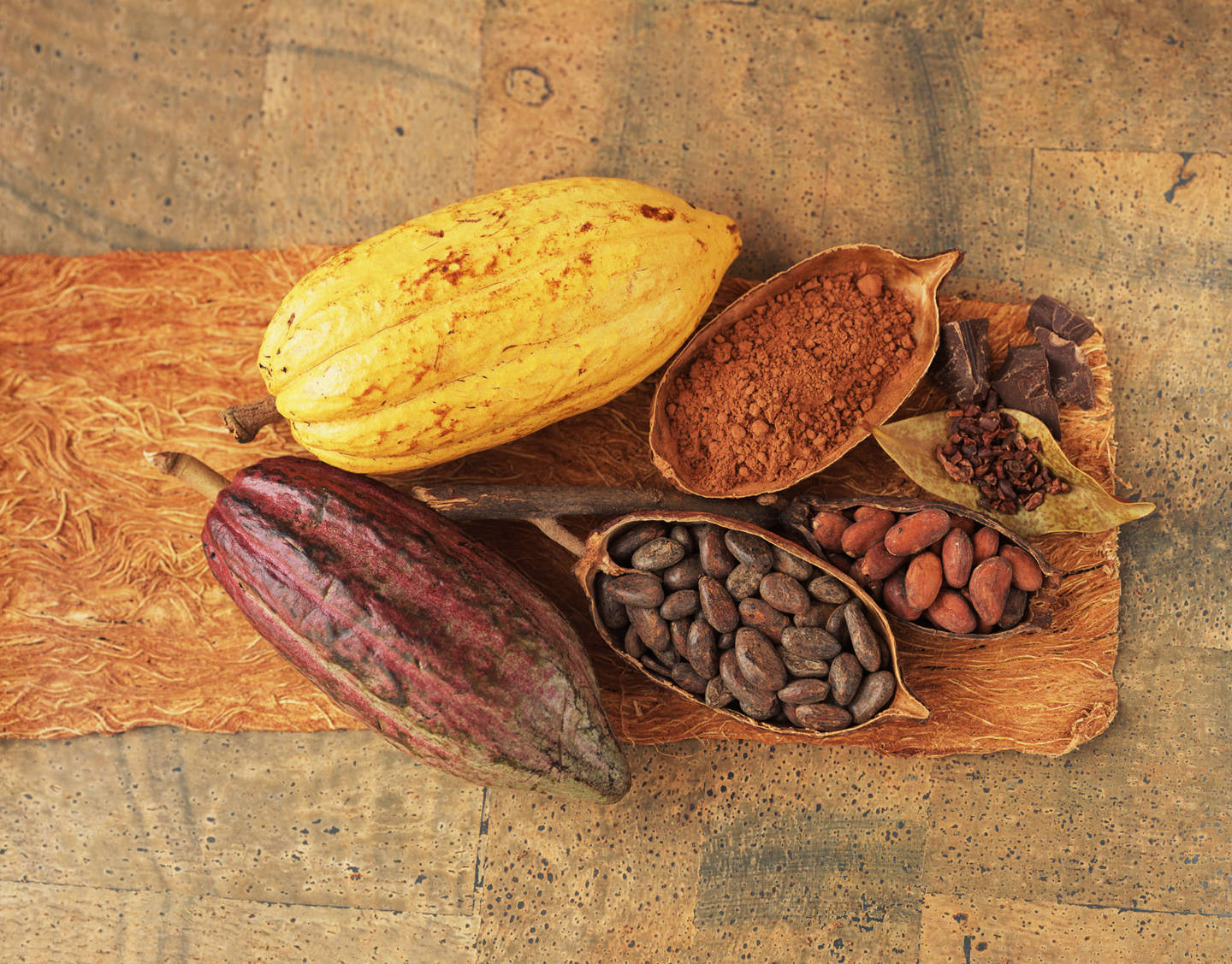
"caption": "Researchers are recruiting volunteers to participate in a four-year study trial of cocoa extract. Half of the participants will take capsules containing about as much cocoa extract as you'd get from eating about 1,000 calories of dark chocolate.",
"description": "Researchers are recruiting volunteers to participate in a four-year study trial of cocoa extract. Half of the participants will take capsules containing about as much cocoa extract as you'd get from eating about 1,000 calories of dark chocolate.",
"title": "Researchers are recruiting volunteers to participate in a four-year study trial of cocoa extract. Half of the participants will take capsules containing about as much cocoa extract as you'd get from eating about 1,000 calories of dark chocolate.",
"credit": "Dennis Gottlieb/Getty Images",
"status": "inherit",
"isLoading": false,
"fetchFailed": false
},
"bayareabites_111686": {
"type": "attachments",
"id": "bayareabites_111686",
"meta": {
"index": "attachments_1716263798",
"site": "bayareabites",
"id": "111686",
"found": true
},
"parent": 111685,
"imgSizes": {
"twentyfourteen-full-width": {
"file": "https://ww2.kqed.org/app/uploads/sites/24/2016/08/berkeleysoda_enl-ff160929635a63e2d126ccb0511ef7915347642a-1038x576.jpg",
"width": 1038,
"mimeType": "image/jpeg",
"height": 576
},
"thumbnail": {
"file": "https://ww2.kqed.org/app/uploads/sites/24/2016/08/berkeleysoda_enl-ff160929635a63e2d126ccb0511ef7915347642a-400x266.jpg",
"width": 400,
"mimeType": "image/jpeg",
"height": 266
},
"fd-sm": {
"file": "https://ww2.kqed.org/app/uploads/sites/24/2016/08/berkeleysoda_enl-ff160929635a63e2d126ccb0511ef7915347642a-960x639.jpg",
"width": 960,
"mimeType": "image/jpeg",
"height": 639
},
"post-thumbnail": {
"file": "https://ww2.kqed.org/app/uploads/sites/24/2016/08/berkeleysoda_enl-ff160929635a63e2d126ccb0511ef7915347642a-672x372.jpg",
"width": 672,
"mimeType": "image/jpeg",
"height": 372
},
"kqedFullSize": {
"file": "https://ww2.kqed.org/app/uploads/sites/24/2016/08/berkeleysoda_enl-ff160929635a63e2d126ccb0511ef7915347642a.jpg",
"width": 2000,
"height": 1332
},
"large": {
"file": "https://ww2.kqed.org/app/uploads/sites/24/2016/08/berkeleysoda_enl-ff160929635a63e2d126ccb0511ef7915347642a-1440x959.jpg",
"width": 1440,
"mimeType": "image/jpeg",
"height": 959
},
"guest-author-50": {
"file": "https://ww2.kqed.org/app/uploads/sites/24/2016/08/berkeleysoda_enl-ff160929635a63e2d126ccb0511ef7915347642a-50x50.jpg",
"width": 50,
"mimeType": "image/jpeg",
"height": 50
},
"guest-author-96": {
"file": "https://ww2.kqed.org/app/uploads/sites/24/2016/08/berkeleysoda_enl-ff160929635a63e2d126ccb0511ef7915347642a-96x96.jpg",
"width": 96,
"mimeType": "image/jpeg",
"height": 96
},
"medium": {
"file": "https://ww2.kqed.org/app/uploads/sites/24/2016/08/berkeleysoda_enl-ff160929635a63e2d126ccb0511ef7915347642a-800x533.jpg",
"width": 800,
"mimeType": "image/jpeg",
"height": 533
},
"guest-author-64": {
"file": "https://ww2.kqed.org/app/uploads/sites/24/2016/08/berkeleysoda_enl-ff160929635a63e2d126ccb0511ef7915347642a-64x64.jpg",
"width": 64,
"mimeType": "image/jpeg",
"height": 64
},
"guest-author-32": {
"file": "https://ww2.kqed.org/app/uploads/sites/24/2016/08/berkeleysoda_enl-ff160929635a63e2d126ccb0511ef7915347642a-32x32.jpg",
"width": 32,
"mimeType": "image/jpeg",
"height": 32
},
"cat_post_thumb_sizecategory-posts-2": {
"file": "https://ww2.kqed.org/app/uploads/sites/24/2016/08/berkeleysoda_enl-ff160929635a63e2d126ccb0511ef7915347642a-150x150.jpg",
"width": 150,
"mimeType": "image/jpeg",
"height": 150
},
"fd-lrg": {
"file": "https://ww2.kqed.org/app/uploads/sites/24/2016/08/berkeleysoda_enl-ff160929635a63e2d126ccb0511ef7915347642a-1920x1279.jpg",
"width": 1920,
"mimeType": "image/jpeg",
"height": 1279
},
"fd-med": {
"file": "https://ww2.kqed.org/app/uploads/sites/24/2016/08/berkeleysoda_enl-ff160929635a63e2d126ccb0511ef7915347642a-1180x786.jpg",
"width": 1180,
"mimeType": "image/jpeg",
"height": 786
},
"detail": {
"file": "https://ww2.kqed.org/app/uploads/sites/24/2016/08/berkeleysoda_enl-ff160929635a63e2d126ccb0511ef7915347642a-150x150.jpg",
"width": 150,
"mimeType": "image/jpeg",
"height": 150
},
"medium_large": {
"file": "https://ww2.kqed.org/app/uploads/sites/24/2016/08/berkeleysoda_enl-ff160929635a63e2d126ccb0511ef7915347642a-768x511.jpg",
"width": 768,
"mimeType": "image/jpeg",
"height": 511
},
"guest-author-128": {
"file": "https://ww2.kqed.org/app/uploads/sites/24/2016/08/berkeleysoda_enl-ff160929635a63e2d126ccb0511ef7915347642a-128x128.jpg",
"width": 128,
"mimeType": "image/jpeg",
"height": 128
}
},
"publishDate": 1472072341,
"modified": 1472072558,
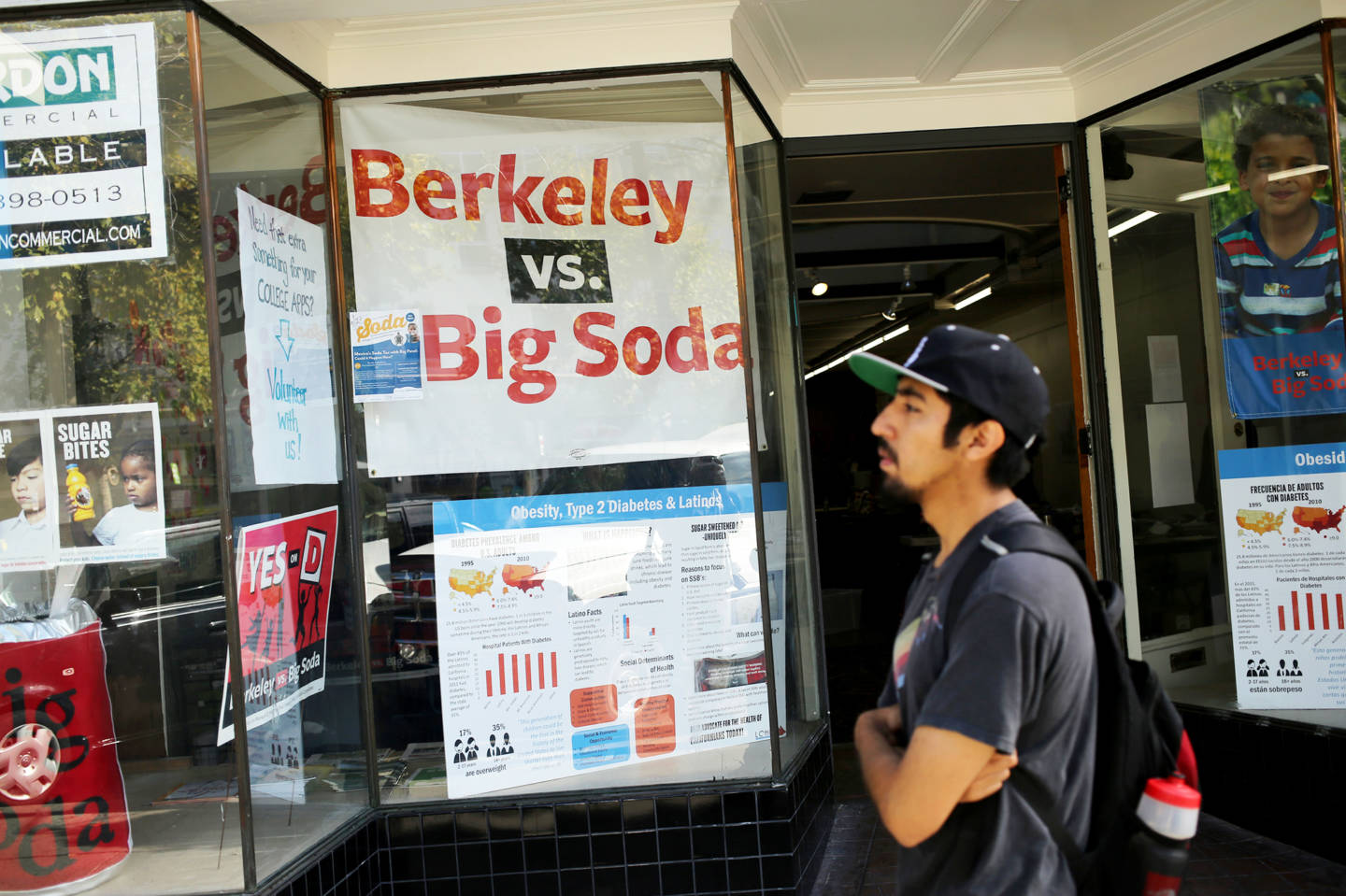
"caption": "Berkeley, Calif., passed the nation's first soda tax in 2014. According to a new study, the tax has succeeded in cutting consumption of sugar-sweetened beverages. But there's uncertainty about whether the effect will be permanent.",
"description": "Berkeley, Calif., passed the nation's first soda tax in 2014. According to a new study, the tax has succeeded in cutting consumption of sugar-sweetened beverages. But there's uncertainty about whether the effect will be permanent.",
"title": "Berkeley, Calif., passed the nation's first soda tax in 2014. According to a new study, the tax has succeeded in cutting consumption of sugar-sweetened beverages. But there's uncertainty about whether the effect will be permanent.",
"credit": "Robert Galbraith/Reuters",
"status": "inherit",
"isLoading": false,
"fetchFailed": false
},
"bayareabites_111676": {
"type": "attachments",
"id": "bayareabites_111676",
"meta": {
"index": "attachments_1716263798",
"site": "bayareabites",
"id": "111676",
"found": true
},
"parent": 111675,
"imgSizes": {
"twentyfourteen-full-width": {
"file": "https://ww2.kqed.org/app/uploads/sites/24/2016/08/loavesofbread_enl-8c09f6106bcaa3bfcfb587ce9186b49270cb537b-1038x576.jpg",
"width": 1038,
"mimeType": "image/jpeg",
"height": 576
},
"thumbnail": {
"file": "https://ww2.kqed.org/app/uploads/sites/24/2016/08/loavesofbread_enl-8c09f6106bcaa3bfcfb587ce9186b49270cb537b-400x266.jpg",
"width": 400,
"mimeType": "image/jpeg",
"height": 266
},
"fd-sm": {
"file": "https://ww2.kqed.org/app/uploads/sites/24/2016/08/loavesofbread_enl-8c09f6106bcaa3bfcfb587ce9186b49270cb537b-960x637.jpg",
"width": 960,
"mimeType": "image/jpeg",
"height": 637
},
"post-thumbnail": {
"file": "https://ww2.kqed.org/app/uploads/sites/24/2016/08/loavesofbread_enl-8c09f6106bcaa3bfcfb587ce9186b49270cb537b-672x372.jpg",
"width": 672,
"mimeType": "image/jpeg",
"height": 372
},
"kqedFullSize": {
"file": "https://ww2.kqed.org/app/uploads/sites/24/2016/08/loavesofbread_enl-8c09f6106bcaa3bfcfb587ce9186b49270cb537b.jpg",
"width": 1624,
"height": 1078
},
"large": {
"file": "https://ww2.kqed.org/app/uploads/sites/24/2016/08/loavesofbread_enl-8c09f6106bcaa3bfcfb587ce9186b49270cb537b-1440x956.jpg",
"width": 1440,
"mimeType": "image/jpeg",
"height": 956
},
"guest-author-50": {
"file": "https://ww2.kqed.org/app/uploads/sites/24/2016/08/loavesofbread_enl-8c09f6106bcaa3bfcfb587ce9186b49270cb537b-50x50.jpg",
"width": 50,
"mimeType": "image/jpeg",
"height": 50
},
"guest-author-96": {
"file": "https://ww2.kqed.org/app/uploads/sites/24/2016/08/loavesofbread_enl-8c09f6106bcaa3bfcfb587ce9186b49270cb537b-96x96.jpg",
"width": 96,
"mimeType": "image/jpeg",
"height": 96
},
"medium": {
"file": "https://ww2.kqed.org/app/uploads/sites/24/2016/08/loavesofbread_enl-8c09f6106bcaa3bfcfb587ce9186b49270cb537b-800x531.jpg",
"width": 800,
"mimeType": "image/jpeg",
"height": 531
},
"guest-author-64": {
"file": "https://ww2.kqed.org/app/uploads/sites/24/2016/08/loavesofbread_enl-8c09f6106bcaa3bfcfb587ce9186b49270cb537b-64x64.jpg",
"width": 64,
"mimeType": "image/jpeg",
"height": 64
},
"guest-author-32": {
"file": "https://ww2.kqed.org/app/uploads/sites/24/2016/08/loavesofbread_enl-8c09f6106bcaa3bfcfb587ce9186b49270cb537b-32x32.jpg",
"width": 32,
"mimeType": "image/jpeg",
"height": 32
},
"cat_post_thumb_sizecategory-posts-2": {
"file": "https://ww2.kqed.org/app/uploads/sites/24/2016/08/loavesofbread_enl-8c09f6106bcaa3bfcfb587ce9186b49270cb537b-150x150.jpg",
"width": 150,
"mimeType": "image/jpeg",
"height": 150
},
"fd-med": {
"file": "https://ww2.kqed.org/app/uploads/sites/24/2016/08/loavesofbread_enl-8c09f6106bcaa3bfcfb587ce9186b49270cb537b-1180x783.jpg",
"width": 1180,
"mimeType": "image/jpeg",
"height": 783
},
"detail": {
"file": "https://ww2.kqed.org/app/uploads/sites/24/2016/08/loavesofbread_enl-8c09f6106bcaa3bfcfb587ce9186b49270cb537b-150x150.jpg",
"width": 150,
"mimeType": "image/jpeg",
"height": 150
},
"medium_large": {
"file": "https://ww2.kqed.org/app/uploads/sites/24/2016/08/loavesofbread_enl-8c09f6106bcaa3bfcfb587ce9186b49270cb537b-768x510.jpg",
"width": 768,
"mimeType": "image/jpeg",
"height": 510
},
"guest-author-128": {
"file": "https://ww2.kqed.org/app/uploads/sites/24/2016/08/loavesofbread_enl-8c09f6106bcaa3bfcfb587ce9186b49270cb537b-128x128.jpg",
"width": 128,
"mimeType": "image/jpeg",
"height": 128
}
},
"publishDate": 1472071449,
"modified": 1472072107,
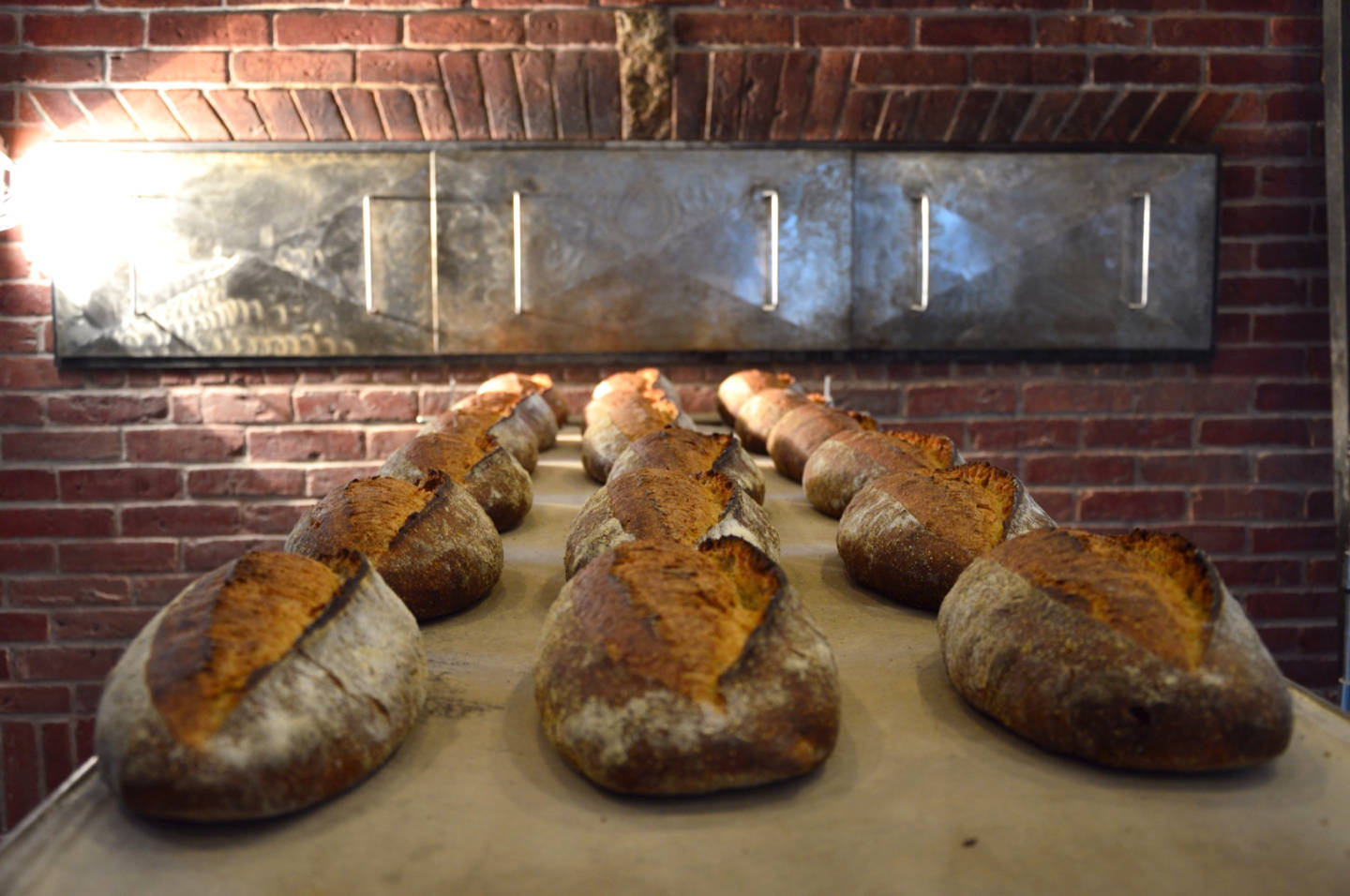
"caption": "Breads baked at the Elmore Mountain Bread use freshly stone milled flour.",
"description": "Breads baked at the Elmore Mountain Bread use freshly stone milled flour.",
"title": "Breads baked at the Elmore Mountain Bread use freshly stone milled flour.",
"credit": " Blair Marvin/Courtesy of Elmore Mountain Bread",
"status": "inherit",
"isLoading": false,
"fetchFailed": false
},
"bayareabites_111234": {
"type": "attachments",
"id": "bayareabites_111234",
"meta": {
"index": "attachments_1716263798",
"site": "bayareabites",
"id": "111234",
"found": true
},
"parent": 111233,
"imgSizes": {
"twentyfourteen-full-width": {
"file": "https://ww2.kqed.org/app/uploads/sites/24/2016/08/salty-ramen-final_small_enl-bd107d39cd92483f67e6b64a4de9a8c7d468ecb7-1038x576.jpg",
"width": 1038,
"mimeType": "image/jpeg",
"height": 576
},
"thumbnail": {
"file": "https://ww2.kqed.org/app/uploads/sites/24/2016/08/salty-ramen-final_small_enl-bd107d39cd92483f67e6b64a4de9a8c7d468ecb7-400x225.jpg",
"width": 400,
"mimeType": "image/jpeg",
"height": 225
},
"fd-sm": {
"file": "https://ww2.kqed.org/app/uploads/sites/24/2016/08/salty-ramen-final_small_enl-bd107d39cd92483f67e6b64a4de9a8c7d468ecb7-960x540.jpg",
"width": 960,
"mimeType": "image/jpeg",
"height": 540
},
"post-thumbnail": {
"file": "https://ww2.kqed.org/app/uploads/sites/24/2016/08/salty-ramen-final_small_enl-bd107d39cd92483f67e6b64a4de9a8c7d468ecb7-672x372.jpg",
"width": 672,
"mimeType": "image/jpeg",
"height": 372
},
"kqedFullSize": {
"file": "https://ww2.kqed.org/app/uploads/sites/24/2016/08/salty-ramen-final_small_enl-bd107d39cd92483f67e6b64a4de9a8c7d468ecb7.jpg",
"width": 3000,
"height": 1689
},
"large": {
"file": "https://ww2.kqed.org/app/uploads/sites/24/2016/08/salty-ramen-final_small_enl-bd107d39cd92483f67e6b64a4de9a8c7d468ecb7-1440x811.jpg",
"width": 1440,
"mimeType": "image/jpeg",
"height": 811
},
"guest-author-50": {
"file": "https://ww2.kqed.org/app/uploads/sites/24/2016/08/salty-ramen-final_small_enl-bd107d39cd92483f67e6b64a4de9a8c7d468ecb7-50x50.jpg",
"width": 50,
"mimeType": "image/jpeg",
"height": 50
},
"guest-author-96": {
"file": "https://ww2.kqed.org/app/uploads/sites/24/2016/08/salty-ramen-final_small_enl-bd107d39cd92483f67e6b64a4de9a8c7d468ecb7-96x96.jpg",
"width": 96,
"mimeType": "image/jpeg",
"height": 96
},
"medium": {
"file": "https://ww2.kqed.org/app/uploads/sites/24/2016/08/salty-ramen-final_small_enl-bd107d39cd92483f67e6b64a4de9a8c7d468ecb7-800x450.jpg",
"width": 800,
"mimeType": "image/jpeg",
"height": 450
},
"guest-author-64": {
"file": "https://ww2.kqed.org/app/uploads/sites/24/2016/08/salty-ramen-final_small_enl-bd107d39cd92483f67e6b64a4de9a8c7d468ecb7-64x64.jpg",
"width": 64,
"mimeType": "image/jpeg",
"height": 64
},
"guest-author-32": {
"file": "https://ww2.kqed.org/app/uploads/sites/24/2016/08/salty-ramen-final_small_enl-bd107d39cd92483f67e6b64a4de9a8c7d468ecb7-32x32.jpg",
"width": 32,
"mimeType": "image/jpeg",
"height": 32
},
"cat_post_thumb_sizecategory-posts-2": {
"file": "https://ww2.kqed.org/app/uploads/sites/24/2016/08/salty-ramen-final_small_enl-bd107d39cd92483f67e6b64a4de9a8c7d468ecb7-150x150.jpg",
"width": 150,
"mimeType": "image/jpeg",
"height": 150
},
"fd-lrg": {
"file": "https://ww2.kqed.org/app/uploads/sites/24/2016/08/salty-ramen-final_small_enl-bd107d39cd92483f67e6b64a4de9a8c7d468ecb7-1920x1081.jpg",
"width": 1920,
"mimeType": "image/jpeg",
"height": 1081
},
"fd-med": {
"file": "https://ww2.kqed.org/app/uploads/sites/24/2016/08/salty-ramen-final_small_enl-bd107d39cd92483f67e6b64a4de9a8c7d468ecb7-1180x664.jpg",
"width": 1180,
"mimeType": "image/jpeg",
"height": 664
},
"detail": {
"file": "https://ww2.kqed.org/app/uploads/sites/24/2016/08/salty-ramen-final_small_enl-bd107d39cd92483f67e6b64a4de9a8c7d468ecb7-150x150.jpg",
"width": 150,
"mimeType": "image/jpeg",
"height": 150
},
"medium_large": {
"file": "https://ww2.kqed.org/app/uploads/sites/24/2016/08/salty-ramen-final_small_enl-bd107d39cd92483f67e6b64a4de9a8c7d468ecb7-768x432.jpg",
"width": 768,
"mimeType": "image/jpeg",
"height": 432
},
"guest-author-128": {
"file": "https://ww2.kqed.org/app/uploads/sites/24/2016/08/salty-ramen-final_small_enl-bd107d39cd92483f67e6b64a4de9a8c7d468ecb7-128x128.jpg",
"width": 128,
"mimeType": "image/jpeg",
"height": 128
}
},
"publishDate": 1470345174,
"modified": 1470345930,
"caption": "Reducing sodium in food has become a priority for the food industry.",
"description": "Reducing sodium in food has become a priority for the food industry.",
"title": "Reducing sodium in food has become a priority for the food industry.",
"credit": "Erin Bushnell for NPR",
"status": "inherit",
"isLoading": false,
"fetchFailed": false
},
"bayareabites_111225": {
"type": "attachments",
"id": "bayareabites_111225",
"meta": {
"index": "attachments_1716263798",
"site": "bayareabites",
"id": "111225",
"found": true
},
"parent": 111224,
"imgSizes": {
"twentyfourteen-full-width": {
"file": "https://ww2.kqed.org/app/uploads/sites/24/2016/08/nongmo_enl-4ef4cf2447a862c9d36062823c3a65f18e6e7276-1038x576.jpg",
"width": 1038,
"mimeType": "image/jpeg",
"height": 576
},
"thumbnail": {
"file": "https://ww2.kqed.org/app/uploads/sites/24/2016/08/nongmo_enl-4ef4cf2447a862c9d36062823c3a65f18e6e7276-400x266.jpg",
"width": 400,
"mimeType": "image/jpeg",
"height": 266
},
"fd-sm": {
"file": "https://ww2.kqed.org/app/uploads/sites/24/2016/08/nongmo_enl-4ef4cf2447a862c9d36062823c3a65f18e6e7276-960x639.jpg",
"width": 960,
"mimeType": "image/jpeg",
"height": 639
},
"post-thumbnail": {
"file": "https://ww2.kqed.org/app/uploads/sites/24/2016/08/nongmo_enl-4ef4cf2447a862c9d36062823c3a65f18e6e7276-672x372.jpg",
"width": 672,
"mimeType": "image/jpeg",
"height": 372
},
"kqedFullSize": {
"file": "https://ww2.kqed.org/app/uploads/sites/24/2016/08/nongmo_enl-4ef4cf2447a862c9d36062823c3a65f18e6e7276.jpg",
"width": 2000,
"height": 1332
},
"large": {
"file": "https://ww2.kqed.org/app/uploads/sites/24/2016/08/nongmo_enl-4ef4cf2447a862c9d36062823c3a65f18e6e7276-1440x959.jpg",
"width": 1440,
"mimeType": "image/jpeg",
"height": 959
},
"guest-author-50": {
"file": "https://ww2.kqed.org/app/uploads/sites/24/2016/08/nongmo_enl-4ef4cf2447a862c9d36062823c3a65f18e6e7276-50x50.jpg",
"width": 50,
"mimeType": "image/jpeg",
"height": 50
},
"guest-author-96": {
"file": "https://ww2.kqed.org/app/uploads/sites/24/2016/08/nongmo_enl-4ef4cf2447a862c9d36062823c3a65f18e6e7276-96x96.jpg",
"width": 96,
"mimeType": "image/jpeg",
"height": 96
},
"medium": {
"file": "https://ww2.kqed.org/app/uploads/sites/24/2016/08/nongmo_enl-4ef4cf2447a862c9d36062823c3a65f18e6e7276-800x533.jpg",
"width": 800,
"mimeType": "image/jpeg",
"height": 533
},
"guest-author-64": {
"file": "https://ww2.kqed.org/app/uploads/sites/24/2016/08/nongmo_enl-4ef4cf2447a862c9d36062823c3a65f18e6e7276-64x64.jpg",
"width": 64,
"mimeType": "image/jpeg",
"height": 64
},
"guest-author-32": {
"file": "https://ww2.kqed.org/app/uploads/sites/24/2016/08/nongmo_enl-4ef4cf2447a862c9d36062823c3a65f18e6e7276-32x32.jpg",
"width": 32,
"mimeType": "image/jpeg",
"height": 32
},
"cat_post_thumb_sizecategory-posts-2": {
"file": "https://ww2.kqed.org/app/uploads/sites/24/2016/08/nongmo_enl-4ef4cf2447a862c9d36062823c3a65f18e6e7276-150x150.jpg",
"width": 150,
"mimeType": "image/jpeg",
"height": 150
},
"fd-lrg": {
"file": "https://ww2.kqed.org/app/uploads/sites/24/2016/08/nongmo_enl-4ef4cf2447a862c9d36062823c3a65f18e6e7276-1920x1279.jpg",
"width": 1920,
"mimeType": "image/jpeg",
"height": 1279
},
"fd-med": {
"file": "https://ww2.kqed.org/app/uploads/sites/24/2016/08/nongmo_enl-4ef4cf2447a862c9d36062823c3a65f18e6e7276-1180x786.jpg",
"width": 1180,
"mimeType": "image/jpeg",
"height": 786
},
"detail": {
"file": "https://ww2.kqed.org/app/uploads/sites/24/2016/08/nongmo_enl-4ef4cf2447a862c9d36062823c3a65f18e6e7276-150x150.jpg",
"width": 150,
"mimeType": "image/jpeg",
"height": 150
},
"medium_large": {
"file": "https://ww2.kqed.org/app/uploads/sites/24/2016/08/nongmo_enl-4ef4cf2447a862c9d36062823c3a65f18e6e7276-768x511.jpg",
"width": 768,
"mimeType": "image/jpeg",
"height": 511
},
"guest-author-128": {
"file": "https://ww2.kqed.org/app/uploads/sites/24/2016/08/nongmo_enl-4ef4cf2447a862c9d36062823c3a65f18e6e7276-128x128.jpg",
"width": 128,
"mimeType": "image/jpeg",
"height": 128
}
},
"publishDate": 1470264056,
"modified": 1470265066,
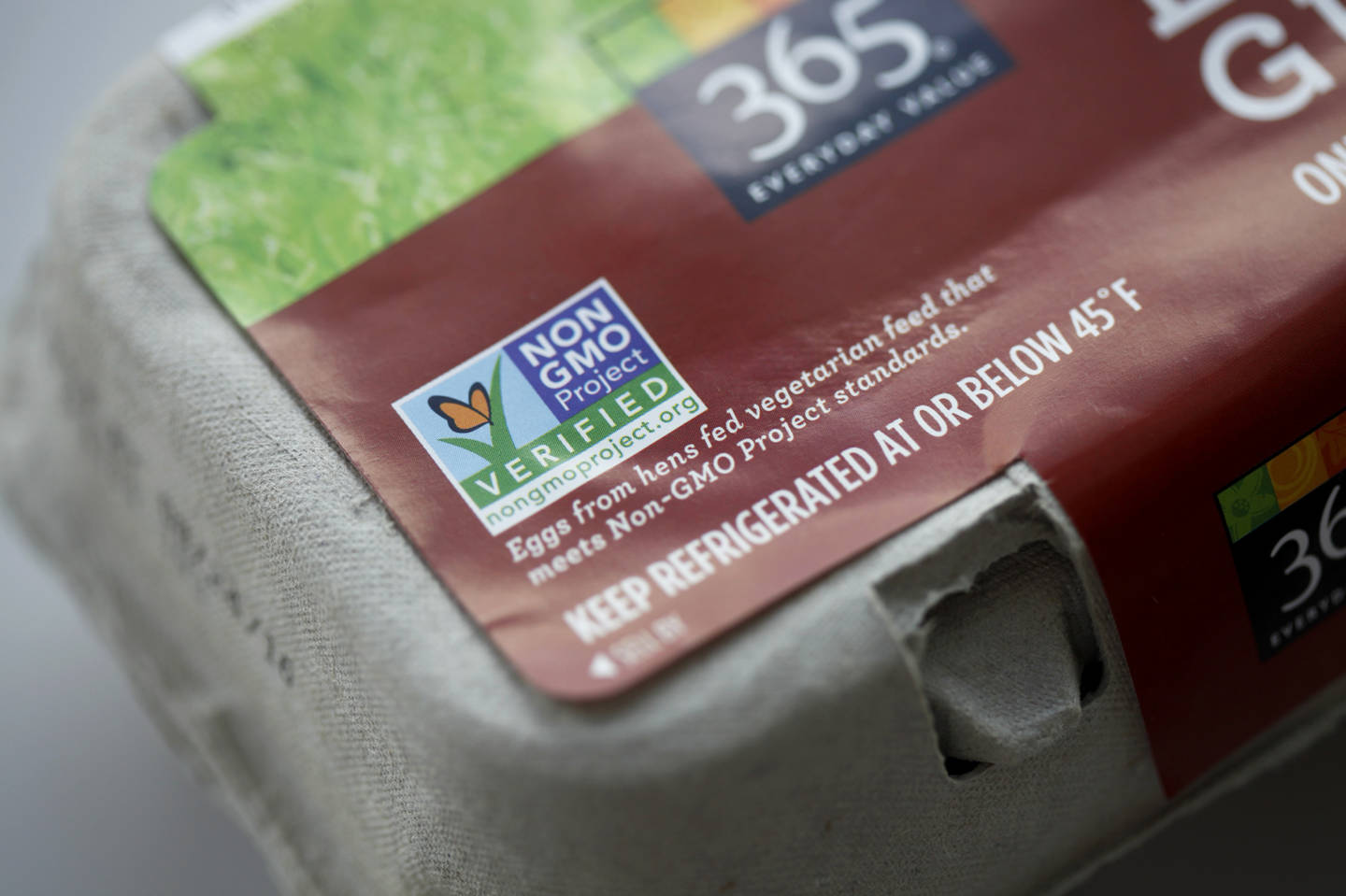
"caption": "Non-GMO eggs. (this photo is for promo only, not for the page)",
"description": "Non-GMO eggs. (this photo is for promo only, not for the page)",
"title": "Non-GMO eggs. (this photo is for promo only, not for the page)",
"credit": "Morgan McCloy/NPR",
"status": "inherit",
"isLoading": false,
"fetchFailed": false
},
"bayareabites_111067": {
"type": "attachments",
"id": "bayareabites_111067",
"meta": {
"index": "attachments_1716263798",
"site": "bayareabites",
"id": "111067",
"found": true
},
"parent": 111066,
"imgSizes": {
"twentyfourteen-full-width": {
"file": "https://ww2.kqed.org/app/uploads/sites/24/2016/07/cookiedough_enl-de1f0984e15bf1ad58ec9dc7accf474030d09a7d-1038x576.jpg",
"width": 1038,
"mimeType": "image/jpeg",
"height": 576
},
"thumbnail": {
"file": "https://ww2.kqed.org/app/uploads/sites/24/2016/07/cookiedough_enl-de1f0984e15bf1ad58ec9dc7accf474030d09a7d-400x266.jpg",
"width": 400,
"mimeType": "image/jpeg",
"height": 266
},
"fd-sm": {
"file": "https://ww2.kqed.org/app/uploads/sites/24/2016/07/cookiedough_enl-de1f0984e15bf1ad58ec9dc7accf474030d09a7d-960x639.jpg",
"width": 960,
"mimeType": "image/jpeg",
"height": 639
},
"post-thumbnail": {
"file": "https://ww2.kqed.org/app/uploads/sites/24/2016/07/cookiedough_enl-de1f0984e15bf1ad58ec9dc7accf474030d09a7d-672x372.jpg",
"width": 672,
"mimeType": "image/jpeg",
"height": 372
},
"kqedFullSize": {
"file": "https://ww2.kqed.org/app/uploads/sites/24/2016/07/cookiedough_enl-de1f0984e15bf1ad58ec9dc7accf474030d09a7d.jpg",
"width": 2000,
"height": 1332
},
"large": {
"file": "https://ww2.kqed.org/app/uploads/sites/24/2016/07/cookiedough_enl-de1f0984e15bf1ad58ec9dc7accf474030d09a7d-1440x959.jpg",
"width": 1440,
"mimeType": "image/jpeg",
"height": 959
},
"guest-author-50": {
"file": "https://ww2.kqed.org/app/uploads/sites/24/2016/07/cookiedough_enl-de1f0984e15bf1ad58ec9dc7accf474030d09a7d-50x50.jpg",
"width": 50,
"mimeType": "image/jpeg",
"height": 50
},
"guest-author-96": {
"file": "https://ww2.kqed.org/app/uploads/sites/24/2016/07/cookiedough_enl-de1f0984e15bf1ad58ec9dc7accf474030d09a7d-96x96.jpg",
"width": 96,
"mimeType": "image/jpeg",
"height": 96
},
"medium": {
"file": "https://ww2.kqed.org/app/uploads/sites/24/2016/07/cookiedough_enl-de1f0984e15bf1ad58ec9dc7accf474030d09a7d-800x533.jpg",
"width": 800,
"mimeType": "image/jpeg",
"height": 533
},
"guest-author-64": {
"file": "https://ww2.kqed.org/app/uploads/sites/24/2016/07/cookiedough_enl-de1f0984e15bf1ad58ec9dc7accf474030d09a7d-64x64.jpg",
"width": 64,
"mimeType": "image/jpeg",
"height": 64
},
"guest-author-32": {
"file": "https://ww2.kqed.org/app/uploads/sites/24/2016/07/cookiedough_enl-de1f0984e15bf1ad58ec9dc7accf474030d09a7d-32x32.jpg",
"width": 32,
"mimeType": "image/jpeg",
"height": 32
},
"cat_post_thumb_sizecategory-posts-2": {
"file": "https://ww2.kqed.org/app/uploads/sites/24/2016/07/cookiedough_enl-de1f0984e15bf1ad58ec9dc7accf474030d09a7d-150x150.jpg",
"width": 150,
"mimeType": "image/jpeg",
"height": 150
},
"fd-lrg": {
"file": "https://ww2.kqed.org/app/uploads/sites/24/2016/07/cookiedough_enl-de1f0984e15bf1ad58ec9dc7accf474030d09a7d-1920x1279.jpg",
"width": 1920,
"mimeType": "image/jpeg",
"height": 1279
},
"fd-med": {
"file": "https://ww2.kqed.org/app/uploads/sites/24/2016/07/cookiedough_enl-de1f0984e15bf1ad58ec9dc7accf474030d09a7d-1180x786.jpg",
"width": 1180,
"mimeType": "image/jpeg",
"height": 786
},
"detail": {
"file": "https://ww2.kqed.org/app/uploads/sites/24/2016/07/cookiedough_enl-de1f0984e15bf1ad58ec9dc7accf474030d09a7d-150x150.jpg",
"width": 150,
"mimeType": "image/jpeg",
"height": 150
},
"medium_large": {
"file": "https://ww2.kqed.org/app/uploads/sites/24/2016/07/cookiedough_enl-de1f0984e15bf1ad58ec9dc7accf474030d09a7d-768x511.jpg",
"width": 768,
"mimeType": "image/jpeg",
"height": 511
},
"guest-author-128": {
"file": "https://ww2.kqed.org/app/uploads/sites/24/2016/07/cookiedough_enl-de1f0984e15bf1ad58ec9dc7accf474030d09a7d-128x128.jpg",
"width": 128,
"mimeType": "image/jpeg",
"height": 128
}
},
"publishDate": 1469736106,
"modified": 1469736484,
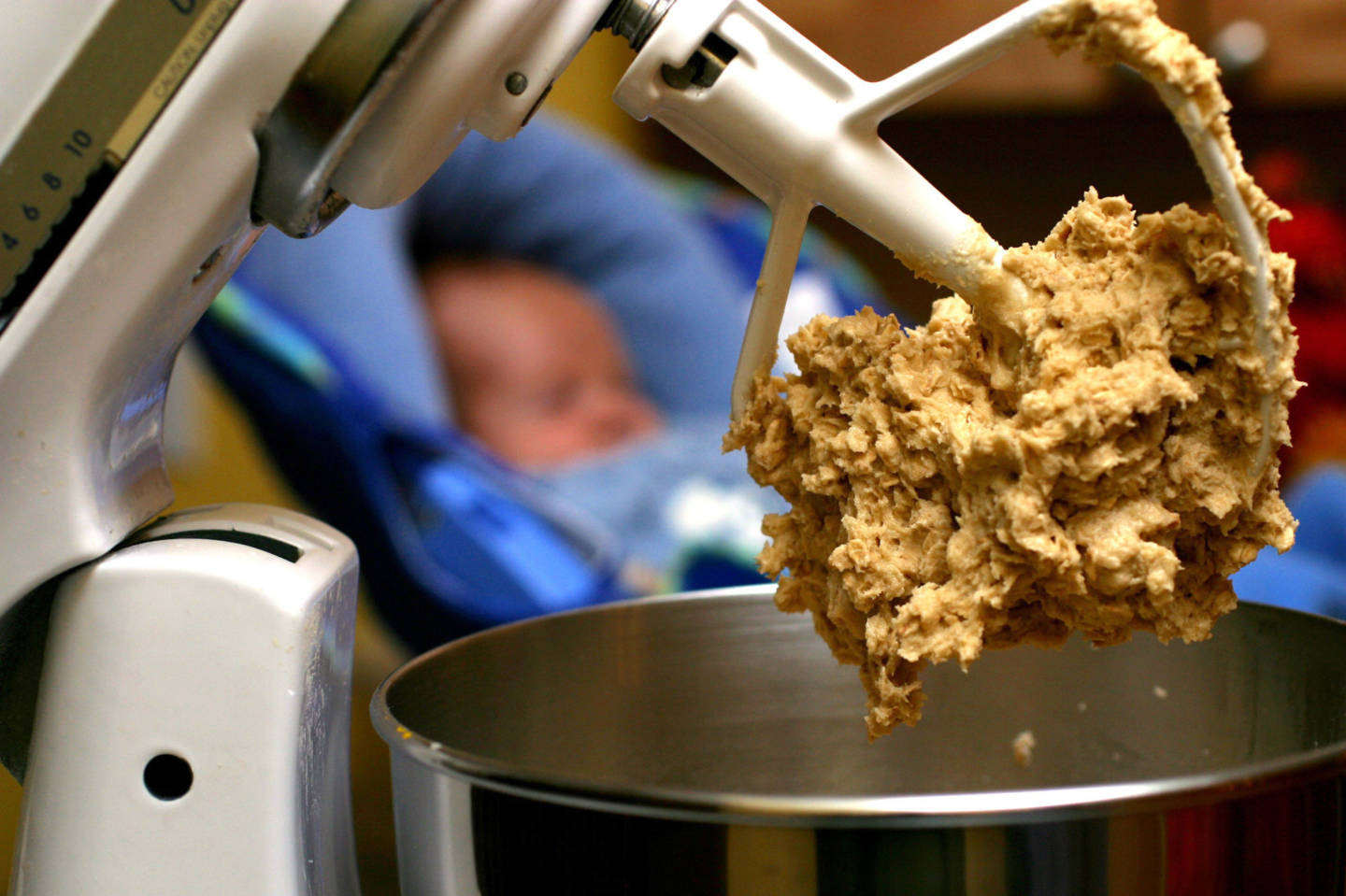
"caption": "Cookie dough clings to the beaters of a standing mixer. The Food and Drug Administration is warning people not to eat raw dough due to an ongoing outbreak of illnesses linked to flour tainted with E. coli.",
"description": "Cookie dough clings to the beaters of a standing mixer. The Food and Drug Administration is warning people not to eat raw dough due to an ongoing outbreak of illnesses linked to flour tainted with E. col",
"title": "Cookie dough clings to the beaters of a standing mixer. The Food and Drug Administration is warning people not to eat raw dough due to an ongoing outbreak of illnesses linked to flour tainted with E. coli.",
"credit": "Larry Crowe/AP",
"status": "inherit",
"isLoading": false,
"fetchFailed": false
},
"bayareabites_110732": {
"type": "attachments",
"id": "bayareabites_110732",
"meta": {
"index": "attachments_1716263798",
"site": "bayareabites",
"id": "110732",
"found": true
},
"parent": 110730,
"imgSizes": {
"twentyfourteen-full-width": {
"file": "https://ww2.kqed.org/app/uploads/sites/24/2016/07/1.tcmmeetswater-1038x576.jpg",
"width": 1038,
"mimeType": "image/jpeg",
"height": 576
},
"thumbnail": {
"file": "https://ww2.kqed.org/app/uploads/sites/24/2016/07/1.tcmmeetswater-400x304.jpg",
"width": 400,
"mimeType": "image/jpeg",
"height": 304
},
"fd-sm": {
"file": "https://ww2.kqed.org/app/uploads/sites/24/2016/07/1.tcmmeetswater-960x729.jpg",
"width": 960,
"mimeType": "image/jpeg",
"height": 729
},
"post-thumbnail": {
"file": "https://ww2.kqed.org/app/uploads/sites/24/2016/07/1.tcmmeetswater-672x372.jpg",
"width": 672,
"mimeType": "image/jpeg",
"height": 372
},
"kqedFullSize": {
"file": "https://ww2.kqed.org/app/uploads/sites/24/2016/07/1.tcmmeetswater.jpg",
"width": 2103,
"height": 1596
},
"large": {
"file": "https://ww2.kqed.org/app/uploads/sites/24/2016/07/1.tcmmeetswater-1440x1093.jpg",
"width": 1440,
"mimeType": "image/jpeg",
"height": 1093
},
"guest-author-50": {
"file": "https://ww2.kqed.org/app/uploads/sites/24/2016/07/1.tcmmeetswater-50x50.jpg",
"width": 50,
"mimeType": "image/jpeg",
"height": 50
},
"guest-author-96": {
"file": "https://ww2.kqed.org/app/uploads/sites/24/2016/07/1.tcmmeetswater-96x96.jpg",
"width": 96,
"mimeType": "image/jpeg",
"height": 96
},
"medium": {
"file": "https://ww2.kqed.org/app/uploads/sites/24/2016/07/1.tcmmeetswater-800x607.jpg",
"width": 800,
"mimeType": "image/jpeg",
"height": 607
},
"guest-author-64": {
"file": "https://ww2.kqed.org/app/uploads/sites/24/2016/07/1.tcmmeetswater-64x64.jpg",
"width": 64,
"mimeType": "image/jpeg",
"height": 64
},
"guest-author-32": {
"file": "https://ww2.kqed.org/app/uploads/sites/24/2016/07/1.tcmmeetswater-32x32.jpg",
"width": 32,
"mimeType": "image/jpeg",
"height": 32
},
"cat_post_thumb_sizecategory-posts-2": {
"file": "https://ww2.kqed.org/app/uploads/sites/24/2016/07/1.tcmmeetswater-150x150.jpg",
"width": 150,
"mimeType": "image/jpeg",
"height": 150
},
"fd-lrg": {
"file": "https://ww2.kqed.org/app/uploads/sites/24/2016/07/1.tcmmeetswater-1920x1457.jpg",
"width": 1920,
"mimeType": "image/jpeg",
"height": 1457
},
"fd-med": {
"file": "https://ww2.kqed.org/app/uploads/sites/24/2016/07/1.tcmmeetswater-1180x896.jpg",
"width": 1180,
"mimeType": "image/jpeg",
"height": 896
},
"detail": {
"file": "https://ww2.kqed.org/app/uploads/sites/24/2016/07/1.tcmmeetswater-150x150.jpg",
"width": 150,
"mimeType": "image/jpeg",
"height": 150
},
"medium_large": {
"file": "https://ww2.kqed.org/app/uploads/sites/24/2016/07/1.tcmmeetswater-768x583.jpg",
"width": 768,
"mimeType": "image/jpeg",
"height": 583
},
"guest-author-128": {
"file": "https://ww2.kqed.org/app/uploads/sites/24/2016/07/1.tcmmeetswater-128x128.jpg",
"width": 128,
"mimeType": "image/jpeg",
"height": 128
}
},
"publishDate": 1468448696,
"modified": 1468452815,
"caption": "Watermelon girl meets Chinese medicine",
"description": null,
"title": "1.tcmmeetswater",
"credit": "Lila Volkas",
"status": "inherit",
"isLoading": false,
"fetchFailed": false
},
"bayareabites_110905": {
"type": "attachments",
"id": "bayareabites_110905",
"meta": {
"index": "attachments_1716263798",
"site": "bayareabites",
"id": "110905",
"found": true
},
"parent": 110904,
"imgSizes": {
"twentyfourteen-full-width": {
"file": "https://ww2.kqed.org/app/uploads/sites/24/2016/07/beerlabels_enl-488ef86d96da21d599178edd389d21d5127d884c-1038x576.jpg",
"width": 1038,
"mimeType": "image/jpeg",
"height": 576
},
"thumbnail": {
"file": "https://ww2.kqed.org/app/uploads/sites/24/2016/07/beerlabels_enl-488ef86d96da21d599178edd389d21d5127d884c-400x250.jpg",
"width": 400,
"mimeType": "image/jpeg",
"height": 250
},
"fd-sm": {
"file": "https://ww2.kqed.org/app/uploads/sites/24/2016/07/beerlabels_enl-488ef86d96da21d599178edd389d21d5127d884c-960x599.jpg",
"width": 960,
"mimeType": "image/jpeg",
"height": 599
},
"post-thumbnail": {
"file": "https://ww2.kqed.org/app/uploads/sites/24/2016/07/beerlabels_enl-488ef86d96da21d599178edd389d21d5127d884c-672x372.jpg",
"width": 672,
"mimeType": "image/jpeg",
"height": 372
},
"kqedFullSize": {
"file": "https://ww2.kqed.org/app/uploads/sites/24/2016/07/beerlabels_enl-488ef86d96da21d599178edd389d21d5127d884c.jpg",
"width": 1440,
"height": 899
},
"large": {
"file": "https://ww2.kqed.org/app/uploads/sites/24/2016/07/beerlabels_enl-488ef86d96da21d599178edd389d21d5127d884c-1440x899.jpg",
"width": 1440,
"mimeType": "image/jpeg",
"height": 899
},
"guest-author-50": {
"file": "https://ww2.kqed.org/app/uploads/sites/24/2016/07/beerlabels_enl-488ef86d96da21d599178edd389d21d5127d884c-50x50.jpg",
"width": 50,
"mimeType": "image/jpeg",
"height": 50
},
"guest-author-96": {
"file": "https://ww2.kqed.org/app/uploads/sites/24/2016/07/beerlabels_enl-488ef86d96da21d599178edd389d21d5127d884c-96x96.jpg",
"width": 96,
"mimeType": "image/jpeg",
"height": 96
},
"medium": {
"file": "https://ww2.kqed.org/app/uploads/sites/24/2016/07/beerlabels_enl-488ef86d96da21d599178edd389d21d5127d884c-800x499.jpg",
"width": 800,
"mimeType": "image/jpeg",
"height": 499
},
"guest-author-64": {
"file": "https://ww2.kqed.org/app/uploads/sites/24/2016/07/beerlabels_enl-488ef86d96da21d599178edd389d21d5127d884c-64x64.jpg",
"width": 64,
"mimeType": "image/jpeg",
"height": 64
},
"guest-author-32": {
"file": "https://ww2.kqed.org/app/uploads/sites/24/2016/07/beerlabels_enl-488ef86d96da21d599178edd389d21d5127d884c-32x32.jpg",
"width": 32,
"mimeType": "image/jpeg",
"height": 32
},
"cat_post_thumb_sizecategory-posts-2": {
"file": "https://ww2.kqed.org/app/uploads/sites/24/2016/07/beerlabels_enl-488ef86d96da21d599178edd389d21d5127d884c-150x150.jpg",
"width": 150,
"mimeType": "image/jpeg",
"height": 150
},
"fd-med": {
"file": "https://ww2.kqed.org/app/uploads/sites/24/2016/07/beerlabels_enl-488ef86d96da21d599178edd389d21d5127d884c-1180x737.jpg",
"width": 1180,
"mimeType": "image/jpeg",
"height": 737
},
"detail": {
"file": "https://ww2.kqed.org/app/uploads/sites/24/2016/07/beerlabels_enl-488ef86d96da21d599178edd389d21d5127d884c-150x150.jpg",
"width": 150,
"mimeType": "image/jpeg",
"height": 150
},
"medium_large": {
"file": "https://ww2.kqed.org/app/uploads/sites/24/2016/07/beerlabels_enl-488ef86d96da21d599178edd389d21d5127d884c-768x479.jpg",
"width": 768,
"mimeType": "image/jpeg",
"height": 479
},
"guest-author-128": {
"file": "https://ww2.kqed.org/app/uploads/sites/24/2016/07/beerlabels_enl-488ef86d96da21d599178edd389d21d5127d884c-128x128.jpg",
"width": 128,
"mimeType": "image/jpeg",
"height": 128
}
},
"publishDate": 1469132788,
"modified": 1469133396,
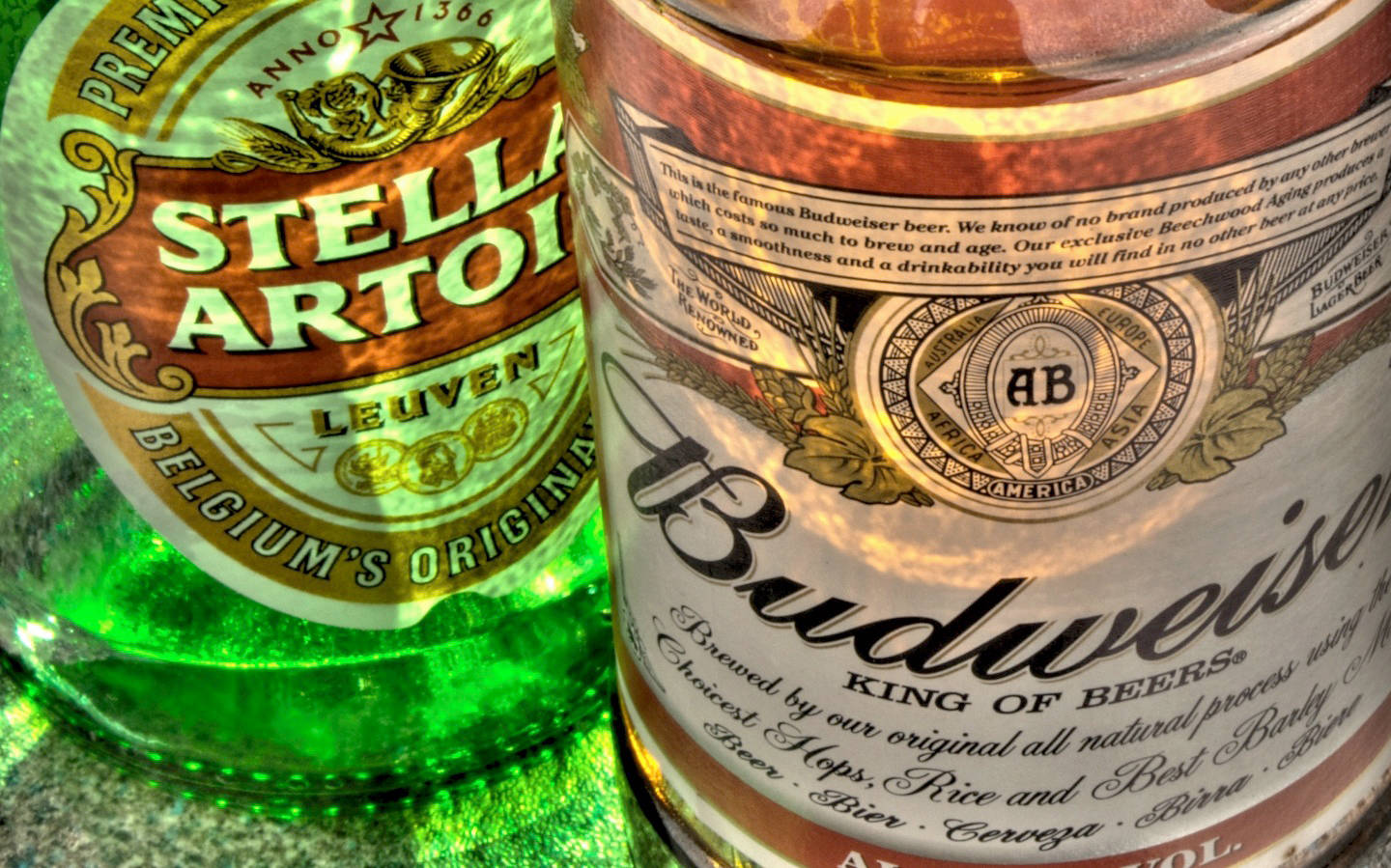
"caption": "A 12-oz bottle of Stella Artois contains 150 calories whereas a bottle of Budweiser Select, only 120.",
"description": "A 12-oz bottle of Stella Artois contains 150 calories whereas a bottle of Budweiser Select, only 120.",
"title": "A 12-oz bottle of Stella Artois contains 150 calories whereas a bottle of Budweiser Select, only 120.",
"credit": " \u003ca href=\"https://www.flickr.com/photos/davidgsteadman/3797775113/\">davidgsteadman/Flickr\u003c/a>",
"status": "inherit",
"isLoading": false,
"fetchFailed": false
},
"bayareabites_110757": {
"type": "attachments",
"id": "bayareabites_110757",
"meta": {
"index": "attachments_1716263798",
"site": "bayareabites",
"id": "110757",
"found": true
},
"parent": 110756,
"imgSizes": {
"twentyfourteen-full-width": {
"file": "https://ww2.kqed.org/app/uploads/sites/24/2016/07/ap_16183653665165_wide-36399eb037f4e796a168ce2606c99d18dd5d97a8-1038x576.jpg",
"width": 1038,
"mimeType": "image/jpeg",
"height": 576
},
"thumbnail": {
"file": "https://ww2.kqed.org/app/uploads/sites/24/2016/07/ap_16183653665165_wide-36399eb037f4e796a168ce2606c99d18dd5d97a8-400x225.jpg",
"width": 400,
"mimeType": "image/jpeg",
"height": 225
},
"fd-sm": {
"file": "https://ww2.kqed.org/app/uploads/sites/24/2016/07/ap_16183653665165_wide-36399eb037f4e796a168ce2606c99d18dd5d97a8-960x540.jpg",
"width": 960,
"mimeType": "image/jpeg",
"height": 540
},
"post-thumbnail": {
"file": "https://ww2.kqed.org/app/uploads/sites/24/2016/07/ap_16183653665165_wide-36399eb037f4e796a168ce2606c99d18dd5d97a8-672x372.jpg",
"width": 672,
"mimeType": "image/jpeg",
"height": 372
},
"kqedFullSize": {
"file": "https://ww2.kqed.org/app/uploads/sites/24/2016/07/ap_16183653665165_wide-36399eb037f4e796a168ce2606c99d18dd5d97a8.jpg",
"width": 3121,
"height": 1755
},
"large": {
"file": "https://ww2.kqed.org/app/uploads/sites/24/2016/07/ap_16183653665165_wide-36399eb037f4e796a168ce2606c99d18dd5d97a8-1440x810.jpg",
"width": 1440,
"mimeType": "image/jpeg",
"height": 810
},
"guest-author-50": {
"file": "https://ww2.kqed.org/app/uploads/sites/24/2016/07/ap_16183653665165_wide-36399eb037f4e796a168ce2606c99d18dd5d97a8-50x50.jpg",
"width": 50,
"mimeType": "image/jpeg",
"height": 50
},
"guest-author-96": {
"file": "https://ww2.kqed.org/app/uploads/sites/24/2016/07/ap_16183653665165_wide-36399eb037f4e796a168ce2606c99d18dd5d97a8-96x96.jpg",
"width": 96,
"mimeType": "image/jpeg",
"height": 96
},
"medium": {
"file": "https://ww2.kqed.org/app/uploads/sites/24/2016/07/ap_16183653665165_wide-36399eb037f4e796a168ce2606c99d18dd5d97a8-800x450.jpg",
"width": 800,
"mimeType": "image/jpeg",
"height": 450
},
"guest-author-64": {
"file": "https://ww2.kqed.org/app/uploads/sites/24/2016/07/ap_16183653665165_wide-36399eb037f4e796a168ce2606c99d18dd5d97a8-64x64.jpg",
"width": 64,
"mimeType": "image/jpeg",
"height": 64
},
"guest-author-32": {
"file": "https://ww2.kqed.org/app/uploads/sites/24/2016/07/ap_16183653665165_wide-36399eb037f4e796a168ce2606c99d18dd5d97a8-32x32.jpg",
"width": 32,
"mimeType": "image/jpeg",
"height": 32
},
"cat_post_thumb_sizecategory-posts-2": {
"file": "https://ww2.kqed.org/app/uploads/sites/24/2016/07/ap_16183653665165_wide-36399eb037f4e796a168ce2606c99d18dd5d97a8-150x150.jpg",
"width": 150,
"mimeType": "image/jpeg",
"height": 150
},
"fd-lrg": {
"file": "https://ww2.kqed.org/app/uploads/sites/24/2016/07/ap_16183653665165_wide-36399eb037f4e796a168ce2606c99d18dd5d97a8-1920x1080.jpg",
"width": 1920,
"mimeType": "image/jpeg",
"height": 1080
},
"fd-med": {
"file": "https://ww2.kqed.org/app/uploads/sites/24/2016/07/ap_16183653665165_wide-36399eb037f4e796a168ce2606c99d18dd5d97a8-1180x664.jpg",
"width": 1180,
"mimeType": "image/jpeg",
"height": 664
},
"detail": {
"file": "https://ww2.kqed.org/app/uploads/sites/24/2016/07/ap_16183653665165_wide-36399eb037f4e796a168ce2606c99d18dd5d97a8-150x150.jpg",
"width": 150,
"mimeType": "image/jpeg",
"height": 150
},
"medium_large": {
"file": "https://ww2.kqed.org/app/uploads/sites/24/2016/07/ap_16183653665165_wide-36399eb037f4e796a168ce2606c99d18dd5d97a8-768x432.jpg",
"width": 768,
"mimeType": "image/jpeg",
"height": 432
},
"guest-author-128": {
"file": "https://ww2.kqed.org/app/uploads/sites/24/2016/07/ap_16183653665165_wide-36399eb037f4e796a168ce2606c99d18dd5d97a8-128x128.jpg",
"width": 128,
"mimeType": "image/jpeg",
"height": 128
}
},
"publishDate": 1468535281,
"modified": 1468537228,
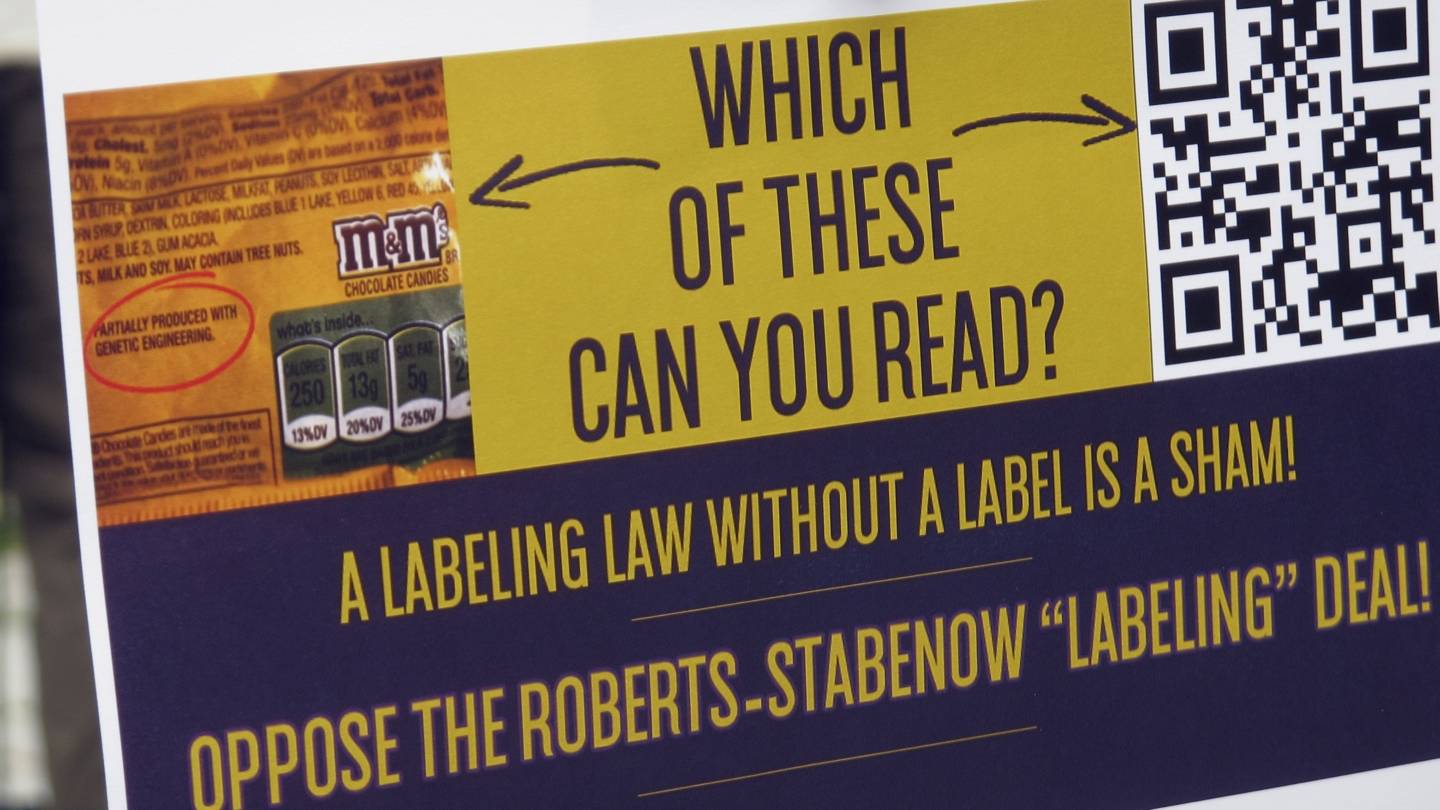
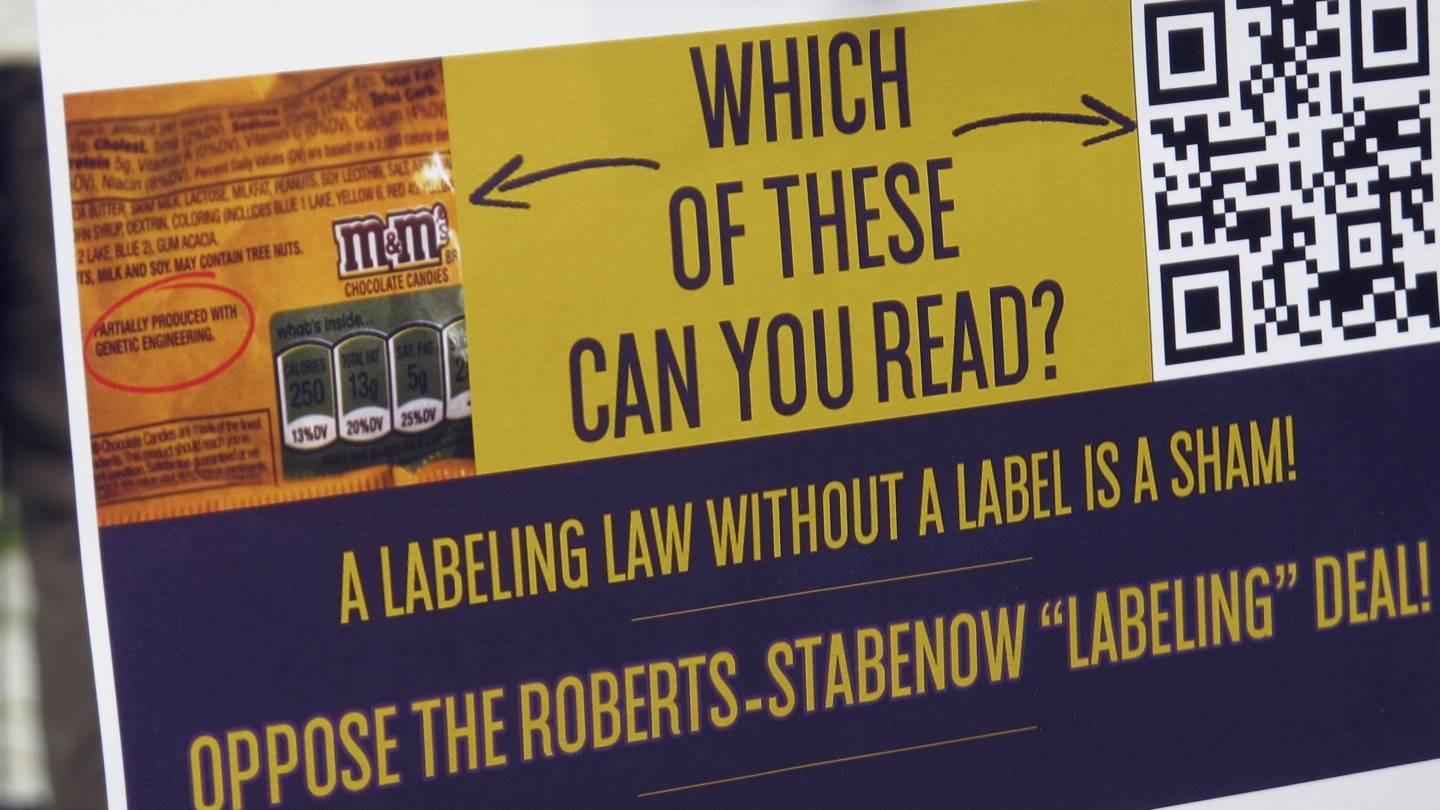
"caption": "Congress has passed a bill that will require food companies to disclose GMOs — but without necessarily using a GMO label on packaging. Companies would have several disclosure options, including using a QR code on packaging that customers could then scan with a smartphone to learn more. (Above) A sign at a July 1 rally in Montpelier, Vt., protests the bill.",
"description": "Congress has passed a bill that will require food companies to disclose GMOs — but without necessarily using a GMO label on packaging. Companies would have several disclosure options, including using a QR code on packaging that customers could then scan with a smartphone to learn more. (Above) A sign at a July 1 rally in Montpelier, Vt., protests the bi",
"title": "Congress has passed a bill that will require food companies to disclose GMOs — but without necessarily using a GMO label on packaging. Companies would have several disclosure options, including using a QR code on packaging that customers could then scan with a smartphone to learn more. (Above) A sign at a July 1 rally in Montpelier, Vt., protests the bill.",
"credit": "Wilson Ring/AP",
"status": "inherit",
"isLoading": false,
"fetchFailed": false
},
"bayareabites_110713": {
"type": "attachments",
"id": "bayareabites_110713",
"meta": {
"index": "attachments_1716263798",
"site": "bayareabites",
"id": "110713",
"found": true
},
"parent": 110712,
"imgSizes": {
"twentyfourteen-full-width": {
"file": "https://ww2.kqed.org/app/uploads/sites/24/2016/07/hydration_enl-7756c72bbdf1df347e3e25f586a584fc4799fc04-1038x576.jpg",
"width": 1038,
"mimeType": "image/jpeg",
"height": 576
},
"thumbnail": {
"file": "https://ww2.kqed.org/app/uploads/sites/24/2016/07/hydration_enl-7756c72bbdf1df347e3e25f586a584fc4799fc04-400x266.jpg",
"width": 400,
"mimeType": "image/jpeg",
"height": 266
},
"fd-sm": {
"file": "https://ww2.kqed.org/app/uploads/sites/24/2016/07/hydration_enl-7756c72bbdf1df347e3e25f586a584fc4799fc04-960x639.jpg",
"width": 960,
"mimeType": "image/jpeg",
"height": 639
},
"post-thumbnail": {
"file": "https://ww2.kqed.org/app/uploads/sites/24/2016/07/hydration_enl-7756c72bbdf1df347e3e25f586a584fc4799fc04-672x372.jpg",
"width": 672,
"mimeType": "image/jpeg",
"height": 372
},
"kqedFullSize": {
"file": "https://ww2.kqed.org/app/uploads/sites/24/2016/07/hydration_enl-7756c72bbdf1df347e3e25f586a584fc4799fc04.jpg",
"width": 2000,
"height": 1332
},
"large": {
"file": "https://ww2.kqed.org/app/uploads/sites/24/2016/07/hydration_enl-7756c72bbdf1df347e3e25f586a584fc4799fc04-1440x959.jpg",
"width": 1440,
"mimeType": "image/jpeg",
"height": 959
},
"guest-author-50": {
"file": "https://ww2.kqed.org/app/uploads/sites/24/2016/07/hydration_enl-7756c72bbdf1df347e3e25f586a584fc4799fc04-50x50.jpg",
"width": 50,
"mimeType": "image/jpeg",
"height": 50
},
"guest-author-96": {
"file": "https://ww2.kqed.org/app/uploads/sites/24/2016/07/hydration_enl-7756c72bbdf1df347e3e25f586a584fc4799fc04-96x96.jpg",
"width": 96,
"mimeType": "image/jpeg",
"height": 96
},
"medium": {
"file": "https://ww2.kqed.org/app/uploads/sites/24/2016/07/hydration_enl-7756c72bbdf1df347e3e25f586a584fc4799fc04-800x533.jpg",
"width": 800,
"mimeType": "image/jpeg",
"height": 533
},
"guest-author-64": {
"file": "https://ww2.kqed.org/app/uploads/sites/24/2016/07/hydration_enl-7756c72bbdf1df347e3e25f586a584fc4799fc04-64x64.jpg",
"width": 64,
"mimeType": "image/jpeg",
"height": 64
},
"guest-author-32": {
"file": "https://ww2.kqed.org/app/uploads/sites/24/2016/07/hydration_enl-7756c72bbdf1df347e3e25f586a584fc4799fc04-32x32.jpg",
"width": 32,
"mimeType": "image/jpeg",
"height": 32
},
"cat_post_thumb_sizecategory-posts-2": {
"file": "https://ww2.kqed.org/app/uploads/sites/24/2016/07/hydration_enl-7756c72bbdf1df347e3e25f586a584fc4799fc04-150x150.jpg",
"width": 150,
"mimeType": "image/jpeg",
"height": 150
},
"fd-lrg": {
"file": "https://ww2.kqed.org/app/uploads/sites/24/2016/07/hydration_enl-7756c72bbdf1df347e3e25f586a584fc4799fc04-1920x1279.jpg",
"width": 1920,
"mimeType": "image/jpeg",
"height": 1279
},
"fd-med": {
"file": "https://ww2.kqed.org/app/uploads/sites/24/2016/07/hydration_enl-7756c72bbdf1df347e3e25f586a584fc4799fc04-1180x786.jpg",
"width": 1180,
"mimeType": "image/jpeg",
"height": 786
},
"detail": {
"file": "https://ww2.kqed.org/app/uploads/sites/24/2016/07/hydration_enl-7756c72bbdf1df347e3e25f586a584fc4799fc04-150x150.jpg",
"width": 150,
"mimeType": "image/jpeg",
"height": 150
},
"medium_large": {
"file": "https://ww2.kqed.org/app/uploads/sites/24/2016/07/hydration_enl-7756c72bbdf1df347e3e25f586a584fc4799fc04-768x511.jpg",
"width": 768,
"mimeType": "image/jpeg",
"height": 511
},
"guest-author-128": {
"file": "https://ww2.kqed.org/app/uploads/sites/24/2016/07/hydration_enl-7756c72bbdf1df347e3e25f586a584fc4799fc04-128x128.jpg",
"width": 128,
"mimeType": "image/jpeg",
"height": 128
}
},
"publishDate": 1468431738,
"modified": 1468431885,
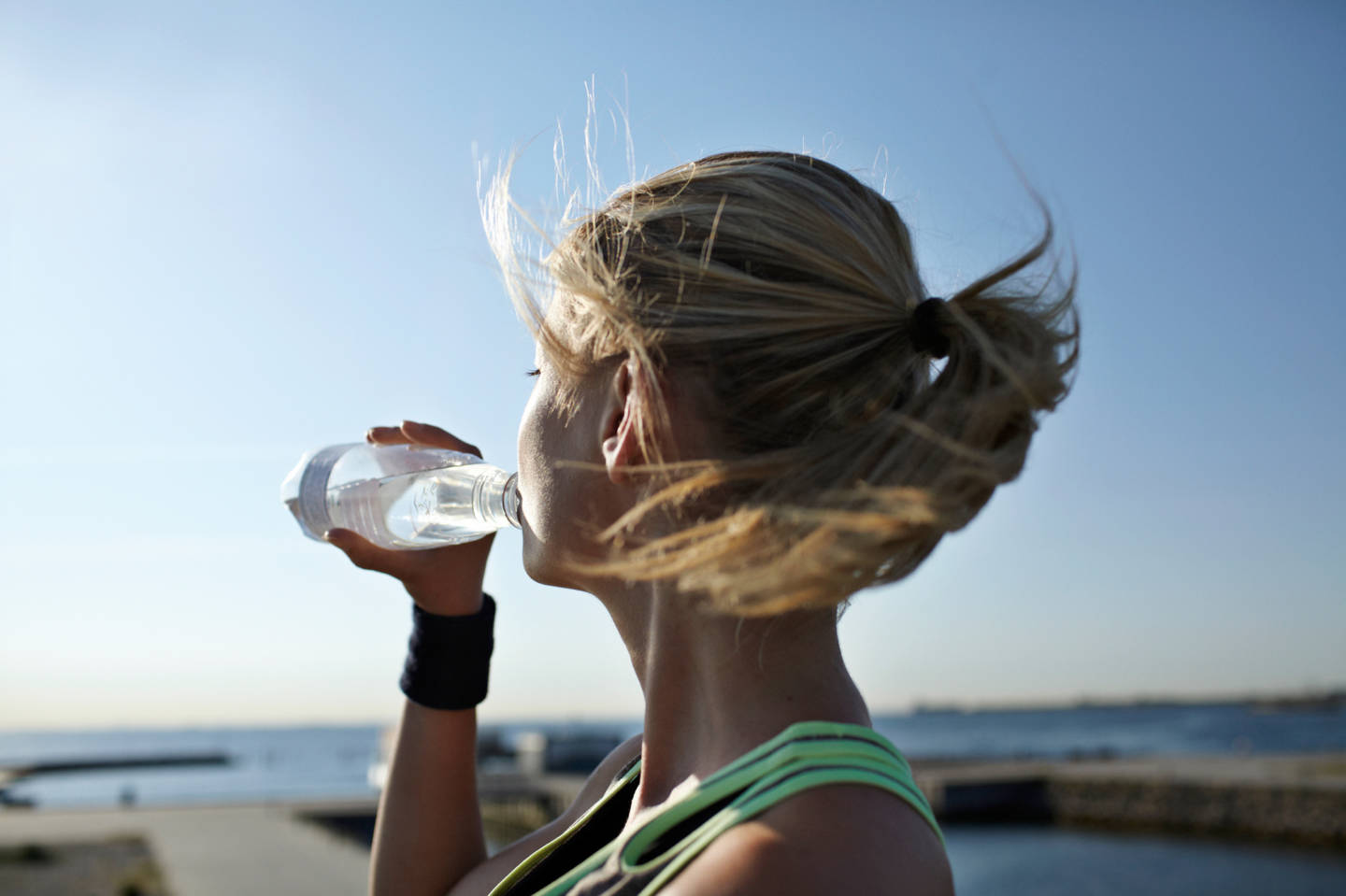
"caption": "A new study finds people who are well-hydrated have lower body weights and lower odds of obesity.",
"description": "A new study finds people who are well-hydrated have lower body weights and lower odds of obesity.",
"title": "A new study finds people who are well-hydrated have lower body weights and lower odds of obesity.",
"credit": "Klaus Vedfelt/Getty Images",
"status": "inherit",
"isLoading": false,
"fetchFailed": false
},
"bayareabites_110693": {
"type": "attachments",
"id": "bayareabites_110693",
"meta": {
"index": "attachments_1716263798",
"site": "bayareabites",
"id": "110693",
"found": true
},
"parent": 110692,
"imgSizes": {
"twentyfourteen-full-width": {
"file": "https://ww2.kqed.org/app/uploads/sites/24/2016/07/baggedsalad_enl-4aa3444ff6f5fdd257eb12d2b9584281880d5d53-1038x576.jpg",
"width": 1038,
"mimeType": "image/jpeg",
"height": 576
},
"thumbnail": {
"file": "https://ww2.kqed.org/app/uploads/sites/24/2016/07/baggedsalad_enl-4aa3444ff6f5fdd257eb12d2b9584281880d5d53-400x266.jpg",
"width": 400,
"mimeType": "image/jpeg",
"height": 266
},
"fd-sm": {
"file": "https://ww2.kqed.org/app/uploads/sites/24/2016/07/baggedsalad_enl-4aa3444ff6f5fdd257eb12d2b9584281880d5d53-960x639.jpg",
"width": 960,
"mimeType": "image/jpeg",
"height": 639
},
"post-thumbnail": {
"file": "https://ww2.kqed.org/app/uploads/sites/24/2016/07/baggedsalad_enl-4aa3444ff6f5fdd257eb12d2b9584281880d5d53-672x372.jpg",
"width": 672,
"mimeType": "image/jpeg",
"height": 372
},
"kqedFullSize": {
"file": "https://ww2.kqed.org/app/uploads/sites/24/2016/07/baggedsalad_enl-4aa3444ff6f5fdd257eb12d2b9584281880d5d53.jpg",
"width": 2000,
"height": 1332
},
"large": {
"file": "https://ww2.kqed.org/app/uploads/sites/24/2016/07/baggedsalad_enl-4aa3444ff6f5fdd257eb12d2b9584281880d5d53-1440x959.jpg",
"width": 1440,
"mimeType": "image/jpeg",
"height": 959
},
"guest-author-50": {
"file": "https://ww2.kqed.org/app/uploads/sites/24/2016/07/baggedsalad_enl-4aa3444ff6f5fdd257eb12d2b9584281880d5d53-50x50.jpg",
"width": 50,
"mimeType": "image/jpeg",
"height": 50
},
"guest-author-96": {
"file": "https://ww2.kqed.org/app/uploads/sites/24/2016/07/baggedsalad_enl-4aa3444ff6f5fdd257eb12d2b9584281880d5d53-96x96.jpg",
"width": 96,
"mimeType": "image/jpeg",
"height": 96
},
"medium": {
"file": "https://ww2.kqed.org/app/uploads/sites/24/2016/07/baggedsalad_enl-4aa3444ff6f5fdd257eb12d2b9584281880d5d53-800x533.jpg",
"width": 800,
"mimeType": "image/jpeg",
"height": 533
},
"guest-author-64": {
"file": "https://ww2.kqed.org/app/uploads/sites/24/2016/07/baggedsalad_enl-4aa3444ff6f5fdd257eb12d2b9584281880d5d53-64x64.jpg",
"width": 64,
"mimeType": "image/jpeg",
"height": 64
},
"guest-author-32": {
"file": "https://ww2.kqed.org/app/uploads/sites/24/2016/07/baggedsalad_enl-4aa3444ff6f5fdd257eb12d2b9584281880d5d53-32x32.jpg",
"width": 32,
"mimeType": "image/jpeg",
"height": 32
},
"cat_post_thumb_sizecategory-posts-2": {
"file": "https://ww2.kqed.org/app/uploads/sites/24/2016/07/baggedsalad_enl-4aa3444ff6f5fdd257eb12d2b9584281880d5d53-150x150.jpg",
"width": 150,
"mimeType": "image/jpeg",
"height": 150
},
"fd-lrg": {
"file": "https://ww2.kqed.org/app/uploads/sites/24/2016/07/baggedsalad_enl-4aa3444ff6f5fdd257eb12d2b9584281880d5d53-1920x1279.jpg",
"width": 1920,
"mimeType": "image/jpeg",
"height": 1279
},
"fd-med": {
"file": "https://ww2.kqed.org/app/uploads/sites/24/2016/07/baggedsalad_enl-4aa3444ff6f5fdd257eb12d2b9584281880d5d53-1180x786.jpg",
"width": 1180,
"mimeType": "image/jpeg",
"height": 786
},
"detail": {
"file": "https://ww2.kqed.org/app/uploads/sites/24/2016/07/baggedsalad_enl-4aa3444ff6f5fdd257eb12d2b9584281880d5d53-150x150.jpg",
"width": 150,
"mimeType": "image/jpeg",
"height": 150
},
"medium_large": {
"file": "https://ww2.kqed.org/app/uploads/sites/24/2016/07/baggedsalad_enl-4aa3444ff6f5fdd257eb12d2b9584281880d5d53-768x511.jpg",
"width": 768,
"mimeType": "image/jpeg",
"height": 511
},
"guest-author-128": {
"file": "https://ww2.kqed.org/app/uploads/sites/24/2016/07/baggedsalad_enl-4aa3444ff6f5fdd257eb12d2b9584281880d5d53-128x128.jpg",
"width": 128,
"mimeType": "image/jpeg",
"height": 128
}
},
"publishDate": 1468353637,
"modified": 1468354418,
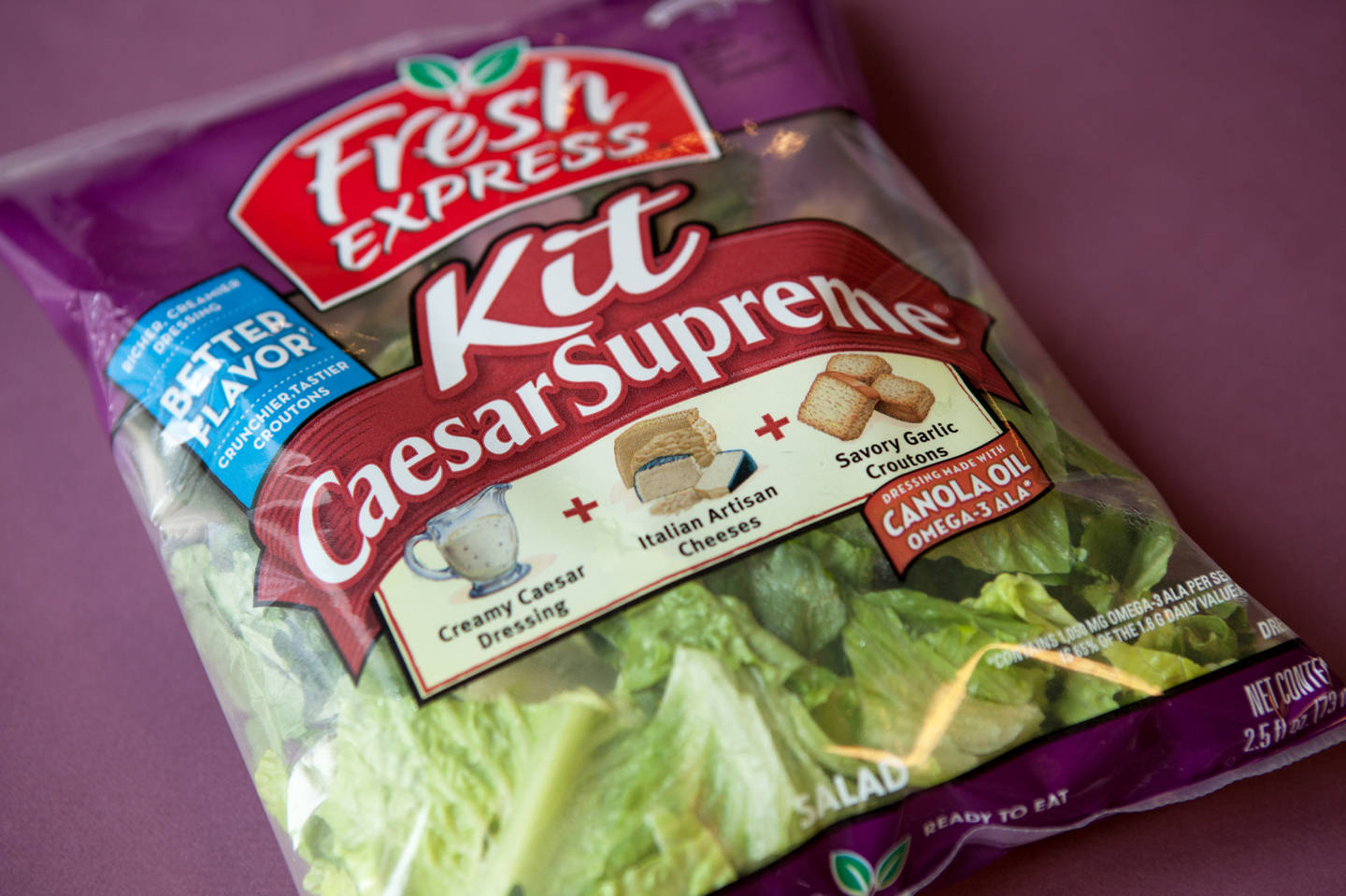
"caption": "A Caesar salad kit. Americans buy twice as many packages of bagged salad greens as heads of lettuce these days. Is the bagged stuff just as good? If it gets you to eat more leafy greens, yes.",
"description": "A Caesar salad kit. Americans buy twice as many packages of bagged salad greens as heads of lettuce these days. Is the bagged stuff just as good? If it gets you to eat more leafy greens, yes.",
"title": "A Caesar salad kit. Americans buy twice as many packages of bagged salad greens as heads of lettuce these days. Is the bagged stuff just as good? If it gets you to eat more leafy greens, yes.",
"credit": "Morgan McCloy/NPR",
"status": "inherit",
"isLoading": false,
"fetchFailed": false
},
"bayareabites_110589": {
"type": "attachments",
"id": "bayareabites_110589",
"meta": {
"index": "attachments_1716263798",
"site": "bayareabites",
"id": "110589",
"found": true
},
"parent": 110588,
"imgSizes": {
"twentyfourteen-full-width": {
"file": "https://ww2.kqed.org/app/uploads/sites/24/2016/07/ap_16183653665165_wide-ea7d6a144dd233ab6508ce816087145f43b2c4c1-1038x576.jpg",
"width": 1038,
"mimeType": "image/jpeg",
"height": 576
},
"thumbnail": {
"file": "https://ww2.kqed.org/app/uploads/sites/24/2016/07/ap_16183653665165_wide-ea7d6a144dd233ab6508ce816087145f43b2c4c1-400x225.jpg",
"width": 400,
"mimeType": "image/jpeg",
"height": 225
},
"fd-sm": {
"file": "https://ww2.kqed.org/app/uploads/sites/24/2016/07/ap_16183653665165_wide-ea7d6a144dd233ab6508ce816087145f43b2c4c1-960x540.jpg",
"width": 960,
"mimeType": "image/jpeg",
"height": 540
},
"post-thumbnail": {
"file": "https://ww2.kqed.org/app/uploads/sites/24/2016/07/ap_16183653665165_wide-ea7d6a144dd233ab6508ce816087145f43b2c4c1-672x372.jpg",
"width": 672,
"mimeType": "image/jpeg",
"height": 372
},
"kqedFullSize": {
"file": "https://ww2.kqed.org/app/uploads/sites/24/2016/07/ap_16183653665165_wide-ea7d6a144dd233ab6508ce816087145f43b2c4c1.jpg",
"width": 3121,
"height": 1755
},
"large": {
"file": "https://ww2.kqed.org/app/uploads/sites/24/2016/07/ap_16183653665165_wide-ea7d6a144dd233ab6508ce816087145f43b2c4c1-1440x810.jpg",
"width": 1440,
"mimeType": "image/jpeg",
"height": 810
},
"guest-author-50": {
"file": "https://ww2.kqed.org/app/uploads/sites/24/2016/07/ap_16183653665165_wide-ea7d6a144dd233ab6508ce816087145f43b2c4c1-50x50.jpg",
"width": 50,
"mimeType": "image/jpeg",
"height": 50
},
"guest-author-96": {
"file": "https://ww2.kqed.org/app/uploads/sites/24/2016/07/ap_16183653665165_wide-ea7d6a144dd233ab6508ce816087145f43b2c4c1-96x96.jpg",
"width": 96,
"mimeType": "image/jpeg",
"height": 96
},
"medium": {
"file": "https://ww2.kqed.org/app/uploads/sites/24/2016/07/ap_16183653665165_wide-ea7d6a144dd233ab6508ce816087145f43b2c4c1-800x450.jpg",
"width": 800,
"mimeType": "image/jpeg",
"height": 450
},
"guest-author-64": {
"file": "https://ww2.kqed.org/app/uploads/sites/24/2016/07/ap_16183653665165_wide-ea7d6a144dd233ab6508ce816087145f43b2c4c1-64x64.jpg",
"width": 64,
"mimeType": "image/jpeg",
"height": 64
},
"guest-author-32": {
"file": "https://ww2.kqed.org/app/uploads/sites/24/2016/07/ap_16183653665165_wide-ea7d6a144dd233ab6508ce816087145f43b2c4c1-32x32.jpg",
"width": 32,
"mimeType": "image/jpeg",
"height": 32
},
"cat_post_thumb_sizecategory-posts-2": {
"file": "https://ww2.kqed.org/app/uploads/sites/24/2016/07/ap_16183653665165_wide-ea7d6a144dd233ab6508ce816087145f43b2c4c1-150x150.jpg",
"width": 150,
"mimeType": "image/jpeg",
"height": 150
},
"fd-lrg": {
"file": "https://ww2.kqed.org/app/uploads/sites/24/2016/07/ap_16183653665165_wide-ea7d6a144dd233ab6508ce816087145f43b2c4c1-1920x1080.jpg",
"width": 1920,
"mimeType": "image/jpeg",
"height": 1080
},
"fd-med": {
"file": "https://ww2.kqed.org/app/uploads/sites/24/2016/07/ap_16183653665165_wide-ea7d6a144dd233ab6508ce816087145f43b2c4c1-1180x664.jpg",
"width": 1180,
"mimeType": "image/jpeg",
"height": 664
},
"detail": {
"file": "https://ww2.kqed.org/app/uploads/sites/24/2016/07/ap_16183653665165_wide-ea7d6a144dd233ab6508ce816087145f43b2c4c1-150x150.jpg",
"width": 150,
"mimeType": "image/jpeg",
"height": 150
},
"medium_large": {
"file": "https://ww2.kqed.org/app/uploads/sites/24/2016/07/ap_16183653665165_wide-ea7d6a144dd233ab6508ce816087145f43b2c4c1-768x432.jpg",
"width": 768,
"mimeType": "image/jpeg",
"height": 432
},
"guest-author-128": {
"file": "https://ww2.kqed.org/app/uploads/sites/24/2016/07/ap_16183653665165_wide-ea7d6a144dd233ab6508ce816087145f43b2c4c1-128x128.jpg",
"width": 128,
"mimeType": "image/jpeg",
"height": 128
}
},
"publishDate": 1467993242,
"modified": 1467993400,
"caption": "The Senate on Thursday approved a measure that would require food companies to disclose GMOs — but without necessarily using a GMO label on packaging. Companies would have several disclosure options, including using a QR code on packaging that customers could then scan with a smartphone to learn more. Above, a sign at a July 1 rally in Montpelier, Vt., protesting the Senate bill.",
"description": "The Senate on Thursday approved a measure that would require food companies to disclose GMOs — but without necessarily using a GMO label on packaging. Companies would have several disclosure options, including using a QR code on packaging that customers could then scan with a smartphone to learn more. Above, a sign at a July 1 rally in Montpelier, Vt., protesting the Senate bil",
"title": "The Senate on Thursday approved a measure that would require food companies to disclose GMOs — but without necessarily using a GMO label on packaging. Companies would have several disclosure options, including using a QR code on packaging that customers could then scan with a smartphone to learn more. Above, a sign at a July 1 rally in Montpelier, Vt., protesting the Senate bill.",
"credit": "Wilson Ring/AP",
"status": "inherit",
"isLoading": false,
"fetchFailed": false
}
},
"audioPlayerReducer": {
"postId": "stream_live",
"isPaused": true,
"isPlaying": false,
"pfsActive": false,
"pledgeModalIsOpen": true,
"playerDrawerIsOpen": false,
"liveAudioPlayStartedAt": 0,
"liveAudioPlayContext": ""
},
"authorsReducer": {
"byline_bayareabites_111731": {
"type": "authors",
"id": "byline_bayareabites_111731",
"meta": {
"override": true
},
"slug": "byline_bayareabites_111731",
"name": "Allison Aubrey, NPR Food",
"isLoading": false
},
"byline_bayareabites_111685": {
"type": "authors",
"id": "byline_bayareabites_111685",
"meta": {
"override": true
},
"slug": "byline_bayareabites_111685",
"name": "Dan Charles, NPR Food",
"isLoading": false
},
"byline_bayareabites_111675": {
"type": "authors",
"id": "byline_bayareabites_111675",
"meta": {
"override": true
},
"slug": "byline_bayareabites_111675",
"name": "Sujata Gupta, \u003ca href=\"https://ww2.kqed.org/bayareabites/author/nprfood/\">NPR Food\u003c/a>",
"isLoading": false
},
"byline_bayareabites_111233": {
"type": "authors",
"id": "byline_bayareabites_111233",
"meta": {
"override": true
},
"slug": "byline_bayareabites_111233",
"name": "Alan Yu, \u003ca href=\"http://ww2.kqed.org/bayareabites/author/nprfood/\">NPR Food\u003c/a>",
"isLoading": false
},
"byline_bayareabites_111224": {
"type": "authors",
"id": "byline_bayareabites_111224",
"meta": {
"override": true
},
"slug": "byline_bayareabites_111224",
"name": "Dan Charles, NPR Food",
"isLoading": false
},
"byline_bayareabites_111066": {
"type": "authors",
"id": "byline_bayareabites_111066",
"meta": {
"override": true
},
"slug": "byline_bayareabites_111066",
"name": "Dan Charles, NPR Food",
"isLoading": false
},
"byline_bayareabites_110904": {
"type": "authors",
"id": "byline_bayareabites_110904",
"meta": {
"override": true
},
"slug": "byline_bayareabites_110904",
"name": "Allison Aubrey, NPR Food",
"isLoading": false
},
"byline_bayareabites_110756": {
"type": "authors",
"id": "byline_bayareabites_110756",
"meta": {
"override": true
},
"slug": "byline_bayareabites_110756",
"name": "Dan Charles, NPR Food",
"isLoading": false
},
"byline_bayareabites_110712": {
"type": "authors",
"id": "byline_bayareabites_110712",
"meta": {
"override": true
},
"slug": "byline_bayareabites_110712",
"name": "Allison Aubrey, NPR Food",
"isLoading": false
},
"byline_bayareabites_110692": {
"type": "authors",
"id": "byline_bayareabites_110692",
"meta": {
"override": true
},
"slug": "byline_bayareabites_110692",
"name": "Allison Aubrey and Dan Charles, NPR Food",
"isLoading": false
},
"byline_bayareabites_110588": {
"type": "authors",
"id": "byline_bayareabites_110588",
"meta": {
"override": true
},
"slug": "byline_bayareabites_110588",
"name": "Dan Charles, \u003cahref=\"https://ww2.kqed.org/bayareabites/author/nprfood/\">NPR Food\u003c/a>",
"isLoading": false
},
"lilavolkas": {
"type": "authors",
"id": "5404",
"meta": {
"index": "authors_1716337520",
"id": "5404",
"found": true
},
"name": "Lila Volkas",
"firstName": "Lila",
"lastName": "Volkas",
"slug": "lilavolkas",
"email": "lilavolkas@gmail.com",
"display_author_email": false,
"staff_mastheads": [],
"title": null,
"bio": "Lila Volkas is a Berkeley based Holistic Nutritionist, food writer and illustrator. She received her Nutritional Consulting Certification from Bauman College and offers clients individualized nutritional support. As an illustrator she creates hand drawn and digitally colored illustrations that whimsically capture the essence of her subjects and are easily digested by readers. Much of her inspiration comes from her undeniable love for vegetables, as well her knack for anthropomorphizing what's on her plate. Lila has had several pieces published in KQED’s Bay Area Bites as well as in Edible East Bay Magazine. For more of a taste of Lila's offering, check out her website \u003ca href=\"http://www.lilavolkas.com/\">lilavolkas.com\u003c/a>",
"avatar": "https://secure.gravatar.com/avatar/e520743544a0600729bc45ff3ab43206?s=600&d=blank&r=g",
"twitter": null,
"facebook": null,
"instagram": null,
"linkedin": null,
"sites": [
{
"site": "bayareabites",
"roles": [
"contributor"
]
},
{
"site": "food",
"roles": [
"contributor"
]
}
],
"headData": {
"title": "Lila Volkas | KQED",
"description": null,
"ogImgSrc": "https://secure.gravatar.com/avatar/e520743544a0600729bc45ff3ab43206?s=600&d=blank&r=g",
"twImgSrc": "https://secure.gravatar.com/avatar/e520743544a0600729bc45ff3ab43206?s=600&d=blank&r=g"
},
"isLoading": false,
"link": "/author/lilavolkas"
}
},
"pagesReducer": {
"bayareabites_category_health-and-nutrition": {
"type": "terms",
"id": "bayareabites_1245",
"meta": {
"index": "terms_1716263798",
"site": "bayareabites",
"id": "1245",
"score": 14.407673
},
"featImg": null,
"name": "health and nutrition",
"description": null,
"taxonomy": "category",
"headData": {
"twImgId": null,
"twTitle": null,
"ogTitle": null,
"ogImgId": null,
"twDescription": null,
"description": null,
"title": "health and nutrition Archives | KQED Bay Area Bites",
"ogDescription": null
},
"ttid": 1078,
"slug": "health-and-nutrition",
"isLoading": false,
"title": "health and nutrition",
"pageMeta": {
"site": "bayareabites",
"WpPageTemplate": "page-topic-editorial",
"currentPage": 16
},
"blocks": [
{
"blockName": "kqed/post-list",
"attrs": {
"layout": "cardArticle2",
"query": "posts/bayareabites?category=health-and-nutrition",
"seeMore": false,
"paginated": true,
"page": 16
}
},
{
"blockName": "kqed/ad"
}
]
}
},
"pfsSessionReducer": {},
"postsReducer": {
"stream_live": {
"type": "live",
"id": "stream_live",
"audioUrl": "https://streams.kqed.org/kqedradio",
"title": "Live Stream",
"excerpt": "Live Stream information currently unavailable.",
"link": "/radio",
"featImg": "",
"label": {
"name": "KQED Live",
"link": "/"
}
},
"stream_kqedNewscast": {
"type": "posts",
"id": "stream_kqedNewscast",
"audioUrl": "https://www.kqed.org/.stream/anon/radio/RDnews/newscast.mp3?_=1",
"title": "KQED Newscast",
"featImg": "",
"label": {
"name": "88.5 FM",
"link": "/"
}
},
"bayareabites_111731": {
"type": "posts",
"id": "bayareabites_111731",
"meta": {
"index": "posts_1716263798",
"site": "bayareabites",
"id": "111731",
"score": null,
"sort": [
1472493660000
]
},
"guestAuthors": [],
"slug": "a-chocolate-pill-scientists-to-test-whether-cocoa-extract-boosts-health",
"title": "A Chocolate Pill? Scientists To Test Whether Cocoa Extract Boosts Health",
"publishDate": 1472493660,
"format": "audio",
"headTitle": "A Chocolate Pill? Scientists To Test Whether Cocoa Extract Boosts Health | KQED",
"labelTerm": {
"site": "bayareabites"
},
"content": "\u003cp>\u003cstrong>Listen to the story on Morning Edition:\u003c/strong>\u003cbr>\nhttps://ondemand.npr.org/anon.npr-mp3/npr/me/2016/08/20160829_me_a_chocolate_pill_scientists_to_test_whether_cocoa_extract_boosts_health.mp3\u003c/p>\n\u003cp>You’ve likely heard that dark chocolate is good for you.\u003c/p>\n\u003cp>Last year, researchers \u003ca href=\"http://www.npr.org/sections/thesalt/2015/06/19/415527652/chocolate-chocolate-its-good-for-your-heart-study-finds\">linked\u003c/a> a regular chocolate habit to a reduced risk of heart disease.\u003c/p>\n\u003cp>And, as we’ve \u003ca href=\"http://www.npr.org/sections/thesalt/2014/07/02/327775106/how-dark-chocolate-not-milk-chocolate-may-help-blood-flow\">reported\u003c/a>, compounds found in cocoa known as flavanols or polyphenols have been shown to improve vascular health by increasing blood flow.\u003c/p>\n\u003cp>Researchers say some of these compounds can help the body form nitric oxide, a compound that causes blood vessels to dilate.\u003c/p>\n\u003cp>[ad fullwidth]\u003c/p>\n\u003cp>“What we’ve seen is that intake of dark chocolate is associated with a greater ability of blood vessels to dilate when they should,” Dr. \u003ca href=\"http://www.davidkatzmd.com/research.asp\">David Katz\u003c/a>, director of the Yale University Prevention Research Center, told me. And this may be a defense against cardiovascular disease.\u003c/p>\n\u003cp>The knock against chocolate — at least the candy bars that Americans seem to love — is that it’s often loaded with milk fat and sugar, which we’re told to \u003ca href=\"http://www.npr.org/sections/thesalt/2015/03/04/390726878/dump-the-lumps-the-world-health-organization-says-eat-less-sugar\">eat less of\u003c/a>.\u003c/p>\n\u003cp>And the calorie count of chocolate can give dieters guilt. It should probably come as no big surprise that a \u003ca href=\"http://www.ncbi.nlm.nih.gov/pubmed/?term=chocolate+candy+consumption+3+-year+weight+gain\">study \u003c/a>of older women found that eating chocolate was associated with weight gain. In the three-year study, the more chocolate candy the women ate, the more they were likely to gain.\u003c/p>\n\u003cp>So, is there a way to get the potential health boost of cocoa without all the calories? Maybe.\u003c/p>\n\u003cp>Researchers are \u003ca href=\"https://www.whi.org/Stories/COcoa%20Supplement%20and%20Multivitamin%20Outcomes%20Study%20(COSMOS)%20Trial.aspx\">recruiting\u003c/a> volunteers to participate in a four-year study trial of cocoa extract. They’re looking for men aged 60 and older and women aged 65 and older.\u003c/p>\n\u003cp>Half of the participants will take the cocoa extract capsules — which, alas, won’t taste like chocolate. The capsules will contain about as much extract as you’d get from eating about 1,000 calories of dark chocolate.\u003c/p>\n\u003cp>The other half of the participants will take a placebo. None of the participants in the study will know whether they’re being given the real thing or the dummy pill.\u003c/p>\n\u003cp>“We’ll be rigorously testing whether the cocoa flavanols do reduce risk of heart attacks, strokes, cognitive decline and many other conditions over time,” says Dr. \u003ca href=\"https://www.hsph.harvard.edu/joann-manson/\">JoAnn Manson\u003c/a>, chief of the division of preventive medicine at Brigham and Women’s Hospital in Boston.\u003c/p>\n\u003cp>Funding and other support for the study is being provided by Mars Inc. and Pfizer Inc. If the results are positive, we may see candy makers expand from the candy aisle to the supplement aisle.\u003c/p>\n\u003cp>Not everyone is jazzed about the idea of turning chocolate into a nutritional supplement. “One of the beautiful things about chocolate is that it’s a source of great pleasure,” Katz told me.\u003c/p>\n\u003cp>He enjoys dark-chocolate recipes that are free of added sugar and creme. On the day we spoke, Katz was savoring a vegan creme au chocolat \u003ca href=\"http://cuisinicity.com/baked-chocolate-custard/\">recipe\u003c/a> made with dates. (Disclosure: Cuisinicity is his wife’s recipe site). “It’s delicious,” he gushed as he nibbled away at it.\u003c/p>\n\u003cp>But Katz doesn’t poo-poo the cocoa extract study. “If there’s a combination of compounds unique to chocolate that confer a health benefit, there may be some advantage in extracting those and thinking of [them] as something that could be taken as a supplement,” Katz says.\u003c/p>\n\u003cp>\u003c/p>\n\u003cp>\u003cem>Copyright 2016 \u003ca href=\"http://www.npr.org/\" target=\"_blank\" rel=\"noopener\">NPR\u003c/a>.\u003c/em>\u003c/p>\n\n",
"blocks": [],
"excerpt": "Chocolate lovers may agree cocoa is the food of the gods, but how strong is the evidence that it boosts heart health? Researchers are recruiting for a new study aimed at answering this question.",
"status": "publish",
"parent": 0,
"modified": 1721106455,
"stats": {
"hasAudio": false,
"hasVideo": false,
"hasChartOrMap": false,
"iframeSrcs": [],
"hasGoogleForm": false,
"hasGallery": false,
"hasHearkenModule": false,
"hasPolis": false,
"paragraphCount": 20,
"wordCount": 582
},
"headData": {
"title": "A Chocolate Pill? Scientists To Test Whether Cocoa Extract Boosts Health | KQED",
"description": "Chocolate lovers may agree cocoa is the food of the gods, but how strong is the evidence that it boosts heart health? Researchers are recruiting for a new study aimed at answering this question.",
"ogTitle": "",
"ogDescription": "",
"ogImgId": "",
"twTitle": "",
"twDescription": "",
"twImgId": "",
"schema": {
"@context": "https://schema.org",
"@type": "Article",
"headline": "A Chocolate Pill? Scientists To Test Whether Cocoa Extract Boosts Health",
"datePublished": "2016-08-29T11:01:00-07:00",
"dateModified": "2024-07-15T22:07:35-07:00",
"image": "https://cdn.kqed.org/wp-content/uploads/2020/02/KQED-OG-Image@1x.png"
}
},
"sticky": false,
"nprImageCredit": "Dennis Gottlieb",
"nprByline": "Allison Aubrey, NPR Food",
"nprImageAgency": "Getty Images",
"nprStoryId": "491195004",
"nprApiLink": "http://api.npr.org/query?id=491195004&apiKey=MDAxOTAwOTE4MDEyMTkxMDAzNjczZDljZA004",
"nprHtmlLink": "http://www.npr.org/sections/thesalt/2016/08/29/491195004/a-chocolate-pill-scientists-to-test-whether-cocoa-extract-boosts-health?ft=nprml&f=491195004",
"nprRetrievedStory": "1",
"nprPubDate": "Mon, 29 Aug 2016 07:16:00 -0400",
"nprStoryDate": "Mon, 29 Aug 2016 04:54:00 -0400",
"nprLastModifiedDate": "Mon, 29 Aug 2016 06:54:26 -0400",
"nprAudio": "https://ondemand.npr.org/anon.npr-mp3/npr/me/2016/08/20160829_me_a_chocolate_pill_scientists_to_test_whether_cocoa_extract_boosts_health.mp3?orgId=1&topicId=1134&d=162&p=3&story=491195004&t=progseg&e=491761355&seg=5&ft=nprml&f=491195004",
"nprAudioM3u": "http://api.npr.org/m3u/1491770370-a205ad.m3u?orgId=1&topicId=1134&d=162&p=3&story=491195004&t=progseg&e=491761355&seg=5&ft=nprml&f=491195004",
"path": "/bayareabites/111731/a-chocolate-pill-scientists-to-test-whether-cocoa-extract-boosts-health",
"audioUrl": "https://ondemand.npr.org/anon.npr-mp3/npr/me/2016/08/20160829_me_a_chocolate_pill_scientists_to_test_whether_cocoa_extract_boosts_health.mp3?orgId=1&topicId=1134&d=162&p=3&story=491195004&t=progseg&e=491761355&seg=5&ft=nprml&f=491195004",
"audioTrackLength": null,
"parsedContent": [
{
"type": "contentString",
"content": "\u003cdiv class=\"post-body\">\u003cp>\u003cp>\u003cstrong>Listen to the story on Morning Edition:\u003c/strong>\u003cbr>\n\u003c/p>\u003c/div>",
"attributes": {
"named": {},
"numeric": []
}
},
{
"type": "component",
"content": "",
"name": "nprOneAudioLink",
"attributes": {
"named": {
"src": "https://ondemand.npr.org/anon.npr-mp3/npr/me/2016/08/20160829_me_a_chocolate_pill_scientists_to_test_whether_cocoa_extract_boosts_health.mp3"
},
"numeric": []
}
},
{
"type": "contentString",
"content": "\u003cdiv class=\"post-body\">\u003cp>\u003c/p>\n\u003cp>You’ve likely heard that dark chocolate is good for you.\u003c/p>\n\u003cp>Last year, researchers \u003ca href=\"http://www.npr.org/sections/thesalt/2015/06/19/415527652/chocolate-chocolate-its-good-for-your-heart-study-finds\">linked\u003c/a> a regular chocolate habit to a reduced risk of heart disease.\u003c/p>\n\u003cp>And, as we’ve \u003ca href=\"http://www.npr.org/sections/thesalt/2014/07/02/327775106/how-dark-chocolate-not-milk-chocolate-may-help-blood-flow\">reported\u003c/a>, compounds found in cocoa known as flavanols or polyphenols have been shown to improve vascular health by increasing blood flow.\u003c/p>\n\u003cp>Researchers say some of these compounds can help the body form nitric oxide, a compound that causes blood vessels to dilate.\u003c/p>\n\u003cp>\u003c/p>\u003c/div>",
"attributes": {
"named": {},
"numeric": []
}
},
{
"type": "component",
"content": "",
"name": "ad",
"attributes": {
"named": {
"label": "fullwidth"
},
"numeric": [
"fullwidth"
]
}
},
{
"type": "contentString",
"content": "\u003cdiv class=\"post-body\">\u003cp>\u003c/p>\n\u003cp>“What we’ve seen is that intake of dark chocolate is associated with a greater ability of blood vessels to dilate when they should,” Dr. \u003ca href=\"http://www.davidkatzmd.com/research.asp\">David Katz\u003c/a>, director of the Yale University Prevention Research Center, told me. And this may be a defense against cardiovascular disease.\u003c/p>\n\u003cp>The knock against chocolate — at least the candy bars that Americans seem to love — is that it’s often loaded with milk fat and sugar, which we’re told to \u003ca href=\"http://www.npr.org/sections/thesalt/2015/03/04/390726878/dump-the-lumps-the-world-health-organization-says-eat-less-sugar\">eat less of\u003c/a>.\u003c/p>\n\u003cp>And the calorie count of chocolate can give dieters guilt. It should probably come as no big surprise that a \u003ca href=\"http://www.ncbi.nlm.nih.gov/pubmed/?term=chocolate+candy+consumption+3+-year+weight+gain\">study \u003c/a>of older women found that eating chocolate was associated with weight gain. In the three-year study, the more chocolate candy the women ate, the more they were likely to gain.\u003c/p>\n\u003cp>So, is there a way to get the potential health boost of cocoa without all the calories? Maybe.\u003c/p>\n\u003cp>Researchers are \u003ca href=\"https://www.whi.org/Stories/COcoa%20Supplement%20and%20Multivitamin%20Outcomes%20Study%20(COSMOS)%20Trial.aspx\">recruiting\u003c/a> volunteers to participate in a four-year study trial of cocoa extract. They’re looking for men aged 60 and older and women aged 65 and older.\u003c/p>\n\u003cp>Half of the participants will take the cocoa extract capsules — which, alas, won’t taste like chocolate. The capsules will contain about as much extract as you’d get from eating about 1,000 calories of dark chocolate.\u003c/p>\n\u003cp>The other half of the participants will take a placebo. None of the participants in the study will know whether they’re being given the real thing or the dummy pill.\u003c/p>\n\u003cp>“We’ll be rigorously testing whether the cocoa flavanols do reduce risk of heart attacks, strokes, cognitive decline and many other conditions over time,” says Dr. \u003ca href=\"https://www.hsph.harvard.edu/joann-manson/\">JoAnn Manson\u003c/a>, chief of the division of preventive medicine at Brigham and Women’s Hospital in Boston.\u003c/p>\n\u003cp>Funding and other support for the study is being provided by Mars Inc. and Pfizer Inc. If the results are positive, we may see candy makers expand from the candy aisle to the supplement aisle.\u003c/p>\n\u003cp>Not everyone is jazzed about the idea of turning chocolate into a nutritional supplement. “One of the beautiful things about chocolate is that it’s a source of great pleasure,” Katz told me.\u003c/p>\n\u003cp>He enjoys dark-chocolate recipes that are free of added sugar and creme. On the day we spoke, Katz was savoring a vegan creme au chocolat \u003ca href=\"http://cuisinicity.com/baked-chocolate-custard/\">recipe\u003c/a> made with dates. (Disclosure: Cuisinicity is his wife’s recipe site). “It’s delicious,” he gushed as he nibbled away at it.\u003c/p>\n\u003cp>But Katz doesn’t poo-poo the cocoa extract study. “If there’s a combination of compounds unique to chocolate that confer a health benefit, there may be some advantage in extracting those and thinking of [them] as something that could be taken as a supplement,” Katz says.\u003c/p>\n\u003cp>\u003c/p>\n\u003cp>\u003cem>Copyright 2016 \u003ca href=\"http://www.npr.org/\" target=\"_blank\" rel=\"noopener\">NPR\u003c/a>.\u003c/em>\u003c/p>\n\n\u003c/div>\u003c/p>",
"attributes": {
"named": {},
"numeric": []
}
}
],
"link": "/bayareabites/111731/a-chocolate-pill-scientists-to-test-whether-cocoa-extract-boosts-health",
"authors": [
"byline_bayareabites_111731"
],
"categories": [
"bayareabites_10028",
"bayareabites_1245",
"bayareabites_358"
],
"tags": [
"bayareabites_147",
"bayareabites_10931",
"bayareabites_11477"
],
"featImg": "bayareabites_111732",
"label": "bayareabites"
},
"bayareabites_111685": {
"type": "posts",
"id": "bayareabites_111685",
"meta": {
"index": "posts_1716263798",
"site": "bayareabites",
"id": "111685",
"score": null,
"sort": [
1472072590000
]
},
"parent": 0,
"labelTerm": {
"site": "bayareabites"
},
"blocks": [],
"publishDate": 1472072590,
"format": "audio",
"disqusTitle": "Berkeley's Soda Tax Appears To Cut Consumption Of Sugary Drinks",
"title": "Berkeley's Soda Tax Appears To Cut Consumption Of Sugary Drinks",
"headTitle": "Bay Area Bites | KQED Food",
"content": "\u003cp>\u003cstrong>Listen to the story on All Things Considered:\u003c/strong>\u003cbr>\nhttps://ondemand.npr.org/anon.npr-mp3/npr/atc/2016/08/20160823_atc_soda_tax_drives_down_sales_in_berkeley_calif.mp3\u003c/p>\n\u003cp>The nation's first \"soda tax\" on sugar-sweetened beverages, which went into effect in Berkeley, Calif., last year, appears to be working.\u003c/p>\n\u003cp>According to a new \u003ca href=\"http://news.berkeley.edu/2016/08/23/sodadrinking/\">study\u003c/a>, consumption of sugary drinks — at least in some neighborhoods — is down by a whopping 20 percent.\u003c/p>\n\u003cp>That estimate results from what \u003ca href=\"http://sph.berkeley.edu/kristine-madsen\">Kristine Madsen\u003c/a>, a researcher at the University of California, Berkeley's School of Public Health, calls a \"perfect natural experiment.\" In the fall of 2014, voters in Berkeley and San Francisco, on opposite sides of the San Francisco Bay, voted on proposals to tax sugar-sweetened drinks at the rate of one cent per fluid ounce.\u003c/p>\n\u003cp>The proposals were aimed at reducing consumption of these drinks, which are blamed for increasing rates of obesity and Type 2 diabetes.\u003c/p>\n\u003cp>[ad fullwidth]\u003c/p>\n\u003cp>Before the votes, Madsen and a small army of collaborators began laying the groundwork for efforts to measure whether such a tax would actually work.\u003c/p>\n\u003cp>They targeted low-income neighborhoods of each city, as well as Oakland, and carried out surveys of people they met on the street. \"We asked how often they drank various beverages,\" Madsen says.\u003c/p>\n\u003cp>They recorded the answer and waited for the vote.\u003c/p>\n\u003cp>The tax did not pass in San Francisco. But it did in Berkeley. So sugary drinks became more expensive Berkeley, but not in San Francisco.\u003c/p>\n\u003cp>Madsen and her collaborators then returned to the same neighborhoods, with the same questions. \"I would say, 'How often do you drink regular soda, like a Coke, or Sprite? Once a week? Once a month?' And some people would just say, 'Well, I drink it every day.' And what we were trying to do was get some way of making everybody equal, so that everybody could be expressed as times per day that they drank soda.\"\u003c/p>\n\u003cp>Before the vote, the answers had been very similar in both cities. The average person drank about 1.25 sugary beverages per day.\u003c/p>\n\u003cp>After the vote, those responses diverged. In San Francisco, where there was no tax, people said that they were drinking slightly more sugary beverages. (It was a hot summer.) In Berkeley, though, reported consumption of sugar-sweetened drinks went down by 20 percent.\u003c/p>\n\u003cp>People in Berkeley reported a huge increase in their water consumption. Water consumption increased in San Francisco as well, but not by as much.\u003c/p>\n\u003cp>Madsen says a 20 percent reduction in consumption of sugar-sweetened beverages would be enough to reduce rates of obesity and Type 2 diabetes in years to come. \"This would have a huge public health impact if it were sustained,\" she says.\u003c/p>\n\u003cp>She is not sure it will be sustained. People may be more inclined to react to such a tax when it is new.\u003c/p>\n\u003cp>\u003ca href=\"http://www.human.cornell.edu/bio.cfm?netid=jhc38\">John Cawley\u003c/a>, a professor of public policy and economics at Cornell University, says that a 20 percent drop is more than economists would have predicted, since the tax caused prices of sugary drinks to go up only modestly. \u003ca href=\"http://www.nber.org/papers/w21465\">Cawley\u003c/a> and \u003ca href=\"http://ajph.aphapublications.org/doi/pdf/10.2105/AJPH.2015.302881\">others\u003c/a> found that soda sellers did not pass the full cost of the tax on to consumers but absorbed somewhere between 30 and 50 percent of the cost themselves.\u003c/p>\n\u003cp>\"This is a big decrease\" in consumption, Cawley says. \"It makes complete sense that, when prices go up, people buy less. That's the law of demand. So I did expect to see some kind of decrease in consumption, but this is a very large decrease.\"\u003c/p>\n\u003cp>Cawley noted that there is a relatively large margin of error in the estimates of beverage consumption. \"It will be interesting, as more information comes in, whether this finding holds up.\"\u003c/p>\n\u003cp>\"This isn't the final answer,\" says \u003ca href=\"http://publichealth.gwu.edu/departments/prevention-and-community-health/michael-long\">Michael Long\u003c/a>, a professor of public health at George Washington University, \"but it is consistent with what we know about how people respond to prices. This definitely adds a lot of information about reductions in reported consumption, and we'll have to look further to see if we're seeing reductions in sales data.\"\u003c/p>\n\u003cp>The American Beverage Association, which represents the soda industry, says that its member companies don't provide detailed data on sales trends within particular cities.\u003c/p>\n\u003cp>\u003ca href=\"http://www.capitolmatrixconsulting.com/team_williams.html\">Brad Williams\u003c/a>, an economist with Capitol Matrix Consulting in Sacramento, Calif., who has been a consultant for the beverage industry, told The Salt that the successful pro-soda tax campaign in 2014, rather than the tax itself, may have led people to report that they were drinking less soda. \"There's a limited price differential between sugar-sweetened and non-sugar-sweetened beverages, especially in chain stores,\" he says. \"It's not like consumers are getting price signals, so to the extent that consumption was reduced, it was the result of the campaign\" against sugary drinks rather than the tax, he says.\u003c/p>\n\u003cp>The new study was published this week in the \u003cem>American Journal of Public Health.\u003c/em> \u003c/p>\n\u003cp>\u003c/p>\n\u003cp>\u003cem>Copyright 2016 \u003ca href=\"http://www.npr.org/\" target=\"_blank\">NPR\u003c/a>.\u003c/em>\u003c/p>\n\n",
"disqusIdentifier": "111685 http://ww2.kqed.org/bayareabites/?p=111685",
"disqusUrl": "https://ww2.kqed.org/bayareabites/2016/08/24/berkeleys-soda-tax-appears-to-cut-consumption-of-sugary-drinks/",
"stats": {
"hasVideo": false,
"hasChartOrMap": false,
"hasAudio": false,
"hasPolis": false,
"wordCount": 826,
"hasGoogleForm": false,
"hasGallery": false,
"hasHearkenModule": false,
"iframeSrcs": [],
"paragraphCount": 25
},
"modified": 1539808963,
"excerpt": "According to a new study, the nation's first soda tax succeeded in cutting consumption of sugar-sweetened beverages. But there's uncertainty about whether the effect will be permanent.",
"headData": {
"twImgId": "",
"twTitle": "",
"ogTitle": "",
"ogImgId": "",
"twDescription": "",
"description": "According to a new study, the nation's first soda tax succeeded in cutting consumption of sugar-sweetened beverages. But there's uncertainty about whether the effect will be permanent.",
"title": "Berkeley's Soda Tax Appears To Cut Consumption Of Sugary Drinks | KQED",
"ogDescription": "",
"schema": {
"@context": "https://schema.org",
"@type": "Article",
"headline": "Berkeley's Soda Tax Appears To Cut Consumption Of Sugary Drinks",
"datePublished": "2016-08-24T14:03:10-07:00",
"dateModified": "2018-10-17T13:42:43-07:00",
"image": "https://cdn.kqed.org/wp-content/uploads/2020/02/KQED-OG-Image@1x.png"
}
},
"guestAuthors": [],
"slug": "berkeleys-soda-tax-appears-to-cut-consumption-of-sugary-drinks",
"status": "publish",
"nprApiLink": "http://api.npr.org/query?id=491104093&apiKey=MDAxOTAwOTE4MDEyMTkxMDAzNjczZDljZA004",
"nprStoryDate": "Tue, 23 Aug 2016 19:49:00 -0400",
"nprLastModifiedDate": "Wed, 24 Aug 2016 11:33:32 -0400",
"nprHtmlLink": "http://www.npr.org/sections/thesalt/2016/08/23/491104093/berkeleys-soda-tax-appears-to-cut-consumption-of-sugary-drinks?ft=nprml&f=491104093",
"nprAudio": "https://ondemand.npr.org/anon.npr-mp3/npr/atc/2016/08/20160823_atc_soda_tax_drives_down_sales_in_berkeley_calif.mp3?orgId=1&topicId=1053&d=149&p=2&story=491104093&t=progseg&e=491014243&seg=2&ft=nprml&f=491104093",
"nprImageAgency": "Reuters",
"nprAudioM3u": "http://api.npr.org/m3u/1491125302-e1a508.m3u?orgId=1&topicId=1053&d=149&p=2&story=491104093&t=progseg&e=491014243&seg=2&ft=nprml&f=491104093",
"nprStoryId": "491104093",
"nprByline": "Dan Charles, NPR Food",
"audioTrackLength": 150,
"nprImageCredit": "Robert Galbraith",
"nprRetrievedStory": "1",
"nprPubDate": "Wed, 24 Aug 2016 11:33:00 -0400",
"path": "/bayareabites/111685/berkeleys-soda-tax-appears-to-cut-consumption-of-sugary-drinks",
"audioUrl": "https://ondemand.npr.org/anon.npr-mp3/npr/atc/2016/08/20160823_atc_soda_tax_drives_down_sales_in_berkeley_calif.mp3?orgId=1&topicId=1053&d=149&p=2&story=491104093&t=progseg&e=491014243&seg=2&ft=nprml&f=491104093",
"parsedContent": [
{
"type": "contentString",
"content": "\u003cdiv class=\"post-body\">\u003cp>\u003cp>\u003cstrong>Listen to the story on All Things Considered:\u003c/strong>\u003cbr>\n\u003c/p>\u003c/div>",
"attributes": {
"named": {},
"numeric": []
}
},
{
"type": "component",
"content": "",
"name": "nprOneAudioLink",
"attributes": {
"named": {
"src": "https://ondemand.npr.org/anon.npr-mp3/npr/atc/2016/08/20160823_atc_soda_tax_drives_down_sales_in_berkeley_calif.mp3"
},
"numeric": []
}
},
{
"type": "contentString",
"content": "\u003cdiv class=\"post-body\">\u003cp>\u003c/p>\n\u003cp>The nation's first \"soda tax\" on sugar-sweetened beverages, which went into effect in Berkeley, Calif., last year, appears to be working.\u003c/p>\n\u003cp>According to a new \u003ca href=\"http://news.berkeley.edu/2016/08/23/sodadrinking/\">study\u003c/a>, consumption of sugary drinks — at least in some neighborhoods — is down by a whopping 20 percent.\u003c/p>\n\u003cp>That estimate results from what \u003ca href=\"http://sph.berkeley.edu/kristine-madsen\">Kristine Madsen\u003c/a>, a researcher at the University of California, Berkeley's School of Public Health, calls a \"perfect natural experiment.\" In the fall of 2014, voters in Berkeley and San Francisco, on opposite sides of the San Francisco Bay, voted on proposals to tax sugar-sweetened drinks at the rate of one cent per fluid ounce.\u003c/p>\n\u003cp>The proposals were aimed at reducing consumption of these drinks, which are blamed for increasing rates of obesity and Type 2 diabetes.\u003c/p>\n\u003cp>\u003c/p>\u003c/div>",
"attributes": {
"named": {},
"numeric": []
}
},
{
"type": "component",
"content": "",
"name": "ad",
"attributes": {
"named": {
"label": "fullwidth"
},
"numeric": [
"fullwidth"
]
}
},
{
"type": "contentString",
"content": "\u003cdiv class=\"post-body\">\u003cp>\u003c/p>\n\u003cp>Before the votes, Madsen and a small army of collaborators began laying the groundwork for efforts to measure whether such a tax would actually work.\u003c/p>\n\u003cp>They targeted low-income neighborhoods of each city, as well as Oakland, and carried out surveys of people they met on the street. \"We asked how often they drank various beverages,\" Madsen says.\u003c/p>\n\u003cp>They recorded the answer and waited for the vote.\u003c/p>\n\u003cp>The tax did not pass in San Francisco. But it did in Berkeley. So sugary drinks became more expensive Berkeley, but not in San Francisco.\u003c/p>\n\u003cp>Madsen and her collaborators then returned to the same neighborhoods, with the same questions. \"I would say, 'How often do you drink regular soda, like a Coke, or Sprite? Once a week? Once a month?' And some people would just say, 'Well, I drink it every day.' And what we were trying to do was get some way of making everybody equal, so that everybody could be expressed as times per day that they drank soda.\"\u003c/p>\n\u003cp>Before the vote, the answers had been very similar in both cities. The average person drank about 1.25 sugary beverages per day.\u003c/p>\n\u003cp>After the vote, those responses diverged. In San Francisco, where there was no tax, people said that they were drinking slightly more sugary beverages. (It was a hot summer.) In Berkeley, though, reported consumption of sugar-sweetened drinks went down by 20 percent.\u003c/p>\n\u003cp>People in Berkeley reported a huge increase in their water consumption. Water consumption increased in San Francisco as well, but not by as much.\u003c/p>\n\u003cp>Madsen says a 20 percent reduction in consumption of sugar-sweetened beverages would be enough to reduce rates of obesity and Type 2 diabetes in years to come. \"This would have a huge public health impact if it were sustained,\" she says.\u003c/p>\n\u003cp>She is not sure it will be sustained. People may be more inclined to react to such a tax when it is new.\u003c/p>\n\u003cp>\u003ca href=\"http://www.human.cornell.edu/bio.cfm?netid=jhc38\">John Cawley\u003c/a>, a professor of public policy and economics at Cornell University, says that a 20 percent drop is more than economists would have predicted, since the tax caused prices of sugary drinks to go up only modestly. \u003ca href=\"http://www.nber.org/papers/w21465\">Cawley\u003c/a> and \u003ca href=\"http://ajph.aphapublications.org/doi/pdf/10.2105/AJPH.2015.302881\">others\u003c/a> found that soda sellers did not pass the full cost of the tax on to consumers but absorbed somewhere between 30 and 50 percent of the cost themselves.\u003c/p>\n\u003cp>\"This is a big decrease\" in consumption, Cawley says. \"It makes complete sense that, when prices go up, people buy less. That's the law of demand. So I did expect to see some kind of decrease in consumption, but this is a very large decrease.\"\u003c/p>\n\u003cp>Cawley noted that there is a relatively large margin of error in the estimates of beverage consumption. \"It will be interesting, as more information comes in, whether this finding holds up.\"\u003c/p>\n\u003cp>\"This isn't the final answer,\" says \u003ca href=\"http://publichealth.gwu.edu/departments/prevention-and-community-health/michael-long\">Michael Long\u003c/a>, a professor of public health at George Washington University, \"but it is consistent with what we know about how people respond to prices. This definitely adds a lot of information about reductions in reported consumption, and we'll have to look further to see if we're seeing reductions in sales data.\"\u003c/p>\n\u003cp>The American Beverage Association, which represents the soda industry, says that its member companies don't provide detailed data on sales trends within particular cities.\u003c/p>\n\u003cp>\u003ca href=\"http://www.capitolmatrixconsulting.com/team_williams.html\">Brad Williams\u003c/a>, an economist with Capitol Matrix Consulting in Sacramento, Calif., who has been a consultant for the beverage industry, told The Salt that the successful pro-soda tax campaign in 2014, rather than the tax itself, may have led people to report that they were drinking less soda. \"There's a limited price differential between sugar-sweetened and non-sugar-sweetened beverages, especially in chain stores,\" he says. \"It's not like consumers are getting price signals, so to the extent that consumption was reduced, it was the result of the campaign\" against sugary drinks rather than the tax, he says.\u003c/p>\n\u003cp>The new study was published this week in the \u003cem>American Journal of Public Health.\u003c/em> \u003c/p>\n\u003cp>\u003c/p>\n\u003cp>\u003cem>Copyright 2016 \u003ca href=\"http://www.npr.org/\" target=\"_blank\">NPR\u003c/a>.\u003c/em>\u003c/p>\n\n\u003c/div>\u003c/p>",
"attributes": {
"named": {},
"numeric": []
}
}
],
"link": "/bayareabites/111685/berkeleys-soda-tax-appears-to-cut-consumption-of-sugary-drinks",
"authors": [
"byline_bayareabites_111685"
],
"categories": [
"bayareabites_109",
"bayareabites_264",
"bayareabites_13306",
"bayareabites_10028",
"bayareabites_1245",
"bayareabites_2035",
"bayareabites_11070"
],
"tags": [
"bayareabites_14751",
"bayareabites_504",
"bayareabites_14775",
"bayareabites_449"
],
"featImg": "bayareabites_111686",
"label": "bayareabites"
},
"bayareabites_111675": {
"type": "posts",
"id": "bayareabites_111675",
"meta": {
"index": "posts_1716263798",
"site": "bayareabites",
"id": "111675",
"score": null,
"sort": [
1472072281000
]
},
"parent": 0,
"labelTerm": {
"site": "bayareabites"
},
"blocks": [],
"publishDate": 1472072281,
"format": "standard",
"disqusTitle": "Bread Grains: The Last Frontier In The Locavore Movement",
"title": "Bread Grains: The Last Frontier In The Locavore Movement",
"headTitle": "Bay Area Bites | KQED Food",
"content": "\u003cp>Nestled among rolling hills and grazing cows, Elmore Mountain Bread in central Vermont is quintessentially pastoral. The setting is apropos, given the owners' recent decision to start grinding their own flour by stone — a veritable step back in time.\u003c/p>\n\u003cp>Blair Marvin, who co-owns the bakery and mill with her husband, Andrew Heyn, says the motivation to build the mill came from a fellow baker in North Carolina, who sent them a surprise shipment of his own freshly milled flour about four years ago. Typically, flour has an almost dusty odor, but this flour smelled earthy, Marvin recalls. \"We were like, 'whoa, whoa, whoa!'\"\u003c/p>\n\u003cp>The couple had been thinking a lot about what they were putting into their bread. They'd recently had a baby — Phineas — whose foray into solids involved a diet heavy in baguettes. The flour they were using was organic but industrially produced. That shipment made them realize, says Marvin, \"that we could control every step of the process\" and create a loaf that tasted as good as the flour they were smelling.\u003c/p>\n\u003cp>In building their own mill, the couple joined a growing movement among bakers, chefs and pasta makers to go back to using grains pulverized the old-fashioned way. Wheat ground through a stone mill not only tastes better, argue these converts, it's also more nutritious than conventionally milled flours. What's more, small-scale millers tend to buy grains from farmers in the area, which supports the locavore movement.\u003c/p>\n\u003cp>\"The milling revolution,\" Marvin says, \"is happening right now.\"\u003c/p>\n\u003cp>[ad fullwidth]\u003c/p>\n\u003cp>The stone mill at Elmore Mountain Bread, which is housed in a garage just off the bakery, is as tall as the ceiling and contains a giant funnel. The grain, fed through this funnel, spills onto two 700-pound, circular granite stones, which grind anything atop it into flour.\u003c/p>\n\u003cp>Stone milling this way crushes and combines the wheatberry's exterior bran, starchy endosperm and oily germ — the grain's nutritional powerhouse — to create flour rich in fiber and omega 3s. But the presence of germ also means that the resulting flour will perish within weeks.\u003c/p>\n\u003cfigure id=\"attachment_111677\" class=\"wp-caption aligncenter\" style=\"max-width: 1080px\">\u003cimg src=\"http://ww2.kqed.org/bayareabites/wp-content/uploads/sites/24/2016/08/bakery-153_enl-d1fd03df5f0bb3891972b90e6ab79e499b609384.jpg\" alt=\"Elmore Mountain Bread has a custom-built stone mill.\" width=\"1080\" height=\"719\" class=\"size-full wp-image-111677\" srcset=\"https://ww2.kqed.org/app/uploads/sites/24/2016/08/bakery-153_enl-d1fd03df5f0bb3891972b90e6ab79e499b609384.jpg 1080w, https://ww2.kqed.org/app/uploads/sites/24/2016/08/bakery-153_enl-d1fd03df5f0bb3891972b90e6ab79e499b609384-400x266.jpg 400w, https://ww2.kqed.org/app/uploads/sites/24/2016/08/bakery-153_enl-d1fd03df5f0bb3891972b90e6ab79e499b609384-800x533.jpg 800w, https://ww2.kqed.org/app/uploads/sites/24/2016/08/bakery-153_enl-d1fd03df5f0bb3891972b90e6ab79e499b609384-768x511.jpg 768w, https://ww2.kqed.org/app/uploads/sites/24/2016/08/bakery-153_enl-d1fd03df5f0bb3891972b90e6ab79e499b609384-960x639.jpg 960w\" sizes=\"(max-width: 1080px) 100vw, 1080px\">\u003cfigcaption class=\"wp-caption-text\">Elmore Mountain Bread has a custom-built stone mill. \u003ccite>(Monica Jane Frisell/Courtesy of Elmore Mountain Bread)\u003c/cite>\u003c/figcaption>\u003c/figure>\n\u003cp>Humans have milled with stones for millennia. But in the late 1880s, roller mills began to replace that older technology. Those industrial mills contained enormous spinning cylinders that sheared away the bran and germ, leaving only the endosperm — aka white flour.\u003c/p>\n\u003cp>White roller-milled flour was nonperishable, easy to use, and meshed with consumers' growing preference for lily white, \"pure\" foods, says \u003ca href=\"http://thebreadlab.wsu.edu/dr-stephen-s-jones-director/\">Stephen Jones,\u003c/a> director of the Bread Lab at Washington State University. Roller milling gradually centralized and homogenized the flour production process.\u003c/p>\n\u003cp>It also promoted the growth of ever larger wheat farms, which wiped out the smaller guys. But those farmers are staging a slow comeback.\u003c/p>\n\u003cp>Jones has been working with hundreds of farmers from Alaska to southern California to breed and grow different varieties of wheat. \"You can't just use any wheat,\" Jones says. \"You have to find the right variety.\"\u003c/p>\n\u003cp>When a variety succeeds, the wheat is brought into a lab, where professional bakers try working with the product. Some wheat varieties end up being good for pizza dough or tortillas, while others are better suited for bread, Jones says. Other strains never make it past the testing stage.\u003c/p>\n\u003cp>Back in Vermont, Marvin found a local farmer who was growing a variety of wheat known as Redeemer. She bought his entire harvest, or about 12 tons of grain, to get started.\u003c/p>\n\u003cp>But worried that their new approach would alienate loyal customers, Marvin and Heyn decided to attach their mill to a sifter that could extract bran. Bread milled this way still contains the nutrient-rich germ and a bit more bran than white flour, but retains a more familiar taste and texture.\u003c/p>\n\u003cp>But this approach is controversial in the grain world. \"Some of these millers are recreating white flour by a different name,\" argues Jones, who sees a return to whole grain bread and pasta as the logical end product of stone-ground milling.\u003c/p>\n\u003cp>Nutritionally speaking, breads made with whole wheat flour are undoubtedly healthier than those made with white flour. But things get muddy when comparing, say, a loaf made at Elmore Mountain Bread versus a whole wheat loaf made from roller-milled flour that you might buy at the supermarket.\u003c/p>\n\u003cp>That \"whole wheat\" label at the supermarket can be misleading, because roller-milled whole wheat flour is typically made by first separating the endosperm, bran, and germ and then adding them all back together. According to Food and Drug Administration guidelines, flour can be called \"whole grain\" if only 51 percent of all those components are added back in. By contrast, the sifted flour at Elmore contains more than half the bran and all the germ. It's not clear how much bran and germ commercial bread producers are adding back in (it could be 51 percent, 100 percent, or somewhere in between), but it could be less than those components in flour milled at Elmore.\u003c/p>\n\u003cfigure id=\"attachment_111678\" class=\"wp-caption aligncenter\" style=\"max-width: 1500px\">\u003cimg src=\"http://ww2.kqed.org/bayareabites/wp-content/uploads/sites/24/2016/08/bread2_enl-7757a2672dbcd3faad3a087688b3f8a66eee9199.jpg\" alt=\"Blair Marvin working with the head baker at Elmore Mountain Bread.\" width=\"1500\" height=\"2000\" class=\"size-full wp-image-111678\" srcset=\"https://ww2.kqed.org/app/uploads/sites/24/2016/08/bread2_enl-7757a2672dbcd3faad3a087688b3f8a66eee9199.jpg 1500w, https://ww2.kqed.org/app/uploads/sites/24/2016/08/bread2_enl-7757a2672dbcd3faad3a087688b3f8a66eee9199-400x533.jpg 400w, https://ww2.kqed.org/app/uploads/sites/24/2016/08/bread2_enl-7757a2672dbcd3faad3a087688b3f8a66eee9199-800x1067.jpg 800w, https://ww2.kqed.org/app/uploads/sites/24/2016/08/bread2_enl-7757a2672dbcd3faad3a087688b3f8a66eee9199-768x1024.jpg 768w, https://ww2.kqed.org/app/uploads/sites/24/2016/08/bread2_enl-7757a2672dbcd3faad3a087688b3f8a66eee9199-1440x1920.jpg 1440w, https://ww2.kqed.org/app/uploads/sites/24/2016/08/bread2_enl-7757a2672dbcd3faad3a087688b3f8a66eee9199-1180x1573.jpg 1180w, https://ww2.kqed.org/app/uploads/sites/24/2016/08/bread2_enl-7757a2672dbcd3faad3a087688b3f8a66eee9199-960x1280.jpg 960w\" sizes=\"(max-width: 1500px) 100vw, 1500px\">\u003cfigcaption class=\"wp-caption-text\">Blair Marvin working with the head baker at Elmore Mountain Bread. \u003ccite>(Sujata Gupta for NPR)\u003c/cite>\u003c/figcaption>\u003c/figure>\n\u003cp>Moreover, the roller mill's separation step destroys many of the vitamins in the wheat layers, which remain better protected in the stone milling process.\u003c/p>\n\u003cp>What's needed is a way to compare the nutritional composition of flours across the spectrum, says Josey Baker, owner of The Mill in San Francisco. \"I want nutritional analyses of bread made with white flour, with sifted flour, with whole grain flour, with fresh whole grain flour.\"\u003c/p>\n\u003cp>\u003cstrong> \u003c/strong>No matter how a baker with a mill sources their wheatberries and makes flour, making bread remains the hardest step.\u003c/p>\n\u003cp>Baker says his early attempts at using freshly milled flour weren't very successful. \"We had customers say, 'What happened to your bread?'\"\u003c/p>\n\u003cp>That's because milling in-house means that a baker must decide everything from how finely to grind the flour to how much water to add for the right consistency. Recipes must be tweaked from season to season to accommodate for different varieties of wheat.\u003c/p>\n\u003cp>Through a lot of trial and error, Baker says he finally re-learned how to bake a loaf with great flavor and texture.\u003c/p>\n\u003cp>Ironically, Marvin says she only realized the new setup was working after receiving a call from a disgruntled customer, who claimed the Country French bread was \"too wheaty.\"\u003c/p>\n\u003cp>That the customer was complaining about the bread's central ingredient, Marvin says, \"was a backhanded compliment.\" Sure enough, the gentleman came around to his new, wheatier loaf and remains a loyal customer. Other customers followed suit.\u003c/p>\n\u003cp>So, too, did bakers, who regularly frequent little Elmore to check out the mill for themselves. And then there's Phineas, today a 5-year-old bread connoisseur who can distinguish among all those varieties of bread even if he's still partial to the baguette.\u003c/p>\n\u003cp>[ad floatright]\u003c/p>\n\u003cp>Marvin says the milling experiment gives her hope that kids will grow up knowing that bread can be wholesome and tasty, that it's more than \"something that can be squished into a tiny ball and sit on the counter for months.\"\u003c/p>\n\u003chr>\n\u003cem>Copyright 2016 \u003ca href=\"http://www.npr.org/\" target=\"_blank\">NPR\u003c/a>.\u003c/em> \n\n",
"disqusIdentifier": "111675 http://ww2.kqed.org/bayareabites/?p=111675",
"disqusUrl": "https://ww2.kqed.org/bayareabites/2016/08/24/bread-grains-the-last-frontier-in-the-locavore-movement/",
"stats": {
"hasVideo": false,
"hasChartOrMap": false,
"hasAudio": false,
"hasPolis": false,
"wordCount": 1214,
"hasGoogleForm": false,
"hasGallery": false,
"hasHearkenModule": false,
"iframeSrcs": [],
"paragraphCount": 29
},
"modified": 1472072281,
"excerpt": "Modern bakeries rely on industrial mills for their flour. But a small and growing number of bakers, chefs and pasta makers are making their own flour with the age-old method of stone milling.",
"headData": {
"twImgId": "",
"twTitle": "",
"ogTitle": "",
"ogImgId": "",
"twDescription": "",
"description": "Modern bakeries rely on industrial mills for their flour. But a small and growing number of bakers, chefs and pasta makers are making their own flour with the age-old method of stone milling.",
"title": "Bread Grains: The Last Frontier In The Locavore Movement | KQED",
"ogDescription": "",
"schema": {
"@context": "https://schema.org",
"@type": "Article",
"headline": "Bread Grains: The Last Frontier In The Locavore Movement",
"datePublished": "2016-08-24T13:58:01-07:00",
"dateModified": "2016-08-24T13:58:01-07:00",
"image": "https://cdn.kqed.org/wp-content/uploads/2020/02/KQED-OG-Image@1x.png"
}
},
"guestAuthors": [],
"slug": "bread-grains-the-last-frontier-in-the-locavore-movement",
"status": "publish",
"nprApiLink": "http://api.npr.org/query?id=490120509&apiKey=MDAxOTAwOTE4MDEyMTkxMDAzNjczZDljZA004",
"nprByline": "Sujata Gupta, \u003ca href=\"https://ww2.kqed.org/bayareabites/author/nprfood/\">NPR Food\u003c/a>",
"nprStoryDate": "Wed, 24 Aug 2016 12:19:22 -0400",
"nprLastModifiedDate": "Wed, 24 Aug 2016 12:19:22 -0400",
"nprHtmlLink": "http://www.npr.org/sections/thesalt/2016/08/24/490120509/bread-grains-the-last-frontier-in-the-locavore-movement?ft=nprml&f=490120509",
"nprImageAgency": "Courtesy of Elmore Mountain Bread",
"nprImageCredit": "Blair Marvin",
"nprStoryId": "490120509",
"nprRetrievedStory": "1",
"nprPubDate": "Wed, 24 Aug 2016 12:19:00 -0400",
"path": "/bayareabites/111675/bread-grains-the-last-frontier-in-the-locavore-movement",
"audioTrackLength": null,
"parsedContent": [
{
"type": "contentString",
"content": "\u003cdiv class=\"post-body\">\u003cp>\u003cp>Nestled among rolling hills and grazing cows, Elmore Mountain Bread in central Vermont is quintessentially pastoral. The setting is apropos, given the owners' recent decision to start grinding their own flour by stone — a veritable step back in time.\u003c/p>\n\u003cp>Blair Marvin, who co-owns the bakery and mill with her husband, Andrew Heyn, says the motivation to build the mill came from a fellow baker in North Carolina, who sent them a surprise shipment of his own freshly milled flour about four years ago. Typically, flour has an almost dusty odor, but this flour smelled earthy, Marvin recalls. \"We were like, 'whoa, whoa, whoa!'\"\u003c/p>\n\u003cp>The couple had been thinking a lot about what they were putting into their bread. They'd recently had a baby — Phineas — whose foray into solids involved a diet heavy in baguettes. The flour they were using was organic but industrially produced. That shipment made them realize, says Marvin, \"that we could control every step of the process\" and create a loaf that tasted as good as the flour they were smelling.\u003c/p>\n\u003cp>In building their own mill, the couple joined a growing movement among bakers, chefs and pasta makers to go back to using grains pulverized the old-fashioned way. Wheat ground through a stone mill not only tastes better, argue these converts, it's also more nutritious than conventionally milled flours. What's more, small-scale millers tend to buy grains from farmers in the area, which supports the locavore movement.\u003c/p>\n\u003cp>\"The milling revolution,\" Marvin says, \"is happening right now.\"\u003c/p>\n\u003cp>\u003c/p>\u003c/div>",
"attributes": {
"named": {},
"numeric": []
}
},
{
"type": "component",
"content": "",
"name": "ad",
"attributes": {
"named": {
"label": "fullwidth"
},
"numeric": [
"fullwidth"
]
}
},
{
"type": "contentString",
"content": "\u003cdiv class=\"post-body\">\u003cp>\u003c/p>\n\u003cp>The stone mill at Elmore Mountain Bread, which is housed in a garage just off the bakery, is as tall as the ceiling and contains a giant funnel. The grain, fed through this funnel, spills onto two 700-pound, circular granite stones, which grind anything atop it into flour.\u003c/p>\n\u003cp>Stone milling this way crushes and combines the wheatberry's exterior bran, starchy endosperm and oily germ — the grain's nutritional powerhouse — to create flour rich in fiber and omega 3s. But the presence of germ also means that the resulting flour will perish within weeks.\u003c/p>\n\u003cfigure id=\"attachment_111677\" class=\"wp-caption aligncenter\" style=\"max-width: 1080px\">\u003cimg src=\"http://ww2.kqed.org/bayareabites/wp-content/uploads/sites/24/2016/08/bakery-153_enl-d1fd03df5f0bb3891972b90e6ab79e499b609384.jpg\" alt=\"Elmore Mountain Bread has a custom-built stone mill.\" width=\"1080\" height=\"719\" class=\"size-full wp-image-111677\" srcset=\"https://ww2.kqed.org/app/uploads/sites/24/2016/08/bakery-153_enl-d1fd03df5f0bb3891972b90e6ab79e499b609384.jpg 1080w, https://ww2.kqed.org/app/uploads/sites/24/2016/08/bakery-153_enl-d1fd03df5f0bb3891972b90e6ab79e499b609384-400x266.jpg 400w, https://ww2.kqed.org/app/uploads/sites/24/2016/08/bakery-153_enl-d1fd03df5f0bb3891972b90e6ab79e499b609384-800x533.jpg 800w, https://ww2.kqed.org/app/uploads/sites/24/2016/08/bakery-153_enl-d1fd03df5f0bb3891972b90e6ab79e499b609384-768x511.jpg 768w, https://ww2.kqed.org/app/uploads/sites/24/2016/08/bakery-153_enl-d1fd03df5f0bb3891972b90e6ab79e499b609384-960x639.jpg 960w\" sizes=\"(max-width: 1080px) 100vw, 1080px\">\u003cfigcaption class=\"wp-caption-text\">Elmore Mountain Bread has a custom-built stone mill. \u003ccite>(Monica Jane Frisell/Courtesy of Elmore Mountain Bread)\u003c/cite>\u003c/figcaption>\u003c/figure>\n\u003cp>Humans have milled with stones for millennia. But in the late 1880s, roller mills began to replace that older technology. Those industrial mills contained enormous spinning cylinders that sheared away the bran and germ, leaving only the endosperm — aka white flour.\u003c/p>\n\u003cp>White roller-milled flour was nonperishable, easy to use, and meshed with consumers' growing preference for lily white, \"pure\" foods, says \u003ca href=\"http://thebreadlab.wsu.edu/dr-stephen-s-jones-director/\">Stephen Jones,\u003c/a> director of the Bread Lab at Washington State University. Roller milling gradually centralized and homogenized the flour production process.\u003c/p>\n\u003cp>It also promoted the growth of ever larger wheat farms, which wiped out the smaller guys. But those farmers are staging a slow comeback.\u003c/p>\n\u003cp>Jones has been working with hundreds of farmers from Alaska to southern California to breed and grow different varieties of wheat. \"You can't just use any wheat,\" Jones says. \"You have to find the right variety.\"\u003c/p>\n\u003cp>When a variety succeeds, the wheat is brought into a lab, where professional bakers try working with the product. Some wheat varieties end up being good for pizza dough or tortillas, while others are better suited for bread, Jones says. Other strains never make it past the testing stage.\u003c/p>\n\u003cp>Back in Vermont, Marvin found a local farmer who was growing a variety of wheat known as Redeemer. She bought his entire harvest, or about 12 tons of grain, to get started.\u003c/p>\n\u003cp>But worried that their new approach would alienate loyal customers, Marvin and Heyn decided to attach their mill to a sifter that could extract bran. Bread milled this way still contains the nutrient-rich germ and a bit more bran than white flour, but retains a more familiar taste and texture.\u003c/p>\n\u003cp>But this approach is controversial in the grain world. \"Some of these millers are recreating white flour by a different name,\" argues Jones, who sees a return to whole grain bread and pasta as the logical end product of stone-ground milling.\u003c/p>\n\u003cp>Nutritionally speaking, breads made with whole wheat flour are undoubtedly healthier than those made with white flour. But things get muddy when comparing, say, a loaf made at Elmore Mountain Bread versus a whole wheat loaf made from roller-milled flour that you might buy at the supermarket.\u003c/p>\n\u003cp>That \"whole wheat\" label at the supermarket can be misleading, because roller-milled whole wheat flour is typically made by first separating the endosperm, bran, and germ and then adding them all back together. According to Food and Drug Administration guidelines, flour can be called \"whole grain\" if only 51 percent of all those components are added back in. By contrast, the sifted flour at Elmore contains more than half the bran and all the germ. It's not clear how much bran and germ commercial bread producers are adding back in (it could be 51 percent, 100 percent, or somewhere in between), but it could be less than those components in flour milled at Elmore.\u003c/p>\n\u003cfigure id=\"attachment_111678\" class=\"wp-caption aligncenter\" style=\"max-width: 1500px\">\u003cimg src=\"http://ww2.kqed.org/bayareabites/wp-content/uploads/sites/24/2016/08/bread2_enl-7757a2672dbcd3faad3a087688b3f8a66eee9199.jpg\" alt=\"Blair Marvin working with the head baker at Elmore Mountain Bread.\" width=\"1500\" height=\"2000\" class=\"size-full wp-image-111678\" srcset=\"https://ww2.kqed.org/app/uploads/sites/24/2016/08/bread2_enl-7757a2672dbcd3faad3a087688b3f8a66eee9199.jpg 1500w, https://ww2.kqed.org/app/uploads/sites/24/2016/08/bread2_enl-7757a2672dbcd3faad3a087688b3f8a66eee9199-400x533.jpg 400w, https://ww2.kqed.org/app/uploads/sites/24/2016/08/bread2_enl-7757a2672dbcd3faad3a087688b3f8a66eee9199-800x1067.jpg 800w, https://ww2.kqed.org/app/uploads/sites/24/2016/08/bread2_enl-7757a2672dbcd3faad3a087688b3f8a66eee9199-768x1024.jpg 768w, https://ww2.kqed.org/app/uploads/sites/24/2016/08/bread2_enl-7757a2672dbcd3faad3a087688b3f8a66eee9199-1440x1920.jpg 1440w, https://ww2.kqed.org/app/uploads/sites/24/2016/08/bread2_enl-7757a2672dbcd3faad3a087688b3f8a66eee9199-1180x1573.jpg 1180w, https://ww2.kqed.org/app/uploads/sites/24/2016/08/bread2_enl-7757a2672dbcd3faad3a087688b3f8a66eee9199-960x1280.jpg 960w\" sizes=\"(max-width: 1500px) 100vw, 1500px\">\u003cfigcaption class=\"wp-caption-text\">Blair Marvin working with the head baker at Elmore Mountain Bread. \u003ccite>(Sujata Gupta for NPR)\u003c/cite>\u003c/figcaption>\u003c/figure>\n\u003cp>Moreover, the roller mill's separation step destroys many of the vitamins in the wheat layers, which remain better protected in the stone milling process.\u003c/p>\n\u003cp>What's needed is a way to compare the nutritional composition of flours across the spectrum, says Josey Baker, owner of The Mill in San Francisco. \"I want nutritional analyses of bread made with white flour, with sifted flour, with whole grain flour, with fresh whole grain flour.\"\u003c/p>\n\u003cp>\u003cstrong> \u003c/strong>No matter how a baker with a mill sources their wheatberries and makes flour, making bread remains the hardest step.\u003c/p>\n\u003cp>Baker says his early attempts at using freshly milled flour weren't very successful. \"We had customers say, 'What happened to your bread?'\"\u003c/p>\n\u003cp>That's because milling in-house means that a baker must decide everything from how finely to grind the flour to how much water to add for the right consistency. Recipes must be tweaked from season to season to accommodate for different varieties of wheat.\u003c/p>\n\u003cp>Through a lot of trial and error, Baker says he finally re-learned how to bake a loaf with great flavor and texture.\u003c/p>\n\u003cp>Ironically, Marvin says she only realized the new setup was working after receiving a call from a disgruntled customer, who claimed the Country French bread was \"too wheaty.\"\u003c/p>\n\u003cp>That the customer was complaining about the bread's central ingredient, Marvin says, \"was a backhanded compliment.\" Sure enough, the gentleman came around to his new, wheatier loaf and remains a loyal customer. Other customers followed suit.\u003c/p>\n\u003cp>So, too, did bakers, who regularly frequent little Elmore to check out the mill for themselves. And then there's Phineas, today a 5-year-old bread connoisseur who can distinguish among all those varieties of bread even if he's still partial to the baguette.\u003c/p>\n\u003cp>\u003c/p>\u003c/div>",
"attributes": {
"named": {},
"numeric": []
}
},
{
"type": "component",
"content": "",
"name": "ad",
"attributes": {
"named": {
"label": "floatright"
},
"numeric": [
"floatright"
]
}
},
{
"type": "contentString",
"content": "\u003cdiv class=\"post-body\">\u003cp>\u003c/p>\n\u003cp>Marvin says the milling experiment gives her hope that kids will grow up knowing that bread can be wholesome and tasty, that it's more than \"something that can be squished into a tiny ball and sit on the counter for months.\"\u003c/p>\n\u003chr>\n\u003cem>Copyright 2016 \u003ca href=\"http://www.npr.org/\" target=\"_blank\">NPR\u003c/a>.\u003c/em> \n\n\u003c/div>\u003c/p>",
"attributes": {
"named": {},
"numeric": []
}
}
],
"link": "/bayareabites/111675/bread-grains-the-last-frontier-in-the-locavore-movement",
"authors": [
"byline_bayareabites_111675"
],
"categories": [
"bayareabites_1516",
"bayareabites_1245",
"bayareabites_60"
],
"tags": [
"bayareabites_59",
"bayareabites_12232",
"bayareabites_13421",
"bayareabites_15577",
"bayareabites_245"
],
"featImg": "bayareabites_111676",
"label": "bayareabites"
},
"bayareabites_111233": {
"type": "posts",
"id": "bayareabites_111233",
"meta": {
"index": "posts_1716263798",
"site": "bayareabites",
"id": "111233",
"score": null,
"sort": [
1470345960000
]
},
"parent": 0,
"labelTerm": {},
"blocks": [],
"publishDate": 1470345960,
"format": "standard",
"disqusTitle": "When Food Firms Cut The Salt, What Do They Put In Instead?",
"title": "When Food Firms Cut The Salt, What Do They Put In Instead?",
"headTitle": "Bay Area Bites | KQED Food",
"content": "\u003cp>Hans Lienesch, also known as the Ramen Rater, made a career out of reviewing instant noodles, starting in 2002. The 41-year-old used to eat two packs a day, every day — but afterwards, he got sweaty, stressed out, and felt his heart rate go up. His doctor told him he was close to having high blood pressure, so, after a thousand reviews, he decided to cut back to just one pack of instant noodles a day.\u003c/p>\n\u003cp>As a professional consumer of salt and seasoning, he had tried a low-sodium instant noodle before: It was so bland, he put it on his bottom 10 list for the year. Recently, a salt company invited Lienesch to do \u003ca href=\"http://www.theramenrater.com/2016/07/11/lowering-sodium-without-compromising-taste-visit-nutek-food-science/\">blind taste tests\u003c/a> for a potassium chloride salt that's meant to replace sodium chloride as salt. He tried chicken strips, pizza and pepperoni — one version made with regular salt, and another version made with the potassium chloride replacement.\u003c/p>\n\u003cp>Aside from a slight millisecond delay for the flavors to sink in, the food made with the salt substitute tasted virtually identical to that made with regular salt, Lienesch says.\u003c/p>\n\u003cp>\"Not only is it knocking out a whole bunch of sodium and replacing it with potassium ... it's making the food more savory,\" he says. \"That just sold me right there.\"\u003c/p>\n\u003cp>Lienesch says he recommended the potassium chloride salt to all the instant noodle companies he is in contact with. Most Americans get too little potassium as well, so he wondered, why isn't everyone using this?\u003c/p>\n\u003cp>[ad fullwidth]\u003c/p>\n\u003cp>Reducing sodium, in fact, is something that instant noodle manufacturers have been unable to accomplish. That's because even though low-sodium noodles are better for our health, they don't taste as good — and consumers can tell, says Norio Sakurai, deputy chief executive of the World Instant Noodles Association.\u003c/p>\n\u003cp>Reducing sodium in food has become a priority for the rest of the food industry, too. This June, the Food and Drug Administration released a draft of \u003ca href=\"http://www.npr.org/sections/thesalt/2016/06/01/480309272/fda-guidelines-target-the-sodium-hiding-in-our-diets\">sodium-reduction targets\u003c/a> for dozens of foods, aiming to reduce Americans' average salt consumption over the next decade from 3,400 mg a day to 2,300 mg a day.\u003c/p>\n\u003cp>Cargill, one of the largest beef processors in North America and supplier of beef for McDonald's, \u003ca href=\"https://cargillsaltinperspective.com/approaches-to-sodium-reduction-in-meat-products/)\">already offers\u003c/a> potassium chloride salt products. Researchers at Unilever (which owns brands like Hellmann's, Knorr and Ben and Jerry's) published a \u003ca href=\"http://www.mdpi.com/2072-6643/8/4/235/html\">journal article\u003c/a> this April concluding that potassium chloride is a \"valuable, safe replacer\" for sodium chloride (aka, table salt), and they expect more food products to do so.\u003c/p>\n\u003cp>Janice Johnson, a \u003ca href=\"https://cargillsaltinperspective.com/saltinconfectionaryproducts/\">food scientist\u003c/a> at Cargill, says food manufacturers have been asking them about how to lower sodium. She says it's been a challenge because salt does many things, like enhance flavor, make meat succulent and preserve food.\u003c/p>\n\u003cp>\"It does these many things that no single ingredient can do completely. The next closest is potassium chloride,\" Johnson says.\u003c/p>\n\u003cp>She says the meat industry has been most interested in using potassium chloride, because it currently uses sodium chloride for preserving meat and keeping it tender and juicy, and potassium chloride does that well, too. Johnson says potassium chloride is already used in some consumer products like processed meat. She says she took a look at new consumer food products recently and saw well over a thousand using potassium chloride.\u003c/p>\n\u003cp>It's a little harder for something like soup, which relies on salt for flavor. One problem with potassium chloride is a slightly bitter taste.\u003c/p>\n\u003cp>There could certainly be health benefits to eating less sodium and more potassium.\u003c/p>\n\u003cp>\u003ca href=\"http://health.gov/dietaryguidelines/committee/bio-Anderson.asp\">Cheryl Anderson\u003c/a> is an associate professor of family medicine and public health at the University of California San Diego School of Medicine and a member of the Department of Health and Human Services' 2015 Dietary Guidelines Committee. She points to an influential \u003ca href=\"https://www.ncbi.nlm.nih.gov/pubmed/16762939\">2006 study\u003c/a> of more than 1,900 elderly men in a Taiwanese veteran's retirement home: It found that eating potassium-enriched salt made the men more likely to survive cardiovascular disease, and they racked up lower medical bills. A \u003ca href=\"https://www.ncbi.nlm.nih.gov/pubmed/23558164\">2013 review\u003c/a> of randomized trials and studies found that eating more potassium reduces blood pressure in people with hypertension and lowers the risk of stroke.\u003c/p>\n\u003cp>However, extra potassium isn't good for everyone — Anderson cautions it can be dangerous for people with chronic kidney disease. She says the best strategy for sodium reduction is to \"gradually and in short order, reduce the amount of sodium in the food supply, as opposed to substituting the amount of sodium in the food supply.\" Using a substitute like potassium chloride means Americans will continue to develop a taste for salty food, she argues.\u003c/p>\n\u003cp>Despite how much salt many Americans eat every day, \u003ca href=\"http://www.monell.org/faculty/people/beauchamp\">Gary Beauchamp\u003c/a>, emeritus director and president of the Monell Chemical Senses Center, says we can gradually get used to having less salt. \u003ca href=\"http://annals.org/article.aspx?articleid=696576\">Research he conducted\u003c/a> in the 1980s found as much, and the findings have been replicated many times, he says.\u003ca href=\"http://annals.org/article.aspx?articleid=696576\">\u003c/a>\u003c/p>\n\u003cp>\"When people are forced to go on low-sodium diets experimentally, initially they found this diet very unpleasant,\" Beauchamp says. \"But after several months, they adapted to it. Then, when given salt levels in food that they used to think were just perfect, they found it too salty.\"\u003c/p>\n\u003cp>\u003ca href=\"https://www.ciachef.edu/chris-loss/\">Chris Loss\u003c/a>, director of research and development at the Culinary Institute of America, agrees that we can unlearn our taste for salt. He says using potassium chloride as a partial substitute is one tool we have, but there's a lot more we can do with cooking techniques, ingredients and psychology.\u003c/p>\n\u003cp>\"There are no flavor molecules in food,\" he says. \"Flavor is in your head, flavor is a perception.\"\u003c/p>\n\u003cp>For instance, he says his research shows that if you sprinkle a little salt on top of some mashed potatoes, the first thing you taste is salt. Then the rest of the mashed potatoes will seem very salty, even if there's actually less salt overall. He says that's what chefs exploit when they finish a dish with salt.\u003c/p>\n\u003cp>Loss says the other question is what we want: something that's identical in flavor to the salty food we like, just with less sodium? Or something that's just as tasty, even if the flavor is a little different?\u003c/p>\n\u003cp>Several years ago, Loss did \u003ca href=\"http://menuscience.ciachef.edu/content/chef-shirley-cheng-uses-expertise-sichuan-flavor-principles-reduce-salt-popular-menu-items)\">a study \u003c/a>with a Chinese chef in which they made some regular French fries, and some other fries with 33 percent less salt, but seasoned with Sichuan peppercorns and chili peppers. The 17 culinary students in the study could tell the other fries were less salty, but liked them just as much anyway, saying they were \"savory\" and had \"more depth.\"\u003c/p>\n\u003cp>He says he is encouraged by efforts to reduce sodium. He says if previous quests to remove fat and carbohydrates from food have taught us anything, it's that we can't just focus on taking out one vilified ingredient.\u003c/p>\n\u003cp>\"Everyone wants that salt substitute, but it's never that simple,\" Loss says. \"It's never a one-for-one substitute.\" \u003c/p>\n\u003cp>[ad floatright]\u003c/p>\n\u003cp>\u003cem>Copyright 2016 \u003ca href=\"http://www.npr.org/\" target=\"_blank\">NPR\u003c/a>.\u003c/em> \u003c/p>\n\n",
"disqusIdentifier": "111233 http://ww2.kqed.org/bayareabites/?p=111233",
"disqusUrl": "https://ww2.kqed.org/bayareabites/2016/08/04/when-food-firms-cut-the-salt-what-do-they-put-in-instead/",
"stats": {
"hasVideo": false,
"hasChartOrMap": false,
"hasAudio": false,
"hasPolis": false,
"wordCount": 1183,
"hasGoogleForm": false,
"hasGallery": false,
"hasHearkenModule": false,
"iframeSrcs": [],
"paragraphCount": 27
},
"modified": 1470346240,
"excerpt": "Too much salty goodness isn't great for health. Food companies looking to cut the sodium while keeping the flavor have a promising candidate: potassium chloride. But it's far from perfect.",
"headData": {
"twImgId": "",
"twTitle": "",
"ogTitle": "",
"ogImgId": "",
"twDescription": "",
"description": "Too much salty goodness isn't great for health. Food companies looking to cut the sodium while keeping the flavor have a promising candidate: potassium chloride. But it's far from perfect.",
"title": "When Food Firms Cut The Salt, What Do They Put In Instead? | KQED",
"ogDescription": "",
"schema": {
"@context": "https://schema.org",
"@type": "Article",
"headline": "When Food Firms Cut The Salt, What Do They Put In Instead?",
"datePublished": "2016-08-04T14:26:00-07:00",
"dateModified": "2016-08-04T14:30:40-07:00",
"image": "https://cdn.kqed.org/wp-content/uploads/2020/02/KQED-OG-Image@1x.png"
}
},
"guestAuthors": [],
"slug": "when-food-firms-cut-the-salt-what-do-they-put-in-instead",
"status": "publish",
"sourceUrl": "https://ww2.kqed.org/bayareabites/category/health-and-nutrition/",
"nprApiLink": "http://api.npr.org/query?id=486960237&apiKey=MDAxOTAwOTE4MDEyMTkxMDAzNjczZDljZA004",
"nprByline": "Alan Yu, \u003ca href=\"http://ww2.kqed.org/bayareabites/author/nprfood/\">NPR Food\u003c/a>",
"nprStoryDate": "Thu, 04 Aug 2016 07:00:30 -0400",
"nprLastModifiedDate": "Thu, 04 Aug 2016 07:00:30 -0400",
"nprHtmlLink": "http://www.npr.org/sections/thesalt/2016/08/04/486960237/when-food-firms-cut-the-salt-what-do-they-put-in-instead?ft=nprml&f=486960237",
"nprImageAgency": "Erin Bushnell for NPR",
"source": "Health and Nutrition",
"nprStoryId": "486960237",
"nprRetrievedStory": "1",
"nprPubDate": "Thu, 04 Aug 2016 07:00:00 -0400",
"path": "/bayareabites/111233/when-food-firms-cut-the-salt-what-do-they-put-in-instead",
"audioTrackLength": null,
"parsedContent": [
{
"type": "contentString",
"content": "\u003cdiv class=\"post-body\">\u003cp>\u003cp>Hans Lienesch, also known as the Ramen Rater, made a career out of reviewing instant noodles, starting in 2002. The 41-year-old used to eat two packs a day, every day — but afterwards, he got sweaty, stressed out, and felt his heart rate go up. His doctor told him he was close to having high blood pressure, so, after a thousand reviews, he decided to cut back to just one pack of instant noodles a day.\u003c/p>\n\u003cp>As a professional consumer of salt and seasoning, he had tried a low-sodium instant noodle before: It was so bland, he put it on his bottom 10 list for the year. Recently, a salt company invited Lienesch to do \u003ca href=\"http://www.theramenrater.com/2016/07/11/lowering-sodium-without-compromising-taste-visit-nutek-food-science/\">blind taste tests\u003c/a> for a potassium chloride salt that's meant to replace sodium chloride as salt. He tried chicken strips, pizza and pepperoni — one version made with regular salt, and another version made with the potassium chloride replacement.\u003c/p>\n\u003cp>Aside from a slight millisecond delay for the flavors to sink in, the food made with the salt substitute tasted virtually identical to that made with regular salt, Lienesch says.\u003c/p>\n\u003cp>\"Not only is it knocking out a whole bunch of sodium and replacing it with potassium ... it's making the food more savory,\" he says. \"That just sold me right there.\"\u003c/p>\n\u003cp>Lienesch says he recommended the potassium chloride salt to all the instant noodle companies he is in contact with. Most Americans get too little potassium as well, so he wondered, why isn't everyone using this?\u003c/p>\n\u003cp>\u003c/p>\u003c/div>",
"attributes": {
"named": {},
"numeric": []
}
},
{
"type": "component",
"content": "",
"name": "ad",
"attributes": {
"named": {
"label": "fullwidth"
},
"numeric": [
"fullwidth"
]
}
},
{
"type": "contentString",
"content": "\u003cdiv class=\"post-body\">\u003cp>\u003c/p>\n\u003cp>Reducing sodium, in fact, is something that instant noodle manufacturers have been unable to accomplish. That's because even though low-sodium noodles are better for our health, they don't taste as good — and consumers can tell, says Norio Sakurai, deputy chief executive of the World Instant Noodles Association.\u003c/p>\n\u003cp>Reducing sodium in food has become a priority for the rest of the food industry, too. This June, the Food and Drug Administration released a draft of \u003ca href=\"http://www.npr.org/sections/thesalt/2016/06/01/480309272/fda-guidelines-target-the-sodium-hiding-in-our-diets\">sodium-reduction targets\u003c/a> for dozens of foods, aiming to reduce Americans' average salt consumption over the next decade from 3,400 mg a day to 2,300 mg a day.\u003c/p>\n\u003cp>Cargill, one of the largest beef processors in North America and supplier of beef for McDonald's, \u003ca href=\"https://cargillsaltinperspective.com/approaches-to-sodium-reduction-in-meat-products/)\">already offers\u003c/a> potassium chloride salt products. Researchers at Unilever (which owns brands like Hellmann's, Knorr and Ben and Jerry's) published a \u003ca href=\"http://www.mdpi.com/2072-6643/8/4/235/html\">journal article\u003c/a> this April concluding that potassium chloride is a \"valuable, safe replacer\" for sodium chloride (aka, table salt), and they expect more food products to do so.\u003c/p>\n\u003cp>Janice Johnson, a \u003ca href=\"https://cargillsaltinperspective.com/saltinconfectionaryproducts/\">food scientist\u003c/a> at Cargill, says food manufacturers have been asking them about how to lower sodium. She says it's been a challenge because salt does many things, like enhance flavor, make meat succulent and preserve food.\u003c/p>\n\u003cp>\"It does these many things that no single ingredient can do completely. The next closest is potassium chloride,\" Johnson says.\u003c/p>\n\u003cp>She says the meat industry has been most interested in using potassium chloride, because it currently uses sodium chloride for preserving meat and keeping it tender and juicy, and potassium chloride does that well, too. Johnson says potassium chloride is already used in some consumer products like processed meat. She says she took a look at new consumer food products recently and saw well over a thousand using potassium chloride.\u003c/p>\n\u003cp>It's a little harder for something like soup, which relies on salt for flavor. One problem with potassium chloride is a slightly bitter taste.\u003c/p>\n\u003cp>There could certainly be health benefits to eating less sodium and more potassium.\u003c/p>\n\u003cp>\u003ca href=\"http://health.gov/dietaryguidelines/committee/bio-Anderson.asp\">Cheryl Anderson\u003c/a> is an associate professor of family medicine and public health at the University of California San Diego School of Medicine and a member of the Department of Health and Human Services' 2015 Dietary Guidelines Committee. She points to an influential \u003ca href=\"https://www.ncbi.nlm.nih.gov/pubmed/16762939\">2006 study\u003c/a> of more than 1,900 elderly men in a Taiwanese veteran's retirement home: It found that eating potassium-enriched salt made the men more likely to survive cardiovascular disease, and they racked up lower medical bills. A \u003ca href=\"https://www.ncbi.nlm.nih.gov/pubmed/23558164\">2013 review\u003c/a> of randomized trials and studies found that eating more potassium reduces blood pressure in people with hypertension and lowers the risk of stroke.\u003c/p>\n\u003cp>However, extra potassium isn't good for everyone — Anderson cautions it can be dangerous for people with chronic kidney disease. She says the best strategy for sodium reduction is to \"gradually and in short order, reduce the amount of sodium in the food supply, as opposed to substituting the amount of sodium in the food supply.\" Using a substitute like potassium chloride means Americans will continue to develop a taste for salty food, she argues.\u003c/p>\n\u003cp>Despite how much salt many Americans eat every day, \u003ca href=\"http://www.monell.org/faculty/people/beauchamp\">Gary Beauchamp\u003c/a>, emeritus director and president of the Monell Chemical Senses Center, says we can gradually get used to having less salt. \u003ca href=\"http://annals.org/article.aspx?articleid=696576\">Research he conducted\u003c/a> in the 1980s found as much, and the findings have been replicated many times, he says.\u003ca href=\"http://annals.org/article.aspx?articleid=696576\">\u003c/a>\u003c/p>\n\u003cp>\"When people are forced to go on low-sodium diets experimentally, initially they found this diet very unpleasant,\" Beauchamp says. \"But after several months, they adapted to it. Then, when given salt levels in food that they used to think were just perfect, they found it too salty.\"\u003c/p>\n\u003cp>\u003ca href=\"https://www.ciachef.edu/chris-loss/\">Chris Loss\u003c/a>, director of research and development at the Culinary Institute of America, agrees that we can unlearn our taste for salt. He says using potassium chloride as a partial substitute is one tool we have, but there's a lot more we can do with cooking techniques, ingredients and psychology.\u003c/p>\n\u003cp>\"There are no flavor molecules in food,\" he says. \"Flavor is in your head, flavor is a perception.\"\u003c/p>\n\u003cp>For instance, he says his research shows that if you sprinkle a little salt on top of some mashed potatoes, the first thing you taste is salt. Then the rest of the mashed potatoes will seem very salty, even if there's actually less salt overall. He says that's what chefs exploit when they finish a dish with salt.\u003c/p>\n\u003cp>Loss says the other question is what we want: something that's identical in flavor to the salty food we like, just with less sodium? Or something that's just as tasty, even if the flavor is a little different?\u003c/p>\n\u003cp>Several years ago, Loss did \u003ca href=\"http://menuscience.ciachef.edu/content/chef-shirley-cheng-uses-expertise-sichuan-flavor-principles-reduce-salt-popular-menu-items)\">a study \u003c/a>with a Chinese chef in which they made some regular French fries, and some other fries with 33 percent less salt, but seasoned with Sichuan peppercorns and chili peppers. The 17 culinary students in the study could tell the other fries were less salty, but liked them just as much anyway, saying they were \"savory\" and had \"more depth.\"\u003c/p>\n\u003cp>He says he is encouraged by efforts to reduce sodium. He says if previous quests to remove fat and carbohydrates from food have taught us anything, it's that we can't just focus on taking out one vilified ingredient.\u003c/p>\n\u003cp>\"Everyone wants that salt substitute, but it's never that simple,\" Loss says. \"It's never a one-for-one substitute.\" \u003c/p>\n\u003cp>\u003c/p>\u003c/div>",
"attributes": {
"named": {},
"numeric": []
}
},
{
"type": "component",
"content": "",
"name": "ad",
"attributes": {
"named": {
"label": "floatright"
},
"numeric": [
"floatright"
]
}
},
{
"type": "contentString",
"content": "\u003cdiv class=\"post-body\">\u003cp>\u003c/p>\n\u003cp>\u003cem>Copyright 2016 \u003ca href=\"http://www.npr.org/\" target=\"_blank\">NPR\u003c/a>.\u003c/em> \u003c/p>\n\n\u003c/div>\u003c/p>",
"attributes": {
"named": {},
"numeric": []
}
}
],
"link": "/bayareabites/111233/when-food-firms-cut-the-salt-what-do-they-put-in-instead",
"authors": [
"byline_bayareabites_111233"
],
"categories": [
"bayareabites_4084",
"bayareabites_1245",
"bayareabites_358"
],
"tags": [
"bayareabites_15554",
"bayareabites_1853",
"bayareabites_15200"
],
"featImg": "bayareabites_111234",
"label": "source_bayareabites_111233"
},
"bayareabites_111224": {
"type": "posts",
"id": "bayareabites_111224",
"meta": {
"index": "posts_1716263798",
"site": "bayareabites",
"id": "111224",
"score": null,
"sort": [
1470265135000
]
},
"parent": 0,
"labelTerm": {},
"blocks": [],
"publishDate": 1470265135,
"format": "audio",
"disqusTitle": "Organic Food Fights Back Against 'Non-GMO' Rival",
"title": "Organic Food Fights Back Against 'Non-GMO' Rival",
"headTitle": "Bay Area Bites | KQED Food",
"content": "\u003cp>\u003cstrong>Listen to the Story on All Things Considered:\u003c/strong>\u003cbr>\nhttp://pd.npr.org/anon.npr-mp3/npr/atc/2016/08/20160803_atc_organic_food_fights_back_against_non-gmo_rival.mp3\u003c/p>\n\u003cp>I did a little experiment the other day. I stood outside a Whole Foods Market in Washington, D.C., with two cartons of large brown eggs. One carton had the words \"Non-GMO Project Verified\" on it, with a little orange butterfly. It also said cage-free. The other carton had a different label; a green and white circle with the words \"USDA Organic.\" One other crucial difference: the organic carton cost 50 cents more.\u003c/p>\n\u003cp>I asked shoppers which carton they would buy.\u003c/p>\n\u003cp>\"They both sound good,\" says Anna Hansen, sounding indecisive. \"If it's non-GMO, great. If it's USDA organic, great. I don't know!\" Then she pointed at the non-GMO carton. \"This one's a little cheaper, I guess I'd go with this one.\"\u003c/p>\n\u003cp>Most of the shoppers I met made the same choice, and they're joined by millions of shoppers across the country. \"We've seen exponential growth since our label first launched in 2010,\" says Megan Westgate, Executive Director of the \u003ca href=\"http://www.nongmoproject.org/\">Non-GMO Project\u003c/a>, which is responsible for that label on the eggs. \"We're currently at about $16 billion in annual sales of products that have the butterfly on them. Just two years ago, we were at $7 billion.\"\u003c/p>\n\u003cp>[ad fullwidth]\u003c/p>\n\u003cp>Organic food sales are growing, too, but not as rapidly. And it's creating some soul-searching among organic companies, some of which actually launched the Non-GMO Project because they wanted to have their products tested for the presence of GMOs.\u003cstrong> \u003c/strong>The official organic rules, while they prohibit the use of genetic engineering, do not require organic food companies to test their ingredients for the presence of GMOs.\u003c/p>\n\u003cp>\"There's a concern, for sure, that consumers are getting ripped off, or that they're not getting what they think they're getting,\" says \u003ca href=\"http://us.naturespath.com/company-info/our-people/dagfalck\">Dag Falck\u003c/a>, the organic program manager at Nature's Path Organic Foods.\u003c/p>\n\u003cp>The non-GMO label has always had its critics. Some people say it's misleading because it implies that non-GMO foods are better for you. Scientists and the U.S. Food and Drug Administration have said repeatedly that this is not true.\u003c/p>\n\u003cp>Now, organic food companies are starting — cautiously — to voice concerns about the non-GMO label, too. They're worried that shoppers have become so fixated on GMOs that they don't realize how little it actually means, compared to organic.\u003c/p>\n\u003cp>\"It's a little frustrating, to be honest,\" says Jesse LaFlamme, CEO and owner of \u003ca href=\"http://peteandgerrys.com/\">Pete and Gerry's Organic Eggs\u003c/a>. \"OK, it's great that there's a non-GMO symbol on there. But do you understand that that product might have been produced with pesticides, antibiotics, and with no regard for animal welfare?\"\u003c/p>\n\u003cp>Laura Batcha, executive director of the \u003ca href=\"https://www.ota.com/\">Organic Trade Association\u003c/a>, puts it this way: \"Non-GMO is agriculture before GMOs were introduced, which is still chemical agriculture.\"\u003c/p>\n\u003cp>A good place to see what this means, in practice, is the farm near Cerro Gordo, Ill., where Allen Williams grows corn, soybeans and a variety of other crops. It's an unusual farm, because Williams grows crops three different ways: Some are organic, some are \"verified non-GMO\" and some are genetically modified.\u003c/p>\n\u003cp>But the way Williams sees it, there are basically two kinds of agriculture here: certified organic and conventional. He considers both the non-GMO and the GMO crops to be conventional, because when it comes to farming practices, both are very similar.\u003c/p>\n\u003cp>For both of those groups of crops, he uses factory-supplied fertilizers and chemical weedkillers. The only real difference is, he can use a cheaper weedkiller — glyphosate — on the genetically modified soybeans, and spray it right on top of the crops.\u003c/p>\n\u003cp>Then Williams shows me his organic farming. That's a whole different system. His organic soybeans are also non-GMO, but that's only a tiny part of what makes them organic.\u003c/p>\n\u003cp>He points out a huge pile of chicken manure, which he will use as fertilizer. To control the weeds, he doesn't spray chemicals. Instead, he brings in local high school students who walk the rows and clear out the weeds by hand.\u003c/p>\n\u003cp>A lot of farmers don't want to make the effort to grow crops this way, and as a result, there's a shortage of organic soybeans and corn, which are needed to feed organic animals. It's driven the price of organic crops sky-high. That's great for farmers like Allen Williams. He earned more than twice as much money for a bushel of his organic soybeans, compared to his non-GMO beans.\u003cstrong> \u003c/strong>\u003c/p>\n\u003cp>Expensive organic soybeans means expensive organic eggs.\u003c/p>\n\u003cp>Which brings us back to Hansen, the shopper who preferred the cheaper non-GMO eggs. When I tell her why the non-GMO eggs were cheaper, she changes her mind. \"Now that I know that, I'd definitely pick the USDA Organic,\" she says.\u003c/p>\n\u003cp>Organic food companies are trying to get that message out, but Falck says it's a tough fight. The big problem, he says, is that \"organic\" means \"literally hundreds of things.\" The organic rules cover everything from food additives to animal welfare to soil fertility. Consumers respond better, he says, to a message that focuses on just one thing — like a ban on GMOs.\u003c/p>\n\u003cp>\"We need to get better at talking about what organic means, and simplify that message,\" says Falck.\u003c/p>\n\u003cp>Megan Westgate, from the Non-GMO Project, says that her organization doesn't want to undermine the organic program, which she says \"covers a lot of important things that the Non-GMO project doesn't.\"\u003c/p>\n\u003cp>\"This is something that we are very sensitive to, and we talk about it a lot, how to protect that [organic] label,\" she says. \"We're trying not to step on anybody's toes. But at the same time, it's really important to test for GMOs.\" \u003c/p>\n\u003cp>\u003c/p>\n\u003cp>\u003cem>Copyright 2016 \u003ca href=\"http://www.npr.org/\" target=\"_blank\">NPR\u003c/a>.\u003c/em>\u003c/p>\n\n",
"disqusIdentifier": "111224 http://ww2.kqed.org/bayareabites/?p=111224",
"disqusUrl": "https://ww2.kqed.org/bayareabites/2016/08/03/organic-food-fights-back-against-non-gmo-rival/",
"stats": {
"hasVideo": false,
"hasChartOrMap": false,
"hasAudio": false,
"hasPolis": false,
"wordCount": 1012,
"hasGoogleForm": false,
"hasGallery": false,
"hasHearkenModule": false,
"iframeSrcs": [],
"paragraphCount": 26
},
"modified": 1470266121,
"excerpt": "Sales of food labeled \"non-GMO\" are booming, and it's starting to annoy organic food companies. They see the non-GMO label as cut-rate competition that doesn't deliver what shoppers imagine.",
"headData": {
"twImgId": "",
"twTitle": "",
"ogTitle": "",
"ogImgId": "",
"twDescription": "",
"description": "Sales of food labeled "non-GMO" are booming, and it's starting to annoy organic food companies. They see the non-GMO label as cut-rate competition that doesn't deliver what shoppers imagine.",
"title": "Organic Food Fights Back Against 'Non-GMO' Rival | KQED",
"ogDescription": "",
"schema": {
"@context": "https://schema.org",
"@type": "Article",
"headline": "Organic Food Fights Back Against 'Non-GMO' Rival",
"datePublished": "2016-08-03T15:58:55-07:00",
"dateModified": "2016-08-03T16:15:21-07:00",
"image": "https://cdn.kqed.org/wp-content/uploads/2020/02/KQED-OG-Image@1x.png"
}
},
"guestAuthors": [],
"slug": "organic-food-fights-back-against-non-gmo-rival",
"status": "publish",
"nprApiLink": "http://api.npr.org/query?id=487905333&apiKey=MDAxOTAwOTE4MDEyMTkxMDAzNjczZDljZA004",
"nprStoryDate": "Wed, 03 Aug 2016 16:30:00 -0400",
"nprLastModifiedDate": "Wed, 03 Aug 2016 18:30:11 -0400",
"nprHtmlLink": "http://www.npr.org/sections/thesalt/2016/08/03/487905333/organic-food-fights-back-against-non-gmo-rival?ft=nprml&f=487905333",
"nprAudio": "http://pd.npr.org/anon.npr-mp3/npr/atc/2016/08/20160803_atc_organic_food_fights_back_against_non-gmo_rival.mp3?orgId=1&topicId=1053&d=225&p=2&story=487905333&t=progseg&e=488477817&seg=8&ft=nprml&f=487905333",
"nprImageAgency": "NPR",
"source": "Marketing, Advertising & Labeling",
"nprAudioM3u": "http://api.npr.org/m3u/1488568448-76e53c.m3u?orgId=1&topicId=1053&d=225&p=2&story=487905333&t=progseg&e=488477817&seg=8&ft=nprml&f=487905333",
"nprStoryId": "487905333",
"sourceUrl": "https://ww2.kqed.org/bayareabites/category/marketing-and-advertising/",
"nprByline": "Dan Charles, NPR Food",
"nprImageCredit": "Morgan McCloy",
"nprRetrievedStory": "1",
"nprPubDate": "Wed, 03 Aug 2016 18:40:00 -0400",
"path": "/bayareabites/111224/organic-food-fights-back-against-non-gmo-rival",
"audioUrl": "http://pd.npr.org/anon.npr-mp3/npr/atc/2016/08/20160803_atc_organic_food_fights_back_against_non-gmo_rival.mp3?orgId=1&topicId=1053&d=225&p=2&story=487905333&t=progseg&e=488477817&seg=8&ft=nprml&f=487905333",
"audioTrackLength": null,
"parsedContent": [
{
"type": "contentString",
"content": "\u003cdiv class=\"post-body\">\u003cp>\u003cp>\u003cstrong>Listen to the Story on All Things Considered:\u003c/strong>\u003cbr>\nhttp://pd.npr.org/anon.npr-mp3/npr/atc/2016/08/20160803_atc_organic_food_fights_back_against_non-gmo_rival.mp3\u003c/p>\n\u003cp>I did a little experiment the other day. I stood outside a Whole Foods Market in Washington, D.C., with two cartons of large brown eggs. One carton had the words \"Non-GMO Project Verified\" on it, with a little orange butterfly. It also said cage-free. The other carton had a different label; a green and white circle with the words \"USDA Organic.\" One other crucial difference: the organic carton cost 50 cents more.\u003c/p>\n\u003cp>I asked shoppers which carton they would buy.\u003c/p>\n\u003cp>\"They both sound good,\" says Anna Hansen, sounding indecisive. \"If it's non-GMO, great. If it's USDA organic, great. I don't know!\" Then she pointed at the non-GMO carton. \"This one's a little cheaper, I guess I'd go with this one.\"\u003c/p>\n\u003cp>Most of the shoppers I met made the same choice, and they're joined by millions of shoppers across the country. \"We've seen exponential growth since our label first launched in 2010,\" says Megan Westgate, Executive Director of the \u003ca href=\"http://www.nongmoproject.org/\">Non-GMO Project\u003c/a>, which is responsible for that label on the eggs. \"We're currently at about $16 billion in annual sales of products that have the butterfly on them. Just two years ago, we were at $7 billion.\"\u003c/p>\n\u003cp>\u003c/p>\u003c/div>",
"attributes": {
"named": {},
"numeric": []
}
},
{
"type": "component",
"content": "",
"name": "ad",
"attributes": {
"named": {
"label": "fullwidth"
},
"numeric": [
"fullwidth"
]
}
},
{
"type": "contentString",
"content": "\u003cdiv class=\"post-body\">\u003cp>\u003c/p>\n\u003cp>Organic food sales are growing, too, but not as rapidly. And it's creating some soul-searching among organic companies, some of which actually launched the Non-GMO Project because they wanted to have their products tested for the presence of GMOs.\u003cstrong> \u003c/strong>The official organic rules, while they prohibit the use of genetic engineering, do not require organic food companies to test their ingredients for the presence of GMOs.\u003c/p>\n\u003cp>\"There's a concern, for sure, that consumers are getting ripped off, or that they're not getting what they think they're getting,\" says \u003ca href=\"http://us.naturespath.com/company-info/our-people/dagfalck\">Dag Falck\u003c/a>, the organic program manager at Nature's Path Organic Foods.\u003c/p>\n\u003cp>The non-GMO label has always had its critics. Some people say it's misleading because it implies that non-GMO foods are better for you. Scientists and the U.S. Food and Drug Administration have said repeatedly that this is not true.\u003c/p>\n\u003cp>Now, organic food companies are starting — cautiously — to voice concerns about the non-GMO label, too. They're worried that shoppers have become so fixated on GMOs that they don't realize how little it actually means, compared to organic.\u003c/p>\n\u003cp>\"It's a little frustrating, to be honest,\" says Jesse LaFlamme, CEO and owner of \u003ca href=\"http://peteandgerrys.com/\">Pete and Gerry's Organic Eggs\u003c/a>. \"OK, it's great that there's a non-GMO symbol on there. But do you understand that that product might have been produced with pesticides, antibiotics, and with no regard for animal welfare?\"\u003c/p>\n\u003cp>Laura Batcha, executive director of the \u003ca href=\"https://www.ota.com/\">Organic Trade Association\u003c/a>, puts it this way: \"Non-GMO is agriculture before GMOs were introduced, which is still chemical agriculture.\"\u003c/p>\n\u003cp>A good place to see what this means, in practice, is the farm near Cerro Gordo, Ill., where Allen Williams grows corn, soybeans and a variety of other crops. It's an unusual farm, because Williams grows crops three different ways: Some are organic, some are \"verified non-GMO\" and some are genetically modified.\u003c/p>\n\u003cp>But the way Williams sees it, there are basically two kinds of agriculture here: certified organic and conventional. He considers both the non-GMO and the GMO crops to be conventional, because when it comes to farming practices, both are very similar.\u003c/p>\n\u003cp>For both of those groups of crops, he uses factory-supplied fertilizers and chemical weedkillers. The only real difference is, he can use a cheaper weedkiller — glyphosate — on the genetically modified soybeans, and spray it right on top of the crops.\u003c/p>\n\u003cp>Then Williams shows me his organic farming. That's a whole different system. His organic soybeans are also non-GMO, but that's only a tiny part of what makes them organic.\u003c/p>\n\u003cp>He points out a huge pile of chicken manure, which he will use as fertilizer. To control the weeds, he doesn't spray chemicals. Instead, he brings in local high school students who walk the rows and clear out the weeds by hand.\u003c/p>\n\u003cp>A lot of farmers don't want to make the effort to grow crops this way, and as a result, there's a shortage of organic soybeans and corn, which are needed to feed organic animals. It's driven the price of organic crops sky-high. That's great for farmers like Allen Williams. He earned more than twice as much money for a bushel of his organic soybeans, compared to his non-GMO beans.\u003cstrong> \u003c/strong>\u003c/p>\n\u003cp>Expensive organic soybeans means expensive organic eggs.\u003c/p>\n\u003cp>Which brings us back to Hansen, the shopper who preferred the cheaper non-GMO eggs. When I tell her why the non-GMO eggs were cheaper, she changes her mind. \"Now that I know that, I'd definitely pick the USDA Organic,\" she says.\u003c/p>\n\u003cp>Organic food companies are trying to get that message out, but Falck says it's a tough fight. The big problem, he says, is that \"organic\" means \"literally hundreds of things.\" The organic rules cover everything from food additives to animal welfare to soil fertility. Consumers respond better, he says, to a message that focuses on just one thing — like a ban on GMOs.\u003c/p>\n\u003cp>\"We need to get better at talking about what organic means, and simplify that message,\" says Falck.\u003c/p>\n\u003cp>Megan Westgate, from the Non-GMO Project, says that her organization doesn't want to undermine the organic program, which she says \"covers a lot of important things that the Non-GMO project doesn't.\"\u003c/p>\n\u003cp>\"This is something that we are very sensitive to, and we talk about it a lot, how to protect that [organic] label,\" she says. \"We're trying not to step on anybody's toes. But at the same time, it's really important to test for GMOs.\" \u003c/p>\n\u003cp>\u003c/p>\n\u003cp>\u003cem>Copyright 2016 \u003ca href=\"http://www.npr.org/\" target=\"_blank\">NPR\u003c/a>.\u003c/em>\u003c/p>\n\n\u003c/div>\u003c/p>",
"attributes": {
"named": {},
"numeric": []
}
}
],
"link": "/bayareabites/111224/organic-food-fights-back-against-non-gmo-rival",
"authors": [
"byline_bayareabites_111224"
],
"categories": [
"bayareabites_10028",
"bayareabites_1245",
"bayareabites_12555",
"bayareabites_358",
"bayareabites_60"
],
"tags": [
"bayareabites_10787",
"bayareabites_10774",
"bayareabites_14080",
"bayareabites_65"
],
"featImg": "bayareabites_111225",
"label": "source_bayareabites_111224"
},
"bayareabites_111066": {
"type": "posts",
"id": "bayareabites_111066",
"meta": {
"index": "posts_1716263798",
"site": "bayareabites",
"id": "111066",
"score": null,
"sort": [
1469736584000
]
},
"parent": 0,
"labelTerm": {
"site": "bayareabites"
},
"blocks": [],
"publishDate": 1469736584,
"format": "standard",
"disqusTitle": "Cookie Dough Blues: How E. Coli Is Sneaking Into Our Forbidden Snack",
"title": "Cookie Dough Blues: How E. Coli Is Sneaking Into Our Forbidden Snack",
"headTitle": "Bay Area Bites | KQED Food",
"content": "\u003cp>Flour seems innocuous. We've long been warned to wash our hands after handling chicken, and to cook our hamburgers well. We wash lettuce that came straight from the field. But really, flour?\u003c/p>\n\u003cp>This week, the Centers for Disease Control and Prevention reminded everyone that flour is, in fact, a raw, uncooked food, just like those fresh greens. Yes, it can make you sick.\u003c/p>\n\u003cp>The agency \u003ca href=\"http://www.cdc.gov/ecoli/2016/o121-06-16/index.html\">announced\u003c/a> that 46 people, so far, have been sickened by E. coli that apparently contaminated flour sold by General Mills. The first case was reported seven months ago, and the outbreak continues. Tests haven't actually detected disease-causing E. coli in the company's products, but General Mills has recalled the batches of flour that included packages sold to people who got sick.\u003c/p>\n\u003cp>But how does flour become contaminated in the first place?\u003c/p>\n\u003cfigure id=\"attachment_111068\" class=\"wp-caption aligncenter\" style=\"max-width: 3430px\">\u003cimg src=\"http://ww2.kqed.org/bayareabites/wp-content/uploads/sites/24/2016/07/hairnet_wide-2dfdb1fbbd54d80c4448951a4509d7dc9fac071a.jpg\" alt=\"A researcher at AIB International inserts thermometers into cookie dough to monitor the baking temperature. The goal is to make sure the dough reaches the temperature needed to kill any bacteria inside.\" width=\"3430\" height=\"1929\" class=\"size-full wp-image-111068\" srcset=\"https://ww2.kqed.org/app/uploads/sites/24/2016/07/hairnet_wide-2dfdb1fbbd54d80c4448951a4509d7dc9fac071a.jpg 3430w, https://ww2.kqed.org/app/uploads/sites/24/2016/07/hairnet_wide-2dfdb1fbbd54d80c4448951a4509d7dc9fac071a-400x225.jpg 400w, https://ww2.kqed.org/app/uploads/sites/24/2016/07/hairnet_wide-2dfdb1fbbd54d80c4448951a4509d7dc9fac071a-800x450.jpg 800w, https://ww2.kqed.org/app/uploads/sites/24/2016/07/hairnet_wide-2dfdb1fbbd54d80c4448951a4509d7dc9fac071a-768x432.jpg 768w, https://ww2.kqed.org/app/uploads/sites/24/2016/07/hairnet_wide-2dfdb1fbbd54d80c4448951a4509d7dc9fac071a-1440x810.jpg 1440w, https://ww2.kqed.org/app/uploads/sites/24/2016/07/hairnet_wide-2dfdb1fbbd54d80c4448951a4509d7dc9fac071a-1180x664.jpg 1180w, https://ww2.kqed.org/app/uploads/sites/24/2016/07/hairnet_wide-2dfdb1fbbd54d80c4448951a4509d7dc9fac071a-960x540.jpg 960w\" sizes=\"(max-width: 3430px) 100vw, 3430px\">\u003cfigcaption class=\"wp-caption-text\">A researcher at AIB International inserts thermometers into cookie dough to monitor the baking temperature. The goal is to make sure the dough reaches the temperature needed to kill any bacteria inside. \u003ccite>(Courtesy of AIB International)\u003c/cite>\u003c/figcaption>\u003c/figure>\n\u003cp>\u003ca href=\"https://www.ndsu.edu/vetandmicro/people/faculty/research-faculty/charlene-wolf-hall\">Charlene Wolf-Hall\u003c/a>, a food microbiologist who is currently vice provost at North Dakota State University, says it could happen almost anywhere from wheat field to flour mill. The prime suspects are wild creatures that carry E. coli or salmonella. \"It could be bugs, it could be birds, it could be rodents, it could be people with their hands — you just don't really know what the source is,\" she says.\u003c/p>\n\u003cp>[ad fullwidth]\u003c/p>\n\u003cp>Scientists have \u003ca href=\"http://aem.asm.org/content/81/3/1101\">found\u003c/a> that the wind can carry disease-causing bacteria from cattle feedlots to fields nearby.\u003c/p>\n\u003cp>\u003ca href=\"https://www.ag.ndsu.edu/plantsciences/people/faculty/manthey\">Frank Manthey\u003c/a>, a specialist on wheat at North Dakota State University, says wheat is especially vulnerable after harvest. \"All animals want to eat it. It's good food,\" he says. Wheat is usually stored in animal-proof bins, but during busy harvest times, it may end up sitting outside for a while, where animals can more easily get to it.\u003c/p>\n\u003cp>Wheat is cleaned before milling, but that doesn't kill bacteria. In fact, according to Wolf-Hall, bacteria that might have been on just a few contaminated kernels of grain can spread more widely when they're ground up into flour. And \"the wheat bran is actually going to have a lot more than the flour,\" Wolf-Hall says, because the outer surface of the wheat kernels are more likely to be contaminated.\u003c/p>\n\u003cp>Applying heat could kill the bacteria, but doing so would be \"challenging and expensive,\" says Wolf-Hall. According to Stephanie Lopez, vice president of Food Safety Services for AIB International, using heat also can \"impact the functionality of the flour, which affects end-product quality for baked goods.\" Irradiation would also eliminate bacteria, but companies have been unwilling to adopt it for fear of consumer resistance.\u003c/p>\n\u003cp>One small flour producer, Ardent Mills, sells a special \u003ca href=\"http://www.ardentmills.com/uploads/Ardent_Mills_SafeGuard.pdf\">version\u003c/a> of flour that's been treated using a \"proprietary, all-natural\" process to get rid of bacteria, but the company isn't revealing how that process works. In a statement, Ardent Mills told The Salt that its \"SafeGuard\" flour is only a small part of its business. It's primarily intended for companies that use flour in ready-to-use products such as cookie dough ice cream or refrigerated cookie dough.\u003c/p>\n\u003cp>All of which means that you should think of raw flour more like unwashed raw vegetables than, say, pasteurized milk. It needs to be cooked before you eat it.\u003c/p>\n\u003cp>That's how we normally consume flour, of course. Which is why disease outbreaks linked to flour are relatively uncommon. The one that attracted the most attention \u003ca href=\"http://www.cdc.gov/ecoli/2009/cookie-dough-6-30-2009.html\">occurred\u003c/a> in 2009, when raw, prepackaged cookie dough sickened 72 people. Most of the people who got sick were teenagers or children and 71 percent were female, perhaps reflecting the demographic composition of America's cookie-makers — or cookie dough tasters. \u003c/p>\n\u003cp>\u003c/p>\n\u003cp>\u003cem>Copyright 2016 \u003ca href=\"http://www.npr.org/\" target=\"_blank\">NPR\u003c/a>.\u003c/em> \u003c/p>\n\n",
"disqusIdentifier": "111066 http://ww2.kqed.org/bayareabites/?p=111066",
"disqusUrl": "https://ww2.kqed.org/bayareabites/2016/07/28/cookie-dough-blues-how-e-coli-is-sneaking-into-our-forbidden-snack/",
"stats": {
"hasVideo": false,
"hasChartOrMap": false,
"hasAudio": false,
"hasPolis": false,
"wordCount": 648,
"hasGoogleForm": false,
"hasGallery": false,
"hasHearkenModule": false,
"iframeSrcs": [],
"paragraphCount": 15
},
"modified": 1469736584,
"excerpt": "Most people know not to eat raw cookie dough. But now it's serious: 46 people have now been sickened with E. coli-tainted flour. Here's how contamination might be occurring.",
"headData": {
"twImgId": "",
"twTitle": "",
"ogTitle": "",
"ogImgId": "",
"twDescription": "",
"description": "Most people know not to eat raw cookie dough. But now it's serious: 46 people have now been sickened with E. coli-tainted flour. Here's how contamination might be occurring.",
"title": "Cookie Dough Blues: How E. Coli Is Sneaking Into Our Forbidden Snack | KQED",
"ogDescription": "",
"schema": {
"@context": "https://schema.org",
"@type": "Article",
"headline": "Cookie Dough Blues: How E. Coli Is Sneaking Into Our Forbidden Snack",
"datePublished": "2016-07-28T13:09:44-07:00",
"dateModified": "2016-07-28T13:09:44-07:00",
"image": "https://cdn.kqed.org/wp-content/uploads/2020/02/KQED-OG-Image@1x.png"
}
},
"guestAuthors": [],
"slug": "cookie-dough-blues-how-e-coli-is-sneaking-into-our-forbidden-snack",
"status": "publish",
"nprApiLink": "http://api.npr.org/query?id=487640358&apiKey=MDAxOTAwOTE4MDEyMTkxMDAzNjczZDljZA004",
"nprByline": "Dan Charles, NPR Food",
"nprStoryDate": "Thu, 28 Jul 2016 13:45:00 -0400",
"nprLastModifiedDate": "Thu, 28 Jul 2016 13:53:44 -0400",
"nprHtmlLink": "http://www.npr.org/sections/thesalt/2016/07/28/487640358/cookie-dough-blues-how-e-coli-is-sneaking-into-our-forbidden-snack?ft=nprml&f=487640358",
"nprImageAgency": "AP",
"nprImageCredit": "Larry Crowe",
"nprStoryId": "487640358",
"nprRetrievedStory": "1",
"nprPubDate": "Thu, 28 Jul 2016 13:53:00 -0400",
"path": "/bayareabites/111066/cookie-dough-blues-how-e-coli-is-sneaking-into-our-forbidden-snack",
"audioTrackLength": null,
"parsedContent": [
{
"type": "contentString",
"content": "\u003cdiv class=\"post-body\">\u003cp>\u003cp>Flour seems innocuous. We've long been warned to wash our hands after handling chicken, and to cook our hamburgers well. We wash lettuce that came straight from the field. But really, flour?\u003c/p>\n\u003cp>This week, the Centers for Disease Control and Prevention reminded everyone that flour is, in fact, a raw, uncooked food, just like those fresh greens. Yes, it can make you sick.\u003c/p>\n\u003cp>The agency \u003ca href=\"http://www.cdc.gov/ecoli/2016/o121-06-16/index.html\">announced\u003c/a> that 46 people, so far, have been sickened by E. coli that apparently contaminated flour sold by General Mills. The first case was reported seven months ago, and the outbreak continues. Tests haven't actually detected disease-causing E. coli in the company's products, but General Mills has recalled the batches of flour that included packages sold to people who got sick.\u003c/p>\n\u003cp>But how does flour become contaminated in the first place?\u003c/p>\n\u003cfigure id=\"attachment_111068\" class=\"wp-caption aligncenter\" style=\"max-width: 3430px\">\u003cimg src=\"http://ww2.kqed.org/bayareabites/wp-content/uploads/sites/24/2016/07/hairnet_wide-2dfdb1fbbd54d80c4448951a4509d7dc9fac071a.jpg\" alt=\"A researcher at AIB International inserts thermometers into cookie dough to monitor the baking temperature. The goal is to make sure the dough reaches the temperature needed to kill any bacteria inside.\" width=\"3430\" height=\"1929\" class=\"size-full wp-image-111068\" srcset=\"https://ww2.kqed.org/app/uploads/sites/24/2016/07/hairnet_wide-2dfdb1fbbd54d80c4448951a4509d7dc9fac071a.jpg 3430w, https://ww2.kqed.org/app/uploads/sites/24/2016/07/hairnet_wide-2dfdb1fbbd54d80c4448951a4509d7dc9fac071a-400x225.jpg 400w, https://ww2.kqed.org/app/uploads/sites/24/2016/07/hairnet_wide-2dfdb1fbbd54d80c4448951a4509d7dc9fac071a-800x450.jpg 800w, https://ww2.kqed.org/app/uploads/sites/24/2016/07/hairnet_wide-2dfdb1fbbd54d80c4448951a4509d7dc9fac071a-768x432.jpg 768w, https://ww2.kqed.org/app/uploads/sites/24/2016/07/hairnet_wide-2dfdb1fbbd54d80c4448951a4509d7dc9fac071a-1440x810.jpg 1440w, https://ww2.kqed.org/app/uploads/sites/24/2016/07/hairnet_wide-2dfdb1fbbd54d80c4448951a4509d7dc9fac071a-1180x664.jpg 1180w, https://ww2.kqed.org/app/uploads/sites/24/2016/07/hairnet_wide-2dfdb1fbbd54d80c4448951a4509d7dc9fac071a-960x540.jpg 960w\" sizes=\"(max-width: 3430px) 100vw, 3430px\">\u003cfigcaption class=\"wp-caption-text\">A researcher at AIB International inserts thermometers into cookie dough to monitor the baking temperature. The goal is to make sure the dough reaches the temperature needed to kill any bacteria inside. \u003ccite>(Courtesy of AIB International)\u003c/cite>\u003c/figcaption>\u003c/figure>\n\u003cp>\u003ca href=\"https://www.ndsu.edu/vetandmicro/people/faculty/research-faculty/charlene-wolf-hall\">Charlene Wolf-Hall\u003c/a>, a food microbiologist who is currently vice provost at North Dakota State University, says it could happen almost anywhere from wheat field to flour mill. The prime suspects are wild creatures that carry E. coli or salmonella. \"It could be bugs, it could be birds, it could be rodents, it could be people with their hands — you just don't really know what the source is,\" she says.\u003c/p>\n\u003cp>\u003c/p>\u003c/div>",
"attributes": {
"named": {},
"numeric": []
}
},
{
"type": "component",
"content": "",
"name": "ad",
"attributes": {
"named": {
"label": "fullwidth"
},
"numeric": [
"fullwidth"
]
}
},
{
"type": "contentString",
"content": "\u003cdiv class=\"post-body\">\u003cp>\u003c/p>\n\u003cp>Scientists have \u003ca href=\"http://aem.asm.org/content/81/3/1101\">found\u003c/a> that the wind can carry disease-causing bacteria from cattle feedlots to fields nearby.\u003c/p>\n\u003cp>\u003ca href=\"https://www.ag.ndsu.edu/plantsciences/people/faculty/manthey\">Frank Manthey\u003c/a>, a specialist on wheat at North Dakota State University, says wheat is especially vulnerable after harvest. \"All animals want to eat it. It's good food,\" he says. Wheat is usually stored in animal-proof bins, but during busy harvest times, it may end up sitting outside for a while, where animals can more easily get to it.\u003c/p>\n\u003cp>Wheat is cleaned before milling, but that doesn't kill bacteria. In fact, according to Wolf-Hall, bacteria that might have been on just a few contaminated kernels of grain can spread more widely when they're ground up into flour. And \"the wheat bran is actually going to have a lot more than the flour,\" Wolf-Hall says, because the outer surface of the wheat kernels are more likely to be contaminated.\u003c/p>\n\u003cp>Applying heat could kill the bacteria, but doing so would be \"challenging and expensive,\" says Wolf-Hall. According to Stephanie Lopez, vice president of Food Safety Services for AIB International, using heat also can \"impact the functionality of the flour, which affects end-product quality for baked goods.\" Irradiation would also eliminate bacteria, but companies have been unwilling to adopt it for fear of consumer resistance.\u003c/p>\n\u003cp>One small flour producer, Ardent Mills, sells a special \u003ca href=\"http://www.ardentmills.com/uploads/Ardent_Mills_SafeGuard.pdf\">version\u003c/a> of flour that's been treated using a \"proprietary, all-natural\" process to get rid of bacteria, but the company isn't revealing how that process works. In a statement, Ardent Mills told The Salt that its \"SafeGuard\" flour is only a small part of its business. It's primarily intended for companies that use flour in ready-to-use products such as cookie dough ice cream or refrigerated cookie dough.\u003c/p>\n\u003cp>All of which means that you should think of raw flour more like unwashed raw vegetables than, say, pasteurized milk. It needs to be cooked before you eat it.\u003c/p>\n\u003cp>That's how we normally consume flour, of course. Which is why disease outbreaks linked to flour are relatively uncommon. The one that attracted the most attention \u003ca href=\"http://www.cdc.gov/ecoli/2009/cookie-dough-6-30-2009.html\">occurred\u003c/a> in 2009, when raw, prepackaged cookie dough sickened 72 people. Most of the people who got sick were teenagers or children and 71 percent were female, perhaps reflecting the demographic composition of America's cookie-makers — or cookie dough tasters. \u003c/p>\n\u003cp>\u003c/p>\n\u003cp>\u003cem>Copyright 2016 \u003ca href=\"http://www.npr.org/\" target=\"_blank\">NPR\u003c/a>.\u003c/em> \u003c/p>\n\n\u003c/div>\u003c/p>",
"attributes": {
"named": {},
"numeric": []
}
}
],
"link": "/bayareabites/111066/cookie-dough-blues-how-e-coli-is-sneaking-into-our-forbidden-snack",
"authors": [
"byline_bayareabites_111066"
],
"categories": [
"bayareabites_10028",
"bayareabites_1245",
"bayareabites_2035"
],
"tags": [
"bayareabites_4289",
"bayareabites_11544",
"bayareabites_15545"
],
"featImg": "bayareabites_111067",
"label": "bayareabites"
},
"bayareabites_110730": {
"type": "posts",
"id": "bayareabites_110730",
"meta": {
"index": "posts_1716263798",
"site": "bayareabites",
"id": "110730",
"score": null,
"sort": [
1469489912000
]
},
"parent": 0,
"labelTerm": {
"site": "bayareabites"
},
"blocks": [],
"publishDate": 1469489912,
"format": "standard",
"disqusTitle": "Watermelon Girl Explores Summer Fruit Through Traditional Chinese Medicine ",
"title": "Watermelon Girl Explores Summer Fruit Through Traditional Chinese Medicine ",
"headTitle": "Bay Area Bites | KQED Food",
"content": "\u003cp>“I spit seeds at bad guys!” I say as Super Watermelon Girl to a woman dressed up like a ladybug at Piedmont Avenue’s annual Halloween parade. Elementary school girls in the '90s often went through obsessions with horses, soccer or The Spice Girls. My infatuation, however, was with watermelon. I adored anything watermelon, from erasers to ice cream to the giant stuffed watermelon, Melly, my mother sewed me for my birthday. I even AOL Instant Messengered my friends from the screen name watermelOgrl (watermelongrl was taken). The first day of 7\u003csup>th\u003c/sup> grade, however, I decided it was time to shed my Watermelon Girl identity and step into a more “grown-up” phase of preteenhood. I put all my watermelon items in my “special box” that lived in my closet, a container where all the past versions of Lila hibernated.\u003c/p>\n\u003cfigure id=\"attachment_110733\" class=\"wp-caption aligncenter\" style=\"max-width: 2544px\">\u003cimg src=\"http://ww2.kqed.org/bayareabites/wp-content/uploads/sites/24/2016/07/2.watermleonpattern.jpg\" alt=\"Watermelon girl’s favorite things\" width=\"2544\" height=\"1774\" class=\"size-full wp-image-110733\" srcset=\"https://ww2.kqed.org/app/uploads/sites/24/2016/07/2.watermleonpattern.jpg 2544w, https://ww2.kqed.org/app/uploads/sites/24/2016/07/2.watermleonpattern-400x279.jpg 400w, https://ww2.kqed.org/app/uploads/sites/24/2016/07/2.watermleonpattern-800x558.jpg 800w, https://ww2.kqed.org/app/uploads/sites/24/2016/07/2.watermleonpattern-768x536.jpg 768w, https://ww2.kqed.org/app/uploads/sites/24/2016/07/2.watermleonpattern-1440x1004.jpg 1440w, https://ww2.kqed.org/app/uploads/sites/24/2016/07/2.watermleonpattern-1180x823.jpg 1180w, https://ww2.kqed.org/app/uploads/sites/24/2016/07/2.watermleonpattern-960x669.jpg 960w\" sizes=\"(max-width: 2544px) 100vw, 2544px\">\u003cfigcaption class=\"wp-caption-text\">Watermelon girl’s favorite things \u003ccite>(Lila Volkas)\u003c/cite>\u003c/figcaption>\u003c/figure>\n\u003cp>As I prepare to attend \u003ca href=\"https://www.baumancollege.org/programs/nutrition-consultant/\" target=\"_blank\">Bauman College\u003c/a> this fall to become a Holistic Nutrition consultant, I acknowledge the now adult Watermelon Girl who is ready to step into her own food-related super powers. One of the reasons I was drawn to this program is that I have been fascinated with the concept of food as medicine, which I explored in my article \u003ca href=\"http://ww2.kqed.org/bayareabites/2015/06/09/ayurveda-a-journey-towards-balance-using-food-as-medicine/\">Ayurveda: A Journey Towards Balance Using Food As Medicine\u003c/a>.\u003c/p>\n\u003cp>Following my curiosity on this subject, I recently attended an “Everyday Food as Medicine” workshop at the \u003ca href=\"http://www.qulturecollective.com/\" target=\"_blank\">Qulture Collective\u003c/a> in Oakland led by Mamie Chow L. Ac., acupuncturist and food as medicine consultant. She spoke about practical ways to apply traditional Eastern wisdom to our busy, modern lives. The way Chow described Traditional Chinese Medicine’s view of food gave me a new perspective on the foods I eat. To learn more, I read Paul Pitchford’s \u003cem>\u003ca href=\"https://www.amazon.com/Healing-Whole-Foods-Traditions-Nutrition/dp/1556434308\" target=\"_blank\">Healing with Whole Foods: Asian Traditions and Modern Nutrition\u003c/a>\u003c/em>. As the bountiful piles of watermelon roll into Berkeley Bowl for the summer, I’m inspired to share what I have learned about the medicinal qualities of fruit, so others can feel that vibrancy that exists within the food we eat even after it leaves the soil or the tree.\u003c/p>\n\u003cp>In her workshop, Chow explained how traditional Chinese medicine’s approach to food and nutrition revolves around the balance of yin and yang. Yang encompasses Qi (energy), warming, day and sun while Yin refers to rest, cooling, night, and moon. Chow told the workshop attendees that every food has an action, a temperature and a flavor. The action of a food can promote organ expansion, contraction, moistening, drying, relaxation or strengthening. The temperature of a food can be placed on a spectrum from cold to hot.\u003c/p>\n\u003cfigure id=\"attachment_110734\" class=\"wp-caption aligncenter\" style=\"max-width: 2036px\">\u003cimg src=\"http://ww2.kqed.org/bayareabites/wp-content/uploads/sites/24/2016/07/3.tempoffood.jpg\" alt=\"Spectrum of food temperatures\" width=\"2036\" height=\"1612\" class=\"size-full wp-image-110734\" srcset=\"https://ww2.kqed.org/app/uploads/sites/24/2016/07/3.tempoffood.jpg 2036w, https://ww2.kqed.org/app/uploads/sites/24/2016/07/3.tempoffood-400x317.jpg 400w, https://ww2.kqed.org/app/uploads/sites/24/2016/07/3.tempoffood-800x633.jpg 800w, https://ww2.kqed.org/app/uploads/sites/24/2016/07/3.tempoffood-768x608.jpg 768w, https://ww2.kqed.org/app/uploads/sites/24/2016/07/3.tempoffood-1440x1140.jpg 1440w, https://ww2.kqed.org/app/uploads/sites/24/2016/07/3.tempoffood-1180x934.jpg 1180w, https://ww2.kqed.org/app/uploads/sites/24/2016/07/3.tempoffood-960x760.jpg 960w\" sizes=\"(max-width: 2036px) 100vw, 2036px\">\u003cfigcaption class=\"wp-caption-text\">Spectrum of food temperatures \u003ccite>(Lila Volkas)\u003c/cite>\u003c/figcaption>\u003c/figure>\n\u003cp>And the flavor of a food can be salty, bitter, spicy, sour or sweet.\u003c/p>\n\u003cp>[ad fullwidth]\u003c/p>\n\u003cp>“Consuming fruit gives our body a break from foods that take more effort to digest,” says Paul Pitchford, in his book that unites Western research on health and nutrition with the traditions of Eastern medicine. He also mentions that most fruit is alkalizing with its cooling and cleansing properties, which can help balance the over-consumption of rich foods in the American diet.\u003c/p>\n\u003cp>Chow shares the benefits of “consuming the rainbow” through eating different colors of fruits (and vegetables). Each fruit has different antioxidants that help cleanse the body from the toxic oxidized agents we are exposed to such as rancid oil, charred meat, plastic bags, containers and packaging. Chow explains that fruit digests at a different rate than other foods and therefore is most beneficial when eaten by itself.\u003c/p>\n\u003cfigure id=\"attachment_110735\" class=\"wp-caption aligncenter\" style=\"max-width: 1776px\">\u003cimg src=\"http://ww2.kqed.org/bayareabites/wp-content/uploads/sites/24/2016/07/4.foodrainbow.jpg\" alt=\"Food rainbow\" width=\"1776\" height=\"1186\" class=\"size-full wp-image-110735\" srcset=\"https://ww2.kqed.org/app/uploads/sites/24/2016/07/4.foodrainbow.jpg 1776w, https://ww2.kqed.org/app/uploads/sites/24/2016/07/4.foodrainbow-400x267.jpg 400w, https://ww2.kqed.org/app/uploads/sites/24/2016/07/4.foodrainbow-800x534.jpg 800w, https://ww2.kqed.org/app/uploads/sites/24/2016/07/4.foodrainbow-768x513.jpg 768w, https://ww2.kqed.org/app/uploads/sites/24/2016/07/4.foodrainbow-1440x962.jpg 1440w, https://ww2.kqed.org/app/uploads/sites/24/2016/07/4.foodrainbow-1180x788.jpg 1180w, https://ww2.kqed.org/app/uploads/sites/24/2016/07/4.foodrainbow-960x641.jpg 960w\" sizes=\"(max-width: 1776px) 100vw, 1776px\">\u003cfigcaption class=\"wp-caption-text\">Food rainbow \u003ccite>(Lila Volkas)\u003c/cite>\u003c/figcaption>\u003c/figure>\n\u003cp>Americans love to eat fruit with pancakes, ice cream and yogurt, which can stifle digestion and produce “dampness.” I learned that traditional Chinese medicine’s concept of “dampness” points to a sluggish digestive ability. There are many factors that can contribute to “dampness,” one of them being diet. Chow gives some possible symptoms of “dampness” such as, easy weight gain, inflammation, fatigue (especially after eating), chronic yeast infections and skin problems. I took away that when it comes to fruit, you want to let your strawberry have your taste buds’ undivided attention.\u003c/p>\n\u003cfigure id=\"attachment_110736\" class=\"wp-caption aligncenter\" style=\"max-width: 1972px\">\u003cimg src=\"http://ww2.kqed.org/bayareabites/wp-content/uploads/sites/24/2016/07/5.strawberry.jpg\" alt=\"Chow suggests one should eat fruit by itself\" width=\"1972\" height=\"1464\" class=\"size-full wp-image-110736\" srcset=\"https://ww2.kqed.org/app/uploads/sites/24/2016/07/5.strawberry.jpg 1972w, https://ww2.kqed.org/app/uploads/sites/24/2016/07/5.strawberry-400x297.jpg 400w, https://ww2.kqed.org/app/uploads/sites/24/2016/07/5.strawberry-800x594.jpg 800w, https://ww2.kqed.org/app/uploads/sites/24/2016/07/5.strawberry-768x570.jpg 768w, https://ww2.kqed.org/app/uploads/sites/24/2016/07/5.strawberry-1440x1069.jpg 1440w, https://ww2.kqed.org/app/uploads/sites/24/2016/07/5.strawberry-1180x876.jpg 1180w, https://ww2.kqed.org/app/uploads/sites/24/2016/07/5.strawberry-960x713.jpg 960w\" sizes=\"(max-width: 1972px) 100vw, 1972px\">\u003cfigcaption class=\"wp-caption-text\">Chow suggests one should eat fruit by itself \u003ccite>(Lila Volkas)\u003c/cite>\u003c/figcaption>\u003c/figure>\n\u003cp>Too much fruit, however, can also cause “dampness.” In the Everyday Food as Medicine workshop, Chow mentioned the importance of moderation. A simple way to measure how much of any one kind of fruit to consume for the day is to enjoy what can fit in the palm of your hand. The ideal time to eat fruit is as an afternoon snack, but even though it seems contradictory, a Chinese folk remedy says, “One should eat exactly five strawberries before every meal to aid in digestion,” Chow adds.\u003c/p>\n\u003cp>Traditional Chinese medicine supports living in harmony with your environment and you can check out CUESA’s \u003ca href=\"http://www.cuesa.org/eat-seasonally/charts/fruit\">seasonal fruit and nuts chart\u003c/a> (a non-profit whose mission is to educate urban consumers about sustainable agriculture) to find out when specific fruits are in season.\u003c/p>\n\u003cp>\u003cstrong>Here are some fanciful scenarios to help you remember the qualities of different summer fruit:\u003c/strong>\u003c/p>\n\u003cfigure id=\"attachment_110737\" class=\"wp-caption aligncenter\" style=\"max-width: 2712px\">\u003cimg src=\"http://ww2.kqed.org/bayareabites/wp-content/uploads/sites/24/2016/07/6.apcherpea.jpg\" alt=\"Apricot, cherry and peach scenario\" width=\"2712\" height=\"1095\" class=\"size-full wp-image-110737\" srcset=\"https://ww2.kqed.org/app/uploads/sites/24/2016/07/6.apcherpea.jpg 2712w, https://ww2.kqed.org/app/uploads/sites/24/2016/07/6.apcherpea-400x162.jpg 400w, https://ww2.kqed.org/app/uploads/sites/24/2016/07/6.apcherpea-800x323.jpg 800w, https://ww2.kqed.org/app/uploads/sites/24/2016/07/6.apcherpea-768x310.jpg 768w, https://ww2.kqed.org/app/uploads/sites/24/2016/07/6.apcherpea-1440x581.jpg 1440w, https://ww2.kqed.org/app/uploads/sites/24/2016/07/6.apcherpea-1180x476.jpg 1180w, https://ww2.kqed.org/app/uploads/sites/24/2016/07/6.apcherpea-960x388.jpg 960w\" sizes=\"(max-width: 2712px) 100vw, 2712px\">\u003cfigcaption class=\"wp-caption-text\">Apricot, cherry and peach scenario \u003ccite>(Lila Volkas)\u003c/cite>\u003c/figcaption>\u003c/figure>\n\u003cp>\u003cstrong>Apricots\u003c/strong> may help you out on your next bird watching trip. With their neutral temperature they are said to help your eyesight and increase yin fluids. A few apricots might quench your thirst and soothe your dry throat as you observe that eagle’s nest with your newly enhanced vision.\u003c/p>\n\u003cp>\u003cstrong>Cherries\u003c/strong> are perfect for the Bay Area’s summer fog. Since they have a warming temperature they are suitable for those cloudy days at the beach. But don’t fret! Pitchford writes that cherries tonify the spleen, which is associated with the emotion of worry. So maybe your beach birthday party didn’t have all that much sun. You can keep your self-worth intact by enjoying some of these red jewels that help “hold in your “essence” and qi,” as Chow puts it.\u003c/p>\n\u003cp>\u003cstrong>Peaches\u003c/strong> are excellent after a long, hot and dusty hike. They are cooling by nature and can promote blood circulation and nourish body fluids. Pitchford says they are great for dry conditions of the lungs. After trekking in the sun for many hours, your warm tuna fish sandwich looked a little dicey, but you ate it anyway. They can also help gastrointestinal inflammation for the ride home.\u003c/p>\n\u003cfigure id=\"attachment_110739\" class=\"wp-caption aligncenter\" style=\"max-width: 2712px\">\u003cimg src=\"http://ww2.kqed.org/bayareabites/wp-content/uploads/sites/24/2016/07/7.rasstrawandwat.jpg\" alt=\"Raspberry, strawberry and watermelon scenario\" width=\"2712\" height=\"1020\" class=\"size-full wp-image-110739\" srcset=\"https://ww2.kqed.org/app/uploads/sites/24/2016/07/7.rasstrawandwat.jpg 2712w, https://ww2.kqed.org/app/uploads/sites/24/2016/07/7.rasstrawandwat-400x150.jpg 400w, https://ww2.kqed.org/app/uploads/sites/24/2016/07/7.rasstrawandwat-800x301.jpg 800w, https://ww2.kqed.org/app/uploads/sites/24/2016/07/7.rasstrawandwat-768x289.jpg 768w, https://ww2.kqed.org/app/uploads/sites/24/2016/07/7.rasstrawandwat-1440x542.jpg 1440w, https://ww2.kqed.org/app/uploads/sites/24/2016/07/7.rasstrawandwat-1180x444.jpg 1180w, https://ww2.kqed.org/app/uploads/sites/24/2016/07/7.rasstrawandwat-960x361.jpg 960w\" sizes=\"(max-width: 2712px) 100vw, 2712px\">\u003cfigcaption class=\"wp-caption-text\">Raspberry, strawberry and watermelon scenario \u003ccite>(Lila Volkas)\u003c/cite>\u003c/figcaption>\u003c/figure>\n\u003cp>\u003cstrong>Raspberries\u003c/strong> will come in handy when you’re camping. They are neutral in temperature and are help treat frequent urination especially at night, Pitchford writes. If you don’t want your slumber to be disturbed in your sleeping bag, you may want to consider a dessert of raspberries before you hit the sack.\u003c/p>\n\u003cp>\u003cstrong>Strawberries\u003c/strong> are fit for the peppy summer camp counselor shouting cheers all day long in the sun. As a cooling fruit, Pitchford explains that strawberries moisten the lungs and can be used for thirst, sore throat and voice hoarseness. They are also great for skin. If you’re feeling crafty you can make a strawberry puree facial.\u003c/p>\n\u003cp>\u003cstrong>Watermelon\u003c/strong> is best suited to ease the feeling of cranky-heat. Suppose you are celebrating at a friend’s BBQ. Its possible you may have had one too many beers, got a little bit sunburned and ate a few overly charred burgers. Eating watermelon can cool your stomach, sooth irritability and promote fluid creation.\u003c/p>\n\u003cp>[ad floatright]\u003c/p>\n\u003cp>After learning about the medicinal qualities of watermelon, I realize that my preteen obsession may have had something to do with their ability to quell the emotions from endless middle school drama. Now, I can eat watermelon, knowing it will soothe the effects of the summer heat (and if all else fails, I can always spit seeds at bad guys).\u003c/p>\n\u003cfigure id=\"attachment_110740\" class=\"wp-caption aligncenter\" style=\"max-width: 784px\">\u003cimg src=\"http://ww2.kqed.org/bayareabites/wp-content/uploads/sites/24/2016/07/8.EPSON004.jpg\" alt=\"Lila as Super Watermelon Girl\" width=\"784\" height=\"1376\" class=\"size-full wp-image-110740\" srcset=\"https://ww2.kqed.org/app/uploads/sites/24/2016/07/8.EPSON004.jpg 784w, https://ww2.kqed.org/app/uploads/sites/24/2016/07/8.EPSON004-400x702.jpg 400w, https://ww2.kqed.org/app/uploads/sites/24/2016/07/8.EPSON004-768x1348.jpg 768w\" sizes=\"(max-width: 784px) 100vw, 784px\">\u003cfigcaption class=\"wp-caption-text\">Lila as Super Watermelon Girl \u003ccite>(Courtesy Lila Volkas)\u003c/cite>\u003c/figcaption>\u003c/figure>\n\n",
"disqusIdentifier": "110730 http://ww2.kqed.org/bayareabites/?p=110730",
"disqusUrl": "https://ww2.kqed.org/bayareabites/2016/07/25/watermelon-girl-explores-summer-fruit-through-traditional-chinese-medicine/",
"stats": {
"hasVideo": false,
"hasChartOrMap": false,
"hasAudio": false,
"hasPolis": false,
"wordCount": 1340,
"hasGoogleForm": false,
"hasGallery": false,
"hasHearkenModule": false,
"iframeSrcs": [],
"paragraphCount": 20
},
"modified": 1469576612,
"excerpt": "An infatuation with watermelon inspires an exploration of traditional Chinese medicine’s perspective on the medicinal qualities of fruit.\r\n",
"headData": {
"twImgId": "",
"twTitle": "",
"ogTitle": "",
"ogImgId": "",
"twDescription": "",
"description": "An infatuation with watermelon inspires an exploration of traditional Chinese medicine’s perspective on the medicinal qualities of fruit.\r\n",
"title": "Watermelon Girl Explores Summer Fruit Through Traditional Chinese Medicine | KQED",
"ogDescription": "",
"schema": {
"@context": "https://schema.org",
"@type": "Article",
"headline": "Watermelon Girl Explores Summer Fruit Through Traditional Chinese Medicine ",
"datePublished": "2016-07-25T16:38:32-07:00",
"dateModified": "2016-07-26T16:43:32-07:00",
"image": "https://cdn.kqed.org/wp-content/uploads/2020/02/KQED-OG-Image@1x.png"
}
},
"guestAuthors": [],
"slug": "watermelon-girl-explores-summer-fruit-through-traditional-chinese-medicine",
"status": "publish",
"path": "/bayareabites/110730/watermelon-girl-explores-summer-fruit-through-traditional-chinese-medicine",
"audioTrackLength": null,
"parsedContent": [
{
"type": "contentString",
"content": "\u003cdiv class=\"post-body\">\u003cp>\u003cp>“I spit seeds at bad guys!” I say as Super Watermelon Girl to a woman dressed up like a ladybug at Piedmont Avenue’s annual Halloween parade. Elementary school girls in the '90s often went through obsessions with horses, soccer or The Spice Girls. My infatuation, however, was with watermelon. I adored anything watermelon, from erasers to ice cream to the giant stuffed watermelon, Melly, my mother sewed me for my birthday. I even AOL Instant Messengered my friends from the screen name watermelOgrl (watermelongrl was taken). The first day of 7\u003csup>th\u003c/sup> grade, however, I decided it was time to shed my Watermelon Girl identity and step into a more “grown-up” phase of preteenhood. I put all my watermelon items in my “special box” that lived in my closet, a container where all the past versions of Lila hibernated.\u003c/p>\n\u003cfigure id=\"attachment_110733\" class=\"wp-caption aligncenter\" style=\"max-width: 2544px\">\u003cimg src=\"http://ww2.kqed.org/bayareabites/wp-content/uploads/sites/24/2016/07/2.watermleonpattern.jpg\" alt=\"Watermelon girl’s favorite things\" width=\"2544\" height=\"1774\" class=\"size-full wp-image-110733\" srcset=\"https://ww2.kqed.org/app/uploads/sites/24/2016/07/2.watermleonpattern.jpg 2544w, https://ww2.kqed.org/app/uploads/sites/24/2016/07/2.watermleonpattern-400x279.jpg 400w, https://ww2.kqed.org/app/uploads/sites/24/2016/07/2.watermleonpattern-800x558.jpg 800w, https://ww2.kqed.org/app/uploads/sites/24/2016/07/2.watermleonpattern-768x536.jpg 768w, https://ww2.kqed.org/app/uploads/sites/24/2016/07/2.watermleonpattern-1440x1004.jpg 1440w, https://ww2.kqed.org/app/uploads/sites/24/2016/07/2.watermleonpattern-1180x823.jpg 1180w, https://ww2.kqed.org/app/uploads/sites/24/2016/07/2.watermleonpattern-960x669.jpg 960w\" sizes=\"(max-width: 2544px) 100vw, 2544px\">\u003cfigcaption class=\"wp-caption-text\">Watermelon girl’s favorite things \u003ccite>(Lila Volkas)\u003c/cite>\u003c/figcaption>\u003c/figure>\n\u003cp>As I prepare to attend \u003ca href=\"https://www.baumancollege.org/programs/nutrition-consultant/\" target=\"_blank\">Bauman College\u003c/a> this fall to become a Holistic Nutrition consultant, I acknowledge the now adult Watermelon Girl who is ready to step into her own food-related super powers. One of the reasons I was drawn to this program is that I have been fascinated with the concept of food as medicine, which I explored in my article \u003ca href=\"http://ww2.kqed.org/bayareabites/2015/06/09/ayurveda-a-journey-towards-balance-using-food-as-medicine/\">Ayurveda: A Journey Towards Balance Using Food As Medicine\u003c/a>.\u003c/p>\n\u003cp>Following my curiosity on this subject, I recently attended an “Everyday Food as Medicine” workshop at the \u003ca href=\"http://www.qulturecollective.com/\" target=\"_blank\">Qulture Collective\u003c/a> in Oakland led by Mamie Chow L. Ac., acupuncturist and food as medicine consultant. She spoke about practical ways to apply traditional Eastern wisdom to our busy, modern lives. The way Chow described Traditional Chinese Medicine’s view of food gave me a new perspective on the foods I eat. To learn more, I read Paul Pitchford’s \u003cem>\u003ca href=\"https://www.amazon.com/Healing-Whole-Foods-Traditions-Nutrition/dp/1556434308\" target=\"_blank\">Healing with Whole Foods: Asian Traditions and Modern Nutrition\u003c/a>\u003c/em>. As the bountiful piles of watermelon roll into Berkeley Bowl for the summer, I’m inspired to share what I have learned about the medicinal qualities of fruit, so others can feel that vibrancy that exists within the food we eat even after it leaves the soil or the tree.\u003c/p>\n\u003cp>In her workshop, Chow explained how traditional Chinese medicine’s approach to food and nutrition revolves around the balance of yin and yang. Yang encompasses Qi (energy), warming, day and sun while Yin refers to rest, cooling, night, and moon. Chow told the workshop attendees that every food has an action, a temperature and a flavor. The action of a food can promote organ expansion, contraction, moistening, drying, relaxation or strengthening. The temperature of a food can be placed on a spectrum from cold to hot.\u003c/p>\n\u003cfigure id=\"attachment_110734\" class=\"wp-caption aligncenter\" style=\"max-width: 2036px\">\u003cimg src=\"http://ww2.kqed.org/bayareabites/wp-content/uploads/sites/24/2016/07/3.tempoffood.jpg\" alt=\"Spectrum of food temperatures\" width=\"2036\" height=\"1612\" class=\"size-full wp-image-110734\" srcset=\"https://ww2.kqed.org/app/uploads/sites/24/2016/07/3.tempoffood.jpg 2036w, https://ww2.kqed.org/app/uploads/sites/24/2016/07/3.tempoffood-400x317.jpg 400w, https://ww2.kqed.org/app/uploads/sites/24/2016/07/3.tempoffood-800x633.jpg 800w, https://ww2.kqed.org/app/uploads/sites/24/2016/07/3.tempoffood-768x608.jpg 768w, https://ww2.kqed.org/app/uploads/sites/24/2016/07/3.tempoffood-1440x1140.jpg 1440w, https://ww2.kqed.org/app/uploads/sites/24/2016/07/3.tempoffood-1180x934.jpg 1180w, https://ww2.kqed.org/app/uploads/sites/24/2016/07/3.tempoffood-960x760.jpg 960w\" sizes=\"(max-width: 2036px) 100vw, 2036px\">\u003cfigcaption class=\"wp-caption-text\">Spectrum of food temperatures \u003ccite>(Lila Volkas)\u003c/cite>\u003c/figcaption>\u003c/figure>\n\u003cp>And the flavor of a food can be salty, bitter, spicy, sour or sweet.\u003c/p>\n\u003cp>\u003c/p>\u003c/div>",
"attributes": {
"named": {},
"numeric": []
}
},
{
"type": "component",
"content": "",
"name": "ad",
"attributes": {
"named": {
"label": "fullwidth"
},
"numeric": [
"fullwidth"
]
}
},
{
"type": "contentString",
"content": "\u003cdiv class=\"post-body\">\u003cp>\u003c/p>\n\u003cp>“Consuming fruit gives our body a break from foods that take more effort to digest,” says Paul Pitchford, in his book that unites Western research on health and nutrition with the traditions of Eastern medicine. He also mentions that most fruit is alkalizing with its cooling and cleansing properties, which can help balance the over-consumption of rich foods in the American diet.\u003c/p>\n\u003cp>Chow shares the benefits of “consuming the rainbow” through eating different colors of fruits (and vegetables). Each fruit has different antioxidants that help cleanse the body from the toxic oxidized agents we are exposed to such as rancid oil, charred meat, plastic bags, containers and packaging. Chow explains that fruit digests at a different rate than other foods and therefore is most beneficial when eaten by itself.\u003c/p>\n\u003cfigure id=\"attachment_110735\" class=\"wp-caption aligncenter\" style=\"max-width: 1776px\">\u003cimg src=\"http://ww2.kqed.org/bayareabites/wp-content/uploads/sites/24/2016/07/4.foodrainbow.jpg\" alt=\"Food rainbow\" width=\"1776\" height=\"1186\" class=\"size-full wp-image-110735\" srcset=\"https://ww2.kqed.org/app/uploads/sites/24/2016/07/4.foodrainbow.jpg 1776w, https://ww2.kqed.org/app/uploads/sites/24/2016/07/4.foodrainbow-400x267.jpg 400w, https://ww2.kqed.org/app/uploads/sites/24/2016/07/4.foodrainbow-800x534.jpg 800w, https://ww2.kqed.org/app/uploads/sites/24/2016/07/4.foodrainbow-768x513.jpg 768w, https://ww2.kqed.org/app/uploads/sites/24/2016/07/4.foodrainbow-1440x962.jpg 1440w, https://ww2.kqed.org/app/uploads/sites/24/2016/07/4.foodrainbow-1180x788.jpg 1180w, https://ww2.kqed.org/app/uploads/sites/24/2016/07/4.foodrainbow-960x641.jpg 960w\" sizes=\"(max-width: 1776px) 100vw, 1776px\">\u003cfigcaption class=\"wp-caption-text\">Food rainbow \u003ccite>(Lila Volkas)\u003c/cite>\u003c/figcaption>\u003c/figure>\n\u003cp>Americans love to eat fruit with pancakes, ice cream and yogurt, which can stifle digestion and produce “dampness.” I learned that traditional Chinese medicine’s concept of “dampness” points to a sluggish digestive ability. There are many factors that can contribute to “dampness,” one of them being diet. Chow gives some possible symptoms of “dampness” such as, easy weight gain, inflammation, fatigue (especially after eating), chronic yeast infections and skin problems. I took away that when it comes to fruit, you want to let your strawberry have your taste buds’ undivided attention.\u003c/p>\n\u003cfigure id=\"attachment_110736\" class=\"wp-caption aligncenter\" style=\"max-width: 1972px\">\u003cimg src=\"http://ww2.kqed.org/bayareabites/wp-content/uploads/sites/24/2016/07/5.strawberry.jpg\" alt=\"Chow suggests one should eat fruit by itself\" width=\"1972\" height=\"1464\" class=\"size-full wp-image-110736\" srcset=\"https://ww2.kqed.org/app/uploads/sites/24/2016/07/5.strawberry.jpg 1972w, https://ww2.kqed.org/app/uploads/sites/24/2016/07/5.strawberry-400x297.jpg 400w, https://ww2.kqed.org/app/uploads/sites/24/2016/07/5.strawberry-800x594.jpg 800w, https://ww2.kqed.org/app/uploads/sites/24/2016/07/5.strawberry-768x570.jpg 768w, https://ww2.kqed.org/app/uploads/sites/24/2016/07/5.strawberry-1440x1069.jpg 1440w, https://ww2.kqed.org/app/uploads/sites/24/2016/07/5.strawberry-1180x876.jpg 1180w, https://ww2.kqed.org/app/uploads/sites/24/2016/07/5.strawberry-960x713.jpg 960w\" sizes=\"(max-width: 1972px) 100vw, 1972px\">\u003cfigcaption class=\"wp-caption-text\">Chow suggests one should eat fruit by itself \u003ccite>(Lila Volkas)\u003c/cite>\u003c/figcaption>\u003c/figure>\n\u003cp>Too much fruit, however, can also cause “dampness.” In the Everyday Food as Medicine workshop, Chow mentioned the importance of moderation. A simple way to measure how much of any one kind of fruit to consume for the day is to enjoy what can fit in the palm of your hand. The ideal time to eat fruit is as an afternoon snack, but even though it seems contradictory, a Chinese folk remedy says, “One should eat exactly five strawberries before every meal to aid in digestion,” Chow adds.\u003c/p>\n\u003cp>Traditional Chinese medicine supports living in harmony with your environment and you can check out CUESA’s \u003ca href=\"http://www.cuesa.org/eat-seasonally/charts/fruit\">seasonal fruit and nuts chart\u003c/a> (a non-profit whose mission is to educate urban consumers about sustainable agriculture) to find out when specific fruits are in season.\u003c/p>\n\u003cp>\u003cstrong>Here are some fanciful scenarios to help you remember the qualities of different summer fruit:\u003c/strong>\u003c/p>\n\u003cfigure id=\"attachment_110737\" class=\"wp-caption aligncenter\" style=\"max-width: 2712px\">\u003cimg src=\"http://ww2.kqed.org/bayareabites/wp-content/uploads/sites/24/2016/07/6.apcherpea.jpg\" alt=\"Apricot, cherry and peach scenario\" width=\"2712\" height=\"1095\" class=\"size-full wp-image-110737\" srcset=\"https://ww2.kqed.org/app/uploads/sites/24/2016/07/6.apcherpea.jpg 2712w, https://ww2.kqed.org/app/uploads/sites/24/2016/07/6.apcherpea-400x162.jpg 400w, https://ww2.kqed.org/app/uploads/sites/24/2016/07/6.apcherpea-800x323.jpg 800w, https://ww2.kqed.org/app/uploads/sites/24/2016/07/6.apcherpea-768x310.jpg 768w, https://ww2.kqed.org/app/uploads/sites/24/2016/07/6.apcherpea-1440x581.jpg 1440w, https://ww2.kqed.org/app/uploads/sites/24/2016/07/6.apcherpea-1180x476.jpg 1180w, https://ww2.kqed.org/app/uploads/sites/24/2016/07/6.apcherpea-960x388.jpg 960w\" sizes=\"(max-width: 2712px) 100vw, 2712px\">\u003cfigcaption class=\"wp-caption-text\">Apricot, cherry and peach scenario \u003ccite>(Lila Volkas)\u003c/cite>\u003c/figcaption>\u003c/figure>\n\u003cp>\u003cstrong>Apricots\u003c/strong> may help you out on your next bird watching trip. With their neutral temperature they are said to help your eyesight and increase yin fluids. A few apricots might quench your thirst and soothe your dry throat as you observe that eagle’s nest with your newly enhanced vision.\u003c/p>\n\u003cp>\u003cstrong>Cherries\u003c/strong> are perfect for the Bay Area’s summer fog. Since they have a warming temperature they are suitable for those cloudy days at the beach. But don’t fret! Pitchford writes that cherries tonify the spleen, which is associated with the emotion of worry. So maybe your beach birthday party didn’t have all that much sun. You can keep your self-worth intact by enjoying some of these red jewels that help “hold in your “essence” and qi,” as Chow puts it.\u003c/p>\n\u003cp>\u003cstrong>Peaches\u003c/strong> are excellent after a long, hot and dusty hike. They are cooling by nature and can promote blood circulation and nourish body fluids. Pitchford says they are great for dry conditions of the lungs. After trekking in the sun for many hours, your warm tuna fish sandwich looked a little dicey, but you ate it anyway. They can also help gastrointestinal inflammation for the ride home.\u003c/p>\n\u003cfigure id=\"attachment_110739\" class=\"wp-caption aligncenter\" style=\"max-width: 2712px\">\u003cimg src=\"http://ww2.kqed.org/bayareabites/wp-content/uploads/sites/24/2016/07/7.rasstrawandwat.jpg\" alt=\"Raspberry, strawberry and watermelon scenario\" width=\"2712\" height=\"1020\" class=\"size-full wp-image-110739\" srcset=\"https://ww2.kqed.org/app/uploads/sites/24/2016/07/7.rasstrawandwat.jpg 2712w, https://ww2.kqed.org/app/uploads/sites/24/2016/07/7.rasstrawandwat-400x150.jpg 400w, https://ww2.kqed.org/app/uploads/sites/24/2016/07/7.rasstrawandwat-800x301.jpg 800w, https://ww2.kqed.org/app/uploads/sites/24/2016/07/7.rasstrawandwat-768x289.jpg 768w, https://ww2.kqed.org/app/uploads/sites/24/2016/07/7.rasstrawandwat-1440x542.jpg 1440w, https://ww2.kqed.org/app/uploads/sites/24/2016/07/7.rasstrawandwat-1180x444.jpg 1180w, https://ww2.kqed.org/app/uploads/sites/24/2016/07/7.rasstrawandwat-960x361.jpg 960w\" sizes=\"(max-width: 2712px) 100vw, 2712px\">\u003cfigcaption class=\"wp-caption-text\">Raspberry, strawberry and watermelon scenario \u003ccite>(Lila Volkas)\u003c/cite>\u003c/figcaption>\u003c/figure>\n\u003cp>\u003cstrong>Raspberries\u003c/strong> will come in handy when you’re camping. They are neutral in temperature and are help treat frequent urination especially at night, Pitchford writes. If you don’t want your slumber to be disturbed in your sleeping bag, you may want to consider a dessert of raspberries before you hit the sack.\u003c/p>\n\u003cp>\u003cstrong>Strawberries\u003c/strong> are fit for the peppy summer camp counselor shouting cheers all day long in the sun. As a cooling fruit, Pitchford explains that strawberries moisten the lungs and can be used for thirst, sore throat and voice hoarseness. They are also great for skin. If you’re feeling crafty you can make a strawberry puree facial.\u003c/p>\n\u003cp>\u003cstrong>Watermelon\u003c/strong> is best suited to ease the feeling of cranky-heat. Suppose you are celebrating at a friend’s BBQ. Its possible you may have had one too many beers, got a little bit sunburned and ate a few overly charred burgers. Eating watermelon can cool your stomach, sooth irritability and promote fluid creation.\u003c/p>\n\u003cp>\u003c/p>\u003c/div>",
"attributes": {
"named": {},
"numeric": []
}
},
{
"type": "component",
"content": "",
"name": "ad",
"attributes": {
"named": {
"label": "floatright"
},
"numeric": [
"floatright"
]
}
},
{
"type": "contentString",
"content": "\u003cdiv class=\"post-body\">\u003cp>\u003c/p>\n\u003cp>After learning about the medicinal qualities of watermelon, I realize that my preteen obsession may have had something to do with their ability to quell the emotions from endless middle school drama. Now, I can eat watermelon, knowing it will soothe the effects of the summer heat (and if all else fails, I can always spit seeds at bad guys).\u003c/p>\n\u003cfigure id=\"attachment_110740\" class=\"wp-caption aligncenter\" style=\"max-width: 784px\">\u003cimg src=\"http://ww2.kqed.org/bayareabites/wp-content/uploads/sites/24/2016/07/8.EPSON004.jpg\" alt=\"Lila as Super Watermelon Girl\" width=\"784\" height=\"1376\" class=\"size-full wp-image-110740\" srcset=\"https://ww2.kqed.org/app/uploads/sites/24/2016/07/8.EPSON004.jpg 784w, https://ww2.kqed.org/app/uploads/sites/24/2016/07/8.EPSON004-400x702.jpg 400w, https://ww2.kqed.org/app/uploads/sites/24/2016/07/8.EPSON004-768x1348.jpg 768w\" sizes=\"(max-width: 784px) 100vw, 784px\">\u003cfigcaption class=\"wp-caption-text\">Lila as Super Watermelon Girl \u003ccite>(Courtesy Lila Volkas)\u003c/cite>\u003c/figcaption>\u003c/figure>\n\n\u003c/div>\u003c/p>",
"attributes": {
"named": {},
"numeric": []
}
}
],
"link": "/bayareabites/110730/watermelon-girl-explores-summer-fruit-through-traditional-chinese-medicine",
"authors": [
"5404"
],
"categories": [
"bayareabites_11028",
"bayareabites_1245"
],
"tags": [
"bayareabites_14441",
"bayareabites_9222",
"bayareabites_244",
"bayareabites_2355"
],
"featImg": "bayareabites_110732",
"label": "bayareabites"
},
"bayareabites_110904": {
"type": "posts",
"id": "bayareabites_110904",
"meta": {
"index": "posts_1716263798",
"site": "bayareabites",
"id": "110904",
"score": null,
"sort": [
1469134373000
]
},
"parent": 0,
"labelTerm": {
"site": "bayareabites"
},
"blocks": [],
"publishDate": 1469134373,
"format": "standard",
"disqusTitle": "Beer Bottles Will Soon Include A Reality Check: A Calorie Count",
"title": "Beer Bottles Will Soon Include A Reality Check: A Calorie Count",
"headTitle": "Bay Area Bites | KQED Food",
"content": "\u003cp>Since calorie labeling on most alcoholic beverages is voluntary, it's often hard to know how many calories are in your favorite brew.\u003c/p>\n\u003cp>And — perhaps — ignorance is bliss. But ignoring those liquid calories is about to get a lot tougher. Soon, calorie counts may be staring you in the face.\u003c/p>\n\u003cp>The \u003ca href=\"http://www.beerinstitute.org/\">Beer Institute,\u003c/a> a trade group that includes the biggest brewing names, including Anheuser-Busch, MillerCoors and Heineken USA, has \u003ca href=\"http://www.beerinstitute.org/news-media/press-releases/voluntary-disclosure-announcement\">announced\u003c/a> a new initiative aimed at transparency.\u003c/p>\n\u003cp>Brewers will list calories, carbs, alcohol by volume (ABV) and other nutrition information right on their bottles and cans.\u003c/p>\n\u003cp>The group says participating brewers will also include a freshness date and an ingredient list, which consumers can access by a QR code or on secondary packaging, such as the box or carton.\u003c/p>\n\u003cp>[ad fullwidth]\u003c/p>\n\u003cp>Beer Institute CEO James McGreevy says six leading beer companies — which produce about 80 percent of all the beer sold in the U.S. — have agreed to follow the new standards.\u003c/p>\n\u003cp>\"We've seen poll after poll that indicates\u003cstrong> ...\u003c/strong> consumers are interested in knowing calories and other information,\" says McGreevy. He points to a recent Harris Poll that found 72 percent of beer drinkers \"think it's important to read nutritional labels when buying food and beverages.\"\u003c/p>\n\u003cp>\"We're proud of this initiative,\" says McGreevey. And he urges wine and spirit makers to follow suit.\u003c/p>\n\u003cfigure id=\"attachment_110909\" class=\"wp-caption aligncenter\" style=\"max-width: 774px\">\u003cimg src=\"http://ww2.kqed.org/bayareabites/wp-content/uploads/sites/24/2016/07/Screen-shot-2016-07-21-at-1.37.18-PM.png\" alt=\"How Many Beer Calories Are you Drinking?\" width=\"774\" height=\"644\" class=\"size-full wp-image-110909\" srcset=\"https://ww2.kqed.org/app/uploads/sites/24/2016/07/Screen-shot-2016-07-21-at-1.37.18-PM.png 774w, https://ww2.kqed.org/app/uploads/sites/24/2016/07/Screen-shot-2016-07-21-at-1.37.18-PM-400x333.png 400w, https://ww2.kqed.org/app/uploads/sites/24/2016/07/Screen-shot-2016-07-21-at-1.37.18-PM-768x639.png 768w\" sizes=\"(max-width: 774px) 100vw, 774px\">\u003cfigcaption class=\"wp-caption-text\">How Many Beer Calories Are you Drinking? \u003ccite>(Source: \u003ca href=\"http://www.nutritionaction.com/daily/calories-in-food/how-many-calories-are-in-beer-wine-and-cocktails/\">Nutrition Action\u003c/a>. Credit: Katie Park and Rhitu Chatterjee/NPR)\u003c/cite>\u003c/figcaption>\u003c/figure>\n\u003cp>Now, not all brewers will add labels right away. The Beer Institute is planning a three-year implementation period.\u003c/p>\n\u003cp>\u003ca href=\"http://craftbrew.com/2016/06/13/craft-brew-alliance-expands-its-world-class-brewery-innovation-team-with-tom-bleigh-as-innovation-brewmaster/\">Craft Brew Alliance,\u003c/a> a publicly traded company based in Portland, Ore., the company that markets brands including \u003ca href=\"http://redhook.com/\">Redhook\u003c/a> and \u003ca href=\"http://konabrewingco.com/\">Kona Brewing\u003c/a>, says it's still working out how it will comply.\u003c/p>\n\u003cp>\"We are 100% committed to disclosing this information for all of our brands, but are still evaluating where the information will be located,\" Andy Thomas, CEO of Craft Brew Alliance, told us by email. For instance, the information could be posted on secondary packaging or the packaging could reference a website link.\u003c/p>\n\u003cp>The \u003ca href=\"https://www.brewersassociation.org/\">Brewers Association\u003c/a>, a trade association for craft brewers, says don't expect all small breweries to label calories on their bottles.\u003c/p>\n\u003cp>\"The Brewers Association supports transparency in labeling,\" the association's Paul Gatza told us in an email. But \"the approach the large brewers have taken may not be feasible for smaller brewers, many of whom offer dozens of small scale, seasonal products every year.\"\u003c/p>\n\u003cp>A recent analysis of beers by the \u003ca href=\"https://cspinet.org/\">Center for Science in the Public Interest\u003c/a> finds the calorie counts vary greatly.\u003c/p>\n\u003cp>Who knew that a bolder-tasting stout or IPAs can have double, or in some cases triple the number of calories compared to lighter beers.\u003c/p>\n\u003cp>\"I was surprised,\" says \u003ca href=\"https://cspinet.org/biography/lindsay-moyer\">Lindsay Moyer\u003c/a> of the Center for Science in the Public Interest. \"Surprised to see how high in calories some of these craft beers can get.\"\u003c/p>\n\u003cp>A 12-ounce can of Budweiser has 145 calories. Compare this, says Moyer, to a Sierra Nevada Torpedo Extra IPA, which has about 240 calories.\u003c/p>\n\u003cp>And what about the higher-end beers?\u003c/p>\n\u003cp>\"Brooklyn Brewery Chocolate Stout Beer has 320 calories,\" says Moyer. \"Beers like the [chocolate stout] tend to be both higher in alcohol and carbohydrates.\" And the general rule of thumb is that higher-alcohol beers are also higher in calories.\u003c/p>\n\u003cp>So if that one beer you planned to drink becomes two — because hey, who's counting? — \"You're looking at upwards of 500 calories, easily!\" says Moyer.\u003c/p>\n\u003cp>And remember, these calorie estimates are for 12-ounce cans. If you order a draft pour in a bar or restaurant, the serving size — and yes, the calorie count, too — goes up. \u003c/p>\n\u003cp>\u003c/p>\n\u003cp>\u003cem>Copyright 2016 \u003ca href=\"http://www.npr.org/\" target=\"_blank\">NPR\u003c/a>.\u003c/em>\u003c/p>\n\n",
"disqusIdentifier": "110904 http://ww2.kqed.org/bayareabites/?p=110904",
"disqusUrl": "https://ww2.kqed.org/bayareabites/2016/07/21/beer-bottles-will-soon-include-a-reality-check-a-calorie-count/",
"stats": {
"hasVideo": false,
"hasChartOrMap": false,
"hasAudio": false,
"hasPolis": false,
"wordCount": 627,
"hasGoogleForm": false,
"hasGallery": false,
"hasHearkenModule": false,
"iframeSrcs": [],
"paragraphCount": 24
},
"modified": 1469134373,
"excerpt": "Some of the biggest brewing companies have agreed to list the number of calories, alcohol content and nutrition information on beer bottles and cans.",
"headData": {
"twImgId": "",
"twTitle": "",
"ogTitle": "",
"ogImgId": "",
"twDescription": "",
"description": "Some of the biggest brewing companies have agreed to list the number of calories, alcohol content and nutrition information on beer bottles and cans.",
"title": "Beer Bottles Will Soon Include A Reality Check: A Calorie Count | KQED",
"ogDescription": "",
"schema": {
"@context": "https://schema.org",
"@type": "Article",
"headline": "Beer Bottles Will Soon Include A Reality Check: A Calorie Count",
"datePublished": "2016-07-21T13:52:53-07:00",
"dateModified": "2016-07-21T13:52:53-07:00",
"image": "https://cdn.kqed.org/wp-content/uploads/2020/02/KQED-OG-Image@1x.png"
}
},
"guestAuthors": [],
"slug": "beer-bottles-will-soon-include-a-reality-check-a-calorie-count",
"status": "publish",
"nprApiLink": "http://api.npr.org/query?id=486758216&apiKey=MDAxOTAwOTE4MDEyMTkxMDAzNjczZDljZA004",
"nprByline": "Allison Aubrey, NPR Food",
"nprStoryDate": "Thu, 21 Jul 2016 16:03:45 -0400",
"nprLastModifiedDate": "Thu, 21 Jul 2016 16:03:45 -0400",
"nprHtmlLink": "http://www.npr.org/sections/thesalt/2016/07/21/486758216/beer-bottles-will-soon-include-a-reality-check-a-calorie-count?ft=nprml&f=486758216",
"nprImageAgency": "Flickr",
"nprImageCredit": "davidgsteadman",
"nprStoryId": "486758216",
"nprRetrievedStory": "1",
"nprPubDate": "Thu, 21 Jul 2016 16:03:00 -0400",
"path": "/bayareabites/110904/beer-bottles-will-soon-include-a-reality-check-a-calorie-count",
"audioTrackLength": null,
"parsedContent": [
{
"type": "contentString",
"content": "\u003cdiv class=\"post-body\">\u003cp>\u003cp>Since calorie labeling on most alcoholic beverages is voluntary, it's often hard to know how many calories are in your favorite brew.\u003c/p>\n\u003cp>And — perhaps — ignorance is bliss. But ignoring those liquid calories is about to get a lot tougher. Soon, calorie counts may be staring you in the face.\u003c/p>\n\u003cp>The \u003ca href=\"http://www.beerinstitute.org/\">Beer Institute,\u003c/a> a trade group that includes the biggest brewing names, including Anheuser-Busch, MillerCoors and Heineken USA, has \u003ca href=\"http://www.beerinstitute.org/news-media/press-releases/voluntary-disclosure-announcement\">announced\u003c/a> a new initiative aimed at transparency.\u003c/p>\n\u003cp>Brewers will list calories, carbs, alcohol by volume (ABV) and other nutrition information right on their bottles and cans.\u003c/p>\n\u003cp>The group says participating brewers will also include a freshness date and an ingredient list, which consumers can access by a QR code or on secondary packaging, such as the box or carton.\u003c/p>\n\u003cp>\u003c/p>\u003c/div>",
"attributes": {
"named": {},
"numeric": []
}
},
{
"type": "component",
"content": "",
"name": "ad",
"attributes": {
"named": {
"label": "fullwidth"
},
"numeric": [
"fullwidth"
]
}
},
{
"type": "contentString",
"content": "\u003cdiv class=\"post-body\">\u003cp>\u003c/p>\n\u003cp>Beer Institute CEO James McGreevy says six leading beer companies — which produce about 80 percent of all the beer sold in the U.S. — have agreed to follow the new standards.\u003c/p>\n\u003cp>\"We've seen poll after poll that indicates\u003cstrong> ...\u003c/strong> consumers are interested in knowing calories and other information,\" says McGreevy. He points to a recent Harris Poll that found 72 percent of beer drinkers \"think it's important to read nutritional labels when buying food and beverages.\"\u003c/p>\n\u003cp>\"We're proud of this initiative,\" says McGreevey. And he urges wine and spirit makers to follow suit.\u003c/p>\n\u003cfigure id=\"attachment_110909\" class=\"wp-caption aligncenter\" style=\"max-width: 774px\">\u003cimg src=\"http://ww2.kqed.org/bayareabites/wp-content/uploads/sites/24/2016/07/Screen-shot-2016-07-21-at-1.37.18-PM.png\" alt=\"How Many Beer Calories Are you Drinking?\" width=\"774\" height=\"644\" class=\"size-full wp-image-110909\" srcset=\"https://ww2.kqed.org/app/uploads/sites/24/2016/07/Screen-shot-2016-07-21-at-1.37.18-PM.png 774w, https://ww2.kqed.org/app/uploads/sites/24/2016/07/Screen-shot-2016-07-21-at-1.37.18-PM-400x333.png 400w, https://ww2.kqed.org/app/uploads/sites/24/2016/07/Screen-shot-2016-07-21-at-1.37.18-PM-768x639.png 768w\" sizes=\"(max-width: 774px) 100vw, 774px\">\u003cfigcaption class=\"wp-caption-text\">How Many Beer Calories Are you Drinking? \u003ccite>(Source: \u003ca href=\"http://www.nutritionaction.com/daily/calories-in-food/how-many-calories-are-in-beer-wine-and-cocktails/\">Nutrition Action\u003c/a>. Credit: Katie Park and Rhitu Chatterjee/NPR)\u003c/cite>\u003c/figcaption>\u003c/figure>\n\u003cp>Now, not all brewers will add labels right away. The Beer Institute is planning a three-year implementation period.\u003c/p>\n\u003cp>\u003ca href=\"http://craftbrew.com/2016/06/13/craft-brew-alliance-expands-its-world-class-brewery-innovation-team-with-tom-bleigh-as-innovation-brewmaster/\">Craft Brew Alliance,\u003c/a> a publicly traded company based in Portland, Ore., the company that markets brands including \u003ca href=\"http://redhook.com/\">Redhook\u003c/a> and \u003ca href=\"http://konabrewingco.com/\">Kona Brewing\u003c/a>, says it's still working out how it will comply.\u003c/p>\n\u003cp>\"We are 100% committed to disclosing this information for all of our brands, but are still evaluating where the information will be located,\" Andy Thomas, CEO of Craft Brew Alliance, told us by email. For instance, the information could be posted on secondary packaging or the packaging could reference a website link.\u003c/p>\n\u003cp>The \u003ca href=\"https://www.brewersassociation.org/\">Brewers Association\u003c/a>, a trade association for craft brewers, says don't expect all small breweries to label calories on their bottles.\u003c/p>\n\u003cp>\"The Brewers Association supports transparency in labeling,\" the association's Paul Gatza told us in an email. But \"the approach the large brewers have taken may not be feasible for smaller brewers, many of whom offer dozens of small scale, seasonal products every year.\"\u003c/p>\n\u003cp>A recent analysis of beers by the \u003ca href=\"https://cspinet.org/\">Center for Science in the Public Interest\u003c/a> finds the calorie counts vary greatly.\u003c/p>\n\u003cp>Who knew that a bolder-tasting stout or IPAs can have double, or in some cases triple the number of calories compared to lighter beers.\u003c/p>\n\u003cp>\"I was surprised,\" says \u003ca href=\"https://cspinet.org/biography/lindsay-moyer\">Lindsay Moyer\u003c/a> of the Center for Science in the Public Interest. \"Surprised to see how high in calories some of these craft beers can get.\"\u003c/p>\n\u003cp>A 12-ounce can of Budweiser has 145 calories. Compare this, says Moyer, to a Sierra Nevada Torpedo Extra IPA, which has about 240 calories.\u003c/p>\n\u003cp>And what about the higher-end beers?\u003c/p>\n\u003cp>\"Brooklyn Brewery Chocolate Stout Beer has 320 calories,\" says Moyer. \"Beers like the [chocolate stout] tend to be both higher in alcohol and carbohydrates.\" And the general rule of thumb is that higher-alcohol beers are also higher in calories.\u003c/p>\n\u003cp>So if that one beer you planned to drink becomes two — because hey, who's counting? — \"You're looking at upwards of 500 calories, easily!\" says Moyer.\u003c/p>\n\u003cp>And remember, these calorie estimates are for 12-ounce cans. If you order a draft pour in a bar or restaurant, the serving size — and yes, the calorie count, too — goes up. \u003c/p>\n\u003cp>\u003c/p>\n\u003cp>\u003cem>Copyright 2016 \u003ca href=\"http://www.npr.org/\" target=\"_blank\">NPR\u003c/a>.\u003c/em>\u003c/p>\n\n\u003c/div>\u003c/p>",
"attributes": {
"named": {},
"numeric": []
}
}
],
"link": "/bayareabites/110904/beer-bottles-will-soon-include-a-reality-check-a-calorie-count",
"authors": [
"byline_bayareabites_110904"
],
"categories": [
"bayareabites_301",
"bayareabites_1245",
"bayareabites_12555"
],
"tags": [
"bayareabites_15540",
"bayareabites_14753",
"bayareabites_10501",
"bayareabites_10774",
"bayareabites_449"
],
"featImg": "bayareabites_110905",
"label": "bayareabites"
},
"bayareabites_110756": {
"type": "posts",
"id": "bayareabites_110756",
"meta": {
"index": "posts_1716263798",
"site": "bayareabites",
"id": "110756",
"score": null,
"sort": [
1468537398000
]
},
"parent": 0,
"labelTerm": {
"site": "bayareabites"
},
"blocks": [],
"publishDate": 1468537398,
"format": "standard",
"disqusTitle": "Congress Just Passed A GMO Labeling Bill. Nobody's Super Happy About It",
"title": "Congress Just Passed A GMO Labeling Bill. Nobody's Super Happy About It",
"headTitle": "Bay Area Bites | KQED Food",
"content": "\u003cp>\u003cstrong>Listen to the Story on All Things Considered:\u003c/strong>\u003cbr>\nhttp://pd.npr.org/anon.npr-mp3/npr/atc/2016/07/20160714_atc_gmo_labels.mp3\u003c/p>\n\u003cp>After years of bitter debate and legislative stalemate over the labeling of genetically modified ingredients, a compromise proposal sailed through Congress in breathtaking speed over the past three weeks.\u003c/p>\n\u003cp>The House of Representative passed the \u003ca href=\"http://www.agriculture.senate.gov/imo/media/doc/Mandatory%20Labeling%20Bill.pdf\">measure\u003c/a> on Thursday with solid support from both Democrats and Republicans. It now goes to the White House, where President Obama is expected to sign it.\u003c/p>\n\u003cp>Within a few years, consumers will be able to find out whether any food in the supermarket contains GMO ingredients. But they won't necessarily see that information on the package. Instead, consumers may have to scan a \"QR code\" — those little square codes that you see on airline boarding passes — to get that information.\u003c/p>\n\u003cp>Neither side in the labeling battle sounded completely satisfied. \"I don't think that it's the best bill that we could have, but it's the best bill we could pass,\" says Richard Wilkins, a Delaware farmer who is president of the American Soybean Association, which opposes mandatory GMO labels.\u003c/p>\n\u003cp>[ad fullwidth]\u003c/p>\n\u003cp>\"We're not supporting the final bill, because it does allow companies to use the option of a QR code,\" says Scott Faber, from the Environmental Working Group, which supports mandatory labels.\u003c/p>\n\u003cp>Congress was forced into this compromise by Vermont, which passed its own GMO labeling law. It went into effect this month.\u003c/p>\n\u003cp>Faber says mandatory labeling is necessary in order to provide consumers the information they need to ensure \"that their values are reflected in their food dollar.\"\u003c/p>\n\u003cp>Food companies and farm groups, meanwhile, are convinced that pro-labeling groups are simply trying to use labels to drive consumers away from GMOs — a tactic that worked in Europe.\u003c/p>\n\u003cp>\"Their first step was to require a mandatory label, and their second step was to force those products out of the marketplace,\" Wilkins says.\u003c/p>\n\u003cp>Wilkins also says mandatory labeling of GMOs suggests that those foods are inferior or unsafe, which is simply not true. The U.S. Food and Drug Administration has said labeling isn't necessary because GMO foods aren't any different than regular ones.\u003c/p>\n\u003cp>This is why food companies and farm groups lobbied Congress to ban mandatory GMO labeling laws, including the one in Vermont. That previous proposal passed in the House, but not the Senate, where Michigan Sen. Debbie Stabenow — the ranking Democrat on the agriculture committee — dug in her heels against it.\u003c/p>\n\u003cp>In the end, the two sides settled on a compromise that does nullify Vermont's law, but still requires a form of GMO labeling.\u003c/p>\n\u003cp>Under this compromise, food companies will have to reveal whether products contain GMO ingredients, but they won't have to print it on the package label. Instead, they can make that information available through a QR code. Shoppers would have to scan it with their smartphones. Small food companies also have the option of printing a website URL or a phone number that customers can call for more information.\u003c/p>\n\u003cp>The proposal opened up sharp divisions among groups that had previously presented a united front in favor of GMO labeling. Some critics condemned the compromise as a \"\u003ca href=\"http://www.fooddemocracynow.org/blog/2016/jul/8\">betrayal\u003c/a>,\" a \"\u003ca href=\"http://consumersunion.org/news/three-reasons-the-senate-gmo-labeling-bill-is-a-sham/\">sham\u003c/a>\" and \"\u003ca href=\"https://www.organicconsumers.org/press/oca-statement-passage-bill-denying-consumers-clear-package-labeling-gmos\">inexcusable\u003c/a>.\"\u003c/p>\n\u003cp>Yet the Organic Trade Association, which supports GMO labeling, decided to \u003ca href=\"https://www.ota.com/advocacy/gmos/gmo-labeling\">support\u003c/a> the compromise, in part because the law includes some special benefits for the organic industry. It includes, for instance, a provision that allows organic food companies to label their products as non-GMO.\u003c/p>\n\u003cp>The \u003ca href=\"http://www.justlabelit.org/\">Just Label It\u003c/a> coalition, which includes the Environmental Working Group and a long list of food companies, declared the bill a victory of sorts, even while refusing to support it. \"It's not an insignificant achievement that a Republican Congress has decided to mandate a national GMO disclosure on every food package that contains genetically engineered ingredients,\" says Scott Faber.\u003c/p>\n\u003cp>At the same time, the GMO labeling battle isn't over. For one thing, the law leaves many details of the new labeling scheme to be worked out by the U.S. Department of Agriculture. These include, for instance, whether refined products like soy oil or sugar from beets will need to be labeled. While they are made from GMO crops, the final product doesn't contain any genetically modified material, such as proteins or DNA.\u003c/p>\n\u003cp>Gary Hirshberg, chairman of the Just Label It coalition, released a statement sayin that \"the fight for national mandatory GMO transparency now shifts to USDA and to the marketplace, where companies should think twice before they remove GMO labels from their packages.\" \u003c/p>\n\u003cp>\u003c/p>\n\u003cp>\u003cem>Copyright 2016 \u003ca href=\"http://www.npr.org/\" target=\"_blank\">NPR\u003c/a>.\u003c/em> \u003c/p>\n\n",
"disqusIdentifier": "110756 http://ww2.kqed.org/bayareabites/?p=110756",
"disqusUrl": "https://ww2.kqed.org/bayareabites/2016/07/14/congress-just-passed-a-gmo-labeling-bill-nobodys-super-happy-about-it/",
"stats": {
"hasVideo": false,
"hasChartOrMap": false,
"hasAudio": false,
"hasPolis": false,
"wordCount": 773,
"hasGoogleForm": false,
"hasGallery": false,
"hasHearkenModule": false,
"iframeSrcs": [],
"paragraphCount": 22
},
"modified": 1468537398,
"excerpt": "The proposal will require food companies to disclose their GMO ingredients, but that information doesn't have to be on the packaging. It's a compromise, and neither side is all that enthused.",
"headData": {
"twImgId": "",
"twTitle": "",
"ogTitle": "",
"ogImgId": "",
"twDescription": "",
"description": "The proposal will require food companies to disclose their GMO ingredients, but that information doesn't have to be on the packaging. It's a compromise, and neither side is all that enthused.",
"title": "Congress Just Passed A GMO Labeling Bill. Nobody's Super Happy About It | KQED",
"ogDescription": "",
"schema": {
"@context": "https://schema.org",
"@type": "Article",
"headline": "Congress Just Passed A GMO Labeling Bill. Nobody's Super Happy About It",
"datePublished": "2016-07-14T16:03:18-07:00",
"dateModified": "2016-07-14T16:03:18-07:00",
"image": "https://cdn.kqed.org/wp-content/uploads/2020/02/KQED-OG-Image@1x.png"
}
},
"guestAuthors": [],
"slug": "congress-just-passed-a-gmo-labeling-bill-nobodys-super-happy-about-it",
"status": "publish",
"nprApiLink": "http://api.npr.org/query?id=486060866&apiKey=MDAxOTAwOTE4MDEyMTkxMDAzNjczZDljZA004",
"nprStoryDate": "Thu, 14 Jul 2016 17:34:00 -0400",
"nprLastModifiedDate": "Thu, 14 Jul 2016 17:34:42 -0400",
"nprHtmlLink": "http://www.npr.org/sections/thesalt/2016/07/14/486060866/congress-just-passed-a-gmo-labeling-bill-nobodys-super-happy-about-it?ft=nprml&f=486060866",
"nprAudio": "http://pd.npr.org/anon.npr-mp3/npr/atc/2016/07/20160714_atc_gmo_labels.mp3?orgId=1&topicId=1053&d=148&p=2&story=486060866&t=progseg&e=485990833&seg=7&ft=nprml&f=486060866",
"nprImageAgency": "AP",
"nprAudioM3u": "http://api.npr.org/m3u/1486064365-1615a9.m3u?orgId=1&topicId=1053&d=148&p=2&story=486060866&t=progseg&e=485990833&seg=7&ft=nprml&f=486060866",
"nprStoryId": "486060866",
"nprByline": "Dan Charles, NPR Food",
"nprImageCredit": "Wilson Ring",
"nprRetrievedStory": "1",
"nprPubDate": "Thu, 14 Jul 2016 17:34:00 -0400",
"path": "/bayareabites/110756/congress-just-passed-a-gmo-labeling-bill-nobodys-super-happy-about-it",
"audioUrl": "http://pd.npr.org/anon.npr-mp3/npr/atc/2016/07/20160714_atc_gmo_labels.mp3",
"audioDuration": null,
"audioTrackLength": null,
"parsedContent": [
{
"type": "contentString",
"content": "\u003cdiv class=\"post-body\">\u003cp>\u003cp>\u003cstrong>Listen to the Story on All Things Considered:\u003c/strong>\u003cbr>\nhttp://pd.npr.org/anon.npr-mp3/npr/atc/2016/07/20160714_atc_gmo_labels.mp3\u003c/p>\n\u003cp>After years of bitter debate and legislative stalemate over the labeling of genetically modified ingredients, a compromise proposal sailed through Congress in breathtaking speed over the past three weeks.\u003c/p>\n\u003cp>The House of Representative passed the \u003ca href=\"http://www.agriculture.senate.gov/imo/media/doc/Mandatory%20Labeling%20Bill.pdf\">measure\u003c/a> on Thursday with solid support from both Democrats and Republicans. It now goes to the White House, where President Obama is expected to sign it.\u003c/p>\n\u003cp>Within a few years, consumers will be able to find out whether any food in the supermarket contains GMO ingredients. But they won't necessarily see that information on the package. Instead, consumers may have to scan a \"QR code\" — those little square codes that you see on airline boarding passes — to get that information.\u003c/p>\n\u003cp>Neither side in the labeling battle sounded completely satisfied. \"I don't think that it's the best bill that we could have, but it's the best bill we could pass,\" says Richard Wilkins, a Delaware farmer who is president of the American Soybean Association, which opposes mandatory GMO labels.\u003c/p>\n\u003cp>\u003c/p>\u003c/div>",
"attributes": {
"named": {},
"numeric": []
}
},
{
"type": "component",
"content": "",
"name": "ad",
"attributes": {
"named": {
"label": "fullwidth"
},
"numeric": [
"fullwidth"
]
}
},
{
"type": "contentString",
"content": "\u003cdiv class=\"post-body\">\u003cp>\u003c/p>\n\u003cp>\"We're not supporting the final bill, because it does allow companies to use the option of a QR code,\" says Scott Faber, from the Environmental Working Group, which supports mandatory labels.\u003c/p>\n\u003cp>Congress was forced into this compromise by Vermont, which passed its own GMO labeling law. It went into effect this month.\u003c/p>\n\u003cp>Faber says mandatory labeling is necessary in order to provide consumers the information they need to ensure \"that their values are reflected in their food dollar.\"\u003c/p>\n\u003cp>Food companies and farm groups, meanwhile, are convinced that pro-labeling groups are simply trying to use labels to drive consumers away from GMOs — a tactic that worked in Europe.\u003c/p>\n\u003cp>\"Their first step was to require a mandatory label, and their second step was to force those products out of the marketplace,\" Wilkins says.\u003c/p>\n\u003cp>Wilkins also says mandatory labeling of GMOs suggests that those foods are inferior or unsafe, which is simply not true. The U.S. Food and Drug Administration has said labeling isn't necessary because GMO foods aren't any different than regular ones.\u003c/p>\n\u003cp>This is why food companies and farm groups lobbied Congress to ban mandatory GMO labeling laws, including the one in Vermont. That previous proposal passed in the House, but not the Senate, where Michigan Sen. Debbie Stabenow — the ranking Democrat on the agriculture committee — dug in her heels against it.\u003c/p>\n\u003cp>In the end, the two sides settled on a compromise that does nullify Vermont's law, but still requires a form of GMO labeling.\u003c/p>\n\u003cp>Under this compromise, food companies will have to reveal whether products contain GMO ingredients, but they won't have to print it on the package label. Instead, they can make that information available through a QR code. Shoppers would have to scan it with their smartphones. Small food companies also have the option of printing a website URL or a phone number that customers can call for more information.\u003c/p>\n\u003cp>The proposal opened up sharp divisions among groups that had previously presented a united front in favor of GMO labeling. Some critics condemned the compromise as a \"\u003ca href=\"http://www.fooddemocracynow.org/blog/2016/jul/8\">betrayal\u003c/a>,\" a \"\u003ca href=\"http://consumersunion.org/news/three-reasons-the-senate-gmo-labeling-bill-is-a-sham/\">sham\u003c/a>\" and \"\u003ca href=\"https://www.organicconsumers.org/press/oca-statement-passage-bill-denying-consumers-clear-package-labeling-gmos\">inexcusable\u003c/a>.\"\u003c/p>\n\u003cp>Yet the Organic Trade Association, which supports GMO labeling, decided to \u003ca href=\"https://www.ota.com/advocacy/gmos/gmo-labeling\">support\u003c/a> the compromise, in part because the law includes some special benefits for the organic industry. It includes, for instance, a provision that allows organic food companies to label their products as non-GMO.\u003c/p>\n\u003cp>The \u003ca href=\"http://www.justlabelit.org/\">Just Label It\u003c/a> coalition, which includes the Environmental Working Group and a long list of food companies, declared the bill a victory of sorts, even while refusing to support it. \"It's not an insignificant achievement that a Republican Congress has decided to mandate a national GMO disclosure on every food package that contains genetically engineered ingredients,\" says Scott Faber.\u003c/p>\n\u003cp>At the same time, the GMO labeling battle isn't over. For one thing, the law leaves many details of the new labeling scheme to be worked out by the U.S. Department of Agriculture. These include, for instance, whether refined products like soy oil or sugar from beets will need to be labeled. While they are made from GMO crops, the final product doesn't contain any genetically modified material, such as proteins or DNA.\u003c/p>\n\u003cp>Gary Hirshberg, chairman of the Just Label It coalition, released a statement sayin that \"the fight for national mandatory GMO transparency now shifts to USDA and to the marketplace, where companies should think twice before they remove GMO labels from their packages.\" \u003c/p>\n\u003cp>\u003c/p>\n\u003cp>\u003cem>Copyright 2016 \u003ca href=\"http://www.npr.org/\" target=\"_blank\">NPR\u003c/a>.\u003c/em> \u003c/p>\n\n\u003c/div>\u003c/p>",
"attributes": {
"named": {},
"numeric": []
}
}
],
"link": "/bayareabites/110756/congress-just-passed-a-gmo-labeling-bill-nobodys-super-happy-about-it",
"authors": [
"byline_bayareabites_110756"
],
"categories": [
"bayareabites_1245",
"bayareabites_12555",
"bayareabites_2035",
"bayareabites_60"
],
"tags": [
"bayareabites_11722",
"bayareabites_10787",
"bayareabites_10774"
],
"featImg": "bayareabites_110757",
"label": "bayareabites"
},
"bayareabites_110712": {
"type": "posts",
"id": "bayareabites_110712",
"meta": {
"index": "posts_1716263798",
"site": "bayareabites",
"id": "110712",
"score": null,
"sort": [
1468431907000
]
},
"parent": 0,
"labelTerm": {
"site": "bayareabites"
},
"blocks": [],
"publishDate": 1468431907,
"format": "standard",
"disqusTitle": "Thirsty? New Study Links Good Hydration To Slimmer Waistlines",
"title": "Thirsty? New Study Links Good Hydration To Slimmer Waistlines",
"headTitle": "Bay Area Bites | KQED Food",
"content": "\u003cp>A quick consultation with Dr. Google will tell you that drinking lots of water — and staying well-hydrated — can help you lose weight.\u003c/p>\n\u003cp>But is there any truth to this? A new study\u003ca href=\"http://www.annfammed.org/content/14/4/320\"> published\u003c/a> in the \u003cem>Annals of Family Medicine\u003c/em> adds to the evidence that hydration may play a role in weight management.\u003c/p>\n\u003cp>\"What we found was that people who were inadequately hydrated had increased odds of being obese,\" says study author \u003ca href=\"https://medicine.umich.edu/dept/family-medicine/tammy-chang-md-mph-ms\">Tammy Chang \u003c/a>of the Department of Family Medicine at the University of Michigan.\u003c/p>\n\u003cp>The study was based on data collected by a \u003ca href=\"http://www.cdc.gov/nchs/nhanes/\">federal health survey\u003c/a>, in which researchers had documented weight and height of participants. They also conducted urine tests to establish an objective measure of participants' level of hydration.\u003c/p>\n\u003cp>Chang and her colleagues found the odds of being obese were 1.59 times higher for people who were not well-hydrated. And overall, they found that a lack of proper hydration was associated with higher body mass index.\u003c/p>\n\u003cp>[ad fullwidth]\u003c/p>\n\u003cp>\u003cem>\u003c/em>\"The idea that hydration could have this effect is interesting and important,\" says Chang. But there's still a lot that remains unknown. This study captures one snapshot in time, and it does not prove that staying hydrated helps people manage weight.\u003c/p>\n\u003cp>It is possible that people who stay well-hydrated also have other habits — say, a healthful diet — that keeps them slimmer.\u003c/p>\n\u003cp>The new findings do fit with a few, small studies that found dieters who drink water before meals are more successful at weight loss, at least in the short term.\u003c/p>\n\u003cp>\"Over several months, people who are drinking water before their meal lose more weight,\" explains \u003ca href=\"https://www.hsph.harvard.edu/eric-rimm/\">Eric Rimm\u003c/a> of the Harvard School of Public Health. The idea here is that people feel less hungry after filling up on water. \"But is it a lasting effect?\" Rimm says it's not clear.\u003c/p>\n\u003cp>He says what is clear when it comes to the relationship between weight and what we drink is this: \u003ca href=\"http://www.ncbi.nlm.nih.gov/pubmed/20796216\">Swapping sugary drinks for water\u003c/a> is beneficial.\u003c/p>\n\u003cp>In long-term studies that tracked people's habits over several decades, \"we found that people who choose water instead of sugar-sweetened beverages gain weight at a much slower rate,\" says Rimm. It's not necessarily pointing to the importance of hydration, \"just drinking fewer calories,\" he adds.\u003c/p>\n\u003cp>There's no hard and fast rule on how much water is ideal to drink. A gardener working outside or an athlete in training needs more than someone sitting in an air-conditioned office.\u003c/p>\n\u003cp>So, how do you know if you're well-hydrated? Chang says she tells her patients to notice the color of their urine. If it's dark, you probably need to drink more.\u003c/p>\n\u003cp>\"If your urine is light — almost like the color of water — then you're probably well-hydrated,\" Chang says.\u003c/p>\n\u003cp>\u003c/p>\n\u003cp>This may be particularly important for older people. Research suggests people over 65 years old \u003ca href=\"http://www.ncbi.nlm.nih.gov/pubmed/1858944\">don't feel as thirsty\u003c/a> as younger people, even when they are dehydrated.\u003cbr>\n\u003cem>\u003cbr>\nCopyright 2016 \u003ca href=\"http://www.npr.org/\" target=\"_blank\">NPR\u003c/a>.\u003c/em>\u003c/p>\n\n",
"disqusIdentifier": "110712 http://ww2.kqed.org/bayareabites/?p=110712",
"disqusUrl": "https://ww2.kqed.org/bayareabites/2016/07/13/thirsty-new-study-links-good-hydration-to-slimmer-waistlines/",
"stats": {
"hasVideo": false,
"hasChartOrMap": false,
"hasAudio": false,
"hasPolis": false,
"wordCount": 504,
"hasGoogleForm": false,
"hasGallery": false,
"hasHearkenModule": false,
"iframeSrcs": [],
"paragraphCount": 17
},
"modified": 1468431907,
"excerpt": "A new study finds people who are well-hydrated have lower body weights and lower odds of obesity. It adds evidence to the theory that drinking lots of water may help in weight management.",
"headData": {
"twImgId": "",
"twTitle": "",
"ogTitle": "",
"ogImgId": "",
"twDescription": "",
"description": "A new study finds people who are well-hydrated have lower body weights and lower odds of obesity. It adds evidence to the theory that drinking lots of water may help in weight management.",
"title": "Thirsty? New Study Links Good Hydration To Slimmer Waistlines | KQED",
"ogDescription": "",
"schema": {
"@context": "https://schema.org",
"@type": "Article",
"headline": "Thirsty? New Study Links Good Hydration To Slimmer Waistlines",
"datePublished": "2016-07-13T10:45:07-07:00",
"dateModified": "2016-07-13T10:45:07-07:00",
"image": "https://cdn.kqed.org/wp-content/uploads/2020/02/KQED-OG-Image@1x.png"
}
},
"guestAuthors": [],
"slug": "thirsty-new-study-links-good-hydration-to-slimmer-waistlines",
"status": "publish",
"nprApiLink": "http://api.npr.org/query?id=485737511&apiKey=MDAxOTAwOTE4MDEyMTkxMDAzNjczZDljZA004",
"nprByline": "Allison Aubrey, NPR Food",
"nprStoryDate": "Tue, 12 Jul 2016 18:03:00 -0400",
"nprLastModifiedDate": "Tue, 12 Jul 2016 18:19:36 -0400",
"nprHtmlLink": "http://www.npr.org/sections/thesalt/2016/07/12/485737511/thirsty-new-study-links-good-hydration-to-slimmer-waistlines?ft=nprml&f=485737511",
"nprAudio": "http://pd.npr.org/anon.npr-mp3/npr/atc/2016/07/20160712_atc_drink_up_study_finds_a_link_between_poor_hydration_and_overweight.mp3?orgId=1&topicId=1053&d=130&p=2&story=485737511&t=progseg&e=485665076&seg=18&ft=nprml&f=485737511",
"nprImageAgency": "Getty Images",
"nprImageCredit": "Klaus Vedfelt",
"nprAudioM3u": "http://api.npr.org/m3u/1485740643-2848b3.m3u?orgId=1&topicId=1053&d=130&p=2&story=485737511&t=progseg&e=485665076&seg=18&ft=nprml&f=485737511",
"nprStoryId": "485737511",
"nprRetrievedStory": "1",
"nprPubDate": "Tue, 12 Jul 2016 18:43:00 -0400",
"path": "/bayareabites/110712/thirsty-new-study-links-good-hydration-to-slimmer-waistlines",
"audioUrl": "http://pd.npr.org/anon.npr-mp3/npr/atc/2016/07/20160712_atc_drink_up_study_finds_a_link_between_poor_hydration_and_overweight.mp3?orgId=1&topicId=1053&d=130&p=2&story=485737511&t=progseg&e=485665076&seg=18&ft=nprml&f=485737511",
"audioTrackLength": null,
"parsedContent": [
{
"type": "contentString",
"content": "\u003cdiv class=\"post-body\">\u003cp>\u003cp>A quick consultation with Dr. Google will tell you that drinking lots of water — and staying well-hydrated — can help you lose weight.\u003c/p>\n\u003cp>But is there any truth to this? A new study\u003ca href=\"http://www.annfammed.org/content/14/4/320\"> published\u003c/a> in the \u003cem>Annals of Family Medicine\u003c/em> adds to the evidence that hydration may play a role in weight management.\u003c/p>\n\u003cp>\"What we found was that people who were inadequately hydrated had increased odds of being obese,\" says study author \u003ca href=\"https://medicine.umich.edu/dept/family-medicine/tammy-chang-md-mph-ms\">Tammy Chang \u003c/a>of the Department of Family Medicine at the University of Michigan.\u003c/p>\n\u003cp>The study was based on data collected by a \u003ca href=\"http://www.cdc.gov/nchs/nhanes/\">federal health survey\u003c/a>, in which researchers had documented weight and height of participants. They also conducted urine tests to establish an objective measure of participants' level of hydration.\u003c/p>\n\u003cp>Chang and her colleagues found the odds of being obese were 1.59 times higher for people who were not well-hydrated. And overall, they found that a lack of proper hydration was associated with higher body mass index.\u003c/p>\n\u003cp>\u003c/p>\u003c/div>",
"attributes": {
"named": {},
"numeric": []
}
},
{
"type": "component",
"content": "",
"name": "ad",
"attributes": {
"named": {
"label": "fullwidth"
},
"numeric": [
"fullwidth"
]
}
},
{
"type": "contentString",
"content": "\u003cdiv class=\"post-body\">\u003cp>\u003c/p>\n\u003cp>\u003cem>\u003c/em>\"The idea that hydration could have this effect is interesting and important,\" says Chang. But there's still a lot that remains unknown. This study captures one snapshot in time, and it does not prove that staying hydrated helps people manage weight.\u003c/p>\n\u003cp>It is possible that people who stay well-hydrated also have other habits — say, a healthful diet — that keeps them slimmer.\u003c/p>\n\u003cp>The new findings do fit with a few, small studies that found dieters who drink water before meals are more successful at weight loss, at least in the short term.\u003c/p>\n\u003cp>\"Over several months, people who are drinking water before their meal lose more weight,\" explains \u003ca href=\"https://www.hsph.harvard.edu/eric-rimm/\">Eric Rimm\u003c/a> of the Harvard School of Public Health. The idea here is that people feel less hungry after filling up on water. \"But is it a lasting effect?\" Rimm says it's not clear.\u003c/p>\n\u003cp>He says what is clear when it comes to the relationship between weight and what we drink is this: \u003ca href=\"http://www.ncbi.nlm.nih.gov/pubmed/20796216\">Swapping sugary drinks for water\u003c/a> is beneficial.\u003c/p>\n\u003cp>In long-term studies that tracked people's habits over several decades, \"we found that people who choose water instead of sugar-sweetened beverages gain weight at a much slower rate,\" says Rimm. It's not necessarily pointing to the importance of hydration, \"just drinking fewer calories,\" he adds.\u003c/p>\n\u003cp>There's no hard and fast rule on how much water is ideal to drink. A gardener working outside or an athlete in training needs more than someone sitting in an air-conditioned office.\u003c/p>\n\u003cp>So, how do you know if you're well-hydrated? Chang says she tells her patients to notice the color of their urine. If it's dark, you probably need to drink more.\u003c/p>\n\u003cp>\"If your urine is light — almost like the color of water — then you're probably well-hydrated,\" Chang says.\u003c/p>\n\u003cp>\u003c/p>\n\u003cp>This may be particularly important for older people. Research suggests people over 65 years old \u003ca href=\"http://www.ncbi.nlm.nih.gov/pubmed/1858944\">don't feel as thirsty\u003c/a> as younger people, even when they are dehydrated.\u003cbr>\n\u003cem>\u003cbr>\nCopyright 2016 \u003ca href=\"http://www.npr.org/\" target=\"_blank\">NPR\u003c/a>.\u003c/em>\u003c/p>\n\n\u003c/div>\u003c/p>",
"attributes": {
"named": {},
"numeric": []
}
}
],
"link": "/bayareabites/110712/thirsty-new-study-links-good-hydration-to-slimmer-waistlines",
"authors": [
"byline_bayareabites_110712"
],
"categories": [
"bayareabites_1245"
],
"tags": [
"bayareabites_12916",
"bayareabites_2613",
"bayareabites_1344"
],
"featImg": "bayareabites_110713",
"label": "bayareabites"
},
"bayareabites_110692": {
"type": "posts",
"id": "bayareabites_110692",
"meta": {
"index": "posts_1716263798",
"site": "bayareabites",
"id": "110692",
"score": null,
"sort": [
1468354738000
]
},
"parent": 0,
"labelTerm": {
"site": "bayareabites"
},
"blocks": [],
"publishDate": 1468354738,
"format": "standard",
"disqusTitle": "As Bagged Salad Kits Boom, Americans Eat More Greens",
"title": "As Bagged Salad Kits Boom, Americans Eat More Greens",
"headTitle": "Bay Area Bites | KQED Food",
"content": "\u003cp>\u003cstrong>Listen to the Story on Morning Edition:\u003c/strong>\u003cbr>\nhttp://pd.npr.org/anon.npr-mp3/npr/me/2016/07/20160712_me_as_bagged_salad_kits_boom_americans_eat_more_greens.mp3\u003c/p>\n\u003cp>Cleaning a freshly picked head of lettuce \u003cem>can\u003c/em> be an act of mindfulness, your worries melting away as you wash and tear each leaf. And the payoff, along with the beautiful summer salad, is a feeling of virtuous accomplishment.\u003c/p>\n\u003cp>But if you're a busy working parent, the rip-and-release salad kit in a bag can take some hassle out of dinner prep.\u003c/p>\n\u003cp>As a culture, it's clear which direction we're headed. Per capita sales of fresh iceberg lettuce have fallen by half over the past 25 years, but there's been a boom in bagged greens and salad kits, sales of which are\u003ca href=\"http://www.reportlinker.com/p02234073-summary/Branded-Packaged-Produce-and-Salads-U-S-Market-Trends.html\"> projected\u003c/a> to reach $7 billion a year.\u003c/p>\n\u003cp>According to the Nielsen Perishables Group, which tracks such things, Americans bought twice as many bags of packaged salads as heads of lettuce last year. And over the past five years, sales of bagged lettuce have been increasing by 6.5 percent every year. Sales of intact lettuce heads have remained flat.\u003c/p>\n\u003cp>[ad fullwidth]\u003c/p>\n\u003cp>Now, if you're like us, you may have some hesitation about grab-and-go salads. Do bagged greens lose freshness? Are they less nutritious or less safe? Or are these suspicions simply the result of old-fashioned prejudice?\u003c/p>\n\u003cp>We decided to find some answers.\u003c/p>\n\u003cp>Let's start with safety. Though you may remember food-borne illness \u003ca href=\"http://www.npr.org/sections/thesalt/2016/01/25/464310352/the-mystery-of-the-listeria-that-lurked-in-bags-of-dole-salad\">outbreaks\u003c/a> linked to bagged greens, the risk is actually quite low, and apparently no higher than from traditional wash-at-home lettuce heads.\u003c/p>\n\u003cp>Big processors triple wash their greens and have taken aggressive steps to reduce the risk of pathogens on their farms, testing irrigation water and trying to \u003ca href=\"http://www.npr.org/sections/thesalt/2012/04/23/151047957/how-making-food-safe-can-harm-wildlife-and-water\">prevent wildlife\u003c/a> from entering fields, since birds and rodents can carry disease-causing microbes. Some of these measures were put into place following an \u003cem>E. coli\u003c/em> outbreak linked to bagged \u003ca href=\"http://www.fda.gov/NewsEvents/Newsroom/PressAnnouncements/2007/ucm108873.htm\">spinach\u003c/a> a decade ago.\u003c/p>\n\u003cp>Food safety expert \u003ca href=\"http://postharvest.ucdavis.edu/about/specialists/?uid=35&ds=183\">Trevor Suslow\u003c/a>, from the University of California, Davis, told us in an email that \"detectable contamination in both whole head lettuce and mixed salad greens categories are very very low, typically less than 0.1% positives [for pathogen detection],\" and that there's little evidence that bagged lettuces carry any more or less pathogen risk compared with heads.\u003c/p>\n\u003cp>In terms of freshness, it's fair to say that chopping and shredding can lead to browning and wilting.\u003c/p>\n\u003cp>But large producers — such as Fresh Express, Taylor Farms and Earthbound Farms — process and ship their products to retail grocery chains and food service outlets with pretty impressive efficiency.\u003c/p>\n\u003cp>\"For major supply chains, lettuce and leafy greens are harvested, cooled, and shipped within 24 [hours] or only slightly longer,\" explains Suslow.\u003c/p>\n\u003cp>The bagged greens also benefit from a crucial technological innovation, called \"modified atmosphere packaging.\" Essentially, the plastic packaging is engineered in such a way that it \"breathes\" but also maintains an atmosphere inside the package that will minimize browning and spoilage. Typically, that means a lower level of oxygen, and more carbon dioxide, than the natural atmosphere.\u003c/p>\n\u003cp>Now, when it comes to nutrition, opinions are easier to come by than facts. Intuitively, it seems there must be\u003cem> something\u003c/em> lost in an industrial-scale packaging facility. After all, the greens are typically rinsed in chlorinated water.\u003c/p>\n\u003cp>But one published study we found concluded that bagged, fresh-cut spinach in those modified-atmosphere packages maintained lots of its nutrients, including concentrations of vitamin C and other beneficial compounds known as flavonoids. The researchers did, however, point to a decline in antioxidants during storage.\u003c/p>\n\u003cp>Decades ago, head lettuce — widely recognized as iceberg — and Romaine were the most common options. But these two greens are not nearly as nutrient-dense as the mixes of dark, leafy greens that are now widely available — yes, in bags.\u003c/p>\n\u003cp>Just yesterday, we picked up a $5 clamshell of Earthbound Farm's Herb Blend, which includes varieties of lettuces such as Lolla Rosa and Asian Mizuna that we might otherwise never eat.\u003c/p>\n\u003cp>The clamshells also pack in arugula, spinach, chard and other dark greens that can serve up a whole day's worth of vitamins A and K in a big salad. (There's also lots of vitamin C, as well as dietary minerals such as magnesium and potassium that we're told to consume more of.)\u003c/p>\n\u003cp>And here's the kicker. It's reasonable to conclude that the convenience and availability of bagged salad kits has nudged Americans to consume more.\u003c/p>\n\u003cp>Consider this: Since 1985, our consumption of leaf and Romaine lettuce has more than tripled (from about 3 pounds per person per year, to more than 11 pounds per person), according to data from the U.S. Department of Agriculture.\u003c/p>\n\u003cp>Considering that eight in 10 Americans don't currently eat the \u003ca href=\"http://www.cdc.gov/mmwr/preview/mmwrhtml/mm6426a1.htm\">recommended levels\u003c/a> of vegetables, this has to be a good thing.\u003c/p>\n\u003cp>\u003c/p>\n\u003cp>\u003cem>Copyright 2016 \u003ca href=\"http://www.npr.org/\" target=\"_blank\">NPR\u003c/a>.\u003c/em> \u003c/p>\n\n",
"disqusIdentifier": "110692 http://ww2.kqed.org/bayareabites/?p=110692",
"disqusUrl": "https://ww2.kqed.org/bayareabites/2016/07/12/as-bagged-salad-kits-boom-americans-eat-more-greens/",
"stats": {
"hasVideo": false,
"hasChartOrMap": false,
"hasAudio": false,
"hasPolis": false,
"wordCount": 821,
"hasGoogleForm": false,
"hasGallery": false,
"hasHearkenModule": false,
"iframeSrcs": [],
"paragraphCount": 25
},
"modified": 1468354738,
"excerpt": "Americans buy twice as many packages of bagged salad greens as heads of lettuce these days. Is the bagged stuff just as good? If it gets you to eat more leafy greens, yes.",
"headData": {
"twImgId": "",
"twTitle": "",
"ogTitle": "",
"ogImgId": "",
"twDescription": "",
"description": "Americans buy twice as many packages of bagged salad greens as heads of lettuce these days. Is the bagged stuff just as good? If it gets you to eat more leafy greens, yes.",
"title": "As Bagged Salad Kits Boom, Americans Eat More Greens | KQED",
"ogDescription": "",
"schema": {
"@context": "https://schema.org",
"@type": "Article",
"headline": "As Bagged Salad Kits Boom, Americans Eat More Greens",
"datePublished": "2016-07-12T13:18:58-07:00",
"dateModified": "2016-07-12T13:18:58-07:00",
"image": "https://cdn.kqed.org/wp-content/uploads/2020/02/KQED-OG-Image@1x.png"
}
},
"guestAuthors": [],
"slug": "as-bagged-salad-kits-boom-americans-eat-more-greens",
"status": "publish",
"nprApiLink": "http://api.npr.org/query?id=485098252&apiKey=MDAxOTAwOTE4MDEyMTkxMDAzNjczZDljZA004",
"nprByline": "Allison Aubrey and Dan Charles, NPR Food",
"nprStoryDate": "Tue, 12 Jul 2016 05:03:00 -0400",
"nprLastModifiedDate": "Tue, 12 Jul 2016 13:41:46 -0400",
"nprHtmlLink": "http://www.npr.org/sections/thesalt/2016/07/12/485098252/as-bagged-salad-kits-boom-americans-eat-more-greens?ft=nprml&f=485098252",
"nprAudio": "http://pd.npr.org/anon.npr-mp3/npr/me/2016/07/20160712_me_as_bagged_salad_kits_boom_americans_eat_more_greens.mp3?orgId=1&topicId=1053&d=412&p=3&story=485098252&t=progseg&e=485661644&seg=9&ft=nprml&f=485098252",
"nprImageAgency": "Morgan McCloy/NPR",
"nprAudioM3u": "http://api.npr.org/m3u/1485661762-93c284.m3u?orgId=1&topicId=1053&d=412&p=3&story=485098252&t=progseg&e=485661644&seg=9&ft=nprml&f=485098252",
"nprStoryId": "485098252",
"nprRetrievedStory": "1",
"nprPubDate": "Tue, 12 Jul 2016 13:41:00 -0400",
"path": "/bayareabites/110692/as-bagged-salad-kits-boom-americans-eat-more-greens",
"audioUrl": "http://pd.npr.org/anon.npr-mp3/npr/me/2016/07/20160712_me_as_bagged_salad_kits_boom_americans_eat_more_greens.mp3",
"audioDuration": null,
"audioTrackLength": null,
"parsedContent": [
{
"type": "contentString",
"content": "\u003cdiv class=\"post-body\">\u003cp>\u003cp>\u003cstrong>Listen to the Story on Morning Edition:\u003c/strong>\u003cbr>\nhttp://pd.npr.org/anon.npr-mp3/npr/me/2016/07/20160712_me_as_bagged_salad_kits_boom_americans_eat_more_greens.mp3\u003c/p>\n\u003cp>Cleaning a freshly picked head of lettuce \u003cem>can\u003c/em> be an act of mindfulness, your worries melting away as you wash and tear each leaf. And the payoff, along with the beautiful summer salad, is a feeling of virtuous accomplishment.\u003c/p>\n\u003cp>But if you're a busy working parent, the rip-and-release salad kit in a bag can take some hassle out of dinner prep.\u003c/p>\n\u003cp>As a culture, it's clear which direction we're headed. Per capita sales of fresh iceberg lettuce have fallen by half over the past 25 years, but there's been a boom in bagged greens and salad kits, sales of which are\u003ca href=\"http://www.reportlinker.com/p02234073-summary/Branded-Packaged-Produce-and-Salads-U-S-Market-Trends.html\"> projected\u003c/a> to reach $7 billion a year.\u003c/p>\n\u003cp>According to the Nielsen Perishables Group, which tracks such things, Americans bought twice as many bags of packaged salads as heads of lettuce last year. And over the past five years, sales of bagged lettuce have been increasing by 6.5 percent every year. Sales of intact lettuce heads have remained flat.\u003c/p>\n\u003cp>\u003c/p>\u003c/div>",
"attributes": {
"named": {},
"numeric": []
}
},
{
"type": "component",
"content": "",
"name": "ad",
"attributes": {
"named": {
"label": "fullwidth"
},
"numeric": [
"fullwidth"
]
}
},
{
"type": "contentString",
"content": "\u003cdiv class=\"post-body\">\u003cp>\u003c/p>\n\u003cp>Now, if you're like us, you may have some hesitation about grab-and-go salads. Do bagged greens lose freshness? Are they less nutritious or less safe? Or are these suspicions simply the result of old-fashioned prejudice?\u003c/p>\n\u003cp>We decided to find some answers.\u003c/p>\n\u003cp>Let's start with safety. Though you may remember food-borne illness \u003ca href=\"http://www.npr.org/sections/thesalt/2016/01/25/464310352/the-mystery-of-the-listeria-that-lurked-in-bags-of-dole-salad\">outbreaks\u003c/a> linked to bagged greens, the risk is actually quite low, and apparently no higher than from traditional wash-at-home lettuce heads.\u003c/p>\n\u003cp>Big processors triple wash their greens and have taken aggressive steps to reduce the risk of pathogens on their farms, testing irrigation water and trying to \u003ca href=\"http://www.npr.org/sections/thesalt/2012/04/23/151047957/how-making-food-safe-can-harm-wildlife-and-water\">prevent wildlife\u003c/a> from entering fields, since birds and rodents can carry disease-causing microbes. Some of these measures were put into place following an \u003cem>E. coli\u003c/em> outbreak linked to bagged \u003ca href=\"http://www.fda.gov/NewsEvents/Newsroom/PressAnnouncements/2007/ucm108873.htm\">spinach\u003c/a> a decade ago.\u003c/p>\n\u003cp>Food safety expert \u003ca href=\"http://postharvest.ucdavis.edu/about/specialists/?uid=35&ds=183\">Trevor Suslow\u003c/a>, from the University of California, Davis, told us in an email that \"detectable contamination in both whole head lettuce and mixed salad greens categories are very very low, typically less than 0.1% positives [for pathogen detection],\" and that there's little evidence that bagged lettuces carry any more or less pathogen risk compared with heads.\u003c/p>\n\u003cp>In terms of freshness, it's fair to say that chopping and shredding can lead to browning and wilting.\u003c/p>\n\u003cp>But large producers — such as Fresh Express, Taylor Farms and Earthbound Farms — process and ship their products to retail grocery chains and food service outlets with pretty impressive efficiency.\u003c/p>\n\u003cp>\"For major supply chains, lettuce and leafy greens are harvested, cooled, and shipped within 24 [hours] or only slightly longer,\" explains Suslow.\u003c/p>\n\u003cp>The bagged greens also benefit from a crucial technological innovation, called \"modified atmosphere packaging.\" Essentially, the plastic packaging is engineered in such a way that it \"breathes\" but also maintains an atmosphere inside the package that will minimize browning and spoilage. Typically, that means a lower level of oxygen, and more carbon dioxide, than the natural atmosphere.\u003c/p>\n\u003cp>Now, when it comes to nutrition, opinions are easier to come by than facts. Intuitively, it seems there must be\u003cem> something\u003c/em> lost in an industrial-scale packaging facility. After all, the greens are typically rinsed in chlorinated water.\u003c/p>\n\u003cp>But one published study we found concluded that bagged, fresh-cut spinach in those modified-atmosphere packages maintained lots of its nutrients, including concentrations of vitamin C and other beneficial compounds known as flavonoids. The researchers did, however, point to a decline in antioxidants during storage.\u003c/p>\n\u003cp>Decades ago, head lettuce — widely recognized as iceberg — and Romaine were the most common options. But these two greens are not nearly as nutrient-dense as the mixes of dark, leafy greens that are now widely available — yes, in bags.\u003c/p>\n\u003cp>Just yesterday, we picked up a $5 clamshell of Earthbound Farm's Herb Blend, which includes varieties of lettuces such as Lolla Rosa and Asian Mizuna that we might otherwise never eat.\u003c/p>\n\u003cp>The clamshells also pack in arugula, spinach, chard and other dark greens that can serve up a whole day's worth of vitamins A and K in a big salad. (There's also lots of vitamin C, as well as dietary minerals such as magnesium and potassium that we're told to consume more of.)\u003c/p>\n\u003cp>And here's the kicker. It's reasonable to conclude that the convenience and availability of bagged salad kits has nudged Americans to consume more.\u003c/p>\n\u003cp>Consider this: Since 1985, our consumption of leaf and Romaine lettuce has more than tripled (from about 3 pounds per person per year, to more than 11 pounds per person), according to data from the U.S. Department of Agriculture.\u003c/p>\n\u003cp>Considering that eight in 10 Americans don't currently eat the \u003ca href=\"http://www.cdc.gov/mmwr/preview/mmwrhtml/mm6426a1.htm\">recommended levels\u003c/a> of vegetables, this has to be a good thing.\u003c/p>\n\u003cp>\u003c/p>\n\u003cp>\u003cem>Copyright 2016 \u003ca href=\"http://www.npr.org/\" target=\"_blank\">NPR\u003c/a>.\u003c/em> \u003c/p>\n\n\u003c/div>\u003c/p>",
"attributes": {
"named": {},
"numeric": []
}
}
],
"link": "/bayareabites/110692/as-bagged-salad-kits-boom-americans-eat-more-greens",
"authors": [
"byline_bayareabites_110692"
],
"categories": [
"bayareabites_1245",
"bayareabites_12555",
"bayareabites_2035",
"bayareabites_1873"
],
"tags": [
"bayareabites_15531",
"bayareabites_15533",
"bayareabites_15534",
"bayareabites_1815",
"bayareabites_15532"
],
"featImg": "bayareabites_110693",
"label": "bayareabites"
},
"bayareabites_110588": {
"type": "posts",
"id": "bayareabites_110588",
"meta": {
"index": "posts_1716263798",
"site": "bayareabites",
"id": "110588",
"score": null,
"sort": [
1467993599000
]
},
"parent": 0,
"labelTerm": {},
"blocks": [],
"publishDate": 1467993599,
"format": "standard",
"disqusTitle": "Senate Passes A GMO Labeling Bill That The Food Industry Likes",
"title": "Senate Passes A GMO Labeling Bill That The Food Industry Likes",
"headTitle": "Bay Area Bites | KQED Food",
"content": "\u003cp>After months of bargaining and backroom arguments, the Senate has voted in favor of a new national standard for labeling food that contains ingredients from genetically modified crops. The essence of the deal: Companies will have to \u003cem>disclose\u003c/em> their GMO ingredients, but they won't have to put that information right on the label.\u003c/p>\n\u003cp>Many food companies are fiercely opposed to such GMO labels because they believe consumers will perceive them — incorrectly — as a warning that those products are nutritionally inferior or even unsafe to eat.\u003c/p>\n\u003cp>If this bill becomes law, companies will be allowed instead to disclose their GMO ingredients through a QR code on the package. That's the kind of square bar code that you've seen on airline boarding passes. Consumers could scan that code with their smartphones to retrieve the information. Small companies could just print a phone number or a web address where consumers could find out whether a particular product contains GMOs.\u003c/p>\n\u003cp>Many advocates of GMO labeling attacked the bill. Wenonah Hauter, executive director of Food and Water Watch, released a statement calling it \"a slap in the face for all of the activists\" who have worked to pass mandatory GMO labels. Senators from Vermont opposed the bill because it strikes down Vermont's own law that required GMO labels right on the package.\u003c/p>\n\u003cp>But the Senate proposal won support from the Organic Trade Association, which represents major organic food companies and has long supported labeling of GMOs. On June 27, the leaders of the OTA sent a long and occasionally anguished-sounding \u003ca href=\"https://www.ota.com/GMO-labeling-letter-from-leadership\">message\u003c/a> to the OTA membership, explaining why they supported the Senate bill. They argued that Congress was inevitably going to pass some sort of bill to preempt Vermont's labeling law, and that this proposal contained key advantages for the organic industry.\u003c/p>\n\u003cp>[ad fullwidth]\u003c/p>\n\u003cp>The Senate bill, for instance, says that any organic product can automatically be labeled \"non-GMO.\" Currently, some organic manufacturers pay substantial fees to organizations such as The Non-GMO Project in order to get their products certified as non-GMO.\u003c/p>\n\u003cp>The OTA letter also revealed deep concern in the organic industry about the rise of conventional, but non-GMO, food products, such as eggs or milk. These products are typically much cheaper to produce than organic products. The OTA letter called such non-GMO claims \"bogus, misleading and meaningless.\"\u003c/p>\n\u003cp>The Senate bill has not yet been considered in the House. \u003c/p>\n\u003cp>\u003c/p>\n\u003cp>\u003cem>Copyright 2016 \u003ca href=\"http://www.npr.org/\" target=\"_blank\">NPR\u003c/a>.\u003c/em> \u003c/p>\n\n",
"disqusIdentifier": "110588 http://ww2.kqed.org/bayareabites/?p=110588",
"disqusUrl": "https://ww2.kqed.org/bayareabites/2016/07/08/senate-passes-a-gmo-labeling-bill-that-the-food-industry-likes/",
"stats": {
"hasVideo": false,
"hasChartOrMap": false,
"hasAudio": false,
"hasPolis": false,
"wordCount": 410,
"hasGoogleForm": false,
"hasGallery": false,
"hasHearkenModule": false,
"iframeSrcs": [],
"paragraphCount": 11
},
"modified": 1467993599,
"excerpt": "The Senate has passed a bill that requires food companies to reveal whether their products contain GMOs. But those companies are pleased, because they won't have to print \"GMO\" on food packages.",
"headData": {
"twImgId": "",
"twTitle": "",
"ogTitle": "",
"ogImgId": "",
"twDescription": "",
"description": "The Senate has passed a bill that requires food companies to reveal whether their products contain GMOs. But those companies are pleased, because they won't have to print "GMO" on food packages.",
"title": "Senate Passes A GMO Labeling Bill That The Food Industry Likes | KQED",
"ogDescription": "",
"schema": {
"@context": "https://schema.org",
"@type": "Article",
"headline": "Senate Passes A GMO Labeling Bill That The Food Industry Likes",
"datePublished": "2016-07-08T08:59:59-07:00",
"dateModified": "2016-07-08T08:59:59-07:00",
"image": "https://cdn.kqed.org/wp-content/uploads/2020/02/KQED-OG-Image@1x.png"
}
},
"guestAuthors": [],
"slug": "senate-passes-a-gmo-labeling-bill-that-the-food-industry-likes",
"status": "publish",
"sourceUrl": "https://ww2.kqed.org/bayareabites/category/politics-activism-food-safety/",
"nprApiLink": "http://api.npr.org/query?id=485145450&apiKey=MDAxOTAwOTE4MDEyMTkxMDAzNjczZDljZA004",
"nprByline": "Dan Charles, \u003cahref=\"https://ww2.kqed.org/bayareabites/author/nprfood/\">NPR Food\u003c/a>",
"nprStoryDate": "Fri, 08 Jul 2016 09:43:00 -0400",
"nprLastModifiedDate": "Fri, 08 Jul 2016 09:43:22 -0400",
"nprHtmlLink": "http://www.npr.org/sections/thesalt/2016/07/08/485145450/senate-passes-a-gmo-labeling-bill-that-the-food-industry-likes?ft=nprml&f=485145450",
"nprImageAgency": "AP",
"nprImageCredit": "Wilson Ring",
"source": "Politics, Activism & Food Safety",
"nprStoryId": "485145450",
"nprRetrievedStory": "1",
"nprPubDate": "Fri, 08 Jul 2016 09:43:00 -0400",
"path": "/bayareabites/110588/senate-passes-a-gmo-labeling-bill-that-the-food-industry-likes",
"audioTrackLength": null,
"parsedContent": [
{
"type": "contentString",
"content": "\u003cdiv class=\"post-body\">\u003cp>\u003cp>After months of bargaining and backroom arguments, the Senate has voted in favor of a new national standard for labeling food that contains ingredients from genetically modified crops. The essence of the deal: Companies will have to \u003cem>disclose\u003c/em> their GMO ingredients, but they won't have to put that information right on the label.\u003c/p>\n\u003cp>Many food companies are fiercely opposed to such GMO labels because they believe consumers will perceive them — incorrectly — as a warning that those products are nutritionally inferior or even unsafe to eat.\u003c/p>\n\u003cp>If this bill becomes law, companies will be allowed instead to disclose their GMO ingredients through a QR code on the package. That's the kind of square bar code that you've seen on airline boarding passes. Consumers could scan that code with their smartphones to retrieve the information. Small companies could just print a phone number or a web address where consumers could find out whether a particular product contains GMOs.\u003c/p>\n\u003cp>Many advocates of GMO labeling attacked the bill. Wenonah Hauter, executive director of Food and Water Watch, released a statement calling it \"a slap in the face for all of the activists\" who have worked to pass mandatory GMO labels. Senators from Vermont opposed the bill because it strikes down Vermont's own law that required GMO labels right on the package.\u003c/p>\n\u003cp>But the Senate proposal won support from the Organic Trade Association, which represents major organic food companies and has long supported labeling of GMOs. On June 27, the leaders of the OTA sent a long and occasionally anguished-sounding \u003ca href=\"https://www.ota.com/GMO-labeling-letter-from-leadership\">message\u003c/a> to the OTA membership, explaining why they supported the Senate bill. They argued that Congress was inevitably going to pass some sort of bill to preempt Vermont's labeling law, and that this proposal contained key advantages for the organic industry.\u003c/p>\n\u003cp>\u003c/p>\u003c/div>",
"attributes": {
"named": {},
"numeric": []
}
},
{
"type": "component",
"content": "",
"name": "ad",
"attributes": {
"named": {
"label": "fullwidth"
},
"numeric": [
"fullwidth"
]
}
},
{
"type": "contentString",
"content": "\u003cdiv class=\"post-body\">\u003cp>\u003c/p>\n\u003cp>The Senate bill, for instance, says that any organic product can automatically be labeled \"non-GMO.\" Currently, some organic manufacturers pay substantial fees to organizations such as The Non-GMO Project in order to get their products certified as non-GMO.\u003c/p>\n\u003cp>The OTA letter also revealed deep concern in the organic industry about the rise of conventional, but non-GMO, food products, such as eggs or milk. These products are typically much cheaper to produce than organic products. The OTA letter called such non-GMO claims \"bogus, misleading and meaningless.\"\u003c/p>\n\u003cp>The Senate bill has not yet been considered in the House. \u003c/p>\n\u003cp>\u003c/p>\n\u003cp>\u003cem>Copyright 2016 \u003ca href=\"http://www.npr.org/\" target=\"_blank\">NPR\u003c/a>.\u003c/em> \u003c/p>\n\n\u003c/div>\u003c/p>",
"attributes": {
"named": {},
"numeric": []
}
}
],
"link": "/bayareabites/110588/senate-passes-a-gmo-labeling-bill-that-the-food-industry-likes",
"authors": [
"byline_bayareabites_110588"
],
"categories": [
"bayareabites_10028",
"bayareabites_1245",
"bayareabites_12555",
"bayareabites_2035",
"bayareabites_358",
"bayareabites_60"
],
"tags": [
"bayareabites_10787",
"bayareabites_10774",
"bayareabites_11802"
],
"featImg": "bayareabites_110589",
"label": "source_bayareabites_110588"
}
},
"podcastsReducer": {
"isFetching": false,
"fetchFailed": false,
"hasFetched": false,
"podcasts": {}
},
"radioProgramsReducer": {
"isFetching": false,
"fetchFailed": false,
"hasFetched": false,
"radioPrograms": {}
},
"radioSearchSegmentsReducer": {},
"programsReducer": {
"all-things-considered": {
"id": "all-things-considered",
"title": "All Things Considered",
"info": "Every weekday, \u003cem>All Things Considered\u003c/em> hosts Robert Siegel, Audie Cornish, Ari Shapiro, and Kelly McEvers present the program's trademark mix of news, interviews, commentaries, reviews, and offbeat features. Michel Martin hosts on the weekends.",
"airtime": "MON-FRI 1pm-2pm, 4:30pm-6:30pm\u003cbr />SAT-SUN 5pm-6pm",
"imageSrc": "https://cdn.kqed.org/wp-content/uploads/2024/04/All-Things-Considered-Podcast-Tile-360x360-1.jpg",
"officialWebsiteLink": "https://www.npr.org/programs/all-things-considered/",
"meta": {
"site": "news",
"source": "npr"
},
"link": "/radio/program/all-things-considered"
},
"american-suburb-podcast": {
"id": "american-suburb-podcast",
"title": "American Suburb: The Podcast",
"tagline": "The flip side of gentrification, told through one town",
"info": "Gentrification is changing cities across America, forcing people from neighborhoods they have long called home. Call them the displaced. Now those priced out of the Bay Area are looking for a better life in an unlikely place. American Suburb follows this migration to one California town along the Delta, 45 miles from San Francisco. But is this once sleepy suburb ready for them?",
"imageSrc": "https://cdn.kqed.org/wp-content/uploads/2024/04/American-Suburb-Podcast-Tile-703x703-1.jpg",
"officialWebsiteLink": "/news/series/american-suburb-podcast",
"meta": {
"site": "news",
"source": "kqed",
"order": 19
},
"link": "/news/series/american-suburb-podcast/",
"subscribe": {
"npr": "https://rpb3r.app.goo.gl/RBrW",
"apple": "https://itunes.apple.com/WebObjects/MZStore.woa/wa/viewPodcast?mt=2&id=1287748328",
"tuneIn": "https://tunein.com/radio/American-Suburb-p1086805/",
"rss": "https://ww2.kqed.org/news/series/american-suburb-podcast/feed/podcast",
"google": "https://podcasts.google.com/feed/aHR0cHM6Ly9mZWVkcy5tZWdhcGhvbmUuZm0vS1FJTkMzMDExODgxNjA5"
}
},
"baycurious": {
"id": "baycurious",
"title": "Bay Curious",
"tagline": "Exploring the Bay Area, one question at a time",
"info": "KQED’s new podcast, Bay Curious, gets to the bottom of the mysteries — both profound and peculiar — that give the Bay Area its unique identity. And we’ll do it with your help! You ask the questions. You decide what Bay Curious investigates. And you join us on the journey to find the answers.",
"imageSrc": "https://cdn.kqed.org/wp-content/uploads/2024/04/Bay-Curious-Podcast-Tile-703x703-1.jpg",
"imageAlt": "KQED Bay Curious",
"officialWebsiteLink": "/news/series/baycurious",
"meta": {
"site": "news",
"source": "kqed",
"order": 3
},
"link": "/podcasts/baycurious",
"subscribe": {
"apple": "https://podcasts.apple.com/us/podcast/bay-curious/id1172473406",
"npr": "https://www.npr.org/podcasts/500557090/bay-curious",
"rss": "https://ww2.kqed.org/news/category/bay-curious-podcast/feed/podcast",
"amazon": "https://music.amazon.com/podcasts/9a90d476-aa04-455d-9a4c-0871ed6216d4/bay-curious",
"stitcher": "https://www.stitcher.com/podcast/kqed/bay-curious",
"spotify": "https://open.spotify.com/show/6O76IdmhixfijmhTZLIJ8k"
}
},
"bbc-world-service": {
"id": "bbc-world-service",
"title": "BBC World Service",
"info": "The day's top stories from BBC News compiled twice daily in the week, once at weekends.",
"airtime": "MON-FRI 9pm-10pm, TUE-FRI 1am-2am",
"imageSrc": "https://cdn.kqed.org/wp-content/uploads/2024/04/BBC-World-Service-Podcast-Tile-360x360-1.jpg",
"officialWebsiteLink": "https://www.bbc.co.uk/sounds/play/live:bbc_world_service",
"meta": {
"site": "news",
"source": "BBC World Service"
},
"link": "/radio/program/bbc-world-service",
"subscribe": {
"apple": "https://itunes.apple.com/us/podcast/global-news-podcast/id135067274?mt=2",
"tuneIn": "https://tunein.com/radio/BBC-World-Service-p455581/",
"rss": "https://podcasts.files.bbci.co.uk/p02nq0gn.rss"
}
},
"californiareport": {
"id": "californiareport",
"title": "The California Report",
"tagline": "California, day by day",
"info": "KQED’s statewide radio news program providing daily coverage of issues, trends and public policy decisions.",
"imageSrc": "https://cdn.kqed.org/wp-content/uploads/2024/04/The-California-Report-Podcast-Tile-703x703-1.jpg",
"imageAlt": "KQED The California Report",
"officialWebsiteLink": "/californiareport",
"meta": {
"site": "news",
"source": "kqed",
"order": 8
},
"link": "/californiareport",
"subscribe": {
"apple": "https://podcasts.apple.com/us/podcast/kqeds-the-california-report/id79681292",
"amazon": "https://music.amazon.com/podcasts/26099305-72af-4542-9dde-ac1807fe36d5/kqed-s-the-california-report",
"npr": "https://www.npr.org/podcasts/432285393/the-california-report",
"stitcher": "https://www.stitcher.com/podcast/kqedfm-kqeds-the-california-report-podcast-8838",
"rss": "https://ww2.kqed.org/news/tag/tcram/feed/podcast"
}
},
"californiareportmagazine": {
"id": "californiareportmagazine",
"title": "The California Report Magazine",
"tagline": "Your state, your stories",
"info": "Every week, The California Report Magazine takes you on a road trip for the ears: to visit the places and meet the people who make California unique. The in-depth storytelling podcast from the California Report.",
"airtime": "FRI 4:30pm-5pm, 6:30pm-7pm, 11pm-11:30pm",
"imageSrc": "https://cdn.kqed.org/wp-content/uploads/2024/04/The-California-Report-Magazine-Podcast-Tile-703x703-1.jpg",
"imageAlt": "KQED The California Report Magazine",
"officialWebsiteLink": "/californiareportmagazine",
"meta": {
"site": "news",
"source": "kqed",
"order": 10
},
"link": "/californiareportmagazine",
"subscribe": {
"apple": "https://podcasts.apple.com/us/podcast/the-california-report-magazine/id1314750545",
"google": "https://podcasts.google.com/feed/aHR0cHM6Ly9mZWVkcy5tZWdhcGhvbmUuZm0vS1FJTkM3NjkwNjk1OTAz",
"npr": "https://www.npr.org/podcasts/564733126/the-california-report-magazine",
"stitcher": "https://www.stitcher.com/podcast/kqed/the-california-report-magazine",
"rss": "https://ww2.kqed.org/news/tag/tcrmag/feed/podcast"
}
},
"city-arts": {
"id": "city-arts",
"title": "City Arts & Lectures",
"info": "A one-hour radio program to hear celebrated writers, artists and thinkers address contemporary ideas and values, often discussing the creative process. Please note: tapes or transcripts are not available",
"imageSrc": "https://ww2.kqed.org/radio/wp-content/uploads/sites/50/2018/05/cityartsandlecture-300x300.jpg",
"officialWebsiteLink": "https://www.cityarts.net/",
"airtime": "SUN 1pm-2pm, TUE 10pm, WED 1am",
"meta": {
"site": "news",
"source": "City Arts & Lectures"
},
"link": "https://www.cityarts.net",
"subscribe": {
"tuneIn": "https://tunein.com/radio/City-Arts-and-Lectures-p692/",
"rss": "https://www.cityarts.net/feed/"
}
},
"closealltabs": {
"id": "closealltabs",
"title": "Close All Tabs",
"tagline": "Your irreverent guide to the trends redefining our world",
"info": "Close All Tabs breaks down how digital culture shapes our world through thoughtful insights and irreverent humor.",
"imageSrc": "https://cdn.kqed.org/wp-content/uploads/2025/02/CAT_2_Tile-scaled.jpg",
"imageAlt": "KQED Close All Tabs",
"officialWebsiteLink": "/podcasts/closealltabs",
"meta": {
"site": "news",
"source": "kqed",
"order": 1
},
"link": "/podcasts/closealltabs",
"subscribe": {
"apple": "https://podcasts.apple.com/us/podcast/close-all-tabs/id214663465",
"rss": "https://feeds.megaphone.fm/KQINC6993880386",
"amazon": "https://music.amazon.com/podcasts/92d9d4ac-67a3-4eed-b10a-fb45d45b1ef2/close-all-tabs",
"spotify": "https://open.spotify.com/show/6LAJFHnGK1pYXYzv6SIol6?si=deb0cae19813417c"
}
},
"code-switch-life-kit": {
"id": "code-switch-life-kit",
"title": "Code Switch / Life Kit",
"info": "\u003cem>Code Switch\u003c/em>, which listeners will hear in the first part of the hour, has fearless and much-needed conversations about race. Hosted by journalists of color, the show tackles the subject of race head-on, exploring how it impacts every part of society — from politics and pop culture to history, sports and more.\u003cbr />\u003cbr />\u003cem>Life Kit\u003c/em>, which will be in the second part of the hour, guides you through spaces and feelings no one prepares you for — from finances to mental health, from workplace microaggressions to imposter syndrome, from relationships to parenting. The show features experts with real world experience and shares their knowledge. Because everyone needs a little help being human.\u003cbr />\u003cbr />\u003ca href=\"https://www.npr.org/podcasts/510312/codeswitch\">\u003cem>Code Switch\u003c/em> offical site and podcast\u003c/a>\u003cbr />\u003ca href=\"https://www.npr.org/lifekit\">\u003cem>Life Kit\u003c/em> offical site and podcast\u003c/a>\u003cbr />",
"airtime": "SUN 9pm-10pm",
"imageSrc": "https://cdn.kqed.org/wp-content/uploads/2024/04/Code-Switch-Life-Kit-Podcast-Tile-360x360-1.jpg",
"meta": {
"site": "radio",
"source": "npr"
},
"link": "/radio/program/code-switch-life-kit",
"subscribe": {
"apple": "https://podcasts.apple.com/podcast/1112190608?mt=2&at=11l79Y&ct=nprdirectory",
"google": "https://podcasts.google.com/feed/aHR0cHM6Ly93d3cubnByLm9yZy9yc3MvcG9kY2FzdC5waHA_aWQ9NTEwMzEy",
"spotify": "https://open.spotify.com/show/3bExJ9JQpkwNhoHvaIIuyV",
"rss": "https://feeds.npr.org/510312/podcast.xml"
}
},
"commonwealth-club": {
"id": "commonwealth-club",
"title": "Commonwealth Club of California Podcast",
"info": "The Commonwealth Club of California is the nation's oldest and largest public affairs forum. As a non-partisan forum, The Club brings to the public airwaves diverse viewpoints on important topics. The Club's weekly radio broadcast - the oldest in the U.S., dating back to 1924 - is carried across the nation on public radio stations and is now podcasting. Our website archive features audio of our recent programs, as well as selected speeches from our long and distinguished history. This podcast feed is usually updated twice a week and is always un-edited.",
"airtime": "THU 10pm, FRI 1am",
"imageSrc": "https://cdn.kqed.org/wp-content/uploads/2024/04/Commonwealth-Club-Podcast-Tile-360x360-1.jpg",
"officialWebsiteLink": "https://www.commonwealthclub.org/podcasts",
"meta": {
"site": "news",
"source": "Commonwealth Club of California"
},
"link": "/radio/program/commonwealth-club",
"subscribe": {
"apple": "https://itunes.apple.com/us/podcast/commonwealth-club-of-california-podcast/id976334034?mt=2",
"google": "https://podcasts.google.com/feed/aHR0cDovL3d3dy5jb21tb253ZWFsdGhjbHViLm9yZy9hdWRpby9wb2RjYXN0L3dlZWtseS54bWw",
"tuneIn": "https://tunein.com/radio/Commonwealth-Club-of-California-p1060/"
}
},
"forum": {
"id": "forum",
"title": "Forum",
"tagline": "The conversation starts here",
"info": "KQED’s live call-in program discussing local, state, national and international issues, as well as in-depth interviews.",
"airtime": "MON-FRI 9am-11am, 10pm-11pm",
"imageSrc": "https://cdn.kqed.org/wp-content/uploads/2024/04/Forum-Podcast-Tile-703x703-1.jpg",
"imageAlt": "KQED Forum with Mina Kim and Alexis Madrigal",
"officialWebsiteLink": "/forum",
"meta": {
"site": "news",
"source": "kqed",
"order": 9
},
"link": "/forum",
"subscribe": {
"apple": "https://podcasts.apple.com/us/podcast/kqeds-forum/id73329719",
"google": "https://podcasts.google.com/feed/aHR0cHM6Ly9mZWVkcy5tZWdhcGhvbmUuZm0vS1FJTkM5NTU3MzgxNjMz",
"npr": "https://www.npr.org/podcasts/432307980/forum",
"stitcher": "https://www.stitcher.com/podcast/kqedfm-kqeds-forum-podcast",
"rss": "https://feeds.megaphone.fm/KQINC9557381633"
}
},
"freakonomics-radio": {
"id": "freakonomics-radio",
"title": "Freakonomics Radio",
"info": "Freakonomics Radio is a one-hour award-winning podcast and public-radio project hosted by Stephen Dubner, with co-author Steve Levitt as a regular guest. It is produced in partnership with WNYC.",
"imageSrc": "https://ww2.kqed.org/news/wp-content/uploads/sites/10/2018/05/freakonomicsRadio.png",
"officialWebsiteLink": "http://freakonomics.com/",
"airtime": "SUN 1am-2am, SAT 3pm-4pm",
"meta": {
"site": "radio",
"source": "WNYC"
},
"link": "/radio/program/freakonomics-radio",
"subscribe": {
"npr": "https://rpb3r.app.goo.gl/4s8b",
"apple": "https://itunes.apple.com/us/podcast/freakonomics-radio/id354668519",
"tuneIn": "https://tunein.com/podcasts/WNYC-Podcasts/Freakonomics-Radio-p272293/",
"rss": "https://feeds.feedburner.com/freakonomicsradio"
}
},
"fresh-air": {
"id": "fresh-air",
"title": "Fresh Air",
"info": "Hosted by Terry Gross, \u003cem>Fresh Air from WHYY\u003c/em> is the Peabody Award-winning weekday magazine of contemporary arts and issues. One of public radio's most popular programs, Fresh Air features intimate conversations with today's biggest luminaries.",
"airtime": "MON-FRI 7pm-8pm",
"imageSrc": "https://cdn.kqed.org/wp-content/uploads/2024/04/Fresh-Air-Podcast-Tile-360x360-1.jpg",
"officialWebsiteLink": "https://www.npr.org/programs/fresh-air/",
"meta": {
"site": "radio",
"source": "npr"
},
"link": "/radio/program/fresh-air",
"subscribe": {
"npr": "https://rpb3r.app.goo.gl/4s8b",
"apple": "https://itunes.apple.com/WebObjects/MZStore.woa/wa/viewPodcast?s=143441&mt=2&id=214089682&at=11l79Y&ct=nprdirectory",
"tuneIn": "https://tunein.com/radio/Fresh-Air-p17/",
"rss": "https://feeds.npr.org/381444908/podcast.xml"
}
},
"here-and-now": {
"id": "here-and-now",
"title": "Here & Now",
"info": "A live production of NPR and WBUR Boston, in collaboration with stations across the country, Here & Now reflects the fluid world of news as it's happening in the middle of the day, with timely, in-depth news, interviews and conversation. Hosted by Robin Young, Jeremy Hobson and Tonya Mosley.",
"airtime": "MON-THU 11am-12pm",
"imageSrc": "https://cdn.kqed.org/wp-content/uploads/2024/04/Here-And-Now-Podcast-Tile-360x360-1.jpg",
"officialWebsiteLink": "http://www.wbur.org/hereandnow",
"meta": {
"site": "news",
"source": "npr"
},
"link": "/radio/program/here-and-now",
"subsdcribe": {
"apple": "https://itunes.apple.com/WebObjects/MZStore.woa/wa/viewPodcast?mt=2&id=426698661",
"tuneIn": "https://tunein.com/radio/Here--Now-p211/",
"rss": "https://feeds.npr.org/510051/podcast.xml"
}
},
"hidden-brain": {
"id": "hidden-brain",
"title": "Hidden Brain",
"info": "Shankar Vedantam uses science and storytelling to reveal the unconscious patterns that drive human behavior, shape our choices and direct our relationships.",
"imageSrc": "https://ww2.kqed.org/radio/wp-content/uploads/sites/50/2018/05/hiddenbrain.jpg",
"officialWebsiteLink": "https://www.npr.org/series/423302056/hidden-brain",
"airtime": "SUN 7pm-8pm",
"meta": {
"site": "news",
"source": "NPR"
},
"link": "/radio/program/hidden-brain",
"subscribe": {
"apple": "https://itunes.apple.com/us/podcast/hidden-brain/id1028908750?mt=2",
"tuneIn": "https://tunein.com/podcasts/Science-Podcasts/Hidden-Brain-p787503/",
"rss": "https://feeds.npr.org/510308/podcast.xml"
}
},
"how-i-built-this": {
"id": "how-i-built-this",
"title": "How I Built This with Guy Raz",
"info": "Guy Raz dives into the stories behind some of the world's best known companies. How I Built This weaves a narrative journey about innovators, entrepreneurs and idealists—and the movements they built.",
"imageSrc": "https://ww2.kqed.org/news/wp-content/uploads/sites/10/2018/05/howIBuiltThis.png",
"officialWebsiteLink": "https://www.npr.org/podcasts/510313/how-i-built-this",
"airtime": "SUN 7:30pm-8pm",
"meta": {
"site": "news",
"source": "npr"
},
"link": "/radio/program/how-i-built-this",
"subscribe": {
"npr": "https://rpb3r.app.goo.gl/3zxy",
"apple": "https://itunes.apple.com/us/podcast/how-i-built-this-with-guy-raz/id1150510297?mt=2",
"tuneIn": "https://tunein.com/podcasts/Arts--Culture-Podcasts/How-I-Built-This-p910896/",
"rss": "https://feeds.npr.org/510313/podcast.xml"
}
},
"hyphenacion": {
"id": "hyphenacion",
"title": "Hyphenación",
"tagline": "Where conversation and cultura meet",
"info": "What kind of no sabo word is Hyphenación? For us, it’s about living within a hyphenation. Like being a third-gen Mexican-American from the Texas border now living that Bay Area Chicano life. Like Xorje! Each week we bring together a couple of hyphenated Latinos to talk all about personal life choices: family, careers, relationships, belonging … everything is on the table. ",
"imageSrc": "https://cdn.kqed.org/wp-content/uploads/2025/03/Hyphenacion_FinalAssets_PodcastTile.png",
"imageAlt": "KQED Hyphenación",
"officialWebsiteLink": "/podcasts/hyphenacion",
"meta": {
"site": "news",
"source": "kqed",
"order": 15
},
"link": "/podcasts/hyphenacion",
"subscribe": {
"apple": "https://podcasts.apple.com/us/podcast/hyphenaci%C3%B3n/id1191591838",
"spotify": "https://open.spotify.com/show/2p3Fifq96nw9BPcmFdIq0o?si=39209f7b25774f38",
"youtube": "https://www.youtube.com/c/kqedarts",
"amazon": "https://music.amazon.com/podcasts/6c3dd23c-93fb-4aab-97ba-1725fa6315f1/hyphenaci%C3%B3n",
"rss": "https://feeds.megaphone.fm/KQINC2275451163"
}
},
"jerrybrown": {
"id": "jerrybrown",
"title": "The Political Mind of Jerry Brown",
"tagline": "Lessons from a lifetime in politics",
"info": "The Political Mind of Jerry Brown brings listeners the wisdom of the former Governor, Mayor, and presidential candidate. Scott Shafer interviewed Brown for more than 40 hours, covering the former governor's life and half-century in the political game – and Brown has some lessons he'd like to share. ",
"imageSrc": "https://cdn.kqed.org/wp-content/uploads/2024/04/The-Political-Mind-of-Jerry-Brown-Podcast-Tile-703x703-1.jpg",
"imageAlt": "KQED The Political Mind of Jerry Brown",
"officialWebsiteLink": "/podcasts/jerrybrown",
"meta": {
"site": "news",
"source": "kqed",
"order": 18
},
"link": "/podcasts/jerrybrown",
"subscribe": {
"npr": "https://www.npr.org/podcasts/790253322/the-political-mind-of-jerry-brown",
"apple": "https://itunes.apple.com/us/podcast/id1492194549",
"rss": "https://ww2.kqed.org/news/series/jerrybrown/feed/podcast/",
"tuneIn": "http://tun.in/pjGcK",
"stitcher": "https://www.stitcher.com/podcast/kqed/the-political-mind-of-jerry-brown",
"spotify": "https://open.spotify.com/show/54C1dmuyFyKMFttY6X2j6r?si=K8SgRCoISNK6ZbjpXrX5-w",
"amazon": "https://music.amazon.com/podcasts/44420f75-3b0e-4301-ab3b-16da6b09e543/the-political-mind-of-jerry-brown"
}
},
"latino-usa": {
"id": "latino-usa",
"title": "Latino USA",
"airtime": "MON 1am-2am, SUN 6pm-7pm",
"info": "Latino USA, the radio journal of news and culture, is the only national, English-language radio program produced from a Latino perspective.",
"imageSrc": "https://ww2.kqed.org/radio/wp-content/uploads/sites/50/2018/04/latinoUsa.jpg",
"officialWebsiteLink": "http://latinousa.org/",
"meta": {
"site": "news",
"source": "npr"
},
"link": "/radio/program/latino-usa",
"subscribe": {
"npr": "https://rpb3r.app.goo.gl/xtTd",
"apple": "https://itunes.apple.com/WebObjects/MZStore.woa/wa/viewPodcast?s=143441&mt=2&id=79681317&at=11l79Y&ct=nprdirectory",
"tuneIn": "https://tunein.com/radio/Latino-USA-p621/",
"rss": "https://feeds.npr.org/510016/podcast.xml"
}
},
"marketplace": {
"id": "marketplace",
"title": "Marketplace",
"info": "Our flagship program, helmed by Kai Ryssdal, examines what the day in money delivered, through stories, conversations, newsworthy numbers and more. Updated Monday through Friday at about 3:30 p.m. PT.",
"airtime": "MON-FRI 4pm-4:30pm, MON-WED 6:30pm-7pm",
"imageSrc": "https://cdn.kqed.org/wp-content/uploads/2024/04/Marketplace-Podcast-Tile-360x360-1.jpg",
"officialWebsiteLink": "https://www.marketplace.org/",
"meta": {
"site": "news",
"source": "American Public Media"
},
"link": "/radio/program/marketplace",
"subscribe": {
"apple": "https://itunes.apple.com/WebObjects/MZStore.woa/wa/viewPodcast?s=143441&mt=2&id=201853034&at=11l79Y&ct=nprdirectory",
"tuneIn": "https://tunein.com/radio/APM-Marketplace-p88/",
"rss": "https://feeds.publicradio.org/public_feeds/marketplace-pm/rss/rss"
}
},
"masters-of-scale": {
"id": "masters-of-scale",
"title": "Masters of Scale",
"info": "Masters of Scale is an original podcast in which LinkedIn co-founder and Greylock Partner Reid Hoffman sets out to describe and prove theories that explain how great entrepreneurs take their companies from zero to a gazillion in ingenious fashion.",
"airtime": "Every other Wednesday June 12 through October 16 at 8pm (repeats Thursdays at 2am)",
"imageSrc": "https://cdn.kqed.org/wp-content/uploads/2024/04/Masters-of-Scale-Podcast-Tile-360x360-1.jpg",
"officialWebsiteLink": "https://mastersofscale.com/",
"meta": {
"site": "radio",
"source": "WaitWhat"
},
"link": "/radio/program/masters-of-scale",
"subscribe": {
"apple": "http://mastersofscale.app.link/",
"rss": "https://rss.art19.com/masters-of-scale"
}
},
"mindshift": {
"id": "mindshift",
"title": "MindShift",
"tagline": "A podcast about the future of learning and how we raise our kids",
"info": "The MindShift podcast explores the innovations in education that are shaping how kids learn. Hosts Ki Sung and Katrina Schwartz introduce listeners to educators, researchers, parents and students who are developing effective ways to improve how kids learn. We cover topics like how fed-up administrators are developing surprising tactics to deal with classroom disruptions; how listening to podcasts are helping kids develop reading skills; the consequences of overparenting; and why interdisciplinary learning can engage students on all ends of the traditional achievement spectrum. This podcast is part of the MindShift education site, a division of KQED News. KQED is an NPR/PBS member station based in San Francisco. You can also visit the MindShift website for episodes and supplemental blog posts or tweet us \u003ca href=\"https://twitter.com/MindShiftKQED\">@MindShiftKQED\u003c/a> or visit us at \u003ca href=\"/mindshift\">MindShift.KQED.org\u003c/a>",
"imageSrc": "https://cdn.kqed.org/wp-content/uploads/2024/04/Mindshift-Podcast-Tile-703x703-1.jpg",
"imageAlt": "KQED MindShift: How We Will Learn",
"officialWebsiteLink": "/mindshift/",
"meta": {
"site": "news",
"source": "kqed",
"order": 12
},
"link": "/podcasts/mindshift",
"subscribe": {
"apple": "https://podcasts.apple.com/us/podcast/mindshift-podcast/id1078765985",
"google": "https://podcasts.google.com/feed/aHR0cHM6Ly9mZWVkcy5tZWdhcGhvbmUuZm0vS1FJTkM1NzY0NjAwNDI5",
"npr": "https://www.npr.org/podcasts/464615685/mind-shift-podcast",
"stitcher": "https://www.stitcher.com/podcast/kqed/stories-teachers-share",
"spotify": "https://open.spotify.com/show/0MxSpNYZKNprFLCl7eEtyx"
}
},
"morning-edition": {
"id": "morning-edition",
"title": "Morning Edition",
"info": "\u003cem>Morning Edition\u003c/em> takes listeners around the country and the world with multi-faceted stories and commentaries every weekday. Hosts Steve Inskeep, David Greene and Rachel Martin bring you the latest breaking news and features to prepare you for the day.",
"airtime": "MON-FRI 3am-9am",
"imageSrc": "https://cdn.kqed.org/wp-content/uploads/2024/04/Morning-Edition-Podcast-Tile-360x360-1.jpg",
"officialWebsiteLink": "https://www.npr.org/programs/morning-edition/",
"meta": {
"site": "news",
"source": "npr"
},
"link": "/radio/program/morning-edition"
},
"onourwatch": {
"id": "onourwatch",
"title": "On Our Watch",
"tagline": "Deeply-reported investigative journalism",
"info": "For decades, the process for how police police themselves has been inconsistent – if not opaque. In some states, like California, these proceedings were completely hidden. After a new police transparency law unsealed scores of internal affairs files, our reporters set out to examine these cases and the shadow world of police discipline. On Our Watch brings listeners into the rooms where officers are questioned and witnesses are interrogated to find out who this system is really protecting. Is it the officers, or the public they've sworn to serve?",
"imageSrc": "https://cdn.kqed.org/wp-content/uploads/2024/04/On-Our-Watch-Podcast-Tile-703x703-1.jpg",
"imageAlt": "On Our Watch from NPR and KQED",
"officialWebsiteLink": "/podcasts/onourwatch",
"meta": {
"site": "news",
"source": "kqed",
"order": 11
},
"link": "/podcasts/onourwatch",
"subscribe": {
"apple": "https://podcasts.apple.com/podcast/id1567098962",
"google": "https://podcasts.google.com/feed/aHR0cHM6Ly9mZWVkcy5ucHIub3JnLzUxMDM2MC9wb2RjYXN0LnhtbD9zYz1nb29nbGVwb2RjYXN0cw",
"npr": "https://rpb3r.app.goo.gl/onourwatch",
"spotify": "https://open.spotify.com/show/0OLWoyizopu6tY1XiuX70x",
"tuneIn": "https://tunein.com/radio/On-Our-Watch-p1436229/",
"stitcher": "https://www.stitcher.com/show/on-our-watch",
"rss": "https://feeds.npr.org/510360/podcast.xml"
}
},
"on-the-media": {
"id": "on-the-media",
"title": "On The Media",
"info": "Our weekly podcast explores how the media 'sausage' is made, casts an incisive eye on fluctuations in the marketplace of ideas, and examines threats to the freedom of information and expression in America and abroad. For one hour a week, the show tries to lift the veil from the process of \"making media,\" especially news media, because it's through that lens that we see the world and the world sees us",
"airtime": "SUN 2pm-3pm, MON 12am-1am",
"imageSrc": "https://ww2.kqed.org/radio/wp-content/uploads/sites/50/2018/04/onTheMedia.png",
"officialWebsiteLink": "https://www.wnycstudios.org/shows/otm",
"meta": {
"site": "news",
"source": "wnyc"
},
"link": "/radio/program/on-the-media",
"subscribe": {
"apple": "https://itunes.apple.com/us/podcast/on-the-media/id73330715?mt=2",
"tuneIn": "https://tunein.com/radio/On-the-Media-p69/",
"rss": "http://feeds.wnyc.org/onthemedia"
}
},
"pbs-newshour": {
"id": "pbs-newshour",
"title": "PBS NewsHour",
"info": "Analysis, background reports and updates from the PBS NewsHour putting today's news in context.",
"airtime": "MON-FRI 3pm-4pm",
"imageSrc": "https://cdn.kqed.org/wp-content/uploads/2024/04/PBS-News-Hour-Podcast-Tile-360x360-1.jpg",
"officialWebsiteLink": "https://www.pbs.org/newshour/",
"meta": {
"site": "news",
"source": "pbs"
},
"link": "/radio/program/pbs-newshour",
"subscribe": {
"apple": "https://itunes.apple.com/us/podcast/pbs-newshour-full-show/id394432287?mt=2",
"tuneIn": "https://tunein.com/radio/PBS-NewsHour---Full-Show-p425698/",
"rss": "https://www.pbs.org/newshour/feeds/rss/podcasts/show"
}
},
"perspectives": {
"id": "perspectives",
"title": "Perspectives",
"tagline": "KQED's series of daily listener commentaries since 1991",
"info": "KQED's series of daily listener commentaries since 1991.",
"imageSrc": "https://cdn.kqed.org/wp-content/uploads/2025/01/Perspectives_Tile_Final.jpg",
"imageAlt": "KQED Perspectives",
"officialWebsiteLink": "/perspectives/",
"meta": {
"site": "radio",
"source": "kqed",
"order": 14
},
"link": "/perspectives",
"subscribe": {
"apple": "https://podcasts.apple.com/us/podcast/id73801135",
"npr": "https://www.npr.org/podcasts/432309616/perspectives",
"rss": "https://ww2.kqed.org/perspectives/category/perspectives/feed/",
"google": "https://podcasts.google.com/feed/aHR0cHM6Ly93dzIua3FlZC5vcmcvcGVyc3BlY3RpdmVzL2NhdGVnb3J5L3BlcnNwZWN0aXZlcy9mZWVkLw"
}
},
"planet-money": {
"id": "planet-money",
"title": "Planet Money",
"info": "The economy explained. Imagine you could call up a friend and say, Meet me at the bar and tell me what's going on with the economy. Now imagine that's actually a fun evening.",
"airtime": "SUN 3pm-4pm",
"imageSrc": "https://ww2.kqed.org/radio/wp-content/uploads/sites/50/2018/04/planetmoney.jpg",
"officialWebsiteLink": "https://www.npr.org/sections/money/",
"meta": {
"site": "news",
"source": "npr"
},
"link": "/radio/program/planet-money",
"subscribe": {
"npr": "https://rpb3r.app.goo.gl/M4f5",
"apple": "https://itunes.apple.com/us/podcast/planet-money/id290783428?mt=2",
"tuneIn": "https://tunein.com/podcasts/Business--Economics-Podcasts/Planet-Money-p164680/",
"rss": "https://feeds.npr.org/510289/podcast.xml"
}
},
"politicalbreakdown": {
"id": "politicalbreakdown",
"title": "Political Breakdown",
"tagline": "Politics from a personal perspective",
"info": "Political Breakdown is a new series that explores the political intersection of California and the nation. Each week hosts Scott Shafer and Marisa Lagos are joined with a new special guest to unpack politics -- with personality — and offer an insider’s glimpse at how politics happens.",
"airtime": "THU 6:30pm-7pm",
"imageSrc": "https://cdn.kqed.org/wp-content/uploads/2024/04/Political-Breakdown-2024-Podcast-Tile-703x703-1.jpg",
"imageAlt": "KQED Political Breakdown",
"officialWebsiteLink": "/podcasts/politicalbreakdown",
"meta": {
"site": "radio",
"source": "kqed",
"order": 5
},
"link": "/podcasts/politicalbreakdown",
"subscribe": {
"apple": "https://podcasts.apple.com/us/podcast/political-breakdown/id1327641087",
"amazon": "https://music.amazon.com/podcasts/e0c2d153-ad36-4c8d-901d-f1da6a724824/political-breakdown",
"npr": "https://www.npr.org/podcasts/572155894/political-breakdown",
"stitcher": "https://www.stitcher.com/podcast/kqed/political-breakdown",
"spotify": "https://open.spotify.com/show/07RVyIjIdk2WDuVehvBMoN",
"rss": "https://ww2.kqed.org/news/tag/political-breakdown/feed/podcast"
}
},
"possible": {
"id": "possible",
"title": "Possible",
"info": "Possible is hosted by entrepreneur Reid Hoffman and writer Aria Finger. Together in Possible, Hoffman and Finger lead enlightening discussions about building a brighter collective future. The show features interviews with visionary guests like Trevor Noah, Sam Altman and Janette Sadik-Khan. Possible paints an optimistic portrait of the world we can create through science, policy, business, art and our shared humanity. It asks: What if everything goes right for once? How can we get there? Each episode also includes a short fiction story generated by advanced AI GPT-4, serving as a thought-provoking springboard to speculate how humanity could leverage technology for good.",
"airtime": "SUN 2pm",
"imageSrc": "https://cdn.kqed.org/wp-content/uploads/2024/04/Possible-Podcast-Tile-360x360-1.jpg",
"officialWebsiteLink": "https://www.possible.fm/",
"meta": {
"site": "news",
"source": "Possible"
},
"link": "/radio/program/possible",
"subscribe": {
"apple": "https://podcasts.apple.com/us/podcast/possible/id1677184070",
"spotify": "https://open.spotify.com/show/730YpdUSNlMyPQwNnyjp4k"
}
},
"pri-the-world": {
"id": "pri-the-world",
"title": "PRI's The World: Latest Edition",
"info": "Each weekday, host Marco Werman and his team of producers bring you the world's most interesting stories in an hour of radio that reminds us just how small our planet really is.",
"airtime": "MON-FRI 2pm-3pm",
"imageSrc": "https://cdn.kqed.org/wp-content/uploads/2024/04/The-World-Podcast-Tile-360x360-1.jpg",
"officialWebsiteLink": "https://www.pri.org/programs/the-world",
"meta": {
"site": "news",
"source": "PRI"
},
"link": "/radio/program/pri-the-world",
"subscribe": {
"apple": "https://itunes.apple.com/us/podcast/pris-the-world-latest-edition/id278196007?mt=2",
"tuneIn": "https://tunein.com/podcasts/News--Politics-Podcasts/PRIs-The-World-p24/",
"rss": "http://feeds.feedburner.com/pri/theworld"
}
},
"radiolab": {
"id": "radiolab",
"title": "Radiolab",
"info": "A two-time Peabody Award-winner, Radiolab is an investigation told through sounds and stories, and centered around one big idea. In the Radiolab world, information sounds like music and science and culture collide. Hosted by Jad Abumrad and Robert Krulwich, the show is designed for listeners who demand skepticism, but appreciate wonder. WNYC Studios is the producer of other leading podcasts including Freakonomics Radio, Death, Sex & Money, On the Media and many more.",
"airtime": "SUN 12am-1am, SAT 2pm-3pm",
"imageSrc": "https://ww2.kqed.org/radio/wp-content/uploads/sites/50/2018/04/radiolab1400.png",
"officialWebsiteLink": "https://www.wnycstudios.org/shows/radiolab/",
"meta": {
"site": "science",
"source": "WNYC"
},
"link": "/radio/program/radiolab",
"subscribe": {
"apple": "https://itunes.apple.com/us/podcast/radiolab/id152249110?mt=2",
"tuneIn": "https://tunein.com/radio/RadioLab-p68032/",
"rss": "https://feeds.wnyc.org/radiolab"
}
},
"reveal": {
"id": "reveal",
"title": "Reveal",
"info": "Created by The Center for Investigative Reporting and PRX, Reveal is public radios first one-hour weekly radio show and podcast dedicated to investigative reporting. Credible, fact based and without a partisan agenda, Reveal combines the power and artistry of driveway moment storytelling with data-rich reporting on critically important issues. The result is stories that inform and inspire, arming our listeners with information to right injustices, hold the powerful accountable and improve lives.Reveal is hosted by Al Letson and showcases the award-winning work of CIR and newsrooms large and small across the nation. In a radio and podcast market crowded with choices, Reveal focuses on important and often surprising stories that illuminate the world for our listeners.",
"airtime": "SAT 4pm-5pm",
"imageSrc": "https://ww2.kqed.org/radio/wp-content/uploads/sites/50/2018/04/reveal300px.png",
"officialWebsiteLink": "https://www.revealnews.org/episodes/",
"meta": {
"site": "news",
"source": "npr"
},
"link": "/radio/program/reveal",
"subscribe": {
"apple": "https://itunes.apple.com/us/podcast/reveal/id886009669",
"tuneIn": "https://tunein.com/radio/Reveal-p679597/",
"rss": "http://feeds.revealradio.org/revealpodcast"
}
},
"rightnowish": {
"id": "rightnowish",
"title": "Rightnowish",
"tagline": "Art is where you find it",
"info": "Rightnowish digs into life in the Bay Area right now… ish. Journalist Pendarvis Harshaw takes us to galleries painted on the sides of liquor stores in West Oakland. We'll dance in warehouses in the Bayview, make smoothies with kids in South Berkeley, and listen to classical music in a 1984 Cutlass Supreme in Richmond. Every week, Pen talks to movers and shakers about how the Bay Area shapes what they create, and how they shape the place we call home.",
"imageSrc": "https://cdn.kqed.org/wp-content/uploads/2024/04/Rightnowish-Podcast-Tile-500x500-1.jpg",
"imageAlt": "KQED Rightnowish with Pendarvis Harshaw",
"officialWebsiteLink": "/podcasts/rightnowish",
"meta": {
"site": "arts",
"source": "kqed",
"order": 16
},
"link": "/podcasts/rightnowish",
"subscribe": {
"npr": "https://www.npr.org/podcasts/721590300/rightnowish",
"rss": "https://ww2.kqed.org/arts/programs/rightnowish/feed/podcast",
"apple": "https://podcasts.apple.com/us/podcast/rightnowish/id1482187648",
"stitcher": "https://www.stitcher.com/podcast/kqed/rightnowish",
"google": "https://podcasts.google.com/feed/aHR0cHM6Ly9mZWVkcy5tZWdhcGhvbmUuZm0vS1FJTkMxMjU5MTY3NDc4",
"spotify": "https://open.spotify.com/show/7kEJuafTzTVan7B78ttz1I"
}
},
"science-friday": {
"id": "science-friday",
"title": "Science Friday",
"info": "Science Friday is a weekly science talk show, broadcast live over public radio stations nationwide. Each week, the show focuses on science topics that are in the news and tries to bring an educated, balanced discussion to bear on the scientific issues at hand. Panels of expert guests join host Ira Flatow, a veteran science journalist, to discuss science and to take questions from listeners during the call-in portion of the program.",
"airtime": "FRI 11am-1pm",
"imageSrc": "https://cdn.kqed.org/wp-content/uploads/2024/04/Science-Friday-Podcast-Tile-360x360-1.jpg",
"officialWebsiteLink": "https://www.wnycstudios.org/shows/science-friday",
"meta": {
"site": "news",
"source": "npr"
},
"link": "/radio/program/science-friday",
"subscribe": {
"apple": "https://itunes.apple.com/WebObjects/MZStore.woa/wa/viewPodcast?s=143441&mt=2&id=73329284&at=11l79Y&ct=nprdirectory",
"tuneIn": "https://tunein.com/radio/Science-Friday-p394/",
"rss": "http://feeds.wnyc.org/science-friday"
}
},
"snap-judgment": {
"id": "snap-judgment",
"title": "Snap Judgment",
"tagline": "Real stories with killer beats",
"info": "The Snap Judgment radio show and podcast mixes real stories with killer beats to produce cinematic, dramatic radio. Snap's musical brand of storytelling dares listeners to see the world through the eyes of another. This is storytelling... with a BEAT!! Snap first aired on public radio stations nationwide in July 2010. Today, Snap Judgment airs on over 450 public radio stations and is brought to the airwaves by KQED & PRX.",
"airtime": "SAT 1pm-2pm, 9pm-10pm",
"imageSrc": "https://cdn.kqed.org/wp-content/uploads/2024/05/Snap-Judgment-Podcast-Tile-703x703-1.jpg",
"imageAlt": "KQED Snap Judgment",
"officialWebsiteLink": "https://snapjudgment.org",
"meta": {
"site": "arts",
"source": "kqed",
"order": 4
},
"link": "https://snapjudgment.org",
"subscribe": {
"apple": "https://podcasts.apple.com/us/podcast/snap-judgment/id283657561",
"npr": "https://www.npr.org/podcasts/449018144/snap-judgment",
"stitcher": "https://www.pandora.com/podcast/snap-judgment/PC:241?source=stitcher-sunset",
"spotify": "https://open.spotify.com/show/3Cct7ZWmxHNAtLgBTqjC5v",
"rss": "https://snap.feed.snapjudgment.org/"
}
},
"soldout": {
"id": "soldout",
"title": "SOLD OUT: Rethinking Housing in America",
"tagline": "A new future for housing",
"info": "Sold Out: Rethinking Housing in America",
"imageSrc": "https://cdn.kqed.org/wp-content/uploads/2024/04/Sold-Out-Podcast-Tile-703x703-1.jpg",
"imageAlt": "KQED Sold Out: Rethinking Housing in America",
"officialWebsiteLink": "/podcasts/soldout",
"meta": {
"site": "news",
"source": "kqed",
"order": 13
},
"link": "/podcasts/soldout",
"subscribe": {
"npr": "https://www.npr.org/podcasts/911586047/s-o-l-d-o-u-t-a-new-future-for-housing",
"apple": "https://podcasts.apple.com/us/podcast/introducing-sold-out-rethinking-housing-in-america/id1531354937",
"rss": "https://feeds.megaphone.fm/soldout",
"spotify": "https://open.spotify.com/show/38dTBSk2ISFoPiyYNoKn1X",
"stitcher": "https://www.stitcher.com/podcast/kqed/sold-out-rethinking-housing-in-america",
"tunein": "https://tunein.com/radio/SOLD-OUT-Rethinking-Housing-in-America-p1365871/"
}
},
"spooked": {
"id": "spooked",
"title": "Spooked",
"tagline": "True-life supernatural stories",
"info": "",
"imageSrc": "https://cdn.kqed.org/wp-content/uploads/2024/10/Spooked-Podcast-Tile-703x703-1.jpg",
"imageAlt": "KQED Spooked",
"officialWebsiteLink": "https://spookedpodcast.org/",
"meta": {
"site": "news",
"source": "kqed",
"order": 7
},
"link": "https://spookedpodcast.org/",
"subscribe": {
"apple": "https://podcasts.apple.com/us/podcast/spooked/id1279361017",
"npr": "https://www.npr.org/podcasts/549547848/snap-judgment-presents-spooked",
"spotify": "https://open.spotify.com/show/76571Rfl3m7PLJQZKQIGCT",
"rss": "https://feeds.simplecast.com/TBotaapn"
}
},
"tech-nation": {
"id": "tech-nation",
"title": "Tech Nation Radio Podcast",
"info": "Tech Nation is a weekly public radio program, hosted by Dr. Moira Gunn. Founded in 1993, it has grown from a simple interview show to a multi-faceted production, featuring conversations with noted technology and science leaders, and a weekly science and technology-related commentary.",
"airtime": "FRI 10pm",
"imageSrc": "https://cdn.kqed.org/wp-content/uploads/2024/04/Tech-Nation-Radio-Podcast-Tile-360x360-1.jpg",
"officialWebsiteLink": "http://technation.podomatic.com/",
"meta": {
"site": "science",
"source": "Tech Nation Media"
},
"link": "/radio/program/tech-nation",
"subscribe": {
"rss": "https://technation.podomatic.com/rss2.xml"
}
},
"ted-radio-hour": {
"id": "ted-radio-hour",
"title": "TED Radio Hour",
"info": "The TED Radio Hour is a journey through fascinating ideas, astonishing inventions, fresh approaches to old problems, and new ways to think and create.",
"airtime": "SUN 3pm-4pm, SAT 10pm-11pm",
"imageSrc": "https://ww2.kqed.org/radio/wp-content/uploads/sites/50/2018/04/tedRadioHour.jpg",
"officialWebsiteLink": "https://www.npr.org/programs/ted-radio-hour/?showDate=2018-06-22",
"meta": {
"site": "news",
"source": "npr"
},
"link": "/radio/program/ted-radio-hour",
"subscribe": {
"npr": "https://rpb3r.app.goo.gl/8vsS",
"apple": "https://itunes.apple.com/WebObjects/MZStore.woa/wa/viewPodcast?s=143441&mt=2&id=523121474&at=11l79Y&ct=nprdirectory",
"tuneIn": "https://tunein.com/radio/TED-Radio-Hour-p418021/",
"rss": "https://feeds.npr.org/510298/podcast.xml"
}
},
"thebay": {
"id": "thebay",
"title": "The Bay",
"tagline": "Local news to keep you rooted",
"info": "Host Devin Katayama walks you through the biggest story of the day with reporters and newsmakers.",
"imageSrc": "https://cdn.kqed.org/wp-content/uploads/2024/04/The-Bay-Podcast-Tile-703x703-1.jpg",
"imageAlt": "KQED The Bay",
"officialWebsiteLink": "/podcasts/thebay",
"meta": {
"site": "radio",
"source": "kqed",
"order": 2
},
"link": "/podcasts/thebay",
"subscribe": {
"apple": "https://podcasts.apple.com/us/podcast/the-bay/id1350043452",
"amazon": "https://music.amazon.com/podcasts/d800ea4c-7a2c-42f2-b861-edaf78a5db0b/the-bay",
"npr": "https://www.npr.org/podcasts/586725995/the-bay",
"stitcher": "https://www.stitcher.com/podcast/kqed/the-bay",
"spotify": "https://open.spotify.com/show/4BIKBKIujizLHlIlBNaAqQ",
"rss": "https://feeds.megaphone.fm/KQINC8259786327"
}
},
"thelatest": {
"id": "thelatest",
"title": "The Latest",
"tagline": "Trusted local news in real time",
"info": "",
"imageSrc": "https://cdn.kqed.org/wp-content/uploads/2025/05/The-Latest-2025-Podcast-Tile-703x703-1.jpg",
"imageAlt": "KQED The Latest",
"officialWebsiteLink": "/thelatest",
"meta": {
"site": "news",
"source": "kqed",
"order": 6
},
"link": "/thelatest",
"subscribe": {
"apple": "https://podcasts.apple.com/us/podcast/the-latest-from-kqed/id1197721799",
"npr": "https://www.npr.org/podcasts/1257949365/the-latest-from-k-q-e-d",
"spotify": "https://open.spotify.com/show/5KIIXMgM9GTi5AepwOYvIZ?si=bd3053fec7244dba",
"rss": "https://feeds.megaphone.fm/KQINC9137121918"
}
},
"theleap": {
"id": "theleap",
"title": "The Leap",
"tagline": "What if you closed your eyes, and jumped?",
"info": "Stories about people making dramatic, risky changes, told by award-winning public radio reporter Judy Campbell.",
"imageSrc": "https://cdn.kqed.org/wp-content/uploads/2024/04/The-Leap-Podcast-Tile-703x703-1.jpg",
"imageAlt": "KQED The Leap",
"officialWebsiteLink": "/podcasts/theleap",
"meta": {
"site": "news",
"source": "kqed",
"order": 17
},
"link": "/podcasts/theleap",
"subscribe": {
"apple": "https://podcasts.apple.com/us/podcast/the-leap/id1046668171",
"npr": "https://www.npr.org/podcasts/447248267/the-leap",
"stitcher": "https://www.stitcher.com/podcast/kqed/the-leap",
"spotify": "https://open.spotify.com/show/3sSlVHHzU0ytLwuGs1SD1U",
"rss": "https://ww2.kqed.org/news/programs/the-leap/feed/podcast"
}
},
"the-moth-radio-hour": {
"id": "the-moth-radio-hour",
"title": "The Moth Radio Hour",
"info": "Since its launch in 1997, The Moth has presented thousands of true stories, told live and without notes, to standing-room-only crowds worldwide. Moth storytellers stand alone, under a spotlight, with only a microphone and a roomful of strangers. The storyteller and the audience embark on a high-wire act of shared experience which is both terrifying and exhilarating. Since 2008, The Moth podcast has featured many of our favorite stories told live on Moth stages around the country. For information on all of our programs and live events, visit themoth.org.",
"airtime": "SAT 8pm-9pm and SUN 11am-12pm",
"imageSrc": "https://ww2.kqed.org/radio/wp-content/uploads/sites/50/2018/04/theMoth.jpg",
"officialWebsiteLink": "https://themoth.org/",
"meta": {
"site": "arts",
"source": "prx"
},
"link": "/radio/program/the-moth-radio-hour",
"subscribe": {
"apple": "https://itunes.apple.com/us/podcast/the-moth-podcast/id275699983?mt=2",
"tuneIn": "https://tunein.com/radio/The-Moth-p273888/",
"rss": "http://feeds.themoth.org/themothpodcast"
}
},
"the-new-yorker-radio-hour": {
"id": "the-new-yorker-radio-hour",
"title": "The New Yorker Radio Hour",
"info": "The New Yorker Radio Hour is a weekly program presented by the magazine's editor, David Remnick, and produced by WNYC Studios and The New Yorker. Each episode features a diverse mix of interviews, profiles, storytelling, and an occasional burst of humor inspired by the magazine, and shaped by its writers, artists, and editors. This isn't a radio version of a magazine, but something all its own, reflecting the rich possibilities of audio storytelling and conversation. Theme music for the show was composed and performed by Merrill Garbus of tUnE-YArDs.",
"airtime": "SAT 10am-11am",
"imageSrc": "https://cdn.kqed.org/wp-content/uploads/2024/04/The-New-Yorker-Podcast-Tile-360x360-1.jpg",
"officialWebsiteLink": "https://www.wnycstudios.org/shows/tnyradiohour",
"meta": {
"site": "arts",
"source": "WNYC"
},
"link": "/radio/program/the-new-yorker-radio-hour",
"subscribe": {
"apple": "https://itunes.apple.com/us/podcast/id1050430296",
"tuneIn": "https://tunein.com/podcasts/WNYC-Podcasts/New-Yorker-Radio-Hour-p803804/",
"rss": "https://feeds.feedburner.com/newyorkerradiohour"
}
},
"the-sam-sanders-show": {
"id": "the-sam-sanders-show",
"title": "The Sam Sanders Show",
"info": "One of public radio's most dynamic voices, Sam Sanders helped launch The NPR Politics Podcast and hosted NPR's hit show It's Been A Minute. Now, the award-winning host returns with something brand new, The Sam Sanders Show. Every week, Sam Sanders and friends dig into the culture that shapes our lives: what's driving the biggest trends, how artists really think, and even the memes you can't stop scrolling past. Sam is beloved for his way of unpacking the world and bringing you up close to fresh currents and engaging conversations. The Sam Sanders Show is smart, funny and always a good time.",
"airtime": "FRI 12-1pm AND SAT 11am-12pm",
"imageSrc": "https://cdn.kqed.org/wp-content/uploads/2025/11/The-Sam-Sanders-Show-Podcast-Tile-400x400-1.jpg",
"officialWebsiteLink": "https://www.kcrw.com/shows/the-sam-sanders-show/latest",
"meta": {
"site": "arts",
"source": "KCRW"
},
"link": "https://www.kcrw.com/shows/the-sam-sanders-show/latest",
"subscribe": {
"rss": "https://feed.cdnstream1.com/zjb/feed/download/ac/28/59/ac28594c-e1d0-4231-8728-61865cdc80e8.xml"
}
},
"the-splendid-table": {
"id": "the-splendid-table",
"title": "The Splendid Table",
"info": "\u003cem>The Splendid Table\u003c/em> hosts our nation's conversations about cooking, sustainability and food culture.",
"imageSrc": "https://cdn.kqed.org/wp-content/uploads/2024/04/The-Splendid-Table-Podcast-Tile-360x360-1.jpg",
"officialWebsiteLink": "https://www.splendidtable.org/",
"airtime": "SUN 10-11 pm",
"meta": {
"site": "radio",
"source": "npr"
},
"link": "/radio/program/the-splendid-table"
},
"this-american-life": {
"id": "this-american-life",
"title": "This American Life",
"info": "This American Life is a weekly public radio show, heard by 2.2 million people on more than 500 stations. Another 2.5 million people download the weekly podcast. It is hosted by Ira Glass, produced in collaboration with Chicago Public Media, delivered to stations by PRX The Public Radio Exchange, and has won all of the major broadcasting awards.",
"airtime": "SAT 12pm-1pm, 7pm-8pm",
"imageSrc": "https://ww2.kqed.org/radio/wp-content/uploads/sites/50/2018/04/thisAmericanLife.png",
"officialWebsiteLink": "https://www.thisamericanlife.org/",
"meta": {
"site": "news",
"source": "wbez"
},
"link": "/radio/program/this-american-life",
"subscribe": {
"apple": "https://itunes.apple.com/WebObjects/MZStore.woa/wa/viewPodcast?s=143441&mt=2&id=201671138&at=11l79Y&ct=nprdirectory",
"rss": "https://www.thisamericanlife.org/podcast/rss.xml"
}
},
"tinydeskradio": {
"id": "tinydeskradio",
"title": "Tiny Desk Radio",
"info": "We're bringing the best of Tiny Desk to the airwaves, only on public radio.",
"airtime": "SUN 8pm and SAT 9pm",
"imageSrc": "https://cdn.kqed.org/wp-content/uploads/2025/04/300x300-For-Member-Station-Logo-Tiny-Desk-Radio-@2x.png",
"officialWebsiteLink": "https://www.npr.org/series/g-s1-52030/tiny-desk-radio",
"meta": {
"site": "news",
"source": "npr"
},
"link": "/radio/program/tinydeskradio",
"subscribe": {
"rss": "https://feeds.npr.org/g-s1-52030/rss.xml"
}
},
"wait-wait-dont-tell-me": {
"id": "wait-wait-dont-tell-me",
"title": "Wait Wait... Don't Tell Me!",
"info": "Peter Sagal and Bill Kurtis host the weekly NPR News quiz show alongside some of the best and brightest news and entertainment personalities.",
"airtime": "SUN 10am-11am, SAT 11am-12pm, SAT 6pm-7pm",
"imageSrc": "https://cdn.kqed.org/wp-content/uploads/2024/04/Wait-Wait-Podcast-Tile-300x300-1.jpg",
"officialWebsiteLink": "https://www.npr.org/programs/wait-wait-dont-tell-me/",
"meta": {
"site": "news",
"source": "npr"
},
"link": "/radio/program/wait-wait-dont-tell-me",
"subscribe": {
"npr": "https://rpb3r.app.goo.gl/Xogv",
"apple": "https://itunes.apple.com/WebObjects/MZStore.woa/wa/viewPodcast?s=143441&mt=2&id=121493804&at=11l79Y&ct=nprdirectory",
"tuneIn": "https://tunein.com/radio/Wait-Wait-Dont-Tell-Me-p46/",
"rss": "https://feeds.npr.org/344098539/podcast.xml"
}
},
"weekend-edition-saturday": {
"id": "weekend-edition-saturday",
"title": "Weekend Edition Saturday",
"info": "Weekend Edition Saturday wraps up the week's news and offers a mix of analysis and features on a wide range of topics, including arts, sports, entertainment, and human interest stories. The two-hour program is hosted by NPR's Peabody Award-winning Scott Simon.",
"airtime": "SAT 5am-10am",
"imageSrc": "https://cdn.kqed.org/wp-content/uploads/2024/04/Weekend-Edition-Podcast-Tile-360x360-1.jpg",
"officialWebsiteLink": "https://www.npr.org/programs/weekend-edition-saturday/",
"meta": {
"site": "news",
"source": "npr"
},
"link": "/radio/program/weekend-edition-saturday"
},
"weekend-edition-sunday": {
"id": "weekend-edition-sunday",
"title": "Weekend Edition Sunday",
"info": "Weekend Edition Sunday features interviews with newsmakers, artists, scientists, politicians, musicians, writers, theologians and historians. The program has covered news events from Nelson Mandela's 1990 release from a South African prison to the capture of Saddam Hussein.",
"airtime": "SUN 5am-10am",
"imageSrc": "https://cdn.kqed.org/wp-content/uploads/2024/04/Weekend-Edition-Podcast-Tile-360x360-1.jpg",
"officialWebsiteLink": "https://www.npr.org/programs/weekend-edition-sunday/",
"meta": {
"site": "news",
"source": "npr"
},
"link": "/radio/program/weekend-edition-sunday"
}
},
"racesReducer": {},
"racesGenElectionReducer": {},
"racesGenElection2026Reducer": {},
"racesGenElection2026PresidentialReducer": {},
"radioSchedulesReducer": {},
"listsReducer": {
"posts/bayareabites?category=health-and-nutrition": {
"isFetching": false,
"latestQuery": {
"from": 180,
"size": 12
},
"vitalsOnly": false,
"totalRequested": 12,
"isLoading": false,
"isLoadingMore": true,
"total": {
"value": 759,
"relation": "eq"
},
"items": [
"bayareabites_111731",
"bayareabites_111685",
"bayareabites_111675",
"bayareabites_111233",
"bayareabites_111224",
"bayareabites_111066",
"bayareabites_110730",
"bayareabites_110904",
"bayareabites_110756",
"bayareabites_110712",
"bayareabites_110692",
"bayareabites_110588"
],
"complete": true
}
},
"recallGuideReducer": {
"intros": {},
"policy": {},
"candidates": {}
},
"savedArticleReducer": {
"articles": [],
"status": {}
},
"newslettersReducer": {
"isFetching": false,
"fetchFailed": false,
"hasFetched": false,
"newsletters": {},
"isSubscribing": false,
"isUnsubscribing": false,
"subscribedNewsletters": {}
},
"termsReducer": {
"about": {
"name": "About",
"type": "terms",
"id": "about",
"slug": "about",
"link": "/about",
"taxonomy": "site"
},
"arts": {
"name": "Arts & Culture",
"grouping": [
"arts",
"pop",
"trulyca"
],
"description": "KQED Arts provides daily in-depth coverage of the Bay Area's music, art, film, performing arts, literature and arts news, as well as cultural commentary and criticism.",
"type": "terms",
"id": "arts",
"slug": "arts",
"link": "/arts",
"taxonomy": "site"
},
"artschool": {
"name": "Art School",
"parent": "arts",
"type": "terms",
"id": "artschool",
"slug": "artschool",
"link": "/artschool",
"taxonomy": "site"
},
"bayareabites": {
"name": "KQED food",
"grouping": [
"food",
"bayareabites",
"checkplease"
],
"parent": "food",
"type": "terms",
"id": "bayareabites",
"slug": "bayareabites",
"link": "/food",
"taxonomy": "site"
},
"bayareahiphop": {
"name": "Bay Area Hiphop",
"type": "terms",
"id": "bayareahiphop",
"slug": "bayareahiphop",
"link": "/bayareahiphop",
"taxonomy": "site"
},
"campaign21": {
"name": "Campaign 21",
"type": "terms",
"id": "campaign21",
"slug": "campaign21",
"link": "/campaign21",
"taxonomy": "site"
},
"careers": {
"name": "Careers",
"type": "terms",
"id": "careers",
"slug": "careers",
"link": "/careers",
"taxonomy": "site"
},
"checkplease": {
"name": "KQED food",
"grouping": [
"food",
"bayareabites",
"checkplease"
],
"parent": "food",
"type": "terms",
"id": "checkplease",
"slug": "checkplease",
"link": "/food",
"taxonomy": "site"
},
"education": {
"name": "Education",
"grouping": [
"education"
],
"type": "terms",
"id": "education",
"slug": "education",
"link": "/education",
"taxonomy": "site"
},
"elections": {
"name": "Elections",
"type": "terms",
"id": "elections",
"slug": "elections",
"link": "/elections",
"taxonomy": "site"
},
"events": {
"name": "Events",
"type": "terms",
"id": "events",
"slug": "events",
"link": "/events",
"taxonomy": "site"
},
"event": {
"name": "Event",
"alias": "events",
"type": "terms",
"id": "event",
"slug": "event",
"link": "/event",
"taxonomy": "site"
},
"filmschoolshorts": {
"name": "Film School Shorts",
"type": "terms",
"id": "filmschoolshorts",
"slug": "filmschoolshorts",
"link": "/filmschoolshorts",
"taxonomy": "site"
},
"food": {
"name": "KQED food",
"grouping": [
"food",
"bayareabites",
"checkplease"
],
"type": "terms",
"id": "food",
"slug": "food",
"link": "/food",
"taxonomy": "site"
},
"forum": {
"name": "Forum",
"relatedContentQuery": "posts/forum?",
"parent": "news",
"type": "terms",
"id": "forum",
"slug": "forum",
"link": "/forum",
"taxonomy": "site"
},
"futureofyou": {
"name": "Future of You",
"grouping": [
"science",
"futureofyou"
],
"parent": "science",
"type": "terms",
"id": "futureofyou",
"slug": "futureofyou",
"link": "/futureofyou",
"taxonomy": "site"
},
"jpepinheart": {
"name": "KQED food",
"relatedContentQuery": "posts/food,bayareabites,checkplease",
"parent": "food",
"type": "terms",
"id": "jpepinheart",
"slug": "jpepinheart",
"link": "/food",
"taxonomy": "site"
},
"liveblog": {
"name": "Live Blog",
"type": "terms",
"id": "liveblog",
"slug": "liveblog",
"link": "/liveblog",
"taxonomy": "site"
},
"livetv": {
"name": "Live TV",
"parent": "tv",
"type": "terms",
"id": "livetv",
"slug": "livetv",
"link": "/livetv",
"taxonomy": "site"
},
"lowdown": {
"name": "The Lowdown",
"relatedContentQuery": "posts/lowdown?",
"parent": "news",
"type": "terms",
"id": "lowdown",
"slug": "lowdown",
"link": "/lowdown",
"taxonomy": "site"
},
"mindshift": {
"name": "Mindshift",
"parent": "news",
"description": "MindShift explores the future of education by highlighting the innovative – and sometimes counterintuitive – ways educators and parents are helping all children succeed.",
"type": "terms",
"id": "mindshift",
"slug": "mindshift",
"link": "/mindshift",
"taxonomy": "site"
},
"news": {
"name": "News",
"grouping": [
"news",
"forum"
],
"type": "terms",
"id": "news",
"slug": "news",
"link": "/news",
"taxonomy": "site"
},
"newsletters": {
"name": "newsletters",
"type": "terms",
"id": "newsletters",
"slug": "newsletters",
"link": "/newsletters",
"taxonomy": "site"
},
"perspectives": {
"name": "Perspectives",
"parent": "radio",
"type": "terms",
"id": "perspectives",
"slug": "perspectives",
"link": "/perspectives",
"taxonomy": "site"
},
"podcasts": {
"name": "Podcasts",
"type": "terms",
"id": "podcasts",
"slug": "podcasts",
"link": "/podcasts",
"taxonomy": "site"
},
"pop": {
"name": "Pop",
"parent": "arts",
"type": "terms",
"id": "pop",
"slug": "pop",
"link": "/pop",
"taxonomy": "site"
},
"pressroom": {
"name": "Pressroom",
"type": "terms",
"id": "pressroom",
"slug": "pressroom",
"link": "/pressroom",
"taxonomy": "site"
},
"quest": {
"name": "Quest",
"parent": "science",
"type": "terms",
"id": "quest",
"slug": "quest",
"link": "/quest",
"taxonomy": "site"
},
"radio": {
"name": "Radio",
"grouping": [
"forum",
"perspectives"
],
"description": "Listen to KQED Public Radio – home of Forum and The California Report – on 88.5 FM in San Francisco, 89.3 FM in Sacramento, 88.3 FM in Santa Rosa and 88.1 FM in Martinez.",
"type": "terms",
"id": "radio",
"slug": "radio",
"link": "/radio",
"taxonomy": "site"
},
"root": {
"name": "KQED",
"image": "https://ww2.kqed.org/app/uploads/2020/02/KQED-OG-Image@1x.png",
"imageWidth": 1200,
"imageHeight": 630,
"headData": {
"title": "KQED | News, Radio, Podcasts, TV | Public Media for Northern California",
"description": "KQED provides public radio, television, and independent reporting on issues that matter to the Bay Area. We’re the NPR and PBS member station for Northern California."
},
"type": "terms",
"id": "root",
"slug": "root",
"link": "/root",
"taxonomy": "site"
},
"science": {
"name": "Science",
"grouping": [
"science",
"futureofyou"
],
"description": "KQED Science brings you award-winning science and environment coverage from the Bay Area and beyond.",
"type": "terms",
"id": "science",
"slug": "science",
"link": "/science",
"taxonomy": "site"
},
"stateofhealth": {
"name": "State of Health",
"parent": "science",
"type": "terms",
"id": "stateofhealth",
"slug": "stateofhealth",
"link": "/stateofhealth",
"taxonomy": "site"
},
"support": {
"name": "Support",
"type": "terms",
"id": "support",
"slug": "support",
"link": "/support",
"taxonomy": "site"
},
"thedolist": {
"name": "The Do List",
"parent": "arts",
"type": "terms",
"id": "thedolist",
"slug": "thedolist",
"link": "/thedolist",
"taxonomy": "site"
},
"trulyca": {
"name": "Truly CA",
"grouping": [
"arts",
"pop",
"trulyca"
],
"parent": "arts",
"type": "terms",
"id": "trulyca",
"slug": "trulyca",
"link": "/trulyca",
"taxonomy": "site"
},
"tv": {
"name": "TV",
"type": "terms",
"id": "tv",
"slug": "tv",
"link": "/tv",
"taxonomy": "site"
},
"voterguide": {
"name": "Voter Guide",
"parent": "elections",
"alias": "elections",
"type": "terms",
"id": "voterguide",
"slug": "voterguide",
"link": "/voterguide",
"taxonomy": "site"
},
"guiaelectoral": {
"name": "Guia Electoral",
"parent": "elections",
"alias": "elections",
"type": "terms",
"id": "guiaelectoral",
"slug": "guiaelectoral",
"link": "/guiaelectoral",
"taxonomy": "site"
},
"bayareabites_category_health-and-nutrition": {
"isLoading": true
},
"bayareabites_1245": {
"type": "terms",
"id": "bayareabites_1245",
"meta": {
"index": "terms_1716263798",
"site": "bayareabites",
"id": "1245",
"found": true
},
"relationships": {},
"featImg": null,
"name": "health and nutrition",
"description": null,
"taxonomy": "category",
"headData": {
"twImgId": null,
"twTitle": null,
"ogTitle": null,
"ogImgId": null,
"twDescription": null,
"description": null,
"title": "health and nutrition Archives | KQED Bay Area Bites",
"ogDescription": null
},
"ttid": 1078,
"slug": "health-and-nutrition",
"isLoading": false,
"link": "/bayareabites/category/health-and-nutrition"
},
"source_bayareabites_111233": {
"type": "terms",
"id": "source_bayareabites_111233",
"meta": {
"override": true
},
"name": "Health and Nutrition",
"link": "https://ww2.kqed.org/bayareabites/category/health-and-nutrition/",
"isLoading": false
},
"source_bayareabites_111224": {
"type": "terms",
"id": "source_bayareabites_111224",
"meta": {
"override": true
},
"name": "Marketing, Advertising & Labeling",
"link": "https://ww2.kqed.org/bayareabites/category/marketing-and-advertising/",
"isLoading": false
},
"source_bayareabites_110588": {
"type": "terms",
"id": "source_bayareabites_110588",
"meta": {
"override": true
},
"name": "Politics, Activism & Food Safety",
"link": "https://ww2.kqed.org/bayareabites/category/politics-activism-food-safety/",
"isLoading": false
},
"bayareabites_10028": {
"type": "terms",
"id": "bayareabites_10028",
"meta": {
"index": "terms_1716263798",
"site": "bayareabites",
"id": "10028",
"found": true
},
"relationships": {},
"featImg": null,
"name": "food news",
"description": null,
"taxonomy": "category",
"headData": {
"twImgId": null,
"twTitle": null,
"ogTitle": null,
"ogImgId": null,
"twDescription": null,
"description": null,
"title": "food news Archives | KQED Bay Area Bites",
"ogDescription": null
},
"ttid": 8301,
"slug": "food-news",
"isLoading": false,
"link": "/bayareabites/category/food-news"
},
"bayareabites_358": {
"type": "terms",
"id": "bayareabites_358",
"meta": {
"index": "terms_1716263798",
"site": "bayareabites",
"id": "358",
"found": true
},
"relationships": {},
"featImg": null,
"name": "science",
"description": null,
"taxonomy": "category",
"headData": {
"twImgId": null,
"twTitle": null,
"ogTitle": null,
"ogImgId": null,
"twDescription": null,
"description": null,
"title": "science Archives | KQED Bay Area Bites",
"ogDescription": null
},
"ttid": 7943,
"slug": "science",
"isLoading": false,
"link": "/bayareabites/category/science"
},
"bayareabites_147": {
"type": "terms",
"id": "bayareabites_147",
"meta": {
"index": "terms_1716263798",
"site": "bayareabites",
"id": "147",
"found": true
},
"relationships": {},
"featImg": null,
"name": "chocolate",
"description": null,
"taxonomy": "tag",
"headData": {
"twImgId": null,
"twTitle": null,
"ogTitle": null,
"ogImgId": null,
"twDescription": null,
"description": null,
"title": "chocolate Archives | KQED Bay Area Bites",
"ogDescription": null
},
"ttid": 112,
"slug": "chocolate",
"isLoading": false,
"link": "/bayareabites/tag/chocolate"
},
"bayareabites_10931": {
"type": "terms",
"id": "bayareabites_10931",
"meta": {
"index": "terms_1716263798",
"site": "bayareabites",
"id": "10931",
"found": true
},
"relationships": {},
"featImg": null,
"name": "cocoa",
"description": null,
"taxonomy": "tag",
"headData": {
"twImgId": null,
"twTitle": null,
"ogTitle": null,
"ogImgId": null,
"twDescription": null,
"description": null,
"title": "cocoa Archives | KQED Bay Area Bites",
"ogDescription": null
},
"ttid": 5390,
"slug": "cocoa",
"isLoading": false,
"link": "/bayareabites/tag/cocoa"
},
"bayareabites_11477": {
"type": "terms",
"id": "bayareabites_11477",
"meta": {
"index": "terms_1716263798",
"site": "bayareabites",
"id": "11477",
"found": true
},
"relationships": {},
"featImg": null,
"name": "heart health",
"description": null,
"taxonomy": "tag",
"headData": {
"twImgId": null,
"twTitle": null,
"ogTitle": null,
"ogImgId": null,
"twDescription": null,
"description": null,
"title": "heart health Archives | KQED Bay Area Bites",
"ogDescription": null
},
"ttid": 5938,
"slug": "heart-health",
"isLoading": false,
"link": "/bayareabites/tag/heart-health"
},
"bayareabites_109": {
"type": "terms",
"id": "bayareabites_109",
"meta": {
"index": "terms_1716263798",
"site": "bayareabites",
"id": "109",
"found": true
},
"relationships": {},
"featImg": null,
"name": "bay area",
"description": null,
"taxonomy": "category",
"headData": {
"twImgId": null,
"twTitle": null,
"ogTitle": null,
"ogImgId": null,
"twDescription": null,
"description": null,
"title": "bay area Archives | KQED Bay Area Bites",
"ogDescription": null
},
"ttid": 73,
"slug": "bay-area",
"isLoading": false,
"link": "/bayareabites/category/bay-area"
},
"bayareabites_264": {
"type": "terms",
"id": "bayareabites_264",
"meta": {
"index": "terms_1716263798",
"site": "bayareabites",
"id": "264",
"found": true
},
"relationships": {},
"featImg": null,
"name": "berkeley",
"description": null,
"taxonomy": "category",
"headData": {
"twImgId": null,
"twTitle": null,
"ogTitle": null,
"ogImgId": null,
"twDescription": null,
"description": null,
"title": "berkeley Archives | KQED Bay Area Bites",
"ogDescription": null
},
"ttid": 7636,
"slug": "berkeley",
"isLoading": false,
"link": "/bayareabites/category/berkeley"
},
"bayareabites_13306": {
"type": "terms",
"id": "bayareabites_13306",
"meta": {
"index": "terms_1716263798",
"site": "bayareabites",
"id": "13306",
"found": true
},
"relationships": {},
"featImg": null,
"name": "beverages",
"description": null,
"taxonomy": "category",
"headData": {
"twImgId": null,
"twTitle": null,
"ogTitle": null,
"ogImgId": null,
"twDescription": null,
"description": null,
"title": "beverages Archives | KQED Bay Area Bites",
"ogDescription": null
},
"ttid": 7773,
"slug": "beverages",
"isLoading": false,
"link": "/bayareabites/category/beverages"
},
"bayareabites_2035": {
"type": "terms",
"id": "bayareabites_2035",
"meta": {
"index": "terms_1716263798",
"site": "bayareabites",
"id": "2035",
"found": true
},
"relationships": {},
"featImg": null,
"name": "politics, activism, food safety",
"description": null,
"taxonomy": "category",
"headData": {
"twImgId": null,
"twTitle": null,
"ogTitle": null,
"ogImgId": null,
"twDescription": null,
"description": null,
"title": "politics, activism, food safety Archives | KQED Bay Area Bites",
"ogDescription": null
},
"ttid": 943,
"slug": "politics-activism-food-safety",
"isLoading": false,
"link": "/bayareabites/category/politics-activism-food-safety"
},
"bayareabites_11070": {
"type": "terms",
"id": "bayareabites_11070",
"meta": {
"index": "terms_1716263798",
"site": "bayareabites",
"id": "11070",
"found": true
},
"relationships": {},
"featImg": null,
"name": "soda",
"description": null,
"taxonomy": "category",
"headData": {
"twImgId": null,
"twTitle": null,
"ogTitle": null,
"ogImgId": null,
"twDescription": null,
"description": null,
"title": "soda Archives | KQED Bay Area Bites",
"ogDescription": null
},
"ttid": 7810,
"slug": "soda",
"isLoading": false,
"link": "/bayareabites/category/soda"
},
"bayareabites_14751": {
"type": "terms",
"id": "bayareabites_14751",
"meta": {
"index": "terms_1716263798",
"site": "bayareabites",
"id": "14751",
"found": true
},
"relationships": {},
"featImg": null,
"name": "berkeley",
"description": null,
"taxonomy": "tag",
"headData": {
"twImgId": null,
"twTitle": null,
"ogTitle": null,
"ogImgId": null,
"twDescription": null,
"description": null,
"title": "berkeley Archives | KQED Bay Area Bites",
"ogDescription": null
},
"ttid": 229,
"slug": "berkeley",
"isLoading": false,
"link": "/bayareabites/tag/berkeley"
},
"bayareabites_504": {
"type": "terms",
"id": "bayareabites_504",
"meta": {
"index": "terms_1716263798",
"site": "bayareabites",
"id": "504",
"found": true
},
"relationships": {},
"featImg": null,
"name": "beverages",
"description": null,
"taxonomy": "tag",
"headData": {
"twImgId": null,
"twTitle": null,
"ogTitle": null,
"ogImgId": null,
"twDescription": null,
"description": null,
"title": "beverages Archives | KQED Bay Area Bites",
"ogDescription": null
},
"ttid": 469,
"slug": "beverages",
"isLoading": false,
"link": "/bayareabites/tag/beverages"
},
"bayareabites_14775": {
"type": "terms",
"id": "bayareabites_14775",
"meta": {
"index": "terms_1716263798",
"site": "bayareabites",
"id": "14775",
"found": true
},
"relationships": {},
"featImg": null,
"name": "food news",
"description": null,
"taxonomy": "tag",
"headData": {
"twImgId": null,
"twTitle": null,
"ogTitle": null,
"ogImgId": null,
"twDescription": null,
"description": null,
"title": "food news Archives | KQED Bay Area Bites",
"ogDescription": null
},
"ttid": 4482,
"slug": "food-news",
"isLoading": false,
"link": "/bayareabites/tag/food-news"
},
"bayareabites_449": {
"type": "terms",
"id": "bayareabites_449",
"meta": {
"index": "terms_1716263798",
"site": "bayareabites",
"id": "449",
"found": true
},
"relationships": {},
"featImg": null,
"name": "nutrition",
"description": null,
"taxonomy": "tag",
"headData": {
"twImgId": null,
"twTitle": null,
"ogTitle": null,
"ogImgId": null,
"twDescription": null,
"description": null,
"title": "nutrition Archives | KQED Bay Area Bites",
"ogDescription": null
},
"ttid": 414,
"slug": "nutrition",
"isLoading": false,
"link": "/bayareabites/tag/nutrition"
},
"bayareabites_1516": {
"type": "terms",
"id": "bayareabites_1516",
"meta": {
"index": "terms_1716263798",
"site": "bayareabites",
"id": "1516",
"found": true
},
"relationships": {},
"featImg": null,
"name": "baking and bakeries",
"description": null,
"taxonomy": "category",
"headData": {
"twImgId": null,
"twTitle": null,
"ogTitle": null,
"ogImgId": null,
"twDescription": null,
"description": null,
"title": "baking and bakeries Archives | KQED Bay Area Bites",
"ogDescription": null
},
"ttid": 1253,
"slug": "baking-and-bakeries",
"isLoading": false,
"link": "/bayareabites/category/baking-and-bakeries"
},
"bayareabites_60": {
"type": "terms",
"id": "bayareabites_60",
"meta": {
"index": "terms_1716263798",
"site": "bayareabites",
"id": "60",
"found": true
},
"relationships": {},
"featImg": null,
"name": "sustainability, environment, climate change",
"description": null,
"taxonomy": "category",
"headData": {
"twImgId": null,
"twTitle": null,
"ogTitle": null,
"ogImgId": null,
"twDescription": null,
"description": null,
"title": "sustainability, environment, climate change Archives | KQED Bay Area Bites",
"ogDescription": null
},
"ttid": 23,
"slug": "sustainability",
"isLoading": false,
"link": "/bayareabites/category/sustainability"
},
"bayareabites_59": {
"type": "terms",
"id": "bayareabites_59",
"meta": {
"index": "terms_1716263798",
"site": "bayareabites",
"id": "59",
"found": true
},
"relationships": {},
"featImg": null,
"name": "bread",
"description": null,
"taxonomy": "tag",
"headData": {
"twImgId": null,
"twTitle": null,
"ogTitle": null,
"ogImgId": null,
"twDescription": null,
"description": null,
"title": "bread Archives | KQED Bay Area Bites",
"ogDescription": null
},
"ttid": 22,
"slug": "bread",
"isLoading": false,
"link": "/bayareabites/tag/bread"
},
"bayareabites_12232": {
"type": "terms",
"id": "bayareabites_12232",
"meta": {
"index": "terms_1716263798",
"site": "bayareabites",
"id": "12232",
"found": true
},
"relationships": {},
"featImg": null,
"name": "flour",
"description": null,
"taxonomy": "tag",
"headData": {
"twImgId": null,
"twTitle": null,
"ogTitle": null,
"ogImgId": null,
"twDescription": null,
"description": null,
"title": "flour Archives | KQED Bay Area Bites",
"ogDescription": null
},
"ttid": 6694,
"slug": "flour",
"isLoading": false,
"link": "/bayareabites/tag/flour"
},
"bayareabites_13421": {
"type": "terms",
"id": "bayareabites_13421",
"meta": {
"index": "terms_1716263798",
"site": "bayareabites",
"id": "13421",
"found": true
},
"relationships": {},
"featImg": null,
"name": "Josey Baker",
"description": null,
"taxonomy": "tag",
"headData": {
"twImgId": null,
"twTitle": null,
"ogTitle": null,
"ogImgId": null,
"twDescription": null,
"description": null,
"title": "Josey Baker Archives | KQED Bay Area Bites",
"ogDescription": null
},
"ttid": 7890,
"slug": "josey-baker",
"isLoading": false,
"link": "/bayareabites/tag/josey-baker"
},
"bayareabites_15577": {
"type": "terms",
"id": "bayareabites_15577",
"meta": {
"index": "terms_1716263798",
"site": "bayareabites",
"id": "15577",
"found": true
},
"relationships": {},
"featImg": null,
"name": "stone milling",
"description": null,
"taxonomy": "tag",
"headData": {
"twImgId": null,
"twTitle": null,
"ogTitle": null,
"ogImgId": null,
"twDescription": null,
"description": null,
"title": "stone milling Archives | KQED Bay Area Bites",
"ogDescription": null
},
"ttid": 99907,
"slug": "stone-milling",
"isLoading": false,
"link": "/bayareabites/tag/stone-milling"
},
"bayareabites_245": {
"type": "terms",
"id": "bayareabites_245",
"meta": {
"index": "terms_1716263798",
"site": "bayareabites",
"id": "245",
"found": true
},
"relationships": {},
"featImg": null,
"name": "whole grains",
"description": null,
"taxonomy": "tag",
"headData": {
"twImgId": null,
"twTitle": null,
"ogTitle": null,
"ogImgId": null,
"twDescription": null,
"description": null,
"title": "whole grains Archives | KQED Bay Area Bites",
"ogDescription": null
},
"ttid": 210,
"slug": "whole-grains",
"isLoading": false,
"link": "/bayareabites/tag/whole-grains"
},
"bayareabites_4084": {
"type": "terms",
"id": "bayareabites_4084",
"meta": {
"index": "terms_1716263798",
"site": "bayareabites",
"id": "4084",
"found": true
},
"relationships": {},
"featImg": null,
"name": "food trends and technology",
"description": null,
"taxonomy": "category",
"headData": {
"twImgId": null,
"twTitle": null,
"ogTitle": null,
"ogImgId": null,
"twDescription": null,
"description": null,
"title": "food trends and technology Archives | KQED Bay Area Bites",
"ogDescription": null
},
"ttid": 2573,
"slug": "food-and-technology",
"isLoading": false,
"link": "/bayareabites/category/food-and-technology"
},
"bayareabites_15554": {
"type": "terms",
"id": "bayareabites_15554",
"meta": {
"index": "terms_1716263798",
"site": "bayareabites",
"id": "15554",
"found": true
},
"relationships": {},
"featImg": null,
"name": "potassium chloride",
"description": null,
"taxonomy": "tag",
"headData": {
"twImgId": null,
"twTitle": null,
"ogTitle": null,
"ogImgId": null,
"twDescription": null,
"description": null,
"title": "potassium chloride Archives | KQED Bay Area Bites",
"ogDescription": null
},
"ttid": 99884,
"slug": "potassium-chloride",
"isLoading": false,
"link": "/bayareabites/tag/potassium-chloride"
},
"bayareabites_1853": {
"type": "terms",
"id": "bayareabites_1853",
"meta": {
"index": "terms_1716263798",
"site": "bayareabites",
"id": "1853",
"found": true
},
"relationships": {},
"featImg": null,
"name": "salt",
"description": null,
"taxonomy": "tag",
"headData": {
"twImgId": null,
"twTitle": null,
"ogTitle": null,
"ogImgId": null,
"twDescription": null,
"description": null,
"title": "salt Archives | KQED Bay Area Bites",
"ogDescription": null
},
"ttid": 1439,
"slug": "salt",
"isLoading": false,
"link": "/bayareabites/tag/salt"
},
"bayareabites_15200": {
"type": "terms",
"id": "bayareabites_15200",
"meta": {
"index": "terms_1716263798",
"site": "bayareabites",
"id": "15200",
"found": true
},
"relationships": {},
"featImg": null,
"name": "sodium",
"description": null,
"taxonomy": "tag",
"headData": {
"twImgId": null,
"twTitle": null,
"ogTitle": null,
"ogImgId": null,
"twDescription": null,
"description": null,
"title": "sodium Archives | KQED Bay Area Bites",
"ogDescription": null
},
"ttid": 99530,
"slug": "sodium",
"isLoading": false,
"link": "/bayareabites/tag/sodium"
},
"bayareabites_12555": {
"type": "terms",
"id": "bayareabites_12555",
"meta": {
"index": "terms_1716263798",
"site": "bayareabites",
"id": "12555",
"found": true
},
"relationships": {},
"featImg": null,
"name": "marketing, advertising & labeling",
"description": null,
"taxonomy": "category",
"headData": {
"twImgId": null,
"twTitle": null,
"ogTitle": null,
"ogImgId": null,
"twDescription": null,
"description": null,
"title": "marketing, advertising & labeling Archives | KQED Bay Area Bites",
"ogDescription": null
},
"ttid": 7018,
"slug": "marketing-and-advertising",
"isLoading": false,
"link": "/bayareabites/category/marketing-and-advertising"
},
"bayareabites_10787": {
"type": "terms",
"id": "bayareabites_10787",
"meta": {
"index": "terms_1716263798",
"site": "bayareabites",
"id": "10787",
"found": true
},
"relationships": {},
"featImg": null,
"name": "GMOs",
"description": null,
"taxonomy": "tag",
"headData": {
"twImgId": null,
"twTitle": null,
"ogTitle": null,
"ogImgId": null,
"twDescription": null,
"description": null,
"title": "GMOs Archives | KQED Bay Area Bites",
"ogDescription": null
},
"ttid": 5241,
"slug": "gmos",
"isLoading": false,
"link": "/bayareabites/tag/gmos"
},
"bayareabites_10774": {
"type": "terms",
"id": "bayareabites_10774",
"meta": {
"index": "terms_1716263798",
"site": "bayareabites",
"id": "10774",
"found": true
},
"relationships": {},
"featImg": null,
"name": "labeling",
"description": null,
"taxonomy": "tag",
"headData": {
"twImgId": null,
"twTitle": null,
"ogTitle": null,
"ogImgId": null,
"twDescription": null,
"description": null,
"title": "labeling Archives | KQED Bay Area Bites",
"ogDescription": null
},
"ttid": 5228,
"slug": "labeling",
"isLoading": false,
"link": "/bayareabites/tag/labeling"
},
"bayareabites_14080": {
"type": "terms",
"id": "bayareabites_14080",
"meta": {
"index": "terms_1716263798",
"site": "bayareabites",
"id": "14080",
"found": true
},
"relationships": {},
"featImg": null,
"name": "non-GMO",
"description": null,
"taxonomy": "tag",
"headData": {
"twImgId": null,
"twTitle": null,
"ogTitle": null,
"ogImgId": null,
"twDescription": null,
"description": null,
"title": "non-GMO Archives | KQED Bay Area Bites",
"ogDescription": null
},
"ttid": 8555,
"slug": "non-gmo",
"isLoading": false,
"link": "/bayareabites/tag/non-gmo"
},
"bayareabites_65": {
"type": "terms",
"id": "bayareabites_65",
"meta": {
"index": "terms_1716263798",
"site": "bayareabites",
"id": "65",
"found": true
},
"relationships": {},
"featImg": null,
"name": "organic",
"description": null,
"taxonomy": "tag",
"headData": {
"twImgId": null,
"twTitle": null,
"ogTitle": null,
"ogImgId": null,
"twDescription": null,
"description": null,
"title": "organic Archives | KQED Bay Area Bites",
"ogDescription": null
},
"ttid": 29,
"slug": "organic",
"isLoading": false,
"link": "/bayareabites/tag/organic"
},
"bayareabites_4289": {
"type": "terms",
"id": "bayareabites_4289",
"meta": {
"index": "terms_1716263798",
"site": "bayareabites",
"id": "4289",
"found": true
},
"relationships": {},
"featImg": null,
"name": "e. coli",
"description": null,
"taxonomy": "tag",
"headData": {
"twImgId": null,
"twTitle": null,
"ogTitle": null,
"ogImgId": null,
"twDescription": null,
"description": null,
"title": "e. coli Archives | KQED Bay Area Bites",
"ogDescription": null
},
"ttid": 2669,
"slug": "e-coli",
"isLoading": false,
"link": "/bayareabites/tag/e-coli"
},
"bayareabites_11544": {
"type": "terms",
"id": "bayareabites_11544",
"meta": {
"index": "terms_1716263798",
"site": "bayareabites",
"id": "11544",
"found": true
},
"relationships": {},
"featImg": null,
"name": "foodborne illness",
"description": null,
"taxonomy": "tag",
"headData": {
"twImgId": null,
"twTitle": null,
"ogTitle": null,
"ogImgId": null,
"twDescription": null,
"description": null,
"title": "foodborne illness Archives | KQED Bay Area Bites",
"ogDescription": null
},
"ttid": 6006,
"slug": "foodborne-illness",
"isLoading": false,
"link": "/bayareabites/tag/foodborne-illness"
},
"bayareabites_15545": {
"type": "terms",
"id": "bayareabites_15545",
"meta": {
"index": "terms_1716263798",
"site": "bayareabites",
"id": "15545",
"found": true
},
"relationships": {},
"featImg": null,
"name": "raw cookie dough",
"description": null,
"taxonomy": "tag",
"headData": {
"twImgId": null,
"twTitle": null,
"ogTitle": null,
"ogImgId": null,
"twDescription": null,
"description": null,
"title": "raw cookie dough Archives | KQED Bay Area Bites",
"ogDescription": null
},
"ttid": 99875,
"slug": "raw-cookie-dough",
"isLoading": false,
"link": "/bayareabites/tag/raw-cookie-dough"
},
"bayareabites_11028": {
"type": "terms",
"id": "bayareabites_11028",
"meta": {
"index": "terms_1716263798",
"site": "bayareabites",
"id": "11028",
"found": true
},
"relationships": {},
"featImg": null,
"name": "food art",
"description": null,
"taxonomy": "category",
"headData": {
"twImgId": null,
"twTitle": null,
"ogTitle": null,
"ogImgId": null,
"twDescription": null,
"description": null,
"title": "food art Archives | KQED Bay Area Bites",
"ogDescription": null
},
"ttid": 7736,
"slug": "food-art",
"isLoading": false,
"link": "/bayareabites/category/food-art"
},
"bayareabites_14441": {
"type": "terms",
"id": "bayareabites_14441",
"meta": {
"index": "terms_1716263798",
"site": "bayareabites",
"id": "14441",
"found": true
},
"relationships": {},
"featImg": null,
"name": "Chinese Medicine",
"description": null,
"taxonomy": "tag",
"headData": {
"twImgId": null,
"twTitle": null,
"ogTitle": null,
"ogImgId": null,
"twDescription": null,
"description": null,
"title": "Chinese Medicine Archives | KQED Bay Area Bites",
"ogDescription": null
},
"ttid": 98817,
"slug": "chinese-medicine",
"isLoading": false,
"link": "/bayareabites/tag/chinese-medicine"
},
"bayareabites_9222": {
"type": "terms",
"id": "bayareabites_9222",
"meta": {
"index": "terms_1716263798",
"site": "bayareabites",
"id": "9222",
"found": true
},
"relationships": {},
"featImg": null,
"name": "Food as Medicine",
"description": null,
"taxonomy": "tag",
"headData": {
"twImgId": null,
"twTitle": null,
"ogTitle": null,
"ogImgId": null,
"twDescription": null,
"description": null,
"title": "Food as Medicine Archives | KQED Bay Area Bites",
"ogDescription": null
},
"ttid": 3676,
"slug": "food-as-medicine",
"isLoading": false,
"link": "/bayareabites/tag/food-as-medicine"
},
"bayareabites_244": {
"type": "terms",
"id": "bayareabites_244",
"meta": {
"index": "terms_1716263798",
"site": "bayareabites",
"id": "244",
"found": true
},
"relationships": {},
"featImg": null,
"name": "fruit",
"description": null,
"taxonomy": "tag",
"headData": {
"twImgId": null,
"twTitle": null,
"ogTitle": null,
"ogImgId": null,
"twDescription": null,
"description": null,
"title": "fruit Archives | KQED Bay Area Bites",
"ogDescription": null
},
"ttid": 209,
"slug": "fruit",
"isLoading": false,
"link": "/bayareabites/tag/fruit"
},
"bayareabites_2355": {
"type": "terms",
"id": "bayareabites_2355",
"meta": {
"index": "terms_1716263798",
"site": "bayareabites",
"id": "2355",
"found": true
},
"relationships": {},
"featImg": null,
"name": "watermelon",
"description": null,
"taxonomy": "tag",
"headData": {
"twImgId": null,
"twTitle": null,
"ogTitle": null,
"ogImgId": null,
"twDescription": null,
"description": null,
"title": "watermelon Archives | KQED Bay Area Bites",
"ogDescription": null
},
"ttid": 1751,
"slug": "watermelon",
"isLoading": false,
"link": "/bayareabites/tag/watermelon"
},
"bayareabites_301": {
"type": "terms",
"id": "bayareabites_301",
"meta": {
"index": "terms_1716263798",
"site": "bayareabites",
"id": "301",
"found": true
},
"relationships": {},
"featImg": null,
"name": "beer",
"description": "Beer",
"taxonomy": "category",
"headData": {
"twImgId": null,
"twTitle": null,
"ogTitle": null,
"ogImgId": null,
"twDescription": null,
"description": "beer",
"title": "beer Archives | KQED Bay Area Bites",
"ogDescription": null
},
"ttid": 1071,
"slug": "beer",
"isLoading": false,
"link": "/bayareabites/category/beer"
},
"bayareabites_15540": {
"type": "terms",
"id": "bayareabites_15540",
"meta": {
"index": "terms_1716263798",
"site": "bayareabites",
"id": "15540",
"found": true
},
"relationships": {},
"featImg": null,
"name": "alcohol content",
"description": null,
"taxonomy": "tag",
"headData": {
"twImgId": null,
"twTitle": null,
"ogTitle": null,
"ogImgId": null,
"twDescription": null,
"description": null,
"title": "alcohol content Archives | KQED Bay Area Bites",
"ogDescription": null
},
"ttid": 99870,
"slug": "alcohol-content",
"isLoading": false,
"link": "/bayareabites/tag/alcohol-content"
},
"bayareabites_14753": {
"type": "terms",
"id": "bayareabites_14753",
"meta": {
"index": "terms_1716263798",
"site": "bayareabites",
"id": "14753",
"found": true
},
"relationships": {},
"featImg": null,
"name": "beer",
"description": null,
"taxonomy": "tag",
"headData": {
"twImgId": null,
"twTitle": null,
"ogTitle": null,
"ogImgId": null,
"twDescription": null,
"description": null,
"title": "beer Archives | KQED Bay Area Bites",
"ogDescription": null
},
"ttid": 266,
"slug": "beer",
"isLoading": false,
"link": "/bayareabites/tag/beer"
},
"bayareabites_10501": {
"type": "terms",
"id": "bayareabites_10501",
"meta": {
"index": "terms_1716263798",
"site": "bayareabites",
"id": "10501",
"found": true
},
"relationships": {},
"featImg": null,
"name": "calories",
"description": null,
"taxonomy": "tag",
"headData": {
"twImgId": null,
"twTitle": null,
"ogTitle": null,
"ogImgId": null,
"twDescription": null,
"description": null,
"title": "calories Archives | KQED Bay Area Bites",
"ogDescription": null
},
"ttid": 4955,
"slug": "calories",
"isLoading": false,
"link": "/bayareabites/tag/calories"
},
"bayareabites_11722": {
"type": "terms",
"id": "bayareabites_11722",
"meta": {
"index": "terms_1716263798",
"site": "bayareabites",
"id": "11722",
"found": true
},
"relationships": {},
"featImg": null,
"name": "congress",
"description": null,
"taxonomy": "tag",
"headData": {
"twImgId": null,
"twTitle": null,
"ogTitle": null,
"ogImgId": null,
"twDescription": null,
"description": null,
"title": "congress Archives | KQED Bay Area Bites",
"ogDescription": null
},
"ttid": 6184,
"slug": "congress",
"isLoading": false,
"link": "/bayareabites/tag/congress"
},
"bayareabites_12916": {
"type": "terms",
"id": "bayareabites_12916",
"meta": {
"index": "terms_1716263798",
"site": "bayareabites",
"id": "12916",
"found": true
},
"relationships": {},
"featImg": null,
"name": "hydration",
"description": null,
"taxonomy": "tag",
"headData": {
"twImgId": null,
"twTitle": null,
"ogTitle": null,
"ogImgId": null,
"twDescription": null,
"description": null,
"title": "hydration Archives | KQED Bay Area Bites",
"ogDescription": null
},
"ttid": 7379,
"slug": "hydration",
"isLoading": false,
"link": "/bayareabites/tag/hydration"
},
"bayareabites_2613": {
"type": "terms",
"id": "bayareabites_2613",
"meta": {
"index": "terms_1716263798",
"site": "bayareabites",
"id": "2613",
"found": true
},
"relationships": {},
"featImg": null,
"name": "obesity",
"description": null,
"taxonomy": "tag",
"headData": {
"twImgId": null,
"twTitle": null,
"ogTitle": null,
"ogImgId": null,
"twDescription": null,
"description": null,
"title": "obesity Archives | KQED Bay Area Bites",
"ogDescription": null
},
"ttid": 1907,
"slug": "obesity",
"isLoading": false,
"link": "/bayareabites/tag/obesity"
},
"bayareabites_1344": {
"type": "terms",
"id": "bayareabites_1344",
"meta": {
"index": "terms_1716263798",
"site": "bayareabites",
"id": "1344",
"found": true
},
"relationships": {},
"featImg": null,
"name": "water",
"description": null,
"taxonomy": "tag",
"headData": {
"twImgId": null,
"twTitle": null,
"ogTitle": null,
"ogImgId": null,
"twDescription": null,
"description": null,
"title": "water Archives | KQED Bay Area Bites",
"ogDescription": null
},
"ttid": 1295,
"slug": "water",
"isLoading": false,
"link": "/bayareabites/tag/water"
},
"bayareabites_1873": {
"type": "terms",
"id": "bayareabites_1873",
"meta": {
"index": "terms_1716263798",
"site": "bayareabites",
"id": "1873",
"found": true
},
"relationships": {},
"featImg": null,
"name": "vegetarian and vegan",
"description": null,
"taxonomy": "category",
"headData": {
"twImgId": null,
"twTitle": null,
"ogTitle": null,
"ogImgId": null,
"twDescription": null,
"description": null,
"title": "vegetarian and vegan Archives | KQED Bay Area Bites",
"ogDescription": null
},
"ttid": 1451,
"slug": "vegetarian-and-vegan",
"isLoading": false,
"link": "/bayareabites/category/vegetarian-and-vegan"
},
"bayareabites_15531": {
"type": "terms",
"id": "bayareabites_15531",
"meta": {
"index": "terms_1716263798",
"site": "bayareabites",
"id": "15531",
"found": true
},
"relationships": {},
"featImg": null,
"name": "bagged salad",
"description": null,
"taxonomy": "tag",
"headData": {
"twImgId": null,
"twTitle": null,
"ogTitle": null,
"ogImgId": null,
"twDescription": null,
"description": null,
"title": "bagged salad Archives | KQED Bay Area Bites",
"ogDescription": null
},
"ttid": 99861,
"slug": "bagged-salad",
"isLoading": false,
"link": "/bayareabites/tag/bagged-salad"
},
"bayareabites_15533": {
"type": "terms",
"id": "bayareabites_15533",
"meta": {
"index": "terms_1716263798",
"site": "bayareabites",
"id": "15533",
"found": true
},
"relationships": {},
"featImg": null,
"name": "bagged salad greens",
"description": null,
"taxonomy": "tag",
"headData": {
"twImgId": null,
"twTitle": null,
"ogTitle": null,
"ogImgId": null,
"twDescription": null,
"description": null,
"title": "bagged salad greens Archives | KQED Bay Area Bites",
"ogDescription": null
},
"ttid": 99863,
"slug": "bagged-salad-greens",
"isLoading": false,
"link": "/bayareabites/tag/bagged-salad-greens"
},
"bayareabites_15534": {
"type": "terms",
"id": "bayareabites_15534",
"meta": {
"index": "terms_1716263798",
"site": "bayareabites",
"id": "15534",
"found": true
},
"relationships": {},
"featImg": null,
"name": "leafy greens",
"description": null,
"taxonomy": "tag",
"headData": {
"twImgId": null,
"twTitle": null,
"ogTitle": null,
"ogImgId": null,
"twDescription": null,
"description": null,
"title": "leafy greens Archives | KQED Bay Area Bites",
"ogDescription": null
},
"ttid": 99864,
"slug": "leafy-greens",
"isLoading": false,
"link": "/bayareabites/tag/leafy-greens"
},
"bayareabites_1815": {
"type": "terms",
"id": "bayareabites_1815",
"meta": {
"index": "terms_1716263798",
"site": "bayareabites",
"id": "1815",
"found": true
},
"relationships": {},
"featImg": null,
"name": "salad",
"description": null,
"taxonomy": "tag",
"headData": {
"twImgId": null,
"twTitle": null,
"ogTitle": null,
"ogImgId": null,
"twDescription": null,
"description": null,
"title": "salad Archives | KQED Bay Area Bites",
"ogDescription": null
},
"ttid": 1418,
"slug": "salad",
"isLoading": false,
"link": "/bayareabites/tag/salad"
},
"bayareabites_15532": {
"type": "terms",
"id": "bayareabites_15532",
"meta": {
"index": "terms_1716263798",
"site": "bayareabites",
"id": "15532",
"found": true
},
"relationships": {},
"featImg": null,
"name": "salad greens",
"description": null,
"taxonomy": "tag",
"headData": {
"twImgId": null,
"twTitle": null,
"ogTitle": null,
"ogImgId": null,
"twDescription": null,
"description": null,
"title": "salad greens Archives | KQED Bay Area Bites",
"ogDescription": null
},
"ttid": 99862,
"slug": "salad-greens",
"isLoading": false,
"link": "/bayareabites/tag/salad-greens"
},
"bayareabites_11802": {
"type": "terms",
"id": "bayareabites_11802",
"meta": {
"index": "terms_1716263798",
"site": "bayareabites",
"id": "11802",
"found": true
},
"relationships": {},
"featImg": null,
"name": "senate",
"description": null,
"taxonomy": "tag",
"headData": {
"twImgId": null,
"twTitle": null,
"ogTitle": null,
"ogImgId": null,
"twDescription": null,
"description": null,
"title": "senate Archives | KQED Bay Area Bites",
"ogDescription": null
},
"ttid": 6264,
"slug": "senate",
"isLoading": false,
"link": "/bayareabites/tag/senate"
}
},
"userPermissionsReducer": {
"wpLoggedIn": false
},
"eventsReducer": {},
"fssReducer": {},
"tvDailyScheduleReducer": {},
"tvWeeklyScheduleReducer": {},
"tvPrimetimeScheduleReducer": {},
"tvMonthlyScheduleReducer": {},
"userAccountReducer": {
"user": {
"email": null,
"emailStatus": "EMAIL_UNVALIDATED",
"loggedStatus": "LOGGED_OUT",
"loggingChecked": false,
"articles": [],
"firstName": null,
"lastName": null,
"phoneNumber": null,
"fetchingMembership": false,
"membershipError": false,
"memberships": [
{
"id": null,
"startDate": null,
"firstName": null,
"lastName": null,
"familyNumber": null,
"memberNumber": null,
"memberSince": null,
"expirationDate": null,
"pfsEligible": false,
"isSustaining": false,
"membershipLevel": "Prospect",
"membershipStatus": "Non Member",
"lastGiftDate": null,
"renewalDate": null,
"lastDonationAmount": null
}
]
},
"authModal": {
"isOpen": false,
"view": "LANDING_VIEW"
},
"error": null
},
"youthMediaReducer": {},
"checkPleaseReducer": {
"filterData": {
"region": {
"key": "Restaurant Region",
"filters": [
"Any Region"
]
},
"cuisine": {
"key": "Restaurant Cuisine",
"filters": [
"Any Cuisine"
]
}
},
"restaurantDataById": {},
"restaurantIdsSorted": [],
"error": null
},
"userAgentReducer": {
"userAgent": "Mozilla/5.0 AppleWebKit/537.36 (KHTML, like Gecko; compatible; ClaudeBot/1.0; +claudebot@anthropic.com)",
"isBot": true
},
"requestOutcomesReducer": {
"notFound": []
}
}