window.__IS_SSR__=true
window.__INITIAL_STATE__={
"attachmentsReducer": {
"audio_0": {
"type": "attachments",
"id": "audio_0",
"imgSizes": {
"kqedFullSize": {
"file": "https://ww2.kqed.org/news/wp-content/themes/KQED-unified/img/audio_bgs/background0.jpg"
}
}
},
"audio_1": {
"type": "attachments",
"id": "audio_1",
"imgSizes": {
"kqedFullSize": {
"file": "https://ww2.kqed.org/news/wp-content/themes/KQED-unified/img/audio_bgs/background1.jpg"
}
}
},
"audio_2": {
"type": "attachments",
"id": "audio_2",
"imgSizes": {
"kqedFullSize": {
"file": "https://ww2.kqed.org/news/wp-content/themes/KQED-unified/img/audio_bgs/background2.jpg"
}
}
},
"audio_3": {
"type": "attachments",
"id": "audio_3",
"imgSizes": {
"kqedFullSize": {
"file": "https://ww2.kqed.org/news/wp-content/themes/KQED-unified/img/audio_bgs/background3.jpg"
}
}
},
"audio_4": {
"type": "attachments",
"id": "audio_4",
"imgSizes": {
"kqedFullSize": {
"file": "https://ww2.kqed.org/news/wp-content/themes/KQED-unified/img/audio_bgs/background4.jpg"
}
}
},
"placeholder": {
"type": "attachments",
"id": "placeholder",
"imgSizes": {
"thumbnail": {
"file": "https://cdn.kqed.org/wp-content/uploads/2024/12/KQED-Default-Image-816638274-2000x1333-1-160x107.jpg",
"width": 160,
"height": 107,
"mimeType": "image/jpeg"
},
"medium": {
"file": "https://cdn.kqed.org/wp-content/uploads/2024/12/KQED-Default-Image-816638274-2000x1333-1-800x533.jpg",
"width": 800,
"height": 533,
"mimeType": "image/jpeg"
},
"medium_large": {
"file": "https://cdn.kqed.org/wp-content/uploads/2024/12/KQED-Default-Image-816638274-2000x1333-1-768x512.jpg",
"width": 768,
"height": 512,
"mimeType": "image/jpeg"
},
"large": {
"file": "https://cdn.kqed.org/wp-content/uploads/2024/12/KQED-Default-Image-816638274-2000x1333-1-1020x680.jpg",
"width": 1020,
"height": 680,
"mimeType": "image/jpeg"
},
"1536x1536": {
"file": "https://cdn.kqed.org/wp-content/uploads/2024/12/KQED-Default-Image-816638274-2000x1333-1-1536x1024.jpg",
"width": 1536,
"height": 1024,
"mimeType": "image/jpeg"
},
"fd-lrg": {
"file": "https://cdn.kqed.org/wp-content/uploads/2024/12/KQED-Default-Image-816638274-2000x1333-1-1536x1024.jpg",
"width": 1536,
"height": 1024,
"mimeType": "image/jpeg"
},
"fd-med": {
"file": "https://cdn.kqed.org/wp-content/uploads/2024/12/KQED-Default-Image-816638274-2000x1333-1-1020x680.jpg",
"width": 1020,
"height": 680,
"mimeType": "image/jpeg"
},
"fd-sm": {
"file": "https://cdn.kqed.org/wp-content/uploads/2024/12/KQED-Default-Image-816638274-2000x1333-1-800x533.jpg",
"width": 800,
"height": 533,
"mimeType": "image/jpeg"
},
"post-thumbnail": {
"file": "https://cdn.kqed.org/wp-content/uploads/2024/12/KQED-Default-Image-816638274-2000x1333-1-672x372.jpg",
"width": 672,
"height": 372,
"mimeType": "image/jpeg"
},
"twentyfourteen-full-width": {
"file": "https://cdn.kqed.org/wp-content/uploads/2024/12/KQED-Default-Image-816638274-2000x1333-1-1038x576.jpg",
"width": 1038,
"height": 576,
"mimeType": "image/jpeg"
},
"xxsmall": {
"file": "https://cdn.kqed.org/wp-content/uploads/2024/12/KQED-Default-Image-816638274-2000x1333-1-160x107.jpg",
"width": 160,
"height": 107,
"mimeType": "image/jpeg"
},
"xsmall": {
"file": "https://cdn.kqed.org/wp-content/uploads/2024/12/KQED-Default-Image-816638274-2000x1333-1-672x372.jpg",
"width": 672,
"height": 372,
"mimeType": "image/jpeg"
},
"small": {
"file": "https://cdn.kqed.org/wp-content/uploads/2024/12/KQED-Default-Image-816638274-2000x1333-1-672x372.jpg",
"width": 672,
"height": 372,
"mimeType": "image/jpeg"
},
"xlarge": {
"file": "https://cdn.kqed.org/wp-content/uploads/2024/12/KQED-Default-Image-816638274-2000x1333-1-1020x680.jpg",
"width": 1020,
"height": 680,
"mimeType": "image/jpeg"
},
"full-width": {
"file": "https://cdn.kqed.org/wp-content/uploads/2024/12/KQED-Default-Image-816638274-2000x1333-1-1920x1280.jpg",
"width": 1920,
"height": 1280,
"mimeType": "image/jpeg"
},
"guest-author-32": {
"file": "https://cdn.kqed.org/wp-content/uploads/2025/01/KQED-Default-Image-816638274-1333x1333-1-160x160.jpg",
"width": 32,
"height": 32,
"mimeType": "image/jpeg"
},
"guest-author-50": {
"file": "https://cdn.kqed.org/wp-content/uploads/2025/01/KQED-Default-Image-816638274-1333x1333-1-160x160.jpg",
"width": 50,
"height": 50,
"mimeType": "image/jpeg"
},
"guest-author-64": {
"file": "https://cdn.kqed.org/wp-content/uploads/2025/01/KQED-Default-Image-816638274-1333x1333-1-160x160.jpg",
"width": 64,
"height": 64,
"mimeType": "image/jpeg"
},
"guest-author-96": {
"file": "https://cdn.kqed.org/wp-content/uploads/2025/01/KQED-Default-Image-816638274-1333x1333-1-160x160.jpg",
"width": 96,
"height": 96,
"mimeType": "image/jpeg"
},
"guest-author-128": {
"file": "https://cdn.kqed.org/wp-content/uploads/2025/01/KQED-Default-Image-816638274-1333x1333-1-160x160.jpg",
"width": 128,
"height": 128,
"mimeType": "image/jpeg"
},
"detail": {
"file": "https://cdn.kqed.org/wp-content/uploads/2025/01/KQED-Default-Image-816638274-1333x1333-1-160x160.jpg",
"width": 160,
"height": 160,
"mimeType": "image/jpeg"
},
"kqedFullSize": {
"file": "https://cdn.kqed.org/wp-content/uploads/2024/12/KQED-Default-Image-816638274-2000x1333-1.jpg",
"width": 2000,
"height": 1333
}
}
},
"bayareabites_112586": {
"type": "attachments",
"id": "bayareabites_112586",
"meta": {
"index": "attachments_1716263798",
"site": "bayareabites",
"id": "112586",
"found": true
},
"parent": 112585,
"imgSizes": {
"twentyfourteen-full-width": {
"file": "https://ww2.kqed.org/app/uploads/sites/24/2016/10/world-diet-1_enl-85c961d9e0823b516fb00990aef6a40f77eeb373-1038x576.jpg",
"width": 1038,
"mimeType": "image/jpeg",
"height": 576
},
"thumbnail": {
"file": "https://ww2.kqed.org/app/uploads/sites/24/2016/10/world-diet-1_enl-85c961d9e0823b516fb00990aef6a40f77eeb373-400x274.jpg",
"width": 400,
"mimeType": "image/jpeg",
"height": 274
},
"fd-sm": {
"file": "https://ww2.kqed.org/app/uploads/sites/24/2016/10/world-diet-1_enl-85c961d9e0823b516fb00990aef6a40f77eeb373-960x657.jpg",
"width": 960,
"mimeType": "image/jpeg",
"height": 657
},
"post-thumbnail": {
"file": "https://ww2.kqed.org/app/uploads/sites/24/2016/10/world-diet-1_enl-85c961d9e0823b516fb00990aef6a40f77eeb373-672x372.jpg",
"width": 672,
"mimeType": "image/jpeg",
"height": 372
},
"kqedFullSize": {
"file": "https://ww2.kqed.org/app/uploads/sites/24/2016/10/world-diet-1_enl-85c961d9e0823b516fb00990aef6a40f77eeb373.jpg",
"width": 1993,
"height": 1363
},
"large": {
"file": "https://ww2.kqed.org/app/uploads/sites/24/2016/10/world-diet-1_enl-85c961d9e0823b516fb00990aef6a40f77eeb373-1440x985.jpg",
"width": 1440,
"mimeType": "image/jpeg",
"height": 985
},
"guest-author-50": {
"file": "https://ww2.kqed.org/app/uploads/sites/24/2016/10/world-diet-1_enl-85c961d9e0823b516fb00990aef6a40f77eeb373-50x50.jpg",
"width": 50,
"mimeType": "image/jpeg",
"height": 50
},
"guest-author-96": {
"file": "https://ww2.kqed.org/app/uploads/sites/24/2016/10/world-diet-1_enl-85c961d9e0823b516fb00990aef6a40f77eeb373-96x96.jpg",
"width": 96,
"mimeType": "image/jpeg",
"height": 96
},
"medium": {
"file": "https://ww2.kqed.org/app/uploads/sites/24/2016/10/world-diet-1_enl-85c961d9e0823b516fb00990aef6a40f77eeb373-800x547.jpg",
"width": 800,
"mimeType": "image/jpeg",
"height": 547
},
"guest-author-64": {
"file": "https://ww2.kqed.org/app/uploads/sites/24/2016/10/world-diet-1_enl-85c961d9e0823b516fb00990aef6a40f77eeb373-64x64.jpg",
"width": 64,
"mimeType": "image/jpeg",
"height": 64
},
"guest-author-32": {
"file": "https://ww2.kqed.org/app/uploads/sites/24/2016/10/world-diet-1_enl-85c961d9e0823b516fb00990aef6a40f77eeb373-32x32.jpg",
"width": 32,
"mimeType": "image/jpeg",
"height": 32
},
"cat_post_thumb_sizecategory-posts-2": {
"file": "https://ww2.kqed.org/app/uploads/sites/24/2016/10/world-diet-1_enl-85c961d9e0823b516fb00990aef6a40f77eeb373-150x150.jpg",
"width": 150,
"mimeType": "image/jpeg",
"height": 150
},
"fd-lrg": {
"file": "https://ww2.kqed.org/app/uploads/sites/24/2016/10/world-diet-1_enl-85c961d9e0823b516fb00990aef6a40f77eeb373-1920x1313.jpg",
"width": 1920,
"mimeType": "image/jpeg",
"height": 1313
},
"fd-med": {
"file": "https://ww2.kqed.org/app/uploads/sites/24/2016/10/world-diet-1_enl-85c961d9e0823b516fb00990aef6a40f77eeb373-1180x807.jpg",
"width": 1180,
"mimeType": "image/jpeg",
"height": 807
},
"detail": {
"file": "https://ww2.kqed.org/app/uploads/sites/24/2016/10/world-diet-1_enl-85c961d9e0823b516fb00990aef6a40f77eeb373-150x150.jpg",
"width": 150,
"mimeType": "image/jpeg",
"height": 150
},
"medium_large": {
"file": "https://ww2.kqed.org/app/uploads/sites/24/2016/10/world-diet-1_enl-85c961d9e0823b516fb00990aef6a40f77eeb373-768x525.jpg",
"width": 768,
"mimeType": "image/jpeg",
"height": 525
},
"guest-author-128": {
"file": "https://ww2.kqed.org/app/uploads/sites/24/2016/10/world-diet-1_enl-85c961d9e0823b516fb00990aef6a40f77eeb373-128x128.jpg",
"width": 128,
"mimeType": "image/jpeg",
"height": 128
}
},
"publishDate": 1475964914,
"modified": 1475965467,
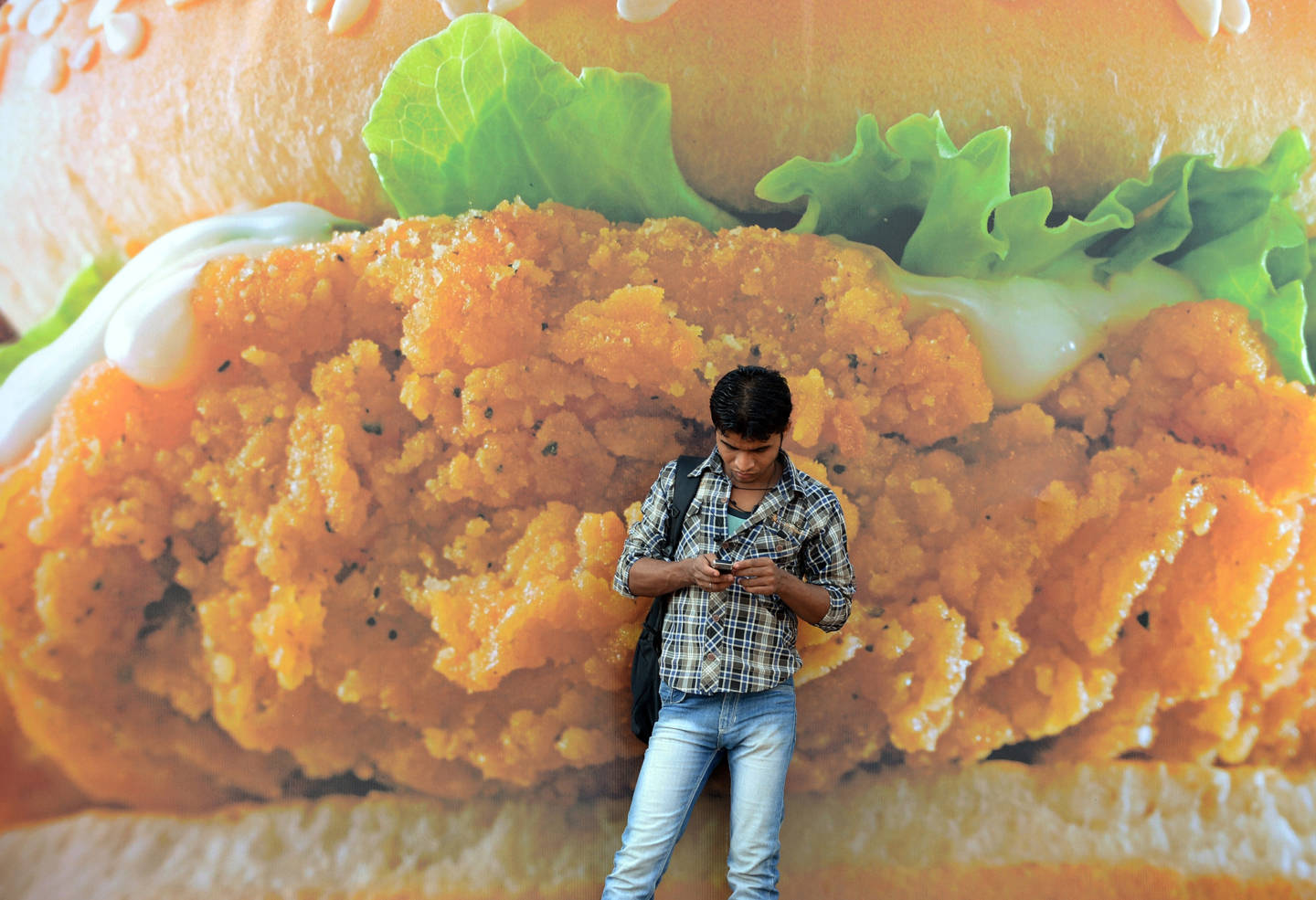
"caption": "An Indian pedestrian checks his mobile phone in front of an advertisement for a burger of a fast-food giant in Mumbai, India. Fast food and highly processed foods and sodas are increasingly becoming more popular around the world, one of the main reasons for increasing rates of overweight and obesity.",
"description": "An Indian pedestrian checks his mobile phone in front of an advertisement for a burger of a fast-food giant in Mumbai, India. Fast food and highly processed foods and sodas are increasingly becoming more popular around the world, one of the main reasons for increasing rates of overweight and obesity.",
"title": "An Indian pedestrian checks his mobile phone in front of an advertisement for a burger of a fast-food giant in Mumbai, India. Fast food and highly processed foods and sodas are increasingly becoming more popular around the world, one of the main reasons for increasing rates of overweight and obesity.",
"credit": "Indranil Mukherjee/AFP/Getty Images",
"status": "inherit",
"isLoading": false,
"fetchFailed": false
},
"bayareabites_112579": {
"type": "attachments",
"id": "bayareabites_112579",
"meta": {
"index": "attachments_1716263798",
"site": "bayareabites",
"id": "112579",
"found": true
},
"parent": 112578,
"imgSizes": {
"twentyfourteen-full-width": {
"file": "https://ww2.kqed.org/app/uploads/sites/24/2016/10/ap_874267662394_wide-971362f88b4c269a9fd85003e5481cd2a206d041-1038x576.jpg",
"width": 1038,
"mimeType": "image/jpeg",
"height": 576
},
"thumbnail": {
"file": "https://ww2.kqed.org/app/uploads/sites/24/2016/10/ap_874267662394_wide-971362f88b4c269a9fd85003e5481cd2a206d041-400x225.jpg",
"width": 400,
"mimeType": "image/jpeg",
"height": 225
},
"fd-sm": {
"file": "https://ww2.kqed.org/app/uploads/sites/24/2016/10/ap_874267662394_wide-971362f88b4c269a9fd85003e5481cd2a206d041-960x540.jpg",
"width": 960,
"mimeType": "image/jpeg",
"height": 540
},
"post-thumbnail": {
"file": "https://ww2.kqed.org/app/uploads/sites/24/2016/10/ap_874267662394_wide-971362f88b4c269a9fd85003e5481cd2a206d041-672x372.jpg",
"width": 672,
"mimeType": "image/jpeg",
"height": 372
},
"kqedFullSize": {
"file": "https://ww2.kqed.org/app/uploads/sites/24/2016/10/ap_874267662394_wide-971362f88b4c269a9fd85003e5481cd2a206d041.jpg",
"width": 4569,
"height": 2570
},
"large": {
"file": "https://ww2.kqed.org/app/uploads/sites/24/2016/10/ap_874267662394_wide-971362f88b4c269a9fd85003e5481cd2a206d041-1440x810.jpg",
"width": 1440,
"mimeType": "image/jpeg",
"height": 810
},
"guest-author-50": {
"file": "https://ww2.kqed.org/app/uploads/sites/24/2016/10/ap_874267662394_wide-971362f88b4c269a9fd85003e5481cd2a206d041-50x50.jpg",
"width": 50,
"mimeType": "image/jpeg",
"height": 50
},
"guest-author-96": {
"file": "https://ww2.kqed.org/app/uploads/sites/24/2016/10/ap_874267662394_wide-971362f88b4c269a9fd85003e5481cd2a206d041-96x96.jpg",
"width": 96,
"mimeType": "image/jpeg",
"height": 96
},
"medium": {
"file": "https://ww2.kqed.org/app/uploads/sites/24/2016/10/ap_874267662394_wide-971362f88b4c269a9fd85003e5481cd2a206d041-800x450.jpg",
"width": 800,
"mimeType": "image/jpeg",
"height": 450
},
"guest-author-64": {
"file": "https://ww2.kqed.org/app/uploads/sites/24/2016/10/ap_874267662394_wide-971362f88b4c269a9fd85003e5481cd2a206d041-64x64.jpg",
"width": 64,
"mimeType": "image/jpeg",
"height": 64
},
"guest-author-32": {
"file": "https://ww2.kqed.org/app/uploads/sites/24/2016/10/ap_874267662394_wide-971362f88b4c269a9fd85003e5481cd2a206d041-32x32.jpg",
"width": 32,
"mimeType": "image/jpeg",
"height": 32
},
"cat_post_thumb_sizecategory-posts-2": {
"file": "https://ww2.kqed.org/app/uploads/sites/24/2016/10/ap_874267662394_wide-971362f88b4c269a9fd85003e5481cd2a206d041-150x150.jpg",
"width": 150,
"mimeType": "image/jpeg",
"height": 150
},
"fd-lrg": {
"file": "https://ww2.kqed.org/app/uploads/sites/24/2016/10/ap_874267662394_wide-971362f88b4c269a9fd85003e5481cd2a206d041-1920x1080.jpg",
"width": 1920,
"mimeType": "image/jpeg",
"height": 1080
},
"fd-med": {
"file": "https://ww2.kqed.org/app/uploads/sites/24/2016/10/ap_874267662394_wide-971362f88b4c269a9fd85003e5481cd2a206d041-1180x664.jpg",
"width": 1180,
"mimeType": "image/jpeg",
"height": 664
},
"detail": {
"file": "https://ww2.kqed.org/app/uploads/sites/24/2016/10/ap_874267662394_wide-971362f88b4c269a9fd85003e5481cd2a206d041-150x150.jpg",
"width": 150,
"mimeType": "image/jpeg",
"height": 150
},
"medium_large": {
"file": "https://ww2.kqed.org/app/uploads/sites/24/2016/10/ap_874267662394_wide-971362f88b4c269a9fd85003e5481cd2a206d041-768x432.jpg",
"width": 768,
"mimeType": "image/jpeg",
"height": 432
},
"guest-author-128": {
"file": "https://ww2.kqed.org/app/uploads/sites/24/2016/10/ap_874267662394_wide-971362f88b4c269a9fd85003e5481cd2a206d041-128x128.jpg",
"width": 128,
"mimeType": "image/jpeg",
"height": 128
}
},
"publishDate": 1475962080,
"modified": 1475962416,
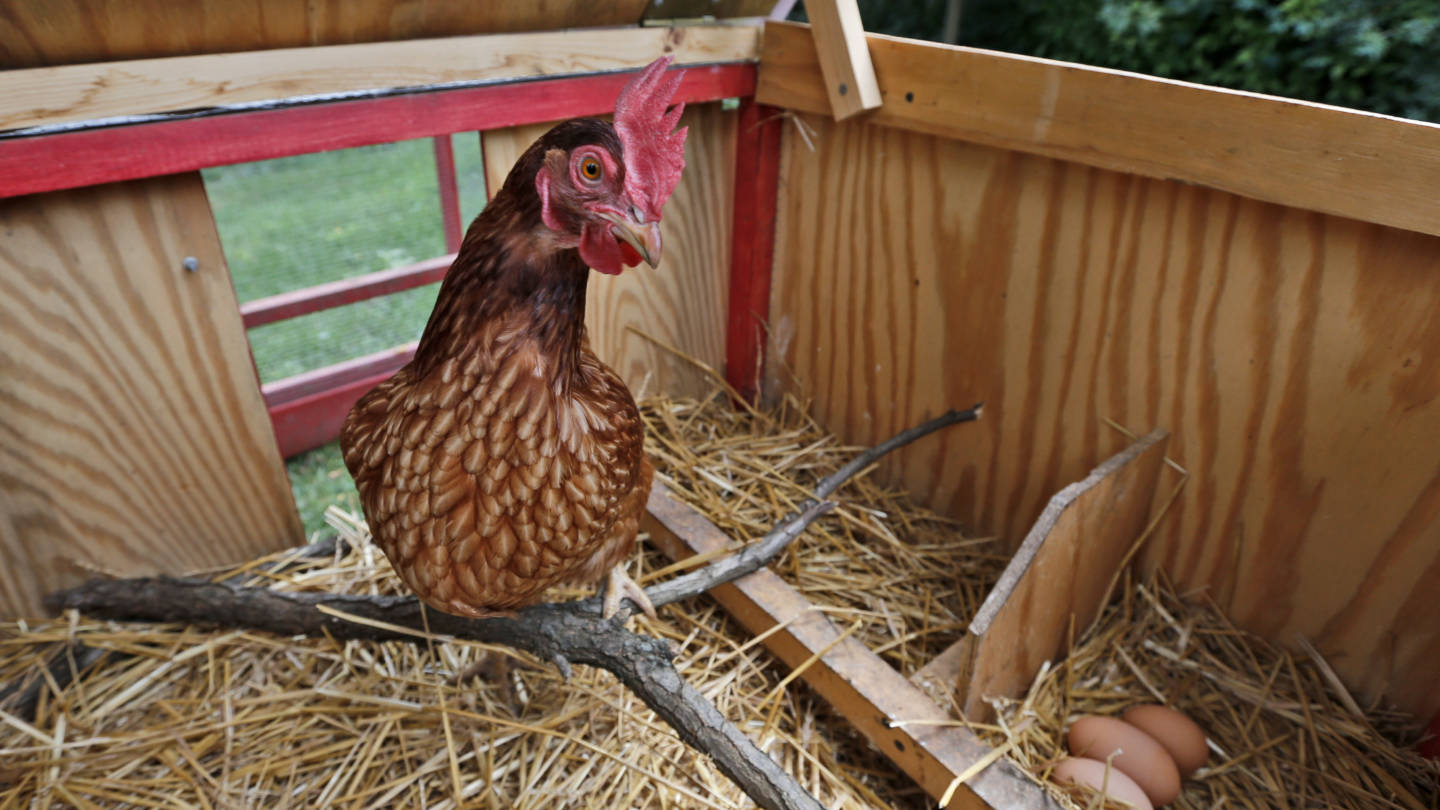
"caption": "A backyard chicken hangs out in a portable coop in Silver Spring, Md., a close-in suburb of Washington, D.C. Backyard birds have become popular in urban and suburban areas, but a new CDC report documents a record high number of salmonella infections linked to these domestic flocks.",
"description": "A backyard chicken hangs out in a portable coop in Silver Spring, Md., a close-in suburb of Washington, D.C. Backyard birds have become popular in urban and suburban areas, but a new CDC report documents a record high number of salmonella infections linked to these domestic flock",
"title": "A backyard chicken hangs out in a portable coop in Silver Spring, Md., a close-in suburb of Washington, D.C. Backyard birds have become popular in urban and suburban areas, but a new CDC report documents a record high number of salmonella infections linked to these domestic flocks.",
"credit": "Charles Dharapak/AP",
"status": "inherit",
"isLoading": false,
"fetchFailed": false
},
"bayareabites_112486": {
"type": "attachments",
"id": "bayareabites_112486",
"meta": {
"index": "attachments_1716263798",
"site": "bayareabites",
"id": "112486",
"found": true
},
"parent": 112485,
"imgSizes": {
"twentyfourteen-full-width": {
"file": "https://ww2.kqed.org/app/uploads/sites/24/2016/10/kindbars-1_custom-4467efbe9ff31031063790cedaecde3c4eeb10d7-1038x576.jpg",
"width": 1038,
"mimeType": "image/jpeg",
"height": 576
},
"thumbnail": {
"file": "https://ww2.kqed.org/app/uploads/sites/24/2016/10/kindbars-1_custom-4467efbe9ff31031063790cedaecde3c4eeb10d7-400x268.jpg",
"width": 400,
"mimeType": "image/jpeg",
"height": 268
},
"fd-sm": {
"file": "https://ww2.kqed.org/app/uploads/sites/24/2016/10/kindbars-1_custom-4467efbe9ff31031063790cedaecde3c4eeb10d7-960x644.jpg",
"width": 960,
"mimeType": "image/jpeg",
"height": 644
},
"post-thumbnail": {
"file": "https://ww2.kqed.org/app/uploads/sites/24/2016/10/kindbars-1_custom-4467efbe9ff31031063790cedaecde3c4eeb10d7-672x372.jpg",
"width": 672,
"mimeType": "image/jpeg",
"height": 372
},
"kqedFullSize": {
"file": "https://ww2.kqed.org/app/uploads/sites/24/2016/10/kindbars-1_custom-4467efbe9ff31031063790cedaecde3c4eeb10d7.jpg",
"width": 2980,
"height": 1998
},
"large": {
"file": "https://ww2.kqed.org/app/uploads/sites/24/2016/10/kindbars-1_custom-4467efbe9ff31031063790cedaecde3c4eeb10d7-1440x965.jpg",
"width": 1440,
"mimeType": "image/jpeg",
"height": 965
},
"guest-author-50": {
"file": "https://ww2.kqed.org/app/uploads/sites/24/2016/10/kindbars-1_custom-4467efbe9ff31031063790cedaecde3c4eeb10d7-50x50.jpg",
"width": 50,
"mimeType": "image/jpeg",
"height": 50
},
"guest-author-96": {
"file": "https://ww2.kqed.org/app/uploads/sites/24/2016/10/kindbars-1_custom-4467efbe9ff31031063790cedaecde3c4eeb10d7-96x96.jpg",
"width": 96,
"mimeType": "image/jpeg",
"height": 96
},
"medium": {
"file": "https://ww2.kqed.org/app/uploads/sites/24/2016/10/kindbars-1_custom-4467efbe9ff31031063790cedaecde3c4eeb10d7-800x536.jpg",
"width": 800,
"mimeType": "image/jpeg",
"height": 536
},
"guest-author-64": {
"file": "https://ww2.kqed.org/app/uploads/sites/24/2016/10/kindbars-1_custom-4467efbe9ff31031063790cedaecde3c4eeb10d7-64x64.jpg",
"width": 64,
"mimeType": "image/jpeg",
"height": 64
},
"guest-author-32": {
"file": "https://ww2.kqed.org/app/uploads/sites/24/2016/10/kindbars-1_custom-4467efbe9ff31031063790cedaecde3c4eeb10d7-32x32.jpg",
"width": 32,
"mimeType": "image/jpeg",
"height": 32
},
"cat_post_thumb_sizecategory-posts-2": {
"file": "https://ww2.kqed.org/app/uploads/sites/24/2016/10/kindbars-1_custom-4467efbe9ff31031063790cedaecde3c4eeb10d7-150x150.jpg",
"width": 150,
"mimeType": "image/jpeg",
"height": 150
},
"fd-lrg": {
"file": "https://ww2.kqed.org/app/uploads/sites/24/2016/10/kindbars-1_custom-4467efbe9ff31031063790cedaecde3c4eeb10d7-1920x1287.jpg",
"width": 1920,
"mimeType": "image/jpeg",
"height": 1287
},
"fd-med": {
"file": "https://ww2.kqed.org/app/uploads/sites/24/2016/10/kindbars-1_custom-4467efbe9ff31031063790cedaecde3c4eeb10d7-1180x791.jpg",
"width": 1180,
"mimeType": "image/jpeg",
"height": 791
},
"detail": {
"file": "https://ww2.kqed.org/app/uploads/sites/24/2016/10/kindbars-1_custom-4467efbe9ff31031063790cedaecde3c4eeb10d7-150x150.jpg",
"width": 150,
"mimeType": "image/jpeg",
"height": 150
},
"medium_large": {
"file": "https://ww2.kqed.org/app/uploads/sites/24/2016/10/kindbars-1_custom-4467efbe9ff31031063790cedaecde3c4eeb10d7-768x515.jpg",
"width": 768,
"mimeType": "image/jpeg",
"height": 515
},
"guest-author-128": {
"file": "https://ww2.kqed.org/app/uploads/sites/24/2016/10/kindbars-1_custom-4467efbe9ff31031063790cedaecde3c4eeb10d7-128x128.jpg",
"width": 128,
"mimeType": "image/jpeg",
"height": 128
}
},
"publishDate": 1475510388,
"modified": 1475510892,
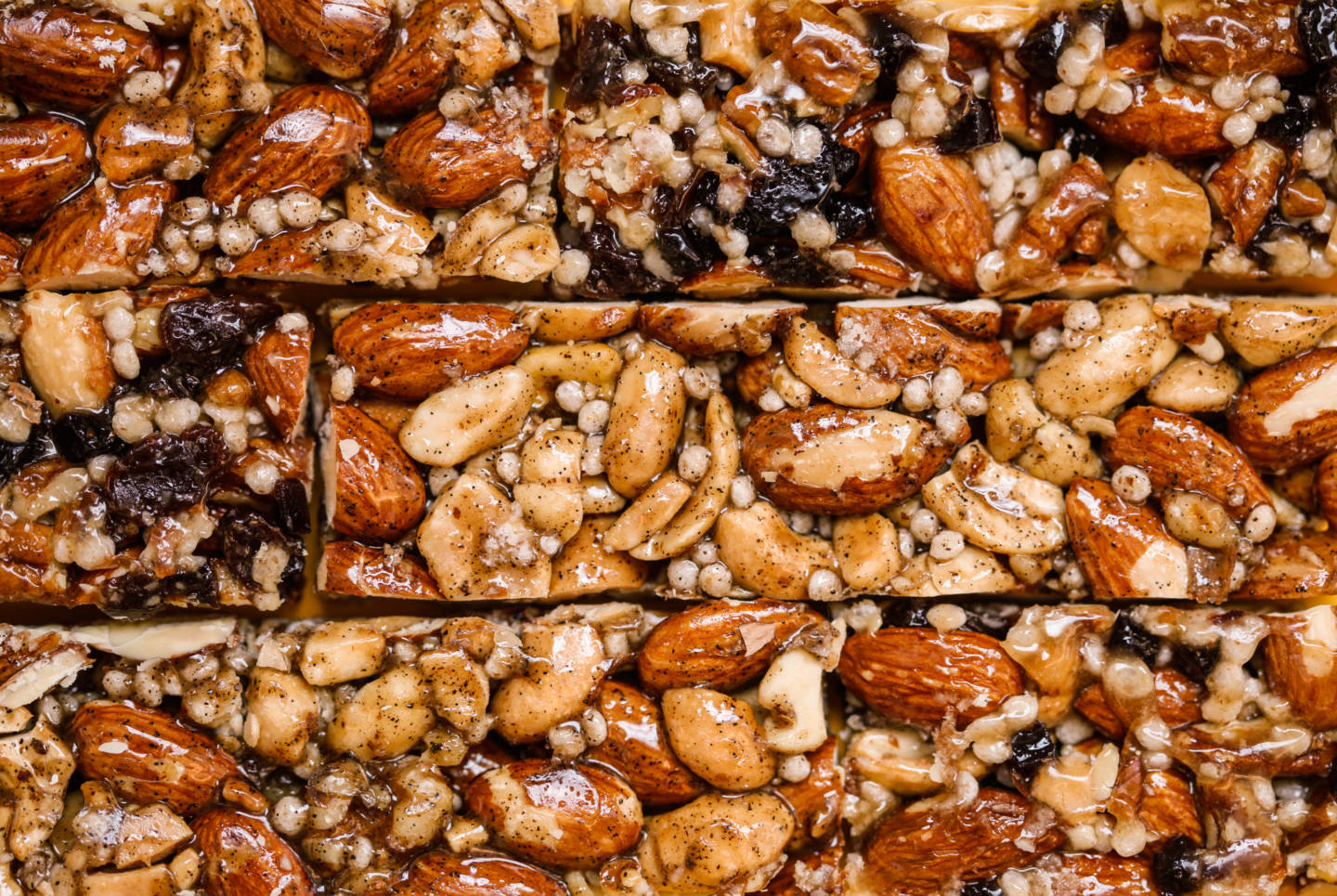
"caption": "Last year, the Food and Drug Administration told the maker of Kind bars that some of its nut-filled snacks couldn't be labeled as \"healthy.\" Now the agency is rethinking what healthy means, amid evolving science on fat and sugar.",
"description": "Last year, the Food and Drug Administration told the maker of Kind bars that some of its nut-filled snacks couldn't be labeled as \"healthy.\" Now the agency is rethinking what healthy means, amid evolving science on fat and sugar.",
"title": "Last year, the Food and Drug Administration told the maker of Kind bars that some of its nut-filled snacks couldn't be labeled as \"healthy.\" Now the agency is rethinking what healthy means, amid evolving science on fat and sugar.",
"credit": "Ryan Kellman/NPR",
"status": "inherit",
"isLoading": false,
"fetchFailed": false
},
"bayareabites_112304": {
"type": "attachments",
"id": "bayareabites_112304",
"meta": {
"index": "attachments_1716263798",
"site": "bayareabites",
"id": "112304",
"found": true
},
"parent": 112303,
"imgSizes": {
"twentyfourteen-full-width": {
"file": "https://ww2.kqed.org/app/uploads/sites/24/2016/09/hannabarczyk_npr_food_finalart_wide-008eee3afdb6d4e4b31fa996dbdf48bbab3d2b91-1038x576.jpg",
"width": 1038,
"mimeType": "image/jpeg",
"height": 576
},
"thumbnail": {
"file": "https://ww2.kqed.org/app/uploads/sites/24/2016/09/hannabarczyk_npr_food_finalart_wide-008eee3afdb6d4e4b31fa996dbdf48bbab3d2b91-400x225.jpg",
"width": 400,
"mimeType": "image/jpeg",
"height": 225
},
"fd-sm": {
"file": "https://ww2.kqed.org/app/uploads/sites/24/2016/09/hannabarczyk_npr_food_finalart_wide-008eee3afdb6d4e4b31fa996dbdf48bbab3d2b91-960x540.jpg",
"width": 960,
"mimeType": "image/jpeg",
"height": 540
},
"post-thumbnail": {
"file": "https://ww2.kqed.org/app/uploads/sites/24/2016/09/hannabarczyk_npr_food_finalart_wide-008eee3afdb6d4e4b31fa996dbdf48bbab3d2b91-672x372.jpg",
"width": 672,
"mimeType": "image/jpeg",
"height": 372
},
"kqedFullSize": {
"file": "https://ww2.kqed.org/app/uploads/sites/24/2016/09/hannabarczyk_npr_food_finalart_wide-008eee3afdb6d4e4b31fa996dbdf48bbab3d2b91.jpg",
"width": 4793,
"height": 2696
},
"large": {
"file": "https://ww2.kqed.org/app/uploads/sites/24/2016/09/hannabarczyk_npr_food_finalart_wide-008eee3afdb6d4e4b31fa996dbdf48bbab3d2b91-1440x810.jpg",
"width": 1440,
"mimeType": "image/jpeg",
"height": 810
},
"guest-author-50": {
"file": "https://ww2.kqed.org/app/uploads/sites/24/2016/09/hannabarczyk_npr_food_finalart_wide-008eee3afdb6d4e4b31fa996dbdf48bbab3d2b91-50x50.jpg",
"width": 50,
"mimeType": "image/jpeg",
"height": 50
},
"guest-author-96": {
"file": "https://ww2.kqed.org/app/uploads/sites/24/2016/09/hannabarczyk_npr_food_finalart_wide-008eee3afdb6d4e4b31fa996dbdf48bbab3d2b91-96x96.jpg",
"width": 96,
"mimeType": "image/jpeg",
"height": 96
},
"medium": {
"file": "https://ww2.kqed.org/app/uploads/sites/24/2016/09/hannabarczyk_npr_food_finalart_wide-008eee3afdb6d4e4b31fa996dbdf48bbab3d2b91-800x450.jpg",
"width": 800,
"mimeType": "image/jpeg",
"height": 450
},
"guest-author-64": {
"file": "https://ww2.kqed.org/app/uploads/sites/24/2016/09/hannabarczyk_npr_food_finalart_wide-008eee3afdb6d4e4b31fa996dbdf48bbab3d2b91-64x64.jpg",
"width": 64,
"mimeType": "image/jpeg",
"height": 64
},
"guest-author-32": {
"file": "https://ww2.kqed.org/app/uploads/sites/24/2016/09/hannabarczyk_npr_food_finalart_wide-008eee3afdb6d4e4b31fa996dbdf48bbab3d2b91-32x32.jpg",
"width": 32,
"mimeType": "image/jpeg",
"height": 32
},
"cat_post_thumb_sizecategory-posts-2": {
"file": "https://ww2.kqed.org/app/uploads/sites/24/2016/09/hannabarczyk_npr_food_finalart_wide-008eee3afdb6d4e4b31fa996dbdf48bbab3d2b91-150x150.jpg",
"width": 150,
"mimeType": "image/jpeg",
"height": 150
},
"fd-lrg": {
"file": "https://ww2.kqed.org/app/uploads/sites/24/2016/09/hannabarczyk_npr_food_finalart_wide-008eee3afdb6d4e4b31fa996dbdf48bbab3d2b91-1920x1080.jpg",
"width": 1920,
"mimeType": "image/jpeg",
"height": 1080
},
"fd-med": {
"file": "https://ww2.kqed.org/app/uploads/sites/24/2016/09/hannabarczyk_npr_food_finalart_wide-008eee3afdb6d4e4b31fa996dbdf48bbab3d2b91-1180x664.jpg",
"width": 1180,
"mimeType": "image/jpeg",
"height": 664
},
"detail": {
"file": "https://ww2.kqed.org/app/uploads/sites/24/2016/09/hannabarczyk_npr_food_finalart_wide-008eee3afdb6d4e4b31fa996dbdf48bbab3d2b91-150x150.jpg",
"width": 150,
"mimeType": "image/jpeg",
"height": 150
},
"medium_large": {
"file": "https://ww2.kqed.org/app/uploads/sites/24/2016/09/hannabarczyk_npr_food_finalart_wide-008eee3afdb6d4e4b31fa996dbdf48bbab3d2b91-768x432.jpg",
"width": 768,
"mimeType": "image/jpeg",
"height": 432
},
"guest-author-128": {
"file": "https://ww2.kqed.org/app/uploads/sites/24/2016/09/hannabarczyk_npr_food_finalart_wide-008eee3afdb6d4e4b31fa996dbdf48bbab3d2b91-128x128.jpg",
"width": 128,
"mimeType": "image/jpeg",
"height": 128
}
},
"publishDate": 1475022365,
"modified": 1475022518,
"caption": "A new study suggests stress can diminish the benefits of more healthful food choices.",
"description": "A new study suggests stress can diminish the benefits of more healthful food choices.",
"title": "A new study suggests stress can diminish the benefits of more healthful food choices.",
"credit": "Hanna Barczyk for NPR",
"status": "inherit",
"isLoading": false,
"fetchFailed": false
},
"bayareabites_112200": {
"type": "attachments",
"id": "bayareabites_112200",
"meta": {
"index": "attachments_1716263798",
"site": "bayareabites",
"id": "112200",
"found": true
},
"parent": 112197,
"imgSizes": {
"twentyfourteen-full-width": {
"file": "https://ww2.kqed.org/app/uploads/sites/24/2016/09/francesmoorelappe_custom-26643367f2ff952a0c18bd5ea1895a083147b6ad-s1600-c85-1038x576.jpg",
"width": 1038,
"mimeType": "image/jpeg",
"height": 576
},
"thumbnail": {
"file": "https://ww2.kqed.org/app/uploads/sites/24/2016/09/francesmoorelappe_custom-26643367f2ff952a0c18bd5ea1895a083147b6ad-s1600-c85-400x266.jpg",
"width": 400,
"mimeType": "image/jpeg",
"height": 266
},
"fd-sm": {
"file": "https://ww2.kqed.org/app/uploads/sites/24/2016/09/francesmoorelappe_custom-26643367f2ff952a0c18bd5ea1895a083147b6ad-s1600-c85-960x639.jpg",
"width": 960,
"mimeType": "image/jpeg",
"height": 639
},
"post-thumbnail": {
"file": "https://ww2.kqed.org/app/uploads/sites/24/2016/09/francesmoorelappe_custom-26643367f2ff952a0c18bd5ea1895a083147b6ad-s1600-c85-672x372.jpg",
"width": 672,
"mimeType": "image/jpeg",
"height": 372
},
"kqedFullSize": {
"file": "https://ww2.kqed.org/app/uploads/sites/24/2016/09/francesmoorelappe_custom-26643367f2ff952a0c18bd5ea1895a083147b6ad-s1600-c85.jpg",
"width": 1600,
"height": 1065
},
"large": {
"file": "https://ww2.kqed.org/app/uploads/sites/24/2016/09/francesmoorelappe_custom-26643367f2ff952a0c18bd5ea1895a083147b6ad-s1600-c85-1440x959.jpg",
"width": 1440,
"mimeType": "image/jpeg",
"height": 959
},
"guest-author-50": {
"file": "https://ww2.kqed.org/app/uploads/sites/24/2016/09/francesmoorelappe_custom-26643367f2ff952a0c18bd5ea1895a083147b6ad-s1600-c85-50x50.jpg",
"width": 50,
"mimeType": "image/jpeg",
"height": 50
},
"guest-author-96": {
"file": "https://ww2.kqed.org/app/uploads/sites/24/2016/09/francesmoorelappe_custom-26643367f2ff952a0c18bd5ea1895a083147b6ad-s1600-c85-96x96.jpg",
"width": 96,
"mimeType": "image/jpeg",
"height": 96
},
"medium": {
"file": "https://ww2.kqed.org/app/uploads/sites/24/2016/09/francesmoorelappe_custom-26643367f2ff952a0c18bd5ea1895a083147b6ad-s1600-c85-800x533.jpg",
"width": 800,
"mimeType": "image/jpeg",
"height": 533
},
"guest-author-64": {
"file": "https://ww2.kqed.org/app/uploads/sites/24/2016/09/francesmoorelappe_custom-26643367f2ff952a0c18bd5ea1895a083147b6ad-s1600-c85-64x64.jpg",
"width": 64,
"mimeType": "image/jpeg",
"height": 64
},
"guest-author-32": {
"file": "https://ww2.kqed.org/app/uploads/sites/24/2016/09/francesmoorelappe_custom-26643367f2ff952a0c18bd5ea1895a083147b6ad-s1600-c85-32x32.jpg",
"width": 32,
"mimeType": "image/jpeg",
"height": 32
},
"cat_post_thumb_sizecategory-posts-2": {
"file": "https://ww2.kqed.org/app/uploads/sites/24/2016/09/francesmoorelappe_custom-26643367f2ff952a0c18bd5ea1895a083147b6ad-s1600-c85-150x150.jpg",
"width": 150,
"mimeType": "image/jpeg",
"height": 150
},
"fd-med": {
"file": "https://ww2.kqed.org/app/uploads/sites/24/2016/09/francesmoorelappe_custom-26643367f2ff952a0c18bd5ea1895a083147b6ad-s1600-c85-1180x785.jpg",
"width": 1180,
"mimeType": "image/jpeg",
"height": 785
},
"detail": {
"file": "https://ww2.kqed.org/app/uploads/sites/24/2016/09/francesmoorelappe_custom-26643367f2ff952a0c18bd5ea1895a083147b6ad-s1600-c85-150x150.jpg",
"width": 150,
"mimeType": "image/jpeg",
"height": 150
},
"medium_large": {
"file": "https://ww2.kqed.org/app/uploads/sites/24/2016/09/francesmoorelappe_custom-26643367f2ff952a0c18bd5ea1895a083147b6ad-s1600-c85-768x511.jpg",
"width": 768,
"mimeType": "image/jpeg",
"height": 511
},
"guest-author-128": {
"file": "https://ww2.kqed.org/app/uploads/sites/24/2016/09/francesmoorelappe_custom-26643367f2ff952a0c18bd5ea1895a083147b6ad-s1600-c85-128x128.jpg",
"width": 128,
"mimeType": "image/jpeg",
"height": 128
}
},
"publishDate": 1474646479,
"modified": 1474646517,
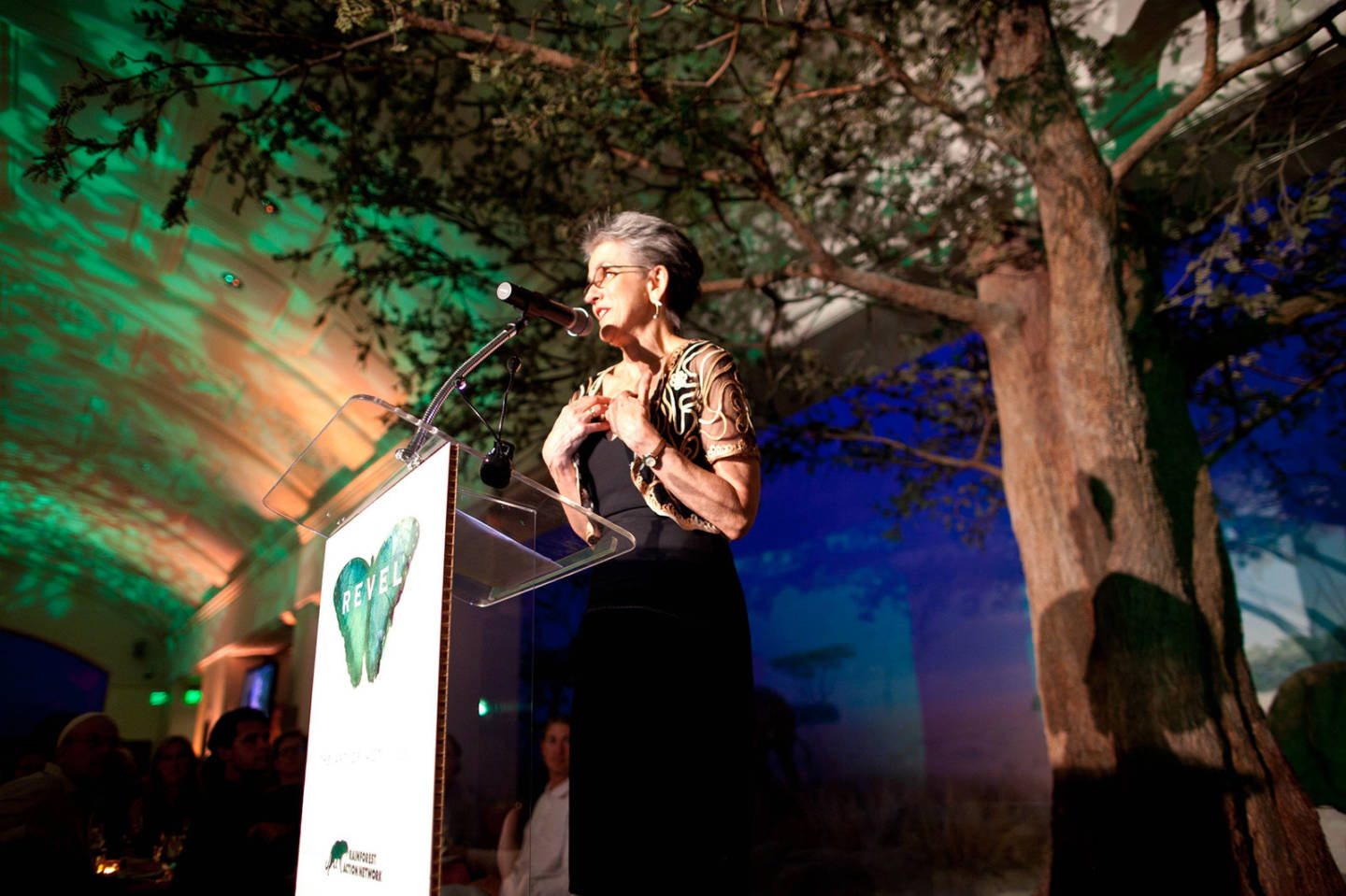
"caption": "Frances Moore Lappe speaks at a Rainforest Action Network event. When she wrote the best-selling Diet For A Small Planet back in 1971, she helped start a conversation about the social and environmental impacts of the foods we choose.",
"description": "Frances Moore Lappe speaks at a Rainforest Action Network event. When she wrote the best-selling Diet For A Small Planet back in 1971, she helped start a conversation about the social and environmental impacts of the foods we choose.",
"title": "francesmoorelappe_custom-26643367f2ff952a0c18bd5ea1895a083147b6ad-s1600-c85",
"credit": "Rainforest Action Network/Flickr",
"status": "inherit",
"isLoading": false,
"fetchFailed": false
},
"bayareabites_112144": {
"type": "attachments",
"id": "bayareabites_112144",
"meta": {
"index": "attachments_1716263798",
"site": "bayareabites",
"id": "112144",
"found": true
},
"parent": 112143,
"imgSizes": {
"twentyfourteen-full-width": {
"file": "https://ww2.kqed.org/app/uploads/sites/24/2016/09/ap100609081813_edit_wide-3b6f56707253d244ce13431dc8ebe034959292ff-1038x576.jpg",
"width": 1038,
"mimeType": "image/jpeg",
"height": 576
},
"thumbnail": {
"file": "https://ww2.kqed.org/app/uploads/sites/24/2016/09/ap100609081813_edit_wide-3b6f56707253d244ce13431dc8ebe034959292ff-400x225.jpg",
"width": 400,
"mimeType": "image/jpeg",
"height": 225
},
"fd-sm": {
"file": "https://ww2.kqed.org/app/uploads/sites/24/2016/09/ap100609081813_edit_wide-3b6f56707253d244ce13431dc8ebe034959292ff-960x540.jpg",
"width": 960,
"mimeType": "image/jpeg",
"height": 540
},
"post-thumbnail": {
"file": "https://ww2.kqed.org/app/uploads/sites/24/2016/09/ap100609081813_edit_wide-3b6f56707253d244ce13431dc8ebe034959292ff-672x372.jpg",
"width": 672,
"mimeType": "image/jpeg",
"height": 372
},
"kqedFullSize": {
"file": "https://ww2.kqed.org/app/uploads/sites/24/2016/09/ap100609081813_edit_wide-3b6f56707253d244ce13431dc8ebe034959292ff.jpg",
"width": 2400,
"height": 1350
},
"large": {
"file": "https://ww2.kqed.org/app/uploads/sites/24/2016/09/ap100609081813_edit_wide-3b6f56707253d244ce13431dc8ebe034959292ff-1440x810.jpg",
"width": 1440,
"mimeType": "image/jpeg",
"height": 810
},
"guest-author-50": {
"file": "https://ww2.kqed.org/app/uploads/sites/24/2016/09/ap100609081813_edit_wide-3b6f56707253d244ce13431dc8ebe034959292ff-50x50.jpg",
"width": 50,
"mimeType": "image/jpeg",
"height": 50
},
"guest-author-96": {
"file": "https://ww2.kqed.org/app/uploads/sites/24/2016/09/ap100609081813_edit_wide-3b6f56707253d244ce13431dc8ebe034959292ff-96x96.jpg",
"width": 96,
"mimeType": "image/jpeg",
"height": 96
},
"medium": {
"file": "https://ww2.kqed.org/app/uploads/sites/24/2016/09/ap100609081813_edit_wide-3b6f56707253d244ce13431dc8ebe034959292ff-800x450.jpg",
"width": 800,
"mimeType": "image/jpeg",
"height": 450
},
"guest-author-64": {
"file": "https://ww2.kqed.org/app/uploads/sites/24/2016/09/ap100609081813_edit_wide-3b6f56707253d244ce13431dc8ebe034959292ff-64x64.jpg",
"width": 64,
"mimeType": "image/jpeg",
"height": 64
},
"guest-author-32": {
"file": "https://ww2.kqed.org/app/uploads/sites/24/2016/09/ap100609081813_edit_wide-3b6f56707253d244ce13431dc8ebe034959292ff-32x32.jpg",
"width": 32,
"mimeType": "image/jpeg",
"height": 32
},
"cat_post_thumb_sizecategory-posts-2": {
"file": "https://ww2.kqed.org/app/uploads/sites/24/2016/09/ap100609081813_edit_wide-3b6f56707253d244ce13431dc8ebe034959292ff-150x150.jpg",
"width": 150,
"mimeType": "image/jpeg",
"height": 150
},
"fd-lrg": {
"file": "https://ww2.kqed.org/app/uploads/sites/24/2016/09/ap100609081813_edit_wide-3b6f56707253d244ce13431dc8ebe034959292ff-1920x1080.jpg",
"width": 1920,
"mimeType": "image/jpeg",
"height": 1080
},
"fd-med": {
"file": "https://ww2.kqed.org/app/uploads/sites/24/2016/09/ap100609081813_edit_wide-3b6f56707253d244ce13431dc8ebe034959292ff-1180x664.jpg",
"width": 1180,
"mimeType": "image/jpeg",
"height": 664
},
"detail": {
"file": "https://ww2.kqed.org/app/uploads/sites/24/2016/09/ap100609081813_edit_wide-3b6f56707253d244ce13431dc8ebe034959292ff-150x150.jpg",
"width": 150,
"mimeType": "image/jpeg",
"height": 150
},
"medium_large": {
"file": "https://ww2.kqed.org/app/uploads/sites/24/2016/09/ap100609081813_edit_wide-3b6f56707253d244ce13431dc8ebe034959292ff-768x432.jpg",
"width": 768,
"mimeType": "image/jpeg",
"height": 432
},
"guest-author-128": {
"file": "https://ww2.kqed.org/app/uploads/sites/24/2016/09/ap100609081813_edit_wide-3b6f56707253d244ce13431dc8ebe034959292ff-128x128.jpg",
"width": 128,
"mimeType": "image/jpeg",
"height": 128
}
},
"publishDate": 1474267972,
"modified": 1474268157,
"caption": "A central Illinois corn farmer refills his sprayer with the weedkiller glyphosate on a farm near Auburn, Ill. The pesticide has been the subject of intense international scrutiny.",
"description": "A central Illinois corn farmer refills his sprayer with the weedkiller glyphosate on a farm near Auburn, Ill. The pesticide has been the subject of intense international scrutiny.",
"title": "A central Illinois corn farmer refills his sprayer with the weedkiller glyphosate on a farm near Auburn, Ill. The pesticide has been the subject of intense international scrutiny.",
"credit": "Seth Perlman/AP",
"status": "inherit",
"isLoading": false,
"fetchFailed": false
},
"bayareabites_112056": {
"type": "attachments",
"id": "bayareabites_112056",
"meta": {
"index": "attachments_1716263798",
"site": "bayareabites",
"id": "112056",
"found": true
},
"parent": 112055,
"imgSizes": {
"twentyfourteen-full-width": {
"file": "https://ww2.kqed.org/app/uploads/sites/24/2016/09/sugarandcoke_enl-ef5eb2c8b2f616734d7b3139373a5c1979fb9485-1038x576.jpg",
"width": 1038,
"mimeType": "image/jpeg",
"height": 576
},
"thumbnail": {
"file": "https://ww2.kqed.org/app/uploads/sites/24/2016/09/sugarandcoke_enl-ef5eb2c8b2f616734d7b3139373a5c1979fb9485-400x266.jpg",
"width": 400,
"mimeType": "image/jpeg",
"height": 266
},
"fd-sm": {
"file": "https://ww2.kqed.org/app/uploads/sites/24/2016/09/sugarandcoke_enl-ef5eb2c8b2f616734d7b3139373a5c1979fb9485-960x639.jpg",
"width": 960,
"mimeType": "image/jpeg",
"height": 639
},
"post-thumbnail": {
"file": "https://ww2.kqed.org/app/uploads/sites/24/2016/09/sugarandcoke_enl-ef5eb2c8b2f616734d7b3139373a5c1979fb9485-672x372.jpg",
"width": 672,
"mimeType": "image/jpeg",
"height": 372
},
"kqedFullSize": {
"file": "https://ww2.kqed.org/app/uploads/sites/24/2016/09/sugarandcoke_enl-ef5eb2c8b2f616734d7b3139373a5c1979fb9485.jpg",
"width": 2000,
"height": 1332
},
"large": {
"file": "https://ww2.kqed.org/app/uploads/sites/24/2016/09/sugarandcoke_enl-ef5eb2c8b2f616734d7b3139373a5c1979fb9485-1440x959.jpg",
"width": 1440,
"mimeType": "image/jpeg",
"height": 959
},
"guest-author-50": {
"file": "https://ww2.kqed.org/app/uploads/sites/24/2016/09/sugarandcoke_enl-ef5eb2c8b2f616734d7b3139373a5c1979fb9485-50x50.jpg",
"width": 50,
"mimeType": "image/jpeg",
"height": 50
},
"guest-author-96": {
"file": "https://ww2.kqed.org/app/uploads/sites/24/2016/09/sugarandcoke_enl-ef5eb2c8b2f616734d7b3139373a5c1979fb9485-96x96.jpg",
"width": 96,
"mimeType": "image/jpeg",
"height": 96
},
"medium": {
"file": "https://ww2.kqed.org/app/uploads/sites/24/2016/09/sugarandcoke_enl-ef5eb2c8b2f616734d7b3139373a5c1979fb9485-800x533.jpg",
"width": 800,
"mimeType": "image/jpeg",
"height": 533
},
"guest-author-64": {
"file": "https://ww2.kqed.org/app/uploads/sites/24/2016/09/sugarandcoke_enl-ef5eb2c8b2f616734d7b3139373a5c1979fb9485-64x64.jpg",
"width": 64,
"mimeType": "image/jpeg",
"height": 64
},
"guest-author-32": {
"file": "https://ww2.kqed.org/app/uploads/sites/24/2016/09/sugarandcoke_enl-ef5eb2c8b2f616734d7b3139373a5c1979fb9485-32x32.jpg",
"width": 32,
"mimeType": "image/jpeg",
"height": 32
},
"cat_post_thumb_sizecategory-posts-2": {
"file": "https://ww2.kqed.org/app/uploads/sites/24/2016/09/sugarandcoke_enl-ef5eb2c8b2f616734d7b3139373a5c1979fb9485-150x150.jpg",
"width": 150,
"mimeType": "image/jpeg",
"height": 150
},
"fd-lrg": {
"file": "https://ww2.kqed.org/app/uploads/sites/24/2016/09/sugarandcoke_enl-ef5eb2c8b2f616734d7b3139373a5c1979fb9485-1920x1279.jpg",
"width": 1920,
"mimeType": "image/jpeg",
"height": 1279
},
"fd-med": {
"file": "https://ww2.kqed.org/app/uploads/sites/24/2016/09/sugarandcoke_enl-ef5eb2c8b2f616734d7b3139373a5c1979fb9485-1180x786.jpg",
"width": 1180,
"mimeType": "image/jpeg",
"height": 786
},
"detail": {
"file": "https://ww2.kqed.org/app/uploads/sites/24/2016/09/sugarandcoke_enl-ef5eb2c8b2f616734d7b3139373a5c1979fb9485-150x150.jpg",
"width": 150,
"mimeType": "image/jpeg",
"height": 150
},
"medium_large": {
"file": "https://ww2.kqed.org/app/uploads/sites/24/2016/09/sugarandcoke_enl-ef5eb2c8b2f616734d7b3139373a5c1979fb9485-768x511.jpg",
"width": 768,
"mimeType": "image/jpeg",
"height": 511
},
"guest-author-128": {
"file": "https://ww2.kqed.org/app/uploads/sites/24/2016/09/sugarandcoke_enl-ef5eb2c8b2f616734d7b3139373a5c1979fb9485-128x128.jpg",
"width": 128,
"mimeType": "image/jpeg",
"height": 128
}
},
"publishDate": 1473887928,
"modified": 1473888082,
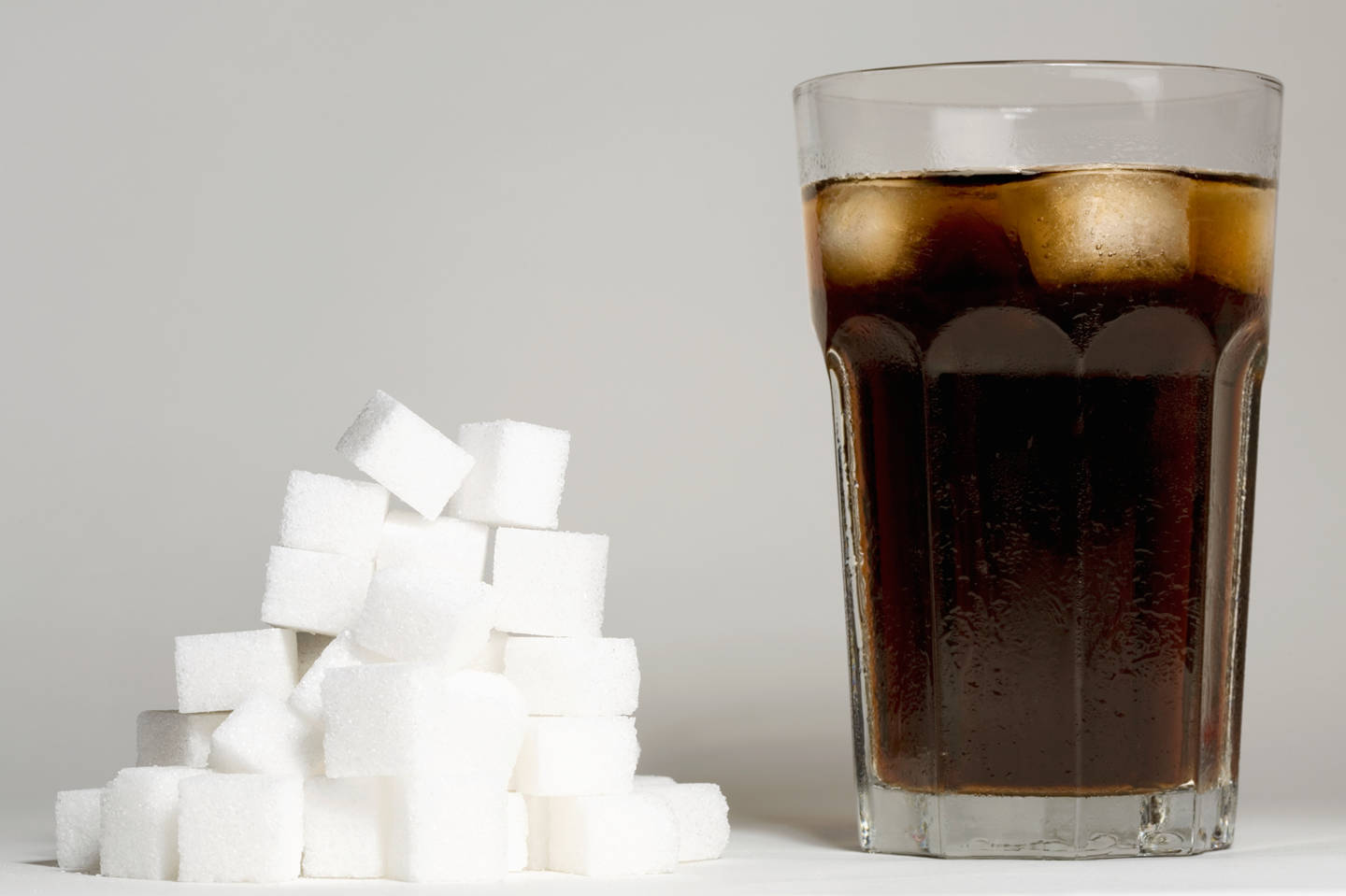
"caption": "A recent study revealed the sugar industry's efforts 50 years ago to shape medical opinion on how sugar affects health. But today, scores of companies continue to fund food and nutrition studies.",
"description": "A recent study revealed the sugar industry's efforts 50 years ago to shape medical opinion on how sugar affects health. But today, scores of companies continue to fund food and nutrition studies.",
"title": "A recent study revealed the sugar industry's efforts 50 years ago to shape medical opinion on how sugar affects health. But today, scores of companies continue to fund food and nutrition studies.",
"credit": "Caspar Benson/fStop/Getty Images",
"status": "inherit",
"isLoading": false,
"fetchFailed": false
},
"bayareabites_112009": {
"type": "attachments",
"id": "bayareabites_112009",
"meta": {
"index": "attachments_1716263798",
"site": "bayareabites",
"id": "112009",
"found": true
},
"parent": 0,
"imgSizes": {
"twentyfourteen-full-width": {
"file": "https://ww2.kqed.org/app/uploads/sites/24/2016/09/DSC_1898-1038x576.jpg",
"width": 1038,
"mimeType": "image/jpeg",
"height": 576
},
"thumbnail": {
"file": "https://ww2.kqed.org/app/uploads/sites/24/2016/09/DSC_1898-400x267.jpg",
"width": 400,
"mimeType": "image/jpeg",
"height": 267
},
"fd-sm": {
"file": "https://ww2.kqed.org/app/uploads/sites/24/2016/09/DSC_1898-960x640.jpg",
"width": 960,
"mimeType": "image/jpeg",
"height": 640
},
"post-thumbnail": {
"file": "https://ww2.kqed.org/app/uploads/sites/24/2016/09/DSC_1898-672x372.jpg",
"width": 672,
"mimeType": "image/jpeg",
"height": 372
},
"kqedFullSize": {
"file": "https://ww2.kqed.org/app/uploads/sites/24/2016/09/DSC_1898.jpg",
"width": 1920,
"height": 1280
},
"large": {
"file": "https://ww2.kqed.org/app/uploads/sites/24/2016/09/DSC_1898-1440x960.jpg",
"width": 1440,
"mimeType": "image/jpeg",
"height": 960
},
"guest-author-50": {
"file": "https://ww2.kqed.org/app/uploads/sites/24/2016/09/DSC_1898-50x50.jpg",
"width": 50,
"mimeType": "image/jpeg",
"height": 50
},
"guest-author-96": {
"file": "https://ww2.kqed.org/app/uploads/sites/24/2016/09/DSC_1898-96x96.jpg",
"width": 96,
"mimeType": "image/jpeg",
"height": 96
},
"medium": {
"file": "https://ww2.kqed.org/app/uploads/sites/24/2016/09/DSC_1898-800x533.jpg",
"width": 800,
"mimeType": "image/jpeg",
"height": 533
},
"guest-author-64": {
"file": "https://ww2.kqed.org/app/uploads/sites/24/2016/09/DSC_1898-64x64.jpg",
"width": 64,
"mimeType": "image/jpeg",
"height": 64
},
"guest-author-32": {
"file": "https://ww2.kqed.org/app/uploads/sites/24/2016/09/DSC_1898-32x32.jpg",
"width": 32,
"mimeType": "image/jpeg",
"height": 32
},
"cat_post_thumb_sizecategory-posts-2": {
"file": "https://ww2.kqed.org/app/uploads/sites/24/2016/09/DSC_1898-150x150.jpg",
"width": 150,
"mimeType": "image/jpeg",
"height": 150
},
"fd-lrg": {
"file": "https://ww2.kqed.org/app/uploads/sites/24/2016/09/DSC_1898-1920x1280.jpg",
"width": 1920,
"mimeType": "image/jpeg",
"height": 1280
},
"fd-med": {
"file": "https://ww2.kqed.org/app/uploads/sites/24/2016/09/DSC_1898-1180x787.jpg",
"width": 1180,
"mimeType": "image/jpeg",
"height": 787
},
"detail": {
"file": "https://ww2.kqed.org/app/uploads/sites/24/2016/09/DSC_1898-150x150.jpg",
"width": 150,
"mimeType": "image/jpeg",
"height": 150
},
"medium_large": {
"file": "https://ww2.kqed.org/app/uploads/sites/24/2016/09/DSC_1898-768x512.jpg",
"width": 768,
"mimeType": "image/jpeg",
"height": 512
},
"guest-author-128": {
"file": "https://ww2.kqed.org/app/uploads/sites/24/2016/09/DSC_1898-128x128.jpg",
"width": 128,
"mimeType": "image/jpeg",
"height": 128
}
},
"publishDate": 1473378040,
"modified": 1473378292,
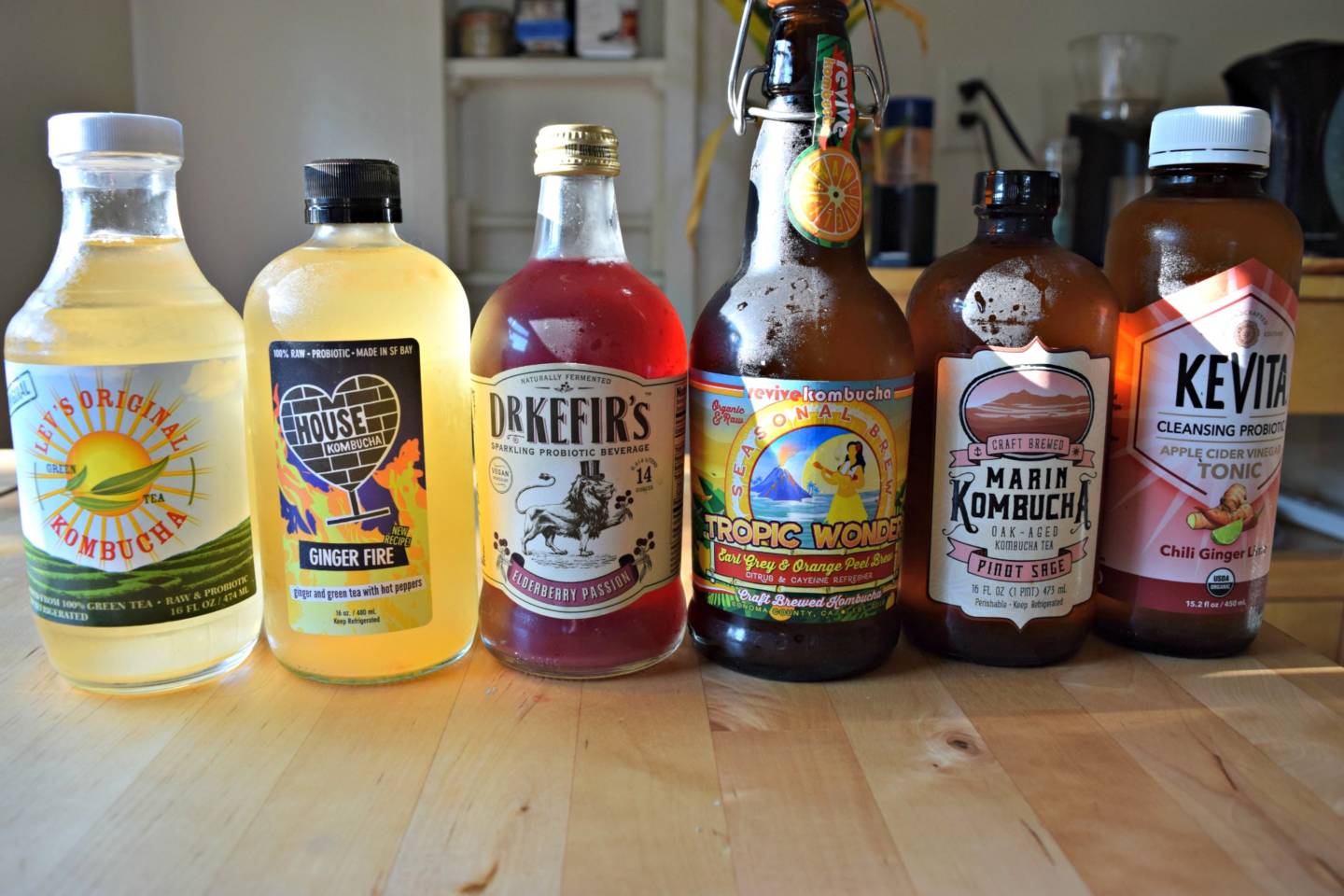
"caption": "A small sample of the many kombuchas available to Bay Area consumers. ",
"description": "A small sample of the many kombuchas available to Bay Area consumers. ",
"title": "A small sample of the many kombuchas available to Bay Area consumers.",
"credit": "Shelby Pope",
"status": "inherit",
"isLoading": false,
"fetchFailed": false
},
"bayareabites_112040": {
"type": "attachments",
"id": "bayareabites_112040",
"meta": {
"index": "attachments_1716263798",
"site": "bayareabites",
"id": "112040",
"found": true
},
"parent": 112039,
"imgSizes": {
"twentyfourteen-full-width": {
"file": "https://ww2.kqed.org/app/uploads/sites/24/2016/09/vegangermany-3216a420a8316e65c463558df2d7ea8f63566fe4-1038x576.jpg",
"width": 1038,
"mimeType": "image/jpeg",
"height": 576
},
"thumbnail": {
"file": "https://ww2.kqed.org/app/uploads/sites/24/2016/09/vegangermany-3216a420a8316e65c463558df2d7ea8f63566fe4-400x300.jpg",
"width": 400,
"mimeType": "image/jpeg",
"height": 300
},
"fd-sm": {
"file": "https://ww2.kqed.org/app/uploads/sites/24/2016/09/vegangermany-3216a420a8316e65c463558df2d7ea8f63566fe4-960x720.jpg",
"width": 960,
"mimeType": "image/jpeg",
"height": 720
},
"post-thumbnail": {
"file": "https://ww2.kqed.org/app/uploads/sites/24/2016/09/vegangermany-3216a420a8316e65c463558df2d7ea8f63566fe4-672x372.jpg",
"width": 672,
"mimeType": "image/jpeg",
"height": 372
},
"kqedFullSize": {
"file": "https://ww2.kqed.org/app/uploads/sites/24/2016/09/vegangermany-3216a420a8316e65c463558df2d7ea8f63566fe4.jpg",
"width": 1998,
"height": 1499
},
"large": {
"file": "https://ww2.kqed.org/app/uploads/sites/24/2016/09/vegangermany-3216a420a8316e65c463558df2d7ea8f63566fe4-1440x1080.jpg",
"width": 1440,
"mimeType": "image/jpeg",
"height": 1080
},
"guest-author-50": {
"file": "https://ww2.kqed.org/app/uploads/sites/24/2016/09/vegangermany-3216a420a8316e65c463558df2d7ea8f63566fe4-50x50.jpg",
"width": 50,
"mimeType": "image/jpeg",
"height": 50
},
"guest-author-96": {
"file": "https://ww2.kqed.org/app/uploads/sites/24/2016/09/vegangermany-3216a420a8316e65c463558df2d7ea8f63566fe4-96x96.jpg",
"width": 96,
"mimeType": "image/jpeg",
"height": 96
},
"medium": {
"file": "https://ww2.kqed.org/app/uploads/sites/24/2016/09/vegangermany-3216a420a8316e65c463558df2d7ea8f63566fe4-800x600.jpg",
"width": 800,
"mimeType": "image/jpeg",
"height": 600
},
"guest-author-64": {
"file": "https://ww2.kqed.org/app/uploads/sites/24/2016/09/vegangermany-3216a420a8316e65c463558df2d7ea8f63566fe4-64x64.jpg",
"width": 64,
"mimeType": "image/jpeg",
"height": 64
},
"guest-author-32": {
"file": "https://ww2.kqed.org/app/uploads/sites/24/2016/09/vegangermany-3216a420a8316e65c463558df2d7ea8f63566fe4-32x32.jpg",
"width": 32,
"mimeType": "image/jpeg",
"height": 32
},
"cat_post_thumb_sizecategory-posts-2": {
"file": "https://ww2.kqed.org/app/uploads/sites/24/2016/09/vegangermany-3216a420a8316e65c463558df2d7ea8f63566fe4-150x150.jpg",
"width": 150,
"mimeType": "image/jpeg",
"height": 150
},
"fd-lrg": {
"file": "https://ww2.kqed.org/app/uploads/sites/24/2016/09/vegangermany-3216a420a8316e65c463558df2d7ea8f63566fe4-1920x1440.jpg",
"width": 1920,
"mimeType": "image/jpeg",
"height": 1440
},
"fd-med": {
"file": "https://ww2.kqed.org/app/uploads/sites/24/2016/09/vegangermany-3216a420a8316e65c463558df2d7ea8f63566fe4-1180x885.jpg",
"width": 1180,
"mimeType": "image/jpeg",
"height": 885
},
"detail": {
"file": "https://ww2.kqed.org/app/uploads/sites/24/2016/09/vegangermany-3216a420a8316e65c463558df2d7ea8f63566fe4-150x150.jpg",
"width": 150,
"mimeType": "image/jpeg",
"height": 150
},
"medium_large": {
"file": "https://ww2.kqed.org/app/uploads/sites/24/2016/09/vegangermany-3216a420a8316e65c463558df2d7ea8f63566fe4-768x576.jpg",
"width": 768,
"mimeType": "image/jpeg",
"height": 576
},
"guest-author-128": {
"file": "https://ww2.kqed.org/app/uploads/sites/24/2016/09/vegangermany-3216a420a8316e65c463558df2d7ea8f63566fe4-128x128.jpg",
"width": 128,
"mimeType": "image/jpeg",
"height": 128
}
},
"publishDate": 1473699781,
"modified": 1473700430,
"caption": "Berlin has become a vegan mecca, with ice cream shops like Vegan Choice (pictured here), restaurants and even butchers catering to a plant-based diet. Now Germany's nutritionists warn that a vegan diet can't provide all a body needs.",
"description": "Berlin has become a vegan mecca, with ice cream shops like Vegan Choice (pictured here), restaurants and even butchers catering to a plant-based diet. Now Germany's nutritionists warn that a vegan diet can't provide all a body needs.",
"title": "Berlin has become a vegan mecca, with ice cream shops like Vegan Choice (pictured here), restaurants and even butchers catering to a plant-based diet. Now Germany's nutritionists warn that a vegan diet can't provide all a body needs.",
"credit": "Courtesy of Susan Stone",
"status": "inherit",
"isLoading": false,
"fetchFailed": false
},
"bayareabites_111993": {
"type": "attachments",
"id": "bayareabites_111993",
"meta": {
"index": "attachments_1716263798",
"site": "bayareabites",
"id": "111993",
"found": true
},
"parent": 111992,
"imgSizes": {
"twentyfourteen-full-width": {
"file": "https://ww2.kqed.org/app/uploads/sites/24/2016/09/childhoodhunger_enl-eaee15d6c5f0e8df8705a19abb89a95947f4ed88-1038x576.jpg",
"width": 1038,
"mimeType": "image/jpeg",
"height": 576
},
"thumbnail": {
"file": "https://ww2.kqed.org/app/uploads/sites/24/2016/09/childhoodhunger_enl-eaee15d6c5f0e8df8705a19abb89a95947f4ed88-400x266.jpg",
"width": 400,
"mimeType": "image/jpeg",
"height": 266
},
"fd-sm": {
"file": "https://ww2.kqed.org/app/uploads/sites/24/2016/09/childhoodhunger_enl-eaee15d6c5f0e8df8705a19abb89a95947f4ed88-960x639.jpg",
"width": 960,
"mimeType": "image/jpeg",
"height": 639
},
"post-thumbnail": {
"file": "https://ww2.kqed.org/app/uploads/sites/24/2016/09/childhoodhunger_enl-eaee15d6c5f0e8df8705a19abb89a95947f4ed88-672x372.jpg",
"width": 672,
"mimeType": "image/jpeg",
"height": 372
},
"kqedFullSize": {
"file": "https://ww2.kqed.org/app/uploads/sites/24/2016/09/childhoodhunger_enl-eaee15d6c5f0e8df8705a19abb89a95947f4ed88.jpg",
"width": 2000,
"height": 1332
},
"large": {
"file": "https://ww2.kqed.org/app/uploads/sites/24/2016/09/childhoodhunger_enl-eaee15d6c5f0e8df8705a19abb89a95947f4ed88-1440x959.jpg",
"width": 1440,
"mimeType": "image/jpeg",
"height": 959
},
"guest-author-50": {
"file": "https://ww2.kqed.org/app/uploads/sites/24/2016/09/childhoodhunger_enl-eaee15d6c5f0e8df8705a19abb89a95947f4ed88-50x50.jpg",
"width": 50,
"mimeType": "image/jpeg",
"height": 50
},
"guest-author-96": {
"file": "https://ww2.kqed.org/app/uploads/sites/24/2016/09/childhoodhunger_enl-eaee15d6c5f0e8df8705a19abb89a95947f4ed88-96x96.jpg",
"width": 96,
"mimeType": "image/jpeg",
"height": 96
},
"medium": {
"file": "https://ww2.kqed.org/app/uploads/sites/24/2016/09/childhoodhunger_enl-eaee15d6c5f0e8df8705a19abb89a95947f4ed88-800x533.jpg",
"width": 800,
"mimeType": "image/jpeg",
"height": 533
},
"guest-author-64": {
"file": "https://ww2.kqed.org/app/uploads/sites/24/2016/09/childhoodhunger_enl-eaee15d6c5f0e8df8705a19abb89a95947f4ed88-64x64.jpg",
"width": 64,
"mimeType": "image/jpeg",
"height": 64
},
"guest-author-32": {
"file": "https://ww2.kqed.org/app/uploads/sites/24/2016/09/childhoodhunger_enl-eaee15d6c5f0e8df8705a19abb89a95947f4ed88-32x32.jpg",
"width": 32,
"mimeType": "image/jpeg",
"height": 32
},
"cat_post_thumb_sizecategory-posts-2": {
"file": "https://ww2.kqed.org/app/uploads/sites/24/2016/09/childhoodhunger_enl-eaee15d6c5f0e8df8705a19abb89a95947f4ed88-150x150.jpg",
"width": 150,
"mimeType": "image/jpeg",
"height": 150
},
"fd-lrg": {
"file": "https://ww2.kqed.org/app/uploads/sites/24/2016/09/childhoodhunger_enl-eaee15d6c5f0e8df8705a19abb89a95947f4ed88-1920x1279.jpg",
"width": 1920,
"mimeType": "image/jpeg",
"height": 1279
},
"fd-med": {
"file": "https://ww2.kqed.org/app/uploads/sites/24/2016/09/childhoodhunger_enl-eaee15d6c5f0e8df8705a19abb89a95947f4ed88-1180x786.jpg",
"width": 1180,
"mimeType": "image/jpeg",
"height": 786
},
"detail": {
"file": "https://ww2.kqed.org/app/uploads/sites/24/2016/09/childhoodhunger_enl-eaee15d6c5f0e8df8705a19abb89a95947f4ed88-150x150.jpg",
"width": 150,
"mimeType": "image/jpeg",
"height": 150
},
"medium_large": {
"file": "https://ww2.kqed.org/app/uploads/sites/24/2016/09/childhoodhunger_enl-eaee15d6c5f0e8df8705a19abb89a95947f4ed88-768x511.jpg",
"width": 768,
"mimeType": "image/jpeg",
"height": 511
},
"guest-author-128": {
"file": "https://ww2.kqed.org/app/uploads/sites/24/2016/09/childhoodhunger_enl-eaee15d6c5f0e8df8705a19abb89a95947f4ed88-128x128.jpg",
"width": 128,
"mimeType": "image/jpeg",
"height": 128
}
},
"publishDate": 1473350385,
"modified": 1473350561,
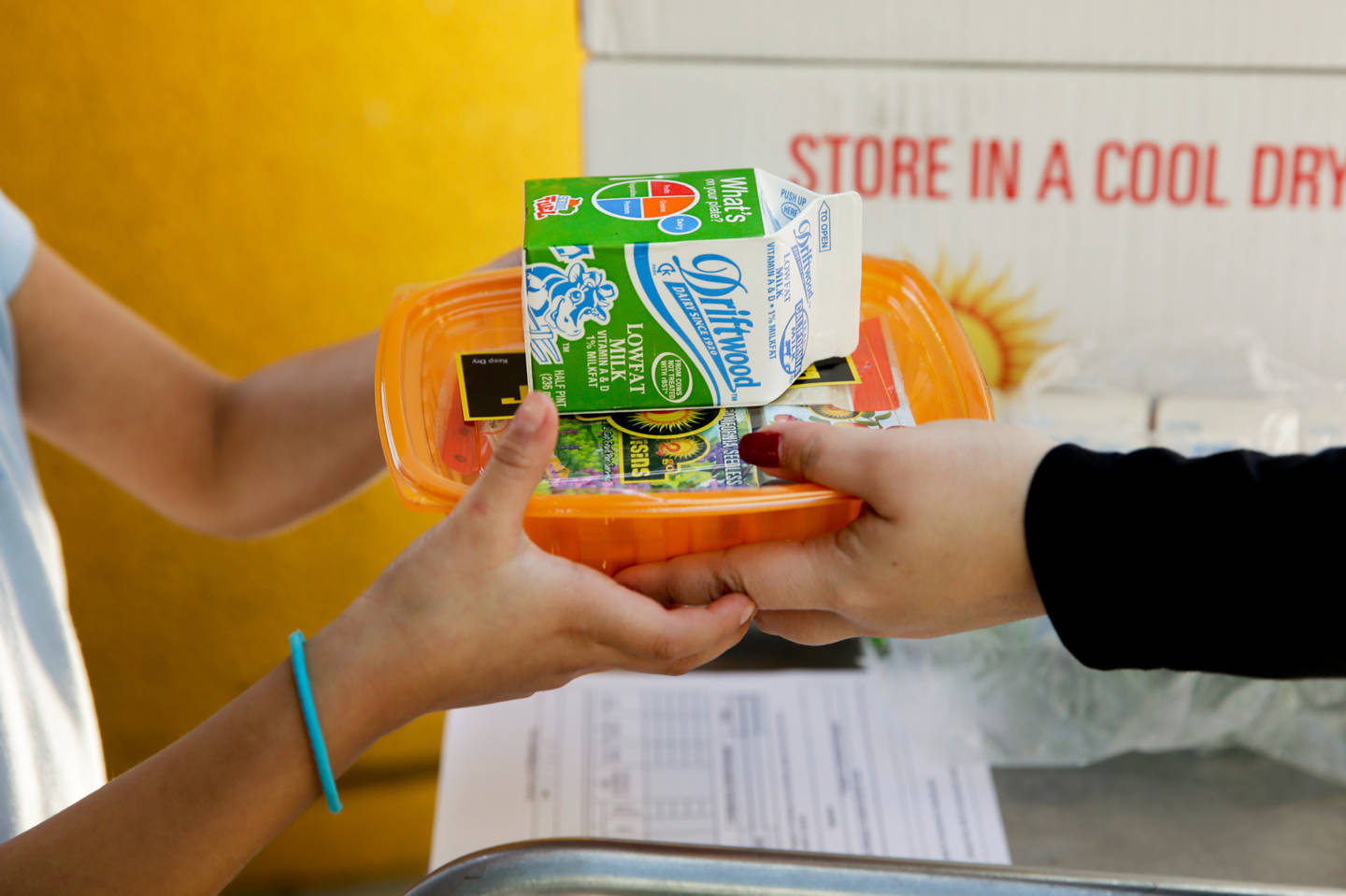
"caption": "A student receives her afternoon snack at Kingsley Elementary School in Los Angeles. Many of the students at the school in a low-income neighborhood of Los Angeles eat breakfast and lunch provided by the school.",
"description": "A student receives her afternoon snack at Kingsley Elementary School in Los Angeles. Many of the students at the school in a low-income neighborhood of Los Angeles eat breakfast and lunch provided by the school.",
"title": "A student receives her afternoon snack at Kingsley Elementary School in Los Angeles. Many of the students at the school in a low-income neighborhood of Los Angeles eat breakfast and lunch provided by the school.",
"credit": "Jae C. Hong/AP",
"status": "inherit",
"isLoading": false,
"fetchFailed": false
},
"bayareabites_111900": {
"type": "attachments",
"id": "bayareabites_111900",
"meta": {
"index": "attachments_1716263798",
"site": "bayareabites",
"id": "111900",
"found": true
},
"parent": 111899,
"imgSizes": {
"twentyfourteen-full-width": {
"file": "https://ww2.kqed.org/app/uploads/sites/24/2016/09/lindenbaum-old-photo_wide-756946dac221bb8014ae5b761be7c0c5b8b3a525-1038x576.jpg",
"width": 1038,
"mimeType": "image/jpeg",
"height": 576
},
"thumbnail": {
"file": "https://ww2.kqed.org/app/uploads/sites/24/2016/09/lindenbaum-old-photo_wide-756946dac221bb8014ae5b761be7c0c5b8b3a525-400x225.jpg",
"width": 400,
"mimeType": "image/jpeg",
"height": 225
},
"fd-sm": {
"file": "https://ww2.kqed.org/app/uploads/sites/24/2016/09/lindenbaum-old-photo_wide-756946dac221bb8014ae5b761be7c0c5b8b3a525-960x540.jpg",
"width": 960,
"mimeType": "image/jpeg",
"height": 540
},
"post-thumbnail": {
"file": "https://ww2.kqed.org/app/uploads/sites/24/2016/09/lindenbaum-old-photo_wide-756946dac221bb8014ae5b761be7c0c5b8b3a525-672x372.jpg",
"width": 672,
"mimeType": "image/jpeg",
"height": 372
},
"kqedFullSize": {
"file": "https://ww2.kqed.org/app/uploads/sites/24/2016/09/lindenbaum-old-photo_wide-756946dac221bb8014ae5b761be7c0c5b8b3a525.jpg",
"width": 2341,
"height": 1317
},
"large": {
"file": "https://ww2.kqed.org/app/uploads/sites/24/2016/09/lindenbaum-old-photo_wide-756946dac221bb8014ae5b761be7c0c5b8b3a525-1440x810.jpg",
"width": 1440,
"mimeType": "image/jpeg",
"height": 810
},
"guest-author-50": {
"file": "https://ww2.kqed.org/app/uploads/sites/24/2016/09/lindenbaum-old-photo_wide-756946dac221bb8014ae5b761be7c0c5b8b3a525-50x50.jpg",
"width": 50,
"mimeType": "image/jpeg",
"height": 50
},
"guest-author-96": {
"file": "https://ww2.kqed.org/app/uploads/sites/24/2016/09/lindenbaum-old-photo_wide-756946dac221bb8014ae5b761be7c0c5b8b3a525-96x96.jpg",
"width": 96,
"mimeType": "image/jpeg",
"height": 96
},
"medium": {
"file": "https://ww2.kqed.org/app/uploads/sites/24/2016/09/lindenbaum-old-photo_wide-756946dac221bb8014ae5b761be7c0c5b8b3a525-800x450.jpg",
"width": 800,
"mimeType": "image/jpeg",
"height": 450
},
"guest-author-64": {
"file": "https://ww2.kqed.org/app/uploads/sites/24/2016/09/lindenbaum-old-photo_wide-756946dac221bb8014ae5b761be7c0c5b8b3a525-64x64.jpg",
"width": 64,
"mimeType": "image/jpeg",
"height": 64
},
"guest-author-32": {
"file": "https://ww2.kqed.org/app/uploads/sites/24/2016/09/lindenbaum-old-photo_wide-756946dac221bb8014ae5b761be7c0c5b8b3a525-32x32.jpg",
"width": 32,
"mimeType": "image/jpeg",
"height": 32
},
"cat_post_thumb_sizecategory-posts-2": {
"file": "https://ww2.kqed.org/app/uploads/sites/24/2016/09/lindenbaum-old-photo_wide-756946dac221bb8014ae5b761be7c0c5b8b3a525-150x150.jpg",
"width": 150,
"mimeType": "image/jpeg",
"height": 150
},
"fd-lrg": {
"file": "https://ww2.kqed.org/app/uploads/sites/24/2016/09/lindenbaum-old-photo_wide-756946dac221bb8014ae5b761be7c0c5b8b3a525-1920x1080.jpg",
"width": 1920,
"mimeType": "image/jpeg",
"height": 1080
},
"fd-med": {
"file": "https://ww2.kqed.org/app/uploads/sites/24/2016/09/lindenbaum-old-photo_wide-756946dac221bb8014ae5b761be7c0c5b8b3a525-1180x664.jpg",
"width": 1180,
"mimeType": "image/jpeg",
"height": 664
},
"detail": {
"file": "https://ww2.kqed.org/app/uploads/sites/24/2016/09/lindenbaum-old-photo_wide-756946dac221bb8014ae5b761be7c0c5b8b3a525-150x150.jpg",
"width": 150,
"mimeType": "image/jpeg",
"height": 150
},
"medium_large": {
"file": "https://ww2.kqed.org/app/uploads/sites/24/2016/09/lindenbaum-old-photo_wide-756946dac221bb8014ae5b761be7c0c5b8b3a525-768x432.jpg",
"width": 768,
"mimeType": "image/jpeg",
"height": 432
},
"guest-author-128": {
"file": "https://ww2.kqed.org/app/uploads/sites/24/2016/09/lindenbaum-old-photo_wide-756946dac221bb8014ae5b761be7c0c5b8b3a525-128x128.jpg",
"width": 128,
"mimeType": "image/jpeg",
"height": 128
}
},
"publishDate": 1473181834,
"modified": 1473182028,
"caption": "In 1962, a local leader in the Eastern Highlands of Papua New Guinea asks Fore men to stop the sorcery that he believes is killing off women and children.",
"description": "In 1962, a local leader in the Eastern Highlands of Papua New Guinea asks Fore men to stop the sorcery that <a href="https://books.google.ie/books?id=f0YeCwAAQBAJ",
"title": "In 1962, a local leader in the Eastern Highlands of Papua New Guinea asks Fore men to stop the sorcery that he believes is killing off women and children.",
"credit": "Courtesy Shirley Lindenbaum",
"status": "inherit",
"isLoading": false,
"fetchFailed": false
},
"bayareabites_111818": {
"type": "attachments",
"id": "bayareabites_111818",
"meta": {
"index": "attachments_1716263798",
"site": "bayareabites",
"id": "111818",
"found": true
},
"parent": 111808,
"imgSizes": {
"twentyfourteen-full-width": {
"file": "https://ww2.kqed.org/app/uploads/sites/24/2016/08/nopales-pic-1024x682-1024x576.jpg",
"width": 1024,
"mimeType": "image/jpeg",
"height": 576
},
"thumbnail": {
"file": "https://ww2.kqed.org/app/uploads/sites/24/2016/08/nopales-pic-1024x682-400x266.jpg",
"width": 400,
"mimeType": "image/jpeg",
"height": 266
},
"fd-sm": {
"file": "https://ww2.kqed.org/app/uploads/sites/24/2016/08/nopales-pic-1024x682-960x639.jpg",
"width": 960,
"mimeType": "image/jpeg",
"height": 639
},
"post-thumbnail": {
"file": "https://ww2.kqed.org/app/uploads/sites/24/2016/08/nopales-pic-1024x682-672x372.jpg",
"width": 672,
"mimeType": "image/jpeg",
"height": 372
},
"kqedFullSize": {
"file": "https://ww2.kqed.org/app/uploads/sites/24/2016/08/nopales-pic-1024x682.jpg",
"width": 1024,
"height": 682
},
"guest-author-50": {
"file": "https://ww2.kqed.org/app/uploads/sites/24/2016/08/nopales-pic-1024x682-50x50.jpg",
"width": 50,
"mimeType": "image/jpeg",
"height": 50
},
"guest-author-96": {
"file": "https://ww2.kqed.org/app/uploads/sites/24/2016/08/nopales-pic-1024x682-96x96.jpg",
"width": 96,
"mimeType": "image/jpeg",
"height": 96
},
"medium": {
"file": "https://ww2.kqed.org/app/uploads/sites/24/2016/08/nopales-pic-1024x682-800x533.jpg",
"width": 800,
"mimeType": "image/jpeg",
"height": 533
},
"guest-author-64": {
"file": "https://ww2.kqed.org/app/uploads/sites/24/2016/08/nopales-pic-1024x682-64x64.jpg",
"width": 64,
"mimeType": "image/jpeg",
"height": 64
},
"guest-author-32": {
"file": "https://ww2.kqed.org/app/uploads/sites/24/2016/08/nopales-pic-1024x682-32x32.jpg",
"width": 32,
"mimeType": "image/jpeg",
"height": 32
},
"cat_post_thumb_sizecategory-posts-2": {
"file": "https://ww2.kqed.org/app/uploads/sites/24/2016/08/nopales-pic-1024x682-150x150.jpg",
"width": 150,
"mimeType": "image/jpeg",
"height": 150
},
"detail": {
"file": "https://ww2.kqed.org/app/uploads/sites/24/2016/08/nopales-pic-1024x682-150x150.jpg",
"width": 150,
"mimeType": "image/jpeg",
"height": 150
},
"medium_large": {
"file": "https://ww2.kqed.org/app/uploads/sites/24/2016/08/nopales-pic-1024x682-768x512.jpg",
"width": 768,
"mimeType": "image/jpeg",
"height": 512
},
"guest-author-128": {
"file": "https://ww2.kqed.org/app/uploads/sites/24/2016/08/nopales-pic-1024x682-128x128.jpg",
"width": 128,
"mimeType": "image/jpeg",
"height": 128
}
},
"publishDate": 1472687608,
"modified": 1472687608,
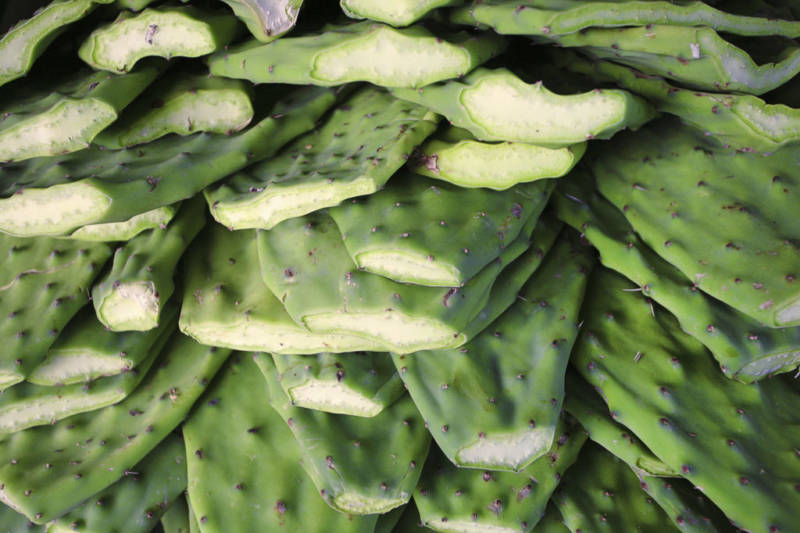
"caption": "Nopales / Cactus paddles in market, San Francisco, California",
"description": null,
"title": "Nopales / Cactus paddles in market",
"credit": null,
"status": "inherit",
"isLoading": false,
"fetchFailed": false
}
},
"audioPlayerReducer": {
"postId": "stream_live",
"isPaused": true,
"isPlaying": false,
"pfsActive": false,
"pledgeModalIsOpen": true,
"playerDrawerIsOpen": false,
"liveAudioPlayStartedAt": 0,
"liveAudioPlayContext": ""
},
"authorsReducer": {
"byline_bayareabites_112585": {
"type": "authors",
"id": "byline_bayareabites_112585",
"meta": {
"override": true
},
"slug": "byline_bayareabites_112585",
"name": "Rhitu Chatterjee, \u003ca href=\"https://ww2.kqed.org/bayareabites/author/nprfood/\">NPR Food\u003c/a>",
"isLoading": false
},
"byline_bayareabites_112578": {
"type": "authors",
"id": "byline_bayareabites_112578",
"meta": {
"override": true
},
"slug": "byline_bayareabites_112578",
"name": "Allison Aubrey, NPR Food",
"isLoading": false
},
"byline_bayareabites_112485": {
"type": "authors",
"id": "byline_bayareabites_112485",
"meta": {
"override": true
},
"slug": "byline_bayareabites_112485",
"name": "Allison Aubrey, NPR Food",
"isLoading": false
},
"byline_bayareabites_112303": {
"type": "authors",
"id": "byline_bayareabites_112303",
"meta": {
"override": true
},
"slug": "byline_bayareabites_112303",
"name": "Allison Aubrey, NPR Food",
"isLoading": false
},
"byline_bayareabites_112197": {
"type": "authors",
"id": "byline_bayareabites_112197",
"meta": {
"override": true
},
"slug": "byline_bayareabites_112197",
"name": "Allison Aubrey, NPR Food",
"isLoading": false
},
"byline_bayareabites_112143": {
"type": "authors",
"id": "byline_bayareabites_112143",
"meta": {
"override": true
},
"slug": "byline_bayareabites_112143",
"name": "Dan Charles, NPR Food",
"isLoading": false
},
"byline_bayareabites_112055": {
"type": "authors",
"id": "byline_bayareabites_112055",
"meta": {
"override": true
},
"slug": "byline_bayareabites_112055",
"name": "Maria Godoy and Rhitu Chatterjee, NPR Food",
"isLoading": false
},
"byline_bayareabites_112039": {
"type": "authors",
"id": "byline_bayareabites_112039",
"meta": {
"override": true
},
"slug": "byline_bayareabites_112039",
"name": "Allison Aubrey, NPR Food",
"isLoading": false
},
"byline_bayareabites_111992": {
"type": "authors",
"id": "byline_bayareabites_111992",
"meta": {
"override": true
},
"slug": "byline_bayareabites_111992",
"name": "Pam Fessler, NPR Food",
"isLoading": false
},
"byline_bayareabites_111899": {
"type": "authors",
"id": "byline_bayareabites_111899",
"meta": {
"override": true
},
"slug": "byline_bayareabites_111899",
"name": "Rae Ellen Bichell, NPR Food",
"isLoading": false
},
"byline_bayareabites_111808": {
"type": "authors",
"id": "byline_bayareabites_111808",
"meta": {
"override": true
},
"slug": "byline_bayareabites_111808",
"name": "\u003ca href=\"http://civileats.com/author/rcernansky/\">Rachel Cernansky\u003c/a>, \u003ca href=\"https://ww2.kqed.org/bayareabites/author/civileat/\">Civil Eats\u003c/a>",
"isLoading": false
},
"shelbypope": {
"type": "authors",
"id": "5566",
"meta": {
"index": "authors_1716337520",
"id": "5566",
"found": true
},
"name": "Shelby Pope",
"firstName": "Shelby",
"lastName": "Pope",
"slug": "shelbypope",
"email": "shelbylpope@gmail.com",
"display_author_email": false,
"staff_mastheads": [],
"title": "KQED Contributor",
"bio": "Shelby Pope is a freelance writer living and eating her way through the East Bay. She’s written about food, art and science for publications including the Smithsonian, Lucky Peach, and the Washington Post's pet blog. When she’s not taste testing sourdough bread to find the Bay Area’s best loaf, you can find her on Twitter \u003ca href=\"https://twitter.com/shelbylpope\">@shelbylpope\u003c/a> or at \u003ca href=\"https://shelbypope.com/\">shelbypope.com\u003c/a>",
"avatar": "https://secure.gravatar.com/avatar/df74e904399e45720e48e36c6e1ae7a90c32216eb2c9c82f3b2e1a9641b507d3?s=600&d=blank&r=g",
"twitter": "shelbylpope",
"bluesky": null,
"facebook": null,
"instagram": null,
"linkedin": null,
"sites": [
{
"site": "arts",
"roles": [
"subscriber"
]
},
{
"site": "food",
"roles": [
"subscriber"
]
}
],
"headData": {
"title": "Shelby Pope | KQED",
"description": "KQED Contributor",
"ogImgSrc": "https://secure.gravatar.com/avatar/df74e904399e45720e48e36c6e1ae7a90c32216eb2c9c82f3b2e1a9641b507d3?s=600&d=blank&r=g",
"twImgSrc": "https://secure.gravatar.com/avatar/df74e904399e45720e48e36c6e1ae7a90c32216eb2c9c82f3b2e1a9641b507d3?s=600&d=blank&r=g"
},
"isLoading": false,
"link": "/author/shelbypope"
}
},
"pagesReducer": {
"bayareabites_category_health-and-nutrition": {
"type": "terms",
"id": "bayareabites_1245",
"meta": {
"index": "terms_1716263798",
"site": "bayareabites",
"id": "1245",
"score": 14.407673
},
"featImg": null,
"name": "health and nutrition",
"description": null,
"taxonomy": "category",
"headData": {
"twImgId": null,
"twTitle": null,
"ogTitle": null,
"ogImgId": null,
"twDescription": null,
"description": null,
"title": "health and nutrition Archives | KQED Bay Area Bites",
"ogDescription": null
},
"ttid": 1078,
"slug": "health-and-nutrition",
"isLoading": false,
"title": "health and nutrition",
"pageMeta": {
"site": "bayareabites",
"WpPageTemplate": "page-topic-editorial",
"currentPage": 15
},
"blocks": [
{
"blockName": "kqed/post-list",
"attrs": {
"layout": "cardArticle2",
"query": "posts/bayareabites?category=health-and-nutrition",
"seeMore": false,
"paginated": true,
"page": 15
}
},
{
"blockName": "kqed/ad"
}
]
}
},
"pfsSessionReducer": {},
"postsReducer": {
"stream_live": {
"type": "live",
"id": "stream_live",
"audioUrl": "https://streams.kqed.org/kqedradio",
"title": "Live Stream",
"excerpt": "Live Stream information currently unavailable.",
"link": "/radio",
"featImg": "",
"label": {
"name": "KQED Live",
"link": "/"
}
},
"stream_kqedNewscast": {
"type": "posts",
"id": "stream_kqedNewscast",
"audioUrl": "https://www.kqed.org/.stream/anon/radio/RDnews/newscast.mp3?_=1",
"title": "KQED Newscast",
"featImg": "",
"label": {
"name": "88.5 FM",
"link": "/"
}
},
"bayareabites_112585": {
"type": "posts",
"id": "bayareabites_112585",
"meta": {
"index": "posts_1716263798",
"site": "bayareabites",
"id": "112585",
"score": null,
"sort": [
1475965376000
]
},
"parent": 0,
"labelTerm": {},
"blocks": [],
"publishDate": 1475965376,
"format": "standard",
"disqusTitle": "Across The Globe, Our Diets Are Making Us Sicker, Report Finds",
"title": "Across The Globe, Our Diets Are Making Us Sicker, Report Finds",
"headTitle": "Bay Area Bites | KQED Food",
"content": "\u003cp>Diet and nutrition are now the biggest risk factors for people's health across the globe, even in poorer countries. That's according to a recent \u003ca href=\"http://www.glopan.org/foresight\">report\u003c/a> published by the \u003ca href=\"http://www.glopan.org/about\">Global Panel on Agriculture and Food Systems Nutrition\u003c/a>, an independent group of experts on nutrition and health.\u003c/p>\n\u003cp>\"If you look at all the diet-related risk factors for health, they outweigh the burden of all of the other risk factors combined,\" says \u003ca href=\"http://www.ifpri.org/profile/lawrence-haddad\">Lawrence Haddad\u003c/a>, an author on the report and formerly, a senior fellow with the International Food Policy Research Institute. The other risk factors include unsafe sex, alcohol, drug and tobacco use.\u003c/p>\n\u003cp>The report, which uses some recent data on what people around the world are eating, offers some good news, too. We have fewer hungry people in the world now than a couple of decades ago – only one in 10 people, as opposed to about one in five in 1990. And the number of stunted (a sign of chronic malnutrition) children has decreased from 39.6 percent to 23.8 percent. That means fewer people suffering and dying from insufficient food. This has been possible because of targeted projects to tackle hunger, as well as overall reductions in poverty, better education, improved health care and sanitation.\u003c/p>\n\u003cp>As poorer countries have developed over the past couple of decades, many aspects of life in those countries have gotten better, says Haddad, who is now the executive director of the \u003ca href=\"http://www.gainhealth.org/\">Global Alliance for Improved Nutrition\u003c/a>, a non-governmental organization. \"More kids go to school, more clean water and sanitation,\" he says. But diet doesn't necessarily get better with higher incomes. Yes, people eat more healthy foods when they earn more money – for example, milk, fruits and seafood. But their consumption of unhealthy foods – processed foods and sugary drinks – increases much more with rising incomes, according to the report. \"These kinds of things, they have very high concentrations of calories,\" says Haddad.\u003c/p>\n\u003cp>In fact, the sale of processed foods is growing at the fastest rate in developing countries, the report finds. \"Income is sort of a double-edged sword. It allows us to buy healthy stuff and also unhealthy stuff,\" says Haddad.\u003c/p>\n\u003cp>[ad fullwidth]\u003c/p>\n\u003cp>As a result, the planet is seeing a rapid rise in rates of overweight and obesity. If current trends continue, we may have as many as 3.28 billion overweight and obese people by 2030 (up from 1.33 billion in 2005), the vast majority of them in low- and middle-income countries. For example, in China, \"the combined rate of overweight and obese adults is projected to rise to over 50 percent by 2030,\" the report notes.\u003c/p>\n\u003cp>What follows is a concomitant rise in the rates of diet-related health problems. For example, in Nigeria, the number of adults with diabetes is projected to double between 2011 and 2030, from 3.1 million to 6.1 million. Countries like Nigeria are simultaneously facing the burden of hunger, malnutrition, infectious disease, as well as these diet-related, non-communicable diseases that are expensive to treat. The report estimates an annual loss of 10 percent of global GDP from diet-related illnesses. \"Wake up, world!\" says Haddad. \"Our diet is not killing us, but it's making us sick.\"\u003c/p>\n\u003cp>The report blames these trends on changing food environments in most countries. Healthy foods are becoming increasingly expensive the world over, while unhealthy food is becoming cheaper and easier to buy. \"The price of fruits and vegetables is going up and up,\" he says. \"The price of processed foods is going down and down.\" In other words, it is becoming easier and more economical to buy unhealthy foods.\u003c/p>\n\u003cfigure id=\"attachment_112587\" class=\"wp-caption aligncenter\" style=\"max-width: 2000px\">\u003cimg src=\"http://ww2.kqed.org/bayareabites/wp-content/uploads/sites/24/2016/10/world-diet-3_enl-36c8bc254b44e1bb0fab6826160837745dc79b4e.jpg\" alt=\"Pedestrians visit fast-food restaurants in Mumbai, India. Rapid urbanization in many developing countries is driving the demand for fast foods and highly processed, packaged foods.\" width=\"2000\" height=\"1283\" class=\"size-full wp-image-112587\" srcset=\"https://ww2.kqed.org/app/uploads/sites/24/2016/10/world-diet-3_enl-36c8bc254b44e1bb0fab6826160837745dc79b4e.jpg 2000w, https://ww2.kqed.org/app/uploads/sites/24/2016/10/world-diet-3_enl-36c8bc254b44e1bb0fab6826160837745dc79b4e-400x257.jpg 400w, https://ww2.kqed.org/app/uploads/sites/24/2016/10/world-diet-3_enl-36c8bc254b44e1bb0fab6826160837745dc79b4e-800x513.jpg 800w, https://ww2.kqed.org/app/uploads/sites/24/2016/10/world-diet-3_enl-36c8bc254b44e1bb0fab6826160837745dc79b4e-768x493.jpg 768w, https://ww2.kqed.org/app/uploads/sites/24/2016/10/world-diet-3_enl-36c8bc254b44e1bb0fab6826160837745dc79b4e-1440x924.jpg 1440w, https://ww2.kqed.org/app/uploads/sites/24/2016/10/world-diet-3_enl-36c8bc254b44e1bb0fab6826160837745dc79b4e-1180x757.jpg 1180w, https://ww2.kqed.org/app/uploads/sites/24/2016/10/world-diet-3_enl-36c8bc254b44e1bb0fab6826160837745dc79b4e-960x616.jpg 960w\" sizes=\"(max-width: 2000px) 100vw, 2000px\">\u003cfigcaption class=\"wp-caption-text\">Pedestrians visit fast-food restaurants in Mumbai, India. Rapid urbanization in many developing countries is driving the demand for fast foods and highly processed, packaged foods. \u003ccite>(Aniruddha Chowhdury/Mint/Hindustan Times via Getty Images)\u003c/cite>\u003c/figcaption>\u003c/figure>\n\u003cp>These changes are happening even in remote and poor corners of the globe, says \u003ca href=\"http://www.bioethicsinstitute.org/people/jessica-fanzo\">Jessica Fanzo\u003c/a>, a nutrition and diet expert at Johns Hopkins University, who wasn't involved in the report. On a recent trip to Kenya, Fanzo visited a remote place in the northeastern part of the country called Gotu, where food and water are scarce. Local communities are mostly pastoralists who rely on food being shipped in on bad roads from a nearby town called Isiolo. Pulses, fruits and vegetables are difficult to find, says Fanzo, but \"you can get soda there.\" \"It's warm soda, but it's soda!\"\u003c/p>\n\u003cp>Globalization has changed food environments in most countries, according to the report, allowing many multinational food companies selling processed foods to enter developing country markets. And rapid urbanization is also playing a role.\u003c/p>\n\u003cp>On the one hand, farmers in many countries are giving up farming and moving to cities. \"Who's going to feed us, and feed us well?\" says Fanzo.\u003c/p>\n\u003cp>On the other hand, people moving to cities are increasingly turning to street food or processed food, because they don't have time and they want to save money. \"If you're a person holding down two or three jobs and you don't take a lot of time, it makes sense,\" says Fanzo. And that's where food industries are stepping in and catering to the three things that consumers look for – \"taste, price and convenience,\" she says. \"They try to satisfy those primary reasons for choice.\"\u003c/p>\n\u003cp>\"One of the problems is that there are lots of solutions, but they are not being enacted,\" Haddad says. Most developing countries are still dealing with basic challenges like water and sanitation, he adds. \"Maybe there's a lack of realization of the magnitude of the problem or lack of appreciation that you can do something about it.\"\u003c/p>\n\u003cp>That's where the new report can help, he says, because it offers concrete solutions to make it easier for people to buy healthy food. For example, countries should invest more money into research on and development of crops like pulses, vegetables and fruits (instead of all the funding that goes into growing stapes like rice, wheat and corn). \"Vegetable consumption has been flat for the past 20 years,\" notes Haddad. \"Pulse consumption has been flat.\" That's because the prices of vegetables and pulses have gone up in recent years. More funds and subsidies on these crops would help lower prices, and encourage people to eat more of these healthy foods, he says.\u003c/p>\n\u003cfigure id=\"attachment_112588\" class=\"wp-caption aligncenter\" style=\"max-width: 2000px\">\u003cimg src=\"http://ww2.kqed.org/bayareabites/wp-content/uploads/sites/24/2016/10/world-diet-2_enl-a7a92700b6ac958eddf5c70cf98ef427a5c94bbf.jpg\" alt=\"A man works in a hydroponic tomato farm in Bingerville, Côte d'Ivoire. According to a new report, governments should help make fruits and vegetables more affordable, so people are more likely to eat them.\" width=\"2000\" height=\"1335\" class=\"size-full wp-image-112588\" srcset=\"https://ww2.kqed.org/app/uploads/sites/24/2016/10/world-diet-2_enl-a7a92700b6ac958eddf5c70cf98ef427a5c94bbf.jpg 2000w, https://ww2.kqed.org/app/uploads/sites/24/2016/10/world-diet-2_enl-a7a92700b6ac958eddf5c70cf98ef427a5c94bbf-400x267.jpg 400w, https://ww2.kqed.org/app/uploads/sites/24/2016/10/world-diet-2_enl-a7a92700b6ac958eddf5c70cf98ef427a5c94bbf-800x534.jpg 800w, https://ww2.kqed.org/app/uploads/sites/24/2016/10/world-diet-2_enl-a7a92700b6ac958eddf5c70cf98ef427a5c94bbf-768x513.jpg 768w, https://ww2.kqed.org/app/uploads/sites/24/2016/10/world-diet-2_enl-a7a92700b6ac958eddf5c70cf98ef427a5c94bbf-1440x961.jpg 1440w, https://ww2.kqed.org/app/uploads/sites/24/2016/10/world-diet-2_enl-a7a92700b6ac958eddf5c70cf98ef427a5c94bbf-1180x788.jpg 1180w, https://ww2.kqed.org/app/uploads/sites/24/2016/10/world-diet-2_enl-a7a92700b6ac958eddf5c70cf98ef427a5c94bbf-960x641.jpg 960w\" sizes=\"(max-width: 2000px) 100vw, 2000px\">\u003cfigcaption class=\"wp-caption-text\">A man works in a hydroponic tomato farm in Bingerville, Côte d'Ivoire. According to a new report, governments should help make fruits and vegetables more affordable, so people are more likely to eat them. \u003ccite>(Sia Kambou/AFP/Getty Images)\u003c/cite>\u003c/figcaption>\u003c/figure>\n\u003cp>The burden of solving the planet's diet problems doesn't just fall on the shoulders of consumers, says Fanzo. \"It's also on governments.\" And governments will benefit from the solutions offered by the new report, she says. But \"we'll need lots of different solutions contextualized at the local level,\" she cautions. That's because every place has its food traditions, and while there are similarities, there are also differences between the drivers of bad diet in parts of the world. \"It's a complex problem,\" she says. \"And it's not a quick fix.\" \u003c/p>\n\u003cp>[ad floatright]\u003c/p>\n\u003cp>\u003cem>Copyright 2016 \u003ca href=\"http://www.npr.org/\" target=\"_blank\">NPR\u003c/a>.\u003c/em>\u003c/p>\n\n",
"disqusIdentifier": "112585 http://ww2.kqed.org/bayareabites/?p=112585",
"disqusUrl": "https://ww2.kqed.org/bayareabites/2016/10/08/across-the-globe-our-diets-are-making-us-sicker-report-finds/",
"stats": {
"hasVideo": false,
"hasChartOrMap": false,
"hasAudio": false,
"hasPolis": false,
"wordCount": 1216,
"hasGoogleForm": false,
"hasGallery": false,
"hasHearkenModule": false,
"iframeSrcs": [],
"paragraphCount": 18
},
"modified": 1475965472,
"excerpt": "The good news: fewer hungry people around the world. The bad news: Increased consumption of processed foods is pushing up global rates of overweight and obesity.",
"headData": {
"twImgId": "",
"twTitle": "",
"ogTitle": "",
"ogImgId": "",
"twDescription": "",
"description": "The good news: fewer hungry people around the world. The bad news: Increased consumption of processed foods is pushing up global rates of overweight and obesity.",
"title": "Across The Globe, Our Diets Are Making Us Sicker, Report Finds | KQED",
"ogDescription": "",
"schema": {
"@context": "https://schema.org",
"@type": "Article",
"headline": "Across The Globe, Our Diets Are Making Us Sicker, Report Finds",
"datePublished": "2016-10-08T15:22:56-07:00",
"dateModified": "2016-10-08T15:24:32-07:00",
"image": "https://cdn.kqed.org/wp-content/uploads/2020/02/KQED-OG-Image@1x.png"
}
},
"guestAuthors": [],
"slug": "across-the-globe-our-diets-are-making-us-sicker-report-finds",
"status": "publish",
"sourceUrl": "https://ww2.kqed.org/bayareabites/category/health-and-nutrition/",
"nprApiLink": "http://api.npr.org/query?id=497042318&apiKey=MDAxOTAwOTE4MDEyMTkxMDAzNjczZDljZA004",
"nprByline": "Rhitu Chatterjee, \u003ca href=\"https://ww2.kqed.org/bayareabites/author/nprfood/\">NPR Food\u003c/a>",
"nprStoryDate": "Sat, 08 Oct 2016 07:00:03 -0400",
"nprLastModifiedDate": "Sat, 08 Oct 2016 07:00:03 -0400",
"nprHtmlLink": "http://www.npr.org/sections/thesalt/2016/10/08/497042318/diet-and-nutrition-are-now-the-world-s-biggest-health-risks-report-finds?ft=nprml&f=497042318",
"nprImageAgency": "AFP/Getty Images",
"nprImageCredit": "Indranil Mukherjee",
"source": "Health and Nutrition",
"nprStoryId": "497042318",
"nprRetrievedStory": "1",
"nprPubDate": "Sat, 08 Oct 2016 07:00:00 -0400",
"path": "/bayareabites/112585/across-the-globe-our-diets-are-making-us-sicker-report-finds",
"audioTrackLength": null,
"parsedContent": [
{
"type": "contentString",
"content": "\u003cdiv class=\"post-body\">\u003cp>\u003cp>Diet and nutrition are now the biggest risk factors for people's health across the globe, even in poorer countries. That's according to a recent \u003ca href=\"http://www.glopan.org/foresight\">report\u003c/a> published by the \u003ca href=\"http://www.glopan.org/about\">Global Panel on Agriculture and Food Systems Nutrition\u003c/a>, an independent group of experts on nutrition and health.\u003c/p>\n\u003cp>\"If you look at all the diet-related risk factors for health, they outweigh the burden of all of the other risk factors combined,\" says \u003ca href=\"http://www.ifpri.org/profile/lawrence-haddad\">Lawrence Haddad\u003c/a>, an author on the report and formerly, a senior fellow with the International Food Policy Research Institute. The other risk factors include unsafe sex, alcohol, drug and tobacco use.\u003c/p>\n\u003cp>The report, which uses some recent data on what people around the world are eating, offers some good news, too. We have fewer hungry people in the world now than a couple of decades ago – only one in 10 people, as opposed to about one in five in 1990. And the number of stunted (a sign of chronic malnutrition) children has decreased from 39.6 percent to 23.8 percent. That means fewer people suffering and dying from insufficient food. This has been possible because of targeted projects to tackle hunger, as well as overall reductions in poverty, better education, improved health care and sanitation.\u003c/p>\n\u003cp>As poorer countries have developed over the past couple of decades, many aspects of life in those countries have gotten better, says Haddad, who is now the executive director of the \u003ca href=\"http://www.gainhealth.org/\">Global Alliance for Improved Nutrition\u003c/a>, a non-governmental organization. \"More kids go to school, more clean water and sanitation,\" he says. But diet doesn't necessarily get better with higher incomes. Yes, people eat more healthy foods when they earn more money – for example, milk, fruits and seafood. But their consumption of unhealthy foods – processed foods and sugary drinks – increases much more with rising incomes, according to the report. \"These kinds of things, they have very high concentrations of calories,\" says Haddad.\u003c/p>\n\u003cp>In fact, the sale of processed foods is growing at the fastest rate in developing countries, the report finds. \"Income is sort of a double-edged sword. It allows us to buy healthy stuff and also unhealthy stuff,\" says Haddad.\u003c/p>\n\u003cp>\u003c/p>\u003c/div>",
"attributes": {
"named": {},
"numeric": []
}
},
{
"type": "component",
"content": "",
"name": "ad",
"attributes": {
"named": {
"label": "fullwidth"
},
"numeric": [
"fullwidth"
]
}
},
{
"type": "contentString",
"content": "\u003cdiv class=\"post-body\">\u003cp>\u003c/p>\n\u003cp>As a result, the planet is seeing a rapid rise in rates of overweight and obesity. If current trends continue, we may have as many as 3.28 billion overweight and obese people by 2030 (up from 1.33 billion in 2005), the vast majority of them in low- and middle-income countries. For example, in China, \"the combined rate of overweight and obese adults is projected to rise to over 50 percent by 2030,\" the report notes.\u003c/p>\n\u003cp>What follows is a concomitant rise in the rates of diet-related health problems. For example, in Nigeria, the number of adults with diabetes is projected to double between 2011 and 2030, from 3.1 million to 6.1 million. Countries like Nigeria are simultaneously facing the burden of hunger, malnutrition, infectious disease, as well as these diet-related, non-communicable diseases that are expensive to treat. The report estimates an annual loss of 10 percent of global GDP from diet-related illnesses. \"Wake up, world!\" says Haddad. \"Our diet is not killing us, but it's making us sick.\"\u003c/p>\n\u003cp>The report blames these trends on changing food environments in most countries. Healthy foods are becoming increasingly expensive the world over, while unhealthy food is becoming cheaper and easier to buy. \"The price of fruits and vegetables is going up and up,\" he says. \"The price of processed foods is going down and down.\" In other words, it is becoming easier and more economical to buy unhealthy foods.\u003c/p>\n\u003cfigure id=\"attachment_112587\" class=\"wp-caption aligncenter\" style=\"max-width: 2000px\">\u003cimg src=\"http://ww2.kqed.org/bayareabites/wp-content/uploads/sites/24/2016/10/world-diet-3_enl-36c8bc254b44e1bb0fab6826160837745dc79b4e.jpg\" alt=\"Pedestrians visit fast-food restaurants in Mumbai, India. Rapid urbanization in many developing countries is driving the demand for fast foods and highly processed, packaged foods.\" width=\"2000\" height=\"1283\" class=\"size-full wp-image-112587\" srcset=\"https://ww2.kqed.org/app/uploads/sites/24/2016/10/world-diet-3_enl-36c8bc254b44e1bb0fab6826160837745dc79b4e.jpg 2000w, https://ww2.kqed.org/app/uploads/sites/24/2016/10/world-diet-3_enl-36c8bc254b44e1bb0fab6826160837745dc79b4e-400x257.jpg 400w, https://ww2.kqed.org/app/uploads/sites/24/2016/10/world-diet-3_enl-36c8bc254b44e1bb0fab6826160837745dc79b4e-800x513.jpg 800w, https://ww2.kqed.org/app/uploads/sites/24/2016/10/world-diet-3_enl-36c8bc254b44e1bb0fab6826160837745dc79b4e-768x493.jpg 768w, https://ww2.kqed.org/app/uploads/sites/24/2016/10/world-diet-3_enl-36c8bc254b44e1bb0fab6826160837745dc79b4e-1440x924.jpg 1440w, https://ww2.kqed.org/app/uploads/sites/24/2016/10/world-diet-3_enl-36c8bc254b44e1bb0fab6826160837745dc79b4e-1180x757.jpg 1180w, https://ww2.kqed.org/app/uploads/sites/24/2016/10/world-diet-3_enl-36c8bc254b44e1bb0fab6826160837745dc79b4e-960x616.jpg 960w\" sizes=\"(max-width: 2000px) 100vw, 2000px\">\u003cfigcaption class=\"wp-caption-text\">Pedestrians visit fast-food restaurants in Mumbai, India. Rapid urbanization in many developing countries is driving the demand for fast foods and highly processed, packaged foods. \u003ccite>(Aniruddha Chowhdury/Mint/Hindustan Times via Getty Images)\u003c/cite>\u003c/figcaption>\u003c/figure>\n\u003cp>These changes are happening even in remote and poor corners of the globe, says \u003ca href=\"http://www.bioethicsinstitute.org/people/jessica-fanzo\">Jessica Fanzo\u003c/a>, a nutrition and diet expert at Johns Hopkins University, who wasn't involved in the report. On a recent trip to Kenya, Fanzo visited a remote place in the northeastern part of the country called Gotu, where food and water are scarce. Local communities are mostly pastoralists who rely on food being shipped in on bad roads from a nearby town called Isiolo. Pulses, fruits and vegetables are difficult to find, says Fanzo, but \"you can get soda there.\" \"It's warm soda, but it's soda!\"\u003c/p>\n\u003cp>Globalization has changed food environments in most countries, according to the report, allowing many multinational food companies selling processed foods to enter developing country markets. And rapid urbanization is also playing a role.\u003c/p>\n\u003cp>On the one hand, farmers in many countries are giving up farming and moving to cities. \"Who's going to feed us, and feed us well?\" says Fanzo.\u003c/p>\n\u003cp>On the other hand, people moving to cities are increasingly turning to street food or processed food, because they don't have time and they want to save money. \"If you're a person holding down two or three jobs and you don't take a lot of time, it makes sense,\" says Fanzo. And that's where food industries are stepping in and catering to the three things that consumers look for – \"taste, price and convenience,\" she says. \"They try to satisfy those primary reasons for choice.\"\u003c/p>\n\u003cp>\"One of the problems is that there are lots of solutions, but they are not being enacted,\" Haddad says. Most developing countries are still dealing with basic challenges like water and sanitation, he adds. \"Maybe there's a lack of realization of the magnitude of the problem or lack of appreciation that you can do something about it.\"\u003c/p>\n\u003cp>That's where the new report can help, he says, because it offers concrete solutions to make it easier for people to buy healthy food. For example, countries should invest more money into research on and development of crops like pulses, vegetables and fruits (instead of all the funding that goes into growing stapes like rice, wheat and corn). \"Vegetable consumption has been flat for the past 20 years,\" notes Haddad. \"Pulse consumption has been flat.\" That's because the prices of vegetables and pulses have gone up in recent years. More funds and subsidies on these crops would help lower prices, and encourage people to eat more of these healthy foods, he says.\u003c/p>\n\u003cfigure id=\"attachment_112588\" class=\"wp-caption aligncenter\" style=\"max-width: 2000px\">\u003cimg src=\"http://ww2.kqed.org/bayareabites/wp-content/uploads/sites/24/2016/10/world-diet-2_enl-a7a92700b6ac958eddf5c70cf98ef427a5c94bbf.jpg\" alt=\"A man works in a hydroponic tomato farm in Bingerville, Côte d'Ivoire. According to a new report, governments should help make fruits and vegetables more affordable, so people are more likely to eat them.\" width=\"2000\" height=\"1335\" class=\"size-full wp-image-112588\" srcset=\"https://ww2.kqed.org/app/uploads/sites/24/2016/10/world-diet-2_enl-a7a92700b6ac958eddf5c70cf98ef427a5c94bbf.jpg 2000w, https://ww2.kqed.org/app/uploads/sites/24/2016/10/world-diet-2_enl-a7a92700b6ac958eddf5c70cf98ef427a5c94bbf-400x267.jpg 400w, https://ww2.kqed.org/app/uploads/sites/24/2016/10/world-diet-2_enl-a7a92700b6ac958eddf5c70cf98ef427a5c94bbf-800x534.jpg 800w, https://ww2.kqed.org/app/uploads/sites/24/2016/10/world-diet-2_enl-a7a92700b6ac958eddf5c70cf98ef427a5c94bbf-768x513.jpg 768w, https://ww2.kqed.org/app/uploads/sites/24/2016/10/world-diet-2_enl-a7a92700b6ac958eddf5c70cf98ef427a5c94bbf-1440x961.jpg 1440w, https://ww2.kqed.org/app/uploads/sites/24/2016/10/world-diet-2_enl-a7a92700b6ac958eddf5c70cf98ef427a5c94bbf-1180x788.jpg 1180w, https://ww2.kqed.org/app/uploads/sites/24/2016/10/world-diet-2_enl-a7a92700b6ac958eddf5c70cf98ef427a5c94bbf-960x641.jpg 960w\" sizes=\"(max-width: 2000px) 100vw, 2000px\">\u003cfigcaption class=\"wp-caption-text\">A man works in a hydroponic tomato farm in Bingerville, Côte d'Ivoire. According to a new report, governments should help make fruits and vegetables more affordable, so people are more likely to eat them. \u003ccite>(Sia Kambou/AFP/Getty Images)\u003c/cite>\u003c/figcaption>\u003c/figure>\n\u003cp>The burden of solving the planet's diet problems doesn't just fall on the shoulders of consumers, says Fanzo. \"It's also on governments.\" And governments will benefit from the solutions offered by the new report, she says. But \"we'll need lots of different solutions contextualized at the local level,\" she cautions. That's because every place has its food traditions, and while there are similarities, there are also differences between the drivers of bad diet in parts of the world. \"It's a complex problem,\" she says. \"And it's not a quick fix.\" \u003c/p>\n\u003cp>\u003c/p>\u003c/div>",
"attributes": {
"named": {},
"numeric": []
}
},
{
"type": "component",
"content": "",
"name": "ad",
"attributes": {
"named": {
"label": "floatright"
},
"numeric": [
"floatright"
]
}
},
{
"type": "contentString",
"content": "\u003cdiv class=\"post-body\">\u003cp>\u003c/p>\n\u003cp>\u003cem>Copyright 2016 \u003ca href=\"http://www.npr.org/\" target=\"_blank\">NPR\u003c/a>.\u003c/em>\u003c/p>\n\n\u003c/div>\u003c/p>",
"attributes": {
"named": {},
"numeric": []
}
}
],
"link": "/bayareabites/112585/across-the-globe-our-diets-are-making-us-sicker-report-finds",
"authors": [
"byline_bayareabites_112585"
],
"categories": [
"bayareabites_10028",
"bayareabites_4084",
"bayareabites_1245",
"bayareabites_181"
],
"tags": [
"bayareabites_12330",
"bayareabites_1435",
"bayareabites_1004"
],
"featImg": "bayareabites_112586",
"label": "source_bayareabites_112585"
},
"bayareabites_112578": {
"type": "posts",
"id": "bayareabites_112578",
"meta": {
"index": "posts_1716263798",
"site": "bayareabites",
"id": "112578",
"score": null,
"sort": [
1475962522000
]
},
"parent": 0,
"labelTerm": {},
"blocks": [],
"publishDate": 1475962522,
"format": "standard",
"disqusTitle": "Backyard Chickens Linked To Record High In Salmonella Infections, CDC Says",
"title": "Backyard Chickens Linked To Record High In Salmonella Infections, CDC Says",
"headTitle": "Bay Area Bites | KQED Food",
"content": "\u003cp>You don't need us to tell you that backyard chickens have become an urban (and suburban) obsession.\u003c/p>\n\u003cp>But here's what you may not know: The Centers for Disease Control and Prevention has \u003ca href=\"http://www.cdc.gov/salmonella/live-poultry-05-16/index.html/\">documented\u003c/a> a record high number of salmonella infections linked to these domestic flocks.\u003c/p>\n\u003cp>\"This year saw the largest number of illnesses linked to contact with backyard poultry ever recorded,\" the CDC writes in an investigation update.\u003c/p>\n\u003cp>So far this year, 895 people from 48 states have gotten sick, and 209 people have been hospitalized. In Mississippi, a salmonella infection linked to backyard poultry was determined to be the cause of death of one person.\u003c/p>\n\u003cp>It's no surprise that chickens can harbor bacteria that can make us sick. \"It's common for chickens, ducks and other poultry to carry \u003cem>Salmonella\u003c/em>, a type of germ that naturally lives in the intestines,\" \u003ca href=\"http://www.cdc.gov/features/salmonellapoultry/\">explains\u003c/a> the CDC.\u003c/p>\n\u003cp>[ad fullwidth]\u003c/p>\n\u003cp>A few years back,\u003ca href=\"http://www.npr.org/sections/thesalt/2013/03/24/175057536/backyard-chickens-cute-trendy-spreaders-of-salmonella\"> we reported\u003c/a> on a 2012 salmonella outbreak that sickened 195 people, most of whom had been in contact with live chickens. In that outbreak, many of those sickened had purchased chickens from a mail-order hatchery in Ohio.\u003c/p>\n\u003cp>So, the best defense against an infection? Wash your hands after any contact with a chicken or \"anything in the area where they live and roam,\" urges the CDC.\u003c/p>\n\u003cp>This year, about 30 percent of the documented infections were in small children, 5 years or younger. The CDC says children are \"much more likely to get sick from contact with chicken and other live poultry,\" so the recommendation is that children under 5 shouldn't handle or touch the birds. Some backyard chickens enthusiasts have \u003ca href=\"http://blog.mypetchicken.com/2015/07/17/salmonella-the-cdc-and-handling-pet-chickens/\">pushed back\u003c/a> against this advice.\u003c/p>\n\u003cp>So what else can you do to protect yourself? Don't kiss your chickens! As my colleague Jason Beaubien \u003ca href=\"http://www.npr.org/sections/goatsandsoda/2015/07/16/423204177/chicken-owners-brood-over-cdc-advice-not-to-kiss-cuddle-birds\">reported\u003c/a> this summer, it's easy to start thinking of your backyard chickens as family pets. But you may be better off creating some personal boundaries. \"We do not recommend snuggling or kissing the birds, \" the CDC's Megin Nichols told Beaubien.\u003c/p>\n\u003cp>I understand the appeal of backyard chickens, especially given the gift they keep giving with fresh-laid eggs. And baby chicks — with their bright yellow fluff — are adorable. Earlier this spring, we brought a few home from a local farm on a temporary loan, and my daughter — who named them Rosie and Sweet Pea — bonded with them immediately.\u003c/p>\n\u003cp>We did wash hands, thoroughly, after every play session, and no one got sick. \u003c/p>\n\u003cp>\u003c/p>\n\u003cp>\u003cem>Copyright 2016 \u003ca href=\"http://www.npr.org/\" target=\"_blank\">NPR\u003c/a>.\u003c/em> \u003c/p>\n\n",
"disqusIdentifier": "112578 http://ww2.kqed.org/bayareabites/?p=112578",
"disqusUrl": "https://ww2.kqed.org/bayareabites/2016/10/08/backyard-chickens-linked-to-record-high-in-salmonella-infections-cdc-says/",
"stats": {
"hasVideo": false,
"hasChartOrMap": false,
"hasAudio": false,
"hasPolis": false,
"wordCount": 421,
"hasGoogleForm": false,
"hasGallery": false,
"hasHearkenModule": false,
"iframeSrcs": [],
"paragraphCount": 14
},
"modified": 1475962522,
"excerpt": "Urban chickens are a thing, we know, but backyard birds can carry pathogens. And so far this year, 895 people from 48 states have gotten sick, and a few hundred were hospitalized. One person died.",
"headData": {
"twImgId": "",
"twTitle": "",
"ogTitle": "",
"ogImgId": "",
"twDescription": "",
"description": "Urban chickens are a thing, we know, but backyard birds can carry pathogens. And so far this year, 895 people from 48 states have gotten sick, and a few hundred were hospitalized. One person died.",
"title": "Backyard Chickens Linked To Record High In Salmonella Infections, CDC Says | KQED",
"ogDescription": "",
"schema": {
"@context": "https://schema.org",
"@type": "Article",
"headline": "Backyard Chickens Linked To Record High In Salmonella Infections, CDC Says",
"datePublished": "2016-10-08T14:35:22-07:00",
"dateModified": "2016-10-08T14:35:22-07:00",
"image": "https://cdn.kqed.org/wp-content/uploads/2020/02/KQED-OG-Image@1x.png"
}
},
"guestAuthors": [],
"slug": "backyard-chickens-linked-to-record-high-in-salmonella-infections-cdc-says",
"status": "publish",
"sourceUrl": "https://ww2.kqed.org/bayareabites/category/politics-activism-food-safety/",
"nprApiLink": "http://api.npr.org/query?id=497068269&apiKey=MDAxOTAwOTE4MDEyMTkxMDAzNjczZDljZA004",
"nprByline": "Allison Aubrey, NPR Food",
"nprStoryDate": "Sat, 08 Oct 2016 13:12:00 -0400",
"nprLastModifiedDate": "Sat, 08 Oct 2016 13:38:12 -0400",
"nprHtmlLink": "http://www.npr.org/sections/thesalt/2016/10/08/497068269/backyard-chickens-linked-to-record-high-in-salmonella-infections-cdc-says?ft=nprml&f=497068269",
"nprImageAgency": "AP",
"nprImageCredit": "Charles Dharapak",
"source": "Politics, Activism, Food Safety",
"nprStoryId": "497068269",
"nprRetrievedStory": "1",
"nprPubDate": "Sat, 08 Oct 2016 13:38:00 -0400",
"path": "/bayareabites/112578/backyard-chickens-linked-to-record-high-in-salmonella-infections-cdc-says",
"audioTrackLength": null,
"parsedContent": [
{
"type": "contentString",
"content": "\u003cdiv class=\"post-body\">\u003cp>\u003cp>You don't need us to tell you that backyard chickens have become an urban (and suburban) obsession.\u003c/p>\n\u003cp>But here's what you may not know: The Centers for Disease Control and Prevention has \u003ca href=\"http://www.cdc.gov/salmonella/live-poultry-05-16/index.html/\">documented\u003c/a> a record high number of salmonella infections linked to these domestic flocks.\u003c/p>\n\u003cp>\"This year saw the largest number of illnesses linked to contact with backyard poultry ever recorded,\" the CDC writes in an investigation update.\u003c/p>\n\u003cp>So far this year, 895 people from 48 states have gotten sick, and 209 people have been hospitalized. In Mississippi, a salmonella infection linked to backyard poultry was determined to be the cause of death of one person.\u003c/p>\n\u003cp>It's no surprise that chickens can harbor bacteria that can make us sick. \"It's common for chickens, ducks and other poultry to carry \u003cem>Salmonella\u003c/em>, a type of germ that naturally lives in the intestines,\" \u003ca href=\"http://www.cdc.gov/features/salmonellapoultry/\">explains\u003c/a> the CDC.\u003c/p>\n\u003cp>\u003c/p>\u003c/div>",
"attributes": {
"named": {},
"numeric": []
}
},
{
"type": "component",
"content": "",
"name": "ad",
"attributes": {
"named": {
"label": "fullwidth"
},
"numeric": [
"fullwidth"
]
}
},
{
"type": "contentString",
"content": "\u003cdiv class=\"post-body\">\u003cp>\u003c/p>\n\u003cp>A few years back,\u003ca href=\"http://www.npr.org/sections/thesalt/2013/03/24/175057536/backyard-chickens-cute-trendy-spreaders-of-salmonella\"> we reported\u003c/a> on a 2012 salmonella outbreak that sickened 195 people, most of whom had been in contact with live chickens. In that outbreak, many of those sickened had purchased chickens from a mail-order hatchery in Ohio.\u003c/p>\n\u003cp>So, the best defense against an infection? Wash your hands after any contact with a chicken or \"anything in the area where they live and roam,\" urges the CDC.\u003c/p>\n\u003cp>This year, about 30 percent of the documented infections were in small children, 5 years or younger. The CDC says children are \"much more likely to get sick from contact with chicken and other live poultry,\" so the recommendation is that children under 5 shouldn't handle or touch the birds. Some backyard chickens enthusiasts have \u003ca href=\"http://blog.mypetchicken.com/2015/07/17/salmonella-the-cdc-and-handling-pet-chickens/\">pushed back\u003c/a> against this advice.\u003c/p>\n\u003cp>So what else can you do to protect yourself? Don't kiss your chickens! As my colleague Jason Beaubien \u003ca href=\"http://www.npr.org/sections/goatsandsoda/2015/07/16/423204177/chicken-owners-brood-over-cdc-advice-not-to-kiss-cuddle-birds\">reported\u003c/a> this summer, it's easy to start thinking of your backyard chickens as family pets. But you may be better off creating some personal boundaries. \"We do not recommend snuggling or kissing the birds, \" the CDC's Megin Nichols told Beaubien.\u003c/p>\n\u003cp>I understand the appeal of backyard chickens, especially given the gift they keep giving with fresh-laid eggs. And baby chicks — with their bright yellow fluff — are adorable. Earlier this spring, we brought a few home from a local farm on a temporary loan, and my daughter — who named them Rosie and Sweet Pea — bonded with them immediately.\u003c/p>\n\u003cp>We did wash hands, thoroughly, after every play session, and no one got sick. \u003c/p>\n\u003cp>\u003c/p>\n\u003cp>\u003cem>Copyright 2016 \u003ca href=\"http://www.npr.org/\" target=\"_blank\">NPR\u003c/a>.\u003c/em> \u003c/p>\n\n\u003c/div>\u003c/p>",
"attributes": {
"named": {},
"numeric": []
}
}
],
"link": "/bayareabites/112578/backyard-chickens-linked-to-record-high-in-salmonella-infections-cdc-says",
"authors": [
"byline_bayareabites_112578"
],
"categories": [
"bayareabites_10028",
"bayareabites_1245",
"bayareabites_2035",
"bayareabites_358"
],
"tags": [
"bayareabites_10566",
"bayareabites_10994",
"bayareabites_11544",
"bayareabites_2037",
"bayareabites_3702"
],
"featImg": "bayareabites_112579",
"label": "source_bayareabites_112578"
},
"bayareabites_112485": {
"type": "posts",
"id": "bayareabites_112485",
"meta": {
"index": "posts_1716263798",
"site": "bayareabites",
"id": "112485",
"score": null,
"sort": [
1475510962000
]
},
"parent": 0,
"labelTerm": {
"site": "bayareabites"
},
"blocks": [],
"publishDate": 1475510962,
"format": "standard",
"disqusTitle": "FDA Is Redefining The Term 'Healthy' On Food Labels",
"title": "FDA Is Redefining The Term 'Healthy' On Food Labels",
"headTitle": "Bay Area Bites | KQED Food",
"content": "\u003cp>\u003cstrong>Listen to the story on Morning Edition:\u003c/strong>\u003cbr>\nhttps://ondemand.npr.org/anon.npr-mp3/npr/me/2016/10/20161003_me_fda_is_redefining_the_term_healthy_on_food_labels.mp3\u003c/p>\n\u003cp>So, you're looking for a quick grab-and-go snack, and there's a row of energy bars at the checkout counter. Are they a healthy option?\u003c/p>\n\u003cp>The maker of Kind bars thinks so. The company has used the phrase \"healthy and tasty\" on some of its products that contain lots of nuts. But, here's the issue: The bars contained too much fat to meet the Food and Drug Administration's strict low-fat definition of healthy. So, as we \u003ca href=\"http://www.npr.org/sections/thesalt/2016/05/10/477514200/why-the-fda-is-reevaluating-the-nutty-definition-of-healthy-food\">reported last May\u003c/a>, the company helped launch a petition to challenge the status quo.\u003c/p>\n\u003cp>Now the FDA has \u003ca href=\"http://www.fda.gov/Food/GuidanceRegulation/GuidanceDocumentsRegulatoryInformation/LabelingNutrition/ucm520695.htm\">begun the process of redefining the term\u003c/a> \"healthy\" on food labels. Policymakers are looking for input from food makers, health experts and the public. You can weigh in with your ideas about what factors and criteria should be used for the new definition. (\u003ca href=\"http://www.regulations.gov/\">Submit \u003c/a>electronic comments directly to the FDA).\u003c/p>\n\u003cp>\"As our understanding about nutrition has evolved, we need to make sure the definition for the 'healthy' labeling claim stays up to date,\" writes Douglas Balentine, who directs the Office of Nutrition and Food Labeling at the FDA's Center for Food Safety and Applied Nutrition.\u003c/p>\n\u003cp>[ad fullwidth]\u003c/p>\n\u003cp>So, how has nutrition science — and the thinking about what's healthful — evolved?\u003c/p>\n\u003cp>Let's start with fat. The \u003ca href=\"http://www.npr.org/sections/thesalt/2014/03/28/295332576/why-we-got-fatter-during-the-fat-free-food-boom\">fat-free era\u003c/a> has come and gone. \"The most recent public health recommendations now focus on type of fat, rather than amount of fat,\" Balentine writes in a blog post for the FDA.\u003c/p>\n\u003cp>For instance, the type of fats found in \u003ca href=\"http://www.npr.org/sections/thesalt/2015/01/07/375653050/take-a-swipe-at-bad-cholesterol-eat-an-avocado-a-day\">avocados \u003c/a>and \u003ca href=\"http://www.npr.org/templates/transcript/transcript.php?storyId=246549388\">nuts \u003c/a>are considered healthful fats. We're encouraged to eat more plant-based fats and omega-3s from fatty fish, whereas the U.S. Dietary Guidelines\u003ca href=\"https://health.gov/dietaryguidelines/2015/guidelines/chapter-1/key-recommendations/\"> recommend\u003c/a> limiting saturated fats — the type of fat found in meat and other animal products — to less than 10 percent of your total daily calorie intake.\u003c/p>\n\u003cp>The modernized definition of \"healthy\" will also likely address sugar content. The FDA is taking into account all of the newer evidence \u003ca href=\"http://www.npr.org/sections/thesalt/2014/02/03/271130613/sweet-tooth-gone-bad-why-22-teaspoons-of-sugar-per-day-is-deadly\">linking\u003c/a> excessive sugar intake to heart disease and obesity.\u003c/p>\n\u003cp>\"Our thinking about sugars has changed,\" Balentine told us, \"so I would think the amount of sugar in products is something we [will] take into account.\"\u003c/p>\n\u003cp>In an ideal world, people wouldn't need labels to signal which food choices are healthful. As nutrition guru \u003ca href=\"http://steinhardt.nyu.edu/faculty/Marion_Nestle\">Marion Nestle\u003c/a> of New York University, tells us, \"if people want to eat healthfully, we know how to do that. That's eating lots of fruits, vegetables and whole grains.\" And she says we should eat packaged and processed foods in much smaller amounts.\u003c/p>\n\u003cp>\"I don't think we should have health claims [on food packages] at all,\" Nestle tells us. \"They're inherently misleading,\" because food companies use them as a marketing tool.\u003c/p>\n\u003cp>But the FDA's Douglas Balentine pushes back, pointing out that Americans are looking for information on food packages to help them make better decisions.\u003c/p>\n\u003cp>\"The typical consumer makes a purchase decision in three to five seconds. They don't have a lot of time,\" Balentine says. So, he says, an up-to-date \"healthy\" label will give people a quick way to identify better-for-you options. \"We want to give consumers the best tools and information about the foods they choose.\"\u003c/p>\n\u003cp>\u003c/p>\n\u003cp>\u003cem>Copyright 2016 \u003ca href=\"http://www.npr.org/\" target=\"_blank\">NPR\u003c/a>.\u003c/em> \u003c/p>\n\n",
"disqusIdentifier": "112485 http://ww2.kqed.org/bayareabites/?p=112485",
"disqusUrl": "https://ww2.kqed.org/bayareabites/2016/10/03/fda-is-redefining-the-term-healthy-on-food-labels/",
"stats": {
"hasVideo": false,
"hasChartOrMap": false,
"hasAudio": false,
"hasPolis": false,
"wordCount": 572,
"hasGoogleForm": false,
"hasGallery": false,
"hasHearkenModule": false,
"iframeSrcs": [],
"paragraphCount": 17
},
"modified": 1546456008,
"excerpt": "Last year, the FDA told the maker of Kind bars some of its nut-filled snacks couldn't be labeled as \"healthy.\" Now the agency is rethinking what healthy means, amid evolving science on fat and sugar.",
"headData": {
"twImgId": "",
"twTitle": "",
"ogTitle": "",
"ogImgId": "",
"twDescription": "",
"description": "Last year, the FDA told the maker of Kind bars some of its nut-filled snacks couldn't be labeled as "healthy." Now the agency is rethinking what healthy means, amid evolving science on fat and sugar.",
"title": "FDA Is Redefining The Term 'Healthy' On Food Labels | KQED",
"ogDescription": "",
"schema": {
"@context": "https://schema.org",
"@type": "Article",
"headline": "FDA Is Redefining The Term 'Healthy' On Food Labels",
"datePublished": "2016-10-03T09:09:22-07:00",
"dateModified": "2019-01-02T11:06:48-08:00",
"image": "https://cdn.kqed.org/wp-content/uploads/2020/02/KQED-OG-Image@1x.png"
}
},
"guestAuthors": [],
"slug": "fda-is-redefining-the-term-healthy-on-food-labels",
"status": "publish",
"nprApiLink": "http://api.npr.org/query?id=496064796&apiKey=MDAxOTAwOTE4MDEyMTkxMDAzNjczZDljZA004",
"nprStoryDate": "Mon, 03 Oct 2016 05:11:00 -0400",
"nprLastModifiedDate": "Mon, 03 Oct 2016 08:42:43 -0400",
"nprHtmlLink": "http://www.npr.org/sections/thesalt/2016/10/03/496064796/fda-is-redefining-the-term-healthy-on-food-labels?ft=nprml&f=496064796",
"nprAudio": "https://ondemand.npr.org/anon.npr-mp3/npr/me/2016/10/20161003_me_fda_is_redefining_the_term_healthy_on_food_labels.mp3?orgId=1&topicId=1134&d=161&p=3&story=496064796&t=progseg&e=496362216&seg=14&ft=nprml&f=496064796",
"nprImageAgency": "NPR",
"nprAudioM3u": "http://api.npr.org/m3u/1496362318-b8d5bc.m3u?orgId=1&topicId=1134&d=161&p=3&story=496064796&t=progseg&e=496362216&seg=14&ft=nprml&f=496064796",
"nprStoryId": "496064796",
"nprByline": "Allison Aubrey, NPR Food",
"audioTrackLength": 162,
"nprImageCredit": "Ryan Kellman",
"nprRetrievedStory": "1",
"nprPubDate": "Mon, 03 Oct 2016 08:42:00 -0400",
"path": "/bayareabites/112485/fda-is-redefining-the-term-healthy-on-food-labels",
"audioUrl": "https://ondemand.npr.org/anon.npr-mp3/npr/me/2016/10/20161003_me_fda_is_redefining_the_term_healthy_on_food_labels.mp3?orgId=1&topicId=1134&d=161&p=3&story=496064796&t=progseg&e=496362216&seg=14&ft=nprml&f=496064796",
"parsedContent": [
{
"type": "contentString",
"content": "\u003cdiv class=\"post-body\">\u003cp>\u003cp>\u003cstrong>Listen to the story on Morning Edition:\u003c/strong>\u003cbr>\n\u003c/p>\u003c/div>",
"attributes": {
"named": {},
"numeric": []
}
},
{
"type": "component",
"content": "",
"name": "nprOneAudioLink",
"attributes": {
"named": {
"src": "https://ondemand.npr.org/anon.npr-mp3/npr/me/2016/10/20161003_me_fda_is_redefining_the_term_healthy_on_food_labels.mp3"
},
"numeric": []
}
},
{
"type": "contentString",
"content": "\u003cdiv class=\"post-body\">\u003cp>\u003c/p>\n\u003cp>So, you're looking for a quick grab-and-go snack, and there's a row of energy bars at the checkout counter. Are they a healthy option?\u003c/p>\n\u003cp>The maker of Kind bars thinks so. The company has used the phrase \"healthy and tasty\" on some of its products that contain lots of nuts. But, here's the issue: The bars contained too much fat to meet the Food and Drug Administration's strict low-fat definition of healthy. So, as we \u003ca href=\"http://www.npr.org/sections/thesalt/2016/05/10/477514200/why-the-fda-is-reevaluating-the-nutty-definition-of-healthy-food\">reported last May\u003c/a>, the company helped launch a petition to challenge the status quo.\u003c/p>\n\u003cp>Now the FDA has \u003ca href=\"http://www.fda.gov/Food/GuidanceRegulation/GuidanceDocumentsRegulatoryInformation/LabelingNutrition/ucm520695.htm\">begun the process of redefining the term\u003c/a> \"healthy\" on food labels. Policymakers are looking for input from food makers, health experts and the public. You can weigh in with your ideas about what factors and criteria should be used for the new definition. (\u003ca href=\"http://www.regulations.gov/\">Submit \u003c/a>electronic comments directly to the FDA).\u003c/p>\n\u003cp>\"As our understanding about nutrition has evolved, we need to make sure the definition for the 'healthy' labeling claim stays up to date,\" writes Douglas Balentine, who directs the Office of Nutrition and Food Labeling at the FDA's Center for Food Safety and Applied Nutrition.\u003c/p>\n\u003cp>\u003c/p>\u003c/div>",
"attributes": {
"named": {},
"numeric": []
}
},
{
"type": "component",
"content": "",
"name": "ad",
"attributes": {
"named": {
"label": "fullwidth"
},
"numeric": [
"fullwidth"
]
}
},
{
"type": "contentString",
"content": "\u003cdiv class=\"post-body\">\u003cp>\u003c/p>\n\u003cp>So, how has nutrition science — and the thinking about what's healthful — evolved?\u003c/p>\n\u003cp>Let's start with fat. The \u003ca href=\"http://www.npr.org/sections/thesalt/2014/03/28/295332576/why-we-got-fatter-during-the-fat-free-food-boom\">fat-free era\u003c/a> has come and gone. \"The most recent public health recommendations now focus on type of fat, rather than amount of fat,\" Balentine writes in a blog post for the FDA.\u003c/p>\n\u003cp>For instance, the type of fats found in \u003ca href=\"http://www.npr.org/sections/thesalt/2015/01/07/375653050/take-a-swipe-at-bad-cholesterol-eat-an-avocado-a-day\">avocados \u003c/a>and \u003ca href=\"http://www.npr.org/templates/transcript/transcript.php?storyId=246549388\">nuts \u003c/a>are considered healthful fats. We're encouraged to eat more plant-based fats and omega-3s from fatty fish, whereas the U.S. Dietary Guidelines\u003ca href=\"https://health.gov/dietaryguidelines/2015/guidelines/chapter-1/key-recommendations/\"> recommend\u003c/a> limiting saturated fats — the type of fat found in meat and other animal products — to less than 10 percent of your total daily calorie intake.\u003c/p>\n\u003cp>The modernized definition of \"healthy\" will also likely address sugar content. The FDA is taking into account all of the newer evidence \u003ca href=\"http://www.npr.org/sections/thesalt/2014/02/03/271130613/sweet-tooth-gone-bad-why-22-teaspoons-of-sugar-per-day-is-deadly\">linking\u003c/a> excessive sugar intake to heart disease and obesity.\u003c/p>\n\u003cp>\"Our thinking about sugars has changed,\" Balentine told us, \"so I would think the amount of sugar in products is something we [will] take into account.\"\u003c/p>\n\u003cp>In an ideal world, people wouldn't need labels to signal which food choices are healthful. As nutrition guru \u003ca href=\"http://steinhardt.nyu.edu/faculty/Marion_Nestle\">Marion Nestle\u003c/a> of New York University, tells us, \"if people want to eat healthfully, we know how to do that. That's eating lots of fruits, vegetables and whole grains.\" And she says we should eat packaged and processed foods in much smaller amounts.\u003c/p>\n\u003cp>\"I don't think we should have health claims [on food packages] at all,\" Nestle tells us. \"They're inherently misleading,\" because food companies use them as a marketing tool.\u003c/p>\n\u003cp>But the FDA's Douglas Balentine pushes back, pointing out that Americans are looking for information on food packages to help them make better decisions.\u003c/p>\n\u003cp>\"The typical consumer makes a purchase decision in three to five seconds. They don't have a lot of time,\" Balentine says. So, he says, an up-to-date \"healthy\" label will give people a quick way to identify better-for-you options. \"We want to give consumers the best tools and information about the foods they choose.\"\u003c/p>\n\u003cp>\u003c/p>\n\u003cp>\u003cem>Copyright 2016 \u003ca href=\"http://www.npr.org/\" target=\"_blank\">NPR\u003c/a>.\u003c/em> \u003c/p>\n\n\u003c/div>\u003c/p>",
"attributes": {
"named": {},
"numeric": []
}
}
],
"link": "/bayareabites/112485/fda-is-redefining-the-term-healthy-on-food-labels",
"authors": [
"byline_bayareabites_112485"
],
"categories": [
"bayareabites_10028",
"bayareabites_4084",
"bayareabites_1245",
"bayareabites_12555"
],
"tags": [
"bayareabites_2608",
"bayareabites_310",
"bayareabites_10774"
],
"featImg": "bayareabites_112486",
"label": "bayareabites"
},
"bayareabites_112303": {
"type": "posts",
"id": "bayareabites_112303",
"meta": {
"index": "posts_1716263798",
"site": "bayareabites",
"id": "112303",
"score": null,
"sort": [
1475022555000
]
},
"parent": 0,
"labelTerm": {
"site": "bayareabites"
},
"blocks": [],
"publishDate": 1475022555,
"format": "standard",
"disqusTitle": "Chill Out: Stress Can Override Benefits Of Healthful Eating",
"title": "Chill Out: Stress Can Override Benefits Of Healthful Eating",
"headTitle": "Bay Area Bites | KQED Food",
"content": "\u003cp>\u003cstrong>Listen to the story on All Things Considered:\u003c/strong>\u003cbr>\nhttps://ondemand.npr.org/anon.npr-mp3/npr/atc/2016/09/20160927_atc_stress_may_diminish_the_benefits_of_a_healthful_diet.mp3\u003c/p>\n\u003cp>Eating well has many known benefits. But a good diet may not be able to counteract all the ill effects of stress on our bodies.\u003c/p>\n\u003cp>A new study, \u003ca href=\"http://www.nature.com/mp/journal/vaop/ncurrent/full/mp2016149a.html\">published\u003c/a> in \u003cem>Molecular Psychiatry,\u003c/em> suggests stress can override the benefits of making better food choices.\u003c/p>\n\u003cp>To evaluate the interactions between diet and stress, researchers recruited 58 women who completed surveys to assess the kinds of stress they were experiencing. The women also participated in what researchers call a \"meal challenge,\" where they were each given two different types of meals to eat, on different days.\u003c/p>\n\u003cp>One meal was high in saturated fat, the type of fat linked to cardiovascular disease. The other meal was high in a plant-based oil, which is considered more healthful.\u003c/p>\n\u003cp>[ad fullwidth]\u003c/p>\n\u003cp>\"When women were not stressed and they got the healthier meal, their inflammatory responses were lower than when they had the high saturated fat meal,\" explains study author \u003ca href=\"http://faculty.psy.ohio-state.edu/1/kiecolt-glaser/\">Janice Kiecolt-Glaser\u003c/a>, director of the Institute for Behavioral Medicine Research at the Ohio State University. She says this was not a big surprise.\u003c/p>\n\u003cp>But here's the part that may seem counterintuitive: \"If a woman was stressed on a day when she got the healthy meal, she looked like she was eating the saturated fat meal in terms of her [inflammation] responses,\" Kiecolt-Glaser explained.\u003c/p>\n\u003cp>In other words, the more healthful meal was no better in terms of its impact on inflammation. \"The stress seemed to boost inflammation,\" Kiecolt-Glaser explained.\u003c/p>\n\u003cp>The kinds of stressful events the women experienced weren't life-threatening. Rather, they're the sorts of events that make us feel overwhelmed or out of control, such as a child care scramble or caring for an elderly, sick parent.\u003c/p>\n\u003cp>The researchers measured several markers of inflammation in the body, including C-reactive protein, or CRP.\u003c/p>\n\u003cp>Over a lifetime, higher inflammation levels are linked to an increased risk of a range of diseases, including \"cardiovascular disease, Type 2 diabetes, arthritis, some cancers,\" Kiecolt-Glaser explains. \"It's an ugly list of possibilities.\"\u003c/p>\n\u003cp>The findings add to the evidence that stress is a powerful player when it comes to influencing our health. Kiecolt-Glaser's prior research has shown that people who are stressed heal wounds more slowly. She has also demonstrated that \u003ca href=\"https://www.ncbi.nlm.nih.gov/pubmed/25034950\">stress can promote weight gain\u003c/a> by altering metabolism and slowing down calorie-burning.\u003c/p>\n\u003cp>Kiecolt-Glaser says there's still a lot that's unknown. For instance, in this new study, she's not sure how the inflammation levels of stressed-out women would have been influenced by an ultra-healthful meal — say, an avocado with greens on a piece of whole-grain toast. She points out that both of the meals the women ate for this study were very high in calories and had about 60 grams of fat.\u003c/p>\n\u003cp>Now, if you're looking for the upside in this line of research, rest assured: There are a whole range of strategies that have been shown to help manage stress.\u003c/p>\n\u003cp>\"Close, personal relationships are perhaps the world's greatest stress reducer,\" Kiecolt-Glaser says. Studies of \u003ca href=\"http://www.npr.org/sections/health-shots/2014/01/07/260470831/mindfulness-meditation-can-help-relieve-anxiety-and-depression\">mindfulness meditation\u003c/a> and \u003ca href=\"http://www.npr.org/sections/health-shots/2014/01/28/267612550/yoga-may-help-overcome-fatigue-after-breast-cancer\">yoga\u003c/a> have also been shown to be effective.\u003c/p>\n\u003cp>And as we've reported, even \u003ca href=\"http://www.npr.org/sections/health-shots/2015/12/17/460030338/be-kind-unwind-how-helping-others-can-help-keep-stress-in-check\">doing nice things for others\u003c/a> can help keep stress in check.\u003c/p>\n\u003cp>When I was reporting this story, I asked stressed-out Georgetown University law students what they do to manage stress. They pointed to a range of activities — from salsa dancing to listening to hip-hop to going to the gym. \"I really enjoy exercising when I'm stressed. It gives you an outlet to distract you,\" Marina Smith told me.\u003c/p>\n\u003cp>And it seems these students are on to some good strategies, says \u003ca href=\"http://profiles.ucsf.edu/aric.prather\">Aric Prather\u003c/a>, an assistant professor at the University of California, San Francisco School of Medicine, who studies how lifestyle choices influence health. \"Exercise and social connectedness,\" he says, \"are effective in improving people's well-being and their ability to cope with stress.\" \u003c/p>\n\u003cp>\u003c/p>\n\u003cp> \u003cem>Copyright 2016 \u003ca href=\"http://www.npr.org/\" target=\"_blank\">NPR\u003c/a>.\u003c/em> \u003c/p>\n\n",
"disqusIdentifier": "112303 http://ww2.kqed.org/bayareabites/?p=112303",
"disqusUrl": "https://ww2.kqed.org/bayareabites/2016/09/27/chill-out-stress-can-override-benefits-of-healthful-eating/",
"stats": {
"hasVideo": false,
"hasChartOrMap": false,
"hasAudio": false,
"hasPolis": false,
"wordCount": 682,
"hasGoogleForm": false,
"hasGallery": false,
"hasHearkenModule": false,
"iframeSrcs": [],
"paragraphCount": 21
},
"modified": 1475022555,
"excerpt": "Stress takes a toll on our bodies. And a new study suggests stress can diminish the benefits of more healthful food choices. But experts say a range of strategies can help people cope with stress.",
"headData": {
"twImgId": "",
"twTitle": "",
"ogTitle": "",
"ogImgId": "",
"twDescription": "",
"description": "Stress takes a toll on our bodies. And a new study suggests stress can diminish the benefits of more healthful food choices. But experts say a range of strategies can help people cope with stress.",
"title": "Chill Out: Stress Can Override Benefits Of Healthful Eating | KQED",
"ogDescription": "",
"schema": {
"@context": "https://schema.org",
"@type": "Article",
"headline": "Chill Out: Stress Can Override Benefits Of Healthful Eating",
"datePublished": "2016-09-27T17:29:15-07:00",
"dateModified": "2016-09-27T17:29:15-07:00",
"image": "https://cdn.kqed.org/wp-content/uploads/2020/02/KQED-OG-Image@1x.png"
}
},
"guestAuthors": [],
"slug": "chill-out-stress-can-override-benefits-of-healthful-eating",
"status": "publish",
"nprApiLink": "http://api.npr.org/query?id=494922257&apiKey=MDAxOTAwOTE4MDEyMTkxMDAzNjczZDljZA004",
"nprByline": "Allison Aubrey, NPR Food",
"nprStoryDate": "Tue, 27 Sep 2016 18:02:00 -0400",
"nprLastModifiedDate": "Tue, 27 Sep 2016 20:06:23 -0400",
"nprHtmlLink": "http://www.npr.org/sections/thesalt/2016/09/27/494922257/chill-out-stress-can-override-benefits-of-healthy-eating?ft=nprml&f=494922257",
"nprAudio": "https://ondemand.npr.org/anon.npr-mp3/npr/atc/2016/09/20160927_atc_stress_may_diminish_the_benefits_of_a_healthful_diet.mp3?orgId=1&topicId=1134&d=231&p=2&story=494922257&t=progseg&e=495666680&seg=7&ft=nprml&f=494922257",
"nprImageAgency": "Hanna Barczyk for NPR",
"nprAudioM3u": "http://api.npr.org/m3u/1495671404-b7a335.m3u?orgId=1&topicId=1134&d=231&p=2&story=494922257&t=progseg&e=495666680&seg=7&ft=nprml&f=494922257",
"nprStoryId": "494922257",
"nprRetrievedStory": "1",
"nprPubDate": "Tue, 27 Sep 2016 20:06:00 -0400",
"path": "/bayareabites/112303/chill-out-stress-can-override-benefits-of-healthful-eating",
"audioUrl": "https://ondemand.npr.org/anon.npr-mp3/npr/atc/2016/09/20160927_atc_stress_may_diminish_the_benefits_of_a_healthful_diet.mp3?orgId=1&topicId=1134&d=231&p=2&story=494922257&t=progseg&e=495666680&seg=7&ft=nprml&f=494922257",
"audioTrackLength": null,
"parsedContent": [
{
"type": "contentString",
"content": "\u003cdiv class=\"post-body\">\u003cp>\u003cp>\u003cstrong>Listen to the story on All Things Considered:\u003c/strong>\u003cbr>\n\u003c/p>\u003c/div>",
"attributes": {
"named": {},
"numeric": []
}
},
{
"type": "component",
"content": "",
"name": "nprOneAudioLink",
"attributes": {
"named": {
"src": "https://ondemand.npr.org/anon.npr-mp3/npr/atc/2016/09/20160927_atc_stress_may_diminish_the_benefits_of_a_healthful_diet.mp3"
},
"numeric": []
}
},
{
"type": "contentString",
"content": "\u003cdiv class=\"post-body\">\u003cp>\u003c/p>\n\u003cp>Eating well has many known benefits. But a good diet may not be able to counteract all the ill effects of stress on our bodies.\u003c/p>\n\u003cp>A new study, \u003ca href=\"http://www.nature.com/mp/journal/vaop/ncurrent/full/mp2016149a.html\">published\u003c/a> in \u003cem>Molecular Psychiatry,\u003c/em> suggests stress can override the benefits of making better food choices.\u003c/p>\n\u003cp>To evaluate the interactions between diet and stress, researchers recruited 58 women who completed surveys to assess the kinds of stress they were experiencing. The women also participated in what researchers call a \"meal challenge,\" where they were each given two different types of meals to eat, on different days.\u003c/p>\n\u003cp>One meal was high in saturated fat, the type of fat linked to cardiovascular disease. The other meal was high in a plant-based oil, which is considered more healthful.\u003c/p>\n\u003cp>\u003c/p>\u003c/div>",
"attributes": {
"named": {},
"numeric": []
}
},
{
"type": "component",
"content": "",
"name": "ad",
"attributes": {
"named": {
"label": "fullwidth"
},
"numeric": [
"fullwidth"
]
}
},
{
"type": "contentString",
"content": "\u003cdiv class=\"post-body\">\u003cp>\u003c/p>\n\u003cp>\"When women were not stressed and they got the healthier meal, their inflammatory responses were lower than when they had the high saturated fat meal,\" explains study author \u003ca href=\"http://faculty.psy.ohio-state.edu/1/kiecolt-glaser/\">Janice Kiecolt-Glaser\u003c/a>, director of the Institute for Behavioral Medicine Research at the Ohio State University. She says this was not a big surprise.\u003c/p>\n\u003cp>But here's the part that may seem counterintuitive: \"If a woman was stressed on a day when she got the healthy meal, she looked like she was eating the saturated fat meal in terms of her [inflammation] responses,\" Kiecolt-Glaser explained.\u003c/p>\n\u003cp>In other words, the more healthful meal was no better in terms of its impact on inflammation. \"The stress seemed to boost inflammation,\" Kiecolt-Glaser explained.\u003c/p>\n\u003cp>The kinds of stressful events the women experienced weren't life-threatening. Rather, they're the sorts of events that make us feel overwhelmed or out of control, such as a child care scramble or caring for an elderly, sick parent.\u003c/p>\n\u003cp>The researchers measured several markers of inflammation in the body, including C-reactive protein, or CRP.\u003c/p>\n\u003cp>Over a lifetime, higher inflammation levels are linked to an increased risk of a range of diseases, including \"cardiovascular disease, Type 2 diabetes, arthritis, some cancers,\" Kiecolt-Glaser explains. \"It's an ugly list of possibilities.\"\u003c/p>\n\u003cp>The findings add to the evidence that stress is a powerful player when it comes to influencing our health. Kiecolt-Glaser's prior research has shown that people who are stressed heal wounds more slowly. She has also demonstrated that \u003ca href=\"https://www.ncbi.nlm.nih.gov/pubmed/25034950\">stress can promote weight gain\u003c/a> by altering metabolism and slowing down calorie-burning.\u003c/p>\n\u003cp>Kiecolt-Glaser says there's still a lot that's unknown. For instance, in this new study, she's not sure how the inflammation levels of stressed-out women would have been influenced by an ultra-healthful meal — say, an avocado with greens on a piece of whole-grain toast. She points out that both of the meals the women ate for this study were very high in calories and had about 60 grams of fat.\u003c/p>\n\u003cp>Now, if you're looking for the upside in this line of research, rest assured: There are a whole range of strategies that have been shown to help manage stress.\u003c/p>\n\u003cp>\"Close, personal relationships are perhaps the world's greatest stress reducer,\" Kiecolt-Glaser says. Studies of \u003ca href=\"http://www.npr.org/sections/health-shots/2014/01/07/260470831/mindfulness-meditation-can-help-relieve-anxiety-and-depression\">mindfulness meditation\u003c/a> and \u003ca href=\"http://www.npr.org/sections/health-shots/2014/01/28/267612550/yoga-may-help-overcome-fatigue-after-breast-cancer\">yoga\u003c/a> have also been shown to be effective.\u003c/p>\n\u003cp>And as we've reported, even \u003ca href=\"http://www.npr.org/sections/health-shots/2015/12/17/460030338/be-kind-unwind-how-helping-others-can-help-keep-stress-in-check\">doing nice things for others\u003c/a> can help keep stress in check.\u003c/p>\n\u003cp>When I was reporting this story, I asked stressed-out Georgetown University law students what they do to manage stress. They pointed to a range of activities — from salsa dancing to listening to hip-hop to going to the gym. \"I really enjoy exercising when I'm stressed. It gives you an outlet to distract you,\" Marina Smith told me.\u003c/p>\n\u003cp>And it seems these students are on to some good strategies, says \u003ca href=\"http://profiles.ucsf.edu/aric.prather\">Aric Prather\u003c/a>, an assistant professor at the University of California, San Francisco School of Medicine, who studies how lifestyle choices influence health. \"Exercise and social connectedness,\" he says, \"are effective in improving people's well-being and their ability to cope with stress.\" \u003c/p>\n\u003cp>\u003c/p>\n\u003cp> \u003cem>Copyright 2016 \u003ca href=\"http://www.npr.org/\" target=\"_blank\">NPR\u003c/a>.\u003c/em> \u003c/p>\n\n\u003c/div>\u003c/p>",
"attributes": {
"named": {},
"numeric": []
}
}
],
"link": "/bayareabites/112303/chill-out-stress-can-override-benefits-of-healthful-eating",
"authors": [
"byline_bayareabites_112303"
],
"categories": [
"bayareabites_1245"
],
"featImg": "bayareabites_112304",
"label": "bayareabites"
},
"bayareabites_112197": {
"type": "posts",
"id": "bayareabites_112197",
"meta": {
"index": "posts_1716263798",
"site": "bayareabites",
"id": "112197",
"score": null,
"sort": [
1474646705000
]
},
"parent": 0,
"labelTerm": {},
"blocks": [],
"publishDate": 1474646705,
"format": "audio",
"disqusTitle": "If You Think Eating Is A Political Act, Say Thanks To Frances Moore Lappe",
"title": "If You Think Eating Is A Political Act, Say Thanks To Frances Moore Lappe",
"headTitle": "Bay Area Bites | KQED Food",
"content": "\u003cp>\u003cstrong>Listen to the story on Morning Edition:\u003c/strong>\u003cbr>\nhttps://ondemand.npr.org/anon.npr-mp3/npr/me/2016/09/20160922_me_anna_lappe_food_movement.mp3\u003c/p>\n\u003cp>When Frances Moore Lappe wrote the best-selling \u003cem>Diet For A Small Planet\u003c/em> back in 1971, she helped start a conversation about the social and environmental impacts of the foods we choose.\u003c/p>\n\u003cp>And, back then, what she had to say was revolutionary. Her idea that a plant-centered diet could be better for the planet — and our health — than a meat-centered diet was considered radical. \"It was heresy,\" Lappe told me during a recent interview.\u003c/p>\n\u003cp>So, what inspired her thinking? Well, let's go back in time a moment. When Americans turned on the evening news in the 1970s, they couldn't escape images of famine.\u003c/p>\n\u003cp>At the time, some experts were predicting a doomsday scenario. The argument was this: As the population grew, food shortages would worsen.\u003c/p>\n\u003cp>[ad fullwidth]\u003c/p>\n\u003cp>Back in 1982, Lappe described her thinking during an interview on NPR's \u003cem>All Things Considered\u003c/em>. \"When I first start looking at these issues, I was very much influenced by the ecology movement ... and metaphors that were telling us that we'd actually reached the Earth's limits to feed people,\" she said.\u003c/p>\n\u003cp>But Lappe argued it didn't need to be this way. She pointed out that there were more than enough calories being produced to feed the world. It's just that much of the grain being grown wasn't used to feed people.\u003c/p>\n\u003cp>\"One of the reasons for world hunger was the American demand for meat, which meant that much of the world's grain was going to feed cattle rather than people.\" This was how NPR's \u003cem>All Things Considered\u003c/em> host Noah Adams described Lappe's argument in the 1982 piece.\u003c/p>\n\u003cp>And as Lappe went on to tell Adams: \"So my message was, look, in fact we have this tremendous abundance\" of food grown. But \"it's the economic and political structures [that] determine whether or not that production is actually meeting the needs of human beings.\"\u003c/p>\n\u003cp>Now, remember, back in the 1970s, meat was at the center of Americans' plates. A steak dinner was a symbol of security and prosperity. Nobody was snacking on edamame, and kale was not yet celebrated.\u003c/p>\n\u003cp>So, when Lappe began promoting a diet rich in vegetables, beans and grains, people were dismayed. \"It was shocking,\" Lappe says, \"especially coming from a girl who grew up in cow town, Fort Worth, Texas.\"\u003c/p>\n\u003cp>\u003cem>Diet For A Small Planet\u003c/em> is filled with vegetarian recipes. Leafing through, I spot one for a spinach lasagna, soy burgers, vegetable enchiladas — nothing that seems too unfamiliar, and definitely not radical, today.\u003c/p>\n\u003cp>But back then, \"people told me their parents said they would die of malnutrition if they followed the advice I was giving in the book,\" Lappe recalls with a laugh.\u003c/p>\n\u003cp>Today, lots of us have have heard the arguments about the environmental impacts of meat production. As we've \u003ca href=\"http://www.npr.org/sections/thesalt/2012/06/27/155527365/visualizing-a-nation-of-meat-eaters\">reported\u003c/a>, recent studies estimate that it can take 6 pounds of grain and about 50 gallons of water to produce the meat for one hamburger.\u003c/p>\n\u003cp>And, today, we're also bombarded with \u003ca href=\"http://www.npr.org/sections/thesalt/2016/02/26/465431695/eat-less-meat-were-told-but-americans-habits-are-slow-to-change\">messages to eat less red meat\u003c/a>, from the \u003ca href=\"http://www.npr.org/templates/story/story.php?storyId=129025298\">Meatless Monday \u003c/a>campaign to the World Health Organization's proclamation that excessive red meat consumption is linked to cancer.\u003c/p>\n\u003cp>But back then, people hadn't begun to connect these dots.\u003c/p>\n\u003cp>So Lappe used the shock and dismay over her veggie recipes to her advantage. With the buzz her book created, she was invited on to talk shows. The shows all wanted to talk recipes and cooking. But she had a bigger message to deliver.\u003c/p>\n\u003cp>\"I remember when I finally made it on to the [NBC] \u003cem>Today\u003c/em> show, [host] Brian Gumbel asked me, 'Ms. Lappe, What did you have for breakfast?' And I went from that question to [explain] the political and economic roots of world hunger.\"\u003c/p>\n\u003cp> Lappe has never given up on this work. She's gone on to write many more books, including \u003cem>Food First: Beyond The Myth Of Scarcity\u003c/em>. And, along with her daughter, Anna Lappe, in 2003 she published \u003cem>Hope's Edge\u003c/em>, which picked up where \u003cem>Diet For A Small Planet\u003c/em> left off.\u003c/p>\n\u003cp>Anna Lappe has followed in her mother's footsteps. When I interviewed them together for this story, the mother-daughter duo could almost finish each other's sentences — even though they sat thousands of miles apart. (Frances was in a studio in Boston, Anna in the Oakland, Calif. area, where she now lives.) They're separated by coasts, but seem very much in sync.\u003c/p>\n\u003cp>Anna is advocating on a range of issues in the food system. She's written a book,\u003cem> Diet For A Hot Planet\u003c/em>, on how agriculture and our food choices influence greenhouse gas emissions and climate change. She's also \u003ca href=\"http://tedxtalks.ted.com/video/Marketing-Food-to-Children-Anna\">weighed in\u003c/a> on the way snacks and sugary drinks are marketed to children.\u003c/p>\n\u003cp>Now, among other projects, she has developed an initiative called \u003ca href=\"http://www.voicesofthefoodchain.com/\">Voices of the Food Chain\u003c/a>, aimed at helping share the stories of people who work in the food system. She is also working with groups across the country on the \u003ca href=\"http://www.goodfoodcities.org\" target=\"_blank\" data-saferedirecturl=\"https://www.google.com/url?hl=en&q=http://www.goodfoodcities.org&source=gmail&ust=1474671212007000&usg=AFQjCNHZ15kvoiwUXdIS6VuqA2983zxi-g\">Good Food Purchasing Program\u003c/a>; the goal is to \"promote the power of using our public food dollars to create a food system that aligns with the values of fairness to workers, animal welfare, nutrition and health, local economies and environmental sustainability.\"\u003c/p>\n\u003cp>Anna says there's still a lot of work to do to promote food choices that are healthy for people and the planet. But she told me she's encouraged. \"I think there's been enormous change ... over the last 45 years,\" she says. She points to the growth of farmers markets, farm-to-school programs, greater access to healthful food in schools and the growth of community-supported agriculture, or CSA, initiatives.\u003c/p>\n\u003cp>She says one particularly sweet moment for her came last year. Jim Cramer, the popular CNBC host of \u003cem>Mad Money,\u003c/em> did a whole segment on \"\u003ca href=\"http://www.cnbc.com/2015/03/30/organic-cropland-for-cash-yes-please.html\">organic cropland for cash\u003c/a>.\" The piece pointed out that sustainably farmed organic fruits and vegetables are becoming more mainstream. And big investors, such as\u003ca href=\"http://www.farmlandlp.com/\"> Farmland LP\u003c/a>, are converting conventional farmland into organic farmland.\u003c/p>\n\u003cp>\"Most people will tell you organic food is for rich people, that it can't feed the world. Well, guess what? None of that is true!\" Cramer intoned in his shock jock style.\u003c/p>\n\u003cp>Frances and Anna were both tickled by this. \"When Jim Cramer is starting to sound like Frances Moore Lappe, I think we can say some progress has been made,\" Anna told me. \"I love it,\" Frances chimed in.\u003c/p>\n\u003cp>Frances, now 72, says she is still optimistic. She acknowledges there's still hunger and malnutrition around the globe. But she tweeted out a quote from I.F. Stone earlier this week that read:\u003c/p>\n\u003cp>\"If you expect to see the final results of your work, you simply have not asked a big enough question.\"\u003c/p>\n\u003cp>[ad floatright]\u003c/p>\n\u003cp>\u003cem>Copyright 2016 \u003ca href=\"http://www.npr.org/\" target=\"_blank\">NPR\u003c/a>.\u003c/em> \u003c/p>\n\n",
"disqusIdentifier": "112197 http://ww2.kqed.org/bayareabites/?p=112197",
"disqusUrl": "https://ww2.kqed.org/bayareabites/2016/09/23/if-you-think-eating-is-a-political-act-say-thanks-to-frances-moore-lappe/",
"stats": {
"hasVideo": false,
"hasChartOrMap": false,
"hasAudio": false,
"hasPolis": false,
"wordCount": 1162,
"hasGoogleForm": false,
"hasGallery": false,
"hasHearkenModule": false,
"iframeSrcs": [],
"paragraphCount": 31
},
"modified": 1474647100,
"excerpt": "When Frances Moore Lappe wrote the best-selling \u003cem>Diet For A Small Planet\u003c/em> back in 1971, she helped start a conversation about the social and environmental impacts of the foods we choose.",
"headData": {
"twImgId": "",
"twTitle": "",
"ogTitle": "",
"ogImgId": "",
"twDescription": "",
"description": "When Frances Moore Lappe wrote the best-selling Diet For A Small Planet back in 1971, she helped start a conversation about the social and environmental impacts of the foods we choose.",
"title": "If You Think Eating Is A Political Act, Say Thanks To Frances Moore Lappe | KQED",
"ogDescription": "",
"schema": {
"@context": "https://schema.org",
"@type": "Article",
"headline": "If You Think Eating Is A Political Act, Say Thanks To Frances Moore Lappe",
"datePublished": "2016-09-23T09:05:05-07:00",
"dateModified": "2016-09-23T09:11:40-07:00",
"image": "https://cdn.kqed.org/wp-content/uploads/2020/02/KQED-OG-Image@1x.png"
}
},
"guestAuthors": [],
"slug": "if-you-think-eating-is-a-political-act-say-thanks-to-frances-moore-lappe",
"status": "publish",
"sourceUrl": "https://ww2.kqed.org/bayareabites/category/politics-activism-food-safety/",
"nprApiLink": "http://api.npr.org/query?id=494984095&apiKey=MDAxOTAwOTE4MDEyMTkxMDAzNjczZDljZA004",
"nprByline": "Allison Aubrey, NPR Food",
"nprStoryDate": "Thu, 22 Sep 2016 05:07:00 -0400",
"nprLastModifiedDate": "Fri, 23 Sep 2016 11:53:57 -0400",
"nprHtmlLink": "http://www.npr.org/sections/thesalt/2016/09/22/494984095/70s-food-movement-promoted-benefits-of-plant-based-diet?ft=nprml&f=494984095",
"nprAudio": "https://ondemand.npr.org/anon.npr-mp3/npr/me/2016/09/20160922_me_anna_lappe_food_movement.mp3?orgId=1&topicId=1053&aggIds=493136170&d=397&p=3&story=494984095&t=progseg&e=494976503&seg=9&ft=nprml&f=494984095",
"source": "Politics, Activism, Food Safety",
"nprAudioM3u": "http://api.npr.org/m3u/1494984096-5e973e.m3u?orgId=1&topicId=1053&aggIds=493136170&d=397&p=3&story=494984095&t=progseg&e=494976503&seg=9&ft=nprml&f=494984095",
"nprStoryId": "494984095",
"nprRetrievedStory": "1",
"nprPubDate": "Fri, 23 Sep 2016 11:53:00 -0400",
"path": "/bayareabites/112197/if-you-think-eating-is-a-political-act-say-thanks-to-frances-moore-lappe",
"audioUrl": "https://ondemand.npr.org/anon.npr-mp3/npr/me/2016/09/20160922_me_anna_lappe_food_movement.mp3?orgId=1&topicId=1053&aggIds=493136170&d=397&p=3&story=494984095&t=progseg&e=494976503&seg=9&ft=nprml&f=494984095",
"audioTrackLength": null,
"parsedContent": [
{
"type": "contentString",
"content": "\u003cdiv class=\"post-body\">\u003cp>\u003cp>\u003cstrong>Listen to the story on Morning Edition:\u003c/strong>\u003cbr>\n\u003c/p>\u003c/div>",
"attributes": {
"named": {},
"numeric": []
}
},
{
"type": "component",
"content": "",
"name": "nprOneAudioLink",
"attributes": {
"named": {
"src": "https://ondemand.npr.org/anon.npr-mp3/npr/me/2016/09/20160922_me_anna_lappe_food_movement.mp3"
},
"numeric": []
}
},
{
"type": "contentString",
"content": "\u003cdiv class=\"post-body\">\u003cp>\u003c/p>\n\u003cp>When Frances Moore Lappe wrote the best-selling \u003cem>Diet For A Small Planet\u003c/em> back in 1971, she helped start a conversation about the social and environmental impacts of the foods we choose.\u003c/p>\n\u003cp>And, back then, what she had to say was revolutionary. Her idea that a plant-centered diet could be better for the planet — and our health — than a meat-centered diet was considered radical. \"It was heresy,\" Lappe told me during a recent interview.\u003c/p>\n\u003cp>So, what inspired her thinking? Well, let's go back in time a moment. When Americans turned on the evening news in the 1970s, they couldn't escape images of famine.\u003c/p>\n\u003cp>At the time, some experts were predicting a doomsday scenario. The argument was this: As the population grew, food shortages would worsen.\u003c/p>\n\u003cp>\u003c/p>\u003c/div>",
"attributes": {
"named": {},
"numeric": []
}
},
{
"type": "component",
"content": "",
"name": "ad",
"attributes": {
"named": {
"label": "fullwidth"
},
"numeric": [
"fullwidth"
]
}
},
{
"type": "contentString",
"content": "\u003cdiv class=\"post-body\">\u003cp>\u003c/p>\n\u003cp>Back in 1982, Lappe described her thinking during an interview on NPR's \u003cem>All Things Considered\u003c/em>. \"When I first start looking at these issues, I was very much influenced by the ecology movement ... and metaphors that were telling us that we'd actually reached the Earth's limits to feed people,\" she said.\u003c/p>\n\u003cp>But Lappe argued it didn't need to be this way. She pointed out that there were more than enough calories being produced to feed the world. It's just that much of the grain being grown wasn't used to feed people.\u003c/p>\n\u003cp>\"One of the reasons for world hunger was the American demand for meat, which meant that much of the world's grain was going to feed cattle rather than people.\" This was how NPR's \u003cem>All Things Considered\u003c/em> host Noah Adams described Lappe's argument in the 1982 piece.\u003c/p>\n\u003cp>And as Lappe went on to tell Adams: \"So my message was, look, in fact we have this tremendous abundance\" of food grown. But \"it's the economic and political structures [that] determine whether or not that production is actually meeting the needs of human beings.\"\u003c/p>\n\u003cp>Now, remember, back in the 1970s, meat was at the center of Americans' plates. A steak dinner was a symbol of security and prosperity. Nobody was snacking on edamame, and kale was not yet celebrated.\u003c/p>\n\u003cp>So, when Lappe began promoting a diet rich in vegetables, beans and grains, people were dismayed. \"It was shocking,\" Lappe says, \"especially coming from a girl who grew up in cow town, Fort Worth, Texas.\"\u003c/p>\n\u003cp>\u003cem>Diet For A Small Planet\u003c/em> is filled with vegetarian recipes. Leafing through, I spot one for a spinach lasagna, soy burgers, vegetable enchiladas — nothing that seems too unfamiliar, and definitely not radical, today.\u003c/p>\n\u003cp>But back then, \"people told me their parents said they would die of malnutrition if they followed the advice I was giving in the book,\" Lappe recalls with a laugh.\u003c/p>\n\u003cp>Today, lots of us have have heard the arguments about the environmental impacts of meat production. As we've \u003ca href=\"http://www.npr.org/sections/thesalt/2012/06/27/155527365/visualizing-a-nation-of-meat-eaters\">reported\u003c/a>, recent studies estimate that it can take 6 pounds of grain and about 50 gallons of water to produce the meat for one hamburger.\u003c/p>\n\u003cp>And, today, we're also bombarded with \u003ca href=\"http://www.npr.org/sections/thesalt/2016/02/26/465431695/eat-less-meat-were-told-but-americans-habits-are-slow-to-change\">messages to eat less red meat\u003c/a>, from the \u003ca href=\"http://www.npr.org/templates/story/story.php?storyId=129025298\">Meatless Monday \u003c/a>campaign to the World Health Organization's proclamation that excessive red meat consumption is linked to cancer.\u003c/p>\n\u003cp>But back then, people hadn't begun to connect these dots.\u003c/p>\n\u003cp>So Lappe used the shock and dismay over her veggie recipes to her advantage. With the buzz her book created, she was invited on to talk shows. The shows all wanted to talk recipes and cooking. But she had a bigger message to deliver.\u003c/p>\n\u003cp>\"I remember when I finally made it on to the [NBC] \u003cem>Today\u003c/em> show, [host] Brian Gumbel asked me, 'Ms. Lappe, What did you have for breakfast?' And I went from that question to [explain] the political and economic roots of world hunger.\"\u003c/p>\n\u003cp> Lappe has never given up on this work. She's gone on to write many more books, including \u003cem>Food First: Beyond The Myth Of Scarcity\u003c/em>. And, along with her daughter, Anna Lappe, in 2003 she published \u003cem>Hope's Edge\u003c/em>, which picked up where \u003cem>Diet For A Small Planet\u003c/em> left off.\u003c/p>\n\u003cp>Anna Lappe has followed in her mother's footsteps. When I interviewed them together for this story, the mother-daughter duo could almost finish each other's sentences — even though they sat thousands of miles apart. (Frances was in a studio in Boston, Anna in the Oakland, Calif. area, where she now lives.) They're separated by coasts, but seem very much in sync.\u003c/p>\n\u003cp>Anna is advocating on a range of issues in the food system. She's written a book,\u003cem> Diet For A Hot Planet\u003c/em>, on how agriculture and our food choices influence greenhouse gas emissions and climate change. She's also \u003ca href=\"http://tedxtalks.ted.com/video/Marketing-Food-to-Children-Anna\">weighed in\u003c/a> on the way snacks and sugary drinks are marketed to children.\u003c/p>\n\u003cp>Now, among other projects, she has developed an initiative called \u003ca href=\"http://www.voicesofthefoodchain.com/\">Voices of the Food Chain\u003c/a>, aimed at helping share the stories of people who work in the food system. She is also working with groups across the country on the \u003ca href=\"http://www.goodfoodcities.org\" target=\"_blank\" data-saferedirecturl=\"https://www.google.com/url?hl=en&q=http://www.goodfoodcities.org&source=gmail&ust=1474671212007000&usg=AFQjCNHZ15kvoiwUXdIS6VuqA2983zxi-g\">Good Food Purchasing Program\u003c/a>; the goal is to \"promote the power of using our public food dollars to create a food system that aligns with the values of fairness to workers, animal welfare, nutrition and health, local economies and environmental sustainability.\"\u003c/p>\n\u003cp>Anna says there's still a lot of work to do to promote food choices that are healthy for people and the planet. But she told me she's encouraged. \"I think there's been enormous change ... over the last 45 years,\" she says. She points to the growth of farmers markets, farm-to-school programs, greater access to healthful food in schools and the growth of community-supported agriculture, or CSA, initiatives.\u003c/p>\n\u003cp>She says one particularly sweet moment for her came last year. Jim Cramer, the popular CNBC host of \u003cem>Mad Money,\u003c/em> did a whole segment on \"\u003ca href=\"http://www.cnbc.com/2015/03/30/organic-cropland-for-cash-yes-please.html\">organic cropland for cash\u003c/a>.\" The piece pointed out that sustainably farmed organic fruits and vegetables are becoming more mainstream. And big investors, such as\u003ca href=\"http://www.farmlandlp.com/\"> Farmland LP\u003c/a>, are converting conventional farmland into organic farmland.\u003c/p>\n\u003cp>\"Most people will tell you organic food is for rich people, that it can't feed the world. Well, guess what? None of that is true!\" Cramer intoned in his shock jock style.\u003c/p>\n\u003cp>Frances and Anna were both tickled by this. \"When Jim Cramer is starting to sound like Frances Moore Lappe, I think we can say some progress has been made,\" Anna told me. \"I love it,\" Frances chimed in.\u003c/p>\n\u003cp>Frances, now 72, says she is still optimistic. She acknowledges there's still hunger and malnutrition around the globe. But she tweeted out a quote from I.F. Stone earlier this week that read:\u003c/p>\n\u003cp>\"If you expect to see the final results of your work, you simply have not asked a big enough question.\"\u003c/p>\n\u003cp>\u003c/p>\u003c/div>",
"attributes": {
"named": {},
"numeric": []
}
},
{
"type": "component",
"content": "",
"name": "ad",
"attributes": {
"named": {
"label": "floatright"
},
"numeric": [
"floatright"
]
}
},
{
"type": "contentString",
"content": "\u003cdiv class=\"post-body\">\u003cp>\u003c/p>\n\u003cp>\u003cem>Copyright 2016 \u003ca href=\"http://www.npr.org/\" target=\"_blank\">NPR\u003c/a>.\u003c/em> \u003c/p>\n\n\u003c/div>\u003c/p>",
"attributes": {
"named": {},
"numeric": []
}
}
],
"link": "/bayareabites/112197/if-you-think-eating-is-a-political-act-say-thanks-to-frances-moore-lappe",
"authors": [
"byline_bayareabites_112197"
],
"categories": [
"bayareabites_2254",
"bayareabites_588",
"bayareabites_11028",
"bayareabites_2090",
"bayareabites_4084",
"bayareabites_1245",
"bayareabites_2035",
"bayareabites_60",
"bayareabites_1873"
],
"tags": [
"bayareabites_3899",
"bayareabites_15624"
],
"featImg": "bayareabites_112200",
"label": "source_bayareabites_112197"
},
"bayareabites_112143": {
"type": "posts",
"id": "bayareabites_112143",
"meta": {
"index": "posts_1716263798",
"site": "bayareabites",
"id": "112143",
"score": null,
"sort": [
1474268295000
]
},
"parent": 0,
"labelTerm": {},
"blocks": [],
"publishDate": 1474268295,
"format": "standard",
"disqusTitle": "EPA Weighs In On Glyphosate, Says It Doesn't Cause Cancer",
"title": "EPA Weighs In On Glyphosate, Says It Doesn't Cause Cancer",
"headTitle": "Bay Area Bites | KQED Food",
"content": "\u003cp>No chemical used by farmers, it seems, gets more attention than glyphosate, also known by its trade name, Roundup. That's mainly because it is a cornerstone of the shift to genetically modified crops, many of which have been modified to tolerate glyphosate. This, in turn, persuaded farmers to rely on this chemical for easy control of their weeds. (Easy, at least, until weeds evolved to become immune to glyphosate, but that's a different story.)\u003c/p>\n\u003cp>Glyphosate had been considered among the safest of herbicides. So it was a shock to many, last year, when the International Agency for Research on Cancer \u003ca href=\"http://www.npr.org/sections/thesalt/2015/03/24/394912399/a-top-weedkiiller-probably-causes-cancer-should-we-be-scared\">announced\u003c/a> that this chemical is probably carcinogenic.\u003c/p>\n\u003cp>Since that announcement, however, others have looked at the same collection of data and come to contrary conclusions. The European Food Safety Agency convened a group of experts who \u003ca href=\"http://www.npr.org/sections/thesalt/2015/11/13/455810235/european-cancer-experts-dont-agree-on-how-risky-roundup-is\">concluded\u003c/a> that glyphosate probably does not cause cancer. So did the UN's \u003ca href=\"http://www.who.int/foodsafety/jmprsummary2016.pdf?ua=1\">Food and Agriculture Organization\u003c/a>.\u003c/p>\n\u003cp>Now the Environmental Protection Agency has issued its own \u003ca href=\"http://src.bna.com/iE2\">report\u003c/a>, and it also concludes that glyphosate is not likely to cause cancer in humans. Outside scientists will review the report in October.\u003c/p>\n\u003cp>The report is part of a lengthy process by which EPA is reviewing many agricultural chemicals, and deciding whether farmers will be allowed to use them.\u003c/p>\n\u003cp>[ad fullwidth]\u003c/p>\n\u003cp>European regulators, meanwhile, are locked in a political battle over whether glyphosate use will continue to be permitted on that continent. The European Commission has \u003ca href=\"http://europa.eu/rapid/press-release_MEMO-16-2012_en.htm\">authorized\u003c/a> continued sales of the chemical, but only temporarily.\u003c/p>\n\u003cp>\u003c/p>\n\u003cp> \u003cem>Copyright 2016 \u003ca href=\"http://www.npr.org/\" target=\"_blank\">NPR\u003c/a>.\u003c/em> \u003c/p>\n\n",
"disqusIdentifier": "112143 http://ww2.kqed.org/bayareabites/?p=112143",
"disqusUrl": "https://ww2.kqed.org/bayareabites/2016/09/18/epa-weighs-in-on-glyphosate-says-it-doesnt-cause-cancer/",
"stats": {
"hasVideo": false,
"hasChartOrMap": false,
"hasAudio": false,
"hasPolis": false,
"wordCount": 252,
"hasGoogleForm": false,
"hasGallery": false,
"hasHearkenModule": false,
"iframeSrcs": [],
"paragraphCount": 9
},
"modified": 1474268295,
"excerpt": "The Environmental Protection Agency says that the country's most widely used weedkiller, glyphosate, does not cause cancer. The chemical has been under intense international scrutiny.",
"headData": {
"twImgId": "",
"twTitle": "",
"ogTitle": "",
"ogImgId": "",
"twDescription": "",
"description": "The Environmental Protection Agency says that the country's most widely used weedkiller, glyphosate, does not cause cancer. The chemical has been under intense international scrutiny.",
"title": "EPA Weighs In On Glyphosate, Says It Doesn't Cause Cancer | KQED",
"ogDescription": "",
"schema": {
"@context": "https://schema.org",
"@type": "Article",
"headline": "EPA Weighs In On Glyphosate, Says It Doesn't Cause Cancer",
"datePublished": "2016-09-18T23:58:15-07:00",
"dateModified": "2016-09-18T23:58:15-07:00",
"image": "https://cdn.kqed.org/wp-content/uploads/2020/02/KQED-OG-Image@1x.png"
}
},
"guestAuthors": [],
"slug": "epa-weighs-in-on-glyphosate-says-it-doesnt-cause-cancer",
"status": "publish",
"sourceUrl": "https://ww2.kqed.org/bayareabites/category/health-and-nutrition/",
"nprApiLink": "http://api.npr.org/query?id=494301343&apiKey=MDAxOTAwOTE4MDEyMTkxMDAzNjczZDljZA004",
"nprByline": "Dan Charles, NPR Food",
"nprStoryDate": "Sat, 17 Sep 2016 09:49:00 -0400",
"nprLastModifiedDate": "Sat, 17 Sep 2016 09:49:58 -0400",
"nprHtmlLink": "http://www.npr.org/sections/thesalt/2016/09/17/494301343/epa-weighs-in-on-glyphosate-says-it-doesnt-cause-cancer?ft=nprml&f=494301343",
"nprImageAgency": "AP",
"nprImageCredit": "Seth Perlman",
"source": "Health and Nutrition",
"nprStoryId": "494301343",
"nprRetrievedStory": "1",
"nprPubDate": "Sat, 17 Sep 2016 09:49:00 -0400",
"path": "/bayareabites/112143/epa-weighs-in-on-glyphosate-says-it-doesnt-cause-cancer",
"audioTrackLength": null,
"parsedContent": [
{
"type": "contentString",
"content": "\u003cdiv class=\"post-body\">\u003cp>\u003cp>No chemical used by farmers, it seems, gets more attention than glyphosate, also known by its trade name, Roundup. That's mainly because it is a cornerstone of the shift to genetically modified crops, many of which have been modified to tolerate glyphosate. This, in turn, persuaded farmers to rely on this chemical for easy control of their weeds. (Easy, at least, until weeds evolved to become immune to glyphosate, but that's a different story.)\u003c/p>\n\u003cp>Glyphosate had been considered among the safest of herbicides. So it was a shock to many, last year, when the International Agency for Research on Cancer \u003ca href=\"http://www.npr.org/sections/thesalt/2015/03/24/394912399/a-top-weedkiiller-probably-causes-cancer-should-we-be-scared\">announced\u003c/a> that this chemical is probably carcinogenic.\u003c/p>\n\u003cp>Since that announcement, however, others have looked at the same collection of data and come to contrary conclusions. The European Food Safety Agency convened a group of experts who \u003ca href=\"http://www.npr.org/sections/thesalt/2015/11/13/455810235/european-cancer-experts-dont-agree-on-how-risky-roundup-is\">concluded\u003c/a> that glyphosate probably does not cause cancer. So did the UN's \u003ca href=\"http://www.who.int/foodsafety/jmprsummary2016.pdf?ua=1\">Food and Agriculture Organization\u003c/a>.\u003c/p>\n\u003cp>Now the Environmental Protection Agency has issued its own \u003ca href=\"http://src.bna.com/iE2\">report\u003c/a>, and it also concludes that glyphosate is not likely to cause cancer in humans. Outside scientists will review the report in October.\u003c/p>\n\u003cp>The report is part of a lengthy process by which EPA is reviewing many agricultural chemicals, and deciding whether farmers will be allowed to use them.\u003c/p>\n\u003cp>\u003c/p>\u003c/div>",
"attributes": {
"named": {},
"numeric": []
}
},
{
"type": "component",
"content": "",
"name": "ad",
"attributes": {
"named": {
"label": "fullwidth"
},
"numeric": [
"fullwidth"
]
}
},
{
"type": "contentString",
"content": "\u003cdiv class=\"post-body\">\u003cp>\u003c/p>\n\u003cp>European regulators, meanwhile, are locked in a political battle over whether glyphosate use will continue to be permitted on that continent. The European Commission has \u003ca href=\"http://europa.eu/rapid/press-release_MEMO-16-2012_en.htm\">authorized\u003c/a> continued sales of the chemical, but only temporarily.\u003c/p>\n\u003cp>\u003c/p>\n\u003cp> \u003cem>Copyright 2016 \u003ca href=\"http://www.npr.org/\" target=\"_blank\">NPR\u003c/a>.\u003c/em> \u003c/p>\n\n\u003c/div>\u003c/p>",
"attributes": {
"named": {},
"numeric": []
}
}
],
"link": "/bayareabites/112143/epa-weighs-in-on-glyphosate-says-it-doesnt-cause-cancer",
"authors": [
"byline_bayareabites_112143"
],
"categories": [
"bayareabites_1874",
"bayareabites_10028",
"bayareabites_1245",
"bayareabites_2035",
"bayareabites_358"
],
"tags": [
"bayareabites_635",
"bayareabites_11952",
"bayareabites_14237",
"bayareabites_10773",
"bayareabites_14236"
],
"featImg": "bayareabites_112144",
"label": "source_bayareabites_112143"
},
"bayareabites_112055": {
"type": "posts",
"id": "bayareabites_112055",
"meta": {
"index": "posts_1716263798",
"site": "bayareabites",
"id": "112055",
"score": null,
"sort": [
1473888180000
]
},
"parent": 0,
"labelTerm": {},
"blocks": [],
"publishDate": 1473888180,
"format": "standard",
"disqusTitle": "Sugar Shocked? The Rest Of Food Industry Pays For Lots Of Research, Too",
"title": "Sugar Shocked? The Rest Of Food Industry Pays For Lots Of Research, Too",
"headTitle": "Bay Area Bites | KQED Food",
"content": "\u003cp>Sugar shocked.\u003c/p>\n\u003cp>That describes the reaction of many Americans this week following \u003ca href=\"http://www.npr.org/sections/thetwo-way/2016/09/13/493739074/50-years-ago-sugar-industry-quietly-paid-scientists-to-point-blame-at-fat\">revelations\u003c/a> that, 50 years ago, the sugar industry paid Harvard scientists for research that shifted the focus away from sugar's role in heart disease — and put the spotlight squarely on dietary fat.\u003c/p>\n\u003cp>What might surprise consumers is just how many present-day nutrition studies are still funded by the food industry.\u003c/p>\n\u003cp>Nutrition scholar \u003ca href=\"http://www.foodpolitics.com/about/\">Marion Nestle\u003c/a> of New York University spent a year informally tracking industry-funded studies on food. \"Roughly 90% of nearly 170 studies favored the sponsor's interest,\" Nestle tells us via email. Other, \u003ca href=\"http://journals.plos.org/plosmedicine/article?id=10.1371/journal.pmed.1001578\">systematic reviews\u003c/a> support her conclusions.\u003c/p>\n\u003cp>For instance, studies funded by Welch Foods — the brand behind Welch's 100% Grape Juice — found that drinking Concord grape juice daily may boost brain function. Another, funded by Quaker Oats, concluded, as a \u003cem>Daily Mail\u003c/em> \u003ca href=\"http://www.dailymail.co.uk/health/article-2655016/Want-lose-weight-Choose-porridge-cereal-Hot-oatmeal-breakfast-keeps-fuller-longer-staves-hunger-pangs.html\">story put it\u003c/a>, that \"hot oatmeal breakfast keeps you full for longer.\"\u003c/p>\n\u003cp>[ad fullwidth]\u003c/p>\n\u003cp>While these examples might induce chuckles, the past year has seen several exposes that have raised serious concerns about the extent of industry's influence on food and nutrition research outcomes.\u003c/p>\n\u003cp>Last year, \u003cem>The New York Times\u003c/em> \u003ca href=\"http://well.blogs.nytimes.com/2015/08/09/coca-cola-funds-scientists-who-shift-blame-for-obesity-away-from-bad-diets/?_r=0\">revealed\u003c/a> how Coca-Cola was funding high-profile scientists and organizations promoting a message that, in the battle against weight gain, people should pay more attention to exercise and less to what they eat and drink. In the aftermath of that investigation, Coca-Cola \u003ca href=\"http://transparency.coca-colacompany.com/\">released data\u003c/a> detailing its funding of several medical institutions and associations between 2010 and 2015, from the Academy of Family Physicians to the American Academy of Pediatrics. All told, Coca-Cola says it gave $132.8 million toward scientific research and partnerships.\u003c/p>\n\u003cp>And earlier this summer, the Associated Press \u003ca href=\"http://www.nola.com/dining/index.ssf/2016/06/candy_scientific_research_lsu.html\">released an investigation\u003c/a> that looked at research funded by the \u003ca href=\"http://www.candyusa.com/\">National Confectioners Association\u003c/a>, a trade group whose members include the makers of Tootsie Rolls, Hershey's kisses and Snickers bars. One study the group funded \u003ca href=\"http://www.foodandnutritionresearch.net/index.php/fnr/article/view/5794\">concluded that\u003c/a> kids who eat candy tend to weigh less than those who don't. In an email to her co-author, the AP reported, one of the scientists behind that study wrote that the finding was \"thin and clearly padded.\" Nonetheless, the paper was published in a journal called \u003cem>Food & Nutrition Research.\u003c/em>\u003c/p>\n\u003cp>\"It's definitely a problem that so much research in nutrition and health is funded by industry,\" says \u003ca href=\"https://cspinet.org/biography/bonnie-liebman\">Bonnie Liebman\u003c/a>, director of nutrition at the Center for Science in the Public Interest, a nonprofit advocacy group. \"When the food industry pays for research, it often gets what it pays for.\" And what it pays for is often a pro-industry finding.\u003c/p>\n\u003cp>\u003ca href=\"http://www.michaelmossbooks.com/\">Michael Moss\u003c/a> is an investigative journalist who focuses on the food industry and author of the expose \u003cem>Salt, Sugar, Fat: How The Food Giants Hooked Us\u003c/em>. He says a lot of times, food firms are funding research that they know is going to go their way — a finding they can tout on their packaging to sway consumers to buy their products. The problem is, the findings that get published may be incomplete, highlighting positive outcomes while leaving out negative ones. And then, there are studies that are simply poorly designed.\u003c/p>\n\u003cp>As a researcher, notes Moss, one can tweak the experimental design \"in subtle ways that can lead to a desired conclusion — whether you're taking money from industry or you yourself have a passion or conclusion you want\" to see, he says. \"There's just a lot of bad research out there.\"\u003c/p>\n\u003cp>And yet, as we've \u003ca href=\"http://www.npr.org/sections/thesalt/2015/05/28/410313446/why-a-journalist-scammed-the-media-into-spreading-bad-chocolate-science\">reported before\u003c/a>, this junk nutrition science frequently gets touted in press releases written to drum up interest, then picked up and disseminated by journalists who lack the wherewithal to spot the bad research methodology. In May 2015, science journalist John Bohannon highlighted exactly \u003ca href=\"http://www.npr.org/sections/thesalt/2015/05/28/410313446/why-a-journalist-scammed-the-media-into-spreading-bad-chocolate-science\">how this process plays out\u003c/a>: He conducted a real — but really poorly designed — study that concluded eating chocolate can help you lose weight, then watched as media outlets ran with the study.\u003c/p>\n\u003cp>While Bohannon's study was a deliberate hoax designed to expose the flaws in nutrition science journalism, similarly bad studies get reported on all the time. As \u003ca href=\"http://www.healthnewsreview.org/about-us/reviewers/gary-schwitzer/\">Gary Schwitzer\u003c/a> of \u003ca href=\"http://www.healthnewsreview.org/\">Health News Review\u003c/a>, a watchdog group for the media's coverage of health, told us last year, the problem is extensive. \"We have examples of journalists reporting on a study that was never done,\" he told us in 2015. \"We have news releases from medical journals, academic institutions and industry that mislead journalists, who then mislead the public.\"\u003c/p>\n\u003cp>Given this environment, where bad science on what to eat or drink is pervasive, what's a consumer to do?\u003c/p>\n\u003cp>Be skeptical when reading about the latest finding in nutrition science, says Moss.\u003c/p>\n\u003cp>Ignore the latest study that pops up on your news feed, adds Liebman. \"Rely on health experts who've reviewed all the evidence,\" she says. She points to the official government Dietary Guidelines, which are based on reviews of dozens or hundreds of studies. \"Experts are able to sift through the evidence and separate the good from bad,\" she says.\u003c/p>\n\u003cp>And that expert advice remains pretty simple, says Nestle. \"We know what healthy diets are — lots of vegetables, not too much junk food, balanced calories. Everything else is really difficult to do experimentally.\"\u003c/p>\n\u003cp>\u003c/p>\n\u003cp>\u003cem>Copyright 2016 \u003ca href=\"http://www.npr.org/\" target=\"_blank\">NPR\u003c/a>.\u003c/em> \u003c/p>\n\n",
"disqusIdentifier": "112055 http://ww2.kqed.org/bayareabites/?p=112055",
"disqusUrl": "https://ww2.kqed.org/bayareabites/2016/09/14/sugar-shocked-the-rest-of-food-industry-pays-for-lots-of-research-too/",
"stats": {
"hasVideo": false,
"hasChartOrMap": false,
"hasAudio": false,
"hasPolis": false,
"wordCount": 881,
"hasGoogleForm": false,
"hasGallery": false,
"hasHearkenModule": false,
"iframeSrcs": [],
"paragraphCount": 20
},
"modified": 1473959655,
"excerpt": "A recent study revealed the sugar industry's efforts 50 years ago to shape medical opinion on how sugar affects health. But today, scores of companies continue to fund food and nutrition studies.",
"headData": {
"twImgId": "",
"twTitle": "",
"ogTitle": "",
"ogImgId": "",
"twDescription": "",
"description": "A recent study revealed the sugar industry's efforts 50 years ago to shape medical opinion on how sugar affects health. But today, scores of companies continue to fund food and nutrition studies.",
"title": "Sugar Shocked? The Rest Of Food Industry Pays For Lots Of Research, Too | KQED",
"ogDescription": "",
"schema": {
"@context": "https://schema.org",
"@type": "Article",
"headline": "Sugar Shocked? The Rest Of Food Industry Pays For Lots Of Research, Too",
"datePublished": "2016-09-14T14:23:00-07:00",
"dateModified": "2016-09-15T10:14:15-07:00",
"image": "https://cdn.kqed.org/wp-content/uploads/2020/02/KQED-OG-Image@1x.png"
}
},
"guestAuthors": [],
"slug": "sugar-shocked-the-rest-of-food-industry-pays-for-lots-of-research-too",
"status": "publish",
"sourceUrl": "https://ww2.kqed.org/bayareabites/category/health-and-nutrition/",
"nprApiLink": "http://api.npr.org/query?id=493957290&apiKey=MDAxOTAwOTE4MDEyMTkxMDAzNjczZDljZA004",
"nprByline": "Maria Godoy and Rhitu Chatterjee, NPR Food",
"nprStoryDate": "Wed, 14 Sep 2016 15:51:00 -0400",
"nprLastModifiedDate": "Wed, 14 Sep 2016 16:32:00 -0400",
"nprHtmlLink": "http://www.npr.org/sections/thesalt/2016/09/14/493957290/not-just-sugar-food-industry-s-influence-on-health-research?ft=nprml&f=493957290",
"nprImageAgency": "fStop/Getty Images",
"nprImageCredit": "Caspar Benson",
"source": "Health and Nutrition",
"nprStoryId": "493957290",
"nprRetrievedStory": "1",
"nprPubDate": "Wed, 14 Sep 2016 16:32:00 -0400",
"path": "/bayareabites/112055/sugar-shocked-the-rest-of-food-industry-pays-for-lots-of-research-too",
"audioTrackLength": null,
"parsedContent": [
{
"type": "contentString",
"content": "\u003cdiv class=\"post-body\">\u003cp>\u003cp>Sugar shocked.\u003c/p>\n\u003cp>That describes the reaction of many Americans this week following \u003ca href=\"http://www.npr.org/sections/thetwo-way/2016/09/13/493739074/50-years-ago-sugar-industry-quietly-paid-scientists-to-point-blame-at-fat\">revelations\u003c/a> that, 50 years ago, the sugar industry paid Harvard scientists for research that shifted the focus away from sugar's role in heart disease — and put the spotlight squarely on dietary fat.\u003c/p>\n\u003cp>What might surprise consumers is just how many present-day nutrition studies are still funded by the food industry.\u003c/p>\n\u003cp>Nutrition scholar \u003ca href=\"http://www.foodpolitics.com/about/\">Marion Nestle\u003c/a> of New York University spent a year informally tracking industry-funded studies on food. \"Roughly 90% of nearly 170 studies favored the sponsor's interest,\" Nestle tells us via email. Other, \u003ca href=\"http://journals.plos.org/plosmedicine/article?id=10.1371/journal.pmed.1001578\">systematic reviews\u003c/a> support her conclusions.\u003c/p>\n\u003cp>For instance, studies funded by Welch Foods — the brand behind Welch's 100% Grape Juice — found that drinking Concord grape juice daily may boost brain function. Another, funded by Quaker Oats, concluded, as a \u003cem>Daily Mail\u003c/em> \u003ca href=\"http://www.dailymail.co.uk/health/article-2655016/Want-lose-weight-Choose-porridge-cereal-Hot-oatmeal-breakfast-keeps-fuller-longer-staves-hunger-pangs.html\">story put it\u003c/a>, that \"hot oatmeal breakfast keeps you full for longer.\"\u003c/p>\n\u003cp>\u003c/p>\u003c/div>",
"attributes": {
"named": {},
"numeric": []
}
},
{
"type": "component",
"content": "",
"name": "ad",
"attributes": {
"named": {
"label": "fullwidth"
},
"numeric": [
"fullwidth"
]
}
},
{
"type": "contentString",
"content": "\u003cdiv class=\"post-body\">\u003cp>\u003c/p>\n\u003cp>While these examples might induce chuckles, the past year has seen several exposes that have raised serious concerns about the extent of industry's influence on food and nutrition research outcomes.\u003c/p>\n\u003cp>Last year, \u003cem>The New York Times\u003c/em> \u003ca href=\"http://well.blogs.nytimes.com/2015/08/09/coca-cola-funds-scientists-who-shift-blame-for-obesity-away-from-bad-diets/?_r=0\">revealed\u003c/a> how Coca-Cola was funding high-profile scientists and organizations promoting a message that, in the battle against weight gain, people should pay more attention to exercise and less to what they eat and drink. In the aftermath of that investigation, Coca-Cola \u003ca href=\"http://transparency.coca-colacompany.com/\">released data\u003c/a> detailing its funding of several medical institutions and associations between 2010 and 2015, from the Academy of Family Physicians to the American Academy of Pediatrics. All told, Coca-Cola says it gave $132.8 million toward scientific research and partnerships.\u003c/p>\n\u003cp>And earlier this summer, the Associated Press \u003ca href=\"http://www.nola.com/dining/index.ssf/2016/06/candy_scientific_research_lsu.html\">released an investigation\u003c/a> that looked at research funded by the \u003ca href=\"http://www.candyusa.com/\">National Confectioners Association\u003c/a>, a trade group whose members include the makers of Tootsie Rolls, Hershey's kisses and Snickers bars. One study the group funded \u003ca href=\"http://www.foodandnutritionresearch.net/index.php/fnr/article/view/5794\">concluded that\u003c/a> kids who eat candy tend to weigh less than those who don't. In an email to her co-author, the AP reported, one of the scientists behind that study wrote that the finding was \"thin and clearly padded.\" Nonetheless, the paper was published in a journal called \u003cem>Food & Nutrition Research.\u003c/em>\u003c/p>\n\u003cp>\"It's definitely a problem that so much research in nutrition and health is funded by industry,\" says \u003ca href=\"https://cspinet.org/biography/bonnie-liebman\">Bonnie Liebman\u003c/a>, director of nutrition at the Center for Science in the Public Interest, a nonprofit advocacy group. \"When the food industry pays for research, it often gets what it pays for.\" And what it pays for is often a pro-industry finding.\u003c/p>\n\u003cp>\u003ca href=\"http://www.michaelmossbooks.com/\">Michael Moss\u003c/a> is an investigative journalist who focuses on the food industry and author of the expose \u003cem>Salt, Sugar, Fat: How The Food Giants Hooked Us\u003c/em>. He says a lot of times, food firms are funding research that they know is going to go their way — a finding they can tout on their packaging to sway consumers to buy their products. The problem is, the findings that get published may be incomplete, highlighting positive outcomes while leaving out negative ones. And then, there are studies that are simply poorly designed.\u003c/p>\n\u003cp>As a researcher, notes Moss, one can tweak the experimental design \"in subtle ways that can lead to a desired conclusion — whether you're taking money from industry or you yourself have a passion or conclusion you want\" to see, he says. \"There's just a lot of bad research out there.\"\u003c/p>\n\u003cp>And yet, as we've \u003ca href=\"http://www.npr.org/sections/thesalt/2015/05/28/410313446/why-a-journalist-scammed-the-media-into-spreading-bad-chocolate-science\">reported before\u003c/a>, this junk nutrition science frequently gets touted in press releases written to drum up interest, then picked up and disseminated by journalists who lack the wherewithal to spot the bad research methodology. In May 2015, science journalist John Bohannon highlighted exactly \u003ca href=\"http://www.npr.org/sections/thesalt/2015/05/28/410313446/why-a-journalist-scammed-the-media-into-spreading-bad-chocolate-science\">how this process plays out\u003c/a>: He conducted a real — but really poorly designed — study that concluded eating chocolate can help you lose weight, then watched as media outlets ran with the study.\u003c/p>\n\u003cp>While Bohannon's study was a deliberate hoax designed to expose the flaws in nutrition science journalism, similarly bad studies get reported on all the time. As \u003ca href=\"http://www.healthnewsreview.org/about-us/reviewers/gary-schwitzer/\">Gary Schwitzer\u003c/a> of \u003ca href=\"http://www.healthnewsreview.org/\">Health News Review\u003c/a>, a watchdog group for the media's coverage of health, told us last year, the problem is extensive. \"We have examples of journalists reporting on a study that was never done,\" he told us in 2015. \"We have news releases from medical journals, academic institutions and industry that mislead journalists, who then mislead the public.\"\u003c/p>\n\u003cp>Given this environment, where bad science on what to eat or drink is pervasive, what's a consumer to do?\u003c/p>\n\u003cp>Be skeptical when reading about the latest finding in nutrition science, says Moss.\u003c/p>\n\u003cp>Ignore the latest study that pops up on your news feed, adds Liebman. \"Rely on health experts who've reviewed all the evidence,\" she says. She points to the official government Dietary Guidelines, which are based on reviews of dozens or hundreds of studies. \"Experts are able to sift through the evidence and separate the good from bad,\" she says.\u003c/p>\n\u003cp>And that expert advice remains pretty simple, says Nestle. \"We know what healthy diets are — lots of vegetables, not too much junk food, balanced calories. Everything else is really difficult to do experimentally.\"\u003c/p>\n\u003cp>\u003c/p>\n\u003cp>\u003cem>Copyright 2016 \u003ca href=\"http://www.npr.org/\" target=\"_blank\">NPR\u003c/a>.\u003c/em> \u003c/p>\n\n\u003c/div>\u003c/p>",
"attributes": {
"named": {},
"numeric": []
}
}
],
"link": "/bayareabites/112055/sugar-shocked-the-rest-of-food-industry-pays-for-lots-of-research-too",
"authors": [
"byline_bayareabites_112055"
],
"categories": [
"bayareabites_10028",
"bayareabites_1245",
"bayareabites_12555",
"bayareabites_2035",
"bayareabites_358"
],
"tags": [
"bayareabites_511",
"bayareabites_15609"
],
"featImg": "bayareabites_112056",
"label": "source_bayareabites_112055"
},
"bayareabites_112005": {
"type": "posts",
"id": "bayareabites_112005",
"meta": {
"index": "posts_1716263798",
"site": "bayareabites",
"id": "112005",
"score": null,
"sort": [
1473702652000
]
},
"parent": 0,
"labelTerm": {},
"blocks": [],
"publishDate": 1473702652,
"format": "standard",
"disqusTitle": "Taste Test Guide: The Vinegary World of Kombucha",
"title": "Taste Test Guide: The Vinegary World of Kombucha",
"headTitle": "Bay Area Bites | KQED Food",
"content": "\u003cp>While kombucha might seem like just another trendy food beloved by the Whole Foods set, the vinegary, fizzy drink made from fermented tea has a surprisingly long history. It’s been consumed across the world, from Japan to Germany, and while no one is entirely certain where it was invented, most theorize that it originated in China \u003ca href=\"http://www.seedsofhealth.co.uk/fermenting/kombucha.shtml\" target=\"_blank\">around 221 BCE\u003c/a>.\u003c/p>\n\u003cp>When kombucha came to the US in the early 90s, people were intrigued--and started assigning it health benefits big and small. Some were convinced it \u003ca href=\"https://www.mskcc.org/cancer-care/integrative-medicine/herbs/kombucha\" target=\"_blank\">cured cancer\u003c/a>. Patients with HIV and AIDS \u003ca href=\"http://articles.latimes.com/1994-12-13/news/ls-8387_1_kombucha-tea\" target=\"_blank\">drank it \u003c/a>believing it could help their weakened immune systems. Others simply deemed it a great \u003ca href=\"http://www.popsugar.com/fitness/Kombucha-Hangover-41670750\" target=\"_blank\">hangover cure\u003c/a>. Kombucha’s mainstream rise in the early 2000s came at the same time we started getting \u003ca href=\"https://www.google.com/trends/explore?q=gut%20health\" target=\"_blank\">obsessed \u003c/a>with the state of our gut, and kombucha appeared to be a promising solution: it’s made from a SCOBY (a “symbiotic colony of bacteria and yeast”) that’s comprised of probiotics, which proponents say aid digestion. Kombucha’s popularity also coincided with \u003ca href=\"http://fortune.com/2016/03/29/soda-sales-drop-11th-year/\" target=\"_blank\">declining rates of soda consumption\u003c/a>--for the health conscious consumer, the fizzy, lightly sweetened kombucha made a great alternative to Diet Coke.\u003c/p>\n\u003cp>While you’ll find plenty \u003ca href=\"http://wellnessmama.com/23994/kombucha-benefits/\" target=\"_blank\">kombucha devotees\u003c/a>, most doctors agree that it doesn’t do much. It can even be dangerous: in 1995, an Iowa woman who drank kombucha daily died after a buildup of acid, and doctors \u003ca href=\"http://www.cdc.gov/mmwr/preview/mmwrhtml/00039742.htm\" target=\"_blank\">blamed it on the kombucha\u003c/a>. A 2003 German \u003ca href=\"https://www.ncbi.nlm.nih.gov/pubmed/12808367\" target=\"_blank\">survey of research\u003c/a> on the drink concluded, “On the basis of these data it was concluded that the largely undetermined benefits do not outweigh the documented risks of kombucha. It can therefore not be recommended for therapeutic use.” (The Mayo Clinic \u003ca href=\"http://www.mayoclinic.org/healthy-lifestyle/consumer-health/expert-answers/kombucha-tea/faq-20058126\" target=\"_blank\">feels similarly\u003c/a>.) If you brew it at home, there’s also a high risk of contamination and dangerous bacteria. And thanks to the fermentation process, it’s slightly alcoholic, which has caused controversy: in 2010, Whole Foods temporarily pulled bottles from stores after discovering that some varieties had up to 3% alcohol by volume. (When Lindsay Lohan’s alcohol monitoring ankle-bracelet went off, she \u003ca href=\"https://twitter.com/lindsaylohan/status/17286529690\" target=\"_blank\">blamed kombucha\u003c/a>).\u003c/p>\n\u003cp>But despite the lack of evidence for its claims, kombucha hasn’t disappeared into the former food trend graveyard with Jell-O salad and bacon chocolate. In the Bay Area (where the New York Times set a \u003ca href=\"http://www.nytimes.com/2010/03/25/fashion/25Tea.html\" target=\"_blank\">2010 trend article\u003c/a> about the drink’s resurgence) you can get kombucha \u003ca href=\"https://www.yelp.com/search?find_desc=kombucha+on+tap&find_loc=San+Francisco%2C+CA\" target=\"_blank\">on tap\u003c/a> at \u003ca href=\"https://www.yelp.com/search?find_desc=Kombucha+On+Tap&find_loc=Berkeley%2C+CA\" target=\"_blank\">several cafes\u003c/a>, and there continues to be a \u003ca href=\"https://sfbay.craigslist.org/search/sss?sort=rel&query=kombucha\" target=\"_blank\">healthy Craigslist market\u003c/a> for the terrifying-looking “mother” required to start making it at home. We’ve rounded up 6 popular brands easily accessible in the Bay Area (we shopped at Whole Foods and Berkeley Bowl)--if we missed your favorite, let us know in the comments.\u003c/p>\n\u003cfigure id=\"attachment_112008\" class=\"wp-caption aligncenter\" style=\"max-width: 1920px\">\u003cimg class=\"size-full wp-image-112008\" src=\"http://ww2.kqed.org/bayareabites/wp-content/uploads/sites/24/2016/09/DSC_1893.jpg\" alt=\"Lev's Original Kombucha.\" width=\"1920\" height=\"1280\" srcset=\"https://ww2.kqed.org/app/uploads/sites/24/2016/09/DSC_1893.jpg 1920w, https://ww2.kqed.org/app/uploads/sites/24/2016/09/DSC_1893-400x267.jpg 400w, https://ww2.kqed.org/app/uploads/sites/24/2016/09/DSC_1893-800x533.jpg 800w, https://ww2.kqed.org/app/uploads/sites/24/2016/09/DSC_1893-768x512.jpg 768w, https://ww2.kqed.org/app/uploads/sites/24/2016/09/DSC_1893-1440x960.jpg 1440w, https://ww2.kqed.org/app/uploads/sites/24/2016/09/DSC_1893-1180x787.jpg 1180w, https://ww2.kqed.org/app/uploads/sites/24/2016/09/DSC_1893-960x640.jpg 960w\" sizes=\"(max-width: 1920px) 100vw, 1920px\">\u003cfigcaption class=\"wp-caption-text\">Lev's Original Kombucha. \u003ccite>(Shelby Pope)\u003c/cite>\u003c/figcaption>\u003c/figure>\n\u003cp>Lev Kilun grew up in Uzbekistan, where kombucha was--in his words--an “\u003ca href=\"http://www.nytimes.com/2010/03/25/fashion/25Tea.html\" target=\"_blank\">old woman’s drink\u003c/a>.” He started brewing it in his Treasure Island kitchen in 2006, and was one of the first in the Bay Area to sell bottles of the stuff. His \u003ca href=\"http://www.levsoriginal.com/\" target=\"_blank\">original flavor\u003c/a> ($2.99), made of green tea, is mild and good for kombucha neophytes; it’s balanced, not too vinegary or sweet with 5 grams of sugar.\u003c/p>\n\u003cfigure id=\"attachment_112012\" class=\"wp-caption aligncenter\" style=\"max-width: 1920px\">\u003cimg class=\"size-full wp-image-112012\" src=\"http://ww2.kqed.org/bayareabites/wp-content/uploads/sites/24/2016/09/DSC_1905.jpg\" alt=\"Marin Kombucha's Pinot Sage kombucha.\" width=\"1920\" height=\"1280\" srcset=\"https://ww2.kqed.org/app/uploads/sites/24/2016/09/DSC_1905.jpg 1920w, https://ww2.kqed.org/app/uploads/sites/24/2016/09/DSC_1905-400x267.jpg 400w, https://ww2.kqed.org/app/uploads/sites/24/2016/09/DSC_1905-800x533.jpg 800w, https://ww2.kqed.org/app/uploads/sites/24/2016/09/DSC_1905-768x512.jpg 768w, https://ww2.kqed.org/app/uploads/sites/24/2016/09/DSC_1905-1440x960.jpg 1440w, https://ww2.kqed.org/app/uploads/sites/24/2016/09/DSC_1905-1180x787.jpg 1180w, https://ww2.kqed.org/app/uploads/sites/24/2016/09/DSC_1905-960x640.jpg 960w\" sizes=\"(max-width: 1920px) 100vw, 1920px\">\u003cfigcaption class=\"wp-caption-text\">Marin Kombucha's Pinot Sage kombucha. \u003ccite>(Shelby Pope)\u003c/cite>\u003c/figcaption>\u003c/figure>\n\u003cp>\u003ca href=\"http://marinkombucha.com/\" target=\"_blank\">Marin Kombucha\u003c/a> started producing kombucha last year, and sets themselves apart by taking a wine-like approach, using local, organic ingredients and aging their kombucha in oak bottles. The pinot sage ($3.99) is very sweet despite only containing 2 grams of sugar, with a hint of earthy sage cutting the sweetness.\u003c/p>\n\u003cfigure id=\"attachment_112011\" class=\"wp-caption aligncenter\" style=\"max-width: 1920px\">\u003cimg class=\"size-full wp-image-112011\" src=\"http://ww2.kqed.org/bayareabites/wp-content/uploads/sites/24/2016/09/DSC_1902.jpg\" alt=\"Revive Kombucha's Tropic Wonder.\" width=\"1920\" height=\"1280\" srcset=\"https://ww2.kqed.org/app/uploads/sites/24/2016/09/DSC_1902.jpg 1920w, https://ww2.kqed.org/app/uploads/sites/24/2016/09/DSC_1902-400x267.jpg 400w, https://ww2.kqed.org/app/uploads/sites/24/2016/09/DSC_1902-800x533.jpg 800w, https://ww2.kqed.org/app/uploads/sites/24/2016/09/DSC_1902-768x512.jpg 768w, https://ww2.kqed.org/app/uploads/sites/24/2016/09/DSC_1902-1440x960.jpg 1440w, https://ww2.kqed.org/app/uploads/sites/24/2016/09/DSC_1902-1180x787.jpg 1180w, https://ww2.kqed.org/app/uploads/sites/24/2016/09/DSC_1902-960x640.jpg 960w\" sizes=\"(max-width: 1920px) 100vw, 1920px\">\u003cfigcaption class=\"wp-caption-text\">Revive Kombucha's Tropic Wonder. \u003ccite>(Shelby Pope)\u003c/cite>\u003c/figcaption>\u003c/figure>\n\u003cp>Sonoma County’s \u003ca href=\"https://www.revivekombucha.com/\" target=\"_blank\">Revive Kombucha\u003c/a> has been producing their line of kombuchas since 2010, and they’re good at branding: my bottle of the seasonal Tropical Wonder ($5.99, including a $2 bottle deposit) spun a charming story about relaxing at the beach. Taking a sip was like drinking a funky Orange Julius, with the Earl Gray foundation balancing the sweet mix of orange and vanilla. Despite its relatively high sugar content (8 grams), it’s decadent tasting but not cloying, thanks to a subtle hint of cayenne.\u003c/p>\n\u003cfigure id=\"attachment_112013\" class=\"wp-caption aligncenter\" style=\"max-width: 1920px\">\u003cimg class=\"size-full wp-image-112013\" src=\"http://ww2.kqed.org/bayareabites/wp-content/uploads/sites/24/2016/09/DSC_1910.jpg\" alt=\"Kevita's Chili Ginger Lime tonic.\" width=\"1920\" height=\"1280\" srcset=\"https://ww2.kqed.org/app/uploads/sites/24/2016/09/DSC_1910.jpg 1920w, https://ww2.kqed.org/app/uploads/sites/24/2016/09/DSC_1910-400x267.jpg 400w, https://ww2.kqed.org/app/uploads/sites/24/2016/09/DSC_1910-800x533.jpg 800w, https://ww2.kqed.org/app/uploads/sites/24/2016/09/DSC_1910-768x512.jpg 768w, https://ww2.kqed.org/app/uploads/sites/24/2016/09/DSC_1910-1440x960.jpg 1440w, https://ww2.kqed.org/app/uploads/sites/24/2016/09/DSC_1910-1180x787.jpg 1180w, https://ww2.kqed.org/app/uploads/sites/24/2016/09/DSC_1910-960x640.jpg 960w\" sizes=\"(max-width: 1920px) 100vw, 1920px\">\u003cfigcaption class=\"wp-caption-text\">Kevita's Chili Ginger Lime tonic. \u003ccite>(Shelby Pope)\u003c/cite>\u003c/figcaption>\u003c/figure>\n\u003cp>Oxnard-based \u003ca href=\"http://kevita.com/\" target=\"_blank\">Kevita\u003c/a> offers a variety of gut improving drinks, including kombucha and a series of “cleansing probiotic” tonics. (Since it’s not tea based, they fall under the ambiguous umbrella of being a tonic, not kombucha.) But the tonics do contain a proprietary probiotic culture, so you’re still getting some gut-healthy benefits--the label ominously promises “cleaning to the core.” The chili ginger lime flavor ($2.84) is surprisingly mild and not carbonated, tasting mostly like apple cider vinegar (the second ingredient) than chili or lime. It’s organic and the 2 grams of sugar come from stevia, not sugar.\u003c/p>\n\u003cfigure id=\"attachment_112010\" class=\"wp-caption aligncenter\" style=\"max-width: 1920px\">\u003cimg class=\"size-full wp-image-112010\" src=\"http://ww2.kqed.org/bayareabites/wp-content/uploads/sites/24/2016/09/DSC_1900.jpg\" alt=\"Dr. Kefir's Elderberry Passion probiotic beverage.\" width=\"1920\" height=\"1280\" srcset=\"https://ww2.kqed.org/app/uploads/sites/24/2016/09/DSC_1900.jpg 1920w, https://ww2.kqed.org/app/uploads/sites/24/2016/09/DSC_1900-400x267.jpg 400w, https://ww2.kqed.org/app/uploads/sites/24/2016/09/DSC_1900-800x533.jpg 800w, https://ww2.kqed.org/app/uploads/sites/24/2016/09/DSC_1900-768x512.jpg 768w, https://ww2.kqed.org/app/uploads/sites/24/2016/09/DSC_1900-1440x960.jpg 1440w, https://ww2.kqed.org/app/uploads/sites/24/2016/09/DSC_1900-1180x787.jpg 1180w, https://ww2.kqed.org/app/uploads/sites/24/2016/09/DSC_1900-960x640.jpg 960w\" sizes=\"(max-width: 1920px) 100vw, 1920px\">\u003cfigcaption class=\"wp-caption-text\">Dr. Kefir's Elderberry Passion probiotic beverage. \u003ccite>(Shelby Pope)\u003c/cite>\u003c/figcaption>\u003c/figure>\n\u003cp>The organic kefir drinks from Santa Cruz’s \u003ca href=\"http://santacruznews.org/food/dr-kefirs-parners-with-verve-coffee-roasters/\" target=\"_blank\">Dr. Kefir\u003c/a> aren’t tea based like a kombucha, but are instead made from water kefir crystals. Kefir is a \u003ca href=\"http://www.glamour.com/story/what-is-kombucha-kefir\" target=\"_blank\">better source of probiotics\u003c/a> than kombucha, so it's a great alternative if you don’t want kombucha’s caffeine but still want its gut-healing benefits. The beautifully colored Elderberry Passion Fruit ($4.44) tastes mostly like raspberry, which overwhelms the elderberry, but the passion fruit adds a bit of tang. It’s sweet (8.75 grams of sugar) from cane sugar and figs and while it has a vinegary funk, it’s still fairly mellow.\u003c/p>\n\u003cfigure id=\"attachment_112007\" class=\"wp-caption aligncenter\" style=\"max-width: 1920px\">\u003cimg class=\"size-full wp-image-112007\" src=\"http://ww2.kqed.org/bayareabites/wp-content/uploads/sites/24/2016/09/DSC_1868.jpg\" alt=\"House Kombucha's Ginger Fire.\" width=\"1920\" height=\"1280\" srcset=\"https://ww2.kqed.org/app/uploads/sites/24/2016/09/DSC_1868.jpg 1920w, https://ww2.kqed.org/app/uploads/sites/24/2016/09/DSC_1868-400x267.jpg 400w, https://ww2.kqed.org/app/uploads/sites/24/2016/09/DSC_1868-800x533.jpg 800w, https://ww2.kqed.org/app/uploads/sites/24/2016/09/DSC_1868-768x512.jpg 768w, https://ww2.kqed.org/app/uploads/sites/24/2016/09/DSC_1868-1440x960.jpg 1440w, https://ww2.kqed.org/app/uploads/sites/24/2016/09/DSC_1868-1180x787.jpg 1180w, https://ww2.kqed.org/app/uploads/sites/24/2016/09/DSC_1868-960x640.jpg 960w\" sizes=\"(max-width: 1920px) 100vw, 1920px\">\u003cfigcaption class=\"wp-caption-text\">House Kombucha's Ginger Fire. \u003ccite>(Shelby Pope)\u003c/cite>\u003c/figcaption>\u003c/figure>\n\u003cp>The $3.55 Ginger Fire kombucha from San Leandro’s \u003ca href=\"http://housekombucha.com/\" target=\"_blank\">House Kombucha \u003c/a>(who donates 5% of their profits to local charities) is unique, from the Bahá'u'lláh quote on the bottle to its impressively sinus-clearing spice level: it’s way spicier than Kevita’s, and is rounded out with a hearty amount of lemon. It’s not too sweet, with it's low sugar (4 grams) and low caffeine content (it's made from green tea) making it a subtly warming option.\u003c/p>\n\u003cp>[ad fullwidth]\u003c/p>\u003cp>\u003c/p>\n",
"disqusIdentifier": "112005 http://ww2.kqed.org/bayareabites/?p=112005",
"disqusUrl": "https://ww2.kqed.org/bayareabites/2016/09/12/taste-test-guide-the-vinegary-world-of-kombucha/",
"stats": {
"hasVideo": false,
"hasChartOrMap": false,
"hasAudio": false,
"hasPolis": false,
"wordCount": 1053,
"hasGoogleForm": false,
"hasGallery": false,
"hasHearkenModule": false,
"iframeSrcs": [],
"paragraphCount": 12
},
"modified": 1481130923,
"excerpt": "Kombucha isn't going away anytime soon--here's our review of six varieties of the fermented beverage.",
"headData": {
"twImgId": "",
"twTitle": "",
"ogTitle": "",
"ogImgId": "",
"twDescription": "",
"description": "Kombucha isn't going away anytime soon--here's our review of six varieties of the fermented beverage.",
"title": "Taste Test Guide: The Vinegary World of Kombucha | KQED",
"ogDescription": "",
"schema": {
"@context": "https://schema.org",
"@type": "Article",
"headline": "Taste Test Guide: The Vinegary World of Kombucha",
"datePublished": "2016-09-12T10:50:52-07:00",
"dateModified": "2016-12-07T09:15:23-08:00",
"image": "https://cdn.kqed.org/wp-content/uploads/2020/02/KQED-OG-Image@1x.png"
}
},
"guestAuthors": [],
"slug": "taste-test-guide-the-vinegary-world-of-kombucha",
"status": "publish",
"sourceUrl": "https://ww2.kqed.org/bayareabites/category/guides-2/",
"source": "Taste Test Guide",
"path": "/bayareabites/112005/taste-test-guide-the-vinegary-world-of-kombucha",
"audioTrackLength": null,
"parsedContent": [
{
"type": "contentString",
"content": "\u003cdiv class=\"post-body\">\u003cp>\u003cp>While kombucha might seem like just another trendy food beloved by the Whole Foods set, the vinegary, fizzy drink made from fermented tea has a surprisingly long history. It’s been consumed across the world, from Japan to Germany, and while no one is entirely certain where it was invented, most theorize that it originated in China \u003ca href=\"http://www.seedsofhealth.co.uk/fermenting/kombucha.shtml\" target=\"_blank\">around 221 BCE\u003c/a>.\u003c/p>\n\u003cp>When kombucha came to the US in the early 90s, people were intrigued--and started assigning it health benefits big and small. Some were convinced it \u003ca href=\"https://www.mskcc.org/cancer-care/integrative-medicine/herbs/kombucha\" target=\"_blank\">cured cancer\u003c/a>. Patients with HIV and AIDS \u003ca href=\"http://articles.latimes.com/1994-12-13/news/ls-8387_1_kombucha-tea\" target=\"_blank\">drank it \u003c/a>believing it could help their weakened immune systems. Others simply deemed it a great \u003ca href=\"http://www.popsugar.com/fitness/Kombucha-Hangover-41670750\" target=\"_blank\">hangover cure\u003c/a>. Kombucha’s mainstream rise in the early 2000s came at the same time we started getting \u003ca href=\"https://www.google.com/trends/explore?q=gut%20health\" target=\"_blank\">obsessed \u003c/a>with the state of our gut, and kombucha appeared to be a promising solution: it’s made from a SCOBY (a “symbiotic colony of bacteria and yeast”) that’s comprised of probiotics, which proponents say aid digestion. Kombucha’s popularity also coincided with \u003ca href=\"http://fortune.com/2016/03/29/soda-sales-drop-11th-year/\" target=\"_blank\">declining rates of soda consumption\u003c/a>--for the health conscious consumer, the fizzy, lightly sweetened kombucha made a great alternative to Diet Coke.\u003c/p>\n\u003cp>While you’ll find plenty \u003ca href=\"http://wellnessmama.com/23994/kombucha-benefits/\" target=\"_blank\">kombucha devotees\u003c/a>, most doctors agree that it doesn’t do much. It can even be dangerous: in 1995, an Iowa woman who drank kombucha daily died after a buildup of acid, and doctors \u003ca href=\"http://www.cdc.gov/mmwr/preview/mmwrhtml/00039742.htm\" target=\"_blank\">blamed it on the kombucha\u003c/a>. A 2003 German \u003ca href=\"https://www.ncbi.nlm.nih.gov/pubmed/12808367\" target=\"_blank\">survey of research\u003c/a> on the drink concluded, “On the basis of these data it was concluded that the largely undetermined benefits do not outweigh the documented risks of kombucha. It can therefore not be recommended for therapeutic use.” (The Mayo Clinic \u003ca href=\"http://www.mayoclinic.org/healthy-lifestyle/consumer-health/expert-answers/kombucha-tea/faq-20058126\" target=\"_blank\">feels similarly\u003c/a>.) If you brew it at home, there’s also a high risk of contamination and dangerous bacteria. And thanks to the fermentation process, it’s slightly alcoholic, which has caused controversy: in 2010, Whole Foods temporarily pulled bottles from stores after discovering that some varieties had up to 3% alcohol by volume. (When Lindsay Lohan’s alcohol monitoring ankle-bracelet went off, she \u003ca href=\"https://twitter.com/lindsaylohan/status/17286529690\" target=\"_blank\">blamed kombucha\u003c/a>).\u003c/p>\n\u003cp>But despite the lack of evidence for its claims, kombucha hasn’t disappeared into the former food trend graveyard with Jell-O salad and bacon chocolate. In the Bay Area (where the New York Times set a \u003ca href=\"http://www.nytimes.com/2010/03/25/fashion/25Tea.html\" target=\"_blank\">2010 trend article\u003c/a> about the drink’s resurgence) you can get kombucha \u003ca href=\"https://www.yelp.com/search?find_desc=kombucha+on+tap&find_loc=San+Francisco%2C+CA\" target=\"_blank\">on tap\u003c/a> at \u003ca href=\"https://www.yelp.com/search?find_desc=Kombucha+On+Tap&find_loc=Berkeley%2C+CA\" target=\"_blank\">several cafes\u003c/a>, and there continues to be a \u003ca href=\"https://sfbay.craigslist.org/search/sss?sort=rel&query=kombucha\" target=\"_blank\">healthy Craigslist market\u003c/a> for the terrifying-looking “mother” required to start making it at home. We’ve rounded up 6 popular brands easily accessible in the Bay Area (we shopped at Whole Foods and Berkeley Bowl)--if we missed your favorite, let us know in the comments.\u003c/p>\n\u003cfigure id=\"attachment_112008\" class=\"wp-caption aligncenter\" style=\"max-width: 1920px\">\u003cimg class=\"size-full wp-image-112008\" src=\"http://ww2.kqed.org/bayareabites/wp-content/uploads/sites/24/2016/09/DSC_1893.jpg\" alt=\"Lev's Original Kombucha.\" width=\"1920\" height=\"1280\" srcset=\"https://ww2.kqed.org/app/uploads/sites/24/2016/09/DSC_1893.jpg 1920w, https://ww2.kqed.org/app/uploads/sites/24/2016/09/DSC_1893-400x267.jpg 400w, https://ww2.kqed.org/app/uploads/sites/24/2016/09/DSC_1893-800x533.jpg 800w, https://ww2.kqed.org/app/uploads/sites/24/2016/09/DSC_1893-768x512.jpg 768w, https://ww2.kqed.org/app/uploads/sites/24/2016/09/DSC_1893-1440x960.jpg 1440w, https://ww2.kqed.org/app/uploads/sites/24/2016/09/DSC_1893-1180x787.jpg 1180w, https://ww2.kqed.org/app/uploads/sites/24/2016/09/DSC_1893-960x640.jpg 960w\" sizes=\"(max-width: 1920px) 100vw, 1920px\">\u003cfigcaption class=\"wp-caption-text\">Lev's Original Kombucha. \u003ccite>(Shelby Pope)\u003c/cite>\u003c/figcaption>\u003c/figure>\n\u003cp>Lev Kilun grew up in Uzbekistan, where kombucha was--in his words--an “\u003ca href=\"http://www.nytimes.com/2010/03/25/fashion/25Tea.html\" target=\"_blank\">old woman’s drink\u003c/a>.” He started brewing it in his Treasure Island kitchen in 2006, and was one of the first in the Bay Area to sell bottles of the stuff. His \u003ca href=\"http://www.levsoriginal.com/\" target=\"_blank\">original flavor\u003c/a> ($2.99), made of green tea, is mild and good for kombucha neophytes; it’s balanced, not too vinegary or sweet with 5 grams of sugar.\u003c/p>\n\u003cfigure id=\"attachment_112012\" class=\"wp-caption aligncenter\" style=\"max-width: 1920px\">\u003cimg class=\"size-full wp-image-112012\" src=\"http://ww2.kqed.org/bayareabites/wp-content/uploads/sites/24/2016/09/DSC_1905.jpg\" alt=\"Marin Kombucha's Pinot Sage kombucha.\" width=\"1920\" height=\"1280\" srcset=\"https://ww2.kqed.org/app/uploads/sites/24/2016/09/DSC_1905.jpg 1920w, https://ww2.kqed.org/app/uploads/sites/24/2016/09/DSC_1905-400x267.jpg 400w, https://ww2.kqed.org/app/uploads/sites/24/2016/09/DSC_1905-800x533.jpg 800w, https://ww2.kqed.org/app/uploads/sites/24/2016/09/DSC_1905-768x512.jpg 768w, https://ww2.kqed.org/app/uploads/sites/24/2016/09/DSC_1905-1440x960.jpg 1440w, https://ww2.kqed.org/app/uploads/sites/24/2016/09/DSC_1905-1180x787.jpg 1180w, https://ww2.kqed.org/app/uploads/sites/24/2016/09/DSC_1905-960x640.jpg 960w\" sizes=\"(max-width: 1920px) 100vw, 1920px\">\u003cfigcaption class=\"wp-caption-text\">Marin Kombucha's Pinot Sage kombucha. \u003ccite>(Shelby Pope)\u003c/cite>\u003c/figcaption>\u003c/figure>\n\u003cp>\u003ca href=\"http://marinkombucha.com/\" target=\"_blank\">Marin Kombucha\u003c/a> started producing kombucha last year, and sets themselves apart by taking a wine-like approach, using local, organic ingredients and aging their kombucha in oak bottles. The pinot sage ($3.99) is very sweet despite only containing 2 grams of sugar, with a hint of earthy sage cutting the sweetness.\u003c/p>\n\u003cfigure id=\"attachment_112011\" class=\"wp-caption aligncenter\" style=\"max-width: 1920px\">\u003cimg class=\"size-full wp-image-112011\" src=\"http://ww2.kqed.org/bayareabites/wp-content/uploads/sites/24/2016/09/DSC_1902.jpg\" alt=\"Revive Kombucha's Tropic Wonder.\" width=\"1920\" height=\"1280\" srcset=\"https://ww2.kqed.org/app/uploads/sites/24/2016/09/DSC_1902.jpg 1920w, https://ww2.kqed.org/app/uploads/sites/24/2016/09/DSC_1902-400x267.jpg 400w, https://ww2.kqed.org/app/uploads/sites/24/2016/09/DSC_1902-800x533.jpg 800w, https://ww2.kqed.org/app/uploads/sites/24/2016/09/DSC_1902-768x512.jpg 768w, https://ww2.kqed.org/app/uploads/sites/24/2016/09/DSC_1902-1440x960.jpg 1440w, https://ww2.kqed.org/app/uploads/sites/24/2016/09/DSC_1902-1180x787.jpg 1180w, https://ww2.kqed.org/app/uploads/sites/24/2016/09/DSC_1902-960x640.jpg 960w\" sizes=\"(max-width: 1920px) 100vw, 1920px\">\u003cfigcaption class=\"wp-caption-text\">Revive Kombucha's Tropic Wonder. \u003ccite>(Shelby Pope)\u003c/cite>\u003c/figcaption>\u003c/figure>\n\u003cp>Sonoma County’s \u003ca href=\"https://www.revivekombucha.com/\" target=\"_blank\">Revive Kombucha\u003c/a> has been producing their line of kombuchas since 2010, and they’re good at branding: my bottle of the seasonal Tropical Wonder ($5.99, including a $2 bottle deposit) spun a charming story about relaxing at the beach. Taking a sip was like drinking a funky Orange Julius, with the Earl Gray foundation balancing the sweet mix of orange and vanilla. Despite its relatively high sugar content (8 grams), it’s decadent tasting but not cloying, thanks to a subtle hint of cayenne.\u003c/p>\n\u003cfigure id=\"attachment_112013\" class=\"wp-caption aligncenter\" style=\"max-width: 1920px\">\u003cimg class=\"size-full wp-image-112013\" src=\"http://ww2.kqed.org/bayareabites/wp-content/uploads/sites/24/2016/09/DSC_1910.jpg\" alt=\"Kevita's Chili Ginger Lime tonic.\" width=\"1920\" height=\"1280\" srcset=\"https://ww2.kqed.org/app/uploads/sites/24/2016/09/DSC_1910.jpg 1920w, https://ww2.kqed.org/app/uploads/sites/24/2016/09/DSC_1910-400x267.jpg 400w, https://ww2.kqed.org/app/uploads/sites/24/2016/09/DSC_1910-800x533.jpg 800w, https://ww2.kqed.org/app/uploads/sites/24/2016/09/DSC_1910-768x512.jpg 768w, https://ww2.kqed.org/app/uploads/sites/24/2016/09/DSC_1910-1440x960.jpg 1440w, https://ww2.kqed.org/app/uploads/sites/24/2016/09/DSC_1910-1180x787.jpg 1180w, https://ww2.kqed.org/app/uploads/sites/24/2016/09/DSC_1910-960x640.jpg 960w\" sizes=\"(max-width: 1920px) 100vw, 1920px\">\u003cfigcaption class=\"wp-caption-text\">Kevita's Chili Ginger Lime tonic. \u003ccite>(Shelby Pope)\u003c/cite>\u003c/figcaption>\u003c/figure>\n\u003cp>Oxnard-based \u003ca href=\"http://kevita.com/\" target=\"_blank\">Kevita\u003c/a> offers a variety of gut improving drinks, including kombucha and a series of “cleansing probiotic” tonics. (Since it’s not tea based, they fall under the ambiguous umbrella of being a tonic, not kombucha.) But the tonics do contain a proprietary probiotic culture, so you’re still getting some gut-healthy benefits--the label ominously promises “cleaning to the core.” The chili ginger lime flavor ($2.84) is surprisingly mild and not carbonated, tasting mostly like apple cider vinegar (the second ingredient) than chili or lime. It’s organic and the 2 grams of sugar come from stevia, not sugar.\u003c/p>\n\u003cfigure id=\"attachment_112010\" class=\"wp-caption aligncenter\" style=\"max-width: 1920px\">\u003cimg class=\"size-full wp-image-112010\" src=\"http://ww2.kqed.org/bayareabites/wp-content/uploads/sites/24/2016/09/DSC_1900.jpg\" alt=\"Dr. Kefir's Elderberry Passion probiotic beverage.\" width=\"1920\" height=\"1280\" srcset=\"https://ww2.kqed.org/app/uploads/sites/24/2016/09/DSC_1900.jpg 1920w, https://ww2.kqed.org/app/uploads/sites/24/2016/09/DSC_1900-400x267.jpg 400w, https://ww2.kqed.org/app/uploads/sites/24/2016/09/DSC_1900-800x533.jpg 800w, https://ww2.kqed.org/app/uploads/sites/24/2016/09/DSC_1900-768x512.jpg 768w, https://ww2.kqed.org/app/uploads/sites/24/2016/09/DSC_1900-1440x960.jpg 1440w, https://ww2.kqed.org/app/uploads/sites/24/2016/09/DSC_1900-1180x787.jpg 1180w, https://ww2.kqed.org/app/uploads/sites/24/2016/09/DSC_1900-960x640.jpg 960w\" sizes=\"(max-width: 1920px) 100vw, 1920px\">\u003cfigcaption class=\"wp-caption-text\">Dr. Kefir's Elderberry Passion probiotic beverage. \u003ccite>(Shelby Pope)\u003c/cite>\u003c/figcaption>\u003c/figure>\n\u003cp>The organic kefir drinks from Santa Cruz’s \u003ca href=\"http://santacruznews.org/food/dr-kefirs-parners-with-verve-coffee-roasters/\" target=\"_blank\">Dr. Kefir\u003c/a> aren’t tea based like a kombucha, but are instead made from water kefir crystals. Kefir is a \u003ca href=\"http://www.glamour.com/story/what-is-kombucha-kefir\" target=\"_blank\">better source of probiotics\u003c/a> than kombucha, so it's a great alternative if you don’t want kombucha’s caffeine but still want its gut-healing benefits. The beautifully colored Elderberry Passion Fruit ($4.44) tastes mostly like raspberry, which overwhelms the elderberry, but the passion fruit adds a bit of tang. It’s sweet (8.75 grams of sugar) from cane sugar and figs and while it has a vinegary funk, it’s still fairly mellow.\u003c/p>\n\u003cfigure id=\"attachment_112007\" class=\"wp-caption aligncenter\" style=\"max-width: 1920px\">\u003cimg class=\"size-full wp-image-112007\" src=\"http://ww2.kqed.org/bayareabites/wp-content/uploads/sites/24/2016/09/DSC_1868.jpg\" alt=\"House Kombucha's Ginger Fire.\" width=\"1920\" height=\"1280\" srcset=\"https://ww2.kqed.org/app/uploads/sites/24/2016/09/DSC_1868.jpg 1920w, https://ww2.kqed.org/app/uploads/sites/24/2016/09/DSC_1868-400x267.jpg 400w, https://ww2.kqed.org/app/uploads/sites/24/2016/09/DSC_1868-800x533.jpg 800w, https://ww2.kqed.org/app/uploads/sites/24/2016/09/DSC_1868-768x512.jpg 768w, https://ww2.kqed.org/app/uploads/sites/24/2016/09/DSC_1868-1440x960.jpg 1440w, https://ww2.kqed.org/app/uploads/sites/24/2016/09/DSC_1868-1180x787.jpg 1180w, https://ww2.kqed.org/app/uploads/sites/24/2016/09/DSC_1868-960x640.jpg 960w\" sizes=\"(max-width: 1920px) 100vw, 1920px\">\u003cfigcaption class=\"wp-caption-text\">House Kombucha's Ginger Fire. \u003ccite>(Shelby Pope)\u003c/cite>\u003c/figcaption>\u003c/figure>\n\u003cp>The $3.55 Ginger Fire kombucha from San Leandro’s \u003ca href=\"http://housekombucha.com/\" target=\"_blank\">House Kombucha \u003c/a>(who donates 5% of their profits to local charities) is unique, from the Bahá'u'lláh quote on the bottle to its impressively sinus-clearing spice level: it’s way spicier than Kevita’s, and is rounded out with a hearty amount of lemon. It’s not too sweet, with it's low sugar (4 grams) and low caffeine content (it's made from green tea) making it a subtly warming option.\u003c/p>\n\u003cp>\u003c/p>\u003c/div>",
"attributes": {
"named": {},
"numeric": []
}
},
{
"type": "component",
"content": "",
"name": "ad",
"attributes": {
"named": {
"label": "fullwidth"
},
"numeric": [
"fullwidth"
]
}
},
{
"type": "contentString",
"content": "\u003cdiv class=\"post-body\">\u003cp>\u003c/p>\u003cp>\u003c/p>\n\u003c/div>\u003c/p>",
"attributes": {
"named": {},
"numeric": []
}
}
],
"link": "/bayareabites/112005/taste-test-guide-the-vinegary-world-of-kombucha",
"authors": [
"5566"
],
"categories": [
"bayareabites_109",
"bayareabites_13306",
"bayareabites_13746",
"bayareabites_1245",
"bayareabites_1875"
],
"tags": [
"bayareabites_15602",
"bayareabites_15601",
"bayareabites_15604",
"bayareabites_1585",
"bayareabites_15600",
"bayareabites_15603",
"bayareabites_15605"
],
"featImg": "bayareabites_112009",
"label": "source_bayareabites_112005"
},
"bayareabites_112039": {
"type": "posts",
"id": "bayareabites_112039",
"meta": {
"index": "posts_1716263798",
"site": "bayareabites",
"id": "112039",
"score": null,
"sort": [
1473700931000
]
},
"parent": 0,
"labelTerm": {
"site": "bayareabites"
},
"blocks": [],
"publishDate": 1473700931,
"format": "standard",
"disqusTitle": "Can A Vegan Diet Give You All You Need? German Nutritionists Say 'Nein'",
"title": "Can A Vegan Diet Give You All You Need? German Nutritionists Say 'Nein'",
"headTitle": "Bay Area Bites | KQED Food",
"content": "\u003cp>\u003cstrong>Listen to the story on Morning Edition:\u003c/strong>\u003cbr>\nhttps://ondemand.npr.org/anon.npr-mp3/npr/me/2016/09/20160912_me_can_a_vegan_diet_give_you_all_you_need_german_nutritionists_say_nein.mp3\u003c/p>\n\u003cp>For some, there's a a \u003ca href=\"http://www.nytimes.com/2015/09/30/dining/vegan-diet-lifestyle-recipes.html?_r=1\" target=\"_blank\">glam factor\u003c/a> attached to the vegan lifestyle. And these days, there seems to be a growing chorus singing the praises of the environmental and health benefits of a \u003ca href=\"http://www.npr.org/blogs/thesalt/2015/02/19/387517506/nutrition-panel-egg-with-coffee-is-a-ok-but-skip-the-side-of-bacon\" target=\"_blank\">plant-centric diet. \u003c/a>\u003c/p>\n\u003cp>Perhaps nowhere is the embrace of a vegetarian diet more on display than in Berlin, Germany, dubbed a global \u003ca href=\"https://www.happycow.net/vegtopics/travel/top-vegan-friendly-cities\" target=\"_blank\">vegan mecca\u003c/a> for its growing array of restaurants (think: vegan kebabs, pizza and ice cream) as well as vegan street festivals — and even a \u003ca href=\"http://www.ndtv.com/world-news/berlin-goes-vegan-with-butcher-shops-singles-night-1444605\">vegan butcher\u003c/a>. One pro-vegan group estimates about 80,000 people in Berlin are following a vegan diet.\u003c/p>\n\u003cp>If you listen to my story, you'll hear Berlin resident Moza Kabbar, who says there's a huge boom in enthusiasm for veganism in the city.\u003c/p>\n\u003cp>But not everyone in Germany is on board. In a new paper, the German Nutrition Society says a vegan diet can't provide everything your body needs.\u003c/p>\n\u003cp>[ad fullwidth]\u003c/p>\n\u003cp>\"With a pure plant-based diet, it is difficult or impossible to attain an adequate supply of some nutrients,\" states the German Nutrition Society's \u003ca href=\"https://www.ernaehrungs-umschau.de/fileadmin/Ernaehrungs-Umschau/pdfs/pdf_2016/04_16/EU04_2016_Special_DGE_eng_final.pdf\" target=\"_blank\">new position\u003c/a> on the vegan diet. \"The most critical nutrient is B-12,\" which is found in eggs and meat. The group says if you follow a vegan diet, you should take supplements to protect against deficiencies.\u003c/p>\n\u003cp>According to the German nutritionists, other \"potentially critical nutrients\" that may be a challenge to get in a vegan diet include omega-3s — found in fatty fish — as well as minerals such as calcium, iron, iodine, zinc and selenium. So the group recommends that vegans get advice from a nutrition counselor and be \"regularly checked by a physician.\" In addition, the society recommends against a vegan diet for pregnant women, women who are breast-feeding, children and adolescents.\u003c/p>\n\u003cp>Advocates for veganism say the new position from German nutritionists goes too far.\u003c/p>\n\u003cp>\"With a little planning and knowledge, rest assured, you can get everything you need from a vegan diet for great health ... at any age,\" Jimmy Pierson, a spokesperson for the Vegan Society, based in England, told us by phone.\u003c/p>\n\u003cp>Pierson acknowledges the point that it's harder to get some nutrients, such as omega 3s, from a vegan diet. But he points out that there are plant-based alternatives.\u003c/p>\n\u003cp>\"Omega-3 is found in flaxseed, so I make sure I consume quite a bit of flaxseed every week,\" Pierson says. He says omega-3 supplements are another option. He also acknowledges that other supplements can be beneficial, too.\u003c/p>\n\u003cp>But he pushes back against the idea that you can't get enough calcium or iron while following a vegan diet. He says it's a matter of eating a wide array of plant-based foods, including beans, seeds, greens and nuts, as well as fruits and vegetables.\u003c/p>\n\u003cp>So, can you get everything you need from a vegan diet? I wondered what nutrition experts in the U.S. think.\u003c/p>\n\u003cp>\"It is possible to get the nutrients you need,\" says \u003ca href=\"http://www.eatrightpro.org/resource/media/meet-our-spokespeople/spokespeople/lisa-cimperman-ms-rd-ld\">Lisa Cimperman\u003c/a>. She's a registered dietitian in Cleveland, Ohio, and a spokesperson for the Academy of Nutrition and Dietetics.\u003c/p>\n\u003cp>But she says if vegans are not careful, they can — as the new German position paper points out — miss out, especially when it comes to vitamin B-12.\u003c/p>\n\u003cp>\"B-12 only comes from animal products,\" says Cimperman. \"It's necessary for proper red blood cell formation, as well as normal neurological function.\"\u003c/p>\n\u003cp>Many foods — including some breakfast cereals, as well as some nondairy creamers and milks — are fortified with B-12. So it's possible to get all the nutrition you need this way, if you eat enough of these fortified foods regularly.\u003c/p>\n\u003cp>But to make sure you're covering all your bases, \"I would recommend [taking] a standard multivitamin,\" Cimperman says. It's a good insurance policy for vegans.\u003c/p>\n\u003cp>As for putting kids on vegan diets, the American Academy of Pediatrics says children can be well-nourished on all kinds of vegetarian diets, \"but nutritional balance is very difficult to achieve if dairy products and eggs are completely eliminated,\" the \u003ca href=\"https://www.healthychildren.org/English/ages-stages/gradeschool/nutrition/Pages/Vegetartian-Diet-for-Children.aspx\">position states\u003c/a>. The academy recommends that if your child is following a vegetarian diet, \"you need to guard against nutritional deficiencies.\"\u003c/p>\n\u003cp>\u003c/p>\n\u003cp>\u003cem>Copyright 2016 \u003ca href=\"http://www.npr.org/\" target=\"_blank\">NPR\u003c/a>.\u003c/em> \u003c/p>\n\n",
"disqusIdentifier": "112039 http://ww2.kqed.org/bayareabites/?p=112039",
"disqusUrl": "https://ww2.kqed.org/bayareabites/2016/09/12/can-a-vegan-diet-give-you-all-you-need-german-nutritionists-say-nein/",
"stats": {
"hasVideo": false,
"hasChartOrMap": false,
"hasAudio": false,
"hasPolis": false,
"wordCount": 726,
"hasGoogleForm": false,
"hasGallery": false,
"hasHearkenModule": false,
"iframeSrcs": [],
"paragraphCount": 22
},
"modified": 1473700931,
"excerpt": "Berlin has become a vegan mecca, with ice cream shops, restaurants and even butchers catering to a plant-based diet. Now Germany's nutritionists warn that a vegan diet can't provide all a body needs.",
"headData": {
"twImgId": "",
"twTitle": "",
"ogTitle": "",
"ogImgId": "",
"twDescription": "",
"description": "Berlin has become a vegan mecca, with ice cream shops, restaurants and even butchers catering to a plant-based diet. Now Germany's nutritionists warn that a vegan diet can't provide all a body needs.",
"title": "Can A Vegan Diet Give You All You Need? German Nutritionists Say 'Nein' | KQED",
"ogDescription": "",
"schema": {
"@context": "https://schema.org",
"@type": "Article",
"headline": "Can A Vegan Diet Give You All You Need? German Nutritionists Say 'Nein'",
"datePublished": "2016-09-12T10:22:11-07:00",
"dateModified": "2016-09-12T10:22:11-07:00",
"image": "https://cdn.kqed.org/wp-content/uploads/2020/02/KQED-OG-Image@1x.png"
}
},
"guestAuthors": [],
"slug": "can-a-vegan-diet-give-you-all-you-need-german-nutritionists-say-nein",
"status": "publish",
"nprApiLink": "http://api.npr.org/query?id=492433069&apiKey=MDAxOTAwOTE4MDEyMTkxMDAzNjczZDljZA004",
"nprByline": "Allison Aubrey, NPR Food",
"nprStoryDate": "Mon, 12 Sep 2016 05:08:00 -0400",
"nprLastModifiedDate": "Mon, 12 Sep 2016 09:25:52 -0400",
"nprHtmlLink": "http://www.npr.org/sections/thesalt/2016/09/12/492433069/can-a-vegan-diet-give-you-all-you-need-german-nutritionists-say-nein?ft=nprml&f=492433069",
"nprAudio": "https://ondemand.npr.org/anon.npr-mp3/npr/me/2016/09/20160912_me_can_a_vegan_diet_give_you_all_you_need_german_nutritionists_say_nein.mp3?orgId=1&topicId=1134&d=237&p=3&story=492433069&t=progseg&e=493563333&seg=6&ft=nprml&f=492433069",
"nprImageAgency": "Courtesy of Susan Stone",
"nprAudioM3u": "http://api.npr.org/m3u/1493573712-1892fb.m3u?orgId=1&topicId=1134&d=237&p=3&story=492433069&t=progseg&e=493563333&seg=6&ft=nprml&f=492433069",
"nprStoryId": "492433069",
"nprRetrievedStory": "1",
"nprPubDate": "Mon, 12 Sep 2016 09:25:00 -0400",
"path": "/bayareabites/112039/can-a-vegan-diet-give-you-all-you-need-german-nutritionists-say-nein",
"audioUrl": "https://ondemand.npr.org/anon.npr-mp3/npr/me/2016/09/20160912_me_can_a_vegan_diet_give_you_all_you_need_german_nutritionists_say_nein.mp3?orgId=1&topicId=1134&d=237&p=3&story=492433069&t=progseg&e=493563333&seg=6&ft=nprml&f=492433069",
"audioTrackLength": null,
"parsedContent": [
{
"type": "contentString",
"content": "\u003cdiv class=\"post-body\">\u003cp>\u003cp>\u003cstrong>Listen to the story on Morning Edition:\u003c/strong>\u003cbr>\n\u003c/p>\u003c/div>",
"attributes": {
"named": {},
"numeric": []
}
},
{
"type": "component",
"content": "",
"name": "nprOneAudioLink",
"attributes": {
"named": {
"src": "https://ondemand.npr.org/anon.npr-mp3/npr/me/2016/09/20160912_me_can_a_vegan_diet_give_you_all_you_need_german_nutritionists_say_nein.mp3"
},
"numeric": []
}
},
{
"type": "contentString",
"content": "\u003cdiv class=\"post-body\">\u003cp>\u003c/p>\n\u003cp>For some, there's a a \u003ca href=\"http://www.nytimes.com/2015/09/30/dining/vegan-diet-lifestyle-recipes.html?_r=1\" target=\"_blank\">glam factor\u003c/a> attached to the vegan lifestyle. And these days, there seems to be a growing chorus singing the praises of the environmental and health benefits of a \u003ca href=\"http://www.npr.org/blogs/thesalt/2015/02/19/387517506/nutrition-panel-egg-with-coffee-is-a-ok-but-skip-the-side-of-bacon\" target=\"_blank\">plant-centric diet. \u003c/a>\u003c/p>\n\u003cp>Perhaps nowhere is the embrace of a vegetarian diet more on display than in Berlin, Germany, dubbed a global \u003ca href=\"https://www.happycow.net/vegtopics/travel/top-vegan-friendly-cities\" target=\"_blank\">vegan mecca\u003c/a> for its growing array of restaurants (think: vegan kebabs, pizza and ice cream) as well as vegan street festivals — and even a \u003ca href=\"http://www.ndtv.com/world-news/berlin-goes-vegan-with-butcher-shops-singles-night-1444605\">vegan butcher\u003c/a>. One pro-vegan group estimates about 80,000 people in Berlin are following a vegan diet.\u003c/p>\n\u003cp>If you listen to my story, you'll hear Berlin resident Moza Kabbar, who says there's a huge boom in enthusiasm for veganism in the city.\u003c/p>\n\u003cp>But not everyone in Germany is on board. In a new paper, the German Nutrition Society says a vegan diet can't provide everything your body needs.\u003c/p>\n\u003cp>\u003c/p>\u003c/div>",
"attributes": {
"named": {},
"numeric": []
}
},
{
"type": "component",
"content": "",
"name": "ad",
"attributes": {
"named": {
"label": "fullwidth"
},
"numeric": [
"fullwidth"
]
}
},
{
"type": "contentString",
"content": "\u003cdiv class=\"post-body\">\u003cp>\u003c/p>\n\u003cp>\"With a pure plant-based diet, it is difficult or impossible to attain an adequate supply of some nutrients,\" states the German Nutrition Society's \u003ca href=\"https://www.ernaehrungs-umschau.de/fileadmin/Ernaehrungs-Umschau/pdfs/pdf_2016/04_16/EU04_2016_Special_DGE_eng_final.pdf\" target=\"_blank\">new position\u003c/a> on the vegan diet. \"The most critical nutrient is B-12,\" which is found in eggs and meat. The group says if you follow a vegan diet, you should take supplements to protect against deficiencies.\u003c/p>\n\u003cp>According to the German nutritionists, other \"potentially critical nutrients\" that may be a challenge to get in a vegan diet include omega-3s — found in fatty fish — as well as minerals such as calcium, iron, iodine, zinc and selenium. So the group recommends that vegans get advice from a nutrition counselor and be \"regularly checked by a physician.\" In addition, the society recommends against a vegan diet for pregnant women, women who are breast-feeding, children and adolescents.\u003c/p>\n\u003cp>Advocates for veganism say the new position from German nutritionists goes too far.\u003c/p>\n\u003cp>\"With a little planning and knowledge, rest assured, you can get everything you need from a vegan diet for great health ... at any age,\" Jimmy Pierson, a spokesperson for the Vegan Society, based in England, told us by phone.\u003c/p>\n\u003cp>Pierson acknowledges the point that it's harder to get some nutrients, such as omega 3s, from a vegan diet. But he points out that there are plant-based alternatives.\u003c/p>\n\u003cp>\"Omega-3 is found in flaxseed, so I make sure I consume quite a bit of flaxseed every week,\" Pierson says. He says omega-3 supplements are another option. He also acknowledges that other supplements can be beneficial, too.\u003c/p>\n\u003cp>But he pushes back against the idea that you can't get enough calcium or iron while following a vegan diet. He says it's a matter of eating a wide array of plant-based foods, including beans, seeds, greens and nuts, as well as fruits and vegetables.\u003c/p>\n\u003cp>So, can you get everything you need from a vegan diet? I wondered what nutrition experts in the U.S. think.\u003c/p>\n\u003cp>\"It is possible to get the nutrients you need,\" says \u003ca href=\"http://www.eatrightpro.org/resource/media/meet-our-spokespeople/spokespeople/lisa-cimperman-ms-rd-ld\">Lisa Cimperman\u003c/a>. She's a registered dietitian in Cleveland, Ohio, and a spokesperson for the Academy of Nutrition and Dietetics.\u003c/p>\n\u003cp>But she says if vegans are not careful, they can — as the new German position paper points out — miss out, especially when it comes to vitamin B-12.\u003c/p>\n\u003cp>\"B-12 only comes from animal products,\" says Cimperman. \"It's necessary for proper red blood cell formation, as well as normal neurological function.\"\u003c/p>\n\u003cp>Many foods — including some breakfast cereals, as well as some nondairy creamers and milks — are fortified with B-12. So it's possible to get all the nutrition you need this way, if you eat enough of these fortified foods regularly.\u003c/p>\n\u003cp>But to make sure you're covering all your bases, \"I would recommend [taking] a standard multivitamin,\" Cimperman says. It's a good insurance policy for vegans.\u003c/p>\n\u003cp>As for putting kids on vegan diets, the American Academy of Pediatrics says children can be well-nourished on all kinds of vegetarian diets, \"but nutritional balance is very difficult to achieve if dairy products and eggs are completely eliminated,\" the \u003ca href=\"https://www.healthychildren.org/English/ages-stages/gradeschool/nutrition/Pages/Vegetartian-Diet-for-Children.aspx\">position states\u003c/a>. The academy recommends that if your child is following a vegetarian diet, \"you need to guard against nutritional deficiencies.\"\u003c/p>\n\u003cp>\u003c/p>\n\u003cp>\u003cem>Copyright 2016 \u003ca href=\"http://www.npr.org/\" target=\"_blank\">NPR\u003c/a>.\u003c/em> \u003c/p>\n\n\u003c/div>\u003c/p>",
"attributes": {
"named": {},
"numeric": []
}
}
],
"link": "/bayareabites/112039/can-a-vegan-diet-give-you-all-you-need-german-nutritionists-say-nein",
"authors": [
"byline_bayareabites_112039"
],
"categories": [
"bayareabites_1245",
"bayareabites_358",
"bayareabites_1873"
],
"tags": [
"bayareabites_2433",
"bayareabites_1871",
"bayareabites_15608"
],
"featImg": "bayareabites_112040",
"label": "bayareabites"
},
"bayareabites_111992": {
"type": "posts",
"id": "bayareabites_111992",
"meta": {
"index": "posts_1716263798",
"site": "bayareabites",
"id": "111992",
"score": null,
"sort": [
1473350726000
]
},
"parent": 0,
"labelTerm": {},
"blocks": [],
"publishDate": 1473350726,
"format": "audio",
"disqusTitle": "Number Of Hungry U.S. Kids Drops To Lowest Level Since Before Great Recession",
"title": "Number Of Hungry U.S. Kids Drops To Lowest Level Since Before Great Recession",
"headTitle": "Bay Area Bites | KQED Food",
"content": "\u003cp>\u003cstrong>Listen to the story on All Things Considered:\u003c/strong>\u003cbr>\nhttps://ondemand.npr.org/anon.npr-mp3/npr/atc/2016/09/20160907_atc_department_of_agriculture_report_finds_major_drop_in_us_hunger.mp3\u003c/p>\n\u003cp>It's rare to get good news when it comes to hunger. But the government says there was a big drop last year in the number of people in the country struggling to get enough to eat, especially children.\u003c/p>\n\u003cp>Overall, 15.8 million U.S. households, or 12.7 percent, experienced what the government calls \"food insecurity\" at some point during 2015. That's compared to about 17.4 million households — or 14 percent — in 2014, according to a \u003ca href=\"http://www.ers.usda.gov/publications/err-economic-research-report/err215.aspx\">new report\u003c/a> by the Department of Agriculture's Economic Research Service.\u003c/p>\n\u003cp>When a family is \"food insecure,\" that means they have a difficult time getting enough to eat, or the right kinds of food to eat, because they lack money or other resources.\u003c/p>\n\u003cp>The percentage of families that faced actual hunger — or \"very low food security\" — also declined. In 2015, at least some members of about 6.3 million households missed meals or experienced hunger. In 2014, about 6.9 million households had very low food security.\u003c/p>\n\u003cp>[ad fullwidth]\u003c/p>\n\u003cp>Most of the time, these families shield children from hunger. The adults will go without meals so the kids can eat. Still, the government says there were about 274,000 households in 2015 in which children went hungry at some point during the year. As bad as that was, it was the lowest level since before the Great Recession and a big decline from 2014 — when 422,000 families reported that their children went hungry at some point.\u003c/p>\n\u003cp>\"These numbers are great,\" says Duke Storen, senior director at the \u003ca href=\"https://www.nokidhungry.org/\">No Kid Hungry\u003c/a> campaign, a national nonprofit effort to reduce childhood hunger. Storen says he wasn't surprised by the decline because the economy has been improving, but he thinks there are other reasons as well.\u003c/p>\n\u003cp>\"We're seeing more children participating in the programs that are available to them, like school breakfast,\" he says.\u003c/p>\n\u003cp>Indeed, the Agriculture Department credits food aid, such as free or reduced-price\u003cstrong> \u003c/strong>school meals and SNAP, the Supplemental Nutrition Assistance Program (formerly known as food stamps), for keeping more people from going hungry. About 59 percent of food-insecure families said they received some government food assistance in the month before they were surveyed last year.\u003c/p>\n\u003cp>Overall, the government found that hunger and food insecurity declined in just about every category — in black families and Hispanic families, in families with children and in those without. Even so, those on the front lines say they're seeing some pockets of growing need.\u003c/p>\n\u003cp>\"You know, we're not stepping back and saying we don't need as much food because, honestly, I think that our numbers sometimes fluctuate. And I think when we average them together for the year, we'll see a steady number of individuals that we're serving,\" says \u003ca href=\"http://www.netfoodbank.org/AboutUs/ExecutiveDirector.aspx\">Rhonda Chafin\u003c/a>, executive director of Second Harvest Food Bank of Northeast Tennessee.\u003c/p>\n\u003cp>Chafin thinks one reason that demand is growing for some of her group's programs is that unemployment in her rural area has recently gone up.\u003c/p>\n\u003cp>Still, anti-hunger advocates are encouraged that the new numbers show the biggest one-year improvement in reducing food insecurity since the Great Recession.\u003c/p>\n\u003cp>\u003c/p>\n\u003cp> \u003cem>Copyright 2016 \u003ca href=\"http://www.npr.org/\" target=\"_blank\">NPR\u003c/a>.\u003c/em> \u003c/p>\n\n",
"disqusIdentifier": "111992 http://ww2.kqed.org/bayareabites/?p=111992",
"disqusUrl": "https://ww2.kqed.org/bayareabites/2016/09/08/number-of-hungry-u-s-kids-drops-to-lowest-level-since-before-great-recession/",
"stats": {
"hasVideo": false,
"hasChartOrMap": false,
"hasAudio": false,
"hasPolis": false,
"wordCount": 555,
"hasGoogleForm": false,
"hasGallery": false,
"hasHearkenModule": false,
"iframeSrcs": [],
"paragraphCount": 16
},
"modified": 1473354634,
"excerpt": "The government says there was a big drop last year in the number of Americans struggling to get enough to eat, especially children. The USDA credits food aid like the school lunch program and SNAP.",
"headData": {
"twImgId": "",
"twTitle": "",
"ogTitle": "",
"ogImgId": "",
"twDescription": "",
"description": "The government says there was a big drop last year in the number of Americans struggling to get enough to eat, especially children. The USDA credits food aid like the school lunch program and SNAP.",
"title": "Number Of Hungry U.S. Kids Drops To Lowest Level Since Before Great Recession | KQED",
"ogDescription": "",
"schema": {
"@context": "https://schema.org",
"@type": "Article",
"headline": "Number Of Hungry U.S. Kids Drops To Lowest Level Since Before Great Recession",
"datePublished": "2016-09-08T09:05:26-07:00",
"dateModified": "2016-09-08T10:10:34-07:00",
"image": "https://cdn.kqed.org/wp-content/uploads/2020/02/KQED-OG-Image@1x.png"
}
},
"guestAuthors": [],
"slug": "number-of-hungry-u-s-kids-drops-to-lowest-level-since-before-great-recession",
"status": "publish",
"nprApiLink": "http://api.npr.org/query?id=493010010&apiKey=MDAxOTAwOTE4MDEyMTkxMDAzNjczZDljZA004",
"nprStoryDate": "Wed, 07 Sep 2016 16:37:00 -0400",
"nprLastModifiedDate": "Wed, 07 Sep 2016 17:24:36 -0400",
"nprHtmlLink": "http://www.npr.org/sections/thesalt/2016/09/07/493010010/number-of-hungry-u-s-kids-drops-to-lowest-level-since-great-recession?ft=nprml&f=493010010",
"nprAudio": "https://ondemand.npr.org/anon.npr-mp3/npr/atc/2016/09/20160907_atc_department_of_agriculture_report_finds_major_drop_in_us_hunger.mp3?orgId=1&topicId=1030&d=119&p=2&story=493010010&t=progseg&e=492931559&seg=9&ft=nprml&f=493010010",
"nprImageAgency": "AP",
"source": "Food Banks, Hunger, Volunteer",
"nprAudioM3u": "http://api.npr.org/m3u/1493010011-fd2e31.m3u?orgId=1&topicId=1030&d=119&p=2&story=493010010&t=progseg&e=492931559&seg=9&ft=nprml&f=493010010",
"nprStoryId": "493010010",
"sourceUrl": "https://ww2.kqed.org/bayareabites/category/food-banks-hunger-volunteer/",
"nprByline": "Pam Fessler, NPR Food",
"nprImageCredit": "Jae C. Hong",
"nprRetrievedStory": "1",
"nprPubDate": "Wed, 07 Sep 2016 19:17:00 -0400",
"path": "/bayareabites/111992/number-of-hungry-u-s-kids-drops-to-lowest-level-since-before-great-recession",
"audioUrl": "https://ondemand.npr.org/anon.npr-mp3/npr/atc/2016/09/20160907_atc_department_of_agriculture_report_finds_major_drop_in_us_hunger.mp3?orgId=1&topicId=1030&d=119&p=2&story=493010010&t=progseg&e=492931559&seg=9&ft=nprml&f=493010010",
"audioTrackLength": null,
"parsedContent": [
{
"type": "contentString",
"content": "\u003cdiv class=\"post-body\">\u003cp>\u003cp>\u003cstrong>Listen to the story on All Things Considered:\u003c/strong>\u003cbr>\n\u003c/p>\u003c/div>",
"attributes": {
"named": {},
"numeric": []
}
},
{
"type": "component",
"content": "",
"name": "nprOneAudioLink",
"attributes": {
"named": {
"src": "https://ondemand.npr.org/anon.npr-mp3/npr/atc/2016/09/20160907_atc_department_of_agriculture_report_finds_major_drop_in_us_hunger.mp3"
},
"numeric": []
}
},
{
"type": "contentString",
"content": "\u003cdiv class=\"post-body\">\u003cp>\u003c/p>\n\u003cp>It's rare to get good news when it comes to hunger. But the government says there was a big drop last year in the number of people in the country struggling to get enough to eat, especially children.\u003c/p>\n\u003cp>Overall, 15.8 million U.S. households, or 12.7 percent, experienced what the government calls \"food insecurity\" at some point during 2015. That's compared to about 17.4 million households — or 14 percent — in 2014, according to a \u003ca href=\"http://www.ers.usda.gov/publications/err-economic-research-report/err215.aspx\">new report\u003c/a> by the Department of Agriculture's Economic Research Service.\u003c/p>\n\u003cp>When a family is \"food insecure,\" that means they have a difficult time getting enough to eat, or the right kinds of food to eat, because they lack money or other resources.\u003c/p>\n\u003cp>The percentage of families that faced actual hunger — or \"very low food security\" — also declined. In 2015, at least some members of about 6.3 million households missed meals or experienced hunger. In 2014, about 6.9 million households had very low food security.\u003c/p>\n\u003cp>\u003c/p>\u003c/div>",
"attributes": {
"named": {},
"numeric": []
}
},
{
"type": "component",
"content": "",
"name": "ad",
"attributes": {
"named": {
"label": "fullwidth"
},
"numeric": [
"fullwidth"
]
}
},
{
"type": "contentString",
"content": "\u003cdiv class=\"post-body\">\u003cp>\u003c/p>\n\u003cp>Most of the time, these families shield children from hunger. The adults will go without meals so the kids can eat. Still, the government says there were about 274,000 households in 2015 in which children went hungry at some point during the year. As bad as that was, it was the lowest level since before the Great Recession and a big decline from 2014 — when 422,000 families reported that their children went hungry at some point.\u003c/p>\n\u003cp>\"These numbers are great,\" says Duke Storen, senior director at the \u003ca href=\"https://www.nokidhungry.org/\">No Kid Hungry\u003c/a> campaign, a national nonprofit effort to reduce childhood hunger. Storen says he wasn't surprised by the decline because the economy has been improving, but he thinks there are other reasons as well.\u003c/p>\n\u003cp>\"We're seeing more children participating in the programs that are available to them, like school breakfast,\" he says.\u003c/p>\n\u003cp>Indeed, the Agriculture Department credits food aid, such as free or reduced-price\u003cstrong> \u003c/strong>school meals and SNAP, the Supplemental Nutrition Assistance Program (formerly known as food stamps), for keeping more people from going hungry. About 59 percent of food-insecure families said they received some government food assistance in the month before they were surveyed last year.\u003c/p>\n\u003cp>Overall, the government found that hunger and food insecurity declined in just about every category — in black families and Hispanic families, in families with children and in those without. Even so, those on the front lines say they're seeing some pockets of growing need.\u003c/p>\n\u003cp>\"You know, we're not stepping back and saying we don't need as much food because, honestly, I think that our numbers sometimes fluctuate. And I think when we average them together for the year, we'll see a steady number of individuals that we're serving,\" says \u003ca href=\"http://www.netfoodbank.org/AboutUs/ExecutiveDirector.aspx\">Rhonda Chafin\u003c/a>, executive director of Second Harvest Food Bank of Northeast Tennessee.\u003c/p>\n\u003cp>Chafin thinks one reason that demand is growing for some of her group's programs is that unemployment in her rural area has recently gone up.\u003c/p>\n\u003cp>Still, anti-hunger advocates are encouraged that the new numbers show the biggest one-year improvement in reducing food insecurity since the Great Recession.\u003c/p>\n\u003cp>\u003c/p>\n\u003cp> \u003cem>Copyright 2016 \u003ca href=\"http://www.npr.org/\" target=\"_blank\">NPR\u003c/a>.\u003c/em> \u003c/p>\n\n\u003c/div>\u003c/p>",
"attributes": {
"named": {},
"numeric": []
}
}
],
"link": "/bayareabites/111992/number-of-hungry-u-s-kids-drops-to-lowest-level-since-before-great-recession",
"authors": [
"byline_bayareabites_111992"
],
"categories": [
"bayareabites_3032",
"bayareabites_10028",
"bayareabites_1245",
"bayareabites_1246"
],
"tags": [
"bayareabites_450",
"bayareabites_11838",
"bayareabites_8913"
],
"featImg": "bayareabites_111993",
"label": "source_bayareabites_111992"
},
"bayareabites_111899": {
"type": "posts",
"id": "bayareabites_111899",
"meta": {
"index": "posts_1716263798",
"site": "bayareabites",
"id": "111899",
"score": null,
"sort": [
1473182109000
]
},
"parent": 0,
"labelTerm": {
"site": "bayareabites"
},
"blocks": [],
"publishDate": 1473182109,
"format": "standard",
"disqusTitle": "When People Ate People, A Strange Disease Emerged",
"title": "When People Ate People, A Strange Disease Emerged",
"headTitle": "Bay Area Bites | KQED Food",
"content": "\u003cp>Most of the world didn't know anyone lived in the highlands of Papua New Guinea until the 1930s, when Australian gold prospectors surveying the area realized there were about a million people there.\u003c/p>\n\u003cp>When researchers made their way to those villages in the 1950s, they found something disturbing. Among a tribe of about 11,000 people called the Fore, up to 200 people a year had been dying of an inexplicable illness. They called the disease \u003cem>kuru\u003c/em>, which means \"shivering\" or \"trembling.\"\u003c/p>\n\u003cp>Once symptoms set in, it was a swift demise. First, they'd have trouble walking, a sign that they were about to lose control over their limbs. They'd also lose control over their emotions, which is why people \u003ca href=\"http://link.springer.com/book/10.1007%2F978-1-4612-4490-5\">called it\u003c/a> the \"laughing death.\" Within a year, they couldn't get up off the floor, feed themselves or control their bodily functions.\u003c/p>\n\u003cp>Many locals were convinced it was the result of sorcery. The disease primarily hit adult women and children younger than 8 years old. In some villages, there were almost no young women left.\u003c/p>\n\u003cp>\"They were obsessed with trying to save themselves because they knew demographically that they were on the brink of extinction,\" says \u003ca href=\"http://www.gc.cuny.edu/Page-Elements/Academics-Research-Centers-Initiatives/Doctoral-Programs/Anthropology/Faculty/Emeritus-Faculty/Shirley-Lindenbaum\">Shirley Lindenbaum\u003c/a>, a medical anthropologist with the City University of New York.\u003c/p>\n\u003cp>[ad fullwidth]\u003c/p>\n\u003cp>But what was causing it? That answer eluded researchers for years. After \u003ca href=\"http://www.amjmed.com/article/0002-9343(59)90251-7/abstract\">ruling out\u003c/a> an exhaustive list of contaminants, they thought it must be genetic. So in 1961, Lindenbaum traveled from village to village mapping family trees so researchers could settle the issue.\u003c/p>\n\u003cp>But Lindenbaum, who continues to \u003ca href=\"https://books.google.com/books?hl=en&lr=&id=gkceCwAAQBAJ&oi=fnd&pg=PP1&dq=fore+papua+new+guinea&ots=upOaKZ2zUM&sig=3VILv5c4ww43SXx40CdNaRTQK28#v=onepage&q=fore%20papua%20new%20guinea&f=false\">write about\u003c/a> the epidemic, knew it couldn't be genetic, because it affected women and children in the same social groups, but not in the same genetic groups. She also knew that it had started in villages in the north around the turn of the century, and then moved south over the decades.\u003c/p>\n\u003cp>Lindenbaum had a hunch about what was going on, and she turned out to be right. It had to do with funerals. Specifically, it had to do with eating dead bodies at funerals.\u003c/p>\n\u003cp>In many villages, when a person died, they would be cooked and consumed. It was an act of love and grief.\u003c/p>\n\u003cp>As one medical researcher\u003ca href=\"http://www.ncbi.nlm.nih.gov/pmc/articles/PMC2581657/\"> described\u003c/a>, \"If the body was buried it was eaten by worms; if it was placed on a platform it was eaten by maggots; the Fore believed it was much better that the body was eaten by people who loved the deceased than by worms and insects.\"\u003c/p>\n\u003cp>Women removed the brain, \u003ca href=\"http://www.ncbi.nlm.nih.gov/pmc/articles/PMC2581657/#bib2\">mixed\u003c/a> it with ferns, and cooked it in tubes of bamboo. They fire-roasted and ate everything except the gall bladder. It was primarily adult women who did so, says Lindenbaum, because their bodies were thought to be capable of housing and taming the dangerous spirit that would accompany a dead body.\u003c/p>\n\u003cp>\"So, the women took on the role of consuming the dead body and giving it a safe place inside their own body — taming it, for a period of time, during this dangerous period of mortuary ceremonies,\" says Lindenbaum.\u003c/p>\n\u003cp>But women would occasionally pass pieces of the feast to children. \"Snacks,\" says Lindenbaum. \"They ate what their mothers gave them,\" she says, until the boys hit a certain age and went off to live with the men. \"Then, they were told not to touch that stuff.\"\u003c/p>\n\u003cp>Finally, after urging from researchers like Lindenbaum, biologists came around to the idea that the strange disease stemmed from eating dead people. The case was closed after a group at the U.S. National Institutes of Health injected infected human brain into chimpanzees, and watched symptoms of kuru develop in the animals months later. The group, which \u003ca href=\"http://www.nobelprize.org/nobel_prizes/medicine/laureates/1976/gajdusek-lecture.html\">won a\u003c/a> Nobel Prize for the findings, dubbed it a \"slow virus.\"\u003c/p>\n\u003cp>But it wasn't a virus — or a bacterium, fungus, or parasite. It was an entirely new infectious agent, one that had no genetic material, could survive being boiled, and wasn't even alive.\u003c/p>\n\u003cp>As \u003ca href=\"http://www.nobelprize.org/nobel_prizes/medicine/laureates/1997/\">another group\u003c/a> would find years later, it was just a twisted protein, capable of performing the microscopic equivalent of a Jedi mind trick, compelling normal proteins on the surface of nerve cells in the brain to contort just like them. The so-called \"prions,\" or \"proteinaceous infectious particles,\" would eventually misfold enough proteins to kill pockets of nerve cells in the brain, leaving the cerebellum riddled with holes, like a sponge.\u003c/p>\n\u003cp>The process was so odd that \u003ca href=\"http://www.nobelprize.org/nobel_prizes/medicine/laureates/1997/medanim/animation.html\">some compared\u003c/a> it to Dr. Jekyll's transformation to Mr. Hyde: \"the same entity but in two manifestations — a 'kind', innocuous one and a 'vicious', lethal one.\"\u003c/p>\n\u003cp>The epidemic likely started when one person in a Fore village developed sporadic \u003ca href=\"http://www.cdc.gov/prions/cjd/index.html\">Creutzfeldt-Jakob Disease\u003c/a>, a degenerative neurological disorder similar to kuru. According to the Centers for Disease Control and Prevention, \u003ca href=\"http://journals.plos.org/plosone/article?id=10.1371/journal.pone.0008521\">about \u003c/a>one in a million people in the U.S. develop CJD\u003cstrong> --\u003c/strong> the difference is that others rarely come into contact with infected human tissue.\u003c/p>\n\u003cp>Though the Fore stopped the practice of mortuary feasts more than 50 years ago, cases of kuru continued to surface over the years, because the prions could take decades to show their effects.\u003c/p>\n\u003cp>According to \u003ca href=\"http://oasisapps.curtin.edu.au/staff/profile/view/M.Alpers\">Michael Alpers\u003c/a>, a medical researcher at Curtin University in Australia who \u003ca href=\"http://rstb.royalsocietypublishing.org/content/363/1510/3725\">tracked kuru\u003c/a> cases for decades, the last person with kuru died in 2009. His team continued surveillance until 2012, when the epidemic was officially declared over. \"I have followed up a few rumoured cases since then but they were not kuru,\" he wrote in an email.\u003c/p>\n\u003cfigure id=\"attachment_111901\" class=\"wp-caption aligncenter\" style=\"max-width: 3262px\">\u003cimg src=\"http://ww2.kqed.org/bayareabites/wp-content/uploads/sites/24/2016/09/lindenbaum-photo-2008-67861d3e148b49f8c1fe71ef74c52d7a18f2f334.jpg\" alt='When Lindenbaum visited a South Fore village in 2008, one man said excitedly, \"See how many children we have now?\"' width=\"3262\" height=\"2446\" class=\"size-full wp-image-111901\" srcset=\"https://ww2.kqed.org/app/uploads/sites/24/2016/09/lindenbaum-photo-2008-67861d3e148b49f8c1fe71ef74c52d7a18f2f334.jpg 3262w, https://ww2.kqed.org/app/uploads/sites/24/2016/09/lindenbaum-photo-2008-67861d3e148b49f8c1fe71ef74c52d7a18f2f334-400x300.jpg 400w, https://ww2.kqed.org/app/uploads/sites/24/2016/09/lindenbaum-photo-2008-67861d3e148b49f8c1fe71ef74c52d7a18f2f334-800x600.jpg 800w, https://ww2.kqed.org/app/uploads/sites/24/2016/09/lindenbaum-photo-2008-67861d3e148b49f8c1fe71ef74c52d7a18f2f334-768x576.jpg 768w, https://ww2.kqed.org/app/uploads/sites/24/2016/09/lindenbaum-photo-2008-67861d3e148b49f8c1fe71ef74c52d7a18f2f334-1440x1080.jpg 1440w, https://ww2.kqed.org/app/uploads/sites/24/2016/09/lindenbaum-photo-2008-67861d3e148b49f8c1fe71ef74c52d7a18f2f334-1180x885.jpg 1180w, https://ww2.kqed.org/app/uploads/sites/24/2016/09/lindenbaum-photo-2008-67861d3e148b49f8c1fe71ef74c52d7a18f2f334-960x720.jpg 960w\" sizes=\"(max-width: 3262px) 100vw, 3262px\">\u003cfigcaption class=\"wp-caption-text\">When Lindenbaum visited a South Fore village in 2008, one man said excitedly, \"See how many children we have now?\" \u003ccite>(Courtesy Shirley Lindenbaum)\u003c/cite>\u003c/figcaption>\u003c/figure>\n\u003cp>But while they remain rare, transmissible prion diseases did not die out with the last kuru case, as people have found repeatedly in recent decades. After eating infected beef, people have developed variant CJD, which results from eating the meat of cattle infected with \u003ca href=\"http://www.npr.org/tags/151357243/mad-cow-disease\">mad cow disease\u003c/a>. Dr. Ermias Belay, a prion disease \u003ca href=\"http://wwwnc.cdc.gov/eid/page/editors#belay\">researcher\u003c/a> with the Centers for Disease Control and Prevention, says that's the only scenario in which there is \"definitive evidence\" that humans can develop a prion disease after eating the infected meat of another species.\u003c/p>\n\u003cp>But, he says, there are still a lot of open questions about how and why humans get prion diseases.\u003c/p>\n\u003cp>For one, it's still a mystery why animals, including humans, have those proteins in the first place — the Jekylls that can be so easily turned into Hydes. One leading hypothesis, \u003ca href=\"http://www.nature.com/nature/journal/v536/n7617/full/nature19312.html\">described\u003c/a> recently in the journal \u003cem>Nature\u003c/em>, is that they play an important role in the protective coating around nerves.\u003c/p>\n\u003cp>But here's the bigger question, says Belay: \"How many of these diseases actually jump species and affect humans?\"\u003c/p>\n\u003cp>Kuru showed that people could get a prion disease from eating infected people. Mad cow disease showed that people can get a prion disease from eating infected cow. But what about other prion diseases in other animals? Could, say, hunters get sick from eating infected deer? That's what researchers in North America, including Belay, are trying to find out right now.\u003c/p>\n\u003cp>\"\u003ca href=\"http://www.cdc.gov/prions/cwd/index.html\">Chronic wasting disease\u003c/a> in North America is spreading fast,\" says Belay. The disease causes infected wild deer and elk to starve to death. \"In early 2000, we had about three states that reported CWD in the wild in deer and elk. \u003ca href=\"http://www.cdc.gov/prions/cwd/occurrence.html\">Today\u003c/a>, that number is 21.\"\u003c/p>\n\u003cp>Belay says the disease is \"a little bit concerning\" because, unlike mad cow disease and kuru, where infectious prions were concentrated in the brain and nervous system tissue, in an animal with chronic wasting disease, the misfolded prions show up all over the body. They can even be found in saliva, feces and urine, which could explain how the disease is spreading so quickly among wild deer and elk.\u003c/p>\n\u003cp>The CDC is working with public health authorities in Wyoming and Colorado to monitor hunters for signs of prion disease.\u003c/p>\n\u003cp>\"Unfortunately, because these diseases have long incubation periods, it's not easy to monitor transmission,\" says Belay. He says he and his colleagues have yet to find any evidence that hunters have picked up chronic wasting disease from the meat of infected wild animals.\u003c/p>\n\u003cp>\"And that, in itself, is good news for us,\" he says.\u003c/p>\n\u003cp>But, as with kuru, it will take years — maybe even decades — before he can know for sure.\u003c/p>\n\u003cp>[ad floatright]\u003c/p>\n\u003cp> \u003cem>Copyright 2016 \u003ca href=\"http://www.npr.org/\" target=\"_blank\">NPR\u003c/a>.\u003c/em> \u003c/p>\n\n",
"disqusIdentifier": "111899 http://ww2.kqed.org/bayareabites/?p=111899",
"disqusUrl": "https://ww2.kqed.org/bayareabites/2016/09/06/when-people-ate-people-a-strange-disease-emerged/",
"stats": {
"hasVideo": false,
"hasChartOrMap": false,
"hasAudio": false,
"hasPolis": false,
"wordCount": 1396,
"hasGoogleForm": false,
"hasGallery": false,
"hasHearkenModule": false,
"iframeSrcs": [],
"paragraphCount": 34
},
"modified": 1473182109,
"excerpt": "For decades a rare disease crawled across Papua New Guinea. When scientists realized what was behind kuru, it caught everyone by surprise. But similar diseases can still be transmitted through food.",
"headData": {
"twImgId": "",
"twTitle": "",
"ogTitle": "",
"ogImgId": "",
"twDescription": "",
"description": "For decades a rare disease crawled across Papua New Guinea. When scientists realized what was behind kuru, it caught everyone by surprise. But similar diseases can still be transmitted through food.",
"title": "When People Ate People, A Strange Disease Emerged | KQED",
"ogDescription": "",
"schema": {
"@context": "https://schema.org",
"@type": "Article",
"headline": "When People Ate People, A Strange Disease Emerged",
"datePublished": "2016-09-06T10:15:09-07:00",
"dateModified": "2016-09-06T10:15:09-07:00",
"image": "https://cdn.kqed.org/wp-content/uploads/2020/02/KQED-OG-Image@1x.png"
}
},
"guestAuthors": [],
"slug": "when-people-ate-people-a-strange-disease-emerged",
"status": "publish",
"nprApiLink": "http://api.npr.org/query?id=482952588&apiKey=MDAxOTAwOTE4MDEyMTkxMDAzNjczZDljZA004",
"nprByline": "Rae Ellen Bichell, NPR Food",
"nprStoryDate": "Tue, 06 Sep 2016 11:23:00 -0400",
"nprLastModifiedDate": "Tue, 06 Sep 2016 12:14:16 -0400",
"nprHtmlLink": "http://www.npr.org/sections/thesalt/2016/09/06/482952588/when-people-ate-people-a-strange-disease-emerged?ft=nprml&f=482952588",
"nprImageAgency": "Courtesy Shirley Lindenbaum",
"nprStoryId": "482952588",
"nprRetrievedStory": "1",
"nprPubDate": "Tue, 06 Sep 2016 12:14:00 -0400",
"path": "/bayareabites/111899/when-people-ate-people-a-strange-disease-emerged",
"audioTrackLength": null,
"parsedContent": [
{
"type": "contentString",
"content": "\u003cdiv class=\"post-body\">\u003cp>\u003cp>Most of the world didn't know anyone lived in the highlands of Papua New Guinea until the 1930s, when Australian gold prospectors surveying the area realized there were about a million people there.\u003c/p>\n\u003cp>When researchers made their way to those villages in the 1950s, they found something disturbing. Among a tribe of about 11,000 people called the Fore, up to 200 people a year had been dying of an inexplicable illness. They called the disease \u003cem>kuru\u003c/em>, which means \"shivering\" or \"trembling.\"\u003c/p>\n\u003cp>Once symptoms set in, it was a swift demise. First, they'd have trouble walking, a sign that they were about to lose control over their limbs. They'd also lose control over their emotions, which is why people \u003ca href=\"http://link.springer.com/book/10.1007%2F978-1-4612-4490-5\">called it\u003c/a> the \"laughing death.\" Within a year, they couldn't get up off the floor, feed themselves or control their bodily functions.\u003c/p>\n\u003cp>Many locals were convinced it was the result of sorcery. The disease primarily hit adult women and children younger than 8 years old. In some villages, there were almost no young women left.\u003c/p>\n\u003cp>\"They were obsessed with trying to save themselves because they knew demographically that they were on the brink of extinction,\" says \u003ca href=\"http://www.gc.cuny.edu/Page-Elements/Academics-Research-Centers-Initiatives/Doctoral-Programs/Anthropology/Faculty/Emeritus-Faculty/Shirley-Lindenbaum\">Shirley Lindenbaum\u003c/a>, a medical anthropologist with the City University of New York.\u003c/p>\n\u003cp>\u003c/p>\u003c/div>",
"attributes": {
"named": {},
"numeric": []
}
},
{
"type": "component",
"content": "",
"name": "ad",
"attributes": {
"named": {
"label": "fullwidth"
},
"numeric": [
"fullwidth"
]
}
},
{
"type": "contentString",
"content": "\u003cdiv class=\"post-body\">\u003cp>\u003c/p>\n\u003cp>But what was causing it? That answer eluded researchers for years. After \u003ca href=\"http://www.amjmed.com/article/0002-9343(59)90251-7/abstract\">ruling out\u003c/a> an exhaustive list of contaminants, they thought it must be genetic. So in 1961, Lindenbaum traveled from village to village mapping family trees so researchers could settle the issue.\u003c/p>\n\u003cp>But Lindenbaum, who continues to \u003ca href=\"https://books.google.com/books?hl=en&lr=&id=gkceCwAAQBAJ&oi=fnd&pg=PP1&dq=fore+papua+new+guinea&ots=upOaKZ2zUM&sig=3VILv5c4ww43SXx40CdNaRTQK28#v=onepage&q=fore%20papua%20new%20guinea&f=false\">write about\u003c/a> the epidemic, knew it couldn't be genetic, because it affected women and children in the same social groups, but not in the same genetic groups. She also knew that it had started in villages in the north around the turn of the century, and then moved south over the decades.\u003c/p>\n\u003cp>Lindenbaum had a hunch about what was going on, and she turned out to be right. It had to do with funerals. Specifically, it had to do with eating dead bodies at funerals.\u003c/p>\n\u003cp>In many villages, when a person died, they would be cooked and consumed. It was an act of love and grief.\u003c/p>\n\u003cp>As one medical researcher\u003ca href=\"http://www.ncbi.nlm.nih.gov/pmc/articles/PMC2581657/\"> described\u003c/a>, \"If the body was buried it was eaten by worms; if it was placed on a platform it was eaten by maggots; the Fore believed it was much better that the body was eaten by people who loved the deceased than by worms and insects.\"\u003c/p>\n\u003cp>Women removed the brain, \u003ca href=\"http://www.ncbi.nlm.nih.gov/pmc/articles/PMC2581657/#bib2\">mixed\u003c/a> it with ferns, and cooked it in tubes of bamboo. They fire-roasted and ate everything except the gall bladder. It was primarily adult women who did so, says Lindenbaum, because their bodies were thought to be capable of housing and taming the dangerous spirit that would accompany a dead body.\u003c/p>\n\u003cp>\"So, the women took on the role of consuming the dead body and giving it a safe place inside their own body — taming it, for a period of time, during this dangerous period of mortuary ceremonies,\" says Lindenbaum.\u003c/p>\n\u003cp>But women would occasionally pass pieces of the feast to children. \"Snacks,\" says Lindenbaum. \"They ate what their mothers gave them,\" she says, until the boys hit a certain age and went off to live with the men. \"Then, they were told not to touch that stuff.\"\u003c/p>\n\u003cp>Finally, after urging from researchers like Lindenbaum, biologists came around to the idea that the strange disease stemmed from eating dead people. The case was closed after a group at the U.S. National Institutes of Health injected infected human brain into chimpanzees, and watched symptoms of kuru develop in the animals months later. The group, which \u003ca href=\"http://www.nobelprize.org/nobel_prizes/medicine/laureates/1976/gajdusek-lecture.html\">won a\u003c/a> Nobel Prize for the findings, dubbed it a \"slow virus.\"\u003c/p>\n\u003cp>But it wasn't a virus — or a bacterium, fungus, or parasite. It was an entirely new infectious agent, one that had no genetic material, could survive being boiled, and wasn't even alive.\u003c/p>\n\u003cp>As \u003ca href=\"http://www.nobelprize.org/nobel_prizes/medicine/laureates/1997/\">another group\u003c/a> would find years later, it was just a twisted protein, capable of performing the microscopic equivalent of a Jedi mind trick, compelling normal proteins on the surface of nerve cells in the brain to contort just like them. The so-called \"prions,\" or \"proteinaceous infectious particles,\" would eventually misfold enough proteins to kill pockets of nerve cells in the brain, leaving the cerebellum riddled with holes, like a sponge.\u003c/p>\n\u003cp>The process was so odd that \u003ca href=\"http://www.nobelprize.org/nobel_prizes/medicine/laureates/1997/medanim/animation.html\">some compared\u003c/a> it to Dr. Jekyll's transformation to Mr. Hyde: \"the same entity but in two manifestations — a 'kind', innocuous one and a 'vicious', lethal one.\"\u003c/p>\n\u003cp>The epidemic likely started when one person in a Fore village developed sporadic \u003ca href=\"http://www.cdc.gov/prions/cjd/index.html\">Creutzfeldt-Jakob Disease\u003c/a>, a degenerative neurological disorder similar to kuru. According to the Centers for Disease Control and Prevention, \u003ca href=\"http://journals.plos.org/plosone/article?id=10.1371/journal.pone.0008521\">about \u003c/a>one in a million people in the U.S. develop CJD\u003cstrong> --\u003c/strong> the difference is that others rarely come into contact with infected human tissue.\u003c/p>\n\u003cp>Though the Fore stopped the practice of mortuary feasts more than 50 years ago, cases of kuru continued to surface over the years, because the prions could take decades to show their effects.\u003c/p>\n\u003cp>According to \u003ca href=\"http://oasisapps.curtin.edu.au/staff/profile/view/M.Alpers\">Michael Alpers\u003c/a>, a medical researcher at Curtin University in Australia who \u003ca href=\"http://rstb.royalsocietypublishing.org/content/363/1510/3725\">tracked kuru\u003c/a> cases for decades, the last person with kuru died in 2009. His team continued surveillance until 2012, when the epidemic was officially declared over. \"I have followed up a few rumoured cases since then but they were not kuru,\" he wrote in an email.\u003c/p>\n\u003cfigure id=\"attachment_111901\" class=\"wp-caption aligncenter\" style=\"max-width: 3262px\">\u003cimg src=\"http://ww2.kqed.org/bayareabites/wp-content/uploads/sites/24/2016/09/lindenbaum-photo-2008-67861d3e148b49f8c1fe71ef74c52d7a18f2f334.jpg\" alt='When Lindenbaum visited a South Fore village in 2008, one man said excitedly, \"See how many children we have now?\"' width=\"3262\" height=\"2446\" class=\"size-full wp-image-111901\" srcset=\"https://ww2.kqed.org/app/uploads/sites/24/2016/09/lindenbaum-photo-2008-67861d3e148b49f8c1fe71ef74c52d7a18f2f334.jpg 3262w, https://ww2.kqed.org/app/uploads/sites/24/2016/09/lindenbaum-photo-2008-67861d3e148b49f8c1fe71ef74c52d7a18f2f334-400x300.jpg 400w, https://ww2.kqed.org/app/uploads/sites/24/2016/09/lindenbaum-photo-2008-67861d3e148b49f8c1fe71ef74c52d7a18f2f334-800x600.jpg 800w, https://ww2.kqed.org/app/uploads/sites/24/2016/09/lindenbaum-photo-2008-67861d3e148b49f8c1fe71ef74c52d7a18f2f334-768x576.jpg 768w, https://ww2.kqed.org/app/uploads/sites/24/2016/09/lindenbaum-photo-2008-67861d3e148b49f8c1fe71ef74c52d7a18f2f334-1440x1080.jpg 1440w, https://ww2.kqed.org/app/uploads/sites/24/2016/09/lindenbaum-photo-2008-67861d3e148b49f8c1fe71ef74c52d7a18f2f334-1180x885.jpg 1180w, https://ww2.kqed.org/app/uploads/sites/24/2016/09/lindenbaum-photo-2008-67861d3e148b49f8c1fe71ef74c52d7a18f2f334-960x720.jpg 960w\" sizes=\"(max-width: 3262px) 100vw, 3262px\">\u003cfigcaption class=\"wp-caption-text\">When Lindenbaum visited a South Fore village in 2008, one man said excitedly, \"See how many children we have now?\" \u003ccite>(Courtesy Shirley Lindenbaum)\u003c/cite>\u003c/figcaption>\u003c/figure>\n\u003cp>But while they remain rare, transmissible prion diseases did not die out with the last kuru case, as people have found repeatedly in recent decades. After eating infected beef, people have developed variant CJD, which results from eating the meat of cattle infected with \u003ca href=\"http://www.npr.org/tags/151357243/mad-cow-disease\">mad cow disease\u003c/a>. Dr. Ermias Belay, a prion disease \u003ca href=\"http://wwwnc.cdc.gov/eid/page/editors#belay\">researcher\u003c/a> with the Centers for Disease Control and Prevention, says that's the only scenario in which there is \"definitive evidence\" that humans can develop a prion disease after eating the infected meat of another species.\u003c/p>\n\u003cp>But, he says, there are still a lot of open questions about how and why humans get prion diseases.\u003c/p>\n\u003cp>For one, it's still a mystery why animals, including humans, have those proteins in the first place — the Jekylls that can be so easily turned into Hydes. One leading hypothesis, \u003ca href=\"http://www.nature.com/nature/journal/v536/n7617/full/nature19312.html\">described\u003c/a> recently in the journal \u003cem>Nature\u003c/em>, is that they play an important role in the protective coating around nerves.\u003c/p>\n\u003cp>But here's the bigger question, says Belay: \"How many of these diseases actually jump species and affect humans?\"\u003c/p>\n\u003cp>Kuru showed that people could get a prion disease from eating infected people. Mad cow disease showed that people can get a prion disease from eating infected cow. But what about other prion diseases in other animals? Could, say, hunters get sick from eating infected deer? That's what researchers in North America, including Belay, are trying to find out right now.\u003c/p>\n\u003cp>\"\u003ca href=\"http://www.cdc.gov/prions/cwd/index.html\">Chronic wasting disease\u003c/a> in North America is spreading fast,\" says Belay. The disease causes infected wild deer and elk to starve to death. \"In early 2000, we had about three states that reported CWD in the wild in deer and elk. \u003ca href=\"http://www.cdc.gov/prions/cwd/occurrence.html\">Today\u003c/a>, that number is 21.\"\u003c/p>\n\u003cp>Belay says the disease is \"a little bit concerning\" because, unlike mad cow disease and kuru, where infectious prions were concentrated in the brain and nervous system tissue, in an animal with chronic wasting disease, the misfolded prions show up all over the body. They can even be found in saliva, feces and urine, which could explain how the disease is spreading so quickly among wild deer and elk.\u003c/p>\n\u003cp>The CDC is working with public health authorities in Wyoming and Colorado to monitor hunters for signs of prion disease.\u003c/p>\n\u003cp>\"Unfortunately, because these diseases have long incubation periods, it's not easy to monitor transmission,\" says Belay. He says he and his colleagues have yet to find any evidence that hunters have picked up chronic wasting disease from the meat of infected wild animals.\u003c/p>\n\u003cp>\"And that, in itself, is good news for us,\" he says.\u003c/p>\n\u003cp>But, as with kuru, it will take years — maybe even decades — before he can know for sure.\u003c/p>\n\u003cp>\u003c/p>\u003c/div>",
"attributes": {
"named": {},
"numeric": []
}
},
{
"type": "component",
"content": "",
"name": "ad",
"attributes": {
"named": {
"label": "floatright"
},
"numeric": [
"floatright"
]
}
},
{
"type": "contentString",
"content": "\u003cdiv class=\"post-body\">\u003cp>\u003c/p>\n\u003cp> \u003cem>Copyright 2016 \u003ca href=\"http://www.npr.org/\" target=\"_blank\">NPR\u003c/a>.\u003c/em> \u003c/p>\n\n\u003c/div>\u003c/p>",
"attributes": {
"named": {},
"numeric": []
}
}
],
"link": "/bayareabites/111899/when-people-ate-people-a-strange-disease-emerged",
"authors": [
"byline_bayareabites_111899"
],
"categories": [
"bayareabites_2090",
"bayareabites_1245"
],
"featImg": "bayareabites_111900",
"label": "bayareabites"
},
"bayareabites_111808": {
"type": "posts",
"id": "bayareabites_111808",
"meta": {
"index": "posts_1716263798",
"site": "bayareabites",
"id": "111808",
"score": null,
"sort": [
1472927962000
]
},
"parent": 0,
"labelTerm": {
"site": "bayareabites"
},
"blocks": [],
"publishDate": 1472927962,
"format": "standard",
"disqusTitle": "The Wild and Native Foods We Should Be Eating",
"title": "The Wild and Native Foods We Should Be Eating",
"headTitle": "Bay Area Bites | KQED Food",
"content": "\u003cp>In the United States, kale has skyrocketed in popularity in recent years as consumers have discovered they enjoy the nutrient-dense green in many forms—stir-fried, in salads, in smoothies, even baked or fried into chips. \u003ca href=\"http://www.irbv.umontreal.ca/chercheurs/alain-cuerrier\">Alain Cuerrier\u003c/a>, botanist and adjunct professor in the University of Montreal’s biological sciences department, says we in the U.S. and Canada live among an under-tapped wealth of nutrients. Although kale is currently enjoying the spotlight, many other rock-star fruits and veggies—which are bursting with nutrients and, unlike kale, are native to this continent—deserve attention as well.\u003c/p>\n\u003cp>Following the lead of some local populations around the world that are \u003ca href=\"http://www.nature.com/news/the-rise-of-africa-s-super-vegetables-1.17712\">awakening to indigenous fruits and vegetables\u003c/a>, we wanted to explore some foods native to the Americas that also have a nutritional bounty to offer.\u003c/p>\n\u003cp>\u003cstrong>Weedy greens\u003c/strong>\u003c/p>\n\u003cp>Some of the most nutritious and accessible greens that call the U.S. home are actually treated as weeds.\u003c/p>\n\u003cp>\u003cstrong>Lambsquarters\u003c/strong>\u003c/p>\n\u003cfigure id=\"attachment_111816\" class=\"wp-caption aligncenter\" style=\"max-width: 1024px\">\u003cimg src=\"http://ww2.kqed.org/bayareabites/wp-content/uploads/sites/24/2016/08/lambsquartersphoto-1024x768.jpg\" alt=\"Lambsquarters\" width=\"1024\" height=\"768\" class=\"size-full wp-image-111816\" srcset=\"https://ww2.kqed.org/app/uploads/sites/24/2016/08/lambsquartersphoto-1024x768.jpg 1024w, https://ww2.kqed.org/app/uploads/sites/24/2016/08/lambsquartersphoto-1024x768-400x300.jpg 400w, https://ww2.kqed.org/app/uploads/sites/24/2016/08/lambsquartersphoto-1024x768-800x600.jpg 800w, https://ww2.kqed.org/app/uploads/sites/24/2016/08/lambsquartersphoto-1024x768-768x576.jpg 768w, https://ww2.kqed.org/app/uploads/sites/24/2016/08/lambsquartersphoto-1024x768-960x720.jpg 960w\" sizes=\"(max-width: 1024px) 100vw, 1024px\">\u003cfigcaption class=\"wp-caption-text\">Lambsquarters\u003c/figcaption>\u003c/figure>\n\u003cp>Google “lambsquarters,” and you’ll turn up weed-fighting resources from agricultural extension programs around the country. But this small-leafed green is actually rich in calcium, folate, manganese, vitamin K, and even protein, as well as health-boosting compounds like beta carotene and lutein. Though long regarded as a weed by the majority of U.S. residents (it’s a traditional food for many Native American communities), the plant is starting to make an appearance on dinner plates around the country. Raw, it’s similar to raw baby kale or a chewier spinach, but you can also boil or fry it. As it can grow in or adapt to most environments, farmers from New York to Colorado pick the green from around their farms and bring it to sell at their area farmers’ markets.\u003c/p>\n\u003cp>[ad fullwidth]\u003c/p>\n\u003cp>\u003cstrong>Purslane\u003c/strong>\u003c/p>\n\u003cfigure id=\"attachment_111819\" class=\"wp-caption aligncenter\" style=\"max-width: 1024px\">\u003cimg src=\"http://ww2.kqed.org/bayareabites/wp-content/uploads/sites/24/2016/08/purslane-pic.jpg\" alt=\"Purslane\" width=\"1024\" height=\"768\" class=\"size-full wp-image-111819\" srcset=\"https://ww2.kqed.org/app/uploads/sites/24/2016/08/purslane-pic.jpg 1024w, https://ww2.kqed.org/app/uploads/sites/24/2016/08/purslane-pic-400x300.jpg 400w, https://ww2.kqed.org/app/uploads/sites/24/2016/08/purslane-pic-800x600.jpg 800w, https://ww2.kqed.org/app/uploads/sites/24/2016/08/purslane-pic-768x576.jpg 768w, https://ww2.kqed.org/app/uploads/sites/24/2016/08/purslane-pic-960x720.jpg 960w\" sizes=\"(max-width: 1024px) 100vw, 1024px\">\u003cfigcaption class=\"wp-caption-text\">Purslane\u003c/figcaption>\u003c/figure>\n\u003cp>It’s a weed that gardeners everywhere know all too well. Because it thrives even in poor soils, it can be found in almost any part of the U.S. Despite its pervasiveness, it’s actually one of the best \u003ca href=\"http://www.globalsciencebooks.info/Online/GSBOnline/images/2010/EJPSB_4(SI1)/EJPSB_4(SI1)131-136o.pdf\">plant sources of omega-3 fatty acids\u003c/a>, alpha-linolenic acid, and \u003ca href=\"http://www.tandfonline.com/doi/abs/10.1080/07315724.1992.10718240\">several antioxidants\u003c/a>, including beta carotene, alpha-tocopherol, and glutathione. Its flavor is part cucumber, part lemon, part question mark, and it has a crunchy, almost refreshing (or inedible, depending who you ask) texture. You can eat it raw—on a salad, for example—or as a cooked vegetable.\u003c/p>\n\u003cp>\u003cstrong>Dandelion greens\u003c/strong>\u003c/p>\n\u003cfigure id=\"attachment_111810\" class=\"wp-caption aligncenter\" style=\"max-width: 1024px\">\u003cimg src=\"http://ww2.kqed.org/bayareabites/wp-content/uploads/sites/24/2016/08/3763209380_d6a8257377_b.jpg\" alt=\"Dandelion greens\" width=\"1024\" height=\"683\" class=\"size-full wp-image-111810\" srcset=\"https://ww2.kqed.org/app/uploads/sites/24/2016/08/3763209380_d6a8257377_b.jpg 1024w, https://ww2.kqed.org/app/uploads/sites/24/2016/08/3763209380_d6a8257377_b-400x267.jpg 400w, https://ww2.kqed.org/app/uploads/sites/24/2016/08/3763209380_d6a8257377_b-800x534.jpg 800w, https://ww2.kqed.org/app/uploads/sites/24/2016/08/3763209380_d6a8257377_b-768x512.jpg 768w, https://ww2.kqed.org/app/uploads/sites/24/2016/08/3763209380_d6a8257377_b-960x640.jpg 960w\" sizes=\"(max-width: 1024px) 100vw, 1024px\">\u003cfigcaption class=\"wp-caption-text\">Dandelion greens\u003c/figcaption>\u003c/figure>\n\u003cp>These bitter greens are \u003ca href=\"http://healthyeating.sfgate.com/health-benefits-eating-dandelion-greens-4433.html\">packed with\u003c/a> calcium, iron, and vitamins A, K, and E, as well aslutein, a carotenoid believed to help protect the eye from cataracts and macular degeneration, and zeaxanthin. They also provide \u003ca href=\"http://online.liebertpub.com/doi/abs/10.1089/jmf.2009.1249\">anti-inflammatory effects\u003c/a> in the body. Bonus: the bitter flavor profile is itself said to have \u003ca href=\"http://www.drweil.com/drw/u/QAA401077/Is-Bitter-Better.html\">inherent health benefits\u003c/a>.\u003c/p>\n\u003cp>\u003cstrong>Not-so-weedy greens\u003c/strong>\u003c/p>\n\u003cp>\u003cstrong>Stinging nettles\u003c/strong>\u003c/p>\n\u003cfigure id=\"attachment_111820\" class=\"wp-caption aligncenter\" style=\"max-width: 1024px\">\u003cimg src=\"http://ww2.kqed.org/bayareabites/wp-content/uploads/sites/24/2016/08/stinging-nettle-pic.jpg\" alt=\"Stinging nettles\" width=\"1024\" height=\"768\" class=\"size-full wp-image-111820\" srcset=\"https://ww2.kqed.org/app/uploads/sites/24/2016/08/stinging-nettle-pic.jpg 1024w, https://ww2.kqed.org/app/uploads/sites/24/2016/08/stinging-nettle-pic-400x300.jpg 400w, https://ww2.kqed.org/app/uploads/sites/24/2016/08/stinging-nettle-pic-800x600.jpg 800w, https://ww2.kqed.org/app/uploads/sites/24/2016/08/stinging-nettle-pic-768x576.jpg 768w, https://ww2.kqed.org/app/uploads/sites/24/2016/08/stinging-nettle-pic-960x720.jpg 960w\" sizes=\"(max-width: 1024px) 100vw, 1024px\">\u003cfigcaption class=\"wp-caption-text\">Stinging nettles\u003c/figcaption>\u003c/figure>\n\u003cp>Common \u003ca href=\"http://depts.washington.edu/propplnt/Plants/Urtica%252520dioica.htm\">throughout North America\u003c/a>, often as an understory plant in moist, wooded areas, these guys are a good source of iron, potassium, manganese, calcium, folate, and vitamins A and C. They are also rich in beta carotene and lutein, a carotenoid believed to help \u003ca href=\"http://jn.nutrition.org/content/132/3/518S.abstract\">protect the eye\u003c/a> from cataracts and macular degeneration, as well as have some\u003ca href=\"http://jn.nutrition.org/content/132/3/518S.abstract\">heart health\u003c/a> benefits.\u003c/p>\n\u003cp>True to their name, stinging nettles have fine hairs on their leaves and stems that release irritating chemicals when they come in contact with the skin. While the plant requires some care when harvesting, boiling the nettles takes the sting away. They can be turned into \u003ca href=\"http://www.sciencedirect.com/science/article/pii/S2210803312000978\">tea\u003c/a> (probably the most common way they’re consumed) as well as \u003ca href=\"http://www.bbcgoodfood.com/recipes/2137636/nettle-soup\">soup\u003c/a>,\u003ca href=\"http://www.thekitchn.com/stinging-nettles-8-recipes-for-145582\">pesto, and other springtime dishes\u003c/a>.\u003c/p>\n\u003cp>\u003cstrong>Watercress\u003c/strong>\u003c/p>\n\u003cfigure id=\"attachment_111821\" class=\"wp-caption aligncenter\" style=\"max-width: 1024px\">\u003cimg src=\"http://ww2.kqed.org/bayareabites/wp-content/uploads/sites/24/2016/08/watercress-pic-1024x768.jpg\" alt=\"Watercress\" width=\"1024\" height=\"768\" class=\"size-full wp-image-111821\" srcset=\"https://ww2.kqed.org/app/uploads/sites/24/2016/08/watercress-pic-1024x768.jpg 1024w, https://ww2.kqed.org/app/uploads/sites/24/2016/08/watercress-pic-1024x768-400x300.jpg 400w, https://ww2.kqed.org/app/uploads/sites/24/2016/08/watercress-pic-1024x768-800x600.jpg 800w, https://ww2.kqed.org/app/uploads/sites/24/2016/08/watercress-pic-1024x768-768x576.jpg 768w, https://ww2.kqed.org/app/uploads/sites/24/2016/08/watercress-pic-1024x768-960x720.jpg 960w\" sizes=\"(max-width: 1024px) 100vw, 1024px\">\u003cfigcaption class=\"wp-caption-text\">Watercress\u003c/figcaption>\u003c/figure>\n\u003cp>We’re cheating here. Watercress is actually native to Europe—and was supposedly popular with Hippocrates, the Greek physician often (if \u003ca href=\"http://www.sciencedirect.com/science/article/pii/S2212826313000924\">incorrectly\u003c/a>) credited with the quote, “Let food be thy medicine and medicine be thy food.” But watercress has been in North America long enough to be regarded as a traditional food in some Native American communities and now grows in almost every state.\u003c/p>\n\u003cp>Bursting with vitamin C, this overlooked green is a good source of calcium and vitamins E and K and is rich in glucosinolates, or compounds that activate cell defenses \u003ca href=\"http://econtent.hogrefe.com/doi/abs/10.1024/0300-9831.72.1.26\">against certain cancers\u003c/a>. “Watercress—that’s a very, very nutrient-dense food when it comes to bioactive [compounds],” said Pamela Pehrsson, researcher at the USDA’s Agricultural Research Service, who co-authored a 2014 \u003ca href=\"https://www.ars.usda.gov/SP2UserFiles/Place/80400525/Articles/JFCA34_136-152.pdf\">study\u003c/a> on the nutrient composition of Native American plant foods. A member of the mustard family, watercress is commonly eaten as a salad green, but it is also used as a garnish for its slightly spicy, peppery flavor.\u003c/p>\n\u003cp>\u003cstrong>Sorrel\u003c/strong>\u003c/p>\n\u003cfigure id=\"attachment_111811\" class=\"wp-caption aligncenter\" style=\"max-width: 1024px\">\u003cimg src=\"http://ww2.kqed.org/bayareabites/wp-content/uploads/sites/24/2016/08/5663059612_b6e85caacb_b.jpg\" alt=\"Sorrel\" width=\"1024\" height=\"683\" class=\"size-full wp-image-111811\" srcset=\"https://ww2.kqed.org/app/uploads/sites/24/2016/08/5663059612_b6e85caacb_b.jpg 1024w, https://ww2.kqed.org/app/uploads/sites/24/2016/08/5663059612_b6e85caacb_b-400x267.jpg 400w, https://ww2.kqed.org/app/uploads/sites/24/2016/08/5663059612_b6e85caacb_b-800x534.jpg 800w, https://ww2.kqed.org/app/uploads/sites/24/2016/08/5663059612_b6e85caacb_b-768x512.jpg 768w, https://ww2.kqed.org/app/uploads/sites/24/2016/08/5663059612_b6e85caacb_b-960x640.jpg 960w\" sizes=\"(max-width: 1024px) 100vw, 1024px\">\u003cfigcaption class=\"wp-caption-text\">Sorrel\u003c/figcaption>\u003c/figure>\n\u003cp>This sour-tasting \u003ca href=\"https://ndb.nal.usda.gov/ndb/foods/show/8344?fgcd=American+Indian%2525252FAlaska+Native+Foods&manu=&lfacet=&format=&count=&max=35&offset=35&sort=&qlookup=\">green\u003c/a> is a staple at some farmers’ markets. It offers up iron, phosphorus, vitamin C, and some B vitamins, and is usually found either mixed into salads to add a bright, astringent flavor to the greens, or blended into a sauce to accent the main dish.\u003c/p>\n\u003cp>\u003cstrong>Looking beyond greens…\u003c/strong>\u003c/p>\n\u003cp>\u003cstrong>Currants\u003c/strong>\u003c/p>\n\u003cfigure id=\"attachment_111814\" class=\"wp-caption aligncenter\" style=\"max-width: 1024px\">\u003cimg src=\"http://ww2.kqed.org/bayareabites/wp-content/uploads/sites/24/2016/08/currants-pic.jpg\" alt=\"Currants\" width=\"1024\" height=\"690\" class=\"size-full wp-image-111814\" srcset=\"https://ww2.kqed.org/app/uploads/sites/24/2016/08/currants-pic.jpg 1024w, https://ww2.kqed.org/app/uploads/sites/24/2016/08/currants-pic-400x270.jpg 400w, https://ww2.kqed.org/app/uploads/sites/24/2016/08/currants-pic-800x539.jpg 800w, https://ww2.kqed.org/app/uploads/sites/24/2016/08/currants-pic-768x518.jpg 768w, https://ww2.kqed.org/app/uploads/sites/24/2016/08/currants-pic-960x647.jpg 960w\" sizes=\"(max-width: 1024px) 100vw, 1024px\">\u003cfigcaption class=\"wp-caption-text\">Currants\u003c/figcaption>\u003c/figure>\n\u003cp>Some currants, which share a genus with gooseberries, are native to North America, and almost all provide a major boost to health. Blackcurrants may be the most popular, but the \u003ca href=\"http://www.ingentaconnect.com/content/ben/cnf/2005/00000001/00000001/art00008\">red ones\u003c/a> are worth another look. “The red berries have much value in terms of\u003ca href=\"http://www.sciencedirect.com/science/article/pii/S0308814606004833\">antioxidants\u003c/a> and also anthocyanins, and inflammatory problems,” said Cuerrier. Even if they do make it onto a plate, he says, they often end up passed over as garnish. “[Some restaurants will] put it on top of a cake,” Cuerrier says. “Usually people will leave them aside because they’re quite acidic and astringent, but they’re pretty good for health.”\u003c/p>\n\u003cp>\u003cstrong>Blueberries—\u003c/strong>\u003cstrong>the whole plant\u003c/strong>\u003c/p>\n\u003cfigure id=\"attachment_111812\" class=\"wp-caption aligncenter\" style=\"max-width: 1024px\">\u003cimg src=\"http://ww2.kqed.org/bayareabites/wp-content/uploads/sites/24/2016/08/blueberrypic-1024x768.jpg\" alt=\"Blueberries—the whole plant\" width=\"1024\" height=\"768\" class=\"size-full wp-image-111812\" srcset=\"https://ww2.kqed.org/app/uploads/sites/24/2016/08/blueberrypic-1024x768.jpg 1024w, https://ww2.kqed.org/app/uploads/sites/24/2016/08/blueberrypic-1024x768-400x300.jpg 400w, https://ww2.kqed.org/app/uploads/sites/24/2016/08/blueberrypic-1024x768-800x600.jpg 800w, https://ww2.kqed.org/app/uploads/sites/24/2016/08/blueberrypic-1024x768-768x576.jpg 768w, https://ww2.kqed.org/app/uploads/sites/24/2016/08/blueberrypic-1024x768-960x720.jpg 960w\" sizes=\"(max-width: 1024px) 100vw, 1024px\">\u003cfigcaption class=\"wp-caption-text\">Blueberries—the whole plant\u003c/figcaption>\u003c/figure>\n\u003cp>Unless you’ve been living under a rock for years, you’ve probably heard about the\u003ca href=\"http://www.medicalnewstoday.com/articles/287710.php\">health benefits of blueberries\u003c/a>, which include decreasing eaters’ risk of obesity, diabetes, and heart disease. What’s less known, Cuerrier says, is that the twigs, roots, and leaves of a blueberry plant, which is native to eastern and north-central North America, are also good for health. They can be made into a tea, he says, adding: “They’re more potent than the fruit itself.”\u003c/p>\n\u003cp>\u003cstrong>Chokecherries\u003c/strong>\u003c/p>\n\u003cfigure id=\"attachment_111813\" class=\"wp-caption aligncenter\" style=\"max-width: 1024px\">\u003cimg src=\"http://ww2.kqed.org/bayareabites/wp-content/uploads/sites/24/2016/08/chokecherriesphoto-1024x683.jpg\" alt=\"Chokecherries\" width=\"1024\" height=\"683\" class=\"size-full wp-image-111813\" srcset=\"https://ww2.kqed.org/app/uploads/sites/24/2016/08/chokecherriesphoto-1024x683.jpg 1024w, https://ww2.kqed.org/app/uploads/sites/24/2016/08/chokecherriesphoto-1024x683-400x267.jpg 400w, https://ww2.kqed.org/app/uploads/sites/24/2016/08/chokecherriesphoto-1024x683-800x534.jpg 800w, https://ww2.kqed.org/app/uploads/sites/24/2016/08/chokecherriesphoto-1024x683-768x512.jpg 768w, https://ww2.kqed.org/app/uploads/sites/24/2016/08/chokecherriesphoto-1024x683-960x640.jpg 960w\" sizes=\"(max-width: 1024px) 100vw, 1024px\">\u003cfigcaption class=\"wp-caption-text\">Chokecherries\u003c/figcaption>\u003c/figure>\n\u003cp>Native to much of North America, particularly higher-elevation areas, chokecherries have been used by some tribes in cooking as well as for some medicinal purposes. Today, they are primarily used to make jams, juice, and syrup, \u003ca href=\"http://plants.usda.gov/factsheet/pdf/fs_prvi.pdf\">according to the USDA\u003c/a>. Pehrsson’s study also showed that fruits that have a more astringent and bitter taste than most berries are rich in vitamins K and B6, riboflavin, pantothenic acid, and the antioxidants beta-cryptoxanthin, lutein, and zeaxanthin.\u003c/p>\n\u003cp>\u003cstrong>Jerusalem artichoke\u003c/strong>\u003c/p>\n\u003cfigure id=\"attachment_111815\" class=\"wp-caption aligncenter\" style=\"max-width: 1024px\">\u003cimg src=\"http://ww2.kqed.org/bayareabites/wp-content/uploads/sites/24/2016/08/jerusalem-artichoke.jpg\" alt=\"Jerusalem artichoke\" width=\"1024\" height=\"768\" class=\"size-full wp-image-111815\" srcset=\"https://ww2.kqed.org/app/uploads/sites/24/2016/08/jerusalem-artichoke.jpg 1024w, https://ww2.kqed.org/app/uploads/sites/24/2016/08/jerusalem-artichoke-400x300.jpg 400w, https://ww2.kqed.org/app/uploads/sites/24/2016/08/jerusalem-artichoke-800x600.jpg 800w, https://ww2.kqed.org/app/uploads/sites/24/2016/08/jerusalem-artichoke-768x576.jpg 768w, https://ww2.kqed.org/app/uploads/sites/24/2016/08/jerusalem-artichoke-960x720.jpg 960w\" sizes=\"(max-width: 1024px) 100vw, 1024px\">\u003cfigcaption class=\"wp-caption-text\">Jerusalem artichoke\u003c/figcaption>\u003c/figure>\n\u003cp>Native to eastern North America and also known as sunchokes, these starchy tubers boast iron, potassium, phosphorous, magnesium, and some B vitamins including thiamin, niacin, and riboflavin. Sunchokes have a slightly nutty flavor and may be best when they’re simply roasted, but they show up in other recipes as well and, for the Paleo crowd, as \u003ca href=\"http://www.oliveandherb.com/home/easy-roasted-sunchokes-paleo-fries/\">fries\u003c/a>.\u003c/p>\n\u003cp>\u003cstrong>Nopales\u003c/strong>\u003c/p>\n\u003cfigure id=\"attachment_111818\" class=\"wp-caption aligncenter\" style=\"max-width: 1024px\">\u003cimg src=\"http://ww2.kqed.org/bayareabites/wp-content/uploads/sites/24/2016/08/nopales-pic-1024x682.jpg\" alt=\"Nopales / Cactus paddles in market, San Francisco, California\" width=\"1024\" height=\"682\" class=\"size-full wp-image-111818\" srcset=\"https://ww2.kqed.org/app/uploads/sites/24/2016/08/nopales-pic-1024x682.jpg 1024w, https://ww2.kqed.org/app/uploads/sites/24/2016/08/nopales-pic-1024x682-400x266.jpg 400w, https://ww2.kqed.org/app/uploads/sites/24/2016/08/nopales-pic-1024x682-800x533.jpg 800w, https://ww2.kqed.org/app/uploads/sites/24/2016/08/nopales-pic-1024x682-768x512.jpg 768w, https://ww2.kqed.org/app/uploads/sites/24/2016/08/nopales-pic-1024x682-960x639.jpg 960w\" sizes=\"(max-width: 1024px) 100vw, 1024px\">\u003cfigcaption class=\"wp-caption-text\">Nopales / Cactus paddles in market, San Francisco, California\u003c/figcaption>\u003c/figure>\n\u003cp>Prickly pear cactus grows in the southwestern U.S. and is \u003ca href=\"https://ndb.nal.usda.gov/ndb/foods/show/8425?fgcd=American+Indian%2525252FAlaska+Native+Foods&man=&lfacet=&count=&max=35&sort=&qlookup=&offset=105&format=Full&new=&measureby=\">rich\u003c/a> in calcium, magnesium, folate, and vitamins A, C, and K, as well as betalain compounds, which \u003ca href=\"http://pubs.acs.org/doi/abs/10.1021/jf048134%2B?journalCode=jafcau\">may protect\u003c/a> some blood cells from damage by free radicals.\u003c/p>\n\u003cp>While Cuerrier says there are probably a lot of foods native to this region that go unnoticed or under-appreciated, he also laments the lack of research on this topic—we don’t really know what we’re missing out on.\u003c/p>\n\u003cp>For the time being, he offers two key takeaways for taking better advantage of North America’s native abundance. First, we could be taking much better advantage of the berries available to us. Almost universally packed with nutrients and health-boosting compounds, berries can also fit easily into a daily routine.\u003c/p>\n\u003cp>He points to Scandinavia as a model, where berries seem to be prized and ubiquitous on breakfast tables, at a minimum in the form of jam or jelly. “If you were to interview people in the U.S., how many buy jam made of small berries from locally harvested sources? Not that many,” he says.\u003c/p>\n\u003cp>Cuerrier also observes that restaurants have started to “rediscover” many of these overlooked native foods. Sorrel, for example, has been popping up on menus at high-end restaurants, and he’s noticed chefs turning to local plants, rather than—or at least in addition to—conventional sources like pepper, to provide spices in their cooking. Sean Sherman, an Oglala Lakota chef, has seen growing interest in his catering company, \u003ca href=\"http://sioux-chef.com/\">The Sioux Chef\u003c/a>, which focuses on “revitalizing \u003ca href=\"http://civileats.com/2014/12/09/the-sioux-chef-is-bring-native-food-culture-back/\">indigenous food systems\u003c/a> in a modern culinary context.”\u003c/p>\n\u003cp>When you’re \u003ca href=\"http://civileats.com/2014/12/05/foragers-delight-can-wild-foods-make-city-dwellers-healthier/\">strolling about town\u003c/a> or at your next farmers’ market, keep an eye out for mysterious-looking vegetables, and when you dine at restaurants that source local foods, scan the menu for names you don’t know—and then ask about them. As these native foods begin showing up on more menus and market tables around the U.S. and Canada, there are fewer and fewer excuses not to try them.\u003c/p>\n\u003cp>\u003cem>\u003cstrong>Photo credits:\u003c/strong> Flickr users Wendell Smith, Siaron James, Jessica and Lon Binder, brewbooks, wintersoul1, Cheeseslave, Rebecca Siegel, allispossible.org.uk, and Celeste Ramsay.\u003c/em>\u003c/p>\n\u003cp>[ad floatright]\u003c/p>\n\u003cp>\u003cstrong>ABOUT THE WRITER\u003c/strong>\u003cbr>\nRachel Cernansky is a Denver-based freelance journalist, primarily covering the environment, social justice, and nutrition. Her work has been published by \u003cem>The New York Times\u003c/em>, National Geographic News, Grist, \u003cem>The Christian Science Monitor\u003c/em>, \u003cem>5280\u003c/em> (The Denver Magazine), \u003cem>Real Simple\u003c/em>,\u003cem>Nutrition Business Journal\u003c/em>, \u003cem>The Colorado Independent\u003c/em>, The Daily Camera, Dowser, Satya and others.\u003c/p>\n\n",
"disqusIdentifier": "111808 http://ww2.kqed.org/bayareabites/?p=111808",
"disqusUrl": "https://ww2.kqed.org/bayareabites/2016/09/03/the-wild-and-native-foods-we-should-be-eating/",
"stats": {
"hasVideo": false,
"hasChartOrMap": false,
"hasAudio": false,
"hasPolis": false,
"wordCount": 1636,
"hasGoogleForm": false,
"hasGallery": false,
"hasHearkenModule": false,
"iframeSrcs": [],
"paragraphCount": 39
},
"modified": 1472927962,
"excerpt": "These often overlooked fruits and veggies are both packed with nutrients and indigenous to the U.S. and Canada.",
"headData": {
"twImgId": "",
"twTitle": "",
"ogTitle": "",
"ogImgId": "",
"twDescription": "",
"description": "These often overlooked fruits and veggies are both packed with nutrients and indigenous to the U.S. and Canada.",
"title": "The Wild and Native Foods We Should Be Eating | KQED",
"ogDescription": "",
"schema": {
"@context": "https://schema.org",
"@type": "Article",
"headline": "The Wild and Native Foods We Should Be Eating",
"datePublished": "2016-09-03T11:39:22-07:00",
"dateModified": "2016-09-03T11:39:22-07:00",
"image": "https://cdn.kqed.org/wp-content/uploads/2020/02/KQED-OG-Image@1x.png"
}
},
"guestAuthors": [],
"slug": "the-wild-and-native-foods-we-should-be-eating",
"status": "publish",
"nprByline": "\u003ca href=\"http://civileats.com/author/rcernansky/\">Rachel Cernansky\u003c/a>, \u003ca href=\"https://ww2.kqed.org/bayareabites/author/civileat/\">Civil Eats\u003c/a>",
"path": "/bayareabites/111808/the-wild-and-native-foods-we-should-be-eating",
"audioTrackLength": null,
"parsedContent": [
{
"type": "contentString",
"content": "\u003cdiv class=\"post-body\">\u003cp>\u003cp>In the United States, kale has skyrocketed in popularity in recent years as consumers have discovered they enjoy the nutrient-dense green in many forms—stir-fried, in salads, in smoothies, even baked or fried into chips. \u003ca href=\"http://www.irbv.umontreal.ca/chercheurs/alain-cuerrier\">Alain Cuerrier\u003c/a>, botanist and adjunct professor in the University of Montreal’s biological sciences department, says we in the U.S. and Canada live among an under-tapped wealth of nutrients. Although kale is currently enjoying the spotlight, many other rock-star fruits and veggies—which are bursting with nutrients and, unlike kale, are native to this continent—deserve attention as well.\u003c/p>\n\u003cp>Following the lead of some local populations around the world that are \u003ca href=\"http://www.nature.com/news/the-rise-of-africa-s-super-vegetables-1.17712\">awakening to indigenous fruits and vegetables\u003c/a>, we wanted to explore some foods native to the Americas that also have a nutritional bounty to offer.\u003c/p>\n\u003cp>\u003cstrong>Weedy greens\u003c/strong>\u003c/p>\n\u003cp>Some of the most nutritious and accessible greens that call the U.S. home are actually treated as weeds.\u003c/p>\n\u003cp>\u003cstrong>Lambsquarters\u003c/strong>\u003c/p>\n\u003cfigure id=\"attachment_111816\" class=\"wp-caption aligncenter\" style=\"max-width: 1024px\">\u003cimg src=\"http://ww2.kqed.org/bayareabites/wp-content/uploads/sites/24/2016/08/lambsquartersphoto-1024x768.jpg\" alt=\"Lambsquarters\" width=\"1024\" height=\"768\" class=\"size-full wp-image-111816\" srcset=\"https://ww2.kqed.org/app/uploads/sites/24/2016/08/lambsquartersphoto-1024x768.jpg 1024w, https://ww2.kqed.org/app/uploads/sites/24/2016/08/lambsquartersphoto-1024x768-400x300.jpg 400w, https://ww2.kqed.org/app/uploads/sites/24/2016/08/lambsquartersphoto-1024x768-800x600.jpg 800w, https://ww2.kqed.org/app/uploads/sites/24/2016/08/lambsquartersphoto-1024x768-768x576.jpg 768w, https://ww2.kqed.org/app/uploads/sites/24/2016/08/lambsquartersphoto-1024x768-960x720.jpg 960w\" sizes=\"(max-width: 1024px) 100vw, 1024px\">\u003cfigcaption class=\"wp-caption-text\">Lambsquarters\u003c/figcaption>\u003c/figure>\n\u003cp>Google “lambsquarters,” and you’ll turn up weed-fighting resources from agricultural extension programs around the country. But this small-leafed green is actually rich in calcium, folate, manganese, vitamin K, and even protein, as well as health-boosting compounds like beta carotene and lutein. Though long regarded as a weed by the majority of U.S. residents (it’s a traditional food for many Native American communities), the plant is starting to make an appearance on dinner plates around the country. Raw, it’s similar to raw baby kale or a chewier spinach, but you can also boil or fry it. As it can grow in or adapt to most environments, farmers from New York to Colorado pick the green from around their farms and bring it to sell at their area farmers’ markets.\u003c/p>\n\u003cp>\u003c/p>\u003c/div>",
"attributes": {
"named": {},
"numeric": []
}
},
{
"type": "component",
"content": "",
"name": "ad",
"attributes": {
"named": {
"label": "fullwidth"
},
"numeric": [
"fullwidth"
]
}
},
{
"type": "contentString",
"content": "\u003cdiv class=\"post-body\">\u003cp>\u003c/p>\n\u003cp>\u003cstrong>Purslane\u003c/strong>\u003c/p>\n\u003cfigure id=\"attachment_111819\" class=\"wp-caption aligncenter\" style=\"max-width: 1024px\">\u003cimg src=\"http://ww2.kqed.org/bayareabites/wp-content/uploads/sites/24/2016/08/purslane-pic.jpg\" alt=\"Purslane\" width=\"1024\" height=\"768\" class=\"size-full wp-image-111819\" srcset=\"https://ww2.kqed.org/app/uploads/sites/24/2016/08/purslane-pic.jpg 1024w, https://ww2.kqed.org/app/uploads/sites/24/2016/08/purslane-pic-400x300.jpg 400w, https://ww2.kqed.org/app/uploads/sites/24/2016/08/purslane-pic-800x600.jpg 800w, https://ww2.kqed.org/app/uploads/sites/24/2016/08/purslane-pic-768x576.jpg 768w, https://ww2.kqed.org/app/uploads/sites/24/2016/08/purslane-pic-960x720.jpg 960w\" sizes=\"(max-width: 1024px) 100vw, 1024px\">\u003cfigcaption class=\"wp-caption-text\">Purslane\u003c/figcaption>\u003c/figure>\n\u003cp>It’s a weed that gardeners everywhere know all too well. Because it thrives even in poor soils, it can be found in almost any part of the U.S. Despite its pervasiveness, it’s actually one of the best \u003ca href=\"http://www.globalsciencebooks.info/Online/GSBOnline/images/2010/EJPSB_4(SI1)/EJPSB_4(SI1)131-136o.pdf\">plant sources of omega-3 fatty acids\u003c/a>, alpha-linolenic acid, and \u003ca href=\"http://www.tandfonline.com/doi/abs/10.1080/07315724.1992.10718240\">several antioxidants\u003c/a>, including beta carotene, alpha-tocopherol, and glutathione. Its flavor is part cucumber, part lemon, part question mark, and it has a crunchy, almost refreshing (or inedible, depending who you ask) texture. You can eat it raw—on a salad, for example—or as a cooked vegetable.\u003c/p>\n\u003cp>\u003cstrong>Dandelion greens\u003c/strong>\u003c/p>\n\u003cfigure id=\"attachment_111810\" class=\"wp-caption aligncenter\" style=\"max-width: 1024px\">\u003cimg src=\"http://ww2.kqed.org/bayareabites/wp-content/uploads/sites/24/2016/08/3763209380_d6a8257377_b.jpg\" alt=\"Dandelion greens\" width=\"1024\" height=\"683\" class=\"size-full wp-image-111810\" srcset=\"https://ww2.kqed.org/app/uploads/sites/24/2016/08/3763209380_d6a8257377_b.jpg 1024w, https://ww2.kqed.org/app/uploads/sites/24/2016/08/3763209380_d6a8257377_b-400x267.jpg 400w, https://ww2.kqed.org/app/uploads/sites/24/2016/08/3763209380_d6a8257377_b-800x534.jpg 800w, https://ww2.kqed.org/app/uploads/sites/24/2016/08/3763209380_d6a8257377_b-768x512.jpg 768w, https://ww2.kqed.org/app/uploads/sites/24/2016/08/3763209380_d6a8257377_b-960x640.jpg 960w\" sizes=\"(max-width: 1024px) 100vw, 1024px\">\u003cfigcaption class=\"wp-caption-text\">Dandelion greens\u003c/figcaption>\u003c/figure>\n\u003cp>These bitter greens are \u003ca href=\"http://healthyeating.sfgate.com/health-benefits-eating-dandelion-greens-4433.html\">packed with\u003c/a> calcium, iron, and vitamins A, K, and E, as well aslutein, a carotenoid believed to help protect the eye from cataracts and macular degeneration, and zeaxanthin. They also provide \u003ca href=\"http://online.liebertpub.com/doi/abs/10.1089/jmf.2009.1249\">anti-inflammatory effects\u003c/a> in the body. Bonus: the bitter flavor profile is itself said to have \u003ca href=\"http://www.drweil.com/drw/u/QAA401077/Is-Bitter-Better.html\">inherent health benefits\u003c/a>.\u003c/p>\n\u003cp>\u003cstrong>Not-so-weedy greens\u003c/strong>\u003c/p>\n\u003cp>\u003cstrong>Stinging nettles\u003c/strong>\u003c/p>\n\u003cfigure id=\"attachment_111820\" class=\"wp-caption aligncenter\" style=\"max-width: 1024px\">\u003cimg src=\"http://ww2.kqed.org/bayareabites/wp-content/uploads/sites/24/2016/08/stinging-nettle-pic.jpg\" alt=\"Stinging nettles\" width=\"1024\" height=\"768\" class=\"size-full wp-image-111820\" srcset=\"https://ww2.kqed.org/app/uploads/sites/24/2016/08/stinging-nettle-pic.jpg 1024w, https://ww2.kqed.org/app/uploads/sites/24/2016/08/stinging-nettle-pic-400x300.jpg 400w, https://ww2.kqed.org/app/uploads/sites/24/2016/08/stinging-nettle-pic-800x600.jpg 800w, https://ww2.kqed.org/app/uploads/sites/24/2016/08/stinging-nettle-pic-768x576.jpg 768w, https://ww2.kqed.org/app/uploads/sites/24/2016/08/stinging-nettle-pic-960x720.jpg 960w\" sizes=\"(max-width: 1024px) 100vw, 1024px\">\u003cfigcaption class=\"wp-caption-text\">Stinging nettles\u003c/figcaption>\u003c/figure>\n\u003cp>Common \u003ca href=\"http://depts.washington.edu/propplnt/Plants/Urtica%252520dioica.htm\">throughout North America\u003c/a>, often as an understory plant in moist, wooded areas, these guys are a good source of iron, potassium, manganese, calcium, folate, and vitamins A and C. They are also rich in beta carotene and lutein, a carotenoid believed to help \u003ca href=\"http://jn.nutrition.org/content/132/3/518S.abstract\">protect the eye\u003c/a> from cataracts and macular degeneration, as well as have some\u003ca href=\"http://jn.nutrition.org/content/132/3/518S.abstract\">heart health\u003c/a> benefits.\u003c/p>\n\u003cp>True to their name, stinging nettles have fine hairs on their leaves and stems that release irritating chemicals when they come in contact with the skin. While the plant requires some care when harvesting, boiling the nettles takes the sting away. They can be turned into \u003ca href=\"http://www.sciencedirect.com/science/article/pii/S2210803312000978\">tea\u003c/a> (probably the most common way they’re consumed) as well as \u003ca href=\"http://www.bbcgoodfood.com/recipes/2137636/nettle-soup\">soup\u003c/a>,\u003ca href=\"http://www.thekitchn.com/stinging-nettles-8-recipes-for-145582\">pesto, and other springtime dishes\u003c/a>.\u003c/p>\n\u003cp>\u003cstrong>Watercress\u003c/strong>\u003c/p>\n\u003cfigure id=\"attachment_111821\" class=\"wp-caption aligncenter\" style=\"max-width: 1024px\">\u003cimg src=\"http://ww2.kqed.org/bayareabites/wp-content/uploads/sites/24/2016/08/watercress-pic-1024x768.jpg\" alt=\"Watercress\" width=\"1024\" height=\"768\" class=\"size-full wp-image-111821\" srcset=\"https://ww2.kqed.org/app/uploads/sites/24/2016/08/watercress-pic-1024x768.jpg 1024w, https://ww2.kqed.org/app/uploads/sites/24/2016/08/watercress-pic-1024x768-400x300.jpg 400w, https://ww2.kqed.org/app/uploads/sites/24/2016/08/watercress-pic-1024x768-800x600.jpg 800w, https://ww2.kqed.org/app/uploads/sites/24/2016/08/watercress-pic-1024x768-768x576.jpg 768w, https://ww2.kqed.org/app/uploads/sites/24/2016/08/watercress-pic-1024x768-960x720.jpg 960w\" sizes=\"(max-width: 1024px) 100vw, 1024px\">\u003cfigcaption class=\"wp-caption-text\">Watercress\u003c/figcaption>\u003c/figure>\n\u003cp>We’re cheating here. Watercress is actually native to Europe—and was supposedly popular with Hippocrates, the Greek physician often (if \u003ca href=\"http://www.sciencedirect.com/science/article/pii/S2212826313000924\">incorrectly\u003c/a>) credited with the quote, “Let food be thy medicine and medicine be thy food.” But watercress has been in North America long enough to be regarded as a traditional food in some Native American communities and now grows in almost every state.\u003c/p>\n\u003cp>Bursting with vitamin C, this overlooked green is a good source of calcium and vitamins E and K and is rich in glucosinolates, or compounds that activate cell defenses \u003ca href=\"http://econtent.hogrefe.com/doi/abs/10.1024/0300-9831.72.1.26\">against certain cancers\u003c/a>. “Watercress—that’s a very, very nutrient-dense food when it comes to bioactive [compounds],” said Pamela Pehrsson, researcher at the USDA’s Agricultural Research Service, who co-authored a 2014 \u003ca href=\"https://www.ars.usda.gov/SP2UserFiles/Place/80400525/Articles/JFCA34_136-152.pdf\">study\u003c/a> on the nutrient composition of Native American plant foods. A member of the mustard family, watercress is commonly eaten as a salad green, but it is also used as a garnish for its slightly spicy, peppery flavor.\u003c/p>\n\u003cp>\u003cstrong>Sorrel\u003c/strong>\u003c/p>\n\u003cfigure id=\"attachment_111811\" class=\"wp-caption aligncenter\" style=\"max-width: 1024px\">\u003cimg src=\"http://ww2.kqed.org/bayareabites/wp-content/uploads/sites/24/2016/08/5663059612_b6e85caacb_b.jpg\" alt=\"Sorrel\" width=\"1024\" height=\"683\" class=\"size-full wp-image-111811\" srcset=\"https://ww2.kqed.org/app/uploads/sites/24/2016/08/5663059612_b6e85caacb_b.jpg 1024w, https://ww2.kqed.org/app/uploads/sites/24/2016/08/5663059612_b6e85caacb_b-400x267.jpg 400w, https://ww2.kqed.org/app/uploads/sites/24/2016/08/5663059612_b6e85caacb_b-800x534.jpg 800w, https://ww2.kqed.org/app/uploads/sites/24/2016/08/5663059612_b6e85caacb_b-768x512.jpg 768w, https://ww2.kqed.org/app/uploads/sites/24/2016/08/5663059612_b6e85caacb_b-960x640.jpg 960w\" sizes=\"(max-width: 1024px) 100vw, 1024px\">\u003cfigcaption class=\"wp-caption-text\">Sorrel\u003c/figcaption>\u003c/figure>\n\u003cp>This sour-tasting \u003ca href=\"https://ndb.nal.usda.gov/ndb/foods/show/8344?fgcd=American+Indian%2525252FAlaska+Native+Foods&manu=&lfacet=&format=&count=&max=35&offset=35&sort=&qlookup=\">green\u003c/a> is a staple at some farmers’ markets. It offers up iron, phosphorus, vitamin C, and some B vitamins, and is usually found either mixed into salads to add a bright, astringent flavor to the greens, or blended into a sauce to accent the main dish.\u003c/p>\n\u003cp>\u003cstrong>Looking beyond greens…\u003c/strong>\u003c/p>\n\u003cp>\u003cstrong>Currants\u003c/strong>\u003c/p>\n\u003cfigure id=\"attachment_111814\" class=\"wp-caption aligncenter\" style=\"max-width: 1024px\">\u003cimg src=\"http://ww2.kqed.org/bayareabites/wp-content/uploads/sites/24/2016/08/currants-pic.jpg\" alt=\"Currants\" width=\"1024\" height=\"690\" class=\"size-full wp-image-111814\" srcset=\"https://ww2.kqed.org/app/uploads/sites/24/2016/08/currants-pic.jpg 1024w, https://ww2.kqed.org/app/uploads/sites/24/2016/08/currants-pic-400x270.jpg 400w, https://ww2.kqed.org/app/uploads/sites/24/2016/08/currants-pic-800x539.jpg 800w, https://ww2.kqed.org/app/uploads/sites/24/2016/08/currants-pic-768x518.jpg 768w, https://ww2.kqed.org/app/uploads/sites/24/2016/08/currants-pic-960x647.jpg 960w\" sizes=\"(max-width: 1024px) 100vw, 1024px\">\u003cfigcaption class=\"wp-caption-text\">Currants\u003c/figcaption>\u003c/figure>\n\u003cp>Some currants, which share a genus with gooseberries, are native to North America, and almost all provide a major boost to health. Blackcurrants may be the most popular, but the \u003ca href=\"http://www.ingentaconnect.com/content/ben/cnf/2005/00000001/00000001/art00008\">red ones\u003c/a> are worth another look. “The red berries have much value in terms of\u003ca href=\"http://www.sciencedirect.com/science/article/pii/S0308814606004833\">antioxidants\u003c/a> and also anthocyanins, and inflammatory problems,” said Cuerrier. Even if they do make it onto a plate, he says, they often end up passed over as garnish. “[Some restaurants will] put it on top of a cake,” Cuerrier says. “Usually people will leave them aside because they’re quite acidic and astringent, but they’re pretty good for health.”\u003c/p>\n\u003cp>\u003cstrong>Blueberries—\u003c/strong>\u003cstrong>the whole plant\u003c/strong>\u003c/p>\n\u003cfigure id=\"attachment_111812\" class=\"wp-caption aligncenter\" style=\"max-width: 1024px\">\u003cimg src=\"http://ww2.kqed.org/bayareabites/wp-content/uploads/sites/24/2016/08/blueberrypic-1024x768.jpg\" alt=\"Blueberries—the whole plant\" width=\"1024\" height=\"768\" class=\"size-full wp-image-111812\" srcset=\"https://ww2.kqed.org/app/uploads/sites/24/2016/08/blueberrypic-1024x768.jpg 1024w, https://ww2.kqed.org/app/uploads/sites/24/2016/08/blueberrypic-1024x768-400x300.jpg 400w, https://ww2.kqed.org/app/uploads/sites/24/2016/08/blueberrypic-1024x768-800x600.jpg 800w, https://ww2.kqed.org/app/uploads/sites/24/2016/08/blueberrypic-1024x768-768x576.jpg 768w, https://ww2.kqed.org/app/uploads/sites/24/2016/08/blueberrypic-1024x768-960x720.jpg 960w\" sizes=\"(max-width: 1024px) 100vw, 1024px\">\u003cfigcaption class=\"wp-caption-text\">Blueberries—the whole plant\u003c/figcaption>\u003c/figure>\n\u003cp>Unless you’ve been living under a rock for years, you’ve probably heard about the\u003ca href=\"http://www.medicalnewstoday.com/articles/287710.php\">health benefits of blueberries\u003c/a>, which include decreasing eaters’ risk of obesity, diabetes, and heart disease. What’s less known, Cuerrier says, is that the twigs, roots, and leaves of a blueberry plant, which is native to eastern and north-central North America, are also good for health. They can be made into a tea, he says, adding: “They’re more potent than the fruit itself.”\u003c/p>\n\u003cp>\u003cstrong>Chokecherries\u003c/strong>\u003c/p>\n\u003cfigure id=\"attachment_111813\" class=\"wp-caption aligncenter\" style=\"max-width: 1024px\">\u003cimg src=\"http://ww2.kqed.org/bayareabites/wp-content/uploads/sites/24/2016/08/chokecherriesphoto-1024x683.jpg\" alt=\"Chokecherries\" width=\"1024\" height=\"683\" class=\"size-full wp-image-111813\" srcset=\"https://ww2.kqed.org/app/uploads/sites/24/2016/08/chokecherriesphoto-1024x683.jpg 1024w, https://ww2.kqed.org/app/uploads/sites/24/2016/08/chokecherriesphoto-1024x683-400x267.jpg 400w, https://ww2.kqed.org/app/uploads/sites/24/2016/08/chokecherriesphoto-1024x683-800x534.jpg 800w, https://ww2.kqed.org/app/uploads/sites/24/2016/08/chokecherriesphoto-1024x683-768x512.jpg 768w, https://ww2.kqed.org/app/uploads/sites/24/2016/08/chokecherriesphoto-1024x683-960x640.jpg 960w\" sizes=\"(max-width: 1024px) 100vw, 1024px\">\u003cfigcaption class=\"wp-caption-text\">Chokecherries\u003c/figcaption>\u003c/figure>\n\u003cp>Native to much of North America, particularly higher-elevation areas, chokecherries have been used by some tribes in cooking as well as for some medicinal purposes. Today, they are primarily used to make jams, juice, and syrup, \u003ca href=\"http://plants.usda.gov/factsheet/pdf/fs_prvi.pdf\">according to the USDA\u003c/a>. Pehrsson’s study also showed that fruits that have a more astringent and bitter taste than most berries are rich in vitamins K and B6, riboflavin, pantothenic acid, and the antioxidants beta-cryptoxanthin, lutein, and zeaxanthin.\u003c/p>\n\u003cp>\u003cstrong>Jerusalem artichoke\u003c/strong>\u003c/p>\n\u003cfigure id=\"attachment_111815\" class=\"wp-caption aligncenter\" style=\"max-width: 1024px\">\u003cimg src=\"http://ww2.kqed.org/bayareabites/wp-content/uploads/sites/24/2016/08/jerusalem-artichoke.jpg\" alt=\"Jerusalem artichoke\" width=\"1024\" height=\"768\" class=\"size-full wp-image-111815\" srcset=\"https://ww2.kqed.org/app/uploads/sites/24/2016/08/jerusalem-artichoke.jpg 1024w, https://ww2.kqed.org/app/uploads/sites/24/2016/08/jerusalem-artichoke-400x300.jpg 400w, https://ww2.kqed.org/app/uploads/sites/24/2016/08/jerusalem-artichoke-800x600.jpg 800w, https://ww2.kqed.org/app/uploads/sites/24/2016/08/jerusalem-artichoke-768x576.jpg 768w, https://ww2.kqed.org/app/uploads/sites/24/2016/08/jerusalem-artichoke-960x720.jpg 960w\" sizes=\"(max-width: 1024px) 100vw, 1024px\">\u003cfigcaption class=\"wp-caption-text\">Jerusalem artichoke\u003c/figcaption>\u003c/figure>\n\u003cp>Native to eastern North America and also known as sunchokes, these starchy tubers boast iron, potassium, phosphorous, magnesium, and some B vitamins including thiamin, niacin, and riboflavin. Sunchokes have a slightly nutty flavor and may be best when they’re simply roasted, but they show up in other recipes as well and, for the Paleo crowd, as \u003ca href=\"http://www.oliveandherb.com/home/easy-roasted-sunchokes-paleo-fries/\">fries\u003c/a>.\u003c/p>\n\u003cp>\u003cstrong>Nopales\u003c/strong>\u003c/p>\n\u003cfigure id=\"attachment_111818\" class=\"wp-caption aligncenter\" style=\"max-width: 1024px\">\u003cimg src=\"http://ww2.kqed.org/bayareabites/wp-content/uploads/sites/24/2016/08/nopales-pic-1024x682.jpg\" alt=\"Nopales / Cactus paddles in market, San Francisco, California\" width=\"1024\" height=\"682\" class=\"size-full wp-image-111818\" srcset=\"https://ww2.kqed.org/app/uploads/sites/24/2016/08/nopales-pic-1024x682.jpg 1024w, https://ww2.kqed.org/app/uploads/sites/24/2016/08/nopales-pic-1024x682-400x266.jpg 400w, https://ww2.kqed.org/app/uploads/sites/24/2016/08/nopales-pic-1024x682-800x533.jpg 800w, https://ww2.kqed.org/app/uploads/sites/24/2016/08/nopales-pic-1024x682-768x512.jpg 768w, https://ww2.kqed.org/app/uploads/sites/24/2016/08/nopales-pic-1024x682-960x639.jpg 960w\" sizes=\"(max-width: 1024px) 100vw, 1024px\">\u003cfigcaption class=\"wp-caption-text\">Nopales / Cactus paddles in market, San Francisco, California\u003c/figcaption>\u003c/figure>\n\u003cp>Prickly pear cactus grows in the southwestern U.S. and is \u003ca href=\"https://ndb.nal.usda.gov/ndb/foods/show/8425?fgcd=American+Indian%2525252FAlaska+Native+Foods&man=&lfacet=&count=&max=35&sort=&qlookup=&offset=105&format=Full&new=&measureby=\">rich\u003c/a> in calcium, magnesium, folate, and vitamins A, C, and K, as well as betalain compounds, which \u003ca href=\"http://pubs.acs.org/doi/abs/10.1021/jf048134%2B?journalCode=jafcau\">may protect\u003c/a> some blood cells from damage by free radicals.\u003c/p>\n\u003cp>While Cuerrier says there are probably a lot of foods native to this region that go unnoticed or under-appreciated, he also laments the lack of research on this topic—we don’t really know what we’re missing out on.\u003c/p>\n\u003cp>For the time being, he offers two key takeaways for taking better advantage of North America’s native abundance. First, we could be taking much better advantage of the berries available to us. Almost universally packed with nutrients and health-boosting compounds, berries can also fit easily into a daily routine.\u003c/p>\n\u003cp>He points to Scandinavia as a model, where berries seem to be prized and ubiquitous on breakfast tables, at a minimum in the form of jam or jelly. “If you were to interview people in the U.S., how many buy jam made of small berries from locally harvested sources? Not that many,” he says.\u003c/p>\n\u003cp>Cuerrier also observes that restaurants have started to “rediscover” many of these overlooked native foods. Sorrel, for example, has been popping up on menus at high-end restaurants, and he’s noticed chefs turning to local plants, rather than—or at least in addition to—conventional sources like pepper, to provide spices in their cooking. Sean Sherman, an Oglala Lakota chef, has seen growing interest in his catering company, \u003ca href=\"http://sioux-chef.com/\">The Sioux Chef\u003c/a>, which focuses on “revitalizing \u003ca href=\"http://civileats.com/2014/12/09/the-sioux-chef-is-bring-native-food-culture-back/\">indigenous food systems\u003c/a> in a modern culinary context.”\u003c/p>\n\u003cp>When you’re \u003ca href=\"http://civileats.com/2014/12/05/foragers-delight-can-wild-foods-make-city-dwellers-healthier/\">strolling about town\u003c/a> or at your next farmers’ market, keep an eye out for mysterious-looking vegetables, and when you dine at restaurants that source local foods, scan the menu for names you don’t know—and then ask about them. As these native foods begin showing up on more menus and market tables around the U.S. and Canada, there are fewer and fewer excuses not to try them.\u003c/p>\n\u003cp>\u003cem>\u003cstrong>Photo credits:\u003c/strong> Flickr users Wendell Smith, Siaron James, Jessica and Lon Binder, brewbooks, wintersoul1, Cheeseslave, Rebecca Siegel, allispossible.org.uk, and Celeste Ramsay.\u003c/em>\u003c/p>\n\u003cp>\u003c/p>\u003c/div>",
"attributes": {
"named": {},
"numeric": []
}
},
{
"type": "component",
"content": "",
"name": "ad",
"attributes": {
"named": {
"label": "floatright"
},
"numeric": [
"floatright"
]
}
},
{
"type": "contentString",
"content": "\u003cdiv class=\"post-body\">\u003cp>\u003c/p>\n\u003cp>\u003cstrong>ABOUT THE WRITER\u003c/strong>\u003cbr>\nRachel Cernansky is a Denver-based freelance journalist, primarily covering the environment, social justice, and nutrition. Her work has been published by \u003cem>The New York Times\u003c/em>, National Geographic News, Grist, \u003cem>The Christian Science Monitor\u003c/em>, \u003cem>5280\u003c/em> (The Denver Magazine), \u003cem>Real Simple\u003c/em>,\u003cem>Nutrition Business Journal\u003c/em>, \u003cem>The Colorado Independent\u003c/em>, The Daily Camera, Dowser, Satya and others.\u003c/p>\n\n\u003c/div>\u003c/p>",
"attributes": {
"named": {},
"numeric": []
}
}
],
"link": "/bayareabites/111808/the-wild-and-native-foods-we-should-be-eating",
"authors": [
"byline_bayareabites_111808"
],
"categories": [
"bayareabites_4084",
"bayareabites_2554",
"bayareabites_1245",
"bayareabites_60"
],
"tags": [
"bayareabites_1183",
"bayareabites_15586",
"bayareabites_14446",
"bayareabites_12804",
"bayareabites_15584",
"bayareabites_15585",
"bayareabites_8666"
],
"featImg": "bayareabites_111818",
"label": "bayareabites"
}
},
"podcastsReducer": {
"isFetching": false,
"fetchFailed": false,
"hasFetched": false,
"podcasts": {}
},
"radioProgramsReducer": {
"isFetching": false,
"fetchFailed": false,
"hasFetched": false,
"radioPrograms": {}
},
"radioSearchSegmentsReducer": {},
"programsReducer": {
"all-things-considered": {
"id": "all-things-considered",
"title": "All Things Considered",
"info": "Every weekday, \u003cem>All Things Considered\u003c/em> hosts Robert Siegel, Audie Cornish, Ari Shapiro, and Kelly McEvers present the program's trademark mix of news, interviews, commentaries, reviews, and offbeat features. Michel Martin hosts on the weekends.",
"airtime": "MON-FRI 1pm-2pm, 4:30pm-6:30pm\u003cbr />SAT-SUN 5pm-6pm",
"imageSrc": "https://cdn.kqed.org/wp-content/uploads/2024/04/All-Things-Considered-Podcast-Tile-360x360-1.jpg",
"officialWebsiteLink": "https://www.npr.org/programs/all-things-considered/",
"meta": {
"site": "news",
"source": "npr"
},
"link": "/radio/program/all-things-considered"
},
"american-suburb-podcast": {
"id": "american-suburb-podcast",
"title": "American Suburb: The Podcast",
"tagline": "The flip side of gentrification, told through one town",
"info": "Gentrification is changing cities across America, forcing people from neighborhoods they have long called home. Call them the displaced. Now those priced out of the Bay Area are looking for a better life in an unlikely place. American Suburb follows this migration to one California town along the Delta, 45 miles from San Francisco. But is this once sleepy suburb ready for them?",
"imageSrc": "https://cdn.kqed.org/wp-content/uploads/2024/04/American-Suburb-Podcast-Tile-703x703-1.jpg",
"officialWebsiteLink": "/news/series/american-suburb-podcast",
"meta": {
"site": "news",
"source": "kqed",
"order": 19
},
"link": "/news/series/american-suburb-podcast/",
"subscribe": {
"npr": "https://rpb3r.app.goo.gl/RBrW",
"apple": "https://itunes.apple.com/WebObjects/MZStore.woa/wa/viewPodcast?mt=2&id=1287748328",
"tuneIn": "https://tunein.com/radio/American-Suburb-p1086805/",
"rss": "https://ww2.kqed.org/news/series/american-suburb-podcast/feed/podcast",
"google": "https://podcasts.google.com/feed/aHR0cHM6Ly9mZWVkcy5tZWdhcGhvbmUuZm0vS1FJTkMzMDExODgxNjA5"
}
},
"baycurious": {
"id": "baycurious",
"title": "Bay Curious",
"tagline": "Exploring the Bay Area, one question at a time",
"info": "KQED’s new podcast, Bay Curious, gets to the bottom of the mysteries — both profound and peculiar — that give the Bay Area its unique identity. And we’ll do it with your help! You ask the questions. You decide what Bay Curious investigates. And you join us on the journey to find the answers.",
"imageSrc": "https://cdn.kqed.org/wp-content/uploads/2024/04/Bay-Curious-Podcast-Tile-703x703-1.jpg",
"imageAlt": "KQED Bay Curious",
"officialWebsiteLink": "/news/series/baycurious",
"meta": {
"site": "news",
"source": "kqed",
"order": 3
},
"link": "/podcasts/baycurious",
"subscribe": {
"apple": "https://podcasts.apple.com/us/podcast/bay-curious/id1172473406",
"npr": "https://www.npr.org/podcasts/500557090/bay-curious",
"rss": "https://ww2.kqed.org/news/category/bay-curious-podcast/feed/podcast",
"amazon": "https://music.amazon.com/podcasts/9a90d476-aa04-455d-9a4c-0871ed6216d4/bay-curious",
"stitcher": "https://www.stitcher.com/podcast/kqed/bay-curious",
"spotify": "https://open.spotify.com/show/6O76IdmhixfijmhTZLIJ8k"
}
},
"bbc-world-service": {
"id": "bbc-world-service",
"title": "BBC World Service",
"info": "The day's top stories from BBC News compiled twice daily in the week, once at weekends.",
"airtime": "MON-FRI 9pm-10pm, TUE-FRI 1am-2am",
"imageSrc": "https://cdn.kqed.org/wp-content/uploads/2024/04/BBC-World-Service-Podcast-Tile-360x360-1.jpg",
"officialWebsiteLink": "https://www.bbc.co.uk/sounds/play/live:bbc_world_service",
"meta": {
"site": "news",
"source": "BBC World Service"
},
"link": "/radio/program/bbc-world-service",
"subscribe": {
"apple": "https://itunes.apple.com/us/podcast/global-news-podcast/id135067274?mt=2",
"tuneIn": "https://tunein.com/radio/BBC-World-Service-p455581/",
"rss": "https://podcasts.files.bbci.co.uk/p02nq0gn.rss"
}
},
"californiareport": {
"id": "californiareport",
"title": "The California Report",
"tagline": "California, day by day",
"info": "KQED’s statewide radio news program providing daily coverage of issues, trends and public policy decisions.",
"imageSrc": "https://cdn.kqed.org/wp-content/uploads/2024/04/The-California-Report-Podcast-Tile-703x703-1.jpg",
"imageAlt": "KQED The California Report",
"officialWebsiteLink": "/californiareport",
"meta": {
"site": "news",
"source": "kqed",
"order": 8
},
"link": "/californiareport",
"subscribe": {
"apple": "https://podcasts.apple.com/us/podcast/kqeds-the-california-report/id79681292",
"amazon": "https://music.amazon.com/podcasts/26099305-72af-4542-9dde-ac1807fe36d5/kqed-s-the-california-report",
"npr": "https://www.npr.org/podcasts/432285393/the-california-report",
"stitcher": "https://www.stitcher.com/podcast/kqedfm-kqeds-the-california-report-podcast-8838",
"rss": "https://ww2.kqed.org/news/tag/tcram/feed/podcast"
}
},
"californiareportmagazine": {
"id": "californiareportmagazine",
"title": "The California Report Magazine",
"tagline": "Your state, your stories",
"info": "Every week, The California Report Magazine takes you on a road trip for the ears: to visit the places and meet the people who make California unique. The in-depth storytelling podcast from the California Report.",
"airtime": "FRI 4:30pm-5pm, 6:30pm-7pm, 11pm-11:30pm",
"imageSrc": "https://cdn.kqed.org/wp-content/uploads/2024/04/The-California-Report-Magazine-Podcast-Tile-703x703-1.jpg",
"imageAlt": "KQED The California Report Magazine",
"officialWebsiteLink": "/californiareportmagazine",
"meta": {
"site": "news",
"source": "kqed",
"order": 10
},
"link": "/californiareportmagazine",
"subscribe": {
"apple": "https://podcasts.apple.com/us/podcast/the-california-report-magazine/id1314750545",
"google": "https://podcasts.google.com/feed/aHR0cHM6Ly9mZWVkcy5tZWdhcGhvbmUuZm0vS1FJTkM3NjkwNjk1OTAz",
"npr": "https://www.npr.org/podcasts/564733126/the-california-report-magazine",
"stitcher": "https://www.stitcher.com/podcast/kqed/the-california-report-magazine",
"rss": "https://ww2.kqed.org/news/tag/tcrmag/feed/podcast"
}
},
"city-arts": {
"id": "city-arts",
"title": "City Arts & Lectures",
"info": "A one-hour radio program to hear celebrated writers, artists and thinkers address contemporary ideas and values, often discussing the creative process. Please note: tapes or transcripts are not available",
"imageSrc": "https://ww2.kqed.org/radio/wp-content/uploads/sites/50/2018/05/cityartsandlecture-300x300.jpg",
"officialWebsiteLink": "https://www.cityarts.net/",
"airtime": "SUN 1pm-2pm, TUE 10pm, WED 1am",
"meta": {
"site": "news",
"source": "City Arts & Lectures"
},
"link": "https://www.cityarts.net",
"subscribe": {
"tuneIn": "https://tunein.com/radio/City-Arts-and-Lectures-p692/",
"rss": "https://www.cityarts.net/feed/"
}
},
"closealltabs": {
"id": "closealltabs",
"title": "Close All Tabs",
"tagline": "Your irreverent guide to the trends redefining our world",
"info": "Close All Tabs breaks down how digital culture shapes our world through thoughtful insights and irreverent humor.",
"imageSrc": "https://cdn.kqed.org/wp-content/uploads/2025/02/CAT_2_Tile-scaled.jpg",
"imageAlt": "KQED Close All Tabs",
"officialWebsiteLink": "/podcasts/closealltabs",
"meta": {
"site": "news",
"source": "kqed",
"order": 1
},
"link": "/podcasts/closealltabs",
"subscribe": {
"apple": "https://podcasts.apple.com/us/podcast/close-all-tabs/id214663465",
"rss": "https://feeds.megaphone.fm/KQINC6993880386",
"amazon": "https://music.amazon.com/podcasts/92d9d4ac-67a3-4eed-b10a-fb45d45b1ef2/close-all-tabs",
"spotify": "https://open.spotify.com/show/6LAJFHnGK1pYXYzv6SIol6?si=deb0cae19813417c"
}
},
"code-switch-life-kit": {
"id": "code-switch-life-kit",
"title": "Code Switch / Life Kit",
"info": "\u003cem>Code Switch\u003c/em>, which listeners will hear in the first part of the hour, has fearless and much-needed conversations about race. Hosted by journalists of color, the show tackles the subject of race head-on, exploring how it impacts every part of society — from politics and pop culture to history, sports and more.\u003cbr />\u003cbr />\u003cem>Life Kit\u003c/em>, which will be in the second part of the hour, guides you through spaces and feelings no one prepares you for — from finances to mental health, from workplace microaggressions to imposter syndrome, from relationships to parenting. The show features experts with real world experience and shares their knowledge. Because everyone needs a little help being human.\u003cbr />\u003cbr />\u003ca href=\"https://www.npr.org/podcasts/510312/codeswitch\">\u003cem>Code Switch\u003c/em> offical site and podcast\u003c/a>\u003cbr />\u003ca href=\"https://www.npr.org/lifekit\">\u003cem>Life Kit\u003c/em> offical site and podcast\u003c/a>\u003cbr />",
"airtime": "SUN 9pm-10pm",
"imageSrc": "https://cdn.kqed.org/wp-content/uploads/2024/04/Code-Switch-Life-Kit-Podcast-Tile-360x360-1.jpg",
"meta": {
"site": "radio",
"source": "npr"
},
"link": "/radio/program/code-switch-life-kit",
"subscribe": {
"apple": "https://podcasts.apple.com/podcast/1112190608?mt=2&at=11l79Y&ct=nprdirectory",
"google": "https://podcasts.google.com/feed/aHR0cHM6Ly93d3cubnByLm9yZy9yc3MvcG9kY2FzdC5waHA_aWQ9NTEwMzEy",
"spotify": "https://open.spotify.com/show/3bExJ9JQpkwNhoHvaIIuyV",
"rss": "https://feeds.npr.org/510312/podcast.xml"
}
},
"commonwealth-club": {
"id": "commonwealth-club",
"title": "Commonwealth Club of California Podcast",
"info": "The Commonwealth Club of California is the nation's oldest and largest public affairs forum. As a non-partisan forum, The Club brings to the public airwaves diverse viewpoints on important topics. The Club's weekly radio broadcast - the oldest in the U.S., dating back to 1924 - is carried across the nation on public radio stations and is now podcasting. Our website archive features audio of our recent programs, as well as selected speeches from our long and distinguished history. This podcast feed is usually updated twice a week and is always un-edited.",
"airtime": "THU 10pm, FRI 1am",
"imageSrc": "https://cdn.kqed.org/wp-content/uploads/2024/04/Commonwealth-Club-Podcast-Tile-360x360-1.jpg",
"officialWebsiteLink": "https://www.commonwealthclub.org/podcasts",
"meta": {
"site": "news",
"source": "Commonwealth Club of California"
},
"link": "/radio/program/commonwealth-club",
"subscribe": {
"apple": "https://itunes.apple.com/us/podcast/commonwealth-club-of-california-podcast/id976334034?mt=2",
"google": "https://podcasts.google.com/feed/aHR0cDovL3d3dy5jb21tb253ZWFsdGhjbHViLm9yZy9hdWRpby9wb2RjYXN0L3dlZWtseS54bWw",
"tuneIn": "https://tunein.com/radio/Commonwealth-Club-of-California-p1060/"
}
},
"forum": {
"id": "forum",
"title": "Forum",
"tagline": "The conversation starts here",
"info": "KQED’s live call-in program discussing local, state, national and international issues, as well as in-depth interviews.",
"airtime": "MON-FRI 9am-11am, 10pm-11pm",
"imageSrc": "https://cdn.kqed.org/wp-content/uploads/2024/04/Forum-Podcast-Tile-703x703-1.jpg",
"imageAlt": "KQED Forum with Mina Kim and Alexis Madrigal",
"officialWebsiteLink": "/forum",
"meta": {
"site": "news",
"source": "kqed",
"order": 9
},
"link": "/forum",
"subscribe": {
"apple": "https://podcasts.apple.com/us/podcast/kqeds-forum/id73329719",
"google": "https://podcasts.google.com/feed/aHR0cHM6Ly9mZWVkcy5tZWdhcGhvbmUuZm0vS1FJTkM5NTU3MzgxNjMz",
"npr": "https://www.npr.org/podcasts/432307980/forum",
"stitcher": "https://www.stitcher.com/podcast/kqedfm-kqeds-forum-podcast",
"rss": "https://feeds.megaphone.fm/KQINC9557381633"
}
},
"freakonomics-radio": {
"id": "freakonomics-radio",
"title": "Freakonomics Radio",
"info": "Freakonomics Radio is a one-hour award-winning podcast and public-radio project hosted by Stephen Dubner, with co-author Steve Levitt as a regular guest. It is produced in partnership with WNYC.",
"imageSrc": "https://ww2.kqed.org/news/wp-content/uploads/sites/10/2018/05/freakonomicsRadio.png",
"officialWebsiteLink": "http://freakonomics.com/",
"airtime": "SUN 1am-2am, SAT 3pm-4pm",
"meta": {
"site": "radio",
"source": "WNYC"
},
"link": "/radio/program/freakonomics-radio",
"subscribe": {
"npr": "https://rpb3r.app.goo.gl/4s8b",
"apple": "https://itunes.apple.com/us/podcast/freakonomics-radio/id354668519",
"tuneIn": "https://tunein.com/podcasts/WNYC-Podcasts/Freakonomics-Radio-p272293/",
"rss": "https://feeds.feedburner.com/freakonomicsradio"
}
},
"fresh-air": {
"id": "fresh-air",
"title": "Fresh Air",
"info": "Hosted by Terry Gross, \u003cem>Fresh Air from WHYY\u003c/em> is the Peabody Award-winning weekday magazine of contemporary arts and issues. One of public radio's most popular programs, Fresh Air features intimate conversations with today's biggest luminaries.",
"airtime": "MON-FRI 7pm-8pm",
"imageSrc": "https://cdn.kqed.org/wp-content/uploads/2024/04/Fresh-Air-Podcast-Tile-360x360-1.jpg",
"officialWebsiteLink": "https://www.npr.org/programs/fresh-air/",
"meta": {
"site": "radio",
"source": "npr"
},
"link": "/radio/program/fresh-air",
"subscribe": {
"npr": "https://rpb3r.app.goo.gl/4s8b",
"apple": "https://itunes.apple.com/WebObjects/MZStore.woa/wa/viewPodcast?s=143441&mt=2&id=214089682&at=11l79Y&ct=nprdirectory",
"tuneIn": "https://tunein.com/radio/Fresh-Air-p17/",
"rss": "https://feeds.npr.org/381444908/podcast.xml"
}
},
"here-and-now": {
"id": "here-and-now",
"title": "Here & Now",
"info": "A live production of NPR and WBUR Boston, in collaboration with stations across the country, Here & Now reflects the fluid world of news as it's happening in the middle of the day, with timely, in-depth news, interviews and conversation. Hosted by Robin Young, Jeremy Hobson and Tonya Mosley.",
"airtime": "MON-THU 11am-12pm",
"imageSrc": "https://cdn.kqed.org/wp-content/uploads/2024/04/Here-And-Now-Podcast-Tile-360x360-1.jpg",
"officialWebsiteLink": "http://www.wbur.org/hereandnow",
"meta": {
"site": "news",
"source": "npr"
},
"link": "/radio/program/here-and-now",
"subsdcribe": {
"apple": "https://itunes.apple.com/WebObjects/MZStore.woa/wa/viewPodcast?mt=2&id=426698661",
"tuneIn": "https://tunein.com/radio/Here--Now-p211/",
"rss": "https://feeds.npr.org/510051/podcast.xml"
}
},
"hidden-brain": {
"id": "hidden-brain",
"title": "Hidden Brain",
"info": "Shankar Vedantam uses science and storytelling to reveal the unconscious patterns that drive human behavior, shape our choices and direct our relationships.",
"imageSrc": "https://ww2.kqed.org/radio/wp-content/uploads/sites/50/2018/05/hiddenbrain.jpg",
"officialWebsiteLink": "https://www.npr.org/series/423302056/hidden-brain",
"airtime": "SUN 7pm-8pm",
"meta": {
"site": "news",
"source": "NPR"
},
"link": "/radio/program/hidden-brain",
"subscribe": {
"apple": "https://itunes.apple.com/us/podcast/hidden-brain/id1028908750?mt=2",
"tuneIn": "https://tunein.com/podcasts/Science-Podcasts/Hidden-Brain-p787503/",
"rss": "https://feeds.npr.org/510308/podcast.xml"
}
},
"how-i-built-this": {
"id": "how-i-built-this",
"title": "How I Built This with Guy Raz",
"info": "Guy Raz dives into the stories behind some of the world's best known companies. How I Built This weaves a narrative journey about innovators, entrepreneurs and idealists—and the movements they built.",
"imageSrc": "https://ww2.kqed.org/news/wp-content/uploads/sites/10/2018/05/howIBuiltThis.png",
"officialWebsiteLink": "https://www.npr.org/podcasts/510313/how-i-built-this",
"airtime": "SUN 7:30pm-8pm",
"meta": {
"site": "news",
"source": "npr"
},
"link": "/radio/program/how-i-built-this",
"subscribe": {
"npr": "https://rpb3r.app.goo.gl/3zxy",
"apple": "https://itunes.apple.com/us/podcast/how-i-built-this-with-guy-raz/id1150510297?mt=2",
"tuneIn": "https://tunein.com/podcasts/Arts--Culture-Podcasts/How-I-Built-This-p910896/",
"rss": "https://feeds.npr.org/510313/podcast.xml"
}
},
"hyphenacion": {
"id": "hyphenacion",
"title": "Hyphenación",
"tagline": "Where conversation and cultura meet",
"info": "What kind of no sabo word is Hyphenación? For us, it’s about living within a hyphenation. Like being a third-gen Mexican-American from the Texas border now living that Bay Area Chicano life. Like Xorje! Each week we bring together a couple of hyphenated Latinos to talk all about personal life choices: family, careers, relationships, belonging … everything is on the table. ",
"imageSrc": "https://cdn.kqed.org/wp-content/uploads/2025/03/Hyphenacion_FinalAssets_PodcastTile.png",
"imageAlt": "KQED Hyphenación",
"officialWebsiteLink": "/podcasts/hyphenacion",
"meta": {
"site": "news",
"source": "kqed",
"order": 15
},
"link": "/podcasts/hyphenacion",
"subscribe": {
"apple": "https://podcasts.apple.com/us/podcast/hyphenaci%C3%B3n/id1191591838",
"spotify": "https://open.spotify.com/show/2p3Fifq96nw9BPcmFdIq0o?si=39209f7b25774f38",
"youtube": "https://www.youtube.com/c/kqedarts",
"amazon": "https://music.amazon.com/podcasts/6c3dd23c-93fb-4aab-97ba-1725fa6315f1/hyphenaci%C3%B3n",
"rss": "https://feeds.megaphone.fm/KQINC2275451163"
}
},
"jerrybrown": {
"id": "jerrybrown",
"title": "The Political Mind of Jerry Brown",
"tagline": "Lessons from a lifetime in politics",
"info": "The Political Mind of Jerry Brown brings listeners the wisdom of the former Governor, Mayor, and presidential candidate. Scott Shafer interviewed Brown for more than 40 hours, covering the former governor's life and half-century in the political game – and Brown has some lessons he'd like to share. ",
"imageSrc": "https://cdn.kqed.org/wp-content/uploads/2024/04/The-Political-Mind-of-Jerry-Brown-Podcast-Tile-703x703-1.jpg",
"imageAlt": "KQED The Political Mind of Jerry Brown",
"officialWebsiteLink": "/podcasts/jerrybrown",
"meta": {
"site": "news",
"source": "kqed",
"order": 18
},
"link": "/podcasts/jerrybrown",
"subscribe": {
"npr": "https://www.npr.org/podcasts/790253322/the-political-mind-of-jerry-brown",
"apple": "https://itunes.apple.com/us/podcast/id1492194549",
"rss": "https://ww2.kqed.org/news/series/jerrybrown/feed/podcast/",
"tuneIn": "http://tun.in/pjGcK",
"stitcher": "https://www.stitcher.com/podcast/kqed/the-political-mind-of-jerry-brown",
"spotify": "https://open.spotify.com/show/54C1dmuyFyKMFttY6X2j6r?si=K8SgRCoISNK6ZbjpXrX5-w",
"amazon": "https://music.amazon.com/podcasts/44420f75-3b0e-4301-ab3b-16da6b09e543/the-political-mind-of-jerry-brown"
}
},
"latino-usa": {
"id": "latino-usa",
"title": "Latino USA",
"airtime": "MON 1am-2am, SUN 6pm-7pm",
"info": "Latino USA, the radio journal of news and culture, is the only national, English-language radio program produced from a Latino perspective.",
"imageSrc": "https://ww2.kqed.org/radio/wp-content/uploads/sites/50/2018/04/latinoUsa.jpg",
"officialWebsiteLink": "http://latinousa.org/",
"meta": {
"site": "news",
"source": "npr"
},
"link": "/radio/program/latino-usa",
"subscribe": {
"npr": "https://rpb3r.app.goo.gl/xtTd",
"apple": "https://itunes.apple.com/WebObjects/MZStore.woa/wa/viewPodcast?s=143441&mt=2&id=79681317&at=11l79Y&ct=nprdirectory",
"tuneIn": "https://tunein.com/radio/Latino-USA-p621/",
"rss": "https://feeds.npr.org/510016/podcast.xml"
}
},
"marketplace": {
"id": "marketplace",
"title": "Marketplace",
"info": "Our flagship program, helmed by Kai Ryssdal, examines what the day in money delivered, through stories, conversations, newsworthy numbers and more. Updated Monday through Friday at about 3:30 p.m. PT.",
"airtime": "MON-FRI 4pm-4:30pm, MON-WED 6:30pm-7pm",
"imageSrc": "https://cdn.kqed.org/wp-content/uploads/2024/04/Marketplace-Podcast-Tile-360x360-1.jpg",
"officialWebsiteLink": "https://www.marketplace.org/",
"meta": {
"site": "news",
"source": "American Public Media"
},
"link": "/radio/program/marketplace",
"subscribe": {
"apple": "https://itunes.apple.com/WebObjects/MZStore.woa/wa/viewPodcast?s=143441&mt=2&id=201853034&at=11l79Y&ct=nprdirectory",
"tuneIn": "https://tunein.com/radio/APM-Marketplace-p88/",
"rss": "https://feeds.publicradio.org/public_feeds/marketplace-pm/rss/rss"
}
},
"masters-of-scale": {
"id": "masters-of-scale",
"title": "Masters of Scale",
"info": "Masters of Scale is an original podcast in which LinkedIn co-founder and Greylock Partner Reid Hoffman sets out to describe and prove theories that explain how great entrepreneurs take their companies from zero to a gazillion in ingenious fashion.",
"airtime": "Every other Wednesday June 12 through October 16 at 8pm (repeats Thursdays at 2am)",
"imageSrc": "https://cdn.kqed.org/wp-content/uploads/2024/04/Masters-of-Scale-Podcast-Tile-360x360-1.jpg",
"officialWebsiteLink": "https://mastersofscale.com/",
"meta": {
"site": "radio",
"source": "WaitWhat"
},
"link": "/radio/program/masters-of-scale",
"subscribe": {
"apple": "http://mastersofscale.app.link/",
"rss": "https://rss.art19.com/masters-of-scale"
}
},
"mindshift": {
"id": "mindshift",
"title": "MindShift",
"tagline": "A podcast about the future of learning and how we raise our kids",
"info": "The MindShift podcast explores the innovations in education that are shaping how kids learn. Hosts Ki Sung and Katrina Schwartz introduce listeners to educators, researchers, parents and students who are developing effective ways to improve how kids learn. We cover topics like how fed-up administrators are developing surprising tactics to deal with classroom disruptions; how listening to podcasts are helping kids develop reading skills; the consequences of overparenting; and why interdisciplinary learning can engage students on all ends of the traditional achievement spectrum. This podcast is part of the MindShift education site, a division of KQED News. KQED is an NPR/PBS member station based in San Francisco. You can also visit the MindShift website for episodes and supplemental blog posts or tweet us \u003ca href=\"https://twitter.com/MindShiftKQED\">@MindShiftKQED\u003c/a> or visit us at \u003ca href=\"/mindshift\">MindShift.KQED.org\u003c/a>",
"imageSrc": "https://cdn.kqed.org/wp-content/uploads/2024/04/Mindshift-Podcast-Tile-703x703-1.jpg",
"imageAlt": "KQED MindShift: How We Will Learn",
"officialWebsiteLink": "/mindshift/",
"meta": {
"site": "news",
"source": "kqed",
"order": 12
},
"link": "/podcasts/mindshift",
"subscribe": {
"apple": "https://podcasts.apple.com/us/podcast/mindshift-podcast/id1078765985",
"google": "https://podcasts.google.com/feed/aHR0cHM6Ly9mZWVkcy5tZWdhcGhvbmUuZm0vS1FJTkM1NzY0NjAwNDI5",
"npr": "https://www.npr.org/podcasts/464615685/mind-shift-podcast",
"stitcher": "https://www.stitcher.com/podcast/kqed/stories-teachers-share",
"spotify": "https://open.spotify.com/show/0MxSpNYZKNprFLCl7eEtyx"
}
},
"morning-edition": {
"id": "morning-edition",
"title": "Morning Edition",
"info": "\u003cem>Morning Edition\u003c/em> takes listeners around the country and the world with multi-faceted stories and commentaries every weekday. Hosts Steve Inskeep, David Greene and Rachel Martin bring you the latest breaking news and features to prepare you for the day.",
"airtime": "MON-FRI 3am-9am",
"imageSrc": "https://cdn.kqed.org/wp-content/uploads/2024/04/Morning-Edition-Podcast-Tile-360x360-1.jpg",
"officialWebsiteLink": "https://www.npr.org/programs/morning-edition/",
"meta": {
"site": "news",
"source": "npr"
},
"link": "/radio/program/morning-edition"
},
"onourwatch": {
"id": "onourwatch",
"title": "On Our Watch",
"tagline": "Deeply-reported investigative journalism",
"info": "For decades, the process for how police police themselves has been inconsistent – if not opaque. In some states, like California, these proceedings were completely hidden. After a new police transparency law unsealed scores of internal affairs files, our reporters set out to examine these cases and the shadow world of police discipline. On Our Watch brings listeners into the rooms where officers are questioned and witnesses are interrogated to find out who this system is really protecting. Is it the officers, or the public they've sworn to serve?",
"imageSrc": "https://cdn.kqed.org/wp-content/uploads/2024/04/On-Our-Watch-Podcast-Tile-703x703-1.jpg",
"imageAlt": "On Our Watch from NPR and KQED",
"officialWebsiteLink": "/podcasts/onourwatch",
"meta": {
"site": "news",
"source": "kqed",
"order": 11
},
"link": "/podcasts/onourwatch",
"subscribe": {
"apple": "https://podcasts.apple.com/podcast/id1567098962",
"google": "https://podcasts.google.com/feed/aHR0cHM6Ly9mZWVkcy5ucHIub3JnLzUxMDM2MC9wb2RjYXN0LnhtbD9zYz1nb29nbGVwb2RjYXN0cw",
"npr": "https://rpb3r.app.goo.gl/onourwatch",
"spotify": "https://open.spotify.com/show/0OLWoyizopu6tY1XiuX70x",
"tuneIn": "https://tunein.com/radio/On-Our-Watch-p1436229/",
"stitcher": "https://www.stitcher.com/show/on-our-watch",
"rss": "https://feeds.npr.org/510360/podcast.xml"
}
},
"on-the-media": {
"id": "on-the-media",
"title": "On The Media",
"info": "Our weekly podcast explores how the media 'sausage' is made, casts an incisive eye on fluctuations in the marketplace of ideas, and examines threats to the freedom of information and expression in America and abroad. For one hour a week, the show tries to lift the veil from the process of \"making media,\" especially news media, because it's through that lens that we see the world and the world sees us",
"airtime": "SUN 2pm-3pm, MON 12am-1am",
"imageSrc": "https://ww2.kqed.org/radio/wp-content/uploads/sites/50/2018/04/onTheMedia.png",
"officialWebsiteLink": "https://www.wnycstudios.org/shows/otm",
"meta": {
"site": "news",
"source": "wnyc"
},
"link": "/radio/program/on-the-media",
"subscribe": {
"apple": "https://itunes.apple.com/us/podcast/on-the-media/id73330715?mt=2",
"tuneIn": "https://tunein.com/radio/On-the-Media-p69/",
"rss": "http://feeds.wnyc.org/onthemedia"
}
},
"pbs-newshour": {
"id": "pbs-newshour",
"title": "PBS NewsHour",
"info": "Analysis, background reports and updates from the PBS NewsHour putting today's news in context.",
"airtime": "MON-FRI 3pm-4pm",
"imageSrc": "https://cdn.kqed.org/wp-content/uploads/2024/04/PBS-News-Hour-Podcast-Tile-360x360-1.jpg",
"officialWebsiteLink": "https://www.pbs.org/newshour/",
"meta": {
"site": "news",
"source": "pbs"
},
"link": "/radio/program/pbs-newshour",
"subscribe": {
"apple": "https://itunes.apple.com/us/podcast/pbs-newshour-full-show/id394432287?mt=2",
"tuneIn": "https://tunein.com/radio/PBS-NewsHour---Full-Show-p425698/",
"rss": "https://www.pbs.org/newshour/feeds/rss/podcasts/show"
}
},
"perspectives": {
"id": "perspectives",
"title": "Perspectives",
"tagline": "KQED's series of daily listener commentaries since 1991",
"info": "KQED's series of daily listener commentaries since 1991.",
"imageSrc": "https://cdn.kqed.org/wp-content/uploads/2025/01/Perspectives_Tile_Final.jpg",
"imageAlt": "KQED Perspectives",
"officialWebsiteLink": "/perspectives/",
"meta": {
"site": "radio",
"source": "kqed",
"order": 14
},
"link": "/perspectives",
"subscribe": {
"apple": "https://podcasts.apple.com/us/podcast/id73801135",
"npr": "https://www.npr.org/podcasts/432309616/perspectives",
"rss": "https://ww2.kqed.org/perspectives/category/perspectives/feed/",
"google": "https://podcasts.google.com/feed/aHR0cHM6Ly93dzIua3FlZC5vcmcvcGVyc3BlY3RpdmVzL2NhdGVnb3J5L3BlcnNwZWN0aXZlcy9mZWVkLw"
}
},
"planet-money": {
"id": "planet-money",
"title": "Planet Money",
"info": "The economy explained. Imagine you could call up a friend and say, Meet me at the bar and tell me what's going on with the economy. Now imagine that's actually a fun evening.",
"airtime": "SUN 3pm-4pm",
"imageSrc": "https://ww2.kqed.org/radio/wp-content/uploads/sites/50/2018/04/planetmoney.jpg",
"officialWebsiteLink": "https://www.npr.org/sections/money/",
"meta": {
"site": "news",
"source": "npr"
},
"link": "/radio/program/planet-money",
"subscribe": {
"npr": "https://rpb3r.app.goo.gl/M4f5",
"apple": "https://itunes.apple.com/us/podcast/planet-money/id290783428?mt=2",
"tuneIn": "https://tunein.com/podcasts/Business--Economics-Podcasts/Planet-Money-p164680/",
"rss": "https://feeds.npr.org/510289/podcast.xml"
}
},
"politicalbreakdown": {
"id": "politicalbreakdown",
"title": "Political Breakdown",
"tagline": "Politics from a personal perspective",
"info": "Political Breakdown is a new series that explores the political intersection of California and the nation. Each week hosts Scott Shafer and Marisa Lagos are joined with a new special guest to unpack politics -- with personality — and offer an insider’s glimpse at how politics happens.",
"airtime": "THU 6:30pm-7pm",
"imageSrc": "https://cdn.kqed.org/wp-content/uploads/2024/04/Political-Breakdown-2024-Podcast-Tile-703x703-1.jpg",
"imageAlt": "KQED Political Breakdown",
"officialWebsiteLink": "/podcasts/politicalbreakdown",
"meta": {
"site": "radio",
"source": "kqed",
"order": 5
},
"link": "/podcasts/politicalbreakdown",
"subscribe": {
"apple": "https://podcasts.apple.com/us/podcast/political-breakdown/id1327641087",
"amazon": "https://music.amazon.com/podcasts/e0c2d153-ad36-4c8d-901d-f1da6a724824/political-breakdown",
"npr": "https://www.npr.org/podcasts/572155894/political-breakdown",
"stitcher": "https://www.stitcher.com/podcast/kqed/political-breakdown",
"spotify": "https://open.spotify.com/show/07RVyIjIdk2WDuVehvBMoN",
"rss": "https://ww2.kqed.org/news/tag/political-breakdown/feed/podcast"
}
},
"possible": {
"id": "possible",
"title": "Possible",
"info": "Possible is hosted by entrepreneur Reid Hoffman and writer Aria Finger. Together in Possible, Hoffman and Finger lead enlightening discussions about building a brighter collective future. The show features interviews with visionary guests like Trevor Noah, Sam Altman and Janette Sadik-Khan. Possible paints an optimistic portrait of the world we can create through science, policy, business, art and our shared humanity. It asks: What if everything goes right for once? How can we get there? Each episode also includes a short fiction story generated by advanced AI GPT-4, serving as a thought-provoking springboard to speculate how humanity could leverage technology for good.",
"airtime": "SUN 2pm",
"imageSrc": "https://cdn.kqed.org/wp-content/uploads/2024/04/Possible-Podcast-Tile-360x360-1.jpg",
"officialWebsiteLink": "https://www.possible.fm/",
"meta": {
"site": "news",
"source": "Possible"
},
"link": "/radio/program/possible",
"subscribe": {
"apple": "https://podcasts.apple.com/us/podcast/possible/id1677184070",
"spotify": "https://open.spotify.com/show/730YpdUSNlMyPQwNnyjp4k"
}
},
"pri-the-world": {
"id": "pri-the-world",
"title": "PRI's The World: Latest Edition",
"info": "Each weekday, host Marco Werman and his team of producers bring you the world's most interesting stories in an hour of radio that reminds us just how small our planet really is.",
"airtime": "MON-FRI 2pm-3pm",
"imageSrc": "https://cdn.kqed.org/wp-content/uploads/2024/04/The-World-Podcast-Tile-360x360-1.jpg",
"officialWebsiteLink": "https://www.pri.org/programs/the-world",
"meta": {
"site": "news",
"source": "PRI"
},
"link": "/radio/program/pri-the-world",
"subscribe": {
"apple": "https://itunes.apple.com/us/podcast/pris-the-world-latest-edition/id278196007?mt=2",
"tuneIn": "https://tunein.com/podcasts/News--Politics-Podcasts/PRIs-The-World-p24/",
"rss": "http://feeds.feedburner.com/pri/theworld"
}
},
"radiolab": {
"id": "radiolab",
"title": "Radiolab",
"info": "A two-time Peabody Award-winner, Radiolab is an investigation told through sounds and stories, and centered around one big idea. In the Radiolab world, information sounds like music and science and culture collide. Hosted by Jad Abumrad and Robert Krulwich, the show is designed for listeners who demand skepticism, but appreciate wonder. WNYC Studios is the producer of other leading podcasts including Freakonomics Radio, Death, Sex & Money, On the Media and many more.",
"airtime": "SUN 12am-1am, SAT 2pm-3pm",
"imageSrc": "https://ww2.kqed.org/radio/wp-content/uploads/sites/50/2018/04/radiolab1400.png",
"officialWebsiteLink": "https://www.wnycstudios.org/shows/radiolab/",
"meta": {
"site": "science",
"source": "WNYC"
},
"link": "/radio/program/radiolab",
"subscribe": {
"apple": "https://itunes.apple.com/us/podcast/radiolab/id152249110?mt=2",
"tuneIn": "https://tunein.com/radio/RadioLab-p68032/",
"rss": "https://feeds.wnyc.org/radiolab"
}
},
"reveal": {
"id": "reveal",
"title": "Reveal",
"info": "Created by The Center for Investigative Reporting and PRX, Reveal is public radios first one-hour weekly radio show and podcast dedicated to investigative reporting. Credible, fact based and without a partisan agenda, Reveal combines the power and artistry of driveway moment storytelling with data-rich reporting on critically important issues. The result is stories that inform and inspire, arming our listeners with information to right injustices, hold the powerful accountable and improve lives.Reveal is hosted by Al Letson and showcases the award-winning work of CIR and newsrooms large and small across the nation. In a radio and podcast market crowded with choices, Reveal focuses on important and often surprising stories that illuminate the world for our listeners.",
"airtime": "SAT 4pm-5pm",
"imageSrc": "https://ww2.kqed.org/radio/wp-content/uploads/sites/50/2018/04/reveal300px.png",
"officialWebsiteLink": "https://www.revealnews.org/episodes/",
"meta": {
"site": "news",
"source": "npr"
},
"link": "/radio/program/reveal",
"subscribe": {
"apple": "https://itunes.apple.com/us/podcast/reveal/id886009669",
"tuneIn": "https://tunein.com/radio/Reveal-p679597/",
"rss": "http://feeds.revealradio.org/revealpodcast"
}
},
"rightnowish": {
"id": "rightnowish",
"title": "Rightnowish",
"tagline": "Art is where you find it",
"info": "Rightnowish digs into life in the Bay Area right now… ish. Journalist Pendarvis Harshaw takes us to galleries painted on the sides of liquor stores in West Oakland. We'll dance in warehouses in the Bayview, make smoothies with kids in South Berkeley, and listen to classical music in a 1984 Cutlass Supreme in Richmond. Every week, Pen talks to movers and shakers about how the Bay Area shapes what they create, and how they shape the place we call home.",
"imageSrc": "https://cdn.kqed.org/wp-content/uploads/2024/04/Rightnowish-Podcast-Tile-500x500-1.jpg",
"imageAlt": "KQED Rightnowish with Pendarvis Harshaw",
"officialWebsiteLink": "/podcasts/rightnowish",
"meta": {
"site": "arts",
"source": "kqed",
"order": 16
},
"link": "/podcasts/rightnowish",
"subscribe": {
"npr": "https://www.npr.org/podcasts/721590300/rightnowish",
"rss": "https://ww2.kqed.org/arts/programs/rightnowish/feed/podcast",
"apple": "https://podcasts.apple.com/us/podcast/rightnowish/id1482187648",
"stitcher": "https://www.stitcher.com/podcast/kqed/rightnowish",
"google": "https://podcasts.google.com/feed/aHR0cHM6Ly9mZWVkcy5tZWdhcGhvbmUuZm0vS1FJTkMxMjU5MTY3NDc4",
"spotify": "https://open.spotify.com/show/7kEJuafTzTVan7B78ttz1I"
}
},
"science-friday": {
"id": "science-friday",
"title": "Science Friday",
"info": "Science Friday is a weekly science talk show, broadcast live over public radio stations nationwide. Each week, the show focuses on science topics that are in the news and tries to bring an educated, balanced discussion to bear on the scientific issues at hand. Panels of expert guests join host Ira Flatow, a veteran science journalist, to discuss science and to take questions from listeners during the call-in portion of the program.",
"airtime": "FRI 11am-1pm",
"imageSrc": "https://cdn.kqed.org/wp-content/uploads/2024/04/Science-Friday-Podcast-Tile-360x360-1.jpg",
"officialWebsiteLink": "https://www.wnycstudios.org/shows/science-friday",
"meta": {
"site": "news",
"source": "npr"
},
"link": "/radio/program/science-friday",
"subscribe": {
"apple": "https://itunes.apple.com/WebObjects/MZStore.woa/wa/viewPodcast?s=143441&mt=2&id=73329284&at=11l79Y&ct=nprdirectory",
"tuneIn": "https://tunein.com/radio/Science-Friday-p394/",
"rss": "http://feeds.wnyc.org/science-friday"
}
},
"snap-judgment": {
"id": "snap-judgment",
"title": "Snap Judgment",
"tagline": "Real stories with killer beats",
"info": "The Snap Judgment radio show and podcast mixes real stories with killer beats to produce cinematic, dramatic radio. Snap's musical brand of storytelling dares listeners to see the world through the eyes of another. This is storytelling... with a BEAT!! Snap first aired on public radio stations nationwide in July 2010. Today, Snap Judgment airs on over 450 public radio stations and is brought to the airwaves by KQED & PRX.",
"airtime": "SAT 1pm-2pm, 9pm-10pm",
"imageSrc": "https://cdn.kqed.org/wp-content/uploads/2024/05/Snap-Judgment-Podcast-Tile-703x703-1.jpg",
"imageAlt": "KQED Snap Judgment",
"officialWebsiteLink": "https://snapjudgment.org",
"meta": {
"site": "arts",
"source": "kqed",
"order": 4
},
"link": "https://snapjudgment.org",
"subscribe": {
"apple": "https://podcasts.apple.com/us/podcast/snap-judgment/id283657561",
"npr": "https://www.npr.org/podcasts/449018144/snap-judgment",
"stitcher": "https://www.pandora.com/podcast/snap-judgment/PC:241?source=stitcher-sunset",
"spotify": "https://open.spotify.com/show/3Cct7ZWmxHNAtLgBTqjC5v",
"rss": "https://snap.feed.snapjudgment.org/"
}
},
"soldout": {
"id": "soldout",
"title": "SOLD OUT: Rethinking Housing in America",
"tagline": "A new future for housing",
"info": "Sold Out: Rethinking Housing in America",
"imageSrc": "https://cdn.kqed.org/wp-content/uploads/2024/04/Sold-Out-Podcast-Tile-703x703-1.jpg",
"imageAlt": "KQED Sold Out: Rethinking Housing in America",
"officialWebsiteLink": "/podcasts/soldout",
"meta": {
"site": "news",
"source": "kqed",
"order": 13
},
"link": "/podcasts/soldout",
"subscribe": {
"npr": "https://www.npr.org/podcasts/911586047/s-o-l-d-o-u-t-a-new-future-for-housing",
"apple": "https://podcasts.apple.com/us/podcast/introducing-sold-out-rethinking-housing-in-america/id1531354937",
"rss": "https://feeds.megaphone.fm/soldout",
"spotify": "https://open.spotify.com/show/38dTBSk2ISFoPiyYNoKn1X",
"stitcher": "https://www.stitcher.com/podcast/kqed/sold-out-rethinking-housing-in-america",
"tunein": "https://tunein.com/radio/SOLD-OUT-Rethinking-Housing-in-America-p1365871/"
}
},
"spooked": {
"id": "spooked",
"title": "Spooked",
"tagline": "True-life supernatural stories",
"info": "",
"imageSrc": "https://cdn.kqed.org/wp-content/uploads/2024/10/Spooked-Podcast-Tile-703x703-1.jpg",
"imageAlt": "KQED Spooked",
"officialWebsiteLink": "https://spookedpodcast.org/",
"meta": {
"site": "news",
"source": "kqed",
"order": 7
},
"link": "https://spookedpodcast.org/",
"subscribe": {
"apple": "https://podcasts.apple.com/us/podcast/spooked/id1279361017",
"npr": "https://www.npr.org/podcasts/549547848/snap-judgment-presents-spooked",
"spotify": "https://open.spotify.com/show/76571Rfl3m7PLJQZKQIGCT",
"rss": "https://feeds.simplecast.com/TBotaapn"
}
},
"tech-nation": {
"id": "tech-nation",
"title": "Tech Nation Radio Podcast",
"info": "Tech Nation is a weekly public radio program, hosted by Dr. Moira Gunn. Founded in 1993, it has grown from a simple interview show to a multi-faceted production, featuring conversations with noted technology and science leaders, and a weekly science and technology-related commentary.",
"airtime": "FRI 10pm",
"imageSrc": "https://cdn.kqed.org/wp-content/uploads/2024/04/Tech-Nation-Radio-Podcast-Tile-360x360-1.jpg",
"officialWebsiteLink": "http://technation.podomatic.com/",
"meta": {
"site": "science",
"source": "Tech Nation Media"
},
"link": "/radio/program/tech-nation",
"subscribe": {
"rss": "https://technation.podomatic.com/rss2.xml"
}
},
"ted-radio-hour": {
"id": "ted-radio-hour",
"title": "TED Radio Hour",
"info": "The TED Radio Hour is a journey through fascinating ideas, astonishing inventions, fresh approaches to old problems, and new ways to think and create.",
"airtime": "SUN 3pm-4pm, SAT 10pm-11pm",
"imageSrc": "https://ww2.kqed.org/radio/wp-content/uploads/sites/50/2018/04/tedRadioHour.jpg",
"officialWebsiteLink": "https://www.npr.org/programs/ted-radio-hour/?showDate=2018-06-22",
"meta": {
"site": "news",
"source": "npr"
},
"link": "/radio/program/ted-radio-hour",
"subscribe": {
"npr": "https://rpb3r.app.goo.gl/8vsS",
"apple": "https://itunes.apple.com/WebObjects/MZStore.woa/wa/viewPodcast?s=143441&mt=2&id=523121474&at=11l79Y&ct=nprdirectory",
"tuneIn": "https://tunein.com/radio/TED-Radio-Hour-p418021/",
"rss": "https://feeds.npr.org/510298/podcast.xml"
}
},
"thebay": {
"id": "thebay",
"title": "The Bay",
"tagline": "Local news to keep you rooted",
"info": "Host Devin Katayama walks you through the biggest story of the day with reporters and newsmakers.",
"imageSrc": "https://cdn.kqed.org/wp-content/uploads/2024/04/The-Bay-Podcast-Tile-703x703-1.jpg",
"imageAlt": "KQED The Bay",
"officialWebsiteLink": "/podcasts/thebay",
"meta": {
"site": "radio",
"source": "kqed",
"order": 2
},
"link": "/podcasts/thebay",
"subscribe": {
"apple": "https://podcasts.apple.com/us/podcast/the-bay/id1350043452",
"amazon": "https://music.amazon.com/podcasts/d800ea4c-7a2c-42f2-b861-edaf78a5db0b/the-bay",
"npr": "https://www.npr.org/podcasts/586725995/the-bay",
"stitcher": "https://www.stitcher.com/podcast/kqed/the-bay",
"spotify": "https://open.spotify.com/show/4BIKBKIujizLHlIlBNaAqQ",
"rss": "https://feeds.megaphone.fm/KQINC8259786327"
}
},
"thelatest": {
"id": "thelatest",
"title": "The Latest",
"tagline": "Trusted local news in real time",
"info": "",
"imageSrc": "https://cdn.kqed.org/wp-content/uploads/2025/05/The-Latest-2025-Podcast-Tile-703x703-1.jpg",
"imageAlt": "KQED The Latest",
"officialWebsiteLink": "/thelatest",
"meta": {
"site": "news",
"source": "kqed",
"order": 6
},
"link": "/thelatest",
"subscribe": {
"apple": "https://podcasts.apple.com/us/podcast/the-latest-from-kqed/id1197721799",
"npr": "https://www.npr.org/podcasts/1257949365/the-latest-from-k-q-e-d",
"spotify": "https://open.spotify.com/show/5KIIXMgM9GTi5AepwOYvIZ?si=bd3053fec7244dba",
"rss": "https://feeds.megaphone.fm/KQINC9137121918"
}
},
"theleap": {
"id": "theleap",
"title": "The Leap",
"tagline": "What if you closed your eyes, and jumped?",
"info": "Stories about people making dramatic, risky changes, told by award-winning public radio reporter Judy Campbell.",
"imageSrc": "https://cdn.kqed.org/wp-content/uploads/2024/04/The-Leap-Podcast-Tile-703x703-1.jpg",
"imageAlt": "KQED The Leap",
"officialWebsiteLink": "/podcasts/theleap",
"meta": {
"site": "news",
"source": "kqed",
"order": 17
},
"link": "/podcasts/theleap",
"subscribe": {
"apple": "https://podcasts.apple.com/us/podcast/the-leap/id1046668171",
"npr": "https://www.npr.org/podcasts/447248267/the-leap",
"stitcher": "https://www.stitcher.com/podcast/kqed/the-leap",
"spotify": "https://open.spotify.com/show/3sSlVHHzU0ytLwuGs1SD1U",
"rss": "https://ww2.kqed.org/news/programs/the-leap/feed/podcast"
}
},
"the-moth-radio-hour": {
"id": "the-moth-radio-hour",
"title": "The Moth Radio Hour",
"info": "Since its launch in 1997, The Moth has presented thousands of true stories, told live and without notes, to standing-room-only crowds worldwide. Moth storytellers stand alone, under a spotlight, with only a microphone and a roomful of strangers. The storyteller and the audience embark on a high-wire act of shared experience which is both terrifying and exhilarating. Since 2008, The Moth podcast has featured many of our favorite stories told live on Moth stages around the country. For information on all of our programs and live events, visit themoth.org.",
"airtime": "SAT 8pm-9pm and SUN 11am-12pm",
"imageSrc": "https://ww2.kqed.org/radio/wp-content/uploads/sites/50/2018/04/theMoth.jpg",
"officialWebsiteLink": "https://themoth.org/",
"meta": {
"site": "arts",
"source": "prx"
},
"link": "/radio/program/the-moth-radio-hour",
"subscribe": {
"apple": "https://itunes.apple.com/us/podcast/the-moth-podcast/id275699983?mt=2",
"tuneIn": "https://tunein.com/radio/The-Moth-p273888/",
"rss": "http://feeds.themoth.org/themothpodcast"
}
},
"the-new-yorker-radio-hour": {
"id": "the-new-yorker-radio-hour",
"title": "The New Yorker Radio Hour",
"info": "The New Yorker Radio Hour is a weekly program presented by the magazine's editor, David Remnick, and produced by WNYC Studios and The New Yorker. Each episode features a diverse mix of interviews, profiles, storytelling, and an occasional burst of humor inspired by the magazine, and shaped by its writers, artists, and editors. This isn't a radio version of a magazine, but something all its own, reflecting the rich possibilities of audio storytelling and conversation. Theme music for the show was composed and performed by Merrill Garbus of tUnE-YArDs.",
"airtime": "SAT 10am-11am",
"imageSrc": "https://cdn.kqed.org/wp-content/uploads/2024/04/The-New-Yorker-Podcast-Tile-360x360-1.jpg",
"officialWebsiteLink": "https://www.wnycstudios.org/shows/tnyradiohour",
"meta": {
"site": "arts",
"source": "WNYC"
},
"link": "/radio/program/the-new-yorker-radio-hour",
"subscribe": {
"apple": "https://itunes.apple.com/us/podcast/id1050430296",
"tuneIn": "https://tunein.com/podcasts/WNYC-Podcasts/New-Yorker-Radio-Hour-p803804/",
"rss": "https://feeds.feedburner.com/newyorkerradiohour"
}
},
"the-sam-sanders-show": {
"id": "the-sam-sanders-show",
"title": "The Sam Sanders Show",
"info": "One of public radio's most dynamic voices, Sam Sanders helped launch The NPR Politics Podcast and hosted NPR's hit show It's Been A Minute. Now, the award-winning host returns with something brand new, The Sam Sanders Show. Every week, Sam Sanders and friends dig into the culture that shapes our lives: what's driving the biggest trends, how artists really think, and even the memes you can't stop scrolling past. Sam is beloved for his way of unpacking the world and bringing you up close to fresh currents and engaging conversations. The Sam Sanders Show is smart, funny and always a good time.",
"airtime": "FRI 12-1pm AND SAT 11am-12pm",
"imageSrc": "https://cdn.kqed.org/wp-content/uploads/2025/11/The-Sam-Sanders-Show-Podcast-Tile-400x400-1.jpg",
"officialWebsiteLink": "https://www.kcrw.com/shows/the-sam-sanders-show/latest",
"meta": {
"site": "arts",
"source": "KCRW"
},
"link": "https://www.kcrw.com/shows/the-sam-sanders-show/latest",
"subscribe": {
"rss": "https://feed.cdnstream1.com/zjb/feed/download/ac/28/59/ac28594c-e1d0-4231-8728-61865cdc80e8.xml"
}
},
"the-splendid-table": {
"id": "the-splendid-table",
"title": "The Splendid Table",
"info": "\u003cem>The Splendid Table\u003c/em> hosts our nation's conversations about cooking, sustainability and food culture.",
"imageSrc": "https://cdn.kqed.org/wp-content/uploads/2024/04/The-Splendid-Table-Podcast-Tile-360x360-1.jpg",
"officialWebsiteLink": "https://www.splendidtable.org/",
"airtime": "SUN 10-11 pm",
"meta": {
"site": "radio",
"source": "npr"
},
"link": "/radio/program/the-splendid-table"
},
"this-american-life": {
"id": "this-american-life",
"title": "This American Life",
"info": "This American Life is a weekly public radio show, heard by 2.2 million people on more than 500 stations. Another 2.5 million people download the weekly podcast. It is hosted by Ira Glass, produced in collaboration with Chicago Public Media, delivered to stations by PRX The Public Radio Exchange, and has won all of the major broadcasting awards.",
"airtime": "SAT 12pm-1pm, 7pm-8pm",
"imageSrc": "https://ww2.kqed.org/radio/wp-content/uploads/sites/50/2018/04/thisAmericanLife.png",
"officialWebsiteLink": "https://www.thisamericanlife.org/",
"meta": {
"site": "news",
"source": "wbez"
},
"link": "/radio/program/this-american-life",
"subscribe": {
"apple": "https://itunes.apple.com/WebObjects/MZStore.woa/wa/viewPodcast?s=143441&mt=2&id=201671138&at=11l79Y&ct=nprdirectory",
"rss": "https://www.thisamericanlife.org/podcast/rss.xml"
}
},
"tinydeskradio": {
"id": "tinydeskradio",
"title": "Tiny Desk Radio",
"info": "We're bringing the best of Tiny Desk to the airwaves, only on public radio.",
"airtime": "SUN 8pm and SAT 9pm",
"imageSrc": "https://cdn.kqed.org/wp-content/uploads/2025/04/300x300-For-Member-Station-Logo-Tiny-Desk-Radio-@2x.png",
"officialWebsiteLink": "https://www.npr.org/series/g-s1-52030/tiny-desk-radio",
"meta": {
"site": "news",
"source": "npr"
},
"link": "/radio/program/tinydeskradio",
"subscribe": {
"rss": "https://feeds.npr.org/g-s1-52030/rss.xml"
}
},
"wait-wait-dont-tell-me": {
"id": "wait-wait-dont-tell-me",
"title": "Wait Wait... Don't Tell Me!",
"info": "Peter Sagal and Bill Kurtis host the weekly NPR News quiz show alongside some of the best and brightest news and entertainment personalities.",
"airtime": "SUN 10am-11am, SAT 11am-12pm, SAT 6pm-7pm",
"imageSrc": "https://cdn.kqed.org/wp-content/uploads/2024/04/Wait-Wait-Podcast-Tile-300x300-1.jpg",
"officialWebsiteLink": "https://www.npr.org/programs/wait-wait-dont-tell-me/",
"meta": {
"site": "news",
"source": "npr"
},
"link": "/radio/program/wait-wait-dont-tell-me",
"subscribe": {
"npr": "https://rpb3r.app.goo.gl/Xogv",
"apple": "https://itunes.apple.com/WebObjects/MZStore.woa/wa/viewPodcast?s=143441&mt=2&id=121493804&at=11l79Y&ct=nprdirectory",
"tuneIn": "https://tunein.com/radio/Wait-Wait-Dont-Tell-Me-p46/",
"rss": "https://feeds.npr.org/344098539/podcast.xml"
}
},
"weekend-edition-saturday": {
"id": "weekend-edition-saturday",
"title": "Weekend Edition Saturday",
"info": "Weekend Edition Saturday wraps up the week's news and offers a mix of analysis and features on a wide range of topics, including arts, sports, entertainment, and human interest stories. The two-hour program is hosted by NPR's Peabody Award-winning Scott Simon.",
"airtime": "SAT 5am-10am",
"imageSrc": "https://cdn.kqed.org/wp-content/uploads/2024/04/Weekend-Edition-Podcast-Tile-360x360-1.jpg",
"officialWebsiteLink": "https://www.npr.org/programs/weekend-edition-saturday/",
"meta": {
"site": "news",
"source": "npr"
},
"link": "/radio/program/weekend-edition-saturday"
},
"weekend-edition-sunday": {
"id": "weekend-edition-sunday",
"title": "Weekend Edition Sunday",
"info": "Weekend Edition Sunday features interviews with newsmakers, artists, scientists, politicians, musicians, writers, theologians and historians. The program has covered news events from Nelson Mandela's 1990 release from a South African prison to the capture of Saddam Hussein.",
"airtime": "SUN 5am-10am",
"imageSrc": "https://cdn.kqed.org/wp-content/uploads/2024/04/Weekend-Edition-Podcast-Tile-360x360-1.jpg",
"officialWebsiteLink": "https://www.npr.org/programs/weekend-edition-sunday/",
"meta": {
"site": "news",
"source": "npr"
},
"link": "/radio/program/weekend-edition-sunday"
}
},
"racesReducer": {},
"racesGenElectionReducer": {},
"racesGenElection2026Reducer": {},
"racesGenElection2026PresidentialReducer": {},
"radioSchedulesReducer": {},
"listsReducer": {
"posts/bayareabites?category=health-and-nutrition": {
"isFetching": false,
"latestQuery": {
"from": 168,
"size": 12
},
"vitalsOnly": false,
"totalRequested": 12,
"isLoading": false,
"isLoadingMore": true,
"total": {
"value": 759,
"relation": "eq"
},
"items": [
"bayareabites_112585",
"bayareabites_112578",
"bayareabites_112485",
"bayareabites_112303",
"bayareabites_112197",
"bayareabites_112143",
"bayareabites_112055",
"bayareabites_112005",
"bayareabites_112039",
"bayareabites_111992",
"bayareabites_111899",
"bayareabites_111808"
],
"complete": true
}
},
"recallGuideReducer": {
"intros": {},
"policy": {},
"candidates": {}
},
"savedArticleReducer": {
"articles": [],
"status": {}
},
"newslettersReducer": {
"isFetching": false,
"fetchFailed": false,
"hasFetched": false,
"newsletters": {},
"isSubscribing": false,
"isUnsubscribing": false,
"subscribedNewsletters": {}
},
"termsReducer": {
"about": {
"name": "About",
"type": "terms",
"id": "about",
"slug": "about",
"link": "/about",
"taxonomy": "site"
},
"arts": {
"name": "Arts & Culture",
"grouping": [
"arts",
"pop",
"trulyca"
],
"description": "KQED Arts provides daily in-depth coverage of the Bay Area's music, art, film, performing arts, literature and arts news, as well as cultural commentary and criticism.",
"type": "terms",
"id": "arts",
"slug": "arts",
"link": "/arts",
"taxonomy": "site"
},
"artschool": {
"name": "Art School",
"parent": "arts",
"type": "terms",
"id": "artschool",
"slug": "artschool",
"link": "/artschool",
"taxonomy": "site"
},
"bayareabites": {
"name": "KQED food",
"grouping": [
"food",
"bayareabites",
"checkplease"
],
"parent": "food",
"type": "terms",
"id": "bayareabites",
"slug": "bayareabites",
"link": "/food",
"taxonomy": "site"
},
"bayareahiphop": {
"name": "Bay Area Hiphop",
"type": "terms",
"id": "bayareahiphop",
"slug": "bayareahiphop",
"link": "/bayareahiphop",
"taxonomy": "site"
},
"campaign21": {
"name": "Campaign 21",
"type": "terms",
"id": "campaign21",
"slug": "campaign21",
"link": "/campaign21",
"taxonomy": "site"
},
"careers": {
"name": "Careers",
"type": "terms",
"id": "careers",
"slug": "careers",
"link": "/careers",
"taxonomy": "site"
},
"checkplease": {
"name": "KQED food",
"grouping": [
"food",
"bayareabites",
"checkplease"
],
"parent": "food",
"type": "terms",
"id": "checkplease",
"slug": "checkplease",
"link": "/food",
"taxonomy": "site"
},
"education": {
"name": "Education",
"grouping": [
"education"
],
"type": "terms",
"id": "education",
"slug": "education",
"link": "/education",
"taxonomy": "site"
},
"elections": {
"name": "Elections",
"type": "terms",
"id": "elections",
"slug": "elections",
"link": "/elections",
"taxonomy": "site"
},
"events": {
"name": "Events",
"type": "terms",
"id": "events",
"slug": "events",
"link": "/events",
"taxonomy": "site"
},
"event": {
"name": "Event",
"alias": "events",
"type": "terms",
"id": "event",
"slug": "event",
"link": "/event",
"taxonomy": "site"
},
"filmschoolshorts": {
"name": "Film School Shorts",
"type": "terms",
"id": "filmschoolshorts",
"slug": "filmschoolshorts",
"link": "/filmschoolshorts",
"taxonomy": "site"
},
"food": {
"name": "KQED food",
"grouping": [
"food",
"bayareabites",
"checkplease"
],
"type": "terms",
"id": "food",
"slug": "food",
"link": "/food",
"taxonomy": "site"
},
"forum": {
"name": "Forum",
"relatedContentQuery": "posts/forum?",
"parent": "news",
"type": "terms",
"id": "forum",
"slug": "forum",
"link": "/forum",
"taxonomy": "site"
},
"futureofyou": {
"name": "Future of You",
"grouping": [
"science",
"futureofyou"
],
"parent": "science",
"type": "terms",
"id": "futureofyou",
"slug": "futureofyou",
"link": "/futureofyou",
"taxonomy": "site"
},
"jpepinheart": {
"name": "KQED food",
"relatedContentQuery": "posts/food,bayareabites,checkplease",
"parent": "food",
"type": "terms",
"id": "jpepinheart",
"slug": "jpepinheart",
"link": "/food",
"taxonomy": "site"
},
"liveblog": {
"name": "Live Blog",
"type": "terms",
"id": "liveblog",
"slug": "liveblog",
"link": "/liveblog",
"taxonomy": "site"
},
"livetv": {
"name": "Live TV",
"parent": "tv",
"type": "terms",
"id": "livetv",
"slug": "livetv",
"link": "/livetv",
"taxonomy": "site"
},
"lowdown": {
"name": "The Lowdown",
"relatedContentQuery": "posts/lowdown?",
"parent": "news",
"type": "terms",
"id": "lowdown",
"slug": "lowdown",
"link": "/lowdown",
"taxonomy": "site"
},
"mindshift": {
"name": "Mindshift",
"parent": "news",
"description": "MindShift explores the future of education by highlighting the innovative – and sometimes counterintuitive – ways educators and parents are helping all children succeed.",
"type": "terms",
"id": "mindshift",
"slug": "mindshift",
"link": "/mindshift",
"taxonomy": "site"
},
"news": {
"name": "News",
"grouping": [
"news",
"forum"
],
"type": "terms",
"id": "news",
"slug": "news",
"link": "/news",
"taxonomy": "site"
},
"newsletters": {
"name": "newsletters",
"type": "terms",
"id": "newsletters",
"slug": "newsletters",
"link": "/newsletters",
"taxonomy": "site"
},
"perspectives": {
"name": "Perspectives",
"parent": "radio",
"type": "terms",
"id": "perspectives",
"slug": "perspectives",
"link": "/perspectives",
"taxonomy": "site"
},
"podcasts": {
"name": "Podcasts",
"type": "terms",
"id": "podcasts",
"slug": "podcasts",
"link": "/podcasts",
"taxonomy": "site"
},
"pop": {
"name": "Pop",
"parent": "arts",
"type": "terms",
"id": "pop",
"slug": "pop",
"link": "/pop",
"taxonomy": "site"
},
"pressroom": {
"name": "Pressroom",
"type": "terms",
"id": "pressroom",
"slug": "pressroom",
"link": "/pressroom",
"taxonomy": "site"
},
"quest": {
"name": "Quest",
"parent": "science",
"type": "terms",
"id": "quest",
"slug": "quest",
"link": "/quest",
"taxonomy": "site"
},
"radio": {
"name": "Radio",
"grouping": [
"forum",
"perspectives"
],
"description": "Listen to KQED Public Radio – home of Forum and The California Report – on 88.5 FM in San Francisco, 89.3 FM in Sacramento, 88.3 FM in Santa Rosa and 88.1 FM in Martinez.",
"type": "terms",
"id": "radio",
"slug": "radio",
"link": "/radio",
"taxonomy": "site"
},
"root": {
"name": "KQED",
"image": "https://ww2.kqed.org/app/uploads/2020/02/KQED-OG-Image@1x.png",
"imageWidth": 1200,
"imageHeight": 630,
"headData": {
"title": "KQED | News, Radio, Podcasts, TV | Public Media for Northern California",
"description": "KQED provides public radio, television, and independent reporting on issues that matter to the Bay Area. We’re the NPR and PBS member station for Northern California."
},
"type": "terms",
"id": "root",
"slug": "root",
"link": "/root",
"taxonomy": "site"
},
"science": {
"name": "Science",
"grouping": [
"science",
"futureofyou"
],
"description": "KQED Science brings you award-winning science and environment coverage from the Bay Area and beyond.",
"type": "terms",
"id": "science",
"slug": "science",
"link": "/science",
"taxonomy": "site"
},
"stateofhealth": {
"name": "State of Health",
"parent": "science",
"type": "terms",
"id": "stateofhealth",
"slug": "stateofhealth",
"link": "/stateofhealth",
"taxonomy": "site"
},
"support": {
"name": "Support",
"type": "terms",
"id": "support",
"slug": "support",
"link": "/support",
"taxonomy": "site"
},
"thedolist": {
"name": "The Do List",
"parent": "arts",
"type": "terms",
"id": "thedolist",
"slug": "thedolist",
"link": "/thedolist",
"taxonomy": "site"
},
"trulyca": {
"name": "Truly CA",
"grouping": [
"arts",
"pop",
"trulyca"
],
"parent": "arts",
"type": "terms",
"id": "trulyca",
"slug": "trulyca",
"link": "/trulyca",
"taxonomy": "site"
},
"tv": {
"name": "TV",
"type": "terms",
"id": "tv",
"slug": "tv",
"link": "/tv",
"taxonomy": "site"
},
"voterguide": {
"name": "Voter Guide",
"parent": "elections",
"alias": "elections",
"type": "terms",
"id": "voterguide",
"slug": "voterguide",
"link": "/voterguide",
"taxonomy": "site"
},
"guiaelectoral": {
"name": "Guia Electoral",
"parent": "elections",
"alias": "elections",
"type": "terms",
"id": "guiaelectoral",
"slug": "guiaelectoral",
"link": "/guiaelectoral",
"taxonomy": "site"
},
"bayareabites_category_health-and-nutrition": {
"isLoading": true
},
"bayareabites_1245": {
"type": "terms",
"id": "bayareabites_1245",
"meta": {
"index": "terms_1716263798",
"site": "bayareabites",
"id": "1245",
"found": true
},
"relationships": {},
"featImg": null,
"name": "health and nutrition",
"description": null,
"taxonomy": "category",
"headData": {
"twImgId": null,
"twTitle": null,
"ogTitle": null,
"ogImgId": null,
"twDescription": null,
"description": null,
"title": "health and nutrition Archives | KQED Bay Area Bites",
"ogDescription": null
},
"ttid": 1078,
"slug": "health-and-nutrition",
"isLoading": false,
"link": "/bayareabites/category/health-and-nutrition"
},
"source_bayareabites_112585": {
"type": "terms",
"id": "source_bayareabites_112585",
"meta": {
"override": true
},
"name": "Health and Nutrition",
"link": "https://ww2.kqed.org/bayareabites/category/health-and-nutrition/",
"isLoading": false
},
"source_bayareabites_112578": {
"type": "terms",
"id": "source_bayareabites_112578",
"meta": {
"override": true
},
"name": "Politics, Activism, Food Safety",
"link": "https://ww2.kqed.org/bayareabites/category/politics-activism-food-safety/",
"isLoading": false
},
"source_bayareabites_112197": {
"type": "terms",
"id": "source_bayareabites_112197",
"meta": {
"override": true
},
"name": "Politics, Activism, Food Safety",
"link": "https://ww2.kqed.org/bayareabites/category/politics-activism-food-safety/",
"isLoading": false
},
"source_bayareabites_112143": {
"type": "terms",
"id": "source_bayareabites_112143",
"meta": {
"override": true
},
"name": "Health and Nutrition",
"link": "https://ww2.kqed.org/bayareabites/category/health-and-nutrition/",
"isLoading": false
},
"source_bayareabites_112055": {
"type": "terms",
"id": "source_bayareabites_112055",
"meta": {
"override": true
},
"name": "Health and Nutrition",
"link": "https://ww2.kqed.org/bayareabites/category/health-and-nutrition/",
"isLoading": false
},
"source_bayareabites_112005": {
"type": "terms",
"id": "source_bayareabites_112005",
"meta": {
"override": true
},
"name": "Taste Test Guide",
"link": "https://ww2.kqed.org/bayareabites/category/guides-2/",
"isLoading": false
},
"source_bayareabites_111992": {
"type": "terms",
"id": "source_bayareabites_111992",
"meta": {
"override": true
},
"name": "Food Banks, Hunger, Volunteer",
"link": "https://ww2.kqed.org/bayareabites/category/food-banks-hunger-volunteer/",
"isLoading": false
},
"bayareabites_10028": {
"type": "terms",
"id": "bayareabites_10028",
"meta": {
"index": "terms_1716263798",
"site": "bayareabites",
"id": "10028",
"found": true
},
"relationships": {},
"featImg": null,
"name": "food news",
"description": null,
"taxonomy": "category",
"headData": {
"twImgId": null,
"twTitle": null,
"ogTitle": null,
"ogImgId": null,
"twDescription": null,
"description": null,
"title": "food news Archives | KQED Bay Area Bites",
"ogDescription": null
},
"ttid": 8301,
"slug": "food-news",
"isLoading": false,
"link": "/bayareabites/category/food-news"
},
"bayareabites_4084": {
"type": "terms",
"id": "bayareabites_4084",
"meta": {
"index": "terms_1716263798",
"site": "bayareabites",
"id": "4084",
"found": true
},
"relationships": {},
"featImg": null,
"name": "food trends and technology",
"description": null,
"taxonomy": "category",
"headData": {
"twImgId": null,
"twTitle": null,
"ogTitle": null,
"ogImgId": null,
"twDescription": null,
"description": null,
"title": "food trends and technology Archives | KQED Bay Area Bites",
"ogDescription": null
},
"ttid": 2573,
"slug": "food-and-technology",
"isLoading": false,
"link": "/bayareabites/category/food-and-technology"
},
"bayareabites_181": {
"type": "terms",
"id": "bayareabites_181",
"meta": {
"index": "terms_1716263798",
"site": "bayareabites",
"id": "181",
"found": true
},
"relationships": {},
"featImg": null,
"name": "street food and fast food",
"description": null,
"taxonomy": "category",
"headData": {
"twImgId": null,
"twTitle": null,
"ogTitle": null,
"ogImgId": null,
"twDescription": null,
"description": null,
"title": "street food and fast food Archives | KQED Bay Area Bites",
"ogDescription": null
},
"ttid": 1872,
"slug": "street-food",
"isLoading": false,
"link": "/bayareabites/category/street-food"
},
"bayareabites_12330": {
"type": "terms",
"id": "bayareabites_12330",
"meta": {
"index": "terms_1716263798",
"site": "bayareabites",
"id": "12330",
"found": true
},
"relationships": {},
"featImg": null,
"name": "diets",
"description": null,
"taxonomy": "tag",
"headData": {
"twImgId": null,
"twTitle": null,
"ogTitle": null,
"ogImgId": null,
"twDescription": null,
"description": null,
"title": "diets Archives | KQED Bay Area Bites",
"ogDescription": null
},
"ttid": 6792,
"slug": "diets",
"isLoading": false,
"link": "/bayareabites/tag/diets"
},
"bayareabites_1435": {
"type": "terms",
"id": "bayareabites_1435",
"meta": {
"index": "terms_1716263798",
"site": "bayareabites",
"id": "1435",
"found": true
},
"relationships": {},
"featImg": null,
"name": "fast food",
"description": null,
"taxonomy": "tag",
"headData": {
"twImgId": null,
"twTitle": null,
"ogTitle": null,
"ogImgId": null,
"twDescription": null,
"description": null,
"title": "fast food Archives | KQED Bay Area Bites",
"ogDescription": null
},
"ttid": 1223,
"slug": "fast-food",
"isLoading": false,
"link": "/bayareabites/tag/fast-food"
},
"bayareabites_1004": {
"type": "terms",
"id": "bayareabites_1004",
"meta": {
"index": "terms_1716263798",
"site": "bayareabites",
"id": "1004",
"found": true
},
"relationships": {},
"featImg": null,
"name": "processed food",
"description": null,
"taxonomy": "tag",
"headData": {
"twImgId": null,
"twTitle": null,
"ogTitle": null,
"ogImgId": null,
"twDescription": null,
"description": null,
"title": "processed food Archives | KQED Bay Area Bites",
"ogDescription": null
},
"ttid": 915,
"slug": "processed-food",
"isLoading": false,
"link": "/bayareabites/tag/processed-food"
},
"bayareabites_2035": {
"type": "terms",
"id": "bayareabites_2035",
"meta": {
"index": "terms_1716263798",
"site": "bayareabites",
"id": "2035",
"found": true
},
"relationships": {},
"featImg": null,
"name": "politics, activism, food safety",
"description": null,
"taxonomy": "category",
"headData": {
"twImgId": null,
"twTitle": null,
"ogTitle": null,
"ogImgId": null,
"twDescription": null,
"description": null,
"title": "politics, activism, food safety Archives | KQED Bay Area Bites",
"ogDescription": null
},
"ttid": 943,
"slug": "politics-activism-food-safety",
"isLoading": false,
"link": "/bayareabites/category/politics-activism-food-safety"
},
"bayareabites_358": {
"type": "terms",
"id": "bayareabites_358",
"meta": {
"index": "terms_1716263798",
"site": "bayareabites",
"id": "358",
"found": true
},
"relationships": {},
"featImg": null,
"name": "science",
"description": null,
"taxonomy": "category",
"headData": {
"twImgId": null,
"twTitle": null,
"ogTitle": null,
"ogImgId": null,
"twDescription": null,
"description": null,
"title": "science Archives | KQED Bay Area Bites",
"ogDescription": null
},
"ttid": 7943,
"slug": "science",
"isLoading": false,
"link": "/bayareabites/category/science"
},
"bayareabites_10566": {
"type": "terms",
"id": "bayareabites_10566",
"meta": {
"index": "terms_1716263798",
"site": "bayareabites",
"id": "10566",
"found": true
},
"relationships": {},
"featImg": null,
"name": "backyard chickens",
"description": null,
"taxonomy": "tag",
"headData": {
"twImgId": null,
"twTitle": null,
"ogTitle": null,
"ogImgId": null,
"twDescription": null,
"description": null,
"title": "backyard chickens Archives | KQED Bay Area Bites",
"ogDescription": null
},
"ttid": 5020,
"slug": "backyard-chickens",
"isLoading": false,
"link": "/bayareabites/tag/backyard-chickens"
},
"bayareabites_10994": {
"type": "terms",
"id": "bayareabites_10994",
"meta": {
"index": "terms_1716263798",
"site": "bayareabites",
"id": "10994",
"found": true
},
"relationships": {},
"featImg": null,
"name": "CDC",
"description": null,
"taxonomy": "tag",
"headData": {
"twImgId": null,
"twTitle": null,
"ogTitle": null,
"ogImgId": null,
"twDescription": null,
"description": null,
"title": "CDC Archives | KQED Bay Area Bites",
"ogDescription": null
},
"ttid": 5453,
"slug": "cdc",
"isLoading": false,
"link": "/bayareabites/tag/cdc"
},
"bayareabites_11544": {
"type": "terms",
"id": "bayareabites_11544",
"meta": {
"index": "terms_1716263798",
"site": "bayareabites",
"id": "11544",
"found": true
},
"relationships": {},
"featImg": null,
"name": "foodborne illness",
"description": null,
"taxonomy": "tag",
"headData": {
"twImgId": null,
"twTitle": null,
"ogTitle": null,
"ogImgId": null,
"twDescription": null,
"description": null,
"title": "foodborne illness Archives | KQED Bay Area Bites",
"ogDescription": null
},
"ttid": 6006,
"slug": "foodborne-illness",
"isLoading": false,
"link": "/bayareabites/tag/foodborne-illness"
},
"bayareabites_2037": {
"type": "terms",
"id": "bayareabites_2037",
"meta": {
"index": "terms_1716263798",
"site": "bayareabites",
"id": "2037",
"found": true
},
"relationships": {},
"featImg": null,
"name": "salmonella",
"description": null,
"taxonomy": "tag",
"headData": {
"twImgId": null,
"twTitle": null,
"ogTitle": null,
"ogImgId": null,
"twDescription": null,
"description": null,
"title": "salmonella Archives | KQED Bay Area Bites",
"ogDescription": null
},
"ttid": 1536,
"slug": "salmonella",
"isLoading": false,
"link": "/bayareabites/tag/salmonella"
},
"bayareabites_3702": {
"type": "terms",
"id": "bayareabites_3702",
"meta": {
"index": "terms_1716263798",
"site": "bayareabites",
"id": "3702",
"found": true
},
"relationships": {},
"featImg": null,
"name": "urban chickens",
"description": null,
"taxonomy": "tag",
"headData": {
"twImgId": null,
"twTitle": null,
"ogTitle": null,
"ogImgId": null,
"twDescription": null,
"description": null,
"title": "urban chickens Archives | KQED Bay Area Bites",
"ogDescription": null
},
"ttid": 2447,
"slug": "urban-chickens",
"isLoading": false,
"link": "/bayareabites/tag/urban-chickens"
},
"bayareabites_12555": {
"type": "terms",
"id": "bayareabites_12555",
"meta": {
"index": "terms_1716263798",
"site": "bayareabites",
"id": "12555",
"found": true
},
"relationships": {},
"featImg": null,
"name": "marketing, advertising & labeling",
"description": null,
"taxonomy": "category",
"headData": {
"twImgId": null,
"twTitle": null,
"ogTitle": null,
"ogImgId": null,
"twDescription": null,
"description": null,
"title": "marketing, advertising & labeling Archives | KQED Bay Area Bites",
"ogDescription": null
},
"ttid": 7018,
"slug": "marketing-and-advertising",
"isLoading": false,
"link": "/bayareabites/category/marketing-and-advertising"
},
"bayareabites_2608": {
"type": "terms",
"id": "bayareabites_2608",
"meta": {
"index": "terms_1716263798",
"site": "bayareabites",
"id": "2608",
"found": true
},
"relationships": {},
"featImg": null,
"name": "FDA",
"description": null,
"taxonomy": "tag",
"headData": {
"twImgId": null,
"twTitle": null,
"ogTitle": null,
"ogImgId": null,
"twDescription": null,
"description": null,
"title": "FDA Archives | KQED Bay Area Bites",
"ogDescription": null
},
"ttid": 1862,
"slug": "fda",
"isLoading": false,
"link": "/bayareabites/tag/fda"
},
"bayareabites_310": {
"type": "terms",
"id": "bayareabites_310",
"meta": {
"index": "terms_1716263798",
"site": "bayareabites",
"id": "310",
"found": true
},
"relationships": {},
"featImg": null,
"name": "healthy eating",
"description": null,
"taxonomy": "tag",
"headData": {
"twImgId": null,
"twTitle": null,
"ogTitle": null,
"ogImgId": null,
"twDescription": null,
"description": null,
"title": "healthy eating Archives | KQED Bay Area Bites",
"ogDescription": null
},
"ttid": 275,
"slug": "healthy-eating",
"isLoading": false,
"link": "/bayareabites/tag/healthy-eating"
},
"bayareabites_10774": {
"type": "terms",
"id": "bayareabites_10774",
"meta": {
"index": "terms_1716263798",
"site": "bayareabites",
"id": "10774",
"found": true
},
"relationships": {},
"featImg": null,
"name": "labeling",
"description": null,
"taxonomy": "tag",
"headData": {
"twImgId": null,
"twTitle": null,
"ogTitle": null,
"ogImgId": null,
"twDescription": null,
"description": null,
"title": "labeling Archives | KQED Bay Area Bites",
"ogDescription": null
},
"ttid": 5228,
"slug": "labeling",
"isLoading": false,
"link": "/bayareabites/tag/labeling"
},
"bayareabites_2254": {
"type": "terms",
"id": "bayareabites_2254",
"meta": {
"index": "terms_1716263798",
"site": "bayareabites",
"id": "2254",
"found": true
},
"relationships": {},
"featImg": null,
"name": "books, magazines, newspapers",
"description": null,
"taxonomy": "category",
"headData": {
"twImgId": null,
"twTitle": null,
"ogTitle": null,
"ogImgId": null,
"twDescription": null,
"description": null,
"title": "books, magazines, newspapers Archives | KQED Bay Area Bites",
"ogDescription": null
},
"ttid": 11,
"slug": "books-and-magazines",
"isLoading": false,
"link": "/bayareabites/category/books-and-magazines"
},
"bayareabites_588": {
"type": "terms",
"id": "bayareabites_588",
"meta": {
"index": "terms_1716263798",
"site": "bayareabites",
"id": "588",
"found": true
},
"relationships": {},
"featImg": null,
"name": "cookbooks",
"description": null,
"taxonomy": "category",
"headData": {
"twImgId": null,
"twTitle": null,
"ogTitle": null,
"ogImgId": null,
"twDescription": null,
"description": null,
"title": "cookbooks Archives | KQED Bay Area Bites",
"ogDescription": null
},
"ttid": 76,
"slug": "cookbooks",
"isLoading": false,
"link": "/bayareabites/category/cookbooks"
},
"bayareabites_11028": {
"type": "terms",
"id": "bayareabites_11028",
"meta": {
"index": "terms_1716263798",
"site": "bayareabites",
"id": "11028",
"found": true
},
"relationships": {},
"featImg": null,
"name": "food art",
"description": null,
"taxonomy": "category",
"headData": {
"twImgId": null,
"twTitle": null,
"ogTitle": null,
"ogImgId": null,
"twDescription": null,
"description": null,
"title": "food art Archives | KQED Bay Area Bites",
"ogDescription": null
},
"ttid": 7736,
"slug": "food-art",
"isLoading": false,
"link": "/bayareabites/category/food-art"
},
"bayareabites_2090": {
"type": "terms",
"id": "bayareabites_2090",
"meta": {
"index": "terms_1716263798",
"site": "bayareabites",
"id": "2090",
"found": true
},
"relationships": {},
"featImg": null,
"name": "food history and celebrities",
"description": null,
"taxonomy": "category",
"headData": {
"twImgId": null,
"twTitle": null,
"ogTitle": null,
"ogImgId": null,
"twDescription": null,
"description": null,
"title": "food history and celebrities Archives | KQED Bay Area Bites",
"ogDescription": null
},
"ttid": 1561,
"slug": "food-history-and-celebrities",
"isLoading": false,
"link": "/bayareabites/category/food-history-and-celebrities"
},
"bayareabites_60": {
"type": "terms",
"id": "bayareabites_60",
"meta": {
"index": "terms_1716263798",
"site": "bayareabites",
"id": "60",
"found": true
},
"relationships": {},
"featImg": null,
"name": "sustainability, environment, climate change",
"description": null,
"taxonomy": "category",
"headData": {
"twImgId": null,
"twTitle": null,
"ogTitle": null,
"ogImgId": null,
"twDescription": null,
"description": null,
"title": "sustainability, environment, climate change Archives | KQED Bay Area Bites",
"ogDescription": null
},
"ttid": 23,
"slug": "sustainability",
"isLoading": false,
"link": "/bayareabites/category/sustainability"
},
"bayareabites_1873": {
"type": "terms",
"id": "bayareabites_1873",
"meta": {
"index": "terms_1716263798",
"site": "bayareabites",
"id": "1873",
"found": true
},
"relationships": {},
"featImg": null,
"name": "vegetarian and vegan",
"description": null,
"taxonomy": "category",
"headData": {
"twImgId": null,
"twTitle": null,
"ogTitle": null,
"ogImgId": null,
"twDescription": null,
"description": null,
"title": "vegetarian and vegan Archives | KQED Bay Area Bites",
"ogDescription": null
},
"ttid": 1451,
"slug": "vegetarian-and-vegan",
"isLoading": false,
"link": "/bayareabites/category/vegetarian-and-vegan"
},
"bayareabites_3899": {
"type": "terms",
"id": "bayareabites_3899",
"meta": {
"index": "terms_1716263798",
"site": "bayareabites",
"id": "3899",
"found": true
},
"relationships": {},
"featImg": null,
"name": "diet for a small planet",
"description": null,
"taxonomy": "tag",
"headData": {
"twImgId": null,
"twTitle": null,
"ogTitle": null,
"ogImgId": null,
"twDescription": null,
"description": null,
"title": "diet for a small planet Archives | KQED Bay Area Bites",
"ogDescription": null
},
"ttid": 2489,
"slug": "diet-for-a-small-planet",
"isLoading": false,
"link": "/bayareabites/tag/diet-for-a-small-planet"
},
"bayareabites_15624": {
"type": "terms",
"id": "bayareabites_15624",
"meta": {
"index": "terms_1716263798",
"site": "bayareabites",
"id": "15624",
"found": true
},
"relationships": {},
"featImg": null,
"name": "Frances Moore Lappe",
"description": null,
"taxonomy": "tag",
"headData": {
"twImgId": null,
"twTitle": null,
"ogTitle": null,
"ogImgId": null,
"twDescription": null,
"description": null,
"title": "Frances Moore Lappe Archives | KQED Bay Area Bites",
"ogDescription": null
},
"ttid": 99954,
"slug": "frances-moore-lappe",
"isLoading": false,
"link": "/bayareabites/tag/frances-moore-lappe"
},
"bayareabites_1874": {
"type": "terms",
"id": "bayareabites_1874",
"meta": {
"index": "terms_1716263798",
"site": "bayareabites",
"id": "1874",
"found": true
},
"relationships": {},
"featImg": null,
"name": "farmers and farms",
"description": null,
"taxonomy": "category",
"headData": {
"twImgId": null,
"twTitle": null,
"ogTitle": null,
"ogImgId": null,
"twDescription": null,
"description": null,
"title": "farmers and farms Archives | KQED Bay Area Bites",
"ogDescription": null
},
"ttid": 1452,
"slug": "farmers-farmers-markets",
"isLoading": false,
"link": "/bayareabites/category/farmers-farmers-markets"
},
"bayareabites_635": {
"type": "terms",
"id": "bayareabites_635",
"meta": {
"index": "terms_1716263798",
"site": "bayareabites",
"id": "635",
"found": true
},
"relationships": {},
"featImg": null,
"name": "cancer",
"description": null,
"taxonomy": "tag",
"headData": {
"twImgId": null,
"twTitle": null,
"ogTitle": null,
"ogImgId": null,
"twDescription": null,
"description": null,
"title": "cancer Archives | KQED Bay Area Bites",
"ogDescription": null
},
"ttid": 600,
"slug": "cancer",
"isLoading": false,
"link": "/bayareabites/tag/cancer"
},
"bayareabites_11952": {
"type": "terms",
"id": "bayareabites_11952",
"meta": {
"index": "terms_1716263798",
"site": "bayareabites",
"id": "11952",
"found": true
},
"relationships": {},
"featImg": null,
"name": "EPA",
"description": null,
"taxonomy": "tag",
"headData": {
"twImgId": null,
"twTitle": null,
"ogTitle": null,
"ogImgId": null,
"twDescription": null,
"description": null,
"title": "EPA Archives | KQED Bay Area Bites",
"ogDescription": null
},
"ttid": 6414,
"slug": "epa",
"isLoading": false,
"link": "/bayareabites/tag/epa"
},
"bayareabites_14237": {
"type": "terms",
"id": "bayareabites_14237",
"meta": {
"index": "terms_1716263798",
"site": "bayareabites",
"id": "14237",
"found": true
},
"relationships": {},
"featImg": null,
"name": "glyphosate",
"description": null,
"taxonomy": "tag",
"headData": {
"twImgId": null,
"twTitle": null,
"ogTitle": null,
"ogImgId": null,
"twDescription": null,
"description": null,
"title": "glyphosate Archives | KQED Bay Area Bites",
"ogDescription": null
},
"ttid": 8713,
"slug": "glyphosate",
"isLoading": false,
"link": "/bayareabites/tag/glyphosate"
},
"bayareabites_10773": {
"type": "terms",
"id": "bayareabites_10773",
"meta": {
"index": "terms_1716263798",
"site": "bayareabites",
"id": "10773",
"found": true
},
"relationships": {},
"featImg": null,
"name": "Monsanto",
"description": null,
"taxonomy": "tag",
"headData": {
"twImgId": null,
"twTitle": null,
"ogTitle": null,
"ogImgId": null,
"twDescription": null,
"description": null,
"title": "Monsanto Archives | KQED Bay Area Bites",
"ogDescription": null
},
"ttid": 5227,
"slug": "monsanto",
"isLoading": false,
"link": "/bayareabites/tag/monsanto"
},
"bayareabites_14236": {
"type": "terms",
"id": "bayareabites_14236",
"meta": {
"index": "terms_1716263798",
"site": "bayareabites",
"id": "14236",
"found": true
},
"relationships": {},
"featImg": null,
"name": "roundup",
"description": null,
"taxonomy": "tag",
"headData": {
"twImgId": null,
"twTitle": null,
"ogTitle": null,
"ogImgId": null,
"twDescription": null,
"description": null,
"title": "roundup Archives | KQED Bay Area Bites",
"ogDescription": null
},
"ttid": 8712,
"slug": "roundup",
"isLoading": false,
"link": "/bayareabites/tag/roundup"
},
"bayareabites_511": {
"type": "terms",
"id": "bayareabites_511",
"meta": {
"index": "terms_1716263798",
"site": "bayareabites",
"id": "511",
"found": true
},
"relationships": {},
"featImg": null,
"name": "sugar",
"description": null,
"taxonomy": "tag",
"headData": {
"twImgId": null,
"twTitle": null,
"ogTitle": null,
"ogImgId": null,
"twDescription": null,
"description": null,
"title": "sugar Archives | KQED Bay Area Bites",
"ogDescription": null
},
"ttid": 476,
"slug": "sugar",
"isLoading": false,
"link": "/bayareabites/tag/sugar"
},
"bayareabites_15609": {
"type": "terms",
"id": "bayareabites_15609",
"meta": {
"index": "terms_1716263798",
"site": "bayareabites",
"id": "15609",
"found": true
},
"relationships": {},
"featImg": null,
"name": "sugar industry",
"description": null,
"taxonomy": "tag",
"headData": {
"twImgId": null,
"twTitle": null,
"ogTitle": null,
"ogImgId": null,
"twDescription": null,
"description": null,
"title": "sugar industry Archives | KQED Bay Area Bites",
"ogDescription": null
},
"ttid": 99939,
"slug": "sugar-industry",
"isLoading": false,
"link": "/bayareabites/tag/sugar-industry"
},
"bayareabites_109": {
"type": "terms",
"id": "bayareabites_109",
"meta": {
"index": "terms_1716263798",
"site": "bayareabites",
"id": "109",
"found": true
},
"relationships": {},
"featImg": null,
"name": "bay area",
"description": null,
"taxonomy": "category",
"headData": {
"twImgId": null,
"twTitle": null,
"ogTitle": null,
"ogImgId": null,
"twDescription": null,
"description": null,
"title": "bay area Archives | KQED Bay Area Bites",
"ogDescription": null
},
"ttid": 73,
"slug": "bay-area",
"isLoading": false,
"link": "/bayareabites/category/bay-area"
},
"bayareabites_13306": {
"type": "terms",
"id": "bayareabites_13306",
"meta": {
"index": "terms_1716263798",
"site": "bayareabites",
"id": "13306",
"found": true
},
"relationships": {},
"featImg": null,
"name": "beverages",
"description": null,
"taxonomy": "category",
"headData": {
"twImgId": null,
"twTitle": null,
"ogTitle": null,
"ogImgId": null,
"twDescription": null,
"description": null,
"title": "beverages Archives | KQED Bay Area Bites",
"ogDescription": null
},
"ttid": 7773,
"slug": "beverages",
"isLoading": false,
"link": "/bayareabites/category/beverages"
},
"bayareabites_13746": {
"type": "terms",
"id": "bayareabites_13746",
"meta": {
"index": "terms_1716263798",
"site": "bayareabites",
"id": "13746",
"found": true
},
"relationships": {},
"featImg": null,
"name": "guides",
"description": null,
"taxonomy": "category",
"headData": {
"twImgId": null,
"twTitle": null,
"ogTitle": null,
"ogImgId": null,
"twDescription": null,
"description": null,
"title": "guides Archives | KQED Bay Area Bites",
"ogDescription": null
},
"ttid": 8219,
"slug": "guides-2",
"isLoading": false,
"link": "/bayareabites/category/guides-2"
},
"bayareabites_1875": {
"type": "terms",
"id": "bayareabites_1875",
"meta": {
"index": "terms_1716263798",
"site": "bayareabites",
"id": "1875",
"found": true
},
"relationships": {},
"featImg": null,
"name": "local food businesses",
"description": null,
"taxonomy": "category",
"headData": {
"twImgId": null,
"twTitle": null,
"ogTitle": null,
"ogImgId": null,
"twDescription": null,
"description": null,
"title": "local food businesses Archives | KQED Bay Area Bites",
"ogDescription": null
},
"ttid": 1453,
"slug": "local-food-businesses",
"isLoading": false,
"link": "/bayareabites/category/local-food-businesses"
},
"bayareabites_15602": {
"type": "terms",
"id": "bayareabites_15602",
"meta": {
"index": "terms_1716263798",
"site": "bayareabites",
"id": "15602",
"found": true
},
"relationships": {},
"featImg": null,
"name": "Dr. Kefir",
"description": null,
"taxonomy": "tag",
"headData": {
"twImgId": null,
"twTitle": null,
"ogTitle": null,
"ogImgId": null,
"twDescription": null,
"description": null,
"title": "Dr. Kefir Archives | KQED Bay Area Bites",
"ogDescription": null
},
"ttid": 99932,
"slug": "dr-kefir",
"isLoading": false,
"link": "/bayareabites/tag/dr-kefir"
},
"bayareabites_15601": {
"type": "terms",
"id": "bayareabites_15601",
"meta": {
"index": "terms_1716263798",
"site": "bayareabites",
"id": "15601",
"found": true
},
"relationships": {},
"featImg": null,
"name": "house kombucha",
"description": null,
"taxonomy": "tag",
"headData": {
"twImgId": null,
"twTitle": null,
"ogTitle": null,
"ogImgId": null,
"twDescription": null,
"description": null,
"title": "house kombucha Archives | KQED Bay Area Bites",
"ogDescription": null
},
"ttid": 99931,
"slug": "house-kombucha",
"isLoading": false,
"link": "/bayareabites/tag/house-kombucha"
},
"bayareabites_15604": {
"type": "terms",
"id": "bayareabites_15604",
"meta": {
"index": "terms_1716263798",
"site": "bayareabites",
"id": "15604",
"found": true
},
"relationships": {},
"featImg": null,
"name": "Kevita",
"description": null,
"taxonomy": "tag",
"headData": {
"twImgId": null,
"twTitle": null,
"ogTitle": null,
"ogImgId": null,
"twDescription": null,
"description": null,
"title": "Kevita Archives | KQED Bay Area Bites",
"ogDescription": null
},
"ttid": 99934,
"slug": "kevita",
"isLoading": false,
"link": "/bayareabites/tag/kevita"
},
"bayareabites_1585": {
"type": "terms",
"id": "bayareabites_1585",
"meta": {
"index": "terms_1716263798",
"site": "bayareabites",
"id": "1585",
"found": true
},
"relationships": {},
"featImg": null,
"name": "kombucha",
"description": null,
"taxonomy": "tag",
"headData": {
"twImgId": null,
"twTitle": null,
"ogTitle": null,
"ogImgId": null,
"twDescription": null,
"description": null,
"title": "kombucha Archives | KQED Bay Area Bites",
"ogDescription": null
},
"ttid": 1287,
"slug": "kombucha",
"isLoading": false,
"link": "/bayareabites/tag/kombucha"
},
"bayareabites_15600": {
"type": "terms",
"id": "bayareabites_15600",
"meta": {
"index": "terms_1716263798",
"site": "bayareabites",
"id": "15600",
"found": true
},
"relationships": {},
"featImg": null,
"name": "lev's kombucha",
"description": null,
"taxonomy": "tag",
"headData": {
"twImgId": null,
"twTitle": null,
"ogTitle": null,
"ogImgId": null,
"twDescription": null,
"description": null,
"title": "lev's kombucha Archives | KQED Bay Area Bites",
"ogDescription": null
},
"ttid": 99930,
"slug": "levs-kombucha",
"isLoading": false,
"link": "/bayareabites/tag/levs-kombucha"
},
"bayareabites_15603": {
"type": "terms",
"id": "bayareabites_15603",
"meta": {
"index": "terms_1716263798",
"site": "bayareabites",
"id": "15603",
"found": true
},
"relationships": {},
"featImg": null,
"name": "Marin Kombucha",
"description": null,
"taxonomy": "tag",
"headData": {
"twImgId": null,
"twTitle": null,
"ogTitle": null,
"ogImgId": null,
"twDescription": null,
"description": null,
"title": "Marin Kombucha Archives | KQED Bay Area Bites",
"ogDescription": null
},
"ttid": 99933,
"slug": "marin-kombucha",
"isLoading": false,
"link": "/bayareabites/tag/marin-kombucha"
},
"bayareabites_15605": {
"type": "terms",
"id": "bayareabites_15605",
"meta": {
"index": "terms_1716263798",
"site": "bayareabites",
"id": "15605",
"found": true
},
"relationships": {},
"featImg": null,
"name": "Revive Kombucha",
"description": null,
"taxonomy": "tag",
"headData": {
"twImgId": null,
"twTitle": null,
"ogTitle": null,
"ogImgId": null,
"twDescription": null,
"description": null,
"title": "Revive Kombucha Archives | KQED Bay Area Bites",
"ogDescription": null
},
"ttid": 99935,
"slug": "revive-kombucha",
"isLoading": false,
"link": "/bayareabites/tag/revive-kombucha"
},
"bayareabites_2433": {
"type": "terms",
"id": "bayareabites_2433",
"meta": {
"index": "terms_1716263798",
"site": "bayareabites",
"id": "2433",
"found": true
},
"relationships": {},
"featImg": null,
"name": "german",
"description": null,
"taxonomy": "tag",
"headData": {
"twImgId": null,
"twTitle": null,
"ogTitle": null,
"ogImgId": null,
"twDescription": null,
"description": null,
"title": "german Archives | KQED Bay Area Bites",
"ogDescription": null
},
"ttid": 1807,
"slug": "german",
"isLoading": false,
"link": "/bayareabites/tag/german"
},
"bayareabites_1871": {
"type": "terms",
"id": "bayareabites_1871",
"meta": {
"index": "terms_1716263798",
"site": "bayareabites",
"id": "1871",
"found": true
},
"relationships": {},
"featImg": null,
"name": "vegan",
"description": null,
"taxonomy": "tag",
"headData": {
"twImgId": null,
"twTitle": null,
"ogTitle": null,
"ogImgId": null,
"twDescription": null,
"description": null,
"title": "vegan Archives | KQED Bay Area Bites",
"ogDescription": null
},
"ttid": 1450,
"slug": "vegan",
"isLoading": false,
"link": "/bayareabites/tag/vegan"
},
"bayareabites_15608": {
"type": "terms",
"id": "bayareabites_15608",
"meta": {
"index": "terms_1716263798",
"site": "bayareabites",
"id": "15608",
"found": true
},
"relationships": {},
"featImg": null,
"name": "vegan diet",
"description": null,
"taxonomy": "tag",
"headData": {
"twImgId": null,
"twTitle": null,
"ogTitle": null,
"ogImgId": null,
"twDescription": null,
"description": null,
"title": "vegan diet Archives | KQED Bay Area Bites",
"ogDescription": null
},
"ttid": 99938,
"slug": "vegan-diet",
"isLoading": false,
"link": "/bayareabites/tag/vegan-diet"
},
"bayareabites_3032": {
"type": "terms",
"id": "bayareabites_3032",
"meta": {
"index": "terms_1716263798",
"site": "bayareabites",
"id": "3032",
"found": true
},
"relationships": {},
"featImg": null,
"name": "food banks, hunger, volunteer",
"description": null,
"taxonomy": "category",
"headData": {
"twImgId": null,
"twTitle": null,
"ogTitle": null,
"ogImgId": null,
"twDescription": null,
"description": null,
"title": "food banks, hunger, volunteer Archives | KQED Bay Area Bites",
"ogDescription": null
},
"ttid": 2109,
"slug": "food-banks-hunger-volunteer",
"isLoading": false,
"link": "/bayareabites/category/food-banks-hunger-volunteer"
},
"bayareabites_1246": {
"type": "terms",
"id": "bayareabites_1246",
"meta": {
"index": "terms_1716263798",
"site": "bayareabites",
"id": "1246",
"found": true
},
"relationships": {},
"featImg": null,
"name": "kids and family",
"description": null,
"taxonomy": "category",
"headData": {
"twImgId": null,
"twTitle": null,
"ogTitle": null,
"ogImgId": null,
"twDescription": null,
"description": null,
"title": "kids and family Archives | KQED Bay Area Bites",
"ogDescription": null
},
"ttid": 1085,
"slug": "kids-and-family",
"isLoading": false,
"link": "/bayareabites/category/kids-and-family"
},
"bayareabites_450": {
"type": "terms",
"id": "bayareabites_450",
"meta": {
"index": "terms_1716263798",
"site": "bayareabites",
"id": "450",
"found": true
},
"relationships": {},
"featImg": null,
"name": "school lunch",
"description": null,
"taxonomy": "tag",
"headData": {
"twImgId": null,
"twTitle": null,
"ogTitle": null,
"ogImgId": null,
"twDescription": null,
"description": null,
"title": "school lunch Archives | KQED Bay Area Bites",
"ogDescription": null
},
"ttid": 415,
"slug": "school-lunch",
"isLoading": false,
"link": "/bayareabites/tag/school-lunch"
},
"bayareabites_11838": {
"type": "terms",
"id": "bayareabites_11838",
"meta": {
"index": "terms_1716263798",
"site": "bayareabites",
"id": "11838",
"found": true
},
"relationships": {},
"featImg": null,
"name": "SNAP",
"description": null,
"taxonomy": "tag",
"headData": {
"twImgId": null,
"twTitle": null,
"ogTitle": null,
"ogImgId": null,
"twDescription": null,
"description": null,
"title": "SNAP Archives | KQED Bay Area Bites",
"ogDescription": null
},
"ttid": 6300,
"slug": "snap",
"isLoading": false,
"link": "/bayareabites/tag/snap"
},
"bayareabites_8913": {
"type": "terms",
"id": "bayareabites_8913",
"meta": {
"index": "terms_1716263798",
"site": "bayareabites",
"id": "8913",
"found": true
},
"relationships": {},
"featImg": null,
"name": "usda",
"description": null,
"taxonomy": "tag",
"headData": {
"twImgId": null,
"twTitle": null,
"ogTitle": null,
"ogImgId": null,
"twDescription": null,
"description": null,
"title": "usda Archives | KQED Bay Area Bites",
"ogDescription": null
},
"ttid": 3366,
"slug": "usda",
"isLoading": false,
"link": "/bayareabites/tag/usda"
},
"bayareabites_2554": {
"type": "terms",
"id": "bayareabites_2554",
"meta": {
"index": "terms_1716263798",
"site": "bayareabites",
"id": "2554",
"found": true
},
"relationships": {},
"featImg": null,
"name": "gardening and urban farming",
"description": null,
"taxonomy": "category",
"headData": {
"twImgId": null,
"twTitle": null,
"ogTitle": null,
"ogImgId": null,
"twDescription": null,
"description": null,
"title": "gardening and urban farming Archives | KQED Bay Area Bites",
"ogDescription": null
},
"ttid": 1016,
"slug": "gardening-and-urban-farming",
"isLoading": false,
"link": "/bayareabites/category/gardening-and-urban-farming"
},
"bayareabites_1183": {
"type": "terms",
"id": "bayareabites_1183",
"meta": {
"index": "terms_1716263798",
"site": "bayareabites",
"id": "1183",
"found": true
},
"relationships": {},
"featImg": null,
"name": "blueberries",
"description": null,
"taxonomy": "tag",
"headData": {
"twImgId": null,
"twTitle": null,
"ogTitle": null,
"ogImgId": null,
"twDescription": null,
"description": null,
"title": "blueberries Archives | KQED Bay Area Bites",
"ogDescription": null
},
"ttid": 1042,
"slug": "blueberries",
"isLoading": false,
"link": "/bayareabites/tag/blueberries"
},
"bayareabites_15586": {
"type": "terms",
"id": "bayareabites_15586",
"meta": {
"index": "terms_1716263798",
"site": "bayareabites",
"id": "15586",
"found": true
},
"relationships": {},
"featImg": null,
"name": "Currants",
"description": null,
"taxonomy": "tag",
"headData": {
"twImgId": null,
"twTitle": null,
"ogTitle": null,
"ogImgId": null,
"twDescription": null,
"description": null,
"title": "Currants Archives | KQED Bay Area Bites",
"ogDescription": null
},
"ttid": 99916,
"slug": "currants",
"isLoading": false,
"link": "/bayareabites/tag/currants"
},
"bayareabites_14446": {
"type": "terms",
"id": "bayareabites_14446",
"meta": {
"index": "terms_1716263798",
"site": "bayareabites",
"id": "14446",
"found": true
},
"relationships": {},
"featImg": null,
"name": "Dandelion Greens",
"description": null,
"taxonomy": "tag",
"headData": {
"twImgId": null,
"twTitle": null,
"ogTitle": null,
"ogImgId": null,
"twDescription": null,
"description": null,
"title": "Dandelion Greens Archives | KQED Bay Area Bites",
"ogDescription": null
},
"ttid": 98822,
"slug": "dandelion-greens",
"isLoading": false,
"link": "/bayareabites/tag/dandelion-greens"
},
"bayareabites_12804": {
"type": "terms",
"id": "bayareabites_12804",
"meta": {
"index": "terms_1716263798",
"site": "bayareabites",
"id": "12804",
"found": true
},
"relationships": {},
"featImg": null,
"name": "Jerusalem Artichoke",
"description": null,
"taxonomy": "tag",
"headData": {
"twImgId": null,
"twTitle": null,
"ogTitle": null,
"ogImgId": null,
"twDescription": null,
"description": null,
"title": "Jerusalem Artichoke Archives | KQED Bay Area Bites",
"ogDescription": null
},
"ttid": 7267,
"slug": "jerusalem-artichoke",
"isLoading": false,
"link": "/bayareabites/tag/jerusalem-artichoke"
},
"bayareabites_15584": {
"type": "terms",
"id": "bayareabites_15584",
"meta": {
"index": "terms_1716263798",
"site": "bayareabites",
"id": "15584",
"found": true
},
"relationships": {},
"featImg": null,
"name": "native plants",
"description": null,
"taxonomy": "tag",
"headData": {
"twImgId": null,
"twTitle": null,
"ogTitle": null,
"ogImgId": null,
"twDescription": null,
"description": null,
"title": "native plants Archives | KQED Bay Area Bites",
"ogDescription": null
},
"ttid": 99914,
"slug": "native-plants",
"isLoading": false,
"link": "/bayareabites/tag/native-plants"
},
"bayareabites_15585": {
"type": "terms",
"id": "bayareabites_15585",
"meta": {
"index": "terms_1716263798",
"site": "bayareabites",
"id": "15585",
"found": true
},
"relationships": {},
"featImg": null,
"name": "Nopales",
"description": null,
"taxonomy": "tag",
"headData": {
"twImgId": null,
"twTitle": null,
"ogTitle": null,
"ogImgId": null,
"twDescription": null,
"description": null,
"title": "Nopales Archives | KQED Bay Area Bites",
"ogDescription": null
},
"ttid": 99915,
"slug": "nopales",
"isLoading": false,
"link": "/bayareabites/tag/nopales"
},
"bayareabites_8666": {
"type": "terms",
"id": "bayareabites_8666",
"meta": {
"index": "terms_1716263798",
"site": "bayareabites",
"id": "8666",
"found": true
},
"relationships": {},
"featImg": null,
"name": "Stinging nettles",
"description": null,
"taxonomy": "tag",
"headData": {
"twImgId": null,
"twTitle": null,
"ogTitle": null,
"ogImgId": null,
"twDescription": null,
"description": null,
"title": "Stinging nettles Archives | KQED Bay Area Bites",
"ogDescription": null
},
"ttid": 3119,
"slug": "stinging-nettles",
"isLoading": false,
"link": "/bayareabites/tag/stinging-nettles"
}
},
"userPermissionsReducer": {
"wpLoggedIn": false
},
"eventsReducer": {},
"fssReducer": {},
"tvDailyScheduleReducer": {},
"tvWeeklyScheduleReducer": {},
"tvPrimetimeScheduleReducer": {},
"tvMonthlyScheduleReducer": {},
"userAccountReducer": {
"user": {
"email": null,
"emailStatus": "EMAIL_UNVALIDATED",
"loggedStatus": "LOGGED_OUT",
"loggingChecked": false,
"articles": [],
"firstName": null,
"lastName": null,
"phoneNumber": null,
"fetchingMembership": false,
"membershipError": false,
"memberships": [
{
"id": null,
"startDate": null,
"firstName": null,
"lastName": null,
"familyNumber": null,
"memberNumber": null,
"memberSince": null,
"expirationDate": null,
"pfsEligible": false,
"isSustaining": false,
"membershipLevel": "Prospect",
"membershipStatus": "Non Member",
"lastGiftDate": null,
"renewalDate": null,
"lastDonationAmount": null
}
]
},
"authModal": {
"isOpen": false,
"view": "LANDING_VIEW"
},
"error": null
},
"youthMediaReducer": {},
"checkPleaseReducer": {
"filterData": {
"region": {
"key": "Restaurant Region",
"filters": [
"Any Region"
]
},
"cuisine": {
"key": "Restaurant Cuisine",
"filters": [
"Any Cuisine"
]
}
},
"restaurantDataById": {},
"restaurantIdsSorted": [],
"error": null
},
"userAgentReducer": {
"userAgent": "Mozilla/5.0 AppleWebKit/537.36 (KHTML, like Gecko; compatible; ClaudeBot/1.0; +claudebot@anthropic.com)",
"isBot": true
},
"requestOutcomesReducer": {
"notFound": []
}
}