window.__IS_SSR__=true
window.__INITIAL_STATE__={
"attachmentsReducer": {
"audio_0": {
"type": "attachments",
"id": "audio_0",
"imgSizes": {
"kqedFullSize": {
"file": "https://ww2.kqed.org/news/wp-content/themes/KQED-unified/img/audio_bgs/background0.jpg"
}
}
},
"audio_1": {
"type": "attachments",
"id": "audio_1",
"imgSizes": {
"kqedFullSize": {
"file": "https://ww2.kqed.org/news/wp-content/themes/KQED-unified/img/audio_bgs/background1.jpg"
}
}
},
"audio_2": {
"type": "attachments",
"id": "audio_2",
"imgSizes": {
"kqedFullSize": {
"file": "https://ww2.kqed.org/news/wp-content/themes/KQED-unified/img/audio_bgs/background2.jpg"
}
}
},
"audio_3": {
"type": "attachments",
"id": "audio_3",
"imgSizes": {
"kqedFullSize": {
"file": "https://ww2.kqed.org/news/wp-content/themes/KQED-unified/img/audio_bgs/background3.jpg"
}
}
},
"audio_4": {
"type": "attachments",
"id": "audio_4",
"imgSizes": {
"kqedFullSize": {
"file": "https://ww2.kqed.org/news/wp-content/themes/KQED-unified/img/audio_bgs/background4.jpg"
}
}
},
"placeholder": {
"type": "attachments",
"id": "placeholder",
"imgSizes": {
"thumbnail": {
"file": "https://cdn.kqed.org/wp-content/uploads/2024/12/KQED-Default-Image-816638274-2000x1333-1-160x107.jpg",
"width": 160,
"height": 107,
"mimeType": "image/jpeg"
},
"medium": {
"file": "https://cdn.kqed.org/wp-content/uploads/2024/12/KQED-Default-Image-816638274-2000x1333-1-800x533.jpg",
"width": 800,
"height": 533,
"mimeType": "image/jpeg"
},
"medium_large": {
"file": "https://cdn.kqed.org/wp-content/uploads/2024/12/KQED-Default-Image-816638274-2000x1333-1-768x512.jpg",
"width": 768,
"height": 512,
"mimeType": "image/jpeg"
},
"large": {
"file": "https://cdn.kqed.org/wp-content/uploads/2024/12/KQED-Default-Image-816638274-2000x1333-1-1020x680.jpg",
"width": 1020,
"height": 680,
"mimeType": "image/jpeg"
},
"1536x1536": {
"file": "https://cdn.kqed.org/wp-content/uploads/2024/12/KQED-Default-Image-816638274-2000x1333-1-1536x1024.jpg",
"width": 1536,
"height": 1024,
"mimeType": "image/jpeg"
},
"fd-lrg": {
"file": "https://cdn.kqed.org/wp-content/uploads/2024/12/KQED-Default-Image-816638274-2000x1333-1-1536x1024.jpg",
"width": 1536,
"height": 1024,
"mimeType": "image/jpeg"
},
"fd-med": {
"file": "https://cdn.kqed.org/wp-content/uploads/2024/12/KQED-Default-Image-816638274-2000x1333-1-1020x680.jpg",
"width": 1020,
"height": 680,
"mimeType": "image/jpeg"
},
"fd-sm": {
"file": "https://cdn.kqed.org/wp-content/uploads/2024/12/KQED-Default-Image-816638274-2000x1333-1-800x533.jpg",
"width": 800,
"height": 533,
"mimeType": "image/jpeg"
},
"post-thumbnail": {
"file": "https://cdn.kqed.org/wp-content/uploads/2024/12/KQED-Default-Image-816638274-2000x1333-1-672x372.jpg",
"width": 672,
"height": 372,
"mimeType": "image/jpeg"
},
"twentyfourteen-full-width": {
"file": "https://cdn.kqed.org/wp-content/uploads/2024/12/KQED-Default-Image-816638274-2000x1333-1-1038x576.jpg",
"width": 1038,
"height": 576,
"mimeType": "image/jpeg"
},
"xxsmall": {
"file": "https://cdn.kqed.org/wp-content/uploads/2024/12/KQED-Default-Image-816638274-2000x1333-1-160x107.jpg",
"width": 160,
"height": 107,
"mimeType": "image/jpeg"
},
"xsmall": {
"file": "https://cdn.kqed.org/wp-content/uploads/2024/12/KQED-Default-Image-816638274-2000x1333-1-672x372.jpg",
"width": 672,
"height": 372,
"mimeType": "image/jpeg"
},
"small": {
"file": "https://cdn.kqed.org/wp-content/uploads/2024/12/KQED-Default-Image-816638274-2000x1333-1-672x372.jpg",
"width": 672,
"height": 372,
"mimeType": "image/jpeg"
},
"xlarge": {
"file": "https://cdn.kqed.org/wp-content/uploads/2024/12/KQED-Default-Image-816638274-2000x1333-1-1020x680.jpg",
"width": 1020,
"height": 680,
"mimeType": "image/jpeg"
},
"full-width": {
"file": "https://cdn.kqed.org/wp-content/uploads/2024/12/KQED-Default-Image-816638274-2000x1333-1-1920x1280.jpg",
"width": 1920,
"height": 1280,
"mimeType": "image/jpeg"
},
"guest-author-32": {
"file": "https://cdn.kqed.org/wp-content/uploads/2025/01/KQED-Default-Image-816638274-1333x1333-1-160x160.jpg",
"width": 32,
"height": 32,
"mimeType": "image/jpeg"
},
"guest-author-50": {
"file": "https://cdn.kqed.org/wp-content/uploads/2025/01/KQED-Default-Image-816638274-1333x1333-1-160x160.jpg",
"width": 50,
"height": 50,
"mimeType": "image/jpeg"
},
"guest-author-64": {
"file": "https://cdn.kqed.org/wp-content/uploads/2025/01/KQED-Default-Image-816638274-1333x1333-1-160x160.jpg",
"width": 64,
"height": 64,
"mimeType": "image/jpeg"
},
"guest-author-96": {
"file": "https://cdn.kqed.org/wp-content/uploads/2025/01/KQED-Default-Image-816638274-1333x1333-1-160x160.jpg",
"width": 96,
"height": 96,
"mimeType": "image/jpeg"
},
"guest-author-128": {
"file": "https://cdn.kqed.org/wp-content/uploads/2025/01/KQED-Default-Image-816638274-1333x1333-1-160x160.jpg",
"width": 128,
"height": 128,
"mimeType": "image/jpeg"
},
"detail": {
"file": "https://cdn.kqed.org/wp-content/uploads/2025/01/KQED-Default-Image-816638274-1333x1333-1-160x160.jpg",
"width": 160,
"height": 160,
"mimeType": "image/jpeg"
},
"kqedFullSize": {
"file": "https://cdn.kqed.org/wp-content/uploads/2024/12/KQED-Default-Image-816638274-2000x1333-1.jpg",
"width": 2000,
"height": 1333
}
}
},
"bayareabites_127468": {
"type": "attachments",
"id": "bayareabites_127468",
"meta": {
"index": "attachments_1716263798",
"site": "bayareabites",
"id": "127468",
"found": true
},
"parent": 127465,
"imgSizes": {
"small": {
"file": "https://ww2.kqed.org/app/uploads/sites/24/2018/04/180328-seed-coatings-top2-520x347.jpg",
"width": 520,
"mimeType": "image/jpeg",
"height": 347
},
"twentyfourteen-full-width": {
"file": "https://ww2.kqed.org/app/uploads/sites/24/2018/04/180328-seed-coatings-top2-1038x576.jpg",
"width": 1038,
"mimeType": "image/jpeg",
"height": 576
},
"thumbnail": {
"file": "https://ww2.kqed.org/app/uploads/sites/24/2018/04/180328-seed-coatings-top2-160x107.jpg",
"width": 160,
"mimeType": "image/jpeg",
"height": 107
},
"fd-sm": {
"file": "https://ww2.kqed.org/app/uploads/sites/24/2018/04/180328-seed-coatings-top2-960x640.jpg",
"width": 960,
"mimeType": "image/jpeg",
"height": 640
},
"post-thumbnail": {
"file": "https://ww2.kqed.org/app/uploads/sites/24/2018/04/180328-seed-coatings-top2-672x372.jpg",
"width": 672,
"mimeType": "image/jpeg",
"height": 372
},
"xsmall": {
"file": "https://ww2.kqed.org/app/uploads/sites/24/2018/04/180328-seed-coatings-top2-375x250.jpg",
"width": 375,
"mimeType": "image/jpeg",
"height": 250
},
"kqedFullSize": {
"file": "https://ww2.kqed.org/app/uploads/sites/24/2018/04/180328-seed-coatings-top2.jpg",
"width": 1200,
"height": 800
},
"large": {
"file": "https://ww2.kqed.org/app/uploads/sites/24/2018/04/180328-seed-coatings-top2-1020x680.jpg",
"width": 1020,
"mimeType": "image/jpeg",
"height": 680
},
"xlarge": {
"file": "https://ww2.kqed.org/app/uploads/sites/24/2018/04/180328-seed-coatings-top2-1180x787.jpg",
"width": 1180,
"mimeType": "image/jpeg",
"height": 787
},
"complete_open_graph": {
"file": "https://ww2.kqed.org/app/uploads/sites/24/2018/04/180328-seed-coatings-top2-1200x800.jpg",
"width": 1200,
"mimeType": "image/jpeg",
"height": 800
},
"guest-author-50": {
"file": "https://ww2.kqed.org/app/uploads/sites/24/2018/04/180328-seed-coatings-top2-50x50.jpg",
"width": 50,
"mimeType": "image/jpeg",
"height": 50
},
"guest-author-96": {
"file": "https://ww2.kqed.org/app/uploads/sites/24/2018/04/180328-seed-coatings-top2-96x96.jpg",
"width": 96,
"mimeType": "image/jpeg",
"height": 96
},
"medium": {
"file": "https://ww2.kqed.org/app/uploads/sites/24/2018/04/180328-seed-coatings-top2-800x533.jpg",
"width": 800,
"mimeType": "image/jpeg",
"height": 533
},
"guest-author-64": {
"file": "https://ww2.kqed.org/app/uploads/sites/24/2018/04/180328-seed-coatings-top2-64x64.jpg",
"width": 64,
"mimeType": "image/jpeg",
"height": 64
},
"guest-author-32": {
"file": "https://ww2.kqed.org/app/uploads/sites/24/2018/04/180328-seed-coatings-top2-32x32.jpg",
"width": 32,
"mimeType": "image/jpeg",
"height": 32
},
"fd-med": {
"file": "https://ww2.kqed.org/app/uploads/sites/24/2018/04/180328-seed-coatings-top2-1180x787.jpg",
"width": 1180,
"mimeType": "image/jpeg",
"height": 787
},
"detail": {
"file": "https://ww2.kqed.org/app/uploads/sites/24/2018/04/180328-seed-coatings-top2-150x150.jpg",
"width": 150,
"mimeType": "image/jpeg",
"height": 150
},
"medium_large": {
"file": "https://ww2.kqed.org/app/uploads/sites/24/2018/04/180328-seed-coatings-top2-768x512.jpg",
"width": 768,
"mimeType": "image/jpeg",
"height": 512
},
"guest-author-128": {
"file": "https://ww2.kqed.org/app/uploads/sites/24/2018/04/180328-seed-coatings-top2-128x128.jpg",
"width": 128,
"mimeType": "image/jpeg",
"height": 128
},
"xxsmall": {
"file": "https://ww2.kqed.org/app/uploads/sites/24/2018/04/180328-seed-coatings-top2-240x160.jpg",
"width": 240,
"mimeType": "image/jpeg",
"height": 160
}
},
"publishDate": 1525109278,
"modified": 1525109790,
"caption": "Planting corn seeds",
"description": null,
"title": "180328-seed-coatings-top2",
"credit": "courtesy Civil Eats",
"status": "inherit",
"isLoading": false,
"fetchFailed": false
},
"bayareabites_125605": {
"type": "attachments",
"id": "bayareabites_125605",
"meta": {
"index": "attachments_1716263798",
"site": "bayareabites",
"id": "125605",
"found": true
},
"parent": 125604,
"imgSizes": {
"small": {
"file": "https://ww2.kqed.org/app/uploads/sites/24/2018/03/backyar-chicken_wide-ad884893627a695efbad42e9af9a703d0dbbd22e-520x292.jpg",
"width": 520,
"mimeType": "image/jpeg",
"height": 292
},
"twentyfourteen-full-width": {
"file": "https://ww2.kqed.org/app/uploads/sites/24/2018/03/backyar-chicken_wide-ad884893627a695efbad42e9af9a703d0dbbd22e-1038x576.jpg",
"width": 1038,
"mimeType": "image/jpeg",
"height": 576
},
"thumbnail": {
"file": "https://ww2.kqed.org/app/uploads/sites/24/2018/03/backyar-chicken_wide-ad884893627a695efbad42e9af9a703d0dbbd22e-160x90.jpg",
"width": 160,
"mimeType": "image/jpeg",
"height": 90
},
"fd-sm": {
"file": "https://ww2.kqed.org/app/uploads/sites/24/2018/03/backyar-chicken_wide-ad884893627a695efbad42e9af9a703d0dbbd22e-960x540.jpg",
"width": 960,
"mimeType": "image/jpeg",
"height": 540
},
"post-thumbnail": {
"file": "https://ww2.kqed.org/app/uploads/sites/24/2018/03/backyar-chicken_wide-ad884893627a695efbad42e9af9a703d0dbbd22e-672x372.jpg",
"width": 672,
"mimeType": "image/jpeg",
"height": 372
},
"xsmall": {
"file": "https://ww2.kqed.org/app/uploads/sites/24/2018/03/backyar-chicken_wide-ad884893627a695efbad42e9af9a703d0dbbd22e-375x211.jpg",
"width": 375,
"mimeType": "image/jpeg",
"height": 211
},
"kqedFullSize": {
"file": "https://ww2.kqed.org/app/uploads/sites/24/2018/03/backyar-chicken_wide-ad884893627a695efbad42e9af9a703d0dbbd22e.jpg",
"width": 1997,
"height": 1123
},
"large": {
"file": "https://ww2.kqed.org/app/uploads/sites/24/2018/03/backyar-chicken_wide-ad884893627a695efbad42e9af9a703d0dbbd22e-1020x574.jpg",
"width": 1020,
"mimeType": "image/jpeg",
"height": 574
},
"xlarge": {
"file": "https://ww2.kqed.org/app/uploads/sites/24/2018/03/backyar-chicken_wide-ad884893627a695efbad42e9af9a703d0dbbd22e-1180x664.jpg",
"width": 1180,
"mimeType": "image/jpeg",
"height": 664
},
"guest-author-50": {
"file": "https://ww2.kqed.org/app/uploads/sites/24/2018/03/backyar-chicken_wide-ad884893627a695efbad42e9af9a703d0dbbd22e-50x50.jpg",
"width": 50,
"mimeType": "image/jpeg",
"height": 50
},
"guest-author-96": {
"file": "https://ww2.kqed.org/app/uploads/sites/24/2018/03/backyar-chicken_wide-ad884893627a695efbad42e9af9a703d0dbbd22e-96x96.jpg",
"width": 96,
"mimeType": "image/jpeg",
"height": 96
},
"medium": {
"file": "https://ww2.kqed.org/app/uploads/sites/24/2018/03/backyar-chicken_wide-ad884893627a695efbad42e9af9a703d0dbbd22e-800x450.jpg",
"width": 800,
"mimeType": "image/jpeg",
"height": 450
},
"guest-author-64": {
"file": "https://ww2.kqed.org/app/uploads/sites/24/2018/03/backyar-chicken_wide-ad884893627a695efbad42e9af9a703d0dbbd22e-64x64.jpg",
"width": 64,
"mimeType": "image/jpeg",
"height": 64
},
"guest-author-32": {
"file": "https://ww2.kqed.org/app/uploads/sites/24/2018/03/backyar-chicken_wide-ad884893627a695efbad42e9af9a703d0dbbd22e-32x32.jpg",
"width": 32,
"mimeType": "image/jpeg",
"height": 32
},
"fd-lrg": {
"file": "https://ww2.kqed.org/app/uploads/sites/24/2018/03/backyar-chicken_wide-ad884893627a695efbad42e9af9a703d0dbbd22e-1920x1080.jpg",
"width": 1920,
"mimeType": "image/jpeg",
"height": 1080
},
"fd-med": {
"file": "https://ww2.kqed.org/app/uploads/sites/24/2018/03/backyar-chicken_wide-ad884893627a695efbad42e9af9a703d0dbbd22e-1180x664.jpg",
"width": 1180,
"mimeType": "image/jpeg",
"height": 664
},
"full-width": {
"file": "https://ww2.kqed.org/app/uploads/sites/24/2018/03/backyar-chicken_wide-ad884893627a695efbad42e9af9a703d0dbbd22e-1920x1080.jpg",
"width": 1920,
"mimeType": "image/jpeg",
"height": 1080
},
"detail": {
"file": "https://ww2.kqed.org/app/uploads/sites/24/2018/03/backyar-chicken_wide-ad884893627a695efbad42e9af9a703d0dbbd22e-150x150.jpg",
"width": 150,
"mimeType": "image/jpeg",
"height": 150
},
"medium_large": {
"file": "https://ww2.kqed.org/app/uploads/sites/24/2018/03/backyar-chicken_wide-ad884893627a695efbad42e9af9a703d0dbbd22e-768x432.jpg",
"width": 768,
"mimeType": "image/jpeg",
"height": 432
},
"guest-author-128": {
"file": "https://ww2.kqed.org/app/uploads/sites/24/2018/03/backyar-chicken_wide-ad884893627a695efbad42e9af9a703d0dbbd22e-128x128.jpg",
"width": 128,
"mimeType": "image/jpeg",
"height": 128
},
"xxsmall": {
"file": "https://ww2.kqed.org/app/uploads/sites/24/2018/03/backyar-chicken_wide-ad884893627a695efbad42e9af9a703d0dbbd22e-240x135.jpg",
"width": 240,
"mimeType": "image/jpeg",
"height": 135
}
},
"publishDate": 1520872042,
"modified": 1520872087,
"caption": "Drawn in by fresh eggs, or the possibility of feathered friends, people continue to flock toward backyard chickens. One researcher wonders if local laws are doing enough to keep people and birds safe.",
"description": "Drawn in by fresh eggs, or the possibility of feathered friends, people continue to flock toward backyard chickens. One researcher wonders if local laws are doing enough to keep people and birds safe.",
"title": "Drawn in by fresh eggs, or the possibility of feathered friends, people continue to flock toward backyard chickens. One researcher wonders if local laws are doing enough to keep people and birds safe.",
"credit": "Emma Baker/Getty Images",
"status": "inherit",
"isLoading": false,
"fetchFailed": false
},
"bayareabites_123760": {
"type": "attachments",
"id": "bayareabites_123760",
"meta": {
"index": "attachments_1716263798",
"site": "bayareabites",
"id": "123760",
"found": true
},
"parent": 123745,
"imgSizes": {
"small": {
"file": "https://ww2.kqed.org/app/uploads/sites/24/2017/12/Girl-new-520x347.jpg",
"width": 520,
"mimeType": "image/jpeg",
"height": 347
},
"twentyfourteen-full-width": {
"file": "https://ww2.kqed.org/app/uploads/sites/24/2017/12/Girl-new-1038x576.jpg",
"width": 1038,
"mimeType": "image/jpeg",
"height": 576
},
"thumbnail": {
"file": "https://ww2.kqed.org/app/uploads/sites/24/2017/12/Girl-new-160x107.jpg",
"width": 160,
"mimeType": "image/jpeg",
"height": 107
},
"fd-sm": {
"file": "https://ww2.kqed.org/app/uploads/sites/24/2017/12/Girl-new-960x640.jpg",
"width": 960,
"mimeType": "image/jpeg",
"height": 640
},
"post-thumbnail": {
"file": "https://ww2.kqed.org/app/uploads/sites/24/2017/12/Girl-new-672x372.jpg",
"width": 672,
"mimeType": "image/jpeg",
"height": 372
},
"xsmall": {
"file": "https://ww2.kqed.org/app/uploads/sites/24/2017/12/Girl-new-375x250.jpg",
"width": 375,
"mimeType": "image/jpeg",
"height": 250
},
"kqedFullSize": {
"file": "https://ww2.kqed.org/app/uploads/sites/24/2017/12/Girl-new.jpg",
"width": 1920,
"height": 1280
},
"large": {
"file": "https://ww2.kqed.org/app/uploads/sites/24/2017/12/Girl-new-1020x680.jpg",
"width": 1020,
"mimeType": "image/jpeg",
"height": 680
},
"xlarge": {
"file": "https://ww2.kqed.org/app/uploads/sites/24/2017/12/Girl-new-1180x787.jpg",
"width": 1180,
"mimeType": "image/jpeg",
"height": 787
},
"guest-author-50": {
"file": "https://ww2.kqed.org/app/uploads/sites/24/2017/12/Girl-new-50x50.jpg",
"width": 50,
"mimeType": "image/jpeg",
"height": 50
},
"guest-author-96": {
"file": "https://ww2.kqed.org/app/uploads/sites/24/2017/12/Girl-new-96x96.jpg",
"width": 96,
"mimeType": "image/jpeg",
"height": 96
},
"medium": {
"file": "https://ww2.kqed.org/app/uploads/sites/24/2017/12/Girl-new-800x533.jpg",
"width": 800,
"mimeType": "image/jpeg",
"height": 533
},
"guest-author-64": {
"file": "https://ww2.kqed.org/app/uploads/sites/24/2017/12/Girl-new-64x64.jpg",
"width": 64,
"mimeType": "image/jpeg",
"height": 64
},
"guest-author-32": {
"file": "https://ww2.kqed.org/app/uploads/sites/24/2017/12/Girl-new-32x32.jpg",
"width": 32,
"mimeType": "image/jpeg",
"height": 32
},
"fd-lrg": {
"file": "https://ww2.kqed.org/app/uploads/sites/24/2017/12/Girl-new-1920x1280.jpg",
"width": 1920,
"mimeType": "image/jpeg",
"height": 1280
},
"fd-med": {
"file": "https://ww2.kqed.org/app/uploads/sites/24/2017/12/Girl-new-1180x787.jpg",
"width": 1180,
"mimeType": "image/jpeg",
"height": 787
},
"full-width": {
"file": "https://ww2.kqed.org/app/uploads/sites/24/2017/12/Girl-new-1920x1280.jpg",
"width": 1920,
"mimeType": "image/jpeg",
"height": 1280
},
"detail": {
"file": "https://ww2.kqed.org/app/uploads/sites/24/2017/12/Girl-new-150x150.jpg",
"width": 150,
"mimeType": "image/jpeg",
"height": 150
},
"medium_large": {
"file": "https://ww2.kqed.org/app/uploads/sites/24/2017/12/Girl-new-768x512.jpg",
"width": 768,
"mimeType": "image/jpeg",
"height": 512
},
"guest-author-128": {
"file": "https://ww2.kqed.org/app/uploads/sites/24/2017/12/Girl-new-128x128.jpg",
"width": 128,
"mimeType": "image/jpeg",
"height": 128
},
"xxsmall": {
"file": "https://ww2.kqed.org/app/uploads/sites/24/2017/12/Girl-new-240x160.jpg",
"width": 240,
"mimeType": "image/jpeg",
"height": 160
}
},
"publishDate": 1513695026,
"modified": 1513695746,
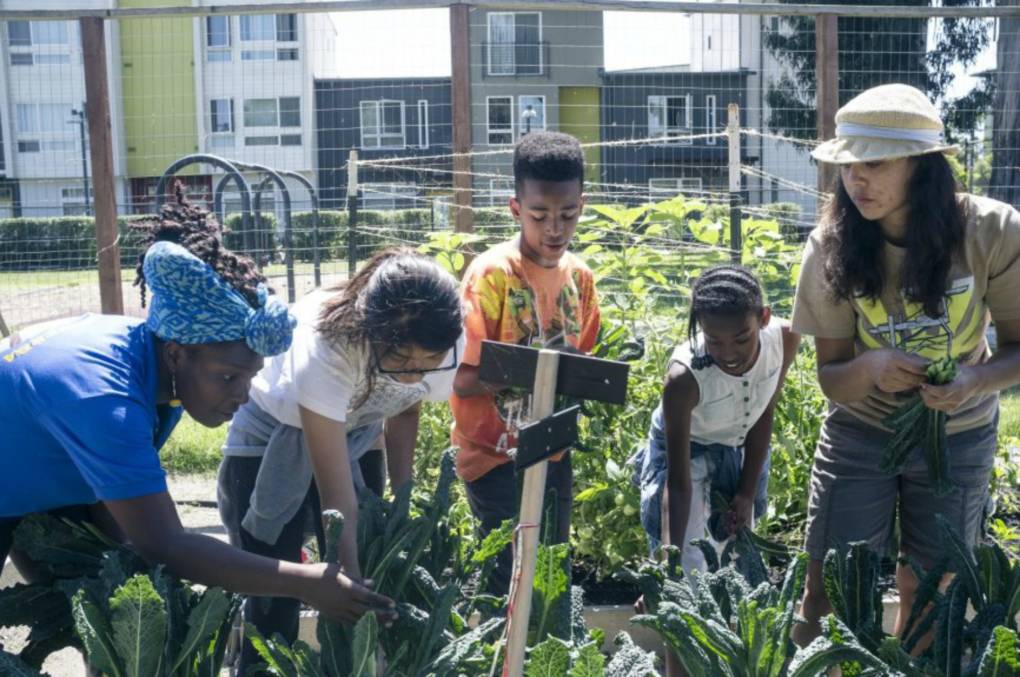
"caption": "A participant collects kale at the Acta Non Verba Farm in East Oakland",
"description": null,
"title": "Girl-new",
"credit": "Photo courtesy of Oakland Museum of California",
"status": "inherit",
"isLoading": false,
"fetchFailed": false
},
"bayareabites_120329": {
"type": "attachments",
"id": "bayareabites_120329",
"meta": {
"index": "attachments_1716263798",
"site": "bayareabites",
"id": "120329",
"found": true
},
"parent": 120327,
"imgSizes": {
"small": {
"file": "https://ww2.kqed.org/app/uploads/sites/24/2017/08/170828-aquaponic-farming-top1-520x347.jpg",
"width": 520,
"mimeType": "image/jpeg",
"height": 347
},
"twentyfourteen-full-width": {
"file": "https://ww2.kqed.org/app/uploads/sites/24/2017/08/170828-aquaponic-farming-top1-1038x576.jpg",
"width": 1038,
"mimeType": "image/jpeg",
"height": 576
},
"thumbnail": {
"file": "https://ww2.kqed.org/app/uploads/sites/24/2017/08/170828-aquaponic-farming-top1-160x107.jpg",
"width": 160,
"mimeType": "image/jpeg",
"height": 107
},
"fd-sm": {
"file": "https://ww2.kqed.org/app/uploads/sites/24/2017/08/170828-aquaponic-farming-top1-960x640.jpg",
"width": 960,
"mimeType": "image/jpeg",
"height": 640
},
"post-thumbnail": {
"file": "https://ww2.kqed.org/app/uploads/sites/24/2017/08/170828-aquaponic-farming-top1-672x372.jpg",
"width": 672,
"mimeType": "image/jpeg",
"height": 372
},
"xsmall": {
"file": "https://ww2.kqed.org/app/uploads/sites/24/2017/08/170828-aquaponic-farming-top1-375x250.jpg",
"width": 375,
"mimeType": "image/jpeg",
"height": 250
},
"kqedFullSize": {
"file": "https://ww2.kqed.org/app/uploads/sites/24/2017/08/170828-aquaponic-farming-top1.jpg",
"width": 1200,
"height": 800
},
"large": {
"file": "https://ww2.kqed.org/app/uploads/sites/24/2017/08/170828-aquaponic-farming-top1-1020x680.jpg",
"width": 1020,
"mimeType": "image/jpeg",
"height": 680
},
"xlarge": {
"file": "https://ww2.kqed.org/app/uploads/sites/24/2017/08/170828-aquaponic-farming-top1-1180x787.jpg",
"width": 1180,
"mimeType": "image/jpeg",
"height": 787
},
"guest-author-50": {
"file": "https://ww2.kqed.org/app/uploads/sites/24/2017/08/170828-aquaponic-farming-top1-50x50.jpg",
"width": 50,
"mimeType": "image/jpeg",
"height": 50
},
"guest-author-96": {
"file": "https://ww2.kqed.org/app/uploads/sites/24/2017/08/170828-aquaponic-farming-top1-96x96.jpg",
"width": 96,
"mimeType": "image/jpeg",
"height": 96
},
"medium": {
"file": "https://ww2.kqed.org/app/uploads/sites/24/2017/08/170828-aquaponic-farming-top1-800x533.jpg",
"width": 800,
"mimeType": "image/jpeg",
"height": 533
},
"guest-author-64": {
"file": "https://ww2.kqed.org/app/uploads/sites/24/2017/08/170828-aquaponic-farming-top1-64x64.jpg",
"width": 64,
"mimeType": "image/jpeg",
"height": 64
},
"guest-author-32": {
"file": "https://ww2.kqed.org/app/uploads/sites/24/2017/08/170828-aquaponic-farming-top1-32x32.jpg",
"width": 32,
"mimeType": "image/jpeg",
"height": 32
},
"fd-med": {
"file": "https://ww2.kqed.org/app/uploads/sites/24/2017/08/170828-aquaponic-farming-top1-1180x787.jpg",
"width": 1180,
"mimeType": "image/jpeg",
"height": 787
},
"detail": {
"file": "https://ww2.kqed.org/app/uploads/sites/24/2017/08/170828-aquaponic-farming-top1-150x150.jpg",
"width": 150,
"mimeType": "image/jpeg",
"height": 150
},
"medium_large": {
"file": "https://ww2.kqed.org/app/uploads/sites/24/2017/08/170828-aquaponic-farming-top1-768x512.jpg",
"width": 768,
"mimeType": "image/jpeg",
"height": 512
},
"guest-author-128": {
"file": "https://ww2.kqed.org/app/uploads/sites/24/2017/08/170828-aquaponic-farming-top1-128x128.jpg",
"width": 128,
"mimeType": "image/jpeg",
"height": 128
},
"xxsmall": {
"file": "https://ww2.kqed.org/app/uploads/sites/24/2017/08/170828-aquaponic-farming-top1-240x160.jpg",
"width": 240,
"mimeType": "image/jpeg",
"height": 160
}
},
"publishDate": 1504215423,
"modified": 1504215686,
"caption": "Photo courtesy of Recirculating Farms Coalition.",
"description": null,
"title": "170828-aquaponic-farming-top1",
"credit": "Recirculating Farms Coalition",
"status": "inherit",
"isLoading": false,
"fetchFailed": false
},
"bayareabites_120118": {
"type": "attachments",
"id": "bayareabites_120118",
"meta": {
"index": "attachments_1716263798",
"site": "bayareabites",
"id": "120118",
"found": true
},
"parent": 120033,
"imgSizes": {
"small": {
"file": "https://ww2.kqed.org/app/uploads/sites/24/2017/08/1-sandwiches-520x316.jpg",
"width": 520,
"mimeType": "image/jpeg",
"height": 316
},
"twentyfourteen-full-width": {
"file": "https://ww2.kqed.org/app/uploads/sites/24/2017/08/1-sandwiches-1038x576.jpg",
"width": 1038,
"mimeType": "image/jpeg",
"height": 576
},
"thumbnail": {
"file": "https://ww2.kqed.org/app/uploads/sites/24/2017/08/1-sandwiches-160x97.jpg",
"width": 160,
"mimeType": "image/jpeg",
"height": 97
},
"fd-sm": {
"file": "https://ww2.kqed.org/app/uploads/sites/24/2017/08/1-sandwiches-960x584.jpg",
"width": 960,
"mimeType": "image/jpeg",
"height": 584
},
"post-thumbnail": {
"file": "https://ww2.kqed.org/app/uploads/sites/24/2017/08/1-sandwiches-672x372.jpg",
"width": 672,
"mimeType": "image/jpeg",
"height": 372
},
"xsmall": {
"file": "https://ww2.kqed.org/app/uploads/sites/24/2017/08/1-sandwiches-375x228.jpg",
"width": 375,
"mimeType": "image/jpeg",
"height": 228
},
"kqedFullSize": {
"file": "https://ww2.kqed.org/app/uploads/sites/24/2017/08/1-sandwiches.jpg",
"width": 3264,
"height": 1986
},
"large": {
"file": "https://ww2.kqed.org/app/uploads/sites/24/2017/08/1-sandwiches-1020x621.jpg",
"width": 1020,
"mimeType": "image/jpeg",
"height": 621
},
"xlarge": {
"file": "https://ww2.kqed.org/app/uploads/sites/24/2017/08/1-sandwiches-1180x718.jpg",
"width": 1180,
"mimeType": "image/jpeg",
"height": 718
},
"guest-author-50": {
"file": "https://ww2.kqed.org/app/uploads/sites/24/2017/08/1-sandwiches-50x50.jpg",
"width": 50,
"mimeType": "image/jpeg",
"height": 50
},
"guest-author-96": {
"file": "https://ww2.kqed.org/app/uploads/sites/24/2017/08/1-sandwiches-96x96.jpg",
"width": 96,
"mimeType": "image/jpeg",
"height": 96
},
"medium": {
"file": "https://ww2.kqed.org/app/uploads/sites/24/2017/08/1-sandwiches-800x487.jpg",
"width": 800,
"mimeType": "image/jpeg",
"height": 487
},
"guest-author-64": {
"file": "https://ww2.kqed.org/app/uploads/sites/24/2017/08/1-sandwiches-64x64.jpg",
"width": 64,
"mimeType": "image/jpeg",
"height": 64
},
"guest-author-32": {
"file": "https://ww2.kqed.org/app/uploads/sites/24/2017/08/1-sandwiches-32x32.jpg",
"width": 32,
"mimeType": "image/jpeg",
"height": 32
},
"fd-lrg": {
"file": "https://ww2.kqed.org/app/uploads/sites/24/2017/08/1-sandwiches-1920x1168.jpg",
"width": 1920,
"mimeType": "image/jpeg",
"height": 1168
},
"fd-med": {
"file": "https://ww2.kqed.org/app/uploads/sites/24/2017/08/1-sandwiches-1180x718.jpg",
"width": 1180,
"mimeType": "image/jpeg",
"height": 718
},
"full-width": {
"file": "https://ww2.kqed.org/app/uploads/sites/24/2017/08/1-sandwiches-1920x1168.jpg",
"width": 1920,
"mimeType": "image/jpeg",
"height": 1168
},
"detail": {
"file": "https://ww2.kqed.org/app/uploads/sites/24/2017/08/1-sandwiches-150x150.jpg",
"width": 150,
"mimeType": "image/jpeg",
"height": 150
},
"medium_large": {
"file": "https://ww2.kqed.org/app/uploads/sites/24/2017/08/1-sandwiches-768x467.jpg",
"width": 768,
"mimeType": "image/jpeg",
"height": 467
},
"guest-author-128": {
"file": "https://ww2.kqed.org/app/uploads/sites/24/2017/08/1-sandwiches-128x128.jpg",
"width": 128,
"mimeType": "image/jpeg",
"height": 128
},
"xxsmall": {
"file": "https://ww2.kqed.org/app/uploads/sites/24/2017/08/1-sandwiches-240x146.jpg",
"width": 240,
"mimeType": "image/jpeg",
"height": 146
}
},
"publishDate": 1503423722,
"modified": 1503575141,
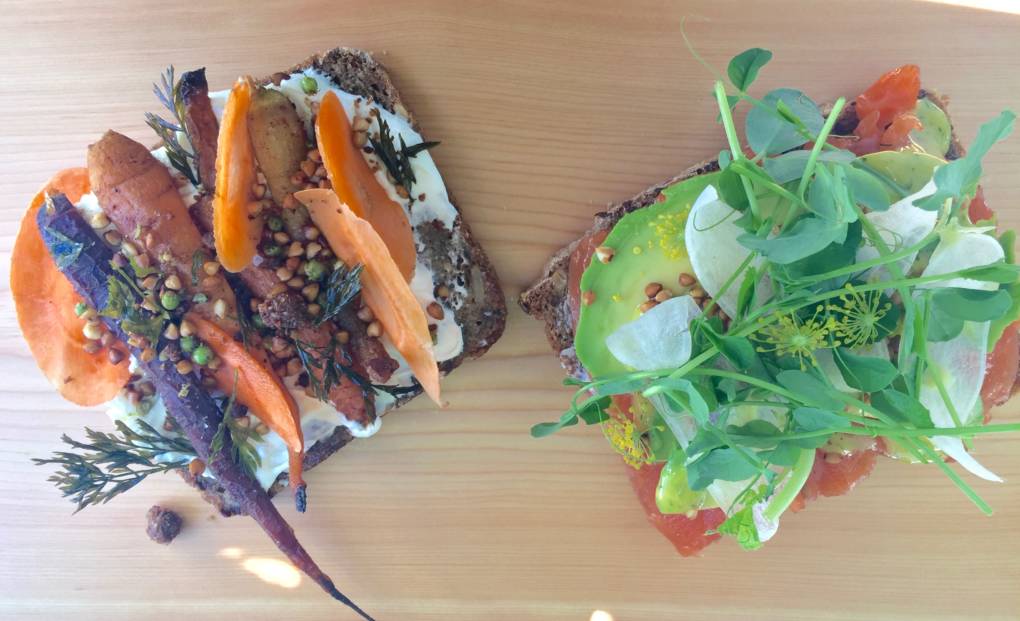
"caption": "(L) Roasted pomegranate-cured carrots, toasted buckwheat, tahini and lebna, crispy carrot greens and (R) salmon, avocado, icicle radishes, micro greens, dill honey mustard, flowering fennel. Both smørrebrød sandwiches created by Kristen Rasmussen on her homemade rye bread.",
"description": null,
"title": "1 sandwiches",
"credit": "Anna Mindess",
"status": "inherit",
"isLoading": false,
"fetchFailed": false
},
"bayareabites_119314": {
"type": "attachments",
"id": "bayareabites_119314",
"meta": {
"index": "attachments_1716263798",
"site": "bayareabites",
"id": "119314",
"found": true
},
"parent": 119279,
"imgSizes": {
"small": {
"file": "https://ww2.kqed.org/app/uploads/sites/24/2017/07/LF1-520x520.jpg",
"width": 520,
"mimeType": "image/jpeg",
"height": 520
},
"twentyfourteen-full-width": {
"file": "https://ww2.kqed.org/app/uploads/sites/24/2017/07/LF1-1038x576.jpg",
"width": 1038,
"mimeType": "image/jpeg",
"height": 576
},
"thumbnail": {
"file": "https://ww2.kqed.org/app/uploads/sites/24/2017/07/LF1-160x160.jpg",
"width": 160,
"mimeType": "image/jpeg",
"height": 160
},
"fd-sm": {
"file": "https://ww2.kqed.org/app/uploads/sites/24/2017/07/LF1-960x960.jpg",
"width": 960,
"mimeType": "image/jpeg",
"height": 960
},
"post-thumbnail": {
"file": "https://ww2.kqed.org/app/uploads/sites/24/2017/07/LF1-672x372.jpg",
"width": 672,
"mimeType": "image/jpeg",
"height": 372
},
"xsmall": {
"file": "https://ww2.kqed.org/app/uploads/sites/24/2017/07/LF1-375x375.jpg",
"width": 375,
"mimeType": "image/jpeg",
"height": 375
},
"kqedFullSize": {
"file": "https://ww2.kqed.org/app/uploads/sites/24/2017/07/LF1.jpg",
"width": 1080,
"height": 1080
},
"large": {
"file": "https://ww2.kqed.org/app/uploads/sites/24/2017/07/LF1-1020x1020.jpg",
"width": 1020,
"mimeType": "image/jpeg",
"height": 1020
},
"guest-author-50": {
"file": "https://ww2.kqed.org/app/uploads/sites/24/2017/07/LF1-50x50.jpg",
"width": 50,
"mimeType": "image/jpeg",
"height": 50
},
"guest-author-96": {
"file": "https://ww2.kqed.org/app/uploads/sites/24/2017/07/LF1-96x96.jpg",
"width": 96,
"mimeType": "image/jpeg",
"height": 96
},
"medium": {
"file": "https://ww2.kqed.org/app/uploads/sites/24/2017/07/LF1-800x800.jpg",
"width": 800,
"mimeType": "image/jpeg",
"height": 800
},
"guest-author-64": {
"file": "https://ww2.kqed.org/app/uploads/sites/24/2017/07/LF1-64x64.jpg",
"width": 64,
"mimeType": "image/jpeg",
"height": 64
},
"guest-author-32": {
"file": "https://ww2.kqed.org/app/uploads/sites/24/2017/07/LF1-32x32.jpg",
"width": 32,
"mimeType": "image/jpeg",
"height": 32
},
"detail": {
"file": "https://ww2.kqed.org/app/uploads/sites/24/2017/07/LF1-150x150.jpg",
"width": 150,
"mimeType": "image/jpeg",
"height": 150
},
"medium_large": {
"file": "https://ww2.kqed.org/app/uploads/sites/24/2017/07/LF1-768x768.jpg",
"width": 768,
"mimeType": "image/jpeg",
"height": 768
},
"guest-author-128": {
"file": "https://ww2.kqed.org/app/uploads/sites/24/2017/07/LF1-128x128.jpg",
"width": 128,
"mimeType": "image/jpeg",
"height": 128
},
"xxsmall": {
"file": "https://ww2.kqed.org/app/uploads/sites/24/2017/07/LF1-240x240.jpg",
"width": 240,
"mimeType": "image/jpeg",
"height": 240
}
},
"publishDate": 1500679121,
"modified": 1500941455,
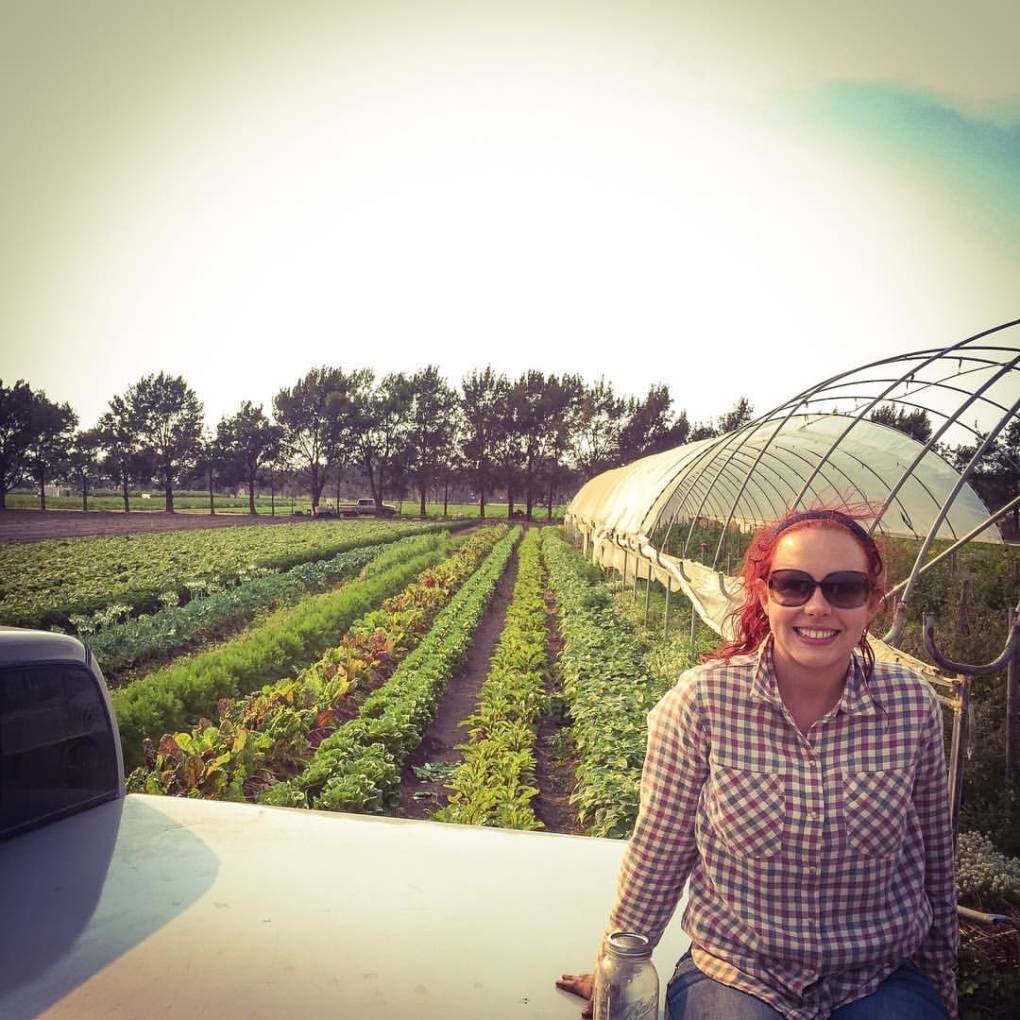
"caption": "Brittany Loisel is shown at Lazy Millennial Farms in Salinas.",
"description": "Brittany Loisel is shown at Lazy Millennial Farms in Salinas.",
"title": "LF1",
"credit": "Lazy Millennial Farms",
"status": "inherit",
"isLoading": false,
"fetchFailed": false
},
"bayareabites_118497": {
"type": "attachments",
"id": "bayareabites_118497",
"meta": {
"index": "attachments_1716263798",
"site": "bayareabites",
"id": "118497",
"found": true
},
"parent": 118478,
"imgSizes": {
"small": {
"file": "https://ww2.kqed.org/app/uploads/sites/24/2017/06/RS25759_Photo-May-25-12-53-19-PM-qut-520x293.jpg",
"width": 520,
"mimeType": "image/jpeg",
"height": 293
},
"twentyfourteen-full-width": {
"file": "https://ww2.kqed.org/app/uploads/sites/24/2017/06/RS25759_Photo-May-25-12-53-19-PM-qut-1038x576.jpg",
"width": 1038,
"mimeType": "image/jpeg",
"height": 576
},
"thumbnail": {
"file": "https://ww2.kqed.org/app/uploads/sites/24/2017/06/RS25759_Photo-May-25-12-53-19-PM-qut-160x90.jpg",
"width": 160,
"mimeType": "image/jpeg",
"height": 90
},
"fd-sm": {
"file": "https://ww2.kqed.org/app/uploads/sites/24/2017/06/RS25759_Photo-May-25-12-53-19-PM-qut-960x540.jpg",
"width": 960,
"mimeType": "image/jpeg",
"height": 540
},
"post-thumbnail": {
"file": "https://ww2.kqed.org/app/uploads/sites/24/2017/06/RS25759_Photo-May-25-12-53-19-PM-qut-672x372.jpg",
"width": 672,
"mimeType": "image/jpeg",
"height": 372
},
"xsmall": {
"file": "https://ww2.kqed.org/app/uploads/sites/24/2017/06/RS25759_Photo-May-25-12-53-19-PM-qut-375x211.jpg",
"width": 375,
"mimeType": "image/jpeg",
"height": 211
},
"kqedFullSize": {
"file": "https://ww2.kqed.org/app/uploads/sites/24/2017/06/RS25759_Photo-May-25-12-53-19-PM-qut.jpg",
"width": 1920,
"height": 1080
},
"large": {
"file": "https://ww2.kqed.org/app/uploads/sites/24/2017/06/RS25759_Photo-May-25-12-53-19-PM-qut-1020x574.jpg",
"width": 1020,
"mimeType": "image/jpeg",
"height": 574
},
"xlarge": {
"file": "https://ww2.kqed.org/app/uploads/sites/24/2017/06/RS25759_Photo-May-25-12-53-19-PM-qut-1180x664.jpg",
"width": 1180,
"mimeType": "image/jpeg",
"height": 664
},
"guest-author-50": {
"file": "https://ww2.kqed.org/app/uploads/sites/24/2017/06/RS25759_Photo-May-25-12-53-19-PM-qut-50x50.jpg",
"width": 50,
"mimeType": "image/jpeg",
"height": 50
},
"guest-author-96": {
"file": "https://ww2.kqed.org/app/uploads/sites/24/2017/06/RS25759_Photo-May-25-12-53-19-PM-qut-96x96.jpg",
"width": 96,
"mimeType": "image/jpeg",
"height": 96
},
"medium": {
"file": "https://ww2.kqed.org/app/uploads/sites/24/2017/06/RS25759_Photo-May-25-12-53-19-PM-qut-800x450.jpg",
"width": 800,
"mimeType": "image/jpeg",
"height": 450
},
"guest-author-64": {
"file": "https://ww2.kqed.org/app/uploads/sites/24/2017/06/RS25759_Photo-May-25-12-53-19-PM-qut-64x64.jpg",
"width": 64,
"mimeType": "image/jpeg",
"height": 64
},
"guest-author-32": {
"file": "https://ww2.kqed.org/app/uploads/sites/24/2017/06/RS25759_Photo-May-25-12-53-19-PM-qut-32x32.jpg",
"width": 32,
"mimeType": "image/jpeg",
"height": 32
},
"fd-lrg": {
"file": "https://ww2.kqed.org/app/uploads/sites/24/2017/06/RS25759_Photo-May-25-12-53-19-PM-qut-1920x1080.jpg",
"width": 1920,
"mimeType": "image/jpeg",
"height": 1080
},
"fd-med": {
"file": "https://ww2.kqed.org/app/uploads/sites/24/2017/06/RS25759_Photo-May-25-12-53-19-PM-qut-1180x664.jpg",
"width": 1180,
"mimeType": "image/jpeg",
"height": 664
},
"full-width": {
"file": "https://ww2.kqed.org/app/uploads/sites/24/2017/06/RS25759_Photo-May-25-12-53-19-PM-qut-1920x1080.jpg",
"width": 1920,
"mimeType": "image/jpeg",
"height": 1080
},
"detail": {
"file": "https://ww2.kqed.org/app/uploads/sites/24/2017/06/RS25759_Photo-May-25-12-53-19-PM-qut-150x150.jpg",
"width": 150,
"mimeType": "image/jpeg",
"height": 150
},
"medium_large": {
"file": "https://ww2.kqed.org/app/uploads/sites/24/2017/06/RS25759_Photo-May-25-12-53-19-PM-qut-768x432.jpg",
"width": 768,
"mimeType": "image/jpeg",
"height": 432
},
"guest-author-128": {
"file": "https://ww2.kqed.org/app/uploads/sites/24/2017/06/RS25759_Photo-May-25-12-53-19-PM-qut-128x128.jpg",
"width": 128,
"mimeType": "image/jpeg",
"height": 128
},
"xxsmall": {
"file": "https://ww2.kqed.org/app/uploads/sites/24/2017/06/RS25759_Photo-May-25-12-53-19-PM-qut-240x135.jpg",
"width": 240,
"mimeType": "image/jpeg",
"height": 135
}
},
"publishDate": 1498082007,
"modified": 1498082074,
"caption": "San Jose is the latest city to make use of a state law letting landlords to loan out urban land for agriculture.",
"description": "San Jose is the latest city to make use of a state law letting landlords to loan out urban land for agriculture.",
"title": "RS25759_Photo-May-25-12-53-19-PM-qut",
"credit": "Rachael Myrow",
"status": "inherit",
"isLoading": false,
"fetchFailed": false
},
"bayareabites_117857": {
"type": "attachments",
"id": "bayareabites_117857",
"meta": {
"index": "attachments_1716263798",
"site": "bayareabites",
"id": "117857",
"found": true
},
"parent": 117856,
"imgSizes": {
"small": {
"file": "https://ww2.kqed.org/app/uploads/sites/24/2017/06/img_5203_custom-f7d2820cd0a2165dcf0c20a53ad0ec23a4fa7e3d-520x334.jpg",
"width": 520,
"mimeType": "image/jpeg",
"height": 334
},
"twentyfourteen-full-width": {
"file": "https://ww2.kqed.org/app/uploads/sites/24/2017/06/img_5203_custom-f7d2820cd0a2165dcf0c20a53ad0ec23a4fa7e3d-1038x576.jpg",
"width": 1038,
"mimeType": "image/jpeg",
"height": 576
},
"thumbnail": {
"file": "https://ww2.kqed.org/app/uploads/sites/24/2017/06/img_5203_custom-f7d2820cd0a2165dcf0c20a53ad0ec23a4fa7e3d-160x103.jpg",
"width": 160,
"mimeType": "image/jpeg",
"height": 103
},
"fd-sm": {
"file": "https://ww2.kqed.org/app/uploads/sites/24/2017/06/img_5203_custom-f7d2820cd0a2165dcf0c20a53ad0ec23a4fa7e3d-960x616.jpg",
"width": 960,
"mimeType": "image/jpeg",
"height": 616
},
"post-thumbnail": {
"file": "https://ww2.kqed.org/app/uploads/sites/24/2017/06/img_5203_custom-f7d2820cd0a2165dcf0c20a53ad0ec23a4fa7e3d-672x372.jpg",
"width": 672,
"mimeType": "image/jpeg",
"height": 372
},
"xsmall": {
"file": "https://ww2.kqed.org/app/uploads/sites/24/2017/06/img_5203_custom-f7d2820cd0a2165dcf0c20a53ad0ec23a4fa7e3d-375x241.jpg",
"width": 375,
"mimeType": "image/jpeg",
"height": 241
},
"kqedFullSize": {
"file": "https://ww2.kqed.org/app/uploads/sites/24/2017/06/img_5203_custom-f7d2820cd0a2165dcf0c20a53ad0ec23a4fa7e3d.jpg",
"width": 2000,
"height": 1283
},
"large": {
"file": "https://ww2.kqed.org/app/uploads/sites/24/2017/06/img_5203_custom-f7d2820cd0a2165dcf0c20a53ad0ec23a4fa7e3d-1020x654.jpg",
"width": 1020,
"mimeType": "image/jpeg",
"height": 654
},
"xlarge": {
"file": "https://ww2.kqed.org/app/uploads/sites/24/2017/06/img_5203_custom-f7d2820cd0a2165dcf0c20a53ad0ec23a4fa7e3d-1180x757.jpg",
"width": 1180,
"mimeType": "image/jpeg",
"height": 757
},
"guest-author-50": {
"file": "https://ww2.kqed.org/app/uploads/sites/24/2017/06/img_5203_custom-f7d2820cd0a2165dcf0c20a53ad0ec23a4fa7e3d-50x50.jpg",
"width": 50,
"mimeType": "image/jpeg",
"height": 50
},
"guest-author-96": {
"file": "https://ww2.kqed.org/app/uploads/sites/24/2017/06/img_5203_custom-f7d2820cd0a2165dcf0c20a53ad0ec23a4fa7e3d-96x96.jpg",
"width": 96,
"mimeType": "image/jpeg",
"height": 96
},
"medium": {
"file": "https://ww2.kqed.org/app/uploads/sites/24/2017/06/img_5203_custom-f7d2820cd0a2165dcf0c20a53ad0ec23a4fa7e3d-800x513.jpg",
"width": 800,
"mimeType": "image/jpeg",
"height": 513
},
"guest-author-64": {
"file": "https://ww2.kqed.org/app/uploads/sites/24/2017/06/img_5203_custom-f7d2820cd0a2165dcf0c20a53ad0ec23a4fa7e3d-64x64.jpg",
"width": 64,
"mimeType": "image/jpeg",
"height": 64
},
"guest-author-32": {
"file": "https://ww2.kqed.org/app/uploads/sites/24/2017/06/img_5203_custom-f7d2820cd0a2165dcf0c20a53ad0ec23a4fa7e3d-32x32.jpg",
"width": 32,
"mimeType": "image/jpeg",
"height": 32
},
"fd-lrg": {
"file": "https://ww2.kqed.org/app/uploads/sites/24/2017/06/img_5203_custom-f7d2820cd0a2165dcf0c20a53ad0ec23a4fa7e3d-1920x1232.jpg",
"width": 1920,
"mimeType": "image/jpeg",
"height": 1232
},
"fd-med": {
"file": "https://ww2.kqed.org/app/uploads/sites/24/2017/06/img_5203_custom-f7d2820cd0a2165dcf0c20a53ad0ec23a4fa7e3d-1180x757.jpg",
"width": 1180,
"mimeType": "image/jpeg",
"height": 757
},
"full-width": {
"file": "https://ww2.kqed.org/app/uploads/sites/24/2017/06/img_5203_custom-f7d2820cd0a2165dcf0c20a53ad0ec23a4fa7e3d-1920x1232.jpg",
"width": 1920,
"mimeType": "image/jpeg",
"height": 1232
},
"detail": {
"file": "https://ww2.kqed.org/app/uploads/sites/24/2017/06/img_5203_custom-f7d2820cd0a2165dcf0c20a53ad0ec23a4fa7e3d-150x150.jpg",
"width": 150,
"mimeType": "image/jpeg",
"height": 150
},
"medium_large": {
"file": "https://ww2.kqed.org/app/uploads/sites/24/2017/06/img_5203_custom-f7d2820cd0a2165dcf0c20a53ad0ec23a4fa7e3d-768x493.jpg",
"width": 768,
"mimeType": "image/jpeg",
"height": 493
},
"guest-author-128": {
"file": "https://ww2.kqed.org/app/uploads/sites/24/2017/06/img_5203_custom-f7d2820cd0a2165dcf0c20a53ad0ec23a4fa7e3d-128x128.jpg",
"width": 128,
"mimeType": "image/jpeg",
"height": 128
},
"xxsmall": {
"file": "https://ww2.kqed.org/app/uploads/sites/24/2017/06/img_5203_custom-f7d2820cd0a2165dcf0c20a53ad0ec23a4fa7e3d-240x154.jpg",
"width": 240,
"mimeType": "image/jpeg",
"height": 154
}
},
"publishDate": 1496335694,
"modified": 1496336110,
"caption": "A bed of apple roots at Willow Drive Nursery, in Ephrata, Wash. These roots are a vital part of the apple industry.",
"description": "A bed of apple roots at Willow Drive Nursery, in Ephrata, Wash. These roots are a vital part of the apple industry.",
"title": "A bed of apple roots at Willow Drive Nursery, in Ephrata, Wash. These roots are a vital part of the apple industry.",
"credit": "Dan Charles/NPR",
"status": "inherit",
"isLoading": false,
"fetchFailed": false
},
"bayareabites_117840": {
"type": "attachments",
"id": "bayareabites_117840",
"meta": {
"index": "attachments_1716263798",
"site": "bayareabites",
"id": "117840",
"found": true
},
"parent": 117839,
"imgSizes": {
"small": {
"file": "https://ww2.kqed.org/app/uploads/sites/24/2017/05/10556315_1035673373169637_7252452552480504824_n_custom-658bdfed8a397870b9058593e2ffdce8c17f8be7-520x349.jpg",
"width": 520,
"mimeType": "image/jpeg",
"height": 349
},
"twentyfourteen-full-width": {
"file": "https://ww2.kqed.org/app/uploads/sites/24/2017/05/10556315_1035673373169637_7252452552480504824_n_custom-658bdfed8a397870b9058593e2ffdce8c17f8be7-959x576.jpg",
"width": 959,
"mimeType": "image/jpeg",
"height": 576
},
"thumbnail": {
"file": "https://ww2.kqed.org/app/uploads/sites/24/2017/05/10556315_1035673373169637_7252452552480504824_n_custom-658bdfed8a397870b9058593e2ffdce8c17f8be7-160x107.jpg",
"width": 160,
"mimeType": "image/jpeg",
"height": 107
},
"post-thumbnail": {
"file": "https://ww2.kqed.org/app/uploads/sites/24/2017/05/10556315_1035673373169637_7252452552480504824_n_custom-658bdfed8a397870b9058593e2ffdce8c17f8be7-672x372.jpg",
"width": 672,
"mimeType": "image/jpeg",
"height": 372
},
"xsmall": {
"file": "https://ww2.kqed.org/app/uploads/sites/24/2017/05/10556315_1035673373169637_7252452552480504824_n_custom-658bdfed8a397870b9058593e2ffdce8c17f8be7-375x251.jpg",
"width": 375,
"mimeType": "image/jpeg",
"height": 251
},
"kqedFullSize": {
"file": "https://ww2.kqed.org/app/uploads/sites/24/2017/05/10556315_1035673373169637_7252452552480504824_n_custom-658bdfed8a397870b9058593e2ffdce8c17f8be7.jpg",
"width": 959,
"height": 643
},
"guest-author-50": {
"file": "https://ww2.kqed.org/app/uploads/sites/24/2017/05/10556315_1035673373169637_7252452552480504824_n_custom-658bdfed8a397870b9058593e2ffdce8c17f8be7-50x50.jpg",
"width": 50,
"mimeType": "image/jpeg",
"height": 50
},
"guest-author-96": {
"file": "https://ww2.kqed.org/app/uploads/sites/24/2017/05/10556315_1035673373169637_7252452552480504824_n_custom-658bdfed8a397870b9058593e2ffdce8c17f8be7-96x96.jpg",
"width": 96,
"mimeType": "image/jpeg",
"height": 96
},
"medium": {
"file": "https://ww2.kqed.org/app/uploads/sites/24/2017/05/10556315_1035673373169637_7252452552480504824_n_custom-658bdfed8a397870b9058593e2ffdce8c17f8be7-800x536.jpg",
"width": 800,
"mimeType": "image/jpeg",
"height": 536
},
"guest-author-64": {
"file": "https://ww2.kqed.org/app/uploads/sites/24/2017/05/10556315_1035673373169637_7252452552480504824_n_custom-658bdfed8a397870b9058593e2ffdce8c17f8be7-64x64.jpg",
"width": 64,
"mimeType": "image/jpeg",
"height": 64
},
"guest-author-32": {
"file": "https://ww2.kqed.org/app/uploads/sites/24/2017/05/10556315_1035673373169637_7252452552480504824_n_custom-658bdfed8a397870b9058593e2ffdce8c17f8be7-32x32.jpg",
"width": 32,
"mimeType": "image/jpeg",
"height": 32
},
"detail": {
"file": "https://ww2.kqed.org/app/uploads/sites/24/2017/05/10556315_1035673373169637_7252452552480504824_n_custom-658bdfed8a397870b9058593e2ffdce8c17f8be7-150x150.jpg",
"width": 150,
"mimeType": "image/jpeg",
"height": 150
},
"medium_large": {
"file": "https://ww2.kqed.org/app/uploads/sites/24/2017/05/10556315_1035673373169637_7252452552480504824_n_custom-658bdfed8a397870b9058593e2ffdce8c17f8be7-768x515.jpg",
"width": 768,
"mimeType": "image/jpeg",
"height": 515
},
"guest-author-128": {
"file": "https://ww2.kqed.org/app/uploads/sites/24/2017/05/10556315_1035673373169637_7252452552480504824_n_custom-658bdfed8a397870b9058593e2ffdce8c17f8be7-128x128.jpg",
"width": 128,
"mimeType": "image/jpeg",
"height": 128
},
"xxsmall": {
"file": "https://ww2.kqed.org/app/uploads/sites/24/2017/05/10556315_1035673373169637_7252452552480504824_n_custom-658bdfed8a397870b9058593e2ffdce8c17f8be7-240x161.jpg",
"width": 240,
"mimeType": "image/jpeg",
"height": 161
}
},
"publishDate": 1496254548,
"modified": 1496254811,
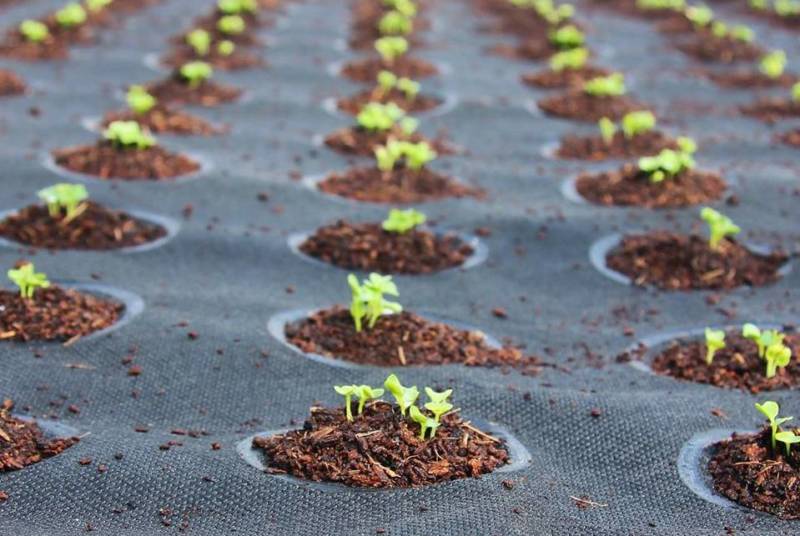
"caption": "Seedsheets are made of weed-blocking fabric, a thick layer of soil and dissolvable pods full of organic seeds.",
"description": "Seedsheets are made of weed-blocking fabric, a thick layer of soil and dissolvable pods full of organic seeds.",
"title": "Seedsheets are made of weed-blocking fabric, a thick layer of soil and dissolvable pods full of organic seeds.",
"credit": "Courtesy of Seedsheet",
"status": "inherit",
"isLoading": false,
"fetchFailed": false
},
"bayareabites_115761": {
"type": "attachments",
"id": "bayareabites_115761",
"meta": {
"index": "attachments_1716263798",
"site": "bayareabites",
"id": "115761",
"found": true
},
"parent": 115758,
"imgSizes": {
"small": {
"file": "https://ww2.kqed.org/app/uploads/sites/24/2017/03/oak-farm-1202-520x345.jpg",
"width": 520,
"mimeType": "image/jpeg",
"height": 345
},
"twentyfourteen-full-width": {
"file": "https://ww2.kqed.org/app/uploads/sites/24/2017/03/oak-farm-1202-1038x576.jpg",
"width": 1038,
"mimeType": "image/jpeg",
"height": 576
},
"thumbnail": {
"file": "https://ww2.kqed.org/app/uploads/sites/24/2017/03/oak-farm-1202-160x106.jpg",
"width": 160,
"mimeType": "image/jpeg",
"height": 106
},
"fd-sm": {
"file": "https://ww2.kqed.org/app/uploads/sites/24/2017/03/oak-farm-1202-960x638.jpg",
"width": 960,
"mimeType": "image/jpeg",
"height": 638
},
"post-thumbnail": {
"file": "https://ww2.kqed.org/app/uploads/sites/24/2017/03/oak-farm-1202-672x372.jpg",
"width": 672,
"mimeType": "image/jpeg",
"height": 372
},
"xsmall": {
"file": "https://ww2.kqed.org/app/uploads/sites/24/2017/03/oak-farm-1202-375x249.jpg",
"width": 375,
"mimeType": "image/jpeg",
"height": 249
},
"kqedFullSize": {
"file": "https://ww2.kqed.org/app/uploads/sites/24/2017/03/oak-farm-1202.jpg",
"width": 1920,
"height": 1275
},
"large": {
"file": "https://ww2.kqed.org/app/uploads/sites/24/2017/03/oak-farm-1202-1020x677.jpg",
"width": 1020,
"mimeType": "image/jpeg",
"height": 677
},
"xlarge": {
"file": "https://ww2.kqed.org/app/uploads/sites/24/2017/03/oak-farm-1202-1180x784.jpg",
"width": 1180,
"mimeType": "image/jpeg",
"height": 784
},
"guest-author-50": {
"file": "https://ww2.kqed.org/app/uploads/sites/24/2017/03/oak-farm-1202-50x50.jpg",
"width": 50,
"mimeType": "image/jpeg",
"height": 50
},
"guest-author-96": {
"file": "https://ww2.kqed.org/app/uploads/sites/24/2017/03/oak-farm-1202-96x96.jpg",
"width": 96,
"mimeType": "image/jpeg",
"height": 96
},
"medium": {
"file": "https://ww2.kqed.org/app/uploads/sites/24/2017/03/oak-farm-1202-800x531.jpg",
"width": 800,
"mimeType": "image/jpeg",
"height": 531
},
"guest-author-64": {
"file": "https://ww2.kqed.org/app/uploads/sites/24/2017/03/oak-farm-1202-64x64.jpg",
"width": 64,
"mimeType": "image/jpeg",
"height": 64
},
"guest-author-32": {
"file": "https://ww2.kqed.org/app/uploads/sites/24/2017/03/oak-farm-1202-32x32.jpg",
"width": 32,
"mimeType": "image/jpeg",
"height": 32
},
"fd-lrg": {
"file": "https://ww2.kqed.org/app/uploads/sites/24/2017/03/oak-farm-1202-1920x1275.jpg",
"width": 1920,
"mimeType": "image/jpeg",
"height": 1275
},
"fd-med": {
"file": "https://ww2.kqed.org/app/uploads/sites/24/2017/03/oak-farm-1202-1180x784.jpg",
"width": 1180,
"mimeType": "image/jpeg",
"height": 784
},
"full-width": {
"file": "https://ww2.kqed.org/app/uploads/sites/24/2017/03/oak-farm-1202-1920x1275.jpg",
"width": 1920,
"mimeType": "image/jpeg",
"height": 1275
},
"detail": {
"file": "https://ww2.kqed.org/app/uploads/sites/24/2017/03/oak-farm-1202-150x150.jpg",
"width": 150,
"mimeType": "image/jpeg",
"height": 150
},
"medium_large": {
"file": "https://ww2.kqed.org/app/uploads/sites/24/2017/03/oak-farm-1202-768x510.jpg",
"width": 768,
"mimeType": "image/jpeg",
"height": 510
},
"guest-author-128": {
"file": "https://ww2.kqed.org/app/uploads/sites/24/2017/03/oak-farm-1202-128x128.jpg",
"width": 128,
"mimeType": "image/jpeg",
"height": 128
},
"xxsmall": {
"file": "https://ww2.kqed.org/app/uploads/sites/24/2017/03/oak-farm-1202-240x159.jpg",
"width": 240,
"mimeType": "image/jpeg",
"height": 159
}
},
"publishDate": 1488839250,
"modified": 1488839582,
"caption": "Farm manager Kana Azhari, farm assistant Yesica Martinez, student Thomas, student Raquita and educator Katina Castillo work together to pick the farm's kale. ",
"description": "Farm manager Kana Azhari, farm assistant Yesica Martinez, student Thomas, student Raquita and educator Katina Castillo work together to pick the farm's kale. ",
"title": "Farm manager Kana Azhari, farm assistant Yesica Martinez, student Thomas, student Raquita and educator Katina Castillo work together to pick the farm's kale.",
"credit": "Pete Rosos/Acta Non Verba ",
"status": "inherit",
"isLoading": false,
"fetchFailed": false
},
"bayareabites_112623": {
"type": "attachments",
"id": "bayareabites_112623",
"meta": {
"index": "attachments_1716263798",
"site": "bayareabites",
"id": "112623",
"found": true
},
"parent": 112619,
"imgSizes": {
"thumbnail": {
"file": "https://ww2.kqed.org/app/uploads/sites/24/2016/10/cropped_seed_table-680x448-400x264.jpg",
"width": 400,
"mimeType": "image/jpeg",
"height": 264
},
"post-thumbnail": {
"file": "https://ww2.kqed.org/app/uploads/sites/24/2016/10/cropped_seed_table-680x448-672x372.jpg",
"width": 672,
"mimeType": "image/jpeg",
"height": 372
},
"kqedFullSize": {
"file": "https://ww2.kqed.org/app/uploads/sites/24/2016/10/cropped_seed_table-680x448.jpg",
"width": 680,
"height": 448
},
"cat_post_thumb_sizecategory-posts-2": {
"file": "https://ww2.kqed.org/app/uploads/sites/24/2016/10/cropped_seed_table-680x448-150x150.jpg",
"width": 150,
"mimeType": "image/jpeg",
"height": 150
},
"guest-author-50": {
"file": "https://ww2.kqed.org/app/uploads/sites/24/2016/10/cropped_seed_table-680x448-50x50.jpg",
"width": 50,
"mimeType": "image/jpeg",
"height": 50
},
"guest-author-96": {
"file": "https://ww2.kqed.org/app/uploads/sites/24/2016/10/cropped_seed_table-680x448-96x96.jpg",
"width": 96,
"mimeType": "image/jpeg",
"height": 96
},
"guest-author-64": {
"file": "https://ww2.kqed.org/app/uploads/sites/24/2016/10/cropped_seed_table-680x448-64x64.jpg",
"width": 64,
"mimeType": "image/jpeg",
"height": 64
},
"detail": {
"file": "https://ww2.kqed.org/app/uploads/sites/24/2016/10/cropped_seed_table-680x448-150x150.jpg",
"width": 150,
"mimeType": "image/jpeg",
"height": 150
},
"guest-author-32": {
"file": "https://ww2.kqed.org/app/uploads/sites/24/2016/10/cropped_seed_table-680x448-32x32.jpg",
"width": 32,
"mimeType": "image/jpeg",
"height": 32
},
"guest-author-128": {
"file": "https://ww2.kqed.org/app/uploads/sites/24/2016/10/cropped_seed_table-680x448-128x128.jpg",
"width": 128,
"mimeType": "image/jpeg",
"height": 128
}
},
"publishDate": 1476216690,
"modified": 1476216714,
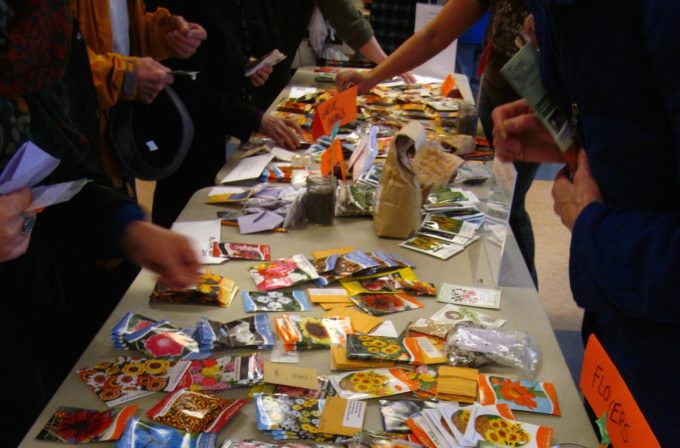
"caption": "Edible Garden Project / Flickr",
"description": null,
"title": "cropped_seed_table-680x448",
"credit": null,
"status": "inherit",
"isLoading": false,
"fetchFailed": false
},
"bayareabites_111818": {
"type": "attachments",
"id": "bayareabites_111818",
"meta": {
"index": "attachments_1716263798",
"site": "bayareabites",
"id": "111818",
"found": true
},
"parent": 111808,
"imgSizes": {
"twentyfourteen-full-width": {
"file": "https://ww2.kqed.org/app/uploads/sites/24/2016/08/nopales-pic-1024x682-1024x576.jpg",
"width": 1024,
"mimeType": "image/jpeg",
"height": 576
},
"thumbnail": {
"file": "https://ww2.kqed.org/app/uploads/sites/24/2016/08/nopales-pic-1024x682-400x266.jpg",
"width": 400,
"mimeType": "image/jpeg",
"height": 266
},
"fd-sm": {
"file": "https://ww2.kqed.org/app/uploads/sites/24/2016/08/nopales-pic-1024x682-960x639.jpg",
"width": 960,
"mimeType": "image/jpeg",
"height": 639
},
"post-thumbnail": {
"file": "https://ww2.kqed.org/app/uploads/sites/24/2016/08/nopales-pic-1024x682-672x372.jpg",
"width": 672,
"mimeType": "image/jpeg",
"height": 372
},
"kqedFullSize": {
"file": "https://ww2.kqed.org/app/uploads/sites/24/2016/08/nopales-pic-1024x682.jpg",
"width": 1024,
"height": 682
},
"guest-author-50": {
"file": "https://ww2.kqed.org/app/uploads/sites/24/2016/08/nopales-pic-1024x682-50x50.jpg",
"width": 50,
"mimeType": "image/jpeg",
"height": 50
},
"guest-author-96": {
"file": "https://ww2.kqed.org/app/uploads/sites/24/2016/08/nopales-pic-1024x682-96x96.jpg",
"width": 96,
"mimeType": "image/jpeg",
"height": 96
},
"medium": {
"file": "https://ww2.kqed.org/app/uploads/sites/24/2016/08/nopales-pic-1024x682-800x533.jpg",
"width": 800,
"mimeType": "image/jpeg",
"height": 533
},
"guest-author-64": {
"file": "https://ww2.kqed.org/app/uploads/sites/24/2016/08/nopales-pic-1024x682-64x64.jpg",
"width": 64,
"mimeType": "image/jpeg",
"height": 64
},
"guest-author-32": {
"file": "https://ww2.kqed.org/app/uploads/sites/24/2016/08/nopales-pic-1024x682-32x32.jpg",
"width": 32,
"mimeType": "image/jpeg",
"height": 32
},
"cat_post_thumb_sizecategory-posts-2": {
"file": "https://ww2.kqed.org/app/uploads/sites/24/2016/08/nopales-pic-1024x682-150x150.jpg",
"width": 150,
"mimeType": "image/jpeg",
"height": 150
},
"detail": {
"file": "https://ww2.kqed.org/app/uploads/sites/24/2016/08/nopales-pic-1024x682-150x150.jpg",
"width": 150,
"mimeType": "image/jpeg",
"height": 150
},
"medium_large": {
"file": "https://ww2.kqed.org/app/uploads/sites/24/2016/08/nopales-pic-1024x682-768x512.jpg",
"width": 768,
"mimeType": "image/jpeg",
"height": 512
},
"guest-author-128": {
"file": "https://ww2.kqed.org/app/uploads/sites/24/2016/08/nopales-pic-1024x682-128x128.jpg",
"width": 128,
"mimeType": "image/jpeg",
"height": 128
}
},
"publishDate": 1472687608,
"modified": 1472687608,
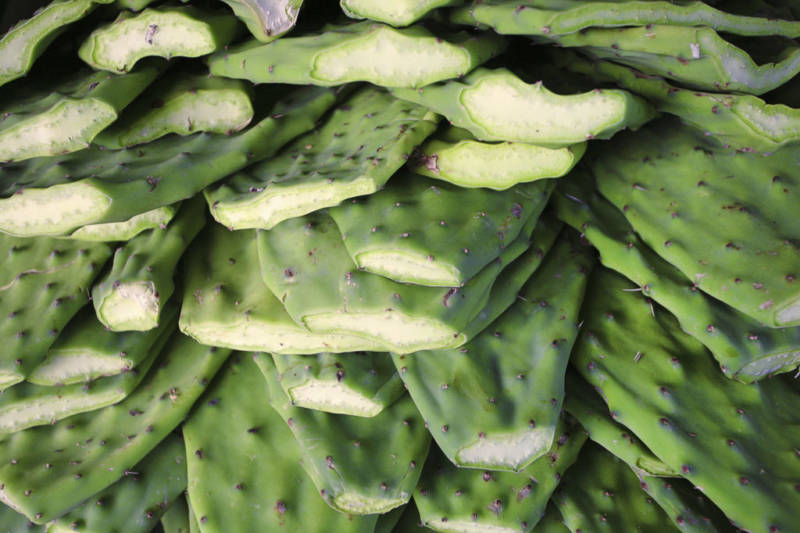
"caption": "Nopales / Cactus paddles in market, San Francisco, California",
"description": null,
"title": "Nopales / Cactus paddles in market",
"credit": null,
"status": "inherit",
"isLoading": false,
"fetchFailed": false
}
},
"audioPlayerReducer": {
"postId": "stream_live",
"isPaused": true,
"isPlaying": false,
"pfsActive": false,
"pledgeModalIsOpen": true,
"playerDrawerIsOpen": false,
"liveAudioPlayStartedAt": 0,
"liveAudioPlayContext": ""
},
"authorsReducer": {
"byline_bayareabites_127465": {
"type": "authors",
"id": "byline_bayareabites_127465",
"meta": {
"override": true
},
"slug": "byline_bayareabites_127465",
"name": "\u003ca href=\"https://civileats.com/author/dgurian/\">Doug Gurian-Sherman,\u003c/a> \u003ca href=\"https://www.kqed.org/author/civileat\">Civil Eats\u003c/a>",
"isLoading": false
},
"byline_bayareabites_125604": {
"type": "authors",
"id": "byline_bayareabites_125604",
"meta": {
"override": true
},
"slug": "byline_bayareabites_125604",
"name": "Menaka Wilhelm, NPR Food",
"isLoading": false
},
"byline_bayareabites_120327": {
"type": "authors",
"id": "byline_bayareabites_120327",
"meta": {
"override": true
},
"slug": "byline_bayareabites_120327",
"name": "Lela Nargi, \u003ca href=\"https://ww2.kqed.org/bayareabites/author/cuesa/\">Civil Eats\u003c/a>",
"isLoading": false
},
"byline_bayareabites_117856": {
"type": "authors",
"id": "byline_bayareabites_117856",
"meta": {
"override": true
},
"slug": "byline_bayareabites_117856",
"name": "Dan Charles, NPR Food",
"isLoading": false
},
"byline_bayareabites_117839": {
"type": "authors",
"id": "byline_bayareabites_117839",
"meta": {
"override": true
},
"slug": "byline_bayareabites_117839",
"name": "Kristen Hartke, \u003ca href=\"https://ww2.kqed.org/bayareabites/author/nprfood/\">NPR Food\u003c/a>",
"isLoading": false
},
"byline_bayareabites_112619": {
"type": "authors",
"id": "byline_bayareabites_112619",
"meta": {
"override": true
},
"slug": "byline_bayareabites_112619",
"name": "\u003ca href=\"http://civileats.com/author/kwong/\">Kristine Wong\u003c/a>, \u003ca href=\"https://ww2.kqed.org/bayareabites/author/civileat/\">Civil Eats\u003c/a>",
"isLoading": false
},
"byline_bayareabites_111808": {
"type": "authors",
"id": "byline_bayareabites_111808",
"meta": {
"override": true
},
"slug": "byline_bayareabites_111808",
"name": "\u003ca href=\"http://civileats.com/author/rcernansky/\">Rachel Cernansky\u003c/a>, \u003ca href=\"https://ww2.kqed.org/bayareabites/author/civileat/\">Civil Eats\u003c/a>",
"isLoading": false
},
"rachael-myrow": {
"type": "authors",
"id": "251",
"meta": {
"index": "authors_1716337520",
"id": "251",
"found": true
},
"name": "Rachael Myrow",
"firstName": "Rachael",
"lastName": "Myrow",
"slug": "rachael-myrow",
"email": "rmyrow@kqed.org",
"display_author_email": true,
"staff_mastheads": [
"news"
],
"title": "Senior Editor of KQED's Silicon Valley News Desk",
"bio": "• I write and edit stories about how Silicon Valley power and policies shape everyday life in California. I’m also passionate about making Bay Area history and culture more accessible to a broad public. • I’ve been a journalist for most of my life, starting in high school with The Franklin Press in Los Angeles, where I grew up. While earning my first degree in English at UC Berkeley, I got my start in public radio at KALX-FM. After completing a second degree in journalism at Cal, I landed my first professional job at Marketplace, then moved on to KPCC (now LAist), and then KQED, where I hosted The California Report for more than seven years. • My reporting has appeared on NPR, The World, WBUR’s \u003ci>Here & Now\u003c/i>, and the BBC. I also guest host for KQED’s \u003ci>Forum\u003c/i>, as well as the Commonwealth Club in San Francisco. • I speak periodically on media, democracy and technology issues, and do voiceover work for documentaries and educational video projects. • Outside of the studio, you'll find me hiking Bay Area trails and whipping up Insta-ready meals in my kitchen. • I do not accept gifts, money, or favors from anyone connected to my reporting, I don't pay people for information, and I do not support or donate to political causes. • I strive to treat the people I report on with fairness, honesty, and respect. I also recognize there are often multiple sides to a story and work to verify information through multiple sources and documentation. If I get something wrong, I correct it.",
"avatar": "https://secure.gravatar.com/avatar/3ed8a3c5f26025e4a805ba634cda8cd764906b97438a6d9ce216b044e340da4e?s=600&d=blank&r=g",
"twitter": "rachaelmyrow",
"bluesky": null,
"facebook": null,
"instagram": null,
"linkedin": "https://www.linkedin.com/in/rachaelmyrow/",
"sites": [
{
"site": "arts",
"roles": [
"administrator"
]
},
{
"site": "news",
"roles": [
"edit_others_posts",
"editor"
]
},
{
"site": "futureofyou",
"roles": [
"editor"
]
},
{
"site": "bayareabites",
"roles": [
"editor"
]
},
{
"site": "stateofhealth",
"roles": [
"editor"
]
},
{
"site": "science",
"roles": [
"editor"
]
},
{
"site": "food",
"roles": [
"editor"
]
},
{
"site": "forum",
"roles": [
"editor"
]
},
{
"site": "liveblog",
"roles": [
"author"
]
}
],
"headData": {
"title": "Rachael Myrow | KQED",
"description": "Senior Editor of KQED's Silicon Valley News Desk",
"ogImgSrc": "https://secure.gravatar.com/avatar/3ed8a3c5f26025e4a805ba634cda8cd764906b97438a6d9ce216b044e340da4e?s=600&d=blank&r=g",
"twImgSrc": "https://secure.gravatar.com/avatar/3ed8a3c5f26025e4a805ba634cda8cd764906b97438a6d9ce216b044e340da4e?s=600&d=blank&r=g"
},
"isLoading": false,
"link": "/author/rachael-myrow"
},
"annamindess": {
"type": "authors",
"id": "5283",
"meta": {
"index": "authors_1716337520",
"id": "5283",
"found": true
},
"name": "Anna Mindess",
"firstName": "Anna",
"lastName": "Mindess",
"slug": "annamindess",
"email": "amindess@aol.com",
"display_author_email": false,
"staff_mastheads": [],
"title": "KQED Contributor",
"bio": "My passion is exploring the connections between food, travel and culture. I am a regular contributor to AFAR, Edible East Bay Magazine, Oakland Magazine, Berkeleyside's NOSH and other publications. I usually take a route that's slightly off the beaten path, like \u003ca href=\"http://edibleeastbay.com/online-magazine/fall-harvest-2017/fun-with-food-insults/\">collecting food-related insults\u003c/a> around the world or \u003ca href=\"https://www.afar.com/magazine/what-i-learned-hawking-sweet-potatoes-with-a-street-vendor-in-taiwan?email=amindess%40aol.com&utm_source=Sailthru&utm_medium=email&utm_campaign=Doctors%20Without%20Borders&utm_term=Daily%20Wander%20Newsletter\">volunteering with a Sweet Potato Mama\u003c/a> (street food seller) in Tapei.\r\n\r\nCulture is the thread that ties together my several careers. I also work as a sign language interpreter, educator and author. My study of Deaf culture has taken me around the world, where I am always on a quest to find Deaf-owned restaurants. I love making connections between my different worlds, for example in this AFAR story where I share \u003ca href=\"https://www.afar.com/magazine/tips-from-a-sign-language-interpreter-for-overcoming-language-barriers\">tips for communicating across cultures\u003c/a> that I learned from the real experts, Deaf people. Or this \u003ca href=\"http://edibleeastbay.com/online-magazine/fall-harvest-2017/deaf-chefs-compete/\">profile of a Deaf chef and culinary arts instructor\u003c/a> at the California School for the Deaf.\r\n\r\nTo see my visual/edible take on the world, follow me on Instagram: \u003ca href=\"https://www.instagram.com/annamindess/\">annamindess. \u003c/a>\r\n\r\nFor more of my stories: visit Contently \u003ca href=\"http://annamindess.contently.com\">annamindess.contently.com\u003c/a>",
"avatar": "https://secure.gravatar.com/avatar/23c79f04bf3d58b2e727d35ca471d184e8945f6ed82e41a0c062eab5e7dc2bb5?s=600&d=blank&r=g",
"twitter": null,
"bluesky": null,
"facebook": null,
"instagram": null,
"linkedin": null,
"sites": [
{
"site": "arts",
"roles": [
"subscriber"
]
},
{
"site": "bayareabites",
"roles": [
"author"
]
},
{
"site": "food",
"roles": [
"contributor"
]
}
],
"headData": {
"title": "Anna Mindess | KQED",
"description": "KQED Contributor",
"ogImgSrc": "https://secure.gravatar.com/avatar/23c79f04bf3d58b2e727d35ca471d184e8945f6ed82e41a0c062eab5e7dc2bb5?s=600&d=blank&r=g",
"twImgSrc": "https://secure.gravatar.com/avatar/23c79f04bf3d58b2e727d35ca471d184e8945f6ed82e41a0c062eab5e7dc2bb5?s=600&d=blank&r=g"
},
"isLoading": false,
"link": "/author/annamindess"
},
"shelbypope": {
"type": "authors",
"id": "5566",
"meta": {
"index": "authors_1716337520",
"id": "5566",
"found": true
},
"name": "Shelby Pope",
"firstName": "Shelby",
"lastName": "Pope",
"slug": "shelbypope",
"email": "shelbylpope@gmail.com",
"display_author_email": false,
"staff_mastheads": [],
"title": "KQED Contributor",
"bio": "Shelby Pope is a freelance writer living and eating her way through the East Bay. She’s written about food, art and science for publications including the Smithsonian, Lucky Peach, and the Washington Post's pet blog. When she’s not taste testing sourdough bread to find the Bay Area’s best loaf, you can find her on Twitter \u003ca href=\"https://twitter.com/shelbylpope\">@shelbylpope\u003c/a> or at \u003ca href=\"https://shelbypope.com/\">shelbypope.com\u003c/a>",
"avatar": "https://secure.gravatar.com/avatar/df74e904399e45720e48e36c6e1ae7a90c32216eb2c9c82f3b2e1a9641b507d3?s=600&d=blank&r=g",
"twitter": "shelbylpope",
"bluesky": null,
"facebook": null,
"instagram": null,
"linkedin": null,
"sites": [
{
"site": "arts",
"roles": [
"subscriber"
]
},
{
"site": "food",
"roles": [
"subscriber"
]
}
],
"headData": {
"title": "Shelby Pope | KQED",
"description": "KQED Contributor",
"ogImgSrc": "https://secure.gravatar.com/avatar/df74e904399e45720e48e36c6e1ae7a90c32216eb2c9c82f3b2e1a9641b507d3?s=600&d=blank&r=g",
"twImgSrc": "https://secure.gravatar.com/avatar/df74e904399e45720e48e36c6e1ae7a90c32216eb2c9c82f3b2e1a9641b507d3?s=600&d=blank&r=g"
},
"isLoading": false,
"link": "/author/shelbypope"
},
"alexandrawall": {
"type": "authors",
"id": "5567",
"meta": {
"index": "authors_1716337520",
"id": "5567",
"found": true
},
"name": "Alix Wall",
"firstName": "Alix",
"lastName": "Wall",
"slug": "alexandrawall",
"email": "alixwall@sbcglobal.net",
"display_author_email": false,
"staff_mastheads": [],
"title": null,
"bio": "Alix Wall appeared in her hometown paper in Riverside, California as “Chef of the Week” when she was 15 years old, and in high school, she founded “The Bon Appetit Club.” After working as a journalist for many years, Alix became a certified natural foods chef from Bauman College in Berkeley. While she cooks part-time healthy, organic meals for busy families, she is also a contributing editor of j. weekly, the Bay Area’s Jewish newspaper, in which she has a monthly food column. Her food writing can also be found on Berkeleyside’s NOSH and in Edible East Bay. In addition to food, she loves writing about how couples met and fell in love, which she does for The San Francisco Chronicle’s Style section and j. weekly. In 2016, she founded The Illuminoshi: The Not-So-Secret Society of Bay Area Jewish Food Professionals. She is also writer/producer for a documentary-in-progress called \u003ca href=\"https://www.lonelychildmovie.com/\">The Lonely Child\u003c/a>. Follow Alix on Twitter \u003ca href=\"https://twitter.com/WallAlix\">@WallAlix\u003c/a>.",
"avatar": "https://secure.gravatar.com/avatar/421a27f26a185be932f8d567b499b1f1?s=600&d=blank&r=g",
"twitter": null,
"facebook": null,
"instagram": null,
"linkedin": null,
"sites": [
{
"site": "bayareabites",
"roles": [
"contributor"
]
},
{
"site": "food",
"roles": [
"contributor"
]
}
],
"headData": {
"title": "Alix Wall | KQED",
"description": null,
"ogImgSrc": "https://secure.gravatar.com/avatar/421a27f26a185be932f8d567b499b1f1?s=600&d=blank&r=g",
"twImgSrc": "https://secure.gravatar.com/avatar/421a27f26a185be932f8d567b499b1f1?s=600&d=blank&r=g"
},
"isLoading": false,
"link": "/author/alexandrawall"
}
},
"pagesReducer": {
"bayareabites_category_gardening-and-urban-farming": {
"type": "terms",
"id": "bayareabites_2554",
"meta": {
"index": "terms_1716263798",
"site": "bayareabites",
"id": "2554",
"score": 13.89634
},
"featImg": null,
"name": "gardening and urban farming",
"description": null,
"taxonomy": "category",
"headData": {
"twImgId": null,
"twTitle": null,
"ogTitle": null,
"ogImgId": null,
"twDescription": null,
"description": null,
"title": "gardening and urban farming Archives | KQED Bay Area Bites",
"ogDescription": null
},
"ttid": 1016,
"slug": "gardening-and-urban-farming",
"isLoading": false,
"title": "gardening and urban farming",
"pageMeta": {
"site": "bayareabites",
"WpPageTemplate": "page-topic-editorial",
"currentPage": 2
},
"blocks": [
{
"blockName": "kqed/post-list",
"attrs": {
"layout": "cardArticle2",
"query": "posts/bayareabites?category=gardening-and-urban-farming",
"seeMore": false,
"paginated": true,
"page": 2
}
},
{
"blockName": "kqed/ad"
}
]
}
},
"pfsSessionReducer": {},
"postsReducer": {
"stream_live": {
"type": "live",
"id": "stream_live",
"audioUrl": "https://streams.kqed.org/kqedradio",
"title": "Live Stream",
"excerpt": "Live Stream information currently unavailable.",
"link": "/radio",
"featImg": "",
"label": {
"name": "KQED Live",
"link": "/"
}
},
"stream_kqedNewscast": {
"type": "posts",
"id": "stream_kqedNewscast",
"audioUrl": "https://www.kqed.org/.stream/anon/radio/RDnews/newscast.mp3?_=1",
"title": "KQED Newscast",
"featImg": "",
"label": {
"name": "88.5 FM",
"link": "/"
}
},
"bayareabites_127465": {
"type": "posts",
"id": "bayareabites_127465",
"meta": {
"index": "posts_1716263798",
"site": "bayareabites",
"id": "127465",
"score": null,
"sort": [
1525109919000
]
},
"parent": 0,
"labelTerm": {},
"blocks": [],
"publishDate": 1525109919,
"format": "standard",
"disqusTitle": "New Science Shows Bee-Killing Pesticides Are Unnecessary on Most Farms",
"title": "New Science Shows Bee-Killing Pesticides Are Unnecessary on Most Farms",
"headTitle": "Bay Area Bites | KQED Food",
"content": "\u003cp>\u003cem>Alternatives are available for neonicotinoid insecticide seed coatings, saving farmers money and better protecting the environment.\u003c/em>\u003c/p>\n\u003cp>Conventional corn farmers—who grow the ubiquitous grain on \u003ca href=\"https://www.ers.usda.gov/topics/crops/corn/background.aspx\">90 million acres\u003c/a> in the U.S.—are struggling. Since 2014, these farmers have been \u003ca href=\"https://www.ers.usda.gov/data-products/commodity-costs-and-returns/commodity-costs-and-returns/#Recent%20Costs%20and%20Returns:%20Corn\">spending more to produce corn\u003c/a> than they can earn by selling it. Periods of overproduction and low prices are nothing new, but they can hit hard, as some farmers are forced to sell their operations and the largest landowners tend to get even larger, contributing to the hollowing-out of rural America.\u003c/p>\n\u003cp>What is new this time around is that the last two decades have also seen \u003ca href=\"https://civileats.com/2017/04/10/monsantos-driverless-car-is-crispr-gene-editing-driving-seed-consolidation/\">dramatic consolidation\u003c/a> of the seed and pesticide industries, as well as the arrival of expensive genetically engineered traits like glyphosate herbicide resistance and Bt and insecticide seed coatings. The economic concentration of a few large seed and pesticide companies and their expensive products have \u003ca href=\"https://www.agweb.com/article/seed-price-triples-over-last-20-years-naa-sonja-begemann/\">allowed them\u003c/a> to \u003ca href=\"https://www.ers.usda.gov/data-products/ag-and-food-statistics-charting-the-essentials/farming-and-farm-income/\">capture more farm profit\u003c/a>, leaving less for farmers and their communities.\u003c/p>\n\u003cp>As \u003ca href=\"https://www.agweb.com/article/seed-price-triples-over-last-20-years-naa-sonja-begemann/\">some farmers begin to question these costs\u003c/a>, a \u003ca href=\"https://link.springer.com/content/pdf/10.1007%2Fs11356-017-1052-5.pdf\">recent study\u003c/a> has confirmed that the cost of seed coatings is rarely justified.\u003c/p>\n\u003cp>Seen as an easy way to keep early-season pests at bay, this technology involves coating each seed with neonicotinoid insecticide (or neonics) so that farmers don’t have to apply insecticides in the field. And it has become very popular within the industry. Non-organic corn farmers used to apply insecticides directly to the soil or use crop rotations to control soil-borne pests. Only \u003ca href=\"https://dl.sciencesocieties.org/publications/ael/articles/2/1/170026\">a minority of corn acres were treated\u003c/a> with insecticides. Now, however, \u003ca href=\"https://pubs.acs.org/doi/abs/10.1021/es506141g\">somewhere between 70 and nearly 100 percent\u003c/a> of corn seed is treated with neonic insecticides, with most experts agreeing that the figure is well over 90 percent.\u003c/p>\n\u003cp>[ad fullwidth]\u003c/p>\n\u003cp>Neonics have also made national headlines because of their impact on the ecosystems in which they’re used. They are now firmly established as causing \u003ca href=\"https://link.springer.com/content/pdf/10.1007%2Fs11356-017-0341-3.pdf\">widespread harm\u003c/a> to a range of organisms, including the bees that produce our honey and pollinate our fruits and vegetables, the insects that protect our crops from pests, birds, and a range of aquatic life that provide food for fish. Widespread pesticide use in Germany is also a prime suspect in the \u003ca href=\"http://journals.plos.org/plosone/article?id=10.1371/journal.pone.0185809\">loss of 75 percent of flying insects\u003c/a> there over the course of 27 years, and no doubt elsewhere, which is likely contributing to an equally \u003ca href=\"https://www.theguardian.com/world/2018/mar/21/catastrophe-as-frances-bird-population-collapses-due-to-pesticides\">dramatic loss of the birds\u003c/a> that depend on them for food.\u003c/p>\n\u003cp>With all this in mind, it’s hard not to ask: Are neonics really improving farmers’ lives?\u003c/p>\n\u003ch4>\u003cstrong>Good News for Farmers and the Environment, Bad News for Pesticide Companies\u003c/strong>\u003c/h4>\n\u003cp>The new \u003ca href=\"https://link.springer.com/content/pdf/10.1007%2Fs11356-017-1052-5.pdf\">study\u003c/a>, published in the journal \u003cem>Environmental Science and Pollution Research\u003c/em>, shows that, in fact, only a small fraction of corn acres need neonic seed treatments. Researchers from several European universities found that only about 1 percent of corn acres experience yield loss in corn due to soil pests; the exception is in fields that include factors known to predispose crops to yield loss, such as soil with high organic content and poor drainage.\u003c/p>\n\u003cp>But even in fields where such factors are present, only about 20 percent of corn acres would need neonic or other insecticide treatment—and simple management practices like avoiding planting corn into recently converted pasture can reduce that to 4 percent. Pests reviewed in Europe are also found in the U.S., showing that even for conventional, non-organic farmers, insecticide use could be reduced dramatically on most farm acres—saving the expense for farmers and the reducing the harms they cause the environment.\u003c/p>\n\u003cp>For those skeptical that the European results would apply here in the U.S., I conducted an earlier \u003ca href=\"https://www.centerforfoodsafety.org/files/alternatives-to-neonics_v9_23186.pdf\">review and analysis\u003c/a> of the U.S. research literature that came to similar conclusions. Shortly thereafter, several leading researchers in the study of neonics from Purdue University \u003ca href=\"http://pollinatorstewardship.org/wp-content/uploads/2017/06/Krupke-et-al-2017-neonic-corn-seeds.pdf\">also found\u003c/a>that neonic seed treatments were likely to “far exceed demonstrable need.”\u003c/p>\n\u003cp>For the small percentage of farmers that may still experience some yield loss by forgoing seed treatments, the new report describes what it calls a mutual fund, an insurance pool that could reimburse those farmers. Based on their data, it would cost farmers only 10 percent of the current cost of neonic pesticide coatings to contribute to such a fund.\u003c/p>\n\u003cp>So why are neonics so popular?\u003c/p>\n\u003cp>One explanation may be that they’re intended to control early-season pests found in the soil. You see, once the seed is planted, the crop cannot be treated for these pests because it would disturb the seeds and seedlings.\u003c/p>\n\u003cp>Farmers don’t like to add unnecessary risks to an already risky business. And many would rather pay more for pesticides to be more confident they won’t lose productivity. But it’s worth noting that the current approach is new. Farmers didn’t used to take such a risk-averse approach with soil insecticides, which they used to apply much less often.\u003c/p>\n\u003cp>In my research, I examined possible reasons why farmers are accepting the cost of neonic seed coatings at rates far above what can be justified by damage from pest insects. One by one, reasons such as changed farming practices like reduced tillage or adoption of engineered Bt traits were not found to explain or justify the cost.\u003c/p>\n\u003cp>In the end, one of the main reasons left standing is that farmers have little choice. \u003ca href=\"https://pubs.acs.org/doi/abs/10.1021/es506141g\">Virtually all corn seed is pre-treated by the seed companies\u003c/a> long before the point of purchase, with some companies not even providing untreated seed. And farmers who want to avoid using neonics must special-order untreated seed very early in the season.\u003c/p>\n\u003cp>Secondly, \u003ca href=\"https://dl.sciencesocieties.org/publications/ael/articles/2/1/170026\">surveys have found\u003c/a> that many corn farmers don’t even know that their seeds have been treated. Seed sold by the big corporations now comes with multiple engineered traits and coatings, all with unhelpful trade names, such as Poncho. So it’s not surprising that some farmers don’t have time to learn about everything in their seed package.\u003c/p>\n\u003cp>On top of that, the people who farmers most often turn to for advice and information for controlling pests usually work for seed dealers. As the number of public sector extension scientists has sharply declined in recent years, and public research devotes \u003ca href=\"https://www.sciencedirect.com/science/article/pii/S1462901115300812\">minimal funding\u003c/a> to alternatives to pesticides, it can be harder than ever to access impartial advice.\u003c/p>\n\u003cp>This gets to the fact that, regardless of the science, Bayer and Syngenta—the makers of neonics—need to keep selling them.\u003c/p>\n\u003cp>In Minnesota, for example, Governor Mark Dayton has \u003ca href=\"https://mn.gov/governor/newsroom/?id=1055-253957\">convened a panel\u003c/a> to recommend policies to protect pollinators. When I attended their December meeting, representatives on the panel from industry and several large farms insisted that neonicotinoids are necessary. Their argument? That the seed coating prevents large yield losses in corn.\u003c/p>\n\u003cp>As in the case of climate change, where entrenched and socially destructive corporate interests resist science, reducing neonic use is an uphill challenge without the larger systemic change toward agroecology that we ultimately need. But we can start by supporting farmers in their quest for stable profits \u003cem>and \u003c/em>safe fields.\u003c/p>\n\u003cp>[ad floatright]\u003c/p>\n\u003cp>\u003cem>This article was originally published on\u003c/em> \u003ca href=\"https://civileats.com/2018/03/28/new-science-shows-bee-killing-pesticides-are-unnecessary-on-most-farms/\">\u003cem>Civil Eats\u003c/em>\u003c/a>.\u003c/p>\n\n",
"disqusIdentifier": "127465 https://ww2.kqed.org/bayareabites/?p=127465",
"disqusUrl": "https://ww2.kqed.org/bayareabites/2018/04/30/new-science-shows-bee-killing-pesticides-are-unnecessary-on-most-farms/",
"stats": {
"hasVideo": false,
"hasChartOrMap": false,
"hasAudio": false,
"hasPolis": false,
"wordCount": 1243,
"hasGoogleForm": false,
"hasGallery": false,
"hasHearkenModule": false,
"iframeSrcs": [],
"paragraphCount": 24
},
"modified": 1525109919,
"excerpt": "Alternatives are available for neonicotinoid insecticide seed coatings, saving farmers money and better protecting the environment.\r\n\r\n",
"headData": {
"twImgId": "",
"twTitle": "",
"ogTitle": "",
"ogImgId": "",
"twDescription": "",
"description": "Alternatives are available for neonicotinoid insecticide seed coatings, saving farmers money and better protecting the environment.\r\n\r\n",
"title": "New Science Shows Bee-Killing Pesticides Are Unnecessary on Most Farms | KQED",
"ogDescription": "",
"schema": {
"@context": "https://schema.org",
"@type": "Article",
"headline": "New Science Shows Bee-Killing Pesticides Are Unnecessary on Most Farms",
"datePublished": "2018-04-30T10:38:39-07:00",
"dateModified": "2018-04-30T10:38:39-07:00",
"image": "https://cdn.kqed.org/wp-content/uploads/2020/02/KQED-OG-Image@1x.png"
}
},
"guestAuthors": [],
"slug": "new-science-shows-bee-killing-pesticides-are-unnecessary-on-most-farms",
"status": "publish",
"sourceUrl": "https://www.kqed.org/bayareabites/category/sustainability",
"nprByline": "\u003ca href=\"https://civileats.com/author/dgurian/\">Doug Gurian-Sherman,\u003c/a> \u003ca href=\"https://www.kqed.org/author/civileat\">Civil Eats\u003c/a>",
"source": "Sustainability, Environment, Climate Change",
"path": "/bayareabites/127465/new-science-shows-bee-killing-pesticides-are-unnecessary-on-most-farms",
"audioTrackLength": null,
"parsedContent": [
{
"type": "contentString",
"content": "\u003cdiv class=\"post-body\">\u003cp>\u003cp>\u003cem>Alternatives are available for neonicotinoid insecticide seed coatings, saving farmers money and better protecting the environment.\u003c/em>\u003c/p>\n\u003cp>Conventional corn farmers—who grow the ubiquitous grain on \u003ca href=\"https://www.ers.usda.gov/topics/crops/corn/background.aspx\">90 million acres\u003c/a> in the U.S.—are struggling. Since 2014, these farmers have been \u003ca href=\"https://www.ers.usda.gov/data-products/commodity-costs-and-returns/commodity-costs-and-returns/#Recent%20Costs%20and%20Returns:%20Corn\">spending more to produce corn\u003c/a> than they can earn by selling it. Periods of overproduction and low prices are nothing new, but they can hit hard, as some farmers are forced to sell their operations and the largest landowners tend to get even larger, contributing to the hollowing-out of rural America.\u003c/p>\n\u003cp>What is new this time around is that the last two decades have also seen \u003ca href=\"https://civileats.com/2017/04/10/monsantos-driverless-car-is-crispr-gene-editing-driving-seed-consolidation/\">dramatic consolidation\u003c/a> of the seed and pesticide industries, as well as the arrival of expensive genetically engineered traits like glyphosate herbicide resistance and Bt and insecticide seed coatings. The economic concentration of a few large seed and pesticide companies and their expensive products have \u003ca href=\"https://www.agweb.com/article/seed-price-triples-over-last-20-years-naa-sonja-begemann/\">allowed them\u003c/a> to \u003ca href=\"https://www.ers.usda.gov/data-products/ag-and-food-statistics-charting-the-essentials/farming-and-farm-income/\">capture more farm profit\u003c/a>, leaving less for farmers and their communities.\u003c/p>\n\u003cp>As \u003ca href=\"https://www.agweb.com/article/seed-price-triples-over-last-20-years-naa-sonja-begemann/\">some farmers begin to question these costs\u003c/a>, a \u003ca href=\"https://link.springer.com/content/pdf/10.1007%2Fs11356-017-1052-5.pdf\">recent study\u003c/a> has confirmed that the cost of seed coatings is rarely justified.\u003c/p>\n\u003cp>Seen as an easy way to keep early-season pests at bay, this technology involves coating each seed with neonicotinoid insecticide (or neonics) so that farmers don’t have to apply insecticides in the field. And it has become very popular within the industry. Non-organic corn farmers used to apply insecticides directly to the soil or use crop rotations to control soil-borne pests. Only \u003ca href=\"https://dl.sciencesocieties.org/publications/ael/articles/2/1/170026\">a minority of corn acres were treated\u003c/a> with insecticides. Now, however, \u003ca href=\"https://pubs.acs.org/doi/abs/10.1021/es506141g\">somewhere between 70 and nearly 100 percent\u003c/a> of corn seed is treated with neonic insecticides, with most experts agreeing that the figure is well over 90 percent.\u003c/p>\n\u003cp>\u003c/p>\u003c/div>",
"attributes": {
"named": {},
"numeric": []
}
},
{
"type": "component",
"content": "",
"name": "ad",
"attributes": {
"named": {
"label": "fullwidth"
},
"numeric": [
"fullwidth"
]
}
},
{
"type": "contentString",
"content": "\u003cdiv class=\"post-body\">\u003cp>\u003c/p>\n\u003cp>Neonics have also made national headlines because of their impact on the ecosystems in which they’re used. They are now firmly established as causing \u003ca href=\"https://link.springer.com/content/pdf/10.1007%2Fs11356-017-0341-3.pdf\">widespread harm\u003c/a> to a range of organisms, including the bees that produce our honey and pollinate our fruits and vegetables, the insects that protect our crops from pests, birds, and a range of aquatic life that provide food for fish. Widespread pesticide use in Germany is also a prime suspect in the \u003ca href=\"http://journals.plos.org/plosone/article?id=10.1371/journal.pone.0185809\">loss of 75 percent of flying insects\u003c/a> there over the course of 27 years, and no doubt elsewhere, which is likely contributing to an equally \u003ca href=\"https://www.theguardian.com/world/2018/mar/21/catastrophe-as-frances-bird-population-collapses-due-to-pesticides\">dramatic loss of the birds\u003c/a> that depend on them for food.\u003c/p>\n\u003cp>With all this in mind, it’s hard not to ask: Are neonics really improving farmers’ lives?\u003c/p>\n\u003ch4>\u003cstrong>Good News for Farmers and the Environment, Bad News for Pesticide Companies\u003c/strong>\u003c/h4>\n\u003cp>The new \u003ca href=\"https://link.springer.com/content/pdf/10.1007%2Fs11356-017-1052-5.pdf\">study\u003c/a>, published in the journal \u003cem>Environmental Science and Pollution Research\u003c/em>, shows that, in fact, only a small fraction of corn acres need neonic seed treatments. Researchers from several European universities found that only about 1 percent of corn acres experience yield loss in corn due to soil pests; the exception is in fields that include factors known to predispose crops to yield loss, such as soil with high organic content and poor drainage.\u003c/p>\n\u003cp>But even in fields where such factors are present, only about 20 percent of corn acres would need neonic or other insecticide treatment—and simple management practices like avoiding planting corn into recently converted pasture can reduce that to 4 percent. Pests reviewed in Europe are also found in the U.S., showing that even for conventional, non-organic farmers, insecticide use could be reduced dramatically on most farm acres—saving the expense for farmers and the reducing the harms they cause the environment.\u003c/p>\n\u003cp>For those skeptical that the European results would apply here in the U.S., I conducted an earlier \u003ca href=\"https://www.centerforfoodsafety.org/files/alternatives-to-neonics_v9_23186.pdf\">review and analysis\u003c/a> of the U.S. research literature that came to similar conclusions. Shortly thereafter, several leading researchers in the study of neonics from Purdue University \u003ca href=\"http://pollinatorstewardship.org/wp-content/uploads/2017/06/Krupke-et-al-2017-neonic-corn-seeds.pdf\">also found\u003c/a>that neonic seed treatments were likely to “far exceed demonstrable need.”\u003c/p>\n\u003cp>For the small percentage of farmers that may still experience some yield loss by forgoing seed treatments, the new report describes what it calls a mutual fund, an insurance pool that could reimburse those farmers. Based on their data, it would cost farmers only 10 percent of the current cost of neonic pesticide coatings to contribute to such a fund.\u003c/p>\n\u003cp>So why are neonics so popular?\u003c/p>\n\u003cp>One explanation may be that they’re intended to control early-season pests found in the soil. You see, once the seed is planted, the crop cannot be treated for these pests because it would disturb the seeds and seedlings.\u003c/p>\n\u003cp>Farmers don’t like to add unnecessary risks to an already risky business. And many would rather pay more for pesticides to be more confident they won’t lose productivity. But it’s worth noting that the current approach is new. Farmers didn’t used to take such a risk-averse approach with soil insecticides, which they used to apply much less often.\u003c/p>\n\u003cp>In my research, I examined possible reasons why farmers are accepting the cost of neonic seed coatings at rates far above what can be justified by damage from pest insects. One by one, reasons such as changed farming practices like reduced tillage or adoption of engineered Bt traits were not found to explain or justify the cost.\u003c/p>\n\u003cp>In the end, one of the main reasons left standing is that farmers have little choice. \u003ca href=\"https://pubs.acs.org/doi/abs/10.1021/es506141g\">Virtually all corn seed is pre-treated by the seed companies\u003c/a> long before the point of purchase, with some companies not even providing untreated seed. And farmers who want to avoid using neonics must special-order untreated seed very early in the season.\u003c/p>\n\u003cp>Secondly, \u003ca href=\"https://dl.sciencesocieties.org/publications/ael/articles/2/1/170026\">surveys have found\u003c/a> that many corn farmers don’t even know that their seeds have been treated. Seed sold by the big corporations now comes with multiple engineered traits and coatings, all with unhelpful trade names, such as Poncho. So it’s not surprising that some farmers don’t have time to learn about everything in their seed package.\u003c/p>\n\u003cp>On top of that, the people who farmers most often turn to for advice and information for controlling pests usually work for seed dealers. As the number of public sector extension scientists has sharply declined in recent years, and public research devotes \u003ca href=\"https://www.sciencedirect.com/science/article/pii/S1462901115300812\">minimal funding\u003c/a> to alternatives to pesticides, it can be harder than ever to access impartial advice.\u003c/p>\n\u003cp>This gets to the fact that, regardless of the science, Bayer and Syngenta—the makers of neonics—need to keep selling them.\u003c/p>\n\u003cp>In Minnesota, for example, Governor Mark Dayton has \u003ca href=\"https://mn.gov/governor/newsroom/?id=1055-253957\">convened a panel\u003c/a> to recommend policies to protect pollinators. When I attended their December meeting, representatives on the panel from industry and several large farms insisted that neonicotinoids are necessary. Their argument? That the seed coating prevents large yield losses in corn.\u003c/p>\n\u003cp>As in the case of climate change, where entrenched and socially destructive corporate interests resist science, reducing neonic use is an uphill challenge without the larger systemic change toward agroecology that we ultimately need. But we can start by supporting farmers in their quest for stable profits \u003cem>and \u003c/em>safe fields.\u003c/p>\n\u003cp>\u003c/p>\u003c/div>",
"attributes": {
"named": {},
"numeric": []
}
},
{
"type": "component",
"content": "",
"name": "ad",
"attributes": {
"named": {
"label": "floatright"
},
"numeric": [
"floatright"
]
}
},
{
"type": "contentString",
"content": "\u003cdiv class=\"post-body\">\u003cp>\u003c/p>\n\u003cp>\u003cem>This article was originally published on\u003c/em> \u003ca href=\"https://civileats.com/2018/03/28/new-science-shows-bee-killing-pesticides-are-unnecessary-on-most-farms/\">\u003cem>Civil Eats\u003c/em>\u003c/a>.\u003c/p>\n\n\u003c/div>\u003c/p>",
"attributes": {
"named": {},
"numeric": []
}
}
],
"link": "/bayareabites/127465/new-science-shows-bee-killing-pesticides-are-unnecessary-on-most-farms",
"authors": [
"byline_bayareabites_127465"
],
"categories": [
"bayareabites_11028",
"bayareabites_10028",
"bayareabites_4084",
"bayareabites_2554",
"bayareabites_2035",
"bayareabites_358",
"bayareabites_60"
],
"tags": [
"bayareabites_875",
"bayareabites_14400",
"bayareabites_16134",
"bayareabites_11445"
],
"featImg": "bayareabites_127468",
"label": "source_bayareabites_127465"
},
"bayareabites_125604": {
"type": "posts",
"id": "bayareabites_125604",
"meta": {
"index": "posts_1716263798",
"site": "bayareabites",
"id": "125604",
"score": null,
"sort": [
1520872226000
]
},
"parent": 0,
"labelTerm": {},
"blocks": [],
"publishDate": 1520872226,
"format": "aside",
"disqusTitle": "Do Backyard Chickens Need More Rules?",
"title": "Do Backyard Chickens Need More Rules?",
"headTitle": "Bay Area Bites | KQED Food",
"content": "\u003cfigure id=\"attachment_125605\" class=\"wp-caption aligncenter\" style=\"max-width: 1997px\">\u003cimg src=\"https://ww2.kqed.org/bayareabites/wp-content/uploads/sites/24/2018/03/backyar-chicken_wide-ad884893627a695efbad42e9af9a703d0dbbd22e.jpg\" alt=\"Drawn in by fresh eggs, or the possibility of feathered friends, people continue to flock toward backyard chickens. One researcher wonders if local laws are doing enough to keep people and birds safe.\" width=\"1997\" height=\"1123\" class=\"size-full wp-image-125605\" srcset=\"https://ww2.kqed.org/app/uploads/sites/24/2018/03/backyar-chicken_wide-ad884893627a695efbad42e9af9a703d0dbbd22e.jpg 1997w, https://ww2.kqed.org/app/uploads/sites/24/2018/03/backyar-chicken_wide-ad884893627a695efbad42e9af9a703d0dbbd22e-160x90.jpg 160w, https://ww2.kqed.org/app/uploads/sites/24/2018/03/backyar-chicken_wide-ad884893627a695efbad42e9af9a703d0dbbd22e-800x450.jpg 800w, https://ww2.kqed.org/app/uploads/sites/24/2018/03/backyar-chicken_wide-ad884893627a695efbad42e9af9a703d0dbbd22e-768x432.jpg 768w, https://ww2.kqed.org/app/uploads/sites/24/2018/03/backyar-chicken_wide-ad884893627a695efbad42e9af9a703d0dbbd22e-1020x574.jpg 1020w, https://ww2.kqed.org/app/uploads/sites/24/2018/03/backyar-chicken_wide-ad884893627a695efbad42e9af9a703d0dbbd22e-1180x664.jpg 1180w, https://ww2.kqed.org/app/uploads/sites/24/2018/03/backyar-chicken_wide-ad884893627a695efbad42e9af9a703d0dbbd22e-960x540.jpg 960w, https://ww2.kqed.org/app/uploads/sites/24/2018/03/backyar-chicken_wide-ad884893627a695efbad42e9af9a703d0dbbd22e-240x135.jpg 240w, https://ww2.kqed.org/app/uploads/sites/24/2018/03/backyar-chicken_wide-ad884893627a695efbad42e9af9a703d0dbbd22e-375x211.jpg 375w, https://ww2.kqed.org/app/uploads/sites/24/2018/03/backyar-chicken_wide-ad884893627a695efbad42e9af9a703d0dbbd22e-520x292.jpg 520w\" sizes=\"(max-width: 1997px) 100vw, 1997px\">\u003cfigcaption class=\"wp-caption-text\">Drawn in by fresh eggs, or the possibility of feathered friends, people continue to flock toward backyard chickens. One researcher wonders if local laws are doing enough to keep people and birds safe. \u003ccite>(Emma Baker/Getty Images)\u003c/cite>\u003c/figcaption>\u003c/figure>\n\u003cp>Last September, a cappuccino-colored stray chicken appeared in Katherine Rae Mondo's neighborhood in Oakland, Calif. After it hung around the same intersection for a couple of days, Mondo took it in — her house had a coop, and she was already caring for a housemate's three-chicken flock.\u003c/p>\n\u003cp>She named the stray chicken Terribad, since, unlike most hens, \"she was kind of a wild woman who didn't obey the rules, and she could fly,\" Mondo says.\u003c/p>\n\u003cp>It was easy to welcome another chicken, partly because Oakland's \u003ca href=\"https://library.municode.com/ca/oakland/codes/code_of_ordinances?nodeId=TIT6AN_CH6.04ANCOREGE_6.04.320KEFO\">local policies\u003c/a> for keeping poultry aren't that restrictive. Roosters aren't allowed, and hens just have to be housed at least 20 feet from any house. That's it. No rules about the number of birds, their coops, slaughter or care. Bare-bones local laws around chickens are really common, says \u003ca href=\"http://www.caes.ucdavis.edu/about/directory/fsd/catherine-brinkley\">Catherine Brinkley\u003c/a>, a veterinarian and urban planner at the University of California, Davis.\u003c/p>\n\u003cp>Brinkley says these policies tend to focus on limiting nuisances, like early morning cock-a-doodle-dos or eyesore coops — leaving a gap in codes when it comes to health and safety. \"They're not at all focused on public health considerations, like [requiring] training for new owners in washing hands and selling eggs, nor do they think about if somebody is hoarding chickens or other awful things that, quite honestly, happen with animal welfare,\" Brinkley says.\u003c/p>\n\u003cp>\u003cstrong>Healthy chicken, happy chicken\u003c/strong>\u003c/p>\n\u003cp>[ad fullwidth]\u003c/p>\n\u003cp>Brinkley has chickens herself — their names are Griffin, Hazel, Starlight and Bunnykissdoodoo — so she's well versed in the basics of chicken-keeping: The birds need food, water, space, predator protection and health care if they get sick. Hand-washing, and avoiding chicken smooches and snuggles, will protect people from picking up illnesses from chickens.\u003c/p>\n\u003cp>The backyard chicken trend isn't going away anytime soon — \u003cem>The Washington Post\u003c/em> recently\u003ca href=\"https://www.washingtonpost.com/news/business/wp/2018/03/02/feature/the-silicon-valley-elites-latest-status-symbol-chickens/?utm_term=.493e62745bca\"> detailed\u003c/a> the birds' growing role as icons of Silicon Valley. So Brinkley says it's worth remembering that chickens do carry some health risks.\u003c/p>\n\u003cp>The Centers for Disease Control and Prevention \u003ca href=\"https://www.cdc.gov/salmonella/live-poultry-06-17/index.html\">reported\u003c/a> 1,120 cases of salmonella linked to backyard poultry between January and September 2017. Backyard birds bore the brunt of the blame for Egypt's Avian flu \u003ca href=\"https://wwwnc.cdc.gov/eid/article/22/3/15-0593_article\">outbreak\u003c/a> in 2014, and there's also the risk of spreading disease to commercial birds. Exotic Newcastle disease doesn't affect humans, but \u003ca href=\"http://publichealth.lacounty.gov/vet/newcastle.htm\">outbreaks\u003c/a> among birds in California have led to the euthanization of millions of commercial chickens at a time.\u003c/p>\n\u003cp>\"That could be headed off at the pass if we made sure that we had good vaccine coverage, which is kind of the basic thing we do for cats and dogs for rabies,\" Brinkley says. Commercial chickens avoid many diseases with help from vaccines, she says.\u003c/p>\n\u003cp>Since those vaccines are sold in massive quantities for commercial farmers, they're often out of reach for chicken hobbyists, Brinkley says, who don't need thousands of doses. And there's another hurdle: taking fowl to the vet. \"The other thing we do for cats and dogs is that you have to see your vet every year or every other year, and we don't have that stipulation for backyard birds,\" she says.\u003c/p>\n\u003cp>Brinkley is a veterinarian with plenty of agriculturally minded friends, so her birds get lots of medical advice. That's not the norm, though.\u003c/p>\n\u003cp>She recently studied backyard chicken policies in 100 cities in Colorado as a test case for understanding the codes that govern backyard birds, publishing her \u003ca href=\"https://link.springer.com/article/10.1007/s10900-017-0462-0\">results\u003c/a> in the \u003cem>Journal of Community Health\u003c/em>. She found that only two cities required veterinary care for animals, and only \"if deemed necessary.\"\u003c/p>\n\u003cp>But some cities — around a fifth of the places she looked at that allow chickens — did require owners to get a permit, which she says could make a big difference for chicken care. A few cities, including Fort Collins, Colo., routed their permits through the local Humane Society, to help give owners basic information on caring for their birds.\u003c/p>\n\u003cp>\u003cstrong>Greener urban pastures, with permits?\u003c/strong>\u003c/p>\n\u003cp>When Fort Collins moved to allow residents to keep chickens in 2008, it was a big deal. \"I have never seen city council, or the community, more involved, than for chickens. It was standing-room only when the chicken ordinance was passed,\" says \u003ca href=\"http://www.larimerhumane.org/about-us/staff-profiles/619-bill-porter\">Bill Porter\u003c/a>, the director of Animal Protection and Control for Larimer Humane Society, which serves Fort Collins.\u003c/p>\n\u003cp>Nowadays, when Fort Collins residents want backyard birds, they apply for a chicken license with the Larimer Humane Society, and the organization sends someone to inspect their chicken coop. \"It just takes about 15 minutes to do it, to make sure all those points are covered for being responsible as a chicken owner, respecting the neighbors, addressing public health concerns. And also meeting the needs of chickens,\" Porter says.\u003c/p>\n\u003cp>Prospective poultry keepers pay a $30 fee to the Larimer Humane Society, and a chicken license allows up to eight birds for lots smaller than half an acre. Coops have to keep predators away from chickens, and slaughtering birds isn't allowed. Instead, owners have to take their chickens to a vet to be euthanized. Ideally, Brinkley says, this kind of permit would also loop in a requirement for routine vet visits, but it's a good start.\u003c/p>\n\u003cp>Stray chickens, like Mondo's Terribad, still show up in Fort Collins. But the permits sometimes provide clues about where birds belong, since chickens traveling on foot usually stay fairly close to home, Porter says.\u003c/p>\n\u003cp>In Oakland, would tighter policies dampen the thrill of having chickens? \"I kind of love the chaos of it, I think it's really fun,\" Mondo says. \"But i'm also all for regulations that would make animals safe and happy and well cared for.\"\u003c/p>\n\u003cp>\u003c/p>\n\u003cp>\u003cem>Copyright 2018 \u003ca href=\"http://www.npr.org\">NPR\u003c/a>.\u003c/em>\u003c/p>\n\n",
"disqusIdentifier": "125604 https://ww2.kqed.org/bayareabites/?p=125604",
"disqusUrl": "https://ww2.kqed.org/bayareabites/2018/03/12/do-backyard-chickens-need-more-rules/",
"stats": {
"hasVideo": false,
"hasChartOrMap": false,
"hasAudio": false,
"hasPolis": false,
"wordCount": 1003,
"hasGoogleForm": false,
"hasGallery": false,
"hasHearkenModule": false,
"iframeSrcs": [],
"paragraphCount": 22
},
"modified": 1520969077,
"excerpt": "Drawn in by fresh eggs, or the possibility of feathered friends, people continue to flock toward backyard chickens. One researcher wonders if local laws are doing enough to keep people and birds safe.",
"headData": {
"twImgId": "",
"twTitle": "",
"ogTitle": "",
"ogImgId": "",
"twDescription": "",
"description": "Drawn in by fresh eggs, or the possibility of feathered friends, people continue to flock toward backyard chickens. One researcher wonders if local laws are doing enough to keep people and birds safe.",
"title": "Do Backyard Chickens Need More Rules? | KQED",
"ogDescription": "",
"schema": {
"@context": "https://schema.org",
"@type": "Article",
"headline": "Do Backyard Chickens Need More Rules?",
"datePublished": "2018-03-12T09:30:26-07:00",
"dateModified": "2018-03-13T12:24:37-07:00",
"image": "https://cdn.kqed.org/wp-content/uploads/2020/02/KQED-OG-Image@1x.png"
}
},
"guestAuthors": [],
"slug": "do-backyard-chickens-need-more-rules",
"status": "publish",
"sourceUrl": "https://www.kqed.org/bayareabites/category/gardening-and-urban-farming",
"nprApiLink": "http://api.npr.org/query?id=592342970&apiKey=MDAxOTAwOTE4MDEyMTkxMDAzNjczZDljZA004",
"nprByline": "Menaka Wilhelm, NPR Food",
"nprStoryDate": "Mon, 12 Mar 2018 12:10:07 -0400",
"nprLastModifiedDate": "Mon, 12 Mar 2018 12:10:07 -0400",
"nprHtmlLink": "https://www.npr.org/sections/thesalt/2018/03/12/592342970/do-backyard-chickens-need-more-rules?ft=nprml&f=592342970",
"nprImageAgency": "Emma Baker/Getty Images ",
"source": "Urban Farming",
"nprStoryId": "592342970",
"nprRetrievedStory": "1",
"nprPubDate": "Mon, 12 Mar 2018 12:10:00 -0400",
"path": "/bayareabites/125604/do-backyard-chickens-need-more-rules",
"audioTrackLength": null,
"parsedContent": [
{
"type": "contentString",
"content": "\u003cdiv class=\"post-body\">\u003cp>\u003cfigure id=\"attachment_125605\" class=\"wp-caption aligncenter\" style=\"max-width: 1997px\">\u003cimg src=\"https://ww2.kqed.org/bayareabites/wp-content/uploads/sites/24/2018/03/backyar-chicken_wide-ad884893627a695efbad42e9af9a703d0dbbd22e.jpg\" alt=\"Drawn in by fresh eggs, or the possibility of feathered friends, people continue to flock toward backyard chickens. One researcher wonders if local laws are doing enough to keep people and birds safe.\" width=\"1997\" height=\"1123\" class=\"size-full wp-image-125605\" srcset=\"https://ww2.kqed.org/app/uploads/sites/24/2018/03/backyar-chicken_wide-ad884893627a695efbad42e9af9a703d0dbbd22e.jpg 1997w, https://ww2.kqed.org/app/uploads/sites/24/2018/03/backyar-chicken_wide-ad884893627a695efbad42e9af9a703d0dbbd22e-160x90.jpg 160w, https://ww2.kqed.org/app/uploads/sites/24/2018/03/backyar-chicken_wide-ad884893627a695efbad42e9af9a703d0dbbd22e-800x450.jpg 800w, https://ww2.kqed.org/app/uploads/sites/24/2018/03/backyar-chicken_wide-ad884893627a695efbad42e9af9a703d0dbbd22e-768x432.jpg 768w, https://ww2.kqed.org/app/uploads/sites/24/2018/03/backyar-chicken_wide-ad884893627a695efbad42e9af9a703d0dbbd22e-1020x574.jpg 1020w, https://ww2.kqed.org/app/uploads/sites/24/2018/03/backyar-chicken_wide-ad884893627a695efbad42e9af9a703d0dbbd22e-1180x664.jpg 1180w, https://ww2.kqed.org/app/uploads/sites/24/2018/03/backyar-chicken_wide-ad884893627a695efbad42e9af9a703d0dbbd22e-960x540.jpg 960w, https://ww2.kqed.org/app/uploads/sites/24/2018/03/backyar-chicken_wide-ad884893627a695efbad42e9af9a703d0dbbd22e-240x135.jpg 240w, https://ww2.kqed.org/app/uploads/sites/24/2018/03/backyar-chicken_wide-ad884893627a695efbad42e9af9a703d0dbbd22e-375x211.jpg 375w, https://ww2.kqed.org/app/uploads/sites/24/2018/03/backyar-chicken_wide-ad884893627a695efbad42e9af9a703d0dbbd22e-520x292.jpg 520w\" sizes=\"(max-width: 1997px) 100vw, 1997px\">\u003cfigcaption class=\"wp-caption-text\">Drawn in by fresh eggs, or the possibility of feathered friends, people continue to flock toward backyard chickens. One researcher wonders if local laws are doing enough to keep people and birds safe. \u003ccite>(Emma Baker/Getty Images)\u003c/cite>\u003c/figcaption>\u003c/figure>\n\u003cp>Last September, a cappuccino-colored stray chicken appeared in Katherine Rae Mondo's neighborhood in Oakland, Calif. After it hung around the same intersection for a couple of days, Mondo took it in — her house had a coop, and she was already caring for a housemate's three-chicken flock.\u003c/p>\n\u003cp>She named the stray chicken Terribad, since, unlike most hens, \"she was kind of a wild woman who didn't obey the rules, and she could fly,\" Mondo says.\u003c/p>\n\u003cp>It was easy to welcome another chicken, partly because Oakland's \u003ca href=\"https://library.municode.com/ca/oakland/codes/code_of_ordinances?nodeId=TIT6AN_CH6.04ANCOREGE_6.04.320KEFO\">local policies\u003c/a> for keeping poultry aren't that restrictive. Roosters aren't allowed, and hens just have to be housed at least 20 feet from any house. That's it. No rules about the number of birds, their coops, slaughter or care. Bare-bones local laws around chickens are really common, says \u003ca href=\"http://www.caes.ucdavis.edu/about/directory/fsd/catherine-brinkley\">Catherine Brinkley\u003c/a>, a veterinarian and urban planner at the University of California, Davis.\u003c/p>\n\u003cp>Brinkley says these policies tend to focus on limiting nuisances, like early morning cock-a-doodle-dos or eyesore coops — leaving a gap in codes when it comes to health and safety. \"They're not at all focused on public health considerations, like [requiring] training for new owners in washing hands and selling eggs, nor do they think about if somebody is hoarding chickens or other awful things that, quite honestly, happen with animal welfare,\" Brinkley says.\u003c/p>\n\u003cp>\u003cstrong>Healthy chicken, happy chicken\u003c/strong>\u003c/p>\n\u003cp>\u003c/p>\u003c/div>",
"attributes": {
"named": {},
"numeric": []
}
},
{
"type": "component",
"content": "",
"name": "ad",
"attributes": {
"named": {
"label": "fullwidth"
},
"numeric": [
"fullwidth"
]
}
},
{
"type": "contentString",
"content": "\u003cdiv class=\"post-body\">\u003cp>\u003c/p>\n\u003cp>Brinkley has chickens herself — their names are Griffin, Hazel, Starlight and Bunnykissdoodoo — so she's well versed in the basics of chicken-keeping: The birds need food, water, space, predator protection and health care if they get sick. Hand-washing, and avoiding chicken smooches and snuggles, will protect people from picking up illnesses from chickens.\u003c/p>\n\u003cp>The backyard chicken trend isn't going away anytime soon — \u003cem>The Washington Post\u003c/em> recently\u003ca href=\"https://www.washingtonpost.com/news/business/wp/2018/03/02/feature/the-silicon-valley-elites-latest-status-symbol-chickens/?utm_term=.493e62745bca\"> detailed\u003c/a> the birds' growing role as icons of Silicon Valley. So Brinkley says it's worth remembering that chickens do carry some health risks.\u003c/p>\n\u003cp>The Centers for Disease Control and Prevention \u003ca href=\"https://www.cdc.gov/salmonella/live-poultry-06-17/index.html\">reported\u003c/a> 1,120 cases of salmonella linked to backyard poultry between January and September 2017. Backyard birds bore the brunt of the blame for Egypt's Avian flu \u003ca href=\"https://wwwnc.cdc.gov/eid/article/22/3/15-0593_article\">outbreak\u003c/a> in 2014, and there's also the risk of spreading disease to commercial birds. Exotic Newcastle disease doesn't affect humans, but \u003ca href=\"http://publichealth.lacounty.gov/vet/newcastle.htm\">outbreaks\u003c/a> among birds in California have led to the euthanization of millions of commercial chickens at a time.\u003c/p>\n\u003cp>\"That could be headed off at the pass if we made sure that we had good vaccine coverage, which is kind of the basic thing we do for cats and dogs for rabies,\" Brinkley says. Commercial chickens avoid many diseases with help from vaccines, she says.\u003c/p>\n\u003cp>Since those vaccines are sold in massive quantities for commercial farmers, they're often out of reach for chicken hobbyists, Brinkley says, who don't need thousands of doses. And there's another hurdle: taking fowl to the vet. \"The other thing we do for cats and dogs is that you have to see your vet every year or every other year, and we don't have that stipulation for backyard birds,\" she says.\u003c/p>\n\u003cp>Brinkley is a veterinarian with plenty of agriculturally minded friends, so her birds get lots of medical advice. That's not the norm, though.\u003c/p>\n\u003cp>She recently studied backyard chicken policies in 100 cities in Colorado as a test case for understanding the codes that govern backyard birds, publishing her \u003ca href=\"https://link.springer.com/article/10.1007/s10900-017-0462-0\">results\u003c/a> in the \u003cem>Journal of Community Health\u003c/em>. She found that only two cities required veterinary care for animals, and only \"if deemed necessary.\"\u003c/p>\n\u003cp>But some cities — around a fifth of the places she looked at that allow chickens — did require owners to get a permit, which she says could make a big difference for chicken care. A few cities, including Fort Collins, Colo., routed their permits through the local Humane Society, to help give owners basic information on caring for their birds.\u003c/p>\n\u003cp>\u003cstrong>Greener urban pastures, with permits?\u003c/strong>\u003c/p>\n\u003cp>When Fort Collins moved to allow residents to keep chickens in 2008, it was a big deal. \"I have never seen city council, or the community, more involved, than for chickens. It was standing-room only when the chicken ordinance was passed,\" says \u003ca href=\"http://www.larimerhumane.org/about-us/staff-profiles/619-bill-porter\">Bill Porter\u003c/a>, the director of Animal Protection and Control for Larimer Humane Society, which serves Fort Collins.\u003c/p>\n\u003cp>Nowadays, when Fort Collins residents want backyard birds, they apply for a chicken license with the Larimer Humane Society, and the organization sends someone to inspect their chicken coop. \"It just takes about 15 minutes to do it, to make sure all those points are covered for being responsible as a chicken owner, respecting the neighbors, addressing public health concerns. And also meeting the needs of chickens,\" Porter says.\u003c/p>\n\u003cp>Prospective poultry keepers pay a $30 fee to the Larimer Humane Society, and a chicken license allows up to eight birds for lots smaller than half an acre. Coops have to keep predators away from chickens, and slaughtering birds isn't allowed. Instead, owners have to take their chickens to a vet to be euthanized. Ideally, Brinkley says, this kind of permit would also loop in a requirement for routine vet visits, but it's a good start.\u003c/p>\n\u003cp>Stray chickens, like Mondo's Terribad, still show up in Fort Collins. But the permits sometimes provide clues about where birds belong, since chickens traveling on foot usually stay fairly close to home, Porter says.\u003c/p>\n\u003cp>In Oakland, would tighter policies dampen the thrill of having chickens? \"I kind of love the chaos of it, I think it's really fun,\" Mondo says. \"But i'm also all for regulations that would make animals safe and happy and well cared for.\"\u003c/p>\n\u003cp>\u003c/p>\n\u003cp>\u003cem>Copyright 2018 \u003ca href=\"http://www.npr.org\">NPR\u003c/a>.\u003c/em>\u003c/p>\n\n\u003c/div>\u003c/p>",
"attributes": {
"named": {},
"numeric": []
}
}
],
"link": "/bayareabites/125604/do-backyard-chickens-need-more-rules",
"authors": [
"byline_bayareabites_125604"
],
"categories": [
"bayareabites_11028",
"bayareabites_10028",
"bayareabites_2554",
"bayareabites_358"
],
"tags": [
"bayareabites_10566",
"bayareabites_3702"
],
"featImg": "bayareabites_125605",
"label": "source_bayareabites_125604"
},
"bayareabites_123745": {
"type": "posts",
"id": "bayareabites_123745",
"meta": {
"index": "posts_1716263798",
"site": "bayareabites",
"id": "123745",
"score": null,
"sort": [
1513701226000
]
},
"parent": 0,
"labelTerm": {},
"blocks": [],
"publishDate": 1513701226,
"format": "standard",
"disqusTitle": "\"Take Root\" at Oakland Museum Investigates the Who and Why of Growing Food in Oakland",
"title": "\"Take Root\" at Oakland Museum Investigates the Who and Why of Growing Food in Oakland",
"headTitle": "Bay Area Bites | KQED Food",
"content": "\u003cp>With the amount of urban farming that goes on in Oakland, one might not realize all the obstacles in play when setting out to grow one’s own food.\u003c/p>\n\u003cp>As the \u003ca href=\"http://museumca.org/\">Oakland Museum of California\u003c/a>’s new exhibit \u003ca href=\"http://museumca.org/exhibit/take-root-oakland-grows-food\">\u003cem>“Take Root: Oakland Grows Food,”\u003c/em>\u003c/a> explains, soil contamination is a big one. And while urban gardens often thrive in vacant lots in other cities, the prohibitive cost of housing here ensures there are a lot less available citylots.\u003c/p>\n\u003cp>“The city of Oakland is very interested in having urban food growing, and policy-wise, it’s okay to have an urban garden almost anywhere,” explained Sarah Seiter, curator of the new exhibit. “But the barriers are not coming from policy but economic trends affecting the Bay Area.”\u003c/p>\n\u003cp>The exhibit is not large, but any attempt to raise awareness about the many non-profits working to improve food access in food deserts – where grocery stores and farmers markets are largely absent – like East and West Oakland, especially given the proximity to one of the most vibrant food cultures in the world, should be applauded.\u003c/p>\n\u003cp>The exhibit is housed in the natural sciences wing of the museum, and according to Seiter, food was a topic they had long wanted to explore.\u003c/p>\n\u003cp>[ad fullwidth]\u003c/p>\n\u003cp>“Part of the OMCA’s mission is that we want to be a bit non-traditional in terms of the topics we approach,” she said. “Focusing on community issues is a big goal for us.”\u003c/p>\n\u003cp>The exhibit features a short video with interviews of Oakland residents sharing their stories; while probably most Oaklanders have heard of \u003ca href=\"http://www.cityslickerfarms.org/\">City Slicker Farms\u003c/a> and some of the more well-known urban farming initiatives, there are so many more: \u003ca href=\"http://plantingjustice.org/\">Planting Justice\u003c/a>; \u003ca href=\"http://edibleeastbay.com/newsletter/help-refugees-get-a-new-start/\">New Roots Garden\u003c/a> of the International Rescue Committee for immigrants at Laney College; \u003ca href=\"http://www.oaklandleaf.org/love-cultivating-schoolyards/\">Love Cultivating Schoolyards\u003c/a>; and \u003ca href=\"https://anvfarm.org/\">Acta Non Verba: Youth Urban Farm Project\u003c/a>, to name just a few. All of them are highlighted at \u003cem>“Take Root: Oakland Grows Food.”\u003c/em>\u003c/p>\n\u003cfigure id=\"attachment_123763\" class=\"wp-caption aligncenter\" style=\"max-width: 1920px\">\u003cimg class=\"size-full wp-image-123763\" src=\"https://ww2.kqed.org/bayareabites/wp-content/uploads/sites/24/2017/12/Oaklanders-new.jpg\" alt=\"What do local Oaklanders think about growing food in the city? This part of the exhibit attempts to explain.\" width=\"1920\" height=\"1281\" srcset=\"https://ww2.kqed.org/app/uploads/sites/24/2017/12/Oaklanders-new.jpg 1920w, https://ww2.kqed.org/app/uploads/sites/24/2017/12/Oaklanders-new-160x107.jpg 160w, https://ww2.kqed.org/app/uploads/sites/24/2017/12/Oaklanders-new-800x534.jpg 800w, https://ww2.kqed.org/app/uploads/sites/24/2017/12/Oaklanders-new-768x512.jpg 768w, https://ww2.kqed.org/app/uploads/sites/24/2017/12/Oaklanders-new-1020x681.jpg 1020w, https://ww2.kqed.org/app/uploads/sites/24/2017/12/Oaklanders-new-1180x787.jpg 1180w, https://ww2.kqed.org/app/uploads/sites/24/2017/12/Oaklanders-new-960x641.jpg 960w, https://ww2.kqed.org/app/uploads/sites/24/2017/12/Oaklanders-new-240x160.jpg 240w, https://ww2.kqed.org/app/uploads/sites/24/2017/12/Oaklanders-new-375x250.jpg 375w, https://ww2.kqed.org/app/uploads/sites/24/2017/12/Oaklanders-new-520x347.jpg 520w\" sizes=\"(max-width: 1920px) 100vw, 1920px\">\u003cfigcaption class=\"wp-caption-text\">What do local Oaklanders think about growing food in the city? This part of the exhibit attempts to explain. \u003ccite>(Photo courtesy of Oakland Museum of California)\u003c/cite>\u003c/figcaption>\u003c/figure>\n\u003cp>These interviews, while brief, give a good overview as to the “who” and “why” of Oakland residents growing their own food.\u003c/p>\n\u003cp>“Aunti” Frances Moore, an original Black Panther and founder of the \u003ca href=\"https://www.youtube.com/watch?v=LxG5bHKqpfo\">Self Help Hunger Program\u003c/a> gives historical context, as food access in Oakland was an early initiative of the Panthers.\u003c/p>\n\u003cp>Julio Madrigal, who works for Planting Justice, discusses how his planting a garden in his own East Oakland backyard greatly improved the health of his mother, Leticia, who was not eating healthy food simply because of lack of access.\u003c/p>\n\u003cp>“Growing up, it was very rare that you would find a store, in a five-mile radius to where I lived, that actually sold anything that was organic or even fresh produce,” he said.\u003c/p>\n\u003cp>Madrigal was introduced to gardening by a program at his school; his first bite of a freshly-plucked sugar snap pea changed everything for him, he said.\u003c/p>\n\u003cp>Madrigal and his mother both say how eating what they grow drastically changed how she felt, but Julio offered another unanticipated outcome of it, too: “Growing my own food changed the people I was hanging around with, too. It changed me as a person.”\u003c/p>\n\u003cp>While health reasons top the list of why people grow their own food, economic reasons play a big role as well. And for immigrants, there is the ability to grow the foods they grew up with, that they might have a harder time finding in a new country.\u003c/p>\n\u003cp>“It is very important to be able to know the experience my parents had and carry it on in my generation,” says Mu Da, a farmer from the Karen tribe, who gardens at Lainey College.\u003c/p>\n\u003cp>Having such a wide mix of immigrants from different cultures gardening together has another effect as well, says Zack Reidman, program manager of the New Roots Garden.\u003c/p>\n\u003cp>“Immigrants bring their own knowledge and also learn from each other,” he said.\u003c/p>\n\u003cfigure id=\"attachment_123762\" class=\"wp-caption aligncenter\" style=\"max-width: 1920px\">\u003cimg class=\"size-full wp-image-123762\" src=\"https://ww2.kqed.org/bayareabites/wp-content/uploads/sites/24/2017/12/New-Roots-Farm-new.jpg\" alt=\"A view of New Roots Farm, a program from the International Rescue Committee.\" width=\"1920\" height=\"1280\" srcset=\"https://ww2.kqed.org/app/uploads/sites/24/2017/12/New-Roots-Farm-new.jpg 1920w, https://ww2.kqed.org/app/uploads/sites/24/2017/12/New-Roots-Farm-new-160x107.jpg 160w, https://ww2.kqed.org/app/uploads/sites/24/2017/12/New-Roots-Farm-new-800x533.jpg 800w, https://ww2.kqed.org/app/uploads/sites/24/2017/12/New-Roots-Farm-new-768x512.jpg 768w, https://ww2.kqed.org/app/uploads/sites/24/2017/12/New-Roots-Farm-new-1020x680.jpg 1020w, https://ww2.kqed.org/app/uploads/sites/24/2017/12/New-Roots-Farm-new-1180x787.jpg 1180w, https://ww2.kqed.org/app/uploads/sites/24/2017/12/New-Roots-Farm-new-960x640.jpg 960w, https://ww2.kqed.org/app/uploads/sites/24/2017/12/New-Roots-Farm-new-240x160.jpg 240w, https://ww2.kqed.org/app/uploads/sites/24/2017/12/New-Roots-Farm-new-375x250.jpg 375w, https://ww2.kqed.org/app/uploads/sites/24/2017/12/New-Roots-Farm-new-520x347.jpg 520w\" sizes=\"(max-width: 1920px) 100vw, 1920px\">\u003cfigcaption class=\"wp-caption-text\">A view of New Roots Farm, a program from the International Rescue Committee. \u003ccite>(Photo courtesy of Oakland Museum of California)\u003c/cite>\u003c/figcaption>\u003c/figure>\n\u003cp>The resource section features books and materials about many of the non-profits working on food access in Oakland, for those interested in learning more.\u003c/p>\n\u003cp>There is also a children’s play area, and a bit about a garden as an ecosystem.\u003c/p>\n\u003cp>Finally, acknowledging that the exhibit couldn’t cover every non-profit or individual who grows food, one spot invites visitors to send in photos of themselves with their own gardens, or work they are doing to increase food access in Oakland.\u003c/p>\n\u003cfigure id=\"attachment_123759\" class=\"wp-caption aligncenter\" style=\"max-width: 1920px\">\u003cimg class=\"size-full wp-image-123759\" src=\"https://ww2.kqed.org/bayareabites/wp-content/uploads/sites/24/2017/12/Garden-Wall-Photos-new.jpg\" alt=\"Visitors can send photos of themselves with their crops to be included on the wall.\" width=\"1920\" height=\"1281\" srcset=\"https://ww2.kqed.org/app/uploads/sites/24/2017/12/Garden-Wall-Photos-new.jpg 1920w, https://ww2.kqed.org/app/uploads/sites/24/2017/12/Garden-Wall-Photos-new-160x107.jpg 160w, https://ww2.kqed.org/app/uploads/sites/24/2017/12/Garden-Wall-Photos-new-800x534.jpg 800w, https://ww2.kqed.org/app/uploads/sites/24/2017/12/Garden-Wall-Photos-new-768x512.jpg 768w, https://ww2.kqed.org/app/uploads/sites/24/2017/12/Garden-Wall-Photos-new-1020x681.jpg 1020w, https://ww2.kqed.org/app/uploads/sites/24/2017/12/Garden-Wall-Photos-new-1180x787.jpg 1180w, https://ww2.kqed.org/app/uploads/sites/24/2017/12/Garden-Wall-Photos-new-960x641.jpg 960w, https://ww2.kqed.org/app/uploads/sites/24/2017/12/Garden-Wall-Photos-new-240x160.jpg 240w, https://ww2.kqed.org/app/uploads/sites/24/2017/12/Garden-Wall-Photos-new-375x250.jpg 375w, https://ww2.kqed.org/app/uploads/sites/24/2017/12/Garden-Wall-Photos-new-520x347.jpg 520w\" sizes=\"(max-width: 1920px) 100vw, 1920px\">\u003cfigcaption class=\"wp-caption-text\">Visitors can send photos of themselves with their crops to be included on the wall. \u003ccite>(Photo courtesy of Oakland Museum of California)\u003c/cite>\u003c/figcaption>\u003c/figure>\n\u003cp>While the topic of growing food in Oakland is broad, and the exhibit is small, Seiter hopes that visitors will leave wanting to learn more.\u003c/p>\n\u003cp>“This is only a starting point,” said Seiter. “But we want this to be an opportunity for people to start thinking about food in Oakland and how it gets grown in the city more deeply. It’s a tasting menu of all the things you could learn about food in Oakland.”\u003c/p>\n\u003cp>\u003c/p>\n\u003cp>\u003cstrong>\u003cem>Take Root: Oakland Grows Food is on view in the museum’s natural science gallery until Jan 13, 2019.\u003c/em>\u003c/strong>\u003c/p>\n\n",
"disqusIdentifier": "123745 https://ww2.kqed.org/bayareabites/?p=123745",
"disqusUrl": "https://ww2.kqed.org/bayareabites/2017/12/19/take-root-at-oakland-museum-investigates-the-who-and-why-of-growing-food-in-oakland/",
"stats": {
"hasVideo": false,
"hasChartOrMap": false,
"hasAudio": false,
"hasPolis": false,
"wordCount": 929,
"hasGoogleForm": false,
"hasGallery": false,
"hasHearkenModule": false,
"iframeSrcs": [],
"paragraphCount": 25
},
"modified": 1513785466,
"excerpt": "Despite the barriers, many individuals and non-profits are growing their own food in the city of Oakland. Oakland Museum's new exhibit \"Take Root\" introduces visitors to some of those people and organizations. ",
"headData": {
"twImgId": "",
"twTitle": "",
"ogTitle": "",
"ogImgId": "",
"twDescription": "",
"description": "Despite the barriers, many individuals and non-profits are growing their own food in the city of Oakland. Oakland Museum's new exhibit "Take Root" introduces visitors to some of those people and organizations. ",
"title": "\"Take Root\" at Oakland Museum Investigates the Who and Why of Growing Food in Oakland | KQED",
"ogDescription": "",
"schema": {
"@context": "https://schema.org",
"@type": "Article",
"headline": "\"Take Root\" at Oakland Museum Investigates the Who and Why of Growing Food in Oakland",
"datePublished": "2017-12-19T08:33:46-08:00",
"dateModified": "2017-12-20T07:57:46-08:00",
"image": "https://cdn.kqed.org/wp-content/uploads/2020/02/KQED-OG-Image@1x.png"
}
},
"guestAuthors": [],
"slug": "take-root-at-oakland-museum-investigates-the-who-and-why-of-growing-food-in-oakland",
"status": "publish",
"sourceUrl": "https://ww2.kqed.org/bayareabites/category/gardening-and-urban-farming/",
"source": "Gardening and Urban Farming",
"path": "/bayareabites/123745/take-root-at-oakland-museum-investigates-the-who-and-why-of-growing-food-in-oakland",
"audioTrackLength": null,
"parsedContent": [
{
"type": "contentString",
"content": "\u003cdiv class=\"post-body\">\u003cp>\u003cp>With the amount of urban farming that goes on in Oakland, one might not realize all the obstacles in play when setting out to grow one’s own food.\u003c/p>\n\u003cp>As the \u003ca href=\"http://museumca.org/\">Oakland Museum of California\u003c/a>’s new exhibit \u003ca href=\"http://museumca.org/exhibit/take-root-oakland-grows-food\">\u003cem>“Take Root: Oakland Grows Food,”\u003c/em>\u003c/a> explains, soil contamination is a big one. And while urban gardens often thrive in vacant lots in other cities, the prohibitive cost of housing here ensures there are a lot less available citylots.\u003c/p>\n\u003cp>“The city of Oakland is very interested in having urban food growing, and policy-wise, it’s okay to have an urban garden almost anywhere,” explained Sarah Seiter, curator of the new exhibit. “But the barriers are not coming from policy but economic trends affecting the Bay Area.”\u003c/p>\n\u003cp>The exhibit is not large, but any attempt to raise awareness about the many non-profits working to improve food access in food deserts – where grocery stores and farmers markets are largely absent – like East and West Oakland, especially given the proximity to one of the most vibrant food cultures in the world, should be applauded.\u003c/p>\n\u003cp>The exhibit is housed in the natural sciences wing of the museum, and according to Seiter, food was a topic they had long wanted to explore.\u003c/p>\n\u003cp>\u003c/p>\u003c/div>",
"attributes": {
"named": {},
"numeric": []
}
},
{
"type": "component",
"content": "",
"name": "ad",
"attributes": {
"named": {
"label": "fullwidth"
},
"numeric": [
"fullwidth"
]
}
},
{
"type": "contentString",
"content": "\u003cdiv class=\"post-body\">\u003cp>\u003c/p>\n\u003cp>“Part of the OMCA’s mission is that we want to be a bit non-traditional in terms of the topics we approach,” she said. “Focusing on community issues is a big goal for us.”\u003c/p>\n\u003cp>The exhibit features a short video with interviews of Oakland residents sharing their stories; while probably most Oaklanders have heard of \u003ca href=\"http://www.cityslickerfarms.org/\">City Slicker Farms\u003c/a> and some of the more well-known urban farming initiatives, there are so many more: \u003ca href=\"http://plantingjustice.org/\">Planting Justice\u003c/a>; \u003ca href=\"http://edibleeastbay.com/newsletter/help-refugees-get-a-new-start/\">New Roots Garden\u003c/a> of the International Rescue Committee for immigrants at Laney College; \u003ca href=\"http://www.oaklandleaf.org/love-cultivating-schoolyards/\">Love Cultivating Schoolyards\u003c/a>; and \u003ca href=\"https://anvfarm.org/\">Acta Non Verba: Youth Urban Farm Project\u003c/a>, to name just a few. All of them are highlighted at \u003cem>“Take Root: Oakland Grows Food.”\u003c/em>\u003c/p>\n\u003cfigure id=\"attachment_123763\" class=\"wp-caption aligncenter\" style=\"max-width: 1920px\">\u003cimg class=\"size-full wp-image-123763\" src=\"https://ww2.kqed.org/bayareabites/wp-content/uploads/sites/24/2017/12/Oaklanders-new.jpg\" alt=\"What do local Oaklanders think about growing food in the city? This part of the exhibit attempts to explain.\" width=\"1920\" height=\"1281\" srcset=\"https://ww2.kqed.org/app/uploads/sites/24/2017/12/Oaklanders-new.jpg 1920w, https://ww2.kqed.org/app/uploads/sites/24/2017/12/Oaklanders-new-160x107.jpg 160w, https://ww2.kqed.org/app/uploads/sites/24/2017/12/Oaklanders-new-800x534.jpg 800w, https://ww2.kqed.org/app/uploads/sites/24/2017/12/Oaklanders-new-768x512.jpg 768w, https://ww2.kqed.org/app/uploads/sites/24/2017/12/Oaklanders-new-1020x681.jpg 1020w, https://ww2.kqed.org/app/uploads/sites/24/2017/12/Oaklanders-new-1180x787.jpg 1180w, https://ww2.kqed.org/app/uploads/sites/24/2017/12/Oaklanders-new-960x641.jpg 960w, https://ww2.kqed.org/app/uploads/sites/24/2017/12/Oaklanders-new-240x160.jpg 240w, https://ww2.kqed.org/app/uploads/sites/24/2017/12/Oaklanders-new-375x250.jpg 375w, https://ww2.kqed.org/app/uploads/sites/24/2017/12/Oaklanders-new-520x347.jpg 520w\" sizes=\"(max-width: 1920px) 100vw, 1920px\">\u003cfigcaption class=\"wp-caption-text\">What do local Oaklanders think about growing food in the city? This part of the exhibit attempts to explain. \u003ccite>(Photo courtesy of Oakland Museum of California)\u003c/cite>\u003c/figcaption>\u003c/figure>\n\u003cp>These interviews, while brief, give a good overview as to the “who” and “why” of Oakland residents growing their own food.\u003c/p>\n\u003cp>“Aunti” Frances Moore, an original Black Panther and founder of the \u003ca href=\"https://www.youtube.com/watch?v=LxG5bHKqpfo\">Self Help Hunger Program\u003c/a> gives historical context, as food access in Oakland was an early initiative of the Panthers.\u003c/p>\n\u003cp>Julio Madrigal, who works for Planting Justice, discusses how his planting a garden in his own East Oakland backyard greatly improved the health of his mother, Leticia, who was not eating healthy food simply because of lack of access.\u003c/p>\n\u003cp>“Growing up, it was very rare that you would find a store, in a five-mile radius to where I lived, that actually sold anything that was organic or even fresh produce,” he said.\u003c/p>\n\u003cp>Madrigal was introduced to gardening by a program at his school; his first bite of a freshly-plucked sugar snap pea changed everything for him, he said.\u003c/p>\n\u003cp>Madrigal and his mother both say how eating what they grow drastically changed how she felt, but Julio offered another unanticipated outcome of it, too: “Growing my own food changed the people I was hanging around with, too. It changed me as a person.”\u003c/p>\n\u003cp>While health reasons top the list of why people grow their own food, economic reasons play a big role as well. And for immigrants, there is the ability to grow the foods they grew up with, that they might have a harder time finding in a new country.\u003c/p>\n\u003cp>“It is very important to be able to know the experience my parents had and carry it on in my generation,” says Mu Da, a farmer from the Karen tribe, who gardens at Lainey College.\u003c/p>\n\u003cp>Having such a wide mix of immigrants from different cultures gardening together has another effect as well, says Zack Reidman, program manager of the New Roots Garden.\u003c/p>\n\u003cp>“Immigrants bring their own knowledge and also learn from each other,” he said.\u003c/p>\n\u003cfigure id=\"attachment_123762\" class=\"wp-caption aligncenter\" style=\"max-width: 1920px\">\u003cimg class=\"size-full wp-image-123762\" src=\"https://ww2.kqed.org/bayareabites/wp-content/uploads/sites/24/2017/12/New-Roots-Farm-new.jpg\" alt=\"A view of New Roots Farm, a program from the International Rescue Committee.\" width=\"1920\" height=\"1280\" srcset=\"https://ww2.kqed.org/app/uploads/sites/24/2017/12/New-Roots-Farm-new.jpg 1920w, https://ww2.kqed.org/app/uploads/sites/24/2017/12/New-Roots-Farm-new-160x107.jpg 160w, https://ww2.kqed.org/app/uploads/sites/24/2017/12/New-Roots-Farm-new-800x533.jpg 800w, https://ww2.kqed.org/app/uploads/sites/24/2017/12/New-Roots-Farm-new-768x512.jpg 768w, https://ww2.kqed.org/app/uploads/sites/24/2017/12/New-Roots-Farm-new-1020x680.jpg 1020w, https://ww2.kqed.org/app/uploads/sites/24/2017/12/New-Roots-Farm-new-1180x787.jpg 1180w, https://ww2.kqed.org/app/uploads/sites/24/2017/12/New-Roots-Farm-new-960x640.jpg 960w, https://ww2.kqed.org/app/uploads/sites/24/2017/12/New-Roots-Farm-new-240x160.jpg 240w, https://ww2.kqed.org/app/uploads/sites/24/2017/12/New-Roots-Farm-new-375x250.jpg 375w, https://ww2.kqed.org/app/uploads/sites/24/2017/12/New-Roots-Farm-new-520x347.jpg 520w\" sizes=\"(max-width: 1920px) 100vw, 1920px\">\u003cfigcaption class=\"wp-caption-text\">A view of New Roots Farm, a program from the International Rescue Committee. \u003ccite>(Photo courtesy of Oakland Museum of California)\u003c/cite>\u003c/figcaption>\u003c/figure>\n\u003cp>The resource section features books and materials about many of the non-profits working on food access in Oakland, for those interested in learning more.\u003c/p>\n\u003cp>There is also a children’s play area, and a bit about a garden as an ecosystem.\u003c/p>\n\u003cp>Finally, acknowledging that the exhibit couldn’t cover every non-profit or individual who grows food, one spot invites visitors to send in photos of themselves with their own gardens, or work they are doing to increase food access in Oakland.\u003c/p>\n\u003cfigure id=\"attachment_123759\" class=\"wp-caption aligncenter\" style=\"max-width: 1920px\">\u003cimg class=\"size-full wp-image-123759\" src=\"https://ww2.kqed.org/bayareabites/wp-content/uploads/sites/24/2017/12/Garden-Wall-Photos-new.jpg\" alt=\"Visitors can send photos of themselves with their crops to be included on the wall.\" width=\"1920\" height=\"1281\" srcset=\"https://ww2.kqed.org/app/uploads/sites/24/2017/12/Garden-Wall-Photos-new.jpg 1920w, https://ww2.kqed.org/app/uploads/sites/24/2017/12/Garden-Wall-Photos-new-160x107.jpg 160w, https://ww2.kqed.org/app/uploads/sites/24/2017/12/Garden-Wall-Photos-new-800x534.jpg 800w, https://ww2.kqed.org/app/uploads/sites/24/2017/12/Garden-Wall-Photos-new-768x512.jpg 768w, https://ww2.kqed.org/app/uploads/sites/24/2017/12/Garden-Wall-Photos-new-1020x681.jpg 1020w, https://ww2.kqed.org/app/uploads/sites/24/2017/12/Garden-Wall-Photos-new-1180x787.jpg 1180w, https://ww2.kqed.org/app/uploads/sites/24/2017/12/Garden-Wall-Photos-new-960x641.jpg 960w, https://ww2.kqed.org/app/uploads/sites/24/2017/12/Garden-Wall-Photos-new-240x160.jpg 240w, https://ww2.kqed.org/app/uploads/sites/24/2017/12/Garden-Wall-Photos-new-375x250.jpg 375w, https://ww2.kqed.org/app/uploads/sites/24/2017/12/Garden-Wall-Photos-new-520x347.jpg 520w\" sizes=\"(max-width: 1920px) 100vw, 1920px\">\u003cfigcaption class=\"wp-caption-text\">Visitors can send photos of themselves with their crops to be included on the wall. \u003ccite>(Photo courtesy of Oakland Museum of California)\u003c/cite>\u003c/figcaption>\u003c/figure>\n\u003cp>While the topic of growing food in Oakland is broad, and the exhibit is small, Seiter hopes that visitors will leave wanting to learn more.\u003c/p>\n\u003cp>“This is only a starting point,” said Seiter. “But we want this to be an opportunity for people to start thinking about food in Oakland and how it gets grown in the city more deeply. It’s a tasting menu of all the things you could learn about food in Oakland.”\u003c/p>\n\u003cp>\u003c/p>\n\u003cp>\u003cstrong>\u003cem>Take Root: Oakland Grows Food is on view in the museum’s natural science gallery until Jan 13, 2019.\u003c/em>\u003c/strong>\u003c/p>\n\n\u003c/div>\u003c/p>",
"attributes": {
"named": {},
"numeric": []
}
}
],
"link": "/bayareabites/123745/take-root-at-oakland-museum-investigates-the-who-and-why-of-growing-food-in-oakland",
"authors": [
"5567"
],
"categories": [
"bayareabites_8770",
"bayareabites_50",
"bayareabites_1874",
"bayareabites_11028",
"bayareabites_10028",
"bayareabites_2554",
"bayareabites_366",
"bayareabites_2035",
"bayareabites_358"
],
"tags": [
"bayareabites_10821",
"bayareabites_16036"
],
"featImg": "bayareabites_123760",
"label": "source_bayareabites_123745"
},
"bayareabites_120327": {
"type": "posts",
"id": "bayareabites_120327",
"meta": {
"index": "posts_1716263798",
"site": "bayareabites",
"id": "120327",
"score": null,
"sort": [
1504215884000
]
},
"parent": 0,
"labelTerm": {
"site": "bayareabites"
},
"blocks": [],
"publishDate": 1504215884,
"format": "standard",
"disqusTitle": "Aquaponics Farmers Band Together to Set Their Industry Apart",
"title": "Aquaponics Farmers Band Together to Set Their Industry Apart",
"headTitle": "Bay Area Bites | KQED Food",
"content": "\u003cp>\u003cem>Growers that add fish to their vegetable mix say they're combining the benefits of an ecosystem with the resource-efficiency of an water-based operation.\u003c/em>\u003c/p>\n\u003cp>Kimberly Aney, a recent graduate of the agriculture program at \u003ca href=\"http://www.cobleskill.edu/home.asp\">SUNY Cobleskill\u003c/a> in Upstate New York, has dreams of building a small farm that grows fish and lettuce in concert with one another. She says she sees the practice, known as aquaponics, as a cheap, clean, and compact alternative to the inefficiencies she observed on the dairy farm on which she grew up.\u003c/p>\n\u003cp>In southern Oregon, Michael Hasey extends the growing season of his 40-acre organic farm with an aquaponics system that produces greens and tilapia throughout the winter. It’s a way to squeak out an extra margin, rest his fields, and, he believes, improve both his own soil and the environment at large.\u003c/p>\n\u003cp>And, in New Orleans, Marianne Cufone uses her in-ground aquaponics system—in which ponds full of fish provide nutrients for the trays of herbs, cucumbers, and melons floating above them, and vice versa—partly as an educational tool. She wants more people to know about the myriad benefits she’s reaped while farming this way: about the hyper-local crops, the reliable fresh food in flood-prone regions, and the minimal waste inherent in the system.\u003c/p>\n\u003cfigure id=\"attachment_120330\" class=\"wp-caption aligncenter\" style=\"max-width: 768px\">\u003cimg src=\"https://ww2.kqed.org/bayareabites/wp-content/uploads/sites/24/2017/08/170830-aquaponics-figure-768x668.jpg\" alt=\"Diagram courtesy of Aquaponics Phillipines.\" width=\"768\" height=\"668\" class=\"size-full wp-image-120330\" srcset=\"https://ww2.kqed.org/app/uploads/sites/24/2017/08/170830-aquaponics-figure-768x668.jpg 768w, https://ww2.kqed.org/app/uploads/sites/24/2017/08/170830-aquaponics-figure-768x668-160x139.jpg 160w, https://ww2.kqed.org/app/uploads/sites/24/2017/08/170830-aquaponics-figure-768x668-240x209.jpg 240w, https://ww2.kqed.org/app/uploads/sites/24/2017/08/170830-aquaponics-figure-768x668-375x326.jpg 375w, https://ww2.kqed.org/app/uploads/sites/24/2017/08/170830-aquaponics-figure-768x668-520x452.jpg 520w\" sizes=\"(max-width: 768px) 100vw, 768px\">\u003cfigcaption class=\"wp-caption-text\">Diagram courtesy of \u003ca href=\"http://aquaponicsphilippines.com/\">Aquaponics Phillipines.\u003c/a>\u003c/figcaption>\u003c/figure>\n\u003cp>Unlike modern hydroponic farms, which can feed plants regular quantities of synthetic fertilizers, aquaponics harks back to early growing methods developed in Asia and South America that blend aquaculture (or fish farming) with agriculture. The practice functions in an ecosystem in which the fish eat things like duckweed and, when they’re housed outside, insects; their waste feeds the plants; and the plants filter the water for the fish. Any remaining waste is composted and, as in the case of Hasey’s farm, added back to the soil in which he grows his row crops.\u003c/p>\n\u003cp>[ad fullwidth]\u003c/p>\n\u003cp>Cufone also has a larger goal. What began as a community-based mission has expanded into a national effort as she seeks to drum up awareness about aquaponic farming in her role as executive director of the \u003ca href=\"http://www.recirculatingfarms.org/\">Recirculating Farms Coalition\u003c/a> (RFC), and to mobilize other farmers using the technology to become more vocal about its virtues and its future.\u003c/p>\n\u003cp>First, though, she has to find them.\u003c/p>\n\u003cfigure id=\"attachment_120331\" class=\"wp-caption aligncenter\" style=\"max-width: 1200px\">\u003cimg src=\"https://ww2.kqed.org/bayareabites/wp-content/uploads/sites/24/2017/08/180828-aquaponic-farming-cufone.jpg\" alt=\"Marianne Cufone.\" width=\"1200\" height=\"800\" class=\"size-full wp-image-120331\" srcset=\"https://ww2.kqed.org/app/uploads/sites/24/2017/08/180828-aquaponic-farming-cufone.jpg 1200w, https://ww2.kqed.org/app/uploads/sites/24/2017/08/180828-aquaponic-farming-cufone-160x107.jpg 160w, https://ww2.kqed.org/app/uploads/sites/24/2017/08/180828-aquaponic-farming-cufone-800x533.jpg 800w, https://ww2.kqed.org/app/uploads/sites/24/2017/08/180828-aquaponic-farming-cufone-768x512.jpg 768w, https://ww2.kqed.org/app/uploads/sites/24/2017/08/180828-aquaponic-farming-cufone-1020x680.jpg 1020w, https://ww2.kqed.org/app/uploads/sites/24/2017/08/180828-aquaponic-farming-cufone-1180x787.jpg 1180w, https://ww2.kqed.org/app/uploads/sites/24/2017/08/180828-aquaponic-farming-cufone-960x640.jpg 960w, https://ww2.kqed.org/app/uploads/sites/24/2017/08/180828-aquaponic-farming-cufone-240x160.jpg 240w, https://ww2.kqed.org/app/uploads/sites/24/2017/08/180828-aquaponic-farming-cufone-375x250.jpg 375w, https://ww2.kqed.org/app/uploads/sites/24/2017/08/180828-aquaponic-farming-cufone-520x347.jpg 520w\" sizes=\"(max-width: 1200px) 100vw, 1200px\">\u003cfigcaption class=\"wp-caption-text\">Marianne Cufone. \u003ccite>(Dulce Fernandes)\u003c/cite>\u003c/figcaption>\u003c/figure>\n\u003cp>“Even though [aquaponic farmers] have been operating in the U.S. for more than 30 years, we don’t have a good count,” Cufone says. That applies both to commercial operations such as Hasey’s that sell to regional supermarkets and also to backyard, or “recreational,” farms like the one Aney would like to set up. The latter are especially difficult to track. RFC wants to see aquaculture acknowledged as a positive addition to American agriculture and thereby boost its lobbying power. Haney, an RFC member, calls aquaponics, “the answer” to generating year-round income for farmers constrained by the seasons.\u003c/p>\n\u003cp>Cufone is currently working on a map of the larger outfits, and reaching out to organizations that keep track of the smaller ones. So far, estimates put the number of commercial aquafarms operating nationally at between 40 and 100, although Cufone says it’s likely higher if one includes backyard operations.\u003c/p>\n\u003cp>Cufone’s work comes at a critical juncture for American aquaculture. For over a decade, the USDA Organic label, through some third-party licensing organizations like Oregon Tilth, has been conferred upon compliant aquaponic and hydroponic farms. Recently, traditional “dirt first” organic farmers have been pushing the USDA’s National Organic Standards Board (NOSB) to make aquaponics and hydroponics ineligible for the Organic label.\u003c/p>\n\u003cp>Some opposed to the change, \u003ca href=\"http://civileats.com/2015/04/13/why-you-cant-have-organic-food-without-soil/\">such as Maine farmer and author Eliot Coleman\u003c/a>, say that food that isn’t grown in “biologically active, fertile soil” doesn’t deserve to use the moniker for which generations of farmers have built up a market.\u003c/p>\n\u003cp>One of the biggest targets of some dirt-first lobbyists is scaled-up operations that raise hydroponic produce in places like Mexico. They say these vast international operations siphon off revenue from American farmers as they drive down the price of organics. Aquaponic farmers, who claim to use best organic practices and challenge the assertion that their farms do not give back directly to the soil, may be caught in the crossfire of a bigger, thornier debate.\u003c/p>\n\u003cp>“Aquaponic farmers employ microbiology in their systems, in the same way dirt farmers do, and the waste [from it] builds beautiful topsoil,” says Hasey. In the process, “We grow copious amounts of food without taxing the land. It’s incredibly sustainable.” Sustainability is also Cufone’s virtue of choice when discussing aquaponics—both for lowering water and energy usage in produce growing as well as for raising fish. Cufone began her career in fisheries management and has seen aquaponics develop to the point where she thinks it now provides a viable, clean way for fishermen to grow some of the protein they can no longer catch in \u003ca href=\"https://www.ecowatch.com/one-third-of-commercial-fish-stocks-fished-at-unsustainable-levels-1910593830.html\">depleted oceans\u003c/a>.\u003c/p>\n\u003cp>Stacy Tollefson is a professor of agricultural and biosystems engineering at the University of Arizona. Along with Cufone, she was part of the most recent task force advising NOSB on the organic certification of aquaponic and hydroponic farms. The way she sees it, what organics-seeking consumers want most of all is pesticide-free produce.\u003c/p>\n\u003cp>And water-based systems “open the doors to more people getting access to that,” she says. “The traditional agriculture approach says organics have to be grown in soil—but that was when there was no other way to do it. There are still old-school philosophical folks who say, ‘You’re not saving the soil!’ But I think we are doing a lot to \u003cem>not\u003c/em> damage the earth.” (The dirt first response to this: That still doesn’t mean it fits the historical definition of \u003cem>organic\u003c/em>; they’re contemplating changing their own labeling if hydroponic and aquaponic farmers continue to be able to earn “organic” status.)\u003c/p>\n\u003cp>Cufone agrees with Tollefson, and also cites what she sees as another overlooked benefit to aquaponics. “The U.S. Department of Agriculture is always talking about attracting new people to farming. Well, this is one part of the industry that’s growing,” she says. She hopes RFC will play a pivotal role in bringing aquaponics further into the mainstream. “When I first learned about recirculating systems, I brought a bunch of people together in a room and had a conversation about the viability of the industry. At the end of two days I asked, ‘If you had $1 million, what would you do?’ And every one of them said, ‘Start an organization that would advertise our industry, and help change policy about it.’”\u003c/p>\n\u003cp>[ad floatright]\u003c/p>\n\u003cp>In the six years since RFC was founded, Hasey has come to rely on it to represent him and his needs. “As a farmer, I spend all day with my head in the plants. I just don’t have time to go out and campaign and get involved in issues,” he says. Both he and Cufone hope the organization will provide their segment of the farm industry with the necessary traction to grow, and thrive.\u003c/p>\n\n",
"disqusIdentifier": "120327 https://ww2.kqed.org/bayareabites/?p=120327",
"disqusUrl": "https://ww2.kqed.org/bayareabites/2017/08/31/aquaponics-farmers-band-together-to-set-their-industry-apart/",
"stats": {
"hasVideo": false,
"hasChartOrMap": false,
"hasAudio": false,
"hasPolis": false,
"wordCount": 1259,
"hasGoogleForm": false,
"hasGallery": false,
"hasHearkenModule": false,
"iframeSrcs": [],
"paragraphCount": 19
},
"modified": 1504215884,
"excerpt": "Growers that add fish to their vegetable mix say they're combining the benefits of an ecosystem with the resource-efficiency of an water-based operation.",
"headData": {
"twImgId": "",
"twTitle": "",
"ogTitle": "",
"ogImgId": "",
"twDescription": "",
"description": "Growers that add fish to their vegetable mix say they're combining the benefits of an ecosystem with the resource-efficiency of an water-based operation.",
"title": "Aquaponics Farmers Band Together to Set Their Industry Apart | KQED",
"ogDescription": "",
"schema": {
"@context": "https://schema.org",
"@type": "Article",
"headline": "Aquaponics Farmers Band Together to Set Their Industry Apart",
"datePublished": "2017-08-31T14:44:44-07:00",
"dateModified": "2017-08-31T14:44:44-07:00",
"image": "https://cdn.kqed.org/wp-content/uploads/2020/02/KQED-OG-Image@1x.png"
}
},
"guestAuthors": [],
"slug": "aquaponics-farmers-band-together-to-set-their-industry-apart",
"status": "publish",
"nprByline": "Lela Nargi, \u003ca href=\"https://ww2.kqed.org/bayareabites/author/cuesa/\">Civil Eats\u003c/a>",
"path": "/bayareabites/120327/aquaponics-farmers-band-together-to-set-their-industry-apart",
"audioTrackLength": null,
"parsedContent": [
{
"type": "contentString",
"content": "\u003cdiv class=\"post-body\">\u003cp>\u003cp>\u003cem>Growers that add fish to their vegetable mix say they're combining the benefits of an ecosystem with the resource-efficiency of an water-based operation.\u003c/em>\u003c/p>\n\u003cp>Kimberly Aney, a recent graduate of the agriculture program at \u003ca href=\"http://www.cobleskill.edu/home.asp\">SUNY Cobleskill\u003c/a> in Upstate New York, has dreams of building a small farm that grows fish and lettuce in concert with one another. She says she sees the practice, known as aquaponics, as a cheap, clean, and compact alternative to the inefficiencies she observed on the dairy farm on which she grew up.\u003c/p>\n\u003cp>In southern Oregon, Michael Hasey extends the growing season of his 40-acre organic farm with an aquaponics system that produces greens and tilapia throughout the winter. It’s a way to squeak out an extra margin, rest his fields, and, he believes, improve both his own soil and the environment at large.\u003c/p>\n\u003cp>And, in New Orleans, Marianne Cufone uses her in-ground aquaponics system—in which ponds full of fish provide nutrients for the trays of herbs, cucumbers, and melons floating above them, and vice versa—partly as an educational tool. She wants more people to know about the myriad benefits she’s reaped while farming this way: about the hyper-local crops, the reliable fresh food in flood-prone regions, and the minimal waste inherent in the system.\u003c/p>\n\u003cfigure id=\"attachment_120330\" class=\"wp-caption aligncenter\" style=\"max-width: 768px\">\u003cimg src=\"https://ww2.kqed.org/bayareabites/wp-content/uploads/sites/24/2017/08/170830-aquaponics-figure-768x668.jpg\" alt=\"Diagram courtesy of Aquaponics Phillipines.\" width=\"768\" height=\"668\" class=\"size-full wp-image-120330\" srcset=\"https://ww2.kqed.org/app/uploads/sites/24/2017/08/170830-aquaponics-figure-768x668.jpg 768w, https://ww2.kqed.org/app/uploads/sites/24/2017/08/170830-aquaponics-figure-768x668-160x139.jpg 160w, https://ww2.kqed.org/app/uploads/sites/24/2017/08/170830-aquaponics-figure-768x668-240x209.jpg 240w, https://ww2.kqed.org/app/uploads/sites/24/2017/08/170830-aquaponics-figure-768x668-375x326.jpg 375w, https://ww2.kqed.org/app/uploads/sites/24/2017/08/170830-aquaponics-figure-768x668-520x452.jpg 520w\" sizes=\"(max-width: 768px) 100vw, 768px\">\u003cfigcaption class=\"wp-caption-text\">Diagram courtesy of \u003ca href=\"http://aquaponicsphilippines.com/\">Aquaponics Phillipines.\u003c/a>\u003c/figcaption>\u003c/figure>\n\u003cp>Unlike modern hydroponic farms, which can feed plants regular quantities of synthetic fertilizers, aquaponics harks back to early growing methods developed in Asia and South America that blend aquaculture (or fish farming) with agriculture. The practice functions in an ecosystem in which the fish eat things like duckweed and, when they’re housed outside, insects; their waste feeds the plants; and the plants filter the water for the fish. Any remaining waste is composted and, as in the case of Hasey’s farm, added back to the soil in which he grows his row crops.\u003c/p>\n\u003cp>\u003c/p>\u003c/div>",
"attributes": {
"named": {},
"numeric": []
}
},
{
"type": "component",
"content": "",
"name": "ad",
"attributes": {
"named": {
"label": "fullwidth"
},
"numeric": [
"fullwidth"
]
}
},
{
"type": "contentString",
"content": "\u003cdiv class=\"post-body\">\u003cp>\u003c/p>\n\u003cp>Cufone also has a larger goal. What began as a community-based mission has expanded into a national effort as she seeks to drum up awareness about aquaponic farming in her role as executive director of the \u003ca href=\"http://www.recirculatingfarms.org/\">Recirculating Farms Coalition\u003c/a> (RFC), and to mobilize other farmers using the technology to become more vocal about its virtues and its future.\u003c/p>\n\u003cp>First, though, she has to find them.\u003c/p>\n\u003cfigure id=\"attachment_120331\" class=\"wp-caption aligncenter\" style=\"max-width: 1200px\">\u003cimg src=\"https://ww2.kqed.org/bayareabites/wp-content/uploads/sites/24/2017/08/180828-aquaponic-farming-cufone.jpg\" alt=\"Marianne Cufone.\" width=\"1200\" height=\"800\" class=\"size-full wp-image-120331\" srcset=\"https://ww2.kqed.org/app/uploads/sites/24/2017/08/180828-aquaponic-farming-cufone.jpg 1200w, https://ww2.kqed.org/app/uploads/sites/24/2017/08/180828-aquaponic-farming-cufone-160x107.jpg 160w, https://ww2.kqed.org/app/uploads/sites/24/2017/08/180828-aquaponic-farming-cufone-800x533.jpg 800w, https://ww2.kqed.org/app/uploads/sites/24/2017/08/180828-aquaponic-farming-cufone-768x512.jpg 768w, https://ww2.kqed.org/app/uploads/sites/24/2017/08/180828-aquaponic-farming-cufone-1020x680.jpg 1020w, https://ww2.kqed.org/app/uploads/sites/24/2017/08/180828-aquaponic-farming-cufone-1180x787.jpg 1180w, https://ww2.kqed.org/app/uploads/sites/24/2017/08/180828-aquaponic-farming-cufone-960x640.jpg 960w, https://ww2.kqed.org/app/uploads/sites/24/2017/08/180828-aquaponic-farming-cufone-240x160.jpg 240w, https://ww2.kqed.org/app/uploads/sites/24/2017/08/180828-aquaponic-farming-cufone-375x250.jpg 375w, https://ww2.kqed.org/app/uploads/sites/24/2017/08/180828-aquaponic-farming-cufone-520x347.jpg 520w\" sizes=\"(max-width: 1200px) 100vw, 1200px\">\u003cfigcaption class=\"wp-caption-text\">Marianne Cufone. \u003ccite>(Dulce Fernandes)\u003c/cite>\u003c/figcaption>\u003c/figure>\n\u003cp>“Even though [aquaponic farmers] have been operating in the U.S. for more than 30 years, we don’t have a good count,” Cufone says. That applies both to commercial operations such as Hasey’s that sell to regional supermarkets and also to backyard, or “recreational,” farms like the one Aney would like to set up. The latter are especially difficult to track. RFC wants to see aquaculture acknowledged as a positive addition to American agriculture and thereby boost its lobbying power. Haney, an RFC member, calls aquaponics, “the answer” to generating year-round income for farmers constrained by the seasons.\u003c/p>\n\u003cp>Cufone is currently working on a map of the larger outfits, and reaching out to organizations that keep track of the smaller ones. So far, estimates put the number of commercial aquafarms operating nationally at between 40 and 100, although Cufone says it’s likely higher if one includes backyard operations.\u003c/p>\n\u003cp>Cufone’s work comes at a critical juncture for American aquaculture. For over a decade, the USDA Organic label, through some third-party licensing organizations like Oregon Tilth, has been conferred upon compliant aquaponic and hydroponic farms. Recently, traditional “dirt first” organic farmers have been pushing the USDA’s National Organic Standards Board (NOSB) to make aquaponics and hydroponics ineligible for the Organic label.\u003c/p>\n\u003cp>Some opposed to the change, \u003ca href=\"http://civileats.com/2015/04/13/why-you-cant-have-organic-food-without-soil/\">such as Maine farmer and author Eliot Coleman\u003c/a>, say that food that isn’t grown in “biologically active, fertile soil” doesn’t deserve to use the moniker for which generations of farmers have built up a market.\u003c/p>\n\u003cp>One of the biggest targets of some dirt-first lobbyists is scaled-up operations that raise hydroponic produce in places like Mexico. They say these vast international operations siphon off revenue from American farmers as they drive down the price of organics. Aquaponic farmers, who claim to use best organic practices and challenge the assertion that their farms do not give back directly to the soil, may be caught in the crossfire of a bigger, thornier debate.\u003c/p>\n\u003cp>“Aquaponic farmers employ microbiology in their systems, in the same way dirt farmers do, and the waste [from it] builds beautiful topsoil,” says Hasey. In the process, “We grow copious amounts of food without taxing the land. It’s incredibly sustainable.” Sustainability is also Cufone’s virtue of choice when discussing aquaponics—both for lowering water and energy usage in produce growing as well as for raising fish. Cufone began her career in fisheries management and has seen aquaponics develop to the point where she thinks it now provides a viable, clean way for fishermen to grow some of the protein they can no longer catch in \u003ca href=\"https://www.ecowatch.com/one-third-of-commercial-fish-stocks-fished-at-unsustainable-levels-1910593830.html\">depleted oceans\u003c/a>.\u003c/p>\n\u003cp>Stacy Tollefson is a professor of agricultural and biosystems engineering at the University of Arizona. Along with Cufone, she was part of the most recent task force advising NOSB on the organic certification of aquaponic and hydroponic farms. The way she sees it, what organics-seeking consumers want most of all is pesticide-free produce.\u003c/p>\n\u003cp>And water-based systems “open the doors to more people getting access to that,” she says. “The traditional agriculture approach says organics have to be grown in soil—but that was when there was no other way to do it. There are still old-school philosophical folks who say, ‘You’re not saving the soil!’ But I think we are doing a lot to \u003cem>not\u003c/em> damage the earth.” (The dirt first response to this: That still doesn’t mean it fits the historical definition of \u003cem>organic\u003c/em>; they’re contemplating changing their own labeling if hydroponic and aquaponic farmers continue to be able to earn “organic” status.)\u003c/p>\n\u003cp>Cufone agrees with Tollefson, and also cites what she sees as another overlooked benefit to aquaponics. “The U.S. Department of Agriculture is always talking about attracting new people to farming. Well, this is one part of the industry that’s growing,” she says. She hopes RFC will play a pivotal role in bringing aquaponics further into the mainstream. “When I first learned about recirculating systems, I brought a bunch of people together in a room and had a conversation about the viability of the industry. At the end of two days I asked, ‘If you had $1 million, what would you do?’ And every one of them said, ‘Start an organization that would advertise our industry, and help change policy about it.’”\u003c/p>\n\u003cp>\u003c/p>\u003c/div>",
"attributes": {
"named": {},
"numeric": []
}
},
{
"type": "component",
"content": "",
"name": "ad",
"attributes": {
"named": {
"label": "floatright"
},
"numeric": [
"floatright"
]
}
},
{
"type": "contentString",
"content": "\u003cdiv class=\"post-body\">\u003cp>\u003c/p>\n\u003cp>In the six years since RFC was founded, Hasey has come to rely on it to represent him and his needs. “As a farmer, I spend all day with my head in the plants. I just don’t have time to go out and campaign and get involved in issues,” he says. Both he and Cufone hope the organization will provide their segment of the farm industry with the necessary traction to grow, and thrive.\u003c/p>\n\n\u003c/div>\u003c/p>",
"attributes": {
"named": {},
"numeric": []
}
}
],
"link": "/bayareabites/120327/aquaponics-farmers-band-together-to-set-their-industry-apart",
"authors": [
"byline_bayareabites_120327"
],
"categories": [
"bayareabites_1874",
"bayareabites_11028",
"bayareabites_10028",
"bayareabites_4084",
"bayareabites_2554",
"bayareabites_358",
"bayareabites_60"
],
"tags": [
"bayareabites_11963"
],
"featImg": "bayareabites_120329",
"label": "bayareabites"
},
"bayareabites_120033": {
"type": "posts",
"id": "bayareabites_120033",
"meta": {
"index": "posts_1716263798",
"site": "bayareabites",
"id": "120033",
"score": null,
"sort": [
1503581292000
]
},
"parent": 0,
"labelTerm": {},
"blocks": [],
"publishDate": 1503581292,
"format": "image",
"disqusTitle": "Kristen Rasmussen Creates Smørrebrød Sandwiches with a West Coast Spin",
"title": "Kristen Rasmussen Creates Smørrebrød Sandwiches with a West Coast Spin",
"headTitle": "Bay Area Bites | KQED Food",
"content": "\u003cp>Some people create art by applying oil paint to canvas. \u003ca href=\"http://www.rootedfood.com/about/\">Kristen Rasmussen\u003c/a> fashions edible artwork by applying pomegranate-cured carrots, shaved icicle radishes and foraged fennel flowers to a canvas of dense rye bread. At her recent pair of Berkeley pop-ups, Rasmussen served two of her sandwich creations. These are clearly not your ho-hum ham and swiss or PB&J; but rather a west-coast riff on \u003cem>smørrebrød\u003c/em>, the traditional Danish lunch, \u003ca href=\"http://www.saveur.com/how-to-make-smorrebrod\">whose popularity\u003c/a> is spreading like the thick smear of creamy butter that’s a necessary element in each artistic assemblage.\u003c/p>\n\u003cp>Along with sleek modern chairs, Havarti cheese and the cozy concept of \u003ca href=\"https://www.nytimes.com/2017/02/24/books/review/hygge-is-where-the-heart-is.html\">\u003cem>hygge\u003c/em>\u003c/a>, smørrebrød is one of Denmark’s gifts to the world. In the 19\u003csup>th\u003c/sup> century, when Danish factory workers couldn’t return home for their midday meal, they packed a practical lunch of open-faced buttered bread topped with leftovers of cold meat or smoked fish. Gradually, these morphed into more elaborate creations, especially at Christmastime. Classic combinations might include pickled herring with a twist of lemon plus a mini-bouquet of fried parsley or chicken salad layered with smoked potatoes and bacon, topped by a haystack of fried carrot shreds.\u003c/p>\n\u003cfigure id=\"attachment_120196\" class=\"wp-caption aligncenter\" style=\"max-width: 1000px\">\u003cimg src=\"https://ww2.kqed.org/bayareabites/wp-content/uploads/sites/24/2017/08/Kristen-new.jpg\" alt=\"Kristen Rasmussen shares her Danish-inspired dishes at local pop-ups.\" width=\"1000\" height=\"1333\" class=\"size-full wp-image-120196\" srcset=\"https://ww2.kqed.org/app/uploads/sites/24/2017/08/Kristen-new.jpg 1000w, https://ww2.kqed.org/app/uploads/sites/24/2017/08/Kristen-new-160x213.jpg 160w, https://ww2.kqed.org/app/uploads/sites/24/2017/08/Kristen-new-800x1066.jpg 800w, https://ww2.kqed.org/app/uploads/sites/24/2017/08/Kristen-new-768x1024.jpg 768w, https://ww2.kqed.org/app/uploads/sites/24/2017/08/Kristen-new-960x1280.jpg 960w, https://ww2.kqed.org/app/uploads/sites/24/2017/08/Kristen-new-240x320.jpg 240w, https://ww2.kqed.org/app/uploads/sites/24/2017/08/Kristen-new-375x500.jpg 375w, https://ww2.kqed.org/app/uploads/sites/24/2017/08/Kristen-new-520x693.jpg 520w\" sizes=\"(max-width: 1000px) 100vw, 1000px\">\u003cfigcaption class=\"wp-caption-text\">Kristen Rasmussen shares her Danish-inspired dishes at local pop-ups. \u003ccite>(Anna Mindess)\u003c/cite>\u003c/figcaption>\u003c/figure>\n\u003cp>Although she can trace her last name and family roots back to Denmark, Rasmussen admits to “growing up very American in Humboldt County.” The only connection to her Nordic heritage was her grandmother’s homemade Danish butter cookies at Christmas. Four years ago, when she finally visited Denmark, Rasmussen says, “I fell in love with smørrebrød because it’s delicious, aesthetically pleasing, nurturing, and can be made gluten-free, vegan, decadent, and portable.”\u003c/p>\n\u003cfigure id=\"attachment_120199\" class=\"wp-caption aligncenter\" style=\"max-width: 1920px\">\u003cimg src=\"https://ww2.kqed.org/bayareabites/wp-content/uploads/sites/24/2017/08/3-view-new.jpg\" alt=\"Rasmussen and assistants set up for pop-up lunch on a rooftop in Berkeley, amid the organic garden plots of Top Leaf Farms.\" width=\"1920\" height=\"1526\" class=\"size-full wp-image-120199\" srcset=\"https://ww2.kqed.org/app/uploads/sites/24/2017/08/3-view-new.jpg 1920w, https://ww2.kqed.org/app/uploads/sites/24/2017/08/3-view-new-160x127.jpg 160w, https://ww2.kqed.org/app/uploads/sites/24/2017/08/3-view-new-800x636.jpg 800w, https://ww2.kqed.org/app/uploads/sites/24/2017/08/3-view-new-768x610.jpg 768w, https://ww2.kqed.org/app/uploads/sites/24/2017/08/3-view-new-1020x811.jpg 1020w, https://ww2.kqed.org/app/uploads/sites/24/2017/08/3-view-new-1180x938.jpg 1180w, https://ww2.kqed.org/app/uploads/sites/24/2017/08/3-view-new-960x763.jpg 960w, https://ww2.kqed.org/app/uploads/sites/24/2017/08/3-view-new-240x191.jpg 240w, https://ww2.kqed.org/app/uploads/sites/24/2017/08/3-view-new-375x298.jpg 375w, https://ww2.kqed.org/app/uploads/sites/24/2017/08/3-view-new-520x413.jpg 520w\" sizes=\"(max-width: 1920px) 100vw, 1920px\">\u003cfigcaption class=\"wp-caption-text\">Rasmussen and assistants set up for pop-up lunch on a rooftop in Berkeley, amid the organic garden plots of Top Leaf Farms. \u003ccite>(Anna Mindess)\u003c/cite>\u003c/figcaption>\u003c/figure>\n\u003cp>August's pop-up lunches could not have taken place in a more striking setting: on a Berkeley rooftop with a killer view, amidst \u003ca href=\"http://www.topleaffarms.com/index.html\">Top Leaf Farms’\u003c/a> 16 lush garden plots, which practically erupt in edible vegetation. Rasmussen, a Registered Dietitian Nutritionist, has taught food science at UC Berkeley and the Culinary Institute of America and worked in restaurants. She consults on menu design, recipe development and sustainable sourcing. Since she is totally behind the hyper-local, bio-intensive growing techniques of Top Leaf Farms and often includes their micro-greens, herbs and roots in her menus, she decided to have her smørrebrød pop-ups a stone’s throw from the beds where many of her ingredients are grown.\u003c/p>\n\u003cfigure id=\"attachment_120201\" class=\"wp-caption aligncenter\" style=\"max-width: 1920px\">\u003cimg src=\"https://ww2.kqed.org/bayareabites/wp-content/uploads/sites/24/2017/08/4-Benjamin-new.jpg\" alt=\"Top Leaf Farm's founder, ecological designer and organic farmer Benjamin Fahrer, introduces some of his bounty. His hyper-local rooftop farm, delivers to customers within a 3 mile radius, including Pizzaiolo, Gather and Chez Panisse.\" width=\"1920\" height=\"1697\" class=\"size-full wp-image-120201\" srcset=\"https://ww2.kqed.org/app/uploads/sites/24/2017/08/4-Benjamin-new.jpg 1920w, https://ww2.kqed.org/app/uploads/sites/24/2017/08/4-Benjamin-new-160x141.jpg 160w, https://ww2.kqed.org/app/uploads/sites/24/2017/08/4-Benjamin-new-800x707.jpg 800w, https://ww2.kqed.org/app/uploads/sites/24/2017/08/4-Benjamin-new-768x679.jpg 768w, https://ww2.kqed.org/app/uploads/sites/24/2017/08/4-Benjamin-new-1020x902.jpg 1020w, https://ww2.kqed.org/app/uploads/sites/24/2017/08/4-Benjamin-new-1180x1043.jpg 1180w, https://ww2.kqed.org/app/uploads/sites/24/2017/08/4-Benjamin-new-960x849.jpg 960w, https://ww2.kqed.org/app/uploads/sites/24/2017/08/4-Benjamin-new-240x212.jpg 240w, https://ww2.kqed.org/app/uploads/sites/24/2017/08/4-Benjamin-new-375x331.jpg 375w, https://ww2.kqed.org/app/uploads/sites/24/2017/08/4-Benjamin-new-520x460.jpg 520w\" sizes=\"(max-width: 1920px) 100vw, 1920px\">\u003cfigcaption class=\"wp-caption-text\">Top Leaf Farm's founder, ecological designer and organic farmer Benjamin Fahrer, introduces some of his bounty. His hyper-local rooftop farm, delivers to customers within a 3 mile radius, including Pizzaiolo, Gather and Chez Panisse. \u003ccite>(Anna Mindess)\u003c/cite>\u003c/figcaption>\u003c/figure>\n\u003cp>The fruits of foraging, another of her passions, also enlivened her smørrebrød and the famous Danish dessert (and infamous Danish tongue twister) \u003cem>Rødgrød med fløde\u003c/em>\u003cem>. \u003c/em>Spidery yellow fennel flowers festooned salmon sandwiches. She made a cordial from elder flowers she had collected in Tilden Park to flavor the whipped cream cupping the raspberries. (Here is her \u003ca href=\"http://edibleeastbay.com/recipes/beverages/classic-elderflower-cordial/\">recipe for making elderflower cordial.\u003c/a>)\u003c/p>\n\u003cfigure id=\"attachment_120202\" class=\"wp-caption aligncenter\" style=\"max-width: 1920px\">\u003cimg src=\"https://ww2.kqed.org/bayareabites/wp-content/uploads/sites/24/2017/08/5-sandwich-elements-new.jpg\" alt=\"Rasmussen cures her own herb-salted salmon and pomegranate-cured carrots. She foraged the fennel flowers in her Oakland neighborhood.\" width=\"1920\" height=\"1365\" class=\"size-full wp-image-120202\" srcset=\"https://ww2.kqed.org/app/uploads/sites/24/2017/08/5-sandwich-elements-new.jpg 1920w, https://ww2.kqed.org/app/uploads/sites/24/2017/08/5-sandwich-elements-new-160x114.jpg 160w, https://ww2.kqed.org/app/uploads/sites/24/2017/08/5-sandwich-elements-new-800x569.jpg 800w, https://ww2.kqed.org/app/uploads/sites/24/2017/08/5-sandwich-elements-new-768x546.jpg 768w, https://ww2.kqed.org/app/uploads/sites/24/2017/08/5-sandwich-elements-new-1020x725.jpg 1020w, https://ww2.kqed.org/app/uploads/sites/24/2017/08/5-sandwich-elements-new-1180x839.jpg 1180w, https://ww2.kqed.org/app/uploads/sites/24/2017/08/5-sandwich-elements-new-960x683.jpg 960w, https://ww2.kqed.org/app/uploads/sites/24/2017/08/5-sandwich-elements-new-240x171.jpg 240w, https://ww2.kqed.org/app/uploads/sites/24/2017/08/5-sandwich-elements-new-375x267.jpg 375w, https://ww2.kqed.org/app/uploads/sites/24/2017/08/5-sandwich-elements-new-520x370.jpg 520w\" sizes=\"(max-width: 1920px) 100vw, 1920px\">\u003cfigcaption class=\"wp-caption-text\">Rasmussen cures her own herb-salted salmon and pomegranate-cured carrots. She foraged the fennel flowers in her Oakland neighborhood. \u003ccite>(Anna Mindess)\u003c/cite>\u003c/figcaption>\u003c/figure>\n\u003cp>“I have always foraged things,” says Rasmussen. “Growing up in Humboldt County, I picked wild blackberries. When I lived in Arizona, I noticed large numbers of Seville orange trees that no one was harvesting. So I picked oranges, made marmalade and sold it. Then I got into dates and cactus. Foraging is a fun way to connect to season and environment, with edible flowers (such as borage, nasturtiums, and mustard flowers), roots, seeds and even pesto made from dandelion greens.” Rasmussen is involved with Wild and Feral Food Week (WFFW) and \u003ca href=\"https://forage.berkeley.edu/\">Berkeley Open Source Food\u003c/a>.\u003c/p>\n\u003cp>[ad fullwidth]\u003c/p>\n\u003cp>The forager also became a “porridge-er” after visiting \u003ca href=\"http://groed.com/en/our-restaurants/\">Grød,\u003c/a> a famous Danish restaurant chain that specializes in savory as well as sweet porridges. Besides smørrebrød themed lunches, Rasmussen also holds\u003ca href=\"http://www.sfchronicle.com/food/article/Kristen-Rasmussen-finds-comfort-in-a-bowl-of-11273927.php\"> porridge-focused pop-ups\u003c/a> and is seriously flirting with the idea of opening a restaurant combining her two obsessions.\u003c/p>\n\u003cp>With her strong belief in seasonality and eating local, Rasmussen admits that she doesn’t make Danish dishes exactly the way they are made in Denmark. She calls her approach West-Coast Nordic, and may include ingredients such as avocados, mayo with chives and tahini.\u003c/p>\n\u003cp>In fact, while she wants to introduce Californians to the goodness of Danish dishes, she is equally drawn to bringing Californian goodies to Denmark. In July, she did a stage at Selma, a prize-winning smørrebrød restaurant in Copenhagen. “The chef invited me to do a West Coast Nordic pop-up and I made a California BLT with bacon, little gem lettuce, tomato, charred avocado with Serrano aioli and shiso. And for dessert, a S'mores smørrebrød: flamed beach rose-scented marshmallow, crispy rye and cardamom chocolate.\"\u003c/p>\n\u003cfigure id=\"attachment_120198\" class=\"wp-caption aligncenter\" style=\"max-width: 1920px\">\u003cimg src=\"https://ww2.kqed.org/bayareabites/wp-content/uploads/sites/24/2017/08/6-rye-bread-new.jpg\" alt=\"Rasmussen's homemade sourdough rye bread with flax and sunflower seeds provides the perfect base for her creations.\" width=\"1920\" height=\"1450\" class=\"size-full wp-image-120198\" srcset=\"https://ww2.kqed.org/app/uploads/sites/24/2017/08/6-rye-bread-new.jpg 1920w, https://ww2.kqed.org/app/uploads/sites/24/2017/08/6-rye-bread-new-160x121.jpg 160w, https://ww2.kqed.org/app/uploads/sites/24/2017/08/6-rye-bread-new-800x604.jpg 800w, https://ww2.kqed.org/app/uploads/sites/24/2017/08/6-rye-bread-new-768x580.jpg 768w, https://ww2.kqed.org/app/uploads/sites/24/2017/08/6-rye-bread-new-1020x770.jpg 1020w, https://ww2.kqed.org/app/uploads/sites/24/2017/08/6-rye-bread-new-1180x891.jpg 1180w, https://ww2.kqed.org/app/uploads/sites/24/2017/08/6-rye-bread-new-960x725.jpg 960w, https://ww2.kqed.org/app/uploads/sites/24/2017/08/6-rye-bread-new-240x181.jpg 240w, https://ww2.kqed.org/app/uploads/sites/24/2017/08/6-rye-bread-new-375x283.jpg 375w, https://ww2.kqed.org/app/uploads/sites/24/2017/08/6-rye-bread-new-520x393.jpg 520w\" sizes=\"(max-width: 1920px) 100vw, 1920px\">\u003cfigcaption class=\"wp-caption-text\">Rasmussen's homemade sourdough rye bread with flax and sunflower seeds provides the perfect base for her creations. \u003ccite>(Anna Mindess)\u003c/cite>\u003c/figcaption>\u003c/figure>\n\u003cp>The backbone of smørrebrød (which literally means “buttered bread”) is the dark, dense rye that serves as base and ballast for fanciful combinations of varied toppings. It’s practically impossible to find the classic Danish rugbrød in these parts. But leave it to Rasmussen to figure out how to recreate the dark, sour loaves herself. “It's a time-intensive process that takes three days,” she explains, “but that is mostly waiting for it to ferment.” It also requires a sourdough rye starter, although Rasmussen says she just uses the spores from the air.\u003c/p>\n\u003cfigure id=\"attachment_120200\" class=\"wp-caption aligncenter\" style=\"max-width: 1000px\">\u003cimg src=\"https://ww2.kqed.org/bayareabites/wp-content/uploads/sites/24/2017/08/7-boards-new.jpg\" alt=\"Steve Thompson of Euclidean Building crafted wood platters and bowls for the pop-up lunch. Guests were invited to take them home.\" width=\"1000\" height=\"1054\" class=\"size-full wp-image-120200\" srcset=\"https://ww2.kqed.org/app/uploads/sites/24/2017/08/7-boards-new.jpg 1000w, https://ww2.kqed.org/app/uploads/sites/24/2017/08/7-boards-new-160x169.jpg 160w, https://ww2.kqed.org/app/uploads/sites/24/2017/08/7-boards-new-800x843.jpg 800w, https://ww2.kqed.org/app/uploads/sites/24/2017/08/7-boards-new-768x809.jpg 768w, https://ww2.kqed.org/app/uploads/sites/24/2017/08/7-boards-new-960x1012.jpg 960w, https://ww2.kqed.org/app/uploads/sites/24/2017/08/7-boards-new-240x253.jpg 240w, https://ww2.kqed.org/app/uploads/sites/24/2017/08/7-boards-new-375x395.jpg 375w, https://ww2.kqed.org/app/uploads/sites/24/2017/08/7-boards-new-520x548.jpg 520w\" sizes=\"(max-width: 1000px) 100vw, 1000px\">\u003cfigcaption class=\"wp-caption-text\">Steve Thompson of Euclidean Building crafted wood platters and bowls for the pop-up lunch. Guests were invited to take them home. \u003ccite>(Anna Mindess)\u003c/cite>\u003c/figcaption>\u003c/figure>\n\u003cfigure id=\"attachment_120197\" class=\"wp-caption aligncenter\" style=\"max-width: 1920px\">\u003cimg src=\"https://ww2.kqed.org/bayareabites/wp-content/uploads/sites/24/2017/08/8-dessert-new-1.jpg\" alt=\"Octagonal cup by Steve Thompson holds classic Danish dessert, <em>Rødgrød med fløde,</em> raspberries, elderflower cream with brown butter rye crumbles.\" width=\"1920\" height=\"2191\" class=\"size-full wp-image-120197\" srcset=\"https://ww2.kqed.org/app/uploads/sites/24/2017/08/8-dessert-new-1.jpg 1920w, https://ww2.kqed.org/app/uploads/sites/24/2017/08/8-dessert-new-1-160x183.jpg 160w, https://ww2.kqed.org/app/uploads/sites/24/2017/08/8-dessert-new-1-800x913.jpg 800w, https://ww2.kqed.org/app/uploads/sites/24/2017/08/8-dessert-new-1-768x876.jpg 768w, https://ww2.kqed.org/app/uploads/sites/24/2017/08/8-dessert-new-1-1020x1164.jpg 1020w, https://ww2.kqed.org/app/uploads/sites/24/2017/08/8-dessert-new-1-1180x1347.jpg 1180w, https://ww2.kqed.org/app/uploads/sites/24/2017/08/8-dessert-new-1-960x1096.jpg 960w, https://ww2.kqed.org/app/uploads/sites/24/2017/08/8-dessert-new-1-240x274.jpg 240w, https://ww2.kqed.org/app/uploads/sites/24/2017/08/8-dessert-new-1-375x428.jpg 375w, https://ww2.kqed.org/app/uploads/sites/24/2017/08/8-dessert-new-1-520x593.jpg 520w\" sizes=\"(max-width: 1920px) 100vw, 1920px\">\u003cfigcaption class=\"wp-caption-text\">Octagonal cup by Steve Thompson holds classic Danish dessert, \u003cem>Rødgrød med fløde,\u003c/em> raspberries, elderflower cream with brown butter rye crumbles. \u003ccite>(Anna Mindess)\u003c/cite>\u003c/figcaption>\u003c/figure>\n\u003cp>The culinary nutrition expert is all about collaboration, whether that encompasses working with spores in the air, seasonal plants, weeds and flowers that spring up on her path or her fellow artists. For the August smørrebrød pop-up, her friend Steve Thompson of \u003ca href=\"http://www.euclideanbuilding.com/portfolio-1/\">Euclidean Building\u003c/a> fashioned sturdy plates and cups from Douglas fir which guests could take home.\u003c/p>\n\u003cp>[ad floatright]\u003c/p>\n\u003cp>For the next smørrebrød pop-up in Oakland on September 30, ceramicist\u003ca href=\"http://sarahkoik.com/\"> Sarah Koik\u003c/a> will make mugs and bowls. See Rasmussen's website \u003ca href=\"http://www.rootedfood.com/\">Rootedfood.com\u003c/a> for details on upcoming events and links to purchase tickets.\u003c/p>\n\n",
"disqusIdentifier": "120033 https://ww2.kqed.org/bayareabites/?p=120033",
"disqusUrl": "https://ww2.kqed.org/bayareabites/2017/08/24/kristen-rasmussen-creates-smorrebrod-sandwiches-with-a-west-coast-spin/",
"stats": {
"hasVideo": false,
"hasChartOrMap": false,
"hasAudio": false,
"hasPolis": false,
"wordCount": 1192,
"hasGoogleForm": false,
"hasGallery": false,
"hasHearkenModule": false,
"iframeSrcs": [],
"paragraphCount": 14
},
"modified": 1503710492,
"excerpt": "Smørrebrød are composed Danish open-faced sandwiches that double as artistic creations. Try them at East Bay culinary nutrition expert Kristen Rasmussen's pop-up lunches. ",
"headData": {
"twImgId": "",
"twTitle": "",
"ogTitle": "",
"ogImgId": "",
"twDescription": "",
"description": "Smørrebrød are composed Danish open-faced sandwiches that double as artistic creations. Try them at East Bay culinary nutrition expert Kristen Rasmussen's pop-up lunches. ",
"title": "Kristen Rasmussen Creates Smørrebrød Sandwiches with a West Coast Spin | KQED",
"ogDescription": "",
"schema": {
"@context": "https://schema.org",
"@type": "Article",
"headline": "Kristen Rasmussen Creates Smørrebrød Sandwiches with a West Coast Spin",
"datePublished": "2017-08-24T06:28:12-07:00",
"dateModified": "2017-08-25T18:21:32-07:00",
"image": "https://cdn.kqed.org/wp-content/uploads/2020/02/KQED-OG-Image@1x.png"
}
},
"guestAuthors": [],
"slug": "kristen-rasmussen-creates-smorrebrod-sandwiches-with-a-west-coast-spin",
"status": "publish",
"sourceUrl": "https://ww2.kqed.org/bayareabites/category/restaurants-and-bars/",
"source": "Restaurants, Bars, Cafes, Pop-Ups",
"path": "/bayareabites/120033/kristen-rasmussen-creates-smorrebrod-sandwiches-with-a-west-coast-spin",
"audioTrackLength": null,
"parsedContent": [
{
"type": "contentString",
"content": "\u003cdiv class=\"post-body\">\u003cp>\u003cp>Some people create art by applying oil paint to canvas. \u003ca href=\"http://www.rootedfood.com/about/\">Kristen Rasmussen\u003c/a> fashions edible artwork by applying pomegranate-cured carrots, shaved icicle radishes and foraged fennel flowers to a canvas of dense rye bread. At her recent pair of Berkeley pop-ups, Rasmussen served two of her sandwich creations. These are clearly not your ho-hum ham and swiss or PB&J; but rather a west-coast riff on \u003cem>smørrebrød\u003c/em>, the traditional Danish lunch, \u003ca href=\"http://www.saveur.com/how-to-make-smorrebrod\">whose popularity\u003c/a> is spreading like the thick smear of creamy butter that’s a necessary element in each artistic assemblage.\u003c/p>\n\u003cp>Along with sleek modern chairs, Havarti cheese and the cozy concept of \u003ca href=\"https://www.nytimes.com/2017/02/24/books/review/hygge-is-where-the-heart-is.html\">\u003cem>hygge\u003c/em>\u003c/a>, smørrebrød is one of Denmark’s gifts to the world. In the 19\u003csup>th\u003c/sup> century, when Danish factory workers couldn’t return home for their midday meal, they packed a practical lunch of open-faced buttered bread topped with leftovers of cold meat or smoked fish. Gradually, these morphed into more elaborate creations, especially at Christmastime. Classic combinations might include pickled herring with a twist of lemon plus a mini-bouquet of fried parsley or chicken salad layered with smoked potatoes and bacon, topped by a haystack of fried carrot shreds.\u003c/p>\n\u003cfigure id=\"attachment_120196\" class=\"wp-caption aligncenter\" style=\"max-width: 1000px\">\u003cimg src=\"https://ww2.kqed.org/bayareabites/wp-content/uploads/sites/24/2017/08/Kristen-new.jpg\" alt=\"Kristen Rasmussen shares her Danish-inspired dishes at local pop-ups.\" width=\"1000\" height=\"1333\" class=\"size-full wp-image-120196\" srcset=\"https://ww2.kqed.org/app/uploads/sites/24/2017/08/Kristen-new.jpg 1000w, https://ww2.kqed.org/app/uploads/sites/24/2017/08/Kristen-new-160x213.jpg 160w, https://ww2.kqed.org/app/uploads/sites/24/2017/08/Kristen-new-800x1066.jpg 800w, https://ww2.kqed.org/app/uploads/sites/24/2017/08/Kristen-new-768x1024.jpg 768w, https://ww2.kqed.org/app/uploads/sites/24/2017/08/Kristen-new-960x1280.jpg 960w, https://ww2.kqed.org/app/uploads/sites/24/2017/08/Kristen-new-240x320.jpg 240w, https://ww2.kqed.org/app/uploads/sites/24/2017/08/Kristen-new-375x500.jpg 375w, https://ww2.kqed.org/app/uploads/sites/24/2017/08/Kristen-new-520x693.jpg 520w\" sizes=\"(max-width: 1000px) 100vw, 1000px\">\u003cfigcaption class=\"wp-caption-text\">Kristen Rasmussen shares her Danish-inspired dishes at local pop-ups. \u003ccite>(Anna Mindess)\u003c/cite>\u003c/figcaption>\u003c/figure>\n\u003cp>Although she can trace her last name and family roots back to Denmark, Rasmussen admits to “growing up very American in Humboldt County.” The only connection to her Nordic heritage was her grandmother’s homemade Danish butter cookies at Christmas. Four years ago, when she finally visited Denmark, Rasmussen says, “I fell in love with smørrebrød because it’s delicious, aesthetically pleasing, nurturing, and can be made gluten-free, vegan, decadent, and portable.”\u003c/p>\n\u003cfigure id=\"attachment_120199\" class=\"wp-caption aligncenter\" style=\"max-width: 1920px\">\u003cimg src=\"https://ww2.kqed.org/bayareabites/wp-content/uploads/sites/24/2017/08/3-view-new.jpg\" alt=\"Rasmussen and assistants set up for pop-up lunch on a rooftop in Berkeley, amid the organic garden plots of Top Leaf Farms.\" width=\"1920\" height=\"1526\" class=\"size-full wp-image-120199\" srcset=\"https://ww2.kqed.org/app/uploads/sites/24/2017/08/3-view-new.jpg 1920w, https://ww2.kqed.org/app/uploads/sites/24/2017/08/3-view-new-160x127.jpg 160w, https://ww2.kqed.org/app/uploads/sites/24/2017/08/3-view-new-800x636.jpg 800w, https://ww2.kqed.org/app/uploads/sites/24/2017/08/3-view-new-768x610.jpg 768w, https://ww2.kqed.org/app/uploads/sites/24/2017/08/3-view-new-1020x811.jpg 1020w, https://ww2.kqed.org/app/uploads/sites/24/2017/08/3-view-new-1180x938.jpg 1180w, https://ww2.kqed.org/app/uploads/sites/24/2017/08/3-view-new-960x763.jpg 960w, https://ww2.kqed.org/app/uploads/sites/24/2017/08/3-view-new-240x191.jpg 240w, https://ww2.kqed.org/app/uploads/sites/24/2017/08/3-view-new-375x298.jpg 375w, https://ww2.kqed.org/app/uploads/sites/24/2017/08/3-view-new-520x413.jpg 520w\" sizes=\"(max-width: 1920px) 100vw, 1920px\">\u003cfigcaption class=\"wp-caption-text\">Rasmussen and assistants set up for pop-up lunch on a rooftop in Berkeley, amid the organic garden plots of Top Leaf Farms. \u003ccite>(Anna Mindess)\u003c/cite>\u003c/figcaption>\u003c/figure>\n\u003cp>August's pop-up lunches could not have taken place in a more striking setting: on a Berkeley rooftop with a killer view, amidst \u003ca href=\"http://www.topleaffarms.com/index.html\">Top Leaf Farms’\u003c/a> 16 lush garden plots, which practically erupt in edible vegetation. Rasmussen, a Registered Dietitian Nutritionist, has taught food science at UC Berkeley and the Culinary Institute of America and worked in restaurants. She consults on menu design, recipe development and sustainable sourcing. Since she is totally behind the hyper-local, bio-intensive growing techniques of Top Leaf Farms and often includes their micro-greens, herbs and roots in her menus, she decided to have her smørrebrød pop-ups a stone’s throw from the beds where many of her ingredients are grown.\u003c/p>\n\u003cfigure id=\"attachment_120201\" class=\"wp-caption aligncenter\" style=\"max-width: 1920px\">\u003cimg src=\"https://ww2.kqed.org/bayareabites/wp-content/uploads/sites/24/2017/08/4-Benjamin-new.jpg\" alt=\"Top Leaf Farm's founder, ecological designer and organic farmer Benjamin Fahrer, introduces some of his bounty. His hyper-local rooftop farm, delivers to customers within a 3 mile radius, including Pizzaiolo, Gather and Chez Panisse.\" width=\"1920\" height=\"1697\" class=\"size-full wp-image-120201\" srcset=\"https://ww2.kqed.org/app/uploads/sites/24/2017/08/4-Benjamin-new.jpg 1920w, https://ww2.kqed.org/app/uploads/sites/24/2017/08/4-Benjamin-new-160x141.jpg 160w, https://ww2.kqed.org/app/uploads/sites/24/2017/08/4-Benjamin-new-800x707.jpg 800w, https://ww2.kqed.org/app/uploads/sites/24/2017/08/4-Benjamin-new-768x679.jpg 768w, https://ww2.kqed.org/app/uploads/sites/24/2017/08/4-Benjamin-new-1020x902.jpg 1020w, https://ww2.kqed.org/app/uploads/sites/24/2017/08/4-Benjamin-new-1180x1043.jpg 1180w, https://ww2.kqed.org/app/uploads/sites/24/2017/08/4-Benjamin-new-960x849.jpg 960w, https://ww2.kqed.org/app/uploads/sites/24/2017/08/4-Benjamin-new-240x212.jpg 240w, https://ww2.kqed.org/app/uploads/sites/24/2017/08/4-Benjamin-new-375x331.jpg 375w, https://ww2.kqed.org/app/uploads/sites/24/2017/08/4-Benjamin-new-520x460.jpg 520w\" sizes=\"(max-width: 1920px) 100vw, 1920px\">\u003cfigcaption class=\"wp-caption-text\">Top Leaf Farm's founder, ecological designer and organic farmer Benjamin Fahrer, introduces some of his bounty. His hyper-local rooftop farm, delivers to customers within a 3 mile radius, including Pizzaiolo, Gather and Chez Panisse. \u003ccite>(Anna Mindess)\u003c/cite>\u003c/figcaption>\u003c/figure>\n\u003cp>The fruits of foraging, another of her passions, also enlivened her smørrebrød and the famous Danish dessert (and infamous Danish tongue twister) \u003cem>Rødgrød med fløde\u003c/em>\u003cem>. \u003c/em>Spidery yellow fennel flowers festooned salmon sandwiches. She made a cordial from elder flowers she had collected in Tilden Park to flavor the whipped cream cupping the raspberries. (Here is her \u003ca href=\"http://edibleeastbay.com/recipes/beverages/classic-elderflower-cordial/\">recipe for making elderflower cordial.\u003c/a>)\u003c/p>\n\u003cfigure id=\"attachment_120202\" class=\"wp-caption aligncenter\" style=\"max-width: 1920px\">\u003cimg src=\"https://ww2.kqed.org/bayareabites/wp-content/uploads/sites/24/2017/08/5-sandwich-elements-new.jpg\" alt=\"Rasmussen cures her own herb-salted salmon and pomegranate-cured carrots. She foraged the fennel flowers in her Oakland neighborhood.\" width=\"1920\" height=\"1365\" class=\"size-full wp-image-120202\" srcset=\"https://ww2.kqed.org/app/uploads/sites/24/2017/08/5-sandwich-elements-new.jpg 1920w, https://ww2.kqed.org/app/uploads/sites/24/2017/08/5-sandwich-elements-new-160x114.jpg 160w, https://ww2.kqed.org/app/uploads/sites/24/2017/08/5-sandwich-elements-new-800x569.jpg 800w, https://ww2.kqed.org/app/uploads/sites/24/2017/08/5-sandwich-elements-new-768x546.jpg 768w, https://ww2.kqed.org/app/uploads/sites/24/2017/08/5-sandwich-elements-new-1020x725.jpg 1020w, https://ww2.kqed.org/app/uploads/sites/24/2017/08/5-sandwich-elements-new-1180x839.jpg 1180w, https://ww2.kqed.org/app/uploads/sites/24/2017/08/5-sandwich-elements-new-960x683.jpg 960w, https://ww2.kqed.org/app/uploads/sites/24/2017/08/5-sandwich-elements-new-240x171.jpg 240w, https://ww2.kqed.org/app/uploads/sites/24/2017/08/5-sandwich-elements-new-375x267.jpg 375w, https://ww2.kqed.org/app/uploads/sites/24/2017/08/5-sandwich-elements-new-520x370.jpg 520w\" sizes=\"(max-width: 1920px) 100vw, 1920px\">\u003cfigcaption class=\"wp-caption-text\">Rasmussen cures her own herb-salted salmon and pomegranate-cured carrots. She foraged the fennel flowers in her Oakland neighborhood. \u003ccite>(Anna Mindess)\u003c/cite>\u003c/figcaption>\u003c/figure>\n\u003cp>“I have always foraged things,” says Rasmussen. “Growing up in Humboldt County, I picked wild blackberries. When I lived in Arizona, I noticed large numbers of Seville orange trees that no one was harvesting. So I picked oranges, made marmalade and sold it. Then I got into dates and cactus. Foraging is a fun way to connect to season and environment, with edible flowers (such as borage, nasturtiums, and mustard flowers), roots, seeds and even pesto made from dandelion greens.” Rasmussen is involved with Wild and Feral Food Week (WFFW) and \u003ca href=\"https://forage.berkeley.edu/\">Berkeley Open Source Food\u003c/a>.\u003c/p>\n\u003cp>\u003c/p>\u003c/div>",
"attributes": {
"named": {},
"numeric": []
}
},
{
"type": "component",
"content": "",
"name": "ad",
"attributes": {
"named": {
"label": "fullwidth"
},
"numeric": [
"fullwidth"
]
}
},
{
"type": "contentString",
"content": "\u003cdiv class=\"post-body\">\u003cp>\u003c/p>\n\u003cp>The forager also became a “porridge-er” after visiting \u003ca href=\"http://groed.com/en/our-restaurants/\">Grød,\u003c/a> a famous Danish restaurant chain that specializes in savory as well as sweet porridges. Besides smørrebrød themed lunches, Rasmussen also holds\u003ca href=\"http://www.sfchronicle.com/food/article/Kristen-Rasmussen-finds-comfort-in-a-bowl-of-11273927.php\"> porridge-focused pop-ups\u003c/a> and is seriously flirting with the idea of opening a restaurant combining her two obsessions.\u003c/p>\n\u003cp>With her strong belief in seasonality and eating local, Rasmussen admits that she doesn’t make Danish dishes exactly the way they are made in Denmark. She calls her approach West-Coast Nordic, and may include ingredients such as avocados, mayo with chives and tahini.\u003c/p>\n\u003cp>In fact, while she wants to introduce Californians to the goodness of Danish dishes, she is equally drawn to bringing Californian goodies to Denmark. In July, she did a stage at Selma, a prize-winning smørrebrød restaurant in Copenhagen. “The chef invited me to do a West Coast Nordic pop-up and I made a California BLT with bacon, little gem lettuce, tomato, charred avocado with Serrano aioli and shiso. And for dessert, a S'mores smørrebrød: flamed beach rose-scented marshmallow, crispy rye and cardamom chocolate.\"\u003c/p>\n\u003cfigure id=\"attachment_120198\" class=\"wp-caption aligncenter\" style=\"max-width: 1920px\">\u003cimg src=\"https://ww2.kqed.org/bayareabites/wp-content/uploads/sites/24/2017/08/6-rye-bread-new.jpg\" alt=\"Rasmussen's homemade sourdough rye bread with flax and sunflower seeds provides the perfect base for her creations.\" width=\"1920\" height=\"1450\" class=\"size-full wp-image-120198\" srcset=\"https://ww2.kqed.org/app/uploads/sites/24/2017/08/6-rye-bread-new.jpg 1920w, https://ww2.kqed.org/app/uploads/sites/24/2017/08/6-rye-bread-new-160x121.jpg 160w, https://ww2.kqed.org/app/uploads/sites/24/2017/08/6-rye-bread-new-800x604.jpg 800w, https://ww2.kqed.org/app/uploads/sites/24/2017/08/6-rye-bread-new-768x580.jpg 768w, https://ww2.kqed.org/app/uploads/sites/24/2017/08/6-rye-bread-new-1020x770.jpg 1020w, https://ww2.kqed.org/app/uploads/sites/24/2017/08/6-rye-bread-new-1180x891.jpg 1180w, https://ww2.kqed.org/app/uploads/sites/24/2017/08/6-rye-bread-new-960x725.jpg 960w, https://ww2.kqed.org/app/uploads/sites/24/2017/08/6-rye-bread-new-240x181.jpg 240w, https://ww2.kqed.org/app/uploads/sites/24/2017/08/6-rye-bread-new-375x283.jpg 375w, https://ww2.kqed.org/app/uploads/sites/24/2017/08/6-rye-bread-new-520x393.jpg 520w\" sizes=\"(max-width: 1920px) 100vw, 1920px\">\u003cfigcaption class=\"wp-caption-text\">Rasmussen's homemade sourdough rye bread with flax and sunflower seeds provides the perfect base for her creations. \u003ccite>(Anna Mindess)\u003c/cite>\u003c/figcaption>\u003c/figure>\n\u003cp>The backbone of smørrebrød (which literally means “buttered bread”) is the dark, dense rye that serves as base and ballast for fanciful combinations of varied toppings. It’s practically impossible to find the classic Danish rugbrød in these parts. But leave it to Rasmussen to figure out how to recreate the dark, sour loaves herself. “It's a time-intensive process that takes three days,” she explains, “but that is mostly waiting for it to ferment.” It also requires a sourdough rye starter, although Rasmussen says she just uses the spores from the air.\u003c/p>\n\u003cfigure id=\"attachment_120200\" class=\"wp-caption aligncenter\" style=\"max-width: 1000px\">\u003cimg src=\"https://ww2.kqed.org/bayareabites/wp-content/uploads/sites/24/2017/08/7-boards-new.jpg\" alt=\"Steve Thompson of Euclidean Building crafted wood platters and bowls for the pop-up lunch. Guests were invited to take them home.\" width=\"1000\" height=\"1054\" class=\"size-full wp-image-120200\" srcset=\"https://ww2.kqed.org/app/uploads/sites/24/2017/08/7-boards-new.jpg 1000w, https://ww2.kqed.org/app/uploads/sites/24/2017/08/7-boards-new-160x169.jpg 160w, https://ww2.kqed.org/app/uploads/sites/24/2017/08/7-boards-new-800x843.jpg 800w, https://ww2.kqed.org/app/uploads/sites/24/2017/08/7-boards-new-768x809.jpg 768w, https://ww2.kqed.org/app/uploads/sites/24/2017/08/7-boards-new-960x1012.jpg 960w, https://ww2.kqed.org/app/uploads/sites/24/2017/08/7-boards-new-240x253.jpg 240w, https://ww2.kqed.org/app/uploads/sites/24/2017/08/7-boards-new-375x395.jpg 375w, https://ww2.kqed.org/app/uploads/sites/24/2017/08/7-boards-new-520x548.jpg 520w\" sizes=\"(max-width: 1000px) 100vw, 1000px\">\u003cfigcaption class=\"wp-caption-text\">Steve Thompson of Euclidean Building crafted wood platters and bowls for the pop-up lunch. Guests were invited to take them home. \u003ccite>(Anna Mindess)\u003c/cite>\u003c/figcaption>\u003c/figure>\n\u003cfigure id=\"attachment_120197\" class=\"wp-caption aligncenter\" style=\"max-width: 1920px\">\u003cimg src=\"https://ww2.kqed.org/bayareabites/wp-content/uploads/sites/24/2017/08/8-dessert-new-1.jpg\" alt=\"Octagonal cup by Steve Thompson holds classic Danish dessert, <em>Rødgrød med fløde,</em> raspberries, elderflower cream with brown butter rye crumbles.\" width=\"1920\" height=\"2191\" class=\"size-full wp-image-120197\" srcset=\"https://ww2.kqed.org/app/uploads/sites/24/2017/08/8-dessert-new-1.jpg 1920w, https://ww2.kqed.org/app/uploads/sites/24/2017/08/8-dessert-new-1-160x183.jpg 160w, https://ww2.kqed.org/app/uploads/sites/24/2017/08/8-dessert-new-1-800x913.jpg 800w, https://ww2.kqed.org/app/uploads/sites/24/2017/08/8-dessert-new-1-768x876.jpg 768w, https://ww2.kqed.org/app/uploads/sites/24/2017/08/8-dessert-new-1-1020x1164.jpg 1020w, https://ww2.kqed.org/app/uploads/sites/24/2017/08/8-dessert-new-1-1180x1347.jpg 1180w, https://ww2.kqed.org/app/uploads/sites/24/2017/08/8-dessert-new-1-960x1096.jpg 960w, https://ww2.kqed.org/app/uploads/sites/24/2017/08/8-dessert-new-1-240x274.jpg 240w, https://ww2.kqed.org/app/uploads/sites/24/2017/08/8-dessert-new-1-375x428.jpg 375w, https://ww2.kqed.org/app/uploads/sites/24/2017/08/8-dessert-new-1-520x593.jpg 520w\" sizes=\"(max-width: 1920px) 100vw, 1920px\">\u003cfigcaption class=\"wp-caption-text\">Octagonal cup by Steve Thompson holds classic Danish dessert, \u003cem>Rødgrød med fløde,\u003c/em> raspberries, elderflower cream with brown butter rye crumbles. \u003ccite>(Anna Mindess)\u003c/cite>\u003c/figcaption>\u003c/figure>\n\u003cp>The culinary nutrition expert is all about collaboration, whether that encompasses working with spores in the air, seasonal plants, weeds and flowers that spring up on her path or her fellow artists. For the August smørrebrød pop-up, her friend Steve Thompson of \u003ca href=\"http://www.euclideanbuilding.com/portfolio-1/\">Euclidean Building\u003c/a> fashioned sturdy plates and cups from Douglas fir which guests could take home.\u003c/p>\n\u003cp>\u003c/p>\u003c/div>",
"attributes": {
"named": {},
"numeric": []
}
},
{
"type": "component",
"content": "",
"name": "ad",
"attributes": {
"named": {
"label": "floatright"
},
"numeric": [
"floatright"
]
}
},
{
"type": "contentString",
"content": "\u003cdiv class=\"post-body\">\u003cp>\u003c/p>\n\u003cp>For the next smørrebrød pop-up in Oakland on September 30, ceramicist\u003ca href=\"http://sarahkoik.com/\"> Sarah Koik\u003c/a> will make mugs and bowls. See Rasmussen's website \u003ca href=\"http://www.rootedfood.com/\">Rootedfood.com\u003c/a> for details on upcoming events and links to purchase tickets.\u003c/p>\n\n\u003c/div>\u003c/p>",
"attributes": {
"named": {},
"numeric": []
}
}
],
"link": "/bayareabites/120033/kristen-rasmussen-creates-smorrebrod-sandwiches-with-a-west-coast-spin",
"authors": [
"5283"
],
"categories": [
"bayareabites_109",
"bayareabites_264",
"bayareabites_2638",
"bayareabites_8770",
"bayareabites_50",
"bayareabites_11028",
"bayareabites_10028",
"bayareabites_2554",
"bayareabites_1763",
"bayareabites_1875",
"bayareabites_366",
"bayareabites_1807"
],
"tags": [
"bayareabites_9960",
"bayareabites_472",
"bayareabites_15943",
"bayareabites_4043",
"bayareabites_10609",
"bayareabites_15944"
],
"featImg": "bayareabites_120118",
"label": "source_bayareabites_120033"
},
"bayareabites_119279": {
"type": "posts",
"id": "bayareabites_119279",
"meta": {
"index": "posts_1716263798",
"site": "bayareabites",
"id": "119279",
"score": null,
"sort": [
1500998142000
]
},
"parent": 0,
"labelTerm": {
"site": "bayareabites"
},
"blocks": [],
"publishDate": 1500998142,
"format": "standard",
"disqusTitle": "Could Vegan Farming Be The Newest Trend? These Salinas Farmers Hope So",
"title": "Could Vegan Farming Be The Newest Trend? These Salinas Farmers Hope So",
"headTitle": "Bay Area Bites | KQED Food",
"content": "\u003cp>It’s a crowded CSA market in the Bay Area, with mainstays like \u003ca href=\"http://fullbellyfarm.com\">Full Belly Farm\u003c/a> and \u003ca href=\"http://www.eatwell.com\">Eatwell Farm\u003c/a> feeding hundreds of members weekly with their boxes of local, seasonal and organic produce.\u003c/p>\n\u003cp>But there’s a new contender looking for members, offering something unique, something more than just its cheeky name: \u003ca href=\"http://www.lazymillennialfarms.com\">Lazy Millennial Farms\u003c/a>. The founders of the Salinas-based farm believe it is the only farm in the Bay Area that’s growing crops veganically. That means no animal fertilizers, fish emulsions, blood or bone meal (dried animal bones and blood that is processed from the remains at slaughterhouses) that are relied upon so heavily in organic farming.\u003c/p>\n\u003cp>Matthew and Brittany Loisel started their farm because they felt that the little steps many eco-conscious people take, like recycling, just wasn’t going to have enough impact.\u003c/p>\n\u003cp>While Matthew had grown up gardening, starting their own farm seemed like the next logical step, especially since the couple – who met in college – were both dissatisfied with their corporate jobs.\u003c/p>\n\u003cp>As for the farm’s tongue-in-cheek name, the inspiration struck when Matthew was listening to a Ted Talk about branding and millennials.\u003c/p>\n\u003cp>[ad fullwidth]\u003c/p>\n\u003cp>Speaking for them both, he said “we had these corporate jobs that we hated, and what’s more millennial than tossing that out and starting a veganic farm of all things? Here we are knocked for being lazy, so I thought ‘You watch me start this farm.’”\u003c/p>\n\u003cfigure id=\"attachment_119315\" class=\"wp-caption aligncenter\" style=\"max-width: 1080px\">\u003cimg src=\"https://ww2.kqed.org/bayareabites/wp-content/uploads/sites/24/2017/07/LF2.jpg\" alt=\"Matthew Loisel hoists some harvested produce at Lazy Millennial Farms.\" width=\"1080\" height=\"1080\" class=\"size-full wp-image-119315\" srcset=\"https://ww2.kqed.org/app/uploads/sites/24/2017/07/LF2.jpg 1080w, https://ww2.kqed.org/app/uploads/sites/24/2017/07/LF2-160x160.jpg 160w, https://ww2.kqed.org/app/uploads/sites/24/2017/07/LF2-800x800.jpg 800w, https://ww2.kqed.org/app/uploads/sites/24/2017/07/LF2-768x768.jpg 768w, https://ww2.kqed.org/app/uploads/sites/24/2017/07/LF2-1020x1020.jpg 1020w, https://ww2.kqed.org/app/uploads/sites/24/2017/07/LF2-960x960.jpg 960w, https://ww2.kqed.org/app/uploads/sites/24/2017/07/LF2-240x240.jpg 240w, https://ww2.kqed.org/app/uploads/sites/24/2017/07/LF2-375x375.jpg 375w, https://ww2.kqed.org/app/uploads/sites/24/2017/07/LF2-520x520.jpg 520w, https://ww2.kqed.org/app/uploads/sites/24/2017/07/LF2-32x32.jpg 32w, https://ww2.kqed.org/app/uploads/sites/24/2017/07/LF2-50x50.jpg 50w, https://ww2.kqed.org/app/uploads/sites/24/2017/07/LF2-64x64.jpg 64w, https://ww2.kqed.org/app/uploads/sites/24/2017/07/LF2-96x96.jpg 96w, https://ww2.kqed.org/app/uploads/sites/24/2017/07/LF2-128x128.jpg 128w, https://ww2.kqed.org/app/uploads/sites/24/2017/07/LF2-150x150.jpg 150w\" sizes=\"(max-width: 1080px) 100vw, 1080px\">\u003cfigcaption class=\"wp-caption-text\">Matthew Loisel hoists some harvested produce at Lazy Millennial Farms. \u003ccite>(Lazy Millennial Farms)\u003c/cite>\u003c/figcaption>\u003c/figure>\n\u003cp>At the same time, they had been tearing through a number of documentaries critical of the food system like “\u003ca href=\"http://www.imdb.com/title/tt2381335/?ref_=nv_sr_1\">Fed Up\u003c/a>” (about the sugar industry) and “\u003ca href=\"http://www.imdb.com/title/tt3302820/?ref_=nv_sr_1\">Cowspiracy: The Sustainability Secret\u003c/a>” about the environmental impact of raising cattle for beef.\u003c/p>\n\u003cp>Already vegetarians, they began to wonder what more they could do.\u003c/p>\n\u003cp>“I was the kind of vegetarian that hated vegans,” said Matthew. “I said many times ‘I will never be vegan’ among other pejorative statements about vegans. But halfway through “Cowspiracy,” I was sure I was going to have to go vegan for environmental reasons.”\u003c/p>\n\u003cp>But once they started learning about agriculture, they were struck by the paradox that to successfully grow vegetables, so many animal byproducts are used.\u003c/p>\n\u003cp>Using the fertilizer from the horses in nearby Watsonville at first was a foregone conclusion, but as they went vegan, they began to wonder if it there were other alternatives.\u003c/p>\n\u003cp>“I had to figure out would veganic agriculture even work?” said Matthew. “I didn’t know it was a thing.”\u003c/p>\n\u003cfigure id=\"attachment_119316\" class=\"wp-caption aligncenter\" style=\"max-width: 1080px\">\u003cimg src=\"https://ww2.kqed.org/bayareabites/wp-content/uploads/sites/24/2017/07/LF3.jpg\" alt=\"Crops growing at Lazy Millennial Farms.\" width=\"1080\" height=\"1080\" class=\"size-full wp-image-119316\" srcset=\"https://ww2.kqed.org/app/uploads/sites/24/2017/07/LF3.jpg 1080w, https://ww2.kqed.org/app/uploads/sites/24/2017/07/LF3-160x160.jpg 160w, https://ww2.kqed.org/app/uploads/sites/24/2017/07/LF3-800x800.jpg 800w, https://ww2.kqed.org/app/uploads/sites/24/2017/07/LF3-768x768.jpg 768w, https://ww2.kqed.org/app/uploads/sites/24/2017/07/LF3-1020x1020.jpg 1020w, https://ww2.kqed.org/app/uploads/sites/24/2017/07/LF3-960x960.jpg 960w, https://ww2.kqed.org/app/uploads/sites/24/2017/07/LF3-240x240.jpg 240w, https://ww2.kqed.org/app/uploads/sites/24/2017/07/LF3-375x375.jpg 375w, https://ww2.kqed.org/app/uploads/sites/24/2017/07/LF3-520x520.jpg 520w, https://ww2.kqed.org/app/uploads/sites/24/2017/07/LF3-32x32.jpg 32w, https://ww2.kqed.org/app/uploads/sites/24/2017/07/LF3-50x50.jpg 50w, https://ww2.kqed.org/app/uploads/sites/24/2017/07/LF3-64x64.jpg 64w, https://ww2.kqed.org/app/uploads/sites/24/2017/07/LF3-96x96.jpg 96w, https://ww2.kqed.org/app/uploads/sites/24/2017/07/LF3-128x128.jpg 128w, https://ww2.kqed.org/app/uploads/sites/24/2017/07/LF3-150x150.jpg 150w\" sizes=\"(max-width: 1080px) 100vw, 1080px\">\u003cfigcaption class=\"wp-caption-text\">Crops growing at Lazy Millennial Farms. \u003ccite>(Lazy Millennial Farms)\u003c/cite>\u003c/figcaption>\u003c/figure>\n\u003cp>The couple started their farm through a program called the \u003ca href=\"http://www.albafarmers.org\">Agricultural Land-Based Training Association, or ALBA\u003c/a>. It’s a farming incubator, that trains people with little to no farming experience in a 10-month program the basics of how to farm.\u003c/p>\n\u003cp>After that, some of the students are selected to farm on its property, where they are subsidized.\u003c/p>\n\u003cp>The goal is that after several years, participants will be able to go out and start their own farms. The Loisels began on half an acre there, and now are farming two and a half acres.\u003c/p>\n\u003cp>Once they began to consider not using animal byproducts, “I was in a panic as I hadn’t heard of veganics, and my initial concern was that soil microbes would suffer without organic matter to feed them,” said Matthew.\u003c/p>\n\u003cp>So he did what he’s done often in his life, he said; he asked someone more knowledgeable than himself on the subject.\u003c/p>\n\u003cp>Matthew reached out to an expert who had spoken to their class.\u003c/p>\n\u003cp>“His answer was that soil microbes are much more resilient than you give them credit for,” he said.\u003c/p>\n\u003cp>While the veganic movement is so small most haven’t heard of it, it is growing, said \u003ca href=\"http://bellarmine.lmu.edu/environmentalstudies/faculty/?expert=mona.seymour\">Mona Seymour,\u003c/a> Associate Professor of Urban Studies and Director of Environmental Studies at Loyola Marymount University in Los Angeles.\u003c/p>\n\u003cp>Seymour said she believes there are about 50 farms in the United States doing so, but because there’s no official body, it’s very hard to track.\u003c/p>\n\u003cp>Seymour said there are probably even more, but that not every grower identifies with the term because they don’t think it’s commercially marketable, or they don’t want to be affiliated with something that their customers may see as alienating and extreme.\u003c/p>\n\u003cp>According to Seymour’s research, veganic gardening is much more popular than veganic farming, with “a lot of regional and national Facebook groups in existence around the world,” she said. “Some have hundreds of members, some in the thousands, so I think people doing this at community gardens or in their backyards or on their balconies is much stronger than the commercial aspect of it.”\u003c/p>\n\u003cfigure id=\"attachment_119318\" class=\"wp-caption aligncenter\" style=\"max-width: 1080px\">\u003cimg src=\"https://ww2.kqed.org/bayareabites/wp-content/uploads/sites/24/2017/07/LF5.jpg\" alt=\"Basil growing at Lazy Millennial Farms will no doubt be used for making vegan pesto.\" width=\"1080\" height=\"1080\" class=\"size-full wp-image-119318\" srcset=\"https://ww2.kqed.org/app/uploads/sites/24/2017/07/LF5.jpg 1080w, https://ww2.kqed.org/app/uploads/sites/24/2017/07/LF5-160x160.jpg 160w, https://ww2.kqed.org/app/uploads/sites/24/2017/07/LF5-800x800.jpg 800w, https://ww2.kqed.org/app/uploads/sites/24/2017/07/LF5-768x768.jpg 768w, https://ww2.kqed.org/app/uploads/sites/24/2017/07/LF5-1020x1020.jpg 1020w, https://ww2.kqed.org/app/uploads/sites/24/2017/07/LF5-960x960.jpg 960w, https://ww2.kqed.org/app/uploads/sites/24/2017/07/LF5-240x240.jpg 240w, https://ww2.kqed.org/app/uploads/sites/24/2017/07/LF5-375x375.jpg 375w, https://ww2.kqed.org/app/uploads/sites/24/2017/07/LF5-520x520.jpg 520w, https://ww2.kqed.org/app/uploads/sites/24/2017/07/LF5-32x32.jpg 32w, https://ww2.kqed.org/app/uploads/sites/24/2017/07/LF5-50x50.jpg 50w, https://ww2.kqed.org/app/uploads/sites/24/2017/07/LF5-64x64.jpg 64w, https://ww2.kqed.org/app/uploads/sites/24/2017/07/LF5-96x96.jpg 96w, https://ww2.kqed.org/app/uploads/sites/24/2017/07/LF5-128x128.jpg 128w, https://ww2.kqed.org/app/uploads/sites/24/2017/07/LF5-150x150.jpg 150w\" sizes=\"(max-width: 1080px) 100vw, 1080px\">\u003cfigcaption class=\"wp-caption-text\">Basil growing at Lazy Millennial Farms will no doubt be used for making vegan pesto. \u003ccite>(Lazy Millennial Farms)\u003c/cite>\u003c/figcaption>\u003c/figure>\n\u003cp>In the United Kingdom, there is the \u003ca href=\"http://veganorganic.net\">Vegan Organic Network\u003c/a>, which has created the standards that the Loisels follow, otherwise known as “stockfree.” The organization’s web site says “Most vegetables are grown with slaughterhouse by-products.”\u003c/p>\n\u003cp>The Lazy Millennials CSA is different than most – and in fact, doesn’t really subscribe to the CSA model at all – in that one doesn’t pay in advance for weeks or months at a time.\u003c/p>\n\u003cp>“We didn’t want it to be cost prohibitive because lots of people can’t afford to buy food every week,” said Matthew. “We set it up so you can buy week to week.”\u003c/p>\n\u003cp>The most deliveries they’ve done in one week so far is 40, but many more households buy from them, he said.\u003c/p>\n\u003cp>They deliver \u003ca href=\"http://www.lazymillennialfarms.com/drop-locations.html\">throughout the Bay Area\u003c/a>.\u003c/p>\n\u003cfigure id=\"attachment_119317\" class=\"wp-caption aligncenter\" style=\"max-width: 1080px\">\u003cimg src=\"https://ww2.kqed.org/bayareabites/wp-content/uploads/sites/24/2017/07/LF4-e1500679235639.jpg\" alt=\"Tomatoes grown at Lazy Millennial Farms.\" width=\"1080\" height=\"1080\" class=\"size-full wp-image-119317\" srcset=\"https://ww2.kqed.org/app/uploads/sites/24/2017/07/LF4-e1500679235639.jpg 1080w, https://ww2.kqed.org/app/uploads/sites/24/2017/07/LF4-e1500679235639-160x160.jpg 160w, https://ww2.kqed.org/app/uploads/sites/24/2017/07/LF4-e1500679235639-800x800.jpg 800w, https://ww2.kqed.org/app/uploads/sites/24/2017/07/LF4-e1500679235639-768x768.jpg 768w, https://ww2.kqed.org/app/uploads/sites/24/2017/07/LF4-e1500679235639-1020x1020.jpg 1020w, https://ww2.kqed.org/app/uploads/sites/24/2017/07/LF4-e1500679235639-960x960.jpg 960w, https://ww2.kqed.org/app/uploads/sites/24/2017/07/LF4-e1500679235639-240x240.jpg 240w, https://ww2.kqed.org/app/uploads/sites/24/2017/07/LF4-e1500679235639-375x375.jpg 375w, https://ww2.kqed.org/app/uploads/sites/24/2017/07/LF4-e1500679235639-520x520.jpg 520w, https://ww2.kqed.org/app/uploads/sites/24/2017/07/LF4-e1500679235639-32x32.jpg 32w, https://ww2.kqed.org/app/uploads/sites/24/2017/07/LF4-e1500679235639-50x50.jpg 50w, https://ww2.kqed.org/app/uploads/sites/24/2017/07/LF4-e1500679235639-64x64.jpg 64w, https://ww2.kqed.org/app/uploads/sites/24/2017/07/LF4-e1500679235639-96x96.jpg 96w, https://ww2.kqed.org/app/uploads/sites/24/2017/07/LF4-e1500679235639-128x128.jpg 128w, https://ww2.kqed.org/app/uploads/sites/24/2017/07/LF4-e1500679235639-150x150.jpg 150w\" sizes=\"(max-width: 1080px) 100vw, 1080px\">\u003cfigcaption class=\"wp-caption-text\">Tomatoes grown at Lazy Millennial Farms. \u003ccite>(Lazy Millennial Farms)\u003c/cite>\u003c/figcaption>\u003c/figure>\n\u003cp>Matthew believes that most of their customers are also vegan and that most vegans don’t know that this is an option. He admitted that had he not become a farmer, he never would have thought about it, either.\u003c/p>\n\u003cp>But as a result, Matthew has fielded many requests from various organizations that want to learn more.\u003c/p>\n\u003cp>[ad floatright]\u003c/p>\n\u003cp>“People have so many questions because nobody’s heard about it,” he said.\u003c/p>\n\n",
"disqusIdentifier": "119279 https://ww2.kqed.org/bayareabites/?p=119279",
"disqusUrl": "https://ww2.kqed.org/bayareabites/2017/07/25/could-vegan-farming-be-the-newest-trend-these-salinas-farmers-hope-so/",
"stats": {
"hasVideo": false,
"hasChartOrMap": false,
"hasAudio": false,
"hasPolis": false,
"wordCount": 1093,
"hasGoogleForm": false,
"hasGallery": false,
"hasHearkenModule": false,
"iframeSrcs": [],
"paragraphCount": 33
},
"modified": 1504359982,
"excerpt": "Most farming relies on multiple animal byproducts -- from fertilizer to bone and blood meal to fish emulsions -- to grow vegetables. Could \"veganic\" farming be the next trend? The couple behind \"Lazy Millennial Farms\" hope so. ",
"headData": {
"twImgId": "",
"twTitle": "",
"ogTitle": "",
"ogImgId": "",
"twDescription": "",
"description": "Most farming relies on multiple animal byproducts -- from fertilizer to bone and blood meal to fish emulsions -- to grow vegetables. Could "veganic" farming be the next trend? The couple behind "Lazy Millennial Farms" hope so. ",
"title": "Could Vegan Farming Be The Newest Trend? These Salinas Farmers Hope So | KQED",
"ogDescription": "",
"schema": {
"@context": "https://schema.org",
"@type": "Article",
"headline": "Could Vegan Farming Be The Newest Trend? These Salinas Farmers Hope So",
"datePublished": "2017-07-25T08:55:42-07:00",
"dateModified": "2017-09-02T06:46:22-07:00",
"image": "https://cdn.kqed.org/wp-content/uploads/2020/02/KQED-OG-Image@1x.png"
}
},
"guestAuthors": [],
"slug": "could-vegan-farming-be-the-newest-trend-these-salinas-farmers-hope-so",
"status": "publish",
"path": "/bayareabites/119279/could-vegan-farming-be-the-newest-trend-these-salinas-farmers-hope-so",
"audioTrackLength": null,
"parsedContent": [
{
"type": "contentString",
"content": "\u003cdiv class=\"post-body\">\u003cp>\u003cp>It’s a crowded CSA market in the Bay Area, with mainstays like \u003ca href=\"http://fullbellyfarm.com\">Full Belly Farm\u003c/a> and \u003ca href=\"http://www.eatwell.com\">Eatwell Farm\u003c/a> feeding hundreds of members weekly with their boxes of local, seasonal and organic produce.\u003c/p>\n\u003cp>But there’s a new contender looking for members, offering something unique, something more than just its cheeky name: \u003ca href=\"http://www.lazymillennialfarms.com\">Lazy Millennial Farms\u003c/a>. The founders of the Salinas-based farm believe it is the only farm in the Bay Area that’s growing crops veganically. That means no animal fertilizers, fish emulsions, blood or bone meal (dried animal bones and blood that is processed from the remains at slaughterhouses) that are relied upon so heavily in organic farming.\u003c/p>\n\u003cp>Matthew and Brittany Loisel started their farm because they felt that the little steps many eco-conscious people take, like recycling, just wasn’t going to have enough impact.\u003c/p>\n\u003cp>While Matthew had grown up gardening, starting their own farm seemed like the next logical step, especially since the couple – who met in college – were both dissatisfied with their corporate jobs.\u003c/p>\n\u003cp>As for the farm’s tongue-in-cheek name, the inspiration struck when Matthew was listening to a Ted Talk about branding and millennials.\u003c/p>\n\u003cp>\u003c/p>\u003c/div>",
"attributes": {
"named": {},
"numeric": []
}
},
{
"type": "component",
"content": "",
"name": "ad",
"attributes": {
"named": {
"label": "fullwidth"
},
"numeric": [
"fullwidth"
]
}
},
{
"type": "contentString",
"content": "\u003cdiv class=\"post-body\">\u003cp>\u003c/p>\n\u003cp>Speaking for them both, he said “we had these corporate jobs that we hated, and what’s more millennial than tossing that out and starting a veganic farm of all things? Here we are knocked for being lazy, so I thought ‘You watch me start this farm.’”\u003c/p>\n\u003cfigure id=\"attachment_119315\" class=\"wp-caption aligncenter\" style=\"max-width: 1080px\">\u003cimg src=\"https://ww2.kqed.org/bayareabites/wp-content/uploads/sites/24/2017/07/LF2.jpg\" alt=\"Matthew Loisel hoists some harvested produce at Lazy Millennial Farms.\" width=\"1080\" height=\"1080\" class=\"size-full wp-image-119315\" srcset=\"https://ww2.kqed.org/app/uploads/sites/24/2017/07/LF2.jpg 1080w, https://ww2.kqed.org/app/uploads/sites/24/2017/07/LF2-160x160.jpg 160w, https://ww2.kqed.org/app/uploads/sites/24/2017/07/LF2-800x800.jpg 800w, https://ww2.kqed.org/app/uploads/sites/24/2017/07/LF2-768x768.jpg 768w, https://ww2.kqed.org/app/uploads/sites/24/2017/07/LF2-1020x1020.jpg 1020w, https://ww2.kqed.org/app/uploads/sites/24/2017/07/LF2-960x960.jpg 960w, https://ww2.kqed.org/app/uploads/sites/24/2017/07/LF2-240x240.jpg 240w, https://ww2.kqed.org/app/uploads/sites/24/2017/07/LF2-375x375.jpg 375w, https://ww2.kqed.org/app/uploads/sites/24/2017/07/LF2-520x520.jpg 520w, https://ww2.kqed.org/app/uploads/sites/24/2017/07/LF2-32x32.jpg 32w, https://ww2.kqed.org/app/uploads/sites/24/2017/07/LF2-50x50.jpg 50w, https://ww2.kqed.org/app/uploads/sites/24/2017/07/LF2-64x64.jpg 64w, https://ww2.kqed.org/app/uploads/sites/24/2017/07/LF2-96x96.jpg 96w, https://ww2.kqed.org/app/uploads/sites/24/2017/07/LF2-128x128.jpg 128w, https://ww2.kqed.org/app/uploads/sites/24/2017/07/LF2-150x150.jpg 150w\" sizes=\"(max-width: 1080px) 100vw, 1080px\">\u003cfigcaption class=\"wp-caption-text\">Matthew Loisel hoists some harvested produce at Lazy Millennial Farms. \u003ccite>(Lazy Millennial Farms)\u003c/cite>\u003c/figcaption>\u003c/figure>\n\u003cp>At the same time, they had been tearing through a number of documentaries critical of the food system like “\u003ca href=\"http://www.imdb.com/title/tt2381335/?ref_=nv_sr_1\">Fed Up\u003c/a>” (about the sugar industry) and “\u003ca href=\"http://www.imdb.com/title/tt3302820/?ref_=nv_sr_1\">Cowspiracy: The Sustainability Secret\u003c/a>” about the environmental impact of raising cattle for beef.\u003c/p>\n\u003cp>Already vegetarians, they began to wonder what more they could do.\u003c/p>\n\u003cp>“I was the kind of vegetarian that hated vegans,” said Matthew. “I said many times ‘I will never be vegan’ among other pejorative statements about vegans. But halfway through “Cowspiracy,” I was sure I was going to have to go vegan for environmental reasons.”\u003c/p>\n\u003cp>But once they started learning about agriculture, they were struck by the paradox that to successfully grow vegetables, so many animal byproducts are used.\u003c/p>\n\u003cp>Using the fertilizer from the horses in nearby Watsonville at first was a foregone conclusion, but as they went vegan, they began to wonder if it there were other alternatives.\u003c/p>\n\u003cp>“I had to figure out would veganic agriculture even work?” said Matthew. “I didn’t know it was a thing.”\u003c/p>\n\u003cfigure id=\"attachment_119316\" class=\"wp-caption aligncenter\" style=\"max-width: 1080px\">\u003cimg src=\"https://ww2.kqed.org/bayareabites/wp-content/uploads/sites/24/2017/07/LF3.jpg\" alt=\"Crops growing at Lazy Millennial Farms.\" width=\"1080\" height=\"1080\" class=\"size-full wp-image-119316\" srcset=\"https://ww2.kqed.org/app/uploads/sites/24/2017/07/LF3.jpg 1080w, https://ww2.kqed.org/app/uploads/sites/24/2017/07/LF3-160x160.jpg 160w, https://ww2.kqed.org/app/uploads/sites/24/2017/07/LF3-800x800.jpg 800w, https://ww2.kqed.org/app/uploads/sites/24/2017/07/LF3-768x768.jpg 768w, https://ww2.kqed.org/app/uploads/sites/24/2017/07/LF3-1020x1020.jpg 1020w, https://ww2.kqed.org/app/uploads/sites/24/2017/07/LF3-960x960.jpg 960w, https://ww2.kqed.org/app/uploads/sites/24/2017/07/LF3-240x240.jpg 240w, https://ww2.kqed.org/app/uploads/sites/24/2017/07/LF3-375x375.jpg 375w, https://ww2.kqed.org/app/uploads/sites/24/2017/07/LF3-520x520.jpg 520w, https://ww2.kqed.org/app/uploads/sites/24/2017/07/LF3-32x32.jpg 32w, https://ww2.kqed.org/app/uploads/sites/24/2017/07/LF3-50x50.jpg 50w, https://ww2.kqed.org/app/uploads/sites/24/2017/07/LF3-64x64.jpg 64w, https://ww2.kqed.org/app/uploads/sites/24/2017/07/LF3-96x96.jpg 96w, https://ww2.kqed.org/app/uploads/sites/24/2017/07/LF3-128x128.jpg 128w, https://ww2.kqed.org/app/uploads/sites/24/2017/07/LF3-150x150.jpg 150w\" sizes=\"(max-width: 1080px) 100vw, 1080px\">\u003cfigcaption class=\"wp-caption-text\">Crops growing at Lazy Millennial Farms. \u003ccite>(Lazy Millennial Farms)\u003c/cite>\u003c/figcaption>\u003c/figure>\n\u003cp>The couple started their farm through a program called the \u003ca href=\"http://www.albafarmers.org\">Agricultural Land-Based Training Association, or ALBA\u003c/a>. It’s a farming incubator, that trains people with little to no farming experience in a 10-month program the basics of how to farm.\u003c/p>\n\u003cp>After that, some of the students are selected to farm on its property, where they are subsidized.\u003c/p>\n\u003cp>The goal is that after several years, participants will be able to go out and start their own farms. The Loisels began on half an acre there, and now are farming two and a half acres.\u003c/p>\n\u003cp>Once they began to consider not using animal byproducts, “I was in a panic as I hadn’t heard of veganics, and my initial concern was that soil microbes would suffer without organic matter to feed them,” said Matthew.\u003c/p>\n\u003cp>So he did what he’s done often in his life, he said; he asked someone more knowledgeable than himself on the subject.\u003c/p>\n\u003cp>Matthew reached out to an expert who had spoken to their class.\u003c/p>\n\u003cp>“His answer was that soil microbes are much more resilient than you give them credit for,” he said.\u003c/p>\n\u003cp>While the veganic movement is so small most haven’t heard of it, it is growing, said \u003ca href=\"http://bellarmine.lmu.edu/environmentalstudies/faculty/?expert=mona.seymour\">Mona Seymour,\u003c/a> Associate Professor of Urban Studies and Director of Environmental Studies at Loyola Marymount University in Los Angeles.\u003c/p>\n\u003cp>Seymour said she believes there are about 50 farms in the United States doing so, but because there’s no official body, it’s very hard to track.\u003c/p>\n\u003cp>Seymour said there are probably even more, but that not every grower identifies with the term because they don’t think it’s commercially marketable, or they don’t want to be affiliated with something that their customers may see as alienating and extreme.\u003c/p>\n\u003cp>According to Seymour’s research, veganic gardening is much more popular than veganic farming, with “a lot of regional and national Facebook groups in existence around the world,” she said. “Some have hundreds of members, some in the thousands, so I think people doing this at community gardens or in their backyards or on their balconies is much stronger than the commercial aspect of it.”\u003c/p>\n\u003cfigure id=\"attachment_119318\" class=\"wp-caption aligncenter\" style=\"max-width: 1080px\">\u003cimg src=\"https://ww2.kqed.org/bayareabites/wp-content/uploads/sites/24/2017/07/LF5.jpg\" alt=\"Basil growing at Lazy Millennial Farms will no doubt be used for making vegan pesto.\" width=\"1080\" height=\"1080\" class=\"size-full wp-image-119318\" srcset=\"https://ww2.kqed.org/app/uploads/sites/24/2017/07/LF5.jpg 1080w, https://ww2.kqed.org/app/uploads/sites/24/2017/07/LF5-160x160.jpg 160w, https://ww2.kqed.org/app/uploads/sites/24/2017/07/LF5-800x800.jpg 800w, https://ww2.kqed.org/app/uploads/sites/24/2017/07/LF5-768x768.jpg 768w, https://ww2.kqed.org/app/uploads/sites/24/2017/07/LF5-1020x1020.jpg 1020w, https://ww2.kqed.org/app/uploads/sites/24/2017/07/LF5-960x960.jpg 960w, https://ww2.kqed.org/app/uploads/sites/24/2017/07/LF5-240x240.jpg 240w, https://ww2.kqed.org/app/uploads/sites/24/2017/07/LF5-375x375.jpg 375w, https://ww2.kqed.org/app/uploads/sites/24/2017/07/LF5-520x520.jpg 520w, https://ww2.kqed.org/app/uploads/sites/24/2017/07/LF5-32x32.jpg 32w, https://ww2.kqed.org/app/uploads/sites/24/2017/07/LF5-50x50.jpg 50w, https://ww2.kqed.org/app/uploads/sites/24/2017/07/LF5-64x64.jpg 64w, https://ww2.kqed.org/app/uploads/sites/24/2017/07/LF5-96x96.jpg 96w, https://ww2.kqed.org/app/uploads/sites/24/2017/07/LF5-128x128.jpg 128w, https://ww2.kqed.org/app/uploads/sites/24/2017/07/LF5-150x150.jpg 150w\" sizes=\"(max-width: 1080px) 100vw, 1080px\">\u003cfigcaption class=\"wp-caption-text\">Basil growing at Lazy Millennial Farms will no doubt be used for making vegan pesto. \u003ccite>(Lazy Millennial Farms)\u003c/cite>\u003c/figcaption>\u003c/figure>\n\u003cp>In the United Kingdom, there is the \u003ca href=\"http://veganorganic.net\">Vegan Organic Network\u003c/a>, which has created the standards that the Loisels follow, otherwise known as “stockfree.” The organization’s web site says “Most vegetables are grown with slaughterhouse by-products.”\u003c/p>\n\u003cp>The Lazy Millennials CSA is different than most – and in fact, doesn’t really subscribe to the CSA model at all – in that one doesn’t pay in advance for weeks or months at a time.\u003c/p>\n\u003cp>“We didn’t want it to be cost prohibitive because lots of people can’t afford to buy food every week,” said Matthew. “We set it up so you can buy week to week.”\u003c/p>\n\u003cp>The most deliveries they’ve done in one week so far is 40, but many more households buy from them, he said.\u003c/p>\n\u003cp>They deliver \u003ca href=\"http://www.lazymillennialfarms.com/drop-locations.html\">throughout the Bay Area\u003c/a>.\u003c/p>\n\u003cfigure id=\"attachment_119317\" class=\"wp-caption aligncenter\" style=\"max-width: 1080px\">\u003cimg src=\"https://ww2.kqed.org/bayareabites/wp-content/uploads/sites/24/2017/07/LF4-e1500679235639.jpg\" alt=\"Tomatoes grown at Lazy Millennial Farms.\" width=\"1080\" height=\"1080\" class=\"size-full wp-image-119317\" srcset=\"https://ww2.kqed.org/app/uploads/sites/24/2017/07/LF4-e1500679235639.jpg 1080w, https://ww2.kqed.org/app/uploads/sites/24/2017/07/LF4-e1500679235639-160x160.jpg 160w, https://ww2.kqed.org/app/uploads/sites/24/2017/07/LF4-e1500679235639-800x800.jpg 800w, https://ww2.kqed.org/app/uploads/sites/24/2017/07/LF4-e1500679235639-768x768.jpg 768w, https://ww2.kqed.org/app/uploads/sites/24/2017/07/LF4-e1500679235639-1020x1020.jpg 1020w, https://ww2.kqed.org/app/uploads/sites/24/2017/07/LF4-e1500679235639-960x960.jpg 960w, https://ww2.kqed.org/app/uploads/sites/24/2017/07/LF4-e1500679235639-240x240.jpg 240w, https://ww2.kqed.org/app/uploads/sites/24/2017/07/LF4-e1500679235639-375x375.jpg 375w, https://ww2.kqed.org/app/uploads/sites/24/2017/07/LF4-e1500679235639-520x520.jpg 520w, https://ww2.kqed.org/app/uploads/sites/24/2017/07/LF4-e1500679235639-32x32.jpg 32w, https://ww2.kqed.org/app/uploads/sites/24/2017/07/LF4-e1500679235639-50x50.jpg 50w, https://ww2.kqed.org/app/uploads/sites/24/2017/07/LF4-e1500679235639-64x64.jpg 64w, https://ww2.kqed.org/app/uploads/sites/24/2017/07/LF4-e1500679235639-96x96.jpg 96w, https://ww2.kqed.org/app/uploads/sites/24/2017/07/LF4-e1500679235639-128x128.jpg 128w, https://ww2.kqed.org/app/uploads/sites/24/2017/07/LF4-e1500679235639-150x150.jpg 150w\" sizes=\"(max-width: 1080px) 100vw, 1080px\">\u003cfigcaption class=\"wp-caption-text\">Tomatoes grown at Lazy Millennial Farms. \u003ccite>(Lazy Millennial Farms)\u003c/cite>\u003c/figcaption>\u003c/figure>\n\u003cp>Matthew believes that most of their customers are also vegan and that most vegans don’t know that this is an option. He admitted that had he not become a farmer, he never would have thought about it, either.\u003c/p>\n\u003cp>But as a result, Matthew has fielded many requests from various organizations that want to learn more.\u003c/p>\n\u003cp>\u003c/p>\u003c/div>",
"attributes": {
"named": {},
"numeric": []
}
},
{
"type": "component",
"content": "",
"name": "ad",
"attributes": {
"named": {
"label": "floatright"
},
"numeric": [
"floatright"
]
}
},
{
"type": "contentString",
"content": "\u003cdiv class=\"post-body\">\u003cp>\u003c/p>\n\u003cp>“People have so many questions because nobody’s heard about it,” he said.\u003c/p>\n\n\u003c/div>\u003c/p>",
"attributes": {
"named": {},
"numeric": []
}
}
],
"link": "/bayareabites/119279/could-vegan-farming-be-the-newest-trend-these-salinas-farmers-hope-so",
"authors": [
"5567"
],
"categories": [
"bayareabites_1874",
"bayareabites_11028",
"bayareabites_10028",
"bayareabites_4084",
"bayareabites_2554",
"bayareabites_358",
"bayareabites_1873"
],
"tags": [
"bayareabites_368",
"bayareabites_15919",
"bayareabites_1871",
"bayareabites_15920",
"bayareabites_15924"
],
"featImg": "bayareabites_119314",
"label": "bayareabites"
},
"bayareabites_118478": {
"type": "posts",
"id": "bayareabites_118478",
"meta": {
"index": "posts_1716263798",
"site": "bayareabites",
"id": "118478",
"score": null,
"sort": [
1498135242000
]
},
"parent": 0,
"labelTerm": {},
"blocks": [],
"publishDate": 1498135242,
"format": "audio",
"disqusTitle": "Urban Gardening is Alive and Well and Living in Downtown San Jose",
"title": "Urban Gardening is Alive and Well and Living in Downtown San Jose",
"headTitle": "Bay Area Bites | KQED Food",
"content": "\u003cp>Ask any gardener: Nothing tastes so sweet as something you grew yourself, even in the big city.\u003c/p>\n\u003cp>Before Silicon Valley was paved over with concrete, it was the Valley of Heart’s Delight, boasting some of the world’s richest topsoil.\u003c/p>\n\u003cp>So there’s poetic irony in the fact that some techies can’t wait to get their hands in that soil.\u003c/p>\n\u003cp>\"It’s just soothing. It’s healing,\" says PayPal cloud manager Anant Kumar. He bought a home in San Jose in 2000. He tore out the grass straight away and planted a garden. \"I started out with what was easy: pumpkins, squashes, zucchinis, tomatoes, chili peppers.\"\u003c/p>\n\u003cp>Anant Kumar originally hails from the big city of New Delhi, in India, but his father grew up on a farm. Bitter melons – a taste of Kumar's home – are coming soon.\u003c/p>\n\u003cfigure id=\"attachment_118496\" class=\"wp-caption aligncenter\" style=\"max-width: 1920px\">\u003cimg class=\"size-full wp-image-118496\" src=\"https://ww2.kqed.org/bayareabites/wp-content/uploads/sites/24/2017/06/RS25757_Photo-May-25-11-43-22-AM-qut.jpg\" alt=\"Valley Verde is offering workshops for beginning urban gardeners, as well as seedlings to re-plant back home.\" width=\"1920\" height=\"1080\" srcset=\"https://ww2.kqed.org/app/uploads/sites/24/2017/06/RS25757_Photo-May-25-11-43-22-AM-qut.jpg 1920w, https://ww2.kqed.org/app/uploads/sites/24/2017/06/RS25757_Photo-May-25-11-43-22-AM-qut-160x90.jpg 160w, https://ww2.kqed.org/app/uploads/sites/24/2017/06/RS25757_Photo-May-25-11-43-22-AM-qut-800x450.jpg 800w, https://ww2.kqed.org/app/uploads/sites/24/2017/06/RS25757_Photo-May-25-11-43-22-AM-qut-768x432.jpg 768w, https://ww2.kqed.org/app/uploads/sites/24/2017/06/RS25757_Photo-May-25-11-43-22-AM-qut-1020x574.jpg 1020w, https://ww2.kqed.org/app/uploads/sites/24/2017/06/RS25757_Photo-May-25-11-43-22-AM-qut-1180x664.jpg 1180w, https://ww2.kqed.org/app/uploads/sites/24/2017/06/RS25757_Photo-May-25-11-43-22-AM-qut-960x540.jpg 960w, https://ww2.kqed.org/app/uploads/sites/24/2017/06/RS25757_Photo-May-25-11-43-22-AM-qut-240x135.jpg 240w, https://ww2.kqed.org/app/uploads/sites/24/2017/06/RS25757_Photo-May-25-11-43-22-AM-qut-375x211.jpg 375w, https://ww2.kqed.org/app/uploads/sites/24/2017/06/RS25757_Photo-May-25-11-43-22-AM-qut-520x293.jpg 520w\" sizes=\"(max-width: 1920px) 100vw, 1920px\">\u003cfigcaption class=\"wp-caption-text\">Valley Verde is offering workshops for beginning urban gardeners, as well as seedlings to re-plant back home. \u003ccite>(Rachael Myrow)\u003c/cite>\u003c/figcaption>\u003c/figure>\n\u003cp>\"You saute them with a few onions, maybe add a little bit of mango powder. You got to try it!\" Kumar insists.\u003c/p>\n\u003cp>[ad fullwidth]\u003c/p>\n\u003cp>Kumar is keen to spread the good word about gardening. Along with several PayPal colleagues, he volunteered to build a greenhouse for a San Jose non-profit called \u003ca href=\"http://www.valleyverde.org/\" target=\"_blank\" rel=\"noopener noreferrer\">Valley Verde\u003c/a>, which helps low-income families grow their own food.\u003c/p>\n\u003cp>On a recent sunny day, the group celebrated the greenhouse’s grand opening in San Jose’s first “urban agriculture incentive zone.” What was a used car lot is now covered with raised planting beds and stacks of bagged soil. \"It looks amazing,\" Kumar gushes, \"and I think we need more of this in the city.\"\u003c/p>\n\u003cp>There are workshops for beginners, and seedlings to replant back home. Property owner Thang Do says he does intend to develop on the land eventually, but in the meantime, he’s game to lend the land to gardeners. \"I mean, what’s not to like about this?\" he asks, rhetorically, before acknowledging, \"The city and the county take a hit on something like this because they’re giving landowners like me a property tax break.\"\u003c/p>\n\u003cfigure id=\"attachment_118498\" class=\"wp-caption aligncenter\" style=\"max-width: 1920px\">\u003cimg class=\"wp-image-118498 size-full\" src=\"https://ww2.kqed.org/app/uploads/sites/24/2017/06/RS25756_Photo-May-25-11-42-46-AM-qut.jpg\" alt='Thang Do addresses a crowd that gathered for the grand opening of the greenhouse on his property. He plans to develop after five years but is happy to let Valley Verde have the run of the place before then. Do says \"At a time when national politics is so divisive, nice to see local community come together.\"' width=\"1920\" height=\"1080\" srcset=\"https://ww2.kqed.org/app/uploads/sites/24/2017/06/RS25756_Photo-May-25-11-42-46-AM-qut.jpg 1920w, https://ww2.kqed.org/app/uploads/sites/24/2017/06/RS25756_Photo-May-25-11-42-46-AM-qut-160x90.jpg 160w, https://ww2.kqed.org/app/uploads/sites/24/2017/06/RS25756_Photo-May-25-11-42-46-AM-qut-800x450.jpg 800w, https://ww2.kqed.org/app/uploads/sites/24/2017/06/RS25756_Photo-May-25-11-42-46-AM-qut-768x432.jpg 768w, https://ww2.kqed.org/app/uploads/sites/24/2017/06/RS25756_Photo-May-25-11-42-46-AM-qut-1020x574.jpg 1020w, https://ww2.kqed.org/app/uploads/sites/24/2017/06/RS25756_Photo-May-25-11-42-46-AM-qut-1180x664.jpg 1180w, https://ww2.kqed.org/app/uploads/sites/24/2017/06/RS25756_Photo-May-25-11-42-46-AM-qut-960x540.jpg 960w, https://ww2.kqed.org/app/uploads/sites/24/2017/06/RS25756_Photo-May-25-11-42-46-AM-qut-240x135.jpg 240w, https://ww2.kqed.org/app/uploads/sites/24/2017/06/RS25756_Photo-May-25-11-42-46-AM-qut-375x211.jpg 375w, https://ww2.kqed.org/app/uploads/sites/24/2017/06/RS25756_Photo-May-25-11-42-46-AM-qut-520x293.jpg 520w\" sizes=\"(max-width: 1920px) 100vw, 1920px\">\u003cfigcaption class=\"wp-caption-text\">Thang Do addresses a crowd that gathered for the grand opening of the greenhouse on his property. He plans to develop on the land after five years, but is happy to let Valley Verde have the run of the place before then. Do says \"At a time when national politics is so divisive, nice to see local community come together.\" \u003ccite>(Rachael Myrow)\u003c/cite>\u003c/figcaption>\u003c/figure>\n\u003cp>State law \u003ca href=\"http://www.sfgate.com/food/article/Assembly-bill-would-extend-tax-break-to-turn-10963151.php\" target=\"_blank\" rel=\"noopener noreferrer\">changed in 2014\u003c/a> to incentivize landowners like Do by assessing the property value as relatively cheap farmland – not pricey downtown lots. But the concept is taking more time than anticipated to take root. It’s taken years to get counties and cities to make the necessary local rule changes.\u003c/p>\n\u003cp>\"It’s frustrating how long it takes because it seems like a no-brainer. It seems like you could just make it happen. But government is government,\" Do says.\u003c/p>\n\u003cp>Is it worth the bother? Yes, says Tori Truscheit, an organizer with \u003ca href=\"https://www.facebook.com/groups/SHCSLaMesaVerde/\" target=\"_blank\" rel=\"noopener noreferrer\">La Mesa Verde\u003c/a>, a network of home gardeners working in tandem with Valley Verde. \"Not only are they going to have beautiful vegetables, but they’re going to be connected to other people who care about where their food comes from,\" Truscheit says.\u003c/p>\n\u003cp>So far, only four cities have the zones: San Jose, San Francisco, Sacramento and San Diego. Los Angeles is working toward passing an ordinance. Unincorporated parts of Los Angeles County, as well as Santa Clara County, already offer the tax breaks.\u003c/p>\n\u003cp>\u003c/p>\n\u003cp>The state law, however, expires in 2019. But urban farmers have their eye on a new \u003ca href=\"https://a19.asmdc.org/press-releases/ting-pushes-extension-property-tax-breaks-community-gardens\" target=\"_blank\" rel=\"noopener noreferrer\">bill that would extend\u003c/a> the program for another decade, hoping it makes its way to the Governor’s desk before harvest time in October.\u003c/p>\n\n",
"disqusIdentifier": "118478 https://ww2.kqed.org/bayareabites/?p=118478",
"disqusUrl": "https://ww2.kqed.org/bayareabites/2017/06/22/urban-gardening-is-alive-and-well-and-living-in-downtown-san-jose/",
"stats": {
"hasVideo": false,
"hasChartOrMap": false,
"hasAudio": false,
"hasPolis": false,
"wordCount": 664,
"hasGoogleForm": false,
"hasGallery": false,
"hasHearkenModule": false,
"iframeSrcs": [],
"paragraphCount": 16
},
"modified": 1652276269,
"excerpt": "San Jose is the latest city to take advantage of a state law helping landlords lend land to urban farmers.",
"headData": {
"twImgId": "",
"twTitle": "",
"ogTitle": "",
"ogImgId": "",
"twDescription": "",
"description": "San Jose is the latest city to take advantage of a state law helping landlords lend land to urban farmers.",
"title": "Urban Gardening is Alive and Well and Living in Downtown San Jose | KQED",
"ogDescription": "",
"schema": {
"@context": "https://schema.org",
"@type": "Article",
"headline": "Urban Gardening is Alive and Well and Living in Downtown San Jose",
"datePublished": "2017-06-22T05:40:42-07:00",
"dateModified": "2022-05-11T06:37:49-07:00",
"image": "https://cdn.kqed.org/wp-content/uploads/2020/02/KQED-OG-Image@1x.png"
}
},
"guestAuthors": [],
"slug": "urban-gardening-is-alive-and-well-and-living-in-downtown-san-jose",
"status": "publish",
"sourceUrl": "https://ww2.kqed.org/bayareabites/category/gardening-and-urban-farming/",
"audioUrl": "http://www.kqed.org/.stream/anon/radio/RDnews/2017/06/20170621MyrowUrbanFarm.mp3",
"excludeFromSiteSearch": "Include",
"source": "Gardening And Urban Farming",
"path": "/bayareabites/118478/urban-gardening-is-alive-and-well-and-living-in-downtown-san-jose",
"audioTrackLength": null,
"parsedContent": [
{
"type": "contentString",
"content": "\u003cdiv class=\"post-body\">\u003cp>\u003cp>Ask any gardener: Nothing tastes so sweet as something you grew yourself, even in the big city.\u003c/p>\n\u003cp>Before Silicon Valley was paved over with concrete, it was the Valley of Heart’s Delight, boasting some of the world’s richest topsoil.\u003c/p>\n\u003cp>So there’s poetic irony in the fact that some techies can’t wait to get their hands in that soil.\u003c/p>\n\u003cp>\"It’s just soothing. It’s healing,\" says PayPal cloud manager Anant Kumar. He bought a home in San Jose in 2000. He tore out the grass straight away and planted a garden. \"I started out with what was easy: pumpkins, squashes, zucchinis, tomatoes, chili peppers.\"\u003c/p>\n\u003cp>Anant Kumar originally hails from the big city of New Delhi, in India, but his father grew up on a farm. Bitter melons – a taste of Kumar's home – are coming soon.\u003c/p>\n\u003cfigure id=\"attachment_118496\" class=\"wp-caption aligncenter\" style=\"max-width: 1920px\">\u003cimg class=\"size-full wp-image-118496\" src=\"https://ww2.kqed.org/bayareabites/wp-content/uploads/sites/24/2017/06/RS25757_Photo-May-25-11-43-22-AM-qut.jpg\" alt=\"Valley Verde is offering workshops for beginning urban gardeners, as well as seedlings to re-plant back home.\" width=\"1920\" height=\"1080\" srcset=\"https://ww2.kqed.org/app/uploads/sites/24/2017/06/RS25757_Photo-May-25-11-43-22-AM-qut.jpg 1920w, https://ww2.kqed.org/app/uploads/sites/24/2017/06/RS25757_Photo-May-25-11-43-22-AM-qut-160x90.jpg 160w, https://ww2.kqed.org/app/uploads/sites/24/2017/06/RS25757_Photo-May-25-11-43-22-AM-qut-800x450.jpg 800w, https://ww2.kqed.org/app/uploads/sites/24/2017/06/RS25757_Photo-May-25-11-43-22-AM-qut-768x432.jpg 768w, https://ww2.kqed.org/app/uploads/sites/24/2017/06/RS25757_Photo-May-25-11-43-22-AM-qut-1020x574.jpg 1020w, https://ww2.kqed.org/app/uploads/sites/24/2017/06/RS25757_Photo-May-25-11-43-22-AM-qut-1180x664.jpg 1180w, https://ww2.kqed.org/app/uploads/sites/24/2017/06/RS25757_Photo-May-25-11-43-22-AM-qut-960x540.jpg 960w, https://ww2.kqed.org/app/uploads/sites/24/2017/06/RS25757_Photo-May-25-11-43-22-AM-qut-240x135.jpg 240w, https://ww2.kqed.org/app/uploads/sites/24/2017/06/RS25757_Photo-May-25-11-43-22-AM-qut-375x211.jpg 375w, https://ww2.kqed.org/app/uploads/sites/24/2017/06/RS25757_Photo-May-25-11-43-22-AM-qut-520x293.jpg 520w\" sizes=\"(max-width: 1920px) 100vw, 1920px\">\u003cfigcaption class=\"wp-caption-text\">Valley Verde is offering workshops for beginning urban gardeners, as well as seedlings to re-plant back home. \u003ccite>(Rachael Myrow)\u003c/cite>\u003c/figcaption>\u003c/figure>\n\u003cp>\"You saute them with a few onions, maybe add a little bit of mango powder. You got to try it!\" Kumar insists.\u003c/p>\n\u003cp>\u003c/p>\u003c/div>",
"attributes": {
"named": {},
"numeric": []
}
},
{
"type": "component",
"content": "",
"name": "ad",
"attributes": {
"named": {
"label": "fullwidth"
},
"numeric": [
"fullwidth"
]
}
},
{
"type": "contentString",
"content": "\u003cdiv class=\"post-body\">\u003cp>\u003c/p>\n\u003cp>Kumar is keen to spread the good word about gardening. Along with several PayPal colleagues, he volunteered to build a greenhouse for a San Jose non-profit called \u003ca href=\"http://www.valleyverde.org/\" target=\"_blank\" rel=\"noopener noreferrer\">Valley Verde\u003c/a>, which helps low-income families grow their own food.\u003c/p>\n\u003cp>On a recent sunny day, the group celebrated the greenhouse’s grand opening in San Jose’s first “urban agriculture incentive zone.” What was a used car lot is now covered with raised planting beds and stacks of bagged soil. \"It looks amazing,\" Kumar gushes, \"and I think we need more of this in the city.\"\u003c/p>\n\u003cp>There are workshops for beginners, and seedlings to replant back home. Property owner Thang Do says he does intend to develop on the land eventually, but in the meantime, he’s game to lend the land to gardeners. \"I mean, what’s not to like about this?\" he asks, rhetorically, before acknowledging, \"The city and the county take a hit on something like this because they’re giving landowners like me a property tax break.\"\u003c/p>\n\u003cfigure id=\"attachment_118498\" class=\"wp-caption aligncenter\" style=\"max-width: 1920px\">\u003cimg class=\"wp-image-118498 size-full\" src=\"https://ww2.kqed.org/app/uploads/sites/24/2017/06/RS25756_Photo-May-25-11-42-46-AM-qut.jpg\" alt='Thang Do addresses a crowd that gathered for the grand opening of the greenhouse on his property. He plans to develop after five years but is happy to let Valley Verde have the run of the place before then. Do says \"At a time when national politics is so divisive, nice to see local community come together.\"' width=\"1920\" height=\"1080\" srcset=\"https://ww2.kqed.org/app/uploads/sites/24/2017/06/RS25756_Photo-May-25-11-42-46-AM-qut.jpg 1920w, https://ww2.kqed.org/app/uploads/sites/24/2017/06/RS25756_Photo-May-25-11-42-46-AM-qut-160x90.jpg 160w, https://ww2.kqed.org/app/uploads/sites/24/2017/06/RS25756_Photo-May-25-11-42-46-AM-qut-800x450.jpg 800w, https://ww2.kqed.org/app/uploads/sites/24/2017/06/RS25756_Photo-May-25-11-42-46-AM-qut-768x432.jpg 768w, https://ww2.kqed.org/app/uploads/sites/24/2017/06/RS25756_Photo-May-25-11-42-46-AM-qut-1020x574.jpg 1020w, https://ww2.kqed.org/app/uploads/sites/24/2017/06/RS25756_Photo-May-25-11-42-46-AM-qut-1180x664.jpg 1180w, https://ww2.kqed.org/app/uploads/sites/24/2017/06/RS25756_Photo-May-25-11-42-46-AM-qut-960x540.jpg 960w, https://ww2.kqed.org/app/uploads/sites/24/2017/06/RS25756_Photo-May-25-11-42-46-AM-qut-240x135.jpg 240w, https://ww2.kqed.org/app/uploads/sites/24/2017/06/RS25756_Photo-May-25-11-42-46-AM-qut-375x211.jpg 375w, https://ww2.kqed.org/app/uploads/sites/24/2017/06/RS25756_Photo-May-25-11-42-46-AM-qut-520x293.jpg 520w\" sizes=\"(max-width: 1920px) 100vw, 1920px\">\u003cfigcaption class=\"wp-caption-text\">Thang Do addresses a crowd that gathered for the grand opening of the greenhouse on his property. He plans to develop on the land after five years, but is happy to let Valley Verde have the run of the place before then. Do says \"At a time when national politics is so divisive, nice to see local community come together.\" \u003ccite>(Rachael Myrow)\u003c/cite>\u003c/figcaption>\u003c/figure>\n\u003cp>State law \u003ca href=\"http://www.sfgate.com/food/article/Assembly-bill-would-extend-tax-break-to-turn-10963151.php\" target=\"_blank\" rel=\"noopener noreferrer\">changed in 2014\u003c/a> to incentivize landowners like Do by assessing the property value as relatively cheap farmland – not pricey downtown lots. But the concept is taking more time than anticipated to take root. It’s taken years to get counties and cities to make the necessary local rule changes.\u003c/p>\n\u003cp>\"It’s frustrating how long it takes because it seems like a no-brainer. It seems like you could just make it happen. But government is government,\" Do says.\u003c/p>\n\u003cp>Is it worth the bother? Yes, says Tori Truscheit, an organizer with \u003ca href=\"https://www.facebook.com/groups/SHCSLaMesaVerde/\" target=\"_blank\" rel=\"noopener noreferrer\">La Mesa Verde\u003c/a>, a network of home gardeners working in tandem with Valley Verde. \"Not only are they going to have beautiful vegetables, but they’re going to be connected to other people who care about where their food comes from,\" Truscheit says.\u003c/p>\n\u003cp>So far, only four cities have the zones: San Jose, San Francisco, Sacramento and San Diego. Los Angeles is working toward passing an ordinance. Unincorporated parts of Los Angeles County, as well as Santa Clara County, already offer the tax breaks.\u003c/p>\n\u003cp>\u003c/p>\n\u003cp>The state law, however, expires in 2019. But urban farmers have their eye on a new \u003ca href=\"https://a19.asmdc.org/press-releases/ting-pushes-extension-property-tax-breaks-community-gardens\" target=\"_blank\" rel=\"noopener noreferrer\">bill that would extend\u003c/a> the program for another decade, hoping it makes its way to the Governor’s desk before harvest time in October.\u003c/p>\n\n\u003c/div>\u003c/p>",
"attributes": {
"named": {},
"numeric": []
}
}
],
"link": "/bayareabites/118478/urban-gardening-is-alive-and-well-and-living-in-downtown-san-jose",
"authors": [
"251"
],
"categories": [
"bayareabites_109",
"bayareabites_64",
"bayareabites_11028",
"bayareabites_10028",
"bayareabites_2554",
"bayareabites_1245",
"bayareabites_45",
"bayareabites_2035",
"bayareabites_34",
"bayareabites_265",
"bayareabites_358",
"bayareabites_91",
"bayareabites_60"
],
"tags": [
"bayareabites_17080",
"bayareabites_14752",
"bayareabites_2055"
],
"featImg": "bayareabites_118497",
"label": "source_bayareabites_118478"
},
"bayareabites_117856": {
"type": "posts",
"id": "bayareabites_117856",
"meta": {
"index": "posts_1716263798",
"site": "bayareabites",
"id": "117856",
"score": null,
"sort": [
1496336448000
]
},
"parent": 0,
"labelTerm": {
"site": "bayareabites"
},
"blocks": [],
"publishDate": 1496336448,
"format": "standard",
"disqusTitle": "How New Roots Are Driving An Apple Renaissance",
"title": "How New Roots Are Driving An Apple Renaissance",
"headTitle": "Bay Area Bites | KQED Food",
"content": "\u003cp>\"That's the old industry,\" Tom Auvil tells me, nodding toward an apple orchard that we're driving past. We're near Wenatchee, Wash., which calls itself the Apple Capital of the World. Auvil grew up in the apple business, and until recently, he was a horticulturist for the \u003ca href=\"http://www.treefruitresearch.com/\">Washington Tree Fruit Research Commission\u003c/a>.\u003c/p>\n\u003cp>The trees do look old, but that's not what Auvil is getting at. He's talking about their size and shape. They're large and round, far enough apart to let their branches spread. In the fall, workers will have to climb ladders to pick their fruit.\u003c/p>\n\u003cfigure id=\"attachment_117858\" class=\"wp-caption aligncenter\" style=\"max-width: 2000px\">\u003cimg src=\"https://ww2.kqed.org/bayareabites/wp-content/uploads/sites/24/2017/06/img_5331_custom-3ff9c9862c41e411b7d90c938fdd5c01f58dc664.jpg\" alt=\"An old-style apple orchard near Malaga, Wash.\" width=\"2000\" height=\"1332\" class=\"size-full wp-image-117858\" srcset=\"https://ww2.kqed.org/app/uploads/sites/24/2017/06/img_5331_custom-3ff9c9862c41e411b7d90c938fdd5c01f58dc664.jpg 2000w, https://ww2.kqed.org/app/uploads/sites/24/2017/06/img_5331_custom-3ff9c9862c41e411b7d90c938fdd5c01f58dc664-160x107.jpg 160w, https://ww2.kqed.org/app/uploads/sites/24/2017/06/img_5331_custom-3ff9c9862c41e411b7d90c938fdd5c01f58dc664-800x533.jpg 800w, https://ww2.kqed.org/app/uploads/sites/24/2017/06/img_5331_custom-3ff9c9862c41e411b7d90c938fdd5c01f58dc664-768x511.jpg 768w, https://ww2.kqed.org/app/uploads/sites/24/2017/06/img_5331_custom-3ff9c9862c41e411b7d90c938fdd5c01f58dc664-1020x679.jpg 1020w, https://ww2.kqed.org/app/uploads/sites/24/2017/06/img_5331_custom-3ff9c9862c41e411b7d90c938fdd5c01f58dc664-1180x786.jpg 1180w, https://ww2.kqed.org/app/uploads/sites/24/2017/06/img_5331_custom-3ff9c9862c41e411b7d90c938fdd5c01f58dc664-960x639.jpg 960w, https://ww2.kqed.org/app/uploads/sites/24/2017/06/img_5331_custom-3ff9c9862c41e411b7d90c938fdd5c01f58dc664-240x160.jpg 240w, https://ww2.kqed.org/app/uploads/sites/24/2017/06/img_5331_custom-3ff9c9862c41e411b7d90c938fdd5c01f58dc664-375x250.jpg 375w, https://ww2.kqed.org/app/uploads/sites/24/2017/06/img_5331_custom-3ff9c9862c41e411b7d90c938fdd5c01f58dc664-520x346.jpg 520w\" sizes=\"(max-width: 2000px) 100vw, 2000px\">\u003cfigcaption class=\"wp-caption-text\">An old-style apple orchard near Malaga, Wash. \u003ccite>(Dan Charles/NPR)\u003c/cite>\u003c/figcaption>\u003c/figure>\n\u003cp>That's the image of the old apple industry: stately rows of Red Delicious and Golden Delicious apples.\u003c/p>\n\u003cp>But here is what the new apple industry looks like. This orchard looks more like a vineyard.\u003c/p>\n\u003cfigure id=\"attachment_117859\" class=\"wp-caption aligncenter\" style=\"max-width: 2000px\">\u003cimg src=\"https://ww2.kqed.org/bayareabites/wp-content/uploads/sites/24/2017/06/img_5062_custom-e4c0e20a70bb460c63286bcdc40809572ed092e3.jpg\" alt=\"Dwarf trees aren't strong enough on their own to support a load of fruit. They're held erect by a trellis system of poles and wires.\" width=\"2000\" height=\"1332\" class=\"size-full wp-image-117859\" srcset=\"https://ww2.kqed.org/app/uploads/sites/24/2017/06/img_5062_custom-e4c0e20a70bb460c63286bcdc40809572ed092e3.jpg 2000w, https://ww2.kqed.org/app/uploads/sites/24/2017/06/img_5062_custom-e4c0e20a70bb460c63286bcdc40809572ed092e3-160x107.jpg 160w, https://ww2.kqed.org/app/uploads/sites/24/2017/06/img_5062_custom-e4c0e20a70bb460c63286bcdc40809572ed092e3-800x533.jpg 800w, https://ww2.kqed.org/app/uploads/sites/24/2017/06/img_5062_custom-e4c0e20a70bb460c63286bcdc40809572ed092e3-768x511.jpg 768w, https://ww2.kqed.org/app/uploads/sites/24/2017/06/img_5062_custom-e4c0e20a70bb460c63286bcdc40809572ed092e3-1020x679.jpg 1020w, https://ww2.kqed.org/app/uploads/sites/24/2017/06/img_5062_custom-e4c0e20a70bb460c63286bcdc40809572ed092e3-1180x786.jpg 1180w, https://ww2.kqed.org/app/uploads/sites/24/2017/06/img_5062_custom-e4c0e20a70bb460c63286bcdc40809572ed092e3-960x639.jpg 960w, https://ww2.kqed.org/app/uploads/sites/24/2017/06/img_5062_custom-e4c0e20a70bb460c63286bcdc40809572ed092e3-240x160.jpg 240w, https://ww2.kqed.org/app/uploads/sites/24/2017/06/img_5062_custom-e4c0e20a70bb460c63286bcdc40809572ed092e3-375x250.jpg 375w, https://ww2.kqed.org/app/uploads/sites/24/2017/06/img_5062_custom-e4c0e20a70bb460c63286bcdc40809572ed092e3-520x346.jpg 520w\" sizes=\"(max-width: 2000px) 100vw, 2000px\">\u003cfigcaption class=\"wp-caption-text\">Dwarf trees aren't strong enough on their own to support a load of fruit. They're held erect by a trellis system of poles and wires. \u003ccite>(Dan Charles/NPR)\u003c/cite>\u003c/figcaption>\u003c/figure>\n\u003cp>These trees are young, so they're tiny. But they'll never get very big. They're packed closely together, thousands of them on a single acre. Each tree is supported by poles or wires. Workers can harvest the apples while standing on platforms that roll slowly past the row of trees.\u003c/p>\n\u003cp>[ad fullwidth]\u003c/p>\n\u003cp>The source of this transformation is something that we can't even see: the roots.\u003c/p>\n\u003cp>Commercial apple trees, you see, don't grow from seeds. They're spliced together from two different sources. To create a new Honeycrisp or Fuji tree, you have to cut a small branch, or just a bud, from a parent tree of that variety. This branch needs roots to survive and grow, so you have to graft that branch onto the root from some other apple tree.\u003c/p>\n\u003cp>Each new tree that goes into an orchard has a tag that identifies both parts of the tree: the variety of the buds, in this case Cosmic Crisp, and the variety of the \"rootstock,\" in this case a line of roots known as M.9.\u003c/p>\n\u003cfigure id=\"attachment_117860\" class=\"wp-caption aligncenter\" style=\"max-width: 2000px\">\u003cimg src=\"https://ww2.kqed.org/bayareabites/wp-content/uploads/sites/24/2017/06/img_5229_custom-2d449d1c2d8373c6af9fa2d4391340200c0688d3.jpg\" alt=\"This new Cosmic Crisp tree at Willow Drive Nursery, in Ephrata, Wash., relies on a rootstock called M9-337.\" width=\"2000\" height=\"1332\" class=\"size-full wp-image-117860\" srcset=\"https://ww2.kqed.org/app/uploads/sites/24/2017/06/img_5229_custom-2d449d1c2d8373c6af9fa2d4391340200c0688d3.jpg 2000w, https://ww2.kqed.org/app/uploads/sites/24/2017/06/img_5229_custom-2d449d1c2d8373c6af9fa2d4391340200c0688d3-160x107.jpg 160w, https://ww2.kqed.org/app/uploads/sites/24/2017/06/img_5229_custom-2d449d1c2d8373c6af9fa2d4391340200c0688d3-800x533.jpg 800w, https://ww2.kqed.org/app/uploads/sites/24/2017/06/img_5229_custom-2d449d1c2d8373c6af9fa2d4391340200c0688d3-768x511.jpg 768w, https://ww2.kqed.org/app/uploads/sites/24/2017/06/img_5229_custom-2d449d1c2d8373c6af9fa2d4391340200c0688d3-1020x679.jpg 1020w, https://ww2.kqed.org/app/uploads/sites/24/2017/06/img_5229_custom-2d449d1c2d8373c6af9fa2d4391340200c0688d3-1180x786.jpg 1180w, https://ww2.kqed.org/app/uploads/sites/24/2017/06/img_5229_custom-2d449d1c2d8373c6af9fa2d4391340200c0688d3-960x639.jpg 960w, https://ww2.kqed.org/app/uploads/sites/24/2017/06/img_5229_custom-2d449d1c2d8373c6af9fa2d4391340200c0688d3-240x160.jpg 240w, https://ww2.kqed.org/app/uploads/sites/24/2017/06/img_5229_custom-2d449d1c2d8373c6af9fa2d4391340200c0688d3-375x250.jpg 375w, https://ww2.kqed.org/app/uploads/sites/24/2017/06/img_5229_custom-2d449d1c2d8373c6af9fa2d4391340200c0688d3-520x346.jpg 520w\" sizes=\"(max-width: 2000px) 100vw, 2000px\">\u003cfigcaption class=\"wp-caption-text\">This new Cosmic Crisp tree at Willow Drive Nursery, in Ephrata, Wash., relies on a rootstock called M9-337. \u003ccite>(Dan Charles/NPR)\u003c/cite>\u003c/figcaption>\u003c/figure>\n\u003cp>In the old days, most tree nurseries in the United States didn't really care what roots they used. They'd just grow seedlings from random apple seeds and use them as their \"rootstock.\"\u003c/p>\n\u003cp>Seedling roots were genetically diverse, which meant that each tree in the orchard was slightly different from its neighbor, and the apple grower had to prune each one with individual care. \"It took an artistic eye to figure out how to grow a tree large enough and in a productive enough form,\" says Auvil.\u003c/p>\n\u003cp>The trees in new-style orchards, though, are grafted onto the roots of \"dwarf\" trees. And that rootstock revolution \"was a massive switch,\" says Kate Evans, who manages apple breeding at Washington State University. \"\"That dwarfing rootstock enabled this more intensive production system that we have. As we move forward, it means that we can move into having orchards where our fruit is much more uniform, we're not having problems of managing a big three-dimensional canopy, we can move forward with mechanization, we can lose ladders, which are dangerous.\"\u003c/p>\n\u003cp>In Washington, dwarfing rootstocks transformed the state's apple industry, starting in the 1970s.\u003c/p>\n\u003cfigure id=\"attachment_117861\" class=\"wp-caption aligncenter\" style=\"max-width: 2000px\">\u003cimg src=\"https://ww2.kqed.org/bayareabites/wp-content/uploads/sites/24/2017/06/img_5103_custom-b6da310edfef5d31c6990886916382be33677adc.jpg\" alt=\"A modern orchard near Wenatchee, Wash. The trees in the foreground have just been planted. In the background, an orchard of young trees.\" width=\"2000\" height=\"1332\" class=\"size-full wp-image-117861\" srcset=\"https://ww2.kqed.org/app/uploads/sites/24/2017/06/img_5103_custom-b6da310edfef5d31c6990886916382be33677adc.jpg 2000w, https://ww2.kqed.org/app/uploads/sites/24/2017/06/img_5103_custom-b6da310edfef5d31c6990886916382be33677adc-160x107.jpg 160w, https://ww2.kqed.org/app/uploads/sites/24/2017/06/img_5103_custom-b6da310edfef5d31c6990886916382be33677adc-800x533.jpg 800w, https://ww2.kqed.org/app/uploads/sites/24/2017/06/img_5103_custom-b6da310edfef5d31c6990886916382be33677adc-768x511.jpg 768w, https://ww2.kqed.org/app/uploads/sites/24/2017/06/img_5103_custom-b6da310edfef5d31c6990886916382be33677adc-1020x679.jpg 1020w, https://ww2.kqed.org/app/uploads/sites/24/2017/06/img_5103_custom-b6da310edfef5d31c6990886916382be33677adc-1180x786.jpg 1180w, https://ww2.kqed.org/app/uploads/sites/24/2017/06/img_5103_custom-b6da310edfef5d31c6990886916382be33677adc-960x639.jpg 960w, https://ww2.kqed.org/app/uploads/sites/24/2017/06/img_5103_custom-b6da310edfef5d31c6990886916382be33677adc-240x160.jpg 240w, https://ww2.kqed.org/app/uploads/sites/24/2017/06/img_5103_custom-b6da310edfef5d31c6990886916382be33677adc-375x250.jpg 375w, https://ww2.kqed.org/app/uploads/sites/24/2017/06/img_5103_custom-b6da310edfef5d31c6990886916382be33677adc-520x346.jpg 520w\" sizes=\"(max-width: 2000px) 100vw, 2000px\">\u003cfigcaption class=\"wp-caption-text\">A modern orchard near Wenatchee, Wash. The trees in the foreground have just been planted. In the background, an orchard of young trees. \u003ccite>(Dan Charles/NPR)\u003c/cite>\u003c/figcaption>\u003c/figure>\n\u003cp>Now a second wave in that rootstock revolution is underway. Because the first wave was built on a startling vulnerability.\u003c/p>\n\u003cp>It was based on just a handful of dwarfing rootstocks, known as \"\u003ca href=\"http://www.emr.ac.uk/projects/rootstock-research-east-malling-history/\">Malling\u003c/a>\" rootstocks because they were selected at a research center in East Malling, England. In fact, for decades, a single type of dwarfing roots dominated the industry — that one called M.9, or Malling 9. \"Up to 2013, M.9 was the global standard for dwarf rootstock production around the world,\" says Auvil.\u003c/p>\n\u003cp>This meant that any weakness in Malling 9, any vulnerability to disease, made much of the world's apple production vulnerable as well. And M.9 did have vulnerabilities — to a disease called fire blight, for instance, as well as to diseases caused by soil fungi.\u003c/p>\n\u003cp>A few foresighted apple breeders at Cornell University and the U.S. Department of Agriculture's research station in Geneva, N.Y., came riding to the rescue. In the 1970s, two of them, James Cummins and Herbert Aldwinckle, started \u003ca href=\"http://www.nationalgeographic.com/people-and-culture/food/the-plate/2016/october/to-combat-disease--apples-return-to-their-roots/\">looking\u003c/a> for other, hardier, dwarf trees that also could serve as rootstocks. They \u003ca href=\"https://www.ars.usda.gov/ARSUserFiles/80600500/gennaro/generaldescriptionofthegenevabreedingprogram.pdf\">tested\u003c/a> seedlings that were grown from the seeds of wild apple trees that collectors brought back from the apple's ancestral homeland of central Asia.\u003c/p>\n\u003cp>\"They basically tried to kill every seedling,\" says Auvil. \"They would flood these trays of seedlings with a cocktail of fungal diseases to see if they could kill them with root rots. And then they'd take the survivors and inoculate them with fire blight.\"\u003c/p>\n\u003cp>It took decades, and the researchers who started this effort have since retired, but a USDA plant breeder named Gennaro Fazio has carried on their work. In recent years, he has tested and released a \u003ca href=\"http://www.ctl.cornell.edu/plants/GENEVA-Apple-Rootstocks-Comparison-Chart.pdf\">series\u003c/a> of new dwarfing rootstocks, known as the Geneva rootstocks.\u003c/p>\n\u003cp>These Geneva rootstocks have become the first choice for apple growers planting new orchards — especially when they're replanting, putting new trees into the same land where apple trees previously grew, because that soil usually is full of fungi that attack apple roots.\u003c/p>\n\u003cp>Geneva rootstocks are in short supply, though. Nurseries have to multiply their supply of them by cutting pieces of the roots and replanting them, just as they have to take cuttings of Honeycrisp branches in order to create new trees. It's a slow, laborious process.\u003c/p>\n\u003cp>But it's the future — and the present, as shown by this tag on a newly planted tree near Wenatchee. The roots of this tree, named G.41, are from Geneva.\u003c/p>\n\u003cfigure id=\"attachment_117862\" class=\"wp-caption aligncenter\" style=\"max-width: 2000px\">\u003cimg src=\"https://ww2.kqed.org/bayareabites/wp-content/uploads/sites/24/2017/06/img_5031_custom-e863d9566bfdca08aa28df11f113487b3443f38c.jpg\" alt=\"A freshly planted Cosmic Crisp tree, grafted onto a Geneva 41 root.\" width=\"2000\" height=\"1453\" class=\"size-full wp-image-117862\" srcset=\"https://ww2.kqed.org/app/uploads/sites/24/2017/06/img_5031_custom-e863d9566bfdca08aa28df11f113487b3443f38c.jpg 2000w, https://ww2.kqed.org/app/uploads/sites/24/2017/06/img_5031_custom-e863d9566bfdca08aa28df11f113487b3443f38c-160x116.jpg 160w, https://ww2.kqed.org/app/uploads/sites/24/2017/06/img_5031_custom-e863d9566bfdca08aa28df11f113487b3443f38c-800x581.jpg 800w, https://ww2.kqed.org/app/uploads/sites/24/2017/06/img_5031_custom-e863d9566bfdca08aa28df11f113487b3443f38c-768x558.jpg 768w, https://ww2.kqed.org/app/uploads/sites/24/2017/06/img_5031_custom-e863d9566bfdca08aa28df11f113487b3443f38c-1020x741.jpg 1020w, https://ww2.kqed.org/app/uploads/sites/24/2017/06/img_5031_custom-e863d9566bfdca08aa28df11f113487b3443f38c-1180x857.jpg 1180w, https://ww2.kqed.org/app/uploads/sites/24/2017/06/img_5031_custom-e863d9566bfdca08aa28df11f113487b3443f38c-960x697.jpg 960w, https://ww2.kqed.org/app/uploads/sites/24/2017/06/img_5031_custom-e863d9566bfdca08aa28df11f113487b3443f38c-240x174.jpg 240w, https://ww2.kqed.org/app/uploads/sites/24/2017/06/img_5031_custom-e863d9566bfdca08aa28df11f113487b3443f38c-375x272.jpg 375w, https://ww2.kqed.org/app/uploads/sites/24/2017/06/img_5031_custom-e863d9566bfdca08aa28df11f113487b3443f38c-520x378.jpg 520w\" sizes=\"(max-width: 2000px) 100vw, 2000px\">\u003cfigcaption class=\"wp-caption-text\">A freshly planted Cosmic Crisp tree, grafted onto a Geneva 41 root. \u003ccite>(Dan Charles/NPR)\u003c/cite>\u003c/figcaption>\u003c/figure>\n\u003cp>\u003c/p>\n\u003cp>\u003cem>Copyright 2017 \u003ca href=\"http://www.npr.org/\" target=\"_blank\">NPR\u003c/a>.\u003c/em> \u003c/p>\n\n",
"disqusIdentifier": "117856 https://ww2.kqed.org/bayareabites/?p=117856",
"disqusUrl": "https://ww2.kqed.org/bayareabites/2017/06/01/how-new-roots-are-driving-an-apple-renaissance/",
"stats": {
"hasVideo": false,
"hasChartOrMap": false,
"hasAudio": false,
"hasPolis": false,
"wordCount": 1040,
"hasGoogleForm": false,
"hasGallery": false,
"hasHearkenModule": false,
"iframeSrcs": [],
"paragraphCount": 24
},
"modified": 1496336448,
"excerpt": "The apple renaissance of recent years has given us new varieties of fruit. But that's only half of the story, and half of the tree. Another revolution is happening below ground, in the tree roots.",
"headData": {
"twImgId": "",
"twTitle": "",
"ogTitle": "",
"ogImgId": "",
"twDescription": "",
"description": "The apple renaissance of recent years has given us new varieties of fruit. But that's only half of the story, and half of the tree. Another revolution is happening below ground, in the tree roots.",
"title": "How New Roots Are Driving An Apple Renaissance | KQED",
"ogDescription": "",
"schema": {
"@context": "https://schema.org",
"@type": "Article",
"headline": "How New Roots Are Driving An Apple Renaissance",
"datePublished": "2017-06-01T10:00:48-07:00",
"dateModified": "2017-06-01T10:00:48-07:00",
"image": "https://cdn.kqed.org/wp-content/uploads/2020/02/KQED-OG-Image@1x.png"
}
},
"guestAuthors": [],
"slug": "how-new-roots-are-driving-an-apple-renaissance",
"status": "publish",
"nprApiLink": "http://api.npr.org/query?id=529546810&apiKey=MDAxOTAwOTE4MDEyMTkxMDAzNjczZDljZA004",
"nprByline": "Dan Charles, NPR Food",
"nprStoryDate": "Thu, 01 Jun 2017 10:00:00 -0400",
"nprLastModifiedDate": "Thu, 01 Jun 2017 12:06:56 -0400",
"nprHtmlLink": "http://www.npr.org/sections/thesalt/2017/06/01/529546810/how-new-roots-are-driving-an-apple-renaissance?ft=nprml&f=529546810",
"nprImageAgency": "Dan Charles/NPR",
"nprStoryId": "529546810",
"nprRetrievedStory": "1",
"nprPubDate": "Thu, 01 Jun 2017 12:06:00 -0400",
"path": "/bayareabites/117856/how-new-roots-are-driving-an-apple-renaissance",
"audioTrackLength": null,
"parsedContent": [
{
"type": "contentString",
"content": "\u003cdiv class=\"post-body\">\u003cp>\u003cp>\"That's the old industry,\" Tom Auvil tells me, nodding toward an apple orchard that we're driving past. We're near Wenatchee, Wash., which calls itself the Apple Capital of the World. Auvil grew up in the apple business, and until recently, he was a horticulturist for the \u003ca href=\"http://www.treefruitresearch.com/\">Washington Tree Fruit Research Commission\u003c/a>.\u003c/p>\n\u003cp>The trees do look old, but that's not what Auvil is getting at. He's talking about their size and shape. They're large and round, far enough apart to let their branches spread. In the fall, workers will have to climb ladders to pick their fruit.\u003c/p>\n\u003cfigure id=\"attachment_117858\" class=\"wp-caption aligncenter\" style=\"max-width: 2000px\">\u003cimg src=\"https://ww2.kqed.org/bayareabites/wp-content/uploads/sites/24/2017/06/img_5331_custom-3ff9c9862c41e411b7d90c938fdd5c01f58dc664.jpg\" alt=\"An old-style apple orchard near Malaga, Wash.\" width=\"2000\" height=\"1332\" class=\"size-full wp-image-117858\" srcset=\"https://ww2.kqed.org/app/uploads/sites/24/2017/06/img_5331_custom-3ff9c9862c41e411b7d90c938fdd5c01f58dc664.jpg 2000w, https://ww2.kqed.org/app/uploads/sites/24/2017/06/img_5331_custom-3ff9c9862c41e411b7d90c938fdd5c01f58dc664-160x107.jpg 160w, https://ww2.kqed.org/app/uploads/sites/24/2017/06/img_5331_custom-3ff9c9862c41e411b7d90c938fdd5c01f58dc664-800x533.jpg 800w, https://ww2.kqed.org/app/uploads/sites/24/2017/06/img_5331_custom-3ff9c9862c41e411b7d90c938fdd5c01f58dc664-768x511.jpg 768w, https://ww2.kqed.org/app/uploads/sites/24/2017/06/img_5331_custom-3ff9c9862c41e411b7d90c938fdd5c01f58dc664-1020x679.jpg 1020w, https://ww2.kqed.org/app/uploads/sites/24/2017/06/img_5331_custom-3ff9c9862c41e411b7d90c938fdd5c01f58dc664-1180x786.jpg 1180w, https://ww2.kqed.org/app/uploads/sites/24/2017/06/img_5331_custom-3ff9c9862c41e411b7d90c938fdd5c01f58dc664-960x639.jpg 960w, https://ww2.kqed.org/app/uploads/sites/24/2017/06/img_5331_custom-3ff9c9862c41e411b7d90c938fdd5c01f58dc664-240x160.jpg 240w, https://ww2.kqed.org/app/uploads/sites/24/2017/06/img_5331_custom-3ff9c9862c41e411b7d90c938fdd5c01f58dc664-375x250.jpg 375w, https://ww2.kqed.org/app/uploads/sites/24/2017/06/img_5331_custom-3ff9c9862c41e411b7d90c938fdd5c01f58dc664-520x346.jpg 520w\" sizes=\"(max-width: 2000px) 100vw, 2000px\">\u003cfigcaption class=\"wp-caption-text\">An old-style apple orchard near Malaga, Wash. \u003ccite>(Dan Charles/NPR)\u003c/cite>\u003c/figcaption>\u003c/figure>\n\u003cp>That's the image of the old apple industry: stately rows of Red Delicious and Golden Delicious apples.\u003c/p>\n\u003cp>But here is what the new apple industry looks like. This orchard looks more like a vineyard.\u003c/p>\n\u003cfigure id=\"attachment_117859\" class=\"wp-caption aligncenter\" style=\"max-width: 2000px\">\u003cimg src=\"https://ww2.kqed.org/bayareabites/wp-content/uploads/sites/24/2017/06/img_5062_custom-e4c0e20a70bb460c63286bcdc40809572ed092e3.jpg\" alt=\"Dwarf trees aren't strong enough on their own to support a load of fruit. They're held erect by a trellis system of poles and wires.\" width=\"2000\" height=\"1332\" class=\"size-full wp-image-117859\" srcset=\"https://ww2.kqed.org/app/uploads/sites/24/2017/06/img_5062_custom-e4c0e20a70bb460c63286bcdc40809572ed092e3.jpg 2000w, https://ww2.kqed.org/app/uploads/sites/24/2017/06/img_5062_custom-e4c0e20a70bb460c63286bcdc40809572ed092e3-160x107.jpg 160w, https://ww2.kqed.org/app/uploads/sites/24/2017/06/img_5062_custom-e4c0e20a70bb460c63286bcdc40809572ed092e3-800x533.jpg 800w, https://ww2.kqed.org/app/uploads/sites/24/2017/06/img_5062_custom-e4c0e20a70bb460c63286bcdc40809572ed092e3-768x511.jpg 768w, https://ww2.kqed.org/app/uploads/sites/24/2017/06/img_5062_custom-e4c0e20a70bb460c63286bcdc40809572ed092e3-1020x679.jpg 1020w, https://ww2.kqed.org/app/uploads/sites/24/2017/06/img_5062_custom-e4c0e20a70bb460c63286bcdc40809572ed092e3-1180x786.jpg 1180w, https://ww2.kqed.org/app/uploads/sites/24/2017/06/img_5062_custom-e4c0e20a70bb460c63286bcdc40809572ed092e3-960x639.jpg 960w, https://ww2.kqed.org/app/uploads/sites/24/2017/06/img_5062_custom-e4c0e20a70bb460c63286bcdc40809572ed092e3-240x160.jpg 240w, https://ww2.kqed.org/app/uploads/sites/24/2017/06/img_5062_custom-e4c0e20a70bb460c63286bcdc40809572ed092e3-375x250.jpg 375w, https://ww2.kqed.org/app/uploads/sites/24/2017/06/img_5062_custom-e4c0e20a70bb460c63286bcdc40809572ed092e3-520x346.jpg 520w\" sizes=\"(max-width: 2000px) 100vw, 2000px\">\u003cfigcaption class=\"wp-caption-text\">Dwarf trees aren't strong enough on their own to support a load of fruit. They're held erect by a trellis system of poles and wires. \u003ccite>(Dan Charles/NPR)\u003c/cite>\u003c/figcaption>\u003c/figure>\n\u003cp>These trees are young, so they're tiny. But they'll never get very big. They're packed closely together, thousands of them on a single acre. Each tree is supported by poles or wires. Workers can harvest the apples while standing on platforms that roll slowly past the row of trees.\u003c/p>\n\u003cp>\u003c/p>\u003c/div>",
"attributes": {
"named": {},
"numeric": []
}
},
{
"type": "component",
"content": "",
"name": "ad",
"attributes": {
"named": {
"label": "fullwidth"
},
"numeric": [
"fullwidth"
]
}
},
{
"type": "contentString",
"content": "\u003cdiv class=\"post-body\">\u003cp>\u003c/p>\n\u003cp>The source of this transformation is something that we can't even see: the roots.\u003c/p>\n\u003cp>Commercial apple trees, you see, don't grow from seeds. They're spliced together from two different sources. To create a new Honeycrisp or Fuji tree, you have to cut a small branch, or just a bud, from a parent tree of that variety. This branch needs roots to survive and grow, so you have to graft that branch onto the root from some other apple tree.\u003c/p>\n\u003cp>Each new tree that goes into an orchard has a tag that identifies both parts of the tree: the variety of the buds, in this case Cosmic Crisp, and the variety of the \"rootstock,\" in this case a line of roots known as M.9.\u003c/p>\n\u003cfigure id=\"attachment_117860\" class=\"wp-caption aligncenter\" style=\"max-width: 2000px\">\u003cimg src=\"https://ww2.kqed.org/bayareabites/wp-content/uploads/sites/24/2017/06/img_5229_custom-2d449d1c2d8373c6af9fa2d4391340200c0688d3.jpg\" alt=\"This new Cosmic Crisp tree at Willow Drive Nursery, in Ephrata, Wash., relies on a rootstock called M9-337.\" width=\"2000\" height=\"1332\" class=\"size-full wp-image-117860\" srcset=\"https://ww2.kqed.org/app/uploads/sites/24/2017/06/img_5229_custom-2d449d1c2d8373c6af9fa2d4391340200c0688d3.jpg 2000w, https://ww2.kqed.org/app/uploads/sites/24/2017/06/img_5229_custom-2d449d1c2d8373c6af9fa2d4391340200c0688d3-160x107.jpg 160w, https://ww2.kqed.org/app/uploads/sites/24/2017/06/img_5229_custom-2d449d1c2d8373c6af9fa2d4391340200c0688d3-800x533.jpg 800w, https://ww2.kqed.org/app/uploads/sites/24/2017/06/img_5229_custom-2d449d1c2d8373c6af9fa2d4391340200c0688d3-768x511.jpg 768w, https://ww2.kqed.org/app/uploads/sites/24/2017/06/img_5229_custom-2d449d1c2d8373c6af9fa2d4391340200c0688d3-1020x679.jpg 1020w, https://ww2.kqed.org/app/uploads/sites/24/2017/06/img_5229_custom-2d449d1c2d8373c6af9fa2d4391340200c0688d3-1180x786.jpg 1180w, https://ww2.kqed.org/app/uploads/sites/24/2017/06/img_5229_custom-2d449d1c2d8373c6af9fa2d4391340200c0688d3-960x639.jpg 960w, https://ww2.kqed.org/app/uploads/sites/24/2017/06/img_5229_custom-2d449d1c2d8373c6af9fa2d4391340200c0688d3-240x160.jpg 240w, https://ww2.kqed.org/app/uploads/sites/24/2017/06/img_5229_custom-2d449d1c2d8373c6af9fa2d4391340200c0688d3-375x250.jpg 375w, https://ww2.kqed.org/app/uploads/sites/24/2017/06/img_5229_custom-2d449d1c2d8373c6af9fa2d4391340200c0688d3-520x346.jpg 520w\" sizes=\"(max-width: 2000px) 100vw, 2000px\">\u003cfigcaption class=\"wp-caption-text\">This new Cosmic Crisp tree at Willow Drive Nursery, in Ephrata, Wash., relies on a rootstock called M9-337. \u003ccite>(Dan Charles/NPR)\u003c/cite>\u003c/figcaption>\u003c/figure>\n\u003cp>In the old days, most tree nurseries in the United States didn't really care what roots they used. They'd just grow seedlings from random apple seeds and use them as their \"rootstock.\"\u003c/p>\n\u003cp>Seedling roots were genetically diverse, which meant that each tree in the orchard was slightly different from its neighbor, and the apple grower had to prune each one with individual care. \"It took an artistic eye to figure out how to grow a tree large enough and in a productive enough form,\" says Auvil.\u003c/p>\n\u003cp>The trees in new-style orchards, though, are grafted onto the roots of \"dwarf\" trees. And that rootstock revolution \"was a massive switch,\" says Kate Evans, who manages apple breeding at Washington State University. \"\"That dwarfing rootstock enabled this more intensive production system that we have. As we move forward, it means that we can move into having orchards where our fruit is much more uniform, we're not having problems of managing a big three-dimensional canopy, we can move forward with mechanization, we can lose ladders, which are dangerous.\"\u003c/p>\n\u003cp>In Washington, dwarfing rootstocks transformed the state's apple industry, starting in the 1970s.\u003c/p>\n\u003cfigure id=\"attachment_117861\" class=\"wp-caption aligncenter\" style=\"max-width: 2000px\">\u003cimg src=\"https://ww2.kqed.org/bayareabites/wp-content/uploads/sites/24/2017/06/img_5103_custom-b6da310edfef5d31c6990886916382be33677adc.jpg\" alt=\"A modern orchard near Wenatchee, Wash. The trees in the foreground have just been planted. In the background, an orchard of young trees.\" width=\"2000\" height=\"1332\" class=\"size-full wp-image-117861\" srcset=\"https://ww2.kqed.org/app/uploads/sites/24/2017/06/img_5103_custom-b6da310edfef5d31c6990886916382be33677adc.jpg 2000w, https://ww2.kqed.org/app/uploads/sites/24/2017/06/img_5103_custom-b6da310edfef5d31c6990886916382be33677adc-160x107.jpg 160w, https://ww2.kqed.org/app/uploads/sites/24/2017/06/img_5103_custom-b6da310edfef5d31c6990886916382be33677adc-800x533.jpg 800w, https://ww2.kqed.org/app/uploads/sites/24/2017/06/img_5103_custom-b6da310edfef5d31c6990886916382be33677adc-768x511.jpg 768w, https://ww2.kqed.org/app/uploads/sites/24/2017/06/img_5103_custom-b6da310edfef5d31c6990886916382be33677adc-1020x679.jpg 1020w, https://ww2.kqed.org/app/uploads/sites/24/2017/06/img_5103_custom-b6da310edfef5d31c6990886916382be33677adc-1180x786.jpg 1180w, https://ww2.kqed.org/app/uploads/sites/24/2017/06/img_5103_custom-b6da310edfef5d31c6990886916382be33677adc-960x639.jpg 960w, https://ww2.kqed.org/app/uploads/sites/24/2017/06/img_5103_custom-b6da310edfef5d31c6990886916382be33677adc-240x160.jpg 240w, https://ww2.kqed.org/app/uploads/sites/24/2017/06/img_5103_custom-b6da310edfef5d31c6990886916382be33677adc-375x250.jpg 375w, https://ww2.kqed.org/app/uploads/sites/24/2017/06/img_5103_custom-b6da310edfef5d31c6990886916382be33677adc-520x346.jpg 520w\" sizes=\"(max-width: 2000px) 100vw, 2000px\">\u003cfigcaption class=\"wp-caption-text\">A modern orchard near Wenatchee, Wash. The trees in the foreground have just been planted. In the background, an orchard of young trees. \u003ccite>(Dan Charles/NPR)\u003c/cite>\u003c/figcaption>\u003c/figure>\n\u003cp>Now a second wave in that rootstock revolution is underway. Because the first wave was built on a startling vulnerability.\u003c/p>\n\u003cp>It was based on just a handful of dwarfing rootstocks, known as \"\u003ca href=\"http://www.emr.ac.uk/projects/rootstock-research-east-malling-history/\">Malling\u003c/a>\" rootstocks because they were selected at a research center in East Malling, England. In fact, for decades, a single type of dwarfing roots dominated the industry — that one called M.9, or Malling 9. \"Up to 2013, M.9 was the global standard for dwarf rootstock production around the world,\" says Auvil.\u003c/p>\n\u003cp>This meant that any weakness in Malling 9, any vulnerability to disease, made much of the world's apple production vulnerable as well. And M.9 did have vulnerabilities — to a disease called fire blight, for instance, as well as to diseases caused by soil fungi.\u003c/p>\n\u003cp>A few foresighted apple breeders at Cornell University and the U.S. Department of Agriculture's research station in Geneva, N.Y., came riding to the rescue. In the 1970s, two of them, James Cummins and Herbert Aldwinckle, started \u003ca href=\"http://www.nationalgeographic.com/people-and-culture/food/the-plate/2016/october/to-combat-disease--apples-return-to-their-roots/\">looking\u003c/a> for other, hardier, dwarf trees that also could serve as rootstocks. They \u003ca href=\"https://www.ars.usda.gov/ARSUserFiles/80600500/gennaro/generaldescriptionofthegenevabreedingprogram.pdf\">tested\u003c/a> seedlings that were grown from the seeds of wild apple trees that collectors brought back from the apple's ancestral homeland of central Asia.\u003c/p>\n\u003cp>\"They basically tried to kill every seedling,\" says Auvil. \"They would flood these trays of seedlings with a cocktail of fungal diseases to see if they could kill them with root rots. And then they'd take the survivors and inoculate them with fire blight.\"\u003c/p>\n\u003cp>It took decades, and the researchers who started this effort have since retired, but a USDA plant breeder named Gennaro Fazio has carried on their work. In recent years, he has tested and released a \u003ca href=\"http://www.ctl.cornell.edu/plants/GENEVA-Apple-Rootstocks-Comparison-Chart.pdf\">series\u003c/a> of new dwarfing rootstocks, known as the Geneva rootstocks.\u003c/p>\n\u003cp>These Geneva rootstocks have become the first choice for apple growers planting new orchards — especially when they're replanting, putting new trees into the same land where apple trees previously grew, because that soil usually is full of fungi that attack apple roots.\u003c/p>\n\u003cp>Geneva rootstocks are in short supply, though. Nurseries have to multiply their supply of them by cutting pieces of the roots and replanting them, just as they have to take cuttings of Honeycrisp branches in order to create new trees. It's a slow, laborious process.\u003c/p>\n\u003cp>But it's the future — and the present, as shown by this tag on a newly planted tree near Wenatchee. The roots of this tree, named G.41, are from Geneva.\u003c/p>\n\u003cfigure id=\"attachment_117862\" class=\"wp-caption aligncenter\" style=\"max-width: 2000px\">\u003cimg src=\"https://ww2.kqed.org/bayareabites/wp-content/uploads/sites/24/2017/06/img_5031_custom-e863d9566bfdca08aa28df11f113487b3443f38c.jpg\" alt=\"A freshly planted Cosmic Crisp tree, grafted onto a Geneva 41 root.\" width=\"2000\" height=\"1453\" class=\"size-full wp-image-117862\" srcset=\"https://ww2.kqed.org/app/uploads/sites/24/2017/06/img_5031_custom-e863d9566bfdca08aa28df11f113487b3443f38c.jpg 2000w, https://ww2.kqed.org/app/uploads/sites/24/2017/06/img_5031_custom-e863d9566bfdca08aa28df11f113487b3443f38c-160x116.jpg 160w, https://ww2.kqed.org/app/uploads/sites/24/2017/06/img_5031_custom-e863d9566bfdca08aa28df11f113487b3443f38c-800x581.jpg 800w, https://ww2.kqed.org/app/uploads/sites/24/2017/06/img_5031_custom-e863d9566bfdca08aa28df11f113487b3443f38c-768x558.jpg 768w, https://ww2.kqed.org/app/uploads/sites/24/2017/06/img_5031_custom-e863d9566bfdca08aa28df11f113487b3443f38c-1020x741.jpg 1020w, https://ww2.kqed.org/app/uploads/sites/24/2017/06/img_5031_custom-e863d9566bfdca08aa28df11f113487b3443f38c-1180x857.jpg 1180w, https://ww2.kqed.org/app/uploads/sites/24/2017/06/img_5031_custom-e863d9566bfdca08aa28df11f113487b3443f38c-960x697.jpg 960w, https://ww2.kqed.org/app/uploads/sites/24/2017/06/img_5031_custom-e863d9566bfdca08aa28df11f113487b3443f38c-240x174.jpg 240w, https://ww2.kqed.org/app/uploads/sites/24/2017/06/img_5031_custom-e863d9566bfdca08aa28df11f113487b3443f38c-375x272.jpg 375w, https://ww2.kqed.org/app/uploads/sites/24/2017/06/img_5031_custom-e863d9566bfdca08aa28df11f113487b3443f38c-520x378.jpg 520w\" sizes=\"(max-width: 2000px) 100vw, 2000px\">\u003cfigcaption class=\"wp-caption-text\">A freshly planted Cosmic Crisp tree, grafted onto a Geneva 41 root. \u003ccite>(Dan Charles/NPR)\u003c/cite>\u003c/figcaption>\u003c/figure>\n\u003cp>\u003c/p>\n\u003cp>\u003cem>Copyright 2017 \u003ca href=\"http://www.npr.org/\" target=\"_blank\">NPR\u003c/a>.\u003c/em> \u003c/p>\n\n\u003c/div>\u003c/p>",
"attributes": {
"named": {},
"numeric": []
}
}
],
"link": "/bayareabites/117856/how-new-roots-are-driving-an-apple-renaissance",
"authors": [
"byline_bayareabites_117856"
],
"categories": [
"bayareabites_1874",
"bayareabites_11028",
"bayareabites_10028",
"bayareabites_4084",
"bayareabites_2554",
"bayareabites_358",
"bayareabites_60"
],
"tags": [
"bayareabites_469",
"bayareabites_15869"
],
"featImg": "bayareabites_117857",
"label": "bayareabites"
},
"bayareabites_117839": {
"type": "posts",
"id": "bayareabites_117839",
"meta": {
"index": "posts_1716263798",
"site": "bayareabites",
"id": "117839",
"score": null,
"sort": [
1496255243000
]
},
"parent": 0,
"labelTerm": {
"site": "bayareabites"
},
"blocks": [],
"publishDate": 1496255243,
"format": "standard",
"disqusTitle": "Seeds Of Change: Mini Gardens Help Drive The Growth Of Food At Home",
"title": "Seeds Of Change: Mini Gardens Help Drive The Growth Of Food At Home",
"headTitle": "Bay Area Bites | KQED Food",
"content": "\u003cp>The short, but intense, growing season in Vermont might be a drawback for some, but for native son Cam MacKugler, it's turned out to be the key to developing his container garden kit start-up, \u003ca href=\"http://www.seedsheets.com/\">Seedsheet\u003c/a>.\u003c/p>\n\u003cp>\"Up here in Vermont,\" says MacKugler, \"we don't have a lot of time to grow our food, so the goal is to get as much as you can as quickly as possible.\"\u003c/p>\n\u003cp>A house-sitting stint on a co-worker's farm in 2012 is what inspired MacKugler, an architect working in sustainable design in Middlebury, a small town in western Vermont. \"I was paid with access to the backyard garden,\" he says, \"and I was looking at the companion planting [an agricultural system for maximizing space and crop productivity] and how well it was designed — the arrangement of tomatoes and basil and zucchini. The idea for Seedsheet almost immediately came to me.\"\u003c/p>\n\u003cp>Sketching out the concept with crayons that were handy in the farmhouse, MacKugler was intrigued by the idea of fool-proof gardening that would appeal to people living in cities with little or no outdoor space, but who still wanted the experience of harvesting their own crops.\u003c/p>\n\u003cfigure id=\"attachment_117846\" class=\"wp-caption alignright\" style=\"max-width: 300px\">\u003cimg src=\"https://ww2.kqed.org/bayareabites/wp-content/uploads/sites/24/2017/05/seedsheet-7c0ca8806a820a506d834d1b01902f5e61c44c8f-s300-c85.jpeg\" alt=\"When MacKugler first came up with the concept of Seedsheet, he sketched out the concept with crayons that were handy in the farmhouse where he was inspired by the garden.\" width=\"300\" height=\"225\" class=\"size-full wp-image-117846\" srcset=\"https://ww2.kqed.org/app/uploads/sites/24/2017/05/seedsheet-7c0ca8806a820a506d834d1b01902f5e61c44c8f-s300-c85.jpeg 300w, https://ww2.kqed.org/app/uploads/sites/24/2017/05/seedsheet-7c0ca8806a820a506d834d1b01902f5e61c44c8f-s300-c85-160x120.jpeg 160w, https://ww2.kqed.org/app/uploads/sites/24/2017/05/seedsheet-7c0ca8806a820a506d834d1b01902f5e61c44c8f-s300-c85-240x180.jpeg 240w\" sizes=\"(max-width: 300px) 100vw, 300px\">\u003cfigcaption class=\"wp-caption-text\">When MacKugler first came up with the concept of Seedsheet, he sketched out the concept with crayons that were handy in the farmhouse where he was inspired by the garden. \u003ccite>(Courtesy of Seedsheet)\u003c/cite>\u003c/figcaption>\u003c/figure>\n\u003cp>As MacKugler says, \"We're kind of the Blue Apron of agriculture. It's not meal delivery, it's farm delivery.\"\u003c/p>\n\u003cp>[ad fullwidth]\u003c/p>\n\u003cp>A 2017 \u003ca href=\"http://gardenresearch.com\">gardening industry survey\u003c/a> produced by GardenResearch.com shows that one in three U.S. households now produces something edible at home, whether it's a pot of herbs on the windowsill or a raised-bed kitchen garden. In fact, consumer interest in growing food has translated to a $1 billion increase in sales in just five years, surpassing sales for flower gardening.\u003c/p>\n\u003cp>It's that all-important 18- to 34-year-old demographic — millennials — who are driving much of that growth, says Michelle Simakis, editor of \u003cem>Garden Center Magazine\u003c/em>.\u003c/p>\n\u003cp>\"Some millennials did not grow up gardening with their parents, so they aren't necessarily gardening as a hobby or to beautify their homes like previous generations did,\" says Simakis. \"They are planting vegetables and fruit because they want to know where their food comes from and are interested in cooking with produce that's better than what they can find in stores.\"\u003c/p>\n\u003cp>As a millennial himself, MacKugler's instinct for the Seedsheet concept is all about making that \"Green Acres\" dream come true, but within the confines of modern urban living. His instincts are proving correct: 100 percent of Seedsheet customers live in cities, from Washington, D.C., to San Francisco.\u003c/p>\n\u003cp>\"Most people here in Vermont think we're crazy, but that's because they've been raised as gardeners and don't see the need for this kind of product,\" he says.\u003c/p>\n\u003cp>His original concept involved spacing different types of seeds within two layers of dissolvable film, which were placed on top of soil and then watered. MacKugler had it tested by friends and family, who liked the basic idea — except for the weeds that sprouted alongside the seedlings, making it difficult to know what needed to be plucked. A new design using a 12-inch circle of recyclable weed-blocking fabric dotted with 4 or 8 dissolvable pods filled with organic seeds and a thin layer of soil solved the weed problem.\u003c/p>\n\u003cp>\"Companies in the lawn and garden industry are aware they need to provide products that guarantee ease and success for first-time gardeners,\" says Paul Cohen, research director of gardenresearch.com. Noting that he'd seen MacKugler demonstrating his product on a recent episode of the budding-entrepreneur reality TV show \u003cem>Shark Tank\u003c/em>, Cohen says, \"I expect to see a lot more of these types of products in the future.\"\u003c/p>\n\u003cp>MacKugler is particularly mindful of making first-time gardeners feel successful. \"Our main goal is to choose varieties that will grow really quickly. We're figuring out which plants can grow together and reach maturity around the same time so people can coordinate cooking meals around the harvest.\"\u003c/p>\n\u003cp>MacKugler and his team focus on fast-growing varietals like Glacier tomatoes, while Ruby Streaks mustard greens and Valentine's Day radishes can be ready to eat in about a month.\u003c/p>\n\u003cfigure id=\"attachment_117842\" class=\"wp-caption alignright\" style=\"max-width: 446px\">\u003cimg src=\"https://ww2.kqed.org/bayareabites/wp-content/uploads/sites/24/2017/05/hosuace-769fb6e13fd7b8004009113d739f4527dea4f90f.jpe\" alt=\"Seedsheets are recipe-focused. For example, the one for hot sauce includes seeds for cayenne peppers, red carrots, Napoli carrot and purple bunching onions.\" width=\"446\" height=\"335\" class=\"size-full wp-image-117842\" srcset=\"https://ww2.kqed.org/app/uploads/sites/24/2017/05/hosuace-769fb6e13fd7b8004009113d739f4527dea4f90f.jpe 446w, https://ww2.kqed.org/app/uploads/sites/24/2017/05/hosuace-769fb6e13fd7b8004009113d739f4527dea4f90f-160x120.jpe 160w, https://ww2.kqed.org/app/uploads/sites/24/2017/05/hosuace-769fb6e13fd7b8004009113d739f4527dea4f90f-240x180.jpe 240w, https://ww2.kqed.org/app/uploads/sites/24/2017/05/hosuace-769fb6e13fd7b8004009113d739f4527dea4f90f-375x282.jpe 375w\" sizes=\"(max-width: 446px) 100vw, 446px\">\u003cfigcaption class=\"wp-caption-text\">Seedsheets are recipe-focused. For example, the one for hot sauce includes seeds for cayenne peppers, red carrots, Napoli carrot and purple bunching onions. \u003ccite>(Coutesy of Seedsheet)\u003c/cite>\u003c/figcaption>\u003c/figure>\n\u003cp>\"You can grow a lot of food in a small amount of space,\" asserts MacKugler. \"People will say, 'You can't grow tomatoes in a bucket,' but it's actually very easy.\"\u003c/p>\n\u003cp>Indeed, besides MacKugler's kits, Simakis notes there are already a variety of other options popping up in the small garden marketplace. Both IKEA and Miracle-Gro offer countertop units, while would-be gardeners with a little more space can opt for LED-powered, indoor hydroponic growing kits. But she also sees that the millennial interest in growing food may be tied to loftier goals.\u003c/p>\n\u003cp>\"Making gardening easy is important, but I think more companies are starting to promote the importance of gardening to help the environment, and generally speaking, the millennial generation is drawn to causes,\" she says.\u003c/p>\n\u003cp>For MacKugler, his own interest in sustainable design and supporting the local community means sourcing organic seeds and relying on the expertise of an important segment of the nearby population: farmers.\u003c/p>\n\u003cp>Because Vermont's farmers are typically out of work during the winter and early spring until planting season starts, they are becoming the biggest asset for his young company, where everything from custom machinery to seed assembly procedures needs to be built from the ground up. And with up to 600 kits being made per hour, MacKugler says, \"We're selling more kits now than we actually have people in our town.\"\u003c/p>\n\u003cp>Curating seeds specifically for recipes has also been an important focus for MacKugler, highlighting another millennial trend: home cooking. A \u003ca href=\"http://www.bizjournals.com/prnewswire/press_releases/2016/12/29/NE78030\">recent survey\u003c/a> by online grocer Peapod shows that millennials are now twice as likely to cook at home than baby boomers, but they are more in need of inspiration than older, more experienced cooks. The \"Hot Sauce Seedsheet\" is one recipe-based kit designed to feed that need, with four seed varieties that grow together in a standard 12-inch pot: the Ring-O-Fire Cayenne Pepper, Dragon Red Carrot, Napoli Carrot and Purple Bunching Onions. The kit comes with recipes for spicy carrot juice and, of course, hot sauce. \u003cstrong> \u003c/strong>\u003c/p>\n\u003cp>\"Our goal is to cultivate an understanding of how gardening works,\" says MacKugler. \"Everyone should be able to call themselves a gardener, no matter where they live.\" \u003c/p>\n\u003cp>[ad floatright]\u003c/p>\n\u003cp>\u003cem>Copyright 2017 \u003ca href=\"http://www.npr.org/\" target=\"_blank\">NPR\u003c/a>.\u003c/em>\u003c/p>\n\n",
"disqusIdentifier": "117839 https://ww2.kqed.org/bayareabites/?p=117839",
"disqusUrl": "https://ww2.kqed.org/bayareabites/2017/05/31/seeds-of-change-mini-gardens-help-drive-the-growth-of-food-at-home/",
"stats": {
"hasVideo": false,
"hasChartOrMap": false,
"hasAudio": false,
"hasPolis": false,
"wordCount": 1136,
"hasGoogleForm": false,
"hasGallery": false,
"hasHearkenModule": false,
"iframeSrcs": [],
"paragraphCount": 24
},
"modified": 1496256980,
"excerpt": "Container kits, designed for urban living and planted with recipes already in mind, are appealing to people who are interested in home cooking, food-sourcing and the environment.",
"headData": {
"twImgId": "",
"twTitle": "",
"ogTitle": "",
"ogImgId": "",
"twDescription": "",
"description": "Container kits, designed for urban living and planted with recipes already in mind, are appealing to people who are interested in home cooking, food-sourcing and the environment.",
"title": "Seeds Of Change: Mini Gardens Help Drive The Growth Of Food At Home | KQED",
"ogDescription": "",
"schema": {
"@context": "https://schema.org",
"@type": "Article",
"headline": "Seeds Of Change: Mini Gardens Help Drive The Growth Of Food At Home",
"datePublished": "2017-05-31T11:27:23-07:00",
"dateModified": "2017-05-31T11:56:20-07:00",
"image": "https://cdn.kqed.org/wp-content/uploads/2020/02/KQED-OG-Image@1x.png"
}
},
"guestAuthors": [],
"slug": "seeds-of-change-mini-gardens-help-drive-the-growth-of-food-at-home",
"status": "publish",
"nprApiLink": "http://api.npr.org/query?id=527069263&apiKey=MDAxOTAwOTE4MDEyMTkxMDAzNjczZDljZA004",
"nprByline": "Kristen Hartke, \u003ca href=\"https://ww2.kqed.org/bayareabites/author/nprfood/\">NPR Food\u003c/a>",
"nprStoryDate": "Wed, 31 May 2017 11:59:00 -0400",
"nprLastModifiedDate": "Wed, 31 May 2017 11:59:48 -0400",
"nprHtmlLink": "http://www.npr.org/sections/thesalt/2017/05/31/527069263/seeds-of-change-mini-gardens-help-drive-the-growth-of-food-at-home?ft=nprml&f=527069263",
"nprImageAgency": "Courtesy of Seedsheet",
"nprStoryId": "527069263",
"nprRetrievedStory": "1",
"nprPubDate": "Wed, 31 May 2017 11:59:00 -0400",
"path": "/bayareabites/117839/seeds-of-change-mini-gardens-help-drive-the-growth-of-food-at-home",
"audioTrackLength": null,
"parsedContent": [
{
"type": "contentString",
"content": "\u003cdiv class=\"post-body\">\u003cp>\u003cp>The short, but intense, growing season in Vermont might be a drawback for some, but for native son Cam MacKugler, it's turned out to be the key to developing his container garden kit start-up, \u003ca href=\"http://www.seedsheets.com/\">Seedsheet\u003c/a>.\u003c/p>\n\u003cp>\"Up here in Vermont,\" says MacKugler, \"we don't have a lot of time to grow our food, so the goal is to get as much as you can as quickly as possible.\"\u003c/p>\n\u003cp>A house-sitting stint on a co-worker's farm in 2012 is what inspired MacKugler, an architect working in sustainable design in Middlebury, a small town in western Vermont. \"I was paid with access to the backyard garden,\" he says, \"and I was looking at the companion planting [an agricultural system for maximizing space and crop productivity] and how well it was designed — the arrangement of tomatoes and basil and zucchini. The idea for Seedsheet almost immediately came to me.\"\u003c/p>\n\u003cp>Sketching out the concept with crayons that were handy in the farmhouse, MacKugler was intrigued by the idea of fool-proof gardening that would appeal to people living in cities with little or no outdoor space, but who still wanted the experience of harvesting their own crops.\u003c/p>\n\u003cfigure id=\"attachment_117846\" class=\"wp-caption alignright\" style=\"max-width: 300px\">\u003cimg src=\"https://ww2.kqed.org/bayareabites/wp-content/uploads/sites/24/2017/05/seedsheet-7c0ca8806a820a506d834d1b01902f5e61c44c8f-s300-c85.jpeg\" alt=\"When MacKugler first came up with the concept of Seedsheet, he sketched out the concept with crayons that were handy in the farmhouse where he was inspired by the garden.\" width=\"300\" height=\"225\" class=\"size-full wp-image-117846\" srcset=\"https://ww2.kqed.org/app/uploads/sites/24/2017/05/seedsheet-7c0ca8806a820a506d834d1b01902f5e61c44c8f-s300-c85.jpeg 300w, https://ww2.kqed.org/app/uploads/sites/24/2017/05/seedsheet-7c0ca8806a820a506d834d1b01902f5e61c44c8f-s300-c85-160x120.jpeg 160w, https://ww2.kqed.org/app/uploads/sites/24/2017/05/seedsheet-7c0ca8806a820a506d834d1b01902f5e61c44c8f-s300-c85-240x180.jpeg 240w\" sizes=\"(max-width: 300px) 100vw, 300px\">\u003cfigcaption class=\"wp-caption-text\">When MacKugler first came up with the concept of Seedsheet, he sketched out the concept with crayons that were handy in the farmhouse where he was inspired by the garden. \u003ccite>(Courtesy of Seedsheet)\u003c/cite>\u003c/figcaption>\u003c/figure>\n\u003cp>As MacKugler says, \"We're kind of the Blue Apron of agriculture. It's not meal delivery, it's farm delivery.\"\u003c/p>\n\u003cp>\u003c/p>\u003c/div>",
"attributes": {
"named": {},
"numeric": []
}
},
{
"type": "component",
"content": "",
"name": "ad",
"attributes": {
"named": {
"label": "fullwidth"
},
"numeric": [
"fullwidth"
]
}
},
{
"type": "contentString",
"content": "\u003cdiv class=\"post-body\">\u003cp>\u003c/p>\n\u003cp>A 2017 \u003ca href=\"http://gardenresearch.com\">gardening industry survey\u003c/a> produced by GardenResearch.com shows that one in three U.S. households now produces something edible at home, whether it's a pot of herbs on the windowsill or a raised-bed kitchen garden. In fact, consumer interest in growing food has translated to a $1 billion increase in sales in just five years, surpassing sales for flower gardening.\u003c/p>\n\u003cp>It's that all-important 18- to 34-year-old demographic — millennials — who are driving much of that growth, says Michelle Simakis, editor of \u003cem>Garden Center Magazine\u003c/em>.\u003c/p>\n\u003cp>\"Some millennials did not grow up gardening with their parents, so they aren't necessarily gardening as a hobby or to beautify their homes like previous generations did,\" says Simakis. \"They are planting vegetables and fruit because they want to know where their food comes from and are interested in cooking with produce that's better than what they can find in stores.\"\u003c/p>\n\u003cp>As a millennial himself, MacKugler's instinct for the Seedsheet concept is all about making that \"Green Acres\" dream come true, but within the confines of modern urban living. His instincts are proving correct: 100 percent of Seedsheet customers live in cities, from Washington, D.C., to San Francisco.\u003c/p>\n\u003cp>\"Most people here in Vermont think we're crazy, but that's because they've been raised as gardeners and don't see the need for this kind of product,\" he says.\u003c/p>\n\u003cp>His original concept involved spacing different types of seeds within two layers of dissolvable film, which were placed on top of soil and then watered. MacKugler had it tested by friends and family, who liked the basic idea — except for the weeds that sprouted alongside the seedlings, making it difficult to know what needed to be plucked. A new design using a 12-inch circle of recyclable weed-blocking fabric dotted with 4 or 8 dissolvable pods filled with organic seeds and a thin layer of soil solved the weed problem.\u003c/p>\n\u003cp>\"Companies in the lawn and garden industry are aware they need to provide products that guarantee ease and success for first-time gardeners,\" says Paul Cohen, research director of gardenresearch.com. Noting that he'd seen MacKugler demonstrating his product on a recent episode of the budding-entrepreneur reality TV show \u003cem>Shark Tank\u003c/em>, Cohen says, \"I expect to see a lot more of these types of products in the future.\"\u003c/p>\n\u003cp>MacKugler is particularly mindful of making first-time gardeners feel successful. \"Our main goal is to choose varieties that will grow really quickly. We're figuring out which plants can grow together and reach maturity around the same time so people can coordinate cooking meals around the harvest.\"\u003c/p>\n\u003cp>MacKugler and his team focus on fast-growing varietals like Glacier tomatoes, while Ruby Streaks mustard greens and Valentine's Day radishes can be ready to eat in about a month.\u003c/p>\n\u003cfigure id=\"attachment_117842\" class=\"wp-caption alignright\" style=\"max-width: 446px\">\u003cimg src=\"https://ww2.kqed.org/bayareabites/wp-content/uploads/sites/24/2017/05/hosuace-769fb6e13fd7b8004009113d739f4527dea4f90f.jpe\" alt=\"Seedsheets are recipe-focused. For example, the one for hot sauce includes seeds for cayenne peppers, red carrots, Napoli carrot and purple bunching onions.\" width=\"446\" height=\"335\" class=\"size-full wp-image-117842\" srcset=\"https://ww2.kqed.org/app/uploads/sites/24/2017/05/hosuace-769fb6e13fd7b8004009113d739f4527dea4f90f.jpe 446w, https://ww2.kqed.org/app/uploads/sites/24/2017/05/hosuace-769fb6e13fd7b8004009113d739f4527dea4f90f-160x120.jpe 160w, https://ww2.kqed.org/app/uploads/sites/24/2017/05/hosuace-769fb6e13fd7b8004009113d739f4527dea4f90f-240x180.jpe 240w, https://ww2.kqed.org/app/uploads/sites/24/2017/05/hosuace-769fb6e13fd7b8004009113d739f4527dea4f90f-375x282.jpe 375w\" sizes=\"(max-width: 446px) 100vw, 446px\">\u003cfigcaption class=\"wp-caption-text\">Seedsheets are recipe-focused. For example, the one for hot sauce includes seeds for cayenne peppers, red carrots, Napoli carrot and purple bunching onions. \u003ccite>(Coutesy of Seedsheet)\u003c/cite>\u003c/figcaption>\u003c/figure>\n\u003cp>\"You can grow a lot of food in a small amount of space,\" asserts MacKugler. \"People will say, 'You can't grow tomatoes in a bucket,' but it's actually very easy.\"\u003c/p>\n\u003cp>Indeed, besides MacKugler's kits, Simakis notes there are already a variety of other options popping up in the small garden marketplace. Both IKEA and Miracle-Gro offer countertop units, while would-be gardeners with a little more space can opt for LED-powered, indoor hydroponic growing kits. But she also sees that the millennial interest in growing food may be tied to loftier goals.\u003c/p>\n\u003cp>\"Making gardening easy is important, but I think more companies are starting to promote the importance of gardening to help the environment, and generally speaking, the millennial generation is drawn to causes,\" she says.\u003c/p>\n\u003cp>For MacKugler, his own interest in sustainable design and supporting the local community means sourcing organic seeds and relying on the expertise of an important segment of the nearby population: farmers.\u003c/p>\n\u003cp>Because Vermont's farmers are typically out of work during the winter and early spring until planting season starts, they are becoming the biggest asset for his young company, where everything from custom machinery to seed assembly procedures needs to be built from the ground up. And with up to 600 kits being made per hour, MacKugler says, \"We're selling more kits now than we actually have people in our town.\"\u003c/p>\n\u003cp>Curating seeds specifically for recipes has also been an important focus for MacKugler, highlighting another millennial trend: home cooking. A \u003ca href=\"http://www.bizjournals.com/prnewswire/press_releases/2016/12/29/NE78030\">recent survey\u003c/a> by online grocer Peapod shows that millennials are now twice as likely to cook at home than baby boomers, but they are more in need of inspiration than older, more experienced cooks. The \"Hot Sauce Seedsheet\" is one recipe-based kit designed to feed that need, with four seed varieties that grow together in a standard 12-inch pot: the Ring-O-Fire Cayenne Pepper, Dragon Red Carrot, Napoli Carrot and Purple Bunching Onions. The kit comes with recipes for spicy carrot juice and, of course, hot sauce. \u003cstrong> \u003c/strong>\u003c/p>\n\u003cp>\"Our goal is to cultivate an understanding of how gardening works,\" says MacKugler. \"Everyone should be able to call themselves a gardener, no matter where they live.\" \u003c/p>\n\u003cp>\u003c/p>\u003c/div>",
"attributes": {
"named": {},
"numeric": []
}
},
{
"type": "component",
"content": "",
"name": "ad",
"attributes": {
"named": {
"label": "floatright"
},
"numeric": [
"floatright"
]
}
},
{
"type": "contentString",
"content": "\u003cdiv class=\"post-body\">\u003cp>\u003c/p>\n\u003cp>\u003cem>Copyright 2017 \u003ca href=\"http://www.npr.org/\" target=\"_blank\">NPR\u003c/a>.\u003c/em>\u003c/p>\n\n\u003c/div>\u003c/p>",
"attributes": {
"named": {},
"numeric": []
}
}
],
"link": "/bayareabites/117839/seeds-of-change-mini-gardens-help-drive-the-growth-of-food-at-home",
"authors": [
"byline_bayareabites_117839"
],
"categories": [
"bayareabites_2554"
],
"tags": [
"bayareabites_201",
"bayareabites_15868"
],
"featImg": "bayareabites_117840",
"label": "bayareabites"
},
"bayareabites_115758": {
"type": "posts",
"id": "bayareabites_115758",
"meta": {
"index": "posts_1716263798",
"site": "bayareabites",
"id": "115758",
"score": null,
"sort": [
1488909325000
]
},
"parent": 0,
"labelTerm": {},
"blocks": [],
"publishDate": 1488909325,
"format": "standard",
"disqusTitle": "Acta Non Verba: The Youth Urban Farm Program Educating and Uplifting East Oakland Kids",
"title": "Acta Non Verba: The Youth Urban Farm Program Educating and Uplifting East Oakland Kids",
"headTitle": "Bay Area Bites | KQED Food",
"content": "\u003cp>It started with a lemon tree. Kelly Carlisle didn’t grow up gardening. She didn’t have a windowsill herb garden. She knew about farming, of course, but in her mind there was a disconnect: food just sort of showed up at the grocery store. She worked a corporate job, wearing fancy clothes and heels to work. But she had gotten laid off during the recession, and one day a few years ago, she ended up at a Bay Area nursery with her daughter. They bought a lemon tree, and as it slowly started to flourish, so did Carlisle’s interest in gardening.\u003c/p>\n\u003cp>Around the same time the, she found herself reading more and more articles about Oakland, where she spent her childhood: about its status as one of the country’s most dangerous cities, the high rate of teen prostitution and dismal school dropout statistics. She wanted to do something that combined a concrete way to help Oakland’s kids with her newfound love of gardening. So in 2010, she started \u003ca href=\"http://anvfarm.org/\" target=\"_blank\">Acta Non Verba: Youth Urban Farm Project (ANV),\u003c/a> a nonprofit that introduces low-income East Oakland children to the joys of gardening while contributing financially to their future. Local children farm a small plot at \u003ca href=\"http://www2.oaklandnet.com/Government/o/opr/s/facility/OAK029397\" target=\"_blank\">Tassafaronga Recreation Center\u003c/a> and sell the produce through farmers markets and a \u003ca href=\"http://anvfarm.org/programs/csa/\" target=\"_blank\">CSA\u003c/a>. All the proceeds go into individual savings accounts for each child, earmarked for their education. There’s also an eight week \u003ca href=\"http://anvfarm.org/programs/camp-anv/\" target=\"_blank\">summer camp\u003c/a>, camping and field trips, and community farm days. Since their founding, they've served over three thousand local kids.\u003c/p>\n\u003cfigure id=\"attachment_115765\" class=\"wp-caption aligncenter\" style=\"max-width: 1920px\">\u003cimg class=\"size-full wp-image-115765\" src=\"https://ww2.kqed.org/bayareabites/wp-content/uploads/sites/24/2017/03/1830661-e1488841685973.jpg\" alt=\"Acta Non Verba has served over 3,000 East Oakland kids since its founding.\" width=\"1920\" height=\"1280\">\u003cfigcaption class=\"wp-caption-text\">Acta Non Verba has served over 3,000 East Oakland kids since its founding. \u003ccite>(Acta Non Verba )\u003c/cite>\u003c/figcaption>\u003c/figure>\n\u003cp>“For generations, our communities have been told that farming is not for us,” Carlisle said. “When we talk to our kids about what a farmer looks like and where farmers live, it’s very abstract. Nobody knows a farmer, it’s all what they’ve seen on TV. There are no 4-H clubs in the flatlands.”\u003c/p>\n\u003cp>The financial aspect of the program was inspired by San Francisco’s \u003ca href=\"http://sfgov.org/ofe/k2c\" target=\"_blank\">San Francisco Kindergarten to College Program\u003c/a>, where every kindergartner entering a public school is given a savings account with $50, with incentives for families that regularly contribute. (Research has shown that children are more likely to attend college if there’s money set aside for it).\u003c/p>\n\u003cp>But the money is just part of the way Acta Non Verba (Latin phrase meaning: actions not words) prepares children for the future. Most of the kids Carlisle works with want to be athletes, musicians, actresses--or cops, so they can carry a gun. The program allows them to explore the sprawling agricultural industry, to show them a field and a future that could be theirs.\u003c/p>\n\u003cp>[ad fullwidth]\u003c/p>\n\u003cp>“If you’re not into getting dirty, not into planting and harvesting, there’s all these other things that you can do,” Carlisle said. “There’s being a soil scientist, being an entomologist, pest management. That, to me, is as important as \u003ca href=\"https://studyinthestates.dhs.gov/2011/09/what-does-stem-stand-for\" target=\"_blank\">STEM\u003c/a>.” \u003c/p>\n\u003cfigure id=\"attachment_115764\" class=\"wp-caption aligncenter\" style=\"max-width: 1920px\">\u003cimg class=\"size-full wp-image-115764\" src=\"https://ww2.kqed.org/bayareabites/wp-content/uploads/sites/24/2017/03/1830656-e1488841654431.jpg\" alt=\"Acta Non Verba teaches kids about the cultivation and selling of produce.\" width=\"1920\" height=\"1280\">\u003cfigcaption class=\"wp-caption-text\">Acta Non Verba teaches kids about the cultivation and selling of produce. \u003ccite>(Acta Non Verba)\u003c/cite>\u003c/figcaption>\u003c/figure>\n\u003cp>It hasn’t been easy. Like Carlisle, many of the kids have grown up disconnected to where their food comes from. And in East Oakland, where most kids grow up with acute food insecurity (most \u003ca href=\"http://anvfarm.org/about/mission/\" target=\"_blank\">qualify for reduced lunch\u003c/a>), an emphasis on pesticide-free local produce can seem precious or irrelevant. Once, the garden yielded a bumper crop of collard greens. Carlisle offered some to a woman in the neighborhood. The woman was suspicious, unbelieving that the park’s small garden could actually yield something and that Carlisle had grown it.\u003c/p>\n\u003cp>The greens were safe, Carlisle said. She had farmed them herself. “She’s like ‘Why would you call yourself that? No girl, we’re not farmers, you’re a gardener,’” Carlisle remembered. “I was offended, but it’s something to think about; trying not to sound superior. The farm-to-table movement doesn’t always feel like it applies to folks in my community. But to grow culturally relevant produce like collard greens and mustard greens, the community is starting to come around and see that, like with me, food is grown, it doesn’t just show up at the grocery store miraculously.”\u003c/p>\n\u003cfigure id=\"attachment_115763\" class=\"wp-caption aligncenter\" style=\"max-width: 800px\">\u003cimg class=\"size-full wp-image-115763\" src=\"https://ww2.kqed.org/bayareabites/wp-content/uploads/sites/24/2017/03/KellyCarlisle-_MG_1520-e1458614584851.jpg\" alt=\"Acta Non Verba founder and executive director Kelly Carlisle.\" width=\"800\" height=\"800\" srcset=\"https://ww2.kqed.org/app/uploads/sites/24/2017/03/KellyCarlisle-_MG_1520-e1458614584851.jpg 800w, https://ww2.kqed.org/app/uploads/sites/24/2017/03/KellyCarlisle-_MG_1520-e1458614584851-160x160.jpg 160w, https://ww2.kqed.org/app/uploads/sites/24/2017/03/KellyCarlisle-_MG_1520-e1458614584851-768x768.jpg 768w, https://ww2.kqed.org/app/uploads/sites/24/2017/03/KellyCarlisle-_MG_1520-e1458614584851-240x240.jpg 240w, https://ww2.kqed.org/app/uploads/sites/24/2017/03/KellyCarlisle-_MG_1520-e1458614584851-375x375.jpg 375w, https://ww2.kqed.org/app/uploads/sites/24/2017/03/KellyCarlisle-_MG_1520-e1458614584851-520x520.jpg 520w, https://ww2.kqed.org/app/uploads/sites/24/2017/03/KellyCarlisle-_MG_1520-e1458614584851-32x32.jpg 32w, https://ww2.kqed.org/app/uploads/sites/24/2017/03/KellyCarlisle-_MG_1520-e1458614584851-50x50.jpg 50w, https://ww2.kqed.org/app/uploads/sites/24/2017/03/KellyCarlisle-_MG_1520-e1458614584851-64x64.jpg 64w, https://ww2.kqed.org/app/uploads/sites/24/2017/03/KellyCarlisle-_MG_1520-e1458614584851-96x96.jpg 96w, https://ww2.kqed.org/app/uploads/sites/24/2017/03/KellyCarlisle-_MG_1520-e1458614584851-128x128.jpg 128w, https://ww2.kqed.org/app/uploads/sites/24/2017/03/KellyCarlisle-_MG_1520-e1458614584851-150x150.jpg 150w\" sizes=\"(max-width: 800px) 100vw, 800px\">\u003cfigcaption class=\"wp-caption-text\">Acta Non Verba founder and executive director Kelly Carlisle. \u003ccite>(Acta Non Verba)\u003c/cite>\u003c/figcaption>\u003c/figure>\n\u003cp>To help share her message, Carlisle involves parents, both as volunteers and paid positions so the children’s healthy eating education is reinforced at home. She also makes it fun: she talks about a local boy named Jordan, who’s always thrilled to share his new knowledge about plant biology, or a pair of sisters whose eyes light up when it’s time to sing camp songs.\u003c/p>\n\u003cp>Thing could be easier, Carlisle acknowledges. She’d like to be able to afford more employees. She’d like there to be a grocery store near the farm, a nice one emphasizing healthy options. She’d like to only focus on food issues. But the more time she spends in East Oakland, the more she’s forced to confront other issues, like the area’s high rates of \u003ca href=\"http://www.acphd.org/media/401560/cumulative-health-impacts-east-west-oakland.pdf\" target=\"_blank\">child asthma\u003c/a>, or the \u003ca href=\"http://www.cbecal.org/organizing/northern-california/oakland/#crematorium\" target=\"_blank\">giant crematorium\u003c/a> that’s slated to be built near her farm. But Carlisle, who served in the Navy and whose parents also started their own nonprofit--“Service is probably ingrained in my DNA,” she said--isn’t going to give up anytime soon.\u003c/p>\n\u003cp>“One thing that we don’t think about in these high tech days is that we’re all here because somebody cultivated and worked with land,” she said.\u003c/p>\n\u003cp>\u003c/p>\n\u003cp>“Even every single culture has some kind of agriculture going on. For me, farming is not only something that soothes my soul and makes me feel like I’ve accomplished something in a day, it’s also a connection to something bigger than myself, to a community and something innate: trying to improve my community through hard work and cultivation of land.”\u003c/p>\n\n",
"disqusIdentifier": "115758 https://ww2.kqed.org/bayareabites/?p=115758",
"disqusUrl": "https://ww2.kqed.org/bayareabites/2017/03/07/acta-non-verba-the-youth-urban-farm-program-educating-and-uplifting-east-oakland-kids/",
"stats": {
"hasVideo": false,
"hasChartOrMap": false,
"hasAudio": false,
"hasPolis": false,
"wordCount": 1055,
"hasGoogleForm": false,
"hasGallery": false,
"hasHearkenModule": false,
"iframeSrcs": [],
"paragraphCount": 14
},
"modified": 1488990078,
"excerpt": "Acta Non Verba teaches kids the value of getting their hands dirty and planning for the future.\r\n",
"headData": {
"twImgId": "",
"twTitle": "",
"ogTitle": "",
"ogImgId": "",
"twDescription": "",
"description": "Acta Non Verba teaches kids the value of getting their hands dirty and planning for the future.\r\n",
"title": "Acta Non Verba: The Youth Urban Farm Program Educating and Uplifting East Oakland Kids | KQED",
"ogDescription": "",
"schema": {
"@context": "https://schema.org",
"@type": "Article",
"headline": "Acta Non Verba: The Youth Urban Farm Program Educating and Uplifting East Oakland Kids",
"datePublished": "2017-03-07T09:55:25-08:00",
"dateModified": "2017-03-08T08:21:18-08:00",
"image": "https://cdn.kqed.org/wp-content/uploads/2020/02/KQED-OG-Image@1x.png"
}
},
"guestAuthors": [],
"slug": "acta-non-verba-the-youth-urban-farm-program-educating-and-uplifting-east-oakland-kids",
"status": "publish",
"sourceUrl": "https://ww2.kqed.org/bayareabites/category/gardening-and-urban-farming/",
"source": "Gardening And Urban Farming",
"path": "/bayareabites/115758/acta-non-verba-the-youth-urban-farm-program-educating-and-uplifting-east-oakland-kids",
"audioTrackLength": null,
"parsedContent": [
{
"type": "contentString",
"content": "\u003cdiv class=\"post-body\">\u003cp>\u003cp>It started with a lemon tree. Kelly Carlisle didn’t grow up gardening. She didn’t have a windowsill herb garden. She knew about farming, of course, but in her mind there was a disconnect: food just sort of showed up at the grocery store. She worked a corporate job, wearing fancy clothes and heels to work. But she had gotten laid off during the recession, and one day a few years ago, she ended up at a Bay Area nursery with her daughter. They bought a lemon tree, and as it slowly started to flourish, so did Carlisle’s interest in gardening.\u003c/p>\n\u003cp>Around the same time the, she found herself reading more and more articles about Oakland, where she spent her childhood: about its status as one of the country’s most dangerous cities, the high rate of teen prostitution and dismal school dropout statistics. She wanted to do something that combined a concrete way to help Oakland’s kids with her newfound love of gardening. So in 2010, she started \u003ca href=\"http://anvfarm.org/\" target=\"_blank\">Acta Non Verba: Youth Urban Farm Project (ANV),\u003c/a> a nonprofit that introduces low-income East Oakland children to the joys of gardening while contributing financially to their future. Local children farm a small plot at \u003ca href=\"http://www2.oaklandnet.com/Government/o/opr/s/facility/OAK029397\" target=\"_blank\">Tassafaronga Recreation Center\u003c/a> and sell the produce through farmers markets and a \u003ca href=\"http://anvfarm.org/programs/csa/\" target=\"_blank\">CSA\u003c/a>. All the proceeds go into individual savings accounts for each child, earmarked for their education. There’s also an eight week \u003ca href=\"http://anvfarm.org/programs/camp-anv/\" target=\"_blank\">summer camp\u003c/a>, camping and field trips, and community farm days. Since their founding, they've served over three thousand local kids.\u003c/p>\n\u003cfigure id=\"attachment_115765\" class=\"wp-caption aligncenter\" style=\"max-width: 1920px\">\u003cimg class=\"size-full wp-image-115765\" src=\"https://ww2.kqed.org/bayareabites/wp-content/uploads/sites/24/2017/03/1830661-e1488841685973.jpg\" alt=\"Acta Non Verba has served over 3,000 East Oakland kids since its founding.\" width=\"1920\" height=\"1280\">\u003cfigcaption class=\"wp-caption-text\">Acta Non Verba has served over 3,000 East Oakland kids since its founding. \u003ccite>(Acta Non Verba )\u003c/cite>\u003c/figcaption>\u003c/figure>\n\u003cp>“For generations, our communities have been told that farming is not for us,” Carlisle said. “When we talk to our kids about what a farmer looks like and where farmers live, it’s very abstract. Nobody knows a farmer, it’s all what they’ve seen on TV. There are no 4-H clubs in the flatlands.”\u003c/p>\n\u003cp>The financial aspect of the program was inspired by San Francisco’s \u003ca href=\"http://sfgov.org/ofe/k2c\" target=\"_blank\">San Francisco Kindergarten to College Program\u003c/a>, where every kindergartner entering a public school is given a savings account with $50, with incentives for families that regularly contribute. (Research has shown that children are more likely to attend college if there’s money set aside for it).\u003c/p>\n\u003cp>But the money is just part of the way Acta Non Verba (Latin phrase meaning: actions not words) prepares children for the future. Most of the kids Carlisle works with want to be athletes, musicians, actresses--or cops, so they can carry a gun. The program allows them to explore the sprawling agricultural industry, to show them a field and a future that could be theirs.\u003c/p>\n\u003cp>\u003c/p>\u003c/div>",
"attributes": {
"named": {},
"numeric": []
}
},
{
"type": "component",
"content": "",
"name": "ad",
"attributes": {
"named": {
"label": "fullwidth"
},
"numeric": [
"fullwidth"
]
}
},
{
"type": "contentString",
"content": "\u003cdiv class=\"post-body\">\u003cp>\u003c/p>\n\u003cp>“If you’re not into getting dirty, not into planting and harvesting, there’s all these other things that you can do,” Carlisle said. “There’s being a soil scientist, being an entomologist, pest management. That, to me, is as important as \u003ca href=\"https://studyinthestates.dhs.gov/2011/09/what-does-stem-stand-for\" target=\"_blank\">STEM\u003c/a>.” \u003c/p>\n\u003cfigure id=\"attachment_115764\" class=\"wp-caption aligncenter\" style=\"max-width: 1920px\">\u003cimg class=\"size-full wp-image-115764\" src=\"https://ww2.kqed.org/bayareabites/wp-content/uploads/sites/24/2017/03/1830656-e1488841654431.jpg\" alt=\"Acta Non Verba teaches kids about the cultivation and selling of produce.\" width=\"1920\" height=\"1280\">\u003cfigcaption class=\"wp-caption-text\">Acta Non Verba teaches kids about the cultivation and selling of produce. \u003ccite>(Acta Non Verba)\u003c/cite>\u003c/figcaption>\u003c/figure>\n\u003cp>It hasn’t been easy. Like Carlisle, many of the kids have grown up disconnected to where their food comes from. And in East Oakland, where most kids grow up with acute food insecurity (most \u003ca href=\"http://anvfarm.org/about/mission/\" target=\"_blank\">qualify for reduced lunch\u003c/a>), an emphasis on pesticide-free local produce can seem precious or irrelevant. Once, the garden yielded a bumper crop of collard greens. Carlisle offered some to a woman in the neighborhood. The woman was suspicious, unbelieving that the park’s small garden could actually yield something and that Carlisle had grown it.\u003c/p>\n\u003cp>The greens were safe, Carlisle said. She had farmed them herself. “She’s like ‘Why would you call yourself that? No girl, we’re not farmers, you’re a gardener,’” Carlisle remembered. “I was offended, but it’s something to think about; trying not to sound superior. The farm-to-table movement doesn’t always feel like it applies to folks in my community. But to grow culturally relevant produce like collard greens and mustard greens, the community is starting to come around and see that, like with me, food is grown, it doesn’t just show up at the grocery store miraculously.”\u003c/p>\n\u003cfigure id=\"attachment_115763\" class=\"wp-caption aligncenter\" style=\"max-width: 800px\">\u003cimg class=\"size-full wp-image-115763\" src=\"https://ww2.kqed.org/bayareabites/wp-content/uploads/sites/24/2017/03/KellyCarlisle-_MG_1520-e1458614584851.jpg\" alt=\"Acta Non Verba founder and executive director Kelly Carlisle.\" width=\"800\" height=\"800\" srcset=\"https://ww2.kqed.org/app/uploads/sites/24/2017/03/KellyCarlisle-_MG_1520-e1458614584851.jpg 800w, https://ww2.kqed.org/app/uploads/sites/24/2017/03/KellyCarlisle-_MG_1520-e1458614584851-160x160.jpg 160w, https://ww2.kqed.org/app/uploads/sites/24/2017/03/KellyCarlisle-_MG_1520-e1458614584851-768x768.jpg 768w, https://ww2.kqed.org/app/uploads/sites/24/2017/03/KellyCarlisle-_MG_1520-e1458614584851-240x240.jpg 240w, https://ww2.kqed.org/app/uploads/sites/24/2017/03/KellyCarlisle-_MG_1520-e1458614584851-375x375.jpg 375w, https://ww2.kqed.org/app/uploads/sites/24/2017/03/KellyCarlisle-_MG_1520-e1458614584851-520x520.jpg 520w, https://ww2.kqed.org/app/uploads/sites/24/2017/03/KellyCarlisle-_MG_1520-e1458614584851-32x32.jpg 32w, https://ww2.kqed.org/app/uploads/sites/24/2017/03/KellyCarlisle-_MG_1520-e1458614584851-50x50.jpg 50w, https://ww2.kqed.org/app/uploads/sites/24/2017/03/KellyCarlisle-_MG_1520-e1458614584851-64x64.jpg 64w, https://ww2.kqed.org/app/uploads/sites/24/2017/03/KellyCarlisle-_MG_1520-e1458614584851-96x96.jpg 96w, https://ww2.kqed.org/app/uploads/sites/24/2017/03/KellyCarlisle-_MG_1520-e1458614584851-128x128.jpg 128w, https://ww2.kqed.org/app/uploads/sites/24/2017/03/KellyCarlisle-_MG_1520-e1458614584851-150x150.jpg 150w\" sizes=\"(max-width: 800px) 100vw, 800px\">\u003cfigcaption class=\"wp-caption-text\">Acta Non Verba founder and executive director Kelly Carlisle. \u003ccite>(Acta Non Verba)\u003c/cite>\u003c/figcaption>\u003c/figure>\n\u003cp>To help share her message, Carlisle involves parents, both as volunteers and paid positions so the children’s healthy eating education is reinforced at home. She also makes it fun: she talks about a local boy named Jordan, who’s always thrilled to share his new knowledge about plant biology, or a pair of sisters whose eyes light up when it’s time to sing camp songs.\u003c/p>\n\u003cp>Thing could be easier, Carlisle acknowledges. She’d like to be able to afford more employees. She’d like there to be a grocery store near the farm, a nice one emphasizing healthy options. She’d like to only focus on food issues. But the more time she spends in East Oakland, the more she’s forced to confront other issues, like the area’s high rates of \u003ca href=\"http://www.acphd.org/media/401560/cumulative-health-impacts-east-west-oakland.pdf\" target=\"_blank\">child asthma\u003c/a>, or the \u003ca href=\"http://www.cbecal.org/organizing/northern-california/oakland/#crematorium\" target=\"_blank\">giant crematorium\u003c/a> that’s slated to be built near her farm. But Carlisle, who served in the Navy and whose parents also started their own nonprofit--“Service is probably ingrained in my DNA,” she said--isn’t going to give up anytime soon.\u003c/p>\n\u003cp>“One thing that we don’t think about in these high tech days is that we’re all here because somebody cultivated and worked with land,” she said.\u003c/p>\n\u003cp>\u003c/p>\n\u003cp>“Even every single culture has some kind of agriculture going on. For me, farming is not only something that soothes my soul and makes me feel like I’ve accomplished something in a day, it’s also a connection to something bigger than myself, to a community and something innate: trying to improve my community through hard work and cultivation of land.”\u003c/p>\n\n\u003c/div>\u003c/p>",
"attributes": {
"named": {},
"numeric": []
}
}
],
"link": "/bayareabites/115758/acta-non-verba-the-youth-urban-farm-program-educating-and-uplifting-east-oakland-kids",
"authors": [
"5566"
],
"categories": [
"bayareabites_109",
"bayareabites_8770",
"bayareabites_1874",
"bayareabites_11028",
"bayareabites_3032",
"bayareabites_10028",
"bayareabites_4084",
"bayareabites_2554",
"bayareabites_1246",
"bayareabites_366",
"bayareabites_358"
],
"tags": [
"bayareabites_15774",
"bayareabites_2891",
"bayareabites_2722",
"bayareabites_15775"
],
"featImg": "bayareabites_115761",
"label": "source_bayareabites_115758"
},
"bayareabites_112619": {
"type": "posts",
"id": "bayareabites_112619",
"meta": {
"index": "posts_1716263798",
"site": "bayareabites",
"id": "112619",
"score": null,
"sort": [
1476217086000
]
},
"parent": 0,
"labelTerm": {
"site": "bayareabites"
},
"blocks": [],
"publishDate": 1476217086,
"format": "standard",
"disqusTitle": "It’s Now Legal to Share Seeds in California",
"title": "It’s Now Legal to Share Seeds in California",
"headTitle": "Bay Area Bites | KQED Food",
"content": "\u003cp>Free seed libraries, swaps, and exchanges increase access to local food and can play a large role in both expanding and preserving biodiversity. Yet for almost 80 years, these non-commercial operations have been running afoul of the law.\u003c/p>\n\u003cp>That’s because the U.S. Department of Agriculture’s (USDA) \u003ca href=\"https://www.ams.usda.gov/rules-regulations/fsa\">Federal Seed Act\u003c/a> mandates that any activity involving non-commercial distribution of seed be labeled, permitted, and tested according to industrial regulations that would be both costly and burdensome to the \u003ca href=\"http://www.richmondgrowsseeds.org/sister-libraries.html\">over 460 estimated seed libraries\u003c/a> operating in 46 states.\u003c/p>\n\u003cp>Now the tide may be starting to turn.\u003cspan id=\"more-25452\">\u003c/span>\u003c/p>\n\u003cp>California—home to over 60 seed libraries and hundreds of swaps, according to Rebecca Newburn, co-founder and coordinator of the \u003ca href=\"http://www.richmondgrowsseeds.org/\">Richmond Grows Seed Lending Library\u003c/a>—recently became the fourth state in two years to pass a law that exempts non-commercial seed activities from regulatory requirements.\u003c/p>\n\u003cp>“We wanted to create the legal framework for an alternative system that is not reliant on large companies to provide open-pollinated seed varieties,” said Neil Thapar, the food and farm attorney at the \u003ca href=\"http://www.theselc.org/\">Sustainable Economies Law Center\u003c/a> (SELC). “Seed sharing has a direct connection to building local economic resilience.”\u003c/p>\n\u003cp>[ad fullwidth]\u003c/p>\n\u003cp>SELC partnered with a variety of groups throughout California—including local seed libraries, nonprofit organizations, and a class of fourth graders in Marin County—to advocate for \u003ca href=\"https://leginfo.legislature.ca.gov/faces/billTextClient.xhtml?bill_id=201520160AB1810\">AB 1810\u003c/a>, the legislation co-sponsored by Assemblymembers Marc Levine and Devon Mathis.\u003c/p>\n\u003cp>While none of the seed libraries and seed exchanges in California had reported being targeted by the government, Thapar said, advocates nationwide became concerned when state officials \u003ca href=\"http://www.wsj.com/articles/gardeners-on-alert-as-pennsylvania-targets-risks-of-seed-exchanges-1408626463\">shut down\u003c/a> a Pennsylvania seed sharing library in 2014, citing the violation of a law mirroring the Federal Seed Act. The next year, Nebraska and Minnesota libraries faced similar crackdowns (seed control law is mostly uniform across all 50 states).\u003c/p>\n\u003cp>But in the last two years, Nebraska, Illinois, and Minnesota have all passed laws protecting non-commercial seed activity from regulatory requirements. And the effort appears to be spreading. Thapar says he has been contacted by residents in Florida, Ohio, and New York.\u003c/p>\n\u003cp>SELC is taking action to get laws changed in all 50 states. Almost all state seed control officials use “model legislation” (officially dubbed the \u003ca href=\"http://www.oisc.purdue.edu/seed/pdf/russl.pdf\">Recommended Uniform State Seed Law\u003c/a> or RUSSL) developed by the \u003ca href=\"http://www.seedcontrol.org/\">Association of American Seed Control Officials\u003c/a>as the template for their own laws. SELC has been working with the Association to add a section to RUSSL specifying that noncommercial seed sharing activities be exempt from industrial labeling, permitting, and testing requirements.\u003c/p>\n\u003cp>“If we can get the RUSSL to change that, then it would facilitate more states to incorporate that language over time,” Thapar said.\u003c/p>\n\u003cp>Sara McCamant, the co-founder of \u003ca href=\"http://www.communityseedexchange.org/\">Community Seed Exchange\u003c/a>, a volunteer-run seed library and garden in Sonoma County, California, said she was never too concerned that state officials would attempt a crackdown.\u003c/p>\n\u003cp>“There are so many libraries here,” she said. “But there was concern that it could be a problem in the future. This legislation was a preventive action, as it’s becoming an issue with the seed controllers in every state.”\u003c/p>\n\u003cp>But McCamant emphasizes that the new protections for local seed sharing, saving, and swapping do have immediate significance for biodiversity in California\u003c/p>\n\u003cp>“Just one seed library can take [plant] varieties that have almost disappeared and are impossible to find and all of a sudden you can find it everywhere,” she says. By saving the seeds of the plants that appear to be the healthiest, gardeners can breed for strength of future seed generations.\u003c/p>\n\u003cp>Community Seed Exchange’s library includes 180 varieties of fruits, vegetables, and grains such as quinoa and amaranth. The group also maintains a garden and teaches classes on how to save seed.\u003c/p>\n\u003cp>But the most important impact of these programs, McCamant says, is that they build resilience in the local food system by taking power away from the handful of corporations that \u003ca href=\"https://www.theguardian.com/global-development/2016/sep/26/farming-mega-mergers-threaten-food-security-say-campaigners\">control the majority\u003c/a> of the global seed industry.\u003c/p>\n\u003cp>“If we don’t have access to the first link of a food chain, we have no control over what to grow and what food is available to us,” she said. “The scale can be small, but the impacts can be so large.”\u003c/p>\n\u003ch3 class=\"widget-title\">About The Writer\u003c/h3>\n\u003cp>\u003c/p>\n\u003cp>Kristine Wong is a multimedia journalist who reports on energy, the environment, green tech, sustainable business, and food. Her work has been featured in a number of publications, including\u003cem>The Guardian\u003c/em> US/UK, The Huffington Post, \u003cem>Modern Farmer\u003c/em>, TakePart and \u003cem>Sierra Magazine\u003c/em>. Before becoming a journalist, she worked in community-based environmental and public health organizations for more than 10 years.\u003c/p>\n\n",
"disqusIdentifier": "112619 http://ww2.kqed.org/bayareabites/?p=112619",
"disqusUrl": "https://ww2.kqed.org/bayareabites/2016/10/11/its-now-legal-to-share-seeds-in-california/",
"stats": {
"hasVideo": false,
"hasChartOrMap": false,
"hasAudio": false,
"hasPolis": false,
"wordCount": 795,
"hasGoogleForm": false,
"hasGallery": false,
"hasHearkenModule": false,
"iframeSrcs": [],
"paragraphCount": 20
},
"modified": 1476217086,
"excerpt": "California just became the fourth to pass a law making it legal to swap seeds and collect them in non-commercial libraries.\r\n",
"headData": {
"twImgId": "",
"twTitle": "",
"ogTitle": "",
"ogImgId": "",
"twDescription": "",
"description": "California just became the fourth to pass a law making it legal to swap seeds and collect them in non-commercial libraries.\r\n",
"title": "It’s Now Legal to Share Seeds in California | KQED",
"ogDescription": "",
"schema": {
"@context": "https://schema.org",
"@type": "Article",
"headline": "It’s Now Legal to Share Seeds in California",
"datePublished": "2016-10-11T13:18:06-07:00",
"dateModified": "2016-10-11T13:18:06-07:00",
"image": "https://cdn.kqed.org/wp-content/uploads/2020/02/KQED-OG-Image@1x.png"
}
},
"guestAuthors": [],
"slug": "its-now-legal-to-share-seeds-in-california",
"status": "publish",
"nprByline": "\u003ca href=\"http://civileats.com/author/kwong/\">Kristine Wong\u003c/a>, \u003ca href=\"https://ww2.kqed.org/bayareabites/author/civileat/\">Civil Eats\u003c/a>",
"path": "/bayareabites/112619/its-now-legal-to-share-seeds-in-california",
"audioTrackLength": null,
"parsedContent": [
{
"type": "contentString",
"content": "\u003cdiv class=\"post-body\">\u003cp>\u003cp>Free seed libraries, swaps, and exchanges increase access to local food and can play a large role in both expanding and preserving biodiversity. Yet for almost 80 years, these non-commercial operations have been running afoul of the law.\u003c/p>\n\u003cp>That’s because the U.S. Department of Agriculture’s (USDA) \u003ca href=\"https://www.ams.usda.gov/rules-regulations/fsa\">Federal Seed Act\u003c/a> mandates that any activity involving non-commercial distribution of seed be labeled, permitted, and tested according to industrial regulations that would be both costly and burdensome to the \u003ca href=\"http://www.richmondgrowsseeds.org/sister-libraries.html\">over 460 estimated seed libraries\u003c/a> operating in 46 states.\u003c/p>\n\u003cp>Now the tide may be starting to turn.\u003cspan id=\"more-25452\">\u003c/span>\u003c/p>\n\u003cp>California—home to over 60 seed libraries and hundreds of swaps, according to Rebecca Newburn, co-founder and coordinator of the \u003ca href=\"http://www.richmondgrowsseeds.org/\">Richmond Grows Seed Lending Library\u003c/a>—recently became the fourth state in two years to pass a law that exempts non-commercial seed activities from regulatory requirements.\u003c/p>\n\u003cp>“We wanted to create the legal framework for an alternative system that is not reliant on large companies to provide open-pollinated seed varieties,” said Neil Thapar, the food and farm attorney at the \u003ca href=\"http://www.theselc.org/\">Sustainable Economies Law Center\u003c/a> (SELC). “Seed sharing has a direct connection to building local economic resilience.”\u003c/p>\n\u003cp>\u003c/p>\u003c/div>",
"attributes": {
"named": {},
"numeric": []
}
},
{
"type": "component",
"content": "",
"name": "ad",
"attributes": {
"named": {
"label": "fullwidth"
},
"numeric": [
"fullwidth"
]
}
},
{
"type": "contentString",
"content": "\u003cdiv class=\"post-body\">\u003cp>\u003c/p>\n\u003cp>SELC partnered with a variety of groups throughout California—including local seed libraries, nonprofit organizations, and a class of fourth graders in Marin County—to advocate for \u003ca href=\"https://leginfo.legislature.ca.gov/faces/billTextClient.xhtml?bill_id=201520160AB1810\">AB 1810\u003c/a>, the legislation co-sponsored by Assemblymembers Marc Levine and Devon Mathis.\u003c/p>\n\u003cp>While none of the seed libraries and seed exchanges in California had reported being targeted by the government, Thapar said, advocates nationwide became concerned when state officials \u003ca href=\"http://www.wsj.com/articles/gardeners-on-alert-as-pennsylvania-targets-risks-of-seed-exchanges-1408626463\">shut down\u003c/a> a Pennsylvania seed sharing library in 2014, citing the violation of a law mirroring the Federal Seed Act. The next year, Nebraska and Minnesota libraries faced similar crackdowns (seed control law is mostly uniform across all 50 states).\u003c/p>\n\u003cp>But in the last two years, Nebraska, Illinois, and Minnesota have all passed laws protecting non-commercial seed activity from regulatory requirements. And the effort appears to be spreading. Thapar says he has been contacted by residents in Florida, Ohio, and New York.\u003c/p>\n\u003cp>SELC is taking action to get laws changed in all 50 states. Almost all state seed control officials use “model legislation” (officially dubbed the \u003ca href=\"http://www.oisc.purdue.edu/seed/pdf/russl.pdf\">Recommended Uniform State Seed Law\u003c/a> or RUSSL) developed by the \u003ca href=\"http://www.seedcontrol.org/\">Association of American Seed Control Officials\u003c/a>as the template for their own laws. SELC has been working with the Association to add a section to RUSSL specifying that noncommercial seed sharing activities be exempt from industrial labeling, permitting, and testing requirements.\u003c/p>\n\u003cp>“If we can get the RUSSL to change that, then it would facilitate more states to incorporate that language over time,” Thapar said.\u003c/p>\n\u003cp>Sara McCamant, the co-founder of \u003ca href=\"http://www.communityseedexchange.org/\">Community Seed Exchange\u003c/a>, a volunteer-run seed library and garden in Sonoma County, California, said she was never too concerned that state officials would attempt a crackdown.\u003c/p>\n\u003cp>“There are so many libraries here,” she said. “But there was concern that it could be a problem in the future. This legislation was a preventive action, as it’s becoming an issue with the seed controllers in every state.”\u003c/p>\n\u003cp>But McCamant emphasizes that the new protections for local seed sharing, saving, and swapping do have immediate significance for biodiversity in California\u003c/p>\n\u003cp>“Just one seed library can take [plant] varieties that have almost disappeared and are impossible to find and all of a sudden you can find it everywhere,” she says. By saving the seeds of the plants that appear to be the healthiest, gardeners can breed for strength of future seed generations.\u003c/p>\n\u003cp>Community Seed Exchange’s library includes 180 varieties of fruits, vegetables, and grains such as quinoa and amaranth. The group also maintains a garden and teaches classes on how to save seed.\u003c/p>\n\u003cp>But the most important impact of these programs, McCamant says, is that they build resilience in the local food system by taking power away from the handful of corporations that \u003ca href=\"https://www.theguardian.com/global-development/2016/sep/26/farming-mega-mergers-threaten-food-security-say-campaigners\">control the majority\u003c/a> of the global seed industry.\u003c/p>\n\u003cp>“If we don’t have access to the first link of a food chain, we have no control over what to grow and what food is available to us,” she said. “The scale can be small, but the impacts can be so large.”\u003c/p>\n\u003ch3 class=\"widget-title\">About The Writer\u003c/h3>\n\u003cp>\u003c/p>\n\u003cp>Kristine Wong is a multimedia journalist who reports on energy, the environment, green tech, sustainable business, and food. Her work has been featured in a number of publications, including\u003cem>The Guardian\u003c/em> US/UK, The Huffington Post, \u003cem>Modern Farmer\u003c/em>, TakePart and \u003cem>Sierra Magazine\u003c/em>. Before becoming a journalist, she worked in community-based environmental and public health organizations for more than 10 years.\u003c/p>\n\n\u003c/div>\u003c/p>",
"attributes": {
"named": {},
"numeric": []
}
}
],
"link": "/bayareabites/112619/its-now-legal-to-share-seeds-in-california",
"authors": [
"byline_bayareabites_112619"
],
"categories": [
"bayareabites_10028",
"bayareabites_2554",
"bayareabites_2035",
"bayareabites_60"
],
"featImg": "bayareabites_112623",
"label": "bayareabites"
},
"bayareabites_111808": {
"type": "posts",
"id": "bayareabites_111808",
"meta": {
"index": "posts_1716263798",
"site": "bayareabites",
"id": "111808",
"score": null,
"sort": [
1472927962000
]
},
"parent": 0,
"labelTerm": {
"site": "bayareabites"
},
"blocks": [],
"publishDate": 1472927962,
"format": "standard",
"disqusTitle": "The Wild and Native Foods We Should Be Eating",
"title": "The Wild and Native Foods We Should Be Eating",
"headTitle": "Bay Area Bites | KQED Food",
"content": "\u003cp>In the United States, kale has skyrocketed in popularity in recent years as consumers have discovered they enjoy the nutrient-dense green in many forms—stir-fried, in salads, in smoothies, even baked or fried into chips. \u003ca href=\"http://www.irbv.umontreal.ca/chercheurs/alain-cuerrier\">Alain Cuerrier\u003c/a>, botanist and adjunct professor in the University of Montreal’s biological sciences department, says we in the U.S. and Canada live among an under-tapped wealth of nutrients. Although kale is currently enjoying the spotlight, many other rock-star fruits and veggies—which are bursting with nutrients and, unlike kale, are native to this continent—deserve attention as well.\u003c/p>\n\u003cp>Following the lead of some local populations around the world that are \u003ca href=\"http://www.nature.com/news/the-rise-of-africa-s-super-vegetables-1.17712\">awakening to indigenous fruits and vegetables\u003c/a>, we wanted to explore some foods native to the Americas that also have a nutritional bounty to offer.\u003c/p>\n\u003cp>\u003cstrong>Weedy greens\u003c/strong>\u003c/p>\n\u003cp>Some of the most nutritious and accessible greens that call the U.S. home are actually treated as weeds.\u003c/p>\n\u003cp>\u003cstrong>Lambsquarters\u003c/strong>\u003c/p>\n\u003cfigure id=\"attachment_111816\" class=\"wp-caption aligncenter\" style=\"max-width: 1024px\">\u003cimg src=\"http://ww2.kqed.org/bayareabites/wp-content/uploads/sites/24/2016/08/lambsquartersphoto-1024x768.jpg\" alt=\"Lambsquarters\" width=\"1024\" height=\"768\" class=\"size-full wp-image-111816\" srcset=\"https://ww2.kqed.org/app/uploads/sites/24/2016/08/lambsquartersphoto-1024x768.jpg 1024w, https://ww2.kqed.org/app/uploads/sites/24/2016/08/lambsquartersphoto-1024x768-400x300.jpg 400w, https://ww2.kqed.org/app/uploads/sites/24/2016/08/lambsquartersphoto-1024x768-800x600.jpg 800w, https://ww2.kqed.org/app/uploads/sites/24/2016/08/lambsquartersphoto-1024x768-768x576.jpg 768w, https://ww2.kqed.org/app/uploads/sites/24/2016/08/lambsquartersphoto-1024x768-960x720.jpg 960w\" sizes=\"(max-width: 1024px) 100vw, 1024px\">\u003cfigcaption class=\"wp-caption-text\">Lambsquarters\u003c/figcaption>\u003c/figure>\n\u003cp>Google “lambsquarters,” and you’ll turn up weed-fighting resources from agricultural extension programs around the country. But this small-leafed green is actually rich in calcium, folate, manganese, vitamin K, and even protein, as well as health-boosting compounds like beta carotene and lutein. Though long regarded as a weed by the majority of U.S. residents (it’s a traditional food for many Native American communities), the plant is starting to make an appearance on dinner plates around the country. Raw, it’s similar to raw baby kale or a chewier spinach, but you can also boil or fry it. As it can grow in or adapt to most environments, farmers from New York to Colorado pick the green from around their farms and bring it to sell at their area farmers’ markets.\u003c/p>\n\u003cp>[ad fullwidth]\u003c/p>\n\u003cp>\u003cstrong>Purslane\u003c/strong>\u003c/p>\n\u003cfigure id=\"attachment_111819\" class=\"wp-caption aligncenter\" style=\"max-width: 1024px\">\u003cimg src=\"http://ww2.kqed.org/bayareabites/wp-content/uploads/sites/24/2016/08/purslane-pic.jpg\" alt=\"Purslane\" width=\"1024\" height=\"768\" class=\"size-full wp-image-111819\" srcset=\"https://ww2.kqed.org/app/uploads/sites/24/2016/08/purslane-pic.jpg 1024w, https://ww2.kqed.org/app/uploads/sites/24/2016/08/purslane-pic-400x300.jpg 400w, https://ww2.kqed.org/app/uploads/sites/24/2016/08/purslane-pic-800x600.jpg 800w, https://ww2.kqed.org/app/uploads/sites/24/2016/08/purslane-pic-768x576.jpg 768w, https://ww2.kqed.org/app/uploads/sites/24/2016/08/purslane-pic-960x720.jpg 960w\" sizes=\"(max-width: 1024px) 100vw, 1024px\">\u003cfigcaption class=\"wp-caption-text\">Purslane\u003c/figcaption>\u003c/figure>\n\u003cp>It’s a weed that gardeners everywhere know all too well. Because it thrives even in poor soils, it can be found in almost any part of the U.S. Despite its pervasiveness, it’s actually one of the best \u003ca href=\"http://www.globalsciencebooks.info/Online/GSBOnline/images/2010/EJPSB_4(SI1)/EJPSB_4(SI1)131-136o.pdf\">plant sources of omega-3 fatty acids\u003c/a>, alpha-linolenic acid, and \u003ca href=\"http://www.tandfonline.com/doi/abs/10.1080/07315724.1992.10718240\">several antioxidants\u003c/a>, including beta carotene, alpha-tocopherol, and glutathione. Its flavor is part cucumber, part lemon, part question mark, and it has a crunchy, almost refreshing (or inedible, depending who you ask) texture. You can eat it raw—on a salad, for example—or as a cooked vegetable.\u003c/p>\n\u003cp>\u003cstrong>Dandelion greens\u003c/strong>\u003c/p>\n\u003cfigure id=\"attachment_111810\" class=\"wp-caption aligncenter\" style=\"max-width: 1024px\">\u003cimg src=\"http://ww2.kqed.org/bayareabites/wp-content/uploads/sites/24/2016/08/3763209380_d6a8257377_b.jpg\" alt=\"Dandelion greens\" width=\"1024\" height=\"683\" class=\"size-full wp-image-111810\" srcset=\"https://ww2.kqed.org/app/uploads/sites/24/2016/08/3763209380_d6a8257377_b.jpg 1024w, https://ww2.kqed.org/app/uploads/sites/24/2016/08/3763209380_d6a8257377_b-400x267.jpg 400w, https://ww2.kqed.org/app/uploads/sites/24/2016/08/3763209380_d6a8257377_b-800x534.jpg 800w, https://ww2.kqed.org/app/uploads/sites/24/2016/08/3763209380_d6a8257377_b-768x512.jpg 768w, https://ww2.kqed.org/app/uploads/sites/24/2016/08/3763209380_d6a8257377_b-960x640.jpg 960w\" sizes=\"(max-width: 1024px) 100vw, 1024px\">\u003cfigcaption class=\"wp-caption-text\">Dandelion greens\u003c/figcaption>\u003c/figure>\n\u003cp>These bitter greens are \u003ca href=\"http://healthyeating.sfgate.com/health-benefits-eating-dandelion-greens-4433.html\">packed with\u003c/a> calcium, iron, and vitamins A, K, and E, as well aslutein, a carotenoid believed to help protect the eye from cataracts and macular degeneration, and zeaxanthin. They also provide \u003ca href=\"http://online.liebertpub.com/doi/abs/10.1089/jmf.2009.1249\">anti-inflammatory effects\u003c/a> in the body. Bonus: the bitter flavor profile is itself said to have \u003ca href=\"http://www.drweil.com/drw/u/QAA401077/Is-Bitter-Better.html\">inherent health benefits\u003c/a>.\u003c/p>\n\u003cp>\u003cstrong>Not-so-weedy greens\u003c/strong>\u003c/p>\n\u003cp>\u003cstrong>Stinging nettles\u003c/strong>\u003c/p>\n\u003cfigure id=\"attachment_111820\" class=\"wp-caption aligncenter\" style=\"max-width: 1024px\">\u003cimg src=\"http://ww2.kqed.org/bayareabites/wp-content/uploads/sites/24/2016/08/stinging-nettle-pic.jpg\" alt=\"Stinging nettles\" width=\"1024\" height=\"768\" class=\"size-full wp-image-111820\" srcset=\"https://ww2.kqed.org/app/uploads/sites/24/2016/08/stinging-nettle-pic.jpg 1024w, https://ww2.kqed.org/app/uploads/sites/24/2016/08/stinging-nettle-pic-400x300.jpg 400w, https://ww2.kqed.org/app/uploads/sites/24/2016/08/stinging-nettle-pic-800x600.jpg 800w, https://ww2.kqed.org/app/uploads/sites/24/2016/08/stinging-nettle-pic-768x576.jpg 768w, https://ww2.kqed.org/app/uploads/sites/24/2016/08/stinging-nettle-pic-960x720.jpg 960w\" sizes=\"(max-width: 1024px) 100vw, 1024px\">\u003cfigcaption class=\"wp-caption-text\">Stinging nettles\u003c/figcaption>\u003c/figure>\n\u003cp>Common \u003ca href=\"http://depts.washington.edu/propplnt/Plants/Urtica%252520dioica.htm\">throughout North America\u003c/a>, often as an understory plant in moist, wooded areas, these guys are a good source of iron, potassium, manganese, calcium, folate, and vitamins A and C. They are also rich in beta carotene and lutein, a carotenoid believed to help \u003ca href=\"http://jn.nutrition.org/content/132/3/518S.abstract\">protect the eye\u003c/a> from cataracts and macular degeneration, as well as have some\u003ca href=\"http://jn.nutrition.org/content/132/3/518S.abstract\">heart health\u003c/a> benefits.\u003c/p>\n\u003cp>True to their name, stinging nettles have fine hairs on their leaves and stems that release irritating chemicals when they come in contact with the skin. While the plant requires some care when harvesting, boiling the nettles takes the sting away. They can be turned into \u003ca href=\"http://www.sciencedirect.com/science/article/pii/S2210803312000978\">tea\u003c/a> (probably the most common way they’re consumed) as well as \u003ca href=\"http://www.bbcgoodfood.com/recipes/2137636/nettle-soup\">soup\u003c/a>,\u003ca href=\"http://www.thekitchn.com/stinging-nettles-8-recipes-for-145582\">pesto, and other springtime dishes\u003c/a>.\u003c/p>\n\u003cp>\u003cstrong>Watercress\u003c/strong>\u003c/p>\n\u003cfigure id=\"attachment_111821\" class=\"wp-caption aligncenter\" style=\"max-width: 1024px\">\u003cimg src=\"http://ww2.kqed.org/bayareabites/wp-content/uploads/sites/24/2016/08/watercress-pic-1024x768.jpg\" alt=\"Watercress\" width=\"1024\" height=\"768\" class=\"size-full wp-image-111821\" srcset=\"https://ww2.kqed.org/app/uploads/sites/24/2016/08/watercress-pic-1024x768.jpg 1024w, https://ww2.kqed.org/app/uploads/sites/24/2016/08/watercress-pic-1024x768-400x300.jpg 400w, https://ww2.kqed.org/app/uploads/sites/24/2016/08/watercress-pic-1024x768-800x600.jpg 800w, https://ww2.kqed.org/app/uploads/sites/24/2016/08/watercress-pic-1024x768-768x576.jpg 768w, https://ww2.kqed.org/app/uploads/sites/24/2016/08/watercress-pic-1024x768-960x720.jpg 960w\" sizes=\"(max-width: 1024px) 100vw, 1024px\">\u003cfigcaption class=\"wp-caption-text\">Watercress\u003c/figcaption>\u003c/figure>\n\u003cp>We’re cheating here. Watercress is actually native to Europe—and was supposedly popular with Hippocrates, the Greek physician often (if \u003ca href=\"http://www.sciencedirect.com/science/article/pii/S2212826313000924\">incorrectly\u003c/a>) credited with the quote, “Let food be thy medicine and medicine be thy food.” But watercress has been in North America long enough to be regarded as a traditional food in some Native American communities and now grows in almost every state.\u003c/p>\n\u003cp>Bursting with vitamin C, this overlooked green is a good source of calcium and vitamins E and K and is rich in glucosinolates, or compounds that activate cell defenses \u003ca href=\"http://econtent.hogrefe.com/doi/abs/10.1024/0300-9831.72.1.26\">against certain cancers\u003c/a>. “Watercress—that’s a very, very nutrient-dense food when it comes to bioactive [compounds],” said Pamela Pehrsson, researcher at the USDA’s Agricultural Research Service, who co-authored a 2014 \u003ca href=\"https://www.ars.usda.gov/SP2UserFiles/Place/80400525/Articles/JFCA34_136-152.pdf\">study\u003c/a> on the nutrient composition of Native American plant foods. A member of the mustard family, watercress is commonly eaten as a salad green, but it is also used as a garnish for its slightly spicy, peppery flavor.\u003c/p>\n\u003cp>\u003cstrong>Sorrel\u003c/strong>\u003c/p>\n\u003cfigure id=\"attachment_111811\" class=\"wp-caption aligncenter\" style=\"max-width: 1024px\">\u003cimg src=\"http://ww2.kqed.org/bayareabites/wp-content/uploads/sites/24/2016/08/5663059612_b6e85caacb_b.jpg\" alt=\"Sorrel\" width=\"1024\" height=\"683\" class=\"size-full wp-image-111811\" srcset=\"https://ww2.kqed.org/app/uploads/sites/24/2016/08/5663059612_b6e85caacb_b.jpg 1024w, https://ww2.kqed.org/app/uploads/sites/24/2016/08/5663059612_b6e85caacb_b-400x267.jpg 400w, https://ww2.kqed.org/app/uploads/sites/24/2016/08/5663059612_b6e85caacb_b-800x534.jpg 800w, https://ww2.kqed.org/app/uploads/sites/24/2016/08/5663059612_b6e85caacb_b-768x512.jpg 768w, https://ww2.kqed.org/app/uploads/sites/24/2016/08/5663059612_b6e85caacb_b-960x640.jpg 960w\" sizes=\"(max-width: 1024px) 100vw, 1024px\">\u003cfigcaption class=\"wp-caption-text\">Sorrel\u003c/figcaption>\u003c/figure>\n\u003cp>This sour-tasting \u003ca href=\"https://ndb.nal.usda.gov/ndb/foods/show/8344?fgcd=American+Indian%2525252FAlaska+Native+Foods&manu=&lfacet=&format=&count=&max=35&offset=35&sort=&qlookup=\">green\u003c/a> is a staple at some farmers’ markets. It offers up iron, phosphorus, vitamin C, and some B vitamins, and is usually found either mixed into salads to add a bright, astringent flavor to the greens, or blended into a sauce to accent the main dish.\u003c/p>\n\u003cp>\u003cstrong>Looking beyond greens…\u003c/strong>\u003c/p>\n\u003cp>\u003cstrong>Currants\u003c/strong>\u003c/p>\n\u003cfigure id=\"attachment_111814\" class=\"wp-caption aligncenter\" style=\"max-width: 1024px\">\u003cimg src=\"http://ww2.kqed.org/bayareabites/wp-content/uploads/sites/24/2016/08/currants-pic.jpg\" alt=\"Currants\" width=\"1024\" height=\"690\" class=\"size-full wp-image-111814\" srcset=\"https://ww2.kqed.org/app/uploads/sites/24/2016/08/currants-pic.jpg 1024w, https://ww2.kqed.org/app/uploads/sites/24/2016/08/currants-pic-400x270.jpg 400w, https://ww2.kqed.org/app/uploads/sites/24/2016/08/currants-pic-800x539.jpg 800w, https://ww2.kqed.org/app/uploads/sites/24/2016/08/currants-pic-768x518.jpg 768w, https://ww2.kqed.org/app/uploads/sites/24/2016/08/currants-pic-960x647.jpg 960w\" sizes=\"(max-width: 1024px) 100vw, 1024px\">\u003cfigcaption class=\"wp-caption-text\">Currants\u003c/figcaption>\u003c/figure>\n\u003cp>Some currants, which share a genus with gooseberries, are native to North America, and almost all provide a major boost to health. Blackcurrants may be the most popular, but the \u003ca href=\"http://www.ingentaconnect.com/content/ben/cnf/2005/00000001/00000001/art00008\">red ones\u003c/a> are worth another look. “The red berries have much value in terms of\u003ca href=\"http://www.sciencedirect.com/science/article/pii/S0308814606004833\">antioxidants\u003c/a> and also anthocyanins, and inflammatory problems,” said Cuerrier. Even if they do make it onto a plate, he says, they often end up passed over as garnish. “[Some restaurants will] put it on top of a cake,” Cuerrier says. “Usually people will leave them aside because they’re quite acidic and astringent, but they’re pretty good for health.”\u003c/p>\n\u003cp>\u003cstrong>Blueberries—\u003c/strong>\u003cstrong>the whole plant\u003c/strong>\u003c/p>\n\u003cfigure id=\"attachment_111812\" class=\"wp-caption aligncenter\" style=\"max-width: 1024px\">\u003cimg src=\"http://ww2.kqed.org/bayareabites/wp-content/uploads/sites/24/2016/08/blueberrypic-1024x768.jpg\" alt=\"Blueberries—the whole plant\" width=\"1024\" height=\"768\" class=\"size-full wp-image-111812\" srcset=\"https://ww2.kqed.org/app/uploads/sites/24/2016/08/blueberrypic-1024x768.jpg 1024w, https://ww2.kqed.org/app/uploads/sites/24/2016/08/blueberrypic-1024x768-400x300.jpg 400w, https://ww2.kqed.org/app/uploads/sites/24/2016/08/blueberrypic-1024x768-800x600.jpg 800w, https://ww2.kqed.org/app/uploads/sites/24/2016/08/blueberrypic-1024x768-768x576.jpg 768w, https://ww2.kqed.org/app/uploads/sites/24/2016/08/blueberrypic-1024x768-960x720.jpg 960w\" sizes=\"(max-width: 1024px) 100vw, 1024px\">\u003cfigcaption class=\"wp-caption-text\">Blueberries—the whole plant\u003c/figcaption>\u003c/figure>\n\u003cp>Unless you’ve been living under a rock for years, you’ve probably heard about the\u003ca href=\"http://www.medicalnewstoday.com/articles/287710.php\">health benefits of blueberries\u003c/a>, which include decreasing eaters’ risk of obesity, diabetes, and heart disease. What’s less known, Cuerrier says, is that the twigs, roots, and leaves of a blueberry plant, which is native to eastern and north-central North America, are also good for health. They can be made into a tea, he says, adding: “They’re more potent than the fruit itself.”\u003c/p>\n\u003cp>\u003cstrong>Chokecherries\u003c/strong>\u003c/p>\n\u003cfigure id=\"attachment_111813\" class=\"wp-caption aligncenter\" style=\"max-width: 1024px\">\u003cimg src=\"http://ww2.kqed.org/bayareabites/wp-content/uploads/sites/24/2016/08/chokecherriesphoto-1024x683.jpg\" alt=\"Chokecherries\" width=\"1024\" height=\"683\" class=\"size-full wp-image-111813\" srcset=\"https://ww2.kqed.org/app/uploads/sites/24/2016/08/chokecherriesphoto-1024x683.jpg 1024w, https://ww2.kqed.org/app/uploads/sites/24/2016/08/chokecherriesphoto-1024x683-400x267.jpg 400w, https://ww2.kqed.org/app/uploads/sites/24/2016/08/chokecherriesphoto-1024x683-800x534.jpg 800w, https://ww2.kqed.org/app/uploads/sites/24/2016/08/chokecherriesphoto-1024x683-768x512.jpg 768w, https://ww2.kqed.org/app/uploads/sites/24/2016/08/chokecherriesphoto-1024x683-960x640.jpg 960w\" sizes=\"(max-width: 1024px) 100vw, 1024px\">\u003cfigcaption class=\"wp-caption-text\">Chokecherries\u003c/figcaption>\u003c/figure>\n\u003cp>Native to much of North America, particularly higher-elevation areas, chokecherries have been used by some tribes in cooking as well as for some medicinal purposes. Today, they are primarily used to make jams, juice, and syrup, \u003ca href=\"http://plants.usda.gov/factsheet/pdf/fs_prvi.pdf\">according to the USDA\u003c/a>. Pehrsson’s study also showed that fruits that have a more astringent and bitter taste than most berries are rich in vitamins K and B6, riboflavin, pantothenic acid, and the antioxidants beta-cryptoxanthin, lutein, and zeaxanthin.\u003c/p>\n\u003cp>\u003cstrong>Jerusalem artichoke\u003c/strong>\u003c/p>\n\u003cfigure id=\"attachment_111815\" class=\"wp-caption aligncenter\" style=\"max-width: 1024px\">\u003cimg src=\"http://ww2.kqed.org/bayareabites/wp-content/uploads/sites/24/2016/08/jerusalem-artichoke.jpg\" alt=\"Jerusalem artichoke\" width=\"1024\" height=\"768\" class=\"size-full wp-image-111815\" srcset=\"https://ww2.kqed.org/app/uploads/sites/24/2016/08/jerusalem-artichoke.jpg 1024w, https://ww2.kqed.org/app/uploads/sites/24/2016/08/jerusalem-artichoke-400x300.jpg 400w, https://ww2.kqed.org/app/uploads/sites/24/2016/08/jerusalem-artichoke-800x600.jpg 800w, https://ww2.kqed.org/app/uploads/sites/24/2016/08/jerusalem-artichoke-768x576.jpg 768w, https://ww2.kqed.org/app/uploads/sites/24/2016/08/jerusalem-artichoke-960x720.jpg 960w\" sizes=\"(max-width: 1024px) 100vw, 1024px\">\u003cfigcaption class=\"wp-caption-text\">Jerusalem artichoke\u003c/figcaption>\u003c/figure>\n\u003cp>Native to eastern North America and also known as sunchokes, these starchy tubers boast iron, potassium, phosphorous, magnesium, and some B vitamins including thiamin, niacin, and riboflavin. Sunchokes have a slightly nutty flavor and may be best when they’re simply roasted, but they show up in other recipes as well and, for the Paleo crowd, as \u003ca href=\"http://www.oliveandherb.com/home/easy-roasted-sunchokes-paleo-fries/\">fries\u003c/a>.\u003c/p>\n\u003cp>\u003cstrong>Nopales\u003c/strong>\u003c/p>\n\u003cfigure id=\"attachment_111818\" class=\"wp-caption aligncenter\" style=\"max-width: 1024px\">\u003cimg src=\"http://ww2.kqed.org/bayareabites/wp-content/uploads/sites/24/2016/08/nopales-pic-1024x682.jpg\" alt=\"Nopales / Cactus paddles in market, San Francisco, California\" width=\"1024\" height=\"682\" class=\"size-full wp-image-111818\" srcset=\"https://ww2.kqed.org/app/uploads/sites/24/2016/08/nopales-pic-1024x682.jpg 1024w, https://ww2.kqed.org/app/uploads/sites/24/2016/08/nopales-pic-1024x682-400x266.jpg 400w, https://ww2.kqed.org/app/uploads/sites/24/2016/08/nopales-pic-1024x682-800x533.jpg 800w, https://ww2.kqed.org/app/uploads/sites/24/2016/08/nopales-pic-1024x682-768x512.jpg 768w, https://ww2.kqed.org/app/uploads/sites/24/2016/08/nopales-pic-1024x682-960x639.jpg 960w\" sizes=\"(max-width: 1024px) 100vw, 1024px\">\u003cfigcaption class=\"wp-caption-text\">Nopales / Cactus paddles in market, San Francisco, California\u003c/figcaption>\u003c/figure>\n\u003cp>Prickly pear cactus grows in the southwestern U.S. and is \u003ca href=\"https://ndb.nal.usda.gov/ndb/foods/show/8425?fgcd=American+Indian%2525252FAlaska+Native+Foods&man=&lfacet=&count=&max=35&sort=&qlookup=&offset=105&format=Full&new=&measureby=\">rich\u003c/a> in calcium, magnesium, folate, and vitamins A, C, and K, as well as betalain compounds, which \u003ca href=\"http://pubs.acs.org/doi/abs/10.1021/jf048134%2B?journalCode=jafcau\">may protect\u003c/a> some blood cells from damage by free radicals.\u003c/p>\n\u003cp>While Cuerrier says there are probably a lot of foods native to this region that go unnoticed or under-appreciated, he also laments the lack of research on this topic—we don’t really know what we’re missing out on.\u003c/p>\n\u003cp>For the time being, he offers two key takeaways for taking better advantage of North America’s native abundance. First, we could be taking much better advantage of the berries available to us. Almost universally packed with nutrients and health-boosting compounds, berries can also fit easily into a daily routine.\u003c/p>\n\u003cp>He points to Scandinavia as a model, where berries seem to be prized and ubiquitous on breakfast tables, at a minimum in the form of jam or jelly. “If you were to interview people in the U.S., how many buy jam made of small berries from locally harvested sources? Not that many,” he says.\u003c/p>\n\u003cp>Cuerrier also observes that restaurants have started to “rediscover” many of these overlooked native foods. Sorrel, for example, has been popping up on menus at high-end restaurants, and he’s noticed chefs turning to local plants, rather than—or at least in addition to—conventional sources like pepper, to provide spices in their cooking. Sean Sherman, an Oglala Lakota chef, has seen growing interest in his catering company, \u003ca href=\"http://sioux-chef.com/\">The Sioux Chef\u003c/a>, which focuses on “revitalizing \u003ca href=\"http://civileats.com/2014/12/09/the-sioux-chef-is-bring-native-food-culture-back/\">indigenous food systems\u003c/a> in a modern culinary context.”\u003c/p>\n\u003cp>When you’re \u003ca href=\"http://civileats.com/2014/12/05/foragers-delight-can-wild-foods-make-city-dwellers-healthier/\">strolling about town\u003c/a> or at your next farmers’ market, keep an eye out for mysterious-looking vegetables, and when you dine at restaurants that source local foods, scan the menu for names you don’t know—and then ask about them. As these native foods begin showing up on more menus and market tables around the U.S. and Canada, there are fewer and fewer excuses not to try them.\u003c/p>\n\u003cp>\u003cem>\u003cstrong>Photo credits:\u003c/strong> Flickr users Wendell Smith, Siaron James, Jessica and Lon Binder, brewbooks, wintersoul1, Cheeseslave, Rebecca Siegel, allispossible.org.uk, and Celeste Ramsay.\u003c/em>\u003c/p>\n\u003cp>[ad floatright]\u003c/p>\n\u003cp>\u003cstrong>ABOUT THE WRITER\u003c/strong>\u003cbr>\nRachel Cernansky is a Denver-based freelance journalist, primarily covering the environment, social justice, and nutrition. Her work has been published by \u003cem>The New York Times\u003c/em>, National Geographic News, Grist, \u003cem>The Christian Science Monitor\u003c/em>, \u003cem>5280\u003c/em> (The Denver Magazine), \u003cem>Real Simple\u003c/em>,\u003cem>Nutrition Business Journal\u003c/em>, \u003cem>The Colorado Independent\u003c/em>, The Daily Camera, Dowser, Satya and others.\u003c/p>\n\n",
"disqusIdentifier": "111808 http://ww2.kqed.org/bayareabites/?p=111808",
"disqusUrl": "https://ww2.kqed.org/bayareabites/2016/09/03/the-wild-and-native-foods-we-should-be-eating/",
"stats": {
"hasVideo": false,
"hasChartOrMap": false,
"hasAudio": false,
"hasPolis": false,
"wordCount": 1636,
"hasGoogleForm": false,
"hasGallery": false,
"hasHearkenModule": false,
"iframeSrcs": [],
"paragraphCount": 39
},
"modified": 1472927962,
"excerpt": "These often overlooked fruits and veggies are both packed with nutrients and indigenous to the U.S. and Canada.",
"headData": {
"twImgId": "",
"twTitle": "",
"ogTitle": "",
"ogImgId": "",
"twDescription": "",
"description": "These often overlooked fruits and veggies are both packed with nutrients and indigenous to the U.S. and Canada.",
"title": "The Wild and Native Foods We Should Be Eating | KQED",
"ogDescription": "",
"schema": {
"@context": "https://schema.org",
"@type": "Article",
"headline": "The Wild and Native Foods We Should Be Eating",
"datePublished": "2016-09-03T11:39:22-07:00",
"dateModified": "2016-09-03T11:39:22-07:00",
"image": "https://cdn.kqed.org/wp-content/uploads/2020/02/KQED-OG-Image@1x.png"
}
},
"guestAuthors": [],
"slug": "the-wild-and-native-foods-we-should-be-eating",
"status": "publish",
"nprByline": "\u003ca href=\"http://civileats.com/author/rcernansky/\">Rachel Cernansky\u003c/a>, \u003ca href=\"https://ww2.kqed.org/bayareabites/author/civileat/\">Civil Eats\u003c/a>",
"path": "/bayareabites/111808/the-wild-and-native-foods-we-should-be-eating",
"audioTrackLength": null,
"parsedContent": [
{
"type": "contentString",
"content": "\u003cdiv class=\"post-body\">\u003cp>\u003cp>In the United States, kale has skyrocketed in popularity in recent years as consumers have discovered they enjoy the nutrient-dense green in many forms—stir-fried, in salads, in smoothies, even baked or fried into chips. \u003ca href=\"http://www.irbv.umontreal.ca/chercheurs/alain-cuerrier\">Alain Cuerrier\u003c/a>, botanist and adjunct professor in the University of Montreal’s biological sciences department, says we in the U.S. and Canada live among an under-tapped wealth of nutrients. Although kale is currently enjoying the spotlight, many other rock-star fruits and veggies—which are bursting with nutrients and, unlike kale, are native to this continent—deserve attention as well.\u003c/p>\n\u003cp>Following the lead of some local populations around the world that are \u003ca href=\"http://www.nature.com/news/the-rise-of-africa-s-super-vegetables-1.17712\">awakening to indigenous fruits and vegetables\u003c/a>, we wanted to explore some foods native to the Americas that also have a nutritional bounty to offer.\u003c/p>\n\u003cp>\u003cstrong>Weedy greens\u003c/strong>\u003c/p>\n\u003cp>Some of the most nutritious and accessible greens that call the U.S. home are actually treated as weeds.\u003c/p>\n\u003cp>\u003cstrong>Lambsquarters\u003c/strong>\u003c/p>\n\u003cfigure id=\"attachment_111816\" class=\"wp-caption aligncenter\" style=\"max-width: 1024px\">\u003cimg src=\"http://ww2.kqed.org/bayareabites/wp-content/uploads/sites/24/2016/08/lambsquartersphoto-1024x768.jpg\" alt=\"Lambsquarters\" width=\"1024\" height=\"768\" class=\"size-full wp-image-111816\" srcset=\"https://ww2.kqed.org/app/uploads/sites/24/2016/08/lambsquartersphoto-1024x768.jpg 1024w, https://ww2.kqed.org/app/uploads/sites/24/2016/08/lambsquartersphoto-1024x768-400x300.jpg 400w, https://ww2.kqed.org/app/uploads/sites/24/2016/08/lambsquartersphoto-1024x768-800x600.jpg 800w, https://ww2.kqed.org/app/uploads/sites/24/2016/08/lambsquartersphoto-1024x768-768x576.jpg 768w, https://ww2.kqed.org/app/uploads/sites/24/2016/08/lambsquartersphoto-1024x768-960x720.jpg 960w\" sizes=\"(max-width: 1024px) 100vw, 1024px\">\u003cfigcaption class=\"wp-caption-text\">Lambsquarters\u003c/figcaption>\u003c/figure>\n\u003cp>Google “lambsquarters,” and you’ll turn up weed-fighting resources from agricultural extension programs around the country. But this small-leafed green is actually rich in calcium, folate, manganese, vitamin K, and even protein, as well as health-boosting compounds like beta carotene and lutein. Though long regarded as a weed by the majority of U.S. residents (it’s a traditional food for many Native American communities), the plant is starting to make an appearance on dinner plates around the country. Raw, it’s similar to raw baby kale or a chewier spinach, but you can also boil or fry it. As it can grow in or adapt to most environments, farmers from New York to Colorado pick the green from around their farms and bring it to sell at their area farmers’ markets.\u003c/p>\n\u003cp>\u003c/p>\u003c/div>",
"attributes": {
"named": {},
"numeric": []
}
},
{
"type": "component",
"content": "",
"name": "ad",
"attributes": {
"named": {
"label": "fullwidth"
},
"numeric": [
"fullwidth"
]
}
},
{
"type": "contentString",
"content": "\u003cdiv class=\"post-body\">\u003cp>\u003c/p>\n\u003cp>\u003cstrong>Purslane\u003c/strong>\u003c/p>\n\u003cfigure id=\"attachment_111819\" class=\"wp-caption aligncenter\" style=\"max-width: 1024px\">\u003cimg src=\"http://ww2.kqed.org/bayareabites/wp-content/uploads/sites/24/2016/08/purslane-pic.jpg\" alt=\"Purslane\" width=\"1024\" height=\"768\" class=\"size-full wp-image-111819\" srcset=\"https://ww2.kqed.org/app/uploads/sites/24/2016/08/purslane-pic.jpg 1024w, https://ww2.kqed.org/app/uploads/sites/24/2016/08/purslane-pic-400x300.jpg 400w, https://ww2.kqed.org/app/uploads/sites/24/2016/08/purslane-pic-800x600.jpg 800w, https://ww2.kqed.org/app/uploads/sites/24/2016/08/purslane-pic-768x576.jpg 768w, https://ww2.kqed.org/app/uploads/sites/24/2016/08/purslane-pic-960x720.jpg 960w\" sizes=\"(max-width: 1024px) 100vw, 1024px\">\u003cfigcaption class=\"wp-caption-text\">Purslane\u003c/figcaption>\u003c/figure>\n\u003cp>It’s a weed that gardeners everywhere know all too well. Because it thrives even in poor soils, it can be found in almost any part of the U.S. Despite its pervasiveness, it’s actually one of the best \u003ca href=\"http://www.globalsciencebooks.info/Online/GSBOnline/images/2010/EJPSB_4(SI1)/EJPSB_4(SI1)131-136o.pdf\">plant sources of omega-3 fatty acids\u003c/a>, alpha-linolenic acid, and \u003ca href=\"http://www.tandfonline.com/doi/abs/10.1080/07315724.1992.10718240\">several antioxidants\u003c/a>, including beta carotene, alpha-tocopherol, and glutathione. Its flavor is part cucumber, part lemon, part question mark, and it has a crunchy, almost refreshing (or inedible, depending who you ask) texture. You can eat it raw—on a salad, for example—or as a cooked vegetable.\u003c/p>\n\u003cp>\u003cstrong>Dandelion greens\u003c/strong>\u003c/p>\n\u003cfigure id=\"attachment_111810\" class=\"wp-caption aligncenter\" style=\"max-width: 1024px\">\u003cimg src=\"http://ww2.kqed.org/bayareabites/wp-content/uploads/sites/24/2016/08/3763209380_d6a8257377_b.jpg\" alt=\"Dandelion greens\" width=\"1024\" height=\"683\" class=\"size-full wp-image-111810\" srcset=\"https://ww2.kqed.org/app/uploads/sites/24/2016/08/3763209380_d6a8257377_b.jpg 1024w, https://ww2.kqed.org/app/uploads/sites/24/2016/08/3763209380_d6a8257377_b-400x267.jpg 400w, https://ww2.kqed.org/app/uploads/sites/24/2016/08/3763209380_d6a8257377_b-800x534.jpg 800w, https://ww2.kqed.org/app/uploads/sites/24/2016/08/3763209380_d6a8257377_b-768x512.jpg 768w, https://ww2.kqed.org/app/uploads/sites/24/2016/08/3763209380_d6a8257377_b-960x640.jpg 960w\" sizes=\"(max-width: 1024px) 100vw, 1024px\">\u003cfigcaption class=\"wp-caption-text\">Dandelion greens\u003c/figcaption>\u003c/figure>\n\u003cp>These bitter greens are \u003ca href=\"http://healthyeating.sfgate.com/health-benefits-eating-dandelion-greens-4433.html\">packed with\u003c/a> calcium, iron, and vitamins A, K, and E, as well aslutein, a carotenoid believed to help protect the eye from cataracts and macular degeneration, and zeaxanthin. They also provide \u003ca href=\"http://online.liebertpub.com/doi/abs/10.1089/jmf.2009.1249\">anti-inflammatory effects\u003c/a> in the body. Bonus: the bitter flavor profile is itself said to have \u003ca href=\"http://www.drweil.com/drw/u/QAA401077/Is-Bitter-Better.html\">inherent health benefits\u003c/a>.\u003c/p>\n\u003cp>\u003cstrong>Not-so-weedy greens\u003c/strong>\u003c/p>\n\u003cp>\u003cstrong>Stinging nettles\u003c/strong>\u003c/p>\n\u003cfigure id=\"attachment_111820\" class=\"wp-caption aligncenter\" style=\"max-width: 1024px\">\u003cimg src=\"http://ww2.kqed.org/bayareabites/wp-content/uploads/sites/24/2016/08/stinging-nettle-pic.jpg\" alt=\"Stinging nettles\" width=\"1024\" height=\"768\" class=\"size-full wp-image-111820\" srcset=\"https://ww2.kqed.org/app/uploads/sites/24/2016/08/stinging-nettle-pic.jpg 1024w, https://ww2.kqed.org/app/uploads/sites/24/2016/08/stinging-nettle-pic-400x300.jpg 400w, https://ww2.kqed.org/app/uploads/sites/24/2016/08/stinging-nettle-pic-800x600.jpg 800w, https://ww2.kqed.org/app/uploads/sites/24/2016/08/stinging-nettle-pic-768x576.jpg 768w, https://ww2.kqed.org/app/uploads/sites/24/2016/08/stinging-nettle-pic-960x720.jpg 960w\" sizes=\"(max-width: 1024px) 100vw, 1024px\">\u003cfigcaption class=\"wp-caption-text\">Stinging nettles\u003c/figcaption>\u003c/figure>\n\u003cp>Common \u003ca href=\"http://depts.washington.edu/propplnt/Plants/Urtica%252520dioica.htm\">throughout North America\u003c/a>, often as an understory plant in moist, wooded areas, these guys are a good source of iron, potassium, manganese, calcium, folate, and vitamins A and C. They are also rich in beta carotene and lutein, a carotenoid believed to help \u003ca href=\"http://jn.nutrition.org/content/132/3/518S.abstract\">protect the eye\u003c/a> from cataracts and macular degeneration, as well as have some\u003ca href=\"http://jn.nutrition.org/content/132/3/518S.abstract\">heart health\u003c/a> benefits.\u003c/p>\n\u003cp>True to their name, stinging nettles have fine hairs on their leaves and stems that release irritating chemicals when they come in contact with the skin. While the plant requires some care when harvesting, boiling the nettles takes the sting away. They can be turned into \u003ca href=\"http://www.sciencedirect.com/science/article/pii/S2210803312000978\">tea\u003c/a> (probably the most common way they’re consumed) as well as \u003ca href=\"http://www.bbcgoodfood.com/recipes/2137636/nettle-soup\">soup\u003c/a>,\u003ca href=\"http://www.thekitchn.com/stinging-nettles-8-recipes-for-145582\">pesto, and other springtime dishes\u003c/a>.\u003c/p>\n\u003cp>\u003cstrong>Watercress\u003c/strong>\u003c/p>\n\u003cfigure id=\"attachment_111821\" class=\"wp-caption aligncenter\" style=\"max-width: 1024px\">\u003cimg src=\"http://ww2.kqed.org/bayareabites/wp-content/uploads/sites/24/2016/08/watercress-pic-1024x768.jpg\" alt=\"Watercress\" width=\"1024\" height=\"768\" class=\"size-full wp-image-111821\" srcset=\"https://ww2.kqed.org/app/uploads/sites/24/2016/08/watercress-pic-1024x768.jpg 1024w, https://ww2.kqed.org/app/uploads/sites/24/2016/08/watercress-pic-1024x768-400x300.jpg 400w, https://ww2.kqed.org/app/uploads/sites/24/2016/08/watercress-pic-1024x768-800x600.jpg 800w, https://ww2.kqed.org/app/uploads/sites/24/2016/08/watercress-pic-1024x768-768x576.jpg 768w, https://ww2.kqed.org/app/uploads/sites/24/2016/08/watercress-pic-1024x768-960x720.jpg 960w\" sizes=\"(max-width: 1024px) 100vw, 1024px\">\u003cfigcaption class=\"wp-caption-text\">Watercress\u003c/figcaption>\u003c/figure>\n\u003cp>We’re cheating here. Watercress is actually native to Europe—and was supposedly popular with Hippocrates, the Greek physician often (if \u003ca href=\"http://www.sciencedirect.com/science/article/pii/S2212826313000924\">incorrectly\u003c/a>) credited with the quote, “Let food be thy medicine and medicine be thy food.” But watercress has been in North America long enough to be regarded as a traditional food in some Native American communities and now grows in almost every state.\u003c/p>\n\u003cp>Bursting with vitamin C, this overlooked green is a good source of calcium and vitamins E and K and is rich in glucosinolates, or compounds that activate cell defenses \u003ca href=\"http://econtent.hogrefe.com/doi/abs/10.1024/0300-9831.72.1.26\">against certain cancers\u003c/a>. “Watercress—that’s a very, very nutrient-dense food when it comes to bioactive [compounds],” said Pamela Pehrsson, researcher at the USDA’s Agricultural Research Service, who co-authored a 2014 \u003ca href=\"https://www.ars.usda.gov/SP2UserFiles/Place/80400525/Articles/JFCA34_136-152.pdf\">study\u003c/a> on the nutrient composition of Native American plant foods. A member of the mustard family, watercress is commonly eaten as a salad green, but it is also used as a garnish for its slightly spicy, peppery flavor.\u003c/p>\n\u003cp>\u003cstrong>Sorrel\u003c/strong>\u003c/p>\n\u003cfigure id=\"attachment_111811\" class=\"wp-caption aligncenter\" style=\"max-width: 1024px\">\u003cimg src=\"http://ww2.kqed.org/bayareabites/wp-content/uploads/sites/24/2016/08/5663059612_b6e85caacb_b.jpg\" alt=\"Sorrel\" width=\"1024\" height=\"683\" class=\"size-full wp-image-111811\" srcset=\"https://ww2.kqed.org/app/uploads/sites/24/2016/08/5663059612_b6e85caacb_b.jpg 1024w, https://ww2.kqed.org/app/uploads/sites/24/2016/08/5663059612_b6e85caacb_b-400x267.jpg 400w, https://ww2.kqed.org/app/uploads/sites/24/2016/08/5663059612_b6e85caacb_b-800x534.jpg 800w, https://ww2.kqed.org/app/uploads/sites/24/2016/08/5663059612_b6e85caacb_b-768x512.jpg 768w, https://ww2.kqed.org/app/uploads/sites/24/2016/08/5663059612_b6e85caacb_b-960x640.jpg 960w\" sizes=\"(max-width: 1024px) 100vw, 1024px\">\u003cfigcaption class=\"wp-caption-text\">Sorrel\u003c/figcaption>\u003c/figure>\n\u003cp>This sour-tasting \u003ca href=\"https://ndb.nal.usda.gov/ndb/foods/show/8344?fgcd=American+Indian%2525252FAlaska+Native+Foods&manu=&lfacet=&format=&count=&max=35&offset=35&sort=&qlookup=\">green\u003c/a> is a staple at some farmers’ markets. It offers up iron, phosphorus, vitamin C, and some B vitamins, and is usually found either mixed into salads to add a bright, astringent flavor to the greens, or blended into a sauce to accent the main dish.\u003c/p>\n\u003cp>\u003cstrong>Looking beyond greens…\u003c/strong>\u003c/p>\n\u003cp>\u003cstrong>Currants\u003c/strong>\u003c/p>\n\u003cfigure id=\"attachment_111814\" class=\"wp-caption aligncenter\" style=\"max-width: 1024px\">\u003cimg src=\"http://ww2.kqed.org/bayareabites/wp-content/uploads/sites/24/2016/08/currants-pic.jpg\" alt=\"Currants\" width=\"1024\" height=\"690\" class=\"size-full wp-image-111814\" srcset=\"https://ww2.kqed.org/app/uploads/sites/24/2016/08/currants-pic.jpg 1024w, https://ww2.kqed.org/app/uploads/sites/24/2016/08/currants-pic-400x270.jpg 400w, https://ww2.kqed.org/app/uploads/sites/24/2016/08/currants-pic-800x539.jpg 800w, https://ww2.kqed.org/app/uploads/sites/24/2016/08/currants-pic-768x518.jpg 768w, https://ww2.kqed.org/app/uploads/sites/24/2016/08/currants-pic-960x647.jpg 960w\" sizes=\"(max-width: 1024px) 100vw, 1024px\">\u003cfigcaption class=\"wp-caption-text\">Currants\u003c/figcaption>\u003c/figure>\n\u003cp>Some currants, which share a genus with gooseberries, are native to North America, and almost all provide a major boost to health. Blackcurrants may be the most popular, but the \u003ca href=\"http://www.ingentaconnect.com/content/ben/cnf/2005/00000001/00000001/art00008\">red ones\u003c/a> are worth another look. “The red berries have much value in terms of\u003ca href=\"http://www.sciencedirect.com/science/article/pii/S0308814606004833\">antioxidants\u003c/a> and also anthocyanins, and inflammatory problems,” said Cuerrier. Even if they do make it onto a plate, he says, they often end up passed over as garnish. “[Some restaurants will] put it on top of a cake,” Cuerrier says. “Usually people will leave them aside because they’re quite acidic and astringent, but they’re pretty good for health.”\u003c/p>\n\u003cp>\u003cstrong>Blueberries—\u003c/strong>\u003cstrong>the whole plant\u003c/strong>\u003c/p>\n\u003cfigure id=\"attachment_111812\" class=\"wp-caption aligncenter\" style=\"max-width: 1024px\">\u003cimg src=\"http://ww2.kqed.org/bayareabites/wp-content/uploads/sites/24/2016/08/blueberrypic-1024x768.jpg\" alt=\"Blueberries—the whole plant\" width=\"1024\" height=\"768\" class=\"size-full wp-image-111812\" srcset=\"https://ww2.kqed.org/app/uploads/sites/24/2016/08/blueberrypic-1024x768.jpg 1024w, https://ww2.kqed.org/app/uploads/sites/24/2016/08/blueberrypic-1024x768-400x300.jpg 400w, https://ww2.kqed.org/app/uploads/sites/24/2016/08/blueberrypic-1024x768-800x600.jpg 800w, https://ww2.kqed.org/app/uploads/sites/24/2016/08/blueberrypic-1024x768-768x576.jpg 768w, https://ww2.kqed.org/app/uploads/sites/24/2016/08/blueberrypic-1024x768-960x720.jpg 960w\" sizes=\"(max-width: 1024px) 100vw, 1024px\">\u003cfigcaption class=\"wp-caption-text\">Blueberries—the whole plant\u003c/figcaption>\u003c/figure>\n\u003cp>Unless you’ve been living under a rock for years, you’ve probably heard about the\u003ca href=\"http://www.medicalnewstoday.com/articles/287710.php\">health benefits of blueberries\u003c/a>, which include decreasing eaters’ risk of obesity, diabetes, and heart disease. What’s less known, Cuerrier says, is that the twigs, roots, and leaves of a blueberry plant, which is native to eastern and north-central North America, are also good for health. They can be made into a tea, he says, adding: “They’re more potent than the fruit itself.”\u003c/p>\n\u003cp>\u003cstrong>Chokecherries\u003c/strong>\u003c/p>\n\u003cfigure id=\"attachment_111813\" class=\"wp-caption aligncenter\" style=\"max-width: 1024px\">\u003cimg src=\"http://ww2.kqed.org/bayareabites/wp-content/uploads/sites/24/2016/08/chokecherriesphoto-1024x683.jpg\" alt=\"Chokecherries\" width=\"1024\" height=\"683\" class=\"size-full wp-image-111813\" srcset=\"https://ww2.kqed.org/app/uploads/sites/24/2016/08/chokecherriesphoto-1024x683.jpg 1024w, https://ww2.kqed.org/app/uploads/sites/24/2016/08/chokecherriesphoto-1024x683-400x267.jpg 400w, https://ww2.kqed.org/app/uploads/sites/24/2016/08/chokecherriesphoto-1024x683-800x534.jpg 800w, https://ww2.kqed.org/app/uploads/sites/24/2016/08/chokecherriesphoto-1024x683-768x512.jpg 768w, https://ww2.kqed.org/app/uploads/sites/24/2016/08/chokecherriesphoto-1024x683-960x640.jpg 960w\" sizes=\"(max-width: 1024px) 100vw, 1024px\">\u003cfigcaption class=\"wp-caption-text\">Chokecherries\u003c/figcaption>\u003c/figure>\n\u003cp>Native to much of North America, particularly higher-elevation areas, chokecherries have been used by some tribes in cooking as well as for some medicinal purposes. Today, they are primarily used to make jams, juice, and syrup, \u003ca href=\"http://plants.usda.gov/factsheet/pdf/fs_prvi.pdf\">according to the USDA\u003c/a>. Pehrsson’s study also showed that fruits that have a more astringent and bitter taste than most berries are rich in vitamins K and B6, riboflavin, pantothenic acid, and the antioxidants beta-cryptoxanthin, lutein, and zeaxanthin.\u003c/p>\n\u003cp>\u003cstrong>Jerusalem artichoke\u003c/strong>\u003c/p>\n\u003cfigure id=\"attachment_111815\" class=\"wp-caption aligncenter\" style=\"max-width: 1024px\">\u003cimg src=\"http://ww2.kqed.org/bayareabites/wp-content/uploads/sites/24/2016/08/jerusalem-artichoke.jpg\" alt=\"Jerusalem artichoke\" width=\"1024\" height=\"768\" class=\"size-full wp-image-111815\" srcset=\"https://ww2.kqed.org/app/uploads/sites/24/2016/08/jerusalem-artichoke.jpg 1024w, https://ww2.kqed.org/app/uploads/sites/24/2016/08/jerusalem-artichoke-400x300.jpg 400w, https://ww2.kqed.org/app/uploads/sites/24/2016/08/jerusalem-artichoke-800x600.jpg 800w, https://ww2.kqed.org/app/uploads/sites/24/2016/08/jerusalem-artichoke-768x576.jpg 768w, https://ww2.kqed.org/app/uploads/sites/24/2016/08/jerusalem-artichoke-960x720.jpg 960w\" sizes=\"(max-width: 1024px) 100vw, 1024px\">\u003cfigcaption class=\"wp-caption-text\">Jerusalem artichoke\u003c/figcaption>\u003c/figure>\n\u003cp>Native to eastern North America and also known as sunchokes, these starchy tubers boast iron, potassium, phosphorous, magnesium, and some B vitamins including thiamin, niacin, and riboflavin. Sunchokes have a slightly nutty flavor and may be best when they’re simply roasted, but they show up in other recipes as well and, for the Paleo crowd, as \u003ca href=\"http://www.oliveandherb.com/home/easy-roasted-sunchokes-paleo-fries/\">fries\u003c/a>.\u003c/p>\n\u003cp>\u003cstrong>Nopales\u003c/strong>\u003c/p>\n\u003cfigure id=\"attachment_111818\" class=\"wp-caption aligncenter\" style=\"max-width: 1024px\">\u003cimg src=\"http://ww2.kqed.org/bayareabites/wp-content/uploads/sites/24/2016/08/nopales-pic-1024x682.jpg\" alt=\"Nopales / Cactus paddles in market, San Francisco, California\" width=\"1024\" height=\"682\" class=\"size-full wp-image-111818\" srcset=\"https://ww2.kqed.org/app/uploads/sites/24/2016/08/nopales-pic-1024x682.jpg 1024w, https://ww2.kqed.org/app/uploads/sites/24/2016/08/nopales-pic-1024x682-400x266.jpg 400w, https://ww2.kqed.org/app/uploads/sites/24/2016/08/nopales-pic-1024x682-800x533.jpg 800w, https://ww2.kqed.org/app/uploads/sites/24/2016/08/nopales-pic-1024x682-768x512.jpg 768w, https://ww2.kqed.org/app/uploads/sites/24/2016/08/nopales-pic-1024x682-960x639.jpg 960w\" sizes=\"(max-width: 1024px) 100vw, 1024px\">\u003cfigcaption class=\"wp-caption-text\">Nopales / Cactus paddles in market, San Francisco, California\u003c/figcaption>\u003c/figure>\n\u003cp>Prickly pear cactus grows in the southwestern U.S. and is \u003ca href=\"https://ndb.nal.usda.gov/ndb/foods/show/8425?fgcd=American+Indian%2525252FAlaska+Native+Foods&man=&lfacet=&count=&max=35&sort=&qlookup=&offset=105&format=Full&new=&measureby=\">rich\u003c/a> in calcium, magnesium, folate, and vitamins A, C, and K, as well as betalain compounds, which \u003ca href=\"http://pubs.acs.org/doi/abs/10.1021/jf048134%2B?journalCode=jafcau\">may protect\u003c/a> some blood cells from damage by free radicals.\u003c/p>\n\u003cp>While Cuerrier says there are probably a lot of foods native to this region that go unnoticed or under-appreciated, he also laments the lack of research on this topic—we don’t really know what we’re missing out on.\u003c/p>\n\u003cp>For the time being, he offers two key takeaways for taking better advantage of North America’s native abundance. First, we could be taking much better advantage of the berries available to us. Almost universally packed with nutrients and health-boosting compounds, berries can also fit easily into a daily routine.\u003c/p>\n\u003cp>He points to Scandinavia as a model, where berries seem to be prized and ubiquitous on breakfast tables, at a minimum in the form of jam or jelly. “If you were to interview people in the U.S., how many buy jam made of small berries from locally harvested sources? Not that many,” he says.\u003c/p>\n\u003cp>Cuerrier also observes that restaurants have started to “rediscover” many of these overlooked native foods. Sorrel, for example, has been popping up on menus at high-end restaurants, and he’s noticed chefs turning to local plants, rather than—or at least in addition to—conventional sources like pepper, to provide spices in their cooking. Sean Sherman, an Oglala Lakota chef, has seen growing interest in his catering company, \u003ca href=\"http://sioux-chef.com/\">The Sioux Chef\u003c/a>, which focuses on “revitalizing \u003ca href=\"http://civileats.com/2014/12/09/the-sioux-chef-is-bring-native-food-culture-back/\">indigenous food systems\u003c/a> in a modern culinary context.”\u003c/p>\n\u003cp>When you’re \u003ca href=\"http://civileats.com/2014/12/05/foragers-delight-can-wild-foods-make-city-dwellers-healthier/\">strolling about town\u003c/a> or at your next farmers’ market, keep an eye out for mysterious-looking vegetables, and when you dine at restaurants that source local foods, scan the menu for names you don’t know—and then ask about them. As these native foods begin showing up on more menus and market tables around the U.S. and Canada, there are fewer and fewer excuses not to try them.\u003c/p>\n\u003cp>\u003cem>\u003cstrong>Photo credits:\u003c/strong> Flickr users Wendell Smith, Siaron James, Jessica and Lon Binder, brewbooks, wintersoul1, Cheeseslave, Rebecca Siegel, allispossible.org.uk, and Celeste Ramsay.\u003c/em>\u003c/p>\n\u003cp>\u003c/p>\u003c/div>",
"attributes": {
"named": {},
"numeric": []
}
},
{
"type": "component",
"content": "",
"name": "ad",
"attributes": {
"named": {
"label": "floatright"
},
"numeric": [
"floatright"
]
}
},
{
"type": "contentString",
"content": "\u003cdiv class=\"post-body\">\u003cp>\u003c/p>\n\u003cp>\u003cstrong>ABOUT THE WRITER\u003c/strong>\u003cbr>\nRachel Cernansky is a Denver-based freelance journalist, primarily covering the environment, social justice, and nutrition. Her work has been published by \u003cem>The New York Times\u003c/em>, National Geographic News, Grist, \u003cem>The Christian Science Monitor\u003c/em>, \u003cem>5280\u003c/em> (The Denver Magazine), \u003cem>Real Simple\u003c/em>,\u003cem>Nutrition Business Journal\u003c/em>, \u003cem>The Colorado Independent\u003c/em>, The Daily Camera, Dowser, Satya and others.\u003c/p>\n\n\u003c/div>\u003c/p>",
"attributes": {
"named": {},
"numeric": []
}
}
],
"link": "/bayareabites/111808/the-wild-and-native-foods-we-should-be-eating",
"authors": [
"byline_bayareabites_111808"
],
"categories": [
"bayareabites_4084",
"bayareabites_2554",
"bayareabites_1245",
"bayareabites_60"
],
"tags": [
"bayareabites_1183",
"bayareabites_15586",
"bayareabites_14446",
"bayareabites_12804",
"bayareabites_15584",
"bayareabites_15585",
"bayareabites_8666"
],
"featImg": "bayareabites_111818",
"label": "bayareabites"
}
},
"podcastsReducer": {
"isFetching": false,
"fetchFailed": false,
"hasFetched": false,
"podcasts": {}
},
"radioProgramsReducer": {
"isFetching": false,
"fetchFailed": false,
"hasFetched": false,
"radioPrograms": {}
},
"radioSearchSegmentsReducer": {},
"programsReducer": {
"all-things-considered": {
"id": "all-things-considered",
"title": "All Things Considered",
"info": "Every weekday, \u003cem>All Things Considered\u003c/em> hosts Robert Siegel, Audie Cornish, Ari Shapiro, and Kelly McEvers present the program's trademark mix of news, interviews, commentaries, reviews, and offbeat features. Michel Martin hosts on the weekends.",
"airtime": "MON-FRI 1pm-2pm, 4:30pm-6:30pm\u003cbr />SAT-SUN 5pm-6pm",
"imageSrc": "https://cdn.kqed.org/wp-content/uploads/2024/04/All-Things-Considered-Podcast-Tile-360x360-1.jpg",
"officialWebsiteLink": "https://www.npr.org/programs/all-things-considered/",
"meta": {
"site": "news",
"source": "npr"
},
"link": "/radio/program/all-things-considered"
},
"american-suburb-podcast": {
"id": "american-suburb-podcast",
"title": "American Suburb: The Podcast",
"tagline": "The flip side of gentrification, told through one town",
"info": "Gentrification is changing cities across America, forcing people from neighborhoods they have long called home. Call them the displaced. Now those priced out of the Bay Area are looking for a better life in an unlikely place. American Suburb follows this migration to one California town along the Delta, 45 miles from San Francisco. But is this once sleepy suburb ready for them?",
"imageSrc": "https://cdn.kqed.org/wp-content/uploads/2024/04/American-Suburb-Podcast-Tile-703x703-1.jpg",
"officialWebsiteLink": "/news/series/american-suburb-podcast",
"meta": {
"site": "news",
"source": "kqed",
"order": 19
},
"link": "/news/series/american-suburb-podcast/",
"subscribe": {
"npr": "https://rpb3r.app.goo.gl/RBrW",
"apple": "https://itunes.apple.com/WebObjects/MZStore.woa/wa/viewPodcast?mt=2&id=1287748328",
"tuneIn": "https://tunein.com/radio/American-Suburb-p1086805/",
"rss": "https://ww2.kqed.org/news/series/american-suburb-podcast/feed/podcast",
"google": "https://podcasts.google.com/feed/aHR0cHM6Ly9mZWVkcy5tZWdhcGhvbmUuZm0vS1FJTkMzMDExODgxNjA5"
}
},
"baycurious": {
"id": "baycurious",
"title": "Bay Curious",
"tagline": "Exploring the Bay Area, one question at a time",
"info": "KQED’s new podcast, Bay Curious, gets to the bottom of the mysteries — both profound and peculiar — that give the Bay Area its unique identity. And we’ll do it with your help! You ask the questions. You decide what Bay Curious investigates. And you join us on the journey to find the answers.",
"imageSrc": "https://cdn.kqed.org/wp-content/uploads/2024/04/Bay-Curious-Podcast-Tile-703x703-1.jpg",
"imageAlt": "KQED Bay Curious",
"officialWebsiteLink": "/news/series/baycurious",
"meta": {
"site": "news",
"source": "kqed",
"order": 3
},
"link": "/podcasts/baycurious",
"subscribe": {
"apple": "https://podcasts.apple.com/us/podcast/bay-curious/id1172473406",
"npr": "https://www.npr.org/podcasts/500557090/bay-curious",
"rss": "https://ww2.kqed.org/news/category/bay-curious-podcast/feed/podcast",
"amazon": "https://music.amazon.com/podcasts/9a90d476-aa04-455d-9a4c-0871ed6216d4/bay-curious",
"stitcher": "https://www.stitcher.com/podcast/kqed/bay-curious",
"spotify": "https://open.spotify.com/show/6O76IdmhixfijmhTZLIJ8k"
}
},
"bbc-world-service": {
"id": "bbc-world-service",
"title": "BBC World Service",
"info": "The day's top stories from BBC News compiled twice daily in the week, once at weekends.",
"airtime": "MON-FRI 9pm-10pm, TUE-FRI 1am-2am",
"imageSrc": "https://cdn.kqed.org/wp-content/uploads/2024/04/BBC-World-Service-Podcast-Tile-360x360-1.jpg",
"officialWebsiteLink": "https://www.bbc.co.uk/sounds/play/live:bbc_world_service",
"meta": {
"site": "news",
"source": "BBC World Service"
},
"link": "/radio/program/bbc-world-service",
"subscribe": {
"apple": "https://itunes.apple.com/us/podcast/global-news-podcast/id135067274?mt=2",
"tuneIn": "https://tunein.com/radio/BBC-World-Service-p455581/",
"rss": "https://podcasts.files.bbci.co.uk/p02nq0gn.rss"
}
},
"californiareport": {
"id": "californiareport",
"title": "The California Report",
"tagline": "California, day by day",
"info": "KQED’s statewide radio news program providing daily coverage of issues, trends and public policy decisions.",
"imageSrc": "https://cdn.kqed.org/wp-content/uploads/2024/04/The-California-Report-Podcast-Tile-703x703-1.jpg",
"imageAlt": "KQED The California Report",
"officialWebsiteLink": "/californiareport",
"meta": {
"site": "news",
"source": "kqed",
"order": 8
},
"link": "/californiareport",
"subscribe": {
"apple": "https://podcasts.apple.com/us/podcast/kqeds-the-california-report/id79681292",
"amazon": "https://music.amazon.com/podcasts/26099305-72af-4542-9dde-ac1807fe36d5/kqed-s-the-california-report",
"npr": "https://www.npr.org/podcasts/432285393/the-california-report",
"stitcher": "https://www.stitcher.com/podcast/kqedfm-kqeds-the-california-report-podcast-8838",
"rss": "https://ww2.kqed.org/news/tag/tcram/feed/podcast"
}
},
"californiareportmagazine": {
"id": "californiareportmagazine",
"title": "The California Report Magazine",
"tagline": "Your state, your stories",
"info": "Every week, The California Report Magazine takes you on a road trip for the ears: to visit the places and meet the people who make California unique. The in-depth storytelling podcast from the California Report.",
"airtime": "FRI 4:30pm-5pm, 6:30pm-7pm, 11pm-11:30pm",
"imageSrc": "https://cdn.kqed.org/wp-content/uploads/2024/04/The-California-Report-Magazine-Podcast-Tile-703x703-1.jpg",
"imageAlt": "KQED The California Report Magazine",
"officialWebsiteLink": "/californiareportmagazine",
"meta": {
"site": "news",
"source": "kqed",
"order": 10
},
"link": "/californiareportmagazine",
"subscribe": {
"apple": "https://podcasts.apple.com/us/podcast/the-california-report-magazine/id1314750545",
"google": "https://podcasts.google.com/feed/aHR0cHM6Ly9mZWVkcy5tZWdhcGhvbmUuZm0vS1FJTkM3NjkwNjk1OTAz",
"npr": "https://www.npr.org/podcasts/564733126/the-california-report-magazine",
"stitcher": "https://www.stitcher.com/podcast/kqed/the-california-report-magazine",
"rss": "https://ww2.kqed.org/news/tag/tcrmag/feed/podcast"
}
},
"city-arts": {
"id": "city-arts",
"title": "City Arts & Lectures",
"info": "A one-hour radio program to hear celebrated writers, artists and thinkers address contemporary ideas and values, often discussing the creative process. Please note: tapes or transcripts are not available",
"imageSrc": "https://ww2.kqed.org/radio/wp-content/uploads/sites/50/2018/05/cityartsandlecture-300x300.jpg",
"officialWebsiteLink": "https://www.cityarts.net/",
"airtime": "SUN 1pm-2pm, TUE 10pm, WED 1am",
"meta": {
"site": "news",
"source": "City Arts & Lectures"
},
"link": "https://www.cityarts.net",
"subscribe": {
"tuneIn": "https://tunein.com/radio/City-Arts-and-Lectures-p692/",
"rss": "https://www.cityarts.net/feed/"
}
},
"closealltabs": {
"id": "closealltabs",
"title": "Close All Tabs",
"tagline": "Your irreverent guide to the trends redefining our world",
"info": "Close All Tabs breaks down how digital culture shapes our world through thoughtful insights and irreverent humor.",
"imageSrc": "https://cdn.kqed.org/wp-content/uploads/2025/02/CAT_2_Tile-scaled.jpg",
"imageAlt": "KQED Close All Tabs",
"officialWebsiteLink": "/podcasts/closealltabs",
"meta": {
"site": "news",
"source": "kqed",
"order": 1
},
"link": "/podcasts/closealltabs",
"subscribe": {
"apple": "https://podcasts.apple.com/us/podcast/close-all-tabs/id214663465",
"rss": "https://feeds.megaphone.fm/KQINC6993880386",
"amazon": "https://music.amazon.com/podcasts/92d9d4ac-67a3-4eed-b10a-fb45d45b1ef2/close-all-tabs",
"spotify": "https://open.spotify.com/show/6LAJFHnGK1pYXYzv6SIol6?si=deb0cae19813417c"
}
},
"code-switch-life-kit": {
"id": "code-switch-life-kit",
"title": "Code Switch / Life Kit",
"info": "\u003cem>Code Switch\u003c/em>, which listeners will hear in the first part of the hour, has fearless and much-needed conversations about race. Hosted by journalists of color, the show tackles the subject of race head-on, exploring how it impacts every part of society — from politics and pop culture to history, sports and more.\u003cbr />\u003cbr />\u003cem>Life Kit\u003c/em>, which will be in the second part of the hour, guides you through spaces and feelings no one prepares you for — from finances to mental health, from workplace microaggressions to imposter syndrome, from relationships to parenting. The show features experts with real world experience and shares their knowledge. Because everyone needs a little help being human.\u003cbr />\u003cbr />\u003ca href=\"https://www.npr.org/podcasts/510312/codeswitch\">\u003cem>Code Switch\u003c/em> offical site and podcast\u003c/a>\u003cbr />\u003ca href=\"https://www.npr.org/lifekit\">\u003cem>Life Kit\u003c/em> offical site and podcast\u003c/a>\u003cbr />",
"airtime": "SUN 9pm-10pm",
"imageSrc": "https://cdn.kqed.org/wp-content/uploads/2024/04/Code-Switch-Life-Kit-Podcast-Tile-360x360-1.jpg",
"meta": {
"site": "radio",
"source": "npr"
},
"link": "/radio/program/code-switch-life-kit",
"subscribe": {
"apple": "https://podcasts.apple.com/podcast/1112190608?mt=2&at=11l79Y&ct=nprdirectory",
"google": "https://podcasts.google.com/feed/aHR0cHM6Ly93d3cubnByLm9yZy9yc3MvcG9kY2FzdC5waHA_aWQ9NTEwMzEy",
"spotify": "https://open.spotify.com/show/3bExJ9JQpkwNhoHvaIIuyV",
"rss": "https://feeds.npr.org/510312/podcast.xml"
}
},
"commonwealth-club": {
"id": "commonwealth-club",
"title": "Commonwealth Club of California Podcast",
"info": "The Commonwealth Club of California is the nation's oldest and largest public affairs forum. As a non-partisan forum, The Club brings to the public airwaves diverse viewpoints on important topics. The Club's weekly radio broadcast - the oldest in the U.S., dating back to 1924 - is carried across the nation on public radio stations and is now podcasting. Our website archive features audio of our recent programs, as well as selected speeches from our long and distinguished history. This podcast feed is usually updated twice a week and is always un-edited.",
"airtime": "THU 10pm, FRI 1am",
"imageSrc": "https://cdn.kqed.org/wp-content/uploads/2024/04/Commonwealth-Club-Podcast-Tile-360x360-1.jpg",
"officialWebsiteLink": "https://www.commonwealthclub.org/podcasts",
"meta": {
"site": "news",
"source": "Commonwealth Club of California"
},
"link": "/radio/program/commonwealth-club",
"subscribe": {
"apple": "https://itunes.apple.com/us/podcast/commonwealth-club-of-california-podcast/id976334034?mt=2",
"google": "https://podcasts.google.com/feed/aHR0cDovL3d3dy5jb21tb253ZWFsdGhjbHViLm9yZy9hdWRpby9wb2RjYXN0L3dlZWtseS54bWw",
"tuneIn": "https://tunein.com/radio/Commonwealth-Club-of-California-p1060/"
}
},
"forum": {
"id": "forum",
"title": "Forum",
"tagline": "The conversation starts here",
"info": "KQED’s live call-in program discussing local, state, national and international issues, as well as in-depth interviews.",
"airtime": "MON-FRI 9am-11am, 10pm-11pm",
"imageSrc": "https://cdn.kqed.org/wp-content/uploads/2024/04/Forum-Podcast-Tile-703x703-1.jpg",
"imageAlt": "KQED Forum with Mina Kim and Alexis Madrigal",
"officialWebsiteLink": "/forum",
"meta": {
"site": "news",
"source": "kqed",
"order": 9
},
"link": "/forum",
"subscribe": {
"apple": "https://podcasts.apple.com/us/podcast/kqeds-forum/id73329719",
"google": "https://podcasts.google.com/feed/aHR0cHM6Ly9mZWVkcy5tZWdhcGhvbmUuZm0vS1FJTkM5NTU3MzgxNjMz",
"npr": "https://www.npr.org/podcasts/432307980/forum",
"stitcher": "https://www.stitcher.com/podcast/kqedfm-kqeds-forum-podcast",
"rss": "https://feeds.megaphone.fm/KQINC9557381633"
}
},
"freakonomics-radio": {
"id": "freakonomics-radio",
"title": "Freakonomics Radio",
"info": "Freakonomics Radio is a one-hour award-winning podcast and public-radio project hosted by Stephen Dubner, with co-author Steve Levitt as a regular guest. It is produced in partnership with WNYC.",
"imageSrc": "https://ww2.kqed.org/news/wp-content/uploads/sites/10/2018/05/freakonomicsRadio.png",
"officialWebsiteLink": "http://freakonomics.com/",
"airtime": "SUN 1am-2am, SAT 3pm-4pm",
"meta": {
"site": "radio",
"source": "WNYC"
},
"link": "/radio/program/freakonomics-radio",
"subscribe": {
"npr": "https://rpb3r.app.goo.gl/4s8b",
"apple": "https://itunes.apple.com/us/podcast/freakonomics-radio/id354668519",
"tuneIn": "https://tunein.com/podcasts/WNYC-Podcasts/Freakonomics-Radio-p272293/",
"rss": "https://feeds.feedburner.com/freakonomicsradio"
}
},
"fresh-air": {
"id": "fresh-air",
"title": "Fresh Air",
"info": "Hosted by Terry Gross, \u003cem>Fresh Air from WHYY\u003c/em> is the Peabody Award-winning weekday magazine of contemporary arts and issues. One of public radio's most popular programs, Fresh Air features intimate conversations with today's biggest luminaries.",
"airtime": "MON-FRI 7pm-8pm",
"imageSrc": "https://cdn.kqed.org/wp-content/uploads/2024/04/Fresh-Air-Podcast-Tile-360x360-1.jpg",
"officialWebsiteLink": "https://www.npr.org/programs/fresh-air/",
"meta": {
"site": "radio",
"source": "npr"
},
"link": "/radio/program/fresh-air",
"subscribe": {
"npr": "https://rpb3r.app.goo.gl/4s8b",
"apple": "https://itunes.apple.com/WebObjects/MZStore.woa/wa/viewPodcast?s=143441&mt=2&id=214089682&at=11l79Y&ct=nprdirectory",
"tuneIn": "https://tunein.com/radio/Fresh-Air-p17/",
"rss": "https://feeds.npr.org/381444908/podcast.xml"
}
},
"here-and-now": {
"id": "here-and-now",
"title": "Here & Now",
"info": "A live production of NPR and WBUR Boston, in collaboration with stations across the country, Here & Now reflects the fluid world of news as it's happening in the middle of the day, with timely, in-depth news, interviews and conversation. Hosted by Robin Young, Jeremy Hobson and Tonya Mosley.",
"airtime": "MON-THU 11am-12pm",
"imageSrc": "https://cdn.kqed.org/wp-content/uploads/2024/04/Here-And-Now-Podcast-Tile-360x360-1.jpg",
"officialWebsiteLink": "http://www.wbur.org/hereandnow",
"meta": {
"site": "news",
"source": "npr"
},
"link": "/radio/program/here-and-now",
"subsdcribe": {
"apple": "https://itunes.apple.com/WebObjects/MZStore.woa/wa/viewPodcast?mt=2&id=426698661",
"tuneIn": "https://tunein.com/radio/Here--Now-p211/",
"rss": "https://feeds.npr.org/510051/podcast.xml"
}
},
"hidden-brain": {
"id": "hidden-brain",
"title": "Hidden Brain",
"info": "Shankar Vedantam uses science and storytelling to reveal the unconscious patterns that drive human behavior, shape our choices and direct our relationships.",
"imageSrc": "https://ww2.kqed.org/radio/wp-content/uploads/sites/50/2018/05/hiddenbrain.jpg",
"officialWebsiteLink": "https://www.npr.org/series/423302056/hidden-brain",
"airtime": "SUN 7pm-8pm",
"meta": {
"site": "news",
"source": "NPR"
},
"link": "/radio/program/hidden-brain",
"subscribe": {
"apple": "https://itunes.apple.com/us/podcast/hidden-brain/id1028908750?mt=2",
"tuneIn": "https://tunein.com/podcasts/Science-Podcasts/Hidden-Brain-p787503/",
"rss": "https://feeds.npr.org/510308/podcast.xml"
}
},
"how-i-built-this": {
"id": "how-i-built-this",
"title": "How I Built This with Guy Raz",
"info": "Guy Raz dives into the stories behind some of the world's best known companies. How I Built This weaves a narrative journey about innovators, entrepreneurs and idealists—and the movements they built.",
"imageSrc": "https://ww2.kqed.org/news/wp-content/uploads/sites/10/2018/05/howIBuiltThis.png",
"officialWebsiteLink": "https://www.npr.org/podcasts/510313/how-i-built-this",
"airtime": "SUN 7:30pm-8pm",
"meta": {
"site": "news",
"source": "npr"
},
"link": "/radio/program/how-i-built-this",
"subscribe": {
"npr": "https://rpb3r.app.goo.gl/3zxy",
"apple": "https://itunes.apple.com/us/podcast/how-i-built-this-with-guy-raz/id1150510297?mt=2",
"tuneIn": "https://tunein.com/podcasts/Arts--Culture-Podcasts/How-I-Built-This-p910896/",
"rss": "https://feeds.npr.org/510313/podcast.xml"
}
},
"hyphenacion": {
"id": "hyphenacion",
"title": "Hyphenación",
"tagline": "Where conversation and cultura meet",
"info": "What kind of no sabo word is Hyphenación? For us, it’s about living within a hyphenation. Like being a third-gen Mexican-American from the Texas border now living that Bay Area Chicano life. Like Xorje! Each week we bring together a couple of hyphenated Latinos to talk all about personal life choices: family, careers, relationships, belonging … everything is on the table. ",
"imageSrc": "https://cdn.kqed.org/wp-content/uploads/2025/03/Hyphenacion_FinalAssets_PodcastTile.png",
"imageAlt": "KQED Hyphenación",
"officialWebsiteLink": "/podcasts/hyphenacion",
"meta": {
"site": "news",
"source": "kqed",
"order": 15
},
"link": "/podcasts/hyphenacion",
"subscribe": {
"apple": "https://podcasts.apple.com/us/podcast/hyphenaci%C3%B3n/id1191591838",
"spotify": "https://open.spotify.com/show/2p3Fifq96nw9BPcmFdIq0o?si=39209f7b25774f38",
"youtube": "https://www.youtube.com/c/kqedarts",
"amazon": "https://music.amazon.com/podcasts/6c3dd23c-93fb-4aab-97ba-1725fa6315f1/hyphenaci%C3%B3n",
"rss": "https://feeds.megaphone.fm/KQINC2275451163"
}
},
"jerrybrown": {
"id": "jerrybrown",
"title": "The Political Mind of Jerry Brown",
"tagline": "Lessons from a lifetime in politics",
"info": "The Political Mind of Jerry Brown brings listeners the wisdom of the former Governor, Mayor, and presidential candidate. Scott Shafer interviewed Brown for more than 40 hours, covering the former governor's life and half-century in the political game – and Brown has some lessons he'd like to share. ",
"imageSrc": "https://cdn.kqed.org/wp-content/uploads/2024/04/The-Political-Mind-of-Jerry-Brown-Podcast-Tile-703x703-1.jpg",
"imageAlt": "KQED The Political Mind of Jerry Brown",
"officialWebsiteLink": "/podcasts/jerrybrown",
"meta": {
"site": "news",
"source": "kqed",
"order": 18
},
"link": "/podcasts/jerrybrown",
"subscribe": {
"npr": "https://www.npr.org/podcasts/790253322/the-political-mind-of-jerry-brown",
"apple": "https://itunes.apple.com/us/podcast/id1492194549",
"rss": "https://ww2.kqed.org/news/series/jerrybrown/feed/podcast/",
"tuneIn": "http://tun.in/pjGcK",
"stitcher": "https://www.stitcher.com/podcast/kqed/the-political-mind-of-jerry-brown",
"spotify": "https://open.spotify.com/show/54C1dmuyFyKMFttY6X2j6r?si=K8SgRCoISNK6ZbjpXrX5-w",
"amazon": "https://music.amazon.com/podcasts/44420f75-3b0e-4301-ab3b-16da6b09e543/the-political-mind-of-jerry-brown"
}
},
"latino-usa": {
"id": "latino-usa",
"title": "Latino USA",
"airtime": "MON 1am-2am, SUN 6pm-7pm",
"info": "Latino USA, the radio journal of news and culture, is the only national, English-language radio program produced from a Latino perspective.",
"imageSrc": "https://ww2.kqed.org/radio/wp-content/uploads/sites/50/2018/04/latinoUsa.jpg",
"officialWebsiteLink": "http://latinousa.org/",
"meta": {
"site": "news",
"source": "npr"
},
"link": "/radio/program/latino-usa",
"subscribe": {
"npr": "https://rpb3r.app.goo.gl/xtTd",
"apple": "https://itunes.apple.com/WebObjects/MZStore.woa/wa/viewPodcast?s=143441&mt=2&id=79681317&at=11l79Y&ct=nprdirectory",
"tuneIn": "https://tunein.com/radio/Latino-USA-p621/",
"rss": "https://feeds.npr.org/510016/podcast.xml"
}
},
"marketplace": {
"id": "marketplace",
"title": "Marketplace",
"info": "Our flagship program, helmed by Kai Ryssdal, examines what the day in money delivered, through stories, conversations, newsworthy numbers and more. Updated Monday through Friday at about 3:30 p.m. PT.",
"airtime": "MON-FRI 4pm-4:30pm, MON-WED 6:30pm-7pm",
"imageSrc": "https://cdn.kqed.org/wp-content/uploads/2024/04/Marketplace-Podcast-Tile-360x360-1.jpg",
"officialWebsiteLink": "https://www.marketplace.org/",
"meta": {
"site": "news",
"source": "American Public Media"
},
"link": "/radio/program/marketplace",
"subscribe": {
"apple": "https://itunes.apple.com/WebObjects/MZStore.woa/wa/viewPodcast?s=143441&mt=2&id=201853034&at=11l79Y&ct=nprdirectory",
"tuneIn": "https://tunein.com/radio/APM-Marketplace-p88/",
"rss": "https://feeds.publicradio.org/public_feeds/marketplace-pm/rss/rss"
}
},
"masters-of-scale": {
"id": "masters-of-scale",
"title": "Masters of Scale",
"info": "Masters of Scale is an original podcast in which LinkedIn co-founder and Greylock Partner Reid Hoffman sets out to describe and prove theories that explain how great entrepreneurs take their companies from zero to a gazillion in ingenious fashion.",
"airtime": "Every other Wednesday June 12 through October 16 at 8pm (repeats Thursdays at 2am)",
"imageSrc": "https://cdn.kqed.org/wp-content/uploads/2024/04/Masters-of-Scale-Podcast-Tile-360x360-1.jpg",
"officialWebsiteLink": "https://mastersofscale.com/",
"meta": {
"site": "radio",
"source": "WaitWhat"
},
"link": "/radio/program/masters-of-scale",
"subscribe": {
"apple": "http://mastersofscale.app.link/",
"rss": "https://rss.art19.com/masters-of-scale"
}
},
"mindshift": {
"id": "mindshift",
"title": "MindShift",
"tagline": "A podcast about the future of learning and how we raise our kids",
"info": "The MindShift podcast explores the innovations in education that are shaping how kids learn. Hosts Ki Sung and Katrina Schwartz introduce listeners to educators, researchers, parents and students who are developing effective ways to improve how kids learn. We cover topics like how fed-up administrators are developing surprising tactics to deal with classroom disruptions; how listening to podcasts are helping kids develop reading skills; the consequences of overparenting; and why interdisciplinary learning can engage students on all ends of the traditional achievement spectrum. This podcast is part of the MindShift education site, a division of KQED News. KQED is an NPR/PBS member station based in San Francisco. You can also visit the MindShift website for episodes and supplemental blog posts or tweet us \u003ca href=\"https://twitter.com/MindShiftKQED\">@MindShiftKQED\u003c/a> or visit us at \u003ca href=\"/mindshift\">MindShift.KQED.org\u003c/a>",
"imageSrc": "https://cdn.kqed.org/wp-content/uploads/2024/04/Mindshift-Podcast-Tile-703x703-1.jpg",
"imageAlt": "KQED MindShift: How We Will Learn",
"officialWebsiteLink": "/mindshift/",
"meta": {
"site": "news",
"source": "kqed",
"order": 12
},
"link": "/podcasts/mindshift",
"subscribe": {
"apple": "https://podcasts.apple.com/us/podcast/mindshift-podcast/id1078765985",
"google": "https://podcasts.google.com/feed/aHR0cHM6Ly9mZWVkcy5tZWdhcGhvbmUuZm0vS1FJTkM1NzY0NjAwNDI5",
"npr": "https://www.npr.org/podcasts/464615685/mind-shift-podcast",
"stitcher": "https://www.stitcher.com/podcast/kqed/stories-teachers-share",
"spotify": "https://open.spotify.com/show/0MxSpNYZKNprFLCl7eEtyx"
}
},
"morning-edition": {
"id": "morning-edition",
"title": "Morning Edition",
"info": "\u003cem>Morning Edition\u003c/em> takes listeners around the country and the world with multi-faceted stories and commentaries every weekday. Hosts Steve Inskeep, David Greene and Rachel Martin bring you the latest breaking news and features to prepare you for the day.",
"airtime": "MON-FRI 3am-9am",
"imageSrc": "https://cdn.kqed.org/wp-content/uploads/2024/04/Morning-Edition-Podcast-Tile-360x360-1.jpg",
"officialWebsiteLink": "https://www.npr.org/programs/morning-edition/",
"meta": {
"site": "news",
"source": "npr"
},
"link": "/radio/program/morning-edition"
},
"onourwatch": {
"id": "onourwatch",
"title": "On Our Watch",
"tagline": "Deeply-reported investigative journalism",
"info": "For decades, the process for how police police themselves has been inconsistent – if not opaque. In some states, like California, these proceedings were completely hidden. After a new police transparency law unsealed scores of internal affairs files, our reporters set out to examine these cases and the shadow world of police discipline. On Our Watch brings listeners into the rooms where officers are questioned and witnesses are interrogated to find out who this system is really protecting. Is it the officers, or the public they've sworn to serve?",
"imageSrc": "https://cdn.kqed.org/wp-content/uploads/2024/04/On-Our-Watch-Podcast-Tile-703x703-1.jpg",
"imageAlt": "On Our Watch from NPR and KQED",
"officialWebsiteLink": "/podcasts/onourwatch",
"meta": {
"site": "news",
"source": "kqed",
"order": 11
},
"link": "/podcasts/onourwatch",
"subscribe": {
"apple": "https://podcasts.apple.com/podcast/id1567098962",
"google": "https://podcasts.google.com/feed/aHR0cHM6Ly9mZWVkcy5ucHIub3JnLzUxMDM2MC9wb2RjYXN0LnhtbD9zYz1nb29nbGVwb2RjYXN0cw",
"npr": "https://rpb3r.app.goo.gl/onourwatch",
"spotify": "https://open.spotify.com/show/0OLWoyizopu6tY1XiuX70x",
"tuneIn": "https://tunein.com/radio/On-Our-Watch-p1436229/",
"stitcher": "https://www.stitcher.com/show/on-our-watch",
"rss": "https://feeds.npr.org/510360/podcast.xml"
}
},
"on-the-media": {
"id": "on-the-media",
"title": "On The Media",
"info": "Our weekly podcast explores how the media 'sausage' is made, casts an incisive eye on fluctuations in the marketplace of ideas, and examines threats to the freedom of information and expression in America and abroad. For one hour a week, the show tries to lift the veil from the process of \"making media,\" especially news media, because it's through that lens that we see the world and the world sees us",
"airtime": "SUN 2pm-3pm, MON 12am-1am",
"imageSrc": "https://ww2.kqed.org/radio/wp-content/uploads/sites/50/2018/04/onTheMedia.png",
"officialWebsiteLink": "https://www.wnycstudios.org/shows/otm",
"meta": {
"site": "news",
"source": "wnyc"
},
"link": "/radio/program/on-the-media",
"subscribe": {
"apple": "https://itunes.apple.com/us/podcast/on-the-media/id73330715?mt=2",
"tuneIn": "https://tunein.com/radio/On-the-Media-p69/",
"rss": "http://feeds.wnyc.org/onthemedia"
}
},
"pbs-newshour": {
"id": "pbs-newshour",
"title": "PBS NewsHour",
"info": "Analysis, background reports and updates from the PBS NewsHour putting today's news in context.",
"airtime": "MON-FRI 3pm-4pm",
"imageSrc": "https://cdn.kqed.org/wp-content/uploads/2024/04/PBS-News-Hour-Podcast-Tile-360x360-1.jpg",
"officialWebsiteLink": "https://www.pbs.org/newshour/",
"meta": {
"site": "news",
"source": "pbs"
},
"link": "/radio/program/pbs-newshour",
"subscribe": {
"apple": "https://itunes.apple.com/us/podcast/pbs-newshour-full-show/id394432287?mt=2",
"tuneIn": "https://tunein.com/radio/PBS-NewsHour---Full-Show-p425698/",
"rss": "https://www.pbs.org/newshour/feeds/rss/podcasts/show"
}
},
"perspectives": {
"id": "perspectives",
"title": "Perspectives",
"tagline": "KQED's series of daily listener commentaries since 1991",
"info": "KQED's series of daily listener commentaries since 1991.",
"imageSrc": "https://cdn.kqed.org/wp-content/uploads/2025/01/Perspectives_Tile_Final.jpg",
"imageAlt": "KQED Perspectives",
"officialWebsiteLink": "/perspectives/",
"meta": {
"site": "radio",
"source": "kqed",
"order": 14
},
"link": "/perspectives",
"subscribe": {
"apple": "https://podcasts.apple.com/us/podcast/id73801135",
"npr": "https://www.npr.org/podcasts/432309616/perspectives",
"rss": "https://ww2.kqed.org/perspectives/category/perspectives/feed/",
"google": "https://podcasts.google.com/feed/aHR0cHM6Ly93dzIua3FlZC5vcmcvcGVyc3BlY3RpdmVzL2NhdGVnb3J5L3BlcnNwZWN0aXZlcy9mZWVkLw"
}
},
"planet-money": {
"id": "planet-money",
"title": "Planet Money",
"info": "The economy explained. Imagine you could call up a friend and say, Meet me at the bar and tell me what's going on with the economy. Now imagine that's actually a fun evening.",
"airtime": "SUN 3pm-4pm",
"imageSrc": "https://ww2.kqed.org/radio/wp-content/uploads/sites/50/2018/04/planetmoney.jpg",
"officialWebsiteLink": "https://www.npr.org/sections/money/",
"meta": {
"site": "news",
"source": "npr"
},
"link": "/radio/program/planet-money",
"subscribe": {
"npr": "https://rpb3r.app.goo.gl/M4f5",
"apple": "https://itunes.apple.com/us/podcast/planet-money/id290783428?mt=2",
"tuneIn": "https://tunein.com/podcasts/Business--Economics-Podcasts/Planet-Money-p164680/",
"rss": "https://feeds.npr.org/510289/podcast.xml"
}
},
"politicalbreakdown": {
"id": "politicalbreakdown",
"title": "Political Breakdown",
"tagline": "Politics from a personal perspective",
"info": "Political Breakdown is a new series that explores the political intersection of California and the nation. Each week hosts Scott Shafer and Marisa Lagos are joined with a new special guest to unpack politics -- with personality — and offer an insider’s glimpse at how politics happens.",
"airtime": "THU 6:30pm-7pm",
"imageSrc": "https://cdn.kqed.org/wp-content/uploads/2024/04/Political-Breakdown-2024-Podcast-Tile-703x703-1.jpg",
"imageAlt": "KQED Political Breakdown",
"officialWebsiteLink": "/podcasts/politicalbreakdown",
"meta": {
"site": "radio",
"source": "kqed",
"order": 5
},
"link": "/podcasts/politicalbreakdown",
"subscribe": {
"apple": "https://podcasts.apple.com/us/podcast/political-breakdown/id1327641087",
"amazon": "https://music.amazon.com/podcasts/e0c2d153-ad36-4c8d-901d-f1da6a724824/political-breakdown",
"npr": "https://www.npr.org/podcasts/572155894/political-breakdown",
"stitcher": "https://www.stitcher.com/podcast/kqed/political-breakdown",
"spotify": "https://open.spotify.com/show/07RVyIjIdk2WDuVehvBMoN",
"rss": "https://ww2.kqed.org/news/tag/political-breakdown/feed/podcast"
}
},
"possible": {
"id": "possible",
"title": "Possible",
"info": "Possible is hosted by entrepreneur Reid Hoffman and writer Aria Finger. Together in Possible, Hoffman and Finger lead enlightening discussions about building a brighter collective future. The show features interviews with visionary guests like Trevor Noah, Sam Altman and Janette Sadik-Khan. Possible paints an optimistic portrait of the world we can create through science, policy, business, art and our shared humanity. It asks: What if everything goes right for once? How can we get there? Each episode also includes a short fiction story generated by advanced AI GPT-4, serving as a thought-provoking springboard to speculate how humanity could leverage technology for good.",
"airtime": "SUN 2pm",
"imageSrc": "https://cdn.kqed.org/wp-content/uploads/2024/04/Possible-Podcast-Tile-360x360-1.jpg",
"officialWebsiteLink": "https://www.possible.fm/",
"meta": {
"site": "news",
"source": "Possible"
},
"link": "/radio/program/possible",
"subscribe": {
"apple": "https://podcasts.apple.com/us/podcast/possible/id1677184070",
"spotify": "https://open.spotify.com/show/730YpdUSNlMyPQwNnyjp4k"
}
},
"pri-the-world": {
"id": "pri-the-world",
"title": "PRI's The World: Latest Edition",
"info": "Each weekday, host Marco Werman and his team of producers bring you the world's most interesting stories in an hour of radio that reminds us just how small our planet really is.",
"airtime": "MON-FRI 2pm-3pm",
"imageSrc": "https://cdn.kqed.org/wp-content/uploads/2024/04/The-World-Podcast-Tile-360x360-1.jpg",
"officialWebsiteLink": "https://www.pri.org/programs/the-world",
"meta": {
"site": "news",
"source": "PRI"
},
"link": "/radio/program/pri-the-world",
"subscribe": {
"apple": "https://itunes.apple.com/us/podcast/pris-the-world-latest-edition/id278196007?mt=2",
"tuneIn": "https://tunein.com/podcasts/News--Politics-Podcasts/PRIs-The-World-p24/",
"rss": "http://feeds.feedburner.com/pri/theworld"
}
},
"radiolab": {
"id": "radiolab",
"title": "Radiolab",
"info": "A two-time Peabody Award-winner, Radiolab is an investigation told through sounds and stories, and centered around one big idea. In the Radiolab world, information sounds like music and science and culture collide. Hosted by Jad Abumrad and Robert Krulwich, the show is designed for listeners who demand skepticism, but appreciate wonder. WNYC Studios is the producer of other leading podcasts including Freakonomics Radio, Death, Sex & Money, On the Media and many more.",
"airtime": "SUN 12am-1am, SAT 2pm-3pm",
"imageSrc": "https://ww2.kqed.org/radio/wp-content/uploads/sites/50/2018/04/radiolab1400.png",
"officialWebsiteLink": "https://www.wnycstudios.org/shows/radiolab/",
"meta": {
"site": "science",
"source": "WNYC"
},
"link": "/radio/program/radiolab",
"subscribe": {
"apple": "https://itunes.apple.com/us/podcast/radiolab/id152249110?mt=2",
"tuneIn": "https://tunein.com/radio/RadioLab-p68032/",
"rss": "https://feeds.wnyc.org/radiolab"
}
},
"reveal": {
"id": "reveal",
"title": "Reveal",
"info": "Created by The Center for Investigative Reporting and PRX, Reveal is public radios first one-hour weekly radio show and podcast dedicated to investigative reporting. Credible, fact based and without a partisan agenda, Reveal combines the power and artistry of driveway moment storytelling with data-rich reporting on critically important issues. The result is stories that inform and inspire, arming our listeners with information to right injustices, hold the powerful accountable and improve lives.Reveal is hosted by Al Letson and showcases the award-winning work of CIR and newsrooms large and small across the nation. In a radio and podcast market crowded with choices, Reveal focuses on important and often surprising stories that illuminate the world for our listeners.",
"airtime": "SAT 4pm-5pm",
"imageSrc": "https://ww2.kqed.org/radio/wp-content/uploads/sites/50/2018/04/reveal300px.png",
"officialWebsiteLink": "https://www.revealnews.org/episodes/",
"meta": {
"site": "news",
"source": "npr"
},
"link": "/radio/program/reveal",
"subscribe": {
"apple": "https://itunes.apple.com/us/podcast/reveal/id886009669",
"tuneIn": "https://tunein.com/radio/Reveal-p679597/",
"rss": "http://feeds.revealradio.org/revealpodcast"
}
},
"rightnowish": {
"id": "rightnowish",
"title": "Rightnowish",
"tagline": "Art is where you find it",
"info": "Rightnowish digs into life in the Bay Area right now… ish. Journalist Pendarvis Harshaw takes us to galleries painted on the sides of liquor stores in West Oakland. We'll dance in warehouses in the Bayview, make smoothies with kids in South Berkeley, and listen to classical music in a 1984 Cutlass Supreme in Richmond. Every week, Pen talks to movers and shakers about how the Bay Area shapes what they create, and how they shape the place we call home.",
"imageSrc": "https://cdn.kqed.org/wp-content/uploads/2024/04/Rightnowish-Podcast-Tile-500x500-1.jpg",
"imageAlt": "KQED Rightnowish with Pendarvis Harshaw",
"officialWebsiteLink": "/podcasts/rightnowish",
"meta": {
"site": "arts",
"source": "kqed",
"order": 16
},
"link": "/podcasts/rightnowish",
"subscribe": {
"npr": "https://www.npr.org/podcasts/721590300/rightnowish",
"rss": "https://ww2.kqed.org/arts/programs/rightnowish/feed/podcast",
"apple": "https://podcasts.apple.com/us/podcast/rightnowish/id1482187648",
"stitcher": "https://www.stitcher.com/podcast/kqed/rightnowish",
"google": "https://podcasts.google.com/feed/aHR0cHM6Ly9mZWVkcy5tZWdhcGhvbmUuZm0vS1FJTkMxMjU5MTY3NDc4",
"spotify": "https://open.spotify.com/show/7kEJuafTzTVan7B78ttz1I"
}
},
"science-friday": {
"id": "science-friday",
"title": "Science Friday",
"info": "Science Friday is a weekly science talk show, broadcast live over public radio stations nationwide. Each week, the show focuses on science topics that are in the news and tries to bring an educated, balanced discussion to bear on the scientific issues at hand. Panels of expert guests join host Ira Flatow, a veteran science journalist, to discuss science and to take questions from listeners during the call-in portion of the program.",
"airtime": "FRI 11am-1pm",
"imageSrc": "https://cdn.kqed.org/wp-content/uploads/2024/04/Science-Friday-Podcast-Tile-360x360-1.jpg",
"officialWebsiteLink": "https://www.wnycstudios.org/shows/science-friday",
"meta": {
"site": "news",
"source": "npr"
},
"link": "/radio/program/science-friday",
"subscribe": {
"apple": "https://itunes.apple.com/WebObjects/MZStore.woa/wa/viewPodcast?s=143441&mt=2&id=73329284&at=11l79Y&ct=nprdirectory",
"tuneIn": "https://tunein.com/radio/Science-Friday-p394/",
"rss": "http://feeds.wnyc.org/science-friday"
}
},
"snap-judgment": {
"id": "snap-judgment",
"title": "Snap Judgment",
"tagline": "Real stories with killer beats",
"info": "The Snap Judgment radio show and podcast mixes real stories with killer beats to produce cinematic, dramatic radio. Snap's musical brand of storytelling dares listeners to see the world through the eyes of another. This is storytelling... with a BEAT!! Snap first aired on public radio stations nationwide in July 2010. Today, Snap Judgment airs on over 450 public radio stations and is brought to the airwaves by KQED & PRX.",
"airtime": "SAT 1pm-2pm, 9pm-10pm",
"imageSrc": "https://cdn.kqed.org/wp-content/uploads/2024/05/Snap-Judgment-Podcast-Tile-703x703-1.jpg",
"imageAlt": "KQED Snap Judgment",
"officialWebsiteLink": "https://snapjudgment.org",
"meta": {
"site": "arts",
"source": "kqed",
"order": 4
},
"link": "https://snapjudgment.org",
"subscribe": {
"apple": "https://podcasts.apple.com/us/podcast/snap-judgment/id283657561",
"npr": "https://www.npr.org/podcasts/449018144/snap-judgment",
"stitcher": "https://www.pandora.com/podcast/snap-judgment/PC:241?source=stitcher-sunset",
"spotify": "https://open.spotify.com/show/3Cct7ZWmxHNAtLgBTqjC5v",
"rss": "https://snap.feed.snapjudgment.org/"
}
},
"soldout": {
"id": "soldout",
"title": "SOLD OUT: Rethinking Housing in America",
"tagline": "A new future for housing",
"info": "Sold Out: Rethinking Housing in America",
"imageSrc": "https://cdn.kqed.org/wp-content/uploads/2024/04/Sold-Out-Podcast-Tile-703x703-1.jpg",
"imageAlt": "KQED Sold Out: Rethinking Housing in America",
"officialWebsiteLink": "/podcasts/soldout",
"meta": {
"site": "news",
"source": "kqed",
"order": 13
},
"link": "/podcasts/soldout",
"subscribe": {
"npr": "https://www.npr.org/podcasts/911586047/s-o-l-d-o-u-t-a-new-future-for-housing",
"apple": "https://podcasts.apple.com/us/podcast/introducing-sold-out-rethinking-housing-in-america/id1531354937",
"rss": "https://feeds.megaphone.fm/soldout",
"spotify": "https://open.spotify.com/show/38dTBSk2ISFoPiyYNoKn1X",
"stitcher": "https://www.stitcher.com/podcast/kqed/sold-out-rethinking-housing-in-america",
"tunein": "https://tunein.com/radio/SOLD-OUT-Rethinking-Housing-in-America-p1365871/"
}
},
"spooked": {
"id": "spooked",
"title": "Spooked",
"tagline": "True-life supernatural stories",
"info": "",
"imageSrc": "https://cdn.kqed.org/wp-content/uploads/2024/10/Spooked-Podcast-Tile-703x703-1.jpg",
"imageAlt": "KQED Spooked",
"officialWebsiteLink": "https://spookedpodcast.org/",
"meta": {
"site": "news",
"source": "kqed",
"order": 7
},
"link": "https://spookedpodcast.org/",
"subscribe": {
"apple": "https://podcasts.apple.com/us/podcast/spooked/id1279361017",
"npr": "https://www.npr.org/podcasts/549547848/snap-judgment-presents-spooked",
"spotify": "https://open.spotify.com/show/76571Rfl3m7PLJQZKQIGCT",
"rss": "https://feeds.simplecast.com/TBotaapn"
}
},
"tech-nation": {
"id": "tech-nation",
"title": "Tech Nation Radio Podcast",
"info": "Tech Nation is a weekly public radio program, hosted by Dr. Moira Gunn. Founded in 1993, it has grown from a simple interview show to a multi-faceted production, featuring conversations with noted technology and science leaders, and a weekly science and technology-related commentary.",
"airtime": "FRI 10pm",
"imageSrc": "https://cdn.kqed.org/wp-content/uploads/2024/04/Tech-Nation-Radio-Podcast-Tile-360x360-1.jpg",
"officialWebsiteLink": "http://technation.podomatic.com/",
"meta": {
"site": "science",
"source": "Tech Nation Media"
},
"link": "/radio/program/tech-nation",
"subscribe": {
"rss": "https://technation.podomatic.com/rss2.xml"
}
},
"ted-radio-hour": {
"id": "ted-radio-hour",
"title": "TED Radio Hour",
"info": "The TED Radio Hour is a journey through fascinating ideas, astonishing inventions, fresh approaches to old problems, and new ways to think and create.",
"airtime": "SUN 3pm-4pm, SAT 10pm-11pm",
"imageSrc": "https://ww2.kqed.org/radio/wp-content/uploads/sites/50/2018/04/tedRadioHour.jpg",
"officialWebsiteLink": "https://www.npr.org/programs/ted-radio-hour/?showDate=2018-06-22",
"meta": {
"site": "news",
"source": "npr"
},
"link": "/radio/program/ted-radio-hour",
"subscribe": {
"npr": "https://rpb3r.app.goo.gl/8vsS",
"apple": "https://itunes.apple.com/WebObjects/MZStore.woa/wa/viewPodcast?s=143441&mt=2&id=523121474&at=11l79Y&ct=nprdirectory",
"tuneIn": "https://tunein.com/radio/TED-Radio-Hour-p418021/",
"rss": "https://feeds.npr.org/510298/podcast.xml"
}
},
"thebay": {
"id": "thebay",
"title": "The Bay",
"tagline": "Local news to keep you rooted",
"info": "Host Devin Katayama walks you through the biggest story of the day with reporters and newsmakers.",
"imageSrc": "https://cdn.kqed.org/wp-content/uploads/2024/04/The-Bay-Podcast-Tile-703x703-1.jpg",
"imageAlt": "KQED The Bay",
"officialWebsiteLink": "/podcasts/thebay",
"meta": {
"site": "radio",
"source": "kqed",
"order": 2
},
"link": "/podcasts/thebay",
"subscribe": {
"apple": "https://podcasts.apple.com/us/podcast/the-bay/id1350043452",
"amazon": "https://music.amazon.com/podcasts/d800ea4c-7a2c-42f2-b861-edaf78a5db0b/the-bay",
"npr": "https://www.npr.org/podcasts/586725995/the-bay",
"stitcher": "https://www.stitcher.com/podcast/kqed/the-bay",
"spotify": "https://open.spotify.com/show/4BIKBKIujizLHlIlBNaAqQ",
"rss": "https://feeds.megaphone.fm/KQINC8259786327"
}
},
"thelatest": {
"id": "thelatest",
"title": "The Latest",
"tagline": "Trusted local news in real time",
"info": "",
"imageSrc": "https://cdn.kqed.org/wp-content/uploads/2025/05/The-Latest-2025-Podcast-Tile-703x703-1.jpg",
"imageAlt": "KQED The Latest",
"officialWebsiteLink": "/thelatest",
"meta": {
"site": "news",
"source": "kqed",
"order": 6
},
"link": "/thelatest",
"subscribe": {
"apple": "https://podcasts.apple.com/us/podcast/the-latest-from-kqed/id1197721799",
"npr": "https://www.npr.org/podcasts/1257949365/the-latest-from-k-q-e-d",
"spotify": "https://open.spotify.com/show/5KIIXMgM9GTi5AepwOYvIZ?si=bd3053fec7244dba",
"rss": "https://feeds.megaphone.fm/KQINC9137121918"
}
},
"theleap": {
"id": "theleap",
"title": "The Leap",
"tagline": "What if you closed your eyes, and jumped?",
"info": "Stories about people making dramatic, risky changes, told by award-winning public radio reporter Judy Campbell.",
"imageSrc": "https://cdn.kqed.org/wp-content/uploads/2024/04/The-Leap-Podcast-Tile-703x703-1.jpg",
"imageAlt": "KQED The Leap",
"officialWebsiteLink": "/podcasts/theleap",
"meta": {
"site": "news",
"source": "kqed",
"order": 17
},
"link": "/podcasts/theleap",
"subscribe": {
"apple": "https://podcasts.apple.com/us/podcast/the-leap/id1046668171",
"npr": "https://www.npr.org/podcasts/447248267/the-leap",
"stitcher": "https://www.stitcher.com/podcast/kqed/the-leap",
"spotify": "https://open.spotify.com/show/3sSlVHHzU0ytLwuGs1SD1U",
"rss": "https://ww2.kqed.org/news/programs/the-leap/feed/podcast"
}
},
"the-moth-radio-hour": {
"id": "the-moth-radio-hour",
"title": "The Moth Radio Hour",
"info": "Since its launch in 1997, The Moth has presented thousands of true stories, told live and without notes, to standing-room-only crowds worldwide. Moth storytellers stand alone, under a spotlight, with only a microphone and a roomful of strangers. The storyteller and the audience embark on a high-wire act of shared experience which is both terrifying and exhilarating. Since 2008, The Moth podcast has featured many of our favorite stories told live on Moth stages around the country. For information on all of our programs and live events, visit themoth.org.",
"airtime": "SAT 8pm-9pm and SUN 11am-12pm",
"imageSrc": "https://ww2.kqed.org/radio/wp-content/uploads/sites/50/2018/04/theMoth.jpg",
"officialWebsiteLink": "https://themoth.org/",
"meta": {
"site": "arts",
"source": "prx"
},
"link": "/radio/program/the-moth-radio-hour",
"subscribe": {
"apple": "https://itunes.apple.com/us/podcast/the-moth-podcast/id275699983?mt=2",
"tuneIn": "https://tunein.com/radio/The-Moth-p273888/",
"rss": "http://feeds.themoth.org/themothpodcast"
}
},
"the-new-yorker-radio-hour": {
"id": "the-new-yorker-radio-hour",
"title": "The New Yorker Radio Hour",
"info": "The New Yorker Radio Hour is a weekly program presented by the magazine's editor, David Remnick, and produced by WNYC Studios and The New Yorker. Each episode features a diverse mix of interviews, profiles, storytelling, and an occasional burst of humor inspired by the magazine, and shaped by its writers, artists, and editors. This isn't a radio version of a magazine, but something all its own, reflecting the rich possibilities of audio storytelling and conversation. Theme music for the show was composed and performed by Merrill Garbus of tUnE-YArDs.",
"airtime": "SAT 10am-11am",
"imageSrc": "https://cdn.kqed.org/wp-content/uploads/2024/04/The-New-Yorker-Podcast-Tile-360x360-1.jpg",
"officialWebsiteLink": "https://www.wnycstudios.org/shows/tnyradiohour",
"meta": {
"site": "arts",
"source": "WNYC"
},
"link": "/radio/program/the-new-yorker-radio-hour",
"subscribe": {
"apple": "https://itunes.apple.com/us/podcast/id1050430296",
"tuneIn": "https://tunein.com/podcasts/WNYC-Podcasts/New-Yorker-Radio-Hour-p803804/",
"rss": "https://feeds.feedburner.com/newyorkerradiohour"
}
},
"the-sam-sanders-show": {
"id": "the-sam-sanders-show",
"title": "The Sam Sanders Show",
"info": "One of public radio's most dynamic voices, Sam Sanders helped launch The NPR Politics Podcast and hosted NPR's hit show It's Been A Minute. Now, the award-winning host returns with something brand new, The Sam Sanders Show. Every week, Sam Sanders and friends dig into the culture that shapes our lives: what's driving the biggest trends, how artists really think, and even the memes you can't stop scrolling past. Sam is beloved for his way of unpacking the world and bringing you up close to fresh currents and engaging conversations. The Sam Sanders Show is smart, funny and always a good time.",
"airtime": "FRI 12-1pm AND SAT 11am-12pm",
"imageSrc": "https://cdn.kqed.org/wp-content/uploads/2025/11/The-Sam-Sanders-Show-Podcast-Tile-400x400-1.jpg",
"officialWebsiteLink": "https://www.kcrw.com/shows/the-sam-sanders-show/latest",
"meta": {
"site": "arts",
"source": "KCRW"
},
"link": "https://www.kcrw.com/shows/the-sam-sanders-show/latest",
"subscribe": {
"rss": "https://feed.cdnstream1.com/zjb/feed/download/ac/28/59/ac28594c-e1d0-4231-8728-61865cdc80e8.xml"
}
},
"the-splendid-table": {
"id": "the-splendid-table",
"title": "The Splendid Table",
"info": "\u003cem>The Splendid Table\u003c/em> hosts our nation's conversations about cooking, sustainability and food culture.",
"imageSrc": "https://cdn.kqed.org/wp-content/uploads/2024/04/The-Splendid-Table-Podcast-Tile-360x360-1.jpg",
"officialWebsiteLink": "https://www.splendidtable.org/",
"airtime": "SUN 10-11 pm",
"meta": {
"site": "radio",
"source": "npr"
},
"link": "/radio/program/the-splendid-table"
},
"this-american-life": {
"id": "this-american-life",
"title": "This American Life",
"info": "This American Life is a weekly public radio show, heard by 2.2 million people on more than 500 stations. Another 2.5 million people download the weekly podcast. It is hosted by Ira Glass, produced in collaboration with Chicago Public Media, delivered to stations by PRX The Public Radio Exchange, and has won all of the major broadcasting awards.",
"airtime": "SAT 12pm-1pm, 7pm-8pm",
"imageSrc": "https://ww2.kqed.org/radio/wp-content/uploads/sites/50/2018/04/thisAmericanLife.png",
"officialWebsiteLink": "https://www.thisamericanlife.org/",
"meta": {
"site": "news",
"source": "wbez"
},
"link": "/radio/program/this-american-life",
"subscribe": {
"apple": "https://itunes.apple.com/WebObjects/MZStore.woa/wa/viewPodcast?s=143441&mt=2&id=201671138&at=11l79Y&ct=nprdirectory",
"rss": "https://www.thisamericanlife.org/podcast/rss.xml"
}
},
"tinydeskradio": {
"id": "tinydeskradio",
"title": "Tiny Desk Radio",
"info": "We're bringing the best of Tiny Desk to the airwaves, only on public radio.",
"airtime": "SUN 8pm and SAT 9pm",
"imageSrc": "https://cdn.kqed.org/wp-content/uploads/2025/04/300x300-For-Member-Station-Logo-Tiny-Desk-Radio-@2x.png",
"officialWebsiteLink": "https://www.npr.org/series/g-s1-52030/tiny-desk-radio",
"meta": {
"site": "news",
"source": "npr"
},
"link": "/radio/program/tinydeskradio",
"subscribe": {
"rss": "https://feeds.npr.org/g-s1-52030/rss.xml"
}
},
"wait-wait-dont-tell-me": {
"id": "wait-wait-dont-tell-me",
"title": "Wait Wait... Don't Tell Me!",
"info": "Peter Sagal and Bill Kurtis host the weekly NPR News quiz show alongside some of the best and brightest news and entertainment personalities.",
"airtime": "SUN 10am-11am, SAT 11am-12pm, SAT 6pm-7pm",
"imageSrc": "https://cdn.kqed.org/wp-content/uploads/2024/04/Wait-Wait-Podcast-Tile-300x300-1.jpg",
"officialWebsiteLink": "https://www.npr.org/programs/wait-wait-dont-tell-me/",
"meta": {
"site": "news",
"source": "npr"
},
"link": "/radio/program/wait-wait-dont-tell-me",
"subscribe": {
"npr": "https://rpb3r.app.goo.gl/Xogv",
"apple": "https://itunes.apple.com/WebObjects/MZStore.woa/wa/viewPodcast?s=143441&mt=2&id=121493804&at=11l79Y&ct=nprdirectory",
"tuneIn": "https://tunein.com/radio/Wait-Wait-Dont-Tell-Me-p46/",
"rss": "https://feeds.npr.org/344098539/podcast.xml"
}
},
"weekend-edition-saturday": {
"id": "weekend-edition-saturday",
"title": "Weekend Edition Saturday",
"info": "Weekend Edition Saturday wraps up the week's news and offers a mix of analysis and features on a wide range of topics, including arts, sports, entertainment, and human interest stories. The two-hour program is hosted by NPR's Peabody Award-winning Scott Simon.",
"airtime": "SAT 5am-10am",
"imageSrc": "https://cdn.kqed.org/wp-content/uploads/2024/04/Weekend-Edition-Podcast-Tile-360x360-1.jpg",
"officialWebsiteLink": "https://www.npr.org/programs/weekend-edition-saturday/",
"meta": {
"site": "news",
"source": "npr"
},
"link": "/radio/program/weekend-edition-saturday"
},
"weekend-edition-sunday": {
"id": "weekend-edition-sunday",
"title": "Weekend Edition Sunday",
"info": "Weekend Edition Sunday features interviews with newsmakers, artists, scientists, politicians, musicians, writers, theologians and historians. The program has covered news events from Nelson Mandela's 1990 release from a South African prison to the capture of Saddam Hussein.",
"airtime": "SUN 5am-10am",
"imageSrc": "https://cdn.kqed.org/wp-content/uploads/2024/04/Weekend-Edition-Podcast-Tile-360x360-1.jpg",
"officialWebsiteLink": "https://www.npr.org/programs/weekend-edition-sunday/",
"meta": {
"site": "news",
"source": "npr"
},
"link": "/radio/program/weekend-edition-sunday"
}
},
"racesReducer": {},
"racesGenElectionReducer": {},
"racesGenElection2026Reducer": {},
"racesGenElection2026PresidentialReducer": {},
"radioSchedulesReducer": {},
"listsReducer": {
"posts/bayareabites?category=gardening-and-urban-farming": {
"isFetching": false,
"latestQuery": {
"from": 12,
"size": 12
},
"vitalsOnly": false,
"totalRequested": 12,
"isLoading": false,
"isLoadingMore": true,
"total": {
"value": 165,
"relation": "eq"
},
"items": [
"bayareabites_127465",
"bayareabites_125604",
"bayareabites_123745",
"bayareabites_120327",
"bayareabites_120033",
"bayareabites_119279",
"bayareabites_118478",
"bayareabites_117856",
"bayareabites_117839",
"bayareabites_115758",
"bayareabites_112619",
"bayareabites_111808"
],
"complete": true
}
},
"recallGuideReducer": {
"intros": {},
"policy": {},
"candidates": {}
},
"savedArticleReducer": {
"articles": [],
"status": {}
},
"newslettersReducer": {
"isFetching": false,
"fetchFailed": false,
"hasFetched": false,
"newsletters": {},
"isSubscribing": false,
"isUnsubscribing": false,
"subscribedNewsletters": {}
},
"termsReducer": {
"about": {
"name": "About",
"type": "terms",
"id": "about",
"slug": "about",
"link": "/about",
"taxonomy": "site"
},
"arts": {
"name": "Arts & Culture",
"grouping": [
"arts",
"pop",
"trulyca"
],
"description": "KQED Arts provides daily in-depth coverage of the Bay Area's music, art, film, performing arts, literature and arts news, as well as cultural commentary and criticism.",
"type": "terms",
"id": "arts",
"slug": "arts",
"link": "/arts",
"taxonomy": "site"
},
"artschool": {
"name": "Art School",
"parent": "arts",
"type": "terms",
"id": "artschool",
"slug": "artschool",
"link": "/artschool",
"taxonomy": "site"
},
"bayareabites": {
"name": "KQED food",
"grouping": [
"food",
"bayareabites",
"checkplease"
],
"parent": "food",
"type": "terms",
"id": "bayareabites",
"slug": "bayareabites",
"link": "/food",
"taxonomy": "site"
},
"bayareahiphop": {
"name": "Bay Area Hiphop",
"type": "terms",
"id": "bayareahiphop",
"slug": "bayareahiphop",
"link": "/bayareahiphop",
"taxonomy": "site"
},
"campaign21": {
"name": "Campaign 21",
"type": "terms",
"id": "campaign21",
"slug": "campaign21",
"link": "/campaign21",
"taxonomy": "site"
},
"careers": {
"name": "Careers",
"type": "terms",
"id": "careers",
"slug": "careers",
"link": "/careers",
"taxonomy": "site"
},
"checkplease": {
"name": "KQED food",
"grouping": [
"food",
"bayareabites",
"checkplease"
],
"parent": "food",
"type": "terms",
"id": "checkplease",
"slug": "checkplease",
"link": "/food",
"taxonomy": "site"
},
"education": {
"name": "Education",
"grouping": [
"education"
],
"type": "terms",
"id": "education",
"slug": "education",
"link": "/education",
"taxonomy": "site"
},
"elections": {
"name": "Elections",
"type": "terms",
"id": "elections",
"slug": "elections",
"link": "/elections",
"taxonomy": "site"
},
"events": {
"name": "Events",
"type": "terms",
"id": "events",
"slug": "events",
"link": "/events",
"taxonomy": "site"
},
"event": {
"name": "Event",
"alias": "events",
"type": "terms",
"id": "event",
"slug": "event",
"link": "/event",
"taxonomy": "site"
},
"filmschoolshorts": {
"name": "Film School Shorts",
"type": "terms",
"id": "filmschoolshorts",
"slug": "filmschoolshorts",
"link": "/filmschoolshorts",
"taxonomy": "site"
},
"food": {
"name": "KQED food",
"grouping": [
"food",
"bayareabites",
"checkplease"
],
"type": "terms",
"id": "food",
"slug": "food",
"link": "/food",
"taxonomy": "site"
},
"forum": {
"name": "Forum",
"relatedContentQuery": "posts/forum?",
"parent": "news",
"type": "terms",
"id": "forum",
"slug": "forum",
"link": "/forum",
"taxonomy": "site"
},
"futureofyou": {
"name": "Future of You",
"grouping": [
"science",
"futureofyou"
],
"parent": "science",
"type": "terms",
"id": "futureofyou",
"slug": "futureofyou",
"link": "/futureofyou",
"taxonomy": "site"
},
"jpepinheart": {
"name": "KQED food",
"relatedContentQuery": "posts/food,bayareabites,checkplease",
"parent": "food",
"type": "terms",
"id": "jpepinheart",
"slug": "jpepinheart",
"link": "/food",
"taxonomy": "site"
},
"liveblog": {
"name": "Live Blog",
"type": "terms",
"id": "liveblog",
"slug": "liveblog",
"link": "/liveblog",
"taxonomy": "site"
},
"livetv": {
"name": "Live TV",
"parent": "tv",
"type": "terms",
"id": "livetv",
"slug": "livetv",
"link": "/livetv",
"taxonomy": "site"
},
"lowdown": {
"name": "The Lowdown",
"relatedContentQuery": "posts/lowdown?",
"parent": "news",
"type": "terms",
"id": "lowdown",
"slug": "lowdown",
"link": "/lowdown",
"taxonomy": "site"
},
"mindshift": {
"name": "Mindshift",
"parent": "news",
"description": "MindShift explores the future of education by highlighting the innovative – and sometimes counterintuitive – ways educators and parents are helping all children succeed.",
"type": "terms",
"id": "mindshift",
"slug": "mindshift",
"link": "/mindshift",
"taxonomy": "site"
},
"news": {
"name": "News",
"grouping": [
"news",
"forum"
],
"type": "terms",
"id": "news",
"slug": "news",
"link": "/news",
"taxonomy": "site"
},
"newsletters": {
"name": "newsletters",
"type": "terms",
"id": "newsletters",
"slug": "newsletters",
"link": "/newsletters",
"taxonomy": "site"
},
"perspectives": {
"name": "Perspectives",
"parent": "radio",
"type": "terms",
"id": "perspectives",
"slug": "perspectives",
"link": "/perspectives",
"taxonomy": "site"
},
"podcasts": {
"name": "Podcasts",
"type": "terms",
"id": "podcasts",
"slug": "podcasts",
"link": "/podcasts",
"taxonomy": "site"
},
"pop": {
"name": "Pop",
"parent": "arts",
"type": "terms",
"id": "pop",
"slug": "pop",
"link": "/pop",
"taxonomy": "site"
},
"pressroom": {
"name": "Pressroom",
"type": "terms",
"id": "pressroom",
"slug": "pressroom",
"link": "/pressroom",
"taxonomy": "site"
},
"quest": {
"name": "Quest",
"parent": "science",
"type": "terms",
"id": "quest",
"slug": "quest",
"link": "/quest",
"taxonomy": "site"
},
"radio": {
"name": "Radio",
"grouping": [
"forum",
"perspectives"
],
"description": "Listen to KQED Public Radio – home of Forum and The California Report – on 88.5 FM in San Francisco, 89.3 FM in Sacramento, 88.3 FM in Santa Rosa and 88.1 FM in Martinez.",
"type": "terms",
"id": "radio",
"slug": "radio",
"link": "/radio",
"taxonomy": "site"
},
"root": {
"name": "KQED",
"image": "https://ww2.kqed.org/app/uploads/2020/02/KQED-OG-Image@1x.png",
"imageWidth": 1200,
"imageHeight": 630,
"headData": {
"title": "KQED | News, Radio, Podcasts, TV | Public Media for Northern California",
"description": "KQED provides public radio, television, and independent reporting on issues that matter to the Bay Area. We’re the NPR and PBS member station for Northern California."
},
"type": "terms",
"id": "root",
"slug": "root",
"link": "/root",
"taxonomy": "site"
},
"science": {
"name": "Science",
"grouping": [
"science",
"futureofyou"
],
"description": "KQED Science brings you award-winning science and environment coverage from the Bay Area and beyond.",
"type": "terms",
"id": "science",
"slug": "science",
"link": "/science",
"taxonomy": "site"
},
"stateofhealth": {
"name": "State of Health",
"parent": "science",
"type": "terms",
"id": "stateofhealth",
"slug": "stateofhealth",
"link": "/stateofhealth",
"taxonomy": "site"
},
"support": {
"name": "Support",
"type": "terms",
"id": "support",
"slug": "support",
"link": "/support",
"taxonomy": "site"
},
"thedolist": {
"name": "The Do List",
"parent": "arts",
"type": "terms",
"id": "thedolist",
"slug": "thedolist",
"link": "/thedolist",
"taxonomy": "site"
},
"trulyca": {
"name": "Truly CA",
"grouping": [
"arts",
"pop",
"trulyca"
],
"parent": "arts",
"type": "terms",
"id": "trulyca",
"slug": "trulyca",
"link": "/trulyca",
"taxonomy": "site"
},
"tv": {
"name": "TV",
"type": "terms",
"id": "tv",
"slug": "tv",
"link": "/tv",
"taxonomy": "site"
},
"voterguide": {
"name": "Voter Guide",
"parent": "elections",
"alias": "elections",
"type": "terms",
"id": "voterguide",
"slug": "voterguide",
"link": "/voterguide",
"taxonomy": "site"
},
"guiaelectoral": {
"name": "Guia Electoral",
"parent": "elections",
"alias": "elections",
"type": "terms",
"id": "guiaelectoral",
"slug": "guiaelectoral",
"link": "/guiaelectoral",
"taxonomy": "site"
},
"bayareabites_category_gardening-and-urban-farming": {
"isLoading": true
},
"bayareabites_2554": {
"type": "terms",
"id": "bayareabites_2554",
"meta": {
"index": "terms_1716263798",
"site": "bayareabites",
"id": "2554",
"found": true
},
"relationships": {},
"featImg": null,
"name": "gardening and urban farming",
"description": null,
"taxonomy": "category",
"headData": {
"twImgId": null,
"twTitle": null,
"ogTitle": null,
"ogImgId": null,
"twDescription": null,
"description": null,
"title": "gardening and urban farming Archives | KQED Bay Area Bites",
"ogDescription": null
},
"ttid": 1016,
"slug": "gardening-and-urban-farming",
"isLoading": false,
"link": "/bayareabites/category/gardening-and-urban-farming"
},
"source_bayareabites_127465": {
"type": "terms",
"id": "source_bayareabites_127465",
"meta": {
"override": true
},
"name": "Sustainability, Environment, Climate Change",
"link": "https://www.kqed.org/bayareabites/category/sustainability",
"isLoading": false
},
"source_bayareabites_125604": {
"type": "terms",
"id": "source_bayareabites_125604",
"meta": {
"override": true
},
"name": "Urban Farming",
"link": "https://www.kqed.org/bayareabites/category/gardening-and-urban-farming",
"isLoading": false
},
"source_bayareabites_123745": {
"type": "terms",
"id": "source_bayareabites_123745",
"meta": {
"override": true
},
"name": "Gardening and Urban Farming",
"link": "https://ww2.kqed.org/bayareabites/category/gardening-and-urban-farming/",
"isLoading": false
},
"source_bayareabites_120033": {
"type": "terms",
"id": "source_bayareabites_120033",
"meta": {
"override": true
},
"name": "Restaurants, Bars, Cafes, Pop-Ups",
"link": "https://ww2.kqed.org/bayareabites/category/restaurants-and-bars/",
"isLoading": false
},
"source_bayareabites_118478": {
"type": "terms",
"id": "source_bayareabites_118478",
"meta": {
"override": true
},
"name": "Gardening And Urban Farming",
"link": "https://ww2.kqed.org/bayareabites/category/gardening-and-urban-farming/",
"isLoading": false
},
"source_bayareabites_115758": {
"type": "terms",
"id": "source_bayareabites_115758",
"meta": {
"override": true
},
"name": "Gardening And Urban Farming",
"link": "https://ww2.kqed.org/bayareabites/category/gardening-and-urban-farming/",
"isLoading": false
},
"bayareabites_11028": {
"type": "terms",
"id": "bayareabites_11028",
"meta": {
"index": "terms_1716263798",
"site": "bayareabites",
"id": "11028",
"found": true
},
"relationships": {},
"featImg": null,
"name": "food art",
"description": null,
"taxonomy": "category",
"headData": {
"twImgId": null,
"twTitle": null,
"ogTitle": null,
"ogImgId": null,
"twDescription": null,
"description": null,
"title": "food art Archives | KQED Bay Area Bites",
"ogDescription": null
},
"ttid": 7736,
"slug": "food-art",
"isLoading": false,
"link": "/bayareabites/category/food-art"
},
"bayareabites_10028": {
"type": "terms",
"id": "bayareabites_10028",
"meta": {
"index": "terms_1716263798",
"site": "bayareabites",
"id": "10028",
"found": true
},
"relationships": {},
"featImg": null,
"name": "food news",
"description": null,
"taxonomy": "category",
"headData": {
"twImgId": null,
"twTitle": null,
"ogTitle": null,
"ogImgId": null,
"twDescription": null,
"description": null,
"title": "food news Archives | KQED Bay Area Bites",
"ogDescription": null
},
"ttid": 8301,
"slug": "food-news",
"isLoading": false,
"link": "/bayareabites/category/food-news"
},
"bayareabites_4084": {
"type": "terms",
"id": "bayareabites_4084",
"meta": {
"index": "terms_1716263798",
"site": "bayareabites",
"id": "4084",
"found": true
},
"relationships": {},
"featImg": null,
"name": "food trends and technology",
"description": null,
"taxonomy": "category",
"headData": {
"twImgId": null,
"twTitle": null,
"ogTitle": null,
"ogImgId": null,
"twDescription": null,
"description": null,
"title": "food trends and technology Archives | KQED Bay Area Bites",
"ogDescription": null
},
"ttid": 2573,
"slug": "food-and-technology",
"isLoading": false,
"link": "/bayareabites/category/food-and-technology"
},
"bayareabites_2035": {
"type": "terms",
"id": "bayareabites_2035",
"meta": {
"index": "terms_1716263798",
"site": "bayareabites",
"id": "2035",
"found": true
},
"relationships": {},
"featImg": null,
"name": "politics, activism, food safety",
"description": null,
"taxonomy": "category",
"headData": {
"twImgId": null,
"twTitle": null,
"ogTitle": null,
"ogImgId": null,
"twDescription": null,
"description": null,
"title": "politics, activism, food safety Archives | KQED Bay Area Bites",
"ogDescription": null
},
"ttid": 943,
"slug": "politics-activism-food-safety",
"isLoading": false,
"link": "/bayareabites/category/politics-activism-food-safety"
},
"bayareabites_358": {
"type": "terms",
"id": "bayareabites_358",
"meta": {
"index": "terms_1716263798",
"site": "bayareabites",
"id": "358",
"found": true
},
"relationships": {},
"featImg": null,
"name": "science",
"description": null,
"taxonomy": "category",
"headData": {
"twImgId": null,
"twTitle": null,
"ogTitle": null,
"ogImgId": null,
"twDescription": null,
"description": null,
"title": "science Archives | KQED Bay Area Bites",
"ogDescription": null
},
"ttid": 7943,
"slug": "science",
"isLoading": false,
"link": "/bayareabites/category/science"
},
"bayareabites_60": {
"type": "terms",
"id": "bayareabites_60",
"meta": {
"index": "terms_1716263798",
"site": "bayareabites",
"id": "60",
"found": true
},
"relationships": {},
"featImg": null,
"name": "sustainability, environment, climate change",
"description": null,
"taxonomy": "category",
"headData": {
"twImgId": null,
"twTitle": null,
"ogTitle": null,
"ogImgId": null,
"twDescription": null,
"description": null,
"title": "sustainability, environment, climate change Archives | KQED Bay Area Bites",
"ogDescription": null
},
"ttid": 23,
"slug": "sustainability",
"isLoading": false,
"link": "/bayareabites/category/sustainability"
},
"bayareabites_875": {
"type": "terms",
"id": "bayareabites_875",
"meta": {
"index": "terms_1716263798",
"site": "bayareabites",
"id": "875",
"found": true
},
"relationships": {},
"featImg": null,
"name": "bees",
"description": null,
"taxonomy": "tag",
"headData": {
"twImgId": null,
"twTitle": null,
"ogTitle": null,
"ogImgId": null,
"twDescription": null,
"description": null,
"title": "bees Archives | KQED Bay Area Bites",
"ogDescription": null
},
"ttid": 852,
"slug": "bees",
"isLoading": false,
"link": "/bayareabites/tag/bees"
},
"bayareabites_14400": {
"type": "terms",
"id": "bayareabites_14400",
"meta": {
"index": "terms_1716263798",
"site": "bayareabites",
"id": "14400",
"found": true
},
"relationships": {},
"featImg": null,
"name": "insecticides",
"description": null,
"taxonomy": "tag",
"headData": {
"twImgId": null,
"twTitle": null,
"ogTitle": null,
"ogImgId": null,
"twDescription": null,
"description": null,
"title": "insecticides Archives | KQED Bay Area Bites",
"ogDescription": null
},
"ttid": 98776,
"slug": "insecticides",
"isLoading": false,
"link": "/bayareabites/tag/insecticides"
},
"bayareabites_16134": {
"type": "terms",
"id": "bayareabites_16134",
"meta": {
"index": "terms_1716263798",
"site": "bayareabites",
"id": "16134",
"found": true
},
"relationships": {},
"featImg": null,
"name": "neonicotinoid",
"description": null,
"taxonomy": "tag",
"headData": {
"twImgId": null,
"twTitle": null,
"ogTitle": null,
"ogImgId": null,
"twDescription": null,
"description": null,
"title": "neonicotinoid Archives | KQED Bay Area Bites",
"ogDescription": null
},
"ttid": 100464,
"slug": "neonicotinoid",
"isLoading": false,
"link": "/bayareabites/tag/neonicotinoid"
},
"bayareabites_11445": {
"type": "terms",
"id": "bayareabites_11445",
"meta": {
"index": "terms_1716263798",
"site": "bayareabites",
"id": "11445",
"found": true
},
"relationships": {},
"featImg": null,
"name": "pesticides",
"description": null,
"taxonomy": "tag",
"headData": {
"twImgId": null,
"twTitle": null,
"ogTitle": null,
"ogImgId": null,
"twDescription": null,
"description": null,
"title": "pesticides Archives | KQED Bay Area Bites",
"ogDescription": null
},
"ttid": 5905,
"slug": "pesticides",
"isLoading": false,
"link": "/bayareabites/tag/pesticides"
},
"bayareabites_10566": {
"type": "terms",
"id": "bayareabites_10566",
"meta": {
"index": "terms_1716263798",
"site": "bayareabites",
"id": "10566",
"found": true
},
"relationships": {},
"featImg": null,
"name": "backyard chickens",
"description": null,
"taxonomy": "tag",
"headData": {
"twImgId": null,
"twTitle": null,
"ogTitle": null,
"ogImgId": null,
"twDescription": null,
"description": null,
"title": "backyard chickens Archives | KQED Bay Area Bites",
"ogDescription": null
},
"ttid": 5020,
"slug": "backyard-chickens",
"isLoading": false,
"link": "/bayareabites/tag/backyard-chickens"
},
"bayareabites_3702": {
"type": "terms",
"id": "bayareabites_3702",
"meta": {
"index": "terms_1716263798",
"site": "bayareabites",
"id": "3702",
"found": true
},
"relationships": {},
"featImg": null,
"name": "urban chickens",
"description": null,
"taxonomy": "tag",
"headData": {
"twImgId": null,
"twTitle": null,
"ogTitle": null,
"ogImgId": null,
"twDescription": null,
"description": null,
"title": "urban chickens Archives | KQED Bay Area Bites",
"ogDescription": null
},
"ttid": 2447,
"slug": "urban-chickens",
"isLoading": false,
"link": "/bayareabites/tag/urban-chickens"
},
"bayareabites_8770": {
"type": "terms",
"id": "bayareabites_8770",
"meta": {
"index": "terms_1716263798",
"site": "bayareabites",
"id": "8770",
"found": true
},
"relationships": {},
"featImg": null,
"name": "east bay",
"description": null,
"taxonomy": "category",
"headData": {
"twImgId": null,
"twTitle": null,
"ogTitle": null,
"ogImgId": null,
"twDescription": null,
"description": null,
"title": "east bay Archives | KQED Bay Area Bites",
"ogDescription": null
},
"ttid": 7634,
"slug": "east-bay",
"isLoading": false,
"link": "/bayareabites/category/east-bay"
},
"bayareabites_50": {
"type": "terms",
"id": "bayareabites_50",
"meta": {
"index": "terms_1716263798",
"site": "bayareabites",
"id": "50",
"found": true
},
"relationships": {},
"featImg": null,
"name": "events",
"description": null,
"taxonomy": "category",
"headData": {
"twImgId": null,
"twTitle": null,
"ogTitle": null,
"ogImgId": null,
"twDescription": null,
"description": null,
"title": "events Archives | KQED Bay Area Bites",
"ogDescription": null
},
"ttid": 750,
"slug": "events",
"isLoading": false,
"link": "/bayareabites/category/events"
},
"bayareabites_1874": {
"type": "terms",
"id": "bayareabites_1874",
"meta": {
"index": "terms_1716263798",
"site": "bayareabites",
"id": "1874",
"found": true
},
"relationships": {},
"featImg": null,
"name": "farmers and farms",
"description": null,
"taxonomy": "category",
"headData": {
"twImgId": null,
"twTitle": null,
"ogTitle": null,
"ogImgId": null,
"twDescription": null,
"description": null,
"title": "farmers and farms Archives | KQED Bay Area Bites",
"ogDescription": null
},
"ttid": 1452,
"slug": "farmers-farmers-markets",
"isLoading": false,
"link": "/bayareabites/category/farmers-farmers-markets"
},
"bayareabites_366": {
"type": "terms",
"id": "bayareabites_366",
"meta": {
"index": "terms_1716263798",
"site": "bayareabites",
"id": "366",
"found": true
},
"relationships": {},
"featImg": null,
"name": "oakland",
"description": null,
"taxonomy": "category",
"headData": {
"twImgId": null,
"twTitle": null,
"ogTitle": null,
"ogImgId": null,
"twDescription": null,
"description": null,
"title": "oakland Archives | KQED Bay Area Bites",
"ogDescription": null
},
"ttid": 7635,
"slug": "oakland",
"isLoading": false,
"link": "/bayareabites/category/oakland"
},
"bayareabites_10821": {
"type": "terms",
"id": "bayareabites_10821",
"meta": {
"index": "terms_1716263798",
"site": "bayareabites",
"id": "10821",
"found": true
},
"relationships": {},
"featImg": null,
"name": "Oakland Museum",
"description": null,
"taxonomy": "tag",
"headData": {
"twImgId": null,
"twTitle": null,
"ogTitle": null,
"ogImgId": null,
"twDescription": null,
"description": null,
"title": "Oakland Museum Archives | KQED Bay Area Bites",
"ogDescription": null
},
"ttid": 5275,
"slug": "oakland-museum",
"isLoading": false,
"link": "/bayareabites/tag/oakland-museum"
},
"bayareabites_16036": {
"type": "terms",
"id": "bayareabites_16036",
"meta": {
"index": "terms_1716263798",
"site": "bayareabites",
"id": "16036",
"found": true
},
"relationships": {},
"featImg": null,
"name": "Take Root",
"description": null,
"taxonomy": "tag",
"headData": {
"twImgId": null,
"twTitle": null,
"ogTitle": null,
"ogImgId": null,
"twDescription": null,
"description": null,
"title": "Take Root Archives | KQED Bay Area Bites",
"ogDescription": null
},
"ttid": 100366,
"slug": "take-root",
"isLoading": false,
"link": "/bayareabites/tag/take-root"
},
"bayareabites_11963": {
"type": "terms",
"id": "bayareabites_11963",
"meta": {
"index": "terms_1716263798",
"site": "bayareabites",
"id": "11963",
"found": true
},
"relationships": {},
"featImg": null,
"name": "aquaponics",
"description": null,
"taxonomy": "tag",
"headData": {
"twImgId": null,
"twTitle": null,
"ogTitle": null,
"ogImgId": null,
"twDescription": null,
"description": null,
"title": "aquaponics Archives | KQED Bay Area Bites",
"ogDescription": null
},
"ttid": 6425,
"slug": "aquaponics",
"isLoading": false,
"link": "/bayareabites/tag/aquaponics"
},
"bayareabites_109": {
"type": "terms",
"id": "bayareabites_109",
"meta": {
"index": "terms_1716263798",
"site": "bayareabites",
"id": "109",
"found": true
},
"relationships": {},
"featImg": null,
"name": "bay area",
"description": null,
"taxonomy": "category",
"headData": {
"twImgId": null,
"twTitle": null,
"ogTitle": null,
"ogImgId": null,
"twDescription": null,
"description": null,
"title": "bay area Archives | KQED Bay Area Bites",
"ogDescription": null
},
"ttid": 73,
"slug": "bay-area",
"isLoading": false,
"link": "/bayareabites/category/bay-area"
},
"bayareabites_264": {
"type": "terms",
"id": "bayareabites_264",
"meta": {
"index": "terms_1716263798",
"site": "bayareabites",
"id": "264",
"found": true
},
"relationships": {},
"featImg": null,
"name": "berkeley",
"description": null,
"taxonomy": "category",
"headData": {
"twImgId": null,
"twTitle": null,
"ogTitle": null,
"ogImgId": null,
"twDescription": null,
"description": null,
"title": "berkeley Archives | KQED Bay Area Bites",
"ogDescription": null
},
"ttid": 7636,
"slug": "berkeley",
"isLoading": false,
"link": "/bayareabites/category/berkeley"
},
"bayareabites_2638": {
"type": "terms",
"id": "bayareabites_2638",
"meta": {
"index": "terms_1716263798",
"site": "bayareabites",
"id": "2638",
"found": true
},
"relationships": {},
"featImg": null,
"name": "DIY, foraging, urban homesteading",
"description": null,
"taxonomy": "category",
"headData": {
"twImgId": null,
"twTitle": null,
"ogTitle": null,
"ogImgId": null,
"twDescription": null,
"description": null,
"title": "DIY, foraging, urban homesteading Archives | KQED Bay Area Bites",
"ogDescription": null
},
"ttid": 1880,
"slug": "diy-and-urban-homesteading",
"isLoading": false,
"link": "/bayareabites/category/diy-and-urban-homesteading"
},
"bayareabites_1763": {
"type": "terms",
"id": "bayareabites_1763",
"meta": {
"index": "terms_1716263798",
"site": "bayareabites",
"id": "1763",
"found": true
},
"relationships": {},
"featImg": null,
"name": "holidays and traditions",
"description": null,
"taxonomy": "category",
"headData": {
"twImgId": null,
"twTitle": null,
"ogTitle": null,
"ogImgId": null,
"twDescription": null,
"description": null,
"title": "holidays and traditions Archives | KQED Bay Area Bites",
"ogDescription": null
},
"ttid": 1254,
"slug": "holidays-and-traditions",
"isLoading": false,
"link": "/bayareabites/category/holidays-and-traditions"
},
"bayareabites_1875": {
"type": "terms",
"id": "bayareabites_1875",
"meta": {
"index": "terms_1716263798",
"site": "bayareabites",
"id": "1875",
"found": true
},
"relationships": {},
"featImg": null,
"name": "local food businesses",
"description": null,
"taxonomy": "category",
"headData": {
"twImgId": null,
"twTitle": null,
"ogTitle": null,
"ogImgId": null,
"twDescription": null,
"description": null,
"title": "local food businesses Archives | KQED Bay Area Bites",
"ogDescription": null
},
"ttid": 1453,
"slug": "local-food-businesses",
"isLoading": false,
"link": "/bayareabites/category/local-food-businesses"
},
"bayareabites_1807": {
"type": "terms",
"id": "bayareabites_1807",
"meta": {
"index": "terms_1716263798",
"site": "bayareabites",
"id": "1807",
"found": true
},
"relationships": {},
"featImg": null,
"name": "restaurants, bars, cafes, pop-ups",
"description": null,
"taxonomy": "category",
"headData": {
"twImgId": null,
"twTitle": null,
"ogTitle": null,
"ogImgId": null,
"twDescription": null,
"description": null,
"title": "restaurants, bars, cafes, pop-ups Archives | KQED Bay Area Bites",
"ogDescription": null
},
"ttid": 56,
"slug": "restaurants-and-bars",
"isLoading": false,
"link": "/bayareabites/category/restaurants-and-bars"
},
"bayareabites_9960": {
"type": "terms",
"id": "bayareabites_9960",
"meta": {
"index": "terms_1716263798",
"site": "bayareabites",
"id": "9960",
"found": true
},
"relationships": {},
"featImg": null,
"name": "Danish food",
"description": null,
"taxonomy": "tag",
"headData": {
"twImgId": null,
"twTitle": null,
"ogTitle": null,
"ogImgId": null,
"twDescription": null,
"description": null,
"title": "Danish food Archives | KQED Bay Area Bites",
"ogDescription": null
},
"ttid": 4414,
"slug": "danish-food",
"isLoading": false,
"link": "/bayareabites/tag/danish-food"
},
"bayareabites_472": {
"type": "terms",
"id": "bayareabites_472",
"meta": {
"index": "terms_1716263798",
"site": "bayareabites",
"id": "472",
"found": true
},
"relationships": {},
"featImg": null,
"name": "foraging",
"description": null,
"taxonomy": "tag",
"headData": {
"twImgId": null,
"twTitle": null,
"ogTitle": null,
"ogImgId": null,
"twDescription": null,
"description": null,
"title": "foraging Archives | KQED Bay Area Bites",
"ogDescription": null
},
"ttid": 437,
"slug": "foraging",
"isLoading": false,
"link": "/bayareabites/tag/foraging"
},
"bayareabites_15943": {
"type": "terms",
"id": "bayareabites_15943",
"meta": {
"index": "terms_1716263798",
"site": "bayareabites",
"id": "15943",
"found": true
},
"relationships": {},
"featImg": null,
"name": "Kristen Rasmussen",
"description": null,
"taxonomy": "tag",
"headData": {
"twImgId": null,
"twTitle": null,
"ogTitle": null,
"ogImgId": null,
"twDescription": null,
"description": null,
"title": "Kristen Rasmussen Archives | KQED Bay Area Bites",
"ogDescription": null
},
"ttid": 100273,
"slug": "kristen-rasmussen",
"isLoading": false,
"link": "/bayareabites/tag/kristen-rasmussen"
},
"bayareabites_4043": {
"type": "terms",
"id": "bayareabites_4043",
"meta": {
"index": "terms_1716263798",
"site": "bayareabites",
"id": "4043",
"found": true
},
"relationships": {},
"featImg": null,
"name": "pop-ups",
"description": null,
"taxonomy": "tag",
"headData": {
"twImgId": null,
"twTitle": null,
"ogTitle": null,
"ogImgId": null,
"twDescription": null,
"description": null,
"title": "pop-ups Archives | KQED Bay Area Bites",
"ogDescription": null
},
"ttid": 2548,
"slug": "pop-ups",
"isLoading": false,
"link": "/bayareabites/tag/pop-ups"
},
"bayareabites_10609": {
"type": "terms",
"id": "bayareabites_10609",
"meta": {
"index": "terms_1716263798",
"site": "bayareabites",
"id": "10609",
"found": true
},
"relationships": {},
"featImg": null,
"name": "smorrebrod",
"description": null,
"taxonomy": "tag",
"headData": {
"twImgId": null,
"twTitle": null,
"ogTitle": null,
"ogImgId": null,
"twDescription": null,
"description": null,
"title": "smorrebrod Archives | KQED Bay Area Bites",
"ogDescription": null
},
"ttid": 5063,
"slug": "smorrebrod",
"isLoading": false,
"link": "/bayareabites/tag/smorrebrod"
},
"bayareabites_15944": {
"type": "terms",
"id": "bayareabites_15944",
"meta": {
"index": "terms_1716263798",
"site": "bayareabites",
"id": "15944",
"found": true
},
"relationships": {},
"featImg": null,
"name": "Top Leaf Farms",
"description": null,
"taxonomy": "tag",
"headData": {
"twImgId": null,
"twTitle": null,
"ogTitle": null,
"ogImgId": null,
"twDescription": null,
"description": null,
"title": "Top Leaf Farms Archives | KQED Bay Area Bites",
"ogDescription": null
},
"ttid": 100274,
"slug": "top-leaf-farms",
"isLoading": false,
"link": "/bayareabites/tag/top-leaf-farms"
},
"bayareabites_1873": {
"type": "terms",
"id": "bayareabites_1873",
"meta": {
"index": "terms_1716263798",
"site": "bayareabites",
"id": "1873",
"found": true
},
"relationships": {},
"featImg": null,
"name": "vegetarian and vegan",
"description": null,
"taxonomy": "category",
"headData": {
"twImgId": null,
"twTitle": null,
"ogTitle": null,
"ogImgId": null,
"twDescription": null,
"description": null,
"title": "vegetarian and vegan Archives | KQED Bay Area Bites",
"ogDescription": null
},
"ttid": 1451,
"slug": "vegetarian-and-vegan",
"isLoading": false,
"link": "/bayareabites/category/vegetarian-and-vegan"
},
"bayareabites_368": {
"type": "terms",
"id": "bayareabites_368",
"meta": {
"index": "terms_1716263798",
"site": "bayareabites",
"id": "368",
"found": true
},
"relationships": {},
"featImg": null,
"name": "csa",
"description": null,
"taxonomy": "tag",
"headData": {
"twImgId": null,
"twTitle": null,
"ogTitle": null,
"ogImgId": null,
"twDescription": null,
"description": null,
"title": "csa Archives | KQED Bay Area Bites",
"ogDescription": null
},
"ttid": 333,
"slug": "csa",
"isLoading": false,
"link": "/bayareabites/tag/csa"
},
"bayareabites_15919": {
"type": "terms",
"id": "bayareabites_15919",
"meta": {
"index": "terms_1716263798",
"site": "bayareabites",
"id": "15919",
"found": true
},
"relationships": {},
"featImg": null,
"name": "Lazy Millennial Farms",
"description": null,
"taxonomy": "tag",
"headData": {
"twImgId": null,
"twTitle": null,
"ogTitle": null,
"ogImgId": null,
"twDescription": null,
"description": null,
"title": "Lazy Millennial Farms Archives | KQED Bay Area Bites",
"ogDescription": null
},
"ttid": 100249,
"slug": "lazy-millennial-farms",
"isLoading": false,
"link": "/bayareabites/tag/lazy-millennial-farms"
},
"bayareabites_1871": {
"type": "terms",
"id": "bayareabites_1871",
"meta": {
"index": "terms_1716263798",
"site": "bayareabites",
"id": "1871",
"found": true
},
"relationships": {},
"featImg": null,
"name": "vegan",
"description": null,
"taxonomy": "tag",
"headData": {
"twImgId": null,
"twTitle": null,
"ogTitle": null,
"ogImgId": null,
"twDescription": null,
"description": null,
"title": "vegan Archives | KQED Bay Area Bites",
"ogDescription": null
},
"ttid": 1450,
"slug": "vegan",
"isLoading": false,
"link": "/bayareabites/tag/vegan"
},
"bayareabites_15920": {
"type": "terms",
"id": "bayareabites_15920",
"meta": {
"index": "terms_1716263798",
"site": "bayareabites",
"id": "15920",
"found": true
},
"relationships": {},
"featImg": null,
"name": "Vegan Organic Network",
"description": null,
"taxonomy": "tag",
"headData": {
"twImgId": null,
"twTitle": null,
"ogTitle": null,
"ogImgId": null,
"twDescription": null,
"description": null,
"title": "Vegan Organic Network Archives | KQED Bay Area Bites",
"ogDescription": null
},
"ttid": 100250,
"slug": "vegan-organic-network",
"isLoading": false,
"link": "/bayareabites/tag/vegan-organic-network"
},
"bayareabites_15924": {
"type": "terms",
"id": "bayareabites_15924",
"meta": {
"index": "terms_1716263798",
"site": "bayareabites",
"id": "15924",
"found": true
},
"relationships": {},
"featImg": null,
"name": "veganic farming",
"description": null,
"taxonomy": "tag",
"headData": {
"twImgId": null,
"twTitle": null,
"ogTitle": null,
"ogImgId": null,
"twDescription": null,
"description": null,
"title": "veganic farming Archives | KQED Bay Area Bites",
"ogDescription": null
},
"ttid": 100254,
"slug": "veganic-farming",
"isLoading": false,
"link": "/bayareabites/tag/veganic-farming"
},
"bayareabites_64": {
"type": "terms",
"id": "bayareabites_64",
"meta": {
"index": "terms_1716263798",
"site": "bayareabites",
"id": "64",
"found": true
},
"relationships": {},
"featImg": null,
"name": "culinary education and classes",
"description": null,
"taxonomy": "category",
"headData": {
"twImgId": null,
"twTitle": null,
"ogTitle": null,
"ogImgId": null,
"twDescription": null,
"description": null,
"title": "culinary education and classes Archives | KQED Bay Area Bites",
"ogDescription": null
},
"ttid": 28,
"slug": "culinary-education",
"isLoading": false,
"link": "/bayareabites/category/culinary-education"
},
"bayareabites_1245": {
"type": "terms",
"id": "bayareabites_1245",
"meta": {
"index": "terms_1716263798",
"site": "bayareabites",
"id": "1245",
"found": true
},
"relationships": {},
"featImg": null,
"name": "health and nutrition",
"description": null,
"taxonomy": "category",
"headData": {
"twImgId": null,
"twTitle": null,
"ogTitle": null,
"ogImgId": null,
"twDescription": null,
"description": null,
"title": "health and nutrition Archives | KQED Bay Area Bites",
"ogDescription": null
},
"ttid": 1078,
"slug": "health-and-nutrition",
"isLoading": false,
"link": "/bayareabites/category/health-and-nutrition"
},
"bayareabites_45": {
"type": "terms",
"id": "bayareabites_45",
"meta": {
"index": "terms_1716263798",
"site": "bayareabites",
"id": "45",
"found": true
},
"relationships": {},
"featImg": null,
"name": "KQED",
"description": null,
"taxonomy": "category",
"headData": {
"twImgId": null,
"twTitle": null,
"ogTitle": null,
"ogImgId": null,
"twDescription": null,
"description": null,
"title": "KQED Archives | KQED Bay Area Bites",
"ogDescription": null
},
"ttid": 7,
"slug": "kqed",
"isLoading": false,
"link": "/bayareabites/category/kqed"
},
"bayareabites_34": {
"type": "terms",
"id": "bayareabites_34",
"meta": {
"index": "terms_1716263798",
"site": "bayareabites",
"id": "34",
"found": true
},
"relationships": {},
"featImg": null,
"name": "radio",
"description": null,
"taxonomy": "category",
"headData": {
"twImgId": null,
"twTitle": null,
"ogTitle": null,
"ogImgId": null,
"twDescription": null,
"description": null,
"title": "radio Archives | KQED Bay Area Bites",
"ogDescription": null
},
"ttid": 1158,
"slug": "radio",
"isLoading": false,
"link": "/bayareabites/category/radio"
},
"bayareabites_265": {
"type": "terms",
"id": "bayareabites_265",
"meta": {
"index": "terms_1716263798",
"site": "bayareabites",
"id": "265",
"found": true
},
"relationships": {},
"featImg": null,
"name": "san jose",
"description": null,
"taxonomy": "category",
"headData": {
"twImgId": null,
"twTitle": null,
"ogTitle": null,
"ogImgId": null,
"twDescription": null,
"description": null,
"title": "san jose Archives | KQED Bay Area Bites",
"ogDescription": null
},
"ttid": 8158,
"slug": "san-jose",
"isLoading": false,
"link": "/bayareabites/category/san-jose"
},
"bayareabites_91": {
"type": "terms",
"id": "bayareabites_91",
"meta": {
"index": "terms_1716263798",
"site": "bayareabites",
"id": "91",
"found": true
},
"relationships": {},
"featImg": null,
"name": "south bay",
"description": null,
"taxonomy": "category",
"headData": {
"twImgId": null,
"twTitle": null,
"ogTitle": null,
"ogImgId": null,
"twDescription": null,
"description": null,
"title": "south bay Archives | KQED Bay Area Bites",
"ogDescription": null
},
"ttid": 8157,
"slug": "south-bay",
"isLoading": false,
"link": "/bayareabites/category/south-bay"
},
"bayareabites_17080": {
"type": "terms",
"id": "bayareabites_17080",
"meta": {
"index": "terms_1716263798",
"site": "bayareabites",
"id": "17080",
"found": true
},
"relationships": {},
"featImg": null,
"name": "Rachael Myrow",
"description": null,
"taxonomy": "tag",
"headData": {
"twImgId": null,
"twTitle": null,
"ogTitle": null,
"ogImgId": null,
"twDescription": null,
"description": null,
"title": "Rachael Myrow Archives | KQED Bay Area Bites",
"ogDescription": null
},
"ttid": 101410,
"slug": "rachael-myrow",
"isLoading": false,
"link": "/bayareabites/tag/rachael-myrow"
},
"bayareabites_14752": {
"type": "terms",
"id": "bayareabites_14752",
"meta": {
"index": "terms_1716263798",
"site": "bayareabites",
"id": "14752",
"found": true
},
"relationships": {},
"featImg": null,
"name": "san jose",
"description": null,
"taxonomy": "tag",
"headData": {
"twImgId": null,
"twTitle": null,
"ogTitle": null,
"ogImgId": null,
"twDescription": null,
"description": null,
"title": "san jose Archives | KQED Bay Area Bites",
"ogDescription": null
},
"ttid": 230,
"slug": "san-jose",
"isLoading": false,
"link": "/bayareabites/tag/san-jose"
},
"bayareabites_2055": {
"type": "terms",
"id": "bayareabites_2055",
"meta": {
"index": "terms_1716263798",
"site": "bayareabites",
"id": "2055",
"found": true
},
"relationships": {},
"featImg": null,
"name": "urban farming",
"description": null,
"taxonomy": "tag",
"headData": {
"twImgId": null,
"twTitle": null,
"ogTitle": null,
"ogImgId": null,
"twDescription": null,
"description": null,
"title": "urban farming Archives | KQED Bay Area Bites",
"ogDescription": null
},
"ttid": 1546,
"slug": "urban-farming",
"isLoading": false,
"link": "/bayareabites/tag/urban-farming"
},
"bayareabites_469": {
"type": "terms",
"id": "bayareabites_469",
"meta": {
"index": "terms_1716263798",
"site": "bayareabites",
"id": "469",
"found": true
},
"relationships": {},
"featImg": null,
"name": "apples",
"description": null,
"taxonomy": "tag",
"headData": {
"twImgId": null,
"twTitle": null,
"ogTitle": null,
"ogImgId": null,
"twDescription": null,
"description": null,
"title": "apples Archives | KQED Bay Area Bites",
"ogDescription": null
},
"ttid": 434,
"slug": "apples",
"isLoading": false,
"link": "/bayareabites/tag/apples"
},
"bayareabites_15869": {
"type": "terms",
"id": "bayareabites_15869",
"meta": {
"index": "terms_1716263798",
"site": "bayareabites",
"id": "15869",
"found": true
},
"relationships": {},
"featImg": null,
"name": "rootstocks",
"description": null,
"taxonomy": "tag",
"headData": {
"twImgId": null,
"twTitle": null,
"ogTitle": null,
"ogImgId": null,
"twDescription": null,
"description": null,
"title": "rootstocks Archives | KQED Bay Area Bites",
"ogDescription": null
},
"ttid": 100199,
"slug": "rootstocks",
"isLoading": false,
"link": "/bayareabites/tag/rootstocks"
},
"bayareabites_201": {
"type": "terms",
"id": "bayareabites_201",
"meta": {
"index": "terms_1716263798",
"site": "bayareabites",
"id": "201",
"found": true
},
"relationships": {},
"featImg": null,
"name": "gardening",
"description": null,
"taxonomy": "tag",
"headData": {
"twImgId": null,
"twTitle": null,
"ogTitle": null,
"ogImgId": null,
"twDescription": null,
"description": null,
"title": "gardening Archives | KQED Bay Area Bites",
"ogDescription": null
},
"ttid": 2123,
"slug": "gardening",
"isLoading": false,
"link": "/bayareabites/tag/gardening"
},
"bayareabites_15868": {
"type": "terms",
"id": "bayareabites_15868",
"meta": {
"index": "terms_1716263798",
"site": "bayareabites",
"id": "15868",
"found": true
},
"relationships": {},
"featImg": null,
"name": "Seedsheet",
"description": null,
"taxonomy": "tag",
"headData": {
"twImgId": null,
"twTitle": null,
"ogTitle": null,
"ogImgId": null,
"twDescription": null,
"description": null,
"title": "Seedsheet Archives | KQED Bay Area Bites",
"ogDescription": null
},
"ttid": 100198,
"slug": "seedsheet",
"isLoading": false,
"link": "/bayareabites/tag/seedsheet"
},
"bayareabites_3032": {
"type": "terms",
"id": "bayareabites_3032",
"meta": {
"index": "terms_1716263798",
"site": "bayareabites",
"id": "3032",
"found": true
},
"relationships": {},
"featImg": null,
"name": "food banks, hunger, volunteer",
"description": null,
"taxonomy": "category",
"headData": {
"twImgId": null,
"twTitle": null,
"ogTitle": null,
"ogImgId": null,
"twDescription": null,
"description": null,
"title": "food banks, hunger, volunteer Archives | KQED Bay Area Bites",
"ogDescription": null
},
"ttid": 2109,
"slug": "food-banks-hunger-volunteer",
"isLoading": false,
"link": "/bayareabites/category/food-banks-hunger-volunteer"
},
"bayareabites_1246": {
"type": "terms",
"id": "bayareabites_1246",
"meta": {
"index": "terms_1716263798",
"site": "bayareabites",
"id": "1246",
"found": true
},
"relationships": {},
"featImg": null,
"name": "kids and family",
"description": null,
"taxonomy": "category",
"headData": {
"twImgId": null,
"twTitle": null,
"ogTitle": null,
"ogImgId": null,
"twDescription": null,
"description": null,
"title": "kids and family Archives | KQED Bay Area Bites",
"ogDescription": null
},
"ttid": 1085,
"slug": "kids-and-family",
"isLoading": false,
"link": "/bayareabites/category/kids-and-family"
},
"bayareabites_15774": {
"type": "terms",
"id": "bayareabites_15774",
"meta": {
"index": "terms_1716263798",
"site": "bayareabites",
"id": "15774",
"found": true
},
"relationships": {},
"featImg": null,
"name": "acta non verba",
"description": null,
"taxonomy": "tag",
"headData": {
"twImgId": null,
"twTitle": null,
"ogTitle": null,
"ogImgId": null,
"twDescription": null,
"description": null,
"title": "acta non verba Archives | KQED Bay Area Bites",
"ogDescription": null
},
"ttid": 100104,
"slug": "acta-non-verba",
"isLoading": false,
"link": "/bayareabites/tag/acta-non-verba"
},
"bayareabites_2891": {
"type": "terms",
"id": "bayareabites_2891",
"meta": {
"index": "terms_1716263798",
"site": "bayareabites",
"id": "2891",
"found": true
},
"relationships": {},
"featImg": null,
"name": "east oakland",
"description": null,
"taxonomy": "tag",
"headData": {
"twImgId": null,
"twTitle": null,
"ogTitle": null,
"ogImgId": null,
"twDescription": null,
"description": null,
"title": "east oakland Archives | KQED Bay Area Bites",
"ogDescription": null
},
"ttid": 2021,
"slug": "east-oakland",
"isLoading": false,
"link": "/bayareabites/tag/east-oakland"
},
"bayareabites_2722": {
"type": "terms",
"id": "bayareabites_2722",
"meta": {
"index": "terms_1716263798",
"site": "bayareabites",
"id": "2722",
"found": true
},
"relationships": {},
"featImg": null,
"name": "food justice",
"description": null,
"taxonomy": "tag",
"headData": {
"twImgId": null,
"twTitle": null,
"ogTitle": null,
"ogImgId": null,
"twDescription": null,
"description": null,
"title": "food justice Archives | KQED Bay Area Bites",
"ogDescription": null
},
"ttid": 1927,
"slug": "food-justice",
"isLoading": false,
"link": "/bayareabites/tag/food-justice"
},
"bayareabites_15775": {
"type": "terms",
"id": "bayareabites_15775",
"meta": {
"index": "terms_1716263798",
"site": "bayareabites",
"id": "15775",
"found": true
},
"relationships": {},
"featImg": null,
"name": "Kelly Carlisle",
"description": null,
"taxonomy": "tag",
"headData": {
"twImgId": null,
"twTitle": null,
"ogTitle": null,
"ogImgId": null,
"twDescription": null,
"description": null,
"title": "Kelly Carlisle Archives | KQED Bay Area Bites",
"ogDescription": null
},
"ttid": 100105,
"slug": "kelly-carlisle",
"isLoading": false,
"link": "/bayareabites/tag/kelly-carlisle"
},
"bayareabites_1183": {
"type": "terms",
"id": "bayareabites_1183",
"meta": {
"index": "terms_1716263798",
"site": "bayareabites",
"id": "1183",
"found": true
},
"relationships": {},
"featImg": null,
"name": "blueberries",
"description": null,
"taxonomy": "tag",
"headData": {
"twImgId": null,
"twTitle": null,
"ogTitle": null,
"ogImgId": null,
"twDescription": null,
"description": null,
"title": "blueberries Archives | KQED Bay Area Bites",
"ogDescription": null
},
"ttid": 1042,
"slug": "blueberries",
"isLoading": false,
"link": "/bayareabites/tag/blueberries"
},
"bayareabites_15586": {
"type": "terms",
"id": "bayareabites_15586",
"meta": {
"index": "terms_1716263798",
"site": "bayareabites",
"id": "15586",
"found": true
},
"relationships": {},
"featImg": null,
"name": "Currants",
"description": null,
"taxonomy": "tag",
"headData": {
"twImgId": null,
"twTitle": null,
"ogTitle": null,
"ogImgId": null,
"twDescription": null,
"description": null,
"title": "Currants Archives | KQED Bay Area Bites",
"ogDescription": null
},
"ttid": 99916,
"slug": "currants",
"isLoading": false,
"link": "/bayareabites/tag/currants"
},
"bayareabites_14446": {
"type": "terms",
"id": "bayareabites_14446",
"meta": {
"index": "terms_1716263798",
"site": "bayareabites",
"id": "14446",
"found": true
},
"relationships": {},
"featImg": null,
"name": "Dandelion Greens",
"description": null,
"taxonomy": "tag",
"headData": {
"twImgId": null,
"twTitle": null,
"ogTitle": null,
"ogImgId": null,
"twDescription": null,
"description": null,
"title": "Dandelion Greens Archives | KQED Bay Area Bites",
"ogDescription": null
},
"ttid": 98822,
"slug": "dandelion-greens",
"isLoading": false,
"link": "/bayareabites/tag/dandelion-greens"
},
"bayareabites_12804": {
"type": "terms",
"id": "bayareabites_12804",
"meta": {
"index": "terms_1716263798",
"site": "bayareabites",
"id": "12804",
"found": true
},
"relationships": {},
"featImg": null,
"name": "Jerusalem Artichoke",
"description": null,
"taxonomy": "tag",
"headData": {
"twImgId": null,
"twTitle": null,
"ogTitle": null,
"ogImgId": null,
"twDescription": null,
"description": null,
"title": "Jerusalem Artichoke Archives | KQED Bay Area Bites",
"ogDescription": null
},
"ttid": 7267,
"slug": "jerusalem-artichoke",
"isLoading": false,
"link": "/bayareabites/tag/jerusalem-artichoke"
},
"bayareabites_15584": {
"type": "terms",
"id": "bayareabites_15584",
"meta": {
"index": "terms_1716263798",
"site": "bayareabites",
"id": "15584",
"found": true
},
"relationships": {},
"featImg": null,
"name": "native plants",
"description": null,
"taxonomy": "tag",
"headData": {
"twImgId": null,
"twTitle": null,
"ogTitle": null,
"ogImgId": null,
"twDescription": null,
"description": null,
"title": "native plants Archives | KQED Bay Area Bites",
"ogDescription": null
},
"ttid": 99914,
"slug": "native-plants",
"isLoading": false,
"link": "/bayareabites/tag/native-plants"
},
"bayareabites_15585": {
"type": "terms",
"id": "bayareabites_15585",
"meta": {
"index": "terms_1716263798",
"site": "bayareabites",
"id": "15585",
"found": true
},
"relationships": {},
"featImg": null,
"name": "Nopales",
"description": null,
"taxonomy": "tag",
"headData": {
"twImgId": null,
"twTitle": null,
"ogTitle": null,
"ogImgId": null,
"twDescription": null,
"description": null,
"title": "Nopales Archives | KQED Bay Area Bites",
"ogDescription": null
},
"ttid": 99915,
"slug": "nopales",
"isLoading": false,
"link": "/bayareabites/tag/nopales"
},
"bayareabites_8666": {
"type": "terms",
"id": "bayareabites_8666",
"meta": {
"index": "terms_1716263798",
"site": "bayareabites",
"id": "8666",
"found": true
},
"relationships": {},
"featImg": null,
"name": "Stinging nettles",
"description": null,
"taxonomy": "tag",
"headData": {
"twImgId": null,
"twTitle": null,
"ogTitle": null,
"ogImgId": null,
"twDescription": null,
"description": null,
"title": "Stinging nettles Archives | KQED Bay Area Bites",
"ogDescription": null
},
"ttid": 3119,
"slug": "stinging-nettles",
"isLoading": false,
"link": "/bayareabites/tag/stinging-nettles"
}
},
"userPermissionsReducer": {
"wpLoggedIn": false
},
"eventsReducer": {},
"fssReducer": {},
"tvDailyScheduleReducer": {},
"tvWeeklyScheduleReducer": {},
"tvPrimetimeScheduleReducer": {},
"tvMonthlyScheduleReducer": {},
"userAccountReducer": {
"user": {
"email": null,
"emailStatus": "EMAIL_UNVALIDATED",
"loggedStatus": "LOGGED_OUT",
"loggingChecked": false,
"articles": [],
"firstName": null,
"lastName": null,
"phoneNumber": null,
"fetchingMembership": false,
"membershipError": false,
"memberships": [
{
"id": null,
"startDate": null,
"firstName": null,
"lastName": null,
"familyNumber": null,
"memberNumber": null,
"memberSince": null,
"expirationDate": null,
"pfsEligible": false,
"isSustaining": false,
"membershipLevel": "Prospect",
"membershipStatus": "Non Member",
"lastGiftDate": null,
"renewalDate": null,
"lastDonationAmount": null
}
]
},
"authModal": {
"isOpen": false,
"view": "LANDING_VIEW"
},
"error": null
},
"youthMediaReducer": {},
"checkPleaseReducer": {
"filterData": {
"region": {
"key": "Restaurant Region",
"filters": [
"Any Region"
]
},
"cuisine": {
"key": "Restaurant Cuisine",
"filters": [
"Any Cuisine"
]
}
},
"restaurantDataById": {},
"restaurantIdsSorted": [],
"error": null
},
"userAgentReducer": {
"userAgent": "Mozilla/5.0 AppleWebKit/537.36 (KHTML, like Gecko; compatible; ClaudeBot/1.0; +claudebot@anthropic.com)",
"isBot": true
},
"requestOutcomesReducer": {
"notFound": []
}
}