window.__IS_SSR__=true
window.__INITIAL_STATE__={
"attachmentsReducer": {
"audio_0": {
"type": "attachments",
"id": "audio_0",
"imgSizes": {
"kqedFullSize": {
"file": "https://ww2.kqed.org/news/wp-content/themes/KQED-unified/img/audio_bgs/background0.jpg"
}
}
},
"audio_1": {
"type": "attachments",
"id": "audio_1",
"imgSizes": {
"kqedFullSize": {
"file": "https://ww2.kqed.org/news/wp-content/themes/KQED-unified/img/audio_bgs/background1.jpg"
}
}
},
"audio_2": {
"type": "attachments",
"id": "audio_2",
"imgSizes": {
"kqedFullSize": {
"file": "https://ww2.kqed.org/news/wp-content/themes/KQED-unified/img/audio_bgs/background2.jpg"
}
}
},
"audio_3": {
"type": "attachments",
"id": "audio_3",
"imgSizes": {
"kqedFullSize": {
"file": "https://ww2.kqed.org/news/wp-content/themes/KQED-unified/img/audio_bgs/background3.jpg"
}
}
},
"audio_4": {
"type": "attachments",
"id": "audio_4",
"imgSizes": {
"kqedFullSize": {
"file": "https://ww2.kqed.org/news/wp-content/themes/KQED-unified/img/audio_bgs/background4.jpg"
}
}
},
"placeholder": {
"type": "attachments",
"id": "placeholder",
"imgSizes": {
"thumbnail": {
"file": "https://cdn.kqed.org/wp-content/uploads/2024/12/KQED-Default-Image-816638274-2000x1333-1-160x107.jpg",
"width": 160,
"height": 107,
"mimeType": "image/jpeg"
},
"medium": {
"file": "https://cdn.kqed.org/wp-content/uploads/2024/12/KQED-Default-Image-816638274-2000x1333-1-800x533.jpg",
"width": 800,
"height": 533,
"mimeType": "image/jpeg"
},
"medium_large": {
"file": "https://cdn.kqed.org/wp-content/uploads/2024/12/KQED-Default-Image-816638274-2000x1333-1-768x512.jpg",
"width": 768,
"height": 512,
"mimeType": "image/jpeg"
},
"large": {
"file": "https://cdn.kqed.org/wp-content/uploads/2024/12/KQED-Default-Image-816638274-2000x1333-1-1020x680.jpg",
"width": 1020,
"height": 680,
"mimeType": "image/jpeg"
},
"1536x1536": {
"file": "https://cdn.kqed.org/wp-content/uploads/2024/12/KQED-Default-Image-816638274-2000x1333-1-1536x1024.jpg",
"width": 1536,
"height": 1024,
"mimeType": "image/jpeg"
},
"fd-lrg": {
"file": "https://cdn.kqed.org/wp-content/uploads/2024/12/KQED-Default-Image-816638274-2000x1333-1-1536x1024.jpg",
"width": 1536,
"height": 1024,
"mimeType": "image/jpeg"
},
"fd-med": {
"file": "https://cdn.kqed.org/wp-content/uploads/2024/12/KQED-Default-Image-816638274-2000x1333-1-1020x680.jpg",
"width": 1020,
"height": 680,
"mimeType": "image/jpeg"
},
"fd-sm": {
"file": "https://cdn.kqed.org/wp-content/uploads/2024/12/KQED-Default-Image-816638274-2000x1333-1-800x533.jpg",
"width": 800,
"height": 533,
"mimeType": "image/jpeg"
},
"post-thumbnail": {
"file": "https://cdn.kqed.org/wp-content/uploads/2024/12/KQED-Default-Image-816638274-2000x1333-1-672x372.jpg",
"width": 672,
"height": 372,
"mimeType": "image/jpeg"
},
"twentyfourteen-full-width": {
"file": "https://cdn.kqed.org/wp-content/uploads/2024/12/KQED-Default-Image-816638274-2000x1333-1-1038x576.jpg",
"width": 1038,
"height": 576,
"mimeType": "image/jpeg"
},
"xxsmall": {
"file": "https://cdn.kqed.org/wp-content/uploads/2024/12/KQED-Default-Image-816638274-2000x1333-1-160x107.jpg",
"width": 160,
"height": 107,
"mimeType": "image/jpeg"
},
"xsmall": {
"file": "https://cdn.kqed.org/wp-content/uploads/2024/12/KQED-Default-Image-816638274-2000x1333-1-672x372.jpg",
"width": 672,
"height": 372,
"mimeType": "image/jpeg"
},
"small": {
"file": "https://cdn.kqed.org/wp-content/uploads/2024/12/KQED-Default-Image-816638274-2000x1333-1-672x372.jpg",
"width": 672,
"height": 372,
"mimeType": "image/jpeg"
},
"xlarge": {
"file": "https://cdn.kqed.org/wp-content/uploads/2024/12/KQED-Default-Image-816638274-2000x1333-1-1020x680.jpg",
"width": 1020,
"height": 680,
"mimeType": "image/jpeg"
},
"full-width": {
"file": "https://cdn.kqed.org/wp-content/uploads/2024/12/KQED-Default-Image-816638274-2000x1333-1-1920x1280.jpg",
"width": 1920,
"height": 1280,
"mimeType": "image/jpeg"
},
"guest-author-32": {
"file": "https://cdn.kqed.org/wp-content/uploads/2025/01/KQED-Default-Image-816638274-1333x1333-1-160x160.jpg",
"width": 32,
"height": 32,
"mimeType": "image/jpeg"
},
"guest-author-50": {
"file": "https://cdn.kqed.org/wp-content/uploads/2025/01/KQED-Default-Image-816638274-1333x1333-1-160x160.jpg",
"width": 50,
"height": 50,
"mimeType": "image/jpeg"
},
"guest-author-64": {
"file": "https://cdn.kqed.org/wp-content/uploads/2025/01/KQED-Default-Image-816638274-1333x1333-1-160x160.jpg",
"width": 64,
"height": 64,
"mimeType": "image/jpeg"
},
"guest-author-96": {
"file": "https://cdn.kqed.org/wp-content/uploads/2025/01/KQED-Default-Image-816638274-1333x1333-1-160x160.jpg",
"width": 96,
"height": 96,
"mimeType": "image/jpeg"
},
"guest-author-128": {
"file": "https://cdn.kqed.org/wp-content/uploads/2025/01/KQED-Default-Image-816638274-1333x1333-1-160x160.jpg",
"width": 128,
"height": 128,
"mimeType": "image/jpeg"
},
"detail": {
"file": "https://cdn.kqed.org/wp-content/uploads/2025/01/KQED-Default-Image-816638274-1333x1333-1-160x160.jpg",
"width": 160,
"height": 160,
"mimeType": "image/jpeg"
},
"kqedFullSize": {
"file": "https://cdn.kqed.org/wp-content/uploads/2024/12/KQED-Default-Image-816638274-2000x1333-1.jpg",
"width": 2000,
"height": 1333
}
}
},
"bayareabites_128797": {
"type": "attachments",
"id": "bayareabites_128797",
"meta": {
"index": "attachments_1716263798",
"site": "bayareabites",
"id": "128797",
"found": true
},
"parent": 128791,
"imgSizes": {
"small": {
"file": "https://ww2.kqed.org/app/uploads/sites/24/2018/06/180604-farm-reparations-top1-520x347.jpg",
"width": 520,
"mimeType": "image/jpeg",
"height": 347
},
"twentyfourteen-full-width": {
"file": "https://ww2.kqed.org/app/uploads/sites/24/2018/06/180604-farm-reparations-top1-1038x576.jpg",
"width": 1038,
"mimeType": "image/jpeg",
"height": 576
},
"thumbnail": {
"file": "https://ww2.kqed.org/app/uploads/sites/24/2018/06/180604-farm-reparations-top1-160x107.jpg",
"width": 160,
"mimeType": "image/jpeg",
"height": 107
},
"fd-sm": {
"file": "https://ww2.kqed.org/app/uploads/sites/24/2018/06/180604-farm-reparations-top1-960x640.jpg",
"width": 960,
"mimeType": "image/jpeg",
"height": 640
},
"post-thumbnail": {
"file": "https://ww2.kqed.org/app/uploads/sites/24/2018/06/180604-farm-reparations-top1-672x372.jpg",
"width": 672,
"mimeType": "image/jpeg",
"height": 372
},
"xsmall": {
"file": "https://ww2.kqed.org/app/uploads/sites/24/2018/06/180604-farm-reparations-top1-375x250.jpg",
"width": 375,
"mimeType": "image/jpeg",
"height": 250
},
"kqedFullSize": {
"file": "https://ww2.kqed.org/app/uploads/sites/24/2018/06/180604-farm-reparations-top1.jpg",
"width": 1200,
"height": 800
},
"large": {
"file": "https://ww2.kqed.org/app/uploads/sites/24/2018/06/180604-farm-reparations-top1-1020x680.jpg",
"width": 1020,
"mimeType": "image/jpeg",
"height": 680
},
"xlarge": {
"file": "https://ww2.kqed.org/app/uploads/sites/24/2018/06/180604-farm-reparations-top1-1180x787.jpg",
"width": 1180,
"mimeType": "image/jpeg",
"height": 787
},
"complete_open_graph": {
"file": "https://ww2.kqed.org/app/uploads/sites/24/2018/06/180604-farm-reparations-top1-1200x800.jpg",
"width": 1200,
"mimeType": "image/jpeg",
"height": 800
},
"guest-author-50": {
"file": "https://ww2.kqed.org/app/uploads/sites/24/2018/06/180604-farm-reparations-top1-50x50.jpg",
"width": 50,
"mimeType": "image/jpeg",
"height": 50
},
"guest-author-96": {
"file": "https://ww2.kqed.org/app/uploads/sites/24/2018/06/180604-farm-reparations-top1-96x96.jpg",
"width": 96,
"mimeType": "image/jpeg",
"height": 96
},
"medium": {
"file": "https://ww2.kqed.org/app/uploads/sites/24/2018/06/180604-farm-reparations-top1-800x533.jpg",
"width": 800,
"mimeType": "image/jpeg",
"height": 533
},
"guest-author-64": {
"file": "https://ww2.kqed.org/app/uploads/sites/24/2018/06/180604-farm-reparations-top1-64x64.jpg",
"width": 64,
"mimeType": "image/jpeg",
"height": 64
},
"guest-author-32": {
"file": "https://ww2.kqed.org/app/uploads/sites/24/2018/06/180604-farm-reparations-top1-32x32.jpg",
"width": 32,
"mimeType": "image/jpeg",
"height": 32
},
"fd-med": {
"file": "https://ww2.kqed.org/app/uploads/sites/24/2018/06/180604-farm-reparations-top1-1180x787.jpg",
"width": 1180,
"mimeType": "image/jpeg",
"height": 787
},
"detail": {
"file": "https://ww2.kqed.org/app/uploads/sites/24/2018/06/180604-farm-reparations-top1-150x150.jpg",
"width": 150,
"mimeType": "image/jpeg",
"height": 150
},
"medium_large": {
"file": "https://ww2.kqed.org/app/uploads/sites/24/2018/06/180604-farm-reparations-top1-768x512.jpg",
"width": 768,
"mimeType": "image/jpeg",
"height": 512
},
"guest-author-128": {
"file": "https://ww2.kqed.org/app/uploads/sites/24/2018/06/180604-farm-reparations-top1-128x128.jpg",
"width": 128,
"mimeType": "image/jpeg",
"height": 128
},
"xxsmall": {
"file": "https://ww2.kqed.org/app/uploads/sites/24/2018/06/180604-farm-reparations-top1-240x160.jpg",
"width": 240,
"mimeType": "image/jpeg",
"height": 160
}
},
"publishDate": 1528320428,
"modified": 1528320465,
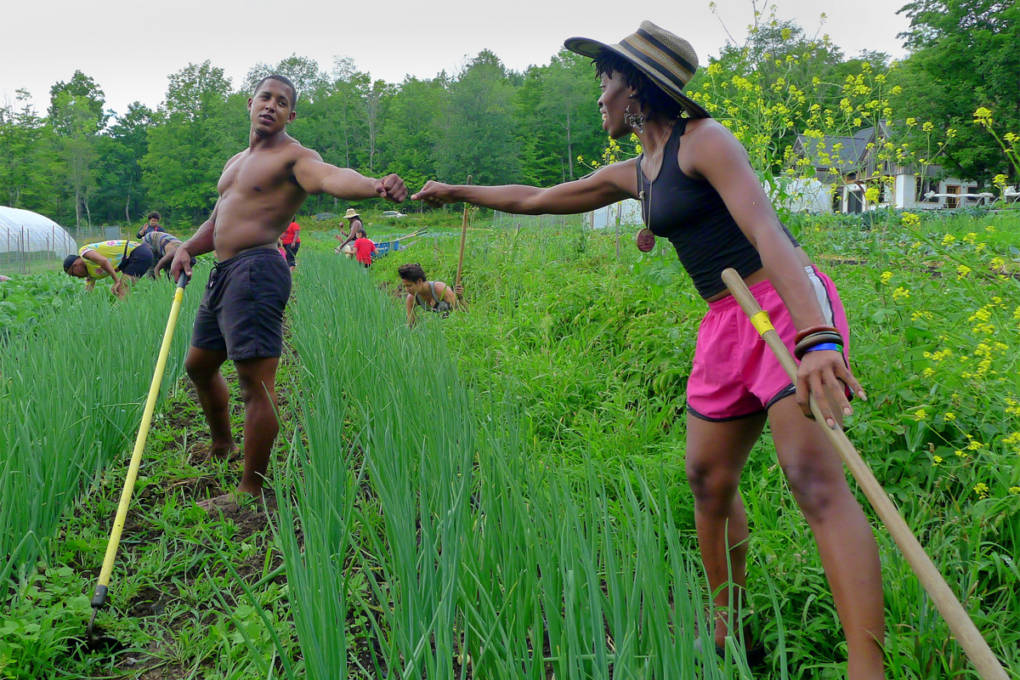
"caption": "Kevin and Amani tending onions at Soul Fire Farm. ",
"description": null,
"title": "180604-farm-reparations-top1",
"credit": "Jonah Vitale-Wolff",
"status": "inherit",
"isLoading": false,
"fetchFailed": false
},
"bayareabites_128778": {
"type": "attachments",
"id": "bayareabites_128778",
"meta": {
"index": "attachments_1716263798",
"site": "bayareabites",
"id": "128778",
"found": true
},
"parent": 128774,
"imgSizes": {
"small": {
"file": "https://ww2.kqed.org/app/uploads/sites/24/2018/06/180525-massa-organics-farmers-top1-520x347.jpg",
"width": 520,
"mimeType": "image/jpeg",
"height": 347
},
"twentyfourteen-full-width": {
"file": "https://ww2.kqed.org/app/uploads/sites/24/2018/06/180525-massa-organics-farmers-top1-1038x576.jpg",
"width": 1038,
"mimeType": "image/jpeg",
"height": 576
},
"thumbnail": {
"file": "https://ww2.kqed.org/app/uploads/sites/24/2018/06/180525-massa-organics-farmers-top1-160x107.jpg",
"width": 160,
"mimeType": "image/jpeg",
"height": 107
},
"fd-sm": {
"file": "https://ww2.kqed.org/app/uploads/sites/24/2018/06/180525-massa-organics-farmers-top1-960x640.jpg",
"width": 960,
"mimeType": "image/jpeg",
"height": 640
},
"post-thumbnail": {
"file": "https://ww2.kqed.org/app/uploads/sites/24/2018/06/180525-massa-organics-farmers-top1-672x372.jpg",
"width": 672,
"mimeType": "image/jpeg",
"height": 372
},
"xsmall": {
"file": "https://ww2.kqed.org/app/uploads/sites/24/2018/06/180525-massa-organics-farmers-top1-375x250.jpg",
"width": 375,
"mimeType": "image/jpeg",
"height": 250
},
"kqedFullSize": {
"file": "https://ww2.kqed.org/app/uploads/sites/24/2018/06/180525-massa-organics-farmers-top1.jpg",
"width": 1200,
"height": 800
},
"large": {
"file": "https://ww2.kqed.org/app/uploads/sites/24/2018/06/180525-massa-organics-farmers-top1-1020x680.jpg",
"width": 1020,
"mimeType": "image/jpeg",
"height": 680
},
"xlarge": {
"file": "https://ww2.kqed.org/app/uploads/sites/24/2018/06/180525-massa-organics-farmers-top1-1180x787.jpg",
"width": 1180,
"mimeType": "image/jpeg",
"height": 787
},
"complete_open_graph": {
"file": "https://ww2.kqed.org/app/uploads/sites/24/2018/06/180525-massa-organics-farmers-top1-1200x800.jpg",
"width": 1200,
"mimeType": "image/jpeg",
"height": 800
},
"guest-author-50": {
"file": "https://ww2.kqed.org/app/uploads/sites/24/2018/06/180525-massa-organics-farmers-top1-50x50.jpg",
"width": 50,
"mimeType": "image/jpeg",
"height": 50
},
"guest-author-96": {
"file": "https://ww2.kqed.org/app/uploads/sites/24/2018/06/180525-massa-organics-farmers-top1-96x96.jpg",
"width": 96,
"mimeType": "image/jpeg",
"height": 96
},
"medium": {
"file": "https://ww2.kqed.org/app/uploads/sites/24/2018/06/180525-massa-organics-farmers-top1-800x533.jpg",
"width": 800,
"mimeType": "image/jpeg",
"height": 533
},
"guest-author-64": {
"file": "https://ww2.kqed.org/app/uploads/sites/24/2018/06/180525-massa-organics-farmers-top1-64x64.jpg",
"width": 64,
"mimeType": "image/jpeg",
"height": 64
},
"guest-author-32": {
"file": "https://ww2.kqed.org/app/uploads/sites/24/2018/06/180525-massa-organics-farmers-top1-32x32.jpg",
"width": 32,
"mimeType": "image/jpeg",
"height": 32
},
"fd-med": {
"file": "https://ww2.kqed.org/app/uploads/sites/24/2018/06/180525-massa-organics-farmers-top1-1180x787.jpg",
"width": 1180,
"mimeType": "image/jpeg",
"height": 787
},
"detail": {
"file": "https://ww2.kqed.org/app/uploads/sites/24/2018/06/180525-massa-organics-farmers-top1-150x150.jpg",
"width": 150,
"mimeType": "image/jpeg",
"height": 150
},
"medium_large": {
"file": "https://ww2.kqed.org/app/uploads/sites/24/2018/06/180525-massa-organics-farmers-top1-768x512.jpg",
"width": 768,
"mimeType": "image/jpeg",
"height": 512
},
"guest-author-128": {
"file": "https://ww2.kqed.org/app/uploads/sites/24/2018/06/180525-massa-organics-farmers-top1-128x128.jpg",
"width": 128,
"mimeType": "image/jpeg",
"height": 128
},
"xxsmall": {
"file": "https://ww2.kqed.org/app/uploads/sites/24/2018/06/180525-massa-organics-farmers-top1-240x160.jpg",
"width": 240,
"mimeType": "image/jpeg",
"height": 160
}
},
"publishDate": 1528232133,
"modified": 1528232253,
"caption": "Greg Massa and Raquel Krach of Massa Organics",
"description": null,
"title": "180525-massa-organics-farmers-top1",
"credit": "Photo courtesy of \u003ca href=\"https://www.instagram.com/massaorganics/\">Massa Organics\u003c/a>.",
"status": "inherit",
"isLoading": false,
"fetchFailed": false
},
"bayareabites_128649": {
"type": "attachments",
"id": "bayareabites_128649",
"meta": {
"index": "attachments_1716263798",
"site": "bayareabites",
"id": "128649",
"found": true
},
"parent": 128648,
"imgSizes": {
"small": {
"file": "https://ww2.kqed.org/app/uploads/sites/24/2018/05/ap_18143841863731_custom-ab784c94a44a9a314f7ffb1066da3f0ee5bc8a45-520x357.jpg",
"width": 520,
"mimeType": "image/jpeg",
"height": 357
},
"twentyfourteen-full-width": {
"file": "https://ww2.kqed.org/app/uploads/sites/24/2018/05/ap_18143841863731_custom-ab784c94a44a9a314f7ffb1066da3f0ee5bc8a45-1038x576.jpg",
"width": 1038,
"mimeType": "image/jpeg",
"height": 576
},
"thumbnail": {
"file": "https://ww2.kqed.org/app/uploads/sites/24/2018/05/ap_18143841863731_custom-ab784c94a44a9a314f7ffb1066da3f0ee5bc8a45-160x110.jpg",
"width": 160,
"mimeType": "image/jpeg",
"height": 110
},
"fd-sm": {
"file": "https://ww2.kqed.org/app/uploads/sites/24/2018/05/ap_18143841863731_custom-ab784c94a44a9a314f7ffb1066da3f0ee5bc8a45-960x659.jpg",
"width": 960,
"mimeType": "image/jpeg",
"height": 659
},
"post-thumbnail": {
"file": "https://ww2.kqed.org/app/uploads/sites/24/2018/05/ap_18143841863731_custom-ab784c94a44a9a314f7ffb1066da3f0ee5bc8a45-672x372.jpg",
"width": 672,
"mimeType": "image/jpeg",
"height": 372
},
"xsmall": {
"file": "https://ww2.kqed.org/app/uploads/sites/24/2018/05/ap_18143841863731_custom-ab784c94a44a9a314f7ffb1066da3f0ee5bc8a45-375x257.jpg",
"width": 375,
"mimeType": "image/jpeg",
"height": 257
},
"kqedFullSize": {
"file": "https://ww2.kqed.org/app/uploads/sites/24/2018/05/ap_18143841863731_custom-ab784c94a44a9a314f7ffb1066da3f0ee5bc8a45.jpg",
"width": 2994,
"height": 2055
},
"large": {
"file": "https://ww2.kqed.org/app/uploads/sites/24/2018/05/ap_18143841863731_custom-ab784c94a44a9a314f7ffb1066da3f0ee5bc8a45-1020x700.jpg",
"width": 1020,
"mimeType": "image/jpeg",
"height": 700
},
"xlarge": {
"file": "https://ww2.kqed.org/app/uploads/sites/24/2018/05/ap_18143841863731_custom-ab784c94a44a9a314f7ffb1066da3f0ee5bc8a45-1180x810.jpg",
"width": 1180,
"mimeType": "image/jpeg",
"height": 810
},
"complete_open_graph": {
"file": "https://ww2.kqed.org/app/uploads/sites/24/2018/05/ap_18143841863731_custom-ab784c94a44a9a314f7ffb1066da3f0ee5bc8a45-1200x824.jpg",
"width": 1200,
"mimeType": "image/jpeg",
"height": 824
},
"guest-author-50": {
"file": "https://ww2.kqed.org/app/uploads/sites/24/2018/05/ap_18143841863731_custom-ab784c94a44a9a314f7ffb1066da3f0ee5bc8a45-50x50.jpg",
"width": 50,
"mimeType": "image/jpeg",
"height": 50
},
"guest-author-96": {
"file": "https://ww2.kqed.org/app/uploads/sites/24/2018/05/ap_18143841863731_custom-ab784c94a44a9a314f7ffb1066da3f0ee5bc8a45-96x96.jpg",
"width": 96,
"mimeType": "image/jpeg",
"height": 96
},
"medium": {
"file": "https://ww2.kqed.org/app/uploads/sites/24/2018/05/ap_18143841863731_custom-ab784c94a44a9a314f7ffb1066da3f0ee5bc8a45-800x549.jpg",
"width": 800,
"mimeType": "image/jpeg",
"height": 549
},
"guest-author-64": {
"file": "https://ww2.kqed.org/app/uploads/sites/24/2018/05/ap_18143841863731_custom-ab784c94a44a9a314f7ffb1066da3f0ee5bc8a45-64x64.jpg",
"width": 64,
"mimeType": "image/jpeg",
"height": 64
},
"guest-author-32": {
"file": "https://ww2.kqed.org/app/uploads/sites/24/2018/05/ap_18143841863731_custom-ab784c94a44a9a314f7ffb1066da3f0ee5bc8a45-32x32.jpg",
"width": 32,
"mimeType": "image/jpeg",
"height": 32
},
"fd-lrg": {
"file": "https://ww2.kqed.org/app/uploads/sites/24/2018/05/ap_18143841863731_custom-ab784c94a44a9a314f7ffb1066da3f0ee5bc8a45-1920x1318.jpg",
"width": 1920,
"mimeType": "image/jpeg",
"height": 1318
},
"fd-med": {
"file": "https://ww2.kqed.org/app/uploads/sites/24/2018/05/ap_18143841863731_custom-ab784c94a44a9a314f7ffb1066da3f0ee5bc8a45-1180x810.jpg",
"width": 1180,
"mimeType": "image/jpeg",
"height": 810
},
"full-width": {
"file": "https://ww2.kqed.org/app/uploads/sites/24/2018/05/ap_18143841863731_custom-ab784c94a44a9a314f7ffb1066da3f0ee5bc8a45-1920x1318.jpg",
"width": 1920,
"mimeType": "image/jpeg",
"height": 1318
},
"detail": {
"file": "https://ww2.kqed.org/app/uploads/sites/24/2018/05/ap_18143841863731_custom-ab784c94a44a9a314f7ffb1066da3f0ee5bc8a45-150x150.jpg",
"width": 150,
"mimeType": "image/jpeg",
"height": 150
},
"medium_large": {
"file": "https://ww2.kqed.org/app/uploads/sites/24/2018/05/ap_18143841863731_custom-ab784c94a44a9a314f7ffb1066da3f0ee5bc8a45-768x527.jpg",
"width": 768,
"mimeType": "image/jpeg",
"height": 527
},
"guest-author-128": {
"file": "https://ww2.kqed.org/app/uploads/sites/24/2018/05/ap_18143841863731_custom-ab784c94a44a9a314f7ffb1066da3f0ee5bc8a45-128x128.jpg",
"width": 128,
"mimeType": "image/jpeg",
"height": 128
},
"xxsmall": {
"file": "https://ww2.kqed.org/app/uploads/sites/24/2018/05/ap_18143841863731_custom-ab784c94a44a9a314f7ffb1066da3f0ee5bc8a45-240x165.jpg",
"width": 240,
"mimeType": "image/jpeg",
"height": 165
}
},
"publishDate": 1527791189,
"modified": 1527791223,
"caption": "As awareness grows about the environmental toll of single-use plastics, retailers and regulators alike are finding ways to decrease their use. And straws have become a prime target.",
"description": "As awareness grows about the environmental toll of single-use plastics, retailers and regulators alike are finding ways to decrease their use. And straws have become a prime target.",
"title": "As awareness grows about the environmental toll of single-use plastics, retailers and regulators alike are finding ways to decrease their use. And straws have become a prime target.",
"credit": "Barbara Woike/AP",
"status": "inherit",
"isLoading": false,
"fetchFailed": false
},
"bayareabites_128602": {
"type": "attachments",
"id": "bayareabites_128602",
"meta": {
"index": "attachments_1716263798",
"site": "bayareabites",
"id": "128602",
"found": true
},
"parent": 128600,
"imgSizes": {
"small": {
"file": "https://ww2.kqed.org/app/uploads/sites/24/2018/05/Freezer-520x339.jpg",
"width": 520,
"mimeType": "image/jpeg",
"height": 339
},
"twentyfourteen-full-width": {
"file": "https://ww2.kqed.org/app/uploads/sites/24/2018/05/Freezer-1038x576.jpg",
"width": 1038,
"mimeType": "image/jpeg",
"height": 576
},
"thumbnail": {
"file": "https://ww2.kqed.org/app/uploads/sites/24/2018/05/Freezer-160x104.jpg",
"width": 160,
"mimeType": "image/jpeg",
"height": 104
},
"fd-sm": {
"file": "https://ww2.kqed.org/app/uploads/sites/24/2018/05/Freezer-960x627.jpg",
"width": 960,
"mimeType": "image/jpeg",
"height": 627
},
"post-thumbnail": {
"file": "https://ww2.kqed.org/app/uploads/sites/24/2018/05/Freezer-672x372.jpg",
"width": 672,
"mimeType": "image/jpeg",
"height": 372
},
"xsmall": {
"file": "https://ww2.kqed.org/app/uploads/sites/24/2018/05/Freezer-375x245.jpg",
"width": 375,
"mimeType": "image/jpeg",
"height": 245
},
"kqedFullSize": {
"file": "https://ww2.kqed.org/app/uploads/sites/24/2018/05/Freezer.jpg",
"width": 1920,
"height": 1253
},
"large": {
"file": "https://ww2.kqed.org/app/uploads/sites/24/2018/05/Freezer-1020x666.jpg",
"width": 1020,
"mimeType": "image/jpeg",
"height": 666
},
"xlarge": {
"file": "https://ww2.kqed.org/app/uploads/sites/24/2018/05/Freezer-1180x770.jpg",
"width": 1180,
"mimeType": "image/jpeg",
"height": 770
},
"complete_open_graph": {
"file": "https://ww2.kqed.org/app/uploads/sites/24/2018/05/Freezer-1200x783.jpg",
"width": 1200,
"mimeType": "image/jpeg",
"height": 783
},
"guest-author-50": {
"file": "https://ww2.kqed.org/app/uploads/sites/24/2018/05/Freezer-50x50.jpg",
"width": 50,
"mimeType": "image/jpeg",
"height": 50
},
"guest-author-96": {
"file": "https://ww2.kqed.org/app/uploads/sites/24/2018/05/Freezer-96x96.jpg",
"width": 96,
"mimeType": "image/jpeg",
"height": 96
},
"medium": {
"file": "https://ww2.kqed.org/app/uploads/sites/24/2018/05/Freezer-800x522.jpg",
"width": 800,
"mimeType": "image/jpeg",
"height": 522
},
"guest-author-64": {
"file": "https://ww2.kqed.org/app/uploads/sites/24/2018/05/Freezer-64x64.jpg",
"width": 64,
"mimeType": "image/jpeg",
"height": 64
},
"guest-author-32": {
"file": "https://ww2.kqed.org/app/uploads/sites/24/2018/05/Freezer-32x32.jpg",
"width": 32,
"mimeType": "image/jpeg",
"height": 32
},
"fd-lrg": {
"file": "https://ww2.kqed.org/app/uploads/sites/24/2018/05/Freezer-1920x1253.jpg",
"width": 1920,
"mimeType": "image/jpeg",
"height": 1253
},
"fd-med": {
"file": "https://ww2.kqed.org/app/uploads/sites/24/2018/05/Freezer-1180x770.jpg",
"width": 1180,
"mimeType": "image/jpeg",
"height": 770
},
"full-width": {
"file": "https://ww2.kqed.org/app/uploads/sites/24/2018/05/Freezer-1920x1253.jpg",
"width": 1920,
"mimeType": "image/jpeg",
"height": 1253
},
"detail": {
"file": "https://ww2.kqed.org/app/uploads/sites/24/2018/05/Freezer-150x150.jpg",
"width": 150,
"mimeType": "image/jpeg",
"height": 150
},
"medium_large": {
"file": "https://ww2.kqed.org/app/uploads/sites/24/2018/05/Freezer-768x501.jpg",
"width": 768,
"mimeType": "image/jpeg",
"height": 501
},
"guest-author-128": {
"file": "https://ww2.kqed.org/app/uploads/sites/24/2018/05/Freezer-128x128.jpg",
"width": 128,
"mimeType": "image/jpeg",
"height": 128
},
"xxsmall": {
"file": "https://ww2.kqed.org/app/uploads/sites/24/2018/05/Freezer-240x157.jpg",
"width": 240,
"mimeType": "image/jpeg",
"height": 157
}
},
"publishDate": 1527655656,
"modified": 1527655691,
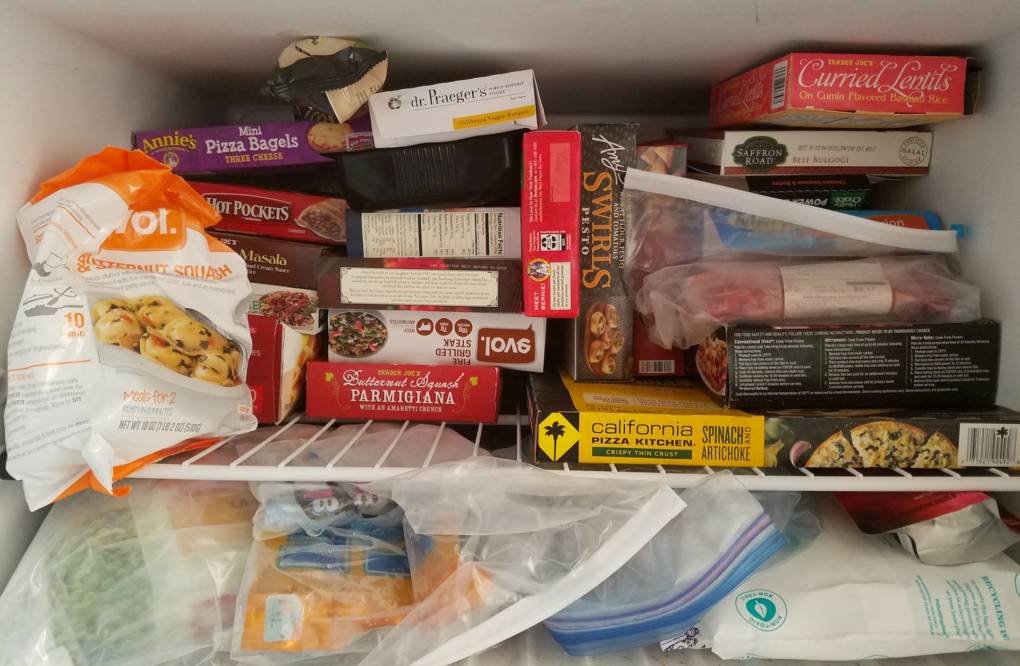
"caption": "The freezer packed full of frozen meals.",
"description": "The freezer packed full of frozen meals.",
"title": "Freezer",
"credit": "Kelly O'Mara",
"status": "inherit",
"isLoading": false,
"fetchFailed": false
},
"bayareabites_128583": {
"type": "attachments",
"id": "bayareabites_128583",
"meta": {
"index": "attachments_1716263798",
"site": "bayareabites",
"id": "128583",
"found": true
},
"parent": 128574,
"imgSizes": {
"small": {
"file": "https://ww2.kqed.org/app/uploads/sites/24/2018/05/11_Pearl_Halibut_crudo_strawberries_JaneSrisarakorn-520x345.jpg",
"width": 520,
"mimeType": "image/jpeg",
"height": 345
},
"twentyfourteen-full-width": {
"file": "https://ww2.kqed.org/app/uploads/sites/24/2018/05/11_Pearl_Halibut_crudo_strawberries_JaneSrisarakorn-1038x576.jpg",
"width": 1038,
"mimeType": "image/jpeg",
"height": 576
},
"thumbnail": {
"file": "https://ww2.kqed.org/app/uploads/sites/24/2018/05/11_Pearl_Halibut_crudo_strawberries_JaneSrisarakorn-160x106.jpg",
"width": 160,
"mimeType": "image/jpeg",
"height": 106
},
"fd-sm": {
"file": "https://ww2.kqed.org/app/uploads/sites/24/2018/05/11_Pearl_Halibut_crudo_strawberries_JaneSrisarakorn-960x638.jpg",
"width": 960,
"mimeType": "image/jpeg",
"height": 638
},
"post-thumbnail": {
"file": "https://ww2.kqed.org/app/uploads/sites/24/2018/05/11_Pearl_Halibut_crudo_strawberries_JaneSrisarakorn-672x372.jpg",
"width": 672,
"mimeType": "image/jpeg",
"height": 372
},
"xsmall": {
"file": "https://ww2.kqed.org/app/uploads/sites/24/2018/05/11_Pearl_Halibut_crudo_strawberries_JaneSrisarakorn-375x249.jpg",
"width": 375,
"mimeType": "image/jpeg",
"height": 249
},
"kqedFullSize": {
"file": "https://ww2.kqed.org/app/uploads/sites/24/2018/05/11_Pearl_Halibut_crudo_strawberries_JaneSrisarakorn-e1527523936843.jpg",
"width": 1920,
"height": 1275
},
"large": {
"file": "https://ww2.kqed.org/app/uploads/sites/24/2018/05/11_Pearl_Halibut_crudo_strawberries_JaneSrisarakorn-1020x677.jpg",
"width": 1020,
"mimeType": "image/jpeg",
"height": 677
},
"xlarge": {
"file": "https://ww2.kqed.org/app/uploads/sites/24/2018/05/11_Pearl_Halibut_crudo_strawberries_JaneSrisarakorn-1180x784.jpg",
"width": 1180,
"mimeType": "image/jpeg",
"height": 784
},
"complete_open_graph": {
"file": "https://ww2.kqed.org/app/uploads/sites/24/2018/05/11_Pearl_Halibut_crudo_strawberries_JaneSrisarakorn-1200x797.jpg",
"width": 1200,
"mimeType": "image/jpeg",
"height": 797
},
"guest-author-50": {
"file": "https://ww2.kqed.org/app/uploads/sites/24/2018/05/11_Pearl_Halibut_crudo_strawberries_JaneSrisarakorn-50x50.jpg",
"width": 50,
"mimeType": "image/jpeg",
"height": 50
},
"guest-author-96": {
"file": "https://ww2.kqed.org/app/uploads/sites/24/2018/05/11_Pearl_Halibut_crudo_strawberries_JaneSrisarakorn-96x96.jpg",
"width": 96,
"mimeType": "image/jpeg",
"height": 96
},
"medium": {
"file": "https://ww2.kqed.org/app/uploads/sites/24/2018/05/11_Pearl_Halibut_crudo_strawberries_JaneSrisarakorn-800x531.jpg",
"width": 800,
"mimeType": "image/jpeg",
"height": 531
},
"guest-author-64": {
"file": "https://ww2.kqed.org/app/uploads/sites/24/2018/05/11_Pearl_Halibut_crudo_strawberries_JaneSrisarakorn-64x64.jpg",
"width": 64,
"mimeType": "image/jpeg",
"height": 64
},
"guest-author-32": {
"file": "https://ww2.kqed.org/app/uploads/sites/24/2018/05/11_Pearl_Halibut_crudo_strawberries_JaneSrisarakorn-32x32.jpg",
"width": 32,
"mimeType": "image/jpeg",
"height": 32
},
"fd-lrg": {
"file": "https://ww2.kqed.org/app/uploads/sites/24/2018/05/11_Pearl_Halibut_crudo_strawberries_JaneSrisarakorn-1920x1275.jpg",
"width": 1920,
"mimeType": "image/jpeg",
"height": 1275
},
"fd-med": {
"file": "https://ww2.kqed.org/app/uploads/sites/24/2018/05/11_Pearl_Halibut_crudo_strawberries_JaneSrisarakorn-1180x784.jpg",
"width": 1180,
"mimeType": "image/jpeg",
"height": 784
},
"full-width": {
"file": "https://ww2.kqed.org/app/uploads/sites/24/2018/05/11_Pearl_Halibut_crudo_strawberries_JaneSrisarakorn-1920x1275.jpg",
"width": 1920,
"mimeType": "image/jpeg",
"height": 1275
},
"detail": {
"file": "https://ww2.kqed.org/app/uploads/sites/24/2018/05/11_Pearl_Halibut_crudo_strawberries_JaneSrisarakorn-150x150.jpg",
"width": 150,
"mimeType": "image/jpeg",
"height": 150
},
"medium_large": {
"file": "https://ww2.kqed.org/app/uploads/sites/24/2018/05/11_Pearl_Halibut_crudo_strawberries_JaneSrisarakorn-768x510.jpg",
"width": 768,
"mimeType": "image/jpeg",
"height": 510
},
"guest-author-128": {
"file": "https://ww2.kqed.org/app/uploads/sites/24/2018/05/11_Pearl_Halibut_crudo_strawberries_JaneSrisarakorn-128x128.jpg",
"width": 128,
"mimeType": "image/jpeg",
"height": 128
},
"xxsmall": {
"file": "https://ww2.kqed.org/app/uploads/sites/24/2018/05/11_Pearl_Halibut_crudo_strawberries_JaneSrisarakorn-240x159.jpg",
"width": 240,
"mimeType": "image/jpeg",
"height": 159
}
},
"publishDate": 1527484085,
"modified": 1527524135,
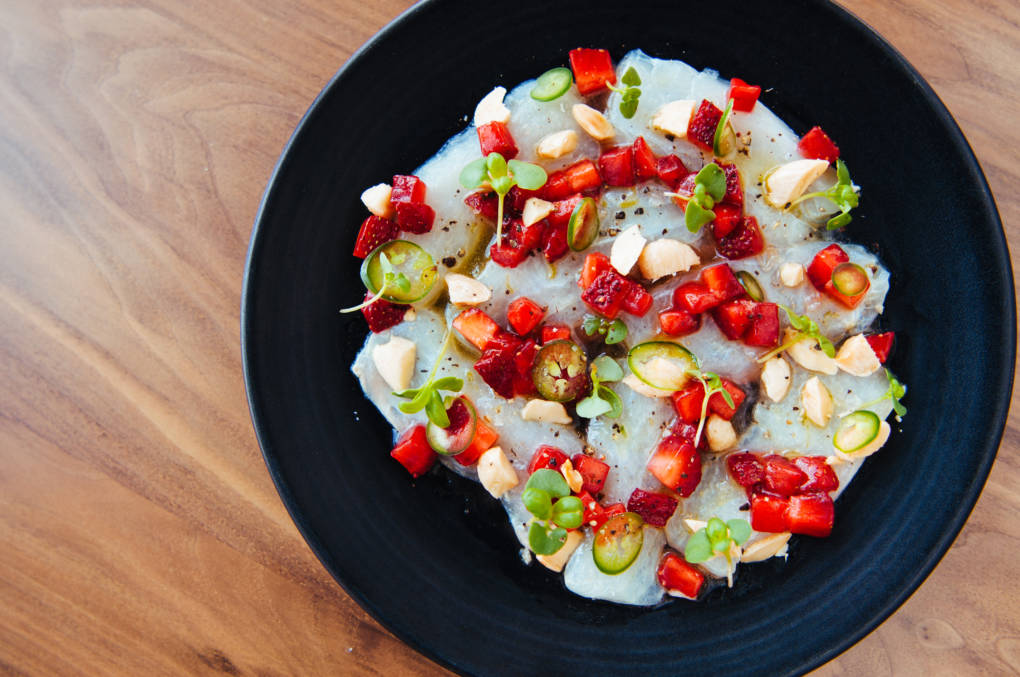
"caption": "Halibut crudo with strawberry.",
"description": "Halibut crudo with strawberry.",
"title": "11_Pearl_Halibut_crudo_strawberries_JaneSrisarakorn",
"credit": "Jane Srisarakorn",
"status": "inherit",
"isLoading": false,
"fetchFailed": false
},
"bayareabites_128258": {
"type": "attachments",
"id": "bayareabites_128258",
"meta": {
"index": "attachments_1716263798",
"site": "bayareabites",
"id": "128258",
"found": true
},
"parent": 128249,
"imgSizes": {
"small": {
"file": "https://ww2.kqed.org/app/uploads/sites/24/2018/05/IMG_6059-new-520x347.jpg",
"width": 520,
"mimeType": "image/jpeg",
"height": 347
},
"twentyfourteen-full-width": {
"file": "https://ww2.kqed.org/app/uploads/sites/24/2018/05/IMG_6059-new-1038x576.jpg",
"width": 1038,
"mimeType": "image/jpeg",
"height": 576
},
"thumbnail": {
"file": "https://ww2.kqed.org/app/uploads/sites/24/2018/05/IMG_6059-new-160x107.jpg",
"width": 160,
"mimeType": "image/jpeg",
"height": 107
},
"fd-sm": {
"file": "https://ww2.kqed.org/app/uploads/sites/24/2018/05/IMG_6059-new-960x640.jpg",
"width": 960,
"mimeType": "image/jpeg",
"height": 640
},
"post-thumbnail": {
"file": "https://ww2.kqed.org/app/uploads/sites/24/2018/05/IMG_6059-new-672x372.jpg",
"width": 672,
"mimeType": "image/jpeg",
"height": 372
},
"xsmall": {
"file": "https://ww2.kqed.org/app/uploads/sites/24/2018/05/IMG_6059-new-375x250.jpg",
"width": 375,
"mimeType": "image/jpeg",
"height": 250
},
"kqedFullSize": {
"file": "https://ww2.kqed.org/app/uploads/sites/24/2018/05/IMG_6059-new.jpg",
"width": 1920,
"height": 1280
},
"large": {
"file": "https://ww2.kqed.org/app/uploads/sites/24/2018/05/IMG_6059-new-1020x680.jpg",
"width": 1020,
"mimeType": "image/jpeg",
"height": 680
},
"xlarge": {
"file": "https://ww2.kqed.org/app/uploads/sites/24/2018/05/IMG_6059-new-1180x787.jpg",
"width": 1180,
"mimeType": "image/jpeg",
"height": 787
},
"complete_open_graph": {
"file": "https://ww2.kqed.org/app/uploads/sites/24/2018/05/IMG_6059-new-1200x800.jpg",
"width": 1200,
"mimeType": "image/jpeg",
"height": 800
},
"guest-author-50": {
"file": "https://ww2.kqed.org/app/uploads/sites/24/2018/05/IMG_6059-new-50x50.jpg",
"width": 50,
"mimeType": "image/jpeg",
"height": 50
},
"guest-author-96": {
"file": "https://ww2.kqed.org/app/uploads/sites/24/2018/05/IMG_6059-new-96x96.jpg",
"width": 96,
"mimeType": "image/jpeg",
"height": 96
},
"medium": {
"file": "https://ww2.kqed.org/app/uploads/sites/24/2018/05/IMG_6059-new-800x533.jpg",
"width": 800,
"mimeType": "image/jpeg",
"height": 533
},
"guest-author-64": {
"file": "https://ww2.kqed.org/app/uploads/sites/24/2018/05/IMG_6059-new-64x64.jpg",
"width": 64,
"mimeType": "image/jpeg",
"height": 64
},
"guest-author-32": {
"file": "https://ww2.kqed.org/app/uploads/sites/24/2018/05/IMG_6059-new-32x32.jpg",
"width": 32,
"mimeType": "image/jpeg",
"height": 32
},
"fd-lrg": {
"file": "https://ww2.kqed.org/app/uploads/sites/24/2018/05/IMG_6059-new-1920x1280.jpg",
"width": 1920,
"mimeType": "image/jpeg",
"height": 1280
},
"fd-med": {
"file": "https://ww2.kqed.org/app/uploads/sites/24/2018/05/IMG_6059-new-1180x787.jpg",
"width": 1180,
"mimeType": "image/jpeg",
"height": 787
},
"full-width": {
"file": "https://ww2.kqed.org/app/uploads/sites/24/2018/05/IMG_6059-new-1920x1280.jpg",
"width": 1920,
"mimeType": "image/jpeg",
"height": 1280
},
"detail": {
"file": "https://ww2.kqed.org/app/uploads/sites/24/2018/05/IMG_6059-new-150x150.jpg",
"width": 150,
"mimeType": "image/jpeg",
"height": 150
},
"medium_large": {
"file": "https://ww2.kqed.org/app/uploads/sites/24/2018/05/IMG_6059-new-768x512.jpg",
"width": 768,
"mimeType": "image/jpeg",
"height": 512
},
"guest-author-128": {
"file": "https://ww2.kqed.org/app/uploads/sites/24/2018/05/IMG_6059-new-128x128.jpg",
"width": 128,
"mimeType": "image/jpeg",
"height": 128
},
"xxsmall": {
"file": "https://ww2.kqed.org/app/uploads/sites/24/2018/05/IMG_6059-new-240x160.jpg",
"width": 240,
"mimeType": "image/jpeg",
"height": 160
}
},
"publishDate": 1526642579,
"modified": 1526802052,
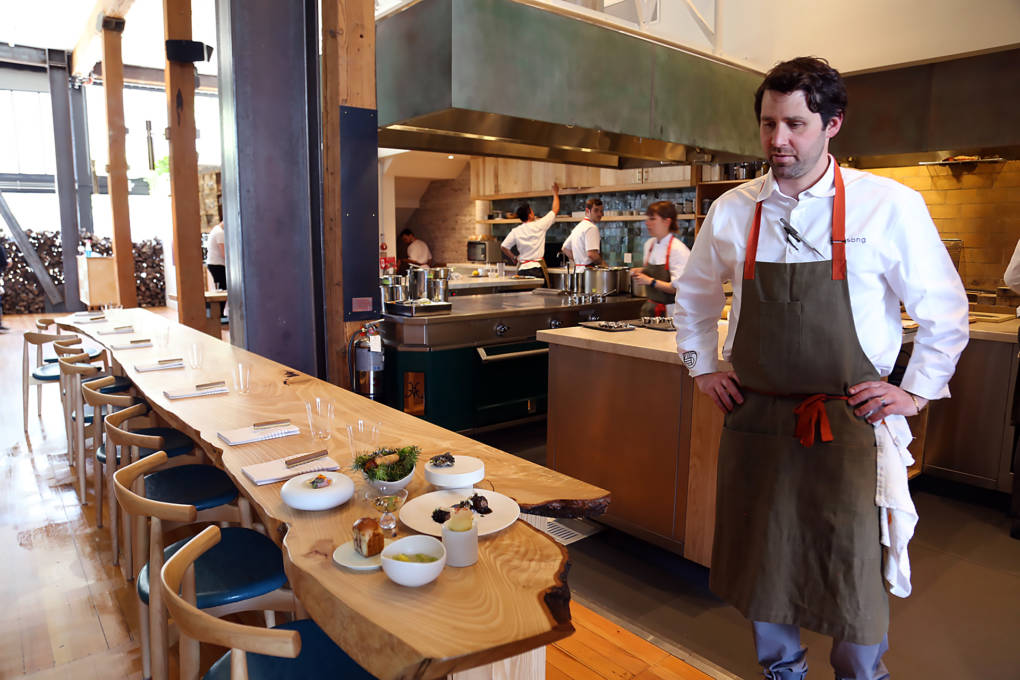
"caption": "Chef Christopher Bleidorn discusses the dishes he prepared from Birdsong's tasting menu.",
"description": null,
"title": "IMG_6059-new",
"credit": "Wendy Goodfriend",
"status": "inherit",
"isLoading": false,
"fetchFailed": false
},
"bayareabites_128294": {
"type": "attachments",
"id": "bayareabites_128294",
"meta": {
"index": "attachments_1716263798",
"site": "bayareabites",
"id": "128294",
"found": true
},
"parent": 128290,
"imgSizes": {
"thumbnail": {
"file": "https://ww2.kqed.org/app/uploads/sites/24/2018/05/dept-ag_custom-27b49bc849696ef8487e34355a2fc1a9ae7bf17d-s1300-c85-160x107.jpg",
"width": 160,
"mimeType": "image/jpeg",
"height": 107
},
"xsmall": {
"file": "https://ww2.kqed.org/app/uploads/sites/24/2018/05/dept-ag_custom-27b49bc849696ef8487e34355a2fc1a9ae7bf17d-s1300-c85-375x250.jpg",
"width": 375,
"mimeType": "image/jpeg",
"height": 250
},
"kqedFullSize": {
"file": "https://ww2.kqed.org/app/uploads/sites/24/2018/05/dept-ag_custom-27b49bc849696ef8487e34355a2fc1a9ae7bf17d-s1300-c85.jpg",
"width": 443,
"height": 295
},
"guest-author-50": {
"file": "https://ww2.kqed.org/app/uploads/sites/24/2018/05/dept-ag_custom-27b49bc849696ef8487e34355a2fc1a9ae7bf17d-s1300-c85-50x50.jpg",
"width": 50,
"mimeType": "image/jpeg",
"height": 50
},
"guest-author-96": {
"file": "https://ww2.kqed.org/app/uploads/sites/24/2018/05/dept-ag_custom-27b49bc849696ef8487e34355a2fc1a9ae7bf17d-s1300-c85-96x96.jpg",
"width": 96,
"mimeType": "image/jpeg",
"height": 96
},
"guest-author-64": {
"file": "https://ww2.kqed.org/app/uploads/sites/24/2018/05/dept-ag_custom-27b49bc849696ef8487e34355a2fc1a9ae7bf17d-s1300-c85-64x64.jpg",
"width": 64,
"mimeType": "image/jpeg",
"height": 64
},
"detail": {
"file": "https://ww2.kqed.org/app/uploads/sites/24/2018/05/dept-ag_custom-27b49bc849696ef8487e34355a2fc1a9ae7bf17d-s1300-c85-150x150.jpg",
"width": 150,
"mimeType": "image/jpeg",
"height": 150
},
"guest-author-32": {
"file": "https://ww2.kqed.org/app/uploads/sites/24/2018/05/dept-ag_custom-27b49bc849696ef8487e34355a2fc1a9ae7bf17d-s1300-c85-32x32.jpg",
"width": 32,
"mimeType": "image/jpeg",
"height": 32
},
"guest-author-128": {
"file": "https://ww2.kqed.org/app/uploads/sites/24/2018/05/dept-ag_custom-27b49bc849696ef8487e34355a2fc1a9ae7bf17d-s1300-c85-128x128.jpg",
"width": 128,
"mimeType": "image/jpeg",
"height": 128
},
"xxsmall": {
"file": "https://ww2.kqed.org/app/uploads/sites/24/2018/05/dept-ag_custom-27b49bc849696ef8487e34355a2fc1a9ae7bf17d-s1300-c85-240x160.jpg",
"width": 240,
"mimeType": "image/jpeg",
"height": 160
}
},
"publishDate": 1526771993,
"modified": 1526772029,
"caption": "The USDA has released several options for what the labels might look like.",
"description": "The USDA has released several options for what the labels might look like.",
"title": "dept-ag_custom-27b49bc849696ef8487e34355a2fc1a9ae7bf17d-s1300-c85",
"credit": "Department of Agriculture",
"status": "inherit",
"isLoading": false,
"fetchFailed": false
},
"bayareabites_128262": {
"type": "attachments",
"id": "bayareabites_128262",
"meta": {
"index": "attachments_1716263798",
"site": "bayareabites",
"id": "128262",
"found": true
},
"parent": 128261,
"imgSizes": {
"small": {
"file": "https://ww2.kqed.org/app/uploads/sites/24/2018/05/gettyimages-695273956_wide-dd8cbbb4501506c3aa96d168c5f286d6b91219b0-520x292.jpg",
"width": 520,
"mimeType": "image/jpeg",
"height": 292
},
"twentyfourteen-full-width": {
"file": "https://ww2.kqed.org/app/uploads/sites/24/2018/05/gettyimages-695273956_wide-dd8cbbb4501506c3aa96d168c5f286d6b91219b0-1038x576.jpg",
"width": 1038,
"mimeType": "image/jpeg",
"height": 576
},
"thumbnail": {
"file": "https://ww2.kqed.org/app/uploads/sites/24/2018/05/gettyimages-695273956_wide-dd8cbbb4501506c3aa96d168c5f286d6b91219b0-160x90.jpg",
"width": 160,
"mimeType": "image/jpeg",
"height": 90
},
"fd-sm": {
"file": "https://ww2.kqed.org/app/uploads/sites/24/2018/05/gettyimages-695273956_wide-dd8cbbb4501506c3aa96d168c5f286d6b91219b0-960x540.jpg",
"width": 960,
"mimeType": "image/jpeg",
"height": 540
},
"post-thumbnail": {
"file": "https://ww2.kqed.org/app/uploads/sites/24/2018/05/gettyimages-695273956_wide-dd8cbbb4501506c3aa96d168c5f286d6b91219b0-672x372.jpg",
"width": 672,
"mimeType": "image/jpeg",
"height": 372
},
"xsmall": {
"file": "https://ww2.kqed.org/app/uploads/sites/24/2018/05/gettyimages-695273956_wide-dd8cbbb4501506c3aa96d168c5f286d6b91219b0-375x211.jpg",
"width": 375,
"mimeType": "image/jpeg",
"height": 211
},
"kqedFullSize": {
"file": "https://ww2.kqed.org/app/uploads/sites/24/2018/05/gettyimages-695273956_wide-dd8cbbb4501506c3aa96d168c5f286d6b91219b0.jpg",
"width": 5760,
"height": 3239
},
"large": {
"file": "https://ww2.kqed.org/app/uploads/sites/24/2018/05/gettyimages-695273956_wide-dd8cbbb4501506c3aa96d168c5f286d6b91219b0-1020x574.jpg",
"width": 1020,
"mimeType": "image/jpeg",
"height": 574
},
"xlarge": {
"file": "https://ww2.kqed.org/app/uploads/sites/24/2018/05/gettyimages-695273956_wide-dd8cbbb4501506c3aa96d168c5f286d6b91219b0-1180x664.jpg",
"width": 1180,
"mimeType": "image/jpeg",
"height": 664
},
"complete_open_graph": {
"file": "https://ww2.kqed.org/app/uploads/sites/24/2018/05/gettyimages-695273956_wide-dd8cbbb4501506c3aa96d168c5f286d6b91219b0-1200x675.jpg",
"width": 1200,
"mimeType": "image/jpeg",
"height": 675
},
"guest-author-50": {
"file": "https://ww2.kqed.org/app/uploads/sites/24/2018/05/gettyimages-695273956_wide-dd8cbbb4501506c3aa96d168c5f286d6b91219b0-50x50.jpg",
"width": 50,
"mimeType": "image/jpeg",
"height": 50
},
"guest-author-96": {
"file": "https://ww2.kqed.org/app/uploads/sites/24/2018/05/gettyimages-695273956_wide-dd8cbbb4501506c3aa96d168c5f286d6b91219b0-96x96.jpg",
"width": 96,
"mimeType": "image/jpeg",
"height": 96
},
"medium": {
"file": "https://ww2.kqed.org/app/uploads/sites/24/2018/05/gettyimages-695273956_wide-dd8cbbb4501506c3aa96d168c5f286d6b91219b0-800x450.jpg",
"width": 800,
"mimeType": "image/jpeg",
"height": 450
},
"guest-author-64": {
"file": "https://ww2.kqed.org/app/uploads/sites/24/2018/05/gettyimages-695273956_wide-dd8cbbb4501506c3aa96d168c5f286d6b91219b0-64x64.jpg",
"width": 64,
"mimeType": "image/jpeg",
"height": 64
},
"guest-author-32": {
"file": "https://ww2.kqed.org/app/uploads/sites/24/2018/05/gettyimages-695273956_wide-dd8cbbb4501506c3aa96d168c5f286d6b91219b0-32x32.jpg",
"width": 32,
"mimeType": "image/jpeg",
"height": 32
},
"fd-lrg": {
"file": "https://ww2.kqed.org/app/uploads/sites/24/2018/05/gettyimages-695273956_wide-dd8cbbb4501506c3aa96d168c5f286d6b91219b0-1920x1080.jpg",
"width": 1920,
"mimeType": "image/jpeg",
"height": 1080
},
"fd-med": {
"file": "https://ww2.kqed.org/app/uploads/sites/24/2018/05/gettyimages-695273956_wide-dd8cbbb4501506c3aa96d168c5f286d6b91219b0-1180x664.jpg",
"width": 1180,
"mimeType": "image/jpeg",
"height": 664
},
"full-width": {
"file": "https://ww2.kqed.org/app/uploads/sites/24/2018/05/gettyimages-695273956_wide-dd8cbbb4501506c3aa96d168c5f286d6b91219b0-1920x1080.jpg",
"width": 1920,
"mimeType": "image/jpeg",
"height": 1080
},
"detail": {
"file": "https://ww2.kqed.org/app/uploads/sites/24/2018/05/gettyimages-695273956_wide-dd8cbbb4501506c3aa96d168c5f286d6b91219b0-150x150.jpg",
"width": 150,
"mimeType": "image/jpeg",
"height": 150
},
"medium_large": {
"file": "https://ww2.kqed.org/app/uploads/sites/24/2018/05/gettyimages-695273956_wide-dd8cbbb4501506c3aa96d168c5f286d6b91219b0-768x432.jpg",
"width": 768,
"mimeType": "image/jpeg",
"height": 432
},
"guest-author-128": {
"file": "https://ww2.kqed.org/app/uploads/sites/24/2018/05/gettyimages-695273956_wide-dd8cbbb4501506c3aa96d168c5f286d6b91219b0-128x128.jpg",
"width": 128,
"mimeType": "image/jpeg",
"height": 128
},
"xxsmall": {
"file": "https://ww2.kqed.org/app/uploads/sites/24/2018/05/gettyimages-695273956_wide-dd8cbbb4501506c3aa96d168c5f286d6b91219b0-240x135.jpg",
"width": 240,
"mimeType": "image/jpeg",
"height": 135
}
},
"publishDate": 1526660167,
"modified": 1526660342,
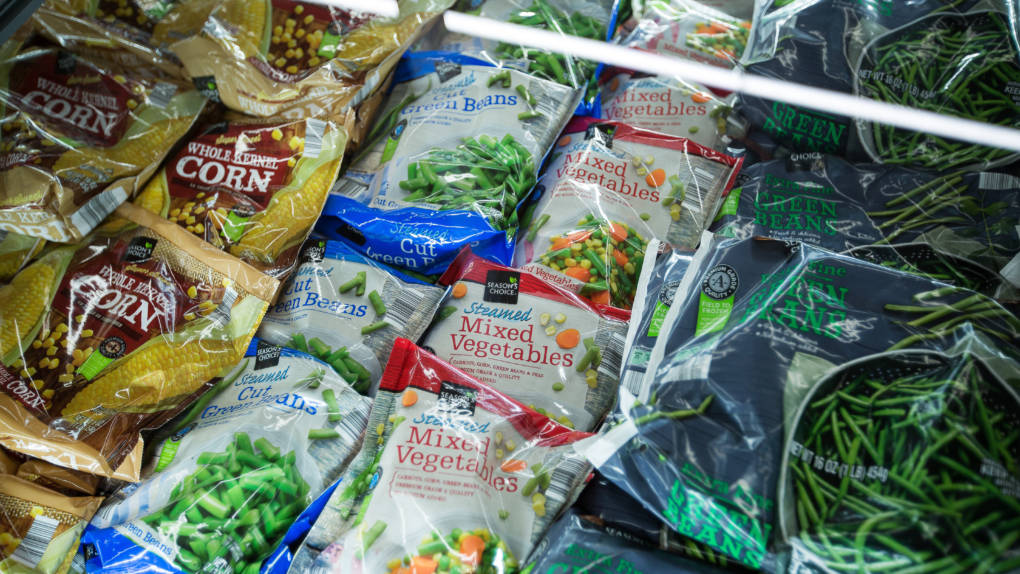
"caption": "Frozen vegetables are displayed for sale at an Aldi supermarket in Hackensack, N.J.",
"description": "Frozen vegetables are displayed for sale at an Aldi supermarket in Hackensack, N.J.",
"title": "Frozen vegetables are displayed for sale at an Aldi supermarket in Hackensack, N.J.",
"credit": "Bloomberg/Bloomberg via Getty Images",
"status": "inherit",
"isLoading": false,
"fetchFailed": false
},
"bayareabites_128148": {
"type": "attachments",
"id": "bayareabites_128148",
"meta": {
"index": "attachments_1716263798",
"site": "bayareabites",
"id": "128148",
"found": true
},
"parent": 128147,
"imgSizes": {
"small": {
"file": "https://ww2.kqed.org/app/uploads/sites/24/2018/05/food_custom-3993c6dfed7ead95680374b4f92bf8438de73625-520x260.jpg",
"width": 520,
"mimeType": "image/jpeg",
"height": 260
},
"twentyfourteen-full-width": {
"file": "https://ww2.kqed.org/app/uploads/sites/24/2018/05/food_custom-3993c6dfed7ead95680374b4f92bf8438de73625-1038x576.jpg",
"width": 1038,
"mimeType": "image/jpeg",
"height": 576
},
"thumbnail": {
"file": "https://ww2.kqed.org/app/uploads/sites/24/2018/05/food_custom-3993c6dfed7ead95680374b4f92bf8438de73625-160x80.jpg",
"width": 160,
"mimeType": "image/jpeg",
"height": 80
},
"fd-sm": {
"file": "https://ww2.kqed.org/app/uploads/sites/24/2018/05/food_custom-3993c6dfed7ead95680374b4f92bf8438de73625-960x480.jpg",
"width": 960,
"mimeType": "image/jpeg",
"height": 480
},
"post-thumbnail": {
"file": "https://ww2.kqed.org/app/uploads/sites/24/2018/05/food_custom-3993c6dfed7ead95680374b4f92bf8438de73625-672x372.jpg",
"width": 672,
"mimeType": "image/jpeg",
"height": 372
},
"xsmall": {
"file": "https://ww2.kqed.org/app/uploads/sites/24/2018/05/food_custom-3993c6dfed7ead95680374b4f92bf8438de73625-375x188.jpg",
"width": 375,
"mimeType": "image/jpeg",
"height": 188
},
"kqedFullSize": {
"file": "https://ww2.kqed.org/app/uploads/sites/24/2018/05/food_custom-3993c6dfed7ead95680374b4f92bf8438de73625.jpg",
"width": 3000,
"height": 1500
},
"large": {
"file": "https://ww2.kqed.org/app/uploads/sites/24/2018/05/food_custom-3993c6dfed7ead95680374b4f92bf8438de73625-1020x510.jpg",
"width": 1020,
"mimeType": "image/jpeg",
"height": 510
},
"xlarge": {
"file": "https://ww2.kqed.org/app/uploads/sites/24/2018/05/food_custom-3993c6dfed7ead95680374b4f92bf8438de73625-1180x590.jpg",
"width": 1180,
"mimeType": "image/jpeg",
"height": 590
},
"complete_open_graph": {
"file": "https://ww2.kqed.org/app/uploads/sites/24/2018/05/food_custom-3993c6dfed7ead95680374b4f92bf8438de73625-1200x600.jpg",
"width": 1200,
"mimeType": "image/jpeg",
"height": 600
},
"guest-author-50": {
"file": "https://ww2.kqed.org/app/uploads/sites/24/2018/05/food_custom-3993c6dfed7ead95680374b4f92bf8438de73625-50x50.jpg",
"width": 50,
"mimeType": "image/jpeg",
"height": 50
},
"guest-author-96": {
"file": "https://ww2.kqed.org/app/uploads/sites/24/2018/05/food_custom-3993c6dfed7ead95680374b4f92bf8438de73625-96x96.jpg",
"width": 96,
"mimeType": "image/jpeg",
"height": 96
},
"medium": {
"file": "https://ww2.kqed.org/app/uploads/sites/24/2018/05/food_custom-3993c6dfed7ead95680374b4f92bf8438de73625-800x400.jpg",
"width": 800,
"mimeType": "image/jpeg",
"height": 400
},
"guest-author-64": {
"file": "https://ww2.kqed.org/app/uploads/sites/24/2018/05/food_custom-3993c6dfed7ead95680374b4f92bf8438de73625-64x64.jpg",
"width": 64,
"mimeType": "image/jpeg",
"height": 64
},
"guest-author-32": {
"file": "https://ww2.kqed.org/app/uploads/sites/24/2018/05/food_custom-3993c6dfed7ead95680374b4f92bf8438de73625-32x32.jpg",
"width": 32,
"mimeType": "image/jpeg",
"height": 32
},
"fd-lrg": {
"file": "https://ww2.kqed.org/app/uploads/sites/24/2018/05/food_custom-3993c6dfed7ead95680374b4f92bf8438de73625-1920x960.jpg",
"width": 1920,
"mimeType": "image/jpeg",
"height": 960
},
"fd-med": {
"file": "https://ww2.kqed.org/app/uploads/sites/24/2018/05/food_custom-3993c6dfed7ead95680374b4f92bf8438de73625-1180x590.jpg",
"width": 1180,
"mimeType": "image/jpeg",
"height": 590
},
"full-width": {
"file": "https://ww2.kqed.org/app/uploads/sites/24/2018/05/food_custom-3993c6dfed7ead95680374b4f92bf8438de73625-1920x960.jpg",
"width": 1920,
"mimeType": "image/jpeg",
"height": 960
},
"detail": {
"file": "https://ww2.kqed.org/app/uploads/sites/24/2018/05/food_custom-3993c6dfed7ead95680374b4f92bf8438de73625-150x150.jpg",
"width": 150,
"mimeType": "image/jpeg",
"height": 150
},
"medium_large": {
"file": "https://ww2.kqed.org/app/uploads/sites/24/2018/05/food_custom-3993c6dfed7ead95680374b4f92bf8438de73625-768x384.jpg",
"width": 768,
"mimeType": "image/jpeg",
"height": 384
},
"guest-author-128": {
"file": "https://ww2.kqed.org/app/uploads/sites/24/2018/05/food_custom-3993c6dfed7ead95680374b4f92bf8438de73625-128x128.jpg",
"width": 128,
"mimeType": "image/jpeg",
"height": 128
},
"xxsmall": {
"file": "https://ww2.kqed.org/app/uploads/sites/24/2018/05/food_custom-3993c6dfed7ead95680374b4f92bf8438de73625-240x120.jpg",
"width": 240,
"mimeType": "image/jpeg",
"height": 120
}
},
"publishDate": 1526399365,
"modified": 1526399576,
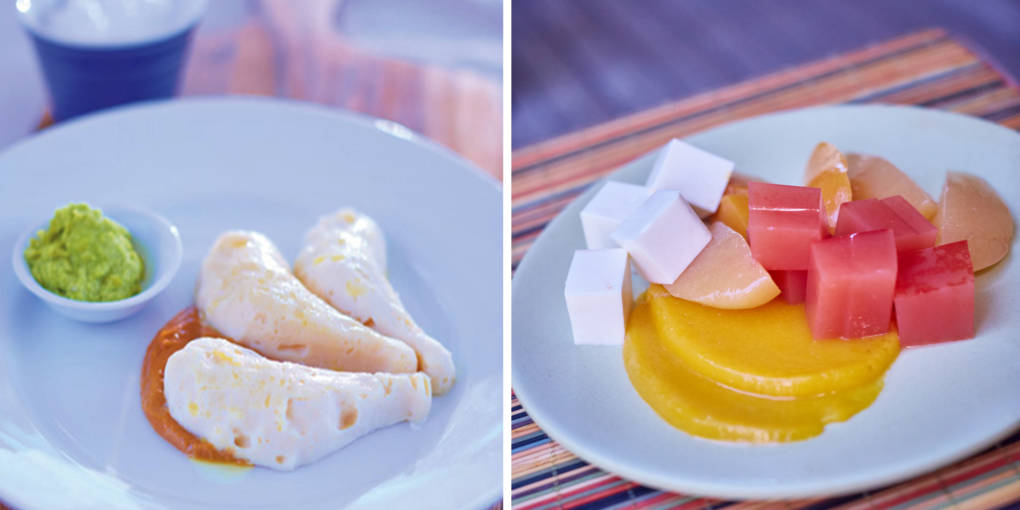
"caption": "Swallowing disorders are becoming more common. Some chefs are now whipping up nutritious recipes that are not only easy on the throat, but help restore the joy of eating. Left: Pureed satay chicken with edamame, shaped into the form of a drumstick. Right: Pureed fruit and yogurt set with agar agar â Australian chef Peter Morgan-Jones calls it an ideal finger food for those with dysphagia.",
"description": "Swallowing disorders are becoming more common. Some chefs are now whipping up nutritious recipes that are not only easy on the throat, but help restore the joy of eating. Left: Pureed satay chicken with edamame, shaped into the form of a drumstick. Right: Pureed fruit and yogurt set with agar agar â Australian chef Peter Morgan-Jones calls it an ideal finger food for those with dysphag",
"title": "Swallowing disorders are becoming more common. Some chefs are now whipping up nutritious recipes that are not only easy on the throat, but help restore the joy of eating. Left: Pureed satay chicken with edamame, shaped into the form of a drumstick. Right: Pureed fruit and yogurt set with agar agar â Australian chef Peter Morgan-Jones calls it an ideal finger food for those with dysphagia.",
"credit": "Matt Jewell/HammondCare",
"status": "inherit",
"isLoading": false,
"fetchFailed": false
},
"bayareabites_127999": {
"type": "attachments",
"id": "bayareabites_127999",
"meta": {
"index": "attachments_1716263798",
"site": "bayareabites",
"id": "127999",
"found": true
},
"parent": 127998,
"imgSizes": {
"small": {
"file": "https://ww2.kqed.org/app/uploads/sites/24/2018/05/mcguckianphoto1_vert-a697b1b8a24dcc0863a867ba611f8d010a120777-520x693.jpg",
"width": 520,
"mimeType": "image/jpeg",
"height": 693
},
"twentyfourteen-full-width": {
"file": "https://ww2.kqed.org/app/uploads/sites/24/2018/05/mcguckianphoto1_vert-a697b1b8a24dcc0863a867ba611f8d010a120777-1038x576.jpg",
"width": 1038,
"mimeType": "image/jpeg",
"height": 576
},
"thumbnail": {
"file": "https://ww2.kqed.org/app/uploads/sites/24/2018/05/mcguckianphoto1_vert-a697b1b8a24dcc0863a867ba611f8d010a120777-160x213.jpg",
"width": 160,
"mimeType": "image/jpeg",
"height": 213
},
"fd-sm": {
"file": "https://ww2.kqed.org/app/uploads/sites/24/2018/05/mcguckianphoto1_vert-a697b1b8a24dcc0863a867ba611f8d010a120777-960x1280.jpg",
"width": 960,
"mimeType": "image/jpeg",
"height": 1280
},
"post-thumbnail": {
"file": "https://ww2.kqed.org/app/uploads/sites/24/2018/05/mcguckianphoto1_vert-a697b1b8a24dcc0863a867ba611f8d010a120777-672x372.jpg",
"width": 672,
"mimeType": "image/jpeg",
"height": 372
},
"xsmall": {
"file": "https://ww2.kqed.org/app/uploads/sites/24/2018/05/mcguckianphoto1_vert-a697b1b8a24dcc0863a867ba611f8d010a120777-375x500.jpg",
"width": 375,
"mimeType": "image/jpeg",
"height": 500
},
"kqedFullSize": {
"file": "https://ww2.kqed.org/app/uploads/sites/24/2018/05/mcguckianphoto1_vert-a697b1b8a24dcc0863a867ba611f8d010a120777-e1526000609396.jpg",
"width": 1920,
"height": 2560
},
"large": {
"file": "https://ww2.kqed.org/app/uploads/sites/24/2018/05/mcguckianphoto1_vert-a697b1b8a24dcc0863a867ba611f8d010a120777-1020x1360.jpg",
"width": 1020,
"mimeType": "image/jpeg",
"height": 1360
},
"xlarge": {
"file": "https://ww2.kqed.org/app/uploads/sites/24/2018/05/mcguckianphoto1_vert-a697b1b8a24dcc0863a867ba611f8d010a120777-1180x1573.jpg",
"width": 1180,
"mimeType": "image/jpeg",
"height": 1573
},
"complete_open_graph": {
"file": "https://ww2.kqed.org/app/uploads/sites/24/2018/05/mcguckianphoto1_vert-a697b1b8a24dcc0863a867ba611f8d010a120777-900x1200.jpg",
"width": 900,
"mimeType": "image/jpeg",
"height": 1200
},
"guest-author-50": {
"file": "https://ww2.kqed.org/app/uploads/sites/24/2018/05/mcguckianphoto1_vert-a697b1b8a24dcc0863a867ba611f8d010a120777-50x50.jpg",
"width": 50,
"mimeType": "image/jpeg",
"height": 50
},
"guest-author-96": {
"file": "https://ww2.kqed.org/app/uploads/sites/24/2018/05/mcguckianphoto1_vert-a697b1b8a24dcc0863a867ba611f8d010a120777-96x96.jpg",
"width": 96,
"mimeType": "image/jpeg",
"height": 96
},
"medium": {
"file": "https://ww2.kqed.org/app/uploads/sites/24/2018/05/mcguckianphoto1_vert-a697b1b8a24dcc0863a867ba611f8d010a120777-800x1067.jpg",
"width": 800,
"mimeType": "image/jpeg",
"height": 1067
},
"guest-author-64": {
"file": "https://ww2.kqed.org/app/uploads/sites/24/2018/05/mcguckianphoto1_vert-a697b1b8a24dcc0863a867ba611f8d010a120777-64x64.jpg",
"width": 64,
"mimeType": "image/jpeg",
"height": 64
},
"guest-author-32": {
"file": "https://ww2.kqed.org/app/uploads/sites/24/2018/05/mcguckianphoto1_vert-a697b1b8a24dcc0863a867ba611f8d010a120777-32x32.jpg",
"width": 32,
"mimeType": "image/jpeg",
"height": 32
},
"fd-lrg": {
"file": "https://ww2.kqed.org/app/uploads/sites/24/2018/05/mcguckianphoto1_vert-a697b1b8a24dcc0863a867ba611f8d010a120777-1920x2560.jpg",
"width": 1920,
"mimeType": "image/jpeg",
"height": 2560
},
"fd-med": {
"file": "https://ww2.kqed.org/app/uploads/sites/24/2018/05/mcguckianphoto1_vert-a697b1b8a24dcc0863a867ba611f8d010a120777-1180x1573.jpg",
"width": 1180,
"mimeType": "image/jpeg",
"height": 1573
},
"full-width": {
"file": "https://ww2.kqed.org/app/uploads/sites/24/2018/05/mcguckianphoto1_vert-a697b1b8a24dcc0863a867ba611f8d010a120777-1920x2560.jpg",
"width": 1920,
"mimeType": "image/jpeg",
"height": 2560
},
"detail": {
"file": "https://ww2.kqed.org/app/uploads/sites/24/2018/05/mcguckianphoto1_vert-a697b1b8a24dcc0863a867ba611f8d010a120777-150x150.jpg",
"width": 150,
"mimeType": "image/jpeg",
"height": 150
},
"medium_large": {
"file": "https://ww2.kqed.org/app/uploads/sites/24/2018/05/mcguckianphoto1_vert-a697b1b8a24dcc0863a867ba611f8d010a120777-768x1024.jpg",
"width": 768,
"mimeType": "image/jpeg",
"height": 1024
},
"guest-author-128": {
"file": "https://ww2.kqed.org/app/uploads/sites/24/2018/05/mcguckianphoto1_vert-a697b1b8a24dcc0863a867ba611f8d010a120777-128x128.jpg",
"width": 128,
"mimeType": "image/jpeg",
"height": 128
},
"xxsmall": {
"file": "https://ww2.kqed.org/app/uploads/sites/24/2018/05/mcguckianphoto1_vert-a697b1b8a24dcc0863a867ba611f8d010a120777-240x320.jpg",
"width": 240,
"mimeType": "image/jpeg",
"height": 320
}
},
"publishDate": 1525999098,
"modified": 1526000626,
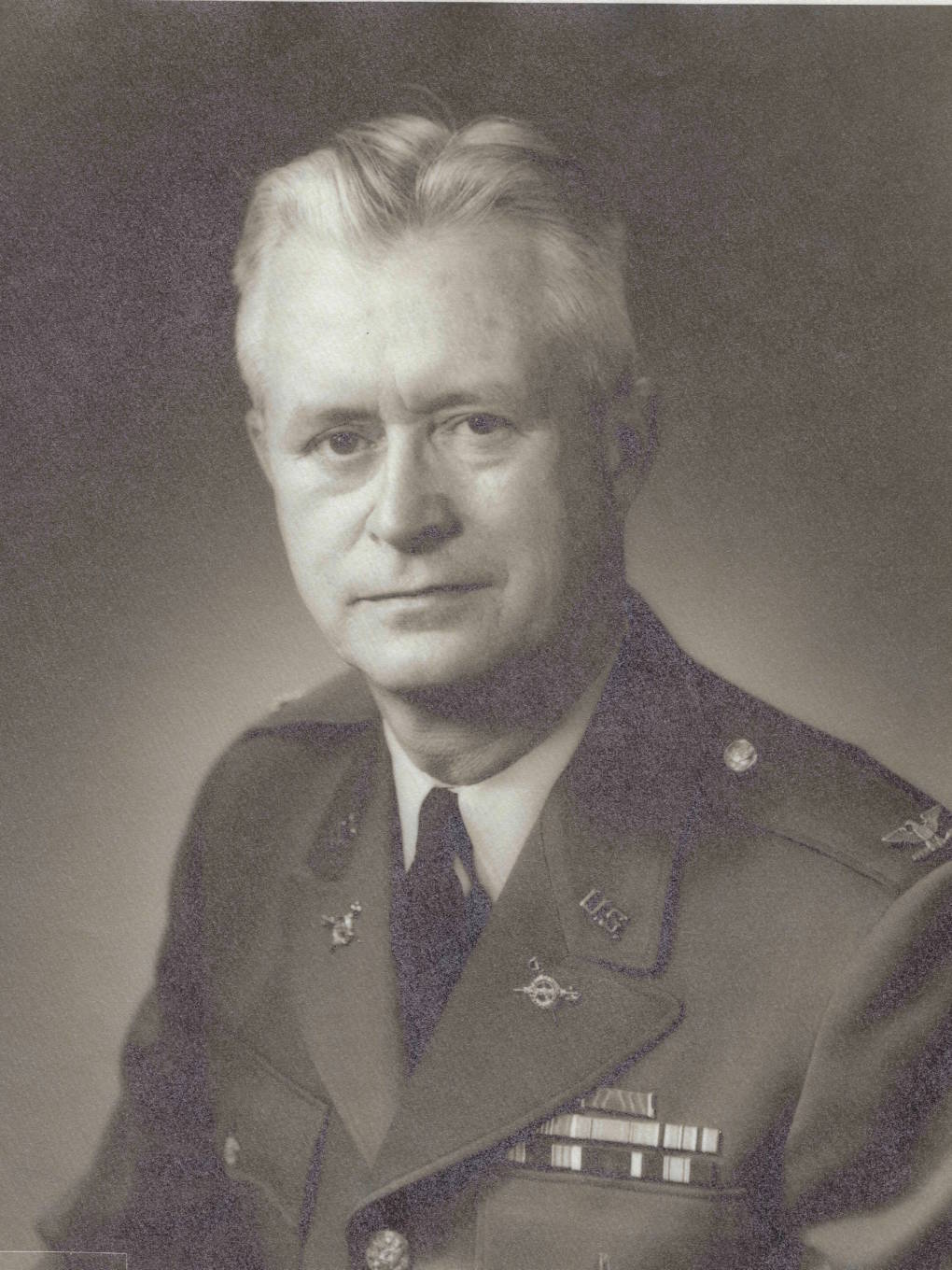
"caption": "Col. Ambrose McGuckian was tapped by food giant W.R. Grace to develop better food for a chain of hospitals in South Carolina after he retired from the Army in 1964.",
"description": "Col. Ambrose McGuckian was tapped by food giant W.R. Grace to develop better food for a chain of hospitals in South Carolina after he retired from the Army in 1964.",
"title": "Col. Ambrose McGuckian was tapped by food giant W.R. Grace to develop better food for a chain of hospitals in South Carolina after he retired from the Army in 1964.",
"credit": "courtesy McGuckian family",
"status": "inherit",
"isLoading": false,
"fetchFailed": false
},
"bayareabites_127929": {
"type": "attachments",
"id": "bayareabites_127929",
"meta": {
"index": "attachments_1716263798",
"site": "bayareabites",
"id": "127929",
"found": true
},
"parent": 127928,
"imgSizes": {
"small": {
"file": "https://ww2.kqed.org/app/uploads/sites/24/2018/05/img_5919-7a7e072bc336db826f1dd5383ea7d29b8a45090e-520x390.jpg",
"width": 520,
"mimeType": "image/jpeg",
"height": 390
},
"twentyfourteen-full-width": {
"file": "https://ww2.kqed.org/app/uploads/sites/24/2018/05/img_5919-7a7e072bc336db826f1dd5383ea7d29b8a45090e-1038x576.jpg",
"width": 1038,
"mimeType": "image/jpeg",
"height": 576
},
"thumbnail": {
"file": "https://ww2.kqed.org/app/uploads/sites/24/2018/05/img_5919-7a7e072bc336db826f1dd5383ea7d29b8a45090e-160x120.jpg",
"width": 160,
"mimeType": "image/jpeg",
"height": 120
},
"fd-sm": {
"file": "https://ww2.kqed.org/app/uploads/sites/24/2018/05/img_5919-7a7e072bc336db826f1dd5383ea7d29b8a45090e-960x720.jpg",
"width": 960,
"mimeType": "image/jpeg",
"height": 720
},
"post-thumbnail": {
"file": "https://ww2.kqed.org/app/uploads/sites/24/2018/05/img_5919-7a7e072bc336db826f1dd5383ea7d29b8a45090e-672x372.jpg",
"width": 672,
"mimeType": "image/jpeg",
"height": 372
},
"xsmall": {
"file": "https://ww2.kqed.org/app/uploads/sites/24/2018/05/img_5919-7a7e072bc336db826f1dd5383ea7d29b8a45090e-375x281.jpg",
"width": 375,
"mimeType": "image/jpeg",
"height": 281
},
"kqedFullSize": {
"file": "https://ww2.kqed.org/app/uploads/sites/24/2018/05/img_5919-7a7e072bc336db826f1dd5383ea7d29b8a45090e.jpg",
"width": 4029,
"height": 3022
},
"large": {
"file": "https://ww2.kqed.org/app/uploads/sites/24/2018/05/img_5919-7a7e072bc336db826f1dd5383ea7d29b8a45090e-1020x765.jpg",
"width": 1020,
"mimeType": "image/jpeg",
"height": 765
},
"xlarge": {
"file": "https://ww2.kqed.org/app/uploads/sites/24/2018/05/img_5919-7a7e072bc336db826f1dd5383ea7d29b8a45090e-1180x885.jpg",
"width": 1180,
"mimeType": "image/jpeg",
"height": 885
},
"complete_open_graph": {
"file": "https://ww2.kqed.org/app/uploads/sites/24/2018/05/img_5919-7a7e072bc336db826f1dd5383ea7d29b8a45090e-1200x900.jpg",
"width": 1200,
"mimeType": "image/jpeg",
"height": 900
},
"guest-author-50": {
"file": "https://ww2.kqed.org/app/uploads/sites/24/2018/05/img_5919-7a7e072bc336db826f1dd5383ea7d29b8a45090e-50x50.jpg",
"width": 50,
"mimeType": "image/jpeg",
"height": 50
},
"guest-author-96": {
"file": "https://ww2.kqed.org/app/uploads/sites/24/2018/05/img_5919-7a7e072bc336db826f1dd5383ea7d29b8a45090e-96x96.jpg",
"width": 96,
"mimeType": "image/jpeg",
"height": 96
},
"medium": {
"file": "https://ww2.kqed.org/app/uploads/sites/24/2018/05/img_5919-7a7e072bc336db826f1dd5383ea7d29b8a45090e-800x600.jpg",
"width": 800,
"mimeType": "image/jpeg",
"height": 600
},
"guest-author-64": {
"file": "https://ww2.kqed.org/app/uploads/sites/24/2018/05/img_5919-7a7e072bc336db826f1dd5383ea7d29b8a45090e-64x64.jpg",
"width": 64,
"mimeType": "image/jpeg",
"height": 64
},
"guest-author-32": {
"file": "https://ww2.kqed.org/app/uploads/sites/24/2018/05/img_5919-7a7e072bc336db826f1dd5383ea7d29b8a45090e-32x32.jpg",
"width": 32,
"mimeType": "image/jpeg",
"height": 32
},
"fd-lrg": {
"file": "https://ww2.kqed.org/app/uploads/sites/24/2018/05/img_5919-7a7e072bc336db826f1dd5383ea7d29b8a45090e-1920x1440.jpg",
"width": 1920,
"mimeType": "image/jpeg",
"height": 1440
},
"fd-med": {
"file": "https://ww2.kqed.org/app/uploads/sites/24/2018/05/img_5919-7a7e072bc336db826f1dd5383ea7d29b8a45090e-1180x885.jpg",
"width": 1180,
"mimeType": "image/jpeg",
"height": 885
},
"full-width": {
"file": "https://ww2.kqed.org/app/uploads/sites/24/2018/05/img_5919-7a7e072bc336db826f1dd5383ea7d29b8a45090e-1920x1440.jpg",
"width": 1920,
"mimeType": "image/jpeg",
"height": 1440
},
"detail": {
"file": "https://ww2.kqed.org/app/uploads/sites/24/2018/05/img_5919-7a7e072bc336db826f1dd5383ea7d29b8a45090e-150x150.jpg",
"width": 150,
"mimeType": "image/jpeg",
"height": 150
},
"medium_large": {
"file": "https://ww2.kqed.org/app/uploads/sites/24/2018/05/img_5919-7a7e072bc336db826f1dd5383ea7d29b8a45090e-768x576.jpg",
"width": 768,
"mimeType": "image/jpeg",
"height": 576
},
"guest-author-128": {
"file": "https://ww2.kqed.org/app/uploads/sites/24/2018/05/img_5919-7a7e072bc336db826f1dd5383ea7d29b8a45090e-128x128.jpg",
"width": 128,
"mimeType": "image/jpeg",
"height": 128
},
"xxsmall": {
"file": "https://ww2.kqed.org/app/uploads/sites/24/2018/05/img_5919-7a7e072bc336db826f1dd5383ea7d29b8a45090e-240x180.jpg",
"width": 240,
"mimeType": "image/jpeg",
"height": 180
}
},
"publishDate": 1525727908,
"modified": 1525728110,
"caption": "Signs declare the calorie counts for sandwiches and other grab-and-go items at a Starbucks in Washington, D.C.",
"description": "Signs declare the calorie counts for sandwiches and other grab-and-go items at a Starbucks in Washington, D.C.",
"title": "Signs declare the calorie counts for sandwiches and other grab-and-go items at a Starbucks in Washington, D.C.",
"credit": "Allison Aubrey/NPR",
"status": "inherit",
"isLoading": false,
"fetchFailed": false
},
"bayareabites_127739": {
"type": "attachments",
"id": "bayareabites_127739",
"meta": {
"index": "attachments_1716263798",
"site": "bayareabites",
"id": "127739",
"found": true
},
"parent": 127738,
"imgSizes": {
"small": {
"file": "https://ww2.kqed.org/app/uploads/sites/24/2018/04/probiotics-1_wide-acfbf77606186e9b039b21b45700ecb148100633-520x292.jpe",
"width": 520,
"mimeType": "image/jpeg",
"height": 292
},
"twentyfourteen-full-width": {
"file": "https://ww2.kqed.org/app/uploads/sites/24/2018/04/probiotics-1_wide-acfbf77606186e9b039b21b45700ecb148100633-1038x576.jpe",
"width": 1038,
"mimeType": "image/jpeg",
"height": 576
},
"thumbnail": {
"file": "https://ww2.kqed.org/app/uploads/sites/24/2018/04/probiotics-1_wide-acfbf77606186e9b039b21b45700ecb148100633-160x90.jpe",
"width": 160,
"mimeType": "image/jpeg",
"height": 90
},
"fd-sm": {
"file": "https://ww2.kqed.org/app/uploads/sites/24/2018/04/probiotics-1_wide-acfbf77606186e9b039b21b45700ecb148100633-960x540.jpe",
"width": 960,
"mimeType": "image/jpeg",
"height": 540
},
"post-thumbnail": {
"file": "https://ww2.kqed.org/app/uploads/sites/24/2018/04/probiotics-1_wide-acfbf77606186e9b039b21b45700ecb148100633-672x372.jpe",
"width": 672,
"mimeType": "image/jpeg",
"height": 372
},
"xsmall": {
"file": "https://ww2.kqed.org/app/uploads/sites/24/2018/04/probiotics-1_wide-acfbf77606186e9b039b21b45700ecb148100633-375x211.jpe",
"width": 375,
"mimeType": "image/jpeg",
"height": 211
},
"kqedFullSize": {
"file": "https://ww2.kqed.org/app/uploads/sites/24/2018/04/probiotics-1_wide-acfbf77606186e9b039b21b45700ecb148100633.jpe",
"width": 3000,
"height": 1687
},
"large": {
"file": "https://ww2.kqed.org/app/uploads/sites/24/2018/04/probiotics-1_wide-acfbf77606186e9b039b21b45700ecb148100633-1020x574.jpe",
"width": 1020,
"mimeType": "image/jpeg",
"height": 574
},
"xlarge": {
"file": "https://ww2.kqed.org/app/uploads/sites/24/2018/04/probiotics-1_wide-acfbf77606186e9b039b21b45700ecb148100633-1180x664.jpe",
"width": 1180,
"mimeType": "image/jpeg",
"height": 664
},
"complete_open_graph": {
"file": "https://ww2.kqed.org/app/uploads/sites/24/2018/04/probiotics-1_wide-acfbf77606186e9b039b21b45700ecb148100633-1200x675.jpe",
"width": 1200,
"mimeType": "image/jpeg",
"height": 675
},
"guest-author-50": {
"file": "https://ww2.kqed.org/app/uploads/sites/24/2018/04/probiotics-1_wide-acfbf77606186e9b039b21b45700ecb148100633-50x50.jpe",
"width": 50,
"mimeType": "image/jpeg",
"height": 50
},
"guest-author-96": {
"file": "https://ww2.kqed.org/app/uploads/sites/24/2018/04/probiotics-1_wide-acfbf77606186e9b039b21b45700ecb148100633-96x96.jpe",
"width": 96,
"mimeType": "image/jpeg",
"height": 96
},
"medium": {
"file": "https://ww2.kqed.org/app/uploads/sites/24/2018/04/probiotics-1_wide-acfbf77606186e9b039b21b45700ecb148100633-800x450.jpe",
"width": 800,
"mimeType": "image/jpeg",
"height": 450
},
"guest-author-64": {
"file": "https://ww2.kqed.org/app/uploads/sites/24/2018/04/probiotics-1_wide-acfbf77606186e9b039b21b45700ecb148100633-64x64.jpe",
"width": 64,
"mimeType": "image/jpeg",
"height": 64
},
"guest-author-32": {
"file": "https://ww2.kqed.org/app/uploads/sites/24/2018/04/probiotics-1_wide-acfbf77606186e9b039b21b45700ecb148100633-32x32.jpe",
"width": 32,
"mimeType": "image/jpeg",
"height": 32
},
"fd-lrg": {
"file": "https://ww2.kqed.org/app/uploads/sites/24/2018/04/probiotics-1_wide-acfbf77606186e9b039b21b45700ecb148100633-1920x1080.jpe",
"width": 1920,
"mimeType": "image/jpeg",
"height": 1080
},
"fd-med": {
"file": "https://ww2.kqed.org/app/uploads/sites/24/2018/04/probiotics-1_wide-acfbf77606186e9b039b21b45700ecb148100633-1180x664.jpe",
"width": 1180,
"mimeType": "image/jpeg",
"height": 664
},
"full-width": {
"file": "https://ww2.kqed.org/app/uploads/sites/24/2018/04/probiotics-1_wide-acfbf77606186e9b039b21b45700ecb148100633-1920x1080.jpe",
"width": 1920,
"mimeType": "image/jpeg",
"height": 1080
},
"detail": {
"file": "https://ww2.kqed.org/app/uploads/sites/24/2018/04/probiotics-1_wide-acfbf77606186e9b039b21b45700ecb148100633-150x150.jpe",
"width": 150,
"mimeType": "image/jpeg",
"height": 150
},
"medium_large": {
"file": "https://ww2.kqed.org/app/uploads/sites/24/2018/04/probiotics-1_wide-acfbf77606186e9b039b21b45700ecb148100633-768x432.jpe",
"width": 768,
"mimeType": "image/jpeg",
"height": 432
},
"guest-author-128": {
"file": "https://ww2.kqed.org/app/uploads/sites/24/2018/04/probiotics-1_wide-acfbf77606186e9b039b21b45700ecb148100633-128x128.jpe",
"width": 128,
"mimeType": "image/jpeg",
"height": 128
},
"xxsmall": {
"file": "https://ww2.kqed.org/app/uploads/sites/24/2018/04/probiotics-1_wide-acfbf77606186e9b039b21b45700ecb148100633-240x135.jpe",
"width": 240,
"mimeType": "image/jpeg",
"height": 135
}
},
"publishDate": 1525449213,
"modified": 1525449391,
"caption": "Supplements which contain \"good bacteria\" known as probiotics have now become popular for kids and babies. But the jury is out on how well many of them work.",
"description": "Supplements which contain \"good bacteria\" known as probiotics have now become popular for kids and babies. But the jury is out on how well many of them work.",
"title": "Supplements which contain \"good bacteria\" known as probiotics have now become popular for kids and babies. But the jury is out on how well many of them work.",
"credit": "Paige Vickers for NPR",
"status": "inherit",
"isLoading": false,
"fetchFailed": false
}
},
"audioPlayerReducer": {
"postId": "stream_live",
"isPaused": true,
"isPlaying": false,
"pfsActive": false,
"pledgeModalIsOpen": true,
"playerDrawerIsOpen": false,
"liveAudioPlayStartedAt": 0,
"liveAudioPlayContext": ""
},
"authorsReducer": {
"byline_bayareabites_128791": {
"type": "authors",
"id": "byline_bayareabites_128791",
"meta": {
"override": true
},
"slug": "byline_bayareabites_128791",
"name": "\u003ca href=\"https://civileats.com/author/acollier/\">Andrea King Collier\u003c/a>, \u003ca href=\"https://www.kqed.org/author/civileat\">Civil Eats\u003c/a>",
"isLoading": false
},
"byline_bayareabites_128774": {
"type": "authors",
"id": "byline_bayareabites_128774",
"meta": {
"override": true
},
"slug": "byline_bayareabites_128774",
"name": "\u003ca href=\"https://civileats.com/author/dkim/\">Dakota Kim\u003c/a>, \u003ca href=\"https://civileats.com/2018/05/29/growing-california-rice-and-almonds-against-the-grain/\">Civil Eats\u003c/a>",
"isLoading": false
},
"byline_bayareabites_128648": {
"type": "authors",
"id": "byline_bayareabites_128648",
"meta": {
"override": true
},
"slug": "byline_bayareabites_128648",
"name": "Sara Kiley Watson, \u003ca href=\"https://www.npr.org/sections/thesalt/2018/05/31/615580695/last-straw-for-plastic-straws-cities-restaurants-move-to-toss-these-sippers\">NPR Food\u003c/a>",
"isLoading": false
},
"byline_bayareabites_128249": {
"type": "authors",
"id": "byline_bayareabites_128249",
"meta": {
"override": true
},
"slug": "byline_bayareabites_128249",
"name": "\u003ca href=\"https://www.kqed.org/author/trevorfelch\">Trevor Felch\u003c/a> (writer), \u003ca href=\"https://www.kqed.org/author/wendy-goodfriend\">Wendy Goodfriend\u003c/a> (photos/video)",
"isLoading": false
},
"byline_bayareabites_128290": {
"type": "authors",
"id": "byline_bayareabites_128290",
"meta": {
"override": true
},
"slug": "byline_bayareabites_128290",
"name": "Merrit Kennedy, NPR Food",
"isLoading": false
},
"byline_bayareabites_128261": {
"type": "authors",
"id": "byline_bayareabites_128261",
"meta": {
"override": true
},
"slug": "byline_bayareabites_128261",
"name": "Allison Aubrey, NPR Food",
"isLoading": false
},
"byline_bayareabites_128147": {
"type": "authors",
"id": "byline_bayareabites_128147",
"meta": {
"override": true
},
"slug": "byline_bayareabites_128147",
"name": "Jill Neimark, NPR Food",
"isLoading": false
},
"byline_bayareabites_127998": {
"type": "authors",
"id": "byline_bayareabites_127998",
"meta": {
"override": true
},
"slug": "byline_bayareabites_127998",
"name": "Alice Popovici, NPR Food",
"isLoading": false
},
"byline_bayareabites_127928": {
"type": "authors",
"id": "byline_bayareabites_127928",
"meta": {
"override": true
},
"slug": "byline_bayareabites_127928",
"name": "Allison Aubrey, NPR Food",
"isLoading": false
},
"byline_bayareabites_127738": {
"type": "authors",
"id": "byline_bayareabites_127738",
"meta": {
"override": true
},
"slug": "byline_bayareabites_127738",
"name": "Allison Aubrey, NPR Food",
"isLoading": false
},
"kdomara": {
"type": "authors",
"id": "1459",
"meta": {
"index": "authors_1716337520",
"id": "1459",
"found": true
},
"name": "Kelly O'Mara",
"firstName": "Kelly",
"lastName": "O'Mara",
"slug": "kdomara",
"email": "komara@kqed.org",
"display_author_email": false,
"staff_mastheads": [
"news"
],
"title": "KQED Contributor",
"bio": "Kelly O'Mara is a writer and reporter in the San Francisco Bay Area. She writes about food, health, sports, travel, business and California news. Her work has appeared on KQED, online for Outside Magazine, epsnW, VICE and in Competitor Magazine, among others. Follow Kelly on Twitter \u003ca href=\"https://twitter.com/kellydomara\">@kellydomara\u003c/a>.",
"avatar": "https://secure.gravatar.com/avatar/768fec7412028b72f13bdd0f5f9d8186?s=600&d=blank&r=g",
"twitter": null,
"facebook": null,
"instagram": null,
"linkedin": null,
"sites": [
{
"site": "arts",
"roles": []
},
{
"site": "news",
"roles": []
},
{
"site": "bayareabites",
"roles": []
},
{
"site": "stateofhealth",
"roles": []
},
{
"site": "science",
"roles": []
},
{
"site": "checkplease",
"roles": [
"editor"
]
},
{
"site": "food",
"roles": []
},
{
"site": "forum",
"roles": [
"editor"
]
},
{
"site": "liveblog",
"roles": [
"editor"
]
}
],
"headData": {
"title": "Kelly O'Mara | KQED",
"description": "KQED Contributor",
"ogImgSrc": "https://secure.gravatar.com/avatar/768fec7412028b72f13bdd0f5f9d8186?s=600&d=blank&r=g",
"twImgSrc": "https://secure.gravatar.com/avatar/768fec7412028b72f13bdd0f5f9d8186?s=600&d=blank&r=g"
},
"isLoading": false,
"link": "/author/kdomara"
},
"marciagagliardi": {
"type": "authors",
"id": "11398",
"meta": {
"index": "authors_1716337520",
"id": "11398",
"found": true
},
"name": "Marcia Gagliardi",
"firstName": "Marcia",
"lastName": "Gagliardi",
"slug": "marciagagliardi",
"email": "marcia@tablehopper.com",
"display_author_email": false,
"staff_mastheads": [],
"title": null,
"bio": "\u003cstrong>Marcia Gagliardi\u003c/strong> writes a popular insider e-column about the SF dining and drinking scene, get all the latest news at \u003ca href=\"http://www.tablehopper.com\">tablehopper.com\u003c/a>. Follow @tablehopper on \u003ca href=\"https://twitter.com/tablehopper\">Twitter\u003c/a> and \u003ca href=\"https://instagram.com/tablehopper/\">Instagram\u003c/a> for more culinary finds! She also writes about low-dose and high-quality cannabis products in her weekly mymilligram newsletter at \u003ca href=\"http://www.mymilligram.com\">mymilligram.com\u003c/a>.",
"avatar": "https://secure.gravatar.com/avatar/5d0caa5ce4f7e7b9746d41093f503928?s=600&d=blank&r=g",
"twitter": null,
"facebook": null,
"instagram": null,
"linkedin": null,
"sites": [
{
"site": "bayareabites",
"roles": [
"contributor"
]
},
{
"site": "food",
"roles": [
"contributor"
]
}
],
"headData": {
"title": "Marcia Gagliardi | KQED",
"description": null,
"ogImgSrc": "https://secure.gravatar.com/avatar/5d0caa5ce4f7e7b9746d41093f503928?s=600&d=blank&r=g",
"twImgSrc": "https://secure.gravatar.com/avatar/5d0caa5ce4f7e7b9746d41093f503928?s=600&d=blank&r=g"
},
"isLoading": false,
"link": "/author/marciagagliardi"
}
},
"pagesReducer": {
"bayareabites_category_food-and-technology": {
"type": "terms",
"id": "bayareabites_4084",
"meta": {
"index": "terms_1716263798",
"site": "bayareabites",
"id": "4084",
"score": 14.405352
},
"featImg": null,
"name": "food trends and technology",
"description": null,
"taxonomy": "category",
"headData": {
"twImgId": null,
"twTitle": null,
"ogTitle": null,
"ogImgId": null,
"twDescription": null,
"description": null,
"title": "food trends and technology Archives | KQED Bay Area Bites",
"ogDescription": null
},
"ttid": 2573,
"slug": "food-and-technology",
"isLoading": false,
"title": "food trends and technology",
"pageMeta": {
"site": "bayareabites",
"WpPageTemplate": "page-topic-editorial",
"currentPage": 5
},
"blocks": [
{
"blockName": "kqed/post-list",
"attrs": {
"layout": "cardArticle2",
"query": "posts/bayareabites?category=food-and-technology",
"seeMore": false,
"paginated": true,
"page": 5
}
},
{
"blockName": "kqed/ad"
}
]
}
},
"pfsSessionReducer": {},
"postsReducer": {
"stream_live": {
"type": "live",
"id": "stream_live",
"audioUrl": "https://streams.kqed.org/kqedradio",
"title": "Live Stream",
"excerpt": "Live Stream information currently unavailable.",
"link": "/radio",
"featImg": "",
"label": {
"name": "KQED Live",
"link": "/"
}
},
"stream_kqedNewscast": {
"type": "posts",
"id": "stream_kqedNewscast",
"audioUrl": "https://www.kqed.org/.stream/anon/radio/RDnews/newscast.mp3?_=1",
"title": "KQED Newscast",
"featImg": "",
"label": {
"name": "88.5 FM",
"link": "/"
}
},
"bayareabites_128791": {
"type": "posts",
"id": "bayareabites_128791",
"meta": {
"index": "posts_1716263798",
"site": "bayareabites",
"id": "128791",
"score": null,
"sort": [
1528387169000
]
},
"parent": 0,
"labelTerm": {},
"blocks": [],
"publishDate": 1528387169,
"format": "standard",
"disqusTitle": "A Reparations Map for Farmers of Color May Help Right Historical Wrongs",
"title": "A Reparations Map for Farmers of Color May Help Right Historical Wrongs",
"headTitle": "Bay Area Bites | KQED Food",
"content": "\u003cp>\u003cem>In an effort to address centuries of systemic racism, a new online tool seeks to connect Black, brown, and Indigenous farmers with land and resources.\u003c/em>\u003c/p>\n\u003cp>When \u003ca href=\"http://www.soulfirefarm.org/meet-the-farmers/\">Leah Penniman\u003c/a> and her family founded \u003ca href=\"http://www.soulfirefarm.org/\">Soul Fire Farm\u003c/a>, in Petersburg, New York in 2011, they had a vision of a multi-racial, sustainable farming organization that would run food sovereignty programs with the goal of ending racism and injustice in the food system.\u003c/p>\n\u003cp>To achieve these goals, Soul Fire Farm offers training to Black and brown farmers, activism retreats, food justice education, subsidized food distribution, and, as of February, is leading a movement of Black farmers who are calling for reparations for centuries of slavery, systemic racism, and racial inequity in the U.S.\u003c/p>\n\u003cp>“If African-American people [had been] paid $20 per week for our agricultural labor rather than being enslaved, we would have trillions in the bank today,” Penniman says. She adds that those numbers don’t include the many other ways Black and brown people have been excluded from the tools that have allowed white people to succeed for centuries, such as \u003ca href=\"https://www.theguardian.com/commentisfree/2015/oct/13/your-credit-score-is-racist-heres-why\">access to credit\u003c/a>, \u003ca href=\"https://www.colorlines.com/articles/study-report-explores-how-institutional-racism-derails-education-black-boys\">education\u003c/a>, and \u003ca href=\"https://www.nytimes.com/2017/08/24/upshot/how-redlinings-racist-effects-lasted-for-decades.html\">home ownership opportunities\u003c/a>.\u003c/p>\n\u003cp>“There is a reason why the typical white household today has 16 times the wealth of a typical Black household,” Penniman says, noting that the gap is “often traceable back to slavery.” According to the \u003ca href=\"https://www.brookings.edu/blog/social-mobility-memos/2015/01/30/wealth-inheritance-and-social-mobility/\">Brookings Institute\u003c/a>, 35 to 45 percent of wealth in the U.S. is inherited rather than self-made and a recent report from the Center for American Progress on \u003ca href=\"https://www.americanprogress.org/issues/race/reports/2018/02/21/447051/systematic-inequality/\">disparities in wealth\u003c/a> between Blacks and whites suggests that long-held, structural racism is the biggest reason for the gap.\u003c/p>\n\u003cfigure id=\"attachment_128796\" class=\"wp-caption aligncenter\" style=\"max-width: 1203px\">\u003cimg src=\"https://ww2.kqed.org/bayareabites/wp-content/uploads/sites/24/2018/06/180604-farm-reparations-soul-fire-group.jpg\" alt=\"The farm team.\" width=\"1203\" height=\"800\" class=\"size-full wp-image-128796\" srcset=\"https://ww2.kqed.org/app/uploads/sites/24/2018/06/180604-farm-reparations-soul-fire-group.jpg 1203w, https://ww2.kqed.org/app/uploads/sites/24/2018/06/180604-farm-reparations-soul-fire-group-160x106.jpg 160w, https://ww2.kqed.org/app/uploads/sites/24/2018/06/180604-farm-reparations-soul-fire-group-800x532.jpg 800w, https://ww2.kqed.org/app/uploads/sites/24/2018/06/180604-farm-reparations-soul-fire-group-768x511.jpg 768w, https://ww2.kqed.org/app/uploads/sites/24/2018/06/180604-farm-reparations-soul-fire-group-1020x678.jpg 1020w, https://ww2.kqed.org/app/uploads/sites/24/2018/06/180604-farm-reparations-soul-fire-group-1200x798.jpg 1200w, https://ww2.kqed.org/app/uploads/sites/24/2018/06/180604-farm-reparations-soul-fire-group-1180x785.jpg 1180w, https://ww2.kqed.org/app/uploads/sites/24/2018/06/180604-farm-reparations-soul-fire-group-960x638.jpg 960w, https://ww2.kqed.org/app/uploads/sites/24/2018/06/180604-farm-reparations-soul-fire-group-240x160.jpg 240w, https://ww2.kqed.org/app/uploads/sites/24/2018/06/180604-farm-reparations-soul-fire-group-375x249.jpg 375w, https://ww2.kqed.org/app/uploads/sites/24/2018/06/180604-farm-reparations-soul-fire-group-520x346.jpg 520w\" sizes=\"(max-width: 1203px) 100vw, 1203px\">\u003cfigcaption class=\"wp-caption-text\">The farm team. \u003ccite>(Courtesy of Soul Fire Farm)\u003c/cite>\u003c/figcaption>\u003c/figure>\n\u003cp>Many organizations and individuals have called for \u003ca href=\"https://abcnews.go.com/2020/story?id=124115&page=1\">reparations\u003c/a>—financial payments made today to help make good on the systemic injustices of the past 400 years—as a way to begin to level the playing field and create equity.\u003c/p>\n\u003cp>[ad fullwidth]\u003c/p>\n\u003cp>Penniman’s \u003ca href=\"https://www.google.com/maps/d/viewer?ll=40.604072549190256%2C-79.89249229375002&z=6&mid=1YvB3PuH8jeR_yoFCLvrKOTQQ3p_5NmkK\">online mapping tool\u003c/a> currently includes 52 organizations around the country led by farmers of color who are calling for reparations. The map details farmers in need of land, resources, and funding, and aims to connect them with organizations, foundations, and individual donors to support their work.\u003c/p>\n\u003cp>Clicking on one of the participating farms on the map reveals details of its operations, its needs, and how to engage with the people who run it. Penniman is careful to point out that the reparations map is an effort designed to be complementary to, but not a substitute for, the larger national effort for reparations being coordinated by the \u003ca href=\"http://www.blackfoodjustice.org/\">National Black Food and Justice Alliance\u003c/a>.\u003c/p>\n\u003ch4>\u003cstrong>The History of Reparations\u003c/strong>\u003c/h4>\n\u003cp>The call for reparations dates back to the federal government’s failure make good on its promise of “40 acres and a mule” to newly freed slaves after the Civil War under General William T. Sherman’s \u003ca href=\"http://ldhi.library.cofc.edu/exhibits/show/after_slavery_educator/unit_three_documents/document_five\">Special Field Order No. 15\u003c/a>, created in January of 1865, and later approved by President Lincoln. By June of the same year, 40,000 freedmen had been settled on 400,000 acres of what was known as Sherman Land in the South.\u003c/p>\n\u003cp>The money generated from farming that land gave Black families the opportunity to create financial mobility and economic security. By 1920, Black Americans owned \u003ca href=\"https://grist.org/food/what-happened-to-americas-black-farmers/\">925,000 farms\u003c/a>, or 14 percent of the farms in the U.S. at that time.\u003c/p>\n\u003cp>Yet, the promise didn’t last. Over time, millions of farmers, including 600,000 Blacks, \u003ca href=\"https://www.thenation.com/article/african-americans-have-lost-acres/\">lost their farms\u003c/a>—often because they lacked legal deeds to the land. By 1975, just 45,000 Black-owned farms remained. The 2012 Census of Agriculture estimated that Black farmers now make up \u003ca href=\"http://www.agcensus.usda.gov/Publications/2012/Online_Resources/Highlights/Black_Farmers/Highlights_Black_Farmers.pdf\">less than 2 percent\u003c/a> of the nation’s farmers and 1 percent of rural landowners.\u003c/p>\n\u003cp>According to Penniman, the promised 40 acres and a mule would be worth $6.4 trillion collectively today. The call for reparations, and efforts like the map, are ways to help make Black farmers and their families whole. Penniman says her group used Google Maps to build the tool because “it’s simple to use and decentralized,” although she says she would love for “a techy person to take this over at some point and make the platform more sophisticated.”\u003c/p>\n\u003cp>The process is simple: Farmers file an application and Soul Fire adds their information to the map. From there the farmer can go into the map and make changes and add information on his or her own farm or needs. “We found that the mapping was more visually engaging compared to using a spreadsheet. Everyone can edit their own pin on the map without a gatekeeper,” Penniman says of the farmers who apply to be a part of the project. To date, more than 53,000 people have visited the map.\u003c/p>\n\u003ch4>\u003cstrong>The Birth of the Reparations Map\u003c/strong>\u003c/h4>\n\u003cp>The original idea to take on reparations came out of a conversation Penniman had with Viviana Moreno, a farmer from Chicago, at Soul Fire Farm’s Black and Latinx Farmers Immersion (BLFI) program. “We were all talking about two farms, Harmony Homestead and Wildseed, as examples of reparations and restoration, and she said we need more of this type of people-to-people giving,” Penniman says.\u003c/p>\n\u003cp>“The realities of being Black, Indigenous, and brown people in the United States means many of us have little to no access to land, [or] many of the resources needed to run a small vegetable farm sustainably,” Moreno says. “As we were discussing this, I asked Penniman ‘Why, if there are so many of us, don’t we create a sort of database that would feature all of our collective needs and projects?’”\u003c/p>\n\u003cp>Penniman liked the idea, and she gathered with a group of Black and brown farmers to create the map over the next few months. As soon as it was up, the group sent invitations to all the farmer-alumni from the BLFI program, as well as to other Black, Indigenous, and brown farmers, asking them to add their projects to the map.\u003c/p>\n\u003cp>The farms and projects currently listed on the map are broadly diverse: Farmers identify as Black, Indigenous, Latinx, and multi-racial, hail from large cities and rural communities, and are seeking help getting started or expanding their work to reach more farmers and eaters.\u003c/p>\n\u003cp>Moreno’s \u003ca href=\"https://www.google.com/maps/d/viewer?ll=41.86956080000001%2C-88.16528319999998&z=18&mid=1YvB3PuH8jeR_yoFCLvrKOTQQ3p_5NmkK\">Catatumbo Cooperative Farm\u003c/a> is now listed on the reparations map, seeking funds to start farming land in rural Illinois. Moreno and her partners, Jazmin Martinez and Nadia Sol Ireri Unzueta Carrasco, are all queer, immigrant worker-owners. Their long-term goal is to acquire land in rural Illinois while maintaining a connection to communities in Chicago.\u003c/p>\n\u003cp>Eduardo Rivera is another farmer that signed on to the reparations map. Currently leasing land outside of Minneapolis for \u003ca href=\"https://sinfronterasfarm.com/our-farm/\">Sin Fronteras Farm\u003c/a>, he hopes to use the map to help him buy land or secure a much longer-term lease than his current leased lands. “I signed on after I saw what Soul Fire was doing and was hoping that it will help me acquire the land I need,” Rivera says.\u003c/p>\n\u003cp>“Being organic gives you more opportunities and access,” he says. “My plans are to grow organic year-round, but I can’t do that on leased land—I think the cost is prohibitive.” Rivera hopes to expand his operations to grow more foods for the Latinx/Mexicanx community and also create an incubator for other indigenous farmers and farmers of color. While it is still too soon to know if the mapping project will get him the land he needs, he says it has gotten him noticed, and he is hopeful.\u003c/p>\n\u003cfigure id=\"attachment_128795\" class=\"wp-caption aligncenter\" style=\"max-width: 1200px\">\u003cimg src=\"https://ww2.kqed.org/bayareabites/wp-content/uploads/sites/24/2018/06/180604-farm-reparations-sin-fronteras.jpg\" alt=\"Eduardo Rivera in the fields at Sin Fronteras Farm and Food.\" width=\"1200\" height=\"800\" class=\"size-full wp-image-128795\" srcset=\"https://ww2.kqed.org/app/uploads/sites/24/2018/06/180604-farm-reparations-sin-fronteras.jpg 1200w, https://ww2.kqed.org/app/uploads/sites/24/2018/06/180604-farm-reparations-sin-fronteras-160x107.jpg 160w, https://ww2.kqed.org/app/uploads/sites/24/2018/06/180604-farm-reparations-sin-fronteras-800x533.jpg 800w, https://ww2.kqed.org/app/uploads/sites/24/2018/06/180604-farm-reparations-sin-fronteras-768x512.jpg 768w, https://ww2.kqed.org/app/uploads/sites/24/2018/06/180604-farm-reparations-sin-fronteras-1020x680.jpg 1020w, https://ww2.kqed.org/app/uploads/sites/24/2018/06/180604-farm-reparations-sin-fronteras-1180x787.jpg 1180w, https://ww2.kqed.org/app/uploads/sites/24/2018/06/180604-farm-reparations-sin-fronteras-960x640.jpg 960w, https://ww2.kqed.org/app/uploads/sites/24/2018/06/180604-farm-reparations-sin-fronteras-240x160.jpg 240w, https://ww2.kqed.org/app/uploads/sites/24/2018/06/180604-farm-reparations-sin-fronteras-375x250.jpg 375w, https://ww2.kqed.org/app/uploads/sites/24/2018/06/180604-farm-reparations-sin-fronteras-520x347.jpg 520w\" sizes=\"(max-width: 1200px) 100vw, 1200px\">\u003cfigcaption class=\"wp-caption-text\">Eduardo Rivera in the fields at Sin Fronteras Farm and Food. \u003ccite>(Courtesy of Sin Fronteras)\u003c/cite>\u003c/figcaption>\u003c/figure>\n\u003cp>According to Penniman, there were other projects that informed and inspired them in creating the reparations map. \u003ca href=\"http://www.ncagr.gov/SmallFarms/PigfordIISettlementdocx031011.pdf\">Pigford v. Glickman\u003c/a>, the famous 1990s lawsuit from Black farmers who sued the USDA for racial bias in its lending practices, was the largest civil rights settlement in U.S. history, and it still was not enough to stem the tide of Black land loss, according to Penniman. But she adds that they cannot rely on organizing around policy alone. “We need to rely on reaching out, and touching hearts, and catalyzing action in our communities.”\u003c/p>\n\u003cp>Soul Fire Farms trains farmers to become advocates for reparations. “Someone has to be doing the right storytelling and facing the foundations,” she says. They are calling upon funders to be partners in helping to make Black and brown farmers whole. “It’s not just about money. It’s about power and control. It should be the people who are directly affected who have that power and that control, not those who inherited extracted wealth,” Penniman says.\u003c/p>\n\u003cp>Penniman has a list of specific actions for foundations and other donors who want to help end racism in the food system as part of her upcoming book, \u003cem>\u003ca href=\"http://www.soulfirefarm.org/media/farming-while-black/\">Farming While Black: Soul Fire Farm’s Definitive Guide to Liberation on Land\u003c/a>\u003c/em>. “Some of the things foundations can do are to have more geographic, class, and racial equity, prioritizing funding for the Deep South and underfunded regions, as well as, streamline the reporting and applications process,” she says. “They need to transform the expectations and relationships tied to their funding to support the organizers on the frontlines.”\u003c/p>\n\u003cp>“Being a part of the project also helps us to start a discussion about issues around land justice, reparations, solidarity economies, and much more,” says Moreno. She adds that it is important because their work is not independent of other issues our communities face. “We definitely want to receive tangible resources, yet we are also looking to engage in conversations where we creatively think about what distribution of resources and wealth means and how to center the needs of historically oppressed communities.”\u003c/p>\n\u003cp>Penniman says that both systemic and policy change are important. “Some policies that we should all advocate for [include] passing \u003ca href=\"https://www.congress.gov/bill/115th-congress/house-bill/40\">H.R. 40\u003c/a>,” Rep. John Conyers’ \u003ca href=\"https://www.motherjones.com/crime-justice/2017/09/in-some-parallel-universe-congress-is-debating-how-america-could-atone-for-slavery-1/\">long-introduced but never-discussed proposal\u003c/a> for a commission to study and develop proposals for reparations to African-Americans. Penniman says the bill could lead to such restorative solutions as a guaranteed minimum or \u003ca href=\"https://www.weforum.org/agenda/2017/01/why-we-should-all-have-a-basic-income/\">universal basic income\u003c/a> to cover all basic needs and free and universal education for pre-K through university.\u003c/p>\n\u003cp>While the reparations movement in the U.S. gets the most attention, Penniman points out that it isn’t the only place that is dealing with issues of land and money stolen from farmers of color. “I think there’s a lot of groups within \u003ca href=\"https://viacampesina.org/en/\">Via Campesina\u003c/a>, the international peasant movement, that have called for reparations as well,” she says. “Our work here is echoing that larger global movement in calling for the return of stolen land and resources.”\u003c/p>\n\u003cp>[ad floatright]\u003c/p>\n\u003cp>\u003cem>This article was originally published on\u003c/em> \u003ca href=\"https://civileats.com/2018/06/04/a-reparations-map-for-farmers-may-help-right-historical-wrongs/\">\u003cem>Civil Eats\u003c/em>\u003c/a>.\u003c/p>\n\n",
"disqusIdentifier": "128791 https://ww2.kqed.org/bayareabites/?p=128791",
"disqusUrl": "https://ww2.kqed.org/bayareabites/2018/06/07/a-reparations-map-for-farmers-of-color-may-help-right-historical-wrongs/",
"stats": {
"hasVideo": false,
"hasChartOrMap": false,
"hasAudio": false,
"hasPolis": false,
"wordCount": 1892,
"hasGoogleForm": false,
"hasGallery": false,
"hasHearkenModule": false,
"iframeSrcs": [],
"paragraphCount": 29
},
"modified": 1528495610,
"excerpt": "In an effort to address centuries of systemic racism, a new online tool seeks to connect Black, brown, and Indigenous farmers with land and resources.",
"headData": {
"twImgId": "",
"twTitle": "",
"ogTitle": "",
"ogImgId": "",
"twDescription": "",
"description": "In an effort to address centuries of systemic racism, a new online tool seeks to connect Black, brown, and Indigenous farmers with land and resources.",
"title": "A Reparations Map for Farmers of Color May Help Right Historical Wrongs | KQED",
"ogDescription": "",
"schema": {
"@context": "https://schema.org",
"@type": "Article",
"headline": "A Reparations Map for Farmers of Color May Help Right Historical Wrongs",
"datePublished": "2018-06-07T08:59:29-07:00",
"dateModified": "2018-06-08T15:06:50-07:00",
"image": "https://cdn.kqed.org/wp-content/uploads/2020/02/KQED-OG-Image@1x.png"
}
},
"guestAuthors": [],
"slug": "a-reparations-map-for-farmers-of-color-may-help-right-historical-wrongs",
"status": "publish",
"sourceUrl": "https://ww2.kqed.org/bayareabites/category/politics-activism-food-safety/",
"nprByline": "\u003ca href=\"https://civileats.com/author/acollier/\">Andrea King Collier\u003c/a>, \u003ca href=\"https://www.kqed.org/author/civileat\">Civil Eats\u003c/a>",
"source": "Politics, Activism, Food Safety",
"path": "/bayareabites/128791/a-reparations-map-for-farmers-of-color-may-help-right-historical-wrongs",
"audioTrackLength": null,
"parsedContent": [
{
"type": "contentString",
"content": "\u003cdiv class=\"post-body\">\u003cp>\u003cp>\u003cem>In an effort to address centuries of systemic racism, a new online tool seeks to connect Black, brown, and Indigenous farmers with land and resources.\u003c/em>\u003c/p>\n\u003cp>When \u003ca href=\"http://www.soulfirefarm.org/meet-the-farmers/\">Leah Penniman\u003c/a> and her family founded \u003ca href=\"http://www.soulfirefarm.org/\">Soul Fire Farm\u003c/a>, in Petersburg, New York in 2011, they had a vision of a multi-racial, sustainable farming organization that would run food sovereignty programs with the goal of ending racism and injustice in the food system.\u003c/p>\n\u003cp>To achieve these goals, Soul Fire Farm offers training to Black and brown farmers, activism retreats, food justice education, subsidized food distribution, and, as of February, is leading a movement of Black farmers who are calling for reparations for centuries of slavery, systemic racism, and racial inequity in the U.S.\u003c/p>\n\u003cp>“If African-American people [had been] paid $20 per week for our agricultural labor rather than being enslaved, we would have trillions in the bank today,” Penniman says. She adds that those numbers don’t include the many other ways Black and brown people have been excluded from the tools that have allowed white people to succeed for centuries, such as \u003ca href=\"https://www.theguardian.com/commentisfree/2015/oct/13/your-credit-score-is-racist-heres-why\">access to credit\u003c/a>, \u003ca href=\"https://www.colorlines.com/articles/study-report-explores-how-institutional-racism-derails-education-black-boys\">education\u003c/a>, and \u003ca href=\"https://www.nytimes.com/2017/08/24/upshot/how-redlinings-racist-effects-lasted-for-decades.html\">home ownership opportunities\u003c/a>.\u003c/p>\n\u003cp>“There is a reason why the typical white household today has 16 times the wealth of a typical Black household,” Penniman says, noting that the gap is “often traceable back to slavery.” According to the \u003ca href=\"https://www.brookings.edu/blog/social-mobility-memos/2015/01/30/wealth-inheritance-and-social-mobility/\">Brookings Institute\u003c/a>, 35 to 45 percent of wealth in the U.S. is inherited rather than self-made and a recent report from the Center for American Progress on \u003ca href=\"https://www.americanprogress.org/issues/race/reports/2018/02/21/447051/systematic-inequality/\">disparities in wealth\u003c/a> between Blacks and whites suggests that long-held, structural racism is the biggest reason for the gap.\u003c/p>\n\u003cfigure id=\"attachment_128796\" class=\"wp-caption aligncenter\" style=\"max-width: 1203px\">\u003cimg src=\"https://ww2.kqed.org/bayareabites/wp-content/uploads/sites/24/2018/06/180604-farm-reparations-soul-fire-group.jpg\" alt=\"The farm team.\" width=\"1203\" height=\"800\" class=\"size-full wp-image-128796\" srcset=\"https://ww2.kqed.org/app/uploads/sites/24/2018/06/180604-farm-reparations-soul-fire-group.jpg 1203w, https://ww2.kqed.org/app/uploads/sites/24/2018/06/180604-farm-reparations-soul-fire-group-160x106.jpg 160w, https://ww2.kqed.org/app/uploads/sites/24/2018/06/180604-farm-reparations-soul-fire-group-800x532.jpg 800w, https://ww2.kqed.org/app/uploads/sites/24/2018/06/180604-farm-reparations-soul-fire-group-768x511.jpg 768w, https://ww2.kqed.org/app/uploads/sites/24/2018/06/180604-farm-reparations-soul-fire-group-1020x678.jpg 1020w, https://ww2.kqed.org/app/uploads/sites/24/2018/06/180604-farm-reparations-soul-fire-group-1200x798.jpg 1200w, https://ww2.kqed.org/app/uploads/sites/24/2018/06/180604-farm-reparations-soul-fire-group-1180x785.jpg 1180w, https://ww2.kqed.org/app/uploads/sites/24/2018/06/180604-farm-reparations-soul-fire-group-960x638.jpg 960w, https://ww2.kqed.org/app/uploads/sites/24/2018/06/180604-farm-reparations-soul-fire-group-240x160.jpg 240w, https://ww2.kqed.org/app/uploads/sites/24/2018/06/180604-farm-reparations-soul-fire-group-375x249.jpg 375w, https://ww2.kqed.org/app/uploads/sites/24/2018/06/180604-farm-reparations-soul-fire-group-520x346.jpg 520w\" sizes=\"(max-width: 1203px) 100vw, 1203px\">\u003cfigcaption class=\"wp-caption-text\">The farm team. \u003ccite>(Courtesy of Soul Fire Farm)\u003c/cite>\u003c/figcaption>\u003c/figure>\n\u003cp>Many organizations and individuals have called for \u003ca href=\"https://abcnews.go.com/2020/story?id=124115&page=1\">reparations\u003c/a>—financial payments made today to help make good on the systemic injustices of the past 400 years—as a way to begin to level the playing field and create equity.\u003c/p>\n\u003cp>\u003c/p>\u003c/div>",
"attributes": {
"named": {},
"numeric": []
}
},
{
"type": "component",
"content": "",
"name": "ad",
"attributes": {
"named": {
"label": "fullwidth"
},
"numeric": [
"fullwidth"
]
}
},
{
"type": "contentString",
"content": "\u003cdiv class=\"post-body\">\u003cp>\u003c/p>\n\u003cp>Penniman’s \u003ca href=\"https://www.google.com/maps/d/viewer?ll=40.604072549190256%2C-79.89249229375002&z=6&mid=1YvB3PuH8jeR_yoFCLvrKOTQQ3p_5NmkK\">online mapping tool\u003c/a> currently includes 52 organizations around the country led by farmers of color who are calling for reparations. The map details farmers in need of land, resources, and funding, and aims to connect them with organizations, foundations, and individual donors to support their work.\u003c/p>\n\u003cp>Clicking on one of the participating farms on the map reveals details of its operations, its needs, and how to engage with the people who run it. Penniman is careful to point out that the reparations map is an effort designed to be complementary to, but not a substitute for, the larger national effort for reparations being coordinated by the \u003ca href=\"http://www.blackfoodjustice.org/\">National Black Food and Justice Alliance\u003c/a>.\u003c/p>\n\u003ch4>\u003cstrong>The History of Reparations\u003c/strong>\u003c/h4>\n\u003cp>The call for reparations dates back to the federal government’s failure make good on its promise of “40 acres and a mule” to newly freed slaves after the Civil War under General William T. Sherman’s \u003ca href=\"http://ldhi.library.cofc.edu/exhibits/show/after_slavery_educator/unit_three_documents/document_five\">Special Field Order No. 15\u003c/a>, created in January of 1865, and later approved by President Lincoln. By June of the same year, 40,000 freedmen had been settled on 400,000 acres of what was known as Sherman Land in the South.\u003c/p>\n\u003cp>The money generated from farming that land gave Black families the opportunity to create financial mobility and economic security. By 1920, Black Americans owned \u003ca href=\"https://grist.org/food/what-happened-to-americas-black-farmers/\">925,000 farms\u003c/a>, or 14 percent of the farms in the U.S. at that time.\u003c/p>\n\u003cp>Yet, the promise didn’t last. Over time, millions of farmers, including 600,000 Blacks, \u003ca href=\"https://www.thenation.com/article/african-americans-have-lost-acres/\">lost their farms\u003c/a>—often because they lacked legal deeds to the land. By 1975, just 45,000 Black-owned farms remained. The 2012 Census of Agriculture estimated that Black farmers now make up \u003ca href=\"http://www.agcensus.usda.gov/Publications/2012/Online_Resources/Highlights/Black_Farmers/Highlights_Black_Farmers.pdf\">less than 2 percent\u003c/a> of the nation’s farmers and 1 percent of rural landowners.\u003c/p>\n\u003cp>According to Penniman, the promised 40 acres and a mule would be worth $6.4 trillion collectively today. The call for reparations, and efforts like the map, are ways to help make Black farmers and their families whole. Penniman says her group used Google Maps to build the tool because “it’s simple to use and decentralized,” although she says she would love for “a techy person to take this over at some point and make the platform more sophisticated.”\u003c/p>\n\u003cp>The process is simple: Farmers file an application and Soul Fire adds their information to the map. From there the farmer can go into the map and make changes and add information on his or her own farm or needs. “We found that the mapping was more visually engaging compared to using a spreadsheet. Everyone can edit their own pin on the map without a gatekeeper,” Penniman says of the farmers who apply to be a part of the project. To date, more than 53,000 people have visited the map.\u003c/p>\n\u003ch4>\u003cstrong>The Birth of the Reparations Map\u003c/strong>\u003c/h4>\n\u003cp>The original idea to take on reparations came out of a conversation Penniman had with Viviana Moreno, a farmer from Chicago, at Soul Fire Farm’s Black and Latinx Farmers Immersion (BLFI) program. “We were all talking about two farms, Harmony Homestead and Wildseed, as examples of reparations and restoration, and she said we need more of this type of people-to-people giving,” Penniman says.\u003c/p>\n\u003cp>“The realities of being Black, Indigenous, and brown people in the United States means many of us have little to no access to land, [or] many of the resources needed to run a small vegetable farm sustainably,” Moreno says. “As we were discussing this, I asked Penniman ‘Why, if there are so many of us, don’t we create a sort of database that would feature all of our collective needs and projects?’”\u003c/p>\n\u003cp>Penniman liked the idea, and she gathered with a group of Black and brown farmers to create the map over the next few months. As soon as it was up, the group sent invitations to all the farmer-alumni from the BLFI program, as well as to other Black, Indigenous, and brown farmers, asking them to add their projects to the map.\u003c/p>\n\u003cp>The farms and projects currently listed on the map are broadly diverse: Farmers identify as Black, Indigenous, Latinx, and multi-racial, hail from large cities and rural communities, and are seeking help getting started or expanding their work to reach more farmers and eaters.\u003c/p>\n\u003cp>Moreno’s \u003ca href=\"https://www.google.com/maps/d/viewer?ll=41.86956080000001%2C-88.16528319999998&z=18&mid=1YvB3PuH8jeR_yoFCLvrKOTQQ3p_5NmkK\">Catatumbo Cooperative Farm\u003c/a> is now listed on the reparations map, seeking funds to start farming land in rural Illinois. Moreno and her partners, Jazmin Martinez and Nadia Sol Ireri Unzueta Carrasco, are all queer, immigrant worker-owners. Their long-term goal is to acquire land in rural Illinois while maintaining a connection to communities in Chicago.\u003c/p>\n\u003cp>Eduardo Rivera is another farmer that signed on to the reparations map. Currently leasing land outside of Minneapolis for \u003ca href=\"https://sinfronterasfarm.com/our-farm/\">Sin Fronteras Farm\u003c/a>, he hopes to use the map to help him buy land or secure a much longer-term lease than his current leased lands. “I signed on after I saw what Soul Fire was doing and was hoping that it will help me acquire the land I need,” Rivera says.\u003c/p>\n\u003cp>“Being organic gives you more opportunities and access,” he says. “My plans are to grow organic year-round, but I can’t do that on leased land—I think the cost is prohibitive.” Rivera hopes to expand his operations to grow more foods for the Latinx/Mexicanx community and also create an incubator for other indigenous farmers and farmers of color. While it is still too soon to know if the mapping project will get him the land he needs, he says it has gotten him noticed, and he is hopeful.\u003c/p>\n\u003cfigure id=\"attachment_128795\" class=\"wp-caption aligncenter\" style=\"max-width: 1200px\">\u003cimg src=\"https://ww2.kqed.org/bayareabites/wp-content/uploads/sites/24/2018/06/180604-farm-reparations-sin-fronteras.jpg\" alt=\"Eduardo Rivera in the fields at Sin Fronteras Farm and Food.\" width=\"1200\" height=\"800\" class=\"size-full wp-image-128795\" srcset=\"https://ww2.kqed.org/app/uploads/sites/24/2018/06/180604-farm-reparations-sin-fronteras.jpg 1200w, https://ww2.kqed.org/app/uploads/sites/24/2018/06/180604-farm-reparations-sin-fronteras-160x107.jpg 160w, https://ww2.kqed.org/app/uploads/sites/24/2018/06/180604-farm-reparations-sin-fronteras-800x533.jpg 800w, https://ww2.kqed.org/app/uploads/sites/24/2018/06/180604-farm-reparations-sin-fronteras-768x512.jpg 768w, https://ww2.kqed.org/app/uploads/sites/24/2018/06/180604-farm-reparations-sin-fronteras-1020x680.jpg 1020w, https://ww2.kqed.org/app/uploads/sites/24/2018/06/180604-farm-reparations-sin-fronteras-1180x787.jpg 1180w, https://ww2.kqed.org/app/uploads/sites/24/2018/06/180604-farm-reparations-sin-fronteras-960x640.jpg 960w, https://ww2.kqed.org/app/uploads/sites/24/2018/06/180604-farm-reparations-sin-fronteras-240x160.jpg 240w, https://ww2.kqed.org/app/uploads/sites/24/2018/06/180604-farm-reparations-sin-fronteras-375x250.jpg 375w, https://ww2.kqed.org/app/uploads/sites/24/2018/06/180604-farm-reparations-sin-fronteras-520x347.jpg 520w\" sizes=\"(max-width: 1200px) 100vw, 1200px\">\u003cfigcaption class=\"wp-caption-text\">Eduardo Rivera in the fields at Sin Fronteras Farm and Food. \u003ccite>(Courtesy of Sin Fronteras)\u003c/cite>\u003c/figcaption>\u003c/figure>\n\u003cp>According to Penniman, there were other projects that informed and inspired them in creating the reparations map. \u003ca href=\"http://www.ncagr.gov/SmallFarms/PigfordIISettlementdocx031011.pdf\">Pigford v. Glickman\u003c/a>, the famous 1990s lawsuit from Black farmers who sued the USDA for racial bias in its lending practices, was the largest civil rights settlement in U.S. history, and it still was not enough to stem the tide of Black land loss, according to Penniman. But she adds that they cannot rely on organizing around policy alone. “We need to rely on reaching out, and touching hearts, and catalyzing action in our communities.”\u003c/p>\n\u003cp>Soul Fire Farms trains farmers to become advocates for reparations. “Someone has to be doing the right storytelling and facing the foundations,” she says. They are calling upon funders to be partners in helping to make Black and brown farmers whole. “It’s not just about money. It’s about power and control. It should be the people who are directly affected who have that power and that control, not those who inherited extracted wealth,” Penniman says.\u003c/p>\n\u003cp>Penniman has a list of specific actions for foundations and other donors who want to help end racism in the food system as part of her upcoming book, \u003cem>\u003ca href=\"http://www.soulfirefarm.org/media/farming-while-black/\">Farming While Black: Soul Fire Farm’s Definitive Guide to Liberation on Land\u003c/a>\u003c/em>. “Some of the things foundations can do are to have more geographic, class, and racial equity, prioritizing funding for the Deep South and underfunded regions, as well as, streamline the reporting and applications process,” she says. “They need to transform the expectations and relationships tied to their funding to support the organizers on the frontlines.”\u003c/p>\n\u003cp>“Being a part of the project also helps us to start a discussion about issues around land justice, reparations, solidarity economies, and much more,” says Moreno. She adds that it is important because their work is not independent of other issues our communities face. “We definitely want to receive tangible resources, yet we are also looking to engage in conversations where we creatively think about what distribution of resources and wealth means and how to center the needs of historically oppressed communities.”\u003c/p>\n\u003cp>Penniman says that both systemic and policy change are important. “Some policies that we should all advocate for [include] passing \u003ca href=\"https://www.congress.gov/bill/115th-congress/house-bill/40\">H.R. 40\u003c/a>,” Rep. John Conyers’ \u003ca href=\"https://www.motherjones.com/crime-justice/2017/09/in-some-parallel-universe-congress-is-debating-how-america-could-atone-for-slavery-1/\">long-introduced but never-discussed proposal\u003c/a> for a commission to study and develop proposals for reparations to African-Americans. Penniman says the bill could lead to such restorative solutions as a guaranteed minimum or \u003ca href=\"https://www.weforum.org/agenda/2017/01/why-we-should-all-have-a-basic-income/\">universal basic income\u003c/a> to cover all basic needs and free and universal education for pre-K through university.\u003c/p>\n\u003cp>While the reparations movement in the U.S. gets the most attention, Penniman points out that it isn’t the only place that is dealing with issues of land and money stolen from farmers of color. “I think there’s a lot of groups within \u003ca href=\"https://viacampesina.org/en/\">Via Campesina\u003c/a>, the international peasant movement, that have called for reparations as well,” she says. “Our work here is echoing that larger global movement in calling for the return of stolen land and resources.”\u003c/p>\n\u003cp>\u003c/p>\u003c/div>",
"attributes": {
"named": {},
"numeric": []
}
},
{
"type": "component",
"content": "",
"name": "ad",
"attributes": {
"named": {
"label": "floatright"
},
"numeric": [
"floatright"
]
}
},
{
"type": "contentString",
"content": "\u003cdiv class=\"post-body\">\u003cp>\u003c/p>\n\u003cp>\u003cem>This article was originally published on\u003c/em> \u003ca href=\"https://civileats.com/2018/06/04/a-reparations-map-for-farmers-may-help-right-historical-wrongs/\">\u003cem>Civil Eats\u003c/em>\u003c/a>.\u003c/p>\n\n\u003c/div>\u003c/p>",
"attributes": {
"named": {},
"numeric": []
}
}
],
"link": "/bayareabites/128791/a-reparations-map-for-farmers-of-color-may-help-right-historical-wrongs",
"authors": [
"byline_bayareabites_128791"
],
"categories": [
"bayareabites_11028",
"bayareabites_10028",
"bayareabites_4084",
"bayareabites_2035"
],
"tags": [
"bayareabites_11875",
"bayareabites_16178"
],
"featImg": "bayareabites_128797",
"label": "source_bayareabites_128791"
},
"bayareabites_128774": {
"type": "posts",
"id": "bayareabites_128774",
"meta": {
"index": "posts_1716263798",
"site": "bayareabites",
"id": "128774",
"score": null,
"sort": [
1528306302000
]
},
"parent": 0,
"labelTerm": {},
"blocks": [],
"publishDate": 1528306302,
"format": "standard",
"disqusTitle": "Growing California Rice and Almonds Against the Grain",
"title": "Growing California Rice and Almonds Against the Grain",
"headTitle": "Bay Area Bites | KQED Food",
"content": "\u003cp>\u003cem>These two crops are often treated like commodities in the state, but Greg Massa and Raquel Krach have prioritized a high-functioning ecosystem on their farm while selling direct to customers.\u003c/em>\u003c/p>\n\u003cp>In his now-weathered, century-old diary, Manuel Fonseca penned an entry in Portuguese about the many challenges he faced as a new immigrant trying to grow rice in California’s Sacramento Valley. Fonseca planted his first crop in 1916 and found himself wrestling with an alarming number of weeds in the paddies.\u003c/p>\n\u003cp>Despite the challenges, the farm survived, and three generations and a century later, his great-grandson Greg Massa is still growing rice, along with his wife Raquel Krach. Although Greg’s father, Manuel Massa Jr., opted to use herbicides, Greg has chosen to farm organically, meaning he’s facing the same weeds as his great-grandfather, which are difficult to remove once he floods his fields with nourishing waters.\u003c/p>\n\u003cp>“We farm organically because we think spraying poison on food and on our environment is wrong,” Massa says. But being an organic rice farm has been anything but easy, requiring Massa and Krach to employ an arsenal of farming techniques: crop rotation, cover crops, field preparation, timely planting, and deep water followed by drought stress to restrain weeds.\u003c/p>\n\u003cp>“Rice is difficult to grow organically with modern varieties that were bred for high inputs of nitrogen and herbicides to kill weeds,” Massa explains. “Sometimes it works, sometimes it doesn’t. We’ve tried using goats, mowing, and spraying vinegar with limited success.”\u003c/p>\n\u003cp>[ad fullwidth]\u003c/p>\n\u003cp>Set on 200 verdant acres in Hamilton City, \u003ca href=\"http://massaorganics.com/\">Massa Organics\u003c/a> farms rice, almonds, sheep, and pigs. Sandwiched between two majestic national forests, the Mendocino and the Plumas, with the Sacramento River at its feet, Massa Organics is 15 miles from the university town of Chico.\u003c/p>\n\u003cfigure id=\"attachment_128779\" class=\"wp-caption aligncenter\" style=\"max-width: 1200px\">\u003cimg src=\"https://ww2.kqed.org/bayareabites/wp-content/uploads/sites/24/2018/06/180525-massa-organics-fields-1.jpg\" alt=\"Massa Organics’ rice fields after a winter rain.\" width=\"1200\" height=\"800\" class=\"size-full wp-image-128779\" srcset=\"https://ww2.kqed.org/app/uploads/sites/24/2018/06/180525-massa-organics-fields-1.jpg 1200w, https://ww2.kqed.org/app/uploads/sites/24/2018/06/180525-massa-organics-fields-1-160x107.jpg 160w, https://ww2.kqed.org/app/uploads/sites/24/2018/06/180525-massa-organics-fields-1-800x533.jpg 800w, https://ww2.kqed.org/app/uploads/sites/24/2018/06/180525-massa-organics-fields-1-768x512.jpg 768w, https://ww2.kqed.org/app/uploads/sites/24/2018/06/180525-massa-organics-fields-1-1020x680.jpg 1020w, https://ww2.kqed.org/app/uploads/sites/24/2018/06/180525-massa-organics-fields-1-1180x787.jpg 1180w, https://ww2.kqed.org/app/uploads/sites/24/2018/06/180525-massa-organics-fields-1-960x640.jpg 960w, https://ww2.kqed.org/app/uploads/sites/24/2018/06/180525-massa-organics-fields-1-240x160.jpg 240w, https://ww2.kqed.org/app/uploads/sites/24/2018/06/180525-massa-organics-fields-1-375x250.jpg 375w, https://ww2.kqed.org/app/uploads/sites/24/2018/06/180525-massa-organics-fields-1-520x347.jpg 520w\" sizes=\"(max-width: 1200px) 100vw, 1200px\">\u003cfigcaption class=\"wp-caption-text\">Massa Organics’ rice fields after a winter rain. \u003ccite>(Photo courtesy of \u003ca href=\"https://www.instagram.com/massaorganics/\">Massa Organics\u003c/a>.)\u003c/cite>\u003c/figcaption>\u003c/figure>\n\u003cp>Though rice, which Massa sells to restaurants in town, is its primary selling staple, the farm also sells its grass-fed ground lamb at the Chico farmers’ market and raw nonpareil almonds, jars of almond butter, lamb, and pork to farmers’ markets in the Bay Area.\u003c/p>\n\u003cp>In a rice industry dominated by larger producers like \u003ca href=\"http://www.lundberg.com/\">Lundberg\u003c/a> (which does its own \u003ca href=\"http://www.lundberg.com/about/\">conservation work\u003c/a>), Massa Organics is the rare independent brand selling directly to its customers through markets, CSAs, and small retail stores using social media as a marketing tool. Rarer still is the Massa approach to farming as a means of ecological work. The couple views each crop as part of a \u003ca href=\"http://massaorganics.com/how-we-grow/\">fully functioning ecosystem\u003c/a>—the rice as part of a pond ecosystem and the almonds part of a woodland ecosystem—that relies on biodiversity and natural relationships for crop health.\u003c/p>\n\u003ch4>\u003cstrong>An Ecological Approach to Farming\u003c/strong>\u003c/h4>\n\u003cp>Massa and Krach both have Masters’ degrees in ecology and moved to the farm in 1997 with hopes of re-thinking his family’s approach to conventional commodity farming. Though they could have entered academia, the pair was inspired by Krach’s agroecology research on Costa Rican tropical tree plantations growing right next to rainforests without harming them.\u003c/p>\n\u003cp>“I was doing my research on this actual plantation and thought, ‘This is kind of weird that I’m doing this in a research-based situation when we have a real farm,’” Krach says. Hoping to engage in applied ecology that made an immediate difference, she convinced Massa they could convert his family farm into a living experiment.\u003c/p>\n\u003cp>“We chose organic farming as a means of doing conservation work because our methods promote biodiversity by mimicking natural ecosystems,” Massa says.\u003c/p>\n\u003cfigure id=\"attachment_128780\" class=\"wp-caption aligncenter\" style=\"max-width: 1200px\">\u003cimg src=\"https://ww2.kqed.org/bayareabites/wp-content/uploads/sites/24/2018/06/180525-massa-organics-geese-field.jpg\" alt=\"Snow geese spend a winter morning on the farm in this photo from a drone flying over Massa’s fields.\" width=\"1200\" height=\"800\" class=\"size-full wp-image-128780\" srcset=\"https://ww2.kqed.org/app/uploads/sites/24/2018/06/180525-massa-organics-geese-field.jpg 1200w, https://ww2.kqed.org/app/uploads/sites/24/2018/06/180525-massa-organics-geese-field-160x107.jpg 160w, https://ww2.kqed.org/app/uploads/sites/24/2018/06/180525-massa-organics-geese-field-800x533.jpg 800w, https://ww2.kqed.org/app/uploads/sites/24/2018/06/180525-massa-organics-geese-field-768x512.jpg 768w, https://ww2.kqed.org/app/uploads/sites/24/2018/06/180525-massa-organics-geese-field-1020x680.jpg 1020w, https://ww2.kqed.org/app/uploads/sites/24/2018/06/180525-massa-organics-geese-field-1180x787.jpg 1180w, https://ww2.kqed.org/app/uploads/sites/24/2018/06/180525-massa-organics-geese-field-960x640.jpg 960w, https://ww2.kqed.org/app/uploads/sites/24/2018/06/180525-massa-organics-geese-field-240x160.jpg 240w, https://ww2.kqed.org/app/uploads/sites/24/2018/06/180525-massa-organics-geese-field-375x250.jpg 375w, https://ww2.kqed.org/app/uploads/sites/24/2018/06/180525-massa-organics-geese-field-520x347.jpg 520w\" sizes=\"(max-width: 1200px) 100vw, 1200px\">\u003cfigcaption class=\"wp-caption-text\">Snow geese spend a winter morning on the farm in this photo from a drone flying over Massa’s fields. \u003ccite>(Photo courtesy of \u003ca href=\"https://www.instagram.com/massaorganics/\">Massa Organics\u003c/a>.)\u003c/cite>\u003c/figcaption>\u003c/figure>\n\u003cp>Like Massa’s ancestors, he and Krach chose to farm medium-grain \u003ca href=\"https://healthyliving.azcentral.com/nutrition-of-calrose-rice-12230450.html\">Calrose rice\u003c/a>, a versatile variety bred specifically to flourish in California. The result is a sweet, nutty brown rice high in fiber and taste that Charles Phan, executive chef at the renowned San Francisco restaurant \u003ca href=\"http://www.slanteddoor.com/\">The Slanted Door\u003c/a>, serves and swears by. But its taste isn’t the only reason that Massa and Krach chose Calrose over jasmine and basmati varieties.\u003c/p>\n\u003cp>“Small farmers in Thailand sell a little jasmine rice, and they’re reliant on that for their income,” Massa said. “Many generations of Thai farmers worked to select jasmine rice to make it what it is. We decided early on we were not going to grow jasmine or basmati because it felt too much like stealing their genetic heritage.”\u003c/p>\n\u003cp>Soon after taking over, Massa and Krach began to transition the land to organic, eventually diversifying the operation, adding almonds, wheat, and several heritage breeds of animals to the mix. By 2002, the rice operation was certified, and the rest followed over the course of the next eight years. Today, their whole operation is certified organic.\u003c/p>\n\u003ch4>\u003cstrong>Creating a Natural Woodland Environment\u003c/strong>\u003c/h4>\n\u003cp>Integrating heritage animal breeds—Dorper sheep, Gloucestershire Old Spots pigs, and Berkshire pigs—has been an important way to improve the farm’s ecological footprint as well.\u003c/p>\n\u003cfigure id=\"attachment_128781\" class=\"wp-caption aligncenter\" style=\"max-width: 1200px\">\u003cimg src=\"https://ww2.kqed.org/bayareabites/wp-content/uploads/sites/24/2018/06/180525-massa-organics-piglets-1.jpg\" alt=\"Some of Massa Organics’ piglets.\" width=\"1200\" height=\"1133\" class=\"size-full wp-image-128781\" srcset=\"https://ww2.kqed.org/app/uploads/sites/24/2018/06/180525-massa-organics-piglets-1.jpg 1200w, https://ww2.kqed.org/app/uploads/sites/24/2018/06/180525-massa-organics-piglets-1-160x151.jpg 160w, https://ww2.kqed.org/app/uploads/sites/24/2018/06/180525-massa-organics-piglets-1-800x755.jpg 800w, https://ww2.kqed.org/app/uploads/sites/24/2018/06/180525-massa-organics-piglets-1-768x725.jpg 768w, https://ww2.kqed.org/app/uploads/sites/24/2018/06/180525-massa-organics-piglets-1-1020x963.jpg 1020w, https://ww2.kqed.org/app/uploads/sites/24/2018/06/180525-massa-organics-piglets-1-1180x1114.jpg 1180w, https://ww2.kqed.org/app/uploads/sites/24/2018/06/180525-massa-organics-piglets-1-960x906.jpg 960w, https://ww2.kqed.org/app/uploads/sites/24/2018/06/180525-massa-organics-piglets-1-240x227.jpg 240w, https://ww2.kqed.org/app/uploads/sites/24/2018/06/180525-massa-organics-piglets-1-375x354.jpg 375w, https://ww2.kqed.org/app/uploads/sites/24/2018/06/180525-massa-organics-piglets-1-520x491.jpg 520w\" sizes=\"(max-width: 1200px) 100vw, 1200px\">\u003cfigcaption class=\"wp-caption-text\">Some of Massa Organics’ piglets. \u003ccite>(Photo courtesy of \u003ca href=\"https://www.instagram.com/massaorganics/\">Massa Organics\u003c/a>.)\u003c/cite>\u003c/figcaption>\u003c/figure>\n\u003cp>Krach and Massa have pioneered a natural grazing pattern for their sheep, converting their 30-acre almond orchard into a natural woodland. Every morning, and sometimes in the afternoons, Massa and Krach move an electric fence to cover a different 6,000- to 8,000-square foot area, guiding 100 Dorper sheep and lambs to a new patch of orchard.\u003c/p>\n\u003cp>Mimicking the ancient patterns of pack herbivores like pronghorn antelope, the sheep graze happily on perennials and other grasses. In the process, the herd replicates a natural woodland ecosystem—one that consists of mature trees, understory plants, large mammals, small mammals, birds, and insects all living in symbiosis that serve the crops well.\u003c/p>\n\u003cp>The woodland environment \u003ca href=\"https://civileats.com/2010/05/26/beeline-to-extinction/\">attracts beneficial insects\u003c/a> that protect against pests, and the grazing animals naturally remove weeds, fertilize the almond trees with their waste, and create a richer soil for insects and thus a richer food source for birds.\u003c/p>\n\u003cp>Massa and Krach pasture their 120 pigs as well. In addition to creating natural fertilizer, Krach says the pigs provide a plowing function for the farmers, digging up stubborn weeds, and are mostly fed rice, wheat, safflower, and hay that is grown on the farm. “They’re part of the cycle,” she says. “If they tear up the ground, we can just plow it and move them out.”\u003c/p>\n\u003cp>Agriculture is intricately connected to the larger web of life for the pair. “Everything we do with the animals is totally counter to mass production,” Krach says. “Letting them live like they should is the only way we can imagine.”\u003c/p>\n\u003cp>Spring is a lively time for Krach, as she manages their animal operations. Most of the 45 ewes are pregnant this time of year and hungrily mow down the tall grasses by at least a foot over three or four hours in the field. Krach finds it hard to go inside when she’s standing in three-foot grass watching her ewes and 11 lambs, the babies frolicking in a beautiful pink sunset.\u003c/p>\n\u003cfigure id=\"attachment_128782\" class=\"wp-caption aligncenter\" style=\"max-width: 1200px\">\u003cimg src=\"https://ww2.kqed.org/bayareabites/wp-content/uploads/sites/24/2018/06/180525-massa-organics-sheep-storm-1.jpg\" alt=\"Sheep before an approaching storm.\" width=\"1200\" height=\"1036\" class=\"size-full wp-image-128782\" srcset=\"https://ww2.kqed.org/app/uploads/sites/24/2018/06/180525-massa-organics-sheep-storm-1.jpg 1200w, https://ww2.kqed.org/app/uploads/sites/24/2018/06/180525-massa-organics-sheep-storm-1-160x138.jpg 160w, https://ww2.kqed.org/app/uploads/sites/24/2018/06/180525-massa-organics-sheep-storm-1-800x691.jpg 800w, https://ww2.kqed.org/app/uploads/sites/24/2018/06/180525-massa-organics-sheep-storm-1-768x663.jpg 768w, https://ww2.kqed.org/app/uploads/sites/24/2018/06/180525-massa-organics-sheep-storm-1-1020x881.jpg 1020w, https://ww2.kqed.org/app/uploads/sites/24/2018/06/180525-massa-organics-sheep-storm-1-1180x1019.jpg 1180w, https://ww2.kqed.org/app/uploads/sites/24/2018/06/180525-massa-organics-sheep-storm-1-960x829.jpg 960w, https://ww2.kqed.org/app/uploads/sites/24/2018/06/180525-massa-organics-sheep-storm-1-240x207.jpg 240w, https://ww2.kqed.org/app/uploads/sites/24/2018/06/180525-massa-organics-sheep-storm-1-375x324.jpg 375w, https://ww2.kqed.org/app/uploads/sites/24/2018/06/180525-massa-organics-sheep-storm-1-520x449.jpg 520w\" sizes=\"(max-width: 1200px) 100vw, 1200px\">\u003cfigcaption class=\"wp-caption-text\">Sheep before an approaching storm. \u003ccite>(Photo courtesy of \u003ca href=\"https://www.instagram.com/massaorganics/\">Massa Organics\u003c/a>.)\u003c/cite>\u003c/figcaption>\u003c/figure>\n\u003cp>“It’s pretty idyllic,” Krach says. “It’s hard work, but raising the sheep is fun, and it’s lambing time, so I can’t get enough of them.”\u003c/p>\n\u003cp>Soon, the lambs will go to the farmers’ market to be sold. Krach sees letting the animals go as part of the cycle and hopes to educate omnivores about where their meat comes from. “We hope we can teach people and they can learn about [how we raise animals] by knowing our farm or buying our products,” she says.\u003c/p>\n\u003ch4>\u003cstrong>Water Limitations and an Ecological Lifestyle\u003c/strong>\u003c/h4>\n\u003cp>Almonds, like meat, have often \u003ca href=\"https://www.motherjones.com/environment/2016/09/california-stil-drought-and-almonds-are-still-sucking-lots-water/\">gotten a bad rap\u003c/a> as a water-thirsty crop in drought-ridden California. But as an almond farmer, Massa sees much of that response as scapegoating.\u003c/p>\n\u003cp>“Yes, it takes some water to grow [almonds], but if you look at what you get out of these nuts, [it’s worth it],” he says. “They’re really full of health benefits—they can \u003ca href=\"https://www.healthline.com/health/diabetes/almonds\">regulate your blood sugar\u003c/a> and hold your hunger at bay for several hours. I’d challenge you to find another crop that could do that.”\u003c/p>\n\u003cp>Greg says rice used to have a similarly bad rap. “In terms of water used per serving, rice can be pretty good. Lots of crops use a lot of water, and in most of California, you can’t dry-farm everything.”\u003c/p>\n\u003cfigure id=\"attachment_128777\" class=\"wp-caption aligncenter\" style=\"max-width: 1200px\">\u003cimg src=\"https://ww2.kqed.org/bayareabites/wp-content/uploads/sites/24/2018/06/180525-massa-organics-compost-1.jpg\" alt=\"150 tons of compost to be spread on the Massa almond orchards.\" width=\"1200\" height=\"1199\" class=\"size-full wp-image-128777\" srcset=\"https://ww2.kqed.org/app/uploads/sites/24/2018/06/180525-massa-organics-compost-1.jpg 1200w, https://ww2.kqed.org/app/uploads/sites/24/2018/06/180525-massa-organics-compost-1-160x160.jpg 160w, https://ww2.kqed.org/app/uploads/sites/24/2018/06/180525-massa-organics-compost-1-800x799.jpg 800w, https://ww2.kqed.org/app/uploads/sites/24/2018/06/180525-massa-organics-compost-1-768x767.jpg 768w, https://ww2.kqed.org/app/uploads/sites/24/2018/06/180525-massa-organics-compost-1-1020x1019.jpg 1020w, https://ww2.kqed.org/app/uploads/sites/24/2018/06/180525-massa-organics-compost-1-1180x1179.jpg 1180w, https://ww2.kqed.org/app/uploads/sites/24/2018/06/180525-massa-organics-compost-1-960x959.jpg 960w, https://ww2.kqed.org/app/uploads/sites/24/2018/06/180525-massa-organics-compost-1-240x240.jpg 240w, https://ww2.kqed.org/app/uploads/sites/24/2018/06/180525-massa-organics-compost-1-375x375.jpg 375w, https://ww2.kqed.org/app/uploads/sites/24/2018/06/180525-massa-organics-compost-1-520x520.jpg 520w, https://ww2.kqed.org/app/uploads/sites/24/2018/06/180525-massa-organics-compost-1-32x32.jpg 32w, https://ww2.kqed.org/app/uploads/sites/24/2018/06/180525-massa-organics-compost-1-50x50.jpg 50w, https://ww2.kqed.org/app/uploads/sites/24/2018/06/180525-massa-organics-compost-1-64x64.jpg 64w, https://ww2.kqed.org/app/uploads/sites/24/2018/06/180525-massa-organics-compost-1-96x96.jpg 96w, https://ww2.kqed.org/app/uploads/sites/24/2018/06/180525-massa-organics-compost-1-128x128.jpg 128w, https://ww2.kqed.org/app/uploads/sites/24/2018/06/180525-massa-organics-compost-1-150x150.jpg 150w\" sizes=\"(max-width: 1200px) 100vw, 1200px\">\u003cfigcaption class=\"wp-caption-text\">150 tons of compost to be spread on the Massa almond orchards. \u003ccite>(Photo courtesy of \u003ca href=\"https://www.instagram.com/massaorganics/\">Massa Organics\u003c/a>.)\u003c/cite>\u003c/figcaption>\u003c/figure>\n\u003cp>With two water-intensive crops, Massa Organics is fortunately situated just a few hundred yards from the Sacramento River near its intersection with Stony Creek. Half the land is in an irrigation district with water rights from the river, and the other half of their water comes from what Greg called “very good groundwater,” with minimal sinking of the ground.\u003c/p>\n\u003cp>Massa and Krach’s dedication to ecology and conservation—a view of the bigger picture that goes far beyond profits—has also inspired innovation. They live in a well-insulated, energy-efficient \u003ca href=\"http://massaorganics.com/the-house-that-rice-built\">rice straw-bale farmhouse\u003c/a>, use solar panels to provide approximately 90 percent of the farm’s energy, and use biodiesel made from vegetable oil they recycle from local restaurants to power most of the farm’s vehicles.\u003c/p>\n\u003cp>“Our background in ecology directs everything we do on the land,” Massa says. “We’re always looking to stack enterprises, integrate processes, grow new things, and grow them better.”\u003c/p>\n\u003cp>[ad floatright]\u003c/p>\n\u003cp>\u003cem>This article was originally published on\u003c/em> \u003ca href=\"https://civileats.com/2018/05/29/growing-california-rice-and-almonds-against-the-grain/\">\u003cem>Civil Eats\u003c/em>\u003c/a>.\u003c/p>\n\n",
"disqusIdentifier": "128774 https://ww2.kqed.org/bayareabites/?p=128774",
"disqusUrl": "https://ww2.kqed.org/bayareabites/2018/06/06/growing-california-rice-and-almonds-against-the-grain/",
"stats": {
"hasVideo": false,
"hasChartOrMap": false,
"hasAudio": false,
"hasPolis": false,
"wordCount": 1709,
"hasGoogleForm": false,
"hasGallery": false,
"hasHearkenModule": false,
"iframeSrcs": [],
"paragraphCount": 32
},
"modified": 1528397363,
"excerpt": "These two crops are often treated like commodities in the state, but Greg Massa and Raquel Krach have prioritized a high-functioning ecosystem on their farm while selling direct to customers.\r\n\r\n",
"headData": {
"twImgId": "",
"twTitle": "",
"ogTitle": "",
"ogImgId": "",
"twDescription": "",
"description": "These two crops are often treated like commodities in the state, but Greg Massa and Raquel Krach have prioritized a high-functioning ecosystem on their farm while selling direct to customers.\r\n\r\n",
"title": "Growing California Rice and Almonds Against the Grain | KQED",
"ogDescription": "",
"schema": {
"@context": "https://schema.org",
"@type": "Article",
"headline": "Growing California Rice and Almonds Against the Grain",
"datePublished": "2018-06-06T10:31:42-07:00",
"dateModified": "2018-06-07T11:49:23-07:00",
"image": "https://cdn.kqed.org/wp-content/uploads/2020/02/KQED-OG-Image@1x.png"
}
},
"guestAuthors": [],
"slug": "growing-california-rice-and-almonds-against-the-grain",
"status": "publish",
"sourceUrl": "https://www.kqed.org/bayareabites/category/farmers-farmers-markets",
"nprByline": "\u003ca href=\"https://civileats.com/author/dkim/\">Dakota Kim\u003c/a>, \u003ca href=\"https://civileats.com/2018/05/29/growing-california-rice-and-almonds-against-the-grain/\">Civil Eats\u003c/a>",
"source": "Local Farmers",
"path": "/bayareabites/128774/growing-california-rice-and-almonds-against-the-grain",
"audioTrackLength": null,
"parsedContent": [
{
"type": "contentString",
"content": "\u003cdiv class=\"post-body\">\u003cp>\u003cp>\u003cem>These two crops are often treated like commodities in the state, but Greg Massa and Raquel Krach have prioritized a high-functioning ecosystem on their farm while selling direct to customers.\u003c/em>\u003c/p>\n\u003cp>In his now-weathered, century-old diary, Manuel Fonseca penned an entry in Portuguese about the many challenges he faced as a new immigrant trying to grow rice in California’s Sacramento Valley. Fonseca planted his first crop in 1916 and found himself wrestling with an alarming number of weeds in the paddies.\u003c/p>\n\u003cp>Despite the challenges, the farm survived, and three generations and a century later, his great-grandson Greg Massa is still growing rice, along with his wife Raquel Krach. Although Greg’s father, Manuel Massa Jr., opted to use herbicides, Greg has chosen to farm organically, meaning he’s facing the same weeds as his great-grandfather, which are difficult to remove once he floods his fields with nourishing waters.\u003c/p>\n\u003cp>“We farm organically because we think spraying poison on food and on our environment is wrong,” Massa says. But being an organic rice farm has been anything but easy, requiring Massa and Krach to employ an arsenal of farming techniques: crop rotation, cover crops, field preparation, timely planting, and deep water followed by drought stress to restrain weeds.\u003c/p>\n\u003cp>“Rice is difficult to grow organically with modern varieties that were bred for high inputs of nitrogen and herbicides to kill weeds,” Massa explains. “Sometimes it works, sometimes it doesn’t. We’ve tried using goats, mowing, and spraying vinegar with limited success.”\u003c/p>\n\u003cp>\u003c/p>\u003c/div>",
"attributes": {
"named": {},
"numeric": []
}
},
{
"type": "component",
"content": "",
"name": "ad",
"attributes": {
"named": {
"label": "fullwidth"
},
"numeric": [
"fullwidth"
]
}
},
{
"type": "contentString",
"content": "\u003cdiv class=\"post-body\">\u003cp>\u003c/p>\n\u003cp>Set on 200 verdant acres in Hamilton City, \u003ca href=\"http://massaorganics.com/\">Massa Organics\u003c/a> farms rice, almonds, sheep, and pigs. Sandwiched between two majestic national forests, the Mendocino and the Plumas, with the Sacramento River at its feet, Massa Organics is 15 miles from the university town of Chico.\u003c/p>\n\u003cfigure id=\"attachment_128779\" class=\"wp-caption aligncenter\" style=\"max-width: 1200px\">\u003cimg src=\"https://ww2.kqed.org/bayareabites/wp-content/uploads/sites/24/2018/06/180525-massa-organics-fields-1.jpg\" alt=\"Massa Organics’ rice fields after a winter rain.\" width=\"1200\" height=\"800\" class=\"size-full wp-image-128779\" srcset=\"https://ww2.kqed.org/app/uploads/sites/24/2018/06/180525-massa-organics-fields-1.jpg 1200w, https://ww2.kqed.org/app/uploads/sites/24/2018/06/180525-massa-organics-fields-1-160x107.jpg 160w, https://ww2.kqed.org/app/uploads/sites/24/2018/06/180525-massa-organics-fields-1-800x533.jpg 800w, https://ww2.kqed.org/app/uploads/sites/24/2018/06/180525-massa-organics-fields-1-768x512.jpg 768w, https://ww2.kqed.org/app/uploads/sites/24/2018/06/180525-massa-organics-fields-1-1020x680.jpg 1020w, https://ww2.kqed.org/app/uploads/sites/24/2018/06/180525-massa-organics-fields-1-1180x787.jpg 1180w, https://ww2.kqed.org/app/uploads/sites/24/2018/06/180525-massa-organics-fields-1-960x640.jpg 960w, https://ww2.kqed.org/app/uploads/sites/24/2018/06/180525-massa-organics-fields-1-240x160.jpg 240w, https://ww2.kqed.org/app/uploads/sites/24/2018/06/180525-massa-organics-fields-1-375x250.jpg 375w, https://ww2.kqed.org/app/uploads/sites/24/2018/06/180525-massa-organics-fields-1-520x347.jpg 520w\" sizes=\"(max-width: 1200px) 100vw, 1200px\">\u003cfigcaption class=\"wp-caption-text\">Massa Organics’ rice fields after a winter rain. \u003ccite>(Photo courtesy of \u003ca href=\"https://www.instagram.com/massaorganics/\">Massa Organics\u003c/a>.)\u003c/cite>\u003c/figcaption>\u003c/figure>\n\u003cp>Though rice, which Massa sells to restaurants in town, is its primary selling staple, the farm also sells its grass-fed ground lamb at the Chico farmers’ market and raw nonpareil almonds, jars of almond butter, lamb, and pork to farmers’ markets in the Bay Area.\u003c/p>\n\u003cp>In a rice industry dominated by larger producers like \u003ca href=\"http://www.lundberg.com/\">Lundberg\u003c/a> (which does its own \u003ca href=\"http://www.lundberg.com/about/\">conservation work\u003c/a>), Massa Organics is the rare independent brand selling directly to its customers through markets, CSAs, and small retail stores using social media as a marketing tool. Rarer still is the Massa approach to farming as a means of ecological work. The couple views each crop as part of a \u003ca href=\"http://massaorganics.com/how-we-grow/\">fully functioning ecosystem\u003c/a>—the rice as part of a pond ecosystem and the almonds part of a woodland ecosystem—that relies on biodiversity and natural relationships for crop health.\u003c/p>\n\u003ch4>\u003cstrong>An Ecological Approach to Farming\u003c/strong>\u003c/h4>\n\u003cp>Massa and Krach both have Masters’ degrees in ecology and moved to the farm in 1997 with hopes of re-thinking his family’s approach to conventional commodity farming. Though they could have entered academia, the pair was inspired by Krach’s agroecology research on Costa Rican tropical tree plantations growing right next to rainforests without harming them.\u003c/p>\n\u003cp>“I was doing my research on this actual plantation and thought, ‘This is kind of weird that I’m doing this in a research-based situation when we have a real farm,’” Krach says. Hoping to engage in applied ecology that made an immediate difference, she convinced Massa they could convert his family farm into a living experiment.\u003c/p>\n\u003cp>“We chose organic farming as a means of doing conservation work because our methods promote biodiversity by mimicking natural ecosystems,” Massa says.\u003c/p>\n\u003cfigure id=\"attachment_128780\" class=\"wp-caption aligncenter\" style=\"max-width: 1200px\">\u003cimg src=\"https://ww2.kqed.org/bayareabites/wp-content/uploads/sites/24/2018/06/180525-massa-organics-geese-field.jpg\" alt=\"Snow geese spend a winter morning on the farm in this photo from a drone flying over Massa’s fields.\" width=\"1200\" height=\"800\" class=\"size-full wp-image-128780\" srcset=\"https://ww2.kqed.org/app/uploads/sites/24/2018/06/180525-massa-organics-geese-field.jpg 1200w, https://ww2.kqed.org/app/uploads/sites/24/2018/06/180525-massa-organics-geese-field-160x107.jpg 160w, https://ww2.kqed.org/app/uploads/sites/24/2018/06/180525-massa-organics-geese-field-800x533.jpg 800w, https://ww2.kqed.org/app/uploads/sites/24/2018/06/180525-massa-organics-geese-field-768x512.jpg 768w, https://ww2.kqed.org/app/uploads/sites/24/2018/06/180525-massa-organics-geese-field-1020x680.jpg 1020w, https://ww2.kqed.org/app/uploads/sites/24/2018/06/180525-massa-organics-geese-field-1180x787.jpg 1180w, https://ww2.kqed.org/app/uploads/sites/24/2018/06/180525-massa-organics-geese-field-960x640.jpg 960w, https://ww2.kqed.org/app/uploads/sites/24/2018/06/180525-massa-organics-geese-field-240x160.jpg 240w, https://ww2.kqed.org/app/uploads/sites/24/2018/06/180525-massa-organics-geese-field-375x250.jpg 375w, https://ww2.kqed.org/app/uploads/sites/24/2018/06/180525-massa-organics-geese-field-520x347.jpg 520w\" sizes=\"(max-width: 1200px) 100vw, 1200px\">\u003cfigcaption class=\"wp-caption-text\">Snow geese spend a winter morning on the farm in this photo from a drone flying over Massa’s fields. \u003ccite>(Photo courtesy of \u003ca href=\"https://www.instagram.com/massaorganics/\">Massa Organics\u003c/a>.)\u003c/cite>\u003c/figcaption>\u003c/figure>\n\u003cp>Like Massa’s ancestors, he and Krach chose to farm medium-grain \u003ca href=\"https://healthyliving.azcentral.com/nutrition-of-calrose-rice-12230450.html\">Calrose rice\u003c/a>, a versatile variety bred specifically to flourish in California. The result is a sweet, nutty brown rice high in fiber and taste that Charles Phan, executive chef at the renowned San Francisco restaurant \u003ca href=\"http://www.slanteddoor.com/\">The Slanted Door\u003c/a>, serves and swears by. But its taste isn’t the only reason that Massa and Krach chose Calrose over jasmine and basmati varieties.\u003c/p>\n\u003cp>“Small farmers in Thailand sell a little jasmine rice, and they’re reliant on that for their income,” Massa said. “Many generations of Thai farmers worked to select jasmine rice to make it what it is. We decided early on we were not going to grow jasmine or basmati because it felt too much like stealing their genetic heritage.”\u003c/p>\n\u003cp>Soon after taking over, Massa and Krach began to transition the land to organic, eventually diversifying the operation, adding almonds, wheat, and several heritage breeds of animals to the mix. By 2002, the rice operation was certified, and the rest followed over the course of the next eight years. Today, their whole operation is certified organic.\u003c/p>\n\u003ch4>\u003cstrong>Creating a Natural Woodland Environment\u003c/strong>\u003c/h4>\n\u003cp>Integrating heritage animal breeds—Dorper sheep, Gloucestershire Old Spots pigs, and Berkshire pigs—has been an important way to improve the farm’s ecological footprint as well.\u003c/p>\n\u003cfigure id=\"attachment_128781\" class=\"wp-caption aligncenter\" style=\"max-width: 1200px\">\u003cimg src=\"https://ww2.kqed.org/bayareabites/wp-content/uploads/sites/24/2018/06/180525-massa-organics-piglets-1.jpg\" alt=\"Some of Massa Organics’ piglets.\" width=\"1200\" height=\"1133\" class=\"size-full wp-image-128781\" srcset=\"https://ww2.kqed.org/app/uploads/sites/24/2018/06/180525-massa-organics-piglets-1.jpg 1200w, https://ww2.kqed.org/app/uploads/sites/24/2018/06/180525-massa-organics-piglets-1-160x151.jpg 160w, https://ww2.kqed.org/app/uploads/sites/24/2018/06/180525-massa-organics-piglets-1-800x755.jpg 800w, https://ww2.kqed.org/app/uploads/sites/24/2018/06/180525-massa-organics-piglets-1-768x725.jpg 768w, https://ww2.kqed.org/app/uploads/sites/24/2018/06/180525-massa-organics-piglets-1-1020x963.jpg 1020w, https://ww2.kqed.org/app/uploads/sites/24/2018/06/180525-massa-organics-piglets-1-1180x1114.jpg 1180w, https://ww2.kqed.org/app/uploads/sites/24/2018/06/180525-massa-organics-piglets-1-960x906.jpg 960w, https://ww2.kqed.org/app/uploads/sites/24/2018/06/180525-massa-organics-piglets-1-240x227.jpg 240w, https://ww2.kqed.org/app/uploads/sites/24/2018/06/180525-massa-organics-piglets-1-375x354.jpg 375w, https://ww2.kqed.org/app/uploads/sites/24/2018/06/180525-massa-organics-piglets-1-520x491.jpg 520w\" sizes=\"(max-width: 1200px) 100vw, 1200px\">\u003cfigcaption class=\"wp-caption-text\">Some of Massa Organics’ piglets. \u003ccite>(Photo courtesy of \u003ca href=\"https://www.instagram.com/massaorganics/\">Massa Organics\u003c/a>.)\u003c/cite>\u003c/figcaption>\u003c/figure>\n\u003cp>Krach and Massa have pioneered a natural grazing pattern for their sheep, converting their 30-acre almond orchard into a natural woodland. Every morning, and sometimes in the afternoons, Massa and Krach move an electric fence to cover a different 6,000- to 8,000-square foot area, guiding 100 Dorper sheep and lambs to a new patch of orchard.\u003c/p>\n\u003cp>Mimicking the ancient patterns of pack herbivores like pronghorn antelope, the sheep graze happily on perennials and other grasses. In the process, the herd replicates a natural woodland ecosystem—one that consists of mature trees, understory plants, large mammals, small mammals, birds, and insects all living in symbiosis that serve the crops well.\u003c/p>\n\u003cp>The woodland environment \u003ca href=\"https://civileats.com/2010/05/26/beeline-to-extinction/\">attracts beneficial insects\u003c/a> that protect against pests, and the grazing animals naturally remove weeds, fertilize the almond trees with their waste, and create a richer soil for insects and thus a richer food source for birds.\u003c/p>\n\u003cp>Massa and Krach pasture their 120 pigs as well. In addition to creating natural fertilizer, Krach says the pigs provide a plowing function for the farmers, digging up stubborn weeds, and are mostly fed rice, wheat, safflower, and hay that is grown on the farm. “They’re part of the cycle,” she says. “If they tear up the ground, we can just plow it and move them out.”\u003c/p>\n\u003cp>Agriculture is intricately connected to the larger web of life for the pair. “Everything we do with the animals is totally counter to mass production,” Krach says. “Letting them live like they should is the only way we can imagine.”\u003c/p>\n\u003cp>Spring is a lively time for Krach, as she manages their animal operations. Most of the 45 ewes are pregnant this time of year and hungrily mow down the tall grasses by at least a foot over three or four hours in the field. Krach finds it hard to go inside when she’s standing in three-foot grass watching her ewes and 11 lambs, the babies frolicking in a beautiful pink sunset.\u003c/p>\n\u003cfigure id=\"attachment_128782\" class=\"wp-caption aligncenter\" style=\"max-width: 1200px\">\u003cimg src=\"https://ww2.kqed.org/bayareabites/wp-content/uploads/sites/24/2018/06/180525-massa-organics-sheep-storm-1.jpg\" alt=\"Sheep before an approaching storm.\" width=\"1200\" height=\"1036\" class=\"size-full wp-image-128782\" srcset=\"https://ww2.kqed.org/app/uploads/sites/24/2018/06/180525-massa-organics-sheep-storm-1.jpg 1200w, https://ww2.kqed.org/app/uploads/sites/24/2018/06/180525-massa-organics-sheep-storm-1-160x138.jpg 160w, https://ww2.kqed.org/app/uploads/sites/24/2018/06/180525-massa-organics-sheep-storm-1-800x691.jpg 800w, https://ww2.kqed.org/app/uploads/sites/24/2018/06/180525-massa-organics-sheep-storm-1-768x663.jpg 768w, https://ww2.kqed.org/app/uploads/sites/24/2018/06/180525-massa-organics-sheep-storm-1-1020x881.jpg 1020w, https://ww2.kqed.org/app/uploads/sites/24/2018/06/180525-massa-organics-sheep-storm-1-1180x1019.jpg 1180w, https://ww2.kqed.org/app/uploads/sites/24/2018/06/180525-massa-organics-sheep-storm-1-960x829.jpg 960w, https://ww2.kqed.org/app/uploads/sites/24/2018/06/180525-massa-organics-sheep-storm-1-240x207.jpg 240w, https://ww2.kqed.org/app/uploads/sites/24/2018/06/180525-massa-organics-sheep-storm-1-375x324.jpg 375w, https://ww2.kqed.org/app/uploads/sites/24/2018/06/180525-massa-organics-sheep-storm-1-520x449.jpg 520w\" sizes=\"(max-width: 1200px) 100vw, 1200px\">\u003cfigcaption class=\"wp-caption-text\">Sheep before an approaching storm. \u003ccite>(Photo courtesy of \u003ca href=\"https://www.instagram.com/massaorganics/\">Massa Organics\u003c/a>.)\u003c/cite>\u003c/figcaption>\u003c/figure>\n\u003cp>“It’s pretty idyllic,” Krach says. “It’s hard work, but raising the sheep is fun, and it’s lambing time, so I can’t get enough of them.”\u003c/p>\n\u003cp>Soon, the lambs will go to the farmers’ market to be sold. Krach sees letting the animals go as part of the cycle and hopes to educate omnivores about where their meat comes from. “We hope we can teach people and they can learn about [how we raise animals] by knowing our farm or buying our products,” she says.\u003c/p>\n\u003ch4>\u003cstrong>Water Limitations and an Ecological Lifestyle\u003c/strong>\u003c/h4>\n\u003cp>Almonds, like meat, have often \u003ca href=\"https://www.motherjones.com/environment/2016/09/california-stil-drought-and-almonds-are-still-sucking-lots-water/\">gotten a bad rap\u003c/a> as a water-thirsty crop in drought-ridden California. But as an almond farmer, Massa sees much of that response as scapegoating.\u003c/p>\n\u003cp>“Yes, it takes some water to grow [almonds], but if you look at what you get out of these nuts, [it’s worth it],” he says. “They’re really full of health benefits—they can \u003ca href=\"https://www.healthline.com/health/diabetes/almonds\">regulate your blood sugar\u003c/a> and hold your hunger at bay for several hours. I’d challenge you to find another crop that could do that.”\u003c/p>\n\u003cp>Greg says rice used to have a similarly bad rap. “In terms of water used per serving, rice can be pretty good. Lots of crops use a lot of water, and in most of California, you can’t dry-farm everything.”\u003c/p>\n\u003cfigure id=\"attachment_128777\" class=\"wp-caption aligncenter\" style=\"max-width: 1200px\">\u003cimg src=\"https://ww2.kqed.org/bayareabites/wp-content/uploads/sites/24/2018/06/180525-massa-organics-compost-1.jpg\" alt=\"150 tons of compost to be spread on the Massa almond orchards.\" width=\"1200\" height=\"1199\" class=\"size-full wp-image-128777\" srcset=\"https://ww2.kqed.org/app/uploads/sites/24/2018/06/180525-massa-organics-compost-1.jpg 1200w, https://ww2.kqed.org/app/uploads/sites/24/2018/06/180525-massa-organics-compost-1-160x160.jpg 160w, https://ww2.kqed.org/app/uploads/sites/24/2018/06/180525-massa-organics-compost-1-800x799.jpg 800w, https://ww2.kqed.org/app/uploads/sites/24/2018/06/180525-massa-organics-compost-1-768x767.jpg 768w, https://ww2.kqed.org/app/uploads/sites/24/2018/06/180525-massa-organics-compost-1-1020x1019.jpg 1020w, https://ww2.kqed.org/app/uploads/sites/24/2018/06/180525-massa-organics-compost-1-1180x1179.jpg 1180w, https://ww2.kqed.org/app/uploads/sites/24/2018/06/180525-massa-organics-compost-1-960x959.jpg 960w, https://ww2.kqed.org/app/uploads/sites/24/2018/06/180525-massa-organics-compost-1-240x240.jpg 240w, https://ww2.kqed.org/app/uploads/sites/24/2018/06/180525-massa-organics-compost-1-375x375.jpg 375w, https://ww2.kqed.org/app/uploads/sites/24/2018/06/180525-massa-organics-compost-1-520x520.jpg 520w, https://ww2.kqed.org/app/uploads/sites/24/2018/06/180525-massa-organics-compost-1-32x32.jpg 32w, https://ww2.kqed.org/app/uploads/sites/24/2018/06/180525-massa-organics-compost-1-50x50.jpg 50w, https://ww2.kqed.org/app/uploads/sites/24/2018/06/180525-massa-organics-compost-1-64x64.jpg 64w, https://ww2.kqed.org/app/uploads/sites/24/2018/06/180525-massa-organics-compost-1-96x96.jpg 96w, https://ww2.kqed.org/app/uploads/sites/24/2018/06/180525-massa-organics-compost-1-128x128.jpg 128w, https://ww2.kqed.org/app/uploads/sites/24/2018/06/180525-massa-organics-compost-1-150x150.jpg 150w\" sizes=\"(max-width: 1200px) 100vw, 1200px\">\u003cfigcaption class=\"wp-caption-text\">150 tons of compost to be spread on the Massa almond orchards. \u003ccite>(Photo courtesy of \u003ca href=\"https://www.instagram.com/massaorganics/\">Massa Organics\u003c/a>.)\u003c/cite>\u003c/figcaption>\u003c/figure>\n\u003cp>With two water-intensive crops, Massa Organics is fortunately situated just a few hundred yards from the Sacramento River near its intersection with Stony Creek. Half the land is in an irrigation district with water rights from the river, and the other half of their water comes from what Greg called “very good groundwater,” with minimal sinking of the ground.\u003c/p>\n\u003cp>Massa and Krach’s dedication to ecology and conservation—a view of the bigger picture that goes far beyond profits—has also inspired innovation. They live in a well-insulated, energy-efficient \u003ca href=\"http://massaorganics.com/the-house-that-rice-built\">rice straw-bale farmhouse\u003c/a>, use solar panels to provide approximately 90 percent of the farm’s energy, and use biodiesel made from vegetable oil they recycle from local restaurants to power most of the farm’s vehicles.\u003c/p>\n\u003cp>“Our background in ecology directs everything we do on the land,” Massa says. “We’re always looking to stack enterprises, integrate processes, grow new things, and grow them better.”\u003c/p>\n\u003cp>\u003c/p>\u003c/div>",
"attributes": {
"named": {},
"numeric": []
}
},
{
"type": "component",
"content": "",
"name": "ad",
"attributes": {
"named": {
"label": "floatright"
},
"numeric": [
"floatright"
]
}
},
{
"type": "contentString",
"content": "\u003cdiv class=\"post-body\">\u003cp>\u003c/p>\n\u003cp>\u003cem>This article was originally published on\u003c/em> \u003ca href=\"https://civileats.com/2018/05/29/growing-california-rice-and-almonds-against-the-grain/\">\u003cem>Civil Eats\u003c/em>\u003c/a>.\u003c/p>\n\n\u003c/div>\u003c/p>",
"attributes": {
"named": {},
"numeric": []
}
}
],
"link": "/bayareabites/128774/growing-california-rice-and-almonds-against-the-grain",
"authors": [
"byline_bayareabites_128774"
],
"categories": [
"bayareabites_109",
"bayareabites_1874",
"bayareabites_11028",
"bayareabites_10028",
"bayareabites_4084",
"bayareabites_1875",
"bayareabites_358",
"bayareabites_60"
],
"tags": [
"bayareabites_14357"
],
"featImg": "bayareabites_128778",
"label": "source_bayareabites_128774"
},
"bayareabites_128648": {
"type": "posts",
"id": "bayareabites_128648",
"meta": {
"index": "posts_1716263798",
"site": "bayareabites",
"id": "128648",
"score": null,
"sort": [
1527791359000
]
},
"parent": 0,
"labelTerm": {},
"blocks": [],
"publishDate": 1527791359,
"format": "standard",
"disqusTitle": "Last Straw for Plastic Straws? Cities, Restaurants Move to Toss These Sippers",
"title": "Last Straw for Plastic Straws? Cities, Restaurants Move to Toss These Sippers",
"headTitle": "Bay Area Bites | KQED Food",
"content": "\u003cp>Slurping up smoothies, sodas and slushies through disposable plastic straws could one day become a thing of the past.\u003c/p>\n\u003cp>The call to toss plastic straws out of our food system is growing louder and louder. On Thursday Bon Appétit, a large food service company, announced it is banning plastic straws in all 1,000 of its cafés in 33 states, including locations like AT&T Park, home of the San Francisco Giants. The company says it plans to complete its transition to paper straws by September 2019.\u003c/p>\n\u003cp>It's the latest salvo in a growing war against straws.\u003c/p>\n\u003cp>The movement to oust plastic straws has spread across the U.S., from \u003ca href=\"https://www.local10.com/food/miami-beach-bans-drinking-straws_20151127184558796\">Miami Beach\u003c/a>, where straws are now banned, to \u003ca href=\"https://www.npr.org/2018/04/20/602170604/malibu-moves-to-ban-single-use-plastic\">Malibu\u003c/a>, where the prohibition also extends to single-use plastic utensils and stirrers.\u003c/p>\n\u003cp>The anti-straw movement comes amid growing recognition of the environmental toll of all the single-use plastics we throw out. One compelling example of this: a \u003ca href=\"https://www.youtube.com/watch?v=4wH878t78bw\">video of a sea turtle with a plastic straw stuck up its nose\u003c/a>, which was released a few years ago.\u003c/p>\n\u003cp>[ad fullwidth]\u003c/p>\n\u003cp>In 2014 alone,\u003ca href=\"https://www.epa.gov/sites/production/files/2016-11/documents/2014_smmfactsheet_508.pdf\"> Americans tossed out more than 33 million tons of plastic\u003c/a>, the vast majority of which was not recycled, according to the Environmental Protection Agency. One \u003ca href=\"http://journals.plos.org/plosone/article?id=10.1371/journal.pone.0111913\">2014 study\u003c/a> estimated there are 270,000 metric tons — and more than 5 trillion particles — of plastic in the world's oceans. Straws and stirrers make up more than 7 percent of plastic products found in the environment, according to \u003ca href=\"https://static1.squarespace.com/static/5522e85be4b0b65a7c78ac96/t/5aa0618a8165f553aa68b8b8/1520631281665/5+Gyres+BAN+List2.pdf\">Better Alternatives Now\u003c/a>, or BAN 2.0, an analysis done by several pollution research groups.\u003c/p>\n\u003cp>New York City Councilman Rafael L. Espinal Jr., a Democrat from Brooklyn, introduced a bill last week that would prevent restaurants in all five of the city's boroughs from providing plastic straws to customers.\u003c/p>\n\u003cp>\"I've become increasingly aware of the impact that single-use plastic has on our oceans and environment,\" Espinal tells NPR. \"Over the past few years, I started looking at single-use plastics that we can begin to eliminate without having severe impact on New Yorkers' daily lives. Plastic straws happen to be one of those [products].\"\u003c/p>\n\u003cp>The bill would require that all establishments that serve food or drinks — from Yankee stadium to street food vendors — phase out plastic straws by 2020. Espinal says he hopes to get the bill passed by the end of this summer, adding that \u003ca href=\"http://abc7ny.com/society/councilman-introduces-bill-to-ban-plastic-straws-in-nyc/3513252/\">Mayor Bill de Blasio is already on board\u003c/a> to support the ban.\u003c/p>\n\u003cp>Companies including Alaska Airlines, as well as educational institutions such as University of Portland and Knox College, have also moved to ban plastic straws.\u003c/p>\n\u003cp>In the United Kingdom, several McDonald's locations have \u003ca href=\"https://news.sky.com/story/mcdonalds-to-start-phasing-out-plastic-straws-from-its-uk-restaurants-11306411?dcmp=snt-sf-twitter\">begun testing paper straws and putting plastic straws\u003c/a> behind the counter. However, last week McDonald's \u003ca href=\"https://apnews.com/5d6c3749abea4ebc9663ea22937f31f6\">voted down a shareholder proposal to study the issue\u003c/a> at the chain's 37,000 locations globally. The fast-food giant's distinctive striped straws are the second-most common brand found in the environment, according to the BAN 2.0 report. The most common: the bright green Starbucks straw.\u003c/p>\n\u003cp>\u003ca href=\"https://www.marcuseriksen.com/\">Marcus Eriksen\u003c/a> is the co-founder of the \u003ca href=\"https://www.5gyres.org/\">5 Gyres Institute\u003c/a>, a nonprofit that focuses on reducing plastics pollution, and a contributor to the BAN 2.0 paper and the 2014 study on ocean plastic pollution. He says straws are part of a larger movement to reduce the use of plastics in our daily lives.\u003c/p>\n\u003cp>\"Straws are just the next of many,\" Eriksen says. \"Microbeads, plastic bags, styrofoam — they're all on the way out.\"\u003c/p>\n\u003cp>Some companies are exploring alternatives to plastic straws made of paper or wood. Other businesses have gotten creative, like Paradise Cove restaurant in Malibu, Calif., which now uses compostable, edible pasta in place of plastic straws.\u003c/p>\n\u003cp>There are also reusable straws made of silicon, glass and metal on the market. And some businesses have instituted a policy where customers must explicitly request a straw — plastic or otherwise — in order to get one. That's the law in Santa Cruz, Calif., which not only has banned plastic straws but also plastic cutlery and hot beverage lids. Nowadays, the city's food vendors can only provide straws, lids, cutlery and condiment packages if a customer requests them — even if these products are made from compostable materials.\u003c/p>\n\u003cp>New York Councilman Espinal likewise hopes to push his city to eliminate other plastics beyond straws. Another bill he introduced last week would prohibit vendors in parks and beaches from selling beverages in plastic bottles.\u003c/p>\n\u003cp>Espinal says he's gotten largely positive feedback for his call to decrease plastic waste. Hundreds of bars and restaurants in New York have already moved to phase out plastic straws of their own accord.\u003c/p>\n\u003cp>\u003c/p>\n\u003cp>\"There's a lot of support and this greater consciousness that this is the right thing to do,\" he says.\u003c/p>\n\u003cdiv class=\"fullattribution\">\u003cem>Copyright 2018 NPR. \u003c/em>\u003c/div>\n\n",
"disqusIdentifier": "128648 https://ww2.kqed.org/bayareabites/?p=128648",
"disqusUrl": "https://ww2.kqed.org/bayareabites/2018/05/31/last-straw-for-plastic-straws-cities-restaurants-move-to-toss-these-sippers/",
"stats": {
"hasVideo": false,
"hasChartOrMap": false,
"hasAudio": false,
"hasPolis": false,
"wordCount": 812,
"hasGoogleForm": false,
"hasGallery": false,
"hasHearkenModule": false,
"iframeSrcs": [],
"paragraphCount": 20
},
"modified": 1527791406,
"excerpt": "As awareness grows about the environmental toll of single-use plastics, U.S. retailers and regulators alike are finding ways to decrease their use. And straws have become a prime target.",
"headData": {
"twImgId": "",
"twTitle": "",
"ogTitle": "",
"ogImgId": "",
"twDescription": "",
"description": "As awareness grows about the environmental toll of single-use plastics, U.S. retailers and regulators alike are finding ways to decrease their use. And straws have become a prime target.",
"title": "Last Straw for Plastic Straws? Cities, Restaurants Move to Toss These Sippers | KQED",
"ogDescription": "",
"schema": {
"@context": "https://schema.org",
"@type": "Article",
"headline": "Last Straw for Plastic Straws? Cities, Restaurants Move to Toss These Sippers",
"datePublished": "2018-05-31T11:29:19-07:00",
"dateModified": "2018-05-31T11:30:06-07:00",
"image": "https://cdn.kqed.org/wp-content/uploads/2020/02/KQED-OG-Image@1x.png"
}
},
"guestAuthors": [],
"slug": "last-straw-for-plastic-straws-cities-restaurants-move-to-toss-these-sippers",
"status": "publish",
"sourceUrl": "https://www.npr.org/sections/thesalt/2018/05/31/615580695/last-straw-for-plastic-straws-cities-restaurants-move-to-toss-these-sippers",
"nprApiLink": "http://api.npr.org/query?id=615580695&apiKey=MDAxOTAwOTE4MDEyMTkxMDAzNjczZDljZA004",
"nprByline": "Sara Kiley Watson, \u003ca href=\"https://www.npr.org/sections/thesalt/2018/05/31/615580695/last-straw-for-plastic-straws-cities-restaurants-move-to-toss-these-sippers\">NPR Food\u003c/a>",
"nprStoryDate": "Thu, 31 May 2018 14:00:08 -0400",
"nprLastModifiedDate": "Thu, 31 May 2018 14:00:08 -0400",
"nprHtmlLink": "https://www.npr.org/sections/thesalt/2018/05/31/615580695/last-straw-for-plastic-straws-cities-restaurants-move-to-toss-these-sippers?ft=nprml&f=615580695",
"nprImageAgency": "AP",
"nprImageCredit": "Barbara Woike",
"source": "NPR Food",
"nprStoryId": "615580695",
"nprRetrievedStory": "1",
"nprPubDate": "Thu, 31 May 2018 14:00:00 -0400",
"path": "/bayareabites/128648/last-straw-for-plastic-straws-cities-restaurants-move-to-toss-these-sippers",
"audioTrackLength": null,
"parsedContent": [
{
"type": "contentString",
"content": "\u003cdiv class=\"post-body\">\u003cp>\u003cp>Slurping up smoothies, sodas and slushies through disposable plastic straws could one day become a thing of the past.\u003c/p>\n\u003cp>The call to toss plastic straws out of our food system is growing louder and louder. On Thursday Bon Appétit, a large food service company, announced it is banning plastic straws in all 1,000 of its cafés in 33 states, including locations like AT&T Park, home of the San Francisco Giants. The company says it plans to complete its transition to paper straws by September 2019.\u003c/p>\n\u003cp>It's the latest salvo in a growing war against straws.\u003c/p>\n\u003cp>The movement to oust plastic straws has spread across the U.S., from \u003ca href=\"https://www.local10.com/food/miami-beach-bans-drinking-straws_20151127184558796\">Miami Beach\u003c/a>, where straws are now banned, to \u003ca href=\"https://www.npr.org/2018/04/20/602170604/malibu-moves-to-ban-single-use-plastic\">Malibu\u003c/a>, where the prohibition also extends to single-use plastic utensils and stirrers.\u003c/p>\n\u003cp>The anti-straw movement comes amid growing recognition of the environmental toll of all the single-use plastics we throw out. One compelling example of this: a \u003ca href=\"https://www.youtube.com/watch?v=4wH878t78bw\">video of a sea turtle with a plastic straw stuck up its nose\u003c/a>, which was released a few years ago.\u003c/p>\n\u003cp>\u003c/p>\u003c/div>",
"attributes": {
"named": {},
"numeric": []
}
},
{
"type": "component",
"content": "",
"name": "ad",
"attributes": {
"named": {
"label": "fullwidth"
},
"numeric": [
"fullwidth"
]
}
},
{
"type": "contentString",
"content": "\u003cdiv class=\"post-body\">\u003cp>\u003c/p>\n\u003cp>In 2014 alone,\u003ca href=\"https://www.epa.gov/sites/production/files/2016-11/documents/2014_smmfactsheet_508.pdf\"> Americans tossed out more than 33 million tons of plastic\u003c/a>, the vast majority of which was not recycled, according to the Environmental Protection Agency. One \u003ca href=\"http://journals.plos.org/plosone/article?id=10.1371/journal.pone.0111913\">2014 study\u003c/a> estimated there are 270,000 metric tons — and more than 5 trillion particles — of plastic in the world's oceans. Straws and stirrers make up more than 7 percent of plastic products found in the environment, according to \u003ca href=\"https://static1.squarespace.com/static/5522e85be4b0b65a7c78ac96/t/5aa0618a8165f553aa68b8b8/1520631281665/5+Gyres+BAN+List2.pdf\">Better Alternatives Now\u003c/a>, or BAN 2.0, an analysis done by several pollution research groups.\u003c/p>\n\u003cp>New York City Councilman Rafael L. Espinal Jr., a Democrat from Brooklyn, introduced a bill last week that would prevent restaurants in all five of the city's boroughs from providing plastic straws to customers.\u003c/p>\n\u003cp>\"I've become increasingly aware of the impact that single-use plastic has on our oceans and environment,\" Espinal tells NPR. \"Over the past few years, I started looking at single-use plastics that we can begin to eliminate without having severe impact on New Yorkers' daily lives. Plastic straws happen to be one of those [products].\"\u003c/p>\n\u003cp>The bill would require that all establishments that serve food or drinks — from Yankee stadium to street food vendors — phase out plastic straws by 2020. Espinal says he hopes to get the bill passed by the end of this summer, adding that \u003ca href=\"http://abc7ny.com/society/councilman-introduces-bill-to-ban-plastic-straws-in-nyc/3513252/\">Mayor Bill de Blasio is already on board\u003c/a> to support the ban.\u003c/p>\n\u003cp>Companies including Alaska Airlines, as well as educational institutions such as University of Portland and Knox College, have also moved to ban plastic straws.\u003c/p>\n\u003cp>In the United Kingdom, several McDonald's locations have \u003ca href=\"https://news.sky.com/story/mcdonalds-to-start-phasing-out-plastic-straws-from-its-uk-restaurants-11306411?dcmp=snt-sf-twitter\">begun testing paper straws and putting plastic straws\u003c/a> behind the counter. However, last week McDonald's \u003ca href=\"https://apnews.com/5d6c3749abea4ebc9663ea22937f31f6\">voted down a shareholder proposal to study the issue\u003c/a> at the chain's 37,000 locations globally. The fast-food giant's distinctive striped straws are the second-most common brand found in the environment, according to the BAN 2.0 report. The most common: the bright green Starbucks straw.\u003c/p>\n\u003cp>\u003ca href=\"https://www.marcuseriksen.com/\">Marcus Eriksen\u003c/a> is the co-founder of the \u003ca href=\"https://www.5gyres.org/\">5 Gyres Institute\u003c/a>, a nonprofit that focuses on reducing plastics pollution, and a contributor to the BAN 2.0 paper and the 2014 study on ocean plastic pollution. He says straws are part of a larger movement to reduce the use of plastics in our daily lives.\u003c/p>\n\u003cp>\"Straws are just the next of many,\" Eriksen says. \"Microbeads, plastic bags, styrofoam — they're all on the way out.\"\u003c/p>\n\u003cp>Some companies are exploring alternatives to plastic straws made of paper or wood. Other businesses have gotten creative, like Paradise Cove restaurant in Malibu, Calif., which now uses compostable, edible pasta in place of plastic straws.\u003c/p>\n\u003cp>There are also reusable straws made of silicon, glass and metal on the market. And some businesses have instituted a policy where customers must explicitly request a straw — plastic or otherwise — in order to get one. That's the law in Santa Cruz, Calif., which not only has banned plastic straws but also plastic cutlery and hot beverage lids. Nowadays, the city's food vendors can only provide straws, lids, cutlery and condiment packages if a customer requests them — even if these products are made from compostable materials.\u003c/p>\n\u003cp>New York Councilman Espinal likewise hopes to push his city to eliminate other plastics beyond straws. Another bill he introduced last week would prohibit vendors in parks and beaches from selling beverages in plastic bottles.\u003c/p>\n\u003cp>Espinal says he's gotten largely positive feedback for his call to decrease plastic waste. Hundreds of bars and restaurants in New York have already moved to phase out plastic straws of their own accord.\u003c/p>\n\u003cp>\u003c/p>\n\u003cp>\"There's a lot of support and this greater consciousness that this is the right thing to do,\" he says.\u003c/p>\n\u003cdiv class=\"fullattribution\">\u003cem>Copyright 2018 NPR. \u003c/em>\u003c/div>\n\n\u003c/div>\u003c/p>",
"attributes": {
"named": {},
"numeric": []
}
}
],
"link": "/bayareabites/128648/last-straw-for-plastic-straws-cities-restaurants-move-to-toss-these-sippers",
"authors": [
"byline_bayareabites_128648"
],
"categories": [
"bayareabites_13306",
"bayareabites_10028",
"bayareabites_4084",
"bayareabites_2035",
"bayareabites_60"
],
"tags": [
"bayareabites_9720",
"bayareabites_16173"
],
"featImg": "bayareabites_128649",
"label": "source_bayareabites_128648"
},
"bayareabites_128600": {
"type": "posts",
"id": "bayareabites_128600",
"meta": {
"index": "posts_1716263798",
"site": "bayareabites",
"id": "128600",
"score": null,
"sort": [
1527738843000
]
},
"parent": 0,
"labelTerm": {},
"blocks": [],
"publishDate": 1527738843,
"format": "standard",
"disqusTitle": "Guide: Five Frozen Meals That Are Better Than You Think",
"title": "Guide: Five Frozen Meals That Are Better Than You Think",
"headTitle": "Bay Area Bites | KQED Food",
"content": "\u003cp>Over the years, frozen meals have gotten a bad rap. We all remember the TV dinners of our youth — sad little plastic trays with their slab of meat-like loaf and that weirdly addicting cinnamon apple goo. But if you haven't perused the frozen aisle at the grocery store in the last ten years, let me tell you: frozen meals have come a long way.\u003c/p>\n\u003cp>In fact, there's a reason sales of frozen foods have started to rise recently. It's because there's a growing recognition that freezing food can preserve many of the nutrients in our fresh produce and meat — and \u003ca href=\"https://www.kqed.org/bayareabites/128261/frozen-food-fan-as-sales-rise-studies-show-frozen-produce-is-as-healthy-as-fresh\" rel=\"noopener\" target=\"_blank\">can often be as healthy\u003c/a>. The desire for healthy, sustainable, easy, and tasty meals has been reshaping the entire dinner market, from ready-to-cook meal boxes to frozen entrees. And the business is only going to get bigger, with more and more organic, vegetarian, and delicious options. That's probably why large companies are getting into the high-end healthy frozen meal market. (You'll notice, below, many of our favorite frozen meals have recently been bought or acquired by bigger corporations.) Even big brands, like Lean Cuisine and Healthy Choice have rebranded recently and upped the ante in terms of what they offer. And I can attest, \u003ca href=\"https://www.healthychoice.com/power-bowls\" rel=\"noopener\" target=\"_blank\">Healthy Choice's power bowls\u003c/a> are tasty.\u003c/p>\n\u003cfigure id=\"attachment_128603\" class=\"wp-caption aligncenter\" style=\"max-width: 1920px\">\u003ca href=\"https://ww2.kqed.org/bayareabites/wp-content/uploads/sites/24/2018/05/20180521_181753.jpg\">\u003cimg src=\"https://ww2.kqed.org/bayareabites/wp-content/uploads/sites/24/2018/05/20180521_181753.jpg\" alt=\"Some of our favorite frozen meals.\" width=\"1920\" height=\"1440\" class=\"size-full wp-image-128603\" srcset=\"https://ww2.kqed.org/app/uploads/sites/24/2018/05/20180521_181753.jpg 1920w, https://ww2.kqed.org/app/uploads/sites/24/2018/05/20180521_181753-160x120.jpg 160w, https://ww2.kqed.org/app/uploads/sites/24/2018/05/20180521_181753-800x600.jpg 800w, https://ww2.kqed.org/app/uploads/sites/24/2018/05/20180521_181753-768x576.jpg 768w, https://ww2.kqed.org/app/uploads/sites/24/2018/05/20180521_181753-1020x765.jpg 1020w, https://ww2.kqed.org/app/uploads/sites/24/2018/05/20180521_181753-1200x900.jpg 1200w, https://ww2.kqed.org/app/uploads/sites/24/2018/05/20180521_181753-1180x885.jpg 1180w, https://ww2.kqed.org/app/uploads/sites/24/2018/05/20180521_181753-960x720.jpg 960w, https://ww2.kqed.org/app/uploads/sites/24/2018/05/20180521_181753-240x180.jpg 240w, https://ww2.kqed.org/app/uploads/sites/24/2018/05/20180521_181753-375x281.jpg 375w, https://ww2.kqed.org/app/uploads/sites/24/2018/05/20180521_181753-520x390.jpg 520w\" sizes=\"(max-width: 1920px) 100vw, 1920px\">\u003c/a>\u003cfigcaption class=\"wp-caption-text\">Some of our favorite frozen meals. \u003ccite>(Kelly O'Mara)\u003c/cite>\u003c/figcaption>\u003c/figure>\n\u003cp>That brings us to the point: I eat \u003cem>a lot\u003c/em> of frozen meals. Primarily, I started relying on frozen foods — meals, bags of pasta, frozen vegetables, veggie burgers and nuggets — for convenience. But it quickly became clear in the last few years that the frozen meal options have exponentially improved. Frequently, what I can make from things in my freezer is now better than anything I can make fresh.\u003c/p>\n\u003cp>Here are a few of my favorites, with some local classics. And you'll notice that often I use the frozen meal as a base upon which to build — adding salad, avocado, hummus or even other frozen vegetables and proteins. Yes, I add avocado to almost everything. Sorry, not sorry.\u003c/p>\n\u003cfigure id=\"attachment_128617\" class=\"wp-caption aligncenter\" style=\"max-width: 1920px\">\u003ca href=\"https://ww2.kqed.org/bayareabites/wp-content/uploads/sites/24/2018/05/20180524_145255.jpg\">\u003cimg src=\"https://ww2.kqed.org/bayareabites/wp-content/uploads/sites/24/2018/05/20180524_145255.jpg\" alt=\"Amy's veggie lasagna on a bed of lettuce with avocado.\" width=\"1920\" height=\"1440\" class=\"size-full wp-image-128617\" srcset=\"https://ww2.kqed.org/app/uploads/sites/24/2018/05/20180524_145255.jpg 1920w, https://ww2.kqed.org/app/uploads/sites/24/2018/05/20180524_145255-160x120.jpg 160w, https://ww2.kqed.org/app/uploads/sites/24/2018/05/20180524_145255-800x600.jpg 800w, https://ww2.kqed.org/app/uploads/sites/24/2018/05/20180524_145255-768x576.jpg 768w, https://ww2.kqed.org/app/uploads/sites/24/2018/05/20180524_145255-1020x765.jpg 1020w, https://ww2.kqed.org/app/uploads/sites/24/2018/05/20180524_145255-1200x900.jpg 1200w, https://ww2.kqed.org/app/uploads/sites/24/2018/05/20180524_145255-1180x885.jpg 1180w, https://ww2.kqed.org/app/uploads/sites/24/2018/05/20180524_145255-960x720.jpg 960w, https://ww2.kqed.org/app/uploads/sites/24/2018/05/20180524_145255-240x180.jpg 240w, https://ww2.kqed.org/app/uploads/sites/24/2018/05/20180524_145255-375x281.jpg 375w, https://ww2.kqed.org/app/uploads/sites/24/2018/05/20180524_145255-520x390.jpg 520w\" sizes=\"(max-width: 1920px) 100vw, 1920px\">\u003c/a>\u003cfigcaption class=\"wp-caption-text\">Amy's veggie lasagna on a bed of lettuce with avocado. \u003ccite>(Kelly O'Mara)\u003c/cite>\u003c/figcaption>\u003c/figure>\n\u003ch2>\u003ca href=\"https://amys.com/faqs/do-you-offer-vegan-options\" rel=\"noopener\" target=\"_blank\">Amy's Kitchen\u003c/a>\u003c/h2>\n\u003cp>Based in Petaluma, Amy's is a local favorite. It was started by Andy and Rachel Berliner back in 1987 when they wanted to make organic, natural, vegetarian food for their new baby — whom the company is named after. They started with just a pot pie and soon were making pizzas and burritos out of their Sonoma County kitchen.\u003c/p>\n\u003cp>[ad fullwidth]\u003c/p>\n\u003cp>Today, the company makes hundreds of products, from canned soups to veggie burgers to even candy. They now have plants in Santa Rosa, Oregon, and Idaho. And they opened \u003ca href=\"https://www.kqed.org/bayareabites/100525/eating-vegan-and-gluten-free-fast-food-at-amys-drive-thru-in-rohnert-park\" rel=\"noopener\" target=\"_blank\">a drive-thru restaurant in Rohnert Park in 2015\u003c/a>, with a second planned for Corte Madera.\u003c/p>\n\u003cp>They're probably best known, though, for their frozen meals and prepared foods.\u003c/p>\n\u003ch3>Why buy them \u003c/h3>\n\u003cp>Amy's is one of the few frozen food purveyors fully committed to organic and vegetarian meals, without sacrificing any taste. All the tofu is made in-house, for example, and much of the produce is sourced locally — though they'll admit that can be difficult with their standards. Despite growing to sales of over $500 million annually, they continue to be owned privately by the family — which has said it won't sell. Along with pioneering organic labeling and non-GMO labeling, they also were one of the first to push for non-BPA cans. \u003c/p>\n\u003ch3>What they make and what they taste like\u003c/h3>\n\u003cp>Though they started with just a vegetable pot pie back in 1987, today Amy's makes lots and lots of stuff — and all of it is GMO-free, organic, and vegetarian. (There are also a number of vegan and gluten-free meals.) I can personally recommend the pad thai, the Indian meals, and most of the bowls. But for our taste test project, I picked two things: a staple of my frozen meal repertoire, \u003ca href=\"https://amys.com/our-foods/vegetable-lasagna\" rel=\"noopener\" target=\"_blank\">the vegetable lasagna\u003c/a>; and one of my favorite snacks, \u003ca href=\"https://amys.com/our-foods/pesto-swirls\" rel=\"noopener\" target=\"_blank\">Amy's pesto swirls\u003c/a>.\u003c/p>\n\u003cfigure id=\"attachment_128618\" class=\"wp-caption aligncenter\" style=\"max-width: 1920px\">\u003ca href=\"https://ww2.kqed.org/bayareabites/wp-content/uploads/sites/24/2018/05/20180524_145122.jpg\">\u003cimg src=\"https://ww2.kqed.org/bayareabites/wp-content/uploads/sites/24/2018/05/20180524_145122.jpg\" alt=\"Amy's Kitchen vegetable lasagna in the microwave.\" width=\"1920\" height=\"1440\" class=\"size-full wp-image-128618\" srcset=\"https://ww2.kqed.org/app/uploads/sites/24/2018/05/20180524_145122.jpg 1920w, https://ww2.kqed.org/app/uploads/sites/24/2018/05/20180524_145122-160x120.jpg 160w, https://ww2.kqed.org/app/uploads/sites/24/2018/05/20180524_145122-800x600.jpg 800w, https://ww2.kqed.org/app/uploads/sites/24/2018/05/20180524_145122-768x576.jpg 768w, https://ww2.kqed.org/app/uploads/sites/24/2018/05/20180524_145122-1020x765.jpg 1020w, https://ww2.kqed.org/app/uploads/sites/24/2018/05/20180524_145122-1200x900.jpg 1200w, https://ww2.kqed.org/app/uploads/sites/24/2018/05/20180524_145122-1180x885.jpg 1180w, https://ww2.kqed.org/app/uploads/sites/24/2018/05/20180524_145122-960x720.jpg 960w, https://ww2.kqed.org/app/uploads/sites/24/2018/05/20180524_145122-240x180.jpg 240w, https://ww2.kqed.org/app/uploads/sites/24/2018/05/20180524_145122-375x281.jpg 375w, https://ww2.kqed.org/app/uploads/sites/24/2018/05/20180524_145122-520x390.jpg 520w\" sizes=\"(max-width: 1920px) 100vw, 1920px\">\u003c/a>\u003cfigcaption class=\"wp-caption-text\">Amy's Kitchen vegetable lasagna in the microwave. \u003ccite>(Kelly O'Mara)\u003c/cite>\u003c/figcaption>\u003c/figure>\n\u003cp>The veggie lasagna doesn't look like much when you pull it out of the microwave, but it's actually delicious. That is, however, why I like to put it on a bed of lettuce and cut some avocado over the top to make a nice little healthy meal. To cook, just pop open one side of the plastic wrap and stick it in the microwave, but don't overcook it. The lasagna isn't as heavy as you expect a frozen lasagna to be, primarily since it's not meat-based, and it has an interesting flavor tinged with a mix of spices.\u003c/p>\n\u003cfigure id=\"attachment_128616\" class=\"wp-caption aligncenter\" style=\"max-width: 1920px\">\u003ca href=\"https://ww2.kqed.org/bayareabites/wp-content/uploads/sites/24/2018/05/20180525_124558.jpg\">\u003cimg src=\"https://ww2.kqed.org/bayareabites/wp-content/uploads/sites/24/2018/05/20180525_124558.jpg\" alt=\"Amy's pesto swirls.\" width=\"1920\" height=\"1440\" class=\"size-full wp-image-128616\" srcset=\"https://ww2.kqed.org/app/uploads/sites/24/2018/05/20180525_124558.jpg 1920w, https://ww2.kqed.org/app/uploads/sites/24/2018/05/20180525_124558-160x120.jpg 160w, https://ww2.kqed.org/app/uploads/sites/24/2018/05/20180525_124558-800x600.jpg 800w, https://ww2.kqed.org/app/uploads/sites/24/2018/05/20180525_124558-768x576.jpg 768w, https://ww2.kqed.org/app/uploads/sites/24/2018/05/20180525_124558-1020x765.jpg 1020w, https://ww2.kqed.org/app/uploads/sites/24/2018/05/20180525_124558-1200x900.jpg 1200w, https://ww2.kqed.org/app/uploads/sites/24/2018/05/20180525_124558-1180x885.jpg 1180w, https://ww2.kqed.org/app/uploads/sites/24/2018/05/20180525_124558-960x720.jpg 960w, https://ww2.kqed.org/app/uploads/sites/24/2018/05/20180525_124558-240x180.jpg 240w, https://ww2.kqed.org/app/uploads/sites/24/2018/05/20180525_124558-375x281.jpg 375w, https://ww2.kqed.org/app/uploads/sites/24/2018/05/20180525_124558-520x390.jpg 520w\" sizes=\"(max-width: 1920px) 100vw, 1920px\">\u003c/a>\u003cfigcaption class=\"wp-caption-text\">Amy's pesto swirls. \u003ccite>(Kelly O'Mara)\u003c/cite>\u003c/figcaption>\u003c/figure>\n\u003cp>For a hearty snack or even just an appetizer with guests, Amy's pesto swirls are tasty and filling. As with many of these kinds of snack, you can cook them in the microwave or toaster oven. The oven gives them more of a crisp, but the microwave works just fine because they're so thick and dough-y. A little bit salty and a little bit sweet, with a pesto flavor that's not overpowering, the swirls are heftier than bagel bites, but still fluffy and light. You could easily eat the whole box of six, but you probably shouldn't.\u003c/p>\n\u003ch3>Where to get Amy's\u003c/h3>\n\u003cp>Amy's is available at virtually all Bay Area grocery stories, from Whole Foods to Safeway to smaller local markets. Use \u003ca href=\"https://amys.com/where-to-buy\" rel=\"noopener\" target=\"_blank\">the location search function\u003c/a> on their site to find nearby stores.\u003c/p>\n\u003cfigure id=\"attachment_128612\" class=\"wp-caption aligncenter\" style=\"max-width: 1920px\">\u003ca href=\"https://ww2.kqed.org/bayareabites/wp-content/uploads/sites/24/2018/05/20180522_194658.jpg\">\u003cimg src=\"https://ww2.kqed.org/bayareabites/wp-content/uploads/sites/24/2018/05/20180522_194658.jpg\" alt=\"Evol's ravioli and steak bowl.\" width=\"1920\" height=\"1440\" class=\"size-full wp-image-128612\" srcset=\"https://ww2.kqed.org/app/uploads/sites/24/2018/05/20180522_194658.jpg 1920w, https://ww2.kqed.org/app/uploads/sites/24/2018/05/20180522_194658-160x120.jpg 160w, https://ww2.kqed.org/app/uploads/sites/24/2018/05/20180522_194658-800x600.jpg 800w, https://ww2.kqed.org/app/uploads/sites/24/2018/05/20180522_194658-768x576.jpg 768w, https://ww2.kqed.org/app/uploads/sites/24/2018/05/20180522_194658-1020x765.jpg 1020w, https://ww2.kqed.org/app/uploads/sites/24/2018/05/20180522_194658-1200x900.jpg 1200w, https://ww2.kqed.org/app/uploads/sites/24/2018/05/20180522_194658-1180x885.jpg 1180w, https://ww2.kqed.org/app/uploads/sites/24/2018/05/20180522_194658-960x720.jpg 960w, https://ww2.kqed.org/app/uploads/sites/24/2018/05/20180522_194658-240x180.jpg 240w, https://ww2.kqed.org/app/uploads/sites/24/2018/05/20180522_194658-375x281.jpg 375w, https://ww2.kqed.org/app/uploads/sites/24/2018/05/20180522_194658-520x390.jpg 520w\" sizes=\"(max-width: 1920px) 100vw, 1920px\">\u003c/a>\u003cfigcaption class=\"wp-caption-text\">Evol's ravioli and steak bowl. \u003ccite>(Kelly O'Mara)\u003c/cite>\u003c/figcaption>\u003c/figure>\n\u003ch2>\u003ca href=\"http://www.evolfoods.com/\" rel=\"noopener\" target=\"_blank\">Evol\u003c/a>\u003c/h2>\n\u003cp>Yes, that's \"love\" spelled backwards. \u003c/p>\n\u003cp>Evol started as a University of Denver graduate hand-making burritos and delivering them. Once he realized the business was getting bigger than he could handle, he decided it was time to move into the frozen food realm. That's when one of the founders of Bear Naked Granola got involved — seeing an opportunity in frozen foods.\u003c/p>\n\u003cp>In 2013 Boulder Brands bought Evol for $48 million, and last year Pinnacle Foods bought Boulder Brands (which also makes Udi's gluten-free frozen foods) for $975 million, including quite a bit of debt. Since then, Evol has predictably been expanding its product line. But, the Boulder-based company has managed to maintain most of its quality and sourcing standards.\u003c/p>\n\u003ch3>Why buy them\u003c/h3>\n\u003cfigure id=\"attachment_128609\" class=\"wp-caption aligncenter\" style=\"max-width: 1920px\">\u003ca href=\"https://ww2.kqed.org/bayareabites/wp-content/uploads/sites/24/2018/05/20180522_195540.jpg\">\u003cimg src=\"https://ww2.kqed.org/bayareabites/wp-content/uploads/sites/24/2018/05/20180522_195540.jpg\" alt=\"Evol's steak and rice bowl with lettuce and avocado.\" width=\"1920\" height=\"1440\" class=\"size-full wp-image-128609\" srcset=\"https://ww2.kqed.org/app/uploads/sites/24/2018/05/20180522_195540.jpg 1920w, https://ww2.kqed.org/app/uploads/sites/24/2018/05/20180522_195540-160x120.jpg 160w, https://ww2.kqed.org/app/uploads/sites/24/2018/05/20180522_195540-800x600.jpg 800w, https://ww2.kqed.org/app/uploads/sites/24/2018/05/20180522_195540-768x576.jpg 768w, https://ww2.kqed.org/app/uploads/sites/24/2018/05/20180522_195540-1020x765.jpg 1020w, https://ww2.kqed.org/app/uploads/sites/24/2018/05/20180522_195540-1200x900.jpg 1200w, https://ww2.kqed.org/app/uploads/sites/24/2018/05/20180522_195540-1180x885.jpg 1180w, https://ww2.kqed.org/app/uploads/sites/24/2018/05/20180522_195540-960x720.jpg 960w, https://ww2.kqed.org/app/uploads/sites/24/2018/05/20180522_195540-240x180.jpg 240w, https://ww2.kqed.org/app/uploads/sites/24/2018/05/20180522_195540-375x281.jpg 375w, https://ww2.kqed.org/app/uploads/sites/24/2018/05/20180522_195540-520x390.jpg 520w\" sizes=\"(max-width: 1920px) 100vw, 1920px\">\u003c/a>\u003cfigcaption class=\"wp-caption-text\">Evol's steak and rice bowl with lettuce and avocado. \u003ccite>(Kelly O'Mara)\u003c/cite>\u003c/figcaption>\u003c/figure>\n\u003cp>Evol is one of the biggest \"natural\" frozen meal producers — with the understanding that the word \"natural\" doesn't have a firm definition. But even as they've massively expanded, they've continued to source all their ingredients from U.S. farmers. While most of it is not organic, the bacon does come from Certified Humane-raised pigs, the beef and chicken are raised without antibiotics or hormones, and the eggs come from cage-free hens. \u003c/p>\n\u003cp>The primary goal that Evol has been focused on, since that realization there was a space to fill in the frozen food market, is changing how we view frozen foods. Freezing was originally a way to preserve the highest quality foods, and microwaves were an innovation to make dinner easier. Making high-quality food easy and available via freezing is Evol's main mission.\u003c/p>\n\u003ch3>What they make and what they taste like\u003c/h3>\n\u003cp>I'll admit Evol is my go-to for meals, especially when I'm traveling and want something I can throw in the microwave that I know will be reliable and tasty. While their burritos are what they were originally known for, the single-serve frozen meals and bowls are their most popular items. They also make a line of gluten-free meals, and have recently been expanding into breakfast burritos, bowls, and sandwiches. \u003c/p>\n\u003cp>\u003ca href=\"http://www.evolfoods.com/our-food/single-serve-meals/classics-single-serve/fire-grilled-steak\" rel=\"noopener\" target=\"_blank\">The fire-grilled steak bowl\u003c/a> is my favorite frozen meal, hands-down. It comes with black beans, rice, some bell peppers and corn, and then a smattering of cheese. If you're just looking for a smaller meal (400 calories), it'll get the job done. But I also like to throw the whole thing in a bigger salad bowl, with some lettuce, and then top with avocado or hummus or whatever I'm feeling like on the day. Cooking is straight-forward: Pop open one side of the plastic, microwave just three to four minutes. I err on the shorter side to keep the meat juicy and fresh. Then stir it well to mix the cilantro, lime, light pesto, and cheese. It works out to a fresh, tasty bowl that's as good as anything you could get at a restaurant.\u003c/p>\n\u003cfigure id=\"attachment_128611\" class=\"wp-caption aligncenter\" style=\"max-width: 1920px\">\u003ca href=\"https://ww2.kqed.org/bayareabites/wp-content/uploads/sites/24/2018/05/20180523_203858.jpg\">\u003cimg src=\"https://ww2.kqed.org/bayareabites/wp-content/uploads/sites/24/2018/05/20180523_203858.jpg\" alt=\"The butternut squash & sage ravioli.\" width=\"1920\" height=\"1440\" class=\"size-full wp-image-128611\" srcset=\"https://ww2.kqed.org/app/uploads/sites/24/2018/05/20180523_203858.jpg 1920w, https://ww2.kqed.org/app/uploads/sites/24/2018/05/20180523_203858-160x120.jpg 160w, https://ww2.kqed.org/app/uploads/sites/24/2018/05/20180523_203858-800x600.jpg 800w, https://ww2.kqed.org/app/uploads/sites/24/2018/05/20180523_203858-768x576.jpg 768w, https://ww2.kqed.org/app/uploads/sites/24/2018/05/20180523_203858-1020x765.jpg 1020w, https://ww2.kqed.org/app/uploads/sites/24/2018/05/20180523_203858-1200x900.jpg 1200w, https://ww2.kqed.org/app/uploads/sites/24/2018/05/20180523_203858-1180x885.jpg 1180w, https://ww2.kqed.org/app/uploads/sites/24/2018/05/20180523_203858-960x720.jpg 960w, https://ww2.kqed.org/app/uploads/sites/24/2018/05/20180523_203858-240x180.jpg 240w, https://ww2.kqed.org/app/uploads/sites/24/2018/05/20180523_203858-375x281.jpg 375w, https://ww2.kqed.org/app/uploads/sites/24/2018/05/20180523_203858-520x390.jpg 520w\" sizes=\"(max-width: 1920px) 100vw, 1920px\">\u003c/a>\u003cfigcaption class=\"wp-caption-text\">The butternut squash & sage ravioli. \u003ccite>(Kelly O'Mara)\u003c/cite>\u003c/figcaption>\u003c/figure>\n\u003cp>The other popular staple we tried was \u003ca href=\"http://www.evolfoods.com/our-food/multi-serve-meals/butternut-squash-sage-ravioli-2\" rel=\"noopener\" target=\"_blank\">the butternut squash and sage ravioli\u003c/a>, which used to only come in a single-serve frozen meal, but now comes in a multi-person bag for the stovetop. While the ravioli itself would make a filling meal, it's a little light on protein for me, so I added a frozen veggie patty (Dr. Praeger's, in case you were wondering) and a few more frozen vegetables. And, of course avocado. It was easy to dump in a pan on the stove and cook, and the end result was a sweet ravioli which balanced nicely with the extra heft I'd throw in to the pan.\u003c/p>\n\u003cfigure id=\"attachment_128610\" class=\"wp-caption aligncenter\" style=\"max-width: 1920px\">\u003ca href=\"https://ww2.kqed.org/bayareabites/wp-content/uploads/sites/24/2018/05/20180523_205118.jpg\">\u003cimg src=\"https://ww2.kqed.org/bayareabites/wp-content/uploads/sites/24/2018/05/20180523_205118.jpg\" alt=\"Ravioli with added vegetables and veggie burger, and avocado on top.\" width=\"1920\" height=\"1440\" class=\"size-full wp-image-128610\" srcset=\"https://ww2.kqed.org/app/uploads/sites/24/2018/05/20180523_205118.jpg 1920w, https://ww2.kqed.org/app/uploads/sites/24/2018/05/20180523_205118-160x120.jpg 160w, https://ww2.kqed.org/app/uploads/sites/24/2018/05/20180523_205118-800x600.jpg 800w, https://ww2.kqed.org/app/uploads/sites/24/2018/05/20180523_205118-768x576.jpg 768w, https://ww2.kqed.org/app/uploads/sites/24/2018/05/20180523_205118-1020x765.jpg 1020w, https://ww2.kqed.org/app/uploads/sites/24/2018/05/20180523_205118-1200x900.jpg 1200w, https://ww2.kqed.org/app/uploads/sites/24/2018/05/20180523_205118-1180x885.jpg 1180w, https://ww2.kqed.org/app/uploads/sites/24/2018/05/20180523_205118-960x720.jpg 960w, https://ww2.kqed.org/app/uploads/sites/24/2018/05/20180523_205118-240x180.jpg 240w, https://ww2.kqed.org/app/uploads/sites/24/2018/05/20180523_205118-375x281.jpg 375w, https://ww2.kqed.org/app/uploads/sites/24/2018/05/20180523_205118-520x390.jpg 520w\" sizes=\"(max-width: 1920px) 100vw, 1920px\">\u003c/a>\u003cfigcaption class=\"wp-caption-text\">Ravioli with added vegetables and veggie burger, and avocado on top. \u003ccite>(Kelly O'Mara)\u003c/cite>\u003c/figcaption>\u003c/figure>\n\u003ch3>Where to get Evol\u003c/h3>\n\u003cp>Evol is available at a wide range of places, from the high-end grocery stores to Target. Use \u003ca href=\"http://www.evolfoods.com/where-to-buy\" rel=\"noopener\" target=\"_blank\">their online tool to find locations\u003c/a>.\u003c/p>\n\u003cfigure id=\"attachment_128605\" class=\"wp-caption aligncenter\" style=\"max-width: 1920px\">\u003ca href=\"https://ww2.kqed.org/bayareabites/wp-content/uploads/sites/24/2018/05/20180521_181927.jpg\">\u003cimg src=\"https://ww2.kqed.org/bayareabites/wp-content/uploads/sites/24/2018/05/20180521_181927.jpg\" alt=\"Saffron Road's beef bulgogi.\" width=\"1920\" height=\"1440\" class=\"size-full wp-image-128605\" srcset=\"https://ww2.kqed.org/app/uploads/sites/24/2018/05/20180521_181927.jpg 1920w, https://ww2.kqed.org/app/uploads/sites/24/2018/05/20180521_181927-160x120.jpg 160w, https://ww2.kqed.org/app/uploads/sites/24/2018/05/20180521_181927-800x600.jpg 800w, https://ww2.kqed.org/app/uploads/sites/24/2018/05/20180521_181927-768x576.jpg 768w, https://ww2.kqed.org/app/uploads/sites/24/2018/05/20180521_181927-1020x765.jpg 1020w, https://ww2.kqed.org/app/uploads/sites/24/2018/05/20180521_181927-1200x900.jpg 1200w, https://ww2.kqed.org/app/uploads/sites/24/2018/05/20180521_181927-1180x885.jpg 1180w, https://ww2.kqed.org/app/uploads/sites/24/2018/05/20180521_181927-960x720.jpg 960w, https://ww2.kqed.org/app/uploads/sites/24/2018/05/20180521_181927-240x180.jpg 240w, https://ww2.kqed.org/app/uploads/sites/24/2018/05/20180521_181927-375x281.jpg 375w, https://ww2.kqed.org/app/uploads/sites/24/2018/05/20180521_181927-520x390.jpg 520w\" sizes=\"(max-width: 1920px) 100vw, 1920px\">\u003c/a>\u003cfigcaption class=\"wp-caption-text\">Saffron Road's beef bulgogi. \u003ccite>(Kelly O'Mara)\u003c/cite>\u003c/figcaption>\u003c/figure>\n\u003ch2>\u003ca href=\"https://saffronroad.com/\" rel=\"noopener\" target=\"_blank\">Saffron Road\u003c/a>\u003c/h2>\n\u003cp>Started as the American Halal Company in 2009, the Saffron Road brand sells halal-certified, non-GMO frozen meals. Founder and CEO Adnan Durrani also founded Vermont Pure bottled water and is a partner in Stonyfield Farms. Saffron Road was started as a way to bring halal foods, and international flavors, to a larger market. In 2010, it debuted nationally at all Whole Foods stores and has expanded since then.\u003c/p>\n\u003cp>Today, the company makes single-serve frozen meals and bowls, as well as chicken nuggets, naan, and appetizers, like samosas. There are also non-frozen foods, like lentil chips and crackers, chickpeas, and broths. In 2015, American Halal bought Mediterranean Snack Foods, which makes lentil snack foods and was added to the Saffron Road line.\u003c/p>\n\u003ch3>Why buy them\u003c/h3>\n\u003cfigure id=\"attachment_128604\" class=\"wp-caption aligncenter\" style=\"max-width: 1920px\">\u003ca href=\"https://ww2.kqed.org/bayareabites/wp-content/uploads/sites/24/2018/05/20180521_182854.jpg\">\u003cimg src=\"https://ww2.kqed.org/bayareabites/wp-content/uploads/sites/24/2018/05/20180521_182854.jpg\" alt=\"Saffron Road's beef bulgogi on lettuce with hummus.\" width=\"1920\" height=\"1440\" class=\"size-full wp-image-128604\" srcset=\"https://ww2.kqed.org/app/uploads/sites/24/2018/05/20180521_182854.jpg 1920w, https://ww2.kqed.org/app/uploads/sites/24/2018/05/20180521_182854-160x120.jpg 160w, https://ww2.kqed.org/app/uploads/sites/24/2018/05/20180521_182854-800x600.jpg 800w, https://ww2.kqed.org/app/uploads/sites/24/2018/05/20180521_182854-768x576.jpg 768w, https://ww2.kqed.org/app/uploads/sites/24/2018/05/20180521_182854-1020x765.jpg 1020w, https://ww2.kqed.org/app/uploads/sites/24/2018/05/20180521_182854-1200x900.jpg 1200w, https://ww2.kqed.org/app/uploads/sites/24/2018/05/20180521_182854-1180x885.jpg 1180w, https://ww2.kqed.org/app/uploads/sites/24/2018/05/20180521_182854-960x720.jpg 960w, https://ww2.kqed.org/app/uploads/sites/24/2018/05/20180521_182854-240x180.jpg 240w, https://ww2.kqed.org/app/uploads/sites/24/2018/05/20180521_182854-375x281.jpg 375w, https://ww2.kqed.org/app/uploads/sites/24/2018/05/20180521_182854-520x390.jpg 520w\" sizes=\"(max-width: 1920px) 100vw, 1920px\">\u003c/a>\u003cfigcaption class=\"wp-caption-text\">Saffron Road's beef bulgogi on lettuce with hummus. \u003ccite>(Kelly O'Mara)\u003c/cite>\u003c/figcaption>\u003c/figure>\n\u003cp>Saffron Road was the first Halal-certified, antibiotic-free frozen food line. Much of the food now is also humanely raised and sustainable, with no hormones or GMOs. According to the company, the beef is grass-fed and the fish is all caught wild. \u003c/p>\n\u003ch3>What they make and what they taste like\u003c/h3>\n\u003cp>Most of the meals Saffron Road makes have an Indian or Asian flavor to them — like the chicken tikka masala and the palak paneer (both of which I can also attest are delicious). There are over 50 products now, but I went with a classic: \u003ca href=\"https://saffronroad.com/our-products/beef-bulgogi/\" rel=\"noopener\" target=\"_blank\">beef bulgogi\u003c/a>.\u003c/p>\n\u003cp>It's a simple four-minute microwave, stir, and then another short additional microwave. Don't let the beef dry out. I mixed it with some lettuce and hummus to add some balance to the slight spicy flavor. While it wasn't the fanciest bulgogi I've ever had, and was a bit on the small side, the spice and flavor gave it something extra beyond your standard frozen meal.\u003c/p>\n\u003ch3>Where to get Saffron Road\u003c/h3>\n\u003cp>Although it launched at Whole Foods, Saffron Road is now available in thousands of stores, like Safeway and Sprouts. Use \u003ca href=\"https://saffronroad.com/store-locator/\" rel=\"noopener\" target=\"_blank\">their store locator\u003c/a> to find a location nearby.\u003c/p>\n\u003cfigure id=\"attachment_128622\" class=\"wp-caption aligncenter\" style=\"max-width: 1920px\">\u003ca href=\"https://ww2.kqed.org/bayareabites/wp-content/uploads/sites/24/2018/05/20180525_191241.jpg\">\u003cimg src=\"https://ww2.kqed.org/bayareabites/wp-content/uploads/sites/24/2018/05/20180525_191241.jpg\" alt=\"Sweet Earth's Kyoto burrito.\" width=\"1920\" height=\"1440\" class=\"size-full wp-image-128622\" srcset=\"https://ww2.kqed.org/app/uploads/sites/24/2018/05/20180525_191241.jpg 1920w, https://ww2.kqed.org/app/uploads/sites/24/2018/05/20180525_191241-160x120.jpg 160w, https://ww2.kqed.org/app/uploads/sites/24/2018/05/20180525_191241-800x600.jpg 800w, https://ww2.kqed.org/app/uploads/sites/24/2018/05/20180525_191241-768x576.jpg 768w, https://ww2.kqed.org/app/uploads/sites/24/2018/05/20180525_191241-1020x765.jpg 1020w, https://ww2.kqed.org/app/uploads/sites/24/2018/05/20180525_191241-1200x900.jpg 1200w, https://ww2.kqed.org/app/uploads/sites/24/2018/05/20180525_191241-1180x885.jpg 1180w, https://ww2.kqed.org/app/uploads/sites/24/2018/05/20180525_191241-960x720.jpg 960w, https://ww2.kqed.org/app/uploads/sites/24/2018/05/20180525_191241-240x180.jpg 240w, https://ww2.kqed.org/app/uploads/sites/24/2018/05/20180525_191241-375x281.jpg 375w, https://ww2.kqed.org/app/uploads/sites/24/2018/05/20180525_191241-520x390.jpg 520w\" sizes=\"(max-width: 1920px) 100vw, 1920px\">\u003c/a>\u003cfigcaption class=\"wp-caption-text\">Sweet Earth's Kyoto burrito. \u003ccite>(Kelly O'Mara)\u003c/cite>\u003c/figcaption>\u003c/figure>\n\u003ch2>\u003ca href=\"http://www.sweetearthfoods.com/\" rel=\"noopener\" target=\"_blank\">Sweet Earth\u003c/a>\u003c/h2>\n\u003cp>I'll admit Sweet Earth is a recent addition to my frozen meal line-up, but the vegetarian and vegan Moss Landing-based company caught my attention with their interesting burritos — which they call \"worldly.\" And they kept my attention with their bowls and plant-based protein patties.\u003c/p>\n\u003cp>The story is that Sweet Earth was founded by power couple Kelly and Brian Swette, who used to work in corporate brands, like Pepsi and Burger King. But when their daughter became a vegetarian in high school, they started looking into the benefits of a vegetarian diet. And, in 2012, they decided to buy a small Sweet Earth natural foods store in Pacific Grove and from it launch their own line of vegetarian and vegan frozen meals.\u003c/p>\n\u003cp>After a large expansion and making $25 million in revenue in 2016, the company was bought by Nestle at the end of 2017. It continues to be run by the Swettes.\u003c/p>\n\u003ch3>Why buy them\u003c/h3>\n\u003cp>Sweet Earth calls itself a plant-based food company. They make vegan and vegetarian meals, using plant-based proteins, with the goal of decreasing the environmental footprint of our food. Much of the food is also organic and non-GMO, but not all of it, and the company says it tries to sustainably source its ingredients. They also partner with small local companies down near Moss Landing for their tortillas and mushrooms.\u003c/p>\n\u003cfigure id=\"attachment_128621\" class=\"wp-caption aligncenter\" style=\"max-width: 1920px\">\u003ca href=\"https://ww2.kqed.org/bayareabites/wp-content/uploads/sites/24/2018/05/20180525_191928.jpg\">\u003cimg src=\"https://ww2.kqed.org/bayareabites/wp-content/uploads/sites/24/2018/05/20180525_191928.jpg\" alt=\"The Kyoto burrito.\" width=\"1920\" height=\"1440\" class=\"size-full wp-image-128621\" srcset=\"https://ww2.kqed.org/app/uploads/sites/24/2018/05/20180525_191928.jpg 1920w, https://ww2.kqed.org/app/uploads/sites/24/2018/05/20180525_191928-160x120.jpg 160w, https://ww2.kqed.org/app/uploads/sites/24/2018/05/20180525_191928-800x600.jpg 800w, https://ww2.kqed.org/app/uploads/sites/24/2018/05/20180525_191928-768x576.jpg 768w, https://ww2.kqed.org/app/uploads/sites/24/2018/05/20180525_191928-1020x765.jpg 1020w, https://ww2.kqed.org/app/uploads/sites/24/2018/05/20180525_191928-1200x900.jpg 1200w, https://ww2.kqed.org/app/uploads/sites/24/2018/05/20180525_191928-1180x885.jpg 1180w, https://ww2.kqed.org/app/uploads/sites/24/2018/05/20180525_191928-960x720.jpg 960w, https://ww2.kqed.org/app/uploads/sites/24/2018/05/20180525_191928-240x180.jpg 240w, https://ww2.kqed.org/app/uploads/sites/24/2018/05/20180525_191928-375x281.jpg 375w, https://ww2.kqed.org/app/uploads/sites/24/2018/05/20180525_191928-520x390.jpg 520w\" sizes=\"(max-width: 1920px) 100vw, 1920px\">\u003c/a>\u003cfigcaption class=\"wp-caption-text\">The Kyoto burrito. \u003ccite>(Kelly O'Mara)\u003c/cite>\u003c/figcaption>\u003c/figure>\n\u003ch3>What they make and what they taste like\u003c/h3>\n\u003cp>Sweet Earth is best known for its worldy burritos, with interesting and unique flavor combinations. \u003ca href=\"http://www.sweetearthfoods.com/our-products/#globally-inspired-exotic-burritos\" rel=\"noopener\" target=\"_blank\">The Kyoto burrito\u003c/a> is one of their classic burritos: adzuki beans, edamame, baby bok choy, spinach and ginger. I microwaved mine, which made it slightly soggy and required a knife and fork to eat. But the flavor brings it together, with a crunch and quite a bit of spice. It's just 280 calories, so more of a snack than a meal, but an interesting snack at that.\u003c/p>\n\u003cfigure id=\"attachment_128619\" class=\"wp-caption aligncenter\" style=\"max-width: 1920px\">\u003ca href=\"https://ww2.kqed.org/bayareabites/wp-content/uploads/sites/24/2018/05/20180528_153935.jpg\">\u003cimg src=\"https://ww2.kqed.org/bayareabites/wp-content/uploads/sites/24/2018/05/20180528_153935.jpg\" alt=\"Sweet Earth's pad thai.\" width=\"1920\" height=\"1440\" class=\"size-full wp-image-128619\" srcset=\"https://ww2.kqed.org/app/uploads/sites/24/2018/05/20180528_153935.jpg 1920w, https://ww2.kqed.org/app/uploads/sites/24/2018/05/20180528_153935-160x120.jpg 160w, https://ww2.kqed.org/app/uploads/sites/24/2018/05/20180528_153935-800x600.jpg 800w, https://ww2.kqed.org/app/uploads/sites/24/2018/05/20180528_153935-768x576.jpg 768w, https://ww2.kqed.org/app/uploads/sites/24/2018/05/20180528_153935-1020x765.jpg 1020w, https://ww2.kqed.org/app/uploads/sites/24/2018/05/20180528_153935-1200x900.jpg 1200w, https://ww2.kqed.org/app/uploads/sites/24/2018/05/20180528_153935-1180x885.jpg 1180w, https://ww2.kqed.org/app/uploads/sites/24/2018/05/20180528_153935-960x720.jpg 960w, https://ww2.kqed.org/app/uploads/sites/24/2018/05/20180528_153935-240x180.jpg 240w, https://ww2.kqed.org/app/uploads/sites/24/2018/05/20180528_153935-375x281.jpg 375w, https://ww2.kqed.org/app/uploads/sites/24/2018/05/20180528_153935-520x390.jpg 520w\" sizes=\"(max-width: 1920px) 100vw, 1920px\">\u003c/a>\u003cfigcaption class=\"wp-caption-text\">Sweet Earth's pad thai. \u003ccite>(Kelly O'Mara)\u003c/cite>\u003c/figcaption>\u003c/figure>\n\u003cfigure id=\"attachment_128620\" class=\"wp-caption aligncenter\" style=\"max-width: 1920px\">\u003ca href=\"https://ww2.kqed.org/bayareabites/wp-content/uploads/sites/24/2018/05/20180528_154554.jpg\">\u003cimg src=\"https://ww2.kqed.org/bayareabites/wp-content/uploads/sites/24/2018/05/20180528_154554.jpg\" alt=\"Pad thai in a lettuce bowl with avocado.\" width=\"1920\" height=\"1440\" class=\"size-full wp-image-128620\" srcset=\"https://ww2.kqed.org/app/uploads/sites/24/2018/05/20180528_154554.jpg 1920w, https://ww2.kqed.org/app/uploads/sites/24/2018/05/20180528_154554-160x120.jpg 160w, https://ww2.kqed.org/app/uploads/sites/24/2018/05/20180528_154554-800x600.jpg 800w, https://ww2.kqed.org/app/uploads/sites/24/2018/05/20180528_154554-768x576.jpg 768w, https://ww2.kqed.org/app/uploads/sites/24/2018/05/20180528_154554-1020x765.jpg 1020w, https://ww2.kqed.org/app/uploads/sites/24/2018/05/20180528_154554-1200x900.jpg 1200w, https://ww2.kqed.org/app/uploads/sites/24/2018/05/20180528_154554-1180x885.jpg 1180w, https://ww2.kqed.org/app/uploads/sites/24/2018/05/20180528_154554-960x720.jpg 960w, https://ww2.kqed.org/app/uploads/sites/24/2018/05/20180528_154554-240x180.jpg 240w, https://ww2.kqed.org/app/uploads/sites/24/2018/05/20180528_154554-375x281.jpg 375w, https://ww2.kqed.org/app/uploads/sites/24/2018/05/20180528_154554-520x390.jpg 520w\" sizes=\"(max-width: 1920px) 100vw, 1920px\">\u003c/a>\u003cfigcaption class=\"wp-caption-text\">Pad thai in a lettuce bowl with avocado. \u003ccite>(Kelly O'Mara)\u003c/cite>\u003c/figcaption>\u003c/figure>\n\u003cp>They've also added breakfast meals, veggie burgers, mini-meals like empanadas, and frozen bowl entrees, like Moroccan tangine and basil pesto lasagna and pad thai. These are not your standard frozen meals; they all come with a little extra pizzazz and spice. I tend to go with \u003ca href=\"http://www.sweetearthfoods.com/our-products/#artisan-entree-bowls\" rel=\"noopener\" target=\"_blank\">the pad thai bowl\u003c/a>, which, yes, I put in a bowl with some lettuce and avocado. The pad thai is a little juicier than most and the lettuce helps to mop up some of the extra sauce. It doesn't taste like your traditional pad thai, but has a unique flavor with the seasoned tofu, beansprouts, radishes, tamarind, and garlic.\u003c/p>\n\u003ch3>Where to get Sweet Earth\u003c/h3>\n\u003cp>It may have started as a small Bay Area company, but Sweet Earth can be bought now in large stores like Walmart, Target, and Whole Foods. Use \u003ca href=\"http://www.sweetearthfoods.com/find-us-and-offers/\" rel=\"noopener\" target=\"_blank\">their location finder\u003c/a> to find stores near you.\u003c/p>\n\u003cfigure id=\"attachment_128613\" class=\"wp-caption aligncenter\" style=\"max-width: 1920px\">\u003ca href=\"https://ww2.kqed.org/bayareabites/wp-content/uploads/sites/24/2018/05/annies.jpg\">\u003cimg src=\"https://ww2.kqed.org/bayareabites/wp-content/uploads/sites/24/2018/05/annies.jpg\" alt=\"Annie's pizza bagels.\" width=\"1920\" height=\"2040\" class=\"size-full wp-image-128613\" srcset=\"https://ww2.kqed.org/app/uploads/sites/24/2018/05/annies.jpg 1920w, https://ww2.kqed.org/app/uploads/sites/24/2018/05/annies-160x170.jpg 160w, https://ww2.kqed.org/app/uploads/sites/24/2018/05/annies-800x850.jpg 800w, https://ww2.kqed.org/app/uploads/sites/24/2018/05/annies-768x816.jpg 768w, https://ww2.kqed.org/app/uploads/sites/24/2018/05/annies-1020x1084.jpg 1020w, https://ww2.kqed.org/app/uploads/sites/24/2018/05/annies-1129x1200.jpg 1129w, https://ww2.kqed.org/app/uploads/sites/24/2018/05/annies-1180x1254.jpg 1180w, https://ww2.kqed.org/app/uploads/sites/24/2018/05/annies-960x1020.jpg 960w, https://ww2.kqed.org/app/uploads/sites/24/2018/05/annies-240x255.jpg 240w, https://ww2.kqed.org/app/uploads/sites/24/2018/05/annies-375x398.jpg 375w, https://ww2.kqed.org/app/uploads/sites/24/2018/05/annies-520x553.jpg 520w\" sizes=\"(max-width: 1920px) 100vw, 1920px\">\u003c/a>\u003cfigcaption class=\"wp-caption-text\">Annie's pizza bagels. \u003ccite>(Kelly O'Mara)\u003c/cite>\u003c/figcaption>\u003c/figure>\n\u003ch2>\u003ca href=\"https://www.annies.com/\" rel=\"noopener\" target=\"_blank\">Annie's\u003c/a>\u003c/h2>\n\u003cp>Although it was founded on the East Coast, Annie's Homegrown is based in Berkeley and their famous bunny-shaped mac n' cheese is widespread around the Bay Area. Well, I'm here to tell you: the company also does frozen snacks.\u003c/p>\n\u003cp>Initially founded as a natural mac n' cheese company in 1989, Annie's eventually did an IPO and was later bought out by the owner of Homegrown Natural Foods. It then went public in 2012. Over the years, the company has since expanded its organic products. In 2014, General Mills bought Annie's Homegrown for $820 million.\u003c/p>\n\u003ch3>Why buy them\u003c/h3>\n\u003cp>After its acquisition by General Mills, \u003ca href=\"https://www.kqed.org/news/147250/annies-ceo-defends-general-mills-buyout-of-organic-food-company\" rel=\"noopener\" target=\"_blank\">Annie's promised their organic and sustainability standards wouldn't be compromised\u003c/a>. While there is hot debate on the topic among the sustainable agriculture community, Annie's has expanded the number of organic products it sells. Its headquarters building is also LEED-certified and the company supports a handful of philanthropic projects, like sustainable agriculture scholarships and a grants for gardens program for kids. \u003c/p>\n\u003cfigure id=\"attachment_128615\" class=\"wp-caption aligncenter\" style=\"max-width: 1920px\">\u003ca href=\"https://ww2.kqed.org/bayareabites/wp-content/uploads/sites/24/2018/05/20180529_165647.jpg\">\u003cimg src=\"https://ww2.kqed.org/bayareabites/wp-content/uploads/sites/24/2018/05/20180529_165647.jpg\" alt=\"Annie's pepperoni pizza poppers.\" width=\"1920\" height=\"2560\" class=\"size-full wp-image-128615\" srcset=\"https://ww2.kqed.org/app/uploads/sites/24/2018/05/20180529_165647.jpg 1920w, https://ww2.kqed.org/app/uploads/sites/24/2018/05/20180529_165647-160x213.jpg 160w, https://ww2.kqed.org/app/uploads/sites/24/2018/05/20180529_165647-800x1067.jpg 800w, https://ww2.kqed.org/app/uploads/sites/24/2018/05/20180529_165647-768x1024.jpg 768w, https://ww2.kqed.org/app/uploads/sites/24/2018/05/20180529_165647-1020x1360.jpg 1020w, https://ww2.kqed.org/app/uploads/sites/24/2018/05/20180529_165647-900x1200.jpg 900w, https://ww2.kqed.org/app/uploads/sites/24/2018/05/20180529_165647-1180x1573.jpg 1180w, https://ww2.kqed.org/app/uploads/sites/24/2018/05/20180529_165647-960x1280.jpg 960w, https://ww2.kqed.org/app/uploads/sites/24/2018/05/20180529_165647-240x320.jpg 240w, https://ww2.kqed.org/app/uploads/sites/24/2018/05/20180529_165647-375x500.jpg 375w, https://ww2.kqed.org/app/uploads/sites/24/2018/05/20180529_165647-520x693.jpg 520w\" sizes=\"(max-width: 1920px) 100vw, 1920px\">\u003c/a>\u003cfigcaption class=\"wp-caption-text\">Annie's pepperoni pizza poppers. \u003ccite>(Kelly O'Mara)\u003c/cite>\u003c/figcaption>\u003c/figure>\n\u003ch3>What they make and what they taste like\u003c/h3>\n\u003cp>Annie's frozen foods are fairly limited: \u003ca href=\"https://www.annies.com/products/pizza-snacks\" rel=\"noopener\" target=\"_blank\">pizza bagels and pizza poppers\u003c/a> (cheese and pepperoni). It's not a full meal, but it's a worthwhile snack.\u003c/p>\n\u003cp>You can cook both in either the microwave or the toaster oven. I recommend the toaster oven, if possible. Certainly, there's a microwave gooey-ness to classic pizza bagels, but in the toaster oven they get an extra crispness. Just don't overcook them. Annie's pizza bagels were better than your average pizza bagel. You don't feel as gross after accidentally eating a whole box. There's more bagel, with better dough and more filling than a typical pizza bagel, but the melted cheese still makes it a tasty snack. My favorite, however, are the pizza poppers. I ate the pepperoni version and, again, cooked them in the toaster oven. They're a little saltier than the bagels, but easier to pop into your mouth — just as long as you don't burn your tongue.\u003c/p>\n\u003cfigure id=\"attachment_128614\" class=\"wp-caption aligncenter\" style=\"max-width: 1920px\">\u003ca href=\"https://ww2.kqed.org/bayareabites/wp-content/uploads/sites/24/2018/05/20180522_200546.jpg\">\u003cimg src=\"https://ww2.kqed.org/bayareabites/wp-content/uploads/sites/24/2018/05/20180522_200546.jpg\" alt=\"Pizza bagels.\" width=\"1920\" height=\"1440\" class=\"size-full wp-image-128614\" srcset=\"https://ww2.kqed.org/app/uploads/sites/24/2018/05/20180522_200546.jpg 1920w, https://ww2.kqed.org/app/uploads/sites/24/2018/05/20180522_200546-160x120.jpg 160w, https://ww2.kqed.org/app/uploads/sites/24/2018/05/20180522_200546-800x600.jpg 800w, https://ww2.kqed.org/app/uploads/sites/24/2018/05/20180522_200546-768x576.jpg 768w, https://ww2.kqed.org/app/uploads/sites/24/2018/05/20180522_200546-1020x765.jpg 1020w, https://ww2.kqed.org/app/uploads/sites/24/2018/05/20180522_200546-1200x900.jpg 1200w, https://ww2.kqed.org/app/uploads/sites/24/2018/05/20180522_200546-1180x885.jpg 1180w, https://ww2.kqed.org/app/uploads/sites/24/2018/05/20180522_200546-960x720.jpg 960w, https://ww2.kqed.org/app/uploads/sites/24/2018/05/20180522_200546-240x180.jpg 240w, https://ww2.kqed.org/app/uploads/sites/24/2018/05/20180522_200546-375x281.jpg 375w, https://ww2.kqed.org/app/uploads/sites/24/2018/05/20180522_200546-520x390.jpg 520w\" sizes=\"(max-width: 1920px) 100vw, 1920px\">\u003c/a>\u003cfigcaption class=\"wp-caption-text\">Pizza bagels. \u003ccite>(Kelly O'Mara)\u003c/cite>\u003c/figcaption>\u003c/figure>\n\u003ch3>Where to find Annie's\u003c/h3>\n\u003cp>[ad floatright]\u003c/p>\n\u003cp>Annie's products can be bought online and at many local stores. Use \u003ca href=\"https://www.annies.com/store-locator\" rel=\"noopener\" target=\"_blank\">their store locator\u003c/a>.\u003c/p>\n\n",
"disqusIdentifier": "128600 https://ww2.kqed.org/bayareabites/?p=128600",
"disqusUrl": "https://ww2.kqed.org/bayareabites/2018/05/30/guide-five-frozen-meals-that-are-better-than-you-think/",
"stats": {
"hasVideo": false,
"hasChartOrMap": false,
"hasAudio": false,
"hasPolis": false,
"wordCount": 2879,
"hasGoogleForm": false,
"hasGallery": false,
"hasHearkenModule": false,
"iframeSrcs": [],
"paragraphCount": 42
},
"modified": 1573080329,
"excerpt": "Frozen meals have come a long way. Here are some of our favorites—including local classics.",
"headData": {
"twImgId": "",
"twTitle": "",
"ogTitle": "",
"ogImgId": "",
"twDescription": "",
"description": "Frozen meals have come a long way. Here are some of our favorites—including local classics.",
"title": "Guide: Five Frozen Meals That Are Better Than You Think | KQED",
"ogDescription": "",
"schema": {
"@context": "https://schema.org",
"@type": "Article",
"headline": "Guide: Five Frozen Meals That Are Better Than You Think",
"datePublished": "2018-05-30T20:54:03-07:00",
"dateModified": "2019-11-06T14:45:29-08:00",
"image": "https://cdn.kqed.org/wp-content/uploads/2020/02/KQED-OG-Image@1x.png"
}
},
"guestAuthors": [],
"slug": "guide-five-frozen-meals-that-are-better-than-you-think",
"status": "publish",
"sourceUrl": "https://ww2.kqed.org/bayareabites/category/guides-2/",
"source": "Guides",
"path": "/bayareabites/128600/guide-five-frozen-meals-that-are-better-than-you-think",
"audioTrackLength": null,
"parsedContent": [
{
"type": "contentString",
"content": "\u003cdiv class=\"post-body\">\u003cp>\u003cp>Over the years, frozen meals have gotten a bad rap. We all remember the TV dinners of our youth — sad little plastic trays with their slab of meat-like loaf and that weirdly addicting cinnamon apple goo. But if you haven't perused the frozen aisle at the grocery store in the last ten years, let me tell you: frozen meals have come a long way.\u003c/p>\n\u003cp>In fact, there's a reason sales of frozen foods have started to rise recently. It's because there's a growing recognition that freezing food can preserve many of the nutrients in our fresh produce and meat — and \u003ca href=\"https://www.kqed.org/bayareabites/128261/frozen-food-fan-as-sales-rise-studies-show-frozen-produce-is-as-healthy-as-fresh\" rel=\"noopener\" target=\"_blank\">can often be as healthy\u003c/a>. The desire for healthy, sustainable, easy, and tasty meals has been reshaping the entire dinner market, from ready-to-cook meal boxes to frozen entrees. And the business is only going to get bigger, with more and more organic, vegetarian, and delicious options. That's probably why large companies are getting into the high-end healthy frozen meal market. (You'll notice, below, many of our favorite frozen meals have recently been bought or acquired by bigger corporations.) Even big brands, like Lean Cuisine and Healthy Choice have rebranded recently and upped the ante in terms of what they offer. And I can attest, \u003ca href=\"https://www.healthychoice.com/power-bowls\" rel=\"noopener\" target=\"_blank\">Healthy Choice's power bowls\u003c/a> are tasty.\u003c/p>\n\u003cfigure id=\"attachment_128603\" class=\"wp-caption aligncenter\" style=\"max-width: 1920px\">\u003ca href=\"https://ww2.kqed.org/bayareabites/wp-content/uploads/sites/24/2018/05/20180521_181753.jpg\">\u003cimg src=\"https://ww2.kqed.org/bayareabites/wp-content/uploads/sites/24/2018/05/20180521_181753.jpg\" alt=\"Some of our favorite frozen meals.\" width=\"1920\" height=\"1440\" class=\"size-full wp-image-128603\" srcset=\"https://ww2.kqed.org/app/uploads/sites/24/2018/05/20180521_181753.jpg 1920w, https://ww2.kqed.org/app/uploads/sites/24/2018/05/20180521_181753-160x120.jpg 160w, https://ww2.kqed.org/app/uploads/sites/24/2018/05/20180521_181753-800x600.jpg 800w, https://ww2.kqed.org/app/uploads/sites/24/2018/05/20180521_181753-768x576.jpg 768w, https://ww2.kqed.org/app/uploads/sites/24/2018/05/20180521_181753-1020x765.jpg 1020w, https://ww2.kqed.org/app/uploads/sites/24/2018/05/20180521_181753-1200x900.jpg 1200w, https://ww2.kqed.org/app/uploads/sites/24/2018/05/20180521_181753-1180x885.jpg 1180w, https://ww2.kqed.org/app/uploads/sites/24/2018/05/20180521_181753-960x720.jpg 960w, https://ww2.kqed.org/app/uploads/sites/24/2018/05/20180521_181753-240x180.jpg 240w, https://ww2.kqed.org/app/uploads/sites/24/2018/05/20180521_181753-375x281.jpg 375w, https://ww2.kqed.org/app/uploads/sites/24/2018/05/20180521_181753-520x390.jpg 520w\" sizes=\"(max-width: 1920px) 100vw, 1920px\">\u003c/a>\u003cfigcaption class=\"wp-caption-text\">Some of our favorite frozen meals. \u003ccite>(Kelly O'Mara)\u003c/cite>\u003c/figcaption>\u003c/figure>\n\u003cp>That brings us to the point: I eat \u003cem>a lot\u003c/em> of frozen meals. Primarily, I started relying on frozen foods — meals, bags of pasta, frozen vegetables, veggie burgers and nuggets — for convenience. But it quickly became clear in the last few years that the frozen meal options have exponentially improved. Frequently, what I can make from things in my freezer is now better than anything I can make fresh.\u003c/p>\n\u003cp>Here are a few of my favorites, with some local classics. And you'll notice that often I use the frozen meal as a base upon which to build — adding salad, avocado, hummus or even other frozen vegetables and proteins. Yes, I add avocado to almost everything. Sorry, not sorry.\u003c/p>\n\u003cfigure id=\"attachment_128617\" class=\"wp-caption aligncenter\" style=\"max-width: 1920px\">\u003ca href=\"https://ww2.kqed.org/bayareabites/wp-content/uploads/sites/24/2018/05/20180524_145255.jpg\">\u003cimg src=\"https://ww2.kqed.org/bayareabites/wp-content/uploads/sites/24/2018/05/20180524_145255.jpg\" alt=\"Amy's veggie lasagna on a bed of lettuce with avocado.\" width=\"1920\" height=\"1440\" class=\"size-full wp-image-128617\" srcset=\"https://ww2.kqed.org/app/uploads/sites/24/2018/05/20180524_145255.jpg 1920w, https://ww2.kqed.org/app/uploads/sites/24/2018/05/20180524_145255-160x120.jpg 160w, https://ww2.kqed.org/app/uploads/sites/24/2018/05/20180524_145255-800x600.jpg 800w, https://ww2.kqed.org/app/uploads/sites/24/2018/05/20180524_145255-768x576.jpg 768w, https://ww2.kqed.org/app/uploads/sites/24/2018/05/20180524_145255-1020x765.jpg 1020w, https://ww2.kqed.org/app/uploads/sites/24/2018/05/20180524_145255-1200x900.jpg 1200w, https://ww2.kqed.org/app/uploads/sites/24/2018/05/20180524_145255-1180x885.jpg 1180w, https://ww2.kqed.org/app/uploads/sites/24/2018/05/20180524_145255-960x720.jpg 960w, https://ww2.kqed.org/app/uploads/sites/24/2018/05/20180524_145255-240x180.jpg 240w, https://ww2.kqed.org/app/uploads/sites/24/2018/05/20180524_145255-375x281.jpg 375w, https://ww2.kqed.org/app/uploads/sites/24/2018/05/20180524_145255-520x390.jpg 520w\" sizes=\"(max-width: 1920px) 100vw, 1920px\">\u003c/a>\u003cfigcaption class=\"wp-caption-text\">Amy's veggie lasagna on a bed of lettuce with avocado. \u003ccite>(Kelly O'Mara)\u003c/cite>\u003c/figcaption>\u003c/figure>\n\u003ch2>\u003ca href=\"https://amys.com/faqs/do-you-offer-vegan-options\" rel=\"noopener\" target=\"_blank\">Amy's Kitchen\u003c/a>\u003c/h2>\n\u003cp>Based in Petaluma, Amy's is a local favorite. It was started by Andy and Rachel Berliner back in 1987 when they wanted to make organic, natural, vegetarian food for their new baby — whom the company is named after. They started with just a pot pie and soon were making pizzas and burritos out of their Sonoma County kitchen.\u003c/p>\n\u003cp>\u003c/p>\u003c/div>",
"attributes": {
"named": {},
"numeric": []
}
},
{
"type": "component",
"content": "",
"name": "ad",
"attributes": {
"named": {
"label": "fullwidth"
},
"numeric": [
"fullwidth"
]
}
},
{
"type": "contentString",
"content": "\u003cdiv class=\"post-body\">\u003cp>\u003c/p>\n\u003cp>Today, the company makes hundreds of products, from canned soups to veggie burgers to even candy. They now have plants in Santa Rosa, Oregon, and Idaho. And they opened \u003ca href=\"https://www.kqed.org/bayareabites/100525/eating-vegan-and-gluten-free-fast-food-at-amys-drive-thru-in-rohnert-park\" rel=\"noopener\" target=\"_blank\">a drive-thru restaurant in Rohnert Park in 2015\u003c/a>, with a second planned for Corte Madera.\u003c/p>\n\u003cp>They're probably best known, though, for their frozen meals and prepared foods.\u003c/p>\n\u003ch3>Why buy them \u003c/h3>\n\u003cp>Amy's is one of the few frozen food purveyors fully committed to organic and vegetarian meals, without sacrificing any taste. All the tofu is made in-house, for example, and much of the produce is sourced locally — though they'll admit that can be difficult with their standards. Despite growing to sales of over $500 million annually, they continue to be owned privately by the family — which has said it won't sell. Along with pioneering organic labeling and non-GMO labeling, they also were one of the first to push for non-BPA cans. \u003c/p>\n\u003ch3>What they make and what they taste like\u003c/h3>\n\u003cp>Though they started with just a vegetable pot pie back in 1987, today Amy's makes lots and lots of stuff — and all of it is GMO-free, organic, and vegetarian. (There are also a number of vegan and gluten-free meals.) I can personally recommend the pad thai, the Indian meals, and most of the bowls. But for our taste test project, I picked two things: a staple of my frozen meal repertoire, \u003ca href=\"https://amys.com/our-foods/vegetable-lasagna\" rel=\"noopener\" target=\"_blank\">the vegetable lasagna\u003c/a>; and one of my favorite snacks, \u003ca href=\"https://amys.com/our-foods/pesto-swirls\" rel=\"noopener\" target=\"_blank\">Amy's pesto swirls\u003c/a>.\u003c/p>\n\u003cfigure id=\"attachment_128618\" class=\"wp-caption aligncenter\" style=\"max-width: 1920px\">\u003ca href=\"https://ww2.kqed.org/bayareabites/wp-content/uploads/sites/24/2018/05/20180524_145122.jpg\">\u003cimg src=\"https://ww2.kqed.org/bayareabites/wp-content/uploads/sites/24/2018/05/20180524_145122.jpg\" alt=\"Amy's Kitchen vegetable lasagna in the microwave.\" width=\"1920\" height=\"1440\" class=\"size-full wp-image-128618\" srcset=\"https://ww2.kqed.org/app/uploads/sites/24/2018/05/20180524_145122.jpg 1920w, https://ww2.kqed.org/app/uploads/sites/24/2018/05/20180524_145122-160x120.jpg 160w, https://ww2.kqed.org/app/uploads/sites/24/2018/05/20180524_145122-800x600.jpg 800w, https://ww2.kqed.org/app/uploads/sites/24/2018/05/20180524_145122-768x576.jpg 768w, https://ww2.kqed.org/app/uploads/sites/24/2018/05/20180524_145122-1020x765.jpg 1020w, https://ww2.kqed.org/app/uploads/sites/24/2018/05/20180524_145122-1200x900.jpg 1200w, https://ww2.kqed.org/app/uploads/sites/24/2018/05/20180524_145122-1180x885.jpg 1180w, https://ww2.kqed.org/app/uploads/sites/24/2018/05/20180524_145122-960x720.jpg 960w, https://ww2.kqed.org/app/uploads/sites/24/2018/05/20180524_145122-240x180.jpg 240w, https://ww2.kqed.org/app/uploads/sites/24/2018/05/20180524_145122-375x281.jpg 375w, https://ww2.kqed.org/app/uploads/sites/24/2018/05/20180524_145122-520x390.jpg 520w\" sizes=\"(max-width: 1920px) 100vw, 1920px\">\u003c/a>\u003cfigcaption class=\"wp-caption-text\">Amy's Kitchen vegetable lasagna in the microwave. \u003ccite>(Kelly O'Mara)\u003c/cite>\u003c/figcaption>\u003c/figure>\n\u003cp>The veggie lasagna doesn't look like much when you pull it out of the microwave, but it's actually delicious. That is, however, why I like to put it on a bed of lettuce and cut some avocado over the top to make a nice little healthy meal. To cook, just pop open one side of the plastic wrap and stick it in the microwave, but don't overcook it. The lasagna isn't as heavy as you expect a frozen lasagna to be, primarily since it's not meat-based, and it has an interesting flavor tinged with a mix of spices.\u003c/p>\n\u003cfigure id=\"attachment_128616\" class=\"wp-caption aligncenter\" style=\"max-width: 1920px\">\u003ca href=\"https://ww2.kqed.org/bayareabites/wp-content/uploads/sites/24/2018/05/20180525_124558.jpg\">\u003cimg src=\"https://ww2.kqed.org/bayareabites/wp-content/uploads/sites/24/2018/05/20180525_124558.jpg\" alt=\"Amy's pesto swirls.\" width=\"1920\" height=\"1440\" class=\"size-full wp-image-128616\" srcset=\"https://ww2.kqed.org/app/uploads/sites/24/2018/05/20180525_124558.jpg 1920w, https://ww2.kqed.org/app/uploads/sites/24/2018/05/20180525_124558-160x120.jpg 160w, https://ww2.kqed.org/app/uploads/sites/24/2018/05/20180525_124558-800x600.jpg 800w, https://ww2.kqed.org/app/uploads/sites/24/2018/05/20180525_124558-768x576.jpg 768w, https://ww2.kqed.org/app/uploads/sites/24/2018/05/20180525_124558-1020x765.jpg 1020w, https://ww2.kqed.org/app/uploads/sites/24/2018/05/20180525_124558-1200x900.jpg 1200w, https://ww2.kqed.org/app/uploads/sites/24/2018/05/20180525_124558-1180x885.jpg 1180w, https://ww2.kqed.org/app/uploads/sites/24/2018/05/20180525_124558-960x720.jpg 960w, https://ww2.kqed.org/app/uploads/sites/24/2018/05/20180525_124558-240x180.jpg 240w, https://ww2.kqed.org/app/uploads/sites/24/2018/05/20180525_124558-375x281.jpg 375w, https://ww2.kqed.org/app/uploads/sites/24/2018/05/20180525_124558-520x390.jpg 520w\" sizes=\"(max-width: 1920px) 100vw, 1920px\">\u003c/a>\u003cfigcaption class=\"wp-caption-text\">Amy's pesto swirls. \u003ccite>(Kelly O'Mara)\u003c/cite>\u003c/figcaption>\u003c/figure>\n\u003cp>For a hearty snack or even just an appetizer with guests, Amy's pesto swirls are tasty and filling. As with many of these kinds of snack, you can cook them in the microwave or toaster oven. The oven gives them more of a crisp, but the microwave works just fine because they're so thick and dough-y. A little bit salty and a little bit sweet, with a pesto flavor that's not overpowering, the swirls are heftier than bagel bites, but still fluffy and light. You could easily eat the whole box of six, but you probably shouldn't.\u003c/p>\n\u003ch3>Where to get Amy's\u003c/h3>\n\u003cp>Amy's is available at virtually all Bay Area grocery stories, from Whole Foods to Safeway to smaller local markets. Use \u003ca href=\"https://amys.com/where-to-buy\" rel=\"noopener\" target=\"_blank\">the location search function\u003c/a> on their site to find nearby stores.\u003c/p>\n\u003cfigure id=\"attachment_128612\" class=\"wp-caption aligncenter\" style=\"max-width: 1920px\">\u003ca href=\"https://ww2.kqed.org/bayareabites/wp-content/uploads/sites/24/2018/05/20180522_194658.jpg\">\u003cimg src=\"https://ww2.kqed.org/bayareabites/wp-content/uploads/sites/24/2018/05/20180522_194658.jpg\" alt=\"Evol's ravioli and steak bowl.\" width=\"1920\" height=\"1440\" class=\"size-full wp-image-128612\" srcset=\"https://ww2.kqed.org/app/uploads/sites/24/2018/05/20180522_194658.jpg 1920w, https://ww2.kqed.org/app/uploads/sites/24/2018/05/20180522_194658-160x120.jpg 160w, https://ww2.kqed.org/app/uploads/sites/24/2018/05/20180522_194658-800x600.jpg 800w, https://ww2.kqed.org/app/uploads/sites/24/2018/05/20180522_194658-768x576.jpg 768w, https://ww2.kqed.org/app/uploads/sites/24/2018/05/20180522_194658-1020x765.jpg 1020w, https://ww2.kqed.org/app/uploads/sites/24/2018/05/20180522_194658-1200x900.jpg 1200w, https://ww2.kqed.org/app/uploads/sites/24/2018/05/20180522_194658-1180x885.jpg 1180w, https://ww2.kqed.org/app/uploads/sites/24/2018/05/20180522_194658-960x720.jpg 960w, https://ww2.kqed.org/app/uploads/sites/24/2018/05/20180522_194658-240x180.jpg 240w, https://ww2.kqed.org/app/uploads/sites/24/2018/05/20180522_194658-375x281.jpg 375w, https://ww2.kqed.org/app/uploads/sites/24/2018/05/20180522_194658-520x390.jpg 520w\" sizes=\"(max-width: 1920px) 100vw, 1920px\">\u003c/a>\u003cfigcaption class=\"wp-caption-text\">Evol's ravioli and steak bowl. \u003ccite>(Kelly O'Mara)\u003c/cite>\u003c/figcaption>\u003c/figure>\n\u003ch2>\u003ca href=\"http://www.evolfoods.com/\" rel=\"noopener\" target=\"_blank\">Evol\u003c/a>\u003c/h2>\n\u003cp>Yes, that's \"love\" spelled backwards. \u003c/p>\n\u003cp>Evol started as a University of Denver graduate hand-making burritos and delivering them. Once he realized the business was getting bigger than he could handle, he decided it was time to move into the frozen food realm. That's when one of the founders of Bear Naked Granola got involved — seeing an opportunity in frozen foods.\u003c/p>\n\u003cp>In 2013 Boulder Brands bought Evol for $48 million, and last year Pinnacle Foods bought Boulder Brands (which also makes Udi's gluten-free frozen foods) for $975 million, including quite a bit of debt. Since then, Evol has predictably been expanding its product line. But, the Boulder-based company has managed to maintain most of its quality and sourcing standards.\u003c/p>\n\u003ch3>Why buy them\u003c/h3>\n\u003cfigure id=\"attachment_128609\" class=\"wp-caption aligncenter\" style=\"max-width: 1920px\">\u003ca href=\"https://ww2.kqed.org/bayareabites/wp-content/uploads/sites/24/2018/05/20180522_195540.jpg\">\u003cimg src=\"https://ww2.kqed.org/bayareabites/wp-content/uploads/sites/24/2018/05/20180522_195540.jpg\" alt=\"Evol's steak and rice bowl with lettuce and avocado.\" width=\"1920\" height=\"1440\" class=\"size-full wp-image-128609\" srcset=\"https://ww2.kqed.org/app/uploads/sites/24/2018/05/20180522_195540.jpg 1920w, https://ww2.kqed.org/app/uploads/sites/24/2018/05/20180522_195540-160x120.jpg 160w, https://ww2.kqed.org/app/uploads/sites/24/2018/05/20180522_195540-800x600.jpg 800w, https://ww2.kqed.org/app/uploads/sites/24/2018/05/20180522_195540-768x576.jpg 768w, https://ww2.kqed.org/app/uploads/sites/24/2018/05/20180522_195540-1020x765.jpg 1020w, https://ww2.kqed.org/app/uploads/sites/24/2018/05/20180522_195540-1200x900.jpg 1200w, https://ww2.kqed.org/app/uploads/sites/24/2018/05/20180522_195540-1180x885.jpg 1180w, https://ww2.kqed.org/app/uploads/sites/24/2018/05/20180522_195540-960x720.jpg 960w, https://ww2.kqed.org/app/uploads/sites/24/2018/05/20180522_195540-240x180.jpg 240w, https://ww2.kqed.org/app/uploads/sites/24/2018/05/20180522_195540-375x281.jpg 375w, https://ww2.kqed.org/app/uploads/sites/24/2018/05/20180522_195540-520x390.jpg 520w\" sizes=\"(max-width: 1920px) 100vw, 1920px\">\u003c/a>\u003cfigcaption class=\"wp-caption-text\">Evol's steak and rice bowl with lettuce and avocado. \u003ccite>(Kelly O'Mara)\u003c/cite>\u003c/figcaption>\u003c/figure>\n\u003cp>Evol is one of the biggest \"natural\" frozen meal producers — with the understanding that the word \"natural\" doesn't have a firm definition. But even as they've massively expanded, they've continued to source all their ingredients from U.S. farmers. While most of it is not organic, the bacon does come from Certified Humane-raised pigs, the beef and chicken are raised without antibiotics or hormones, and the eggs come from cage-free hens. \u003c/p>\n\u003cp>The primary goal that Evol has been focused on, since that realization there was a space to fill in the frozen food market, is changing how we view frozen foods. Freezing was originally a way to preserve the highest quality foods, and microwaves were an innovation to make dinner easier. Making high-quality food easy and available via freezing is Evol's main mission.\u003c/p>\n\u003ch3>What they make and what they taste like\u003c/h3>\n\u003cp>I'll admit Evol is my go-to for meals, especially when I'm traveling and want something I can throw in the microwave that I know will be reliable and tasty. While their burritos are what they were originally known for, the single-serve frozen meals and bowls are their most popular items. They also make a line of gluten-free meals, and have recently been expanding into breakfast burritos, bowls, and sandwiches. \u003c/p>\n\u003cp>\u003ca href=\"http://www.evolfoods.com/our-food/single-serve-meals/classics-single-serve/fire-grilled-steak\" rel=\"noopener\" target=\"_blank\">The fire-grilled steak bowl\u003c/a> is my favorite frozen meal, hands-down. It comes with black beans, rice, some bell peppers and corn, and then a smattering of cheese. If you're just looking for a smaller meal (400 calories), it'll get the job done. But I also like to throw the whole thing in a bigger salad bowl, with some lettuce, and then top with avocado or hummus or whatever I'm feeling like on the day. Cooking is straight-forward: Pop open one side of the plastic, microwave just three to four minutes. I err on the shorter side to keep the meat juicy and fresh. Then stir it well to mix the cilantro, lime, light pesto, and cheese. It works out to a fresh, tasty bowl that's as good as anything you could get at a restaurant.\u003c/p>\n\u003cfigure id=\"attachment_128611\" class=\"wp-caption aligncenter\" style=\"max-width: 1920px\">\u003ca href=\"https://ww2.kqed.org/bayareabites/wp-content/uploads/sites/24/2018/05/20180523_203858.jpg\">\u003cimg src=\"https://ww2.kqed.org/bayareabites/wp-content/uploads/sites/24/2018/05/20180523_203858.jpg\" alt=\"The butternut squash & sage ravioli.\" width=\"1920\" height=\"1440\" class=\"size-full wp-image-128611\" srcset=\"https://ww2.kqed.org/app/uploads/sites/24/2018/05/20180523_203858.jpg 1920w, https://ww2.kqed.org/app/uploads/sites/24/2018/05/20180523_203858-160x120.jpg 160w, https://ww2.kqed.org/app/uploads/sites/24/2018/05/20180523_203858-800x600.jpg 800w, https://ww2.kqed.org/app/uploads/sites/24/2018/05/20180523_203858-768x576.jpg 768w, https://ww2.kqed.org/app/uploads/sites/24/2018/05/20180523_203858-1020x765.jpg 1020w, https://ww2.kqed.org/app/uploads/sites/24/2018/05/20180523_203858-1200x900.jpg 1200w, https://ww2.kqed.org/app/uploads/sites/24/2018/05/20180523_203858-1180x885.jpg 1180w, https://ww2.kqed.org/app/uploads/sites/24/2018/05/20180523_203858-960x720.jpg 960w, https://ww2.kqed.org/app/uploads/sites/24/2018/05/20180523_203858-240x180.jpg 240w, https://ww2.kqed.org/app/uploads/sites/24/2018/05/20180523_203858-375x281.jpg 375w, https://ww2.kqed.org/app/uploads/sites/24/2018/05/20180523_203858-520x390.jpg 520w\" sizes=\"(max-width: 1920px) 100vw, 1920px\">\u003c/a>\u003cfigcaption class=\"wp-caption-text\">The butternut squash & sage ravioli. \u003ccite>(Kelly O'Mara)\u003c/cite>\u003c/figcaption>\u003c/figure>\n\u003cp>The other popular staple we tried was \u003ca href=\"http://www.evolfoods.com/our-food/multi-serve-meals/butternut-squash-sage-ravioli-2\" rel=\"noopener\" target=\"_blank\">the butternut squash and sage ravioli\u003c/a>, which used to only come in a single-serve frozen meal, but now comes in a multi-person bag for the stovetop. While the ravioli itself would make a filling meal, it's a little light on protein for me, so I added a frozen veggie patty (Dr. Praeger's, in case you were wondering) and a few more frozen vegetables. And, of course avocado. It was easy to dump in a pan on the stove and cook, and the end result was a sweet ravioli which balanced nicely with the extra heft I'd throw in to the pan.\u003c/p>\n\u003cfigure id=\"attachment_128610\" class=\"wp-caption aligncenter\" style=\"max-width: 1920px\">\u003ca href=\"https://ww2.kqed.org/bayareabites/wp-content/uploads/sites/24/2018/05/20180523_205118.jpg\">\u003cimg src=\"https://ww2.kqed.org/bayareabites/wp-content/uploads/sites/24/2018/05/20180523_205118.jpg\" alt=\"Ravioli with added vegetables and veggie burger, and avocado on top.\" width=\"1920\" height=\"1440\" class=\"size-full wp-image-128610\" srcset=\"https://ww2.kqed.org/app/uploads/sites/24/2018/05/20180523_205118.jpg 1920w, https://ww2.kqed.org/app/uploads/sites/24/2018/05/20180523_205118-160x120.jpg 160w, https://ww2.kqed.org/app/uploads/sites/24/2018/05/20180523_205118-800x600.jpg 800w, https://ww2.kqed.org/app/uploads/sites/24/2018/05/20180523_205118-768x576.jpg 768w, https://ww2.kqed.org/app/uploads/sites/24/2018/05/20180523_205118-1020x765.jpg 1020w, https://ww2.kqed.org/app/uploads/sites/24/2018/05/20180523_205118-1200x900.jpg 1200w, https://ww2.kqed.org/app/uploads/sites/24/2018/05/20180523_205118-1180x885.jpg 1180w, https://ww2.kqed.org/app/uploads/sites/24/2018/05/20180523_205118-960x720.jpg 960w, https://ww2.kqed.org/app/uploads/sites/24/2018/05/20180523_205118-240x180.jpg 240w, https://ww2.kqed.org/app/uploads/sites/24/2018/05/20180523_205118-375x281.jpg 375w, https://ww2.kqed.org/app/uploads/sites/24/2018/05/20180523_205118-520x390.jpg 520w\" sizes=\"(max-width: 1920px) 100vw, 1920px\">\u003c/a>\u003cfigcaption class=\"wp-caption-text\">Ravioli with added vegetables and veggie burger, and avocado on top. \u003ccite>(Kelly O'Mara)\u003c/cite>\u003c/figcaption>\u003c/figure>\n\u003ch3>Where to get Evol\u003c/h3>\n\u003cp>Evol is available at a wide range of places, from the high-end grocery stores to Target. Use \u003ca href=\"http://www.evolfoods.com/where-to-buy\" rel=\"noopener\" target=\"_blank\">their online tool to find locations\u003c/a>.\u003c/p>\n\u003cfigure id=\"attachment_128605\" class=\"wp-caption aligncenter\" style=\"max-width: 1920px\">\u003ca href=\"https://ww2.kqed.org/bayareabites/wp-content/uploads/sites/24/2018/05/20180521_181927.jpg\">\u003cimg src=\"https://ww2.kqed.org/bayareabites/wp-content/uploads/sites/24/2018/05/20180521_181927.jpg\" alt=\"Saffron Road's beef bulgogi.\" width=\"1920\" height=\"1440\" class=\"size-full wp-image-128605\" srcset=\"https://ww2.kqed.org/app/uploads/sites/24/2018/05/20180521_181927.jpg 1920w, https://ww2.kqed.org/app/uploads/sites/24/2018/05/20180521_181927-160x120.jpg 160w, https://ww2.kqed.org/app/uploads/sites/24/2018/05/20180521_181927-800x600.jpg 800w, https://ww2.kqed.org/app/uploads/sites/24/2018/05/20180521_181927-768x576.jpg 768w, https://ww2.kqed.org/app/uploads/sites/24/2018/05/20180521_181927-1020x765.jpg 1020w, https://ww2.kqed.org/app/uploads/sites/24/2018/05/20180521_181927-1200x900.jpg 1200w, https://ww2.kqed.org/app/uploads/sites/24/2018/05/20180521_181927-1180x885.jpg 1180w, https://ww2.kqed.org/app/uploads/sites/24/2018/05/20180521_181927-960x720.jpg 960w, https://ww2.kqed.org/app/uploads/sites/24/2018/05/20180521_181927-240x180.jpg 240w, https://ww2.kqed.org/app/uploads/sites/24/2018/05/20180521_181927-375x281.jpg 375w, https://ww2.kqed.org/app/uploads/sites/24/2018/05/20180521_181927-520x390.jpg 520w\" sizes=\"(max-width: 1920px) 100vw, 1920px\">\u003c/a>\u003cfigcaption class=\"wp-caption-text\">Saffron Road's beef bulgogi. \u003ccite>(Kelly O'Mara)\u003c/cite>\u003c/figcaption>\u003c/figure>\n\u003ch2>\u003ca href=\"https://saffronroad.com/\" rel=\"noopener\" target=\"_blank\">Saffron Road\u003c/a>\u003c/h2>\n\u003cp>Started as the American Halal Company in 2009, the Saffron Road brand sells halal-certified, non-GMO frozen meals. Founder and CEO Adnan Durrani also founded Vermont Pure bottled water and is a partner in Stonyfield Farms. Saffron Road was started as a way to bring halal foods, and international flavors, to a larger market. In 2010, it debuted nationally at all Whole Foods stores and has expanded since then.\u003c/p>\n\u003cp>Today, the company makes single-serve frozen meals and bowls, as well as chicken nuggets, naan, and appetizers, like samosas. There are also non-frozen foods, like lentil chips and crackers, chickpeas, and broths. In 2015, American Halal bought Mediterranean Snack Foods, which makes lentil snack foods and was added to the Saffron Road line.\u003c/p>\n\u003ch3>Why buy them\u003c/h3>\n\u003cfigure id=\"attachment_128604\" class=\"wp-caption aligncenter\" style=\"max-width: 1920px\">\u003ca href=\"https://ww2.kqed.org/bayareabites/wp-content/uploads/sites/24/2018/05/20180521_182854.jpg\">\u003cimg src=\"https://ww2.kqed.org/bayareabites/wp-content/uploads/sites/24/2018/05/20180521_182854.jpg\" alt=\"Saffron Road's beef bulgogi on lettuce with hummus.\" width=\"1920\" height=\"1440\" class=\"size-full wp-image-128604\" srcset=\"https://ww2.kqed.org/app/uploads/sites/24/2018/05/20180521_182854.jpg 1920w, https://ww2.kqed.org/app/uploads/sites/24/2018/05/20180521_182854-160x120.jpg 160w, https://ww2.kqed.org/app/uploads/sites/24/2018/05/20180521_182854-800x600.jpg 800w, https://ww2.kqed.org/app/uploads/sites/24/2018/05/20180521_182854-768x576.jpg 768w, https://ww2.kqed.org/app/uploads/sites/24/2018/05/20180521_182854-1020x765.jpg 1020w, https://ww2.kqed.org/app/uploads/sites/24/2018/05/20180521_182854-1200x900.jpg 1200w, https://ww2.kqed.org/app/uploads/sites/24/2018/05/20180521_182854-1180x885.jpg 1180w, https://ww2.kqed.org/app/uploads/sites/24/2018/05/20180521_182854-960x720.jpg 960w, https://ww2.kqed.org/app/uploads/sites/24/2018/05/20180521_182854-240x180.jpg 240w, https://ww2.kqed.org/app/uploads/sites/24/2018/05/20180521_182854-375x281.jpg 375w, https://ww2.kqed.org/app/uploads/sites/24/2018/05/20180521_182854-520x390.jpg 520w\" sizes=\"(max-width: 1920px) 100vw, 1920px\">\u003c/a>\u003cfigcaption class=\"wp-caption-text\">Saffron Road's beef bulgogi on lettuce with hummus. \u003ccite>(Kelly O'Mara)\u003c/cite>\u003c/figcaption>\u003c/figure>\n\u003cp>Saffron Road was the first Halal-certified, antibiotic-free frozen food line. Much of the food now is also humanely raised and sustainable, with no hormones or GMOs. According to the company, the beef is grass-fed and the fish is all caught wild. \u003c/p>\n\u003ch3>What they make and what they taste like\u003c/h3>\n\u003cp>Most of the meals Saffron Road makes have an Indian or Asian flavor to them — like the chicken tikka masala and the palak paneer (both of which I can also attest are delicious). There are over 50 products now, but I went with a classic: \u003ca href=\"https://saffronroad.com/our-products/beef-bulgogi/\" rel=\"noopener\" target=\"_blank\">beef bulgogi\u003c/a>.\u003c/p>\n\u003cp>It's a simple four-minute microwave, stir, and then another short additional microwave. Don't let the beef dry out. I mixed it with some lettuce and hummus to add some balance to the slight spicy flavor. While it wasn't the fanciest bulgogi I've ever had, and was a bit on the small side, the spice and flavor gave it something extra beyond your standard frozen meal.\u003c/p>\n\u003ch3>Where to get Saffron Road\u003c/h3>\n\u003cp>Although it launched at Whole Foods, Saffron Road is now available in thousands of stores, like Safeway and Sprouts. Use \u003ca href=\"https://saffronroad.com/store-locator/\" rel=\"noopener\" target=\"_blank\">their store locator\u003c/a> to find a location nearby.\u003c/p>\n\u003cfigure id=\"attachment_128622\" class=\"wp-caption aligncenter\" style=\"max-width: 1920px\">\u003ca href=\"https://ww2.kqed.org/bayareabites/wp-content/uploads/sites/24/2018/05/20180525_191241.jpg\">\u003cimg src=\"https://ww2.kqed.org/bayareabites/wp-content/uploads/sites/24/2018/05/20180525_191241.jpg\" alt=\"Sweet Earth's Kyoto burrito.\" width=\"1920\" height=\"1440\" class=\"size-full wp-image-128622\" srcset=\"https://ww2.kqed.org/app/uploads/sites/24/2018/05/20180525_191241.jpg 1920w, https://ww2.kqed.org/app/uploads/sites/24/2018/05/20180525_191241-160x120.jpg 160w, https://ww2.kqed.org/app/uploads/sites/24/2018/05/20180525_191241-800x600.jpg 800w, https://ww2.kqed.org/app/uploads/sites/24/2018/05/20180525_191241-768x576.jpg 768w, https://ww2.kqed.org/app/uploads/sites/24/2018/05/20180525_191241-1020x765.jpg 1020w, https://ww2.kqed.org/app/uploads/sites/24/2018/05/20180525_191241-1200x900.jpg 1200w, https://ww2.kqed.org/app/uploads/sites/24/2018/05/20180525_191241-1180x885.jpg 1180w, https://ww2.kqed.org/app/uploads/sites/24/2018/05/20180525_191241-960x720.jpg 960w, https://ww2.kqed.org/app/uploads/sites/24/2018/05/20180525_191241-240x180.jpg 240w, https://ww2.kqed.org/app/uploads/sites/24/2018/05/20180525_191241-375x281.jpg 375w, https://ww2.kqed.org/app/uploads/sites/24/2018/05/20180525_191241-520x390.jpg 520w\" sizes=\"(max-width: 1920px) 100vw, 1920px\">\u003c/a>\u003cfigcaption class=\"wp-caption-text\">Sweet Earth's Kyoto burrito. \u003ccite>(Kelly O'Mara)\u003c/cite>\u003c/figcaption>\u003c/figure>\n\u003ch2>\u003ca href=\"http://www.sweetearthfoods.com/\" rel=\"noopener\" target=\"_blank\">Sweet Earth\u003c/a>\u003c/h2>\n\u003cp>I'll admit Sweet Earth is a recent addition to my frozen meal line-up, but the vegetarian and vegan Moss Landing-based company caught my attention with their interesting burritos — which they call \"worldly.\" And they kept my attention with their bowls and plant-based protein patties.\u003c/p>\n\u003cp>The story is that Sweet Earth was founded by power couple Kelly and Brian Swette, who used to work in corporate brands, like Pepsi and Burger King. But when their daughter became a vegetarian in high school, they started looking into the benefits of a vegetarian diet. And, in 2012, they decided to buy a small Sweet Earth natural foods store in Pacific Grove and from it launch their own line of vegetarian and vegan frozen meals.\u003c/p>\n\u003cp>After a large expansion and making $25 million in revenue in 2016, the company was bought by Nestle at the end of 2017. It continues to be run by the Swettes.\u003c/p>\n\u003ch3>Why buy them\u003c/h3>\n\u003cp>Sweet Earth calls itself a plant-based food company. They make vegan and vegetarian meals, using plant-based proteins, with the goal of decreasing the environmental footprint of our food. Much of the food is also organic and non-GMO, but not all of it, and the company says it tries to sustainably source its ingredients. They also partner with small local companies down near Moss Landing for their tortillas and mushrooms.\u003c/p>\n\u003cfigure id=\"attachment_128621\" class=\"wp-caption aligncenter\" style=\"max-width: 1920px\">\u003ca href=\"https://ww2.kqed.org/bayareabites/wp-content/uploads/sites/24/2018/05/20180525_191928.jpg\">\u003cimg src=\"https://ww2.kqed.org/bayareabites/wp-content/uploads/sites/24/2018/05/20180525_191928.jpg\" alt=\"The Kyoto burrito.\" width=\"1920\" height=\"1440\" class=\"size-full wp-image-128621\" srcset=\"https://ww2.kqed.org/app/uploads/sites/24/2018/05/20180525_191928.jpg 1920w, https://ww2.kqed.org/app/uploads/sites/24/2018/05/20180525_191928-160x120.jpg 160w, https://ww2.kqed.org/app/uploads/sites/24/2018/05/20180525_191928-800x600.jpg 800w, https://ww2.kqed.org/app/uploads/sites/24/2018/05/20180525_191928-768x576.jpg 768w, https://ww2.kqed.org/app/uploads/sites/24/2018/05/20180525_191928-1020x765.jpg 1020w, https://ww2.kqed.org/app/uploads/sites/24/2018/05/20180525_191928-1200x900.jpg 1200w, https://ww2.kqed.org/app/uploads/sites/24/2018/05/20180525_191928-1180x885.jpg 1180w, https://ww2.kqed.org/app/uploads/sites/24/2018/05/20180525_191928-960x720.jpg 960w, https://ww2.kqed.org/app/uploads/sites/24/2018/05/20180525_191928-240x180.jpg 240w, https://ww2.kqed.org/app/uploads/sites/24/2018/05/20180525_191928-375x281.jpg 375w, https://ww2.kqed.org/app/uploads/sites/24/2018/05/20180525_191928-520x390.jpg 520w\" sizes=\"(max-width: 1920px) 100vw, 1920px\">\u003c/a>\u003cfigcaption class=\"wp-caption-text\">The Kyoto burrito. \u003ccite>(Kelly O'Mara)\u003c/cite>\u003c/figcaption>\u003c/figure>\n\u003ch3>What they make and what they taste like\u003c/h3>\n\u003cp>Sweet Earth is best known for its worldy burritos, with interesting and unique flavor combinations. \u003ca href=\"http://www.sweetearthfoods.com/our-products/#globally-inspired-exotic-burritos\" rel=\"noopener\" target=\"_blank\">The Kyoto burrito\u003c/a> is one of their classic burritos: adzuki beans, edamame, baby bok choy, spinach and ginger. I microwaved mine, which made it slightly soggy and required a knife and fork to eat. But the flavor brings it together, with a crunch and quite a bit of spice. It's just 280 calories, so more of a snack than a meal, but an interesting snack at that.\u003c/p>\n\u003cfigure id=\"attachment_128619\" class=\"wp-caption aligncenter\" style=\"max-width: 1920px\">\u003ca href=\"https://ww2.kqed.org/bayareabites/wp-content/uploads/sites/24/2018/05/20180528_153935.jpg\">\u003cimg src=\"https://ww2.kqed.org/bayareabites/wp-content/uploads/sites/24/2018/05/20180528_153935.jpg\" alt=\"Sweet Earth's pad thai.\" width=\"1920\" height=\"1440\" class=\"size-full wp-image-128619\" srcset=\"https://ww2.kqed.org/app/uploads/sites/24/2018/05/20180528_153935.jpg 1920w, https://ww2.kqed.org/app/uploads/sites/24/2018/05/20180528_153935-160x120.jpg 160w, https://ww2.kqed.org/app/uploads/sites/24/2018/05/20180528_153935-800x600.jpg 800w, https://ww2.kqed.org/app/uploads/sites/24/2018/05/20180528_153935-768x576.jpg 768w, https://ww2.kqed.org/app/uploads/sites/24/2018/05/20180528_153935-1020x765.jpg 1020w, https://ww2.kqed.org/app/uploads/sites/24/2018/05/20180528_153935-1200x900.jpg 1200w, https://ww2.kqed.org/app/uploads/sites/24/2018/05/20180528_153935-1180x885.jpg 1180w, https://ww2.kqed.org/app/uploads/sites/24/2018/05/20180528_153935-960x720.jpg 960w, https://ww2.kqed.org/app/uploads/sites/24/2018/05/20180528_153935-240x180.jpg 240w, https://ww2.kqed.org/app/uploads/sites/24/2018/05/20180528_153935-375x281.jpg 375w, https://ww2.kqed.org/app/uploads/sites/24/2018/05/20180528_153935-520x390.jpg 520w\" sizes=\"(max-width: 1920px) 100vw, 1920px\">\u003c/a>\u003cfigcaption class=\"wp-caption-text\">Sweet Earth's pad thai. \u003ccite>(Kelly O'Mara)\u003c/cite>\u003c/figcaption>\u003c/figure>\n\u003cfigure id=\"attachment_128620\" class=\"wp-caption aligncenter\" style=\"max-width: 1920px\">\u003ca href=\"https://ww2.kqed.org/bayareabites/wp-content/uploads/sites/24/2018/05/20180528_154554.jpg\">\u003cimg src=\"https://ww2.kqed.org/bayareabites/wp-content/uploads/sites/24/2018/05/20180528_154554.jpg\" alt=\"Pad thai in a lettuce bowl with avocado.\" width=\"1920\" height=\"1440\" class=\"size-full wp-image-128620\" srcset=\"https://ww2.kqed.org/app/uploads/sites/24/2018/05/20180528_154554.jpg 1920w, https://ww2.kqed.org/app/uploads/sites/24/2018/05/20180528_154554-160x120.jpg 160w, https://ww2.kqed.org/app/uploads/sites/24/2018/05/20180528_154554-800x600.jpg 800w, https://ww2.kqed.org/app/uploads/sites/24/2018/05/20180528_154554-768x576.jpg 768w, https://ww2.kqed.org/app/uploads/sites/24/2018/05/20180528_154554-1020x765.jpg 1020w, https://ww2.kqed.org/app/uploads/sites/24/2018/05/20180528_154554-1200x900.jpg 1200w, https://ww2.kqed.org/app/uploads/sites/24/2018/05/20180528_154554-1180x885.jpg 1180w, https://ww2.kqed.org/app/uploads/sites/24/2018/05/20180528_154554-960x720.jpg 960w, https://ww2.kqed.org/app/uploads/sites/24/2018/05/20180528_154554-240x180.jpg 240w, https://ww2.kqed.org/app/uploads/sites/24/2018/05/20180528_154554-375x281.jpg 375w, https://ww2.kqed.org/app/uploads/sites/24/2018/05/20180528_154554-520x390.jpg 520w\" sizes=\"(max-width: 1920px) 100vw, 1920px\">\u003c/a>\u003cfigcaption class=\"wp-caption-text\">Pad thai in a lettuce bowl with avocado. \u003ccite>(Kelly O'Mara)\u003c/cite>\u003c/figcaption>\u003c/figure>\n\u003cp>They've also added breakfast meals, veggie burgers, mini-meals like empanadas, and frozen bowl entrees, like Moroccan tangine and basil pesto lasagna and pad thai. These are not your standard frozen meals; they all come with a little extra pizzazz and spice. I tend to go with \u003ca href=\"http://www.sweetearthfoods.com/our-products/#artisan-entree-bowls\" rel=\"noopener\" target=\"_blank\">the pad thai bowl\u003c/a>, which, yes, I put in a bowl with some lettuce and avocado. The pad thai is a little juicier than most and the lettuce helps to mop up some of the extra sauce. It doesn't taste like your traditional pad thai, but has a unique flavor with the seasoned tofu, beansprouts, radishes, tamarind, and garlic.\u003c/p>\n\u003ch3>Where to get Sweet Earth\u003c/h3>\n\u003cp>It may have started as a small Bay Area company, but Sweet Earth can be bought now in large stores like Walmart, Target, and Whole Foods. Use \u003ca href=\"http://www.sweetearthfoods.com/find-us-and-offers/\" rel=\"noopener\" target=\"_blank\">their location finder\u003c/a> to find stores near you.\u003c/p>\n\u003cfigure id=\"attachment_128613\" class=\"wp-caption aligncenter\" style=\"max-width: 1920px\">\u003ca href=\"https://ww2.kqed.org/bayareabites/wp-content/uploads/sites/24/2018/05/annies.jpg\">\u003cimg src=\"https://ww2.kqed.org/bayareabites/wp-content/uploads/sites/24/2018/05/annies.jpg\" alt=\"Annie's pizza bagels.\" width=\"1920\" height=\"2040\" class=\"size-full wp-image-128613\" srcset=\"https://ww2.kqed.org/app/uploads/sites/24/2018/05/annies.jpg 1920w, https://ww2.kqed.org/app/uploads/sites/24/2018/05/annies-160x170.jpg 160w, https://ww2.kqed.org/app/uploads/sites/24/2018/05/annies-800x850.jpg 800w, https://ww2.kqed.org/app/uploads/sites/24/2018/05/annies-768x816.jpg 768w, https://ww2.kqed.org/app/uploads/sites/24/2018/05/annies-1020x1084.jpg 1020w, https://ww2.kqed.org/app/uploads/sites/24/2018/05/annies-1129x1200.jpg 1129w, https://ww2.kqed.org/app/uploads/sites/24/2018/05/annies-1180x1254.jpg 1180w, https://ww2.kqed.org/app/uploads/sites/24/2018/05/annies-960x1020.jpg 960w, https://ww2.kqed.org/app/uploads/sites/24/2018/05/annies-240x255.jpg 240w, https://ww2.kqed.org/app/uploads/sites/24/2018/05/annies-375x398.jpg 375w, https://ww2.kqed.org/app/uploads/sites/24/2018/05/annies-520x553.jpg 520w\" sizes=\"(max-width: 1920px) 100vw, 1920px\">\u003c/a>\u003cfigcaption class=\"wp-caption-text\">Annie's pizza bagels. \u003ccite>(Kelly O'Mara)\u003c/cite>\u003c/figcaption>\u003c/figure>\n\u003ch2>\u003ca href=\"https://www.annies.com/\" rel=\"noopener\" target=\"_blank\">Annie's\u003c/a>\u003c/h2>\n\u003cp>Although it was founded on the East Coast, Annie's Homegrown is based in Berkeley and their famous bunny-shaped mac n' cheese is widespread around the Bay Area. Well, I'm here to tell you: the company also does frozen snacks.\u003c/p>\n\u003cp>Initially founded as a natural mac n' cheese company in 1989, Annie's eventually did an IPO and was later bought out by the owner of Homegrown Natural Foods. It then went public in 2012. Over the years, the company has since expanded its organic products. In 2014, General Mills bought Annie's Homegrown for $820 million.\u003c/p>\n\u003ch3>Why buy them\u003c/h3>\n\u003cp>After its acquisition by General Mills, \u003ca href=\"https://www.kqed.org/news/147250/annies-ceo-defends-general-mills-buyout-of-organic-food-company\" rel=\"noopener\" target=\"_blank\">Annie's promised their organic and sustainability standards wouldn't be compromised\u003c/a>. While there is hot debate on the topic among the sustainable agriculture community, Annie's has expanded the number of organic products it sells. Its headquarters building is also LEED-certified and the company supports a handful of philanthropic projects, like sustainable agriculture scholarships and a grants for gardens program for kids. \u003c/p>\n\u003cfigure id=\"attachment_128615\" class=\"wp-caption aligncenter\" style=\"max-width: 1920px\">\u003ca href=\"https://ww2.kqed.org/bayareabites/wp-content/uploads/sites/24/2018/05/20180529_165647.jpg\">\u003cimg src=\"https://ww2.kqed.org/bayareabites/wp-content/uploads/sites/24/2018/05/20180529_165647.jpg\" alt=\"Annie's pepperoni pizza poppers.\" width=\"1920\" height=\"2560\" class=\"size-full wp-image-128615\" srcset=\"https://ww2.kqed.org/app/uploads/sites/24/2018/05/20180529_165647.jpg 1920w, https://ww2.kqed.org/app/uploads/sites/24/2018/05/20180529_165647-160x213.jpg 160w, https://ww2.kqed.org/app/uploads/sites/24/2018/05/20180529_165647-800x1067.jpg 800w, https://ww2.kqed.org/app/uploads/sites/24/2018/05/20180529_165647-768x1024.jpg 768w, https://ww2.kqed.org/app/uploads/sites/24/2018/05/20180529_165647-1020x1360.jpg 1020w, https://ww2.kqed.org/app/uploads/sites/24/2018/05/20180529_165647-900x1200.jpg 900w, https://ww2.kqed.org/app/uploads/sites/24/2018/05/20180529_165647-1180x1573.jpg 1180w, https://ww2.kqed.org/app/uploads/sites/24/2018/05/20180529_165647-960x1280.jpg 960w, https://ww2.kqed.org/app/uploads/sites/24/2018/05/20180529_165647-240x320.jpg 240w, https://ww2.kqed.org/app/uploads/sites/24/2018/05/20180529_165647-375x500.jpg 375w, https://ww2.kqed.org/app/uploads/sites/24/2018/05/20180529_165647-520x693.jpg 520w\" sizes=\"(max-width: 1920px) 100vw, 1920px\">\u003c/a>\u003cfigcaption class=\"wp-caption-text\">Annie's pepperoni pizza poppers. \u003ccite>(Kelly O'Mara)\u003c/cite>\u003c/figcaption>\u003c/figure>\n\u003ch3>What they make and what they taste like\u003c/h3>\n\u003cp>Annie's frozen foods are fairly limited: \u003ca href=\"https://www.annies.com/products/pizza-snacks\" rel=\"noopener\" target=\"_blank\">pizza bagels and pizza poppers\u003c/a> (cheese and pepperoni). It's not a full meal, but it's a worthwhile snack.\u003c/p>\n\u003cp>You can cook both in either the microwave or the toaster oven. I recommend the toaster oven, if possible. Certainly, there's a microwave gooey-ness to classic pizza bagels, but in the toaster oven they get an extra crispness. Just don't overcook them. Annie's pizza bagels were better than your average pizza bagel. You don't feel as gross after accidentally eating a whole box. There's more bagel, with better dough and more filling than a typical pizza bagel, but the melted cheese still makes it a tasty snack. My favorite, however, are the pizza poppers. I ate the pepperoni version and, again, cooked them in the toaster oven. They're a little saltier than the bagels, but easier to pop into your mouth — just as long as you don't burn your tongue.\u003c/p>\n\u003cfigure id=\"attachment_128614\" class=\"wp-caption aligncenter\" style=\"max-width: 1920px\">\u003ca href=\"https://ww2.kqed.org/bayareabites/wp-content/uploads/sites/24/2018/05/20180522_200546.jpg\">\u003cimg src=\"https://ww2.kqed.org/bayareabites/wp-content/uploads/sites/24/2018/05/20180522_200546.jpg\" alt=\"Pizza bagels.\" width=\"1920\" height=\"1440\" class=\"size-full wp-image-128614\" srcset=\"https://ww2.kqed.org/app/uploads/sites/24/2018/05/20180522_200546.jpg 1920w, https://ww2.kqed.org/app/uploads/sites/24/2018/05/20180522_200546-160x120.jpg 160w, https://ww2.kqed.org/app/uploads/sites/24/2018/05/20180522_200546-800x600.jpg 800w, https://ww2.kqed.org/app/uploads/sites/24/2018/05/20180522_200546-768x576.jpg 768w, https://ww2.kqed.org/app/uploads/sites/24/2018/05/20180522_200546-1020x765.jpg 1020w, https://ww2.kqed.org/app/uploads/sites/24/2018/05/20180522_200546-1200x900.jpg 1200w, https://ww2.kqed.org/app/uploads/sites/24/2018/05/20180522_200546-1180x885.jpg 1180w, https://ww2.kqed.org/app/uploads/sites/24/2018/05/20180522_200546-960x720.jpg 960w, https://ww2.kqed.org/app/uploads/sites/24/2018/05/20180522_200546-240x180.jpg 240w, https://ww2.kqed.org/app/uploads/sites/24/2018/05/20180522_200546-375x281.jpg 375w, https://ww2.kqed.org/app/uploads/sites/24/2018/05/20180522_200546-520x390.jpg 520w\" sizes=\"(max-width: 1920px) 100vw, 1920px\">\u003c/a>\u003cfigcaption class=\"wp-caption-text\">Pizza bagels. \u003ccite>(Kelly O'Mara)\u003c/cite>\u003c/figcaption>\u003c/figure>\n\u003ch3>Where to find Annie's\u003c/h3>\n\u003cp>\u003c/p>\u003c/div>",
"attributes": {
"named": {},
"numeric": []
}
},
{
"type": "component",
"content": "",
"name": "ad",
"attributes": {
"named": {
"label": "floatright"
},
"numeric": [
"floatright"
]
}
},
{
"type": "contentString",
"content": "\u003cdiv class=\"post-body\">\u003cp>\u003c/p>\n\u003cp>Annie's products can be bought online and at many local stores. Use \u003ca href=\"https://www.annies.com/store-locator\" rel=\"noopener\" target=\"_blank\">their store locator\u003c/a>.\u003c/p>\n\n\u003c/div>\u003c/p>",
"attributes": {
"named": {},
"numeric": []
}
}
],
"link": "/bayareabites/128600/guide-five-frozen-meals-that-are-better-than-you-think",
"authors": [
"1459"
],
"categories": [
"bayareabites_4084",
"bayareabites_13746",
"bayareabites_1875",
"bayareabites_1873"
],
"tags": [
"bayareabites_11499",
"bayareabites_11840",
"bayareabites_13419"
],
"featImg": "bayareabites_128602",
"label": "source_bayareabites_128600"
},
"bayareabites_128574": {
"type": "posts",
"id": "bayareabites_128574",
"meta": {
"index": "posts_1716263798",
"site": "bayareabites",
"id": "128574",
"score": null,
"sort": [
1527525419000
]
},
"parent": 0,
"labelTerm": {
"site": "bayareabites",
"term": 16115
},
"blocks": [],
"publishDate": 1527525419,
"format": "aside",
"disqusTitle": "Table Talk: Take a First Look at the New Pearl, Plus Fantastic Food Events",
"title": "Table Talk: Take a First Look at the New Pearl, Plus Fantastic Food Events",
"headTitle": "KQED’s Table Talk | Bay Area Bites | KQED Food",
"content": "\u003cp>Get ready to take a trip to the Outer Richmond to visit the charming Pearl, plus the annual CHEFS fundraiser is here, get excited for the outstanding lineup of food and drink at this year’s Outside Lands, and the earliest bird gets the cheapest tickets to Eat Drink SF!\u003c/p>\n\u003cfigure id=\"attachment_128583\" class=\"wp-caption aligncenter\" style=\"max-width: 1920px\">\u003ca href=\"https://ww2.kqed.org/bayareabites/wp-content/uploads/sites/24/2018/05/11_Pearl_Halibut_crudo_strawberries_JaneSrisarakorn-e1527523936843.jpg\">\u003cimg class=\"size-full wp-image-128583\" src=\"https://ww2.kqed.org/bayareabites/wp-content/uploads/sites/24/2018/05/11_Pearl_Halibut_crudo_strawberries_JaneSrisarakorn-e1527523936843.jpg\" alt=\"Halibut crudo with strawberry.\" width=\"1920\" height=\"1275\">\u003c/a>\u003cfigcaption class=\"wp-caption-text\">Halibut crudo with strawberry. \u003ccite>(Jane Srisarakorn)\u003c/cite>\u003c/figcaption>\u003c/figure>\n\u003ch3>Meet Pearl, the Most Charming New Neighborhood Restaurant\u003c/h3>\n\u003cp>\u003cstrong>Pearl\u003c/strong>\u003cbr>\n\u003ca href=\"https://goo.gl/maps/FJyoEf8rAn62\" target=\"_blank\" rel=\"noopener\">6101 California St., San Francisco\u003c/a>\u003cbr>\nPhone: 415-592-9777\u003cbr>\nOpen daily starting May 29: 7:30pm–2pm, dinner Tue–Sun 5pm–10pm, brunch Sat–Sun 10am–2pm\u003c/p>\n\u003cp>There’s a new restaurant in the Outer Richmond that looks like it was picked up from Brooklyn, paid a quick visit to New Orleans, and got dropped off on the corner of California and 23 Avenue. Meet \u003ca href=\"http://www.pearl-sf.com/\">\u003cb>Pearl\u003c/b>\u003c/a>. Visually, it’s an immediately likable place, with soft and glowing lights, classic details (wainscoting, an upstairs mezzanine, original tiled floor from when it was a drugstore, Shumate’s), and an airy and comfortable look, complete with tobacco tufted booths. The team from Pizzetta 211 down the street is responsible for this charmer, with co-chefs and business partners Mel Lopez (Pizzetta 211, Baker & Banker, Aziza, Zero Zero) and Joyce Conway (Zero Zero, 20 Spot) behind the eclectic menu, with some general oversight from Pizzetta’s owner Jack Murphy.\u003c/p>\n\u003cfigure id=\"attachment_128582\" class=\"wp-caption aligncenter\" style=\"max-width: 1920px\">\u003ca href=\"https://ww2.kqed.org/bayareabites/wp-content/uploads/sites/24/2018/05/14_Pearl_Berbere-Spiced-Carrot-Soup_JaneSrisarakorn-e1527523957463.jpg\">\u003cimg class=\"size-full wp-image-128582\" src=\"https://ww2.kqed.org/bayareabites/wp-content/uploads/sites/24/2018/05/14_Pearl_Berbere-Spiced-Carrot-Soup_JaneSrisarakorn-e1527523957463.jpg\" alt=\"Berbere-spiced carrot soup at Pearl.\" width=\"1920\" height=\"1275\">\u003c/a>\u003cfigcaption class=\"wp-caption-text\">Berbere-spiced carrot soup at Pearl. \u003ccite>(Jane Srisarakorn)\u003c/cite>\u003c/figcaption>\u003c/figure>\n\u003cp>The \u003ca href=\"http://www.pearl-sf.com/dinner\">menu\u003c/a> reads like an international and highly seasonal Cal-Med bistro, with starters like local halibut crudo ($14) with strawberry, Marcona almond, serrano chili, nuoc cham, and basil; a rather brilliantly executed chicory Caesar ($12) topped with crispy prosciutto, roasted garlic croutons, and shaved Parmesan; and roasted cauliflower ($10) with black tahini hummus, green chermoula, and almonds. There’s a trio of pastas, including a decadent handkerchief ($17) pasta, with white bolognese, grana padano, black pepper, and herbs, and well-priced and tasty mains include a stellar pork chop ($26) with twice-fried Amorosa potatoes, apricot mostarda, and broccolini. I’ll be back for seared local albacore ($24) with butter beans, roasted gypsy peppers, remoulade, and arugula. They will also be launching some large family-style platters, like a tomahawk chop ($120), so bring your hungry friends. The wood-fired oven will be adding its flavor to a number of dishes.\u003c/p>\n\u003cfigure id=\"attachment_128579\" class=\"wp-caption aligncenter\" style=\"max-width: 1920px\">\u003ca href=\"https://ww2.kqed.org/bayareabites/wp-content/uploads/sites/24/2018/05/pearl-caesar-e1527523996995.jpg\">\u003cimg class=\"size-full wp-image-128579\" src=\"https://ww2.kqed.org/bayareabites/wp-content/uploads/sites/24/2018/05/pearl-caesar-e1527523996995.jpg\" alt=\"Chicory Caesar salad at Pearl.\" width=\"1920\" height=\"1440\">\u003c/a>\u003cfigcaption class=\"wp-caption-text\">Chicory Caesar salad at Pearl. \u003ccite>(tablehopper.com))\u003c/cite>\u003c/figcaption>\u003c/figure>\n\u003cp>There’s a large bar on one side of the room, perfect for solo diners and guests looking for a sherry-centric cocktail from bar manager Nahiel Nazzal. There’s also a very Euro-centric wine list, with a nice mix of many French and Italian selections. Or maybe you just want a perch to read the paper and enjoy some coffee in the morning: they’re featuring Andytown coffee, and John Heffron, a Pizzetta alum—who also spent time at Andytown and Blue Bottle, and is one of the eight Pearl owners—will be running the coffee program.\u003c/p>\n\u003cfigure id=\"attachment_128580\" class=\"wp-caption aligncenter\" style=\"max-width: 1920px\">\u003ca href=\"https://ww2.kqed.org/bayareabites/wp-content/uploads/sites/24/2018/05/pearl-bar-e1527523982539.jpg\">\u003cimg class=\"size-full wp-image-128580\" src=\"https://ww2.kqed.org/bayareabites/wp-content/uploads/sites/24/2018/05/pearl-bar-e1527523982539.jpg\" alt=\"The vintage-feeling bar at Pearl.\" width=\"1920\" height=\"2560\">\u003c/a>\u003cfigcaption class=\"wp-caption-text\">The vintage-feeling bar at Pearl. \u003ccite>(tablehopper.com)\u003c/cite>\u003c/figcaption>\u003c/figure>\n\u003cp>Pearl is going to be open during the day, serving pastries and wood-fired oven bagels, and brunch on the weekends too. Outdoor seating will be coming as well, with blankets and heat lamps, because the weather is no surprise to anyone. And even though it’s meant to be a welcoming neighborhood restaurant, this charmer is going to be worth the visit, even if you live in Potrero.\u003c/p>\n\u003cfigure id=\"attachment_128587\" class=\"wp-caption aligncenter\" style=\"max-width: 1920px\">\u003ca href=\"https://ww2.kqed.org/bayareabites/wp-content/uploads/sites/24/2018/05/unnamed.jpg\">\u003cimg class=\"wp-image-128587 size-full\" src=\"https://ww2.kqed.org/bayareabites/wp-content/uploads/sites/24/2018/05/unnamed.jpg\" alt=\"Media Noche will be making a slider at the CHEFS Gala; here’s their namesake media noche.\" width=\"1920\" height=\"1280\" srcset=\"https://ww2.kqed.org/app/uploads/sites/24/2018/05/unnamed.jpg 1920w, https://ww2.kqed.org/app/uploads/sites/24/2018/05/unnamed-160x107.jpg 160w, https://ww2.kqed.org/app/uploads/sites/24/2018/05/unnamed-800x533.jpg 800w, https://ww2.kqed.org/app/uploads/sites/24/2018/05/unnamed-768x512.jpg 768w, https://ww2.kqed.org/app/uploads/sites/24/2018/05/unnamed-1020x680.jpg 1020w, https://ww2.kqed.org/app/uploads/sites/24/2018/05/unnamed-1200x800.jpg 1200w, https://ww2.kqed.org/app/uploads/sites/24/2018/05/unnamed-1180x787.jpg 1180w, https://ww2.kqed.org/app/uploads/sites/24/2018/05/unnamed-960x640.jpg 960w, https://ww2.kqed.org/app/uploads/sites/24/2018/05/unnamed-240x160.jpg 240w, https://ww2.kqed.org/app/uploads/sites/24/2018/05/unnamed-375x250.jpg 375w, https://ww2.kqed.org/app/uploads/sites/24/2018/05/unnamed-520x347.jpg 520w\" sizes=\"(max-width: 1920px) 100vw, 1920px\">\u003c/a>\u003cfigcaption class=\"wp-caption-text\">Media Noche will be making a slider at the CHEFS Gala; here’s their namesake media noche. \u003ccite>(Molly DeCoudreaux)\u003c/cite>\u003c/figcaption>\u003c/figure>\n\u003ch3>Don’t Miss the CHEFS Gala Fundraiser, an Important Event to Help Our City’s Homeless\u003c/h3>\n\u003cp>Bespoke\u003cbr>\n\u003ca href=\"https://goo.gl/maps/BPTC6GXb1xC2\" target=\"_blank\" rel=\"noopener\">845 Market St., Level 4, San Francisco\u003c/a>\u003cbr>\nThursday, June 7\u003cbr>\n6:30pm–9pm\u003cbr>\n\u003ca href=\"https://www.biddingforgood.com/auction/communicate/eventtickets.action?auctionId=295890996\">Tickets\u003c/a> start at $170.\u003c/p>\n\u003cp>[ad fullwidth]\u003c/p>\n\u003cp>There’s an important fundraiser coming up, the 14th annual \u003ca href=\"http://ecs-sf.org/events/CHEFSGala.html\">\u003cb>CHEFS Gala fundraiser\u003c/b>\u003c/a> on June 7. \u003ca href=\"http://ecs-sf.org/programs/chefs.html\" target=\"_blank\" rel=\"noopener\">CHEFS\u003c/a> is an amazing five-month culinary program from ECS (Episcopal Community Services) that helps train formerly homeless individuals in technical and professional skills so they can enter the food service industry. Students are provided with classroom instruction, in-kitchen hands-on training, and an internship at a local restaurant or in an institutional kitchen setting. This annual fundraiser is instrumental in raising awareness and funds for this effective program. In 2017, ECS helped 7,000 people with permanent supportive housing, crisis shelter, services, vocational training, and pathways from homelessness.\u003c/p>\n\u003cp>We all wonder what we can do to help our city’s homeless population, and this event is a great start to show your support. There are over 20 top Bay Area restaurants who will be serving at the event, including 1760, Bellota, DOSA, Flour + Water, Lolo, Nopa, and more, plus cocktails, wine, and beer, and live and silent auctions. Please help support this event and make it if you can!\u003c/p>\n\u003cfigure id=\"attachment_128578\" class=\"wp-caption aligncenter\" style=\"max-width: 1920px\">\u003ca href=\"https://ww2.kqed.org/bayareabites/wp-content/uploads/sites/24/2018/05/stonesthrow-tots-e1527524006426.jpg\">\u003cimg class=\"size-full wp-image-128578\" src=\"https://ww2.kqed.org/bayareabites/wp-content/uploads/sites/24/2018/05/stonesthrow-tots-e1527524006426.jpg\" alt=\"The “Italian-style” tater tots from Stones Throw at Outside Lands.\" width=\"1920\" height=\"1440\">\u003c/a>\u003cfigcaption class=\"wp-caption-text\">The “Italian-style” tater tots from Stones Throw at Outside Lands. \u003ccite>(tablehopper.com)\u003c/cite>\u003c/figcaption>\u003c/figure>\n\u003ch3>Check Out This Year’s Always-Impressive Lineup of Food and Drink at Outside Lands!\u003c/h3>\n\u003cp>\u003cstrong>Outside Lands\u003c/strong>\u003cbr>\nAug. 10–12\u003cbr>\n\u003ca href=\"https://goo.gl/maps/SmV9Lqdihm72\" target=\"_blank\" rel=\"noopener\">Golden Gate Park, San Francisco\u003c/a>\u003c/p>\n\u003cp>\u003ca href=\"http://www.sfoutsidelands.com/\">\u003cb>Outside Lands\u003c/b>\u003c/a> is returning to Golden Gate Park (Aug. 10–12), and with it comes an always-epic line-up of food and drink that pretty much puts all other music festivals to shame. This year, there will be 83 restaurants, 41 wineries, and 30 breweries, plus Cheese Lands, Outside Clams, GastroMagic, and Cocktail Magic adding to the entire experience. Chocoholics, you should know Choco Lands will not return this year. Sniff sniff.\u003c/p>\n\u003cp>Anna Weinberg (Big Night Restaurant Group) has curated the restaurants again, and 16 newcomers this year include Hawker Fare (which will be serving its khao soi spicy tamarind and pork egg drop soup), Trestle, The Bird (spicy fried chicken biscuit sandwiches!), Dumpling Time, Live Sushi Bar (shrimp and pork siu mai dumplings and Live Sushi handrolls), Powder and their Taiwanese shaved snows, Cassava, Son’s Addition, Firepie, Juice Shop, and Dinosaurs—to name a few. After walking around the park and dancing all day, it’s good to know you’ll never go hungry.\u003c/p>\n\u003cp>Favorites like the porcini doughnuts with Raclette (cheese) from Rich Table will return, plus Azalina’s is making Malaysian lamb curry sandwiches and peanut tofu nachos, Fine & Rare is serving crab rolls and blackened fish sandwiches, and no one can resist the joy of the wood-fired margherita pizzas from Del Popolo.\u003c/p>\n\u003cp>Dave McLean (founder of San Francisco’s Magnolia Brewing Company and a partner in Admiral Maltings) is back assembling an amazing list of beer partners at Beer Lands, with newcomers Old Kan, Holy Craft, Seismic, and Sufferfest joining the party. Wine Lands curator Peter Eastlake has added Marin County-based French wine importer Martine’s Wines, plus Orin Swift, comedian-vintner Eric Wareheim’s Las Jaras will be pouring Sweet Berry Wine, Favia, and others will be there too, including Napa’s Ashes & Diamonds. Stand by for the cocktail lineup at Cocktail Magic. Get your ticket while you can; three-day \u003ca href=\"https://www.sfoutsidelands.com/passes/\">passes\u003c/a> are currently available, both general admission ($375) and VIP ($795).\u003c/p>\n\u003cfigure id=\"attachment_128581\" class=\"wp-caption aligncenter\" style=\"max-width: 1920px\">\u003ca href=\"https://ww2.kqed.org/bayareabites/wp-content/uploads/sites/24/2018/05/eatdrinksf-e1527523968247.jpg\">\u003cimg class=\"size-full wp-image-128581\" src=\"https://ww2.kqed.org/bayareabites/wp-content/uploads/sites/24/2018/05/eatdrinksf-e1527523968247.jpg\" alt=\"So many great tastes to be found at Eat Drink SF.\" width=\"1920\" height=\"1282\">\u003c/a>\u003cfigcaption class=\"wp-caption-text\">So many great tastes to be found at Eat Drink SF. \u003ccite>(Marc Fiorito/Gamma Nine Photography)\u003c/cite>\u003c/figcaption>\u003c/figure>\n\u003ch3>Earliest Birds, Now Is the Time to Get Your Eat Drink SF Tickets\u003c/h3>\n\u003cp>\u003cb>Eat Drink SF\u003c/b>\u003cbr>\nAug. 24–26\u003cbr>\n\u003ca href=\"https://goo.gl/maps/Bq64Y3pvABE2\" target=\"_blank\" rel=\"noopener\">Fort Mason Center, San Francisco\u003c/a>\u003cbr>\n\u003ca href=\"https://eatdrink-sf.com/events/\" target=\"_blank\" rel=\"noopener\">Tickets\u003c/a>\u003c/p>\n\u003cp>[ad floatright]\u003c/p>\n\u003cp>Another big food fest for your August calendar is \u003ca href=\"https://eatdrink-sf.com/\">\u003cb>Eat Drink SF\u003c/b>\u003c/a> (Aug. 24–26), which will be celebrating its tenth anniversary this year, and earliest bird tickets are now on sale! These tickets are available at a reduced price, so if you know you want to go, get them before they sell out (sales end on June 22)! There will be a lot of exciting programming to announce for the anniversary, and you know the food and drink will be tops, especially at the grand tasting sessions. For example, the earliest bird tickets for the Sunday grand tasting are $109 right now, then going up to $199, and regularly $129. Go on, earliest birds, snatch them up!\u003c/p>\n\n",
"disqusIdentifier": "128574 https://ww2.kqed.org/bayareabites/?p=128574",
"disqusUrl": "https://ww2.kqed.org/bayareabites/2018/05/28/table-talk-take-a-first-look-at-the-new-pearl-plus-fantastic-food-events/",
"stats": {
"hasVideo": false,
"hasChartOrMap": false,
"hasAudio": false,
"hasPolis": false,
"wordCount": 1377,
"hasGoogleForm": false,
"hasGallery": false,
"hasHearkenModule": false,
"iframeSrcs": [],
"paragraphCount": 18
},
"modified": 1527785953,
"excerpt": "A sneak peek of the charming Pearl, plus this year’s Outside Lands, the CHEFS fundraiser, and Eat Drink SF.",
"headData": {
"twImgId": "",
"twTitle": "",
"ogTitle": "",
"ogImgId": "",
"twDescription": "",
"description": "A sneak peek of the charming Pearl, plus this year’s Outside Lands, the CHEFS fundraiser, and Eat Drink SF.",
"title": "Table Talk: Take a First Look at the New Pearl, Plus Fantastic Food Events | KQED",
"ogDescription": "",
"schema": {
"@context": "https://schema.org",
"@type": "Article",
"headline": "Table Talk: Take a First Look at the New Pearl, Plus Fantastic Food Events",
"datePublished": "2018-05-28T09:36:59-07:00",
"dateModified": "2018-05-31T09:59:13-07:00",
"image": "https://cdn.kqed.org/wp-content/uploads/2020/02/KQED-OG-Image@1x.png"
}
},
"guestAuthors": [],
"slug": "table-talk-take-a-first-look-at-the-new-pearl-plus-fantastic-food-events",
"status": "publish",
"path": "/bayareabites/128574/table-talk-take-a-first-look-at-the-new-pearl-plus-fantastic-food-events",
"audioTrackLength": null,
"parsedContent": [
{
"type": "contentString",
"content": "\u003cdiv class=\"post-body\">\u003cp>\u003cp>Get ready to take a trip to the Outer Richmond to visit the charming Pearl, plus the annual CHEFS fundraiser is here, get excited for the outstanding lineup of food and drink at this year’s Outside Lands, and the earliest bird gets the cheapest tickets to Eat Drink SF!\u003c/p>\n\u003cfigure id=\"attachment_128583\" class=\"wp-caption aligncenter\" style=\"max-width: 1920px\">\u003ca href=\"https://ww2.kqed.org/bayareabites/wp-content/uploads/sites/24/2018/05/11_Pearl_Halibut_crudo_strawberries_JaneSrisarakorn-e1527523936843.jpg\">\u003cimg class=\"size-full wp-image-128583\" src=\"https://ww2.kqed.org/bayareabites/wp-content/uploads/sites/24/2018/05/11_Pearl_Halibut_crudo_strawberries_JaneSrisarakorn-e1527523936843.jpg\" alt=\"Halibut crudo with strawberry.\" width=\"1920\" height=\"1275\">\u003c/a>\u003cfigcaption class=\"wp-caption-text\">Halibut crudo with strawberry. \u003ccite>(Jane Srisarakorn)\u003c/cite>\u003c/figcaption>\u003c/figure>\n\u003ch3>Meet Pearl, the Most Charming New Neighborhood Restaurant\u003c/h3>\n\u003cp>\u003cstrong>Pearl\u003c/strong>\u003cbr>\n\u003ca href=\"https://goo.gl/maps/FJyoEf8rAn62\" target=\"_blank\" rel=\"noopener\">6101 California St., San Francisco\u003c/a>\u003cbr>\nPhone: 415-592-9777\u003cbr>\nOpen daily starting May 29: 7:30pm–2pm, dinner Tue–Sun 5pm–10pm, brunch Sat–Sun 10am–2pm\u003c/p>\n\u003cp>There’s a new restaurant in the Outer Richmond that looks like it was picked up from Brooklyn, paid a quick visit to New Orleans, and got dropped off on the corner of California and 23 Avenue. Meet \u003ca href=\"http://www.pearl-sf.com/\">\u003cb>Pearl\u003c/b>\u003c/a>. Visually, it’s an immediately likable place, with soft and glowing lights, classic details (wainscoting, an upstairs mezzanine, original tiled floor from when it was a drugstore, Shumate’s), and an airy and comfortable look, complete with tobacco tufted booths. The team from Pizzetta 211 down the street is responsible for this charmer, with co-chefs and business partners Mel Lopez (Pizzetta 211, Baker & Banker, Aziza, Zero Zero) and Joyce Conway (Zero Zero, 20 Spot) behind the eclectic menu, with some general oversight from Pizzetta’s owner Jack Murphy.\u003c/p>\n\u003cfigure id=\"attachment_128582\" class=\"wp-caption aligncenter\" style=\"max-width: 1920px\">\u003ca href=\"https://ww2.kqed.org/bayareabites/wp-content/uploads/sites/24/2018/05/14_Pearl_Berbere-Spiced-Carrot-Soup_JaneSrisarakorn-e1527523957463.jpg\">\u003cimg class=\"size-full wp-image-128582\" src=\"https://ww2.kqed.org/bayareabites/wp-content/uploads/sites/24/2018/05/14_Pearl_Berbere-Spiced-Carrot-Soup_JaneSrisarakorn-e1527523957463.jpg\" alt=\"Berbere-spiced carrot soup at Pearl.\" width=\"1920\" height=\"1275\">\u003c/a>\u003cfigcaption class=\"wp-caption-text\">Berbere-spiced carrot soup at Pearl. \u003ccite>(Jane Srisarakorn)\u003c/cite>\u003c/figcaption>\u003c/figure>\n\u003cp>The \u003ca href=\"http://www.pearl-sf.com/dinner\">menu\u003c/a> reads like an international and highly seasonal Cal-Med bistro, with starters like local halibut crudo ($14) with strawberry, Marcona almond, serrano chili, nuoc cham, and basil; a rather brilliantly executed chicory Caesar ($12) topped with crispy prosciutto, roasted garlic croutons, and shaved Parmesan; and roasted cauliflower ($10) with black tahini hummus, green chermoula, and almonds. There’s a trio of pastas, including a decadent handkerchief ($17) pasta, with white bolognese, grana padano, black pepper, and herbs, and well-priced and tasty mains include a stellar pork chop ($26) with twice-fried Amorosa potatoes, apricot mostarda, and broccolini. I’ll be back for seared local albacore ($24) with butter beans, roasted gypsy peppers, remoulade, and arugula. They will also be launching some large family-style platters, like a tomahawk chop ($120), so bring your hungry friends. The wood-fired oven will be adding its flavor to a number of dishes.\u003c/p>\n\u003cfigure id=\"attachment_128579\" class=\"wp-caption aligncenter\" style=\"max-width: 1920px\">\u003ca href=\"https://ww2.kqed.org/bayareabites/wp-content/uploads/sites/24/2018/05/pearl-caesar-e1527523996995.jpg\">\u003cimg class=\"size-full wp-image-128579\" src=\"https://ww2.kqed.org/bayareabites/wp-content/uploads/sites/24/2018/05/pearl-caesar-e1527523996995.jpg\" alt=\"Chicory Caesar salad at Pearl.\" width=\"1920\" height=\"1440\">\u003c/a>\u003cfigcaption class=\"wp-caption-text\">Chicory Caesar salad at Pearl. \u003ccite>(tablehopper.com))\u003c/cite>\u003c/figcaption>\u003c/figure>\n\u003cp>There’s a large bar on one side of the room, perfect for solo diners and guests looking for a sherry-centric cocktail from bar manager Nahiel Nazzal. There’s also a very Euro-centric wine list, with a nice mix of many French and Italian selections. Or maybe you just want a perch to read the paper and enjoy some coffee in the morning: they’re featuring Andytown coffee, and John Heffron, a Pizzetta alum—who also spent time at Andytown and Blue Bottle, and is one of the eight Pearl owners—will be running the coffee program.\u003c/p>\n\u003cfigure id=\"attachment_128580\" class=\"wp-caption aligncenter\" style=\"max-width: 1920px\">\u003ca href=\"https://ww2.kqed.org/bayareabites/wp-content/uploads/sites/24/2018/05/pearl-bar-e1527523982539.jpg\">\u003cimg class=\"size-full wp-image-128580\" src=\"https://ww2.kqed.org/bayareabites/wp-content/uploads/sites/24/2018/05/pearl-bar-e1527523982539.jpg\" alt=\"The vintage-feeling bar at Pearl.\" width=\"1920\" height=\"2560\">\u003c/a>\u003cfigcaption class=\"wp-caption-text\">The vintage-feeling bar at Pearl. \u003ccite>(tablehopper.com)\u003c/cite>\u003c/figcaption>\u003c/figure>\n\u003cp>Pearl is going to be open during the day, serving pastries and wood-fired oven bagels, and brunch on the weekends too. Outdoor seating will be coming as well, with blankets and heat lamps, because the weather is no surprise to anyone. And even though it’s meant to be a welcoming neighborhood restaurant, this charmer is going to be worth the visit, even if you live in Potrero.\u003c/p>\n\u003cfigure id=\"attachment_128587\" class=\"wp-caption aligncenter\" style=\"max-width: 1920px\">\u003ca href=\"https://ww2.kqed.org/bayareabites/wp-content/uploads/sites/24/2018/05/unnamed.jpg\">\u003cimg class=\"wp-image-128587 size-full\" src=\"https://ww2.kqed.org/bayareabites/wp-content/uploads/sites/24/2018/05/unnamed.jpg\" alt=\"Media Noche will be making a slider at the CHEFS Gala; here’s their namesake media noche.\" width=\"1920\" height=\"1280\" srcset=\"https://ww2.kqed.org/app/uploads/sites/24/2018/05/unnamed.jpg 1920w, https://ww2.kqed.org/app/uploads/sites/24/2018/05/unnamed-160x107.jpg 160w, https://ww2.kqed.org/app/uploads/sites/24/2018/05/unnamed-800x533.jpg 800w, https://ww2.kqed.org/app/uploads/sites/24/2018/05/unnamed-768x512.jpg 768w, https://ww2.kqed.org/app/uploads/sites/24/2018/05/unnamed-1020x680.jpg 1020w, https://ww2.kqed.org/app/uploads/sites/24/2018/05/unnamed-1200x800.jpg 1200w, https://ww2.kqed.org/app/uploads/sites/24/2018/05/unnamed-1180x787.jpg 1180w, https://ww2.kqed.org/app/uploads/sites/24/2018/05/unnamed-960x640.jpg 960w, https://ww2.kqed.org/app/uploads/sites/24/2018/05/unnamed-240x160.jpg 240w, https://ww2.kqed.org/app/uploads/sites/24/2018/05/unnamed-375x250.jpg 375w, https://ww2.kqed.org/app/uploads/sites/24/2018/05/unnamed-520x347.jpg 520w\" sizes=\"(max-width: 1920px) 100vw, 1920px\">\u003c/a>\u003cfigcaption class=\"wp-caption-text\">Media Noche will be making a slider at the CHEFS Gala; here’s their namesake media noche. \u003ccite>(Molly DeCoudreaux)\u003c/cite>\u003c/figcaption>\u003c/figure>\n\u003ch3>Don’t Miss the CHEFS Gala Fundraiser, an Important Event to Help Our City’s Homeless\u003c/h3>\n\u003cp>Bespoke\u003cbr>\n\u003ca href=\"https://goo.gl/maps/BPTC6GXb1xC2\" target=\"_blank\" rel=\"noopener\">845 Market St., Level 4, San Francisco\u003c/a>\u003cbr>\nThursday, June 7\u003cbr>\n6:30pm–9pm\u003cbr>\n\u003ca href=\"https://www.biddingforgood.com/auction/communicate/eventtickets.action?auctionId=295890996\">Tickets\u003c/a> start at $170.\u003c/p>\n\u003cp>\u003c/p>\u003c/div>",
"attributes": {
"named": {},
"numeric": []
}
},
{
"type": "component",
"content": "",
"name": "ad",
"attributes": {
"named": {
"label": "fullwidth"
},
"numeric": [
"fullwidth"
]
}
},
{
"type": "contentString",
"content": "\u003cdiv class=\"post-body\">\u003cp>\u003c/p>\n\u003cp>There’s an important fundraiser coming up, the 14th annual \u003ca href=\"http://ecs-sf.org/events/CHEFSGala.html\">\u003cb>CHEFS Gala fundraiser\u003c/b>\u003c/a> on June 7. \u003ca href=\"http://ecs-sf.org/programs/chefs.html\" target=\"_blank\" rel=\"noopener\">CHEFS\u003c/a> is an amazing five-month culinary program from ECS (Episcopal Community Services) that helps train formerly homeless individuals in technical and professional skills so they can enter the food service industry. Students are provided with classroom instruction, in-kitchen hands-on training, and an internship at a local restaurant or in an institutional kitchen setting. This annual fundraiser is instrumental in raising awareness and funds for this effective program. In 2017, ECS helped 7,000 people with permanent supportive housing, crisis shelter, services, vocational training, and pathways from homelessness.\u003c/p>\n\u003cp>We all wonder what we can do to help our city’s homeless population, and this event is a great start to show your support. There are over 20 top Bay Area restaurants who will be serving at the event, including 1760, Bellota, DOSA, Flour + Water, Lolo, Nopa, and more, plus cocktails, wine, and beer, and live and silent auctions. Please help support this event and make it if you can!\u003c/p>\n\u003cfigure id=\"attachment_128578\" class=\"wp-caption aligncenter\" style=\"max-width: 1920px\">\u003ca href=\"https://ww2.kqed.org/bayareabites/wp-content/uploads/sites/24/2018/05/stonesthrow-tots-e1527524006426.jpg\">\u003cimg class=\"size-full wp-image-128578\" src=\"https://ww2.kqed.org/bayareabites/wp-content/uploads/sites/24/2018/05/stonesthrow-tots-e1527524006426.jpg\" alt=\"The “Italian-style” tater tots from Stones Throw at Outside Lands.\" width=\"1920\" height=\"1440\">\u003c/a>\u003cfigcaption class=\"wp-caption-text\">The “Italian-style” tater tots from Stones Throw at Outside Lands. \u003ccite>(tablehopper.com)\u003c/cite>\u003c/figcaption>\u003c/figure>\n\u003ch3>Check Out This Year’s Always-Impressive Lineup of Food and Drink at Outside Lands!\u003c/h3>\n\u003cp>\u003cstrong>Outside Lands\u003c/strong>\u003cbr>\nAug. 10–12\u003cbr>\n\u003ca href=\"https://goo.gl/maps/SmV9Lqdihm72\" target=\"_blank\" rel=\"noopener\">Golden Gate Park, San Francisco\u003c/a>\u003c/p>\n\u003cp>\u003ca href=\"http://www.sfoutsidelands.com/\">\u003cb>Outside Lands\u003c/b>\u003c/a> is returning to Golden Gate Park (Aug. 10–12), and with it comes an always-epic line-up of food and drink that pretty much puts all other music festivals to shame. This year, there will be 83 restaurants, 41 wineries, and 30 breweries, plus Cheese Lands, Outside Clams, GastroMagic, and Cocktail Magic adding to the entire experience. Chocoholics, you should know Choco Lands will not return this year. Sniff sniff.\u003c/p>\n\u003cp>Anna Weinberg (Big Night Restaurant Group) has curated the restaurants again, and 16 newcomers this year include Hawker Fare (which will be serving its khao soi spicy tamarind and pork egg drop soup), Trestle, The Bird (spicy fried chicken biscuit sandwiches!), Dumpling Time, Live Sushi Bar (shrimp and pork siu mai dumplings and Live Sushi handrolls), Powder and their Taiwanese shaved snows, Cassava, Son’s Addition, Firepie, Juice Shop, and Dinosaurs—to name a few. After walking around the park and dancing all day, it’s good to know you’ll never go hungry.\u003c/p>\n\u003cp>Favorites like the porcini doughnuts with Raclette (cheese) from Rich Table will return, plus Azalina’s is making Malaysian lamb curry sandwiches and peanut tofu nachos, Fine & Rare is serving crab rolls and blackened fish sandwiches, and no one can resist the joy of the wood-fired margherita pizzas from Del Popolo.\u003c/p>\n\u003cp>Dave McLean (founder of San Francisco’s Magnolia Brewing Company and a partner in Admiral Maltings) is back assembling an amazing list of beer partners at Beer Lands, with newcomers Old Kan, Holy Craft, Seismic, and Sufferfest joining the party. Wine Lands curator Peter Eastlake has added Marin County-based French wine importer Martine’s Wines, plus Orin Swift, comedian-vintner Eric Wareheim’s Las Jaras will be pouring Sweet Berry Wine, Favia, and others will be there too, including Napa’s Ashes & Diamonds. Stand by for the cocktail lineup at Cocktail Magic. Get your ticket while you can; three-day \u003ca href=\"https://www.sfoutsidelands.com/passes/\">passes\u003c/a> are currently available, both general admission ($375) and VIP ($795).\u003c/p>\n\u003cfigure id=\"attachment_128581\" class=\"wp-caption aligncenter\" style=\"max-width: 1920px\">\u003ca href=\"https://ww2.kqed.org/bayareabites/wp-content/uploads/sites/24/2018/05/eatdrinksf-e1527523968247.jpg\">\u003cimg class=\"size-full wp-image-128581\" src=\"https://ww2.kqed.org/bayareabites/wp-content/uploads/sites/24/2018/05/eatdrinksf-e1527523968247.jpg\" alt=\"So many great tastes to be found at Eat Drink SF.\" width=\"1920\" height=\"1282\">\u003c/a>\u003cfigcaption class=\"wp-caption-text\">So many great tastes to be found at Eat Drink SF. \u003ccite>(Marc Fiorito/Gamma Nine Photography)\u003c/cite>\u003c/figcaption>\u003c/figure>\n\u003ch3>Earliest Birds, Now Is the Time to Get Your Eat Drink SF Tickets\u003c/h3>\n\u003cp>\u003cb>Eat Drink SF\u003c/b>\u003cbr>\nAug. 24–26\u003cbr>\n\u003ca href=\"https://goo.gl/maps/Bq64Y3pvABE2\" target=\"_blank\" rel=\"noopener\">Fort Mason Center, San Francisco\u003c/a>\u003cbr>\n\u003ca href=\"https://eatdrink-sf.com/events/\" target=\"_blank\" rel=\"noopener\">Tickets\u003c/a>\u003c/p>\n\u003cp>\u003c/p>\u003c/div>",
"attributes": {
"named": {},
"numeric": []
}
},
{
"type": "component",
"content": "",
"name": "ad",
"attributes": {
"named": {
"label": "floatright"
},
"numeric": [
"floatright"
]
}
},
{
"type": "contentString",
"content": "\u003cdiv class=\"post-body\">\u003cp>\u003c/p>\n\u003cp>Another big food fest for your August calendar is \u003ca href=\"https://eatdrink-sf.com/\">\u003cb>Eat Drink SF\u003c/b>\u003c/a> (Aug. 24–26), which will be celebrating its tenth anniversary this year, and earliest bird tickets are now on sale! These tickets are available at a reduced price, so if you know you want to go, get them before they sell out (sales end on June 22)! There will be a lot of exciting programming to announce for the anniversary, and you know the food and drink will be tops, especially at the grand tasting sessions. For example, the earliest bird tickets for the Sunday grand tasting are $109 right now, then going up to $199, and regularly $129. Go on, earliest birds, snatch them up!\u003c/p>\n\n\u003c/div>\u003c/p>",
"attributes": {
"named": {},
"numeric": []
}
}
],
"link": "/bayareabites/128574/table-talk-take-a-first-look-at-the-new-pearl-plus-fantastic-food-events",
"authors": [
"11398"
],
"series": [
"bayareabites_16115"
],
"categories": [
"bayareabites_109",
"bayareabites_50",
"bayareabites_4084"
],
"tags": [
"bayareabites_2599",
"bayareabites_16172"
],
"featImg": "bayareabites_128583",
"label": "bayareabites_16115"
},
"bayareabites_128249": {
"type": "posts",
"id": "bayareabites_128249",
"meta": {
"index": "posts_1716263798",
"site": "bayareabites",
"id": "128249",
"score": null,
"sort": [
1527009839000
]
},
"parent": 0,
"labelTerm": {
"site": "bayareabites",
"term": 16196
},
"blocks": [],
"publishDate": 1527009839,
"format": "standard",
"disqusTitle": "Birdsong Provides a Fine Dining High Note for SoMa",
"title": "Birdsong Provides a Fine Dining High Note for SoMa",
"headTitle": "New Restaurants 2018 | Bay Area Bites | KQED Food",
"content": "\u003cp>\u003cem>Husband-and-wife couple Chris Bleidorn and Aarti Shetty make their ambitious debut as restaurant owners — with hints of the serene Pacific Northwest — in a stunning SoMa dining room at Birdsong\u003c/em>\u003c/p>\n\u003cp>Like the structure of a great song, there are all sorts of compelling supporting components that let the journey ebb and flow then crescendo towards the all-important main chorus at SoMa’s high-end seasonal California meets Pacific Northwest newcomer, Birdsong.\u003c/p>\n\u003cp>The menu (the lyrics) is somewhat inspired by our neighbors to the north along the Pacific Coast, somewhat inspired by our local terroir, and heavily inspired by the chef’s highly impressive World’s 50 Best and Michelin star-filled fine dining background.\u003c/p>\n\u003cfigure id=\"attachment_128339\" class=\"wp-caption aligncenter\" style=\"max-width: 1920px\">\u003cimg src=\"https://ww2.kqed.org/bayareabites/wp-content/uploads/sites/24/2018/05/IMG_1025-new.jpg\" alt=\"The menu\" width=\"1920\" height=\"2560\" class=\"size-full wp-image-128339\" srcset=\"https://ww2.kqed.org/app/uploads/sites/24/2018/05/IMG_1025-new.jpg 1920w, https://ww2.kqed.org/app/uploads/sites/24/2018/05/IMG_1025-new-160x213.jpg 160w, https://ww2.kqed.org/app/uploads/sites/24/2018/05/IMG_1025-new-800x1067.jpg 800w, https://ww2.kqed.org/app/uploads/sites/24/2018/05/IMG_1025-new-768x1024.jpg 768w, https://ww2.kqed.org/app/uploads/sites/24/2018/05/IMG_1025-new-1020x1360.jpg 1020w, https://ww2.kqed.org/app/uploads/sites/24/2018/05/IMG_1025-new-900x1200.jpg 900w, https://ww2.kqed.org/app/uploads/sites/24/2018/05/IMG_1025-new-1180x1573.jpg 1180w, https://ww2.kqed.org/app/uploads/sites/24/2018/05/IMG_1025-new-960x1280.jpg 960w, https://ww2.kqed.org/app/uploads/sites/24/2018/05/IMG_1025-new-240x320.jpg 240w, https://ww2.kqed.org/app/uploads/sites/24/2018/05/IMG_1025-new-375x500.jpg 375w, https://ww2.kqed.org/app/uploads/sites/24/2018/05/IMG_1025-new-520x693.jpg 520w\" sizes=\"(max-width: 1920px) 100vw, 1920px\">\u003cfigcaption class=\"wp-caption-text\">The menu \u003ccite>(Wendy Goodfriend)\u003c/cite>\u003c/figcaption>\u003c/figure>\n\u003cp>The restaurant is springing for a duel tasting menu and à la carte format (the rhythm) that can be pulled off, but sure is daunting for the kitchen to do.\u003c/p>\n\u003cp>The breathtakingly gorgeous space (the background harmonies) could be a living room set-up for a cover spread in a chic magazine like Monocle.\u003c/p>\n\u003cfigure id=\"attachment_128359\" class=\"wp-caption aligncenter\" style=\"max-width: 1920px\">\u003cimg src=\"https://ww2.kqed.org/bayareabites/wp-content/uploads/sites/24/2018/05/IMG_6144-new.jpg\" alt=\"The entryway to Birdsong\" width=\"1920\" height=\"1280\" class=\"size-full wp-image-128359\" srcset=\"https://ww2.kqed.org/app/uploads/sites/24/2018/05/IMG_6144-new.jpg 1920w, https://ww2.kqed.org/app/uploads/sites/24/2018/05/IMG_6144-new-160x107.jpg 160w, https://ww2.kqed.org/app/uploads/sites/24/2018/05/IMG_6144-new-800x533.jpg 800w, https://ww2.kqed.org/app/uploads/sites/24/2018/05/IMG_6144-new-768x512.jpg 768w, https://ww2.kqed.org/app/uploads/sites/24/2018/05/IMG_6144-new-1020x680.jpg 1020w, https://ww2.kqed.org/app/uploads/sites/24/2018/05/IMG_6144-new-1200x800.jpg 1200w, https://ww2.kqed.org/app/uploads/sites/24/2018/05/IMG_6144-new-1180x787.jpg 1180w, https://ww2.kqed.org/app/uploads/sites/24/2018/05/IMG_6144-new-960x640.jpg 960w, https://ww2.kqed.org/app/uploads/sites/24/2018/05/IMG_6144-new-240x160.jpg 240w, https://ww2.kqed.org/app/uploads/sites/24/2018/05/IMG_6144-new-375x250.jpg 375w, https://ww2.kqed.org/app/uploads/sites/24/2018/05/IMG_6144-new-520x347.jpg 520w\" sizes=\"(max-width: 1920px) 100vw, 1920px\">\u003cfigcaption class=\"wp-caption-text\">The entryway to Birdsong \u003ccite>(Wendy Goodfriend)\u003c/cite>\u003c/figcaption>\u003c/figure>\n\u003cfigure id=\"attachment_128326\" class=\"wp-caption aligncenter\" style=\"max-width: 1920px\">\u003cimg src=\"https://ww2.kqed.org/bayareabites/wp-content/uploads/sites/24/2018/05/IMG_6197-new.jpg\" alt=\"Birdsong interior space with open kitchen and counter areas\" width=\"1920\" height=\"1280\" class=\"size-full wp-image-128326\" srcset=\"https://ww2.kqed.org/app/uploads/sites/24/2018/05/IMG_6197-new.jpg 1920w, https://ww2.kqed.org/app/uploads/sites/24/2018/05/IMG_6197-new-160x107.jpg 160w, https://ww2.kqed.org/app/uploads/sites/24/2018/05/IMG_6197-new-800x533.jpg 800w, https://ww2.kqed.org/app/uploads/sites/24/2018/05/IMG_6197-new-768x512.jpg 768w, https://ww2.kqed.org/app/uploads/sites/24/2018/05/IMG_6197-new-1020x680.jpg 1020w, https://ww2.kqed.org/app/uploads/sites/24/2018/05/IMG_6197-new-1200x800.jpg 1200w, https://ww2.kqed.org/app/uploads/sites/24/2018/05/IMG_6197-new-1180x787.jpg 1180w, https://ww2.kqed.org/app/uploads/sites/24/2018/05/IMG_6197-new-960x640.jpg 960w, https://ww2.kqed.org/app/uploads/sites/24/2018/05/IMG_6197-new-240x160.jpg 240w, https://ww2.kqed.org/app/uploads/sites/24/2018/05/IMG_6197-new-375x250.jpg 375w, https://ww2.kqed.org/app/uploads/sites/24/2018/05/IMG_6197-new-520x347.jpg 520w\" sizes=\"(max-width: 1920px) 100vw, 1920px\">\u003cfigcaption class=\"wp-caption-text\">Birdsong interior space with open kitchen and counter areas \u003ccite>(Wendy Goodfriend)\u003c/cite>\u003c/figcaption>\u003c/figure>\n\u003cp>The Mid-Market/SoMa border location at this particular place and time (the tempo) in San Francisco is pretty much front and center for everything that is being debated by this year’s mayoral candidates, and has a history of being unfriendly to friendly restaurants.\u003c/p>\n\u003cp>[ad fullwidth]\u003c/p>\n\u003cp>And all of these storylines build towards the chorus — the heart of why Birdsong has been one of the most anticipated restaurant openings in the city for months and is here for diners to venture to Mission Street to experience firsthand. No, Birdsong isn’t about tail-to-beak whole poultry cooking, a Grateful Dead song, a mid-20th century British novel, or somebody’s deep involvement with the Audubon Society. Birdsong is a pleasant reference to the beauty of nature and how birds help ecosystems grow and stay healthy, setting a mentality for diners as they step into a restaurant that wants to slow down cooking and bring it back to its roaring fire and pristine ingredients past. \u003c/p>\n\u003cp>That background sets the stage for the true reason (the chorus) of why Birdsong is a pivotal restaurant for the Bay Area and national restaurant watchers to know about: it’s the solo debut of one of the (or possibly THE) most under-the-radar, ready for the bright lights chefs in California.\u003c/p>\n\u003cfigure id=\"attachment_128338\" class=\"wp-caption aligncenter\" style=\"max-width: 1920px\">\u003cimg src=\"https://ww2.kqed.org/bayareabites/wp-content/uploads/sites/24/2018/05/IMG_0979-new.jpg\" alt=\"Chef Chris Bleidorn in the downstairs meat locker.\" width=\"1920\" height=\"2560\" class=\"size-full wp-image-128338\" srcset=\"https://ww2.kqed.org/app/uploads/sites/24/2018/05/IMG_0979-new.jpg 1920w, https://ww2.kqed.org/app/uploads/sites/24/2018/05/IMG_0979-new-160x213.jpg 160w, https://ww2.kqed.org/app/uploads/sites/24/2018/05/IMG_0979-new-800x1067.jpg 800w, https://ww2.kqed.org/app/uploads/sites/24/2018/05/IMG_0979-new-768x1024.jpg 768w, https://ww2.kqed.org/app/uploads/sites/24/2018/05/IMG_0979-new-1020x1360.jpg 1020w, https://ww2.kqed.org/app/uploads/sites/24/2018/05/IMG_0979-new-900x1200.jpg 900w, https://ww2.kqed.org/app/uploads/sites/24/2018/05/IMG_0979-new-1180x1573.jpg 1180w, https://ww2.kqed.org/app/uploads/sites/24/2018/05/IMG_0979-new-960x1280.jpg 960w, https://ww2.kqed.org/app/uploads/sites/24/2018/05/IMG_0979-new-240x320.jpg 240w, https://ww2.kqed.org/app/uploads/sites/24/2018/05/IMG_0979-new-375x500.jpg 375w, https://ww2.kqed.org/app/uploads/sites/24/2018/05/IMG_0979-new-520x693.jpg 520w\" sizes=\"(max-width: 1920px) 100vw, 1920px\">\u003cfigcaption class=\"wp-caption-text\">Chef Chris Bleidorn in the downstairs meat locker. \u003ccite>(Wendy Goodfriend)\u003c/cite>\u003c/figcaption>\u003c/figure>\n\u003cp>Chances are you don’t know Chris Bleidorn. But it’s very likely you know a lot of the stops on his resume. Alinea. Benu. Saison. Atelier Crenn. Johnson and Wales. This isn’t meant to be a LinkedIn entry for the chef but it’s vital to mention this because Bleidorn clearly has the background to make an impact straight out of the gates with Birdsong. It’s the culinary equivalent of a B.A. at Stanford, a Rhodes Scholar at Oxford and a Ph.D from Harvard. He’s ready for prime time and the Bay Area’s dining scene is ready for him.\u003c/p>\n\u003cp>Bleidorn is opening with a preview eight-course, $135 tasting menu. Soon, that will expand to 12-13 courses for $168 plus à la carte options. The à la carte dishes will be configured differently and there will be little to no overlap (unlike at another newcomer trying the same thing, \u003ca href=\"https://www.kqed.org/bayareabites/127083/pop-up-to-permanent-sorrel-hits-prime-time-with-a-full-time-presidio-heights-home\">Sorrel\u003c/a>). As Bleidorn told us, tasting menu dishes are smaller and need to be “impactful” and “the first sip [or] the first bite needs to resonate.” À la carte dishes have to be stretched out more and not go for an immediate “punch.” \u003c/p>\n\u003cp>So, we’ll have to wait a little longer to find out what those à la carte dishes look like. For now, though, we definitely have a good sense of his cooking style that shows subtle influences from his prior stints at those aforementioned influential kitchens but really has its own distinct, gentle voice. \u003c/p>\n\u003cp>Bleidorn currently leads off with a series of snacks that definitely give that impactful punch in one-to-two bites. First comes a ceviche-like edible still-life of tiny Pacific scallop from Washington state with its own salted liver, nestled into a glass dish with apricot vinegar, Douglas fir oil and ice plant.\u003c/p>\n\u003cp>https://youtu.be/1GnkB7ecwS4\u003c/p>\n\u003cfigure id=\"attachment_128352\" class=\"wp-caption aligncenter\" style=\"max-width: 1920px\">\u003cimg src=\"https://ww2.kqed.org/bayareabites/wp-content/uploads/sites/24/2018/05/IMG_0779-new.jpg\" alt=\"Pacific scallops, salted liver, apricot vinegar, ice plant\" width=\"1920\" height=\"2560\" class=\"size-full wp-image-128352\" srcset=\"https://ww2.kqed.org/app/uploads/sites/24/2018/05/IMG_0779-new.jpg 1920w, https://ww2.kqed.org/app/uploads/sites/24/2018/05/IMG_0779-new-160x213.jpg 160w, https://ww2.kqed.org/app/uploads/sites/24/2018/05/IMG_0779-new-800x1067.jpg 800w, https://ww2.kqed.org/app/uploads/sites/24/2018/05/IMG_0779-new-768x1024.jpg 768w, https://ww2.kqed.org/app/uploads/sites/24/2018/05/IMG_0779-new-1020x1360.jpg 1020w, https://ww2.kqed.org/app/uploads/sites/24/2018/05/IMG_0779-new-900x1200.jpg 900w, https://ww2.kqed.org/app/uploads/sites/24/2018/05/IMG_0779-new-1180x1573.jpg 1180w, https://ww2.kqed.org/app/uploads/sites/24/2018/05/IMG_0779-new-960x1280.jpg 960w, https://ww2.kqed.org/app/uploads/sites/24/2018/05/IMG_0779-new-240x320.jpg 240w, https://ww2.kqed.org/app/uploads/sites/24/2018/05/IMG_0779-new-375x500.jpg 375w, https://ww2.kqed.org/app/uploads/sites/24/2018/05/IMG_0779-new-520x693.jpg 520w\" sizes=\"(max-width: 1920px) 100vw, 1920px\">\u003cfigcaption class=\"wp-caption-text\">Pacific scallops, salted liver, apricot vinegar, ice plant \u003ccite>(Wendy Goodfriend)\u003c/cite>\u003c/figcaption>\u003c/figure>\n\u003cp>Then diners move onto what is sure to be a menu staple for it elegantly abstract take on a pub grub classic: fish and chips. There are no mushy peas here nor is there greasy batter-fried fish. Instead, imagine if Jiro the celebrated Tokyo sushi chef did a pop-up in Dublin. A glistening slab of halibut is served atop a puffy pomme soufflé (similar to the gol guppa street snacks of India) with tartar sauce. \u003c/p>\n\u003cfigure id=\"attachment_128350\" class=\"wp-caption aligncenter\" style=\"max-width: 1920px\">\u003cimg src=\"https://ww2.kqed.org/bayareabites/wp-content/uploads/sites/24/2018/05/IMG_0801-new.jpg\" alt=\"Fish & chips\" width=\"1920\" height=\"2560\" class=\"size-full wp-image-128350\" srcset=\"https://ww2.kqed.org/app/uploads/sites/24/2018/05/IMG_0801-new.jpg 1920w, https://ww2.kqed.org/app/uploads/sites/24/2018/05/IMG_0801-new-160x213.jpg 160w, https://ww2.kqed.org/app/uploads/sites/24/2018/05/IMG_0801-new-800x1067.jpg 800w, https://ww2.kqed.org/app/uploads/sites/24/2018/05/IMG_0801-new-768x1024.jpg 768w, https://ww2.kqed.org/app/uploads/sites/24/2018/05/IMG_0801-new-1020x1360.jpg 1020w, https://ww2.kqed.org/app/uploads/sites/24/2018/05/IMG_0801-new-900x1200.jpg 900w, https://ww2.kqed.org/app/uploads/sites/24/2018/05/IMG_0801-new-1180x1573.jpg 1180w, https://ww2.kqed.org/app/uploads/sites/24/2018/05/IMG_0801-new-960x1280.jpg 960w, https://ww2.kqed.org/app/uploads/sites/24/2018/05/IMG_0801-new-240x320.jpg 240w, https://ww2.kqed.org/app/uploads/sites/24/2018/05/IMG_0801-new-375x500.jpg 375w, https://ww2.kqed.org/app/uploads/sites/24/2018/05/IMG_0801-new-520x693.jpg 520w\" sizes=\"(max-width: 1920px) 100vw, 1920px\">\u003cfigcaption class=\"wp-caption-text\">Fish & chips \u003ccite>(Wendy Goodfriend)\u003c/cite>\u003c/figcaption>\u003c/figure>\n\u003cp>More and more tasting menu destinations are becoming fans of taking a common central ingredient and presenting several diminutive bites that show that ingredient in completely different versions. Matthew Kammerer, another former Saison chef and now Executive Chef at the spectacular Harbor House Inn in Elk (Mendocino County) takes this to another level by providing preview canapés made of the meal’s featured produce before diners even officially start the meal. Bleidorn doesn’t quite go that far but he does serve a trio of creek-raised trout tastes served simultaneously.\u003c/p>\n\u003cfigure id=\"attachment_128347\" class=\"wp-caption aligncenter\" style=\"max-width: 1920px\">\u003cimg src=\"https://ww2.kqed.org/bayareabites/wp-content/uploads/sites/24/2018/05/IMG_0861-new.jpg\" alt=\"A trio of creek-raised trout tastes served simultaneously.\" width=\"1920\" height=\"1440\" class=\"size-full wp-image-128347\" srcset=\"https://ww2.kqed.org/app/uploads/sites/24/2018/05/IMG_0861-new.jpg 1920w, https://ww2.kqed.org/app/uploads/sites/24/2018/05/IMG_0861-new-160x120.jpg 160w, https://ww2.kqed.org/app/uploads/sites/24/2018/05/IMG_0861-new-800x600.jpg 800w, https://ww2.kqed.org/app/uploads/sites/24/2018/05/IMG_0861-new-768x576.jpg 768w, https://ww2.kqed.org/app/uploads/sites/24/2018/05/IMG_0861-new-1020x765.jpg 1020w, https://ww2.kqed.org/app/uploads/sites/24/2018/05/IMG_0861-new-1200x900.jpg 1200w, https://ww2.kqed.org/app/uploads/sites/24/2018/05/IMG_0861-new-1180x885.jpg 1180w, https://ww2.kqed.org/app/uploads/sites/24/2018/05/IMG_0861-new-960x720.jpg 960w, https://ww2.kqed.org/app/uploads/sites/24/2018/05/IMG_0861-new-240x180.jpg 240w, https://ww2.kqed.org/app/uploads/sites/24/2018/05/IMG_0861-new-375x281.jpg 375w, https://ww2.kqed.org/app/uploads/sites/24/2018/05/IMG_0861-new-520x390.jpg 520w\" sizes=\"(max-width: 1920px) 100vw, 1920px\">\u003cfigcaption class=\"wp-caption-text\">A trio of creek-raised trout tastes served simultaneously. \u003ccite>(Wendy Goodfriend)\u003c/cite>\u003c/figcaption>\u003c/figure>\n\u003cp>Cured trout is warmed and smoked in cedar, and hidden in a cedar package for serving at the table with a Douglas fir branch flourish.\u003c/p>\n\u003cfigure id=\"attachment_128349\" class=\"wp-caption aligncenter\" style=\"max-width: 1920px\">\u003cimg src=\"https://ww2.kqed.org/bayareabites/wp-content/uploads/sites/24/2018/05/IMG_0817-new.jpg\" alt=\"Creek raised trout - cured, smoked, and warmed in cedar\" width=\"1920\" height=\"1440\" class=\"size-full wp-image-128349\" srcset=\"https://ww2.kqed.org/app/uploads/sites/24/2018/05/IMG_0817-new.jpg 1920w, https://ww2.kqed.org/app/uploads/sites/24/2018/05/IMG_0817-new-160x120.jpg 160w, https://ww2.kqed.org/app/uploads/sites/24/2018/05/IMG_0817-new-800x600.jpg 800w, https://ww2.kqed.org/app/uploads/sites/24/2018/05/IMG_0817-new-768x576.jpg 768w, https://ww2.kqed.org/app/uploads/sites/24/2018/05/IMG_0817-new-1020x765.jpg 1020w, https://ww2.kqed.org/app/uploads/sites/24/2018/05/IMG_0817-new-1200x900.jpg 1200w, https://ww2.kqed.org/app/uploads/sites/24/2018/05/IMG_0817-new-1180x885.jpg 1180w, https://ww2.kqed.org/app/uploads/sites/24/2018/05/IMG_0817-new-960x720.jpg 960w, https://ww2.kqed.org/app/uploads/sites/24/2018/05/IMG_0817-new-240x180.jpg 240w, https://ww2.kqed.org/app/uploads/sites/24/2018/05/IMG_0817-new-375x281.jpg 375w, https://ww2.kqed.org/app/uploads/sites/24/2018/05/IMG_0817-new-520x390.jpg 520w\" sizes=\"(max-width: 1920px) 100vw, 1920px\">\u003cfigcaption class=\"wp-caption-text\">Creek raised trout - cured, smoked, and warmed in cedar \u003ccite>(Wendy Goodfriend)\u003c/cite>\u003c/figcaption>\u003c/figure>\n\u003cp>Trout roe comes as a sandwich with a mayonnaise-like creation accented by sour grasses and horseradish. What’s the bread for this two-bite spicy-briny flavor rush? You got it — crispy trout skin.\u003c/p>\n\u003cp>https://youtu.be/TGEwhg1I6-c\u003c/p>\n\u003cfigure id=\"attachment_128332\" class=\"wp-caption aligncenter\" style=\"max-width: 1920px\">\u003cimg src=\"https://ww2.kqed.org/bayareabites/wp-content/uploads/sites/24/2018/05/IMG_0807-new.jpg\" alt=\"Creek raised trout - sandwich\" width=\"1920\" height=\"2560\" class=\"size-full wp-image-128332\" srcset=\"https://ww2.kqed.org/app/uploads/sites/24/2018/05/IMG_0807-new.jpg 1920w, https://ww2.kqed.org/app/uploads/sites/24/2018/05/IMG_0807-new-160x213.jpg 160w, https://ww2.kqed.org/app/uploads/sites/24/2018/05/IMG_0807-new-800x1067.jpg 800w, https://ww2.kqed.org/app/uploads/sites/24/2018/05/IMG_0807-new-768x1024.jpg 768w, https://ww2.kqed.org/app/uploads/sites/24/2018/05/IMG_0807-new-1020x1360.jpg 1020w, https://ww2.kqed.org/app/uploads/sites/24/2018/05/IMG_0807-new-900x1200.jpg 900w, https://ww2.kqed.org/app/uploads/sites/24/2018/05/IMG_0807-new-1180x1573.jpg 1180w, https://ww2.kqed.org/app/uploads/sites/24/2018/05/IMG_0807-new-960x1280.jpg 960w, https://ww2.kqed.org/app/uploads/sites/24/2018/05/IMG_0807-new-240x320.jpg 240w, https://ww2.kqed.org/app/uploads/sites/24/2018/05/IMG_0807-new-375x500.jpg 375w, https://ww2.kqed.org/app/uploads/sites/24/2018/05/IMG_0807-new-520x693.jpg 520w\" sizes=\"(max-width: 1920px) 100vw, 1920px\">\u003cfigcaption class=\"wp-caption-text\">Creek raised trout - sandwich \u003ccite>(Wendy Goodfriend)\u003c/cite>\u003c/figcaption>\u003c/figure>\n\u003cp>The trout treats trio concludes with an ensemble of belly meat scraped off the bones, a custard then made from the dried trout bones, and salted mustard leaves and stems. \u003c/p>\n\u003cfigure id=\"attachment_128334\" class=\"wp-caption aligncenter\" style=\"max-width: 1920px\">\u003cimg src=\"https://ww2.kqed.org/bayareabites/wp-content/uploads/sites/24/2018/05/IMG_0843-new.jpg\" alt=\"Creek raised trout - custard\" width=\"1920\" height=\"2560\" class=\"size-full wp-image-128334\" srcset=\"https://ww2.kqed.org/app/uploads/sites/24/2018/05/IMG_0843-new.jpg 1920w, https://ww2.kqed.org/app/uploads/sites/24/2018/05/IMG_0843-new-160x213.jpg 160w, https://ww2.kqed.org/app/uploads/sites/24/2018/05/IMG_0843-new-800x1067.jpg 800w, https://ww2.kqed.org/app/uploads/sites/24/2018/05/IMG_0843-new-768x1024.jpg 768w, https://ww2.kqed.org/app/uploads/sites/24/2018/05/IMG_0843-new-1020x1360.jpg 1020w, https://ww2.kqed.org/app/uploads/sites/24/2018/05/IMG_0843-new-900x1200.jpg 900w, https://ww2.kqed.org/app/uploads/sites/24/2018/05/IMG_0843-new-1180x1573.jpg 1180w, https://ww2.kqed.org/app/uploads/sites/24/2018/05/IMG_0843-new-960x1280.jpg 960w, https://ww2.kqed.org/app/uploads/sites/24/2018/05/IMG_0843-new-240x320.jpg 240w, https://ww2.kqed.org/app/uploads/sites/24/2018/05/IMG_0843-new-375x500.jpg 375w, https://ww2.kqed.org/app/uploads/sites/24/2018/05/IMG_0843-new-520x693.jpg 520w\" sizes=\"(max-width: 1920px) 100vw, 1920px\">\u003cfigcaption class=\"wp-caption-text\">Creek raised trout - custard \u003ccite>(Wendy Goodfriend)\u003c/cite>\u003c/figcaption>\u003c/figure>\n\u003cp>Is that enough trout for you? We haven’t seen the eyes, tail or cheeks used yet, but we’re not doubting that those are on the horizon to fully utilize the fish as is so central to Birdsong’s mission. Chef de cuisine Brian Limoges (previously at Quince and Atelier Crenn) showed us how to cut into one of the large trout they had just received and admitted that they’re still figuring out a way to use the fish’s guts. Hey, maybe it will turn out to be a delicacy and be an aquatic version of sweetbreads?\u003c/p>\n\u003cfigure id=\"attachment_128342\" class=\"wp-caption aligncenter\" style=\"max-width: 1920px\">\u003cimg src=\"https://ww2.kqed.org/bayareabites/wp-content/uploads/sites/24/2018/05/IMG_0988-new.jpg\" alt=\"Chef de cuisine Brian Limoges prepping a large trout\" width=\"1920\" height=\"2560\" class=\"size-full wp-image-128342\" srcset=\"https://ww2.kqed.org/app/uploads/sites/24/2018/05/IMG_0988-new.jpg 1920w, https://ww2.kqed.org/app/uploads/sites/24/2018/05/IMG_0988-new-160x213.jpg 160w, https://ww2.kqed.org/app/uploads/sites/24/2018/05/IMG_0988-new-800x1067.jpg 800w, https://ww2.kqed.org/app/uploads/sites/24/2018/05/IMG_0988-new-768x1024.jpg 768w, https://ww2.kqed.org/app/uploads/sites/24/2018/05/IMG_0988-new-1020x1360.jpg 1020w, https://ww2.kqed.org/app/uploads/sites/24/2018/05/IMG_0988-new-900x1200.jpg 900w, https://ww2.kqed.org/app/uploads/sites/24/2018/05/IMG_0988-new-1180x1573.jpg 1180w, https://ww2.kqed.org/app/uploads/sites/24/2018/05/IMG_0988-new-960x1280.jpg 960w, https://ww2.kqed.org/app/uploads/sites/24/2018/05/IMG_0988-new-240x320.jpg 240w, https://ww2.kqed.org/app/uploads/sites/24/2018/05/IMG_0988-new-375x500.jpg 375w, https://ww2.kqed.org/app/uploads/sites/24/2018/05/IMG_0988-new-520x693.jpg 520w\" sizes=\"(max-width: 1920px) 100vw, 1920px\">\u003cfigcaption class=\"wp-caption-text\">Chef de cuisine Brian Limoges prepping a large trout \u003ccite>(Wendy Goodfriend)\u003c/cite>\u003c/figcaption>\u003c/figure>\n\u003cp>The water motif continues in the next course with Washington state geoduck clams joined by lardo, celery and smoked potatoes in a bowl, then tied together by a complex clam and buttermilk whey broth poured tableside. If this sounds like an abstract San Juan Islands clam chowder, you’re not imagining things. Bleidorn is from Hingham, Massachusetts (along the Atlantic between Boston and Plymouth) and this dish is obviously a nod to his home state. And, if you’re wondering, yes he is still a passionate fan of the Red Sox and Patriots — Boston teams and a love of chowdah never leave New England natives even when they’re on the West Coast. \u003c/p>\n\u003cfigure id=\"attachment_128310\" class=\"wp-caption aligncenter\" style=\"max-width: 1920px\">\u003cimg src=\"https://ww2.kqed.org/bayareabites/wp-content/uploads/sites/24/2018/05/IMG_6028-new.jpg\" alt=\"Giant clam, buttermilk whey, pork fat\" width=\"1920\" height=\"1280\" class=\"size-full wp-image-128310\" srcset=\"https://ww2.kqed.org/app/uploads/sites/24/2018/05/IMG_6028-new.jpg 1920w, https://ww2.kqed.org/app/uploads/sites/24/2018/05/IMG_6028-new-160x107.jpg 160w, https://ww2.kqed.org/app/uploads/sites/24/2018/05/IMG_6028-new-800x533.jpg 800w, https://ww2.kqed.org/app/uploads/sites/24/2018/05/IMG_6028-new-768x512.jpg 768w, https://ww2.kqed.org/app/uploads/sites/24/2018/05/IMG_6028-new-1020x680.jpg 1020w, https://ww2.kqed.org/app/uploads/sites/24/2018/05/IMG_6028-new-1200x800.jpg 1200w, https://ww2.kqed.org/app/uploads/sites/24/2018/05/IMG_6028-new-1180x787.jpg 1180w, https://ww2.kqed.org/app/uploads/sites/24/2018/05/IMG_6028-new-960x640.jpg 960w, https://ww2.kqed.org/app/uploads/sites/24/2018/05/IMG_6028-new-240x160.jpg 240w, https://ww2.kqed.org/app/uploads/sites/24/2018/05/IMG_6028-new-375x250.jpg 375w, https://ww2.kqed.org/app/uploads/sites/24/2018/05/IMG_6028-new-520x347.jpg 520w\" sizes=\"(max-width: 1920px) 100vw, 1920px\">\u003cfigcaption class=\"wp-caption-text\">Giant clam, buttermilk whey, pork fat \u003ccite>(Wendy Goodfriend)\u003c/cite>\u003c/figcaption>\u003c/figure>\n\u003cp>Cedar, halibut, geoduck clams...are you sensing a theme? It probably doesn’t occur to you at first because Bleidorn doesn’t hit diners over the head with a relentless focus on the Alaska-Oregon-Washington-British Columbia theme. Much of the pre-opening press has centered on Birdsong being a “Pacific Northwest” restaurant, which is semi-correct and semi-incorrect. The Bay Area has only seen one Pacific Northwest cuisine in recent memory, \u003ca href=\"https://www.sfgate.com/food/eatup/article/Cafe-Eugene-puts-Pacific-Northwest-on-the-menu-7257818.php\">Café Eugene\u003c/a> in Albany. \u003c/p>\n\u003cp>It lasted two years and never really found its stride being “Pacific Northwest” focused. Though we see New England, Southern, Texan and New York-inspired restaurants open all the time, Bay Area diners seemed puzzled by a Pacific Northwest concept in the East Bay — despite the fact that some of the best restaurants and raw ingredients in the country can be found in Seattle, Portland, Oregon, and across that rain and forest-filled region.\u003c/p>\n\u003cp>Bleidorn didn’t choose the Pacific Northwest for the sake of being different or because he absolutely loves watching “Portlandia” or climbing Mount Rainier. He didn’t do a lot of on-the-ground research other than a few days of tasting around Alaska. To him, the region is “The New England of the West Coast” in terms of an unwavering respect for seasonal ingredients (we’re pretty sure that’s the definition of Californian cuisine, right?) and a magnificent terrain composed of breathtaking mountains, streams, oceans and forests. After all, both regions have a Portland. We could go on all day about geoduck clams and Ipswich clams; Bend and Sugarloaf; Seahawks and Patriots; Mount Rainier and Mount Washington; Alaskan halibut and Maine lobster; and whether these comparisons are truly similar or different. \u003c/p>\n\u003cp>What Bleindorn really means by their similarity, beyond being northern corners of the country, is that both have a strong sense of place and they do indeed have a lot of shared natural traits. Both areas can be considered the New World equivalent of Scandinavia — austere in winter, magnificent in summer, but always home to a dramatic natural ecosystem that leans heavily towards the sea and mist-filled forests. So, Wisconsin doesn’t fit here.\u003c/p>\n\u003cp>We shouldn’t feel compelled to put strict labels on any talented chef’s cuisine but the best way to think of what Bleidorn is doing is “West Coast” because we are in California, after all, and something like “rustic, nature-minded and advanced technique” because you can see the high-level methods that Alinea and Benu might incorporate into plates but there’s also a low and slow, whole animal and produce mindset that is a trend stemming from a range of concepts from Chez Panisse to Texas BBQ to New England clambakes. Outside of Saison and now, \u003ca href=\"https://www.kqed.org/bayareabites/126767/avery-opens-on-fillmore-as-sfs-next-elaborate-tasting-menu-destination\">Avery\u003c/a>, we haven’t seen much of that rugged “rustic and nature-minded” mentality creep into the intricate tasting menu sphere. Add Birdsong to that burgeoning group.\u003c/p>\n\u003cp>Birdsong uses big “once upon a time” buzzwords like “ancient cooking” and “heritage cooking” to describe this not very describable cuisine. Those terms make Birdsong sound like the restaurant is cooking wooly mammoth over driftwood with a backdrop of enormous glaciers. The most apt description comes from a quote by nature writer Michael Frome that Bleidorn likes to refer to: “Each succeeding generation accepts less and less of the real thing because it has no way of understanding what has been lost.” This is true in the history of food and across the board for society whether you want to rail about dating apps, smart phones, Teslas, chain stores, and pretty much everything Silicon Valley is trying to disrupt in every cultural space. \u003c/p>\n\u003cp>For Bleidorn, the key is “to slow down the watered down approach” that has crept into the kitchen and much of life. But, he’ll also point out that it’s not the fault of chefs — this is how society evolves. It’s just that evolution can strip away the in-depth flavor of fantastic ingredients provided without touch by nature centuries ago. He’s correct about that. It’s virtually impossible to recapture that but it’s possible to take away some of that evolution and gimmicky technology.\u003c/p>\n\u003cp>https://youtu.be/wtyul09ulfw\u003c/p>\n\u003cp>Look at the vast, shimmering open kitchen (too open in Bleidorn’s opinion but that can’t be changed with the space’s design) of Birdsong and diners will see that this dining experience really is all about a pristine, transparent style of cooking that keeps modernism outside on Mission Street. The Chef-Partner and his determined crew of chefs strive for a powerful tasting menu without relying on the tech-enhanced wow factor of foams, gels and basically anything that El Bulli or Nathan Myhrvold’s Modernist Cuisine would preach. There is the same punch after punch across the tasting menu but in a more soft-spoken, birds chirping manner.\u003c/p>\n\u003cfigure id=\"attachment_128308\" class=\"wp-caption aligncenter\" style=\"max-width: 1920px\">\u003cimg src=\"https://ww2.kqed.org/bayareabites/wp-content/uploads/sites/24/2018/05/IMG_6002-new.jpg\" alt=\"Stuffing morel mushrooms\" width=\"1920\" height=\"2880\" class=\"size-full wp-image-128308\" srcset=\"https://ww2.kqed.org/app/uploads/sites/24/2018/05/IMG_6002-new.jpg 1920w, https://ww2.kqed.org/app/uploads/sites/24/2018/05/IMG_6002-new-160x240.jpg 160w, https://ww2.kqed.org/app/uploads/sites/24/2018/05/IMG_6002-new-800x1200.jpg 800w, https://ww2.kqed.org/app/uploads/sites/24/2018/05/IMG_6002-new-768x1152.jpg 768w, https://ww2.kqed.org/app/uploads/sites/24/2018/05/IMG_6002-new-1020x1530.jpg 1020w, https://ww2.kqed.org/app/uploads/sites/24/2018/05/IMG_6002-new-1180x1770.jpg 1180w, https://ww2.kqed.org/app/uploads/sites/24/2018/05/IMG_6002-new-960x1440.jpg 960w, https://ww2.kqed.org/app/uploads/sites/24/2018/05/IMG_6002-new-240x360.jpg 240w, https://ww2.kqed.org/app/uploads/sites/24/2018/05/IMG_6002-new-375x563.jpg 375w, https://ww2.kqed.org/app/uploads/sites/24/2018/05/IMG_6002-new-520x780.jpg 520w\" sizes=\"(max-width: 1920px) 100vw, 1920px\">\u003cfigcaption class=\"wp-caption-text\">Stuffing morel mushrooms \u003ccite>(Wendy Goodfriend)\u003c/cite>\u003c/figcaption>\u003c/figure>\n\u003cp>The next dish incorporates a Pacific Northwest staple, morel mushrooms, and stuffs them with spring lamb, then teams the morels with a sauce made of alliums and charcoal that is partially “ancient” campfire and partially Soul Cycle. \u003c/p>\n\u003cfigure id=\"attachment_128344\" class=\"wp-caption aligncenter\" style=\"max-width: 1920px\">\u003cimg src=\"https://ww2.kqed.org/bayareabites/wp-content/uploads/sites/24/2018/05/IMG_0933-new.jpg\" alt=\"Morel mushroom, Sonoma lamb, green almonds, allium charcoal sauce\" width=\"1920\" height=\"1440\" class=\"size-full wp-image-128344\" srcset=\"https://ww2.kqed.org/app/uploads/sites/24/2018/05/IMG_0933-new.jpg 1920w, https://ww2.kqed.org/app/uploads/sites/24/2018/05/IMG_0933-new-160x120.jpg 160w, https://ww2.kqed.org/app/uploads/sites/24/2018/05/IMG_0933-new-800x600.jpg 800w, https://ww2.kqed.org/app/uploads/sites/24/2018/05/IMG_0933-new-768x576.jpg 768w, https://ww2.kqed.org/app/uploads/sites/24/2018/05/IMG_0933-new-1020x765.jpg 1020w, https://ww2.kqed.org/app/uploads/sites/24/2018/05/IMG_0933-new-1200x900.jpg 1200w, https://ww2.kqed.org/app/uploads/sites/24/2018/05/IMG_0933-new-1180x885.jpg 1180w, https://ww2.kqed.org/app/uploads/sites/24/2018/05/IMG_0933-new-960x720.jpg 960w, https://ww2.kqed.org/app/uploads/sites/24/2018/05/IMG_0933-new-240x180.jpg 240w, https://ww2.kqed.org/app/uploads/sites/24/2018/05/IMG_0933-new-375x281.jpg 375w, https://ww2.kqed.org/app/uploads/sites/24/2018/05/IMG_0933-new-520x390.jpg 520w\" sizes=\"(max-width: 1920px) 100vw, 1920px\">\u003cfigcaption class=\"wp-caption-text\">Morel mushroom, Sonoma lamb, green almonds, allium charcoal sauce \u003ccite>(Wendy Goodfriend)\u003c/cite>\u003c/figcaption>\u003c/figure>\n\u003cp>Bleidorn’s final savory course in the preview menu centers on wild boar two-ways. One comes with grilled brassicas, grains, dried fruit and cultured broth. The other is BBQ-inspired with elderberries (another very Pacific Northwest ingredient), ramps and pine needle.\u003c/p>\n\u003cp>As much as we’ve harped on the streams and oceans influencing Birdsong — if you just looked at the downstairs meat locker next to the restaurant’s two below ground private dining rooms, you would think that this is a carnivore’s paradise à la Alfred’s or House of Prime Rib. Bleidorn is fanatical about sourcing whole, grass-fed animals and actually prefers older, leaner ones — the opposite of most chefs. He could talk all day about the buffalo, lamb, mutton and duck hanging in the chilly room. It’s a fascinating philosophy for a meat program and equally interesting to look at. Let’s just say you know a restaurant cares about its glassed-in meat room when there are custom teal tiles in it.\u003c/p>\n\u003cfigure id=\"attachment_128398\" class=\"wp-caption aligncenter\" style=\"max-width: 1920px\">\u003cimg src=\"https://ww2.kqed.org/bayareabites/wp-content/uploads/sites/24/2018/05/IMG_0766-new.jpg\" alt=\"Chef Chris Bleidorn talks about the various cuts of meat in the glassed-in meat cooler.\" width=\"1920\" height=\"1440\" class=\"size-full wp-image-128398\" srcset=\"https://ww2.kqed.org/app/uploads/sites/24/2018/05/IMG_0766-new.jpg 1920w, https://ww2.kqed.org/app/uploads/sites/24/2018/05/IMG_0766-new-160x120.jpg 160w, https://ww2.kqed.org/app/uploads/sites/24/2018/05/IMG_0766-new-800x600.jpg 800w, https://ww2.kqed.org/app/uploads/sites/24/2018/05/IMG_0766-new-768x576.jpg 768w, https://ww2.kqed.org/app/uploads/sites/24/2018/05/IMG_0766-new-1020x765.jpg 1020w, https://ww2.kqed.org/app/uploads/sites/24/2018/05/IMG_0766-new-1200x900.jpg 1200w, https://ww2.kqed.org/app/uploads/sites/24/2018/05/IMG_0766-new-1180x885.jpg 1180w, https://ww2.kqed.org/app/uploads/sites/24/2018/05/IMG_0766-new-960x720.jpg 960w, https://ww2.kqed.org/app/uploads/sites/24/2018/05/IMG_0766-new-240x180.jpg 240w, https://ww2.kqed.org/app/uploads/sites/24/2018/05/IMG_0766-new-375x281.jpg 375w, https://ww2.kqed.org/app/uploads/sites/24/2018/05/IMG_0766-new-520x390.jpg 520w\" sizes=\"(max-width: 1920px) 100vw, 1920px\">\u003cfigcaption class=\"wp-caption-text\">Chef Chris Bleidorn talks about the various cuts of meat in the glassed-in meat cooler. \u003ccite>(Wendy Goodfriend)\u003c/cite>\u003c/figcaption>\u003c/figure>\n\u003cp>Dessert presently is caramelized bread custard with jasmine and toasted milk. Make sure to keep an eye on this finale and the desserts in the future at Birdsong because Bleidorn wasn’t just a sous chef star on the savory side. Indeed, after graduating from Johnson and Whales, the esteemed culinary institution in Rhode Island, he spent five years as a sous chef at Nine-Ten in La Jolla (a rare example of a great restaurant in a seaside resort in a touristy town) and served as a chef de partie for the vaunted Alinea in Chicago. But then from 2010-2013, Bleidorn was the pastry chef for Corey Lee at Benu. Afterwards, he swapped pastries for savory again as Atelier Crenn’s Chef de Cuisine and then as a chef at Saison.\u003c/p>\n\u003cp>It was at Benu where Bleidorn met Aarti Shetty, a UC Berkeley Haas School of Business graduate and former healthcare industry analyst who pulled a career 180 and shifted gears to become Director of Operations for Corey Lee’s restaurants (Benu, In Situ, Monsieur Benjamin). She is a Partner for Birdsong...and also Bleidorn’s life partner. \u003c/p>\n\u003cp>The management team also includes Bianca Ishikawa (Gary Danko) as Service Manager and Freddy Foot (also from Gary Danko) as Head Sommelier. While the food definitely has a little-to-medium amount of the Pacific Northwest theme going on, the region’s voice is really emphasized by Foot’s beverage list. Oregon’s highly regarded Crux and Pelican breweries are part of the beers on tap. Several Willamette Valley, Oregon wineries (Stoller, J Christopher, etc…) and Columbia Valley, Washington labels (Januik, Gramercy) appear on the by-the-glass and bottle lists. Without question, this is the most Oregon-Washington wine friendly program in the city, but that’s also not saying much because there really isn’t any competition. Take this as a great opportunity to study a completely different terroir and style of wine than you’ll find in California. Oregon Pinot Noir and Chardonnay and Washington Cabernet Sauvignon, for example, are nothing like their counterparts in Sonoma and Napa respectively. \u003c/p>\n\u003cp>Birdsong’s design by the Los Angeles and Washington D.C.-based SAINT firm is meant to feel homey and does indeed have the sought-after “hygge” (a snug, comforting feeling) feel of Scandinavia. However, it also is one heck of an elaborate, fairy tale living room and kitchen, just like how Bar Crenn is supposedly “a living room” but not like any real living room you’ve been to in San Francisco.\u003c/p>\n\u003cfigure id=\"attachment_128325\" class=\"wp-caption aligncenter\" style=\"max-width: 1920px\">\u003cimg src=\"https://ww2.kqed.org/bayareabites/wp-content/uploads/sites/24/2018/05/IMG_6196-new.jpg\" alt=\"Birdsong upstairs interior\" width=\"1920\" height=\"1280\" class=\"size-full wp-image-128325\" srcset=\"https://ww2.kqed.org/app/uploads/sites/24/2018/05/IMG_6196-new.jpg 1920w, https://ww2.kqed.org/app/uploads/sites/24/2018/05/IMG_6196-new-160x107.jpg 160w, https://ww2.kqed.org/app/uploads/sites/24/2018/05/IMG_6196-new-800x533.jpg 800w, https://ww2.kqed.org/app/uploads/sites/24/2018/05/IMG_6196-new-768x512.jpg 768w, https://ww2.kqed.org/app/uploads/sites/24/2018/05/IMG_6196-new-1020x680.jpg 1020w, https://ww2.kqed.org/app/uploads/sites/24/2018/05/IMG_6196-new-1200x800.jpg 1200w, https://ww2.kqed.org/app/uploads/sites/24/2018/05/IMG_6196-new-1180x787.jpg 1180w, https://ww2.kqed.org/app/uploads/sites/24/2018/05/IMG_6196-new-960x640.jpg 960w, https://ww2.kqed.org/app/uploads/sites/24/2018/05/IMG_6196-new-240x160.jpg 240w, https://ww2.kqed.org/app/uploads/sites/24/2018/05/IMG_6196-new-375x250.jpg 375w, https://ww2.kqed.org/app/uploads/sites/24/2018/05/IMG_6196-new-520x347.jpg 520w\" sizes=\"(max-width: 1920px) 100vw, 1920px\">\u003cfigcaption class=\"wp-caption-text\">Birdsong upstairs interior \u003ccite>(Wendy Goodfriend)\u003c/cite>\u003c/figcaption>\u003c/figure>\n\u003cp>With tall ceilings and lots of windows, the space has a free, airy feel and no shortage of sunlight. A stack of wood by the front window allows additional natural light in but blocks out the “scenery” of Mission Street outside. \u003c/p>\n\u003cfigure id=\"attachment_128362\" class=\"wp-caption aligncenter\" style=\"max-width: 1920px\">\u003cimg src=\"https://ww2.kqed.org/bayareabites/wp-content/uploads/sites/24/2018/05/IMG_5717-new.jpg\" alt=\"The front area of Birdsong with display of glassware\" width=\"1920\" height=\"1280\" class=\"size-full wp-image-128362\" srcset=\"https://ww2.kqed.org/app/uploads/sites/24/2018/05/IMG_5717-new.jpg 1920w, https://ww2.kqed.org/app/uploads/sites/24/2018/05/IMG_5717-new-160x107.jpg 160w, https://ww2.kqed.org/app/uploads/sites/24/2018/05/IMG_5717-new-800x533.jpg 800w, https://ww2.kqed.org/app/uploads/sites/24/2018/05/IMG_5717-new-768x512.jpg 768w, https://ww2.kqed.org/app/uploads/sites/24/2018/05/IMG_5717-new-1020x680.jpg 1020w, https://ww2.kqed.org/app/uploads/sites/24/2018/05/IMG_5717-new-1200x800.jpg 1200w, https://ww2.kqed.org/app/uploads/sites/24/2018/05/IMG_5717-new-1180x787.jpg 1180w, https://ww2.kqed.org/app/uploads/sites/24/2018/05/IMG_5717-new-960x640.jpg 960w, https://ww2.kqed.org/app/uploads/sites/24/2018/05/IMG_5717-new-240x160.jpg 240w, https://ww2.kqed.org/app/uploads/sites/24/2018/05/IMG_5717-new-375x250.jpg 375w, https://ww2.kqed.org/app/uploads/sites/24/2018/05/IMG_5717-new-520x347.jpg 520w\" sizes=\"(max-width: 1920px) 100vw, 1920px\">\u003cfigcaption class=\"wp-caption-text\">The front area of Birdsong with display of glassware \u003ccite>(Wendy Goodfriend)\u003c/cite>\u003c/figcaption>\u003c/figure>\n\u003cp>As you’d expect in a restaurant that looks towards the forest, wood plays a huge part everywhere. Table tops are made of ash and floors come courtesy of Douglas firs. A 10-seat chef’s counter has jagged ends to its expansive wooden block and exposed bark that make the table look as if wind and rain shaped it. Not only is it the most visually intriguing table in the house, it’s also the best seat in the house, looking straight into the kitchen like you might at a sushi bar. That open kitchen and its hearth are indeed the room’s focal point, designed by industry rock star Alec Bauer, who is also responsible for many of San Francisco’s most gorgeous kitchens like State Bird Provisions and Quince. \u003c/p>\n\u003cfigure id=\"attachment_128316\" class=\"wp-caption aligncenter\" style=\"max-width: 1920px\">\u003cimg src=\"https://ww2.kqed.org/bayareabites/wp-content/uploads/sites/24/2018/05/IMG_6106-new.jpg\" alt=\"The open kitchen \" width=\"1920\" height=\"1280\" class=\"size-full wp-image-128316\" srcset=\"https://ww2.kqed.org/app/uploads/sites/24/2018/05/IMG_6106-new.jpg 1920w, https://ww2.kqed.org/app/uploads/sites/24/2018/05/IMG_6106-new-160x107.jpg 160w, https://ww2.kqed.org/app/uploads/sites/24/2018/05/IMG_6106-new-800x533.jpg 800w, https://ww2.kqed.org/app/uploads/sites/24/2018/05/IMG_6106-new-768x512.jpg 768w, https://ww2.kqed.org/app/uploads/sites/24/2018/05/IMG_6106-new-1020x680.jpg 1020w, https://ww2.kqed.org/app/uploads/sites/24/2018/05/IMG_6106-new-1200x800.jpg 1200w, https://ww2.kqed.org/app/uploads/sites/24/2018/05/IMG_6106-new-1180x787.jpg 1180w, https://ww2.kqed.org/app/uploads/sites/24/2018/05/IMG_6106-new-960x640.jpg 960w, https://ww2.kqed.org/app/uploads/sites/24/2018/05/IMG_6106-new-240x160.jpg 240w, https://ww2.kqed.org/app/uploads/sites/24/2018/05/IMG_6106-new-375x250.jpg 375w, https://ww2.kqed.org/app/uploads/sites/24/2018/05/IMG_6106-new-520x347.jpg 520w\" sizes=\"(max-width: 1920px) 100vw, 1920px\">\u003cfigcaption class=\"wp-caption-text\">The open kitchen \u003ccite>(Wendy Goodfriend)\u003c/cite>\u003c/figcaption>\u003c/figure>\n\u003cp>The other seating is along a brick-exposed wall with tables placed between two long, tufted turquoise couches and stylish leather seats. All in all, the dining room can seat 34 guests. The street level space is book-ended by a pair of gorgeous design components — a salon-like sitting area by the telephone booth-evoking glass-enclosed entrance and a windy staircase to the private dining areas (and the meat) in the rear.\u003c/p>\n\u003cfigure id=\"attachment_128305\" class=\"wp-caption aligncenter\" style=\"max-width: 1920px\">\u003cimg src=\"https://ww2.kqed.org/bayareabites/wp-content/uploads/sites/24/2018/05/IMG_5954-new.jpg\" alt=\"Staircase to downstairs dining area, exposed meat cooler and kitchen\" width=\"1920\" height=\"1280\" class=\"size-full wp-image-128305\" srcset=\"https://ww2.kqed.org/app/uploads/sites/24/2018/05/IMG_5954-new.jpg 1920w, https://ww2.kqed.org/app/uploads/sites/24/2018/05/IMG_5954-new-160x107.jpg 160w, https://ww2.kqed.org/app/uploads/sites/24/2018/05/IMG_5954-new-800x533.jpg 800w, https://ww2.kqed.org/app/uploads/sites/24/2018/05/IMG_5954-new-768x512.jpg 768w, https://ww2.kqed.org/app/uploads/sites/24/2018/05/IMG_5954-new-1020x680.jpg 1020w, https://ww2.kqed.org/app/uploads/sites/24/2018/05/IMG_5954-new-1200x800.jpg 1200w, https://ww2.kqed.org/app/uploads/sites/24/2018/05/IMG_5954-new-1180x787.jpg 1180w, https://ww2.kqed.org/app/uploads/sites/24/2018/05/IMG_5954-new-960x640.jpg 960w, https://ww2.kqed.org/app/uploads/sites/24/2018/05/IMG_5954-new-240x160.jpg 240w, https://ww2.kqed.org/app/uploads/sites/24/2018/05/IMG_5954-new-375x250.jpg 375w, https://ww2.kqed.org/app/uploads/sites/24/2018/05/IMG_5954-new-520x347.jpg 520w\" sizes=\"(max-width: 1920px) 100vw, 1920px\">\u003cfigcaption class=\"wp-caption-text\">Staircase to downstairs dining area, exposed meat cooler and kitchen \u003ccite>(Wendy Goodfriend)\u003c/cite>\u003c/figcaption>\u003c/figure>\n\u003cfigure id=\"attachment_128301\" class=\"wp-caption aligncenter\" style=\"max-width: 1920px\">\u003cimg src=\"https://ww2.kqed.org/bayareabites/wp-content/uploads/sites/24/2018/05/IMG_5906-new.jpg\" alt=\"Downstairs dining area\" width=\"1920\" height=\"1280\" class=\"size-full wp-image-128301\" srcset=\"https://ww2.kqed.org/app/uploads/sites/24/2018/05/IMG_5906-new.jpg 1920w, https://ww2.kqed.org/app/uploads/sites/24/2018/05/IMG_5906-new-160x107.jpg 160w, https://ww2.kqed.org/app/uploads/sites/24/2018/05/IMG_5906-new-800x533.jpg 800w, https://ww2.kqed.org/app/uploads/sites/24/2018/05/IMG_5906-new-768x512.jpg 768w, https://ww2.kqed.org/app/uploads/sites/24/2018/05/IMG_5906-new-1020x680.jpg 1020w, https://ww2.kqed.org/app/uploads/sites/24/2018/05/IMG_5906-new-1200x800.jpg 1200w, https://ww2.kqed.org/app/uploads/sites/24/2018/05/IMG_5906-new-1180x787.jpg 1180w, https://ww2.kqed.org/app/uploads/sites/24/2018/05/IMG_5906-new-960x640.jpg 960w, https://ww2.kqed.org/app/uploads/sites/24/2018/05/IMG_5906-new-240x160.jpg 240w, https://ww2.kqed.org/app/uploads/sites/24/2018/05/IMG_5906-new-375x250.jpg 375w, https://ww2.kqed.org/app/uploads/sites/24/2018/05/IMG_5906-new-520x347.jpg 520w\" sizes=\"(max-width: 1920px) 100vw, 1920px\">\u003cfigcaption class=\"wp-caption-text\">Downstairs dining area \u003ccite>(Wendy Goodfriend)\u003c/cite>\u003c/figcaption>\u003c/figure>\n\u003cfigure id=\"attachment_128365\" class=\"wp-caption aligncenter\" style=\"max-width: 1920px\">\u003cimg src=\"https://ww2.kqed.org/bayareabites/wp-content/uploads/sites/24/2018/05/IMG_5919-new-1.jpg\" alt=\"The downstairs kitchen\" width=\"1920\" height=\"1280\" class=\"size-full wp-image-128365\" srcset=\"https://ww2.kqed.org/app/uploads/sites/24/2018/05/IMG_5919-new-1.jpg 1920w, https://ww2.kqed.org/app/uploads/sites/24/2018/05/IMG_5919-new-1-160x107.jpg 160w, https://ww2.kqed.org/app/uploads/sites/24/2018/05/IMG_5919-new-1-800x533.jpg 800w, https://ww2.kqed.org/app/uploads/sites/24/2018/05/IMG_5919-new-1-768x512.jpg 768w, https://ww2.kqed.org/app/uploads/sites/24/2018/05/IMG_5919-new-1-1020x680.jpg 1020w, https://ww2.kqed.org/app/uploads/sites/24/2018/05/IMG_5919-new-1-1200x800.jpg 1200w, https://ww2.kqed.org/app/uploads/sites/24/2018/05/IMG_5919-new-1-1180x787.jpg 1180w, https://ww2.kqed.org/app/uploads/sites/24/2018/05/IMG_5919-new-1-960x640.jpg 960w, https://ww2.kqed.org/app/uploads/sites/24/2018/05/IMG_5919-new-1-240x160.jpg 240w, https://ww2.kqed.org/app/uploads/sites/24/2018/05/IMG_5919-new-1-375x250.jpg 375w, https://ww2.kqed.org/app/uploads/sites/24/2018/05/IMG_5919-new-1-520x347.jpg 520w\" sizes=\"(max-width: 1920px) 100vw, 1920px\">\u003cfigcaption class=\"wp-caption-text\">The downstairs kitchen \u003ccite>(Wendy Goodfriend)\u003c/cite>\u003c/figcaption>\u003c/figure>\n\u003cp>Let’s also give a big shout out to the details in the design, like the handsome plateware that is the result of a collaboration between Bleidorn and a Korean ceramics maker who specializes in ancient pottery. The plates and glassware are seriously beautiful creations. Also, don’t miss the bubble lamps dangling from the ceiling that provide diners with limited lighting and elevate the romance factor significantly.\u003c/p>\n\u003cfigure id=\"attachment_128409\" class=\"wp-caption aligncenter\" style=\"max-width: 1920px\">\u003cimg src=\"https://ww2.kqed.org/bayareabites/wp-content/uploads/sites/24/2018/05/IMG_6093-new.jpg\" alt=\"Glassware on display at Birdsong.\" width=\"1920\" height=\"1280\" class=\"size-full wp-image-128409\" srcset=\"https://ww2.kqed.org/app/uploads/sites/24/2018/05/IMG_6093-new.jpg 1920w, https://ww2.kqed.org/app/uploads/sites/24/2018/05/IMG_6093-new-160x107.jpg 160w, https://ww2.kqed.org/app/uploads/sites/24/2018/05/IMG_6093-new-800x533.jpg 800w, https://ww2.kqed.org/app/uploads/sites/24/2018/05/IMG_6093-new-768x512.jpg 768w, https://ww2.kqed.org/app/uploads/sites/24/2018/05/IMG_6093-new-1020x680.jpg 1020w, https://ww2.kqed.org/app/uploads/sites/24/2018/05/IMG_6093-new-1200x800.jpg 1200w, https://ww2.kqed.org/app/uploads/sites/24/2018/05/IMG_6093-new-1180x787.jpg 1180w, https://ww2.kqed.org/app/uploads/sites/24/2018/05/IMG_6093-new-960x640.jpg 960w, https://ww2.kqed.org/app/uploads/sites/24/2018/05/IMG_6093-new-240x160.jpg 240w, https://ww2.kqed.org/app/uploads/sites/24/2018/05/IMG_6093-new-375x250.jpg 375w, https://ww2.kqed.org/app/uploads/sites/24/2018/05/IMG_6093-new-520x347.jpg 520w\" sizes=\"(max-width: 1920px) 100vw, 1920px\">\u003cfigcaption class=\"wp-caption-text\">Glassware on display at Birdsong. \u003ccite>(Wendy Goodfriend)\u003c/cite>\u003c/figcaption>\u003c/figure>\n\u003cp>Finally, let’s talk about “the tempo” in this song. Things are indeed fast and furious in this neighborhood and the whole topic of SoMa/Mid-Market restaurants is definitely the elephant in the room. Birdsong’s predecessor in the space was AQ, a universally applauded casual yet high-end restaurant that closed unexpectedly at the beginning of 2017. AQ was a pretty profound concept, changing its menu and décor in tune with the changing seasons quarterly. It really took “seasonal cooking” more seriously than practically any other restaurant in the country. Seasons were a literal theme. It worked in the early years and was a sign that things were changing in a neighborhood better known for homeless and drugs. \u003c/p>\n\u003cp>If you spend much time in San Francisco, you’re aware how clearly that latter duo hasn’t changed much, even if politicians want you to think they have. Less than two years ago, AQ’s owners had three restaurants in this area (Fenix was two doors away from AQ and Bon Marché was in the Twitter Building). All three closed despite positive critical responses and general public reviews. Other promising restaurants like Oro, Volta and Cadence (this writer liked it, at least) closed shortly after opening during the same 2015-2016 time frame. AQ pointed to rising costs and customers unwilling to pay them as the reason the restaurant closed. It’s hard to imagine the neighborhood didn’t play a part in at least some, if not all of these closures. Even former Mayor Willie Brown wrote about how a homeless person harassed him outside AQ prior to a dinner there.\u003c/p>\n\u003cp>But, alas, times change. The building boom in this area is hard not to notice. Birdsong has some great daytime next door neighbors with The Board (sandwiches/breakfast) and Saint Frank Coffee. Things are looking up in the neighborhood and Birdsong’s arrival will hopefully continue this new trend of optimism. You can hear the birds chirping on Mission Street.\u003c/p>\n\u003cfigure id=\"attachment_128330\" class=\"wp-caption aligncenter\" style=\"max-width: 1920px\">\u003cimg src=\"https://ww2.kqed.org/bayareabites/wp-content/uploads/sites/24/2018/05/IMG_0728-new.jpg\" alt=\"Birdsong exterior\" width=\"1920\" height=\"1440\" class=\"size-full wp-image-128330\" srcset=\"https://ww2.kqed.org/app/uploads/sites/24/2018/05/IMG_0728-new.jpg 1920w, https://ww2.kqed.org/app/uploads/sites/24/2018/05/IMG_0728-new-160x120.jpg 160w, https://ww2.kqed.org/app/uploads/sites/24/2018/05/IMG_0728-new-800x600.jpg 800w, https://ww2.kqed.org/app/uploads/sites/24/2018/05/IMG_0728-new-768x576.jpg 768w, https://ww2.kqed.org/app/uploads/sites/24/2018/05/IMG_0728-new-1020x765.jpg 1020w, https://ww2.kqed.org/app/uploads/sites/24/2018/05/IMG_0728-new-1200x900.jpg 1200w, https://ww2.kqed.org/app/uploads/sites/24/2018/05/IMG_0728-new-1180x885.jpg 1180w, https://ww2.kqed.org/app/uploads/sites/24/2018/05/IMG_0728-new-960x720.jpg 960w, https://ww2.kqed.org/app/uploads/sites/24/2018/05/IMG_0728-new-240x180.jpg 240w, https://ww2.kqed.org/app/uploads/sites/24/2018/05/IMG_0728-new-375x281.jpg 375w, https://ww2.kqed.org/app/uploads/sites/24/2018/05/IMG_0728-new-520x390.jpg 520w\" sizes=\"(max-width: 1920px) 100vw, 1920px\">\u003cfigcaption class=\"wp-caption-text\">Birdsong exterior \u003ccite>(Wendy Goodfriend)\u003c/cite>\u003c/figcaption>\u003c/figure>\n\u003cp>[ad floatright]\u003c/p>\n\u003cp>\u003ca href=\"https://www.birdsongsf.com/\">\u003cstrong>Birdsong\u003c/strong>\u003c/a>\u003cbr>\n\u003ca href=\"https://www.google.com/maps/place/Birdsong/@37.7793932,-122.4125847,17z/data=!3m1!4b1!4m5!3m4!1s0x808580837c6f0b4f:0x8b8b97cdd11ec11c!8m2!3d37.779389!4d-122.410396\">1085 Mission Street\u003c/a>\u003cbr>\nSan Francisco, CA 94103\u003cbr>\nPh: (415) 369-9161\u003cbr>\nHours: Dinner Tuesday-Thursday, 5pm-8:30pm; Friday-Saturday, 5pm-9:30pm\u003cbr>\nFacebook: \u003ca href=\"https://www.facebook.com/Birdsong-SF-367695363752308/\">Birdsong\u003c/a>\u003cbr>\nInstagram: \u003ca href=\"https://www.instagram.com/birdsong_sf/?hl=en\">@Birdsong_sf\u003c/a>\u003cbr>\nPrice Range: $$$$\u003c/p>\n\n",
"disqusIdentifier": "128249 https://ww2.kqed.org/bayareabites/?p=128249",
"disqusUrl": "https://ww2.kqed.org/bayareabites/2018/05/22/birdsong-provides-a-fine-dining-high-note-for-soma/",
"stats": {
"hasVideo": false,
"hasChartOrMap": false,
"hasAudio": false,
"hasPolis": false,
"wordCount": 3630,
"hasGoogleForm": false,
"hasGallery": false,
"hasHearkenModule": false,
"iframeSrcs": [],
"paragraphCount": 44
},
"modified": 1530251505,
"excerpt": "Husband-and-wife couple Chris Bleidorn and Aarti Shetty make their ambitious debut as restaurant owners — with hints of the serene Pacific Northwest — in a stunning SoMa dining room at Birdsong.",
"headData": {
"twImgId": "",
"twTitle": "",
"ogTitle": "",
"ogImgId": "",
"twDescription": "",
"description": "Husband-and-wife couple Chris Bleidorn and Aarti Shetty make their ambitious debut as restaurant owners — with hints of the serene Pacific Northwest — in a stunning SoMa dining room at Birdsong.",
"title": "Birdsong Provides a Fine Dining High Note for SoMa | KQED",
"ogDescription": "",
"schema": {
"@context": "https://schema.org",
"@type": "Article",
"headline": "Birdsong Provides a Fine Dining High Note for SoMa",
"datePublished": "2018-05-22T10:23:59-07:00",
"dateModified": "2018-06-28T22:51:45-07:00",
"image": "https://cdn.kqed.org/wp-content/uploads/2020/02/KQED-OG-Image@1x.png"
}
},
"guestAuthors": [],
"slug": "birdsong-provides-a-fine-dining-high-note-for-soma",
"status": "publish",
"nprByline": "\u003ca href=\"https://www.kqed.org/author/trevorfelch\">Trevor Felch\u003c/a> (writer), \u003ca href=\"https://www.kqed.org/author/wendy-goodfriend\">Wendy Goodfriend\u003c/a> (photos/video)",
"path": "/bayareabites/128249/birdsong-provides-a-fine-dining-high-note-for-soma",
"audioTrackLength": null,
"parsedContent": [
{
"type": "contentString",
"content": "\u003cdiv class=\"post-body\">\u003cp>\u003cp>\u003cem>Husband-and-wife couple Chris Bleidorn and Aarti Shetty make their ambitious debut as restaurant owners — with hints of the serene Pacific Northwest — in a stunning SoMa dining room at Birdsong\u003c/em>\u003c/p>\n\u003cp>Like the structure of a great song, there are all sorts of compelling supporting components that let the journey ebb and flow then crescendo towards the all-important main chorus at SoMa’s high-end seasonal California meets Pacific Northwest newcomer, Birdsong.\u003c/p>\n\u003cp>The menu (the lyrics) is somewhat inspired by our neighbors to the north along the Pacific Coast, somewhat inspired by our local terroir, and heavily inspired by the chef’s highly impressive World’s 50 Best and Michelin star-filled fine dining background.\u003c/p>\n\u003cfigure id=\"attachment_128339\" class=\"wp-caption aligncenter\" style=\"max-width: 1920px\">\u003cimg src=\"https://ww2.kqed.org/bayareabites/wp-content/uploads/sites/24/2018/05/IMG_1025-new.jpg\" alt=\"The menu\" width=\"1920\" height=\"2560\" class=\"size-full wp-image-128339\" srcset=\"https://ww2.kqed.org/app/uploads/sites/24/2018/05/IMG_1025-new.jpg 1920w, https://ww2.kqed.org/app/uploads/sites/24/2018/05/IMG_1025-new-160x213.jpg 160w, https://ww2.kqed.org/app/uploads/sites/24/2018/05/IMG_1025-new-800x1067.jpg 800w, https://ww2.kqed.org/app/uploads/sites/24/2018/05/IMG_1025-new-768x1024.jpg 768w, https://ww2.kqed.org/app/uploads/sites/24/2018/05/IMG_1025-new-1020x1360.jpg 1020w, https://ww2.kqed.org/app/uploads/sites/24/2018/05/IMG_1025-new-900x1200.jpg 900w, https://ww2.kqed.org/app/uploads/sites/24/2018/05/IMG_1025-new-1180x1573.jpg 1180w, https://ww2.kqed.org/app/uploads/sites/24/2018/05/IMG_1025-new-960x1280.jpg 960w, https://ww2.kqed.org/app/uploads/sites/24/2018/05/IMG_1025-new-240x320.jpg 240w, https://ww2.kqed.org/app/uploads/sites/24/2018/05/IMG_1025-new-375x500.jpg 375w, https://ww2.kqed.org/app/uploads/sites/24/2018/05/IMG_1025-new-520x693.jpg 520w\" sizes=\"(max-width: 1920px) 100vw, 1920px\">\u003cfigcaption class=\"wp-caption-text\">The menu \u003ccite>(Wendy Goodfriend)\u003c/cite>\u003c/figcaption>\u003c/figure>\n\u003cp>The restaurant is springing for a duel tasting menu and à la carte format (the rhythm) that can be pulled off, but sure is daunting for the kitchen to do.\u003c/p>\n\u003cp>The breathtakingly gorgeous space (the background harmonies) could be a living room set-up for a cover spread in a chic magazine like Monocle.\u003c/p>\n\u003cfigure id=\"attachment_128359\" class=\"wp-caption aligncenter\" style=\"max-width: 1920px\">\u003cimg src=\"https://ww2.kqed.org/bayareabites/wp-content/uploads/sites/24/2018/05/IMG_6144-new.jpg\" alt=\"The entryway to Birdsong\" width=\"1920\" height=\"1280\" class=\"size-full wp-image-128359\" srcset=\"https://ww2.kqed.org/app/uploads/sites/24/2018/05/IMG_6144-new.jpg 1920w, https://ww2.kqed.org/app/uploads/sites/24/2018/05/IMG_6144-new-160x107.jpg 160w, https://ww2.kqed.org/app/uploads/sites/24/2018/05/IMG_6144-new-800x533.jpg 800w, https://ww2.kqed.org/app/uploads/sites/24/2018/05/IMG_6144-new-768x512.jpg 768w, https://ww2.kqed.org/app/uploads/sites/24/2018/05/IMG_6144-new-1020x680.jpg 1020w, https://ww2.kqed.org/app/uploads/sites/24/2018/05/IMG_6144-new-1200x800.jpg 1200w, https://ww2.kqed.org/app/uploads/sites/24/2018/05/IMG_6144-new-1180x787.jpg 1180w, https://ww2.kqed.org/app/uploads/sites/24/2018/05/IMG_6144-new-960x640.jpg 960w, https://ww2.kqed.org/app/uploads/sites/24/2018/05/IMG_6144-new-240x160.jpg 240w, https://ww2.kqed.org/app/uploads/sites/24/2018/05/IMG_6144-new-375x250.jpg 375w, https://ww2.kqed.org/app/uploads/sites/24/2018/05/IMG_6144-new-520x347.jpg 520w\" sizes=\"(max-width: 1920px) 100vw, 1920px\">\u003cfigcaption class=\"wp-caption-text\">The entryway to Birdsong \u003ccite>(Wendy Goodfriend)\u003c/cite>\u003c/figcaption>\u003c/figure>\n\u003cfigure id=\"attachment_128326\" class=\"wp-caption aligncenter\" style=\"max-width: 1920px\">\u003cimg src=\"https://ww2.kqed.org/bayareabites/wp-content/uploads/sites/24/2018/05/IMG_6197-new.jpg\" alt=\"Birdsong interior space with open kitchen and counter areas\" width=\"1920\" height=\"1280\" class=\"size-full wp-image-128326\" srcset=\"https://ww2.kqed.org/app/uploads/sites/24/2018/05/IMG_6197-new.jpg 1920w, https://ww2.kqed.org/app/uploads/sites/24/2018/05/IMG_6197-new-160x107.jpg 160w, https://ww2.kqed.org/app/uploads/sites/24/2018/05/IMG_6197-new-800x533.jpg 800w, https://ww2.kqed.org/app/uploads/sites/24/2018/05/IMG_6197-new-768x512.jpg 768w, https://ww2.kqed.org/app/uploads/sites/24/2018/05/IMG_6197-new-1020x680.jpg 1020w, https://ww2.kqed.org/app/uploads/sites/24/2018/05/IMG_6197-new-1200x800.jpg 1200w, https://ww2.kqed.org/app/uploads/sites/24/2018/05/IMG_6197-new-1180x787.jpg 1180w, https://ww2.kqed.org/app/uploads/sites/24/2018/05/IMG_6197-new-960x640.jpg 960w, https://ww2.kqed.org/app/uploads/sites/24/2018/05/IMG_6197-new-240x160.jpg 240w, https://ww2.kqed.org/app/uploads/sites/24/2018/05/IMG_6197-new-375x250.jpg 375w, https://ww2.kqed.org/app/uploads/sites/24/2018/05/IMG_6197-new-520x347.jpg 520w\" sizes=\"(max-width: 1920px) 100vw, 1920px\">\u003cfigcaption class=\"wp-caption-text\">Birdsong interior space with open kitchen and counter areas \u003ccite>(Wendy Goodfriend)\u003c/cite>\u003c/figcaption>\u003c/figure>\n\u003cp>The Mid-Market/SoMa border location at this particular place and time (the tempo) in San Francisco is pretty much front and center for everything that is being debated by this year’s mayoral candidates, and has a history of being unfriendly to friendly restaurants.\u003c/p>\n\u003cp>\u003c/p>\u003c/div>",
"attributes": {
"named": {},
"numeric": []
}
},
{
"type": "component",
"content": "",
"name": "ad",
"attributes": {
"named": {
"label": "fullwidth"
},
"numeric": [
"fullwidth"
]
}
},
{
"type": "contentString",
"content": "\u003cdiv class=\"post-body\">\u003cp>\u003c/p>\n\u003cp>And all of these storylines build towards the chorus — the heart of why Birdsong has been one of the most anticipated restaurant openings in the city for months and is here for diners to venture to Mission Street to experience firsthand. No, Birdsong isn’t about tail-to-beak whole poultry cooking, a Grateful Dead song, a mid-20th century British novel, or somebody’s deep involvement with the Audubon Society. Birdsong is a pleasant reference to the beauty of nature and how birds help ecosystems grow and stay healthy, setting a mentality for diners as they step into a restaurant that wants to slow down cooking and bring it back to its roaring fire and pristine ingredients past. \u003c/p>\n\u003cp>That background sets the stage for the true reason (the chorus) of why Birdsong is a pivotal restaurant for the Bay Area and national restaurant watchers to know about: it’s the solo debut of one of the (or possibly THE) most under-the-radar, ready for the bright lights chefs in California.\u003c/p>\n\u003cfigure id=\"attachment_128338\" class=\"wp-caption aligncenter\" style=\"max-width: 1920px\">\u003cimg src=\"https://ww2.kqed.org/bayareabites/wp-content/uploads/sites/24/2018/05/IMG_0979-new.jpg\" alt=\"Chef Chris Bleidorn in the downstairs meat locker.\" width=\"1920\" height=\"2560\" class=\"size-full wp-image-128338\" srcset=\"https://ww2.kqed.org/app/uploads/sites/24/2018/05/IMG_0979-new.jpg 1920w, https://ww2.kqed.org/app/uploads/sites/24/2018/05/IMG_0979-new-160x213.jpg 160w, https://ww2.kqed.org/app/uploads/sites/24/2018/05/IMG_0979-new-800x1067.jpg 800w, https://ww2.kqed.org/app/uploads/sites/24/2018/05/IMG_0979-new-768x1024.jpg 768w, https://ww2.kqed.org/app/uploads/sites/24/2018/05/IMG_0979-new-1020x1360.jpg 1020w, https://ww2.kqed.org/app/uploads/sites/24/2018/05/IMG_0979-new-900x1200.jpg 900w, https://ww2.kqed.org/app/uploads/sites/24/2018/05/IMG_0979-new-1180x1573.jpg 1180w, https://ww2.kqed.org/app/uploads/sites/24/2018/05/IMG_0979-new-960x1280.jpg 960w, https://ww2.kqed.org/app/uploads/sites/24/2018/05/IMG_0979-new-240x320.jpg 240w, https://ww2.kqed.org/app/uploads/sites/24/2018/05/IMG_0979-new-375x500.jpg 375w, https://ww2.kqed.org/app/uploads/sites/24/2018/05/IMG_0979-new-520x693.jpg 520w\" sizes=\"(max-width: 1920px) 100vw, 1920px\">\u003cfigcaption class=\"wp-caption-text\">Chef Chris Bleidorn in the downstairs meat locker. \u003ccite>(Wendy Goodfriend)\u003c/cite>\u003c/figcaption>\u003c/figure>\n\u003cp>Chances are you don’t know Chris Bleidorn. But it’s very likely you know a lot of the stops on his resume. Alinea. Benu. Saison. Atelier Crenn. Johnson and Wales. This isn’t meant to be a LinkedIn entry for the chef but it’s vital to mention this because Bleidorn clearly has the background to make an impact straight out of the gates with Birdsong. It’s the culinary equivalent of a B.A. at Stanford, a Rhodes Scholar at Oxford and a Ph.D from Harvard. He’s ready for prime time and the Bay Area’s dining scene is ready for him.\u003c/p>\n\u003cp>Bleidorn is opening with a preview eight-course, $135 tasting menu. Soon, that will expand to 12-13 courses for $168 plus à la carte options. The à la carte dishes will be configured differently and there will be little to no overlap (unlike at another newcomer trying the same thing, \u003ca href=\"https://www.kqed.org/bayareabites/127083/pop-up-to-permanent-sorrel-hits-prime-time-with-a-full-time-presidio-heights-home\">Sorrel\u003c/a>). As Bleidorn told us, tasting menu dishes are smaller and need to be “impactful” and “the first sip [or] the first bite needs to resonate.” À la carte dishes have to be stretched out more and not go for an immediate “punch.” \u003c/p>\n\u003cp>So, we’ll have to wait a little longer to find out what those à la carte dishes look like. For now, though, we definitely have a good sense of his cooking style that shows subtle influences from his prior stints at those aforementioned influential kitchens but really has its own distinct, gentle voice. \u003c/p>\n\u003cp>Bleidorn currently leads off with a series of snacks that definitely give that impactful punch in one-to-two bites. First comes a ceviche-like edible still-life of tiny Pacific scallop from Washington state with its own salted liver, nestled into a glass dish with apricot vinegar, Douglas fir oil and ice plant.\u003c/p>\u003c/p>\u003cp>\u003cspan class='utils-parseShortcode-shortcodes-__youtubeShortcode__embedYoutube'>\n \u003cspan class='utils-parseShortcode-shortcodes-__youtubeShortcode__embedYoutubeInside'>\n \u003ciframe\n loading='lazy'\n class='utils-parseShortcode-shortcodes-__youtubeShortcode__youtubePlayer'\n type='text/html'\n src='//www.youtube.com/embed/1GnkB7ecwS4'\n title='//www.youtube.com/embed/1GnkB7ecwS4'\n allowfullscreen='true'\n style='border:0;'>\u003c/iframe>\n \u003c/span>\n \u003c/span>\u003c/p>\u003cp>\u003cfigure id=\"attachment_128352\" class=\"wp-caption aligncenter\" style=\"max-width: 1920px\">\u003cimg src=\"https://ww2.kqed.org/bayareabites/wp-content/uploads/sites/24/2018/05/IMG_0779-new.jpg\" alt=\"Pacific scallops, salted liver, apricot vinegar, ice plant\" width=\"1920\" height=\"2560\" class=\"size-full wp-image-128352\" srcset=\"https://ww2.kqed.org/app/uploads/sites/24/2018/05/IMG_0779-new.jpg 1920w, https://ww2.kqed.org/app/uploads/sites/24/2018/05/IMG_0779-new-160x213.jpg 160w, https://ww2.kqed.org/app/uploads/sites/24/2018/05/IMG_0779-new-800x1067.jpg 800w, https://ww2.kqed.org/app/uploads/sites/24/2018/05/IMG_0779-new-768x1024.jpg 768w, https://ww2.kqed.org/app/uploads/sites/24/2018/05/IMG_0779-new-1020x1360.jpg 1020w, https://ww2.kqed.org/app/uploads/sites/24/2018/05/IMG_0779-new-900x1200.jpg 900w, https://ww2.kqed.org/app/uploads/sites/24/2018/05/IMG_0779-new-1180x1573.jpg 1180w, https://ww2.kqed.org/app/uploads/sites/24/2018/05/IMG_0779-new-960x1280.jpg 960w, https://ww2.kqed.org/app/uploads/sites/24/2018/05/IMG_0779-new-240x320.jpg 240w, https://ww2.kqed.org/app/uploads/sites/24/2018/05/IMG_0779-new-375x500.jpg 375w, https://ww2.kqed.org/app/uploads/sites/24/2018/05/IMG_0779-new-520x693.jpg 520w\" sizes=\"(max-width: 1920px) 100vw, 1920px\">\u003cfigcaption class=\"wp-caption-text\">Pacific scallops, salted liver, apricot vinegar, ice plant \u003ccite>(Wendy Goodfriend)\u003c/cite>\u003c/figcaption>\u003c/figure>\n\u003cp>Then diners move onto what is sure to be a menu staple for it elegantly abstract take on a pub grub classic: fish and chips. There are no mushy peas here nor is there greasy batter-fried fish. Instead, imagine if Jiro the celebrated Tokyo sushi chef did a pop-up in Dublin. A glistening slab of halibut is served atop a puffy pomme soufflé (similar to the gol guppa street snacks of India) with tartar sauce. \u003c/p>\n\u003cfigure id=\"attachment_128350\" class=\"wp-caption aligncenter\" style=\"max-width: 1920px\">\u003cimg src=\"https://ww2.kqed.org/bayareabites/wp-content/uploads/sites/24/2018/05/IMG_0801-new.jpg\" alt=\"Fish & chips\" width=\"1920\" height=\"2560\" class=\"size-full wp-image-128350\" srcset=\"https://ww2.kqed.org/app/uploads/sites/24/2018/05/IMG_0801-new.jpg 1920w, https://ww2.kqed.org/app/uploads/sites/24/2018/05/IMG_0801-new-160x213.jpg 160w, https://ww2.kqed.org/app/uploads/sites/24/2018/05/IMG_0801-new-800x1067.jpg 800w, https://ww2.kqed.org/app/uploads/sites/24/2018/05/IMG_0801-new-768x1024.jpg 768w, https://ww2.kqed.org/app/uploads/sites/24/2018/05/IMG_0801-new-1020x1360.jpg 1020w, https://ww2.kqed.org/app/uploads/sites/24/2018/05/IMG_0801-new-900x1200.jpg 900w, https://ww2.kqed.org/app/uploads/sites/24/2018/05/IMG_0801-new-1180x1573.jpg 1180w, https://ww2.kqed.org/app/uploads/sites/24/2018/05/IMG_0801-new-960x1280.jpg 960w, https://ww2.kqed.org/app/uploads/sites/24/2018/05/IMG_0801-new-240x320.jpg 240w, https://ww2.kqed.org/app/uploads/sites/24/2018/05/IMG_0801-new-375x500.jpg 375w, https://ww2.kqed.org/app/uploads/sites/24/2018/05/IMG_0801-new-520x693.jpg 520w\" sizes=\"(max-width: 1920px) 100vw, 1920px\">\u003cfigcaption class=\"wp-caption-text\">Fish & chips \u003ccite>(Wendy Goodfriend)\u003c/cite>\u003c/figcaption>\u003c/figure>\n\u003cp>More and more tasting menu destinations are becoming fans of taking a common central ingredient and presenting several diminutive bites that show that ingredient in completely different versions. Matthew Kammerer, another former Saison chef and now Executive Chef at the spectacular Harbor House Inn in Elk (Mendocino County) takes this to another level by providing preview canapés made of the meal’s featured produce before diners even officially start the meal. Bleidorn doesn’t quite go that far but he does serve a trio of creek-raised trout tastes served simultaneously.\u003c/p>\n\u003cfigure id=\"attachment_128347\" class=\"wp-caption aligncenter\" style=\"max-width: 1920px\">\u003cimg src=\"https://ww2.kqed.org/bayareabites/wp-content/uploads/sites/24/2018/05/IMG_0861-new.jpg\" alt=\"A trio of creek-raised trout tastes served simultaneously.\" width=\"1920\" height=\"1440\" class=\"size-full wp-image-128347\" srcset=\"https://ww2.kqed.org/app/uploads/sites/24/2018/05/IMG_0861-new.jpg 1920w, https://ww2.kqed.org/app/uploads/sites/24/2018/05/IMG_0861-new-160x120.jpg 160w, https://ww2.kqed.org/app/uploads/sites/24/2018/05/IMG_0861-new-800x600.jpg 800w, https://ww2.kqed.org/app/uploads/sites/24/2018/05/IMG_0861-new-768x576.jpg 768w, https://ww2.kqed.org/app/uploads/sites/24/2018/05/IMG_0861-new-1020x765.jpg 1020w, https://ww2.kqed.org/app/uploads/sites/24/2018/05/IMG_0861-new-1200x900.jpg 1200w, https://ww2.kqed.org/app/uploads/sites/24/2018/05/IMG_0861-new-1180x885.jpg 1180w, https://ww2.kqed.org/app/uploads/sites/24/2018/05/IMG_0861-new-960x720.jpg 960w, https://ww2.kqed.org/app/uploads/sites/24/2018/05/IMG_0861-new-240x180.jpg 240w, https://ww2.kqed.org/app/uploads/sites/24/2018/05/IMG_0861-new-375x281.jpg 375w, https://ww2.kqed.org/app/uploads/sites/24/2018/05/IMG_0861-new-520x390.jpg 520w\" sizes=\"(max-width: 1920px) 100vw, 1920px\">\u003cfigcaption class=\"wp-caption-text\">A trio of creek-raised trout tastes served simultaneously. \u003ccite>(Wendy Goodfriend)\u003c/cite>\u003c/figcaption>\u003c/figure>\n\u003cp>Cured trout is warmed and smoked in cedar, and hidden in a cedar package for serving at the table with a Douglas fir branch flourish.\u003c/p>\n\u003cfigure id=\"attachment_128349\" class=\"wp-caption aligncenter\" style=\"max-width: 1920px\">\u003cimg src=\"https://ww2.kqed.org/bayareabites/wp-content/uploads/sites/24/2018/05/IMG_0817-new.jpg\" alt=\"Creek raised trout - cured, smoked, and warmed in cedar\" width=\"1920\" height=\"1440\" class=\"size-full wp-image-128349\" srcset=\"https://ww2.kqed.org/app/uploads/sites/24/2018/05/IMG_0817-new.jpg 1920w, https://ww2.kqed.org/app/uploads/sites/24/2018/05/IMG_0817-new-160x120.jpg 160w, https://ww2.kqed.org/app/uploads/sites/24/2018/05/IMG_0817-new-800x600.jpg 800w, https://ww2.kqed.org/app/uploads/sites/24/2018/05/IMG_0817-new-768x576.jpg 768w, https://ww2.kqed.org/app/uploads/sites/24/2018/05/IMG_0817-new-1020x765.jpg 1020w, https://ww2.kqed.org/app/uploads/sites/24/2018/05/IMG_0817-new-1200x900.jpg 1200w, https://ww2.kqed.org/app/uploads/sites/24/2018/05/IMG_0817-new-1180x885.jpg 1180w, https://ww2.kqed.org/app/uploads/sites/24/2018/05/IMG_0817-new-960x720.jpg 960w, https://ww2.kqed.org/app/uploads/sites/24/2018/05/IMG_0817-new-240x180.jpg 240w, https://ww2.kqed.org/app/uploads/sites/24/2018/05/IMG_0817-new-375x281.jpg 375w, https://ww2.kqed.org/app/uploads/sites/24/2018/05/IMG_0817-new-520x390.jpg 520w\" sizes=\"(max-width: 1920px) 100vw, 1920px\">\u003cfigcaption class=\"wp-caption-text\">Creek raised trout - cured, smoked, and warmed in cedar \u003ccite>(Wendy Goodfriend)\u003c/cite>\u003c/figcaption>\u003c/figure>\n\u003cp>Trout roe comes as a sandwich with a mayonnaise-like creation accented by sour grasses and horseradish. What’s the bread for this two-bite spicy-briny flavor rush? You got it — crispy trout skin.\u003c/p>\u003c/p>\u003cp>\u003cspan class='utils-parseShortcode-shortcodes-__youtubeShortcode__embedYoutube'>\n \u003cspan class='utils-parseShortcode-shortcodes-__youtubeShortcode__embedYoutubeInside'>\n \u003ciframe\n loading='lazy'\n class='utils-parseShortcode-shortcodes-__youtubeShortcode__youtubePlayer'\n type='text/html'\n src='//www.youtube.com/embed/TGEwhg1I6-c'\n title='//www.youtube.com/embed/TGEwhg1I6-c'\n allowfullscreen='true'\n style='border:0;'>\u003c/iframe>\n \u003c/span>\n \u003c/span>\u003c/p>\u003cp>\u003cfigure id=\"attachment_128332\" class=\"wp-caption aligncenter\" style=\"max-width: 1920px\">\u003cimg src=\"https://ww2.kqed.org/bayareabites/wp-content/uploads/sites/24/2018/05/IMG_0807-new.jpg\" alt=\"Creek raised trout - sandwich\" width=\"1920\" height=\"2560\" class=\"size-full wp-image-128332\" srcset=\"https://ww2.kqed.org/app/uploads/sites/24/2018/05/IMG_0807-new.jpg 1920w, https://ww2.kqed.org/app/uploads/sites/24/2018/05/IMG_0807-new-160x213.jpg 160w, https://ww2.kqed.org/app/uploads/sites/24/2018/05/IMG_0807-new-800x1067.jpg 800w, https://ww2.kqed.org/app/uploads/sites/24/2018/05/IMG_0807-new-768x1024.jpg 768w, https://ww2.kqed.org/app/uploads/sites/24/2018/05/IMG_0807-new-1020x1360.jpg 1020w, https://ww2.kqed.org/app/uploads/sites/24/2018/05/IMG_0807-new-900x1200.jpg 900w, https://ww2.kqed.org/app/uploads/sites/24/2018/05/IMG_0807-new-1180x1573.jpg 1180w, https://ww2.kqed.org/app/uploads/sites/24/2018/05/IMG_0807-new-960x1280.jpg 960w, https://ww2.kqed.org/app/uploads/sites/24/2018/05/IMG_0807-new-240x320.jpg 240w, https://ww2.kqed.org/app/uploads/sites/24/2018/05/IMG_0807-new-375x500.jpg 375w, https://ww2.kqed.org/app/uploads/sites/24/2018/05/IMG_0807-new-520x693.jpg 520w\" sizes=\"(max-width: 1920px) 100vw, 1920px\">\u003cfigcaption class=\"wp-caption-text\">Creek raised trout - sandwich \u003ccite>(Wendy Goodfriend)\u003c/cite>\u003c/figcaption>\u003c/figure>\n\u003cp>The trout treats trio concludes with an ensemble of belly meat scraped off the bones, a custard then made from the dried trout bones, and salted mustard leaves and stems. \u003c/p>\n\u003cfigure id=\"attachment_128334\" class=\"wp-caption aligncenter\" style=\"max-width: 1920px\">\u003cimg src=\"https://ww2.kqed.org/bayareabites/wp-content/uploads/sites/24/2018/05/IMG_0843-new.jpg\" alt=\"Creek raised trout - custard\" width=\"1920\" height=\"2560\" class=\"size-full wp-image-128334\" srcset=\"https://ww2.kqed.org/app/uploads/sites/24/2018/05/IMG_0843-new.jpg 1920w, https://ww2.kqed.org/app/uploads/sites/24/2018/05/IMG_0843-new-160x213.jpg 160w, https://ww2.kqed.org/app/uploads/sites/24/2018/05/IMG_0843-new-800x1067.jpg 800w, https://ww2.kqed.org/app/uploads/sites/24/2018/05/IMG_0843-new-768x1024.jpg 768w, https://ww2.kqed.org/app/uploads/sites/24/2018/05/IMG_0843-new-1020x1360.jpg 1020w, https://ww2.kqed.org/app/uploads/sites/24/2018/05/IMG_0843-new-900x1200.jpg 900w, https://ww2.kqed.org/app/uploads/sites/24/2018/05/IMG_0843-new-1180x1573.jpg 1180w, https://ww2.kqed.org/app/uploads/sites/24/2018/05/IMG_0843-new-960x1280.jpg 960w, https://ww2.kqed.org/app/uploads/sites/24/2018/05/IMG_0843-new-240x320.jpg 240w, https://ww2.kqed.org/app/uploads/sites/24/2018/05/IMG_0843-new-375x500.jpg 375w, https://ww2.kqed.org/app/uploads/sites/24/2018/05/IMG_0843-new-520x693.jpg 520w\" sizes=\"(max-width: 1920px) 100vw, 1920px\">\u003cfigcaption class=\"wp-caption-text\">Creek raised trout - custard \u003ccite>(Wendy Goodfriend)\u003c/cite>\u003c/figcaption>\u003c/figure>\n\u003cp>Is that enough trout for you? We haven’t seen the eyes, tail or cheeks used yet, but we’re not doubting that those are on the horizon to fully utilize the fish as is so central to Birdsong’s mission. Chef de cuisine Brian Limoges (previously at Quince and Atelier Crenn) showed us how to cut into one of the large trout they had just received and admitted that they’re still figuring out a way to use the fish’s guts. Hey, maybe it will turn out to be a delicacy and be an aquatic version of sweetbreads?\u003c/p>\n\u003cfigure id=\"attachment_128342\" class=\"wp-caption aligncenter\" style=\"max-width: 1920px\">\u003cimg src=\"https://ww2.kqed.org/bayareabites/wp-content/uploads/sites/24/2018/05/IMG_0988-new.jpg\" alt=\"Chef de cuisine Brian Limoges prepping a large trout\" width=\"1920\" height=\"2560\" class=\"size-full wp-image-128342\" srcset=\"https://ww2.kqed.org/app/uploads/sites/24/2018/05/IMG_0988-new.jpg 1920w, https://ww2.kqed.org/app/uploads/sites/24/2018/05/IMG_0988-new-160x213.jpg 160w, https://ww2.kqed.org/app/uploads/sites/24/2018/05/IMG_0988-new-800x1067.jpg 800w, https://ww2.kqed.org/app/uploads/sites/24/2018/05/IMG_0988-new-768x1024.jpg 768w, https://ww2.kqed.org/app/uploads/sites/24/2018/05/IMG_0988-new-1020x1360.jpg 1020w, https://ww2.kqed.org/app/uploads/sites/24/2018/05/IMG_0988-new-900x1200.jpg 900w, https://ww2.kqed.org/app/uploads/sites/24/2018/05/IMG_0988-new-1180x1573.jpg 1180w, https://ww2.kqed.org/app/uploads/sites/24/2018/05/IMG_0988-new-960x1280.jpg 960w, https://ww2.kqed.org/app/uploads/sites/24/2018/05/IMG_0988-new-240x320.jpg 240w, https://ww2.kqed.org/app/uploads/sites/24/2018/05/IMG_0988-new-375x500.jpg 375w, https://ww2.kqed.org/app/uploads/sites/24/2018/05/IMG_0988-new-520x693.jpg 520w\" sizes=\"(max-width: 1920px) 100vw, 1920px\">\u003cfigcaption class=\"wp-caption-text\">Chef de cuisine Brian Limoges prepping a large trout \u003ccite>(Wendy Goodfriend)\u003c/cite>\u003c/figcaption>\u003c/figure>\n\u003cp>The water motif continues in the next course with Washington state geoduck clams joined by lardo, celery and smoked potatoes in a bowl, then tied together by a complex clam and buttermilk whey broth poured tableside. If this sounds like an abstract San Juan Islands clam chowder, you’re not imagining things. Bleidorn is from Hingham, Massachusetts (along the Atlantic between Boston and Plymouth) and this dish is obviously a nod to his home state. And, if you’re wondering, yes he is still a passionate fan of the Red Sox and Patriots — Boston teams and a love of chowdah never leave New England natives even when they’re on the West Coast. \u003c/p>\n\u003cfigure id=\"attachment_128310\" class=\"wp-caption aligncenter\" style=\"max-width: 1920px\">\u003cimg src=\"https://ww2.kqed.org/bayareabites/wp-content/uploads/sites/24/2018/05/IMG_6028-new.jpg\" alt=\"Giant clam, buttermilk whey, pork fat\" width=\"1920\" height=\"1280\" class=\"size-full wp-image-128310\" srcset=\"https://ww2.kqed.org/app/uploads/sites/24/2018/05/IMG_6028-new.jpg 1920w, https://ww2.kqed.org/app/uploads/sites/24/2018/05/IMG_6028-new-160x107.jpg 160w, https://ww2.kqed.org/app/uploads/sites/24/2018/05/IMG_6028-new-800x533.jpg 800w, https://ww2.kqed.org/app/uploads/sites/24/2018/05/IMG_6028-new-768x512.jpg 768w, https://ww2.kqed.org/app/uploads/sites/24/2018/05/IMG_6028-new-1020x680.jpg 1020w, https://ww2.kqed.org/app/uploads/sites/24/2018/05/IMG_6028-new-1200x800.jpg 1200w, https://ww2.kqed.org/app/uploads/sites/24/2018/05/IMG_6028-new-1180x787.jpg 1180w, https://ww2.kqed.org/app/uploads/sites/24/2018/05/IMG_6028-new-960x640.jpg 960w, https://ww2.kqed.org/app/uploads/sites/24/2018/05/IMG_6028-new-240x160.jpg 240w, https://ww2.kqed.org/app/uploads/sites/24/2018/05/IMG_6028-new-375x250.jpg 375w, https://ww2.kqed.org/app/uploads/sites/24/2018/05/IMG_6028-new-520x347.jpg 520w\" sizes=\"(max-width: 1920px) 100vw, 1920px\">\u003cfigcaption class=\"wp-caption-text\">Giant clam, buttermilk whey, pork fat \u003ccite>(Wendy Goodfriend)\u003c/cite>\u003c/figcaption>\u003c/figure>\n\u003cp>Cedar, halibut, geoduck clams...are you sensing a theme? It probably doesn’t occur to you at first because Bleidorn doesn’t hit diners over the head with a relentless focus on the Alaska-Oregon-Washington-British Columbia theme. Much of the pre-opening press has centered on Birdsong being a “Pacific Northwest” restaurant, which is semi-correct and semi-incorrect. The Bay Area has only seen one Pacific Northwest cuisine in recent memory, \u003ca href=\"https://www.sfgate.com/food/eatup/article/Cafe-Eugene-puts-Pacific-Northwest-on-the-menu-7257818.php\">Café Eugene\u003c/a> in Albany. \u003c/p>\n\u003cp>It lasted two years and never really found its stride being “Pacific Northwest” focused. Though we see New England, Southern, Texan and New York-inspired restaurants open all the time, Bay Area diners seemed puzzled by a Pacific Northwest concept in the East Bay — despite the fact that some of the best restaurants and raw ingredients in the country can be found in Seattle, Portland, Oregon, and across that rain and forest-filled region.\u003c/p>\n\u003cp>Bleidorn didn’t choose the Pacific Northwest for the sake of being different or because he absolutely loves watching “Portlandia” or climbing Mount Rainier. He didn’t do a lot of on-the-ground research other than a few days of tasting around Alaska. To him, the region is “The New England of the West Coast” in terms of an unwavering respect for seasonal ingredients (we’re pretty sure that’s the definition of Californian cuisine, right?) and a magnificent terrain composed of breathtaking mountains, streams, oceans and forests. After all, both regions have a Portland. We could go on all day about geoduck clams and Ipswich clams; Bend and Sugarloaf; Seahawks and Patriots; Mount Rainier and Mount Washington; Alaskan halibut and Maine lobster; and whether these comparisons are truly similar or different. \u003c/p>\n\u003cp>What Bleindorn really means by their similarity, beyond being northern corners of the country, is that both have a strong sense of place and they do indeed have a lot of shared natural traits. Both areas can be considered the New World equivalent of Scandinavia — austere in winter, magnificent in summer, but always home to a dramatic natural ecosystem that leans heavily towards the sea and mist-filled forests. So, Wisconsin doesn’t fit here.\u003c/p>\n\u003cp>We shouldn’t feel compelled to put strict labels on any talented chef’s cuisine but the best way to think of what Bleidorn is doing is “West Coast” because we are in California, after all, and something like “rustic, nature-minded and advanced technique” because you can see the high-level methods that Alinea and Benu might incorporate into plates but there’s also a low and slow, whole animal and produce mindset that is a trend stemming from a range of concepts from Chez Panisse to Texas BBQ to New England clambakes. Outside of Saison and now, \u003ca href=\"https://www.kqed.org/bayareabites/126767/avery-opens-on-fillmore-as-sfs-next-elaborate-tasting-menu-destination\">Avery\u003c/a>, we haven’t seen much of that rugged “rustic and nature-minded” mentality creep into the intricate tasting menu sphere. Add Birdsong to that burgeoning group.\u003c/p>\n\u003cp>Birdsong uses big “once upon a time” buzzwords like “ancient cooking” and “heritage cooking” to describe this not very describable cuisine. Those terms make Birdsong sound like the restaurant is cooking wooly mammoth over driftwood with a backdrop of enormous glaciers. The most apt description comes from a quote by nature writer Michael Frome that Bleidorn likes to refer to: “Each succeeding generation accepts less and less of the real thing because it has no way of understanding what has been lost.” This is true in the history of food and across the board for society whether you want to rail about dating apps, smart phones, Teslas, chain stores, and pretty much everything Silicon Valley is trying to disrupt in every cultural space. \u003c/p>\n\u003cp>For Bleidorn, the key is “to slow down the watered down approach” that has crept into the kitchen and much of life. But, he’ll also point out that it’s not the fault of chefs — this is how society evolves. It’s just that evolution can strip away the in-depth flavor of fantastic ingredients provided without touch by nature centuries ago. He’s correct about that. It’s virtually impossible to recapture that but it’s possible to take away some of that evolution and gimmicky technology.\u003c/p>\u003c/p>\u003cp>\u003cspan class='utils-parseShortcode-shortcodes-__youtubeShortcode__embedYoutube'>\n \u003cspan class='utils-parseShortcode-shortcodes-__youtubeShortcode__embedYoutubeInside'>\n \u003ciframe\n loading='lazy'\n class='utils-parseShortcode-shortcodes-__youtubeShortcode__youtubePlayer'\n type='text/html'\n src='//www.youtube.com/embed/wtyul09ulfw'\n title='//www.youtube.com/embed/wtyul09ulfw'\n allowfullscreen='true'\n style='border:0;'>\u003c/iframe>\n \u003c/span>\n \u003c/span>\u003c/p>\u003cp>\u003cp>Look at the vast, shimmering open kitchen (too open in Bleidorn’s opinion but that can’t be changed with the space’s design) of Birdsong and diners will see that this dining experience really is all about a pristine, transparent style of cooking that keeps modernism outside on Mission Street. The Chef-Partner and his determined crew of chefs strive for a powerful tasting menu without relying on the tech-enhanced wow factor of foams, gels and basically anything that El Bulli or Nathan Myhrvold’s Modernist Cuisine would preach. There is the same punch after punch across the tasting menu but in a more soft-spoken, birds chirping manner.\u003c/p>\n\u003cfigure id=\"attachment_128308\" class=\"wp-caption aligncenter\" style=\"max-width: 1920px\">\u003cimg src=\"https://ww2.kqed.org/bayareabites/wp-content/uploads/sites/24/2018/05/IMG_6002-new.jpg\" alt=\"Stuffing morel mushrooms\" width=\"1920\" height=\"2880\" class=\"size-full wp-image-128308\" srcset=\"https://ww2.kqed.org/app/uploads/sites/24/2018/05/IMG_6002-new.jpg 1920w, https://ww2.kqed.org/app/uploads/sites/24/2018/05/IMG_6002-new-160x240.jpg 160w, https://ww2.kqed.org/app/uploads/sites/24/2018/05/IMG_6002-new-800x1200.jpg 800w, https://ww2.kqed.org/app/uploads/sites/24/2018/05/IMG_6002-new-768x1152.jpg 768w, https://ww2.kqed.org/app/uploads/sites/24/2018/05/IMG_6002-new-1020x1530.jpg 1020w, https://ww2.kqed.org/app/uploads/sites/24/2018/05/IMG_6002-new-1180x1770.jpg 1180w, https://ww2.kqed.org/app/uploads/sites/24/2018/05/IMG_6002-new-960x1440.jpg 960w, https://ww2.kqed.org/app/uploads/sites/24/2018/05/IMG_6002-new-240x360.jpg 240w, https://ww2.kqed.org/app/uploads/sites/24/2018/05/IMG_6002-new-375x563.jpg 375w, https://ww2.kqed.org/app/uploads/sites/24/2018/05/IMG_6002-new-520x780.jpg 520w\" sizes=\"(max-width: 1920px) 100vw, 1920px\">\u003cfigcaption class=\"wp-caption-text\">Stuffing morel mushrooms \u003ccite>(Wendy Goodfriend)\u003c/cite>\u003c/figcaption>\u003c/figure>\n\u003cp>The next dish incorporates a Pacific Northwest staple, morel mushrooms, and stuffs them with spring lamb, then teams the morels with a sauce made of alliums and charcoal that is partially “ancient” campfire and partially Soul Cycle. \u003c/p>\n\u003cfigure id=\"attachment_128344\" class=\"wp-caption aligncenter\" style=\"max-width: 1920px\">\u003cimg src=\"https://ww2.kqed.org/bayareabites/wp-content/uploads/sites/24/2018/05/IMG_0933-new.jpg\" alt=\"Morel mushroom, Sonoma lamb, green almonds, allium charcoal sauce\" width=\"1920\" height=\"1440\" class=\"size-full wp-image-128344\" srcset=\"https://ww2.kqed.org/app/uploads/sites/24/2018/05/IMG_0933-new.jpg 1920w, https://ww2.kqed.org/app/uploads/sites/24/2018/05/IMG_0933-new-160x120.jpg 160w, https://ww2.kqed.org/app/uploads/sites/24/2018/05/IMG_0933-new-800x600.jpg 800w, https://ww2.kqed.org/app/uploads/sites/24/2018/05/IMG_0933-new-768x576.jpg 768w, https://ww2.kqed.org/app/uploads/sites/24/2018/05/IMG_0933-new-1020x765.jpg 1020w, https://ww2.kqed.org/app/uploads/sites/24/2018/05/IMG_0933-new-1200x900.jpg 1200w, https://ww2.kqed.org/app/uploads/sites/24/2018/05/IMG_0933-new-1180x885.jpg 1180w, https://ww2.kqed.org/app/uploads/sites/24/2018/05/IMG_0933-new-960x720.jpg 960w, https://ww2.kqed.org/app/uploads/sites/24/2018/05/IMG_0933-new-240x180.jpg 240w, https://ww2.kqed.org/app/uploads/sites/24/2018/05/IMG_0933-new-375x281.jpg 375w, https://ww2.kqed.org/app/uploads/sites/24/2018/05/IMG_0933-new-520x390.jpg 520w\" sizes=\"(max-width: 1920px) 100vw, 1920px\">\u003cfigcaption class=\"wp-caption-text\">Morel mushroom, Sonoma lamb, green almonds, allium charcoal sauce \u003ccite>(Wendy Goodfriend)\u003c/cite>\u003c/figcaption>\u003c/figure>\n\u003cp>Bleidorn’s final savory course in the preview menu centers on wild boar two-ways. One comes with grilled brassicas, grains, dried fruit and cultured broth. The other is BBQ-inspired with elderberries (another very Pacific Northwest ingredient), ramps and pine needle.\u003c/p>\n\u003cp>As much as we’ve harped on the streams and oceans influencing Birdsong — if you just looked at the downstairs meat locker next to the restaurant’s two below ground private dining rooms, you would think that this is a carnivore’s paradise à la Alfred’s or House of Prime Rib. Bleidorn is fanatical about sourcing whole, grass-fed animals and actually prefers older, leaner ones — the opposite of most chefs. He could talk all day about the buffalo, lamb, mutton and duck hanging in the chilly room. It’s a fascinating philosophy for a meat program and equally interesting to look at. Let’s just say you know a restaurant cares about its glassed-in meat room when there are custom teal tiles in it.\u003c/p>\n\u003cfigure id=\"attachment_128398\" class=\"wp-caption aligncenter\" style=\"max-width: 1920px\">\u003cimg src=\"https://ww2.kqed.org/bayareabites/wp-content/uploads/sites/24/2018/05/IMG_0766-new.jpg\" alt=\"Chef Chris Bleidorn talks about the various cuts of meat in the glassed-in meat cooler.\" width=\"1920\" height=\"1440\" class=\"size-full wp-image-128398\" srcset=\"https://ww2.kqed.org/app/uploads/sites/24/2018/05/IMG_0766-new.jpg 1920w, https://ww2.kqed.org/app/uploads/sites/24/2018/05/IMG_0766-new-160x120.jpg 160w, https://ww2.kqed.org/app/uploads/sites/24/2018/05/IMG_0766-new-800x600.jpg 800w, https://ww2.kqed.org/app/uploads/sites/24/2018/05/IMG_0766-new-768x576.jpg 768w, https://ww2.kqed.org/app/uploads/sites/24/2018/05/IMG_0766-new-1020x765.jpg 1020w, https://ww2.kqed.org/app/uploads/sites/24/2018/05/IMG_0766-new-1200x900.jpg 1200w, https://ww2.kqed.org/app/uploads/sites/24/2018/05/IMG_0766-new-1180x885.jpg 1180w, https://ww2.kqed.org/app/uploads/sites/24/2018/05/IMG_0766-new-960x720.jpg 960w, https://ww2.kqed.org/app/uploads/sites/24/2018/05/IMG_0766-new-240x180.jpg 240w, https://ww2.kqed.org/app/uploads/sites/24/2018/05/IMG_0766-new-375x281.jpg 375w, https://ww2.kqed.org/app/uploads/sites/24/2018/05/IMG_0766-new-520x390.jpg 520w\" sizes=\"(max-width: 1920px) 100vw, 1920px\">\u003cfigcaption class=\"wp-caption-text\">Chef Chris Bleidorn talks about the various cuts of meat in the glassed-in meat cooler. \u003ccite>(Wendy Goodfriend)\u003c/cite>\u003c/figcaption>\u003c/figure>\n\u003cp>Dessert presently is caramelized bread custard with jasmine and toasted milk. Make sure to keep an eye on this finale and the desserts in the future at Birdsong because Bleidorn wasn’t just a sous chef star on the savory side. Indeed, after graduating from Johnson and Whales, the esteemed culinary institution in Rhode Island, he spent five years as a sous chef at Nine-Ten in La Jolla (a rare example of a great restaurant in a seaside resort in a touristy town) and served as a chef de partie for the vaunted Alinea in Chicago. But then from 2010-2013, Bleidorn was the pastry chef for Corey Lee at Benu. Afterwards, he swapped pastries for savory again as Atelier Crenn’s Chef de Cuisine and then as a chef at Saison.\u003c/p>\n\u003cp>It was at Benu where Bleidorn met Aarti Shetty, a UC Berkeley Haas School of Business graduate and former healthcare industry analyst who pulled a career 180 and shifted gears to become Director of Operations for Corey Lee’s restaurants (Benu, In Situ, Monsieur Benjamin). She is a Partner for Birdsong...and also Bleidorn’s life partner. \u003c/p>\n\u003cp>The management team also includes Bianca Ishikawa (Gary Danko) as Service Manager and Freddy Foot (also from Gary Danko) as Head Sommelier. While the food definitely has a little-to-medium amount of the Pacific Northwest theme going on, the region’s voice is really emphasized by Foot’s beverage list. Oregon’s highly regarded Crux and Pelican breweries are part of the beers on tap. Several Willamette Valley, Oregon wineries (Stoller, J Christopher, etc…) and Columbia Valley, Washington labels (Januik, Gramercy) appear on the by-the-glass and bottle lists. Without question, this is the most Oregon-Washington wine friendly program in the city, but that’s also not saying much because there really isn’t any competition. Take this as a great opportunity to study a completely different terroir and style of wine than you’ll find in California. Oregon Pinot Noir and Chardonnay and Washington Cabernet Sauvignon, for example, are nothing like their counterparts in Sonoma and Napa respectively. \u003c/p>\n\u003cp>Birdsong’s design by the Los Angeles and Washington D.C.-based SAINT firm is meant to feel homey and does indeed have the sought-after “hygge” (a snug, comforting feeling) feel of Scandinavia. However, it also is one heck of an elaborate, fairy tale living room and kitchen, just like how Bar Crenn is supposedly “a living room” but not like any real living room you’ve been to in San Francisco.\u003c/p>\n\u003cfigure id=\"attachment_128325\" class=\"wp-caption aligncenter\" style=\"max-width: 1920px\">\u003cimg src=\"https://ww2.kqed.org/bayareabites/wp-content/uploads/sites/24/2018/05/IMG_6196-new.jpg\" alt=\"Birdsong upstairs interior\" width=\"1920\" height=\"1280\" class=\"size-full wp-image-128325\" srcset=\"https://ww2.kqed.org/app/uploads/sites/24/2018/05/IMG_6196-new.jpg 1920w, https://ww2.kqed.org/app/uploads/sites/24/2018/05/IMG_6196-new-160x107.jpg 160w, https://ww2.kqed.org/app/uploads/sites/24/2018/05/IMG_6196-new-800x533.jpg 800w, https://ww2.kqed.org/app/uploads/sites/24/2018/05/IMG_6196-new-768x512.jpg 768w, https://ww2.kqed.org/app/uploads/sites/24/2018/05/IMG_6196-new-1020x680.jpg 1020w, https://ww2.kqed.org/app/uploads/sites/24/2018/05/IMG_6196-new-1200x800.jpg 1200w, https://ww2.kqed.org/app/uploads/sites/24/2018/05/IMG_6196-new-1180x787.jpg 1180w, https://ww2.kqed.org/app/uploads/sites/24/2018/05/IMG_6196-new-960x640.jpg 960w, https://ww2.kqed.org/app/uploads/sites/24/2018/05/IMG_6196-new-240x160.jpg 240w, https://ww2.kqed.org/app/uploads/sites/24/2018/05/IMG_6196-new-375x250.jpg 375w, https://ww2.kqed.org/app/uploads/sites/24/2018/05/IMG_6196-new-520x347.jpg 520w\" sizes=\"(max-width: 1920px) 100vw, 1920px\">\u003cfigcaption class=\"wp-caption-text\">Birdsong upstairs interior \u003ccite>(Wendy Goodfriend)\u003c/cite>\u003c/figcaption>\u003c/figure>\n\u003cp>With tall ceilings and lots of windows, the space has a free, airy feel and no shortage of sunlight. A stack of wood by the front window allows additional natural light in but blocks out the “scenery” of Mission Street outside. \u003c/p>\n\u003cfigure id=\"attachment_128362\" class=\"wp-caption aligncenter\" style=\"max-width: 1920px\">\u003cimg src=\"https://ww2.kqed.org/bayareabites/wp-content/uploads/sites/24/2018/05/IMG_5717-new.jpg\" alt=\"The front area of Birdsong with display of glassware\" width=\"1920\" height=\"1280\" class=\"size-full wp-image-128362\" srcset=\"https://ww2.kqed.org/app/uploads/sites/24/2018/05/IMG_5717-new.jpg 1920w, https://ww2.kqed.org/app/uploads/sites/24/2018/05/IMG_5717-new-160x107.jpg 160w, https://ww2.kqed.org/app/uploads/sites/24/2018/05/IMG_5717-new-800x533.jpg 800w, https://ww2.kqed.org/app/uploads/sites/24/2018/05/IMG_5717-new-768x512.jpg 768w, https://ww2.kqed.org/app/uploads/sites/24/2018/05/IMG_5717-new-1020x680.jpg 1020w, https://ww2.kqed.org/app/uploads/sites/24/2018/05/IMG_5717-new-1200x800.jpg 1200w, https://ww2.kqed.org/app/uploads/sites/24/2018/05/IMG_5717-new-1180x787.jpg 1180w, https://ww2.kqed.org/app/uploads/sites/24/2018/05/IMG_5717-new-960x640.jpg 960w, https://ww2.kqed.org/app/uploads/sites/24/2018/05/IMG_5717-new-240x160.jpg 240w, https://ww2.kqed.org/app/uploads/sites/24/2018/05/IMG_5717-new-375x250.jpg 375w, https://ww2.kqed.org/app/uploads/sites/24/2018/05/IMG_5717-new-520x347.jpg 520w\" sizes=\"(max-width: 1920px) 100vw, 1920px\">\u003cfigcaption class=\"wp-caption-text\">The front area of Birdsong with display of glassware \u003ccite>(Wendy Goodfriend)\u003c/cite>\u003c/figcaption>\u003c/figure>\n\u003cp>As you’d expect in a restaurant that looks towards the forest, wood plays a huge part everywhere. Table tops are made of ash and floors come courtesy of Douglas firs. A 10-seat chef’s counter has jagged ends to its expansive wooden block and exposed bark that make the table look as if wind and rain shaped it. Not only is it the most visually intriguing table in the house, it’s also the best seat in the house, looking straight into the kitchen like you might at a sushi bar. That open kitchen and its hearth are indeed the room’s focal point, designed by industry rock star Alec Bauer, who is also responsible for many of San Francisco’s most gorgeous kitchens like State Bird Provisions and Quince. \u003c/p>\n\u003cfigure id=\"attachment_128316\" class=\"wp-caption aligncenter\" style=\"max-width: 1920px\">\u003cimg src=\"https://ww2.kqed.org/bayareabites/wp-content/uploads/sites/24/2018/05/IMG_6106-new.jpg\" alt=\"The open kitchen \" width=\"1920\" height=\"1280\" class=\"size-full wp-image-128316\" srcset=\"https://ww2.kqed.org/app/uploads/sites/24/2018/05/IMG_6106-new.jpg 1920w, https://ww2.kqed.org/app/uploads/sites/24/2018/05/IMG_6106-new-160x107.jpg 160w, https://ww2.kqed.org/app/uploads/sites/24/2018/05/IMG_6106-new-800x533.jpg 800w, https://ww2.kqed.org/app/uploads/sites/24/2018/05/IMG_6106-new-768x512.jpg 768w, https://ww2.kqed.org/app/uploads/sites/24/2018/05/IMG_6106-new-1020x680.jpg 1020w, https://ww2.kqed.org/app/uploads/sites/24/2018/05/IMG_6106-new-1200x800.jpg 1200w, https://ww2.kqed.org/app/uploads/sites/24/2018/05/IMG_6106-new-1180x787.jpg 1180w, https://ww2.kqed.org/app/uploads/sites/24/2018/05/IMG_6106-new-960x640.jpg 960w, https://ww2.kqed.org/app/uploads/sites/24/2018/05/IMG_6106-new-240x160.jpg 240w, https://ww2.kqed.org/app/uploads/sites/24/2018/05/IMG_6106-new-375x250.jpg 375w, https://ww2.kqed.org/app/uploads/sites/24/2018/05/IMG_6106-new-520x347.jpg 520w\" sizes=\"(max-width: 1920px) 100vw, 1920px\">\u003cfigcaption class=\"wp-caption-text\">The open kitchen \u003ccite>(Wendy Goodfriend)\u003c/cite>\u003c/figcaption>\u003c/figure>\n\u003cp>The other seating is along a brick-exposed wall with tables placed between two long, tufted turquoise couches and stylish leather seats. All in all, the dining room can seat 34 guests. The street level space is book-ended by a pair of gorgeous design components — a salon-like sitting area by the telephone booth-evoking glass-enclosed entrance and a windy staircase to the private dining areas (and the meat) in the rear.\u003c/p>\n\u003cfigure id=\"attachment_128305\" class=\"wp-caption aligncenter\" style=\"max-width: 1920px\">\u003cimg src=\"https://ww2.kqed.org/bayareabites/wp-content/uploads/sites/24/2018/05/IMG_5954-new.jpg\" alt=\"Staircase to downstairs dining area, exposed meat cooler and kitchen\" width=\"1920\" height=\"1280\" class=\"size-full wp-image-128305\" srcset=\"https://ww2.kqed.org/app/uploads/sites/24/2018/05/IMG_5954-new.jpg 1920w, https://ww2.kqed.org/app/uploads/sites/24/2018/05/IMG_5954-new-160x107.jpg 160w, https://ww2.kqed.org/app/uploads/sites/24/2018/05/IMG_5954-new-800x533.jpg 800w, https://ww2.kqed.org/app/uploads/sites/24/2018/05/IMG_5954-new-768x512.jpg 768w, https://ww2.kqed.org/app/uploads/sites/24/2018/05/IMG_5954-new-1020x680.jpg 1020w, https://ww2.kqed.org/app/uploads/sites/24/2018/05/IMG_5954-new-1200x800.jpg 1200w, https://ww2.kqed.org/app/uploads/sites/24/2018/05/IMG_5954-new-1180x787.jpg 1180w, https://ww2.kqed.org/app/uploads/sites/24/2018/05/IMG_5954-new-960x640.jpg 960w, https://ww2.kqed.org/app/uploads/sites/24/2018/05/IMG_5954-new-240x160.jpg 240w, https://ww2.kqed.org/app/uploads/sites/24/2018/05/IMG_5954-new-375x250.jpg 375w, https://ww2.kqed.org/app/uploads/sites/24/2018/05/IMG_5954-new-520x347.jpg 520w\" sizes=\"(max-width: 1920px) 100vw, 1920px\">\u003cfigcaption class=\"wp-caption-text\">Staircase to downstairs dining area, exposed meat cooler and kitchen \u003ccite>(Wendy Goodfriend)\u003c/cite>\u003c/figcaption>\u003c/figure>\n\u003cfigure id=\"attachment_128301\" class=\"wp-caption aligncenter\" style=\"max-width: 1920px\">\u003cimg src=\"https://ww2.kqed.org/bayareabites/wp-content/uploads/sites/24/2018/05/IMG_5906-new.jpg\" alt=\"Downstairs dining area\" width=\"1920\" height=\"1280\" class=\"size-full wp-image-128301\" srcset=\"https://ww2.kqed.org/app/uploads/sites/24/2018/05/IMG_5906-new.jpg 1920w, https://ww2.kqed.org/app/uploads/sites/24/2018/05/IMG_5906-new-160x107.jpg 160w, https://ww2.kqed.org/app/uploads/sites/24/2018/05/IMG_5906-new-800x533.jpg 800w, https://ww2.kqed.org/app/uploads/sites/24/2018/05/IMG_5906-new-768x512.jpg 768w, https://ww2.kqed.org/app/uploads/sites/24/2018/05/IMG_5906-new-1020x680.jpg 1020w, https://ww2.kqed.org/app/uploads/sites/24/2018/05/IMG_5906-new-1200x800.jpg 1200w, https://ww2.kqed.org/app/uploads/sites/24/2018/05/IMG_5906-new-1180x787.jpg 1180w, https://ww2.kqed.org/app/uploads/sites/24/2018/05/IMG_5906-new-960x640.jpg 960w, https://ww2.kqed.org/app/uploads/sites/24/2018/05/IMG_5906-new-240x160.jpg 240w, https://ww2.kqed.org/app/uploads/sites/24/2018/05/IMG_5906-new-375x250.jpg 375w, https://ww2.kqed.org/app/uploads/sites/24/2018/05/IMG_5906-new-520x347.jpg 520w\" sizes=\"(max-width: 1920px) 100vw, 1920px\">\u003cfigcaption class=\"wp-caption-text\">Downstairs dining area \u003ccite>(Wendy Goodfriend)\u003c/cite>\u003c/figcaption>\u003c/figure>\n\u003cfigure id=\"attachment_128365\" class=\"wp-caption aligncenter\" style=\"max-width: 1920px\">\u003cimg src=\"https://ww2.kqed.org/bayareabites/wp-content/uploads/sites/24/2018/05/IMG_5919-new-1.jpg\" alt=\"The downstairs kitchen\" width=\"1920\" height=\"1280\" class=\"size-full wp-image-128365\" srcset=\"https://ww2.kqed.org/app/uploads/sites/24/2018/05/IMG_5919-new-1.jpg 1920w, https://ww2.kqed.org/app/uploads/sites/24/2018/05/IMG_5919-new-1-160x107.jpg 160w, https://ww2.kqed.org/app/uploads/sites/24/2018/05/IMG_5919-new-1-800x533.jpg 800w, https://ww2.kqed.org/app/uploads/sites/24/2018/05/IMG_5919-new-1-768x512.jpg 768w, https://ww2.kqed.org/app/uploads/sites/24/2018/05/IMG_5919-new-1-1020x680.jpg 1020w, https://ww2.kqed.org/app/uploads/sites/24/2018/05/IMG_5919-new-1-1200x800.jpg 1200w, https://ww2.kqed.org/app/uploads/sites/24/2018/05/IMG_5919-new-1-1180x787.jpg 1180w, https://ww2.kqed.org/app/uploads/sites/24/2018/05/IMG_5919-new-1-960x640.jpg 960w, https://ww2.kqed.org/app/uploads/sites/24/2018/05/IMG_5919-new-1-240x160.jpg 240w, https://ww2.kqed.org/app/uploads/sites/24/2018/05/IMG_5919-new-1-375x250.jpg 375w, https://ww2.kqed.org/app/uploads/sites/24/2018/05/IMG_5919-new-1-520x347.jpg 520w\" sizes=\"(max-width: 1920px) 100vw, 1920px\">\u003cfigcaption class=\"wp-caption-text\">The downstairs kitchen \u003ccite>(Wendy Goodfriend)\u003c/cite>\u003c/figcaption>\u003c/figure>\n\u003cp>Let’s also give a big shout out to the details in the design, like the handsome plateware that is the result of a collaboration between Bleidorn and a Korean ceramics maker who specializes in ancient pottery. The plates and glassware are seriously beautiful creations. Also, don’t miss the bubble lamps dangling from the ceiling that provide diners with limited lighting and elevate the romance factor significantly.\u003c/p>\n\u003cfigure id=\"attachment_128409\" class=\"wp-caption aligncenter\" style=\"max-width: 1920px\">\u003cimg src=\"https://ww2.kqed.org/bayareabites/wp-content/uploads/sites/24/2018/05/IMG_6093-new.jpg\" alt=\"Glassware on display at Birdsong.\" width=\"1920\" height=\"1280\" class=\"size-full wp-image-128409\" srcset=\"https://ww2.kqed.org/app/uploads/sites/24/2018/05/IMG_6093-new.jpg 1920w, https://ww2.kqed.org/app/uploads/sites/24/2018/05/IMG_6093-new-160x107.jpg 160w, https://ww2.kqed.org/app/uploads/sites/24/2018/05/IMG_6093-new-800x533.jpg 800w, https://ww2.kqed.org/app/uploads/sites/24/2018/05/IMG_6093-new-768x512.jpg 768w, https://ww2.kqed.org/app/uploads/sites/24/2018/05/IMG_6093-new-1020x680.jpg 1020w, https://ww2.kqed.org/app/uploads/sites/24/2018/05/IMG_6093-new-1200x800.jpg 1200w, https://ww2.kqed.org/app/uploads/sites/24/2018/05/IMG_6093-new-1180x787.jpg 1180w, https://ww2.kqed.org/app/uploads/sites/24/2018/05/IMG_6093-new-960x640.jpg 960w, https://ww2.kqed.org/app/uploads/sites/24/2018/05/IMG_6093-new-240x160.jpg 240w, https://ww2.kqed.org/app/uploads/sites/24/2018/05/IMG_6093-new-375x250.jpg 375w, https://ww2.kqed.org/app/uploads/sites/24/2018/05/IMG_6093-new-520x347.jpg 520w\" sizes=\"(max-width: 1920px) 100vw, 1920px\">\u003cfigcaption class=\"wp-caption-text\">Glassware on display at Birdsong. \u003ccite>(Wendy Goodfriend)\u003c/cite>\u003c/figcaption>\u003c/figure>\n\u003cp>Finally, let’s talk about “the tempo” in this song. Things are indeed fast and furious in this neighborhood and the whole topic of SoMa/Mid-Market restaurants is definitely the elephant in the room. Birdsong’s predecessor in the space was AQ, a universally applauded casual yet high-end restaurant that closed unexpectedly at the beginning of 2017. AQ was a pretty profound concept, changing its menu and décor in tune with the changing seasons quarterly. It really took “seasonal cooking” more seriously than practically any other restaurant in the country. Seasons were a literal theme. It worked in the early years and was a sign that things were changing in a neighborhood better known for homeless and drugs. \u003c/p>\n\u003cp>If you spend much time in San Francisco, you’re aware how clearly that latter duo hasn’t changed much, even if politicians want you to think they have. Less than two years ago, AQ’s owners had three restaurants in this area (Fenix was two doors away from AQ and Bon Marché was in the Twitter Building). All three closed despite positive critical responses and general public reviews. Other promising restaurants like Oro, Volta and Cadence (this writer liked it, at least) closed shortly after opening during the same 2015-2016 time frame. AQ pointed to rising costs and customers unwilling to pay them as the reason the restaurant closed. It’s hard to imagine the neighborhood didn’t play a part in at least some, if not all of these closures. Even former Mayor Willie Brown wrote about how a homeless person harassed him outside AQ prior to a dinner there.\u003c/p>\n\u003cp>But, alas, times change. The building boom in this area is hard not to notice. Birdsong has some great daytime next door neighbors with The Board (sandwiches/breakfast) and Saint Frank Coffee. Things are looking up in the neighborhood and Birdsong’s arrival will hopefully continue this new trend of optimism. You can hear the birds chirping on Mission Street.\u003c/p>\n\u003cfigure id=\"attachment_128330\" class=\"wp-caption aligncenter\" style=\"max-width: 1920px\">\u003cimg src=\"https://ww2.kqed.org/bayareabites/wp-content/uploads/sites/24/2018/05/IMG_0728-new.jpg\" alt=\"Birdsong exterior\" width=\"1920\" height=\"1440\" class=\"size-full wp-image-128330\" srcset=\"https://ww2.kqed.org/app/uploads/sites/24/2018/05/IMG_0728-new.jpg 1920w, https://ww2.kqed.org/app/uploads/sites/24/2018/05/IMG_0728-new-160x120.jpg 160w, https://ww2.kqed.org/app/uploads/sites/24/2018/05/IMG_0728-new-800x600.jpg 800w, https://ww2.kqed.org/app/uploads/sites/24/2018/05/IMG_0728-new-768x576.jpg 768w, https://ww2.kqed.org/app/uploads/sites/24/2018/05/IMG_0728-new-1020x765.jpg 1020w, https://ww2.kqed.org/app/uploads/sites/24/2018/05/IMG_0728-new-1200x900.jpg 1200w, https://ww2.kqed.org/app/uploads/sites/24/2018/05/IMG_0728-new-1180x885.jpg 1180w, https://ww2.kqed.org/app/uploads/sites/24/2018/05/IMG_0728-new-960x720.jpg 960w, https://ww2.kqed.org/app/uploads/sites/24/2018/05/IMG_0728-new-240x180.jpg 240w, https://ww2.kqed.org/app/uploads/sites/24/2018/05/IMG_0728-new-375x281.jpg 375w, https://ww2.kqed.org/app/uploads/sites/24/2018/05/IMG_0728-new-520x390.jpg 520w\" sizes=\"(max-width: 1920px) 100vw, 1920px\">\u003cfigcaption class=\"wp-caption-text\">Birdsong exterior \u003ccite>(Wendy Goodfriend)\u003c/cite>\u003c/figcaption>\u003c/figure>\n\u003cp>\u003c/p>\u003c/div>",
"attributes": {
"named": {},
"numeric": []
}
},
{
"type": "component",
"content": "",
"name": "ad",
"attributes": {
"named": {
"label": "floatright"
},
"numeric": [
"floatright"
]
}
},
{
"type": "contentString",
"content": "\u003cdiv class=\"post-body\">\u003cp>\u003c/p>\n\u003cp>\u003ca href=\"https://www.birdsongsf.com/\">\u003cstrong>Birdsong\u003c/strong>\u003c/a>\u003cbr>\n\u003ca href=\"https://www.google.com/maps/place/Birdsong/@37.7793932,-122.4125847,17z/data=!3m1!4b1!4m5!3m4!1s0x808580837c6f0b4f:0x8b8b97cdd11ec11c!8m2!3d37.779389!4d-122.410396\">1085 Mission Street\u003c/a>\u003cbr>\nSan Francisco, CA 94103\u003cbr>\nPh: (415) 369-9161\u003cbr>\nHours: Dinner Tuesday-Thursday, 5pm-8:30pm; Friday-Saturday, 5pm-9:30pm\u003cbr>\nFacebook: \u003ca href=\"https://www.facebook.com/Birdsong-SF-367695363752308/\">Birdsong\u003c/a>\u003cbr>\nInstagram: \u003ca href=\"https://www.instagram.com/birdsong_sf/?hl=en\">@Birdsong_sf\u003c/a>\u003cbr>\nPrice Range: $$$$\u003c/p>\n\n\u003c/div>\u003c/p>",
"attributes": {
"named": {},
"numeric": []
}
}
],
"link": "/bayareabites/128249/birdsong-provides-a-fine-dining-high-note-for-soma",
"authors": [
"byline_bayareabites_128249"
],
"series": [
"bayareabites_16196"
],
"categories": [
"bayareabites_109",
"bayareabites_63",
"bayareabites_11028",
"bayareabites_10028",
"bayareabites_4084",
"bayareabites_1875",
"bayareabites_1807",
"bayareabites_10",
"bayareabites_90"
],
"tags": [
"bayareabites_16165"
],
"featImg": "bayareabites_128258",
"label": "bayareabites_16196"
},
"bayareabites_128290": {
"type": "posts",
"id": "bayareabites_128290",
"meta": {
"index": "posts_1716263798",
"site": "bayareabites",
"id": "128290",
"score": null,
"sort": [
1526772307000
]
},
"parent": 0,
"labelTerm": {
"site": "bayareabites"
},
"blocks": [],
"publishDate": 1526772307,
"format": "audio",
"disqusTitle": "USDA Unveils Prototypes For GMO Food Labels, And They're ... Confusing",
"title": "USDA Unveils Prototypes For GMO Food Labels, And They're ... Confusing",
"headTitle": "Bay Area Bites | KQED Food",
"content": "\u003cp>Foods that contains genetically modified ingredients will soon have a special label.\u003c/p>\n\u003cp>We recently got the first glimpse of what that label might look like, when the U.S. Department of Agriculture \u003ca href=\"https://www.federalregister.gov/documents/2018/05/04/2018-09389/national-bioengineered-food-disclosure-standard\">released its proposed guidelines\u003c/a>.\u003c/p>\n\u003cp>https://ondemand.npr.org/anon.npr-mp3/npr/wesat/2018/05/20180519_wesat_usda_unveils_prototypes_for_gmo_food_labels_and_theyre_confusing.mp3\u003c/p>\n\u003cp>This is the product of a decades-long fight between anti-GMO campaigners and Big Agriculture companies, which left neither side completely satisfied, \u003ca href=\"https://www.npr.org/sections/thesalt/2016/07/14/486060866/congress-just-passed-a-gmo-labeling-bill-nobodys-super-happy-about-it\">as NPR has reported\u003c/a>.\u003c/p>\n\u003cp>After Congress passed a bill in 2016 requiring labels on foods containing GMO ingredients, the USDA launched a long process to figure out the specifics. When it asked for feedback, it received 112,000 responses from consumers, farmers and manufacturers, among others.\u003c/p>\n\u003cp>[ad fullwidth]\u003c/p>\n\u003cp>The result?\u003c/p>\n\u003cp>There are a few options, and they look kind of like the labels you'd see on health food. They're brightly colored, with greens and blues and yellows. They feature the letters B-E. Below that, some of them have a curved line.\u003c/p>\n\u003cp>\"I mean, they look like a little smiley face,\" says George Kimbrell, the legal director for the Center for Food Safety, which has pushed for labeling. \"They're very pro-biotech, cartoonishly so, and to that extent are, you know, not just imparting information but instead are essentially propaganda for the industry.\"\u003c/p>\n\u003cp>Other options include a smiling sun, or a circle with growing plants.\u003c/p>\n\u003cp>The letters B-E stand for bioengineered — a term critics say is unfamiliar to the U.S. consumer, compared to more commonly used phrases like genetically engineered or GMO.\u003c/p>\n\u003cp>Grocery store shelves already have a lot of products with the label non-GMO, \u003ca href=\"https://www.nongmoproject.org/\">many of which\u003c/a> include an image of a butterfly on a blade of grass.\u003c/p>\n\u003cp>\"It's misleading and confusing to consumers to now switch that up and use a totally different term, bioengineered, that has not been the standard commonplace nomenclature for all of this time,\" says Kimbrell. He says he'd prefer these foods to be labeled with a circle saying \"G\" or \"GMO.\"\u003c/p>\n\u003cp>The USDA said it was not able to speak about the labels until they are finalized. \u003c/p>\n\u003cp>And industry representatives such as Nathan Fields, the director of biotechnology and crop inputs at the National Corn Growers Association, say the new term provides a clean slate.\u003c/p>\n\u003cp>\"There's some connotations around some of the terms that have been used that do cast the technology in a negative light,\" says Fields. \u003ca href=\"https://www.ers.usda.gov/data-products/adoption-of-genetically-engineered-crops-in-the-us/recent-trends-in-ge-adoption.aspx\">More than 90 percent\u003c/a> of the corn grown in the U.S. is genetically engineered, though Fields says he does not expect the labels to negatively impact the industry.\u003c/p>\n\u003cp>The National Corn Growers Association \u003ca href=\"http://www.ncga.com/news-and-resources/news-stories/article/2016/07/ncga-thanks-house-urges-presidential-action\">was supportive\u003c/a> when Congress passed the mandatory disclosure standards, in part because states such as Vermont were creating their own rules about labeling genetically engineered foods. Fields says they were concerned about a state-by-state patchwork of laws, preferring a single national standard.\u003c/p>\n\u003cp>Farmers have also grown more comfortable over time with the idea of labels, says \u003ca href=\"https://soygrowers.com/boardofdirectors/john-heisdorffer/\">John Heisdorffer\u003c/a>, a soybean producer and the director of the American Soybean Association, which has in the past come out against the idea. Soy, like corn, is also more than 90 percent genetically engineered. \"The product has been around for a long time,\" Heisdorffer says. \"You don't hear of any folks getting sick, or beyond that, through biotech.\u003cstrong>\"\u003c/strong>\u003c/p>\n\u003cp>Although long term risks are hard to pin down, scientists have not found hard evidence that GMO crops are any less healthy for humans to consume than other crops. That's what the National Academies of Sciences, Engineering, and Medicine \u003ca href=\"http://nas-sites.org/ge-crops/\">concluded in 2016\u003c/a> after reviewing more than 900 research papers on the topic.\u003c/p>\n\u003cp>Nevertheless, the public wants these labels. Polls show that a majority of Americans want to know whether their food is genetically engineered.\u003c/p>\n\u003cp>People make choices about what they eat for many reasons. \"The whole idea that people make decisions about what to put in their mouths simply on the basis of safety is, of course, ludicrous,\" says Glenn Stone, \u003ca href=\"https://anthropology.artsci.wustl.edu/stone_glenn\">a Washington University in St. Louis anthropology professor\u003c/a> who focuses on genetically modified crops.\u003c/p>\n\u003cp>This fight, he says, is about \"clashing visions of agriculture,\" where people concerned about the practices of powerful corporations such as Monsanto should be able to easily choose not to purchase those products.\u003c/p>\n\u003cp>That's a crucial point in the broader question about which products are going to be labeled. Genetically modified ingredients, says Kimbrell, are the \"tip of the spear as to the future of our food and the debate as a society that we're having about it, and how we produce it.\"\u003c/p>\n\u003cp>He and other labeling advocates want mandatory disclosures on products that contain \u003cem>highly refined \u003c/em>ingredients made with genetically engineered crops. For example, foods with canola oil or corn starch, where modified genetic material could not ultimately be detected. The USDA is still deciding.\u003c/p>\n\u003cp>But Kimbrell says that this would allow a huge number of products that use GMO-derived ingredients to not have a label. He says it doesn't matter what's detectable in the final product. It's how it was made to begin with.\u003c/p>\n\u003cp>Fields, from the National Corn Growers Association, has a different view. He thinks labeling highly refined products as GMO \"isn't necessarily completely honest, because there's nothing to trace back to bioengineering that occurred with that specific product.\"\u003c/p>\n\u003cp>It's also not certain that the USDA will require the label to actually say \"bioengineered.\" The proposal say that companies could simply use a QR code, a kind of barcode that a phone can scan, to disclose info about the product. Industry professionals say they are clear and easy to use.\u003c/p>\n\u003cp>But critics say scanning a code would be one more obstacle for people who want to know how their food is made.\u003c/p>\n\u003cp>\"People who aren't in a place where there's good wi-fi won't know if it's a GMO, and people who don't use smartphones won't know if it's a GMO and also people who are in a hurry won't know if it's a GMO,\" says Stone.\u003c/p>\n\u003cp>The public \u003ca href=\"https://www.usda.gov/media/press-releases/2018/05/03/usda-seeks-comments-proposed-rule-national-bioengineered-food\">has until July 3 to submit comments \u003c/a>on the USDA's proposal. \u003c/p>\n\u003cp>\u003c/p>\n\u003cp>\u003cem>Copyright 2018\u003ca href=\"http://www.npr.org/\"> NPR\u003c/a>.\u003c/em> \u003c/p>\n\n",
"disqusIdentifier": "128290 https://ww2.kqed.org/bayareabites/?p=128290",
"disqusUrl": "https://ww2.kqed.org/bayareabites/2018/05/19/usda-unveils-prototypes-for-gmo-food-labels-and-theyre-confusing/",
"stats": {
"hasVideo": false,
"hasChartOrMap": false,
"hasAudio": false,
"hasPolis": false,
"wordCount": 1040,
"hasGoogleForm": false,
"hasGallery": false,
"hasHearkenModule": false,
"iframeSrcs": [],
"paragraphCount": 31
},
"modified": 1526919386,
"excerpt": "The labels use the letters BE, for bioengineered, not GMO, which critics say could baffle consumers. One design features a smiling sun that a skeptic calls \"essentially propaganda for the industry.\"",
"headData": {
"twImgId": "",
"twTitle": "",
"ogTitle": "",
"ogImgId": "",
"twDescription": "",
"description": "The labels use the letters BE, for bioengineered, not GMO, which critics say could baffle consumers. One design features a smiling sun that a skeptic calls "essentially propaganda for the industry."",
"title": "USDA Unveils Prototypes For GMO Food Labels, And They're ... Confusing | KQED",
"ogDescription": "",
"schema": {
"@context": "https://schema.org",
"@type": "Article",
"headline": "USDA Unveils Prototypes For GMO Food Labels, And They're ... Confusing",
"datePublished": "2018-05-19T16:25:07-07:00",
"dateModified": "2018-05-21T09:16:26-07:00",
"image": "https://cdn.kqed.org/wp-content/uploads/2020/02/KQED-OG-Image@1x.png"
}
},
"guestAuthors": [],
"slug": "usda-unveils-prototypes-for-gmo-food-labels-and-theyre-confusing",
"status": "publish",
"nprApiLink": "http://api.npr.org/query?id=612063389&apiKey=MDAxOTAwOTE4MDEyMTkxMDAzNjczZDljZA004",
"nprByline": "Merrit Kennedy, NPR Food",
"nprStoryDate": "Sat, 19 May 2018 07:55:39 -0400",
"nprLastModifiedDate": "Sat, 19 May 2018 07:55:39 -0400",
"nprHtmlLink": "https://www.npr.org/sections/thesalt/2018/05/19/612063389/usda-unveils-prototypes-for-gmo-food-labels-and-theyre-confusing?ft=nprml&f=612063389",
"nprAudio": "https://ondemand.npr.org/anon.npr-mp3/npr/wesat/2018/05/20180519_wesat_usda_unveils_prototypes_for_gmo_food_labels_and_theyre_confusing.mp3?orgId=1&topicId=1053&d=193&p=7&story=612063389&ft=nprml&f=612063389",
"nprImageAgency": "Department of Agriculture ",
"nprAudioM3u": "http://api.npr.org/m3u/1612584007-3723b7.m3u?orgId=1&topicId=1053&d=193&p=7&story=612063389&ft=nprml&f=612063389",
"nprStoryId": "612063389",
"nprRetrievedStory": "1",
"nprPubDate": "Sat, 19 May 2018 10:44:00 -0400",
"path": "/bayareabites/128290/usda-unveils-prototypes-for-gmo-food-labels-and-theyre-confusing",
"audioUrl": "https://ondemand.npr.org/anon.npr-mp3/npr/wesat/2018/05/20180519_wesat_usda_unveils_prototypes_for_gmo_food_labels_and_theyre_confusing.mp3?orgId=1&topicId=1053&d=193&p=7&story=612063389&ft=nprml&f=612063389",
"audioTrackLength": null,
"parsedContent": [
{
"type": "contentString",
"content": "\u003cdiv class=\"post-body\">\u003cp>\u003cp>Foods that contains genetically modified ingredients will soon have a special label.\u003c/p>\n\u003cp>We recently got the first glimpse of what that label might look like, when the U.S. Department of Agriculture \u003ca href=\"https://www.federalregister.gov/documents/2018/05/04/2018-09389/national-bioengineered-food-disclosure-standard\">released its proposed guidelines\u003c/a>.\u003c/p>\n\u003cp>\u003c/p>\u003c/div>",
"attributes": {
"named": {},
"numeric": []
}
},
{
"type": "component",
"content": "",
"name": "nprOneAudioLink",
"attributes": {
"named": {
"src": "https://ondemand.npr.org/anon.npr-mp3/npr/wesat/2018/05/20180519_wesat_usda_unveils_prototypes_for_gmo_food_labels_and_theyre_confusing.mp3"
},
"numeric": []
}
},
{
"type": "contentString",
"content": "\u003cdiv class=\"post-body\">\u003cp>\u003c/p>\n\u003cp>This is the product of a decades-long fight between anti-GMO campaigners and Big Agriculture companies, which left neither side completely satisfied, \u003ca href=\"https://www.npr.org/sections/thesalt/2016/07/14/486060866/congress-just-passed-a-gmo-labeling-bill-nobodys-super-happy-about-it\">as NPR has reported\u003c/a>.\u003c/p>\n\u003cp>After Congress passed a bill in 2016 requiring labels on foods containing GMO ingredients, the USDA launched a long process to figure out the specifics. When it asked for feedback, it received 112,000 responses from consumers, farmers and manufacturers, among others.\u003c/p>\n\u003cp>\u003c/p>\u003c/div>",
"attributes": {
"named": {},
"numeric": []
}
},
{
"type": "component",
"content": "",
"name": "ad",
"attributes": {
"named": {
"label": "fullwidth"
},
"numeric": [
"fullwidth"
]
}
},
{
"type": "contentString",
"content": "\u003cdiv class=\"post-body\">\u003cp>\u003c/p>\n\u003cp>The result?\u003c/p>\n\u003cp>There are a few options, and they look kind of like the labels you'd see on health food. They're brightly colored, with greens and blues and yellows. They feature the letters B-E. Below that, some of them have a curved line.\u003c/p>\n\u003cp>\"I mean, they look like a little smiley face,\" says George Kimbrell, the legal director for the Center for Food Safety, which has pushed for labeling. \"They're very pro-biotech, cartoonishly so, and to that extent are, you know, not just imparting information but instead are essentially propaganda for the industry.\"\u003c/p>\n\u003cp>Other options include a smiling sun, or a circle with growing plants.\u003c/p>\n\u003cp>The letters B-E stand for bioengineered — a term critics say is unfamiliar to the U.S. consumer, compared to more commonly used phrases like genetically engineered or GMO.\u003c/p>\n\u003cp>Grocery store shelves already have a lot of products with the label non-GMO, \u003ca href=\"https://www.nongmoproject.org/\">many of which\u003c/a> include an image of a butterfly on a blade of grass.\u003c/p>\n\u003cp>\"It's misleading and confusing to consumers to now switch that up and use a totally different term, bioengineered, that has not been the standard commonplace nomenclature for all of this time,\" says Kimbrell. He says he'd prefer these foods to be labeled with a circle saying \"G\" or \"GMO.\"\u003c/p>\n\u003cp>The USDA said it was not able to speak about the labels until they are finalized. \u003c/p>\n\u003cp>And industry representatives such as Nathan Fields, the director of biotechnology and crop inputs at the National Corn Growers Association, say the new term provides a clean slate.\u003c/p>\n\u003cp>\"There's some connotations around some of the terms that have been used that do cast the technology in a negative light,\" says Fields. \u003ca href=\"https://www.ers.usda.gov/data-products/adoption-of-genetically-engineered-crops-in-the-us/recent-trends-in-ge-adoption.aspx\">More than 90 percent\u003c/a> of the corn grown in the U.S. is genetically engineered, though Fields says he does not expect the labels to negatively impact the industry.\u003c/p>\n\u003cp>The National Corn Growers Association \u003ca href=\"http://www.ncga.com/news-and-resources/news-stories/article/2016/07/ncga-thanks-house-urges-presidential-action\">was supportive\u003c/a> when Congress passed the mandatory disclosure standards, in part because states such as Vermont were creating their own rules about labeling genetically engineered foods. Fields says they were concerned about a state-by-state patchwork of laws, preferring a single national standard.\u003c/p>\n\u003cp>Farmers have also grown more comfortable over time with the idea of labels, says \u003ca href=\"https://soygrowers.com/boardofdirectors/john-heisdorffer/\">John Heisdorffer\u003c/a>, a soybean producer and the director of the American Soybean Association, which has in the past come out against the idea. Soy, like corn, is also more than 90 percent genetically engineered. \"The product has been around for a long time,\" Heisdorffer says. \"You don't hear of any folks getting sick, or beyond that, through biotech.\u003cstrong>\"\u003c/strong>\u003c/p>\n\u003cp>Although long term risks are hard to pin down, scientists have not found hard evidence that GMO crops are any less healthy for humans to consume than other crops. That's what the National Academies of Sciences, Engineering, and Medicine \u003ca href=\"http://nas-sites.org/ge-crops/\">concluded in 2016\u003c/a> after reviewing more than 900 research papers on the topic.\u003c/p>\n\u003cp>Nevertheless, the public wants these labels. Polls show that a majority of Americans want to know whether their food is genetically engineered.\u003c/p>\n\u003cp>People make choices about what they eat for many reasons. \"The whole idea that people make decisions about what to put in their mouths simply on the basis of safety is, of course, ludicrous,\" says Glenn Stone, \u003ca href=\"https://anthropology.artsci.wustl.edu/stone_glenn\">a Washington University in St. Louis anthropology professor\u003c/a> who focuses on genetically modified crops.\u003c/p>\n\u003cp>This fight, he says, is about \"clashing visions of agriculture,\" where people concerned about the practices of powerful corporations such as Monsanto should be able to easily choose not to purchase those products.\u003c/p>\n\u003cp>That's a crucial point in the broader question about which products are going to be labeled. Genetically modified ingredients, says Kimbrell, are the \"tip of the spear as to the future of our food and the debate as a society that we're having about it, and how we produce it.\"\u003c/p>\n\u003cp>He and other labeling advocates want mandatory disclosures on products that contain \u003cem>highly refined \u003c/em>ingredients made with genetically engineered crops. For example, foods with canola oil or corn starch, where modified genetic material could not ultimately be detected. The USDA is still deciding.\u003c/p>\n\u003cp>But Kimbrell says that this would allow a huge number of products that use GMO-derived ingredients to not have a label. He says it doesn't matter what's detectable in the final product. It's how it was made to begin with.\u003c/p>\n\u003cp>Fields, from the National Corn Growers Association, has a different view. He thinks labeling highly refined products as GMO \"isn't necessarily completely honest, because there's nothing to trace back to bioengineering that occurred with that specific product.\"\u003c/p>\n\u003cp>It's also not certain that the USDA will require the label to actually say \"bioengineered.\" The proposal say that companies could simply use a QR code, a kind of barcode that a phone can scan, to disclose info about the product. Industry professionals say they are clear and easy to use.\u003c/p>\n\u003cp>But critics say scanning a code would be one more obstacle for people who want to know how their food is made.\u003c/p>\n\u003cp>\"People who aren't in a place where there's good wi-fi won't know if it's a GMO, and people who don't use smartphones won't know if it's a GMO and also people who are in a hurry won't know if it's a GMO,\" says Stone.\u003c/p>\n\u003cp>The public \u003ca href=\"https://www.usda.gov/media/press-releases/2018/05/03/usda-seeks-comments-proposed-rule-national-bioengineered-food\">has until July 3 to submit comments \u003c/a>on the USDA's proposal. \u003c/p>\n\u003cp>\u003c/p>\n\u003cp>\u003cem>Copyright 2018\u003ca href=\"http://www.npr.org/\"> NPR\u003c/a>.\u003c/em> \u003c/p>\n\n\u003c/div>\u003c/p>",
"attributes": {
"named": {},
"numeric": []
}
}
],
"link": "/bayareabites/128290/usda-unveils-prototypes-for-gmo-food-labels-and-theyre-confusing",
"authors": [
"byline_bayareabites_128290"
],
"categories": [
"bayareabites_11028",
"bayareabites_10028",
"bayareabites_4084",
"bayareabites_1245",
"bayareabites_12555",
"bayareabites_358"
],
"tags": [
"bayareabites_10802",
"bayareabites_10787"
],
"featImg": "bayareabites_128294",
"label": "bayareabites"
},
"bayareabites_128261": {
"type": "posts",
"id": "bayareabites_128261",
"meta": {
"index": "posts_1716263798",
"site": "bayareabites",
"id": "128261",
"score": null,
"sort": [
1526660481000
]
},
"parent": 0,
"labelTerm": {
"site": "bayareabites"
},
"blocks": [],
"publishDate": 1526660481,
"format": "audio",
"disqusTitle": "Frozen Food Fan? As Sales Rise, Studies Show Frozen Produce Is As Healthy As Fresh",
"title": "Frozen Food Fan? As Sales Rise, Studies Show Frozen Produce Is As Healthy As Fresh",
"headTitle": "Bay Area Bites | KQED Food",
"content": "\u003cp>Americans are rediscovering the coldest aisle in the supermarket.\u003c/p>\n\u003cp>According to a new report, sales of frozen foods, including vegetables and prepared foods, are now on the rise following a multi-year slump.\u003c/p>\n\u003cp>The uptick is new — and modest. But growth \"is accelerating as consumers begin to see freezing as a way to preserve food with fewer negatives,\" concludes a report from RBC Capital Markets.\u003c/p>\n\u003cp>https://ondemand.npr.org/anon.npr-mp3/npr/atc/2018/05/20180517_atc_frozen_food_sales_on_the_rise.mp3\u003c/p>\n\u003cp>At a time when two-thirds of Americans say they \u003cem>want\u003c/em> to eat more vegetables, 85 percent of consumers fail to eat the minimum recommended amount. It's \"one of the widest disconnects in the world of eating,\" concludes the RBC report. Perhaps innovations in the frozen aisle could help narrow this divide.\u003c/p>\n\u003cp>[ad fullwidth]\u003c/p>\n\u003cp>Frozen produce already has several factors going for it: \"its affordability and its convenience,\" says Phil Lempert, editor of Supermarketguru.com. And given that the typical American family \u003ca href=\"https://www.npr.org/sections/thesalt/2015/09/23/441460163/don-t-toss-that-sour-milk-10-tips-cut-food-waste-in-your-kitchen\">tosses out\u003c/a> $1,500 worth of food yearly — normally after it goes bad in the fridge — frozen foods, which have a much longer shelf life, could help cut back on waste. \"People are more concerned about waste than ever before,\" Lempert says.\u003c/p>\n\u003cp>Big food companies are offering up new options in the frozen aisle. The RBC report points to the development of products such as veggie tots, an alternative to carbohydrate-heavy tater tots, and veggie rice, which is seen as a healthier alternative to white rice, which is a refined starch that can spike blood sugar.\u003c/p>\n\u003cp>Pinnacle Foods, which owns Birds Eye, has \u003ca href=\"https://www.birdseye.com/product/zucchini-lentil-pasta-3/\">launched\u003c/a> new pastas made from vegetables. And Green Giant, owned by B&G Foods, has\u003ca href=\"https://www.greengiant.com/veggie-spirals/\"> introduced\u003c/a> Veggie Spirals, made from beets, butternut squash, zucchini and carrots. Options like these may help \"increase vegetable eating occasions\" — and help maintain the growth momentum for frozen foods, the report concludes.\u003c/p>\n\u003cp>But, there are still headwinds facing the frozen food sector. Many Americans have heard the message that fresh is best. And the texture of frozen vegetables turns some people off.\u003c/p>\n\u003cp>\"Fresh and local is what they say tends to be healthier,\" shopper Olivia Mitchell told me as she shopped the aisles of a Trader Joe's with her baby in tow. Mitchell says she prefers to buy fresh produce, and she recently joined a CSA, so she's looking forward to deliveries of local produce this summer.\u003c/p>\n\u003cp>However, with two kids and a busy schedule, Mitchell acknowledges the convenience of frozen food. \"I buy frozen peas and okra,\" she says. She also buys frozen entrees that her husband takes for lunch.\u003c/p>\n\u003cp>As for the assumption that fresh is healthiest, it turns out that frozen produce can pack a punch when it comes to nutrition.\u003c/p>\n\u003cp>When you freeze fruits and vegetables, it locks in nutrients, and several studies have shown that this helps retain high levels of vitamins.\u003c/p>\n\u003cp>\"You can store them in the freezer for a year and the nutrient level pretty much stays the same,\" says plant scientist \u003ca href=\"https://www.mactavishwest.com.au/\">Hazel MacTavish-West\u003c/a>, who is a food industry consultant.\u003ca href=\"https://twitter.com/vegdoctor?lang=en\">\u003c/a>\u003c/p>\n\u003cp>She says many factors \u003ca href=\"http://www.fstjournal.org/features/28-2/fresh-vs-frozen-vegetables\">influence\u003c/a> the nutritional content of fruits and vegetables, but frozen produce tends to hold up pretty well.\u003c/p>\n\u003cp>Food scientists at the University of California, Davis, designed a study to compare the nutritional value of fresh and frozen produce. They measured the nutrients in samples of eight different kinds of fresh and frozen fruits and vegetables — including carrots, broccoli, spinach, peas and berries.\u003c/p>\n\u003cp>\"We were quite surprised to find there were no significant differences,\" says study author \u003ca href=\"https://foodscience.ucdavis.edu/people/diane-barrett\">Diane Barrett\u003c/a>, an emerita professor in the Department of Food Science & Technology at UC Davis.\u003c/p>\n\u003cp>\"Overall, the \u003ca href=\"http://www.affi.org/assets/resources/public/2014-bouzari-et-al-vitamin-retention-in-8-f-v-140.pdf\">frozen was as good as fresh,\u003c/a> and in some cases the frozen fruits and vegetables were better than fresh,\" Barrett says. For instance, most of the frozen fruits and vegetables had higher levels of vitamin E.\u003c/p>\n\u003cp>That study was funded by the Frozen Food Foundation, part of the American Frozen Food Institute. However, Barrett says the foundation did not dictate any of the parameters of the study. \"I designed the study, determined which analytical procedures to use, and interpreted the results,\" Barrett explains.\u003c/p>\n\u003cp>Barrett says frozen produce does lose some nutrients during processing, when it's blanched or steamed. But she says part of the reason the nutrition holds up well in frozen fruits and vegetables can be explained by how quickly it's frozen after harvest. \"Typically, the freezing facilities are very close to where the vegetables are grown, so within hours, [the vegetables] are frozen,\" she says. \u003c/p>\n\u003cp>\u003c/p>\n\u003cp> \u003cem>Copyright 2018 \u003ca href=\"http://www.npr.org/\">NPR\u003c/a>.\u003c/em> \u003c/p>\n\n",
"disqusIdentifier": "128261 https://ww2.kqed.org/bayareabites/?p=128261",
"disqusUrl": "https://ww2.kqed.org/bayareabites/2018/05/18/frozen-food-fan-as-sales-rise-studies-show-frozen-produce-is-as-healthy-as-fresh/",
"stats": {
"hasVideo": false,
"hasChartOrMap": false,
"hasAudio": false,
"hasPolis": false,
"wordCount": 766,
"hasGoogleForm": false,
"hasGallery": false,
"hasHearkenModule": false,
"iframeSrcs": [],
"paragraphCount": 22
},
"modified": 1526772363,
"excerpt": "The uptick is new after a multi-year sales slump. Among the benefits of frozen produce: it packs as much nutrition as fresh, but with less waste if you don't eat it right away.",
"headData": {
"twImgId": "",
"twTitle": "",
"ogTitle": "",
"ogImgId": "",
"twDescription": "",
"description": "The uptick is new after a multi-year sales slump. Among the benefits of frozen produce: it packs as much nutrition as fresh, but with less waste if you don't eat it right away.",
"title": "Frozen Food Fan? As Sales Rise, Studies Show Frozen Produce Is As Healthy As Fresh | KQED",
"ogDescription": "",
"schema": {
"@context": "https://schema.org",
"@type": "Article",
"headline": "Frozen Food Fan? As Sales Rise, Studies Show Frozen Produce Is As Healthy As Fresh",
"datePublished": "2018-05-18T09:21:21-07:00",
"dateModified": "2018-05-19T16:26:03-07:00",
"image": "https://cdn.kqed.org/wp-content/uploads/2020/02/KQED-OG-Image@1x.png"
}
},
"guestAuthors": [],
"slug": "frozen-food-fan-as-sales-rise-studies-show-frozen-produce-is-as-healthy-as-fresh",
"status": "publish",
"nprApiLink": "http://api.npr.org/query?id=611693137&apiKey=MDAxOTAwOTE4MDEyMTkxMDAzNjczZDljZA004",
"nprByline": "Allison Aubrey, NPR Food",
"nprStoryDate": "Thu, 17 May 2018 17:26:00 -0400",
"nprLastModifiedDate": "Fri, 18 May 2018 02:27:31 -0400",
"nprHtmlLink": "https://www.npr.org/sections/thesalt/2018/05/17/611693137/frozen-food-fan-as-sales-rise-studies-show-frozen-produce-is-as-healthy-as-fresh?ft=nprml&f=611693137",
"nprAudio": "https://ondemand.npr.org/anon.npr-mp3/npr/atc/2018/05/20180517_atc_frozen_food_sales_on_the_rise.mp3?orgId=1&topicId=1134&d=196&p=2&story=611693137&ft=nprml&f=611693137",
"nprImageAgency": "Bloomberg via Getty Images",
"nprImageCredit": "Bloomberg",
"nprAudioM3u": "http://api.npr.org/m3u/1612121182-a220a7.m3u?orgId=1&topicId=1134&d=196&p=2&story=611693137&ft=nprml&f=611693137",
"nprStoryId": "611693137",
"nprRetrievedStory": "1",
"nprPubDate": "Fri, 18 May 2018 00:46:00 -0400",
"path": "/bayareabites/128261/frozen-food-fan-as-sales-rise-studies-show-frozen-produce-is-as-healthy-as-fresh",
"audioUrl": "https://ondemand.npr.org/anon.npr-mp3/npr/atc/2018/05/20180517_atc_frozen_food_sales_on_the_rise.mp3?orgId=1&topicId=1134&d=196&p=2&story=611693137&ft=nprml&f=611693137",
"audioTrackLength": null,
"parsedContent": [
{
"type": "contentString",
"content": "\u003cdiv class=\"post-body\">\u003cp>\u003cp>Americans are rediscovering the coldest aisle in the supermarket.\u003c/p>\n\u003cp>According to a new report, sales of frozen foods, including vegetables and prepared foods, are now on the rise following a multi-year slump.\u003c/p>\n\u003cp>The uptick is new — and modest. But growth \"is accelerating as consumers begin to see freezing as a way to preserve food with fewer negatives,\" concludes a report from RBC Capital Markets.\u003c/p>\n\u003cp>\u003c/p>\u003c/div>",
"attributes": {
"named": {},
"numeric": []
}
},
{
"type": "component",
"content": "",
"name": "nprOneAudioLink",
"attributes": {
"named": {
"src": "https://ondemand.npr.org/anon.npr-mp3/npr/atc/2018/05/20180517_atc_frozen_food_sales_on_the_rise.mp3"
},
"numeric": []
}
},
{
"type": "contentString",
"content": "\u003cdiv class=\"post-body\">\u003cp>\u003c/p>\n\u003cp>At a time when two-thirds of Americans say they \u003cem>want\u003c/em> to eat more vegetables, 85 percent of consumers fail to eat the minimum recommended amount. It's \"one of the widest disconnects in the world of eating,\" concludes the RBC report. Perhaps innovations in the frozen aisle could help narrow this divide.\u003c/p>\n\u003cp>\u003c/p>\u003c/div>",
"attributes": {
"named": {},
"numeric": []
}
},
{
"type": "component",
"content": "",
"name": "ad",
"attributes": {
"named": {
"label": "fullwidth"
},
"numeric": [
"fullwidth"
]
}
},
{
"type": "contentString",
"content": "\u003cdiv class=\"post-body\">\u003cp>\u003c/p>\n\u003cp>Frozen produce already has several factors going for it: \"its affordability and its convenience,\" says Phil Lempert, editor of Supermarketguru.com. And given that the typical American family \u003ca href=\"https://www.npr.org/sections/thesalt/2015/09/23/441460163/don-t-toss-that-sour-milk-10-tips-cut-food-waste-in-your-kitchen\">tosses out\u003c/a> $1,500 worth of food yearly — normally after it goes bad in the fridge — frozen foods, which have a much longer shelf life, could help cut back on waste. \"People are more concerned about waste than ever before,\" Lempert says.\u003c/p>\n\u003cp>Big food companies are offering up new options in the frozen aisle. The RBC report points to the development of products such as veggie tots, an alternative to carbohydrate-heavy tater tots, and veggie rice, which is seen as a healthier alternative to white rice, which is a refined starch that can spike blood sugar.\u003c/p>\n\u003cp>Pinnacle Foods, which owns Birds Eye, has \u003ca href=\"https://www.birdseye.com/product/zucchini-lentil-pasta-3/\">launched\u003c/a> new pastas made from vegetables. And Green Giant, owned by B&G Foods, has\u003ca href=\"https://www.greengiant.com/veggie-spirals/\"> introduced\u003c/a> Veggie Spirals, made from beets, butternut squash, zucchini and carrots. Options like these may help \"increase vegetable eating occasions\" — and help maintain the growth momentum for frozen foods, the report concludes.\u003c/p>\n\u003cp>But, there are still headwinds facing the frozen food sector. Many Americans have heard the message that fresh is best. And the texture of frozen vegetables turns some people off.\u003c/p>\n\u003cp>\"Fresh and local is what they say tends to be healthier,\" shopper Olivia Mitchell told me as she shopped the aisles of a Trader Joe's with her baby in tow. Mitchell says she prefers to buy fresh produce, and she recently joined a CSA, so she's looking forward to deliveries of local produce this summer.\u003c/p>\n\u003cp>However, with two kids and a busy schedule, Mitchell acknowledges the convenience of frozen food. \"I buy frozen peas and okra,\" she says. She also buys frozen entrees that her husband takes for lunch.\u003c/p>\n\u003cp>As for the assumption that fresh is healthiest, it turns out that frozen produce can pack a punch when it comes to nutrition.\u003c/p>\n\u003cp>When you freeze fruits and vegetables, it locks in nutrients, and several studies have shown that this helps retain high levels of vitamins.\u003c/p>\n\u003cp>\"You can store them in the freezer for a year and the nutrient level pretty much stays the same,\" says plant scientist \u003ca href=\"https://www.mactavishwest.com.au/\">Hazel MacTavish-West\u003c/a>, who is a food industry consultant.\u003ca href=\"https://twitter.com/vegdoctor?lang=en\">\u003c/a>\u003c/p>\n\u003cp>She says many factors \u003ca href=\"http://www.fstjournal.org/features/28-2/fresh-vs-frozen-vegetables\">influence\u003c/a> the nutritional content of fruits and vegetables, but frozen produce tends to hold up pretty well.\u003c/p>\n\u003cp>Food scientists at the University of California, Davis, designed a study to compare the nutritional value of fresh and frozen produce. They measured the nutrients in samples of eight different kinds of fresh and frozen fruits and vegetables — including carrots, broccoli, spinach, peas and berries.\u003c/p>\n\u003cp>\"We were quite surprised to find there were no significant differences,\" says study author \u003ca href=\"https://foodscience.ucdavis.edu/people/diane-barrett\">Diane Barrett\u003c/a>, an emerita professor in the Department of Food Science & Technology at UC Davis.\u003c/p>\n\u003cp>\"Overall, the \u003ca href=\"http://www.affi.org/assets/resources/public/2014-bouzari-et-al-vitamin-retention-in-8-f-v-140.pdf\">frozen was as good as fresh,\u003c/a> and in some cases the frozen fruits and vegetables were better than fresh,\" Barrett says. For instance, most of the frozen fruits and vegetables had higher levels of vitamin E.\u003c/p>\n\u003cp>That study was funded by the Frozen Food Foundation, part of the American Frozen Food Institute. However, Barrett says the foundation did not dictate any of the parameters of the study. \"I designed the study, determined which analytical procedures to use, and interpreted the results,\" Barrett explains.\u003c/p>\n\u003cp>Barrett says frozen produce does lose some nutrients during processing, when it's blanched or steamed. But she says part of the reason the nutrition holds up well in frozen fruits and vegetables can be explained by how quickly it's frozen after harvest. \"Typically, the freezing facilities are very close to where the vegetables are grown, so within hours, [the vegetables] are frozen,\" she says. \u003c/p>\n\u003cp>\u003c/p>\n\u003cp> \u003cem>Copyright 2018 \u003ca href=\"http://www.npr.org/\">NPR\u003c/a>.\u003c/em> \u003c/p>\n\n\u003c/div>\u003c/p>",
"attributes": {
"named": {},
"numeric": []
}
}
],
"link": "/bayareabites/128261/frozen-food-fan-as-sales-rise-studies-show-frozen-produce-is-as-healthy-as-fresh",
"authors": [
"byline_bayareabites_128261"
],
"categories": [
"bayareabites_1962",
"bayareabites_11028",
"bayareabites_10028",
"bayareabites_4084",
"bayareabites_1245",
"bayareabites_12555",
"bayareabites_2035",
"bayareabites_358",
"bayareabites_60"
],
"tags": [
"bayareabites_11499"
],
"featImg": "bayareabites_128262",
"label": "bayareabites"
},
"bayareabites_128147": {
"type": "posts",
"id": "bayareabites_128147",
"meta": {
"index": "posts_1716263798",
"site": "bayareabites",
"id": "128147",
"score": null,
"sort": [
1526399659000
]
},
"parent": 0,
"labelTerm": {
"site": "bayareabites"
},
"blocks": [],
"publishDate": 1526399659,
"format": "standard",
"disqusTitle": "Gels, Foams and Purees: Cookbooks Serve Up Recipes For Those Who Struggle To Swallow",
"title": "Gels, Foams and Purees: Cookbooks Serve Up Recipes For Those Who Struggle To Swallow",
"headTitle": "Bay Area Bites | KQED Food",
"content": "\u003cp>In 2007 Diane Wolff, an Asian scholar about to move from California to New York City, got a call from her mother: Dementia had made it hard to take care of herself. Couldn't Diane move to Florida instead of New York? \"My mother was beautiful and headstrong, and even in her old age I thought of her like Scarlett O'Hara,\" says Wolff. \"She needed me, and I packed up and moved to Florida.\"\u003c/p>\n\u003cp>In 2010, however, her mother's dementia led to a swallowing disorder called dysphagia. When Wolff tried to source soft foods, or recipes for those with dysphagia, she came up virtually empty handed. \"Commercially available pureed foods were horrible. One caregiver compared them to dog food, and I think that was being kind.\"\u003c/p>\n\u003cp>Working with dieticians and speech pathologists, Wolff — who cared for her mother until her death in 2013 — began to develop a suite of techniques and recipes for pureeing delicious, nutritious foods, from pizza to roast chicken. Today she is known as \"The Queen of Puree.\" With 12 self-published books — including \u003ca href=\"https://essentialpuree.com/\">The Essential Puree: The A to Z Guidebook\u003c/a> — a blog, and a busy schedule training caregivers and medical professionals, she is helping pioneer a new approach to an increasingly common disorder. The essence: simple, intensely flavorful food that is easy on the throat and packed with good nutrition.\u003c/p>\n\u003cp>Each year \u003ca href=\"https://www.asha.org/PRPSpecificTopic.aspx?folderid=8589942550§ion=Incidence_and_Prevalence\">1 in 25 adults\u003c/a> experience a swallowing disorder. Dsyphagia has many causes — ranging from dementia to stroke, surgery and neurological disorders — but no matter the origin, the ability to safely consume foods is essential, according to speech pathologist David Fagen, at Fawcett Memorial Hospital in Port Charlotte, Fla. Some \u003ca href=\"file:///C:UsershpDropbox%20(Personal)NPR%20The%20SaltDisabled%20Foods%20Chefvitalcaretech.com\">60,000 dysphagia sufferers die each year\u003c/a>, mostly from aspiration pneumonia, which is caused when food or saliva is inhaled into the lungs. Those with dysphagia can also lose interest in eating if foods are too bland or swallowing is too difficult, \u003ca href=\"https://www.ncbi.nlm.nih.gov/pmc/articles/PMC3426263/\">leading to weight loss and poor nutrition.\u003c/a>\u003c/p>\n\u003cp>Wolff says there are essential tricks to a successful puree. One key is the careful application of flavor through sauces. \"When you puree a food,\" she explains, \"you increase the surface area by a factor of thousands, and you lose flavor. It tastes bland. Sauce becomes the all-important medium to carry flavor. A simple half-cup of sauce can make a puree delicious.\"\u003c/p>\n\u003cp>[ad fullwidth]\u003c/p>\n\u003cp>High-fiber foods will need to be strained after pureeing, and swapping ingredients can be essential. (A polenta pizza crust works well, whereas a traditional wheat flour crust does not). High-speed blenders are best for breaking down the cell walls of fruits and vegetables and liberating the nutrients within. Thickeners such as xanthan gum can be purchased either in gel or powder form; they allow liquids and purees to be thickened according to the patient's ability to swallow, as determined by a speech language pathologist.\u003c/p>\n\u003cfigure id=\"attachment_128149\" class=\"wp-caption aligncenter\" style=\"max-width: 2361px\">\u003cimg src=\"https://ww2.kqed.org/bayareabites/wp-content/uploads/sites/24/2018/05/untitled-1_custom-96cce3988785de7cea8540e9ff79fe2752ff7062.jpg\" alt=\"Left: shredded chicken and ginger congee. Right: a grape slushy. Both recipes come from Peter Morgan-Jones, executive chef at the HammondCare Foundation in Australia. He believes the visual impression a food makes is essential.\" width=\"2361\" height=\"1498\" class=\"size-full wp-image-128149\" srcset=\"https://ww2.kqed.org/app/uploads/sites/24/2018/05/untitled-1_custom-96cce3988785de7cea8540e9ff79fe2752ff7062.jpg 2361w, https://ww2.kqed.org/app/uploads/sites/24/2018/05/untitled-1_custom-96cce3988785de7cea8540e9ff79fe2752ff7062-160x102.jpg 160w, https://ww2.kqed.org/app/uploads/sites/24/2018/05/untitled-1_custom-96cce3988785de7cea8540e9ff79fe2752ff7062-800x508.jpg 800w, https://ww2.kqed.org/app/uploads/sites/24/2018/05/untitled-1_custom-96cce3988785de7cea8540e9ff79fe2752ff7062-768x487.jpg 768w, https://ww2.kqed.org/app/uploads/sites/24/2018/05/untitled-1_custom-96cce3988785de7cea8540e9ff79fe2752ff7062-1020x647.jpg 1020w, https://ww2.kqed.org/app/uploads/sites/24/2018/05/untitled-1_custom-96cce3988785de7cea8540e9ff79fe2752ff7062-1200x761.jpg 1200w, https://ww2.kqed.org/app/uploads/sites/24/2018/05/untitled-1_custom-96cce3988785de7cea8540e9ff79fe2752ff7062-1180x749.jpg 1180w, https://ww2.kqed.org/app/uploads/sites/24/2018/05/untitled-1_custom-96cce3988785de7cea8540e9ff79fe2752ff7062-960x609.jpg 960w, https://ww2.kqed.org/app/uploads/sites/24/2018/05/untitled-1_custom-96cce3988785de7cea8540e9ff79fe2752ff7062-240x152.jpg 240w, https://ww2.kqed.org/app/uploads/sites/24/2018/05/untitled-1_custom-96cce3988785de7cea8540e9ff79fe2752ff7062-375x238.jpg 375w, https://ww2.kqed.org/app/uploads/sites/24/2018/05/untitled-1_custom-96cce3988785de7cea8540e9ff79fe2752ff7062-520x330.jpg 520w\" sizes=\"(max-width: 2361px) 100vw, 2361px\">\u003cfigcaption class=\"wp-caption-text\">Left: shredded chicken and ginger congee. Right: a grape slushy. Both recipes come from Peter Morgan-Jones, executive chef at the HammondCare Foundation in Australia. He believes the visual impression a food makes is essential. \u003ccite>(Matt Jewell/HammondCare)\u003c/cite>\u003c/figcaption>\u003c/figure>\n\u003cp>Another tip for caregivers: Before cooking, bring ingredients, such as vegetables and fruits, in to the patient, so they can see and smell them. Present the entire dish before it is pureed, as well. Prepare seasonal foods — the iconic dishes of summer, fall, winter and spring. \"Engage all their senses during meal preparation. Just because the form of the food has changed, doesn't mean eating has to be boring and tasteless,\" says Wolff.\u003c/p>\n\u003cp>Wolff isn't the only food professional addressing dysphagia. Peter Morgan-Jones is executive chef at the HammondCare Foundation in Australia, which operates facilities for patients with dementia, aged, and palliative care needs. He has published \u003ca href=\"http://www.hammond.com.au/services/food-culture/dont-give-me-eggs-that-bounce\">three cookbooks\u003c/a> for people who have trouble chewing and swallowing, or even using cutlery; his fourth — coauthored with palliative care specialist \u003ca href=\"http://sydney.edu.au/medicine/people/academics/profiles/rod.macleod.php\">Roderick MacLeod\u003c/a> of the University of Sydney — is forthcoming in late May. Many of his ingenious recipes draw on molecular gastronomy, utilizing whipping cream canisters to create \"molecular foams\" soaked in flavor but as light as air, dissolving on the tongue.\u003c/p>\n\u003cp>\"I first tried a foam on my friend's son, who had been on a feeding tube for eight years,\" he explains. Morgan-Jones blended fresh strawberries and ice cream, passed them through a strainer, and added a binding agent. He then frothed the liquid into a foam. \"I put the bubble on his tongue and though it was full of fragrance and flavor, it just disappeared without swallowing. His eyes lit up.\"\u003c/p>\n\u003cp>Morgan-Jones utilizes thickening agents, such as agar-agar and xanthan gum, to create gels that can be easily consumed. He offers recipes for finger food, since some individuals suffering from dementia, arthritis or neurological conditions have difficulty using cutlery. His ingenuity extends to beverages: vodka and tonic ice blocks, a jellied mulled-wine ice cube, and a jelled Scotch-on-the-rocks that can be consumed by dipping cotton swabs into the blend, freezing them and then sucking gently. \"It's a new way of having a favorite tipple,\" he says.\u003c/p>\n\u003cp>Morgan-Jones believes the visual impression a food makes is essential: \"If you present someone with dementia a bowl of orange mush, they won't know if it's pumpkin, carrot, or squash. But if you mold it into the shape of a carrot, or pour a puree of pear into a pear-shaped mold, it will look familiar.\"\u003c/p>\n\u003cp>Using Morgan-Jones' books, Peter Welfare, a HammondCare chef, created a chicken drumstick satay and a pureed fruit salad for a 51-year-old mother of two with early onset dementia. She was living on ice cream, custard and fruit, and was facing a possible feeding tube because of her difficulty eating. The pureed chicken was molded into the shape of drumsticks; similarly, the pureed fruit was set on yogurt and sculpted to look like the fruits themselves. \"It was a smashing success. She ate it all,\" reports Welfare.\u003c/p>\n\u003cp>Individuals with swallowing difficulties are often presented with a difficult choice, says Prudence Ellis, a senior speech pathologist with HammondCare. \"They can eat and drink safely but lose the pleasure of food, or they can choose quality of life with delicious meals that may trigger choking or aspiration,\" Ellis says.\u003c/p>\n\u003cp>With cookbooks dedicated to dysphagia, that impossible choice may be changing. Ellis recalls treating a passionate wine lover with dysphagia. \"All he wanted for Christmas was a Shiraz, which is a popular wine made from a dark-skinned grape.\" By modifying Morgan-Jones' Scotch cotton swabs, Ellis was able to provide the patient a Christmas drink. \"I brought him joy, instead of taking from him something he loved.\" \u003c/p>\n\u003cp>[ad floatright]\u003c/p>\n\u003cp>\u003cem>Copyright 2018 \u003ca href=\"http://www.npr.org/\">NPR\u003c/a>.\u003c/em> \u003c/p>\n\n",
"disqusIdentifier": "128147 https://ww2.kqed.org/bayareabites/?p=128147",
"disqusUrl": "https://ww2.kqed.org/bayareabites/2018/05/15/gels-foams-and-purees-cookbooks-serve-up-recipes-for-those-who-struggle-to-swallow/",
"stats": {
"hasVideo": false,
"hasChartOrMap": false,
"hasAudio": false,
"hasPolis": false,
"wordCount": 1135,
"hasGoogleForm": false,
"hasGallery": false,
"hasHearkenModule": false,
"iframeSrcs": [],
"paragraphCount": 17
},
"modified": 1526399684,
"excerpt": "Swallowing disorders are becoming increasingly common. Some chefs are now whipping up nutritious recipes that are not only easy on the throat, but help restore the joy of eating.",
"headData": {
"twImgId": "",
"twTitle": "",
"ogTitle": "",
"ogImgId": "",
"twDescription": "",
"description": "Swallowing disorders are becoming increasingly common. Some chefs are now whipping up nutritious recipes that are not only easy on the throat, but help restore the joy of eating.",
"title": "Gels, Foams and Purees: Cookbooks Serve Up Recipes For Those Who Struggle To Swallow | KQED",
"ogDescription": "",
"schema": {
"@context": "https://schema.org",
"@type": "Article",
"headline": "Gels, Foams and Purees: Cookbooks Serve Up Recipes For Those Who Struggle To Swallow",
"datePublished": "2018-05-15T08:54:19-07:00",
"dateModified": "2018-05-15T08:54:44-07:00",
"image": "https://cdn.kqed.org/wp-content/uploads/2020/02/KQED-OG-Image@1x.png"
}
},
"guestAuthors": [],
"slug": "gels-foams-and-purees-cookbooks-serve-up-recipes-for-those-who-struggle-to-swallow",
"status": "publish",
"nprApiLink": "http://api.npr.org/query?id=609389349&apiKey=MDAxOTAwOTE4MDEyMTkxMDAzNjczZDljZA004",
"nprByline": "Jill Neimark, NPR Food",
"nprStoryDate": "Tue, 15 May 2018 09:59:40 -0400",
"nprLastModifiedDate": "Tue, 15 May 2018 09:59:40 -0400",
"nprHtmlLink": "https://www.npr.org/sections/thesalt/2018/05/15/609389349/gels-foams-and-purees-cookbooks-serve-up-recipes-for-those-who-struggle-to-swall?ft=nprml&f=609389349",
"nprImageAgency": "HammondCare",
"nprImageCredit": "Matt Jewell",
"nprStoryId": "609389349",
"nprRetrievedStory": "1",
"nprPubDate": "Tue, 15 May 2018 09:59:00 -0400",
"path": "/bayareabites/128147/gels-foams-and-purees-cookbooks-serve-up-recipes-for-those-who-struggle-to-swallow",
"audioTrackLength": null,
"parsedContent": [
{
"type": "contentString",
"content": "\u003cdiv class=\"post-body\">\u003cp>\u003cp>In 2007 Diane Wolff, an Asian scholar about to move from California to New York City, got a call from her mother: Dementia had made it hard to take care of herself. Couldn't Diane move to Florida instead of New York? \"My mother was beautiful and headstrong, and even in her old age I thought of her like Scarlett O'Hara,\" says Wolff. \"She needed me, and I packed up and moved to Florida.\"\u003c/p>\n\u003cp>In 2010, however, her mother's dementia led to a swallowing disorder called dysphagia. When Wolff tried to source soft foods, or recipes for those with dysphagia, she came up virtually empty handed. \"Commercially available pureed foods were horrible. One caregiver compared them to dog food, and I think that was being kind.\"\u003c/p>\n\u003cp>Working with dieticians and speech pathologists, Wolff — who cared for her mother until her death in 2013 — began to develop a suite of techniques and recipes for pureeing delicious, nutritious foods, from pizza to roast chicken. Today she is known as \"The Queen of Puree.\" With 12 self-published books — including \u003ca href=\"https://essentialpuree.com/\">The Essential Puree: The A to Z Guidebook\u003c/a> — a blog, and a busy schedule training caregivers and medical professionals, she is helping pioneer a new approach to an increasingly common disorder. The essence: simple, intensely flavorful food that is easy on the throat and packed with good nutrition.\u003c/p>\n\u003cp>Each year \u003ca href=\"https://www.asha.org/PRPSpecificTopic.aspx?folderid=8589942550§ion=Incidence_and_Prevalence\">1 in 25 adults\u003c/a> experience a swallowing disorder. Dsyphagia has many causes — ranging from dementia to stroke, surgery and neurological disorders — but no matter the origin, the ability to safely consume foods is essential, according to speech pathologist David Fagen, at Fawcett Memorial Hospital in Port Charlotte, Fla. Some \u003ca href=\"file:///C:UsershpDropbox%20(Personal)NPR%20The%20SaltDisabled%20Foods%20Chefvitalcaretech.com\">60,000 dysphagia sufferers die each year\u003c/a>, mostly from aspiration pneumonia, which is caused when food or saliva is inhaled into the lungs. Those with dysphagia can also lose interest in eating if foods are too bland or swallowing is too difficult, \u003ca href=\"https://www.ncbi.nlm.nih.gov/pmc/articles/PMC3426263/\">leading to weight loss and poor nutrition.\u003c/a>\u003c/p>\n\u003cp>Wolff says there are essential tricks to a successful puree. One key is the careful application of flavor through sauces. \"When you puree a food,\" she explains, \"you increase the surface area by a factor of thousands, and you lose flavor. It tastes bland. Sauce becomes the all-important medium to carry flavor. A simple half-cup of sauce can make a puree delicious.\"\u003c/p>\n\u003cp>\u003c/p>\u003c/div>",
"attributes": {
"named": {},
"numeric": []
}
},
{
"type": "component",
"content": "",
"name": "ad",
"attributes": {
"named": {
"label": "fullwidth"
},
"numeric": [
"fullwidth"
]
}
},
{
"type": "contentString",
"content": "\u003cdiv class=\"post-body\">\u003cp>\u003c/p>\n\u003cp>High-fiber foods will need to be strained after pureeing, and swapping ingredients can be essential. (A polenta pizza crust works well, whereas a traditional wheat flour crust does not). High-speed blenders are best for breaking down the cell walls of fruits and vegetables and liberating the nutrients within. Thickeners such as xanthan gum can be purchased either in gel or powder form; they allow liquids and purees to be thickened according to the patient's ability to swallow, as determined by a speech language pathologist.\u003c/p>\n\u003cfigure id=\"attachment_128149\" class=\"wp-caption aligncenter\" style=\"max-width: 2361px\">\u003cimg src=\"https://ww2.kqed.org/bayareabites/wp-content/uploads/sites/24/2018/05/untitled-1_custom-96cce3988785de7cea8540e9ff79fe2752ff7062.jpg\" alt=\"Left: shredded chicken and ginger congee. Right: a grape slushy. Both recipes come from Peter Morgan-Jones, executive chef at the HammondCare Foundation in Australia. He believes the visual impression a food makes is essential.\" width=\"2361\" height=\"1498\" class=\"size-full wp-image-128149\" srcset=\"https://ww2.kqed.org/app/uploads/sites/24/2018/05/untitled-1_custom-96cce3988785de7cea8540e9ff79fe2752ff7062.jpg 2361w, https://ww2.kqed.org/app/uploads/sites/24/2018/05/untitled-1_custom-96cce3988785de7cea8540e9ff79fe2752ff7062-160x102.jpg 160w, https://ww2.kqed.org/app/uploads/sites/24/2018/05/untitled-1_custom-96cce3988785de7cea8540e9ff79fe2752ff7062-800x508.jpg 800w, https://ww2.kqed.org/app/uploads/sites/24/2018/05/untitled-1_custom-96cce3988785de7cea8540e9ff79fe2752ff7062-768x487.jpg 768w, https://ww2.kqed.org/app/uploads/sites/24/2018/05/untitled-1_custom-96cce3988785de7cea8540e9ff79fe2752ff7062-1020x647.jpg 1020w, https://ww2.kqed.org/app/uploads/sites/24/2018/05/untitled-1_custom-96cce3988785de7cea8540e9ff79fe2752ff7062-1200x761.jpg 1200w, https://ww2.kqed.org/app/uploads/sites/24/2018/05/untitled-1_custom-96cce3988785de7cea8540e9ff79fe2752ff7062-1180x749.jpg 1180w, https://ww2.kqed.org/app/uploads/sites/24/2018/05/untitled-1_custom-96cce3988785de7cea8540e9ff79fe2752ff7062-960x609.jpg 960w, https://ww2.kqed.org/app/uploads/sites/24/2018/05/untitled-1_custom-96cce3988785de7cea8540e9ff79fe2752ff7062-240x152.jpg 240w, https://ww2.kqed.org/app/uploads/sites/24/2018/05/untitled-1_custom-96cce3988785de7cea8540e9ff79fe2752ff7062-375x238.jpg 375w, https://ww2.kqed.org/app/uploads/sites/24/2018/05/untitled-1_custom-96cce3988785de7cea8540e9ff79fe2752ff7062-520x330.jpg 520w\" sizes=\"(max-width: 2361px) 100vw, 2361px\">\u003cfigcaption class=\"wp-caption-text\">Left: shredded chicken and ginger congee. Right: a grape slushy. Both recipes come from Peter Morgan-Jones, executive chef at the HammondCare Foundation in Australia. He believes the visual impression a food makes is essential. \u003ccite>(Matt Jewell/HammondCare)\u003c/cite>\u003c/figcaption>\u003c/figure>\n\u003cp>Another tip for caregivers: Before cooking, bring ingredients, such as vegetables and fruits, in to the patient, so they can see and smell them. Present the entire dish before it is pureed, as well. Prepare seasonal foods — the iconic dishes of summer, fall, winter and spring. \"Engage all their senses during meal preparation. Just because the form of the food has changed, doesn't mean eating has to be boring and tasteless,\" says Wolff.\u003c/p>\n\u003cp>Wolff isn't the only food professional addressing dysphagia. Peter Morgan-Jones is executive chef at the HammondCare Foundation in Australia, which operates facilities for patients with dementia, aged, and palliative care needs. He has published \u003ca href=\"http://www.hammond.com.au/services/food-culture/dont-give-me-eggs-that-bounce\">three cookbooks\u003c/a> for people who have trouble chewing and swallowing, or even using cutlery; his fourth — coauthored with palliative care specialist \u003ca href=\"http://sydney.edu.au/medicine/people/academics/profiles/rod.macleod.php\">Roderick MacLeod\u003c/a> of the University of Sydney — is forthcoming in late May. Many of his ingenious recipes draw on molecular gastronomy, utilizing whipping cream canisters to create \"molecular foams\" soaked in flavor but as light as air, dissolving on the tongue.\u003c/p>\n\u003cp>\"I first tried a foam on my friend's son, who had been on a feeding tube for eight years,\" he explains. Morgan-Jones blended fresh strawberries and ice cream, passed them through a strainer, and added a binding agent. He then frothed the liquid into a foam. \"I put the bubble on his tongue and though it was full of fragrance and flavor, it just disappeared without swallowing. His eyes lit up.\"\u003c/p>\n\u003cp>Morgan-Jones utilizes thickening agents, such as agar-agar and xanthan gum, to create gels that can be easily consumed. He offers recipes for finger food, since some individuals suffering from dementia, arthritis or neurological conditions have difficulty using cutlery. His ingenuity extends to beverages: vodka and tonic ice blocks, a jellied mulled-wine ice cube, and a jelled Scotch-on-the-rocks that can be consumed by dipping cotton swabs into the blend, freezing them and then sucking gently. \"It's a new way of having a favorite tipple,\" he says.\u003c/p>\n\u003cp>Morgan-Jones believes the visual impression a food makes is essential: \"If you present someone with dementia a bowl of orange mush, they won't know if it's pumpkin, carrot, or squash. But if you mold it into the shape of a carrot, or pour a puree of pear into a pear-shaped mold, it will look familiar.\"\u003c/p>\n\u003cp>Using Morgan-Jones' books, Peter Welfare, a HammondCare chef, created a chicken drumstick satay and a pureed fruit salad for a 51-year-old mother of two with early onset dementia. She was living on ice cream, custard and fruit, and was facing a possible feeding tube because of her difficulty eating. The pureed chicken was molded into the shape of drumsticks; similarly, the pureed fruit was set on yogurt and sculpted to look like the fruits themselves. \"It was a smashing success. She ate it all,\" reports Welfare.\u003c/p>\n\u003cp>Individuals with swallowing difficulties are often presented with a difficult choice, says Prudence Ellis, a senior speech pathologist with HammondCare. \"They can eat and drink safely but lose the pleasure of food, or they can choose quality of life with delicious meals that may trigger choking or aspiration,\" Ellis says.\u003c/p>\n\u003cp>With cookbooks dedicated to dysphagia, that impossible choice may be changing. Ellis recalls treating a passionate wine lover with dysphagia. \"All he wanted for Christmas was a Shiraz, which is a popular wine made from a dark-skinned grape.\" By modifying Morgan-Jones' Scotch cotton swabs, Ellis was able to provide the patient a Christmas drink. \"I brought him joy, instead of taking from him something he loved.\" \u003c/p>\n\u003cp>\u003c/p>\u003c/div>",
"attributes": {
"named": {},
"numeric": []
}
},
{
"type": "component",
"content": "",
"name": "ad",
"attributes": {
"named": {
"label": "floatright"
},
"numeric": [
"floatright"
]
}
},
{
"type": "contentString",
"content": "\u003cdiv class=\"post-body\">\u003cp>\u003c/p>\n\u003cp>\u003cem>Copyright 2018 \u003ca href=\"http://www.npr.org/\">NPR\u003c/a>.\u003c/em> \u003c/p>\n\n\u003c/div>\u003c/p>",
"attributes": {
"named": {},
"numeric": []
}
}
],
"link": "/bayareabites/128147/gels-foams-and-purees-cookbooks-serve-up-recipes-for-those-who-struggle-to-swallow",
"authors": [
"byline_bayareabites_128147"
],
"categories": [
"bayareabites_2254",
"bayareabites_588",
"bayareabites_4084",
"bayareabites_1245",
"bayareabites_358"
],
"tags": [
"bayareabites_16160"
],
"featImg": "bayareabites_128148",
"label": "bayareabites"
},
"bayareabites_127998": {
"type": "posts",
"id": "bayareabites_127998",
"meta": {
"index": "posts_1716263798",
"site": "bayareabites",
"id": "127998",
"score": null,
"sort": [
1526000672000
]
},
"parent": 0,
"labelTerm": {
"site": "bayareabites"
},
"blocks": [],
"publishDate": 1526000672,
"format": "standard",
"disqusTitle": "The Colonel In The Kitchen: A Surprising History Of Sous Vide",
"title": "The Colonel In The Kitchen: A Surprising History Of Sous Vide",
"headTitle": "Bay Area Bites | KQED Food",
"content": "\u003cp>\u003cstrong>\u003c/strong>Long before sous vide became a culinary sensation celebrated by top chefs around the world a retired Army colonel started cooking meat and vegetables in sealed plastic pouches immersed in a water bath to liven up the flavor of hospital food. But you'd be hard pressed to find his name associated with it.\u003c/p>\n\u003cp>Ambrose McGuckian wasn't looking for accolades from food critics and gourmands. He wanted to impress hospital patients at the Greenville Hospital System in South Carolina who'd been complaining about the \"institutional dullness\" of their food.\u003c/p>\n\u003cp>McGuckian was my step-grandfather and everyone called him \"Mac.\" In 1968, he was the project manager of a regional study to overhaul hospital food service. He'd been instructed to improve the quality of food while keeping costs down. So he studied existing food service programs and methods of food preparation until he found a formula that boosted taste and extended shelf life.\u003c/p>\n\u003cp>\"Traditional methods of hospital food service have locked operations into a spiral of ever-increasing costs in food, wages, equipment and supplies,\" Mac, then president of a company called A.G.S. Food System, Inc., \u003ca href=\"http://journals.sagepub.com/doi/abs/10.1177/001088046901000124\">wrote\u003c/a> in the May 1969 issue of \u003cem>Cornell Hotel & Restaurant Administration Quarterly\u003c/em>. But \"water bath cooking, in which the food product is first vacuum packaged in a plastic pouch and then immersed for a specified time in water heated to and maintained at a designated temperature,\" locked in flavor and streamlined food service, he wrote.\u003c/p>\n\u003cfigure id=\"attachment_128000\" class=\"wp-caption aligncenter\" style=\"max-width: 907px\">\u003cimg src=\"https://ww2.kqed.org/bayareabites/wp-content/uploads/sites/24/2018/05/a.g.s.-system_custom-cce71e8421dca4fc8ed096b69db5a79b0e15c16a.jpg\" alt=\"Illustrations of how the A.G.S. system portioned and cooked food, featured in the May 1969 issue of Cornell Hospital & Restaurant Administration Quarterly magazine. Col. Ambrose McGuckian, the author's step-grandfather, wrote in the magazine about the "water bath cooking" technique he'd developed — which sounds an awful lot like what we now know as sous vide.\" width=\"907\" height=\"597\" class=\"size-full wp-image-128000\" srcset=\"https://ww2.kqed.org/app/uploads/sites/24/2018/05/a.g.s.-system_custom-cce71e8421dca4fc8ed096b69db5a79b0e15c16a.jpg 907w, https://ww2.kqed.org/app/uploads/sites/24/2018/05/a.g.s.-system_custom-cce71e8421dca4fc8ed096b69db5a79b0e15c16a-160x105.jpg 160w, https://ww2.kqed.org/app/uploads/sites/24/2018/05/a.g.s.-system_custom-cce71e8421dca4fc8ed096b69db5a79b0e15c16a-800x527.jpg 800w, https://ww2.kqed.org/app/uploads/sites/24/2018/05/a.g.s.-system_custom-cce71e8421dca4fc8ed096b69db5a79b0e15c16a-768x506.jpg 768w, https://ww2.kqed.org/app/uploads/sites/24/2018/05/a.g.s.-system_custom-cce71e8421dca4fc8ed096b69db5a79b0e15c16a-240x158.jpg 240w, https://ww2.kqed.org/app/uploads/sites/24/2018/05/a.g.s.-system_custom-cce71e8421dca4fc8ed096b69db5a79b0e15c16a-375x247.jpg 375w, https://ww2.kqed.org/app/uploads/sites/24/2018/05/a.g.s.-system_custom-cce71e8421dca4fc8ed096b69db5a79b0e15c16a-520x342.jpg 520w\" sizes=\"(max-width: 907px) 100vw, 907px\">\u003cfigcaption class=\"wp-caption-text\">Illustrations of how the A.G.S. system portioned and cooked food, featured in the May 1969 issue of Cornell Hospital & Restaurant Administration Quarterly magazine. Col. Ambrose McGuckian, the author's step-grandfather, wrote in the magazine about the \"water bath cooking\" technique he'd developed — which sounds an awful lot like what we now know as sous vide.\u003c/figcaption>\u003c/figure>\n\u003cp>Once cooked, the food could be safely refrigerated for at least 60 days, then zapped in the microwave (yes, they had them in the foodservice industry back then) and served. No more dull, frozen-and-reheated meals, no more over-production and waste, no more pots to scrape—and the patients were happy, according to Mac's article.\u003c/p>\n\u003cp>[ad fullwidth]\u003c/p>\n\u003cp>\"I think it was just like, 'Bingo, this is something that is going to change the way America eats,' \" says Peter McGuckian. He's Mac's son and my step-uncle, and he remembers how excited Mac was about the project.\u003c/p>\n\u003cp>Fast-forward 50 years, and cooking \"under vacuum\" — also known as sous vide — has revolutionized the industry, helped along by Michelin-starred chefs like Thomas Keller.\u003c/p>\n\u003cp>https://youtu.be/lAeDR2fE0jA\u003c/p>\n\u003cp>Now, thanks to a new generation of tools, even home cooks can sous vide anything from roast beef to egg whites in their own kitchens.\u003c/p>\n\u003cp>But aside from a couple of references buried in food science textbooks, no one seems to remember my step-grandfather's contribution.\u003c/p>\n\u003cp>\u003cstrong>Chefs, scientists and plastics\u003c/strong>\u003c/p>\n\u003cp>Most sources credit two French chefs — Bruno Goussault and George Pralus — with independently developing sous vide, then working together to refine it.\u003c/p>\n\u003cp>When Goussault, who's known as the \"father of sous vide,\" \u003ca href=\"http://www.cuisinesolutions.com/about/meet-our-chief-scientist/\">developed the technique\u003c/a> in 1971, he was looking for a way to improve the tenderness of roast beef. Pralus, who's also been called the \"father of sous vide,\" discovered in 1974 that \u003ca href=\"https://www.nytimes.com/2005/08/14/magazine/under-pressure.html\">wrapping foie gras in plastic\u003c/a> prevented the fatty liver from shrinking as it cooked. A few years later, the two chefs teamed up with Cryovac, a plastic manufacturer, to fine-tune the method.\u003c/p>\n\u003cp>By 1991, when Goussault opened the \u003ca href=\"http://www.lecrea.com/en/about/academy/\">Culinary Research and Education Academy\u003c/a> in Paris, as a training center that promised to take the technique \"from boil-in-bag to haute cuisine,\" sous vide was on its way.\u003c/p>\n\u003cp>Goussault leads sous vide seminars for the culinary school, which trains chefs throughout the world, and is chief scientist at \u003ca href=\"https://www.cuisinesolutions.com/\">Cuisine Solutions\u003c/a>, a large-scale sous vide supplier based in Virginia. I recently asked him whether he'd heard of my step-grandfather's work. He said he hadn't, but that he was familiar with the Nacka System, which was developed in Swedish hospitals in the 1960s, according to a Canadian \u003ca href=\"https://books.google.com/books?id=CWkH8YHiYsEC&pg=PA255&dq=nacka+system+mcguckian&hl=en&sa=X&ved=0ahUKEwiXqamfzOPaAhUkwFkKHZX9D1oQ6AEILzAB%23v=onepage&q=nacka%2520system%2520mcguckian&f=false\">research book\u003c/a> on the principles of sous vide.\u003c/p>\n\u003cp>In this system — which Mac tested during his project — items were fully cooked, then vacuum-sealed, refrigerated and boiled before serving. But those who sampled the results said the food had a \"tired\" taste, likely as a result of overcooking.\u003c/p>\n\u003cp>Even before Nacka, there was interest in how the new soft plastics being developed could be used in the kitchen, but not necessarily for cooking.\u003c/p>\n\u003cp>In the 1960s, as people started buying more prepared foods, there was a push to develop lightweight containers, says \u003ca href=\"https://foodscience.cals.cornell.edu/people/julie-goddard-0\">Julie Goddard\u003c/a>, an associate professor at Cornell University who studies the intersection of food and materials science.\u003c/p>\n\u003cp>Food scientist and culinary anthropologist Carl Rietz describes cooking in plastic in his \u003ca href=\"https://catalog.hathitrust.org/Record/001046644\">1961 book\u003c/a> on culinary techniques, and warned against vapor pressure causing the plastic to rip.\u003c/p>\n\u003cp>Sous vide has come a long way since then.\u003c/p>\n\u003cfigure id=\"attachment_128001\" class=\"wp-caption alignright\" style=\"max-width: 1920px\">\u003cimg src=\"https://ww2.kqed.org/bayareabites/wp-content/uploads/sites/24/2018/05/mcguckianflowchart_vert-5d12aeb311888e3303ed949105d5a85b6839f7ba-e1526000490904.jpg\" alt=\"Ambrose McGuckian created a flowchart to illustrate the sequence of hospital food service from storage to preparation to patient for his patent.\" width=\"1920\" height=\"2560\" class=\"size-full wp-image-128001\">\u003cfigcaption class=\"wp-caption-text\">Ambrose McGuckian created a flowchart to illustrate the sequence of hospital food service from storage to preparation to patient for his patent. \u003ccite>(courtesy McGuckian family)\u003c/cite>\u003c/figcaption>\u003c/figure>\n\u003cp>These days, chefs have temperature controllers that can help \"dial in texture,\" says \u003ca href=\"https://foodscience.cals.cornell.edu/people/christopher-loss-phd\">Chris Loss,\u003c/a> a professor of food science at Cornell University. \"You definitely can change the sensory properties of foods by trapping in those aromas and juices.\"\u003c/p>\n\u003cp>\u003cstrong>The Cryovac system\u003c/strong>\u003c/p>\n\u003cp>Mac, who died in 2000, spent his career in the Army's Quartermaster Corps, in charge of organizing military food supplies during and after World War II. After retiring in 1964 as a colonel, he started a personnel firm placing Army veterans in food service jobs. Then he was hired by chemicals giant W.R. Grace as a consultant on the South Carolina hospital study.\u003c/p>\n\u003cp>Around the same time, his son Peter remembers coming home from college to find various sealed plastic packages in his parents' refrigerator. Sometimes, Mac would ask him to open up a pouch and taste what was inside.\u003c/p>\n\u003cp>\"One time, I said, 'Hey Dad, that's been in there for a little while,' \" Peter remembers. \"Go ahead, try it,\" Mac insisted, and Peter did. \"You've got to trust your dad, right?\"\u003c/p>\n\u003cp>Mac called his technique \"the A.G.S. System,\" named for the company formed to produce food and distribute it to the three hospitals in Anderson, Greenville, and Spartanburg, S.C. But it's more commonly known as \"the Cryovac system,\" for the manufacturer of plastic packaging and water bath cookers used in the project. Cryovac was a division of W.R. Grace.\u003c/p>\n\u003cp>Mac patented the technique in the U.S. and a few other countries, but Cryovac claimed ownership of the technique because Mac was one of its contractors when he developed it. They went back and forth over the rights for years, based on documents and correspondence Mac saved. Sometime in the early '70s they reached a cross-licensing arrangement, with A.G.S. as the formal assignee for Mac's patent.\u003c/p>\n\u003cfigure id=\"attachment_128002\" class=\"wp-caption aligncenter\" style=\"max-width: 1920px\">\u003cimg src=\"https://ww2.kqed.org/bayareabites/wp-content/uploads/sites/24/2018/05/mcguckianpatent-4ebad028fb33490dfb44f687c0c67c4a01821872-e1526000573789.jpg\" alt=\"\" width=\"1920\" height=\"1439\" class=\"size-full wp-image-128002\">\u003cfigcaption class=\"wp-caption-text\">Ambrose McGuckian's method of cooking and storing food in flexible bags, known as the 'A.G.S. Food System,' was an early form of sous-vide. \u003ccite>( courtesy McGuckian family)\u003c/cite>\u003c/figcaption>\u003c/figure>\n\u003cp>But in 1978, Mac writes in a letter to A.G.S. that Cryovac lawyers told him the patent wasn't worth \"really anything.\" Mac writes that he decided \"ownership of the patent, worthless as it may be, would mean more to me than ownership of 4,000 shares of AGS stock.\" He asked for an exchange.\u003c/p>\n\u003cp>\"[The patent] was important to my father because it was his baby and it was a significant development in the food industry at the time,\" remembers Peter's brother, Paul McGuckian, who is my stepfather. Paul, a retired judge, served as his father's attorney during negotiations with Cryovac and W.R. Grace in the 1970s. \"He hoped he could make some money from it.\"\u003c/p>\n\u003cp>As far as we know, he never did. Eventually the patent faded from everyone's memory.\u003c/p>\n\u003cp>Now Cryovac is owned by Sealed Air. Asked for a comment on this story, a company representative emailed a statement describing \"a long line of contributions to the advancement of food safety and food packaging.\" \u003c/p>\n\u003cp>[ad floatright]\u003c/p>\n\u003cp>\u003cem>Copyright 2018 \u003ca href=\"http://www.npr.org/\">NPR.\u003c/a>\u003c/em> \u003c/p>\n\n",
"disqusIdentifier": "127998 https://ww2.kqed.org/bayareabites/?p=127998",
"disqusUrl": "https://ww2.kqed.org/bayareabites/2018/05/10/the-colonel-in-the-kitchen-a-surprising-history-of-sous-vide/",
"stats": {
"hasVideo": false,
"hasChartOrMap": false,
"hasAudio": false,
"hasPolis": false,
"wordCount": 1396,
"hasGoogleForm": false,
"hasGallery": false,
"hasHearkenModule": false,
"iframeSrcs": [],
"paragraphCount": 33
},
"modified": 1526000672,
"excerpt": "Cooking food in a vacuum-sealed bag in a hot water bath is the height of haute cuisine. But an ex-Army colonel testing tastier hospital food seems to have had a lot to do with developing sous vide.",
"headData": {
"twImgId": "",
"twTitle": "",
"ogTitle": "",
"ogImgId": "",
"twDescription": "",
"description": "Cooking food in a vacuum-sealed bag in a hot water bath is the height of haute cuisine. But an ex-Army colonel testing tastier hospital food seems to have had a lot to do with developing sous vide.",
"title": "The Colonel In The Kitchen: A Surprising History Of Sous Vide | KQED",
"ogDescription": "",
"schema": {
"@context": "https://schema.org",
"@type": "Article",
"headline": "The Colonel In The Kitchen: A Surprising History Of Sous Vide",
"datePublished": "2018-05-10T18:04:32-07:00",
"dateModified": "2018-05-10T18:04:32-07:00",
"image": "https://cdn.kqed.org/wp-content/uploads/2020/02/KQED-OG-Image@1x.png"
}
},
"guestAuthors": [],
"slug": "the-colonel-in-the-kitchen-a-surprising-history-of-sous-vide",
"status": "publish",
"nprApiLink": "http://api.npr.org/query?id=608308624&apiKey=MDAxOTAwOTE4MDEyMTkxMDAzNjczZDljZA004",
"nprByline": "Alice Popovici, NPR Food",
"nprStoryDate": "Wed, 09 May 2018 14:22:00 -0400",
"nprLastModifiedDate": "Thu, 10 May 2018 00:45:32 -0400",
"nprHtmlLink": "https://www.npr.org/sections/thesalt/2018/05/09/608308624/the-colonel-in-the-kitchen-a-surprising-history-of-sous-vide?ft=nprml&f=608308624",
"nprImageAgency": "courtesy McGuckian family",
"nprStoryId": "608308624",
"nprRetrievedStory": "1",
"nprPubDate": "Thu, 10 May 2018 00:45:00 -0400",
"path": "/bayareabites/127998/the-colonel-in-the-kitchen-a-surprising-history-of-sous-vide",
"audioTrackLength": null,
"parsedContent": [
{
"type": "contentString",
"content": "\u003cdiv class=\"post-body\">\u003cp>\u003cp>\u003cstrong>\u003c/strong>Long before sous vide became a culinary sensation celebrated by top chefs around the world a retired Army colonel started cooking meat and vegetables in sealed plastic pouches immersed in a water bath to liven up the flavor of hospital food. But you'd be hard pressed to find his name associated with it.\u003c/p>\n\u003cp>Ambrose McGuckian wasn't looking for accolades from food critics and gourmands. He wanted to impress hospital patients at the Greenville Hospital System in South Carolina who'd been complaining about the \"institutional dullness\" of their food.\u003c/p>\n\u003cp>McGuckian was my step-grandfather and everyone called him \"Mac.\" In 1968, he was the project manager of a regional study to overhaul hospital food service. He'd been instructed to improve the quality of food while keeping costs down. So he studied existing food service programs and methods of food preparation until he found a formula that boosted taste and extended shelf life.\u003c/p>\n\u003cp>\"Traditional methods of hospital food service have locked operations into a spiral of ever-increasing costs in food, wages, equipment and supplies,\" Mac, then president of a company called A.G.S. Food System, Inc., \u003ca href=\"http://journals.sagepub.com/doi/abs/10.1177/001088046901000124\">wrote\u003c/a> in the May 1969 issue of \u003cem>Cornell Hotel & Restaurant Administration Quarterly\u003c/em>. But \"water bath cooking, in which the food product is first vacuum packaged in a plastic pouch and then immersed for a specified time in water heated to and maintained at a designated temperature,\" locked in flavor and streamlined food service, he wrote.\u003c/p>\n\u003cfigure id=\"attachment_128000\" class=\"wp-caption aligncenter\" style=\"max-width: 907px\">\u003cimg src=\"https://ww2.kqed.org/bayareabites/wp-content/uploads/sites/24/2018/05/a.g.s.-system_custom-cce71e8421dca4fc8ed096b69db5a79b0e15c16a.jpg\" alt=\"Illustrations of how the A.G.S. system portioned and cooked food, featured in the May 1969 issue of Cornell Hospital & Restaurant Administration Quarterly magazine. Col. Ambrose McGuckian, the author's step-grandfather, wrote in the magazine about the "water bath cooking" technique he'd developed — which sounds an awful lot like what we now know as sous vide.\" width=\"907\" height=\"597\" class=\"size-full wp-image-128000\" srcset=\"https://ww2.kqed.org/app/uploads/sites/24/2018/05/a.g.s.-system_custom-cce71e8421dca4fc8ed096b69db5a79b0e15c16a.jpg 907w, https://ww2.kqed.org/app/uploads/sites/24/2018/05/a.g.s.-system_custom-cce71e8421dca4fc8ed096b69db5a79b0e15c16a-160x105.jpg 160w, https://ww2.kqed.org/app/uploads/sites/24/2018/05/a.g.s.-system_custom-cce71e8421dca4fc8ed096b69db5a79b0e15c16a-800x527.jpg 800w, https://ww2.kqed.org/app/uploads/sites/24/2018/05/a.g.s.-system_custom-cce71e8421dca4fc8ed096b69db5a79b0e15c16a-768x506.jpg 768w, https://ww2.kqed.org/app/uploads/sites/24/2018/05/a.g.s.-system_custom-cce71e8421dca4fc8ed096b69db5a79b0e15c16a-240x158.jpg 240w, https://ww2.kqed.org/app/uploads/sites/24/2018/05/a.g.s.-system_custom-cce71e8421dca4fc8ed096b69db5a79b0e15c16a-375x247.jpg 375w, https://ww2.kqed.org/app/uploads/sites/24/2018/05/a.g.s.-system_custom-cce71e8421dca4fc8ed096b69db5a79b0e15c16a-520x342.jpg 520w\" sizes=\"(max-width: 907px) 100vw, 907px\">\u003cfigcaption class=\"wp-caption-text\">Illustrations of how the A.G.S. system portioned and cooked food, featured in the May 1969 issue of Cornell Hospital & Restaurant Administration Quarterly magazine. Col. Ambrose McGuckian, the author's step-grandfather, wrote in the magazine about the \"water bath cooking\" technique he'd developed — which sounds an awful lot like what we now know as sous vide.\u003c/figcaption>\u003c/figure>\n\u003cp>Once cooked, the food could be safely refrigerated for at least 60 days, then zapped in the microwave (yes, they had them in the foodservice industry back then) and served. No more dull, frozen-and-reheated meals, no more over-production and waste, no more pots to scrape—and the patients were happy, according to Mac's article.\u003c/p>\n\u003cp>\u003c/p>\u003c/div>",
"attributes": {
"named": {},
"numeric": []
}
},
{
"type": "component",
"content": "",
"name": "ad",
"attributes": {
"named": {
"label": "fullwidth"
},
"numeric": [
"fullwidth"
]
}
},
{
"type": "contentString",
"content": "\u003cdiv class=\"post-body\">\u003cp>\u003c/p>\n\u003cp>\"I think it was just like, 'Bingo, this is something that is going to change the way America eats,' \" says Peter McGuckian. He's Mac's son and my step-uncle, and he remembers how excited Mac was about the project.\u003c/p>\n\u003cp>Fast-forward 50 years, and cooking \"under vacuum\" — also known as sous vide — has revolutionized the industry, helped along by Michelin-starred chefs like Thomas Keller.\u003c/p>\u003c/p>\u003cp>\u003cspan class='utils-parseShortcode-shortcodes-__youtubeShortcode__embedYoutube'>\n \u003cspan class='utils-parseShortcode-shortcodes-__youtubeShortcode__embedYoutubeInside'>\n \u003ciframe\n loading='lazy'\n class='utils-parseShortcode-shortcodes-__youtubeShortcode__youtubePlayer'\n type='text/html'\n src='//www.youtube.com/embed/lAeDR2fE0jA'\n title='//www.youtube.com/embed/lAeDR2fE0jA'\n allowfullscreen='true'\n style='border:0;'>\u003c/iframe>\n \u003c/span>\n \u003c/span>\u003c/p>\u003cp>\u003cp>Now, thanks to a new generation of tools, even home cooks can sous vide anything from roast beef to egg whites in their own kitchens.\u003c/p>\n\u003cp>But aside from a couple of references buried in food science textbooks, no one seems to remember my step-grandfather's contribution.\u003c/p>\n\u003cp>\u003cstrong>Chefs, scientists and plastics\u003c/strong>\u003c/p>\n\u003cp>Most sources credit two French chefs — Bruno Goussault and George Pralus — with independently developing sous vide, then working together to refine it.\u003c/p>\n\u003cp>When Goussault, who's known as the \"father of sous vide,\" \u003ca href=\"http://www.cuisinesolutions.com/about/meet-our-chief-scientist/\">developed the technique\u003c/a> in 1971, he was looking for a way to improve the tenderness of roast beef. Pralus, who's also been called the \"father of sous vide,\" discovered in 1974 that \u003ca href=\"https://www.nytimes.com/2005/08/14/magazine/under-pressure.html\">wrapping foie gras in plastic\u003c/a> prevented the fatty liver from shrinking as it cooked. A few years later, the two chefs teamed up with Cryovac, a plastic manufacturer, to fine-tune the method.\u003c/p>\n\u003cp>By 1991, when Goussault opened the \u003ca href=\"http://www.lecrea.com/en/about/academy/\">Culinary Research and Education Academy\u003c/a> in Paris, as a training center that promised to take the technique \"from boil-in-bag to haute cuisine,\" sous vide was on its way.\u003c/p>\n\u003cp>Goussault leads sous vide seminars for the culinary school, which trains chefs throughout the world, and is chief scientist at \u003ca href=\"https://www.cuisinesolutions.com/\">Cuisine Solutions\u003c/a>, a large-scale sous vide supplier based in Virginia. I recently asked him whether he'd heard of my step-grandfather's work. He said he hadn't, but that he was familiar with the Nacka System, which was developed in Swedish hospitals in the 1960s, according to a Canadian \u003ca href=\"https://books.google.com/books?id=CWkH8YHiYsEC&pg=PA255&dq=nacka+system+mcguckian&hl=en&sa=X&ved=0ahUKEwiXqamfzOPaAhUkwFkKHZX9D1oQ6AEILzAB%23v=onepage&q=nacka%2520system%2520mcguckian&f=false\">research book\u003c/a> on the principles of sous vide.\u003c/p>\n\u003cp>In this system — which Mac tested during his project — items were fully cooked, then vacuum-sealed, refrigerated and boiled before serving. But those who sampled the results said the food had a \"tired\" taste, likely as a result of overcooking.\u003c/p>\n\u003cp>Even before Nacka, there was interest in how the new soft plastics being developed could be used in the kitchen, but not necessarily for cooking.\u003c/p>\n\u003cp>In the 1960s, as people started buying more prepared foods, there was a push to develop lightweight containers, says \u003ca href=\"https://foodscience.cals.cornell.edu/people/julie-goddard-0\">Julie Goddard\u003c/a>, an associate professor at Cornell University who studies the intersection of food and materials science.\u003c/p>\n\u003cp>Food scientist and culinary anthropologist Carl Rietz describes cooking in plastic in his \u003ca href=\"https://catalog.hathitrust.org/Record/001046644\">1961 book\u003c/a> on culinary techniques, and warned against vapor pressure causing the plastic to rip.\u003c/p>\n\u003cp>Sous vide has come a long way since then.\u003c/p>\n\u003cfigure id=\"attachment_128001\" class=\"wp-caption alignright\" style=\"max-width: 1920px\">\u003cimg src=\"https://ww2.kqed.org/bayareabites/wp-content/uploads/sites/24/2018/05/mcguckianflowchart_vert-5d12aeb311888e3303ed949105d5a85b6839f7ba-e1526000490904.jpg\" alt=\"Ambrose McGuckian created a flowchart to illustrate the sequence of hospital food service from storage to preparation to patient for his patent.\" width=\"1920\" height=\"2560\" class=\"size-full wp-image-128001\">\u003cfigcaption class=\"wp-caption-text\">Ambrose McGuckian created a flowchart to illustrate the sequence of hospital food service from storage to preparation to patient for his patent. \u003ccite>(courtesy McGuckian family)\u003c/cite>\u003c/figcaption>\u003c/figure>\n\u003cp>These days, chefs have temperature controllers that can help \"dial in texture,\" says \u003ca href=\"https://foodscience.cals.cornell.edu/people/christopher-loss-phd\">Chris Loss,\u003c/a> a professor of food science at Cornell University. \"You definitely can change the sensory properties of foods by trapping in those aromas and juices.\"\u003c/p>\n\u003cp>\u003cstrong>The Cryovac system\u003c/strong>\u003c/p>\n\u003cp>Mac, who died in 2000, spent his career in the Army's Quartermaster Corps, in charge of organizing military food supplies during and after World War II. After retiring in 1964 as a colonel, he started a personnel firm placing Army veterans in food service jobs. Then he was hired by chemicals giant W.R. Grace as a consultant on the South Carolina hospital study.\u003c/p>\n\u003cp>Around the same time, his son Peter remembers coming home from college to find various sealed plastic packages in his parents' refrigerator. Sometimes, Mac would ask him to open up a pouch and taste what was inside.\u003c/p>\n\u003cp>\"One time, I said, 'Hey Dad, that's been in there for a little while,' \" Peter remembers. \"Go ahead, try it,\" Mac insisted, and Peter did. \"You've got to trust your dad, right?\"\u003c/p>\n\u003cp>Mac called his technique \"the A.G.S. System,\" named for the company formed to produce food and distribute it to the three hospitals in Anderson, Greenville, and Spartanburg, S.C. But it's more commonly known as \"the Cryovac system,\" for the manufacturer of plastic packaging and water bath cookers used in the project. Cryovac was a division of W.R. Grace.\u003c/p>\n\u003cp>Mac patented the technique in the U.S. and a few other countries, but Cryovac claimed ownership of the technique because Mac was one of its contractors when he developed it. They went back and forth over the rights for years, based on documents and correspondence Mac saved. Sometime in the early '70s they reached a cross-licensing arrangement, with A.G.S. as the formal assignee for Mac's patent.\u003c/p>\n\u003cfigure id=\"attachment_128002\" class=\"wp-caption aligncenter\" style=\"max-width: 1920px\">\u003cimg src=\"https://ww2.kqed.org/bayareabites/wp-content/uploads/sites/24/2018/05/mcguckianpatent-4ebad028fb33490dfb44f687c0c67c4a01821872-e1526000573789.jpg\" alt=\"\" width=\"1920\" height=\"1439\" class=\"size-full wp-image-128002\">\u003cfigcaption class=\"wp-caption-text\">Ambrose McGuckian's method of cooking and storing food in flexible bags, known as the 'A.G.S. Food System,' was an early form of sous-vide. \u003ccite>( courtesy McGuckian family)\u003c/cite>\u003c/figcaption>\u003c/figure>\n\u003cp>But in 1978, Mac writes in a letter to A.G.S. that Cryovac lawyers told him the patent wasn't worth \"really anything.\" Mac writes that he decided \"ownership of the patent, worthless as it may be, would mean more to me than ownership of 4,000 shares of AGS stock.\" He asked for an exchange.\u003c/p>\n\u003cp>\"[The patent] was important to my father because it was his baby and it was a significant development in the food industry at the time,\" remembers Peter's brother, Paul McGuckian, who is my stepfather. Paul, a retired judge, served as his father's attorney during negotiations with Cryovac and W.R. Grace in the 1970s. \"He hoped he could make some money from it.\"\u003c/p>\n\u003cp>As far as we know, he never did. Eventually the patent faded from everyone's memory.\u003c/p>\n\u003cp>Now Cryovac is owned by Sealed Air. Asked for a comment on this story, a company representative emailed a statement describing \"a long line of contributions to the advancement of food safety and food packaging.\" \u003c/p>\n\u003cp>\u003c/p>\u003c/div>",
"attributes": {
"named": {},
"numeric": []
}
},
{
"type": "component",
"content": "",
"name": "ad",
"attributes": {
"named": {
"label": "floatright"
},
"numeric": [
"floatright"
]
}
},
{
"type": "contentString",
"content": "\u003cdiv class=\"post-body\">\u003cp>\u003c/p>\n\u003cp>\u003cem>Copyright 2018 \u003ca href=\"http://www.npr.org/\">NPR.\u003c/a>\u003c/em> \u003c/p>\n\n\u003c/div>\u003c/p>",
"attributes": {
"named": {},
"numeric": []
}
}
],
"link": "/bayareabites/127998/the-colonel-in-the-kitchen-a-surprising-history-of-sous-vide",
"authors": [
"byline_bayareabites_127998"
],
"categories": [
"bayareabites_2695",
"bayareabites_11028",
"bayareabites_2090",
"bayareabites_4084"
],
"tags": [
"bayareabites_10303"
],
"featImg": "bayareabites_127999",
"label": "bayareabites"
},
"bayareabites_127928": {
"type": "posts",
"id": "bayareabites_127928",
"meta": {
"index": "posts_1716263798",
"site": "bayareabites",
"id": "127928",
"score": null,
"sort": [
1525732104000
]
},
"parent": 0,
"labelTerm": {
"site": "bayareabites"
},
"blocks": [],
"publishDate": 1525732104,
"format": "audio",
"disqusTitle": "Now That Calorie Labels Are Federal Law, Will We Eat Less?",
"title": "Now That Calorie Labels Are Federal Law, Will We Eat Less?",
"headTitle": "Bay Area Bites | KQED Food",
"content": "\u003cp>Well, it's official. Beginning today, all restaurant chains in the U.S. with 20 or more locations must post calories on menus or menu boards.\u003c/p>\n\u003cp>When Congress passed the Affordable Care Act, back in 2010, the federal calorie posting mandate was born.\u003c/p>\n\u003cp>https://ondemand.npr.org/anon.npr-mp3/npr/atc/2018/05/20180507_atc_now_that_calorie_labels_are_federal_law_will_we_eat_less.mp3\u003c/p>\n\u003cp>Many chains, including McDonald's, Panera and Starbucks, began posting calories several years back. But the proposed regulations hit several snags as industry groups \u003ca href=\"https://www.npr.org/2017/05/02/526514189/fda-delays-calorie-labeling-rule-until-next-year\">lobbied\u003c/a> for changes. Now, there's no escaping them.\u003c/p>\n\u003cp>Walk into any chain, and with a glance, there's the calorie count of that double cheeseburger you're eyeing. You may ask yourself: Should I really order that?\u003c/p>\n\u003cp>[ad fullwidth]\u003c/p>\n\u003cp>\"Surveys show consumers overwhelmingly want this information,\" FDA Commissioner Scott Gottlieb wrote in his blog.\u003c/p>\n\u003cp>And what's the evidence calorie counts will nudge people to cut back?\u003c/p>\n\u003cp>A review by the Cochrane Collaborative, which analyzed several studies, found that calorie labels seem to \u003ca href=\"http://www.cochrane.org/news/new-cochrane-review-evidence-suggests-nutritional-labelling-menus-restaurants-and-cafes-may\">reduce\u003c/a> the number of calories people purchase by an estimated 50 calories per meal.\u003c/p>\n\u003cp>\"That may sound like a small amount,\" writes Gotlieb. It comes out to less than a cookie a day, he points out. \"But over a year, based on that sort of reduction, you could end up consuming 10,000 to 20,000 fewer calories, making you three to five pounds slimmer.\"\u003c/p>\n\u003cp>At a time when more than 1 in 3 adults in the U.S. is obese, Gottlieb says \"national menu labeling could help make a big difference in America's obesity rates.\"\u003c/p>\n\u003cp>The awareness over calorie counts has led chains to rethink their menu offerings. For instance, between 2010 and 2011, when the conversation over calories began to get louder, fast-food restaurants slimmed down their entrees on children's menus by about 40 calories, on average. And chains, including McDonald's, have announced additional downsizing in the calories of kids' meals.\u003c/p>\n\u003cp>And it seems that more new menu items being introduced by large U.S. chains are slightly lower in calories. \u003ca href=\"https://www.npr.org/sections/thesalt/2014/10/08/354377535/restaurants-shave-calories-off-new-menu-items\">One study\u003c/a> found that from 2012 to 2013, new menu items were 56 calories lower, on average.\u003c/p>\n\u003cp>Margo Wootan of the Center for Science in the Public Interest, who's been pushing for clearly posted calories on menus for years, says as more chains began adopting calorie counts, she began to see clear shifts. \"Looking at before to after [calorie] labeling, we've seen a significant decrease in the calories of pastries at Starbucks,\" Wootan told us.\u003c/p>\n\u003cp>She also points to Cosi and Maggiano's as examples of chains that have reworked menu items from salads to entrees to lighten them up. \u003c/p>\n\u003cp>\u003c/p>\n\u003cp> \u003cem>Copyright 2018 \u003ca href=\"http://www.npr.org/\">NPR\u003c/a>.\u003c/em> \u003c/p>\n\n",
"disqusIdentifier": "127928 https://ww2.kqed.org/bayareabites/?p=127928",
"disqusUrl": "https://ww2.kqed.org/bayareabites/2018/05/07/now-that-calorie-labels-are-federal-law-will-we-eat-less/",
"stats": {
"hasVideo": false,
"hasChartOrMap": false,
"hasAudio": false,
"hasPolis": false,
"wordCount": 446,
"hasGoogleForm": false,
"hasGallery": false,
"hasHearkenModule": false,
"iframeSrcs": [],
"paragraphCount": 16
},
"modified": 1525732333,
"excerpt": "Starting Monday, all restaurant chains with 20 or more locations must post calorie counts on menus. Research suggests this information helps diners cut back on calories in small ways that add up.",
"headData": {
"twImgId": "",
"twTitle": "",
"ogTitle": "",
"ogImgId": "",
"twDescription": "",
"description": "Starting Monday, all restaurant chains with 20 or more locations must post calorie counts on menus. Research suggests this information helps diners cut back on calories in small ways that add up.",
"title": "Now That Calorie Labels Are Federal Law, Will We Eat Less? | KQED",
"ogDescription": "",
"schema": {
"@context": "https://schema.org",
"@type": "Article",
"headline": "Now That Calorie Labels Are Federal Law, Will We Eat Less?",
"datePublished": "2018-05-07T15:28:24-07:00",
"dateModified": "2018-05-07T15:32:13-07:00",
"image": "https://cdn.kqed.org/wp-content/uploads/2020/02/KQED-OG-Image@1x.png"
}
},
"guestAuthors": [],
"slug": "now-that-calorie-labels-are-federal-law-will-we-eat-less",
"status": "publish",
"nprApiLink": "http://api.npr.org/query?id=609052865&apiKey=MDAxOTAwOTE4MDEyMTkxMDAzNjczZDljZA004",
"nprByline": "Allison Aubrey, NPR Food",
"nprStoryDate": "Mon, 07 May 2018 12:01:00 -0400",
"nprLastModifiedDate": "Mon, 07 May 2018 17:54:35 -0400",
"nprHtmlLink": "https://www.npr.org/sections/thesalt/2018/05/07/609052865/now-that-calorie-labels-are-federal-law-will-we-eat-less?ft=nprml&f=609052865",
"nprAudio": "https://ondemand.npr.org/anon.npr-mp3/npr/atc/2018/05/20180507_atc_now_that_calorie_labels_are_federal_law_will_we_eat_less.mp3?orgId=1&topicId=1134&d=147&p=2&story=609052865&ft=nprml&f=609052865",
"nprImageAgency": "NPR",
"nprImageCredit": "Allison Aubrey",
"nprAudioM3u": "http://api.npr.org/m3u/1609180895-fc1dc3.m3u?orgId=1&topicId=1134&d=147&p=2&story=609052865&ft=nprml&f=609052865",
"nprStoryId": "609052865",
"nprRetrievedStory": "1",
"nprPubDate": "Mon, 07 May 2018 17:30:00 -0400",
"path": "/bayareabites/127928/now-that-calorie-labels-are-federal-law-will-we-eat-less",
"audioUrl": "https://ondemand.npr.org/anon.npr-mp3/npr/atc/2018/05/20180507_atc_now_that_calorie_labels_are_federal_law_will_we_eat_less.mp3?orgId=1&topicId=1134&d=147&p=2&story=609052865&ft=nprml&f=609052865",
"audioTrackLength": null,
"parsedContent": [
{
"type": "contentString",
"content": "\u003cdiv class=\"post-body\">\u003cp>\u003cp>Well, it's official. Beginning today, all restaurant chains in the U.S. with 20 or more locations must post calories on menus or menu boards.\u003c/p>\n\u003cp>When Congress passed the Affordable Care Act, back in 2010, the federal calorie posting mandate was born.\u003c/p>\n\u003cp>\u003c/p>\u003c/div>",
"attributes": {
"named": {},
"numeric": []
}
},
{
"type": "component",
"content": "",
"name": "nprOneAudioLink",
"attributes": {
"named": {
"src": "https://ondemand.npr.org/anon.npr-mp3/npr/atc/2018/05/20180507_atc_now_that_calorie_labels_are_federal_law_will_we_eat_less.mp3"
},
"numeric": []
}
},
{
"type": "contentString",
"content": "\u003cdiv class=\"post-body\">\u003cp>\u003c/p>\n\u003cp>Many chains, including McDonald's, Panera and Starbucks, began posting calories several years back. But the proposed regulations hit several snags as industry groups \u003ca href=\"https://www.npr.org/2017/05/02/526514189/fda-delays-calorie-labeling-rule-until-next-year\">lobbied\u003c/a> for changes. Now, there's no escaping them.\u003c/p>\n\u003cp>Walk into any chain, and with a glance, there's the calorie count of that double cheeseburger you're eyeing. You may ask yourself: Should I really order that?\u003c/p>\n\u003cp>\u003c/p>\u003c/div>",
"attributes": {
"named": {},
"numeric": []
}
},
{
"type": "component",
"content": "",
"name": "ad",
"attributes": {
"named": {
"label": "fullwidth"
},
"numeric": [
"fullwidth"
]
}
},
{
"type": "contentString",
"content": "\u003cdiv class=\"post-body\">\u003cp>\u003c/p>\n\u003cp>\"Surveys show consumers overwhelmingly want this information,\" FDA Commissioner Scott Gottlieb wrote in his blog.\u003c/p>\n\u003cp>And what's the evidence calorie counts will nudge people to cut back?\u003c/p>\n\u003cp>A review by the Cochrane Collaborative, which analyzed several studies, found that calorie labels seem to \u003ca href=\"http://www.cochrane.org/news/new-cochrane-review-evidence-suggests-nutritional-labelling-menus-restaurants-and-cafes-may\">reduce\u003c/a> the number of calories people purchase by an estimated 50 calories per meal.\u003c/p>\n\u003cp>\"That may sound like a small amount,\" writes Gotlieb. It comes out to less than a cookie a day, he points out. \"But over a year, based on that sort of reduction, you could end up consuming 10,000 to 20,000 fewer calories, making you three to five pounds slimmer.\"\u003c/p>\n\u003cp>At a time when more than 1 in 3 adults in the U.S. is obese, Gottlieb says \"national menu labeling could help make a big difference in America's obesity rates.\"\u003c/p>\n\u003cp>The awareness over calorie counts has led chains to rethink their menu offerings. For instance, between 2010 and 2011, when the conversation over calories began to get louder, fast-food restaurants slimmed down their entrees on children's menus by about 40 calories, on average. And chains, including McDonald's, have announced additional downsizing in the calories of kids' meals.\u003c/p>\n\u003cp>And it seems that more new menu items being introduced by large U.S. chains are slightly lower in calories. \u003ca href=\"https://www.npr.org/sections/thesalt/2014/10/08/354377535/restaurants-shave-calories-off-new-menu-items\">One study\u003c/a> found that from 2012 to 2013, new menu items were 56 calories lower, on average.\u003c/p>\n\u003cp>Margo Wootan of the Center for Science in the Public Interest, who's been pushing for clearly posted calories on menus for years, says as more chains began adopting calorie counts, she began to see clear shifts. \"Looking at before to after [calorie] labeling, we've seen a significant decrease in the calories of pastries at Starbucks,\" Wootan told us.\u003c/p>\n\u003cp>She also points to Cosi and Maggiano's as examples of chains that have reworked menu items from salads to entrees to lighten them up. \u003c/p>\n\u003cp>\u003c/p>\n\u003cp> \u003cem>Copyright 2018 \u003ca href=\"http://www.npr.org/\">NPR\u003c/a>.\u003c/em> \u003c/p>\n\n\u003c/div>\u003c/p>",
"attributes": {
"named": {},
"numeric": []
}
}
],
"link": "/bayareabites/127928/now-that-calorie-labels-are-federal-law-will-we-eat-less",
"authors": [
"byline_bayareabites_127928"
],
"categories": [
"bayareabites_11028",
"bayareabites_10028",
"bayareabites_4084",
"bayareabites_1245",
"bayareabites_12555",
"bayareabites_2035",
"bayareabites_358",
"bayareabites_60"
],
"tags": [
"bayareabites_16143"
],
"featImg": "bayareabites_127929",
"label": "bayareabites"
},
"bayareabites_127738": {
"type": "posts",
"id": "bayareabites_127738",
"meta": {
"index": "posts_1716263798",
"site": "bayareabites",
"id": "127738",
"score": null,
"sort": [
1525449527000
]
},
"parent": 0,
"labelTerm": {
"site": "bayareabites"
},
"blocks": [],
"publishDate": 1525449527,
"format": "audio",
"disqusTitle": "Probiotics For Babies And Kids? New Research Explores Good Bacteria",
"title": "Probiotics For Babies And Kids? New Research Explores Good Bacteria",
"headTitle": "Bay Area Bites | KQED Food",
"content": "\u003cp>When Melisa Martinez's son, Juelz, was born very prematurely at 25 weeks back in January, doctors at University of California, Davis Children's Hospital gave him probiotics. \"They told me the probiotics may help reduce the risk of infection,\" Martinez says. Now, Juelz is home and doing well.\u003c/p>\n\u003cp>Probiotics are just one element of the care Juelz received during the weeks he spent in the NICU, but \u003ca href=\"https://www.ncbi.nlm.nih.gov/pubmed/24723255\">research\u003c/a> shows that probiotics — which contain a mix of live, beneficial bacteria — can help prevent a very serious intestinal inflammation called \u003ca href=\"https://my.clevelandclinic.org/health/diseases/10026-necrotizing-enterocolitis\">Necrotizing enterocolitis\u003c/a> in preemies.\u003c/p>\n\u003cp>https://ondemand.npr.org/anon.npr-mp3/npr/me/2018/04/20180430_me_probiotics_for_babies_and_kids_new_research_explores_good_bacteria.mp3\u003c/p>\n\u003cp>\"If we give a probiotic, their [a premature baby's] chance of getting Necrotizing enterocolitis goes down,\" says \u003ca href=\"http://www.ucdmc.ucdavis.edu/publish/facultybio/search/1133/\">Mark Underwood\u003c/a>, who is chief of Pediatric Neonatology at UC Davis and a professor of pediatrics.\u003c/p>\n\u003cp>At UC Davis Children's Hospital, all preemies born under a certain birth weight are now given probiotics. It's become a common practice in other countries including Australia, Japan, Sweden and Finland, Underwood says, but in the U.S., giving probiotics to preemies is controversial, with some doctors calling for \u003ca href=\"https://www.ncbi.nlm.nih.gov/pubmed/25459784.\">more research\u003c/a>.\u003c/p>\n\u003cp>[ad fullwidth]\u003c/p>\n\u003cp>Given what Underwood has seen in preemies, he was curious if probiotics might be beneficial in healthy, normal-weight babies. So he decided to test this idea.\u003c/p>\n\u003cp>With funding from the makers of Evivo, a probioitic for babies, he and his colleagues recruited 68 moms and healthy babies for a study. All of the babies were breastfed. Half of the babies were given the probiotic during the first month of life. The other half — the control group — did not receive a probiotic.\u003c/p>\n\u003cp>\"We\u003ca href=\"https://www.ncbi.nlm.nih.gov/pubmed/29242832\"> found\u003c/a> an increase in the number of good bacteria\" among the babies given the probiotic says Underwood. By measuring samples of the babies' poop, they documented a 79 percent increase in levels of bifidobacteria, a type of bacteria that is thought to be protective. At the same time, Underwood and his team also measured a decrease in potentially harmful bacteria such as clostridium in the babies' guts.\u003c/p>\n\u003cp>One potential advantage of the bifidobacteria is that these bacteria can help lower the pH inside the intestines, says Underwood. \"And a lower pH allows more healthy bacteria to thrive,\" he says.\u003c/p>\n\u003cp>So, could giving probiotics to healthy babies lead to any measurable health benefits later in life? The answer is: For now, no one knows.\u003c/p>\n\u003cp>\"This is very interesting research,\" says Daniel Merenstein, a family physician at Georgetown University. \"But it's preliminary.\"\u003c/p>\n\u003cp>Modern medical practices such as antibiotic use and c-section deliveries are thought to play a role in altering our microbiomes. While antibiotics are effective at wiping out bad bacteria, they may also alter the mix of beneficial bacteria. Additionally, changes in our diets can shift the mix of bacteria in our guts.\u003c/p>\n\u003cp>The hope is that restoring the diversity of bacteria in our guts may help fend off conditions such as allergies and autoimmune diseases.\u003c/p>\n\u003cp>But researchers are years away from being able to pin down whether altering a healthy baby's gut with probiotics could lead to any measurable reduction in disease, which Underwood acknowledges. \u003cem>\"\u003c/em>What these [study findings] mean for health down the road, we don't really know yet,\" he says.\u003c/p>\n\u003cp>For now, Merenstein says probiotics have been shown to be effective for certain conditions in babies and kids. \"We know they work for some things,\" Merenstein says. For instance, probiotics can help \u003ca href=\"https://www.npr.org/sections/health-shots/2017/12/11/567746569/could-probiotics-protect-kids-from-a-downside-of-antibiotics\">prevent diarrhea\u003c/a> in children taking antibiotics.\u003c/p>\n\u003cp>And, \u003ca href=\"https://www.ncbi.nlm.nih.gov/pubmed/29439395\">recent studies\u003c/a> show probiotics can help reduce crying in breastfed babies with colic.\u003c/p>\n\u003cp>Some pediatric gastroenterologists recommend probiotics for irritable bowel symptoms and digestive issues, though the evidence comes from \u003ca href=\"https://www.ncbi.nlm.nih.gov/pubmed/21418261\">studies on adults\u003c/a>.\u003c/p>\n\u003cp>In addition, research going back to 2009, has shown that a mix of three strains of bacteria (Bifidobacterium bifidum, Bifidobacterium lactis, and Lactococcus lactis) given to babies who have a family history of allergic disease, can \u003ca href=\"https://www.ncbi.nlm.nih.gov/pubmed/19392993%0Ahttps://www.ncbi.nlm.nih.gov/pubmed/19392993\">help prevent\u003c/a> the likelihood of eczema. In this study, the probiotic was given to mothers during their pregnancy and to their babies during the first 12 months of life.\u003c/p>\n\u003cp>Courtney Becerra, 30, a first-time mom who lives in Morgan Hill, California, was skeptical of the idea of giving probiotics to babies. But then her son, Wyatt- now 7 months old, broke out in bad rashes and developed eczema. \"He would scratch his stomach, and he'd be fussy,\" Becerra says. He also had an overactive GI system.\u003c/p>\n\u003cp>After consulting with her pediatrician, she began giving Wyatt a probiotic, Evivo, several months ago. Now, she says his skin has cleared up and his digestive system seems healthier, too. \"To see these problems go away is reassuring,\" Becerra says.\u003c/p>\n\u003cp>These improvements in Wyatt's health may be the result of a combination of things Becerra tried. For instance, she experimented with diet changes that could have altered her breast-milk. She also used ointments to help Wyatt's skin. But her hunch is that the probiotic has really helped.\u003c/p>\n\u003cp>There are lots people like Courtney Becerra who are now believers in probiotics, and the industry is growing quickly. \"Sales of probiotic supplements are growing like the contents of a petri dish someone forgot to refrigerate overnight,\" concludes one industry analysis.\u003c/p>\n\u003cp>This year, U.S. \u003ca href=\"http://www.ksm66ashwagandhaa.com/New%20Trends%20for%202016.pdf\">sales of probiotics\u003c/a> are estimated at $2.4 billion, with a projection of $3.1 billion by 2020.\u003c/p>\n\u003cp>\"I'd say a high percentage of patients I see are already taking a probiotic or giving one to their kids,\" says Georgetown's Daniel Merenstein. He tries to steer them towards products that have evidence behind them. But he also points out that many of the studies on probiotics are small and funded by industry.\u003c/p>\n\u003cp>Probiotics are generally regarded as safe for most people, but they're not regulated the way pharmaceutical drugs are regulated, so the quality and dosing can vary, from product to product - or even batch to batch.\u003c/p>\n\u003cp>And Merenstein says researchers still have a long way to go to figure out which strains and combinations of \"beneficial bacteria\" may be effective in treating or preventing which conditions.\u003c/p>\n\u003cp>\"There's no question, just like antibiotics, different ones need to be used at different dosages and different lengths for different diseases or conditions,\" Merenstein says.\u003c/p>\n\u003cp>As for parents who want to give probiotics to their healthy kids as part of a \"prevention strategy\" — the same way you'd give a multivitamin — Merenstein is skeptical. \"I don't think there's any evidence to give a probiotic as a prevention [strategy],\" he says.\u003c/p>\n\u003cp>But as the research continues to evolve, there will be more evidence to show how and when probiotics can help. \u003c/p>\n\u003cp>[ad floatright]\u003c/p>\n\u003cp>\u003cem>Copyright 2018 \u003ca href=\"http://www.npr.org/\">NPR\u003c/a>.\u003c/em> \u003c/p>\n\n",
"disqusIdentifier": "127738 https://ww2.kqed.org/bayareabites/?p=127738",
"disqusUrl": "https://ww2.kqed.org/bayareabites/2018/05/04/probiotics-for-babies-and-kids-new-research-explores-good-bacteria/",
"stats": {
"hasVideo": false,
"hasChartOrMap": false,
"hasAudio": false,
"hasPolis": false,
"wordCount": 1119,
"hasGoogleForm": false,
"hasGallery": false,
"hasHearkenModule": false,
"iframeSrcs": [],
"paragraphCount": 31
},
"modified": 1525449527,
"excerpt": "Sales of probiotics are soaring. While some studies on this beneficial bacteria show it can treat specific health issues in children, scientists are exploring how it may help gut health more broadly.",
"headData": {
"twImgId": "",
"twTitle": "",
"ogTitle": "",
"ogImgId": "",
"twDescription": "",
"description": "Sales of probiotics are soaring. While some studies on this beneficial bacteria show it can treat specific health issues in children, scientists are exploring how it may help gut health more broadly.",
"title": "Probiotics For Babies And Kids? New Research Explores Good Bacteria | KQED",
"ogDescription": "",
"schema": {
"@context": "https://schema.org",
"@type": "Article",
"headline": "Probiotics For Babies And Kids? New Research Explores Good Bacteria",
"datePublished": "2018-05-04T08:58:47-07:00",
"dateModified": "2018-05-04T08:58:47-07:00",
"image": "https://cdn.kqed.org/wp-content/uploads/2020/02/KQED-OG-Image@1x.png"
}
},
"guestAuthors": [],
"slug": "probiotics-for-babies-and-kids-new-research-explores-good-bacteria",
"status": "publish",
"nprApiLink": "http://api.npr.org/query?id=606440075&apiKey=MDAxOTAwOTE4MDEyMTkxMDAzNjczZDljZA004",
"nprByline": "Allison Aubrey, NPR Food",
"nprStoryDate": "Mon, 30 Apr 2018 05:00:00 -0400",
"nprLastModifiedDate": "Mon, 30 Apr 2018 06:04:10 -0400",
"nprHtmlLink": "https://www.npr.org/sections/thesalt/2018/04/30/606440075/probiotics-for-babies-and-kids-new-research-explores-good-bacteria?ft=nprml&f=606440075",
"nprAudio": "https://ondemand.npr.org/anon.npr-mp3/npr/me/2018/04/20180430_me_probiotics_for_babies_and_kids_new_research_explores_good_bacteria.mp3?orgId=1&topicId=1053&d=193&p=3&story=606440075&ft=nprml&f=606440075",
"nprImageAgency": "Paige Vickers for NPR",
"nprAudioM3u": "http://api.npr.org/m3u/1606990304-2cf01c.m3u?orgId=1&topicId=1053&d=193&p=3&story=606440075&ft=nprml&f=606440075",
"nprStoryId": "606440075",
"nprRetrievedStory": "1",
"nprPubDate": "Mon, 30 Apr 2018 08:24:00 -0400",
"path": "/bayareabites/127738/probiotics-for-babies-and-kids-new-research-explores-good-bacteria",
"audioUrl": "https://ondemand.npr.org/anon.npr-mp3/npr/me/2018/04/20180430_me_probiotics_for_babies_and_kids_new_research_explores_good_bacteria.mp3?orgId=1&topicId=1053&d=193&p=3&story=606440075&ft=nprml&f=606440075",
"audioTrackLength": null,
"parsedContent": [
{
"type": "contentString",
"content": "\u003cdiv class=\"post-body\">\u003cp>\u003cp>When Melisa Martinez's son, Juelz, was born very prematurely at 25 weeks back in January, doctors at University of California, Davis Children's Hospital gave him probiotics. \"They told me the probiotics may help reduce the risk of infection,\" Martinez says. Now, Juelz is home and doing well.\u003c/p>\n\u003cp>Probiotics are just one element of the care Juelz received during the weeks he spent in the NICU, but \u003ca href=\"https://www.ncbi.nlm.nih.gov/pubmed/24723255\">research\u003c/a> shows that probiotics — which contain a mix of live, beneficial bacteria — can help prevent a very serious intestinal inflammation called \u003ca href=\"https://my.clevelandclinic.org/health/diseases/10026-necrotizing-enterocolitis\">Necrotizing enterocolitis\u003c/a> in preemies.\u003c/p>\n\u003cp>\u003c/p>\u003c/div>",
"attributes": {
"named": {},
"numeric": []
}
},
{
"type": "component",
"content": "",
"name": "nprOneAudioLink",
"attributes": {
"named": {
"src": "https://ondemand.npr.org/anon.npr-mp3/npr/me/2018/04/20180430_me_probiotics_for_babies_and_kids_new_research_explores_good_bacteria.mp3"
},
"numeric": []
}
},
{
"type": "contentString",
"content": "\u003cdiv class=\"post-body\">\u003cp>\u003c/p>\n\u003cp>\"If we give a probiotic, their [a premature baby's] chance of getting Necrotizing enterocolitis goes down,\" says \u003ca href=\"http://www.ucdmc.ucdavis.edu/publish/facultybio/search/1133/\">Mark Underwood\u003c/a>, who is chief of Pediatric Neonatology at UC Davis and a professor of pediatrics.\u003c/p>\n\u003cp>At UC Davis Children's Hospital, all preemies born under a certain birth weight are now given probiotics. It's become a common practice in other countries including Australia, Japan, Sweden and Finland, Underwood says, but in the U.S., giving probiotics to preemies is controversial, with some doctors calling for \u003ca href=\"https://www.ncbi.nlm.nih.gov/pubmed/25459784.\">more research\u003c/a>.\u003c/p>\n\u003cp>\u003c/p>\u003c/div>",
"attributes": {
"named": {},
"numeric": []
}
},
{
"type": "component",
"content": "",
"name": "ad",
"attributes": {
"named": {
"label": "fullwidth"
},
"numeric": [
"fullwidth"
]
}
},
{
"type": "contentString",
"content": "\u003cdiv class=\"post-body\">\u003cp>\u003c/p>\n\u003cp>Given what Underwood has seen in preemies, he was curious if probiotics might be beneficial in healthy, normal-weight babies. So he decided to test this idea.\u003c/p>\n\u003cp>With funding from the makers of Evivo, a probioitic for babies, he and his colleagues recruited 68 moms and healthy babies for a study. All of the babies were breastfed. Half of the babies were given the probiotic during the first month of life. The other half — the control group — did not receive a probiotic.\u003c/p>\n\u003cp>\"We\u003ca href=\"https://www.ncbi.nlm.nih.gov/pubmed/29242832\"> found\u003c/a> an increase in the number of good bacteria\" among the babies given the probiotic says Underwood. By measuring samples of the babies' poop, they documented a 79 percent increase in levels of bifidobacteria, a type of bacteria that is thought to be protective. At the same time, Underwood and his team also measured a decrease in potentially harmful bacteria such as clostridium in the babies' guts.\u003c/p>\n\u003cp>One potential advantage of the bifidobacteria is that these bacteria can help lower the pH inside the intestines, says Underwood. \"And a lower pH allows more healthy bacteria to thrive,\" he says.\u003c/p>\n\u003cp>So, could giving probiotics to healthy babies lead to any measurable health benefits later in life? The answer is: For now, no one knows.\u003c/p>\n\u003cp>\"This is very interesting research,\" says Daniel Merenstein, a family physician at Georgetown University. \"But it's preliminary.\"\u003c/p>\n\u003cp>Modern medical practices such as antibiotic use and c-section deliveries are thought to play a role in altering our microbiomes. While antibiotics are effective at wiping out bad bacteria, they may also alter the mix of beneficial bacteria. Additionally, changes in our diets can shift the mix of bacteria in our guts.\u003c/p>\n\u003cp>The hope is that restoring the diversity of bacteria in our guts may help fend off conditions such as allergies and autoimmune diseases.\u003c/p>\n\u003cp>But researchers are years away from being able to pin down whether altering a healthy baby's gut with probiotics could lead to any measurable reduction in disease, which Underwood acknowledges. \u003cem>\"\u003c/em>What these [study findings] mean for health down the road, we don't really know yet,\" he says.\u003c/p>\n\u003cp>For now, Merenstein says probiotics have been shown to be effective for certain conditions in babies and kids. \"We know they work for some things,\" Merenstein says. For instance, probiotics can help \u003ca href=\"https://www.npr.org/sections/health-shots/2017/12/11/567746569/could-probiotics-protect-kids-from-a-downside-of-antibiotics\">prevent diarrhea\u003c/a> in children taking antibiotics.\u003c/p>\n\u003cp>And, \u003ca href=\"https://www.ncbi.nlm.nih.gov/pubmed/29439395\">recent studies\u003c/a> show probiotics can help reduce crying in breastfed babies with colic.\u003c/p>\n\u003cp>Some pediatric gastroenterologists recommend probiotics for irritable bowel symptoms and digestive issues, though the evidence comes from \u003ca href=\"https://www.ncbi.nlm.nih.gov/pubmed/21418261\">studies on adults\u003c/a>.\u003c/p>\n\u003cp>In addition, research going back to 2009, has shown that a mix of three strains of bacteria (Bifidobacterium bifidum, Bifidobacterium lactis, and Lactococcus lactis) given to babies who have a family history of allergic disease, can \u003ca href=\"https://www.ncbi.nlm.nih.gov/pubmed/19392993%0Ahttps://www.ncbi.nlm.nih.gov/pubmed/19392993\">help prevent\u003c/a> the likelihood of eczema. In this study, the probiotic was given to mothers during their pregnancy and to their babies during the first 12 months of life.\u003c/p>\n\u003cp>Courtney Becerra, 30, a first-time mom who lives in Morgan Hill, California, was skeptical of the idea of giving probiotics to babies. But then her son, Wyatt- now 7 months old, broke out in bad rashes and developed eczema. \"He would scratch his stomach, and he'd be fussy,\" Becerra says. He also had an overactive GI system.\u003c/p>\n\u003cp>After consulting with her pediatrician, she began giving Wyatt a probiotic, Evivo, several months ago. Now, she says his skin has cleared up and his digestive system seems healthier, too. \"To see these problems go away is reassuring,\" Becerra says.\u003c/p>\n\u003cp>These improvements in Wyatt's health may be the result of a combination of things Becerra tried. For instance, she experimented with diet changes that could have altered her breast-milk. She also used ointments to help Wyatt's skin. But her hunch is that the probiotic has really helped.\u003c/p>\n\u003cp>There are lots people like Courtney Becerra who are now believers in probiotics, and the industry is growing quickly. \"Sales of probiotic supplements are growing like the contents of a petri dish someone forgot to refrigerate overnight,\" concludes one industry analysis.\u003c/p>\n\u003cp>This year, U.S. \u003ca href=\"http://www.ksm66ashwagandhaa.com/New%20Trends%20for%202016.pdf\">sales of probiotics\u003c/a> are estimated at $2.4 billion, with a projection of $3.1 billion by 2020.\u003c/p>\n\u003cp>\"I'd say a high percentage of patients I see are already taking a probiotic or giving one to their kids,\" says Georgetown's Daniel Merenstein. He tries to steer them towards products that have evidence behind them. But he also points out that many of the studies on probiotics are small and funded by industry.\u003c/p>\n\u003cp>Probiotics are generally regarded as safe for most people, but they're not regulated the way pharmaceutical drugs are regulated, so the quality and dosing can vary, from product to product - or even batch to batch.\u003c/p>\n\u003cp>And Merenstein says researchers still have a long way to go to figure out which strains and combinations of \"beneficial bacteria\" may be effective in treating or preventing which conditions.\u003c/p>\n\u003cp>\"There's no question, just like antibiotics, different ones need to be used at different dosages and different lengths for different diseases or conditions,\" Merenstein says.\u003c/p>\n\u003cp>As for parents who want to give probiotics to their healthy kids as part of a \"prevention strategy\" — the same way you'd give a multivitamin — Merenstein is skeptical. \"I don't think there's any evidence to give a probiotic as a prevention [strategy],\" he says.\u003c/p>\n\u003cp>But as the research continues to evolve, there will be more evidence to show how and when probiotics can help. \u003c/p>\n\u003cp>\u003c/p>\u003c/div>",
"attributes": {
"named": {},
"numeric": []
}
},
{
"type": "component",
"content": "",
"name": "ad",
"attributes": {
"named": {
"label": "floatright"
},
"numeric": [
"floatright"
]
}
},
{
"type": "contentString",
"content": "\u003cdiv class=\"post-body\">\u003cp>\u003c/p>\n\u003cp>\u003cem>Copyright 2018 \u003ca href=\"http://www.npr.org/\">NPR\u003c/a>.\u003c/em> \u003c/p>\n\n\u003c/div>\u003c/p>",
"attributes": {
"named": {},
"numeric": []
}
}
],
"link": "/bayareabites/127738/probiotics-for-babies-and-kids-new-research-explores-good-bacteria",
"authors": [
"byline_bayareabites_127738"
],
"categories": [
"bayareabites_10028",
"bayareabites_4084",
"bayareabites_1245",
"bayareabites_358"
],
"tags": [
"bayareabites_184"
],
"featImg": "bayareabites_127739",
"label": "bayareabites"
}
},
"podcastsReducer": {
"isFetching": false,
"fetchFailed": false,
"hasFetched": false,
"podcasts": {}
},
"radioProgramsReducer": {
"isFetching": false,
"fetchFailed": false,
"hasFetched": false,
"radioPrograms": {}
},
"radioSearchSegmentsReducer": {},
"programsReducer": {
"all-things-considered": {
"id": "all-things-considered",
"title": "All Things Considered",
"info": "Every weekday, \u003cem>All Things Considered\u003c/em> hosts Robert Siegel, Audie Cornish, Ari Shapiro, and Kelly McEvers present the program's trademark mix of news, interviews, commentaries, reviews, and offbeat features. Michel Martin hosts on the weekends.",
"airtime": "MON-FRI 1pm-2pm, 4:30pm-6:30pm\u003cbr />SAT-SUN 5pm-6pm",
"imageSrc": "https://cdn.kqed.org/wp-content/uploads/2024/04/All-Things-Considered-Podcast-Tile-360x360-1.jpg",
"officialWebsiteLink": "https://www.npr.org/programs/all-things-considered/",
"meta": {
"site": "news",
"source": "npr"
},
"link": "/radio/program/all-things-considered"
},
"american-suburb-podcast": {
"id": "american-suburb-podcast",
"title": "American Suburb: The Podcast",
"tagline": "The flip side of gentrification, told through one town",
"info": "Gentrification is changing cities across America, forcing people from neighborhoods they have long called home. Call them the displaced. Now those priced out of the Bay Area are looking for a better life in an unlikely place. American Suburb follows this migration to one California town along the Delta, 45 miles from San Francisco. But is this once sleepy suburb ready for them?",
"imageSrc": "https://cdn.kqed.org/wp-content/uploads/2024/04/American-Suburb-Podcast-Tile-703x703-1.jpg",
"officialWebsiteLink": "/news/series/american-suburb-podcast",
"meta": {
"site": "news",
"source": "kqed",
"order": 19
},
"link": "/news/series/american-suburb-podcast/",
"subscribe": {
"npr": "https://rpb3r.app.goo.gl/RBrW",
"apple": "https://itunes.apple.com/WebObjects/MZStore.woa/wa/viewPodcast?mt=2&id=1287748328",
"tuneIn": "https://tunein.com/radio/American-Suburb-p1086805/",
"rss": "https://ww2.kqed.org/news/series/american-suburb-podcast/feed/podcast",
"google": "https://podcasts.google.com/feed/aHR0cHM6Ly9mZWVkcy5tZWdhcGhvbmUuZm0vS1FJTkMzMDExODgxNjA5"
}
},
"baycurious": {
"id": "baycurious",
"title": "Bay Curious",
"tagline": "Exploring the Bay Area, one question at a time",
"info": "KQED’s new podcast, Bay Curious, gets to the bottom of the mysteries — both profound and peculiar — that give the Bay Area its unique identity. And we’ll do it with your help! You ask the questions. You decide what Bay Curious investigates. And you join us on the journey to find the answers.",
"imageSrc": "https://cdn.kqed.org/wp-content/uploads/2024/04/Bay-Curious-Podcast-Tile-703x703-1.jpg",
"imageAlt": "KQED Bay Curious",
"officialWebsiteLink": "/news/series/baycurious",
"meta": {
"site": "news",
"source": "kqed",
"order": 3
},
"link": "/podcasts/baycurious",
"subscribe": {
"apple": "https://podcasts.apple.com/us/podcast/bay-curious/id1172473406",
"npr": "https://www.npr.org/podcasts/500557090/bay-curious",
"rss": "https://ww2.kqed.org/news/category/bay-curious-podcast/feed/podcast",
"amazon": "https://music.amazon.com/podcasts/9a90d476-aa04-455d-9a4c-0871ed6216d4/bay-curious",
"stitcher": "https://www.stitcher.com/podcast/kqed/bay-curious",
"spotify": "https://open.spotify.com/show/6O76IdmhixfijmhTZLIJ8k"
}
},
"bbc-world-service": {
"id": "bbc-world-service",
"title": "BBC World Service",
"info": "The day's top stories from BBC News compiled twice daily in the week, once at weekends.",
"airtime": "MON-FRI 9pm-10pm, TUE-FRI 1am-2am",
"imageSrc": "https://cdn.kqed.org/wp-content/uploads/2024/04/BBC-World-Service-Podcast-Tile-360x360-1.jpg",
"officialWebsiteLink": "https://www.bbc.co.uk/sounds/play/live:bbc_world_service",
"meta": {
"site": "news",
"source": "BBC World Service"
},
"link": "/radio/program/bbc-world-service",
"subscribe": {
"apple": "https://itunes.apple.com/us/podcast/global-news-podcast/id135067274?mt=2",
"tuneIn": "https://tunein.com/radio/BBC-World-Service-p455581/",
"rss": "https://podcasts.files.bbci.co.uk/p02nq0gn.rss"
}
},
"californiareport": {
"id": "californiareport",
"title": "The California Report",
"tagline": "California, day by day",
"info": "KQED’s statewide radio news program providing daily coverage of issues, trends and public policy decisions.",
"imageSrc": "https://cdn.kqed.org/wp-content/uploads/2024/04/The-California-Report-Podcast-Tile-703x703-1.jpg",
"imageAlt": "KQED The California Report",
"officialWebsiteLink": "/californiareport",
"meta": {
"site": "news",
"source": "kqed",
"order": 8
},
"link": "/californiareport",
"subscribe": {
"apple": "https://podcasts.apple.com/us/podcast/kqeds-the-california-report/id79681292",
"amazon": "https://music.amazon.com/podcasts/26099305-72af-4542-9dde-ac1807fe36d5/kqed-s-the-california-report",
"npr": "https://www.npr.org/podcasts/432285393/the-california-report",
"stitcher": "https://www.stitcher.com/podcast/kqedfm-kqeds-the-california-report-podcast-8838",
"rss": "https://ww2.kqed.org/news/tag/tcram/feed/podcast"
}
},
"californiareportmagazine": {
"id": "californiareportmagazine",
"title": "The California Report Magazine",
"tagline": "Your state, your stories",
"info": "Every week, The California Report Magazine takes you on a road trip for the ears: to visit the places and meet the people who make California unique. The in-depth storytelling podcast from the California Report.",
"airtime": "FRI 4:30pm-5pm, 6:30pm-7pm, 11pm-11:30pm",
"imageSrc": "https://cdn.kqed.org/wp-content/uploads/2024/04/The-California-Report-Magazine-Podcast-Tile-703x703-1.jpg",
"imageAlt": "KQED The California Report Magazine",
"officialWebsiteLink": "/californiareportmagazine",
"meta": {
"site": "news",
"source": "kqed",
"order": 10
},
"link": "/californiareportmagazine",
"subscribe": {
"apple": "https://podcasts.apple.com/us/podcast/the-california-report-magazine/id1314750545",
"google": "https://podcasts.google.com/feed/aHR0cHM6Ly9mZWVkcy5tZWdhcGhvbmUuZm0vS1FJTkM3NjkwNjk1OTAz",
"npr": "https://www.npr.org/podcasts/564733126/the-california-report-magazine",
"stitcher": "https://www.stitcher.com/podcast/kqed/the-california-report-magazine",
"rss": "https://ww2.kqed.org/news/tag/tcrmag/feed/podcast"
}
},
"city-arts": {
"id": "city-arts",
"title": "City Arts & Lectures",
"info": "A one-hour radio program to hear celebrated writers, artists and thinkers address contemporary ideas and values, often discussing the creative process. Please note: tapes or transcripts are not available",
"imageSrc": "https://ww2.kqed.org/radio/wp-content/uploads/sites/50/2018/05/cityartsandlecture-300x300.jpg",
"officialWebsiteLink": "https://www.cityarts.net/",
"airtime": "SUN 1pm-2pm, TUE 10pm, WED 1am",
"meta": {
"site": "news",
"source": "City Arts & Lectures"
},
"link": "https://www.cityarts.net",
"subscribe": {
"tuneIn": "https://tunein.com/radio/City-Arts-and-Lectures-p692/",
"rss": "https://www.cityarts.net/feed/"
}
},
"closealltabs": {
"id": "closealltabs",
"title": "Close All Tabs",
"tagline": "Your irreverent guide to the trends redefining our world",
"info": "Close All Tabs breaks down how digital culture shapes our world through thoughtful insights and irreverent humor.",
"imageSrc": "https://cdn.kqed.org/wp-content/uploads/2025/02/CAT_2_Tile-scaled.jpg",
"imageAlt": "KQED Close All Tabs",
"officialWebsiteLink": "/podcasts/closealltabs",
"meta": {
"site": "news",
"source": "kqed",
"order": 1
},
"link": "/podcasts/closealltabs",
"subscribe": {
"apple": "https://podcasts.apple.com/us/podcast/close-all-tabs/id214663465",
"rss": "https://feeds.megaphone.fm/KQINC6993880386",
"amazon": "https://music.amazon.com/podcasts/92d9d4ac-67a3-4eed-b10a-fb45d45b1ef2/close-all-tabs",
"spotify": "https://open.spotify.com/show/6LAJFHnGK1pYXYzv6SIol6?si=deb0cae19813417c"
}
},
"code-switch-life-kit": {
"id": "code-switch-life-kit",
"title": "Code Switch / Life Kit",
"info": "\u003cem>Code Switch\u003c/em>, which listeners will hear in the first part of the hour, has fearless and much-needed conversations about race. Hosted by journalists of color, the show tackles the subject of race head-on, exploring how it impacts every part of society — from politics and pop culture to history, sports and more.\u003cbr />\u003cbr />\u003cem>Life Kit\u003c/em>, which will be in the second part of the hour, guides you through spaces and feelings no one prepares you for — from finances to mental health, from workplace microaggressions to imposter syndrome, from relationships to parenting. The show features experts with real world experience and shares their knowledge. Because everyone needs a little help being human.\u003cbr />\u003cbr />\u003ca href=\"https://www.npr.org/podcasts/510312/codeswitch\">\u003cem>Code Switch\u003c/em> offical site and podcast\u003c/a>\u003cbr />\u003ca href=\"https://www.npr.org/lifekit\">\u003cem>Life Kit\u003c/em> offical site and podcast\u003c/a>\u003cbr />",
"airtime": "SUN 9pm-10pm",
"imageSrc": "https://cdn.kqed.org/wp-content/uploads/2024/04/Code-Switch-Life-Kit-Podcast-Tile-360x360-1.jpg",
"meta": {
"site": "radio",
"source": "npr"
},
"link": "/radio/program/code-switch-life-kit",
"subscribe": {
"apple": "https://podcasts.apple.com/podcast/1112190608?mt=2&at=11l79Y&ct=nprdirectory",
"google": "https://podcasts.google.com/feed/aHR0cHM6Ly93d3cubnByLm9yZy9yc3MvcG9kY2FzdC5waHA_aWQ9NTEwMzEy",
"spotify": "https://open.spotify.com/show/3bExJ9JQpkwNhoHvaIIuyV",
"rss": "https://feeds.npr.org/510312/podcast.xml"
}
},
"commonwealth-club": {
"id": "commonwealth-club",
"title": "Commonwealth Club of California Podcast",
"info": "The Commonwealth Club of California is the nation's oldest and largest public affairs forum. As a non-partisan forum, The Club brings to the public airwaves diverse viewpoints on important topics. The Club's weekly radio broadcast - the oldest in the U.S., dating back to 1924 - is carried across the nation on public radio stations and is now podcasting. Our website archive features audio of our recent programs, as well as selected speeches from our long and distinguished history. This podcast feed is usually updated twice a week and is always un-edited.",
"airtime": "THU 10pm, FRI 1am",
"imageSrc": "https://cdn.kqed.org/wp-content/uploads/2024/04/Commonwealth-Club-Podcast-Tile-360x360-1.jpg",
"officialWebsiteLink": "https://www.commonwealthclub.org/podcasts",
"meta": {
"site": "news",
"source": "Commonwealth Club of California"
},
"link": "/radio/program/commonwealth-club",
"subscribe": {
"apple": "https://itunes.apple.com/us/podcast/commonwealth-club-of-california-podcast/id976334034?mt=2",
"google": "https://podcasts.google.com/feed/aHR0cDovL3d3dy5jb21tb253ZWFsdGhjbHViLm9yZy9hdWRpby9wb2RjYXN0L3dlZWtseS54bWw",
"tuneIn": "https://tunein.com/radio/Commonwealth-Club-of-California-p1060/"
}
},
"forum": {
"id": "forum",
"title": "Forum",
"tagline": "The conversation starts here",
"info": "KQED’s live call-in program discussing local, state, national and international issues, as well as in-depth interviews.",
"airtime": "MON-FRI 9am-11am, 10pm-11pm",
"imageSrc": "https://cdn.kqed.org/wp-content/uploads/2024/04/Forum-Podcast-Tile-703x703-1.jpg",
"imageAlt": "KQED Forum with Mina Kim and Alexis Madrigal",
"officialWebsiteLink": "/forum",
"meta": {
"site": "news",
"source": "kqed",
"order": 9
},
"link": "/forum",
"subscribe": {
"apple": "https://podcasts.apple.com/us/podcast/kqeds-forum/id73329719",
"google": "https://podcasts.google.com/feed/aHR0cHM6Ly9mZWVkcy5tZWdhcGhvbmUuZm0vS1FJTkM5NTU3MzgxNjMz",
"npr": "https://www.npr.org/podcasts/432307980/forum",
"stitcher": "https://www.stitcher.com/podcast/kqedfm-kqeds-forum-podcast",
"rss": "https://feeds.megaphone.fm/KQINC9557381633"
}
},
"freakonomics-radio": {
"id": "freakonomics-radio",
"title": "Freakonomics Radio",
"info": "Freakonomics Radio is a one-hour award-winning podcast and public-radio project hosted by Stephen Dubner, with co-author Steve Levitt as a regular guest. It is produced in partnership with WNYC.",
"imageSrc": "https://ww2.kqed.org/news/wp-content/uploads/sites/10/2018/05/freakonomicsRadio.png",
"officialWebsiteLink": "http://freakonomics.com/",
"airtime": "SUN 1am-2am, SAT 3pm-4pm",
"meta": {
"site": "radio",
"source": "WNYC"
},
"link": "/radio/program/freakonomics-radio",
"subscribe": {
"npr": "https://rpb3r.app.goo.gl/4s8b",
"apple": "https://itunes.apple.com/us/podcast/freakonomics-radio/id354668519",
"tuneIn": "https://tunein.com/podcasts/WNYC-Podcasts/Freakonomics-Radio-p272293/",
"rss": "https://feeds.feedburner.com/freakonomicsradio"
}
},
"fresh-air": {
"id": "fresh-air",
"title": "Fresh Air",
"info": "Hosted by Terry Gross, \u003cem>Fresh Air from WHYY\u003c/em> is the Peabody Award-winning weekday magazine of contemporary arts and issues. One of public radio's most popular programs, Fresh Air features intimate conversations with today's biggest luminaries.",
"airtime": "MON-FRI 7pm-8pm",
"imageSrc": "https://cdn.kqed.org/wp-content/uploads/2024/04/Fresh-Air-Podcast-Tile-360x360-1.jpg",
"officialWebsiteLink": "https://www.npr.org/programs/fresh-air/",
"meta": {
"site": "radio",
"source": "npr"
},
"link": "/radio/program/fresh-air",
"subscribe": {
"npr": "https://rpb3r.app.goo.gl/4s8b",
"apple": "https://itunes.apple.com/WebObjects/MZStore.woa/wa/viewPodcast?s=143441&mt=2&id=214089682&at=11l79Y&ct=nprdirectory",
"tuneIn": "https://tunein.com/radio/Fresh-Air-p17/",
"rss": "https://feeds.npr.org/381444908/podcast.xml"
}
},
"here-and-now": {
"id": "here-and-now",
"title": "Here & Now",
"info": "A live production of NPR and WBUR Boston, in collaboration with stations across the country, Here & Now reflects the fluid world of news as it's happening in the middle of the day, with timely, in-depth news, interviews and conversation. Hosted by Robin Young, Jeremy Hobson and Tonya Mosley.",
"airtime": "MON-THU 11am-12pm",
"imageSrc": "https://cdn.kqed.org/wp-content/uploads/2024/04/Here-And-Now-Podcast-Tile-360x360-1.jpg",
"officialWebsiteLink": "http://www.wbur.org/hereandnow",
"meta": {
"site": "news",
"source": "npr"
},
"link": "/radio/program/here-and-now",
"subsdcribe": {
"apple": "https://itunes.apple.com/WebObjects/MZStore.woa/wa/viewPodcast?mt=2&id=426698661",
"tuneIn": "https://tunein.com/radio/Here--Now-p211/",
"rss": "https://feeds.npr.org/510051/podcast.xml"
}
},
"hidden-brain": {
"id": "hidden-brain",
"title": "Hidden Brain",
"info": "Shankar Vedantam uses science and storytelling to reveal the unconscious patterns that drive human behavior, shape our choices and direct our relationships.",
"imageSrc": "https://ww2.kqed.org/radio/wp-content/uploads/sites/50/2018/05/hiddenbrain.jpg",
"officialWebsiteLink": "https://www.npr.org/series/423302056/hidden-brain",
"airtime": "SUN 7pm-8pm",
"meta": {
"site": "news",
"source": "NPR"
},
"link": "/radio/program/hidden-brain",
"subscribe": {
"apple": "https://itunes.apple.com/us/podcast/hidden-brain/id1028908750?mt=2",
"tuneIn": "https://tunein.com/podcasts/Science-Podcasts/Hidden-Brain-p787503/",
"rss": "https://feeds.npr.org/510308/podcast.xml"
}
},
"how-i-built-this": {
"id": "how-i-built-this",
"title": "How I Built This with Guy Raz",
"info": "Guy Raz dives into the stories behind some of the world's best known companies. How I Built This weaves a narrative journey about innovators, entrepreneurs and idealists—and the movements they built.",
"imageSrc": "https://ww2.kqed.org/news/wp-content/uploads/sites/10/2018/05/howIBuiltThis.png",
"officialWebsiteLink": "https://www.npr.org/podcasts/510313/how-i-built-this",
"airtime": "SUN 7:30pm-8pm",
"meta": {
"site": "news",
"source": "npr"
},
"link": "/radio/program/how-i-built-this",
"subscribe": {
"npr": "https://rpb3r.app.goo.gl/3zxy",
"apple": "https://itunes.apple.com/us/podcast/how-i-built-this-with-guy-raz/id1150510297?mt=2",
"tuneIn": "https://tunein.com/podcasts/Arts--Culture-Podcasts/How-I-Built-This-p910896/",
"rss": "https://feeds.npr.org/510313/podcast.xml"
}
},
"hyphenacion": {
"id": "hyphenacion",
"title": "Hyphenación",
"tagline": "Where conversation and cultura meet",
"info": "What kind of no sabo word is Hyphenación? For us, it’s about living within a hyphenation. Like being a third-gen Mexican-American from the Texas border now living that Bay Area Chicano life. Like Xorje! Each week we bring together a couple of hyphenated Latinos to talk all about personal life choices: family, careers, relationships, belonging … everything is on the table. ",
"imageSrc": "https://cdn.kqed.org/wp-content/uploads/2025/03/Hyphenacion_FinalAssets_PodcastTile.png",
"imageAlt": "KQED Hyphenación",
"officialWebsiteLink": "/podcasts/hyphenacion",
"meta": {
"site": "news",
"source": "kqed",
"order": 15
},
"link": "/podcasts/hyphenacion",
"subscribe": {
"apple": "https://podcasts.apple.com/us/podcast/hyphenaci%C3%B3n/id1191591838",
"spotify": "https://open.spotify.com/show/2p3Fifq96nw9BPcmFdIq0o?si=39209f7b25774f38",
"youtube": "https://www.youtube.com/c/kqedarts",
"amazon": "https://music.amazon.com/podcasts/6c3dd23c-93fb-4aab-97ba-1725fa6315f1/hyphenaci%C3%B3n",
"rss": "https://feeds.megaphone.fm/KQINC2275451163"
}
},
"jerrybrown": {
"id": "jerrybrown",
"title": "The Political Mind of Jerry Brown",
"tagline": "Lessons from a lifetime in politics",
"info": "The Political Mind of Jerry Brown brings listeners the wisdom of the former Governor, Mayor, and presidential candidate. Scott Shafer interviewed Brown for more than 40 hours, covering the former governor's life and half-century in the political game – and Brown has some lessons he'd like to share. ",
"imageSrc": "https://cdn.kqed.org/wp-content/uploads/2024/04/The-Political-Mind-of-Jerry-Brown-Podcast-Tile-703x703-1.jpg",
"imageAlt": "KQED The Political Mind of Jerry Brown",
"officialWebsiteLink": "/podcasts/jerrybrown",
"meta": {
"site": "news",
"source": "kqed",
"order": 18
},
"link": "/podcasts/jerrybrown",
"subscribe": {
"npr": "https://www.npr.org/podcasts/790253322/the-political-mind-of-jerry-brown",
"apple": "https://itunes.apple.com/us/podcast/id1492194549",
"rss": "https://ww2.kqed.org/news/series/jerrybrown/feed/podcast/",
"tuneIn": "http://tun.in/pjGcK",
"stitcher": "https://www.stitcher.com/podcast/kqed/the-political-mind-of-jerry-brown",
"spotify": "https://open.spotify.com/show/54C1dmuyFyKMFttY6X2j6r?si=K8SgRCoISNK6ZbjpXrX5-w",
"amazon": "https://music.amazon.com/podcasts/44420f75-3b0e-4301-ab3b-16da6b09e543/the-political-mind-of-jerry-brown"
}
},
"latino-usa": {
"id": "latino-usa",
"title": "Latino USA",
"airtime": "MON 1am-2am, SUN 6pm-7pm",
"info": "Latino USA, the radio journal of news and culture, is the only national, English-language radio program produced from a Latino perspective.",
"imageSrc": "https://ww2.kqed.org/radio/wp-content/uploads/sites/50/2018/04/latinoUsa.jpg",
"officialWebsiteLink": "http://latinousa.org/",
"meta": {
"site": "news",
"source": "npr"
},
"link": "/radio/program/latino-usa",
"subscribe": {
"npr": "https://rpb3r.app.goo.gl/xtTd",
"apple": "https://itunes.apple.com/WebObjects/MZStore.woa/wa/viewPodcast?s=143441&mt=2&id=79681317&at=11l79Y&ct=nprdirectory",
"tuneIn": "https://tunein.com/radio/Latino-USA-p621/",
"rss": "https://feeds.npr.org/510016/podcast.xml"
}
},
"marketplace": {
"id": "marketplace",
"title": "Marketplace",
"info": "Our flagship program, helmed by Kai Ryssdal, examines what the day in money delivered, through stories, conversations, newsworthy numbers and more. Updated Monday through Friday at about 3:30 p.m. PT.",
"airtime": "MON-FRI 4pm-4:30pm, MON-WED 6:30pm-7pm",
"imageSrc": "https://cdn.kqed.org/wp-content/uploads/2024/04/Marketplace-Podcast-Tile-360x360-1.jpg",
"officialWebsiteLink": "https://www.marketplace.org/",
"meta": {
"site": "news",
"source": "American Public Media"
},
"link": "/radio/program/marketplace",
"subscribe": {
"apple": "https://itunes.apple.com/WebObjects/MZStore.woa/wa/viewPodcast?s=143441&mt=2&id=201853034&at=11l79Y&ct=nprdirectory",
"tuneIn": "https://tunein.com/radio/APM-Marketplace-p88/",
"rss": "https://feeds.publicradio.org/public_feeds/marketplace-pm/rss/rss"
}
},
"masters-of-scale": {
"id": "masters-of-scale",
"title": "Masters of Scale",
"info": "Masters of Scale is an original podcast in which LinkedIn co-founder and Greylock Partner Reid Hoffman sets out to describe and prove theories that explain how great entrepreneurs take their companies from zero to a gazillion in ingenious fashion.",
"airtime": "Every other Wednesday June 12 through October 16 at 8pm (repeats Thursdays at 2am)",
"imageSrc": "https://cdn.kqed.org/wp-content/uploads/2024/04/Masters-of-Scale-Podcast-Tile-360x360-1.jpg",
"officialWebsiteLink": "https://mastersofscale.com/",
"meta": {
"site": "radio",
"source": "WaitWhat"
},
"link": "/radio/program/masters-of-scale",
"subscribe": {
"apple": "http://mastersofscale.app.link/",
"rss": "https://rss.art19.com/masters-of-scale"
}
},
"mindshift": {
"id": "mindshift",
"title": "MindShift",
"tagline": "A podcast about the future of learning and how we raise our kids",
"info": "The MindShift podcast explores the innovations in education that are shaping how kids learn. Hosts Ki Sung and Katrina Schwartz introduce listeners to educators, researchers, parents and students who are developing effective ways to improve how kids learn. We cover topics like how fed-up administrators are developing surprising tactics to deal with classroom disruptions; how listening to podcasts are helping kids develop reading skills; the consequences of overparenting; and why interdisciplinary learning can engage students on all ends of the traditional achievement spectrum. This podcast is part of the MindShift education site, a division of KQED News. KQED is an NPR/PBS member station based in San Francisco. You can also visit the MindShift website for episodes and supplemental blog posts or tweet us \u003ca href=\"https://twitter.com/MindShiftKQED\">@MindShiftKQED\u003c/a> or visit us at \u003ca href=\"/mindshift\">MindShift.KQED.org\u003c/a>",
"imageSrc": "https://cdn.kqed.org/wp-content/uploads/2024/04/Mindshift-Podcast-Tile-703x703-1.jpg",
"imageAlt": "KQED MindShift: How We Will Learn",
"officialWebsiteLink": "/mindshift/",
"meta": {
"site": "news",
"source": "kqed",
"order": 12
},
"link": "/podcasts/mindshift",
"subscribe": {
"apple": "https://podcasts.apple.com/us/podcast/mindshift-podcast/id1078765985",
"google": "https://podcasts.google.com/feed/aHR0cHM6Ly9mZWVkcy5tZWdhcGhvbmUuZm0vS1FJTkM1NzY0NjAwNDI5",
"npr": "https://www.npr.org/podcasts/464615685/mind-shift-podcast",
"stitcher": "https://www.stitcher.com/podcast/kqed/stories-teachers-share",
"spotify": "https://open.spotify.com/show/0MxSpNYZKNprFLCl7eEtyx"
}
},
"morning-edition": {
"id": "morning-edition",
"title": "Morning Edition",
"info": "\u003cem>Morning Edition\u003c/em> takes listeners around the country and the world with multi-faceted stories and commentaries every weekday. Hosts Steve Inskeep, David Greene and Rachel Martin bring you the latest breaking news and features to prepare you for the day.",
"airtime": "MON-FRI 3am-9am",
"imageSrc": "https://cdn.kqed.org/wp-content/uploads/2024/04/Morning-Edition-Podcast-Tile-360x360-1.jpg",
"officialWebsiteLink": "https://www.npr.org/programs/morning-edition/",
"meta": {
"site": "news",
"source": "npr"
},
"link": "/radio/program/morning-edition"
},
"onourwatch": {
"id": "onourwatch",
"title": "On Our Watch",
"tagline": "Deeply-reported investigative journalism",
"info": "For decades, the process for how police police themselves has been inconsistent – if not opaque. In some states, like California, these proceedings were completely hidden. After a new police transparency law unsealed scores of internal affairs files, our reporters set out to examine these cases and the shadow world of police discipline. On Our Watch brings listeners into the rooms where officers are questioned and witnesses are interrogated to find out who this system is really protecting. Is it the officers, or the public they've sworn to serve?",
"imageSrc": "https://cdn.kqed.org/wp-content/uploads/2024/04/On-Our-Watch-Podcast-Tile-703x703-1.jpg",
"imageAlt": "On Our Watch from NPR and KQED",
"officialWebsiteLink": "/podcasts/onourwatch",
"meta": {
"site": "news",
"source": "kqed",
"order": 11
},
"link": "/podcasts/onourwatch",
"subscribe": {
"apple": "https://podcasts.apple.com/podcast/id1567098962",
"google": "https://podcasts.google.com/feed/aHR0cHM6Ly9mZWVkcy5ucHIub3JnLzUxMDM2MC9wb2RjYXN0LnhtbD9zYz1nb29nbGVwb2RjYXN0cw",
"npr": "https://rpb3r.app.goo.gl/onourwatch",
"spotify": "https://open.spotify.com/show/0OLWoyizopu6tY1XiuX70x",
"tuneIn": "https://tunein.com/radio/On-Our-Watch-p1436229/",
"stitcher": "https://www.stitcher.com/show/on-our-watch",
"rss": "https://feeds.npr.org/510360/podcast.xml"
}
},
"on-the-media": {
"id": "on-the-media",
"title": "On The Media",
"info": "Our weekly podcast explores how the media 'sausage' is made, casts an incisive eye on fluctuations in the marketplace of ideas, and examines threats to the freedom of information and expression in America and abroad. For one hour a week, the show tries to lift the veil from the process of \"making media,\" especially news media, because it's through that lens that we see the world and the world sees us",
"airtime": "SUN 2pm-3pm, MON 12am-1am",
"imageSrc": "https://ww2.kqed.org/radio/wp-content/uploads/sites/50/2018/04/onTheMedia.png",
"officialWebsiteLink": "https://www.wnycstudios.org/shows/otm",
"meta": {
"site": "news",
"source": "wnyc"
},
"link": "/radio/program/on-the-media",
"subscribe": {
"apple": "https://itunes.apple.com/us/podcast/on-the-media/id73330715?mt=2",
"tuneIn": "https://tunein.com/radio/On-the-Media-p69/",
"rss": "http://feeds.wnyc.org/onthemedia"
}
},
"pbs-newshour": {
"id": "pbs-newshour",
"title": "PBS NewsHour",
"info": "Analysis, background reports and updates from the PBS NewsHour putting today's news in context.",
"airtime": "MON-FRI 3pm-4pm",
"imageSrc": "https://cdn.kqed.org/wp-content/uploads/2024/04/PBS-News-Hour-Podcast-Tile-360x360-1.jpg",
"officialWebsiteLink": "https://www.pbs.org/newshour/",
"meta": {
"site": "news",
"source": "pbs"
},
"link": "/radio/program/pbs-newshour",
"subscribe": {
"apple": "https://itunes.apple.com/us/podcast/pbs-newshour-full-show/id394432287?mt=2",
"tuneIn": "https://tunein.com/radio/PBS-NewsHour---Full-Show-p425698/",
"rss": "https://www.pbs.org/newshour/feeds/rss/podcasts/show"
}
},
"perspectives": {
"id": "perspectives",
"title": "Perspectives",
"tagline": "KQED's series of daily listener commentaries since 1991",
"info": "KQED's series of daily listener commentaries since 1991.",
"imageSrc": "https://cdn.kqed.org/wp-content/uploads/2025/01/Perspectives_Tile_Final.jpg",
"imageAlt": "KQED Perspectives",
"officialWebsiteLink": "/perspectives/",
"meta": {
"site": "radio",
"source": "kqed",
"order": 14
},
"link": "/perspectives",
"subscribe": {
"apple": "https://podcasts.apple.com/us/podcast/id73801135",
"npr": "https://www.npr.org/podcasts/432309616/perspectives",
"rss": "https://ww2.kqed.org/perspectives/category/perspectives/feed/",
"google": "https://podcasts.google.com/feed/aHR0cHM6Ly93dzIua3FlZC5vcmcvcGVyc3BlY3RpdmVzL2NhdGVnb3J5L3BlcnNwZWN0aXZlcy9mZWVkLw"
}
},
"planet-money": {
"id": "planet-money",
"title": "Planet Money",
"info": "The economy explained. Imagine you could call up a friend and say, Meet me at the bar and tell me what's going on with the economy. Now imagine that's actually a fun evening.",
"airtime": "SUN 3pm-4pm",
"imageSrc": "https://ww2.kqed.org/radio/wp-content/uploads/sites/50/2018/04/planetmoney.jpg",
"officialWebsiteLink": "https://www.npr.org/sections/money/",
"meta": {
"site": "news",
"source": "npr"
},
"link": "/radio/program/planet-money",
"subscribe": {
"npr": "https://rpb3r.app.goo.gl/M4f5",
"apple": "https://itunes.apple.com/us/podcast/planet-money/id290783428?mt=2",
"tuneIn": "https://tunein.com/podcasts/Business--Economics-Podcasts/Planet-Money-p164680/",
"rss": "https://feeds.npr.org/510289/podcast.xml"
}
},
"politicalbreakdown": {
"id": "politicalbreakdown",
"title": "Political Breakdown",
"tagline": "Politics from a personal perspective",
"info": "Political Breakdown is a new series that explores the political intersection of California and the nation. Each week hosts Scott Shafer and Marisa Lagos are joined with a new special guest to unpack politics -- with personality — and offer an insider’s glimpse at how politics happens.",
"airtime": "THU 6:30pm-7pm",
"imageSrc": "https://cdn.kqed.org/wp-content/uploads/2024/04/Political-Breakdown-2024-Podcast-Tile-703x703-1.jpg",
"imageAlt": "KQED Political Breakdown",
"officialWebsiteLink": "/podcasts/politicalbreakdown",
"meta": {
"site": "radio",
"source": "kqed",
"order": 5
},
"link": "/podcasts/politicalbreakdown",
"subscribe": {
"apple": "https://podcasts.apple.com/us/podcast/political-breakdown/id1327641087",
"amazon": "https://music.amazon.com/podcasts/e0c2d153-ad36-4c8d-901d-f1da6a724824/political-breakdown",
"npr": "https://www.npr.org/podcasts/572155894/political-breakdown",
"stitcher": "https://www.stitcher.com/podcast/kqed/political-breakdown",
"spotify": "https://open.spotify.com/show/07RVyIjIdk2WDuVehvBMoN",
"rss": "https://ww2.kqed.org/news/tag/political-breakdown/feed/podcast"
}
},
"possible": {
"id": "possible",
"title": "Possible",
"info": "Possible is hosted by entrepreneur Reid Hoffman and writer Aria Finger. Together in Possible, Hoffman and Finger lead enlightening discussions about building a brighter collective future. The show features interviews with visionary guests like Trevor Noah, Sam Altman and Janette Sadik-Khan. Possible paints an optimistic portrait of the world we can create through science, policy, business, art and our shared humanity. It asks: What if everything goes right for once? How can we get there? Each episode also includes a short fiction story generated by advanced AI GPT-4, serving as a thought-provoking springboard to speculate how humanity could leverage technology for good.",
"airtime": "SUN 2pm",
"imageSrc": "https://cdn.kqed.org/wp-content/uploads/2024/04/Possible-Podcast-Tile-360x360-1.jpg",
"officialWebsiteLink": "https://www.possible.fm/",
"meta": {
"site": "news",
"source": "Possible"
},
"link": "/radio/program/possible",
"subscribe": {
"apple": "https://podcasts.apple.com/us/podcast/possible/id1677184070",
"spotify": "https://open.spotify.com/show/730YpdUSNlMyPQwNnyjp4k"
}
},
"pri-the-world": {
"id": "pri-the-world",
"title": "PRI's The World: Latest Edition",
"info": "Each weekday, host Marco Werman and his team of producers bring you the world's most interesting stories in an hour of radio that reminds us just how small our planet really is.",
"airtime": "MON-FRI 2pm-3pm",
"imageSrc": "https://cdn.kqed.org/wp-content/uploads/2024/04/The-World-Podcast-Tile-360x360-1.jpg",
"officialWebsiteLink": "https://www.pri.org/programs/the-world",
"meta": {
"site": "news",
"source": "PRI"
},
"link": "/radio/program/pri-the-world",
"subscribe": {
"apple": "https://itunes.apple.com/us/podcast/pris-the-world-latest-edition/id278196007?mt=2",
"tuneIn": "https://tunein.com/podcasts/News--Politics-Podcasts/PRIs-The-World-p24/",
"rss": "http://feeds.feedburner.com/pri/theworld"
}
},
"radiolab": {
"id": "radiolab",
"title": "Radiolab",
"info": "A two-time Peabody Award-winner, Radiolab is an investigation told through sounds and stories, and centered around one big idea. In the Radiolab world, information sounds like music and science and culture collide. Hosted by Jad Abumrad and Robert Krulwich, the show is designed for listeners who demand skepticism, but appreciate wonder. WNYC Studios is the producer of other leading podcasts including Freakonomics Radio, Death, Sex & Money, On the Media and many more.",
"airtime": "SUN 12am-1am, SAT 2pm-3pm",
"imageSrc": "https://ww2.kqed.org/radio/wp-content/uploads/sites/50/2018/04/radiolab1400.png",
"officialWebsiteLink": "https://www.wnycstudios.org/shows/radiolab/",
"meta": {
"site": "science",
"source": "WNYC"
},
"link": "/radio/program/radiolab",
"subscribe": {
"apple": "https://itunes.apple.com/us/podcast/radiolab/id152249110?mt=2",
"tuneIn": "https://tunein.com/radio/RadioLab-p68032/",
"rss": "https://feeds.wnyc.org/radiolab"
}
},
"reveal": {
"id": "reveal",
"title": "Reveal",
"info": "Created by The Center for Investigative Reporting and PRX, Reveal is public radios first one-hour weekly radio show and podcast dedicated to investigative reporting. Credible, fact based and without a partisan agenda, Reveal combines the power and artistry of driveway moment storytelling with data-rich reporting on critically important issues. The result is stories that inform and inspire, arming our listeners with information to right injustices, hold the powerful accountable and improve lives.Reveal is hosted by Al Letson and showcases the award-winning work of CIR and newsrooms large and small across the nation. In a radio and podcast market crowded with choices, Reveal focuses on important and often surprising stories that illuminate the world for our listeners.",
"airtime": "SAT 4pm-5pm",
"imageSrc": "https://ww2.kqed.org/radio/wp-content/uploads/sites/50/2018/04/reveal300px.png",
"officialWebsiteLink": "https://www.revealnews.org/episodes/",
"meta": {
"site": "news",
"source": "npr"
},
"link": "/radio/program/reveal",
"subscribe": {
"apple": "https://itunes.apple.com/us/podcast/reveal/id886009669",
"tuneIn": "https://tunein.com/radio/Reveal-p679597/",
"rss": "http://feeds.revealradio.org/revealpodcast"
}
},
"rightnowish": {
"id": "rightnowish",
"title": "Rightnowish",
"tagline": "Art is where you find it",
"info": "Rightnowish digs into life in the Bay Area right now… ish. Journalist Pendarvis Harshaw takes us to galleries painted on the sides of liquor stores in West Oakland. We'll dance in warehouses in the Bayview, make smoothies with kids in South Berkeley, and listen to classical music in a 1984 Cutlass Supreme in Richmond. Every week, Pen talks to movers and shakers about how the Bay Area shapes what they create, and how they shape the place we call home.",
"imageSrc": "https://cdn.kqed.org/wp-content/uploads/2024/04/Rightnowish-Podcast-Tile-500x500-1.jpg",
"imageAlt": "KQED Rightnowish with Pendarvis Harshaw",
"officialWebsiteLink": "/podcasts/rightnowish",
"meta": {
"site": "arts",
"source": "kqed",
"order": 16
},
"link": "/podcasts/rightnowish",
"subscribe": {
"npr": "https://www.npr.org/podcasts/721590300/rightnowish",
"rss": "https://ww2.kqed.org/arts/programs/rightnowish/feed/podcast",
"apple": "https://podcasts.apple.com/us/podcast/rightnowish/id1482187648",
"stitcher": "https://www.stitcher.com/podcast/kqed/rightnowish",
"google": "https://podcasts.google.com/feed/aHR0cHM6Ly9mZWVkcy5tZWdhcGhvbmUuZm0vS1FJTkMxMjU5MTY3NDc4",
"spotify": "https://open.spotify.com/show/7kEJuafTzTVan7B78ttz1I"
}
},
"science-friday": {
"id": "science-friday",
"title": "Science Friday",
"info": "Science Friday is a weekly science talk show, broadcast live over public radio stations nationwide. Each week, the show focuses on science topics that are in the news and tries to bring an educated, balanced discussion to bear on the scientific issues at hand. Panels of expert guests join host Ira Flatow, a veteran science journalist, to discuss science and to take questions from listeners during the call-in portion of the program.",
"airtime": "FRI 11am-1pm",
"imageSrc": "https://cdn.kqed.org/wp-content/uploads/2024/04/Science-Friday-Podcast-Tile-360x360-1.jpg",
"officialWebsiteLink": "https://www.wnycstudios.org/shows/science-friday",
"meta": {
"site": "news",
"source": "npr"
},
"link": "/radio/program/science-friday",
"subscribe": {
"apple": "https://itunes.apple.com/WebObjects/MZStore.woa/wa/viewPodcast?s=143441&mt=2&id=73329284&at=11l79Y&ct=nprdirectory",
"tuneIn": "https://tunein.com/radio/Science-Friday-p394/",
"rss": "http://feeds.wnyc.org/science-friday"
}
},
"snap-judgment": {
"id": "snap-judgment",
"title": "Snap Judgment",
"tagline": "Real stories with killer beats",
"info": "The Snap Judgment radio show and podcast mixes real stories with killer beats to produce cinematic, dramatic radio. Snap's musical brand of storytelling dares listeners to see the world through the eyes of another. This is storytelling... with a BEAT!! Snap first aired on public radio stations nationwide in July 2010. Today, Snap Judgment airs on over 450 public radio stations and is brought to the airwaves by KQED & PRX.",
"airtime": "SAT 1pm-2pm, 9pm-10pm",
"imageSrc": "https://cdn.kqed.org/wp-content/uploads/2024/05/Snap-Judgment-Podcast-Tile-703x703-1.jpg",
"imageAlt": "KQED Snap Judgment",
"officialWebsiteLink": "https://snapjudgment.org",
"meta": {
"site": "arts",
"source": "kqed",
"order": 4
},
"link": "https://snapjudgment.org",
"subscribe": {
"apple": "https://podcasts.apple.com/us/podcast/snap-judgment/id283657561",
"npr": "https://www.npr.org/podcasts/449018144/snap-judgment",
"stitcher": "https://www.pandora.com/podcast/snap-judgment/PC:241?source=stitcher-sunset",
"spotify": "https://open.spotify.com/show/3Cct7ZWmxHNAtLgBTqjC5v",
"rss": "https://snap.feed.snapjudgment.org/"
}
},
"soldout": {
"id": "soldout",
"title": "SOLD OUT: Rethinking Housing in America",
"tagline": "A new future for housing",
"info": "Sold Out: Rethinking Housing in America",
"imageSrc": "https://cdn.kqed.org/wp-content/uploads/2024/04/Sold-Out-Podcast-Tile-703x703-1.jpg",
"imageAlt": "KQED Sold Out: Rethinking Housing in America",
"officialWebsiteLink": "/podcasts/soldout",
"meta": {
"site": "news",
"source": "kqed",
"order": 13
},
"link": "/podcasts/soldout",
"subscribe": {
"npr": "https://www.npr.org/podcasts/911586047/s-o-l-d-o-u-t-a-new-future-for-housing",
"apple": "https://podcasts.apple.com/us/podcast/introducing-sold-out-rethinking-housing-in-america/id1531354937",
"rss": "https://feeds.megaphone.fm/soldout",
"spotify": "https://open.spotify.com/show/38dTBSk2ISFoPiyYNoKn1X",
"stitcher": "https://www.stitcher.com/podcast/kqed/sold-out-rethinking-housing-in-america",
"tunein": "https://tunein.com/radio/SOLD-OUT-Rethinking-Housing-in-America-p1365871/"
}
},
"spooked": {
"id": "spooked",
"title": "Spooked",
"tagline": "True-life supernatural stories",
"info": "",
"imageSrc": "https://cdn.kqed.org/wp-content/uploads/2024/10/Spooked-Podcast-Tile-703x703-1.jpg",
"imageAlt": "KQED Spooked",
"officialWebsiteLink": "https://spookedpodcast.org/",
"meta": {
"site": "news",
"source": "kqed",
"order": 7
},
"link": "https://spookedpodcast.org/",
"subscribe": {
"apple": "https://podcasts.apple.com/us/podcast/spooked/id1279361017",
"npr": "https://www.npr.org/podcasts/549547848/snap-judgment-presents-spooked",
"spotify": "https://open.spotify.com/show/76571Rfl3m7PLJQZKQIGCT",
"rss": "https://feeds.simplecast.com/TBotaapn"
}
},
"tech-nation": {
"id": "tech-nation",
"title": "Tech Nation Radio Podcast",
"info": "Tech Nation is a weekly public radio program, hosted by Dr. Moira Gunn. Founded in 1993, it has grown from a simple interview show to a multi-faceted production, featuring conversations with noted technology and science leaders, and a weekly science and technology-related commentary.",
"airtime": "FRI 10pm",
"imageSrc": "https://cdn.kqed.org/wp-content/uploads/2024/04/Tech-Nation-Radio-Podcast-Tile-360x360-1.jpg",
"officialWebsiteLink": "http://technation.podomatic.com/",
"meta": {
"site": "science",
"source": "Tech Nation Media"
},
"link": "/radio/program/tech-nation",
"subscribe": {
"rss": "https://technation.podomatic.com/rss2.xml"
}
},
"ted-radio-hour": {
"id": "ted-radio-hour",
"title": "TED Radio Hour",
"info": "The TED Radio Hour is a journey through fascinating ideas, astonishing inventions, fresh approaches to old problems, and new ways to think and create.",
"airtime": "SUN 3pm-4pm, SAT 10pm-11pm",
"imageSrc": "https://ww2.kqed.org/radio/wp-content/uploads/sites/50/2018/04/tedRadioHour.jpg",
"officialWebsiteLink": "https://www.npr.org/programs/ted-radio-hour/?showDate=2018-06-22",
"meta": {
"site": "news",
"source": "npr"
},
"link": "/radio/program/ted-radio-hour",
"subscribe": {
"npr": "https://rpb3r.app.goo.gl/8vsS",
"apple": "https://itunes.apple.com/WebObjects/MZStore.woa/wa/viewPodcast?s=143441&mt=2&id=523121474&at=11l79Y&ct=nprdirectory",
"tuneIn": "https://tunein.com/radio/TED-Radio-Hour-p418021/",
"rss": "https://feeds.npr.org/510298/podcast.xml"
}
},
"thebay": {
"id": "thebay",
"title": "The Bay",
"tagline": "Local news to keep you rooted",
"info": "Host Devin Katayama walks you through the biggest story of the day with reporters and newsmakers.",
"imageSrc": "https://cdn.kqed.org/wp-content/uploads/2024/04/The-Bay-Podcast-Tile-703x703-1.jpg",
"imageAlt": "KQED The Bay",
"officialWebsiteLink": "/podcasts/thebay",
"meta": {
"site": "radio",
"source": "kqed",
"order": 2
},
"link": "/podcasts/thebay",
"subscribe": {
"apple": "https://podcasts.apple.com/us/podcast/the-bay/id1350043452",
"amazon": "https://music.amazon.com/podcasts/d800ea4c-7a2c-42f2-b861-edaf78a5db0b/the-bay",
"npr": "https://www.npr.org/podcasts/586725995/the-bay",
"stitcher": "https://www.stitcher.com/podcast/kqed/the-bay",
"spotify": "https://open.spotify.com/show/4BIKBKIujizLHlIlBNaAqQ",
"rss": "https://feeds.megaphone.fm/KQINC8259786327"
}
},
"thelatest": {
"id": "thelatest",
"title": "The Latest",
"tagline": "Trusted local news in real time",
"info": "",
"imageSrc": "https://cdn.kqed.org/wp-content/uploads/2025/05/The-Latest-2025-Podcast-Tile-703x703-1.jpg",
"imageAlt": "KQED The Latest",
"officialWebsiteLink": "/thelatest",
"meta": {
"site": "news",
"source": "kqed",
"order": 6
},
"link": "/thelatest",
"subscribe": {
"apple": "https://podcasts.apple.com/us/podcast/the-latest-from-kqed/id1197721799",
"npr": "https://www.npr.org/podcasts/1257949365/the-latest-from-k-q-e-d",
"spotify": "https://open.spotify.com/show/5KIIXMgM9GTi5AepwOYvIZ?si=bd3053fec7244dba",
"rss": "https://feeds.megaphone.fm/KQINC9137121918"
}
},
"theleap": {
"id": "theleap",
"title": "The Leap",
"tagline": "What if you closed your eyes, and jumped?",
"info": "Stories about people making dramatic, risky changes, told by award-winning public radio reporter Judy Campbell.",
"imageSrc": "https://cdn.kqed.org/wp-content/uploads/2024/04/The-Leap-Podcast-Tile-703x703-1.jpg",
"imageAlt": "KQED The Leap",
"officialWebsiteLink": "/podcasts/theleap",
"meta": {
"site": "news",
"source": "kqed",
"order": 17
},
"link": "/podcasts/theleap",
"subscribe": {
"apple": "https://podcasts.apple.com/us/podcast/the-leap/id1046668171",
"npr": "https://www.npr.org/podcasts/447248267/the-leap",
"stitcher": "https://www.stitcher.com/podcast/kqed/the-leap",
"spotify": "https://open.spotify.com/show/3sSlVHHzU0ytLwuGs1SD1U",
"rss": "https://ww2.kqed.org/news/programs/the-leap/feed/podcast"
}
},
"the-moth-radio-hour": {
"id": "the-moth-radio-hour",
"title": "The Moth Radio Hour",
"info": "Since its launch in 1997, The Moth has presented thousands of true stories, told live and without notes, to standing-room-only crowds worldwide. Moth storytellers stand alone, under a spotlight, with only a microphone and a roomful of strangers. The storyteller and the audience embark on a high-wire act of shared experience which is both terrifying and exhilarating. Since 2008, The Moth podcast has featured many of our favorite stories told live on Moth stages around the country. For information on all of our programs and live events, visit themoth.org.",
"airtime": "SAT 8pm-9pm and SUN 11am-12pm",
"imageSrc": "https://ww2.kqed.org/radio/wp-content/uploads/sites/50/2018/04/theMoth.jpg",
"officialWebsiteLink": "https://themoth.org/",
"meta": {
"site": "arts",
"source": "prx"
},
"link": "/radio/program/the-moth-radio-hour",
"subscribe": {
"apple": "https://itunes.apple.com/us/podcast/the-moth-podcast/id275699983?mt=2",
"tuneIn": "https://tunein.com/radio/The-Moth-p273888/",
"rss": "http://feeds.themoth.org/themothpodcast"
}
},
"the-new-yorker-radio-hour": {
"id": "the-new-yorker-radio-hour",
"title": "The New Yorker Radio Hour",
"info": "The New Yorker Radio Hour is a weekly program presented by the magazine's editor, David Remnick, and produced by WNYC Studios and The New Yorker. Each episode features a diverse mix of interviews, profiles, storytelling, and an occasional burst of humor inspired by the magazine, and shaped by its writers, artists, and editors. This isn't a radio version of a magazine, but something all its own, reflecting the rich possibilities of audio storytelling and conversation. Theme music for the show was composed and performed by Merrill Garbus of tUnE-YArDs.",
"airtime": "SAT 10am-11am",
"imageSrc": "https://cdn.kqed.org/wp-content/uploads/2024/04/The-New-Yorker-Podcast-Tile-360x360-1.jpg",
"officialWebsiteLink": "https://www.wnycstudios.org/shows/tnyradiohour",
"meta": {
"site": "arts",
"source": "WNYC"
},
"link": "/radio/program/the-new-yorker-radio-hour",
"subscribe": {
"apple": "https://itunes.apple.com/us/podcast/id1050430296",
"tuneIn": "https://tunein.com/podcasts/WNYC-Podcasts/New-Yorker-Radio-Hour-p803804/",
"rss": "https://feeds.feedburner.com/newyorkerradiohour"
}
},
"the-sam-sanders-show": {
"id": "the-sam-sanders-show",
"title": "The Sam Sanders Show",
"info": "One of public radio's most dynamic voices, Sam Sanders helped launch The NPR Politics Podcast and hosted NPR's hit show It's Been A Minute. Now, the award-winning host returns with something brand new, The Sam Sanders Show. Every week, Sam Sanders and friends dig into the culture that shapes our lives: what's driving the biggest trends, how artists really think, and even the memes you can't stop scrolling past. Sam is beloved for his way of unpacking the world and bringing you up close to fresh currents and engaging conversations. The Sam Sanders Show is smart, funny and always a good time.",
"airtime": "FRI 12-1pm AND SAT 11am-12pm",
"imageSrc": "https://cdn.kqed.org/wp-content/uploads/2025/11/The-Sam-Sanders-Show-Podcast-Tile-400x400-1.jpg",
"officialWebsiteLink": "https://www.kcrw.com/shows/the-sam-sanders-show/latest",
"meta": {
"site": "arts",
"source": "KCRW"
},
"link": "https://www.kcrw.com/shows/the-sam-sanders-show/latest",
"subscribe": {
"rss": "https://feed.cdnstream1.com/zjb/feed/download/ac/28/59/ac28594c-e1d0-4231-8728-61865cdc80e8.xml"
}
},
"the-splendid-table": {
"id": "the-splendid-table",
"title": "The Splendid Table",
"info": "\u003cem>The Splendid Table\u003c/em> hosts our nation's conversations about cooking, sustainability and food culture.",
"imageSrc": "https://cdn.kqed.org/wp-content/uploads/2024/04/The-Splendid-Table-Podcast-Tile-360x360-1.jpg",
"officialWebsiteLink": "https://www.splendidtable.org/",
"airtime": "SUN 10-11 pm",
"meta": {
"site": "radio",
"source": "npr"
},
"link": "/radio/program/the-splendid-table"
},
"this-american-life": {
"id": "this-american-life",
"title": "This American Life",
"info": "This American Life is a weekly public radio show, heard by 2.2 million people on more than 500 stations. Another 2.5 million people download the weekly podcast. It is hosted by Ira Glass, produced in collaboration with Chicago Public Media, delivered to stations by PRX The Public Radio Exchange, and has won all of the major broadcasting awards.",
"airtime": "SAT 12pm-1pm, 7pm-8pm",
"imageSrc": "https://ww2.kqed.org/radio/wp-content/uploads/sites/50/2018/04/thisAmericanLife.png",
"officialWebsiteLink": "https://www.thisamericanlife.org/",
"meta": {
"site": "news",
"source": "wbez"
},
"link": "/radio/program/this-american-life",
"subscribe": {
"apple": "https://itunes.apple.com/WebObjects/MZStore.woa/wa/viewPodcast?s=143441&mt=2&id=201671138&at=11l79Y&ct=nprdirectory",
"rss": "https://www.thisamericanlife.org/podcast/rss.xml"
}
},
"tinydeskradio": {
"id": "tinydeskradio",
"title": "Tiny Desk Radio",
"info": "We're bringing the best of Tiny Desk to the airwaves, only on public radio.",
"airtime": "SUN 8pm and SAT 9pm",
"imageSrc": "https://cdn.kqed.org/wp-content/uploads/2025/04/300x300-For-Member-Station-Logo-Tiny-Desk-Radio-@2x.png",
"officialWebsiteLink": "https://www.npr.org/series/g-s1-52030/tiny-desk-radio",
"meta": {
"site": "news",
"source": "npr"
},
"link": "/radio/program/tinydeskradio",
"subscribe": {
"rss": "https://feeds.npr.org/g-s1-52030/rss.xml"
}
},
"wait-wait-dont-tell-me": {
"id": "wait-wait-dont-tell-me",
"title": "Wait Wait... Don't Tell Me!",
"info": "Peter Sagal and Bill Kurtis host the weekly NPR News quiz show alongside some of the best and brightest news and entertainment personalities.",
"airtime": "SUN 10am-11am, SAT 11am-12pm, SAT 6pm-7pm",
"imageSrc": "https://cdn.kqed.org/wp-content/uploads/2024/04/Wait-Wait-Podcast-Tile-300x300-1.jpg",
"officialWebsiteLink": "https://www.npr.org/programs/wait-wait-dont-tell-me/",
"meta": {
"site": "news",
"source": "npr"
},
"link": "/radio/program/wait-wait-dont-tell-me",
"subscribe": {
"npr": "https://rpb3r.app.goo.gl/Xogv",
"apple": "https://itunes.apple.com/WebObjects/MZStore.woa/wa/viewPodcast?s=143441&mt=2&id=121493804&at=11l79Y&ct=nprdirectory",
"tuneIn": "https://tunein.com/radio/Wait-Wait-Dont-Tell-Me-p46/",
"rss": "https://feeds.npr.org/344098539/podcast.xml"
}
},
"weekend-edition-saturday": {
"id": "weekend-edition-saturday",
"title": "Weekend Edition Saturday",
"info": "Weekend Edition Saturday wraps up the week's news and offers a mix of analysis and features on a wide range of topics, including arts, sports, entertainment, and human interest stories. The two-hour program is hosted by NPR's Peabody Award-winning Scott Simon.",
"airtime": "SAT 5am-10am",
"imageSrc": "https://cdn.kqed.org/wp-content/uploads/2024/04/Weekend-Edition-Podcast-Tile-360x360-1.jpg",
"officialWebsiteLink": "https://www.npr.org/programs/weekend-edition-saturday/",
"meta": {
"site": "news",
"source": "npr"
},
"link": "/radio/program/weekend-edition-saturday"
},
"weekend-edition-sunday": {
"id": "weekend-edition-sunday",
"title": "Weekend Edition Sunday",
"info": "Weekend Edition Sunday features interviews with newsmakers, artists, scientists, politicians, musicians, writers, theologians and historians. The program has covered news events from Nelson Mandela's 1990 release from a South African prison to the capture of Saddam Hussein.",
"airtime": "SUN 5am-10am",
"imageSrc": "https://cdn.kqed.org/wp-content/uploads/2024/04/Weekend-Edition-Podcast-Tile-360x360-1.jpg",
"officialWebsiteLink": "https://www.npr.org/programs/weekend-edition-sunday/",
"meta": {
"site": "news",
"source": "npr"
},
"link": "/radio/program/weekend-edition-sunday"
}
},
"racesReducer": {},
"racesGenElectionReducer": {},
"racesGenElection2026Reducer": {},
"radioSchedulesReducer": {},
"listsReducer": {
"posts/bayareabites?category=food-and-technology": {
"isFetching": false,
"latestQuery": {
"from": 48,
"size": 12
},
"vitalsOnly": false,
"totalRequested": 12,
"isLoading": false,
"isLoadingMore": true,
"total": {
"value": 743,
"relation": "eq"
},
"items": [
"bayareabites_128791",
"bayareabites_128774",
"bayareabites_128648",
"bayareabites_128600",
"bayareabites_128574",
"bayareabites_128249",
"bayareabites_128290",
"bayareabites_128261",
"bayareabites_128147",
"bayareabites_127998",
"bayareabites_127928",
"bayareabites_127738"
],
"complete": true
}
},
"recallGuideReducer": {
"intros": {},
"policy": {},
"candidates": {}
},
"savedArticleReducer": {
"articles": [],
"status": {}
},
"newslettersReducer": {
"isFetching": false,
"fetchFailed": false,
"hasFetched": false,
"newsletters": {},
"isSubscribing": false,
"isUnsubscribing": false,
"subscribedNewsletters": {}
},
"termsReducer": {
"about": {
"name": "About",
"type": "terms",
"id": "about",
"slug": "about",
"link": "/about",
"taxonomy": "site"
},
"arts": {
"name": "Arts & Culture",
"grouping": [
"arts",
"pop",
"trulyca"
],
"description": "KQED Arts provides daily in-depth coverage of the Bay Area's music, art, film, performing arts, literature and arts news, as well as cultural commentary and criticism.",
"type": "terms",
"id": "arts",
"slug": "arts",
"link": "/arts",
"taxonomy": "site"
},
"artschool": {
"name": "Art School",
"parent": "arts",
"type": "terms",
"id": "artschool",
"slug": "artschool",
"link": "/artschool",
"taxonomy": "site"
},
"bayareabites": {
"name": "KQED food",
"grouping": [
"food",
"bayareabites",
"checkplease"
],
"parent": "food",
"type": "terms",
"id": "bayareabites",
"slug": "bayareabites",
"link": "/food",
"taxonomy": "site"
},
"bayareahiphop": {
"name": "Bay Area Hiphop",
"type": "terms",
"id": "bayareahiphop",
"slug": "bayareahiphop",
"link": "/bayareahiphop",
"taxonomy": "site"
},
"campaign21": {
"name": "Campaign 21",
"type": "terms",
"id": "campaign21",
"slug": "campaign21",
"link": "/campaign21",
"taxonomy": "site"
},
"careers": {
"name": "Careers",
"type": "terms",
"id": "careers",
"slug": "careers",
"link": "/careers",
"taxonomy": "site"
},
"checkplease": {
"name": "KQED food",
"grouping": [
"food",
"bayareabites",
"checkplease"
],
"parent": "food",
"type": "terms",
"id": "checkplease",
"slug": "checkplease",
"link": "/food",
"taxonomy": "site"
},
"education": {
"name": "Education",
"grouping": [
"education"
],
"type": "terms",
"id": "education",
"slug": "education",
"link": "/education",
"taxonomy": "site"
},
"elections": {
"name": "Elections",
"type": "terms",
"id": "elections",
"slug": "elections",
"link": "/elections",
"taxonomy": "site"
},
"events": {
"name": "Events",
"type": "terms",
"id": "events",
"slug": "events",
"link": "/events",
"taxonomy": "site"
},
"event": {
"name": "Event",
"alias": "events",
"type": "terms",
"id": "event",
"slug": "event",
"link": "/event",
"taxonomy": "site"
},
"filmschoolshorts": {
"name": "Film School Shorts",
"type": "terms",
"id": "filmschoolshorts",
"slug": "filmschoolshorts",
"link": "/filmschoolshorts",
"taxonomy": "site"
},
"food": {
"name": "KQED food",
"grouping": [
"food",
"bayareabites",
"checkplease"
],
"type": "terms",
"id": "food",
"slug": "food",
"link": "/food",
"taxonomy": "site"
},
"forum": {
"name": "Forum",
"relatedContentQuery": "posts/forum?",
"parent": "news",
"type": "terms",
"id": "forum",
"slug": "forum",
"link": "/forum",
"taxonomy": "site"
},
"futureofyou": {
"name": "Future of You",
"grouping": [
"science",
"futureofyou"
],
"parent": "science",
"type": "terms",
"id": "futureofyou",
"slug": "futureofyou",
"link": "/futureofyou",
"taxonomy": "site"
},
"jpepinheart": {
"name": "KQED food",
"relatedContentQuery": "posts/food,bayareabites,checkplease",
"parent": "food",
"type": "terms",
"id": "jpepinheart",
"slug": "jpepinheart",
"link": "/food",
"taxonomy": "site"
},
"liveblog": {
"name": "Live Blog",
"type": "terms",
"id": "liveblog",
"slug": "liveblog",
"link": "/liveblog",
"taxonomy": "site"
},
"livetv": {
"name": "Live TV",
"parent": "tv",
"type": "terms",
"id": "livetv",
"slug": "livetv",
"link": "/livetv",
"taxonomy": "site"
},
"lowdown": {
"name": "The Lowdown",
"relatedContentQuery": "posts/lowdown?",
"parent": "news",
"type": "terms",
"id": "lowdown",
"slug": "lowdown",
"link": "/lowdown",
"taxonomy": "site"
},
"mindshift": {
"name": "Mindshift",
"parent": "news",
"description": "MindShift explores the future of education by highlighting the innovative – and sometimes counterintuitive – ways educators and parents are helping all children succeed.",
"type": "terms",
"id": "mindshift",
"slug": "mindshift",
"link": "/mindshift",
"taxonomy": "site"
},
"news": {
"name": "News",
"grouping": [
"news",
"forum"
],
"type": "terms",
"id": "news",
"slug": "news",
"link": "/news",
"taxonomy": "site"
},
"newsletters": {
"name": "newsletters",
"type": "terms",
"id": "newsletters",
"slug": "newsletters",
"link": "/newsletters",
"taxonomy": "site"
},
"perspectives": {
"name": "Perspectives",
"parent": "radio",
"type": "terms",
"id": "perspectives",
"slug": "perspectives",
"link": "/perspectives",
"taxonomy": "site"
},
"podcasts": {
"name": "Podcasts",
"type": "terms",
"id": "podcasts",
"slug": "podcasts",
"link": "/podcasts",
"taxonomy": "site"
},
"pop": {
"name": "Pop",
"parent": "arts",
"type": "terms",
"id": "pop",
"slug": "pop",
"link": "/pop",
"taxonomy": "site"
},
"pressroom": {
"name": "Pressroom",
"type": "terms",
"id": "pressroom",
"slug": "pressroom",
"link": "/pressroom",
"taxonomy": "site"
},
"quest": {
"name": "Quest",
"parent": "science",
"type": "terms",
"id": "quest",
"slug": "quest",
"link": "/quest",
"taxonomy": "site"
},
"radio": {
"name": "Radio",
"grouping": [
"forum",
"perspectives"
],
"description": "Listen to KQED Public Radio – home of Forum and The California Report – on 88.5 FM in San Francisco, 89.3 FM in Sacramento, 88.3 FM in Santa Rosa and 88.1 FM in Martinez.",
"type": "terms",
"id": "radio",
"slug": "radio",
"link": "/radio",
"taxonomy": "site"
},
"root": {
"name": "KQED",
"image": "https://ww2.kqed.org/app/uploads/2020/02/KQED-OG-Image@1x.png",
"imageWidth": 1200,
"imageHeight": 630,
"headData": {
"title": "KQED | News, Radio, Podcasts, TV | Public Media for Northern California",
"description": "KQED provides public radio, television, and independent reporting on issues that matter to the Bay Area. We’re the NPR and PBS member station for Northern California."
},
"type": "terms",
"id": "root",
"slug": "root",
"link": "/root",
"taxonomy": "site"
},
"science": {
"name": "Science",
"grouping": [
"science",
"futureofyou"
],
"description": "KQED Science brings you award-winning science and environment coverage from the Bay Area and beyond.",
"type": "terms",
"id": "science",
"slug": "science",
"link": "/science",
"taxonomy": "site"
},
"stateofhealth": {
"name": "State of Health",
"parent": "science",
"type": "terms",
"id": "stateofhealth",
"slug": "stateofhealth",
"link": "/stateofhealth",
"taxonomy": "site"
},
"support": {
"name": "Support",
"type": "terms",
"id": "support",
"slug": "support",
"link": "/support",
"taxonomy": "site"
},
"thedolist": {
"name": "The Do List",
"parent": "arts",
"type": "terms",
"id": "thedolist",
"slug": "thedolist",
"link": "/thedolist",
"taxonomy": "site"
},
"trulyca": {
"name": "Truly CA",
"grouping": [
"arts",
"pop",
"trulyca"
],
"parent": "arts",
"type": "terms",
"id": "trulyca",
"slug": "trulyca",
"link": "/trulyca",
"taxonomy": "site"
},
"tv": {
"name": "TV",
"type": "terms",
"id": "tv",
"slug": "tv",
"link": "/tv",
"taxonomy": "site"
},
"voterguide": {
"name": "Voter Guide",
"parent": "elections",
"alias": "elections",
"type": "terms",
"id": "voterguide",
"slug": "voterguide",
"link": "/voterguide",
"taxonomy": "site"
},
"guiaelectoral": {
"name": "Guia Electoral",
"parent": "elections",
"alias": "elections",
"type": "terms",
"id": "guiaelectoral",
"slug": "guiaelectoral",
"link": "/guiaelectoral",
"taxonomy": "site"
},
"bayareabites_category_food-and-technology": {
"isLoading": true
},
"bayareabites_4084": {
"type": "terms",
"id": "bayareabites_4084",
"meta": {
"index": "terms_1716263798",
"site": "bayareabites",
"id": "4084",
"found": true
},
"relationships": {},
"featImg": null,
"name": "food trends and technology",
"description": null,
"taxonomy": "category",
"headData": {
"twImgId": null,
"twTitle": null,
"ogTitle": null,
"ogImgId": null,
"twDescription": null,
"description": null,
"title": "food trends and technology Archives | KQED Bay Area Bites",
"ogDescription": null
},
"ttid": 2573,
"slug": "food-and-technology",
"isLoading": false,
"link": "/bayareabites/category/food-and-technology"
},
"source_bayareabites_128791": {
"type": "terms",
"id": "source_bayareabites_128791",
"meta": {
"override": true
},
"name": "Politics, Activism, Food Safety",
"link": "https://ww2.kqed.org/bayareabites/category/politics-activism-food-safety/",
"isLoading": false
},
"source_bayareabites_128774": {
"type": "terms",
"id": "source_bayareabites_128774",
"meta": {
"override": true
},
"name": "Local Farmers",
"link": "https://www.kqed.org/bayareabites/category/farmers-farmers-markets",
"isLoading": false
},
"source_bayareabites_128648": {
"type": "terms",
"id": "source_bayareabites_128648",
"meta": {
"override": true
},
"name": "NPR Food",
"link": "https://www.npr.org/sections/thesalt/2018/05/31/615580695/last-straw-for-plastic-straws-cities-restaurants-move-to-toss-these-sippers",
"isLoading": false
},
"source_bayareabites_128600": {
"type": "terms",
"id": "source_bayareabites_128600",
"meta": {
"override": true
},
"name": "Guides",
"link": "https://ww2.kqed.org/bayareabites/category/guides-2/",
"isLoading": false
},
"bayareabites_11028": {
"type": "terms",
"id": "bayareabites_11028",
"meta": {
"index": "terms_1716263798",
"site": "bayareabites",
"id": "11028",
"found": true
},
"relationships": {},
"featImg": null,
"name": "food art",
"description": null,
"taxonomy": "category",
"headData": {
"twImgId": null,
"twTitle": null,
"ogTitle": null,
"ogImgId": null,
"twDescription": null,
"description": null,
"title": "food art Archives | KQED Bay Area Bites",
"ogDescription": null
},
"ttid": 7736,
"slug": "food-art",
"isLoading": false,
"link": "/bayareabites/category/food-art"
},
"bayareabites_10028": {
"type": "terms",
"id": "bayareabites_10028",
"meta": {
"index": "terms_1716263798",
"site": "bayareabites",
"id": "10028",
"found": true
},
"relationships": {},
"featImg": null,
"name": "food news",
"description": null,
"taxonomy": "category",
"headData": {
"twImgId": null,
"twTitle": null,
"ogTitle": null,
"ogImgId": null,
"twDescription": null,
"description": null,
"title": "food news Archives | KQED Bay Area Bites",
"ogDescription": null
},
"ttid": 8301,
"slug": "food-news",
"isLoading": false,
"link": "/bayareabites/category/food-news"
},
"bayareabites_2035": {
"type": "terms",
"id": "bayareabites_2035",
"meta": {
"index": "terms_1716263798",
"site": "bayareabites",
"id": "2035",
"found": true
},
"relationships": {},
"featImg": null,
"name": "politics, activism, food safety",
"description": null,
"taxonomy": "category",
"headData": {
"twImgId": null,
"twTitle": null,
"ogTitle": null,
"ogImgId": null,
"twDescription": null,
"description": null,
"title": "politics, activism, food safety Archives | KQED Bay Area Bites",
"ogDescription": null
},
"ttid": 943,
"slug": "politics-activism-food-safety",
"isLoading": false,
"link": "/bayareabites/category/politics-activism-food-safety"
},
"bayareabites_11875": {
"type": "terms",
"id": "bayareabites_11875",
"meta": {
"index": "terms_1716263798",
"site": "bayareabites",
"id": "11875",
"found": true
},
"relationships": {},
"featImg": null,
"name": "racism",
"description": null,
"taxonomy": "tag",
"headData": {
"twImgId": null,
"twTitle": null,
"ogTitle": null,
"ogImgId": null,
"twDescription": null,
"description": null,
"title": "racism Archives | KQED Bay Area Bites",
"ogDescription": null
},
"ttid": 6337,
"slug": "racism",
"isLoading": false,
"link": "/bayareabites/tag/racism"
},
"bayareabites_16178": {
"type": "terms",
"id": "bayareabites_16178",
"meta": {
"index": "terms_1716263798",
"site": "bayareabites",
"id": "16178",
"found": true
},
"relationships": {},
"featImg": null,
"name": "Soul Fire Farm",
"description": null,
"taxonomy": "tag",
"headData": {
"twImgId": null,
"twTitle": null,
"ogTitle": null,
"ogImgId": null,
"twDescription": null,
"description": null,
"title": "Soul Fire Farm Archives | KQED Bay Area Bites",
"ogDescription": null
},
"ttid": 100508,
"slug": "soul-fire-farm",
"isLoading": false,
"link": "/bayareabites/tag/soul-fire-farm"
},
"bayareabites_109": {
"type": "terms",
"id": "bayareabites_109",
"meta": {
"index": "terms_1716263798",
"site": "bayareabites",
"id": "109",
"found": true
},
"relationships": {},
"featImg": null,
"name": "bay area",
"description": null,
"taxonomy": "category",
"headData": {
"twImgId": null,
"twTitle": null,
"ogTitle": null,
"ogImgId": null,
"twDescription": null,
"description": null,
"title": "bay area Archives | KQED Bay Area Bites",
"ogDescription": null
},
"ttid": 73,
"slug": "bay-area",
"isLoading": false,
"link": "/bayareabites/category/bay-area"
},
"bayareabites_1874": {
"type": "terms",
"id": "bayareabites_1874",
"meta": {
"index": "terms_1716263798",
"site": "bayareabites",
"id": "1874",
"found": true
},
"relationships": {},
"featImg": null,
"name": "farmers and farms",
"description": null,
"taxonomy": "category",
"headData": {
"twImgId": null,
"twTitle": null,
"ogTitle": null,
"ogImgId": null,
"twDescription": null,
"description": null,
"title": "farmers and farms Archives | KQED Bay Area Bites",
"ogDescription": null
},
"ttid": 1452,
"slug": "farmers-farmers-markets",
"isLoading": false,
"link": "/bayareabites/category/farmers-farmers-markets"
},
"bayareabites_1875": {
"type": "terms",
"id": "bayareabites_1875",
"meta": {
"index": "terms_1716263798",
"site": "bayareabites",
"id": "1875",
"found": true
},
"relationships": {},
"featImg": null,
"name": "local food businesses",
"description": null,
"taxonomy": "category",
"headData": {
"twImgId": null,
"twTitle": null,
"ogTitle": null,
"ogImgId": null,
"twDescription": null,
"description": null,
"title": "local food businesses Archives | KQED Bay Area Bites",
"ogDescription": null
},
"ttid": 1453,
"slug": "local-food-businesses",
"isLoading": false,
"link": "/bayareabites/category/local-food-businesses"
},
"bayareabites_358": {
"type": "terms",
"id": "bayareabites_358",
"meta": {
"index": "terms_1716263798",
"site": "bayareabites",
"id": "358",
"found": true
},
"relationships": {},
"featImg": null,
"name": "science",
"description": null,
"taxonomy": "category",
"headData": {
"twImgId": null,
"twTitle": null,
"ogTitle": null,
"ogImgId": null,
"twDescription": null,
"description": null,
"title": "science Archives | KQED Bay Area Bites",
"ogDescription": null
},
"ttid": 7943,
"slug": "science",
"isLoading": false,
"link": "/bayareabites/category/science"
},
"bayareabites_60": {
"type": "terms",
"id": "bayareabites_60",
"meta": {
"index": "terms_1716263798",
"site": "bayareabites",
"id": "60",
"found": true
},
"relationships": {},
"featImg": null,
"name": "sustainability, environment, climate change",
"description": null,
"taxonomy": "category",
"headData": {
"twImgId": null,
"twTitle": null,
"ogTitle": null,
"ogImgId": null,
"twDescription": null,
"description": null,
"title": "sustainability, environment, climate change Archives | KQED Bay Area Bites",
"ogDescription": null
},
"ttid": 23,
"slug": "sustainability",
"isLoading": false,
"link": "/bayareabites/category/sustainability"
},
"bayareabites_14357": {
"type": "terms",
"id": "bayareabites_14357",
"meta": {
"index": "terms_1716263798",
"site": "bayareabites",
"id": "14357",
"found": true
},
"relationships": {},
"featImg": null,
"name": "Massa Organics",
"description": null,
"taxonomy": "tag",
"headData": {
"twImgId": null,
"twTitle": null,
"ogTitle": null,
"ogImgId": null,
"twDescription": null,
"description": null,
"title": "Massa Organics Archives | KQED Bay Area Bites",
"ogDescription": null
},
"ttid": 98733,
"slug": "massa-organics",
"isLoading": false,
"link": "/bayareabites/tag/massa-organics"
},
"bayareabites_13306": {
"type": "terms",
"id": "bayareabites_13306",
"meta": {
"index": "terms_1716263798",
"site": "bayareabites",
"id": "13306",
"found": true
},
"relationships": {},
"featImg": null,
"name": "beverages",
"description": null,
"taxonomy": "category",
"headData": {
"twImgId": null,
"twTitle": null,
"ogTitle": null,
"ogImgId": null,
"twDescription": null,
"description": null,
"title": "beverages Archives | KQED Bay Area Bites",
"ogDescription": null
},
"ttid": 7773,
"slug": "beverages",
"isLoading": false,
"link": "/bayareabites/category/beverages"
},
"bayareabites_9720": {
"type": "terms",
"id": "bayareabites_9720",
"meta": {
"index": "terms_1716263798",
"site": "bayareabites",
"id": "9720",
"found": true
},
"relationships": {},
"featImg": null,
"name": "plastic",
"description": null,
"taxonomy": "tag",
"headData": {
"twImgId": null,
"twTitle": null,
"ogTitle": null,
"ogImgId": null,
"twDescription": null,
"description": null,
"title": "plastic Archives | KQED Bay Area Bites",
"ogDescription": null
},
"ttid": 4174,
"slug": "plastic",
"isLoading": false,
"link": "/bayareabites/tag/plastic"
},
"bayareabites_16173": {
"type": "terms",
"id": "bayareabites_16173",
"meta": {
"index": "terms_1716263798",
"site": "bayareabites",
"id": "16173",
"found": true
},
"relationships": {},
"featImg": null,
"name": "straws",
"description": null,
"taxonomy": "tag",
"headData": {
"twImgId": null,
"twTitle": null,
"ogTitle": null,
"ogImgId": null,
"twDescription": null,
"description": null,
"title": "straws Archives | KQED Bay Area Bites",
"ogDescription": null
},
"ttid": 100503,
"slug": "straws",
"isLoading": false,
"link": "/bayareabites/tag/straws"
},
"bayareabites_13746": {
"type": "terms",
"id": "bayareabites_13746",
"meta": {
"index": "terms_1716263798",
"site": "bayareabites",
"id": "13746",
"found": true
},
"relationships": {},
"featImg": null,
"name": "guides",
"description": null,
"taxonomy": "category",
"headData": {
"twImgId": null,
"twTitle": null,
"ogTitle": null,
"ogImgId": null,
"twDescription": null,
"description": null,
"title": "guides Archives | KQED Bay Area Bites",
"ogDescription": null
},
"ttid": 8219,
"slug": "guides-2",
"isLoading": false,
"link": "/bayareabites/category/guides-2"
},
"bayareabites_1873": {
"type": "terms",
"id": "bayareabites_1873",
"meta": {
"index": "terms_1716263798",
"site": "bayareabites",
"id": "1873",
"found": true
},
"relationships": {},
"featImg": null,
"name": "vegetarian and vegan",
"description": null,
"taxonomy": "category",
"headData": {
"twImgId": null,
"twTitle": null,
"ogTitle": null,
"ogImgId": null,
"twDescription": null,
"description": null,
"title": "vegetarian and vegan Archives | KQED Bay Area Bites",
"ogDescription": null
},
"ttid": 1451,
"slug": "vegetarian-and-vegan",
"isLoading": false,
"link": "/bayareabites/category/vegetarian-and-vegan"
},
"bayareabites_11499": {
"type": "terms",
"id": "bayareabites_11499",
"meta": {
"index": "terms_1716263798",
"site": "bayareabites",
"id": "11499",
"found": true
},
"relationships": {},
"featImg": null,
"name": "frozen food",
"description": null,
"taxonomy": "tag",
"headData": {
"twImgId": null,
"twTitle": null,
"ogTitle": null,
"ogImgId": null,
"twDescription": null,
"description": null,
"title": "frozen food Archives | KQED Bay Area Bites",
"ogDescription": null
},
"ttid": 5960,
"slug": "frozen-food",
"isLoading": false,
"link": "/bayareabites/tag/frozen-food"
},
"bayareabites_11840": {
"type": "terms",
"id": "bayareabites_11840",
"meta": {
"index": "terms_1716263798",
"site": "bayareabites",
"id": "11840",
"found": true
},
"relationships": {},
"featImg": null,
"name": "grocery stores",
"description": null,
"taxonomy": "tag",
"headData": {
"twImgId": null,
"twTitle": null,
"ogTitle": null,
"ogImgId": null,
"twDescription": null,
"description": null,
"title": "grocery stores Archives | KQED Bay Area Bites",
"ogDescription": null
},
"ttid": 6302,
"slug": "grocery-stores",
"isLoading": false,
"link": "/bayareabites/tag/grocery-stores"
},
"bayareabites_13419": {
"type": "terms",
"id": "bayareabites_13419",
"meta": {
"index": "terms_1716263798",
"site": "bayareabites",
"id": "13419",
"found": true
},
"relationships": {},
"featImg": null,
"name": "guides",
"description": null,
"taxonomy": "tag",
"headData": {
"twImgId": null,
"twTitle": null,
"ogTitle": null,
"ogImgId": null,
"twDescription": null,
"description": null,
"title": "guides Archives | KQED Bay Area Bites",
"ogDescription": null
},
"ttid": 7888,
"slug": "guides",
"isLoading": false,
"link": "/bayareabites/tag/guides"
},
"bayareabites_16115": {
"type": "terms",
"id": "bayareabites_16115",
"meta": {
"index": "terms_1716263798",
"site": "bayareabites",
"id": "16115",
"found": true
},
"relationships": {},
"featImg": null,
"name": "KQED's Table Talk",
"description": "KQED's Table Talk is Marcia Gagliardi's new weekly column where she shares five timely and tasty food + drink activities including: events, restaurant openings and pop-ups.\r\n\r\nMarcia has been writing tablehopper, a weekly e-column about the Bay Area dining scene, since 2006. She is a “culinary concierge” and has made her passion for exploring restaurants and the food scene a profession.\r\n\r\nSo, visit Table Talk every Monday to get the scoop on some of the most delicious things to do in the Bay Area right now.",
"taxonomy": "series",
"headData": {
"twImgId": null,
"twTitle": null,
"ogTitle": null,
"ogImgId": null,
"twDescription": null,
"description": "KQED's Table Talk is Marcia Gagliardi's new weekly column where she shares five timely and tasty food + drink activities including: events, restaurant openings and pop-ups. Marcia has been writing tablehopper, a weekly e-column about the Bay Area dining scene, since 2006. She is a “culinary concierge” and has made her passion for exploring restaurants and the food scene a profession. So, visit Table Talk every Monday to get the scoop on some of the most delicious things to do in the Bay Area right now.",
"title": "KQED's Table Talk Archives | KQED Bay Area Bites",
"ogDescription": null
},
"ttid": 100445,
"slug": "kqeds-table-talk",
"isLoading": false,
"link": "/bayareabites/series/kqeds-table-talk"
},
"bayareabites_50": {
"type": "terms",
"id": "bayareabites_50",
"meta": {
"index": "terms_1716263798",
"site": "bayareabites",
"id": "50",
"found": true
},
"relationships": {},
"featImg": null,
"name": "events",
"description": null,
"taxonomy": "category",
"headData": {
"twImgId": null,
"twTitle": null,
"ogTitle": null,
"ogImgId": null,
"twDescription": null,
"description": null,
"title": "events Archives | KQED Bay Area Bites",
"ogDescription": null
},
"ttid": 750,
"slug": "events",
"isLoading": false,
"link": "/bayareabites/category/events"
},
"bayareabites_2599": {
"type": "terms",
"id": "bayareabites_2599",
"meta": {
"index": "terms_1716263798",
"site": "bayareabites",
"id": "2599",
"found": true
},
"relationships": {},
"featImg": null,
"name": "outside lands",
"description": null,
"taxonomy": "tag",
"headData": {
"twImgId": null,
"twTitle": null,
"ogTitle": null,
"ogImgId": null,
"twDescription": null,
"description": null,
"title": "outside lands Archives | KQED Bay Area Bites",
"ogDescription": null
},
"ttid": 1859,
"slug": "outside-lands",
"isLoading": false,
"link": "/bayareabites/tag/outside-lands"
},
"bayareabites_16172": {
"type": "terms",
"id": "bayareabites_16172",
"meta": {
"index": "terms_1716263798",
"site": "bayareabites",
"id": "16172",
"found": true
},
"relationships": {},
"featImg": null,
"name": "Pearl",
"description": null,
"taxonomy": "tag",
"headData": {
"twImgId": null,
"twTitle": null,
"ogTitle": null,
"ogImgId": null,
"twDescription": null,
"description": null,
"title": "Pearl Archives | KQED Bay Area Bites",
"ogDescription": null
},
"ttid": 100502,
"slug": "pearl",
"isLoading": false,
"link": "/bayareabites/tag/pearl"
},
"bayareabites_16196": {
"type": "terms",
"id": "bayareabites_16196",
"meta": {
"index": "terms_1716263798",
"site": "bayareabites",
"id": "16196",
"found": true
},
"relationships": {},
"featImg": null,
"name": "New Restaurants 2018",
"description": null,
"taxonomy": "series",
"headData": {
"twImgId": null,
"twTitle": null,
"ogTitle": null,
"ogImgId": null,
"twDescription": null,
"description": null,
"title": "New Restaurants 2018 Archives | KQED Bay Area Bites",
"ogDescription": null
},
"ttid": 100526,
"slug": "new-restaurants-2018",
"isLoading": false,
"link": "/bayareabites/series/new-restaurants-2018"
},
"bayareabites_63": {
"type": "terms",
"id": "bayareabites_63",
"meta": {
"index": "terms_1716263798",
"site": "bayareabites",
"id": "63",
"found": true
},
"relationships": {},
"featImg": null,
"name": "chefs",
"description": null,
"taxonomy": "category",
"headData": {
"twImgId": null,
"twTitle": null,
"ogTitle": null,
"ogImgId": null,
"twDescription": null,
"description": null,
"title": "chefs Archives | KQED Bay Area Bites",
"ogDescription": null
},
"ttid": 27,
"slug": "chefs",
"isLoading": false,
"link": "/bayareabites/category/chefs"
},
"bayareabites_1807": {
"type": "terms",
"id": "bayareabites_1807",
"meta": {
"index": "terms_1716263798",
"site": "bayareabites",
"id": "1807",
"found": true
},
"relationships": {},
"featImg": null,
"name": "restaurants, bars, cafes, pop-ups",
"description": null,
"taxonomy": "category",
"headData": {
"twImgId": null,
"twTitle": null,
"ogTitle": null,
"ogImgId": null,
"twDescription": null,
"description": null,
"title": "restaurants, bars, cafes, pop-ups Archives | KQED Bay Area Bites",
"ogDescription": null
},
"ttid": 56,
"slug": "restaurants-and-bars",
"isLoading": false,
"link": "/bayareabites/category/restaurants-and-bars"
},
"bayareabites_10": {
"type": "terms",
"id": "bayareabites_10",
"meta": {
"index": "terms_1716263798",
"site": "bayareabites",
"id": "10",
"found": true
},
"relationships": {},
"featImg": null,
"name": "reviews",
"description": null,
"taxonomy": "category",
"headData": {
"twImgId": null,
"twTitle": null,
"ogTitle": null,
"ogImgId": null,
"twDescription": null,
"description": null,
"title": "reviews Archives | KQED Bay Area Bites",
"ogDescription": null
},
"ttid": 24,
"slug": "reviews",
"isLoading": false,
"link": "/bayareabites/category/reviews"
},
"bayareabites_90": {
"type": "terms",
"id": "bayareabites_90",
"meta": {
"index": "terms_1716263798",
"site": "bayareabites",
"id": "90",
"found": true
},
"relationships": {},
"featImg": null,
"name": "san francisco",
"description": null,
"taxonomy": "category",
"headData": {
"twImgId": null,
"twTitle": null,
"ogTitle": null,
"ogImgId": null,
"twDescription": null,
"description": null,
"title": "san francisco Archives | KQED Bay Area Bites",
"ogDescription": null
},
"ttid": 54,
"slug": "san-francisco",
"isLoading": false,
"link": "/bayareabites/category/san-francisco"
},
"bayareabites_16165": {
"type": "terms",
"id": "bayareabites_16165",
"meta": {
"index": "terms_1716263798",
"site": "bayareabites",
"id": "16165",
"found": true
},
"relationships": {},
"featImg": null,
"name": "Birdsong",
"description": null,
"taxonomy": "tag",
"headData": {
"twImgId": null,
"twTitle": null,
"ogTitle": null,
"ogImgId": null,
"twDescription": null,
"description": null,
"title": "Birdsong Archives | KQED Bay Area Bites",
"ogDescription": null
},
"ttid": 100495,
"slug": "birdsong",
"isLoading": false,
"link": "/bayareabites/tag/birdsong"
},
"bayareabites_1245": {
"type": "terms",
"id": "bayareabites_1245",
"meta": {
"index": "terms_1716263798",
"site": "bayareabites",
"id": "1245",
"found": true
},
"relationships": {},
"featImg": null,
"name": "health and nutrition",
"description": null,
"taxonomy": "category",
"headData": {
"twImgId": null,
"twTitle": null,
"ogTitle": null,
"ogImgId": null,
"twDescription": null,
"description": null,
"title": "health and nutrition Archives | KQED Bay Area Bites",
"ogDescription": null
},
"ttid": 1078,
"slug": "health-and-nutrition",
"isLoading": false,
"link": "/bayareabites/category/health-and-nutrition"
},
"bayareabites_12555": {
"type": "terms",
"id": "bayareabites_12555",
"meta": {
"index": "terms_1716263798",
"site": "bayareabites",
"id": "12555",
"found": true
},
"relationships": {},
"featImg": null,
"name": "marketing, advertising & labeling",
"description": null,
"taxonomy": "category",
"headData": {
"twImgId": null,
"twTitle": null,
"ogTitle": null,
"ogImgId": null,
"twDescription": null,
"description": null,
"title": "marketing, advertising & labeling Archives | KQED Bay Area Bites",
"ogDescription": null
},
"ttid": 7018,
"slug": "marketing-and-advertising",
"isLoading": false,
"link": "/bayareabites/category/marketing-and-advertising"
},
"bayareabites_10802": {
"type": "terms",
"id": "bayareabites_10802",
"meta": {
"index": "terms_1716263798",
"site": "bayareabites",
"id": "10802",
"found": true
},
"relationships": {},
"featImg": null,
"name": "Food Labeling",
"description": null,
"taxonomy": "tag",
"headData": {
"twImgId": null,
"twTitle": null,
"ogTitle": null,
"ogImgId": null,
"twDescription": null,
"description": null,
"title": "Food Labeling Archives | KQED Bay Area Bites",
"ogDescription": null
},
"ttid": 5256,
"slug": "food-labeling",
"isLoading": false,
"link": "/bayareabites/tag/food-labeling"
},
"bayareabites_10787": {
"type": "terms",
"id": "bayareabites_10787",
"meta": {
"index": "terms_1716263798",
"site": "bayareabites",
"id": "10787",
"found": true
},
"relationships": {},
"featImg": null,
"name": "GMOs",
"description": null,
"taxonomy": "tag",
"headData": {
"twImgId": null,
"twTitle": null,
"ogTitle": null,
"ogImgId": null,
"twDescription": null,
"description": null,
"title": "GMOs Archives | KQED Bay Area Bites",
"ogDescription": null
},
"ttid": 5241,
"slug": "gmos",
"isLoading": false,
"link": "/bayareabites/tag/gmos"
},
"bayareabites_1962": {
"type": "terms",
"id": "bayareabites_1962",
"meta": {
"index": "terms_1716263798",
"site": "bayareabites",
"id": "1962",
"found": true
},
"relationships": {},
"featImg": null,
"name": "economy and food costs",
"description": null,
"taxonomy": "category",
"headData": {
"twImgId": null,
"twTitle": null,
"ogTitle": null,
"ogImgId": null,
"twDescription": null,
"description": null,
"title": "economy and food costs Archives | KQED Bay Area Bites",
"ogDescription": null
},
"ttid": 1488,
"slug": "economy-and-food-costs",
"isLoading": false,
"link": "/bayareabites/category/economy-and-food-costs"
},
"bayareabites_2254": {
"type": "terms",
"id": "bayareabites_2254",
"meta": {
"index": "terms_1716263798",
"site": "bayareabites",
"id": "2254",
"found": true
},
"relationships": {},
"featImg": null,
"name": "books, magazines, newspapers",
"description": null,
"taxonomy": "category",
"headData": {
"twImgId": null,
"twTitle": null,
"ogTitle": null,
"ogImgId": null,
"twDescription": null,
"description": null,
"title": "books, magazines, newspapers Archives | KQED Bay Area Bites",
"ogDescription": null
},
"ttid": 11,
"slug": "books-and-magazines",
"isLoading": false,
"link": "/bayareabites/category/books-and-magazines"
},
"bayareabites_588": {
"type": "terms",
"id": "bayareabites_588",
"meta": {
"index": "terms_1716263798",
"site": "bayareabites",
"id": "588",
"found": true
},
"relationships": {},
"featImg": null,
"name": "cookbooks",
"description": null,
"taxonomy": "category",
"headData": {
"twImgId": null,
"twTitle": null,
"ogTitle": null,
"ogImgId": null,
"twDescription": null,
"description": null,
"title": "cookbooks Archives | KQED Bay Area Bites",
"ogDescription": null
},
"ttid": 76,
"slug": "cookbooks",
"isLoading": false,
"link": "/bayareabites/category/cookbooks"
},
"bayareabites_16160": {
"type": "terms",
"id": "bayareabites_16160",
"meta": {
"index": "terms_1716263798",
"site": "bayareabites",
"id": "16160",
"found": true
},
"relationships": {},
"featImg": null,
"name": "dysphagia",
"description": null,
"taxonomy": "tag",
"headData": {
"twImgId": null,
"twTitle": null,
"ogTitle": null,
"ogImgId": null,
"twDescription": null,
"description": null,
"title": "dysphagia Archives | KQED Bay Area Bites",
"ogDescription": null
},
"ttid": 100490,
"slug": "dysphagia",
"isLoading": false,
"link": "/bayareabites/tag/dysphagia"
},
"bayareabites_2695": {
"type": "terms",
"id": "bayareabites_2695",
"meta": {
"index": "terms_1716263798",
"site": "bayareabites",
"id": "2695",
"found": true
},
"relationships": {},
"featImg": null,
"name": "cooking techniques and tips",
"description": null,
"taxonomy": "category",
"headData": {
"twImgId": null,
"twTitle": null,
"ogTitle": null,
"ogImgId": null,
"twDescription": null,
"description": null,
"title": "cooking techniques and tips Archives | KQED Bay Area Bites",
"ogDescription": null
},
"ttid": 1905,
"slug": "cooking-techniques-and-tips",
"isLoading": false,
"link": "/bayareabites/category/cooking-techniques-and-tips"
},
"bayareabites_2090": {
"type": "terms",
"id": "bayareabites_2090",
"meta": {
"index": "terms_1716263798",
"site": "bayareabites",
"id": "2090",
"found": true
},
"relationships": {},
"featImg": null,
"name": "food history and celebrities",
"description": null,
"taxonomy": "category",
"headData": {
"twImgId": null,
"twTitle": null,
"ogTitle": null,
"ogImgId": null,
"twDescription": null,
"description": null,
"title": "food history and celebrities Archives | KQED Bay Area Bites",
"ogDescription": null
},
"ttid": 1561,
"slug": "food-history-and-celebrities",
"isLoading": false,
"link": "/bayareabites/category/food-history-and-celebrities"
},
"bayareabites_10303": {
"type": "terms",
"id": "bayareabites_10303",
"meta": {
"index": "terms_1716263798",
"site": "bayareabites",
"id": "10303",
"found": true
},
"relationships": {},
"featImg": null,
"name": "sous vide",
"description": null,
"taxonomy": "tag",
"headData": {
"twImgId": null,
"twTitle": null,
"ogTitle": null,
"ogImgId": null,
"twDescription": null,
"description": null,
"title": "sous vide Archives | KQED Bay Area Bites",
"ogDescription": null
},
"ttid": 4757,
"slug": "sous-vide",
"isLoading": false,
"link": "/bayareabites/tag/sous-vide"
},
"bayareabites_16143": {
"type": "terms",
"id": "bayareabites_16143",
"meta": {
"index": "terms_1716263798",
"site": "bayareabites",
"id": "16143",
"found": true
},
"relationships": {},
"featImg": null,
"name": "calories. labeling",
"description": null,
"taxonomy": "tag",
"headData": {
"twImgId": null,
"twTitle": null,
"ogTitle": null,
"ogImgId": null,
"twDescription": null,
"description": null,
"title": "calories. labeling Archives | KQED Bay Area Bites",
"ogDescription": null
},
"ttid": 100473,
"slug": "calories-labeling",
"isLoading": false,
"link": "/bayareabites/tag/calories-labeling"
},
"bayareabites_184": {
"type": "terms",
"id": "bayareabites_184",
"meta": {
"index": "terms_1716263798",
"site": "bayareabites",
"id": "184",
"found": true
},
"relationships": {},
"featImg": null,
"name": "probiotics",
"description": null,
"taxonomy": "tag",
"headData": {
"twImgId": null,
"twTitle": null,
"ogTitle": null,
"ogImgId": null,
"twDescription": null,
"description": null,
"title": "probiotics Archives | KQED Bay Area Bites",
"ogDescription": null
},
"ttid": 149,
"slug": "probiotics",
"isLoading": false,
"link": "/bayareabites/tag/probiotics"
}
},
"userPermissionsReducer": {
"wpLoggedIn": false
},
"eventsReducer": {},
"fssReducer": {},
"tvDailyScheduleReducer": {},
"tvWeeklyScheduleReducer": {},
"tvPrimetimeScheduleReducer": {},
"tvMonthlyScheduleReducer": {},
"userAccountReducer": {
"user": {
"email": null,
"emailStatus": "EMAIL_UNVALIDATED",
"loggedStatus": "LOGGED_OUT",
"loggingChecked": false,
"articles": [],
"firstName": null,
"lastName": null,
"phoneNumber": null,
"fetchingMembership": false,
"membershipError": false,
"memberships": [
{
"id": null,
"startDate": null,
"firstName": null,
"lastName": null,
"familyNumber": null,
"memberNumber": null,
"memberSince": null,
"expirationDate": null,
"pfsEligible": false,
"isSustaining": false,
"membershipLevel": "Prospect",
"membershipStatus": "Non Member",
"lastGiftDate": null,
"renewalDate": null,
"lastDonationAmount": null
}
]
},
"authModal": {
"isOpen": false,
"view": "LANDING_VIEW"
},
"error": null
},
"youthMediaReducer": {},
"checkPleaseReducer": {
"filterData": {
"region": {
"key": "Restaurant Region",
"filters": [
"Any Region"
]
},
"cuisine": {
"key": "Restaurant Cuisine",
"filters": [
"Any Cuisine"
]
}
},
"restaurantDataById": {},
"restaurantIdsSorted": [],
"error": null
},
"userAgentReducer": {
"userAgent": "Mozilla/5.0 AppleWebKit/537.36 (KHTML, like Gecko; compatible; ClaudeBot/1.0; +claudebot@anthropic.com)",
"isBot": true
},
"requestOutcomesReducer": {
"notFound": []
}
}