window.__IS_SSR__=true
window.__INITIAL_STATE__={
"attachmentsReducer": {
"audio_0": {
"type": "attachments",
"id": "audio_0",
"imgSizes": {
"kqedFullSize": {
"file": "https://ww2.kqed.org/news/wp-content/themes/KQED-unified/img/audio_bgs/background0.jpg"
}
}
},
"audio_1": {
"type": "attachments",
"id": "audio_1",
"imgSizes": {
"kqedFullSize": {
"file": "https://ww2.kqed.org/news/wp-content/themes/KQED-unified/img/audio_bgs/background1.jpg"
}
}
},
"audio_2": {
"type": "attachments",
"id": "audio_2",
"imgSizes": {
"kqedFullSize": {
"file": "https://ww2.kqed.org/news/wp-content/themes/KQED-unified/img/audio_bgs/background2.jpg"
}
}
},
"audio_3": {
"type": "attachments",
"id": "audio_3",
"imgSizes": {
"kqedFullSize": {
"file": "https://ww2.kqed.org/news/wp-content/themes/KQED-unified/img/audio_bgs/background3.jpg"
}
}
},
"audio_4": {
"type": "attachments",
"id": "audio_4",
"imgSizes": {
"kqedFullSize": {
"file": "https://ww2.kqed.org/news/wp-content/themes/KQED-unified/img/audio_bgs/background4.jpg"
}
}
},
"placeholder": {
"type": "attachments",
"id": "placeholder",
"imgSizes": {
"thumbnail": {
"file": "https://cdn.kqed.org/wp-content/uploads/2024/12/KQED-Default-Image-816638274-2000x1333-1-160x107.jpg",
"width": 160,
"height": 107,
"mimeType": "image/jpeg"
},
"medium": {
"file": "https://cdn.kqed.org/wp-content/uploads/2024/12/KQED-Default-Image-816638274-2000x1333-1-800x533.jpg",
"width": 800,
"height": 533,
"mimeType": "image/jpeg"
},
"medium_large": {
"file": "https://cdn.kqed.org/wp-content/uploads/2024/12/KQED-Default-Image-816638274-2000x1333-1-768x512.jpg",
"width": 768,
"height": 512,
"mimeType": "image/jpeg"
},
"large": {
"file": "https://cdn.kqed.org/wp-content/uploads/2024/12/KQED-Default-Image-816638274-2000x1333-1-1020x680.jpg",
"width": 1020,
"height": 680,
"mimeType": "image/jpeg"
},
"1536x1536": {
"file": "https://cdn.kqed.org/wp-content/uploads/2024/12/KQED-Default-Image-816638274-2000x1333-1-1536x1024.jpg",
"width": 1536,
"height": 1024,
"mimeType": "image/jpeg"
},
"fd-lrg": {
"file": "https://cdn.kqed.org/wp-content/uploads/2024/12/KQED-Default-Image-816638274-2000x1333-1-1536x1024.jpg",
"width": 1536,
"height": 1024,
"mimeType": "image/jpeg"
},
"fd-med": {
"file": "https://cdn.kqed.org/wp-content/uploads/2024/12/KQED-Default-Image-816638274-2000x1333-1-1020x680.jpg",
"width": 1020,
"height": 680,
"mimeType": "image/jpeg"
},
"fd-sm": {
"file": "https://cdn.kqed.org/wp-content/uploads/2024/12/KQED-Default-Image-816638274-2000x1333-1-800x533.jpg",
"width": 800,
"height": 533,
"mimeType": "image/jpeg"
},
"post-thumbnail": {
"file": "https://cdn.kqed.org/wp-content/uploads/2024/12/KQED-Default-Image-816638274-2000x1333-1-672x372.jpg",
"width": 672,
"height": 372,
"mimeType": "image/jpeg"
},
"twentyfourteen-full-width": {
"file": "https://cdn.kqed.org/wp-content/uploads/2024/12/KQED-Default-Image-816638274-2000x1333-1-1038x576.jpg",
"width": 1038,
"height": 576,
"mimeType": "image/jpeg"
},
"xxsmall": {
"file": "https://cdn.kqed.org/wp-content/uploads/2024/12/KQED-Default-Image-816638274-2000x1333-1-160x107.jpg",
"width": 160,
"height": 107,
"mimeType": "image/jpeg"
},
"xsmall": {
"file": "https://cdn.kqed.org/wp-content/uploads/2024/12/KQED-Default-Image-816638274-2000x1333-1-672x372.jpg",
"width": 672,
"height": 372,
"mimeType": "image/jpeg"
},
"small": {
"file": "https://cdn.kqed.org/wp-content/uploads/2024/12/KQED-Default-Image-816638274-2000x1333-1-672x372.jpg",
"width": 672,
"height": 372,
"mimeType": "image/jpeg"
},
"xlarge": {
"file": "https://cdn.kqed.org/wp-content/uploads/2024/12/KQED-Default-Image-816638274-2000x1333-1-1020x680.jpg",
"width": 1020,
"height": 680,
"mimeType": "image/jpeg"
},
"full-width": {
"file": "https://cdn.kqed.org/wp-content/uploads/2024/12/KQED-Default-Image-816638274-2000x1333-1-1920x1280.jpg",
"width": 1920,
"height": 1280,
"mimeType": "image/jpeg"
},
"guest-author-32": {
"file": "https://cdn.kqed.org/wp-content/uploads/2025/01/KQED-Default-Image-816638274-1333x1333-1-160x160.jpg",
"width": 32,
"height": 32,
"mimeType": "image/jpeg"
},
"guest-author-50": {
"file": "https://cdn.kqed.org/wp-content/uploads/2025/01/KQED-Default-Image-816638274-1333x1333-1-160x160.jpg",
"width": 50,
"height": 50,
"mimeType": "image/jpeg"
},
"guest-author-64": {
"file": "https://cdn.kqed.org/wp-content/uploads/2025/01/KQED-Default-Image-816638274-1333x1333-1-160x160.jpg",
"width": 64,
"height": 64,
"mimeType": "image/jpeg"
},
"guest-author-96": {
"file": "https://cdn.kqed.org/wp-content/uploads/2025/01/KQED-Default-Image-816638274-1333x1333-1-160x160.jpg",
"width": 96,
"height": 96,
"mimeType": "image/jpeg"
},
"guest-author-128": {
"file": "https://cdn.kqed.org/wp-content/uploads/2025/01/KQED-Default-Image-816638274-1333x1333-1-160x160.jpg",
"width": 128,
"height": 128,
"mimeType": "image/jpeg"
},
"detail": {
"file": "https://cdn.kqed.org/wp-content/uploads/2025/01/KQED-Default-Image-816638274-1333x1333-1-160x160.jpg",
"width": 160,
"height": 160,
"mimeType": "image/jpeg"
},
"kqedFullSize": {
"file": "https://cdn.kqed.org/wp-content/uploads/2024/12/KQED-Default-Image-816638274-2000x1333-1.jpg",
"width": 2000,
"height": 1333
}
}
},
"bayareabites_127732": {
"type": "attachments",
"id": "bayareabites_127732",
"meta": {
"index": "attachments_1716263798",
"site": "bayareabites",
"id": "127732",
"found": true
},
"parent": 127731,
"imgSizes": {
"small": {
"file": "https://ww2.kqed.org/app/uploads/sites/24/2018/05/frozen_wide-98c995b4916b657607a1f6ce06ec3f5d44db37be-520x292.jpg",
"width": 520,
"mimeType": "image/jpeg",
"height": 292
},
"twentyfourteen-full-width": {
"file": "https://ww2.kqed.org/app/uploads/sites/24/2018/05/frozen_wide-98c995b4916b657607a1f6ce06ec3f5d44db37be-1038x576.jpg",
"width": 1038,
"mimeType": "image/jpeg",
"height": 576
},
"thumbnail": {
"file": "https://ww2.kqed.org/app/uploads/sites/24/2018/05/frozen_wide-98c995b4916b657607a1f6ce06ec3f5d44db37be-160x90.jpg",
"width": 160,
"mimeType": "image/jpeg",
"height": 90
},
"fd-sm": {
"file": "https://ww2.kqed.org/app/uploads/sites/24/2018/05/frozen_wide-98c995b4916b657607a1f6ce06ec3f5d44db37be-960x540.jpg",
"width": 960,
"mimeType": "image/jpeg",
"height": 540
},
"post-thumbnail": {
"file": "https://ww2.kqed.org/app/uploads/sites/24/2018/05/frozen_wide-98c995b4916b657607a1f6ce06ec3f5d44db37be-672x372.jpg",
"width": 672,
"mimeType": "image/jpeg",
"height": 372
},
"xsmall": {
"file": "https://ww2.kqed.org/app/uploads/sites/24/2018/05/frozen_wide-98c995b4916b657607a1f6ce06ec3f5d44db37be-375x211.jpg",
"width": 375,
"mimeType": "image/jpeg",
"height": 211
},
"kqedFullSize": {
"file": "https://ww2.kqed.org/app/uploads/sites/24/2018/05/frozen_wide-98c995b4916b657607a1f6ce06ec3f5d44db37be.jpg",
"width": 3057,
"height": 1719
},
"large": {
"file": "https://ww2.kqed.org/app/uploads/sites/24/2018/05/frozen_wide-98c995b4916b657607a1f6ce06ec3f5d44db37be-1020x574.jpg",
"width": 1020,
"mimeType": "image/jpeg",
"height": 574
},
"xlarge": {
"file": "https://ww2.kqed.org/app/uploads/sites/24/2018/05/frozen_wide-98c995b4916b657607a1f6ce06ec3f5d44db37be-1180x664.jpg",
"width": 1180,
"mimeType": "image/jpeg",
"height": 664
},
"complete_open_graph": {
"file": "https://ww2.kqed.org/app/uploads/sites/24/2018/05/frozen_wide-98c995b4916b657607a1f6ce06ec3f5d44db37be-1200x675.jpg",
"width": 1200,
"mimeType": "image/jpeg",
"height": 675
},
"guest-author-50": {
"file": "https://ww2.kqed.org/app/uploads/sites/24/2018/05/frozen_wide-98c995b4916b657607a1f6ce06ec3f5d44db37be-50x50.jpg",
"width": 50,
"mimeType": "image/jpeg",
"height": 50
},
"guest-author-96": {
"file": "https://ww2.kqed.org/app/uploads/sites/24/2018/05/frozen_wide-98c995b4916b657607a1f6ce06ec3f5d44db37be-96x96.jpg",
"width": 96,
"mimeType": "image/jpeg",
"height": 96
},
"medium": {
"file": "https://ww2.kqed.org/app/uploads/sites/24/2018/05/frozen_wide-98c995b4916b657607a1f6ce06ec3f5d44db37be-800x450.jpg",
"width": 800,
"mimeType": "image/jpeg",
"height": 450
},
"guest-author-64": {
"file": "https://ww2.kqed.org/app/uploads/sites/24/2018/05/frozen_wide-98c995b4916b657607a1f6ce06ec3f5d44db37be-64x64.jpg",
"width": 64,
"mimeType": "image/jpeg",
"height": 64
},
"guest-author-32": {
"file": "https://ww2.kqed.org/app/uploads/sites/24/2018/05/frozen_wide-98c995b4916b657607a1f6ce06ec3f5d44db37be-32x32.jpg",
"width": 32,
"mimeType": "image/jpeg",
"height": 32
},
"fd-lrg": {
"file": "https://ww2.kqed.org/app/uploads/sites/24/2018/05/frozen_wide-98c995b4916b657607a1f6ce06ec3f5d44db37be-1920x1080.jpg",
"width": 1920,
"mimeType": "image/jpeg",
"height": 1080
},
"fd-med": {
"file": "https://ww2.kqed.org/app/uploads/sites/24/2018/05/frozen_wide-98c995b4916b657607a1f6ce06ec3f5d44db37be-1180x664.jpg",
"width": 1180,
"mimeType": "image/jpeg",
"height": 664
},
"full-width": {
"file": "https://ww2.kqed.org/app/uploads/sites/24/2018/05/frozen_wide-98c995b4916b657607a1f6ce06ec3f5d44db37be-1920x1080.jpg",
"width": 1920,
"mimeType": "image/jpeg",
"height": 1080
},
"detail": {
"file": "https://ww2.kqed.org/app/uploads/sites/24/2018/05/frozen_wide-98c995b4916b657607a1f6ce06ec3f5d44db37be-150x150.jpg",
"width": 150,
"mimeType": "image/jpeg",
"height": 150
},
"medium_large": {
"file": "https://ww2.kqed.org/app/uploads/sites/24/2018/05/frozen_wide-98c995b4916b657607a1f6ce06ec3f5d44db37be-768x432.jpg",
"width": 768,
"mimeType": "image/jpeg",
"height": 432
},
"guest-author-128": {
"file": "https://ww2.kqed.org/app/uploads/sites/24/2018/05/frozen_wide-98c995b4916b657607a1f6ce06ec3f5d44db37be-128x128.jpg",
"width": 128,
"mimeType": "image/jpeg",
"height": 128
},
"xxsmall": {
"file": "https://ww2.kqed.org/app/uploads/sites/24/2018/05/frozen_wide-98c995b4916b657607a1f6ce06ec3f5d44db37be-240x135.jpg",
"width": 240,
"mimeType": "image/jpeg",
"height": 135
}
},
"publishDate": 1525448672,
"modified": 1525448672,
"caption": null,
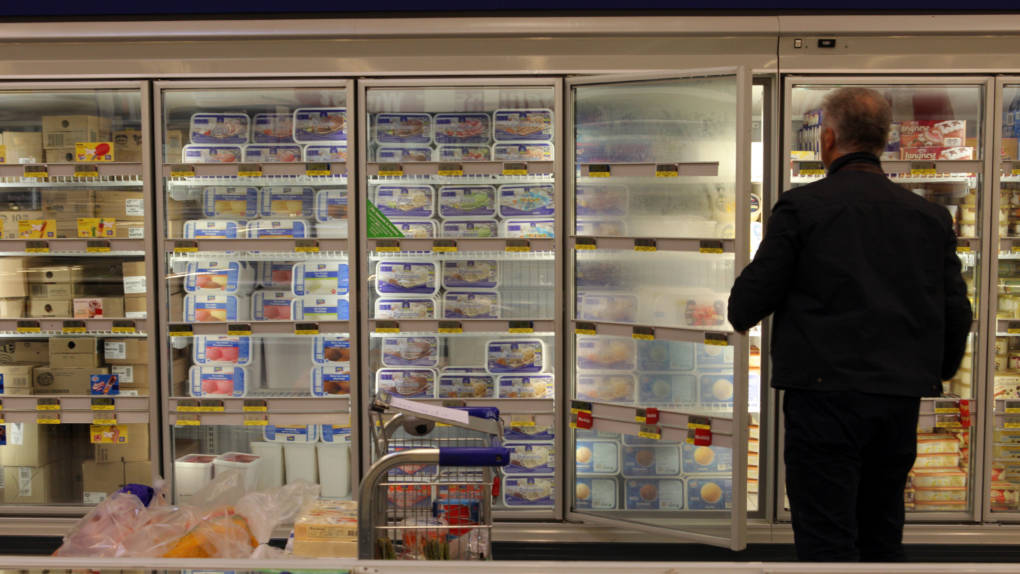
"description": "One reason frozen food sales might be faltering is because of design. \"That glass door. It really creates a fence,\" says food trend analyst Phil Lempert.",
"title": "One reason frozen food sales might be faltering is because of design. \"That glass door. It really creates a fence,\" says food trend analyst Phil Lempert.",
"credit": null,
"status": "inherit",
"isLoading": false,
"fetchFailed": false
},
"bayareabites_127672": {
"type": "attachments",
"id": "bayareabites_127672",
"meta": {
"index": "attachments_1716263798",
"site": "bayareabites",
"id": "127672",
"found": true
},
"parent": 127618,
"imgSizes": {
"small": {
"file": "https://ww2.kqed.org/app/uploads/sites/24/2018/05/IMG_3221-new-520x347.jpg",
"width": 520,
"mimeType": "image/jpeg",
"height": 347
},
"twentyfourteen-full-width": {
"file": "https://ww2.kqed.org/app/uploads/sites/24/2018/05/IMG_3221-new-1038x576.jpg",
"width": 1038,
"mimeType": "image/jpeg",
"height": 576
},
"thumbnail": {
"file": "https://ww2.kqed.org/app/uploads/sites/24/2018/05/IMG_3221-new-160x107.jpg",
"width": 160,
"mimeType": "image/jpeg",
"height": 107
},
"fd-sm": {
"file": "https://ww2.kqed.org/app/uploads/sites/24/2018/05/IMG_3221-new-960x640.jpg",
"width": 960,
"mimeType": "image/jpeg",
"height": 640
},
"post-thumbnail": {
"file": "https://ww2.kqed.org/app/uploads/sites/24/2018/05/IMG_3221-new-672x372.jpg",
"width": 672,
"mimeType": "image/jpeg",
"height": 372
},
"xsmall": {
"file": "https://ww2.kqed.org/app/uploads/sites/24/2018/05/IMG_3221-new-375x250.jpg",
"width": 375,
"mimeType": "image/jpeg",
"height": 250
},
"kqedFullSize": {
"file": "https://ww2.kqed.org/app/uploads/sites/24/2018/05/IMG_3221-new.jpg",
"width": 1920,
"height": 1280
},
"large": {
"file": "https://ww2.kqed.org/app/uploads/sites/24/2018/05/IMG_3221-new-1020x680.jpg",
"width": 1020,
"mimeType": "image/jpeg",
"height": 680
},
"xlarge": {
"file": "https://ww2.kqed.org/app/uploads/sites/24/2018/05/IMG_3221-new-1180x787.jpg",
"width": 1180,
"mimeType": "image/jpeg",
"height": 787
},
"complete_open_graph": {
"file": "https://ww2.kqed.org/app/uploads/sites/24/2018/05/IMG_3221-new-1200x800.jpg",
"width": 1200,
"mimeType": "image/jpeg",
"height": 800
},
"guest-author-50": {
"file": "https://ww2.kqed.org/app/uploads/sites/24/2018/05/IMG_3221-new-50x50.jpg",
"width": 50,
"mimeType": "image/jpeg",
"height": 50
},
"guest-author-96": {
"file": "https://ww2.kqed.org/app/uploads/sites/24/2018/05/IMG_3221-new-96x96.jpg",
"width": 96,
"mimeType": "image/jpeg",
"height": 96
},
"medium": {
"file": "https://ww2.kqed.org/app/uploads/sites/24/2018/05/IMG_3221-new-800x533.jpg",
"width": 800,
"mimeType": "image/jpeg",
"height": 533
},
"guest-author-64": {
"file": "https://ww2.kqed.org/app/uploads/sites/24/2018/05/IMG_3221-new-64x64.jpg",
"width": 64,
"mimeType": "image/jpeg",
"height": 64
},
"guest-author-32": {
"file": "https://ww2.kqed.org/app/uploads/sites/24/2018/05/IMG_3221-new-32x32.jpg",
"width": 32,
"mimeType": "image/jpeg",
"height": 32
},
"fd-lrg": {
"file": "https://ww2.kqed.org/app/uploads/sites/24/2018/05/IMG_3221-new-1920x1280.jpg",
"width": 1920,
"mimeType": "image/jpeg",
"height": 1280
},
"fd-med": {
"file": "https://ww2.kqed.org/app/uploads/sites/24/2018/05/IMG_3221-new-1180x787.jpg",
"width": 1180,
"mimeType": "image/jpeg",
"height": 787
},
"full-width": {
"file": "https://ww2.kqed.org/app/uploads/sites/24/2018/05/IMG_3221-new-1920x1280.jpg",
"width": 1920,
"mimeType": "image/jpeg",
"height": 1280
},
"detail": {
"file": "https://ww2.kqed.org/app/uploads/sites/24/2018/05/IMG_3221-new-150x150.jpg",
"width": 150,
"mimeType": "image/jpeg",
"height": 150
},
"medium_large": {
"file": "https://ww2.kqed.org/app/uploads/sites/24/2018/05/IMG_3221-new-768x512.jpg",
"width": 768,
"mimeType": "image/jpeg",
"height": 512
},
"guest-author-128": {
"file": "https://ww2.kqed.org/app/uploads/sites/24/2018/05/IMG_3221-new-128x128.jpg",
"width": 128,
"mimeType": "image/jpeg",
"height": 128
},
"xxsmall": {
"file": "https://ww2.kqed.org/app/uploads/sites/24/2018/05/IMG_3221-new-240x160.jpg",
"width": 240,
"mimeType": "image/jpeg",
"height": 160
}
},
"publishDate": 1525309944,
"modified": 1525310725,
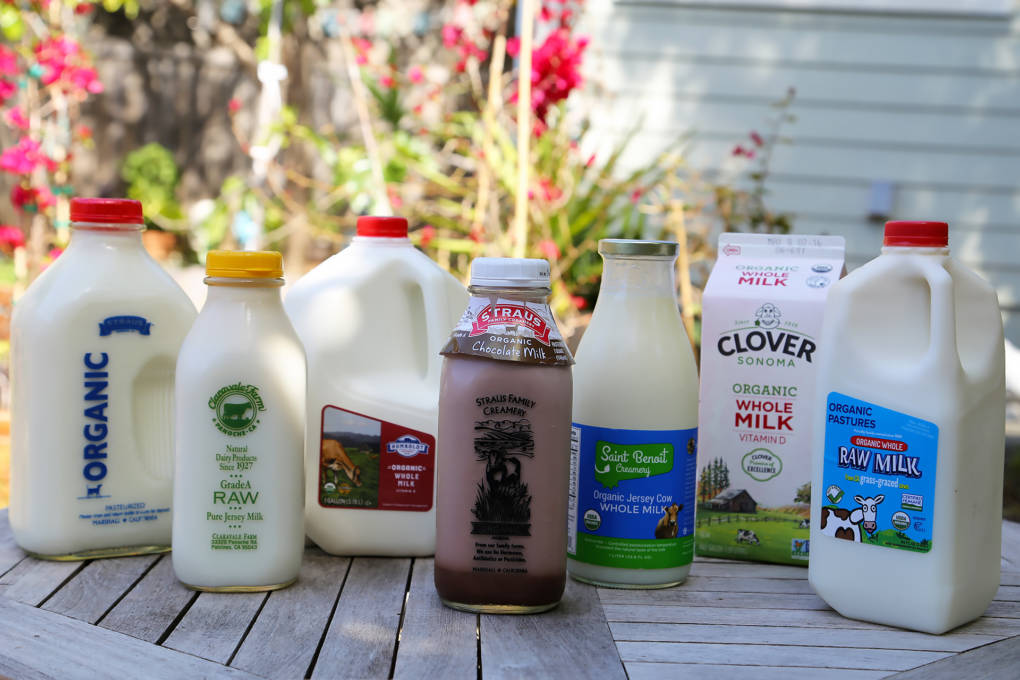
"caption": "The six brands of milk tasted",
"description": null,
"title": "IMG_3221-new",
"credit": "Wendy Goodfriend",
"status": "inherit",
"isLoading": false,
"fetchFailed": false
},
"bayareabites_127490": {
"type": "attachments",
"id": "bayareabites_127490",
"meta": {
"index": "attachments_1716263798",
"site": "bayareabites",
"id": "127490",
"found": true
},
"parent": 127454,
"imgSizes": {
"small": {
"file": "https://ww2.kqed.org/app/uploads/sites/24/2018/04/IMG_3656-new-520x347.jpg",
"width": 520,
"mimeType": "image/jpeg",
"height": 347
},
"twentyfourteen-full-width": {
"file": "https://ww2.kqed.org/app/uploads/sites/24/2018/04/IMG_3656-new-1038x576.jpg",
"width": 1038,
"mimeType": "image/jpeg",
"height": 576
},
"thumbnail": {
"file": "https://ww2.kqed.org/app/uploads/sites/24/2018/04/IMG_3656-new-160x107.jpg",
"width": 160,
"mimeType": "image/jpeg",
"height": 107
},
"fd-sm": {
"file": "https://ww2.kqed.org/app/uploads/sites/24/2018/04/IMG_3656-new-960x640.jpg",
"width": 960,
"mimeType": "image/jpeg",
"height": 640
},
"post-thumbnail": {
"file": "https://ww2.kqed.org/app/uploads/sites/24/2018/04/IMG_3656-new-672x372.jpg",
"width": 672,
"mimeType": "image/jpeg",
"height": 372
},
"xsmall": {
"file": "https://ww2.kqed.org/app/uploads/sites/24/2018/04/IMG_3656-new-375x250.jpg",
"width": 375,
"mimeType": "image/jpeg",
"height": 250
},
"kqedFullSize": {
"file": "https://ww2.kqed.org/app/uploads/sites/24/2018/04/IMG_3656-new.jpg",
"width": 1920,
"height": 1280
},
"large": {
"file": "https://ww2.kqed.org/app/uploads/sites/24/2018/04/IMG_3656-new-1020x680.jpg",
"width": 1020,
"mimeType": "image/jpeg",
"height": 680
},
"xlarge": {
"file": "https://ww2.kqed.org/app/uploads/sites/24/2018/04/IMG_3656-new-1180x787.jpg",
"width": 1180,
"mimeType": "image/jpeg",
"height": 787
},
"complete_open_graph": {
"file": "https://ww2.kqed.org/app/uploads/sites/24/2018/04/IMG_3656-new-1200x800.jpg",
"width": 1200,
"mimeType": "image/jpeg",
"height": 800
},
"guest-author-50": {
"file": "https://ww2.kqed.org/app/uploads/sites/24/2018/04/IMG_3656-new-50x50.jpg",
"width": 50,
"mimeType": "image/jpeg",
"height": 50
},
"guest-author-96": {
"file": "https://ww2.kqed.org/app/uploads/sites/24/2018/04/IMG_3656-new-96x96.jpg",
"width": 96,
"mimeType": "image/jpeg",
"height": 96
},
"medium": {
"file": "https://ww2.kqed.org/app/uploads/sites/24/2018/04/IMG_3656-new-800x533.jpg",
"width": 800,
"mimeType": "image/jpeg",
"height": 533
},
"guest-author-64": {
"file": "https://ww2.kqed.org/app/uploads/sites/24/2018/04/IMG_3656-new-64x64.jpg",
"width": 64,
"mimeType": "image/jpeg",
"height": 64
},
"guest-author-32": {
"file": "https://ww2.kqed.org/app/uploads/sites/24/2018/04/IMG_3656-new-32x32.jpg",
"width": 32,
"mimeType": "image/jpeg",
"height": 32
},
"fd-lrg": {
"file": "https://ww2.kqed.org/app/uploads/sites/24/2018/04/IMG_3656-new-1920x1280.jpg",
"width": 1920,
"mimeType": "image/jpeg",
"height": 1280
},
"fd-med": {
"file": "https://ww2.kqed.org/app/uploads/sites/24/2018/04/IMG_3656-new-1180x787.jpg",
"width": 1180,
"mimeType": "image/jpeg",
"height": 787
},
"full-width": {
"file": "https://ww2.kqed.org/app/uploads/sites/24/2018/04/IMG_3656-new-1920x1280.jpg",
"width": 1920,
"mimeType": "image/jpeg",
"height": 1280
},
"detail": {
"file": "https://ww2.kqed.org/app/uploads/sites/24/2018/04/IMG_3656-new-150x150.jpg",
"width": 150,
"mimeType": "image/jpeg",
"height": 150
},
"medium_large": {
"file": "https://ww2.kqed.org/app/uploads/sites/24/2018/04/IMG_3656-new-768x512.jpg",
"width": 768,
"mimeType": "image/jpeg",
"height": 512
},
"guest-author-128": {
"file": "https://ww2.kqed.org/app/uploads/sites/24/2018/04/IMG_3656-new-128x128.jpg",
"width": 128,
"mimeType": "image/jpeg",
"height": 128
},
"xxsmall": {
"file": "https://ww2.kqed.org/app/uploads/sites/24/2018/04/IMG_3656-new-240x160.jpg",
"width": 240,
"mimeType": "image/jpeg",
"height": 160
}
},
"publishDate": 1525167389,
"modified": 1525187776,
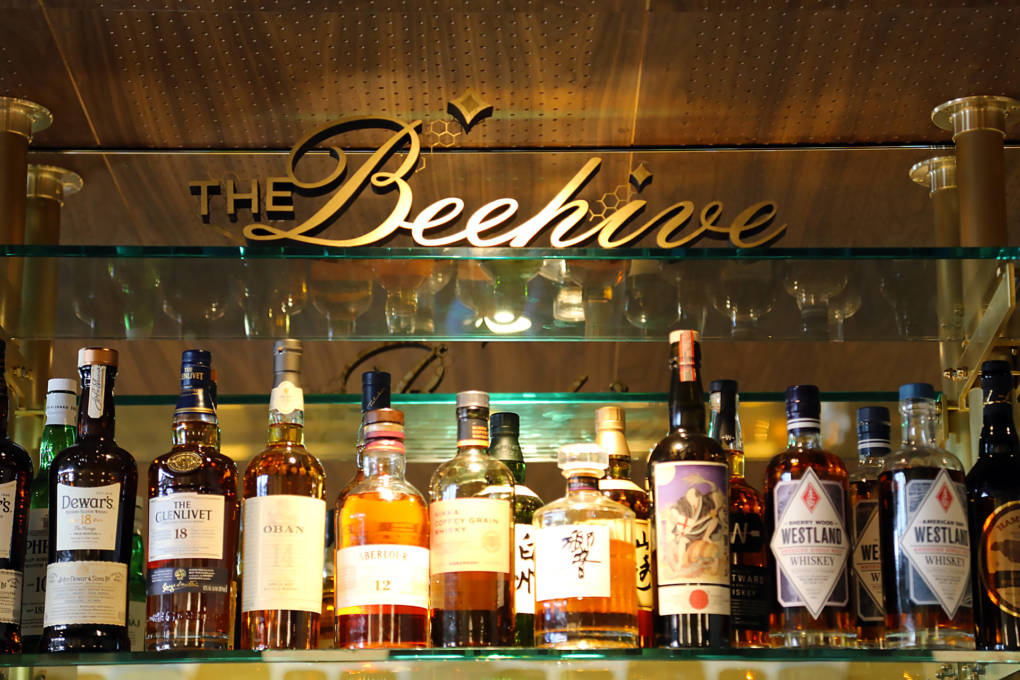
"caption": "The Beehive bar",
"description": null,
"title": "IMG_3656-new",
"credit": "Wendy Goodfriend",
"status": "inherit",
"isLoading": false,
"fetchFailed": false
},
"bayareabites_127468": {
"type": "attachments",
"id": "bayareabites_127468",
"meta": {
"index": "attachments_1716263798",
"site": "bayareabites",
"id": "127468",
"found": true
},
"parent": 127465,
"imgSizes": {
"small": {
"file": "https://ww2.kqed.org/app/uploads/sites/24/2018/04/180328-seed-coatings-top2-520x347.jpg",
"width": 520,
"mimeType": "image/jpeg",
"height": 347
},
"twentyfourteen-full-width": {
"file": "https://ww2.kqed.org/app/uploads/sites/24/2018/04/180328-seed-coatings-top2-1038x576.jpg",
"width": 1038,
"mimeType": "image/jpeg",
"height": 576
},
"thumbnail": {
"file": "https://ww2.kqed.org/app/uploads/sites/24/2018/04/180328-seed-coatings-top2-160x107.jpg",
"width": 160,
"mimeType": "image/jpeg",
"height": 107
},
"fd-sm": {
"file": "https://ww2.kqed.org/app/uploads/sites/24/2018/04/180328-seed-coatings-top2-960x640.jpg",
"width": 960,
"mimeType": "image/jpeg",
"height": 640
},
"post-thumbnail": {
"file": "https://ww2.kqed.org/app/uploads/sites/24/2018/04/180328-seed-coatings-top2-672x372.jpg",
"width": 672,
"mimeType": "image/jpeg",
"height": 372
},
"xsmall": {
"file": "https://ww2.kqed.org/app/uploads/sites/24/2018/04/180328-seed-coatings-top2-375x250.jpg",
"width": 375,
"mimeType": "image/jpeg",
"height": 250
},
"kqedFullSize": {
"file": "https://ww2.kqed.org/app/uploads/sites/24/2018/04/180328-seed-coatings-top2.jpg",
"width": 1200,
"height": 800
},
"large": {
"file": "https://ww2.kqed.org/app/uploads/sites/24/2018/04/180328-seed-coatings-top2-1020x680.jpg",
"width": 1020,
"mimeType": "image/jpeg",
"height": 680
},
"xlarge": {
"file": "https://ww2.kqed.org/app/uploads/sites/24/2018/04/180328-seed-coatings-top2-1180x787.jpg",
"width": 1180,
"mimeType": "image/jpeg",
"height": 787
},
"complete_open_graph": {
"file": "https://ww2.kqed.org/app/uploads/sites/24/2018/04/180328-seed-coatings-top2-1200x800.jpg",
"width": 1200,
"mimeType": "image/jpeg",
"height": 800
},
"guest-author-50": {
"file": "https://ww2.kqed.org/app/uploads/sites/24/2018/04/180328-seed-coatings-top2-50x50.jpg",
"width": 50,
"mimeType": "image/jpeg",
"height": 50
},
"guest-author-96": {
"file": "https://ww2.kqed.org/app/uploads/sites/24/2018/04/180328-seed-coatings-top2-96x96.jpg",
"width": 96,
"mimeType": "image/jpeg",
"height": 96
},
"medium": {
"file": "https://ww2.kqed.org/app/uploads/sites/24/2018/04/180328-seed-coatings-top2-800x533.jpg",
"width": 800,
"mimeType": "image/jpeg",
"height": 533
},
"guest-author-64": {
"file": "https://ww2.kqed.org/app/uploads/sites/24/2018/04/180328-seed-coatings-top2-64x64.jpg",
"width": 64,
"mimeType": "image/jpeg",
"height": 64
},
"guest-author-32": {
"file": "https://ww2.kqed.org/app/uploads/sites/24/2018/04/180328-seed-coatings-top2-32x32.jpg",
"width": 32,
"mimeType": "image/jpeg",
"height": 32
},
"fd-med": {
"file": "https://ww2.kqed.org/app/uploads/sites/24/2018/04/180328-seed-coatings-top2-1180x787.jpg",
"width": 1180,
"mimeType": "image/jpeg",
"height": 787
},
"detail": {
"file": "https://ww2.kqed.org/app/uploads/sites/24/2018/04/180328-seed-coatings-top2-150x150.jpg",
"width": 150,
"mimeType": "image/jpeg",
"height": 150
},
"medium_large": {
"file": "https://ww2.kqed.org/app/uploads/sites/24/2018/04/180328-seed-coatings-top2-768x512.jpg",
"width": 768,
"mimeType": "image/jpeg",
"height": 512
},
"guest-author-128": {
"file": "https://ww2.kqed.org/app/uploads/sites/24/2018/04/180328-seed-coatings-top2-128x128.jpg",
"width": 128,
"mimeType": "image/jpeg",
"height": 128
},
"xxsmall": {
"file": "https://ww2.kqed.org/app/uploads/sites/24/2018/04/180328-seed-coatings-top2-240x160.jpg",
"width": 240,
"mimeType": "image/jpeg",
"height": 160
}
},
"publishDate": 1525109278,
"modified": 1525109790,
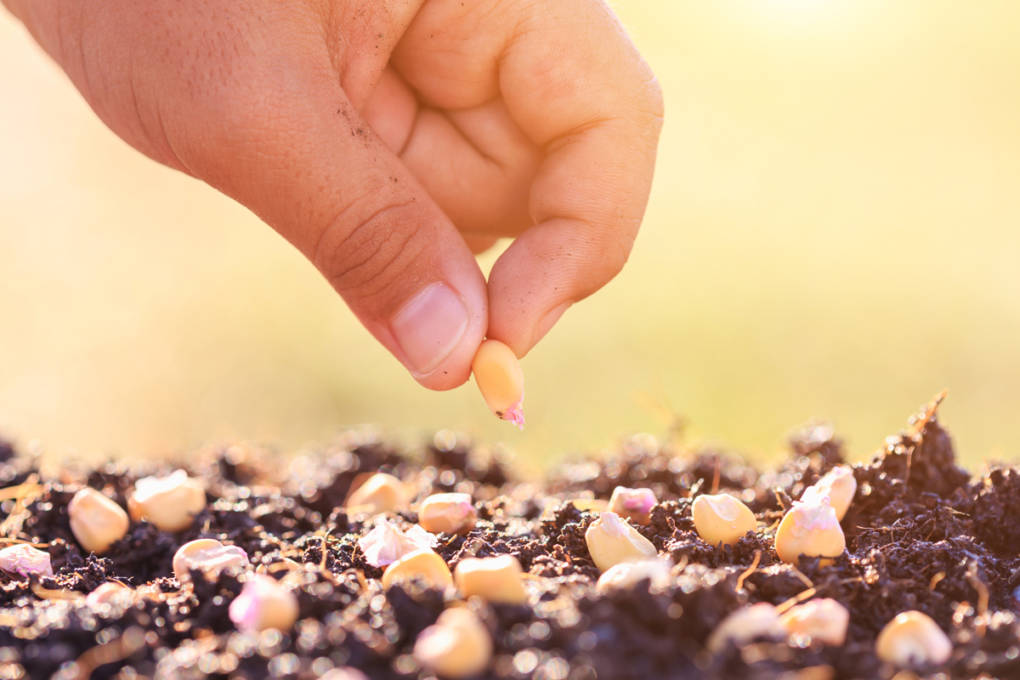
"caption": "Planting corn seeds",
"description": null,
"title": "180328-seed-coatings-top2",
"credit": "courtesy Civil Eats",
"status": "inherit",
"isLoading": false,
"fetchFailed": false
},
"bayareabites_127428": {
"type": "attachments",
"id": "bayareabites_127428",
"meta": {
"index": "attachments_1716263798",
"site": "bayareabites",
"id": "127428",
"found": true
},
"parent": 127421,
"imgSizes": {
"small": {
"file": "https://ww2.kqed.org/app/uploads/sites/24/2018/04/180411-artisan-breads-top1-520x347.jpg",
"width": 520,
"mimeType": "image/jpeg",
"height": 347
},
"twentyfourteen-full-width": {
"file": "https://ww2.kqed.org/app/uploads/sites/24/2018/04/180411-artisan-breads-top1-1038x576.jpg",
"width": 1038,
"mimeType": "image/jpeg",
"height": 576
},
"thumbnail": {
"file": "https://ww2.kqed.org/app/uploads/sites/24/2018/04/180411-artisan-breads-top1-160x107.jpg",
"width": 160,
"mimeType": "image/jpeg",
"height": 107
},
"fd-sm": {
"file": "https://ww2.kqed.org/app/uploads/sites/24/2018/04/180411-artisan-breads-top1-960x640.jpg",
"width": 960,
"mimeType": "image/jpeg",
"height": 640
},
"post-thumbnail": {
"file": "https://ww2.kqed.org/app/uploads/sites/24/2018/04/180411-artisan-breads-top1-672x372.jpg",
"width": 672,
"mimeType": "image/jpeg",
"height": 372
},
"xsmall": {
"file": "https://ww2.kqed.org/app/uploads/sites/24/2018/04/180411-artisan-breads-top1-375x250.jpg",
"width": 375,
"mimeType": "image/jpeg",
"height": 250
},
"kqedFullSize": {
"file": "https://ww2.kqed.org/app/uploads/sites/24/2018/04/180411-artisan-breads-top1.jpg",
"width": 1200,
"height": 800
},
"large": {
"file": "https://ww2.kqed.org/app/uploads/sites/24/2018/04/180411-artisan-breads-top1-1020x680.jpg",
"width": 1020,
"mimeType": "image/jpeg",
"height": 680
},
"xlarge": {
"file": "https://ww2.kqed.org/app/uploads/sites/24/2018/04/180411-artisan-breads-top1-1180x787.jpg",
"width": 1180,
"mimeType": "image/jpeg",
"height": 787
},
"complete_open_graph": {
"file": "https://ww2.kqed.org/app/uploads/sites/24/2018/04/180411-artisan-breads-top1-1200x800.jpg",
"width": 1200,
"mimeType": "image/jpeg",
"height": 800
},
"guest-author-50": {
"file": "https://ww2.kqed.org/app/uploads/sites/24/2018/04/180411-artisan-breads-top1-50x50.jpg",
"width": 50,
"mimeType": "image/jpeg",
"height": 50
},
"guest-author-96": {
"file": "https://ww2.kqed.org/app/uploads/sites/24/2018/04/180411-artisan-breads-top1-96x96.jpg",
"width": 96,
"mimeType": "image/jpeg",
"height": 96
},
"medium": {
"file": "https://ww2.kqed.org/app/uploads/sites/24/2018/04/180411-artisan-breads-top1-800x533.jpg",
"width": 800,
"mimeType": "image/jpeg",
"height": 533
},
"guest-author-64": {
"file": "https://ww2.kqed.org/app/uploads/sites/24/2018/04/180411-artisan-breads-top1-64x64.jpg",
"width": 64,
"mimeType": "image/jpeg",
"height": 64
},
"guest-author-32": {
"file": "https://ww2.kqed.org/app/uploads/sites/24/2018/04/180411-artisan-breads-top1-32x32.jpg",
"width": 32,
"mimeType": "image/jpeg",
"height": 32
},
"fd-med": {
"file": "https://ww2.kqed.org/app/uploads/sites/24/2018/04/180411-artisan-breads-top1-1180x787.jpg",
"width": 1180,
"mimeType": "image/jpeg",
"height": 787
},
"detail": {
"file": "https://ww2.kqed.org/app/uploads/sites/24/2018/04/180411-artisan-breads-top1-150x150.jpg",
"width": 150,
"mimeType": "image/jpeg",
"height": 150
},
"medium_large": {
"file": "https://ww2.kqed.org/app/uploads/sites/24/2018/04/180411-artisan-breads-top1-768x512.jpg",
"width": 768,
"mimeType": "image/jpeg",
"height": 512
},
"guest-author-128": {
"file": "https://ww2.kqed.org/app/uploads/sites/24/2018/04/180411-artisan-breads-top1-128x128.jpg",
"width": 128,
"mimeType": "image/jpeg",
"height": 128
},
"xxsmall": {
"file": "https://ww2.kqed.org/app/uploads/sites/24/2018/04/180411-artisan-breads-top1-240x160.jpg",
"width": 240,
"mimeType": "image/jpeg",
"height": 160
}
},
"publishDate": 1524832383,
"modified": 1524832413,
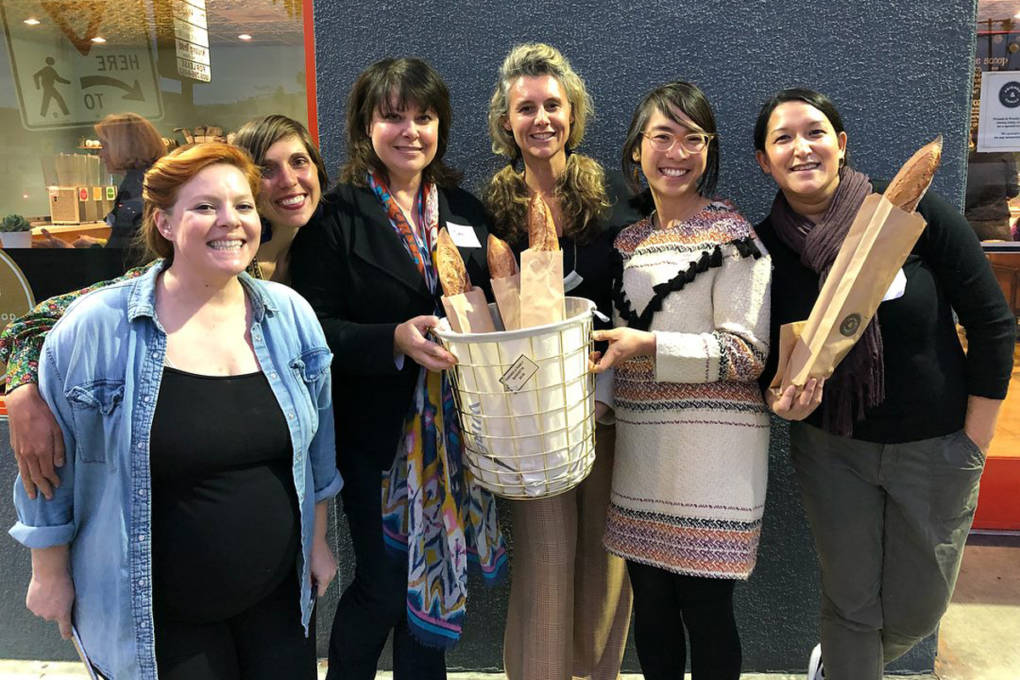
"caption": "From left: Jules Exum, Leyna Lightman, Nan Kohler, Kate Pepper, Mai Nguyen, and Roxana Jullapat.",
"description": null,
"title": "180411-artisan-breads-top1",
"credit": "Guy Frenkel",
"status": "inherit",
"isLoading": false,
"fetchFailed": false
},
"bayareabites_127304": {
"type": "attachments",
"id": "bayareabites_127304",
"meta": {
"index": "attachments_1716263798",
"site": "bayareabites",
"id": "127304",
"found": true
},
"parent": 127290,
"imgSizes": {
"small": {
"file": "https://ww2.kqed.org/app/uploads/sites/24/2018/04/20180322_174544-520x390.jpg",
"width": 520,
"mimeType": "image/jpeg",
"height": 390
},
"twentyfourteen-full-width": {
"file": "https://ww2.kqed.org/app/uploads/sites/24/2018/04/20180322_174544-1038x576.jpg",
"width": 1038,
"mimeType": "image/jpeg",
"height": 576
},
"thumbnail": {
"file": "https://ww2.kqed.org/app/uploads/sites/24/2018/04/20180322_174544-160x120.jpg",
"width": 160,
"mimeType": "image/jpeg",
"height": 120
},
"fd-sm": {
"file": "https://ww2.kqed.org/app/uploads/sites/24/2018/04/20180322_174544-960x720.jpg",
"width": 960,
"mimeType": "image/jpeg",
"height": 720
},
"post-thumbnail": {
"file": "https://ww2.kqed.org/app/uploads/sites/24/2018/04/20180322_174544-672x372.jpg",
"width": 672,
"mimeType": "image/jpeg",
"height": 372
},
"xsmall": {
"file": "https://ww2.kqed.org/app/uploads/sites/24/2018/04/20180322_174544-375x281.jpg",
"width": 375,
"mimeType": "image/jpeg",
"height": 281
},
"kqedFullSize": {
"file": "https://ww2.kqed.org/app/uploads/sites/24/2018/04/20180322_174544.jpg",
"width": 1920,
"height": 1440
},
"large": {
"file": "https://ww2.kqed.org/app/uploads/sites/24/2018/04/20180322_174544-1020x765.jpg",
"width": 1020,
"mimeType": "image/jpeg",
"height": 765
},
"xlarge": {
"file": "https://ww2.kqed.org/app/uploads/sites/24/2018/04/20180322_174544-1180x885.jpg",
"width": 1180,
"mimeType": "image/jpeg",
"height": 885
},
"complete_open_graph": {
"file": "https://ww2.kqed.org/app/uploads/sites/24/2018/04/20180322_174544-1200x900.jpg",
"width": 1200,
"mimeType": "image/jpeg",
"height": 900
},
"guest-author-50": {
"file": "https://ww2.kqed.org/app/uploads/sites/24/2018/04/20180322_174544-50x50.jpg",
"width": 50,
"mimeType": "image/jpeg",
"height": 50
},
"guest-author-96": {
"file": "https://ww2.kqed.org/app/uploads/sites/24/2018/04/20180322_174544-96x96.jpg",
"width": 96,
"mimeType": "image/jpeg",
"height": 96
},
"medium": {
"file": "https://ww2.kqed.org/app/uploads/sites/24/2018/04/20180322_174544-800x600.jpg",
"width": 800,
"mimeType": "image/jpeg",
"height": 600
},
"guest-author-64": {
"file": "https://ww2.kqed.org/app/uploads/sites/24/2018/04/20180322_174544-64x64.jpg",
"width": 64,
"mimeType": "image/jpeg",
"height": 64
},
"guest-author-32": {
"file": "https://ww2.kqed.org/app/uploads/sites/24/2018/04/20180322_174544-32x32.jpg",
"width": 32,
"mimeType": "image/jpeg",
"height": 32
},
"fd-lrg": {
"file": "https://ww2.kqed.org/app/uploads/sites/24/2018/04/20180322_174544-1920x1440.jpg",
"width": 1920,
"mimeType": "image/jpeg",
"height": 1440
},
"fd-med": {
"file": "https://ww2.kqed.org/app/uploads/sites/24/2018/04/20180322_174544-1180x885.jpg",
"width": 1180,
"mimeType": "image/jpeg",
"height": 885
},
"full-width": {
"file": "https://ww2.kqed.org/app/uploads/sites/24/2018/04/20180322_174544-1920x1440.jpg",
"width": 1920,
"mimeType": "image/jpeg",
"height": 1440
},
"detail": {
"file": "https://ww2.kqed.org/app/uploads/sites/24/2018/04/20180322_174544-150x150.jpg",
"width": 150,
"mimeType": "image/jpeg",
"height": 150
},
"medium_large": {
"file": "https://ww2.kqed.org/app/uploads/sites/24/2018/04/20180322_174544-768x576.jpg",
"width": 768,
"mimeType": "image/jpeg",
"height": 576
},
"guest-author-128": {
"file": "https://ww2.kqed.org/app/uploads/sites/24/2018/04/20180322_174544-128x128.jpg",
"width": 128,
"mimeType": "image/jpeg",
"height": 128
},
"xxsmall": {
"file": "https://ww2.kqed.org/app/uploads/sites/24/2018/04/20180322_174544-240x180.jpg",
"width": 240,
"mimeType": "image/jpeg",
"height": 180
}
},
"publishDate": 1524517905,
"modified": 1524604875,
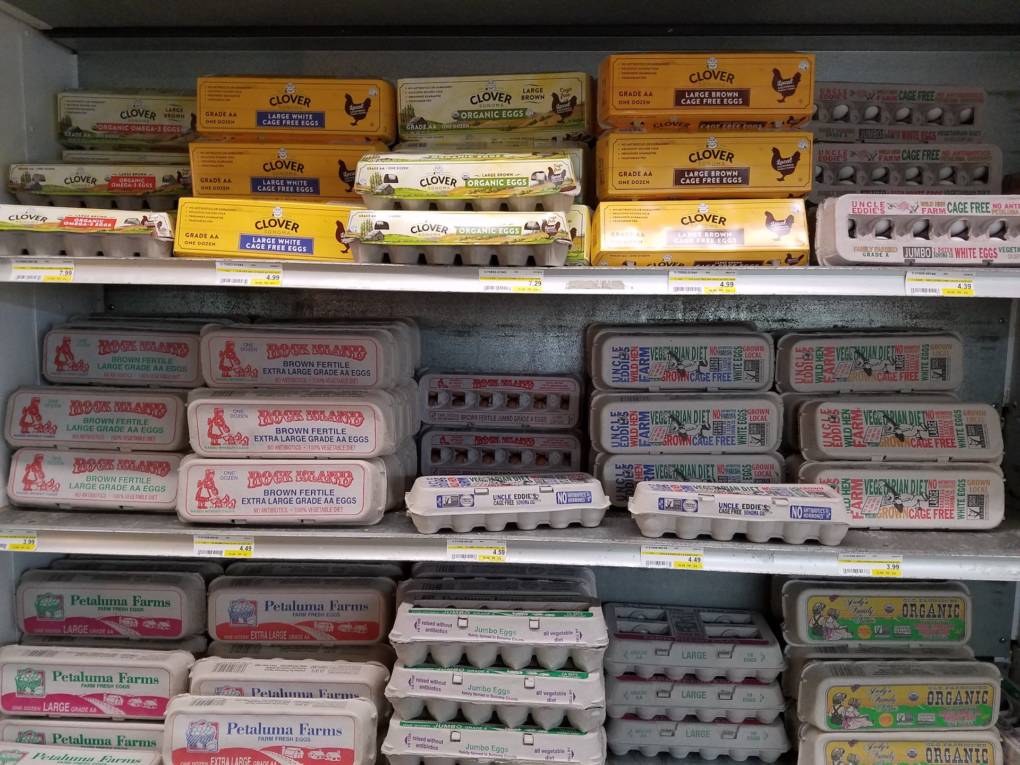
"caption": "Local eggs for sale at the grocery store.",
"description": "Local eggs for sale at the grocery store.",
"title": "20180322_174544",
"credit": "Kelly O'Mara",
"status": "inherit",
"isLoading": false,
"fetchFailed": false
},
"bayareabites_127147": {
"type": "attachments",
"id": "bayareabites_127147",
"meta": {
"index": "attachments_1716263798",
"site": "bayareabites",
"id": "127147",
"found": true
},
"parent": 127083,
"imgSizes": {
"small": {
"file": "https://ww2.kqed.org/app/uploads/sites/24/2018/04/IMG_8117-2-new-520x390.jpg",
"width": 520,
"mimeType": "image/jpeg",
"height": 390
},
"twentyfourteen-full-width": {
"file": "https://ww2.kqed.org/app/uploads/sites/24/2018/04/IMG_8117-2-new-1038x576.jpg",
"width": 1038,
"mimeType": "image/jpeg",
"height": 576
},
"thumbnail": {
"file": "https://ww2.kqed.org/app/uploads/sites/24/2018/04/IMG_8117-2-new-160x120.jpg",
"width": 160,
"mimeType": "image/jpeg",
"height": 120
},
"fd-sm": {
"file": "https://ww2.kqed.org/app/uploads/sites/24/2018/04/IMG_8117-2-new-960x720.jpg",
"width": 960,
"mimeType": "image/jpeg",
"height": 720
},
"post-thumbnail": {
"file": "https://ww2.kqed.org/app/uploads/sites/24/2018/04/IMG_8117-2-new-672x372.jpg",
"width": 672,
"mimeType": "image/jpeg",
"height": 372
},
"xsmall": {
"file": "https://ww2.kqed.org/app/uploads/sites/24/2018/04/IMG_8117-2-new-375x281.jpg",
"width": 375,
"mimeType": "image/jpeg",
"height": 281
},
"kqedFullSize": {
"file": "https://ww2.kqed.org/app/uploads/sites/24/2018/04/IMG_8117-2-new.jpg",
"width": 1920,
"height": 1440
},
"large": {
"file": "https://ww2.kqed.org/app/uploads/sites/24/2018/04/IMG_8117-2-new-1020x765.jpg",
"width": 1020,
"mimeType": "image/jpeg",
"height": 765
},
"xlarge": {
"file": "https://ww2.kqed.org/app/uploads/sites/24/2018/04/IMG_8117-2-new-1180x885.jpg",
"width": 1180,
"mimeType": "image/jpeg",
"height": 885
},
"complete_open_graph": {
"file": "https://ww2.kqed.org/app/uploads/sites/24/2018/04/IMG_8117-2-new-1200x900.jpg",
"width": 1200,
"mimeType": "image/jpeg",
"height": 900
},
"guest-author-50": {
"file": "https://ww2.kqed.org/app/uploads/sites/24/2018/04/IMG_8117-2-new-50x50.jpg",
"width": 50,
"mimeType": "image/jpeg",
"height": 50
},
"guest-author-96": {
"file": "https://ww2.kqed.org/app/uploads/sites/24/2018/04/IMG_8117-2-new-96x96.jpg",
"width": 96,
"mimeType": "image/jpeg",
"height": 96
},
"medium": {
"file": "https://ww2.kqed.org/app/uploads/sites/24/2018/04/IMG_8117-2-new-800x600.jpg",
"width": 800,
"mimeType": "image/jpeg",
"height": 600
},
"guest-author-64": {
"file": "https://ww2.kqed.org/app/uploads/sites/24/2018/04/IMG_8117-2-new-64x64.jpg",
"width": 64,
"mimeType": "image/jpeg",
"height": 64
},
"guest-author-32": {
"file": "https://ww2.kqed.org/app/uploads/sites/24/2018/04/IMG_8117-2-new-32x32.jpg",
"width": 32,
"mimeType": "image/jpeg",
"height": 32
},
"fd-lrg": {
"file": "https://ww2.kqed.org/app/uploads/sites/24/2018/04/IMG_8117-2-new-1920x1440.jpg",
"width": 1920,
"mimeType": "image/jpeg",
"height": 1440
},
"fd-med": {
"file": "https://ww2.kqed.org/app/uploads/sites/24/2018/04/IMG_8117-2-new-1180x885.jpg",
"width": 1180,
"mimeType": "image/jpeg",
"height": 885
},
"full-width": {
"file": "https://ww2.kqed.org/app/uploads/sites/24/2018/04/IMG_8117-2-new-1920x1440.jpg",
"width": 1920,
"mimeType": "image/jpeg",
"height": 1440
},
"detail": {
"file": "https://ww2.kqed.org/app/uploads/sites/24/2018/04/IMG_8117-2-new-150x150.jpg",
"width": 150,
"mimeType": "image/jpeg",
"height": 150
},
"medium_large": {
"file": "https://ww2.kqed.org/app/uploads/sites/24/2018/04/IMG_8117-2-new-768x576.jpg",
"width": 768,
"mimeType": "image/jpeg",
"height": 576
},
"guest-author-128": {
"file": "https://ww2.kqed.org/app/uploads/sites/24/2018/04/IMG_8117-2-new-128x128.jpg",
"width": 128,
"mimeType": "image/jpeg",
"height": 128
},
"xxsmall": {
"file": "https://ww2.kqed.org/app/uploads/sites/24/2018/04/IMG_8117-2-new-240x180.jpg",
"width": 240,
"mimeType": "image/jpeg",
"height": 180
}
},
"publishDate": 1524208682,
"modified": 1524317880,
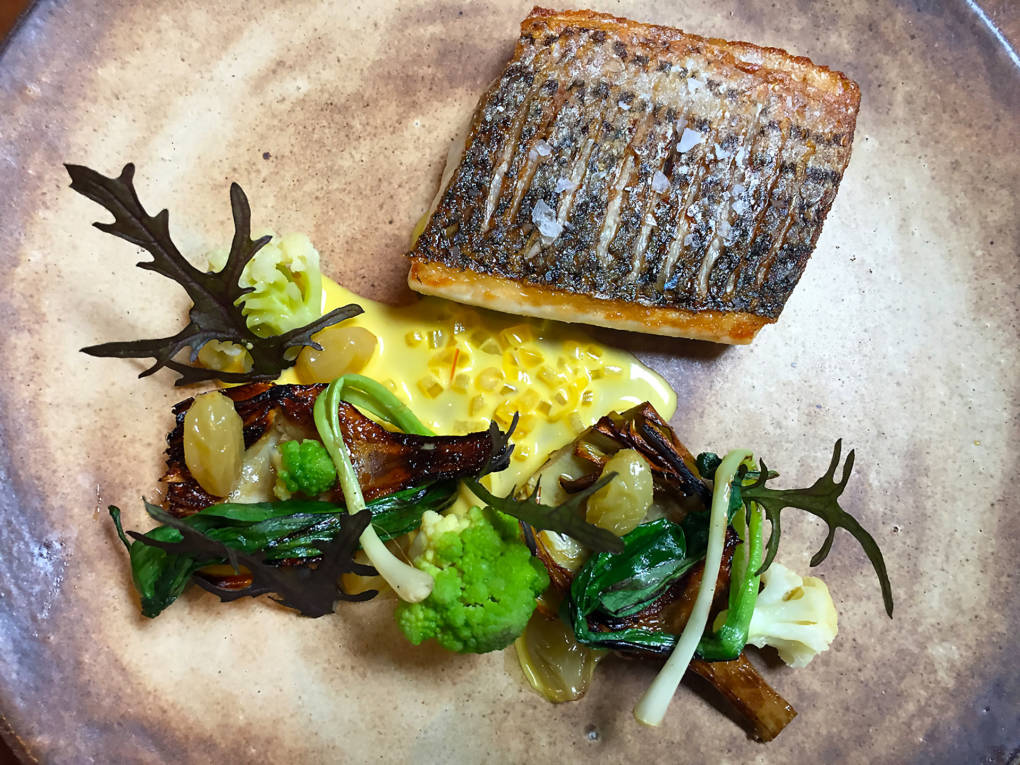
"caption": "Striped Bass with artichoke, cauliflower, sultana, wild ramps, saffron",
"description": null,
"title": "IMG_8117-2-new",
"credit": "Wendy Goodfriend",
"status": "inherit",
"isLoading": false,
"fetchFailed": false
},
"bayareabites_127176": {
"type": "attachments",
"id": "bayareabites_127176",
"meta": {
"index": "attachments_1716263798",
"site": "bayareabites",
"id": "127176",
"found": true
},
"parent": 127175,
"imgSizes": {
"small": {
"file": "https://ww2.kqed.org/app/uploads/sites/24/2018/04/harlan_npr_foodwaste_timma-37_slide-af62b3151863bfc65ac8d838d9238e386e18ad77-520x347.jpg",
"width": 520,
"mimeType": "image/jpeg",
"height": 347
},
"twentyfourteen-full-width": {
"file": "https://ww2.kqed.org/app/uploads/sites/24/2018/04/harlan_npr_foodwaste_timma-37_slide-af62b3151863bfc65ac8d838d9238e386e18ad77-1038x576.jpg",
"width": 1038,
"mimeType": "image/jpeg",
"height": 576
},
"thumbnail": {
"file": "https://ww2.kqed.org/app/uploads/sites/24/2018/04/harlan_npr_foodwaste_timma-37_slide-af62b3151863bfc65ac8d838d9238e386e18ad77-160x107.jpg",
"width": 160,
"mimeType": "image/jpeg",
"height": 107
},
"fd-sm": {
"file": "https://ww2.kqed.org/app/uploads/sites/24/2018/04/harlan_npr_foodwaste_timma-37_slide-af62b3151863bfc65ac8d838d9238e386e18ad77-960x640.jpg",
"width": 960,
"mimeType": "image/jpeg",
"height": 640
},
"post-thumbnail": {
"file": "https://ww2.kqed.org/app/uploads/sites/24/2018/04/harlan_npr_foodwaste_timma-37_slide-af62b3151863bfc65ac8d838d9238e386e18ad77-672x372.jpg",
"width": 672,
"mimeType": "image/jpeg",
"height": 372
},
"xsmall": {
"file": "https://ww2.kqed.org/app/uploads/sites/24/2018/04/harlan_npr_foodwaste_timma-37_slide-af62b3151863bfc65ac8d838d9238e386e18ad77-375x250.jpg",
"width": 375,
"mimeType": "image/jpeg",
"height": 250
},
"kqedFullSize": {
"file": "https://ww2.kqed.org/app/uploads/sites/24/2018/04/harlan_npr_foodwaste_timma-37_slide-af62b3151863bfc65ac8d838d9238e386e18ad77.jpg",
"width": 2997,
"height": 1998
},
"large": {
"file": "https://ww2.kqed.org/app/uploads/sites/24/2018/04/harlan_npr_foodwaste_timma-37_slide-af62b3151863bfc65ac8d838d9238e386e18ad77-1020x680.jpg",
"width": 1020,
"mimeType": "image/jpeg",
"height": 680
},
"xlarge": {
"file": "https://ww2.kqed.org/app/uploads/sites/24/2018/04/harlan_npr_foodwaste_timma-37_slide-af62b3151863bfc65ac8d838d9238e386e18ad77-1180x787.jpg",
"width": 1180,
"mimeType": "image/jpeg",
"height": 787
},
"complete_open_graph": {
"file": "https://ww2.kqed.org/app/uploads/sites/24/2018/04/harlan_npr_foodwaste_timma-37_slide-af62b3151863bfc65ac8d838d9238e386e18ad77-1200x800.jpg",
"width": 1200,
"mimeType": "image/jpeg",
"height": 800
},
"guest-author-50": {
"file": "https://ww2.kqed.org/app/uploads/sites/24/2018/04/harlan_npr_foodwaste_timma-37_slide-af62b3151863bfc65ac8d838d9238e386e18ad77-50x50.jpg",
"width": 50,
"mimeType": "image/jpeg",
"height": 50
},
"guest-author-96": {
"file": "https://ww2.kqed.org/app/uploads/sites/24/2018/04/harlan_npr_foodwaste_timma-37_slide-af62b3151863bfc65ac8d838d9238e386e18ad77-96x96.jpg",
"width": 96,
"mimeType": "image/jpeg",
"height": 96
},
"medium": {
"file": "https://ww2.kqed.org/app/uploads/sites/24/2018/04/harlan_npr_foodwaste_timma-37_slide-af62b3151863bfc65ac8d838d9238e386e18ad77-800x533.jpg",
"width": 800,
"mimeType": "image/jpeg",
"height": 533
},
"guest-author-64": {
"file": "https://ww2.kqed.org/app/uploads/sites/24/2018/04/harlan_npr_foodwaste_timma-37_slide-af62b3151863bfc65ac8d838d9238e386e18ad77-64x64.jpg",
"width": 64,
"mimeType": "image/jpeg",
"height": 64
},
"guest-author-32": {
"file": "https://ww2.kqed.org/app/uploads/sites/24/2018/04/harlan_npr_foodwaste_timma-37_slide-af62b3151863bfc65ac8d838d9238e386e18ad77-32x32.jpg",
"width": 32,
"mimeType": "image/jpeg",
"height": 32
},
"fd-lrg": {
"file": "https://ww2.kqed.org/app/uploads/sites/24/2018/04/harlan_npr_foodwaste_timma-37_slide-af62b3151863bfc65ac8d838d9238e386e18ad77-1920x1280.jpg",
"width": 1920,
"mimeType": "image/jpeg",
"height": 1280
},
"fd-med": {
"file": "https://ww2.kqed.org/app/uploads/sites/24/2018/04/harlan_npr_foodwaste_timma-37_slide-af62b3151863bfc65ac8d838d9238e386e18ad77-1180x787.jpg",
"width": 1180,
"mimeType": "image/jpeg",
"height": 787
},
"full-width": {
"file": "https://ww2.kqed.org/app/uploads/sites/24/2018/04/harlan_npr_foodwaste_timma-37_slide-af62b3151863bfc65ac8d838d9238e386e18ad77-1920x1280.jpg",
"width": 1920,
"mimeType": "image/jpeg",
"height": 1280
},
"detail": {
"file": "https://ww2.kqed.org/app/uploads/sites/24/2018/04/harlan_npr_foodwaste_timma-37_slide-af62b3151863bfc65ac8d838d9238e386e18ad77-150x150.jpg",
"width": 150,
"mimeType": "image/jpeg",
"height": 150
},
"medium_large": {
"file": "https://ww2.kqed.org/app/uploads/sites/24/2018/04/harlan_npr_foodwaste_timma-37_slide-af62b3151863bfc65ac8d838d9238e386e18ad77-768x512.jpg",
"width": 768,
"mimeType": "image/jpeg",
"height": 512
},
"guest-author-128": {
"file": "https://ww2.kqed.org/app/uploads/sites/24/2018/04/harlan_npr_foodwaste_timma-37_slide-af62b3151863bfc65ac8d838d9238e386e18ad77-128x128.jpg",
"width": 128,
"mimeType": "image/jpeg",
"height": 128
},
"xxsmall": {
"file": "https://ww2.kqed.org/app/uploads/sites/24/2018/04/harlan_npr_foodwaste_timma-37_slide-af62b3151863bfc65ac8d838d9238e386e18ad77-240x160.jpg",
"width": 240,
"mimeType": "image/jpeg",
"height": 160
}
},
"publishDate": 1524243382,
"modified": 1524245245,
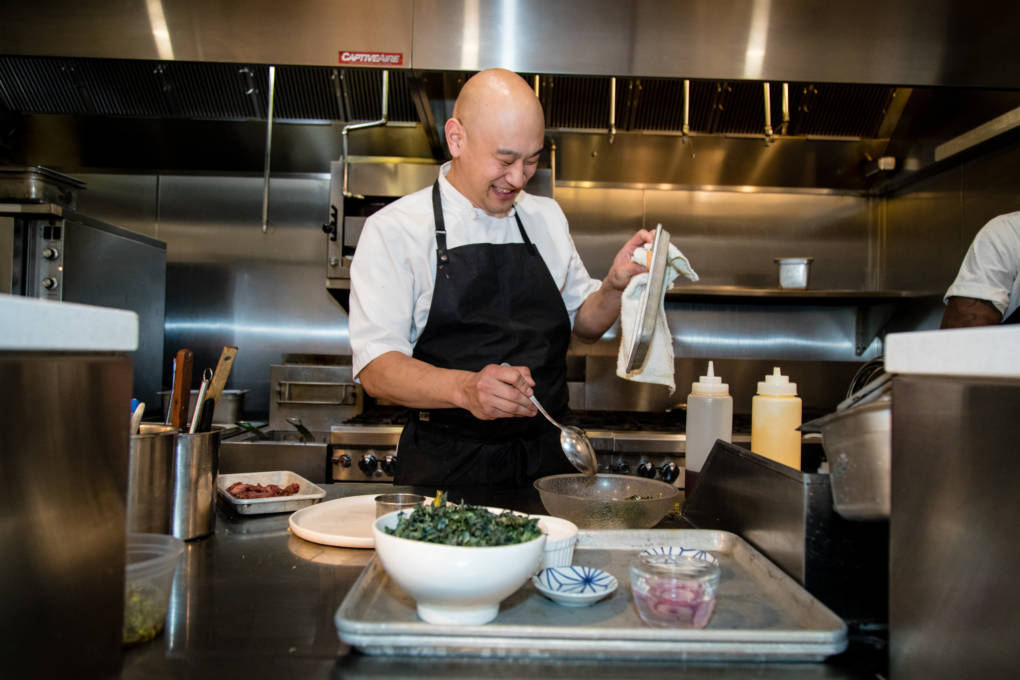
"caption": "Tim Ma prepares a duck confit salad at his restaurant, Kyirisan, in Washington, D.C. Ma says being mindful about reducing food waste is an integral part of his philosophy in the kitchen — not just for environmental reasons but also for profitability.",
"description": "Tim Ma prepares a duck confit salad at his restaurant, Kyirisan, in Washington, D.C. Ma says being mindful about reducing food waste is an integral part of his philosophy in the kitchen — not just for environmental reasons but also for profitabilit",
"title": "Tim Ma prepares a duck confit salad at his restaurant, Kyirisan, in Washington, D.C. Ma says being mindful about reducing food waste is an integral part of his philosophy in the kitchen — not just for environmental reasons but also for profitability.",
"credit": "Becky Harlan/NPR",
"status": "inherit",
"isLoading": false,
"fetchFailed": false
},
"bayareabites_126943": {
"type": "attachments",
"id": "bayareabites_126943",
"meta": {
"index": "attachments_1716263798",
"site": "bayareabites",
"id": "126943",
"found": true
},
"parent": 126942,
"imgSizes": {
"small": {
"file": "https://ww2.kqed.org/app/uploads/sites/24/2018/04/antarctica-plants-01-a8d5a6d58f80d7637b0461065508c4154527c692-520x390.jpg",
"width": 520,
"mimeType": "image/jpeg",
"height": 390
},
"twentyfourteen-full-width": {
"file": "https://ww2.kqed.org/app/uploads/sites/24/2018/04/antarctica-plants-01-a8d5a6d58f80d7637b0461065508c4154527c692-1038x576.jpg",
"width": 1038,
"mimeType": "image/jpeg",
"height": 576
},
"thumbnail": {
"file": "https://ww2.kqed.org/app/uploads/sites/24/2018/04/antarctica-plants-01-a8d5a6d58f80d7637b0461065508c4154527c692-160x120.jpg",
"width": 160,
"mimeType": "image/jpeg",
"height": 120
},
"fd-sm": {
"file": "https://ww2.kqed.org/app/uploads/sites/24/2018/04/antarctica-plants-01-a8d5a6d58f80d7637b0461065508c4154527c692-960x719.jpg",
"width": 960,
"mimeType": "image/jpeg",
"height": 719
},
"post-thumbnail": {
"file": "https://ww2.kqed.org/app/uploads/sites/24/2018/04/antarctica-plants-01-a8d5a6d58f80d7637b0461065508c4154527c692-672x372.jpg",
"width": 672,
"mimeType": "image/jpeg",
"height": 372
},
"xsmall": {
"file": "https://ww2.kqed.org/app/uploads/sites/24/2018/04/antarctica-plants-01-a8d5a6d58f80d7637b0461065508c4154527c692-375x281.jpg",
"width": 375,
"mimeType": "image/jpeg",
"height": 281
},
"kqedFullSize": {
"file": "https://ww2.kqed.org/app/uploads/sites/24/2018/04/antarctica-plants-01-a8d5a6d58f80d7637b0461065508c4154527c692.jpg",
"width": 1776,
"height": 1331
},
"large": {
"file": "https://ww2.kqed.org/app/uploads/sites/24/2018/04/antarctica-plants-01-a8d5a6d58f80d7637b0461065508c4154527c692-1020x764.jpg",
"width": 1020,
"mimeType": "image/jpeg",
"height": 764
},
"xlarge": {
"file": "https://ww2.kqed.org/app/uploads/sites/24/2018/04/antarctica-plants-01-a8d5a6d58f80d7637b0461065508c4154527c692-1180x884.jpg",
"width": 1180,
"mimeType": "image/jpeg",
"height": 884
},
"complete_open_graph": {
"file": "https://ww2.kqed.org/app/uploads/sites/24/2018/04/antarctica-plants-01-a8d5a6d58f80d7637b0461065508c4154527c692-1200x899.jpg",
"width": 1200,
"mimeType": "image/jpeg",
"height": 899
},
"guest-author-50": {
"file": "https://ww2.kqed.org/app/uploads/sites/24/2018/04/antarctica-plants-01-a8d5a6d58f80d7637b0461065508c4154527c692-50x50.jpg",
"width": 50,
"mimeType": "image/jpeg",
"height": 50
},
"guest-author-96": {
"file": "https://ww2.kqed.org/app/uploads/sites/24/2018/04/antarctica-plants-01-a8d5a6d58f80d7637b0461065508c4154527c692-96x96.jpg",
"width": 96,
"mimeType": "image/jpeg",
"height": 96
},
"medium": {
"file": "https://ww2.kqed.org/app/uploads/sites/24/2018/04/antarctica-plants-01-a8d5a6d58f80d7637b0461065508c4154527c692-800x600.jpg",
"width": 800,
"mimeType": "image/jpeg",
"height": 600
},
"guest-author-64": {
"file": "https://ww2.kqed.org/app/uploads/sites/24/2018/04/antarctica-plants-01-a8d5a6d58f80d7637b0461065508c4154527c692-64x64.jpg",
"width": 64,
"mimeType": "image/jpeg",
"height": 64
},
"guest-author-32": {
"file": "https://ww2.kqed.org/app/uploads/sites/24/2018/04/antarctica-plants-01-a8d5a6d58f80d7637b0461065508c4154527c692-32x32.jpg",
"width": 32,
"mimeType": "image/jpeg",
"height": 32
},
"fd-med": {
"file": "https://ww2.kqed.org/app/uploads/sites/24/2018/04/antarctica-plants-01-a8d5a6d58f80d7637b0461065508c4154527c692-1180x884.jpg",
"width": 1180,
"mimeType": "image/jpeg",
"height": 884
},
"detail": {
"file": "https://ww2.kqed.org/app/uploads/sites/24/2018/04/antarctica-plants-01-a8d5a6d58f80d7637b0461065508c4154527c692-150x150.jpg",
"width": 150,
"mimeType": "image/jpeg",
"height": 150
},
"medium_large": {
"file": "https://ww2.kqed.org/app/uploads/sites/24/2018/04/antarctica-plants-01-a8d5a6d58f80d7637b0461065508c4154527c692-768x576.jpg",
"width": 768,
"mimeType": "image/jpeg",
"height": 576
},
"guest-author-128": {
"file": "https://ww2.kqed.org/app/uploads/sites/24/2018/04/antarctica-plants-01-a8d5a6d58f80d7637b0461065508c4154527c692-128x128.jpg",
"width": 128,
"mimeType": "image/jpeg",
"height": 128
},
"xxsmall": {
"file": "https://ww2.kqed.org/app/uploads/sites/24/2018/04/antarctica-plants-01-a8d5a6d58f80d7637b0461065508c4154527c692-240x180.jpg",
"width": 240,
"mimeType": "image/jpeg",
"height": 180
}
},
"publishDate": 1524063898,
"modified": 1524064756,
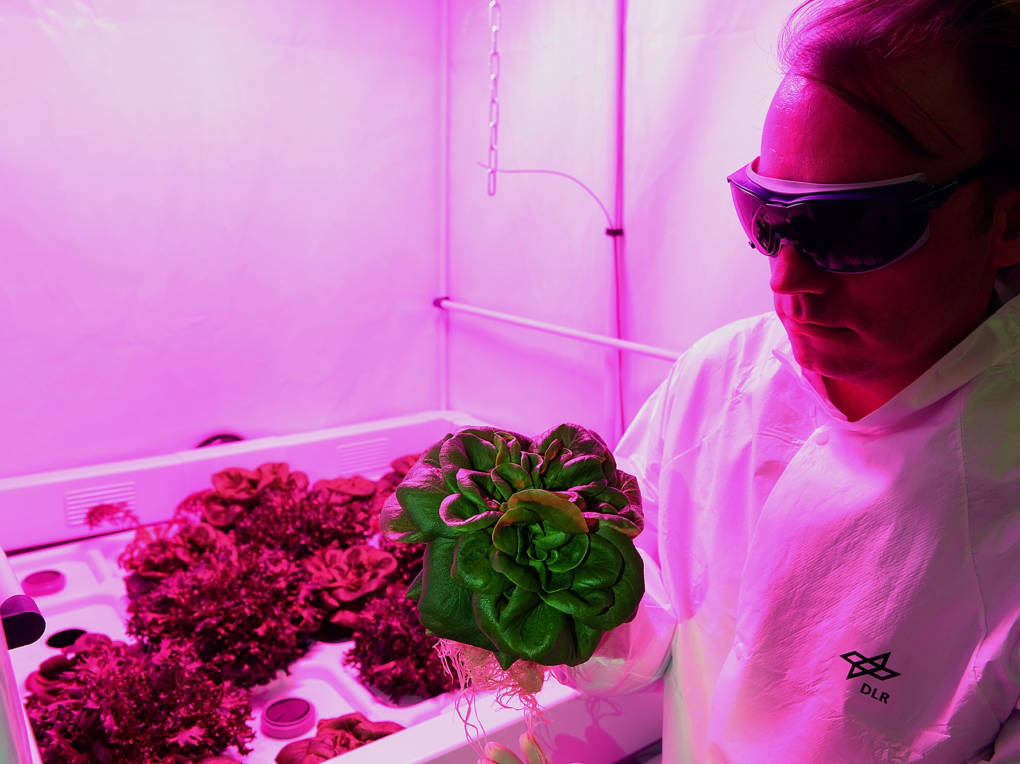
"caption": "Engineer Daniel Schubert inspects lettuce at the German Aerospace Center in Bremen. Scientists there are developing greenhouses for a potential Mars colony. The first greenhouse is being tested in an inhospitable environment in the Antarctic.",
"description": "Engineer Daniel Schubert inspects lettuce at the German Aerospace Center in Bremen. Scientists there are developing greenhouses for a potential Mars colony. The first greenhouse is being tested in an inhospitable environment in the Antarctic.",
"title": "Engineer Daniel Schubert inspects lettuce at the German Aerospace Center in Bremen. Scientists there are developing greenhouses for a potential Mars colony. The first greenhouse is being tested in an inhospitable environment in the Antarctic.",
"credit": " David Hecker/Getty Images",
"status": "inherit",
"isLoading": false,
"fetchFailed": false
},
"bayareabites_126870": {
"type": "attachments",
"id": "bayareabites_126870",
"meta": {
"index": "attachments_1716263798",
"site": "bayareabites",
"id": "126870",
"found": true
},
"parent": 126869,
"imgSizes": {
"small": {
"file": "https://ww2.kqed.org/app/uploads/sites/24/2018/04/gettyimages-186677454-575c53a4948736d3c13bb2d907644034498c0279-520x389.jpg",
"width": 520,
"mimeType": "image/jpeg",
"height": 389
},
"twentyfourteen-full-width": {
"file": "https://ww2.kqed.org/app/uploads/sites/24/2018/04/gettyimages-186677454-575c53a4948736d3c13bb2d907644034498c0279-1038x576.jpg",
"width": 1038,
"mimeType": "image/jpeg",
"height": 576
},
"thumbnail": {
"file": "https://ww2.kqed.org/app/uploads/sites/24/2018/04/gettyimages-186677454-575c53a4948736d3c13bb2d907644034498c0279-160x120.jpg",
"width": 160,
"mimeType": "image/jpeg",
"height": 120
},
"fd-sm": {
"file": "https://ww2.kqed.org/app/uploads/sites/24/2018/04/gettyimages-186677454-575c53a4948736d3c13bb2d907644034498c0279-960x719.jpg",
"width": 960,
"mimeType": "image/jpeg",
"height": 719
},
"post-thumbnail": {
"file": "https://ww2.kqed.org/app/uploads/sites/24/2018/04/gettyimages-186677454-575c53a4948736d3c13bb2d907644034498c0279-672x372.jpg",
"width": 672,
"mimeType": "image/jpeg",
"height": 372
},
"xsmall": {
"file": "https://ww2.kqed.org/app/uploads/sites/24/2018/04/gettyimages-186677454-575c53a4948736d3c13bb2d907644034498c0279-375x281.jpg",
"width": 375,
"mimeType": "image/jpeg",
"height": 281
},
"kqedFullSize": {
"file": "https://ww2.kqed.org/app/uploads/sites/24/2018/04/gettyimages-186677454-575c53a4948736d3c13bb2d907644034498c0279.jpg",
"width": 1888,
"height": 1414
},
"large": {
"file": "https://ww2.kqed.org/app/uploads/sites/24/2018/04/gettyimages-186677454-575c53a4948736d3c13bb2d907644034498c0279-1020x764.jpg",
"width": 1020,
"mimeType": "image/jpeg",
"height": 764
},
"xlarge": {
"file": "https://ww2.kqed.org/app/uploads/sites/24/2018/04/gettyimages-186677454-575c53a4948736d3c13bb2d907644034498c0279-1180x884.jpg",
"width": 1180,
"mimeType": "image/jpeg",
"height": 884
},
"complete_open_graph": {
"file": "https://ww2.kqed.org/app/uploads/sites/24/2018/04/gettyimages-186677454-575c53a4948736d3c13bb2d907644034498c0279-1200x899.jpg",
"width": 1200,
"mimeType": "image/jpeg",
"height": 899
},
"guest-author-50": {
"file": "https://ww2.kqed.org/app/uploads/sites/24/2018/04/gettyimages-186677454-575c53a4948736d3c13bb2d907644034498c0279-50x50.jpg",
"width": 50,
"mimeType": "image/jpeg",
"height": 50
},
"guest-author-96": {
"file": "https://ww2.kqed.org/app/uploads/sites/24/2018/04/gettyimages-186677454-575c53a4948736d3c13bb2d907644034498c0279-96x96.jpg",
"width": 96,
"mimeType": "image/jpeg",
"height": 96
},
"medium": {
"file": "https://ww2.kqed.org/app/uploads/sites/24/2018/04/gettyimages-186677454-575c53a4948736d3c13bb2d907644034498c0279-800x599.jpg",
"width": 800,
"mimeType": "image/jpeg",
"height": 599
},
"guest-author-64": {
"file": "https://ww2.kqed.org/app/uploads/sites/24/2018/04/gettyimages-186677454-575c53a4948736d3c13bb2d907644034498c0279-64x64.jpg",
"width": 64,
"mimeType": "image/jpeg",
"height": 64
},
"guest-author-32": {
"file": "https://ww2.kqed.org/app/uploads/sites/24/2018/04/gettyimages-186677454-575c53a4948736d3c13bb2d907644034498c0279-32x32.jpg",
"width": 32,
"mimeType": "image/jpeg",
"height": 32
},
"fd-med": {
"file": "https://ww2.kqed.org/app/uploads/sites/24/2018/04/gettyimages-186677454-575c53a4948736d3c13bb2d907644034498c0279-1180x884.jpg",
"width": 1180,
"mimeType": "image/jpeg",
"height": 884
},
"detail": {
"file": "https://ww2.kqed.org/app/uploads/sites/24/2018/04/gettyimages-186677454-575c53a4948736d3c13bb2d907644034498c0279-150x150.jpg",
"width": 150,
"mimeType": "image/jpeg",
"height": 150
},
"medium_large": {
"file": "https://ww2.kqed.org/app/uploads/sites/24/2018/04/gettyimages-186677454-575c53a4948736d3c13bb2d907644034498c0279-768x575.jpg",
"width": 768,
"mimeType": "image/jpeg",
"height": 575
},
"guest-author-128": {
"file": "https://ww2.kqed.org/app/uploads/sites/24/2018/04/gettyimages-186677454-575c53a4948736d3c13bb2d907644034498c0279-128x128.jpg",
"width": 128,
"mimeType": "image/jpeg",
"height": 128
},
"xxsmall": {
"file": "https://ww2.kqed.org/app/uploads/sites/24/2018/04/gettyimages-186677454-575c53a4948736d3c13bb2d907644034498c0279-240x180.jpg",
"width": 240,
"mimeType": "image/jpeg",
"height": 180
}
},
"publishDate": 1523923970,
"modified": 1523924071,
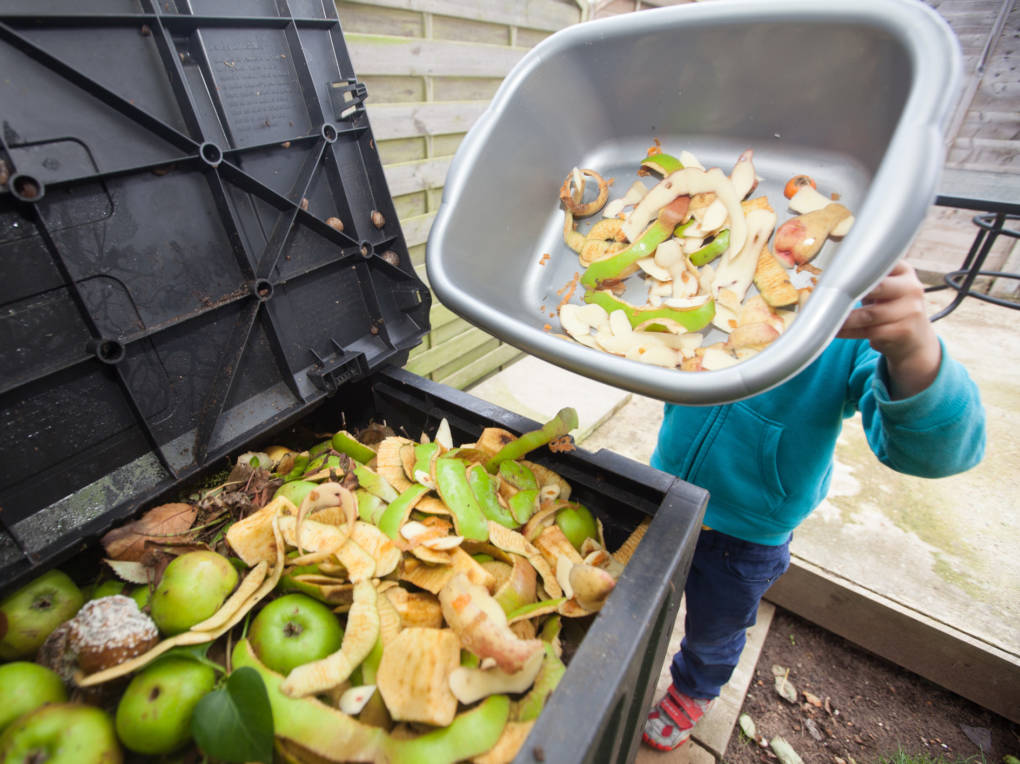
"caption": "Composting food scraps is one way to reduce food waste, but preventing excess food in the first place is better, says the EPA.",
"description": "Composting food scraps is one way to reduce food waste, but preventing excess food in the first place is better, says the EPA.",
"title": "Composting food scraps is one way to reduce food waste, but preventing excess food in the first place is better, says the EPA.",
"credit": "paul mansfield photography/Getty Images",
"status": "inherit",
"isLoading": false,
"fetchFailed": false
},
"bayareabites_126786": {
"type": "attachments",
"id": "bayareabites_126786",
"meta": {
"index": "attachments_1716263798",
"site": "bayareabites",
"id": "126786",
"found": true
},
"parent": 126767,
"imgSizes": {
"small": {
"file": "https://ww2.kqed.org/app/uploads/sites/24/2018/04/IMG_7732-new-520x390.jpg",
"width": 520,
"mimeType": "image/jpeg",
"height": 390
},
"twentyfourteen-full-width": {
"file": "https://ww2.kqed.org/app/uploads/sites/24/2018/04/IMG_7732-new-1038x576.jpg",
"width": 1038,
"mimeType": "image/jpeg",
"height": 576
},
"thumbnail": {
"file": "https://ww2.kqed.org/app/uploads/sites/24/2018/04/IMG_7732-new-160x120.jpg",
"width": 160,
"mimeType": "image/jpeg",
"height": 120
},
"fd-sm": {
"file": "https://ww2.kqed.org/app/uploads/sites/24/2018/04/IMG_7732-new-960x720.jpg",
"width": 960,
"mimeType": "image/jpeg",
"height": 720
},
"post-thumbnail": {
"file": "https://ww2.kqed.org/app/uploads/sites/24/2018/04/IMG_7732-new-672x372.jpg",
"width": 672,
"mimeType": "image/jpeg",
"height": 372
},
"xsmall": {
"file": "https://ww2.kqed.org/app/uploads/sites/24/2018/04/IMG_7732-new-375x281.jpg",
"width": 375,
"mimeType": "image/jpeg",
"height": 281
},
"kqedFullSize": {
"file": "https://ww2.kqed.org/app/uploads/sites/24/2018/04/IMG_7732-new.jpg",
"width": 1920,
"height": 1440
},
"large": {
"file": "https://ww2.kqed.org/app/uploads/sites/24/2018/04/IMG_7732-new-1020x765.jpg",
"width": 1020,
"mimeType": "image/jpeg",
"height": 765
},
"xlarge": {
"file": "https://ww2.kqed.org/app/uploads/sites/24/2018/04/IMG_7732-new-1180x885.jpg",
"width": 1180,
"mimeType": "image/jpeg",
"height": 885
},
"complete_open_graph": {
"file": "https://ww2.kqed.org/app/uploads/sites/24/2018/04/IMG_7732-new-1200x900.jpg",
"width": 1200,
"mimeType": "image/jpeg",
"height": 900
},
"guest-author-50": {
"file": "https://ww2.kqed.org/app/uploads/sites/24/2018/04/IMG_7732-new-50x50.jpg",
"width": 50,
"mimeType": "image/jpeg",
"height": 50
},
"guest-author-96": {
"file": "https://ww2.kqed.org/app/uploads/sites/24/2018/04/IMG_7732-new-96x96.jpg",
"width": 96,
"mimeType": "image/jpeg",
"height": 96
},
"medium": {
"file": "https://ww2.kqed.org/app/uploads/sites/24/2018/04/IMG_7732-new-800x600.jpg",
"width": 800,
"mimeType": "image/jpeg",
"height": 600
},
"guest-author-64": {
"file": "https://ww2.kqed.org/app/uploads/sites/24/2018/04/IMG_7732-new-64x64.jpg",
"width": 64,
"mimeType": "image/jpeg",
"height": 64
},
"guest-author-32": {
"file": "https://ww2.kqed.org/app/uploads/sites/24/2018/04/IMG_7732-new-32x32.jpg",
"width": 32,
"mimeType": "image/jpeg",
"height": 32
},
"fd-lrg": {
"file": "https://ww2.kqed.org/app/uploads/sites/24/2018/04/IMG_7732-new-1920x1440.jpg",
"width": 1920,
"mimeType": "image/jpeg",
"height": 1440
},
"fd-med": {
"file": "https://ww2.kqed.org/app/uploads/sites/24/2018/04/IMG_7732-new-1180x885.jpg",
"width": 1180,
"mimeType": "image/jpeg",
"height": 885
},
"full-width": {
"file": "https://ww2.kqed.org/app/uploads/sites/24/2018/04/IMG_7732-new-1920x1440.jpg",
"width": 1920,
"mimeType": "image/jpeg",
"height": 1440
},
"detail": {
"file": "https://ww2.kqed.org/app/uploads/sites/24/2018/04/IMG_7732-new-150x150.jpg",
"width": 150,
"mimeType": "image/jpeg",
"height": 150
},
"medium_large": {
"file": "https://ww2.kqed.org/app/uploads/sites/24/2018/04/IMG_7732-new-768x576.jpg",
"width": 768,
"mimeType": "image/jpeg",
"height": 576
},
"guest-author-128": {
"file": "https://ww2.kqed.org/app/uploads/sites/24/2018/04/IMG_7732-new-128x128.jpg",
"width": 128,
"mimeType": "image/jpeg",
"height": 128
},
"xxsmall": {
"file": "https://ww2.kqed.org/app/uploads/sites/24/2018/04/IMG_7732-new-240x180.jpg",
"width": 240,
"mimeType": "image/jpeg",
"height": 180
}
},
"publishDate": 1523747764,
"modified": 1523747950,
"caption": "Avery exterior",
"description": null,
"title": "IMG_7732-new",
"credit": "Wendy Goodfriend",
"status": "inherit",
"isLoading": false,
"fetchFailed": false
},
"bayareabites_126440": {
"type": "attachments",
"id": "bayareabites_126440",
"meta": {
"index": "attachments_1716263798",
"site": "bayareabites",
"id": "126440",
"found": true
},
"parent": 126157,
"imgSizes": {
"small": {
"file": "https://ww2.kqed.org/app/uploads/sites/24/2018/04/IMG_0794-use1-520x347.jpg",
"width": 520,
"mimeType": "image/jpeg",
"height": 347
},
"twentyfourteen-full-width": {
"file": "https://ww2.kqed.org/app/uploads/sites/24/2018/04/IMG_0794-use1-1038x576.jpg",
"width": 1038,
"mimeType": "image/jpeg",
"height": 576
},
"thumbnail": {
"file": "https://ww2.kqed.org/app/uploads/sites/24/2018/04/IMG_0794-use1-160x107.jpg",
"width": 160,
"mimeType": "image/jpeg",
"height": 107
},
"fd-sm": {
"file": "https://ww2.kqed.org/app/uploads/sites/24/2018/04/IMG_0794-use1-960x640.jpg",
"width": 960,
"mimeType": "image/jpeg",
"height": 640
},
"post-thumbnail": {
"file": "https://ww2.kqed.org/app/uploads/sites/24/2018/04/IMG_0794-use1-672x372.jpg",
"width": 672,
"mimeType": "image/jpeg",
"height": 372
},
"xsmall": {
"file": "https://ww2.kqed.org/app/uploads/sites/24/2018/04/IMG_0794-use1-375x250.jpg",
"width": 375,
"mimeType": "image/jpeg",
"height": 250
},
"kqedFullSize": {
"file": "https://ww2.kqed.org/app/uploads/sites/24/2018/04/IMG_0794-use1.jpg",
"width": 1920,
"height": 1280
},
"large": {
"file": "https://ww2.kqed.org/app/uploads/sites/24/2018/04/IMG_0794-use1-1020x680.jpg",
"width": 1020,
"mimeType": "image/jpeg",
"height": 680
},
"xlarge": {
"file": "https://ww2.kqed.org/app/uploads/sites/24/2018/04/IMG_0794-use1-1180x787.jpg",
"width": 1180,
"mimeType": "image/jpeg",
"height": 787
},
"guest-author-50": {
"file": "https://ww2.kqed.org/app/uploads/sites/24/2018/04/IMG_0794-use1-50x50.jpg",
"width": 50,
"mimeType": "image/jpeg",
"height": 50
},
"guest-author-96": {
"file": "https://ww2.kqed.org/app/uploads/sites/24/2018/04/IMG_0794-use1-96x96.jpg",
"width": 96,
"mimeType": "image/jpeg",
"height": 96
},
"medium": {
"file": "https://ww2.kqed.org/app/uploads/sites/24/2018/04/IMG_0794-use1-800x533.jpg",
"width": 800,
"mimeType": "image/jpeg",
"height": 533
},
"guest-author-64": {
"file": "https://ww2.kqed.org/app/uploads/sites/24/2018/04/IMG_0794-use1-64x64.jpg",
"width": 64,
"mimeType": "image/jpeg",
"height": 64
},
"guest-author-32": {
"file": "https://ww2.kqed.org/app/uploads/sites/24/2018/04/IMG_0794-use1-32x32.jpg",
"width": 32,
"mimeType": "image/jpeg",
"height": 32
},
"fd-lrg": {
"file": "https://ww2.kqed.org/app/uploads/sites/24/2018/04/IMG_0794-use1-1920x1280.jpg",
"width": 1920,
"mimeType": "image/jpeg",
"height": 1280
},
"fd-med": {
"file": "https://ww2.kqed.org/app/uploads/sites/24/2018/04/IMG_0794-use1-1180x787.jpg",
"width": 1180,
"mimeType": "image/jpeg",
"height": 787
},
"full-width": {
"file": "https://ww2.kqed.org/app/uploads/sites/24/2018/04/IMG_0794-use1-1920x1280.jpg",
"width": 1920,
"mimeType": "image/jpeg",
"height": 1280
},
"detail": {
"file": "https://ww2.kqed.org/app/uploads/sites/24/2018/04/IMG_0794-use1-150x150.jpg",
"width": 150,
"mimeType": "image/jpeg",
"height": 150
},
"medium_large": {
"file": "https://ww2.kqed.org/app/uploads/sites/24/2018/04/IMG_0794-use1-768x512.jpg",
"width": 768,
"mimeType": "image/jpeg",
"height": 512
},
"guest-author-128": {
"file": "https://ww2.kqed.org/app/uploads/sites/24/2018/04/IMG_0794-use1-128x128.jpg",
"width": 128,
"mimeType": "image/jpeg",
"height": 128
},
"xxsmall": {
"file": "https://ww2.kqed.org/app/uploads/sites/24/2018/04/IMG_0794-use1-240x160.jpg",
"width": 240,
"mimeType": "image/jpeg",
"height": 160
}
},
"publishDate": 1523129192,
"modified": 1523130129,
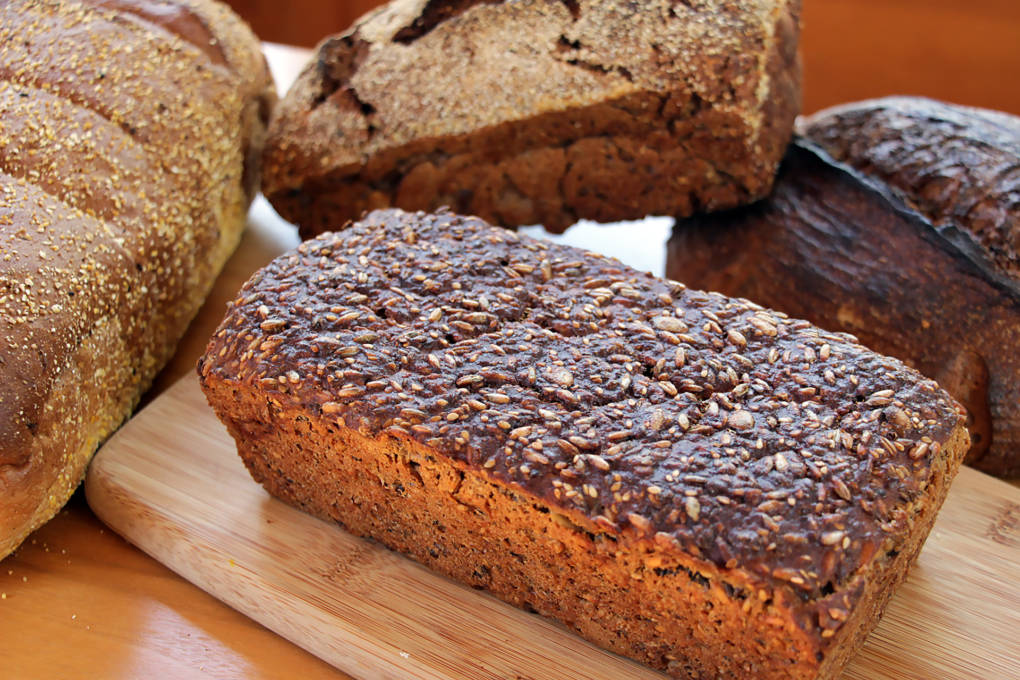
"caption": "Whole loaves of rye breads from San Francisco bakeries. ",
"description": null,
"title": "IMG_0794-use1",
"credit": "Wendy Goodfriend",
"status": "inherit",
"isLoading": false,
"fetchFailed": false
}
},
"audioPlayerReducer": {
"postId": "stream_live",
"isPaused": true,
"isPlaying": false,
"pfsActive": false,
"pledgeModalIsOpen": true,
"playerDrawerIsOpen": false,
"liveAudioPlayStartedAt": 0,
"liveAudioPlayContext": ""
},
"authorsReducer": {
"byline_bayareabites_127731": {
"type": "authors",
"id": "byline_bayareabites_127731",
"meta": {
"override": true
},
"slug": "byline_bayareabites_127731",
"name": "Neda Ulaby, NPR Food",
"isLoading": false
},
"byline_bayareabites_127618": {
"type": "authors",
"id": "byline_bayareabites_127618",
"meta": {
"override": true
},
"slug": "byline_bayareabites_127618",
"name": "\u003ca href=\"https://www.kqed.org/author/kimwesterman\">Kim Westerman\u003c/a> (writer), \u003ca href=\"https://www.kqed.org/author/wendy-goodfriend\">Wendy Goodfriend\u003c/a> (photos/video)",
"isLoading": false
},
"byline_bayareabites_127454": {
"type": "authors",
"id": "byline_bayareabites_127454",
"meta": {
"override": true
},
"slug": "byline_bayareabites_127454",
"name": "\u003ca href=\"https://www.kqed.org/author/trevorfelch\">Trevor Felch\u003c/a> (writer), \u003ca href=\"https://www.kqed.org/author/wendy-goodfriend\">Wendy Goodfriend\u003c/a> (photos/video)",
"isLoading": false
},
"byline_bayareabites_127465": {
"type": "authors",
"id": "byline_bayareabites_127465",
"meta": {
"override": true
},
"slug": "byline_bayareabites_127465",
"name": "\u003ca href=\"https://civileats.com/author/dgurian/\">Doug Gurian-Sherman,\u003c/a> \u003ca href=\"https://www.kqed.org/author/civileat\">Civil Eats\u003c/a>",
"isLoading": false
},
"byline_bayareabites_127421": {
"type": "authors",
"id": "byline_bayareabites_127421",
"meta": {
"override": true
},
"slug": "byline_bayareabites_127421",
"name": "\u003ca href=\"https://civileats.com/author/ahalloran/\">Amy Halloran,\u003c/a> \u003ca href=\"https://www.kqed.org/author/civileat\">Civil Eats\u003c/a>",
"isLoading": false
},
"byline_bayareabites_127175": {
"type": "authors",
"id": "byline_bayareabites_127175",
"meta": {
"override": true
},
"slug": "byline_bayareabites_127175",
"name": "Maria Godoy, NPR Food",
"isLoading": false
},
"byline_bayareabites_126942": {
"type": "authors",
"id": "byline_bayareabites_126942",
"meta": {
"override": true
},
"slug": "byline_bayareabites_126942",
"name": "Menaka Wilhelm, NPR Food",
"isLoading": false
},
"byline_bayareabites_126869": {
"type": "authors",
"id": "byline_bayareabites_126869",
"meta": {
"override": true
},
"slug": "byline_bayareabites_126869",
"name": "Menaka Wilhelm, NPR Food",
"isLoading": false
},
"kdomara": {
"type": "authors",
"id": "1459",
"meta": {
"index": "authors_1716337520",
"id": "1459",
"found": true
},
"name": "Kelly O'Mara",
"firstName": "Kelly",
"lastName": "O'Mara",
"slug": "kdomara",
"email": "komara@kqed.org",
"display_author_email": false,
"staff_mastheads": [
"news"
],
"title": "KQED Contributor",
"bio": "Kelly O'Mara is a writer and reporter in the San Francisco Bay Area. She writes about food, health, sports, travel, business and California news. Her work has appeared on KQED, online for Outside Magazine, epsnW, VICE and in Competitor Magazine, among others. Follow Kelly on Twitter \u003ca href=\"https://twitter.com/kellydomara\">@kellydomara\u003c/a>.",
"avatar": "https://secure.gravatar.com/avatar/768fec7412028b72f13bdd0f5f9d8186?s=600&d=blank&r=g",
"twitter": null,
"facebook": null,
"instagram": null,
"linkedin": null,
"sites": [
{
"site": "arts",
"roles": []
},
{
"site": "news",
"roles": []
},
{
"site": "bayareabites",
"roles": []
},
{
"site": "stateofhealth",
"roles": []
},
{
"site": "science",
"roles": []
},
{
"site": "checkplease",
"roles": [
"editor"
]
},
{
"site": "food",
"roles": []
},
{
"site": "forum",
"roles": [
"editor"
]
},
{
"site": "liveblog",
"roles": [
"editor"
]
}
],
"headData": {
"title": "Kelly O'Mara | KQED",
"description": "KQED Contributor",
"ogImgSrc": "https://secure.gravatar.com/avatar/768fec7412028b72f13bdd0f5f9d8186?s=600&d=blank&r=g",
"twImgSrc": "https://secure.gravatar.com/avatar/768fec7412028b72f13bdd0f5f9d8186?s=600&d=blank&r=g"
},
"isLoading": false,
"link": "/author/kdomara"
},
"wendy-goodfriend": {
"type": "authors",
"id": "5014",
"meta": {
"index": "authors_1716337520",
"id": "5014",
"found": true
},
"name": "Wendy Goodfriend",
"firstName": "Wendy",
"lastName": "Goodfriend",
"slug": "wendy-goodfriend",
"email": "wendy@wendygoodfriend.com",
"display_author_email": false,
"staff_mastheads": [],
"title": "KQED Contributor",
"bio": "I was the Senior Digital Producer for KQED Food up until July, 2018. Since 2001, I designed, produced, managed and contributed to mostly food-related websites and blogs for KQED including: KQED.org; KQED Food; Bay Area Bites; Check, Please! Bay Area; Taste This; Celebrity Chefs; seven of Jacques Pepin's TV series websites; and Joanne Weir's Cooking in the City. I initiated the majority of KQED Food's social media feeds and maintained them up until 2017. As far as content creation, photography is my passion and I also shoot video and write stories. My photos have been used in articles for KQED Food, News, Arts, and Science as well as for promotional purposes in print and online. Professional education and training includes: clinical psychology, photography, commercial cooking, web design, information architecture and UX.",
"avatar": "https://secure.gravatar.com/avatar/dfba64372339cc34cf17e446e6f18fa8?s=600&d=blank&r=g",
"twitter": null,
"facebook": "bayareabites",
"instagram": null,
"linkedin": "wendygoodfriend",
"sites": [
{
"site": "jpepinheart",
"roles": []
},
{
"site": "about",
"roles": [
"editor"
]
},
{
"site": "bayareabites",
"roles": [
"subscriber"
]
},
{
"site": "science",
"roles": [
"administrator"
]
},
{
"site": "checkplease",
"roles": [
"subscriber"
]
},
{
"site": "food",
"roles": [
"author"
]
},
{
"site": "essentialpepin",
"roles": [
"administrator"
]
}
],
"headData": {
"title": "Wendy Goodfriend | KQED",
"description": "KQED Contributor",
"ogImgSrc": "https://secure.gravatar.com/avatar/dfba64372339cc34cf17e446e6f18fa8?s=600&d=blank&r=g",
"twImgSrc": "https://secure.gravatar.com/avatar/dfba64372339cc34cf17e446e6f18fa8?s=600&d=blank&r=g"
},
"isLoading": false,
"link": "/author/wendy-goodfriend"
},
"trevorfelch": {
"type": "authors",
"id": "11338",
"meta": {
"index": "authors_1716337520",
"id": "11338",
"found": true
},
"name": "Trevor Felch",
"firstName": "Trevor",
"lastName": "Felch",
"slug": "trevorfelch",
"email": "trevor.felch@gmail.com",
"display_author_email": false,
"staff_mastheads": [],
"title": "KQED Contributor",
"bio": "I'm the SF Bay Area editor for Zagat. Before this post, I was a restaurants writer for Thrillist and SF Weekly, along with covering the wine industry for Vino 24/7. I've also dabbled in tech start-ups (of course) and TV journalism (most recently with NBC on their Rio Olympics research team). You'll find me at taquerias, bakeries, bars, pizzerias, corner bistros and tasting menu destinations throughout the Bay Area. Cheers!",
"avatar": "https://secure.gravatar.com/avatar/3695d95e5914cd55dee1b761e1927b920f5abb4657960d74c6219032a3a83f95?s=600&d=blank&r=g",
"twitter": null,
"bluesky": null,
"facebook": null,
"instagram": null,
"linkedin": null,
"sites": [
{
"site": "bayareabites",
"roles": [
"subscriber"
]
},
{
"site": "food",
"roles": [
"subscriber"
]
}
],
"headData": {
"title": "Trevor Felch | KQED",
"description": "KQED Contributor",
"ogImgSrc": "https://secure.gravatar.com/avatar/3695d95e5914cd55dee1b761e1927b920f5abb4657960d74c6219032a3a83f95?s=600&d=blank&r=g",
"twImgSrc": "https://secure.gravatar.com/avatar/3695d95e5914cd55dee1b761e1927b920f5abb4657960d74c6219032a3a83f95?s=600&d=blank&r=g"
},
"isLoading": false,
"link": "/author/trevorfelch"
}
},
"pagesReducer": {
"bayareabites_category_food-and-technology": {
"type": "terms",
"id": "bayareabites_4084",
"meta": {
"index": "terms_1716263798",
"site": "bayareabites",
"id": "4084",
"score": 14.405352
},
"featImg": null,
"name": "food trends and technology",
"description": null,
"taxonomy": "category",
"headData": {
"twImgId": null,
"twTitle": null,
"ogTitle": null,
"ogImgId": null,
"twDescription": null,
"description": null,
"title": "food trends and technology Archives | KQED Bay Area Bites",
"ogDescription": null
},
"ttid": 2573,
"slug": "food-and-technology",
"isLoading": false,
"title": "food trends and technology",
"pageMeta": {
"site": "bayareabites",
"WpPageTemplate": "page-topic-editorial",
"currentPage": 6
},
"blocks": [
{
"blockName": "kqed/post-list",
"attrs": {
"layout": "cardArticle2",
"query": "posts/bayareabites?category=food-and-technology",
"seeMore": false,
"paginated": true,
"page": 6
}
},
{
"blockName": "kqed/ad"
}
]
}
},
"pfsSessionReducer": {},
"postsReducer": {
"stream_live": {
"type": "live",
"id": "stream_live",
"audioUrl": "https://streams.kqed.org/kqedradio",
"title": "Live Stream",
"excerpt": "Live Stream information currently unavailable.",
"link": "/radio",
"featImg": "",
"label": {
"name": "KQED Live",
"link": "/"
}
},
"stream_kqedNewscast": {
"type": "posts",
"id": "stream_kqedNewscast",
"audioUrl": "https://www.kqed.org/.stream/anon/radio/RDnews/newscast.mp3?_=1",
"title": "KQED Newscast",
"featImg": "",
"label": {
"name": "88.5 FM",
"link": "/"
}
},
"bayareabites_127731": {
"type": "posts",
"id": "bayareabites_127731",
"meta": {
"index": "posts_1716263798",
"site": "bayareabites",
"id": "127731",
"score": null,
"sort": [
1525449043000
]
},
"parent": 0,
"labelTerm": {
"site": "bayareabites"
},
"blocks": [],
"publishDate": 1525449043,
"format": "audio",
"disqusTitle": "Frozen Food Sales Feel The Heat As Consumers Opt For Fresh",
"title": "Frozen Food Sales Feel The Heat As Consumers Opt For Fresh",
"headTitle": "Bay Area Bites | KQED Food",
"content": "\u003cp>Lynn Smith was picking out frozen vegetables in a Los Angeles grocery store when she was asked if she bought much of her food in that aisle.\u003c/p>\n\u003cp>\"No I don't, as a matter of fact,\" Smith responded, slightly perplexed.\u003c/p>\n\u003cp>https://ondemand.npr.org/anon.npr-mp3/npr/me/2018/05/20180502_me_frozen_food_sales_feel_the_heat_as_consumers_opt_for_fresh.mp3\u003c/p>\n\u003cp>Smith happened to have a coupon for frozen vegetables and figured they'd go nicely in the stew she'd planned for dinner. But Smith said she tends to buy fresh food, and that seemed true of most other shoppers there that day as well.\u003c/p>\n\u003cp>\"As you can see, it's kind of an empty aisle,\" she said, gesturing toward the cases of frozen pizza, fish fillets and egg rolls.\u003c/p>\n\u003cp>[ad fullwidth]\u003c/p>\n\u003cp>Frozen food is a $53 billion a year business. That might sound like a lot, but it accounts for only about 6 percent of total grocery store sales. And frozen food sales have flattened or dropped by a percentage or so annually for the past few years.\u003c/p>\n\u003cp>It's difficult to compete with the warmth and good smells of the deli department, which by comparison is carving out an ever-larger footprint in many grocery stores, adding pre-prepared delicacies such as sushi and chicken wing bars.\u003c/p>\n\u003cp>\"Forty-six percent of shoppers on the typical trip, when they spend over a $100, they don't even set foot in the frozen food department,\" said Warren Thayer, who runs the trade magazine \u003ca href=\"https://frbuyer.com\">Frozen & Refrigerated Buyer\u003c/a>. \"It's hard. It's just an aisle. The best thing to do is curate your selection and decide, based on your local demographics, what's best for the shoppers in your area.\"\u003c/p>\n\u003cp>Other challenges are apparent to analyst Phil Lempert, of the food and health website \u003ca href=\"http://www.supermarketguru.com/\">supermarketguru.com\u003c/a>.\u003c/p>\n\u003cp>\"You are physically cold,\" he said of the disadvantages of shopping for frozen food. Plus, he adds, much of the problem comes down to design, including the packaging — a \u003ca href=\"https://www.youtube.com/watch?v=49Qn38WdTTs\">predictable blur\u003c/a> of black Lean Cuisine, green Healthy Choice and red Stouffer's entrees. Then there's the literal wall between shoppers and food.\u003c/p>\n\u003cp>\"That glass door,\" Lempert says. \"It really creates a fence.\"\u003c/p>\n\u003cp>https://youtu.be/49Qn38WdTTs\u003c/p>\n\u003cp>Of course, there are no glass doors at Trader Joe's. The company does not release sales figures, but \"sales of our frozen products are doing great,\" said public relations director Kenya Friend-Daniel in an email. The difference? The stores are known for their open cases, called \"coffin cases,\" that allow shoppers to reach in, rummage around and make discoveries.\u003c/p>\n\u003cp>\"It's fun to go through that case to see what you're going to find,\" said Lempert, who likened the experience to shopping in the produce department.\u003c/p>\n\u003cp>Lempert said you can find frozen food similar to Trader Joe's at comparable prices at regular grocery stores, and he thinks those stores should be redesigned to make buying frozen food more enticing. For example, put frozen blueberries and strawberries in the produce department, he suggests, so when fresh fruit is out of season and shipped in from far away, it'll seem more obvious to shoppers to grab a bag of berries frozen at their peak.\u003c/p>\n\u003cp>Just a few weeks ago, I went shopping in a small Whole Foods in Santa Monica and noticed the frozen food was in coffin cases — just like Trader Joe's. So I asked Alison Bodor, the head of the American Frozen Food Institute, why more grocery stores haven't followed that model.\u003c/p>\n\u003cp>\"Probably because freezer cases are a high-cost item,\" Bodor said. She added it'll take real innovation by manufacturers and grocery stories to make frozen sales — well, hot.\u003c/p>\n\u003cp>\u003c/p>\n\u003cp>\u003cem>Copyright 2018 \u003ca href=\"http://www.npr.org/\">NPR\u003c/a>.\u003c/em>\u003c/p>\n\n",
"disqusIdentifier": "127731 https://ww2.kqed.org/bayareabites/?p=127731",
"disqusUrl": "https://ww2.kqed.org/bayareabites/2018/05/04/frozen-food-sales-feel-the-heat-as-consumers-opt-for-fresh/",
"stats": {
"hasVideo": false,
"hasChartOrMap": false,
"hasAudio": false,
"hasPolis": false,
"wordCount": 620,
"hasGoogleForm": false,
"hasGallery": false,
"hasHearkenModule": false,
"iframeSrcs": [],
"paragraphCount": 18
},
"modified": 1525449348,
"excerpt": "Food from the frozen aisle accounts for only about 6 percent of grocery store sales — and that percentage has seen some declines over the past few years. The deli section, however, keeps expanding.",
"headData": {
"twImgId": "",
"twTitle": "",
"ogTitle": "",
"ogImgId": "",
"twDescription": "",
"description": "Food from the frozen aisle accounts for only about 6 percent of grocery store sales — and that percentage has seen some declines over the past few years. The deli section, however, keeps expanding.",
"title": "Frozen Food Sales Feel The Heat As Consumers Opt For Fresh | KQED",
"ogDescription": "",
"schema": {
"@context": "https://schema.org",
"@type": "Article",
"headline": "Frozen Food Sales Feel The Heat As Consumers Opt For Fresh",
"datePublished": "2018-05-04T08:50:43-07:00",
"dateModified": "2018-05-04T08:55:48-07:00",
"image": "https://cdn.kqed.org/wp-content/uploads/2020/02/KQED-OG-Image@1x.png"
}
},
"guestAuthors": [],
"slug": "frozen-food-sales-feel-the-heat-as-consumers-opt-for-fresh",
"status": "publish",
"nprApiLink": "http://api.npr.org/query?id=607074924&apiKey=MDAxOTAwOTE4MDEyMTkxMDAzNjczZDljZA004",
"nprByline": "Neda Ulaby, NPR Food",
"nprStoryDate": "Wed, 02 May 2018 05:09:00 -0400",
"nprLastModifiedDate": "Wed, 02 May 2018 10:04:50 -0400",
"nprHtmlLink": "https://www.npr.org/sections/thesalt/2018/05/02/607074924/frozen-food-sales-feel-the-heat-as-consumers-opt-for-fresh?ft=nprml&f=607074924",
"nprAudio": "https://ondemand.npr.org/anon.npr-mp3/npr/me/2018/05/20180502_me_frozen_food_sales_feel_the_heat_as_consumers_opt_for_fresh.mp3?orgId=1&topicId=1053&d=128&p=3&story=607074924&ft=nprml&f=607074924",
"nprImageAgency": "Bloomberg via Getty Images",
"nprImageCredit": "Hannelore Foerster",
"nprAudioM3u": "http://api.npr.org/m3u/1607652339-93de19.m3u?orgId=1&topicId=1053&d=128&p=3&story=607074924&ft=nprml&f=607074924",
"nprStoryId": "607074924",
"nprRetrievedStory": "1",
"nprPubDate": "Wed, 02 May 2018 10:04:00 -0400",
"path": "/bayareabites/127731/frozen-food-sales-feel-the-heat-as-consumers-opt-for-fresh",
"audioUrl": "https://ondemand.npr.org/anon.npr-mp3/npr/me/2018/05/20180502_me_frozen_food_sales_feel_the_heat_as_consumers_opt_for_fresh.mp3?orgId=1&topicId=1053&d=128&p=3&story=607074924&ft=nprml&f=607074924",
"audioTrackLength": null,
"parsedContent": [
{
"type": "contentString",
"content": "\u003cdiv class=\"post-body\">\u003cp>\u003cp>Lynn Smith was picking out frozen vegetables in a Los Angeles grocery store when she was asked if she bought much of her food in that aisle.\u003c/p>\n\u003cp>\"No I don't, as a matter of fact,\" Smith responded, slightly perplexed.\u003c/p>\n\u003cp>\u003c/p>\u003c/div>",
"attributes": {
"named": {},
"numeric": []
}
},
{
"type": "component",
"content": "",
"name": "nprOneAudioLink",
"attributes": {
"named": {
"src": "https://ondemand.npr.org/anon.npr-mp3/npr/me/2018/05/20180502_me_frozen_food_sales_feel_the_heat_as_consumers_opt_for_fresh.mp3"
},
"numeric": []
}
},
{
"type": "contentString",
"content": "\u003cdiv class=\"post-body\">\u003cp>\u003c/p>\n\u003cp>Smith happened to have a coupon for frozen vegetables and figured they'd go nicely in the stew she'd planned for dinner. But Smith said she tends to buy fresh food, and that seemed true of most other shoppers there that day as well.\u003c/p>\n\u003cp>\"As you can see, it's kind of an empty aisle,\" she said, gesturing toward the cases of frozen pizza, fish fillets and egg rolls.\u003c/p>\n\u003cp>\u003c/p>\u003c/div>",
"attributes": {
"named": {},
"numeric": []
}
},
{
"type": "component",
"content": "",
"name": "ad",
"attributes": {
"named": {
"label": "fullwidth"
},
"numeric": [
"fullwidth"
]
}
},
{
"type": "contentString",
"content": "\u003cdiv class=\"post-body\">\u003cp>\u003c/p>\n\u003cp>Frozen food is a $53 billion a year business. That might sound like a lot, but it accounts for only about 6 percent of total grocery store sales. And frozen food sales have flattened or dropped by a percentage or so annually for the past few years.\u003c/p>\n\u003cp>It's difficult to compete with the warmth and good smells of the deli department, which by comparison is carving out an ever-larger footprint in many grocery stores, adding pre-prepared delicacies such as sushi and chicken wing bars.\u003c/p>\n\u003cp>\"Forty-six percent of shoppers on the typical trip, when they spend over a $100, they don't even set foot in the frozen food department,\" said Warren Thayer, who runs the trade magazine \u003ca href=\"https://frbuyer.com\">Frozen & Refrigerated Buyer\u003c/a>. \"It's hard. It's just an aisle. The best thing to do is curate your selection and decide, based on your local demographics, what's best for the shoppers in your area.\"\u003c/p>\n\u003cp>Other challenges are apparent to analyst Phil Lempert, of the food and health website \u003ca href=\"http://www.supermarketguru.com/\">supermarketguru.com\u003c/a>.\u003c/p>\n\u003cp>\"You are physically cold,\" he said of the disadvantages of shopping for frozen food. Plus, he adds, much of the problem comes down to design, including the packaging — a \u003ca href=\"https://www.youtube.com/watch?v=49Qn38WdTTs\">predictable blur\u003c/a> of black Lean Cuisine, green Healthy Choice and red Stouffer's entrees. Then there's the literal wall between shoppers and food.\u003c/p>\n\u003cp>\"That glass door,\" Lempert says. \"It really creates a fence.\"\u003c/p>\u003c/p>\u003cp>\u003cspan class='utils-parseShortcode-shortcodes-__youtubeShortcode__embedYoutube'>\n \u003cspan class='utils-parseShortcode-shortcodes-__youtubeShortcode__embedYoutubeInside'>\n \u003ciframe\n loading='lazy'\n class='utils-parseShortcode-shortcodes-__youtubeShortcode__youtubePlayer'\n type='text/html'\n src='//www.youtube.com/embed/49Qn38WdTTs'\n title='//www.youtube.com/embed/49Qn38WdTTs'\n allowfullscreen='true'\n style='border:0;'>\u003c/iframe>\n \u003c/span>\n \u003c/span>\u003c/p>\u003cp>\u003cp>Of course, there are no glass doors at Trader Joe's. The company does not release sales figures, but \"sales of our frozen products are doing great,\" said public relations director Kenya Friend-Daniel in an email. The difference? The stores are known for their open cases, called \"coffin cases,\" that allow shoppers to reach in, rummage around and make discoveries.\u003c/p>\n\u003cp>\"It's fun to go through that case to see what you're going to find,\" said Lempert, who likened the experience to shopping in the produce department.\u003c/p>\n\u003cp>Lempert said you can find frozen food similar to Trader Joe's at comparable prices at regular grocery stores, and he thinks those stores should be redesigned to make buying frozen food more enticing. For example, put frozen blueberries and strawberries in the produce department, he suggests, so when fresh fruit is out of season and shipped in from far away, it'll seem more obvious to shoppers to grab a bag of berries frozen at their peak.\u003c/p>\n\u003cp>Just a few weeks ago, I went shopping in a small Whole Foods in Santa Monica and noticed the frozen food was in coffin cases — just like Trader Joe's. So I asked Alison Bodor, the head of the American Frozen Food Institute, why more grocery stores haven't followed that model.\u003c/p>\n\u003cp>\"Probably because freezer cases are a high-cost item,\" Bodor said. She added it'll take real innovation by manufacturers and grocery stories to make frozen sales — well, hot.\u003c/p>\n\u003cp>\u003c/p>\n\u003cp>\u003cem>Copyright 2018 \u003ca href=\"http://www.npr.org/\">NPR\u003c/a>.\u003c/em>\u003c/p>\n\n\u003c/div>\u003c/p>",
"attributes": {
"named": {},
"numeric": []
}
}
],
"link": "/bayareabites/127731/frozen-food-sales-feel-the-heat-as-consumers-opt-for-fresh",
"authors": [
"byline_bayareabites_127731"
],
"categories": [
"bayareabites_1962",
"bayareabites_11028",
"bayareabites_10028",
"bayareabites_4084",
"bayareabites_1245"
],
"tags": [
"bayareabites_11499"
],
"featImg": "bayareabites_127732",
"label": "bayareabites"
},
"bayareabites_127618": {
"type": "posts",
"id": "bayareabites_127618",
"meta": {
"index": "posts_1716263798",
"site": "bayareabites",
"id": "127618",
"score": null,
"sort": [
1525370687000
]
},
"parent": 0,
"labelTerm": {},
"blocks": [],
"publishDate": 1525370687,
"format": "standard",
"disqusTitle": "Taste Test: Local, Sustainable Whole Milk From 6 Top California Dairies",
"title": "Taste Test: Local, Sustainable Whole Milk From 6 Top California Dairies",
"headTitle": "Bay Area Bites | KQED Food",
"content": "\u003cp>\u003cem>If your family drinks milk, you'll want to read this guide to the sustainable whole milk choices available in the Bay Area, including two raw milks. Read to the end for an extra tip on the best chocolate milk your kids will ever taste.\u003c/em>\u003c/p>\n\u003cp>Humans have been consuming cow's milk since European dairy farmers developed a genetic adaptation that enabled them to digest lactase about 7,500 years ago. A high-protein, calorie-dense, versatile beverage, milk is a dietary staple for millions of Americans, and it's full of calcium and Vitamin D, to boot. Whether your kids drink it by the gallon or you just splash a bit on your oatmeal every morning, here's a handy guide to the best whole milk available in the Bay Area, with tasting notes for each.\u003c/p>\n\u003cp>While American milk consumption is down 37% since 1970, the USDA estimates that U.S. residents still consume an average of .8 cups per person each day. But despite recent medical research touting the nutritional benefits of full-fat dairy products, whole milk—the focus of this guide—is still out of favor, down to .24 cups per day, on average, for U.S. consumers.\u003c/p>\n\u003cp>This may not be the case, however, in the Bay Area, where there's a tremendous amount of competition among producers of the highest quality sustainable whole milk. We identified six brands that are widely available throughout the Bay Area that meet the criteria for this guide (both sustainable and full-fat) and also taste great, albeit in vastly different ways: \u003ca href=\"https://www.strausfamilycreamery.com\">Straus Family Creamery\u003c/a>, \u003ca href=\"https://cloversonoma.com\">Clover Sonoma\u003c/a>, \u003ca href=\"http://www.stbenoit.com\">Saint Benoît Creamery\u003c/a>, \u003ca href=\"https://www.humboldtcreamery.com\">Humboldt Creamery\u003c/a>, and two less widely available raw milks worth seeking out, from \u003ca href=\"https://claravalefarm.com/\">Claravale\u003c/a> and \u003ca href=\"https://www.organicpastures.com/\">Organic Pastures\u003c/a>.\u003c/p>\n\u003ch2>What Is Sustainable Milk?\u003c/h2>\n\u003cp>I began my research on local whole milk with a focus on organic, and then it became clear that some dairies go well beyond organic certification requirements, making significant contributions to sustainability. \"Sustainability\" is a vague word. It has no legal definition and so it's important to make subjective parameters clear. Given what is happening in California’s dairy industry, contributions to sustainability might include something as deceptively simple as reusable bottles or as obviously complex as carbon farming.\u003c/p>\n\u003cp>[ad fullwidth]\u003c/p>\n\u003cp>Most people think of organic certification as a baseline for sustainability, and all of the milks we've included in this guide are certified organic, except for one, the Claravale raw milk (whose rationale I'll discuss later). First, a brief primer on what organic means in the world of milk, and why it's important.\u003c/p>\n\u003ch2>What Is Organic Milk?\u003c/h2>\n\u003cp>USDA organic certification for all food products is complex and multi-faceted. For consumers, the three most important rules to know about certified organic milk are:\u003c/p>\n\u003cp>\u003cstrong>It must come from cows that...\u003c/strong>\u003c/p>\n\u003col>\n\u003cli>graze on grass for a minimum of 120 days per year;\u003c/li>\n\u003cli>have never been treated with antibiotics; and\u003c/li>\n\u003cli>are fed 100% organic grains as supplements to their forage.\u003c/li>\n\u003c/ol>\n\u003cp>More detailed information is available at the \u003ca href=\"https://www.ams.usda.gov/sites/default/files/media/Dairy%20-%20Guidelines.pdf\">U.S. Department of Agriculture (USDA)\u003c/a>.\u003c/p>\n\u003ch2>Other Contributions to Sustainability\u003c/h2>\n\u003cul>While organic farming practices are a big contribution to sustainability, as they safeguard the welfare of the animals as well as protect consumers from potentially harmful antibiotics, some dairy farmers in California are also upping the ante on sustainability in other ways:\n\u003cli>Paying farmers a premium\u003c/li>\n\u003cli>Recycling water\u003c/li>\n\u003cli>Carbon Farming/Regenerative Agriculture\u003c/li>\n\u003cli>Transparency\u003c/li>\n\u003c/ul>\n\u003cp>See below for information on contributions to sustainability made by each of the dairies featured in this story.\u003c/p>\n\u003ch2>Pasteurized, Homogenized, Both or Neither?\u003c/h2>\n\u003cp>When I was a kid, milk was \"pasteurized and homogenized,\" as if it were one word. But pasteurization and homogenization are two different processes.\u003c/p>\n\u003cp>\u003ca href=\"https://en.wikipedia.org/wiki/Pasteurization\">\u003cstrong>Pasteurization\u003c/strong>\u003c/a>, invented by Louis Pasteur in the 19th century, involves the heating of (in this case) milk to kill microbes that might be harmful. (Raw milk advocates argue that this process kills good bacteria, as well, but that's a debate for another time.) The legal minimum temperature for pasteurization is 145 degrees. \"Ultra-pasteurized\" milk is heated to at least 280 degrees, a category that applies to none of the milks featured in this story.\u003c/p>\n\u003cp>\u003ca href=\"https://en.wikipedia.org/wiki/Homogenization_(chemistry)\">\u003cstrong>Homogenization\u003c/strong>\u003c/a> is the process of dispersing milkfat throughout the milk, preventing the cream from rising to the surface. Homogenization is primarily about appearance and texture, rather than health.\u003c/p>\n\u003cp>And now a bit about each dairy whose milk we tasted.\u003c/p>\n\u003ch3>Beyond Organic: Straus Family Creamery Is the Industry Leader in Sustainability\u003c/h3>\n\u003cfigure id=\"attachment_127718\" class=\"wp-caption aligncenter\" style=\"max-width: 1920px\">\u003cimg class=\"size-full wp-image-127718\" src=\"https://ww2.kqed.org/bayareabites/wp-content/uploads/sites/24/2018/05/IMG_3415-new.jpg\" alt=\"Straus organic whole milk\" width=\"1920\" height=\"1280\" srcset=\"https://ww2.kqed.org/app/uploads/sites/24/2018/05/IMG_3415-new.jpg 1920w, https://ww2.kqed.org/app/uploads/sites/24/2018/05/IMG_3415-new-160x107.jpg 160w, https://ww2.kqed.org/app/uploads/sites/24/2018/05/IMG_3415-new-800x533.jpg 800w, https://ww2.kqed.org/app/uploads/sites/24/2018/05/IMG_3415-new-768x512.jpg 768w, https://ww2.kqed.org/app/uploads/sites/24/2018/05/IMG_3415-new-1020x680.jpg 1020w, https://ww2.kqed.org/app/uploads/sites/24/2018/05/IMG_3415-new-1200x800.jpg 1200w, https://ww2.kqed.org/app/uploads/sites/24/2018/05/IMG_3415-new-1180x787.jpg 1180w, https://ww2.kqed.org/app/uploads/sites/24/2018/05/IMG_3415-new-960x640.jpg 960w, https://ww2.kqed.org/app/uploads/sites/24/2018/05/IMG_3415-new-240x160.jpg 240w, https://ww2.kqed.org/app/uploads/sites/24/2018/05/IMG_3415-new-375x250.jpg 375w, https://ww2.kqed.org/app/uploads/sites/24/2018/05/IMG_3415-new-520x347.jpg 520w\" sizes=\"(max-width: 1920px) 100vw, 1920px\">\u003cfigcaption class=\"wp-caption-text\">Straus organic whole milk \u003ccite>(Wendy Goodfriend)\u003c/cite>\u003c/figcaption>\u003c/figure>\n\u003cp>Albert Straus is a lifelong dairy farmer and an industry leader where sustainability is concerned. The milk, yogurt, butter, sour cream and ice cream produced by \u003ca href=\"https://www.strausfamilycreamery.com/\">Straus Family Creamery\u003c/a> are all certified-organic products. But Straus goes far beyond organic. The glass bottles that some of their milk line is packaged in are first rinsed with recycled water before being sterilized. And because they use the rinse water to irrigate their pastures afterward, they use potassium-based cleaners that are good for the soil.\u003c/p>\n\u003cp>Straus buys 100% renewable electricity from \u003ca href=\"https://www.green-e.org/\">Green-e Energy certified\u003c/a> wind and solar power sources in California, through their partnership with \u003ca href=\"https://www.mcecleanenergy.org/100-renewable/\">Marin Clean Energy’s Deep Green Renewable Program\u003c/a>. And Straus' commitment to being a carbon-free business includes the use of LED lighting throughout the creamery, as well as energy-efficient cooling equipment, motors and monitors. They even offer plug-in electric-vehicle charging stations to their employees.\u003c/p>\n\u003cfigure id=\"attachment_127719\" class=\"wp-caption aligncenter\" style=\"max-width: 1920px\">\u003cimg class=\"size-full wp-image-127719\" src=\"https://ww2.kqed.org/bayareabites/wp-content/uploads/sites/24/2018/05/IMG_2353-new-1.jpg\" alt=\"Straus Go Electric!\" width=\"1920\" height=\"1280\" srcset=\"https://ww2.kqed.org/app/uploads/sites/24/2018/05/IMG_2353-new-1.jpg 1920w, https://ww2.kqed.org/app/uploads/sites/24/2018/05/IMG_2353-new-1-160x107.jpg 160w, https://ww2.kqed.org/app/uploads/sites/24/2018/05/IMG_2353-new-1-800x533.jpg 800w, https://ww2.kqed.org/app/uploads/sites/24/2018/05/IMG_2353-new-1-768x512.jpg 768w, https://ww2.kqed.org/app/uploads/sites/24/2018/05/IMG_2353-new-1-1020x680.jpg 1020w, https://ww2.kqed.org/app/uploads/sites/24/2018/05/IMG_2353-new-1-1200x800.jpg 1200w, https://ww2.kqed.org/app/uploads/sites/24/2018/05/IMG_2353-new-1-1180x787.jpg 1180w, https://ww2.kqed.org/app/uploads/sites/24/2018/05/IMG_2353-new-1-960x640.jpg 960w, https://ww2.kqed.org/app/uploads/sites/24/2018/05/IMG_2353-new-1-240x160.jpg 240w, https://ww2.kqed.org/app/uploads/sites/24/2018/05/IMG_2353-new-1-375x250.jpg 375w, https://ww2.kqed.org/app/uploads/sites/24/2018/05/IMG_2353-new-1-520x347.jpg 520w\" sizes=\"(max-width: 1920px) 100vw, 1920px\">\u003cfigcaption class=\"wp-caption-text\">Straus Go Electric! \u003ccite>(Wendy Goodfriend)\u003c/cite>\u003c/figcaption>\u003c/figure>\n\u003cp>Perhaps the most impressive feature of the Straus operation is its methane digester—a large pond (covered with a tarp) that converts organic waste from the cows into methane gas through the process of anaerobic digestion—that generates energy to power the farm. The digester has reduced methane emissions by more than 1,600 metric tons of greenhouse gases each year—the equivalent of eliminating the annual emissions from about 350 passenger cars. The ultimate aim of carbon farming is not just to reduce the pace of global warming, but to reverse it.\u003c/p>\n\u003cp>Straus was the first non-GMO-verified dairy in North America, and they test every load of feed to ensure that it is GMO-free.\u003c/p>\n\u003cp>Straus was also, by far, the most transparent of the dairies featured in this story, in terms of answering questions and sharing information about products and processes. They even invited us up to the creamery for a tour of the bottling line.\u003c/p>\n\u003cp>https://youtu.be/wnyhs4gb3pQ\u003c/p>\n\u003cp>In a lengthy interview, Albert Straus emphasized his commitment to transforming the dairy industry by way of all the sustainable initiatives his company has undertaken, and he's a local activist for dairy farmers, as well. He says that his life's work is to \"revitalize rural communities,\" and the nine dairy farms he works with in Marina and Sonoma counties get their checks hand-delivered by a company executive every quarter. Straus is currently advocating for dairy farmers in a \u003ca href=\"https://www.sfchronicle.com/opinion/openforum/article/Point-Reyes-lawsuit-settlement-harms-dairies-12760600.php\">dispute with Point Reyes National Seashore\u003c/a> over the presence of historic ranches and farms.\u003c/p>\n\u003cfigure id=\"attachment_127633\" class=\"wp-caption aligncenter\" style=\"max-width: 1920px\">\u003cimg class=\"size-full wp-image-127633\" src=\"https://ww2.kqed.org/bayareabites/wp-content/uploads/sites/24/2018/05/IMG_2342-new.jpg\" alt=\"Albert Straus being interviewed for this guide.\" width=\"1920\" height=\"1280\" srcset=\"https://ww2.kqed.org/app/uploads/sites/24/2018/05/IMG_2342-new.jpg 1920w, https://ww2.kqed.org/app/uploads/sites/24/2018/05/IMG_2342-new-160x107.jpg 160w, https://ww2.kqed.org/app/uploads/sites/24/2018/05/IMG_2342-new-800x533.jpg 800w, https://ww2.kqed.org/app/uploads/sites/24/2018/05/IMG_2342-new-768x512.jpg 768w, https://ww2.kqed.org/app/uploads/sites/24/2018/05/IMG_2342-new-1020x680.jpg 1020w, https://ww2.kqed.org/app/uploads/sites/24/2018/05/IMG_2342-new-1200x800.jpg 1200w, https://ww2.kqed.org/app/uploads/sites/24/2018/05/IMG_2342-new-1180x787.jpg 1180w, https://ww2.kqed.org/app/uploads/sites/24/2018/05/IMG_2342-new-960x640.jpg 960w, https://ww2.kqed.org/app/uploads/sites/24/2018/05/IMG_2342-new-240x160.jpg 240w, https://ww2.kqed.org/app/uploads/sites/24/2018/05/IMG_2342-new-375x250.jpg 375w, https://ww2.kqed.org/app/uploads/sites/24/2018/05/IMG_2342-new-520x347.jpg 520w\" sizes=\"(max-width: 1920px) 100vw, 1920px\">\u003cfigcaption class=\"wp-caption-text\">Albert Straus being interviewed for this guide. \u003ccite>(Wendy Goodfriend)\u003c/cite>\u003c/figcaption>\u003c/figure>\n\u003ch3>Clover Sonoma: Family and Philanthropy\u003c/h3>\n\u003cfigure id=\"attachment_127716\" class=\"wp-caption aligncenter\" style=\"max-width: 1920px\">\u003cimg class=\"size-full wp-image-127716\" src=\"https://ww2.kqed.org/bayareabites/wp-content/uploads/sites/24/2018/05/IMG_3390-new.jpg\" alt=\"Clover Sonoma Organic Whole Milk\" width=\"1920\" height=\"1280\" srcset=\"https://ww2.kqed.org/app/uploads/sites/24/2018/05/IMG_3390-new.jpg 1920w, https://ww2.kqed.org/app/uploads/sites/24/2018/05/IMG_3390-new-160x107.jpg 160w, https://ww2.kqed.org/app/uploads/sites/24/2018/05/IMG_3390-new-800x533.jpg 800w, https://ww2.kqed.org/app/uploads/sites/24/2018/05/IMG_3390-new-768x512.jpg 768w, https://ww2.kqed.org/app/uploads/sites/24/2018/05/IMG_3390-new-1020x680.jpg 1020w, https://ww2.kqed.org/app/uploads/sites/24/2018/05/IMG_3390-new-1200x800.jpg 1200w, https://ww2.kqed.org/app/uploads/sites/24/2018/05/IMG_3390-new-1180x787.jpg 1180w, https://ww2.kqed.org/app/uploads/sites/24/2018/05/IMG_3390-new-960x640.jpg 960w, https://ww2.kqed.org/app/uploads/sites/24/2018/05/IMG_3390-new-240x160.jpg 240w, https://ww2.kqed.org/app/uploads/sites/24/2018/05/IMG_3390-new-375x250.jpg 375w, https://ww2.kqed.org/app/uploads/sites/24/2018/05/IMG_3390-new-520x347.jpg 520w\" sizes=\"(max-width: 1920px) 100vw, 1920px\">\u003cfigcaption class=\"wp-caption-text\">Clover Sonoma Organic Whole Milk \u003ccite>(Wendy Goodfriend)\u003c/cite>\u003c/figcaption>\u003c/figure>\n\u003cp>\u003ca href=\"https://cloversonoma.com/\">Clover Sonoma\u003c/a> works with 27 family dairy farms based in Marin, Sonoma and Mendocino counties, 19 of which are organic. My request for an interview with CEO Marcus Benedetti was ignored, but Kristel Corson, vice president of marketing, offered some information that isn't readily available on the Clover Sonoma website.\u003c/p>\n\u003cp>Regarding Clover Sonoma's commitment to organic farming (Clover Sonoma also sells conventional milk), Corson says, \"We are proud that we made early inroads into organic, and we are committed to growing our organic milk product line. We pay all our farmers a premium to meet our quality standards as set through our \u003ca href=\"https://cloversonoma.com/elevating-dairy/\">Clover Promise of Excellence\u003c/a>. Our organic dairy farms receive higher compensation due to the organic certification process. We see continued consumer demand for organic dairy products and Clover is committed to supporting organic farming and giving consumers what they want.\"\u003c/p>\n\u003cp>Additional sustainability initiatives include certification by the American Humane Association in 2000, the first dairy to receive this distinction. Corson also says that the company was the first dairy to say no to the synthetic growth hormone rBST.\u003c/p>\n\u003cp>Clover Sonoma also donates 5% of its profits to food banks, education non-profits, and other community organizations.\u003c/p>\n\u003ch3>Saint Benoît Offers Organic Milk From All-Jersey Cows\u003c/h3>\n\u003cfigure id=\"attachment_127715\" class=\"wp-caption aligncenter\" style=\"max-width: 1920px\">\u003cimg class=\"size-full wp-image-127715\" src=\"https://ww2.kqed.org/bayareabites/wp-content/uploads/sites/24/2018/05/IMG_3377-new.jpg\" alt=\"Saint Benoît Organic Jersey Cow Whole Milk\" width=\"1920\" height=\"1280\" srcset=\"https://ww2.kqed.org/app/uploads/sites/24/2018/05/IMG_3377-new.jpg 1920w, https://ww2.kqed.org/app/uploads/sites/24/2018/05/IMG_3377-new-160x107.jpg 160w, https://ww2.kqed.org/app/uploads/sites/24/2018/05/IMG_3377-new-800x533.jpg 800w, https://ww2.kqed.org/app/uploads/sites/24/2018/05/IMG_3377-new-768x512.jpg 768w, https://ww2.kqed.org/app/uploads/sites/24/2018/05/IMG_3377-new-1020x680.jpg 1020w, https://ww2.kqed.org/app/uploads/sites/24/2018/05/IMG_3377-new-1200x800.jpg 1200w, https://ww2.kqed.org/app/uploads/sites/24/2018/05/IMG_3377-new-1180x787.jpg 1180w, https://ww2.kqed.org/app/uploads/sites/24/2018/05/IMG_3377-new-960x640.jpg 960w, https://ww2.kqed.org/app/uploads/sites/24/2018/05/IMG_3377-new-240x160.jpg 240w, https://ww2.kqed.org/app/uploads/sites/24/2018/05/IMG_3377-new-375x250.jpg 375w, https://ww2.kqed.org/app/uploads/sites/24/2018/05/IMG_3377-new-520x347.jpg 520w\" sizes=\"(max-width: 1920px) 100vw, 1920px\">\u003cfigcaption class=\"wp-caption-text\">Saint Benoît Organic Jersey Cow Whole Milk \u003ccite>(Wendy Goodfriend)\u003c/cite>\u003c/figcaption>\u003c/figure>\n\u003cp>\u003ca href=\"http://www.stbenoit.com/\">Saint Benoît\u003c/a> organic whole milk is made from 100% Jersey cows. Jersey cows produce milk with the highest content of milk-fat, giving it a creamy yellow appearance (see tasting notes below). Elyzabeth Dehapiot, marketing director for Saint Benoît, didn't speak to any of my questions about production, but did underscore the company's commitment to full-fat organic milk: \"The company was way ahead of its time, as all-Jersey milk has been used since the company's founding in 2004. Back in the early 2000s it was probably ‘off-trend’ to produce a full-fat milk. But the founders (Benoît and David de Korsak) had one objective, to keep it pure and simple.\"\u003c/p>\n\u003cp>The company used to sell this milk in returnable glass bottles, but no longer offers this option. However, the glass packaging remains reusable and recyclable.\u003c/p>\n\u003ch3>Get Humboldt Creamery Organic Whole Milk at Costco\u003c/h3>\n\u003cfigure id=\"attachment_127714\" class=\"wp-caption aligncenter\" style=\"max-width: 1920px\">\u003cimg class=\"size-full wp-image-127714\" src=\"https://ww2.kqed.org/bayareabites/wp-content/uploads/sites/24/2018/05/IMG_3365-new.jpg\" alt=\"Humboldt Creamery Organic Whole Milk\" width=\"1920\" height=\"1280\" srcset=\"https://ww2.kqed.org/app/uploads/sites/24/2018/05/IMG_3365-new.jpg 1920w, https://ww2.kqed.org/app/uploads/sites/24/2018/05/IMG_3365-new-160x107.jpg 160w, https://ww2.kqed.org/app/uploads/sites/24/2018/05/IMG_3365-new-800x533.jpg 800w, https://ww2.kqed.org/app/uploads/sites/24/2018/05/IMG_3365-new-768x512.jpg 768w, https://ww2.kqed.org/app/uploads/sites/24/2018/05/IMG_3365-new-1020x680.jpg 1020w, https://ww2.kqed.org/app/uploads/sites/24/2018/05/IMG_3365-new-1200x800.jpg 1200w, https://ww2.kqed.org/app/uploads/sites/24/2018/05/IMG_3365-new-1180x787.jpg 1180w, https://ww2.kqed.org/app/uploads/sites/24/2018/05/IMG_3365-new-960x640.jpg 960w, https://ww2.kqed.org/app/uploads/sites/24/2018/05/IMG_3365-new-240x160.jpg 240w, https://ww2.kqed.org/app/uploads/sites/24/2018/05/IMG_3365-new-375x250.jpg 375w, https://ww2.kqed.org/app/uploads/sites/24/2018/05/IMG_3365-new-520x347.jpg 520w\" sizes=\"(max-width: 1920px) 100vw, 1920px\">\u003cfigcaption class=\"wp-caption-text\">Humboldt Creamery Organic Whole Milk \u003ccite>(Wendy Goodfriend)\u003c/cite>\u003c/figcaption>\u003c/figure>\n\u003cp>Though I was able to reach Humboldt Creamery's marketing director, John Harrington, after multiple attempts, he was unwilling to provide me any information about the processing of the creamery's milk, beyond that \"our pasteurization temperature meets the legal definition\" and that \"our cow breeds are mostly Holstein, Jersey and cross-breeds.\"\u003c/p>\n\u003cp>Despite the company's lack of accessibility, \u003ca href=\"https://www.humboldtcreamery.com/\">Humboldt Creamery's\u003c/a> organic whole milk is a quality product that is available at Bay Area Costco stores.\u003c/p>\n\u003ch2>Controversy Aside, Raw Milk Is Delicious\u003c/h2>\n\u003cp>Raw milk is distinguished by its being unpasteurized, a controversial subject, to say the least. Advocates argue that there are more nutrients in raw milk than in pasteurized, and that they're more bioavailable. There can also be risks to consuming raw milk because of potentially harmful bacteria, but advocates assert that they're no greater than that of any unprocessed food. I think of raw milk like I do sushi; I'll happily consume it if its lineage is traceable, as is the case with both raw milks featured here. I'll leave the debate over nutrition and safety to the experts, but it's important to note that both the USDA and the California Department of Food and Agriculture have bacteriological standards that must be met in order for raw milk to be legally sold, and \u003ca href=\"https://www.cdfa.ca.gov/ahfss/Milk_and_Dairy_Food_Safety/Milk_Standards.html\">California's standards\u003c/a> are significantly higher than federal guidelines.\u003c/p>\n\u003ch3>Claravale Raw Milk: Intentionally Not Organic-Certified, Decidedly Sustainable\u003c/h3>\n\u003cfigure id=\"attachment_127717\" class=\"wp-caption aligncenter\" style=\"max-width: 1920px\">\u003cimg class=\"size-full wp-image-127717\" src=\"https://ww2.kqed.org/bayareabites/wp-content/uploads/sites/24/2018/05/IMG_3396-new.jpg\" alt=\"Claravale Raw Pure Jersey Milk\" width=\"1920\" height=\"1280\" srcset=\"https://ww2.kqed.org/app/uploads/sites/24/2018/05/IMG_3396-new.jpg 1920w, https://ww2.kqed.org/app/uploads/sites/24/2018/05/IMG_3396-new-160x107.jpg 160w, https://ww2.kqed.org/app/uploads/sites/24/2018/05/IMG_3396-new-800x533.jpg 800w, https://ww2.kqed.org/app/uploads/sites/24/2018/05/IMG_3396-new-768x512.jpg 768w, https://ww2.kqed.org/app/uploads/sites/24/2018/05/IMG_3396-new-1020x680.jpg 1020w, https://ww2.kqed.org/app/uploads/sites/24/2018/05/IMG_3396-new-1200x800.jpg 1200w, https://ww2.kqed.org/app/uploads/sites/24/2018/05/IMG_3396-new-1180x787.jpg 1180w, https://ww2.kqed.org/app/uploads/sites/24/2018/05/IMG_3396-new-960x640.jpg 960w, https://ww2.kqed.org/app/uploads/sites/24/2018/05/IMG_3396-new-240x160.jpg 240w, https://ww2.kqed.org/app/uploads/sites/24/2018/05/IMG_3396-new-375x250.jpg 375w, https://ww2.kqed.org/app/uploads/sites/24/2018/05/IMG_3396-new-520x347.jpg 520w\" sizes=\"(max-width: 1920px) 100vw, 1920px\">\u003cfigcaption class=\"wp-caption-text\">Claravale Raw Pure Jersey Milk \u003ccite>(Wendy Goodfriend)\u003c/cite>\u003c/figcaption>\u003c/figure>\n\u003cp>\u003ca href=\"https://claravalefarm.com/\">Claravale Farm\u003c/a>, in Panoche (San Benito County), made the decision not to get organic certification because they feel that organic regulations are too strict in some ways and not strict enough in others. The company's website goes to great lengths to \u003ca href=\"https://claravalefarm.com/pages/about-us\">explain their philosophy\u003c/a>, but here's the gist: They do not use any pesticides in their feed or antibiotics for their cows, nor do they use any GMO feeds or bovine growth hormone. Further, they don't bottle milk from any dairy other than their own, which means their milk production is quite small, but they can oversee every aspect of it.\u003c/p>\n\u003cp>Claravale also sells its products directly to consumers, which eliminates extra handling by distributors. Their all-Jersey milk is packaged in returnable glass bottles.\u003c/p>\n\u003cp>One of the most fascinating efforts around sustainability being promoted by Claravale is its offer of heifers for grazing in your own backyard, allowing you to produce your own raw milk, completely unimpeded by processing, or even handling. If you have the right conditions for grazing, you can \u003ca href=\"https://claravalefarm.com/pages/backyard-family-milk-cows-available\">purchase a cow from Claravale for $2,500\u003c/a>.\u003c/p>\n\u003ch3>Organic Pastures Offers Widely Available Organic-Certified Raw Milk\u003c/h3>\n\u003cfigure id=\"attachment_127713\" class=\"wp-caption aligncenter\" style=\"max-width: 1920px\">\u003cimg class=\"size-full wp-image-127713\" src=\"https://ww2.kqed.org/bayareabites/wp-content/uploads/sites/24/2018/05/IMG_3361-new.jpg\" alt=\"Organic Pastures Raw Milk\" width=\"1920\" height=\"1280\" srcset=\"https://ww2.kqed.org/app/uploads/sites/24/2018/05/IMG_3361-new.jpg 1920w, https://ww2.kqed.org/app/uploads/sites/24/2018/05/IMG_3361-new-160x107.jpg 160w, https://ww2.kqed.org/app/uploads/sites/24/2018/05/IMG_3361-new-800x533.jpg 800w, https://ww2.kqed.org/app/uploads/sites/24/2018/05/IMG_3361-new-768x512.jpg 768w, https://ww2.kqed.org/app/uploads/sites/24/2018/05/IMG_3361-new-1020x680.jpg 1020w, https://ww2.kqed.org/app/uploads/sites/24/2018/05/IMG_3361-new-1200x800.jpg 1200w, https://ww2.kqed.org/app/uploads/sites/24/2018/05/IMG_3361-new-1180x787.jpg 1180w, https://ww2.kqed.org/app/uploads/sites/24/2018/05/IMG_3361-new-960x640.jpg 960w, https://ww2.kqed.org/app/uploads/sites/24/2018/05/IMG_3361-new-240x160.jpg 240w, https://ww2.kqed.org/app/uploads/sites/24/2018/05/IMG_3361-new-375x250.jpg 375w, https://ww2.kqed.org/app/uploads/sites/24/2018/05/IMG_3361-new-520x347.jpg 520w\" sizes=\"(max-width: 1920px) 100vw, 1920px\">\u003cfigcaption class=\"wp-caption-text\">Organic Pastures Raw Milk \u003ccite>(Wendy Goodfriend)\u003c/cite>\u003c/figcaption>\u003c/figure>\n\u003cp>\u003ca href=\"https://www.organicpastures.com/\">Organic Pastures\u003c/a>, based in Fresno, is a fourth-generation, family-owned farm that is organic-certified and has also earned Certified Humane status. All of the farm's operations involve recycling the water back into the soil, and the farm is also solar-powered.\u003c/p>\n\u003cp>For further safety assurance, the company was the first to develop and implement a comprehensive Risk Analysis Management Program (RAMP). They collect 20 unique samples from each milk lot ID, then combine the separate samples into one composite to be sent to all three available testing labs. Each lot ID must be cleared of E. coli 0157:H7 and other bad bacteria by all three labs prior to distribution.\u003c/p>\n\u003ch2>The Taste Test: Many Milks, Many Sensory Experiences\u003c/h2>\n\u003cfigure id=\"attachment_127681\" class=\"wp-caption aligncenter\" style=\"max-width: 1920px\">\u003cimg class=\"size-full wp-image-127681\" src=\"https://ww2.kqed.org/bayareabites/wp-content/uploads/sites/24/2018/05/IMG_3462-new.jpg\" alt=\"The Taste Test\" width=\"1920\" height=\"1280\" srcset=\"https://ww2.kqed.org/app/uploads/sites/24/2018/05/IMG_3462-new.jpg 1920w, https://ww2.kqed.org/app/uploads/sites/24/2018/05/IMG_3462-new-160x107.jpg 160w, https://ww2.kqed.org/app/uploads/sites/24/2018/05/IMG_3462-new-800x533.jpg 800w, https://ww2.kqed.org/app/uploads/sites/24/2018/05/IMG_3462-new-768x512.jpg 768w, https://ww2.kqed.org/app/uploads/sites/24/2018/05/IMG_3462-new-1020x680.jpg 1020w, https://ww2.kqed.org/app/uploads/sites/24/2018/05/IMG_3462-new-1200x800.jpg 1200w, https://ww2.kqed.org/app/uploads/sites/24/2018/05/IMG_3462-new-1180x787.jpg 1180w, https://ww2.kqed.org/app/uploads/sites/24/2018/05/IMG_3462-new-960x640.jpg 960w, https://ww2.kqed.org/app/uploads/sites/24/2018/05/IMG_3462-new-240x160.jpg 240w, https://ww2.kqed.org/app/uploads/sites/24/2018/05/IMG_3462-new-375x250.jpg 375w, https://ww2.kqed.org/app/uploads/sites/24/2018/05/IMG_3462-new-520x347.jpg 520w\" sizes=\"(max-width: 1920px) 100vw, 1920px\">\u003cfigcaption class=\"wp-caption-text\">The Taste Test \u003ccite>(Wendy Goodfriend)\u003c/cite>\u003c/figcaption>\u003c/figure>\n\u003cp>As a sensory analyst in a coffee lab, a licensed \u003ca href=\"https://www.kqed.org/bayareabites/112633/what-is-the-q-grader-coffee-system-and-what-does-it-mean-for-your-morning-cup\">Q grader\u003c/a>, certified sommelier, and wine and coffee writer, I spend a lot of time coming up with language for how to describe beverages, though I'd never conducted a formal tasting of milks before this one. I designed a tasting of these six milks to include my two kids, as well as two adult tasters who could offer their perceptions to readers. I made the structure of the tasting as simple as possible in order to cover the range of aromas, flavors and textures the average milk-drinker will experience, without getting too technical. The categories we evaluated, in a blind tasting in which all the milks were room temperature, are: color, aroma, mouthfeel, flavor and aftertaste.\u003c/p>\n\u003cfigure id=\"attachment_127683\" class=\"wp-caption aligncenter\" style=\"max-width: 1920px\">\u003ca href=\"https://ww2.kqed.org/bayareabites/wp-content/uploads/sites/24/2018/05/IMG_3465-new.jpg\">\u003cimg class=\"size-full wp-image-127683\" src=\"https://ww2.kqed.org/bayareabites/wp-content/uploads/sites/24/2018/05/IMG_3465-new.jpg\" alt=\"The milk rating system for the taste test\" width=\"1920\" height=\"1280\" srcset=\"https://ww2.kqed.org/app/uploads/sites/24/2018/05/IMG_3465-new.jpg 1920w, https://ww2.kqed.org/app/uploads/sites/24/2018/05/IMG_3465-new-160x107.jpg 160w, https://ww2.kqed.org/app/uploads/sites/24/2018/05/IMG_3465-new-800x533.jpg 800w, https://ww2.kqed.org/app/uploads/sites/24/2018/05/IMG_3465-new-768x512.jpg 768w, https://ww2.kqed.org/app/uploads/sites/24/2018/05/IMG_3465-new-1020x680.jpg 1020w, https://ww2.kqed.org/app/uploads/sites/24/2018/05/IMG_3465-new-1200x800.jpg 1200w, https://ww2.kqed.org/app/uploads/sites/24/2018/05/IMG_3465-new-1180x787.jpg 1180w, https://ww2.kqed.org/app/uploads/sites/24/2018/05/IMG_3465-new-960x640.jpg 960w, https://ww2.kqed.org/app/uploads/sites/24/2018/05/IMG_3465-new-240x160.jpg 240w, https://ww2.kqed.org/app/uploads/sites/24/2018/05/IMG_3465-new-375x250.jpg 375w, https://ww2.kqed.org/app/uploads/sites/24/2018/05/IMG_3465-new-520x347.jpg 520w\" sizes=\"(max-width: 1920px) 100vw, 1920px\">\u003c/a>\u003cfigcaption class=\"wp-caption-text\">The milk rating system for the taste test \u003ccite>(Wendy Goodfriend)\u003c/cite>\u003c/figcaption>\u003c/figure>\n\u003cp>Lastly, I asked our tasters to rate each \u003cstrong>milk's sweetness on a scale of 1-5\u003c/strong> (five being the sweetest). From what I was able to glean about pasteurization (for the four milks that were pasteurized), a higher level of perceived sweetness seems to correspond with higher degrees of pasteurization. You should read this according to your own palate's threshold for sugar. For example, I don't like super-sweet beverages, so Humboldt Creamery tastes like dessert to me; I prefer the 2-3 range of sweetness, which is more balanced (3) and even savory-leaning (2). So, these sweetness ratings (an average of all tasters) is not evaluative, but rather descriptive and, in comparison with other milks on the table, intended to help steer you toward a milk you'll enjoy.\u003c/p>\n\u003cfigure id=\"attachment_127684\" class=\"wp-caption aligncenter\" style=\"max-width: 1920px\">\u003ca href=\"https://ww2.kqed.org/bayareabites/wp-content/uploads/sites/24/2018/05/IMG_3468-new.jpg\">\u003cimg class=\"size-full wp-image-127684\" src=\"https://ww2.kqed.org/bayareabites/wp-content/uploads/sites/24/2018/05/IMG_3468-new.jpg\" alt=\"Testing for aroma\" width=\"1920\" height=\"1280\" srcset=\"https://ww2.kqed.org/app/uploads/sites/24/2018/05/IMG_3468-new.jpg 1920w, https://ww2.kqed.org/app/uploads/sites/24/2018/05/IMG_3468-new-160x107.jpg 160w, https://ww2.kqed.org/app/uploads/sites/24/2018/05/IMG_3468-new-800x533.jpg 800w, https://ww2.kqed.org/app/uploads/sites/24/2018/05/IMG_3468-new-768x512.jpg 768w, https://ww2.kqed.org/app/uploads/sites/24/2018/05/IMG_3468-new-1020x680.jpg 1020w, https://ww2.kqed.org/app/uploads/sites/24/2018/05/IMG_3468-new-1200x800.jpg 1200w, https://ww2.kqed.org/app/uploads/sites/24/2018/05/IMG_3468-new-1180x787.jpg 1180w, https://ww2.kqed.org/app/uploads/sites/24/2018/05/IMG_3468-new-960x640.jpg 960w, https://ww2.kqed.org/app/uploads/sites/24/2018/05/IMG_3468-new-240x160.jpg 240w, https://ww2.kqed.org/app/uploads/sites/24/2018/05/IMG_3468-new-375x250.jpg 375w, https://ww2.kqed.org/app/uploads/sites/24/2018/05/IMG_3468-new-520x347.jpg 520w\" sizes=\"(max-width: 1920px) 100vw, 1920px\">\u003c/a>\u003cfigcaption class=\"wp-caption-text\">Testing for aroma \u003ccite>(Wendy Goodfriend)\u003c/cite>\u003c/figcaption>\u003c/figure>\n\u003cp>Instead of a competition, I approached this as a sensory exploration, and here's what our tasters had to say.\u003c/p>\n\u003ch3>Straus Organic Whole Milk (glass bottle, cream-top)\u003c/h3>\n\u003cul>\n\u003cli>\u003cstrong>Pasteurized:\u003c/strong> Yes, heated to 170 degrees for 18 seconds\u003c/li>\n\u003cli>\u003cstrong>Homogenized:\u003c/strong> No\u003c/li>\n\u003cli>\u003cstrong>Color:\u003c/strong> golden white, off-white, creamy white\u003c/li>\n\u003cli>\u003cstrong>Aroma:\u003c/strong> clean, crisp, rich\u003c/li>\n\u003cli>\u003cstrong>Mouthfeel:\u003c/strong> velvety, rich, viscous\u003c/li>\n\u003cli>\u003cstrong>Flavor:\u003c/strong> balanced, sweetly earthy, floral\u003c/li>\n\u003cli>\u003cstrong>Aftertaste:\u003c/strong> clean, brisk, light, lingering\u003c/li>\n\u003cli>\u003cstrong>Sweetness:\u003c/strong> 3\u003c/li>\n\u003c/ul>\n\u003cp>\u003cstrong>Where to Buy:\u003c/strong> Available at more than 25 retailers throughout the Bay Area (and many farmers' markets). The Straus website maintains a \u003ca href=\"https://www.strausfamilycreamery.com/find-our-products/\">searchable list of products by zip code\u003c/a>.\u003c/p>\n\u003ch3>Clover Sonoma Organic Whole Milk\u003c/h3>\n\u003cul>\n\u003cli>\u003cstrong>Pasteurized:\u003c/strong> Yes, heated to 179 degrees\u003c/li>\n\u003cli>\u003cstrong>Homogenized:\u003c/strong> Yes\u003c/li>\n\u003cli>\u003cstrong>Color:\u003c/strong> very white\u003c/li>\n\u003cli>\u003cstrong>Aroma:\u003c/strong> sweet, uniform, bright\u003c/li>\n\u003cli>\u003cstrong>Mouthfeel:\u003c/strong> medium-bodied, silky\u003c/li>\n\u003cli>\u003cstrong>Flavor:\u003c/strong> unsalted butter, sweet, fruity\u003c/li>\n\u003cli>\u003cstrong>Aftertaste:\u003c/strong> clean, bright, crisp\u003c/li>\n\u003cli>\u003cstrong>Sweetness:\u003c/strong> 4\u003c/li>\n\u003c/ul>\n\u003cp>\u003cstrong>Where to Buy:\u003c/strong> The Clover Sonoma website maintains a \u003ca href=\"https://cloversonoma.com/where-to-buy/\">searchable list of products by zip code\u003c/a>.\u003c/p>\n\u003ch3>Saint Benoît Creamery Organic Jersey Whole Milk (cream-top)\u003c/h3>\n\u003cul>\n\u003cli>\u003cstrong>Pasteurized:\u003c/strong> Vat-pasteurized to 145 degrees\u003c/li>\n\u003cli>\u003cstrong>Homogenized:\u003c/strong> No\u003c/li>\n\u003cli>\u003cstrong>Color:\u003c/strong> golden, dark yellow, creamy\u003c/li>\n\u003cli>\u003cstrong>Aroma:\u003c/strong> floral, cheesy, pleasantly gamey, savory\u003c/li>\n\u003cli>\u003cstrong>Mouthfeel:\u003c/strong> Full, rich, satiny\u003c/li>\n\u003cli>\u003cstrong>Flavor:\u003c/strong> buttery, invitingly barnyardy, caramelized\u003c/li>\n\u003cli>\u003cstrong>Aftertaste:\u003c/strong> long, pleasantly gamey\u003c/li>\n\u003cli>\u003cstrong>Sweetness:\u003c/strong> 3\u003c/li>\n\u003c/ul>\n\u003cp>\u003cstrong>Where to Buy:\u003c/strong> The Saint Benoît website maintains a \u003ca href=\"http://www.stbenoit.com/find-our-products/\">list of availability by state and region\u003c/a>.\u003c/p>\n\u003ch3>Humboldt Creamery Organic Whole Milk\u003c/h3>\n\u003cul>\n\u003cli>\u003cstrong>Pasteurized:\u003c/strong> Yes (specific information unavailable)\u003c/li>\n\u003cli>\u003cstrong>Homogenized:\u003c/strong> Yes\u003c/li>\n\u003cli>\u003cstrong>Color:\u003c/strong> white\u003c/li>\n\u003cli>\u003cstrong>Aroma:\u003c/strong> sweet, fruity, dessert-like\u003c/li>\n\u003cli>\u003cstrong>Mouthfeel:\u003c/strong> light, silky, chalky\u003c/li>\n\u003cli>\u003cstrong>Flavor:\u003c/strong> sweet, brown sugar\u003c/li>\n\u003cli>\u003cstrong>Aftertaste:\u003c/strong> dry, crisp, short\u003c/li>\n\u003cli>\u003cstrong>Sweetness:\u003c/strong> 5\u003c/li>\n\u003c/ul>\n\u003cp>\u003cstrong>Where to Buy:\u003c/strong> Humboldt Creamery marketing director John Harrington reports that this milk is \"sold at Costco and independents throughout the Bay Area and Central Valley.\" (More specific information was not forthcoming.)\u003c/p>\n\u003cp>\u003cstrong>Claravale Raw Whole Milk \u003c/strong>\u003c/p>\n\u003cul>\n\u003cli>\u003cstrong>Pasteurized:\u003c/strong> No\u003c/li>\n\u003cli>\u003cstrong>Homogenized:\u003c/strong> No\u003c/li>\n\u003cli>\u003cstrong>Color:\u003c/strong> yellow, tan, golden\u003c/li>\n\u003cli>\u003cstrong>Aroma:\u003c/strong> fresh, bright, floral, sweetly earthy\u003c/li>\n\u003cli>\u003cstrong>Mouthfeel:\u003c/strong> creamy, rich, plush\u003c/li>\n\u003cli>\u003cstrong>Flavor:\u003c/strong> buttery, invitingly savory, umami\u003c/li>\n\u003cli>\u003cstrong>Aftertaste:\u003c/strong> brown sugar, floral\u003c/li>\n\u003cli>\u003cstrong>Sweetness:\u003c/strong> 2\u003c/li>\n\u003c/ul>\n\u003cp>\u003cstrong>Where to Buy:\u003c/strong> Claravale milk is available at the farm (call ahead), for online order at \u003ca href=\"https://claravalefarm.com/\">claravalefarm.com\u003c/a>, and through Dairy Delivery (707-778-9970) and Real Food Bay Area (408-835-9353). I purchased the milk at \u003ca href=\"http://www.berkeleybowl.com/\">Berkeley Bowl West\u003c/a>.\u003c/p>\n\u003ch3>Organic Pastures Raw Organic Whole Milk\u003c/h3>\n\u003cul>\n\u003cli>\u003cstrong>Pasteurized:\u003c/strong> No\u003c/li>\n\u003cli>\u003cstrong>Homogenized:\u003c/strong> No\u003c/li>\n\u003cli>\u003cstrong>Color:\u003c/strong> pale yellow, golden\u003c/li>\n\u003cli>\u003cstrong>Aroma:\u003c/strong> clean, bright, earthy\u003c/li>\n\u003cli>\u003cstrong>Mouthfeel:\u003c/strong> crisp, chalky, delicate\u003c/li>\n\u003cli>\u003cstrong>Flavor:\u003c/strong> tangy, pleasantly barnyardy\u003c/li>\n\u003cli>\u003cstrong>Aftertaste:\u003c/strong> clean, dry, umami\u003c/li>\n\u003cli>\u003cstrong>Sweetness:\u003c/strong> 2\u003c/li>\n\u003c/ul>\n\u003cp>\u003cstrong>Where to Buy:\u003c/strong> The Organic Pastures website maintains a \u003ca href=\"https://www.organicpastures.com/find/\">searchable list of products by zip code.\u003c/a>\u003c/p>\n\u003cfigure id=\"attachment_127686\" class=\"wp-caption aligncenter\" style=\"max-width: 1920px\">\u003cimg class=\"size-full wp-image-127686\" src=\"https://ww2.kqed.org/bayareabites/wp-content/uploads/sites/24/2018/05/IMG_3477-new.jpg\" alt=\"Taste-testing the milk for flavor\" width=\"1920\" height=\"1280\" srcset=\"https://ww2.kqed.org/app/uploads/sites/24/2018/05/IMG_3477-new.jpg 1920w, https://ww2.kqed.org/app/uploads/sites/24/2018/05/IMG_3477-new-160x107.jpg 160w, https://ww2.kqed.org/app/uploads/sites/24/2018/05/IMG_3477-new-800x533.jpg 800w, https://ww2.kqed.org/app/uploads/sites/24/2018/05/IMG_3477-new-768x512.jpg 768w, https://ww2.kqed.org/app/uploads/sites/24/2018/05/IMG_3477-new-1020x680.jpg 1020w, https://ww2.kqed.org/app/uploads/sites/24/2018/05/IMG_3477-new-1200x800.jpg 1200w, https://ww2.kqed.org/app/uploads/sites/24/2018/05/IMG_3477-new-1180x787.jpg 1180w, https://ww2.kqed.org/app/uploads/sites/24/2018/05/IMG_3477-new-960x640.jpg 960w, https://ww2.kqed.org/app/uploads/sites/24/2018/05/IMG_3477-new-240x160.jpg 240w, https://ww2.kqed.org/app/uploads/sites/24/2018/05/IMG_3477-new-375x250.jpg 375w, https://ww2.kqed.org/app/uploads/sites/24/2018/05/IMG_3477-new-520x347.jpg 520w\" sizes=\"(max-width: 1920px) 100vw, 1920px\">\u003cfigcaption class=\"wp-caption-text\">Taste-testing the milk for flavor \u003ccite>(Wendy Goodfriend)\u003c/cite>\u003c/figcaption>\u003c/figure>\n\u003ch2>Dessert: Straus Organic Chocolate Milk\u003c/h2>\n\u003cfigure id=\"attachment_127720\" class=\"wp-caption aligncenter\" style=\"max-width: 1920px\">\u003cimg class=\"size-full wp-image-127720\" src=\"https://ww2.kqed.org/bayareabites/wp-content/uploads/sites/24/2018/05/IMG_3353-new.jpg\" alt=\"Straus Organic Chocolate Milk\" width=\"1920\" height=\"1280\" srcset=\"https://ww2.kqed.org/app/uploads/sites/24/2018/05/IMG_3353-new.jpg 1920w, https://ww2.kqed.org/app/uploads/sites/24/2018/05/IMG_3353-new-160x107.jpg 160w, https://ww2.kqed.org/app/uploads/sites/24/2018/05/IMG_3353-new-800x533.jpg 800w, https://ww2.kqed.org/app/uploads/sites/24/2018/05/IMG_3353-new-768x512.jpg 768w, https://ww2.kqed.org/app/uploads/sites/24/2018/05/IMG_3353-new-1020x680.jpg 1020w, https://ww2.kqed.org/app/uploads/sites/24/2018/05/IMG_3353-new-1200x800.jpg 1200w, https://ww2.kqed.org/app/uploads/sites/24/2018/05/IMG_3353-new-1180x787.jpg 1180w, https://ww2.kqed.org/app/uploads/sites/24/2018/05/IMG_3353-new-960x640.jpg 960w, https://ww2.kqed.org/app/uploads/sites/24/2018/05/IMG_3353-new-240x160.jpg 240w, https://ww2.kqed.org/app/uploads/sites/24/2018/05/IMG_3353-new-375x250.jpg 375w, https://ww2.kqed.org/app/uploads/sites/24/2018/05/IMG_3353-new-520x347.jpg 520w\" sizes=\"(max-width: 1920px) 100vw, 1920px\">\u003cfigcaption class=\"wp-caption-text\">Straus Organic Chocolate Milk \u003ccite>(Wendy Goodfriend)\u003c/cite>\u003c/figcaption>\u003c/figure>\n\u003cp>[ad floatright]\u003c/p>\n\u003cp>We threw in Straus' organic chocolate milk because we already knew we loved it. Head and shoulders above other brands on the market (yes, we've tried them all, unofficially), this relatively recent addition to the Straus lineup is made with cocoa powder from fair-trade organic cocoa beans grown in the Dominican Republic and homogenized whole milk. In the case of chocolate milk, homogenization helps to blend the cocoa powder into the cream and make the texture consistent throughout the bottle. Because there's no added emulsifiers or stabilizers, natural separation occurs. Just shake and serve, and don't let the kids drink it all! We've even heated it for easy hot chocolate.\u003c/p>\n\u003cfigure id=\"attachment_127689\" class=\"wp-caption aligncenter\" style=\"max-width: 1920px\">\u003cimg class=\"size-full wp-image-127689\" src=\"https://ww2.kqed.org/bayareabites/wp-content/uploads/sites/24/2018/05/IMG_3488-new.jpg\" alt=\"Straus chocolate milk ranked high for this taste-tester\" width=\"1920\" height=\"1280\" srcset=\"https://ww2.kqed.org/app/uploads/sites/24/2018/05/IMG_3488-new.jpg 1920w, https://ww2.kqed.org/app/uploads/sites/24/2018/05/IMG_3488-new-160x107.jpg 160w, https://ww2.kqed.org/app/uploads/sites/24/2018/05/IMG_3488-new-800x533.jpg 800w, https://ww2.kqed.org/app/uploads/sites/24/2018/05/IMG_3488-new-768x512.jpg 768w, https://ww2.kqed.org/app/uploads/sites/24/2018/05/IMG_3488-new-1020x680.jpg 1020w, https://ww2.kqed.org/app/uploads/sites/24/2018/05/IMG_3488-new-1200x800.jpg 1200w, https://ww2.kqed.org/app/uploads/sites/24/2018/05/IMG_3488-new-1180x787.jpg 1180w, https://ww2.kqed.org/app/uploads/sites/24/2018/05/IMG_3488-new-960x640.jpg 960w, https://ww2.kqed.org/app/uploads/sites/24/2018/05/IMG_3488-new-240x160.jpg 240w, https://ww2.kqed.org/app/uploads/sites/24/2018/05/IMG_3488-new-375x250.jpg 375w, https://ww2.kqed.org/app/uploads/sites/24/2018/05/IMG_3488-new-520x347.jpg 520w\" sizes=\"(max-width: 1920px) 100vw, 1920px\">\u003cfigcaption class=\"wp-caption-text\">Straus chocolate milk ranked high for this taste-tester \u003ccite>(Wendy Goodfriend)\u003c/cite>\u003c/figcaption>\u003c/figure>\n\n",
"disqusIdentifier": "127618 https://ww2.kqed.org/bayareabites/?p=127618",
"disqusUrl": "https://ww2.kqed.org/bayareabites/2018/05/03/taste-test-local-sustainable-whole-milk-from-6-top-california-dairies/",
"stats": {
"hasVideo": false,
"hasChartOrMap": false,
"hasAudio": false,
"hasPolis": false,
"wordCount": 2970,
"hasGoogleForm": false,
"hasGallery": false,
"hasHearkenModule": false,
"iframeSrcs": [],
"paragraphCount": 47
},
"modified": 1525732422,
"excerpt": "If your family drinks milk, you'll want to read this guide to the sustainable whole milk choices available in the Bay Area, including two raw milks. Read to the end for an extra tip on the best chocolate milk your kids will ever taste.",
"headData": {
"twImgId": "",
"twTitle": "",
"ogTitle": "",
"ogImgId": "",
"twDescription": "",
"description": "If your family drinks milk, you'll want to read this guide to the sustainable whole milk choices available in the Bay Area, including two raw milks. Read to the end for an extra tip on the best chocolate milk your kids will ever taste.",
"title": "Taste Test: Local, Sustainable Whole Milk From 6 Top California Dairies | KQED",
"ogDescription": "",
"schema": {
"@context": "https://schema.org",
"@type": "Article",
"headline": "Taste Test: Local, Sustainable Whole Milk From 6 Top California Dairies",
"datePublished": "2018-05-03T11:04:47-07:00",
"dateModified": "2018-05-07T15:33:42-07:00",
"image": "https://cdn.kqed.org/wp-content/uploads/2020/02/KQED-OG-Image@1x.png"
}
},
"guestAuthors": [],
"slug": "taste-test-local-sustainable-whole-milk-from-6-top-california-dairies",
"status": "publish",
"sourceUrl": "https://www.kqed.org/bayareabites/category/guides-2",
"nprByline": "\u003ca href=\"https://www.kqed.org/author/kimwesterman\">Kim Westerman\u003c/a> (writer), \u003ca href=\"https://www.kqed.org/author/wendy-goodfriend\">Wendy Goodfriend\u003c/a> (photos/video)",
"source": "Guides",
"path": "/bayareabites/127618/taste-test-local-sustainable-whole-milk-from-6-top-california-dairies",
"audioTrackLength": null,
"parsedContent": [
{
"type": "contentString",
"content": "\u003cdiv class=\"post-body\">\u003cp>\u003cp>\u003cem>If your family drinks milk, you'll want to read this guide to the sustainable whole milk choices available in the Bay Area, including two raw milks. Read to the end for an extra tip on the best chocolate milk your kids will ever taste.\u003c/em>\u003c/p>\n\u003cp>Humans have been consuming cow's milk since European dairy farmers developed a genetic adaptation that enabled them to digest lactase about 7,500 years ago. A high-protein, calorie-dense, versatile beverage, milk is a dietary staple for millions of Americans, and it's full of calcium and Vitamin D, to boot. Whether your kids drink it by the gallon or you just splash a bit on your oatmeal every morning, here's a handy guide to the best whole milk available in the Bay Area, with tasting notes for each.\u003c/p>\n\u003cp>While American milk consumption is down 37% since 1970, the USDA estimates that U.S. residents still consume an average of .8 cups per person each day. But despite recent medical research touting the nutritional benefits of full-fat dairy products, whole milk—the focus of this guide—is still out of favor, down to .24 cups per day, on average, for U.S. consumers.\u003c/p>\n\u003cp>This may not be the case, however, in the Bay Area, where there's a tremendous amount of competition among producers of the highest quality sustainable whole milk. We identified six brands that are widely available throughout the Bay Area that meet the criteria for this guide (both sustainable and full-fat) and also taste great, albeit in vastly different ways: \u003ca href=\"https://www.strausfamilycreamery.com\">Straus Family Creamery\u003c/a>, \u003ca href=\"https://cloversonoma.com\">Clover Sonoma\u003c/a>, \u003ca href=\"http://www.stbenoit.com\">Saint Benoît Creamery\u003c/a>, \u003ca href=\"https://www.humboldtcreamery.com\">Humboldt Creamery\u003c/a>, and two less widely available raw milks worth seeking out, from \u003ca href=\"https://claravalefarm.com/\">Claravale\u003c/a> and \u003ca href=\"https://www.organicpastures.com/\">Organic Pastures\u003c/a>.\u003c/p>\n\u003ch2>What Is Sustainable Milk?\u003c/h2>\n\u003cp>I began my research on local whole milk with a focus on organic, and then it became clear that some dairies go well beyond organic certification requirements, making significant contributions to sustainability. \"Sustainability\" is a vague word. It has no legal definition and so it's important to make subjective parameters clear. Given what is happening in California’s dairy industry, contributions to sustainability might include something as deceptively simple as reusable bottles or as obviously complex as carbon farming.\u003c/p>\n\u003cp>\u003c/p>\u003c/div>",
"attributes": {
"named": {},
"numeric": []
}
},
{
"type": "component",
"content": "",
"name": "ad",
"attributes": {
"named": {
"label": "fullwidth"
},
"numeric": [
"fullwidth"
]
}
},
{
"type": "contentString",
"content": "\u003cdiv class=\"post-body\">\u003cp>\u003c/p>\n\u003cp>Most people think of organic certification as a baseline for sustainability, and all of the milks we've included in this guide are certified organic, except for one, the Claravale raw milk (whose rationale I'll discuss later). First, a brief primer on what organic means in the world of milk, and why it's important.\u003c/p>\n\u003ch2>What Is Organic Milk?\u003c/h2>\n\u003cp>USDA organic certification for all food products is complex and multi-faceted. For consumers, the three most important rules to know about certified organic milk are:\u003c/p>\n\u003cp>\u003cstrong>It must come from cows that...\u003c/strong>\u003c/p>\n\u003col>\n\u003cli>graze on grass for a minimum of 120 days per year;\u003c/li>\n\u003cli>have never been treated with antibiotics; and\u003c/li>\n\u003cli>are fed 100% organic grains as supplements to their forage.\u003c/li>\n\u003c/ol>\n\u003cp>More detailed information is available at the \u003ca href=\"https://www.ams.usda.gov/sites/default/files/media/Dairy%20-%20Guidelines.pdf\">U.S. Department of Agriculture (USDA)\u003c/a>.\u003c/p>\n\u003ch2>Other Contributions to Sustainability\u003c/h2>\n\u003cul>While organic farming practices are a big contribution to sustainability, as they safeguard the welfare of the animals as well as protect consumers from potentially harmful antibiotics, some dairy farmers in California are also upping the ante on sustainability in other ways:\n\u003cli>Paying farmers a premium\u003c/li>\n\u003cli>Recycling water\u003c/li>\n\u003cli>Carbon Farming/Regenerative Agriculture\u003c/li>\n\u003cli>Transparency\u003c/li>\n\u003c/ul>\n\u003cp>See below for information on contributions to sustainability made by each of the dairies featured in this story.\u003c/p>\n\u003ch2>Pasteurized, Homogenized, Both or Neither?\u003c/h2>\n\u003cp>When I was a kid, milk was \"pasteurized and homogenized,\" as if it were one word. But pasteurization and homogenization are two different processes.\u003c/p>\n\u003cp>\u003ca href=\"https://en.wikipedia.org/wiki/Pasteurization\">\u003cstrong>Pasteurization\u003c/strong>\u003c/a>, invented by Louis Pasteur in the 19th century, involves the heating of (in this case) milk to kill microbes that might be harmful. (Raw milk advocates argue that this process kills good bacteria, as well, but that's a debate for another time.) The legal minimum temperature for pasteurization is 145 degrees. \"Ultra-pasteurized\" milk is heated to at least 280 degrees, a category that applies to none of the milks featured in this story.\u003c/p>\n\u003cp>\u003ca href=\"https://en.wikipedia.org/wiki/Homogenization_(chemistry)\">\u003cstrong>Homogenization\u003c/strong>\u003c/a> is the process of dispersing milkfat throughout the milk, preventing the cream from rising to the surface. Homogenization is primarily about appearance and texture, rather than health.\u003c/p>\n\u003cp>And now a bit about each dairy whose milk we tasted.\u003c/p>\n\u003ch3>Beyond Organic: Straus Family Creamery Is the Industry Leader in Sustainability\u003c/h3>\n\u003cfigure id=\"attachment_127718\" class=\"wp-caption aligncenter\" style=\"max-width: 1920px\">\u003cimg class=\"size-full wp-image-127718\" src=\"https://ww2.kqed.org/bayareabites/wp-content/uploads/sites/24/2018/05/IMG_3415-new.jpg\" alt=\"Straus organic whole milk\" width=\"1920\" height=\"1280\" srcset=\"https://ww2.kqed.org/app/uploads/sites/24/2018/05/IMG_3415-new.jpg 1920w, https://ww2.kqed.org/app/uploads/sites/24/2018/05/IMG_3415-new-160x107.jpg 160w, https://ww2.kqed.org/app/uploads/sites/24/2018/05/IMG_3415-new-800x533.jpg 800w, https://ww2.kqed.org/app/uploads/sites/24/2018/05/IMG_3415-new-768x512.jpg 768w, https://ww2.kqed.org/app/uploads/sites/24/2018/05/IMG_3415-new-1020x680.jpg 1020w, https://ww2.kqed.org/app/uploads/sites/24/2018/05/IMG_3415-new-1200x800.jpg 1200w, https://ww2.kqed.org/app/uploads/sites/24/2018/05/IMG_3415-new-1180x787.jpg 1180w, https://ww2.kqed.org/app/uploads/sites/24/2018/05/IMG_3415-new-960x640.jpg 960w, https://ww2.kqed.org/app/uploads/sites/24/2018/05/IMG_3415-new-240x160.jpg 240w, https://ww2.kqed.org/app/uploads/sites/24/2018/05/IMG_3415-new-375x250.jpg 375w, https://ww2.kqed.org/app/uploads/sites/24/2018/05/IMG_3415-new-520x347.jpg 520w\" sizes=\"(max-width: 1920px) 100vw, 1920px\">\u003cfigcaption class=\"wp-caption-text\">Straus organic whole milk \u003ccite>(Wendy Goodfriend)\u003c/cite>\u003c/figcaption>\u003c/figure>\n\u003cp>Albert Straus is a lifelong dairy farmer and an industry leader where sustainability is concerned. The milk, yogurt, butter, sour cream and ice cream produced by \u003ca href=\"https://www.strausfamilycreamery.com/\">Straus Family Creamery\u003c/a> are all certified-organic products. But Straus goes far beyond organic. The glass bottles that some of their milk line is packaged in are first rinsed with recycled water before being sterilized. And because they use the rinse water to irrigate their pastures afterward, they use potassium-based cleaners that are good for the soil.\u003c/p>\n\u003cp>Straus buys 100% renewable electricity from \u003ca href=\"https://www.green-e.org/\">Green-e Energy certified\u003c/a> wind and solar power sources in California, through their partnership with \u003ca href=\"https://www.mcecleanenergy.org/100-renewable/\">Marin Clean Energy’s Deep Green Renewable Program\u003c/a>. And Straus' commitment to being a carbon-free business includes the use of LED lighting throughout the creamery, as well as energy-efficient cooling equipment, motors and monitors. They even offer plug-in electric-vehicle charging stations to their employees.\u003c/p>\n\u003cfigure id=\"attachment_127719\" class=\"wp-caption aligncenter\" style=\"max-width: 1920px\">\u003cimg class=\"size-full wp-image-127719\" src=\"https://ww2.kqed.org/bayareabites/wp-content/uploads/sites/24/2018/05/IMG_2353-new-1.jpg\" alt=\"Straus Go Electric!\" width=\"1920\" height=\"1280\" srcset=\"https://ww2.kqed.org/app/uploads/sites/24/2018/05/IMG_2353-new-1.jpg 1920w, https://ww2.kqed.org/app/uploads/sites/24/2018/05/IMG_2353-new-1-160x107.jpg 160w, https://ww2.kqed.org/app/uploads/sites/24/2018/05/IMG_2353-new-1-800x533.jpg 800w, https://ww2.kqed.org/app/uploads/sites/24/2018/05/IMG_2353-new-1-768x512.jpg 768w, https://ww2.kqed.org/app/uploads/sites/24/2018/05/IMG_2353-new-1-1020x680.jpg 1020w, https://ww2.kqed.org/app/uploads/sites/24/2018/05/IMG_2353-new-1-1200x800.jpg 1200w, https://ww2.kqed.org/app/uploads/sites/24/2018/05/IMG_2353-new-1-1180x787.jpg 1180w, https://ww2.kqed.org/app/uploads/sites/24/2018/05/IMG_2353-new-1-960x640.jpg 960w, https://ww2.kqed.org/app/uploads/sites/24/2018/05/IMG_2353-new-1-240x160.jpg 240w, https://ww2.kqed.org/app/uploads/sites/24/2018/05/IMG_2353-new-1-375x250.jpg 375w, https://ww2.kqed.org/app/uploads/sites/24/2018/05/IMG_2353-new-1-520x347.jpg 520w\" sizes=\"(max-width: 1920px) 100vw, 1920px\">\u003cfigcaption class=\"wp-caption-text\">Straus Go Electric! \u003ccite>(Wendy Goodfriend)\u003c/cite>\u003c/figcaption>\u003c/figure>\n\u003cp>Perhaps the most impressive feature of the Straus operation is its methane digester—a large pond (covered with a tarp) that converts organic waste from the cows into methane gas through the process of anaerobic digestion—that generates energy to power the farm. The digester has reduced methane emissions by more than 1,600 metric tons of greenhouse gases each year—the equivalent of eliminating the annual emissions from about 350 passenger cars. The ultimate aim of carbon farming is not just to reduce the pace of global warming, but to reverse it.\u003c/p>\n\u003cp>Straus was the first non-GMO-verified dairy in North America, and they test every load of feed to ensure that it is GMO-free.\u003c/p>\n\u003cp>Straus was also, by far, the most transparent of the dairies featured in this story, in terms of answering questions and sharing information about products and processes. They even invited us up to the creamery for a tour of the bottling line.\u003c/p>\u003c/p>\u003cp>\u003cspan class='utils-parseShortcode-shortcodes-__youtubeShortcode__embedYoutube'>\n \u003cspan class='utils-parseShortcode-shortcodes-__youtubeShortcode__embedYoutubeInside'>\n \u003ciframe\n loading='lazy'\n class='utils-parseShortcode-shortcodes-__youtubeShortcode__youtubePlayer'\n type='text/html'\n src='//www.youtube.com/embed/wnyhs4gb3pQ'\n title='//www.youtube.com/embed/wnyhs4gb3pQ'\n allowfullscreen='true'\n style='border:0;'>\u003c/iframe>\n \u003c/span>\n \u003c/span>\u003c/p>\u003cp>\u003cp>In a lengthy interview, Albert Straus emphasized his commitment to transforming the dairy industry by way of all the sustainable initiatives his company has undertaken, and he's a local activist for dairy farmers, as well. He says that his life's work is to \"revitalize rural communities,\" and the nine dairy farms he works with in Marina and Sonoma counties get their checks hand-delivered by a company executive every quarter. Straus is currently advocating for dairy farmers in a \u003ca href=\"https://www.sfchronicle.com/opinion/openforum/article/Point-Reyes-lawsuit-settlement-harms-dairies-12760600.php\">dispute with Point Reyes National Seashore\u003c/a> over the presence of historic ranches and farms.\u003c/p>\n\u003cfigure id=\"attachment_127633\" class=\"wp-caption aligncenter\" style=\"max-width: 1920px\">\u003cimg class=\"size-full wp-image-127633\" src=\"https://ww2.kqed.org/bayareabites/wp-content/uploads/sites/24/2018/05/IMG_2342-new.jpg\" alt=\"Albert Straus being interviewed for this guide.\" width=\"1920\" height=\"1280\" srcset=\"https://ww2.kqed.org/app/uploads/sites/24/2018/05/IMG_2342-new.jpg 1920w, https://ww2.kqed.org/app/uploads/sites/24/2018/05/IMG_2342-new-160x107.jpg 160w, https://ww2.kqed.org/app/uploads/sites/24/2018/05/IMG_2342-new-800x533.jpg 800w, https://ww2.kqed.org/app/uploads/sites/24/2018/05/IMG_2342-new-768x512.jpg 768w, https://ww2.kqed.org/app/uploads/sites/24/2018/05/IMG_2342-new-1020x680.jpg 1020w, https://ww2.kqed.org/app/uploads/sites/24/2018/05/IMG_2342-new-1200x800.jpg 1200w, https://ww2.kqed.org/app/uploads/sites/24/2018/05/IMG_2342-new-1180x787.jpg 1180w, https://ww2.kqed.org/app/uploads/sites/24/2018/05/IMG_2342-new-960x640.jpg 960w, https://ww2.kqed.org/app/uploads/sites/24/2018/05/IMG_2342-new-240x160.jpg 240w, https://ww2.kqed.org/app/uploads/sites/24/2018/05/IMG_2342-new-375x250.jpg 375w, https://ww2.kqed.org/app/uploads/sites/24/2018/05/IMG_2342-new-520x347.jpg 520w\" sizes=\"(max-width: 1920px) 100vw, 1920px\">\u003cfigcaption class=\"wp-caption-text\">Albert Straus being interviewed for this guide. \u003ccite>(Wendy Goodfriend)\u003c/cite>\u003c/figcaption>\u003c/figure>\n\u003ch3>Clover Sonoma: Family and Philanthropy\u003c/h3>\n\u003cfigure id=\"attachment_127716\" class=\"wp-caption aligncenter\" style=\"max-width: 1920px\">\u003cimg class=\"size-full wp-image-127716\" src=\"https://ww2.kqed.org/bayareabites/wp-content/uploads/sites/24/2018/05/IMG_3390-new.jpg\" alt=\"Clover Sonoma Organic Whole Milk\" width=\"1920\" height=\"1280\" srcset=\"https://ww2.kqed.org/app/uploads/sites/24/2018/05/IMG_3390-new.jpg 1920w, https://ww2.kqed.org/app/uploads/sites/24/2018/05/IMG_3390-new-160x107.jpg 160w, https://ww2.kqed.org/app/uploads/sites/24/2018/05/IMG_3390-new-800x533.jpg 800w, https://ww2.kqed.org/app/uploads/sites/24/2018/05/IMG_3390-new-768x512.jpg 768w, https://ww2.kqed.org/app/uploads/sites/24/2018/05/IMG_3390-new-1020x680.jpg 1020w, https://ww2.kqed.org/app/uploads/sites/24/2018/05/IMG_3390-new-1200x800.jpg 1200w, https://ww2.kqed.org/app/uploads/sites/24/2018/05/IMG_3390-new-1180x787.jpg 1180w, https://ww2.kqed.org/app/uploads/sites/24/2018/05/IMG_3390-new-960x640.jpg 960w, https://ww2.kqed.org/app/uploads/sites/24/2018/05/IMG_3390-new-240x160.jpg 240w, https://ww2.kqed.org/app/uploads/sites/24/2018/05/IMG_3390-new-375x250.jpg 375w, https://ww2.kqed.org/app/uploads/sites/24/2018/05/IMG_3390-new-520x347.jpg 520w\" sizes=\"(max-width: 1920px) 100vw, 1920px\">\u003cfigcaption class=\"wp-caption-text\">Clover Sonoma Organic Whole Milk \u003ccite>(Wendy Goodfriend)\u003c/cite>\u003c/figcaption>\u003c/figure>\n\u003cp>\u003ca href=\"https://cloversonoma.com/\">Clover Sonoma\u003c/a> works with 27 family dairy farms based in Marin, Sonoma and Mendocino counties, 19 of which are organic. My request for an interview with CEO Marcus Benedetti was ignored, but Kristel Corson, vice president of marketing, offered some information that isn't readily available on the Clover Sonoma website.\u003c/p>\n\u003cp>Regarding Clover Sonoma's commitment to organic farming (Clover Sonoma also sells conventional milk), Corson says, \"We are proud that we made early inroads into organic, and we are committed to growing our organic milk product line. We pay all our farmers a premium to meet our quality standards as set through our \u003ca href=\"https://cloversonoma.com/elevating-dairy/\">Clover Promise of Excellence\u003c/a>. Our organic dairy farms receive higher compensation due to the organic certification process. We see continued consumer demand for organic dairy products and Clover is committed to supporting organic farming and giving consumers what they want.\"\u003c/p>\n\u003cp>Additional sustainability initiatives include certification by the American Humane Association in 2000, the first dairy to receive this distinction. Corson also says that the company was the first dairy to say no to the synthetic growth hormone rBST.\u003c/p>\n\u003cp>Clover Sonoma also donates 5% of its profits to food banks, education non-profits, and other community organizations.\u003c/p>\n\u003ch3>Saint Benoît Offers Organic Milk From All-Jersey Cows\u003c/h3>\n\u003cfigure id=\"attachment_127715\" class=\"wp-caption aligncenter\" style=\"max-width: 1920px\">\u003cimg class=\"size-full wp-image-127715\" src=\"https://ww2.kqed.org/bayareabites/wp-content/uploads/sites/24/2018/05/IMG_3377-new.jpg\" alt=\"Saint Benoît Organic Jersey Cow Whole Milk\" width=\"1920\" height=\"1280\" srcset=\"https://ww2.kqed.org/app/uploads/sites/24/2018/05/IMG_3377-new.jpg 1920w, https://ww2.kqed.org/app/uploads/sites/24/2018/05/IMG_3377-new-160x107.jpg 160w, https://ww2.kqed.org/app/uploads/sites/24/2018/05/IMG_3377-new-800x533.jpg 800w, https://ww2.kqed.org/app/uploads/sites/24/2018/05/IMG_3377-new-768x512.jpg 768w, https://ww2.kqed.org/app/uploads/sites/24/2018/05/IMG_3377-new-1020x680.jpg 1020w, https://ww2.kqed.org/app/uploads/sites/24/2018/05/IMG_3377-new-1200x800.jpg 1200w, https://ww2.kqed.org/app/uploads/sites/24/2018/05/IMG_3377-new-1180x787.jpg 1180w, https://ww2.kqed.org/app/uploads/sites/24/2018/05/IMG_3377-new-960x640.jpg 960w, https://ww2.kqed.org/app/uploads/sites/24/2018/05/IMG_3377-new-240x160.jpg 240w, https://ww2.kqed.org/app/uploads/sites/24/2018/05/IMG_3377-new-375x250.jpg 375w, https://ww2.kqed.org/app/uploads/sites/24/2018/05/IMG_3377-new-520x347.jpg 520w\" sizes=\"(max-width: 1920px) 100vw, 1920px\">\u003cfigcaption class=\"wp-caption-text\">Saint Benoît Organic Jersey Cow Whole Milk \u003ccite>(Wendy Goodfriend)\u003c/cite>\u003c/figcaption>\u003c/figure>\n\u003cp>\u003ca href=\"http://www.stbenoit.com/\">Saint Benoît\u003c/a> organic whole milk is made from 100% Jersey cows. Jersey cows produce milk with the highest content of milk-fat, giving it a creamy yellow appearance (see tasting notes below). Elyzabeth Dehapiot, marketing director for Saint Benoît, didn't speak to any of my questions about production, but did underscore the company's commitment to full-fat organic milk: \"The company was way ahead of its time, as all-Jersey milk has been used since the company's founding in 2004. Back in the early 2000s it was probably ‘off-trend’ to produce a full-fat milk. But the founders (Benoît and David de Korsak) had one objective, to keep it pure and simple.\"\u003c/p>\n\u003cp>The company used to sell this milk in returnable glass bottles, but no longer offers this option. However, the glass packaging remains reusable and recyclable.\u003c/p>\n\u003ch3>Get Humboldt Creamery Organic Whole Milk at Costco\u003c/h3>\n\u003cfigure id=\"attachment_127714\" class=\"wp-caption aligncenter\" style=\"max-width: 1920px\">\u003cimg class=\"size-full wp-image-127714\" src=\"https://ww2.kqed.org/bayareabites/wp-content/uploads/sites/24/2018/05/IMG_3365-new.jpg\" alt=\"Humboldt Creamery Organic Whole Milk\" width=\"1920\" height=\"1280\" srcset=\"https://ww2.kqed.org/app/uploads/sites/24/2018/05/IMG_3365-new.jpg 1920w, https://ww2.kqed.org/app/uploads/sites/24/2018/05/IMG_3365-new-160x107.jpg 160w, https://ww2.kqed.org/app/uploads/sites/24/2018/05/IMG_3365-new-800x533.jpg 800w, https://ww2.kqed.org/app/uploads/sites/24/2018/05/IMG_3365-new-768x512.jpg 768w, https://ww2.kqed.org/app/uploads/sites/24/2018/05/IMG_3365-new-1020x680.jpg 1020w, https://ww2.kqed.org/app/uploads/sites/24/2018/05/IMG_3365-new-1200x800.jpg 1200w, https://ww2.kqed.org/app/uploads/sites/24/2018/05/IMG_3365-new-1180x787.jpg 1180w, https://ww2.kqed.org/app/uploads/sites/24/2018/05/IMG_3365-new-960x640.jpg 960w, https://ww2.kqed.org/app/uploads/sites/24/2018/05/IMG_3365-new-240x160.jpg 240w, https://ww2.kqed.org/app/uploads/sites/24/2018/05/IMG_3365-new-375x250.jpg 375w, https://ww2.kqed.org/app/uploads/sites/24/2018/05/IMG_3365-new-520x347.jpg 520w\" sizes=\"(max-width: 1920px) 100vw, 1920px\">\u003cfigcaption class=\"wp-caption-text\">Humboldt Creamery Organic Whole Milk \u003ccite>(Wendy Goodfriend)\u003c/cite>\u003c/figcaption>\u003c/figure>\n\u003cp>Though I was able to reach Humboldt Creamery's marketing director, John Harrington, after multiple attempts, he was unwilling to provide me any information about the processing of the creamery's milk, beyond that \"our pasteurization temperature meets the legal definition\" and that \"our cow breeds are mostly Holstein, Jersey and cross-breeds.\"\u003c/p>\n\u003cp>Despite the company's lack of accessibility, \u003ca href=\"https://www.humboldtcreamery.com/\">Humboldt Creamery's\u003c/a> organic whole milk is a quality product that is available at Bay Area Costco stores.\u003c/p>\n\u003ch2>Controversy Aside, Raw Milk Is Delicious\u003c/h2>\n\u003cp>Raw milk is distinguished by its being unpasteurized, a controversial subject, to say the least. Advocates argue that there are more nutrients in raw milk than in pasteurized, and that they're more bioavailable. There can also be risks to consuming raw milk because of potentially harmful bacteria, but advocates assert that they're no greater than that of any unprocessed food. I think of raw milk like I do sushi; I'll happily consume it if its lineage is traceable, as is the case with both raw milks featured here. I'll leave the debate over nutrition and safety to the experts, but it's important to note that both the USDA and the California Department of Food and Agriculture have bacteriological standards that must be met in order for raw milk to be legally sold, and \u003ca href=\"https://www.cdfa.ca.gov/ahfss/Milk_and_Dairy_Food_Safety/Milk_Standards.html\">California's standards\u003c/a> are significantly higher than federal guidelines.\u003c/p>\n\u003ch3>Claravale Raw Milk: Intentionally Not Organic-Certified, Decidedly Sustainable\u003c/h3>\n\u003cfigure id=\"attachment_127717\" class=\"wp-caption aligncenter\" style=\"max-width: 1920px\">\u003cimg class=\"size-full wp-image-127717\" src=\"https://ww2.kqed.org/bayareabites/wp-content/uploads/sites/24/2018/05/IMG_3396-new.jpg\" alt=\"Claravale Raw Pure Jersey Milk\" width=\"1920\" height=\"1280\" srcset=\"https://ww2.kqed.org/app/uploads/sites/24/2018/05/IMG_3396-new.jpg 1920w, https://ww2.kqed.org/app/uploads/sites/24/2018/05/IMG_3396-new-160x107.jpg 160w, https://ww2.kqed.org/app/uploads/sites/24/2018/05/IMG_3396-new-800x533.jpg 800w, https://ww2.kqed.org/app/uploads/sites/24/2018/05/IMG_3396-new-768x512.jpg 768w, https://ww2.kqed.org/app/uploads/sites/24/2018/05/IMG_3396-new-1020x680.jpg 1020w, https://ww2.kqed.org/app/uploads/sites/24/2018/05/IMG_3396-new-1200x800.jpg 1200w, https://ww2.kqed.org/app/uploads/sites/24/2018/05/IMG_3396-new-1180x787.jpg 1180w, https://ww2.kqed.org/app/uploads/sites/24/2018/05/IMG_3396-new-960x640.jpg 960w, https://ww2.kqed.org/app/uploads/sites/24/2018/05/IMG_3396-new-240x160.jpg 240w, https://ww2.kqed.org/app/uploads/sites/24/2018/05/IMG_3396-new-375x250.jpg 375w, https://ww2.kqed.org/app/uploads/sites/24/2018/05/IMG_3396-new-520x347.jpg 520w\" sizes=\"(max-width: 1920px) 100vw, 1920px\">\u003cfigcaption class=\"wp-caption-text\">Claravale Raw Pure Jersey Milk \u003ccite>(Wendy Goodfriend)\u003c/cite>\u003c/figcaption>\u003c/figure>\n\u003cp>\u003ca href=\"https://claravalefarm.com/\">Claravale Farm\u003c/a>, in Panoche (San Benito County), made the decision not to get organic certification because they feel that organic regulations are too strict in some ways and not strict enough in others. The company's website goes to great lengths to \u003ca href=\"https://claravalefarm.com/pages/about-us\">explain their philosophy\u003c/a>, but here's the gist: They do not use any pesticides in their feed or antibiotics for their cows, nor do they use any GMO feeds or bovine growth hormone. Further, they don't bottle milk from any dairy other than their own, which means their milk production is quite small, but they can oversee every aspect of it.\u003c/p>\n\u003cp>Claravale also sells its products directly to consumers, which eliminates extra handling by distributors. Their all-Jersey milk is packaged in returnable glass bottles.\u003c/p>\n\u003cp>One of the most fascinating efforts around sustainability being promoted by Claravale is its offer of heifers for grazing in your own backyard, allowing you to produce your own raw milk, completely unimpeded by processing, or even handling. If you have the right conditions for grazing, you can \u003ca href=\"https://claravalefarm.com/pages/backyard-family-milk-cows-available\">purchase a cow from Claravale for $2,500\u003c/a>.\u003c/p>\n\u003ch3>Organic Pastures Offers Widely Available Organic-Certified Raw Milk\u003c/h3>\n\u003cfigure id=\"attachment_127713\" class=\"wp-caption aligncenter\" style=\"max-width: 1920px\">\u003cimg class=\"size-full wp-image-127713\" src=\"https://ww2.kqed.org/bayareabites/wp-content/uploads/sites/24/2018/05/IMG_3361-new.jpg\" alt=\"Organic Pastures Raw Milk\" width=\"1920\" height=\"1280\" srcset=\"https://ww2.kqed.org/app/uploads/sites/24/2018/05/IMG_3361-new.jpg 1920w, https://ww2.kqed.org/app/uploads/sites/24/2018/05/IMG_3361-new-160x107.jpg 160w, https://ww2.kqed.org/app/uploads/sites/24/2018/05/IMG_3361-new-800x533.jpg 800w, https://ww2.kqed.org/app/uploads/sites/24/2018/05/IMG_3361-new-768x512.jpg 768w, https://ww2.kqed.org/app/uploads/sites/24/2018/05/IMG_3361-new-1020x680.jpg 1020w, https://ww2.kqed.org/app/uploads/sites/24/2018/05/IMG_3361-new-1200x800.jpg 1200w, https://ww2.kqed.org/app/uploads/sites/24/2018/05/IMG_3361-new-1180x787.jpg 1180w, https://ww2.kqed.org/app/uploads/sites/24/2018/05/IMG_3361-new-960x640.jpg 960w, https://ww2.kqed.org/app/uploads/sites/24/2018/05/IMG_3361-new-240x160.jpg 240w, https://ww2.kqed.org/app/uploads/sites/24/2018/05/IMG_3361-new-375x250.jpg 375w, https://ww2.kqed.org/app/uploads/sites/24/2018/05/IMG_3361-new-520x347.jpg 520w\" sizes=\"(max-width: 1920px) 100vw, 1920px\">\u003cfigcaption class=\"wp-caption-text\">Organic Pastures Raw Milk \u003ccite>(Wendy Goodfriend)\u003c/cite>\u003c/figcaption>\u003c/figure>\n\u003cp>\u003ca href=\"https://www.organicpastures.com/\">Organic Pastures\u003c/a>, based in Fresno, is a fourth-generation, family-owned farm that is organic-certified and has also earned Certified Humane status. All of the farm's operations involve recycling the water back into the soil, and the farm is also solar-powered.\u003c/p>\n\u003cp>For further safety assurance, the company was the first to develop and implement a comprehensive Risk Analysis Management Program (RAMP). They collect 20 unique samples from each milk lot ID, then combine the separate samples into one composite to be sent to all three available testing labs. Each lot ID must be cleared of E. coli 0157:H7 and other bad bacteria by all three labs prior to distribution.\u003c/p>\n\u003ch2>The Taste Test: Many Milks, Many Sensory Experiences\u003c/h2>\n\u003cfigure id=\"attachment_127681\" class=\"wp-caption aligncenter\" style=\"max-width: 1920px\">\u003cimg class=\"size-full wp-image-127681\" src=\"https://ww2.kqed.org/bayareabites/wp-content/uploads/sites/24/2018/05/IMG_3462-new.jpg\" alt=\"The Taste Test\" width=\"1920\" height=\"1280\" srcset=\"https://ww2.kqed.org/app/uploads/sites/24/2018/05/IMG_3462-new.jpg 1920w, https://ww2.kqed.org/app/uploads/sites/24/2018/05/IMG_3462-new-160x107.jpg 160w, https://ww2.kqed.org/app/uploads/sites/24/2018/05/IMG_3462-new-800x533.jpg 800w, https://ww2.kqed.org/app/uploads/sites/24/2018/05/IMG_3462-new-768x512.jpg 768w, https://ww2.kqed.org/app/uploads/sites/24/2018/05/IMG_3462-new-1020x680.jpg 1020w, https://ww2.kqed.org/app/uploads/sites/24/2018/05/IMG_3462-new-1200x800.jpg 1200w, https://ww2.kqed.org/app/uploads/sites/24/2018/05/IMG_3462-new-1180x787.jpg 1180w, https://ww2.kqed.org/app/uploads/sites/24/2018/05/IMG_3462-new-960x640.jpg 960w, https://ww2.kqed.org/app/uploads/sites/24/2018/05/IMG_3462-new-240x160.jpg 240w, https://ww2.kqed.org/app/uploads/sites/24/2018/05/IMG_3462-new-375x250.jpg 375w, https://ww2.kqed.org/app/uploads/sites/24/2018/05/IMG_3462-new-520x347.jpg 520w\" sizes=\"(max-width: 1920px) 100vw, 1920px\">\u003cfigcaption class=\"wp-caption-text\">The Taste Test \u003ccite>(Wendy Goodfriend)\u003c/cite>\u003c/figcaption>\u003c/figure>\n\u003cp>As a sensory analyst in a coffee lab, a licensed \u003ca href=\"https://www.kqed.org/bayareabites/112633/what-is-the-q-grader-coffee-system-and-what-does-it-mean-for-your-morning-cup\">Q grader\u003c/a>, certified sommelier, and wine and coffee writer, I spend a lot of time coming up with language for how to describe beverages, though I'd never conducted a formal tasting of milks before this one. I designed a tasting of these six milks to include my two kids, as well as two adult tasters who could offer their perceptions to readers. I made the structure of the tasting as simple as possible in order to cover the range of aromas, flavors and textures the average milk-drinker will experience, without getting too technical. The categories we evaluated, in a blind tasting in which all the milks were room temperature, are: color, aroma, mouthfeel, flavor and aftertaste.\u003c/p>\n\u003cfigure id=\"attachment_127683\" class=\"wp-caption aligncenter\" style=\"max-width: 1920px\">\u003ca href=\"https://ww2.kqed.org/bayareabites/wp-content/uploads/sites/24/2018/05/IMG_3465-new.jpg\">\u003cimg class=\"size-full wp-image-127683\" src=\"https://ww2.kqed.org/bayareabites/wp-content/uploads/sites/24/2018/05/IMG_3465-new.jpg\" alt=\"The milk rating system for the taste test\" width=\"1920\" height=\"1280\" srcset=\"https://ww2.kqed.org/app/uploads/sites/24/2018/05/IMG_3465-new.jpg 1920w, https://ww2.kqed.org/app/uploads/sites/24/2018/05/IMG_3465-new-160x107.jpg 160w, https://ww2.kqed.org/app/uploads/sites/24/2018/05/IMG_3465-new-800x533.jpg 800w, https://ww2.kqed.org/app/uploads/sites/24/2018/05/IMG_3465-new-768x512.jpg 768w, https://ww2.kqed.org/app/uploads/sites/24/2018/05/IMG_3465-new-1020x680.jpg 1020w, https://ww2.kqed.org/app/uploads/sites/24/2018/05/IMG_3465-new-1200x800.jpg 1200w, https://ww2.kqed.org/app/uploads/sites/24/2018/05/IMG_3465-new-1180x787.jpg 1180w, https://ww2.kqed.org/app/uploads/sites/24/2018/05/IMG_3465-new-960x640.jpg 960w, https://ww2.kqed.org/app/uploads/sites/24/2018/05/IMG_3465-new-240x160.jpg 240w, https://ww2.kqed.org/app/uploads/sites/24/2018/05/IMG_3465-new-375x250.jpg 375w, https://ww2.kqed.org/app/uploads/sites/24/2018/05/IMG_3465-new-520x347.jpg 520w\" sizes=\"(max-width: 1920px) 100vw, 1920px\">\u003c/a>\u003cfigcaption class=\"wp-caption-text\">The milk rating system for the taste test \u003ccite>(Wendy Goodfriend)\u003c/cite>\u003c/figcaption>\u003c/figure>\n\u003cp>Lastly, I asked our tasters to rate each \u003cstrong>milk's sweetness on a scale of 1-5\u003c/strong> (five being the sweetest). From what I was able to glean about pasteurization (for the four milks that were pasteurized), a higher level of perceived sweetness seems to correspond with higher degrees of pasteurization. You should read this according to your own palate's threshold for sugar. For example, I don't like super-sweet beverages, so Humboldt Creamery tastes like dessert to me; I prefer the 2-3 range of sweetness, which is more balanced (3) and even savory-leaning (2). So, these sweetness ratings (an average of all tasters) is not evaluative, but rather descriptive and, in comparison with other milks on the table, intended to help steer you toward a milk you'll enjoy.\u003c/p>\n\u003cfigure id=\"attachment_127684\" class=\"wp-caption aligncenter\" style=\"max-width: 1920px\">\u003ca href=\"https://ww2.kqed.org/bayareabites/wp-content/uploads/sites/24/2018/05/IMG_3468-new.jpg\">\u003cimg class=\"size-full wp-image-127684\" src=\"https://ww2.kqed.org/bayareabites/wp-content/uploads/sites/24/2018/05/IMG_3468-new.jpg\" alt=\"Testing for aroma\" width=\"1920\" height=\"1280\" srcset=\"https://ww2.kqed.org/app/uploads/sites/24/2018/05/IMG_3468-new.jpg 1920w, https://ww2.kqed.org/app/uploads/sites/24/2018/05/IMG_3468-new-160x107.jpg 160w, https://ww2.kqed.org/app/uploads/sites/24/2018/05/IMG_3468-new-800x533.jpg 800w, https://ww2.kqed.org/app/uploads/sites/24/2018/05/IMG_3468-new-768x512.jpg 768w, https://ww2.kqed.org/app/uploads/sites/24/2018/05/IMG_3468-new-1020x680.jpg 1020w, https://ww2.kqed.org/app/uploads/sites/24/2018/05/IMG_3468-new-1200x800.jpg 1200w, https://ww2.kqed.org/app/uploads/sites/24/2018/05/IMG_3468-new-1180x787.jpg 1180w, https://ww2.kqed.org/app/uploads/sites/24/2018/05/IMG_3468-new-960x640.jpg 960w, https://ww2.kqed.org/app/uploads/sites/24/2018/05/IMG_3468-new-240x160.jpg 240w, https://ww2.kqed.org/app/uploads/sites/24/2018/05/IMG_3468-new-375x250.jpg 375w, https://ww2.kqed.org/app/uploads/sites/24/2018/05/IMG_3468-new-520x347.jpg 520w\" sizes=\"(max-width: 1920px) 100vw, 1920px\">\u003c/a>\u003cfigcaption class=\"wp-caption-text\">Testing for aroma \u003ccite>(Wendy Goodfriend)\u003c/cite>\u003c/figcaption>\u003c/figure>\n\u003cp>Instead of a competition, I approached this as a sensory exploration, and here's what our tasters had to say.\u003c/p>\n\u003ch3>Straus Organic Whole Milk (glass bottle, cream-top)\u003c/h3>\n\u003cul>\n\u003cli>\u003cstrong>Pasteurized:\u003c/strong> Yes, heated to 170 degrees for 18 seconds\u003c/li>\n\u003cli>\u003cstrong>Homogenized:\u003c/strong> No\u003c/li>\n\u003cli>\u003cstrong>Color:\u003c/strong> golden white, off-white, creamy white\u003c/li>\n\u003cli>\u003cstrong>Aroma:\u003c/strong> clean, crisp, rich\u003c/li>\n\u003cli>\u003cstrong>Mouthfeel:\u003c/strong> velvety, rich, viscous\u003c/li>\n\u003cli>\u003cstrong>Flavor:\u003c/strong> balanced, sweetly earthy, floral\u003c/li>\n\u003cli>\u003cstrong>Aftertaste:\u003c/strong> clean, brisk, light, lingering\u003c/li>\n\u003cli>\u003cstrong>Sweetness:\u003c/strong> 3\u003c/li>\n\u003c/ul>\n\u003cp>\u003cstrong>Where to Buy:\u003c/strong> Available at more than 25 retailers throughout the Bay Area (and many farmers' markets). The Straus website maintains a \u003ca href=\"https://www.strausfamilycreamery.com/find-our-products/\">searchable list of products by zip code\u003c/a>.\u003c/p>\n\u003ch3>Clover Sonoma Organic Whole Milk\u003c/h3>\n\u003cul>\n\u003cli>\u003cstrong>Pasteurized:\u003c/strong> Yes, heated to 179 degrees\u003c/li>\n\u003cli>\u003cstrong>Homogenized:\u003c/strong> Yes\u003c/li>\n\u003cli>\u003cstrong>Color:\u003c/strong> very white\u003c/li>\n\u003cli>\u003cstrong>Aroma:\u003c/strong> sweet, uniform, bright\u003c/li>\n\u003cli>\u003cstrong>Mouthfeel:\u003c/strong> medium-bodied, silky\u003c/li>\n\u003cli>\u003cstrong>Flavor:\u003c/strong> unsalted butter, sweet, fruity\u003c/li>\n\u003cli>\u003cstrong>Aftertaste:\u003c/strong> clean, bright, crisp\u003c/li>\n\u003cli>\u003cstrong>Sweetness:\u003c/strong> 4\u003c/li>\n\u003c/ul>\n\u003cp>\u003cstrong>Where to Buy:\u003c/strong> The Clover Sonoma website maintains a \u003ca href=\"https://cloversonoma.com/where-to-buy/\">searchable list of products by zip code\u003c/a>.\u003c/p>\n\u003ch3>Saint Benoît Creamery Organic Jersey Whole Milk (cream-top)\u003c/h3>\n\u003cul>\n\u003cli>\u003cstrong>Pasteurized:\u003c/strong> Vat-pasteurized to 145 degrees\u003c/li>\n\u003cli>\u003cstrong>Homogenized:\u003c/strong> No\u003c/li>\n\u003cli>\u003cstrong>Color:\u003c/strong> golden, dark yellow, creamy\u003c/li>\n\u003cli>\u003cstrong>Aroma:\u003c/strong> floral, cheesy, pleasantly gamey, savory\u003c/li>\n\u003cli>\u003cstrong>Mouthfeel:\u003c/strong> Full, rich, satiny\u003c/li>\n\u003cli>\u003cstrong>Flavor:\u003c/strong> buttery, invitingly barnyardy, caramelized\u003c/li>\n\u003cli>\u003cstrong>Aftertaste:\u003c/strong> long, pleasantly gamey\u003c/li>\n\u003cli>\u003cstrong>Sweetness:\u003c/strong> 3\u003c/li>\n\u003c/ul>\n\u003cp>\u003cstrong>Where to Buy:\u003c/strong> The Saint Benoît website maintains a \u003ca href=\"http://www.stbenoit.com/find-our-products/\">list of availability by state and region\u003c/a>.\u003c/p>\n\u003ch3>Humboldt Creamery Organic Whole Milk\u003c/h3>\n\u003cul>\n\u003cli>\u003cstrong>Pasteurized:\u003c/strong> Yes (specific information unavailable)\u003c/li>\n\u003cli>\u003cstrong>Homogenized:\u003c/strong> Yes\u003c/li>\n\u003cli>\u003cstrong>Color:\u003c/strong> white\u003c/li>\n\u003cli>\u003cstrong>Aroma:\u003c/strong> sweet, fruity, dessert-like\u003c/li>\n\u003cli>\u003cstrong>Mouthfeel:\u003c/strong> light, silky, chalky\u003c/li>\n\u003cli>\u003cstrong>Flavor:\u003c/strong> sweet, brown sugar\u003c/li>\n\u003cli>\u003cstrong>Aftertaste:\u003c/strong> dry, crisp, short\u003c/li>\n\u003cli>\u003cstrong>Sweetness:\u003c/strong> 5\u003c/li>\n\u003c/ul>\n\u003cp>\u003cstrong>Where to Buy:\u003c/strong> Humboldt Creamery marketing director John Harrington reports that this milk is \"sold at Costco and independents throughout the Bay Area and Central Valley.\" (More specific information was not forthcoming.)\u003c/p>\n\u003cp>\u003cstrong>Claravale Raw Whole Milk \u003c/strong>\u003c/p>\n\u003cul>\n\u003cli>\u003cstrong>Pasteurized:\u003c/strong> No\u003c/li>\n\u003cli>\u003cstrong>Homogenized:\u003c/strong> No\u003c/li>\n\u003cli>\u003cstrong>Color:\u003c/strong> yellow, tan, golden\u003c/li>\n\u003cli>\u003cstrong>Aroma:\u003c/strong> fresh, bright, floral, sweetly earthy\u003c/li>\n\u003cli>\u003cstrong>Mouthfeel:\u003c/strong> creamy, rich, plush\u003c/li>\n\u003cli>\u003cstrong>Flavor:\u003c/strong> buttery, invitingly savory, umami\u003c/li>\n\u003cli>\u003cstrong>Aftertaste:\u003c/strong> brown sugar, floral\u003c/li>\n\u003cli>\u003cstrong>Sweetness:\u003c/strong> 2\u003c/li>\n\u003c/ul>\n\u003cp>\u003cstrong>Where to Buy:\u003c/strong> Claravale milk is available at the farm (call ahead), for online order at \u003ca href=\"https://claravalefarm.com/\">claravalefarm.com\u003c/a>, and through Dairy Delivery (707-778-9970) and Real Food Bay Area (408-835-9353). I purchased the milk at \u003ca href=\"http://www.berkeleybowl.com/\">Berkeley Bowl West\u003c/a>.\u003c/p>\n\u003ch3>Organic Pastures Raw Organic Whole Milk\u003c/h3>\n\u003cul>\n\u003cli>\u003cstrong>Pasteurized:\u003c/strong> No\u003c/li>\n\u003cli>\u003cstrong>Homogenized:\u003c/strong> No\u003c/li>\n\u003cli>\u003cstrong>Color:\u003c/strong> pale yellow, golden\u003c/li>\n\u003cli>\u003cstrong>Aroma:\u003c/strong> clean, bright, earthy\u003c/li>\n\u003cli>\u003cstrong>Mouthfeel:\u003c/strong> crisp, chalky, delicate\u003c/li>\n\u003cli>\u003cstrong>Flavor:\u003c/strong> tangy, pleasantly barnyardy\u003c/li>\n\u003cli>\u003cstrong>Aftertaste:\u003c/strong> clean, dry, umami\u003c/li>\n\u003cli>\u003cstrong>Sweetness:\u003c/strong> 2\u003c/li>\n\u003c/ul>\n\u003cp>\u003cstrong>Where to Buy:\u003c/strong> The Organic Pastures website maintains a \u003ca href=\"https://www.organicpastures.com/find/\">searchable list of products by zip code.\u003c/a>\u003c/p>\n\u003cfigure id=\"attachment_127686\" class=\"wp-caption aligncenter\" style=\"max-width: 1920px\">\u003cimg class=\"size-full wp-image-127686\" src=\"https://ww2.kqed.org/bayareabites/wp-content/uploads/sites/24/2018/05/IMG_3477-new.jpg\" alt=\"Taste-testing the milk for flavor\" width=\"1920\" height=\"1280\" srcset=\"https://ww2.kqed.org/app/uploads/sites/24/2018/05/IMG_3477-new.jpg 1920w, https://ww2.kqed.org/app/uploads/sites/24/2018/05/IMG_3477-new-160x107.jpg 160w, https://ww2.kqed.org/app/uploads/sites/24/2018/05/IMG_3477-new-800x533.jpg 800w, https://ww2.kqed.org/app/uploads/sites/24/2018/05/IMG_3477-new-768x512.jpg 768w, https://ww2.kqed.org/app/uploads/sites/24/2018/05/IMG_3477-new-1020x680.jpg 1020w, https://ww2.kqed.org/app/uploads/sites/24/2018/05/IMG_3477-new-1200x800.jpg 1200w, https://ww2.kqed.org/app/uploads/sites/24/2018/05/IMG_3477-new-1180x787.jpg 1180w, https://ww2.kqed.org/app/uploads/sites/24/2018/05/IMG_3477-new-960x640.jpg 960w, https://ww2.kqed.org/app/uploads/sites/24/2018/05/IMG_3477-new-240x160.jpg 240w, https://ww2.kqed.org/app/uploads/sites/24/2018/05/IMG_3477-new-375x250.jpg 375w, https://ww2.kqed.org/app/uploads/sites/24/2018/05/IMG_3477-new-520x347.jpg 520w\" sizes=\"(max-width: 1920px) 100vw, 1920px\">\u003cfigcaption class=\"wp-caption-text\">Taste-testing the milk for flavor \u003ccite>(Wendy Goodfriend)\u003c/cite>\u003c/figcaption>\u003c/figure>\n\u003ch2>Dessert: Straus Organic Chocolate Milk\u003c/h2>\n\u003cfigure id=\"attachment_127720\" class=\"wp-caption aligncenter\" style=\"max-width: 1920px\">\u003cimg class=\"size-full wp-image-127720\" src=\"https://ww2.kqed.org/bayareabites/wp-content/uploads/sites/24/2018/05/IMG_3353-new.jpg\" alt=\"Straus Organic Chocolate Milk\" width=\"1920\" height=\"1280\" srcset=\"https://ww2.kqed.org/app/uploads/sites/24/2018/05/IMG_3353-new.jpg 1920w, https://ww2.kqed.org/app/uploads/sites/24/2018/05/IMG_3353-new-160x107.jpg 160w, https://ww2.kqed.org/app/uploads/sites/24/2018/05/IMG_3353-new-800x533.jpg 800w, https://ww2.kqed.org/app/uploads/sites/24/2018/05/IMG_3353-new-768x512.jpg 768w, https://ww2.kqed.org/app/uploads/sites/24/2018/05/IMG_3353-new-1020x680.jpg 1020w, https://ww2.kqed.org/app/uploads/sites/24/2018/05/IMG_3353-new-1200x800.jpg 1200w, https://ww2.kqed.org/app/uploads/sites/24/2018/05/IMG_3353-new-1180x787.jpg 1180w, https://ww2.kqed.org/app/uploads/sites/24/2018/05/IMG_3353-new-960x640.jpg 960w, https://ww2.kqed.org/app/uploads/sites/24/2018/05/IMG_3353-new-240x160.jpg 240w, https://ww2.kqed.org/app/uploads/sites/24/2018/05/IMG_3353-new-375x250.jpg 375w, https://ww2.kqed.org/app/uploads/sites/24/2018/05/IMG_3353-new-520x347.jpg 520w\" sizes=\"(max-width: 1920px) 100vw, 1920px\">\u003cfigcaption class=\"wp-caption-text\">Straus Organic Chocolate Milk \u003ccite>(Wendy Goodfriend)\u003c/cite>\u003c/figcaption>\u003c/figure>\n\u003cp>\u003c/p>\u003c/div>",
"attributes": {
"named": {},
"numeric": []
}
},
{
"type": "component",
"content": "",
"name": "ad",
"attributes": {
"named": {
"label": "floatright"
},
"numeric": [
"floatright"
]
}
},
{
"type": "contentString",
"content": "\u003cdiv class=\"post-body\">\u003cp>\u003c/p>\n\u003cp>We threw in Straus' organic chocolate milk because we already knew we loved it. Head and shoulders above other brands on the market (yes, we've tried them all, unofficially), this relatively recent addition to the Straus lineup is made with cocoa powder from fair-trade organic cocoa beans grown in the Dominican Republic and homogenized whole milk. In the case of chocolate milk, homogenization helps to blend the cocoa powder into the cream and make the texture consistent throughout the bottle. Because there's no added emulsifiers or stabilizers, natural separation occurs. Just shake and serve, and don't let the kids drink it all! We've even heated it for easy hot chocolate.\u003c/p>\n\u003cfigure id=\"attachment_127689\" class=\"wp-caption aligncenter\" style=\"max-width: 1920px\">\u003cimg class=\"size-full wp-image-127689\" src=\"https://ww2.kqed.org/bayareabites/wp-content/uploads/sites/24/2018/05/IMG_3488-new.jpg\" alt=\"Straus chocolate milk ranked high for this taste-tester\" width=\"1920\" height=\"1280\" srcset=\"https://ww2.kqed.org/app/uploads/sites/24/2018/05/IMG_3488-new.jpg 1920w, https://ww2.kqed.org/app/uploads/sites/24/2018/05/IMG_3488-new-160x107.jpg 160w, https://ww2.kqed.org/app/uploads/sites/24/2018/05/IMG_3488-new-800x533.jpg 800w, https://ww2.kqed.org/app/uploads/sites/24/2018/05/IMG_3488-new-768x512.jpg 768w, https://ww2.kqed.org/app/uploads/sites/24/2018/05/IMG_3488-new-1020x680.jpg 1020w, https://ww2.kqed.org/app/uploads/sites/24/2018/05/IMG_3488-new-1200x800.jpg 1200w, https://ww2.kqed.org/app/uploads/sites/24/2018/05/IMG_3488-new-1180x787.jpg 1180w, https://ww2.kqed.org/app/uploads/sites/24/2018/05/IMG_3488-new-960x640.jpg 960w, https://ww2.kqed.org/app/uploads/sites/24/2018/05/IMG_3488-new-240x160.jpg 240w, https://ww2.kqed.org/app/uploads/sites/24/2018/05/IMG_3488-new-375x250.jpg 375w, https://ww2.kqed.org/app/uploads/sites/24/2018/05/IMG_3488-new-520x347.jpg 520w\" sizes=\"(max-width: 1920px) 100vw, 1920px\">\u003cfigcaption class=\"wp-caption-text\">Straus chocolate milk ranked high for this taste-tester \u003ccite>(Wendy Goodfriend)\u003c/cite>\u003c/figcaption>\u003c/figure>\n\n\u003c/div>\u003c/p>",
"attributes": {
"named": {},
"numeric": []
}
}
],
"link": "/bayareabites/127618/taste-test-local-sustainable-whole-milk-from-6-top-california-dairies",
"authors": [
"byline_bayareabites_127618"
],
"categories": [
"bayareabites_109",
"bayareabites_13306",
"bayareabites_1874",
"bayareabites_11028",
"bayareabites_10028",
"bayareabites_4084",
"bayareabites_13746",
"bayareabites_1245",
"bayareabites_1875",
"bayareabites_15155",
"bayareabites_2035",
"bayareabites_358",
"bayareabites_15156",
"bayareabites_60",
"bayareabites_1873"
],
"tags": [
"bayareabites_16139",
"bayareabites_16136",
"bayareabites_14995",
"bayareabites_16137",
"bayareabites_1621",
"bayareabites_65",
"bayareabites_13552",
"bayareabites_16138",
"bayareabites_16135",
"bayareabites_10172"
],
"featImg": "bayareabites_127672",
"label": "source_bayareabites_127618"
},
"bayareabites_127454": {
"type": "posts",
"id": "bayareabites_127454",
"meta": {
"index": "posts_1716263798",
"site": "bayareabites",
"id": "127454",
"score": null,
"sort": [
1525212949000
]
},
"parent": 0,
"labelTerm": {
"site": "bayareabites",
"term": 16196
},
"blocks": [],
"publishDate": 1525212949,
"format": "standard",
"disqusTitle": "Buzzy Valencia Street Gets a Swinging 60s Addition With The Beehive’s Debut",
"title": "Buzzy Valencia Street Gets a Swinging 60s Addition With The Beehive’s Debut",
"headTitle": "New Restaurants 2018 | Bay Area Bites | KQED Food",
"content": "\u003cp>\u003cem>The Beehive is a groovy trip back to the 60s in the Mission’s former Range location\u003c/em>\u003c/p>\n\u003cp>Is there such a thing as “groovy cuisine”? I’m not talking about psychedelic-themed Ben and Jerry’s ice cream flavors or anything inspired by Austin Powers, like a \u003ca href=\"https://la.eater.com/2018/3/27/17165944/austin-powers-bar-glendale-electric-pussycat-coming\">pop-up bar\u003c/a> that is currently open in Los Angeles. Though the groovy 1960s overlapped greatly with the peak of hippie cuisine, a genre that recently was covered extensively by local food writer Jonathan Kauffman in \u003ca href=\"https://www.kqed.org/forum/2010101863775\">Hippie Food\u003c/a>, brown rice and mung bean sprouts aren’t groovy. \u003c/p>\n\u003cp>The term obviously has a 1960s connotation but it also evokes the same upbeat and positive manner of New Orleans’ relentless “let the good times roll” mentality. In other words, “groovy cuisine” should balance both a mindset of optimism in difficult times and a reference to a certain time period. You’ll find both gloriously in harmony at The Beehive, the Mission’s swinging and shiny new imbibing destination with equally noteworthy food. \u003c/p>\n\u003cfigure id=\"attachment_127551\" class=\"wp-caption aligncenter\" style=\"max-width: 1920px\">\u003cimg src=\"https://ww2.kqed.org/bayareabites/wp-content/uploads/sites/24/2018/04/IMG_4413-new.jpg\" alt=\"The Beehive exterior\" width=\"1920\" height=\"1280\" class=\"size-full wp-image-127551\" srcset=\"https://ww2.kqed.org/app/uploads/sites/24/2018/04/IMG_4413-new.jpg 1920w, https://ww2.kqed.org/app/uploads/sites/24/2018/04/IMG_4413-new-160x107.jpg 160w, https://ww2.kqed.org/app/uploads/sites/24/2018/04/IMG_4413-new-800x533.jpg 800w, https://ww2.kqed.org/app/uploads/sites/24/2018/04/IMG_4413-new-768x512.jpg 768w, https://ww2.kqed.org/app/uploads/sites/24/2018/04/IMG_4413-new-1020x680.jpg 1020w, https://ww2.kqed.org/app/uploads/sites/24/2018/04/IMG_4413-new-1200x800.jpg 1200w, https://ww2.kqed.org/app/uploads/sites/24/2018/04/IMG_4413-new-1180x787.jpg 1180w, https://ww2.kqed.org/app/uploads/sites/24/2018/04/IMG_4413-new-960x640.jpg 960w, https://ww2.kqed.org/app/uploads/sites/24/2018/04/IMG_4413-new-240x160.jpg 240w, https://ww2.kqed.org/app/uploads/sites/24/2018/04/IMG_4413-new-375x250.jpg 375w, https://ww2.kqed.org/app/uploads/sites/24/2018/04/IMG_4413-new-520x347.jpg 520w\" sizes=\"(max-width: 1920px) 100vw, 1920px\">\u003cfigcaption class=\"wp-caption-text\">The Beehive exterior \u003ccite>(Wendy Goodfriend)\u003c/cite>\u003c/figcaption>\u003c/figure>\n\u003cfigure id=\"attachment_127478\" class=\"wp-caption aligncenter\" style=\"max-width: 1920px\">\u003cimg src=\"https://ww2.kqed.org/bayareabites/wp-content/uploads/sites/24/2018/04/IMG_3521-new.jpg\" alt=\"The Beehive interior lounge area\" width=\"1920\" height=\"1280\" class=\"size-full wp-image-127478\" srcset=\"https://ww2.kqed.org/app/uploads/sites/24/2018/04/IMG_3521-new.jpg 1920w, https://ww2.kqed.org/app/uploads/sites/24/2018/04/IMG_3521-new-160x107.jpg 160w, https://ww2.kqed.org/app/uploads/sites/24/2018/04/IMG_3521-new-800x533.jpg 800w, https://ww2.kqed.org/app/uploads/sites/24/2018/04/IMG_3521-new-768x512.jpg 768w, https://ww2.kqed.org/app/uploads/sites/24/2018/04/IMG_3521-new-1020x680.jpg 1020w, https://ww2.kqed.org/app/uploads/sites/24/2018/04/IMG_3521-new-1200x800.jpg 1200w, https://ww2.kqed.org/app/uploads/sites/24/2018/04/IMG_3521-new-1180x787.jpg 1180w, https://ww2.kqed.org/app/uploads/sites/24/2018/04/IMG_3521-new-960x640.jpg 960w, https://ww2.kqed.org/app/uploads/sites/24/2018/04/IMG_3521-new-240x160.jpg 240w, https://ww2.kqed.org/app/uploads/sites/24/2018/04/IMG_3521-new-375x250.jpg 375w, https://ww2.kqed.org/app/uploads/sites/24/2018/04/IMG_3521-new-520x347.jpg 520w\" sizes=\"(max-width: 1920px) 100vw, 1920px\">\u003cfigcaption class=\"wp-caption-text\">The Beehive interior lounge area \u003ccite>(Wendy Goodfriend)\u003c/cite>\u003c/figcaption>\u003c/figure>\n\u003cp>Let’s be honest--nobody wants to go to a restaurant and actually order a glass of artificial powder and water. Or spam from the can. Or stacks of Ritz crackers from the cardboard box. Or another listless fondue with stale bread and sad vegetables for dipping. Or Swedish meatballs unless you’re desperate at Ikea. \u003c/p>\n\u003cp>All of these retro favorites, some specifically from the 1960s and others just mid-20th general food items, became so untrendy after that time period that newer generations have grown to embrace them and seek to make them trendy again. It’s the circle of canned food and powdered drinks life. \u003c/p>\n\u003cp>[ad fullwidth]\u003c/p>\n\u003cp>Local bars with strong food programs (Trick Dog, True Laurel, The Douglas Room, \u003ca href=\"https://www.kqed.org/bayareabites/126982/berkeley-classic-henrys-scores-a-touchdown-with-new-teams-menu-and-design-changes\">Henry’s\u003c/a> to name just a few) have tackled the subject of “bar food” with gusto and created a now ubiquitous “elevated bar food” genre that lifts up patty melts and chicken wings in the same way that pizza and meatloaf were given needed tweaks around the Bay Area by chefs during the comfort food craze of five to ten years ago. \u003c/p>\n\u003cp>The Beehive aims to elevate 1960s cocktail party hors d’oeuvres but really extends from that by offering a mélange of those oft-forgotten classic (crudité with dip; pigs in a blanket; shrimp cocktail), general bar food given a twist (sliders; deviled eggs), and also period staples like fondue and Americanized Chinese food that could have been served in the 1960s at school cafeterias, football tailgates or eaten on a random night at home with David Cassidy and Shirley Jones on the TV. \u003c/p>\n\u003cfigure id=\"attachment_127537\" class=\"wp-caption aligncenter\" style=\"max-width: 1920px\">\u003cimg src=\"https://ww2.kqed.org/bayareabites/wp-content/uploads/sites/24/2018/04/IMG_4284-new.jpg\" alt=\"Trio of Deviled Eggs\" width=\"1920\" height=\"1280\" class=\"size-full wp-image-127537\" srcset=\"https://ww2.kqed.org/app/uploads/sites/24/2018/04/IMG_4284-new.jpg 1920w, https://ww2.kqed.org/app/uploads/sites/24/2018/04/IMG_4284-new-160x107.jpg 160w, https://ww2.kqed.org/app/uploads/sites/24/2018/04/IMG_4284-new-800x533.jpg 800w, https://ww2.kqed.org/app/uploads/sites/24/2018/04/IMG_4284-new-768x512.jpg 768w, https://ww2.kqed.org/app/uploads/sites/24/2018/04/IMG_4284-new-1020x680.jpg 1020w, https://ww2.kqed.org/app/uploads/sites/24/2018/04/IMG_4284-new-1200x800.jpg 1200w, https://ww2.kqed.org/app/uploads/sites/24/2018/04/IMG_4284-new-1180x787.jpg 1180w, https://ww2.kqed.org/app/uploads/sites/24/2018/04/IMG_4284-new-960x640.jpg 960w, https://ww2.kqed.org/app/uploads/sites/24/2018/04/IMG_4284-new-240x160.jpg 240w, https://ww2.kqed.org/app/uploads/sites/24/2018/04/IMG_4284-new-375x250.jpg 375w, https://ww2.kqed.org/app/uploads/sites/24/2018/04/IMG_4284-new-520x347.jpg 520w\" sizes=\"(max-width: 1920px) 100vw, 1920px\">\u003cfigcaption class=\"wp-caption-text\">Trio of Deviled Eggs \u003ccite>(Wendy Goodfriend)\u003c/cite>\u003c/figcaption>\u003c/figure>\n\u003cp>These are all retro staples that have been fine-tuned, rethought and spruced up with a contemporary chef’s emphasis on higher quality, fresher ingredients. \u003c/p>\n\u003cfigure id=\"attachment_127539\" class=\"wp-caption aligncenter\" style=\"max-width: 1920px\">\u003cimg src=\"https://ww2.kqed.org/bayareabites/wp-content/uploads/sites/24/2018/04/IMG_4301-new.jpg\" alt=\"House-made “Spam” Rillette\" width=\"1920\" height=\"1280\" class=\"size-full wp-image-127539\" srcset=\"https://ww2.kqed.org/app/uploads/sites/24/2018/04/IMG_4301-new.jpg 1920w, https://ww2.kqed.org/app/uploads/sites/24/2018/04/IMG_4301-new-160x107.jpg 160w, https://ww2.kqed.org/app/uploads/sites/24/2018/04/IMG_4301-new-800x533.jpg 800w, https://ww2.kqed.org/app/uploads/sites/24/2018/04/IMG_4301-new-768x512.jpg 768w, https://ww2.kqed.org/app/uploads/sites/24/2018/04/IMG_4301-new-1020x680.jpg 1020w, https://ww2.kqed.org/app/uploads/sites/24/2018/04/IMG_4301-new-1200x800.jpg 1200w, https://ww2.kqed.org/app/uploads/sites/24/2018/04/IMG_4301-new-1180x787.jpg 1180w, https://ww2.kqed.org/app/uploads/sites/24/2018/04/IMG_4301-new-960x640.jpg 960w, https://ww2.kqed.org/app/uploads/sites/24/2018/04/IMG_4301-new-240x160.jpg 240w, https://ww2.kqed.org/app/uploads/sites/24/2018/04/IMG_4301-new-375x250.jpg 375w, https://ww2.kqed.org/app/uploads/sites/24/2018/04/IMG_4301-new-520x347.jpg 520w\" sizes=\"(max-width: 1920px) 100vw, 1920px\">\u003cfigcaption class=\"wp-caption-text\">House-made “Spam” Rillette \u003ccite>(Wendy Goodfriend)\u003c/cite>\u003c/figcaption>\u003c/figure>\n\u003cp>For example, there’s a plate of housemade “spam” rillette with pineapple chutney and “Ritz crackers” ($10) alongside Swedish meatballs ($11) on the “bites” menu. To change up the former, “spam” is a wedge of pork shoulder and bacon that really does have spam’s earthy-meaty flavor profile but exchanges the real thing’s blubbery, watery consistency, for the force meat-evoking, almost mousse-like texture that you’d expect of a typical pork or salmon rillettes. Those “Ritz crackers” are made in a pasta maker and have the buttery mouth feel of the real crackers without the harsh salt blast of each bite.\u003c/p>\n\u003cfigure id=\"attachment_127531\" class=\"wp-caption aligncenter\" style=\"max-width: 1920px\">\u003cimg src=\"https://ww2.kqed.org/bayareabites/wp-content/uploads/sites/24/2018/04/IMG_4221-new.jpg\" alt=\"Swedish Meatballs\" width=\"1920\" height=\"1280\" class=\"size-full wp-image-127531\" srcset=\"https://ww2.kqed.org/app/uploads/sites/24/2018/04/IMG_4221-new.jpg 1920w, https://ww2.kqed.org/app/uploads/sites/24/2018/04/IMG_4221-new-160x107.jpg 160w, https://ww2.kqed.org/app/uploads/sites/24/2018/04/IMG_4221-new-800x533.jpg 800w, https://ww2.kqed.org/app/uploads/sites/24/2018/04/IMG_4221-new-768x512.jpg 768w, https://ww2.kqed.org/app/uploads/sites/24/2018/04/IMG_4221-new-1020x680.jpg 1020w, https://ww2.kqed.org/app/uploads/sites/24/2018/04/IMG_4221-new-1200x800.jpg 1200w, https://ww2.kqed.org/app/uploads/sites/24/2018/04/IMG_4221-new-1180x787.jpg 1180w, https://ww2.kqed.org/app/uploads/sites/24/2018/04/IMG_4221-new-960x640.jpg 960w, https://ww2.kqed.org/app/uploads/sites/24/2018/04/IMG_4221-new-240x160.jpg 240w, https://ww2.kqed.org/app/uploads/sites/24/2018/04/IMG_4221-new-375x250.jpg 375w, https://ww2.kqed.org/app/uploads/sites/24/2018/04/IMG_4221-new-520x347.jpg 520w\" sizes=\"(max-width: 1920px) 100vw, 1920px\">\u003cfigcaption class=\"wp-caption-text\">Swedish Meatballs \u003ccite>(Wendy Goodfriend)\u003c/cite>\u003c/figcaption>\u003c/figure>\n\u003cp>To improve the latter, The Beehive’s gluten-free meatballs skip the frequently cloying addition of breadcrumbs in the mix and have a pleasant balance of 60% pork and 40% beef, so they’re tender and perky but also have some juiciness to them like a burger at Nopa. Each meatball has some deft seasoning from ginger and nutmeg and resides in a pool of creamy gravy that boasts some unexpectedly intense beefy flavor to it. Following the cocktail party motif, the three meatballs each have a fondue stick in them. The witty catch is that each meatball is pretty massive, so there’s a caveman eating a turkey leg vibe to tackling one of these in one mammoth bite. \u003c/p>\n\u003cp>Are oversized Swedish meatballs proper cocktail party food? Definitely not but it’s pretty funny to imagine Don Draper tackling one with a Manhattan in his other hand.\u003c/p>\n\u003cp>Amongst the \u003ca href=\"https://www.thebeehivesf.com/cocktails\">dozen cocktails\u003c/a>, the “Gemini” (all cocktails are $13) is a smooth, not too icy slushie centered on housemade “Tang” with manzanilla sherry and, yet another trendy-untrendy-trendy again stalwart, Ketel One vodka. It tastes like…real Tang with the pronounced saline kick that is manzanilla sherry’s trademark. Honestly, it’s fascinating how dead-on the flavor of this “Tang” really is compared to the chemical-laden one but you can also taste the freshness of having real oranges involved.\u003c/p>\n\u003cfigure id=\"attachment_127575\" class=\"wp-caption aligncenter\" style=\"max-width: 1920px\">\u003cimg src=\"https://ww2.kqed.org/bayareabites/wp-content/uploads/sites/24/2018/05/IMG_3964-new.jpg\" alt=\"Gemini cocktail\" width=\"1920\" height=\"2880\" class=\"size-full wp-image-127575\" srcset=\"https://ww2.kqed.org/app/uploads/sites/24/2018/05/IMG_3964-new.jpg 1920w, https://ww2.kqed.org/app/uploads/sites/24/2018/05/IMG_3964-new-160x240.jpg 160w, https://ww2.kqed.org/app/uploads/sites/24/2018/05/IMG_3964-new-800x1200.jpg 800w, https://ww2.kqed.org/app/uploads/sites/24/2018/05/IMG_3964-new-768x1152.jpg 768w, https://ww2.kqed.org/app/uploads/sites/24/2018/05/IMG_3964-new-1020x1530.jpg 1020w, https://ww2.kqed.org/app/uploads/sites/24/2018/05/IMG_3964-new-1180x1770.jpg 1180w, https://ww2.kqed.org/app/uploads/sites/24/2018/05/IMG_3964-new-960x1440.jpg 960w, https://ww2.kqed.org/app/uploads/sites/24/2018/05/IMG_3964-new-240x360.jpg 240w, https://ww2.kqed.org/app/uploads/sites/24/2018/05/IMG_3964-new-375x563.jpg 375w, https://ww2.kqed.org/app/uploads/sites/24/2018/05/IMG_3964-new-520x780.jpg 520w\" sizes=\"(max-width: 1920px) 100vw, 1920px\">\u003cfigcaption class=\"wp-caption-text\">Gemini cocktail \u003ccite>(Wendy Goodfriend)\u003c/cite>\u003c/figcaption>\u003c/figure>\n\u003cp>The Beehive’s period-specific vision is so sharply defined and the research and development must have been so daunting (an estimated 40 pounds of cheese were used for fondue experimenting) that you know The Beehive can’t be the product of industry rookies. And, it isn’t. \u003c/p>\n\u003cp>The bar is in the same venerable venue on Valencia next to the Mission Playground and Pool that housed the game-changing restaurant, Range, for a dozen years until its closing on New Year’s Eve of 2016. With Delfina and the original Slanted Door, Range helped transform the Mission into the dining juggernaut and frontline of gentrification neighborhood that it is today. Range’s chef and co-owner Phil West shares Partner duties at The Beehive with another celebrated chef, Arnold Eric Wong, and one of the city’s design maestros, Steve Werney. Hang with us as we breakdown the connections that make Wong and West seems like the well-connected Kevin Bacon’s of San Francisco restaurants. \u003c/p>\n\u003cfigure id=\"attachment_127515\" class=\"wp-caption aligncenter\" style=\"max-width: 1920px\">\u003cimg src=\"https://ww2.kqed.org/bayareabites/wp-content/uploads/sites/24/2018/04/IMG_4014-new.jpg\" alt=\"Partner/Chef Phil West in front of The Beehive\" width=\"1920\" height=\"1280\" class=\"size-full wp-image-127515\" srcset=\"https://ww2.kqed.org/app/uploads/sites/24/2018/04/IMG_4014-new.jpg 1920w, https://ww2.kqed.org/app/uploads/sites/24/2018/04/IMG_4014-new-160x107.jpg 160w, https://ww2.kqed.org/app/uploads/sites/24/2018/04/IMG_4014-new-800x533.jpg 800w, https://ww2.kqed.org/app/uploads/sites/24/2018/04/IMG_4014-new-768x512.jpg 768w, https://ww2.kqed.org/app/uploads/sites/24/2018/04/IMG_4014-new-1020x680.jpg 1020w, https://ww2.kqed.org/app/uploads/sites/24/2018/04/IMG_4014-new-1200x800.jpg 1200w, https://ww2.kqed.org/app/uploads/sites/24/2018/04/IMG_4014-new-1180x787.jpg 1180w, https://ww2.kqed.org/app/uploads/sites/24/2018/04/IMG_4014-new-960x640.jpg 960w, https://ww2.kqed.org/app/uploads/sites/24/2018/04/IMG_4014-new-240x160.jpg 240w, https://ww2.kqed.org/app/uploads/sites/24/2018/04/IMG_4014-new-375x250.jpg 375w, https://ww2.kqed.org/app/uploads/sites/24/2018/04/IMG_4014-new-520x347.jpg 520w\" sizes=\"(max-width: 1920px) 100vw, 1920px\">\u003cfigcaption class=\"wp-caption-text\">Partner/Chef Phil West in front of The Beehive \u003ccite>(Wendy Goodfriend)\u003c/cite>\u003c/figcaption>\u003c/figure>\n\u003cfigure id=\"attachment_127576\" class=\"wp-caption aligncenter\" style=\"max-width: 1920px\">\u003cimg src=\"https://ww2.kqed.org/bayareabites/wp-content/uploads/sites/24/2018/05/IMG_3944-new.jpg\" alt=\"Partner/Chef Arnold Eric Wong\" width=\"1920\" height=\"1280\" class=\"size-full wp-image-127576\" srcset=\"https://ww2.kqed.org/app/uploads/sites/24/2018/05/IMG_3944-new.jpg 1920w, https://ww2.kqed.org/app/uploads/sites/24/2018/05/IMG_3944-new-160x107.jpg 160w, https://ww2.kqed.org/app/uploads/sites/24/2018/05/IMG_3944-new-800x533.jpg 800w, https://ww2.kqed.org/app/uploads/sites/24/2018/05/IMG_3944-new-768x512.jpg 768w, https://ww2.kqed.org/app/uploads/sites/24/2018/05/IMG_3944-new-1020x680.jpg 1020w, https://ww2.kqed.org/app/uploads/sites/24/2018/05/IMG_3944-new-1200x800.jpg 1200w, https://ww2.kqed.org/app/uploads/sites/24/2018/05/IMG_3944-new-1180x787.jpg 1180w, https://ww2.kqed.org/app/uploads/sites/24/2018/05/IMG_3944-new-960x640.jpg 960w, https://ww2.kqed.org/app/uploads/sites/24/2018/05/IMG_3944-new-240x160.jpg 240w, https://ww2.kqed.org/app/uploads/sites/24/2018/05/IMG_3944-new-375x250.jpg 375w, https://ww2.kqed.org/app/uploads/sites/24/2018/05/IMG_3944-new-520x347.jpg 520w\" sizes=\"(max-width: 1920px) 100vw, 1920px\">\u003cfigcaption class=\"wp-caption-text\">Partner/Chef Arnold Eric Wong \u003ccite>(Wendy Goodfriend)\u003c/cite>\u003c/figcaption>\u003c/figure>\n\u003cfigure id=\"attachment_127544\" class=\"wp-caption aligncenter\" style=\"max-width: 1920px\">\u003cimg src=\"https://ww2.kqed.org/bayareabites/wp-content/uploads/sites/24/2018/04/IMG_4334-new.jpg\" alt=\"Partner/Designer Steve Werney\" width=\"1920\" height=\"1280\" class=\"size-full wp-image-127544\" srcset=\"https://ww2.kqed.org/app/uploads/sites/24/2018/04/IMG_4334-new.jpg 1920w, https://ww2.kqed.org/app/uploads/sites/24/2018/04/IMG_4334-new-160x107.jpg 160w, https://ww2.kqed.org/app/uploads/sites/24/2018/04/IMG_4334-new-800x533.jpg 800w, https://ww2.kqed.org/app/uploads/sites/24/2018/04/IMG_4334-new-768x512.jpg 768w, https://ww2.kqed.org/app/uploads/sites/24/2018/04/IMG_4334-new-1020x680.jpg 1020w, https://ww2.kqed.org/app/uploads/sites/24/2018/04/IMG_4334-new-1200x800.jpg 1200w, https://ww2.kqed.org/app/uploads/sites/24/2018/04/IMG_4334-new-1180x787.jpg 1180w, https://ww2.kqed.org/app/uploads/sites/24/2018/04/IMG_4334-new-960x640.jpg 960w, https://ww2.kqed.org/app/uploads/sites/24/2018/04/IMG_4334-new-240x160.jpg 240w, https://ww2.kqed.org/app/uploads/sites/24/2018/04/IMG_4334-new-375x250.jpg 375w, https://ww2.kqed.org/app/uploads/sites/24/2018/04/IMG_4334-new-520x347.jpg 520w\" sizes=\"(max-width: 1920px) 100vw, 1920px\">\u003cfigcaption class=\"wp-caption-text\">Partner/Designer Steve Werney \u003ccite>(Wendy Goodfriend)\u003c/cite>\u003c/figcaption>\u003c/figure>\n\u003cp>Wong, a Haight Ashbury native and now Berkeley resident, opened EOS in Cole Valley (a highly regarded Asian fusion restaurant at the peak of that trend in the late 1990s) and was the founding chef and partner of SoMa’s celebrated Bacar in the early 2000s. West met Wong at Bacar and the two separated for West to open Range with his wife, Cameron (whom he also met at EOS). Werney made a name for himself separately with the award-winning design of 25 Lusk but joined this duo and esteemed bar star Carlos Yturria (who met West and Wong at Bacar) for a formidable partnership quartet to open The Treasury, in the FiDi, in 2015. \u003c/p>\n\u003cp>The team’s set-up is different from almost any other bar or restaurant. You now know about the three partners but they also work in myriad forms with a full-time chef, general manager and lead bartender, all of whom have their own ideas and work together with the partners to fully complete the experience. It’s an unusual set of checks and balances for a bar or restaurant. \u003c/p>\n\u003cp>Wong is a trained pastry chef, in addition to being one of the city’s A-list general chefs. So, he’ll consult on everything from the seasoning for the meatballs to butter in a pie crust to making the gums and syrups for the cocktails. West will offer thoughts on food but also does number crunching, design advice and, when necessary, sweep leaves from the entryway. They are heavily involved mentors who really let general manager Tristen Philippart de Foy (brought over from The Treasury), chef Byron Gee (The Rotunda at Neiman Marcus) and lead bartender Emilio Salehi (an under 30-years old cocktail-making prodigy who has worked at Whitechapel, Mourad and The Treasury) do the day-to-day work.\u003c/p>\n\u003cfigure id=\"attachment_127479\" class=\"wp-caption aligncenter\" style=\"max-width: 1920px\">\u003cimg src=\"https://ww2.kqed.org/bayareabites/wp-content/uploads/sites/24/2018/04/IMG_3544-new.jpg\" alt=\"General Manager Tristen Philippart de Foy at the back bar\" width=\"1920\" height=\"1280\" class=\"size-full wp-image-127479\" srcset=\"https://ww2.kqed.org/app/uploads/sites/24/2018/04/IMG_3544-new.jpg 1920w, https://ww2.kqed.org/app/uploads/sites/24/2018/04/IMG_3544-new-160x107.jpg 160w, https://ww2.kqed.org/app/uploads/sites/24/2018/04/IMG_3544-new-800x533.jpg 800w, https://ww2.kqed.org/app/uploads/sites/24/2018/04/IMG_3544-new-768x512.jpg 768w, https://ww2.kqed.org/app/uploads/sites/24/2018/04/IMG_3544-new-1020x680.jpg 1020w, https://ww2.kqed.org/app/uploads/sites/24/2018/04/IMG_3544-new-1200x800.jpg 1200w, https://ww2.kqed.org/app/uploads/sites/24/2018/04/IMG_3544-new-1180x787.jpg 1180w, https://ww2.kqed.org/app/uploads/sites/24/2018/04/IMG_3544-new-960x640.jpg 960w, https://ww2.kqed.org/app/uploads/sites/24/2018/04/IMG_3544-new-240x160.jpg 240w, https://ww2.kqed.org/app/uploads/sites/24/2018/04/IMG_3544-new-375x250.jpg 375w, https://ww2.kqed.org/app/uploads/sites/24/2018/04/IMG_3544-new-520x347.jpg 520w\" sizes=\"(max-width: 1920px) 100vw, 1920px\">\u003cfigcaption class=\"wp-caption-text\">General Manager Tristen Philippart de Foy at the back bar \u003ccite>(Wendy Goodfriend)\u003c/cite>\u003c/figcaption>\u003c/figure>\n\u003cfigure id=\"attachment_127583\" class=\"wp-caption aligncenter\" style=\"max-width: 1509px\">\u003cimg src=\"https://ww2.kqed.org/bayareabites/wp-content/uploads/sites/24/2018/05/IMG_4166-new1.jpg\" alt=\"Chef Byron Gee in The Beehive's open kitchen\" width=\"1509\" height=\"1280\" class=\"size-full wp-image-127583\" srcset=\"https://ww2.kqed.org/app/uploads/sites/24/2018/05/IMG_4166-new1.jpg 1509w, https://ww2.kqed.org/app/uploads/sites/24/2018/05/IMG_4166-new1-160x136.jpg 160w, https://ww2.kqed.org/app/uploads/sites/24/2018/05/IMG_4166-new1-800x679.jpg 800w, https://ww2.kqed.org/app/uploads/sites/24/2018/05/IMG_4166-new1-768x651.jpg 768w, https://ww2.kqed.org/app/uploads/sites/24/2018/05/IMG_4166-new1-1020x865.jpg 1020w, https://ww2.kqed.org/app/uploads/sites/24/2018/05/IMG_4166-new1-1200x1018.jpg 1200w, https://ww2.kqed.org/app/uploads/sites/24/2018/05/IMG_4166-new1-1180x1001.jpg 1180w, https://ww2.kqed.org/app/uploads/sites/24/2018/05/IMG_4166-new1-960x814.jpg 960w, https://ww2.kqed.org/app/uploads/sites/24/2018/05/IMG_4166-new1-240x204.jpg 240w, https://ww2.kqed.org/app/uploads/sites/24/2018/05/IMG_4166-new1-375x318.jpg 375w, https://ww2.kqed.org/app/uploads/sites/24/2018/05/IMG_4166-new1-520x441.jpg 520w\" sizes=\"(max-width: 1509px) 100vw, 1509px\">\u003cfigcaption class=\"wp-caption-text\">Chef Byron Gee in The Beehive's open kitchen \u003ccite>(Wendy Goodfriend)\u003c/cite>\u003c/figcaption>\u003c/figure>\n\u003cfigure id=\"attachment_127507\" class=\"wp-caption aligncenter\" style=\"max-width: 1920px\">\u003cimg src=\"https://ww2.kqed.org/bayareabites/wp-content/uploads/sites/24/2018/04/IMG_3938-new.jpg\" alt=\"Lead Bartender Emilio Salehi\" width=\"1920\" height=\"1280\" class=\"size-full wp-image-127507\" srcset=\"https://ww2.kqed.org/app/uploads/sites/24/2018/04/IMG_3938-new.jpg 1920w, https://ww2.kqed.org/app/uploads/sites/24/2018/04/IMG_3938-new-160x107.jpg 160w, https://ww2.kqed.org/app/uploads/sites/24/2018/04/IMG_3938-new-800x533.jpg 800w, https://ww2.kqed.org/app/uploads/sites/24/2018/04/IMG_3938-new-768x512.jpg 768w, https://ww2.kqed.org/app/uploads/sites/24/2018/04/IMG_3938-new-1020x680.jpg 1020w, https://ww2.kqed.org/app/uploads/sites/24/2018/04/IMG_3938-new-1200x800.jpg 1200w, https://ww2.kqed.org/app/uploads/sites/24/2018/04/IMG_3938-new-1180x787.jpg 1180w, https://ww2.kqed.org/app/uploads/sites/24/2018/04/IMG_3938-new-960x640.jpg 960w, https://ww2.kqed.org/app/uploads/sites/24/2018/04/IMG_3938-new-240x160.jpg 240w, https://ww2.kqed.org/app/uploads/sites/24/2018/04/IMG_3938-new-375x250.jpg 375w, https://ww2.kqed.org/app/uploads/sites/24/2018/04/IMG_3938-new-520x347.jpg 520w\" sizes=\"(max-width: 1920px) 100vw, 1920px\">\u003cfigcaption class=\"wp-caption-text\">Lead Bartender Emilio Salehi \u003ccite>(Wendy Goodfriend)\u003c/cite>\u003c/figcaption>\u003c/figure>\n\u003cp>If you frequent The Treasury and dined at Range, you’ll see how there’s a distinct style that has emerged in making each venue a consistently likeable place. They have upbeat vibes but aren’t trying to be hip or innovative. The Treasury is a glamorous, celebratory space with no attitude. Range was equal parts high-end and relaxed. You could wear a suit and tie or jeans and a t-shirt to both. Drinks at The Treasury by Yturria and at Range (many of its ex-bartenders have gone on to prominent roles like Jeff Lyons at The Third Rail in the Dogpatch) are clean and exciting, but never wild. That connecting line continues to the food, whether it’s Wong’s albacore and Roncevaux cheese tuna melt at The Treasury or West’s beloved coffee-rubbed pork shoulder at Range. \u003c/p>\n\u003cp>Salehi says he aims for “approachable cocktails that are also cocktails for cocktail drinkers.” That concept pretty much sums up the unifying dining and drinking experiences created at Range and The Treasury, and now at The Beehive: approachable, high quality and clever.\u003c/p>\n\u003cfigure id=\"attachment_127504\" class=\"wp-caption aligncenter\" style=\"max-width: 1920px\">\u003cimg src=\"https://ww2.kqed.org/bayareabites/wp-content/uploads/sites/24/2018/04/IMG_3897-new.jpg\" alt=\"The Beehive cocktails (L to R): Thunderbird, Ipanema Gold, Bikini Drifter, Rising Sun\" width=\"1920\" height=\"1280\" class=\"size-full wp-image-127504\" srcset=\"https://ww2.kqed.org/app/uploads/sites/24/2018/04/IMG_3897-new.jpg 1920w, https://ww2.kqed.org/app/uploads/sites/24/2018/04/IMG_3897-new-160x107.jpg 160w, https://ww2.kqed.org/app/uploads/sites/24/2018/04/IMG_3897-new-800x533.jpg 800w, https://ww2.kqed.org/app/uploads/sites/24/2018/04/IMG_3897-new-768x512.jpg 768w, https://ww2.kqed.org/app/uploads/sites/24/2018/04/IMG_3897-new-1020x680.jpg 1020w, https://ww2.kqed.org/app/uploads/sites/24/2018/04/IMG_3897-new-1200x800.jpg 1200w, https://ww2.kqed.org/app/uploads/sites/24/2018/04/IMG_3897-new-1180x787.jpg 1180w, https://ww2.kqed.org/app/uploads/sites/24/2018/04/IMG_3897-new-960x640.jpg 960w, https://ww2.kqed.org/app/uploads/sites/24/2018/04/IMG_3897-new-240x160.jpg 240w, https://ww2.kqed.org/app/uploads/sites/24/2018/04/IMG_3897-new-375x250.jpg 375w, https://ww2.kqed.org/app/uploads/sites/24/2018/04/IMG_3897-new-520x347.jpg 520w\" sizes=\"(max-width: 1920px) 100vw, 1920px\">\u003cfigcaption class=\"wp-caption-text\">The Beehive cocktails (L to R): Thunderbird, Ipanema Gold, Bikini Drifter, Rising Sun \u003ccite>(Wendy Goodfriend)\u003c/cite>\u003c/figcaption>\u003c/figure>\n\u003cp>Speaking of approachable but completely refashioned drinks, we’ve come this far and not mentioned the one part of The Beehive that, ahem, has created the most opening buzz. At its core, the “Bikini Drifter” is a piña colada. For the Instagram crowd and novelty drink seekers, it’s the purple drink. To the cocktail professional, it’s a fascinating study of a frothy, tropical cocktail with a bizarre \u003ca href=\"https://en.wikipedia.org/wiki/Falernum\">falernum\u003c/a>. \u003c/p>\n\u003cfigure id=\"attachment_127500\" class=\"wp-caption aligncenter\" style=\"max-width: 1920px\">\u003cimg src=\"https://ww2.kqed.org/bayareabites/wp-content/uploads/sites/24/2018/04/IMG_3847-new.jpg\" alt=\"Lead Bartender Emilio Salehi puts the finishing touches on the Bikini Drifter\" width=\"1920\" height=\"2880\" class=\"size-full wp-image-127500\" srcset=\"https://ww2.kqed.org/app/uploads/sites/24/2018/04/IMG_3847-new.jpg 1920w, https://ww2.kqed.org/app/uploads/sites/24/2018/04/IMG_3847-new-160x240.jpg 160w, https://ww2.kqed.org/app/uploads/sites/24/2018/04/IMG_3847-new-800x1200.jpg 800w, https://ww2.kqed.org/app/uploads/sites/24/2018/04/IMG_3847-new-768x1152.jpg 768w, https://ww2.kqed.org/app/uploads/sites/24/2018/04/IMG_3847-new-1020x1530.jpg 1020w, https://ww2.kqed.org/app/uploads/sites/24/2018/04/IMG_3847-new-1180x1770.jpg 1180w, https://ww2.kqed.org/app/uploads/sites/24/2018/04/IMG_3847-new-960x1440.jpg 960w, https://ww2.kqed.org/app/uploads/sites/24/2018/04/IMG_3847-new-240x360.jpg 240w, https://ww2.kqed.org/app/uploads/sites/24/2018/04/IMG_3847-new-375x563.jpg 375w, https://ww2.kqed.org/app/uploads/sites/24/2018/04/IMG_3847-new-520x780.jpg 520w\" sizes=\"(max-width: 1920px) 100vw, 1920px\">\u003cfigcaption class=\"wp-caption-text\">Lead Bartender Emilio Salehi puts the finishing touches on the Bikini Drifter \u003ccite>(Wendy Goodfriend)\u003c/cite>\u003c/figcaption>\u003c/figure>\n\u003cp>Salehi wanted to express the intensity of the \u003ca href=\"https://en.wikipedia.org/wiki/Nuclear_testing_at_Bikini_Atoll\">Bikini Atoll\u003c/a> atomic bomb testing program of the mid 20th century and the striking colors of the lagoon surrounding it. So, he makes a falernum (a low ABV rum-based syrup) with anchan (butterfly pea flower), chamomile and hibiscus that combines to give a purple-hued jolt when poured onto the frothy drink’s coconut-pineapple-rum-tequila body built on ice pebbles. The syrup eventually collects at the bottom and does have a bit of a mushroom cloud appearance in its tall piña colada glass with the white part of the cocktail rising above the purple.\u003c/p>\n\u003cp>https://youtu.be/x5-91NB7BqI\u003c/p>\n\u003cp>The “Ipanema Gold” isn’t just another play on a Caipirinha. Salehi was a saxophone player while growing up and an avid fan of mid-century Brazilian Bossa Nova music, so he wanted something fun and unexpected with cachaça as the base. Then Salehi adds a mango gum (made by Wong) that incorporates galangal and makrut leaf lime. It’s vital to the drink like how a sauce might finish a duck entrée—a culinary mentality transferred to cocktail designing that Salehi learned from the many talented cooks at Mourad. The drink is rounded out by yogurt liqueur and a lemon and lime zest garnish that represents—you got it—the flag of Brazil. \u003c/p>\n\u003cp>https://youtu.be/pFqpHOJ2pCE\u003c/p>\n\u003cfigure id=\"attachment_127554\" class=\"wp-caption aligncenter\" style=\"max-width: 1920px\">\u003cimg src=\"https://ww2.kqed.org/bayareabites/wp-content/uploads/sites/24/2018/04/IMG_8475-new.jpg\" alt=\"Ipanema Gold cocktail\" width=\"1920\" height=\"2560\" class=\"size-full wp-image-127554\" srcset=\"https://ww2.kqed.org/app/uploads/sites/24/2018/04/IMG_8475-new.jpg 1920w, https://ww2.kqed.org/app/uploads/sites/24/2018/04/IMG_8475-new-160x213.jpg 160w, https://ww2.kqed.org/app/uploads/sites/24/2018/04/IMG_8475-new-800x1067.jpg 800w, https://ww2.kqed.org/app/uploads/sites/24/2018/04/IMG_8475-new-768x1024.jpg 768w, https://ww2.kqed.org/app/uploads/sites/24/2018/04/IMG_8475-new-1020x1360.jpg 1020w, https://ww2.kqed.org/app/uploads/sites/24/2018/04/IMG_8475-new-900x1200.jpg 900w, https://ww2.kqed.org/app/uploads/sites/24/2018/04/IMG_8475-new-1180x1573.jpg 1180w, https://ww2.kqed.org/app/uploads/sites/24/2018/04/IMG_8475-new-960x1280.jpg 960w, https://ww2.kqed.org/app/uploads/sites/24/2018/04/IMG_8475-new-240x320.jpg 240w, https://ww2.kqed.org/app/uploads/sites/24/2018/04/IMG_8475-new-375x500.jpg 375w, https://ww2.kqed.org/app/uploads/sites/24/2018/04/IMG_8475-new-520x693.jpg 520w\" sizes=\"(max-width: 1920px) 100vw, 1920px\">\u003cfigcaption class=\"wp-caption-text\">Ipanema Gold cocktail \u003ccite>(Wendy Goodfriend)\u003c/cite>\u003c/figcaption>\u003c/figure>\n\u003cp>For a fun nod to San Francisco cocktail history, a pair of cocktails are named for the gay bars that existed in this venue before it was Range: the “Fickle Fox” (a smooth, boozy sipper of cognac, Cappelletti liqueur, Gran Classico and Cocchi di Torino vermouth) and the “Crystal Pistol” (a refreshing, bubbly ensemble of vodka, limoncello, Suze liqueur, sparkling wine and soda). \u003c/p>\n\u003cp>Towing the line between citrusy-light and spirit-centric, The Beehive’s egg white sour is the gin-based “Beauty Mark” with a distinct cardamom flavor, enhanced by tangerine, cacao and lime. The “Thunderbird” also resides in this category with the bar’s private barrel Avion Reposado tequila serving as the base for a bergamot thyme marmalade (again, made by Wong, using sous vide techniques), passion fruit, Campari, lime, and tonic. For the namesake “The Beehive” cocktail, sarsaparilla honey adds root beer’s malty-vanilla notes to counter the herbs of Botanist gin and the aggressive spice of ginger.\u003c/p>\n\u003cfigure id=\"attachment_127495\" class=\"wp-caption aligncenter\" style=\"max-width: 1920px\">\u003cimg src=\"https://ww2.kqed.org/bayareabites/wp-content/uploads/sites/24/2018/04/IMG_3698-new.jpg\" alt=\"Thunderbird cocktail\" width=\"1920\" height=\"1280\" class=\"size-full wp-image-127495\" srcset=\"https://ww2.kqed.org/app/uploads/sites/24/2018/04/IMG_3698-new.jpg 1920w, https://ww2.kqed.org/app/uploads/sites/24/2018/04/IMG_3698-new-160x107.jpg 160w, https://ww2.kqed.org/app/uploads/sites/24/2018/04/IMG_3698-new-800x533.jpg 800w, https://ww2.kqed.org/app/uploads/sites/24/2018/04/IMG_3698-new-768x512.jpg 768w, https://ww2.kqed.org/app/uploads/sites/24/2018/04/IMG_3698-new-1020x680.jpg 1020w, https://ww2.kqed.org/app/uploads/sites/24/2018/04/IMG_3698-new-1200x800.jpg 1200w, https://ww2.kqed.org/app/uploads/sites/24/2018/04/IMG_3698-new-1180x787.jpg 1180w, https://ww2.kqed.org/app/uploads/sites/24/2018/04/IMG_3698-new-960x640.jpg 960w, https://ww2.kqed.org/app/uploads/sites/24/2018/04/IMG_3698-new-240x160.jpg 240w, https://ww2.kqed.org/app/uploads/sites/24/2018/04/IMG_3698-new-375x250.jpg 375w, https://ww2.kqed.org/app/uploads/sites/24/2018/04/IMG_3698-new-520x347.jpg 520w\" sizes=\"(max-width: 1920px) 100vw, 1920px\">\u003cfigcaption class=\"wp-caption-text\">Thunderbird cocktail \u003ccite>(Wendy Goodfriend)\u003c/cite>\u003c/figcaption>\u003c/figure>\n\u003cp>https://youtu.be/TSv_t1NwGWg\u003c/p>\n\u003cp>Like The Treasury, The Beehive uses a lot more sherry (Yturria is the city’s sherry guru) and vermouth than your average cocktail bar. Inspired by \u003ca href=\"https://en.wikipedia.org/wiki/Peanut_butter,_banana_and_bacon_sandwich\">Elvis’ beloved sandwich of choice\u003c/a>, the “Hound Dog” uses an oloroso sherry-vermouth blend to balance out peanut-washed bourbon, served on a large rock, and garnished with a caramelized banana chip. The Beehive puts together its own vermouth blend from a pair of vermouths and an amaro to use in many off-menu classic cocktail standards. It also appears on the menu in the “Rising Sun,” a dense, layered rendition of a scotch Manhattan served up in a \u003ca href=\"https://www.diffordsguide.com/encyclopedia/329/cocktails/cocktail-glassware\">Nick & Nora glass\u003c/a> (very “Mad Men,” indeed) with pear brandy, Licor 43 from Spain and Dewar’s scotch, a staple of that time period. \u003c/p>\n\u003cfigure id=\"attachment_127498\" class=\"wp-caption aligncenter\" style=\"max-width: 1920px\">\u003cimg src=\"https://ww2.kqed.org/bayareabites/wp-content/uploads/sites/24/2018/04/IMG_3818-new.jpg\" alt=\"Rising Sun cocktail\" width=\"1920\" height=\"1280\" class=\"size-full wp-image-127498\" srcset=\"https://ww2.kqed.org/app/uploads/sites/24/2018/04/IMG_3818-new.jpg 1920w, https://ww2.kqed.org/app/uploads/sites/24/2018/04/IMG_3818-new-160x107.jpg 160w, https://ww2.kqed.org/app/uploads/sites/24/2018/04/IMG_3818-new-800x533.jpg 800w, https://ww2.kqed.org/app/uploads/sites/24/2018/04/IMG_3818-new-768x512.jpg 768w, https://ww2.kqed.org/app/uploads/sites/24/2018/04/IMG_3818-new-1020x680.jpg 1020w, https://ww2.kqed.org/app/uploads/sites/24/2018/04/IMG_3818-new-1200x800.jpg 1200w, https://ww2.kqed.org/app/uploads/sites/24/2018/04/IMG_3818-new-1180x787.jpg 1180w, https://ww2.kqed.org/app/uploads/sites/24/2018/04/IMG_3818-new-960x640.jpg 960w, https://ww2.kqed.org/app/uploads/sites/24/2018/04/IMG_3818-new-240x160.jpg 240w, https://ww2.kqed.org/app/uploads/sites/24/2018/04/IMG_3818-new-375x250.jpg 375w, https://ww2.kqed.org/app/uploads/sites/24/2018/04/IMG_3818-new-520x347.jpg 520w\" sizes=\"(max-width: 1920px) 100vw, 1920px\">\u003cfigcaption class=\"wp-caption-text\">Rising Sun cocktail \u003ccite>(Wendy Goodfriend)\u003c/cite>\u003c/figcaption>\u003c/figure>\n\u003cp>Outside of cocktails, there is a selection of high balls, led by a Suntory Whisky toki served from a machine by the bar. Guests will also find four beers on tap and 11 wines poured by-the-glass. If you’re really looking for the best wine, the ones to get are amongst the 10 bottles like a Selbach Oster Riesling Kabinett or Young Inglewood’s Cabernet Sauvignon from one of the Napa Valley’s most exciting young wineries. \u003c/p>\n\u003cp>All of these cocktail details mean that The Beehive really is first and foremost a bar, right? Yes and no. It really is hard to tell if this is a bar-restaurant or a restaurant-bar. Take your pick.\u003c/p>\n\u003cp>Outside of fondue, \u003ca href=\"https://www.thebeehivesf.com/bites\">the food menu\u003c/a> is composed of what it calls “bites” and each plate really would be the definition of “small plates” at all the neighborhood restaurants around town who focus on that sharing is caring style of eating. It’s a pretty simple menu layout, being split in five categories: meat, sea, snacks, veggie and fondue. The Swedish meatballs and spam rillettes share “meat” space with the signature food item from The Treasury—puff pastry-wrapped sausages by Meat by Pete (a local butcher who has worked extensively with Foreign Cinema) that are a faithful but improved rendition of pigs in a blanket ($9) with Mendocino mustard for dipping.\u003c/p>\n\u003cfigure id=\"attachment_127542\" class=\"wp-caption aligncenter\" style=\"max-width: 1920px\">\u003cimg src=\"https://ww2.kqed.org/bayareabites/wp-content/uploads/sites/24/2018/04/IMG_4319-new.jpg\" alt=\"Treasury Pigs in a Blanket\" width=\"1920\" height=\"1280\" class=\"size-full wp-image-127542\" srcset=\"https://ww2.kqed.org/app/uploads/sites/24/2018/04/IMG_4319-new.jpg 1920w, https://ww2.kqed.org/app/uploads/sites/24/2018/04/IMG_4319-new-160x107.jpg 160w, https://ww2.kqed.org/app/uploads/sites/24/2018/04/IMG_4319-new-800x533.jpg 800w, https://ww2.kqed.org/app/uploads/sites/24/2018/04/IMG_4319-new-768x512.jpg 768w, https://ww2.kqed.org/app/uploads/sites/24/2018/04/IMG_4319-new-1020x680.jpg 1020w, https://ww2.kqed.org/app/uploads/sites/24/2018/04/IMG_4319-new-1200x800.jpg 1200w, https://ww2.kqed.org/app/uploads/sites/24/2018/04/IMG_4319-new-1180x787.jpg 1180w, https://ww2.kqed.org/app/uploads/sites/24/2018/04/IMG_4319-new-960x640.jpg 960w, https://ww2.kqed.org/app/uploads/sites/24/2018/04/IMG_4319-new-240x160.jpg 240w, https://ww2.kqed.org/app/uploads/sites/24/2018/04/IMG_4319-new-375x250.jpg 375w, https://ww2.kqed.org/app/uploads/sites/24/2018/04/IMG_4319-new-520x347.jpg 520w\" sizes=\"(max-width: 1920px) 100vw, 1920px\">\u003cfigcaption class=\"wp-caption-text\">Treasury Pigs in a Blanket \u003ccite>(Wendy Goodfriend)\u003c/cite>\u003c/figcaption>\u003c/figure>\n\u003cp>From the “sea,” guests can opt for a puffy batter-fried fish and tartar sauce slider ($5); sake-steamed mussels with Thai chilis ($15); and a Mission shrimp cocktail ($13) with avocado that is like the marriage of ceviche and shrimp cocktail. \u003c/p>\n\u003cfigure id=\"attachment_127547\" class=\"wp-caption aligncenter\" style=\"max-width: 1920px\">\u003cimg src=\"https://ww2.kqed.org/bayareabites/wp-content/uploads/sites/24/2018/04/IMG_4340-new.jpg\" alt=\"Mission Shrimp Cocktail\" width=\"1920\" height=\"2880\" class=\"size-full wp-image-127547\" srcset=\"https://ww2.kqed.org/app/uploads/sites/24/2018/04/IMG_4340-new.jpg 1920w, https://ww2.kqed.org/app/uploads/sites/24/2018/04/IMG_4340-new-160x240.jpg 160w, https://ww2.kqed.org/app/uploads/sites/24/2018/04/IMG_4340-new-800x1200.jpg 800w, https://ww2.kqed.org/app/uploads/sites/24/2018/04/IMG_4340-new-768x1152.jpg 768w, https://ww2.kqed.org/app/uploads/sites/24/2018/04/IMG_4340-new-1020x1530.jpg 1020w, https://ww2.kqed.org/app/uploads/sites/24/2018/04/IMG_4340-new-1180x1770.jpg 1180w, https://ww2.kqed.org/app/uploads/sites/24/2018/04/IMG_4340-new-960x1440.jpg 960w, https://ww2.kqed.org/app/uploads/sites/24/2018/04/IMG_4340-new-240x360.jpg 240w, https://ww2.kqed.org/app/uploads/sites/24/2018/04/IMG_4340-new-375x563.jpg 375w, https://ww2.kqed.org/app/uploads/sites/24/2018/04/IMG_4340-new-520x780.jpg 520w\" sizes=\"(max-width: 1920px) 100vw, 1920px\">\u003cfigcaption class=\"wp-caption-text\">Mission Shrimp Cocktail \u003ccite>(Wendy Goodfriend)\u003c/cite>\u003c/figcaption>\u003c/figure>\n\u003cp>Crudité ($10) is far more exciting than it sounds with various vegetables ready to be dunked in a bright green goddess dip. The other “veggie” dishes are more contemporary or seasonal in spirit with roasted beets, Bellwether Farms ricotta and a pistachio-based dukkha spice and nut blend ($9) channeling the former and charred asparagus with dashi aioli ($13) representing the latter.\u003c/p>\n\u003cfigure id=\"attachment_127541\" class=\"wp-caption aligncenter\" style=\"max-width: 1920px\">\u003cimg src=\"https://ww2.kqed.org/bayareabites/wp-content/uploads/sites/24/2018/04/IMG_4314-new.jpg\" alt=\"Crudité\" width=\"1920\" height=\"1280\" class=\"size-full wp-image-127541\" srcset=\"https://ww2.kqed.org/app/uploads/sites/24/2018/04/IMG_4314-new.jpg 1920w, https://ww2.kqed.org/app/uploads/sites/24/2018/04/IMG_4314-new-160x107.jpg 160w, https://ww2.kqed.org/app/uploads/sites/24/2018/04/IMG_4314-new-800x533.jpg 800w, https://ww2.kqed.org/app/uploads/sites/24/2018/04/IMG_4314-new-768x512.jpg 768w, https://ww2.kqed.org/app/uploads/sites/24/2018/04/IMG_4314-new-1020x680.jpg 1020w, https://ww2.kqed.org/app/uploads/sites/24/2018/04/IMG_4314-new-1200x800.jpg 1200w, https://ww2.kqed.org/app/uploads/sites/24/2018/04/IMG_4314-new-1180x787.jpg 1180w, https://ww2.kqed.org/app/uploads/sites/24/2018/04/IMG_4314-new-960x640.jpg 960w, https://ww2.kqed.org/app/uploads/sites/24/2018/04/IMG_4314-new-240x160.jpg 240w, https://ww2.kqed.org/app/uploads/sites/24/2018/04/IMG_4314-new-375x250.jpg 375w, https://ww2.kqed.org/app/uploads/sites/24/2018/04/IMG_4314-new-520x347.jpg 520w\" sizes=\"(max-width: 1920px) 100vw, 1920px\">\u003cfigcaption class=\"wp-caption-text\">Crudité \u003ccite>(Wendy Goodfriend)\u003c/cite>\u003c/figcaption>\u003c/figure>\n\u003cfigure id=\"attachment_127557\" class=\"wp-caption aligncenter\" style=\"max-width: 1920px\">\u003cimg src=\"https://ww2.kqed.org/bayareabites/wp-content/uploads/sites/24/2018/04/IMG_8552-new.jpg\" alt=\"Roasted Beets with Pistachio Dukkha and Bellwether Farms Ricotta\" width=\"1920\" height=\"2560\" class=\"size-full wp-image-127557\" srcset=\"https://ww2.kqed.org/app/uploads/sites/24/2018/04/IMG_8552-new.jpg 1920w, https://ww2.kqed.org/app/uploads/sites/24/2018/04/IMG_8552-new-160x213.jpg 160w, https://ww2.kqed.org/app/uploads/sites/24/2018/04/IMG_8552-new-800x1067.jpg 800w, https://ww2.kqed.org/app/uploads/sites/24/2018/04/IMG_8552-new-768x1024.jpg 768w, https://ww2.kqed.org/app/uploads/sites/24/2018/04/IMG_8552-new-1020x1360.jpg 1020w, https://ww2.kqed.org/app/uploads/sites/24/2018/04/IMG_8552-new-900x1200.jpg 900w, https://ww2.kqed.org/app/uploads/sites/24/2018/04/IMG_8552-new-1180x1573.jpg 1180w, https://ww2.kqed.org/app/uploads/sites/24/2018/04/IMG_8552-new-960x1280.jpg 960w, https://ww2.kqed.org/app/uploads/sites/24/2018/04/IMG_8552-new-240x320.jpg 240w, https://ww2.kqed.org/app/uploads/sites/24/2018/04/IMG_8552-new-375x500.jpg 375w, https://ww2.kqed.org/app/uploads/sites/24/2018/04/IMG_8552-new-520x693.jpg 520w\" sizes=\"(max-width: 1920px) 100vw, 1920px\">\u003cfigcaption class=\"wp-caption-text\">Roasted Beets with Pistachio Dukkha and Bellwether Farms Ricotta \u003ccite>(Wendy Goodfriend)\u003c/cite>\u003c/figcaption>\u003c/figure>\n\u003cp>“Snacks” include beef tallow-fried French fries with ketchup and mayonnaise ($8); French onion powder-dusted popcorn ($4); rock shrimp-stuffed egg foo young fritters ($11); and a trio of deviled eggs ($5) that features a scotch egg-like fried one, a fiery Tabasco-laced one, and a more conventional styled egg.\u003c/p>\n\u003cp>The pair of fondues ($26 for a small, $40 for a large) arrive in vessels that look like the turret of a castle. One fondue base is a bright, slightly funky aged cheddar mix with piquillo pepper and mezcal. The other is a little more traditional but more nutty and earthy thanks to Kaltbach cave-aged cheese from Switzerland and a subtle hit of barnyard flavor from saison beer added to the mix. Each fondue comes with cubes of Bakers of Paris bread, potatoes and broccoli (beware, the last one drips lots of cheese since it isn’t an absorber!). \u003c/p>\n\u003cfigure id=\"attachment_127532\" class=\"wp-caption aligncenter\" style=\"max-width: 1920px\">\u003cimg src=\"https://ww2.kqed.org/bayareabites/wp-content/uploads/sites/24/2018/04/IMG_4236-new.jpg\" alt=\"Fondue: Aged Cheddar Cheese, Piquillo Pepper and Mezcal\" width=\"1920\" height=\"1280\" class=\"size-full wp-image-127532\" srcset=\"https://ww2.kqed.org/app/uploads/sites/24/2018/04/IMG_4236-new.jpg 1920w, https://ww2.kqed.org/app/uploads/sites/24/2018/04/IMG_4236-new-160x107.jpg 160w, https://ww2.kqed.org/app/uploads/sites/24/2018/04/IMG_4236-new-800x533.jpg 800w, https://ww2.kqed.org/app/uploads/sites/24/2018/04/IMG_4236-new-768x512.jpg 768w, https://ww2.kqed.org/app/uploads/sites/24/2018/04/IMG_4236-new-1020x680.jpg 1020w, https://ww2.kqed.org/app/uploads/sites/24/2018/04/IMG_4236-new-1200x800.jpg 1200w, https://ww2.kqed.org/app/uploads/sites/24/2018/04/IMG_4236-new-1180x787.jpg 1180w, https://ww2.kqed.org/app/uploads/sites/24/2018/04/IMG_4236-new-960x640.jpg 960w, https://ww2.kqed.org/app/uploads/sites/24/2018/04/IMG_4236-new-240x160.jpg 240w, https://ww2.kqed.org/app/uploads/sites/24/2018/04/IMG_4236-new-375x250.jpg 375w, https://ww2.kqed.org/app/uploads/sites/24/2018/04/IMG_4236-new-520x347.jpg 520w\" sizes=\"(max-width: 1920px) 100vw, 1920px\">\u003cfigcaption class=\"wp-caption-text\">Fondue: Aged Cheddar Cheese, Piquillo Pepper and Mezcal \u003ccite>(Wendy Goodfriend)\u003c/cite>\u003c/figcaption>\u003c/figure>\n\u003cp>The fondue almost could carry The Beehive by itself but it’s not the reason that almost the entire 2,300-square foot space is a striking gold color, which, if you squint is kind of the same shade of yellow as melted cheddar. Honey and honeycomb are the inspiration for the gold theme that Werney and his co-workers at a shared Mission studio, Floriana Interiors, used to design The Beehive. \u003c/p>\n\u003cp>If you ever visited Range, you’ll recognize the narrow three-part configuration of The Beehive. The front part is the main bar for 13 guests with lots of natural light streaming in. Side-by-side barstool seating for 10 with a thin bar ledge runs along the wall opposite the bar.\u003c/p>\n\u003cfigure id=\"attachment_127602\" class=\"wp-caption aligncenter\" style=\"max-width: 1920px\">\u003cimg src=\"https://ww2.kqed.org/bayareabites/wp-content/uploads/sites/24/2018/05/IMG_3650-new.jpg\" alt=\"The front bar at The Beehive\" width=\"1920\" height=\"1280\" class=\"size-full wp-image-127602\" srcset=\"https://ww2.kqed.org/app/uploads/sites/24/2018/05/IMG_3650-new.jpg 1920w, https://ww2.kqed.org/app/uploads/sites/24/2018/05/IMG_3650-new-160x107.jpg 160w, https://ww2.kqed.org/app/uploads/sites/24/2018/05/IMG_3650-new-800x533.jpg 800w, https://ww2.kqed.org/app/uploads/sites/24/2018/05/IMG_3650-new-768x512.jpg 768w, https://ww2.kqed.org/app/uploads/sites/24/2018/05/IMG_3650-new-1020x680.jpg 1020w, https://ww2.kqed.org/app/uploads/sites/24/2018/05/IMG_3650-new-1200x800.jpg 1200w, https://ww2.kqed.org/app/uploads/sites/24/2018/05/IMG_3650-new-1180x787.jpg 1180w, https://ww2.kqed.org/app/uploads/sites/24/2018/05/IMG_3650-new-960x640.jpg 960w, https://ww2.kqed.org/app/uploads/sites/24/2018/05/IMG_3650-new-240x160.jpg 240w, https://ww2.kqed.org/app/uploads/sites/24/2018/05/IMG_3650-new-375x250.jpg 375w, https://ww2.kqed.org/app/uploads/sites/24/2018/05/IMG_3650-new-520x347.jpg 520w\" sizes=\"(max-width: 1920px) 100vw, 1920px\">\u003cfigcaption class=\"wp-caption-text\">The front bar at The Beehive \u003ccite>(Wendy Goodfriend)\u003c/cite>\u003c/figcaption>\u003c/figure>\n\u003cp>A central corridor features high-top communal seating for 20, the restrooms and the open kitchen. What previously was Range’s main dining room is now the lounge with its own bar, couch-like seating for 50 and an intimate, dimly lit vibe. It still has just one tiny window slit that makes guests feel like they’re in a secluded bunker. With shiny walnut ceiling panels and candles on each table, dare we say it’s one sexy lounge. If you’re on a first date, stick to the front room. If it’s the third date—the lounge it is. If you’re on a double date with some friends, reserve the soon-to-open “\u003ca href=\"https://www.thebeehivesf.com/honeycomb-hideout-1\">Honeycomb Hideout\u003c/a>,” a discreet booth in the middle corridor that is hidden by a velvet curtain à la the secret booths at Sam’s Grill. The booked ahead experience will be separate from the main bar menu, with paired bites and drinks served in vintage cocktail trolleys. \u003c/p>\n\u003cfigure id=\"attachment_127486\" class=\"wp-caption aligncenter\" style=\"max-width: 1920px\">\u003cimg src=\"https://ww2.kqed.org/bayareabites/wp-content/uploads/sites/24/2018/04/IMG_3603-new.jpg\" alt=\"Central corridor features high-top communal seating\" width=\"1920\" height=\"1280\" class=\"size-full wp-image-127486\" srcset=\"https://ww2.kqed.org/app/uploads/sites/24/2018/04/IMG_3603-new.jpg 1920w, https://ww2.kqed.org/app/uploads/sites/24/2018/04/IMG_3603-new-160x107.jpg 160w, https://ww2.kqed.org/app/uploads/sites/24/2018/04/IMG_3603-new-800x533.jpg 800w, https://ww2.kqed.org/app/uploads/sites/24/2018/04/IMG_3603-new-768x512.jpg 768w, https://ww2.kqed.org/app/uploads/sites/24/2018/04/IMG_3603-new-1020x680.jpg 1020w, https://ww2.kqed.org/app/uploads/sites/24/2018/04/IMG_3603-new-1200x800.jpg 1200w, https://ww2.kqed.org/app/uploads/sites/24/2018/04/IMG_3603-new-1180x787.jpg 1180w, https://ww2.kqed.org/app/uploads/sites/24/2018/04/IMG_3603-new-960x640.jpg 960w, https://ww2.kqed.org/app/uploads/sites/24/2018/04/IMG_3603-new-240x160.jpg 240w, https://ww2.kqed.org/app/uploads/sites/24/2018/04/IMG_3603-new-375x250.jpg 375w, https://ww2.kqed.org/app/uploads/sites/24/2018/04/IMG_3603-new-520x347.jpg 520w\" sizes=\"(max-width: 1920px) 100vw, 1920px\">\u003cfigcaption class=\"wp-caption-text\">Central corridor features high-top communal seating \u003ccite>(Wendy Goodfriend)\u003c/cite>\u003c/figcaption>\u003c/figure>\n\u003cfigure id=\"attachment_127482\" class=\"wp-caption aligncenter\" style=\"max-width: 1920px\">\u003cimg src=\"https://ww2.kqed.org/bayareabites/wp-content/uploads/sites/24/2018/04/IMG_3581-new.jpg\" alt=\"Restroom\" width=\"1920\" height=\"1280\" class=\"size-full wp-image-127482\" srcset=\"https://ww2.kqed.org/app/uploads/sites/24/2018/04/IMG_3581-new.jpg 1920w, https://ww2.kqed.org/app/uploads/sites/24/2018/04/IMG_3581-new-160x107.jpg 160w, https://ww2.kqed.org/app/uploads/sites/24/2018/04/IMG_3581-new-800x533.jpg 800w, https://ww2.kqed.org/app/uploads/sites/24/2018/04/IMG_3581-new-768x512.jpg 768w, https://ww2.kqed.org/app/uploads/sites/24/2018/04/IMG_3581-new-1020x680.jpg 1020w, https://ww2.kqed.org/app/uploads/sites/24/2018/04/IMG_3581-new-1200x800.jpg 1200w, https://ww2.kqed.org/app/uploads/sites/24/2018/04/IMG_3581-new-1180x787.jpg 1180w, https://ww2.kqed.org/app/uploads/sites/24/2018/04/IMG_3581-new-960x640.jpg 960w, https://ww2.kqed.org/app/uploads/sites/24/2018/04/IMG_3581-new-240x160.jpg 240w, https://ww2.kqed.org/app/uploads/sites/24/2018/04/IMG_3581-new-375x250.jpg 375w, https://ww2.kqed.org/app/uploads/sites/24/2018/04/IMG_3581-new-520x347.jpg 520w\" sizes=\"(max-width: 1920px) 100vw, 1920px\">\u003cfigcaption class=\"wp-caption-text\">Restroom \u003ccite>(Wendy Goodfriend)\u003c/cite>\u003c/figcaption>\u003c/figure>\n\u003cfigure id=\"attachment_127488\" class=\"wp-caption aligncenter\" style=\"max-width: 1920px\">\u003cimg src=\"https://ww2.kqed.org/bayareabites/wp-content/uploads/sites/24/2018/04/IMG_3615-new.jpg\" alt=\"Honeycomb Hideout\" width=\"1920\" height=\"1280\" class=\"size-full wp-image-127488\" srcset=\"https://ww2.kqed.org/app/uploads/sites/24/2018/04/IMG_3615-new.jpg 1920w, https://ww2.kqed.org/app/uploads/sites/24/2018/04/IMG_3615-new-160x107.jpg 160w, https://ww2.kqed.org/app/uploads/sites/24/2018/04/IMG_3615-new-800x533.jpg 800w, https://ww2.kqed.org/app/uploads/sites/24/2018/04/IMG_3615-new-768x512.jpg 768w, https://ww2.kqed.org/app/uploads/sites/24/2018/04/IMG_3615-new-1020x680.jpg 1020w, https://ww2.kqed.org/app/uploads/sites/24/2018/04/IMG_3615-new-1200x800.jpg 1200w, https://ww2.kqed.org/app/uploads/sites/24/2018/04/IMG_3615-new-1180x787.jpg 1180w, https://ww2.kqed.org/app/uploads/sites/24/2018/04/IMG_3615-new-960x640.jpg 960w, https://ww2.kqed.org/app/uploads/sites/24/2018/04/IMG_3615-new-240x160.jpg 240w, https://ww2.kqed.org/app/uploads/sites/24/2018/04/IMG_3615-new-375x250.jpg 375w, https://ww2.kqed.org/app/uploads/sites/24/2018/04/IMG_3615-new-520x347.jpg 520w\" sizes=\"(max-width: 1920px) 100vw, 1920px\">\u003cfigcaption class=\"wp-caption-text\">Honeycomb Hideout \u003ccite>(Wendy Goodfriend)\u003c/cite>\u003c/figcaption>\u003c/figure>\n\u003cp>The front room boasts a gorgeous golden honeycomb-themed, brass-studded three-dimensional wall and all sorts of other gold flourishes from the cocktail shakers to the trim on the lamps to “The Beehive” logo emblazoned in handsome cursive above the center of the bar. More honeycomb flourishes in the lounge as a blue and gold glass overlay over mirrored walls. Werney made all sorts of custom furnishings and touches for both rooms that show the same whimsical touch that got 25 Lusk Esquire’s Best New Restaurant Design honor in 2011 (and \u003ca href=\"https://www.sfgate.com/news/article/President-Obama-Twenty-Five-Lusk-San-Francisco-8323330.php\">President Obama’s approval\u003c/a>), like marine blue-topped coffee tables for the lounge and pegboard above the front bar that curiously also looks like honeycomb in a more abstract way. He also managed to create a quartz-topped bar and its red leather bumper that is spacious enough and comfortable enough that guests can actually linger here for a couple rounds, dig into fondue, and not feel claustrophobic or make a mess on neighbors. \u003c/p>\n\u003cp>The smallest of decor details are pretty impressive, too. West collected lots of second hand art and items for Range and some have also carried over to The Beehive, like an old blood bank from Buffalo, New York that now holds mid-century soda bottles and stubby Coors bottles. The glass cocktail stirrers at the bar are actually re-purposed Botanist gin bottles given to Salehi by his friend who works with the brand. Each one lists the botanicals used in the gin. Don’t even try to memorize them unless you’re on a second martini.\u003c/p>\n\u003cfigure id=\"attachment_127480\" class=\"wp-caption aligncenter\" style=\"max-width: 1920px\">\u003cimg src=\"https://ww2.kqed.org/bayareabites/wp-content/uploads/sites/24/2018/04/IMG_3557-new.jpg\" alt=\"An old blood bank from Buffalo, New York that now holds mid-century soda bottles and stubby Coors bottles\" width=\"1920\" height=\"2880\" class=\"size-full wp-image-127480\" srcset=\"https://ww2.kqed.org/app/uploads/sites/24/2018/04/IMG_3557-new.jpg 1920w, https://ww2.kqed.org/app/uploads/sites/24/2018/04/IMG_3557-new-160x240.jpg 160w, https://ww2.kqed.org/app/uploads/sites/24/2018/04/IMG_3557-new-800x1200.jpg 800w, https://ww2.kqed.org/app/uploads/sites/24/2018/04/IMG_3557-new-768x1152.jpg 768w, https://ww2.kqed.org/app/uploads/sites/24/2018/04/IMG_3557-new-1020x1530.jpg 1020w, https://ww2.kqed.org/app/uploads/sites/24/2018/04/IMG_3557-new-1180x1770.jpg 1180w, https://ww2.kqed.org/app/uploads/sites/24/2018/04/IMG_3557-new-960x1440.jpg 960w, https://ww2.kqed.org/app/uploads/sites/24/2018/04/IMG_3557-new-240x360.jpg 240w, https://ww2.kqed.org/app/uploads/sites/24/2018/04/IMG_3557-new-375x563.jpg 375w, https://ww2.kqed.org/app/uploads/sites/24/2018/04/IMG_3557-new-520x780.jpg 520w\" sizes=\"(max-width: 1920px) 100vw, 1920px\">\u003cfigcaption class=\"wp-caption-text\">An old blood bank from Buffalo, New York that now holds mid-century soda bottles and stubby Coors bottles \u003ccite>(Wendy Goodfriend)\u003c/cite>\u003c/figcaption>\u003c/figure>\n\u003cp>After a few rounds of drinks and enough bites to be considered dinner, or at least tide you over until dinner, it’s time to think about \u003ca href=\"https://www.thebeehivesf.com/dessert\">dessert\u003c/a>. The fondue theme continues, of course, with that present day staple of weddings and prom dances: chocolate fondue with fruits and other dipping treats ($25). There’s a seasonal boozy float ($15) because, hey, this was the time period when root beer floats were a staple but a little booze seems more appropriate at a celebratory bar than root beer.\u003c/p>\n\u003cp>The final sweet option is a fitting conclusion for a bar that recently opened in this time of turbulence and has a theme looking back on a period of deep division and unrest. Pineapple upside-down cake ($8) is fun and tropical, while also being chaotic and turned upside-down. Challenging times make us feel like life is upside-down and we seek any retreat that provides us a dose of fun — even if it’s just slices of pineapple representing an island getaway.\u003c/p>\n\u003cfigure id=\"attachment_127550\" class=\"wp-caption aligncenter\" style=\"max-width: 1920px\">\u003cimg src=\"https://ww2.kqed.org/bayareabites/wp-content/uploads/sites/24/2018/04/IMG_4375-new.jpg\" alt=\"Pineapple Upside-down Cake\" width=\"1920\" height=\"1280\" class=\"size-full wp-image-127550\" srcset=\"https://ww2.kqed.org/app/uploads/sites/24/2018/04/IMG_4375-new.jpg 1920w, https://ww2.kqed.org/app/uploads/sites/24/2018/04/IMG_4375-new-160x107.jpg 160w, https://ww2.kqed.org/app/uploads/sites/24/2018/04/IMG_4375-new-800x533.jpg 800w, https://ww2.kqed.org/app/uploads/sites/24/2018/04/IMG_4375-new-768x512.jpg 768w, https://ww2.kqed.org/app/uploads/sites/24/2018/04/IMG_4375-new-1020x680.jpg 1020w, https://ww2.kqed.org/app/uploads/sites/24/2018/04/IMG_4375-new-1200x800.jpg 1200w, https://ww2.kqed.org/app/uploads/sites/24/2018/04/IMG_4375-new-1180x787.jpg 1180w, https://ww2.kqed.org/app/uploads/sites/24/2018/04/IMG_4375-new-960x640.jpg 960w, https://ww2.kqed.org/app/uploads/sites/24/2018/04/IMG_4375-new-240x160.jpg 240w, https://ww2.kqed.org/app/uploads/sites/24/2018/04/IMG_4375-new-375x250.jpg 375w, https://ww2.kqed.org/app/uploads/sites/24/2018/04/IMG_4375-new-520x347.jpg 520w\" sizes=\"(max-width: 1920px) 100vw, 1920px\">\u003cfigcaption class=\"wp-caption-text\">Pineapple Upside-down Cake \u003ccite>(Wendy Goodfriend)\u003c/cite>\u003c/figcaption>\u003c/figure>\n\u003cp>Uncertainty creates a need to escape and forget the upside-down world outside. For that, we now have The Beehive. It’s not fake news that Tang and fondue are groovy again in San Francisco. \u003c/p>\n\u003cfigure id=\"attachment_127513\" class=\"wp-caption aligncenter\" style=\"max-width: 1920px\">\u003cimg src=\"https://ww2.kqed.org/bayareabites/wp-content/uploads/sites/24/2018/04/IMG_3972-new.jpg\" alt=\"Most of The Beehive Crew (L to R): general manager Tristen Philippart de Foy, lead bartender Emilio Salehi, partner/chef Arnold Eric Wong, partner/designer Steve Werney, partner/chef Phil West, chef Byron Gee\" width=\"1920\" height=\"1280\" class=\"size-full wp-image-127513\" srcset=\"https://ww2.kqed.org/app/uploads/sites/24/2018/04/IMG_3972-new.jpg 1920w, https://ww2.kqed.org/app/uploads/sites/24/2018/04/IMG_3972-new-160x107.jpg 160w, https://ww2.kqed.org/app/uploads/sites/24/2018/04/IMG_3972-new-800x533.jpg 800w, https://ww2.kqed.org/app/uploads/sites/24/2018/04/IMG_3972-new-768x512.jpg 768w, https://ww2.kqed.org/app/uploads/sites/24/2018/04/IMG_3972-new-1020x680.jpg 1020w, https://ww2.kqed.org/app/uploads/sites/24/2018/04/IMG_3972-new-1200x800.jpg 1200w, https://ww2.kqed.org/app/uploads/sites/24/2018/04/IMG_3972-new-1180x787.jpg 1180w, https://ww2.kqed.org/app/uploads/sites/24/2018/04/IMG_3972-new-960x640.jpg 960w, https://ww2.kqed.org/app/uploads/sites/24/2018/04/IMG_3972-new-240x160.jpg 240w, https://ww2.kqed.org/app/uploads/sites/24/2018/04/IMG_3972-new-375x250.jpg 375w, https://ww2.kqed.org/app/uploads/sites/24/2018/04/IMG_3972-new-520x347.jpg 520w\" sizes=\"(max-width: 1920px) 100vw, 1920px\">\u003cfigcaption class=\"wp-caption-text\">Most of The Beehive Crew (L to R): general manager Tristen Philippart de Foy, lead bartender Emilio Salehi, partner/chef Arnold Eric Wong, partner/designer Steve Werney, partner/chef Phil West, chef Byron Gee \u003ccite>(Wendy Goodfriend)\u003c/cite>\u003c/figcaption>\u003c/figure>\n\u003cp>[ad floatright]\u003c/p>\n\u003cp>\u003ca href=\"https://www.thebeehivesf.com/\">\u003cstrong>The Beehive\u003c/strong>\u003c/a>\u003cbr>\n842 Valencia St. \u003ca href=\"https://www.google.com/maps/place/The+Beehive/@37.7594044,-122.4238791,17z/data=!3m1!4b1!4m5!3m4!1s0x808f7e3da9be2791:0x5f5396b84ee4d5c0!8m2!3d37.7594044!4d-122.4216851\">MAP\u003c/a>\u003cbr>\nSan Francisco, CA 94110\u003cbr>\nHours: Mon-Wed: 5pm to 12am; Thu: 5pm to 2am; Fri-Sat: 3pm to 2am; Sun: 2pm to 10pm. Food is served until one hour before closing.\u003cbr>\nFacebook: \u003ca href=\"https://www.facebook.com/The-Beehive-SF-164311960990155/\">The Beehive\u003c/a>\u003cbr>\nInstagram: \u003ca href=\"https://www.instagram.com/thebeehivesf/\">@thebeehivesf\u003c/a>\u003cbr>\nPrice Range: $$\u003c/p>\n\n",
"disqusIdentifier": "127454 https://ww2.kqed.org/bayareabites/?p=127454",
"disqusUrl": "https://ww2.kqed.org/bayareabites/2018/05/01/buzzy-valencia-street-gets-a-swinging-60s-addition-with-the-beehives-debut/",
"stats": {
"hasVideo": false,
"hasChartOrMap": false,
"hasAudio": false,
"hasPolis": false,
"wordCount": 3752,
"hasGoogleForm": false,
"hasGallery": false,
"hasHearkenModule": false,
"iframeSrcs": [],
"paragraphCount": 43
},
"modified": 1530251637,
"excerpt": "The Beehive is a groovy trip back to the 60s in the Mission’s former Range location",
"headData": {
"twImgId": "",
"twTitle": "",
"ogTitle": "",
"ogImgId": "",
"twDescription": "",
"description": "The Beehive is a groovy trip back to the 60s in the Mission’s former Range location",
"title": "Buzzy Valencia Street Gets a Swinging 60s Addition With The Beehive’s Debut | KQED",
"ogDescription": "",
"schema": {
"@context": "https://schema.org",
"@type": "Article",
"headline": "Buzzy Valencia Street Gets a Swinging 60s Addition With The Beehive’s Debut",
"datePublished": "2018-05-01T15:15:49-07:00",
"dateModified": "2018-06-28T22:53:57-07:00",
"image": "https://cdn.kqed.org/wp-content/uploads/2020/02/KQED-OG-Image@1x.png"
}
},
"guestAuthors": [],
"slug": "buzzy-valencia-street-gets-a-swinging-60s-addition-with-the-beehives-debut",
"status": "publish",
"nprByline": "\u003ca href=\"https://www.kqed.org/author/trevorfelch\">Trevor Felch\u003c/a> (writer), \u003ca href=\"https://www.kqed.org/author/wendy-goodfriend\">Wendy Goodfriend\u003c/a> (photos/video)",
"path": "/bayareabites/127454/buzzy-valencia-street-gets-a-swinging-60s-addition-with-the-beehives-debut",
"audioTrackLength": null,
"parsedContent": [
{
"type": "contentString",
"content": "\u003cdiv class=\"post-body\">\u003cp>\u003cp>\u003cem>The Beehive is a groovy trip back to the 60s in the Mission’s former Range location\u003c/em>\u003c/p>\n\u003cp>Is there such a thing as “groovy cuisine”? I’m not talking about psychedelic-themed Ben and Jerry’s ice cream flavors or anything inspired by Austin Powers, like a \u003ca href=\"https://la.eater.com/2018/3/27/17165944/austin-powers-bar-glendale-electric-pussycat-coming\">pop-up bar\u003c/a> that is currently open in Los Angeles. Though the groovy 1960s overlapped greatly with the peak of hippie cuisine, a genre that recently was covered extensively by local food writer Jonathan Kauffman in \u003ca href=\"https://www.kqed.org/forum/2010101863775\">Hippie Food\u003c/a>, brown rice and mung bean sprouts aren’t groovy. \u003c/p>\n\u003cp>The term obviously has a 1960s connotation but it also evokes the same upbeat and positive manner of New Orleans’ relentless “let the good times roll” mentality. In other words, “groovy cuisine” should balance both a mindset of optimism in difficult times and a reference to a certain time period. You’ll find both gloriously in harmony at The Beehive, the Mission’s swinging and shiny new imbibing destination with equally noteworthy food. \u003c/p>\n\u003cfigure id=\"attachment_127551\" class=\"wp-caption aligncenter\" style=\"max-width: 1920px\">\u003cimg src=\"https://ww2.kqed.org/bayareabites/wp-content/uploads/sites/24/2018/04/IMG_4413-new.jpg\" alt=\"The Beehive exterior\" width=\"1920\" height=\"1280\" class=\"size-full wp-image-127551\" srcset=\"https://ww2.kqed.org/app/uploads/sites/24/2018/04/IMG_4413-new.jpg 1920w, https://ww2.kqed.org/app/uploads/sites/24/2018/04/IMG_4413-new-160x107.jpg 160w, https://ww2.kqed.org/app/uploads/sites/24/2018/04/IMG_4413-new-800x533.jpg 800w, https://ww2.kqed.org/app/uploads/sites/24/2018/04/IMG_4413-new-768x512.jpg 768w, https://ww2.kqed.org/app/uploads/sites/24/2018/04/IMG_4413-new-1020x680.jpg 1020w, https://ww2.kqed.org/app/uploads/sites/24/2018/04/IMG_4413-new-1200x800.jpg 1200w, https://ww2.kqed.org/app/uploads/sites/24/2018/04/IMG_4413-new-1180x787.jpg 1180w, https://ww2.kqed.org/app/uploads/sites/24/2018/04/IMG_4413-new-960x640.jpg 960w, https://ww2.kqed.org/app/uploads/sites/24/2018/04/IMG_4413-new-240x160.jpg 240w, https://ww2.kqed.org/app/uploads/sites/24/2018/04/IMG_4413-new-375x250.jpg 375w, https://ww2.kqed.org/app/uploads/sites/24/2018/04/IMG_4413-new-520x347.jpg 520w\" sizes=\"(max-width: 1920px) 100vw, 1920px\">\u003cfigcaption class=\"wp-caption-text\">The Beehive exterior \u003ccite>(Wendy Goodfriend)\u003c/cite>\u003c/figcaption>\u003c/figure>\n\u003cfigure id=\"attachment_127478\" class=\"wp-caption aligncenter\" style=\"max-width: 1920px\">\u003cimg src=\"https://ww2.kqed.org/bayareabites/wp-content/uploads/sites/24/2018/04/IMG_3521-new.jpg\" alt=\"The Beehive interior lounge area\" width=\"1920\" height=\"1280\" class=\"size-full wp-image-127478\" srcset=\"https://ww2.kqed.org/app/uploads/sites/24/2018/04/IMG_3521-new.jpg 1920w, https://ww2.kqed.org/app/uploads/sites/24/2018/04/IMG_3521-new-160x107.jpg 160w, https://ww2.kqed.org/app/uploads/sites/24/2018/04/IMG_3521-new-800x533.jpg 800w, https://ww2.kqed.org/app/uploads/sites/24/2018/04/IMG_3521-new-768x512.jpg 768w, https://ww2.kqed.org/app/uploads/sites/24/2018/04/IMG_3521-new-1020x680.jpg 1020w, https://ww2.kqed.org/app/uploads/sites/24/2018/04/IMG_3521-new-1200x800.jpg 1200w, https://ww2.kqed.org/app/uploads/sites/24/2018/04/IMG_3521-new-1180x787.jpg 1180w, https://ww2.kqed.org/app/uploads/sites/24/2018/04/IMG_3521-new-960x640.jpg 960w, https://ww2.kqed.org/app/uploads/sites/24/2018/04/IMG_3521-new-240x160.jpg 240w, https://ww2.kqed.org/app/uploads/sites/24/2018/04/IMG_3521-new-375x250.jpg 375w, https://ww2.kqed.org/app/uploads/sites/24/2018/04/IMG_3521-new-520x347.jpg 520w\" sizes=\"(max-width: 1920px) 100vw, 1920px\">\u003cfigcaption class=\"wp-caption-text\">The Beehive interior lounge area \u003ccite>(Wendy Goodfriend)\u003c/cite>\u003c/figcaption>\u003c/figure>\n\u003cp>Let’s be honest--nobody wants to go to a restaurant and actually order a glass of artificial powder and water. Or spam from the can. Or stacks of Ritz crackers from the cardboard box. Or another listless fondue with stale bread and sad vegetables for dipping. Or Swedish meatballs unless you’re desperate at Ikea. \u003c/p>\n\u003cp>All of these retro favorites, some specifically from the 1960s and others just mid-20th general food items, became so untrendy after that time period that newer generations have grown to embrace them and seek to make them trendy again. It’s the circle of canned food and powdered drinks life. \u003c/p>\n\u003cp>\u003c/p>\u003c/div>",
"attributes": {
"named": {},
"numeric": []
}
},
{
"type": "component",
"content": "",
"name": "ad",
"attributes": {
"named": {
"label": "fullwidth"
},
"numeric": [
"fullwidth"
]
}
},
{
"type": "contentString",
"content": "\u003cdiv class=\"post-body\">\u003cp>\u003c/p>\n\u003cp>Local bars with strong food programs (Trick Dog, True Laurel, The Douglas Room, \u003ca href=\"https://www.kqed.org/bayareabites/126982/berkeley-classic-henrys-scores-a-touchdown-with-new-teams-menu-and-design-changes\">Henry’s\u003c/a> to name just a few) have tackled the subject of “bar food” with gusto and created a now ubiquitous “elevated bar food” genre that lifts up patty melts and chicken wings in the same way that pizza and meatloaf were given needed tweaks around the Bay Area by chefs during the comfort food craze of five to ten years ago. \u003c/p>\n\u003cp>The Beehive aims to elevate 1960s cocktail party hors d’oeuvres but really extends from that by offering a mélange of those oft-forgotten classic (crudité with dip; pigs in a blanket; shrimp cocktail), general bar food given a twist (sliders; deviled eggs), and also period staples like fondue and Americanized Chinese food that could have been served in the 1960s at school cafeterias, football tailgates or eaten on a random night at home with David Cassidy and Shirley Jones on the TV. \u003c/p>\n\u003cfigure id=\"attachment_127537\" class=\"wp-caption aligncenter\" style=\"max-width: 1920px\">\u003cimg src=\"https://ww2.kqed.org/bayareabites/wp-content/uploads/sites/24/2018/04/IMG_4284-new.jpg\" alt=\"Trio of Deviled Eggs\" width=\"1920\" height=\"1280\" class=\"size-full wp-image-127537\" srcset=\"https://ww2.kqed.org/app/uploads/sites/24/2018/04/IMG_4284-new.jpg 1920w, https://ww2.kqed.org/app/uploads/sites/24/2018/04/IMG_4284-new-160x107.jpg 160w, https://ww2.kqed.org/app/uploads/sites/24/2018/04/IMG_4284-new-800x533.jpg 800w, https://ww2.kqed.org/app/uploads/sites/24/2018/04/IMG_4284-new-768x512.jpg 768w, https://ww2.kqed.org/app/uploads/sites/24/2018/04/IMG_4284-new-1020x680.jpg 1020w, https://ww2.kqed.org/app/uploads/sites/24/2018/04/IMG_4284-new-1200x800.jpg 1200w, https://ww2.kqed.org/app/uploads/sites/24/2018/04/IMG_4284-new-1180x787.jpg 1180w, https://ww2.kqed.org/app/uploads/sites/24/2018/04/IMG_4284-new-960x640.jpg 960w, https://ww2.kqed.org/app/uploads/sites/24/2018/04/IMG_4284-new-240x160.jpg 240w, https://ww2.kqed.org/app/uploads/sites/24/2018/04/IMG_4284-new-375x250.jpg 375w, https://ww2.kqed.org/app/uploads/sites/24/2018/04/IMG_4284-new-520x347.jpg 520w\" sizes=\"(max-width: 1920px) 100vw, 1920px\">\u003cfigcaption class=\"wp-caption-text\">Trio of Deviled Eggs \u003ccite>(Wendy Goodfriend)\u003c/cite>\u003c/figcaption>\u003c/figure>\n\u003cp>These are all retro staples that have been fine-tuned, rethought and spruced up with a contemporary chef’s emphasis on higher quality, fresher ingredients. \u003c/p>\n\u003cfigure id=\"attachment_127539\" class=\"wp-caption aligncenter\" style=\"max-width: 1920px\">\u003cimg src=\"https://ww2.kqed.org/bayareabites/wp-content/uploads/sites/24/2018/04/IMG_4301-new.jpg\" alt=\"House-made “Spam” Rillette\" width=\"1920\" height=\"1280\" class=\"size-full wp-image-127539\" srcset=\"https://ww2.kqed.org/app/uploads/sites/24/2018/04/IMG_4301-new.jpg 1920w, https://ww2.kqed.org/app/uploads/sites/24/2018/04/IMG_4301-new-160x107.jpg 160w, https://ww2.kqed.org/app/uploads/sites/24/2018/04/IMG_4301-new-800x533.jpg 800w, https://ww2.kqed.org/app/uploads/sites/24/2018/04/IMG_4301-new-768x512.jpg 768w, https://ww2.kqed.org/app/uploads/sites/24/2018/04/IMG_4301-new-1020x680.jpg 1020w, https://ww2.kqed.org/app/uploads/sites/24/2018/04/IMG_4301-new-1200x800.jpg 1200w, https://ww2.kqed.org/app/uploads/sites/24/2018/04/IMG_4301-new-1180x787.jpg 1180w, https://ww2.kqed.org/app/uploads/sites/24/2018/04/IMG_4301-new-960x640.jpg 960w, https://ww2.kqed.org/app/uploads/sites/24/2018/04/IMG_4301-new-240x160.jpg 240w, https://ww2.kqed.org/app/uploads/sites/24/2018/04/IMG_4301-new-375x250.jpg 375w, https://ww2.kqed.org/app/uploads/sites/24/2018/04/IMG_4301-new-520x347.jpg 520w\" sizes=\"(max-width: 1920px) 100vw, 1920px\">\u003cfigcaption class=\"wp-caption-text\">House-made “Spam” Rillette \u003ccite>(Wendy Goodfriend)\u003c/cite>\u003c/figcaption>\u003c/figure>\n\u003cp>For example, there’s a plate of housemade “spam” rillette with pineapple chutney and “Ritz crackers” ($10) alongside Swedish meatballs ($11) on the “bites” menu. To change up the former, “spam” is a wedge of pork shoulder and bacon that really does have spam’s earthy-meaty flavor profile but exchanges the real thing’s blubbery, watery consistency, for the force meat-evoking, almost mousse-like texture that you’d expect of a typical pork or salmon rillettes. Those “Ritz crackers” are made in a pasta maker and have the buttery mouth feel of the real crackers without the harsh salt blast of each bite.\u003c/p>\n\u003cfigure id=\"attachment_127531\" class=\"wp-caption aligncenter\" style=\"max-width: 1920px\">\u003cimg src=\"https://ww2.kqed.org/bayareabites/wp-content/uploads/sites/24/2018/04/IMG_4221-new.jpg\" alt=\"Swedish Meatballs\" width=\"1920\" height=\"1280\" class=\"size-full wp-image-127531\" srcset=\"https://ww2.kqed.org/app/uploads/sites/24/2018/04/IMG_4221-new.jpg 1920w, https://ww2.kqed.org/app/uploads/sites/24/2018/04/IMG_4221-new-160x107.jpg 160w, https://ww2.kqed.org/app/uploads/sites/24/2018/04/IMG_4221-new-800x533.jpg 800w, https://ww2.kqed.org/app/uploads/sites/24/2018/04/IMG_4221-new-768x512.jpg 768w, https://ww2.kqed.org/app/uploads/sites/24/2018/04/IMG_4221-new-1020x680.jpg 1020w, https://ww2.kqed.org/app/uploads/sites/24/2018/04/IMG_4221-new-1200x800.jpg 1200w, https://ww2.kqed.org/app/uploads/sites/24/2018/04/IMG_4221-new-1180x787.jpg 1180w, https://ww2.kqed.org/app/uploads/sites/24/2018/04/IMG_4221-new-960x640.jpg 960w, https://ww2.kqed.org/app/uploads/sites/24/2018/04/IMG_4221-new-240x160.jpg 240w, https://ww2.kqed.org/app/uploads/sites/24/2018/04/IMG_4221-new-375x250.jpg 375w, https://ww2.kqed.org/app/uploads/sites/24/2018/04/IMG_4221-new-520x347.jpg 520w\" sizes=\"(max-width: 1920px) 100vw, 1920px\">\u003cfigcaption class=\"wp-caption-text\">Swedish Meatballs \u003ccite>(Wendy Goodfriend)\u003c/cite>\u003c/figcaption>\u003c/figure>\n\u003cp>To improve the latter, The Beehive’s gluten-free meatballs skip the frequently cloying addition of breadcrumbs in the mix and have a pleasant balance of 60% pork and 40% beef, so they’re tender and perky but also have some juiciness to them like a burger at Nopa. Each meatball has some deft seasoning from ginger and nutmeg and resides in a pool of creamy gravy that boasts some unexpectedly intense beefy flavor to it. Following the cocktail party motif, the three meatballs each have a fondue stick in them. The witty catch is that each meatball is pretty massive, so there’s a caveman eating a turkey leg vibe to tackling one of these in one mammoth bite. \u003c/p>\n\u003cp>Are oversized Swedish meatballs proper cocktail party food? Definitely not but it’s pretty funny to imagine Don Draper tackling one with a Manhattan in his other hand.\u003c/p>\n\u003cp>Amongst the \u003ca href=\"https://www.thebeehivesf.com/cocktails\">dozen cocktails\u003c/a>, the “Gemini” (all cocktails are $13) is a smooth, not too icy slushie centered on housemade “Tang” with manzanilla sherry and, yet another trendy-untrendy-trendy again stalwart, Ketel One vodka. It tastes like…real Tang with the pronounced saline kick that is manzanilla sherry’s trademark. Honestly, it’s fascinating how dead-on the flavor of this “Tang” really is compared to the chemical-laden one but you can also taste the freshness of having real oranges involved.\u003c/p>\n\u003cfigure id=\"attachment_127575\" class=\"wp-caption aligncenter\" style=\"max-width: 1920px\">\u003cimg src=\"https://ww2.kqed.org/bayareabites/wp-content/uploads/sites/24/2018/05/IMG_3964-new.jpg\" alt=\"Gemini cocktail\" width=\"1920\" height=\"2880\" class=\"size-full wp-image-127575\" srcset=\"https://ww2.kqed.org/app/uploads/sites/24/2018/05/IMG_3964-new.jpg 1920w, https://ww2.kqed.org/app/uploads/sites/24/2018/05/IMG_3964-new-160x240.jpg 160w, https://ww2.kqed.org/app/uploads/sites/24/2018/05/IMG_3964-new-800x1200.jpg 800w, https://ww2.kqed.org/app/uploads/sites/24/2018/05/IMG_3964-new-768x1152.jpg 768w, https://ww2.kqed.org/app/uploads/sites/24/2018/05/IMG_3964-new-1020x1530.jpg 1020w, https://ww2.kqed.org/app/uploads/sites/24/2018/05/IMG_3964-new-1180x1770.jpg 1180w, https://ww2.kqed.org/app/uploads/sites/24/2018/05/IMG_3964-new-960x1440.jpg 960w, https://ww2.kqed.org/app/uploads/sites/24/2018/05/IMG_3964-new-240x360.jpg 240w, https://ww2.kqed.org/app/uploads/sites/24/2018/05/IMG_3964-new-375x563.jpg 375w, https://ww2.kqed.org/app/uploads/sites/24/2018/05/IMG_3964-new-520x780.jpg 520w\" sizes=\"(max-width: 1920px) 100vw, 1920px\">\u003cfigcaption class=\"wp-caption-text\">Gemini cocktail \u003ccite>(Wendy Goodfriend)\u003c/cite>\u003c/figcaption>\u003c/figure>\n\u003cp>The Beehive’s period-specific vision is so sharply defined and the research and development must have been so daunting (an estimated 40 pounds of cheese were used for fondue experimenting) that you know The Beehive can’t be the product of industry rookies. And, it isn’t. \u003c/p>\n\u003cp>The bar is in the same venerable venue on Valencia next to the Mission Playground and Pool that housed the game-changing restaurant, Range, for a dozen years until its closing on New Year’s Eve of 2016. With Delfina and the original Slanted Door, Range helped transform the Mission into the dining juggernaut and frontline of gentrification neighborhood that it is today. Range’s chef and co-owner Phil West shares Partner duties at The Beehive with another celebrated chef, Arnold Eric Wong, and one of the city’s design maestros, Steve Werney. Hang with us as we breakdown the connections that make Wong and West seems like the well-connected Kevin Bacon’s of San Francisco restaurants. \u003c/p>\n\u003cfigure id=\"attachment_127515\" class=\"wp-caption aligncenter\" style=\"max-width: 1920px\">\u003cimg src=\"https://ww2.kqed.org/bayareabites/wp-content/uploads/sites/24/2018/04/IMG_4014-new.jpg\" alt=\"Partner/Chef Phil West in front of The Beehive\" width=\"1920\" height=\"1280\" class=\"size-full wp-image-127515\" srcset=\"https://ww2.kqed.org/app/uploads/sites/24/2018/04/IMG_4014-new.jpg 1920w, https://ww2.kqed.org/app/uploads/sites/24/2018/04/IMG_4014-new-160x107.jpg 160w, https://ww2.kqed.org/app/uploads/sites/24/2018/04/IMG_4014-new-800x533.jpg 800w, https://ww2.kqed.org/app/uploads/sites/24/2018/04/IMG_4014-new-768x512.jpg 768w, https://ww2.kqed.org/app/uploads/sites/24/2018/04/IMG_4014-new-1020x680.jpg 1020w, https://ww2.kqed.org/app/uploads/sites/24/2018/04/IMG_4014-new-1200x800.jpg 1200w, https://ww2.kqed.org/app/uploads/sites/24/2018/04/IMG_4014-new-1180x787.jpg 1180w, https://ww2.kqed.org/app/uploads/sites/24/2018/04/IMG_4014-new-960x640.jpg 960w, https://ww2.kqed.org/app/uploads/sites/24/2018/04/IMG_4014-new-240x160.jpg 240w, https://ww2.kqed.org/app/uploads/sites/24/2018/04/IMG_4014-new-375x250.jpg 375w, https://ww2.kqed.org/app/uploads/sites/24/2018/04/IMG_4014-new-520x347.jpg 520w\" sizes=\"(max-width: 1920px) 100vw, 1920px\">\u003cfigcaption class=\"wp-caption-text\">Partner/Chef Phil West in front of The Beehive \u003ccite>(Wendy Goodfriend)\u003c/cite>\u003c/figcaption>\u003c/figure>\n\u003cfigure id=\"attachment_127576\" class=\"wp-caption aligncenter\" style=\"max-width: 1920px\">\u003cimg src=\"https://ww2.kqed.org/bayareabites/wp-content/uploads/sites/24/2018/05/IMG_3944-new.jpg\" alt=\"Partner/Chef Arnold Eric Wong\" width=\"1920\" height=\"1280\" class=\"size-full wp-image-127576\" srcset=\"https://ww2.kqed.org/app/uploads/sites/24/2018/05/IMG_3944-new.jpg 1920w, https://ww2.kqed.org/app/uploads/sites/24/2018/05/IMG_3944-new-160x107.jpg 160w, https://ww2.kqed.org/app/uploads/sites/24/2018/05/IMG_3944-new-800x533.jpg 800w, https://ww2.kqed.org/app/uploads/sites/24/2018/05/IMG_3944-new-768x512.jpg 768w, https://ww2.kqed.org/app/uploads/sites/24/2018/05/IMG_3944-new-1020x680.jpg 1020w, https://ww2.kqed.org/app/uploads/sites/24/2018/05/IMG_3944-new-1200x800.jpg 1200w, https://ww2.kqed.org/app/uploads/sites/24/2018/05/IMG_3944-new-1180x787.jpg 1180w, https://ww2.kqed.org/app/uploads/sites/24/2018/05/IMG_3944-new-960x640.jpg 960w, https://ww2.kqed.org/app/uploads/sites/24/2018/05/IMG_3944-new-240x160.jpg 240w, https://ww2.kqed.org/app/uploads/sites/24/2018/05/IMG_3944-new-375x250.jpg 375w, https://ww2.kqed.org/app/uploads/sites/24/2018/05/IMG_3944-new-520x347.jpg 520w\" sizes=\"(max-width: 1920px) 100vw, 1920px\">\u003cfigcaption class=\"wp-caption-text\">Partner/Chef Arnold Eric Wong \u003ccite>(Wendy Goodfriend)\u003c/cite>\u003c/figcaption>\u003c/figure>\n\u003cfigure id=\"attachment_127544\" class=\"wp-caption aligncenter\" style=\"max-width: 1920px\">\u003cimg src=\"https://ww2.kqed.org/bayareabites/wp-content/uploads/sites/24/2018/04/IMG_4334-new.jpg\" alt=\"Partner/Designer Steve Werney\" width=\"1920\" height=\"1280\" class=\"size-full wp-image-127544\" srcset=\"https://ww2.kqed.org/app/uploads/sites/24/2018/04/IMG_4334-new.jpg 1920w, https://ww2.kqed.org/app/uploads/sites/24/2018/04/IMG_4334-new-160x107.jpg 160w, https://ww2.kqed.org/app/uploads/sites/24/2018/04/IMG_4334-new-800x533.jpg 800w, https://ww2.kqed.org/app/uploads/sites/24/2018/04/IMG_4334-new-768x512.jpg 768w, https://ww2.kqed.org/app/uploads/sites/24/2018/04/IMG_4334-new-1020x680.jpg 1020w, https://ww2.kqed.org/app/uploads/sites/24/2018/04/IMG_4334-new-1200x800.jpg 1200w, https://ww2.kqed.org/app/uploads/sites/24/2018/04/IMG_4334-new-1180x787.jpg 1180w, https://ww2.kqed.org/app/uploads/sites/24/2018/04/IMG_4334-new-960x640.jpg 960w, https://ww2.kqed.org/app/uploads/sites/24/2018/04/IMG_4334-new-240x160.jpg 240w, https://ww2.kqed.org/app/uploads/sites/24/2018/04/IMG_4334-new-375x250.jpg 375w, https://ww2.kqed.org/app/uploads/sites/24/2018/04/IMG_4334-new-520x347.jpg 520w\" sizes=\"(max-width: 1920px) 100vw, 1920px\">\u003cfigcaption class=\"wp-caption-text\">Partner/Designer Steve Werney \u003ccite>(Wendy Goodfriend)\u003c/cite>\u003c/figcaption>\u003c/figure>\n\u003cp>Wong, a Haight Ashbury native and now Berkeley resident, opened EOS in Cole Valley (a highly regarded Asian fusion restaurant at the peak of that trend in the late 1990s) and was the founding chef and partner of SoMa’s celebrated Bacar in the early 2000s. West met Wong at Bacar and the two separated for West to open Range with his wife, Cameron (whom he also met at EOS). Werney made a name for himself separately with the award-winning design of 25 Lusk but joined this duo and esteemed bar star Carlos Yturria (who met West and Wong at Bacar) for a formidable partnership quartet to open The Treasury, in the FiDi, in 2015. \u003c/p>\n\u003cp>The team’s set-up is different from almost any other bar or restaurant. You now know about the three partners but they also work in myriad forms with a full-time chef, general manager and lead bartender, all of whom have their own ideas and work together with the partners to fully complete the experience. It’s an unusual set of checks and balances for a bar or restaurant. \u003c/p>\n\u003cp>Wong is a trained pastry chef, in addition to being one of the city’s A-list general chefs. So, he’ll consult on everything from the seasoning for the meatballs to butter in a pie crust to making the gums and syrups for the cocktails. West will offer thoughts on food but also does number crunching, design advice and, when necessary, sweep leaves from the entryway. They are heavily involved mentors who really let general manager Tristen Philippart de Foy (brought over from The Treasury), chef Byron Gee (The Rotunda at Neiman Marcus) and lead bartender Emilio Salehi (an under 30-years old cocktail-making prodigy who has worked at Whitechapel, Mourad and The Treasury) do the day-to-day work.\u003c/p>\n\u003cfigure id=\"attachment_127479\" class=\"wp-caption aligncenter\" style=\"max-width: 1920px\">\u003cimg src=\"https://ww2.kqed.org/bayareabites/wp-content/uploads/sites/24/2018/04/IMG_3544-new.jpg\" alt=\"General Manager Tristen Philippart de Foy at the back bar\" width=\"1920\" height=\"1280\" class=\"size-full wp-image-127479\" srcset=\"https://ww2.kqed.org/app/uploads/sites/24/2018/04/IMG_3544-new.jpg 1920w, https://ww2.kqed.org/app/uploads/sites/24/2018/04/IMG_3544-new-160x107.jpg 160w, https://ww2.kqed.org/app/uploads/sites/24/2018/04/IMG_3544-new-800x533.jpg 800w, https://ww2.kqed.org/app/uploads/sites/24/2018/04/IMG_3544-new-768x512.jpg 768w, https://ww2.kqed.org/app/uploads/sites/24/2018/04/IMG_3544-new-1020x680.jpg 1020w, https://ww2.kqed.org/app/uploads/sites/24/2018/04/IMG_3544-new-1200x800.jpg 1200w, https://ww2.kqed.org/app/uploads/sites/24/2018/04/IMG_3544-new-1180x787.jpg 1180w, https://ww2.kqed.org/app/uploads/sites/24/2018/04/IMG_3544-new-960x640.jpg 960w, https://ww2.kqed.org/app/uploads/sites/24/2018/04/IMG_3544-new-240x160.jpg 240w, https://ww2.kqed.org/app/uploads/sites/24/2018/04/IMG_3544-new-375x250.jpg 375w, https://ww2.kqed.org/app/uploads/sites/24/2018/04/IMG_3544-new-520x347.jpg 520w\" sizes=\"(max-width: 1920px) 100vw, 1920px\">\u003cfigcaption class=\"wp-caption-text\">General Manager Tristen Philippart de Foy at the back bar \u003ccite>(Wendy Goodfriend)\u003c/cite>\u003c/figcaption>\u003c/figure>\n\u003cfigure id=\"attachment_127583\" class=\"wp-caption aligncenter\" style=\"max-width: 1509px\">\u003cimg src=\"https://ww2.kqed.org/bayareabites/wp-content/uploads/sites/24/2018/05/IMG_4166-new1.jpg\" alt=\"Chef Byron Gee in The Beehive's open kitchen\" width=\"1509\" height=\"1280\" class=\"size-full wp-image-127583\" srcset=\"https://ww2.kqed.org/app/uploads/sites/24/2018/05/IMG_4166-new1.jpg 1509w, https://ww2.kqed.org/app/uploads/sites/24/2018/05/IMG_4166-new1-160x136.jpg 160w, https://ww2.kqed.org/app/uploads/sites/24/2018/05/IMG_4166-new1-800x679.jpg 800w, https://ww2.kqed.org/app/uploads/sites/24/2018/05/IMG_4166-new1-768x651.jpg 768w, https://ww2.kqed.org/app/uploads/sites/24/2018/05/IMG_4166-new1-1020x865.jpg 1020w, https://ww2.kqed.org/app/uploads/sites/24/2018/05/IMG_4166-new1-1200x1018.jpg 1200w, https://ww2.kqed.org/app/uploads/sites/24/2018/05/IMG_4166-new1-1180x1001.jpg 1180w, https://ww2.kqed.org/app/uploads/sites/24/2018/05/IMG_4166-new1-960x814.jpg 960w, https://ww2.kqed.org/app/uploads/sites/24/2018/05/IMG_4166-new1-240x204.jpg 240w, https://ww2.kqed.org/app/uploads/sites/24/2018/05/IMG_4166-new1-375x318.jpg 375w, https://ww2.kqed.org/app/uploads/sites/24/2018/05/IMG_4166-new1-520x441.jpg 520w\" sizes=\"(max-width: 1509px) 100vw, 1509px\">\u003cfigcaption class=\"wp-caption-text\">Chef Byron Gee in The Beehive's open kitchen \u003ccite>(Wendy Goodfriend)\u003c/cite>\u003c/figcaption>\u003c/figure>\n\u003cfigure id=\"attachment_127507\" class=\"wp-caption aligncenter\" style=\"max-width: 1920px\">\u003cimg src=\"https://ww2.kqed.org/bayareabites/wp-content/uploads/sites/24/2018/04/IMG_3938-new.jpg\" alt=\"Lead Bartender Emilio Salehi\" width=\"1920\" height=\"1280\" class=\"size-full wp-image-127507\" srcset=\"https://ww2.kqed.org/app/uploads/sites/24/2018/04/IMG_3938-new.jpg 1920w, https://ww2.kqed.org/app/uploads/sites/24/2018/04/IMG_3938-new-160x107.jpg 160w, https://ww2.kqed.org/app/uploads/sites/24/2018/04/IMG_3938-new-800x533.jpg 800w, https://ww2.kqed.org/app/uploads/sites/24/2018/04/IMG_3938-new-768x512.jpg 768w, https://ww2.kqed.org/app/uploads/sites/24/2018/04/IMG_3938-new-1020x680.jpg 1020w, https://ww2.kqed.org/app/uploads/sites/24/2018/04/IMG_3938-new-1200x800.jpg 1200w, https://ww2.kqed.org/app/uploads/sites/24/2018/04/IMG_3938-new-1180x787.jpg 1180w, https://ww2.kqed.org/app/uploads/sites/24/2018/04/IMG_3938-new-960x640.jpg 960w, https://ww2.kqed.org/app/uploads/sites/24/2018/04/IMG_3938-new-240x160.jpg 240w, https://ww2.kqed.org/app/uploads/sites/24/2018/04/IMG_3938-new-375x250.jpg 375w, https://ww2.kqed.org/app/uploads/sites/24/2018/04/IMG_3938-new-520x347.jpg 520w\" sizes=\"(max-width: 1920px) 100vw, 1920px\">\u003cfigcaption class=\"wp-caption-text\">Lead Bartender Emilio Salehi \u003ccite>(Wendy Goodfriend)\u003c/cite>\u003c/figcaption>\u003c/figure>\n\u003cp>If you frequent The Treasury and dined at Range, you’ll see how there’s a distinct style that has emerged in making each venue a consistently likeable place. They have upbeat vibes but aren’t trying to be hip or innovative. The Treasury is a glamorous, celebratory space with no attitude. Range was equal parts high-end and relaxed. You could wear a suit and tie or jeans and a t-shirt to both. Drinks at The Treasury by Yturria and at Range (many of its ex-bartenders have gone on to prominent roles like Jeff Lyons at The Third Rail in the Dogpatch) are clean and exciting, but never wild. That connecting line continues to the food, whether it’s Wong’s albacore and Roncevaux cheese tuna melt at The Treasury or West’s beloved coffee-rubbed pork shoulder at Range. \u003c/p>\n\u003cp>Salehi says he aims for “approachable cocktails that are also cocktails for cocktail drinkers.” That concept pretty much sums up the unifying dining and drinking experiences created at Range and The Treasury, and now at The Beehive: approachable, high quality and clever.\u003c/p>\n\u003cfigure id=\"attachment_127504\" class=\"wp-caption aligncenter\" style=\"max-width: 1920px\">\u003cimg src=\"https://ww2.kqed.org/bayareabites/wp-content/uploads/sites/24/2018/04/IMG_3897-new.jpg\" alt=\"The Beehive cocktails (L to R): Thunderbird, Ipanema Gold, Bikini Drifter, Rising Sun\" width=\"1920\" height=\"1280\" class=\"size-full wp-image-127504\" srcset=\"https://ww2.kqed.org/app/uploads/sites/24/2018/04/IMG_3897-new.jpg 1920w, https://ww2.kqed.org/app/uploads/sites/24/2018/04/IMG_3897-new-160x107.jpg 160w, https://ww2.kqed.org/app/uploads/sites/24/2018/04/IMG_3897-new-800x533.jpg 800w, https://ww2.kqed.org/app/uploads/sites/24/2018/04/IMG_3897-new-768x512.jpg 768w, https://ww2.kqed.org/app/uploads/sites/24/2018/04/IMG_3897-new-1020x680.jpg 1020w, https://ww2.kqed.org/app/uploads/sites/24/2018/04/IMG_3897-new-1200x800.jpg 1200w, https://ww2.kqed.org/app/uploads/sites/24/2018/04/IMG_3897-new-1180x787.jpg 1180w, https://ww2.kqed.org/app/uploads/sites/24/2018/04/IMG_3897-new-960x640.jpg 960w, https://ww2.kqed.org/app/uploads/sites/24/2018/04/IMG_3897-new-240x160.jpg 240w, https://ww2.kqed.org/app/uploads/sites/24/2018/04/IMG_3897-new-375x250.jpg 375w, https://ww2.kqed.org/app/uploads/sites/24/2018/04/IMG_3897-new-520x347.jpg 520w\" sizes=\"(max-width: 1920px) 100vw, 1920px\">\u003cfigcaption class=\"wp-caption-text\">The Beehive cocktails (L to R): Thunderbird, Ipanema Gold, Bikini Drifter, Rising Sun \u003ccite>(Wendy Goodfriend)\u003c/cite>\u003c/figcaption>\u003c/figure>\n\u003cp>Speaking of approachable but completely refashioned drinks, we’ve come this far and not mentioned the one part of The Beehive that, ahem, has created the most opening buzz. At its core, the “Bikini Drifter” is a piña colada. For the Instagram crowd and novelty drink seekers, it’s the purple drink. To the cocktail professional, it’s a fascinating study of a frothy, tropical cocktail with a bizarre \u003ca href=\"https://en.wikipedia.org/wiki/Falernum\">falernum\u003c/a>. \u003c/p>\n\u003cfigure id=\"attachment_127500\" class=\"wp-caption aligncenter\" style=\"max-width: 1920px\">\u003cimg src=\"https://ww2.kqed.org/bayareabites/wp-content/uploads/sites/24/2018/04/IMG_3847-new.jpg\" alt=\"Lead Bartender Emilio Salehi puts the finishing touches on the Bikini Drifter\" width=\"1920\" height=\"2880\" class=\"size-full wp-image-127500\" srcset=\"https://ww2.kqed.org/app/uploads/sites/24/2018/04/IMG_3847-new.jpg 1920w, https://ww2.kqed.org/app/uploads/sites/24/2018/04/IMG_3847-new-160x240.jpg 160w, https://ww2.kqed.org/app/uploads/sites/24/2018/04/IMG_3847-new-800x1200.jpg 800w, https://ww2.kqed.org/app/uploads/sites/24/2018/04/IMG_3847-new-768x1152.jpg 768w, https://ww2.kqed.org/app/uploads/sites/24/2018/04/IMG_3847-new-1020x1530.jpg 1020w, https://ww2.kqed.org/app/uploads/sites/24/2018/04/IMG_3847-new-1180x1770.jpg 1180w, https://ww2.kqed.org/app/uploads/sites/24/2018/04/IMG_3847-new-960x1440.jpg 960w, https://ww2.kqed.org/app/uploads/sites/24/2018/04/IMG_3847-new-240x360.jpg 240w, https://ww2.kqed.org/app/uploads/sites/24/2018/04/IMG_3847-new-375x563.jpg 375w, https://ww2.kqed.org/app/uploads/sites/24/2018/04/IMG_3847-new-520x780.jpg 520w\" sizes=\"(max-width: 1920px) 100vw, 1920px\">\u003cfigcaption class=\"wp-caption-text\">Lead Bartender Emilio Salehi puts the finishing touches on the Bikini Drifter \u003ccite>(Wendy Goodfriend)\u003c/cite>\u003c/figcaption>\u003c/figure>\n\u003cp>Salehi wanted to express the intensity of the \u003ca href=\"https://en.wikipedia.org/wiki/Nuclear_testing_at_Bikini_Atoll\">Bikini Atoll\u003c/a> atomic bomb testing program of the mid 20th century and the striking colors of the lagoon surrounding it. So, he makes a falernum (a low ABV rum-based syrup) with anchan (butterfly pea flower), chamomile and hibiscus that combines to give a purple-hued jolt when poured onto the frothy drink’s coconut-pineapple-rum-tequila body built on ice pebbles. The syrup eventually collects at the bottom and does have a bit of a mushroom cloud appearance in its tall piña colada glass with the white part of the cocktail rising above the purple.\u003c/p>\u003c/p>\u003cp>\u003cspan class='utils-parseShortcode-shortcodes-__youtubeShortcode__embedYoutube'>\n \u003cspan class='utils-parseShortcode-shortcodes-__youtubeShortcode__embedYoutubeInside'>\n \u003ciframe\n loading='lazy'\n class='utils-parseShortcode-shortcodes-__youtubeShortcode__youtubePlayer'\n type='text/html'\n src='//www.youtube.com/embed/x5-91NB7BqI'\n title='//www.youtube.com/embed/x5-91NB7BqI'\n allowfullscreen='true'\n style='border:0;'>\u003c/iframe>\n \u003c/span>\n \u003c/span>\u003c/p>\u003cp>\u003cp>The “Ipanema Gold” isn’t just another play on a Caipirinha. Salehi was a saxophone player while growing up and an avid fan of mid-century Brazilian Bossa Nova music, so he wanted something fun and unexpected with cachaça as the base. Then Salehi adds a mango gum (made by Wong) that incorporates galangal and makrut leaf lime. It’s vital to the drink like how a sauce might finish a duck entrée—a culinary mentality transferred to cocktail designing that Salehi learned from the many talented cooks at Mourad. The drink is rounded out by yogurt liqueur and a lemon and lime zest garnish that represents—you got it—the flag of Brazil. \u003c/p>\u003c/p>\u003cp>\u003cspan class='utils-parseShortcode-shortcodes-__youtubeShortcode__embedYoutube'>\n \u003cspan class='utils-parseShortcode-shortcodes-__youtubeShortcode__embedYoutubeInside'>\n \u003ciframe\n loading='lazy'\n class='utils-parseShortcode-shortcodes-__youtubeShortcode__youtubePlayer'\n type='text/html'\n src='//www.youtube.com/embed/pFqpHOJ2pCE'\n title='//www.youtube.com/embed/pFqpHOJ2pCE'\n allowfullscreen='true'\n style='border:0;'>\u003c/iframe>\n \u003c/span>\n \u003c/span>\u003c/p>\u003cp>\u003cfigure id=\"attachment_127554\" class=\"wp-caption aligncenter\" style=\"max-width: 1920px\">\u003cimg src=\"https://ww2.kqed.org/bayareabites/wp-content/uploads/sites/24/2018/04/IMG_8475-new.jpg\" alt=\"Ipanema Gold cocktail\" width=\"1920\" height=\"2560\" class=\"size-full wp-image-127554\" srcset=\"https://ww2.kqed.org/app/uploads/sites/24/2018/04/IMG_8475-new.jpg 1920w, https://ww2.kqed.org/app/uploads/sites/24/2018/04/IMG_8475-new-160x213.jpg 160w, https://ww2.kqed.org/app/uploads/sites/24/2018/04/IMG_8475-new-800x1067.jpg 800w, https://ww2.kqed.org/app/uploads/sites/24/2018/04/IMG_8475-new-768x1024.jpg 768w, https://ww2.kqed.org/app/uploads/sites/24/2018/04/IMG_8475-new-1020x1360.jpg 1020w, https://ww2.kqed.org/app/uploads/sites/24/2018/04/IMG_8475-new-900x1200.jpg 900w, https://ww2.kqed.org/app/uploads/sites/24/2018/04/IMG_8475-new-1180x1573.jpg 1180w, https://ww2.kqed.org/app/uploads/sites/24/2018/04/IMG_8475-new-960x1280.jpg 960w, https://ww2.kqed.org/app/uploads/sites/24/2018/04/IMG_8475-new-240x320.jpg 240w, https://ww2.kqed.org/app/uploads/sites/24/2018/04/IMG_8475-new-375x500.jpg 375w, https://ww2.kqed.org/app/uploads/sites/24/2018/04/IMG_8475-new-520x693.jpg 520w\" sizes=\"(max-width: 1920px) 100vw, 1920px\">\u003cfigcaption class=\"wp-caption-text\">Ipanema Gold cocktail \u003ccite>(Wendy Goodfriend)\u003c/cite>\u003c/figcaption>\u003c/figure>\n\u003cp>For a fun nod to San Francisco cocktail history, a pair of cocktails are named for the gay bars that existed in this venue before it was Range: the “Fickle Fox” (a smooth, boozy sipper of cognac, Cappelletti liqueur, Gran Classico and Cocchi di Torino vermouth) and the “Crystal Pistol” (a refreshing, bubbly ensemble of vodka, limoncello, Suze liqueur, sparkling wine and soda). \u003c/p>\n\u003cp>Towing the line between citrusy-light and spirit-centric, The Beehive’s egg white sour is the gin-based “Beauty Mark” with a distinct cardamom flavor, enhanced by tangerine, cacao and lime. The “Thunderbird” also resides in this category with the bar’s private barrel Avion Reposado tequila serving as the base for a bergamot thyme marmalade (again, made by Wong, using sous vide techniques), passion fruit, Campari, lime, and tonic. For the namesake “The Beehive” cocktail, sarsaparilla honey adds root beer’s malty-vanilla notes to counter the herbs of Botanist gin and the aggressive spice of ginger.\u003c/p>\n\u003cfigure id=\"attachment_127495\" class=\"wp-caption aligncenter\" style=\"max-width: 1920px\">\u003cimg src=\"https://ww2.kqed.org/bayareabites/wp-content/uploads/sites/24/2018/04/IMG_3698-new.jpg\" alt=\"Thunderbird cocktail\" width=\"1920\" height=\"1280\" class=\"size-full wp-image-127495\" srcset=\"https://ww2.kqed.org/app/uploads/sites/24/2018/04/IMG_3698-new.jpg 1920w, https://ww2.kqed.org/app/uploads/sites/24/2018/04/IMG_3698-new-160x107.jpg 160w, https://ww2.kqed.org/app/uploads/sites/24/2018/04/IMG_3698-new-800x533.jpg 800w, https://ww2.kqed.org/app/uploads/sites/24/2018/04/IMG_3698-new-768x512.jpg 768w, https://ww2.kqed.org/app/uploads/sites/24/2018/04/IMG_3698-new-1020x680.jpg 1020w, https://ww2.kqed.org/app/uploads/sites/24/2018/04/IMG_3698-new-1200x800.jpg 1200w, https://ww2.kqed.org/app/uploads/sites/24/2018/04/IMG_3698-new-1180x787.jpg 1180w, https://ww2.kqed.org/app/uploads/sites/24/2018/04/IMG_3698-new-960x640.jpg 960w, https://ww2.kqed.org/app/uploads/sites/24/2018/04/IMG_3698-new-240x160.jpg 240w, https://ww2.kqed.org/app/uploads/sites/24/2018/04/IMG_3698-new-375x250.jpg 375w, https://ww2.kqed.org/app/uploads/sites/24/2018/04/IMG_3698-new-520x347.jpg 520w\" sizes=\"(max-width: 1920px) 100vw, 1920px\">\u003cfigcaption class=\"wp-caption-text\">Thunderbird cocktail \u003ccite>(Wendy Goodfriend)\u003c/cite>\u003c/figcaption>\u003c/figure>\u003c/p>\u003cp>\u003cspan class='utils-parseShortcode-shortcodes-__youtubeShortcode__embedYoutube'>\n \u003cspan class='utils-parseShortcode-shortcodes-__youtubeShortcode__embedYoutubeInside'>\n \u003ciframe\n loading='lazy'\n class='utils-parseShortcode-shortcodes-__youtubeShortcode__youtubePlayer'\n type='text/html'\n src='//www.youtube.com/embed/TSv_t1NwGWg'\n title='//www.youtube.com/embed/TSv_t1NwGWg'\n allowfullscreen='true'\n style='border:0;'>\u003c/iframe>\n \u003c/span>\n \u003c/span>\u003c/p>\u003cp>\u003cp>Like The Treasury, The Beehive uses a lot more sherry (Yturria is the city’s sherry guru) and vermouth than your average cocktail bar. Inspired by \u003ca href=\"https://en.wikipedia.org/wiki/Peanut_butter,_banana_and_bacon_sandwich\">Elvis’ beloved sandwich of choice\u003c/a>, the “Hound Dog” uses an oloroso sherry-vermouth blend to balance out peanut-washed bourbon, served on a large rock, and garnished with a caramelized banana chip. The Beehive puts together its own vermouth blend from a pair of vermouths and an amaro to use in many off-menu classic cocktail standards. It also appears on the menu in the “Rising Sun,” a dense, layered rendition of a scotch Manhattan served up in a \u003ca href=\"https://www.diffordsguide.com/encyclopedia/329/cocktails/cocktail-glassware\">Nick & Nora glass\u003c/a> (very “Mad Men,” indeed) with pear brandy, Licor 43 from Spain and Dewar’s scotch, a staple of that time period. \u003c/p>\n\u003cfigure id=\"attachment_127498\" class=\"wp-caption aligncenter\" style=\"max-width: 1920px\">\u003cimg src=\"https://ww2.kqed.org/bayareabites/wp-content/uploads/sites/24/2018/04/IMG_3818-new.jpg\" alt=\"Rising Sun cocktail\" width=\"1920\" height=\"1280\" class=\"size-full wp-image-127498\" srcset=\"https://ww2.kqed.org/app/uploads/sites/24/2018/04/IMG_3818-new.jpg 1920w, https://ww2.kqed.org/app/uploads/sites/24/2018/04/IMG_3818-new-160x107.jpg 160w, https://ww2.kqed.org/app/uploads/sites/24/2018/04/IMG_3818-new-800x533.jpg 800w, https://ww2.kqed.org/app/uploads/sites/24/2018/04/IMG_3818-new-768x512.jpg 768w, https://ww2.kqed.org/app/uploads/sites/24/2018/04/IMG_3818-new-1020x680.jpg 1020w, https://ww2.kqed.org/app/uploads/sites/24/2018/04/IMG_3818-new-1200x800.jpg 1200w, https://ww2.kqed.org/app/uploads/sites/24/2018/04/IMG_3818-new-1180x787.jpg 1180w, https://ww2.kqed.org/app/uploads/sites/24/2018/04/IMG_3818-new-960x640.jpg 960w, https://ww2.kqed.org/app/uploads/sites/24/2018/04/IMG_3818-new-240x160.jpg 240w, https://ww2.kqed.org/app/uploads/sites/24/2018/04/IMG_3818-new-375x250.jpg 375w, https://ww2.kqed.org/app/uploads/sites/24/2018/04/IMG_3818-new-520x347.jpg 520w\" sizes=\"(max-width: 1920px) 100vw, 1920px\">\u003cfigcaption class=\"wp-caption-text\">Rising Sun cocktail \u003ccite>(Wendy Goodfriend)\u003c/cite>\u003c/figcaption>\u003c/figure>\n\u003cp>Outside of cocktails, there is a selection of high balls, led by a Suntory Whisky toki served from a machine by the bar. Guests will also find four beers on tap and 11 wines poured by-the-glass. If you’re really looking for the best wine, the ones to get are amongst the 10 bottles like a Selbach Oster Riesling Kabinett or Young Inglewood’s Cabernet Sauvignon from one of the Napa Valley’s most exciting young wineries. \u003c/p>\n\u003cp>All of these cocktail details mean that The Beehive really is first and foremost a bar, right? Yes and no. It really is hard to tell if this is a bar-restaurant or a restaurant-bar. Take your pick.\u003c/p>\n\u003cp>Outside of fondue, \u003ca href=\"https://www.thebeehivesf.com/bites\">the food menu\u003c/a> is composed of what it calls “bites” and each plate really would be the definition of “small plates” at all the neighborhood restaurants around town who focus on that sharing is caring style of eating. It’s a pretty simple menu layout, being split in five categories: meat, sea, snacks, veggie and fondue. The Swedish meatballs and spam rillettes share “meat” space with the signature food item from The Treasury—puff pastry-wrapped sausages by Meat by Pete (a local butcher who has worked extensively with Foreign Cinema) that are a faithful but improved rendition of pigs in a blanket ($9) with Mendocino mustard for dipping.\u003c/p>\n\u003cfigure id=\"attachment_127542\" class=\"wp-caption aligncenter\" style=\"max-width: 1920px\">\u003cimg src=\"https://ww2.kqed.org/bayareabites/wp-content/uploads/sites/24/2018/04/IMG_4319-new.jpg\" alt=\"Treasury Pigs in a Blanket\" width=\"1920\" height=\"1280\" class=\"size-full wp-image-127542\" srcset=\"https://ww2.kqed.org/app/uploads/sites/24/2018/04/IMG_4319-new.jpg 1920w, https://ww2.kqed.org/app/uploads/sites/24/2018/04/IMG_4319-new-160x107.jpg 160w, https://ww2.kqed.org/app/uploads/sites/24/2018/04/IMG_4319-new-800x533.jpg 800w, https://ww2.kqed.org/app/uploads/sites/24/2018/04/IMG_4319-new-768x512.jpg 768w, https://ww2.kqed.org/app/uploads/sites/24/2018/04/IMG_4319-new-1020x680.jpg 1020w, https://ww2.kqed.org/app/uploads/sites/24/2018/04/IMG_4319-new-1200x800.jpg 1200w, https://ww2.kqed.org/app/uploads/sites/24/2018/04/IMG_4319-new-1180x787.jpg 1180w, https://ww2.kqed.org/app/uploads/sites/24/2018/04/IMG_4319-new-960x640.jpg 960w, https://ww2.kqed.org/app/uploads/sites/24/2018/04/IMG_4319-new-240x160.jpg 240w, https://ww2.kqed.org/app/uploads/sites/24/2018/04/IMG_4319-new-375x250.jpg 375w, https://ww2.kqed.org/app/uploads/sites/24/2018/04/IMG_4319-new-520x347.jpg 520w\" sizes=\"(max-width: 1920px) 100vw, 1920px\">\u003cfigcaption class=\"wp-caption-text\">Treasury Pigs in a Blanket \u003ccite>(Wendy Goodfriend)\u003c/cite>\u003c/figcaption>\u003c/figure>\n\u003cp>From the “sea,” guests can opt for a puffy batter-fried fish and tartar sauce slider ($5); sake-steamed mussels with Thai chilis ($15); and a Mission shrimp cocktail ($13) with avocado that is like the marriage of ceviche and shrimp cocktail. \u003c/p>\n\u003cfigure id=\"attachment_127547\" class=\"wp-caption aligncenter\" style=\"max-width: 1920px\">\u003cimg src=\"https://ww2.kqed.org/bayareabites/wp-content/uploads/sites/24/2018/04/IMG_4340-new.jpg\" alt=\"Mission Shrimp Cocktail\" width=\"1920\" height=\"2880\" class=\"size-full wp-image-127547\" srcset=\"https://ww2.kqed.org/app/uploads/sites/24/2018/04/IMG_4340-new.jpg 1920w, https://ww2.kqed.org/app/uploads/sites/24/2018/04/IMG_4340-new-160x240.jpg 160w, https://ww2.kqed.org/app/uploads/sites/24/2018/04/IMG_4340-new-800x1200.jpg 800w, https://ww2.kqed.org/app/uploads/sites/24/2018/04/IMG_4340-new-768x1152.jpg 768w, https://ww2.kqed.org/app/uploads/sites/24/2018/04/IMG_4340-new-1020x1530.jpg 1020w, https://ww2.kqed.org/app/uploads/sites/24/2018/04/IMG_4340-new-1180x1770.jpg 1180w, https://ww2.kqed.org/app/uploads/sites/24/2018/04/IMG_4340-new-960x1440.jpg 960w, https://ww2.kqed.org/app/uploads/sites/24/2018/04/IMG_4340-new-240x360.jpg 240w, https://ww2.kqed.org/app/uploads/sites/24/2018/04/IMG_4340-new-375x563.jpg 375w, https://ww2.kqed.org/app/uploads/sites/24/2018/04/IMG_4340-new-520x780.jpg 520w\" sizes=\"(max-width: 1920px) 100vw, 1920px\">\u003cfigcaption class=\"wp-caption-text\">Mission Shrimp Cocktail \u003ccite>(Wendy Goodfriend)\u003c/cite>\u003c/figcaption>\u003c/figure>\n\u003cp>Crudité ($10) is far more exciting than it sounds with various vegetables ready to be dunked in a bright green goddess dip. The other “veggie” dishes are more contemporary or seasonal in spirit with roasted beets, Bellwether Farms ricotta and a pistachio-based dukkha spice and nut blend ($9) channeling the former and charred asparagus with dashi aioli ($13) representing the latter.\u003c/p>\n\u003cfigure id=\"attachment_127541\" class=\"wp-caption aligncenter\" style=\"max-width: 1920px\">\u003cimg src=\"https://ww2.kqed.org/bayareabites/wp-content/uploads/sites/24/2018/04/IMG_4314-new.jpg\" alt=\"Crudité\" width=\"1920\" height=\"1280\" class=\"size-full wp-image-127541\" srcset=\"https://ww2.kqed.org/app/uploads/sites/24/2018/04/IMG_4314-new.jpg 1920w, https://ww2.kqed.org/app/uploads/sites/24/2018/04/IMG_4314-new-160x107.jpg 160w, https://ww2.kqed.org/app/uploads/sites/24/2018/04/IMG_4314-new-800x533.jpg 800w, https://ww2.kqed.org/app/uploads/sites/24/2018/04/IMG_4314-new-768x512.jpg 768w, https://ww2.kqed.org/app/uploads/sites/24/2018/04/IMG_4314-new-1020x680.jpg 1020w, https://ww2.kqed.org/app/uploads/sites/24/2018/04/IMG_4314-new-1200x800.jpg 1200w, https://ww2.kqed.org/app/uploads/sites/24/2018/04/IMG_4314-new-1180x787.jpg 1180w, https://ww2.kqed.org/app/uploads/sites/24/2018/04/IMG_4314-new-960x640.jpg 960w, https://ww2.kqed.org/app/uploads/sites/24/2018/04/IMG_4314-new-240x160.jpg 240w, https://ww2.kqed.org/app/uploads/sites/24/2018/04/IMG_4314-new-375x250.jpg 375w, https://ww2.kqed.org/app/uploads/sites/24/2018/04/IMG_4314-new-520x347.jpg 520w\" sizes=\"(max-width: 1920px) 100vw, 1920px\">\u003cfigcaption class=\"wp-caption-text\">Crudité \u003ccite>(Wendy Goodfriend)\u003c/cite>\u003c/figcaption>\u003c/figure>\n\u003cfigure id=\"attachment_127557\" class=\"wp-caption aligncenter\" style=\"max-width: 1920px\">\u003cimg src=\"https://ww2.kqed.org/bayareabites/wp-content/uploads/sites/24/2018/04/IMG_8552-new.jpg\" alt=\"Roasted Beets with Pistachio Dukkha and Bellwether Farms Ricotta\" width=\"1920\" height=\"2560\" class=\"size-full wp-image-127557\" srcset=\"https://ww2.kqed.org/app/uploads/sites/24/2018/04/IMG_8552-new.jpg 1920w, https://ww2.kqed.org/app/uploads/sites/24/2018/04/IMG_8552-new-160x213.jpg 160w, https://ww2.kqed.org/app/uploads/sites/24/2018/04/IMG_8552-new-800x1067.jpg 800w, https://ww2.kqed.org/app/uploads/sites/24/2018/04/IMG_8552-new-768x1024.jpg 768w, https://ww2.kqed.org/app/uploads/sites/24/2018/04/IMG_8552-new-1020x1360.jpg 1020w, https://ww2.kqed.org/app/uploads/sites/24/2018/04/IMG_8552-new-900x1200.jpg 900w, https://ww2.kqed.org/app/uploads/sites/24/2018/04/IMG_8552-new-1180x1573.jpg 1180w, https://ww2.kqed.org/app/uploads/sites/24/2018/04/IMG_8552-new-960x1280.jpg 960w, https://ww2.kqed.org/app/uploads/sites/24/2018/04/IMG_8552-new-240x320.jpg 240w, https://ww2.kqed.org/app/uploads/sites/24/2018/04/IMG_8552-new-375x500.jpg 375w, https://ww2.kqed.org/app/uploads/sites/24/2018/04/IMG_8552-new-520x693.jpg 520w\" sizes=\"(max-width: 1920px) 100vw, 1920px\">\u003cfigcaption class=\"wp-caption-text\">Roasted Beets with Pistachio Dukkha and Bellwether Farms Ricotta \u003ccite>(Wendy Goodfriend)\u003c/cite>\u003c/figcaption>\u003c/figure>\n\u003cp>“Snacks” include beef tallow-fried French fries with ketchup and mayonnaise ($8); French onion powder-dusted popcorn ($4); rock shrimp-stuffed egg foo young fritters ($11); and a trio of deviled eggs ($5) that features a scotch egg-like fried one, a fiery Tabasco-laced one, and a more conventional styled egg.\u003c/p>\n\u003cp>The pair of fondues ($26 for a small, $40 for a large) arrive in vessels that look like the turret of a castle. One fondue base is a bright, slightly funky aged cheddar mix with piquillo pepper and mezcal. The other is a little more traditional but more nutty and earthy thanks to Kaltbach cave-aged cheese from Switzerland and a subtle hit of barnyard flavor from saison beer added to the mix. Each fondue comes with cubes of Bakers of Paris bread, potatoes and broccoli (beware, the last one drips lots of cheese since it isn’t an absorber!). \u003c/p>\n\u003cfigure id=\"attachment_127532\" class=\"wp-caption aligncenter\" style=\"max-width: 1920px\">\u003cimg src=\"https://ww2.kqed.org/bayareabites/wp-content/uploads/sites/24/2018/04/IMG_4236-new.jpg\" alt=\"Fondue: Aged Cheddar Cheese, Piquillo Pepper and Mezcal\" width=\"1920\" height=\"1280\" class=\"size-full wp-image-127532\" srcset=\"https://ww2.kqed.org/app/uploads/sites/24/2018/04/IMG_4236-new.jpg 1920w, https://ww2.kqed.org/app/uploads/sites/24/2018/04/IMG_4236-new-160x107.jpg 160w, https://ww2.kqed.org/app/uploads/sites/24/2018/04/IMG_4236-new-800x533.jpg 800w, https://ww2.kqed.org/app/uploads/sites/24/2018/04/IMG_4236-new-768x512.jpg 768w, https://ww2.kqed.org/app/uploads/sites/24/2018/04/IMG_4236-new-1020x680.jpg 1020w, https://ww2.kqed.org/app/uploads/sites/24/2018/04/IMG_4236-new-1200x800.jpg 1200w, https://ww2.kqed.org/app/uploads/sites/24/2018/04/IMG_4236-new-1180x787.jpg 1180w, https://ww2.kqed.org/app/uploads/sites/24/2018/04/IMG_4236-new-960x640.jpg 960w, https://ww2.kqed.org/app/uploads/sites/24/2018/04/IMG_4236-new-240x160.jpg 240w, https://ww2.kqed.org/app/uploads/sites/24/2018/04/IMG_4236-new-375x250.jpg 375w, https://ww2.kqed.org/app/uploads/sites/24/2018/04/IMG_4236-new-520x347.jpg 520w\" sizes=\"(max-width: 1920px) 100vw, 1920px\">\u003cfigcaption class=\"wp-caption-text\">Fondue: Aged Cheddar Cheese, Piquillo Pepper and Mezcal \u003ccite>(Wendy Goodfriend)\u003c/cite>\u003c/figcaption>\u003c/figure>\n\u003cp>The fondue almost could carry The Beehive by itself but it’s not the reason that almost the entire 2,300-square foot space is a striking gold color, which, if you squint is kind of the same shade of yellow as melted cheddar. Honey and honeycomb are the inspiration for the gold theme that Werney and his co-workers at a shared Mission studio, Floriana Interiors, used to design The Beehive. \u003c/p>\n\u003cp>If you ever visited Range, you’ll recognize the narrow three-part configuration of The Beehive. The front part is the main bar for 13 guests with lots of natural light streaming in. Side-by-side barstool seating for 10 with a thin bar ledge runs along the wall opposite the bar.\u003c/p>\n\u003cfigure id=\"attachment_127602\" class=\"wp-caption aligncenter\" style=\"max-width: 1920px\">\u003cimg src=\"https://ww2.kqed.org/bayareabites/wp-content/uploads/sites/24/2018/05/IMG_3650-new.jpg\" alt=\"The front bar at The Beehive\" width=\"1920\" height=\"1280\" class=\"size-full wp-image-127602\" srcset=\"https://ww2.kqed.org/app/uploads/sites/24/2018/05/IMG_3650-new.jpg 1920w, https://ww2.kqed.org/app/uploads/sites/24/2018/05/IMG_3650-new-160x107.jpg 160w, https://ww2.kqed.org/app/uploads/sites/24/2018/05/IMG_3650-new-800x533.jpg 800w, https://ww2.kqed.org/app/uploads/sites/24/2018/05/IMG_3650-new-768x512.jpg 768w, https://ww2.kqed.org/app/uploads/sites/24/2018/05/IMG_3650-new-1020x680.jpg 1020w, https://ww2.kqed.org/app/uploads/sites/24/2018/05/IMG_3650-new-1200x800.jpg 1200w, https://ww2.kqed.org/app/uploads/sites/24/2018/05/IMG_3650-new-1180x787.jpg 1180w, https://ww2.kqed.org/app/uploads/sites/24/2018/05/IMG_3650-new-960x640.jpg 960w, https://ww2.kqed.org/app/uploads/sites/24/2018/05/IMG_3650-new-240x160.jpg 240w, https://ww2.kqed.org/app/uploads/sites/24/2018/05/IMG_3650-new-375x250.jpg 375w, https://ww2.kqed.org/app/uploads/sites/24/2018/05/IMG_3650-new-520x347.jpg 520w\" sizes=\"(max-width: 1920px) 100vw, 1920px\">\u003cfigcaption class=\"wp-caption-text\">The front bar at The Beehive \u003ccite>(Wendy Goodfriend)\u003c/cite>\u003c/figcaption>\u003c/figure>\n\u003cp>A central corridor features high-top communal seating for 20, the restrooms and the open kitchen. What previously was Range’s main dining room is now the lounge with its own bar, couch-like seating for 50 and an intimate, dimly lit vibe. It still has just one tiny window slit that makes guests feel like they’re in a secluded bunker. With shiny walnut ceiling panels and candles on each table, dare we say it’s one sexy lounge. If you’re on a first date, stick to the front room. If it’s the third date—the lounge it is. If you’re on a double date with some friends, reserve the soon-to-open “\u003ca href=\"https://www.thebeehivesf.com/honeycomb-hideout-1\">Honeycomb Hideout\u003c/a>,” a discreet booth in the middle corridor that is hidden by a velvet curtain à la the secret booths at Sam’s Grill. The booked ahead experience will be separate from the main bar menu, with paired bites and drinks served in vintage cocktail trolleys. \u003c/p>\n\u003cfigure id=\"attachment_127486\" class=\"wp-caption aligncenter\" style=\"max-width: 1920px\">\u003cimg src=\"https://ww2.kqed.org/bayareabites/wp-content/uploads/sites/24/2018/04/IMG_3603-new.jpg\" alt=\"Central corridor features high-top communal seating\" width=\"1920\" height=\"1280\" class=\"size-full wp-image-127486\" srcset=\"https://ww2.kqed.org/app/uploads/sites/24/2018/04/IMG_3603-new.jpg 1920w, https://ww2.kqed.org/app/uploads/sites/24/2018/04/IMG_3603-new-160x107.jpg 160w, https://ww2.kqed.org/app/uploads/sites/24/2018/04/IMG_3603-new-800x533.jpg 800w, https://ww2.kqed.org/app/uploads/sites/24/2018/04/IMG_3603-new-768x512.jpg 768w, https://ww2.kqed.org/app/uploads/sites/24/2018/04/IMG_3603-new-1020x680.jpg 1020w, https://ww2.kqed.org/app/uploads/sites/24/2018/04/IMG_3603-new-1200x800.jpg 1200w, https://ww2.kqed.org/app/uploads/sites/24/2018/04/IMG_3603-new-1180x787.jpg 1180w, https://ww2.kqed.org/app/uploads/sites/24/2018/04/IMG_3603-new-960x640.jpg 960w, https://ww2.kqed.org/app/uploads/sites/24/2018/04/IMG_3603-new-240x160.jpg 240w, https://ww2.kqed.org/app/uploads/sites/24/2018/04/IMG_3603-new-375x250.jpg 375w, https://ww2.kqed.org/app/uploads/sites/24/2018/04/IMG_3603-new-520x347.jpg 520w\" sizes=\"(max-width: 1920px) 100vw, 1920px\">\u003cfigcaption class=\"wp-caption-text\">Central corridor features high-top communal seating \u003ccite>(Wendy Goodfriend)\u003c/cite>\u003c/figcaption>\u003c/figure>\n\u003cfigure id=\"attachment_127482\" class=\"wp-caption aligncenter\" style=\"max-width: 1920px\">\u003cimg src=\"https://ww2.kqed.org/bayareabites/wp-content/uploads/sites/24/2018/04/IMG_3581-new.jpg\" alt=\"Restroom\" width=\"1920\" height=\"1280\" class=\"size-full wp-image-127482\" srcset=\"https://ww2.kqed.org/app/uploads/sites/24/2018/04/IMG_3581-new.jpg 1920w, https://ww2.kqed.org/app/uploads/sites/24/2018/04/IMG_3581-new-160x107.jpg 160w, https://ww2.kqed.org/app/uploads/sites/24/2018/04/IMG_3581-new-800x533.jpg 800w, https://ww2.kqed.org/app/uploads/sites/24/2018/04/IMG_3581-new-768x512.jpg 768w, https://ww2.kqed.org/app/uploads/sites/24/2018/04/IMG_3581-new-1020x680.jpg 1020w, https://ww2.kqed.org/app/uploads/sites/24/2018/04/IMG_3581-new-1200x800.jpg 1200w, https://ww2.kqed.org/app/uploads/sites/24/2018/04/IMG_3581-new-1180x787.jpg 1180w, https://ww2.kqed.org/app/uploads/sites/24/2018/04/IMG_3581-new-960x640.jpg 960w, https://ww2.kqed.org/app/uploads/sites/24/2018/04/IMG_3581-new-240x160.jpg 240w, https://ww2.kqed.org/app/uploads/sites/24/2018/04/IMG_3581-new-375x250.jpg 375w, https://ww2.kqed.org/app/uploads/sites/24/2018/04/IMG_3581-new-520x347.jpg 520w\" sizes=\"(max-width: 1920px) 100vw, 1920px\">\u003cfigcaption class=\"wp-caption-text\">Restroom \u003ccite>(Wendy Goodfriend)\u003c/cite>\u003c/figcaption>\u003c/figure>\n\u003cfigure id=\"attachment_127488\" class=\"wp-caption aligncenter\" style=\"max-width: 1920px\">\u003cimg src=\"https://ww2.kqed.org/bayareabites/wp-content/uploads/sites/24/2018/04/IMG_3615-new.jpg\" alt=\"Honeycomb Hideout\" width=\"1920\" height=\"1280\" class=\"size-full wp-image-127488\" srcset=\"https://ww2.kqed.org/app/uploads/sites/24/2018/04/IMG_3615-new.jpg 1920w, https://ww2.kqed.org/app/uploads/sites/24/2018/04/IMG_3615-new-160x107.jpg 160w, https://ww2.kqed.org/app/uploads/sites/24/2018/04/IMG_3615-new-800x533.jpg 800w, https://ww2.kqed.org/app/uploads/sites/24/2018/04/IMG_3615-new-768x512.jpg 768w, https://ww2.kqed.org/app/uploads/sites/24/2018/04/IMG_3615-new-1020x680.jpg 1020w, https://ww2.kqed.org/app/uploads/sites/24/2018/04/IMG_3615-new-1200x800.jpg 1200w, https://ww2.kqed.org/app/uploads/sites/24/2018/04/IMG_3615-new-1180x787.jpg 1180w, https://ww2.kqed.org/app/uploads/sites/24/2018/04/IMG_3615-new-960x640.jpg 960w, https://ww2.kqed.org/app/uploads/sites/24/2018/04/IMG_3615-new-240x160.jpg 240w, https://ww2.kqed.org/app/uploads/sites/24/2018/04/IMG_3615-new-375x250.jpg 375w, https://ww2.kqed.org/app/uploads/sites/24/2018/04/IMG_3615-new-520x347.jpg 520w\" sizes=\"(max-width: 1920px) 100vw, 1920px\">\u003cfigcaption class=\"wp-caption-text\">Honeycomb Hideout \u003ccite>(Wendy Goodfriend)\u003c/cite>\u003c/figcaption>\u003c/figure>\n\u003cp>The front room boasts a gorgeous golden honeycomb-themed, brass-studded three-dimensional wall and all sorts of other gold flourishes from the cocktail shakers to the trim on the lamps to “The Beehive” logo emblazoned in handsome cursive above the center of the bar. More honeycomb flourishes in the lounge as a blue and gold glass overlay over mirrored walls. Werney made all sorts of custom furnishings and touches for both rooms that show the same whimsical touch that got 25 Lusk Esquire’s Best New Restaurant Design honor in 2011 (and \u003ca href=\"https://www.sfgate.com/news/article/President-Obama-Twenty-Five-Lusk-San-Francisco-8323330.php\">President Obama’s approval\u003c/a>), like marine blue-topped coffee tables for the lounge and pegboard above the front bar that curiously also looks like honeycomb in a more abstract way. He also managed to create a quartz-topped bar and its red leather bumper that is spacious enough and comfortable enough that guests can actually linger here for a couple rounds, dig into fondue, and not feel claustrophobic or make a mess on neighbors. \u003c/p>\n\u003cp>The smallest of decor details are pretty impressive, too. West collected lots of second hand art and items for Range and some have also carried over to The Beehive, like an old blood bank from Buffalo, New York that now holds mid-century soda bottles and stubby Coors bottles. The glass cocktail stirrers at the bar are actually re-purposed Botanist gin bottles given to Salehi by his friend who works with the brand. Each one lists the botanicals used in the gin. Don’t even try to memorize them unless you’re on a second martini.\u003c/p>\n\u003cfigure id=\"attachment_127480\" class=\"wp-caption aligncenter\" style=\"max-width: 1920px\">\u003cimg src=\"https://ww2.kqed.org/bayareabites/wp-content/uploads/sites/24/2018/04/IMG_3557-new.jpg\" alt=\"An old blood bank from Buffalo, New York that now holds mid-century soda bottles and stubby Coors bottles\" width=\"1920\" height=\"2880\" class=\"size-full wp-image-127480\" srcset=\"https://ww2.kqed.org/app/uploads/sites/24/2018/04/IMG_3557-new.jpg 1920w, https://ww2.kqed.org/app/uploads/sites/24/2018/04/IMG_3557-new-160x240.jpg 160w, https://ww2.kqed.org/app/uploads/sites/24/2018/04/IMG_3557-new-800x1200.jpg 800w, https://ww2.kqed.org/app/uploads/sites/24/2018/04/IMG_3557-new-768x1152.jpg 768w, https://ww2.kqed.org/app/uploads/sites/24/2018/04/IMG_3557-new-1020x1530.jpg 1020w, https://ww2.kqed.org/app/uploads/sites/24/2018/04/IMG_3557-new-1180x1770.jpg 1180w, https://ww2.kqed.org/app/uploads/sites/24/2018/04/IMG_3557-new-960x1440.jpg 960w, https://ww2.kqed.org/app/uploads/sites/24/2018/04/IMG_3557-new-240x360.jpg 240w, https://ww2.kqed.org/app/uploads/sites/24/2018/04/IMG_3557-new-375x563.jpg 375w, https://ww2.kqed.org/app/uploads/sites/24/2018/04/IMG_3557-new-520x780.jpg 520w\" sizes=\"(max-width: 1920px) 100vw, 1920px\">\u003cfigcaption class=\"wp-caption-text\">An old blood bank from Buffalo, New York that now holds mid-century soda bottles and stubby Coors bottles \u003ccite>(Wendy Goodfriend)\u003c/cite>\u003c/figcaption>\u003c/figure>\n\u003cp>After a few rounds of drinks and enough bites to be considered dinner, or at least tide you over until dinner, it’s time to think about \u003ca href=\"https://www.thebeehivesf.com/dessert\">dessert\u003c/a>. The fondue theme continues, of course, with that present day staple of weddings and prom dances: chocolate fondue with fruits and other dipping treats ($25). There’s a seasonal boozy float ($15) because, hey, this was the time period when root beer floats were a staple but a little booze seems more appropriate at a celebratory bar than root beer.\u003c/p>\n\u003cp>The final sweet option is a fitting conclusion for a bar that recently opened in this time of turbulence and has a theme looking back on a period of deep division and unrest. Pineapple upside-down cake ($8) is fun and tropical, while also being chaotic and turned upside-down. Challenging times make us feel like life is upside-down and we seek any retreat that provides us a dose of fun — even if it’s just slices of pineapple representing an island getaway.\u003c/p>\n\u003cfigure id=\"attachment_127550\" class=\"wp-caption aligncenter\" style=\"max-width: 1920px\">\u003cimg src=\"https://ww2.kqed.org/bayareabites/wp-content/uploads/sites/24/2018/04/IMG_4375-new.jpg\" alt=\"Pineapple Upside-down Cake\" width=\"1920\" height=\"1280\" class=\"size-full wp-image-127550\" srcset=\"https://ww2.kqed.org/app/uploads/sites/24/2018/04/IMG_4375-new.jpg 1920w, https://ww2.kqed.org/app/uploads/sites/24/2018/04/IMG_4375-new-160x107.jpg 160w, https://ww2.kqed.org/app/uploads/sites/24/2018/04/IMG_4375-new-800x533.jpg 800w, https://ww2.kqed.org/app/uploads/sites/24/2018/04/IMG_4375-new-768x512.jpg 768w, https://ww2.kqed.org/app/uploads/sites/24/2018/04/IMG_4375-new-1020x680.jpg 1020w, https://ww2.kqed.org/app/uploads/sites/24/2018/04/IMG_4375-new-1200x800.jpg 1200w, https://ww2.kqed.org/app/uploads/sites/24/2018/04/IMG_4375-new-1180x787.jpg 1180w, https://ww2.kqed.org/app/uploads/sites/24/2018/04/IMG_4375-new-960x640.jpg 960w, https://ww2.kqed.org/app/uploads/sites/24/2018/04/IMG_4375-new-240x160.jpg 240w, https://ww2.kqed.org/app/uploads/sites/24/2018/04/IMG_4375-new-375x250.jpg 375w, https://ww2.kqed.org/app/uploads/sites/24/2018/04/IMG_4375-new-520x347.jpg 520w\" sizes=\"(max-width: 1920px) 100vw, 1920px\">\u003cfigcaption class=\"wp-caption-text\">Pineapple Upside-down Cake \u003ccite>(Wendy Goodfriend)\u003c/cite>\u003c/figcaption>\u003c/figure>\n\u003cp>Uncertainty creates a need to escape and forget the upside-down world outside. For that, we now have The Beehive. It’s not fake news that Tang and fondue are groovy again in San Francisco. \u003c/p>\n\u003cfigure id=\"attachment_127513\" class=\"wp-caption aligncenter\" style=\"max-width: 1920px\">\u003cimg src=\"https://ww2.kqed.org/bayareabites/wp-content/uploads/sites/24/2018/04/IMG_3972-new.jpg\" alt=\"Most of The Beehive Crew (L to R): general manager Tristen Philippart de Foy, lead bartender Emilio Salehi, partner/chef Arnold Eric Wong, partner/designer Steve Werney, partner/chef Phil West, chef Byron Gee\" width=\"1920\" height=\"1280\" class=\"size-full wp-image-127513\" srcset=\"https://ww2.kqed.org/app/uploads/sites/24/2018/04/IMG_3972-new.jpg 1920w, https://ww2.kqed.org/app/uploads/sites/24/2018/04/IMG_3972-new-160x107.jpg 160w, https://ww2.kqed.org/app/uploads/sites/24/2018/04/IMG_3972-new-800x533.jpg 800w, https://ww2.kqed.org/app/uploads/sites/24/2018/04/IMG_3972-new-768x512.jpg 768w, https://ww2.kqed.org/app/uploads/sites/24/2018/04/IMG_3972-new-1020x680.jpg 1020w, https://ww2.kqed.org/app/uploads/sites/24/2018/04/IMG_3972-new-1200x800.jpg 1200w, https://ww2.kqed.org/app/uploads/sites/24/2018/04/IMG_3972-new-1180x787.jpg 1180w, https://ww2.kqed.org/app/uploads/sites/24/2018/04/IMG_3972-new-960x640.jpg 960w, https://ww2.kqed.org/app/uploads/sites/24/2018/04/IMG_3972-new-240x160.jpg 240w, https://ww2.kqed.org/app/uploads/sites/24/2018/04/IMG_3972-new-375x250.jpg 375w, https://ww2.kqed.org/app/uploads/sites/24/2018/04/IMG_3972-new-520x347.jpg 520w\" sizes=\"(max-width: 1920px) 100vw, 1920px\">\u003cfigcaption class=\"wp-caption-text\">Most of The Beehive Crew (L to R): general manager Tristen Philippart de Foy, lead bartender Emilio Salehi, partner/chef Arnold Eric Wong, partner/designer Steve Werney, partner/chef Phil West, chef Byron Gee \u003ccite>(Wendy Goodfriend)\u003c/cite>\u003c/figcaption>\u003c/figure>\n\u003cp>\u003c/p>\u003c/div>",
"attributes": {
"named": {},
"numeric": []
}
},
{
"type": "component",
"content": "",
"name": "ad",
"attributes": {
"named": {
"label": "floatright"
},
"numeric": [
"floatright"
]
}
},
{
"type": "contentString",
"content": "\u003cdiv class=\"post-body\">\u003cp>\u003c/p>\n\u003cp>\u003ca href=\"https://www.thebeehivesf.com/\">\u003cstrong>The Beehive\u003c/strong>\u003c/a>\u003cbr>\n842 Valencia St. \u003ca href=\"https://www.google.com/maps/place/The+Beehive/@37.7594044,-122.4238791,17z/data=!3m1!4b1!4m5!3m4!1s0x808f7e3da9be2791:0x5f5396b84ee4d5c0!8m2!3d37.7594044!4d-122.4216851\">MAP\u003c/a>\u003cbr>\nSan Francisco, CA 94110\u003cbr>\nHours: Mon-Wed: 5pm to 12am; Thu: 5pm to 2am; Fri-Sat: 3pm to 2am; Sun: 2pm to 10pm. Food is served until one hour before closing.\u003cbr>\nFacebook: \u003ca href=\"https://www.facebook.com/The-Beehive-SF-164311960990155/\">The Beehive\u003c/a>\u003cbr>\nInstagram: \u003ca href=\"https://www.instagram.com/thebeehivesf/\">@thebeehivesf\u003c/a>\u003cbr>\nPrice Range: $$\u003c/p>\n\n\u003c/div>\u003c/p>",
"attributes": {
"named": {},
"numeric": []
}
}
],
"link": "/bayareabites/127454/buzzy-valencia-street-gets-a-swinging-60s-addition-with-the-beehives-debut",
"authors": [
"byline_bayareabites_127454"
],
"series": [
"bayareabites_16196"
],
"categories": [
"bayareabites_109",
"bayareabites_1244",
"bayareabites_11028",
"bayareabites_10028",
"bayareabites_4084",
"bayareabites_1875",
"bayareabites_1807",
"bayareabites_10",
"bayareabites_90"
],
"tags": [
"bayareabites_3721",
"bayareabites_16124"
],
"featImg": "bayareabites_127490",
"label": "bayareabites_16196"
},
"bayareabites_127465": {
"type": "posts",
"id": "bayareabites_127465",
"meta": {
"index": "posts_1716263798",
"site": "bayareabites",
"id": "127465",
"score": null,
"sort": [
1525109919000
]
},
"parent": 0,
"labelTerm": {},
"blocks": [],
"publishDate": 1525109919,
"format": "standard",
"disqusTitle": "New Science Shows Bee-Killing Pesticides Are Unnecessary on Most Farms",
"title": "New Science Shows Bee-Killing Pesticides Are Unnecessary on Most Farms",
"headTitle": "Bay Area Bites | KQED Food",
"content": "\u003cp>\u003cem>Alternatives are available for neonicotinoid insecticide seed coatings, saving farmers money and better protecting the environment.\u003c/em>\u003c/p>\n\u003cp>Conventional corn farmers—who grow the ubiquitous grain on \u003ca href=\"https://www.ers.usda.gov/topics/crops/corn/background.aspx\">90 million acres\u003c/a> in the U.S.—are struggling. Since 2014, these farmers have been \u003ca href=\"https://www.ers.usda.gov/data-products/commodity-costs-and-returns/commodity-costs-and-returns/#Recent%20Costs%20and%20Returns:%20Corn\">spending more to produce corn\u003c/a> than they can earn by selling it. Periods of overproduction and low prices are nothing new, but they can hit hard, as some farmers are forced to sell their operations and the largest landowners tend to get even larger, contributing to the hollowing-out of rural America.\u003c/p>\n\u003cp>What is new this time around is that the last two decades have also seen \u003ca href=\"https://civileats.com/2017/04/10/monsantos-driverless-car-is-crispr-gene-editing-driving-seed-consolidation/\">dramatic consolidation\u003c/a> of the seed and pesticide industries, as well as the arrival of expensive genetically engineered traits like glyphosate herbicide resistance and Bt and insecticide seed coatings. The economic concentration of a few large seed and pesticide companies and their expensive products have \u003ca href=\"https://www.agweb.com/article/seed-price-triples-over-last-20-years-naa-sonja-begemann/\">allowed them\u003c/a> to \u003ca href=\"https://www.ers.usda.gov/data-products/ag-and-food-statistics-charting-the-essentials/farming-and-farm-income/\">capture more farm profit\u003c/a>, leaving less for farmers and their communities.\u003c/p>\n\u003cp>As \u003ca href=\"https://www.agweb.com/article/seed-price-triples-over-last-20-years-naa-sonja-begemann/\">some farmers begin to question these costs\u003c/a>, a \u003ca href=\"https://link.springer.com/content/pdf/10.1007%2Fs11356-017-1052-5.pdf\">recent study\u003c/a> has confirmed that the cost of seed coatings is rarely justified.\u003c/p>\n\u003cp>Seen as an easy way to keep early-season pests at bay, this technology involves coating each seed with neonicotinoid insecticide (or neonics) so that farmers don’t have to apply insecticides in the field. And it has become very popular within the industry. Non-organic corn farmers used to apply insecticides directly to the soil or use crop rotations to control soil-borne pests. Only \u003ca href=\"https://dl.sciencesocieties.org/publications/ael/articles/2/1/170026\">a minority of corn acres were treated\u003c/a> with insecticides. Now, however, \u003ca href=\"https://pubs.acs.org/doi/abs/10.1021/es506141g\">somewhere between 70 and nearly 100 percent\u003c/a> of corn seed is treated with neonic insecticides, with most experts agreeing that the figure is well over 90 percent.\u003c/p>\n\u003cp>[ad fullwidth]\u003c/p>\n\u003cp>Neonics have also made national headlines because of their impact on the ecosystems in which they’re used. They are now firmly established as causing \u003ca href=\"https://link.springer.com/content/pdf/10.1007%2Fs11356-017-0341-3.pdf\">widespread harm\u003c/a> to a range of organisms, including the bees that produce our honey and pollinate our fruits and vegetables, the insects that protect our crops from pests, birds, and a range of aquatic life that provide food for fish. Widespread pesticide use in Germany is also a prime suspect in the \u003ca href=\"http://journals.plos.org/plosone/article?id=10.1371/journal.pone.0185809\">loss of 75 percent of flying insects\u003c/a> there over the course of 27 years, and no doubt elsewhere, which is likely contributing to an equally \u003ca href=\"https://www.theguardian.com/world/2018/mar/21/catastrophe-as-frances-bird-population-collapses-due-to-pesticides\">dramatic loss of the birds\u003c/a> that depend on them for food.\u003c/p>\n\u003cp>With all this in mind, it’s hard not to ask: Are neonics really improving farmers’ lives?\u003c/p>\n\u003ch4>\u003cstrong>Good News for Farmers and the Environment, Bad News for Pesticide Companies\u003c/strong>\u003c/h4>\n\u003cp>The new \u003ca href=\"https://link.springer.com/content/pdf/10.1007%2Fs11356-017-1052-5.pdf\">study\u003c/a>, published in the journal \u003cem>Environmental Science and Pollution Research\u003c/em>, shows that, in fact, only a small fraction of corn acres need neonic seed treatments. Researchers from several European universities found that only about 1 percent of corn acres experience yield loss in corn due to soil pests; the exception is in fields that include factors known to predispose crops to yield loss, such as soil with high organic content and poor drainage.\u003c/p>\n\u003cp>But even in fields where such factors are present, only about 20 percent of corn acres would need neonic or other insecticide treatment—and simple management practices like avoiding planting corn into recently converted pasture can reduce that to 4 percent. Pests reviewed in Europe are also found in the U.S., showing that even for conventional, non-organic farmers, insecticide use could be reduced dramatically on most farm acres—saving the expense for farmers and the reducing the harms they cause the environment.\u003c/p>\n\u003cp>For those skeptical that the European results would apply here in the U.S., I conducted an earlier \u003ca href=\"https://www.centerforfoodsafety.org/files/alternatives-to-neonics_v9_23186.pdf\">review and analysis\u003c/a> of the U.S. research literature that came to similar conclusions. Shortly thereafter, several leading researchers in the study of neonics from Purdue University \u003ca href=\"http://pollinatorstewardship.org/wp-content/uploads/2017/06/Krupke-et-al-2017-neonic-corn-seeds.pdf\">also found\u003c/a>that neonic seed treatments were likely to “far exceed demonstrable need.”\u003c/p>\n\u003cp>For the small percentage of farmers that may still experience some yield loss by forgoing seed treatments, the new report describes what it calls a mutual fund, an insurance pool that could reimburse those farmers. Based on their data, it would cost farmers only 10 percent of the current cost of neonic pesticide coatings to contribute to such a fund.\u003c/p>\n\u003cp>So why are neonics so popular?\u003c/p>\n\u003cp>One explanation may be that they’re intended to control early-season pests found in the soil. You see, once the seed is planted, the crop cannot be treated for these pests because it would disturb the seeds and seedlings.\u003c/p>\n\u003cp>Farmers don’t like to add unnecessary risks to an already risky business. And many would rather pay more for pesticides to be more confident they won’t lose productivity. But it’s worth noting that the current approach is new. Farmers didn’t used to take such a risk-averse approach with soil insecticides, which they used to apply much less often.\u003c/p>\n\u003cp>In my research, I examined possible reasons why farmers are accepting the cost of neonic seed coatings at rates far above what can be justified by damage from pest insects. One by one, reasons such as changed farming practices like reduced tillage or adoption of engineered Bt traits were not found to explain or justify the cost.\u003c/p>\n\u003cp>In the end, one of the main reasons left standing is that farmers have little choice. \u003ca href=\"https://pubs.acs.org/doi/abs/10.1021/es506141g\">Virtually all corn seed is pre-treated by the seed companies\u003c/a> long before the point of purchase, with some companies not even providing untreated seed. And farmers who want to avoid using neonics must special-order untreated seed very early in the season.\u003c/p>\n\u003cp>Secondly, \u003ca href=\"https://dl.sciencesocieties.org/publications/ael/articles/2/1/170026\">surveys have found\u003c/a> that many corn farmers don’t even know that their seeds have been treated. Seed sold by the big corporations now comes with multiple engineered traits and coatings, all with unhelpful trade names, such as Poncho. So it’s not surprising that some farmers don’t have time to learn about everything in their seed package.\u003c/p>\n\u003cp>On top of that, the people who farmers most often turn to for advice and information for controlling pests usually work for seed dealers. As the number of public sector extension scientists has sharply declined in recent years, and public research devotes \u003ca href=\"https://www.sciencedirect.com/science/article/pii/S1462901115300812\">minimal funding\u003c/a> to alternatives to pesticides, it can be harder than ever to access impartial advice.\u003c/p>\n\u003cp>This gets to the fact that, regardless of the science, Bayer and Syngenta—the makers of neonics—need to keep selling them.\u003c/p>\n\u003cp>In Minnesota, for example, Governor Mark Dayton has \u003ca href=\"https://mn.gov/governor/newsroom/?id=1055-253957\">convened a panel\u003c/a> to recommend policies to protect pollinators. When I attended their December meeting, representatives on the panel from industry and several large farms insisted that neonicotinoids are necessary. Their argument? That the seed coating prevents large yield losses in corn.\u003c/p>\n\u003cp>As in the case of climate change, where entrenched and socially destructive corporate interests resist science, reducing neonic use is an uphill challenge without the larger systemic change toward agroecology that we ultimately need. But we can start by supporting farmers in their quest for stable profits \u003cem>and \u003c/em>safe fields.\u003c/p>\n\u003cp>[ad floatright]\u003c/p>\n\u003cp>\u003cem>This article was originally published on\u003c/em> \u003ca href=\"https://civileats.com/2018/03/28/new-science-shows-bee-killing-pesticides-are-unnecessary-on-most-farms/\">\u003cem>Civil Eats\u003c/em>\u003c/a>.\u003c/p>\n\n",
"disqusIdentifier": "127465 https://ww2.kqed.org/bayareabites/?p=127465",
"disqusUrl": "https://ww2.kqed.org/bayareabites/2018/04/30/new-science-shows-bee-killing-pesticides-are-unnecessary-on-most-farms/",
"stats": {
"hasVideo": false,
"hasChartOrMap": false,
"hasAudio": false,
"hasPolis": false,
"wordCount": 1243,
"hasGoogleForm": false,
"hasGallery": false,
"hasHearkenModule": false,
"iframeSrcs": [],
"paragraphCount": 24
},
"modified": 1525109919,
"excerpt": "Alternatives are available for neonicotinoid insecticide seed coatings, saving farmers money and better protecting the environment.\r\n\r\n",
"headData": {
"twImgId": "",
"twTitle": "",
"ogTitle": "",
"ogImgId": "",
"twDescription": "",
"description": "Alternatives are available for neonicotinoid insecticide seed coatings, saving farmers money and better protecting the environment.\r\n\r\n",
"title": "New Science Shows Bee-Killing Pesticides Are Unnecessary on Most Farms | KQED",
"ogDescription": "",
"schema": {
"@context": "https://schema.org",
"@type": "Article",
"headline": "New Science Shows Bee-Killing Pesticides Are Unnecessary on Most Farms",
"datePublished": "2018-04-30T10:38:39-07:00",
"dateModified": "2018-04-30T10:38:39-07:00",
"image": "https://cdn.kqed.org/wp-content/uploads/2020/02/KQED-OG-Image@1x.png"
}
},
"guestAuthors": [],
"slug": "new-science-shows-bee-killing-pesticides-are-unnecessary-on-most-farms",
"status": "publish",
"sourceUrl": "https://www.kqed.org/bayareabites/category/sustainability",
"nprByline": "\u003ca href=\"https://civileats.com/author/dgurian/\">Doug Gurian-Sherman,\u003c/a> \u003ca href=\"https://www.kqed.org/author/civileat\">Civil Eats\u003c/a>",
"source": "Sustainability, Environment, Climate Change",
"path": "/bayareabites/127465/new-science-shows-bee-killing-pesticides-are-unnecessary-on-most-farms",
"audioTrackLength": null,
"parsedContent": [
{
"type": "contentString",
"content": "\u003cdiv class=\"post-body\">\u003cp>\u003cp>\u003cem>Alternatives are available for neonicotinoid insecticide seed coatings, saving farmers money and better protecting the environment.\u003c/em>\u003c/p>\n\u003cp>Conventional corn farmers—who grow the ubiquitous grain on \u003ca href=\"https://www.ers.usda.gov/topics/crops/corn/background.aspx\">90 million acres\u003c/a> in the U.S.—are struggling. Since 2014, these farmers have been \u003ca href=\"https://www.ers.usda.gov/data-products/commodity-costs-and-returns/commodity-costs-and-returns/#Recent%20Costs%20and%20Returns:%20Corn\">spending more to produce corn\u003c/a> than they can earn by selling it. Periods of overproduction and low prices are nothing new, but they can hit hard, as some farmers are forced to sell their operations and the largest landowners tend to get even larger, contributing to the hollowing-out of rural America.\u003c/p>\n\u003cp>What is new this time around is that the last two decades have also seen \u003ca href=\"https://civileats.com/2017/04/10/monsantos-driverless-car-is-crispr-gene-editing-driving-seed-consolidation/\">dramatic consolidation\u003c/a> of the seed and pesticide industries, as well as the arrival of expensive genetically engineered traits like glyphosate herbicide resistance and Bt and insecticide seed coatings. The economic concentration of a few large seed and pesticide companies and their expensive products have \u003ca href=\"https://www.agweb.com/article/seed-price-triples-over-last-20-years-naa-sonja-begemann/\">allowed them\u003c/a> to \u003ca href=\"https://www.ers.usda.gov/data-products/ag-and-food-statistics-charting-the-essentials/farming-and-farm-income/\">capture more farm profit\u003c/a>, leaving less for farmers and their communities.\u003c/p>\n\u003cp>As \u003ca href=\"https://www.agweb.com/article/seed-price-triples-over-last-20-years-naa-sonja-begemann/\">some farmers begin to question these costs\u003c/a>, a \u003ca href=\"https://link.springer.com/content/pdf/10.1007%2Fs11356-017-1052-5.pdf\">recent study\u003c/a> has confirmed that the cost of seed coatings is rarely justified.\u003c/p>\n\u003cp>Seen as an easy way to keep early-season pests at bay, this technology involves coating each seed with neonicotinoid insecticide (or neonics) so that farmers don’t have to apply insecticides in the field. And it has become very popular within the industry. Non-organic corn farmers used to apply insecticides directly to the soil or use crop rotations to control soil-borne pests. Only \u003ca href=\"https://dl.sciencesocieties.org/publications/ael/articles/2/1/170026\">a minority of corn acres were treated\u003c/a> with insecticides. Now, however, \u003ca href=\"https://pubs.acs.org/doi/abs/10.1021/es506141g\">somewhere between 70 and nearly 100 percent\u003c/a> of corn seed is treated with neonic insecticides, with most experts agreeing that the figure is well over 90 percent.\u003c/p>\n\u003cp>\u003c/p>\u003c/div>",
"attributes": {
"named": {},
"numeric": []
}
},
{
"type": "component",
"content": "",
"name": "ad",
"attributes": {
"named": {
"label": "fullwidth"
},
"numeric": [
"fullwidth"
]
}
},
{
"type": "contentString",
"content": "\u003cdiv class=\"post-body\">\u003cp>\u003c/p>\n\u003cp>Neonics have also made national headlines because of their impact on the ecosystems in which they’re used. They are now firmly established as causing \u003ca href=\"https://link.springer.com/content/pdf/10.1007%2Fs11356-017-0341-3.pdf\">widespread harm\u003c/a> to a range of organisms, including the bees that produce our honey and pollinate our fruits and vegetables, the insects that protect our crops from pests, birds, and a range of aquatic life that provide food for fish. Widespread pesticide use in Germany is also a prime suspect in the \u003ca href=\"http://journals.plos.org/plosone/article?id=10.1371/journal.pone.0185809\">loss of 75 percent of flying insects\u003c/a> there over the course of 27 years, and no doubt elsewhere, which is likely contributing to an equally \u003ca href=\"https://www.theguardian.com/world/2018/mar/21/catastrophe-as-frances-bird-population-collapses-due-to-pesticides\">dramatic loss of the birds\u003c/a> that depend on them for food.\u003c/p>\n\u003cp>With all this in mind, it’s hard not to ask: Are neonics really improving farmers’ lives?\u003c/p>\n\u003ch4>\u003cstrong>Good News for Farmers and the Environment, Bad News for Pesticide Companies\u003c/strong>\u003c/h4>\n\u003cp>The new \u003ca href=\"https://link.springer.com/content/pdf/10.1007%2Fs11356-017-1052-5.pdf\">study\u003c/a>, published in the journal \u003cem>Environmental Science and Pollution Research\u003c/em>, shows that, in fact, only a small fraction of corn acres need neonic seed treatments. Researchers from several European universities found that only about 1 percent of corn acres experience yield loss in corn due to soil pests; the exception is in fields that include factors known to predispose crops to yield loss, such as soil with high organic content and poor drainage.\u003c/p>\n\u003cp>But even in fields where such factors are present, only about 20 percent of corn acres would need neonic or other insecticide treatment—and simple management practices like avoiding planting corn into recently converted pasture can reduce that to 4 percent. Pests reviewed in Europe are also found in the U.S., showing that even for conventional, non-organic farmers, insecticide use could be reduced dramatically on most farm acres—saving the expense for farmers and the reducing the harms they cause the environment.\u003c/p>\n\u003cp>For those skeptical that the European results would apply here in the U.S., I conducted an earlier \u003ca href=\"https://www.centerforfoodsafety.org/files/alternatives-to-neonics_v9_23186.pdf\">review and analysis\u003c/a> of the U.S. research literature that came to similar conclusions. Shortly thereafter, several leading researchers in the study of neonics from Purdue University \u003ca href=\"http://pollinatorstewardship.org/wp-content/uploads/2017/06/Krupke-et-al-2017-neonic-corn-seeds.pdf\">also found\u003c/a>that neonic seed treatments were likely to “far exceed demonstrable need.”\u003c/p>\n\u003cp>For the small percentage of farmers that may still experience some yield loss by forgoing seed treatments, the new report describes what it calls a mutual fund, an insurance pool that could reimburse those farmers. Based on their data, it would cost farmers only 10 percent of the current cost of neonic pesticide coatings to contribute to such a fund.\u003c/p>\n\u003cp>So why are neonics so popular?\u003c/p>\n\u003cp>One explanation may be that they’re intended to control early-season pests found in the soil. You see, once the seed is planted, the crop cannot be treated for these pests because it would disturb the seeds and seedlings.\u003c/p>\n\u003cp>Farmers don’t like to add unnecessary risks to an already risky business. And many would rather pay more for pesticides to be more confident they won’t lose productivity. But it’s worth noting that the current approach is new. Farmers didn’t used to take such a risk-averse approach with soil insecticides, which they used to apply much less often.\u003c/p>\n\u003cp>In my research, I examined possible reasons why farmers are accepting the cost of neonic seed coatings at rates far above what can be justified by damage from pest insects. One by one, reasons such as changed farming practices like reduced tillage or adoption of engineered Bt traits were not found to explain or justify the cost.\u003c/p>\n\u003cp>In the end, one of the main reasons left standing is that farmers have little choice. \u003ca href=\"https://pubs.acs.org/doi/abs/10.1021/es506141g\">Virtually all corn seed is pre-treated by the seed companies\u003c/a> long before the point of purchase, with some companies not even providing untreated seed. And farmers who want to avoid using neonics must special-order untreated seed very early in the season.\u003c/p>\n\u003cp>Secondly, \u003ca href=\"https://dl.sciencesocieties.org/publications/ael/articles/2/1/170026\">surveys have found\u003c/a> that many corn farmers don’t even know that their seeds have been treated. Seed sold by the big corporations now comes with multiple engineered traits and coatings, all with unhelpful trade names, such as Poncho. So it’s not surprising that some farmers don’t have time to learn about everything in their seed package.\u003c/p>\n\u003cp>On top of that, the people who farmers most often turn to for advice and information for controlling pests usually work for seed dealers. As the number of public sector extension scientists has sharply declined in recent years, and public research devotes \u003ca href=\"https://www.sciencedirect.com/science/article/pii/S1462901115300812\">minimal funding\u003c/a> to alternatives to pesticides, it can be harder than ever to access impartial advice.\u003c/p>\n\u003cp>This gets to the fact that, regardless of the science, Bayer and Syngenta—the makers of neonics—need to keep selling them.\u003c/p>\n\u003cp>In Minnesota, for example, Governor Mark Dayton has \u003ca href=\"https://mn.gov/governor/newsroom/?id=1055-253957\">convened a panel\u003c/a> to recommend policies to protect pollinators. When I attended their December meeting, representatives on the panel from industry and several large farms insisted that neonicotinoids are necessary. Their argument? That the seed coating prevents large yield losses in corn.\u003c/p>\n\u003cp>As in the case of climate change, where entrenched and socially destructive corporate interests resist science, reducing neonic use is an uphill challenge without the larger systemic change toward agroecology that we ultimately need. But we can start by supporting farmers in their quest for stable profits \u003cem>and \u003c/em>safe fields.\u003c/p>\n\u003cp>\u003c/p>\u003c/div>",
"attributes": {
"named": {},
"numeric": []
}
},
{
"type": "component",
"content": "",
"name": "ad",
"attributes": {
"named": {
"label": "floatright"
},
"numeric": [
"floatright"
]
}
},
{
"type": "contentString",
"content": "\u003cdiv class=\"post-body\">\u003cp>\u003c/p>\n\u003cp>\u003cem>This article was originally published on\u003c/em> \u003ca href=\"https://civileats.com/2018/03/28/new-science-shows-bee-killing-pesticides-are-unnecessary-on-most-farms/\">\u003cem>Civil Eats\u003c/em>\u003c/a>.\u003c/p>\n\n\u003c/div>\u003c/p>",
"attributes": {
"named": {},
"numeric": []
}
}
],
"link": "/bayareabites/127465/new-science-shows-bee-killing-pesticides-are-unnecessary-on-most-farms",
"authors": [
"byline_bayareabites_127465"
],
"categories": [
"bayareabites_11028",
"bayareabites_10028",
"bayareabites_4084",
"bayareabites_2554",
"bayareabites_2035",
"bayareabites_358",
"bayareabites_60"
],
"tags": [
"bayareabites_875",
"bayareabites_14400",
"bayareabites_16134",
"bayareabites_11445"
],
"featImg": "bayareabites_127468",
"label": "source_bayareabites_127465"
},
"bayareabites_127421": {
"type": "posts",
"id": "bayareabites_127421",
"meta": {
"index": "posts_1716263798",
"site": "bayareabites",
"id": "127421",
"score": null,
"sort": [
1524832775000
]
},
"parent": 0,
"labelTerm": {},
"blocks": [],
"publishDate": 1524832775,
"format": "standard",
"disqusTitle": "The Women Reviving Heirloom Grains and Flour",
"title": "The Women Reviving Heirloom Grains and Flour",
"headTitle": "Bay Area Bites | KQED Food",
"content": "\u003cp>\u003cem>Female grain growers, millers, and artisan bread bakers are collaborating to lift women’s role in bread into the spotlight.\u003c/em>\u003c/p>\n\u003cp>In March, when the \u003cem>New York Times \u003c/em>ran an \u003ca href=\"https://www.nytimes.com/2018/03/07/travel/los-angeles-bread-bakeries-food.html\">article\u003c/a> celebrating Los Angeles’ arrival to the artisan bread scene, it focused largely on male bakers.\u003c/p>\n\u003cp>While the reporting included baker Roxana Jullapat and flour miller Nan Kohler, it reflected the media’s habit of treating men in the industry like rock stars and overlooking women doing similar work. This lopsided approach to story telling has become standard as artisan baking has grown hip and regional grain systems have developed over the last decade. But there are plenty of women at the forefront of the movement re-imagining grains, flour, and bread.\u003c/p>\n\u003ch4>\u003cstrong>A Flavorful Conversation\u003c/strong>\u003c/h4>\n\u003cp>Just one week after the \u003cem>Times\u003c/em> article ran, a group of women gathered for a panel discussion in L.A. that had been planned for months, but also functioned as a kind of response to the story. “\u003ca href=\"https://www.meetup.com/Los-Angeles-Bread-Bakers/events/248213812/\">Bread Winners: A Conversation with Women in Bread\u003c/a>” was organized by the \u003ca href=\"https://californiagrains.com/\">California Grain Campaign\u003c/a> to salute the work of women during Women’s History Month.\u003c/p>\n\u003cp>“Zoe Nathan has been baking bread for years [at \u003ca href=\"http://www.huckleberrycafe.com/\">Huckleberry Bakery and Café\u003c/a> and \u003ca href=\"http://rusticcanyonrestaurant.com/\">Rustic Canyon\u003c/a>], but when people talk about [artisan] bread, they act like it started three years ago at \u003ca href=\"https://www.nytimes.com/2018/03/07/travel/los-angeles-bread-bakeries-food.html\">Clark Street Bread\u003c/a>,” said Jullapat, co-owner of \u003ca href=\"http://www.friendsandfamilyla.com/\">Friends And Family\u003c/a>, the bakery and restaurant that hosted the talk.\u003c/p>\n\u003cp>[ad fullwidth]\u003c/p>\n\u003cp>And the event had bigger fish to fry than gender parity. The talk was just one of several in the California Grain Campaign, a grassroots push to get more bakers using 20 percent whole-grain, California-grown and -milled flours by 2020. At farmers’ markets and bakeries, the campaign creates opportunities for fresh flour to speak for itself, and for bakers and other grain advocates to explain what’s going on with this “new” ingredient.\u003c/p>\n\u003cfigure id=\"attachment_127427\" class=\"wp-caption aligncenter\" style=\"max-width: 800px\">\u003cimg class=\"size-full wp-image-127427\" src=\"https://ww2.kqed.org/bayareabites/wp-content/uploads/sites/24/2018/04/180411-artisan-breads-inline-grains.jpg\" alt=\"The California Grain Campaign catalogue with Mai Nguyen’s grains in bread.\" width=\"800\" height=\"464\" srcset=\"https://ww2.kqed.org/app/uploads/sites/24/2018/04/180411-artisan-breads-inline-grains.jpg 800w, https://ww2.kqed.org/app/uploads/sites/24/2018/04/180411-artisan-breads-inline-grains-160x93.jpg 160w, https://ww2.kqed.org/app/uploads/sites/24/2018/04/180411-artisan-breads-inline-grains-768x445.jpg 768w, https://ww2.kqed.org/app/uploads/sites/24/2018/04/180411-artisan-breads-inline-grains-240x139.jpg 240w, https://ww2.kqed.org/app/uploads/sites/24/2018/04/180411-artisan-breads-inline-grains-375x218.jpg 375w, https://ww2.kqed.org/app/uploads/sites/24/2018/04/180411-artisan-breads-inline-grains-520x302.jpg 520w\" sizes=\"(max-width: 800px) 100vw, 800px\">\u003cfigcaption class=\"wp-caption-text\">The California Grain Campaign catalogue with Mai Nguyen’s grains in bread. \u003ccite>(Jessica Blackstock)\u003c/cite>\u003c/figcaption>\u003c/figure>\n\u003cp>Heritage whole-grain flours have very different flavor profiles than off-the-shelf flours, and while they have been creating a buzz in the baking community for years, the campaign’s advocates also hope to help consumers understand why they’re worth the added cost at $2 to $4 a pound.\u003c/p>\n\u003cp>The first Bread Winners event was intended to be an extension of the conversation Jullapat often found herself having with Kohler when picking up heritage grain flour at Kohler’s mill, \u003ca href=\"https://www.gristandtoll.com/\">Grist & Toll\u003c/a>; the two women wanted to tap into that creative exchange and foster a broader dialogue about baking and fresh flour.\u003c/p>\n\u003cp>Soon they invited other speakers to join them, including grain farmer and \u003ca href=\"http://californiagrains.com/\">California Grain Campaign\u003c/a>organizer \u003ca href=\"http://farmermai.com/farmer/\">Mai Nguyen\u003c/a> and baker \u003ca href=\"https://www.katesbread.com/\">Kate Pepper\u003c/a>. The topic hit a chord, and 100 free tickets were snapped up in days. On the day of the event, many people were turned away at the door.\u003c/p>\n\u003cp>Nguyen, who grows heritage wheat in California (and was featured in \u003ca href=\"http://www.youngfarmers.org/heart-and-grain/\">a video series\u003c/a> from King Arthur Flour and the National Young Farmers Coalition on the next generation of grain farmers), framed the talk with a poetic evocation of seeds and grains.\u003c/p>\n\u003cp>“We know from the historical record that women saved seeds,” said Nguyen. In the case of women entering and escaping slavery, persecution, or oppression, she added, “women carried seeds for futures they might not even [be part of].”\u003c/p>\n\u003cp>Many in the crowd were excited about the alternative grains, flours, and baked goods at the center of the panelists’ work. “The word that kept coming up was ‘inspiration.’ Our community is really hungry for that engagement about grains,” Kohler said after the event.\u003c/p>\n\u003cfigure id=\"attachment_127426\" class=\"wp-caption aligncenter\" style=\"max-width: 1200px\">\u003cimg class=\"size-full wp-image-127426\" src=\"https://ww2.kqed.org/bayareabites/wp-content/uploads/sites/24/2018/04/180411-artisan-breads-event-1.jpg\" alt=\"At the Bread Winners event \" width=\"1200\" height=\"800\" srcset=\"https://ww2.kqed.org/app/uploads/sites/24/2018/04/180411-artisan-breads-event-1.jpg 1200w, https://ww2.kqed.org/app/uploads/sites/24/2018/04/180411-artisan-breads-event-1-160x107.jpg 160w, https://ww2.kqed.org/app/uploads/sites/24/2018/04/180411-artisan-breads-event-1-800x533.jpg 800w, https://ww2.kqed.org/app/uploads/sites/24/2018/04/180411-artisan-breads-event-1-768x512.jpg 768w, https://ww2.kqed.org/app/uploads/sites/24/2018/04/180411-artisan-breads-event-1-1020x680.jpg 1020w, https://ww2.kqed.org/app/uploads/sites/24/2018/04/180411-artisan-breads-event-1-1180x787.jpg 1180w, https://ww2.kqed.org/app/uploads/sites/24/2018/04/180411-artisan-breads-event-1-960x640.jpg 960w, https://ww2.kqed.org/app/uploads/sites/24/2018/04/180411-artisan-breads-event-1-240x160.jpg 240w, https://ww2.kqed.org/app/uploads/sites/24/2018/04/180411-artisan-breads-event-1-375x250.jpg 375w, https://ww2.kqed.org/app/uploads/sites/24/2018/04/180411-artisan-breads-event-1-520x347.jpg 520w\" sizes=\"(max-width: 1200px) 100vw, 1200px\">\u003cfigcaption class=\"wp-caption-text\">At the Bread Winners event \u003ccite>(Ashley Payne)\u003c/cite>\u003c/figcaption>\u003c/figure>\n\u003cp>Participants asked questions like: Where do we buy it? How do we use it? What makes it different—and so expensive?\u003c/p>\n\u003ch4>\u003cstrong>Recognizing an Expert\u003c/strong>\u003c/h4>\n\u003cp>The audience wanted to understand what it takes to generate flavorful fresh flour, and how heritage wheat travels from the farm to their croissants.\u003c/p>\n\u003cp>Nguyen told the story of two California women who were not in the room, Sally Fox and Monica Spiller. Key protagonists in the emerging regional grain revival, Fox is a cotton breeder, and Spiller is a chemist with a strong interest in grains. The women have worked in tandem on multiple seed projects at Fox’s farm, with Spiller growing out teaspoons-full of heritage varieties from the U.S. Department of Agriculture’s (USDA) \u003ca href=\"https://www.ars.usda.gov/pacific-west-area/aberdeen-id/small-grains-and-potato-germplasm-research/docs/national-small-grains-collection/\">Small Grains Collection\u003c/a> in Idaho.\u003c/p>\n\u003cp>This initiative helped get white Sonora wheat included in \u003ca href=\"https://www.slowfoodusa.org/ark-item/white-sonora-wheat\">Slow Food’s Ark of Taste\u003c/a>. \u003ca href=\"https://www.nativeseeds.org/\">Native Seeds/SEARCH\u003c/a> also included Sonora wheat in their seed conservation work in Arizona, and Spiller has shepherded it and other grains from sample size to volumes farmers could plant. Sonora wheat is now a relatively familiar food because of the way these women worked behind the scenes. Because Spiller’s name is still unknown, Nguyen wants to change that.\u003c/p>\n\u003cp>At the Bread Winners talk, Nguyen invited the crowd to write thank you notes to Spiller for her work and vision—and the audience did just that.\u003c/p>\n\u003cp>“I’m very grateful that they noticed my work,” Spiller said in a phone interview after the event. She’s the founder of the \u003ca href=\"http://wholegrainconnection.org/\">Whole Grain Connection\u003c/a> and while the organization is dedicated to understanding and supporting landrace grains, whole-grain baking and nutrition are where her heart is.\u003c/p>\n\u003cp>Spiller’s curiosity was piqued when she learned about the superior nutrition of whole grains in the 1970s. “Why on earth do we not eat our grain foods whole?” she wondered at the time. Spiller trained as a chemist, and then worked first in teaching and then in pharmaceuticals. This background applied well to her investigations of whole-grain sourdough baking.\u003c/p>\n\u003cp>She wanted to know what bread was like before the 1880s, when refined flour became widely available, so she studied sourdough. Her interest in old-fashioned wheat varieties began in the early 1990s, as she began to consider how contemporary wheats reflect the needs of industrial milling and factory baking, not the stone-ground flour she saw as superior. Her fascination with grains eventually became her study and profession.\u003c/p>\n\u003cp>“I wanted to grow the [wheat] varieties I had read about in history books, and I realized that the USDA Small Grains Collection would give you samples,” said Spiller. She grew out Sonora, Pacific Bluestem, Baart, Foisy, and other varieties. Collecting her annual selections from the plants that did well, she noticed that these varieties grew taller than modern wheats, and would shade out the weeds, making them perfect for organic farming.\u003c/p>\n\u003cp>In baking with early landrace varieties, she also found culinary traits worth pursuing. She started the Whole Grain Connection in 2000 with a view toward promoting a small selection of varieties and providing farmers with seeds.\u003c/p>\n\u003cp>“Sonora was so attractive because we know its history. It might have been the first wheat introduced on this continent, and it was very successful in the southwestern region of North America,” she said.\u003c/p>\n\u003cp>There are no native wheats in the Americas—corn is this land’s native grain. Many groups of immigrants brought their own varieties, and the ones that survived did so because they thrived where people settled. Sonora, a Mediterranean type of wheat, grows well in Mediterranean climates. Heartier Russian wheats were planted in the Midwest. The Amish brought spelt to Ohio.\u003c/p>\n\u003cp>These grains began to disappear as production and milling centralized, and plant breeders targeted traits that were best for refined flour. America let go of the grains that had been our amber waves, and 125 years of white flour—farming, milling, baking and eating—won’t go away overnight.\u003c/p>\n\u003ch4>\u003cstrong>The Conversation Continues\u003c/strong>\u003c/h4>\n\u003cp>The multiple dialogues that began at Bread Winners are continuing. People see the need to speak up for these new old-fashioned flours, and for women who are championing these grains.\u003c/p>\n\u003cp>Miller Nan Kohler already works hard on the education aspect, creating online and instore materials that detail how her flours perform. The Bread Winners talk also demonstrated the need to host more classes at her mill in Pasadena. The bread classes she runs sell out immediately, and she knows she has to help people get to know her product.\u003c/p>\n\u003cp>“I want to change people’s baking repertoires, and that takes a lot of dialogue because each grain and each grind is unique,” said Kohler. She wishfully joked about having a weekly wheat radio program dedicated to answering questions about alternative grains and flours.\u003c/p>\n\u003cp>Baker Roxana Jullapat left the event in Los Angeles fired up to create a professional network to share baker-to-baker questions, and get recipes out to help people bake with heritage flours in their homes. Now is not the time to be proprietary about recipes, she said.\u003c/p>\n\u003cp>The bakers and farmers all agree on the importance of supporting women-owned grain and bread businesses. Leyna Lightman, also from the California Grain Campaign, started \u003ca href=\"https://docs.google.com/spreadsheets/d/1QxcdU2eWLPhFtOtz9kJHzZcOwn9GifRZ-LvqtDriu3E/edit#gid=0\">a Google doc\u003c/a> with names in the L.A. area after the event.\u003c/p>\n\u003cp>Of course, finding women-run bread businesses isn’t easy. Many appear at farmers’ markets or as subscription-based community supported bakeries (CSBs). This is because the same dynamics that restrict women from advancing in other entrepreneurial spaces are at work in baking. Panelists Kate Pepper of \u003ca href=\"https://www.katesbread.com/\">Kate’s Bread\u003c/a>, Christine Nelson of \u003ca href=\"https://www.demeterbread.com/\">Demeter Bread & Pastry\u003c/a>, and Crystal White of \u003ca href=\"https://www.wayfarerbread.com/\">Wayfarer Bread\u003c/a> have all turned to alternative venues like these when they couldn’t find the funding to establish a brick-and-mortar business.\u003c/p>\n\u003cp>“Many of us are thirsting for more representation, more visibility, and more kinship in the food world,” said Lightman. To that end, future events are in the works, including ones in cities like Portland, Oregon. The goal is to stretch beyond women, too, and amplify all new voices in the artisan baking community, including people of color and gender non-conforming folks.\u003c/p>\n\u003cp>“We want to create real-life solidarity, and opportunities to repeat the sparks that happened at the first Bread Winners talk,” said Lightman.\u003c/p>\n\u003cp>\u003cem>Kris Kohler recorded the Bread Winners event; the audio is embedded below and available on \u003ca href=\"https://soundcloud.com/leyna-lightman-693328340/bread-winners-audio\">Soundcloud\u003c/a>.\u003c/em>\u003cbr>\n\u003ciframe src=\"https://w.soundcloud.com/player/?url=https%3A//api.soundcloud.com/tracks/422519187&color=%23ff5500&auto_play=false&hide_related=false&show_comments=true&show_user=true&show_reposts=false&show_teaser=true&visual=true\" width=\"100%\" height=\"300\" frameborder=\"no\" scrolling=\"no\">\u003c/iframe>\u003c/p>\n\u003cp>[ad floatright]\u003c/p>\n\u003cp>\u003cem>This article was originally published on \u003ca href=\"https://civileats.com/2018/04/11/the-women-reviving-heirloom-grains-and-flour/\">Civil Eats\u003c/a>.\u003c/em>\u003c/p>\n\n",
"disqusIdentifier": "127421 https://ww2.kqed.org/bayareabites/?p=127421",
"disqusUrl": "https://ww2.kqed.org/bayareabites/2018/04/27/the-women-reviving-heirloom-grains-and-flour/",
"stats": {
"hasVideo": false,
"hasChartOrMap": true,
"hasAudio": true,
"hasPolis": false,
"wordCount": 1789,
"hasGoogleForm": false,
"hasGallery": false,
"hasHearkenModule": false,
"iframeSrcs": [
"https://w.soundcloud.com/player/"
],
"paragraphCount": 37
},
"modified": 1524832830,
"excerpt": "Female grain growers, millers, and artisan bread bakers are collaborating to lift women’s role in bread into the spotlight.",
"headData": {
"twImgId": "",
"twTitle": "",
"ogTitle": "",
"ogImgId": "",
"twDescription": "",
"description": "Female grain growers, millers, and artisan bread bakers are collaborating to lift women’s role in bread into the spotlight.",
"title": "The Women Reviving Heirloom Grains and Flour | KQED",
"ogDescription": "",
"schema": {
"@context": "https://schema.org",
"@type": "Article",
"headline": "The Women Reviving Heirloom Grains and Flour",
"datePublished": "2018-04-27T05:39:35-07:00",
"dateModified": "2018-04-27T05:40:30-07:00",
"image": "https://cdn.kqed.org/wp-content/uploads/2020/02/KQED-OG-Image@1x.png"
}
},
"guestAuthors": [],
"slug": "the-women-reviving-heirloom-grains-and-flour",
"status": "publish",
"sourceUrl": "https://www.kqed.org/bayareabites/category/sustainability",
"nprByline": "\u003ca href=\"https://civileats.com/author/ahalloran/\">Amy Halloran,\u003c/a> \u003ca href=\"https://www.kqed.org/author/civileat\">Civil Eats\u003c/a>",
"source": "Sustainability, Environment, Climate Change",
"path": "/bayareabites/127421/the-women-reviving-heirloom-grains-and-flour",
"audioTrackLength": null,
"parsedContent": [
{
"type": "contentString",
"content": "\u003cdiv class=\"post-body\">\u003cp>\u003cp>\u003cem>Female grain growers, millers, and artisan bread bakers are collaborating to lift women’s role in bread into the spotlight.\u003c/em>\u003c/p>\n\u003cp>In March, when the \u003cem>New York Times \u003c/em>ran an \u003ca href=\"https://www.nytimes.com/2018/03/07/travel/los-angeles-bread-bakeries-food.html\">article\u003c/a> celebrating Los Angeles’ arrival to the artisan bread scene, it focused largely on male bakers.\u003c/p>\n\u003cp>While the reporting included baker Roxana Jullapat and flour miller Nan Kohler, it reflected the media’s habit of treating men in the industry like rock stars and overlooking women doing similar work. This lopsided approach to story telling has become standard as artisan baking has grown hip and regional grain systems have developed over the last decade. But there are plenty of women at the forefront of the movement re-imagining grains, flour, and bread.\u003c/p>\n\u003ch4>\u003cstrong>A Flavorful Conversation\u003c/strong>\u003c/h4>\n\u003cp>Just one week after the \u003cem>Times\u003c/em> article ran, a group of women gathered for a panel discussion in L.A. that had been planned for months, but also functioned as a kind of response to the story. “\u003ca href=\"https://www.meetup.com/Los-Angeles-Bread-Bakers/events/248213812/\">Bread Winners: A Conversation with Women in Bread\u003c/a>” was organized by the \u003ca href=\"https://californiagrains.com/\">California Grain Campaign\u003c/a> to salute the work of women during Women’s History Month.\u003c/p>\n\u003cp>“Zoe Nathan has been baking bread for years [at \u003ca href=\"http://www.huckleberrycafe.com/\">Huckleberry Bakery and Café\u003c/a> and \u003ca href=\"http://rusticcanyonrestaurant.com/\">Rustic Canyon\u003c/a>], but when people talk about [artisan] bread, they act like it started three years ago at \u003ca href=\"https://www.nytimes.com/2018/03/07/travel/los-angeles-bread-bakeries-food.html\">Clark Street Bread\u003c/a>,” said Jullapat, co-owner of \u003ca href=\"http://www.friendsandfamilyla.com/\">Friends And Family\u003c/a>, the bakery and restaurant that hosted the talk.\u003c/p>\n\u003cp>\u003c/p>\u003c/div>",
"attributes": {
"named": {},
"numeric": []
}
},
{
"type": "component",
"content": "",
"name": "ad",
"attributes": {
"named": {
"label": "fullwidth"
},
"numeric": [
"fullwidth"
]
}
},
{
"type": "contentString",
"content": "\u003cdiv class=\"post-body\">\u003cp>\u003c/p>\n\u003cp>And the event had bigger fish to fry than gender parity. The talk was just one of several in the California Grain Campaign, a grassroots push to get more bakers using 20 percent whole-grain, California-grown and -milled flours by 2020. At farmers’ markets and bakeries, the campaign creates opportunities for fresh flour to speak for itself, and for bakers and other grain advocates to explain what’s going on with this “new” ingredient.\u003c/p>\n\u003cfigure id=\"attachment_127427\" class=\"wp-caption aligncenter\" style=\"max-width: 800px\">\u003cimg class=\"size-full wp-image-127427\" src=\"https://ww2.kqed.org/bayareabites/wp-content/uploads/sites/24/2018/04/180411-artisan-breads-inline-grains.jpg\" alt=\"The California Grain Campaign catalogue with Mai Nguyen’s grains in bread.\" width=\"800\" height=\"464\" srcset=\"https://ww2.kqed.org/app/uploads/sites/24/2018/04/180411-artisan-breads-inline-grains.jpg 800w, https://ww2.kqed.org/app/uploads/sites/24/2018/04/180411-artisan-breads-inline-grains-160x93.jpg 160w, https://ww2.kqed.org/app/uploads/sites/24/2018/04/180411-artisan-breads-inline-grains-768x445.jpg 768w, https://ww2.kqed.org/app/uploads/sites/24/2018/04/180411-artisan-breads-inline-grains-240x139.jpg 240w, https://ww2.kqed.org/app/uploads/sites/24/2018/04/180411-artisan-breads-inline-grains-375x218.jpg 375w, https://ww2.kqed.org/app/uploads/sites/24/2018/04/180411-artisan-breads-inline-grains-520x302.jpg 520w\" sizes=\"(max-width: 800px) 100vw, 800px\">\u003cfigcaption class=\"wp-caption-text\">The California Grain Campaign catalogue with Mai Nguyen’s grains in bread. \u003ccite>(Jessica Blackstock)\u003c/cite>\u003c/figcaption>\u003c/figure>\n\u003cp>Heritage whole-grain flours have very different flavor profiles than off-the-shelf flours, and while they have been creating a buzz in the baking community for years, the campaign’s advocates also hope to help consumers understand why they’re worth the added cost at $2 to $4 a pound.\u003c/p>\n\u003cp>The first Bread Winners event was intended to be an extension of the conversation Jullapat often found herself having with Kohler when picking up heritage grain flour at Kohler’s mill, \u003ca href=\"https://www.gristandtoll.com/\">Grist & Toll\u003c/a>; the two women wanted to tap into that creative exchange and foster a broader dialogue about baking and fresh flour.\u003c/p>\n\u003cp>Soon they invited other speakers to join them, including grain farmer and \u003ca href=\"http://californiagrains.com/\">California Grain Campaign\u003c/a>organizer \u003ca href=\"http://farmermai.com/farmer/\">Mai Nguyen\u003c/a> and baker \u003ca href=\"https://www.katesbread.com/\">Kate Pepper\u003c/a>. The topic hit a chord, and 100 free tickets were snapped up in days. On the day of the event, many people were turned away at the door.\u003c/p>\n\u003cp>Nguyen, who grows heritage wheat in California (and was featured in \u003ca href=\"http://www.youngfarmers.org/heart-and-grain/\">a video series\u003c/a> from King Arthur Flour and the National Young Farmers Coalition on the next generation of grain farmers), framed the talk with a poetic evocation of seeds and grains.\u003c/p>\n\u003cp>“We know from the historical record that women saved seeds,” said Nguyen. In the case of women entering and escaping slavery, persecution, or oppression, she added, “women carried seeds for futures they might not even [be part of].”\u003c/p>\n\u003cp>Many in the crowd were excited about the alternative grains, flours, and baked goods at the center of the panelists’ work. “The word that kept coming up was ‘inspiration.’ Our community is really hungry for that engagement about grains,” Kohler said after the event.\u003c/p>\n\u003cfigure id=\"attachment_127426\" class=\"wp-caption aligncenter\" style=\"max-width: 1200px\">\u003cimg class=\"size-full wp-image-127426\" src=\"https://ww2.kqed.org/bayareabites/wp-content/uploads/sites/24/2018/04/180411-artisan-breads-event-1.jpg\" alt=\"At the Bread Winners event \" width=\"1200\" height=\"800\" srcset=\"https://ww2.kqed.org/app/uploads/sites/24/2018/04/180411-artisan-breads-event-1.jpg 1200w, https://ww2.kqed.org/app/uploads/sites/24/2018/04/180411-artisan-breads-event-1-160x107.jpg 160w, https://ww2.kqed.org/app/uploads/sites/24/2018/04/180411-artisan-breads-event-1-800x533.jpg 800w, https://ww2.kqed.org/app/uploads/sites/24/2018/04/180411-artisan-breads-event-1-768x512.jpg 768w, https://ww2.kqed.org/app/uploads/sites/24/2018/04/180411-artisan-breads-event-1-1020x680.jpg 1020w, https://ww2.kqed.org/app/uploads/sites/24/2018/04/180411-artisan-breads-event-1-1180x787.jpg 1180w, https://ww2.kqed.org/app/uploads/sites/24/2018/04/180411-artisan-breads-event-1-960x640.jpg 960w, https://ww2.kqed.org/app/uploads/sites/24/2018/04/180411-artisan-breads-event-1-240x160.jpg 240w, https://ww2.kqed.org/app/uploads/sites/24/2018/04/180411-artisan-breads-event-1-375x250.jpg 375w, https://ww2.kqed.org/app/uploads/sites/24/2018/04/180411-artisan-breads-event-1-520x347.jpg 520w\" sizes=\"(max-width: 1200px) 100vw, 1200px\">\u003cfigcaption class=\"wp-caption-text\">At the Bread Winners event \u003ccite>(Ashley Payne)\u003c/cite>\u003c/figcaption>\u003c/figure>\n\u003cp>Participants asked questions like: Where do we buy it? How do we use it? What makes it different—and so expensive?\u003c/p>\n\u003ch4>\u003cstrong>Recognizing an Expert\u003c/strong>\u003c/h4>\n\u003cp>The audience wanted to understand what it takes to generate flavorful fresh flour, and how heritage wheat travels from the farm to their croissants.\u003c/p>\n\u003cp>Nguyen told the story of two California women who were not in the room, Sally Fox and Monica Spiller. Key protagonists in the emerging regional grain revival, Fox is a cotton breeder, and Spiller is a chemist with a strong interest in grains. The women have worked in tandem on multiple seed projects at Fox’s farm, with Spiller growing out teaspoons-full of heritage varieties from the U.S. Department of Agriculture’s (USDA) \u003ca href=\"https://www.ars.usda.gov/pacific-west-area/aberdeen-id/small-grains-and-potato-germplasm-research/docs/national-small-grains-collection/\">Small Grains Collection\u003c/a> in Idaho.\u003c/p>\n\u003cp>This initiative helped get white Sonora wheat included in \u003ca href=\"https://www.slowfoodusa.org/ark-item/white-sonora-wheat\">Slow Food’s Ark of Taste\u003c/a>. \u003ca href=\"https://www.nativeseeds.org/\">Native Seeds/SEARCH\u003c/a> also included Sonora wheat in their seed conservation work in Arizona, and Spiller has shepherded it and other grains from sample size to volumes farmers could plant. Sonora wheat is now a relatively familiar food because of the way these women worked behind the scenes. Because Spiller’s name is still unknown, Nguyen wants to change that.\u003c/p>\n\u003cp>At the Bread Winners talk, Nguyen invited the crowd to write thank you notes to Spiller for her work and vision—and the audience did just that.\u003c/p>\n\u003cp>“I’m very grateful that they noticed my work,” Spiller said in a phone interview after the event. She’s the founder of the \u003ca href=\"http://wholegrainconnection.org/\">Whole Grain Connection\u003c/a> and while the organization is dedicated to understanding and supporting landrace grains, whole-grain baking and nutrition are where her heart is.\u003c/p>\n\u003cp>Spiller’s curiosity was piqued when she learned about the superior nutrition of whole grains in the 1970s. “Why on earth do we not eat our grain foods whole?” she wondered at the time. Spiller trained as a chemist, and then worked first in teaching and then in pharmaceuticals. This background applied well to her investigations of whole-grain sourdough baking.\u003c/p>\n\u003cp>She wanted to know what bread was like before the 1880s, when refined flour became widely available, so she studied sourdough. Her interest in old-fashioned wheat varieties began in the early 1990s, as she began to consider how contemporary wheats reflect the needs of industrial milling and factory baking, not the stone-ground flour she saw as superior. Her fascination with grains eventually became her study and profession.\u003c/p>\n\u003cp>“I wanted to grow the [wheat] varieties I had read about in history books, and I realized that the USDA Small Grains Collection would give you samples,” said Spiller. She grew out Sonora, Pacific Bluestem, Baart, Foisy, and other varieties. Collecting her annual selections from the plants that did well, she noticed that these varieties grew taller than modern wheats, and would shade out the weeds, making them perfect for organic farming.\u003c/p>\n\u003cp>In baking with early landrace varieties, she also found culinary traits worth pursuing. She started the Whole Grain Connection in 2000 with a view toward promoting a small selection of varieties and providing farmers with seeds.\u003c/p>\n\u003cp>“Sonora was so attractive because we know its history. It might have been the first wheat introduced on this continent, and it was very successful in the southwestern region of North America,” she said.\u003c/p>\n\u003cp>There are no native wheats in the Americas—corn is this land’s native grain. Many groups of immigrants brought their own varieties, and the ones that survived did so because they thrived where people settled. Sonora, a Mediterranean type of wheat, grows well in Mediterranean climates. Heartier Russian wheats were planted in the Midwest. The Amish brought spelt to Ohio.\u003c/p>\n\u003cp>These grains began to disappear as production and milling centralized, and plant breeders targeted traits that were best for refined flour. America let go of the grains that had been our amber waves, and 125 years of white flour—farming, milling, baking and eating—won’t go away overnight.\u003c/p>\n\u003ch4>\u003cstrong>The Conversation Continues\u003c/strong>\u003c/h4>\n\u003cp>The multiple dialogues that began at Bread Winners are continuing. People see the need to speak up for these new old-fashioned flours, and for women who are championing these grains.\u003c/p>\n\u003cp>Miller Nan Kohler already works hard on the education aspect, creating online and instore materials that detail how her flours perform. The Bread Winners talk also demonstrated the need to host more classes at her mill in Pasadena. The bread classes she runs sell out immediately, and she knows she has to help people get to know her product.\u003c/p>\n\u003cp>“I want to change people’s baking repertoires, and that takes a lot of dialogue because each grain and each grind is unique,” said Kohler. She wishfully joked about having a weekly wheat radio program dedicated to answering questions about alternative grains and flours.\u003c/p>\n\u003cp>Baker Roxana Jullapat left the event in Los Angeles fired up to create a professional network to share baker-to-baker questions, and get recipes out to help people bake with heritage flours in their homes. Now is not the time to be proprietary about recipes, she said.\u003c/p>\n\u003cp>The bakers and farmers all agree on the importance of supporting women-owned grain and bread businesses. Leyna Lightman, also from the California Grain Campaign, started \u003ca href=\"https://docs.google.com/spreadsheets/d/1QxcdU2eWLPhFtOtz9kJHzZcOwn9GifRZ-LvqtDriu3E/edit#gid=0\">a Google doc\u003c/a> with names in the L.A. area after the event.\u003c/p>\n\u003cp>Of course, finding women-run bread businesses isn’t easy. Many appear at farmers’ markets or as subscription-based community supported bakeries (CSBs). This is because the same dynamics that restrict women from advancing in other entrepreneurial spaces are at work in baking. Panelists Kate Pepper of \u003ca href=\"https://www.katesbread.com/\">Kate’s Bread\u003c/a>, Christine Nelson of \u003ca href=\"https://www.demeterbread.com/\">Demeter Bread & Pastry\u003c/a>, and Crystal White of \u003ca href=\"https://www.wayfarerbread.com/\">Wayfarer Bread\u003c/a> have all turned to alternative venues like these when they couldn’t find the funding to establish a brick-and-mortar business.\u003c/p>\n\u003cp>“Many of us are thirsting for more representation, more visibility, and more kinship in the food world,” said Lightman. To that end, future events are in the works, including ones in cities like Portland, Oregon. The goal is to stretch beyond women, too, and amplify all new voices in the artisan baking community, including people of color and gender non-conforming folks.\u003c/p>\n\u003cp>“We want to create real-life solidarity, and opportunities to repeat the sparks that happened at the first Bread Winners talk,” said Lightman.\u003c/p>\n\u003cp>\u003cem>Kris Kohler recorded the Bread Winners event; the audio is embedded below and available on \u003ca href=\"https://soundcloud.com/leyna-lightman-693328340/bread-winners-audio\">Soundcloud\u003c/a>.\u003c/em>\u003cbr>\n\u003ciframe src=\"https://w.soundcloud.com/player/?url=https%3A//api.soundcloud.com/tracks/422519187&color=%23ff5500&auto_play=false&hide_related=false&show_comments=true&show_user=true&show_reposts=false&show_teaser=true&visual=true\" width=\"100%\" height=\"300\" frameborder=\"no\" scrolling=\"no\">\u003c/iframe>\u003c/p>\n\u003cp>\u003c/p>\u003c/div>",
"attributes": {
"named": {},
"numeric": []
}
},
{
"type": "component",
"content": "",
"name": "ad",
"attributes": {
"named": {
"label": "floatright"
},
"numeric": [
"floatright"
]
}
},
{
"type": "contentString",
"content": "\u003cdiv class=\"post-body\">\u003cp>\u003c/p>\n\u003cp>\u003cem>This article was originally published on \u003ca href=\"https://civileats.com/2018/04/11/the-women-reviving-heirloom-grains-and-flour/\">Civil Eats\u003c/a>.\u003c/em>\u003c/p>\n\n\u003c/div>\u003c/p>",
"attributes": {
"named": {},
"numeric": []
}
}
],
"link": "/bayareabites/127421/the-women-reviving-heirloom-grains-and-flour",
"authors": [
"byline_bayareabites_127421"
],
"categories": [
"bayareabites_1874",
"bayareabites_11028",
"bayareabites_10028",
"bayareabites_4084",
"bayareabites_2035",
"bayareabites_358",
"bayareabites_60"
],
"tags": [
"bayareabites_59",
"bayareabites_4051",
"bayareabites_16129",
"bayareabites_15049"
],
"featImg": "bayareabites_127428",
"label": "source_bayareabites_127421"
},
"bayareabites_127290": {
"type": "posts",
"id": "bayareabites_127290",
"meta": {
"index": "posts_1716263798",
"site": "bayareabites",
"id": "127290",
"score": null,
"sort": [
1524667553000
]
},
"parent": 0,
"labelTerm": {},
"blocks": [],
"publishDate": 1524667553,
"format": "standard",
"disqusTitle": "Guide: 5 Local Bay Area Egg Producers You Should Know",
"title": "Guide: 5 Local Bay Area Egg Producers You Should Know",
"headTitle": "Bay Area Bites | KQED Food",
"content": "\u003cp>When you stand in front of the egg cases at the grocery store it can all start to seem a little overwhelming. What's the difference between fertile and non-fertile? Grade A or AA? Brown and white eggs? With the increase in local eggs in recent years, how do you know which ones are the best ones and which are going to be \u003ca href=\"https://www.kqed.org/bayareabites/126864/207-million-eggs-are-recalled-over-salmonella-fears\" rel=\"noopener\" target=\"_blank\">recalled for Salmonella\u003c/a>?\u003c/p>\n\u003cp>Let's get one thing out of the way to start with: The color of the egg's shell comes from the breed of hen, while the color of the yolk is a result of what the hen eats. \u003c/p>\n\u003cp>Although brown eggs often command a higher price than white eggs, most farmers will tell you there's no real difference. It's more a matter of preference. And \u003ca href=\"https://www.npr.org/sections/thesalt/2018/01/04/575368028/youll-be-shelling-out-more-money-for-eggs-in-2018\" rel=\"noopener\" target=\"_blank\">prices overall for eggs are on the rise this year anyway\u003c/a>, because of an increase in demand and a decrease in international production due to avian influenza. Not to mention there are more fancy local organic vegetarian-fed pasture-raised eggs than ever.\u003c/p>\n\u003cp>\u003cstrong>To understand all those various labels, there are a handful of definitions to know:\u003c/strong>\u003c/p>\n\u003ch2>Organic\u003c/h2>\n\u003cp>Organic is a specific and regulated term that means the chickens and their eggs meet \u003ca href=\"https://www.ams.usda.gov/sites/default/files/media/Poultry%20-%20Guidelines.pdf\" rel=\"noopener\" target=\"_blank\">USDA organic requirements\u003c/a>. Generally, organic standards require the hens to eat organic-certified feed (and, if they're on pastures, organic-certified grass and pasture). The chickens also can't receive most drugs or hormones, and must have access to the outdoors. However, the current Trump administration has \u003ca href=\"https://www.npr.org/sections/thesalt/2017/12/15/571187112/trump-administration-moves-to-kill-rules-for-organic-eggs\" rel=\"noopener\" target=\"_blank\">planned to roll back organic egg standards\u003c/a> and one of the first things to go was \u003ca href=\"https://www.reuters.com/article/us-usa-eggs-organic/usda-withdraws-proposal-to-stiffen-rules-for-organic-egg-farms-idUSKCN1GO2VD\" rel=\"noopener\" target=\"_blank\">stricter animal welfare rules\u003c/a> that would have outlined precisely how much space and what kinds of outdoor access should be required.\u003c/p>\n\u003ch2>Cage-Free\u003c/h2>\n\u003cp>Cage-Free is a USDA label that means the hens aren't held in cages, though they typically are kept in a large barn. \u003cstrong>Free-Range\u003c/strong> is also a USDA-regulated label that requires the hens to have access to the outdoors. What kind of outdoors access can be limited. There are also humane certifications granted \u003ca href=\"https://certifiedhumane.org/\" rel=\"noopener\" target=\"_blank\">by nonprofit animal welfare organizations\u003c/a>. If eggs are certified humane and also cage-free or free-range, then that means they met the humane standards for space per hen, which are higher.\u003c/p>\n\u003ch2>Pasture-Raised\u003c/h2>\n\u003cp>Pasture-Raised eggs are not regulated by USDA, but generally come from hens that have continuous access to pastures. Per \u003ca href=\"https://certifiedhumane.org/\" rel=\"noopener\" target=\"_blank\">certified humane standards\u003c/a>, pasture-raised hens have 108-square feet of outdoors space and indoor access for inclement weather. \u003c/p>\n\u003ch2>Omega-3\u003c/h2>\n\u003cp>Eggs that are labeled with extra Omega-3 simply means that the hens' feed has been fortified with omega-3 fatty acids.\u003c/p>\n\u003ch2>Fertile\u003c/h2>\n\u003cp>Hens lay eggs whether a rooster is involved or not, though the quantity varies over the year. Fertile eggs, however, are eggs that have been fertilized by a rooster. Nutritionally, there isn't a difference. And since eggs in the U.S. are required to be refrigerated and inspected, you won't end up with a baby chick in your egg carton no matter what.\u003c/p>\n\u003ch2>Grade AA, A or B\u003c/h2>\n\u003cp>The most basic of USDA standards are egg gradings. Grade AA, A or B are determined by \u003ca href=\"https://www.ams.usda.gov/sites/default/files/media/Egg%20Grading%20Manual.pdf\" rel=\"noopener\" target=\"_blank\">in-depth USDA grading requirements\u003c/a>. U.S. Grade AA eggs are the top level in consistency, with nearly flawless shells and firms yolks and whites with no defects. Grade A eggs look the same, but might have slightly inferior interior quality per specific standards. Grade B are the lowest quality eggs.\u003c/p>\n\u003cp>[ad fullwidth]\u003c/p>\n\u003cp>Confused yet?\u003c/p>\n\u003cp>Along with USDA certifications and animal welfare standards, the most important factor, of course, is how they taste! We tried five different local eggs to compare taste and make, starting with a basic plate of scrambled eggs and expanding into other styles. (It should be noted, the biggest differences likely can be tasted in soft-boiled eggs, and the differences in taste vary over the year based on the hens' seasonal diets -- especially if they're pasture-raised and eat grass.) Hens who have access to natural light and the outdoors produce more during these longer days, which means now is the best season for fresh pasture-raised eggs. And, honestly, you can't go wrong with a dozen of any of these Bay Area eggs.\u003c/p>\n\u003cfigure id=\"attachment_127318\" class=\"wp-caption aligncenter\" style=\"max-width: 1920px\">\u003ca href=\"https://ww2.kqed.org/bayareabites/wp-content/uploads/sites/24/2018/04/20180423_170255.jpg\">\u003cimg src=\"https://ww2.kqed.org/bayareabites/wp-content/uploads/sites/24/2018/04/20180423_170255.jpg\" alt=\"Clover's organic and organic Omega-3 eggs.\" width=\"1920\" height=\"1440\" class=\"size-full wp-image-127318\" srcset=\"https://ww2.kqed.org/app/uploads/sites/24/2018/04/20180423_170255.jpg 1920w, https://ww2.kqed.org/app/uploads/sites/24/2018/04/20180423_170255-160x120.jpg 160w, https://ww2.kqed.org/app/uploads/sites/24/2018/04/20180423_170255-800x600.jpg 800w, https://ww2.kqed.org/app/uploads/sites/24/2018/04/20180423_170255-768x576.jpg 768w, https://ww2.kqed.org/app/uploads/sites/24/2018/04/20180423_170255-1020x765.jpg 1020w, https://ww2.kqed.org/app/uploads/sites/24/2018/04/20180423_170255-1200x900.jpg 1200w, https://ww2.kqed.org/app/uploads/sites/24/2018/04/20180423_170255-1180x885.jpg 1180w, https://ww2.kqed.org/app/uploads/sites/24/2018/04/20180423_170255-960x720.jpg 960w, https://ww2.kqed.org/app/uploads/sites/24/2018/04/20180423_170255-240x180.jpg 240w, https://ww2.kqed.org/app/uploads/sites/24/2018/04/20180423_170255-375x281.jpg 375w, https://ww2.kqed.org/app/uploads/sites/24/2018/04/20180423_170255-520x390.jpg 520w\" sizes=\"(max-width: 1920px) 100vw, 1920px\">\u003c/a>\u003cfigcaption class=\"wp-caption-text\">Clover's organic and organic Omega-3 eggs. \u003ccite>(Kelly O'Mara)\u003c/cite>\u003c/figcaption>\u003c/figure>\n\u003ch2>\u003ca href=\"https://cloversonoma.com/\" rel=\"noopener\" target=\"_blank\">Clover\u003c/a>\u003c/h2>\n\u003cp>Clover is perhaps the largest of the local egg and dairy producers. Their egg production operates in a similar fashion to their dairy production, which means that they contract with five local farms who are required to meet their quality and sustainability standards. The local farms then retain ownership and control, but Clover works with them to meet all standards and to systematize the process. After being laid on the farm, the eggs are then brought into the Clover facility in Petaluma and distributed either by Clover's own trucks or by their distributor, NuCal.\u003c/p>\n\u003cfigure id=\"attachment_127319\" class=\"wp-caption aligncenter\" style=\"max-width: 1920px\">\u003ca href=\"https://ww2.kqed.org/bayareabites/wp-content/uploads/sites/24/2018/04/20180423_170211.jpg\">\u003cimg src=\"https://ww2.kqed.org/bayareabites/wp-content/uploads/sites/24/2018/04/20180423_170211.jpg\" alt=\"Clover eggs\" width=\"1920\" height=\"1440\" class=\"size-full wp-image-127319\" srcset=\"https://ww2.kqed.org/app/uploads/sites/24/2018/04/20180423_170211.jpg 1920w, https://ww2.kqed.org/app/uploads/sites/24/2018/04/20180423_170211-160x120.jpg 160w, https://ww2.kqed.org/app/uploads/sites/24/2018/04/20180423_170211-800x600.jpg 800w, https://ww2.kqed.org/app/uploads/sites/24/2018/04/20180423_170211-768x576.jpg 768w, https://ww2.kqed.org/app/uploads/sites/24/2018/04/20180423_170211-1020x765.jpg 1020w, https://ww2.kqed.org/app/uploads/sites/24/2018/04/20180423_170211-1200x900.jpg 1200w, https://ww2.kqed.org/app/uploads/sites/24/2018/04/20180423_170211-1180x885.jpg 1180w, https://ww2.kqed.org/app/uploads/sites/24/2018/04/20180423_170211-960x720.jpg 960w, https://ww2.kqed.org/app/uploads/sites/24/2018/04/20180423_170211-240x180.jpg 240w, https://ww2.kqed.org/app/uploads/sites/24/2018/04/20180423_170211-375x281.jpg 375w, https://ww2.kqed.org/app/uploads/sites/24/2018/04/20180423_170211-520x390.jpg 520w\" sizes=\"(max-width: 1920px) 100vw, 1920px\">\u003c/a>\u003cfigcaption class=\"wp-caption-text\">Clover eggs \u003ccite>(Kelly O'Mara)\u003c/cite>\u003c/figcaption>\u003c/figure>\n\u003ch3>What they produce\u003c/h3>\n\u003cp>All of Clover's eggs are cage-free. They also then produce organic eggs, per stricter USDA guidelines, and organic Omega-3 eggs. These are considered a step up from cage-free eggs. This past October, they also added organic pasture-raised eggs from one local farm, which already was involved in a dairy partnership with Clover. The pasture-raised eggs aren't yet available in all stores and are limited since there are just over 3,000 pasture-raised hens. The other Clover farms are all slightly larger.\u003c/p>\n\u003cp>All the hens are also \u003ca href=\"http://humaneheartland.org/our-farm-programs/american-humane-certified\" rel=\"noopener\" target=\"_blank\">American Humane certified\u003c/a>. \u003c/p>\n\u003cfigure id=\"attachment_127320\" class=\"wp-caption aligncenter\" style=\"max-width: 1920px\">\u003ca href=\"https://ww2.kqed.org/bayareabites/wp-content/uploads/sites/24/2018/04/20180423_171451.jpg\">\u003cimg src=\"https://ww2.kqed.org/bayareabites/wp-content/uploads/sites/24/2018/04/20180423_171451.jpg\" alt=\"Sunnyside-up eggs from Clover\" width=\"1920\" height=\"1440\" class=\"size-full wp-image-127320\" srcset=\"https://ww2.kqed.org/app/uploads/sites/24/2018/04/20180423_171451.jpg 1920w, https://ww2.kqed.org/app/uploads/sites/24/2018/04/20180423_171451-160x120.jpg 160w, https://ww2.kqed.org/app/uploads/sites/24/2018/04/20180423_171451-800x600.jpg 800w, https://ww2.kqed.org/app/uploads/sites/24/2018/04/20180423_171451-768x576.jpg 768w, https://ww2.kqed.org/app/uploads/sites/24/2018/04/20180423_171451-1020x765.jpg 1020w, https://ww2.kqed.org/app/uploads/sites/24/2018/04/20180423_171451-1200x900.jpg 1200w, https://ww2.kqed.org/app/uploads/sites/24/2018/04/20180423_171451-1180x885.jpg 1180w, https://ww2.kqed.org/app/uploads/sites/24/2018/04/20180423_171451-960x720.jpg 960w, https://ww2.kqed.org/app/uploads/sites/24/2018/04/20180423_171451-240x180.jpg 240w, https://ww2.kqed.org/app/uploads/sites/24/2018/04/20180423_171451-375x281.jpg 375w, https://ww2.kqed.org/app/uploads/sites/24/2018/04/20180423_171451-520x390.jpg 520w\" sizes=\"(max-width: 1920px) 100vw, 1920px\">\u003c/a>\u003cfigcaption class=\"wp-caption-text\">Sunnyside-up eggs from Clover \u003ccite>(Kelly O'Mara)\u003c/cite>\u003c/figcaption>\u003c/figure>\n\u003ch3>Why buy them and what they taste like\u003c/h3>\n\u003cp>Part of the upside of how Clover operates is that it allows the local farmers to retain control, but still gives them the benefits of working with a company that can offer support and higher prices for their eggs, as well as provide quality assurances for consumers. According to Clover's Vice President of Marketing Kristel Corson, the new pasture-raised eggs could also offer these long-time dairy farmers an opportunity to diversify their income streams and create sustainable business models.\u003c/p>\n\u003cp>In addition to producing cage-free, organic, and now pasture-raised eggs, Clover works with egg farms all within 100 miles of its distribution facilities. That means you're typically getting eggs in the store within 48 hours after they've been laid. That makes them all fresh and then the taste comes down to what specifically they're being fed. For example, the omega-3 eggs have a feed with extra flax seed.\u003c/p>\n\u003cfigure id=\"attachment_127323\" class=\"wp-caption aligncenter\" style=\"max-width: 1920px\">\u003ca href=\"https://ww2.kqed.org/bayareabites/wp-content/uploads/sites/24/2018/04/Untitled.jpg\">\u003cimg src=\"https://ww2.kqed.org/bayareabites/wp-content/uploads/sites/24/2018/04/Untitled.jpg\" alt=\"Cracking Clover Omega-3 eggs.\" width=\"1920\" height=\"2048\" class=\"size-full wp-image-127323\" srcset=\"https://ww2.kqed.org/app/uploads/sites/24/2018/04/Untitled.jpg 1920w, https://ww2.kqed.org/app/uploads/sites/24/2018/04/Untitled-160x171.jpg 160w, https://ww2.kqed.org/app/uploads/sites/24/2018/04/Untitled-800x853.jpg 800w, https://ww2.kqed.org/app/uploads/sites/24/2018/04/Untitled-768x819.jpg 768w, https://ww2.kqed.org/app/uploads/sites/24/2018/04/Untitled-1020x1088.jpg 1020w, https://ww2.kqed.org/app/uploads/sites/24/2018/04/Untitled-1125x1200.jpg 1125w, https://ww2.kqed.org/app/uploads/sites/24/2018/04/Untitled-1180x1259.jpg 1180w, https://ww2.kqed.org/app/uploads/sites/24/2018/04/Untitled-960x1024.jpg 960w, https://ww2.kqed.org/app/uploads/sites/24/2018/04/Untitled-240x256.jpg 240w, https://ww2.kqed.org/app/uploads/sites/24/2018/04/Untitled-375x400.jpg 375w, https://ww2.kqed.org/app/uploads/sites/24/2018/04/Untitled-520x555.jpg 520w\" sizes=\"(max-width: 1920px) 100vw, 1920px\">\u003c/a>\u003cfigcaption class=\"wp-caption-text\">Cracking Clover Omega-3 eggs. \u003ccite>(Kelly O'Mara)\u003c/cite>\u003c/figcaption>\u003c/figure>\n\u003cp>The extra omega-3s gives the eggs a slightly darker yolk, while the regular organic Clover eggs weren't as orange and had more ball-like yolks. Both the cartons were full of a dozen brown eggs and fairly standard looking. The omega-3 eggs were light and flat, slightly richer in taste. Both versions of Clover's eggs were fresh and clean. \u003c/p>\n\u003ch3>Where to get them\u003c/h3>\n\u003cul>\nClover's eggs are around $7-8/dozen. \n\u003cli>Available in most Bay Area grocery stores\u003c/li>\n\u003cli>The new pasture-raised eggs are only currently available at the local chains, like Mollie Stone's and Nugget\u003c/li>\n\u003c/ul>\n\u003cfigure id=\"attachment_127306\" class=\"wp-caption aligncenter\" style=\"max-width: 1920px\">\u003ca href=\"https://ww2.kqed.org/bayareabites/wp-content/uploads/sites/24/2018/04/20180423_125209-1.jpg\">\u003cimg src=\"https://ww2.kqed.org/bayareabites/wp-content/uploads/sites/24/2018/04/20180423_125209-1.jpg\" alt=\"Eggs from Uncle Eddie's, Judy's Family Farm, and Rock Island.\" width=\"1920\" height=\"1440\" class=\"size-full wp-image-127306\" srcset=\"https://ww2.kqed.org/app/uploads/sites/24/2018/04/20180423_125209-1.jpg 1920w, https://ww2.kqed.org/app/uploads/sites/24/2018/04/20180423_125209-1-160x120.jpg 160w, https://ww2.kqed.org/app/uploads/sites/24/2018/04/20180423_125209-1-800x600.jpg 800w, https://ww2.kqed.org/app/uploads/sites/24/2018/04/20180423_125209-1-768x576.jpg 768w, https://ww2.kqed.org/app/uploads/sites/24/2018/04/20180423_125209-1-1020x765.jpg 1020w, https://ww2.kqed.org/app/uploads/sites/24/2018/04/20180423_125209-1-1200x900.jpg 1200w, https://ww2.kqed.org/app/uploads/sites/24/2018/04/20180423_125209-1-1180x885.jpg 1180w, https://ww2.kqed.org/app/uploads/sites/24/2018/04/20180423_125209-1-960x720.jpg 960w, https://ww2.kqed.org/app/uploads/sites/24/2018/04/20180423_125209-1-240x180.jpg 240w, https://ww2.kqed.org/app/uploads/sites/24/2018/04/20180423_125209-1-375x281.jpg 375w, https://ww2.kqed.org/app/uploads/sites/24/2018/04/20180423_125209-1-520x390.jpg 520w\" sizes=\"(max-width: 1920px) 100vw, 1920px\">\u003c/a>\u003cfigcaption class=\"wp-caption-text\">Eggs from Uncle Eddie's, Judy's Family Farm, and Rock Island. \u003ccite>(Kelly O'Mara)\u003c/cite>\u003c/figcaption>\u003c/figure>\n\u003ch2>\u003ca href=\"https://www.judysfamilyfarm.com/\" rel=\"noopener\" target=\"_blank\">Judy's Family Farm\u003c/a> & \u003ca href=\"http://uncleeddieseggs.com/\" rel=\"noopener\" target=\"_blank\">Uncle Eddie's\u003c/a> & Rock Island\u003c/h2>\n\u003cp>You might be more of Uncle Eddie's fan than Judy's Family Farm, but the reality is both those brands (along with the Rock Island fertile eggs) come from Petaluma Farms in Petaluma. The third-generation family farm, run by Steve and Judy Mahrt, also produces eggs for Whole Foods and Organic Valley.\u003c/p>\n\u003cfigure id=\"attachment_127305\" class=\"wp-caption aligncenter\" style=\"max-width: 1920px\">\u003ca href=\"https://ww2.kqed.org/bayareabites/wp-content/uploads/sites/24/2018/04/20180423_125057.jpg\">\u003cimg src=\"https://ww2.kqed.org/bayareabites/wp-content/uploads/sites/24/2018/04/20180423_125057.jpg\" alt=\"Petaluma Farms produces eggs under the Rock Island, Uncle Eddie's and Judy Family Farms brands.\" width=\"1920\" height=\"1440\" class=\"size-full wp-image-127305\" srcset=\"https://ww2.kqed.org/app/uploads/sites/24/2018/04/20180423_125057.jpg 1920w, https://ww2.kqed.org/app/uploads/sites/24/2018/04/20180423_125057-160x120.jpg 160w, https://ww2.kqed.org/app/uploads/sites/24/2018/04/20180423_125057-800x600.jpg 800w, https://ww2.kqed.org/app/uploads/sites/24/2018/04/20180423_125057-768x576.jpg 768w, https://ww2.kqed.org/app/uploads/sites/24/2018/04/20180423_125057-1020x765.jpg 1020w, https://ww2.kqed.org/app/uploads/sites/24/2018/04/20180423_125057-1200x900.jpg 1200w, https://ww2.kqed.org/app/uploads/sites/24/2018/04/20180423_125057-1180x885.jpg 1180w, https://ww2.kqed.org/app/uploads/sites/24/2018/04/20180423_125057-960x720.jpg 960w, https://ww2.kqed.org/app/uploads/sites/24/2018/04/20180423_125057-240x180.jpg 240w, https://ww2.kqed.org/app/uploads/sites/24/2018/04/20180423_125057-375x281.jpg 375w, https://ww2.kqed.org/app/uploads/sites/24/2018/04/20180423_125057-520x390.jpg 520w\" sizes=\"(max-width: 1920px) 100vw, 1920px\">\u003c/a>\u003cfigcaption class=\"wp-caption-text\">Petaluma Farms produces eggs under the Rock Island, Uncle Eddie's and Judy Family Farms brands. \u003ccite>(Kelly O'Mara)\u003c/cite>\u003c/figcaption>\u003c/figure>\n\u003ch3>What they produce\u003c/h3>\n\u003cp>Petaluma Farms has many thousands of hens across multiple facilities outside Petaluma that meet organic and cage-free standards. The various brands comply with the different certifications, based on the hens' feed and housing. All the hens are cage-free and fed a vegetarian diet, but some are also fed organic or omega-3 diets. However, \u003ca href=\"https://www.nytimes.com/2015/01/09/business/direct-action-everywhere-video-of-laying-hens-raises-concerns.html\" rel=\"noopener\" target=\"_blank\">the farm came under criticism a few years ago for an undercover video showing what animal activists deemed inhumane conditions\u003c/a>. The Mahrts said the video showed just three hens, whose conditions were taken out of context. Additionally, Petaluma Farms has met certified humane standards at its organic facilities. \u003c/p>\n\u003cp>You can see a tour of Judy's Family Farm facilities in this YouTube video:\u003c/p>\n\u003cp>https://www.youtube.com/watch?v=-PiYi54io3c\u003c/p>\n\u003cp>Another lawsuit was settled in 2014 over the Judy's egg carton packaging, which \u003ca href=\"http://www.petaluma360.com/news/1856089-181/petaluma-egg-farm-settles-packaging?sba=AAS\" rel=\"noopener\" target=\"_blank\">the Animal Legal Defense Fund claimed was misleading\u003c/a>.\u003c/p>\n\u003ch3>Why buy them and what they taste like\u003c/h3>\n\u003cfigure id=\"attachment_127308\" class=\"wp-caption aligncenter\" style=\"max-width: 1920px\">\u003ca href=\"https://ww2.kqed.org/bayareabites/wp-content/uploads/sites/24/2018/04/rock.jpg\">\u003cimg src=\"https://ww2.kqed.org/bayareabites/wp-content/uploads/sites/24/2018/04/rock.jpg\" alt=\"Rock Island eggs\" width=\"1920\" height=\"1440\" class=\"size-full wp-image-127308\" srcset=\"https://ww2.kqed.org/app/uploads/sites/24/2018/04/rock.jpg 1920w, https://ww2.kqed.org/app/uploads/sites/24/2018/04/rock-160x120.jpg 160w, https://ww2.kqed.org/app/uploads/sites/24/2018/04/rock-800x600.jpg 800w, https://ww2.kqed.org/app/uploads/sites/24/2018/04/rock-768x576.jpg 768w, https://ww2.kqed.org/app/uploads/sites/24/2018/04/rock-1020x765.jpg 1020w, https://ww2.kqed.org/app/uploads/sites/24/2018/04/rock-1200x900.jpg 1200w, https://ww2.kqed.org/app/uploads/sites/24/2018/04/rock-1180x885.jpg 1180w, https://ww2.kqed.org/app/uploads/sites/24/2018/04/rock-960x720.jpg 960w, https://ww2.kqed.org/app/uploads/sites/24/2018/04/rock-240x180.jpg 240w, https://ww2.kqed.org/app/uploads/sites/24/2018/04/rock-375x281.jpg 375w, https://ww2.kqed.org/app/uploads/sites/24/2018/04/rock-520x390.jpg 520w\" sizes=\"(max-width: 1920px) 100vw, 1920px\">\u003c/a>\u003cfigcaption class=\"wp-caption-text\">Rock Island eggs \u003ccite>(Kelly O'Mara)\u003c/cite>\u003c/figcaption>\u003c/figure>\n\u003cp>One of the largest local organic eggs producers, Petaluma Farms supplies many of the cage-free eggs you can buy at the store at a fairly affordable price. They're also one of the original cage-free egg producers in Northern California. In fact, according to the farm press, none of the chickens at any of the Petaluma Farms are raised in cages. In addition, the Mahrts are involved in the local Sonoma County community and sponsor \u003ca href=\"http://www.petalumadowntown.com/butter-and-egg-days-parade.html\" rel=\"noopener\" target=\"_blank\">the Petaluma Butter & Eggs Days Festival\u003c/a>.\u003c/p>\n\u003cp>Rock Island is the company's fertile egg line raised without antibiotics and 100% vegetable diet. The eggs are brown and slightly smaller, with a hard shell. And once cracked, the yolks aren't too runny or overly orange, but taste thick and full of flavor.\u003c/p>\n\u003cfigure id=\"attachment_127309\" class=\"wp-caption aligncenter\" style=\"max-width: 1920px\">\u003ca href=\"https://ww2.kqed.org/bayareabites/wp-content/uploads/sites/24/2018/04/judys.jpg\">\u003cimg src=\"https://ww2.kqed.org/bayareabites/wp-content/uploads/sites/24/2018/04/judys.jpg\" alt=\"Scrambled eggs from Judy's Family Farm\" width=\"1920\" height=\"1440\" class=\"size-full wp-image-127309\" srcset=\"https://ww2.kqed.org/app/uploads/sites/24/2018/04/judys.jpg 1920w, https://ww2.kqed.org/app/uploads/sites/24/2018/04/judys-160x120.jpg 160w, https://ww2.kqed.org/app/uploads/sites/24/2018/04/judys-800x600.jpg 800w, https://ww2.kqed.org/app/uploads/sites/24/2018/04/judys-768x576.jpg 768w, https://ww2.kqed.org/app/uploads/sites/24/2018/04/judys-1020x765.jpg 1020w, https://ww2.kqed.org/app/uploads/sites/24/2018/04/judys-1200x900.jpg 1200w, https://ww2.kqed.org/app/uploads/sites/24/2018/04/judys-1180x885.jpg 1180w, https://ww2.kqed.org/app/uploads/sites/24/2018/04/judys-960x720.jpg 960w, https://ww2.kqed.org/app/uploads/sites/24/2018/04/judys-240x180.jpg 240w, https://ww2.kqed.org/app/uploads/sites/24/2018/04/judys-375x281.jpg 375w, https://ww2.kqed.org/app/uploads/sites/24/2018/04/judys-520x390.jpg 520w\" sizes=\"(max-width: 1920px) 100vw, 1920px\">\u003c/a>\u003cfigcaption class=\"wp-caption-text\">Scrambled eggs from Judy's Family Farm \u003ccite>(Kelly O'Mara)\u003c/cite>\u003c/figcaption>\u003c/figure>\n\u003cp>Judy's eggs are brown and appear bigger than Rock Island's dozen. They're certified organic, humane and non-GMO, as well as cage-free and raised with no antibiotics. The ones I tried were also fortified with omega-3 fatty acid. Judy's tasted lighter than Rock Island, not as heavy and thick, but it's splitting hairs. They were essentially normal local eggs.\u003c/p>\n\u003cfigure id=\"attachment_127310\" class=\"wp-caption aligncenter\" style=\"max-width: 1920px\">\u003ca href=\"https://ww2.kqed.org/bayareabites/wp-content/uploads/sites/24/2018/04/uncle-eddies.jpg\">\u003cimg src=\"https://ww2.kqed.org/bayareabites/wp-content/uploads/sites/24/2018/04/uncle-eddies.jpg\" alt=\"A carton of Uncle Eddie's eggs.\" width=\"1920\" height=\"1546\" class=\"size-full wp-image-127310\" srcset=\"https://ww2.kqed.org/app/uploads/sites/24/2018/04/uncle-eddies.jpg 1920w, https://ww2.kqed.org/app/uploads/sites/24/2018/04/uncle-eddies-160x129.jpg 160w, https://ww2.kqed.org/app/uploads/sites/24/2018/04/uncle-eddies-800x644.jpg 800w, https://ww2.kqed.org/app/uploads/sites/24/2018/04/uncle-eddies-768x618.jpg 768w, https://ww2.kqed.org/app/uploads/sites/24/2018/04/uncle-eddies-1020x821.jpg 1020w, https://ww2.kqed.org/app/uploads/sites/24/2018/04/uncle-eddies-1200x966.jpg 1200w, https://ww2.kqed.org/app/uploads/sites/24/2018/04/uncle-eddies-1180x950.jpg 1180w, https://ww2.kqed.org/app/uploads/sites/24/2018/04/uncle-eddies-960x773.jpg 960w, https://ww2.kqed.org/app/uploads/sites/24/2018/04/uncle-eddies-240x193.jpg 240w, https://ww2.kqed.org/app/uploads/sites/24/2018/04/uncle-eddies-375x302.jpg 375w, https://ww2.kqed.org/app/uploads/sites/24/2018/04/uncle-eddies-520x419.jpg 520w\" sizes=\"(max-width: 1920px) 100vw, 1920px\">\u003c/a>\u003cfigcaption class=\"wp-caption-text\">A carton of Uncle Eddie's eggs. \u003ccite>(Kelly O'Mara)\u003c/cite>\u003c/figcaption>\u003c/figure>\n\u003cp>The most obvious difference with Uncle Eddie's Wild Hen Farm eggs are that they're white and extra large. These cage-free eggs are verified non-GMO, no hormones or antibiotics, and are fed a vegetarian diet too -- as are most of Petaluma Farm's eggs. (Uncle Eddie's, however, are not certified humane.) They tasted slightly fluffier than the heavy Rock Island eggs, but were very similar to Judy's.\u003c/p>\n\u003ch3>Where to get them\u003c/h3>\n\u003cul>\nThe brands range from $4-5/dozen.\n\u003cli>Available in most Bay Area grocery stories, including Whole Foods\u003c/li>\n\u003c/ul>\n\u003cfigure id=\"attachment_127330\" class=\"wp-caption aligncenter\" style=\"max-width: 1920px\">\u003ca href=\"https://ww2.kqed.org/bayareabites/wp-content/uploads/sites/24/2018/04/marinsunfarms.jpg\">\u003cimg src=\"https://ww2.kqed.org/bayareabites/wp-content/uploads/sites/24/2018/04/marinsunfarms.jpg\" alt=\"Marin Sun Farms' eggs can be bought at their butcher shops.\" width=\"1920\" height=\"1318\" class=\"size-full wp-image-127330\" srcset=\"https://ww2.kqed.org/app/uploads/sites/24/2018/04/marinsunfarms.jpg 1920w, https://ww2.kqed.org/app/uploads/sites/24/2018/04/marinsunfarms-160x110.jpg 160w, https://ww2.kqed.org/app/uploads/sites/24/2018/04/marinsunfarms-800x549.jpg 800w, https://ww2.kqed.org/app/uploads/sites/24/2018/04/marinsunfarms-768x527.jpg 768w, https://ww2.kqed.org/app/uploads/sites/24/2018/04/marinsunfarms-1020x700.jpg 1020w, https://ww2.kqed.org/app/uploads/sites/24/2018/04/marinsunfarms-1200x824.jpg 1200w, https://ww2.kqed.org/app/uploads/sites/24/2018/04/marinsunfarms-1180x810.jpg 1180w, https://ww2.kqed.org/app/uploads/sites/24/2018/04/marinsunfarms-960x659.jpg 960w, https://ww2.kqed.org/app/uploads/sites/24/2018/04/marinsunfarms-240x165.jpg 240w, https://ww2.kqed.org/app/uploads/sites/24/2018/04/marinsunfarms-375x257.jpg 375w, https://ww2.kqed.org/app/uploads/sites/24/2018/04/marinsunfarms-520x357.jpg 520w\" sizes=\"(max-width: 1920px) 100vw, 1920px\">\u003c/a>\u003cfigcaption class=\"wp-caption-text\">Marin Sun Farms' eggs can be bought at their butcher shops. \u003ccite>(Kelly O'Mara)\u003c/cite>\u003c/figcaption>\u003c/figure>\n\u003ch2>\u003ca href=\"http://www.marinsunfarms.com/\" rel=\"noopener\" target=\"_blank\">Marin Sun Farms\u003c/a>\u003c/h2>\n\u003cp>Best known for its butcher shops and grass-fed beef, Marin Sun Farms has also gained a following for its local eggs. Though the original ranch outside Point Reyes Station had hens for years, all of Marin Sun Farms eggs now come from a farm out in Fallon, on the edge of the Marin-Sonoma border.\u003c/p>\n\u003cfigure id=\"attachment_127331\" class=\"wp-caption aligncenter\" style=\"max-width: 1920px\">\u003ca href=\"https://ww2.kqed.org/bayareabites/wp-content/uploads/sites/24/2018/04/20180407_141704.jpg\">\u003cimg src=\"https://ww2.kqed.org/bayareabites/wp-content/uploads/sites/24/2018/04/20180407_141704.jpg\" alt=\"Marin Sun Farms eggs\" width=\"1920\" height=\"1440\" class=\"size-full wp-image-127331\" srcset=\"https://ww2.kqed.org/app/uploads/sites/24/2018/04/20180407_141704.jpg 1920w, https://ww2.kqed.org/app/uploads/sites/24/2018/04/20180407_141704-160x120.jpg 160w, https://ww2.kqed.org/app/uploads/sites/24/2018/04/20180407_141704-800x600.jpg 800w, https://ww2.kqed.org/app/uploads/sites/24/2018/04/20180407_141704-768x576.jpg 768w, https://ww2.kqed.org/app/uploads/sites/24/2018/04/20180407_141704-1020x765.jpg 1020w, https://ww2.kqed.org/app/uploads/sites/24/2018/04/20180407_141704-1200x900.jpg 1200w, https://ww2.kqed.org/app/uploads/sites/24/2018/04/20180407_141704-1180x885.jpg 1180w, https://ww2.kqed.org/app/uploads/sites/24/2018/04/20180407_141704-960x720.jpg 960w, https://ww2.kqed.org/app/uploads/sites/24/2018/04/20180407_141704-240x180.jpg 240w, https://ww2.kqed.org/app/uploads/sites/24/2018/04/20180407_141704-375x281.jpg 375w, https://ww2.kqed.org/app/uploads/sites/24/2018/04/20180407_141704-520x390.jpg 520w\" sizes=\"(max-width: 1920px) 100vw, 1920px\">\u003c/a>\u003cfigcaption class=\"wp-caption-text\">Marin Sun Farms eggs \u003ccite>(Kelly O'Mara)\u003c/cite>\u003c/figcaption>\u003c/figure>\n\u003ch3>What they produce\u003c/h3>\n\u003cp>All five of the farms' hen breeds are pasture-raised -- housed in large mobile henhouses and moved to fresh pasture when the grass is eaten down. The diversity of breeds is also why their egg cartons are filled with white, green, and brown eggs. The eggs are also all certified organic, meaning they're fed organic grain and that the pastures are certified organic. They're then washed, packaged, and distributed out of the Marin Sun Farms plant in Petaluma.\u003c/p>\n\u003cfigure id=\"attachment_127332\" class=\"wp-caption aligncenter\" style=\"max-width: 1920px\">\u003ca href=\"https://ww2.kqed.org/bayareabites/wp-content/uploads/sites/24/2018/04/20180407_142347.jpg\">\u003cimg src=\"https://ww2.kqed.org/bayareabites/wp-content/uploads/sites/24/2018/04/20180407_142347.jpg\" alt=\"Marin Sun Farm eggs in the frying pan.\" width=\"1920\" height=\"1440\" class=\"size-full wp-image-127332\" srcset=\"https://ww2.kqed.org/app/uploads/sites/24/2018/04/20180407_142347.jpg 1920w, https://ww2.kqed.org/app/uploads/sites/24/2018/04/20180407_142347-160x120.jpg 160w, https://ww2.kqed.org/app/uploads/sites/24/2018/04/20180407_142347-800x600.jpg 800w, https://ww2.kqed.org/app/uploads/sites/24/2018/04/20180407_142347-768x576.jpg 768w, https://ww2.kqed.org/app/uploads/sites/24/2018/04/20180407_142347-1020x765.jpg 1020w, https://ww2.kqed.org/app/uploads/sites/24/2018/04/20180407_142347-1200x900.jpg 1200w, https://ww2.kqed.org/app/uploads/sites/24/2018/04/20180407_142347-1180x885.jpg 1180w, https://ww2.kqed.org/app/uploads/sites/24/2018/04/20180407_142347-960x720.jpg 960w, https://ww2.kqed.org/app/uploads/sites/24/2018/04/20180407_142347-240x180.jpg 240w, https://ww2.kqed.org/app/uploads/sites/24/2018/04/20180407_142347-375x281.jpg 375w, https://ww2.kqed.org/app/uploads/sites/24/2018/04/20180407_142347-520x390.jpg 520w\" sizes=\"(max-width: 1920px) 100vw, 1920px\">\u003c/a>\u003cfigcaption class=\"wp-caption-text\">Marin Sun Farm eggs in the frying pan. \u003ccite>(Kelly O'Mara)\u003c/cite>\u003c/figcaption>\u003c/figure>\n\u003ch3>Why buy them and what they taste like\u003c/h3>\n\u003cp>Marin Sun Farms is known for its high-quality farm standards and working with local farmers, originally in the cattle industry, to create sustainable models that support Marin and Sonoma agriculture. Their organic, pasture-raised eggs fit with that model. You're also virtually guaranteed to have fresh eggs, if you can get your hands on some, since they sell out every week.\u003c/p>\n\u003cp>Because the hens are true pasture-raised, what they eat does vary over the year, as does their egg production.\u003c/p>\n\u003cfigure id=\"attachment_127344\" class=\"wp-caption aligncenter\" style=\"max-width: 1920px\">\u003ca href=\"https://ww2.kqed.org/bayareabites/wp-content/uploads/sites/24/2018/04/20180407_142900.jpg\">\u003cimg src=\"https://ww2.kqed.org/bayareabites/wp-content/uploads/sites/24/2018/04/20180407_142900.jpg\" alt=\"Marin Sun Farms' eggs scrambled.\" width=\"1920\" height=\"1440\" class=\"size-full wp-image-127344\" srcset=\"https://ww2.kqed.org/app/uploads/sites/24/2018/04/20180407_142900.jpg 1920w, https://ww2.kqed.org/app/uploads/sites/24/2018/04/20180407_142900-160x120.jpg 160w, https://ww2.kqed.org/app/uploads/sites/24/2018/04/20180407_142900-800x600.jpg 800w, https://ww2.kqed.org/app/uploads/sites/24/2018/04/20180407_142900-768x576.jpg 768w, https://ww2.kqed.org/app/uploads/sites/24/2018/04/20180407_142900-1020x765.jpg 1020w, https://ww2.kqed.org/app/uploads/sites/24/2018/04/20180407_142900-1200x900.jpg 1200w, https://ww2.kqed.org/app/uploads/sites/24/2018/04/20180407_142900-1180x885.jpg 1180w, https://ww2.kqed.org/app/uploads/sites/24/2018/04/20180407_142900-960x720.jpg 960w, https://ww2.kqed.org/app/uploads/sites/24/2018/04/20180407_142900-240x180.jpg 240w, https://ww2.kqed.org/app/uploads/sites/24/2018/04/20180407_142900-375x281.jpg 375w, https://ww2.kqed.org/app/uploads/sites/24/2018/04/20180407_142900-520x390.jpg 520w\" sizes=\"(max-width: 1920px) 100vw, 1920px\">\u003c/a>\u003cfigcaption class=\"wp-caption-text\">Marin Sun Farms' eggs scrambled. \u003ccite>(Kelly O'Mara)\u003c/cite>\u003c/figcaption>\u003c/figure>\n\u003cp>The current batch were a bit small with hard shells and a big orange yolk. That larger, heavy yolk gave the eggs more flavor and made them slightly chewier. There was a lot of egg to taste even for the smaller size.\u003c/p>\n\u003ch3>Where to get them\u003c/h3>\n\u003cul>\nTypically, Marin Sun Farms eggs cost $9-10/dozen.\n\u003cli>Available at Marin Sun Farms butcher shops in Point Reyes Station and at \u003ca href=\"https://www.kqed.org/bayareabites/121207/rockridge-market-hall-celebrates-its-30th-anniversary-as-the-east-bays-one-stop-shop-for-all-things-food\">Market Hall\u003c/a> in Oakland\u003c/li>\n\u003cli>Can be purchased at a few local stores, like Bi-Rite\u003c/li>\n\u003c/ul>\n\u003cfigure id=\"attachment_127337\" class=\"wp-caption aligncenter\" style=\"max-width: 1920px\">\u003ca href=\"https://ww2.kqed.org/bayareabites/wp-content/uploads/sites/24/2018/04/eatwell.jpg\">\u003cimg src=\"https://ww2.kqed.org/bayareabites/wp-content/uploads/sites/24/2018/04/eatwell.jpg\" alt=\"Eatwell's carton has a home-grown quality.\" width=\"1920\" height=\"1419\" class=\"size-full wp-image-127337\" srcset=\"https://ww2.kqed.org/app/uploads/sites/24/2018/04/eatwell.jpg 1920w, https://ww2.kqed.org/app/uploads/sites/24/2018/04/eatwell-160x118.jpg 160w, https://ww2.kqed.org/app/uploads/sites/24/2018/04/eatwell-800x591.jpg 800w, https://ww2.kqed.org/app/uploads/sites/24/2018/04/eatwell-768x568.jpg 768w, https://ww2.kqed.org/app/uploads/sites/24/2018/04/eatwell-1020x754.jpg 1020w, https://ww2.kqed.org/app/uploads/sites/24/2018/04/eatwell-1200x887.jpg 1200w, https://ww2.kqed.org/app/uploads/sites/24/2018/04/eatwell-1180x872.jpg 1180w, https://ww2.kqed.org/app/uploads/sites/24/2018/04/eatwell-960x710.jpg 960w, https://ww2.kqed.org/app/uploads/sites/24/2018/04/eatwell-240x177.jpg 240w, https://ww2.kqed.org/app/uploads/sites/24/2018/04/eatwell-375x277.jpg 375w, https://ww2.kqed.org/app/uploads/sites/24/2018/04/eatwell-520x384.jpg 520w\" sizes=\"(max-width: 1920px) 100vw, 1920px\">\u003c/a>\u003cfigcaption class=\"wp-caption-text\">Eatwell's carton has a home-grown quality. \u003ccite>(Kelly O'Mara)\u003c/cite>\u003c/figcaption>\u003c/figure>\n\u003ch2>\u003ca href=\"http://www.eatwell.com/\" rel=\"noopener\" target=\"_blank\">Eatwell Farm\u003c/a>\u003c/h2>\n\u003cp>If you're looking to have eggs delivered in your CSA box, then Eatwell could be for you. The farm out in Dixon does most of its business out of \u003ca href=\"https://eatwell.csaware.com/store/csa.jsp\" rel=\"noopener\" target=\"_blank\">CSA boxes\u003c/a> of seasonal produce, which includes their eggs. There are over 800 families that have CSA boxes delivered, and members are also invited to attend special events at the farm.\u003c/p>\n\u003cfigure id=\"attachment_127335\" class=\"wp-caption aligncenter\" style=\"max-width: 1920px\">\u003ca href=\"https://ww2.kqed.org/bayareabites/wp-content/uploads/sites/24/2018/04/20180423_172356.jpg\">\u003cimg src=\"https://ww2.kqed.org/bayareabites/wp-content/uploads/sites/24/2018/04/20180423_172356.jpg\" alt=\"Eatwell eggs\" width=\"1920\" height=\"1440\" class=\"size-full wp-image-127335\" srcset=\"https://ww2.kqed.org/app/uploads/sites/24/2018/04/20180423_172356.jpg 1920w, https://ww2.kqed.org/app/uploads/sites/24/2018/04/20180423_172356-160x120.jpg 160w, https://ww2.kqed.org/app/uploads/sites/24/2018/04/20180423_172356-800x600.jpg 800w, https://ww2.kqed.org/app/uploads/sites/24/2018/04/20180423_172356-768x576.jpg 768w, https://ww2.kqed.org/app/uploads/sites/24/2018/04/20180423_172356-1020x765.jpg 1020w, https://ww2.kqed.org/app/uploads/sites/24/2018/04/20180423_172356-1200x900.jpg 1200w, https://ww2.kqed.org/app/uploads/sites/24/2018/04/20180423_172356-1180x885.jpg 1180w, https://ww2.kqed.org/app/uploads/sites/24/2018/04/20180423_172356-960x720.jpg 960w, https://ww2.kqed.org/app/uploads/sites/24/2018/04/20180423_172356-240x180.jpg 240w, https://ww2.kqed.org/app/uploads/sites/24/2018/04/20180423_172356-375x281.jpg 375w, https://ww2.kqed.org/app/uploads/sites/24/2018/04/20180423_172356-520x390.jpg 520w\" sizes=\"(max-width: 1920px) 100vw, 1920px\">\u003c/a>\u003cfigcaption class=\"wp-caption-text\">Eatwell eggs \u003ccite>(Kelly O'Mara)\u003c/cite>\u003c/figcaption>\u003c/figure>\n\u003cp>In addition, they sell their eggs at farmers markets and directly to some restaurants and stores. Nopa buys cases of eggs from Eatwell, said Lorraine Walker, who owns and operates the farm \u003ca href=\"https://www.kqed.org/bayareabites/118716/nigel-walker-eatwell-farm-founder-mainstay-at-ferry-building-farmers-market-dies-at-56\">since her husband died\u003c/a>. The farm has about 2,000 hens currently laying eggs, with another 500-600 about to come into production to replace those being \"retired\" to the soup pot.\u003c/p>\n\u003ch3>What they produce\u003c/h3>\n\u003cp>The farm pulled out of organic certification for its eggs a few years ago, said Walker, because much of the grain, soy, wheat and corn that makes up organic chicken feed comes from far away due to a lack of supply locally. Often it's grown as far away as Turkey or India. Walker explained that her husband decided to instead move towards a local non-GMO feed formula made specifically for them, with as much organic material as possible -- but not 100%.\u003c/p>\n\u003cp>The hens are pasture-raised, however, in mobile houses that are open 24 hours a day, except when they need to be moved. And the pastures are certified organic.\u003c/p>\n\u003cfigure id=\"attachment_127336\" class=\"wp-caption aligncenter\" style=\"max-width: 1920px\">\u003ca href=\"https://ww2.kqed.org/bayareabites/wp-content/uploads/sites/24/2018/04/20180423_150210.jpg\">\u003cimg src=\"https://ww2.kqed.org/bayareabites/wp-content/uploads/sites/24/2018/04/20180423_150210.jpg\" alt=\"Eatwell eggs in the pan.\" width=\"1920\" height=\"1440\" class=\"size-full wp-image-127336\" srcset=\"https://ww2.kqed.org/app/uploads/sites/24/2018/04/20180423_150210.jpg 1920w, https://ww2.kqed.org/app/uploads/sites/24/2018/04/20180423_150210-160x120.jpg 160w, https://ww2.kqed.org/app/uploads/sites/24/2018/04/20180423_150210-800x600.jpg 800w, https://ww2.kqed.org/app/uploads/sites/24/2018/04/20180423_150210-768x576.jpg 768w, https://ww2.kqed.org/app/uploads/sites/24/2018/04/20180423_150210-1020x765.jpg 1020w, https://ww2.kqed.org/app/uploads/sites/24/2018/04/20180423_150210-1200x900.jpg 1200w, https://ww2.kqed.org/app/uploads/sites/24/2018/04/20180423_150210-1180x885.jpg 1180w, https://ww2.kqed.org/app/uploads/sites/24/2018/04/20180423_150210-960x720.jpg 960w, https://ww2.kqed.org/app/uploads/sites/24/2018/04/20180423_150210-240x180.jpg 240w, https://ww2.kqed.org/app/uploads/sites/24/2018/04/20180423_150210-375x281.jpg 375w, https://ww2.kqed.org/app/uploads/sites/24/2018/04/20180423_150210-520x390.jpg 520w\" sizes=\"(max-width: 1920px) 100vw, 1920px\">\u003c/a>\u003cfigcaption class=\"wp-caption-text\">Eatwell eggs in the pan. \u003ccite>(Kelly O'Mara)\u003c/cite>\u003c/figcaption>\u003c/figure>\n\u003ch3>Why buy them and what they taste like\u003c/h3>\n\u003cp>Obviously, the carton has a more home-grown look to it, which trickles right down to the eggs. Expect the size and shape to vary slightly from egg to egg, though they were all brown and once cracked had normal yolks. That is was happens when your food comes right from the farm. Buying from Eatwell also has the benefit of supporting the CSA, and if you become a member, then you can attend events at the farm.\u003c/p>\n\u003cfigure id=\"attachment_127334\" class=\"wp-caption aligncenter\" style=\"max-width: 1920px\">\u003ca href=\"https://ww2.kqed.org/bayareabites/wp-content/uploads/sites/24/2018/04/eatwell-toast.jpg\">\u003cimg src=\"https://ww2.kqed.org/bayareabites/wp-content/uploads/sites/24/2018/04/eatwell-toast.jpg\" alt=\"Eatwell egg on toast.\" width=\"1920\" height=\"1361\" class=\"size-full wp-image-127334\" srcset=\"https://ww2.kqed.org/app/uploads/sites/24/2018/04/eatwell-toast.jpg 1920w, https://ww2.kqed.org/app/uploads/sites/24/2018/04/eatwell-toast-160x113.jpg 160w, https://ww2.kqed.org/app/uploads/sites/24/2018/04/eatwell-toast-800x567.jpg 800w, https://ww2.kqed.org/app/uploads/sites/24/2018/04/eatwell-toast-768x544.jpg 768w, https://ww2.kqed.org/app/uploads/sites/24/2018/04/eatwell-toast-1020x723.jpg 1020w, https://ww2.kqed.org/app/uploads/sites/24/2018/04/eatwell-toast-1200x851.jpg 1200w, https://ww2.kqed.org/app/uploads/sites/24/2018/04/eatwell-toast-1180x836.jpg 1180w, https://ww2.kqed.org/app/uploads/sites/24/2018/04/eatwell-toast-960x681.jpg 960w, https://ww2.kqed.org/app/uploads/sites/24/2018/04/eatwell-toast-240x170.jpg 240w, https://ww2.kqed.org/app/uploads/sites/24/2018/04/eatwell-toast-375x266.jpg 375w, https://ww2.kqed.org/app/uploads/sites/24/2018/04/eatwell-toast-520x369.jpg 520w\" sizes=\"(max-width: 1920px) 100vw, 1920px\">\u003c/a>\u003cfigcaption class=\"wp-caption-text\">Eatwell egg on toast. \u003ccite>(Kelly O'Mara)\u003c/cite>\u003c/figcaption>\u003c/figure>\n\u003cp>Of all the eggs I sampled, the Eatwell batch tasted the most different from the others. The yolks were dense and slightly chalky, but the real difference was in the whites, which were thick and had a pillowy texture. \u003c/p>\n\u003ch3>Where to get them\u003c/h3>\n\u003cul>\n\u003cli>Subscribe to \u003ca href=\"https://eatwell.csaware.com/store/csa.jsp\" rel=\"noopener\" target=\"_blank\">their CSA\u003c/a>, which delivers throughout the Bay Area for about $24/box\u003c/li>\n\u003cli>Available at \u003ca href=\"https://cuesa.org/markets/ferry-plaza-farmers-market\" rel=\"noopener\" target=\"_blank\">the Ferry Building Farmers Market on Saturday mornings\u003c/a>\u003c/li>\n\u003cli>Can be purchased at a few stores, like Rainbow [\u003ca href=\"https://bit.ly/2qTB1mt\" rel=\"noopener\" target=\"_blank\">map\u003c/a>] and Fatted Calf [\u003ca href=\"https://bit.ly/2HHYmky\" rel=\"noopener\" target=\"_blank\">map\u003c/a>], which is a CSA drop-site for Eatwell and also sells cartons of their eggs for $9/dozen\u003c/li>\n\u003c/ul>\n\u003cfigure id=\"attachment_127340\" class=\"wp-caption aligncenter\" style=\"max-width: 1920px\">\u003ca href=\"https://ww2.kqed.org/bayareabites/wp-content/uploads/sites/24/2018/04/20180418_195219.jpg\">\u003cimg src=\"https://ww2.kqed.org/bayareabites/wp-content/uploads/sites/24/2018/04/20180418_195219.jpg\" alt=\"Rolling Oaks eggs\" width=\"1920\" height=\"1440\" class=\"size-full wp-image-127340\" srcset=\"https://ww2.kqed.org/app/uploads/sites/24/2018/04/20180418_195219.jpg 1920w, https://ww2.kqed.org/app/uploads/sites/24/2018/04/20180418_195219-160x120.jpg 160w, https://ww2.kqed.org/app/uploads/sites/24/2018/04/20180418_195219-800x600.jpg 800w, https://ww2.kqed.org/app/uploads/sites/24/2018/04/20180418_195219-768x576.jpg 768w, https://ww2.kqed.org/app/uploads/sites/24/2018/04/20180418_195219-1020x765.jpg 1020w, https://ww2.kqed.org/app/uploads/sites/24/2018/04/20180418_195219-1200x900.jpg 1200w, https://ww2.kqed.org/app/uploads/sites/24/2018/04/20180418_195219-1180x885.jpg 1180w, https://ww2.kqed.org/app/uploads/sites/24/2018/04/20180418_195219-960x720.jpg 960w, https://ww2.kqed.org/app/uploads/sites/24/2018/04/20180418_195219-240x180.jpg 240w, https://ww2.kqed.org/app/uploads/sites/24/2018/04/20180418_195219-375x281.jpg 375w, https://ww2.kqed.org/app/uploads/sites/24/2018/04/20180418_195219-520x390.jpg 520w\" sizes=\"(max-width: 1920px) 100vw, 1920px\">\u003c/a>\u003cfigcaption class=\"wp-caption-text\">Rolling Oaks eggs \u003ccite>(Kelly O'Mara)\u003c/cite>\u003c/figcaption>\u003c/figure>\n\u003ch2>\u003ca href=\"http://rollingoaks-ranch.com/Find_Us.html\" rel=\"noopener\" target=\"_blank\">Rolling Oaks Ranch\u003c/a>\u003c/h2>\n\u003cp>The CUESA farmers market \u003ca href=\"https://cuesa.org/article/new-standards-humane-eggs\" rel=\"noopener\" target=\"_blank\">permits only pasture-raised eggs to be sold at their markets\u003c/a>. If you're looking for small, local, straight-from-the-farm eggs, then the farmers market is a good place to start. There are a handful of notable egg producers at CUESA's markets, including Eatwell (listed above) and Rolling Oaks Ranch.\u003c/p>\n\u003cfigure id=\"attachment_127341\" class=\"wp-caption aligncenter\" style=\"max-width: 1920px\">\u003ca href=\"https://ww2.kqed.org/bayareabites/wp-content/uploads/sites/24/2018/04/20180423_125422.jpg\">\u003cimg src=\"https://ww2.kqed.org/bayareabites/wp-content/uploads/sites/24/2018/04/20180423_125422.jpg\" alt=\"The multi-colored eggs.\" width=\"1920\" height=\"1440\" class=\"size-full wp-image-127341\" srcset=\"https://ww2.kqed.org/app/uploads/sites/24/2018/04/20180423_125422.jpg 1920w, https://ww2.kqed.org/app/uploads/sites/24/2018/04/20180423_125422-160x120.jpg 160w, https://ww2.kqed.org/app/uploads/sites/24/2018/04/20180423_125422-800x600.jpg 800w, https://ww2.kqed.org/app/uploads/sites/24/2018/04/20180423_125422-768x576.jpg 768w, https://ww2.kqed.org/app/uploads/sites/24/2018/04/20180423_125422-1020x765.jpg 1020w, https://ww2.kqed.org/app/uploads/sites/24/2018/04/20180423_125422-1200x900.jpg 1200w, https://ww2.kqed.org/app/uploads/sites/24/2018/04/20180423_125422-1180x885.jpg 1180w, https://ww2.kqed.org/app/uploads/sites/24/2018/04/20180423_125422-960x720.jpg 960w, https://ww2.kqed.org/app/uploads/sites/24/2018/04/20180423_125422-240x180.jpg 240w, https://ww2.kqed.org/app/uploads/sites/24/2018/04/20180423_125422-375x281.jpg 375w, https://ww2.kqed.org/app/uploads/sites/24/2018/04/20180423_125422-520x390.jpg 520w\" sizes=\"(max-width: 1920px) 100vw, 1920px\">\u003c/a>\u003cfigcaption class=\"wp-caption-text\">The multi-colored eggs. \u003ccite>(Kelly O'Mara)\u003c/cite>\u003c/figcaption>\u003c/figure>\n\u003ch3>What they produce\u003c/h3>\n\u003cp>Rolling Oaks Ranch, in Ione, was primarily a cattle ranch with a feed and tack store when the couple, Charlie and Liz Sowell, ended up with a flock of chicks a customer had ordered. Today, they have 1,900 hens out on pasture all day and inside at night. They raise seven different breeds of hen, including the \u003ca href=\"https://en.wikipedia.org/wiki/Ameraucana\">Ameraucana\u003c/a>, which produce eggs with green or blue shells.\u003c/p>\n\u003cp>Because the hens stopped laying eggs during the drought at high enough rates to sell to consumers, Rolling Oaks wasn't able to offer its eggs at the farmers market for months. They recently returned when the weather and longer days got the hens going again.\u003c/p>\n\u003ch3>Why buy them and what they taste like\u003c/h3>\n\u003cp>This is a truly family-run operation, with Charlie himself moving the hens' homes from pasture to pasture during the week. It's not organic-certified, but the hens' grass-eating is supplemented with feed from the U.S. They're also fortified with Omega-3s.\u003c/p>\n\u003cfigure id=\"attachment_127342\" class=\"wp-caption aligncenter\" style=\"max-width: 1920px\">\u003ca href=\"https://ww2.kqed.org/bayareabites/wp-content/uploads/sites/24/2018/04/rolling.jpg\">\u003cimg src=\"https://ww2.kqed.org/bayareabites/wp-content/uploads/sites/24/2018/04/rolling.jpg\" alt=\"Rolling Oaks' eggs in the frying pan.\" width=\"1920\" height=\"1374\" class=\"size-full wp-image-127342\" srcset=\"https://ww2.kqed.org/app/uploads/sites/24/2018/04/rolling.jpg 1920w, https://ww2.kqed.org/app/uploads/sites/24/2018/04/rolling-160x115.jpg 160w, https://ww2.kqed.org/app/uploads/sites/24/2018/04/rolling-800x573.jpg 800w, https://ww2.kqed.org/app/uploads/sites/24/2018/04/rolling-768x550.jpg 768w, https://ww2.kqed.org/app/uploads/sites/24/2018/04/rolling-1020x730.jpg 1020w, https://ww2.kqed.org/app/uploads/sites/24/2018/04/rolling-1200x859.jpg 1200w, https://ww2.kqed.org/app/uploads/sites/24/2018/04/rolling-1180x844.jpg 1180w, https://ww2.kqed.org/app/uploads/sites/24/2018/04/rolling-960x687.jpg 960w, https://ww2.kqed.org/app/uploads/sites/24/2018/04/rolling-240x172.jpg 240w, https://ww2.kqed.org/app/uploads/sites/24/2018/04/rolling-375x268.jpg 375w, https://ww2.kqed.org/app/uploads/sites/24/2018/04/rolling-520x372.jpg 520w\" sizes=\"(max-width: 1920px) 100vw, 1920px\">\u003c/a>\u003cfigcaption class=\"wp-caption-text\">Rolling Oaks' eggs in the frying pan. \u003ccite>(Kelly O'Mara)\u003c/cite>\u003c/figcaption>\u003c/figure>\n\u003cp>[ad floatright]\u003c/p>\n\u003cp>The carton was full of multiple colors and big eggs, each with their own unique shapes and oddities. The shells were think and the yolks were big and bright yellow. The eggs, though, weren't overly rich or heavy -- more like normal, light eggs with just a little bit of extra flavor.\u003c/p>\n\u003cfigure id=\"attachment_127339\" class=\"wp-caption aligncenter\" style=\"max-width: 1920px\">\u003ca href=\"https://ww2.kqed.org/bayareabites/wp-content/uploads/sites/24/2018/04/20180423_171929.jpg\">\u003cimg src=\"https://ww2.kqed.org/bayareabites/wp-content/uploads/sites/24/2018/04/20180423_171929.jpg\" alt=\"Rolling Oaks' eggs scrambled\" width=\"1920\" height=\"1440\" class=\"size-full wp-image-127339\" srcset=\"https://ww2.kqed.org/app/uploads/sites/24/2018/04/20180423_171929.jpg 1920w, https://ww2.kqed.org/app/uploads/sites/24/2018/04/20180423_171929-160x120.jpg 160w, https://ww2.kqed.org/app/uploads/sites/24/2018/04/20180423_171929-800x600.jpg 800w, https://ww2.kqed.org/app/uploads/sites/24/2018/04/20180423_171929-768x576.jpg 768w, https://ww2.kqed.org/app/uploads/sites/24/2018/04/20180423_171929-1020x765.jpg 1020w, https://ww2.kqed.org/app/uploads/sites/24/2018/04/20180423_171929-1200x900.jpg 1200w, https://ww2.kqed.org/app/uploads/sites/24/2018/04/20180423_171929-1180x885.jpg 1180w, https://ww2.kqed.org/app/uploads/sites/24/2018/04/20180423_171929-960x720.jpg 960w, https://ww2.kqed.org/app/uploads/sites/24/2018/04/20180423_171929-240x180.jpg 240w, https://ww2.kqed.org/app/uploads/sites/24/2018/04/20180423_171929-375x281.jpg 375w, https://ww2.kqed.org/app/uploads/sites/24/2018/04/20180423_171929-520x390.jpg 520w\" sizes=\"(max-width: 1920px) 100vw, 1920px\">\u003c/a>\u003cfigcaption class=\"wp-caption-text\">Rolling Oaks' eggs scrambled \u003ccite>(Kelly O'Mara)\u003c/cite>\u003c/figcaption>\u003c/figure>\n\u003cul>\n\u003ch3>Where to get them\u003c/h3>\n\u003cli>Available at the \u003ca href=\"https://cuesa.org/markets/ferry-plaza-farmers-market\" rel=\"noopener\" target=\"_blank\">Ferry Building Farmers Markets on Saturdays\u003c/a>\u003c/li>\n\u003cli>Can also be purchased at the ranch in Ione [\u003ca href=\"https://bit.ly/2Fbqgjq\" rel=\"noopener\" target=\"_blank\">map\u003c/a>]\u003c/li>\n\u003c/ul>\n\n",
"disqusIdentifier": "127290 https://ww2.kqed.org/bayareabites/?p=127290",
"disqusUrl": "https://ww2.kqed.org/bayareabites/2018/04/25/guide-5-local-bay-area-egg-producers-you-should-know/",
"stats": {
"hasVideo": true,
"hasChartOrMap": false,
"hasAudio": false,
"hasPolis": false,
"wordCount": 2934,
"hasGoogleForm": false,
"hasGallery": false,
"hasHearkenModule": false,
"iframeSrcs": [],
"paragraphCount": 44
},
"modified": 1525104998,
"excerpt": "Understand the various certifications for eggs and where you can get a good local dozen.",
"headData": {
"twImgId": "",
"twTitle": "",
"ogTitle": "",
"ogImgId": "",
"twDescription": "",
"description": "Understand the various certifications for eggs and where you can get a good local dozen.",
"title": "Guide: 5 Local Bay Area Egg Producers You Should Know | KQED",
"ogDescription": "",
"schema": {
"@context": "https://schema.org",
"@type": "Article",
"headline": "Guide: 5 Local Bay Area Egg Producers You Should Know",
"datePublished": "2018-04-25T07:45:53-07:00",
"dateModified": "2018-04-30T09:16:38-07:00",
"image": "https://cdn.kqed.org/wp-content/uploads/2020/02/KQED-OG-Image@1x.png"
}
},
"guestAuthors": [],
"slug": "guide-5-local-bay-area-egg-producers-you-should-know",
"status": "publish",
"sourceUrl": "https://www.kqed.org/bayareabites/category/guides-2",
"source": "Guides",
"path": "/bayareabites/127290/guide-5-local-bay-area-egg-producers-you-should-know",
"audioTrackLength": null,
"parsedContent": [
{
"type": "contentString",
"content": "\u003cdiv class=\"post-body\">\u003cp>\u003cp>When you stand in front of the egg cases at the grocery store it can all start to seem a little overwhelming. What's the difference between fertile and non-fertile? Grade A or AA? Brown and white eggs? With the increase in local eggs in recent years, how do you know which ones are the best ones and which are going to be \u003ca href=\"https://www.kqed.org/bayareabites/126864/207-million-eggs-are-recalled-over-salmonella-fears\" rel=\"noopener\" target=\"_blank\">recalled for Salmonella\u003c/a>?\u003c/p>\n\u003cp>Let's get one thing out of the way to start with: The color of the egg's shell comes from the breed of hen, while the color of the yolk is a result of what the hen eats. \u003c/p>\n\u003cp>Although brown eggs often command a higher price than white eggs, most farmers will tell you there's no real difference. It's more a matter of preference. And \u003ca href=\"https://www.npr.org/sections/thesalt/2018/01/04/575368028/youll-be-shelling-out-more-money-for-eggs-in-2018\" rel=\"noopener\" target=\"_blank\">prices overall for eggs are on the rise this year anyway\u003c/a>, because of an increase in demand and a decrease in international production due to avian influenza. Not to mention there are more fancy local organic vegetarian-fed pasture-raised eggs than ever.\u003c/p>\n\u003cp>\u003cstrong>To understand all those various labels, there are a handful of definitions to know:\u003c/strong>\u003c/p>\n\u003ch2>Organic\u003c/h2>\n\u003cp>Organic is a specific and regulated term that means the chickens and their eggs meet \u003ca href=\"https://www.ams.usda.gov/sites/default/files/media/Poultry%20-%20Guidelines.pdf\" rel=\"noopener\" target=\"_blank\">USDA organic requirements\u003c/a>. Generally, organic standards require the hens to eat organic-certified feed (and, if they're on pastures, organic-certified grass and pasture). The chickens also can't receive most drugs or hormones, and must have access to the outdoors. However, the current Trump administration has \u003ca href=\"https://www.npr.org/sections/thesalt/2017/12/15/571187112/trump-administration-moves-to-kill-rules-for-organic-eggs\" rel=\"noopener\" target=\"_blank\">planned to roll back organic egg standards\u003c/a> and one of the first things to go was \u003ca href=\"https://www.reuters.com/article/us-usa-eggs-organic/usda-withdraws-proposal-to-stiffen-rules-for-organic-egg-farms-idUSKCN1GO2VD\" rel=\"noopener\" target=\"_blank\">stricter animal welfare rules\u003c/a> that would have outlined precisely how much space and what kinds of outdoor access should be required.\u003c/p>\n\u003ch2>Cage-Free\u003c/h2>\n\u003cp>Cage-Free is a USDA label that means the hens aren't held in cages, though they typically are kept in a large barn. \u003cstrong>Free-Range\u003c/strong> is also a USDA-regulated label that requires the hens to have access to the outdoors. What kind of outdoors access can be limited. There are also humane certifications granted \u003ca href=\"https://certifiedhumane.org/\" rel=\"noopener\" target=\"_blank\">by nonprofit animal welfare organizations\u003c/a>. If eggs are certified humane and also cage-free or free-range, then that means they met the humane standards for space per hen, which are higher.\u003c/p>\n\u003ch2>Pasture-Raised\u003c/h2>\n\u003cp>Pasture-Raised eggs are not regulated by USDA, but generally come from hens that have continuous access to pastures. Per \u003ca href=\"https://certifiedhumane.org/\" rel=\"noopener\" target=\"_blank\">certified humane standards\u003c/a>, pasture-raised hens have 108-square feet of outdoors space and indoor access for inclement weather. \u003c/p>\n\u003ch2>Omega-3\u003c/h2>\n\u003cp>Eggs that are labeled with extra Omega-3 simply means that the hens' feed has been fortified with omega-3 fatty acids.\u003c/p>\n\u003ch2>Fertile\u003c/h2>\n\u003cp>Hens lay eggs whether a rooster is involved or not, though the quantity varies over the year. Fertile eggs, however, are eggs that have been fertilized by a rooster. Nutritionally, there isn't a difference. And since eggs in the U.S. are required to be refrigerated and inspected, you won't end up with a baby chick in your egg carton no matter what.\u003c/p>\n\u003ch2>Grade AA, A or B\u003c/h2>\n\u003cp>The most basic of USDA standards are egg gradings. Grade AA, A or B are determined by \u003ca href=\"https://www.ams.usda.gov/sites/default/files/media/Egg%20Grading%20Manual.pdf\" rel=\"noopener\" target=\"_blank\">in-depth USDA grading requirements\u003c/a>. U.S. Grade AA eggs are the top level in consistency, with nearly flawless shells and firms yolks and whites with no defects. Grade A eggs look the same, but might have slightly inferior interior quality per specific standards. Grade B are the lowest quality eggs.\u003c/p>\n\u003cp>\u003c/p>\u003c/div>",
"attributes": {
"named": {},
"numeric": []
}
},
{
"type": "component",
"content": "",
"name": "ad",
"attributes": {
"named": {
"label": "fullwidth"
},
"numeric": [
"fullwidth"
]
}
},
{
"type": "contentString",
"content": "\u003cdiv class=\"post-body\">\u003cp>\u003c/p>\n\u003cp>Confused yet?\u003c/p>\n\u003cp>Along with USDA certifications and animal welfare standards, the most important factor, of course, is how they taste! We tried five different local eggs to compare taste and make, starting with a basic plate of scrambled eggs and expanding into other styles. (It should be noted, the biggest differences likely can be tasted in soft-boiled eggs, and the differences in taste vary over the year based on the hens' seasonal diets -- especially if they're pasture-raised and eat grass.) Hens who have access to natural light and the outdoors produce more during these longer days, which means now is the best season for fresh pasture-raised eggs. And, honestly, you can't go wrong with a dozen of any of these Bay Area eggs.\u003c/p>\n\u003cfigure id=\"attachment_127318\" class=\"wp-caption aligncenter\" style=\"max-width: 1920px\">\u003ca href=\"https://ww2.kqed.org/bayareabites/wp-content/uploads/sites/24/2018/04/20180423_170255.jpg\">\u003cimg src=\"https://ww2.kqed.org/bayareabites/wp-content/uploads/sites/24/2018/04/20180423_170255.jpg\" alt=\"Clover's organic and organic Omega-3 eggs.\" width=\"1920\" height=\"1440\" class=\"size-full wp-image-127318\" srcset=\"https://ww2.kqed.org/app/uploads/sites/24/2018/04/20180423_170255.jpg 1920w, https://ww2.kqed.org/app/uploads/sites/24/2018/04/20180423_170255-160x120.jpg 160w, https://ww2.kqed.org/app/uploads/sites/24/2018/04/20180423_170255-800x600.jpg 800w, https://ww2.kqed.org/app/uploads/sites/24/2018/04/20180423_170255-768x576.jpg 768w, https://ww2.kqed.org/app/uploads/sites/24/2018/04/20180423_170255-1020x765.jpg 1020w, https://ww2.kqed.org/app/uploads/sites/24/2018/04/20180423_170255-1200x900.jpg 1200w, https://ww2.kqed.org/app/uploads/sites/24/2018/04/20180423_170255-1180x885.jpg 1180w, https://ww2.kqed.org/app/uploads/sites/24/2018/04/20180423_170255-960x720.jpg 960w, https://ww2.kqed.org/app/uploads/sites/24/2018/04/20180423_170255-240x180.jpg 240w, https://ww2.kqed.org/app/uploads/sites/24/2018/04/20180423_170255-375x281.jpg 375w, https://ww2.kqed.org/app/uploads/sites/24/2018/04/20180423_170255-520x390.jpg 520w\" sizes=\"(max-width: 1920px) 100vw, 1920px\">\u003c/a>\u003cfigcaption class=\"wp-caption-text\">Clover's organic and organic Omega-3 eggs. \u003ccite>(Kelly O'Mara)\u003c/cite>\u003c/figcaption>\u003c/figure>\n\u003ch2>\u003ca href=\"https://cloversonoma.com/\" rel=\"noopener\" target=\"_blank\">Clover\u003c/a>\u003c/h2>\n\u003cp>Clover is perhaps the largest of the local egg and dairy producers. Their egg production operates in a similar fashion to their dairy production, which means that they contract with five local farms who are required to meet their quality and sustainability standards. The local farms then retain ownership and control, but Clover works with them to meet all standards and to systematize the process. After being laid on the farm, the eggs are then brought into the Clover facility in Petaluma and distributed either by Clover's own trucks or by their distributor, NuCal.\u003c/p>\n\u003cfigure id=\"attachment_127319\" class=\"wp-caption aligncenter\" style=\"max-width: 1920px\">\u003ca href=\"https://ww2.kqed.org/bayareabites/wp-content/uploads/sites/24/2018/04/20180423_170211.jpg\">\u003cimg src=\"https://ww2.kqed.org/bayareabites/wp-content/uploads/sites/24/2018/04/20180423_170211.jpg\" alt=\"Clover eggs\" width=\"1920\" height=\"1440\" class=\"size-full wp-image-127319\" srcset=\"https://ww2.kqed.org/app/uploads/sites/24/2018/04/20180423_170211.jpg 1920w, https://ww2.kqed.org/app/uploads/sites/24/2018/04/20180423_170211-160x120.jpg 160w, https://ww2.kqed.org/app/uploads/sites/24/2018/04/20180423_170211-800x600.jpg 800w, https://ww2.kqed.org/app/uploads/sites/24/2018/04/20180423_170211-768x576.jpg 768w, https://ww2.kqed.org/app/uploads/sites/24/2018/04/20180423_170211-1020x765.jpg 1020w, https://ww2.kqed.org/app/uploads/sites/24/2018/04/20180423_170211-1200x900.jpg 1200w, https://ww2.kqed.org/app/uploads/sites/24/2018/04/20180423_170211-1180x885.jpg 1180w, https://ww2.kqed.org/app/uploads/sites/24/2018/04/20180423_170211-960x720.jpg 960w, https://ww2.kqed.org/app/uploads/sites/24/2018/04/20180423_170211-240x180.jpg 240w, https://ww2.kqed.org/app/uploads/sites/24/2018/04/20180423_170211-375x281.jpg 375w, https://ww2.kqed.org/app/uploads/sites/24/2018/04/20180423_170211-520x390.jpg 520w\" sizes=\"(max-width: 1920px) 100vw, 1920px\">\u003c/a>\u003cfigcaption class=\"wp-caption-text\">Clover eggs \u003ccite>(Kelly O'Mara)\u003c/cite>\u003c/figcaption>\u003c/figure>\n\u003ch3>What they produce\u003c/h3>\n\u003cp>All of Clover's eggs are cage-free. They also then produce organic eggs, per stricter USDA guidelines, and organic Omega-3 eggs. These are considered a step up from cage-free eggs. This past October, they also added organic pasture-raised eggs from one local farm, which already was involved in a dairy partnership with Clover. The pasture-raised eggs aren't yet available in all stores and are limited since there are just over 3,000 pasture-raised hens. The other Clover farms are all slightly larger.\u003c/p>\n\u003cp>All the hens are also \u003ca href=\"http://humaneheartland.org/our-farm-programs/american-humane-certified\" rel=\"noopener\" target=\"_blank\">American Humane certified\u003c/a>. \u003c/p>\n\u003cfigure id=\"attachment_127320\" class=\"wp-caption aligncenter\" style=\"max-width: 1920px\">\u003ca href=\"https://ww2.kqed.org/bayareabites/wp-content/uploads/sites/24/2018/04/20180423_171451.jpg\">\u003cimg src=\"https://ww2.kqed.org/bayareabites/wp-content/uploads/sites/24/2018/04/20180423_171451.jpg\" alt=\"Sunnyside-up eggs from Clover\" width=\"1920\" height=\"1440\" class=\"size-full wp-image-127320\" srcset=\"https://ww2.kqed.org/app/uploads/sites/24/2018/04/20180423_171451.jpg 1920w, https://ww2.kqed.org/app/uploads/sites/24/2018/04/20180423_171451-160x120.jpg 160w, https://ww2.kqed.org/app/uploads/sites/24/2018/04/20180423_171451-800x600.jpg 800w, https://ww2.kqed.org/app/uploads/sites/24/2018/04/20180423_171451-768x576.jpg 768w, https://ww2.kqed.org/app/uploads/sites/24/2018/04/20180423_171451-1020x765.jpg 1020w, https://ww2.kqed.org/app/uploads/sites/24/2018/04/20180423_171451-1200x900.jpg 1200w, https://ww2.kqed.org/app/uploads/sites/24/2018/04/20180423_171451-1180x885.jpg 1180w, https://ww2.kqed.org/app/uploads/sites/24/2018/04/20180423_171451-960x720.jpg 960w, https://ww2.kqed.org/app/uploads/sites/24/2018/04/20180423_171451-240x180.jpg 240w, https://ww2.kqed.org/app/uploads/sites/24/2018/04/20180423_171451-375x281.jpg 375w, https://ww2.kqed.org/app/uploads/sites/24/2018/04/20180423_171451-520x390.jpg 520w\" sizes=\"(max-width: 1920px) 100vw, 1920px\">\u003c/a>\u003cfigcaption class=\"wp-caption-text\">Sunnyside-up eggs from Clover \u003ccite>(Kelly O'Mara)\u003c/cite>\u003c/figcaption>\u003c/figure>\n\u003ch3>Why buy them and what they taste like\u003c/h3>\n\u003cp>Part of the upside of how Clover operates is that it allows the local farmers to retain control, but still gives them the benefits of working with a company that can offer support and higher prices for their eggs, as well as provide quality assurances for consumers. According to Clover's Vice President of Marketing Kristel Corson, the new pasture-raised eggs could also offer these long-time dairy farmers an opportunity to diversify their income streams and create sustainable business models.\u003c/p>\n\u003cp>In addition to producing cage-free, organic, and now pasture-raised eggs, Clover works with egg farms all within 100 miles of its distribution facilities. That means you're typically getting eggs in the store within 48 hours after they've been laid. That makes them all fresh and then the taste comes down to what specifically they're being fed. For example, the omega-3 eggs have a feed with extra flax seed.\u003c/p>\n\u003cfigure id=\"attachment_127323\" class=\"wp-caption aligncenter\" style=\"max-width: 1920px\">\u003ca href=\"https://ww2.kqed.org/bayareabites/wp-content/uploads/sites/24/2018/04/Untitled.jpg\">\u003cimg src=\"https://ww2.kqed.org/bayareabites/wp-content/uploads/sites/24/2018/04/Untitled.jpg\" alt=\"Cracking Clover Omega-3 eggs.\" width=\"1920\" height=\"2048\" class=\"size-full wp-image-127323\" srcset=\"https://ww2.kqed.org/app/uploads/sites/24/2018/04/Untitled.jpg 1920w, https://ww2.kqed.org/app/uploads/sites/24/2018/04/Untitled-160x171.jpg 160w, https://ww2.kqed.org/app/uploads/sites/24/2018/04/Untitled-800x853.jpg 800w, https://ww2.kqed.org/app/uploads/sites/24/2018/04/Untitled-768x819.jpg 768w, https://ww2.kqed.org/app/uploads/sites/24/2018/04/Untitled-1020x1088.jpg 1020w, https://ww2.kqed.org/app/uploads/sites/24/2018/04/Untitled-1125x1200.jpg 1125w, https://ww2.kqed.org/app/uploads/sites/24/2018/04/Untitled-1180x1259.jpg 1180w, https://ww2.kqed.org/app/uploads/sites/24/2018/04/Untitled-960x1024.jpg 960w, https://ww2.kqed.org/app/uploads/sites/24/2018/04/Untitled-240x256.jpg 240w, https://ww2.kqed.org/app/uploads/sites/24/2018/04/Untitled-375x400.jpg 375w, https://ww2.kqed.org/app/uploads/sites/24/2018/04/Untitled-520x555.jpg 520w\" sizes=\"(max-width: 1920px) 100vw, 1920px\">\u003c/a>\u003cfigcaption class=\"wp-caption-text\">Cracking Clover Omega-3 eggs. \u003ccite>(Kelly O'Mara)\u003c/cite>\u003c/figcaption>\u003c/figure>\n\u003cp>The extra omega-3s gives the eggs a slightly darker yolk, while the regular organic Clover eggs weren't as orange and had more ball-like yolks. Both the cartons were full of a dozen brown eggs and fairly standard looking. The omega-3 eggs were light and flat, slightly richer in taste. Both versions of Clover's eggs were fresh and clean. \u003c/p>\n\u003ch3>Where to get them\u003c/h3>\n\u003cul>\nClover's eggs are around $7-8/dozen. \n\u003cli>Available in most Bay Area grocery stores\u003c/li>\n\u003cli>The new pasture-raised eggs are only currently available at the local chains, like Mollie Stone's and Nugget\u003c/li>\n\u003c/ul>\n\u003cfigure id=\"attachment_127306\" class=\"wp-caption aligncenter\" style=\"max-width: 1920px\">\u003ca href=\"https://ww2.kqed.org/bayareabites/wp-content/uploads/sites/24/2018/04/20180423_125209-1.jpg\">\u003cimg src=\"https://ww2.kqed.org/bayareabites/wp-content/uploads/sites/24/2018/04/20180423_125209-1.jpg\" alt=\"Eggs from Uncle Eddie's, Judy's Family Farm, and Rock Island.\" width=\"1920\" height=\"1440\" class=\"size-full wp-image-127306\" srcset=\"https://ww2.kqed.org/app/uploads/sites/24/2018/04/20180423_125209-1.jpg 1920w, https://ww2.kqed.org/app/uploads/sites/24/2018/04/20180423_125209-1-160x120.jpg 160w, https://ww2.kqed.org/app/uploads/sites/24/2018/04/20180423_125209-1-800x600.jpg 800w, https://ww2.kqed.org/app/uploads/sites/24/2018/04/20180423_125209-1-768x576.jpg 768w, https://ww2.kqed.org/app/uploads/sites/24/2018/04/20180423_125209-1-1020x765.jpg 1020w, https://ww2.kqed.org/app/uploads/sites/24/2018/04/20180423_125209-1-1200x900.jpg 1200w, https://ww2.kqed.org/app/uploads/sites/24/2018/04/20180423_125209-1-1180x885.jpg 1180w, https://ww2.kqed.org/app/uploads/sites/24/2018/04/20180423_125209-1-960x720.jpg 960w, https://ww2.kqed.org/app/uploads/sites/24/2018/04/20180423_125209-1-240x180.jpg 240w, https://ww2.kqed.org/app/uploads/sites/24/2018/04/20180423_125209-1-375x281.jpg 375w, https://ww2.kqed.org/app/uploads/sites/24/2018/04/20180423_125209-1-520x390.jpg 520w\" sizes=\"(max-width: 1920px) 100vw, 1920px\">\u003c/a>\u003cfigcaption class=\"wp-caption-text\">Eggs from Uncle Eddie's, Judy's Family Farm, and Rock Island. \u003ccite>(Kelly O'Mara)\u003c/cite>\u003c/figcaption>\u003c/figure>\n\u003ch2>\u003ca href=\"https://www.judysfamilyfarm.com/\" rel=\"noopener\" target=\"_blank\">Judy's Family Farm\u003c/a> & \u003ca href=\"http://uncleeddieseggs.com/\" rel=\"noopener\" target=\"_blank\">Uncle Eddie's\u003c/a> & Rock Island\u003c/h2>\n\u003cp>You might be more of Uncle Eddie's fan than Judy's Family Farm, but the reality is both those brands (along with the Rock Island fertile eggs) come from Petaluma Farms in Petaluma. The third-generation family farm, run by Steve and Judy Mahrt, also produces eggs for Whole Foods and Organic Valley.\u003c/p>\n\u003cfigure id=\"attachment_127305\" class=\"wp-caption aligncenter\" style=\"max-width: 1920px\">\u003ca href=\"https://ww2.kqed.org/bayareabites/wp-content/uploads/sites/24/2018/04/20180423_125057.jpg\">\u003cimg src=\"https://ww2.kqed.org/bayareabites/wp-content/uploads/sites/24/2018/04/20180423_125057.jpg\" alt=\"Petaluma Farms produces eggs under the Rock Island, Uncle Eddie's and Judy Family Farms brands.\" width=\"1920\" height=\"1440\" class=\"size-full wp-image-127305\" srcset=\"https://ww2.kqed.org/app/uploads/sites/24/2018/04/20180423_125057.jpg 1920w, https://ww2.kqed.org/app/uploads/sites/24/2018/04/20180423_125057-160x120.jpg 160w, https://ww2.kqed.org/app/uploads/sites/24/2018/04/20180423_125057-800x600.jpg 800w, https://ww2.kqed.org/app/uploads/sites/24/2018/04/20180423_125057-768x576.jpg 768w, https://ww2.kqed.org/app/uploads/sites/24/2018/04/20180423_125057-1020x765.jpg 1020w, https://ww2.kqed.org/app/uploads/sites/24/2018/04/20180423_125057-1200x900.jpg 1200w, https://ww2.kqed.org/app/uploads/sites/24/2018/04/20180423_125057-1180x885.jpg 1180w, https://ww2.kqed.org/app/uploads/sites/24/2018/04/20180423_125057-960x720.jpg 960w, https://ww2.kqed.org/app/uploads/sites/24/2018/04/20180423_125057-240x180.jpg 240w, https://ww2.kqed.org/app/uploads/sites/24/2018/04/20180423_125057-375x281.jpg 375w, https://ww2.kqed.org/app/uploads/sites/24/2018/04/20180423_125057-520x390.jpg 520w\" sizes=\"(max-width: 1920px) 100vw, 1920px\">\u003c/a>\u003cfigcaption class=\"wp-caption-text\">Petaluma Farms produces eggs under the Rock Island, Uncle Eddie's and Judy Family Farms brands. \u003ccite>(Kelly O'Mara)\u003c/cite>\u003c/figcaption>\u003c/figure>\n\u003ch3>What they produce\u003c/h3>\n\u003cp>Petaluma Farms has many thousands of hens across multiple facilities outside Petaluma that meet organic and cage-free standards. The various brands comply with the different certifications, based on the hens' feed and housing. All the hens are cage-free and fed a vegetarian diet, but some are also fed organic or omega-3 diets. However, \u003ca href=\"https://www.nytimes.com/2015/01/09/business/direct-action-everywhere-video-of-laying-hens-raises-concerns.html\" rel=\"noopener\" target=\"_blank\">the farm came under criticism a few years ago for an undercover video showing what animal activists deemed inhumane conditions\u003c/a>. The Mahrts said the video showed just three hens, whose conditions were taken out of context. Additionally, Petaluma Farms has met certified humane standards at its organic facilities. \u003c/p>\n\u003cp>You can see a tour of Judy's Family Farm facilities in this YouTube video:\u003c/p>\u003c/p>\u003cp>\u003cspan class='utils-parseShortcode-shortcodes-__youtubeShortcode__embedYoutube'>\n \u003cspan class='utils-parseShortcode-shortcodes-__youtubeShortcode__embedYoutubeInside'>\n \u003ciframe\n loading='lazy'\n class='utils-parseShortcode-shortcodes-__youtubeShortcode__youtubePlayer'\n type='text/html'\n src='//www.youtube.com/embed/-PiYi54io3c'\n title='//www.youtube.com/embed/-PiYi54io3c'\n allowfullscreen='true'\n style='border:0;'>\u003c/iframe>\n \u003c/span>\n \u003c/span>\u003c/p>\u003cp>\u003cp>Another lawsuit was settled in 2014 over the Judy's egg carton packaging, which \u003ca href=\"http://www.petaluma360.com/news/1856089-181/petaluma-egg-farm-settles-packaging?sba=AAS\" rel=\"noopener\" target=\"_blank\">the Animal Legal Defense Fund claimed was misleading\u003c/a>.\u003c/p>\n\u003ch3>Why buy them and what they taste like\u003c/h3>\n\u003cfigure id=\"attachment_127308\" class=\"wp-caption aligncenter\" style=\"max-width: 1920px\">\u003ca href=\"https://ww2.kqed.org/bayareabites/wp-content/uploads/sites/24/2018/04/rock.jpg\">\u003cimg src=\"https://ww2.kqed.org/bayareabites/wp-content/uploads/sites/24/2018/04/rock.jpg\" alt=\"Rock Island eggs\" width=\"1920\" height=\"1440\" class=\"size-full wp-image-127308\" srcset=\"https://ww2.kqed.org/app/uploads/sites/24/2018/04/rock.jpg 1920w, https://ww2.kqed.org/app/uploads/sites/24/2018/04/rock-160x120.jpg 160w, https://ww2.kqed.org/app/uploads/sites/24/2018/04/rock-800x600.jpg 800w, https://ww2.kqed.org/app/uploads/sites/24/2018/04/rock-768x576.jpg 768w, https://ww2.kqed.org/app/uploads/sites/24/2018/04/rock-1020x765.jpg 1020w, https://ww2.kqed.org/app/uploads/sites/24/2018/04/rock-1200x900.jpg 1200w, https://ww2.kqed.org/app/uploads/sites/24/2018/04/rock-1180x885.jpg 1180w, https://ww2.kqed.org/app/uploads/sites/24/2018/04/rock-960x720.jpg 960w, https://ww2.kqed.org/app/uploads/sites/24/2018/04/rock-240x180.jpg 240w, https://ww2.kqed.org/app/uploads/sites/24/2018/04/rock-375x281.jpg 375w, https://ww2.kqed.org/app/uploads/sites/24/2018/04/rock-520x390.jpg 520w\" sizes=\"(max-width: 1920px) 100vw, 1920px\">\u003c/a>\u003cfigcaption class=\"wp-caption-text\">Rock Island eggs \u003ccite>(Kelly O'Mara)\u003c/cite>\u003c/figcaption>\u003c/figure>\n\u003cp>One of the largest local organic eggs producers, Petaluma Farms supplies many of the cage-free eggs you can buy at the store at a fairly affordable price. They're also one of the original cage-free egg producers in Northern California. In fact, according to the farm press, none of the chickens at any of the Petaluma Farms are raised in cages. In addition, the Mahrts are involved in the local Sonoma County community and sponsor \u003ca href=\"http://www.petalumadowntown.com/butter-and-egg-days-parade.html\" rel=\"noopener\" target=\"_blank\">the Petaluma Butter & Eggs Days Festival\u003c/a>.\u003c/p>\n\u003cp>Rock Island is the company's fertile egg line raised without antibiotics and 100% vegetable diet. The eggs are brown and slightly smaller, with a hard shell. And once cracked, the yolks aren't too runny or overly orange, but taste thick and full of flavor.\u003c/p>\n\u003cfigure id=\"attachment_127309\" class=\"wp-caption aligncenter\" style=\"max-width: 1920px\">\u003ca href=\"https://ww2.kqed.org/bayareabites/wp-content/uploads/sites/24/2018/04/judys.jpg\">\u003cimg src=\"https://ww2.kqed.org/bayareabites/wp-content/uploads/sites/24/2018/04/judys.jpg\" alt=\"Scrambled eggs from Judy's Family Farm\" width=\"1920\" height=\"1440\" class=\"size-full wp-image-127309\" srcset=\"https://ww2.kqed.org/app/uploads/sites/24/2018/04/judys.jpg 1920w, https://ww2.kqed.org/app/uploads/sites/24/2018/04/judys-160x120.jpg 160w, https://ww2.kqed.org/app/uploads/sites/24/2018/04/judys-800x600.jpg 800w, https://ww2.kqed.org/app/uploads/sites/24/2018/04/judys-768x576.jpg 768w, https://ww2.kqed.org/app/uploads/sites/24/2018/04/judys-1020x765.jpg 1020w, https://ww2.kqed.org/app/uploads/sites/24/2018/04/judys-1200x900.jpg 1200w, https://ww2.kqed.org/app/uploads/sites/24/2018/04/judys-1180x885.jpg 1180w, https://ww2.kqed.org/app/uploads/sites/24/2018/04/judys-960x720.jpg 960w, https://ww2.kqed.org/app/uploads/sites/24/2018/04/judys-240x180.jpg 240w, https://ww2.kqed.org/app/uploads/sites/24/2018/04/judys-375x281.jpg 375w, https://ww2.kqed.org/app/uploads/sites/24/2018/04/judys-520x390.jpg 520w\" sizes=\"(max-width: 1920px) 100vw, 1920px\">\u003c/a>\u003cfigcaption class=\"wp-caption-text\">Scrambled eggs from Judy's Family Farm \u003ccite>(Kelly O'Mara)\u003c/cite>\u003c/figcaption>\u003c/figure>\n\u003cp>Judy's eggs are brown and appear bigger than Rock Island's dozen. They're certified organic, humane and non-GMO, as well as cage-free and raised with no antibiotics. The ones I tried were also fortified with omega-3 fatty acid. Judy's tasted lighter than Rock Island, not as heavy and thick, but it's splitting hairs. They were essentially normal local eggs.\u003c/p>\n\u003cfigure id=\"attachment_127310\" class=\"wp-caption aligncenter\" style=\"max-width: 1920px\">\u003ca href=\"https://ww2.kqed.org/bayareabites/wp-content/uploads/sites/24/2018/04/uncle-eddies.jpg\">\u003cimg src=\"https://ww2.kqed.org/bayareabites/wp-content/uploads/sites/24/2018/04/uncle-eddies.jpg\" alt=\"A carton of Uncle Eddie's eggs.\" width=\"1920\" height=\"1546\" class=\"size-full wp-image-127310\" srcset=\"https://ww2.kqed.org/app/uploads/sites/24/2018/04/uncle-eddies.jpg 1920w, https://ww2.kqed.org/app/uploads/sites/24/2018/04/uncle-eddies-160x129.jpg 160w, https://ww2.kqed.org/app/uploads/sites/24/2018/04/uncle-eddies-800x644.jpg 800w, https://ww2.kqed.org/app/uploads/sites/24/2018/04/uncle-eddies-768x618.jpg 768w, https://ww2.kqed.org/app/uploads/sites/24/2018/04/uncle-eddies-1020x821.jpg 1020w, https://ww2.kqed.org/app/uploads/sites/24/2018/04/uncle-eddies-1200x966.jpg 1200w, https://ww2.kqed.org/app/uploads/sites/24/2018/04/uncle-eddies-1180x950.jpg 1180w, https://ww2.kqed.org/app/uploads/sites/24/2018/04/uncle-eddies-960x773.jpg 960w, https://ww2.kqed.org/app/uploads/sites/24/2018/04/uncle-eddies-240x193.jpg 240w, https://ww2.kqed.org/app/uploads/sites/24/2018/04/uncle-eddies-375x302.jpg 375w, https://ww2.kqed.org/app/uploads/sites/24/2018/04/uncle-eddies-520x419.jpg 520w\" sizes=\"(max-width: 1920px) 100vw, 1920px\">\u003c/a>\u003cfigcaption class=\"wp-caption-text\">A carton of Uncle Eddie's eggs. \u003ccite>(Kelly O'Mara)\u003c/cite>\u003c/figcaption>\u003c/figure>\n\u003cp>The most obvious difference with Uncle Eddie's Wild Hen Farm eggs are that they're white and extra large. These cage-free eggs are verified non-GMO, no hormones or antibiotics, and are fed a vegetarian diet too -- as are most of Petaluma Farm's eggs. (Uncle Eddie's, however, are not certified humane.) They tasted slightly fluffier than the heavy Rock Island eggs, but were very similar to Judy's.\u003c/p>\n\u003ch3>Where to get them\u003c/h3>\n\u003cul>\nThe brands range from $4-5/dozen.\n\u003cli>Available in most Bay Area grocery stories, including Whole Foods\u003c/li>\n\u003c/ul>\n\u003cfigure id=\"attachment_127330\" class=\"wp-caption aligncenter\" style=\"max-width: 1920px\">\u003ca href=\"https://ww2.kqed.org/bayareabites/wp-content/uploads/sites/24/2018/04/marinsunfarms.jpg\">\u003cimg src=\"https://ww2.kqed.org/bayareabites/wp-content/uploads/sites/24/2018/04/marinsunfarms.jpg\" alt=\"Marin Sun Farms' eggs can be bought at their butcher shops.\" width=\"1920\" height=\"1318\" class=\"size-full wp-image-127330\" srcset=\"https://ww2.kqed.org/app/uploads/sites/24/2018/04/marinsunfarms.jpg 1920w, https://ww2.kqed.org/app/uploads/sites/24/2018/04/marinsunfarms-160x110.jpg 160w, https://ww2.kqed.org/app/uploads/sites/24/2018/04/marinsunfarms-800x549.jpg 800w, https://ww2.kqed.org/app/uploads/sites/24/2018/04/marinsunfarms-768x527.jpg 768w, https://ww2.kqed.org/app/uploads/sites/24/2018/04/marinsunfarms-1020x700.jpg 1020w, https://ww2.kqed.org/app/uploads/sites/24/2018/04/marinsunfarms-1200x824.jpg 1200w, https://ww2.kqed.org/app/uploads/sites/24/2018/04/marinsunfarms-1180x810.jpg 1180w, https://ww2.kqed.org/app/uploads/sites/24/2018/04/marinsunfarms-960x659.jpg 960w, https://ww2.kqed.org/app/uploads/sites/24/2018/04/marinsunfarms-240x165.jpg 240w, https://ww2.kqed.org/app/uploads/sites/24/2018/04/marinsunfarms-375x257.jpg 375w, https://ww2.kqed.org/app/uploads/sites/24/2018/04/marinsunfarms-520x357.jpg 520w\" sizes=\"(max-width: 1920px) 100vw, 1920px\">\u003c/a>\u003cfigcaption class=\"wp-caption-text\">Marin Sun Farms' eggs can be bought at their butcher shops. \u003ccite>(Kelly O'Mara)\u003c/cite>\u003c/figcaption>\u003c/figure>\n\u003ch2>\u003ca href=\"http://www.marinsunfarms.com/\" rel=\"noopener\" target=\"_blank\">Marin Sun Farms\u003c/a>\u003c/h2>\n\u003cp>Best known for its butcher shops and grass-fed beef, Marin Sun Farms has also gained a following for its local eggs. Though the original ranch outside Point Reyes Station had hens for years, all of Marin Sun Farms eggs now come from a farm out in Fallon, on the edge of the Marin-Sonoma border.\u003c/p>\n\u003cfigure id=\"attachment_127331\" class=\"wp-caption aligncenter\" style=\"max-width: 1920px\">\u003ca href=\"https://ww2.kqed.org/bayareabites/wp-content/uploads/sites/24/2018/04/20180407_141704.jpg\">\u003cimg src=\"https://ww2.kqed.org/bayareabites/wp-content/uploads/sites/24/2018/04/20180407_141704.jpg\" alt=\"Marin Sun Farms eggs\" width=\"1920\" height=\"1440\" class=\"size-full wp-image-127331\" srcset=\"https://ww2.kqed.org/app/uploads/sites/24/2018/04/20180407_141704.jpg 1920w, https://ww2.kqed.org/app/uploads/sites/24/2018/04/20180407_141704-160x120.jpg 160w, https://ww2.kqed.org/app/uploads/sites/24/2018/04/20180407_141704-800x600.jpg 800w, https://ww2.kqed.org/app/uploads/sites/24/2018/04/20180407_141704-768x576.jpg 768w, https://ww2.kqed.org/app/uploads/sites/24/2018/04/20180407_141704-1020x765.jpg 1020w, https://ww2.kqed.org/app/uploads/sites/24/2018/04/20180407_141704-1200x900.jpg 1200w, https://ww2.kqed.org/app/uploads/sites/24/2018/04/20180407_141704-1180x885.jpg 1180w, https://ww2.kqed.org/app/uploads/sites/24/2018/04/20180407_141704-960x720.jpg 960w, https://ww2.kqed.org/app/uploads/sites/24/2018/04/20180407_141704-240x180.jpg 240w, https://ww2.kqed.org/app/uploads/sites/24/2018/04/20180407_141704-375x281.jpg 375w, https://ww2.kqed.org/app/uploads/sites/24/2018/04/20180407_141704-520x390.jpg 520w\" sizes=\"(max-width: 1920px) 100vw, 1920px\">\u003c/a>\u003cfigcaption class=\"wp-caption-text\">Marin Sun Farms eggs \u003ccite>(Kelly O'Mara)\u003c/cite>\u003c/figcaption>\u003c/figure>\n\u003ch3>What they produce\u003c/h3>\n\u003cp>All five of the farms' hen breeds are pasture-raised -- housed in large mobile henhouses and moved to fresh pasture when the grass is eaten down. The diversity of breeds is also why their egg cartons are filled with white, green, and brown eggs. The eggs are also all certified organic, meaning they're fed organic grain and that the pastures are certified organic. They're then washed, packaged, and distributed out of the Marin Sun Farms plant in Petaluma.\u003c/p>\n\u003cfigure id=\"attachment_127332\" class=\"wp-caption aligncenter\" style=\"max-width: 1920px\">\u003ca href=\"https://ww2.kqed.org/bayareabites/wp-content/uploads/sites/24/2018/04/20180407_142347.jpg\">\u003cimg src=\"https://ww2.kqed.org/bayareabites/wp-content/uploads/sites/24/2018/04/20180407_142347.jpg\" alt=\"Marin Sun Farm eggs in the frying pan.\" width=\"1920\" height=\"1440\" class=\"size-full wp-image-127332\" srcset=\"https://ww2.kqed.org/app/uploads/sites/24/2018/04/20180407_142347.jpg 1920w, https://ww2.kqed.org/app/uploads/sites/24/2018/04/20180407_142347-160x120.jpg 160w, https://ww2.kqed.org/app/uploads/sites/24/2018/04/20180407_142347-800x600.jpg 800w, https://ww2.kqed.org/app/uploads/sites/24/2018/04/20180407_142347-768x576.jpg 768w, https://ww2.kqed.org/app/uploads/sites/24/2018/04/20180407_142347-1020x765.jpg 1020w, https://ww2.kqed.org/app/uploads/sites/24/2018/04/20180407_142347-1200x900.jpg 1200w, https://ww2.kqed.org/app/uploads/sites/24/2018/04/20180407_142347-1180x885.jpg 1180w, https://ww2.kqed.org/app/uploads/sites/24/2018/04/20180407_142347-960x720.jpg 960w, https://ww2.kqed.org/app/uploads/sites/24/2018/04/20180407_142347-240x180.jpg 240w, https://ww2.kqed.org/app/uploads/sites/24/2018/04/20180407_142347-375x281.jpg 375w, https://ww2.kqed.org/app/uploads/sites/24/2018/04/20180407_142347-520x390.jpg 520w\" sizes=\"(max-width: 1920px) 100vw, 1920px\">\u003c/a>\u003cfigcaption class=\"wp-caption-text\">Marin Sun Farm eggs in the frying pan. \u003ccite>(Kelly O'Mara)\u003c/cite>\u003c/figcaption>\u003c/figure>\n\u003ch3>Why buy them and what they taste like\u003c/h3>\n\u003cp>Marin Sun Farms is known for its high-quality farm standards and working with local farmers, originally in the cattle industry, to create sustainable models that support Marin and Sonoma agriculture. Their organic, pasture-raised eggs fit with that model. You're also virtually guaranteed to have fresh eggs, if you can get your hands on some, since they sell out every week.\u003c/p>\n\u003cp>Because the hens are true pasture-raised, what they eat does vary over the year, as does their egg production.\u003c/p>\n\u003cfigure id=\"attachment_127344\" class=\"wp-caption aligncenter\" style=\"max-width: 1920px\">\u003ca href=\"https://ww2.kqed.org/bayareabites/wp-content/uploads/sites/24/2018/04/20180407_142900.jpg\">\u003cimg src=\"https://ww2.kqed.org/bayareabites/wp-content/uploads/sites/24/2018/04/20180407_142900.jpg\" alt=\"Marin Sun Farms' eggs scrambled.\" width=\"1920\" height=\"1440\" class=\"size-full wp-image-127344\" srcset=\"https://ww2.kqed.org/app/uploads/sites/24/2018/04/20180407_142900.jpg 1920w, https://ww2.kqed.org/app/uploads/sites/24/2018/04/20180407_142900-160x120.jpg 160w, https://ww2.kqed.org/app/uploads/sites/24/2018/04/20180407_142900-800x600.jpg 800w, https://ww2.kqed.org/app/uploads/sites/24/2018/04/20180407_142900-768x576.jpg 768w, https://ww2.kqed.org/app/uploads/sites/24/2018/04/20180407_142900-1020x765.jpg 1020w, https://ww2.kqed.org/app/uploads/sites/24/2018/04/20180407_142900-1200x900.jpg 1200w, https://ww2.kqed.org/app/uploads/sites/24/2018/04/20180407_142900-1180x885.jpg 1180w, https://ww2.kqed.org/app/uploads/sites/24/2018/04/20180407_142900-960x720.jpg 960w, https://ww2.kqed.org/app/uploads/sites/24/2018/04/20180407_142900-240x180.jpg 240w, https://ww2.kqed.org/app/uploads/sites/24/2018/04/20180407_142900-375x281.jpg 375w, https://ww2.kqed.org/app/uploads/sites/24/2018/04/20180407_142900-520x390.jpg 520w\" sizes=\"(max-width: 1920px) 100vw, 1920px\">\u003c/a>\u003cfigcaption class=\"wp-caption-text\">Marin Sun Farms' eggs scrambled. \u003ccite>(Kelly O'Mara)\u003c/cite>\u003c/figcaption>\u003c/figure>\n\u003cp>The current batch were a bit small with hard shells and a big orange yolk. That larger, heavy yolk gave the eggs more flavor and made them slightly chewier. There was a lot of egg to taste even for the smaller size.\u003c/p>\n\u003ch3>Where to get them\u003c/h3>\n\u003cul>\nTypically, Marin Sun Farms eggs cost $9-10/dozen.\n\u003cli>Available at Marin Sun Farms butcher shops in Point Reyes Station and at \u003ca href=\"https://www.kqed.org/bayareabites/121207/rockridge-market-hall-celebrates-its-30th-anniversary-as-the-east-bays-one-stop-shop-for-all-things-food\">Market Hall\u003c/a> in Oakland\u003c/li>\n\u003cli>Can be purchased at a few local stores, like Bi-Rite\u003c/li>\n\u003c/ul>\n\u003cfigure id=\"attachment_127337\" class=\"wp-caption aligncenter\" style=\"max-width: 1920px\">\u003ca href=\"https://ww2.kqed.org/bayareabites/wp-content/uploads/sites/24/2018/04/eatwell.jpg\">\u003cimg src=\"https://ww2.kqed.org/bayareabites/wp-content/uploads/sites/24/2018/04/eatwell.jpg\" alt=\"Eatwell's carton has a home-grown quality.\" width=\"1920\" height=\"1419\" class=\"size-full wp-image-127337\" srcset=\"https://ww2.kqed.org/app/uploads/sites/24/2018/04/eatwell.jpg 1920w, https://ww2.kqed.org/app/uploads/sites/24/2018/04/eatwell-160x118.jpg 160w, https://ww2.kqed.org/app/uploads/sites/24/2018/04/eatwell-800x591.jpg 800w, https://ww2.kqed.org/app/uploads/sites/24/2018/04/eatwell-768x568.jpg 768w, https://ww2.kqed.org/app/uploads/sites/24/2018/04/eatwell-1020x754.jpg 1020w, https://ww2.kqed.org/app/uploads/sites/24/2018/04/eatwell-1200x887.jpg 1200w, https://ww2.kqed.org/app/uploads/sites/24/2018/04/eatwell-1180x872.jpg 1180w, https://ww2.kqed.org/app/uploads/sites/24/2018/04/eatwell-960x710.jpg 960w, https://ww2.kqed.org/app/uploads/sites/24/2018/04/eatwell-240x177.jpg 240w, https://ww2.kqed.org/app/uploads/sites/24/2018/04/eatwell-375x277.jpg 375w, https://ww2.kqed.org/app/uploads/sites/24/2018/04/eatwell-520x384.jpg 520w\" sizes=\"(max-width: 1920px) 100vw, 1920px\">\u003c/a>\u003cfigcaption class=\"wp-caption-text\">Eatwell's carton has a home-grown quality. \u003ccite>(Kelly O'Mara)\u003c/cite>\u003c/figcaption>\u003c/figure>\n\u003ch2>\u003ca href=\"http://www.eatwell.com/\" rel=\"noopener\" target=\"_blank\">Eatwell Farm\u003c/a>\u003c/h2>\n\u003cp>If you're looking to have eggs delivered in your CSA box, then Eatwell could be for you. The farm out in Dixon does most of its business out of \u003ca href=\"https://eatwell.csaware.com/store/csa.jsp\" rel=\"noopener\" target=\"_blank\">CSA boxes\u003c/a> of seasonal produce, which includes their eggs. There are over 800 families that have CSA boxes delivered, and members are also invited to attend special events at the farm.\u003c/p>\n\u003cfigure id=\"attachment_127335\" class=\"wp-caption aligncenter\" style=\"max-width: 1920px\">\u003ca href=\"https://ww2.kqed.org/bayareabites/wp-content/uploads/sites/24/2018/04/20180423_172356.jpg\">\u003cimg src=\"https://ww2.kqed.org/bayareabites/wp-content/uploads/sites/24/2018/04/20180423_172356.jpg\" alt=\"Eatwell eggs\" width=\"1920\" height=\"1440\" class=\"size-full wp-image-127335\" srcset=\"https://ww2.kqed.org/app/uploads/sites/24/2018/04/20180423_172356.jpg 1920w, https://ww2.kqed.org/app/uploads/sites/24/2018/04/20180423_172356-160x120.jpg 160w, https://ww2.kqed.org/app/uploads/sites/24/2018/04/20180423_172356-800x600.jpg 800w, https://ww2.kqed.org/app/uploads/sites/24/2018/04/20180423_172356-768x576.jpg 768w, https://ww2.kqed.org/app/uploads/sites/24/2018/04/20180423_172356-1020x765.jpg 1020w, https://ww2.kqed.org/app/uploads/sites/24/2018/04/20180423_172356-1200x900.jpg 1200w, https://ww2.kqed.org/app/uploads/sites/24/2018/04/20180423_172356-1180x885.jpg 1180w, https://ww2.kqed.org/app/uploads/sites/24/2018/04/20180423_172356-960x720.jpg 960w, https://ww2.kqed.org/app/uploads/sites/24/2018/04/20180423_172356-240x180.jpg 240w, https://ww2.kqed.org/app/uploads/sites/24/2018/04/20180423_172356-375x281.jpg 375w, https://ww2.kqed.org/app/uploads/sites/24/2018/04/20180423_172356-520x390.jpg 520w\" sizes=\"(max-width: 1920px) 100vw, 1920px\">\u003c/a>\u003cfigcaption class=\"wp-caption-text\">Eatwell eggs \u003ccite>(Kelly O'Mara)\u003c/cite>\u003c/figcaption>\u003c/figure>\n\u003cp>In addition, they sell their eggs at farmers markets and directly to some restaurants and stores. Nopa buys cases of eggs from Eatwell, said Lorraine Walker, who owns and operates the farm \u003ca href=\"https://www.kqed.org/bayareabites/118716/nigel-walker-eatwell-farm-founder-mainstay-at-ferry-building-farmers-market-dies-at-56\">since her husband died\u003c/a>. The farm has about 2,000 hens currently laying eggs, with another 500-600 about to come into production to replace those being \"retired\" to the soup pot.\u003c/p>\n\u003ch3>What they produce\u003c/h3>\n\u003cp>The farm pulled out of organic certification for its eggs a few years ago, said Walker, because much of the grain, soy, wheat and corn that makes up organic chicken feed comes from far away due to a lack of supply locally. Often it's grown as far away as Turkey or India. Walker explained that her husband decided to instead move towards a local non-GMO feed formula made specifically for them, with as much organic material as possible -- but not 100%.\u003c/p>\n\u003cp>The hens are pasture-raised, however, in mobile houses that are open 24 hours a day, except when they need to be moved. And the pastures are certified organic.\u003c/p>\n\u003cfigure id=\"attachment_127336\" class=\"wp-caption aligncenter\" style=\"max-width: 1920px\">\u003ca href=\"https://ww2.kqed.org/bayareabites/wp-content/uploads/sites/24/2018/04/20180423_150210.jpg\">\u003cimg src=\"https://ww2.kqed.org/bayareabites/wp-content/uploads/sites/24/2018/04/20180423_150210.jpg\" alt=\"Eatwell eggs in the pan.\" width=\"1920\" height=\"1440\" class=\"size-full wp-image-127336\" srcset=\"https://ww2.kqed.org/app/uploads/sites/24/2018/04/20180423_150210.jpg 1920w, https://ww2.kqed.org/app/uploads/sites/24/2018/04/20180423_150210-160x120.jpg 160w, https://ww2.kqed.org/app/uploads/sites/24/2018/04/20180423_150210-800x600.jpg 800w, https://ww2.kqed.org/app/uploads/sites/24/2018/04/20180423_150210-768x576.jpg 768w, https://ww2.kqed.org/app/uploads/sites/24/2018/04/20180423_150210-1020x765.jpg 1020w, https://ww2.kqed.org/app/uploads/sites/24/2018/04/20180423_150210-1200x900.jpg 1200w, https://ww2.kqed.org/app/uploads/sites/24/2018/04/20180423_150210-1180x885.jpg 1180w, https://ww2.kqed.org/app/uploads/sites/24/2018/04/20180423_150210-960x720.jpg 960w, https://ww2.kqed.org/app/uploads/sites/24/2018/04/20180423_150210-240x180.jpg 240w, https://ww2.kqed.org/app/uploads/sites/24/2018/04/20180423_150210-375x281.jpg 375w, https://ww2.kqed.org/app/uploads/sites/24/2018/04/20180423_150210-520x390.jpg 520w\" sizes=\"(max-width: 1920px) 100vw, 1920px\">\u003c/a>\u003cfigcaption class=\"wp-caption-text\">Eatwell eggs in the pan. \u003ccite>(Kelly O'Mara)\u003c/cite>\u003c/figcaption>\u003c/figure>\n\u003ch3>Why buy them and what they taste like\u003c/h3>\n\u003cp>Obviously, the carton has a more home-grown look to it, which trickles right down to the eggs. Expect the size and shape to vary slightly from egg to egg, though they were all brown and once cracked had normal yolks. That is was happens when your food comes right from the farm. Buying from Eatwell also has the benefit of supporting the CSA, and if you become a member, then you can attend events at the farm.\u003c/p>\n\u003cfigure id=\"attachment_127334\" class=\"wp-caption aligncenter\" style=\"max-width: 1920px\">\u003ca href=\"https://ww2.kqed.org/bayareabites/wp-content/uploads/sites/24/2018/04/eatwell-toast.jpg\">\u003cimg src=\"https://ww2.kqed.org/bayareabites/wp-content/uploads/sites/24/2018/04/eatwell-toast.jpg\" alt=\"Eatwell egg on toast.\" width=\"1920\" height=\"1361\" class=\"size-full wp-image-127334\" srcset=\"https://ww2.kqed.org/app/uploads/sites/24/2018/04/eatwell-toast.jpg 1920w, https://ww2.kqed.org/app/uploads/sites/24/2018/04/eatwell-toast-160x113.jpg 160w, https://ww2.kqed.org/app/uploads/sites/24/2018/04/eatwell-toast-800x567.jpg 800w, https://ww2.kqed.org/app/uploads/sites/24/2018/04/eatwell-toast-768x544.jpg 768w, https://ww2.kqed.org/app/uploads/sites/24/2018/04/eatwell-toast-1020x723.jpg 1020w, https://ww2.kqed.org/app/uploads/sites/24/2018/04/eatwell-toast-1200x851.jpg 1200w, https://ww2.kqed.org/app/uploads/sites/24/2018/04/eatwell-toast-1180x836.jpg 1180w, https://ww2.kqed.org/app/uploads/sites/24/2018/04/eatwell-toast-960x681.jpg 960w, https://ww2.kqed.org/app/uploads/sites/24/2018/04/eatwell-toast-240x170.jpg 240w, https://ww2.kqed.org/app/uploads/sites/24/2018/04/eatwell-toast-375x266.jpg 375w, https://ww2.kqed.org/app/uploads/sites/24/2018/04/eatwell-toast-520x369.jpg 520w\" sizes=\"(max-width: 1920px) 100vw, 1920px\">\u003c/a>\u003cfigcaption class=\"wp-caption-text\">Eatwell egg on toast. \u003ccite>(Kelly O'Mara)\u003c/cite>\u003c/figcaption>\u003c/figure>\n\u003cp>Of all the eggs I sampled, the Eatwell batch tasted the most different from the others. The yolks were dense and slightly chalky, but the real difference was in the whites, which were thick and had a pillowy texture. \u003c/p>\n\u003ch3>Where to get them\u003c/h3>\n\u003cul>\n\u003cli>Subscribe to \u003ca href=\"https://eatwell.csaware.com/store/csa.jsp\" rel=\"noopener\" target=\"_blank\">their CSA\u003c/a>, which delivers throughout the Bay Area for about $24/box\u003c/li>\n\u003cli>Available at \u003ca href=\"https://cuesa.org/markets/ferry-plaza-farmers-market\" rel=\"noopener\" target=\"_blank\">the Ferry Building Farmers Market on Saturday mornings\u003c/a>\u003c/li>\n\u003cli>Can be purchased at a few stores, like Rainbow [\u003ca href=\"https://bit.ly/2qTB1mt\" rel=\"noopener\" target=\"_blank\">map\u003c/a>] and Fatted Calf [\u003ca href=\"https://bit.ly/2HHYmky\" rel=\"noopener\" target=\"_blank\">map\u003c/a>], which is a CSA drop-site for Eatwell and also sells cartons of their eggs for $9/dozen\u003c/li>\n\u003c/ul>\n\u003cfigure id=\"attachment_127340\" class=\"wp-caption aligncenter\" style=\"max-width: 1920px\">\u003ca href=\"https://ww2.kqed.org/bayareabites/wp-content/uploads/sites/24/2018/04/20180418_195219.jpg\">\u003cimg src=\"https://ww2.kqed.org/bayareabites/wp-content/uploads/sites/24/2018/04/20180418_195219.jpg\" alt=\"Rolling Oaks eggs\" width=\"1920\" height=\"1440\" class=\"size-full wp-image-127340\" srcset=\"https://ww2.kqed.org/app/uploads/sites/24/2018/04/20180418_195219.jpg 1920w, https://ww2.kqed.org/app/uploads/sites/24/2018/04/20180418_195219-160x120.jpg 160w, https://ww2.kqed.org/app/uploads/sites/24/2018/04/20180418_195219-800x600.jpg 800w, https://ww2.kqed.org/app/uploads/sites/24/2018/04/20180418_195219-768x576.jpg 768w, https://ww2.kqed.org/app/uploads/sites/24/2018/04/20180418_195219-1020x765.jpg 1020w, https://ww2.kqed.org/app/uploads/sites/24/2018/04/20180418_195219-1200x900.jpg 1200w, https://ww2.kqed.org/app/uploads/sites/24/2018/04/20180418_195219-1180x885.jpg 1180w, https://ww2.kqed.org/app/uploads/sites/24/2018/04/20180418_195219-960x720.jpg 960w, https://ww2.kqed.org/app/uploads/sites/24/2018/04/20180418_195219-240x180.jpg 240w, https://ww2.kqed.org/app/uploads/sites/24/2018/04/20180418_195219-375x281.jpg 375w, https://ww2.kqed.org/app/uploads/sites/24/2018/04/20180418_195219-520x390.jpg 520w\" sizes=\"(max-width: 1920px) 100vw, 1920px\">\u003c/a>\u003cfigcaption class=\"wp-caption-text\">Rolling Oaks eggs \u003ccite>(Kelly O'Mara)\u003c/cite>\u003c/figcaption>\u003c/figure>\n\u003ch2>\u003ca href=\"http://rollingoaks-ranch.com/Find_Us.html\" rel=\"noopener\" target=\"_blank\">Rolling Oaks Ranch\u003c/a>\u003c/h2>\n\u003cp>The CUESA farmers market \u003ca href=\"https://cuesa.org/article/new-standards-humane-eggs\" rel=\"noopener\" target=\"_blank\">permits only pasture-raised eggs to be sold at their markets\u003c/a>. If you're looking for small, local, straight-from-the-farm eggs, then the farmers market is a good place to start. There are a handful of notable egg producers at CUESA's markets, including Eatwell (listed above) and Rolling Oaks Ranch.\u003c/p>\n\u003cfigure id=\"attachment_127341\" class=\"wp-caption aligncenter\" style=\"max-width: 1920px\">\u003ca href=\"https://ww2.kqed.org/bayareabites/wp-content/uploads/sites/24/2018/04/20180423_125422.jpg\">\u003cimg src=\"https://ww2.kqed.org/bayareabites/wp-content/uploads/sites/24/2018/04/20180423_125422.jpg\" alt=\"The multi-colored eggs.\" width=\"1920\" height=\"1440\" class=\"size-full wp-image-127341\" srcset=\"https://ww2.kqed.org/app/uploads/sites/24/2018/04/20180423_125422.jpg 1920w, https://ww2.kqed.org/app/uploads/sites/24/2018/04/20180423_125422-160x120.jpg 160w, https://ww2.kqed.org/app/uploads/sites/24/2018/04/20180423_125422-800x600.jpg 800w, https://ww2.kqed.org/app/uploads/sites/24/2018/04/20180423_125422-768x576.jpg 768w, https://ww2.kqed.org/app/uploads/sites/24/2018/04/20180423_125422-1020x765.jpg 1020w, https://ww2.kqed.org/app/uploads/sites/24/2018/04/20180423_125422-1200x900.jpg 1200w, https://ww2.kqed.org/app/uploads/sites/24/2018/04/20180423_125422-1180x885.jpg 1180w, https://ww2.kqed.org/app/uploads/sites/24/2018/04/20180423_125422-960x720.jpg 960w, https://ww2.kqed.org/app/uploads/sites/24/2018/04/20180423_125422-240x180.jpg 240w, https://ww2.kqed.org/app/uploads/sites/24/2018/04/20180423_125422-375x281.jpg 375w, https://ww2.kqed.org/app/uploads/sites/24/2018/04/20180423_125422-520x390.jpg 520w\" sizes=\"(max-width: 1920px) 100vw, 1920px\">\u003c/a>\u003cfigcaption class=\"wp-caption-text\">The multi-colored eggs. \u003ccite>(Kelly O'Mara)\u003c/cite>\u003c/figcaption>\u003c/figure>\n\u003ch3>What they produce\u003c/h3>\n\u003cp>Rolling Oaks Ranch, in Ione, was primarily a cattle ranch with a feed and tack store when the couple, Charlie and Liz Sowell, ended up with a flock of chicks a customer had ordered. Today, they have 1,900 hens out on pasture all day and inside at night. They raise seven different breeds of hen, including the \u003ca href=\"https://en.wikipedia.org/wiki/Ameraucana\">Ameraucana\u003c/a>, which produce eggs with green or blue shells.\u003c/p>\n\u003cp>Because the hens stopped laying eggs during the drought at high enough rates to sell to consumers, Rolling Oaks wasn't able to offer its eggs at the farmers market for months. They recently returned when the weather and longer days got the hens going again.\u003c/p>\n\u003ch3>Why buy them and what they taste like\u003c/h3>\n\u003cp>This is a truly family-run operation, with Charlie himself moving the hens' homes from pasture to pasture during the week. It's not organic-certified, but the hens' grass-eating is supplemented with feed from the U.S. They're also fortified with Omega-3s.\u003c/p>\n\u003cfigure id=\"attachment_127342\" class=\"wp-caption aligncenter\" style=\"max-width: 1920px\">\u003ca href=\"https://ww2.kqed.org/bayareabites/wp-content/uploads/sites/24/2018/04/rolling.jpg\">\u003cimg src=\"https://ww2.kqed.org/bayareabites/wp-content/uploads/sites/24/2018/04/rolling.jpg\" alt=\"Rolling Oaks' eggs in the frying pan.\" width=\"1920\" height=\"1374\" class=\"size-full wp-image-127342\" srcset=\"https://ww2.kqed.org/app/uploads/sites/24/2018/04/rolling.jpg 1920w, https://ww2.kqed.org/app/uploads/sites/24/2018/04/rolling-160x115.jpg 160w, https://ww2.kqed.org/app/uploads/sites/24/2018/04/rolling-800x573.jpg 800w, https://ww2.kqed.org/app/uploads/sites/24/2018/04/rolling-768x550.jpg 768w, https://ww2.kqed.org/app/uploads/sites/24/2018/04/rolling-1020x730.jpg 1020w, https://ww2.kqed.org/app/uploads/sites/24/2018/04/rolling-1200x859.jpg 1200w, https://ww2.kqed.org/app/uploads/sites/24/2018/04/rolling-1180x844.jpg 1180w, https://ww2.kqed.org/app/uploads/sites/24/2018/04/rolling-960x687.jpg 960w, https://ww2.kqed.org/app/uploads/sites/24/2018/04/rolling-240x172.jpg 240w, https://ww2.kqed.org/app/uploads/sites/24/2018/04/rolling-375x268.jpg 375w, https://ww2.kqed.org/app/uploads/sites/24/2018/04/rolling-520x372.jpg 520w\" sizes=\"(max-width: 1920px) 100vw, 1920px\">\u003c/a>\u003cfigcaption class=\"wp-caption-text\">Rolling Oaks' eggs in the frying pan. \u003ccite>(Kelly O'Mara)\u003c/cite>\u003c/figcaption>\u003c/figure>\n\u003cp>\u003c/p>\u003c/div>",
"attributes": {
"named": {},
"numeric": []
}
},
{
"type": "component",
"content": "",
"name": "ad",
"attributes": {
"named": {
"label": "floatright"
},
"numeric": [
"floatright"
]
}
},
{
"type": "contentString",
"content": "\u003cdiv class=\"post-body\">\u003cp>\u003c/p>\n\u003cp>The carton was full of multiple colors and big eggs, each with their own unique shapes and oddities. The shells were think and the yolks were big and bright yellow. The eggs, though, weren't overly rich or heavy -- more like normal, light eggs with just a little bit of extra flavor.\u003c/p>\n\u003cfigure id=\"attachment_127339\" class=\"wp-caption aligncenter\" style=\"max-width: 1920px\">\u003ca href=\"https://ww2.kqed.org/bayareabites/wp-content/uploads/sites/24/2018/04/20180423_171929.jpg\">\u003cimg src=\"https://ww2.kqed.org/bayareabites/wp-content/uploads/sites/24/2018/04/20180423_171929.jpg\" alt=\"Rolling Oaks' eggs scrambled\" width=\"1920\" height=\"1440\" class=\"size-full wp-image-127339\" srcset=\"https://ww2.kqed.org/app/uploads/sites/24/2018/04/20180423_171929.jpg 1920w, https://ww2.kqed.org/app/uploads/sites/24/2018/04/20180423_171929-160x120.jpg 160w, https://ww2.kqed.org/app/uploads/sites/24/2018/04/20180423_171929-800x600.jpg 800w, https://ww2.kqed.org/app/uploads/sites/24/2018/04/20180423_171929-768x576.jpg 768w, https://ww2.kqed.org/app/uploads/sites/24/2018/04/20180423_171929-1020x765.jpg 1020w, https://ww2.kqed.org/app/uploads/sites/24/2018/04/20180423_171929-1200x900.jpg 1200w, https://ww2.kqed.org/app/uploads/sites/24/2018/04/20180423_171929-1180x885.jpg 1180w, https://ww2.kqed.org/app/uploads/sites/24/2018/04/20180423_171929-960x720.jpg 960w, https://ww2.kqed.org/app/uploads/sites/24/2018/04/20180423_171929-240x180.jpg 240w, https://ww2.kqed.org/app/uploads/sites/24/2018/04/20180423_171929-375x281.jpg 375w, https://ww2.kqed.org/app/uploads/sites/24/2018/04/20180423_171929-520x390.jpg 520w\" sizes=\"(max-width: 1920px) 100vw, 1920px\">\u003c/a>\u003cfigcaption class=\"wp-caption-text\">Rolling Oaks' eggs scrambled \u003ccite>(Kelly O'Mara)\u003c/cite>\u003c/figcaption>\u003c/figure>\n\u003cul>\n\u003ch3>Where to get them\u003c/h3>\n\u003cli>Available at the \u003ca href=\"https://cuesa.org/markets/ferry-plaza-farmers-market\" rel=\"noopener\" target=\"_blank\">Ferry Building Farmers Markets on Saturdays\u003c/a>\u003c/li>\n\u003cli>Can also be purchased at the ranch in Ione [\u003ca href=\"https://bit.ly/2Fbqgjq\" rel=\"noopener\" target=\"_blank\">map\u003c/a>]\u003c/li>\n\u003c/ul>\n\n\u003c/div>\u003c/p>",
"attributes": {
"named": {},
"numeric": []
}
}
],
"link": "/bayareabites/127290/guide-5-local-bay-area-egg-producers-you-should-know",
"authors": [
"1459"
],
"categories": [
"bayareabites_109",
"bayareabites_1874",
"bayareabites_95",
"bayareabites_11028",
"bayareabites_10028",
"bayareabites_4084",
"bayareabites_13746",
"bayareabites_1245",
"bayareabites_15155",
"bayareabites_2035",
"bayareabites_358",
"bayareabites_60"
],
"tags": [
"bayareabites_14995",
"bayareabites_33",
"bayareabites_4159",
"bayareabites_65"
],
"featImg": "bayareabites_127304",
"label": "source_bayareabites_127290"
},
"bayareabites_127083": {
"type": "posts",
"id": "bayareabites_127083",
"meta": {
"index": "posts_1716263798",
"site": "bayareabites",
"id": "127083",
"score": null,
"sort": [
1524322986000
]
},
"parent": 0,
"labelTerm": {
"site": "bayareabites",
"term": 16196
},
"blocks": [],
"publishDate": 1524322986,
"format": "standard",
"disqusTitle": "Pop-up to Permanent — Sorrel Hits Prime Time With a Full-Time Presidio Heights Home",
"title": "Pop-up to Permanent — Sorrel Hits Prime Time With a Full-Time Presidio Heights Home",
"headTitle": "New Restaurants 2018 | Bay Area Bites | KQED Food",
"content": "\u003cp>\u003cem>After four years of temporary homes, one of SF’s most beloved pop-ups has found a permanent home for its distinct seasonal California cooking with Italian influences.\u003c/em>\u003c/p>\n\u003cfigure id=\"attachment_127119\" class=\"wp-caption aligncenter\" style=\"max-width: 1920px\">\u003cimg src=\"https://ww2.kqed.org/bayareabites/wp-content/uploads/sites/24/2018/04/IMG_2714-new.jpg\" alt=\"Sorrel in Presidio Heights\" width=\"1920\" height=\"1280\" class=\"size-full wp-image-127119\" srcset=\"https://ww2.kqed.org/app/uploads/sites/24/2018/04/IMG_2714-new.jpg 1920w, https://ww2.kqed.org/app/uploads/sites/24/2018/04/IMG_2714-new-160x107.jpg 160w, https://ww2.kqed.org/app/uploads/sites/24/2018/04/IMG_2714-new-800x533.jpg 800w, https://ww2.kqed.org/app/uploads/sites/24/2018/04/IMG_2714-new-768x512.jpg 768w, https://ww2.kqed.org/app/uploads/sites/24/2018/04/IMG_2714-new-1020x680.jpg 1020w, https://ww2.kqed.org/app/uploads/sites/24/2018/04/IMG_2714-new-1200x800.jpg 1200w, https://ww2.kqed.org/app/uploads/sites/24/2018/04/IMG_2714-new-1180x787.jpg 1180w, https://ww2.kqed.org/app/uploads/sites/24/2018/04/IMG_2714-new-960x640.jpg 960w, https://ww2.kqed.org/app/uploads/sites/24/2018/04/IMG_2714-new-240x160.jpg 240w, https://ww2.kqed.org/app/uploads/sites/24/2018/04/IMG_2714-new-375x250.jpg 375w, https://ww2.kqed.org/app/uploads/sites/24/2018/04/IMG_2714-new-520x347.jpg 520w\" sizes=\"(max-width: 1920px) 100vw, 1920px\">\u003cfigcaption class=\"wp-caption-text\">Sorrel in Presidio Heights \u003ccite>(Wendy Goodfriend)\u003c/cite>\u003c/figcaption>\u003c/figure>\n\u003cp>Recurring pop-up dinners that evolve into full-time restaurants in San Francisco is hardly a groundbreaking concept anymore. Remember, several modern SF legends like Lazy Bear, Saison and Liholiho Yacht Club started off as under-the-radar, unofficial restaurants that required some sleuthing to figure out when and where to join their pop-ups that were part dinner and part party.\u003c/p>\n\u003cp>When you step back and think about this entrepreneurial strategy for chefs and restaurants, of course it’s a natural fit for this city of start-ups! Just like how all of the optimistic start-up founders in San Francisco go from napkin sketches to elevator pitches to usually failing--with a select few making it to Series A funding and the big boardrooms on Sand Hill Road--pop-up restaurants follow a near identical path aspiring to climb the daunting mountain to full-time fulfillment. It’s definitely possible. But, it’s definitely really, really hard to go from a weekly dinner in a private home to a full-time restaurant.\u003c/p>\n\u003cfigure id=\"attachment_127122\" class=\"wp-caption aligncenter\" style=\"max-width: 1920px\">\u003cimg src=\"https://ww2.kqed.org/bayareabites/wp-content/uploads/sites/24/2018/04/IMG_2852-new.jpg\" alt=\"The window view into Sorrel's kitchen\" width=\"1920\" height=\"1280\" class=\"size-full wp-image-127122\" srcset=\"https://ww2.kqed.org/app/uploads/sites/24/2018/04/IMG_2852-new.jpg 1920w, https://ww2.kqed.org/app/uploads/sites/24/2018/04/IMG_2852-new-160x107.jpg 160w, https://ww2.kqed.org/app/uploads/sites/24/2018/04/IMG_2852-new-800x533.jpg 800w, https://ww2.kqed.org/app/uploads/sites/24/2018/04/IMG_2852-new-768x512.jpg 768w, https://ww2.kqed.org/app/uploads/sites/24/2018/04/IMG_2852-new-1020x680.jpg 1020w, https://ww2.kqed.org/app/uploads/sites/24/2018/04/IMG_2852-new-1200x800.jpg 1200w, https://ww2.kqed.org/app/uploads/sites/24/2018/04/IMG_2852-new-1180x787.jpg 1180w, https://ww2.kqed.org/app/uploads/sites/24/2018/04/IMG_2852-new-960x640.jpg 960w, https://ww2.kqed.org/app/uploads/sites/24/2018/04/IMG_2852-new-240x160.jpg 240w, https://ww2.kqed.org/app/uploads/sites/24/2018/04/IMG_2852-new-375x250.jpg 375w, https://ww2.kqed.org/app/uploads/sites/24/2018/04/IMG_2852-new-520x347.jpg 520w\" sizes=\"(max-width: 1920px) 100vw, 1920px\">\u003cfigcaption class=\"wp-caption-text\">The window view into Sorrel's kitchen \u003ccite>(Wendy Goodfriend)\u003c/cite>\u003c/figcaption>\u003c/figure>\n\u003cp>Look up “pop-up dinners” in San Francisco any week and you’ll find an abundance of choices, most of which are involved with companies like AirBnb or Feastly. The bubble still hasn’t burst on San Francisco’s prime pop-up moment, which started with Liholiho or Lazy Bear, depending on who in the industry you ask. There are roughly a dozen well-known, even mainstream pop-ups currently running or recently ended for various reasons. Count Rice Papers Scissors, Pinoy Heritage, Masak Masak and a pair of BBQ concepts (Horn and Native Sons) right now as the pop-ups that SF diners most eagerly follow on their social media feeds and can’t wait for a full-time spot to materialize. Some pop-ups were temporary fixtures and are planning to be permanent soon, like FOB Kitchen. Others ended recently and reopened as full-time concepts, including International Smoke, \u003ca href=\"https://www.kqed.org/bayareabites/126767/avery-opens-on-fillmore-as-sfs-next-elaborate-tasting-menu-destination\">Avery (né R.T.B. Fillmore)\u003c/a> and Sorrel.\u003c/p>\n\u003cp>https://youtu.be/tgDWLU4WcTY\u003c/p>\n\u003cp>[ad fullwidth]\u003c/p>\n\u003cp>None of these pop-ups spent as much time preparing for the next step as that last one mentioned, named for a somewhat obscure herb/plant. Sorrel’s tasting menu-only concept lived in eight locations but mostly occurred in the Mission’s Naked Kitchen space. Over the course of four years of dinners with 135 being sell-outs, it found a distinct voice, crafted a polished delivery and gained a huge, loyal following. Now, the pop-up has hit prime time as a full-time spot--as in 58 permanent seats in a gorgeous, well-heeled Presidio Heights space.\u003c/p>\n\u003cfigure id=\"attachment_127108\" class=\"wp-caption aligncenter\" style=\"max-width: 1920px\">\u003cimg src=\"https://ww2.kqed.org/bayareabites/wp-content/uploads/sites/24/2018/04/IMG_2800-new.jpg\" alt=\"Sorrel interior main dining area\" width=\"1920\" height=\"1280\" class=\"size-full wp-image-127108\" srcset=\"https://ww2.kqed.org/app/uploads/sites/24/2018/04/IMG_2800-new.jpg 1920w, https://ww2.kqed.org/app/uploads/sites/24/2018/04/IMG_2800-new-160x107.jpg 160w, https://ww2.kqed.org/app/uploads/sites/24/2018/04/IMG_2800-new-800x533.jpg 800w, https://ww2.kqed.org/app/uploads/sites/24/2018/04/IMG_2800-new-768x512.jpg 768w, https://ww2.kqed.org/app/uploads/sites/24/2018/04/IMG_2800-new-1020x680.jpg 1020w, https://ww2.kqed.org/app/uploads/sites/24/2018/04/IMG_2800-new-1200x800.jpg 1200w, https://ww2.kqed.org/app/uploads/sites/24/2018/04/IMG_2800-new-1180x787.jpg 1180w, https://ww2.kqed.org/app/uploads/sites/24/2018/04/IMG_2800-new-960x640.jpg 960w, https://ww2.kqed.org/app/uploads/sites/24/2018/04/IMG_2800-new-240x160.jpg 240w, https://ww2.kqed.org/app/uploads/sites/24/2018/04/IMG_2800-new-375x250.jpg 375w, https://ww2.kqed.org/app/uploads/sites/24/2018/04/IMG_2800-new-520x347.jpg 520w\" sizes=\"(max-width: 1920px) 100vw, 1920px\">\u003cfigcaption class=\"wp-caption-text\">Sorrel interior main dining area \u003ccite>(Wendy Goodfriend)\u003c/cite>\u003c/figcaption>\u003c/figure>\n\u003cp>It’s pretty mind-blowing to think how long Sorrel has been “Sorrel” as a pop-up. Sorrel’s first dinners were served at the Hotel Rex in 2014--back when the Giants had only won two World Series titles. How many real restaurants have opened and then closed in that time span? Even in 2014, Sorrel had its sights on being a permanent restaurant eventually. For co-founders Alex Hong and Brennan Spreitzer, Sorrel was a side project where they could “play restaurant” as if they were elementary school students pretending to do some imaginary game, and that “restaurant” would truly exist some day.\u003c/p>\n\u003cfigure id=\"attachment_127095\" class=\"wp-caption aligncenter\" style=\"max-width: 1920px\">\u003cimg src=\"https://ww2.kqed.org/bayareabites/wp-content/uploads/sites/24/2018/04/IMG_2935-new.jpg\" alt=\"Executive Chef Alex Hong\" width=\"1920\" height=\"1280\" class=\"size-full wp-image-127095\" srcset=\"https://ww2.kqed.org/app/uploads/sites/24/2018/04/IMG_2935-new.jpg 1920w, https://ww2.kqed.org/app/uploads/sites/24/2018/04/IMG_2935-new-160x107.jpg 160w, https://ww2.kqed.org/app/uploads/sites/24/2018/04/IMG_2935-new-800x533.jpg 800w, https://ww2.kqed.org/app/uploads/sites/24/2018/04/IMG_2935-new-768x512.jpg 768w, https://ww2.kqed.org/app/uploads/sites/24/2018/04/IMG_2935-new-1020x680.jpg 1020w, https://ww2.kqed.org/app/uploads/sites/24/2018/04/IMG_2935-new-1200x800.jpg 1200w, https://ww2.kqed.org/app/uploads/sites/24/2018/04/IMG_2935-new-1180x787.jpg 1180w, https://ww2.kqed.org/app/uploads/sites/24/2018/04/IMG_2935-new-960x640.jpg 960w, https://ww2.kqed.org/app/uploads/sites/24/2018/04/IMG_2935-new-240x160.jpg 240w, https://ww2.kqed.org/app/uploads/sites/24/2018/04/IMG_2935-new-375x250.jpg 375w, https://ww2.kqed.org/app/uploads/sites/24/2018/04/IMG_2935-new-520x347.jpg 520w\" sizes=\"(max-width: 1920px) 100vw, 1920px\">\u003cfigcaption class=\"wp-caption-text\">Executive Chef Alex Hong \u003ccite>(Wendy Goodfriend)\u003c/cite>\u003c/figcaption>\u003c/figure>\n\u003cp>Like in theater, where productions have rehearsals then dress rehearsals and so many practices for months or years, a pop-up restaurant concept that lasts four years has an incredible advantage for working out its kinks. You might get bored or annoyed after awhile of not having your own space but you find your rhythm for service and cooking. You’re ready to go from day one, unlike most restaurants that go from planning to funding to hiring to show time in a matter of months.\u003c/p>\n\u003cp>Indeed, Sorrel is ready.\u003c/p>\n\u003cp>They had the team all set years ago. Spreitzer (a former Olympic level soccer player) is the business partner and runs the financial and front-of-house side with the Director of Operations, Colby Heiman. Heiman joined the team in 2015 after graduating from Cornell’s renowned hospitality school and set off on a real estate development and investment career in real estate in Chicago. Upon moving to San Francisco, he did some restaurant consulting and joined Sorrel to get the pop-up all prepared for its full-time gig. Hong runs the kitchen side as Executive Chef and is letting Sorrel evolve into a bit of a different vision for the larger and more diverse audience of its 2.0 version.\u003c/p>\n\u003cfigure id=\"attachment_127092\" class=\"wp-caption aligncenter\" style=\"max-width: 1920px\">\u003cimg src=\"https://ww2.kqed.org/bayareabites/wp-content/uploads/sites/24/2018/04/IMG_2955-new.jpg\" alt=\"Director of Operations, Colby Heiman\" width=\"1920\" height=\"1280\" class=\"size-full wp-image-127092\" srcset=\"https://ww2.kqed.org/app/uploads/sites/24/2018/04/IMG_2955-new.jpg 1920w, https://ww2.kqed.org/app/uploads/sites/24/2018/04/IMG_2955-new-160x107.jpg 160w, https://ww2.kqed.org/app/uploads/sites/24/2018/04/IMG_2955-new-800x533.jpg 800w, https://ww2.kqed.org/app/uploads/sites/24/2018/04/IMG_2955-new-768x512.jpg 768w, https://ww2.kqed.org/app/uploads/sites/24/2018/04/IMG_2955-new-1020x680.jpg 1020w, https://ww2.kqed.org/app/uploads/sites/24/2018/04/IMG_2955-new-1200x800.jpg 1200w, https://ww2.kqed.org/app/uploads/sites/24/2018/04/IMG_2955-new-1180x787.jpg 1180w, https://ww2.kqed.org/app/uploads/sites/24/2018/04/IMG_2955-new-960x640.jpg 960w, https://ww2.kqed.org/app/uploads/sites/24/2018/04/IMG_2955-new-240x160.jpg 240w, https://ww2.kqed.org/app/uploads/sites/24/2018/04/IMG_2955-new-375x250.jpg 375w, https://ww2.kqed.org/app/uploads/sites/24/2018/04/IMG_2955-new-520x347.jpg 520w\" sizes=\"(max-width: 1920px) 100vw, 1920px\">\u003cfigcaption class=\"wp-caption-text\">Director of Operations, Colby Heiman \u003ccite>(Wendy Goodfriend)\u003c/cite>\u003c/figcaption>\u003c/figure>\n\u003cp>Diners are now offered both a $90 tasting menu and an à la carte menu with several overlapping items between the two. It’s definitely an added challenge for Hong and his kitchen team to do both simultaneously. The timing of meals for tables can be brutal on the staff. This is why very few restaurants even try this. Central Kitchen, Commonwealth, Flour + Water and Rich Table are four rare success stories for this format.\u003c/p>\n\u003cfigure id=\"attachment_127216\" class=\"wp-caption aligncenter\" style=\"max-width: 1920px\">\u003ca href=\"https://ww2.kqed.org/bayareabites/wp-content/uploads/sites/24/2018/04/IMG_2855-new1.jpg\">\u003cimg src=\"https://ww2.kqed.org/bayareabites/wp-content/uploads/sites/24/2018/04/IMG_2855-new1.jpg\" alt=\"Sorrel menu\" width=\"1920\" height=\"1280\" class=\"size-full wp-image-127216\" srcset=\"https://ww2.kqed.org/app/uploads/sites/24/2018/04/IMG_2855-new1.jpg 1920w, https://ww2.kqed.org/app/uploads/sites/24/2018/04/IMG_2855-new1-160x107.jpg 160w, https://ww2.kqed.org/app/uploads/sites/24/2018/04/IMG_2855-new1-800x533.jpg 800w, https://ww2.kqed.org/app/uploads/sites/24/2018/04/IMG_2855-new1-768x512.jpg 768w, https://ww2.kqed.org/app/uploads/sites/24/2018/04/IMG_2855-new1-1020x680.jpg 1020w, https://ww2.kqed.org/app/uploads/sites/24/2018/04/IMG_2855-new1-1200x800.jpg 1200w, https://ww2.kqed.org/app/uploads/sites/24/2018/04/IMG_2855-new1-1180x787.jpg 1180w, https://ww2.kqed.org/app/uploads/sites/24/2018/04/IMG_2855-new1-960x640.jpg 960w, https://ww2.kqed.org/app/uploads/sites/24/2018/04/IMG_2855-new1-240x160.jpg 240w, https://ww2.kqed.org/app/uploads/sites/24/2018/04/IMG_2855-new1-375x250.jpg 375w, https://ww2.kqed.org/app/uploads/sites/24/2018/04/IMG_2855-new1-520x347.jpg 520w\" sizes=\"(max-width: 1920px) 100vw, 1920px\">\u003c/a>\u003cfigcaption class=\"wp-caption-text\">Sorrel menu - \u003ca href=\"https://ww2.kqed.org/bayareabites/wp-content/uploads/sites/24/2018/04/IMG_2855-new1.jpg\">view larger\u003c/a> \u003ccite>(Wendy Goodfriend)\u003c/cite>\u003c/figcaption>\u003c/figure>\n\u003cp>Hong’s cooking is distinctly of the here and now. The Colorado native certainly has a way of speaking eloquently of California’s season, where right now we’re in the heart of spring and his menu is sparkling with peak asparagus, peas and strawberries. His training at Jean Georges in Manhattan and Quince here in San Francisco certainly played a role in his cooking style. It’s a somewhat elegant, very clean and unfussy cuisine. This isn’t remotely yoga cooking but, if you’ll indulge us, it’s a very mindful and present form of cooking. You’ll see Jean Georges-like hints of haute French with mild Southeast Asian touches and there’s no doubt that Quince’s Italian focus pops up all over the menu. It was at Quince where Hong fell in love with handmade pastas. As diners at the pop-up and now full-time Sorrel can attest, Hong definitely learned a lot from his Quince colleagues because he has a special touch with pasta.\u003c/p>\n\u003cfigure id=\"attachment_127128\" class=\"wp-caption aligncenter\" style=\"max-width: 1920px\">\u003ca href=\"https://ww2.kqed.org/bayareabites/wp-content/uploads/sites/24/2018/04/IMG_8024-new.jpg\">\u003cimg src=\"https://ww2.kqed.org/bayareabites/wp-content/uploads/sites/24/2018/04/IMG_8024-new.jpg\" alt=\"Making gnocchetti pasta at Sorrel\" width=\"1920\" height=\"2560\" class=\"size-full wp-image-127128\" srcset=\"https://ww2.kqed.org/app/uploads/sites/24/2018/04/IMG_8024-new.jpg 1920w, https://ww2.kqed.org/app/uploads/sites/24/2018/04/IMG_8024-new-160x213.jpg 160w, https://ww2.kqed.org/app/uploads/sites/24/2018/04/IMG_8024-new-800x1067.jpg 800w, https://ww2.kqed.org/app/uploads/sites/24/2018/04/IMG_8024-new-768x1024.jpg 768w, https://ww2.kqed.org/app/uploads/sites/24/2018/04/IMG_8024-new-1020x1360.jpg 1020w, https://ww2.kqed.org/app/uploads/sites/24/2018/04/IMG_8024-new-900x1200.jpg 900w, https://ww2.kqed.org/app/uploads/sites/24/2018/04/IMG_8024-new-1180x1573.jpg 1180w, https://ww2.kqed.org/app/uploads/sites/24/2018/04/IMG_8024-new-960x1280.jpg 960w, https://ww2.kqed.org/app/uploads/sites/24/2018/04/IMG_8024-new-240x320.jpg 240w, https://ww2.kqed.org/app/uploads/sites/24/2018/04/IMG_8024-new-375x500.jpg 375w, https://ww2.kqed.org/app/uploads/sites/24/2018/04/IMG_8024-new-520x693.jpg 520w\" sizes=\"(max-width: 1920px) 100vw, 1920px\">\u003c/a>\u003cfigcaption class=\"wp-caption-text\">Making gnocchetti pasta at Sorrel \u003ccite>(Wendy Goodfriend)\u003c/cite>\u003c/figcaption>\u003c/figure>\n\u003cp>https://youtu.be/23iLb5c9qC8\u003c/p>\n\u003cp>So, should we opt for the à la carte menu or tasting menu for a run down through Hong’s food? Let’s do both since you can’t actually do that while eating at Sorrel.\u003c/p>\n\u003cfigure id=\"attachment_127152\" class=\"wp-caption aligncenter\" style=\"max-width: 1920px\">\u003ca href=\"https://ww2.kqed.org/bayareabites/wp-content/uploads/sites/24/2018/04/IMG_8145-2-new.jpg\">\u003cimg src=\"https://ww2.kqed.org/bayareabites/wp-content/uploads/sites/24/2018/04/IMG_8145-2-new.jpg\" alt=\"Sourdough Focaccia with housemade butter and sorrel garnish\" width=\"1920\" height=\"2560\" class=\"size-full wp-image-127152\" srcset=\"https://ww2.kqed.org/app/uploads/sites/24/2018/04/IMG_8145-2-new.jpg 1920w, https://ww2.kqed.org/app/uploads/sites/24/2018/04/IMG_8145-2-new-160x213.jpg 160w, https://ww2.kqed.org/app/uploads/sites/24/2018/04/IMG_8145-2-new-800x1067.jpg 800w, https://ww2.kqed.org/app/uploads/sites/24/2018/04/IMG_8145-2-new-768x1024.jpg 768w, https://ww2.kqed.org/app/uploads/sites/24/2018/04/IMG_8145-2-new-1020x1360.jpg 1020w, https://ww2.kqed.org/app/uploads/sites/24/2018/04/IMG_8145-2-new-900x1200.jpg 900w, https://ww2.kqed.org/app/uploads/sites/24/2018/04/IMG_8145-2-new-1180x1573.jpg 1180w, https://ww2.kqed.org/app/uploads/sites/24/2018/04/IMG_8145-2-new-960x1280.jpg 960w, https://ww2.kqed.org/app/uploads/sites/24/2018/04/IMG_8145-2-new-240x320.jpg 240w, https://ww2.kqed.org/app/uploads/sites/24/2018/04/IMG_8145-2-new-375x500.jpg 375w, https://ww2.kqed.org/app/uploads/sites/24/2018/04/IMG_8145-2-new-520x693.jpg 520w\" sizes=\"(max-width: 1920px) 100vw, 1920px\">\u003c/a>\u003cfigcaption class=\"wp-caption-text\">Sourdough Focaccia with housemade butter and sorrel garnish \u003ccite>(Wendy Goodfriend)\u003c/cite>\u003c/figcaption>\u003c/figure>\n\u003cp>The à la carte menu has no categories. It just rolls from bread and oysters to lighter dishes to pastas to more substantial items you might think of main courses. The bread is hardly just \u003cem>bread\u003c/em>. It’s a sourdough focaccia hybrid ($6) that truly does have the soft texture, bubbly inner crumb and tangy flavor profile of sourdough but also sports focaccia’s crisp, tan outer crust and doesn’t have a shattering consistency like most sourdough. The bread boule comes piping hot and is served in a custom-made claypot vessel by Mary Mar Keenan, who has a neat studio in Hayes Valley. The sourdough focaccia (sourcaccia, anyone?) kicks off the tasting menu and should also kick off your à la carte experience with the partners of butter cultured in-house and topped with sorrel; and an umami-fest composition of olive oil, boquerones and green garlic (both are $3).\u003c/p>\n\u003cp>Our second sorrel sighting comes via the oyster and sorrels ($4.50 each). Perfectly shucked bivalves come with diced Asian pear, oro blanco (a tart citrus) and wood sorrel ice that explodes the moment the oyster hits your tongue.\u003c/p>\n\u003cp>The menu is full of tableside finishes by the service staff, like pouring roasted sunchoke vellutata into a bowl of frothy white miso broth, dried sunchoke chips and hazelnut in the second tasting menu course ($10). Next comes a delicate, shimmering shima aji crudo ($18) brightened up by poppy seed and finger lime in a nut milk broth that certainly calls to mind a leche de tigre for Peruvian ceviche. Other à la carte items for potential starters include spring lamb tartare with cured egg and white anchovy ($16); white soy-poached aji ($19); and a chicories and charred little gems salad accompanied by blood orange, Pecorino and tarragon vinaigrette ($13).\u003c/p>\n\u003cfigure id=\"attachment_127144\" class=\"wp-caption aligncenter\" style=\"max-width: 1920px\">\u003ca href=\"https://ww2.kqed.org/bayareabites/wp-content/uploads/sites/24/2018/04/IMG_8104-new.jpg\">\u003cimg src=\"https://ww2.kqed.org/bayareabites/wp-content/uploads/sites/24/2018/04/IMG_8104-new.jpg\" alt=\"Shima Aji Crudo\" width=\"1920\" height=\"2560\" class=\"size-full wp-image-127144\" srcset=\"https://ww2.kqed.org/app/uploads/sites/24/2018/04/IMG_8104-new.jpg 1920w, https://ww2.kqed.org/app/uploads/sites/24/2018/04/IMG_8104-new-160x213.jpg 160w, https://ww2.kqed.org/app/uploads/sites/24/2018/04/IMG_8104-new-800x1067.jpg 800w, https://ww2.kqed.org/app/uploads/sites/24/2018/04/IMG_8104-new-768x1024.jpg 768w, https://ww2.kqed.org/app/uploads/sites/24/2018/04/IMG_8104-new-1020x1360.jpg 1020w, https://ww2.kqed.org/app/uploads/sites/24/2018/04/IMG_8104-new-900x1200.jpg 900w, https://ww2.kqed.org/app/uploads/sites/24/2018/04/IMG_8104-new-1180x1573.jpg 1180w, https://ww2.kqed.org/app/uploads/sites/24/2018/04/IMG_8104-new-960x1280.jpg 960w, https://ww2.kqed.org/app/uploads/sites/24/2018/04/IMG_8104-new-240x320.jpg 240w, https://ww2.kqed.org/app/uploads/sites/24/2018/04/IMG_8104-new-375x500.jpg 375w, https://ww2.kqed.org/app/uploads/sites/24/2018/04/IMG_8104-new-520x693.jpg 520w\" sizes=\"(max-width: 1920px) 100vw, 1920px\">\u003c/a>\u003cfigcaption class=\"wp-caption-text\">Shima Aji Crudo \u003ccite>(Wendy Goodfriend)\u003c/cite>\u003c/figcaption>\u003c/figure>\n\u003cp>https://youtu.be/WgAEarTADsI\u003c/p>\n\u003cp>Ready for pasta? Yes, you are. The tasting menu presents a pair of stunners. Tortellini in brodo is having a moment (see \u003ca href=\"https://www.kqed.org/bayareabites/126767/avery-opens-on-fillmore-as-sfs-next-elaborate-tasting-menu-destination\">Avery's\u003c/a> version) and here the tiny parcels swim in a smoked duck broth with fava beans and addictive puffed duck cracklings ($17). The restaurant’s already signature dish (and most Instagrammed) is springtime on a plate with pea and sheep’s milk ricotta-stuffed cappellacci (like triangular ravioli) in a light sauce made of the ricotta’s leftover whey and finished with mint and spring onions ($17). Purple flowers garnish everything as if to loudly prove that we’re all safely out of the winter doldrums.\u003c/p>\n\u003cfigure id=\"attachment_127100\" class=\"wp-caption aligncenter\" style=\"max-width: 1920px\">\u003ca href=\"https://ww2.kqed.org/bayareabites/wp-content/uploads/sites/24/2018/04/IMG_2901-new.jpg\">\u003cimg src=\"https://ww2.kqed.org/bayareabites/wp-content/uploads/sites/24/2018/04/IMG_2901-new.jpg\" alt=\" Cappellacci in Whey\" width=\"1920\" height=\"1280\" class=\"size-full wp-image-127100\" srcset=\"https://ww2.kqed.org/app/uploads/sites/24/2018/04/IMG_2901-new.jpg 1920w, https://ww2.kqed.org/app/uploads/sites/24/2018/04/IMG_2901-new-160x107.jpg 160w, https://ww2.kqed.org/app/uploads/sites/24/2018/04/IMG_2901-new-800x533.jpg 800w, https://ww2.kqed.org/app/uploads/sites/24/2018/04/IMG_2901-new-768x512.jpg 768w, https://ww2.kqed.org/app/uploads/sites/24/2018/04/IMG_2901-new-1020x680.jpg 1020w, https://ww2.kqed.org/app/uploads/sites/24/2018/04/IMG_2901-new-1200x800.jpg 1200w, https://ww2.kqed.org/app/uploads/sites/24/2018/04/IMG_2901-new-1180x787.jpg 1180w, https://ww2.kqed.org/app/uploads/sites/24/2018/04/IMG_2901-new-960x640.jpg 960w, https://ww2.kqed.org/app/uploads/sites/24/2018/04/IMG_2901-new-240x160.jpg 240w, https://ww2.kqed.org/app/uploads/sites/24/2018/04/IMG_2901-new-375x250.jpg 375w, https://ww2.kqed.org/app/uploads/sites/24/2018/04/IMG_2901-new-520x347.jpg 520w\" sizes=\"(max-width: 1920px) 100vw, 1920px\">\u003c/a>\u003cfigcaption class=\"wp-caption-text\">Cappellacci in Whey \u003ccite>(Wendy Goodfriend)\u003c/cite>\u003c/figcaption>\u003c/figure>\n\u003cp>https://youtu.be/OZdw_bj3LTI\u003c/p>\n\u003cp>The à la carte crowd can continue on a pasta bender. There are five other options ranging from a hearty gnocchetti with hen of the woods mushrooms, smoked almonds and a Parmigiano Reggiano fonduta ($17) for a foggy night to a bright, sunshine-evoking bigoli with green garlic, bottarga and cockles ($22). If it’s time for a splurge, there are a pair of $30 pastas--an Acquerello Carnaroli risotto studded with Dungeness crab and white asparagus; and highly coveted blonde morel mushrooms gently tossed with chestnut tagliatelle, Meyer lemon and onion blossom.\u003c/p>\n\u003cfigure id=\"attachment_127131\" class=\"wp-caption aligncenter\" style=\"max-width: 1920px\">\u003ca href=\"https://ww2.kqed.org/bayareabites/wp-content/uploads/sites/24/2018/04/IMG_8045-new.jpg\">\u003cimg src=\"https://ww2.kqed.org/bayareabites/wp-content/uploads/sites/24/2018/04/IMG_8045-new.jpg\" alt=\"Sheep’s milk ricotta-stuffed cappellacci\" width=\"1920\" height=\"2560\" class=\"size-full wp-image-127131\" srcset=\"https://ww2.kqed.org/app/uploads/sites/24/2018/04/IMG_8045-new.jpg 1920w, https://ww2.kqed.org/app/uploads/sites/24/2018/04/IMG_8045-new-160x213.jpg 160w, https://ww2.kqed.org/app/uploads/sites/24/2018/04/IMG_8045-new-800x1067.jpg 800w, https://ww2.kqed.org/app/uploads/sites/24/2018/04/IMG_8045-new-768x1024.jpg 768w, https://ww2.kqed.org/app/uploads/sites/24/2018/04/IMG_8045-new-1020x1360.jpg 1020w, https://ww2.kqed.org/app/uploads/sites/24/2018/04/IMG_8045-new-900x1200.jpg 900w, https://ww2.kqed.org/app/uploads/sites/24/2018/04/IMG_8045-new-1180x1573.jpg 1180w, https://ww2.kqed.org/app/uploads/sites/24/2018/04/IMG_8045-new-960x1280.jpg 960w, https://ww2.kqed.org/app/uploads/sites/24/2018/04/IMG_8045-new-240x320.jpg 240w, https://ww2.kqed.org/app/uploads/sites/24/2018/04/IMG_8045-new-375x500.jpg 375w, https://ww2.kqed.org/app/uploads/sites/24/2018/04/IMG_8045-new-520x693.jpg 520w\" sizes=\"(max-width: 1920px) 100vw, 1920px\">\u003c/a>\u003cfigcaption class=\"wp-caption-text\">Sheep’s milk ricotta-stuffed cappellacci \u003ccite>(Wendy Goodfriend)\u003c/cite>\u003c/figcaption>\u003c/figure>\n\u003cp>If you didn’t fill up on pastas--and you better not--there are four larger dishes, plus a dry-aged duck for two ($85). Carnivores will be tempted by a Wagyu zabuton steak ($38), joined by blue grits from blue corn. At the other end of the spectrum, Hong creates a vegetarian, spring produce bonanza of farro verde with asparagus, fava greens and taggiasca olives ($26). He also offers a pair of fish choices. King salmon is the richer of the two ($32) with a Champagne sauce and celery root pudding. The tasting menu folks will get the crisp-skinned striped bass with sultanas (like raisins), flowering cauliflower and tender artichoke, all tied together by a powerful saffron sauce poured tableside that packs more of that flower spice’s punch than any bouillabaisse you’ll find around the Vieux Port of Marseilles ($34). Then the savory part of the tasting menu concludes with a small portion of that fantastic duck, lightly crusted with fennel pollen and pistachio, residing next to Hakurei turnips and kumquats.\u003c/p>\n\u003cfigure id=\"attachment_127148\" class=\"wp-caption aligncenter\" style=\"max-width: 1920px\">\u003ca href=\"https://ww2.kqed.org/bayareabites/wp-content/uploads/sites/24/2018/04/IMG_8121-new.jpg\">\u003cimg src=\"https://ww2.kqed.org/bayareabites/wp-content/uploads/sites/24/2018/04/IMG_8121-new.jpg\" alt=\"Striped bass with artichoke, cauliflower, sultana, wild ramps, saffron \" width=\"1920\" height=\"2560\" class=\"size-full wp-image-127148\" srcset=\"https://ww2.kqed.org/app/uploads/sites/24/2018/04/IMG_8121-new.jpg 1920w, https://ww2.kqed.org/app/uploads/sites/24/2018/04/IMG_8121-new-160x213.jpg 160w, https://ww2.kqed.org/app/uploads/sites/24/2018/04/IMG_8121-new-800x1067.jpg 800w, https://ww2.kqed.org/app/uploads/sites/24/2018/04/IMG_8121-new-768x1024.jpg 768w, https://ww2.kqed.org/app/uploads/sites/24/2018/04/IMG_8121-new-1020x1360.jpg 1020w, https://ww2.kqed.org/app/uploads/sites/24/2018/04/IMG_8121-new-900x1200.jpg 900w, https://ww2.kqed.org/app/uploads/sites/24/2018/04/IMG_8121-new-1180x1573.jpg 1180w, https://ww2.kqed.org/app/uploads/sites/24/2018/04/IMG_8121-new-960x1280.jpg 960w, https://ww2.kqed.org/app/uploads/sites/24/2018/04/IMG_8121-new-240x320.jpg 240w, https://ww2.kqed.org/app/uploads/sites/24/2018/04/IMG_8121-new-375x500.jpg 375w, https://ww2.kqed.org/app/uploads/sites/24/2018/04/IMG_8121-new-520x693.jpg 520w\" sizes=\"(max-width: 1920px) 100vw, 1920px\">\u003c/a>\u003cfigcaption class=\"wp-caption-text\">Striped bass with artichoke, cauliflower, sultana, wild ramps, saffron \u003ccite>(Wendy Goodfriend)\u003c/cite>\u003c/figcaption>\u003c/figure>\n\u003cp>Sorrel doesn’t have a dedicated pastry chef but Hong and his crew have a blockbuster strawberry-based ‘fresh and frozen’ creation for the tasting menu finale (all desserts are $12). It thrills with myriad textures courtesy of strawberry three ways: fresh; glazed in elderflower and white vinegar; and shaved ice’s cousin, granita. The granita comes on a white chocolate and black pepper sablé with a lightly whipped elderflower posset. Then the finishing touches of grated white chocolate and cracked pepper are added in the kitchen and a well-balanced strawberry jus is poured into the bowl for a tableside flourish. One spoonful of everything together becomes the strawberry ice cream of your dreams.\u003c/p>\n\u003cfigure id=\"attachment_127150\" class=\"wp-caption aligncenter\" style=\"max-width: 1920px\">\u003ca href=\"https://ww2.kqed.org/bayareabites/wp-content/uploads/sites/24/2018/04/IMG_8131-new.jpg\">\u003cimg src=\"https://ww2.kqed.org/bayareabites/wp-content/uploads/sites/24/2018/04/IMG_8131-new.jpg\" alt=\"Strawberries Fresh and Frozen\" width=\"1920\" height=\"2560\" class=\"size-full wp-image-127150\" srcset=\"https://ww2.kqed.org/app/uploads/sites/24/2018/04/IMG_8131-new.jpg 1920w, https://ww2.kqed.org/app/uploads/sites/24/2018/04/IMG_8131-new-160x213.jpg 160w, https://ww2.kqed.org/app/uploads/sites/24/2018/04/IMG_8131-new-800x1067.jpg 800w, https://ww2.kqed.org/app/uploads/sites/24/2018/04/IMG_8131-new-768x1024.jpg 768w, https://ww2.kqed.org/app/uploads/sites/24/2018/04/IMG_8131-new-1020x1360.jpg 1020w, https://ww2.kqed.org/app/uploads/sites/24/2018/04/IMG_8131-new-900x1200.jpg 900w, https://ww2.kqed.org/app/uploads/sites/24/2018/04/IMG_8131-new-1180x1573.jpg 1180w, https://ww2.kqed.org/app/uploads/sites/24/2018/04/IMG_8131-new-960x1280.jpg 960w, https://ww2.kqed.org/app/uploads/sites/24/2018/04/IMG_8131-new-240x320.jpg 240w, https://ww2.kqed.org/app/uploads/sites/24/2018/04/IMG_8131-new-375x500.jpg 375w, https://ww2.kqed.org/app/uploads/sites/24/2018/04/IMG_8131-new-520x693.jpg 520w\" sizes=\"(max-width: 1920px) 100vw, 1920px\">\u003c/a>\u003cfigcaption class=\"wp-caption-text\">Strawberries Fresh and Frozen \u003ccite>(Wendy Goodfriend)\u003c/cite>\u003c/figcaption>\u003c/figure>\n\u003cp>À la carte diners can also opt for the sweet-savory buckwheat ice cream with an olive oil jam and a Marcona almond biscuit coated with Marcona almond praline, or a layered terrine type of dessert of three kinds of mousse: brown butter-vanilla, caramelized milk and dark chocolate, plus sourdough ice cream and caramelized milk sauce.\u003c/p>\n\u003cp>Hopefully, you can divert your attention from the ever-tempting plates for a few minutes and appreciate the wonderful decor of the 2,800-square foot space that previously was the excellent Cali-French tasting menu spot, Nico (opening soon at a new Jackson Square location). Hong and Heiman redesigned the room by themselves and kept the upscale look, hardwood floors and white-painted walls of Nico. However, they also gave it a forest-evoking natural vibe from a young \u003cem>ficus nitida\u003c/em> tree growing in the center of the room, floral arrangements and local plants growing in tiny planter boxes above the center’s pair of long walnut slab tables made in Emeryville. The tree grows towards a skylight (trend alert, this the third opening with a skylight this month in San Francisco!), allowing plenty of natural light into the room, along with the front windows looking at Sacramento Street. Mirrors hang above one side of the room with dark blue upholstered banquettes, while its opposite side features only two-top tables and a wall mounted with an abstract painting by San Francisco artist Katherine Boxall that has replaced the prominent antique map of Paris in the same spot for Nico.\u003c/p>\n\u003cfigure id=\"attachment_127107\" class=\"wp-caption aligncenter\" style=\"max-width: 1920px\">\u003ca href=\"https://ww2.kqed.org/bayareabites/wp-content/uploads/sites/24/2018/04/IMG_2807-new.jpg\">\u003cimg src=\"https://ww2.kqed.org/bayareabites/wp-content/uploads/sites/24/2018/04/IMG_2807-new.jpg\" alt=\"Interior main dining space at Sorrel\" width=\"1920\" height=\"1280\" class=\"size-full wp-image-127107\" srcset=\"https://ww2.kqed.org/app/uploads/sites/24/2018/04/IMG_2807-new.jpg 1920w, https://ww2.kqed.org/app/uploads/sites/24/2018/04/IMG_2807-new-160x107.jpg 160w, https://ww2.kqed.org/app/uploads/sites/24/2018/04/IMG_2807-new-800x533.jpg 800w, https://ww2.kqed.org/app/uploads/sites/24/2018/04/IMG_2807-new-768x512.jpg 768w, https://ww2.kqed.org/app/uploads/sites/24/2018/04/IMG_2807-new-1020x680.jpg 1020w, https://ww2.kqed.org/app/uploads/sites/24/2018/04/IMG_2807-new-1200x800.jpg 1200w, https://ww2.kqed.org/app/uploads/sites/24/2018/04/IMG_2807-new-1180x787.jpg 1180w, https://ww2.kqed.org/app/uploads/sites/24/2018/04/IMG_2807-new-960x640.jpg 960w, https://ww2.kqed.org/app/uploads/sites/24/2018/04/IMG_2807-new-240x160.jpg 240w, https://ww2.kqed.org/app/uploads/sites/24/2018/04/IMG_2807-new-375x250.jpg 375w, https://ww2.kqed.org/app/uploads/sites/24/2018/04/IMG_2807-new-520x347.jpg 520w\" sizes=\"(max-width: 1920px) 100vw, 1920px\">\u003c/a>\u003cfigcaption class=\"wp-caption-text\">Interior main dining space at Sorrel \u003ccite>(Wendy Goodfriend)\u003c/cite>\u003c/figcaption>\u003c/figure>\n\u003cp>Like at Nico, Sorrel’s kitchen is easily in view, hidden by a glass window. In the rear of the restaurant by the kitchen is a spectacular private dining room complete with a stunning skylight and a record player. Upstairs is a rooftop garden that supplies many of the herbs for Hong’s menu. All in all, it’s a fascinating visual space bridging the gap between indoors and outdoors, relaxed and elegant, in a way that feels much more like Los Angeles or New York than the ubiquitous industrial-reclaimed wood aesthetic of San Francisco.\u003c/p>\n\u003cfigure id=\"attachment_127112\" class=\"wp-caption aligncenter\" style=\"max-width: 1920px\">\u003ca href=\"https://ww2.kqed.org/bayareabites/wp-content/uploads/sites/24/2018/04/IMG_2741-new.jpg\">\u003cimg src=\"https://ww2.kqed.org/bayareabites/wp-content/uploads/sites/24/2018/04/IMG_2741-new.jpg\" alt=\"The bar at Sorrel\" width=\"1920\" height=\"1280\" class=\"size-full wp-image-127112\" srcset=\"https://ww2.kqed.org/app/uploads/sites/24/2018/04/IMG_2741-new.jpg 1920w, https://ww2.kqed.org/app/uploads/sites/24/2018/04/IMG_2741-new-160x107.jpg 160w, https://ww2.kqed.org/app/uploads/sites/24/2018/04/IMG_2741-new-800x533.jpg 800w, https://ww2.kqed.org/app/uploads/sites/24/2018/04/IMG_2741-new-768x512.jpg 768w, https://ww2.kqed.org/app/uploads/sites/24/2018/04/IMG_2741-new-1020x680.jpg 1020w, https://ww2.kqed.org/app/uploads/sites/24/2018/04/IMG_2741-new-1200x800.jpg 1200w, https://ww2.kqed.org/app/uploads/sites/24/2018/04/IMG_2741-new-1180x787.jpg 1180w, https://ww2.kqed.org/app/uploads/sites/24/2018/04/IMG_2741-new-960x640.jpg 960w, https://ww2.kqed.org/app/uploads/sites/24/2018/04/IMG_2741-new-240x160.jpg 240w, https://ww2.kqed.org/app/uploads/sites/24/2018/04/IMG_2741-new-375x250.jpg 375w, https://ww2.kqed.org/app/uploads/sites/24/2018/04/IMG_2741-new-520x347.jpg 520w\" sizes=\"(max-width: 1920px) 100vw, 1920px\">\u003c/a>\u003cfigcaption class=\"wp-caption-text\">The bar at Sorrel \u003ccite>(Wendy Goodfriend)\u003c/cite>\u003c/figcaption>\u003c/figure>\n\u003cp>All in all, 50 diners can sit in the dining room and then eight guests can sit at the handsome white and green marble bar by the entrance. Come to the bar a little before your reservation and enjoy a low-ABV cocktail, designed by Kyle Greffin (Al’s Place). He has lots of fun with obscure liqueurs, fortified wines and amaros that are vaguely inspired by classic cocktails but really are their own exciting thing (all are $12). The namesake ‘Sorrel’ slightly resembles a Negroni, using the sherry-like Rancio Sec with sweet vermouth and rhubarb bitters. All the components get stirred together, poured on a large rock and, yes, garnished with sorrel. Meanwhile, the city’s many Aperol spritz fans will appreciate the 3-2-1, a refreshing Cappelletti, white vermouth, Prosecco and soda refresher.\u003c/p>\n\u003cfigure id=\"attachment_127099\" class=\"wp-caption aligncenter\" style=\"max-width: 1920px\">\u003ca href=\"https://ww2.kqed.org/bayareabites/wp-content/uploads/sites/24/2018/04/IMG_2917-new.jpg\">\u003cimg src=\"https://ww2.kqed.org/bayareabites/wp-content/uploads/sites/24/2018/04/IMG_2917-new.jpg\" alt=\"AJ Macias makes a Sorrel cocktail at the bar at Sorrel\" width=\"1920\" height=\"1280\" class=\"size-full wp-image-127099\" srcset=\"https://ww2.kqed.org/app/uploads/sites/24/2018/04/IMG_2917-new.jpg 1920w, https://ww2.kqed.org/app/uploads/sites/24/2018/04/IMG_2917-new-160x107.jpg 160w, https://ww2.kqed.org/app/uploads/sites/24/2018/04/IMG_2917-new-800x533.jpg 800w, https://ww2.kqed.org/app/uploads/sites/24/2018/04/IMG_2917-new-768x512.jpg 768w, https://ww2.kqed.org/app/uploads/sites/24/2018/04/IMG_2917-new-1020x680.jpg 1020w, https://ww2.kqed.org/app/uploads/sites/24/2018/04/IMG_2917-new-1200x800.jpg 1200w, https://ww2.kqed.org/app/uploads/sites/24/2018/04/IMG_2917-new-1180x787.jpg 1180w, https://ww2.kqed.org/app/uploads/sites/24/2018/04/IMG_2917-new-960x640.jpg 960w, https://ww2.kqed.org/app/uploads/sites/24/2018/04/IMG_2917-new-240x160.jpg 240w, https://ww2.kqed.org/app/uploads/sites/24/2018/04/IMG_2917-new-375x250.jpg 375w, https://ww2.kqed.org/app/uploads/sites/24/2018/04/IMG_2917-new-520x347.jpg 520w\" sizes=\"(max-width: 1920px) 100vw, 1920px\">\u003c/a>\u003cfigcaption class=\"wp-caption-text\">AJ Macias makes a Sorrel cocktail at the bar at Sorrel \u003ccite>(Wendy Goodfriend)\u003c/cite>\u003c/figcaption>\u003c/figure>\n\u003cfigure id=\"attachment_127157\" class=\"wp-caption aligncenter\" style=\"max-width: 1920px\">\u003ca href=\"https://ww2.kqed.org/bayareabites/wp-content/uploads/sites/24/2018/04/IMG_8191-new.jpg\">\u003cimg src=\"https://ww2.kqed.org/bayareabites/wp-content/uploads/sites/24/2018/04/IMG_8191-new.jpg\" alt=\"Sorrel cocktail\" width=\"1920\" height=\"2560\" class=\"size-full wp-image-127157\" srcset=\"https://ww2.kqed.org/app/uploads/sites/24/2018/04/IMG_8191-new.jpg 1920w, https://ww2.kqed.org/app/uploads/sites/24/2018/04/IMG_8191-new-160x213.jpg 160w, https://ww2.kqed.org/app/uploads/sites/24/2018/04/IMG_8191-new-800x1067.jpg 800w, https://ww2.kqed.org/app/uploads/sites/24/2018/04/IMG_8191-new-768x1024.jpg 768w, https://ww2.kqed.org/app/uploads/sites/24/2018/04/IMG_8191-new-1020x1360.jpg 1020w, https://ww2.kqed.org/app/uploads/sites/24/2018/04/IMG_8191-new-900x1200.jpg 900w, https://ww2.kqed.org/app/uploads/sites/24/2018/04/IMG_8191-new-1180x1573.jpg 1180w, https://ww2.kqed.org/app/uploads/sites/24/2018/04/IMG_8191-new-960x1280.jpg 960w, https://ww2.kqed.org/app/uploads/sites/24/2018/04/IMG_8191-new-240x320.jpg 240w, https://ww2.kqed.org/app/uploads/sites/24/2018/04/IMG_8191-new-375x500.jpg 375w, https://ww2.kqed.org/app/uploads/sites/24/2018/04/IMG_8191-new-520x693.jpg 520w\" sizes=\"(max-width: 1920px) 100vw, 1920px\">\u003c/a>\u003cfigcaption class=\"wp-caption-text\">Sorrel cocktail \u003ccite>(Wendy Goodfriend)\u003c/cite>\u003c/figcaption>\u003c/figure>\n\u003cp>The wine list was created by Samuel Bogue, an alum of the esteemed Frasca Food + Wine in Boulder, Colorado and also serves as the wine director for the Ne Timeas Restaurant Group (Central Kitchen, Flour + Water). He cleverly divided the whites and reds by ‘light,’ ‘in between,’ and ‘full.’ Selections tend to stick to West Coast boutique wineries and key French, Spanish and Italian regions, but he isn’t afraid to add some curveballs like a non-fortified Palomino from Spain (it’s the grape usually used for sherry). Thankfully, by the glass prices are mostly kept under $15, which is increasingly rare these days in pricey San Francisco.\u003c/p>\n\u003cp>At this point, you probably have wondered at least twice, “What does sorrel even taste like?” Well, it’s a bit like a tannic grape skin — not harsh but awkwardly tart. Unlike Sorrel the restaurant, you’ll want your sorrel the plant eating experience to be temporary. Luckily for San Francisco diners, Sorrel’s full-time restaurant is here to stay. After several years of pop-ups, there’s no place like home.\u003c/p>\n\u003cfigure id=\"attachment_127116\" class=\"wp-caption aligncenter\" style=\"max-width: 1920px\">\u003cimg src=\"https://ww2.kqed.org/bayareabites/wp-content/uploads/sites/24/2018/04/IMG_2718-new.jpg\" alt=\"Sorrel logo on front door\" width=\"1920\" height=\"1280\" class=\"size-full wp-image-127116\" srcset=\"https://ww2.kqed.org/app/uploads/sites/24/2018/04/IMG_2718-new.jpg 1920w, https://ww2.kqed.org/app/uploads/sites/24/2018/04/IMG_2718-new-160x107.jpg 160w, https://ww2.kqed.org/app/uploads/sites/24/2018/04/IMG_2718-new-800x533.jpg 800w, https://ww2.kqed.org/app/uploads/sites/24/2018/04/IMG_2718-new-768x512.jpg 768w, https://ww2.kqed.org/app/uploads/sites/24/2018/04/IMG_2718-new-1020x680.jpg 1020w, https://ww2.kqed.org/app/uploads/sites/24/2018/04/IMG_2718-new-1200x800.jpg 1200w, https://ww2.kqed.org/app/uploads/sites/24/2018/04/IMG_2718-new-1180x787.jpg 1180w, https://ww2.kqed.org/app/uploads/sites/24/2018/04/IMG_2718-new-960x640.jpg 960w, https://ww2.kqed.org/app/uploads/sites/24/2018/04/IMG_2718-new-240x160.jpg 240w, https://ww2.kqed.org/app/uploads/sites/24/2018/04/IMG_2718-new-375x250.jpg 375w, https://ww2.kqed.org/app/uploads/sites/24/2018/04/IMG_2718-new-520x347.jpg 520w\" sizes=\"(max-width: 1920px) 100vw, 1920px\">\u003cfigcaption class=\"wp-caption-text\">Sorrel logo on front door \u003ccite>(Wendy Goodfriend)\u003c/cite>\u003c/figcaption>\u003c/figure>\n\u003cp>[ad floatright]\u003c/p>\n\u003cp>\u003ca href=\"http://www.sorrelrestaurant.com\">\u003cstrong>Sorrel\u003c/strong>\u003c/a>\u003cbr>\n3228 Sacramento Street \u003ca href=\"https://www.google.com/maps/place/Sorrel/@37.7885049,-122.4483862,17z/data=!3m1!4b1!4m5!3m4!1s0x8085808c2aa64a49:0xca9727783774ac1e!8m2!3d37.7885049!4d-122.4461922\">MAP\u003c/a>\u003cbr>\nSan Francisco, CA 94115\u003cbr>\nPh: (415) 525-3765\u003cbr>\nHours: Dinner Tuesday-Saturday, 5pm-10pm\u003cbr>\nFacebook: \u003ca href=\"https://www.facebook.com/sorrelrestaurant/\">Sorrel\u003c/a>\u003cbr>\nInstagram: \u003ca href=\"https://www.instagram.com/sorrelrestaurant/\">@sorrelrestaurant\u003c/a>\u003cbr>\nPrice Range: $$$ (Most plates under $30 but tasting menu is more of a splurge)\u003c/p>\n\n",
"disqusIdentifier": "127083 https://ww2.kqed.org/bayareabites/?p=127083",
"disqusUrl": "https://ww2.kqed.org/bayareabites/2018/04/21/pop-up-to-permanent-sorrel-hits-prime-time-with-a-full-time-presidio-heights-home/",
"stats": {
"hasVideo": false,
"hasChartOrMap": false,
"hasAudio": false,
"hasPolis": false,
"wordCount": 2793,
"hasGoogleForm": false,
"hasGallery": false,
"hasHearkenModule": false,
"iframeSrcs": [],
"paragraphCount": 28
},
"modified": 1530252044,
"excerpt": "After four years of temporary homes, one of SF’s most beloved pop-ups has found a permanent home for its distinct seasonal California cooking with Italian influences.",
"headData": {
"twImgId": "",
"twTitle": "",
"ogTitle": "",
"ogImgId": "",
"twDescription": "",
"description": "After four years of temporary homes, one of SF’s most beloved pop-ups has found a permanent home for its distinct seasonal California cooking with Italian influences.",
"title": "Pop-up to Permanent — Sorrel Hits Prime Time With a Full-Time Presidio Heights Home | KQED",
"ogDescription": "",
"schema": {
"@context": "https://schema.org",
"@type": "Article",
"headline": "Pop-up to Permanent — Sorrel Hits Prime Time With a Full-Time Presidio Heights Home",
"datePublished": "2018-04-21T08:03:06-07:00",
"dateModified": "2018-06-28T23:00:44-07:00",
"image": "https://cdn.kqed.org/wp-content/uploads/2020/02/KQED-OG-Image@1x.png"
}
},
"guestAuthors": [],
"slug": "pop-up-to-permanent-sorrel-hits-prime-time-with-a-full-time-presidio-heights-home",
"status": "publish",
"path": "/bayareabites/127083/pop-up-to-permanent-sorrel-hits-prime-time-with-a-full-time-presidio-heights-home",
"audioTrackLength": null,
"parsedContent": [
{
"type": "contentString",
"content": "\u003cdiv class=\"post-body\">\u003cp>\u003cp>\u003cem>After four years of temporary homes, one of SF’s most beloved pop-ups has found a permanent home for its distinct seasonal California cooking with Italian influences.\u003c/em>\u003c/p>\n\u003cfigure id=\"attachment_127119\" class=\"wp-caption aligncenter\" style=\"max-width: 1920px\">\u003cimg src=\"https://ww2.kqed.org/bayareabites/wp-content/uploads/sites/24/2018/04/IMG_2714-new.jpg\" alt=\"Sorrel in Presidio Heights\" width=\"1920\" height=\"1280\" class=\"size-full wp-image-127119\" srcset=\"https://ww2.kqed.org/app/uploads/sites/24/2018/04/IMG_2714-new.jpg 1920w, https://ww2.kqed.org/app/uploads/sites/24/2018/04/IMG_2714-new-160x107.jpg 160w, https://ww2.kqed.org/app/uploads/sites/24/2018/04/IMG_2714-new-800x533.jpg 800w, https://ww2.kqed.org/app/uploads/sites/24/2018/04/IMG_2714-new-768x512.jpg 768w, https://ww2.kqed.org/app/uploads/sites/24/2018/04/IMG_2714-new-1020x680.jpg 1020w, https://ww2.kqed.org/app/uploads/sites/24/2018/04/IMG_2714-new-1200x800.jpg 1200w, https://ww2.kqed.org/app/uploads/sites/24/2018/04/IMG_2714-new-1180x787.jpg 1180w, https://ww2.kqed.org/app/uploads/sites/24/2018/04/IMG_2714-new-960x640.jpg 960w, https://ww2.kqed.org/app/uploads/sites/24/2018/04/IMG_2714-new-240x160.jpg 240w, https://ww2.kqed.org/app/uploads/sites/24/2018/04/IMG_2714-new-375x250.jpg 375w, https://ww2.kqed.org/app/uploads/sites/24/2018/04/IMG_2714-new-520x347.jpg 520w\" sizes=\"(max-width: 1920px) 100vw, 1920px\">\u003cfigcaption class=\"wp-caption-text\">Sorrel in Presidio Heights \u003ccite>(Wendy Goodfriend)\u003c/cite>\u003c/figcaption>\u003c/figure>\n\u003cp>Recurring pop-up dinners that evolve into full-time restaurants in San Francisco is hardly a groundbreaking concept anymore. Remember, several modern SF legends like Lazy Bear, Saison and Liholiho Yacht Club started off as under-the-radar, unofficial restaurants that required some sleuthing to figure out when and where to join their pop-ups that were part dinner and part party.\u003c/p>\n\u003cp>When you step back and think about this entrepreneurial strategy for chefs and restaurants, of course it’s a natural fit for this city of start-ups! Just like how all of the optimistic start-up founders in San Francisco go from napkin sketches to elevator pitches to usually failing--with a select few making it to Series A funding and the big boardrooms on Sand Hill Road--pop-up restaurants follow a near identical path aspiring to climb the daunting mountain to full-time fulfillment. It’s definitely possible. But, it’s definitely really, really hard to go from a weekly dinner in a private home to a full-time restaurant.\u003c/p>\n\u003cfigure id=\"attachment_127122\" class=\"wp-caption aligncenter\" style=\"max-width: 1920px\">\u003cimg src=\"https://ww2.kqed.org/bayareabites/wp-content/uploads/sites/24/2018/04/IMG_2852-new.jpg\" alt=\"The window view into Sorrel's kitchen\" width=\"1920\" height=\"1280\" class=\"size-full wp-image-127122\" srcset=\"https://ww2.kqed.org/app/uploads/sites/24/2018/04/IMG_2852-new.jpg 1920w, https://ww2.kqed.org/app/uploads/sites/24/2018/04/IMG_2852-new-160x107.jpg 160w, https://ww2.kqed.org/app/uploads/sites/24/2018/04/IMG_2852-new-800x533.jpg 800w, https://ww2.kqed.org/app/uploads/sites/24/2018/04/IMG_2852-new-768x512.jpg 768w, https://ww2.kqed.org/app/uploads/sites/24/2018/04/IMG_2852-new-1020x680.jpg 1020w, https://ww2.kqed.org/app/uploads/sites/24/2018/04/IMG_2852-new-1200x800.jpg 1200w, https://ww2.kqed.org/app/uploads/sites/24/2018/04/IMG_2852-new-1180x787.jpg 1180w, https://ww2.kqed.org/app/uploads/sites/24/2018/04/IMG_2852-new-960x640.jpg 960w, https://ww2.kqed.org/app/uploads/sites/24/2018/04/IMG_2852-new-240x160.jpg 240w, https://ww2.kqed.org/app/uploads/sites/24/2018/04/IMG_2852-new-375x250.jpg 375w, https://ww2.kqed.org/app/uploads/sites/24/2018/04/IMG_2852-new-520x347.jpg 520w\" sizes=\"(max-width: 1920px) 100vw, 1920px\">\u003cfigcaption class=\"wp-caption-text\">The window view into Sorrel's kitchen \u003ccite>(Wendy Goodfriend)\u003c/cite>\u003c/figcaption>\u003c/figure>\n\u003cp>Look up “pop-up dinners” in San Francisco any week and you’ll find an abundance of choices, most of which are involved with companies like AirBnb or Feastly. The bubble still hasn’t burst on San Francisco’s prime pop-up moment, which started with Liholiho or Lazy Bear, depending on who in the industry you ask. There are roughly a dozen well-known, even mainstream pop-ups currently running or recently ended for various reasons. Count Rice Papers Scissors, Pinoy Heritage, Masak Masak and a pair of BBQ concepts (Horn and Native Sons) right now as the pop-ups that SF diners most eagerly follow on their social media feeds and can’t wait for a full-time spot to materialize. Some pop-ups were temporary fixtures and are planning to be permanent soon, like FOB Kitchen. Others ended recently and reopened as full-time concepts, including International Smoke, \u003ca href=\"https://www.kqed.org/bayareabites/126767/avery-opens-on-fillmore-as-sfs-next-elaborate-tasting-menu-destination\">Avery (né R.T.B. Fillmore)\u003c/a> and Sorrel.\u003c/p>\u003c/p>\u003cp>\u003cspan class='utils-parseShortcode-shortcodes-__youtubeShortcode__embedYoutube'>\n \u003cspan class='utils-parseShortcode-shortcodes-__youtubeShortcode__embedYoutubeInside'>\n \u003ciframe\n loading='lazy'\n class='utils-parseShortcode-shortcodes-__youtubeShortcode__youtubePlayer'\n type='text/html'\n src='//www.youtube.com/embed/tgDWLU4WcTY'\n title='//www.youtube.com/embed/tgDWLU4WcTY'\n allowfullscreen='true'\n style='border:0;'>\u003c/iframe>\n \u003c/span>\n \u003c/span>\u003c/p>\u003cp>\u003cp>\u003c/p>\u003c/div>",
"attributes": {
"named": {},
"numeric": []
}
},
{
"type": "component",
"content": "",
"name": "ad",
"attributes": {
"named": {
"label": "fullwidth"
},
"numeric": [
"fullwidth"
]
}
},
{
"type": "contentString",
"content": "\u003cdiv class=\"post-body\">\u003cp>\u003c/p>\n\u003cp>None of these pop-ups spent as much time preparing for the next step as that last one mentioned, named for a somewhat obscure herb/plant. Sorrel’s tasting menu-only concept lived in eight locations but mostly occurred in the Mission’s Naked Kitchen space. Over the course of four years of dinners with 135 being sell-outs, it found a distinct voice, crafted a polished delivery and gained a huge, loyal following. Now, the pop-up has hit prime time as a full-time spot--as in 58 permanent seats in a gorgeous, well-heeled Presidio Heights space.\u003c/p>\n\u003cfigure id=\"attachment_127108\" class=\"wp-caption aligncenter\" style=\"max-width: 1920px\">\u003cimg src=\"https://ww2.kqed.org/bayareabites/wp-content/uploads/sites/24/2018/04/IMG_2800-new.jpg\" alt=\"Sorrel interior main dining area\" width=\"1920\" height=\"1280\" class=\"size-full wp-image-127108\" srcset=\"https://ww2.kqed.org/app/uploads/sites/24/2018/04/IMG_2800-new.jpg 1920w, https://ww2.kqed.org/app/uploads/sites/24/2018/04/IMG_2800-new-160x107.jpg 160w, https://ww2.kqed.org/app/uploads/sites/24/2018/04/IMG_2800-new-800x533.jpg 800w, https://ww2.kqed.org/app/uploads/sites/24/2018/04/IMG_2800-new-768x512.jpg 768w, https://ww2.kqed.org/app/uploads/sites/24/2018/04/IMG_2800-new-1020x680.jpg 1020w, https://ww2.kqed.org/app/uploads/sites/24/2018/04/IMG_2800-new-1200x800.jpg 1200w, https://ww2.kqed.org/app/uploads/sites/24/2018/04/IMG_2800-new-1180x787.jpg 1180w, https://ww2.kqed.org/app/uploads/sites/24/2018/04/IMG_2800-new-960x640.jpg 960w, https://ww2.kqed.org/app/uploads/sites/24/2018/04/IMG_2800-new-240x160.jpg 240w, https://ww2.kqed.org/app/uploads/sites/24/2018/04/IMG_2800-new-375x250.jpg 375w, https://ww2.kqed.org/app/uploads/sites/24/2018/04/IMG_2800-new-520x347.jpg 520w\" sizes=\"(max-width: 1920px) 100vw, 1920px\">\u003cfigcaption class=\"wp-caption-text\">Sorrel interior main dining area \u003ccite>(Wendy Goodfriend)\u003c/cite>\u003c/figcaption>\u003c/figure>\n\u003cp>It’s pretty mind-blowing to think how long Sorrel has been “Sorrel” as a pop-up. Sorrel’s first dinners were served at the Hotel Rex in 2014--back when the Giants had only won two World Series titles. How many real restaurants have opened and then closed in that time span? Even in 2014, Sorrel had its sights on being a permanent restaurant eventually. For co-founders Alex Hong and Brennan Spreitzer, Sorrel was a side project where they could “play restaurant” as if they were elementary school students pretending to do some imaginary game, and that “restaurant” would truly exist some day.\u003c/p>\n\u003cfigure id=\"attachment_127095\" class=\"wp-caption aligncenter\" style=\"max-width: 1920px\">\u003cimg src=\"https://ww2.kqed.org/bayareabites/wp-content/uploads/sites/24/2018/04/IMG_2935-new.jpg\" alt=\"Executive Chef Alex Hong\" width=\"1920\" height=\"1280\" class=\"size-full wp-image-127095\" srcset=\"https://ww2.kqed.org/app/uploads/sites/24/2018/04/IMG_2935-new.jpg 1920w, https://ww2.kqed.org/app/uploads/sites/24/2018/04/IMG_2935-new-160x107.jpg 160w, https://ww2.kqed.org/app/uploads/sites/24/2018/04/IMG_2935-new-800x533.jpg 800w, https://ww2.kqed.org/app/uploads/sites/24/2018/04/IMG_2935-new-768x512.jpg 768w, https://ww2.kqed.org/app/uploads/sites/24/2018/04/IMG_2935-new-1020x680.jpg 1020w, https://ww2.kqed.org/app/uploads/sites/24/2018/04/IMG_2935-new-1200x800.jpg 1200w, https://ww2.kqed.org/app/uploads/sites/24/2018/04/IMG_2935-new-1180x787.jpg 1180w, https://ww2.kqed.org/app/uploads/sites/24/2018/04/IMG_2935-new-960x640.jpg 960w, https://ww2.kqed.org/app/uploads/sites/24/2018/04/IMG_2935-new-240x160.jpg 240w, https://ww2.kqed.org/app/uploads/sites/24/2018/04/IMG_2935-new-375x250.jpg 375w, https://ww2.kqed.org/app/uploads/sites/24/2018/04/IMG_2935-new-520x347.jpg 520w\" sizes=\"(max-width: 1920px) 100vw, 1920px\">\u003cfigcaption class=\"wp-caption-text\">Executive Chef Alex Hong \u003ccite>(Wendy Goodfriend)\u003c/cite>\u003c/figcaption>\u003c/figure>\n\u003cp>Like in theater, where productions have rehearsals then dress rehearsals and so many practices for months or years, a pop-up restaurant concept that lasts four years has an incredible advantage for working out its kinks. You might get bored or annoyed after awhile of not having your own space but you find your rhythm for service and cooking. You’re ready to go from day one, unlike most restaurants that go from planning to funding to hiring to show time in a matter of months.\u003c/p>\n\u003cp>Indeed, Sorrel is ready.\u003c/p>\n\u003cp>They had the team all set years ago. Spreitzer (a former Olympic level soccer player) is the business partner and runs the financial and front-of-house side with the Director of Operations, Colby Heiman. Heiman joined the team in 2015 after graduating from Cornell’s renowned hospitality school and set off on a real estate development and investment career in real estate in Chicago. Upon moving to San Francisco, he did some restaurant consulting and joined Sorrel to get the pop-up all prepared for its full-time gig. Hong runs the kitchen side as Executive Chef and is letting Sorrel evolve into a bit of a different vision for the larger and more diverse audience of its 2.0 version.\u003c/p>\n\u003cfigure id=\"attachment_127092\" class=\"wp-caption aligncenter\" style=\"max-width: 1920px\">\u003cimg src=\"https://ww2.kqed.org/bayareabites/wp-content/uploads/sites/24/2018/04/IMG_2955-new.jpg\" alt=\"Director of Operations, Colby Heiman\" width=\"1920\" height=\"1280\" class=\"size-full wp-image-127092\" srcset=\"https://ww2.kqed.org/app/uploads/sites/24/2018/04/IMG_2955-new.jpg 1920w, https://ww2.kqed.org/app/uploads/sites/24/2018/04/IMG_2955-new-160x107.jpg 160w, https://ww2.kqed.org/app/uploads/sites/24/2018/04/IMG_2955-new-800x533.jpg 800w, https://ww2.kqed.org/app/uploads/sites/24/2018/04/IMG_2955-new-768x512.jpg 768w, https://ww2.kqed.org/app/uploads/sites/24/2018/04/IMG_2955-new-1020x680.jpg 1020w, https://ww2.kqed.org/app/uploads/sites/24/2018/04/IMG_2955-new-1200x800.jpg 1200w, https://ww2.kqed.org/app/uploads/sites/24/2018/04/IMG_2955-new-1180x787.jpg 1180w, https://ww2.kqed.org/app/uploads/sites/24/2018/04/IMG_2955-new-960x640.jpg 960w, https://ww2.kqed.org/app/uploads/sites/24/2018/04/IMG_2955-new-240x160.jpg 240w, https://ww2.kqed.org/app/uploads/sites/24/2018/04/IMG_2955-new-375x250.jpg 375w, https://ww2.kqed.org/app/uploads/sites/24/2018/04/IMG_2955-new-520x347.jpg 520w\" sizes=\"(max-width: 1920px) 100vw, 1920px\">\u003cfigcaption class=\"wp-caption-text\">Director of Operations, Colby Heiman \u003ccite>(Wendy Goodfriend)\u003c/cite>\u003c/figcaption>\u003c/figure>\n\u003cp>Diners are now offered both a $90 tasting menu and an à la carte menu with several overlapping items between the two. It’s definitely an added challenge for Hong and his kitchen team to do both simultaneously. The timing of meals for tables can be brutal on the staff. This is why very few restaurants even try this. Central Kitchen, Commonwealth, Flour + Water and Rich Table are four rare success stories for this format.\u003c/p>\n\u003cfigure id=\"attachment_127216\" class=\"wp-caption aligncenter\" style=\"max-width: 1920px\">\u003ca href=\"https://ww2.kqed.org/bayareabites/wp-content/uploads/sites/24/2018/04/IMG_2855-new1.jpg\">\u003cimg src=\"https://ww2.kqed.org/bayareabites/wp-content/uploads/sites/24/2018/04/IMG_2855-new1.jpg\" alt=\"Sorrel menu\" width=\"1920\" height=\"1280\" class=\"size-full wp-image-127216\" srcset=\"https://ww2.kqed.org/app/uploads/sites/24/2018/04/IMG_2855-new1.jpg 1920w, https://ww2.kqed.org/app/uploads/sites/24/2018/04/IMG_2855-new1-160x107.jpg 160w, https://ww2.kqed.org/app/uploads/sites/24/2018/04/IMG_2855-new1-800x533.jpg 800w, https://ww2.kqed.org/app/uploads/sites/24/2018/04/IMG_2855-new1-768x512.jpg 768w, https://ww2.kqed.org/app/uploads/sites/24/2018/04/IMG_2855-new1-1020x680.jpg 1020w, https://ww2.kqed.org/app/uploads/sites/24/2018/04/IMG_2855-new1-1200x800.jpg 1200w, https://ww2.kqed.org/app/uploads/sites/24/2018/04/IMG_2855-new1-1180x787.jpg 1180w, https://ww2.kqed.org/app/uploads/sites/24/2018/04/IMG_2855-new1-960x640.jpg 960w, https://ww2.kqed.org/app/uploads/sites/24/2018/04/IMG_2855-new1-240x160.jpg 240w, https://ww2.kqed.org/app/uploads/sites/24/2018/04/IMG_2855-new1-375x250.jpg 375w, https://ww2.kqed.org/app/uploads/sites/24/2018/04/IMG_2855-new1-520x347.jpg 520w\" sizes=\"(max-width: 1920px) 100vw, 1920px\">\u003c/a>\u003cfigcaption class=\"wp-caption-text\">Sorrel menu - \u003ca href=\"https://ww2.kqed.org/bayareabites/wp-content/uploads/sites/24/2018/04/IMG_2855-new1.jpg\">view larger\u003c/a> \u003ccite>(Wendy Goodfriend)\u003c/cite>\u003c/figcaption>\u003c/figure>\n\u003cp>Hong’s cooking is distinctly of the here and now. The Colorado native certainly has a way of speaking eloquently of California’s season, where right now we’re in the heart of spring and his menu is sparkling with peak asparagus, peas and strawberries. His training at Jean Georges in Manhattan and Quince here in San Francisco certainly played a role in his cooking style. It’s a somewhat elegant, very clean and unfussy cuisine. This isn’t remotely yoga cooking but, if you’ll indulge us, it’s a very mindful and present form of cooking. You’ll see Jean Georges-like hints of haute French with mild Southeast Asian touches and there’s no doubt that Quince’s Italian focus pops up all over the menu. It was at Quince where Hong fell in love with handmade pastas. As diners at the pop-up and now full-time Sorrel can attest, Hong definitely learned a lot from his Quince colleagues because he has a special touch with pasta.\u003c/p>\n\u003cfigure id=\"attachment_127128\" class=\"wp-caption aligncenter\" style=\"max-width: 1920px\">\u003ca href=\"https://ww2.kqed.org/bayareabites/wp-content/uploads/sites/24/2018/04/IMG_8024-new.jpg\">\u003cimg src=\"https://ww2.kqed.org/bayareabites/wp-content/uploads/sites/24/2018/04/IMG_8024-new.jpg\" alt=\"Making gnocchetti pasta at Sorrel\" width=\"1920\" height=\"2560\" class=\"size-full wp-image-127128\" srcset=\"https://ww2.kqed.org/app/uploads/sites/24/2018/04/IMG_8024-new.jpg 1920w, https://ww2.kqed.org/app/uploads/sites/24/2018/04/IMG_8024-new-160x213.jpg 160w, https://ww2.kqed.org/app/uploads/sites/24/2018/04/IMG_8024-new-800x1067.jpg 800w, https://ww2.kqed.org/app/uploads/sites/24/2018/04/IMG_8024-new-768x1024.jpg 768w, https://ww2.kqed.org/app/uploads/sites/24/2018/04/IMG_8024-new-1020x1360.jpg 1020w, https://ww2.kqed.org/app/uploads/sites/24/2018/04/IMG_8024-new-900x1200.jpg 900w, https://ww2.kqed.org/app/uploads/sites/24/2018/04/IMG_8024-new-1180x1573.jpg 1180w, https://ww2.kqed.org/app/uploads/sites/24/2018/04/IMG_8024-new-960x1280.jpg 960w, https://ww2.kqed.org/app/uploads/sites/24/2018/04/IMG_8024-new-240x320.jpg 240w, https://ww2.kqed.org/app/uploads/sites/24/2018/04/IMG_8024-new-375x500.jpg 375w, https://ww2.kqed.org/app/uploads/sites/24/2018/04/IMG_8024-new-520x693.jpg 520w\" sizes=\"(max-width: 1920px) 100vw, 1920px\">\u003c/a>\u003cfigcaption class=\"wp-caption-text\">Making gnocchetti pasta at Sorrel \u003ccite>(Wendy Goodfriend)\u003c/cite>\u003c/figcaption>\u003c/figure>\u003c/p>\u003cp>\u003cspan class='utils-parseShortcode-shortcodes-__youtubeShortcode__embedYoutube'>\n \u003cspan class='utils-parseShortcode-shortcodes-__youtubeShortcode__embedYoutubeInside'>\n \u003ciframe\n loading='lazy'\n class='utils-parseShortcode-shortcodes-__youtubeShortcode__youtubePlayer'\n type='text/html'\n src='//www.youtube.com/embed/23iLb5c9qC8'\n title='//www.youtube.com/embed/23iLb5c9qC8'\n allowfullscreen='true'\n style='border:0;'>\u003c/iframe>\n \u003c/span>\n \u003c/span>\u003c/p>\u003cp>\u003cp>So, should we opt for the à la carte menu or tasting menu for a run down through Hong’s food? Let’s do both since you can’t actually do that while eating at Sorrel.\u003c/p>\n\u003cfigure id=\"attachment_127152\" class=\"wp-caption aligncenter\" style=\"max-width: 1920px\">\u003ca href=\"https://ww2.kqed.org/bayareabites/wp-content/uploads/sites/24/2018/04/IMG_8145-2-new.jpg\">\u003cimg src=\"https://ww2.kqed.org/bayareabites/wp-content/uploads/sites/24/2018/04/IMG_8145-2-new.jpg\" alt=\"Sourdough Focaccia with housemade butter and sorrel garnish\" width=\"1920\" height=\"2560\" class=\"size-full wp-image-127152\" srcset=\"https://ww2.kqed.org/app/uploads/sites/24/2018/04/IMG_8145-2-new.jpg 1920w, https://ww2.kqed.org/app/uploads/sites/24/2018/04/IMG_8145-2-new-160x213.jpg 160w, https://ww2.kqed.org/app/uploads/sites/24/2018/04/IMG_8145-2-new-800x1067.jpg 800w, https://ww2.kqed.org/app/uploads/sites/24/2018/04/IMG_8145-2-new-768x1024.jpg 768w, https://ww2.kqed.org/app/uploads/sites/24/2018/04/IMG_8145-2-new-1020x1360.jpg 1020w, https://ww2.kqed.org/app/uploads/sites/24/2018/04/IMG_8145-2-new-900x1200.jpg 900w, https://ww2.kqed.org/app/uploads/sites/24/2018/04/IMG_8145-2-new-1180x1573.jpg 1180w, https://ww2.kqed.org/app/uploads/sites/24/2018/04/IMG_8145-2-new-960x1280.jpg 960w, https://ww2.kqed.org/app/uploads/sites/24/2018/04/IMG_8145-2-new-240x320.jpg 240w, https://ww2.kqed.org/app/uploads/sites/24/2018/04/IMG_8145-2-new-375x500.jpg 375w, https://ww2.kqed.org/app/uploads/sites/24/2018/04/IMG_8145-2-new-520x693.jpg 520w\" sizes=\"(max-width: 1920px) 100vw, 1920px\">\u003c/a>\u003cfigcaption class=\"wp-caption-text\">Sourdough Focaccia with housemade butter and sorrel garnish \u003ccite>(Wendy Goodfriend)\u003c/cite>\u003c/figcaption>\u003c/figure>\n\u003cp>The à la carte menu has no categories. It just rolls from bread and oysters to lighter dishes to pastas to more substantial items you might think of main courses. The bread is hardly just \u003cem>bread\u003c/em>. It’s a sourdough focaccia hybrid ($6) that truly does have the soft texture, bubbly inner crumb and tangy flavor profile of sourdough but also sports focaccia’s crisp, tan outer crust and doesn’t have a shattering consistency like most sourdough. The bread boule comes piping hot and is served in a custom-made claypot vessel by Mary Mar Keenan, who has a neat studio in Hayes Valley. The sourdough focaccia (sourcaccia, anyone?) kicks off the tasting menu and should also kick off your à la carte experience with the partners of butter cultured in-house and topped with sorrel; and an umami-fest composition of olive oil, boquerones and green garlic (both are $3).\u003c/p>\n\u003cp>Our second sorrel sighting comes via the oyster and sorrels ($4.50 each). Perfectly shucked bivalves come with diced Asian pear, oro blanco (a tart citrus) and wood sorrel ice that explodes the moment the oyster hits your tongue.\u003c/p>\n\u003cp>The menu is full of tableside finishes by the service staff, like pouring roasted sunchoke vellutata into a bowl of frothy white miso broth, dried sunchoke chips and hazelnut in the second tasting menu course ($10). Next comes a delicate, shimmering shima aji crudo ($18) brightened up by poppy seed and finger lime in a nut milk broth that certainly calls to mind a leche de tigre for Peruvian ceviche. Other à la carte items for potential starters include spring lamb tartare with cured egg and white anchovy ($16); white soy-poached aji ($19); and a chicories and charred little gems salad accompanied by blood orange, Pecorino and tarragon vinaigrette ($13).\u003c/p>\n\u003cfigure id=\"attachment_127144\" class=\"wp-caption aligncenter\" style=\"max-width: 1920px\">\u003ca href=\"https://ww2.kqed.org/bayareabites/wp-content/uploads/sites/24/2018/04/IMG_8104-new.jpg\">\u003cimg src=\"https://ww2.kqed.org/bayareabites/wp-content/uploads/sites/24/2018/04/IMG_8104-new.jpg\" alt=\"Shima Aji Crudo\" width=\"1920\" height=\"2560\" class=\"size-full wp-image-127144\" srcset=\"https://ww2.kqed.org/app/uploads/sites/24/2018/04/IMG_8104-new.jpg 1920w, https://ww2.kqed.org/app/uploads/sites/24/2018/04/IMG_8104-new-160x213.jpg 160w, https://ww2.kqed.org/app/uploads/sites/24/2018/04/IMG_8104-new-800x1067.jpg 800w, https://ww2.kqed.org/app/uploads/sites/24/2018/04/IMG_8104-new-768x1024.jpg 768w, https://ww2.kqed.org/app/uploads/sites/24/2018/04/IMG_8104-new-1020x1360.jpg 1020w, https://ww2.kqed.org/app/uploads/sites/24/2018/04/IMG_8104-new-900x1200.jpg 900w, https://ww2.kqed.org/app/uploads/sites/24/2018/04/IMG_8104-new-1180x1573.jpg 1180w, https://ww2.kqed.org/app/uploads/sites/24/2018/04/IMG_8104-new-960x1280.jpg 960w, https://ww2.kqed.org/app/uploads/sites/24/2018/04/IMG_8104-new-240x320.jpg 240w, https://ww2.kqed.org/app/uploads/sites/24/2018/04/IMG_8104-new-375x500.jpg 375w, https://ww2.kqed.org/app/uploads/sites/24/2018/04/IMG_8104-new-520x693.jpg 520w\" sizes=\"(max-width: 1920px) 100vw, 1920px\">\u003c/a>\u003cfigcaption class=\"wp-caption-text\">Shima Aji Crudo \u003ccite>(Wendy Goodfriend)\u003c/cite>\u003c/figcaption>\u003c/figure>\u003c/p>\u003cp>\u003cspan class='utils-parseShortcode-shortcodes-__youtubeShortcode__embedYoutube'>\n \u003cspan class='utils-parseShortcode-shortcodes-__youtubeShortcode__embedYoutubeInside'>\n \u003ciframe\n loading='lazy'\n class='utils-parseShortcode-shortcodes-__youtubeShortcode__youtubePlayer'\n type='text/html'\n src='//www.youtube.com/embed/WgAEarTADsI'\n title='//www.youtube.com/embed/WgAEarTADsI'\n allowfullscreen='true'\n style='border:0;'>\u003c/iframe>\n \u003c/span>\n \u003c/span>\u003c/p>\u003cp>\u003cp>Ready for pasta? Yes, you are. The tasting menu presents a pair of stunners. Tortellini in brodo is having a moment (see \u003ca href=\"https://www.kqed.org/bayareabites/126767/avery-opens-on-fillmore-as-sfs-next-elaborate-tasting-menu-destination\">Avery's\u003c/a> version) and here the tiny parcels swim in a smoked duck broth with fava beans and addictive puffed duck cracklings ($17). The restaurant’s already signature dish (and most Instagrammed) is springtime on a plate with pea and sheep’s milk ricotta-stuffed cappellacci (like triangular ravioli) in a light sauce made of the ricotta’s leftover whey and finished with mint and spring onions ($17). Purple flowers garnish everything as if to loudly prove that we’re all safely out of the winter doldrums.\u003c/p>\n\u003cfigure id=\"attachment_127100\" class=\"wp-caption aligncenter\" style=\"max-width: 1920px\">\u003ca href=\"https://ww2.kqed.org/bayareabites/wp-content/uploads/sites/24/2018/04/IMG_2901-new.jpg\">\u003cimg src=\"https://ww2.kqed.org/bayareabites/wp-content/uploads/sites/24/2018/04/IMG_2901-new.jpg\" alt=\" Cappellacci in Whey\" width=\"1920\" height=\"1280\" class=\"size-full wp-image-127100\" srcset=\"https://ww2.kqed.org/app/uploads/sites/24/2018/04/IMG_2901-new.jpg 1920w, https://ww2.kqed.org/app/uploads/sites/24/2018/04/IMG_2901-new-160x107.jpg 160w, https://ww2.kqed.org/app/uploads/sites/24/2018/04/IMG_2901-new-800x533.jpg 800w, https://ww2.kqed.org/app/uploads/sites/24/2018/04/IMG_2901-new-768x512.jpg 768w, https://ww2.kqed.org/app/uploads/sites/24/2018/04/IMG_2901-new-1020x680.jpg 1020w, https://ww2.kqed.org/app/uploads/sites/24/2018/04/IMG_2901-new-1200x800.jpg 1200w, https://ww2.kqed.org/app/uploads/sites/24/2018/04/IMG_2901-new-1180x787.jpg 1180w, https://ww2.kqed.org/app/uploads/sites/24/2018/04/IMG_2901-new-960x640.jpg 960w, https://ww2.kqed.org/app/uploads/sites/24/2018/04/IMG_2901-new-240x160.jpg 240w, https://ww2.kqed.org/app/uploads/sites/24/2018/04/IMG_2901-new-375x250.jpg 375w, https://ww2.kqed.org/app/uploads/sites/24/2018/04/IMG_2901-new-520x347.jpg 520w\" sizes=\"(max-width: 1920px) 100vw, 1920px\">\u003c/a>\u003cfigcaption class=\"wp-caption-text\">Cappellacci in Whey \u003ccite>(Wendy Goodfriend)\u003c/cite>\u003c/figcaption>\u003c/figure>\u003c/p>\u003cp>\u003cspan class='utils-parseShortcode-shortcodes-__youtubeShortcode__embedYoutube'>\n \u003cspan class='utils-parseShortcode-shortcodes-__youtubeShortcode__embedYoutubeInside'>\n \u003ciframe\n loading='lazy'\n class='utils-parseShortcode-shortcodes-__youtubeShortcode__youtubePlayer'\n type='text/html'\n src='//www.youtube.com/embed/OZdw_bj3LTI'\n title='//www.youtube.com/embed/OZdw_bj3LTI'\n allowfullscreen='true'\n style='border:0;'>\u003c/iframe>\n \u003c/span>\n \u003c/span>\u003c/p>\u003cp>\u003cp>The à la carte crowd can continue on a pasta bender. There are five other options ranging from a hearty gnocchetti with hen of the woods mushrooms, smoked almonds and a Parmigiano Reggiano fonduta ($17) for a foggy night to a bright, sunshine-evoking bigoli with green garlic, bottarga and cockles ($22). If it’s time for a splurge, there are a pair of $30 pastas--an Acquerello Carnaroli risotto studded with Dungeness crab and white asparagus; and highly coveted blonde morel mushrooms gently tossed with chestnut tagliatelle, Meyer lemon and onion blossom.\u003c/p>\n\u003cfigure id=\"attachment_127131\" class=\"wp-caption aligncenter\" style=\"max-width: 1920px\">\u003ca href=\"https://ww2.kqed.org/bayareabites/wp-content/uploads/sites/24/2018/04/IMG_8045-new.jpg\">\u003cimg src=\"https://ww2.kqed.org/bayareabites/wp-content/uploads/sites/24/2018/04/IMG_8045-new.jpg\" alt=\"Sheep’s milk ricotta-stuffed cappellacci\" width=\"1920\" height=\"2560\" class=\"size-full wp-image-127131\" srcset=\"https://ww2.kqed.org/app/uploads/sites/24/2018/04/IMG_8045-new.jpg 1920w, https://ww2.kqed.org/app/uploads/sites/24/2018/04/IMG_8045-new-160x213.jpg 160w, https://ww2.kqed.org/app/uploads/sites/24/2018/04/IMG_8045-new-800x1067.jpg 800w, https://ww2.kqed.org/app/uploads/sites/24/2018/04/IMG_8045-new-768x1024.jpg 768w, https://ww2.kqed.org/app/uploads/sites/24/2018/04/IMG_8045-new-1020x1360.jpg 1020w, https://ww2.kqed.org/app/uploads/sites/24/2018/04/IMG_8045-new-900x1200.jpg 900w, https://ww2.kqed.org/app/uploads/sites/24/2018/04/IMG_8045-new-1180x1573.jpg 1180w, https://ww2.kqed.org/app/uploads/sites/24/2018/04/IMG_8045-new-960x1280.jpg 960w, https://ww2.kqed.org/app/uploads/sites/24/2018/04/IMG_8045-new-240x320.jpg 240w, https://ww2.kqed.org/app/uploads/sites/24/2018/04/IMG_8045-new-375x500.jpg 375w, https://ww2.kqed.org/app/uploads/sites/24/2018/04/IMG_8045-new-520x693.jpg 520w\" sizes=\"(max-width: 1920px) 100vw, 1920px\">\u003c/a>\u003cfigcaption class=\"wp-caption-text\">Sheep’s milk ricotta-stuffed cappellacci \u003ccite>(Wendy Goodfriend)\u003c/cite>\u003c/figcaption>\u003c/figure>\n\u003cp>If you didn’t fill up on pastas--and you better not--there are four larger dishes, plus a dry-aged duck for two ($85). Carnivores will be tempted by a Wagyu zabuton steak ($38), joined by blue grits from blue corn. At the other end of the spectrum, Hong creates a vegetarian, spring produce bonanza of farro verde with asparagus, fava greens and taggiasca olives ($26). He also offers a pair of fish choices. King salmon is the richer of the two ($32) with a Champagne sauce and celery root pudding. The tasting menu folks will get the crisp-skinned striped bass with sultanas (like raisins), flowering cauliflower and tender artichoke, all tied together by a powerful saffron sauce poured tableside that packs more of that flower spice’s punch than any bouillabaisse you’ll find around the Vieux Port of Marseilles ($34). Then the savory part of the tasting menu concludes with a small portion of that fantastic duck, lightly crusted with fennel pollen and pistachio, residing next to Hakurei turnips and kumquats.\u003c/p>\n\u003cfigure id=\"attachment_127148\" class=\"wp-caption aligncenter\" style=\"max-width: 1920px\">\u003ca href=\"https://ww2.kqed.org/bayareabites/wp-content/uploads/sites/24/2018/04/IMG_8121-new.jpg\">\u003cimg src=\"https://ww2.kqed.org/bayareabites/wp-content/uploads/sites/24/2018/04/IMG_8121-new.jpg\" alt=\"Striped bass with artichoke, cauliflower, sultana, wild ramps, saffron \" width=\"1920\" height=\"2560\" class=\"size-full wp-image-127148\" srcset=\"https://ww2.kqed.org/app/uploads/sites/24/2018/04/IMG_8121-new.jpg 1920w, https://ww2.kqed.org/app/uploads/sites/24/2018/04/IMG_8121-new-160x213.jpg 160w, https://ww2.kqed.org/app/uploads/sites/24/2018/04/IMG_8121-new-800x1067.jpg 800w, https://ww2.kqed.org/app/uploads/sites/24/2018/04/IMG_8121-new-768x1024.jpg 768w, https://ww2.kqed.org/app/uploads/sites/24/2018/04/IMG_8121-new-1020x1360.jpg 1020w, https://ww2.kqed.org/app/uploads/sites/24/2018/04/IMG_8121-new-900x1200.jpg 900w, https://ww2.kqed.org/app/uploads/sites/24/2018/04/IMG_8121-new-1180x1573.jpg 1180w, https://ww2.kqed.org/app/uploads/sites/24/2018/04/IMG_8121-new-960x1280.jpg 960w, https://ww2.kqed.org/app/uploads/sites/24/2018/04/IMG_8121-new-240x320.jpg 240w, https://ww2.kqed.org/app/uploads/sites/24/2018/04/IMG_8121-new-375x500.jpg 375w, https://ww2.kqed.org/app/uploads/sites/24/2018/04/IMG_8121-new-520x693.jpg 520w\" sizes=\"(max-width: 1920px) 100vw, 1920px\">\u003c/a>\u003cfigcaption class=\"wp-caption-text\">Striped bass with artichoke, cauliflower, sultana, wild ramps, saffron \u003ccite>(Wendy Goodfriend)\u003c/cite>\u003c/figcaption>\u003c/figure>\n\u003cp>Sorrel doesn’t have a dedicated pastry chef but Hong and his crew have a blockbuster strawberry-based ‘fresh and frozen’ creation for the tasting menu finale (all desserts are $12). It thrills with myriad textures courtesy of strawberry three ways: fresh; glazed in elderflower and white vinegar; and shaved ice’s cousin, granita. The granita comes on a white chocolate and black pepper sablé with a lightly whipped elderflower posset. Then the finishing touches of grated white chocolate and cracked pepper are added in the kitchen and a well-balanced strawberry jus is poured into the bowl for a tableside flourish. One spoonful of everything together becomes the strawberry ice cream of your dreams.\u003c/p>\n\u003cfigure id=\"attachment_127150\" class=\"wp-caption aligncenter\" style=\"max-width: 1920px\">\u003ca href=\"https://ww2.kqed.org/bayareabites/wp-content/uploads/sites/24/2018/04/IMG_8131-new.jpg\">\u003cimg src=\"https://ww2.kqed.org/bayareabites/wp-content/uploads/sites/24/2018/04/IMG_8131-new.jpg\" alt=\"Strawberries Fresh and Frozen\" width=\"1920\" height=\"2560\" class=\"size-full wp-image-127150\" srcset=\"https://ww2.kqed.org/app/uploads/sites/24/2018/04/IMG_8131-new.jpg 1920w, https://ww2.kqed.org/app/uploads/sites/24/2018/04/IMG_8131-new-160x213.jpg 160w, https://ww2.kqed.org/app/uploads/sites/24/2018/04/IMG_8131-new-800x1067.jpg 800w, https://ww2.kqed.org/app/uploads/sites/24/2018/04/IMG_8131-new-768x1024.jpg 768w, https://ww2.kqed.org/app/uploads/sites/24/2018/04/IMG_8131-new-1020x1360.jpg 1020w, https://ww2.kqed.org/app/uploads/sites/24/2018/04/IMG_8131-new-900x1200.jpg 900w, https://ww2.kqed.org/app/uploads/sites/24/2018/04/IMG_8131-new-1180x1573.jpg 1180w, https://ww2.kqed.org/app/uploads/sites/24/2018/04/IMG_8131-new-960x1280.jpg 960w, https://ww2.kqed.org/app/uploads/sites/24/2018/04/IMG_8131-new-240x320.jpg 240w, https://ww2.kqed.org/app/uploads/sites/24/2018/04/IMG_8131-new-375x500.jpg 375w, https://ww2.kqed.org/app/uploads/sites/24/2018/04/IMG_8131-new-520x693.jpg 520w\" sizes=\"(max-width: 1920px) 100vw, 1920px\">\u003c/a>\u003cfigcaption class=\"wp-caption-text\">Strawberries Fresh and Frozen \u003ccite>(Wendy Goodfriend)\u003c/cite>\u003c/figcaption>\u003c/figure>\n\u003cp>À la carte diners can also opt for the sweet-savory buckwheat ice cream with an olive oil jam and a Marcona almond biscuit coated with Marcona almond praline, or a layered terrine type of dessert of three kinds of mousse: brown butter-vanilla, caramelized milk and dark chocolate, plus sourdough ice cream and caramelized milk sauce.\u003c/p>\n\u003cp>Hopefully, you can divert your attention from the ever-tempting plates for a few minutes and appreciate the wonderful decor of the 2,800-square foot space that previously was the excellent Cali-French tasting menu spot, Nico (opening soon at a new Jackson Square location). Hong and Heiman redesigned the room by themselves and kept the upscale look, hardwood floors and white-painted walls of Nico. However, they also gave it a forest-evoking natural vibe from a young \u003cem>ficus nitida\u003c/em> tree growing in the center of the room, floral arrangements and local plants growing in tiny planter boxes above the center’s pair of long walnut slab tables made in Emeryville. The tree grows towards a skylight (trend alert, this the third opening with a skylight this month in San Francisco!), allowing plenty of natural light into the room, along with the front windows looking at Sacramento Street. Mirrors hang above one side of the room with dark blue upholstered banquettes, while its opposite side features only two-top tables and a wall mounted with an abstract painting by San Francisco artist Katherine Boxall that has replaced the prominent antique map of Paris in the same spot for Nico.\u003c/p>\n\u003cfigure id=\"attachment_127107\" class=\"wp-caption aligncenter\" style=\"max-width: 1920px\">\u003ca href=\"https://ww2.kqed.org/bayareabites/wp-content/uploads/sites/24/2018/04/IMG_2807-new.jpg\">\u003cimg src=\"https://ww2.kqed.org/bayareabites/wp-content/uploads/sites/24/2018/04/IMG_2807-new.jpg\" alt=\"Interior main dining space at Sorrel\" width=\"1920\" height=\"1280\" class=\"size-full wp-image-127107\" srcset=\"https://ww2.kqed.org/app/uploads/sites/24/2018/04/IMG_2807-new.jpg 1920w, https://ww2.kqed.org/app/uploads/sites/24/2018/04/IMG_2807-new-160x107.jpg 160w, https://ww2.kqed.org/app/uploads/sites/24/2018/04/IMG_2807-new-800x533.jpg 800w, https://ww2.kqed.org/app/uploads/sites/24/2018/04/IMG_2807-new-768x512.jpg 768w, https://ww2.kqed.org/app/uploads/sites/24/2018/04/IMG_2807-new-1020x680.jpg 1020w, https://ww2.kqed.org/app/uploads/sites/24/2018/04/IMG_2807-new-1200x800.jpg 1200w, https://ww2.kqed.org/app/uploads/sites/24/2018/04/IMG_2807-new-1180x787.jpg 1180w, https://ww2.kqed.org/app/uploads/sites/24/2018/04/IMG_2807-new-960x640.jpg 960w, https://ww2.kqed.org/app/uploads/sites/24/2018/04/IMG_2807-new-240x160.jpg 240w, https://ww2.kqed.org/app/uploads/sites/24/2018/04/IMG_2807-new-375x250.jpg 375w, https://ww2.kqed.org/app/uploads/sites/24/2018/04/IMG_2807-new-520x347.jpg 520w\" sizes=\"(max-width: 1920px) 100vw, 1920px\">\u003c/a>\u003cfigcaption class=\"wp-caption-text\">Interior main dining space at Sorrel \u003ccite>(Wendy Goodfriend)\u003c/cite>\u003c/figcaption>\u003c/figure>\n\u003cp>Like at Nico, Sorrel’s kitchen is easily in view, hidden by a glass window. In the rear of the restaurant by the kitchen is a spectacular private dining room complete with a stunning skylight and a record player. Upstairs is a rooftop garden that supplies many of the herbs for Hong’s menu. All in all, it’s a fascinating visual space bridging the gap between indoors and outdoors, relaxed and elegant, in a way that feels much more like Los Angeles or New York than the ubiquitous industrial-reclaimed wood aesthetic of San Francisco.\u003c/p>\n\u003cfigure id=\"attachment_127112\" class=\"wp-caption aligncenter\" style=\"max-width: 1920px\">\u003ca href=\"https://ww2.kqed.org/bayareabites/wp-content/uploads/sites/24/2018/04/IMG_2741-new.jpg\">\u003cimg src=\"https://ww2.kqed.org/bayareabites/wp-content/uploads/sites/24/2018/04/IMG_2741-new.jpg\" alt=\"The bar at Sorrel\" width=\"1920\" height=\"1280\" class=\"size-full wp-image-127112\" srcset=\"https://ww2.kqed.org/app/uploads/sites/24/2018/04/IMG_2741-new.jpg 1920w, https://ww2.kqed.org/app/uploads/sites/24/2018/04/IMG_2741-new-160x107.jpg 160w, https://ww2.kqed.org/app/uploads/sites/24/2018/04/IMG_2741-new-800x533.jpg 800w, https://ww2.kqed.org/app/uploads/sites/24/2018/04/IMG_2741-new-768x512.jpg 768w, https://ww2.kqed.org/app/uploads/sites/24/2018/04/IMG_2741-new-1020x680.jpg 1020w, https://ww2.kqed.org/app/uploads/sites/24/2018/04/IMG_2741-new-1200x800.jpg 1200w, https://ww2.kqed.org/app/uploads/sites/24/2018/04/IMG_2741-new-1180x787.jpg 1180w, https://ww2.kqed.org/app/uploads/sites/24/2018/04/IMG_2741-new-960x640.jpg 960w, https://ww2.kqed.org/app/uploads/sites/24/2018/04/IMG_2741-new-240x160.jpg 240w, https://ww2.kqed.org/app/uploads/sites/24/2018/04/IMG_2741-new-375x250.jpg 375w, https://ww2.kqed.org/app/uploads/sites/24/2018/04/IMG_2741-new-520x347.jpg 520w\" sizes=\"(max-width: 1920px) 100vw, 1920px\">\u003c/a>\u003cfigcaption class=\"wp-caption-text\">The bar at Sorrel \u003ccite>(Wendy Goodfriend)\u003c/cite>\u003c/figcaption>\u003c/figure>\n\u003cp>All in all, 50 diners can sit in the dining room and then eight guests can sit at the handsome white and green marble bar by the entrance. Come to the bar a little before your reservation and enjoy a low-ABV cocktail, designed by Kyle Greffin (Al’s Place). He has lots of fun with obscure liqueurs, fortified wines and amaros that are vaguely inspired by classic cocktails but really are their own exciting thing (all are $12). The namesake ‘Sorrel’ slightly resembles a Negroni, using the sherry-like Rancio Sec with sweet vermouth and rhubarb bitters. All the components get stirred together, poured on a large rock and, yes, garnished with sorrel. Meanwhile, the city’s many Aperol spritz fans will appreciate the 3-2-1, a refreshing Cappelletti, white vermouth, Prosecco and soda refresher.\u003c/p>\n\u003cfigure id=\"attachment_127099\" class=\"wp-caption aligncenter\" style=\"max-width: 1920px\">\u003ca href=\"https://ww2.kqed.org/bayareabites/wp-content/uploads/sites/24/2018/04/IMG_2917-new.jpg\">\u003cimg src=\"https://ww2.kqed.org/bayareabites/wp-content/uploads/sites/24/2018/04/IMG_2917-new.jpg\" alt=\"AJ Macias makes a Sorrel cocktail at the bar at Sorrel\" width=\"1920\" height=\"1280\" class=\"size-full wp-image-127099\" srcset=\"https://ww2.kqed.org/app/uploads/sites/24/2018/04/IMG_2917-new.jpg 1920w, https://ww2.kqed.org/app/uploads/sites/24/2018/04/IMG_2917-new-160x107.jpg 160w, https://ww2.kqed.org/app/uploads/sites/24/2018/04/IMG_2917-new-800x533.jpg 800w, https://ww2.kqed.org/app/uploads/sites/24/2018/04/IMG_2917-new-768x512.jpg 768w, https://ww2.kqed.org/app/uploads/sites/24/2018/04/IMG_2917-new-1020x680.jpg 1020w, https://ww2.kqed.org/app/uploads/sites/24/2018/04/IMG_2917-new-1200x800.jpg 1200w, https://ww2.kqed.org/app/uploads/sites/24/2018/04/IMG_2917-new-1180x787.jpg 1180w, https://ww2.kqed.org/app/uploads/sites/24/2018/04/IMG_2917-new-960x640.jpg 960w, https://ww2.kqed.org/app/uploads/sites/24/2018/04/IMG_2917-new-240x160.jpg 240w, https://ww2.kqed.org/app/uploads/sites/24/2018/04/IMG_2917-new-375x250.jpg 375w, https://ww2.kqed.org/app/uploads/sites/24/2018/04/IMG_2917-new-520x347.jpg 520w\" sizes=\"(max-width: 1920px) 100vw, 1920px\">\u003c/a>\u003cfigcaption class=\"wp-caption-text\">AJ Macias makes a Sorrel cocktail at the bar at Sorrel \u003ccite>(Wendy Goodfriend)\u003c/cite>\u003c/figcaption>\u003c/figure>\n\u003cfigure id=\"attachment_127157\" class=\"wp-caption aligncenter\" style=\"max-width: 1920px\">\u003ca href=\"https://ww2.kqed.org/bayareabites/wp-content/uploads/sites/24/2018/04/IMG_8191-new.jpg\">\u003cimg src=\"https://ww2.kqed.org/bayareabites/wp-content/uploads/sites/24/2018/04/IMG_8191-new.jpg\" alt=\"Sorrel cocktail\" width=\"1920\" height=\"2560\" class=\"size-full wp-image-127157\" srcset=\"https://ww2.kqed.org/app/uploads/sites/24/2018/04/IMG_8191-new.jpg 1920w, https://ww2.kqed.org/app/uploads/sites/24/2018/04/IMG_8191-new-160x213.jpg 160w, https://ww2.kqed.org/app/uploads/sites/24/2018/04/IMG_8191-new-800x1067.jpg 800w, https://ww2.kqed.org/app/uploads/sites/24/2018/04/IMG_8191-new-768x1024.jpg 768w, https://ww2.kqed.org/app/uploads/sites/24/2018/04/IMG_8191-new-1020x1360.jpg 1020w, https://ww2.kqed.org/app/uploads/sites/24/2018/04/IMG_8191-new-900x1200.jpg 900w, https://ww2.kqed.org/app/uploads/sites/24/2018/04/IMG_8191-new-1180x1573.jpg 1180w, https://ww2.kqed.org/app/uploads/sites/24/2018/04/IMG_8191-new-960x1280.jpg 960w, https://ww2.kqed.org/app/uploads/sites/24/2018/04/IMG_8191-new-240x320.jpg 240w, https://ww2.kqed.org/app/uploads/sites/24/2018/04/IMG_8191-new-375x500.jpg 375w, https://ww2.kqed.org/app/uploads/sites/24/2018/04/IMG_8191-new-520x693.jpg 520w\" sizes=\"(max-width: 1920px) 100vw, 1920px\">\u003c/a>\u003cfigcaption class=\"wp-caption-text\">Sorrel cocktail \u003ccite>(Wendy Goodfriend)\u003c/cite>\u003c/figcaption>\u003c/figure>\n\u003cp>The wine list was created by Samuel Bogue, an alum of the esteemed Frasca Food + Wine in Boulder, Colorado and also serves as the wine director for the Ne Timeas Restaurant Group (Central Kitchen, Flour + Water). He cleverly divided the whites and reds by ‘light,’ ‘in between,’ and ‘full.’ Selections tend to stick to West Coast boutique wineries and key French, Spanish and Italian regions, but he isn’t afraid to add some curveballs like a non-fortified Palomino from Spain (it’s the grape usually used for sherry). Thankfully, by the glass prices are mostly kept under $15, which is increasingly rare these days in pricey San Francisco.\u003c/p>\n\u003cp>At this point, you probably have wondered at least twice, “What does sorrel even taste like?” Well, it’s a bit like a tannic grape skin — not harsh but awkwardly tart. Unlike Sorrel the restaurant, you’ll want your sorrel the plant eating experience to be temporary. Luckily for San Francisco diners, Sorrel’s full-time restaurant is here to stay. After several years of pop-ups, there’s no place like home.\u003c/p>\n\u003cfigure id=\"attachment_127116\" class=\"wp-caption aligncenter\" style=\"max-width: 1920px\">\u003cimg src=\"https://ww2.kqed.org/bayareabites/wp-content/uploads/sites/24/2018/04/IMG_2718-new.jpg\" alt=\"Sorrel logo on front door\" width=\"1920\" height=\"1280\" class=\"size-full wp-image-127116\" srcset=\"https://ww2.kqed.org/app/uploads/sites/24/2018/04/IMG_2718-new.jpg 1920w, https://ww2.kqed.org/app/uploads/sites/24/2018/04/IMG_2718-new-160x107.jpg 160w, https://ww2.kqed.org/app/uploads/sites/24/2018/04/IMG_2718-new-800x533.jpg 800w, https://ww2.kqed.org/app/uploads/sites/24/2018/04/IMG_2718-new-768x512.jpg 768w, https://ww2.kqed.org/app/uploads/sites/24/2018/04/IMG_2718-new-1020x680.jpg 1020w, https://ww2.kqed.org/app/uploads/sites/24/2018/04/IMG_2718-new-1200x800.jpg 1200w, https://ww2.kqed.org/app/uploads/sites/24/2018/04/IMG_2718-new-1180x787.jpg 1180w, https://ww2.kqed.org/app/uploads/sites/24/2018/04/IMG_2718-new-960x640.jpg 960w, https://ww2.kqed.org/app/uploads/sites/24/2018/04/IMG_2718-new-240x160.jpg 240w, https://ww2.kqed.org/app/uploads/sites/24/2018/04/IMG_2718-new-375x250.jpg 375w, https://ww2.kqed.org/app/uploads/sites/24/2018/04/IMG_2718-new-520x347.jpg 520w\" sizes=\"(max-width: 1920px) 100vw, 1920px\">\u003cfigcaption class=\"wp-caption-text\">Sorrel logo on front door \u003ccite>(Wendy Goodfriend)\u003c/cite>\u003c/figcaption>\u003c/figure>\n\u003cp>\u003c/p>\u003c/div>",
"attributes": {
"named": {},
"numeric": []
}
},
{
"type": "component",
"content": "",
"name": "ad",
"attributes": {
"named": {
"label": "floatright"
},
"numeric": [
"floatright"
]
}
},
{
"type": "contentString",
"content": "\u003cdiv class=\"post-body\">\u003cp>\u003c/p>\n\u003cp>\u003ca href=\"http://www.sorrelrestaurant.com\">\u003cstrong>Sorrel\u003c/strong>\u003c/a>\u003cbr>\n3228 Sacramento Street \u003ca href=\"https://www.google.com/maps/place/Sorrel/@37.7885049,-122.4483862,17z/data=!3m1!4b1!4m5!3m4!1s0x8085808c2aa64a49:0xca9727783774ac1e!8m2!3d37.7885049!4d-122.4461922\">MAP\u003c/a>\u003cbr>\nSan Francisco, CA 94115\u003cbr>\nPh: (415) 525-3765\u003cbr>\nHours: Dinner Tuesday-Saturday, 5pm-10pm\u003cbr>\nFacebook: \u003ca href=\"https://www.facebook.com/sorrelrestaurant/\">Sorrel\u003c/a>\u003cbr>\nInstagram: \u003ca href=\"https://www.instagram.com/sorrelrestaurant/\">@sorrelrestaurant\u003c/a>\u003cbr>\nPrice Range: $$$ (Most plates under $30 but tasting menu is more of a splurge)\u003c/p>\n\n\u003c/div>\u003c/p>",
"attributes": {
"named": {},
"numeric": []
}
}
],
"link": "/bayareabites/127083/pop-up-to-permanent-sorrel-hits-prime-time-with-a-full-time-presidio-heights-home",
"authors": [
"11338",
"5014"
],
"series": [
"bayareabites_16196"
],
"categories": [
"bayareabites_109",
"bayareabites_63",
"bayareabites_1244",
"bayareabites_11028",
"bayareabites_10028",
"bayareabites_4084",
"bayareabites_1875",
"bayareabites_1807",
"bayareabites_10",
"bayareabites_90"
],
"tags": [
"bayareabites_16123",
"bayareabites_4043",
"bayareabites_16122"
],
"featImg": "bayareabites_127147",
"label": "bayareabites_16196"
},
"bayareabites_127175": {
"type": "posts",
"id": "bayareabites_127175",
"meta": {
"index": "posts_1716263798",
"site": "bayareabites",
"id": "127175",
"score": null,
"sort": [
1524245978000
]
},
"parent": 0,
"labelTerm": {},
"blocks": [],
"publishDate": 1524245978,
"format": "standard",
"disqusTitle": "For One Fine-Dining Chef, Cutting Food Waste Saves The Planet And The Bottom Line",
"title": "For One Fine-Dining Chef, Cutting Food Waste Saves The Planet And The Bottom Line",
"headTitle": "Bay Area Bites | KQED Food",
"content": "\u003cp>Where other chefs might see kitchen trash, Tim Ma finds treasure — for his culinary creations, and his bottom line.\u003c/p>\n\u003cp>In Ma's kitchen at his popular Washington, D.C., restaurant, \u003ca href=\"https://www.kyirisandc.com/\">Kyirisan\u003c/a>, sea bass filets are served to diners, the bones becoming the basis for stocks while the heads might be deep fried and served as an off-menu item. Carrot tops aren't tossed out — they're blended with sautéed garlic, oil, water, basil, parsley, pistachios and scallions to make a creamy pesto. Carrot peels are recycled, too — fried into thin strips that become a crunchy garnish. Tough kale stalks might be braised, then fried for more texture and tossed into a salad with pickled shallots, radishes and duck confit.\u003c/p>\n\u003cfigure id=\"attachment_127177\" class=\"wp-caption aligncenter\" style=\"max-width: 1816px\">\u003cimg src=\"https://ww2.kqed.org/bayareabites/wp-content/uploads/sites/24/2018/04/tim-ma-food-waste-1_custom-9700fd6bddf3c01fcc2e23ebfa95f7edb8a94458.jpg\" alt=\"For Ma, kitchen creativity — and frugality — involves finding uses for items that typically end up in the trash, like tough kale stalks and carrot tops.\" width=\"1816\" height=\"600\" class=\"size-full wp-image-127177\" srcset=\"https://ww2.kqed.org/app/uploads/sites/24/2018/04/tim-ma-food-waste-1_custom-9700fd6bddf3c01fcc2e23ebfa95f7edb8a94458.jpg 1816w, https://ww2.kqed.org/app/uploads/sites/24/2018/04/tim-ma-food-waste-1_custom-9700fd6bddf3c01fcc2e23ebfa95f7edb8a94458-160x53.jpg 160w, https://ww2.kqed.org/app/uploads/sites/24/2018/04/tim-ma-food-waste-1_custom-9700fd6bddf3c01fcc2e23ebfa95f7edb8a94458-800x264.jpg 800w, https://ww2.kqed.org/app/uploads/sites/24/2018/04/tim-ma-food-waste-1_custom-9700fd6bddf3c01fcc2e23ebfa95f7edb8a94458-768x254.jpg 768w, https://ww2.kqed.org/app/uploads/sites/24/2018/04/tim-ma-food-waste-1_custom-9700fd6bddf3c01fcc2e23ebfa95f7edb8a94458-1020x337.jpg 1020w, https://ww2.kqed.org/app/uploads/sites/24/2018/04/tim-ma-food-waste-1_custom-9700fd6bddf3c01fcc2e23ebfa95f7edb8a94458-1200x396.jpg 1200w, https://ww2.kqed.org/app/uploads/sites/24/2018/04/tim-ma-food-waste-1_custom-9700fd6bddf3c01fcc2e23ebfa95f7edb8a94458-1180x390.jpg 1180w, https://ww2.kqed.org/app/uploads/sites/24/2018/04/tim-ma-food-waste-1_custom-9700fd6bddf3c01fcc2e23ebfa95f7edb8a94458-960x317.jpg 960w, https://ww2.kqed.org/app/uploads/sites/24/2018/04/tim-ma-food-waste-1_custom-9700fd6bddf3c01fcc2e23ebfa95f7edb8a94458-240x79.jpg 240w, https://ww2.kqed.org/app/uploads/sites/24/2018/04/tim-ma-food-waste-1_custom-9700fd6bddf3c01fcc2e23ebfa95f7edb8a94458-375x124.jpg 375w, https://ww2.kqed.org/app/uploads/sites/24/2018/04/tim-ma-food-waste-1_custom-9700fd6bddf3c01fcc2e23ebfa95f7edb8a94458-520x172.jpg 520w\" sizes=\"(max-width: 1816px) 100vw, 1816px\">\u003cfigcaption class=\"wp-caption-text\">For Ma, kitchen creativity — and frugality — involves finding uses for items that typically end up in the trash, like tough kale stalks and carrot tops. \u003ccite>(Becky Harlan/NPR)\u003c/cite>\u003c/figcaption>\u003c/figure>\n\u003cp>\"I'm in this fine-dining world, but I spend a lot of time going through my garbage,\" jokes Ma.\u003c/p>\n\u003cp>The goal, he says, is not just to show off his culinary creativity, but to fight food waste — and boost his profit margins. \"Food waste and food cost are everyday money things,\" he says. \"We're still learning every day how to be smarter about it. We always look at something and think, oh, I don't want to throw that away. How can I use that in something? And I'd say seven out of 10 times, you can't use that. And the other times, you have to get really creative.\"\u003c/p>\n\u003cp>Indeed, one of Ma's signature dishes — crème fraiche chicken wings with with gochujang (Korean red pepper paste) and sour sudachi juice — was born of this clever conservation. Ma says he used to take the wings left over from the whole chickens he'd order at his previous restaurant, then slather them with his own concoction and serve them to restaurant staff. The wings proved so popular, they ended up on his menu — though Ma was reluctant at first. \"I was like, 'I don't want to put wings on my menu. What's next, loaded potato skins?'\" he jokes.\u003c/p>\n\u003cfigure id=\"attachment_127178\" class=\"wp-caption aligncenter\" style=\"max-width: 1920px\">\u003cimg src=\"https://ww2.kqed.org/bayareabites/wp-content/uploads/sites/24/2018/04/harlan_npr_foodwaste_timma-1-4_custom-71fdd857bbd520d78bab6d065ae459dffb8a082a-e1524245611540.jpg\" alt='\"This dish is every form of carrot you can use,\" Ma says. It features blanched, sauteed heirloom carrots topped with fried, crunchy strips of carrot skin with a side of pesto made with pureed carrots and the green carrot tops that are usually discarded.' width=\"1920\" height=\"1279\" class=\"size-full wp-image-127178\">\u003cfigcaption class=\"wp-caption-text\">\"This dish is every form of carrot you can use,\" Ma says. It features blanched, sauteed heirloom carrots topped with fried, crunchy strips of carrot skin with a side of pesto made with pureed carrots and the green carrot tops that are usually discarded. \u003ccite>(Becky Harlan/NPR)\u003c/cite>\u003c/figcaption>\u003c/figure>\n\u003cp>In recent years, it's become almost chic for chefs to fight food waste. About a third of all food produced in the U.S. is tossed out. It's not only a waste of all the water, energy and other resources that went into growing food, but as these edibles decompose in landfills, they release the powerful greenhouse gas methane.\u003c/p>\n\u003cp>[ad fullwidth]\u003c/p>\n\u003cp>From Dan Barber's \u003ca href=\"https://www.nytimes.com/2015/04/01/dining/at-the-chef-dan-barbers-pop-up-wasted-bruised-and-misshapen-bits-are-dinner.html\">WastED pop-up event\u003c/a>, which transformed food scraps into a $15-a-plate feast, to Massimo Bottura's efforts to re-purpose surplus ingredients into \u003ca href=\"https://www.npr.org/sections/thesalt/2017/11/24/564820065/less-waste-more-taste-a-master-chef-reimagines-thanksgiving-leftovers\">meals for the hungry\u003c/a>, to Anthony Bourdain's documentary \u003cem>\u003ca href=\"https://www.npr.org/sections/thesalt/2017/10/17/558095104/anthony-bourdain-urges-americans-to-value-the-things-we-eat\">Wasted: The Story of Food Waste\u003c/a>\u003c/em>, many in the culinary world have begun to sound the clarion about the environmental repercussions of this prodigality.\u003c/p>\n\u003cp>But Ma, who appears in the film \u003cem>Wasted,\u003c/em> says there's also a strong economic argument for chefs to cut down on squandered food. \"At the end of the day, it's a business decision,\" he says. \"You do this as a function of saving every penny that you can, because the restaurant margins are so slim right now.\"\u003c/p>\n\u003cfigure id=\"attachment_127179\" class=\"wp-caption aligncenter\" style=\"max-width: 1816px\">\u003cimg src=\"https://ww2.kqed.org/bayareabites/wp-content/uploads/sites/24/2018/04/duck-confit_custom-463d931169088cd634d9fad1239dbdf06c5239ef.jpg\" alt=\"Ma prepared a duck confit salad using kale stalks — an item usually tossed out — braised to tenderness, then fried for texture, as well as two kinds of radishes and pickled shallots.\" width=\"1816\" height=\"600\" class=\"size-full wp-image-127179\" srcset=\"https://ww2.kqed.org/app/uploads/sites/24/2018/04/duck-confit_custom-463d931169088cd634d9fad1239dbdf06c5239ef.jpg 1816w, https://ww2.kqed.org/app/uploads/sites/24/2018/04/duck-confit_custom-463d931169088cd634d9fad1239dbdf06c5239ef-160x53.jpg 160w, https://ww2.kqed.org/app/uploads/sites/24/2018/04/duck-confit_custom-463d931169088cd634d9fad1239dbdf06c5239ef-800x264.jpg 800w, https://ww2.kqed.org/app/uploads/sites/24/2018/04/duck-confit_custom-463d931169088cd634d9fad1239dbdf06c5239ef-768x254.jpg 768w, https://ww2.kqed.org/app/uploads/sites/24/2018/04/duck-confit_custom-463d931169088cd634d9fad1239dbdf06c5239ef-1020x337.jpg 1020w, https://ww2.kqed.org/app/uploads/sites/24/2018/04/duck-confit_custom-463d931169088cd634d9fad1239dbdf06c5239ef-1200x396.jpg 1200w, https://ww2.kqed.org/app/uploads/sites/24/2018/04/duck-confit_custom-463d931169088cd634d9fad1239dbdf06c5239ef-1180x390.jpg 1180w, https://ww2.kqed.org/app/uploads/sites/24/2018/04/duck-confit_custom-463d931169088cd634d9fad1239dbdf06c5239ef-960x317.jpg 960w, https://ww2.kqed.org/app/uploads/sites/24/2018/04/duck-confit_custom-463d931169088cd634d9fad1239dbdf06c5239ef-240x79.jpg 240w, https://ww2.kqed.org/app/uploads/sites/24/2018/04/duck-confit_custom-463d931169088cd634d9fad1239dbdf06c5239ef-375x124.jpg 375w, https://ww2.kqed.org/app/uploads/sites/24/2018/04/duck-confit_custom-463d931169088cd634d9fad1239dbdf06c5239ef-520x172.jpg 520w\" sizes=\"(max-width: 1816px) 100vw, 1816px\">\u003cfigcaption class=\"wp-caption-text\">Ma prepared a duck confit salad using kale stalks — an item usually tossed out — braised to tenderness, then fried for texture, as well as two kinds of radishes and pickled shallots. \u003ccite>(Becky Harlan/NPR)\u003c/cite>\u003c/figcaption>\u003c/figure>\n\u003cp>Ma adopted his thrifty ways in the kitchen after his first restaurant, Virginia-based Maple Ave, nearly went under a few months after opening. That prompted him to find ways to pinch pennies anywhere he could. Among the changes he implemented: Instead of ordering food items in bulk from large distributors with minimum orders, he sought out local purveyors who would sell him just the amounts he needed. \"I can get one head of cauliflower if I needed to,\" he says, whereas before, he might've felt obliged to order a whole case of it, even if half might end up going to waste.\u003c/p>\n\u003cp>A former electrical engineer, Ma says he's analytical by nature. He says he spends a lot of his time taking mental inventory of the food on hand. \"I walk through the restaurant and see, this is what I have and I think about tomorrow and today. How much of something do I really need?\"\u003c/p>\n\u003cp>That kind of frugality is especially important now, he says: Food prices are rising, but the amount that chefs can charge diners for a plate has stayed the same. \"I don't go above $30, but there are a lot of dishes here that cost a lot more [to produce] than a $30 dish should.\"\u003c/p>\n\u003cp>Ma says he hasn't calculated exactly how much his waste-not philosophy has boosted his profits, but a \u003ca href=\"https://champions123.org/the-business-case-for-reducing-food-loss-and-waste-hotels/\">new report\u003c/a> by the \u003ca href=\"http://www.wri.org/\">World Resources Institute\u003c/a> and the food waste reduction organization \u003ca href=\"http://www.wrap.org.uk/\">WRAP\u003c/a> spells out the business case for professional kitchens.\u003c/p>\n\u003cp>The report uses data from 42 hotel sites in 15 countries that have implemented waste-reduction strategies — from finding ways to re-purpose kitchen scraps and working with suppliers (like Ma has done) to allow for more flexible ordering for perishable foods, to using a smart scale system to measure and categorize their kitchen waste.\u003c/p>\n\u003cfigure id=\"attachment_127180\" class=\"wp-caption aligncenter\" style=\"max-width: 2664px\">\u003cimg src=\"https://ww2.kqed.org/bayareabites/wp-content/uploads/sites/24/2018/04/harlan_npr_foodwaste_timma-1-7-91d37f06822003e0de9f97535ee354a5eda25e8e.jpg\" alt=\"Tim Ma at his D.C. restaurant, Kyirisan.\" width=\"2664\" height=\"1998\" class=\"size-full wp-image-127180\" srcset=\"https://ww2.kqed.org/app/uploads/sites/24/2018/04/harlan_npr_foodwaste_timma-1-7-91d37f06822003e0de9f97535ee354a5eda25e8e.jpg 2664w, https://ww2.kqed.org/app/uploads/sites/24/2018/04/harlan_npr_foodwaste_timma-1-7-91d37f06822003e0de9f97535ee354a5eda25e8e-160x120.jpg 160w, https://ww2.kqed.org/app/uploads/sites/24/2018/04/harlan_npr_foodwaste_timma-1-7-91d37f06822003e0de9f97535ee354a5eda25e8e-800x600.jpg 800w, https://ww2.kqed.org/app/uploads/sites/24/2018/04/harlan_npr_foodwaste_timma-1-7-91d37f06822003e0de9f97535ee354a5eda25e8e-768x576.jpg 768w, https://ww2.kqed.org/app/uploads/sites/24/2018/04/harlan_npr_foodwaste_timma-1-7-91d37f06822003e0de9f97535ee354a5eda25e8e-1020x765.jpg 1020w, https://ww2.kqed.org/app/uploads/sites/24/2018/04/harlan_npr_foodwaste_timma-1-7-91d37f06822003e0de9f97535ee354a5eda25e8e-1200x900.jpg 1200w, https://ww2.kqed.org/app/uploads/sites/24/2018/04/harlan_npr_foodwaste_timma-1-7-91d37f06822003e0de9f97535ee354a5eda25e8e-1180x885.jpg 1180w, https://ww2.kqed.org/app/uploads/sites/24/2018/04/harlan_npr_foodwaste_timma-1-7-91d37f06822003e0de9f97535ee354a5eda25e8e-960x720.jpg 960w, https://ww2.kqed.org/app/uploads/sites/24/2018/04/harlan_npr_foodwaste_timma-1-7-91d37f06822003e0de9f97535ee354a5eda25e8e-240x180.jpg 240w, https://ww2.kqed.org/app/uploads/sites/24/2018/04/harlan_npr_foodwaste_timma-1-7-91d37f06822003e0de9f97535ee354a5eda25e8e-375x281.jpg 375w, https://ww2.kqed.org/app/uploads/sites/24/2018/04/harlan_npr_foodwaste_timma-1-7-91d37f06822003e0de9f97535ee354a5eda25e8e-520x390.jpg 520w\" sizes=\"(max-width: 2664px) 100vw, 2664px\">\u003cfigcaption class=\"wp-caption-text\">Tim Ma at his D.C. restaurant, Kyirisan. \u003ccite>(Becky Harlan/NPR)\u003c/cite>\u003c/figcaption>\u003c/figure>\n\u003cp>For every dollar invested in cutting down on food waste, these hotel–based restaurants saw a $7 return on average, the report found. Researchers are currently crunching the numbers on another study that looks specifically at traditional restaurants, and while the final figures aren't in, the cost-benefit ratio should be in the same range, says Liz Goodwin, a senior fellow and director of food loss and waste at WRI.\u003c/p>\n\u003cp>Chefs like Ma have a \"very important role\" in fighting food waste, Goodwin says, \"because they are leaders in their kitchen and set the tone and style. It's good for their business, it's good for making their kitchen as profitable as it can be.\"\u003c/p>\n\u003cp>\"But it's also good for their staff,\" she says, \"because staff feel they're working somewhere that's responsible. And I think it's also good for customers, because customers feel as though they're visiting somewhere that's acting responsibly. So I think there are lots of benefits, quite apart from the environmental benefits. In a way, why wouldn't you do it?\" \u003c/p>\n\u003cp>[ad floatright]\u003c/p>\n\u003cp>\u003cem>Copyright 2018 \u003ca href=\"http://www.npr.org/\">NPR\u003c/a>.\u003c/em> \u003c/p>\n\n",
"disqusIdentifier": "127175 https://ww2.kqed.org/bayareabites/?p=127175",
"disqusUrl": "https://ww2.kqed.org/bayareabites/2018/04/20/for-one-fine-dining-chef-cutting-food-waste-saves-the-planet-and-the-bottom-line/",
"stats": {
"hasVideo": false,
"hasChartOrMap": false,
"hasAudio": false,
"hasPolis": false,
"wordCount": 1151,
"hasGoogleForm": false,
"hasGallery": false,
"hasHearkenModule": false,
"iframeSrcs": [],
"paragraphCount": 19
},
"modified": 1524245978,
"excerpt": "After nearly going bankrupt, chef Tim Ma cut costs by cooking creatively with every last bit of ingredients. Some dishes born of frugality have become favorites at his acclaimed D.C. restaurant.",
"headData": {
"twImgId": "",
"twTitle": "",
"ogTitle": "",
"ogImgId": "",
"twDescription": "",
"description": "After nearly going bankrupt, chef Tim Ma cut costs by cooking creatively with every last bit of ingredients. Some dishes born of frugality have become favorites at his acclaimed D.C. restaurant.",
"title": "For One Fine-Dining Chef, Cutting Food Waste Saves The Planet And The Bottom Line | KQED",
"ogDescription": "",
"schema": {
"@context": "https://schema.org",
"@type": "Article",
"headline": "For One Fine-Dining Chef, Cutting Food Waste Saves The Planet And The Bottom Line",
"datePublished": "2018-04-20T10:39:38-07:00",
"dateModified": "2018-04-20T10:39:38-07:00",
"image": "https://cdn.kqed.org/wp-content/uploads/2020/02/KQED-OG-Image@1x.png"
}
},
"guestAuthors": [],
"slug": "for-one-fine-dining-chef-cutting-food-waste-saves-the-planet-and-the-bottom-line",
"status": "publish",
"sourceUrl": "https://www.kqed.org/bayareabites/category/sustainability",
"nprApiLink": "http://api.npr.org/query?id=601975226&apiKey=MDAxOTAwOTE4MDEyMTkxMDAzNjczZDljZA004",
"nprByline": "Maria Godoy, NPR Food",
"nprStoryDate": "Fri, 20 Apr 2018 08:00:24 -0400",
"nprLastModifiedDate": "Fri, 20 Apr 2018 08:00:24 -0400",
"nprHtmlLink": "https://www.npr.org/sections/thesalt/2018/04/20/601975226/for-one-fine-dining-chef-cutting-food-waste-saves-the-planet-and-the-bottom-line?ft=nprml&f=601975226",
"nprImageAgency": "NPR",
"nprImageCredit": "Becky Harlan",
"source": "Sustainability, Environment, Climate Change",
"nprStoryId": "601975226",
"nprRetrievedStory": "1",
"nprPubDate": "Fri, 20 Apr 2018 08:00:00 -0400",
"path": "/bayareabites/127175/for-one-fine-dining-chef-cutting-food-waste-saves-the-planet-and-the-bottom-line",
"audioTrackLength": null,
"parsedContent": [
{
"type": "contentString",
"content": "\u003cdiv class=\"post-body\">\u003cp>\u003cp>Where other chefs might see kitchen trash, Tim Ma finds treasure — for his culinary creations, and his bottom line.\u003c/p>\n\u003cp>In Ma's kitchen at his popular Washington, D.C., restaurant, \u003ca href=\"https://www.kyirisandc.com/\">Kyirisan\u003c/a>, sea bass filets are served to diners, the bones becoming the basis for stocks while the heads might be deep fried and served as an off-menu item. Carrot tops aren't tossed out — they're blended with sautéed garlic, oil, water, basil, parsley, pistachios and scallions to make a creamy pesto. Carrot peels are recycled, too — fried into thin strips that become a crunchy garnish. Tough kale stalks might be braised, then fried for more texture and tossed into a salad with pickled shallots, radishes and duck confit.\u003c/p>\n\u003cfigure id=\"attachment_127177\" class=\"wp-caption aligncenter\" style=\"max-width: 1816px\">\u003cimg src=\"https://ww2.kqed.org/bayareabites/wp-content/uploads/sites/24/2018/04/tim-ma-food-waste-1_custom-9700fd6bddf3c01fcc2e23ebfa95f7edb8a94458.jpg\" alt=\"For Ma, kitchen creativity — and frugality — involves finding uses for items that typically end up in the trash, like tough kale stalks and carrot tops.\" width=\"1816\" height=\"600\" class=\"size-full wp-image-127177\" srcset=\"https://ww2.kqed.org/app/uploads/sites/24/2018/04/tim-ma-food-waste-1_custom-9700fd6bddf3c01fcc2e23ebfa95f7edb8a94458.jpg 1816w, https://ww2.kqed.org/app/uploads/sites/24/2018/04/tim-ma-food-waste-1_custom-9700fd6bddf3c01fcc2e23ebfa95f7edb8a94458-160x53.jpg 160w, https://ww2.kqed.org/app/uploads/sites/24/2018/04/tim-ma-food-waste-1_custom-9700fd6bddf3c01fcc2e23ebfa95f7edb8a94458-800x264.jpg 800w, https://ww2.kqed.org/app/uploads/sites/24/2018/04/tim-ma-food-waste-1_custom-9700fd6bddf3c01fcc2e23ebfa95f7edb8a94458-768x254.jpg 768w, https://ww2.kqed.org/app/uploads/sites/24/2018/04/tim-ma-food-waste-1_custom-9700fd6bddf3c01fcc2e23ebfa95f7edb8a94458-1020x337.jpg 1020w, https://ww2.kqed.org/app/uploads/sites/24/2018/04/tim-ma-food-waste-1_custom-9700fd6bddf3c01fcc2e23ebfa95f7edb8a94458-1200x396.jpg 1200w, https://ww2.kqed.org/app/uploads/sites/24/2018/04/tim-ma-food-waste-1_custom-9700fd6bddf3c01fcc2e23ebfa95f7edb8a94458-1180x390.jpg 1180w, https://ww2.kqed.org/app/uploads/sites/24/2018/04/tim-ma-food-waste-1_custom-9700fd6bddf3c01fcc2e23ebfa95f7edb8a94458-960x317.jpg 960w, https://ww2.kqed.org/app/uploads/sites/24/2018/04/tim-ma-food-waste-1_custom-9700fd6bddf3c01fcc2e23ebfa95f7edb8a94458-240x79.jpg 240w, https://ww2.kqed.org/app/uploads/sites/24/2018/04/tim-ma-food-waste-1_custom-9700fd6bddf3c01fcc2e23ebfa95f7edb8a94458-375x124.jpg 375w, https://ww2.kqed.org/app/uploads/sites/24/2018/04/tim-ma-food-waste-1_custom-9700fd6bddf3c01fcc2e23ebfa95f7edb8a94458-520x172.jpg 520w\" sizes=\"(max-width: 1816px) 100vw, 1816px\">\u003cfigcaption class=\"wp-caption-text\">For Ma, kitchen creativity — and frugality — involves finding uses for items that typically end up in the trash, like tough kale stalks and carrot tops. \u003ccite>(Becky Harlan/NPR)\u003c/cite>\u003c/figcaption>\u003c/figure>\n\u003cp>\"I'm in this fine-dining world, but I spend a lot of time going through my garbage,\" jokes Ma.\u003c/p>\n\u003cp>The goal, he says, is not just to show off his culinary creativity, but to fight food waste — and boost his profit margins. \"Food waste and food cost are everyday money things,\" he says. \"We're still learning every day how to be smarter about it. We always look at something and think, oh, I don't want to throw that away. How can I use that in something? And I'd say seven out of 10 times, you can't use that. And the other times, you have to get really creative.\"\u003c/p>\n\u003cp>Indeed, one of Ma's signature dishes — crème fraiche chicken wings with with gochujang (Korean red pepper paste) and sour sudachi juice — was born of this clever conservation. Ma says he used to take the wings left over from the whole chickens he'd order at his previous restaurant, then slather them with his own concoction and serve them to restaurant staff. The wings proved so popular, they ended up on his menu — though Ma was reluctant at first. \"I was like, 'I don't want to put wings on my menu. What's next, loaded potato skins?'\" he jokes.\u003c/p>\n\u003cfigure id=\"attachment_127178\" class=\"wp-caption aligncenter\" style=\"max-width: 1920px\">\u003cimg src=\"https://ww2.kqed.org/bayareabites/wp-content/uploads/sites/24/2018/04/harlan_npr_foodwaste_timma-1-4_custom-71fdd857bbd520d78bab6d065ae459dffb8a082a-e1524245611540.jpg\" alt='\"This dish is every form of carrot you can use,\" Ma says. It features blanched, sauteed heirloom carrots topped with fried, crunchy strips of carrot skin with a side of pesto made with pureed carrots and the green carrot tops that are usually discarded.' width=\"1920\" height=\"1279\" class=\"size-full wp-image-127178\">\u003cfigcaption class=\"wp-caption-text\">\"This dish is every form of carrot you can use,\" Ma says. It features blanched, sauteed heirloom carrots topped with fried, crunchy strips of carrot skin with a side of pesto made with pureed carrots and the green carrot tops that are usually discarded. \u003ccite>(Becky Harlan/NPR)\u003c/cite>\u003c/figcaption>\u003c/figure>\n\u003cp>In recent years, it's become almost chic for chefs to fight food waste. About a third of all food produced in the U.S. is tossed out. It's not only a waste of all the water, energy and other resources that went into growing food, but as these edibles decompose in landfills, they release the powerful greenhouse gas methane.\u003c/p>\n\u003cp>\u003c/p>\u003c/div>",
"attributes": {
"named": {},
"numeric": []
}
},
{
"type": "component",
"content": "",
"name": "ad",
"attributes": {
"named": {
"label": "fullwidth"
},
"numeric": [
"fullwidth"
]
}
},
{
"type": "contentString",
"content": "\u003cdiv class=\"post-body\">\u003cp>\u003c/p>\n\u003cp>From Dan Barber's \u003ca href=\"https://www.nytimes.com/2015/04/01/dining/at-the-chef-dan-barbers-pop-up-wasted-bruised-and-misshapen-bits-are-dinner.html\">WastED pop-up event\u003c/a>, which transformed food scraps into a $15-a-plate feast, to Massimo Bottura's efforts to re-purpose surplus ingredients into \u003ca href=\"https://www.npr.org/sections/thesalt/2017/11/24/564820065/less-waste-more-taste-a-master-chef-reimagines-thanksgiving-leftovers\">meals for the hungry\u003c/a>, to Anthony Bourdain's documentary \u003cem>\u003ca href=\"https://www.npr.org/sections/thesalt/2017/10/17/558095104/anthony-bourdain-urges-americans-to-value-the-things-we-eat\">Wasted: The Story of Food Waste\u003c/a>\u003c/em>, many in the culinary world have begun to sound the clarion about the environmental repercussions of this prodigality.\u003c/p>\n\u003cp>But Ma, who appears in the film \u003cem>Wasted,\u003c/em> says there's also a strong economic argument for chefs to cut down on squandered food. \"At the end of the day, it's a business decision,\" he says. \"You do this as a function of saving every penny that you can, because the restaurant margins are so slim right now.\"\u003c/p>\n\u003cfigure id=\"attachment_127179\" class=\"wp-caption aligncenter\" style=\"max-width: 1816px\">\u003cimg src=\"https://ww2.kqed.org/bayareabites/wp-content/uploads/sites/24/2018/04/duck-confit_custom-463d931169088cd634d9fad1239dbdf06c5239ef.jpg\" alt=\"Ma prepared a duck confit salad using kale stalks — an item usually tossed out — braised to tenderness, then fried for texture, as well as two kinds of radishes and pickled shallots.\" width=\"1816\" height=\"600\" class=\"size-full wp-image-127179\" srcset=\"https://ww2.kqed.org/app/uploads/sites/24/2018/04/duck-confit_custom-463d931169088cd634d9fad1239dbdf06c5239ef.jpg 1816w, https://ww2.kqed.org/app/uploads/sites/24/2018/04/duck-confit_custom-463d931169088cd634d9fad1239dbdf06c5239ef-160x53.jpg 160w, https://ww2.kqed.org/app/uploads/sites/24/2018/04/duck-confit_custom-463d931169088cd634d9fad1239dbdf06c5239ef-800x264.jpg 800w, https://ww2.kqed.org/app/uploads/sites/24/2018/04/duck-confit_custom-463d931169088cd634d9fad1239dbdf06c5239ef-768x254.jpg 768w, https://ww2.kqed.org/app/uploads/sites/24/2018/04/duck-confit_custom-463d931169088cd634d9fad1239dbdf06c5239ef-1020x337.jpg 1020w, https://ww2.kqed.org/app/uploads/sites/24/2018/04/duck-confit_custom-463d931169088cd634d9fad1239dbdf06c5239ef-1200x396.jpg 1200w, https://ww2.kqed.org/app/uploads/sites/24/2018/04/duck-confit_custom-463d931169088cd634d9fad1239dbdf06c5239ef-1180x390.jpg 1180w, https://ww2.kqed.org/app/uploads/sites/24/2018/04/duck-confit_custom-463d931169088cd634d9fad1239dbdf06c5239ef-960x317.jpg 960w, https://ww2.kqed.org/app/uploads/sites/24/2018/04/duck-confit_custom-463d931169088cd634d9fad1239dbdf06c5239ef-240x79.jpg 240w, https://ww2.kqed.org/app/uploads/sites/24/2018/04/duck-confit_custom-463d931169088cd634d9fad1239dbdf06c5239ef-375x124.jpg 375w, https://ww2.kqed.org/app/uploads/sites/24/2018/04/duck-confit_custom-463d931169088cd634d9fad1239dbdf06c5239ef-520x172.jpg 520w\" sizes=\"(max-width: 1816px) 100vw, 1816px\">\u003cfigcaption class=\"wp-caption-text\">Ma prepared a duck confit salad using kale stalks — an item usually tossed out — braised to tenderness, then fried for texture, as well as two kinds of radishes and pickled shallots. \u003ccite>(Becky Harlan/NPR)\u003c/cite>\u003c/figcaption>\u003c/figure>\n\u003cp>Ma adopted his thrifty ways in the kitchen after his first restaurant, Virginia-based Maple Ave, nearly went under a few months after opening. That prompted him to find ways to pinch pennies anywhere he could. Among the changes he implemented: Instead of ordering food items in bulk from large distributors with minimum orders, he sought out local purveyors who would sell him just the amounts he needed. \"I can get one head of cauliflower if I needed to,\" he says, whereas before, he might've felt obliged to order a whole case of it, even if half might end up going to waste.\u003c/p>\n\u003cp>A former electrical engineer, Ma says he's analytical by nature. He says he spends a lot of his time taking mental inventory of the food on hand. \"I walk through the restaurant and see, this is what I have and I think about tomorrow and today. How much of something do I really need?\"\u003c/p>\n\u003cp>That kind of frugality is especially important now, he says: Food prices are rising, but the amount that chefs can charge diners for a plate has stayed the same. \"I don't go above $30, but there are a lot of dishes here that cost a lot more [to produce] than a $30 dish should.\"\u003c/p>\n\u003cp>Ma says he hasn't calculated exactly how much his waste-not philosophy has boosted his profits, but a \u003ca href=\"https://champions123.org/the-business-case-for-reducing-food-loss-and-waste-hotels/\">new report\u003c/a> by the \u003ca href=\"http://www.wri.org/\">World Resources Institute\u003c/a> and the food waste reduction organization \u003ca href=\"http://www.wrap.org.uk/\">WRAP\u003c/a> spells out the business case for professional kitchens.\u003c/p>\n\u003cp>The report uses data from 42 hotel sites in 15 countries that have implemented waste-reduction strategies — from finding ways to re-purpose kitchen scraps and working with suppliers (like Ma has done) to allow for more flexible ordering for perishable foods, to using a smart scale system to measure and categorize their kitchen waste.\u003c/p>\n\u003cfigure id=\"attachment_127180\" class=\"wp-caption aligncenter\" style=\"max-width: 2664px\">\u003cimg src=\"https://ww2.kqed.org/bayareabites/wp-content/uploads/sites/24/2018/04/harlan_npr_foodwaste_timma-1-7-91d37f06822003e0de9f97535ee354a5eda25e8e.jpg\" alt=\"Tim Ma at his D.C. restaurant, Kyirisan.\" width=\"2664\" height=\"1998\" class=\"size-full wp-image-127180\" srcset=\"https://ww2.kqed.org/app/uploads/sites/24/2018/04/harlan_npr_foodwaste_timma-1-7-91d37f06822003e0de9f97535ee354a5eda25e8e.jpg 2664w, https://ww2.kqed.org/app/uploads/sites/24/2018/04/harlan_npr_foodwaste_timma-1-7-91d37f06822003e0de9f97535ee354a5eda25e8e-160x120.jpg 160w, https://ww2.kqed.org/app/uploads/sites/24/2018/04/harlan_npr_foodwaste_timma-1-7-91d37f06822003e0de9f97535ee354a5eda25e8e-800x600.jpg 800w, https://ww2.kqed.org/app/uploads/sites/24/2018/04/harlan_npr_foodwaste_timma-1-7-91d37f06822003e0de9f97535ee354a5eda25e8e-768x576.jpg 768w, https://ww2.kqed.org/app/uploads/sites/24/2018/04/harlan_npr_foodwaste_timma-1-7-91d37f06822003e0de9f97535ee354a5eda25e8e-1020x765.jpg 1020w, https://ww2.kqed.org/app/uploads/sites/24/2018/04/harlan_npr_foodwaste_timma-1-7-91d37f06822003e0de9f97535ee354a5eda25e8e-1200x900.jpg 1200w, https://ww2.kqed.org/app/uploads/sites/24/2018/04/harlan_npr_foodwaste_timma-1-7-91d37f06822003e0de9f97535ee354a5eda25e8e-1180x885.jpg 1180w, https://ww2.kqed.org/app/uploads/sites/24/2018/04/harlan_npr_foodwaste_timma-1-7-91d37f06822003e0de9f97535ee354a5eda25e8e-960x720.jpg 960w, https://ww2.kqed.org/app/uploads/sites/24/2018/04/harlan_npr_foodwaste_timma-1-7-91d37f06822003e0de9f97535ee354a5eda25e8e-240x180.jpg 240w, https://ww2.kqed.org/app/uploads/sites/24/2018/04/harlan_npr_foodwaste_timma-1-7-91d37f06822003e0de9f97535ee354a5eda25e8e-375x281.jpg 375w, https://ww2.kqed.org/app/uploads/sites/24/2018/04/harlan_npr_foodwaste_timma-1-7-91d37f06822003e0de9f97535ee354a5eda25e8e-520x390.jpg 520w\" sizes=\"(max-width: 2664px) 100vw, 2664px\">\u003cfigcaption class=\"wp-caption-text\">Tim Ma at his D.C. restaurant, Kyirisan. \u003ccite>(Becky Harlan/NPR)\u003c/cite>\u003c/figcaption>\u003c/figure>\n\u003cp>For every dollar invested in cutting down on food waste, these hotel–based restaurants saw a $7 return on average, the report found. Researchers are currently crunching the numbers on another study that looks specifically at traditional restaurants, and while the final figures aren't in, the cost-benefit ratio should be in the same range, says Liz Goodwin, a senior fellow and director of food loss and waste at WRI.\u003c/p>\n\u003cp>Chefs like Ma have a \"very important role\" in fighting food waste, Goodwin says, \"because they are leaders in their kitchen and set the tone and style. It's good for their business, it's good for making their kitchen as profitable as it can be.\"\u003c/p>\n\u003cp>\"But it's also good for their staff,\" she says, \"because staff feel they're working somewhere that's responsible. And I think it's also good for customers, because customers feel as though they're visiting somewhere that's acting responsibly. So I think there are lots of benefits, quite apart from the environmental benefits. In a way, why wouldn't you do it?\" \u003c/p>\n\u003cp>\u003c/p>\u003c/div>",
"attributes": {
"named": {},
"numeric": []
}
},
{
"type": "component",
"content": "",
"name": "ad",
"attributes": {
"named": {
"label": "floatright"
},
"numeric": [
"floatright"
]
}
},
{
"type": "contentString",
"content": "\u003cdiv class=\"post-body\">\u003cp>\u003c/p>\n\u003cp>\u003cem>Copyright 2018 \u003ca href=\"http://www.npr.org/\">NPR\u003c/a>.\u003c/em> \u003c/p>\n\n\u003c/div>\u003c/p>",
"attributes": {
"named": {},
"numeric": []
}
}
],
"link": "/bayareabites/127175/for-one-fine-dining-chef-cutting-food-waste-saves-the-planet-and-the-bottom-line",
"authors": [
"byline_bayareabites_127175"
],
"categories": [
"bayareabites_2998",
"bayareabites_11028",
"bayareabites_10028",
"bayareabites_4084",
"bayareabites_358",
"bayareabites_60"
],
"tags": [
"bayareabites_3707",
"bayareabites_16117",
"bayareabites_16118"
],
"featImg": "bayareabites_127176",
"label": "source_bayareabites_127175"
},
"bayareabites_126942": {
"type": "posts",
"id": "bayareabites_126942",
"meta": {
"index": "posts_1716263798",
"site": "bayareabites",
"id": "126942",
"score": null,
"sort": [
1524064945000
]
},
"parent": 0,
"labelTerm": {},
"blocks": [],
"publishDate": 1524064945,
"format": "standard",
"disqusTitle": "Antarctic Veggies: Practice For Growing Plants On Other Planets",
"title": "Antarctic Veggies: Practice For Growing Plants On Other Planets",
"headTitle": "Bay Area Bites | KQED Food",
"content": "\u003cp>Last Christmas, Matthew Bamsey was in Antarctica with a giant item on his wish list.\u003c/p>\n\u003cp>As a systems engineer at the German Aerospace Center, Bamsey was hoping the greenhouse he had helped design would arrive at Neumayer Station III, Antarctica, around Dec. 25. His gift was a bit late — icy weather delayed the greenhouse's arrival until Jan. 3, but he didn't mind. After three years of preparation, it was fine that it got there eventually.\u003c/p>\n\u003cp>Now, the greenhouse project, called \u003ca href=\"http://eden-iss.net/\">EDEN ISS\u003c/a>, is fully operational. Bamsey's colleagues in Antarctica harvested their first salads last week.\u003c/p>\n\u003cp>And while growing greens in Antarctica is exciting — for much of the year there's no fresh produce at Neumayer Station III — Bamsey says the end goal of this project is much farther away. EDEN ISS is a practice round for cultivating food in space.\u003c/p>\n\u003cp>The eight-nation team of EDEN ISS researchers chose to grow \"high-water-content, pick-and-eat-plants,\" Bamsey says, \"things that can't normally be stored for long periods of time.\" The crops include lettuce, cucumbers, radishes, swiss chard, and herbs — basil, chives, cilantro and mint. One-tenth of the yield will become research data, while the rest will help feed Neumayer Station III's crew.\u003c/p>\n\u003cp>[ad fullwidth]\u003c/p>\n\u003cp>Astronauts aboard the International Space Station have \u003ca href=\"https://www.npr.org/sections/thesalt/2015/08/10/431343624/this-salad-is-outta-this-world-astronauts-eat-greens-grown-in-space\">harvested and eaten lettuce\u003c/a> before, but only periodically, and at a very small scale, says \u003ca href=\"http://hos.ufl.edu/faculty/rjferl\">Robert Ferl\u003c/a>, a space biologist at the University of Florida. Ferl has previously sent plants to the International Space Station for experiments, and he's also working on the EDEN ISS project.\u003c/p>\n\u003cp>Ferl says having more, well, space, is part of what sets the Antarctic greenhouse apart from the experiments on the International Space Station. Plants aboard the ISS grow in an area smaller than one square meter, Ferl says. The roomier EDEN ISS has 13 square meters available for plants.\u003c/p>\n\u003cp>With all that extra room, hopefully, EDEN ISS will clarify how to expand space farming beyond orbits, onto other planets, says \u003ca href=\"http://hos.ufl.edu/faculty/alpaul\">Anna-Lisa Paul\u003c/a>, who is also a space biologist at the University of Florida. Learning how to set up and operate a greenhouse in Antarctica, the researchers say, should be good preparation for eventually sending a similar system to Mars or the Moon.\u003c/p>\n\u003cp>So from its start, EDEN ISS has been pretty similar to a space mission, says Bamsey, who made Canada's \u003ca href=\"http://www.asc-csa.gc.ca/eng/astronauts/recruitment/map.asp\">short list\u003c/a> for astronaut candidates in 2017. When the greenhouse left Bremen, Germany, it had a strict launch date, just like a rocket. The ship that carried the greenhouse only travels to Neumayer Station III once each year.\u003c/p>\n\u003cp>The ice of Antarctica isn't exactly like the vacuum of space — \"Antarctica has gravity, and space does not,\" Paul says, \"but both environments are isolated, both are a challenge logistically.\" The difficulty of transporting something to Antarctica is a pretty good model for a voyage to the Moon or Mars, she adds.\u003c/p>\n\u003cp>From the ocean, tracked vehicles pulled the components of the greenhouse structure — two 20-foot shipping containers — on sleds for 12 miles. The structure rests about a meter above the ice so that snow accumulation doesn't close it off; for every year EDEN ISS remains in Antarctica, the researchers plan to raise its legs another meter, Bamsey says.\u003c/p>\n\u003cp>The greenhouse also traveled with another shipping container full of supplies, including around 130 gallons of water (to simulate landing on a planet with no water) — but no dirt. \"Every pound that you're sending to the space station costs about $10,000,\" Bamsey says. Given its weight, \"soil is essentially a no-no.\"\u003c/p>\n\u003cp>Instead, the plants grow in air. Misters spray plants' roots with water and nutrients, and LEDs provide the light they need to grow. Another misting system routinely disinfects the entire interior of the greenhouse to discourage any microbes that might take up residence.\u003c/p>\n\u003cp>In Antarctica, one scientist, Paul Zabel, who affectionately \u003ca href=\"http://www.dlr.de/dlr/en/desktopdefault.aspx/tabid-11008/1797_read-26129#/gallery/29773\">refers\u003c/a> to himself on the EDEN ISS blog as \"the winter hermit\", tries to visit the greenhouse for a checkup every day.\u003c/p>\n\u003cp>Sometimes strong winds keep Zabel away for a day or two, but that's not a big deal, says Bamsey, because he and his team can monitor and control the greenhouse from afar. A few dozen webcams pointed at the plants send images back to Germany.\u003c/p>\n\u003cp>From Florida, Ferl and Paul are responsible for even more complex monitoring. They've modified GoPro cameras to collect data on the non-visible light reflecting from plants' leaves, using these measurements to understand how the crops are doing before any salad greens begin looking sad by eye. Their setup lets them tell Zabel, on the ground, \"Listen, you might want to look at tray number 27, plant 52, because that one looks like it's getting stressed,\" Paul says.\u003c/p>\n\u003cp>Paul says space farming operations could very well rely on automation and remote control, so it's doubly important to test these systems in a place as far away as Antarctica. Bamsey agrees, adding that extra isolation will also give crews a good idea of what kind of troubleshooting a greenhouse on another planet might require. In Antarctica, he says, \"when something breaks, you can't just go to the hardware store to get a replacement part.\"\u003c/p>\n\u003cp>EDEN ISS is also a test to see how much time and effort it might take astronauts to grow their own food. The project is closely tracking how long Zabel spends on greenhouse tasks like pruning and equipment maintenance.\u003c/p>\n\u003cp>So in terms of daily routine, Ferl says, it's good that Antarctica has similarities to space. \"[At Neumayer Station III] you have to put a suit on to go outside, then you have to change from that suit to an interior suit to go into the greenhouse,\" Ferl says.\u003c/p>\n\u003cp>But maybe the only way to really understand the relationship between space and Antarctica is to visit one, or both places. Paul has never left the atmosphere, but visiting Neumayer Station III to help set up EDEN ISS made her extra certain that the ice mimicked a pristine planetary environment well.\u003c/p>\n\u003cp>\"Antarctica is so vast and clean and cold and special,\" Paul says, \"that it is very much like being on the surface of another planet.\" \u003c/p>\n\u003cp>[ad floatright]\u003c/p>\n\u003cp>\u003cem>Copyright 2018 \u003ca href=\"http://www.npr.org/\">NPR\u003c/a>.\u003c/em> \u003c/p>\n\n",
"disqusIdentifier": "126942 https://ww2.kqed.org/bayareabites/?p=126942",
"disqusUrl": "https://ww2.kqed.org/bayareabites/2018/04/18/antarctic-veggies-practice-for-growing-plants-on-other-planets/",
"stats": {
"hasVideo": false,
"hasChartOrMap": false,
"hasAudio": false,
"hasPolis": false,
"wordCount": 1064,
"hasGoogleForm": false,
"hasGallery": false,
"hasHearkenModule": false,
"iframeSrcs": [],
"paragraphCount": 24
},
"modified": 1524064945,
"excerpt": "We may cultivate crops in space one day, so scientists are running an Antarctic greenhouse to prepare. They've harvested the first crop, but like any space mission, it's a bit tricky.",
"headData": {
"twImgId": "",
"twTitle": "",
"ogTitle": "",
"ogImgId": "",
"twDescription": "",
"description": "We may cultivate crops in space one day, so scientists are running an Antarctic greenhouse to prepare. They've harvested the first crop, but like any space mission, it's a bit tricky.",
"title": "Antarctic Veggies: Practice For Growing Plants On Other Planets | KQED",
"ogDescription": "",
"schema": {
"@context": "https://schema.org",
"@type": "Article",
"headline": "Antarctic Veggies: Practice For Growing Plants On Other Planets",
"datePublished": "2018-04-18T08:22:25-07:00",
"dateModified": "2018-04-18T08:22:25-07:00",
"image": "https://cdn.kqed.org/wp-content/uploads/2020/02/KQED-OG-Image@1x.png"
}
},
"guestAuthors": [],
"slug": "antarctic-veggies-practice-for-growing-plants-on-other-planets",
"status": "publish",
"sourceUrl": "https://www.kqed.org/bayareabites/category/science",
"nprApiLink": "http://api.npr.org/query?id=601654780&apiKey=MDAxOTAwOTE4MDEyMTkxMDAzNjczZDljZA004",
"nprByline": "Menaka Wilhelm, NPR Food",
"nprStoryDate": "Wed, 18 Apr 2018 08:00:00 -0400",
"nprLastModifiedDate": "Wed, 18 Apr 2018 09:58:50 -0400",
"nprHtmlLink": "https://www.npr.org/sections/thesalt/2018/04/18/601654780/antarctic-veggies-practice-for-growing-plants-on-other-planets?ft=nprml&f=601654780",
"nprImageAgency": "Getty Images",
"nprImageCredit": "David Hecker",
"source": "Science",
"nprStoryId": "601654780",
"nprRetrievedStory": "1",
"nprPubDate": "Wed, 18 Apr 2018 09:58:00 -0400",
"path": "/bayareabites/126942/antarctic-veggies-practice-for-growing-plants-on-other-planets",
"audioTrackLength": null,
"parsedContent": [
{
"type": "contentString",
"content": "\u003cdiv class=\"post-body\">\u003cp>\u003cp>Last Christmas, Matthew Bamsey was in Antarctica with a giant item on his wish list.\u003c/p>\n\u003cp>As a systems engineer at the German Aerospace Center, Bamsey was hoping the greenhouse he had helped design would arrive at Neumayer Station III, Antarctica, around Dec. 25. His gift was a bit late — icy weather delayed the greenhouse's arrival until Jan. 3, but he didn't mind. After three years of preparation, it was fine that it got there eventually.\u003c/p>\n\u003cp>Now, the greenhouse project, called \u003ca href=\"http://eden-iss.net/\">EDEN ISS\u003c/a>, is fully operational. Bamsey's colleagues in Antarctica harvested their first salads last week.\u003c/p>\n\u003cp>And while growing greens in Antarctica is exciting — for much of the year there's no fresh produce at Neumayer Station III — Bamsey says the end goal of this project is much farther away. EDEN ISS is a practice round for cultivating food in space.\u003c/p>\n\u003cp>The eight-nation team of EDEN ISS researchers chose to grow \"high-water-content, pick-and-eat-plants,\" Bamsey says, \"things that can't normally be stored for long periods of time.\" The crops include lettuce, cucumbers, radishes, swiss chard, and herbs — basil, chives, cilantro and mint. One-tenth of the yield will become research data, while the rest will help feed Neumayer Station III's crew.\u003c/p>\n\u003cp>\u003c/p>\u003c/div>",
"attributes": {
"named": {},
"numeric": []
}
},
{
"type": "component",
"content": "",
"name": "ad",
"attributes": {
"named": {
"label": "fullwidth"
},
"numeric": [
"fullwidth"
]
}
},
{
"type": "contentString",
"content": "\u003cdiv class=\"post-body\">\u003cp>\u003c/p>\n\u003cp>Astronauts aboard the International Space Station have \u003ca href=\"https://www.npr.org/sections/thesalt/2015/08/10/431343624/this-salad-is-outta-this-world-astronauts-eat-greens-grown-in-space\">harvested and eaten lettuce\u003c/a> before, but only periodically, and at a very small scale, says \u003ca href=\"http://hos.ufl.edu/faculty/rjferl\">Robert Ferl\u003c/a>, a space biologist at the University of Florida. Ferl has previously sent plants to the International Space Station for experiments, and he's also working on the EDEN ISS project.\u003c/p>\n\u003cp>Ferl says having more, well, space, is part of what sets the Antarctic greenhouse apart from the experiments on the International Space Station. Plants aboard the ISS grow in an area smaller than one square meter, Ferl says. The roomier EDEN ISS has 13 square meters available for plants.\u003c/p>\n\u003cp>With all that extra room, hopefully, EDEN ISS will clarify how to expand space farming beyond orbits, onto other planets, says \u003ca href=\"http://hos.ufl.edu/faculty/alpaul\">Anna-Lisa Paul\u003c/a>, who is also a space biologist at the University of Florida. Learning how to set up and operate a greenhouse in Antarctica, the researchers say, should be good preparation for eventually sending a similar system to Mars or the Moon.\u003c/p>\n\u003cp>So from its start, EDEN ISS has been pretty similar to a space mission, says Bamsey, who made Canada's \u003ca href=\"http://www.asc-csa.gc.ca/eng/astronauts/recruitment/map.asp\">short list\u003c/a> for astronaut candidates in 2017. When the greenhouse left Bremen, Germany, it had a strict launch date, just like a rocket. The ship that carried the greenhouse only travels to Neumayer Station III once each year.\u003c/p>\n\u003cp>The ice of Antarctica isn't exactly like the vacuum of space — \"Antarctica has gravity, and space does not,\" Paul says, \"but both environments are isolated, both are a challenge logistically.\" The difficulty of transporting something to Antarctica is a pretty good model for a voyage to the Moon or Mars, she adds.\u003c/p>\n\u003cp>From the ocean, tracked vehicles pulled the components of the greenhouse structure — two 20-foot shipping containers — on sleds for 12 miles. The structure rests about a meter above the ice so that snow accumulation doesn't close it off; for every year EDEN ISS remains in Antarctica, the researchers plan to raise its legs another meter, Bamsey says.\u003c/p>\n\u003cp>The greenhouse also traveled with another shipping container full of supplies, including around 130 gallons of water (to simulate landing on a planet with no water) — but no dirt. \"Every pound that you're sending to the space station costs about $10,000,\" Bamsey says. Given its weight, \"soil is essentially a no-no.\"\u003c/p>\n\u003cp>Instead, the plants grow in air. Misters spray plants' roots with water and nutrients, and LEDs provide the light they need to grow. Another misting system routinely disinfects the entire interior of the greenhouse to discourage any microbes that might take up residence.\u003c/p>\n\u003cp>In Antarctica, one scientist, Paul Zabel, who affectionately \u003ca href=\"http://www.dlr.de/dlr/en/desktopdefault.aspx/tabid-11008/1797_read-26129#/gallery/29773\">refers\u003c/a> to himself on the EDEN ISS blog as \"the winter hermit\", tries to visit the greenhouse for a checkup every day.\u003c/p>\n\u003cp>Sometimes strong winds keep Zabel away for a day or two, but that's not a big deal, says Bamsey, because he and his team can monitor and control the greenhouse from afar. A few dozen webcams pointed at the plants send images back to Germany.\u003c/p>\n\u003cp>From Florida, Ferl and Paul are responsible for even more complex monitoring. They've modified GoPro cameras to collect data on the non-visible light reflecting from plants' leaves, using these measurements to understand how the crops are doing before any salad greens begin looking sad by eye. Their setup lets them tell Zabel, on the ground, \"Listen, you might want to look at tray number 27, plant 52, because that one looks like it's getting stressed,\" Paul says.\u003c/p>\n\u003cp>Paul says space farming operations could very well rely on automation and remote control, so it's doubly important to test these systems in a place as far away as Antarctica. Bamsey agrees, adding that extra isolation will also give crews a good idea of what kind of troubleshooting a greenhouse on another planet might require. In Antarctica, he says, \"when something breaks, you can't just go to the hardware store to get a replacement part.\"\u003c/p>\n\u003cp>EDEN ISS is also a test to see how much time and effort it might take astronauts to grow their own food. The project is closely tracking how long Zabel spends on greenhouse tasks like pruning and equipment maintenance.\u003c/p>\n\u003cp>So in terms of daily routine, Ferl says, it's good that Antarctica has similarities to space. \"[At Neumayer Station III] you have to put a suit on to go outside, then you have to change from that suit to an interior suit to go into the greenhouse,\" Ferl says.\u003c/p>\n\u003cp>But maybe the only way to really understand the relationship between space and Antarctica is to visit one, or both places. Paul has never left the atmosphere, but visiting Neumayer Station III to help set up EDEN ISS made her extra certain that the ice mimicked a pristine planetary environment well.\u003c/p>\n\u003cp>\"Antarctica is so vast and clean and cold and special,\" Paul says, \"that it is very much like being on the surface of another planet.\" \u003c/p>\n\u003cp>\u003c/p>\u003c/div>",
"attributes": {
"named": {},
"numeric": []
}
},
{
"type": "component",
"content": "",
"name": "ad",
"attributes": {
"named": {
"label": "floatright"
},
"numeric": [
"floatright"
]
}
},
{
"type": "contentString",
"content": "\u003cdiv class=\"post-body\">\u003cp>\u003c/p>\n\u003cp>\u003cem>Copyright 2018 \u003ca href=\"http://www.npr.org/\">NPR\u003c/a>.\u003c/em> \u003c/p>\n\n\u003c/div>\u003c/p>",
"attributes": {
"named": {},
"numeric": []
}
}
],
"link": "/bayareabites/126942/antarctic-veggies-practice-for-growing-plants-on-other-planets",
"authors": [
"byline_bayareabites_126942"
],
"categories": [
"bayareabites_11028",
"bayareabites_10028",
"bayareabites_4084",
"bayareabites_358",
"bayareabites_60"
],
"tags": [
"bayareabites_16109",
"bayareabites_16110",
"bayareabites_13087",
"bayareabites_13447"
],
"featImg": "bayareabites_126943",
"label": "source_bayareabites_126942"
},
"bayareabites_126869": {
"type": "posts",
"id": "bayareabites_126869",
"meta": {
"index": "posts_1716263798",
"site": "bayareabites",
"id": "126869",
"score": null,
"sort": [
1523924265000
]
},
"parent": 0,
"labelTerm": {},
"blocks": [],
"publishDate": 1523924265,
"format": "standard",
"disqusTitle": "Grocery Stores Get Mostly Mediocre Scores On Their Food Waste Efforts",
"title": "Grocery Stores Get Mostly Mediocre Scores On Their Food Waste Efforts",
"headTitle": "Bay Area Bites | KQED Food",
"content": "\u003cp>Any dumpster diver can tell you: Grocery stores throw away a lot of food.\u003c/p>\n\u003cp>But food discarded off the shelf is just one way that grub gets trashed. There's other waste along a grocery store's supply chain —rejected crops at farms, for example — that's often overlooked. So The \u003ca href=\"http://www.biologicaldiversity.org/\">Center for Biological Diversity\u003c/a> and \u003ca href=\"http://www.UglyFruitAndVeg.org\">The \"Ugly\" Fruit and Veg Campaign\u003c/a> recently asked the 10 largest U.S. supermarkets how they handle food waste, and gave each store's efforts a letter grade.\u003c/p>\n\u003cp>Scores for each store appeared in the \u003ca href=\"http://www.biologicaldiversity.org/programs/population_and_sustainability/grocery_waste/\">report\u003c/a>, \"Supermarkets Fail to Make the Grade in Reducing Food Waste,\" released Monday. Letter grades took three overarching categories into account: how much public information a store shared about food waste, what it was doing to prevent food waste, and where its discarded food went.\u003c/p>\n\u003cp>No store got an A.\u003c/p>\n\u003cp>Walmart ranked highest with a B. Kroger, Albertsons and Ahold Delhaize, the parent company that owns Food Lion and Stop & Shop, all got Cs. Costco, Publix, Whole Foods, Trader Joe's and Target all got Ds, and the German-based discount grocer ALDI got an F.\u003c/p>\n\u003cp>[ad fullwidth]\u003c/p>\n\u003cp>NPR asked \u003ca href=\"https://www.linkedin.com/in/jordan-figueiredo-781b7818/\">Jordan Figueiredo\u003c/a>, who runs the \"Ugly\" Fruit and Veg Campaign, a few questions about the report, and how stores could improve their approach to food waste. His answers have been edited for clarity and length.\u003c/p>\n\u003cp>\u003cstrong>Walmart got the best grade of the American stores you studied. What made it stand out?\u003c/strong>\u003c/p>\n\u003cp>Besides donating and composting a lot of discarded food, Walmart has \u003ca href=\"https://www.npr.org/sections/thesalt/2017/09/20/552116399/global-plan-to-streamline-use-by-food-labels-aims-to-cut-food-waste\">worked\u003c/a> to standardize its expiration labels into two categories: \"Best if Used By\" for nonperishable products, and \"Use By\" for food that can spoil. That matters because when different products have different labels — \"sell by,\" \"best by,\" \"use by\" — most people think, \"Oh, it's bad after that date.\" Not everybody's going to do the sniff test.\u003c/p>\n\u003cp>Walmart has also paid attention to wasting less food in stores. Usually if one egg in a carton cracks, a grocery store will throw the whole thing out. Walmart found a way to replace those eggs and still sell most of the pack, which reduced millions of eggs being thrown out every year.\u003c/p>\n\u003cp>I wasn't expecting Walmart to have this much going on — but that points to something important. There must also be a business case for doing this. Otherwise, why would they?\u003c/p>\n\u003cp>For other chains that scored lower, it's not necessarily that they're not trying to reduce food waste, it's that they're not reporting what they're doing. But if they're not reporting that data, then we have no idea how effective these programs are. And something that's just done here or there isn't really meaningful.\u003c/p>\n\u003cp>\u003cstrong>In terms of reporting more data on food waste — where would you want stores to share that information, and how would that help?\u003c/strong>\u003c/p>\n\u003cp>Ahold Delhaize was the only retailer to \u003ca href=\"https://www.aholddelhaize.com/media/6530/2017_aholddelhaize-annual-report_interactive.pdf\">report\u003c/a> total volume of food waste — in 2017 they discarded 5.32 tons of food for every $1.2 million in sales. Most grocery stores often report how many pounds of food they've donated. But is it all food that would've gone to waste, or is it just canned food they chose to donate? It would be great to see, publicly, somewhere on a store's website, how much food is going to landfill, being composted, and being donated.\u003c/p>\n\u003cp>I know there's fear of losing competitive advantage if stores report too much about what they're doing, but if grocers were to report exactly how much food they're throwing in the landfill or wasting, in a bit more detail, more entrepreneurs could pop out of the woodwork to help reduce food waste with new technology or products. \u003ca href=\"https://misfitjuicery.co/\">Misfit Juicery\u003c/a> is creating juice products out of food that would've been wasted, and \u003ca href=\"https://www.regrained.com/\">Regrained\u003c/a> is creating bars and flour out of spent beer grain.\u003c/p>\n\u003cp>\u003cstrong>Another thing the report mentions is whole crop purchasing. What is that, and why is it important?\u003c/strong>\u003c/p>\n\u003cp>In the U.S., grocers can cancel a produce order from a farm or a supplier whenever they want, for whatever reason, and there's no recourse. Whole crop purchasing is a commitment to work with the supplier to send food somewhere rather than just telling them, \"Oh, sorry, I'm only going to purchase 70 percent of your crop this year, the other 30 percent, the produce that's ugly or weather damaged — you're on your own.\"\u003c/p>\n\u003cp>In the UK, grocery stores sometimes commit to purchasing their suppliers' entire crop and figuring out what to do with all the produce, whether it's processing it or finding other outlets for it. In some cases the crops might be composted or fed to animals, but that's still more preferable than actually just leaving it to rot in a landfill or the field.\u003c/p>\n\u003cp>\u003cstrong>Donating food and recycling is probably one of the first things most people think of to reduce food waste, but those activities were worth significantly fewer points in the stores' grades than other activities. How did you decide how grades would work?\u003c/strong>\u003c/p>\n\u003cp>The Environmental Protection Agency came up with a \u003ca href=\"https://www.epa.gov/sustainable-management-food/food-recovery-hierarchy\">food recovery hierarchy\u003c/a> based on environmental impact ... Since preventing waste has the greatest environmental impact, we wanted to weight strategies that work on reducing food waste even before it gets to a plate or a shelf.\u003c/p>\n\u003cp>So that's all the purchasing, delivering, transport — all the steps before food is sold at the store. Whether it's buying ugly produce, committing to purchasing whole crops, or working with delivery companies to find a place where a rejected order could go instead instead of being tossed in a landfill.\u003c/p>\n\u003cp>Whole Foods does this, where they take produce that they pull off the shelves and then they re-purpose it into meals. That's great. The food is still being eaten, and that's the main point — we want all food to be eaten. \u003c/p>\n\u003cp>\u003c/p>\n\u003cp>\u003cem>Copyright 2018 \u003ca href=\"http://www.npr.org/\">NPR\u003c/a>.\u003c/em> \u003c/p>\n\n",
"disqusIdentifier": "126869 https://ww2.kqed.org/bayareabites/?p=126869",
"disqusUrl": "https://ww2.kqed.org/bayareabites/2018/04/16/grocery-stores-get-mostly-mediocre-scores-on-their-food-waste-efforts/",
"stats": {
"hasVideo": false,
"hasChartOrMap": false,
"hasAudio": false,
"hasPolis": false,
"wordCount": 1018,
"hasGoogleForm": false,
"hasGallery": false,
"hasHearkenModule": false,
"iframeSrcs": [],
"paragraphCount": 24
},
"modified": 1523924265,
"excerpt": "A new report, \"Supermarkets Fail to Make the Grade in Reducing Food Waste,\" scores the 10 largest grocery stores on how they handle food waste. No store got an A, but Walmart got a B.",
"headData": {
"twImgId": "",
"twTitle": "",
"ogTitle": "",
"ogImgId": "",
"twDescription": "",
"description": "A new report, "Supermarkets Fail to Make the Grade in Reducing Food Waste," scores the 10 largest grocery stores on how they handle food waste. No store got an A, but Walmart got a B.",
"title": "Grocery Stores Get Mostly Mediocre Scores On Their Food Waste Efforts | KQED",
"ogDescription": "",
"schema": {
"@context": "https://schema.org",
"@type": "Article",
"headline": "Grocery Stores Get Mostly Mediocre Scores On Their Food Waste Efforts",
"datePublished": "2018-04-16T17:17:45-07:00",
"dateModified": "2018-04-16T17:17:45-07:00",
"image": "https://cdn.kqed.org/wp-content/uploads/2020/02/KQED-OG-Image@1x.png"
}
},
"guestAuthors": [],
"slug": "grocery-stores-get-mostly-mediocre-scores-on-their-food-waste-efforts",
"status": "publish",
"sourceUrl": "https://www.kqed.org/bayareabites/category/politics-activism-food-safety",
"nprApiLink": "http://api.npr.org/query?id=602813694&apiKey=MDAxOTAwOTE4MDEyMTkxMDAzNjczZDljZA004",
"nprByline": "Menaka Wilhelm, NPR Food",
"nprStoryDate": "Mon, 16 Apr 2018 12:13:00 -0400",
"nprLastModifiedDate": "Mon, 16 Apr 2018 15:04:12 -0400",
"nprHtmlLink": "https://www.npr.org/sections/thesalt/2018/04/16/602813694/grocery-stores-get-mostly-mediocre-scores-on-their-food-waste-efforts?ft=nprml&f=602813694",
"nprImageAgency": "Getty Images",
"nprImageCredit": "paul mansfield photography",
"source": "Politics, Activism, Food Safety",
"nprStoryId": "602813694",
"nprRetrievedStory": "1",
"nprPubDate": "Mon, 16 Apr 2018 15:04:00 -0400",
"path": "/bayareabites/126869/grocery-stores-get-mostly-mediocre-scores-on-their-food-waste-efforts",
"audioTrackLength": null,
"parsedContent": [
{
"type": "contentString",
"content": "\u003cdiv class=\"post-body\">\u003cp>\u003cp>Any dumpster diver can tell you: Grocery stores throw away a lot of food.\u003c/p>\n\u003cp>But food discarded off the shelf is just one way that grub gets trashed. There's other waste along a grocery store's supply chain —rejected crops at farms, for example — that's often overlooked. So The \u003ca href=\"http://www.biologicaldiversity.org/\">Center for Biological Diversity\u003c/a> and \u003ca href=\"http://www.UglyFruitAndVeg.org\">The \"Ugly\" Fruit and Veg Campaign\u003c/a> recently asked the 10 largest U.S. supermarkets how they handle food waste, and gave each store's efforts a letter grade.\u003c/p>\n\u003cp>Scores for each store appeared in the \u003ca href=\"http://www.biologicaldiversity.org/programs/population_and_sustainability/grocery_waste/\">report\u003c/a>, \"Supermarkets Fail to Make the Grade in Reducing Food Waste,\" released Monday. Letter grades took three overarching categories into account: how much public information a store shared about food waste, what it was doing to prevent food waste, and where its discarded food went.\u003c/p>\n\u003cp>No store got an A.\u003c/p>\n\u003cp>Walmart ranked highest with a B. Kroger, Albertsons and Ahold Delhaize, the parent company that owns Food Lion and Stop & Shop, all got Cs. Costco, Publix, Whole Foods, Trader Joe's and Target all got Ds, and the German-based discount grocer ALDI got an F.\u003c/p>\n\u003cp>\u003c/p>\u003c/div>",
"attributes": {
"named": {},
"numeric": []
}
},
{
"type": "component",
"content": "",
"name": "ad",
"attributes": {
"named": {
"label": "fullwidth"
},
"numeric": [
"fullwidth"
]
}
},
{
"type": "contentString",
"content": "\u003cdiv class=\"post-body\">\u003cp>\u003c/p>\n\u003cp>NPR asked \u003ca href=\"https://www.linkedin.com/in/jordan-figueiredo-781b7818/\">Jordan Figueiredo\u003c/a>, who runs the \"Ugly\" Fruit and Veg Campaign, a few questions about the report, and how stores could improve their approach to food waste. His answers have been edited for clarity and length.\u003c/p>\n\u003cp>\u003cstrong>Walmart got the best grade of the American stores you studied. What made it stand out?\u003c/strong>\u003c/p>\n\u003cp>Besides donating and composting a lot of discarded food, Walmart has \u003ca href=\"https://www.npr.org/sections/thesalt/2017/09/20/552116399/global-plan-to-streamline-use-by-food-labels-aims-to-cut-food-waste\">worked\u003c/a> to standardize its expiration labels into two categories: \"Best if Used By\" for nonperishable products, and \"Use By\" for food that can spoil. That matters because when different products have different labels — \"sell by,\" \"best by,\" \"use by\" — most people think, \"Oh, it's bad after that date.\" Not everybody's going to do the sniff test.\u003c/p>\n\u003cp>Walmart has also paid attention to wasting less food in stores. Usually if one egg in a carton cracks, a grocery store will throw the whole thing out. Walmart found a way to replace those eggs and still sell most of the pack, which reduced millions of eggs being thrown out every year.\u003c/p>\n\u003cp>I wasn't expecting Walmart to have this much going on — but that points to something important. There must also be a business case for doing this. Otherwise, why would they?\u003c/p>\n\u003cp>For other chains that scored lower, it's not necessarily that they're not trying to reduce food waste, it's that they're not reporting what they're doing. But if they're not reporting that data, then we have no idea how effective these programs are. And something that's just done here or there isn't really meaningful.\u003c/p>\n\u003cp>\u003cstrong>In terms of reporting more data on food waste — where would you want stores to share that information, and how would that help?\u003c/strong>\u003c/p>\n\u003cp>Ahold Delhaize was the only retailer to \u003ca href=\"https://www.aholddelhaize.com/media/6530/2017_aholddelhaize-annual-report_interactive.pdf\">report\u003c/a> total volume of food waste — in 2017 they discarded 5.32 tons of food for every $1.2 million in sales. Most grocery stores often report how many pounds of food they've donated. But is it all food that would've gone to waste, or is it just canned food they chose to donate? It would be great to see, publicly, somewhere on a store's website, how much food is going to landfill, being composted, and being donated.\u003c/p>\n\u003cp>I know there's fear of losing competitive advantage if stores report too much about what they're doing, but if grocers were to report exactly how much food they're throwing in the landfill or wasting, in a bit more detail, more entrepreneurs could pop out of the woodwork to help reduce food waste with new technology or products. \u003ca href=\"https://misfitjuicery.co/\">Misfit Juicery\u003c/a> is creating juice products out of food that would've been wasted, and \u003ca href=\"https://www.regrained.com/\">Regrained\u003c/a> is creating bars and flour out of spent beer grain.\u003c/p>\n\u003cp>\u003cstrong>Another thing the report mentions is whole crop purchasing. What is that, and why is it important?\u003c/strong>\u003c/p>\n\u003cp>In the U.S., grocers can cancel a produce order from a farm or a supplier whenever they want, for whatever reason, and there's no recourse. Whole crop purchasing is a commitment to work with the supplier to send food somewhere rather than just telling them, \"Oh, sorry, I'm only going to purchase 70 percent of your crop this year, the other 30 percent, the produce that's ugly or weather damaged — you're on your own.\"\u003c/p>\n\u003cp>In the UK, grocery stores sometimes commit to purchasing their suppliers' entire crop and figuring out what to do with all the produce, whether it's processing it or finding other outlets for it. In some cases the crops might be composted or fed to animals, but that's still more preferable than actually just leaving it to rot in a landfill or the field.\u003c/p>\n\u003cp>\u003cstrong>Donating food and recycling is probably one of the first things most people think of to reduce food waste, but those activities were worth significantly fewer points in the stores' grades than other activities. How did you decide how grades would work?\u003c/strong>\u003c/p>\n\u003cp>The Environmental Protection Agency came up with a \u003ca href=\"https://www.epa.gov/sustainable-management-food/food-recovery-hierarchy\">food recovery hierarchy\u003c/a> based on environmental impact ... Since preventing waste has the greatest environmental impact, we wanted to weight strategies that work on reducing food waste even before it gets to a plate or a shelf.\u003c/p>\n\u003cp>So that's all the purchasing, delivering, transport — all the steps before food is sold at the store. Whether it's buying ugly produce, committing to purchasing whole crops, or working with delivery companies to find a place where a rejected order could go instead instead of being tossed in a landfill.\u003c/p>\n\u003cp>Whole Foods does this, where they take produce that they pull off the shelves and then they re-purpose it into meals. That's great. The food is still being eaten, and that's the main point — we want all food to be eaten. \u003c/p>\n\u003cp>\u003c/p>\n\u003cp>\u003cem>Copyright 2018 \u003ca href=\"http://www.npr.org/\">NPR\u003c/a>.\u003c/em> \u003c/p>\n\n\u003c/div>\u003c/p>",
"attributes": {
"named": {},
"numeric": []
}
}
],
"link": "/bayareabites/126869/grocery-stores-get-mostly-mediocre-scores-on-their-food-waste-efforts",
"authors": [
"byline_bayareabites_126869"
],
"categories": [
"bayareabites_10028",
"bayareabites_4084",
"bayareabites_2035",
"bayareabites_358",
"bayareabites_60"
],
"tags": [
"bayareabites_16103",
"bayareabites_11003",
"bayareabites_11952",
"bayareabites_3707",
"bayareabites_11840",
"bayareabites_15185",
"bayareabites_11872",
"bayareabites_3063"
],
"featImg": "bayareabites_126870",
"label": "source_bayareabites_126869"
},
"bayareabites_126767": {
"type": "posts",
"id": "bayareabites_126767",
"meta": {
"index": "posts_1716263798",
"site": "bayareabites",
"id": "126767",
"score": null,
"sort": [
1523810330000
]
},
"parent": 0,
"labelTerm": {
"site": "bayareabites",
"term": 16196
},
"blocks": [],
"publishDate": 1523810330,
"format": "standard",
"disqusTitle": "Avery Opens on Fillmore as SF’s Next Elaborate Tasting Menu Destination",
"title": "Avery Opens on Fillmore as SF’s Next Elaborate Tasting Menu Destination",
"headTitle": "New Restaurants 2018 | Bay Area Bites | KQED Food",
"content": "\u003cp>\u003cem>San Francisco’s latest tasting menu experience opens on Fillmore from a talented and artistic alum of Saison, Atelier Crenn and Benu.\u003c/em>\u003c/p>\n\u003cp>The French Laundry has its salmon tartare cornets. Benu wows every guest with lobster coral xiao long bao. Saison presents diners with an ethereal sea urchin-topped slice of grilled bread each evening when the precious uni is in season. Chef Rodney Wages’ showstopper of a dish, simply called ‘tortellini en brodo,’ packs an equally profound wallop in the same rapid series of powerful flavors as those Northern California hall of fame dishes.\u003c/p>\n\u003cfigure id=\"attachment_126802\" class=\"wp-caption aligncenter\" style=\"max-width: 1920px\">\u003cimg src=\"https://ww2.kqed.org/bayareabites/wp-content/uploads/sites/24/2018/04/IMG_1949-new.jpg\" alt=\"Tortellini en brodo at Avery\" width=\"1920\" height=\"1280\" class=\"size-full wp-image-126802\" srcset=\"https://ww2.kqed.org/app/uploads/sites/24/2018/04/IMG_1949-new.jpg 1920w, https://ww2.kqed.org/app/uploads/sites/24/2018/04/IMG_1949-new-160x107.jpg 160w, https://ww2.kqed.org/app/uploads/sites/24/2018/04/IMG_1949-new-800x533.jpg 800w, https://ww2.kqed.org/app/uploads/sites/24/2018/04/IMG_1949-new-768x512.jpg 768w, https://ww2.kqed.org/app/uploads/sites/24/2018/04/IMG_1949-new-1020x680.jpg 1020w, https://ww2.kqed.org/app/uploads/sites/24/2018/04/IMG_1949-new-1200x800.jpg 1200w, https://ww2.kqed.org/app/uploads/sites/24/2018/04/IMG_1949-new-1180x787.jpg 1180w, https://ww2.kqed.org/app/uploads/sites/24/2018/04/IMG_1949-new-960x640.jpg 960w, https://ww2.kqed.org/app/uploads/sites/24/2018/04/IMG_1949-new-240x160.jpg 240w, https://ww2.kqed.org/app/uploads/sites/24/2018/04/IMG_1949-new-375x250.jpg 375w, https://ww2.kqed.org/app/uploads/sites/24/2018/04/IMG_1949-new-520x347.jpg 520w\" sizes=\"(max-width: 1920px) 100vw, 1920px\">\u003cfigcaption class=\"wp-caption-text\">Tortellini en brodo at Avery \u003ccite>(Wendy Goodfriend)\u003c/cite>\u003c/figcaption>\u003c/figure>\n\u003cp>Now, hold on a second. Wages’ debut full-time restaurant, Avery, was just unveiled to the shark-infested waters of the discerning SF dining public and can’t be and shouldn’t be talked about in the same ways as those world-renowned legends at such a young age. However, that signature dish of his pop-up, R.T.B., lives on as a new and defining few bites and spoonfuls at the pop-up’s brick and mortar personality, Avery.\u003c/p>\n\u003cp>The dish is a remarkable creation in the same pleasurable “hammer you over the head with dense, unrelenting luxurious flavors” as those aforementioned tasting menu staples from the Bay Area’s top toques. Wages takes a rustic Bolognese classic and fills the petite-sized tortellini with cultured butter and mushrooms. Then he partners them with brined and smoked foie gras morsels that boast so much of the latter’s intensity you’d swear they were marinated with mezcal. Then the foie gras and tortellini float in a brodo based on garlic skins — a little seasonal California spark. Everything explodes with precise flavors — fat, umami, nuttiness.\u003c/p>\n\u003cp>In the pop-up’s days, the dish saw a few different broths, often one based on grilled bacon that really amped up the smoky-rich-meaty profile, but has been tweaked for Avery. It likely will continue to evolve and may even leave the menu tomorrow. Or, it may stay on the menu for decades like Thomas Keller’s salmon cornets. Who knows? Wages is without question a chef and an artist — and artists never settle for anything. This work is just one of several masterpieces diners will encounter in Avery’s opening days.\u003c/p>\n\u003cp>[ad fullwidth]\u003c/p>\n\u003cp>It shouldn’t be too surprising that there is an artistic angle to the restaurant — from Wages’ food on the delicate plates and ceramics procured from all over the world to the pristine, two-level space — because Avery’s namesake is the early to mid 20\u003csup>th\u003c/sup> century American artist, \u003ca href=\"https://www.wikiart.org/en/milton-avery\">Milton Avery\u003c/a>.\u003c/p>\n\u003cp>R.T.B.’s namesake is the playful abbreviation for Wages’ given nickname from some fellow chefs: “Rod the Bod.” Avery, on the other hand, doesn’t have much of a personal connection. It’s not like Milton Avery is Wages’ artistic idol or that there is some deep meaning that opened his eyes to the world and Avery convinced him to be a chef. Wages and his business partner/Avery’s general manager, Matthew Mako, are fascinated by the artist’s intense color explorations and abstract presentations of nature and see similarities between that and their idea for Avery as an imaginative, high-end fine dining stripped down to a casual, relaxed experience. Plus, Avery is a short and sweet name and starts with “A.” So, there’s that.\u003c/p>\n\u003cfigure id=\"attachment_126931\" class=\"wp-caption aligncenter\" style=\"max-width: 1512px\">\u003cimg src=\"https://ww2.kqed.org/bayareabites/wp-content/uploads/sites/24/2018/04/40700623681_51679c84f6_k.jpg\" alt=\"Matthew Mako and Chef Rodney Wages and his dog.\" width=\"1512\" height=\"2048\" class=\"size-full wp-image-126931\" srcset=\"https://ww2.kqed.org/app/uploads/sites/24/2018/04/40700623681_51679c84f6_k.jpg 1512w, https://ww2.kqed.org/app/uploads/sites/24/2018/04/40700623681_51679c84f6_k-160x217.jpg 160w, https://ww2.kqed.org/app/uploads/sites/24/2018/04/40700623681_51679c84f6_k-800x1084.jpg 800w, https://ww2.kqed.org/app/uploads/sites/24/2018/04/40700623681_51679c84f6_k-768x1040.jpg 768w, https://ww2.kqed.org/app/uploads/sites/24/2018/04/40700623681_51679c84f6_k-1020x1382.jpg 1020w, https://ww2.kqed.org/app/uploads/sites/24/2018/04/40700623681_51679c84f6_k-886x1200.jpg 886w, https://ww2.kqed.org/app/uploads/sites/24/2018/04/40700623681_51679c84f6_k-1180x1598.jpg 1180w, https://ww2.kqed.org/app/uploads/sites/24/2018/04/40700623681_51679c84f6_k-960x1300.jpg 960w, https://ww2.kqed.org/app/uploads/sites/24/2018/04/40700623681_51679c84f6_k-240x325.jpg 240w, https://ww2.kqed.org/app/uploads/sites/24/2018/04/40700623681_51679c84f6_k-375x508.jpg 375w, https://ww2.kqed.org/app/uploads/sites/24/2018/04/40700623681_51679c84f6_k-520x704.jpg 520w\" sizes=\"(max-width: 1512px) 100vw, 1512px\">\u003cfigcaption class=\"wp-caption-text\">Matthew Mako and Chef Rodney Wages and his dog. \u003ccite>(Isabel Baer)\u003c/cite>\u003c/figcaption>\u003c/figure>\n\u003cp>In the SF pop-up world, there are chefs who came out of nowhere (Lazy Bear) and then there are the majority of the chefs who have worked their way up the ladder in the region’s best restaurants (Liholiho Yacht Club) and decided it’s time to do their own thing. Wages is squarely in the latter.\u003c/p>\n\u003cp>The chef is a native of Kansas and much of his culinary vision can be credited to what is lacking across his home state’s prairies but is abundant in the Bay Area. Wages’ started restaurant cooking (and dishwashing) as a 15-year old in Leavenworth, Kansas, a town best known for its prison that housed Michael Vick for operating a dog-fighting ring and James Earl Ray a decade before he assassinated Martin Luther King Jr.\u003c/p>\n\u003cp>Later in high school, Rodney helped those restaurant owners in Leavenworth open a fried chicken concept one town away and that’s when he acknowledges first seriously catching the cooking bug. He graduated from high school a semester early after seeing a cooking school ad in a newspaper and that led him to the Cordon Bleu school in Minneapolis. An internship at the French Laundry proved to be his golden ticket in the industry, spending four years moving around the kitchen in Yountville under its then-chef de cuisine Corey Lee (now chef-owner of Benu) before Wages left to help open (recently closed) RN74 in San Francisco. Wages credits a dinner that he cooked with Lee in Lee’s native Seoul, South Korea as opening his eyes to the techniques and ingredients of East Asian cuisines that was a key part of R.T.B’s style and now Avery’s.\u003c/p>\n\u003cp>Wages later joined Lee to open Benu and then delved deeper into East Asian cooking (specifically Japan) as chef de cuisine of Morimoto in Napa. He returned to San Francisco fine dining afterwards at Saison, where his name started popping up on “future chefs to watch” radars in the city after two and a half years at the SoMa fixture. That’s where he picked up a love for live-fire cooking — Saison’s signature style and one that occurs again and again at Avery. The chef briefly left the restaurant world to start his own caviar business but decided that cooking for diners is more of his style than selling to customers. So, it was off to Atelier Crenn for a year as chef de cuisine, where he learned more about the business side of restaurants by helping with communications and operations.\u003c/p>\n\u003cp>That can only mean one thing for highly talented San Francisco chefs — next stop: pop-up then permanent restaurant.\u003c/p>\n\u003cfigure id=\"attachment_126798\" class=\"wp-caption aligncenter\" style=\"max-width: 1920px\">\u003cimg src=\"https://ww2.kqed.org/bayareabites/wp-content/uploads/sites/24/2018/04/IMG_1759-new.jpg\" alt=\"Upstairs dining area at Avery\" width=\"1920\" height=\"1280\" class=\"size-full wp-image-126798\" srcset=\"https://ww2.kqed.org/app/uploads/sites/24/2018/04/IMG_1759-new.jpg 1920w, https://ww2.kqed.org/app/uploads/sites/24/2018/04/IMG_1759-new-160x107.jpg 160w, https://ww2.kqed.org/app/uploads/sites/24/2018/04/IMG_1759-new-800x533.jpg 800w, https://ww2.kqed.org/app/uploads/sites/24/2018/04/IMG_1759-new-768x512.jpg 768w, https://ww2.kqed.org/app/uploads/sites/24/2018/04/IMG_1759-new-1020x680.jpg 1020w, https://ww2.kqed.org/app/uploads/sites/24/2018/04/IMG_1759-new-1200x800.jpg 1200w, https://ww2.kqed.org/app/uploads/sites/24/2018/04/IMG_1759-new-1180x787.jpg 1180w, https://ww2.kqed.org/app/uploads/sites/24/2018/04/IMG_1759-new-960x640.jpg 960w, https://ww2.kqed.org/app/uploads/sites/24/2018/04/IMG_1759-new-240x160.jpg 240w, https://ww2.kqed.org/app/uploads/sites/24/2018/04/IMG_1759-new-375x250.jpg 375w, https://ww2.kqed.org/app/uploads/sites/24/2018/04/IMG_1759-new-520x347.jpg 520w\" sizes=\"(max-width: 1920px) 100vw, 1920px\">\u003cfigcaption class=\"wp-caption-text\">Upstairs dining area at Avery \u003ccite>(Wendy Goodfriend)\u003c/cite>\u003c/figcaption>\u003c/figure>\n\u003cp>Avery’s staff comes mainly from those final two SF heavyweights on Wages’ resume. Chef de cuisine Kristina Compton was executive sous chef for Wages at Atelier Crenn. Sommelier Daniel Bromberg worked at Les Clos, a now closed wine bar sibling to Saison. Mako was a maître’d at Saison, in addition to working on the opening team at Benu where he met Wages. In short, it’s all in the family of SF tasting menu restaurants.\u003c/p>\n\u003cp>Compared to the likes of Saison, Benu and Atelier Crenn, Avery is a downright bargain. Of course, it’s a pricey night out but it’s not on the same level of credit card blowout as those peers. The “Cello Player” of seven to nine courses is $89 and the “Shades of Spring” featuring 10-15 courses is $189. Don’t worry, the longer menu will change its name each season. Yes, both menus are indeed named for works by Milton Avery. And, if you are seeking that next-level extravagant menu, then there’s always “Avery’s Room,” the private dining room with a $289 special menu for six to eight guests.\u003c/p>\n\u003cp>Wages’ cooking falls into the category of lots of ‘kind ofs’ where it’s New American meets contemporary Californian and abstract modernism, with lots of live-fire cooking, some distinct influences from East Asian cuisines and a few hints of European classics tossed in. Confused? Yes, so let’s bypass the labels and sum it up as a deeply personal, highly stylized and very ambitious style of cooking that originates from California’s seasons and covers a wide spectrum of concepts from there, led by live-fire grilling and East Asia.\u003c/p>\n\u003cp>Similar to R.T.B., the menu descriptions are what you might call \u003cem>simple\u003c/em>. There are no shout outs to the farms of Bolinas and in-depth lists of the sauce ingredients. The ‘tortellini en brodo’ is called just that and resides in the middle of both hand-written menus.\u003c/p>\n\u003cp>The menus will constantly change but, for now, a broth with grains starts both menus. A few dishes from the longer menu, like ‘caviar,’ ‘jamon Iberico,’ ‘Fort Bragg sea urchin’ and ‘snow beef’ made from Wagyu, are offered as supplements on the $89 menu. Otherwise, they have the same core dishes.\u003c/p>\n\u003cp>Everyone will enjoy a golden spoonful of smoked trout roe hiding an aioli-like concoction made of whipped avocado and sesame. It arrives paired with ‘raw,’ some delicate sashimi, that might be sea bream one night and kanpachi on the next night.\u003c/p>\n\u003cfigure id=\"attachment_126776\" class=\"wp-caption aligncenter\" style=\"max-width: 1000px\">\u003cimg src=\"https://ww2.kqed.org/bayareabites/wp-content/uploads/sites/24/2018/04/IMG_7676-new.jpg\" alt=\"Smoked trout roe hiding an aioli-like concoction made of whipped avocado and sesame\" width=\"1000\" height=\"1333\" class=\"size-full wp-image-126776\" srcset=\"https://ww2.kqed.org/app/uploads/sites/24/2018/04/IMG_7676-new.jpg 1000w, https://ww2.kqed.org/app/uploads/sites/24/2018/04/IMG_7676-new-160x213.jpg 160w, https://ww2.kqed.org/app/uploads/sites/24/2018/04/IMG_7676-new-800x1066.jpg 800w, https://ww2.kqed.org/app/uploads/sites/24/2018/04/IMG_7676-new-768x1024.jpg 768w, https://ww2.kqed.org/app/uploads/sites/24/2018/04/IMG_7676-new-900x1200.jpg 900w, https://ww2.kqed.org/app/uploads/sites/24/2018/04/IMG_7676-new-960x1280.jpg 960w, https://ww2.kqed.org/app/uploads/sites/24/2018/04/IMG_7676-new-240x320.jpg 240w, https://ww2.kqed.org/app/uploads/sites/24/2018/04/IMG_7676-new-375x500.jpg 375w, https://ww2.kqed.org/app/uploads/sites/24/2018/04/IMG_7676-new-520x693.jpg 520w\" sizes=\"(max-width: 1000px) 100vw, 1000px\">\u003cfigcaption class=\"wp-caption-text\">Smoked trout roe hiding an aioli-like concoction made of whipped avocado and sesame \u003ccite>(Wendy Goodfriend)\u003c/cite>\u003c/figcaption>\u003c/figure>\n\u003cfigure id=\"attachment_126775\" class=\"wp-caption aligncenter\" style=\"max-width: 1000px\">\u003cimg src=\"https://ww2.kqed.org/bayareabites/wp-content/uploads/sites/24/2018/04/IMG_7675-new.jpg\" alt=\"Paired with ‘raw,’ some delicate sashimi\" width=\"1000\" height=\"1333\" class=\"size-full wp-image-126775\" srcset=\"https://ww2.kqed.org/app/uploads/sites/24/2018/04/IMG_7675-new.jpg 1000w, https://ww2.kqed.org/app/uploads/sites/24/2018/04/IMG_7675-new-160x213.jpg 160w, https://ww2.kqed.org/app/uploads/sites/24/2018/04/IMG_7675-new-800x1066.jpg 800w, https://ww2.kqed.org/app/uploads/sites/24/2018/04/IMG_7675-new-768x1024.jpg 768w, https://ww2.kqed.org/app/uploads/sites/24/2018/04/IMG_7675-new-900x1200.jpg 900w, https://ww2.kqed.org/app/uploads/sites/24/2018/04/IMG_7675-new-960x1280.jpg 960w, https://ww2.kqed.org/app/uploads/sites/24/2018/04/IMG_7675-new-240x320.jpg 240w, https://ww2.kqed.org/app/uploads/sites/24/2018/04/IMG_7675-new-375x500.jpg 375w, https://ww2.kqed.org/app/uploads/sites/24/2018/04/IMG_7675-new-520x693.jpg 520w\" sizes=\"(max-width: 1000px) 100vw, 1000px\">\u003cfigcaption class=\"wp-caption-text\">Paired with ‘raw,’ some delicate sashimi \u003ccite>(Wendy Goodfriend)\u003c/cite>\u003c/figcaption>\u003c/figure>\n\u003cp>Oysters and aebleskivers come next. It’s not a natural pairing of two dishes being served together but should be. Each oyster is slightly charred to the point of being raw and smoky, joining grilled asparagus and grilled ramps in a French-inspired white wine broth.\u003c/p>\n\u003cfigure id=\"attachment_126779\" class=\"wp-caption aligncenter\" style=\"max-width: 1000px\">\u003cimg src=\"https://ww2.kqed.org/bayareabites/wp-content/uploads/sites/24/2018/04/IMG_7698-new.jpg\" alt=\"Oysters\" width=\"1000\" height=\"1333\" class=\"size-full wp-image-126779\" srcset=\"https://ww2.kqed.org/app/uploads/sites/24/2018/04/IMG_7698-new.jpg 1000w, https://ww2.kqed.org/app/uploads/sites/24/2018/04/IMG_7698-new-160x213.jpg 160w, https://ww2.kqed.org/app/uploads/sites/24/2018/04/IMG_7698-new-800x1066.jpg 800w, https://ww2.kqed.org/app/uploads/sites/24/2018/04/IMG_7698-new-768x1024.jpg 768w, https://ww2.kqed.org/app/uploads/sites/24/2018/04/IMG_7698-new-900x1200.jpg 900w, https://ww2.kqed.org/app/uploads/sites/24/2018/04/IMG_7698-new-960x1280.jpg 960w, https://ww2.kqed.org/app/uploads/sites/24/2018/04/IMG_7698-new-240x320.jpg 240w, https://ww2.kqed.org/app/uploads/sites/24/2018/04/IMG_7698-new-375x500.jpg 375w, https://ww2.kqed.org/app/uploads/sites/24/2018/04/IMG_7698-new-520x693.jpg 520w\" sizes=\"(max-width: 1000px) 100vw, 1000px\">\u003cfigcaption class=\"wp-caption-text\">Oysters \u003ccite>(Wendy Goodfriend)\u003c/cite>\u003c/figcaption>\u003c/figure>\n\u003cp>‘Aebleskivers’ are Danish doughnut holes or beignets, often served in the traditional sphere-shape and adorned with various glazes or stuffed with fillings. For the world’s gastronomic jet set crowd, aebleskivers are known as a photogenic and frequent staple at Noma in Copenhagen, filled with a tiny fish called \u003cem>muikko\u003c/em> with the head and tail poking out both ends. Wages one-ups Redzepi’s aebleskiver creativity with a labor intensive version based on an egg-enriched batter that fluffs up into a shape and consistency like a Parker House roll. It’s filled with diced broccoli that has been blanched in a seaweed broth and grilled with onion butter, then joins garlic puree in the center of the orbs. Then the orbs are topped with garlic mayonnaise, fried shrimp and charred scallions, completing a bread-crispy seafood-mayonnaise trifecta that is as much an example of Japanese takoyaki as it is a stylized Danish doughnut.\u003c/p>\n\u003cfigure id=\"attachment_126778\" class=\"wp-caption aligncenter\" style=\"max-width: 1000px\">\u003cimg src=\"https://ww2.kqed.org/bayareabites/wp-content/uploads/sites/24/2018/04/IMG_7693-new.jpg\" alt=\"Aebleskivers\" width=\"1000\" height=\"1333\" class=\"size-full wp-image-126778\" srcset=\"https://ww2.kqed.org/app/uploads/sites/24/2018/04/IMG_7693-new.jpg 1000w, https://ww2.kqed.org/app/uploads/sites/24/2018/04/IMG_7693-new-160x213.jpg 160w, https://ww2.kqed.org/app/uploads/sites/24/2018/04/IMG_7693-new-800x1066.jpg 800w, https://ww2.kqed.org/app/uploads/sites/24/2018/04/IMG_7693-new-768x1024.jpg 768w, https://ww2.kqed.org/app/uploads/sites/24/2018/04/IMG_7693-new-900x1200.jpg 900w, https://ww2.kqed.org/app/uploads/sites/24/2018/04/IMG_7693-new-960x1280.jpg 960w, https://ww2.kqed.org/app/uploads/sites/24/2018/04/IMG_7693-new-240x320.jpg 240w, https://ww2.kqed.org/app/uploads/sites/24/2018/04/IMG_7693-new-375x500.jpg 375w, https://ww2.kqed.org/app/uploads/sites/24/2018/04/IMG_7693-new-520x693.jpg 520w\" sizes=\"(max-width: 1000px) 100vw, 1000px\">\u003cfigcaption class=\"wp-caption-text\">Aebleskivers \u003ccite>(Wendy Goodfriend)\u003c/cite>\u003c/figcaption>\u003c/figure>\n\u003cp>Jumping from France and Denmark to Southeast Asia, the seafaring dishes continue with a ‘lobster curry’ fortified by Thai spices, yogurt and coconut oil. Again, the seafood of choice is ever so lightly grilled and chopped into minute pieces, ready to be enjoyed spoonful by spoonful with ‘bamboo rice’ and lentils.\u003c/p>\n\u003cfigure id=\"attachment_126780\" class=\"wp-caption aligncenter\" style=\"max-width: 1000px\">\u003cimg src=\"https://ww2.kqed.org/bayareabites/wp-content/uploads/sites/24/2018/04/IMG_7701-new.jpg\" alt=\"'Lobster curry’ fortified by Thai spices, yogurt and coconut oil\" width=\"1000\" height=\"1333\" class=\"size-full wp-image-126780\" srcset=\"https://ww2.kqed.org/app/uploads/sites/24/2018/04/IMG_7701-new.jpg 1000w, https://ww2.kqed.org/app/uploads/sites/24/2018/04/IMG_7701-new-160x213.jpg 160w, https://ww2.kqed.org/app/uploads/sites/24/2018/04/IMG_7701-new-800x1066.jpg 800w, https://ww2.kqed.org/app/uploads/sites/24/2018/04/IMG_7701-new-768x1024.jpg 768w, https://ww2.kqed.org/app/uploads/sites/24/2018/04/IMG_7701-new-900x1200.jpg 900w, https://ww2.kqed.org/app/uploads/sites/24/2018/04/IMG_7701-new-960x1280.jpg 960w, https://ww2.kqed.org/app/uploads/sites/24/2018/04/IMG_7701-new-240x320.jpg 240w, https://ww2.kqed.org/app/uploads/sites/24/2018/04/IMG_7701-new-375x500.jpg 375w, https://ww2.kqed.org/app/uploads/sites/24/2018/04/IMG_7701-new-520x693.jpg 520w\" sizes=\"(max-width: 1000px) 100vw, 1000px\">\u003cfigcaption class=\"wp-caption-text\">'Lobster curry’ fortified by Thai spices, yogurt and coconut oil \u003ccite>(Wendy Goodfriend)\u003c/cite>\u003c/figcaption>\u003c/figure>\n\u003cp>Then comes the ‘tortellini en brodo,’ followed by ‘Northern coast,’ an abstract surf and turf ode to our San Francisco to Eureka coastline. Lamb from Mendocino comes in two forms — raw tenderloin draped over wild nettles and morel mushrooms; and belly that is heavily charred to the point of almost bacon. Abalone with seaweed and coastal greens rounds out the dish.\u003c/p>\n\u003cfigure id=\"attachment_126782\" class=\"wp-caption aligncenter\" style=\"max-width: 1000px\">\u003cimg src=\"https://ww2.kqed.org/bayareabites/wp-content/uploads/sites/24/2018/04/IMG_7709-new.jpg\" alt=\"Tortellini en brodo\" width=\"1000\" height=\"1333\" class=\"size-full wp-image-126782\" srcset=\"https://ww2.kqed.org/app/uploads/sites/24/2018/04/IMG_7709-new.jpg 1000w, https://ww2.kqed.org/app/uploads/sites/24/2018/04/IMG_7709-new-160x213.jpg 160w, https://ww2.kqed.org/app/uploads/sites/24/2018/04/IMG_7709-new-800x1066.jpg 800w, https://ww2.kqed.org/app/uploads/sites/24/2018/04/IMG_7709-new-768x1024.jpg 768w, https://ww2.kqed.org/app/uploads/sites/24/2018/04/IMG_7709-new-900x1200.jpg 900w, https://ww2.kqed.org/app/uploads/sites/24/2018/04/IMG_7709-new-960x1280.jpg 960w, https://ww2.kqed.org/app/uploads/sites/24/2018/04/IMG_7709-new-240x320.jpg 240w, https://ww2.kqed.org/app/uploads/sites/24/2018/04/IMG_7709-new-375x500.jpg 375w, https://ww2.kqed.org/app/uploads/sites/24/2018/04/IMG_7709-new-520x693.jpg 520w\" sizes=\"(max-width: 1000px) 100vw, 1000px\">\u003cfigcaption class=\"wp-caption-text\">Tortellini en brodo \u003ccite>(Wendy Goodfriend)\u003c/cite>\u003c/figcaption>\u003c/figure>\n\u003cfigure id=\"attachment_126783\" class=\"wp-caption aligncenter\" style=\"max-width: 1000px\">\u003cimg src=\"https://ww2.kqed.org/bayareabites/wp-content/uploads/sites/24/2018/04/IMG_7722-new.jpg\" alt=\"Northern coast,’ an abstract surf and turf ode to our San Francisco to Eureka coastline\" width=\"1000\" height=\"1333\" class=\"size-full wp-image-126783\" srcset=\"https://ww2.kqed.org/app/uploads/sites/24/2018/04/IMG_7722-new.jpg 1000w, https://ww2.kqed.org/app/uploads/sites/24/2018/04/IMG_7722-new-160x213.jpg 160w, https://ww2.kqed.org/app/uploads/sites/24/2018/04/IMG_7722-new-800x1066.jpg 800w, https://ww2.kqed.org/app/uploads/sites/24/2018/04/IMG_7722-new-768x1024.jpg 768w, https://ww2.kqed.org/app/uploads/sites/24/2018/04/IMG_7722-new-900x1200.jpg 900w, https://ww2.kqed.org/app/uploads/sites/24/2018/04/IMG_7722-new-960x1280.jpg 960w, https://ww2.kqed.org/app/uploads/sites/24/2018/04/IMG_7722-new-240x320.jpg 240w, https://ww2.kqed.org/app/uploads/sites/24/2018/04/IMG_7722-new-375x500.jpg 375w, https://ww2.kqed.org/app/uploads/sites/24/2018/04/IMG_7722-new-520x693.jpg 520w\" sizes=\"(max-width: 1000px) 100vw, 1000px\">\u003cfigcaption class=\"wp-caption-text\">'Northern coast,’ an abstract surf and turf ode to our San Francisco to Eureka coastline \u003ccite>(Wendy Goodfriend)\u003c/cite>\u003c/figcaption>\u003c/figure>\n\u003cp>Avery’s cheese course isn’t just a cart wheeled out and served with compotes and toast. It’s actually a cheese-pecan pie tart, where a buckwheat shell houses a layer of pecan pie filling accented with honey mustard and topped with Harbison, a bloomy-rind cheese wrapped in spruce bark from the esteemed Jasper Hill Farm in Vermont. ‘Cake’ and an ice cream course (sometimes made with foie gras at R.T.B.) complete the dinner.\u003c/p>\n\u003cfigure id=\"attachment_126777\" class=\"wp-caption aligncenter\" style=\"max-width: 1000px\">\u003cimg src=\"https://ww2.kqed.org/bayareabites/wp-content/uploads/sites/24/2018/04/IMG_7690-new.jpg\" alt=\"Cheese-pecan pie tart, where a buckwheat shell houses a layer of pecan pie filling accented with honey mustard and topped with Harbison\" width=\"1000\" height=\"1333\" class=\"size-full wp-image-126777\" srcset=\"https://ww2.kqed.org/app/uploads/sites/24/2018/04/IMG_7690-new.jpg 1000w, https://ww2.kqed.org/app/uploads/sites/24/2018/04/IMG_7690-new-160x213.jpg 160w, https://ww2.kqed.org/app/uploads/sites/24/2018/04/IMG_7690-new-800x1066.jpg 800w, https://ww2.kqed.org/app/uploads/sites/24/2018/04/IMG_7690-new-768x1024.jpg 768w, https://ww2.kqed.org/app/uploads/sites/24/2018/04/IMG_7690-new-900x1200.jpg 900w, https://ww2.kqed.org/app/uploads/sites/24/2018/04/IMG_7690-new-960x1280.jpg 960w, https://ww2.kqed.org/app/uploads/sites/24/2018/04/IMG_7690-new-240x320.jpg 240w, https://ww2.kqed.org/app/uploads/sites/24/2018/04/IMG_7690-new-375x500.jpg 375w, https://ww2.kqed.org/app/uploads/sites/24/2018/04/IMG_7690-new-520x693.jpg 520w\" sizes=\"(max-width: 1000px) 100vw, 1000px\">\u003cfigcaption class=\"wp-caption-text\">Cheese-pecan pie tart, where a buckwheat shell houses a layer of pecan pie filling accented with honey mustard and topped with Harbison \u003ccite>(Wendy Goodfriend)\u003c/cite>\u003c/figcaption>\u003c/figure>\n\u003cp>As mentioned before, Wages’ cooking style doesn’t always showcase East Asia flavors but several dishes do as shown above. On cue, the food’s main drinking partner will be sake from an extensive list created by Bromberg. He is an esteemed sake sommelier who helped launch SF’s go-to sake boutique, TrueSake in Hayes Valley, and even interned at Dassai, a sake brewery in Yamaguchi, Japan. His sake roster opens with 50 labels and will eventually grow to over 100 — a rarity in this city at non-expense account sushi and kaiseki restaurants.\u003c/p>\n\u003cfigure id=\"attachment_126774\" class=\"wp-caption aligncenter\" style=\"max-width: 1920px\">\u003cimg src=\"https://ww2.kqed.org/bayareabites/wp-content/uploads/sites/24/2018/04/IMG_1724-new.jpg\" alt=\"Sake in wine cellar at Avery\" width=\"1920\" height=\"1280\" class=\"size-full wp-image-126774\" srcset=\"https://ww2.kqed.org/app/uploads/sites/24/2018/04/IMG_1724-new.jpg 1920w, https://ww2.kqed.org/app/uploads/sites/24/2018/04/IMG_1724-new-160x107.jpg 160w, https://ww2.kqed.org/app/uploads/sites/24/2018/04/IMG_1724-new-800x533.jpg 800w, https://ww2.kqed.org/app/uploads/sites/24/2018/04/IMG_1724-new-768x512.jpg 768w, https://ww2.kqed.org/app/uploads/sites/24/2018/04/IMG_1724-new-1020x680.jpg 1020w, https://ww2.kqed.org/app/uploads/sites/24/2018/04/IMG_1724-new-1200x800.jpg 1200w, https://ww2.kqed.org/app/uploads/sites/24/2018/04/IMG_1724-new-1180x787.jpg 1180w, https://ww2.kqed.org/app/uploads/sites/24/2018/04/IMG_1724-new-960x640.jpg 960w, https://ww2.kqed.org/app/uploads/sites/24/2018/04/IMG_1724-new-240x160.jpg 240w, https://ww2.kqed.org/app/uploads/sites/24/2018/04/IMG_1724-new-375x250.jpg 375w, https://ww2.kqed.org/app/uploads/sites/24/2018/04/IMG_1724-new-520x347.jpg 520w\" sizes=\"(max-width: 1920px) 100vw, 1920px\">\u003cfigcaption class=\"wp-caption-text\">Sake in wine cellar at Avery \u003ccite>(Wendy Goodfriend)\u003c/cite>\u003c/figcaption>\u003c/figure>\n\u003cp>There is no better opportunity in San Francisco to explore aged sakes and the whole flavor spectrum of sake — from\u003cem> nama\u003c/em> (unpasteurized) to pure, premium \u003cem>daiginjo\u003c/em> — than what Bromberg presents at Avery, especially if you opt for the sake-only pairing (the same price as the tasting menus). Wine lovers, don’t worry — Champagne is the other main beverage specialty at Avery. Of course, there are also plenty of impressive New World and Old World bottles and glass pours to accompany dinner, along with a mixed drinks (wine, beer, sake and sparkling wine) pairing also for either $89 or $189.\u003c/p>\n\u003cfigure id=\"attachment_126794\" class=\"wp-caption aligncenter\" style=\"max-width: 1920px\">\u003cimg src=\"https://ww2.kqed.org/bayareabites/wp-content/uploads/sites/24/2018/04/IMG_1693-new.jpg\" alt=\"Champagne is the other main beverage specialty at Avery\" width=\"1920\" height=\"1280\" class=\"size-full wp-image-126794\" srcset=\"https://ww2.kqed.org/app/uploads/sites/24/2018/04/IMG_1693-new.jpg 1920w, https://ww2.kqed.org/app/uploads/sites/24/2018/04/IMG_1693-new-160x107.jpg 160w, https://ww2.kqed.org/app/uploads/sites/24/2018/04/IMG_1693-new-800x533.jpg 800w, https://ww2.kqed.org/app/uploads/sites/24/2018/04/IMG_1693-new-768x512.jpg 768w, https://ww2.kqed.org/app/uploads/sites/24/2018/04/IMG_1693-new-1020x680.jpg 1020w, https://ww2.kqed.org/app/uploads/sites/24/2018/04/IMG_1693-new-1200x800.jpg 1200w, https://ww2.kqed.org/app/uploads/sites/24/2018/04/IMG_1693-new-1180x787.jpg 1180w, https://ww2.kqed.org/app/uploads/sites/24/2018/04/IMG_1693-new-960x640.jpg 960w, https://ww2.kqed.org/app/uploads/sites/24/2018/04/IMG_1693-new-240x160.jpg 240w, https://ww2.kqed.org/app/uploads/sites/24/2018/04/IMG_1693-new-375x250.jpg 375w, https://ww2.kqed.org/app/uploads/sites/24/2018/04/IMG_1693-new-520x347.jpg 520w\" sizes=\"(max-width: 1920px) 100vw, 1920px\">\u003cfigcaption class=\"wp-caption-text\">Champagne is the other main beverage specialty at Avery \u003ccite>(Wendy Goodfriend)\u003c/cite>\u003c/figcaption>\u003c/figure>\n\u003cp>R.T.B’s home for the latter stages of its pop-up is now where Avery resides, at a prominent position on Fillmore by Geary that’s mainly known as being the Block of State Bird Provisions. The space previously was another tasting menu restaurant, Mosu, that opened as exclusively a $198 tasting menu and became a gentrification symbol much in the same way as Google buses. Diners (other than \u003ca href=\"https://www.sfchronicle.com/restaurants/article/When-new-restaurants-push-the-price-too-far-too-8380503.php\">one prominent critic\u003c/a>) felt the food was indeed spectacular (this writer was in that camp) but the space was austere and simple to the point of almost seeming too harsh for appreciating such complex food. Mosu’s chef-owner, Sung Anh, has moved on to open a concept in Seoul and this opportunity presented itself for Wages. There is a definite connection of why this hand off took place so seamlessly compared to most SF restaurant changes. The two worked together at the French Laundry under Corey Lee and Wages considers Sung a mentor. Compton also was a sous chef for Sung during Mosu’s one-year run.\u003c/p>\n\u003cp>San Francisco-based designer Noz Nozawa of \u003ca href=\"http://nozdesign.co/xz8dmu6fydhlbarrtb4bhxdv75t6bs\">Noz Design\u003c/a> reinvigorated the Mosu interior, with the help of Wages and Mako, keeping the same semi-hidden upstairs-downstairs set-up that makes the space somewhat quirky and like dining in a loft with bunk bed-style dining rooms. The entryway has no second story, giving off a grand welcome with the frosted floor to ceiling windows streaming in sunlight but blocking out the Fillmore street activity. A screen-like, semi-secret black wall blocks off the ground floor’s ten seats from the door, adding intrigue to the downstairs dining area where the longer tasting menu is served. The screen-like wall rises to the ceiling and also provides a pseudo-hidden feel for the upstairs dining area where 16 diners can enjoy the shorter tasting menu.\u003c/p>\n\u003cfigure id=\"attachment_126801\" class=\"wp-caption aligncenter\" style=\"max-width: 1920px\">\u003cimg src=\"https://ww2.kqed.org/bayareabites/wp-content/uploads/sites/24/2018/04/IMG_1843-new.jpg\" alt=\"Downstairs dining area at Avery\" width=\"1920\" height=\"1280\" class=\"size-full wp-image-126801\" srcset=\"https://ww2.kqed.org/app/uploads/sites/24/2018/04/IMG_1843-new.jpg 1920w, https://ww2.kqed.org/app/uploads/sites/24/2018/04/IMG_1843-new-160x107.jpg 160w, https://ww2.kqed.org/app/uploads/sites/24/2018/04/IMG_1843-new-800x533.jpg 800w, https://ww2.kqed.org/app/uploads/sites/24/2018/04/IMG_1843-new-768x512.jpg 768w, https://ww2.kqed.org/app/uploads/sites/24/2018/04/IMG_1843-new-1020x680.jpg 1020w, https://ww2.kqed.org/app/uploads/sites/24/2018/04/IMG_1843-new-1200x800.jpg 1200w, https://ww2.kqed.org/app/uploads/sites/24/2018/04/IMG_1843-new-1180x787.jpg 1180w, https://ww2.kqed.org/app/uploads/sites/24/2018/04/IMG_1843-new-960x640.jpg 960w, https://ww2.kqed.org/app/uploads/sites/24/2018/04/IMG_1843-new-240x160.jpg 240w, https://ww2.kqed.org/app/uploads/sites/24/2018/04/IMG_1843-new-375x250.jpg 375w, https://ww2.kqed.org/app/uploads/sites/24/2018/04/IMG_1843-new-520x347.jpg 520w\" sizes=\"(max-width: 1920px) 100vw, 1920px\">\u003cfigcaption class=\"wp-caption-text\">Downstairs dining area at Avery \u003ccite>(Wendy Goodfriend)\u003c/cite>\u003c/figcaption>\u003c/figure>\n\u003cp>Avery’s two levels are attached by a stairway to the left side of the front door and the immaculate kitchen is attached to the downstairs dining room and appears in clear view with no walls or doors, in the rear of the space. A private dining room, called “Avery’s Room,” is right above the kitchen on the second floor. It’s there that you’ll find some of the wine collection in a gorgeous cellar, ducks and lamb bones dry aging and vegetables pickling in a refrigerator, and all sorts of minute design elements like…Corey Lee’s Benu cookbook and some books on Milton Avery paintings.\u003c/p>\n\u003cfigure id=\"attachment_126793\" class=\"wp-caption aligncenter\" style=\"max-width: 1920px\">\u003cimg src=\"https://ww2.kqed.org/bayareabites/wp-content/uploads/sites/24/2018/04/IMG_1675-new.jpg\" alt='Private dining area \"Avery’s Room\" with wine cellar upstairs at Avery' width=\"1920\" height=\"1280\" class=\"size-full wp-image-126793\" srcset=\"https://ww2.kqed.org/app/uploads/sites/24/2018/04/IMG_1675-new.jpg 1920w, https://ww2.kqed.org/app/uploads/sites/24/2018/04/IMG_1675-new-160x107.jpg 160w, https://ww2.kqed.org/app/uploads/sites/24/2018/04/IMG_1675-new-800x533.jpg 800w, https://ww2.kqed.org/app/uploads/sites/24/2018/04/IMG_1675-new-768x512.jpg 768w, https://ww2.kqed.org/app/uploads/sites/24/2018/04/IMG_1675-new-1020x680.jpg 1020w, https://ww2.kqed.org/app/uploads/sites/24/2018/04/IMG_1675-new-1200x800.jpg 1200w, https://ww2.kqed.org/app/uploads/sites/24/2018/04/IMG_1675-new-1180x787.jpg 1180w, https://ww2.kqed.org/app/uploads/sites/24/2018/04/IMG_1675-new-960x640.jpg 960w, https://ww2.kqed.org/app/uploads/sites/24/2018/04/IMG_1675-new-240x160.jpg 240w, https://ww2.kqed.org/app/uploads/sites/24/2018/04/IMG_1675-new-375x250.jpg 375w, https://ww2.kqed.org/app/uploads/sites/24/2018/04/IMG_1675-new-520x347.jpg 520w\" sizes=\"(max-width: 1920px) 100vw, 1920px\">\u003cfigcaption class=\"wp-caption-text\">Private dining area \"Avery’s Room\" with wine cellar upstairs at Avery \u003ccite>(Wendy Goodfriend)\u003c/cite>\u003c/figcaption>\u003c/figure>\n\u003cfigure id=\"attachment_126772\" class=\"wp-caption aligncenter\" style=\"max-width: 1000px\">\u003cimg src=\"https://ww2.kqed.org/bayareabites/wp-content/uploads/sites/24/2018/04/IMG_1683-new.jpg\" alt=\" Ducks and lamb bones dry aging and vegetables pickling in refrigerator\" width=\"1000\" height=\"1500\" class=\"size-full wp-image-126772\" srcset=\"https://ww2.kqed.org/app/uploads/sites/24/2018/04/IMG_1683-new.jpg 1000w, https://ww2.kqed.org/app/uploads/sites/24/2018/04/IMG_1683-new-160x240.jpg 160w, https://ww2.kqed.org/app/uploads/sites/24/2018/04/IMG_1683-new-800x1200.jpg 800w, https://ww2.kqed.org/app/uploads/sites/24/2018/04/IMG_1683-new-768x1152.jpg 768w, https://ww2.kqed.org/app/uploads/sites/24/2018/04/IMG_1683-new-960x1440.jpg 960w, https://ww2.kqed.org/app/uploads/sites/24/2018/04/IMG_1683-new-240x360.jpg 240w, https://ww2.kqed.org/app/uploads/sites/24/2018/04/IMG_1683-new-375x563.jpg 375w, https://ww2.kqed.org/app/uploads/sites/24/2018/04/IMG_1683-new-520x780.jpg 520w\" sizes=\"(max-width: 1000px) 100vw, 1000px\">\u003cfigcaption class=\"wp-caption-text\">Ducks and lamb bones dry aging and vegetables pickling in a refrigerator \u003ccite>(Wendy Goodfriend)\u003c/cite>\u003c/figcaption>\u003c/figure>\n\u003cp>Much of the interior’s look is inspired by the earth and sea, bringing together bold swaths of charcoal black, teal and deep green that combine for a design motif that does actually seem to be one part ocean, one part forest and one part stark modernism. Chic black banquettes and bare black tables simply adorned with shell-like candle spheres and tiny plants in coral-like miniature pots serve as a contemporary juxtaposition to the retro, almost “Mad Men” era-evoking white chairs with delightfully oversized backs designed by the legendary Italian firm, Calligaris. Soft, gray mohair blankets on the banquettes invite cozying up, which some diners might be tempted by after course eight and the third glass of wine.\u003c/p>\n\u003cp>Also, make sure to look up to appreciate the dramatic light fixtures and the skylight in the Avery room, along with looking down to see the elegant patterned carpeting that can look like tide pools along the coast from certain angles.\u003c/p>\n\u003cp>With all of this design talk, let’s not get ahead of ourselves — the striking interior elements in the two dining spaces are most certainly the custom Venetian plaster wall treatments with murals by \u003ca href=\"http://<a%20href=\" https:>San Francisco-based artist Victor Reyes\u003c/a>. They’re so impressive that there is a museum-like label and description of the work in the alcove between the downstairs dining room and the kitchen.\u003c/p>\n\u003cfigure id=\"attachment_126795\" class=\"wp-caption aligncenter\" style=\"max-width: 1920px\">\u003cimg src=\"https://ww2.kqed.org/bayareabites/wp-content/uploads/sites/24/2018/04/IMG_1739-new.jpg\" alt=\"Upstairs dining area at Avery with Venetian plaster wall treatments by San Francisco-based artist Victor Reyes\" width=\"1920\" height=\"1280\" class=\"size-full wp-image-126795\" srcset=\"https://ww2.kqed.org/app/uploads/sites/24/2018/04/IMG_1739-new.jpg 1920w, https://ww2.kqed.org/app/uploads/sites/24/2018/04/IMG_1739-new-160x107.jpg 160w, https://ww2.kqed.org/app/uploads/sites/24/2018/04/IMG_1739-new-800x533.jpg 800w, https://ww2.kqed.org/app/uploads/sites/24/2018/04/IMG_1739-new-768x512.jpg 768w, https://ww2.kqed.org/app/uploads/sites/24/2018/04/IMG_1739-new-1020x680.jpg 1020w, https://ww2.kqed.org/app/uploads/sites/24/2018/04/IMG_1739-new-1200x800.jpg 1200w, https://ww2.kqed.org/app/uploads/sites/24/2018/04/IMG_1739-new-1180x787.jpg 1180w, https://ww2.kqed.org/app/uploads/sites/24/2018/04/IMG_1739-new-960x640.jpg 960w, https://ww2.kqed.org/app/uploads/sites/24/2018/04/IMG_1739-new-240x160.jpg 240w, https://ww2.kqed.org/app/uploads/sites/24/2018/04/IMG_1739-new-375x250.jpg 375w, https://ww2.kqed.org/app/uploads/sites/24/2018/04/IMG_1739-new-520x347.jpg 520w\" sizes=\"(max-width: 1920px) 100vw, 1920px\">\u003cfigcaption class=\"wp-caption-text\">Upstairs dining area at Avery with Venetian plaster wall treatments by San Francisco-based artist Victor Reyes \u003ccite>(Wendy Goodfriend)\u003c/cite>\u003c/figcaption>\u003c/figure>\n\u003cp>Growing up in Milwaukee and Orange County, Reyes was inspired by \u003ca href=\"http://www.francis-bacon.com/paintings\">Francis Bacon\u003c/a>’s provocatively dark, yet beautiful works and eventually that led Reyes to become an artist — a graffiti artist, that is. Reyes’ outdoor art and murals really got noticed after his move to San Francisco and a project of painting each letter of the alphabet in the Mission. \u003c/p>\n\u003cp>Since then, he has received lots of attention and praise for his fascinating artistic sense of exploration and pursuit of mystery through breaking down recognizable objects. Like most modern art, everyone will have their own opinion of what the dining room mural is presenting but there’s no doubt that the sweeping brushes of sea blue against the pale plaster call to mind ocean waves (there’s the earth and sea element, again) and a gritty edge to the elegance provided by luxurious glassware and the finest ingredients on the table. Dare we say, it’s almost a little like a work Avery might do?\u003c/p>\n\u003cp>Overall, the restaurant’s look is a thrilling, eloquent clash of the unfinished and the refined, the industrial and the polished — something we’ve seen for two decades at bistros, bars and gastropubs and we’re seeing more and more of at higher-end restaurants (see: Benu). Avery has hip hop on the soundtrack, exposed pipes running along the ceiling and plenty of jamon Iberico, foie gras and smoked trout roe for the crowd — yes, the days of Masa’s and Ernie’s are over.\u003c/p>\n\u003cp>There are also plans for an investor to bring in an actual Avery painting to be a part of the interior design, so stay tuned.\u003c/p>\n\u003cp>We’re certainly starting to see culinary art literally work together with visual art. It’s an exciting direction for dining to go towards. Remember, it was Corey Lee who brought an innovative restaurant concept, In Situ, to SF MoMA. Now the roles are reversed — the restaurant welcomes the art museum — or, at least is welcoming the artist.\u003c/p>\n\u003cp>After all, isn’t the best kind of art the edible kind? Don’t we all wish we could take a bite out of the still lifes by Cézanne? Well, this art at Avery is very edible and each tasting menu is as striking as the restaurant namesake’s portfolio of work.\u003c/p>\n\u003cfigure id=\"attachment_126803\" class=\"wp-caption aligncenter\" style=\"max-width: 1920px\">\u003cimg src=\"https://ww2.kqed.org/bayareabites/wp-content/uploads/sites/24/2018/04/IMG_1836-new.jpg\" alt=\"The entryway to Avery\" width=\"1920\" height=\"1280\" class=\"size-full wp-image-126803\" srcset=\"https://ww2.kqed.org/app/uploads/sites/24/2018/04/IMG_1836-new.jpg 1920w, https://ww2.kqed.org/app/uploads/sites/24/2018/04/IMG_1836-new-160x107.jpg 160w, https://ww2.kqed.org/app/uploads/sites/24/2018/04/IMG_1836-new-800x533.jpg 800w, https://ww2.kqed.org/app/uploads/sites/24/2018/04/IMG_1836-new-768x512.jpg 768w, https://ww2.kqed.org/app/uploads/sites/24/2018/04/IMG_1836-new-1020x680.jpg 1020w, https://ww2.kqed.org/app/uploads/sites/24/2018/04/IMG_1836-new-1200x800.jpg 1200w, https://ww2.kqed.org/app/uploads/sites/24/2018/04/IMG_1836-new-1180x787.jpg 1180w, https://ww2.kqed.org/app/uploads/sites/24/2018/04/IMG_1836-new-960x640.jpg 960w, https://ww2.kqed.org/app/uploads/sites/24/2018/04/IMG_1836-new-240x160.jpg 240w, https://ww2.kqed.org/app/uploads/sites/24/2018/04/IMG_1836-new-375x250.jpg 375w, https://ww2.kqed.org/app/uploads/sites/24/2018/04/IMG_1836-new-520x347.jpg 520w\" sizes=\"(max-width: 1920px) 100vw, 1920px\">\u003cfigcaption class=\"wp-caption-text\">The entryway to Avery \u003ccite>(Wendy Goodfriend)\u003c/cite>\u003c/figcaption>\u003c/figure>\n\u003cp>[ad floatright]\u003c/p>\n\u003cp> \u003ca href=\"http://www.averysf.com\">\u003cstrong>Avery\u003c/strong>\u003c/a>\u003cbr>\n1552 Fillmore St. \u003ca href=\"https://www.google.com/maps/place/RTB+Fillmore/@37.7840602,-122.434765,17z/data=!3m1!4b1!4m5!3m4!1s0x80858062edd49d5f:0xd5dacdc7799506e!8m2!3d37.784056!4d-122.432571\">MAP\u003c/a>\u003cbr>\nSan Francisco, CA 94116\u003cbr>\nPh: (415) 817-1187\u003cbr>\nHours: Dinner Wed–Sun from 5:30pm-9:30pm; closed Monday and Tuesday\u003cbr>\nFacebook: \u003ca href=\"https://www.facebook.com/averyinsf/\">Avery\u003c/a>\u003cbr>\nInstagram: \u003ca href=\"https://www.instagram.com/avery_sf/\">@avery_sf\u003c/a>\u003cbr>\nPrice Range: $$$$ (tasting menus begin at $89 per person)\u003c/p>\n\n",
"disqusIdentifier": "126767 https://ww2.kqed.org/bayareabites/?p=126767",
"disqusUrl": "https://ww2.kqed.org/bayareabites/2018/04/15/avery-opens-on-fillmore-as-sfs-next-elaborate-tasting-menu-destination/",
"stats": {
"hasVideo": false,
"hasChartOrMap": false,
"hasAudio": false,
"hasPolis": false,
"wordCount": 3452,
"hasGoogleForm": false,
"hasGallery": false,
"hasHearkenModule": false,
"iframeSrcs": [],
"paragraphCount": 40
},
"modified": 1530252096,
"excerpt": "San Francisco’s latest tasting menu experience opens on Fillmore from a talented and artistic alum of Saison, Atelier Crenn and Benu.",
"headData": {
"twImgId": "",
"twTitle": "",
"ogTitle": "",
"ogImgId": "",
"twDescription": "",
"description": "San Francisco’s latest tasting menu experience opens on Fillmore from a talented and artistic alum of Saison, Atelier Crenn and Benu.",
"title": "Avery Opens on Fillmore as SF’s Next Elaborate Tasting Menu Destination | KQED",
"ogDescription": "",
"schema": {
"@context": "https://schema.org",
"@type": "Article",
"headline": "Avery Opens on Fillmore as SF’s Next Elaborate Tasting Menu Destination",
"datePublished": "2018-04-15T09:38:50-07:00",
"dateModified": "2018-06-28T23:01:36-07:00",
"image": "https://cdn.kqed.org/wp-content/uploads/2020/02/KQED-OG-Image@1x.png"
}
},
"guestAuthors": [],
"slug": "avery-opens-on-fillmore-as-sfs-next-elaborate-tasting-menu-destination",
"status": "publish",
"path": "/bayareabites/126767/avery-opens-on-fillmore-as-sfs-next-elaborate-tasting-menu-destination",
"audioTrackLength": null,
"parsedContent": [
{
"type": "contentString",
"content": "\u003cdiv class=\"post-body\">\u003cp>\u003cp>\u003cem>San Francisco’s latest tasting menu experience opens on Fillmore from a talented and artistic alum of Saison, Atelier Crenn and Benu.\u003c/em>\u003c/p>\n\u003cp>The French Laundry has its salmon tartare cornets. Benu wows every guest with lobster coral xiao long bao. Saison presents diners with an ethereal sea urchin-topped slice of grilled bread each evening when the precious uni is in season. Chef Rodney Wages’ showstopper of a dish, simply called ‘tortellini en brodo,’ packs an equally profound wallop in the same rapid series of powerful flavors as those Northern California hall of fame dishes.\u003c/p>\n\u003cfigure id=\"attachment_126802\" class=\"wp-caption aligncenter\" style=\"max-width: 1920px\">\u003cimg src=\"https://ww2.kqed.org/bayareabites/wp-content/uploads/sites/24/2018/04/IMG_1949-new.jpg\" alt=\"Tortellini en brodo at Avery\" width=\"1920\" height=\"1280\" class=\"size-full wp-image-126802\" srcset=\"https://ww2.kqed.org/app/uploads/sites/24/2018/04/IMG_1949-new.jpg 1920w, https://ww2.kqed.org/app/uploads/sites/24/2018/04/IMG_1949-new-160x107.jpg 160w, https://ww2.kqed.org/app/uploads/sites/24/2018/04/IMG_1949-new-800x533.jpg 800w, https://ww2.kqed.org/app/uploads/sites/24/2018/04/IMG_1949-new-768x512.jpg 768w, https://ww2.kqed.org/app/uploads/sites/24/2018/04/IMG_1949-new-1020x680.jpg 1020w, https://ww2.kqed.org/app/uploads/sites/24/2018/04/IMG_1949-new-1200x800.jpg 1200w, https://ww2.kqed.org/app/uploads/sites/24/2018/04/IMG_1949-new-1180x787.jpg 1180w, https://ww2.kqed.org/app/uploads/sites/24/2018/04/IMG_1949-new-960x640.jpg 960w, https://ww2.kqed.org/app/uploads/sites/24/2018/04/IMG_1949-new-240x160.jpg 240w, https://ww2.kqed.org/app/uploads/sites/24/2018/04/IMG_1949-new-375x250.jpg 375w, https://ww2.kqed.org/app/uploads/sites/24/2018/04/IMG_1949-new-520x347.jpg 520w\" sizes=\"(max-width: 1920px) 100vw, 1920px\">\u003cfigcaption class=\"wp-caption-text\">Tortellini en brodo at Avery \u003ccite>(Wendy Goodfriend)\u003c/cite>\u003c/figcaption>\u003c/figure>\n\u003cp>Now, hold on a second. Wages’ debut full-time restaurant, Avery, was just unveiled to the shark-infested waters of the discerning SF dining public and can’t be and shouldn’t be talked about in the same ways as those world-renowned legends at such a young age. However, that signature dish of his pop-up, R.T.B., lives on as a new and defining few bites and spoonfuls at the pop-up’s brick and mortar personality, Avery.\u003c/p>\n\u003cp>The dish is a remarkable creation in the same pleasurable “hammer you over the head with dense, unrelenting luxurious flavors” as those aforementioned tasting menu staples from the Bay Area’s top toques. Wages takes a rustic Bolognese classic and fills the petite-sized tortellini with cultured butter and mushrooms. Then he partners them with brined and smoked foie gras morsels that boast so much of the latter’s intensity you’d swear they were marinated with mezcal. Then the foie gras and tortellini float in a brodo based on garlic skins — a little seasonal California spark. Everything explodes with precise flavors — fat, umami, nuttiness.\u003c/p>\n\u003cp>In the pop-up’s days, the dish saw a few different broths, often one based on grilled bacon that really amped up the smoky-rich-meaty profile, but has been tweaked for Avery. It likely will continue to evolve and may even leave the menu tomorrow. Or, it may stay on the menu for decades like Thomas Keller’s salmon cornets. Who knows? Wages is without question a chef and an artist — and artists never settle for anything. This work is just one of several masterpieces diners will encounter in Avery’s opening days.\u003c/p>\n\u003cp>\u003c/p>\u003c/div>",
"attributes": {
"named": {},
"numeric": []
}
},
{
"type": "component",
"content": "",
"name": "ad",
"attributes": {
"named": {
"label": "fullwidth"
},
"numeric": [
"fullwidth"
]
}
},
{
"type": "contentString",
"content": "\u003cdiv class=\"post-body\">\u003cp>\u003c/p>\n\u003cp>It shouldn’t be too surprising that there is an artistic angle to the restaurant — from Wages’ food on the delicate plates and ceramics procured from all over the world to the pristine, two-level space — because Avery’s namesake is the early to mid 20\u003csup>th\u003c/sup> century American artist, \u003ca href=\"https://www.wikiart.org/en/milton-avery\">Milton Avery\u003c/a>.\u003c/p>\n\u003cp>R.T.B.’s namesake is the playful abbreviation for Wages’ given nickname from some fellow chefs: “Rod the Bod.” Avery, on the other hand, doesn’t have much of a personal connection. It’s not like Milton Avery is Wages’ artistic idol or that there is some deep meaning that opened his eyes to the world and Avery convinced him to be a chef. Wages and his business partner/Avery’s general manager, Matthew Mako, are fascinated by the artist’s intense color explorations and abstract presentations of nature and see similarities between that and their idea for Avery as an imaginative, high-end fine dining stripped down to a casual, relaxed experience. Plus, Avery is a short and sweet name and starts with “A.” So, there’s that.\u003c/p>\n\u003cfigure id=\"attachment_126931\" class=\"wp-caption aligncenter\" style=\"max-width: 1512px\">\u003cimg src=\"https://ww2.kqed.org/bayareabites/wp-content/uploads/sites/24/2018/04/40700623681_51679c84f6_k.jpg\" alt=\"Matthew Mako and Chef Rodney Wages and his dog.\" width=\"1512\" height=\"2048\" class=\"size-full wp-image-126931\" srcset=\"https://ww2.kqed.org/app/uploads/sites/24/2018/04/40700623681_51679c84f6_k.jpg 1512w, https://ww2.kqed.org/app/uploads/sites/24/2018/04/40700623681_51679c84f6_k-160x217.jpg 160w, https://ww2.kqed.org/app/uploads/sites/24/2018/04/40700623681_51679c84f6_k-800x1084.jpg 800w, https://ww2.kqed.org/app/uploads/sites/24/2018/04/40700623681_51679c84f6_k-768x1040.jpg 768w, https://ww2.kqed.org/app/uploads/sites/24/2018/04/40700623681_51679c84f6_k-1020x1382.jpg 1020w, https://ww2.kqed.org/app/uploads/sites/24/2018/04/40700623681_51679c84f6_k-886x1200.jpg 886w, https://ww2.kqed.org/app/uploads/sites/24/2018/04/40700623681_51679c84f6_k-1180x1598.jpg 1180w, https://ww2.kqed.org/app/uploads/sites/24/2018/04/40700623681_51679c84f6_k-960x1300.jpg 960w, https://ww2.kqed.org/app/uploads/sites/24/2018/04/40700623681_51679c84f6_k-240x325.jpg 240w, https://ww2.kqed.org/app/uploads/sites/24/2018/04/40700623681_51679c84f6_k-375x508.jpg 375w, https://ww2.kqed.org/app/uploads/sites/24/2018/04/40700623681_51679c84f6_k-520x704.jpg 520w\" sizes=\"(max-width: 1512px) 100vw, 1512px\">\u003cfigcaption class=\"wp-caption-text\">Matthew Mako and Chef Rodney Wages and his dog. \u003ccite>(Isabel Baer)\u003c/cite>\u003c/figcaption>\u003c/figure>\n\u003cp>In the SF pop-up world, there are chefs who came out of nowhere (Lazy Bear) and then there are the majority of the chefs who have worked their way up the ladder in the region’s best restaurants (Liholiho Yacht Club) and decided it’s time to do their own thing. Wages is squarely in the latter.\u003c/p>\n\u003cp>The chef is a native of Kansas and much of his culinary vision can be credited to what is lacking across his home state’s prairies but is abundant in the Bay Area. Wages’ started restaurant cooking (and dishwashing) as a 15-year old in Leavenworth, Kansas, a town best known for its prison that housed Michael Vick for operating a dog-fighting ring and James Earl Ray a decade before he assassinated Martin Luther King Jr.\u003c/p>\n\u003cp>Later in high school, Rodney helped those restaurant owners in Leavenworth open a fried chicken concept one town away and that’s when he acknowledges first seriously catching the cooking bug. He graduated from high school a semester early after seeing a cooking school ad in a newspaper and that led him to the Cordon Bleu school in Minneapolis. An internship at the French Laundry proved to be his golden ticket in the industry, spending four years moving around the kitchen in Yountville under its then-chef de cuisine Corey Lee (now chef-owner of Benu) before Wages left to help open (recently closed) RN74 in San Francisco. Wages credits a dinner that he cooked with Lee in Lee’s native Seoul, South Korea as opening his eyes to the techniques and ingredients of East Asian cuisines that was a key part of R.T.B’s style and now Avery’s.\u003c/p>\n\u003cp>Wages later joined Lee to open Benu and then delved deeper into East Asian cooking (specifically Japan) as chef de cuisine of Morimoto in Napa. He returned to San Francisco fine dining afterwards at Saison, where his name started popping up on “future chefs to watch” radars in the city after two and a half years at the SoMa fixture. That’s where he picked up a love for live-fire cooking — Saison’s signature style and one that occurs again and again at Avery. The chef briefly left the restaurant world to start his own caviar business but decided that cooking for diners is more of his style than selling to customers. So, it was off to Atelier Crenn for a year as chef de cuisine, where he learned more about the business side of restaurants by helping with communications and operations.\u003c/p>\n\u003cp>That can only mean one thing for highly talented San Francisco chefs — next stop: pop-up then permanent restaurant.\u003c/p>\n\u003cfigure id=\"attachment_126798\" class=\"wp-caption aligncenter\" style=\"max-width: 1920px\">\u003cimg src=\"https://ww2.kqed.org/bayareabites/wp-content/uploads/sites/24/2018/04/IMG_1759-new.jpg\" alt=\"Upstairs dining area at Avery\" width=\"1920\" height=\"1280\" class=\"size-full wp-image-126798\" srcset=\"https://ww2.kqed.org/app/uploads/sites/24/2018/04/IMG_1759-new.jpg 1920w, https://ww2.kqed.org/app/uploads/sites/24/2018/04/IMG_1759-new-160x107.jpg 160w, https://ww2.kqed.org/app/uploads/sites/24/2018/04/IMG_1759-new-800x533.jpg 800w, https://ww2.kqed.org/app/uploads/sites/24/2018/04/IMG_1759-new-768x512.jpg 768w, https://ww2.kqed.org/app/uploads/sites/24/2018/04/IMG_1759-new-1020x680.jpg 1020w, https://ww2.kqed.org/app/uploads/sites/24/2018/04/IMG_1759-new-1200x800.jpg 1200w, https://ww2.kqed.org/app/uploads/sites/24/2018/04/IMG_1759-new-1180x787.jpg 1180w, https://ww2.kqed.org/app/uploads/sites/24/2018/04/IMG_1759-new-960x640.jpg 960w, https://ww2.kqed.org/app/uploads/sites/24/2018/04/IMG_1759-new-240x160.jpg 240w, https://ww2.kqed.org/app/uploads/sites/24/2018/04/IMG_1759-new-375x250.jpg 375w, https://ww2.kqed.org/app/uploads/sites/24/2018/04/IMG_1759-new-520x347.jpg 520w\" sizes=\"(max-width: 1920px) 100vw, 1920px\">\u003cfigcaption class=\"wp-caption-text\">Upstairs dining area at Avery \u003ccite>(Wendy Goodfriend)\u003c/cite>\u003c/figcaption>\u003c/figure>\n\u003cp>Avery’s staff comes mainly from those final two SF heavyweights on Wages’ resume. Chef de cuisine Kristina Compton was executive sous chef for Wages at Atelier Crenn. Sommelier Daniel Bromberg worked at Les Clos, a now closed wine bar sibling to Saison. Mako was a maître’d at Saison, in addition to working on the opening team at Benu where he met Wages. In short, it’s all in the family of SF tasting menu restaurants.\u003c/p>\n\u003cp>Compared to the likes of Saison, Benu and Atelier Crenn, Avery is a downright bargain. Of course, it’s a pricey night out but it’s not on the same level of credit card blowout as those peers. The “Cello Player” of seven to nine courses is $89 and the “Shades of Spring” featuring 10-15 courses is $189. Don’t worry, the longer menu will change its name each season. Yes, both menus are indeed named for works by Milton Avery. And, if you are seeking that next-level extravagant menu, then there’s always “Avery’s Room,” the private dining room with a $289 special menu for six to eight guests.\u003c/p>\n\u003cp>Wages’ cooking falls into the category of lots of ‘kind ofs’ where it’s New American meets contemporary Californian and abstract modernism, with lots of live-fire cooking, some distinct influences from East Asian cuisines and a few hints of European classics tossed in. Confused? Yes, so let’s bypass the labels and sum it up as a deeply personal, highly stylized and very ambitious style of cooking that originates from California’s seasons and covers a wide spectrum of concepts from there, led by live-fire grilling and East Asia.\u003c/p>\n\u003cp>Similar to R.T.B., the menu descriptions are what you might call \u003cem>simple\u003c/em>. There are no shout outs to the farms of Bolinas and in-depth lists of the sauce ingredients. The ‘tortellini en brodo’ is called just that and resides in the middle of both hand-written menus.\u003c/p>\n\u003cp>The menus will constantly change but, for now, a broth with grains starts both menus. A few dishes from the longer menu, like ‘caviar,’ ‘jamon Iberico,’ ‘Fort Bragg sea urchin’ and ‘snow beef’ made from Wagyu, are offered as supplements on the $89 menu. Otherwise, they have the same core dishes.\u003c/p>\n\u003cp>Everyone will enjoy a golden spoonful of smoked trout roe hiding an aioli-like concoction made of whipped avocado and sesame. It arrives paired with ‘raw,’ some delicate sashimi, that might be sea bream one night and kanpachi on the next night.\u003c/p>\n\u003cfigure id=\"attachment_126776\" class=\"wp-caption aligncenter\" style=\"max-width: 1000px\">\u003cimg src=\"https://ww2.kqed.org/bayareabites/wp-content/uploads/sites/24/2018/04/IMG_7676-new.jpg\" alt=\"Smoked trout roe hiding an aioli-like concoction made of whipped avocado and sesame\" width=\"1000\" height=\"1333\" class=\"size-full wp-image-126776\" srcset=\"https://ww2.kqed.org/app/uploads/sites/24/2018/04/IMG_7676-new.jpg 1000w, https://ww2.kqed.org/app/uploads/sites/24/2018/04/IMG_7676-new-160x213.jpg 160w, https://ww2.kqed.org/app/uploads/sites/24/2018/04/IMG_7676-new-800x1066.jpg 800w, https://ww2.kqed.org/app/uploads/sites/24/2018/04/IMG_7676-new-768x1024.jpg 768w, https://ww2.kqed.org/app/uploads/sites/24/2018/04/IMG_7676-new-900x1200.jpg 900w, https://ww2.kqed.org/app/uploads/sites/24/2018/04/IMG_7676-new-960x1280.jpg 960w, https://ww2.kqed.org/app/uploads/sites/24/2018/04/IMG_7676-new-240x320.jpg 240w, https://ww2.kqed.org/app/uploads/sites/24/2018/04/IMG_7676-new-375x500.jpg 375w, https://ww2.kqed.org/app/uploads/sites/24/2018/04/IMG_7676-new-520x693.jpg 520w\" sizes=\"(max-width: 1000px) 100vw, 1000px\">\u003cfigcaption class=\"wp-caption-text\">Smoked trout roe hiding an aioli-like concoction made of whipped avocado and sesame \u003ccite>(Wendy Goodfriend)\u003c/cite>\u003c/figcaption>\u003c/figure>\n\u003cfigure id=\"attachment_126775\" class=\"wp-caption aligncenter\" style=\"max-width: 1000px\">\u003cimg src=\"https://ww2.kqed.org/bayareabites/wp-content/uploads/sites/24/2018/04/IMG_7675-new.jpg\" alt=\"Paired with ‘raw,’ some delicate sashimi\" width=\"1000\" height=\"1333\" class=\"size-full wp-image-126775\" srcset=\"https://ww2.kqed.org/app/uploads/sites/24/2018/04/IMG_7675-new.jpg 1000w, https://ww2.kqed.org/app/uploads/sites/24/2018/04/IMG_7675-new-160x213.jpg 160w, https://ww2.kqed.org/app/uploads/sites/24/2018/04/IMG_7675-new-800x1066.jpg 800w, https://ww2.kqed.org/app/uploads/sites/24/2018/04/IMG_7675-new-768x1024.jpg 768w, https://ww2.kqed.org/app/uploads/sites/24/2018/04/IMG_7675-new-900x1200.jpg 900w, https://ww2.kqed.org/app/uploads/sites/24/2018/04/IMG_7675-new-960x1280.jpg 960w, https://ww2.kqed.org/app/uploads/sites/24/2018/04/IMG_7675-new-240x320.jpg 240w, https://ww2.kqed.org/app/uploads/sites/24/2018/04/IMG_7675-new-375x500.jpg 375w, https://ww2.kqed.org/app/uploads/sites/24/2018/04/IMG_7675-new-520x693.jpg 520w\" sizes=\"(max-width: 1000px) 100vw, 1000px\">\u003cfigcaption class=\"wp-caption-text\">Paired with ‘raw,’ some delicate sashimi \u003ccite>(Wendy Goodfriend)\u003c/cite>\u003c/figcaption>\u003c/figure>\n\u003cp>Oysters and aebleskivers come next. It’s not a natural pairing of two dishes being served together but should be. Each oyster is slightly charred to the point of being raw and smoky, joining grilled asparagus and grilled ramps in a French-inspired white wine broth.\u003c/p>\n\u003cfigure id=\"attachment_126779\" class=\"wp-caption aligncenter\" style=\"max-width: 1000px\">\u003cimg src=\"https://ww2.kqed.org/bayareabites/wp-content/uploads/sites/24/2018/04/IMG_7698-new.jpg\" alt=\"Oysters\" width=\"1000\" height=\"1333\" class=\"size-full wp-image-126779\" srcset=\"https://ww2.kqed.org/app/uploads/sites/24/2018/04/IMG_7698-new.jpg 1000w, https://ww2.kqed.org/app/uploads/sites/24/2018/04/IMG_7698-new-160x213.jpg 160w, https://ww2.kqed.org/app/uploads/sites/24/2018/04/IMG_7698-new-800x1066.jpg 800w, https://ww2.kqed.org/app/uploads/sites/24/2018/04/IMG_7698-new-768x1024.jpg 768w, https://ww2.kqed.org/app/uploads/sites/24/2018/04/IMG_7698-new-900x1200.jpg 900w, https://ww2.kqed.org/app/uploads/sites/24/2018/04/IMG_7698-new-960x1280.jpg 960w, https://ww2.kqed.org/app/uploads/sites/24/2018/04/IMG_7698-new-240x320.jpg 240w, https://ww2.kqed.org/app/uploads/sites/24/2018/04/IMG_7698-new-375x500.jpg 375w, https://ww2.kqed.org/app/uploads/sites/24/2018/04/IMG_7698-new-520x693.jpg 520w\" sizes=\"(max-width: 1000px) 100vw, 1000px\">\u003cfigcaption class=\"wp-caption-text\">Oysters \u003ccite>(Wendy Goodfriend)\u003c/cite>\u003c/figcaption>\u003c/figure>\n\u003cp>‘Aebleskivers’ are Danish doughnut holes or beignets, often served in the traditional sphere-shape and adorned with various glazes or stuffed with fillings. For the world’s gastronomic jet set crowd, aebleskivers are known as a photogenic and frequent staple at Noma in Copenhagen, filled with a tiny fish called \u003cem>muikko\u003c/em> with the head and tail poking out both ends. Wages one-ups Redzepi’s aebleskiver creativity with a labor intensive version based on an egg-enriched batter that fluffs up into a shape and consistency like a Parker House roll. It’s filled with diced broccoli that has been blanched in a seaweed broth and grilled with onion butter, then joins garlic puree in the center of the orbs. Then the orbs are topped with garlic mayonnaise, fried shrimp and charred scallions, completing a bread-crispy seafood-mayonnaise trifecta that is as much an example of Japanese takoyaki as it is a stylized Danish doughnut.\u003c/p>\n\u003cfigure id=\"attachment_126778\" class=\"wp-caption aligncenter\" style=\"max-width: 1000px\">\u003cimg src=\"https://ww2.kqed.org/bayareabites/wp-content/uploads/sites/24/2018/04/IMG_7693-new.jpg\" alt=\"Aebleskivers\" width=\"1000\" height=\"1333\" class=\"size-full wp-image-126778\" srcset=\"https://ww2.kqed.org/app/uploads/sites/24/2018/04/IMG_7693-new.jpg 1000w, https://ww2.kqed.org/app/uploads/sites/24/2018/04/IMG_7693-new-160x213.jpg 160w, https://ww2.kqed.org/app/uploads/sites/24/2018/04/IMG_7693-new-800x1066.jpg 800w, https://ww2.kqed.org/app/uploads/sites/24/2018/04/IMG_7693-new-768x1024.jpg 768w, https://ww2.kqed.org/app/uploads/sites/24/2018/04/IMG_7693-new-900x1200.jpg 900w, https://ww2.kqed.org/app/uploads/sites/24/2018/04/IMG_7693-new-960x1280.jpg 960w, https://ww2.kqed.org/app/uploads/sites/24/2018/04/IMG_7693-new-240x320.jpg 240w, https://ww2.kqed.org/app/uploads/sites/24/2018/04/IMG_7693-new-375x500.jpg 375w, https://ww2.kqed.org/app/uploads/sites/24/2018/04/IMG_7693-new-520x693.jpg 520w\" sizes=\"(max-width: 1000px) 100vw, 1000px\">\u003cfigcaption class=\"wp-caption-text\">Aebleskivers \u003ccite>(Wendy Goodfriend)\u003c/cite>\u003c/figcaption>\u003c/figure>\n\u003cp>Jumping from France and Denmark to Southeast Asia, the seafaring dishes continue with a ‘lobster curry’ fortified by Thai spices, yogurt and coconut oil. Again, the seafood of choice is ever so lightly grilled and chopped into minute pieces, ready to be enjoyed spoonful by spoonful with ‘bamboo rice’ and lentils.\u003c/p>\n\u003cfigure id=\"attachment_126780\" class=\"wp-caption aligncenter\" style=\"max-width: 1000px\">\u003cimg src=\"https://ww2.kqed.org/bayareabites/wp-content/uploads/sites/24/2018/04/IMG_7701-new.jpg\" alt=\"'Lobster curry’ fortified by Thai spices, yogurt and coconut oil\" width=\"1000\" height=\"1333\" class=\"size-full wp-image-126780\" srcset=\"https://ww2.kqed.org/app/uploads/sites/24/2018/04/IMG_7701-new.jpg 1000w, https://ww2.kqed.org/app/uploads/sites/24/2018/04/IMG_7701-new-160x213.jpg 160w, https://ww2.kqed.org/app/uploads/sites/24/2018/04/IMG_7701-new-800x1066.jpg 800w, https://ww2.kqed.org/app/uploads/sites/24/2018/04/IMG_7701-new-768x1024.jpg 768w, https://ww2.kqed.org/app/uploads/sites/24/2018/04/IMG_7701-new-900x1200.jpg 900w, https://ww2.kqed.org/app/uploads/sites/24/2018/04/IMG_7701-new-960x1280.jpg 960w, https://ww2.kqed.org/app/uploads/sites/24/2018/04/IMG_7701-new-240x320.jpg 240w, https://ww2.kqed.org/app/uploads/sites/24/2018/04/IMG_7701-new-375x500.jpg 375w, https://ww2.kqed.org/app/uploads/sites/24/2018/04/IMG_7701-new-520x693.jpg 520w\" sizes=\"(max-width: 1000px) 100vw, 1000px\">\u003cfigcaption class=\"wp-caption-text\">'Lobster curry’ fortified by Thai spices, yogurt and coconut oil \u003ccite>(Wendy Goodfriend)\u003c/cite>\u003c/figcaption>\u003c/figure>\n\u003cp>Then comes the ‘tortellini en brodo,’ followed by ‘Northern coast,’ an abstract surf and turf ode to our San Francisco to Eureka coastline. Lamb from Mendocino comes in two forms — raw tenderloin draped over wild nettles and morel mushrooms; and belly that is heavily charred to the point of almost bacon. Abalone with seaweed and coastal greens rounds out the dish.\u003c/p>\n\u003cfigure id=\"attachment_126782\" class=\"wp-caption aligncenter\" style=\"max-width: 1000px\">\u003cimg src=\"https://ww2.kqed.org/bayareabites/wp-content/uploads/sites/24/2018/04/IMG_7709-new.jpg\" alt=\"Tortellini en brodo\" width=\"1000\" height=\"1333\" class=\"size-full wp-image-126782\" srcset=\"https://ww2.kqed.org/app/uploads/sites/24/2018/04/IMG_7709-new.jpg 1000w, https://ww2.kqed.org/app/uploads/sites/24/2018/04/IMG_7709-new-160x213.jpg 160w, https://ww2.kqed.org/app/uploads/sites/24/2018/04/IMG_7709-new-800x1066.jpg 800w, https://ww2.kqed.org/app/uploads/sites/24/2018/04/IMG_7709-new-768x1024.jpg 768w, https://ww2.kqed.org/app/uploads/sites/24/2018/04/IMG_7709-new-900x1200.jpg 900w, https://ww2.kqed.org/app/uploads/sites/24/2018/04/IMG_7709-new-960x1280.jpg 960w, https://ww2.kqed.org/app/uploads/sites/24/2018/04/IMG_7709-new-240x320.jpg 240w, https://ww2.kqed.org/app/uploads/sites/24/2018/04/IMG_7709-new-375x500.jpg 375w, https://ww2.kqed.org/app/uploads/sites/24/2018/04/IMG_7709-new-520x693.jpg 520w\" sizes=\"(max-width: 1000px) 100vw, 1000px\">\u003cfigcaption class=\"wp-caption-text\">Tortellini en brodo \u003ccite>(Wendy Goodfriend)\u003c/cite>\u003c/figcaption>\u003c/figure>\n\u003cfigure id=\"attachment_126783\" class=\"wp-caption aligncenter\" style=\"max-width: 1000px\">\u003cimg src=\"https://ww2.kqed.org/bayareabites/wp-content/uploads/sites/24/2018/04/IMG_7722-new.jpg\" alt=\"Northern coast,’ an abstract surf and turf ode to our San Francisco to Eureka coastline\" width=\"1000\" height=\"1333\" class=\"size-full wp-image-126783\" srcset=\"https://ww2.kqed.org/app/uploads/sites/24/2018/04/IMG_7722-new.jpg 1000w, https://ww2.kqed.org/app/uploads/sites/24/2018/04/IMG_7722-new-160x213.jpg 160w, https://ww2.kqed.org/app/uploads/sites/24/2018/04/IMG_7722-new-800x1066.jpg 800w, https://ww2.kqed.org/app/uploads/sites/24/2018/04/IMG_7722-new-768x1024.jpg 768w, https://ww2.kqed.org/app/uploads/sites/24/2018/04/IMG_7722-new-900x1200.jpg 900w, https://ww2.kqed.org/app/uploads/sites/24/2018/04/IMG_7722-new-960x1280.jpg 960w, https://ww2.kqed.org/app/uploads/sites/24/2018/04/IMG_7722-new-240x320.jpg 240w, https://ww2.kqed.org/app/uploads/sites/24/2018/04/IMG_7722-new-375x500.jpg 375w, https://ww2.kqed.org/app/uploads/sites/24/2018/04/IMG_7722-new-520x693.jpg 520w\" sizes=\"(max-width: 1000px) 100vw, 1000px\">\u003cfigcaption class=\"wp-caption-text\">'Northern coast,’ an abstract surf and turf ode to our San Francisco to Eureka coastline \u003ccite>(Wendy Goodfriend)\u003c/cite>\u003c/figcaption>\u003c/figure>\n\u003cp>Avery’s cheese course isn’t just a cart wheeled out and served with compotes and toast. It’s actually a cheese-pecan pie tart, where a buckwheat shell houses a layer of pecan pie filling accented with honey mustard and topped with Harbison, a bloomy-rind cheese wrapped in spruce bark from the esteemed Jasper Hill Farm in Vermont. ‘Cake’ and an ice cream course (sometimes made with foie gras at R.T.B.) complete the dinner.\u003c/p>\n\u003cfigure id=\"attachment_126777\" class=\"wp-caption aligncenter\" style=\"max-width: 1000px\">\u003cimg src=\"https://ww2.kqed.org/bayareabites/wp-content/uploads/sites/24/2018/04/IMG_7690-new.jpg\" alt=\"Cheese-pecan pie tart, where a buckwheat shell houses a layer of pecan pie filling accented with honey mustard and topped with Harbison\" width=\"1000\" height=\"1333\" class=\"size-full wp-image-126777\" srcset=\"https://ww2.kqed.org/app/uploads/sites/24/2018/04/IMG_7690-new.jpg 1000w, https://ww2.kqed.org/app/uploads/sites/24/2018/04/IMG_7690-new-160x213.jpg 160w, https://ww2.kqed.org/app/uploads/sites/24/2018/04/IMG_7690-new-800x1066.jpg 800w, https://ww2.kqed.org/app/uploads/sites/24/2018/04/IMG_7690-new-768x1024.jpg 768w, https://ww2.kqed.org/app/uploads/sites/24/2018/04/IMG_7690-new-900x1200.jpg 900w, https://ww2.kqed.org/app/uploads/sites/24/2018/04/IMG_7690-new-960x1280.jpg 960w, https://ww2.kqed.org/app/uploads/sites/24/2018/04/IMG_7690-new-240x320.jpg 240w, https://ww2.kqed.org/app/uploads/sites/24/2018/04/IMG_7690-new-375x500.jpg 375w, https://ww2.kqed.org/app/uploads/sites/24/2018/04/IMG_7690-new-520x693.jpg 520w\" sizes=\"(max-width: 1000px) 100vw, 1000px\">\u003cfigcaption class=\"wp-caption-text\">Cheese-pecan pie tart, where a buckwheat shell houses a layer of pecan pie filling accented with honey mustard and topped with Harbison \u003ccite>(Wendy Goodfriend)\u003c/cite>\u003c/figcaption>\u003c/figure>\n\u003cp>As mentioned before, Wages’ cooking style doesn’t always showcase East Asia flavors but several dishes do as shown above. On cue, the food’s main drinking partner will be sake from an extensive list created by Bromberg. He is an esteemed sake sommelier who helped launch SF’s go-to sake boutique, TrueSake in Hayes Valley, and even interned at Dassai, a sake brewery in Yamaguchi, Japan. His sake roster opens with 50 labels and will eventually grow to over 100 — a rarity in this city at non-expense account sushi and kaiseki restaurants.\u003c/p>\n\u003cfigure id=\"attachment_126774\" class=\"wp-caption aligncenter\" style=\"max-width: 1920px\">\u003cimg src=\"https://ww2.kqed.org/bayareabites/wp-content/uploads/sites/24/2018/04/IMG_1724-new.jpg\" alt=\"Sake in wine cellar at Avery\" width=\"1920\" height=\"1280\" class=\"size-full wp-image-126774\" srcset=\"https://ww2.kqed.org/app/uploads/sites/24/2018/04/IMG_1724-new.jpg 1920w, https://ww2.kqed.org/app/uploads/sites/24/2018/04/IMG_1724-new-160x107.jpg 160w, https://ww2.kqed.org/app/uploads/sites/24/2018/04/IMG_1724-new-800x533.jpg 800w, https://ww2.kqed.org/app/uploads/sites/24/2018/04/IMG_1724-new-768x512.jpg 768w, https://ww2.kqed.org/app/uploads/sites/24/2018/04/IMG_1724-new-1020x680.jpg 1020w, https://ww2.kqed.org/app/uploads/sites/24/2018/04/IMG_1724-new-1200x800.jpg 1200w, https://ww2.kqed.org/app/uploads/sites/24/2018/04/IMG_1724-new-1180x787.jpg 1180w, https://ww2.kqed.org/app/uploads/sites/24/2018/04/IMG_1724-new-960x640.jpg 960w, https://ww2.kqed.org/app/uploads/sites/24/2018/04/IMG_1724-new-240x160.jpg 240w, https://ww2.kqed.org/app/uploads/sites/24/2018/04/IMG_1724-new-375x250.jpg 375w, https://ww2.kqed.org/app/uploads/sites/24/2018/04/IMG_1724-new-520x347.jpg 520w\" sizes=\"(max-width: 1920px) 100vw, 1920px\">\u003cfigcaption class=\"wp-caption-text\">Sake in wine cellar at Avery \u003ccite>(Wendy Goodfriend)\u003c/cite>\u003c/figcaption>\u003c/figure>\n\u003cp>There is no better opportunity in San Francisco to explore aged sakes and the whole flavor spectrum of sake — from\u003cem> nama\u003c/em> (unpasteurized) to pure, premium \u003cem>daiginjo\u003c/em> — than what Bromberg presents at Avery, especially if you opt for the sake-only pairing (the same price as the tasting menus). Wine lovers, don’t worry — Champagne is the other main beverage specialty at Avery. Of course, there are also plenty of impressive New World and Old World bottles and glass pours to accompany dinner, along with a mixed drinks (wine, beer, sake and sparkling wine) pairing also for either $89 or $189.\u003c/p>\n\u003cfigure id=\"attachment_126794\" class=\"wp-caption aligncenter\" style=\"max-width: 1920px\">\u003cimg src=\"https://ww2.kqed.org/bayareabites/wp-content/uploads/sites/24/2018/04/IMG_1693-new.jpg\" alt=\"Champagne is the other main beverage specialty at Avery\" width=\"1920\" height=\"1280\" class=\"size-full wp-image-126794\" srcset=\"https://ww2.kqed.org/app/uploads/sites/24/2018/04/IMG_1693-new.jpg 1920w, https://ww2.kqed.org/app/uploads/sites/24/2018/04/IMG_1693-new-160x107.jpg 160w, https://ww2.kqed.org/app/uploads/sites/24/2018/04/IMG_1693-new-800x533.jpg 800w, https://ww2.kqed.org/app/uploads/sites/24/2018/04/IMG_1693-new-768x512.jpg 768w, https://ww2.kqed.org/app/uploads/sites/24/2018/04/IMG_1693-new-1020x680.jpg 1020w, https://ww2.kqed.org/app/uploads/sites/24/2018/04/IMG_1693-new-1200x800.jpg 1200w, https://ww2.kqed.org/app/uploads/sites/24/2018/04/IMG_1693-new-1180x787.jpg 1180w, https://ww2.kqed.org/app/uploads/sites/24/2018/04/IMG_1693-new-960x640.jpg 960w, https://ww2.kqed.org/app/uploads/sites/24/2018/04/IMG_1693-new-240x160.jpg 240w, https://ww2.kqed.org/app/uploads/sites/24/2018/04/IMG_1693-new-375x250.jpg 375w, https://ww2.kqed.org/app/uploads/sites/24/2018/04/IMG_1693-new-520x347.jpg 520w\" sizes=\"(max-width: 1920px) 100vw, 1920px\">\u003cfigcaption class=\"wp-caption-text\">Champagne is the other main beverage specialty at Avery \u003ccite>(Wendy Goodfriend)\u003c/cite>\u003c/figcaption>\u003c/figure>\n\u003cp>R.T.B’s home for the latter stages of its pop-up is now where Avery resides, at a prominent position on Fillmore by Geary that’s mainly known as being the Block of State Bird Provisions. The space previously was another tasting menu restaurant, Mosu, that opened as exclusively a $198 tasting menu and became a gentrification symbol much in the same way as Google buses. Diners (other than \u003ca href=\"https://www.sfchronicle.com/restaurants/article/When-new-restaurants-push-the-price-too-far-too-8380503.php\">one prominent critic\u003c/a>) felt the food was indeed spectacular (this writer was in that camp) but the space was austere and simple to the point of almost seeming too harsh for appreciating such complex food. Mosu’s chef-owner, Sung Anh, has moved on to open a concept in Seoul and this opportunity presented itself for Wages. There is a definite connection of why this hand off took place so seamlessly compared to most SF restaurant changes. The two worked together at the French Laundry under Corey Lee and Wages considers Sung a mentor. Compton also was a sous chef for Sung during Mosu’s one-year run.\u003c/p>\n\u003cp>San Francisco-based designer Noz Nozawa of \u003ca href=\"http://nozdesign.co/xz8dmu6fydhlbarrtb4bhxdv75t6bs\">Noz Design\u003c/a> reinvigorated the Mosu interior, with the help of Wages and Mako, keeping the same semi-hidden upstairs-downstairs set-up that makes the space somewhat quirky and like dining in a loft with bunk bed-style dining rooms. The entryway has no second story, giving off a grand welcome with the frosted floor to ceiling windows streaming in sunlight but blocking out the Fillmore street activity. A screen-like, semi-secret black wall blocks off the ground floor’s ten seats from the door, adding intrigue to the downstairs dining area where the longer tasting menu is served. The screen-like wall rises to the ceiling and also provides a pseudo-hidden feel for the upstairs dining area where 16 diners can enjoy the shorter tasting menu.\u003c/p>\n\u003cfigure id=\"attachment_126801\" class=\"wp-caption aligncenter\" style=\"max-width: 1920px\">\u003cimg src=\"https://ww2.kqed.org/bayareabites/wp-content/uploads/sites/24/2018/04/IMG_1843-new.jpg\" alt=\"Downstairs dining area at Avery\" width=\"1920\" height=\"1280\" class=\"size-full wp-image-126801\" srcset=\"https://ww2.kqed.org/app/uploads/sites/24/2018/04/IMG_1843-new.jpg 1920w, https://ww2.kqed.org/app/uploads/sites/24/2018/04/IMG_1843-new-160x107.jpg 160w, https://ww2.kqed.org/app/uploads/sites/24/2018/04/IMG_1843-new-800x533.jpg 800w, https://ww2.kqed.org/app/uploads/sites/24/2018/04/IMG_1843-new-768x512.jpg 768w, https://ww2.kqed.org/app/uploads/sites/24/2018/04/IMG_1843-new-1020x680.jpg 1020w, https://ww2.kqed.org/app/uploads/sites/24/2018/04/IMG_1843-new-1200x800.jpg 1200w, https://ww2.kqed.org/app/uploads/sites/24/2018/04/IMG_1843-new-1180x787.jpg 1180w, https://ww2.kqed.org/app/uploads/sites/24/2018/04/IMG_1843-new-960x640.jpg 960w, https://ww2.kqed.org/app/uploads/sites/24/2018/04/IMG_1843-new-240x160.jpg 240w, https://ww2.kqed.org/app/uploads/sites/24/2018/04/IMG_1843-new-375x250.jpg 375w, https://ww2.kqed.org/app/uploads/sites/24/2018/04/IMG_1843-new-520x347.jpg 520w\" sizes=\"(max-width: 1920px) 100vw, 1920px\">\u003cfigcaption class=\"wp-caption-text\">Downstairs dining area at Avery \u003ccite>(Wendy Goodfriend)\u003c/cite>\u003c/figcaption>\u003c/figure>\n\u003cp>Avery’s two levels are attached by a stairway to the left side of the front door and the immaculate kitchen is attached to the downstairs dining room and appears in clear view with no walls or doors, in the rear of the space. A private dining room, called “Avery’s Room,” is right above the kitchen on the second floor. It’s there that you’ll find some of the wine collection in a gorgeous cellar, ducks and lamb bones dry aging and vegetables pickling in a refrigerator, and all sorts of minute design elements like…Corey Lee’s Benu cookbook and some books on Milton Avery paintings.\u003c/p>\n\u003cfigure id=\"attachment_126793\" class=\"wp-caption aligncenter\" style=\"max-width: 1920px\">\u003cimg src=\"https://ww2.kqed.org/bayareabites/wp-content/uploads/sites/24/2018/04/IMG_1675-new.jpg\" alt='Private dining area \"Avery’s Room\" with wine cellar upstairs at Avery' width=\"1920\" height=\"1280\" class=\"size-full wp-image-126793\" srcset=\"https://ww2.kqed.org/app/uploads/sites/24/2018/04/IMG_1675-new.jpg 1920w, https://ww2.kqed.org/app/uploads/sites/24/2018/04/IMG_1675-new-160x107.jpg 160w, https://ww2.kqed.org/app/uploads/sites/24/2018/04/IMG_1675-new-800x533.jpg 800w, https://ww2.kqed.org/app/uploads/sites/24/2018/04/IMG_1675-new-768x512.jpg 768w, https://ww2.kqed.org/app/uploads/sites/24/2018/04/IMG_1675-new-1020x680.jpg 1020w, https://ww2.kqed.org/app/uploads/sites/24/2018/04/IMG_1675-new-1200x800.jpg 1200w, https://ww2.kqed.org/app/uploads/sites/24/2018/04/IMG_1675-new-1180x787.jpg 1180w, https://ww2.kqed.org/app/uploads/sites/24/2018/04/IMG_1675-new-960x640.jpg 960w, https://ww2.kqed.org/app/uploads/sites/24/2018/04/IMG_1675-new-240x160.jpg 240w, https://ww2.kqed.org/app/uploads/sites/24/2018/04/IMG_1675-new-375x250.jpg 375w, https://ww2.kqed.org/app/uploads/sites/24/2018/04/IMG_1675-new-520x347.jpg 520w\" sizes=\"(max-width: 1920px) 100vw, 1920px\">\u003cfigcaption class=\"wp-caption-text\">Private dining area \"Avery’s Room\" with wine cellar upstairs at Avery \u003ccite>(Wendy Goodfriend)\u003c/cite>\u003c/figcaption>\u003c/figure>\n\u003cfigure id=\"attachment_126772\" class=\"wp-caption aligncenter\" style=\"max-width: 1000px\">\u003cimg src=\"https://ww2.kqed.org/bayareabites/wp-content/uploads/sites/24/2018/04/IMG_1683-new.jpg\" alt=\" Ducks and lamb bones dry aging and vegetables pickling in refrigerator\" width=\"1000\" height=\"1500\" class=\"size-full wp-image-126772\" srcset=\"https://ww2.kqed.org/app/uploads/sites/24/2018/04/IMG_1683-new.jpg 1000w, https://ww2.kqed.org/app/uploads/sites/24/2018/04/IMG_1683-new-160x240.jpg 160w, https://ww2.kqed.org/app/uploads/sites/24/2018/04/IMG_1683-new-800x1200.jpg 800w, https://ww2.kqed.org/app/uploads/sites/24/2018/04/IMG_1683-new-768x1152.jpg 768w, https://ww2.kqed.org/app/uploads/sites/24/2018/04/IMG_1683-new-960x1440.jpg 960w, https://ww2.kqed.org/app/uploads/sites/24/2018/04/IMG_1683-new-240x360.jpg 240w, https://ww2.kqed.org/app/uploads/sites/24/2018/04/IMG_1683-new-375x563.jpg 375w, https://ww2.kqed.org/app/uploads/sites/24/2018/04/IMG_1683-new-520x780.jpg 520w\" sizes=\"(max-width: 1000px) 100vw, 1000px\">\u003cfigcaption class=\"wp-caption-text\">Ducks and lamb bones dry aging and vegetables pickling in a refrigerator \u003ccite>(Wendy Goodfriend)\u003c/cite>\u003c/figcaption>\u003c/figure>\n\u003cp>Much of the interior’s look is inspired by the earth and sea, bringing together bold swaths of charcoal black, teal and deep green that combine for a design motif that does actually seem to be one part ocean, one part forest and one part stark modernism. Chic black banquettes and bare black tables simply adorned with shell-like candle spheres and tiny plants in coral-like miniature pots serve as a contemporary juxtaposition to the retro, almost “Mad Men” era-evoking white chairs with delightfully oversized backs designed by the legendary Italian firm, Calligaris. Soft, gray mohair blankets on the banquettes invite cozying up, which some diners might be tempted by after course eight and the third glass of wine.\u003c/p>\n\u003cp>Also, make sure to look up to appreciate the dramatic light fixtures and the skylight in the Avery room, along with looking down to see the elegant patterned carpeting that can look like tide pools along the coast from certain angles.\u003c/p>\n\u003cp>With all of this design talk, let’s not get ahead of ourselves — the striking interior elements in the two dining spaces are most certainly the custom Venetian plaster wall treatments with murals by \u003ca href=\"http://<a%20href=\" https:>San Francisco-based artist Victor Reyes\u003c/a>. They’re so impressive that there is a museum-like label and description of the work in the alcove between the downstairs dining room and the kitchen.\u003c/p>\n\u003cfigure id=\"attachment_126795\" class=\"wp-caption aligncenter\" style=\"max-width: 1920px\">\u003cimg src=\"https://ww2.kqed.org/bayareabites/wp-content/uploads/sites/24/2018/04/IMG_1739-new.jpg\" alt=\"Upstairs dining area at Avery with Venetian plaster wall treatments by San Francisco-based artist Victor Reyes\" width=\"1920\" height=\"1280\" class=\"size-full wp-image-126795\" srcset=\"https://ww2.kqed.org/app/uploads/sites/24/2018/04/IMG_1739-new.jpg 1920w, https://ww2.kqed.org/app/uploads/sites/24/2018/04/IMG_1739-new-160x107.jpg 160w, https://ww2.kqed.org/app/uploads/sites/24/2018/04/IMG_1739-new-800x533.jpg 800w, https://ww2.kqed.org/app/uploads/sites/24/2018/04/IMG_1739-new-768x512.jpg 768w, https://ww2.kqed.org/app/uploads/sites/24/2018/04/IMG_1739-new-1020x680.jpg 1020w, https://ww2.kqed.org/app/uploads/sites/24/2018/04/IMG_1739-new-1200x800.jpg 1200w, https://ww2.kqed.org/app/uploads/sites/24/2018/04/IMG_1739-new-1180x787.jpg 1180w, https://ww2.kqed.org/app/uploads/sites/24/2018/04/IMG_1739-new-960x640.jpg 960w, https://ww2.kqed.org/app/uploads/sites/24/2018/04/IMG_1739-new-240x160.jpg 240w, https://ww2.kqed.org/app/uploads/sites/24/2018/04/IMG_1739-new-375x250.jpg 375w, https://ww2.kqed.org/app/uploads/sites/24/2018/04/IMG_1739-new-520x347.jpg 520w\" sizes=\"(max-width: 1920px) 100vw, 1920px\">\u003cfigcaption class=\"wp-caption-text\">Upstairs dining area at Avery with Venetian plaster wall treatments by San Francisco-based artist Victor Reyes \u003ccite>(Wendy Goodfriend)\u003c/cite>\u003c/figcaption>\u003c/figure>\n\u003cp>Growing up in Milwaukee and Orange County, Reyes was inspired by \u003ca href=\"http://www.francis-bacon.com/paintings\">Francis Bacon\u003c/a>’s provocatively dark, yet beautiful works and eventually that led Reyes to become an artist — a graffiti artist, that is. Reyes’ outdoor art and murals really got noticed after his move to San Francisco and a project of painting each letter of the alphabet in the Mission. \u003c/p>\n\u003cp>Since then, he has received lots of attention and praise for his fascinating artistic sense of exploration and pursuit of mystery through breaking down recognizable objects. Like most modern art, everyone will have their own opinion of what the dining room mural is presenting but there’s no doubt that the sweeping brushes of sea blue against the pale plaster call to mind ocean waves (there’s the earth and sea element, again) and a gritty edge to the elegance provided by luxurious glassware and the finest ingredients on the table. Dare we say, it’s almost a little like a work Avery might do?\u003c/p>\n\u003cp>Overall, the restaurant’s look is a thrilling, eloquent clash of the unfinished and the refined, the industrial and the polished — something we’ve seen for two decades at bistros, bars and gastropubs and we’re seeing more and more of at higher-end restaurants (see: Benu). Avery has hip hop on the soundtrack, exposed pipes running along the ceiling and plenty of jamon Iberico, foie gras and smoked trout roe for the crowd — yes, the days of Masa’s and Ernie’s are over.\u003c/p>\n\u003cp>There are also plans for an investor to bring in an actual Avery painting to be a part of the interior design, so stay tuned.\u003c/p>\n\u003cp>We’re certainly starting to see culinary art literally work together with visual art. It’s an exciting direction for dining to go towards. Remember, it was Corey Lee who brought an innovative restaurant concept, In Situ, to SF MoMA. Now the roles are reversed — the restaurant welcomes the art museum — or, at least is welcoming the artist.\u003c/p>\n\u003cp>After all, isn’t the best kind of art the edible kind? Don’t we all wish we could take a bite out of the still lifes by Cézanne? Well, this art at Avery is very edible and each tasting menu is as striking as the restaurant namesake’s portfolio of work.\u003c/p>\n\u003cfigure id=\"attachment_126803\" class=\"wp-caption aligncenter\" style=\"max-width: 1920px\">\u003cimg src=\"https://ww2.kqed.org/bayareabites/wp-content/uploads/sites/24/2018/04/IMG_1836-new.jpg\" alt=\"The entryway to Avery\" width=\"1920\" height=\"1280\" class=\"size-full wp-image-126803\" srcset=\"https://ww2.kqed.org/app/uploads/sites/24/2018/04/IMG_1836-new.jpg 1920w, https://ww2.kqed.org/app/uploads/sites/24/2018/04/IMG_1836-new-160x107.jpg 160w, https://ww2.kqed.org/app/uploads/sites/24/2018/04/IMG_1836-new-800x533.jpg 800w, https://ww2.kqed.org/app/uploads/sites/24/2018/04/IMG_1836-new-768x512.jpg 768w, https://ww2.kqed.org/app/uploads/sites/24/2018/04/IMG_1836-new-1020x680.jpg 1020w, https://ww2.kqed.org/app/uploads/sites/24/2018/04/IMG_1836-new-1200x800.jpg 1200w, https://ww2.kqed.org/app/uploads/sites/24/2018/04/IMG_1836-new-1180x787.jpg 1180w, https://ww2.kqed.org/app/uploads/sites/24/2018/04/IMG_1836-new-960x640.jpg 960w, https://ww2.kqed.org/app/uploads/sites/24/2018/04/IMG_1836-new-240x160.jpg 240w, https://ww2.kqed.org/app/uploads/sites/24/2018/04/IMG_1836-new-375x250.jpg 375w, https://ww2.kqed.org/app/uploads/sites/24/2018/04/IMG_1836-new-520x347.jpg 520w\" sizes=\"(max-width: 1920px) 100vw, 1920px\">\u003cfigcaption class=\"wp-caption-text\">The entryway to Avery \u003ccite>(Wendy Goodfriend)\u003c/cite>\u003c/figcaption>\u003c/figure>\n\u003cp>\u003c/p>\u003c/div>",
"attributes": {
"named": {},
"numeric": []
}
},
{
"type": "component",
"content": "",
"name": "ad",
"attributes": {
"named": {
"label": "floatright"
},
"numeric": [
"floatright"
]
}
},
{
"type": "contentString",
"content": "\u003cdiv class=\"post-body\">\u003cp>\u003c/p>\n\u003cp> \u003ca href=\"http://www.averysf.com\">\u003cstrong>Avery\u003c/strong>\u003c/a>\u003cbr>\n1552 Fillmore St. \u003ca href=\"https://www.google.com/maps/place/RTB+Fillmore/@37.7840602,-122.434765,17z/data=!3m1!4b1!4m5!3m4!1s0x80858062edd49d5f:0xd5dacdc7799506e!8m2!3d37.784056!4d-122.432571\">MAP\u003c/a>\u003cbr>\nSan Francisco, CA 94116\u003cbr>\nPh: (415) 817-1187\u003cbr>\nHours: Dinner Wed–Sun from 5:30pm-9:30pm; closed Monday and Tuesday\u003cbr>\nFacebook: \u003ca href=\"https://www.facebook.com/averyinsf/\">Avery\u003c/a>\u003cbr>\nInstagram: \u003ca href=\"https://www.instagram.com/avery_sf/\">@avery_sf\u003c/a>\u003cbr>\nPrice Range: $$$$ (tasting menus begin at $89 per person)\u003c/p>\n\n\u003c/div>\u003c/p>",
"attributes": {
"named": {},
"numeric": []
}
}
],
"link": "/bayareabites/126767/avery-opens-on-fillmore-as-sfs-next-elaborate-tasting-menu-destination",
"authors": [
"11338",
"5014"
],
"series": [
"bayareabites_16196"
],
"categories": [
"bayareabites_2998",
"bayareabites_109",
"bayareabites_63",
"bayareabites_11028",
"bayareabites_4084",
"bayareabites_1875",
"bayareabites_1807",
"bayareabites_10",
"bayareabites_90"
],
"tags": [
"bayareabites_10249",
"bayareabites_16101",
"bayareabites_8496",
"bayareabites_16102",
"bayareabites_10086",
"bayareabites_9856"
],
"featImg": "bayareabites_126786",
"label": "bayareabites_16196"
},
"bayareabites_126157": {
"type": "posts",
"id": "bayareabites_126157",
"meta": {
"index": "posts_1716263798",
"site": "bayareabites",
"id": "126157",
"score": null,
"sort": [
1523464780000
]
},
"parent": 0,
"labelTerm": {},
"blocks": [],
"publishDate": 1523464780,
"format": "standard",
"disqusTitle": "San Francisco Bakeries Doing the Rye Thing",
"title": "San Francisco Bakeries Doing the Rye Thing",
"headTitle": "Bay Area Bites | KQED Food",
"content": "\u003cp>As a born and bred Jewish New Yorker, I recently satisfied my craving for rye bread by exploring \u003ca href=\"https://www.kqed.org/bayareabites/125527/east-bay-bakeries-doing-the-rye-thing\">six East Bay bakeries\u003c/a>. But with Passover over, I decided to cross the bridge to see what kind of rye San Francisco had to offer. During this bread adventure, I found four more guide-worthy bakeries making quality loaves.\u003c/p>\n\u003cp>Having lived half my life in the Bay Area, I've developed a California conscience about knowing where my food comes from. And, in my quest for satisfying my appetite, it has become equally important to know the best business practices of companies supplying products I crave, and ultimately purchase.\u003c/p>\n\u003cp>So, in searching for rye bread, besides taste, texture, and loaf longevity; I also wanted to know about the bakeries choices regarding: source and quality of ingredients, environmentally-conscious production processes, benefits for employees and hiring practices, community involvement, and altruistic endeavors. My intention was to not only satisfy my yen but to also support local bakeries doing the right thing.\u003c/p>\n\u003cp>I was open to exploring and tasting a variety of types beyond the classic Jewish deli rye and found a range of styles originating from mostly European countries. I woke up to the fact that rye bread is not synonymous with the taste of caraway and there are cultural and environmental influences that determine flavor, density and digestibility.\u003c/p>\n\u003cp>Tartine co-owner and baker Chad Robertson shared that for the past five to seven years he has been inspired by a modern grain resurgence that has dominated the bread landscape- a movement to bring back heirloom and ancient grains. He went to Denmark where heirloom Nordic grains were being revived, specifically varieties of rye popular with Danish culture and the open-faced sandwiches known as \u003ca href=\"https://en.wikipedia.org/wiki/Sm%C3%B8rrebr%C3%B8d\">smørrebrød\u003c/a> (essentially, a Danish \u003ca href=\"https://en.wikipedia.org/wiki/Open_sandwich\">tartine\u003c/a>). He loved the idea of this culinary trend but realized the bread was hard on his digestion. He discovered that sprouting the rye alleviated these problems and this realization along with the recipe from his Danish chef friend, René’s Bolvig, became the inspiration for the Seeded Sprouted Rye available at Tartine (the recipe is called René’s Rye and is available in his book, Tartine Book No.3.)\u003c/p>\n\u003cfigure id=\"attachment_126447\" class=\"wp-caption aligncenter\" style=\"max-width: 1920px\">\u003cimg class=\"size-full wp-image-126447\" src=\"https://ww2.kqed.org/bayareabites/wp-content/uploads/sites/24/2018/04/IMG_1040-new1.jpg\" alt=\"The interiors exposed of rye breads from San Francisco bakeries.\" width=\"1920\" height=\"1280\" srcset=\"https://ww2.kqed.org/app/uploads/sites/24/2018/04/IMG_1040-new1.jpg 1920w, https://ww2.kqed.org/app/uploads/sites/24/2018/04/IMG_1040-new1-160x107.jpg 160w, https://ww2.kqed.org/app/uploads/sites/24/2018/04/IMG_1040-new1-800x533.jpg 800w, https://ww2.kqed.org/app/uploads/sites/24/2018/04/IMG_1040-new1-768x512.jpg 768w, https://ww2.kqed.org/app/uploads/sites/24/2018/04/IMG_1040-new1-1020x680.jpg 1020w, https://ww2.kqed.org/app/uploads/sites/24/2018/04/IMG_1040-new1-1180x787.jpg 1180w, https://ww2.kqed.org/app/uploads/sites/24/2018/04/IMG_1040-new1-960x640.jpg 960w, https://ww2.kqed.org/app/uploads/sites/24/2018/04/IMG_1040-new1-240x160.jpg 240w, https://ww2.kqed.org/app/uploads/sites/24/2018/04/IMG_1040-new1-375x250.jpg 375w, https://ww2.kqed.org/app/uploads/sites/24/2018/04/IMG_1040-new1-520x347.jpg 520w\" sizes=\"(max-width: 1920px) 100vw, 1920px\">\u003cfigcaption class=\"wp-caption-text\">The interiors exposed of rye breads from San Francisco bakeries. \u003ccite>(Wendy Goodfriend)\u003c/cite>\u003c/figcaption>\u003c/figure>\n\u003cp>\u003cstrong>Tasting the Rye\u003c/strong>\u003cbr>\nThe rye tasting was based on sampling the fresh bread plain and then tasting it as toast with unsalted butter. I was curious about flavor, consistency, the relationship between crust and \u003ca href=\"http://www.thefreshloaf.com/faqs/glossary\">crumb\u003c/a>, the effect of toasting the bread, and loaf longevity. After three days of storage, using \u003ca href=\"http://www.joseybakerbread.com/home\">Josey Baker’s\u003c/a> advice on \u003ca href=\"http://www.joseybakerbread.com/love-your-loaf/\">How To Love Your Loaf\u003c/a>, the breads were assessed for level of freshness and eat-ability – both plain and toasted.\u003c/p>\n\u003cp>[ad fullwidth]\u003c/p>\n\u003cp>\u003cstrong>Check out the Ryes sampled in San Francisco:\u003c/strong>\u003c/p>\n\u003cfigure id=\"attachment_126458\" class=\"wp-caption aligncenter\" style=\"max-width: 1920px\">\u003cimg class=\"size-full wp-image-126458\" src=\"https://ww2.kqed.org/bayareabites/wp-content/uploads/sites/24/2018/04/IMG_1088-new.jpg\" alt=\"Noe Valley Bakery rye bread.\" width=\"1920\" height=\"1280\" srcset=\"https://ww2.kqed.org/app/uploads/sites/24/2018/04/IMG_1088-new.jpg 1920w, https://ww2.kqed.org/app/uploads/sites/24/2018/04/IMG_1088-new-160x107.jpg 160w, https://ww2.kqed.org/app/uploads/sites/24/2018/04/IMG_1088-new-800x533.jpg 800w, https://ww2.kqed.org/app/uploads/sites/24/2018/04/IMG_1088-new-768x512.jpg 768w, https://ww2.kqed.org/app/uploads/sites/24/2018/04/IMG_1088-new-1020x680.jpg 1020w, https://ww2.kqed.org/app/uploads/sites/24/2018/04/IMG_1088-new-1180x787.jpg 1180w, https://ww2.kqed.org/app/uploads/sites/24/2018/04/IMG_1088-new-960x640.jpg 960w, https://ww2.kqed.org/app/uploads/sites/24/2018/04/IMG_1088-new-240x160.jpg 240w, https://ww2.kqed.org/app/uploads/sites/24/2018/04/IMG_1088-new-375x250.jpg 375w, https://ww2.kqed.org/app/uploads/sites/24/2018/04/IMG_1088-new-520x347.jpg 520w\" sizes=\"(max-width: 1920px) 100vw, 1920px\">\u003cfigcaption class=\"wp-caption-text\">Noe Valley Bakery rye bread. \u003ccite>(Wendy Goodfriend)\u003c/cite>\u003c/figcaption>\u003c/figure>\n\u003ch2>\u003ca href=\"https://noevalleybakery.com/\">Noe Valley Bakery\u003c/a>\u003c/h2>\n\u003cp>\u003ca href=\"https://noevalleybakery.com/pages/what-we-make\">\u003cstrong>Rye Bread\u003c/strong>\u003c/a>\u003c/p>\n\u003cp>\u003cstrong>What's In It\u003c/strong>\u003cbr>\n\u003cem>Rye Bread\u003c/em>: Organic whole dark rye flour, organic wheat flour, organic whole wheat flour, water, sea salt, caraway seeds. Price: $5.25\u003c/p>\n\u003cp>\u003cstrong>Why Buy This Rye\u003c/strong>\u003cbr>\nNoe Valley Bakery's \u003cem>Rye Bread\u003c/em> is a fairly dense sour-based rye with a thick crust, chewy crumb, and strong but not too intense caraway flavor. According to co-owner/baker Michael Gassen, the rye is styled to resemble a good German rye, satisfy his wife's and mother-in-law's cravings for rye toast with cream cheese, and please Jewish East Coast transplants who, like me, miss the real deal. The crust was a bit tough when plain but became nice and crunchy when toasted. After day three, the rye was best consumed as toast with butter.\u003c/p>\n\u003cp>I found the bread scoring on this loaf to be quite attractive and Michael said it functioned to help keep the bread's cylindrical shape. To further maintain its shape, this rye goes through a long \u003ca href=\"https://www.thespruce.com/retarding-427620\">retardation\u003c/a> (a cold process versus the warm process of fermentation), is free form, and \u003ca href=\"https://en.wikipedia.org/wiki/Proofing_(baking_technique)\">proofed\u003c/a> in a \u003ca href=\"https://www.google.com/search?q=what+is+a+couche+for+bread&rlz=1C5CHFA_enUS708US709&source=lnms&tbm=isch&sa=X&ved=0ahUKEwiHzrTCyLLaAhWBGnwKHeIWChQQ_AUICygC&biw=1279&bih=727\">couche\u003c/a> as opposed to a \u003ca href=\"https://www.google.com/search?q=what+is+a+banneton+for+bread&rlz=1C5CHFA_enUS708US709&source=lnms&tbm=isch&sa=X&ved=0ahUKEwjhqJmOybLaAhUJr1QKHWLMB8EQ_AUICygC&biw=1279&bih=727\">banneton\u003c/a>. The sourdough starter used for this bread dates back to 1983, a blend of Italian \u003ca href=\"https://en.wikipedia.org/wiki/Muscat_(grape)\">Muscat\u003c/a> grapes and organic rye flour from Giusto's.\u003c/p>\n\u003cfigure id=\"attachment_126460\" class=\"wp-caption aligncenter\" style=\"max-width: 1920px\">\u003cimg class=\"size-full wp-image-126460\" src=\"https://ww2.kqed.org/bayareabites/wp-content/uploads/sites/24/2018/04/IMG_1122-new.jpg\" alt=\"Noe Valley Bakery rye bread interior.\" width=\"1920\" height=\"1280\" srcset=\"https://ww2.kqed.org/app/uploads/sites/24/2018/04/IMG_1122-new.jpg 1920w, https://ww2.kqed.org/app/uploads/sites/24/2018/04/IMG_1122-new-160x107.jpg 160w, https://ww2.kqed.org/app/uploads/sites/24/2018/04/IMG_1122-new-800x533.jpg 800w, https://ww2.kqed.org/app/uploads/sites/24/2018/04/IMG_1122-new-768x512.jpg 768w, https://ww2.kqed.org/app/uploads/sites/24/2018/04/IMG_1122-new-1020x680.jpg 1020w, https://ww2.kqed.org/app/uploads/sites/24/2018/04/IMG_1122-new-1180x787.jpg 1180w, https://ww2.kqed.org/app/uploads/sites/24/2018/04/IMG_1122-new-960x640.jpg 960w, https://ww2.kqed.org/app/uploads/sites/24/2018/04/IMG_1122-new-240x160.jpg 240w, https://ww2.kqed.org/app/uploads/sites/24/2018/04/IMG_1122-new-375x250.jpg 375w, https://ww2.kqed.org/app/uploads/sites/24/2018/04/IMG_1122-new-520x347.jpg 520w\" sizes=\"(max-width: 1920px) 100vw, 1920px\">\u003cfigcaption class=\"wp-caption-text\">Noe Valley Bakery rye bread interior. \u003ccite>(Wendy Goodfriend)\u003c/cite>\u003c/figcaption>\u003c/figure>\n\u003cp>\u003cstrong>What They Are Doing Right\u003c/strong>\u003cbr>\nAll of Noe Valley Bakery's cake and bread flours are organic and are purchased from \u003ca href=\"http://www.kgbakerysupply.com/\">Keith Giusto Bakery Supply\u003c/a> and \u003ca href=\"https://centralmilling.com/\">Central Milling\u003c/a>.\u003c/p>\n\u003cp>Since the bakery opened, all leftovers have been donated to Mary Risley's \u003ca href=\"http://www.foodrunners.org/\">Food Runners\u003c/a> which collects and distributes food to those in need. Recently, Noe Valley Bakery has started to work with Cathrine Sneed's \u003ca href=\"https://www.gardenproject.org/\">The Garden Project\u003c/a> whose mission is to empower at risk youth by teaching them organic gardening and landscaping skills. The food they grow gets donated to local pantries and the bakery will be contributing the bread portion of that donation. Noe Valley Bakery also does demonstrations and participates in bake sales to support local public schools.\u003c/p>\n\u003cp>Environmental best practices include working with \u003ca href=\"https://www.recology.com/recology-san-francisco/\">Recology\u003c/a> to recycle and compost. The bakery is conscious of packaging waste and makes sure use compostable materials.\u003c/p>\n\u003cp>Before San Francisco mandated that \u003ca href=\"http://sfcityoption.org/hcso-compliance/employer-spending-requirement-esr/\">small business employers provide healthcare\u003c/a> for employees, Noe Valley bakery had already been offering full and part-time employees health benefits since 1994 when the bakery opened. Michael emphasized that the management cares about what is going on, pays attention, and works to fix problems related to conflict amongst employees in the bakery. He talked about how retention has become more difficult in the bakery business due to increased competition and they try to be fair with pay increases, \"When minimum wages go up – everyone’s wages go up.\"\u003c/p>\n\u003cfigure id=\"attachment_126451\" class=\"wp-caption aligncenter\" style=\"max-width: 1920px\">\u003cimg class=\"size-full wp-image-126451\" src=\"https://ww2.kqed.org/bayareabites/wp-content/uploads/sites/24/2018/04/IMG_7077-new.jpg\" alt=\"Noe Valley Bakery bread display on 24th Street.\" width=\"1920\" height=\"1440\" srcset=\"https://ww2.kqed.org/app/uploads/sites/24/2018/04/IMG_7077-new.jpg 1920w, https://ww2.kqed.org/app/uploads/sites/24/2018/04/IMG_7077-new-160x120.jpg 160w, https://ww2.kqed.org/app/uploads/sites/24/2018/04/IMG_7077-new-800x600.jpg 800w, https://ww2.kqed.org/app/uploads/sites/24/2018/04/IMG_7077-new-768x576.jpg 768w, https://ww2.kqed.org/app/uploads/sites/24/2018/04/IMG_7077-new-1020x765.jpg 1020w, https://ww2.kqed.org/app/uploads/sites/24/2018/04/IMG_7077-new-1180x885.jpg 1180w, https://ww2.kqed.org/app/uploads/sites/24/2018/04/IMG_7077-new-960x720.jpg 960w, https://ww2.kqed.org/app/uploads/sites/24/2018/04/IMG_7077-new-240x180.jpg 240w, https://ww2.kqed.org/app/uploads/sites/24/2018/04/IMG_7077-new-375x281.jpg 375w, https://ww2.kqed.org/app/uploads/sites/24/2018/04/IMG_7077-new-520x390.jpg 520w\" sizes=\"(max-width: 1920px) 100vw, 1920px\">\u003cfigcaption class=\"wp-caption-text\">Noe Valley Bakery bread display on 24th Street. \u003ccite>(Wendy Goodfriend)\u003c/cite>\u003c/figcaption>\u003c/figure>\n\u003cfigure id=\"attachment_126453\" class=\"wp-caption aligncenter\" style=\"max-width: 1920px\">\u003cimg class=\"size-full wp-image-126453\" src=\"https://ww2.kqed.org/bayareabites/wp-content/uploads/sites/24/2018/04/IMG_7080-new.jpg\" alt=\"Noe Valley Bakery 24th Street interior.\" width=\"1920\" height=\"1440\" srcset=\"https://ww2.kqed.org/app/uploads/sites/24/2018/04/IMG_7080-new.jpg 1920w, https://ww2.kqed.org/app/uploads/sites/24/2018/04/IMG_7080-new-160x120.jpg 160w, https://ww2.kqed.org/app/uploads/sites/24/2018/04/IMG_7080-new-800x600.jpg 800w, https://ww2.kqed.org/app/uploads/sites/24/2018/04/IMG_7080-new-768x576.jpg 768w, https://ww2.kqed.org/app/uploads/sites/24/2018/04/IMG_7080-new-1020x765.jpg 1020w, https://ww2.kqed.org/app/uploads/sites/24/2018/04/IMG_7080-new-1180x885.jpg 1180w, https://ww2.kqed.org/app/uploads/sites/24/2018/04/IMG_7080-new-960x720.jpg 960w, https://ww2.kqed.org/app/uploads/sites/24/2018/04/IMG_7080-new-240x180.jpg 240w, https://ww2.kqed.org/app/uploads/sites/24/2018/04/IMG_7080-new-375x281.jpg 375w, https://ww2.kqed.org/app/uploads/sites/24/2018/04/IMG_7080-new-520x390.jpg 520w\" sizes=\"(max-width: 1920px) 100vw, 1920px\">\u003cfigcaption class=\"wp-caption-text\">Noe Valley Bakery 24th Street interior. \u003ccite>(Wendy Goodfriend)\u003c/cite>\u003c/figcaption>\u003c/figure>\n\u003cp>\u003cstrong>Where To Get It\u003c/strong>\u003cbr>\nRetail locations: \u003ca href=\"https://www.google.com/maps/search/Noe+Valley+Bakery/@37.7459128,-122.467453,14z\">MAP\u003c/a>\u003c/p>\n\u003cul>\n\u003cli>4073 24th Street, San Francisco\u003c/li>\n\u003cli>28 West Portal Avenue, San Francisco\u003c/li>\n\u003c/ul>\n\u003chr>\n\u003cfigure id=\"attachment_126480\" class=\"wp-caption aligncenter\" style=\"max-width: 1920px\">\u003cimg class=\"size-full wp-image-126480\" src=\"https://ww2.kqed.org/bayareabites/wp-content/uploads/sites/24/2018/04/IMG_0814-new.jpg\" alt=\"Wise Sons Deli Jewish Rye Bread.\" width=\"1920\" height=\"1280\" srcset=\"https://ww2.kqed.org/app/uploads/sites/24/2018/04/IMG_0814-new.jpg 1920w, https://ww2.kqed.org/app/uploads/sites/24/2018/04/IMG_0814-new-160x107.jpg 160w, https://ww2.kqed.org/app/uploads/sites/24/2018/04/IMG_0814-new-800x533.jpg 800w, https://ww2.kqed.org/app/uploads/sites/24/2018/04/IMG_0814-new-768x512.jpg 768w, https://ww2.kqed.org/app/uploads/sites/24/2018/04/IMG_0814-new-1020x680.jpg 1020w, https://ww2.kqed.org/app/uploads/sites/24/2018/04/IMG_0814-new-1180x787.jpg 1180w, https://ww2.kqed.org/app/uploads/sites/24/2018/04/IMG_0814-new-960x640.jpg 960w, https://ww2.kqed.org/app/uploads/sites/24/2018/04/IMG_0814-new-240x160.jpg 240w, https://ww2.kqed.org/app/uploads/sites/24/2018/04/IMG_0814-new-375x250.jpg 375w, https://ww2.kqed.org/app/uploads/sites/24/2018/04/IMG_0814-new-520x347.jpg 520w\" sizes=\"(max-width: 1920px) 100vw, 1920px\">\u003cfigcaption class=\"wp-caption-text\">Wise Sons Deli Jewish Rye Bread. \u003ccite>(Wendy Goodfriend)\u003c/cite>\u003c/figcaption>\u003c/figure>\n\u003ch2>\u003ca href=\"http://wisesonsdeli.com/\">Wise Sons Jewish Delicatessen\u003c/a>\u003c/h2>\n\u003cp>\u003ca href=\"http://wisesonsdeli.com/about/our-food/\">\u003cstrong>Jewish Rye Bread\u003c/strong>\u003c/a>\u003c/p>\n\u003cp>\u003cstrong>What's In It\u003c/strong>\u003cbr>\n\u003cem>Jewish Rye Bread\u003c/em>: Flour, yeast, sea salt, water, caraway, rye flour, natural starter. Price: $8.00\u003c/p>\n\u003cp>\u003cstrong>Why Buy This Rye\u003c/strong>\u003cbr>\nWise Sons \u003cem>Jewish Rye\u003c/em> lives up to what it was intended for...a classic sandwich bread to accompany a hefty portion of pastrami or corned beef. The crumb is spongy but not mushy, the cornmeal crust adds some texture to contrast with the soft interior, and the caraway and sour flavors seem just right. The bread uses both yeast as well as natural sourdough starter to help with the leavening and the starter provides good sour flavor. This big loaf makes great toast on day one, as well as on day three.\u003c/p>\n\u003cp>Co-founder Evan Bloom grew up in Los Angeles eating seeded Jewish corn rye from \u003ca href=\"http://beasbakery.com/\">Bea's Bakery\u003c/a>, the inspiration for Wise Sons rye. According to Evan, Bea's is a main bread supplier to many of the famous LA delis.\u003c/p>\n\u003cp>\u003cem>Evan shared a tip that you can do at home:\u003c/em>\u003cbr>\n\"One trick we do in the store is called 'double baking.' When you put a loaf of bread in a plastic bag it tends to get a little soft, so we put the bread into the oven for a few minutes at 400 degrees. That gets the whole loaf extra crunchy on the outside and then when you slice it, you have this nice contrast, and your sandwich is crusty outside and soft inside, which I think is one of the keys to a good pastrami sandwich.\"\u003c/p>\n\u003cfigure id=\"attachment_126477\" class=\"wp-caption aligncenter\" style=\"max-width: 1920px\">\u003cimg class=\"size-full wp-image-126477\" src=\"https://ww2.kqed.org/bayareabites/wp-content/uploads/sites/24/2018/04/IMG_0921-use1.jpg\" alt=\"Wise Sons Deli Jewish Rye Bread interior.\" width=\"1920\" height=\"1280\" srcset=\"https://ww2.kqed.org/app/uploads/sites/24/2018/04/IMG_0921-use1.jpg 1920w, https://ww2.kqed.org/app/uploads/sites/24/2018/04/IMG_0921-use1-160x107.jpg 160w, https://ww2.kqed.org/app/uploads/sites/24/2018/04/IMG_0921-use1-800x533.jpg 800w, https://ww2.kqed.org/app/uploads/sites/24/2018/04/IMG_0921-use1-768x512.jpg 768w, https://ww2.kqed.org/app/uploads/sites/24/2018/04/IMG_0921-use1-1020x680.jpg 1020w, https://ww2.kqed.org/app/uploads/sites/24/2018/04/IMG_0921-use1-1180x787.jpg 1180w, https://ww2.kqed.org/app/uploads/sites/24/2018/04/IMG_0921-use1-960x640.jpg 960w, https://ww2.kqed.org/app/uploads/sites/24/2018/04/IMG_0921-use1-240x160.jpg 240w, https://ww2.kqed.org/app/uploads/sites/24/2018/04/IMG_0921-use1-375x250.jpg 375w, https://ww2.kqed.org/app/uploads/sites/24/2018/04/IMG_0921-use1-520x347.jpg 520w\" sizes=\"(max-width: 1920px) 100vw, 1920px\">\u003cfigcaption class=\"wp-caption-text\">Wise Sons Deli Jewish Rye Bread interior. \u003ccite>(Wendy Goodfriend)\u003c/cite>\u003c/figcaption>\u003c/figure>\n\u003cp>\u003cstrong>What They Are Doing Right\u003c/strong>\u003cbr>\nWise Sons uses \u003ca href=\"http://giustos.com/\">Giusto's\u003c/a> peak performer unbleached wheat flour which is a medium gluten bread flour, for their rye. It is not organic. They also use \u003ca href=\"https://centralmilling.com/\">Central Milling\u003c/a> flour for the bagels they produce.\u003c/p>\n\u003cp>The ingredients used for the products are kosher but the baking facility is not. Their green practices include recycling and composting waste.\u003c/p>\n\u003cp>Wise Sons donates their leftover when they have them to \u003ca href=\"http://www.foodrunners.org/\">Food Runners\u003c/a> and does many local non-profit in-kind donations for auctions and events.\u003c/p>\n\u003cp>Full comprehensive health insurance is completely covered for all employees. They offer job skills training and teach computer skills to employees who express interest. The company promotes from within whenever possible and compensates at appropriate rates above market rate. Wise Sons also offers a 401k but not many employees have taken advantage of this benefit.\u003c/p>\n\u003cfigure id=\"attachment_126473\" class=\"wp-caption aligncenter\" style=\"max-width: 1000px\">\u003cimg class=\"size-full wp-image-126473\" src=\"https://ww2.kqed.org/bayareabites/wp-content/uploads/sites/24/2018/04/IMG_7058-new.jpg\" alt=\"Bread display inside Wise Sons Deli on 24th Street - the rye bread is on the top left.\" width=\"1000\" height=\"1333\" srcset=\"https://ww2.kqed.org/app/uploads/sites/24/2018/04/IMG_7058-new.jpg 1000w, https://ww2.kqed.org/app/uploads/sites/24/2018/04/IMG_7058-new-160x213.jpg 160w, https://ww2.kqed.org/app/uploads/sites/24/2018/04/IMG_7058-new-800x1066.jpg 800w, https://ww2.kqed.org/app/uploads/sites/24/2018/04/IMG_7058-new-768x1024.jpg 768w, https://ww2.kqed.org/app/uploads/sites/24/2018/04/IMG_7058-new-960x1280.jpg 960w, https://ww2.kqed.org/app/uploads/sites/24/2018/04/IMG_7058-new-240x320.jpg 240w, https://ww2.kqed.org/app/uploads/sites/24/2018/04/IMG_7058-new-375x500.jpg 375w, https://ww2.kqed.org/app/uploads/sites/24/2018/04/IMG_7058-new-520x693.jpg 520w\" sizes=\"(max-width: 1000px) 100vw, 1000px\">\u003cfigcaption class=\"wp-caption-text\">Bread display inside Wise Sons Deli on 24th Street - the rye bread is on the top left.\u003c/figcaption>\u003c/figure>\n\u003cfigure id=\"attachment_126474\" class=\"wp-caption aligncenter\" style=\"max-width: 1920px\">\u003cimg class=\"size-full wp-image-126474\" src=\"https://ww2.kqed.org/bayareabites/wp-content/uploads/sites/24/2018/04/IMG_7063-new.jpg\" alt=\"Outside WIse Sons Deli on 24th Street.\" width=\"1920\" height=\"1440\" srcset=\"https://ww2.kqed.org/app/uploads/sites/24/2018/04/IMG_7063-new.jpg 1920w, https://ww2.kqed.org/app/uploads/sites/24/2018/04/IMG_7063-new-160x120.jpg 160w, https://ww2.kqed.org/app/uploads/sites/24/2018/04/IMG_7063-new-800x600.jpg 800w, https://ww2.kqed.org/app/uploads/sites/24/2018/04/IMG_7063-new-768x576.jpg 768w, https://ww2.kqed.org/app/uploads/sites/24/2018/04/IMG_7063-new-1020x765.jpg 1020w, https://ww2.kqed.org/app/uploads/sites/24/2018/04/IMG_7063-new-1180x885.jpg 1180w, https://ww2.kqed.org/app/uploads/sites/24/2018/04/IMG_7063-new-960x720.jpg 960w, https://ww2.kqed.org/app/uploads/sites/24/2018/04/IMG_7063-new-240x180.jpg 240w, https://ww2.kqed.org/app/uploads/sites/24/2018/04/IMG_7063-new-375x281.jpg 375w, https://ww2.kqed.org/app/uploads/sites/24/2018/04/IMG_7063-new-520x390.jpg 520w\" sizes=\"(max-width: 1920px) 100vw, 1920px\">\u003cfigcaption class=\"wp-caption-text\">Outside WIse Sons Deli on 24th Street.\u003c/figcaption>\u003c/figure>\n\u003cp>\u003cstrong>Where To Get It\u003c/strong>\u003cbr>\nLocations:\u003c/p>\n\u003cul>\n\u003cli>\u003cem>24th Street Deli:\u003c/em> 3150 24th Street, San Francisco \u003ca href=\"https://www.google.com/maps/place/Wise+Sons+Jewish+Delicatessen/@37.752537,-122.4175279,17z/data=!3m1!4b1!4m5!3m4!1s0x808f7e40e70998bd:0xcebdc35b2cd197a6!8m2!3d37.7525328!4d-122.4153339\">MAP\u003c/a>\u003c/li>\n\u003cli>\u003cem>Fillmore Bagel & Bakery:\u003c/em> 1520 Fillmore Street, San Francisco \u003ca href=\"https://www.google.com/maps/place/Wise+Sons+Bagel+%26+Bakery/@37.7836479,-122.4346643,17z/data=!3m1!4b1!4m5!3m4!1s0x808580b90ac02eb3:0xfb26b42f3af4831d!8m2!3d37.7836437!4d-122.4324703\">MAP\u003c/a>\u003c/li>\n\u003cli>\u003cem>Hayes Valley Bagel & Coffee:\u003c/em> 537 Octavia Street, San Francisco \u003ca href=\"https://www.google.com/maps/place/Wise+Sons+Bagel+%26+Coffee/@37.7772839,-122.4271466,17z/data=!3m1!4b1!4m5!3m4!1s0x808580a263bb8675:0x1392aff566f1c214!8m2!3d37.7772839!4d-122.4249579\">MAP\u003c/a>\u003c/li>\n\u003cli>\u003cem>Inside the Contemporary Jewish Museum:\u003c/em> 736 Mission St, San Francisco \u003ca href=\"https://www.google.com/maps/place/736+Mission+St%2C+San+Francisco%2C+CA+94103\">MAP\u003c/a>\u003c/li>\n\u003cli>\u003cem>Larkspur Bagelry:\u003c/em> 2227 Larkspur Landing Circle, Larkspur \u003ca href=\"https://www.google.com/maps/place/Wise+Sons+Larkspur+Bagelry/@37.947393,-122.5113227,17z/data=!3m1!4b1!4m5!3m4!1s0x80859a4387ce842d:0x52c5b7d13eff6188!8m2!3d37.947393!4d-122.509134\">MAP\u003c/a>\u003c/li>\n\u003cli>\u003cem>Wise Sons Tokyo:\u003c/em> Marunouchi Building B1F 2-4-1 Marunouchi Chiyoda-ku Tokyo 100-6390 Japan \u003ca href=\"https://www.google.com/maps/place/WISE+SONS+TOKYO/@35.6809891,139.7614621,17z/data=!4m8!1m2!2m1!1z44Ov44Kk44K6IOOCteODs-OCuiDjg4jjgqbjgq3jg6fjgqYgTWFydW5vdWNoaSBCdWlsZGluZyBCMUYgMi00LTEgTWFydW5vdWNoaSBDaGl5b2RhLWt1IFRva3lvIDEwMC02MzkwIEphcGFuIOadseS6rOmDveWNg-S7o-eUsOWMuuS4uOOBruWGhSAyLTQtMSDkuLjjg5Pjg6sgQjFG!3m4!1s0x60188bf9f1df2f21:0x3764b3ec6b6d6639!8m2!3d35.6809285!4d139.7635127\">MAP\u003c/a>\u003c/li>\n\u003cli>\u003ca href=\"http://wisesonsdeli.com/location/farmersmarket/\">Farmers' Markets\u003c/a>\u003c/li>\n\u003cli>\u003ca href=\"http://wisesonsdeli.com/location/retail-locations/\">Retail Outlets\u003c/a>\u003c/li>\n\u003c/ul>\n\u003chr>\n\u003cfigure id=\"attachment_126507\" class=\"wp-caption aligncenter\" style=\"max-width: 1920px\">\u003cimg class=\"size-full wp-image-126507\" src=\"https://ww2.kqed.org/bayareabites/wp-content/uploads/sites/24/2018/04/IMG_0824-new.jpg\" alt=\"Josey Baker Dark Mountain Rye bread.\" width=\"1920\" height=\"1280\" srcset=\"https://ww2.kqed.org/app/uploads/sites/24/2018/04/IMG_0824-new.jpg 1920w, https://ww2.kqed.org/app/uploads/sites/24/2018/04/IMG_0824-new-160x107.jpg 160w, https://ww2.kqed.org/app/uploads/sites/24/2018/04/IMG_0824-new-800x533.jpg 800w, https://ww2.kqed.org/app/uploads/sites/24/2018/04/IMG_0824-new-768x512.jpg 768w, https://ww2.kqed.org/app/uploads/sites/24/2018/04/IMG_0824-new-1020x680.jpg 1020w, https://ww2.kqed.org/app/uploads/sites/24/2018/04/IMG_0824-new-1180x787.jpg 1180w, https://ww2.kqed.org/app/uploads/sites/24/2018/04/IMG_0824-new-960x640.jpg 960w, https://ww2.kqed.org/app/uploads/sites/24/2018/04/IMG_0824-new-240x160.jpg 240w, https://ww2.kqed.org/app/uploads/sites/24/2018/04/IMG_0824-new-375x250.jpg 375w, https://ww2.kqed.org/app/uploads/sites/24/2018/04/IMG_0824-new-520x347.jpg 520w\" sizes=\"(max-width: 1920px) 100vw, 1920px\">\u003cfigcaption class=\"wp-caption-text\">Josey Baker Dark Mountain Rye bread. \u003ccite>(Wendy Goodfriend)\u003c/cite>\u003c/figcaption>\u003c/figure>\n\u003ch2>\u003ca href=\"https://www.joseybakerbread.com/\">Josey Baker Bread\u003c/a>\u003c/h2>\n\u003cp>\u003ca href=\"https://www.joseybakerbread.com/bread/\">\u003cstrong>Dark Mountain Rye and Red, White & Rye\u003c/strong>\u003c/a>\u003c/p>\n\u003cp>\u003cstrong>What's In It\u003c/strong>\u003cbr>\n\u003cem>Dark Mountain Rye\u003c/em>: Organic whole rye flour, sesame seeds, sunflower seeds, flax seeds, cornmeal, sourdough culture, sea salt. Price: $7.49\u003c/p>\n\u003cfigure id=\"attachment_126524\" class=\"wp-caption aligncenter\" style=\"max-width: 1920px\">\u003cimg class=\"size-full wp-image-126524\" src=\"https://ww2.kqed.org/bayareabites/wp-content/uploads/sites/24/2018/04/IMG_7035-new.jpg\" alt=\"Josey Baker Dark Mountain Rye bread for sale at The Mill.\" width=\"1920\" height=\"1440\" srcset=\"https://ww2.kqed.org/app/uploads/sites/24/2018/04/IMG_7035-new.jpg 1920w, https://ww2.kqed.org/app/uploads/sites/24/2018/04/IMG_7035-new-160x120.jpg 160w, https://ww2.kqed.org/app/uploads/sites/24/2018/04/IMG_7035-new-800x600.jpg 800w, https://ww2.kqed.org/app/uploads/sites/24/2018/04/IMG_7035-new-768x576.jpg 768w, https://ww2.kqed.org/app/uploads/sites/24/2018/04/IMG_7035-new-1020x765.jpg 1020w, https://ww2.kqed.org/app/uploads/sites/24/2018/04/IMG_7035-new-1180x885.jpg 1180w, https://ww2.kqed.org/app/uploads/sites/24/2018/04/IMG_7035-new-960x720.jpg 960w, https://ww2.kqed.org/app/uploads/sites/24/2018/04/IMG_7035-new-240x180.jpg 240w, https://ww2.kqed.org/app/uploads/sites/24/2018/04/IMG_7035-new-375x281.jpg 375w, https://ww2.kqed.org/app/uploads/sites/24/2018/04/IMG_7035-new-520x390.jpg 520w\" sizes=\"(max-width: 1920px) 100vw, 1920px\">\u003cfigcaption class=\"wp-caption-text\">Josey Baker Dark Mountain Rye bread for sale at The Mill. \u003ccite>(Wendy Goodfriend)\u003c/cite>\u003c/figcaption>\u003c/figure>\n\u003cp>\u003cem>Red, White & Rye\u003c/em>: Organic whole wheat flour, organic whole rye flour, sourdough culture, sea salt. Price: $6.99\u003c/p>\n\u003cfigure id=\"attachment_126523\" class=\"wp-caption aligncenter\" style=\"max-width: 1920px\">\u003cimg class=\"size-full wp-image-126523\" src=\"https://ww2.kqed.org/bayareabites/wp-content/uploads/sites/24/2018/04/IMG_7034-new.jpg\" alt=\"Josey Baker Red, White & Rye bread for sale at The Mill.\" width=\"1920\" height=\"1440\" srcset=\"https://ww2.kqed.org/app/uploads/sites/24/2018/04/IMG_7034-new.jpg 1920w, https://ww2.kqed.org/app/uploads/sites/24/2018/04/IMG_7034-new-160x120.jpg 160w, https://ww2.kqed.org/app/uploads/sites/24/2018/04/IMG_7034-new-800x600.jpg 800w, https://ww2.kqed.org/app/uploads/sites/24/2018/04/IMG_7034-new-768x576.jpg 768w, https://ww2.kqed.org/app/uploads/sites/24/2018/04/IMG_7034-new-1020x765.jpg 1020w, https://ww2.kqed.org/app/uploads/sites/24/2018/04/IMG_7034-new-1180x885.jpg 1180w, https://ww2.kqed.org/app/uploads/sites/24/2018/04/IMG_7034-new-960x720.jpg 960w, https://ww2.kqed.org/app/uploads/sites/24/2018/04/IMG_7034-new-240x180.jpg 240w, https://ww2.kqed.org/app/uploads/sites/24/2018/04/IMG_7034-new-375x281.jpg 375w, https://ww2.kqed.org/app/uploads/sites/24/2018/04/IMG_7034-new-520x390.jpg 520w\" sizes=\"(max-width: 1920px) 100vw, 1920px\">\u003cfigcaption class=\"wp-caption-text\">Josey Baker Red, White & Rye bread for sale at The Mill. \u003ccite>(Wendy Goodfriend)\u003c/cite>\u003c/figcaption>\u003c/figure>\n\u003cp>Josey Baker Bread also sells other breads that contain rye: \u003cem>Whole-Grain Wonder Bread\u003c/em>, \u003cem>Molasses Bread\u003c/em>, \u003cem>Sesame Seed Bread\u003c/em>, \u003cem>JBB Griddle Cake Mix\u003c/em>, and \u003cem>100% Stone Ground Whole Rye Flour\u003c/em> (and technically Josey said all the breads have an element of rye in them since a rye sourdough starter is used for all breads)\u003c/p>\n\u003cp>\u003cstrong>Why Buy This Rye\u003c/strong>\u003cbr>\n\u003cem>Dark Mountain Rye\u003c/em>\u003cbr>\nJosey's Dark Mountain Rye is savory and seedy (in a good way). It's a hearty, brawny bread that would be good for survival outings in the woods since it packs some serious loaf longevity. By day three, the rye was still soft enough to eat plain but tasted best toasted with butter. This high fiber, dense bread, is pure rye with no wheat added. The organic rye flour is freshly milled at The Mill and is also available for purchase. Only rye sourdough starter is used to bake all the breads, commercial yeast is not included.\u003c/p>\n\u003cp>Josey said he was never attracted to Jewish deli-style rye which he called, \"white bread with a token of rye and an overpowering amount of caraway.\" He was inspired by Scandinavian-style ryes like \u003ca href=\"https://www.facebook.com/annasrye/\">Anna's Daughters' Rye\u003c/a>, \u003ca href=\"http://kantinesf.com/buy-our-rye-bread/\">Kantine Sprouted Rye\u003c/a>, as well as Tartine's Danish Seeded Sprouted Rye (featured in this guide).\u003c/p>\n\u003cfigure id=\"attachment_126514\" class=\"wp-caption aligncenter\" style=\"max-width: 1920px\">\u003cimg class=\"size-full wp-image-126514\" src=\"https://ww2.kqed.org/bayareabites/wp-content/uploads/sites/24/2018/04/IMG_0883-use1.jpg\" alt=\"\" width=\"1920\" height=\"1280\" srcset=\"https://ww2.kqed.org/app/uploads/sites/24/2018/04/IMG_0883-use1.jpg 1920w, https://ww2.kqed.org/app/uploads/sites/24/2018/04/IMG_0883-use1-160x107.jpg 160w, https://ww2.kqed.org/app/uploads/sites/24/2018/04/IMG_0883-use1-800x533.jpg 800w, https://ww2.kqed.org/app/uploads/sites/24/2018/04/IMG_0883-use1-768x512.jpg 768w, https://ww2.kqed.org/app/uploads/sites/24/2018/04/IMG_0883-use1-1020x680.jpg 1020w, https://ww2.kqed.org/app/uploads/sites/24/2018/04/IMG_0883-use1-1180x787.jpg 1180w, https://ww2.kqed.org/app/uploads/sites/24/2018/04/IMG_0883-use1-960x640.jpg 960w, https://ww2.kqed.org/app/uploads/sites/24/2018/04/IMG_0883-use1-240x160.jpg 240w, https://ww2.kqed.org/app/uploads/sites/24/2018/04/IMG_0883-use1-375x250.jpg 375w, https://ww2.kqed.org/app/uploads/sites/24/2018/04/IMG_0883-use1-520x347.jpg 520w\" sizes=\"(max-width: 1920px) 100vw, 1920px\">\u003cfigcaption class=\"wp-caption-text\">Josey Baker's Dark Mountain Rye bread. \u003ccite>(Wendy Goodfriend)\u003c/cite>\u003c/figcaption>\u003c/figure>\n\u003cfigure id=\"attachment_126515\" class=\"wp-caption aligncenter\" style=\"max-width: 1920px\">\u003cimg class=\"size-full wp-image-126515\" src=\"https://ww2.kqed.org/bayareabites/wp-content/uploads/sites/24/2018/04/IMG_0895-new.jpg\" alt=\"Josey Baker Dark Mountain Rye bread interior.\" width=\"1920\" height=\"1280\" srcset=\"https://ww2.kqed.org/app/uploads/sites/24/2018/04/IMG_0895-new.jpg 1920w, https://ww2.kqed.org/app/uploads/sites/24/2018/04/IMG_0895-new-160x107.jpg 160w, https://ww2.kqed.org/app/uploads/sites/24/2018/04/IMG_0895-new-800x533.jpg 800w, https://ww2.kqed.org/app/uploads/sites/24/2018/04/IMG_0895-new-768x512.jpg 768w, https://ww2.kqed.org/app/uploads/sites/24/2018/04/IMG_0895-new-1020x680.jpg 1020w, https://ww2.kqed.org/app/uploads/sites/24/2018/04/IMG_0895-new-1180x787.jpg 1180w, https://ww2.kqed.org/app/uploads/sites/24/2018/04/IMG_0895-new-960x640.jpg 960w, https://ww2.kqed.org/app/uploads/sites/24/2018/04/IMG_0895-new-240x160.jpg 240w, https://ww2.kqed.org/app/uploads/sites/24/2018/04/IMG_0895-new-375x250.jpg 375w, https://ww2.kqed.org/app/uploads/sites/24/2018/04/IMG_0895-new-520x347.jpg 520w\" sizes=\"(max-width: 1920px) 100vw, 1920px\">\u003cfigcaption class=\"wp-caption-text\">Josey Baker's Dark Mountain Rye bread interior. \u003ccite>(Wendy Goodfriend)\u003c/cite>\u003c/figcaption>\u003c/figure>\n\u003cp>\u003cem>Red, White & Rye\u003c/em>\u003cbr>\nThis hearth (round) loaf is cakey, spongy and has a unique sweet flavor that tastes amazing! When asked about this specific flavor Josey replied, \"That’s actually just a naturally occurring flavor of the red wheat that we use, and it pops like that because of the fresh Milling!!\"\u003c/p>\n\u003cp>As toast, the moist crumb remains but the crust is crispier and adds a nice textural contrast. By day three, the bread is not as spongy but is still great \u003ca href=\"http://www.businessinsider.com/we-tried-the-fancy-4-toast-san-francisco-is-going-crazy-for-2015-6\">$4 toast\u003c/a>.\u003c/p>\n\u003cp>This bread uses the same dough as the Whole-Grain Wonder Bread but the Wonder Bread is baked in a pan. These breads are mostly wheat—a blend of red and white wheat and some rye as well.\u003c/p>\n\u003cfigure id=\"attachment_126509\" class=\"wp-caption aligncenter\" style=\"max-width: 1920px\">\u003cimg class=\"size-full wp-image-126509\" src=\"https://ww2.kqed.org/bayareabites/wp-content/uploads/sites/24/2018/04/IMG_0841-new.jpg\" alt=\"Josey Baker Red, White & Rye bread.\" width=\"1920\" height=\"1280\" srcset=\"https://ww2.kqed.org/app/uploads/sites/24/2018/04/IMG_0841-new.jpg 1920w, https://ww2.kqed.org/app/uploads/sites/24/2018/04/IMG_0841-new-160x107.jpg 160w, https://ww2.kqed.org/app/uploads/sites/24/2018/04/IMG_0841-new-800x533.jpg 800w, https://ww2.kqed.org/app/uploads/sites/24/2018/04/IMG_0841-new-768x512.jpg 768w, https://ww2.kqed.org/app/uploads/sites/24/2018/04/IMG_0841-new-1020x680.jpg 1020w, https://ww2.kqed.org/app/uploads/sites/24/2018/04/IMG_0841-new-1180x787.jpg 1180w, https://ww2.kqed.org/app/uploads/sites/24/2018/04/IMG_0841-new-960x640.jpg 960w, https://ww2.kqed.org/app/uploads/sites/24/2018/04/IMG_0841-new-240x160.jpg 240w, https://ww2.kqed.org/app/uploads/sites/24/2018/04/IMG_0841-new-375x250.jpg 375w, https://ww2.kqed.org/app/uploads/sites/24/2018/04/IMG_0841-new-520x347.jpg 520w\" sizes=\"(max-width: 1920px) 100vw, 1920px\">\u003cfigcaption class=\"wp-caption-text\">Josey Baker Red, White & Rye bread. \u003ccite>(Wendy Goodfriend)\u003c/cite>\u003c/figcaption>\u003c/figure>\n\u003cfigure id=\"attachment_126520\" class=\"wp-caption aligncenter\" style=\"max-width: 1920px\">\u003cimg class=\"size-full wp-image-126520\" src=\"https://ww2.kqed.org/bayareabites/wp-content/uploads/sites/24/2018/04/IMG_0963-new.jpg\" alt=\"Josey Baker Red, White & Rye bread interior.\" width=\"1920\" height=\"1280\" srcset=\"https://ww2.kqed.org/app/uploads/sites/24/2018/04/IMG_0963-new.jpg 1920w, https://ww2.kqed.org/app/uploads/sites/24/2018/04/IMG_0963-new-160x107.jpg 160w, https://ww2.kqed.org/app/uploads/sites/24/2018/04/IMG_0963-new-800x533.jpg 800w, https://ww2.kqed.org/app/uploads/sites/24/2018/04/IMG_0963-new-768x512.jpg 768w, https://ww2.kqed.org/app/uploads/sites/24/2018/04/IMG_0963-new-1020x680.jpg 1020w, https://ww2.kqed.org/app/uploads/sites/24/2018/04/IMG_0963-new-1180x787.jpg 1180w, https://ww2.kqed.org/app/uploads/sites/24/2018/04/IMG_0963-new-960x640.jpg 960w, https://ww2.kqed.org/app/uploads/sites/24/2018/04/IMG_0963-new-240x160.jpg 240w, https://ww2.kqed.org/app/uploads/sites/24/2018/04/IMG_0963-new-375x250.jpg 375w, https://ww2.kqed.org/app/uploads/sites/24/2018/04/IMG_0963-new-520x347.jpg 520w\" sizes=\"(max-width: 1920px) 100vw, 1920px\">\u003cfigcaption class=\"wp-caption-text\">Josey Baker Red, White & Rye bread interior. \u003ccite>(Wendy Goodfriend)\u003c/cite>\u003c/figcaption>\u003c/figure>\n\u003cp>\u003cstrong>What They Are Doing Right\u003c/strong>\u003cbr>\nJosey Baker Bread uses all organic flour and grains. The whole grain flours are milled at The Mill and the sifted flour is from \u003ca href=\"http://www.kgbakerysupply.com/\">Keith Giusto Bakery Supply\u003c/a>. \u003ca href=\"https://centralmilling.com/\">Central Milling\u003c/a> in Petaluma is the source of whole grain rye and wheat is grown in California by \u003ca href=\"https://www.communitygrains.com/our-farms/\">Fritz Durst\u003c/a> and \u003ca href=\"https://www.communitygrains.com/\">Community Grains\u003c/a> serves as the matchmaker between JBB and Fritz.\u003c/p>\n\u003cp>Like Wise Sons and Noe Valley Bakery, Josey Baker Breads donates leftover products to \u003ca href=\"http://www.foodrunners.org/\">Food Runners\u003c/a>. JBB also donates a couple of pizza parties a month and participates in auctions and raffles.\u003c/p>\n\u003cp>Josey used to be an educator so he is inclined to be supportive to local schools. JBB plans to take on high school interns this summer to give them experience working in a bakery. They have classes several times a week at The Mill and a formal apprenticeship program.\u003c/p>\n\u003cp>The bakery is green-friendly. Bags are recyclable and for wholesale deliveries large trays are used instead of bags. Sourcing organic ingredients contributes to having environmentally conscious practices. And since they deal mostly with flour and water, natural cleaning products are used.\u003c/p>\n\u003cp>When discussing employer practices Josey said, \"I am proud of our culture and business.\" JBB provides employees with flexible work schedules, pays 100% healthcare, includes dental and vision for a minimal fee, has a partnership with a yoga studio so employees pay $5 for yoga classes, feeds employees meals during shifts, and has competitive salaries that start above minimum wage. He differentiated his company practices from traditional kitchen culture which he defines as \"militaristic, hierarchical, misogynist bullshit.\" The majority of people on his management team are women and they prioritize to keep shifts at 7-8 hours.\u003c/p>\n\u003cfigure id=\"attachment_126525\" class=\"wp-caption aligncenter\" style=\"max-width: 1920px\">\u003cimg class=\"size-full wp-image-126525\" src=\"https://ww2.kqed.org/bayareabites/wp-content/uploads/sites/24/2018/04/IMG_7037-new.jpg\" alt=\"The Mill open kitchen and baking area behind the payment counter.\" width=\"1920\" height=\"1440\" srcset=\"https://ww2.kqed.org/app/uploads/sites/24/2018/04/IMG_7037-new.jpg 1920w, https://ww2.kqed.org/app/uploads/sites/24/2018/04/IMG_7037-new-160x120.jpg 160w, https://ww2.kqed.org/app/uploads/sites/24/2018/04/IMG_7037-new-800x600.jpg 800w, https://ww2.kqed.org/app/uploads/sites/24/2018/04/IMG_7037-new-768x576.jpg 768w, https://ww2.kqed.org/app/uploads/sites/24/2018/04/IMG_7037-new-1020x765.jpg 1020w, https://ww2.kqed.org/app/uploads/sites/24/2018/04/IMG_7037-new-1180x885.jpg 1180w, https://ww2.kqed.org/app/uploads/sites/24/2018/04/IMG_7037-new-960x720.jpg 960w, https://ww2.kqed.org/app/uploads/sites/24/2018/04/IMG_7037-new-240x180.jpg 240w, https://ww2.kqed.org/app/uploads/sites/24/2018/04/IMG_7037-new-375x281.jpg 375w, https://ww2.kqed.org/app/uploads/sites/24/2018/04/IMG_7037-new-520x390.jpg 520w\" sizes=\"(max-width: 1920px) 100vw, 1920px\">\u003cfigcaption class=\"wp-caption-text\">The Mill open kitchen and baking area behind the payment counter. \u003ccite>(Wendy Goodfriend)\u003c/cite>\u003c/figcaption>\u003c/figure>\n\u003cfigure id=\"attachment_126575\" class=\"wp-caption aligncenter\" style=\"max-width: 1920px\">\u003cimg class=\"size-full wp-image-126575\" src=\"https://ww2.kqed.org/bayareabites/wp-content/uploads/sites/24/2018/04/IMG_7043-new1.jpg\" alt=\"The Mill open kitchen baking area.\" width=\"1920\" height=\"896\" srcset=\"https://ww2.kqed.org/app/uploads/sites/24/2018/04/IMG_7043-new1.jpg 1920w, https://ww2.kqed.org/app/uploads/sites/24/2018/04/IMG_7043-new1-160x75.jpg 160w, https://ww2.kqed.org/app/uploads/sites/24/2018/04/IMG_7043-new1-800x373.jpg 800w, https://ww2.kqed.org/app/uploads/sites/24/2018/04/IMG_7043-new1-768x358.jpg 768w, https://ww2.kqed.org/app/uploads/sites/24/2018/04/IMG_7043-new1-1020x476.jpg 1020w, https://ww2.kqed.org/app/uploads/sites/24/2018/04/IMG_7043-new1-1180x551.jpg 1180w, https://ww2.kqed.org/app/uploads/sites/24/2018/04/IMG_7043-new1-960x448.jpg 960w, https://ww2.kqed.org/app/uploads/sites/24/2018/04/IMG_7043-new1-240x112.jpg 240w, https://ww2.kqed.org/app/uploads/sites/24/2018/04/IMG_7043-new1-375x175.jpg 375w, https://ww2.kqed.org/app/uploads/sites/24/2018/04/IMG_7043-new1-520x243.jpg 520w\" sizes=\"(max-width: 1920px) 100vw, 1920px\">\u003cfigcaption class=\"wp-caption-text\">The Mill open kitchen baking area. \u003ccite>(Wendy Goodfriend)\u003c/cite>\u003c/figcaption>\u003c/figure>\n\u003cfigure id=\"attachment_126522\" class=\"wp-caption aligncenter\" style=\"max-width: 1000px\">\u003cimg class=\"size-full wp-image-126522\" src=\"https://ww2.kqed.org/bayareabites/wp-content/uploads/sites/24/2018/04/IMG_7032-new.jpg\" alt=\"Josey Baker bread for sale at The Mill.\" width=\"1000\" height=\"1333\" srcset=\"https://ww2.kqed.org/app/uploads/sites/24/2018/04/IMG_7032-new.jpg 1000w, https://ww2.kqed.org/app/uploads/sites/24/2018/04/IMG_7032-new-160x213.jpg 160w, https://ww2.kqed.org/app/uploads/sites/24/2018/04/IMG_7032-new-800x1066.jpg 800w, https://ww2.kqed.org/app/uploads/sites/24/2018/04/IMG_7032-new-768x1024.jpg 768w, https://ww2.kqed.org/app/uploads/sites/24/2018/04/IMG_7032-new-960x1280.jpg 960w, https://ww2.kqed.org/app/uploads/sites/24/2018/04/IMG_7032-new-240x320.jpg 240w, https://ww2.kqed.org/app/uploads/sites/24/2018/04/IMG_7032-new-375x500.jpg 375w, https://ww2.kqed.org/app/uploads/sites/24/2018/04/IMG_7032-new-520x693.jpg 520w\" sizes=\"(max-width: 1000px) 100vw, 1000px\">\u003cfigcaption class=\"wp-caption-text\">Josey Baker bread for sale at The Mill. \u003ccite>(Wendy Goodfriend)\u003c/cite>\u003c/figcaption>\u003c/figure>\n\u003cp>\u003cstrong>Where To Get It\u003c/strong>\u003cbr>\nLocations:\u003c/p>\n\u003cul>\n\u003cli>\u003cem>\u003ca href=\"http://www.themillsf.com/\">The Mill\u003c/a>:\u003c/em> 736 Divisadero Street, San Francisco \u003ca href=\"https://www.google.com/maps/place/The+Mill/@37.7764702,-122.4400264,17z/data=!3m1!4b1!4m5!3m4!1s0x808580b02db73457:0x185a61a92a363ce8!8m2!3d37.776466!4d-122.4378324\">MAP\u003c/a>\u003c/li>\n\u003cli>\u003ca href=\"https://www.joseybakerbread.com/where/\">Restaurants, Bars and Markets\u003c/a>\u003c/li>\n\u003c/ul>\n\u003chr>\n\u003cfigure id=\"attachment_126560\" class=\"wp-caption aligncenter\" style=\"max-width: 1920px\">\u003cimg class=\"size-full wp-image-126560\" src=\"https://ww2.kqed.org/bayareabites/wp-content/uploads/sites/24/2018/04/IMG_0856-new.jpg\" alt=\"Tartine's Danish Style Rye.\" width=\"1920\" height=\"1280\" srcset=\"https://ww2.kqed.org/app/uploads/sites/24/2018/04/IMG_0856-new.jpg 1920w, https://ww2.kqed.org/app/uploads/sites/24/2018/04/IMG_0856-new-160x107.jpg 160w, https://ww2.kqed.org/app/uploads/sites/24/2018/04/IMG_0856-new-800x533.jpg 800w, https://ww2.kqed.org/app/uploads/sites/24/2018/04/IMG_0856-new-768x512.jpg 768w, https://ww2.kqed.org/app/uploads/sites/24/2018/04/IMG_0856-new-1020x680.jpg 1020w, https://ww2.kqed.org/app/uploads/sites/24/2018/04/IMG_0856-new-1180x787.jpg 1180w, https://ww2.kqed.org/app/uploads/sites/24/2018/04/IMG_0856-new-960x640.jpg 960w, https://ww2.kqed.org/app/uploads/sites/24/2018/04/IMG_0856-new-240x160.jpg 240w, https://ww2.kqed.org/app/uploads/sites/24/2018/04/IMG_0856-new-375x250.jpg 375w, https://ww2.kqed.org/app/uploads/sites/24/2018/04/IMG_0856-new-520x347.jpg 520w\" sizes=\"(max-width: 1920px) 100vw, 1920px\">\u003cfigcaption class=\"wp-caption-text\">Tartine's Danish Style Sprouted Rye. \u003ccite>(Wendy Goodfriend)\u003c/cite>\u003c/figcaption>\u003c/figure>\n\u003ch2>\u003ca href=\"http://www.tartinemanufactory.com/\">Tartine Manufactory\u003c/a> / \u003ca href=\"http://www.tartinebakery.com/\">Tartine Bakery & Cafe\u003c/a>\u003c/h2>\n\u003cp>\u003ca href=\"http://www.tartinebakery.com/bread/\">\u003cstrong>Danish Style Seeded Sprouted Rye\u003c/strong>\u003c/a>\u003c/p>\n\u003cp>\u003cstrong>What's In It\u003c/strong>\u003cbr>\n\u003cem>Danish Style Seeded Sprouted Rye\u003c/em>: High-extraction organic spelt flour, organic whole-grain dark rye flour, buttermilk, dark beer, dark malt syrup, water, leaven, fine sea salt, organic sprouted rye berries, sunflower seeds, whole brown flaxseeds, coarsely ground brown flaxseeds, unhulled brown sesame seeds, pumpkin seeds. Price: $13.00\u003c/p>\n\u003cp>\u003cstrong>Why Buy This Rye\u003c/strong>\u003cbr>\nTartine's \u003cem>Danish Style Seeded Sprouted Rye\u003c/em> is dense, sweet and nutty. It is great plain as thinly sliced bread but even better as warm toast spread with melted sweet butter. This sprouted rye tastes healthy and did not bother my stomach. By day three, the plain version was a bit drier but as toast it was still delicious.\u003c/p>\n\u003cfigure id=\"attachment_126558\" class=\"wp-caption aligncenter\" style=\"max-width: 1920px\">\u003cimg class=\"size-full wp-image-126558\" src=\"https://ww2.kqed.org/bayareabites/wp-content/uploads/sites/24/2018/04/IMG_0848-new.jpg\" alt=\"Tartine's Danish Style Rye.\" width=\"1920\" height=\"1280\" srcset=\"https://ww2.kqed.org/app/uploads/sites/24/2018/04/IMG_0848-new.jpg 1920w, https://ww2.kqed.org/app/uploads/sites/24/2018/04/IMG_0848-new-160x107.jpg 160w, https://ww2.kqed.org/app/uploads/sites/24/2018/04/IMG_0848-new-800x533.jpg 800w, https://ww2.kqed.org/app/uploads/sites/24/2018/04/IMG_0848-new-768x512.jpg 768w, https://ww2.kqed.org/app/uploads/sites/24/2018/04/IMG_0848-new-1020x680.jpg 1020w, https://ww2.kqed.org/app/uploads/sites/24/2018/04/IMG_0848-new-1180x787.jpg 1180w, https://ww2.kqed.org/app/uploads/sites/24/2018/04/IMG_0848-new-960x640.jpg 960w, https://ww2.kqed.org/app/uploads/sites/24/2018/04/IMG_0848-new-240x160.jpg 240w, https://ww2.kqed.org/app/uploads/sites/24/2018/04/IMG_0848-new-375x250.jpg 375w, https://ww2.kqed.org/app/uploads/sites/24/2018/04/IMG_0848-new-520x347.jpg 520w\" sizes=\"(max-width: 1920px) 100vw, 1920px\">\u003cfigcaption class=\"wp-caption-text\">Tartine's Danish Style Rye. \u003ccite>(Wendy Goodfriend)\u003c/cite>\u003c/figcaption>\u003c/figure>\n\u003cfigure id=\"attachment_126562\" class=\"wp-caption aligncenter\" style=\"max-width: 1920px\">\u003cimg class=\"size-full wp-image-126562\" src=\"https://ww2.kqed.org/bayareabites/wp-content/uploads/sites/24/2018/04/IMG_0989-new.jpg\" alt=\"Tartine's Danish Style Rye interior.\" width=\"1920\" height=\"1280\" srcset=\"https://ww2.kqed.org/app/uploads/sites/24/2018/04/IMG_0989-new.jpg 1920w, https://ww2.kqed.org/app/uploads/sites/24/2018/04/IMG_0989-new-160x107.jpg 160w, https://ww2.kqed.org/app/uploads/sites/24/2018/04/IMG_0989-new-800x533.jpg 800w, https://ww2.kqed.org/app/uploads/sites/24/2018/04/IMG_0989-new-768x512.jpg 768w, https://ww2.kqed.org/app/uploads/sites/24/2018/04/IMG_0989-new-1020x680.jpg 1020w, https://ww2.kqed.org/app/uploads/sites/24/2018/04/IMG_0989-new-1180x787.jpg 1180w, https://ww2.kqed.org/app/uploads/sites/24/2018/04/IMG_0989-new-960x640.jpg 960w, https://ww2.kqed.org/app/uploads/sites/24/2018/04/IMG_0989-new-240x160.jpg 240w, https://ww2.kqed.org/app/uploads/sites/24/2018/04/IMG_0989-new-375x250.jpg 375w, https://ww2.kqed.org/app/uploads/sites/24/2018/04/IMG_0989-new-520x347.jpg 520w\" sizes=\"(max-width: 1920px) 100vw, 1920px\">\u003cfigcaption class=\"wp-caption-text\">Tartine's Danish Style Rye interior. \u003ccite>(Wendy Goodfriend)\u003c/cite>\u003c/figcaption>\u003c/figure>\n\u003cp>\u003cstrong>What They Are Doing Right\u003c/strong>\u003cbr>\nAccording to co-owner/baker Chad Robertson, all the ingredients at Tartine are organic. The bakery is in partnership with a mill and a farming collective. Two mills work closely together in Washington and Oregon - \u003ca href=\"https://www.camascountrymill.com/\">Camas\u003c/a> is in Oregon, they are farmer millers and grow a lot of grains for Tartine, mill it fresh and ship it every two weeks. \u003ca href=\"http://www.cairnspring.com/\">Cairnspring Mills\u003c/a> in Skagit Valley Washington is one of the richest grain-growing regions in the world with amazing soil. Tartine is building a similar network on the East Coast where they will be expanding next year.\u003c/p>\n\u003cp>Breads are not certified kosher but they may seek out certification at some point.\u003c/p>\n\u003cp>Tartine does not typically have a lot of leftovers but when they do they donate goods to shelters that distribute food. The bakery is supportive to schools, \u003ca href=\"https://edibleschoolyard.org/\">The Edible Schoolyard Project\u003c/a>, and other local community charity organizations. Tartine also provides bakery and pastry donations, gift certificates, and school tours to demonstrate the baking process in action.\u003c/p>\n\u003cp>Regarding environmental-friendly practices, Chad explains that the city of San Francisco provides business incentives to separate out recycled and compostable materials as well as increase the use of compostable products. All of Tartine's to-go containers are compostable.\u003c/p>\n\u003cp>In San Francisco, it is the law to provide healthcare to small business employees and Tartine has been offering the basic requirements: healthcare, paid sick leave, and maternity leave for quite some time. Chad claims they had been providing competitive salaries and were already paying above minimum wage when rates increased.\u003c/p>\n\u003cp>The program that Chad was most excited to talk about was the exchange program with South Korea and Japan. Tartine just opened up in Seoul and they are opening up in Tokyo later this year. They have an exchange program in place where Japanese and Korean bakers come to California to learn from the team in the United States and then bakers from the California team travel to Tokyo or Seoul to collaborate with the teams in Asia.\u003c/p>\n\u003cp>Chad said, \"For me that is something I really love. I have been doing that for a decade and I really wanted to make that opportunity available to my staff. It helps you grow – it helps anyone grow. The more you can travel and see different parts of the world, and the ways that people work, and the things that people make, along with different styles of doing things, it makes life much richer.\"\u003c/p>\n\u003cp>Chad also shared that the Asian teams are being creative, incorporating culturally specific Korean and Japanese ingredients into the Tartine breads they bake. And like the Scandinavian influence we are appreciating via the Seeded Sprouted Rye, Tartine plans to introduce the Bay Area to new breads influenced by the tastes and flavors of Korea and Japan.\u003c/p>\n\u003cfigure id=\"attachment_126563\" class=\"wp-caption aligncenter\" style=\"max-width: 1920px\">\u003cimg class=\"size-full wp-image-126563\" src=\"https://ww2.kqed.org/bayareabites/wp-content/uploads/sites/24/2018/04/IMG_7592-new.jpg\" alt=\"Tartine's Danish Style Rye on display along with other breads at the Manufactory.\" width=\"1920\" height=\"1440\" srcset=\"https://ww2.kqed.org/app/uploads/sites/24/2018/04/IMG_7592-new.jpg 1920w, https://ww2.kqed.org/app/uploads/sites/24/2018/04/IMG_7592-new-160x120.jpg 160w, https://ww2.kqed.org/app/uploads/sites/24/2018/04/IMG_7592-new-800x600.jpg 800w, https://ww2.kqed.org/app/uploads/sites/24/2018/04/IMG_7592-new-768x576.jpg 768w, https://ww2.kqed.org/app/uploads/sites/24/2018/04/IMG_7592-new-1020x765.jpg 1020w, https://ww2.kqed.org/app/uploads/sites/24/2018/04/IMG_7592-new-1180x885.jpg 1180w, https://ww2.kqed.org/app/uploads/sites/24/2018/04/IMG_7592-new-960x720.jpg 960w, https://ww2.kqed.org/app/uploads/sites/24/2018/04/IMG_7592-new-240x180.jpg 240w, https://ww2.kqed.org/app/uploads/sites/24/2018/04/IMG_7592-new-375x281.jpg 375w, https://ww2.kqed.org/app/uploads/sites/24/2018/04/IMG_7592-new-520x390.jpg 520w\" sizes=\"(max-width: 1920px) 100vw, 1920px\">\u003cfigcaption class=\"wp-caption-text\">Tartine's Danish Style Rye on display along with other breads at the Manufactory. \u003ccite>(Wendy Goodfriend)\u003c/cite>\u003c/figcaption>\u003c/figure>\n\u003cfigure id=\"attachment_126564\" class=\"wp-caption aligncenter\" style=\"max-width: 1920px\">\u003cimg class=\"size-full wp-image-126564\" src=\"https://ww2.kqed.org/bayareabites/wp-content/uploads/sites/24/2018/04/IMG_7594-new.jpg\" alt=\"Tartine's bread and pastries on display at the Manufactory.\" width=\"1920\" height=\"1440\" srcset=\"https://ww2.kqed.org/app/uploads/sites/24/2018/04/IMG_7594-new.jpg 1920w, https://ww2.kqed.org/app/uploads/sites/24/2018/04/IMG_7594-new-160x120.jpg 160w, https://ww2.kqed.org/app/uploads/sites/24/2018/04/IMG_7594-new-800x600.jpg 800w, https://ww2.kqed.org/app/uploads/sites/24/2018/04/IMG_7594-new-768x576.jpg 768w, https://ww2.kqed.org/app/uploads/sites/24/2018/04/IMG_7594-new-1020x765.jpg 1020w, https://ww2.kqed.org/app/uploads/sites/24/2018/04/IMG_7594-new-1180x885.jpg 1180w, https://ww2.kqed.org/app/uploads/sites/24/2018/04/IMG_7594-new-960x720.jpg 960w, https://ww2.kqed.org/app/uploads/sites/24/2018/04/IMG_7594-new-240x180.jpg 240w, https://ww2.kqed.org/app/uploads/sites/24/2018/04/IMG_7594-new-375x281.jpg 375w, https://ww2.kqed.org/app/uploads/sites/24/2018/04/IMG_7594-new-520x390.jpg 520w\" sizes=\"(max-width: 1920px) 100vw, 1920px\">\u003cfigcaption class=\"wp-caption-text\">Tartine's bread and pastries on display at the Manufactory. \u003ccite>(Wendy Goodfriend)\u003c/cite>\u003c/figcaption>\u003c/figure>\n\u003cp>\u003cstrong>Where To Get It\u003c/strong>\u003cbr>\nLocations:\u003c/p>\n\u003cul>\n\u003cli>\u003ca href=\"http://www.tartinemanufactory.com/\">\u003cem>Tartine Manufactory\u003c/em>\u003c/a>: 595 Alabama Street, San Francisco \u003ca href=\"https://www.google.com/maps/place/Tartine+Manufactory/@37.7618501,-122.4141415,17z/data=!3m1!4b1!4m5!3m4!1s0x808f7e308f2ed1bb:0x88d7d35712aa2ba3!8m2!3d37.7618459!4d-122.4119475\">MAP\u003c/a>\u003c/li>\n\u003cli>\u003ca href=\"http://www.tartinebakery.com/\">\u003cem>Tartine Bakery and Cafe\u003c/em>\u003c/a>: 600 Guerrero Street San Francisco \u003ca href=\"https://www.google.com/maps/place/Tartine+Bakery/@37.7614211,-122.4262871,17z/data=!3m1!4b1!4m5!3m4!1s0x808f7e1807365605:0x601f7a97f0ce6c6b!8m2!3d37.7614169!4d-122.4240931\">MAP\u003c/a>\u003c/li>\n\u003c/ul>\n\u003chr>\n\u003cp>\u003cstrong>Final Note: Rye Love\u003c/strong>\u003cbr>\nThrough this rye exploration, I became aware of the relationship bakers have to their sourdough starter. There is a love connection that spans the time of an intimate and meaningful relationship. The starter is a living organism involved in the birth of their products, co-creating something precious, sacred and unique.\u003c/p>\n\u003cp>When Evan Bloom was told he had 10 minutes to go inside the commissary bakery fire in the Mission and take only what he needed, the eight-year old starter was at the top of the list.\u003c/p>\n\u003cp>Michael Gassen has been using the three starters: white, rye and wheat he initiated in 1993 which form the foundation of the breads and business he shares with his wife, Mary.\u003c/p>\n\u003cp>Josey Baker proudly said: “If you want to get technical about it, rye is in all of our breads because our sourdough culture is a 100% whole grain rye, so the seed from which all of our breads are made is a whole grain rye seed. Rye is at the heart of our bakery.”\u003c/p>\n\u003cp>[ad floatright]\u003c/p>\n\u003cp>What was heartwarming to me was the bakers I spoke with all seemed to love their work. Their passion for the craft was reflected in the products as well as their practices. Most were invested in supporting education – both in the community as well as in their businesses. And this sense of nurturance and altruism extended to what they do on a daily basis – feeding people, creating a sense of family amongst their workers, and dough-nating to others in need.\u003c/p>\n\n",
"disqusIdentifier": "126157 https://ww2.kqed.org/bayareabites/?p=126157",
"disqusUrl": "https://ww2.kqed.org/bayareabites/2018/04/11/san-francisco-bakeries-doing-the-rye-thing/",
"stats": {
"hasVideo": false,
"hasChartOrMap": false,
"hasAudio": false,
"hasPolis": false,
"wordCount": 3239,
"hasGoogleForm": false,
"hasGallery": false,
"hasHearkenModule": false,
"iframeSrcs": [],
"paragraphCount": 60
},
"modified": 1523810471,
"excerpt": "After discovering six excellent bakeries making rye bread in the East Bay, I crossed the bridge to find four more in San Francisco. Not only was the bread excellent, but they were also businesses doing the right thing.",
"headData": {
"twImgId": "",
"twTitle": "",
"ogTitle": "",
"ogImgId": "",
"twDescription": "",
"description": "After discovering six excellent bakeries making rye bread in the East Bay, I crossed the bridge to find four more in San Francisco. Not only was the bread excellent, but they were also businesses doing the right thing.",
"title": "San Francisco Bakeries Doing the Rye Thing | KQED",
"ogDescription": "",
"schema": {
"@context": "https://schema.org",
"@type": "Article",
"headline": "San Francisco Bakeries Doing the Rye Thing",
"datePublished": "2018-04-11T09:39:40-07:00",
"dateModified": "2018-04-15T09:41:11-07:00",
"image": "https://cdn.kqed.org/wp-content/uploads/2020/02/KQED-OG-Image@1x.png"
}
},
"guestAuthors": [],
"slug": "san-francisco-bakeries-doing-the-rye-thing",
"status": "publish",
"sourceUrl": "https://www.kqed.org/bayareabites/category/guides-2",
"source": "Guides",
"path": "/bayareabites/126157/san-francisco-bakeries-doing-the-rye-thing",
"audioTrackLength": null,
"parsedContent": [
{
"type": "contentString",
"content": "\u003cdiv class=\"post-body\">\u003cp>\u003cp>As a born and bred Jewish New Yorker, I recently satisfied my craving for rye bread by exploring \u003ca href=\"https://www.kqed.org/bayareabites/125527/east-bay-bakeries-doing-the-rye-thing\">six East Bay bakeries\u003c/a>. But with Passover over, I decided to cross the bridge to see what kind of rye San Francisco had to offer. During this bread adventure, I found four more guide-worthy bakeries making quality loaves.\u003c/p>\n\u003cp>Having lived half my life in the Bay Area, I've developed a California conscience about knowing where my food comes from. And, in my quest for satisfying my appetite, it has become equally important to know the best business practices of companies supplying products I crave, and ultimately purchase.\u003c/p>\n\u003cp>So, in searching for rye bread, besides taste, texture, and loaf longevity; I also wanted to know about the bakeries choices regarding: source and quality of ingredients, environmentally-conscious production processes, benefits for employees and hiring practices, community involvement, and altruistic endeavors. My intention was to not only satisfy my yen but to also support local bakeries doing the right thing.\u003c/p>\n\u003cp>I was open to exploring and tasting a variety of types beyond the classic Jewish deli rye and found a range of styles originating from mostly European countries. I woke up to the fact that rye bread is not synonymous with the taste of caraway and there are cultural and environmental influences that determine flavor, density and digestibility.\u003c/p>\n\u003cp>Tartine co-owner and baker Chad Robertson shared that for the past five to seven years he has been inspired by a modern grain resurgence that has dominated the bread landscape- a movement to bring back heirloom and ancient grains. He went to Denmark where heirloom Nordic grains were being revived, specifically varieties of rye popular with Danish culture and the open-faced sandwiches known as \u003ca href=\"https://en.wikipedia.org/wiki/Sm%C3%B8rrebr%C3%B8d\">smørrebrød\u003c/a> (essentially, a Danish \u003ca href=\"https://en.wikipedia.org/wiki/Open_sandwich\">tartine\u003c/a>). He loved the idea of this culinary trend but realized the bread was hard on his digestion. He discovered that sprouting the rye alleviated these problems and this realization along with the recipe from his Danish chef friend, René’s Bolvig, became the inspiration for the Seeded Sprouted Rye available at Tartine (the recipe is called René’s Rye and is available in his book, Tartine Book No.3.)\u003c/p>\n\u003cfigure id=\"attachment_126447\" class=\"wp-caption aligncenter\" style=\"max-width: 1920px\">\u003cimg class=\"size-full wp-image-126447\" src=\"https://ww2.kqed.org/bayareabites/wp-content/uploads/sites/24/2018/04/IMG_1040-new1.jpg\" alt=\"The interiors exposed of rye breads from San Francisco bakeries.\" width=\"1920\" height=\"1280\" srcset=\"https://ww2.kqed.org/app/uploads/sites/24/2018/04/IMG_1040-new1.jpg 1920w, https://ww2.kqed.org/app/uploads/sites/24/2018/04/IMG_1040-new1-160x107.jpg 160w, https://ww2.kqed.org/app/uploads/sites/24/2018/04/IMG_1040-new1-800x533.jpg 800w, https://ww2.kqed.org/app/uploads/sites/24/2018/04/IMG_1040-new1-768x512.jpg 768w, https://ww2.kqed.org/app/uploads/sites/24/2018/04/IMG_1040-new1-1020x680.jpg 1020w, https://ww2.kqed.org/app/uploads/sites/24/2018/04/IMG_1040-new1-1180x787.jpg 1180w, https://ww2.kqed.org/app/uploads/sites/24/2018/04/IMG_1040-new1-960x640.jpg 960w, https://ww2.kqed.org/app/uploads/sites/24/2018/04/IMG_1040-new1-240x160.jpg 240w, https://ww2.kqed.org/app/uploads/sites/24/2018/04/IMG_1040-new1-375x250.jpg 375w, https://ww2.kqed.org/app/uploads/sites/24/2018/04/IMG_1040-new1-520x347.jpg 520w\" sizes=\"(max-width: 1920px) 100vw, 1920px\">\u003cfigcaption class=\"wp-caption-text\">The interiors exposed of rye breads from San Francisco bakeries. \u003ccite>(Wendy Goodfriend)\u003c/cite>\u003c/figcaption>\u003c/figure>\n\u003cp>\u003cstrong>Tasting the Rye\u003c/strong>\u003cbr>\nThe rye tasting was based on sampling the fresh bread plain and then tasting it as toast with unsalted butter. I was curious about flavor, consistency, the relationship between crust and \u003ca href=\"http://www.thefreshloaf.com/faqs/glossary\">crumb\u003c/a>, the effect of toasting the bread, and loaf longevity. After three days of storage, using \u003ca href=\"http://www.joseybakerbread.com/home\">Josey Baker’s\u003c/a> advice on \u003ca href=\"http://www.joseybakerbread.com/love-your-loaf/\">How To Love Your Loaf\u003c/a>, the breads were assessed for level of freshness and eat-ability – both plain and toasted.\u003c/p>\n\u003cp>\u003c/p>\u003c/div>",
"attributes": {
"named": {},
"numeric": []
}
},
{
"type": "component",
"content": "",
"name": "ad",
"attributes": {
"named": {
"label": "fullwidth"
},
"numeric": [
"fullwidth"
]
}
},
{
"type": "contentString",
"content": "\u003cdiv class=\"post-body\">\u003cp>\u003c/p>\n\u003cp>\u003cstrong>Check out the Ryes sampled in San Francisco:\u003c/strong>\u003c/p>\n\u003cfigure id=\"attachment_126458\" class=\"wp-caption aligncenter\" style=\"max-width: 1920px\">\u003cimg class=\"size-full wp-image-126458\" src=\"https://ww2.kqed.org/bayareabites/wp-content/uploads/sites/24/2018/04/IMG_1088-new.jpg\" alt=\"Noe Valley Bakery rye bread.\" width=\"1920\" height=\"1280\" srcset=\"https://ww2.kqed.org/app/uploads/sites/24/2018/04/IMG_1088-new.jpg 1920w, https://ww2.kqed.org/app/uploads/sites/24/2018/04/IMG_1088-new-160x107.jpg 160w, https://ww2.kqed.org/app/uploads/sites/24/2018/04/IMG_1088-new-800x533.jpg 800w, https://ww2.kqed.org/app/uploads/sites/24/2018/04/IMG_1088-new-768x512.jpg 768w, https://ww2.kqed.org/app/uploads/sites/24/2018/04/IMG_1088-new-1020x680.jpg 1020w, https://ww2.kqed.org/app/uploads/sites/24/2018/04/IMG_1088-new-1180x787.jpg 1180w, https://ww2.kqed.org/app/uploads/sites/24/2018/04/IMG_1088-new-960x640.jpg 960w, https://ww2.kqed.org/app/uploads/sites/24/2018/04/IMG_1088-new-240x160.jpg 240w, https://ww2.kqed.org/app/uploads/sites/24/2018/04/IMG_1088-new-375x250.jpg 375w, https://ww2.kqed.org/app/uploads/sites/24/2018/04/IMG_1088-new-520x347.jpg 520w\" sizes=\"(max-width: 1920px) 100vw, 1920px\">\u003cfigcaption class=\"wp-caption-text\">Noe Valley Bakery rye bread. \u003ccite>(Wendy Goodfriend)\u003c/cite>\u003c/figcaption>\u003c/figure>\n\u003ch2>\u003ca href=\"https://noevalleybakery.com/\">Noe Valley Bakery\u003c/a>\u003c/h2>\n\u003cp>\u003ca href=\"https://noevalleybakery.com/pages/what-we-make\">\u003cstrong>Rye Bread\u003c/strong>\u003c/a>\u003c/p>\n\u003cp>\u003cstrong>What's In It\u003c/strong>\u003cbr>\n\u003cem>Rye Bread\u003c/em>: Organic whole dark rye flour, organic wheat flour, organic whole wheat flour, water, sea salt, caraway seeds. Price: $5.25\u003c/p>\n\u003cp>\u003cstrong>Why Buy This Rye\u003c/strong>\u003cbr>\nNoe Valley Bakery's \u003cem>Rye Bread\u003c/em> is a fairly dense sour-based rye with a thick crust, chewy crumb, and strong but not too intense caraway flavor. According to co-owner/baker Michael Gassen, the rye is styled to resemble a good German rye, satisfy his wife's and mother-in-law's cravings for rye toast with cream cheese, and please Jewish East Coast transplants who, like me, miss the real deal. The crust was a bit tough when plain but became nice and crunchy when toasted. After day three, the rye was best consumed as toast with butter.\u003c/p>\n\u003cp>I found the bread scoring on this loaf to be quite attractive and Michael said it functioned to help keep the bread's cylindrical shape. To further maintain its shape, this rye goes through a long \u003ca href=\"https://www.thespruce.com/retarding-427620\">retardation\u003c/a> (a cold process versus the warm process of fermentation), is free form, and \u003ca href=\"https://en.wikipedia.org/wiki/Proofing_(baking_technique)\">proofed\u003c/a> in a \u003ca href=\"https://www.google.com/search?q=what+is+a+couche+for+bread&rlz=1C5CHFA_enUS708US709&source=lnms&tbm=isch&sa=X&ved=0ahUKEwiHzrTCyLLaAhWBGnwKHeIWChQQ_AUICygC&biw=1279&bih=727\">couche\u003c/a> as opposed to a \u003ca href=\"https://www.google.com/search?q=what+is+a+banneton+for+bread&rlz=1C5CHFA_enUS708US709&source=lnms&tbm=isch&sa=X&ved=0ahUKEwjhqJmOybLaAhUJr1QKHWLMB8EQ_AUICygC&biw=1279&bih=727\">banneton\u003c/a>. The sourdough starter used for this bread dates back to 1983, a blend of Italian \u003ca href=\"https://en.wikipedia.org/wiki/Muscat_(grape)\">Muscat\u003c/a> grapes and organic rye flour from Giusto's.\u003c/p>\n\u003cfigure id=\"attachment_126460\" class=\"wp-caption aligncenter\" style=\"max-width: 1920px\">\u003cimg class=\"size-full wp-image-126460\" src=\"https://ww2.kqed.org/bayareabites/wp-content/uploads/sites/24/2018/04/IMG_1122-new.jpg\" alt=\"Noe Valley Bakery rye bread interior.\" width=\"1920\" height=\"1280\" srcset=\"https://ww2.kqed.org/app/uploads/sites/24/2018/04/IMG_1122-new.jpg 1920w, https://ww2.kqed.org/app/uploads/sites/24/2018/04/IMG_1122-new-160x107.jpg 160w, https://ww2.kqed.org/app/uploads/sites/24/2018/04/IMG_1122-new-800x533.jpg 800w, https://ww2.kqed.org/app/uploads/sites/24/2018/04/IMG_1122-new-768x512.jpg 768w, https://ww2.kqed.org/app/uploads/sites/24/2018/04/IMG_1122-new-1020x680.jpg 1020w, https://ww2.kqed.org/app/uploads/sites/24/2018/04/IMG_1122-new-1180x787.jpg 1180w, https://ww2.kqed.org/app/uploads/sites/24/2018/04/IMG_1122-new-960x640.jpg 960w, https://ww2.kqed.org/app/uploads/sites/24/2018/04/IMG_1122-new-240x160.jpg 240w, https://ww2.kqed.org/app/uploads/sites/24/2018/04/IMG_1122-new-375x250.jpg 375w, https://ww2.kqed.org/app/uploads/sites/24/2018/04/IMG_1122-new-520x347.jpg 520w\" sizes=\"(max-width: 1920px) 100vw, 1920px\">\u003cfigcaption class=\"wp-caption-text\">Noe Valley Bakery rye bread interior. \u003ccite>(Wendy Goodfriend)\u003c/cite>\u003c/figcaption>\u003c/figure>\n\u003cp>\u003cstrong>What They Are Doing Right\u003c/strong>\u003cbr>\nAll of Noe Valley Bakery's cake and bread flours are organic and are purchased from \u003ca href=\"http://www.kgbakerysupply.com/\">Keith Giusto Bakery Supply\u003c/a> and \u003ca href=\"https://centralmilling.com/\">Central Milling\u003c/a>.\u003c/p>\n\u003cp>Since the bakery opened, all leftovers have been donated to Mary Risley's \u003ca href=\"http://www.foodrunners.org/\">Food Runners\u003c/a> which collects and distributes food to those in need. Recently, Noe Valley Bakery has started to work with Cathrine Sneed's \u003ca href=\"https://www.gardenproject.org/\">The Garden Project\u003c/a> whose mission is to empower at risk youth by teaching them organic gardening and landscaping skills. The food they grow gets donated to local pantries and the bakery will be contributing the bread portion of that donation. Noe Valley Bakery also does demonstrations and participates in bake sales to support local public schools.\u003c/p>\n\u003cp>Environmental best practices include working with \u003ca href=\"https://www.recology.com/recology-san-francisco/\">Recology\u003c/a> to recycle and compost. The bakery is conscious of packaging waste and makes sure use compostable materials.\u003c/p>\n\u003cp>Before San Francisco mandated that \u003ca href=\"http://sfcityoption.org/hcso-compliance/employer-spending-requirement-esr/\">small business employers provide healthcare\u003c/a> for employees, Noe Valley bakery had already been offering full and part-time employees health benefits since 1994 when the bakery opened. Michael emphasized that the management cares about what is going on, pays attention, and works to fix problems related to conflict amongst employees in the bakery. He talked about how retention has become more difficult in the bakery business due to increased competition and they try to be fair with pay increases, \"When minimum wages go up – everyone’s wages go up.\"\u003c/p>\n\u003cfigure id=\"attachment_126451\" class=\"wp-caption aligncenter\" style=\"max-width: 1920px\">\u003cimg class=\"size-full wp-image-126451\" src=\"https://ww2.kqed.org/bayareabites/wp-content/uploads/sites/24/2018/04/IMG_7077-new.jpg\" alt=\"Noe Valley Bakery bread display on 24th Street.\" width=\"1920\" height=\"1440\" srcset=\"https://ww2.kqed.org/app/uploads/sites/24/2018/04/IMG_7077-new.jpg 1920w, https://ww2.kqed.org/app/uploads/sites/24/2018/04/IMG_7077-new-160x120.jpg 160w, https://ww2.kqed.org/app/uploads/sites/24/2018/04/IMG_7077-new-800x600.jpg 800w, https://ww2.kqed.org/app/uploads/sites/24/2018/04/IMG_7077-new-768x576.jpg 768w, https://ww2.kqed.org/app/uploads/sites/24/2018/04/IMG_7077-new-1020x765.jpg 1020w, https://ww2.kqed.org/app/uploads/sites/24/2018/04/IMG_7077-new-1180x885.jpg 1180w, https://ww2.kqed.org/app/uploads/sites/24/2018/04/IMG_7077-new-960x720.jpg 960w, https://ww2.kqed.org/app/uploads/sites/24/2018/04/IMG_7077-new-240x180.jpg 240w, https://ww2.kqed.org/app/uploads/sites/24/2018/04/IMG_7077-new-375x281.jpg 375w, https://ww2.kqed.org/app/uploads/sites/24/2018/04/IMG_7077-new-520x390.jpg 520w\" sizes=\"(max-width: 1920px) 100vw, 1920px\">\u003cfigcaption class=\"wp-caption-text\">Noe Valley Bakery bread display on 24th Street. \u003ccite>(Wendy Goodfriend)\u003c/cite>\u003c/figcaption>\u003c/figure>\n\u003cfigure id=\"attachment_126453\" class=\"wp-caption aligncenter\" style=\"max-width: 1920px\">\u003cimg class=\"size-full wp-image-126453\" src=\"https://ww2.kqed.org/bayareabites/wp-content/uploads/sites/24/2018/04/IMG_7080-new.jpg\" alt=\"Noe Valley Bakery 24th Street interior.\" width=\"1920\" height=\"1440\" srcset=\"https://ww2.kqed.org/app/uploads/sites/24/2018/04/IMG_7080-new.jpg 1920w, https://ww2.kqed.org/app/uploads/sites/24/2018/04/IMG_7080-new-160x120.jpg 160w, https://ww2.kqed.org/app/uploads/sites/24/2018/04/IMG_7080-new-800x600.jpg 800w, https://ww2.kqed.org/app/uploads/sites/24/2018/04/IMG_7080-new-768x576.jpg 768w, https://ww2.kqed.org/app/uploads/sites/24/2018/04/IMG_7080-new-1020x765.jpg 1020w, https://ww2.kqed.org/app/uploads/sites/24/2018/04/IMG_7080-new-1180x885.jpg 1180w, https://ww2.kqed.org/app/uploads/sites/24/2018/04/IMG_7080-new-960x720.jpg 960w, https://ww2.kqed.org/app/uploads/sites/24/2018/04/IMG_7080-new-240x180.jpg 240w, https://ww2.kqed.org/app/uploads/sites/24/2018/04/IMG_7080-new-375x281.jpg 375w, https://ww2.kqed.org/app/uploads/sites/24/2018/04/IMG_7080-new-520x390.jpg 520w\" sizes=\"(max-width: 1920px) 100vw, 1920px\">\u003cfigcaption class=\"wp-caption-text\">Noe Valley Bakery 24th Street interior. \u003ccite>(Wendy Goodfriend)\u003c/cite>\u003c/figcaption>\u003c/figure>\n\u003cp>\u003cstrong>Where To Get It\u003c/strong>\u003cbr>\nRetail locations: \u003ca href=\"https://www.google.com/maps/search/Noe+Valley+Bakery/@37.7459128,-122.467453,14z\">MAP\u003c/a>\u003c/p>\n\u003cul>\n\u003cli>4073 24th Street, San Francisco\u003c/li>\n\u003cli>28 West Portal Avenue, San Francisco\u003c/li>\n\u003c/ul>\n\u003chr>\n\u003cfigure id=\"attachment_126480\" class=\"wp-caption aligncenter\" style=\"max-width: 1920px\">\u003cimg class=\"size-full wp-image-126480\" src=\"https://ww2.kqed.org/bayareabites/wp-content/uploads/sites/24/2018/04/IMG_0814-new.jpg\" alt=\"Wise Sons Deli Jewish Rye Bread.\" width=\"1920\" height=\"1280\" srcset=\"https://ww2.kqed.org/app/uploads/sites/24/2018/04/IMG_0814-new.jpg 1920w, https://ww2.kqed.org/app/uploads/sites/24/2018/04/IMG_0814-new-160x107.jpg 160w, https://ww2.kqed.org/app/uploads/sites/24/2018/04/IMG_0814-new-800x533.jpg 800w, https://ww2.kqed.org/app/uploads/sites/24/2018/04/IMG_0814-new-768x512.jpg 768w, https://ww2.kqed.org/app/uploads/sites/24/2018/04/IMG_0814-new-1020x680.jpg 1020w, https://ww2.kqed.org/app/uploads/sites/24/2018/04/IMG_0814-new-1180x787.jpg 1180w, https://ww2.kqed.org/app/uploads/sites/24/2018/04/IMG_0814-new-960x640.jpg 960w, https://ww2.kqed.org/app/uploads/sites/24/2018/04/IMG_0814-new-240x160.jpg 240w, https://ww2.kqed.org/app/uploads/sites/24/2018/04/IMG_0814-new-375x250.jpg 375w, https://ww2.kqed.org/app/uploads/sites/24/2018/04/IMG_0814-new-520x347.jpg 520w\" sizes=\"(max-width: 1920px) 100vw, 1920px\">\u003cfigcaption class=\"wp-caption-text\">Wise Sons Deli Jewish Rye Bread. \u003ccite>(Wendy Goodfriend)\u003c/cite>\u003c/figcaption>\u003c/figure>\n\u003ch2>\u003ca href=\"http://wisesonsdeli.com/\">Wise Sons Jewish Delicatessen\u003c/a>\u003c/h2>\n\u003cp>\u003ca href=\"http://wisesonsdeli.com/about/our-food/\">\u003cstrong>Jewish Rye Bread\u003c/strong>\u003c/a>\u003c/p>\n\u003cp>\u003cstrong>What's In It\u003c/strong>\u003cbr>\n\u003cem>Jewish Rye Bread\u003c/em>: Flour, yeast, sea salt, water, caraway, rye flour, natural starter. Price: $8.00\u003c/p>\n\u003cp>\u003cstrong>Why Buy This Rye\u003c/strong>\u003cbr>\nWise Sons \u003cem>Jewish Rye\u003c/em> lives up to what it was intended for...a classic sandwich bread to accompany a hefty portion of pastrami or corned beef. The crumb is spongy but not mushy, the cornmeal crust adds some texture to contrast with the soft interior, and the caraway and sour flavors seem just right. The bread uses both yeast as well as natural sourdough starter to help with the leavening and the starter provides good sour flavor. This big loaf makes great toast on day one, as well as on day three.\u003c/p>\n\u003cp>Co-founder Evan Bloom grew up in Los Angeles eating seeded Jewish corn rye from \u003ca href=\"http://beasbakery.com/\">Bea's Bakery\u003c/a>, the inspiration for Wise Sons rye. According to Evan, Bea's is a main bread supplier to many of the famous LA delis.\u003c/p>\n\u003cp>\u003cem>Evan shared a tip that you can do at home:\u003c/em>\u003cbr>\n\"One trick we do in the store is called 'double baking.' When you put a loaf of bread in a plastic bag it tends to get a little soft, so we put the bread into the oven for a few minutes at 400 degrees. That gets the whole loaf extra crunchy on the outside and then when you slice it, you have this nice contrast, and your sandwich is crusty outside and soft inside, which I think is one of the keys to a good pastrami sandwich.\"\u003c/p>\n\u003cfigure id=\"attachment_126477\" class=\"wp-caption aligncenter\" style=\"max-width: 1920px\">\u003cimg class=\"size-full wp-image-126477\" src=\"https://ww2.kqed.org/bayareabites/wp-content/uploads/sites/24/2018/04/IMG_0921-use1.jpg\" alt=\"Wise Sons Deli Jewish Rye Bread interior.\" width=\"1920\" height=\"1280\" srcset=\"https://ww2.kqed.org/app/uploads/sites/24/2018/04/IMG_0921-use1.jpg 1920w, https://ww2.kqed.org/app/uploads/sites/24/2018/04/IMG_0921-use1-160x107.jpg 160w, https://ww2.kqed.org/app/uploads/sites/24/2018/04/IMG_0921-use1-800x533.jpg 800w, https://ww2.kqed.org/app/uploads/sites/24/2018/04/IMG_0921-use1-768x512.jpg 768w, https://ww2.kqed.org/app/uploads/sites/24/2018/04/IMG_0921-use1-1020x680.jpg 1020w, https://ww2.kqed.org/app/uploads/sites/24/2018/04/IMG_0921-use1-1180x787.jpg 1180w, https://ww2.kqed.org/app/uploads/sites/24/2018/04/IMG_0921-use1-960x640.jpg 960w, https://ww2.kqed.org/app/uploads/sites/24/2018/04/IMG_0921-use1-240x160.jpg 240w, https://ww2.kqed.org/app/uploads/sites/24/2018/04/IMG_0921-use1-375x250.jpg 375w, https://ww2.kqed.org/app/uploads/sites/24/2018/04/IMG_0921-use1-520x347.jpg 520w\" sizes=\"(max-width: 1920px) 100vw, 1920px\">\u003cfigcaption class=\"wp-caption-text\">Wise Sons Deli Jewish Rye Bread interior. \u003ccite>(Wendy Goodfriend)\u003c/cite>\u003c/figcaption>\u003c/figure>\n\u003cp>\u003cstrong>What They Are Doing Right\u003c/strong>\u003cbr>\nWise Sons uses \u003ca href=\"http://giustos.com/\">Giusto's\u003c/a> peak performer unbleached wheat flour which is a medium gluten bread flour, for their rye. It is not organic. They also use \u003ca href=\"https://centralmilling.com/\">Central Milling\u003c/a> flour for the bagels they produce.\u003c/p>\n\u003cp>The ingredients used for the products are kosher but the baking facility is not. Their green practices include recycling and composting waste.\u003c/p>\n\u003cp>Wise Sons donates their leftover when they have them to \u003ca href=\"http://www.foodrunners.org/\">Food Runners\u003c/a> and does many local non-profit in-kind donations for auctions and events.\u003c/p>\n\u003cp>Full comprehensive health insurance is completely covered for all employees. They offer job skills training and teach computer skills to employees who express interest. The company promotes from within whenever possible and compensates at appropriate rates above market rate. Wise Sons also offers a 401k but not many employees have taken advantage of this benefit.\u003c/p>\n\u003cfigure id=\"attachment_126473\" class=\"wp-caption aligncenter\" style=\"max-width: 1000px\">\u003cimg class=\"size-full wp-image-126473\" src=\"https://ww2.kqed.org/bayareabites/wp-content/uploads/sites/24/2018/04/IMG_7058-new.jpg\" alt=\"Bread display inside Wise Sons Deli on 24th Street - the rye bread is on the top left.\" width=\"1000\" height=\"1333\" srcset=\"https://ww2.kqed.org/app/uploads/sites/24/2018/04/IMG_7058-new.jpg 1000w, https://ww2.kqed.org/app/uploads/sites/24/2018/04/IMG_7058-new-160x213.jpg 160w, https://ww2.kqed.org/app/uploads/sites/24/2018/04/IMG_7058-new-800x1066.jpg 800w, https://ww2.kqed.org/app/uploads/sites/24/2018/04/IMG_7058-new-768x1024.jpg 768w, https://ww2.kqed.org/app/uploads/sites/24/2018/04/IMG_7058-new-960x1280.jpg 960w, https://ww2.kqed.org/app/uploads/sites/24/2018/04/IMG_7058-new-240x320.jpg 240w, https://ww2.kqed.org/app/uploads/sites/24/2018/04/IMG_7058-new-375x500.jpg 375w, https://ww2.kqed.org/app/uploads/sites/24/2018/04/IMG_7058-new-520x693.jpg 520w\" sizes=\"(max-width: 1000px) 100vw, 1000px\">\u003cfigcaption class=\"wp-caption-text\">Bread display inside Wise Sons Deli on 24th Street - the rye bread is on the top left.\u003c/figcaption>\u003c/figure>\n\u003cfigure id=\"attachment_126474\" class=\"wp-caption aligncenter\" style=\"max-width: 1920px\">\u003cimg class=\"size-full wp-image-126474\" src=\"https://ww2.kqed.org/bayareabites/wp-content/uploads/sites/24/2018/04/IMG_7063-new.jpg\" alt=\"Outside WIse Sons Deli on 24th Street.\" width=\"1920\" height=\"1440\" srcset=\"https://ww2.kqed.org/app/uploads/sites/24/2018/04/IMG_7063-new.jpg 1920w, https://ww2.kqed.org/app/uploads/sites/24/2018/04/IMG_7063-new-160x120.jpg 160w, https://ww2.kqed.org/app/uploads/sites/24/2018/04/IMG_7063-new-800x600.jpg 800w, https://ww2.kqed.org/app/uploads/sites/24/2018/04/IMG_7063-new-768x576.jpg 768w, https://ww2.kqed.org/app/uploads/sites/24/2018/04/IMG_7063-new-1020x765.jpg 1020w, https://ww2.kqed.org/app/uploads/sites/24/2018/04/IMG_7063-new-1180x885.jpg 1180w, https://ww2.kqed.org/app/uploads/sites/24/2018/04/IMG_7063-new-960x720.jpg 960w, https://ww2.kqed.org/app/uploads/sites/24/2018/04/IMG_7063-new-240x180.jpg 240w, https://ww2.kqed.org/app/uploads/sites/24/2018/04/IMG_7063-new-375x281.jpg 375w, https://ww2.kqed.org/app/uploads/sites/24/2018/04/IMG_7063-new-520x390.jpg 520w\" sizes=\"(max-width: 1920px) 100vw, 1920px\">\u003cfigcaption class=\"wp-caption-text\">Outside WIse Sons Deli on 24th Street.\u003c/figcaption>\u003c/figure>\n\u003cp>\u003cstrong>Where To Get It\u003c/strong>\u003cbr>\nLocations:\u003c/p>\n\u003cul>\n\u003cli>\u003cem>24th Street Deli:\u003c/em> 3150 24th Street, San Francisco \u003ca href=\"https://www.google.com/maps/place/Wise+Sons+Jewish+Delicatessen/@37.752537,-122.4175279,17z/data=!3m1!4b1!4m5!3m4!1s0x808f7e40e70998bd:0xcebdc35b2cd197a6!8m2!3d37.7525328!4d-122.4153339\">MAP\u003c/a>\u003c/li>\n\u003cli>\u003cem>Fillmore Bagel & Bakery:\u003c/em> 1520 Fillmore Street, San Francisco \u003ca href=\"https://www.google.com/maps/place/Wise+Sons+Bagel+%26+Bakery/@37.7836479,-122.4346643,17z/data=!3m1!4b1!4m5!3m4!1s0x808580b90ac02eb3:0xfb26b42f3af4831d!8m2!3d37.7836437!4d-122.4324703\">MAP\u003c/a>\u003c/li>\n\u003cli>\u003cem>Hayes Valley Bagel & Coffee:\u003c/em> 537 Octavia Street, San Francisco \u003ca href=\"https://www.google.com/maps/place/Wise+Sons+Bagel+%26+Coffee/@37.7772839,-122.4271466,17z/data=!3m1!4b1!4m5!3m4!1s0x808580a263bb8675:0x1392aff566f1c214!8m2!3d37.7772839!4d-122.4249579\">MAP\u003c/a>\u003c/li>\n\u003cli>\u003cem>Inside the Contemporary Jewish Museum:\u003c/em> 736 Mission St, San Francisco \u003ca href=\"https://www.google.com/maps/place/736+Mission+St%2C+San+Francisco%2C+CA+94103\">MAP\u003c/a>\u003c/li>\n\u003cli>\u003cem>Larkspur Bagelry:\u003c/em> 2227 Larkspur Landing Circle, Larkspur \u003ca href=\"https://www.google.com/maps/place/Wise+Sons+Larkspur+Bagelry/@37.947393,-122.5113227,17z/data=!3m1!4b1!4m5!3m4!1s0x80859a4387ce842d:0x52c5b7d13eff6188!8m2!3d37.947393!4d-122.509134\">MAP\u003c/a>\u003c/li>\n\u003cli>\u003cem>Wise Sons Tokyo:\u003c/em> Marunouchi Building B1F 2-4-1 Marunouchi Chiyoda-ku Tokyo 100-6390 Japan \u003ca href=\"https://www.google.com/maps/place/WISE+SONS+TOKYO/@35.6809891,139.7614621,17z/data=!4m8!1m2!2m1!1z44Ov44Kk44K6IOOCteODs-OCuiDjg4jjgqbjgq3jg6fjgqYgTWFydW5vdWNoaSBCdWlsZGluZyBCMUYgMi00LTEgTWFydW5vdWNoaSBDaGl5b2RhLWt1IFRva3lvIDEwMC02MzkwIEphcGFuIOadseS6rOmDveWNg-S7o-eUsOWMuuS4uOOBruWGhSAyLTQtMSDkuLjjg5Pjg6sgQjFG!3m4!1s0x60188bf9f1df2f21:0x3764b3ec6b6d6639!8m2!3d35.6809285!4d139.7635127\">MAP\u003c/a>\u003c/li>\n\u003cli>\u003ca href=\"http://wisesonsdeli.com/location/farmersmarket/\">Farmers' Markets\u003c/a>\u003c/li>\n\u003cli>\u003ca href=\"http://wisesonsdeli.com/location/retail-locations/\">Retail Outlets\u003c/a>\u003c/li>\n\u003c/ul>\n\u003chr>\n\u003cfigure id=\"attachment_126507\" class=\"wp-caption aligncenter\" style=\"max-width: 1920px\">\u003cimg class=\"size-full wp-image-126507\" src=\"https://ww2.kqed.org/bayareabites/wp-content/uploads/sites/24/2018/04/IMG_0824-new.jpg\" alt=\"Josey Baker Dark Mountain Rye bread.\" width=\"1920\" height=\"1280\" srcset=\"https://ww2.kqed.org/app/uploads/sites/24/2018/04/IMG_0824-new.jpg 1920w, https://ww2.kqed.org/app/uploads/sites/24/2018/04/IMG_0824-new-160x107.jpg 160w, https://ww2.kqed.org/app/uploads/sites/24/2018/04/IMG_0824-new-800x533.jpg 800w, https://ww2.kqed.org/app/uploads/sites/24/2018/04/IMG_0824-new-768x512.jpg 768w, https://ww2.kqed.org/app/uploads/sites/24/2018/04/IMG_0824-new-1020x680.jpg 1020w, https://ww2.kqed.org/app/uploads/sites/24/2018/04/IMG_0824-new-1180x787.jpg 1180w, https://ww2.kqed.org/app/uploads/sites/24/2018/04/IMG_0824-new-960x640.jpg 960w, https://ww2.kqed.org/app/uploads/sites/24/2018/04/IMG_0824-new-240x160.jpg 240w, https://ww2.kqed.org/app/uploads/sites/24/2018/04/IMG_0824-new-375x250.jpg 375w, https://ww2.kqed.org/app/uploads/sites/24/2018/04/IMG_0824-new-520x347.jpg 520w\" sizes=\"(max-width: 1920px) 100vw, 1920px\">\u003cfigcaption class=\"wp-caption-text\">Josey Baker Dark Mountain Rye bread. \u003ccite>(Wendy Goodfriend)\u003c/cite>\u003c/figcaption>\u003c/figure>\n\u003ch2>\u003ca href=\"https://www.joseybakerbread.com/\">Josey Baker Bread\u003c/a>\u003c/h2>\n\u003cp>\u003ca href=\"https://www.joseybakerbread.com/bread/\">\u003cstrong>Dark Mountain Rye and Red, White & Rye\u003c/strong>\u003c/a>\u003c/p>\n\u003cp>\u003cstrong>What's In It\u003c/strong>\u003cbr>\n\u003cem>Dark Mountain Rye\u003c/em>: Organic whole rye flour, sesame seeds, sunflower seeds, flax seeds, cornmeal, sourdough culture, sea salt. Price: $7.49\u003c/p>\n\u003cfigure id=\"attachment_126524\" class=\"wp-caption aligncenter\" style=\"max-width: 1920px\">\u003cimg class=\"size-full wp-image-126524\" src=\"https://ww2.kqed.org/bayareabites/wp-content/uploads/sites/24/2018/04/IMG_7035-new.jpg\" alt=\"Josey Baker Dark Mountain Rye bread for sale at The Mill.\" width=\"1920\" height=\"1440\" srcset=\"https://ww2.kqed.org/app/uploads/sites/24/2018/04/IMG_7035-new.jpg 1920w, https://ww2.kqed.org/app/uploads/sites/24/2018/04/IMG_7035-new-160x120.jpg 160w, https://ww2.kqed.org/app/uploads/sites/24/2018/04/IMG_7035-new-800x600.jpg 800w, https://ww2.kqed.org/app/uploads/sites/24/2018/04/IMG_7035-new-768x576.jpg 768w, https://ww2.kqed.org/app/uploads/sites/24/2018/04/IMG_7035-new-1020x765.jpg 1020w, https://ww2.kqed.org/app/uploads/sites/24/2018/04/IMG_7035-new-1180x885.jpg 1180w, https://ww2.kqed.org/app/uploads/sites/24/2018/04/IMG_7035-new-960x720.jpg 960w, https://ww2.kqed.org/app/uploads/sites/24/2018/04/IMG_7035-new-240x180.jpg 240w, https://ww2.kqed.org/app/uploads/sites/24/2018/04/IMG_7035-new-375x281.jpg 375w, https://ww2.kqed.org/app/uploads/sites/24/2018/04/IMG_7035-new-520x390.jpg 520w\" sizes=\"(max-width: 1920px) 100vw, 1920px\">\u003cfigcaption class=\"wp-caption-text\">Josey Baker Dark Mountain Rye bread for sale at The Mill. \u003ccite>(Wendy Goodfriend)\u003c/cite>\u003c/figcaption>\u003c/figure>\n\u003cp>\u003cem>Red, White & Rye\u003c/em>: Organic whole wheat flour, organic whole rye flour, sourdough culture, sea salt. Price: $6.99\u003c/p>\n\u003cfigure id=\"attachment_126523\" class=\"wp-caption aligncenter\" style=\"max-width: 1920px\">\u003cimg class=\"size-full wp-image-126523\" src=\"https://ww2.kqed.org/bayareabites/wp-content/uploads/sites/24/2018/04/IMG_7034-new.jpg\" alt=\"Josey Baker Red, White & Rye bread for sale at The Mill.\" width=\"1920\" height=\"1440\" srcset=\"https://ww2.kqed.org/app/uploads/sites/24/2018/04/IMG_7034-new.jpg 1920w, https://ww2.kqed.org/app/uploads/sites/24/2018/04/IMG_7034-new-160x120.jpg 160w, https://ww2.kqed.org/app/uploads/sites/24/2018/04/IMG_7034-new-800x600.jpg 800w, https://ww2.kqed.org/app/uploads/sites/24/2018/04/IMG_7034-new-768x576.jpg 768w, https://ww2.kqed.org/app/uploads/sites/24/2018/04/IMG_7034-new-1020x765.jpg 1020w, https://ww2.kqed.org/app/uploads/sites/24/2018/04/IMG_7034-new-1180x885.jpg 1180w, https://ww2.kqed.org/app/uploads/sites/24/2018/04/IMG_7034-new-960x720.jpg 960w, https://ww2.kqed.org/app/uploads/sites/24/2018/04/IMG_7034-new-240x180.jpg 240w, https://ww2.kqed.org/app/uploads/sites/24/2018/04/IMG_7034-new-375x281.jpg 375w, https://ww2.kqed.org/app/uploads/sites/24/2018/04/IMG_7034-new-520x390.jpg 520w\" sizes=\"(max-width: 1920px) 100vw, 1920px\">\u003cfigcaption class=\"wp-caption-text\">Josey Baker Red, White & Rye bread for sale at The Mill. \u003ccite>(Wendy Goodfriend)\u003c/cite>\u003c/figcaption>\u003c/figure>\n\u003cp>Josey Baker Bread also sells other breads that contain rye: \u003cem>Whole-Grain Wonder Bread\u003c/em>, \u003cem>Molasses Bread\u003c/em>, \u003cem>Sesame Seed Bread\u003c/em>, \u003cem>JBB Griddle Cake Mix\u003c/em>, and \u003cem>100% Stone Ground Whole Rye Flour\u003c/em> (and technically Josey said all the breads have an element of rye in them since a rye sourdough starter is used for all breads)\u003c/p>\n\u003cp>\u003cstrong>Why Buy This Rye\u003c/strong>\u003cbr>\n\u003cem>Dark Mountain Rye\u003c/em>\u003cbr>\nJosey's Dark Mountain Rye is savory and seedy (in a good way). It's a hearty, brawny bread that would be good for survival outings in the woods since it packs some serious loaf longevity. By day three, the rye was still soft enough to eat plain but tasted best toasted with butter. This high fiber, dense bread, is pure rye with no wheat added. The organic rye flour is freshly milled at The Mill and is also available for purchase. Only rye sourdough starter is used to bake all the breads, commercial yeast is not included.\u003c/p>\n\u003cp>Josey said he was never attracted to Jewish deli-style rye which he called, \"white bread with a token of rye and an overpowering amount of caraway.\" He was inspired by Scandinavian-style ryes like \u003ca href=\"https://www.facebook.com/annasrye/\">Anna's Daughters' Rye\u003c/a>, \u003ca href=\"http://kantinesf.com/buy-our-rye-bread/\">Kantine Sprouted Rye\u003c/a>, as well as Tartine's Danish Seeded Sprouted Rye (featured in this guide).\u003c/p>\n\u003cfigure id=\"attachment_126514\" class=\"wp-caption aligncenter\" style=\"max-width: 1920px\">\u003cimg class=\"size-full wp-image-126514\" src=\"https://ww2.kqed.org/bayareabites/wp-content/uploads/sites/24/2018/04/IMG_0883-use1.jpg\" alt=\"\" width=\"1920\" height=\"1280\" srcset=\"https://ww2.kqed.org/app/uploads/sites/24/2018/04/IMG_0883-use1.jpg 1920w, https://ww2.kqed.org/app/uploads/sites/24/2018/04/IMG_0883-use1-160x107.jpg 160w, https://ww2.kqed.org/app/uploads/sites/24/2018/04/IMG_0883-use1-800x533.jpg 800w, https://ww2.kqed.org/app/uploads/sites/24/2018/04/IMG_0883-use1-768x512.jpg 768w, https://ww2.kqed.org/app/uploads/sites/24/2018/04/IMG_0883-use1-1020x680.jpg 1020w, https://ww2.kqed.org/app/uploads/sites/24/2018/04/IMG_0883-use1-1180x787.jpg 1180w, https://ww2.kqed.org/app/uploads/sites/24/2018/04/IMG_0883-use1-960x640.jpg 960w, https://ww2.kqed.org/app/uploads/sites/24/2018/04/IMG_0883-use1-240x160.jpg 240w, https://ww2.kqed.org/app/uploads/sites/24/2018/04/IMG_0883-use1-375x250.jpg 375w, https://ww2.kqed.org/app/uploads/sites/24/2018/04/IMG_0883-use1-520x347.jpg 520w\" sizes=\"(max-width: 1920px) 100vw, 1920px\">\u003cfigcaption class=\"wp-caption-text\">Josey Baker's Dark Mountain Rye bread. \u003ccite>(Wendy Goodfriend)\u003c/cite>\u003c/figcaption>\u003c/figure>\n\u003cfigure id=\"attachment_126515\" class=\"wp-caption aligncenter\" style=\"max-width: 1920px\">\u003cimg class=\"size-full wp-image-126515\" src=\"https://ww2.kqed.org/bayareabites/wp-content/uploads/sites/24/2018/04/IMG_0895-new.jpg\" alt=\"Josey Baker Dark Mountain Rye bread interior.\" width=\"1920\" height=\"1280\" srcset=\"https://ww2.kqed.org/app/uploads/sites/24/2018/04/IMG_0895-new.jpg 1920w, https://ww2.kqed.org/app/uploads/sites/24/2018/04/IMG_0895-new-160x107.jpg 160w, https://ww2.kqed.org/app/uploads/sites/24/2018/04/IMG_0895-new-800x533.jpg 800w, https://ww2.kqed.org/app/uploads/sites/24/2018/04/IMG_0895-new-768x512.jpg 768w, https://ww2.kqed.org/app/uploads/sites/24/2018/04/IMG_0895-new-1020x680.jpg 1020w, https://ww2.kqed.org/app/uploads/sites/24/2018/04/IMG_0895-new-1180x787.jpg 1180w, https://ww2.kqed.org/app/uploads/sites/24/2018/04/IMG_0895-new-960x640.jpg 960w, https://ww2.kqed.org/app/uploads/sites/24/2018/04/IMG_0895-new-240x160.jpg 240w, https://ww2.kqed.org/app/uploads/sites/24/2018/04/IMG_0895-new-375x250.jpg 375w, https://ww2.kqed.org/app/uploads/sites/24/2018/04/IMG_0895-new-520x347.jpg 520w\" sizes=\"(max-width: 1920px) 100vw, 1920px\">\u003cfigcaption class=\"wp-caption-text\">Josey Baker's Dark Mountain Rye bread interior. \u003ccite>(Wendy Goodfriend)\u003c/cite>\u003c/figcaption>\u003c/figure>\n\u003cp>\u003cem>Red, White & Rye\u003c/em>\u003cbr>\nThis hearth (round) loaf is cakey, spongy and has a unique sweet flavor that tastes amazing! When asked about this specific flavor Josey replied, \"That’s actually just a naturally occurring flavor of the red wheat that we use, and it pops like that because of the fresh Milling!!\"\u003c/p>\n\u003cp>As toast, the moist crumb remains but the crust is crispier and adds a nice textural contrast. By day three, the bread is not as spongy but is still great \u003ca href=\"http://www.businessinsider.com/we-tried-the-fancy-4-toast-san-francisco-is-going-crazy-for-2015-6\">$4 toast\u003c/a>.\u003c/p>\n\u003cp>This bread uses the same dough as the Whole-Grain Wonder Bread but the Wonder Bread is baked in a pan. These breads are mostly wheat—a blend of red and white wheat and some rye as well.\u003c/p>\n\u003cfigure id=\"attachment_126509\" class=\"wp-caption aligncenter\" style=\"max-width: 1920px\">\u003cimg class=\"size-full wp-image-126509\" src=\"https://ww2.kqed.org/bayareabites/wp-content/uploads/sites/24/2018/04/IMG_0841-new.jpg\" alt=\"Josey Baker Red, White & Rye bread.\" width=\"1920\" height=\"1280\" srcset=\"https://ww2.kqed.org/app/uploads/sites/24/2018/04/IMG_0841-new.jpg 1920w, https://ww2.kqed.org/app/uploads/sites/24/2018/04/IMG_0841-new-160x107.jpg 160w, https://ww2.kqed.org/app/uploads/sites/24/2018/04/IMG_0841-new-800x533.jpg 800w, https://ww2.kqed.org/app/uploads/sites/24/2018/04/IMG_0841-new-768x512.jpg 768w, https://ww2.kqed.org/app/uploads/sites/24/2018/04/IMG_0841-new-1020x680.jpg 1020w, https://ww2.kqed.org/app/uploads/sites/24/2018/04/IMG_0841-new-1180x787.jpg 1180w, https://ww2.kqed.org/app/uploads/sites/24/2018/04/IMG_0841-new-960x640.jpg 960w, https://ww2.kqed.org/app/uploads/sites/24/2018/04/IMG_0841-new-240x160.jpg 240w, https://ww2.kqed.org/app/uploads/sites/24/2018/04/IMG_0841-new-375x250.jpg 375w, https://ww2.kqed.org/app/uploads/sites/24/2018/04/IMG_0841-new-520x347.jpg 520w\" sizes=\"(max-width: 1920px) 100vw, 1920px\">\u003cfigcaption class=\"wp-caption-text\">Josey Baker Red, White & Rye bread. \u003ccite>(Wendy Goodfriend)\u003c/cite>\u003c/figcaption>\u003c/figure>\n\u003cfigure id=\"attachment_126520\" class=\"wp-caption aligncenter\" style=\"max-width: 1920px\">\u003cimg class=\"size-full wp-image-126520\" src=\"https://ww2.kqed.org/bayareabites/wp-content/uploads/sites/24/2018/04/IMG_0963-new.jpg\" alt=\"Josey Baker Red, White & Rye bread interior.\" width=\"1920\" height=\"1280\" srcset=\"https://ww2.kqed.org/app/uploads/sites/24/2018/04/IMG_0963-new.jpg 1920w, https://ww2.kqed.org/app/uploads/sites/24/2018/04/IMG_0963-new-160x107.jpg 160w, https://ww2.kqed.org/app/uploads/sites/24/2018/04/IMG_0963-new-800x533.jpg 800w, https://ww2.kqed.org/app/uploads/sites/24/2018/04/IMG_0963-new-768x512.jpg 768w, https://ww2.kqed.org/app/uploads/sites/24/2018/04/IMG_0963-new-1020x680.jpg 1020w, https://ww2.kqed.org/app/uploads/sites/24/2018/04/IMG_0963-new-1180x787.jpg 1180w, https://ww2.kqed.org/app/uploads/sites/24/2018/04/IMG_0963-new-960x640.jpg 960w, https://ww2.kqed.org/app/uploads/sites/24/2018/04/IMG_0963-new-240x160.jpg 240w, https://ww2.kqed.org/app/uploads/sites/24/2018/04/IMG_0963-new-375x250.jpg 375w, https://ww2.kqed.org/app/uploads/sites/24/2018/04/IMG_0963-new-520x347.jpg 520w\" sizes=\"(max-width: 1920px) 100vw, 1920px\">\u003cfigcaption class=\"wp-caption-text\">Josey Baker Red, White & Rye bread interior. \u003ccite>(Wendy Goodfriend)\u003c/cite>\u003c/figcaption>\u003c/figure>\n\u003cp>\u003cstrong>What They Are Doing Right\u003c/strong>\u003cbr>\nJosey Baker Bread uses all organic flour and grains. The whole grain flours are milled at The Mill and the sifted flour is from \u003ca href=\"http://www.kgbakerysupply.com/\">Keith Giusto Bakery Supply\u003c/a>. \u003ca href=\"https://centralmilling.com/\">Central Milling\u003c/a> in Petaluma is the source of whole grain rye and wheat is grown in California by \u003ca href=\"https://www.communitygrains.com/our-farms/\">Fritz Durst\u003c/a> and \u003ca href=\"https://www.communitygrains.com/\">Community Grains\u003c/a> serves as the matchmaker between JBB and Fritz.\u003c/p>\n\u003cp>Like Wise Sons and Noe Valley Bakery, Josey Baker Breads donates leftover products to \u003ca href=\"http://www.foodrunners.org/\">Food Runners\u003c/a>. JBB also donates a couple of pizza parties a month and participates in auctions and raffles.\u003c/p>\n\u003cp>Josey used to be an educator so he is inclined to be supportive to local schools. JBB plans to take on high school interns this summer to give them experience working in a bakery. They have classes several times a week at The Mill and a formal apprenticeship program.\u003c/p>\n\u003cp>The bakery is green-friendly. Bags are recyclable and for wholesale deliveries large trays are used instead of bags. Sourcing organic ingredients contributes to having environmentally conscious practices. And since they deal mostly with flour and water, natural cleaning products are used.\u003c/p>\n\u003cp>When discussing employer practices Josey said, \"I am proud of our culture and business.\" JBB provides employees with flexible work schedules, pays 100% healthcare, includes dental and vision for a minimal fee, has a partnership with a yoga studio so employees pay $5 for yoga classes, feeds employees meals during shifts, and has competitive salaries that start above minimum wage. He differentiated his company practices from traditional kitchen culture which he defines as \"militaristic, hierarchical, misogynist bullshit.\" The majority of people on his management team are women and they prioritize to keep shifts at 7-8 hours.\u003c/p>\n\u003cfigure id=\"attachment_126525\" class=\"wp-caption aligncenter\" style=\"max-width: 1920px\">\u003cimg class=\"size-full wp-image-126525\" src=\"https://ww2.kqed.org/bayareabites/wp-content/uploads/sites/24/2018/04/IMG_7037-new.jpg\" alt=\"The Mill open kitchen and baking area behind the payment counter.\" width=\"1920\" height=\"1440\" srcset=\"https://ww2.kqed.org/app/uploads/sites/24/2018/04/IMG_7037-new.jpg 1920w, https://ww2.kqed.org/app/uploads/sites/24/2018/04/IMG_7037-new-160x120.jpg 160w, https://ww2.kqed.org/app/uploads/sites/24/2018/04/IMG_7037-new-800x600.jpg 800w, https://ww2.kqed.org/app/uploads/sites/24/2018/04/IMG_7037-new-768x576.jpg 768w, https://ww2.kqed.org/app/uploads/sites/24/2018/04/IMG_7037-new-1020x765.jpg 1020w, https://ww2.kqed.org/app/uploads/sites/24/2018/04/IMG_7037-new-1180x885.jpg 1180w, https://ww2.kqed.org/app/uploads/sites/24/2018/04/IMG_7037-new-960x720.jpg 960w, https://ww2.kqed.org/app/uploads/sites/24/2018/04/IMG_7037-new-240x180.jpg 240w, https://ww2.kqed.org/app/uploads/sites/24/2018/04/IMG_7037-new-375x281.jpg 375w, https://ww2.kqed.org/app/uploads/sites/24/2018/04/IMG_7037-new-520x390.jpg 520w\" sizes=\"(max-width: 1920px) 100vw, 1920px\">\u003cfigcaption class=\"wp-caption-text\">The Mill open kitchen and baking area behind the payment counter. \u003ccite>(Wendy Goodfriend)\u003c/cite>\u003c/figcaption>\u003c/figure>\n\u003cfigure id=\"attachment_126575\" class=\"wp-caption aligncenter\" style=\"max-width: 1920px\">\u003cimg class=\"size-full wp-image-126575\" src=\"https://ww2.kqed.org/bayareabites/wp-content/uploads/sites/24/2018/04/IMG_7043-new1.jpg\" alt=\"The Mill open kitchen baking area.\" width=\"1920\" height=\"896\" srcset=\"https://ww2.kqed.org/app/uploads/sites/24/2018/04/IMG_7043-new1.jpg 1920w, https://ww2.kqed.org/app/uploads/sites/24/2018/04/IMG_7043-new1-160x75.jpg 160w, https://ww2.kqed.org/app/uploads/sites/24/2018/04/IMG_7043-new1-800x373.jpg 800w, https://ww2.kqed.org/app/uploads/sites/24/2018/04/IMG_7043-new1-768x358.jpg 768w, https://ww2.kqed.org/app/uploads/sites/24/2018/04/IMG_7043-new1-1020x476.jpg 1020w, https://ww2.kqed.org/app/uploads/sites/24/2018/04/IMG_7043-new1-1180x551.jpg 1180w, https://ww2.kqed.org/app/uploads/sites/24/2018/04/IMG_7043-new1-960x448.jpg 960w, https://ww2.kqed.org/app/uploads/sites/24/2018/04/IMG_7043-new1-240x112.jpg 240w, https://ww2.kqed.org/app/uploads/sites/24/2018/04/IMG_7043-new1-375x175.jpg 375w, https://ww2.kqed.org/app/uploads/sites/24/2018/04/IMG_7043-new1-520x243.jpg 520w\" sizes=\"(max-width: 1920px) 100vw, 1920px\">\u003cfigcaption class=\"wp-caption-text\">The Mill open kitchen baking area. \u003ccite>(Wendy Goodfriend)\u003c/cite>\u003c/figcaption>\u003c/figure>\n\u003cfigure id=\"attachment_126522\" class=\"wp-caption aligncenter\" style=\"max-width: 1000px\">\u003cimg class=\"size-full wp-image-126522\" src=\"https://ww2.kqed.org/bayareabites/wp-content/uploads/sites/24/2018/04/IMG_7032-new.jpg\" alt=\"Josey Baker bread for sale at The Mill.\" width=\"1000\" height=\"1333\" srcset=\"https://ww2.kqed.org/app/uploads/sites/24/2018/04/IMG_7032-new.jpg 1000w, https://ww2.kqed.org/app/uploads/sites/24/2018/04/IMG_7032-new-160x213.jpg 160w, https://ww2.kqed.org/app/uploads/sites/24/2018/04/IMG_7032-new-800x1066.jpg 800w, https://ww2.kqed.org/app/uploads/sites/24/2018/04/IMG_7032-new-768x1024.jpg 768w, https://ww2.kqed.org/app/uploads/sites/24/2018/04/IMG_7032-new-960x1280.jpg 960w, https://ww2.kqed.org/app/uploads/sites/24/2018/04/IMG_7032-new-240x320.jpg 240w, https://ww2.kqed.org/app/uploads/sites/24/2018/04/IMG_7032-new-375x500.jpg 375w, https://ww2.kqed.org/app/uploads/sites/24/2018/04/IMG_7032-new-520x693.jpg 520w\" sizes=\"(max-width: 1000px) 100vw, 1000px\">\u003cfigcaption class=\"wp-caption-text\">Josey Baker bread for sale at The Mill. \u003ccite>(Wendy Goodfriend)\u003c/cite>\u003c/figcaption>\u003c/figure>\n\u003cp>\u003cstrong>Where To Get It\u003c/strong>\u003cbr>\nLocations:\u003c/p>\n\u003cul>\n\u003cli>\u003cem>\u003ca href=\"http://www.themillsf.com/\">The Mill\u003c/a>:\u003c/em> 736 Divisadero Street, San Francisco \u003ca href=\"https://www.google.com/maps/place/The+Mill/@37.7764702,-122.4400264,17z/data=!3m1!4b1!4m5!3m4!1s0x808580b02db73457:0x185a61a92a363ce8!8m2!3d37.776466!4d-122.4378324\">MAP\u003c/a>\u003c/li>\n\u003cli>\u003ca href=\"https://www.joseybakerbread.com/where/\">Restaurants, Bars and Markets\u003c/a>\u003c/li>\n\u003c/ul>\n\u003chr>\n\u003cfigure id=\"attachment_126560\" class=\"wp-caption aligncenter\" style=\"max-width: 1920px\">\u003cimg class=\"size-full wp-image-126560\" src=\"https://ww2.kqed.org/bayareabites/wp-content/uploads/sites/24/2018/04/IMG_0856-new.jpg\" alt=\"Tartine's Danish Style Rye.\" width=\"1920\" height=\"1280\" srcset=\"https://ww2.kqed.org/app/uploads/sites/24/2018/04/IMG_0856-new.jpg 1920w, https://ww2.kqed.org/app/uploads/sites/24/2018/04/IMG_0856-new-160x107.jpg 160w, https://ww2.kqed.org/app/uploads/sites/24/2018/04/IMG_0856-new-800x533.jpg 800w, https://ww2.kqed.org/app/uploads/sites/24/2018/04/IMG_0856-new-768x512.jpg 768w, https://ww2.kqed.org/app/uploads/sites/24/2018/04/IMG_0856-new-1020x680.jpg 1020w, https://ww2.kqed.org/app/uploads/sites/24/2018/04/IMG_0856-new-1180x787.jpg 1180w, https://ww2.kqed.org/app/uploads/sites/24/2018/04/IMG_0856-new-960x640.jpg 960w, https://ww2.kqed.org/app/uploads/sites/24/2018/04/IMG_0856-new-240x160.jpg 240w, https://ww2.kqed.org/app/uploads/sites/24/2018/04/IMG_0856-new-375x250.jpg 375w, https://ww2.kqed.org/app/uploads/sites/24/2018/04/IMG_0856-new-520x347.jpg 520w\" sizes=\"(max-width: 1920px) 100vw, 1920px\">\u003cfigcaption class=\"wp-caption-text\">Tartine's Danish Style Sprouted Rye. \u003ccite>(Wendy Goodfriend)\u003c/cite>\u003c/figcaption>\u003c/figure>\n\u003ch2>\u003ca href=\"http://www.tartinemanufactory.com/\">Tartine Manufactory\u003c/a> / \u003ca href=\"http://www.tartinebakery.com/\">Tartine Bakery & Cafe\u003c/a>\u003c/h2>\n\u003cp>\u003ca href=\"http://www.tartinebakery.com/bread/\">\u003cstrong>Danish Style Seeded Sprouted Rye\u003c/strong>\u003c/a>\u003c/p>\n\u003cp>\u003cstrong>What's In It\u003c/strong>\u003cbr>\n\u003cem>Danish Style Seeded Sprouted Rye\u003c/em>: High-extraction organic spelt flour, organic whole-grain dark rye flour, buttermilk, dark beer, dark malt syrup, water, leaven, fine sea salt, organic sprouted rye berries, sunflower seeds, whole brown flaxseeds, coarsely ground brown flaxseeds, unhulled brown sesame seeds, pumpkin seeds. Price: $13.00\u003c/p>\n\u003cp>\u003cstrong>Why Buy This Rye\u003c/strong>\u003cbr>\nTartine's \u003cem>Danish Style Seeded Sprouted Rye\u003c/em> is dense, sweet and nutty. It is great plain as thinly sliced bread but even better as warm toast spread with melted sweet butter. This sprouted rye tastes healthy and did not bother my stomach. By day three, the plain version was a bit drier but as toast it was still delicious.\u003c/p>\n\u003cfigure id=\"attachment_126558\" class=\"wp-caption aligncenter\" style=\"max-width: 1920px\">\u003cimg class=\"size-full wp-image-126558\" src=\"https://ww2.kqed.org/bayareabites/wp-content/uploads/sites/24/2018/04/IMG_0848-new.jpg\" alt=\"Tartine's Danish Style Rye.\" width=\"1920\" height=\"1280\" srcset=\"https://ww2.kqed.org/app/uploads/sites/24/2018/04/IMG_0848-new.jpg 1920w, https://ww2.kqed.org/app/uploads/sites/24/2018/04/IMG_0848-new-160x107.jpg 160w, https://ww2.kqed.org/app/uploads/sites/24/2018/04/IMG_0848-new-800x533.jpg 800w, https://ww2.kqed.org/app/uploads/sites/24/2018/04/IMG_0848-new-768x512.jpg 768w, https://ww2.kqed.org/app/uploads/sites/24/2018/04/IMG_0848-new-1020x680.jpg 1020w, https://ww2.kqed.org/app/uploads/sites/24/2018/04/IMG_0848-new-1180x787.jpg 1180w, https://ww2.kqed.org/app/uploads/sites/24/2018/04/IMG_0848-new-960x640.jpg 960w, https://ww2.kqed.org/app/uploads/sites/24/2018/04/IMG_0848-new-240x160.jpg 240w, https://ww2.kqed.org/app/uploads/sites/24/2018/04/IMG_0848-new-375x250.jpg 375w, https://ww2.kqed.org/app/uploads/sites/24/2018/04/IMG_0848-new-520x347.jpg 520w\" sizes=\"(max-width: 1920px) 100vw, 1920px\">\u003cfigcaption class=\"wp-caption-text\">Tartine's Danish Style Rye. \u003ccite>(Wendy Goodfriend)\u003c/cite>\u003c/figcaption>\u003c/figure>\n\u003cfigure id=\"attachment_126562\" class=\"wp-caption aligncenter\" style=\"max-width: 1920px\">\u003cimg class=\"size-full wp-image-126562\" src=\"https://ww2.kqed.org/bayareabites/wp-content/uploads/sites/24/2018/04/IMG_0989-new.jpg\" alt=\"Tartine's Danish Style Rye interior.\" width=\"1920\" height=\"1280\" srcset=\"https://ww2.kqed.org/app/uploads/sites/24/2018/04/IMG_0989-new.jpg 1920w, https://ww2.kqed.org/app/uploads/sites/24/2018/04/IMG_0989-new-160x107.jpg 160w, https://ww2.kqed.org/app/uploads/sites/24/2018/04/IMG_0989-new-800x533.jpg 800w, https://ww2.kqed.org/app/uploads/sites/24/2018/04/IMG_0989-new-768x512.jpg 768w, https://ww2.kqed.org/app/uploads/sites/24/2018/04/IMG_0989-new-1020x680.jpg 1020w, https://ww2.kqed.org/app/uploads/sites/24/2018/04/IMG_0989-new-1180x787.jpg 1180w, https://ww2.kqed.org/app/uploads/sites/24/2018/04/IMG_0989-new-960x640.jpg 960w, https://ww2.kqed.org/app/uploads/sites/24/2018/04/IMG_0989-new-240x160.jpg 240w, https://ww2.kqed.org/app/uploads/sites/24/2018/04/IMG_0989-new-375x250.jpg 375w, https://ww2.kqed.org/app/uploads/sites/24/2018/04/IMG_0989-new-520x347.jpg 520w\" sizes=\"(max-width: 1920px) 100vw, 1920px\">\u003cfigcaption class=\"wp-caption-text\">Tartine's Danish Style Rye interior. \u003ccite>(Wendy Goodfriend)\u003c/cite>\u003c/figcaption>\u003c/figure>\n\u003cp>\u003cstrong>What They Are Doing Right\u003c/strong>\u003cbr>\nAccording to co-owner/baker Chad Robertson, all the ingredients at Tartine are organic. The bakery is in partnership with a mill and a farming collective. Two mills work closely together in Washington and Oregon - \u003ca href=\"https://www.camascountrymill.com/\">Camas\u003c/a> is in Oregon, they are farmer millers and grow a lot of grains for Tartine, mill it fresh and ship it every two weeks. \u003ca href=\"http://www.cairnspring.com/\">Cairnspring Mills\u003c/a> in Skagit Valley Washington is one of the richest grain-growing regions in the world with amazing soil. Tartine is building a similar network on the East Coast where they will be expanding next year.\u003c/p>\n\u003cp>Breads are not certified kosher but they may seek out certification at some point.\u003c/p>\n\u003cp>Tartine does not typically have a lot of leftovers but when they do they donate goods to shelters that distribute food. The bakery is supportive to schools, \u003ca href=\"https://edibleschoolyard.org/\">The Edible Schoolyard Project\u003c/a>, and other local community charity organizations. Tartine also provides bakery and pastry donations, gift certificates, and school tours to demonstrate the baking process in action.\u003c/p>\n\u003cp>Regarding environmental-friendly practices, Chad explains that the city of San Francisco provides business incentives to separate out recycled and compostable materials as well as increase the use of compostable products. All of Tartine's to-go containers are compostable.\u003c/p>\n\u003cp>In San Francisco, it is the law to provide healthcare to small business employees and Tartine has been offering the basic requirements: healthcare, paid sick leave, and maternity leave for quite some time. Chad claims they had been providing competitive salaries and were already paying above minimum wage when rates increased.\u003c/p>\n\u003cp>The program that Chad was most excited to talk about was the exchange program with South Korea and Japan. Tartine just opened up in Seoul and they are opening up in Tokyo later this year. They have an exchange program in place where Japanese and Korean bakers come to California to learn from the team in the United States and then bakers from the California team travel to Tokyo or Seoul to collaborate with the teams in Asia.\u003c/p>\n\u003cp>Chad said, \"For me that is something I really love. I have been doing that for a decade and I really wanted to make that opportunity available to my staff. It helps you grow – it helps anyone grow. The more you can travel and see different parts of the world, and the ways that people work, and the things that people make, along with different styles of doing things, it makes life much richer.\"\u003c/p>\n\u003cp>Chad also shared that the Asian teams are being creative, incorporating culturally specific Korean and Japanese ingredients into the Tartine breads they bake. And like the Scandinavian influence we are appreciating via the Seeded Sprouted Rye, Tartine plans to introduce the Bay Area to new breads influenced by the tastes and flavors of Korea and Japan.\u003c/p>\n\u003cfigure id=\"attachment_126563\" class=\"wp-caption aligncenter\" style=\"max-width: 1920px\">\u003cimg class=\"size-full wp-image-126563\" src=\"https://ww2.kqed.org/bayareabites/wp-content/uploads/sites/24/2018/04/IMG_7592-new.jpg\" alt=\"Tartine's Danish Style Rye on display along with other breads at the Manufactory.\" width=\"1920\" height=\"1440\" srcset=\"https://ww2.kqed.org/app/uploads/sites/24/2018/04/IMG_7592-new.jpg 1920w, https://ww2.kqed.org/app/uploads/sites/24/2018/04/IMG_7592-new-160x120.jpg 160w, https://ww2.kqed.org/app/uploads/sites/24/2018/04/IMG_7592-new-800x600.jpg 800w, https://ww2.kqed.org/app/uploads/sites/24/2018/04/IMG_7592-new-768x576.jpg 768w, https://ww2.kqed.org/app/uploads/sites/24/2018/04/IMG_7592-new-1020x765.jpg 1020w, https://ww2.kqed.org/app/uploads/sites/24/2018/04/IMG_7592-new-1180x885.jpg 1180w, https://ww2.kqed.org/app/uploads/sites/24/2018/04/IMG_7592-new-960x720.jpg 960w, https://ww2.kqed.org/app/uploads/sites/24/2018/04/IMG_7592-new-240x180.jpg 240w, https://ww2.kqed.org/app/uploads/sites/24/2018/04/IMG_7592-new-375x281.jpg 375w, https://ww2.kqed.org/app/uploads/sites/24/2018/04/IMG_7592-new-520x390.jpg 520w\" sizes=\"(max-width: 1920px) 100vw, 1920px\">\u003cfigcaption class=\"wp-caption-text\">Tartine's Danish Style Rye on display along with other breads at the Manufactory. \u003ccite>(Wendy Goodfriend)\u003c/cite>\u003c/figcaption>\u003c/figure>\n\u003cfigure id=\"attachment_126564\" class=\"wp-caption aligncenter\" style=\"max-width: 1920px\">\u003cimg class=\"size-full wp-image-126564\" src=\"https://ww2.kqed.org/bayareabites/wp-content/uploads/sites/24/2018/04/IMG_7594-new.jpg\" alt=\"Tartine's bread and pastries on display at the Manufactory.\" width=\"1920\" height=\"1440\" srcset=\"https://ww2.kqed.org/app/uploads/sites/24/2018/04/IMG_7594-new.jpg 1920w, https://ww2.kqed.org/app/uploads/sites/24/2018/04/IMG_7594-new-160x120.jpg 160w, https://ww2.kqed.org/app/uploads/sites/24/2018/04/IMG_7594-new-800x600.jpg 800w, https://ww2.kqed.org/app/uploads/sites/24/2018/04/IMG_7594-new-768x576.jpg 768w, https://ww2.kqed.org/app/uploads/sites/24/2018/04/IMG_7594-new-1020x765.jpg 1020w, https://ww2.kqed.org/app/uploads/sites/24/2018/04/IMG_7594-new-1180x885.jpg 1180w, https://ww2.kqed.org/app/uploads/sites/24/2018/04/IMG_7594-new-960x720.jpg 960w, https://ww2.kqed.org/app/uploads/sites/24/2018/04/IMG_7594-new-240x180.jpg 240w, https://ww2.kqed.org/app/uploads/sites/24/2018/04/IMG_7594-new-375x281.jpg 375w, https://ww2.kqed.org/app/uploads/sites/24/2018/04/IMG_7594-new-520x390.jpg 520w\" sizes=\"(max-width: 1920px) 100vw, 1920px\">\u003cfigcaption class=\"wp-caption-text\">Tartine's bread and pastries on display at the Manufactory. \u003ccite>(Wendy Goodfriend)\u003c/cite>\u003c/figcaption>\u003c/figure>\n\u003cp>\u003cstrong>Where To Get It\u003c/strong>\u003cbr>\nLocations:\u003c/p>\n\u003cul>\n\u003cli>\u003ca href=\"http://www.tartinemanufactory.com/\">\u003cem>Tartine Manufactory\u003c/em>\u003c/a>: 595 Alabama Street, San Francisco \u003ca href=\"https://www.google.com/maps/place/Tartine+Manufactory/@37.7618501,-122.4141415,17z/data=!3m1!4b1!4m5!3m4!1s0x808f7e308f2ed1bb:0x88d7d35712aa2ba3!8m2!3d37.7618459!4d-122.4119475\">MAP\u003c/a>\u003c/li>\n\u003cli>\u003ca href=\"http://www.tartinebakery.com/\">\u003cem>Tartine Bakery and Cafe\u003c/em>\u003c/a>: 600 Guerrero Street San Francisco \u003ca href=\"https://www.google.com/maps/place/Tartine+Bakery/@37.7614211,-122.4262871,17z/data=!3m1!4b1!4m5!3m4!1s0x808f7e1807365605:0x601f7a97f0ce6c6b!8m2!3d37.7614169!4d-122.4240931\">MAP\u003c/a>\u003c/li>\n\u003c/ul>\n\u003chr>\n\u003cp>\u003cstrong>Final Note: Rye Love\u003c/strong>\u003cbr>\nThrough this rye exploration, I became aware of the relationship bakers have to their sourdough starter. There is a love connection that spans the time of an intimate and meaningful relationship. The starter is a living organism involved in the birth of their products, co-creating something precious, sacred and unique.\u003c/p>\n\u003cp>When Evan Bloom was told he had 10 minutes to go inside the commissary bakery fire in the Mission and take only what he needed, the eight-year old starter was at the top of the list.\u003c/p>\n\u003cp>Michael Gassen has been using the three starters: white, rye and wheat he initiated in 1993 which form the foundation of the breads and business he shares with his wife, Mary.\u003c/p>\n\u003cp>Josey Baker proudly said: “If you want to get technical about it, rye is in all of our breads because our sourdough culture is a 100% whole grain rye, so the seed from which all of our breads are made is a whole grain rye seed. Rye is at the heart of our bakery.”\u003c/p>\n\u003cp>\u003c/p>\u003c/div>",
"attributes": {
"named": {},
"numeric": []
}
},
{
"type": "component",
"content": "",
"name": "ad",
"attributes": {
"named": {
"label": "floatright"
},
"numeric": [
"floatright"
]
}
},
{
"type": "contentString",
"content": "\u003cdiv class=\"post-body\">\u003cp>\u003c/p>\n\u003cp>What was heartwarming to me was the bakers I spoke with all seemed to love their work. Their passion for the craft was reflected in the products as well as their practices. Most were invested in supporting education – both in the community as well as in their businesses. And this sense of nurturance and altruism extended to what they do on a daily basis – feeding people, creating a sense of family amongst their workers, and dough-nating to others in need.\u003c/p>\n\n\u003c/div>\u003c/p>",
"attributes": {
"named": {},
"numeric": []
}
}
],
"link": "/bayareabites/126157/san-francisco-bakeries-doing-the-rye-thing",
"authors": [
"5014"
],
"categories": [
"bayareabites_109",
"bayareabites_11028",
"bayareabites_10028",
"bayareabites_4084",
"bayareabites_13746",
"bayareabites_1875",
"bayareabites_1807",
"bayareabites_10",
"bayareabites_90",
"bayareabites_358",
"bayareabites_1873"
],
"tags": [
"bayareabites_13421",
"bayareabites_3148",
"bayareabites_12360",
"bayareabites_16076",
"bayareabites_3147",
"bayareabites_12122",
"bayareabites_14923"
],
"featImg": "bayareabites_126440",
"label": "source_bayareabites_126157"
}
},
"podcastsReducer": {
"isFetching": false,
"fetchFailed": false,
"hasFetched": false,
"podcasts": {}
},
"radioProgramsReducer": {
"isFetching": false,
"fetchFailed": false,
"hasFetched": false,
"radioPrograms": {}
},
"radioSearchSegmentsReducer": {},
"programsReducer": {
"all-things-considered": {
"id": "all-things-considered",
"title": "All Things Considered",
"info": "Every weekday, \u003cem>All Things Considered\u003c/em> hosts Robert Siegel, Audie Cornish, Ari Shapiro, and Kelly McEvers present the program's trademark mix of news, interviews, commentaries, reviews, and offbeat features. Michel Martin hosts on the weekends.",
"airtime": "MON-FRI 1pm-2pm, 4:30pm-6:30pm\u003cbr />SAT-SUN 5pm-6pm",
"imageSrc": "https://cdn.kqed.org/wp-content/uploads/2024/04/All-Things-Considered-Podcast-Tile-360x360-1.jpg",
"officialWebsiteLink": "https://www.npr.org/programs/all-things-considered/",
"meta": {
"site": "news",
"source": "npr"
},
"link": "/radio/program/all-things-considered"
},
"american-suburb-podcast": {
"id": "american-suburb-podcast",
"title": "American Suburb: The Podcast",
"tagline": "The flip side of gentrification, told through one town",
"info": "Gentrification is changing cities across America, forcing people from neighborhoods they have long called home. Call them the displaced. Now those priced out of the Bay Area are looking for a better life in an unlikely place. American Suburb follows this migration to one California town along the Delta, 45 miles from San Francisco. But is this once sleepy suburb ready for them?",
"imageSrc": "https://cdn.kqed.org/wp-content/uploads/2024/04/American-Suburb-Podcast-Tile-703x703-1.jpg",
"officialWebsiteLink": "/news/series/american-suburb-podcast",
"meta": {
"site": "news",
"source": "kqed",
"order": 19
},
"link": "/news/series/american-suburb-podcast/",
"subscribe": {
"npr": "https://rpb3r.app.goo.gl/RBrW",
"apple": "https://itunes.apple.com/WebObjects/MZStore.woa/wa/viewPodcast?mt=2&id=1287748328",
"tuneIn": "https://tunein.com/radio/American-Suburb-p1086805/",
"rss": "https://ww2.kqed.org/news/series/american-suburb-podcast/feed/podcast",
"google": "https://podcasts.google.com/feed/aHR0cHM6Ly9mZWVkcy5tZWdhcGhvbmUuZm0vS1FJTkMzMDExODgxNjA5"
}
},
"baycurious": {
"id": "baycurious",
"title": "Bay Curious",
"tagline": "Exploring the Bay Area, one question at a time",
"info": "KQED’s new podcast, Bay Curious, gets to the bottom of the mysteries — both profound and peculiar — that give the Bay Area its unique identity. And we’ll do it with your help! You ask the questions. You decide what Bay Curious investigates. And you join us on the journey to find the answers.",
"imageSrc": "https://cdn.kqed.org/wp-content/uploads/2024/04/Bay-Curious-Podcast-Tile-703x703-1.jpg",
"imageAlt": "KQED Bay Curious",
"officialWebsiteLink": "/news/series/baycurious",
"meta": {
"site": "news",
"source": "kqed",
"order": 3
},
"link": "/podcasts/baycurious",
"subscribe": {
"apple": "https://podcasts.apple.com/us/podcast/bay-curious/id1172473406",
"npr": "https://www.npr.org/podcasts/500557090/bay-curious",
"rss": "https://ww2.kqed.org/news/category/bay-curious-podcast/feed/podcast",
"amazon": "https://music.amazon.com/podcasts/9a90d476-aa04-455d-9a4c-0871ed6216d4/bay-curious",
"stitcher": "https://www.stitcher.com/podcast/kqed/bay-curious",
"spotify": "https://open.spotify.com/show/6O76IdmhixfijmhTZLIJ8k"
}
},
"bbc-world-service": {
"id": "bbc-world-service",
"title": "BBC World Service",
"info": "The day's top stories from BBC News compiled twice daily in the week, once at weekends.",
"airtime": "MON-FRI 9pm-10pm, TUE-FRI 1am-2am",
"imageSrc": "https://cdn.kqed.org/wp-content/uploads/2024/04/BBC-World-Service-Podcast-Tile-360x360-1.jpg",
"officialWebsiteLink": "https://www.bbc.co.uk/sounds/play/live:bbc_world_service",
"meta": {
"site": "news",
"source": "BBC World Service"
},
"link": "/radio/program/bbc-world-service",
"subscribe": {
"apple": "https://itunes.apple.com/us/podcast/global-news-podcast/id135067274?mt=2",
"tuneIn": "https://tunein.com/radio/BBC-World-Service-p455581/",
"rss": "https://podcasts.files.bbci.co.uk/p02nq0gn.rss"
}
},
"californiareport": {
"id": "californiareport",
"title": "The California Report",
"tagline": "California, day by day",
"info": "KQED’s statewide radio news program providing daily coverage of issues, trends and public policy decisions.",
"imageSrc": "https://cdn.kqed.org/wp-content/uploads/2024/04/The-California-Report-Podcast-Tile-703x703-1.jpg",
"imageAlt": "KQED The California Report",
"officialWebsiteLink": "/californiareport",
"meta": {
"site": "news",
"source": "kqed",
"order": 8
},
"link": "/californiareport",
"subscribe": {
"apple": "https://podcasts.apple.com/us/podcast/kqeds-the-california-report/id79681292",
"amazon": "https://music.amazon.com/podcasts/26099305-72af-4542-9dde-ac1807fe36d5/kqed-s-the-california-report",
"npr": "https://www.npr.org/podcasts/432285393/the-california-report",
"stitcher": "https://www.stitcher.com/podcast/kqedfm-kqeds-the-california-report-podcast-8838",
"rss": "https://ww2.kqed.org/news/tag/tcram/feed/podcast"
}
},
"californiareportmagazine": {
"id": "californiareportmagazine",
"title": "The California Report Magazine",
"tagline": "Your state, your stories",
"info": "Every week, The California Report Magazine takes you on a road trip for the ears: to visit the places and meet the people who make California unique. The in-depth storytelling podcast from the California Report.",
"airtime": "FRI 4:30pm-5pm, 6:30pm-7pm, 11pm-11:30pm",
"imageSrc": "https://cdn.kqed.org/wp-content/uploads/2024/04/The-California-Report-Magazine-Podcast-Tile-703x703-1.jpg",
"imageAlt": "KQED The California Report Magazine",
"officialWebsiteLink": "/californiareportmagazine",
"meta": {
"site": "news",
"source": "kqed",
"order": 10
},
"link": "/californiareportmagazine",
"subscribe": {
"apple": "https://podcasts.apple.com/us/podcast/the-california-report-magazine/id1314750545",
"google": "https://podcasts.google.com/feed/aHR0cHM6Ly9mZWVkcy5tZWdhcGhvbmUuZm0vS1FJTkM3NjkwNjk1OTAz",
"npr": "https://www.npr.org/podcasts/564733126/the-california-report-magazine",
"stitcher": "https://www.stitcher.com/podcast/kqed/the-california-report-magazine",
"rss": "https://ww2.kqed.org/news/tag/tcrmag/feed/podcast"
}
},
"city-arts": {
"id": "city-arts",
"title": "City Arts & Lectures",
"info": "A one-hour radio program to hear celebrated writers, artists and thinkers address contemporary ideas and values, often discussing the creative process. Please note: tapes or transcripts are not available",
"imageSrc": "https://ww2.kqed.org/radio/wp-content/uploads/sites/50/2018/05/cityartsandlecture-300x300.jpg",
"officialWebsiteLink": "https://www.cityarts.net/",
"airtime": "SUN 1pm-2pm, TUE 10pm, WED 1am",
"meta": {
"site": "news",
"source": "City Arts & Lectures"
},
"link": "https://www.cityarts.net",
"subscribe": {
"tuneIn": "https://tunein.com/radio/City-Arts-and-Lectures-p692/",
"rss": "https://www.cityarts.net/feed/"
}
},
"closealltabs": {
"id": "closealltabs",
"title": "Close All Tabs",
"tagline": "Your irreverent guide to the trends redefining our world",
"info": "Close All Tabs breaks down how digital culture shapes our world through thoughtful insights and irreverent humor.",
"imageSrc": "https://cdn.kqed.org/wp-content/uploads/2025/02/CAT_2_Tile-scaled.jpg",
"imageAlt": "KQED Close All Tabs",
"officialWebsiteLink": "/podcasts/closealltabs",
"meta": {
"site": "news",
"source": "kqed",
"order": 1
},
"link": "/podcasts/closealltabs",
"subscribe": {
"apple": "https://podcasts.apple.com/us/podcast/close-all-tabs/id214663465",
"rss": "https://feeds.megaphone.fm/KQINC6993880386",
"amazon": "https://music.amazon.com/podcasts/92d9d4ac-67a3-4eed-b10a-fb45d45b1ef2/close-all-tabs",
"spotify": "https://open.spotify.com/show/6LAJFHnGK1pYXYzv6SIol6?si=deb0cae19813417c"
}
},
"code-switch-life-kit": {
"id": "code-switch-life-kit",
"title": "Code Switch / Life Kit",
"info": "\u003cem>Code Switch\u003c/em>, which listeners will hear in the first part of the hour, has fearless and much-needed conversations about race. Hosted by journalists of color, the show tackles the subject of race head-on, exploring how it impacts every part of society — from politics and pop culture to history, sports and more.\u003cbr />\u003cbr />\u003cem>Life Kit\u003c/em>, which will be in the second part of the hour, guides you through spaces and feelings no one prepares you for — from finances to mental health, from workplace microaggressions to imposter syndrome, from relationships to parenting. The show features experts with real world experience and shares their knowledge. Because everyone needs a little help being human.\u003cbr />\u003cbr />\u003ca href=\"https://www.npr.org/podcasts/510312/codeswitch\">\u003cem>Code Switch\u003c/em> offical site and podcast\u003c/a>\u003cbr />\u003ca href=\"https://www.npr.org/lifekit\">\u003cem>Life Kit\u003c/em> offical site and podcast\u003c/a>\u003cbr />",
"airtime": "SUN 9pm-10pm",
"imageSrc": "https://cdn.kqed.org/wp-content/uploads/2024/04/Code-Switch-Life-Kit-Podcast-Tile-360x360-1.jpg",
"meta": {
"site": "radio",
"source": "npr"
},
"link": "/radio/program/code-switch-life-kit",
"subscribe": {
"apple": "https://podcasts.apple.com/podcast/1112190608?mt=2&at=11l79Y&ct=nprdirectory",
"google": "https://podcasts.google.com/feed/aHR0cHM6Ly93d3cubnByLm9yZy9yc3MvcG9kY2FzdC5waHA_aWQ9NTEwMzEy",
"spotify": "https://open.spotify.com/show/3bExJ9JQpkwNhoHvaIIuyV",
"rss": "https://feeds.npr.org/510312/podcast.xml"
}
},
"commonwealth-club": {
"id": "commonwealth-club",
"title": "Commonwealth Club of California Podcast",
"info": "The Commonwealth Club of California is the nation's oldest and largest public affairs forum. As a non-partisan forum, The Club brings to the public airwaves diverse viewpoints on important topics. The Club's weekly radio broadcast - the oldest in the U.S., dating back to 1924 - is carried across the nation on public radio stations and is now podcasting. Our website archive features audio of our recent programs, as well as selected speeches from our long and distinguished history. This podcast feed is usually updated twice a week and is always un-edited.",
"airtime": "THU 10pm, FRI 1am",
"imageSrc": "https://cdn.kqed.org/wp-content/uploads/2024/04/Commonwealth-Club-Podcast-Tile-360x360-1.jpg",
"officialWebsiteLink": "https://www.commonwealthclub.org/podcasts",
"meta": {
"site": "news",
"source": "Commonwealth Club of California"
},
"link": "/radio/program/commonwealth-club",
"subscribe": {
"apple": "https://itunes.apple.com/us/podcast/commonwealth-club-of-california-podcast/id976334034?mt=2",
"google": "https://podcasts.google.com/feed/aHR0cDovL3d3dy5jb21tb253ZWFsdGhjbHViLm9yZy9hdWRpby9wb2RjYXN0L3dlZWtseS54bWw",
"tuneIn": "https://tunein.com/radio/Commonwealth-Club-of-California-p1060/"
}
},
"forum": {
"id": "forum",
"title": "Forum",
"tagline": "The conversation starts here",
"info": "KQED’s live call-in program discussing local, state, national and international issues, as well as in-depth interviews.",
"airtime": "MON-FRI 9am-11am, 10pm-11pm",
"imageSrc": "https://cdn.kqed.org/wp-content/uploads/2024/04/Forum-Podcast-Tile-703x703-1.jpg",
"imageAlt": "KQED Forum with Mina Kim and Alexis Madrigal",
"officialWebsiteLink": "/forum",
"meta": {
"site": "news",
"source": "kqed",
"order": 9
},
"link": "/forum",
"subscribe": {
"apple": "https://podcasts.apple.com/us/podcast/kqeds-forum/id73329719",
"google": "https://podcasts.google.com/feed/aHR0cHM6Ly9mZWVkcy5tZWdhcGhvbmUuZm0vS1FJTkM5NTU3MzgxNjMz",
"npr": "https://www.npr.org/podcasts/432307980/forum",
"stitcher": "https://www.stitcher.com/podcast/kqedfm-kqeds-forum-podcast",
"rss": "https://feeds.megaphone.fm/KQINC9557381633"
}
},
"freakonomics-radio": {
"id": "freakonomics-radio",
"title": "Freakonomics Radio",
"info": "Freakonomics Radio is a one-hour award-winning podcast and public-radio project hosted by Stephen Dubner, with co-author Steve Levitt as a regular guest. It is produced in partnership with WNYC.",
"imageSrc": "https://ww2.kqed.org/news/wp-content/uploads/sites/10/2018/05/freakonomicsRadio.png",
"officialWebsiteLink": "http://freakonomics.com/",
"airtime": "SUN 1am-2am, SAT 3pm-4pm",
"meta": {
"site": "radio",
"source": "WNYC"
},
"link": "/radio/program/freakonomics-radio",
"subscribe": {
"npr": "https://rpb3r.app.goo.gl/4s8b",
"apple": "https://itunes.apple.com/us/podcast/freakonomics-radio/id354668519",
"tuneIn": "https://tunein.com/podcasts/WNYC-Podcasts/Freakonomics-Radio-p272293/",
"rss": "https://feeds.feedburner.com/freakonomicsradio"
}
},
"fresh-air": {
"id": "fresh-air",
"title": "Fresh Air",
"info": "Hosted by Terry Gross, \u003cem>Fresh Air from WHYY\u003c/em> is the Peabody Award-winning weekday magazine of contemporary arts and issues. One of public radio's most popular programs, Fresh Air features intimate conversations with today's biggest luminaries.",
"airtime": "MON-FRI 7pm-8pm",
"imageSrc": "https://cdn.kqed.org/wp-content/uploads/2024/04/Fresh-Air-Podcast-Tile-360x360-1.jpg",
"officialWebsiteLink": "https://www.npr.org/programs/fresh-air/",
"meta": {
"site": "radio",
"source": "npr"
},
"link": "/radio/program/fresh-air",
"subscribe": {
"npr": "https://rpb3r.app.goo.gl/4s8b",
"apple": "https://itunes.apple.com/WebObjects/MZStore.woa/wa/viewPodcast?s=143441&mt=2&id=214089682&at=11l79Y&ct=nprdirectory",
"tuneIn": "https://tunein.com/radio/Fresh-Air-p17/",
"rss": "https://feeds.npr.org/381444908/podcast.xml"
}
},
"here-and-now": {
"id": "here-and-now",
"title": "Here & Now",
"info": "A live production of NPR and WBUR Boston, in collaboration with stations across the country, Here & Now reflects the fluid world of news as it's happening in the middle of the day, with timely, in-depth news, interviews and conversation. Hosted by Robin Young, Jeremy Hobson and Tonya Mosley.",
"airtime": "MON-THU 11am-12pm",
"imageSrc": "https://cdn.kqed.org/wp-content/uploads/2024/04/Here-And-Now-Podcast-Tile-360x360-1.jpg",
"officialWebsiteLink": "http://www.wbur.org/hereandnow",
"meta": {
"site": "news",
"source": "npr"
},
"link": "/radio/program/here-and-now",
"subsdcribe": {
"apple": "https://itunes.apple.com/WebObjects/MZStore.woa/wa/viewPodcast?mt=2&id=426698661",
"tuneIn": "https://tunein.com/radio/Here--Now-p211/",
"rss": "https://feeds.npr.org/510051/podcast.xml"
}
},
"hidden-brain": {
"id": "hidden-brain",
"title": "Hidden Brain",
"info": "Shankar Vedantam uses science and storytelling to reveal the unconscious patterns that drive human behavior, shape our choices and direct our relationships.",
"imageSrc": "https://ww2.kqed.org/radio/wp-content/uploads/sites/50/2018/05/hiddenbrain.jpg",
"officialWebsiteLink": "https://www.npr.org/series/423302056/hidden-brain",
"airtime": "SUN 7pm-8pm",
"meta": {
"site": "news",
"source": "NPR"
},
"link": "/radio/program/hidden-brain",
"subscribe": {
"apple": "https://itunes.apple.com/us/podcast/hidden-brain/id1028908750?mt=2",
"tuneIn": "https://tunein.com/podcasts/Science-Podcasts/Hidden-Brain-p787503/",
"rss": "https://feeds.npr.org/510308/podcast.xml"
}
},
"how-i-built-this": {
"id": "how-i-built-this",
"title": "How I Built This with Guy Raz",
"info": "Guy Raz dives into the stories behind some of the world's best known companies. How I Built This weaves a narrative journey about innovators, entrepreneurs and idealists—and the movements they built.",
"imageSrc": "https://ww2.kqed.org/news/wp-content/uploads/sites/10/2018/05/howIBuiltThis.png",
"officialWebsiteLink": "https://www.npr.org/podcasts/510313/how-i-built-this",
"airtime": "SUN 7:30pm-8pm",
"meta": {
"site": "news",
"source": "npr"
},
"link": "/radio/program/how-i-built-this",
"subscribe": {
"npr": "https://rpb3r.app.goo.gl/3zxy",
"apple": "https://itunes.apple.com/us/podcast/how-i-built-this-with-guy-raz/id1150510297?mt=2",
"tuneIn": "https://tunein.com/podcasts/Arts--Culture-Podcasts/How-I-Built-This-p910896/",
"rss": "https://feeds.npr.org/510313/podcast.xml"
}
},
"hyphenacion": {
"id": "hyphenacion",
"title": "Hyphenación",
"tagline": "Where conversation and cultura meet",
"info": "What kind of no sabo word is Hyphenación? For us, it’s about living within a hyphenation. Like being a third-gen Mexican-American from the Texas border now living that Bay Area Chicano life. Like Xorje! Each week we bring together a couple of hyphenated Latinos to talk all about personal life choices: family, careers, relationships, belonging … everything is on the table. ",
"imageSrc": "https://cdn.kqed.org/wp-content/uploads/2025/03/Hyphenacion_FinalAssets_PodcastTile.png",
"imageAlt": "KQED Hyphenación",
"officialWebsiteLink": "/podcasts/hyphenacion",
"meta": {
"site": "news",
"source": "kqed",
"order": 15
},
"link": "/podcasts/hyphenacion",
"subscribe": {
"apple": "https://podcasts.apple.com/us/podcast/hyphenaci%C3%B3n/id1191591838",
"spotify": "https://open.spotify.com/show/2p3Fifq96nw9BPcmFdIq0o?si=39209f7b25774f38",
"youtube": "https://www.youtube.com/c/kqedarts",
"amazon": "https://music.amazon.com/podcasts/6c3dd23c-93fb-4aab-97ba-1725fa6315f1/hyphenaci%C3%B3n",
"rss": "https://feeds.megaphone.fm/KQINC2275451163"
}
},
"jerrybrown": {
"id": "jerrybrown",
"title": "The Political Mind of Jerry Brown",
"tagline": "Lessons from a lifetime in politics",
"info": "The Political Mind of Jerry Brown brings listeners the wisdom of the former Governor, Mayor, and presidential candidate. Scott Shafer interviewed Brown for more than 40 hours, covering the former governor's life and half-century in the political game – and Brown has some lessons he'd like to share. ",
"imageSrc": "https://cdn.kqed.org/wp-content/uploads/2024/04/The-Political-Mind-of-Jerry-Brown-Podcast-Tile-703x703-1.jpg",
"imageAlt": "KQED The Political Mind of Jerry Brown",
"officialWebsiteLink": "/podcasts/jerrybrown",
"meta": {
"site": "news",
"source": "kqed",
"order": 18
},
"link": "/podcasts/jerrybrown",
"subscribe": {
"npr": "https://www.npr.org/podcasts/790253322/the-political-mind-of-jerry-brown",
"apple": "https://itunes.apple.com/us/podcast/id1492194549",
"rss": "https://ww2.kqed.org/news/series/jerrybrown/feed/podcast/",
"tuneIn": "http://tun.in/pjGcK",
"stitcher": "https://www.stitcher.com/podcast/kqed/the-political-mind-of-jerry-brown",
"spotify": "https://open.spotify.com/show/54C1dmuyFyKMFttY6X2j6r?si=K8SgRCoISNK6ZbjpXrX5-w",
"amazon": "https://music.amazon.com/podcasts/44420f75-3b0e-4301-ab3b-16da6b09e543/the-political-mind-of-jerry-brown"
}
},
"latino-usa": {
"id": "latino-usa",
"title": "Latino USA",
"airtime": "MON 1am-2am, SUN 6pm-7pm",
"info": "Latino USA, the radio journal of news and culture, is the only national, English-language radio program produced from a Latino perspective.",
"imageSrc": "https://ww2.kqed.org/radio/wp-content/uploads/sites/50/2018/04/latinoUsa.jpg",
"officialWebsiteLink": "http://latinousa.org/",
"meta": {
"site": "news",
"source": "npr"
},
"link": "/radio/program/latino-usa",
"subscribe": {
"npr": "https://rpb3r.app.goo.gl/xtTd",
"apple": "https://itunes.apple.com/WebObjects/MZStore.woa/wa/viewPodcast?s=143441&mt=2&id=79681317&at=11l79Y&ct=nprdirectory",
"tuneIn": "https://tunein.com/radio/Latino-USA-p621/",
"rss": "https://feeds.npr.org/510016/podcast.xml"
}
},
"marketplace": {
"id": "marketplace",
"title": "Marketplace",
"info": "Our flagship program, helmed by Kai Ryssdal, examines what the day in money delivered, through stories, conversations, newsworthy numbers and more. Updated Monday through Friday at about 3:30 p.m. PT.",
"airtime": "MON-FRI 4pm-4:30pm, MON-WED 6:30pm-7pm",
"imageSrc": "https://cdn.kqed.org/wp-content/uploads/2024/04/Marketplace-Podcast-Tile-360x360-1.jpg",
"officialWebsiteLink": "https://www.marketplace.org/",
"meta": {
"site": "news",
"source": "American Public Media"
},
"link": "/radio/program/marketplace",
"subscribe": {
"apple": "https://itunes.apple.com/WebObjects/MZStore.woa/wa/viewPodcast?s=143441&mt=2&id=201853034&at=11l79Y&ct=nprdirectory",
"tuneIn": "https://tunein.com/radio/APM-Marketplace-p88/",
"rss": "https://feeds.publicradio.org/public_feeds/marketplace-pm/rss/rss"
}
},
"masters-of-scale": {
"id": "masters-of-scale",
"title": "Masters of Scale",
"info": "Masters of Scale is an original podcast in which LinkedIn co-founder and Greylock Partner Reid Hoffman sets out to describe and prove theories that explain how great entrepreneurs take their companies from zero to a gazillion in ingenious fashion.",
"airtime": "Every other Wednesday June 12 through October 16 at 8pm (repeats Thursdays at 2am)",
"imageSrc": "https://cdn.kqed.org/wp-content/uploads/2024/04/Masters-of-Scale-Podcast-Tile-360x360-1.jpg",
"officialWebsiteLink": "https://mastersofscale.com/",
"meta": {
"site": "radio",
"source": "WaitWhat"
},
"link": "/radio/program/masters-of-scale",
"subscribe": {
"apple": "http://mastersofscale.app.link/",
"rss": "https://rss.art19.com/masters-of-scale"
}
},
"mindshift": {
"id": "mindshift",
"title": "MindShift",
"tagline": "A podcast about the future of learning and how we raise our kids",
"info": "The MindShift podcast explores the innovations in education that are shaping how kids learn. Hosts Ki Sung and Katrina Schwartz introduce listeners to educators, researchers, parents and students who are developing effective ways to improve how kids learn. We cover topics like how fed-up administrators are developing surprising tactics to deal with classroom disruptions; how listening to podcasts are helping kids develop reading skills; the consequences of overparenting; and why interdisciplinary learning can engage students on all ends of the traditional achievement spectrum. This podcast is part of the MindShift education site, a division of KQED News. KQED is an NPR/PBS member station based in San Francisco. You can also visit the MindShift website for episodes and supplemental blog posts or tweet us \u003ca href=\"https://twitter.com/MindShiftKQED\">@MindShiftKQED\u003c/a> or visit us at \u003ca href=\"/mindshift\">MindShift.KQED.org\u003c/a>",
"imageSrc": "https://cdn.kqed.org/wp-content/uploads/2024/04/Mindshift-Podcast-Tile-703x703-1.jpg",
"imageAlt": "KQED MindShift: How We Will Learn",
"officialWebsiteLink": "/mindshift/",
"meta": {
"site": "news",
"source": "kqed",
"order": 12
},
"link": "/podcasts/mindshift",
"subscribe": {
"apple": "https://podcasts.apple.com/us/podcast/mindshift-podcast/id1078765985",
"google": "https://podcasts.google.com/feed/aHR0cHM6Ly9mZWVkcy5tZWdhcGhvbmUuZm0vS1FJTkM1NzY0NjAwNDI5",
"npr": "https://www.npr.org/podcasts/464615685/mind-shift-podcast",
"stitcher": "https://www.stitcher.com/podcast/kqed/stories-teachers-share",
"spotify": "https://open.spotify.com/show/0MxSpNYZKNprFLCl7eEtyx"
}
},
"morning-edition": {
"id": "morning-edition",
"title": "Morning Edition",
"info": "\u003cem>Morning Edition\u003c/em> takes listeners around the country and the world with multi-faceted stories and commentaries every weekday. Hosts Steve Inskeep, David Greene and Rachel Martin bring you the latest breaking news and features to prepare you for the day.",
"airtime": "MON-FRI 3am-9am",
"imageSrc": "https://cdn.kqed.org/wp-content/uploads/2024/04/Morning-Edition-Podcast-Tile-360x360-1.jpg",
"officialWebsiteLink": "https://www.npr.org/programs/morning-edition/",
"meta": {
"site": "news",
"source": "npr"
},
"link": "/radio/program/morning-edition"
},
"onourwatch": {
"id": "onourwatch",
"title": "On Our Watch",
"tagline": "Deeply-reported investigative journalism",
"info": "For decades, the process for how police police themselves has been inconsistent – if not opaque. In some states, like California, these proceedings were completely hidden. After a new police transparency law unsealed scores of internal affairs files, our reporters set out to examine these cases and the shadow world of police discipline. On Our Watch brings listeners into the rooms where officers are questioned and witnesses are interrogated to find out who this system is really protecting. Is it the officers, or the public they've sworn to serve?",
"imageSrc": "https://cdn.kqed.org/wp-content/uploads/2024/04/On-Our-Watch-Podcast-Tile-703x703-1.jpg",
"imageAlt": "On Our Watch from NPR and KQED",
"officialWebsiteLink": "/podcasts/onourwatch",
"meta": {
"site": "news",
"source": "kqed",
"order": 11
},
"link": "/podcasts/onourwatch",
"subscribe": {
"apple": "https://podcasts.apple.com/podcast/id1567098962",
"google": "https://podcasts.google.com/feed/aHR0cHM6Ly9mZWVkcy5ucHIub3JnLzUxMDM2MC9wb2RjYXN0LnhtbD9zYz1nb29nbGVwb2RjYXN0cw",
"npr": "https://rpb3r.app.goo.gl/onourwatch",
"spotify": "https://open.spotify.com/show/0OLWoyizopu6tY1XiuX70x",
"tuneIn": "https://tunein.com/radio/On-Our-Watch-p1436229/",
"stitcher": "https://www.stitcher.com/show/on-our-watch",
"rss": "https://feeds.npr.org/510360/podcast.xml"
}
},
"on-the-media": {
"id": "on-the-media",
"title": "On The Media",
"info": "Our weekly podcast explores how the media 'sausage' is made, casts an incisive eye on fluctuations in the marketplace of ideas, and examines threats to the freedom of information and expression in America and abroad. For one hour a week, the show tries to lift the veil from the process of \"making media,\" especially news media, because it's through that lens that we see the world and the world sees us",
"airtime": "SUN 2pm-3pm, MON 12am-1am",
"imageSrc": "https://ww2.kqed.org/radio/wp-content/uploads/sites/50/2018/04/onTheMedia.png",
"officialWebsiteLink": "https://www.wnycstudios.org/shows/otm",
"meta": {
"site": "news",
"source": "wnyc"
},
"link": "/radio/program/on-the-media",
"subscribe": {
"apple": "https://itunes.apple.com/us/podcast/on-the-media/id73330715?mt=2",
"tuneIn": "https://tunein.com/radio/On-the-Media-p69/",
"rss": "http://feeds.wnyc.org/onthemedia"
}
},
"pbs-newshour": {
"id": "pbs-newshour",
"title": "PBS NewsHour",
"info": "Analysis, background reports and updates from the PBS NewsHour putting today's news in context.",
"airtime": "MON-FRI 3pm-4pm",
"imageSrc": "https://cdn.kqed.org/wp-content/uploads/2024/04/PBS-News-Hour-Podcast-Tile-360x360-1.jpg",
"officialWebsiteLink": "https://www.pbs.org/newshour/",
"meta": {
"site": "news",
"source": "pbs"
},
"link": "/radio/program/pbs-newshour",
"subscribe": {
"apple": "https://itunes.apple.com/us/podcast/pbs-newshour-full-show/id394432287?mt=2",
"tuneIn": "https://tunein.com/radio/PBS-NewsHour---Full-Show-p425698/",
"rss": "https://www.pbs.org/newshour/feeds/rss/podcasts/show"
}
},
"perspectives": {
"id": "perspectives",
"title": "Perspectives",
"tagline": "KQED's series of daily listener commentaries since 1991",
"info": "KQED's series of daily listener commentaries since 1991.",
"imageSrc": "https://cdn.kqed.org/wp-content/uploads/2025/01/Perspectives_Tile_Final.jpg",
"imageAlt": "KQED Perspectives",
"officialWebsiteLink": "/perspectives/",
"meta": {
"site": "radio",
"source": "kqed",
"order": 14
},
"link": "/perspectives",
"subscribe": {
"apple": "https://podcasts.apple.com/us/podcast/id73801135",
"npr": "https://www.npr.org/podcasts/432309616/perspectives",
"rss": "https://ww2.kqed.org/perspectives/category/perspectives/feed/",
"google": "https://podcasts.google.com/feed/aHR0cHM6Ly93dzIua3FlZC5vcmcvcGVyc3BlY3RpdmVzL2NhdGVnb3J5L3BlcnNwZWN0aXZlcy9mZWVkLw"
}
},
"planet-money": {
"id": "planet-money",
"title": "Planet Money",
"info": "The economy explained. Imagine you could call up a friend and say, Meet me at the bar and tell me what's going on with the economy. Now imagine that's actually a fun evening.",
"airtime": "SUN 3pm-4pm",
"imageSrc": "https://ww2.kqed.org/radio/wp-content/uploads/sites/50/2018/04/planetmoney.jpg",
"officialWebsiteLink": "https://www.npr.org/sections/money/",
"meta": {
"site": "news",
"source": "npr"
},
"link": "/radio/program/planet-money",
"subscribe": {
"npr": "https://rpb3r.app.goo.gl/M4f5",
"apple": "https://itunes.apple.com/us/podcast/planet-money/id290783428?mt=2",
"tuneIn": "https://tunein.com/podcasts/Business--Economics-Podcasts/Planet-Money-p164680/",
"rss": "https://feeds.npr.org/510289/podcast.xml"
}
},
"politicalbreakdown": {
"id": "politicalbreakdown",
"title": "Political Breakdown",
"tagline": "Politics from a personal perspective",
"info": "Political Breakdown is a new series that explores the political intersection of California and the nation. Each week hosts Scott Shafer and Marisa Lagos are joined with a new special guest to unpack politics -- with personality — and offer an insider’s glimpse at how politics happens.",
"airtime": "THU 6:30pm-7pm",
"imageSrc": "https://cdn.kqed.org/wp-content/uploads/2024/04/Political-Breakdown-2024-Podcast-Tile-703x703-1.jpg",
"imageAlt": "KQED Political Breakdown",
"officialWebsiteLink": "/podcasts/politicalbreakdown",
"meta": {
"site": "radio",
"source": "kqed",
"order": 5
},
"link": "/podcasts/politicalbreakdown",
"subscribe": {
"apple": "https://podcasts.apple.com/us/podcast/political-breakdown/id1327641087",
"amazon": "https://music.amazon.com/podcasts/e0c2d153-ad36-4c8d-901d-f1da6a724824/political-breakdown",
"npr": "https://www.npr.org/podcasts/572155894/political-breakdown",
"stitcher": "https://www.stitcher.com/podcast/kqed/political-breakdown",
"spotify": "https://open.spotify.com/show/07RVyIjIdk2WDuVehvBMoN",
"rss": "https://ww2.kqed.org/news/tag/political-breakdown/feed/podcast"
}
},
"possible": {
"id": "possible",
"title": "Possible",
"info": "Possible is hosted by entrepreneur Reid Hoffman and writer Aria Finger. Together in Possible, Hoffman and Finger lead enlightening discussions about building a brighter collective future. The show features interviews with visionary guests like Trevor Noah, Sam Altman and Janette Sadik-Khan. Possible paints an optimistic portrait of the world we can create through science, policy, business, art and our shared humanity. It asks: What if everything goes right for once? How can we get there? Each episode also includes a short fiction story generated by advanced AI GPT-4, serving as a thought-provoking springboard to speculate how humanity could leverage technology for good.",
"airtime": "SUN 2pm",
"imageSrc": "https://cdn.kqed.org/wp-content/uploads/2024/04/Possible-Podcast-Tile-360x360-1.jpg",
"officialWebsiteLink": "https://www.possible.fm/",
"meta": {
"site": "news",
"source": "Possible"
},
"link": "/radio/program/possible",
"subscribe": {
"apple": "https://podcasts.apple.com/us/podcast/possible/id1677184070",
"spotify": "https://open.spotify.com/show/730YpdUSNlMyPQwNnyjp4k"
}
},
"pri-the-world": {
"id": "pri-the-world",
"title": "PRI's The World: Latest Edition",
"info": "Each weekday, host Marco Werman and his team of producers bring you the world's most interesting stories in an hour of radio that reminds us just how small our planet really is.",
"airtime": "MON-FRI 2pm-3pm",
"imageSrc": "https://cdn.kqed.org/wp-content/uploads/2024/04/The-World-Podcast-Tile-360x360-1.jpg",
"officialWebsiteLink": "https://www.pri.org/programs/the-world",
"meta": {
"site": "news",
"source": "PRI"
},
"link": "/radio/program/pri-the-world",
"subscribe": {
"apple": "https://itunes.apple.com/us/podcast/pris-the-world-latest-edition/id278196007?mt=2",
"tuneIn": "https://tunein.com/podcasts/News--Politics-Podcasts/PRIs-The-World-p24/",
"rss": "http://feeds.feedburner.com/pri/theworld"
}
},
"radiolab": {
"id": "radiolab",
"title": "Radiolab",
"info": "A two-time Peabody Award-winner, Radiolab is an investigation told through sounds and stories, and centered around one big idea. In the Radiolab world, information sounds like music and science and culture collide. Hosted by Jad Abumrad and Robert Krulwich, the show is designed for listeners who demand skepticism, but appreciate wonder. WNYC Studios is the producer of other leading podcasts including Freakonomics Radio, Death, Sex & Money, On the Media and many more.",
"airtime": "SUN 12am-1am, SAT 2pm-3pm",
"imageSrc": "https://ww2.kqed.org/radio/wp-content/uploads/sites/50/2018/04/radiolab1400.png",
"officialWebsiteLink": "https://www.wnycstudios.org/shows/radiolab/",
"meta": {
"site": "science",
"source": "WNYC"
},
"link": "/radio/program/radiolab",
"subscribe": {
"apple": "https://itunes.apple.com/us/podcast/radiolab/id152249110?mt=2",
"tuneIn": "https://tunein.com/radio/RadioLab-p68032/",
"rss": "https://feeds.wnyc.org/radiolab"
}
},
"reveal": {
"id": "reveal",
"title": "Reveal",
"info": "Created by The Center for Investigative Reporting and PRX, Reveal is public radios first one-hour weekly radio show and podcast dedicated to investigative reporting. Credible, fact based and without a partisan agenda, Reveal combines the power and artistry of driveway moment storytelling with data-rich reporting on critically important issues. The result is stories that inform and inspire, arming our listeners with information to right injustices, hold the powerful accountable and improve lives.Reveal is hosted by Al Letson and showcases the award-winning work of CIR and newsrooms large and small across the nation. In a radio and podcast market crowded with choices, Reveal focuses on important and often surprising stories that illuminate the world for our listeners.",
"airtime": "SAT 4pm-5pm",
"imageSrc": "https://ww2.kqed.org/radio/wp-content/uploads/sites/50/2018/04/reveal300px.png",
"officialWebsiteLink": "https://www.revealnews.org/episodes/",
"meta": {
"site": "news",
"source": "npr"
},
"link": "/radio/program/reveal",
"subscribe": {
"apple": "https://itunes.apple.com/us/podcast/reveal/id886009669",
"tuneIn": "https://tunein.com/radio/Reveal-p679597/",
"rss": "http://feeds.revealradio.org/revealpodcast"
}
},
"rightnowish": {
"id": "rightnowish",
"title": "Rightnowish",
"tagline": "Art is where you find it",
"info": "Rightnowish digs into life in the Bay Area right now… ish. Journalist Pendarvis Harshaw takes us to galleries painted on the sides of liquor stores in West Oakland. We'll dance in warehouses in the Bayview, make smoothies with kids in South Berkeley, and listen to classical music in a 1984 Cutlass Supreme in Richmond. Every week, Pen talks to movers and shakers about how the Bay Area shapes what they create, and how they shape the place we call home.",
"imageSrc": "https://cdn.kqed.org/wp-content/uploads/2024/04/Rightnowish-Podcast-Tile-500x500-1.jpg",
"imageAlt": "KQED Rightnowish with Pendarvis Harshaw",
"officialWebsiteLink": "/podcasts/rightnowish",
"meta": {
"site": "arts",
"source": "kqed",
"order": 16
},
"link": "/podcasts/rightnowish",
"subscribe": {
"npr": "https://www.npr.org/podcasts/721590300/rightnowish",
"rss": "https://ww2.kqed.org/arts/programs/rightnowish/feed/podcast",
"apple": "https://podcasts.apple.com/us/podcast/rightnowish/id1482187648",
"stitcher": "https://www.stitcher.com/podcast/kqed/rightnowish",
"google": "https://podcasts.google.com/feed/aHR0cHM6Ly9mZWVkcy5tZWdhcGhvbmUuZm0vS1FJTkMxMjU5MTY3NDc4",
"spotify": "https://open.spotify.com/show/7kEJuafTzTVan7B78ttz1I"
}
},
"science-friday": {
"id": "science-friday",
"title": "Science Friday",
"info": "Science Friday is a weekly science talk show, broadcast live over public radio stations nationwide. Each week, the show focuses on science topics that are in the news and tries to bring an educated, balanced discussion to bear on the scientific issues at hand. Panels of expert guests join host Ira Flatow, a veteran science journalist, to discuss science and to take questions from listeners during the call-in portion of the program.",
"airtime": "FRI 11am-1pm",
"imageSrc": "https://cdn.kqed.org/wp-content/uploads/2024/04/Science-Friday-Podcast-Tile-360x360-1.jpg",
"officialWebsiteLink": "https://www.wnycstudios.org/shows/science-friday",
"meta": {
"site": "news",
"source": "npr"
},
"link": "/radio/program/science-friday",
"subscribe": {
"apple": "https://itunes.apple.com/WebObjects/MZStore.woa/wa/viewPodcast?s=143441&mt=2&id=73329284&at=11l79Y&ct=nprdirectory",
"tuneIn": "https://tunein.com/radio/Science-Friday-p394/",
"rss": "http://feeds.wnyc.org/science-friday"
}
},
"snap-judgment": {
"id": "snap-judgment",
"title": "Snap Judgment",
"tagline": "Real stories with killer beats",
"info": "The Snap Judgment radio show and podcast mixes real stories with killer beats to produce cinematic, dramatic radio. Snap's musical brand of storytelling dares listeners to see the world through the eyes of another. This is storytelling... with a BEAT!! Snap first aired on public radio stations nationwide in July 2010. Today, Snap Judgment airs on over 450 public radio stations and is brought to the airwaves by KQED & PRX.",
"airtime": "SAT 1pm-2pm, 9pm-10pm",
"imageSrc": "https://cdn.kqed.org/wp-content/uploads/2024/05/Snap-Judgment-Podcast-Tile-703x703-1.jpg",
"imageAlt": "KQED Snap Judgment",
"officialWebsiteLink": "https://snapjudgment.org",
"meta": {
"site": "arts",
"source": "kqed",
"order": 4
},
"link": "https://snapjudgment.org",
"subscribe": {
"apple": "https://podcasts.apple.com/us/podcast/snap-judgment/id283657561",
"npr": "https://www.npr.org/podcasts/449018144/snap-judgment",
"stitcher": "https://www.pandora.com/podcast/snap-judgment/PC:241?source=stitcher-sunset",
"spotify": "https://open.spotify.com/show/3Cct7ZWmxHNAtLgBTqjC5v",
"rss": "https://snap.feed.snapjudgment.org/"
}
},
"soldout": {
"id": "soldout",
"title": "SOLD OUT: Rethinking Housing in America",
"tagline": "A new future for housing",
"info": "Sold Out: Rethinking Housing in America",
"imageSrc": "https://cdn.kqed.org/wp-content/uploads/2024/04/Sold-Out-Podcast-Tile-703x703-1.jpg",
"imageAlt": "KQED Sold Out: Rethinking Housing in America",
"officialWebsiteLink": "/podcasts/soldout",
"meta": {
"site": "news",
"source": "kqed",
"order": 13
},
"link": "/podcasts/soldout",
"subscribe": {
"npr": "https://www.npr.org/podcasts/911586047/s-o-l-d-o-u-t-a-new-future-for-housing",
"apple": "https://podcasts.apple.com/us/podcast/introducing-sold-out-rethinking-housing-in-america/id1531354937",
"rss": "https://feeds.megaphone.fm/soldout",
"spotify": "https://open.spotify.com/show/38dTBSk2ISFoPiyYNoKn1X",
"stitcher": "https://www.stitcher.com/podcast/kqed/sold-out-rethinking-housing-in-america",
"tunein": "https://tunein.com/radio/SOLD-OUT-Rethinking-Housing-in-America-p1365871/"
}
},
"spooked": {
"id": "spooked",
"title": "Spooked",
"tagline": "True-life supernatural stories",
"info": "",
"imageSrc": "https://cdn.kqed.org/wp-content/uploads/2024/10/Spooked-Podcast-Tile-703x703-1.jpg",
"imageAlt": "KQED Spooked",
"officialWebsiteLink": "https://spookedpodcast.org/",
"meta": {
"site": "news",
"source": "kqed",
"order": 7
},
"link": "https://spookedpodcast.org/",
"subscribe": {
"apple": "https://podcasts.apple.com/us/podcast/spooked/id1279361017",
"npr": "https://www.npr.org/podcasts/549547848/snap-judgment-presents-spooked",
"spotify": "https://open.spotify.com/show/76571Rfl3m7PLJQZKQIGCT",
"rss": "https://feeds.simplecast.com/TBotaapn"
}
},
"tech-nation": {
"id": "tech-nation",
"title": "Tech Nation Radio Podcast",
"info": "Tech Nation is a weekly public radio program, hosted by Dr. Moira Gunn. Founded in 1993, it has grown from a simple interview show to a multi-faceted production, featuring conversations with noted technology and science leaders, and a weekly science and technology-related commentary.",
"airtime": "FRI 10pm",
"imageSrc": "https://cdn.kqed.org/wp-content/uploads/2024/04/Tech-Nation-Radio-Podcast-Tile-360x360-1.jpg",
"officialWebsiteLink": "http://technation.podomatic.com/",
"meta": {
"site": "science",
"source": "Tech Nation Media"
},
"link": "/radio/program/tech-nation",
"subscribe": {
"rss": "https://technation.podomatic.com/rss2.xml"
}
},
"ted-radio-hour": {
"id": "ted-radio-hour",
"title": "TED Radio Hour",
"info": "The TED Radio Hour is a journey through fascinating ideas, astonishing inventions, fresh approaches to old problems, and new ways to think and create.",
"airtime": "SUN 3pm-4pm, SAT 10pm-11pm",
"imageSrc": "https://ww2.kqed.org/radio/wp-content/uploads/sites/50/2018/04/tedRadioHour.jpg",
"officialWebsiteLink": "https://www.npr.org/programs/ted-radio-hour/?showDate=2018-06-22",
"meta": {
"site": "news",
"source": "npr"
},
"link": "/radio/program/ted-radio-hour",
"subscribe": {
"npr": "https://rpb3r.app.goo.gl/8vsS",
"apple": "https://itunes.apple.com/WebObjects/MZStore.woa/wa/viewPodcast?s=143441&mt=2&id=523121474&at=11l79Y&ct=nprdirectory",
"tuneIn": "https://tunein.com/radio/TED-Radio-Hour-p418021/",
"rss": "https://feeds.npr.org/510298/podcast.xml"
}
},
"thebay": {
"id": "thebay",
"title": "The Bay",
"tagline": "Local news to keep you rooted",
"info": "Host Devin Katayama walks you through the biggest story of the day with reporters and newsmakers.",
"imageSrc": "https://cdn.kqed.org/wp-content/uploads/2024/04/The-Bay-Podcast-Tile-703x703-1.jpg",
"imageAlt": "KQED The Bay",
"officialWebsiteLink": "/podcasts/thebay",
"meta": {
"site": "radio",
"source": "kqed",
"order": 2
},
"link": "/podcasts/thebay",
"subscribe": {
"apple": "https://podcasts.apple.com/us/podcast/the-bay/id1350043452",
"amazon": "https://music.amazon.com/podcasts/d800ea4c-7a2c-42f2-b861-edaf78a5db0b/the-bay",
"npr": "https://www.npr.org/podcasts/586725995/the-bay",
"stitcher": "https://www.stitcher.com/podcast/kqed/the-bay",
"spotify": "https://open.spotify.com/show/4BIKBKIujizLHlIlBNaAqQ",
"rss": "https://feeds.megaphone.fm/KQINC8259786327"
}
},
"thelatest": {
"id": "thelatest",
"title": "The Latest",
"tagline": "Trusted local news in real time",
"info": "",
"imageSrc": "https://cdn.kqed.org/wp-content/uploads/2025/05/The-Latest-2025-Podcast-Tile-703x703-1.jpg",
"imageAlt": "KQED The Latest",
"officialWebsiteLink": "/thelatest",
"meta": {
"site": "news",
"source": "kqed",
"order": 6
},
"link": "/thelatest",
"subscribe": {
"apple": "https://podcasts.apple.com/us/podcast/the-latest-from-kqed/id1197721799",
"npr": "https://www.npr.org/podcasts/1257949365/the-latest-from-k-q-e-d",
"spotify": "https://open.spotify.com/show/5KIIXMgM9GTi5AepwOYvIZ?si=bd3053fec7244dba",
"rss": "https://feeds.megaphone.fm/KQINC9137121918"
}
},
"theleap": {
"id": "theleap",
"title": "The Leap",
"tagline": "What if you closed your eyes, and jumped?",
"info": "Stories about people making dramatic, risky changes, told by award-winning public radio reporter Judy Campbell.",
"imageSrc": "https://cdn.kqed.org/wp-content/uploads/2024/04/The-Leap-Podcast-Tile-703x703-1.jpg",
"imageAlt": "KQED The Leap",
"officialWebsiteLink": "/podcasts/theleap",
"meta": {
"site": "news",
"source": "kqed",
"order": 17
},
"link": "/podcasts/theleap",
"subscribe": {
"apple": "https://podcasts.apple.com/us/podcast/the-leap/id1046668171",
"npr": "https://www.npr.org/podcasts/447248267/the-leap",
"stitcher": "https://www.stitcher.com/podcast/kqed/the-leap",
"spotify": "https://open.spotify.com/show/3sSlVHHzU0ytLwuGs1SD1U",
"rss": "https://ww2.kqed.org/news/programs/the-leap/feed/podcast"
}
},
"the-moth-radio-hour": {
"id": "the-moth-radio-hour",
"title": "The Moth Radio Hour",
"info": "Since its launch in 1997, The Moth has presented thousands of true stories, told live and without notes, to standing-room-only crowds worldwide. Moth storytellers stand alone, under a spotlight, with only a microphone and a roomful of strangers. The storyteller and the audience embark on a high-wire act of shared experience which is both terrifying and exhilarating. Since 2008, The Moth podcast has featured many of our favorite stories told live on Moth stages around the country. For information on all of our programs and live events, visit themoth.org.",
"airtime": "SAT 8pm-9pm and SUN 11am-12pm",
"imageSrc": "https://ww2.kqed.org/radio/wp-content/uploads/sites/50/2018/04/theMoth.jpg",
"officialWebsiteLink": "https://themoth.org/",
"meta": {
"site": "arts",
"source": "prx"
},
"link": "/radio/program/the-moth-radio-hour",
"subscribe": {
"apple": "https://itunes.apple.com/us/podcast/the-moth-podcast/id275699983?mt=2",
"tuneIn": "https://tunein.com/radio/The-Moth-p273888/",
"rss": "http://feeds.themoth.org/themothpodcast"
}
},
"the-new-yorker-radio-hour": {
"id": "the-new-yorker-radio-hour",
"title": "The New Yorker Radio Hour",
"info": "The New Yorker Radio Hour is a weekly program presented by the magazine's editor, David Remnick, and produced by WNYC Studios and The New Yorker. Each episode features a diverse mix of interviews, profiles, storytelling, and an occasional burst of humor inspired by the magazine, and shaped by its writers, artists, and editors. This isn't a radio version of a magazine, but something all its own, reflecting the rich possibilities of audio storytelling and conversation. Theme music for the show was composed and performed by Merrill Garbus of tUnE-YArDs.",
"airtime": "SAT 10am-11am",
"imageSrc": "https://cdn.kqed.org/wp-content/uploads/2024/04/The-New-Yorker-Podcast-Tile-360x360-1.jpg",
"officialWebsiteLink": "https://www.wnycstudios.org/shows/tnyradiohour",
"meta": {
"site": "arts",
"source": "WNYC"
},
"link": "/radio/program/the-new-yorker-radio-hour",
"subscribe": {
"apple": "https://itunes.apple.com/us/podcast/id1050430296",
"tuneIn": "https://tunein.com/podcasts/WNYC-Podcasts/New-Yorker-Radio-Hour-p803804/",
"rss": "https://feeds.feedburner.com/newyorkerradiohour"
}
},
"the-sam-sanders-show": {
"id": "the-sam-sanders-show",
"title": "The Sam Sanders Show",
"info": "One of public radio's most dynamic voices, Sam Sanders helped launch The NPR Politics Podcast and hosted NPR's hit show It's Been A Minute. Now, the award-winning host returns with something brand new, The Sam Sanders Show. Every week, Sam Sanders and friends dig into the culture that shapes our lives: what's driving the biggest trends, how artists really think, and even the memes you can't stop scrolling past. Sam is beloved for his way of unpacking the world and bringing you up close to fresh currents and engaging conversations. The Sam Sanders Show is smart, funny and always a good time.",
"airtime": "FRI 12-1pm AND SAT 11am-12pm",
"imageSrc": "https://cdn.kqed.org/wp-content/uploads/2025/11/The-Sam-Sanders-Show-Podcast-Tile-400x400-1.jpg",
"officialWebsiteLink": "https://www.kcrw.com/shows/the-sam-sanders-show/latest",
"meta": {
"site": "arts",
"source": "KCRW"
},
"link": "https://www.kcrw.com/shows/the-sam-sanders-show/latest",
"subscribe": {
"rss": "https://feed.cdnstream1.com/zjb/feed/download/ac/28/59/ac28594c-e1d0-4231-8728-61865cdc80e8.xml"
}
},
"the-splendid-table": {
"id": "the-splendid-table",
"title": "The Splendid Table",
"info": "\u003cem>The Splendid Table\u003c/em> hosts our nation's conversations about cooking, sustainability and food culture.",
"imageSrc": "https://cdn.kqed.org/wp-content/uploads/2024/04/The-Splendid-Table-Podcast-Tile-360x360-1.jpg",
"officialWebsiteLink": "https://www.splendidtable.org/",
"airtime": "SUN 10-11 pm",
"meta": {
"site": "radio",
"source": "npr"
},
"link": "/radio/program/the-splendid-table"
},
"this-american-life": {
"id": "this-american-life",
"title": "This American Life",
"info": "This American Life is a weekly public radio show, heard by 2.2 million people on more than 500 stations. Another 2.5 million people download the weekly podcast. It is hosted by Ira Glass, produced in collaboration with Chicago Public Media, delivered to stations by PRX The Public Radio Exchange, and has won all of the major broadcasting awards.",
"airtime": "SAT 12pm-1pm, 7pm-8pm",
"imageSrc": "https://ww2.kqed.org/radio/wp-content/uploads/sites/50/2018/04/thisAmericanLife.png",
"officialWebsiteLink": "https://www.thisamericanlife.org/",
"meta": {
"site": "news",
"source": "wbez"
},
"link": "/radio/program/this-american-life",
"subscribe": {
"apple": "https://itunes.apple.com/WebObjects/MZStore.woa/wa/viewPodcast?s=143441&mt=2&id=201671138&at=11l79Y&ct=nprdirectory",
"rss": "https://www.thisamericanlife.org/podcast/rss.xml"
}
},
"tinydeskradio": {
"id": "tinydeskradio",
"title": "Tiny Desk Radio",
"info": "We're bringing the best of Tiny Desk to the airwaves, only on public radio.",
"airtime": "SUN 8pm and SAT 9pm",
"imageSrc": "https://cdn.kqed.org/wp-content/uploads/2025/04/300x300-For-Member-Station-Logo-Tiny-Desk-Radio-@2x.png",
"officialWebsiteLink": "https://www.npr.org/series/g-s1-52030/tiny-desk-radio",
"meta": {
"site": "news",
"source": "npr"
},
"link": "/radio/program/tinydeskradio",
"subscribe": {
"rss": "https://feeds.npr.org/g-s1-52030/rss.xml"
}
},
"wait-wait-dont-tell-me": {
"id": "wait-wait-dont-tell-me",
"title": "Wait Wait... Don't Tell Me!",
"info": "Peter Sagal and Bill Kurtis host the weekly NPR News quiz show alongside some of the best and brightest news and entertainment personalities.",
"airtime": "SUN 10am-11am, SAT 11am-12pm, SAT 6pm-7pm",
"imageSrc": "https://cdn.kqed.org/wp-content/uploads/2024/04/Wait-Wait-Podcast-Tile-300x300-1.jpg",
"officialWebsiteLink": "https://www.npr.org/programs/wait-wait-dont-tell-me/",
"meta": {
"site": "news",
"source": "npr"
},
"link": "/radio/program/wait-wait-dont-tell-me",
"subscribe": {
"npr": "https://rpb3r.app.goo.gl/Xogv",
"apple": "https://itunes.apple.com/WebObjects/MZStore.woa/wa/viewPodcast?s=143441&mt=2&id=121493804&at=11l79Y&ct=nprdirectory",
"tuneIn": "https://tunein.com/radio/Wait-Wait-Dont-Tell-Me-p46/",
"rss": "https://feeds.npr.org/344098539/podcast.xml"
}
},
"weekend-edition-saturday": {
"id": "weekend-edition-saturday",
"title": "Weekend Edition Saturday",
"info": "Weekend Edition Saturday wraps up the week's news and offers a mix of analysis and features on a wide range of topics, including arts, sports, entertainment, and human interest stories. The two-hour program is hosted by NPR's Peabody Award-winning Scott Simon.",
"airtime": "SAT 5am-10am",
"imageSrc": "https://cdn.kqed.org/wp-content/uploads/2024/04/Weekend-Edition-Podcast-Tile-360x360-1.jpg",
"officialWebsiteLink": "https://www.npr.org/programs/weekend-edition-saturday/",
"meta": {
"site": "news",
"source": "npr"
},
"link": "/radio/program/weekend-edition-saturday"
},
"weekend-edition-sunday": {
"id": "weekend-edition-sunday",
"title": "Weekend Edition Sunday",
"info": "Weekend Edition Sunday features interviews with newsmakers, artists, scientists, politicians, musicians, writers, theologians and historians. The program has covered news events from Nelson Mandela's 1990 release from a South African prison to the capture of Saddam Hussein.",
"airtime": "SUN 5am-10am",
"imageSrc": "https://cdn.kqed.org/wp-content/uploads/2024/04/Weekend-Edition-Podcast-Tile-360x360-1.jpg",
"officialWebsiteLink": "https://www.npr.org/programs/weekend-edition-sunday/",
"meta": {
"site": "news",
"source": "npr"
},
"link": "/radio/program/weekend-edition-sunday"
}
},
"racesReducer": {},
"racesGenElectionReducer": {},
"racesGenElection2026Reducer": {},
"radioSchedulesReducer": {},
"listsReducer": {
"posts/bayareabites?category=food-and-technology": {
"isFetching": false,
"latestQuery": {
"from": 60,
"size": 12
},
"vitalsOnly": false,
"totalRequested": 12,
"isLoading": false,
"isLoadingMore": true,
"total": {
"value": 743,
"relation": "eq"
},
"items": [
"bayareabites_127731",
"bayareabites_127618",
"bayareabites_127454",
"bayareabites_127465",
"bayareabites_127421",
"bayareabites_127290",
"bayareabites_127083",
"bayareabites_127175",
"bayareabites_126942",
"bayareabites_126869",
"bayareabites_126767",
"bayareabites_126157"
],
"complete": true
}
},
"recallGuideReducer": {
"intros": {},
"policy": {},
"candidates": {}
},
"savedArticleReducer": {
"articles": [],
"status": {}
},
"newslettersReducer": {
"isFetching": false,
"fetchFailed": false,
"hasFetched": false,
"newsletters": {},
"isSubscribing": false,
"isUnsubscribing": false,
"subscribedNewsletters": {}
},
"termsReducer": {
"about": {
"name": "About",
"type": "terms",
"id": "about",
"slug": "about",
"link": "/about",
"taxonomy": "site"
},
"arts": {
"name": "Arts & Culture",
"grouping": [
"arts",
"pop",
"trulyca"
],
"description": "KQED Arts provides daily in-depth coverage of the Bay Area's music, art, film, performing arts, literature and arts news, as well as cultural commentary and criticism.",
"type": "terms",
"id": "arts",
"slug": "arts",
"link": "/arts",
"taxonomy": "site"
},
"artschool": {
"name": "Art School",
"parent": "arts",
"type": "terms",
"id": "artschool",
"slug": "artschool",
"link": "/artschool",
"taxonomy": "site"
},
"bayareabites": {
"name": "KQED food",
"grouping": [
"food",
"bayareabites",
"checkplease"
],
"parent": "food",
"type": "terms",
"id": "bayareabites",
"slug": "bayareabites",
"link": "/food",
"taxonomy": "site"
},
"bayareahiphop": {
"name": "Bay Area Hiphop",
"type": "terms",
"id": "bayareahiphop",
"slug": "bayareahiphop",
"link": "/bayareahiphop",
"taxonomy": "site"
},
"campaign21": {
"name": "Campaign 21",
"type": "terms",
"id": "campaign21",
"slug": "campaign21",
"link": "/campaign21",
"taxonomy": "site"
},
"careers": {
"name": "Careers",
"type": "terms",
"id": "careers",
"slug": "careers",
"link": "/careers",
"taxonomy": "site"
},
"checkplease": {
"name": "KQED food",
"grouping": [
"food",
"bayareabites",
"checkplease"
],
"parent": "food",
"type": "terms",
"id": "checkplease",
"slug": "checkplease",
"link": "/food",
"taxonomy": "site"
},
"education": {
"name": "Education",
"grouping": [
"education"
],
"type": "terms",
"id": "education",
"slug": "education",
"link": "/education",
"taxonomy": "site"
},
"elections": {
"name": "Elections",
"type": "terms",
"id": "elections",
"slug": "elections",
"link": "/elections",
"taxonomy": "site"
},
"events": {
"name": "Events",
"type": "terms",
"id": "events",
"slug": "events",
"link": "/events",
"taxonomy": "site"
},
"event": {
"name": "Event",
"alias": "events",
"type": "terms",
"id": "event",
"slug": "event",
"link": "/event",
"taxonomy": "site"
},
"filmschoolshorts": {
"name": "Film School Shorts",
"type": "terms",
"id": "filmschoolshorts",
"slug": "filmschoolshorts",
"link": "/filmschoolshorts",
"taxonomy": "site"
},
"food": {
"name": "KQED food",
"grouping": [
"food",
"bayareabites",
"checkplease"
],
"type": "terms",
"id": "food",
"slug": "food",
"link": "/food",
"taxonomy": "site"
},
"forum": {
"name": "Forum",
"relatedContentQuery": "posts/forum?",
"parent": "news",
"type": "terms",
"id": "forum",
"slug": "forum",
"link": "/forum",
"taxonomy": "site"
},
"futureofyou": {
"name": "Future of You",
"grouping": [
"science",
"futureofyou"
],
"parent": "science",
"type": "terms",
"id": "futureofyou",
"slug": "futureofyou",
"link": "/futureofyou",
"taxonomy": "site"
},
"jpepinheart": {
"name": "KQED food",
"relatedContentQuery": "posts/food,bayareabites,checkplease",
"parent": "food",
"type": "terms",
"id": "jpepinheart",
"slug": "jpepinheart",
"link": "/food",
"taxonomy": "site"
},
"liveblog": {
"name": "Live Blog",
"type": "terms",
"id": "liveblog",
"slug": "liveblog",
"link": "/liveblog",
"taxonomy": "site"
},
"livetv": {
"name": "Live TV",
"parent": "tv",
"type": "terms",
"id": "livetv",
"slug": "livetv",
"link": "/livetv",
"taxonomy": "site"
},
"lowdown": {
"name": "The Lowdown",
"relatedContentQuery": "posts/lowdown?",
"parent": "news",
"type": "terms",
"id": "lowdown",
"slug": "lowdown",
"link": "/lowdown",
"taxonomy": "site"
},
"mindshift": {
"name": "Mindshift",
"parent": "news",
"description": "MindShift explores the future of education by highlighting the innovative – and sometimes counterintuitive – ways educators and parents are helping all children succeed.",
"type": "terms",
"id": "mindshift",
"slug": "mindshift",
"link": "/mindshift",
"taxonomy": "site"
},
"news": {
"name": "News",
"grouping": [
"news",
"forum"
],
"type": "terms",
"id": "news",
"slug": "news",
"link": "/news",
"taxonomy": "site"
},
"newsletters": {
"name": "newsletters",
"type": "terms",
"id": "newsletters",
"slug": "newsletters",
"link": "/newsletters",
"taxonomy": "site"
},
"perspectives": {
"name": "Perspectives",
"parent": "radio",
"type": "terms",
"id": "perspectives",
"slug": "perspectives",
"link": "/perspectives",
"taxonomy": "site"
},
"podcasts": {
"name": "Podcasts",
"type": "terms",
"id": "podcasts",
"slug": "podcasts",
"link": "/podcasts",
"taxonomy": "site"
},
"pop": {
"name": "Pop",
"parent": "arts",
"type": "terms",
"id": "pop",
"slug": "pop",
"link": "/pop",
"taxonomy": "site"
},
"pressroom": {
"name": "Pressroom",
"type": "terms",
"id": "pressroom",
"slug": "pressroom",
"link": "/pressroom",
"taxonomy": "site"
},
"quest": {
"name": "Quest",
"parent": "science",
"type": "terms",
"id": "quest",
"slug": "quest",
"link": "/quest",
"taxonomy": "site"
},
"radio": {
"name": "Radio",
"grouping": [
"forum",
"perspectives"
],
"description": "Listen to KQED Public Radio – home of Forum and The California Report – on 88.5 FM in San Francisco, 89.3 FM in Sacramento, 88.3 FM in Santa Rosa and 88.1 FM in Martinez.",
"type": "terms",
"id": "radio",
"slug": "radio",
"link": "/radio",
"taxonomy": "site"
},
"root": {
"name": "KQED",
"image": "https://ww2.kqed.org/app/uploads/2020/02/KQED-OG-Image@1x.png",
"imageWidth": 1200,
"imageHeight": 630,
"headData": {
"title": "KQED | News, Radio, Podcasts, TV | Public Media for Northern California",
"description": "KQED provides public radio, television, and independent reporting on issues that matter to the Bay Area. We’re the NPR and PBS member station for Northern California."
},
"type": "terms",
"id": "root",
"slug": "root",
"link": "/root",
"taxonomy": "site"
},
"science": {
"name": "Science",
"grouping": [
"science",
"futureofyou"
],
"description": "KQED Science brings you award-winning science and environment coverage from the Bay Area and beyond.",
"type": "terms",
"id": "science",
"slug": "science",
"link": "/science",
"taxonomy": "site"
},
"stateofhealth": {
"name": "State of Health",
"parent": "science",
"type": "terms",
"id": "stateofhealth",
"slug": "stateofhealth",
"link": "/stateofhealth",
"taxonomy": "site"
},
"support": {
"name": "Support",
"type": "terms",
"id": "support",
"slug": "support",
"link": "/support",
"taxonomy": "site"
},
"thedolist": {
"name": "The Do List",
"parent": "arts",
"type": "terms",
"id": "thedolist",
"slug": "thedolist",
"link": "/thedolist",
"taxonomy": "site"
},
"trulyca": {
"name": "Truly CA",
"grouping": [
"arts",
"pop",
"trulyca"
],
"parent": "arts",
"type": "terms",
"id": "trulyca",
"slug": "trulyca",
"link": "/trulyca",
"taxonomy": "site"
},
"tv": {
"name": "TV",
"type": "terms",
"id": "tv",
"slug": "tv",
"link": "/tv",
"taxonomy": "site"
},
"voterguide": {
"name": "Voter Guide",
"parent": "elections",
"alias": "elections",
"type": "terms",
"id": "voterguide",
"slug": "voterguide",
"link": "/voterguide",
"taxonomy": "site"
},
"guiaelectoral": {
"name": "Guia Electoral",
"parent": "elections",
"alias": "elections",
"type": "terms",
"id": "guiaelectoral",
"slug": "guiaelectoral",
"link": "/guiaelectoral",
"taxonomy": "site"
},
"bayareabites_category_food-and-technology": {
"isLoading": true
},
"bayareabites_4084": {
"type": "terms",
"id": "bayareabites_4084",
"meta": {
"index": "terms_1716263798",
"site": "bayareabites",
"id": "4084",
"found": true
},
"relationships": {},
"featImg": null,
"name": "food trends and technology",
"description": null,
"taxonomy": "category",
"headData": {
"twImgId": null,
"twTitle": null,
"ogTitle": null,
"ogImgId": null,
"twDescription": null,
"description": null,
"title": "food trends and technology Archives | KQED Bay Area Bites",
"ogDescription": null
},
"ttid": 2573,
"slug": "food-and-technology",
"isLoading": false,
"link": "/bayareabites/category/food-and-technology"
},
"source_bayareabites_127618": {
"type": "terms",
"id": "source_bayareabites_127618",
"meta": {
"override": true
},
"name": "Guides",
"link": "https://www.kqed.org/bayareabites/category/guides-2",
"isLoading": false
},
"source_bayareabites_127465": {
"type": "terms",
"id": "source_bayareabites_127465",
"meta": {
"override": true
},
"name": "Sustainability, Environment, Climate Change",
"link": "https://www.kqed.org/bayareabites/category/sustainability",
"isLoading": false
},
"source_bayareabites_127421": {
"type": "terms",
"id": "source_bayareabites_127421",
"meta": {
"override": true
},
"name": "Sustainability, Environment, Climate Change",
"link": "https://www.kqed.org/bayareabites/category/sustainability",
"isLoading": false
},
"source_bayareabites_127290": {
"type": "terms",
"id": "source_bayareabites_127290",
"meta": {
"override": true
},
"name": "Guides",
"link": "https://www.kqed.org/bayareabites/category/guides-2",
"isLoading": false
},
"source_bayareabites_127175": {
"type": "terms",
"id": "source_bayareabites_127175",
"meta": {
"override": true
},
"name": "Sustainability, Environment, Climate Change",
"link": "https://www.kqed.org/bayareabites/category/sustainability",
"isLoading": false
},
"source_bayareabites_126942": {
"type": "terms",
"id": "source_bayareabites_126942",
"meta": {
"override": true
},
"name": "Science",
"link": "https://www.kqed.org/bayareabites/category/science",
"isLoading": false
},
"source_bayareabites_126869": {
"type": "terms",
"id": "source_bayareabites_126869",
"meta": {
"override": true
},
"name": "Politics, Activism, Food Safety",
"link": "https://www.kqed.org/bayareabites/category/politics-activism-food-safety",
"isLoading": false
},
"source_bayareabites_126157": {
"type": "terms",
"id": "source_bayareabites_126157",
"meta": {
"override": true
},
"name": "Guides",
"link": "https://www.kqed.org/bayareabites/category/guides-2",
"isLoading": false
},
"bayareabites_1962": {
"type": "terms",
"id": "bayareabites_1962",
"meta": {
"index": "terms_1716263798",
"site": "bayareabites",
"id": "1962",
"found": true
},
"relationships": {},
"featImg": null,
"name": "economy and food costs",
"description": null,
"taxonomy": "category",
"headData": {
"twImgId": null,
"twTitle": null,
"ogTitle": null,
"ogImgId": null,
"twDescription": null,
"description": null,
"title": "economy and food costs Archives | KQED Bay Area Bites",
"ogDescription": null
},
"ttid": 1488,
"slug": "economy-and-food-costs",
"isLoading": false,
"link": "/bayareabites/category/economy-and-food-costs"
},
"bayareabites_11028": {
"type": "terms",
"id": "bayareabites_11028",
"meta": {
"index": "terms_1716263798",
"site": "bayareabites",
"id": "11028",
"found": true
},
"relationships": {},
"featImg": null,
"name": "food art",
"description": null,
"taxonomy": "category",
"headData": {
"twImgId": null,
"twTitle": null,
"ogTitle": null,
"ogImgId": null,
"twDescription": null,
"description": null,
"title": "food art Archives | KQED Bay Area Bites",
"ogDescription": null
},
"ttid": 7736,
"slug": "food-art",
"isLoading": false,
"link": "/bayareabites/category/food-art"
},
"bayareabites_10028": {
"type": "terms",
"id": "bayareabites_10028",
"meta": {
"index": "terms_1716263798",
"site": "bayareabites",
"id": "10028",
"found": true
},
"relationships": {},
"featImg": null,
"name": "food news",
"description": null,
"taxonomy": "category",
"headData": {
"twImgId": null,
"twTitle": null,
"ogTitle": null,
"ogImgId": null,
"twDescription": null,
"description": null,
"title": "food news Archives | KQED Bay Area Bites",
"ogDescription": null
},
"ttid": 8301,
"slug": "food-news",
"isLoading": false,
"link": "/bayareabites/category/food-news"
},
"bayareabites_1245": {
"type": "terms",
"id": "bayareabites_1245",
"meta": {
"index": "terms_1716263798",
"site": "bayareabites",
"id": "1245",
"found": true
},
"relationships": {},
"featImg": null,
"name": "health and nutrition",
"description": null,
"taxonomy": "category",
"headData": {
"twImgId": null,
"twTitle": null,
"ogTitle": null,
"ogImgId": null,
"twDescription": null,
"description": null,
"title": "health and nutrition Archives | KQED Bay Area Bites",
"ogDescription": null
},
"ttid": 1078,
"slug": "health-and-nutrition",
"isLoading": false,
"link": "/bayareabites/category/health-and-nutrition"
},
"bayareabites_11499": {
"type": "terms",
"id": "bayareabites_11499",
"meta": {
"index": "terms_1716263798",
"site": "bayareabites",
"id": "11499",
"found": true
},
"relationships": {},
"featImg": null,
"name": "frozen food",
"description": null,
"taxonomy": "tag",
"headData": {
"twImgId": null,
"twTitle": null,
"ogTitle": null,
"ogImgId": null,
"twDescription": null,
"description": null,
"title": "frozen food Archives | KQED Bay Area Bites",
"ogDescription": null
},
"ttid": 5960,
"slug": "frozen-food",
"isLoading": false,
"link": "/bayareabites/tag/frozen-food"
},
"bayareabites_109": {
"type": "terms",
"id": "bayareabites_109",
"meta": {
"index": "terms_1716263798",
"site": "bayareabites",
"id": "109",
"found": true
},
"relationships": {},
"featImg": null,
"name": "bay area",
"description": null,
"taxonomy": "category",
"headData": {
"twImgId": null,
"twTitle": null,
"ogTitle": null,
"ogImgId": null,
"twDescription": null,
"description": null,
"title": "bay area Archives | KQED Bay Area Bites",
"ogDescription": null
},
"ttid": 73,
"slug": "bay-area",
"isLoading": false,
"link": "/bayareabites/category/bay-area"
},
"bayareabites_13306": {
"type": "terms",
"id": "bayareabites_13306",
"meta": {
"index": "terms_1716263798",
"site": "bayareabites",
"id": "13306",
"found": true
},
"relationships": {},
"featImg": null,
"name": "beverages",
"description": null,
"taxonomy": "category",
"headData": {
"twImgId": null,
"twTitle": null,
"ogTitle": null,
"ogImgId": null,
"twDescription": null,
"description": null,
"title": "beverages Archives | KQED Bay Area Bites",
"ogDescription": null
},
"ttid": 7773,
"slug": "beverages",
"isLoading": false,
"link": "/bayareabites/category/beverages"
},
"bayareabites_1874": {
"type": "terms",
"id": "bayareabites_1874",
"meta": {
"index": "terms_1716263798",
"site": "bayareabites",
"id": "1874",
"found": true
},
"relationships": {},
"featImg": null,
"name": "farmers and farms",
"description": null,
"taxonomy": "category",
"headData": {
"twImgId": null,
"twTitle": null,
"ogTitle": null,
"ogImgId": null,
"twDescription": null,
"description": null,
"title": "farmers and farms Archives | KQED Bay Area Bites",
"ogDescription": null
},
"ttid": 1452,
"slug": "farmers-farmers-markets",
"isLoading": false,
"link": "/bayareabites/category/farmers-farmers-markets"
},
"bayareabites_13746": {
"type": "terms",
"id": "bayareabites_13746",
"meta": {
"index": "terms_1716263798",
"site": "bayareabites",
"id": "13746",
"found": true
},
"relationships": {},
"featImg": null,
"name": "guides",
"description": null,
"taxonomy": "category",
"headData": {
"twImgId": null,
"twTitle": null,
"ogTitle": null,
"ogImgId": null,
"twDescription": null,
"description": null,
"title": "guides Archives | KQED Bay Area Bites",
"ogDescription": null
},
"ttid": 8219,
"slug": "guides-2",
"isLoading": false,
"link": "/bayareabites/category/guides-2"
},
"bayareabites_1875": {
"type": "terms",
"id": "bayareabites_1875",
"meta": {
"index": "terms_1716263798",
"site": "bayareabites",
"id": "1875",
"found": true
},
"relationships": {},
"featImg": null,
"name": "local food businesses",
"description": null,
"taxonomy": "category",
"headData": {
"twImgId": null,
"twTitle": null,
"ogTitle": null,
"ogImgId": null,
"twDescription": null,
"description": null,
"title": "local food businesses Archives | KQED Bay Area Bites",
"ogDescription": null
},
"ttid": 1453,
"slug": "local-food-businesses",
"isLoading": false,
"link": "/bayareabites/category/local-food-businesses"
},
"bayareabites_15155": {
"type": "terms",
"id": "bayareabites_15155",
"meta": {
"index": "terms_1716263798",
"site": "bayareabites",
"id": "15155",
"found": true
},
"relationships": {},
"featImg": null,
"name": "north bay",
"description": null,
"taxonomy": "category",
"headData": {
"twImgId": null,
"twTitle": null,
"ogTitle": null,
"ogImgId": null,
"twDescription": null,
"description": null,
"title": "north bay Archives | KQED Bay Area Bites",
"ogDescription": null
},
"ttid": 99485,
"slug": "north-bay",
"isLoading": false,
"link": "/bayareabites/category/north-bay"
},
"bayareabites_2035": {
"type": "terms",
"id": "bayareabites_2035",
"meta": {
"index": "terms_1716263798",
"site": "bayareabites",
"id": "2035",
"found": true
},
"relationships": {},
"featImg": null,
"name": "politics, activism, food safety",
"description": null,
"taxonomy": "category",
"headData": {
"twImgId": null,
"twTitle": null,
"ogTitle": null,
"ogImgId": null,
"twDescription": null,
"description": null,
"title": "politics, activism, food safety Archives | KQED Bay Area Bites",
"ogDescription": null
},
"ttid": 943,
"slug": "politics-activism-food-safety",
"isLoading": false,
"link": "/bayareabites/category/politics-activism-food-safety"
},
"bayareabites_358": {
"type": "terms",
"id": "bayareabites_358",
"meta": {
"index": "terms_1716263798",
"site": "bayareabites",
"id": "358",
"found": true
},
"relationships": {},
"featImg": null,
"name": "science",
"description": null,
"taxonomy": "category",
"headData": {
"twImgId": null,
"twTitle": null,
"ogTitle": null,
"ogImgId": null,
"twDescription": null,
"description": null,
"title": "science Archives | KQED Bay Area Bites",
"ogDescription": null
},
"ttid": 7943,
"slug": "science",
"isLoading": false,
"link": "/bayareabites/category/science"
},
"bayareabites_15156": {
"type": "terms",
"id": "bayareabites_15156",
"meta": {
"index": "terms_1716263798",
"site": "bayareabites",
"id": "15156",
"found": true
},
"relationships": {},
"featImg": null,
"name": "sonoma",
"description": null,
"taxonomy": "category",
"headData": {
"twImgId": null,
"twTitle": null,
"ogTitle": null,
"ogImgId": null,
"twDescription": null,
"description": null,
"title": "sonoma Archives | KQED Bay Area Bites",
"ogDescription": null
},
"ttid": 99486,
"slug": "sonoma",
"isLoading": false,
"link": "/bayareabites/category/sonoma"
},
"bayareabites_60": {
"type": "terms",
"id": "bayareabites_60",
"meta": {
"index": "terms_1716263798",
"site": "bayareabites",
"id": "60",
"found": true
},
"relationships": {},
"featImg": null,
"name": "sustainability, environment, climate change",
"description": null,
"taxonomy": "category",
"headData": {
"twImgId": null,
"twTitle": null,
"ogTitle": null,
"ogImgId": null,
"twDescription": null,
"description": null,
"title": "sustainability, environment, climate change Archives | KQED Bay Area Bites",
"ogDescription": null
},
"ttid": 23,
"slug": "sustainability",
"isLoading": false,
"link": "/bayareabites/category/sustainability"
},
"bayareabites_1873": {
"type": "terms",
"id": "bayareabites_1873",
"meta": {
"index": "terms_1716263798",
"site": "bayareabites",
"id": "1873",
"found": true
},
"relationships": {},
"featImg": null,
"name": "vegetarian and vegan",
"description": null,
"taxonomy": "category",
"headData": {
"twImgId": null,
"twTitle": null,
"ogTitle": null,
"ogImgId": null,
"twDescription": null,
"description": null,
"title": "vegetarian and vegan Archives | KQED Bay Area Bites",
"ogDescription": null
},
"ttid": 1451,
"slug": "vegetarian-and-vegan",
"isLoading": false,
"link": "/bayareabites/category/vegetarian-and-vegan"
},
"bayareabites_16139": {
"type": "terms",
"id": "bayareabites_16139",
"meta": {
"index": "terms_1716263798",
"site": "bayareabites",
"id": "16139",
"found": true
},
"relationships": {},
"featImg": null,
"name": "Claravale",
"description": null,
"taxonomy": "tag",
"headData": {
"twImgId": null,
"twTitle": null,
"ogTitle": null,
"ogImgId": null,
"twDescription": null,
"description": null,
"title": "Claravale Archives | KQED Bay Area Bites",
"ogDescription": null
},
"ttid": 100469,
"slug": "claravale",
"isLoading": false,
"link": "/bayareabites/tag/claravale"
},
"bayareabites_16136": {
"type": "terms",
"id": "bayareabites_16136",
"meta": {
"index": "terms_1716263798",
"site": "bayareabites",
"id": "16136",
"found": true
},
"relationships": {},
"featImg": null,
"name": "Clover",
"description": null,
"taxonomy": "tag",
"headData": {
"twImgId": null,
"twTitle": null,
"ogTitle": null,
"ogImgId": null,
"twDescription": null,
"description": null,
"title": "Clover Archives | KQED Bay Area Bites",
"ogDescription": null
},
"ttid": 100466,
"slug": "clover",
"isLoading": false,
"link": "/bayareabites/tag/clover"
},
"bayareabites_14995": {
"type": "terms",
"id": "bayareabites_14995",
"meta": {
"index": "terms_1716263798",
"site": "bayareabites",
"id": "14995",
"found": true
},
"relationships": {},
"featImg": null,
"name": "Clover Stornetta",
"description": null,
"taxonomy": "tag",
"headData": {
"twImgId": null,
"twTitle": null,
"ogTitle": null,
"ogImgId": null,
"twDescription": null,
"description": null,
"title": "Clover Stornetta Archives | KQED Bay Area Bites",
"ogDescription": null
},
"ttid": 99325,
"slug": "clover-stornetta",
"isLoading": false,
"link": "/bayareabites/tag/clover-stornetta"
},
"bayareabites_16137": {
"type": "terms",
"id": "bayareabites_16137",
"meta": {
"index": "terms_1716263798",
"site": "bayareabites",
"id": "16137",
"found": true
},
"relationships": {},
"featImg": null,
"name": "dairies",
"description": null,
"taxonomy": "tag",
"headData": {
"twImgId": null,
"twTitle": null,
"ogTitle": null,
"ogImgId": null,
"twDescription": null,
"description": null,
"title": "dairies Archives | KQED Bay Area Bites",
"ogDescription": null
},
"ttid": 100467,
"slug": "dairies",
"isLoading": false,
"link": "/bayareabites/tag/dairies"
},
"bayareabites_1621": {
"type": "terms",
"id": "bayareabites_1621",
"meta": {
"index": "terms_1716263798",
"site": "bayareabites",
"id": "1621",
"found": true
},
"relationships": {},
"featImg": null,
"name": "milk",
"description": null,
"taxonomy": "tag",
"headData": {
"twImgId": null,
"twTitle": null,
"ogTitle": null,
"ogImgId": null,
"twDescription": null,
"description": null,
"title": "milk Archives | KQED Bay Area Bites",
"ogDescription": null
},
"ttid": 1320,
"slug": "milk",
"isLoading": false,
"link": "/bayareabites/tag/milk"
},
"bayareabites_65": {
"type": "terms",
"id": "bayareabites_65",
"meta": {
"index": "terms_1716263798",
"site": "bayareabites",
"id": "65",
"found": true
},
"relationships": {},
"featImg": null,
"name": "organic",
"description": null,
"taxonomy": "tag",
"headData": {
"twImgId": null,
"twTitle": null,
"ogTitle": null,
"ogImgId": null,
"twDescription": null,
"description": null,
"title": "organic Archives | KQED Bay Area Bites",
"ogDescription": null
},
"ttid": 29,
"slug": "organic",
"isLoading": false,
"link": "/bayareabites/tag/organic"
},
"bayareabites_13552": {
"type": "terms",
"id": "bayareabites_13552",
"meta": {
"index": "terms_1716263798",
"site": "bayareabites",
"id": "13552",
"found": true
},
"relationships": {},
"featImg": null,
"name": "Organic Pastures",
"description": null,
"taxonomy": "tag",
"headData": {
"twImgId": null,
"twTitle": null,
"ogTitle": null,
"ogImgId": null,
"twDescription": null,
"description": null,
"title": "Organic Pastures Archives | KQED Bay Area Bites",
"ogDescription": null
},
"ttid": 8022,
"slug": "organic-pastures",
"isLoading": false,
"link": "/bayareabites/tag/organic-pastures"
},
"bayareabites_16138": {
"type": "terms",
"id": "bayareabites_16138",
"meta": {
"index": "terms_1716263798",
"site": "bayareabites",
"id": "16138",
"found": true
},
"relationships": {},
"featImg": null,
"name": "Saint Benoît",
"description": null,
"taxonomy": "tag",
"headData": {
"twImgId": null,
"twTitle": null,
"ogTitle": null,
"ogImgId": null,
"twDescription": null,
"description": null,
"title": "Saint Benoît Archives | KQED Bay Area Bites",
"ogDescription": null
},
"ttid": 100468,
"slug": "saint-benoit",
"isLoading": false,
"link": "/bayareabites/tag/saint-benoit"
},
"bayareabites_16135": {
"type": "terms",
"id": "bayareabites_16135",
"meta": {
"index": "terms_1716263798",
"site": "bayareabites",
"id": "16135",
"found": true
},
"relationships": {},
"featImg": null,
"name": "Straus",
"description": null,
"taxonomy": "tag",
"headData": {
"twImgId": null,
"twTitle": null,
"ogTitle": null,
"ogImgId": null,
"twDescription": null,
"description": null,
"title": "Straus Archives | KQED Bay Area Bites",
"ogDescription": null
},
"ttid": 100465,
"slug": "straus",
"isLoading": false,
"link": "/bayareabites/tag/straus"
},
"bayareabites_10172": {
"type": "terms",
"id": "bayareabites_10172",
"meta": {
"index": "terms_1716263798",
"site": "bayareabites",
"id": "10172",
"found": true
},
"relationships": {},
"featImg": null,
"name": "Straus Family Creamery",
"description": null,
"taxonomy": "tag",
"headData": {
"twImgId": null,
"twTitle": null,
"ogTitle": null,
"ogImgId": null,
"twDescription": null,
"description": null,
"title": "Straus Family Creamery Archives | KQED Bay Area Bites",
"ogDescription": null
},
"ttid": 4626,
"slug": "straus-family-creamery",
"isLoading": false,
"link": "/bayareabites/tag/straus-family-creamery"
},
"bayareabites_16196": {
"type": "terms",
"id": "bayareabites_16196",
"meta": {
"index": "terms_1716263798",
"site": "bayareabites",
"id": "16196",
"found": true
},
"relationships": {},
"featImg": null,
"name": "New Restaurants 2018",
"description": null,
"taxonomy": "series",
"headData": {
"twImgId": null,
"twTitle": null,
"ogTitle": null,
"ogImgId": null,
"twDescription": null,
"description": null,
"title": "New Restaurants 2018 Archives | KQED Bay Area Bites",
"ogDescription": null
},
"ttid": 100526,
"slug": "new-restaurants-2018",
"isLoading": false,
"link": "/bayareabites/series/new-restaurants-2018"
},
"bayareabites_1244": {
"type": "terms",
"id": "bayareabites_1244",
"meta": {
"index": "terms_1716263798",
"site": "bayareabites",
"id": "1244",
"found": true
},
"relationships": {},
"featImg": null,
"name": "cocktails and spirits",
"description": null,
"taxonomy": "category",
"headData": {
"twImgId": null,
"twTitle": null,
"ogTitle": null,
"ogImgId": null,
"twDescription": null,
"description": null,
"title": "cocktails and spirits Archives | KQED Bay Area Bites",
"ogDescription": null
},
"ttid": 53,
"slug": "cocktails-and-spirits",
"isLoading": false,
"link": "/bayareabites/category/cocktails-and-spirits"
},
"bayareabites_1807": {
"type": "terms",
"id": "bayareabites_1807",
"meta": {
"index": "terms_1716263798",
"site": "bayareabites",
"id": "1807",
"found": true
},
"relationships": {},
"featImg": null,
"name": "restaurants, bars, cafes, pop-ups",
"description": null,
"taxonomy": "category",
"headData": {
"twImgId": null,
"twTitle": null,
"ogTitle": null,
"ogImgId": null,
"twDescription": null,
"description": null,
"title": "restaurants, bars, cafes, pop-ups Archives | KQED Bay Area Bites",
"ogDescription": null
},
"ttid": 56,
"slug": "restaurants-and-bars",
"isLoading": false,
"link": "/bayareabites/category/restaurants-and-bars"
},
"bayareabites_10": {
"type": "terms",
"id": "bayareabites_10",
"meta": {
"index": "terms_1716263798",
"site": "bayareabites",
"id": "10",
"found": true
},
"relationships": {},
"featImg": null,
"name": "reviews",
"description": null,
"taxonomy": "category",
"headData": {
"twImgId": null,
"twTitle": null,
"ogTitle": null,
"ogImgId": null,
"twDescription": null,
"description": null,
"title": "reviews Archives | KQED Bay Area Bites",
"ogDescription": null
},
"ttid": 24,
"slug": "reviews",
"isLoading": false,
"link": "/bayareabites/category/reviews"
},
"bayareabites_90": {
"type": "terms",
"id": "bayareabites_90",
"meta": {
"index": "terms_1716263798",
"site": "bayareabites",
"id": "90",
"found": true
},
"relationships": {},
"featImg": null,
"name": "san francisco",
"description": null,
"taxonomy": "category",
"headData": {
"twImgId": null,
"twTitle": null,
"ogTitle": null,
"ogImgId": null,
"twDescription": null,
"description": null,
"title": "san francisco Archives | KQED Bay Area Bites",
"ogDescription": null
},
"ttid": 54,
"slug": "san-francisco",
"isLoading": false,
"link": "/bayareabites/category/san-francisco"
},
"bayareabites_3721": {
"type": "terms",
"id": "bayareabites_3721",
"meta": {
"index": "terms_1716263798",
"site": "bayareabites",
"id": "3721",
"found": true
},
"relationships": {},
"featImg": null,
"name": "range",
"description": null,
"taxonomy": "tag",
"headData": {
"twImgId": null,
"twTitle": null,
"ogTitle": null,
"ogImgId": null,
"twDescription": null,
"description": null,
"title": "range Archives | KQED Bay Area Bites",
"ogDescription": null
},
"ttid": 2459,
"slug": "range",
"isLoading": false,
"link": "/bayareabites/tag/range"
},
"bayareabites_16124": {
"type": "terms",
"id": "bayareabites_16124",
"meta": {
"index": "terms_1716263798",
"site": "bayareabites",
"id": "16124",
"found": true
},
"relationships": {},
"featImg": null,
"name": "The Beehive",
"description": null,
"taxonomy": "tag",
"headData": {
"twImgId": null,
"twTitle": null,
"ogTitle": null,
"ogImgId": null,
"twDescription": null,
"description": null,
"title": "The Beehive Archives | KQED Bay Area Bites",
"ogDescription": null
},
"ttid": 100454,
"slug": "the-beehive",
"isLoading": false,
"link": "/bayareabites/tag/the-beehive"
},
"bayareabites_2554": {
"type": "terms",
"id": "bayareabites_2554",
"meta": {
"index": "terms_1716263798",
"site": "bayareabites",
"id": "2554",
"found": true
},
"relationships": {},
"featImg": null,
"name": "gardening and urban farming",
"description": null,
"taxonomy": "category",
"headData": {
"twImgId": null,
"twTitle": null,
"ogTitle": null,
"ogImgId": null,
"twDescription": null,
"description": null,
"title": "gardening and urban farming Archives | KQED Bay Area Bites",
"ogDescription": null
},
"ttid": 1016,
"slug": "gardening-and-urban-farming",
"isLoading": false,
"link": "/bayareabites/category/gardening-and-urban-farming"
},
"bayareabites_875": {
"type": "terms",
"id": "bayareabites_875",
"meta": {
"index": "terms_1716263798",
"site": "bayareabites",
"id": "875",
"found": true
},
"relationships": {},
"featImg": null,
"name": "bees",
"description": null,
"taxonomy": "tag",
"headData": {
"twImgId": null,
"twTitle": null,
"ogTitle": null,
"ogImgId": null,
"twDescription": null,
"description": null,
"title": "bees Archives | KQED Bay Area Bites",
"ogDescription": null
},
"ttid": 852,
"slug": "bees",
"isLoading": false,
"link": "/bayareabites/tag/bees"
},
"bayareabites_14400": {
"type": "terms",
"id": "bayareabites_14400",
"meta": {
"index": "terms_1716263798",
"site": "bayareabites",
"id": "14400",
"found": true
},
"relationships": {},
"featImg": null,
"name": "insecticides",
"description": null,
"taxonomy": "tag",
"headData": {
"twImgId": null,
"twTitle": null,
"ogTitle": null,
"ogImgId": null,
"twDescription": null,
"description": null,
"title": "insecticides Archives | KQED Bay Area Bites",
"ogDescription": null
},
"ttid": 98776,
"slug": "insecticides",
"isLoading": false,
"link": "/bayareabites/tag/insecticides"
},
"bayareabites_16134": {
"type": "terms",
"id": "bayareabites_16134",
"meta": {
"index": "terms_1716263798",
"site": "bayareabites",
"id": "16134",
"found": true
},
"relationships": {},
"featImg": null,
"name": "neonicotinoid",
"description": null,
"taxonomy": "tag",
"headData": {
"twImgId": null,
"twTitle": null,
"ogTitle": null,
"ogImgId": null,
"twDescription": null,
"description": null,
"title": "neonicotinoid Archives | KQED Bay Area Bites",
"ogDescription": null
},
"ttid": 100464,
"slug": "neonicotinoid",
"isLoading": false,
"link": "/bayareabites/tag/neonicotinoid"
},
"bayareabites_11445": {
"type": "terms",
"id": "bayareabites_11445",
"meta": {
"index": "terms_1716263798",
"site": "bayareabites",
"id": "11445",
"found": true
},
"relationships": {},
"featImg": null,
"name": "pesticides",
"description": null,
"taxonomy": "tag",
"headData": {
"twImgId": null,
"twTitle": null,
"ogTitle": null,
"ogImgId": null,
"twDescription": null,
"description": null,
"title": "pesticides Archives | KQED Bay Area Bites",
"ogDescription": null
},
"ttid": 5905,
"slug": "pesticides",
"isLoading": false,
"link": "/bayareabites/tag/pesticides"
},
"bayareabites_59": {
"type": "terms",
"id": "bayareabites_59",
"meta": {
"index": "terms_1716263798",
"site": "bayareabites",
"id": "59",
"found": true
},
"relationships": {},
"featImg": null,
"name": "bread",
"description": null,
"taxonomy": "tag",
"headData": {
"twImgId": null,
"twTitle": null,
"ogTitle": null,
"ogImgId": null,
"twDescription": null,
"description": null,
"title": "bread Archives | KQED Bay Area Bites",
"ogDescription": null
},
"ttid": 22,
"slug": "bread",
"isLoading": false,
"link": "/bayareabites/tag/bread"
},
"bayareabites_4051": {
"type": "terms",
"id": "bayareabites_4051",
"meta": {
"index": "terms_1716263798",
"site": "bayareabites",
"id": "4051",
"found": true
},
"relationships": {},
"featImg": null,
"name": "grains",
"description": null,
"taxonomy": "tag",
"headData": {
"twImgId": null,
"twTitle": null,
"ogTitle": null,
"ogImgId": null,
"twDescription": null,
"description": null,
"title": "grains Archives | KQED Bay Area Bites",
"ogDescription": null
},
"ttid": 2553,
"slug": "grains",
"isLoading": false,
"link": "/bayareabites/tag/grains"
},
"bayareabites_16129": {
"type": "terms",
"id": "bayareabites_16129",
"meta": {
"index": "terms_1716263798",
"site": "bayareabites",
"id": "16129",
"found": true
},
"relationships": {},
"featImg": null,
"name": "heirloom grains",
"description": null,
"taxonomy": "tag",
"headData": {
"twImgId": null,
"twTitle": null,
"ogTitle": null,
"ogImgId": null,
"twDescription": null,
"description": null,
"title": "heirloom grains Archives | KQED Bay Area Bites",
"ogDescription": null
},
"ttid": 100459,
"slug": "heirloom-grains",
"isLoading": false,
"link": "/bayareabites/tag/heirloom-grains"
},
"bayareabites_15049": {
"type": "terms",
"id": "bayareabites_15049",
"meta": {
"index": "terms_1716263798",
"site": "bayareabites",
"id": "15049",
"found": true
},
"relationships": {},
"featImg": null,
"name": "women",
"description": null,
"taxonomy": "tag",
"headData": {
"twImgId": null,
"twTitle": null,
"ogTitle": null,
"ogImgId": null,
"twDescription": null,
"description": null,
"title": "women Archives | KQED Bay Area Bites",
"ogDescription": null
},
"ttid": 99379,
"slug": "women",
"isLoading": false,
"link": "/bayareabites/tag/women"
},
"bayareabites_95": {
"type": "terms",
"id": "bayareabites_95",
"meta": {
"index": "terms_1716263798",
"site": "bayareabites",
"id": "95",
"found": true
},
"relationships": {},
"featImg": null,
"name": "farmers markets",
"description": null,
"taxonomy": "category",
"headData": {
"twImgId": null,
"twTitle": null,
"ogTitle": null,
"ogImgId": null,
"twDescription": null,
"description": null,
"title": "farmers markets Archives | KQED Bay Area Bites",
"ogDescription": null
},
"ttid": 59,
"slug": "farmers-markets",
"isLoading": false,
"link": "/bayareabites/category/farmers-markets"
},
"bayareabites_33": {
"type": "terms",
"id": "bayareabites_33",
"meta": {
"index": "terms_1716263798",
"site": "bayareabites",
"id": "33",
"found": true
},
"relationships": {},
"featImg": null,
"name": "eggs",
"description": null,
"taxonomy": "tag",
"headData": {
"twImgId": null,
"twTitle": null,
"ogTitle": null,
"ogImgId": null,
"twDescription": null,
"description": null,
"title": "eggs Archives | KQED Bay Area Bites",
"ogDescription": null
},
"ttid": 1497,
"slug": "eggs",
"isLoading": false,
"link": "/bayareabites/tag/eggs"
},
"bayareabites_4159": {
"type": "terms",
"id": "bayareabites_4159",
"meta": {
"index": "terms_1716263798",
"site": "bayareabites",
"id": "4159",
"found": true
},
"relationships": {},
"featImg": null,
"name": "marin sun farms",
"description": null,
"taxonomy": "tag",
"headData": {
"twImgId": null,
"twTitle": null,
"ogTitle": null,
"ogImgId": null,
"twDescription": null,
"description": null,
"title": "marin sun farms Archives | KQED Bay Area Bites",
"ogDescription": null
},
"ttid": 2607,
"slug": "marin-sun-farms",
"isLoading": false,
"link": "/bayareabites/tag/marin-sun-farms"
},
"bayareabites_63": {
"type": "terms",
"id": "bayareabites_63",
"meta": {
"index": "terms_1716263798",
"site": "bayareabites",
"id": "63",
"found": true
},
"relationships": {},
"featImg": null,
"name": "chefs",
"description": null,
"taxonomy": "category",
"headData": {
"twImgId": null,
"twTitle": null,
"ogTitle": null,
"ogImgId": null,
"twDescription": null,
"description": null,
"title": "chefs Archives | KQED Bay Area Bites",
"ogDescription": null
},
"ttid": 27,
"slug": "chefs",
"isLoading": false,
"link": "/bayareabites/category/chefs"
},
"bayareabites_16123": {
"type": "terms",
"id": "bayareabites_16123",
"meta": {
"index": "terms_1716263798",
"site": "bayareabites",
"id": "16123",
"found": true
},
"relationships": {},
"featImg": null,
"name": "Alex Hong",
"description": null,
"taxonomy": "tag",
"headData": {
"twImgId": null,
"twTitle": null,
"ogTitle": null,
"ogImgId": null,
"twDescription": null,
"description": null,
"title": "Alex Hong Archives | KQED Bay Area Bites",
"ogDescription": null
},
"ttid": 100453,
"slug": "alex-hong",
"isLoading": false,
"link": "/bayareabites/tag/alex-hong"
},
"bayareabites_4043": {
"type": "terms",
"id": "bayareabites_4043",
"meta": {
"index": "terms_1716263798",
"site": "bayareabites",
"id": "4043",
"found": true
},
"relationships": {},
"featImg": null,
"name": "pop-ups",
"description": null,
"taxonomy": "tag",
"headData": {
"twImgId": null,
"twTitle": null,
"ogTitle": null,
"ogImgId": null,
"twDescription": null,
"description": null,
"title": "pop-ups Archives | KQED Bay Area Bites",
"ogDescription": null
},
"ttid": 2548,
"slug": "pop-ups",
"isLoading": false,
"link": "/bayareabites/tag/pop-ups"
},
"bayareabites_16122": {
"type": "terms",
"id": "bayareabites_16122",
"meta": {
"index": "terms_1716263798",
"site": "bayareabites",
"id": "16122",
"found": true
},
"relationships": {},
"featImg": null,
"name": "Sorrel",
"description": null,
"taxonomy": "tag",
"headData": {
"twImgId": null,
"twTitle": null,
"ogTitle": null,
"ogImgId": null,
"twDescription": null,
"description": null,
"title": "Sorrel Archives | KQED Bay Area Bites",
"ogDescription": null
},
"ttid": 100452,
"slug": "sorrel",
"isLoading": false,
"link": "/bayareabites/tag/sorrel"
},
"bayareabites_2998": {
"type": "terms",
"id": "bayareabites_2998",
"meta": {
"index": "terms_1716263798",
"site": "bayareabites",
"id": "2998",
"found": true
},
"relationships": {},
"featImg": null,
"name": "asian food and drink",
"description": null,
"taxonomy": "category",
"headData": {
"twImgId": null,
"twTitle": null,
"ogTitle": null,
"ogImgId": null,
"twDescription": null,
"description": null,
"title": "asian food and drink Archives | KQED Bay Area Bites",
"ogDescription": null
},
"ttid": 58,
"slug": "asian-food-and-drink",
"isLoading": false,
"link": "/bayareabites/category/asian-food-and-drink"
},
"bayareabites_3707": {
"type": "terms",
"id": "bayareabites_3707",
"meta": {
"index": "terms_1716263798",
"site": "bayareabites",
"id": "3707",
"found": true
},
"relationships": {},
"featImg": null,
"name": "food waste",
"description": null,
"taxonomy": "tag",
"headData": {
"twImgId": null,
"twTitle": null,
"ogTitle": null,
"ogImgId": null,
"twDescription": null,
"description": null,
"title": "food waste Archives | KQED Bay Area Bites",
"ogDescription": null
},
"ttid": 2448,
"slug": "food-waste",
"isLoading": false,
"link": "/bayareabites/tag/food-waste"
},
"bayareabites_16117": {
"type": "terms",
"id": "bayareabites_16117",
"meta": {
"index": "terms_1716263798",
"site": "bayareabites",
"id": "16117",
"found": true
},
"relationships": {},
"featImg": null,
"name": "Tim Ma",
"description": null,
"taxonomy": "tag",
"headData": {
"twImgId": null,
"twTitle": null,
"ogTitle": null,
"ogImgId": null,
"twDescription": null,
"description": null,
"title": "Tim Ma Archives | KQED Bay Area Bites",
"ogDescription": null
},
"ttid": 100447,
"slug": "tim-ma",
"isLoading": false,
"link": "/bayareabites/tag/tim-ma"
},
"bayareabites_16118": {
"type": "terms",
"id": "bayareabites_16118",
"meta": {
"index": "terms_1716263798",
"site": "bayareabites",
"id": "16118",
"found": true
},
"relationships": {},
"featImg": null,
"name": "Washington D.C",
"description": null,
"taxonomy": "tag",
"headData": {
"twImgId": null,
"twTitle": null,
"ogTitle": null,
"ogImgId": null,
"twDescription": null,
"description": null,
"title": "Washington D.C Archives | KQED Bay Area Bites",
"ogDescription": null
},
"ttid": 100448,
"slug": "washington-d-c",
"isLoading": false,
"link": "/bayareabites/tag/washington-d-c"
},
"bayareabites_16109": {
"type": "terms",
"id": "bayareabites_16109",
"meta": {
"index": "terms_1716263798",
"site": "bayareabites",
"id": "16109",
"found": true
},
"relationships": {},
"featImg": null,
"name": "Antarctic",
"description": null,
"taxonomy": "tag",
"headData": {
"twImgId": null,
"twTitle": null,
"ogTitle": null,
"ogImgId": null,
"twDescription": null,
"description": null,
"title": "Antarctic Archives | KQED Bay Area Bites",
"ogDescription": null
},
"ttid": 100439,
"slug": "antarctic",
"isLoading": false,
"link": "/bayareabites/tag/antarctic"
},
"bayareabites_16110": {
"type": "terms",
"id": "bayareabites_16110",
"meta": {
"index": "terms_1716263798",
"site": "bayareabites",
"id": "16110",
"found": true
},
"relationships": {},
"featImg": null,
"name": "EDEN ISS",
"description": null,
"taxonomy": "tag",
"headData": {
"twImgId": null,
"twTitle": null,
"ogTitle": null,
"ogImgId": null,
"twDescription": null,
"description": null,
"title": "EDEN ISS Archives | KQED Bay Area Bites",
"ogDescription": null
},
"ttid": 100440,
"slug": "eden-iss",
"isLoading": false,
"link": "/bayareabites/tag/eden-iss"
},
"bayareabites_13087": {
"type": "terms",
"id": "bayareabites_13087",
"meta": {
"index": "terms_1716263798",
"site": "bayareabites",
"id": "13087",
"found": true
},
"relationships": {},
"featImg": null,
"name": "greenhouse",
"description": null,
"taxonomy": "tag",
"headData": {
"twImgId": null,
"twTitle": null,
"ogTitle": null,
"ogImgId": null,
"twDescription": null,
"description": null,
"title": "greenhouse Archives | KQED Bay Area Bites",
"ogDescription": null
},
"ttid": 7550,
"slug": "greenhouse",
"isLoading": false,
"link": "/bayareabites/tag/greenhouse"
},
"bayareabites_13447": {
"type": "terms",
"id": "bayareabites_13447",
"meta": {
"index": "terms_1716263798",
"site": "bayareabites",
"id": "13447",
"found": true
},
"relationships": {},
"featImg": null,
"name": "space",
"description": null,
"taxonomy": "tag",
"headData": {
"twImgId": null,
"twTitle": null,
"ogTitle": null,
"ogImgId": null,
"twDescription": null,
"description": null,
"title": "space Archives | KQED Bay Area Bites",
"ogDescription": null
},
"ttid": 7916,
"slug": "space",
"isLoading": false,
"link": "/bayareabites/tag/space"
},
"bayareabites_16103": {
"type": "terms",
"id": "bayareabites_16103",
"meta": {
"index": "terms_1716263798",
"site": "bayareabites",
"id": "16103",
"found": true
},
"relationships": {},
"featImg": null,
"name": "composting",
"description": null,
"taxonomy": "tag",
"headData": {
"twImgId": null,
"twTitle": null,
"ogTitle": null,
"ogImgId": null,
"twDescription": null,
"description": null,
"title": "composting Archives | KQED Bay Area Bites",
"ogDescription": null
},
"ttid": 100433,
"slug": "composting",
"isLoading": false,
"link": "/bayareabites/tag/composting"
},
"bayareabites_11003": {
"type": "terms",
"id": "bayareabites_11003",
"meta": {
"index": "terms_1716263798",
"site": "bayareabites",
"id": "11003",
"found": true
},
"relationships": {},
"featImg": null,
"name": "dumpster diving",
"description": null,
"taxonomy": "tag",
"headData": {
"twImgId": null,
"twTitle": null,
"ogTitle": null,
"ogImgId": null,
"twDescription": null,
"description": null,
"title": "dumpster diving Archives | KQED Bay Area Bites",
"ogDescription": null
},
"ttid": 5462,
"slug": "dumpster-diving",
"isLoading": false,
"link": "/bayareabites/tag/dumpster-diving"
},
"bayareabites_11952": {
"type": "terms",
"id": "bayareabites_11952",
"meta": {
"index": "terms_1716263798",
"site": "bayareabites",
"id": "11952",
"found": true
},
"relationships": {},
"featImg": null,
"name": "EPA",
"description": null,
"taxonomy": "tag",
"headData": {
"twImgId": null,
"twTitle": null,
"ogTitle": null,
"ogImgId": null,
"twDescription": null,
"description": null,
"title": "EPA Archives | KQED Bay Area Bites",
"ogDescription": null
},
"ttid": 6414,
"slug": "epa",
"isLoading": false,
"link": "/bayareabites/tag/epa"
},
"bayareabites_11840": {
"type": "terms",
"id": "bayareabites_11840",
"meta": {
"index": "terms_1716263798",
"site": "bayareabites",
"id": "11840",
"found": true
},
"relationships": {},
"featImg": null,
"name": "grocery stores",
"description": null,
"taxonomy": "tag",
"headData": {
"twImgId": null,
"twTitle": null,
"ogTitle": null,
"ogImgId": null,
"twDescription": null,
"description": null,
"title": "grocery stores Archives | KQED Bay Area Bites",
"ogDescription": null
},
"ttid": 6302,
"slug": "grocery-stores",
"isLoading": false,
"link": "/bayareabites/tag/grocery-stores"
},
"bayareabites_15185": {
"type": "terms",
"id": "bayareabites_15185",
"meta": {
"index": "terms_1716263798",
"site": "bayareabites",
"id": "15185",
"found": true
},
"relationships": {},
"featImg": null,
"name": "supermarkets",
"description": null,
"taxonomy": "tag",
"headData": {
"twImgId": null,
"twTitle": null,
"ogTitle": null,
"ogImgId": null,
"twDescription": null,
"description": null,
"title": "supermarkets Archives | KQED Bay Area Bites",
"ogDescription": null
},
"ttid": 99515,
"slug": "supermarkets",
"isLoading": false,
"link": "/bayareabites/tag/supermarkets"
},
"bayareabites_11872": {
"type": "terms",
"id": "bayareabites_11872",
"meta": {
"index": "terms_1716263798",
"site": "bayareabites",
"id": "11872",
"found": true
},
"relationships": {},
"featImg": null,
"name": "Walmart",
"description": null,
"taxonomy": "tag",
"headData": {
"twImgId": null,
"twTitle": null,
"ogTitle": null,
"ogImgId": null,
"twDescription": null,
"description": null,
"title": "Walmart Archives | KQED Bay Area Bites",
"ogDescription": null
},
"ttid": 6334,
"slug": "walmart",
"isLoading": false,
"link": "/bayareabites/tag/walmart"
},
"bayareabites_3063": {
"type": "terms",
"id": "bayareabites_3063",
"meta": {
"index": "terms_1716263798",
"site": "bayareabites",
"id": "3063",
"found": true
},
"relationships": {},
"featImg": null,
"name": "Whole Foods",
"description": null,
"taxonomy": "tag",
"headData": {
"twImgId": null,
"twTitle": null,
"ogTitle": null,
"ogImgId": null,
"twDescription": null,
"description": null,
"title": "Whole Foods Archives | KQED Bay Area Bites",
"ogDescription": null
},
"ttid": 2130,
"slug": "whole-foods",
"isLoading": false,
"link": "/bayareabites/tag/whole-foods"
},
"bayareabites_10249": {
"type": "terms",
"id": "bayareabites_10249",
"meta": {
"index": "terms_1716263798",
"site": "bayareabites",
"id": "10249",
"found": true
},
"relationships": {},
"featImg": null,
"name": "Atelier Crenn",
"description": null,
"taxonomy": "tag",
"headData": {
"twImgId": null,
"twTitle": null,
"ogTitle": null,
"ogImgId": null,
"twDescription": null,
"description": null,
"title": "Atelier Crenn Archives | KQED Bay Area Bites",
"ogDescription": null
},
"ttid": 4703,
"slug": "atelier-crenn",
"isLoading": false,
"link": "/bayareabites/tag/atelier-crenn"
},
"bayareabites_16101": {
"type": "terms",
"id": "bayareabites_16101",
"meta": {
"index": "terms_1716263798",
"site": "bayareabites",
"id": "16101",
"found": true
},
"relationships": {},
"featImg": null,
"name": "Avery",
"description": null,
"taxonomy": "tag",
"headData": {
"twImgId": null,
"twTitle": null,
"ogTitle": null,
"ogImgId": null,
"twDescription": null,
"description": null,
"title": "Avery Archives | KQED Bay Area Bites",
"ogDescription": null
},
"ttid": 100431,
"slug": "avery",
"isLoading": false,
"link": "/bayareabites/tag/avery"
},
"bayareabites_8496": {
"type": "terms",
"id": "bayareabites_8496",
"meta": {
"index": "terms_1716263798",
"site": "bayareabites",
"id": "8496",
"found": true
},
"relationships": {},
"featImg": null,
"name": "Benu",
"description": null,
"taxonomy": "tag",
"headData": {
"twImgId": null,
"twTitle": null,
"ogTitle": null,
"ogImgId": null,
"twDescription": null,
"description": null,
"title": "Benu Archives | KQED Bay Area Bites",
"ogDescription": null
},
"ttid": 2949,
"slug": "benu",
"isLoading": false,
"link": "/bayareabites/tag/benu"
},
"bayareabites_16102": {
"type": "terms",
"id": "bayareabites_16102",
"meta": {
"index": "terms_1716263798",
"site": "bayareabites",
"id": "16102",
"found": true
},
"relationships": {},
"featImg": null,
"name": "Rodney Wages",
"description": null,
"taxonomy": "tag",
"headData": {
"twImgId": null,
"twTitle": null,
"ogTitle": null,
"ogImgId": null,
"twDescription": null,
"description": null,
"title": "Rodney Wages Archives | KQED Bay Area Bites",
"ogDescription": null
},
"ttid": 100432,
"slug": "rodney-wages",
"isLoading": false,
"link": "/bayareabites/tag/rodney-wages"
},
"bayareabites_10086": {
"type": "terms",
"id": "bayareabites_10086",
"meta": {
"index": "terms_1716263798",
"site": "bayareabites",
"id": "10086",
"found": true
},
"relationships": {},
"featImg": null,
"name": "Saison",
"description": null,
"taxonomy": "tag",
"headData": {
"twImgId": null,
"twTitle": null,
"ogTitle": null,
"ogImgId": null,
"twDescription": null,
"description": null,
"title": "Saison Archives | KQED Bay Area Bites",
"ogDescription": null
},
"ttid": 4540,
"slug": "saison",
"isLoading": false,
"link": "/bayareabites/tag/saison"
},
"bayareabites_9856": {
"type": "terms",
"id": "bayareabites_9856",
"meta": {
"index": "terms_1716263798",
"site": "bayareabites",
"id": "9856",
"found": true
},
"relationships": {},
"featImg": null,
"name": "tasting menu",
"description": null,
"taxonomy": "tag",
"headData": {
"twImgId": null,
"twTitle": null,
"ogTitle": null,
"ogImgId": null,
"twDescription": null,
"description": null,
"title": "tasting menu Archives | KQED Bay Area Bites",
"ogDescription": null
},
"ttid": 4310,
"slug": "tasting-menu",
"isLoading": false,
"link": "/bayareabites/tag/tasting-menu"
},
"bayareabites_13421": {
"type": "terms",
"id": "bayareabites_13421",
"meta": {
"index": "terms_1716263798",
"site": "bayareabites",
"id": "13421",
"found": true
},
"relationships": {},
"featImg": null,
"name": "Josey Baker",
"description": null,
"taxonomy": "tag",
"headData": {
"twImgId": null,
"twTitle": null,
"ogTitle": null,
"ogImgId": null,
"twDescription": null,
"description": null,
"title": "Josey Baker Archives | KQED Bay Area Bites",
"ogDescription": null
},
"ttid": 7890,
"slug": "josey-baker",
"isLoading": false,
"link": "/bayareabites/tag/josey-baker"
},
"bayareabites_3148": {
"type": "terms",
"id": "bayareabites_3148",
"meta": {
"index": "terms_1716263798",
"site": "bayareabites",
"id": "3148",
"found": true
},
"relationships": {},
"featImg": null,
"name": "noe valley bakery",
"description": null,
"taxonomy": "tag",
"headData": {
"twImgId": null,
"twTitle": null,
"ogTitle": null,
"ogImgId": null,
"twDescription": null,
"description": null,
"title": "noe valley bakery Archives | KQED Bay Area Bites",
"ogDescription": null
},
"ttid": 2168,
"slug": "noe-valley-bakery",
"isLoading": false,
"link": "/bayareabites/tag/noe-valley-bakery"
},
"bayareabites_12360": {
"type": "terms",
"id": "bayareabites_12360",
"meta": {
"index": "terms_1716263798",
"site": "bayareabites",
"id": "12360",
"found": true
},
"relationships": {},
"featImg": null,
"name": "rye",
"description": null,
"taxonomy": "tag",
"headData": {
"twImgId": null,
"twTitle": null,
"ogTitle": null,
"ogImgId": null,
"twDescription": null,
"description": null,
"title": "rye Archives | KQED Bay Area Bites",
"ogDescription": null
},
"ttid": 6822,
"slug": "rye",
"isLoading": false,
"link": "/bayareabites/tag/rye"
},
"bayareabites_16076": {
"type": "terms",
"id": "bayareabites_16076",
"meta": {
"index": "terms_1716263798",
"site": "bayareabites",
"id": "16076",
"found": true
},
"relationships": {},
"featImg": null,
"name": "rye bread",
"description": null,
"taxonomy": "tag",
"headData": {
"twImgId": null,
"twTitle": null,
"ogTitle": null,
"ogImgId": null,
"twDescription": null,
"description": null,
"title": "rye bread Archives | KQED Bay Area Bites",
"ogDescription": null
},
"ttid": 100406,
"slug": "rye-bread",
"isLoading": false,
"link": "/bayareabites/tag/rye-bread"
},
"bayareabites_3147": {
"type": "terms",
"id": "bayareabites_3147",
"meta": {
"index": "terms_1716263798",
"site": "bayareabites",
"id": "3147",
"found": true
},
"relationships": {},
"featImg": null,
"name": "tartine",
"description": null,
"taxonomy": "tag",
"headData": {
"twImgId": null,
"twTitle": null,
"ogTitle": null,
"ogImgId": null,
"twDescription": null,
"description": null,
"title": "tartine Archives | KQED Bay Area Bites",
"ogDescription": null
},
"ttid": 2167,
"slug": "tartine",
"isLoading": false,
"link": "/bayareabites/tag/tartine"
},
"bayareabites_12122": {
"type": "terms",
"id": "bayareabites_12122",
"meta": {
"index": "terms_1716263798",
"site": "bayareabites",
"id": "12122",
"found": true
},
"relationships": {},
"featImg": null,
"name": "Wise Sons",
"description": null,
"taxonomy": "tag",
"headData": {
"twImgId": null,
"twTitle": null,
"ogTitle": null,
"ogImgId": null,
"twDescription": null,
"description": null,
"title": "Wise Sons Archives | KQED Bay Area Bites",
"ogDescription": null
},
"ttid": 6584,
"slug": "wise-sons",
"isLoading": false,
"link": "/bayareabites/tag/wise-sons"
},
"bayareabites_14923": {
"type": "terms",
"id": "bayareabites_14923",
"meta": {
"index": "terms_1716263798",
"site": "bayareabites",
"id": "14923",
"found": true
},
"relationships": {},
"featImg": null,
"name": "Wise Sons Jewish Deli",
"description": null,
"taxonomy": "tag",
"headData": {
"twImgId": null,
"twTitle": null,
"ogTitle": null,
"ogImgId": null,
"twDescription": null,
"description": null,
"title": "Wise Sons Jewish Deli Archives | KQED Bay Area Bites",
"ogDescription": null
},
"ttid": 99253,
"slug": "wise-sons-jewish-deli",
"isLoading": false,
"link": "/bayareabites/tag/wise-sons-jewish-deli"
}
},
"userPermissionsReducer": {
"wpLoggedIn": false
},
"eventsReducer": {},
"fssReducer": {},
"tvDailyScheduleReducer": {},
"tvWeeklyScheduleReducer": {},
"tvPrimetimeScheduleReducer": {},
"tvMonthlyScheduleReducer": {},
"userAccountReducer": {
"user": {
"email": null,
"emailStatus": "EMAIL_UNVALIDATED",
"loggedStatus": "LOGGED_OUT",
"loggingChecked": false,
"articles": [],
"firstName": null,
"lastName": null,
"phoneNumber": null,
"fetchingMembership": false,
"membershipError": false,
"memberships": [
{
"id": null,
"startDate": null,
"firstName": null,
"lastName": null,
"familyNumber": null,
"memberNumber": null,
"memberSince": null,
"expirationDate": null,
"pfsEligible": false,
"isSustaining": false,
"membershipLevel": "Prospect",
"membershipStatus": "Non Member",
"lastGiftDate": null,
"renewalDate": null,
"lastDonationAmount": null
}
]
},
"authModal": {
"isOpen": false,
"view": "LANDING_VIEW"
},
"error": null
},
"youthMediaReducer": {},
"checkPleaseReducer": {
"filterData": {
"region": {
"key": "Restaurant Region",
"filters": [
"Any Region"
]
},
"cuisine": {
"key": "Restaurant Cuisine",
"filters": [
"Any Cuisine"
]
}
},
"restaurantDataById": {},
"restaurantIdsSorted": [],
"error": null
},
"userAgentReducer": {
"userAgent": "Mozilla/5.0 AppleWebKit/537.36 (KHTML, like Gecko; compatible; ClaudeBot/1.0; +claudebot@anthropic.com)",
"isBot": true
},
"requestOutcomesReducer": {
"notFound": []
}
}