window.__IS_SSR__=true
window.__INITIAL_STATE__={
"attachmentsReducer": {
"audio_0": {
"type": "attachments",
"id": "audio_0",
"imgSizes": {
"kqedFullSize": {
"file": "https://ww2.kqed.org/news/wp-content/themes/KQED-unified/img/audio_bgs/background0.jpg"
}
}
},
"audio_1": {
"type": "attachments",
"id": "audio_1",
"imgSizes": {
"kqedFullSize": {
"file": "https://ww2.kqed.org/news/wp-content/themes/KQED-unified/img/audio_bgs/background1.jpg"
}
}
},
"audio_2": {
"type": "attachments",
"id": "audio_2",
"imgSizes": {
"kqedFullSize": {
"file": "https://ww2.kqed.org/news/wp-content/themes/KQED-unified/img/audio_bgs/background2.jpg"
}
}
},
"audio_3": {
"type": "attachments",
"id": "audio_3",
"imgSizes": {
"kqedFullSize": {
"file": "https://ww2.kqed.org/news/wp-content/themes/KQED-unified/img/audio_bgs/background3.jpg"
}
}
},
"audio_4": {
"type": "attachments",
"id": "audio_4",
"imgSizes": {
"kqedFullSize": {
"file": "https://ww2.kqed.org/news/wp-content/themes/KQED-unified/img/audio_bgs/background4.jpg"
}
}
},
"placeholder": {
"type": "attachments",
"id": "placeholder",
"imgSizes": {
"thumbnail": {
"file": "https://cdn.kqed.org/wp-content/uploads/2024/12/KQED-Default-Image-816638274-2000x1333-1-160x107.jpg",
"width": 160,
"height": 107,
"mimeType": "image/jpeg"
},
"medium": {
"file": "https://cdn.kqed.org/wp-content/uploads/2024/12/KQED-Default-Image-816638274-2000x1333-1-800x533.jpg",
"width": 800,
"height": 533,
"mimeType": "image/jpeg"
},
"medium_large": {
"file": "https://cdn.kqed.org/wp-content/uploads/2024/12/KQED-Default-Image-816638274-2000x1333-1-768x512.jpg",
"width": 768,
"height": 512,
"mimeType": "image/jpeg"
},
"large": {
"file": "https://cdn.kqed.org/wp-content/uploads/2024/12/KQED-Default-Image-816638274-2000x1333-1-1020x680.jpg",
"width": 1020,
"height": 680,
"mimeType": "image/jpeg"
},
"1536x1536": {
"file": "https://cdn.kqed.org/wp-content/uploads/2024/12/KQED-Default-Image-816638274-2000x1333-1-1536x1024.jpg",
"width": 1536,
"height": 1024,
"mimeType": "image/jpeg"
},
"fd-lrg": {
"file": "https://cdn.kqed.org/wp-content/uploads/2024/12/KQED-Default-Image-816638274-2000x1333-1-1536x1024.jpg",
"width": 1536,
"height": 1024,
"mimeType": "image/jpeg"
},
"fd-med": {
"file": "https://cdn.kqed.org/wp-content/uploads/2024/12/KQED-Default-Image-816638274-2000x1333-1-1020x680.jpg",
"width": 1020,
"height": 680,
"mimeType": "image/jpeg"
},
"fd-sm": {
"file": "https://cdn.kqed.org/wp-content/uploads/2024/12/KQED-Default-Image-816638274-2000x1333-1-800x533.jpg",
"width": 800,
"height": 533,
"mimeType": "image/jpeg"
},
"post-thumbnail": {
"file": "https://cdn.kqed.org/wp-content/uploads/2024/12/KQED-Default-Image-816638274-2000x1333-1-672x372.jpg",
"width": 672,
"height": 372,
"mimeType": "image/jpeg"
},
"twentyfourteen-full-width": {
"file": "https://cdn.kqed.org/wp-content/uploads/2024/12/KQED-Default-Image-816638274-2000x1333-1-1038x576.jpg",
"width": 1038,
"height": 576,
"mimeType": "image/jpeg"
},
"xxsmall": {
"file": "https://cdn.kqed.org/wp-content/uploads/2024/12/KQED-Default-Image-816638274-2000x1333-1-160x107.jpg",
"width": 160,
"height": 107,
"mimeType": "image/jpeg"
},
"xsmall": {
"file": "https://cdn.kqed.org/wp-content/uploads/2024/12/KQED-Default-Image-816638274-2000x1333-1-672x372.jpg",
"width": 672,
"height": 372,
"mimeType": "image/jpeg"
},
"small": {
"file": "https://cdn.kqed.org/wp-content/uploads/2024/12/KQED-Default-Image-816638274-2000x1333-1-672x372.jpg",
"width": 672,
"height": 372,
"mimeType": "image/jpeg"
},
"xlarge": {
"file": "https://cdn.kqed.org/wp-content/uploads/2024/12/KQED-Default-Image-816638274-2000x1333-1-1020x680.jpg",
"width": 1020,
"height": 680,
"mimeType": "image/jpeg"
},
"full-width": {
"file": "https://cdn.kqed.org/wp-content/uploads/2024/12/KQED-Default-Image-816638274-2000x1333-1-1920x1280.jpg",
"width": 1920,
"height": 1280,
"mimeType": "image/jpeg"
},
"guest-author-32": {
"file": "https://cdn.kqed.org/wp-content/uploads/2025/01/KQED-Default-Image-816638274-1333x1333-1-160x160.jpg",
"width": 32,
"height": 32,
"mimeType": "image/jpeg"
},
"guest-author-50": {
"file": "https://cdn.kqed.org/wp-content/uploads/2025/01/KQED-Default-Image-816638274-1333x1333-1-160x160.jpg",
"width": 50,
"height": 50,
"mimeType": "image/jpeg"
},
"guest-author-64": {
"file": "https://cdn.kqed.org/wp-content/uploads/2025/01/KQED-Default-Image-816638274-1333x1333-1-160x160.jpg",
"width": 64,
"height": 64,
"mimeType": "image/jpeg"
},
"guest-author-96": {
"file": "https://cdn.kqed.org/wp-content/uploads/2025/01/KQED-Default-Image-816638274-1333x1333-1-160x160.jpg",
"width": 96,
"height": 96,
"mimeType": "image/jpeg"
},
"guest-author-128": {
"file": "https://cdn.kqed.org/wp-content/uploads/2025/01/KQED-Default-Image-816638274-1333x1333-1-160x160.jpg",
"width": 128,
"height": 128,
"mimeType": "image/jpeg"
},
"detail": {
"file": "https://cdn.kqed.org/wp-content/uploads/2025/01/KQED-Default-Image-816638274-1333x1333-1-160x160.jpg",
"width": 160,
"height": 160,
"mimeType": "image/jpeg"
},
"kqedFullSize": {
"file": "https://cdn.kqed.org/wp-content/uploads/2024/12/KQED-Default-Image-816638274-2000x1333-1.jpg",
"width": 2000,
"height": 1333
}
}
},
"bayareabites_129668": {
"type": "attachments",
"id": "bayareabites_129668",
"meta": {
"index": "attachments_1716263798",
"site": "bayareabites",
"id": "129668",
"found": true
},
"parent": 129667,
"imgSizes": {
"small": {
"file": "https://ww2.kqed.org/app/uploads/sites/24/2018/07/gettyimages-664940502-1-b54e3b1cb825ff967a0ff46b1a3faba677195d15-520x390.jpg",
"width": 520,
"mimeType": "image/jpeg",
"height": 390
},
"twentyfourteen-full-width": {
"file": "https://ww2.kqed.org/app/uploads/sites/24/2018/07/gettyimages-664940502-1-b54e3b1cb825ff967a0ff46b1a3faba677195d15-1038x576.jpg",
"width": 1038,
"mimeType": "image/jpeg",
"height": 576
},
"thumbnail": {
"file": "https://ww2.kqed.org/app/uploads/sites/24/2018/07/gettyimages-664940502-1-b54e3b1cb825ff967a0ff46b1a3faba677195d15-160x120.jpg",
"width": 160,
"mimeType": "image/jpeg",
"height": 120
},
"fd-sm": {
"file": "https://ww2.kqed.org/app/uploads/sites/24/2018/07/gettyimages-664940502-1-b54e3b1cb825ff967a0ff46b1a3faba677195d15-960x720.jpg",
"width": 960,
"mimeType": "image/jpeg",
"height": 720
},
"post-thumbnail": {
"file": "https://ww2.kqed.org/app/uploads/sites/24/2018/07/gettyimages-664940502-1-b54e3b1cb825ff967a0ff46b1a3faba677195d15-672x372.jpg",
"width": 672,
"mimeType": "image/jpeg",
"height": 372
},
"xsmall": {
"file": "https://ww2.kqed.org/app/uploads/sites/24/2018/07/gettyimages-664940502-1-b54e3b1cb825ff967a0ff46b1a3faba677195d15-375x281.jpg",
"width": 375,
"mimeType": "image/jpeg",
"height": 281
},
"kqedFullSize": {
"file": "https://ww2.kqed.org/app/uploads/sites/24/2018/07/gettyimages-664940502-1-b54e3b1cb825ff967a0ff46b1a3faba677195d15-e1532455949626.jpg",
"width": 1920,
"height": 1440
},
"large": {
"file": "https://ww2.kqed.org/app/uploads/sites/24/2018/07/gettyimages-664940502-1-b54e3b1cb825ff967a0ff46b1a3faba677195d15-1020x765.jpg",
"width": 1020,
"mimeType": "image/jpeg",
"height": 765
},
"xlarge": {
"file": "https://ww2.kqed.org/app/uploads/sites/24/2018/07/gettyimages-664940502-1-b54e3b1cb825ff967a0ff46b1a3faba677195d15-1180x885.jpg",
"width": 1180,
"mimeType": "image/jpeg",
"height": 885
},
"complete_open_graph": {
"file": "https://ww2.kqed.org/app/uploads/sites/24/2018/07/gettyimages-664940502-1-b54e3b1cb825ff967a0ff46b1a3faba677195d15-1200x900.jpg",
"width": 1200,
"mimeType": "image/jpeg",
"height": 900
},
"guest-author-50": {
"file": "https://ww2.kqed.org/app/uploads/sites/24/2018/07/gettyimages-664940502-1-b54e3b1cb825ff967a0ff46b1a3faba677195d15-50x50.jpg",
"width": 50,
"mimeType": "image/jpeg",
"height": 50
},
"guest-author-96": {
"file": "https://ww2.kqed.org/app/uploads/sites/24/2018/07/gettyimages-664940502-1-b54e3b1cb825ff967a0ff46b1a3faba677195d15-96x96.jpg",
"width": 96,
"mimeType": "image/jpeg",
"height": 96
},
"medium": {
"file": "https://ww2.kqed.org/app/uploads/sites/24/2018/07/gettyimages-664940502-1-b54e3b1cb825ff967a0ff46b1a3faba677195d15-800x600.jpg",
"width": 800,
"mimeType": "image/jpeg",
"height": 600
},
"guest-author-64": {
"file": "https://ww2.kqed.org/app/uploads/sites/24/2018/07/gettyimages-664940502-1-b54e3b1cb825ff967a0ff46b1a3faba677195d15-64x64.jpg",
"width": 64,
"mimeType": "image/jpeg",
"height": 64
},
"guest-author-32": {
"file": "https://ww2.kqed.org/app/uploads/sites/24/2018/07/gettyimages-664940502-1-b54e3b1cb825ff967a0ff46b1a3faba677195d15-32x32.jpg",
"width": 32,
"mimeType": "image/jpeg",
"height": 32
},
"fd-lrg": {
"file": "https://ww2.kqed.org/app/uploads/sites/24/2018/07/gettyimages-664940502-1-b54e3b1cb825ff967a0ff46b1a3faba677195d15-1920x1440.jpg",
"width": 1920,
"mimeType": "image/jpeg",
"height": 1440
},
"fd-med": {
"file": "https://ww2.kqed.org/app/uploads/sites/24/2018/07/gettyimages-664940502-1-b54e3b1cb825ff967a0ff46b1a3faba677195d15-1180x885.jpg",
"width": 1180,
"mimeType": "image/jpeg",
"height": 885
},
"full-width": {
"file": "https://ww2.kqed.org/app/uploads/sites/24/2018/07/gettyimages-664940502-1-b54e3b1cb825ff967a0ff46b1a3faba677195d15-1920x1440.jpg",
"width": 1920,
"mimeType": "image/jpeg",
"height": 1440
},
"detail": {
"file": "https://ww2.kqed.org/app/uploads/sites/24/2018/07/gettyimages-664940502-1-b54e3b1cb825ff967a0ff46b1a3faba677195d15-150x150.jpg",
"width": 150,
"mimeType": "image/jpeg",
"height": 150
},
"medium_large": {
"file": "https://ww2.kqed.org/app/uploads/sites/24/2018/07/gettyimages-664940502-1-b54e3b1cb825ff967a0ff46b1a3faba677195d15-768x576.jpg",
"width": 768,
"mimeType": "image/jpeg",
"height": 576
},
"guest-author-128": {
"file": "https://ww2.kqed.org/app/uploads/sites/24/2018/07/gettyimages-664940502-1-b54e3b1cb825ff967a0ff46b1a3faba677195d15-128x128.jpg",
"width": 128,
"mimeType": "image/jpeg",
"height": 128
},
"xxsmall": {
"file": "https://ww2.kqed.org/app/uploads/sites/24/2018/07/gettyimages-664940502-1-b54e3b1cb825ff967a0ff46b1a3faba677195d15-240x180.jpg",
"width": 240,
"mimeType": "image/jpeg",
"height": 180
}
},
"publishDate": 1532455857,
"modified": 1532456040,
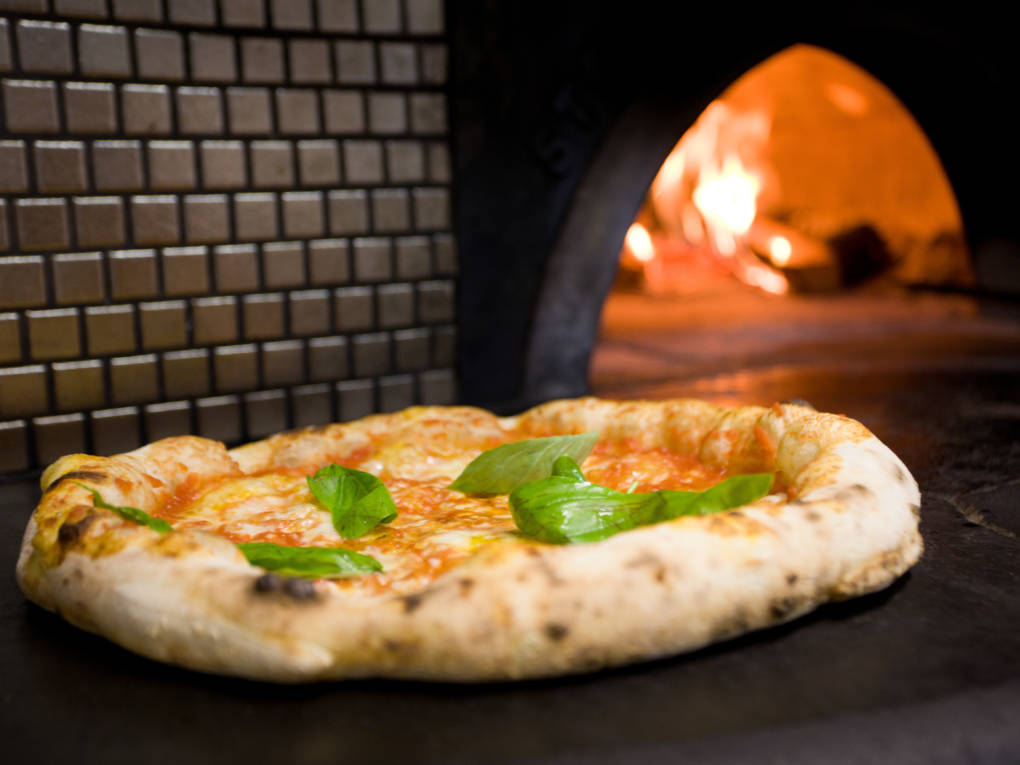
"caption": "Brick transfers heat to dough more slowly than steel, allowing both pizza crust and toppings to simultaneously reach perfection.",
"description": "Brick transfers heat to dough more slowly than steel, allowing both pizza crust and toppings to simultaneously reach perfection.",
"title": "Brick transfers heat to dough more slowly than steel, allowing both pizza crust and toppings to simultaneously reach perfection.",
"credit": "Aldo Pavan/Getty Images",
"status": "inherit",
"isLoading": false,
"fetchFailed": false
},
"bayareabites_129513": {
"type": "attachments",
"id": "bayareabites_129513",
"meta": {
"index": "attachments_1716263798",
"site": "bayareabites",
"id": "129513",
"found": true
},
"parent": 129512,
"imgSizes": {
"small": {
"file": "https://ww2.kqed.org/app/uploads/sites/24/2018/07/apron_sign_language-439ddbf66d492d7b877baa017d8b4c8bf008c387-520x390.jpg",
"width": 520,
"mimeType": "image/jpeg",
"height": 390
},
"twentyfourteen-full-width": {
"file": "https://ww2.kqed.org/app/uploads/sites/24/2018/07/apron_sign_language-439ddbf66d492d7b877baa017d8b4c8bf008c387-1038x576.jpg",
"width": 1038,
"mimeType": "image/jpeg",
"height": 576
},
"thumbnail": {
"file": "https://ww2.kqed.org/app/uploads/sites/24/2018/07/apron_sign_language-439ddbf66d492d7b877baa017d8b4c8bf008c387-160x120.jpg",
"width": 160,
"mimeType": "image/jpeg",
"height": 120
},
"fd-sm": {
"file": "https://ww2.kqed.org/app/uploads/sites/24/2018/07/apron_sign_language-439ddbf66d492d7b877baa017d8b4c8bf008c387-960x720.jpg",
"width": 960,
"mimeType": "image/jpeg",
"height": 720
},
"post-thumbnail": {
"file": "https://ww2.kqed.org/app/uploads/sites/24/2018/07/apron_sign_language-439ddbf66d492d7b877baa017d8b4c8bf008c387-672x372.jpg",
"width": 672,
"mimeType": "image/jpeg",
"height": 372
},
"xsmall": {
"file": "https://ww2.kqed.org/app/uploads/sites/24/2018/07/apron_sign_language-439ddbf66d492d7b877baa017d8b4c8bf008c387-375x281.jpg",
"width": 375,
"mimeType": "image/jpeg",
"height": 281
},
"kqedFullSize": {
"file": "https://ww2.kqed.org/app/uploads/sites/24/2018/07/apron_sign_language-439ddbf66d492d7b877baa017d8b4c8bf008c387.jpg",
"width": 1511,
"height": 1133
},
"large": {
"file": "https://ww2.kqed.org/app/uploads/sites/24/2018/07/apron_sign_language-439ddbf66d492d7b877baa017d8b4c8bf008c387-1020x765.jpg",
"width": 1020,
"mimeType": "image/jpeg",
"height": 765
},
"xlarge": {
"file": "https://ww2.kqed.org/app/uploads/sites/24/2018/07/apron_sign_language-439ddbf66d492d7b877baa017d8b4c8bf008c387-1180x885.jpg",
"width": 1180,
"mimeType": "image/jpeg",
"height": 885
},
"complete_open_graph": {
"file": "https://ww2.kqed.org/app/uploads/sites/24/2018/07/apron_sign_language-439ddbf66d492d7b877baa017d8b4c8bf008c387-1200x900.jpg",
"width": 1200,
"mimeType": "image/jpeg",
"height": 900
},
"guest-author-50": {
"file": "https://ww2.kqed.org/app/uploads/sites/24/2018/07/apron_sign_language-439ddbf66d492d7b877baa017d8b4c8bf008c387-50x50.jpg",
"width": 50,
"mimeType": "image/jpeg",
"height": 50
},
"guest-author-96": {
"file": "https://ww2.kqed.org/app/uploads/sites/24/2018/07/apron_sign_language-439ddbf66d492d7b877baa017d8b4c8bf008c387-96x96.jpg",
"width": 96,
"mimeType": "image/jpeg",
"height": 96
},
"medium": {
"file": "https://ww2.kqed.org/app/uploads/sites/24/2018/07/apron_sign_language-439ddbf66d492d7b877baa017d8b4c8bf008c387-800x600.jpg",
"width": 800,
"mimeType": "image/jpeg",
"height": 600
},
"guest-author-64": {
"file": "https://ww2.kqed.org/app/uploads/sites/24/2018/07/apron_sign_language-439ddbf66d492d7b877baa017d8b4c8bf008c387-64x64.jpg",
"width": 64,
"mimeType": "image/jpeg",
"height": 64
},
"guest-author-32": {
"file": "https://ww2.kqed.org/app/uploads/sites/24/2018/07/apron_sign_language-439ddbf66d492d7b877baa017d8b4c8bf008c387-32x32.jpg",
"width": 32,
"mimeType": "image/jpeg",
"height": 32
},
"fd-med": {
"file": "https://ww2.kqed.org/app/uploads/sites/24/2018/07/apron_sign_language-439ddbf66d492d7b877baa017d8b4c8bf008c387-1180x885.jpg",
"width": 1180,
"mimeType": "image/jpeg",
"height": 885
},
"detail": {
"file": "https://ww2.kqed.org/app/uploads/sites/24/2018/07/apron_sign_language-439ddbf66d492d7b877baa017d8b4c8bf008c387-150x150.jpg",
"width": 150,
"mimeType": "image/jpeg",
"height": 150
},
"medium_large": {
"file": "https://ww2.kqed.org/app/uploads/sites/24/2018/07/apron_sign_language-439ddbf66d492d7b877baa017d8b4c8bf008c387-768x576.jpg",
"width": 768,
"mimeType": "image/jpeg",
"height": 576
},
"guest-author-128": {
"file": "https://ww2.kqed.org/app/uploads/sites/24/2018/07/apron_sign_language-439ddbf66d492d7b877baa017d8b4c8bf008c387-128x128.jpg",
"width": 128,
"mimeType": "image/jpeg",
"height": 128
},
"xxsmall": {
"file": "https://ww2.kqed.org/app/uploads/sites/24/2018/07/apron_sign_language-439ddbf66d492d7b877baa017d8b4c8bf008c387-240x180.jpg",
"width": 240,
"mimeType": "image/jpeg",
"height": 180
}
},
"publishDate": 1532148805,
"modified": 1532148948,
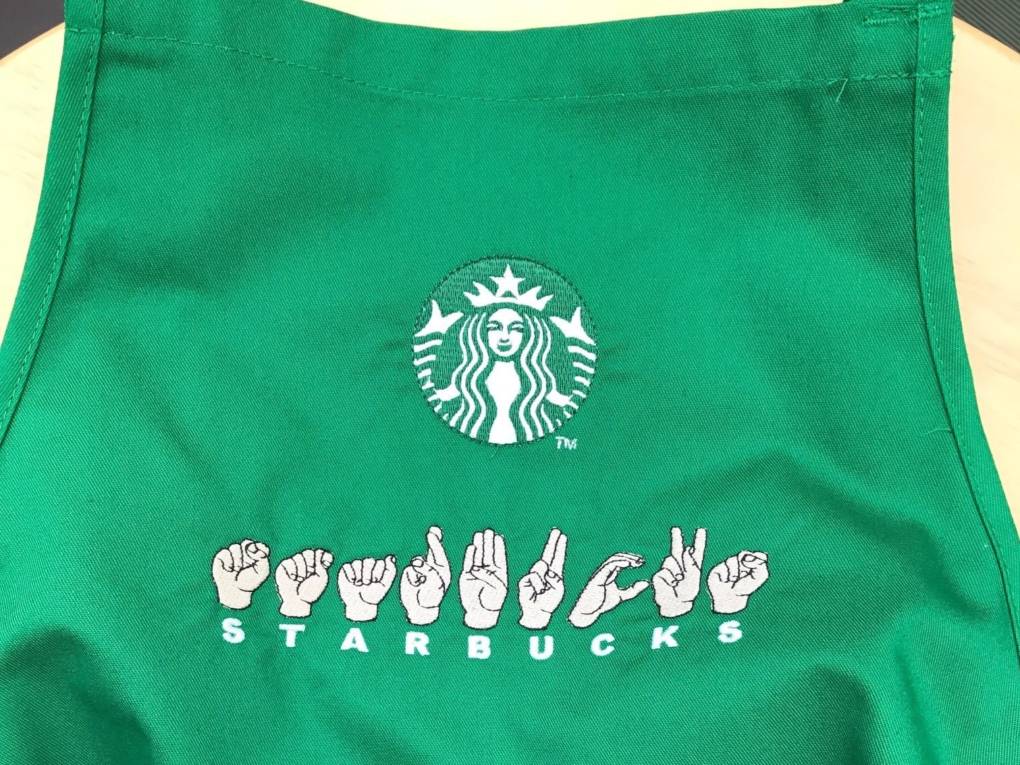
"caption": "Starbucks is opening its first deaf-friendly store in the U.S., where employees will be versed in American Sign Language and stores will be designed to better serve deaf people.",
"description": "Starbucks is opening its first deaf-friendly store in the U.S., where employees will be versed in American Sign Language and stores will be designed to better serve deaf people.",
"title": "Starbucks is opening its first deaf-friendly store in the U.S., where employees will be versed in American Sign Language and stores will be designed to better serve deaf people.",
"credit": "Courtesy of Starbucks",
"status": "inherit",
"isLoading": false,
"fetchFailed": false
},
"bayareabites_129471": {
"type": "attachments",
"id": "bayareabites_129471",
"meta": {
"index": "attachments_1716263798",
"site": "bayareabites",
"id": "129471",
"found": true
},
"parent": 129470,
"imgSizes": {
"small": {
"file": "https://ww2.kqed.org/app/uploads/sites/24/2018/07/gettyimages-90896938_wide-a30ca6ffa3e3306414ef8407e8c537504fabcd95-520x292.jpg",
"width": 520,
"mimeType": "image/jpeg",
"height": 292
},
"twentyfourteen-full-width": {
"file": "https://ww2.kqed.org/app/uploads/sites/24/2018/07/gettyimages-90896938_wide-a30ca6ffa3e3306414ef8407e8c537504fabcd95-1038x576.jpg",
"width": 1038,
"mimeType": "image/jpeg",
"height": 576
},
"thumbnail": {
"file": "https://ww2.kqed.org/app/uploads/sites/24/2018/07/gettyimages-90896938_wide-a30ca6ffa3e3306414ef8407e8c537504fabcd95-160x90.jpg",
"width": 160,
"mimeType": "image/jpeg",
"height": 90
},
"fd-sm": {
"file": "https://ww2.kqed.org/app/uploads/sites/24/2018/07/gettyimages-90896938_wide-a30ca6ffa3e3306414ef8407e8c537504fabcd95-960x540.jpg",
"width": 960,
"mimeType": "image/jpeg",
"height": 540
},
"post-thumbnail": {
"file": "https://ww2.kqed.org/app/uploads/sites/24/2018/07/gettyimages-90896938_wide-a30ca6ffa3e3306414ef8407e8c537504fabcd95-672x372.jpg",
"width": 672,
"mimeType": "image/jpeg",
"height": 372
},
"xsmall": {
"file": "https://ww2.kqed.org/app/uploads/sites/24/2018/07/gettyimages-90896938_wide-a30ca6ffa3e3306414ef8407e8c537504fabcd95-375x211.jpg",
"width": 375,
"mimeType": "image/jpeg",
"height": 211
},
"kqedFullSize": {
"file": "https://ww2.kqed.org/app/uploads/sites/24/2018/07/gettyimages-90896938_wide-a30ca6ffa3e3306414ef8407e8c537504fabcd95.jpg",
"width": 2872,
"height": 1615
},
"large": {
"file": "https://ww2.kqed.org/app/uploads/sites/24/2018/07/gettyimages-90896938_wide-a30ca6ffa3e3306414ef8407e8c537504fabcd95-1020x574.jpg",
"width": 1020,
"mimeType": "image/jpeg",
"height": 574
},
"xlarge": {
"file": "https://ww2.kqed.org/app/uploads/sites/24/2018/07/gettyimages-90896938_wide-a30ca6ffa3e3306414ef8407e8c537504fabcd95-1180x664.jpg",
"width": 1180,
"mimeType": "image/jpeg",
"height": 664
},
"complete_open_graph": {
"file": "https://ww2.kqed.org/app/uploads/sites/24/2018/07/gettyimages-90896938_wide-a30ca6ffa3e3306414ef8407e8c537504fabcd95-1200x675.jpg",
"width": 1200,
"mimeType": "image/jpeg",
"height": 675
},
"guest-author-50": {
"file": "https://ww2.kqed.org/app/uploads/sites/24/2018/07/gettyimages-90896938_wide-a30ca6ffa3e3306414ef8407e8c537504fabcd95-50x50.jpg",
"width": 50,
"mimeType": "image/jpeg",
"height": 50
},
"guest-author-96": {
"file": "https://ww2.kqed.org/app/uploads/sites/24/2018/07/gettyimages-90896938_wide-a30ca6ffa3e3306414ef8407e8c537504fabcd95-96x96.jpg",
"width": 96,
"mimeType": "image/jpeg",
"height": 96
},
"medium": {
"file": "https://ww2.kqed.org/app/uploads/sites/24/2018/07/gettyimages-90896938_wide-a30ca6ffa3e3306414ef8407e8c537504fabcd95-800x450.jpg",
"width": 800,
"mimeType": "image/jpeg",
"height": 450
},
"guest-author-64": {
"file": "https://ww2.kqed.org/app/uploads/sites/24/2018/07/gettyimages-90896938_wide-a30ca6ffa3e3306414ef8407e8c537504fabcd95-64x64.jpg",
"width": 64,
"mimeType": "image/jpeg",
"height": 64
},
"guest-author-32": {
"file": "https://ww2.kqed.org/app/uploads/sites/24/2018/07/gettyimages-90896938_wide-a30ca6ffa3e3306414ef8407e8c537504fabcd95-32x32.jpg",
"width": 32,
"mimeType": "image/jpeg",
"height": 32
},
"fd-lrg": {
"file": "https://ww2.kqed.org/app/uploads/sites/24/2018/07/gettyimages-90896938_wide-a30ca6ffa3e3306414ef8407e8c537504fabcd95-1920x1080.jpg",
"width": 1920,
"mimeType": "image/jpeg",
"height": 1080
},
"fd-med": {
"file": "https://ww2.kqed.org/app/uploads/sites/24/2018/07/gettyimages-90896938_wide-a30ca6ffa3e3306414ef8407e8c537504fabcd95-1180x664.jpg",
"width": 1180,
"mimeType": "image/jpeg",
"height": 664
},
"full-width": {
"file": "https://ww2.kqed.org/app/uploads/sites/24/2018/07/gettyimages-90896938_wide-a30ca6ffa3e3306414ef8407e8c537504fabcd95-1920x1080.jpg",
"width": 1920,
"mimeType": "image/jpeg",
"height": 1080
},
"detail": {
"file": "https://ww2.kqed.org/app/uploads/sites/24/2018/07/gettyimages-90896938_wide-a30ca6ffa3e3306414ef8407e8c537504fabcd95-150x150.jpg",
"width": 150,
"mimeType": "image/jpeg",
"height": 150
},
"medium_large": {
"file": "https://ww2.kqed.org/app/uploads/sites/24/2018/07/gettyimages-90896938_wide-a30ca6ffa3e3306414ef8407e8c537504fabcd95-768x432.jpg",
"width": 768,
"mimeType": "image/jpeg",
"height": 432
},
"guest-author-128": {
"file": "https://ww2.kqed.org/app/uploads/sites/24/2018/07/gettyimages-90896938_wide-a30ca6ffa3e3306414ef8407e8c537504fabcd95-128x128.jpg",
"width": 128,
"mimeType": "image/jpeg",
"height": 128
},
"xxsmall": {
"file": "https://ww2.kqed.org/app/uploads/sites/24/2018/07/gettyimages-90896938_wide-a30ca6ffa3e3306414ef8407e8c537504fabcd95-240x135.jpg",
"width": 240,
"mimeType": "image/jpeg",
"height": 135
}
},
"publishDate": 1532102898,
"modified": 1532103051,
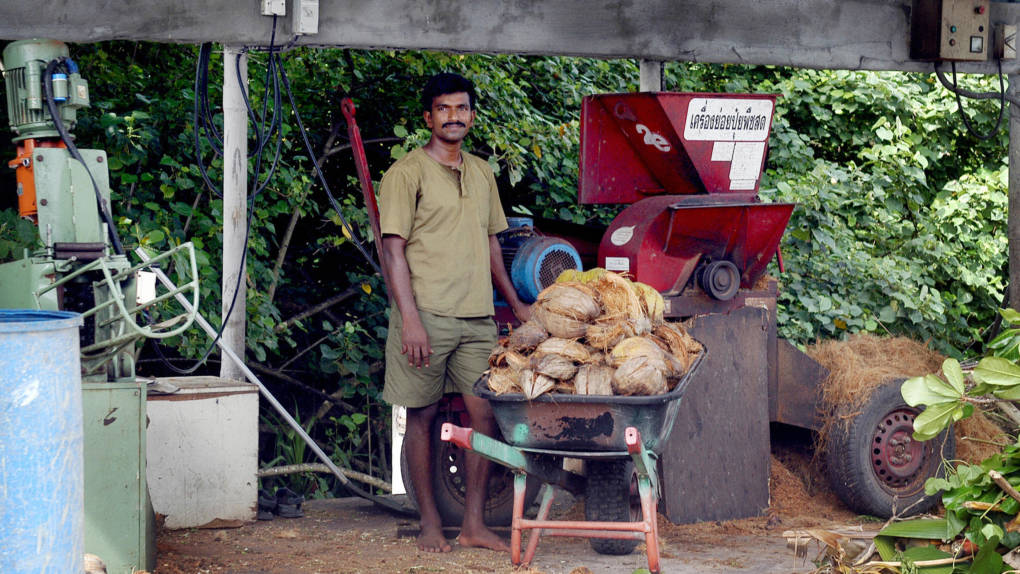
"caption": "A hotel employee prepares coconut husks for recycling into rope at the luxury Soneva Fushi island resort in the Maldives. It's just one of many initiatives the resort is taking to reduce food waste.",
"description": "A hotel employee prepares coconut husks for recycling into rope at the luxury Soneva Fushi island resort in the Maldives. It's just one of many initiatives the resort is taking to reduce food waste.",
"title": "A hotel employee prepares coconut husks for recycling into rope at the luxury Soneva Fushi island resort in the Maldives. It's just one of many initiatives the resort is taking to reduce food waste.",
"credit": "Amal Jayasinghe/AFP/Getty Images",
"status": "inherit",
"isLoading": false,
"fetchFailed": false
},
"bayareabites_129464": {
"type": "attachments",
"id": "bayareabites_129464",
"meta": {
"index": "attachments_1716263798",
"site": "bayareabites",
"id": "129464",
"found": true
},
"parent": 129463,
"imgSizes": {
"small": {
"file": "https://ww2.kqed.org/app/uploads/sites/24/2018/07/gettyimages-932406182-db3ad2e5b465008ac099992638ce546d7e2c4c6a-520x390.jpg",
"width": 520,
"mimeType": "image/jpeg",
"height": 390
},
"twentyfourteen-full-width": {
"file": "https://ww2.kqed.org/app/uploads/sites/24/2018/07/gettyimages-932406182-db3ad2e5b465008ac099992638ce546d7e2c4c6a-1038x576.jpg",
"width": 1038,
"mimeType": "image/jpeg",
"height": 576
},
"thumbnail": {
"file": "https://ww2.kqed.org/app/uploads/sites/24/2018/07/gettyimages-932406182-db3ad2e5b465008ac099992638ce546d7e2c4c6a-160x120.jpg",
"width": 160,
"mimeType": "image/jpeg",
"height": 120
},
"fd-sm": {
"file": "https://ww2.kqed.org/app/uploads/sites/24/2018/07/gettyimages-932406182-db3ad2e5b465008ac099992638ce546d7e2c4c6a-960x720.jpg",
"width": 960,
"mimeType": "image/jpeg",
"height": 720
},
"post-thumbnail": {
"file": "https://ww2.kqed.org/app/uploads/sites/24/2018/07/gettyimages-932406182-db3ad2e5b465008ac099992638ce546d7e2c4c6a-672x372.jpg",
"width": 672,
"mimeType": "image/jpeg",
"height": 372
},
"xsmall": {
"file": "https://ww2.kqed.org/app/uploads/sites/24/2018/07/gettyimages-932406182-db3ad2e5b465008ac099992638ce546d7e2c4c6a-375x281.jpg",
"width": 375,
"mimeType": "image/jpeg",
"height": 281
},
"kqedFullSize": {
"file": "https://ww2.kqed.org/app/uploads/sites/24/2018/07/gettyimages-932406182-db3ad2e5b465008ac099992638ce546d7e2c4c6a.jpg",
"width": 3644,
"height": 2733
},
"large": {
"file": "https://ww2.kqed.org/app/uploads/sites/24/2018/07/gettyimages-932406182-db3ad2e5b465008ac099992638ce546d7e2c4c6a-1020x765.jpg",
"width": 1020,
"mimeType": "image/jpeg",
"height": 765
},
"xlarge": {
"file": "https://ww2.kqed.org/app/uploads/sites/24/2018/07/gettyimages-932406182-db3ad2e5b465008ac099992638ce546d7e2c4c6a-1180x885.jpg",
"width": 1180,
"mimeType": "image/jpeg",
"height": 885
},
"complete_open_graph": {
"file": "https://ww2.kqed.org/app/uploads/sites/24/2018/07/gettyimages-932406182-db3ad2e5b465008ac099992638ce546d7e2c4c6a-1200x900.jpg",
"width": 1200,
"mimeType": "image/jpeg",
"height": 900
},
"guest-author-50": {
"file": "https://ww2.kqed.org/app/uploads/sites/24/2018/07/gettyimages-932406182-db3ad2e5b465008ac099992638ce546d7e2c4c6a-50x50.jpg",
"width": 50,
"mimeType": "image/jpeg",
"height": 50
},
"guest-author-96": {
"file": "https://ww2.kqed.org/app/uploads/sites/24/2018/07/gettyimages-932406182-db3ad2e5b465008ac099992638ce546d7e2c4c6a-96x96.jpg",
"width": 96,
"mimeType": "image/jpeg",
"height": 96
},
"medium": {
"file": "https://ww2.kqed.org/app/uploads/sites/24/2018/07/gettyimages-932406182-db3ad2e5b465008ac099992638ce546d7e2c4c6a-800x600.jpg",
"width": 800,
"mimeType": "image/jpeg",
"height": 600
},
"guest-author-64": {
"file": "https://ww2.kqed.org/app/uploads/sites/24/2018/07/gettyimages-932406182-db3ad2e5b465008ac099992638ce546d7e2c4c6a-64x64.jpg",
"width": 64,
"mimeType": "image/jpeg",
"height": 64
},
"guest-author-32": {
"file": "https://ww2.kqed.org/app/uploads/sites/24/2018/07/gettyimages-932406182-db3ad2e5b465008ac099992638ce546d7e2c4c6a-32x32.jpg",
"width": 32,
"mimeType": "image/jpeg",
"height": 32
},
"fd-lrg": {
"file": "https://ww2.kqed.org/app/uploads/sites/24/2018/07/gettyimages-932406182-db3ad2e5b465008ac099992638ce546d7e2c4c6a-1920x1440.jpg",
"width": 1920,
"mimeType": "image/jpeg",
"height": 1440
},
"fd-med": {
"file": "https://ww2.kqed.org/app/uploads/sites/24/2018/07/gettyimages-932406182-db3ad2e5b465008ac099992638ce546d7e2c4c6a-1180x885.jpg",
"width": 1180,
"mimeType": "image/jpeg",
"height": 885
},
"full-width": {
"file": "https://ww2.kqed.org/app/uploads/sites/24/2018/07/gettyimages-932406182-db3ad2e5b465008ac099992638ce546d7e2c4c6a-1920x1440.jpg",
"width": 1920,
"mimeType": "image/jpeg",
"height": 1440
},
"detail": {
"file": "https://ww2.kqed.org/app/uploads/sites/24/2018/07/gettyimages-932406182-db3ad2e5b465008ac099992638ce546d7e2c4c6a-150x150.jpg",
"width": 150,
"mimeType": "image/jpeg",
"height": 150
},
"medium_large": {
"file": "https://ww2.kqed.org/app/uploads/sites/24/2018/07/gettyimages-932406182-db3ad2e5b465008ac099992638ce546d7e2c4c6a-768x576.jpg",
"width": 768,
"mimeType": "image/jpeg",
"height": 576
},
"guest-author-128": {
"file": "https://ww2.kqed.org/app/uploads/sites/24/2018/07/gettyimages-932406182-db3ad2e5b465008ac099992638ce546d7e2c4c6a-128x128.jpg",
"width": 128,
"mimeType": "image/jpeg",
"height": 128
},
"xxsmall": {
"file": "https://ww2.kqed.org/app/uploads/sites/24/2018/07/gettyimages-932406182-db3ad2e5b465008ac099992638ce546d7e2c4c6a-240x180.jpg",
"width": 240,
"mimeType": "image/jpeg",
"height": 180
}
},
"publishDate": 1532043666,
"modified": 1532043666,
"caption": null,
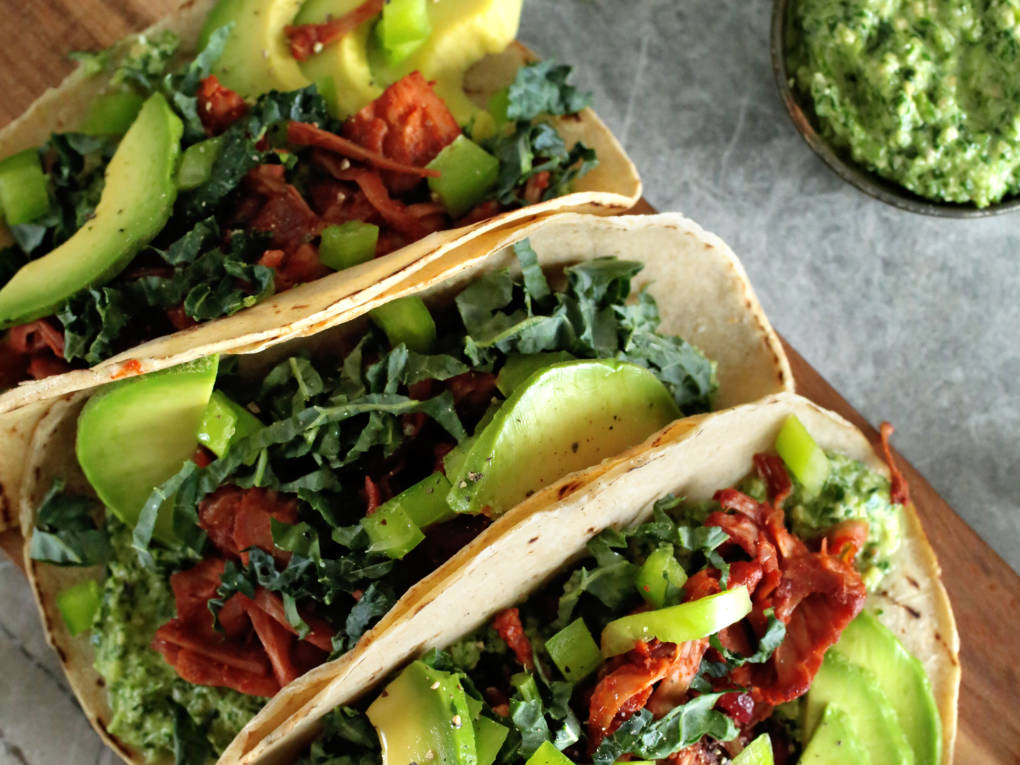
"description": "Pesto and pulled jackfruit tacos. In Southern California, working-class Mexican-American chefs are giving traditionally meaty dishes a vegan spin",
"title": "Pesto and pulled jackfruit tacos. In Southern California, working-class Mexican-American chefs are giving traditionally meaty dishes a vegan spin.",
"credit": null,
"status": "inherit",
"isLoading": false,
"fetchFailed": false
},
"bayareabites_129423": {
"type": "attachments",
"id": "bayareabites_129423",
"meta": {
"index": "attachments_1716263798",
"site": "bayareabites",
"id": "129423",
"found": true
},
"parent": 129422,
"imgSizes": {
"small": {
"file": "https://ww2.kqed.org/app/uploads/sites/24/2018/07/gettyimages-497396938-c0057d75cb37fad8b412cd6413d77744e2063de2-520x390.jpg",
"width": 520,
"mimeType": "image/jpeg",
"height": 390
},
"twentyfourteen-full-width": {
"file": "https://ww2.kqed.org/app/uploads/sites/24/2018/07/gettyimages-497396938-c0057d75cb37fad8b412cd6413d77744e2063de2-1038x576.jpg",
"width": 1038,
"mimeType": "image/jpeg",
"height": 576
},
"thumbnail": {
"file": "https://ww2.kqed.org/app/uploads/sites/24/2018/07/gettyimages-497396938-c0057d75cb37fad8b412cd6413d77744e2063de2-160x120.jpg",
"width": 160,
"mimeType": "image/jpeg",
"height": 120
},
"fd-sm": {
"file": "https://ww2.kqed.org/app/uploads/sites/24/2018/07/gettyimages-497396938-c0057d75cb37fad8b412cd6413d77744e2063de2-960x720.jpg",
"width": 960,
"mimeType": "image/jpeg",
"height": 720
},
"post-thumbnail": {
"file": "https://ww2.kqed.org/app/uploads/sites/24/2018/07/gettyimages-497396938-c0057d75cb37fad8b412cd6413d77744e2063de2-672x372.jpg",
"width": 672,
"mimeType": "image/jpeg",
"height": 372
},
"xsmall": {
"file": "https://ww2.kqed.org/app/uploads/sites/24/2018/07/gettyimages-497396938-c0057d75cb37fad8b412cd6413d77744e2063de2-375x281.jpg",
"width": 375,
"mimeType": "image/jpeg",
"height": 281
},
"kqedFullSize": {
"file": "https://ww2.kqed.org/app/uploads/sites/24/2018/07/gettyimages-497396938-c0057d75cb37fad8b412cd6413d77744e2063de2.jpg",
"width": 2664,
"height": 1998
},
"large": {
"file": "https://ww2.kqed.org/app/uploads/sites/24/2018/07/gettyimages-497396938-c0057d75cb37fad8b412cd6413d77744e2063de2-1020x765.jpg",
"width": 1020,
"mimeType": "image/jpeg",
"height": 765
},
"xlarge": {
"file": "https://ww2.kqed.org/app/uploads/sites/24/2018/07/gettyimages-497396938-c0057d75cb37fad8b412cd6413d77744e2063de2-1180x885.jpg",
"width": 1180,
"mimeType": "image/jpeg",
"height": 885
},
"complete_open_graph": {
"file": "https://ww2.kqed.org/app/uploads/sites/24/2018/07/gettyimages-497396938-c0057d75cb37fad8b412cd6413d77744e2063de2-1200x900.jpg",
"width": 1200,
"mimeType": "image/jpeg",
"height": 900
},
"guest-author-50": {
"file": "https://ww2.kqed.org/app/uploads/sites/24/2018/07/gettyimages-497396938-c0057d75cb37fad8b412cd6413d77744e2063de2-50x50.jpg",
"width": 50,
"mimeType": "image/jpeg",
"height": 50
},
"guest-author-96": {
"file": "https://ww2.kqed.org/app/uploads/sites/24/2018/07/gettyimages-497396938-c0057d75cb37fad8b412cd6413d77744e2063de2-96x96.jpg",
"width": 96,
"mimeType": "image/jpeg",
"height": 96
},
"medium": {
"file": "https://ww2.kqed.org/app/uploads/sites/24/2018/07/gettyimages-497396938-c0057d75cb37fad8b412cd6413d77744e2063de2-800x600.jpg",
"width": 800,
"mimeType": "image/jpeg",
"height": 600
},
"guest-author-64": {
"file": "https://ww2.kqed.org/app/uploads/sites/24/2018/07/gettyimages-497396938-c0057d75cb37fad8b412cd6413d77744e2063de2-64x64.jpg",
"width": 64,
"mimeType": "image/jpeg",
"height": 64
},
"guest-author-32": {
"file": "https://ww2.kqed.org/app/uploads/sites/24/2018/07/gettyimages-497396938-c0057d75cb37fad8b412cd6413d77744e2063de2-32x32.jpg",
"width": 32,
"mimeType": "image/jpeg",
"height": 32
},
"fd-lrg": {
"file": "https://ww2.kqed.org/app/uploads/sites/24/2018/07/gettyimages-497396938-c0057d75cb37fad8b412cd6413d77744e2063de2-1920x1440.jpg",
"width": 1920,
"mimeType": "image/jpeg",
"height": 1440
},
"fd-med": {
"file": "https://ww2.kqed.org/app/uploads/sites/24/2018/07/gettyimages-497396938-c0057d75cb37fad8b412cd6413d77744e2063de2-1180x885.jpg",
"width": 1180,
"mimeType": "image/jpeg",
"height": 885
},
"full-width": {
"file": "https://ww2.kqed.org/app/uploads/sites/24/2018/07/gettyimages-497396938-c0057d75cb37fad8b412cd6413d77744e2063de2-1920x1440.jpg",
"width": 1920,
"mimeType": "image/jpeg",
"height": 1440
},
"detail": {
"file": "https://ww2.kqed.org/app/uploads/sites/24/2018/07/gettyimages-497396938-c0057d75cb37fad8b412cd6413d77744e2063de2-150x150.jpg",
"width": 150,
"mimeType": "image/jpeg",
"height": 150
},
"medium_large": {
"file": "https://ww2.kqed.org/app/uploads/sites/24/2018/07/gettyimages-497396938-c0057d75cb37fad8b412cd6413d77744e2063de2-768x576.jpg",
"width": 768,
"mimeType": "image/jpeg",
"height": 576
},
"guest-author-128": {
"file": "https://ww2.kqed.org/app/uploads/sites/24/2018/07/gettyimages-497396938-c0057d75cb37fad8b412cd6413d77744e2063de2-128x128.jpg",
"width": 128,
"mimeType": "image/jpeg",
"height": 128
},
"xxsmall": {
"file": "https://ww2.kqed.org/app/uploads/sites/24/2018/07/gettyimages-497396938-c0057d75cb37fad8b412cd6413d77744e2063de2-240x180.jpg",
"width": 240,
"mimeType": "image/jpeg",
"height": 180
}
},
"publishDate": 1531930111,
"modified": 1531930234,
"caption": "Marriott International became the latest company to announce it will stop using plastic straws, saying it would remove them from its more than 6,500 properties by next July.",
"description": "Marriott International became the latest company to announce it will stop using plastic straws, saying it would remove them from its more than 6,500 properties by next July.",
"title": "Marriott International became the latest company to announce it will stop using plastic straws, saying it would remove them from its more than 6,500 properties by next July.",
"credit": "Justin Sullivan/Getty Images",
"status": "inherit",
"isLoading": false,
"fetchFailed": false
},
"bayareabites_129409": {
"type": "attachments",
"id": "bayareabites_129409",
"meta": {
"index": "attachments_1716263798",
"site": "bayareabites",
"id": "129409",
"found": true
},
"parent": 129408,
"imgSizes": {
"small": {
"file": "https://ww2.kqed.org/app/uploads/sites/24/2018/07/dsc07545-1-3e78c902c20ebbf203b86800ebf0af3a442656dc-520x390.jpg",
"width": 520,
"mimeType": "image/jpeg",
"height": 390
},
"twentyfourteen-full-width": {
"file": "https://ww2.kqed.org/app/uploads/sites/24/2018/07/dsc07545-1-3e78c902c20ebbf203b86800ebf0af3a442656dc-1038x576.jpg",
"width": 1038,
"mimeType": "image/jpeg",
"height": 576
},
"thumbnail": {
"file": "https://ww2.kqed.org/app/uploads/sites/24/2018/07/dsc07545-1-3e78c902c20ebbf203b86800ebf0af3a442656dc-160x120.jpg",
"width": 160,
"mimeType": "image/jpeg",
"height": 120
},
"fd-sm": {
"file": "https://ww2.kqed.org/app/uploads/sites/24/2018/07/dsc07545-1-3e78c902c20ebbf203b86800ebf0af3a442656dc-960x720.jpg",
"width": 960,
"mimeType": "image/jpeg",
"height": 720
},
"post-thumbnail": {
"file": "https://ww2.kqed.org/app/uploads/sites/24/2018/07/dsc07545-1-3e78c902c20ebbf203b86800ebf0af3a442656dc-672x372.jpg",
"width": 672,
"mimeType": "image/jpeg",
"height": 372
},
"xsmall": {
"file": "https://ww2.kqed.org/app/uploads/sites/24/2018/07/dsc07545-1-3e78c902c20ebbf203b86800ebf0af3a442656dc-375x281.jpg",
"width": 375,
"mimeType": "image/jpeg",
"height": 281
},
"kqedFullSize": {
"file": "https://ww2.kqed.org/app/uploads/sites/24/2018/07/dsc07545-1-3e78c902c20ebbf203b86800ebf0af3a442656dc.jpg",
"width": 3070,
"height": 2302
},
"large": {
"file": "https://ww2.kqed.org/app/uploads/sites/24/2018/07/dsc07545-1-3e78c902c20ebbf203b86800ebf0af3a442656dc-1020x765.jpg",
"width": 1020,
"mimeType": "image/jpeg",
"height": 765
},
"xlarge": {
"file": "https://ww2.kqed.org/app/uploads/sites/24/2018/07/dsc07545-1-3e78c902c20ebbf203b86800ebf0af3a442656dc-1180x885.jpg",
"width": 1180,
"mimeType": "image/jpeg",
"height": 885
},
"complete_open_graph": {
"file": "https://ww2.kqed.org/app/uploads/sites/24/2018/07/dsc07545-1-3e78c902c20ebbf203b86800ebf0af3a442656dc-1200x900.jpg",
"width": 1200,
"mimeType": "image/jpeg",
"height": 900
},
"guest-author-50": {
"file": "https://ww2.kqed.org/app/uploads/sites/24/2018/07/dsc07545-1-3e78c902c20ebbf203b86800ebf0af3a442656dc-50x50.jpg",
"width": 50,
"mimeType": "image/jpeg",
"height": 50
},
"guest-author-96": {
"file": "https://ww2.kqed.org/app/uploads/sites/24/2018/07/dsc07545-1-3e78c902c20ebbf203b86800ebf0af3a442656dc-96x96.jpg",
"width": 96,
"mimeType": "image/jpeg",
"height": 96
},
"medium": {
"file": "https://ww2.kqed.org/app/uploads/sites/24/2018/07/dsc07545-1-3e78c902c20ebbf203b86800ebf0af3a442656dc-800x600.jpg",
"width": 800,
"mimeType": "image/jpeg",
"height": 600
},
"guest-author-64": {
"file": "https://ww2.kqed.org/app/uploads/sites/24/2018/07/dsc07545-1-3e78c902c20ebbf203b86800ebf0af3a442656dc-64x64.jpg",
"width": 64,
"mimeType": "image/jpeg",
"height": 64
},
"guest-author-32": {
"file": "https://ww2.kqed.org/app/uploads/sites/24/2018/07/dsc07545-1-3e78c902c20ebbf203b86800ebf0af3a442656dc-32x32.jpg",
"width": 32,
"mimeType": "image/jpeg",
"height": 32
},
"fd-lrg": {
"file": "https://ww2.kqed.org/app/uploads/sites/24/2018/07/dsc07545-1-3e78c902c20ebbf203b86800ebf0af3a442656dc-1920x1440.jpg",
"width": 1920,
"mimeType": "image/jpeg",
"height": 1440
},
"fd-med": {
"file": "https://ww2.kqed.org/app/uploads/sites/24/2018/07/dsc07545-1-3e78c902c20ebbf203b86800ebf0af3a442656dc-1180x885.jpg",
"width": 1180,
"mimeType": "image/jpeg",
"height": 885
},
"full-width": {
"file": "https://ww2.kqed.org/app/uploads/sites/24/2018/07/dsc07545-1-3e78c902c20ebbf203b86800ebf0af3a442656dc-1920x1440.jpg",
"width": 1920,
"mimeType": "image/jpeg",
"height": 1440
},
"detail": {
"file": "https://ww2.kqed.org/app/uploads/sites/24/2018/07/dsc07545-1-3e78c902c20ebbf203b86800ebf0af3a442656dc-150x150.jpg",
"width": 150,
"mimeType": "image/jpeg",
"height": 150
},
"medium_large": {
"file": "https://ww2.kqed.org/app/uploads/sites/24/2018/07/dsc07545-1-3e78c902c20ebbf203b86800ebf0af3a442656dc-768x576.jpg",
"width": 768,
"mimeType": "image/jpeg",
"height": 576
},
"guest-author-128": {
"file": "https://ww2.kqed.org/app/uploads/sites/24/2018/07/dsc07545-1-3e78c902c20ebbf203b86800ebf0af3a442656dc-128x128.jpg",
"width": 128,
"mimeType": "image/jpeg",
"height": 128
},
"xxsmall": {
"file": "https://ww2.kqed.org/app/uploads/sites/24/2018/07/dsc07545-1-3e78c902c20ebbf203b86800ebf0af3a442656dc-240x180.jpg",
"width": 240,
"mimeType": "image/jpeg",
"height": 180
}
},
"publishDate": 1531408199,
"modified": 1531408362,
"caption": "A foal nurses from a mare at the Lindenhof Stud in Brandenburg, Germany. While mare's milk remains a niche product, its reputation as a health elixir is causing trouble for European producers in a more regulated age.",
"description": "A foal nurses from a mare at the Lindenhof Stud in Brandenburg, Germany. While mare's milk remains a niche product, its reputation as a health elixir is causing trouble for European producers in a more regulated age.",
"title": "A foal nurses from a mare at the Lindenhof Stud in Brandenburg, Germany. While mare's milk remains a niche product, its reputation as a health elixir is causing trouble for European producers in a more regulated age.",
"credit": "Susanna Forrest/for NPR",
"status": "inherit",
"isLoading": false,
"fetchFailed": false
},
"bayareabites_129305": {
"type": "attachments",
"id": "bayareabites_129305",
"meta": {
"index": "attachments_1716263798",
"site": "bayareabites",
"id": "129305",
"found": true
},
"parent": 129304,
"imgSizes": {
"small": {
"file": "https://ww2.kqed.org/app/uploads/sites/24/2018/07/photo_3-757b14f2d5b2d8725bd1d8b6f24545000d0f3bf2-520x390.jpg",
"width": 520,
"mimeType": "image/jpeg",
"height": 390
},
"twentyfourteen-full-width": {
"file": "https://ww2.kqed.org/app/uploads/sites/24/2018/07/photo_3-757b14f2d5b2d8725bd1d8b6f24545000d0f3bf2-1038x576.jpg",
"width": 1038,
"mimeType": "image/jpeg",
"height": 576
},
"thumbnail": {
"file": "https://ww2.kqed.org/app/uploads/sites/24/2018/07/photo_3-757b14f2d5b2d8725bd1d8b6f24545000d0f3bf2-160x120.jpg",
"width": 160,
"mimeType": "image/jpeg",
"height": 120
},
"fd-sm": {
"file": "https://ww2.kqed.org/app/uploads/sites/24/2018/07/photo_3-757b14f2d5b2d8725bd1d8b6f24545000d0f3bf2-960x720.jpg",
"width": 960,
"mimeType": "image/jpeg",
"height": 720
},
"post-thumbnail": {
"file": "https://ww2.kqed.org/app/uploads/sites/24/2018/07/photo_3-757b14f2d5b2d8725bd1d8b6f24545000d0f3bf2-672x372.jpg",
"width": 672,
"mimeType": "image/jpeg",
"height": 372
},
"xsmall": {
"file": "https://ww2.kqed.org/app/uploads/sites/24/2018/07/photo_3-757b14f2d5b2d8725bd1d8b6f24545000d0f3bf2-375x281.jpg",
"width": 375,
"mimeType": "image/jpeg",
"height": 281
},
"kqedFullSize": {
"file": "https://ww2.kqed.org/app/uploads/sites/24/2018/07/photo_3-757b14f2d5b2d8725bd1d8b6f24545000d0f3bf2.jpg",
"width": 2516,
"height": 1887
},
"large": {
"file": "https://ww2.kqed.org/app/uploads/sites/24/2018/07/photo_3-757b14f2d5b2d8725bd1d8b6f24545000d0f3bf2-1020x765.jpg",
"width": 1020,
"mimeType": "image/jpeg",
"height": 765
},
"xlarge": {
"file": "https://ww2.kqed.org/app/uploads/sites/24/2018/07/photo_3-757b14f2d5b2d8725bd1d8b6f24545000d0f3bf2-1180x885.jpg",
"width": 1180,
"mimeType": "image/jpeg",
"height": 885
},
"complete_open_graph": {
"file": "https://ww2.kqed.org/app/uploads/sites/24/2018/07/photo_3-757b14f2d5b2d8725bd1d8b6f24545000d0f3bf2-1200x900.jpg",
"width": 1200,
"mimeType": "image/jpeg",
"height": 900
},
"guest-author-50": {
"file": "https://ww2.kqed.org/app/uploads/sites/24/2018/07/photo_3-757b14f2d5b2d8725bd1d8b6f24545000d0f3bf2-50x50.jpg",
"width": 50,
"mimeType": "image/jpeg",
"height": 50
},
"guest-author-96": {
"file": "https://ww2.kqed.org/app/uploads/sites/24/2018/07/photo_3-757b14f2d5b2d8725bd1d8b6f24545000d0f3bf2-96x96.jpg",
"width": 96,
"mimeType": "image/jpeg",
"height": 96
},
"medium": {
"file": "https://ww2.kqed.org/app/uploads/sites/24/2018/07/photo_3-757b14f2d5b2d8725bd1d8b6f24545000d0f3bf2-800x600.jpg",
"width": 800,
"mimeType": "image/jpeg",
"height": 600
},
"guest-author-64": {
"file": "https://ww2.kqed.org/app/uploads/sites/24/2018/07/photo_3-757b14f2d5b2d8725bd1d8b6f24545000d0f3bf2-64x64.jpg",
"width": 64,
"mimeType": "image/jpeg",
"height": 64
},
"guest-author-32": {
"file": "https://ww2.kqed.org/app/uploads/sites/24/2018/07/photo_3-757b14f2d5b2d8725bd1d8b6f24545000d0f3bf2-32x32.jpg",
"width": 32,
"mimeType": "image/jpeg",
"height": 32
},
"fd-lrg": {
"file": "https://ww2.kqed.org/app/uploads/sites/24/2018/07/photo_3-757b14f2d5b2d8725bd1d8b6f24545000d0f3bf2-1920x1440.jpg",
"width": 1920,
"mimeType": "image/jpeg",
"height": 1440
},
"fd-med": {
"file": "https://ww2.kqed.org/app/uploads/sites/24/2018/07/photo_3-757b14f2d5b2d8725bd1d8b6f24545000d0f3bf2-1180x885.jpg",
"width": 1180,
"mimeType": "image/jpeg",
"height": 885
},
"full-width": {
"file": "https://ww2.kqed.org/app/uploads/sites/24/2018/07/photo_3-757b14f2d5b2d8725bd1d8b6f24545000d0f3bf2-1920x1440.jpg",
"width": 1920,
"mimeType": "image/jpeg",
"height": 1440
},
"detail": {
"file": "https://ww2.kqed.org/app/uploads/sites/24/2018/07/photo_3-757b14f2d5b2d8725bd1d8b6f24545000d0f3bf2-150x150.jpg",
"width": 150,
"mimeType": "image/jpeg",
"height": 150
},
"medium_large": {
"file": "https://ww2.kqed.org/app/uploads/sites/24/2018/07/photo_3-757b14f2d5b2d8725bd1d8b6f24545000d0f3bf2-768x576.jpg",
"width": 768,
"mimeType": "image/jpeg",
"height": 576
},
"guest-author-128": {
"file": "https://ww2.kqed.org/app/uploads/sites/24/2018/07/photo_3-757b14f2d5b2d8725bd1d8b6f24545000d0f3bf2-128x128.jpg",
"width": 128,
"mimeType": "image/jpeg",
"height": 128
},
"xxsmall": {
"file": "https://ww2.kqed.org/app/uploads/sites/24/2018/07/photo_3-757b14f2d5b2d8725bd1d8b6f24545000d0f3bf2-240x180.jpg",
"width": 240,
"mimeType": "image/jpeg",
"height": 180
}
},
"publishDate": 1530896147,
"modified": 1530896718,
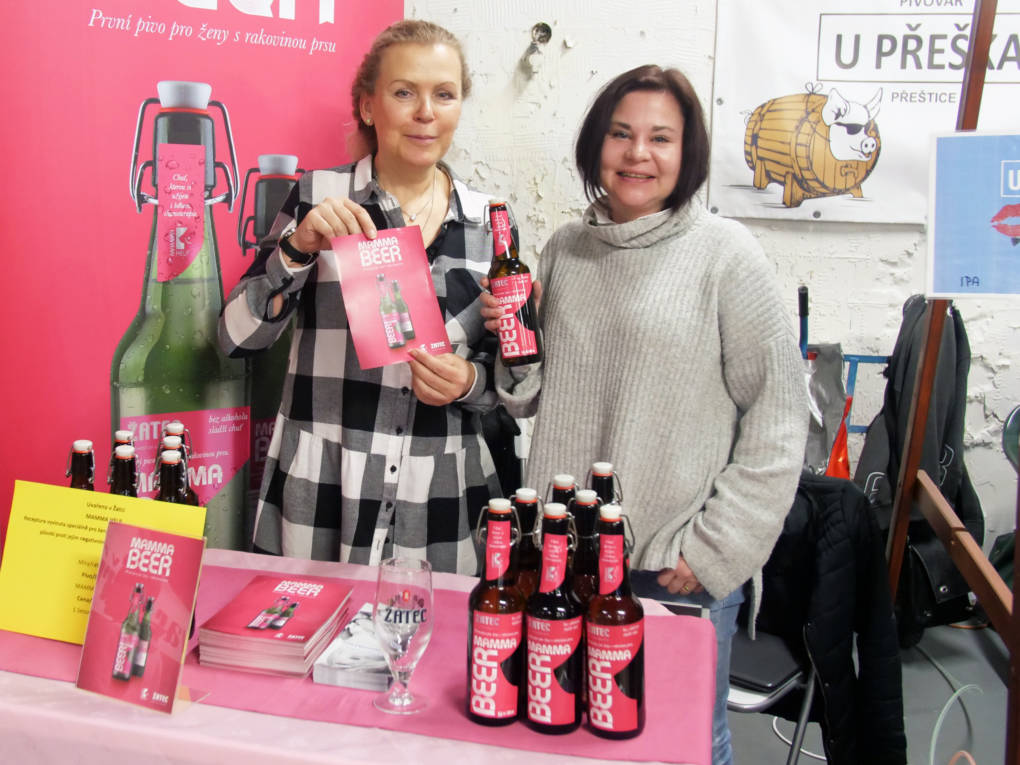
"caption": "Jana Kročáková and Petra Plánková of Mamma HELP show off their new brew aimed at helping breast cancer patients undergoing chemo \"feel normal\" and overcome their impaired sense of taste.",
"description": "Jana Kročáková and Petra Plánková of Mamma HELP show off their new brew aimed at helping breast cancer patients undergoing chemo \"feel normal\" and overcome their impaired sense of t",
"title": "Jana Kročáková and Petra Plánková of Mamma HELP show off their new brew aimed at helping breast cancer patients undergoing chemo \"feel normal\" and overcome their impaired sense of taste.",
"credit": "Elizabeth Zahradnicek-Haas",
"status": "inherit",
"isLoading": false,
"fetchFailed": false
},
"bayareabites_129296": {
"type": "attachments",
"id": "bayareabites_129296",
"meta": {
"index": "attachments_1716263798",
"site": "bayareabites",
"id": "129296",
"found": true
},
"parent": 129283,
"imgSizes": {
"small": {
"file": "https://ww2.kqed.org/app/uploads/sites/24/2018/07/HI_0318_IMPOSSIBLEBURGER_867889-1024x768-520x390.jpg",
"width": 520,
"mimeType": "image/jpeg",
"height": 390
},
"twentyfourteen-full-width": {
"file": "https://ww2.kqed.org/app/uploads/sites/24/2018/07/HI_0318_IMPOSSIBLEBURGER_867889-1024x768-1024x576.jpg",
"width": 1024,
"mimeType": "image/jpeg",
"height": 576
},
"thumbnail": {
"file": "https://ww2.kqed.org/app/uploads/sites/24/2018/07/HI_0318_IMPOSSIBLEBURGER_867889-1024x768-160x120.jpg",
"width": 160,
"mimeType": "image/jpeg",
"height": 120
},
"fd-sm": {
"file": "https://ww2.kqed.org/app/uploads/sites/24/2018/07/HI_0318_IMPOSSIBLEBURGER_867889-1024x768-960x720.jpg",
"width": 960,
"mimeType": "image/jpeg",
"height": 720
},
"post-thumbnail": {
"file": "https://ww2.kqed.org/app/uploads/sites/24/2018/07/HI_0318_IMPOSSIBLEBURGER_867889-1024x768-672x372.jpg",
"width": 672,
"mimeType": "image/jpeg",
"height": 372
},
"xsmall": {
"file": "https://ww2.kqed.org/app/uploads/sites/24/2018/07/HI_0318_IMPOSSIBLEBURGER_867889-1024x768-375x281.jpg",
"width": 375,
"mimeType": "image/jpeg",
"height": 281
},
"kqedFullSize": {
"file": "https://ww2.kqed.org/app/uploads/sites/24/2018/07/HI_0318_IMPOSSIBLEBURGER_867889-1024x768.jpg",
"width": 1024,
"height": 768
},
"large": {
"file": "https://ww2.kqed.org/app/uploads/sites/24/2018/07/HI_0318_IMPOSSIBLEBURGER_867889-1024x768-1020x765.jpg",
"width": 1020,
"mimeType": "image/jpeg",
"height": 765
},
"guest-author-50": {
"file": "https://ww2.kqed.org/app/uploads/sites/24/2018/07/HI_0318_IMPOSSIBLEBURGER_867889-1024x768-50x50.jpg",
"width": 50,
"mimeType": "image/jpeg",
"height": 50
},
"guest-author-96": {
"file": "https://ww2.kqed.org/app/uploads/sites/24/2018/07/HI_0318_IMPOSSIBLEBURGER_867889-1024x768-96x96.jpg",
"width": 96,
"mimeType": "image/jpeg",
"height": 96
},
"medium": {
"file": "https://ww2.kqed.org/app/uploads/sites/24/2018/07/HI_0318_IMPOSSIBLEBURGER_867889-1024x768-800x600.jpg",
"width": 800,
"mimeType": "image/jpeg",
"height": 600
},
"guest-author-64": {
"file": "https://ww2.kqed.org/app/uploads/sites/24/2018/07/HI_0318_IMPOSSIBLEBURGER_867889-1024x768-64x64.jpg",
"width": 64,
"mimeType": "image/jpeg",
"height": 64
},
"guest-author-32": {
"file": "https://ww2.kqed.org/app/uploads/sites/24/2018/07/HI_0318_IMPOSSIBLEBURGER_867889-1024x768-32x32.jpg",
"width": 32,
"mimeType": "image/jpeg",
"height": 32
},
"detail": {
"file": "https://ww2.kqed.org/app/uploads/sites/24/2018/07/HI_0318_IMPOSSIBLEBURGER_867889-1024x768-150x150.jpg",
"width": 150,
"mimeType": "image/jpeg",
"height": 150
},
"medium_large": {
"file": "https://ww2.kqed.org/app/uploads/sites/24/2018/07/HI_0318_IMPOSSIBLEBURGER_867889-1024x768-768x576.jpg",
"width": 768,
"mimeType": "image/jpeg",
"height": 576
},
"guest-author-128": {
"file": "https://ww2.kqed.org/app/uploads/sites/24/2018/07/HI_0318_IMPOSSIBLEBURGER_867889-1024x768-128x128.jpg",
"width": 128,
"mimeType": "image/jpeg",
"height": 128
},
"xxsmall": {
"file": "https://ww2.kqed.org/app/uploads/sites/24/2018/07/HI_0318_IMPOSSIBLEBURGER_867889-1024x768-240x180.jpg",
"width": 240,
"mimeType": "image/jpeg",
"height": 180
}
},
"publishDate": 1530807781,
"modified": 1530808527,
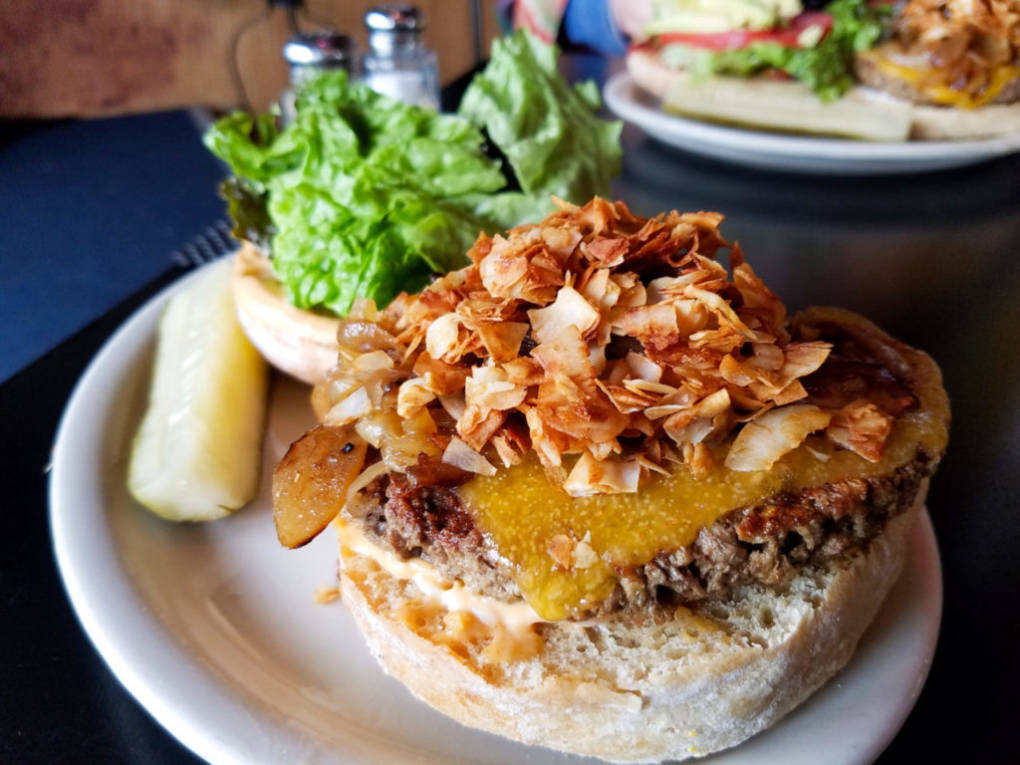
"caption": "The Impossible Burger at Gaia’s Garden in Santa Rosa looks, tastes and eats like a beef burger. Mostly. ",
"description": null,
"title": "Impossible Burger",
"credit": "Heather Irwin",
"status": "inherit",
"isLoading": false,
"fetchFailed": false
},
"bayareabites_129205": {
"type": "attachments",
"id": "bayareabites_129205",
"meta": {
"index": "attachments_1716263798",
"site": "bayareabites",
"id": "129205",
"found": true
},
"parent": 129200,
"imgSizes": {
"small": {
"file": "https://ww2.kqed.org/app/uploads/sites/24/2018/06/180620-seafood-labor-top1-520x347.jpg",
"width": 520,
"mimeType": "image/jpeg",
"height": 347
},
"twentyfourteen-full-width": {
"file": "https://ww2.kqed.org/app/uploads/sites/24/2018/06/180620-seafood-labor-top1-1038x576.jpg",
"width": 1038,
"mimeType": "image/jpeg",
"height": 576
},
"thumbnail": {
"file": "https://ww2.kqed.org/app/uploads/sites/24/2018/06/180620-seafood-labor-top1-160x107.jpg",
"width": 160,
"mimeType": "image/jpeg",
"height": 107
},
"fd-sm": {
"file": "https://ww2.kqed.org/app/uploads/sites/24/2018/06/180620-seafood-labor-top1-960x640.jpg",
"width": 960,
"mimeType": "image/jpeg",
"height": 640
},
"post-thumbnail": {
"file": "https://ww2.kqed.org/app/uploads/sites/24/2018/06/180620-seafood-labor-top1-672x372.jpg",
"width": 672,
"mimeType": "image/jpeg",
"height": 372
},
"xsmall": {
"file": "https://ww2.kqed.org/app/uploads/sites/24/2018/06/180620-seafood-labor-top1-375x250.jpg",
"width": 375,
"mimeType": "image/jpeg",
"height": 250
},
"kqedFullSize": {
"file": "https://ww2.kqed.org/app/uploads/sites/24/2018/06/180620-seafood-labor-top1.jpg",
"width": 1200,
"height": 800
},
"large": {
"file": "https://ww2.kqed.org/app/uploads/sites/24/2018/06/180620-seafood-labor-top1-1020x680.jpg",
"width": 1020,
"mimeType": "image/jpeg",
"height": 680
},
"xlarge": {
"file": "https://ww2.kqed.org/app/uploads/sites/24/2018/06/180620-seafood-labor-top1-1180x787.jpg",
"width": 1180,
"mimeType": "image/jpeg",
"height": 787
},
"complete_open_graph": {
"file": "https://ww2.kqed.org/app/uploads/sites/24/2018/06/180620-seafood-labor-top1-1200x800.jpg",
"width": 1200,
"mimeType": "image/jpeg",
"height": 800
},
"guest-author-50": {
"file": "https://ww2.kqed.org/app/uploads/sites/24/2018/06/180620-seafood-labor-top1-50x50.jpg",
"width": 50,
"mimeType": "image/jpeg",
"height": 50
},
"guest-author-96": {
"file": "https://ww2.kqed.org/app/uploads/sites/24/2018/06/180620-seafood-labor-top1-96x96.jpg",
"width": 96,
"mimeType": "image/jpeg",
"height": 96
},
"medium": {
"file": "https://ww2.kqed.org/app/uploads/sites/24/2018/06/180620-seafood-labor-top1-800x533.jpg",
"width": 800,
"mimeType": "image/jpeg",
"height": 533
},
"guest-author-64": {
"file": "https://ww2.kqed.org/app/uploads/sites/24/2018/06/180620-seafood-labor-top1-64x64.jpg",
"width": 64,
"mimeType": "image/jpeg",
"height": 64
},
"guest-author-32": {
"file": "https://ww2.kqed.org/app/uploads/sites/24/2018/06/180620-seafood-labor-top1-32x32.jpg",
"width": 32,
"mimeType": "image/jpeg",
"height": 32
},
"fd-med": {
"file": "https://ww2.kqed.org/app/uploads/sites/24/2018/06/180620-seafood-labor-top1-1180x787.jpg",
"width": 1180,
"mimeType": "image/jpeg",
"height": 787
},
"detail": {
"file": "https://ww2.kqed.org/app/uploads/sites/24/2018/06/180620-seafood-labor-top1-150x150.jpg",
"width": 150,
"mimeType": "image/jpeg",
"height": 150
},
"medium_large": {
"file": "https://ww2.kqed.org/app/uploads/sites/24/2018/06/180620-seafood-labor-top1-768x512.jpg",
"width": 768,
"mimeType": "image/jpeg",
"height": 512
},
"guest-author-128": {
"file": "https://ww2.kqed.org/app/uploads/sites/24/2018/06/180620-seafood-labor-top1-128x128.jpg",
"width": 128,
"mimeType": "image/jpeg",
"height": 128
},
"xxsmall": {
"file": "https://ww2.kqed.org/app/uploads/sites/24/2018/06/180620-seafood-labor-top1-240x160.jpg",
"width": 240,
"mimeType": "image/jpeg",
"height": 160
}
},
"publishDate": 1530365541,
"modified": 1530365579,
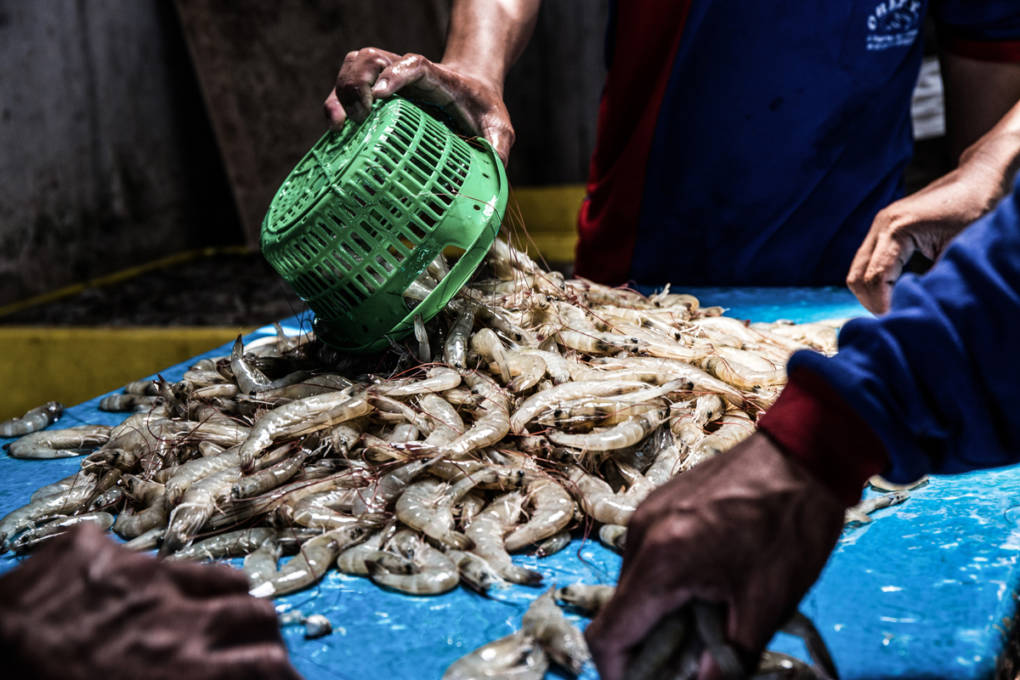
"caption": "Seafood processing in Indonesia.",
"description": "Seafood processing in Indonesia.",
"title": "180620-seafood-labor-top1",
"credit": "Adrian Mulya/The Sustainable Seafood Alliance Indonesia",
"status": "inherit",
"isLoading": false,
"fetchFailed": false
},
"bayareabites_129189": {
"type": "attachments",
"id": "bayareabites_129189",
"meta": {
"index": "attachments_1716263798",
"site": "bayareabites",
"id": "129189",
"found": true
},
"parent": 129181,
"imgSizes": {
"small": {
"file": "https://ww2.kqed.org/app/uploads/sites/24/2018/06/180619-dinner-parties-top2-520x347.jpg",
"width": 520,
"mimeType": "image/jpeg",
"height": 347
},
"twentyfourteen-full-width": {
"file": "https://ww2.kqed.org/app/uploads/sites/24/2018/06/180619-dinner-parties-top2-1038x576.jpg",
"width": 1038,
"mimeType": "image/jpeg",
"height": 576
},
"thumbnail": {
"file": "https://ww2.kqed.org/app/uploads/sites/24/2018/06/180619-dinner-parties-top2-160x107.jpg",
"width": 160,
"mimeType": "image/jpeg",
"height": 107
},
"fd-sm": {
"file": "https://ww2.kqed.org/app/uploads/sites/24/2018/06/180619-dinner-parties-top2-960x640.jpg",
"width": 960,
"mimeType": "image/jpeg",
"height": 640
},
"post-thumbnail": {
"file": "https://ww2.kqed.org/app/uploads/sites/24/2018/06/180619-dinner-parties-top2-672x372.jpg",
"width": 672,
"mimeType": "image/jpeg",
"height": 372
},
"xsmall": {
"file": "https://ww2.kqed.org/app/uploads/sites/24/2018/06/180619-dinner-parties-top2-375x250.jpg",
"width": 375,
"mimeType": "image/jpeg",
"height": 250
},
"kqedFullSize": {
"file": "https://ww2.kqed.org/app/uploads/sites/24/2018/06/180619-dinner-parties-top2.jpg",
"width": 1200,
"height": 800
},
"large": {
"file": "https://ww2.kqed.org/app/uploads/sites/24/2018/06/180619-dinner-parties-top2-1020x680.jpg",
"width": 1020,
"mimeType": "image/jpeg",
"height": 680
},
"xlarge": {
"file": "https://ww2.kqed.org/app/uploads/sites/24/2018/06/180619-dinner-parties-top2-1180x787.jpg",
"width": 1180,
"mimeType": "image/jpeg",
"height": 787
},
"complete_open_graph": {
"file": "https://ww2.kqed.org/app/uploads/sites/24/2018/06/180619-dinner-parties-top2-1200x800.jpg",
"width": 1200,
"mimeType": "image/jpeg",
"height": 800
},
"guest-author-50": {
"file": "https://ww2.kqed.org/app/uploads/sites/24/2018/06/180619-dinner-parties-top2-50x50.jpg",
"width": 50,
"mimeType": "image/jpeg",
"height": 50
},
"guest-author-96": {
"file": "https://ww2.kqed.org/app/uploads/sites/24/2018/06/180619-dinner-parties-top2-96x96.jpg",
"width": 96,
"mimeType": "image/jpeg",
"height": 96
},
"medium": {
"file": "https://ww2.kqed.org/app/uploads/sites/24/2018/06/180619-dinner-parties-top2-800x533.jpg",
"width": 800,
"mimeType": "image/jpeg",
"height": 533
},
"guest-author-64": {
"file": "https://ww2.kqed.org/app/uploads/sites/24/2018/06/180619-dinner-parties-top2-64x64.jpg",
"width": 64,
"mimeType": "image/jpeg",
"height": 64
},
"guest-author-32": {
"file": "https://ww2.kqed.org/app/uploads/sites/24/2018/06/180619-dinner-parties-top2-32x32.jpg",
"width": 32,
"mimeType": "image/jpeg",
"height": 32
},
"fd-med": {
"file": "https://ww2.kqed.org/app/uploads/sites/24/2018/06/180619-dinner-parties-top2-1180x787.jpg",
"width": 1180,
"mimeType": "image/jpeg",
"height": 787
},
"detail": {
"file": "https://ww2.kqed.org/app/uploads/sites/24/2018/06/180619-dinner-parties-top2-150x150.jpg",
"width": 150,
"mimeType": "image/jpeg",
"height": 150
},
"medium_large": {
"file": "https://ww2.kqed.org/app/uploads/sites/24/2018/06/180619-dinner-parties-top2-768x512.jpg",
"width": 768,
"mimeType": "image/jpeg",
"height": 512
},
"guest-author-128": {
"file": "https://ww2.kqed.org/app/uploads/sites/24/2018/06/180619-dinner-parties-top2-128x128.jpg",
"width": 128,
"mimeType": "image/jpeg",
"height": 128
},
"xxsmall": {
"file": "https://ww2.kqed.org/app/uploads/sites/24/2018/06/180619-dinner-parties-top2-240x160.jpg",
"width": 240,
"mimeType": "image/jpeg",
"height": 160
}
},
"publishDate": 1530248390,
"modified": 1530248508,
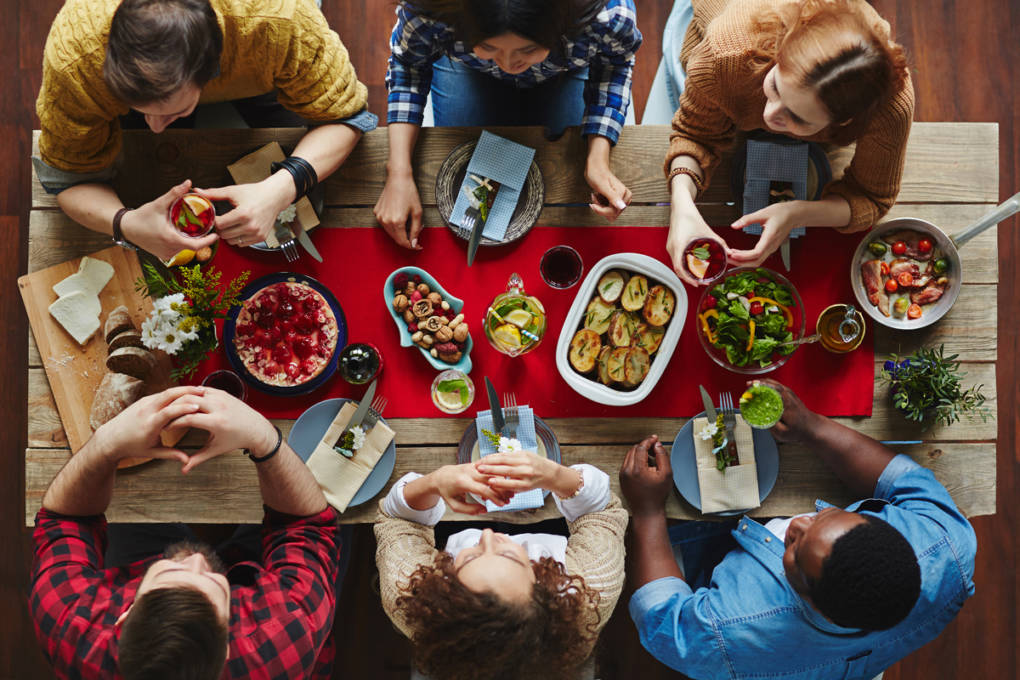
"caption": "Dinner party",
"description": null,
"title": "180619-dinner-parties-top2",
"credit": "Courtesy of Civil Eats",
"status": "inherit",
"isLoading": false,
"fetchFailed": false
},
"bayareabites_129176": {
"type": "attachments",
"id": "bayareabites_129176",
"meta": {
"index": "attachments_1716263798",
"site": "bayareabites",
"id": "129176",
"found": true
},
"parent": 129175,
"imgSizes": {
"small": {
"file": "https://ww2.kqed.org/app/uploads/sites/24/2018/06/cristinamarket-a39661c98bd932528fd70c1db4e40dc2482fb202-520x390.jpg",
"width": 520,
"mimeType": "image/jpeg",
"height": 390
},
"twentyfourteen-full-width": {
"file": "https://ww2.kqed.org/app/uploads/sites/24/2018/06/cristinamarket-a39661c98bd932528fd70c1db4e40dc2482fb202-1038x576.jpg",
"width": 1038,
"mimeType": "image/jpeg",
"height": 576
},
"thumbnail": {
"file": "https://ww2.kqed.org/app/uploads/sites/24/2018/06/cristinamarket-a39661c98bd932528fd70c1db4e40dc2482fb202-160x120.jpg",
"width": 160,
"mimeType": "image/jpeg",
"height": 120
},
"fd-sm": {
"file": "https://ww2.kqed.org/app/uploads/sites/24/2018/06/cristinamarket-a39661c98bd932528fd70c1db4e40dc2482fb202-960x720.jpg",
"width": 960,
"mimeType": "image/jpeg",
"height": 720
},
"post-thumbnail": {
"file": "https://ww2.kqed.org/app/uploads/sites/24/2018/06/cristinamarket-a39661c98bd932528fd70c1db4e40dc2482fb202-672x372.jpg",
"width": 672,
"mimeType": "image/jpeg",
"height": 372
},
"xsmall": {
"file": "https://ww2.kqed.org/app/uploads/sites/24/2018/06/cristinamarket-a39661c98bd932528fd70c1db4e40dc2482fb202-375x281.jpg",
"width": 375,
"mimeType": "image/jpeg",
"height": 281
},
"kqedFullSize": {
"file": "https://ww2.kqed.org/app/uploads/sites/24/2018/06/cristinamarket-a39661c98bd932528fd70c1db4e40dc2482fb202.jpg",
"width": 4003,
"height": 3002
},
"large": {
"file": "https://ww2.kqed.org/app/uploads/sites/24/2018/06/cristinamarket-a39661c98bd932528fd70c1db4e40dc2482fb202-1020x765.jpg",
"width": 1020,
"mimeType": "image/jpeg",
"height": 765
},
"xlarge": {
"file": "https://ww2.kqed.org/app/uploads/sites/24/2018/06/cristinamarket-a39661c98bd932528fd70c1db4e40dc2482fb202-1180x885.jpg",
"width": 1180,
"mimeType": "image/jpeg",
"height": 885
},
"complete_open_graph": {
"file": "https://ww2.kqed.org/app/uploads/sites/24/2018/06/cristinamarket-a39661c98bd932528fd70c1db4e40dc2482fb202-1200x900.jpg",
"width": 1200,
"mimeType": "image/jpeg",
"height": 900
},
"guest-author-50": {
"file": "https://ww2.kqed.org/app/uploads/sites/24/2018/06/cristinamarket-a39661c98bd932528fd70c1db4e40dc2482fb202-50x50.jpg",
"width": 50,
"mimeType": "image/jpeg",
"height": 50
},
"guest-author-96": {
"file": "https://ww2.kqed.org/app/uploads/sites/24/2018/06/cristinamarket-a39661c98bd932528fd70c1db4e40dc2482fb202-96x96.jpg",
"width": 96,
"mimeType": "image/jpeg",
"height": 96
},
"medium": {
"file": "https://ww2.kqed.org/app/uploads/sites/24/2018/06/cristinamarket-a39661c98bd932528fd70c1db4e40dc2482fb202-800x600.jpg",
"width": 800,
"mimeType": "image/jpeg",
"height": 600
},
"guest-author-64": {
"file": "https://ww2.kqed.org/app/uploads/sites/24/2018/06/cristinamarket-a39661c98bd932528fd70c1db4e40dc2482fb202-64x64.jpg",
"width": 64,
"mimeType": "image/jpeg",
"height": 64
},
"guest-author-32": {
"file": "https://ww2.kqed.org/app/uploads/sites/24/2018/06/cristinamarket-a39661c98bd932528fd70c1db4e40dc2482fb202-32x32.jpg",
"width": 32,
"mimeType": "image/jpeg",
"height": 32
},
"fd-lrg": {
"file": "https://ww2.kqed.org/app/uploads/sites/24/2018/06/cristinamarket-a39661c98bd932528fd70c1db4e40dc2482fb202-1920x1440.jpg",
"width": 1920,
"mimeType": "image/jpeg",
"height": 1440
},
"fd-med": {
"file": "https://ww2.kqed.org/app/uploads/sites/24/2018/06/cristinamarket-a39661c98bd932528fd70c1db4e40dc2482fb202-1180x885.jpg",
"width": 1180,
"mimeType": "image/jpeg",
"height": 885
},
"full-width": {
"file": "https://ww2.kqed.org/app/uploads/sites/24/2018/06/cristinamarket-a39661c98bd932528fd70c1db4e40dc2482fb202-1920x1440.jpg",
"width": 1920,
"mimeType": "image/jpeg",
"height": 1440
},
"detail": {
"file": "https://ww2.kqed.org/app/uploads/sites/24/2018/06/cristinamarket-a39661c98bd932528fd70c1db4e40dc2482fb202-150x150.jpg",
"width": 150,
"mimeType": "image/jpeg",
"height": 150
},
"medium_large": {
"file": "https://ww2.kqed.org/app/uploads/sites/24/2018/06/cristinamarket-a39661c98bd932528fd70c1db4e40dc2482fb202-768x576.jpg",
"width": 768,
"mimeType": "image/jpeg",
"height": 576
},
"guest-author-128": {
"file": "https://ww2.kqed.org/app/uploads/sites/24/2018/06/cristinamarket-a39661c98bd932528fd70c1db4e40dc2482fb202-128x128.jpg",
"width": 128,
"mimeType": "image/jpeg",
"height": 128
},
"xxsmall": {
"file": "https://ww2.kqed.org/app/uploads/sites/24/2018/06/cristinamarket-a39661c98bd932528fd70c1db4e40dc2482fb202-240x180.jpg",
"width": 240,
"mimeType": "image/jpeg",
"height": 180
}
},
"publishDate": 1530244110,
"modified": 1530247613,
"caption": "Cristina Reyes Clark is part of an emerging movement in El Salvador that is composed of young chefs integrating traditional foods into contemporary cuisine.",
"description": "Cristina Reyes Clark is part of an emerging movement in El Salvador that is composed of young chefs integrating traditional foods into contemporary cuisine.",
"title": "Cristina Reyes Clark is part of an emerging movement in El Salvador that is composed of young chefs integrating traditional foods into contemporary cuisine.",
"credit": "Massimo Ceresol",
"status": "inherit",
"isLoading": false,
"fetchFailed": false
},
"bayareabites_129026": {
"type": "attachments",
"id": "bayareabites_129026",
"meta": {
"index": "attachments_1716263798",
"site": "bayareabites",
"id": "129026",
"found": true
},
"parent": 129025,
"imgSizes": {
"small": {
"file": "https://ww2.kqed.org/app/uploads/sites/24/2018/06/gettyimages-596067764-27bc767beeebf36f57162c666d9569d24d5c1d3e-520x390.jpg",
"width": 520,
"mimeType": "image/jpeg",
"height": 390
},
"twentyfourteen-full-width": {
"file": "https://ww2.kqed.org/app/uploads/sites/24/2018/06/gettyimages-596067764-27bc767beeebf36f57162c666d9569d24d5c1d3e-1038x576.jpg",
"width": 1038,
"mimeType": "image/jpeg",
"height": 576
},
"thumbnail": {
"file": "https://ww2.kqed.org/app/uploads/sites/24/2018/06/gettyimages-596067764-27bc767beeebf36f57162c666d9569d24d5c1d3e-160x120.jpg",
"width": 160,
"mimeType": "image/jpeg",
"height": 120
},
"fd-sm": {
"file": "https://ww2.kqed.org/app/uploads/sites/24/2018/06/gettyimages-596067764-27bc767beeebf36f57162c666d9569d24d5c1d3e-960x720.jpg",
"width": 960,
"mimeType": "image/jpeg",
"height": 720
},
"post-thumbnail": {
"file": "https://ww2.kqed.org/app/uploads/sites/24/2018/06/gettyimages-596067764-27bc767beeebf36f57162c666d9569d24d5c1d3e-672x372.jpg",
"width": 672,
"mimeType": "image/jpeg",
"height": 372
},
"xsmall": {
"file": "https://ww2.kqed.org/app/uploads/sites/24/2018/06/gettyimages-596067764-27bc767beeebf36f57162c666d9569d24d5c1d3e-375x281.jpg",
"width": 375,
"mimeType": "image/jpeg",
"height": 281
},
"kqedFullSize": {
"file": "https://ww2.kqed.org/app/uploads/sites/24/2018/06/gettyimages-596067764-27bc767beeebf36f57162c666d9569d24d5c1d3e.jpg",
"width": 1914,
"height": 1435
},
"large": {
"file": "https://ww2.kqed.org/app/uploads/sites/24/2018/06/gettyimages-596067764-27bc767beeebf36f57162c666d9569d24d5c1d3e-1020x765.jpg",
"width": 1020,
"mimeType": "image/jpeg",
"height": 765
},
"xlarge": {
"file": "https://ww2.kqed.org/app/uploads/sites/24/2018/06/gettyimages-596067764-27bc767beeebf36f57162c666d9569d24d5c1d3e-1180x885.jpg",
"width": 1180,
"mimeType": "image/jpeg",
"height": 885
},
"complete_open_graph": {
"file": "https://ww2.kqed.org/app/uploads/sites/24/2018/06/gettyimages-596067764-27bc767beeebf36f57162c666d9569d24d5c1d3e-1200x900.jpg",
"width": 1200,
"mimeType": "image/jpeg",
"height": 900
},
"guest-author-50": {
"file": "https://ww2.kqed.org/app/uploads/sites/24/2018/06/gettyimages-596067764-27bc767beeebf36f57162c666d9569d24d5c1d3e-50x50.jpg",
"width": 50,
"mimeType": "image/jpeg",
"height": 50
},
"guest-author-96": {
"file": "https://ww2.kqed.org/app/uploads/sites/24/2018/06/gettyimages-596067764-27bc767beeebf36f57162c666d9569d24d5c1d3e-96x96.jpg",
"width": 96,
"mimeType": "image/jpeg",
"height": 96
},
"medium": {
"file": "https://ww2.kqed.org/app/uploads/sites/24/2018/06/gettyimages-596067764-27bc767beeebf36f57162c666d9569d24d5c1d3e-800x600.jpg",
"width": 800,
"mimeType": "image/jpeg",
"height": 600
},
"guest-author-64": {
"file": "https://ww2.kqed.org/app/uploads/sites/24/2018/06/gettyimages-596067764-27bc767beeebf36f57162c666d9569d24d5c1d3e-64x64.jpg",
"width": 64,
"mimeType": "image/jpeg",
"height": 64
},
"guest-author-32": {
"file": "https://ww2.kqed.org/app/uploads/sites/24/2018/06/gettyimages-596067764-27bc767beeebf36f57162c666d9569d24d5c1d3e-32x32.jpg",
"width": 32,
"mimeType": "image/jpeg",
"height": 32
},
"fd-med": {
"file": "https://ww2.kqed.org/app/uploads/sites/24/2018/06/gettyimages-596067764-27bc767beeebf36f57162c666d9569d24d5c1d3e-1180x885.jpg",
"width": 1180,
"mimeType": "image/jpeg",
"height": 885
},
"detail": {
"file": "https://ww2.kqed.org/app/uploads/sites/24/2018/06/gettyimages-596067764-27bc767beeebf36f57162c666d9569d24d5c1d3e-150x150.jpg",
"width": 150,
"mimeType": "image/jpeg",
"height": 150
},
"medium_large": {
"file": "https://ww2.kqed.org/app/uploads/sites/24/2018/06/gettyimages-596067764-27bc767beeebf36f57162c666d9569d24d5c1d3e-768x576.jpg",
"width": 768,
"mimeType": "image/jpeg",
"height": 576
},
"guest-author-128": {
"file": "https://ww2.kqed.org/app/uploads/sites/24/2018/06/gettyimages-596067764-27bc767beeebf36f57162c666d9569d24d5c1d3e-128x128.jpg",
"width": 128,
"mimeType": "image/jpeg",
"height": 128
},
"xxsmall": {
"file": "https://ww2.kqed.org/app/uploads/sites/24/2018/06/gettyimages-596067764-27bc767beeebf36f57162c666d9569d24d5c1d3e-240x180.jpg",
"width": 240,
"mimeType": "image/jpeg",
"height": 180
}
},
"publishDate": 1529001687,
"modified": 1529001821,
"caption": "Rinsing your produce is a good idea, but it won't give you 100 percent protection from bacteria that cause foodborne illness unless you cook it thoroughly. Because we eat lettuce raw, a lot of people got sick in a recent outbreak.",
"description": "Rinsing your produce is a good idea, but it won't give you 100 percent protection from bacteria that cause foodborne illness unless you cook it thoroughly. Because we eat lettuce raw, a lot of people got sick in a recent outbrea",
"title": "Rinsing your produce is a good idea, but it won't give you 100 percent protection from bacteria that cause foodborne illness unless you cook it thoroughly. Because we eat lettuce raw, a lot of people got sick in a recent outbreak.",
"credit": "StockFood/Getty Images/Foodcollection",
"status": "inherit",
"isLoading": false,
"fetchFailed": false
}
},
"audioPlayerReducer": {
"postId": "stream_live",
"isPaused": true,
"isPlaying": false,
"pfsActive": false,
"pledgeModalIsOpen": true,
"playerDrawerIsOpen": false,
"liveAudioPlayStartedAt": 0,
"liveAudioPlayContext": ""
},
"authorsReducer": {
"byline_bayareabites_129667": {
"type": "authors",
"id": "byline_bayareabites_129667",
"meta": {
"override": true
},
"slug": "byline_bayareabites_129667",
"name": "Angus Chen, NPR Food",
"isLoading": false
},
"byline_bayareabites_129512": {
"type": "authors",
"id": "byline_bayareabites_129512",
"meta": {
"override": true
},
"slug": "byline_bayareabites_129512",
"name": "Kristen Hartke, NPR Food",
"isLoading": false
},
"byline_bayareabites_129470": {
"type": "authors",
"id": "byline_bayareabites_129470",
"meta": {
"override": true
},
"slug": "byline_bayareabites_129470",
"name": "Laura Ratliff, NPR Food",
"isLoading": false
},
"byline_bayareabites_129463": {
"type": "authors",
"id": "byline_bayareabites_129463",
"meta": {
"override": true
},
"slug": "byline_bayareabites_129463",
"name": "Gustavo Arellano, NPR Food",
"isLoading": false
},
"byline_bayareabites_129422": {
"type": "authors",
"id": "byline_bayareabites_129422",
"meta": {
"override": true
},
"slug": "byline_bayareabites_129422",
"name": "Avie Schneider, NPR Food",
"isLoading": false
},
"byline_bayareabites_129408": {
"type": "authors",
"id": "byline_bayareabites_129408",
"meta": {
"override": true
},
"slug": "byline_bayareabites_129408",
"name": "Susanna Forrest, NPR Food",
"isLoading": false
},
"byline_bayareabites_129304": {
"type": "authors",
"id": "byline_bayareabites_129304",
"meta": {
"override": true
},
"slug": "byline_bayareabites_129304",
"name": "Elizabeth Zahradnicek-Haas, NPR Food",
"isLoading": false
},
"byline_bayareabites_129283": {
"type": "authors",
"id": "byline_bayareabites_129283",
"meta": {
"override": true
},
"slug": "byline_bayareabites_129283",
"name": "\u003ca href=\"http://www.sonomamag.com/author/clairepelote/\">Claire Pelote\u003c/a>, \u003ca href=\"https://www.kqed.org/author/sonomamagazine\">Sonoma Magazine\u003c/a>",
"isLoading": false
},
"byline_bayareabites_129200": {
"type": "authors",
"id": "byline_bayareabites_129200",
"meta": {
"override": true
},
"slug": "byline_bayareabites_129200",
"name": "\u003ca href=\"https://civileats.com/author/itamir/\">Irit Tamir\u003c/a>, \u003ca href=\"https://www.kqed.org/author/civileat\">Civil Eats\u003c/a>",
"isLoading": false
},
"byline_bayareabites_129181": {
"type": "authors",
"id": "byline_bayareabites_129181",
"meta": {
"override": true
},
"slug": "byline_bayareabites_129181",
"name": "\u003ca href=\"https://civileats.com/author/cganeles/\">Caryn Ganeles\u003c/a>, \u003ca href=\"https://www.kqed.org/author/civileat\">Civil Eats\u003c/a>",
"isLoading": false
},
"byline_bayareabites_129175": {
"type": "authors",
"id": "byline_bayareabites_129175",
"meta": {
"override": true
},
"slug": "byline_bayareabites_129175",
"name": "Jaime Jacques, NPR Food",
"isLoading": false
},
"byline_bayareabites_129025": {
"type": "authors",
"id": "byline_bayareabites_129025",
"meta": {
"override": true
},
"slug": "byline_bayareabites_129025",
"name": "Jill Neimark, NPR Food",
"isLoading": false
}
},
"pagesReducer": {
"bayareabites_category_food-and-technology": {
"type": "terms",
"id": "bayareabites_4084",
"meta": {
"index": "terms_1716263798",
"site": "bayareabites",
"id": "4084",
"score": 14.405352
},
"featImg": null,
"name": "food trends and technology",
"description": null,
"taxonomy": "category",
"headData": {
"twImgId": null,
"twTitle": null,
"ogTitle": null,
"ogImgId": null,
"twDescription": null,
"description": null,
"title": "food trends and technology Archives | KQED Bay Area Bites",
"ogDescription": null
},
"ttid": 2573,
"slug": "food-and-technology",
"isLoading": false,
"title": "food trends and technology",
"pageMeta": {
"site": "bayareabites",
"WpPageTemplate": "page-topic-editorial",
"currentPage": 4
},
"blocks": [
{
"blockName": "kqed/post-list",
"attrs": {
"layout": "cardArticle2",
"query": "posts/bayareabites?category=food-and-technology",
"seeMore": false,
"paginated": true,
"page": 4
}
},
{
"blockName": "kqed/ad"
}
]
}
},
"pfsSessionReducer": {},
"postsReducer": {
"stream_live": {
"type": "live",
"id": "stream_live",
"audioUrl": "https://streams.kqed.org/kqedradio",
"title": "Live Stream",
"excerpt": "Live Stream information currently unavailable.",
"link": "/radio",
"featImg": "",
"label": {
"name": "KQED Live",
"link": "/"
}
},
"stream_kqedNewscast": {
"type": "posts",
"id": "stream_kqedNewscast",
"audioUrl": "https://www.kqed.org/.stream/anon/radio/RDnews/newscast.mp3?_=1",
"title": "KQED Newscast",
"featImg": "",
"label": {
"name": "88.5 FM",
"link": "/"
}
},
"bayareabites_129667": {
"type": "posts",
"id": "bayareabites_129667",
"meta": {
"index": "posts_1716263798",
"site": "bayareabites",
"id": "129667",
"score": null,
"sort": [
1532457029000
]
},
"parent": 0,
"labelTerm": {
"site": "bayareabites"
},
"blocks": [],
"publishDate": 1532457029,
"format": "standard",
"disqusTitle": "Pizza Physics: Why Brick Ovens Bake The Perfect Italian-Style Pie",
"title": "Pizza Physics: Why Brick Ovens Bake The Perfect Italian-Style Pie",
"headTitle": "Bay Area Bites | KQED Food",
"content": "\u003cp>The ideal Italian pizza, be it Neapolitan or Roman, has a crisp crust flecked with dark spots — marks left by a blazing hot oven. The dough is fluffy, moist and stretchy, and the toppings are piping hot. A pizzeria's brick oven pops these out to perfection, but intrepid home cooks attempting to re-create Italian-style pizzas have more than likely discovered facsimiles are nigh impossible to produce.\u003c/p>\n\u003cp>\"Even if you prepare [the pizza] the same way, you cannot get the same result with just your oven at home,\" says Andreas Glatz, a physicist at Northern Illinois University and pizza enthusiast.\u003c/p>\n\u003cp>The fact that you need a vaulted brick oven to bake a great Italian-style pizza is well-known, but Glatz and Andrey Varlamov, also a pizza-eater and physicist at the Institute of Superconductors, Oxides and Other Innovative Materials and Devices in Rome, wanted to know why. The secret behind a pizzeria's magic, they concluded in a \u003ca href=\"https://arxiv.org/abs/1806.08790\">paper published on arXiv.org\u003c/a> last month, is in some unique thermal properties of the brick oven.\u003c/p>\n\u003cp>They started off interviewing \u003cem>pizzaiolos\u003c/em>, or pizza makers, in Rome who were masters of the Roman style of pizza. For this, the bake lasts 2 minutes at 626 degrees Fahrenheit. (Neapolitan pizzas usually bake at an even higher temperature — at least 700 degrees.) That turns out a \"well-baked but still moist dough and well-cooked toppings,\" Glatz says. The same settings in a conventional steel oven produce far less ideal results. \"You burn the dough before the surface of the pizza even reaches boiling, so this is not a product you will want to eat,\" he says. \u003cstrong>\u003c/strong>\u003c/p>\n\u003cp>\u003cstrong>Brick versus steel\u003c/strong>\u003c/p>\n\u003cp>[ad fullwidth]\u003c/p>\n\u003cp>Chewing this over, the physicists realized the key difference lies in how much more slowly brick transfers heat to the dough compared with steel — a measure known as the material's thermal conductivity. A brick oven heated to 626 degrees will heat the crust to roughly 392 degrees, while the pizza top receives indirect heat from the oven and stays at 212 degrees as water boils off from the cheese and tomato sauce. Glatz says that after about two minutes, both the pizza top and crust reach perfection.\u003c/p>\n\u003cp>But pizza crust in contact with a steel oven at the same temperature will hit 572 degrees because the metal transfers heat far more rapidly than brick. That's much too high for dough, Glatz says, \"so it simply burns.\" Unfortunately, because the top of the pizza must cook as well, simply lowering the oven temperature to 450 degrees doesn't work. While that will heat the crust to 392 degrees, the rest of the pizza won't receive enough heat to boil by the time the crust has cooked — resulting in cooked dough but undercooked toppings.\u003c/p>\n\u003cp>Home chefs could deploy a ceramic pizza stone in home ovens — which would work if home ovens could reach temperatures as high as 626 degrees. \"But most electric ovens cannot get to those temperatures,\" Gatz says. Even at 550 degrees, the upper limit for many home ovens, the longer required bake time from the lower temperature will dry out your pizza. What's more, Gatz has still colder news for home cooks: \"If you want the flavors of the smoke and the wood and the dry heat of a brick oven, there's no good emulation for this effect.\" \u003cstrong>\u003c/strong>\u003c/p>\n\u003cp>\u003cstrong>Switch up your style\u003c/strong>\u003c/p>\n\u003cp>Making an Italian-style pizza at home will simply never reach perfection, agrees Kenji Lopez-Alt, the author of \u003ca href=\"https://www.amazon.com/Food-Lab-Cooking-Through-Science/dp/0393081087/ref=sr_1_1?ie=UTF8&qid=1532113032&sr=8-1&keywords=the+food+lab+by+j+kenji+lopez-alt\">\u003cem>The Food Lab\u003c/em>\u003c/a> and food editor at \u003ca href=\"https://www.seriouseats.com/\">SeriousEats.com\u003c/a>.\u003c/p>\n\u003cp>\"No matter what you do, a home oven is not going to deliver absolutely perfect Neapolitan pizza,\" he says. \"I would honestly choose a style of pizza that doesn't require an extremely hot oven. Maybe more of a New York-style pizza.\" New York-style pizzas typically have dough with more fat — extra oil will help keep the dough \"nice and tender\" during a longer bake time, Lopez-Alt says.\u003cstrong>\u003c/strong>\u003c/p>\n\u003cp>Still, home cooks should not despair, Lopez-Alt notes. \"You can get pretty close [to a Neapolitan pizza.]\" Gatz and Varlamov's paper was right that a home oven doesn't reach the right temperatures, he says. \"But they do have broilers.\"\u003c/p>\n\u003cp>Preheating a steel surface — like a pan or, possibly, the oven floor — in the oven to around 430 degrees will quickly cook the pizza crust, while the broiler would expose the toppings to direct heat and fast cooking.\u003c/p>\n\u003cp>\"Steel at 500 degrees can burn the pizza in 60 to 90 seconds, so you want to be careful about that,\" Lopez-Alt says. \"If the bottom is going to burn, pick it up and let it finish under the broiler.\" That should create a well-baked crust and finished toppings without drying out the pizza, he says. \"It won't be exactly the same\" as a Neapolitan pizza.\u003c/p>\n\u003cp>\u003c/p>\n\u003cp>But it'll still be pretty good. \u003c/p>\n\u003cdiv class=\"fullattribution\">Copyright 2018 NPR. To see more, visit http://www.npr.org/.\u003cimg src=\"https://www.google-analytics.com/__utm.gif?utmac=UA-5828686-4&utmdt=Pizza+Physics%3A+Why+Brick+Ovens+Bake+The+Perfect+Italian-Style+Pie&utme=8(APIKey)9(MDAxOTAwOTE4MDEyMTkxMDAzNjczZDljZA004)\">\u003c/div>\n\n",
"disqusIdentifier": "129667 https://ww2.kqed.org/bayareabites/?p=129667",
"disqusUrl": "https://ww2.kqed.org/bayareabites/2018/07/24/pizza-physics-why-brick-ovens-bake-the-perfect-italian-style-pie/",
"stats": {
"hasVideo": false,
"hasChartOrMap": false,
"hasAudio": false,
"hasPolis": false,
"wordCount": 843,
"hasGoogleForm": false,
"hasGallery": false,
"hasHearkenModule": false,
"iframeSrcs": [],
"paragraphCount": 17
},
"modified": 1532457270,
"excerpt": "Brick transfers heat to dough more slowly than steel, allowing both crust and toppings to simultaneously reach perfection. In a home oven, that balance is elusive — but you might be able to get close.",
"headData": {
"twImgId": "",
"twTitle": "",
"ogTitle": "",
"ogImgId": "",
"twDescription": "",
"description": "Brick transfers heat to dough more slowly than steel, allowing both crust and toppings to simultaneously reach perfection. In a home oven, that balance is elusive — but you might be able to get close.",
"title": "Pizza Physics: Why Brick Ovens Bake The Perfect Italian-Style Pie | KQED",
"ogDescription": "",
"schema": {
"@context": "https://schema.org",
"@type": "Article",
"headline": "Pizza Physics: Why Brick Ovens Bake The Perfect Italian-Style Pie",
"datePublished": "2018-07-24T11:30:29-07:00",
"dateModified": "2018-07-24T11:34:30-07:00",
"image": "https://cdn.kqed.org/wp-content/uploads/2020/02/KQED-OG-Image@1x.png"
}
},
"guestAuthors": [],
"slug": "pizza-physics-why-brick-ovens-bake-the-perfect-italian-style-pie",
"status": "publish",
"nprApiLink": "http://api.npr.org/query?id=630544154&apiKey=MDAxOTAwOTE4MDEyMTkxMDAzNjczZDljZA004",
"nprByline": "Angus Chen, NPR Food",
"nprStoryDate": "Mon, 23 Jul 2018 10:46:00 -0400",
"nprLastModifiedDate": "Mon, 23 Jul 2018 11:14:24 -0400",
"nprHtmlLink": "https://www.npr.org/sections/thesalt/2018/07/23/630544154/pizza-physics-why-brick-ovens-bake-the-perfect-italian-style-pie?ft=nprml&f=630544154",
"nprImageAgency": "Getty Images",
"nprImageCredit": "Aldo Pavan",
"nprStoryId": "630544154",
"nprRetrievedStory": "1",
"nprPubDate": "Mon, 23 Jul 2018 11:14:00 -0400",
"path": "/bayareabites/129667/pizza-physics-why-brick-ovens-bake-the-perfect-italian-style-pie",
"audioTrackLength": null,
"parsedContent": [
{
"type": "contentString",
"content": "\u003cdiv class=\"post-body\">\u003cp>\u003cp>The ideal Italian pizza, be it Neapolitan or Roman, has a crisp crust flecked with dark spots — marks left by a blazing hot oven. The dough is fluffy, moist and stretchy, and the toppings are piping hot. A pizzeria's brick oven pops these out to perfection, but intrepid home cooks attempting to re-create Italian-style pizzas have more than likely discovered facsimiles are nigh impossible to produce.\u003c/p>\n\u003cp>\"Even if you prepare [the pizza] the same way, you cannot get the same result with just your oven at home,\" says Andreas Glatz, a physicist at Northern Illinois University and pizza enthusiast.\u003c/p>\n\u003cp>The fact that you need a vaulted brick oven to bake a great Italian-style pizza is well-known, but Glatz and Andrey Varlamov, also a pizza-eater and physicist at the Institute of Superconductors, Oxides and Other Innovative Materials and Devices in Rome, wanted to know why. The secret behind a pizzeria's magic, they concluded in a \u003ca href=\"https://arxiv.org/abs/1806.08790\">paper published on arXiv.org\u003c/a> last month, is in some unique thermal properties of the brick oven.\u003c/p>\n\u003cp>They started off interviewing \u003cem>pizzaiolos\u003c/em>, or pizza makers, in Rome who were masters of the Roman style of pizza. For this, the bake lasts 2 minutes at 626 degrees Fahrenheit. (Neapolitan pizzas usually bake at an even higher temperature — at least 700 degrees.) That turns out a \"well-baked but still moist dough and well-cooked toppings,\" Glatz says. The same settings in a conventional steel oven produce far less ideal results. \"You burn the dough before the surface of the pizza even reaches boiling, so this is not a product you will want to eat,\" he says. \u003cstrong>\u003c/strong>\u003c/p>\n\u003cp>\u003cstrong>Brick versus steel\u003c/strong>\u003c/p>\n\u003cp>\u003c/p>\u003c/div>",
"attributes": {
"named": {},
"numeric": []
}
},
{
"type": "component",
"content": "",
"name": "ad",
"attributes": {
"named": {
"label": "fullwidth"
},
"numeric": [
"fullwidth"
]
}
},
{
"type": "contentString",
"content": "\u003cdiv class=\"post-body\">\u003cp>\u003c/p>\n\u003cp>Chewing this over, the physicists realized the key difference lies in how much more slowly brick transfers heat to the dough compared with steel — a measure known as the material's thermal conductivity. A brick oven heated to 626 degrees will heat the crust to roughly 392 degrees, while the pizza top receives indirect heat from the oven and stays at 212 degrees as water boils off from the cheese and tomato sauce. Glatz says that after about two minutes, both the pizza top and crust reach perfection.\u003c/p>\n\u003cp>But pizza crust in contact with a steel oven at the same temperature will hit 572 degrees because the metal transfers heat far more rapidly than brick. That's much too high for dough, Glatz says, \"so it simply burns.\" Unfortunately, because the top of the pizza must cook as well, simply lowering the oven temperature to 450 degrees doesn't work. While that will heat the crust to 392 degrees, the rest of the pizza won't receive enough heat to boil by the time the crust has cooked — resulting in cooked dough but undercooked toppings.\u003c/p>\n\u003cp>Home chefs could deploy a ceramic pizza stone in home ovens — which would work if home ovens could reach temperatures as high as 626 degrees. \"But most electric ovens cannot get to those temperatures,\" Gatz says. Even at 550 degrees, the upper limit for many home ovens, the longer required bake time from the lower temperature will dry out your pizza. What's more, Gatz has still colder news for home cooks: \"If you want the flavors of the smoke and the wood and the dry heat of a brick oven, there's no good emulation for this effect.\" \u003cstrong>\u003c/strong>\u003c/p>\n\u003cp>\u003cstrong>Switch up your style\u003c/strong>\u003c/p>\n\u003cp>Making an Italian-style pizza at home will simply never reach perfection, agrees Kenji Lopez-Alt, the author of \u003ca href=\"https://www.amazon.com/Food-Lab-Cooking-Through-Science/dp/0393081087/ref=sr_1_1?ie=UTF8&qid=1532113032&sr=8-1&keywords=the+food+lab+by+j+kenji+lopez-alt\">\u003cem>The Food Lab\u003c/em>\u003c/a> and food editor at \u003ca href=\"https://www.seriouseats.com/\">SeriousEats.com\u003c/a>.\u003c/p>\n\u003cp>\"No matter what you do, a home oven is not going to deliver absolutely perfect Neapolitan pizza,\" he says. \"I would honestly choose a style of pizza that doesn't require an extremely hot oven. Maybe more of a New York-style pizza.\" New York-style pizzas typically have dough with more fat — extra oil will help keep the dough \"nice and tender\" during a longer bake time, Lopez-Alt says.\u003cstrong>\u003c/strong>\u003c/p>\n\u003cp>Still, home cooks should not despair, Lopez-Alt notes. \"You can get pretty close [to a Neapolitan pizza.]\" Gatz and Varlamov's paper was right that a home oven doesn't reach the right temperatures, he says. \"But they do have broilers.\"\u003c/p>\n\u003cp>Preheating a steel surface — like a pan or, possibly, the oven floor — in the oven to around 430 degrees will quickly cook the pizza crust, while the broiler would expose the toppings to direct heat and fast cooking.\u003c/p>\n\u003cp>\"Steel at 500 degrees can burn the pizza in 60 to 90 seconds, so you want to be careful about that,\" Lopez-Alt says. \"If the bottom is going to burn, pick it up and let it finish under the broiler.\" That should create a well-baked crust and finished toppings without drying out the pizza, he says. \"It won't be exactly the same\" as a Neapolitan pizza.\u003c/p>\n\u003cp>\u003c/p>\n\u003cp>But it'll still be pretty good. \u003c/p>\n\u003cdiv class=\"fullattribution\">Copyright 2018 NPR. To see more, visit http://www.npr.org/.\u003cimg src=\"https://www.google-analytics.com/__utm.gif?utmac=UA-5828686-4&utmdt=Pizza+Physics%3A+Why+Brick+Ovens+Bake+The+Perfect+Italian-Style+Pie&utme=8(APIKey)9(MDAxOTAwOTE4MDEyMTkxMDAzNjczZDljZA004)\">\u003c/div>\n\n\u003c/div>\u003c/p>",
"attributes": {
"named": {},
"numeric": []
}
}
],
"link": "/bayareabites/129667/pizza-physics-why-brick-ovens-bake-the-perfect-italian-style-pie",
"authors": [
"byline_bayareabites_129667"
],
"categories": [
"bayareabites_1516",
"bayareabites_2695",
"bayareabites_1321",
"bayareabites_11028",
"bayareabites_10028",
"bayareabites_4084",
"bayareabites_358",
"bayareabites_1873"
],
"tags": [
"bayareabites_443",
"bayareabites_9262"
],
"featImg": "bayareabites_129668",
"label": "bayareabites"
},
"bayareabites_129512": {
"type": "posts",
"id": "bayareabites_129512",
"meta": {
"index": "posts_1716263798",
"site": "bayareabites",
"id": "129512",
"score": null,
"sort": [
1532149045000
]
},
"parent": 0,
"labelTerm": {
"site": "bayareabites"
},
"blocks": [],
"publishDate": 1532149045,
"format": "standard",
"disqusTitle": "Starbucks To Open First 'Signing Store' In The U.S. To Serve Deaf Customers",
"title": "Starbucks To Open First 'Signing Store' In The U.S. To Serve Deaf Customers",
"headTitle": "Bay Area Bites | KQED Food",
"content": "\u003cp>Ordering a \"grande four-pump, nonfat, no-whip, extra-hot mocha\" is a mouthful for any hot beverage nerd, but for deaf people, it can be hard to order just a simple cup of black coffee. Global coffee behemoth Starbucks' \"Signing Store Project,\" launching in Washington, D.C. in October, aims to change that.\u003c/p>\n\u003cp>Adam Novsam, a deaf utility analyst at Starbucks headquarters in Seattle, knows firsthand how frustrating it can be to accomplish even the most basic transactions in the hearing world.\u003c/p>\n\u003cp>\"Before I go into any store, I'm anticipating and figuring out how I'm going to order and communicate. Typically, it is not an easy or smooth experience,\" Novsam says. \"Sometimes I'll try to lipread, and that often results in misunderstanding my order, especially if they have a question. Sometimes I will gesture for paper and pen and the person will appear annoyed with me or seem exasperated that it is taking extra time.\"\u003c/p>\n\u003cp>Novsam's personal experience led him to become active in the Starbucks Deaf Leadership group and an advocate for the Signing Store Project's launch in the United States. The new store will be modeled after the first — and only — Starbucks deaf-friendly location in Kuala Lumpur, Malaysia, where ergonomic design, customized order forms and a new queue management system were among the changes that helped create an environment to better serve deaf customers and employees.\u003c/p>\n\u003cp>\"Starbucks has always hired the deaf at our stores even before we were planning the signing store,\" says Rina Siew, Starbucks corporate social responsibility manager for Malaysia. \"However, we could only give them very simple and menial tasks. After a while, we realized that we needed to give them a platform where they could actually thrive, and where we as employers can provide a better partner experience for them.\"\u003c/p>\n\u003cp>[ad fullwidth]\u003c/p>\n\u003cp>The Malaysian store's employees, both deaf and hearing, were enrolled in a 10-week sign language course that also highlighted deaf culture; the Washington, D.C. store will actually focus on hiring staff who are already fluent in American Sign Language (ASL). Deaf employees will don a special apron embroidered with ASL symbols, while hearing employees will sport a pin that identifies their proficiency in sign language. But fluency in ASL is only one piece of the puzzle: The physical space is equally important.\u003c/p>\n\u003cp>\"Our built environment, largely constructed by and for hearing individuals, presents a variety of surprising challenges to which deaf people have responded with a particular way of altering their surroundings to fit their unique ways of being,\" says Ryan Maliszewski, director of the Gallaudet Innovation and Entrepreneurship Institute at Gallaudet University, a four-year college for the deaf and hard of hearing in Washington, D.C., located just a few blocks from the planned signing store.\u003c/p>\n\u003cp>Having to rely on their hands for communication, for instance, means that deaf people require more room to simply converse with their friends. Eye strain and what is known as \"concentration fatigue\" are also common problems, so low-glare surfaces can help create a more comfortable experience. \"In addition to spatial and lighting design,\" says Maliszewski, \"mobility, color and acoustics are major elements to consider when identifying opportunities to reduce eye fatigue that can lead to loss of concentration and even physical exhaustion. This not only applies to deaf patrons, but to everyone — including the employees themselves.\"\u003c/p>\n\u003cp>Alisha Damodaran, senior manger of global corporate communications for Starbucks, notes that existing Starbucks stores already offer several accommodations for the hearing-impaired, including a coffee timer that flashes and vibrates, interpreter services, video remote interpreting and tech pads for writing and visual ordering. Still, she sees the signing stores as part of an ongoing journey, saying, \"We plan to leverage these opportunities to gather insights that can apply to the rest of our operations, and over time may look to continued expansion.\"\u003c/p>\n\u003cp>For Starbucks' employee Novsam, it's also an opportunity to create an experience that is uniquely focused on the deaf community.\u003c/p>\n\u003cp>\"We deaf people are often handed Braille menus in restaurants. It doesn't make any sense and you may laugh, but it is a consistent experience for many of us,\" Novsam says. \"I think it will be an awesome experience for hearing people to have a unique experience — having the tables turned a bit — and having the opportunity to be exposed to a new language and culture. I look forward to this store bringing people together.\"\u003c/p>\n\u003cp>\u003ca href=\"https://www.npr.org/sections/thesalt/2017/04/13/520000573/kristenhartke.com\">\u003cem>Kristen Hartke\u003c/em>\u003c/a>\u003cem> is a food writer based in Washington, D.C.\u003c/em> \u003c/p>\n\u003cp>\u003c/p>\n\u003cp>\u003cem>Copyright 2018 \u003ca href=\"http://www.npr.org/\">NPR\u003c/a>.\u003c/em> \u003c/p>\n\n",
"disqusIdentifier": "129512 https://ww2.kqed.org/bayareabites/?p=129512",
"disqusUrl": "https://ww2.kqed.org/bayareabites/2018/07/20/starbucks-to-open-first-signing-store-in-the-u-s-to-serve-deaf-customers/",
"stats": {
"hasVideo": false,
"hasChartOrMap": false,
"hasAudio": false,
"hasPolis": false,
"wordCount": 763,
"hasGoogleForm": false,
"hasGallery": false,
"hasHearkenModule": false,
"iframeSrcs": [],
"paragraphCount": 15
},
"modified": 1532149045,
"excerpt": "The store will be in Washington D.C., and will not only focus on hiring employees fluent in American Sign Language, but also on lighting and design that makes it easier for the deaf to communicate.",
"headData": {
"twImgId": "",
"twTitle": "",
"ogTitle": "",
"ogImgId": "",
"twDescription": "",
"description": "The store will be in Washington D.C., and will not only focus on hiring employees fluent in American Sign Language, but also on lighting and design that makes it easier for the deaf to communicate.",
"title": "Starbucks To Open First 'Signing Store' In The U.S. To Serve Deaf Customers | KQED",
"ogDescription": "",
"schema": {
"@context": "https://schema.org",
"@type": "Article",
"headline": "Starbucks To Open First 'Signing Store' In The U.S. To Serve Deaf Customers",
"datePublished": "2018-07-20T21:57:25-07:00",
"dateModified": "2018-07-20T21:57:25-07:00",
"image": "https://cdn.kqed.org/wp-content/uploads/2020/02/KQED-OG-Image@1x.png"
}
},
"guestAuthors": [],
"slug": "starbucks-to-open-first-signing-store-in-the-u-s-to-serve-deaf-customers",
"status": "publish",
"nprApiLink": "http://api.npr.org/query?id=630844472&apiKey=MDAxOTAwOTE4MDEyMTkxMDAzNjczZDljZA004",
"nprByline": "Kristen Hartke, NPR Food",
"nprStoryDate": "Fri, 20 Jul 2018 13:48:00 -0400",
"nprLastModifiedDate": "Fri, 20 Jul 2018 20:32:03 -0400",
"nprHtmlLink": "https://www.npr.org/sections/thesalt/2018/07/20/630844472/starbucks-to-open-first-signing-store-in-the-u-s-to-serve-deaf-customers?ft=nprml&f=630844472",
"nprImageAgency": "Courtesy of Starbucks",
"nprStoryId": "630844472",
"nprRetrievedStory": "1",
"nprPubDate": "Fri, 20 Jul 2018 20:32:00 -0400",
"path": "/bayareabites/129512/starbucks-to-open-first-signing-store-in-the-u-s-to-serve-deaf-customers",
"audioTrackLength": null,
"parsedContent": [
{
"type": "contentString",
"content": "\u003cdiv class=\"post-body\">\u003cp>\u003cp>Ordering a \"grande four-pump, nonfat, no-whip, extra-hot mocha\" is a mouthful for any hot beverage nerd, but for deaf people, it can be hard to order just a simple cup of black coffee. Global coffee behemoth Starbucks' \"Signing Store Project,\" launching in Washington, D.C. in October, aims to change that.\u003c/p>\n\u003cp>Adam Novsam, a deaf utility analyst at Starbucks headquarters in Seattle, knows firsthand how frustrating it can be to accomplish even the most basic transactions in the hearing world.\u003c/p>\n\u003cp>\"Before I go into any store, I'm anticipating and figuring out how I'm going to order and communicate. Typically, it is not an easy or smooth experience,\" Novsam says. \"Sometimes I'll try to lipread, and that often results in misunderstanding my order, especially if they have a question. Sometimes I will gesture for paper and pen and the person will appear annoyed with me or seem exasperated that it is taking extra time.\"\u003c/p>\n\u003cp>Novsam's personal experience led him to become active in the Starbucks Deaf Leadership group and an advocate for the Signing Store Project's launch in the United States. The new store will be modeled after the first — and only — Starbucks deaf-friendly location in Kuala Lumpur, Malaysia, where ergonomic design, customized order forms and a new queue management system were among the changes that helped create an environment to better serve deaf customers and employees.\u003c/p>\n\u003cp>\"Starbucks has always hired the deaf at our stores even before we were planning the signing store,\" says Rina Siew, Starbucks corporate social responsibility manager for Malaysia. \"However, we could only give them very simple and menial tasks. After a while, we realized that we needed to give them a platform where they could actually thrive, and where we as employers can provide a better partner experience for them.\"\u003c/p>\n\u003cp>\u003c/p>\u003c/div>",
"attributes": {
"named": {},
"numeric": []
}
},
{
"type": "component",
"content": "",
"name": "ad",
"attributes": {
"named": {
"label": "fullwidth"
},
"numeric": [
"fullwidth"
]
}
},
{
"type": "contentString",
"content": "\u003cdiv class=\"post-body\">\u003cp>\u003c/p>\n\u003cp>The Malaysian store's employees, both deaf and hearing, were enrolled in a 10-week sign language course that also highlighted deaf culture; the Washington, D.C. store will actually focus on hiring staff who are already fluent in American Sign Language (ASL). Deaf employees will don a special apron embroidered with ASL symbols, while hearing employees will sport a pin that identifies their proficiency in sign language. But fluency in ASL is only one piece of the puzzle: The physical space is equally important.\u003c/p>\n\u003cp>\"Our built environment, largely constructed by and for hearing individuals, presents a variety of surprising challenges to which deaf people have responded with a particular way of altering their surroundings to fit their unique ways of being,\" says Ryan Maliszewski, director of the Gallaudet Innovation and Entrepreneurship Institute at Gallaudet University, a four-year college for the deaf and hard of hearing in Washington, D.C., located just a few blocks from the planned signing store.\u003c/p>\n\u003cp>Having to rely on their hands for communication, for instance, means that deaf people require more room to simply converse with their friends. Eye strain and what is known as \"concentration fatigue\" are also common problems, so low-glare surfaces can help create a more comfortable experience. \"In addition to spatial and lighting design,\" says Maliszewski, \"mobility, color and acoustics are major elements to consider when identifying opportunities to reduce eye fatigue that can lead to loss of concentration and even physical exhaustion. This not only applies to deaf patrons, but to everyone — including the employees themselves.\"\u003c/p>\n\u003cp>Alisha Damodaran, senior manger of global corporate communications for Starbucks, notes that existing Starbucks stores already offer several accommodations for the hearing-impaired, including a coffee timer that flashes and vibrates, interpreter services, video remote interpreting and tech pads for writing and visual ordering. Still, she sees the signing stores as part of an ongoing journey, saying, \"We plan to leverage these opportunities to gather insights that can apply to the rest of our operations, and over time may look to continued expansion.\"\u003c/p>\n\u003cp>For Starbucks' employee Novsam, it's also an opportunity to create an experience that is uniquely focused on the deaf community.\u003c/p>\n\u003cp>\"We deaf people are often handed Braille menus in restaurants. It doesn't make any sense and you may laugh, but it is a consistent experience for many of us,\" Novsam says. \"I think it will be an awesome experience for hearing people to have a unique experience — having the tables turned a bit — and having the opportunity to be exposed to a new language and culture. I look forward to this store bringing people together.\"\u003c/p>\n\u003cp>\u003ca href=\"https://www.npr.org/sections/thesalt/2017/04/13/520000573/kristenhartke.com\">\u003cem>Kristen Hartke\u003c/em>\u003c/a>\u003cem> is a food writer based in Washington, D.C.\u003c/em> \u003c/p>\n\u003cp>\u003c/p>\n\u003cp>\u003cem>Copyright 2018 \u003ca href=\"http://www.npr.org/\">NPR\u003c/a>.\u003c/em> \u003c/p>\n\n\u003c/div>\u003c/p>",
"attributes": {
"named": {},
"numeric": []
}
}
],
"link": "/bayareabites/129512/starbucks-to-open-first-signing-store-in-the-u-s-to-serve-deaf-customers",
"authors": [
"byline_bayareabites_129512"
],
"categories": [
"bayareabites_11028",
"bayareabites_10028",
"bayareabites_4084",
"bayareabites_2035",
"bayareabites_358",
"bayareabites_1248"
],
"tags": [
"bayareabites_9938",
"bayareabites_780"
],
"featImg": "bayareabites_129513",
"label": "bayareabites"
},
"bayareabites_129470": {
"type": "posts",
"id": "bayareabites_129470",
"meta": {
"index": "posts_1716263798",
"site": "bayareabites",
"id": "129470",
"score": null,
"sort": [
1532103108000
]
},
"parent": 0,
"labelTerm": {
"site": "bayareabites"
},
"blocks": [],
"publishDate": 1532103108,
"format": "standard",
"disqusTitle": "How Luxury Hotels And Restaurants In Developing Countries Fight Food Waste",
"title": "How Luxury Hotels And Restaurants In Developing Countries Fight Food Waste",
"headTitle": "Bay Area Bites | KQED Food",
"content": "\u003cp>If you've never considered what happens to the remnants of the fully loaded plate of enchiladas, chips and salsa you grab from the buffet at an all-inclusive Mexico resort, you might be in for a shock.\u003c/p>\n\u003cp>Mexico's \u003ca href=\"https://www.velasvallarta.com/\">Velas Vallarta\u003c/a> produces a veritable ton of food waste each day, but rather than dumping it into the trash, the Puerto Vallarta resort delivers roughly 700 pounds of it, each morning, to a hog farmer down the road to use as feed.\u003c/p>\n\u003cp>Much of what doesn't go to the pigs is composted on site and then used to fertilize the resort's verdant gardens. Ultimately, the combo of food waste, leaves, and grass trimmings are returned to the soil, while diverting waste from Mexico's overloaded landfills. Compost is also shared with staff, for use at their homes.\u003c/p>\n\u003cp>The U.N. Food and Agriculture Organization estimates that \u003ca href=\"http://www.fao.org/3/a-i4068e.pdf\">nearly a quarter of food purchases\u003c/a> in hotels and restaurants are simply thrown away. While food waste is a hot topic in the U.S., it's a particular challenge in low-income nations where food is sometimes a scarce resource to begin with. Some resorts are doing their part to address it — even when governmental regulations and a general lack of awareness make that difficult.\u003c/p>\n\u003cp>In Brazil, food-safety regulations prevent restaurants from giving away food, yet 52 million Brazilians are still threatened by food insecurity, according to 2014 research by the \u003ca href=\"https://www.ibge.gov.br/\">Brazilian Institute of Geography and Statistics\u003c/a>. Meanwhile, the country produces almost more food waste than any other nation, with 40,000 tons wasted each day, according to research by the Brazilian Company of Agriculture. (That amount of food could feed 19 million people.)\u003c/p>\n\u003cp>[ad fullwidth]\u003c/p>\n\u003cp>But in the booming city of Rio de Janeiro, a luxury hotel has been turning trash into treasure for more than a decade, long before food waste was at the forefront of anyone's mind.\u003c/p>\n\u003cp>The glamorous \u003ca href=\"https://www.belmond.com/hotels/south-america/brazil/rio-de-janeiro/belmond-copacabana-palace/\">Belmond Copacabana Palace\u003c/a> — you know, the place where you might see Madonna or Mick Jagger hanging off the balcony — was among the country's first hotels to implement a restaurant waste-management system in 2008. Today, Copacabana Palace recycles more than 1,800 gallons of cooking oil and composts nearly all of its food waste, but not before crushing it to reduce its volume by 88 percent.\u003c/p>\n\u003cp>For many hotels, simple knowledge of the issue has resulted in greater observance from staff and ultimately, less waste.\u003c/p>\n\u003cp>When \u003ca href=\"https://www.soneva.com/soneva-fushi/\">Soneva Fushi\u003c/a>, a luxury resort in the Maldives, conducted a comprehensive food waste audit in 2016, employees sorted, weighed and recorded waste for a full week, ultimately establishing exactly how much food was wasted per guest down to the gram.\u003c/p>\n\u003cp>\"I think part of the benefit of a detailed audit like this is that it increases everyone's mindfulness about what they are doing with food,\" says Gordon Jackson, the manager of the resort's \"Waste-to-Wealth\" initiative. \"This has really helped everybody throughout the food and beverage team and the organization as a whole just to think about what they are doing.\"\u003c/p>\n\u003cp>Since the audit, the resort has seen a 50 percent reduction in the amount of waste sent to compost.\u003c/p>\n\u003cp>While it's easier for large hotels and resorts to fund audits and enlist comprehensive waste-management systems, smaller properties have found low-cost ways to reduce their environmental footprint, too.\u003c/p>\n\u003cp>When Anita Ritter opened her \u003ca href=\"http://www.theislandhideout.com/\">Island Hideout\u003c/a> resort in Koh Yao Noi, Thailand, a year and a half ago, she was shocked by how challenging waste management was on her small, sleepy island, but a few innovative ideas have brought the resort's food waste to almost zero.\u003c/p>\n\u003cp>Ritter composts much of her property's organic waste to use as fertilizer, but she's found uses for compost byproducts too. \"Compost juice,\" sometimes called \u003cem>bokashi\u003c/em>, gets a new life as a cleaning fluid used at the resort. \"It is a very efficient cleaner for clogged drains, perfect to clean toilets and sinks, and is a very good odor remover,\" she says. Leftover Kaffir limes, used in the property's homemade limeade, are repurposed in cleaning products.\u003c/p>\n\u003cp>\"It helps give other islanders something to think about,\" Ritter explains. \"As we use and reuse things, it gives us some social engagement status.\"\u003c/p>\n\u003cp>In May, I experienced one hotel's efforts firsthand, as I stood on the roof at \u003ca href=\"https://www.itchotels.in/hotels/new-delhi/itcmaurya.html\">ITC Maurya\u003c/a>, a hotel in Delhi. It was more than 100 degrees outside and flies swarmed above vats of leftover \u003cem>naan\u003c/em> and curry from the hotel's five restaurants, including Bukhara, arguably the world's most famous Indian restaurant. Next to the putrid mix stood a stainless steel tank, full of, in a sense, money — all in the form of decaying, rotting food.\u003c/p>\n\u003cp>That pricy leftover food — the hotel produces more than 1,300 pounds of it per day — was in the process of being converted to biogas, a methane and carbon dioxide mix that's a result of decomposing food. Ultimately, the resulting biogas powers the staff cafeteria. The hotel also collects around 100 pounds of waste from the community each day, using the same process to convert it into fuel.\u003c/p>\n\u003cp>ITC Maurya's BioUrja plant was a more significant investment than reusing lime peels and \u003cem>bokashi\u003c/em>. The plant, which consists of a giant digester, a pressure vessel, scrubbers, and an automation panel, was installed in June 2016 and cost around 45 \u003cem>lakh\u003c/em>, or roughly $65,000. Still, the hotel expects the project to break even in about four years.\u003c/p>\n\u003cp>In the meantime, the digester will chug along, reducing waste one bowl of leftover \u003cem>dal\u003c/em> at a time. \u003c/p>\n\u003cp>\u003c/p>\n\u003cp> \u003cem>Copyright 2018 \u003ca href=\"http://www.npr.org/\">NPR\u003c/a>.\u003c/em>\u003c/p>\n\n",
"disqusIdentifier": "129470 https://ww2.kqed.org/bayareabites/?p=129470",
"disqusUrl": "https://ww2.kqed.org/bayareabites/2018/07/20/how-luxury-hotels-and-restaurants-in-developing-countries-fight-food-waste/",
"stats": {
"hasVideo": false,
"hasChartOrMap": false,
"hasAudio": false,
"hasPolis": false,
"wordCount": 948,
"hasGoogleForm": false,
"hasGallery": false,
"hasHearkenModule": false,
"iframeSrcs": [],
"paragraphCount": 22
},
"modified": 1532103145,
"excerpt": "The United Nations says nearly one-fourth of food purchases in hotels and restaurants are thrown away. Luxury properties in Mexico, India, and elsewhere are trying programs to bring that figure down.",
"headData": {
"twImgId": "",
"twTitle": "",
"ogTitle": "",
"ogImgId": "",
"twDescription": "",
"description": "The United Nations says nearly one-fourth of food purchases in hotels and restaurants are thrown away. Luxury properties in Mexico, India, and elsewhere are trying programs to bring that figure down.",
"title": "How Luxury Hotels And Restaurants In Developing Countries Fight Food Waste | KQED",
"ogDescription": "",
"schema": {
"@context": "https://schema.org",
"@type": "Article",
"headline": "How Luxury Hotels And Restaurants In Developing Countries Fight Food Waste",
"datePublished": "2018-07-20T09:11:48-07:00",
"dateModified": "2018-07-20T09:12:25-07:00",
"image": "https://cdn.kqed.org/wp-content/uploads/2020/02/KQED-OG-Image@1x.png"
}
},
"guestAuthors": [],
"slug": "how-luxury-hotels-and-restaurants-in-developing-countries-fight-food-waste",
"status": "publish",
"nprApiLink": "http://api.npr.org/query?id=628206194&apiKey=MDAxOTAwOTE4MDEyMTkxMDAzNjczZDljZA004",
"nprByline": "Laura Ratliff, NPR Food",
"nprStoryDate": "Fri, 20 Jul 2018 08:02:46 -0400",
"nprLastModifiedDate": "Fri, 20 Jul 2018 08:02:46 -0400",
"nprHtmlLink": "https://www.npr.org/sections/thesalt/2018/07/20/628206194/how-luxury-hotels-and-restaurants-in-developing-countries-fight-food-waste?ft=nprml&f=628206194",
"nprImageAgency": "AFP/Getty Images",
"nprImageCredit": "Amal Jayasinghe",
"nprStoryId": "628206194",
"nprRetrievedStory": "1",
"nprPubDate": "Fri, 20 Jul 2018 08:02:00 -0400",
"path": "/bayareabites/129470/how-luxury-hotels-and-restaurants-in-developing-countries-fight-food-waste",
"audioTrackLength": null,
"parsedContent": [
{
"type": "contentString",
"content": "\u003cdiv class=\"post-body\">\u003cp>\u003cp>If you've never considered what happens to the remnants of the fully loaded plate of enchiladas, chips and salsa you grab from the buffet at an all-inclusive Mexico resort, you might be in for a shock.\u003c/p>\n\u003cp>Mexico's \u003ca href=\"https://www.velasvallarta.com/\">Velas Vallarta\u003c/a> produces a veritable ton of food waste each day, but rather than dumping it into the trash, the Puerto Vallarta resort delivers roughly 700 pounds of it, each morning, to a hog farmer down the road to use as feed.\u003c/p>\n\u003cp>Much of what doesn't go to the pigs is composted on site and then used to fertilize the resort's verdant gardens. Ultimately, the combo of food waste, leaves, and grass trimmings are returned to the soil, while diverting waste from Mexico's overloaded landfills. Compost is also shared with staff, for use at their homes.\u003c/p>\n\u003cp>The U.N. Food and Agriculture Organization estimates that \u003ca href=\"http://www.fao.org/3/a-i4068e.pdf\">nearly a quarter of food purchases\u003c/a> in hotels and restaurants are simply thrown away. While food waste is a hot topic in the U.S., it's a particular challenge in low-income nations where food is sometimes a scarce resource to begin with. Some resorts are doing their part to address it — even when governmental regulations and a general lack of awareness make that difficult.\u003c/p>\n\u003cp>In Brazil, food-safety regulations prevent restaurants from giving away food, yet 52 million Brazilians are still threatened by food insecurity, according to 2014 research by the \u003ca href=\"https://www.ibge.gov.br/\">Brazilian Institute of Geography and Statistics\u003c/a>. Meanwhile, the country produces almost more food waste than any other nation, with 40,000 tons wasted each day, according to research by the Brazilian Company of Agriculture. (That amount of food could feed 19 million people.)\u003c/p>\n\u003cp>\u003c/p>\u003c/div>",
"attributes": {
"named": {},
"numeric": []
}
},
{
"type": "component",
"content": "",
"name": "ad",
"attributes": {
"named": {
"label": "fullwidth"
},
"numeric": [
"fullwidth"
]
}
},
{
"type": "contentString",
"content": "\u003cdiv class=\"post-body\">\u003cp>\u003c/p>\n\u003cp>But in the booming city of Rio de Janeiro, a luxury hotel has been turning trash into treasure for more than a decade, long before food waste was at the forefront of anyone's mind.\u003c/p>\n\u003cp>The glamorous \u003ca href=\"https://www.belmond.com/hotels/south-america/brazil/rio-de-janeiro/belmond-copacabana-palace/\">Belmond Copacabana Palace\u003c/a> — you know, the place where you might see Madonna or Mick Jagger hanging off the balcony — was among the country's first hotels to implement a restaurant waste-management system in 2008. Today, Copacabana Palace recycles more than 1,800 gallons of cooking oil and composts nearly all of its food waste, but not before crushing it to reduce its volume by 88 percent.\u003c/p>\n\u003cp>For many hotels, simple knowledge of the issue has resulted in greater observance from staff and ultimately, less waste.\u003c/p>\n\u003cp>When \u003ca href=\"https://www.soneva.com/soneva-fushi/\">Soneva Fushi\u003c/a>, a luxury resort in the Maldives, conducted a comprehensive food waste audit in 2016, employees sorted, weighed and recorded waste for a full week, ultimately establishing exactly how much food was wasted per guest down to the gram.\u003c/p>\n\u003cp>\"I think part of the benefit of a detailed audit like this is that it increases everyone's mindfulness about what they are doing with food,\" says Gordon Jackson, the manager of the resort's \"Waste-to-Wealth\" initiative. \"This has really helped everybody throughout the food and beverage team and the organization as a whole just to think about what they are doing.\"\u003c/p>\n\u003cp>Since the audit, the resort has seen a 50 percent reduction in the amount of waste sent to compost.\u003c/p>\n\u003cp>While it's easier for large hotels and resorts to fund audits and enlist comprehensive waste-management systems, smaller properties have found low-cost ways to reduce their environmental footprint, too.\u003c/p>\n\u003cp>When Anita Ritter opened her \u003ca href=\"http://www.theislandhideout.com/\">Island Hideout\u003c/a> resort in Koh Yao Noi, Thailand, a year and a half ago, she was shocked by how challenging waste management was on her small, sleepy island, but a few innovative ideas have brought the resort's food waste to almost zero.\u003c/p>\n\u003cp>Ritter composts much of her property's organic waste to use as fertilizer, but she's found uses for compost byproducts too. \"Compost juice,\" sometimes called \u003cem>bokashi\u003c/em>, gets a new life as a cleaning fluid used at the resort. \"It is a very efficient cleaner for clogged drains, perfect to clean toilets and sinks, and is a very good odor remover,\" she says. Leftover Kaffir limes, used in the property's homemade limeade, are repurposed in cleaning products.\u003c/p>\n\u003cp>\"It helps give other islanders something to think about,\" Ritter explains. \"As we use and reuse things, it gives us some social engagement status.\"\u003c/p>\n\u003cp>In May, I experienced one hotel's efforts firsthand, as I stood on the roof at \u003ca href=\"https://www.itchotels.in/hotels/new-delhi/itcmaurya.html\">ITC Maurya\u003c/a>, a hotel in Delhi. It was more than 100 degrees outside and flies swarmed above vats of leftover \u003cem>naan\u003c/em> and curry from the hotel's five restaurants, including Bukhara, arguably the world's most famous Indian restaurant. Next to the putrid mix stood a stainless steel tank, full of, in a sense, money — all in the form of decaying, rotting food.\u003c/p>\n\u003cp>That pricy leftover food — the hotel produces more than 1,300 pounds of it per day — was in the process of being converted to biogas, a methane and carbon dioxide mix that's a result of decomposing food. Ultimately, the resulting biogas powers the staff cafeteria. The hotel also collects around 100 pounds of waste from the community each day, using the same process to convert it into fuel.\u003c/p>\n\u003cp>ITC Maurya's BioUrja plant was a more significant investment than reusing lime peels and \u003cem>bokashi\u003c/em>. The plant, which consists of a giant digester, a pressure vessel, scrubbers, and an automation panel, was installed in June 2016 and cost around 45 \u003cem>lakh\u003c/em>, or roughly $65,000. Still, the hotel expects the project to break even in about four years.\u003c/p>\n\u003cp>In the meantime, the digester will chug along, reducing waste one bowl of leftover \u003cem>dal\u003c/em> at a time. \u003c/p>\n\u003cp>\u003c/p>\n\u003cp> \u003cem>Copyright 2018 \u003ca href=\"http://www.npr.org/\">NPR\u003c/a>.\u003c/em>\u003c/p>\n\n\u003c/div>\u003c/p>",
"attributes": {
"named": {},
"numeric": []
}
}
],
"link": "/bayareabites/129470/how-luxury-hotels-and-restaurants-in-developing-countries-fight-food-waste",
"authors": [
"byline_bayareabites_129470"
],
"categories": [
"bayareabites_11028",
"bayareabites_10028",
"bayareabites_4084",
"bayareabites_2035",
"bayareabites_358",
"bayareabites_60",
"bayareabites_61"
],
"tags": [
"bayareabites_3707",
"bayareabites_16210"
],
"featImg": "bayareabites_129471",
"label": "bayareabites"
},
"bayareabites_129463": {
"type": "posts",
"id": "bayareabites_129463",
"meta": {
"index": "posts_1716263798",
"site": "bayareabites",
"id": "129463",
"score": null,
"sort": [
1532044361000
]
},
"parent": 0,
"labelTerm": {
"site": "bayareabites"
},
"blocks": [],
"publishDate": 1532044361,
"format": "standard",
"disqusTitle": "Carne Asada, Hold The Meat: Why Latinos Are Embracing Vegan-Mexican Cuisine",
"title": "Carne Asada, Hold The Meat: Why Latinos Are Embracing Vegan-Mexican Cuisine",
"headTitle": "Bay Area Bites | KQED Food",
"content": "\u003cp>Tall, dreadlocked Josh Scheper knew he was out of place as he surveyed the scene at a Santa Ana, Calif., parking lot on a Sunday morning this past April. And the 46-year-old loved it.\u003c/p>\n\u003cp>Hundreds of people waited in line at stalls for vegan food, but few people looked like the Los Angeles resident. Nearly everyone in the crowd was young and Latino, as were the chefs. The food on sale was Mexican — but not hippie-dippy cafe standbys like cauliflower tacos, or tempeh-stuffed burritos. Instead, chefs reimagined meaty classics that were honest-to-goodness \u003cem>bueno\u003c/em>.\u003c/p>\n\u003cp>\u003ca href=\"https://www.instagram.com/vegatinos\">Vegatinos\u003c/a> offered jackfruit tacos, the fruit cooked so that it tasted like al pastor, the spiced pork-on-a-spit tradition from central Mexico. \u003ca href=\"https://www.instagram.com/veganbyvictorias\">Vegan by Victoria's\u003c/a>, the host of the event, hawked dairy-free Mexican and Salvadoran pan dulce (sweet bread). Another stall blasted ranchera music as a stern-looking millennial wearing a Los Angeles Dodgers hat and a Pendleton jacket ladled vegan pozole (hominy stew usually prepared with pork) into big bowls while he sung its praises to a customer.\u003c/p>\n\u003cp>Scheper stared in awe at it all. \"[I'm] happy to not have white hipster vegans run all the vegan stuff,\" he finally said, tongue only somewhat in cheek.\u003c/p>\n\u003cp>Vegan Latino cuisine has received some mainstream attention this decade, from New York City (where Erick Castro shares his Puerto Rican creations on Instagram at \u003ca href=\"https://www.instagram.com/howtobeveganinthehood/\">How to Be Vegan in the Hood\u003c/a>) to \u003ca href=\"https://www.instagram.com/healthyvoyager\">Colombian-American cookbook author Carolyn Scott-Hamilton\u003c/a> in Miami.\u003c/p>\n\u003cp>[ad fullwidth]\u003c/p>\n\u003cp>But over the past year, pop-up festivals organized around Vegan-Mex vendors in Southern California have become a local sensation. They usually occur in working-class Latino suburbs like Santa Ana, Ontario, Highland Park, and Whittier. Full-time vegans – or white ones, for that matter — are a minority at these events. The majority of customers are young Mexican-Americans who heard about the pop-ups on social media, or through word-of-mouth best summed up the following way: \u003cem>No, seriously, it's good! And it tastes like the real thing!\u003c/em>\u003c/p>\n\u003cp>The movement's hype is such that vegan caterer La Venganza won \u003ca href=\"http://www.lataco.com/your-taco-madness-2018-recap-photos/\">L.A. Taco's annual Taco Madness competition\u003c/a> for best taco in Southern California, beating far-more-established (and non-vegan) competitors. It's a victory that chef-owner Raul Medina quickly downplays.\u003c/p>\n\u003cp>\"I didn't win,\" he said. \"Veganism did.\"\u003c/p>\n\u003cfigure id=\"attachment_129465\" class=\"wp-caption aligncenter\" style=\"max-width: 1920px\">\u003cimg src=\"https://ww2.kqed.org/bayareabites/wp-content/uploads/sites/24/2018/07/vegana_mexicana_family-7ecccab3787805dac706d2b4e23d2b64e8c97b73-e1532044307220.jpg\" alt=\"Loreta Ruiz (center) runs La Vegana Mexicana, a food pop-up based in Southern California, with her children, Loreta Sierra (left) and Luis Sierra.\" width=\"1920\" height=\"1440\" class=\"size-full wp-image-129465\">\u003cfigcaption class=\"wp-caption-text\">Loreta Ruiz (center) runs La Vegana Mexicana, a food pop-up based in Southern California, with her children, Loreta Sierra (left) and Luis Sierra. \u003ccite>(Gustavo Arellano/for NPR)\u003c/cite>\u003c/figcaption>\u003c/figure>\n\u003cp>The fast-talking, wise-cracking 34-year-old Medina is typical of a new generation of Vegan-Mex chefs: He simultaneously rejects \u003cem>and\u003c/em> embraces the meatier side of Mexican food. Medina uses everything from jackfruit to the hardened skim of soy milk to tackle taco classics like carne asada, chicken, and even \u003cem>tripitas \u003c/em>— beef tripe.\u003c/p>\n\u003cp>Medina says a white vegan customer \"once came up and asked, 'Why would you veganize \u003cem>tripitas\u003c/em>?' \" he said with a laugh. \"Because it's culturally nostalgic working-class food. You can't just dismiss that.\"\u003c/p>\n\u003cp>Medina started La Venganza three years ago in Oakland, while working as a paralegal for an immigration attorney. \"I wanted to find a good vegan taco de carnitas,\" he said, \"and I couldn't find an affordable one. They were only at affluent vegan hipster spots.\"\u003c/p>\n\u003cp>He took inspiration from vegan traditions in the East Bay's communities of color, specifically Buddhist temples and \u003ca href=\"http://souleyvegan.com/\">Souley Vegan\u003c/a>, a famous soul food spot. And he also thought about his father, who was dying of complications from diabetes.\u003c/p>\n\u003cp>\"Everyone has a dad like that,\" Medina said, a reference to the fact that \u003ca href=\"https://www.cdc.gov/features/hispanichealth/index.html\">U.S. Latinos\u003c/a> and \u003ca href=\"https://www.nih.gov/news-events/nih-research-matters/factors-contributing-higher-incidence-diabetes-black-americans\">African-Americans\u003c/a> are more likely to develop Type 2 diabetes than whites. There are many factors behind these health disparities, including \u003ca href=\"https://hub.jhu.edu/magazine/2014/spring/racial-food-deserts/\">limited access\u003c/a> to stores that sell fresh, healthy foods in lower-income Latino and African-American communities. Health concerns are one reason why veganism is \u003ca href=\"https://www.nytimes.com/2017/11/28/dining/black-vegan-cooking.html\">growing in popularity\u003c/a> among African-Americans today. \"Blacks .... already had a solution for food deserts,\" Medina said. \"It's called veganism.\"\u003c/p>\n\u003cp>Medina moved down to Southern California last year after his father died and decided to keep La Venganza catering going in memory of his \u003cem>papi\u003c/em>. He offers tacos every Tuesday at \u003ca href=\"https://missionbarsa.com/\">Mission Bar in Santa Ana\u003c/a>; on a recent evening, the line was nearly out the door. Working with pre-cooked ingredients and a hot plate to heat tortillas, Medina cranked out tacos almost as fast as he got orders.\u003c/p>\n\u003cp>\"Limes, bro, you forgot the limes!\" he cracked at an Asian-American customer who had quickly run off with chorizo tacos made from granulated beets. \"It's the worst, nastiest, saltiest, oiliest meat you can find,\" Medina said of the traditional pork sausage. \"Why \u003cem>not\u003c/em> make it vegan? Why are we just giving up that [vegan] market to rich people? We need to take back our ingredients and meals, and make it available to people of color.\"\u003c/p>\n\u003cp>There are no hard numbers on how many Mexican-Americans are vegan, but this way of eating isn't so far off from what their ancestors ate in pre-Columbian times. Before the Conquest, most of Mexico's indigenous natives followed a plant-based diet. Beef, pork, chicken, lamb and goat — the mainstay meats of modern-day Mexican food — all came with the Spaniards.\u003c/p>\n\u003cp>\"Many of our dishes are vegan by nature,\" says Loreta Ruiz, who \u003ca href=\"https://www.laveganamexicana.com/\">runs La Vegana Mexicana\u003c/a> with her two college-age children, Loreta and Luis Sierra. \"But just the word 'vegan' scares [Mexican] people. It's like, 'Our food is so rich and so beautiful, why are you going to alter it?'\"\u003c/p>\n\u003cp>La Vegana specializes in tamales, using a lard-free masa (cornmeal) that Ruiz said took two years to perfect so that her tamales are properly fluffy and moist. She and her children do stage pop-up food tents at community festivals, but their focus is on trying to break into restaurants and supermarkets.\u003c/p>\n\u003cp>Ruiz grew up in Mexico City with a father who was vegan \"before it was a thing.\" But she didn't give veganism a try until her daughter, Loreta, was 8. \"Even at that age,\" Ruiz said, \"she was questioning about why we needed to drink milk, or why we needed to kill animals.\"\u003c/p>\n\u003cp>The family tried to go vegan to support the young Loreta but found that a lot of the vegan food at the time was processed \"and didn't even taste good.\" So Ruiz experimented in her kitchen until friends suggested she sell food to the public. Her job with the Mexican consulate kept her busy, but she finally decided to debut La Vegana last year at a Dia de los Muertos event. The family sold tamales so fast that they couldn't thaw them out quick enough. But customers didn't seem to care – drawn perhaps by the novelty at first, they stayed around for the flavor, Ruiz says.\u003c/p>\n\u003cp>\"I was amazed at how many people wanted to try our tamales,\" Ruiz said. \"One guy came back seven times through the night, because he wanted to try them all!\"\u003c/p>\n\u003cp>Ruiz's daughter, Loreta Sierra, isn't surprised that Latinos of her generation seem more open to going vegan. (A young Salvadoran chef in Los Angeles \u003ca href=\"http://www.lataco.com/meet-the-l-a-chef-who-has-veganized-40-dishes-from-el-salvador-and-is-going-for-more/\">veganized over 40 of her country's meals\u003c/a>). \"Our generation overall is more concerned about environmentalism and environmental racism — the future of our planet,\" says the 22-year-old, who is currently an undergraduate at the University of California, Los Angeles. \"If we want to have a habitable planet, we need to start being more proactive in what we consume.\"\u003c/p>\n\u003cp>Her brother, Luis Sierra, still encounters heavy skepticism from other Mexican-Americans about his Vegan-Mex lifestyle, but he takes it in stride.\u003c/p>\n\u003cp>\"Guys on my crew, they make fun of me all the time,\" says the 19-year-old, who volunteers for the Los Angeles Fire Department. \"'Oh, yeah, that's why you're so skinny!' But then I give them one of my mom's tamales, and they change their mind right away.\"\u003c/p>\n\u003chr>\n\u003cp>\u003cem>Gustavo Arellano is the author of \u003c/em>Taco USA: How Mexican Food Conquered America\u003cem>, and a longtime guest on NPR's \"Barbershop\" segment on \u003c/em>Weekend All Things Considered. \u003c/p>\n\u003cp>[ad floatright]\u003c/p>\n\u003cp>\u003cem>Copyright 2018 \u003ca href=\"http://www.npr.org/\">NPR\u003c/a>.\u003c/em> \u003c/p>\n\n",
"disqusIdentifier": "129463 https://ww2.kqed.org/bayareabites/?p=129463",
"disqusUrl": "https://ww2.kqed.org/bayareabites/2018/07/19/carne-asada-hold-the-meat-why-latinos-are-embracing-vegan-mexican-cuisine/",
"stats": {
"hasVideo": false,
"hasChartOrMap": false,
"hasAudio": false,
"hasPolis": false,
"wordCount": 1398,
"hasGoogleForm": false,
"hasGallery": false,
"hasHearkenModule": false,
"iframeSrcs": [],
"paragraphCount": 28
},
"modified": 1532368407,
"excerpt": "Meat-heavy dishes are a mainstay of Mexican cooking. But spurred by health and environmental concerns, working-class Mexican-American chefs are giving traditional dishes a plant-based makeover.",
"headData": {
"twImgId": "",
"twTitle": "",
"ogTitle": "",
"ogImgId": "",
"twDescription": "",
"description": "Meat-heavy dishes are a mainstay of Mexican cooking. But spurred by health and environmental concerns, working-class Mexican-American chefs are giving traditional dishes a plant-based makeover.",
"title": "Carne Asada, Hold The Meat: Why Latinos Are Embracing Vegan-Mexican Cuisine | KQED",
"ogDescription": "",
"schema": {
"@context": "https://schema.org",
"@type": "Article",
"headline": "Carne Asada, Hold The Meat: Why Latinos Are Embracing Vegan-Mexican Cuisine",
"datePublished": "2018-07-19T16:52:41-07:00",
"dateModified": "2018-07-23T10:53:27-07:00",
"image": "https://cdn.kqed.org/wp-content/uploads/2020/02/KQED-OG-Image@1x.png"
}
},
"guestAuthors": [],
"slug": "carne-asada-hold-the-meat-why-latinos-are-embracing-vegan-mexican-cuisine",
"status": "publish",
"nprApiLink": "http://api.npr.org/query?id=629629261&apiKey=MDAxOTAwOTE4MDEyMTkxMDAzNjczZDljZA004",
"nprByline": "Gustavo Arellano, NPR Food",
"nprStoryDate": "Thu, 19 Jul 2018 13:21:00 -0400",
"nprLastModifiedDate": "Thu, 19 Jul 2018 14:53:36 -0400",
"nprHtmlLink": "https://www.npr.org/sections/thesalt/2018/07/19/629629261/carne-asada-hold-the-meat-why-latinos-are-embracing-vegan-mexican-cuisine?ft=nprml&f=629629261",
"nprImageAgency": "Getty Images",
"nprImageCredit": "Evi Oravecz/Green Evi/Picture Press",
"nprStoryId": "629629261",
"nprRetrievedStory": "1",
"nprPubDate": "Thu, 19 Jul 2018 13:21:00 -0400",
"path": "/bayareabites/129463/carne-asada-hold-the-meat-why-latinos-are-embracing-vegan-mexican-cuisine",
"audioTrackLength": null,
"parsedContent": [
{
"type": "contentString",
"content": "\u003cdiv class=\"post-body\">\u003cp>\u003cp>Tall, dreadlocked Josh Scheper knew he was out of place as he surveyed the scene at a Santa Ana, Calif., parking lot on a Sunday morning this past April. And the 46-year-old loved it.\u003c/p>\n\u003cp>Hundreds of people waited in line at stalls for vegan food, but few people looked like the Los Angeles resident. Nearly everyone in the crowd was young and Latino, as were the chefs. The food on sale was Mexican — but not hippie-dippy cafe standbys like cauliflower tacos, or tempeh-stuffed burritos. Instead, chefs reimagined meaty classics that were honest-to-goodness \u003cem>bueno\u003c/em>.\u003c/p>\n\u003cp>\u003ca href=\"https://www.instagram.com/vegatinos\">Vegatinos\u003c/a> offered jackfruit tacos, the fruit cooked so that it tasted like al pastor, the spiced pork-on-a-spit tradition from central Mexico. \u003ca href=\"https://www.instagram.com/veganbyvictorias\">Vegan by Victoria's\u003c/a>, the host of the event, hawked dairy-free Mexican and Salvadoran pan dulce (sweet bread). Another stall blasted ranchera music as a stern-looking millennial wearing a Los Angeles Dodgers hat and a Pendleton jacket ladled vegan pozole (hominy stew usually prepared with pork) into big bowls while he sung its praises to a customer.\u003c/p>\n\u003cp>Scheper stared in awe at it all. \"[I'm] happy to not have white hipster vegans run all the vegan stuff,\" he finally said, tongue only somewhat in cheek.\u003c/p>\n\u003cp>Vegan Latino cuisine has received some mainstream attention this decade, from New York City (where Erick Castro shares his Puerto Rican creations on Instagram at \u003ca href=\"https://www.instagram.com/howtobeveganinthehood/\">How to Be Vegan in the Hood\u003c/a>) to \u003ca href=\"https://www.instagram.com/healthyvoyager\">Colombian-American cookbook author Carolyn Scott-Hamilton\u003c/a> in Miami.\u003c/p>\n\u003cp>\u003c/p>\u003c/div>",
"attributes": {
"named": {},
"numeric": []
}
},
{
"type": "component",
"content": "",
"name": "ad",
"attributes": {
"named": {
"label": "fullwidth"
},
"numeric": [
"fullwidth"
]
}
},
{
"type": "contentString",
"content": "\u003cdiv class=\"post-body\">\u003cp>\u003c/p>\n\u003cp>But over the past year, pop-up festivals organized around Vegan-Mex vendors in Southern California have become a local sensation. They usually occur in working-class Latino suburbs like Santa Ana, Ontario, Highland Park, and Whittier. Full-time vegans – or white ones, for that matter — are a minority at these events. The majority of customers are young Mexican-Americans who heard about the pop-ups on social media, or through word-of-mouth best summed up the following way: \u003cem>No, seriously, it's good! And it tastes like the real thing!\u003c/em>\u003c/p>\n\u003cp>The movement's hype is such that vegan caterer La Venganza won \u003ca href=\"http://www.lataco.com/your-taco-madness-2018-recap-photos/\">L.A. Taco's annual Taco Madness competition\u003c/a> for best taco in Southern California, beating far-more-established (and non-vegan) competitors. It's a victory that chef-owner Raul Medina quickly downplays.\u003c/p>\n\u003cp>\"I didn't win,\" he said. \"Veganism did.\"\u003c/p>\n\u003cfigure id=\"attachment_129465\" class=\"wp-caption aligncenter\" style=\"max-width: 1920px\">\u003cimg src=\"https://ww2.kqed.org/bayareabites/wp-content/uploads/sites/24/2018/07/vegana_mexicana_family-7ecccab3787805dac706d2b4e23d2b64e8c97b73-e1532044307220.jpg\" alt=\"Loreta Ruiz (center) runs La Vegana Mexicana, a food pop-up based in Southern California, with her children, Loreta Sierra (left) and Luis Sierra.\" width=\"1920\" height=\"1440\" class=\"size-full wp-image-129465\">\u003cfigcaption class=\"wp-caption-text\">Loreta Ruiz (center) runs La Vegana Mexicana, a food pop-up based in Southern California, with her children, Loreta Sierra (left) and Luis Sierra. \u003ccite>(Gustavo Arellano/for NPR)\u003c/cite>\u003c/figcaption>\u003c/figure>\n\u003cp>The fast-talking, wise-cracking 34-year-old Medina is typical of a new generation of Vegan-Mex chefs: He simultaneously rejects \u003cem>and\u003c/em> embraces the meatier side of Mexican food. Medina uses everything from jackfruit to the hardened skim of soy milk to tackle taco classics like carne asada, chicken, and even \u003cem>tripitas \u003c/em>— beef tripe.\u003c/p>\n\u003cp>Medina says a white vegan customer \"once came up and asked, 'Why would you veganize \u003cem>tripitas\u003c/em>?' \" he said with a laugh. \"Because it's culturally nostalgic working-class food. You can't just dismiss that.\"\u003c/p>\n\u003cp>Medina started La Venganza three years ago in Oakland, while working as a paralegal for an immigration attorney. \"I wanted to find a good vegan taco de carnitas,\" he said, \"and I couldn't find an affordable one. They were only at affluent vegan hipster spots.\"\u003c/p>\n\u003cp>He took inspiration from vegan traditions in the East Bay's communities of color, specifically Buddhist temples and \u003ca href=\"http://souleyvegan.com/\">Souley Vegan\u003c/a>, a famous soul food spot. And he also thought about his father, who was dying of complications from diabetes.\u003c/p>\n\u003cp>\"Everyone has a dad like that,\" Medina said, a reference to the fact that \u003ca href=\"https://www.cdc.gov/features/hispanichealth/index.html\">U.S. Latinos\u003c/a> and \u003ca href=\"https://www.nih.gov/news-events/nih-research-matters/factors-contributing-higher-incidence-diabetes-black-americans\">African-Americans\u003c/a> are more likely to develop Type 2 diabetes than whites. There are many factors behind these health disparities, including \u003ca href=\"https://hub.jhu.edu/magazine/2014/spring/racial-food-deserts/\">limited access\u003c/a> to stores that sell fresh, healthy foods in lower-income Latino and African-American communities. Health concerns are one reason why veganism is \u003ca href=\"https://www.nytimes.com/2017/11/28/dining/black-vegan-cooking.html\">growing in popularity\u003c/a> among African-Americans today. \"Blacks .... already had a solution for food deserts,\" Medina said. \"It's called veganism.\"\u003c/p>\n\u003cp>Medina moved down to Southern California last year after his father died and decided to keep La Venganza catering going in memory of his \u003cem>papi\u003c/em>. He offers tacos every Tuesday at \u003ca href=\"https://missionbarsa.com/\">Mission Bar in Santa Ana\u003c/a>; on a recent evening, the line was nearly out the door. Working with pre-cooked ingredients and a hot plate to heat tortillas, Medina cranked out tacos almost as fast as he got orders.\u003c/p>\n\u003cp>\"Limes, bro, you forgot the limes!\" he cracked at an Asian-American customer who had quickly run off with chorizo tacos made from granulated beets. \"It's the worst, nastiest, saltiest, oiliest meat you can find,\" Medina said of the traditional pork sausage. \"Why \u003cem>not\u003c/em> make it vegan? Why are we just giving up that [vegan] market to rich people? We need to take back our ingredients and meals, and make it available to people of color.\"\u003c/p>\n\u003cp>There are no hard numbers on how many Mexican-Americans are vegan, but this way of eating isn't so far off from what their ancestors ate in pre-Columbian times. Before the Conquest, most of Mexico's indigenous natives followed a plant-based diet. Beef, pork, chicken, lamb and goat — the mainstay meats of modern-day Mexican food — all came with the Spaniards.\u003c/p>\n\u003cp>\"Many of our dishes are vegan by nature,\" says Loreta Ruiz, who \u003ca href=\"https://www.laveganamexicana.com/\">runs La Vegana Mexicana\u003c/a> with her two college-age children, Loreta and Luis Sierra. \"But just the word 'vegan' scares [Mexican] people. It's like, 'Our food is so rich and so beautiful, why are you going to alter it?'\"\u003c/p>\n\u003cp>La Vegana specializes in tamales, using a lard-free masa (cornmeal) that Ruiz said took two years to perfect so that her tamales are properly fluffy and moist. She and her children do stage pop-up food tents at community festivals, but their focus is on trying to break into restaurants and supermarkets.\u003c/p>\n\u003cp>Ruiz grew up in Mexico City with a father who was vegan \"before it was a thing.\" But she didn't give veganism a try until her daughter, Loreta, was 8. \"Even at that age,\" Ruiz said, \"she was questioning about why we needed to drink milk, or why we needed to kill animals.\"\u003c/p>\n\u003cp>The family tried to go vegan to support the young Loreta but found that a lot of the vegan food at the time was processed \"and didn't even taste good.\" So Ruiz experimented in her kitchen until friends suggested she sell food to the public. Her job with the Mexican consulate kept her busy, but she finally decided to debut La Vegana last year at a Dia de los Muertos event. The family sold tamales so fast that they couldn't thaw them out quick enough. But customers didn't seem to care – drawn perhaps by the novelty at first, they stayed around for the flavor, Ruiz says.\u003c/p>\n\u003cp>\"I was amazed at how many people wanted to try our tamales,\" Ruiz said. \"One guy came back seven times through the night, because he wanted to try them all!\"\u003c/p>\n\u003cp>Ruiz's daughter, Loreta Sierra, isn't surprised that Latinos of her generation seem more open to going vegan. (A young Salvadoran chef in Los Angeles \u003ca href=\"http://www.lataco.com/meet-the-l-a-chef-who-has-veganized-40-dishes-from-el-salvador-and-is-going-for-more/\">veganized over 40 of her country's meals\u003c/a>). \"Our generation overall is more concerned about environmentalism and environmental racism — the future of our planet,\" says the 22-year-old, who is currently an undergraduate at the University of California, Los Angeles. \"If we want to have a habitable planet, we need to start being more proactive in what we consume.\"\u003c/p>\n\u003cp>Her brother, Luis Sierra, still encounters heavy skepticism from other Mexican-Americans about his Vegan-Mex lifestyle, but he takes it in stride.\u003c/p>\n\u003cp>\"Guys on my crew, they make fun of me all the time,\" says the 19-year-old, who volunteers for the Los Angeles Fire Department. \"'Oh, yeah, that's why you're so skinny!' But then I give them one of my mom's tamales, and they change their mind right away.\"\u003c/p>\n\u003chr>\n\u003cp>\u003cem>Gustavo Arellano is the author of \u003c/em>Taco USA: How Mexican Food Conquered America\u003cem>, and a longtime guest on NPR's \"Barbershop\" segment on \u003c/em>Weekend All Things Considered. \u003c/p>\n\u003cp>\u003c/p>\u003c/div>",
"attributes": {
"named": {},
"numeric": []
}
},
{
"type": "component",
"content": "",
"name": "ad",
"attributes": {
"named": {
"label": "floatright"
},
"numeric": [
"floatright"
]
}
},
{
"type": "contentString",
"content": "\u003cdiv class=\"post-body\">\u003cp>\u003c/p>\n\u003cp>\u003cem>Copyright 2018 \u003ca href=\"http://www.npr.org/\">NPR\u003c/a>.\u003c/em> \u003c/p>\n\n\u003c/div>\u003c/p>",
"attributes": {
"named": {},
"numeric": []
}
}
],
"link": "/bayareabites/129463/carne-asada-hold-the-meat-why-latinos-are-embracing-vegan-mexican-cuisine",
"authors": [
"byline_bayareabites_129463"
],
"categories": [
"bayareabites_11028",
"bayareabites_2090",
"bayareabites_10028",
"bayareabites_4084",
"bayareabites_1245",
"bayareabites_2035",
"bayareabites_358",
"bayareabites_60",
"bayareabites_1873"
],
"tags": [
"bayareabites_758",
"bayareabites_767",
"bayareabites_1871"
],
"featImg": "bayareabites_129464",
"label": "bayareabites"
},
"bayareabites_129422": {
"type": "posts",
"id": "bayareabites_129422",
"meta": {
"index": "posts_1716263798",
"site": "bayareabites",
"id": "129422",
"score": null,
"sort": [
1531930442000
]
},
"parent": 0,
"labelTerm": {
"site": "bayareabites"
},
"blocks": [],
"publishDate": 1531930442,
"format": "standard",
"disqusTitle": "Marriott Follows Starbucks In Dropping Plastic Straws",
"title": "Marriott Follows Starbucks In Dropping Plastic Straws",
"headTitle": "Bay Area Bites | KQED Food",
"content": "\u003cp>The days of plastic straws are drawing shorter. \u003c/p>\n\u003cp>Marriott International on Wednesday became the latest big company to announce it will stop using plastic straws, saying it would remove them from its more than 6,500 properties \u003ca href=\"http://news.marriott.com/2018/07/marriott-international-to-remove-plastic-straws-worldwide-by-july-2019/\">by next July\u003c/a>. The giant hotel chain said it will stop offering plastic stirrers, too. \u003c/p>\n\u003cp>It said the environmentally friendly move could eliminate the use of more than 1 billion plastic straws and about 250 million stirrers per year. Marriott said its hotels will \"offer alternative straws upon request.\"\u003c/p>\n\u003cp>Earlier this month, Starbucks said it would drop plastic straws from its \u003ca href=\"https://www.npr.org/2018/07/09/627220348/starbucks-goodbye-plastic-straws\">28,000 stores\u003c/a> worldwide by 2020. McDonald's is \u003ca href=\"https://www.npr.org/2018/06/15/620367460/mcdonalds-says-its-ditching-plastic-straws-in-u-k-and-ireland\">phasing out plastic straws\u003c/a> at about 1,300 restaurants in the United Kingdom and Ireland. And Alaska Air said in May that it's \u003ca href=\"https://blog.alaskaair.com/alaska-airlines/alaskacares/strawless/\">replacing plastic straws\u003c/a> on its flights with \"sustainable, marine-friendly alternatives.\"\u003c/p>\n\u003cp>As an alternative to plastic straws, Starbucks has said it developed a strawless lid, which some on social media dubbed \u003ca href=\"https://twitter.com/BLawQueen/status/1018567552996462592\">\"an adult sippy cup.\"\u003c/a> And this week, Starbucks and McDonald's said they're working together to develop a \u003ca href=\"http://news.mcdonalds.com/stories/our-people-details/closed-loop-partners-challenge\">recyclable or compostable cup\u003c/a>. \u003c/p>\n\u003cp>[ad fullwidth]\u003c/p>\n\u003cp>https://twitter.com/BLawQueen/status/1018567552996462592\u003c/p>\n\u003cp>The project has a futuristic name — the \u003ca href=\"http://www.closedlooppartners.com/the-center/nextgen-cup-challenge/\">NextGen Cup Consortium and Challenge\u003c/a>. It invites \"innovators, entrepreneurs, industry experts, and recyclers to submit their ideas for the next generation of recyclable and/or compostable cups,\" the companies said.\u003c/p>\n\u003cp>\"McDonald's is committed to using our scale for good to make positive changes that impact our planet and the communities we serve,\" Marion Gross, senior vice president and chief supply chain officer for McDonald's USA, said in a news release.\u003c/p>\n\u003cp>Starbucks said it wants other companies to join the project, which is being coordinated with \u003ca href=\"http://www.closedlooppartners.com/\">Closed Loop Partners\u003c/a> — a group that invests in sustainable consumer goods and advanced recycling technologies. \u003c/p>\n\u003cp>\"A better cup will benefit the entire industry and we invite others to join us as we move these efforts forward,\" said Colleen Chapman, vice president of global social impact for Starbucks.\u003c/p>\n\u003cp>\u003c/p>\n\u003cp>\u003cem>Copyright 2018 \u003ca href=\"http://www.npr.org/\">NPR\u003c/a>.\u003c/em> \u003c/p>\n\n",
"disqusIdentifier": "129422 https://ww2.kqed.org/bayareabites/?p=129422",
"disqusUrl": "https://ww2.kqed.org/bayareabites/2018/07/18/marriott-follows-starbucks-in-dropping-plastic-straws/",
"stats": {
"hasVideo": false,
"hasChartOrMap": false,
"hasAudio": false,
"hasPolis": false,
"wordCount": 339,
"hasGoogleForm": false,
"hasGallery": false,
"hasHearkenModule": false,
"iframeSrcs": [],
"paragraphCount": 12
},
"modified": 1531930527,
"excerpt": "The giant hotel chain became the latest company to announce it will stop using plastic straws, saying it would remove them from its more than 6,500 properties by next July.",
"headData": {
"twImgId": "",
"twTitle": "",
"ogTitle": "",
"ogImgId": "",
"twDescription": "",
"description": "The giant hotel chain became the latest company to announce it will stop using plastic straws, saying it would remove them from its more than 6,500 properties by next July.",
"title": "Marriott Follows Starbucks In Dropping Plastic Straws | KQED",
"ogDescription": "",
"schema": {
"@context": "https://schema.org",
"@type": "Article",
"headline": "Marriott Follows Starbucks In Dropping Plastic Straws",
"datePublished": "2018-07-18T09:14:02-07:00",
"dateModified": "2018-07-18T09:15:27-07:00",
"image": "https://cdn.kqed.org/wp-content/uploads/2020/02/KQED-OG-Image@1x.png"
}
},
"guestAuthors": [],
"slug": "marriott-follows-starbucks-in-dropping-plastic-straws",
"status": "publish",
"nprApiLink": "http://api.npr.org/query?id=630082148&apiKey=MDAxOTAwOTE4MDEyMTkxMDAzNjczZDljZA004",
"nprByline": "Avie Schneider, NPR Food",
"nprStoryDate": "Wed, 18 Jul 2018 11:28:29 -0400",
"nprLastModifiedDate": "Wed, 18 Jul 2018 11:28:29 -0400",
"nprHtmlLink": "https://www.npr.org/2018/07/18/630082148/marriott-follows-starbucks-in-dropping-plastic-straws?ft=nprml&f=630082148",
"nprImageAgency": "Getty Images",
"nprImageCredit": "Justin Sullivan",
"nprStoryId": "630082148",
"nprRetrievedStory": "1",
"nprPubDate": "Wed, 18 Jul 2018 11:28:00 -0400",
"path": "/bayareabites/129422/marriott-follows-starbucks-in-dropping-plastic-straws",
"audioTrackLength": null,
"parsedContent": [
{
"type": "contentString",
"content": "\u003cdiv class=\"post-body\">\u003cp>\u003cp>The days of plastic straws are drawing shorter. \u003c/p>\n\u003cp>Marriott International on Wednesday became the latest big company to announce it will stop using plastic straws, saying it would remove them from its more than 6,500 properties \u003ca href=\"http://news.marriott.com/2018/07/marriott-international-to-remove-plastic-straws-worldwide-by-july-2019/\">by next July\u003c/a>. The giant hotel chain said it will stop offering plastic stirrers, too. \u003c/p>\n\u003cp>It said the environmentally friendly move could eliminate the use of more than 1 billion plastic straws and about 250 million stirrers per year. Marriott said its hotels will \"offer alternative straws upon request.\"\u003c/p>\n\u003cp>Earlier this month, Starbucks said it would drop plastic straws from its \u003ca href=\"https://www.npr.org/2018/07/09/627220348/starbucks-goodbye-plastic-straws\">28,000 stores\u003c/a> worldwide by 2020. McDonald's is \u003ca href=\"https://www.npr.org/2018/06/15/620367460/mcdonalds-says-its-ditching-plastic-straws-in-u-k-and-ireland\">phasing out plastic straws\u003c/a> at about 1,300 restaurants in the United Kingdom and Ireland. And Alaska Air said in May that it's \u003ca href=\"https://blog.alaskaair.com/alaska-airlines/alaskacares/strawless/\">replacing plastic straws\u003c/a> on its flights with \"sustainable, marine-friendly alternatives.\"\u003c/p>\n\u003cp>As an alternative to plastic straws, Starbucks has said it developed a strawless lid, which some on social media dubbed \u003ca href=\"https://twitter.com/BLawQueen/status/1018567552996462592\">\"an adult sippy cup.\"\u003c/a> And this week, Starbucks and McDonald's said they're working together to develop a \u003ca href=\"http://news.mcdonalds.com/stories/our-people-details/closed-loop-partners-challenge\">recyclable or compostable cup\u003c/a>. \u003c/p>\n\u003cp>\u003c/p>\u003c/div>",
"attributes": {
"named": {},
"numeric": []
}
},
{
"type": "component",
"content": "",
"name": "ad",
"attributes": {
"named": {
"label": "fullwidth"
},
"numeric": [
"fullwidth"
]
}
},
{
"type": "contentString",
"content": "\u003cdiv class=\"post-body\">\u003cp>\u003c/p>\u003c/p>\u003c/div>",
"attributes": {
"named": {},
"numeric": []
}
},
{
"type": "component",
"content": "",
"name": "singleTwitterStatus",
"attributes": {
"named": {
"id": "1018567552996462592"
},
"numeric": []
}
},
{
"type": "contentString",
"content": "\u003cdiv class=\"post-body\">\u003cp>\n\u003cp>The project has a futuristic name — the \u003ca href=\"http://www.closedlooppartners.com/the-center/nextgen-cup-challenge/\">NextGen Cup Consortium and Challenge\u003c/a>. It invites \"innovators, entrepreneurs, industry experts, and recyclers to submit their ideas for the next generation of recyclable and/or compostable cups,\" the companies said.\u003c/p>\n\u003cp>\"McDonald's is committed to using our scale for good to make positive changes that impact our planet and the communities we serve,\" Marion Gross, senior vice president and chief supply chain officer for McDonald's USA, said in a news release.\u003c/p>\n\u003cp>Starbucks said it wants other companies to join the project, which is being coordinated with \u003ca href=\"http://www.closedlooppartners.com/\">Closed Loop Partners\u003c/a> — a group that invests in sustainable consumer goods and advanced recycling technologies. \u003c/p>\n\u003cp>\"A better cup will benefit the entire industry and we invite others to join us as we move these efforts forward,\" said Colleen Chapman, vice president of global social impact for Starbucks.\u003c/p>\n\u003cp>\u003c/p>\n\u003cp>\u003cem>Copyright 2018 \u003ca href=\"http://www.npr.org/\">NPR\u003c/a>.\u003c/em> \u003c/p>\n\n\u003c/div>\u003c/p>",
"attributes": {
"named": {},
"numeric": []
}
}
],
"link": "/bayareabites/129422/marriott-follows-starbucks-in-dropping-plastic-straws",
"authors": [
"byline_bayareabites_129422"
],
"categories": [
"bayareabites_11028",
"bayareabites_10028",
"bayareabites_4084",
"bayareabites_2035",
"bayareabites_358",
"bayareabites_60"
],
"tags": [
"bayareabites_16209",
"bayareabites_16206",
"bayareabites_780"
],
"featImg": "bayareabites_129423",
"label": "bayareabites"
},
"bayareabites_129408": {
"type": "posts",
"id": "bayareabites_129408",
"meta": {
"index": "posts_1716263798",
"site": "bayareabites",
"id": "129408",
"score": null,
"sort": [
1531408415000
]
},
"parent": 0,
"labelTerm": {
"site": "bayareabites"
},
"blocks": [],
"publishDate": 1531408415,
"format": "standard",
"disqusTitle": "Mare's Milk For Health? Europeans Look To Horses For Ancient Remedy",
"title": "Mare's Milk For Health? Europeans Look To Horses For Ancient Remedy",
"headTitle": "Bay Area Bites | KQED Food",
"content": "\u003cp>Goat's milk. Sheep's milk. Soy milk. Almond milk. The grocery store shelves these days are filled with alternatives to dairy from cows. But in Europe, interest is growing in milk from a surprising source: horses.\u003c/p>\n\u003cp>While the idea of sipping mare's milk might sound unusual to Western readers, it's been a traditional staple in Central Asia, where it is often fermented into \"koumiss,\" a mildly alcoholic drink that was adopted by Russian doctors in the mid-19th century as a treatment for tuberculosis. Patients no less illustrious than the writers Anton Chekhov and Leo Tolstoy swore by its curative powers. In Europe today, mare's milk remains a niche product, but its reputation as a health elixir is causing trouble for producers in a more regulated age.\u003c/p>\n\u003cp>That includes dairy farms like Lindenhof Stud, located in the lush countryside of Brandenburg, Germany, a 45-minute train ride outside Berlin. The elegant bays, grays and chestnuts that wander over to nibble at my pockets are pedigreed sports mares. And their milk is consumed not just by their foals, but by humans. \"We couldn't start our own business 'til socialism ended,\" Lindenhof's owner, Siegfried Dörge, says. \"And then in 1991 we bought mares to breed and to milk.\"\u003c/p>\n\u003cp>Hand-milking the 10 mares takes him just half an hour a day and provides another income stream to supplement boarding, riding holidays and sales of the farm's award-winning horses.\u003c/p>\n\u003cp>Each mare gives about a liter of spare milk a day and will only lactate when her offspring is at her side, so the foal stays with his mother until he's naturally weaned. The milk is flash-frozen in quarter-liter packs at minus 22\u003cstrong> \u003c/strong>degrees Fahrenheit and sold either direct from the farm or via organic grocery stores. It is high in vitamin C and iron but low in fat, with levels of lactose and casein that are closer to human breast milk than cow. There was no milk for me to taste yet when I visited, but fans say it has a sweet, slightly nutty flavor, like almond milk.\u003c/p>\n\u003cp>[ad fullwidth]\u003c/p>\n\u003cp>There are only about 30 mare's milk producers in Germany and more scattered across Europe, chiefly in the Netherlands, Belgium and France, although few countries have national associations and there is no pan-European organization. Dörge follows the same German regulations for producing certified raw mare's milk as he does for raw milk from cows, goats and sheep, and he constantly tests for impurities.\u003c/p>\n\u003cp>His vigilance makes the milk pricey at nearly 10 euros (or nearly $12) a liter, but he has regular customers who come from as far as Hannover, some two hours away\u003cstrong>, \u003c/strong>to stock up. Often the clients take mare's milk to relieve skin or digestive problems. Peer-reviewed papers suggest mare's milk can objectively \u003ca href=\"https://www.ncbi.nlm.nih.gov/pubmed/19462320\">improve atopic dermatitis or eczema\u003c/a>. A few studies in rats suggest that koumiss \u003ca href=\"https://www.ncbi.nlm.nih.gov/pubmed/22558569\">reduces mercury toxicity\u003c/a> and that plain mare's milk enhanced \u003ca href=\"https://www.ncbi.nlm.nih.gov/pubmed/10392421\">rats' immune responsiveness\u003c/a>.\u003c/p>\n\u003cp>\u003cstrong> \u003c/strong>But no one has yet been able to pinpoint any anti-inflammatory effect on the human digestive system, despite the enthusiastic reviews from customers on some producers' websites. Siegfried Dörge has one customer who has been purchasing mare's milk from him for 20 years. \"If he stops drinking it,\" Dörge says, \"he gets terrible eczema once again.\"\u003c/p>\n\u003cp>\"If I could promote mare's milk as a medicinal product, I would probably sell three times as much,\" Dörge tells me, but EU regulations forbid all food producers from making curative claims. He isn't even allowed to link to the relevant studies on mare's milk from his website.\u003c/p>\n\u003cp>\"We are at the eye of a hurricane,\" says Julie Decayeux. She's the only European producer selling fresh pasteurized mare's milk, and she also exports powdered milk around the world. The Belgian farmer established an equine dairy called Chevalait in Normandy, France, in 2003 to preserve the local draft horse breed, the Percheron, and is now one of the largest producers in Europe, with 200 mares.\u003c/p>\n\u003cp>\"After the [Second World] War, with the Marshall Plan, French farmers bought tractors and sold their horses,\" Decayeux says. \"Now there are nine draft horse breeds left in France and they are very fragile. At Chevalait we put the horses first. We're not here to make money from the horses. We are here to breed good Percherons, and the only way for that to work financially is the milk.\"\u003c/p>\n\u003cp>In any case, she adds, if you do not respect the horses, they will not produce much milk: \"They are not genetically programmed to produce milk like a cow. You need a relationship with them for them to share their milk with you.\"\u003c/p>\n\u003cp>At first, mare's milk was a hard sell, and Decayeux had to attend agricultural fairs and salons every weekend to publicize it. But then word spread and Chevalait built a market for itself. She weaned her two youngest sons on mare's milk, and uses it to cook everything from béchamel sauce to chia pudding.\u003c/p>\n\u003cp>Decayeux estimates that some 40 percent of Chevalait's customers are dealing with skin conditions like psoriasis or eczema or inflammatory bowel problems like Crohn's disease, but 60 percent are parents feeding babies with allergies to cows' milk.\u003c/p>\n\u003cp>But while peer-reviewed studies suggest that mare's milk can be a \u003ca href=\"https://www.ncbi.nlm.nih.gov/pubmed/10808187\">safe substitute\u003c/a> for most children with allergies to cow's milk, Chevalait can't make this a selling point, either. Under another EU regulation, food producers can only make nutritional claims about their products if those claims have been confirmed by the European Food Safety Authority (EFSA), which researches scientific claims and independently advises the EU.\u003c/p>\n\u003cp>Decayeux says she recently received a letter from French officials \"telling me that I must remove any wording from our website that says mare's milk is the closest milk to breast milk, or else the site will be shut down.\"\u003c/p>\n\u003cp>Mare's milk producers want to see more scientific studies into the potential medical benefits of their product, but that kind of research is costly, Rainer Schubert, chairman of the German Association of Mare's Milk Producers and a retired lecturer in human physiology and nutritional medicine, wrote in an email. He calculated that any formal, rigorous medical study would cost some €350,000 [$412,000], and there's no big European mare's milk industry to underwrite the expense.\u003c/p>\n\u003cp>There's more science already available to support the nutritional case for mare's milk as a breast milk substitute — but Decayeux needs to jump more regulatory hurdles before she can legally make those claims. The farmer is unbowed. In April, Chevalait had a visit from the regional president of Normandy, France, Hervé Morin, who wants to help save the Percheron from extinction. \u003ca href=\"#_msocom_2\"> \u003c/a>In June, Decayeux spoke about mare's milk for babies at a European Horse Network working group at the European Parliament in Brussels. The Horse Council of Normandy will present a dossier concerning the nutritional properties of mare's milk to the EFSA for validation. But she says it will take two to three years for producers to get official approval to market mare's milk for infants.\u003c/p>\n\u003cp>Despite the delay, the tiny industry seems poised for change. In March 2017 the European Parliament voted to formulate guidelines for standards and inspections at European horse and donkey dairies, a move that Schubert thinks will help. \"It could lead to an increase in awareness of mare's milk and in sales,\" he says.\u003c/p>\n\u003cp>And Julie Decayeux remains an undaunted evangelist. \"I am 52 now and this is hard work, so we are looking for partners to develop the market,\" she laughs. \"We're asking people all over the world to think about opening mare's milk farms — in America, in South America, in Africa. Why not?\"\u003c/p>\n\u003chr>\n\u003cp>\u003cem> Susanna Forrest is the author of \u003c/em>The Age of the Horse: An Equine Journey Through Human History. \u003c/p>\n\u003cp>[ad floatright]\u003c/p>\n\u003cp>\u003cem>Copyright 2018 \u003ca href=\"http://www.npr.org/\">NPR\u003c/a>.\u003c/em> \u003c/p>\n\n",
"disqusIdentifier": "129408 https://ww2.kqed.org/bayareabites/?p=129408",
"disqusUrl": "https://ww2.kqed.org/bayareabites/2018/07/12/mares-milk-for-health-europeans-look-to-horses-for-ancient-remedy/",
"stats": {
"hasVideo": false,
"hasChartOrMap": false,
"hasAudio": false,
"hasPolis": false,
"wordCount": 1357,
"hasGoogleForm": false,
"hasGallery": false,
"hasHearkenModule": false,
"iframeSrcs": [],
"paragraphCount": 24
},
"modified": 1531408415,
"excerpt": "Chekhov and Tolstoy swore by its curative powers. While mare's milk remains a niche product, its reputation as a health elixir is causing trouble for European producers in a more regulated age.",
"headData": {
"twImgId": "",
"twTitle": "",
"ogTitle": "",
"ogImgId": "",
"twDescription": "",
"description": "Chekhov and Tolstoy swore by its curative powers. While mare's milk remains a niche product, its reputation as a health elixir is causing trouble for European producers in a more regulated age.",
"title": "Mare's Milk For Health? Europeans Look To Horses For Ancient Remedy | KQED",
"ogDescription": "",
"schema": {
"@context": "https://schema.org",
"@type": "Article",
"headline": "Mare's Milk For Health? Europeans Look To Horses For Ancient Remedy",
"datePublished": "2018-07-12T08:13:35-07:00",
"dateModified": "2018-07-12T08:13:35-07:00",
"image": "https://cdn.kqed.org/wp-content/uploads/2020/02/KQED-OG-Image@1x.png"
}
},
"guestAuthors": [],
"slug": "mares-milk-for-health-europeans-look-to-horses-for-ancient-remedy",
"status": "publish",
"nprApiLink": "http://api.npr.org/query?id=627454097&apiKey=MDAxOTAwOTE4MDEyMTkxMDAzNjczZDljZA004",
"nprByline": "Susanna Forrest, NPR Food",
"nprStoryDate": "Thu, 12 Jul 2018 08:02:48 -0400",
"nprLastModifiedDate": "Thu, 12 Jul 2018 08:02:48 -0400",
"nprHtmlLink": "https://www.npr.org/sections/thesalt/2018/07/12/627454097/mares-milk-for-health-europeans-look-to-horses-for-ancient-remedy?ft=nprml&f=627454097",
"nprImageAgency": "for NPR",
"nprImageCredit": "Susanna Forrest",
"nprStoryId": "627454097",
"nprRetrievedStory": "1",
"nprPubDate": "Thu, 12 Jul 2018 08:02:00 -0400",
"path": "/bayareabites/129408/mares-milk-for-health-europeans-look-to-horses-for-ancient-remedy",
"audioTrackLength": null,
"parsedContent": [
{
"type": "contentString",
"content": "\u003cdiv class=\"post-body\">\u003cp>\u003cp>Goat's milk. Sheep's milk. Soy milk. Almond milk. The grocery store shelves these days are filled with alternatives to dairy from cows. But in Europe, interest is growing in milk from a surprising source: horses.\u003c/p>\n\u003cp>While the idea of sipping mare's milk might sound unusual to Western readers, it's been a traditional staple in Central Asia, where it is often fermented into \"koumiss,\" a mildly alcoholic drink that was adopted by Russian doctors in the mid-19th century as a treatment for tuberculosis. Patients no less illustrious than the writers Anton Chekhov and Leo Tolstoy swore by its curative powers. In Europe today, mare's milk remains a niche product, but its reputation as a health elixir is causing trouble for producers in a more regulated age.\u003c/p>\n\u003cp>That includes dairy farms like Lindenhof Stud, located in the lush countryside of Brandenburg, Germany, a 45-minute train ride outside Berlin. The elegant bays, grays and chestnuts that wander over to nibble at my pockets are pedigreed sports mares. And their milk is consumed not just by their foals, but by humans. \"We couldn't start our own business 'til socialism ended,\" Lindenhof's owner, Siegfried Dörge, says. \"And then in 1991 we bought mares to breed and to milk.\"\u003c/p>\n\u003cp>Hand-milking the 10 mares takes him just half an hour a day and provides another income stream to supplement boarding, riding holidays and sales of the farm's award-winning horses.\u003c/p>\n\u003cp>Each mare gives about a liter of spare milk a day and will only lactate when her offspring is at her side, so the foal stays with his mother until he's naturally weaned. The milk is flash-frozen in quarter-liter packs at minus 22\u003cstrong> \u003c/strong>degrees Fahrenheit and sold either direct from the farm or via organic grocery stores. It is high in vitamin C and iron but low in fat, with levels of lactose and casein that are closer to human breast milk than cow. There was no milk for me to taste yet when I visited, but fans say it has a sweet, slightly nutty flavor, like almond milk.\u003c/p>\n\u003cp>\u003c/p>\u003c/div>",
"attributes": {
"named": {},
"numeric": []
}
},
{
"type": "component",
"content": "",
"name": "ad",
"attributes": {
"named": {
"label": "fullwidth"
},
"numeric": [
"fullwidth"
]
}
},
{
"type": "contentString",
"content": "\u003cdiv class=\"post-body\">\u003cp>\u003c/p>\n\u003cp>There are only about 30 mare's milk producers in Germany and more scattered across Europe, chiefly in the Netherlands, Belgium and France, although few countries have national associations and there is no pan-European organization. Dörge follows the same German regulations for producing certified raw mare's milk as he does for raw milk from cows, goats and sheep, and he constantly tests for impurities.\u003c/p>\n\u003cp>His vigilance makes the milk pricey at nearly 10 euros (or nearly $12) a liter, but he has regular customers who come from as far as Hannover, some two hours away\u003cstrong>, \u003c/strong>to stock up. Often the clients take mare's milk to relieve skin or digestive problems. Peer-reviewed papers suggest mare's milk can objectively \u003ca href=\"https://www.ncbi.nlm.nih.gov/pubmed/19462320\">improve atopic dermatitis or eczema\u003c/a>. A few studies in rats suggest that koumiss \u003ca href=\"https://www.ncbi.nlm.nih.gov/pubmed/22558569\">reduces mercury toxicity\u003c/a> and that plain mare's milk enhanced \u003ca href=\"https://www.ncbi.nlm.nih.gov/pubmed/10392421\">rats' immune responsiveness\u003c/a>.\u003c/p>\n\u003cp>\u003cstrong> \u003c/strong>But no one has yet been able to pinpoint any anti-inflammatory effect on the human digestive system, despite the enthusiastic reviews from customers on some producers' websites. Siegfried Dörge has one customer who has been purchasing mare's milk from him for 20 years. \"If he stops drinking it,\" Dörge says, \"he gets terrible eczema once again.\"\u003c/p>\n\u003cp>\"If I could promote mare's milk as a medicinal product, I would probably sell three times as much,\" Dörge tells me, but EU regulations forbid all food producers from making curative claims. He isn't even allowed to link to the relevant studies on mare's milk from his website.\u003c/p>\n\u003cp>\"We are at the eye of a hurricane,\" says Julie Decayeux. She's the only European producer selling fresh pasteurized mare's milk, and she also exports powdered milk around the world. The Belgian farmer established an equine dairy called Chevalait in Normandy, France, in 2003 to preserve the local draft horse breed, the Percheron, and is now one of the largest producers in Europe, with 200 mares.\u003c/p>\n\u003cp>\"After the [Second World] War, with the Marshall Plan, French farmers bought tractors and sold their horses,\" Decayeux says. \"Now there are nine draft horse breeds left in France and they are very fragile. At Chevalait we put the horses first. We're not here to make money from the horses. We are here to breed good Percherons, and the only way for that to work financially is the milk.\"\u003c/p>\n\u003cp>In any case, she adds, if you do not respect the horses, they will not produce much milk: \"They are not genetically programmed to produce milk like a cow. You need a relationship with them for them to share their milk with you.\"\u003c/p>\n\u003cp>At first, mare's milk was a hard sell, and Decayeux had to attend agricultural fairs and salons every weekend to publicize it. But then word spread and Chevalait built a market for itself. She weaned her two youngest sons on mare's milk, and uses it to cook everything from béchamel sauce to chia pudding.\u003c/p>\n\u003cp>Decayeux estimates that some 40 percent of Chevalait's customers are dealing with skin conditions like psoriasis or eczema or inflammatory bowel problems like Crohn's disease, but 60 percent are parents feeding babies with allergies to cows' milk.\u003c/p>\n\u003cp>But while peer-reviewed studies suggest that mare's milk can be a \u003ca href=\"https://www.ncbi.nlm.nih.gov/pubmed/10808187\">safe substitute\u003c/a> for most children with allergies to cow's milk, Chevalait can't make this a selling point, either. Under another EU regulation, food producers can only make nutritional claims about their products if those claims have been confirmed by the European Food Safety Authority (EFSA), which researches scientific claims and independently advises the EU.\u003c/p>\n\u003cp>Decayeux says she recently received a letter from French officials \"telling me that I must remove any wording from our website that says mare's milk is the closest milk to breast milk, or else the site will be shut down.\"\u003c/p>\n\u003cp>Mare's milk producers want to see more scientific studies into the potential medical benefits of their product, but that kind of research is costly, Rainer Schubert, chairman of the German Association of Mare's Milk Producers and a retired lecturer in human physiology and nutritional medicine, wrote in an email. He calculated that any formal, rigorous medical study would cost some €350,000 [$412,000], and there's no big European mare's milk industry to underwrite the expense.\u003c/p>\n\u003cp>There's more science already available to support the nutritional case for mare's milk as a breast milk substitute — but Decayeux needs to jump more regulatory hurdles before she can legally make those claims. The farmer is unbowed. In April, Chevalait had a visit from the regional president of Normandy, France, Hervé Morin, who wants to help save the Percheron from extinction. \u003ca href=\"#_msocom_2\"> \u003c/a>In June, Decayeux spoke about mare's milk for babies at a European Horse Network working group at the European Parliament in Brussels. The Horse Council of Normandy will present a dossier concerning the nutritional properties of mare's milk to the EFSA for validation. But she says it will take two to three years for producers to get official approval to market mare's milk for infants.\u003c/p>\n\u003cp>Despite the delay, the tiny industry seems poised for change. In March 2017 the European Parliament voted to formulate guidelines for standards and inspections at European horse and donkey dairies, a move that Schubert thinks will help. \"It could lead to an increase in awareness of mare's milk and in sales,\" he says.\u003c/p>\n\u003cp>And Julie Decayeux remains an undaunted evangelist. \"I am 52 now and this is hard work, so we are looking for partners to develop the market,\" she laughs. \"We're asking people all over the world to think about opening mare's milk farms — in America, in South America, in Africa. Why not?\"\u003c/p>\n\u003chr>\n\u003cp>\u003cem> Susanna Forrest is the author of \u003c/em>The Age of the Horse: An Equine Journey Through Human History. \u003c/p>\n\u003cp>\u003c/p>\u003c/div>",
"attributes": {
"named": {},
"numeric": []
}
},
{
"type": "component",
"content": "",
"name": "ad",
"attributes": {
"named": {
"label": "floatright"
},
"numeric": [
"floatright"
]
}
},
{
"type": "contentString",
"content": "\u003cdiv class=\"post-body\">\u003cp>\u003c/p>\n\u003cp>\u003cem>Copyright 2018 \u003ca href=\"http://www.npr.org/\">NPR\u003c/a>.\u003c/em> \u003c/p>\n\n\u003c/div>\u003c/p>",
"attributes": {
"named": {},
"numeric": []
}
}
],
"link": "/bayareabites/129408/mares-milk-for-health-europeans-look-to-horses-for-ancient-remedy",
"authors": [
"byline_bayareabites_129408"
],
"categories": [
"bayareabites_13306",
"bayareabites_1874",
"bayareabites_11028",
"bayareabites_10028",
"bayareabites_4084",
"bayareabites_1245",
"bayareabites_358"
],
"tags": [
"bayareabites_15778",
"bayareabites_16207",
"bayareabites_1621"
],
"featImg": "bayareabites_129409",
"label": "bayareabites"
},
"bayareabites_129304": {
"type": "posts",
"id": "bayareabites_129304",
"meta": {
"index": "posts_1716263798",
"site": "bayareabites",
"id": "129304",
"score": null,
"sort": [
1530896975000
]
},
"parent": 0,
"labelTerm": {
"site": "bayareabites"
},
"blocks": [],
"publishDate": 1530896975,
"format": "standard",
"disqusTitle": "Czech Company Designs A Nonalcoholic Beer To Taste Good To Cancer Patients",
"title": "Czech Company Designs A Nonalcoholic Beer To Taste Good To Cancer Patients",
"headTitle": "Bay Area Bites | KQED Food",
"content": "\u003cp>Many oncology patients swear off alcohol during treatment, but in the Czech Republic, where beer is the national beverage, cancer patients undergoing chemotherapy have a new option.\u003c/p>\n\u003cp>The non-alcoholic Mamma Beer (\u003cem>mamma\u003c/em> is the Latin word for \"breast\") is meant to counteract \u003ca href=\"https://www.healthline.com/symptom/dysgeusia\">dysgeusia\u003c/a>, a palate-altering phenomena that is often a side effect of chemotherapy that makes food and drink taste bitter or bland. It is targeted to women undergoing chemotherapy for breast cancer, and is one of several new products coming onto the market specifically to address the changes in the way food tastes to cancer patients.\u003c/p>\n\u003cp>\"Chemotherapy in breast cancer patients often causes a loss in taste or a change of taste that leads to a lower intake of nutrients that patients need during their treatment,\" says Dr. Karolína Hovorková, an oncologist who has been distributing samples of Mamma Beer to her patients at Onkocentrum clinic in Prague since April.\u003c/p>\n\u003cp>Research from the Netherlands' Wageningen University confirms that \u003ca href=\"https://www.wur.nl/en/project/Changes-to-sense-of-taste-and-smell-in-cancer-patients.htm\">taste disturbance\u003c/a> in cancer patients can not only interfere with their overall nutritional status but may also affect treatment and recovery.\u003c/p>\n\u003cp>So in a country with an annual beer consumption of over 140 liters per capita, where a draft beer can cost less than a bottle of water in restaurants, it should come as no surprise that some doctors here see a drop of truth in the Czech proverb, \u003cem>Pivo je lék\u003c/em>: Beer is medicine.\u003c/p>\n\u003cp>[ad fullwidth]\u003c/p>\n\u003cp>Hovorková is one of them. She believes beer can boost vitamin intake, aid digestion, and stimulate the appetite and suggests a small amount to patients before and after treatment.\u003c/p>\n\u003cp>Science has yet to prove the actual health benefits of opening a cold one during chemo, but current research does support the idea that drinking beer in moderation can be good for your health. The brew has been shown to \u003ca href=\"https://pubs.acs.org/doi/abs/10.1021/jf204306z\">get the gastric juices flowing\u003c/a>, which can mean better digestion. Findings from the Francis Crick Institute in London show that alcohol \u003ca href=\"https://www.nature.com/articles/ncomms14014\">triggers\u003c/a> hunger-inducing neurons in mice.\u003c/p>\n\u003cp>But for Jana Drexlerová, enjoying beer, let alone many of her favorite foods, was out of the question when she underwent chemotherapy for breast cancer in 2011.\u003c/p>\n\u003cp>\"After chemotherapy, everything tasted like sand,\" says Drexlerová, who also suffered painful mouth lesions that prevented her from eating. \"When I finally got my appetite back, all I could eat was cold tomato soup, and even that was flavorless.\"\u003c/p>\n\u003cp>Drexlerová is now the CEO of nonprofit breast-cancer advocacy group \u003ca href=\"http://www.mammahelp.cz/\">Mamma HELP\u003c/a>, a counseling and support center. She's also the creative force behind Mamma Beer. Back in 1999, she and her team created a pink lager for a fundraiser. Then in early 2018, they revisited the idea, this time creating an alcohol-free beer fortified with potassium and vitamin B.\u003c/p>\n\u003cp>\"I wanted the beer to boost nutrition and improve health during treatment,\" says Drexlerová. \"It was also important for me to give these women back a sense of normalcy in their lives.\"\u003c/p>\n\u003cp>Žatec, a brewery in the hops-rich region of Ústí nad Labem, 40 miles north of Prague, is known for its organic and gluten-free beers. It produced an initial run of 400 fuchsia-labeled bottles of Mamma Beer. Brewers drew on Drexlerová's personal experience with dysgeusia to create the beer's flavor, adding apple juice to counter the metallic bitterness that is a common complaint among chemo patients.\u003c/p>\n\u003cp>The beer's distinct flavor — sweet and fruity, with a tangy finish that's halfway between a cider and a beer — has proven successful with Mamma HELP's clients.\u003c/p>\n\u003cp>One of them, Dr. Jarmila Vavřinová, an epidemiologist now on her fifth cycle of chemotherapy, says that she drank Mamma Beer when she had difficulty swallowing.\u003c/p>\n\u003cp>\"I would also recommend it to help with the nausea,\" she says, \"It worked really quickly for me.\" Vavřinová says she wishes more products existed for cancer patients facing appetite loss and illness during chemotherapy.\u003c/p>\n\u003cp>Mamma Beer debuted this past March at the Prague Beer Festival and has been distributed at oncology wards and pharmacies.\u003c/p>\n\u003cp>\"The response has been overwhelming,\" says Drexlerová.\"We've had an outpouring of calls and messages via social media.\" The organization hopes to eventually put its product on Czech supermarket shelves.\u003c/p>\n\u003cp>Helping cancer patients maintain quality of life through culinary pleasure is a mission that Mamma HELP shares with the Amsterdam-based \u003ca href=\"https://hungerndthirst.org/\">HungerNDThirst Foundation\u003c/a>, an organization focused on the management of dysgeusia through education, research, tastings and product development.\u003c/p>\n\u003cfigure id=\"attachment_129306\" class=\"wp-caption aligncenter\" style=\"max-width: 2030px\">\u003cimg src=\"https://ww2.kqed.org/bayareabites/wp-content/uploads/sites/24/2018/07/photo_8-5a2518c84edd88782cce70a10b4a8e9915058549.jpg\" alt=\"Robert Greene of the HungerNDThirst Foundation shows cancer caregivers his photographs of plates with metal parts to help them understand the flavors chemo patients may be tasting.\" width=\"2030\" height=\"1522\" class=\"size-full wp-image-129306\" srcset=\"https://ww2.kqed.org/app/uploads/sites/24/2018/07/photo_8-5a2518c84edd88782cce70a10b4a8e9915058549.jpg 2030w, https://ww2.kqed.org/app/uploads/sites/24/2018/07/photo_8-5a2518c84edd88782cce70a10b4a8e9915058549-160x120.jpg 160w, https://ww2.kqed.org/app/uploads/sites/24/2018/07/photo_8-5a2518c84edd88782cce70a10b4a8e9915058549-800x600.jpg 800w, https://ww2.kqed.org/app/uploads/sites/24/2018/07/photo_8-5a2518c84edd88782cce70a10b4a8e9915058549-768x576.jpg 768w, https://ww2.kqed.org/app/uploads/sites/24/2018/07/photo_8-5a2518c84edd88782cce70a10b4a8e9915058549-1020x765.jpg 1020w, https://ww2.kqed.org/app/uploads/sites/24/2018/07/photo_8-5a2518c84edd88782cce70a10b4a8e9915058549-1200x900.jpg 1200w, https://ww2.kqed.org/app/uploads/sites/24/2018/07/photo_8-5a2518c84edd88782cce70a10b4a8e9915058549-1180x885.jpg 1180w, https://ww2.kqed.org/app/uploads/sites/24/2018/07/photo_8-5a2518c84edd88782cce70a10b4a8e9915058549-960x720.jpg 960w, https://ww2.kqed.org/app/uploads/sites/24/2018/07/photo_8-5a2518c84edd88782cce70a10b4a8e9915058549-240x180.jpg 240w, https://ww2.kqed.org/app/uploads/sites/24/2018/07/photo_8-5a2518c84edd88782cce70a10b4a8e9915058549-375x281.jpg 375w, https://ww2.kqed.org/app/uploads/sites/24/2018/07/photo_8-5a2518c84edd88782cce70a10b4a8e9915058549-520x390.jpg 520w\" sizes=\"(max-width: 2030px) 100vw, 2030px\">\u003cfigcaption class=\"wp-caption-text\">Robert Greene of the HungerNDThirst Foundation shows cancer caregivers his photographs of plates with metal parts to help them understand the flavors chemo patients may be tasting. \u003ccite>(Elizabeth Zahradnicek-Haas)\u003c/cite>\u003c/figcaption>\u003c/figure>\n\u003cp>Founder Robert Greene, a former oncology nurse, was diagnosed with colon cancer in 2012. Unable to indulge his cravings for comfort foods like cheesecake and ice cream during treatment, he says he lived on calorie-rich nutrition drinks and little else.\u003c/p>\n\u003cp>\"I remember those protein shakes tasting really terrible,\" says Greene.\u003c/p>\n\u003cp>For Greene, finding a way to mirror the sensation of \"eating iron and metal\" was the key to helping caregivers who have not experienced \"chemo mouth\" to understand what it feels like.\u003c/p>\n\u003cp>\"I started photographing screws and bolts on a plate next to a side of vegetables,\" he says. But people still didn't get it.\u003c/p>\n\u003cp>In 2017, Greene enlisted chef Christian Boomker to create a simple butter cookie incorporating a botanical extract that mimicked the metallic aftertaste of food during chemo. He shared samples with hospitals and caregivers.\u003c/p>\n\u003cp>Greene has been flooded with orders for his ATE™ (Awareness Through Experience) biscuits. The cookies have since been used at symposiums for cancer dietitians and by multinational food corporation Danone, whose Nutricia research division announced a \u003ca href=\"http://%5Bhttps//www.nutriciaresearch.com/new-collaboration-to-challenge-taste-alterations-in-cancer-patients/\">partnership\u003c/a> with the HungerNDThirst Foundation in February 2018.\u003c/p>\n\u003cp>Danone isn't the only company to see big potential in the food-and-beverage market targeting chemo patients. Food industry publication \u003cem>Food Dive\u003c/em> \u003ca href=\"https://www.fooddive.com/news/czech-brewery-develops-alcohol-free-beer-for-breast-cancer-patients/523915/\">reports\u003c/a> that both Hormel Foods and Nestlé have launched product lines designed for this niche category, a sector reportedly \u003ca href=\"https://www.wsj.com/articles/nestle-develops-foods-to-treat-diseases-1460483711\">worth $15 billion\u003c/a>, according to \u003cem>The Wall Street Journal.\u003c/em>\u003c/p>\n\u003cp>While beverages tend to make up the majority of convenience foods geared toward cancer patients, Hormel Health Labs' Vital Cuisine line features palate-pleasers such as vegetarian stew and chicken and dumplings made with sensitive taste buds in mind.\u003c/p>\n\u003cp>Chef Ron DeSantis, who helped develop Hormel's recipes, drew on his experience cooking for his wife, a breast cancer survivor.\u003c/p>\n\u003cp>\"Bland things like rice and pasta worked well enough,\" he says, \"but I also discovered that butternut squash and legumes, white beans and chickpeas, paired with warming spices for an earthy flavor, were successful.\"\u003c/p>\n\u003cp>As he worked with Hormel food scientists to develop similar recipes for Vital Cuisine, DeSantis remained mindful of his wife's taste and texture preferences at the time of her treatment.\u003c/p>\n\u003cp>For example, he says algae protein gave the ready-to-serve meals a mouth feel that recalls a classical French roux while adding nutrients.\u003c/p>\n\u003cp>The company will continue to expand its Vital Cuisine offerings, currently available \u003ca href=\"http://www.homecarenutrition.com/vital-cuisine\">online\u003c/a> and in select retail stores in the U.S. Upcoming additions include a high-calorie, high-protein shake, a clear protein beverage, and even cookies.\u003c/p>\n\u003cp>Such developments give Greene hope. \"Having a company listen to patients' experience will hopefully stimulate the creation of improved products,\" he says. \"Until there is a real solution to the problem, if something can give you some sort of joy within that terrible period, that's a positive thing.\" \u003c/p>\n\u003cp>[ad floatright]\u003c/p>\n\u003cp> \u003cem>Copyright 2018 \u003ca href=\"http://www.npr.org/\">NPR\u003c/a>.\u003c/em> \u003c/p>\n\n",
"disqusIdentifier": "129304 https://ww2.kqed.org/bayareabites/?p=129304",
"disqusUrl": "https://ww2.kqed.org/bayareabites/2018/07/06/czech-company-designs-a-nonalcoholic-beer-to-taste-good-to-cancer-patients/",
"stats": {
"hasVideo": false,
"hasChartOrMap": false,
"hasAudio": false,
"hasPolis": false,
"wordCount": 1275,
"hasGoogleForm": false,
"hasGallery": false,
"hasHearkenModule": false,
"iframeSrcs": [],
"paragraphCount": 35
},
"modified": 1530896975,
"excerpt": "A nonalcoholic brew joins the growing market to help chemo patients overcome the changes in their palates that make food unappealing. And it just might help them feel better, too.",
"headData": {
"twImgId": "",
"twTitle": "",
"ogTitle": "",
"ogImgId": "",
"twDescription": "",
"description": "A nonalcoholic brew joins the growing market to help chemo patients overcome the changes in their palates that make food unappealing. And it just might help them feel better, too.",
"title": "Czech Company Designs A Nonalcoholic Beer To Taste Good To Cancer Patients | KQED",
"ogDescription": "",
"schema": {
"@context": "https://schema.org",
"@type": "Article",
"headline": "Czech Company Designs A Nonalcoholic Beer To Taste Good To Cancer Patients",
"datePublished": "2018-07-06T10:09:35-07:00",
"dateModified": "2018-07-06T10:09:35-07:00",
"image": "https://cdn.kqed.org/wp-content/uploads/2020/02/KQED-OG-Image@1x.png"
}
},
"guestAuthors": [],
"slug": "czech-company-designs-a-nonalcoholic-beer-to-taste-good-to-cancer-patients",
"status": "publish",
"nprApiLink": "http://api.npr.org/query?id=625386388&apiKey=MDAxOTAwOTE4MDEyMTkxMDAzNjczZDljZA004",
"nprByline": "Elizabeth Zahradnicek-Haas, NPR Food",
"nprStoryDate": "Fri, 06 Jul 2018 08:02:48 -0400",
"nprLastModifiedDate": "Fri, 06 Jul 2018 08:02:48 -0400",
"nprHtmlLink": "https://www.npr.org/sections/thesalt/2018/07/06/625386388/czech-company-designs-a-nonalcoholic-beer-to-taste-good-to-cancer-patients?ft=nprml&f=625386388",
"nprImageAgency": "Elizabeth Zahradnicek-Haas",
"nprStoryId": "625386388",
"nprRetrievedStory": "1",
"nprPubDate": "Fri, 06 Jul 2018 08:02:00 -0400",
"path": "/bayareabites/129304/czech-company-designs-a-nonalcoholic-beer-to-taste-good-to-cancer-patients",
"audioTrackLength": null,
"parsedContent": [
{
"type": "contentString",
"content": "\u003cdiv class=\"post-body\">\u003cp>\u003cp>Many oncology patients swear off alcohol during treatment, but in the Czech Republic, where beer is the national beverage, cancer patients undergoing chemotherapy have a new option.\u003c/p>\n\u003cp>The non-alcoholic Mamma Beer (\u003cem>mamma\u003c/em> is the Latin word for \"breast\") is meant to counteract \u003ca href=\"https://www.healthline.com/symptom/dysgeusia\">dysgeusia\u003c/a>, a palate-altering phenomena that is often a side effect of chemotherapy that makes food and drink taste bitter or bland. It is targeted to women undergoing chemotherapy for breast cancer, and is one of several new products coming onto the market specifically to address the changes in the way food tastes to cancer patients.\u003c/p>\n\u003cp>\"Chemotherapy in breast cancer patients often causes a loss in taste or a change of taste that leads to a lower intake of nutrients that patients need during their treatment,\" says Dr. Karolína Hovorková, an oncologist who has been distributing samples of Mamma Beer to her patients at Onkocentrum clinic in Prague since April.\u003c/p>\n\u003cp>Research from the Netherlands' Wageningen University confirms that \u003ca href=\"https://www.wur.nl/en/project/Changes-to-sense-of-taste-and-smell-in-cancer-patients.htm\">taste disturbance\u003c/a> in cancer patients can not only interfere with their overall nutritional status but may also affect treatment and recovery.\u003c/p>\n\u003cp>So in a country with an annual beer consumption of over 140 liters per capita, where a draft beer can cost less than a bottle of water in restaurants, it should come as no surprise that some doctors here see a drop of truth in the Czech proverb, \u003cem>Pivo je lék\u003c/em>: Beer is medicine.\u003c/p>\n\u003cp>\u003c/p>\u003c/div>",
"attributes": {
"named": {},
"numeric": []
}
},
{
"type": "component",
"content": "",
"name": "ad",
"attributes": {
"named": {
"label": "fullwidth"
},
"numeric": [
"fullwidth"
]
}
},
{
"type": "contentString",
"content": "\u003cdiv class=\"post-body\">\u003cp>\u003c/p>\n\u003cp>Hovorková is one of them. She believes beer can boost vitamin intake, aid digestion, and stimulate the appetite and suggests a small amount to patients before and after treatment.\u003c/p>\n\u003cp>Science has yet to prove the actual health benefits of opening a cold one during chemo, but current research does support the idea that drinking beer in moderation can be good for your health. The brew has been shown to \u003ca href=\"https://pubs.acs.org/doi/abs/10.1021/jf204306z\">get the gastric juices flowing\u003c/a>, which can mean better digestion. Findings from the Francis Crick Institute in London show that alcohol \u003ca href=\"https://www.nature.com/articles/ncomms14014\">triggers\u003c/a> hunger-inducing neurons in mice.\u003c/p>\n\u003cp>But for Jana Drexlerová, enjoying beer, let alone many of her favorite foods, was out of the question when she underwent chemotherapy for breast cancer in 2011.\u003c/p>\n\u003cp>\"After chemotherapy, everything tasted like sand,\" says Drexlerová, who also suffered painful mouth lesions that prevented her from eating. \"When I finally got my appetite back, all I could eat was cold tomato soup, and even that was flavorless.\"\u003c/p>\n\u003cp>Drexlerová is now the CEO of nonprofit breast-cancer advocacy group \u003ca href=\"http://www.mammahelp.cz/\">Mamma HELP\u003c/a>, a counseling and support center. She's also the creative force behind Mamma Beer. Back in 1999, she and her team created a pink lager for a fundraiser. Then in early 2018, they revisited the idea, this time creating an alcohol-free beer fortified with potassium and vitamin B.\u003c/p>\n\u003cp>\"I wanted the beer to boost nutrition and improve health during treatment,\" says Drexlerová. \"It was also important for me to give these women back a sense of normalcy in their lives.\"\u003c/p>\n\u003cp>Žatec, a brewery in the hops-rich region of Ústí nad Labem, 40 miles north of Prague, is known for its organic and gluten-free beers. It produced an initial run of 400 fuchsia-labeled bottles of Mamma Beer. Brewers drew on Drexlerová's personal experience with dysgeusia to create the beer's flavor, adding apple juice to counter the metallic bitterness that is a common complaint among chemo patients.\u003c/p>\n\u003cp>The beer's distinct flavor — sweet and fruity, with a tangy finish that's halfway between a cider and a beer — has proven successful with Mamma HELP's clients.\u003c/p>\n\u003cp>One of them, Dr. Jarmila Vavřinová, an epidemiologist now on her fifth cycle of chemotherapy, says that she drank Mamma Beer when she had difficulty swallowing.\u003c/p>\n\u003cp>\"I would also recommend it to help with the nausea,\" she says, \"It worked really quickly for me.\" Vavřinová says she wishes more products existed for cancer patients facing appetite loss and illness during chemotherapy.\u003c/p>\n\u003cp>Mamma Beer debuted this past March at the Prague Beer Festival and has been distributed at oncology wards and pharmacies.\u003c/p>\n\u003cp>\"The response has been overwhelming,\" says Drexlerová.\"We've had an outpouring of calls and messages via social media.\" The organization hopes to eventually put its product on Czech supermarket shelves.\u003c/p>\n\u003cp>Helping cancer patients maintain quality of life through culinary pleasure is a mission that Mamma HELP shares with the Amsterdam-based \u003ca href=\"https://hungerndthirst.org/\">HungerNDThirst Foundation\u003c/a>, an organization focused on the management of dysgeusia through education, research, tastings and product development.\u003c/p>\n\u003cfigure id=\"attachment_129306\" class=\"wp-caption aligncenter\" style=\"max-width: 2030px\">\u003cimg src=\"https://ww2.kqed.org/bayareabites/wp-content/uploads/sites/24/2018/07/photo_8-5a2518c84edd88782cce70a10b4a8e9915058549.jpg\" alt=\"Robert Greene of the HungerNDThirst Foundation shows cancer caregivers his photographs of plates with metal parts to help them understand the flavors chemo patients may be tasting.\" width=\"2030\" height=\"1522\" class=\"size-full wp-image-129306\" srcset=\"https://ww2.kqed.org/app/uploads/sites/24/2018/07/photo_8-5a2518c84edd88782cce70a10b4a8e9915058549.jpg 2030w, https://ww2.kqed.org/app/uploads/sites/24/2018/07/photo_8-5a2518c84edd88782cce70a10b4a8e9915058549-160x120.jpg 160w, https://ww2.kqed.org/app/uploads/sites/24/2018/07/photo_8-5a2518c84edd88782cce70a10b4a8e9915058549-800x600.jpg 800w, https://ww2.kqed.org/app/uploads/sites/24/2018/07/photo_8-5a2518c84edd88782cce70a10b4a8e9915058549-768x576.jpg 768w, https://ww2.kqed.org/app/uploads/sites/24/2018/07/photo_8-5a2518c84edd88782cce70a10b4a8e9915058549-1020x765.jpg 1020w, https://ww2.kqed.org/app/uploads/sites/24/2018/07/photo_8-5a2518c84edd88782cce70a10b4a8e9915058549-1200x900.jpg 1200w, https://ww2.kqed.org/app/uploads/sites/24/2018/07/photo_8-5a2518c84edd88782cce70a10b4a8e9915058549-1180x885.jpg 1180w, https://ww2.kqed.org/app/uploads/sites/24/2018/07/photo_8-5a2518c84edd88782cce70a10b4a8e9915058549-960x720.jpg 960w, https://ww2.kqed.org/app/uploads/sites/24/2018/07/photo_8-5a2518c84edd88782cce70a10b4a8e9915058549-240x180.jpg 240w, https://ww2.kqed.org/app/uploads/sites/24/2018/07/photo_8-5a2518c84edd88782cce70a10b4a8e9915058549-375x281.jpg 375w, https://ww2.kqed.org/app/uploads/sites/24/2018/07/photo_8-5a2518c84edd88782cce70a10b4a8e9915058549-520x390.jpg 520w\" sizes=\"(max-width: 2030px) 100vw, 2030px\">\u003cfigcaption class=\"wp-caption-text\">Robert Greene of the HungerNDThirst Foundation shows cancer caregivers his photographs of plates with metal parts to help them understand the flavors chemo patients may be tasting. \u003ccite>(Elizabeth Zahradnicek-Haas)\u003c/cite>\u003c/figcaption>\u003c/figure>\n\u003cp>Founder Robert Greene, a former oncology nurse, was diagnosed with colon cancer in 2012. Unable to indulge his cravings for comfort foods like cheesecake and ice cream during treatment, he says he lived on calorie-rich nutrition drinks and little else.\u003c/p>\n\u003cp>\"I remember those protein shakes tasting really terrible,\" says Greene.\u003c/p>\n\u003cp>For Greene, finding a way to mirror the sensation of \"eating iron and metal\" was the key to helping caregivers who have not experienced \"chemo mouth\" to understand what it feels like.\u003c/p>\n\u003cp>\"I started photographing screws and bolts on a plate next to a side of vegetables,\" he says. But people still didn't get it.\u003c/p>\n\u003cp>In 2017, Greene enlisted chef Christian Boomker to create a simple butter cookie incorporating a botanical extract that mimicked the metallic aftertaste of food during chemo. He shared samples with hospitals and caregivers.\u003c/p>\n\u003cp>Greene has been flooded with orders for his ATE™ (Awareness Through Experience) biscuits. The cookies have since been used at symposiums for cancer dietitians and by multinational food corporation Danone, whose Nutricia research division announced a \u003ca href=\"http://%5Bhttps//www.nutriciaresearch.com/new-collaboration-to-challenge-taste-alterations-in-cancer-patients/\">partnership\u003c/a> with the HungerNDThirst Foundation in February 2018.\u003c/p>\n\u003cp>Danone isn't the only company to see big potential in the food-and-beverage market targeting chemo patients. Food industry publication \u003cem>Food Dive\u003c/em> \u003ca href=\"https://www.fooddive.com/news/czech-brewery-develops-alcohol-free-beer-for-breast-cancer-patients/523915/\">reports\u003c/a> that both Hormel Foods and Nestlé have launched product lines designed for this niche category, a sector reportedly \u003ca href=\"https://www.wsj.com/articles/nestle-develops-foods-to-treat-diseases-1460483711\">worth $15 billion\u003c/a>, according to \u003cem>The Wall Street Journal.\u003c/em>\u003c/p>\n\u003cp>While beverages tend to make up the majority of convenience foods geared toward cancer patients, Hormel Health Labs' Vital Cuisine line features palate-pleasers such as vegetarian stew and chicken and dumplings made with sensitive taste buds in mind.\u003c/p>\n\u003cp>Chef Ron DeSantis, who helped develop Hormel's recipes, drew on his experience cooking for his wife, a breast cancer survivor.\u003c/p>\n\u003cp>\"Bland things like rice and pasta worked well enough,\" he says, \"but I also discovered that butternut squash and legumes, white beans and chickpeas, paired with warming spices for an earthy flavor, were successful.\"\u003c/p>\n\u003cp>As he worked with Hormel food scientists to develop similar recipes for Vital Cuisine, DeSantis remained mindful of his wife's taste and texture preferences at the time of her treatment.\u003c/p>\n\u003cp>For example, he says algae protein gave the ready-to-serve meals a mouth feel that recalls a classical French roux while adding nutrients.\u003c/p>\n\u003cp>The company will continue to expand its Vital Cuisine offerings, currently available \u003ca href=\"http://www.homecarenutrition.com/vital-cuisine\">online\u003c/a> and in select retail stores in the U.S. Upcoming additions include a high-calorie, high-protein shake, a clear protein beverage, and even cookies.\u003c/p>\n\u003cp>Such developments give Greene hope. \"Having a company listen to patients' experience will hopefully stimulate the creation of improved products,\" he says. \"Until there is a real solution to the problem, if something can give you some sort of joy within that terrible period, that's a positive thing.\" \u003c/p>\n\u003cp>\u003c/p>\u003c/div>",
"attributes": {
"named": {},
"numeric": []
}
},
{
"type": "component",
"content": "",
"name": "ad",
"attributes": {
"named": {
"label": "floatright"
},
"numeric": [
"floatright"
]
}
},
{
"type": "contentString",
"content": "\u003cdiv class=\"post-body\">\u003cp>\u003c/p>\n\u003cp> \u003cem>Copyright 2018 \u003ca href=\"http://www.npr.org/\">NPR\u003c/a>.\u003c/em> \u003c/p>\n\n\u003c/div>\u003c/p>",
"attributes": {
"named": {},
"numeric": []
}
}
],
"link": "/bayareabites/129304/czech-company-designs-a-nonalcoholic-beer-to-taste-good-to-cancer-patients",
"authors": [
"byline_bayareabites_129304"
],
"categories": [
"bayareabites_301",
"bayareabites_13306",
"bayareabites_11028",
"bayareabites_10028",
"bayareabites_4084",
"bayareabites_1245",
"bayareabites_358"
],
"tags": [
"bayareabites_14753",
"bayareabites_635",
"bayareabites_16204"
],
"featImg": "bayareabites_129305",
"label": "bayareabites"
},
"bayareabites_129283": {
"type": "posts",
"id": "bayareabites_129283",
"meta": {
"index": "posts_1716263798",
"site": "bayareabites",
"id": "129283",
"score": null,
"sort": [
1530808777000
]
},
"parent": 0,
"labelTerm": {
"site": "bayareabites"
},
"blocks": [],
"publishDate": 1530808777,
"format": "standard",
"disqusTitle": "Hot Instagram Food Trends and Where to Find Them in Sonoma County",
"title": "Hot Instagram Food Trends and Where to Find Them in Sonoma County",
"headTitle": "Bay Area Bites | KQED Food",
"content": "\u003cp>It’s hard to dine out these days without seeing at least a couple of people hovering with smartphones over their plates. Taking a bite before it’s been immortalized on Instagram is pretty much a cardinal sin. Gone are the days when a well-thumbed copy of Zagat served as the restaurant bible. Today, #foodtrends and #foodporn are the new guiding principles. But, in the ever expanding Instagram universe, it’s hard to keep track of what’s new and what’s old: one day, unicorn cake and cloud eggs are hot; the next, they’re not. To give you a taste of the latest foodie fad, we’ve rounded up the new kids on the block: the hottest Instagram food trends (at least at this particular moment) and where to find them in Sonoma County.\u003c/p>\n\u003cp>\u003cstrong>Impossible Burger\u003c/strong>: This burger is the real deal. Well, sort of. Crafted from wheat, coconut oil, and potatoes, it is bound to make even a carnivore drool. The secret ingredient? Heme - a molecule that gives ground beef its color and taste (when derived from blood's hemoglobin) but that can also be found in plants. Plant heme makes the Impossible Burger not only taste but smell, sizzle, and cook like, you guessed it, angus beef. Don't believe us? Try it for yourself. \u003ca href=\"http://www.sonomamag.com/biteclub/a-burger-thats-not-actually-a-burger-thats-impossible/\">\u003cstrong>Gaia's Garden in Santa Rosa\u003c/strong>\u003c/a> serves up this meat-free burger with a variety of toppings, including pesto aioli and vegan coconut \"bacon,\" and tops it with a house-made whole grain bun. Sign us up!\u003c/p>\n\u003cfigure id=\"attachment_129298\" class=\"wp-caption aligncenter\" style=\"max-width: 536px\">\u003cimg src=\"https://ww2.kqed.org/bayareabites/wp-content/uploads/sites/24/2018/07/JB0110_IZAKAYA_013_857071-536x800.jpg\" alt=\"From top, macaron ice cream sandwiches Cookies and Cream, Ube Coconut and Blueberry Matcha from Izakaya Kitaru restaurant in Petaluma.\" width=\"536\" height=\"800\" class=\"size-full wp-image-129298\" srcset=\"https://ww2.kqed.org/app/uploads/sites/24/2018/07/JB0110_IZAKAYA_013_857071-536x800.jpg 536w, https://ww2.kqed.org/app/uploads/sites/24/2018/07/JB0110_IZAKAYA_013_857071-536x800-160x239.jpg 160w, https://ww2.kqed.org/app/uploads/sites/24/2018/07/JB0110_IZAKAYA_013_857071-536x800-240x358.jpg 240w, https://ww2.kqed.org/app/uploads/sites/24/2018/07/JB0110_IZAKAYA_013_857071-536x800-375x560.jpg 375w, https://ww2.kqed.org/app/uploads/sites/24/2018/07/JB0110_IZAKAYA_013_857071-536x800-520x776.jpg 520w\" sizes=\"(max-width: 536px) 100vw, 536px\">\u003cfigcaption class=\"wp-caption-text\">Matcha 2.0 \u003ccite>(John Burgess)\u003c/cite>\u003c/figcaption>\u003c/figure>\n\u003cp>\u003cstrong>Matcha 2.0: \u003c/strong>In Japan, matcha has been around for centuries as part of the traditional tea ceremony - in the Instagram world, the finely ground green powder has been hot for at least a year, or two. Matcha first took social media by storm in the form of hot tea and latte, now it's popping up in new iterations like macaroons and parfaits. \"Traditionalists\" can find matcha tea at \u003cstrong>\u003ca href=\"http://thetasteoftea.com/\">The Taste of Tea in Healdsburg\u003c/a>\u003c/strong>, and matcha latte at \u003cstrong>\u003ca href=\"http://www.brewcoffeeandbeer.com/\">Brew in Santa Rosa\u003c/a>\u003c/strong>, and \u003cstrong>\u003ca href=\"https://www.acrecoffee.com/\">Acre Coffee in Santa Rosa and Petaluma\u003c/a>\u003c/strong> (Acre source their matcha from Samovar Tea in San Francisco). Want to add a new twist to your matcha fix? Try Blueberry Matcha macaron ice cream sandwiches from \u003cstrong>\u003ca href=\"https://kitarupetaluma.business.site/\">Izakaya Kitaru restaurant in Petaluma\u003c/a>.\u003c/strong>\u003c/p>\n\u003cfigure id=\"attachment_129294\" class=\"wp-caption aligncenter\" style=\"max-width: 629px\">\u003cimg src=\"https://ww2.kqed.org/bayareabites/wp-content/uploads/sites/24/2018/07/AJ0824_REVIVEKOMBUCHAOLIVERS_02_838517-629x800.jpg\" alt=\"Gut-Friendly Foods\" width=\"629\" height=\"800\" class=\"size-full wp-image-129294\" srcset=\"https://ww2.kqed.org/app/uploads/sites/24/2018/07/AJ0824_REVIVEKOMBUCHAOLIVERS_02_838517-629x800.jpg 629w, https://ww2.kqed.org/app/uploads/sites/24/2018/07/AJ0824_REVIVEKOMBUCHAOLIVERS_02_838517-629x800-160x203.jpg 160w, https://ww2.kqed.org/app/uploads/sites/24/2018/07/AJ0824_REVIVEKOMBUCHAOLIVERS_02_838517-629x800-240x305.jpg 240w, https://ww2.kqed.org/app/uploads/sites/24/2018/07/AJ0824_REVIVEKOMBUCHAOLIVERS_02_838517-629x800-375x477.jpg 375w, https://ww2.kqed.org/app/uploads/sites/24/2018/07/AJ0824_REVIVEKOMBUCHAOLIVERS_02_838517-629x800-520x661.jpg 520w\" sizes=\"(max-width: 629px) 100vw, 629px\">\u003cfigcaption class=\"wp-caption-text\">Gut-Friendly Foods \u003ccite>(Alvin Jornada)\u003c/cite>\u003c/figcaption>\u003c/figure>\n\u003cp>\u003cstrong>Gut-Friendly Foods: \u003c/strong>According to \u003ca href=\"https://www.health.harvard.edu/blog/fermented-foods-for-better-gut-health-2018051613841\">research\u003c/a>, fermented foods and drinks like sauerkraut, kimchi, kombucha and kefir can help strengthen your gut microbiome (the 100 trillion bacteria and microorganisms that live in your digestive tract) by giving your body a healthy dose of probiotics. As it turns out, fermented foods are not only good to your gut, they \u003ca href=\"https://www.scientificamerican.com/article/mental-health-may-depend-on-creatures-in-the-gut/\">might make you happier\u003c/a>, too. If you'd like to take care of your gut, you're in luck: Sonoma County is pretty much the capital of fermented foods (and we're not only talking wine and sourdough). There's an annual \u003ca href=\"http://www.sonomamag.com/biteclub/get-pickled-at-the-fermentation-festival-in-petaluma/\">Fermentation Festival\u003c/a> and plenty of probiotic-rich foods and drinks, found in local stores and restaurants. \u003cstrong>A few to check out:\u003c/strong> fermented drinks from \u003cstrong>\u003ca href=\"https://www.revivekombucha.com/\">Revive Kombucha\u003c/a> \u003c/strong>and \u003cstrong>\u003ca href=\"http://www.thekefiry.com/\">The Kefiry\u003c/a>, \u003c/strong>sauerkrauts, kimchis, fermented live shots, salsas and sugar-free srirachas from \u003ca href=\"http://wildbrine.com/where-to-get-wild/\">\u003cstrong>Wildbrine\u003c/strong>\u003c/a>, and fresh pickled vegetables from \u003ca href=\"http://sonomabrinery.com/products/\">\u003cstrong>Sonoma Brinery\u003c/strong>\u003c/a>.\u003c/p>\n\u003cfigure id=\"attachment_129299\" class=\"wp-caption aligncenter\" style=\"max-width: 1024px\">\u003cimg src=\"https://ww2.kqed.org/bayareabites/wp-content/uploads/sites/24/2018/07/JB0523_EDIBLE_001_874010-1024x708.jpg\" alt=\"Charred Cucumber Salad with yogurt, nasturtium, marigold and watercress from SHED chef Perry Hoffman in Healdsburg. \" width=\"1024\" height=\"708\" class=\"size-full wp-image-129299\" srcset=\"https://ww2.kqed.org/app/uploads/sites/24/2018/07/JB0523_EDIBLE_001_874010-1024x708.jpg 1024w, https://ww2.kqed.org/app/uploads/sites/24/2018/07/JB0523_EDIBLE_001_874010-1024x708-160x111.jpg 160w, https://ww2.kqed.org/app/uploads/sites/24/2018/07/JB0523_EDIBLE_001_874010-1024x708-800x553.jpg 800w, https://ww2.kqed.org/app/uploads/sites/24/2018/07/JB0523_EDIBLE_001_874010-1024x708-768x531.jpg 768w, https://ww2.kqed.org/app/uploads/sites/24/2018/07/JB0523_EDIBLE_001_874010-1024x708-1020x705.jpg 1020w, https://ww2.kqed.org/app/uploads/sites/24/2018/07/JB0523_EDIBLE_001_874010-1024x708-960x664.jpg 960w, https://ww2.kqed.org/app/uploads/sites/24/2018/07/JB0523_EDIBLE_001_874010-1024x708-240x166.jpg 240w, https://ww2.kqed.org/app/uploads/sites/24/2018/07/JB0523_EDIBLE_001_874010-1024x708-375x259.jpg 375w, https://ww2.kqed.org/app/uploads/sites/24/2018/07/JB0523_EDIBLE_001_874010-1024x708-520x360.jpg 520w\" sizes=\"(max-width: 1024px) 100vw, 1024px\">\u003cfigcaption class=\"wp-caption-text\">Edible Flowers \u003ccite>(John Burgess)\u003c/cite>\u003c/figcaption>\u003c/figure>\n\u003cp>\u003cstrong>Edible Flowers: \u003c/strong>They may have been around for a while, but edible flowers never seem to wilt on Instagram. This 'gram is all about aesthetics, which makes edible flowers fit right in with the rest of the #foodtrends, while also standing out among them with their vibrant color. In Sonoma County, they're a regular on farm-to-table menus. \u003ca href=\"https://healdsburgshed.com/\">\u003cstrong>Healdsburg SHED\u003c/strong>\u003c/a> grows their own flowers year-round at Home Farm (pictured) - Anise Hyssop, Borage, Calendula, Chive Blossoms, Cornflower, Dianthus, Johnny Jump-Ups, and Nasturtium are a few of the flowers you can find on their menu. Other local spots for flower loving foodies include \u003ca href=\"https://www.singlethreadfarms.com/\">\u003cstrong>Single Thread\u003c/strong>\u003c/a> and \u003ca href=\"http://www.barndiva.com/\">\u003cstrong>Barndiva\u003c/strong>\u003c/a> in Healdsburg, \u003ca href=\"https://www.farmhouseinn.com/\">\u003cstrong>Farmhouse Inn and Restaurant\u003c/strong>\u003c/a> in Forestville, \u003ca href=\"https://www.kj.com/\">\u003cstrong>Kendall-Jackson Wine Estate & Gardens\u003c/strong>\u003c/a> and \u003ca href=\"http://zazukitchen.com/\">\u003cstrong>Zazu Kitchen + Farm\u003c/strong>\u003c/a> in Sebastopol.\u003c/p>\n\u003cfigure id=\"attachment_129300\" class=\"wp-caption aligncenter\" style=\"max-width: 600px\">\u003cimg src=\"https://ww2.kqed.org/bayareabites/wp-content/uploads/sites/24/2018/07/ThePharmacyFacebookturmeric-600x800.jpg\" alt=\"Turmeric\" width=\"600\" height=\"800\" class=\"size-full wp-image-129300\" srcset=\"https://ww2.kqed.org/app/uploads/sites/24/2018/07/ThePharmacyFacebookturmeric-600x800.jpg 600w, https://ww2.kqed.org/app/uploads/sites/24/2018/07/ThePharmacyFacebookturmeric-600x800-160x213.jpg 160w, https://ww2.kqed.org/app/uploads/sites/24/2018/07/ThePharmacyFacebookturmeric-600x800-240x320.jpg 240w, https://ww2.kqed.org/app/uploads/sites/24/2018/07/ThePharmacyFacebookturmeric-600x800-375x500.jpg 375w, https://ww2.kqed.org/app/uploads/sites/24/2018/07/ThePharmacyFacebookturmeric-600x800-520x693.jpg 520w\" sizes=\"(max-width: 600px) 100vw, 600px\">\u003cfigcaption class=\"wp-caption-text\">Turmeric \u003ccite>(Courtesy of Sonoma Magazine)\u003c/cite>\u003c/figcaption>\u003c/figure>\n\u003cp>\u003cstrong>Turmeric: \u003c/strong>Turmeric, a spice commonly used in India, Southeast Asia and the Middle East, is being touted for all of its (potential) health benefits. From fighting inflammation to aiding digestion, it's is the latest \"must-have\" for healthy people. \u003ca href=\"https://www.thepharmacysonomacounty.com/\">\u003cstrong>The Pharmacy in Santa Rosa\u003c/strong>\u003c/a>, a source for \u003ca href=\"http://www.sonomamag.com/biteclub/the-pharmacy-cafe-opens/\">\"thoughtfully-crafted foods that nourish and enrich our bodies\u003c/a>,\" serves up two food trends in one - turmeric and gut-friendly probiotics - with turmeric ginger kefir and turmeric ginger lassi. Want to make a cup of \u003ca href=\"https://minimalistbaker.com/5-minute-vegan-golden-milk/\">soothing Golden Milk\u003c/a>? \u003cstrong>Healdsburg SHED\u003c/strong> has got \u003ca href=\"https://shop.healdsburgshed.com/products/shed-turmeric\">all the spice you need\u003c/a>. Crave more turmeric? Insta health gurus are getting creative with turmeric French toast and turmeric rice noodle stir fry, showing how versatile this spice can be.\u003c/p>\n\u003cfigure id=\"attachment_129293\" class=\"wp-caption aligncenter\" style=\"max-width: 643px\">\u003cimg src=\"https://ww2.kqed.org/bayareabites/wp-content/uploads/sites/24/2018/07/ACAIBOWLLALASCREAMERY-643x800.jpg\" alt=\"Acai Bowls\" width=\"643\" height=\"800\" class=\"size-full wp-image-129293\" srcset=\"https://ww2.kqed.org/app/uploads/sites/24/2018/07/ACAIBOWLLALASCREAMERY-643x800.jpg 643w, https://ww2.kqed.org/app/uploads/sites/24/2018/07/ACAIBOWLLALASCREAMERY-643x800-160x199.jpg 160w, https://ww2.kqed.org/app/uploads/sites/24/2018/07/ACAIBOWLLALASCREAMERY-643x800-240x299.jpg 240w, https://ww2.kqed.org/app/uploads/sites/24/2018/07/ACAIBOWLLALASCREAMERY-643x800-375x467.jpg 375w, https://ww2.kqed.org/app/uploads/sites/24/2018/07/ACAIBOWLLALASCREAMERY-643x800-520x647.jpg 520w\" sizes=\"(max-width: 643px) 100vw, 643px\">\u003cfigcaption class=\"wp-caption-text\">Acai Bowls \u003ccite>(Courtesy of Sonoma Magazine)\u003c/cite>\u003c/figcaption>\u003c/figure>\n\u003cp>\u003cstrong>Acai Bowls: \u003c/strong>Instagram health nuts have been obsessing over bowl food since... forever (even the British royals have caught on to the trend: \u003ca href=\"https://www.bbc.com/news/uk-44184941\">Prince Harry and Meghan Markle served it at their wedding reception\u003c/a>). Among the latest bowls to be added to the foodie trend list are those containing acai - paired with fresh fruit, nut butters, coconut, chia seeds and even collagen. Acai, antioxidant-rich purple berries from Brazil, also happen to be counted as a \"superfood,\" and the health claims are many: in addition to boosting energy, these magic berries are supposed to improve sleep and aid weight loss. As with most health trends, none of this has been scientifically proven, yet. Incredibly healthy or not, acai bowls are pretty delicious. In Sonoma County, you can find them at \u003cstrong>\u003ca href=\"http://lalascreamery.com/#/home\">Lala's Creamery\u003c/a> \u003c/strong>in Petaluma (pictured), \u003cstrong>\u003ca href=\"https://www.thenectary.net/\">The Nectary\u003c/a>\u003c/strong> in Sebastopol and Healdsburg, \u003cstrong>\u003ca href=\"https://www.facebook.com/elhuertoofsonoma/\">El Huerto\u003c/a>\u003c/strong> in Sonoma and \u003cstrong>\u003ca href=\"http://www.jambajuice.com/\">Jamba Juice\u003c/a>\u003c/strong> in Santa Rosa.\u003c/p>\n\u003cfigure id=\"attachment_129297\" class=\"wp-caption aligncenter\" style=\"max-width: 1024px\">\u003cimg src=\"https://ww2.kqed.org/bayareabites/wp-content/uploads/sites/24/2018/07/HI0817_MISOGOODRAMEN_POKE_840020-1024x750.jpg\" alt=\"Salmon poke bowl at Miso Good Ramen with avocado, sprouts, cucumber in Santa Rosa. \" width=\"1024\" height=\"750\" class=\"size-full wp-image-129297\" srcset=\"https://ww2.kqed.org/app/uploads/sites/24/2018/07/HI0817_MISOGOODRAMEN_POKE_840020-1024x750.jpg 1024w, https://ww2.kqed.org/app/uploads/sites/24/2018/07/HI0817_MISOGOODRAMEN_POKE_840020-1024x750-160x117.jpg 160w, https://ww2.kqed.org/app/uploads/sites/24/2018/07/HI0817_MISOGOODRAMEN_POKE_840020-1024x750-800x586.jpg 800w, https://ww2.kqed.org/app/uploads/sites/24/2018/07/HI0817_MISOGOODRAMEN_POKE_840020-1024x750-768x563.jpg 768w, https://ww2.kqed.org/app/uploads/sites/24/2018/07/HI0817_MISOGOODRAMEN_POKE_840020-1024x750-1020x747.jpg 1020w, https://ww2.kqed.org/app/uploads/sites/24/2018/07/HI0817_MISOGOODRAMEN_POKE_840020-1024x750-960x703.jpg 960w, https://ww2.kqed.org/app/uploads/sites/24/2018/07/HI0817_MISOGOODRAMEN_POKE_840020-1024x750-240x176.jpg 240w, https://ww2.kqed.org/app/uploads/sites/24/2018/07/HI0817_MISOGOODRAMEN_POKE_840020-1024x750-375x275.jpg 375w, https://ww2.kqed.org/app/uploads/sites/24/2018/07/HI0817_MISOGOODRAMEN_POKE_840020-1024x750-520x381.jpg 520w\" sizes=\"(max-width: 1024px) 100vw, 1024px\">\u003cfigcaption class=\"wp-caption-text\">Poke Bowls \u003ccite>(Heather Irwin)\u003c/cite>\u003c/figcaption>\u003c/figure>\n\u003cp>\u003cstrong>Poke Bowls:\u003c/strong> Another bowl that's caught the attention of Instagrammers, this Hawaiian delicacy pairs cubed raw fish with pretty much anything (with the emphasis on \"healthy.\") From ahi poke to \"deconstructed sushi,\" in the form of a California roll bowl, there's something for every palate (including vegan tofu options). In Sonoma County, \u003ca href=\"http://www.sanfranciscocrabshipping.com/raw-bar-grill/\">\u003cstrong>Santa Rosa Raw Seafood Bar and Grill\u003c/strong>\u003c/a> offers a poke bowl with Ahi sashimi, capers, roast bell peppers, parsley, and good old extra virgin olive oil. Other local spots that serve poke include \u003ca href=\"https://www.yelp.com/biz/t4-and-poke-santa-rosa-2\">\u003cstrong>T4 and Poke, \u003c/strong>\u003c/a>\u003cstrong>\u003ca href=\"https://www.zoftigeatery.com/\">Zoftig Eatery\u003c/a>\u003c/strong> and \u003cstrong>\u003ca href=\"http://misogoodramen.com/\">Miso Good Ramen\u003c/a>\u003c/strong> (pictured) in Santa Rosa. For a warm Sonoma summer day, any excuse to avoid the oven is exactly what we're looking for.\u003c/p>\n\u003cfigure id=\"attachment_129295\" class=\"wp-caption aligncenter\" style=\"max-width: 800px\">\u003cimg src=\"https://ww2.kqed.org/bayareabites/wp-content/uploads/sites/24/2018/07/AVOCADOTOAST-800x800.jpg\" alt=\"Avocado Toast\" width=\"800\" height=\"800\" class=\"size-full wp-image-129295\" srcset=\"https://ww2.kqed.org/app/uploads/sites/24/2018/07/AVOCADOTOAST-800x800.jpg 800w, https://ww2.kqed.org/app/uploads/sites/24/2018/07/AVOCADOTOAST-800x800-160x160.jpg 160w, https://ww2.kqed.org/app/uploads/sites/24/2018/07/AVOCADOTOAST-800x800-768x768.jpg 768w, https://ww2.kqed.org/app/uploads/sites/24/2018/07/AVOCADOTOAST-800x800-240x240.jpg 240w, https://ww2.kqed.org/app/uploads/sites/24/2018/07/AVOCADOTOAST-800x800-375x375.jpg 375w, https://ww2.kqed.org/app/uploads/sites/24/2018/07/AVOCADOTOAST-800x800-520x520.jpg 520w, https://ww2.kqed.org/app/uploads/sites/24/2018/07/AVOCADOTOAST-800x800-32x32.jpg 32w, https://ww2.kqed.org/app/uploads/sites/24/2018/07/AVOCADOTOAST-800x800-50x50.jpg 50w, https://ww2.kqed.org/app/uploads/sites/24/2018/07/AVOCADOTOAST-800x800-64x64.jpg 64w, https://ww2.kqed.org/app/uploads/sites/24/2018/07/AVOCADOTOAST-800x800-96x96.jpg 96w, https://ww2.kqed.org/app/uploads/sites/24/2018/07/AVOCADOTOAST-800x800-128x128.jpg 128w, https://ww2.kqed.org/app/uploads/sites/24/2018/07/AVOCADOTOAST-800x800-150x150.jpg 150w\" sizes=\"(max-width: 800px) 100vw, 800px\">\u003cfigcaption class=\"wp-caption-text\">Avocado Toast \u003ccite>(Courtesy of Sonoma Magazine)\u003c/cite>\u003c/figcaption>\u003c/figure>\n\u003cp>\u003cstrong>Avocado Toast: \u003c/strong>Before you call this article \"fake news,\" hear us out. Yes, in the world of fleeting food trends, avocado toast is not as hot as it used to be. But, in California - the promised avocado land - it can never totally go out of style. While a snap of a perfectly sliced avocado or a shot of a green, creamy smoothie may be cool, nothing beats the beauty of a simple \"avo\" toast. For a taste of an Instagram trend that never goes cold, visit \u003cstrong>\u003ca href=\"http://www.brewcoffeeandbeer.com/\">Brew \u003c/a>\u003c/strong>(pictured) or \u003cstrong>\u003ca href=\"https://www.thepharmacysonomacounty.com/\">The Pharmacy\u003c/a> \u003c/strong>in Santa Rosa,\u003ca href=\"https://www.facebook.com/elhuertoofsonoma/\">\u003cstrong> El Huerto\u003c/strong>\u003c/a> in Sonoma, and \u003ca href=\"http://dellafattoria.com/\">\u003cstrong>Della Fattoria\u003c/strong>\u003c/a> in Petaluma.\u003c/p>\n\u003cp>[ad fullwidth]\u003c/p>\n\u003cp>[ad floatright]\u003c/p>\n\u003cp>\u003cem>This article was originally published on \u003ca href=\"http://www.sonomamag.com/hot-instagram-food-trends-and-where-to-try-them-in-sonoma-county/\">Sonoma Magazine\u003c/a>.\u003c/em>\u003c/p>\n\n",
"disqusIdentifier": "129283 https://ww2.kqed.org/bayareabites/?p=129283",
"disqusUrl": "https://ww2.kqed.org/bayareabites/2018/07/05/hot-instagram-food-trends-and-where-to-find-them-in-sonoma-county/",
"stats": {
"hasVideo": false,
"hasChartOrMap": false,
"hasAudio": false,
"hasPolis": false,
"wordCount": 1279,
"hasGoogleForm": false,
"hasGallery": false,
"hasHearkenModule": false,
"iframeSrcs": [],
"paragraphCount": 12
},
"modified": 1531158241,
"excerpt": "To give you a taste of the latest foodie fad, we’ve rounded up the new kids on the block: the hottest Instagram food trends (at least at this particular moment) and where to find them in Sonoma County. ",
"headData": {
"twImgId": "",
"twTitle": "",
"ogTitle": "",
"ogImgId": "",
"twDescription": "",
"description": "To give you a taste of the latest foodie fad, we’ve rounded up the new kids on the block: the hottest Instagram food trends (at least at this particular moment) and where to find them in Sonoma County. ",
"title": "Hot Instagram Food Trends and Where to Find Them in Sonoma County | KQED",
"ogDescription": "",
"schema": {
"@context": "https://schema.org",
"@type": "Article",
"headline": "Hot Instagram Food Trends and Where to Find Them in Sonoma County",
"datePublished": "2018-07-05T09:39:37-07:00",
"dateModified": "2018-07-09T10:44:01-07:00",
"image": "https://cdn.kqed.org/wp-content/uploads/2020/02/KQED-OG-Image@1x.png"
}
},
"guestAuthors": [],
"slug": "hot-instagram-food-trends-and-where-to-find-them-in-sonoma-county",
"status": "publish",
"nprByline": "\u003ca href=\"http://www.sonomamag.com/author/clairepelote/\">Claire Pelote\u003c/a>, \u003ca href=\"https://www.kqed.org/author/sonomamagazine\">Sonoma Magazine\u003c/a>",
"path": "/bayareabites/129283/hot-instagram-food-trends-and-where-to-find-them-in-sonoma-county",
"audioTrackLength": null,
"parsedContent": [
{
"type": "contentString",
"content": "\u003cdiv class=\"post-body\">\u003cp>\u003cp>It’s hard to dine out these days without seeing at least a couple of people hovering with smartphones over their plates. Taking a bite before it’s been immortalized on Instagram is pretty much a cardinal sin. Gone are the days when a well-thumbed copy of Zagat served as the restaurant bible. Today, #foodtrends and #foodporn are the new guiding principles. But, in the ever expanding Instagram universe, it’s hard to keep track of what’s new and what’s old: one day, unicorn cake and cloud eggs are hot; the next, they’re not. To give you a taste of the latest foodie fad, we’ve rounded up the new kids on the block: the hottest Instagram food trends (at least at this particular moment) and where to find them in Sonoma County.\u003c/p>\n\u003cp>\u003cstrong>Impossible Burger\u003c/strong>: This burger is the real deal. Well, sort of. Crafted from wheat, coconut oil, and potatoes, it is bound to make even a carnivore drool. The secret ingredient? Heme - a molecule that gives ground beef its color and taste (when derived from blood's hemoglobin) but that can also be found in plants. Plant heme makes the Impossible Burger not only taste but smell, sizzle, and cook like, you guessed it, angus beef. Don't believe us? Try it for yourself. \u003ca href=\"http://www.sonomamag.com/biteclub/a-burger-thats-not-actually-a-burger-thats-impossible/\">\u003cstrong>Gaia's Garden in Santa Rosa\u003c/strong>\u003c/a> serves up this meat-free burger with a variety of toppings, including pesto aioli and vegan coconut \"bacon,\" and tops it with a house-made whole grain bun. Sign us up!\u003c/p>\n\u003cfigure id=\"attachment_129298\" class=\"wp-caption aligncenter\" style=\"max-width: 536px\">\u003cimg src=\"https://ww2.kqed.org/bayareabites/wp-content/uploads/sites/24/2018/07/JB0110_IZAKAYA_013_857071-536x800.jpg\" alt=\"From top, macaron ice cream sandwiches Cookies and Cream, Ube Coconut and Blueberry Matcha from Izakaya Kitaru restaurant in Petaluma.\" width=\"536\" height=\"800\" class=\"size-full wp-image-129298\" srcset=\"https://ww2.kqed.org/app/uploads/sites/24/2018/07/JB0110_IZAKAYA_013_857071-536x800.jpg 536w, https://ww2.kqed.org/app/uploads/sites/24/2018/07/JB0110_IZAKAYA_013_857071-536x800-160x239.jpg 160w, https://ww2.kqed.org/app/uploads/sites/24/2018/07/JB0110_IZAKAYA_013_857071-536x800-240x358.jpg 240w, https://ww2.kqed.org/app/uploads/sites/24/2018/07/JB0110_IZAKAYA_013_857071-536x800-375x560.jpg 375w, https://ww2.kqed.org/app/uploads/sites/24/2018/07/JB0110_IZAKAYA_013_857071-536x800-520x776.jpg 520w\" sizes=\"(max-width: 536px) 100vw, 536px\">\u003cfigcaption class=\"wp-caption-text\">Matcha 2.0 \u003ccite>(John Burgess)\u003c/cite>\u003c/figcaption>\u003c/figure>\n\u003cp>\u003cstrong>Matcha 2.0: \u003c/strong>In Japan, matcha has been around for centuries as part of the traditional tea ceremony - in the Instagram world, the finely ground green powder has been hot for at least a year, or two. Matcha first took social media by storm in the form of hot tea and latte, now it's popping up in new iterations like macaroons and parfaits. \"Traditionalists\" can find matcha tea at \u003cstrong>\u003ca href=\"http://thetasteoftea.com/\">The Taste of Tea in Healdsburg\u003c/a>\u003c/strong>, and matcha latte at \u003cstrong>\u003ca href=\"http://www.brewcoffeeandbeer.com/\">Brew in Santa Rosa\u003c/a>\u003c/strong>, and \u003cstrong>\u003ca href=\"https://www.acrecoffee.com/\">Acre Coffee in Santa Rosa and Petaluma\u003c/a>\u003c/strong> (Acre source their matcha from Samovar Tea in San Francisco). Want to add a new twist to your matcha fix? Try Blueberry Matcha macaron ice cream sandwiches from \u003cstrong>\u003ca href=\"https://kitarupetaluma.business.site/\">Izakaya Kitaru restaurant in Petaluma\u003c/a>.\u003c/strong>\u003c/p>\n\u003cfigure id=\"attachment_129294\" class=\"wp-caption aligncenter\" style=\"max-width: 629px\">\u003cimg src=\"https://ww2.kqed.org/bayareabites/wp-content/uploads/sites/24/2018/07/AJ0824_REVIVEKOMBUCHAOLIVERS_02_838517-629x800.jpg\" alt=\"Gut-Friendly Foods\" width=\"629\" height=\"800\" class=\"size-full wp-image-129294\" srcset=\"https://ww2.kqed.org/app/uploads/sites/24/2018/07/AJ0824_REVIVEKOMBUCHAOLIVERS_02_838517-629x800.jpg 629w, https://ww2.kqed.org/app/uploads/sites/24/2018/07/AJ0824_REVIVEKOMBUCHAOLIVERS_02_838517-629x800-160x203.jpg 160w, https://ww2.kqed.org/app/uploads/sites/24/2018/07/AJ0824_REVIVEKOMBUCHAOLIVERS_02_838517-629x800-240x305.jpg 240w, https://ww2.kqed.org/app/uploads/sites/24/2018/07/AJ0824_REVIVEKOMBUCHAOLIVERS_02_838517-629x800-375x477.jpg 375w, https://ww2.kqed.org/app/uploads/sites/24/2018/07/AJ0824_REVIVEKOMBUCHAOLIVERS_02_838517-629x800-520x661.jpg 520w\" sizes=\"(max-width: 629px) 100vw, 629px\">\u003cfigcaption class=\"wp-caption-text\">Gut-Friendly Foods \u003ccite>(Alvin Jornada)\u003c/cite>\u003c/figcaption>\u003c/figure>\n\u003cp>\u003cstrong>Gut-Friendly Foods: \u003c/strong>According to \u003ca href=\"https://www.health.harvard.edu/blog/fermented-foods-for-better-gut-health-2018051613841\">research\u003c/a>, fermented foods and drinks like sauerkraut, kimchi, kombucha and kefir can help strengthen your gut microbiome (the 100 trillion bacteria and microorganisms that live in your digestive tract) by giving your body a healthy dose of probiotics. As it turns out, fermented foods are not only good to your gut, they \u003ca href=\"https://www.scientificamerican.com/article/mental-health-may-depend-on-creatures-in-the-gut/\">might make you happier\u003c/a>, too. If you'd like to take care of your gut, you're in luck: Sonoma County is pretty much the capital of fermented foods (and we're not only talking wine and sourdough). There's an annual \u003ca href=\"http://www.sonomamag.com/biteclub/get-pickled-at-the-fermentation-festival-in-petaluma/\">Fermentation Festival\u003c/a> and plenty of probiotic-rich foods and drinks, found in local stores and restaurants. \u003cstrong>A few to check out:\u003c/strong> fermented drinks from \u003cstrong>\u003ca href=\"https://www.revivekombucha.com/\">Revive Kombucha\u003c/a> \u003c/strong>and \u003cstrong>\u003ca href=\"http://www.thekefiry.com/\">The Kefiry\u003c/a>, \u003c/strong>sauerkrauts, kimchis, fermented live shots, salsas and sugar-free srirachas from \u003ca href=\"http://wildbrine.com/where-to-get-wild/\">\u003cstrong>Wildbrine\u003c/strong>\u003c/a>, and fresh pickled vegetables from \u003ca href=\"http://sonomabrinery.com/products/\">\u003cstrong>Sonoma Brinery\u003c/strong>\u003c/a>.\u003c/p>\n\u003cfigure id=\"attachment_129299\" class=\"wp-caption aligncenter\" style=\"max-width: 1024px\">\u003cimg src=\"https://ww2.kqed.org/bayareabites/wp-content/uploads/sites/24/2018/07/JB0523_EDIBLE_001_874010-1024x708.jpg\" alt=\"Charred Cucumber Salad with yogurt, nasturtium, marigold and watercress from SHED chef Perry Hoffman in Healdsburg. \" width=\"1024\" height=\"708\" class=\"size-full wp-image-129299\" srcset=\"https://ww2.kqed.org/app/uploads/sites/24/2018/07/JB0523_EDIBLE_001_874010-1024x708.jpg 1024w, https://ww2.kqed.org/app/uploads/sites/24/2018/07/JB0523_EDIBLE_001_874010-1024x708-160x111.jpg 160w, https://ww2.kqed.org/app/uploads/sites/24/2018/07/JB0523_EDIBLE_001_874010-1024x708-800x553.jpg 800w, https://ww2.kqed.org/app/uploads/sites/24/2018/07/JB0523_EDIBLE_001_874010-1024x708-768x531.jpg 768w, https://ww2.kqed.org/app/uploads/sites/24/2018/07/JB0523_EDIBLE_001_874010-1024x708-1020x705.jpg 1020w, https://ww2.kqed.org/app/uploads/sites/24/2018/07/JB0523_EDIBLE_001_874010-1024x708-960x664.jpg 960w, https://ww2.kqed.org/app/uploads/sites/24/2018/07/JB0523_EDIBLE_001_874010-1024x708-240x166.jpg 240w, https://ww2.kqed.org/app/uploads/sites/24/2018/07/JB0523_EDIBLE_001_874010-1024x708-375x259.jpg 375w, https://ww2.kqed.org/app/uploads/sites/24/2018/07/JB0523_EDIBLE_001_874010-1024x708-520x360.jpg 520w\" sizes=\"(max-width: 1024px) 100vw, 1024px\">\u003cfigcaption class=\"wp-caption-text\">Edible Flowers \u003ccite>(John Burgess)\u003c/cite>\u003c/figcaption>\u003c/figure>\n\u003cp>\u003cstrong>Edible Flowers: \u003c/strong>They may have been around for a while, but edible flowers never seem to wilt on Instagram. This 'gram is all about aesthetics, which makes edible flowers fit right in with the rest of the #foodtrends, while also standing out among them with their vibrant color. In Sonoma County, they're a regular on farm-to-table menus. \u003ca href=\"https://healdsburgshed.com/\">\u003cstrong>Healdsburg SHED\u003c/strong>\u003c/a> grows their own flowers year-round at Home Farm (pictured) - Anise Hyssop, Borage, Calendula, Chive Blossoms, Cornflower, Dianthus, Johnny Jump-Ups, and Nasturtium are a few of the flowers you can find on their menu. Other local spots for flower loving foodies include \u003ca href=\"https://www.singlethreadfarms.com/\">\u003cstrong>Single Thread\u003c/strong>\u003c/a> and \u003ca href=\"http://www.barndiva.com/\">\u003cstrong>Barndiva\u003c/strong>\u003c/a> in Healdsburg, \u003ca href=\"https://www.farmhouseinn.com/\">\u003cstrong>Farmhouse Inn and Restaurant\u003c/strong>\u003c/a> in Forestville, \u003ca href=\"https://www.kj.com/\">\u003cstrong>Kendall-Jackson Wine Estate & Gardens\u003c/strong>\u003c/a> and \u003ca href=\"http://zazukitchen.com/\">\u003cstrong>Zazu Kitchen + Farm\u003c/strong>\u003c/a> in Sebastopol.\u003c/p>\n\u003cfigure id=\"attachment_129300\" class=\"wp-caption aligncenter\" style=\"max-width: 600px\">\u003cimg src=\"https://ww2.kqed.org/bayareabites/wp-content/uploads/sites/24/2018/07/ThePharmacyFacebookturmeric-600x800.jpg\" alt=\"Turmeric\" width=\"600\" height=\"800\" class=\"size-full wp-image-129300\" srcset=\"https://ww2.kqed.org/app/uploads/sites/24/2018/07/ThePharmacyFacebookturmeric-600x800.jpg 600w, https://ww2.kqed.org/app/uploads/sites/24/2018/07/ThePharmacyFacebookturmeric-600x800-160x213.jpg 160w, https://ww2.kqed.org/app/uploads/sites/24/2018/07/ThePharmacyFacebookturmeric-600x800-240x320.jpg 240w, https://ww2.kqed.org/app/uploads/sites/24/2018/07/ThePharmacyFacebookturmeric-600x800-375x500.jpg 375w, https://ww2.kqed.org/app/uploads/sites/24/2018/07/ThePharmacyFacebookturmeric-600x800-520x693.jpg 520w\" sizes=\"(max-width: 600px) 100vw, 600px\">\u003cfigcaption class=\"wp-caption-text\">Turmeric \u003ccite>(Courtesy of Sonoma Magazine)\u003c/cite>\u003c/figcaption>\u003c/figure>\n\u003cp>\u003cstrong>Turmeric: \u003c/strong>Turmeric, a spice commonly used in India, Southeast Asia and the Middle East, is being touted for all of its (potential) health benefits. From fighting inflammation to aiding digestion, it's is the latest \"must-have\" for healthy people. \u003ca href=\"https://www.thepharmacysonomacounty.com/\">\u003cstrong>The Pharmacy in Santa Rosa\u003c/strong>\u003c/a>, a source for \u003ca href=\"http://www.sonomamag.com/biteclub/the-pharmacy-cafe-opens/\">\"thoughtfully-crafted foods that nourish and enrich our bodies\u003c/a>,\" serves up two food trends in one - turmeric and gut-friendly probiotics - with turmeric ginger kefir and turmeric ginger lassi. Want to make a cup of \u003ca href=\"https://minimalistbaker.com/5-minute-vegan-golden-milk/\">soothing Golden Milk\u003c/a>? \u003cstrong>Healdsburg SHED\u003c/strong> has got \u003ca href=\"https://shop.healdsburgshed.com/products/shed-turmeric\">all the spice you need\u003c/a>. Crave more turmeric? Insta health gurus are getting creative with turmeric French toast and turmeric rice noodle stir fry, showing how versatile this spice can be.\u003c/p>\n\u003cfigure id=\"attachment_129293\" class=\"wp-caption aligncenter\" style=\"max-width: 643px\">\u003cimg src=\"https://ww2.kqed.org/bayareabites/wp-content/uploads/sites/24/2018/07/ACAIBOWLLALASCREAMERY-643x800.jpg\" alt=\"Acai Bowls\" width=\"643\" height=\"800\" class=\"size-full wp-image-129293\" srcset=\"https://ww2.kqed.org/app/uploads/sites/24/2018/07/ACAIBOWLLALASCREAMERY-643x800.jpg 643w, https://ww2.kqed.org/app/uploads/sites/24/2018/07/ACAIBOWLLALASCREAMERY-643x800-160x199.jpg 160w, https://ww2.kqed.org/app/uploads/sites/24/2018/07/ACAIBOWLLALASCREAMERY-643x800-240x299.jpg 240w, https://ww2.kqed.org/app/uploads/sites/24/2018/07/ACAIBOWLLALASCREAMERY-643x800-375x467.jpg 375w, https://ww2.kqed.org/app/uploads/sites/24/2018/07/ACAIBOWLLALASCREAMERY-643x800-520x647.jpg 520w\" sizes=\"(max-width: 643px) 100vw, 643px\">\u003cfigcaption class=\"wp-caption-text\">Acai Bowls \u003ccite>(Courtesy of Sonoma Magazine)\u003c/cite>\u003c/figcaption>\u003c/figure>\n\u003cp>\u003cstrong>Acai Bowls: \u003c/strong>Instagram health nuts have been obsessing over bowl food since... forever (even the British royals have caught on to the trend: \u003ca href=\"https://www.bbc.com/news/uk-44184941\">Prince Harry and Meghan Markle served it at their wedding reception\u003c/a>). Among the latest bowls to be added to the foodie trend list are those containing acai - paired with fresh fruit, nut butters, coconut, chia seeds and even collagen. Acai, antioxidant-rich purple berries from Brazil, also happen to be counted as a \"superfood,\" and the health claims are many: in addition to boosting energy, these magic berries are supposed to improve sleep and aid weight loss. As with most health trends, none of this has been scientifically proven, yet. Incredibly healthy or not, acai bowls are pretty delicious. In Sonoma County, you can find them at \u003cstrong>\u003ca href=\"http://lalascreamery.com/#/home\">Lala's Creamery\u003c/a> \u003c/strong>in Petaluma (pictured), \u003cstrong>\u003ca href=\"https://www.thenectary.net/\">The Nectary\u003c/a>\u003c/strong> in Sebastopol and Healdsburg, \u003cstrong>\u003ca href=\"https://www.facebook.com/elhuertoofsonoma/\">El Huerto\u003c/a>\u003c/strong> in Sonoma and \u003cstrong>\u003ca href=\"http://www.jambajuice.com/\">Jamba Juice\u003c/a>\u003c/strong> in Santa Rosa.\u003c/p>\n\u003cfigure id=\"attachment_129297\" class=\"wp-caption aligncenter\" style=\"max-width: 1024px\">\u003cimg src=\"https://ww2.kqed.org/bayareabites/wp-content/uploads/sites/24/2018/07/HI0817_MISOGOODRAMEN_POKE_840020-1024x750.jpg\" alt=\"Salmon poke bowl at Miso Good Ramen with avocado, sprouts, cucumber in Santa Rosa. \" width=\"1024\" height=\"750\" class=\"size-full wp-image-129297\" srcset=\"https://ww2.kqed.org/app/uploads/sites/24/2018/07/HI0817_MISOGOODRAMEN_POKE_840020-1024x750.jpg 1024w, https://ww2.kqed.org/app/uploads/sites/24/2018/07/HI0817_MISOGOODRAMEN_POKE_840020-1024x750-160x117.jpg 160w, https://ww2.kqed.org/app/uploads/sites/24/2018/07/HI0817_MISOGOODRAMEN_POKE_840020-1024x750-800x586.jpg 800w, https://ww2.kqed.org/app/uploads/sites/24/2018/07/HI0817_MISOGOODRAMEN_POKE_840020-1024x750-768x563.jpg 768w, https://ww2.kqed.org/app/uploads/sites/24/2018/07/HI0817_MISOGOODRAMEN_POKE_840020-1024x750-1020x747.jpg 1020w, https://ww2.kqed.org/app/uploads/sites/24/2018/07/HI0817_MISOGOODRAMEN_POKE_840020-1024x750-960x703.jpg 960w, https://ww2.kqed.org/app/uploads/sites/24/2018/07/HI0817_MISOGOODRAMEN_POKE_840020-1024x750-240x176.jpg 240w, https://ww2.kqed.org/app/uploads/sites/24/2018/07/HI0817_MISOGOODRAMEN_POKE_840020-1024x750-375x275.jpg 375w, https://ww2.kqed.org/app/uploads/sites/24/2018/07/HI0817_MISOGOODRAMEN_POKE_840020-1024x750-520x381.jpg 520w\" sizes=\"(max-width: 1024px) 100vw, 1024px\">\u003cfigcaption class=\"wp-caption-text\">Poke Bowls \u003ccite>(Heather Irwin)\u003c/cite>\u003c/figcaption>\u003c/figure>\n\u003cp>\u003cstrong>Poke Bowls:\u003c/strong> Another bowl that's caught the attention of Instagrammers, this Hawaiian delicacy pairs cubed raw fish with pretty much anything (with the emphasis on \"healthy.\") From ahi poke to \"deconstructed sushi,\" in the form of a California roll bowl, there's something for every palate (including vegan tofu options). In Sonoma County, \u003ca href=\"http://www.sanfranciscocrabshipping.com/raw-bar-grill/\">\u003cstrong>Santa Rosa Raw Seafood Bar and Grill\u003c/strong>\u003c/a> offers a poke bowl with Ahi sashimi, capers, roast bell peppers, parsley, and good old extra virgin olive oil. Other local spots that serve poke include \u003ca href=\"https://www.yelp.com/biz/t4-and-poke-santa-rosa-2\">\u003cstrong>T4 and Poke, \u003c/strong>\u003c/a>\u003cstrong>\u003ca href=\"https://www.zoftigeatery.com/\">Zoftig Eatery\u003c/a>\u003c/strong> and \u003cstrong>\u003ca href=\"http://misogoodramen.com/\">Miso Good Ramen\u003c/a>\u003c/strong> (pictured) in Santa Rosa. For a warm Sonoma summer day, any excuse to avoid the oven is exactly what we're looking for.\u003c/p>\n\u003cfigure id=\"attachment_129295\" class=\"wp-caption aligncenter\" style=\"max-width: 800px\">\u003cimg src=\"https://ww2.kqed.org/bayareabites/wp-content/uploads/sites/24/2018/07/AVOCADOTOAST-800x800.jpg\" alt=\"Avocado Toast\" width=\"800\" height=\"800\" class=\"size-full wp-image-129295\" srcset=\"https://ww2.kqed.org/app/uploads/sites/24/2018/07/AVOCADOTOAST-800x800.jpg 800w, https://ww2.kqed.org/app/uploads/sites/24/2018/07/AVOCADOTOAST-800x800-160x160.jpg 160w, https://ww2.kqed.org/app/uploads/sites/24/2018/07/AVOCADOTOAST-800x800-768x768.jpg 768w, https://ww2.kqed.org/app/uploads/sites/24/2018/07/AVOCADOTOAST-800x800-240x240.jpg 240w, https://ww2.kqed.org/app/uploads/sites/24/2018/07/AVOCADOTOAST-800x800-375x375.jpg 375w, https://ww2.kqed.org/app/uploads/sites/24/2018/07/AVOCADOTOAST-800x800-520x520.jpg 520w, https://ww2.kqed.org/app/uploads/sites/24/2018/07/AVOCADOTOAST-800x800-32x32.jpg 32w, https://ww2.kqed.org/app/uploads/sites/24/2018/07/AVOCADOTOAST-800x800-50x50.jpg 50w, https://ww2.kqed.org/app/uploads/sites/24/2018/07/AVOCADOTOAST-800x800-64x64.jpg 64w, https://ww2.kqed.org/app/uploads/sites/24/2018/07/AVOCADOTOAST-800x800-96x96.jpg 96w, https://ww2.kqed.org/app/uploads/sites/24/2018/07/AVOCADOTOAST-800x800-128x128.jpg 128w, https://ww2.kqed.org/app/uploads/sites/24/2018/07/AVOCADOTOAST-800x800-150x150.jpg 150w\" sizes=\"(max-width: 800px) 100vw, 800px\">\u003cfigcaption class=\"wp-caption-text\">Avocado Toast \u003ccite>(Courtesy of Sonoma Magazine)\u003c/cite>\u003c/figcaption>\u003c/figure>\n\u003cp>\u003cstrong>Avocado Toast: \u003c/strong>Before you call this article \"fake news,\" hear us out. Yes, in the world of fleeting food trends, avocado toast is not as hot as it used to be. But, in California - the promised avocado land - it can never totally go out of style. While a snap of a perfectly sliced avocado or a shot of a green, creamy smoothie may be cool, nothing beats the beauty of a simple \"avo\" toast. For a taste of an Instagram trend that never goes cold, visit \u003cstrong>\u003ca href=\"http://www.brewcoffeeandbeer.com/\">Brew \u003c/a>\u003c/strong>(pictured) or \u003cstrong>\u003ca href=\"https://www.thepharmacysonomacounty.com/\">The Pharmacy\u003c/a> \u003c/strong>in Santa Rosa,\u003ca href=\"https://www.facebook.com/elhuertoofsonoma/\">\u003cstrong> El Huerto\u003c/strong>\u003c/a> in Sonoma, and \u003ca href=\"http://dellafattoria.com/\">\u003cstrong>Della Fattoria\u003c/strong>\u003c/a> in Petaluma.\u003c/p>\n\u003cp>\u003c/p>\u003c/div>",
"attributes": {
"named": {},
"numeric": []
}
},
{
"type": "component",
"content": "",
"name": "ad",
"attributes": {
"named": {
"label": "fullwidth"
},
"numeric": [
"fullwidth"
]
}
},
{
"type": "contentString",
"content": "\u003cdiv class=\"post-body\">\u003cp>\u003c/p>\n\u003cp>\u003c/p>\u003c/div>",
"attributes": {
"named": {},
"numeric": []
}
},
{
"type": "component",
"content": "",
"name": "ad",
"attributes": {
"named": {
"label": "floatright"
},
"numeric": [
"floatright"
]
}
},
{
"type": "contentString",
"content": "\u003cdiv class=\"post-body\">\u003cp>\u003c/p>\n\u003cp>\u003cem>This article was originally published on \u003ca href=\"http://www.sonomamag.com/hot-instagram-food-trends-and-where-to-try-them-in-sonoma-county/\">Sonoma Magazine\u003c/a>.\u003c/em>\u003c/p>\n\n\u003c/div>\u003c/p>",
"attributes": {
"named": {},
"numeric": []
}
}
],
"link": "/bayareabites/129283/hot-instagram-food-trends-and-where-to-find-them-in-sonoma-county",
"authors": [
"byline_bayareabites_129283"
],
"categories": [
"bayareabites_109",
"bayareabites_11028",
"bayareabites_1865",
"bayareabites_10028",
"bayareabites_4084",
"bayareabites_1245",
"bayareabites_1875",
"bayareabites_15155",
"bayareabites_1807",
"bayareabites_358",
"bayareabites_15156"
],
"tags": [
"bayareabites_15459",
"bayareabites_15750",
"bayareabites_13159"
],
"featImg": "bayareabites_129296",
"label": "bayareabites"
},
"bayareabites_129200": {
"type": "posts",
"id": "bayareabites_129200",
"meta": {
"index": "posts_1716263798",
"site": "bayareabites",
"id": "129200",
"score": null,
"sort": [
1530366001000
]
},
"parent": 0,
"labelTerm": {
"site": "bayareabites"
},
"blocks": [],
"publishDate": 1530366001,
"format": "standard",
"disqusTitle": "There’s Tremendous Human Suffering Behind Our Food. It’s Time to End It.",
"title": "There’s Tremendous Human Suffering Behind Our Food. It’s Time to End It.",
"headTitle": "Bay Area Bites | KQED Food",
"content": "\u003cp>\u003cem>Oxfam’s new campaign seeks to spotlight the unequal and unjust global food system, and highlight the role and responsibilities of supermarkets.\u003c/em>* Melati’s name has been changed to protect her identity.\u003c/p>\n\u003cp>Melati,* a worker in an Indonesian factory, was trained to peel 600 shrimp in one hour—one every six seconds. But she could never meet this target. Working in dangerous conditions, she struggled to breathe and burned her hands because she did not have proper safety equipment when cleaning the conveyor belt with chlorine.\u003c/p>\n\u003cp>“I was given plastic gloves because we ran out of rubber gloves,” Melati says. But they didn’t cover beyond her wrists, and she had to put her arms into the bucket of chlorine mixture for the cleaning cloth. “My hand was burning, and I was out of breath because of the strong chlorine.”\u003c/p>\n\u003cfigure id=\"attachment_129204\" class=\"wp-caption alignright\" style=\"max-width: 700px\">\u003cimg src=\"https://ww2.kqed.org/bayareabites/wp-content/uploads/sites/24/2018/06/180620-seafood-labor-melati-700x1050.jpg\" alt=\"Melati.\" width=\"700\" height=\"1050\" class=\"size-full wp-image-129204\" srcset=\"https://ww2.kqed.org/app/uploads/sites/24/2018/06/180620-seafood-labor-melati-700x1050.jpg 700w, https://ww2.kqed.org/app/uploads/sites/24/2018/06/180620-seafood-labor-melati-700x1050-160x240.jpg 160w, https://ww2.kqed.org/app/uploads/sites/24/2018/06/180620-seafood-labor-melati-700x1050-240x360.jpg 240w, https://ww2.kqed.org/app/uploads/sites/24/2018/06/180620-seafood-labor-melati-700x1050-375x563.jpg 375w, https://ww2.kqed.org/app/uploads/sites/24/2018/06/180620-seafood-labor-melati-700x1050-520x780.jpg 520w\" sizes=\"(max-width: 700px) 100vw, 700px\">\u003cfigcaption class=\"wp-caption-text\">Melati. \u003ccite>(Adrian Mulya/The Sustainable Seafood Alliance Indonesia)\u003c/cite>\u003c/figcaption>\u003c/figure>\n\u003cp>\u003ca href=\"https://www.oxfamamerica.org/static/media/files/Supermarket-Responsibilities-for-Supply-Chains-Rights-report.pdf\">Women like Melati\u003c/a>, who process shrimp in Indonesia and Thailand aren’t just struggling in terrible working conditions, they are earning very little. In fact, a woman working in one of these processing plants would need to work 4,000 years to earn what the chief executive at a top U.S. supermarket earns in one year. That’s 58 lifetimes.\u003c/p>\n\u003cp>But it doesn’t have to be this way. We spend enough money at grocery stores to ensure that supermarkets make a healthy profit without human suffering.\u003c/p>\n\u003cp>[ad fullwidth]\u003c/p>\n\u003cp>Oxfam’s new \u003ca href=\"http://behindthebarcodes.org/\">Behind the Barcodes\u003c/a> campaign, launched today, spotlights the unequal and unjust global food system, and highlights the role and responsibilities of supermarket giants. And we’re challenging some of the biggest supermarkets to do more to improve the well-being of the most vulnerable people working to bring food to their shelves.\u003c/p>\n\u003cp>Human suffering should never be an ingredient in the food we eat, yet millions of people behind the food at supermarkets like Stop & Shop, Giant, and Whole Foods, are working in appalling and unsafe conditions for shockingly little pay.\u003c/p>\n\u003cp>In fact, the vast global food supply chain relies on the economic exploitation of millions of people. From forced labor aboard fishing vessels in Southeast Asia, to poverty wages on Indian tea plantations and hunger among fruit and vegetable pickers in Southern Italy, human rights abuses are widespread among the women and men who produce the food that we buy from supermarkets around the world.\u003c/p>\n\u003cp>Working in dangerous conditions, earning low wages, and living in poverty, these workers can hardly feed their families all while supermarket executives are enjoying big profits. The eight largest publicly-owned supermarket chains in the world generated nearly a trillion dollars in sales in 2016, including $22 billion in profits, of which $15 billion were returned to shareholders.\u003c/p>\n\u003cp>Supermarkets are \u003ca href=\"https://www.oxfamamerica.org/static/media/files/Ripe-for-Change-Ending-Human-Suffering-in-Supermarket-Supply-Chains-report.pdf\">keeping an increasingly growing share\u003c/a> of the money people spend in the checkout line, and the amount that reaches workers and food producers is shrinking, sometimes to less than 5 percent. That comes out to less than five cents of every dollar.\u003c/p>\n\u003cp>In our research, we found that the root causes of this inequality and injustice stem from both the increase in the power of supermarkets to squeeze value from their suppliers, and the lack of collective power workers have where they source their food from.\u003c/p>\n\u003cp>We \u003ca href=\"https://www.oxfamamerica.org/static/media/files/US-Supermarket-Supply-Chains-End-the-Human-Suffering-Behind-our-Food-report.pdf\">looked at\u003c/a> Albertsons, Ahold Delhaize (the parent company to Food Lion, Giant, and Stop & Shop), Costco, Kroger, Walmart, and Whole Foods, and found that they all need to radically improve transparency around their food sourcing policies and do more to ensure their suppliers respect labor and human rights.\u003c/p>\n\u003cp>While a few have taken action around issues of social responsibility, no supermarket is providing enough information about their suppliers, making it difficult to ensure that they have conducted proper due diligence on human rights risks in their supply chains.\u003c/p>\n\u003cp>We also took a look at the working conditions in seafood processing in Southeast Asia. Oxfam and the Sustainable Seafood Alliance found that some of the biggest supermarkets in the U.S., including Whole Foods, Stop & Shop, and Giant, are sourcing their seafood from places where workers described unsafe conditions, poverty wages, strictly controlled bathroom and water breaks, and verbal abuse. And we found that these supermarkets are not doing enough to ensure that these workers are treated and compensated fairly.\u003c/p>\n\u003cfigure id=\"attachment_129206\" class=\"wp-caption aligncenter\" style=\"max-width: 1200px\">\u003cimg src=\"https://ww2.kqed.org/bayareabites/wp-content/uploads/sites/24/2018/06/180620-seafood-labor-top2.jpg\" alt=\"Melati holding shrimp.\" width=\"1200\" height=\"800\" class=\"size-full wp-image-129206\" srcset=\"https://ww2.kqed.org/app/uploads/sites/24/2018/06/180620-seafood-labor-top2.jpg 1200w, https://ww2.kqed.org/app/uploads/sites/24/2018/06/180620-seafood-labor-top2-160x107.jpg 160w, https://ww2.kqed.org/app/uploads/sites/24/2018/06/180620-seafood-labor-top2-800x533.jpg 800w, https://ww2.kqed.org/app/uploads/sites/24/2018/06/180620-seafood-labor-top2-768x512.jpg 768w, https://ww2.kqed.org/app/uploads/sites/24/2018/06/180620-seafood-labor-top2-1020x680.jpg 1020w, https://ww2.kqed.org/app/uploads/sites/24/2018/06/180620-seafood-labor-top2-1180x787.jpg 1180w, https://ww2.kqed.org/app/uploads/sites/24/2018/06/180620-seafood-labor-top2-960x640.jpg 960w, https://ww2.kqed.org/app/uploads/sites/24/2018/06/180620-seafood-labor-top2-240x160.jpg 240w, https://ww2.kqed.org/app/uploads/sites/24/2018/06/180620-seafood-labor-top2-375x250.jpg 375w, https://ww2.kqed.org/app/uploads/sites/24/2018/06/180620-seafood-labor-top2-520x347.jpg 520w\" sizes=\"(max-width: 1200px) 100vw, 1200px\">\u003cfigcaption class=\"wp-caption-text\">Melati holding shrimp. \u003ccite>(Adrian Mulya/The Sustainable Seafood Alliance Indonesia)\u003c/cite>\u003c/figcaption>\u003c/figure>\n\u003cp>No one should suffer or go hungry to bring food to our plates. Supermarkets can take concrete steps to make improvements within their supply chains. They can commit to achieve a living wage for workers, be transparent on the gap between current wages of male and female production workers, and commit to closing that inequality gap. They can also work with trade unions and local civil society organizations to make sure their workers’ needs are met.\u003c/p>\n\u003cp>That’s why we’re calling on Whole Foods, Stop & Shop, and Giant to work to ensure that workers who farm, fish, and process the food they sell on their shelves can work free of abuse, harassment, discrimination, and unfair treatment, have a safe place to work, and have the right to speak out against the suffering they experience, and are free from retaliation.\u003c/p>\n\u003cp>Supermarkets care what their customers think, which is why your voice matters. You don’t need to stop buying your favorite products or shopping at your favorite store to make a difference. Instead, tell your supermarket to find solutions that can end the human suffering behind our food. If enough people urge them to do what is right, they will have no choice but to \u003ca href=\"https://secure2.oxfamamerica.org/page/s/help-end-human-suffering-in-our-food\">listen\u003c/a>.\u003c/p>\n\u003cp>\u003cem>* Melati’s name has been changed to protect her identity.\u003c/em>\u003c/p>\n\u003cp>\u003c/p>\n\u003cp>\u003cem>This article was originally published on \u003ca href=\"https://civileats.com/2018/06/20/theres-tremendous-human-suffering-behind-our-food-its-time-to-end-it/\">Civil Eats\u003c/a>.\u003c/em>\u003c/p>\n\n",
"disqusIdentifier": "129200 https://ww2.kqed.org/bayareabites/?p=129200",
"disqusUrl": "https://ww2.kqed.org/bayareabites/2018/06/30/theres-tremendous-human-suffering-behind-our-food-its-time-to-end-it/",
"stats": {
"hasVideo": false,
"hasChartOrMap": false,
"hasAudio": false,
"hasPolis": false,
"wordCount": 976,
"hasGoogleForm": false,
"hasGallery": false,
"hasHearkenModule": false,
"iframeSrcs": [],
"paragraphCount": 21
},
"modified": 1530550709,
"excerpt": "Oxfam’s new campaign seeks to spotlight the unequal and unjust global food system, and highlight the role and responsibilities of supermarkets.",
"headData": {
"twImgId": "",
"twTitle": "",
"ogTitle": "",
"ogImgId": "",
"twDescription": "",
"description": "Oxfam’s new campaign seeks to spotlight the unequal and unjust global food system, and highlight the role and responsibilities of supermarkets.",
"title": "There’s Tremendous Human Suffering Behind Our Food. It’s Time to End It. | KQED",
"ogDescription": "",
"schema": {
"@context": "https://schema.org",
"@type": "Article",
"headline": "There’s Tremendous Human Suffering Behind Our Food. It’s Time to End It.",
"datePublished": "2018-06-30T06:40:01-07:00",
"dateModified": "2018-07-02T09:58:29-07:00",
"image": "https://cdn.kqed.org/wp-content/uploads/2020/02/KQED-OG-Image@1x.png"
}
},
"guestAuthors": [],
"slug": "theres-tremendous-human-suffering-behind-our-food-its-time-to-end-it",
"status": "publish",
"nprByline": "\u003ca href=\"https://civileats.com/author/itamir/\">Irit Tamir\u003c/a>, \u003ca href=\"https://www.kqed.org/author/civileat\">Civil Eats\u003c/a>",
"path": "/bayareabites/129200/theres-tremendous-human-suffering-behind-our-food-its-time-to-end-it",
"audioTrackLength": null,
"parsedContent": [
{
"type": "contentString",
"content": "\u003cdiv class=\"post-body\">\u003cp>\u003cp>\u003cem>Oxfam’s new campaign seeks to spotlight the unequal and unjust global food system, and highlight the role and responsibilities of supermarkets.\u003c/em>* Melati’s name has been changed to protect her identity.\u003c/p>\n\u003cp>Melati,* a worker in an Indonesian factory, was trained to peel 600 shrimp in one hour—one every six seconds. But she could never meet this target. Working in dangerous conditions, she struggled to breathe and burned her hands because she did not have proper safety equipment when cleaning the conveyor belt with chlorine.\u003c/p>\n\u003cp>“I was given plastic gloves because we ran out of rubber gloves,” Melati says. But they didn’t cover beyond her wrists, and she had to put her arms into the bucket of chlorine mixture for the cleaning cloth. “My hand was burning, and I was out of breath because of the strong chlorine.”\u003c/p>\n\u003cfigure id=\"attachment_129204\" class=\"wp-caption alignright\" style=\"max-width: 700px\">\u003cimg src=\"https://ww2.kqed.org/bayareabites/wp-content/uploads/sites/24/2018/06/180620-seafood-labor-melati-700x1050.jpg\" alt=\"Melati.\" width=\"700\" height=\"1050\" class=\"size-full wp-image-129204\" srcset=\"https://ww2.kqed.org/app/uploads/sites/24/2018/06/180620-seafood-labor-melati-700x1050.jpg 700w, https://ww2.kqed.org/app/uploads/sites/24/2018/06/180620-seafood-labor-melati-700x1050-160x240.jpg 160w, https://ww2.kqed.org/app/uploads/sites/24/2018/06/180620-seafood-labor-melati-700x1050-240x360.jpg 240w, https://ww2.kqed.org/app/uploads/sites/24/2018/06/180620-seafood-labor-melati-700x1050-375x563.jpg 375w, https://ww2.kqed.org/app/uploads/sites/24/2018/06/180620-seafood-labor-melati-700x1050-520x780.jpg 520w\" sizes=\"(max-width: 700px) 100vw, 700px\">\u003cfigcaption class=\"wp-caption-text\">Melati. \u003ccite>(Adrian Mulya/The Sustainable Seafood Alliance Indonesia)\u003c/cite>\u003c/figcaption>\u003c/figure>\n\u003cp>\u003ca href=\"https://www.oxfamamerica.org/static/media/files/Supermarket-Responsibilities-for-Supply-Chains-Rights-report.pdf\">Women like Melati\u003c/a>, who process shrimp in Indonesia and Thailand aren’t just struggling in terrible working conditions, they are earning very little. In fact, a woman working in one of these processing plants would need to work 4,000 years to earn what the chief executive at a top U.S. supermarket earns in one year. That’s 58 lifetimes.\u003c/p>\n\u003cp>But it doesn’t have to be this way. We spend enough money at grocery stores to ensure that supermarkets make a healthy profit without human suffering.\u003c/p>\n\u003cp>\u003c/p>\u003c/div>",
"attributes": {
"named": {},
"numeric": []
}
},
{
"type": "component",
"content": "",
"name": "ad",
"attributes": {
"named": {
"label": "fullwidth"
},
"numeric": [
"fullwidth"
]
}
},
{
"type": "contentString",
"content": "\u003cdiv class=\"post-body\">\u003cp>\u003c/p>\n\u003cp>Oxfam’s new \u003ca href=\"http://behindthebarcodes.org/\">Behind the Barcodes\u003c/a> campaign, launched today, spotlights the unequal and unjust global food system, and highlights the role and responsibilities of supermarket giants. And we’re challenging some of the biggest supermarkets to do more to improve the well-being of the most vulnerable people working to bring food to their shelves.\u003c/p>\n\u003cp>Human suffering should never be an ingredient in the food we eat, yet millions of people behind the food at supermarkets like Stop & Shop, Giant, and Whole Foods, are working in appalling and unsafe conditions for shockingly little pay.\u003c/p>\n\u003cp>In fact, the vast global food supply chain relies on the economic exploitation of millions of people. From forced labor aboard fishing vessels in Southeast Asia, to poverty wages on Indian tea plantations and hunger among fruit and vegetable pickers in Southern Italy, human rights abuses are widespread among the women and men who produce the food that we buy from supermarkets around the world.\u003c/p>\n\u003cp>Working in dangerous conditions, earning low wages, and living in poverty, these workers can hardly feed their families all while supermarket executives are enjoying big profits. The eight largest publicly-owned supermarket chains in the world generated nearly a trillion dollars in sales in 2016, including $22 billion in profits, of which $15 billion were returned to shareholders.\u003c/p>\n\u003cp>Supermarkets are \u003ca href=\"https://www.oxfamamerica.org/static/media/files/Ripe-for-Change-Ending-Human-Suffering-in-Supermarket-Supply-Chains-report.pdf\">keeping an increasingly growing share\u003c/a> of the money people spend in the checkout line, and the amount that reaches workers and food producers is shrinking, sometimes to less than 5 percent. That comes out to less than five cents of every dollar.\u003c/p>\n\u003cp>In our research, we found that the root causes of this inequality and injustice stem from both the increase in the power of supermarkets to squeeze value from their suppliers, and the lack of collective power workers have where they source their food from.\u003c/p>\n\u003cp>We \u003ca href=\"https://www.oxfamamerica.org/static/media/files/US-Supermarket-Supply-Chains-End-the-Human-Suffering-Behind-our-Food-report.pdf\">looked at\u003c/a> Albertsons, Ahold Delhaize (the parent company to Food Lion, Giant, and Stop & Shop), Costco, Kroger, Walmart, and Whole Foods, and found that they all need to radically improve transparency around their food sourcing policies and do more to ensure their suppliers respect labor and human rights.\u003c/p>\n\u003cp>While a few have taken action around issues of social responsibility, no supermarket is providing enough information about their suppliers, making it difficult to ensure that they have conducted proper due diligence on human rights risks in their supply chains.\u003c/p>\n\u003cp>We also took a look at the working conditions in seafood processing in Southeast Asia. Oxfam and the Sustainable Seafood Alliance found that some of the biggest supermarkets in the U.S., including Whole Foods, Stop & Shop, and Giant, are sourcing their seafood from places where workers described unsafe conditions, poverty wages, strictly controlled bathroom and water breaks, and verbal abuse. And we found that these supermarkets are not doing enough to ensure that these workers are treated and compensated fairly.\u003c/p>\n\u003cfigure id=\"attachment_129206\" class=\"wp-caption aligncenter\" style=\"max-width: 1200px\">\u003cimg src=\"https://ww2.kqed.org/bayareabites/wp-content/uploads/sites/24/2018/06/180620-seafood-labor-top2.jpg\" alt=\"Melati holding shrimp.\" width=\"1200\" height=\"800\" class=\"size-full wp-image-129206\" srcset=\"https://ww2.kqed.org/app/uploads/sites/24/2018/06/180620-seafood-labor-top2.jpg 1200w, https://ww2.kqed.org/app/uploads/sites/24/2018/06/180620-seafood-labor-top2-160x107.jpg 160w, https://ww2.kqed.org/app/uploads/sites/24/2018/06/180620-seafood-labor-top2-800x533.jpg 800w, https://ww2.kqed.org/app/uploads/sites/24/2018/06/180620-seafood-labor-top2-768x512.jpg 768w, https://ww2.kqed.org/app/uploads/sites/24/2018/06/180620-seafood-labor-top2-1020x680.jpg 1020w, https://ww2.kqed.org/app/uploads/sites/24/2018/06/180620-seafood-labor-top2-1180x787.jpg 1180w, https://ww2.kqed.org/app/uploads/sites/24/2018/06/180620-seafood-labor-top2-960x640.jpg 960w, https://ww2.kqed.org/app/uploads/sites/24/2018/06/180620-seafood-labor-top2-240x160.jpg 240w, https://ww2.kqed.org/app/uploads/sites/24/2018/06/180620-seafood-labor-top2-375x250.jpg 375w, https://ww2.kqed.org/app/uploads/sites/24/2018/06/180620-seafood-labor-top2-520x347.jpg 520w\" sizes=\"(max-width: 1200px) 100vw, 1200px\">\u003cfigcaption class=\"wp-caption-text\">Melati holding shrimp. \u003ccite>(Adrian Mulya/The Sustainable Seafood Alliance Indonesia)\u003c/cite>\u003c/figcaption>\u003c/figure>\n\u003cp>No one should suffer or go hungry to bring food to our plates. Supermarkets can take concrete steps to make improvements within their supply chains. They can commit to achieve a living wage for workers, be transparent on the gap between current wages of male and female production workers, and commit to closing that inequality gap. They can also work with trade unions and local civil society organizations to make sure their workers’ needs are met.\u003c/p>\n\u003cp>That’s why we’re calling on Whole Foods, Stop & Shop, and Giant to work to ensure that workers who farm, fish, and process the food they sell on their shelves can work free of abuse, harassment, discrimination, and unfair treatment, have a safe place to work, and have the right to speak out against the suffering they experience, and are free from retaliation.\u003c/p>\n\u003cp>Supermarkets care what their customers think, which is why your voice matters. You don’t need to stop buying your favorite products or shopping at your favorite store to make a difference. Instead, tell your supermarket to find solutions that can end the human suffering behind our food. If enough people urge them to do what is right, they will have no choice but to \u003ca href=\"https://secure2.oxfamamerica.org/page/s/help-end-human-suffering-in-our-food\">listen\u003c/a>.\u003c/p>\n\u003cp>\u003cem>* Melati’s name has been changed to protect her identity.\u003c/em>\u003c/p>\n\u003cp>\u003c/p>\n\u003cp>\u003cem>This article was originally published on \u003ca href=\"https://civileats.com/2018/06/20/theres-tremendous-human-suffering-behind-our-food-its-time-to-end-it/\">Civil Eats\u003c/a>.\u003c/em>\u003c/p>\n\n\u003c/div>\u003c/p>",
"attributes": {
"named": {},
"numeric": []
}
}
],
"link": "/bayareabites/129200/theres-tremendous-human-suffering-behind-our-food-its-time-to-end-it",
"authors": [
"byline_bayareabites_129200"
],
"categories": [
"bayareabites_11028",
"bayareabites_10028",
"bayareabites_4084",
"bayareabites_2035"
],
"tags": [
"bayareabites_11269",
"bayareabites_15185",
"bayareabites_3063"
],
"featImg": "bayareabites_129205",
"label": "bayareabites"
},
"bayareabites_129181": {
"type": "posts",
"id": "bayareabites_129181",
"meta": {
"index": "posts_1716263798",
"site": "bayareabites",
"id": "129181",
"score": null,
"sort": [
1530248811000
]
},
"parent": 0,
"labelTerm": {
"site": "bayareabites"
},
"blocks": [],
"publishDate": 1530248811,
"format": "standard",
"disqusTitle": "Can Dinner Parties Make America Great Again?",
"title": "Can Dinner Parties Make America Great Again?",
"headTitle": "Bay Area Bites | KQED Food",
"content": "\u003cp>\u003cem>From culinary diplomacy to feeding the resistance, people are turning to shared meals as a way to communicate across political and cultural divides.\u003c/em>\u003c/p>\n\u003cp>On a clear night last November, nearly one year after the 2016 election, 10 strangers ranging in age from 25 to 56 gathered in the dining room of a downtown Brooklyn apartment. The group, split evenly into self-identified conservatives and liberals, stacked their plates with spicy fish tacos, crisp tortilla chips, and creamy guacamole from the buffet.\u003c/p>\n\u003cp>As they took their seats at the table, a facilitator pulled out a deck of cards with questions about food and politics, including, “Does pineapple belong on a pizza?” and “Should there be stricter gun legislation?” Each attendee took turns drawing a card and then guessing what they thought the majority of the table would answer before launching into a discussion.\u003c/p>\n\u003cp>Nick Phillips, a second-year law student at New York University and lifelong Republican, drew his card and asked the group, “Should welfare recipients be required to take drug tests?” Anne Phelan, a playwright and liberal, readied an impassioned response between mouthfuls of tortilla and tilapia.\u003c/p>\n\u003cp>Phillips and Phelan are part of an emerging movement of people using dinner parties to provoke civil political discussion. An increasing number of groups recognize the importance of learning from those who think differently and they’re turning to food as a unifier. These organizations intend to use the positive feelings associated with meal time to make participants feel comfortable with one another and encourage them to hear new points of view without shutting down or lashing out.\u003cbr>\n\u003cimg src=\"https://ww2.kqed.org/bayareabites/wp-content/uploads/sites/24/2018/06/180614-dinner-parties-mada-logo.jpg\" alt=\"Make America Dinner Again\" width=\"557\" height=\"557\" class=\"alignright size-full wp-image-129188\" srcset=\"https://ww2.kqed.org/app/uploads/sites/24/2018/06/180614-dinner-parties-mada-logo.jpg 557w, https://ww2.kqed.org/app/uploads/sites/24/2018/06/180614-dinner-parties-mada-logo-160x160.jpg 160w, https://ww2.kqed.org/app/uploads/sites/24/2018/06/180614-dinner-parties-mada-logo-240x240.jpg 240w, https://ww2.kqed.org/app/uploads/sites/24/2018/06/180614-dinner-parties-mada-logo-375x375.jpg 375w, https://ww2.kqed.org/app/uploads/sites/24/2018/06/180614-dinner-parties-mada-logo-520x520.jpg 520w, https://ww2.kqed.org/app/uploads/sites/24/2018/06/180614-dinner-parties-mada-logo-32x32.jpg 32w, https://ww2.kqed.org/app/uploads/sites/24/2018/06/180614-dinner-parties-mada-logo-50x50.jpg 50w, https://ww2.kqed.org/app/uploads/sites/24/2018/06/180614-dinner-parties-mada-logo-64x64.jpg 64w, https://ww2.kqed.org/app/uploads/sites/24/2018/06/180614-dinner-parties-mada-logo-96x96.jpg 96w, https://ww2.kqed.org/app/uploads/sites/24/2018/06/180614-dinner-parties-mada-logo-128x128.jpg 128w, https://ww2.kqed.org/app/uploads/sites/24/2018/06/180614-dinner-parties-mada-logo-150x150.jpg 150w\" sizes=\"(max-width: 557px) 100vw, 557px\">\u003cbr>\n\u003ca href=\"http://www.makeamericadinneragain.com/\">Make America Dinner Again\u003c/a> (MADA), a culinary diplomacy project, organized the Brooklyn dinner attended by Phillips and Phelan. The project was founded by Bay Area friends Justine Lee and Tria Chang as a reaction to how shocked they were by the results of the 2016 election. Anyone around the country can host a dinner using a downloadable template that includes ground rules, icebreakers, guided activities, and closing reflections. Over two dozen dinners have taken place since the group launched in early 2017.\u003c/p>\n\u003cp>[ad fullwidth]\u003c/p>\n\u003cp>Have these dinners been successful in fostering warm feelings between ideological adversaries? Tom Speaker, coordinator of the New York chapter, isn’t sure. “It’s not like we can measure what direct effect we have on polarization in terms of numbers,” explains Speaker. “All you can really measure are the stories.”\u003c/p>\n\u003cp>Scholar and author Sam Chapple-Sokol, inspired by stories of how food has been used to bridge divides, coined the term “\u003ca href=\"http://booksandjournals.brillonline.com/content/journals/10.1163/1871191x-12341244\">culinary diplomacy\u003c/a>” in 2012 to describe this phenomenon. His research focuses on the use of food to foster discussion and aid in negotiations. “The easiest way to win hearts and minds is through the stomach,” says Chapple-Sokol.\u003c/p>\n\u003cp>Anthony Bourdain, who passed away earlier this month at the age of 61, was famous for his belief that food can be a way to learn about other people and other cultures. “Meals make the society, hold the fabric together in lots of ways that were charming and interesting and intoxicating to me,” Bourdain said in \u003ca href=\"https://bookpage.com/interviews/8122-anthony-bourdain\">an interview in 2001\u003c/a>. “The perfect meal, or the best meals, occur in a context that frequently has very little to do with the food itself.”\u003c/p>\n\u003cp>Although the term used to describe these activities is new, using food to bring people together is not a novel idea. Today’s trends build on a history of culinary diplomacy. From Biblical times comes the phrase “breaking bread,” which can mean both sharing a meal and finding understanding between two parties. In more modern times, an article in the October 1959 issue of the \u003cem>Journal of Home Economics \u003c/em>features a junior high class preparing international meals and eating together to “promote better understanding of other countries.”\u003c/p>\n\u003cp>More recently, the \u003ca href=\"https://2009-2017.state.gov/r/pa/prs/ps/2012/09/197375.htm\">Diplomatic Culinary Partnership program\u003c/a> was launched by the U.S. State Department in 2012 under Secretary of State Hillary Clinton. The high-profile initiative involved sending \u003ca href=\"http://www.laweekly.com/restaurants/the-state-department-unveils-the-diplomatic-culinary-partnership-2381915\">U.S. celebrity chefs\u003c/a> around the world to cook at foreign embassies, host local dinners for the public, and collaborate with celebrated chefs in host countries. Lauren Bernstein, former director of the program from 2012 to 2017, saw it as a tool to soften both high-level diplomatic relationships and the perception of the American public as a whole. “We were able to reach so many people, because everyone loves food,” says Bernstein.\u003c/p>\n\u003cp>Culinary diplomacy is not without its critics. Sending wealthy chefs into other countries doesn’t necessarily accomplish much, according to Alina Dolea, a scholar of international communication at the University of California at Berkeley. In practice, this form of culinary diplomacy functions more like a glossy public relations campaign than a real attempt at dialogue, she writes in \u003cem>The Routledge Handbook of Critical Public Relations. \u003c/em>She argues that the people who have access to the resources and events involved in this type of activity are often not the ones who are most in need of understanding.\u003c/p>\n\u003cp>Not everyone is as cynical as Dolea. One of the recent examples of culinary diplomacy is \u003ca href=\"https://www.conflictkitchen.org/\">Conflict Kitchen\u003c/a>, a restaurant in Pittsburgh founded by Carnegie Mellon University professor Jon Rubin and artist Dawn Weleski in 2010. By serving foods from countries with which the United States is in conflict, Conflict Kitchen aims to humanize these nations and reframe the discussion about how war affects civilian life. Rubin and Weleski rewrote the menu seven times to cover cuisines from Iran, Afghanistan, Cuba, North Korea, Palestine, Venezuela, and the Haudenosaunee Confederacy, an indigenous tribe from upstate New York.\u003c/p>\n\u003cp>The restaurant augments its activities by hosting events like “Join a Local Palestinian for Lunch,” aspiring to create connections between local residents and people from other cultures. Their methods contrast with the State Department initiative by keeping the food affordable and making the experience open to all, not just those with access and resources. For their work, Rubin and Weleski were nominated for an International Award for Public Art by The Institute for Public Art in Hong Kong.\u003c/p>\n\u003cp>Cookbook author Julia Turshen has also been a vocal advocate for using food as a tool for social justice and sparking discussion. Her bestselling 2017 \u003ca href=\"https://civileats.com/2017/10/03/julia-turshen-wants-to-feed-the-resistance/\">cookbook\u003c/a> \u003cem>Feed the Resistance\u003c/em> provides recipes for physical and mental nourishment for activists, from chef Preeti Mistry’s tikka masala macaroni and cheese to an essay titled “How Food Can Impact Communities” by La Cocina’s Caleb Zigas. In April, Turshen launched \u003ca href=\"https://equityatthetable.com/\">Equity at the Table\u003c/a> (EATT), a searchable online database of diverse voices in the food industry. “I plan to continue to use my work as a way to center marginalized voices and to shift the industry in a more equitable direction (not to be confused with a more equal one),” says Turshen. “I’m not interested in merely adding seats to the table – I’m invested in shifting who gets to do the inviting and the table setting.”\u003c/p>\n\u003cp>Some dinner parties are being used to challenge rather than comfort. \u003ca href=\"http://www.fromlagos.com/dinnerseries/\">Blackness in America\u003c/a> is a series hosted by Nigerian chef and author Tunde Wey that explores themes like police brutality, sexism, and violence through the lens of race. From 2016 to 2017, Wey organized 20 intimate dinners attended by a mix of Black and non-Black people. To orient the discussion to his personal experience of being Black in America, Wey cooked and served a rotating menu of homestyle Nigerian food, including his favorite jollof rice flavored with scorching scotch bonnet peppers.\u003c/p>\n\u003cp>Unlike MADA and Conflict Kitchen, Wey’s goal with Blackness in America isn’t tied to generating warm and comfortable feelings. He wants diners to be speak honestly about tough topics, even if it’s difficult and stirs up painful emotions. “I think that discomfort can be instructive,” explains Wey. “I’m not actively seeking discomfort for my guests, but when you’re talking about uncomfortable things, and you’re talking about them honestly and in an intimate way, you’re bound to be uncomfortable.”\u003c/p>\n\u003cp>In his \u003ca href=\"https://civileats.com/2018/03/01/at-this-pop-up-lunch-counter-race-is-included-in-the-bill/\">current project\u003c/a>, named after Saartjie Baartman, a Black South African woman who was taken to Europe in the 1800s and paraded as a sexualized spectacle and oddity, Wey is tackling privilege and race. The venture began earlier this year as a month-long pop-up restaurant in New Orleans where patrons could choose to pay different amounts based on their race. In May, Wey hosted a series of \u003ca href=\"https://www.metrotimes.com/table-and-bar/archives/2018/03/26/tunde-ways-hamtramck-pop-up-will-explore-race-privilege-and-charity\">four dinners in Detroit\u003c/a> where diners experienced their meal differently based on a survey they filled out about their existing privilege.\u003c/p>\n\u003cp>All of these are modest, low-profile events. MADA is optimistic that their latest host will raise the group’s profile: Glenn Beck. Beck took an interest in MADA after reading \u003ca href=\"https://www.forbes.com/sites/eveturowpaul/2017/12/12/the-political-and-communal-power-of-dinnertime/#3c195e58ada4\">an article\u003c/a> about it in \u003cem>Forbes\u003c/em>and seeing how it relates to his desire to continue political discourse and promote free speech. He hosted \u003ca href=\"https://www.glennbeck.com/2018/04/27/watch-the-full-episode-make-america-dinner-again/\">and filmed\u003c/a> his own MADA event this past April and plans to host many more.\u003c/p>\n\u003cp>“Our first dinner modeled after MADA felt the way many Americans feel,” Beck told Civil Eats. “People feel that they aren’t being heard. Many power brokers have recognized this, but rarely do they ask, ‘who is actually and honestly listening without agenda?’ I hope we continue this trend to model how easy this really can be.”\u003c/p>\n\u003cp>Back in the Brooklyn dining room, Anne Phelan voiced her opinion that welfare recipients should not be drug tested, and to her surprise, conservative Nick Phillips agreed. While neither came away feeling like their minds had been changed about any of the issues they discussed, they both agreed that the group dinner setting changed the dynamic. “It was the least confrontational possible way to talk about this stuff,” says Phelan, “and the tacos were pretty good.”\u003c/p>\n\u003cp>[ad floatright]\u003c/p>\n\u003cp>\u003cem>This article was originally published on \u003ca href=\"https://www.kqed.org/author/civileat\">Civil Eats\u003c/a>.\u003c/em>\u003c/p>\n\n",
"disqusIdentifier": "129181 https://ww2.kqed.org/bayareabites/?p=129181",
"disqusUrl": "https://ww2.kqed.org/bayareabites/2018/06/28/can-dinner-parties-make-america-great-again/",
"stats": {
"hasVideo": false,
"hasChartOrMap": false,
"hasAudio": false,
"hasPolis": false,
"wordCount": 1718,
"hasGoogleForm": false,
"hasGallery": false,
"hasHearkenModule": false,
"iframeSrcs": [],
"paragraphCount": 23
},
"modified": 1530366049,
"excerpt": "From culinary diplomacy to feeding the resistance, people are turning to shared meals as a way to communicate across political and cultural divides.\r\n\r\n",
"headData": {
"twImgId": "",
"twTitle": "",
"ogTitle": "",
"ogImgId": "",
"twDescription": "",
"description": "From culinary diplomacy to feeding the resistance, people are turning to shared meals as a way to communicate across political and cultural divides.\r\n\r\n",
"title": "Can Dinner Parties Make America Great Again? | KQED",
"ogDescription": "",
"schema": {
"@context": "https://schema.org",
"@type": "Article",
"headline": "Can Dinner Parties Make America Great Again?",
"datePublished": "2018-06-28T22:06:51-07:00",
"dateModified": "2018-06-30T06:40:49-07:00",
"image": "https://cdn.kqed.org/wp-content/uploads/2020/02/KQED-OG-Image@1x.png"
}
},
"guestAuthors": [],
"slug": "can-dinner-parties-make-america-great-again",
"status": "publish",
"nprByline": "\u003ca href=\"https://civileats.com/author/cganeles/\">Caryn Ganeles\u003c/a>, \u003ca href=\"https://www.kqed.org/author/civileat\">Civil Eats\u003c/a>",
"path": "/bayareabites/129181/can-dinner-parties-make-america-great-again",
"audioTrackLength": null,
"parsedContent": [
{
"type": "contentString",
"content": "\u003cdiv class=\"post-body\">\u003cp>\u003cp>\u003cem>From culinary diplomacy to feeding the resistance, people are turning to shared meals as a way to communicate across political and cultural divides.\u003c/em>\u003c/p>\n\u003cp>On a clear night last November, nearly one year after the 2016 election, 10 strangers ranging in age from 25 to 56 gathered in the dining room of a downtown Brooklyn apartment. The group, split evenly into self-identified conservatives and liberals, stacked their plates with spicy fish tacos, crisp tortilla chips, and creamy guacamole from the buffet.\u003c/p>\n\u003cp>As they took their seats at the table, a facilitator pulled out a deck of cards with questions about food and politics, including, “Does pineapple belong on a pizza?” and “Should there be stricter gun legislation?” Each attendee took turns drawing a card and then guessing what they thought the majority of the table would answer before launching into a discussion.\u003c/p>\n\u003cp>Nick Phillips, a second-year law student at New York University and lifelong Republican, drew his card and asked the group, “Should welfare recipients be required to take drug tests?” Anne Phelan, a playwright and liberal, readied an impassioned response between mouthfuls of tortilla and tilapia.\u003c/p>\n\u003cp>Phillips and Phelan are part of an emerging movement of people using dinner parties to provoke civil political discussion. An increasing number of groups recognize the importance of learning from those who think differently and they’re turning to food as a unifier. These organizations intend to use the positive feelings associated with meal time to make participants feel comfortable with one another and encourage them to hear new points of view without shutting down or lashing out.\u003cbr>\n\u003cimg src=\"https://ww2.kqed.org/bayareabites/wp-content/uploads/sites/24/2018/06/180614-dinner-parties-mada-logo.jpg\" alt=\"Make America Dinner Again\" width=\"557\" height=\"557\" class=\"alignright size-full wp-image-129188\" srcset=\"https://ww2.kqed.org/app/uploads/sites/24/2018/06/180614-dinner-parties-mada-logo.jpg 557w, https://ww2.kqed.org/app/uploads/sites/24/2018/06/180614-dinner-parties-mada-logo-160x160.jpg 160w, https://ww2.kqed.org/app/uploads/sites/24/2018/06/180614-dinner-parties-mada-logo-240x240.jpg 240w, https://ww2.kqed.org/app/uploads/sites/24/2018/06/180614-dinner-parties-mada-logo-375x375.jpg 375w, https://ww2.kqed.org/app/uploads/sites/24/2018/06/180614-dinner-parties-mada-logo-520x520.jpg 520w, https://ww2.kqed.org/app/uploads/sites/24/2018/06/180614-dinner-parties-mada-logo-32x32.jpg 32w, https://ww2.kqed.org/app/uploads/sites/24/2018/06/180614-dinner-parties-mada-logo-50x50.jpg 50w, https://ww2.kqed.org/app/uploads/sites/24/2018/06/180614-dinner-parties-mada-logo-64x64.jpg 64w, https://ww2.kqed.org/app/uploads/sites/24/2018/06/180614-dinner-parties-mada-logo-96x96.jpg 96w, https://ww2.kqed.org/app/uploads/sites/24/2018/06/180614-dinner-parties-mada-logo-128x128.jpg 128w, https://ww2.kqed.org/app/uploads/sites/24/2018/06/180614-dinner-parties-mada-logo-150x150.jpg 150w\" sizes=\"(max-width: 557px) 100vw, 557px\">\u003cbr>\n\u003ca href=\"http://www.makeamericadinneragain.com/\">Make America Dinner Again\u003c/a> (MADA), a culinary diplomacy project, organized the Brooklyn dinner attended by Phillips and Phelan. The project was founded by Bay Area friends Justine Lee and Tria Chang as a reaction to how shocked they were by the results of the 2016 election. Anyone around the country can host a dinner using a downloadable template that includes ground rules, icebreakers, guided activities, and closing reflections. Over two dozen dinners have taken place since the group launched in early 2017.\u003c/p>\n\u003cp>\u003c/p>\u003c/div>",
"attributes": {
"named": {},
"numeric": []
}
},
{
"type": "component",
"content": "",
"name": "ad",
"attributes": {
"named": {
"label": "fullwidth"
},
"numeric": [
"fullwidth"
]
}
},
{
"type": "contentString",
"content": "\u003cdiv class=\"post-body\">\u003cp>\u003c/p>\n\u003cp>Have these dinners been successful in fostering warm feelings between ideological adversaries? Tom Speaker, coordinator of the New York chapter, isn’t sure. “It’s not like we can measure what direct effect we have on polarization in terms of numbers,” explains Speaker. “All you can really measure are the stories.”\u003c/p>\n\u003cp>Scholar and author Sam Chapple-Sokol, inspired by stories of how food has been used to bridge divides, coined the term “\u003ca href=\"http://booksandjournals.brillonline.com/content/journals/10.1163/1871191x-12341244\">culinary diplomacy\u003c/a>” in 2012 to describe this phenomenon. His research focuses on the use of food to foster discussion and aid in negotiations. “The easiest way to win hearts and minds is through the stomach,” says Chapple-Sokol.\u003c/p>\n\u003cp>Anthony Bourdain, who passed away earlier this month at the age of 61, was famous for his belief that food can be a way to learn about other people and other cultures. “Meals make the society, hold the fabric together in lots of ways that were charming and interesting and intoxicating to me,” Bourdain said in \u003ca href=\"https://bookpage.com/interviews/8122-anthony-bourdain\">an interview in 2001\u003c/a>. “The perfect meal, or the best meals, occur in a context that frequently has very little to do with the food itself.”\u003c/p>\n\u003cp>Although the term used to describe these activities is new, using food to bring people together is not a novel idea. Today’s trends build on a history of culinary diplomacy. From Biblical times comes the phrase “breaking bread,” which can mean both sharing a meal and finding understanding between two parties. In more modern times, an article in the October 1959 issue of the \u003cem>Journal of Home Economics \u003c/em>features a junior high class preparing international meals and eating together to “promote better understanding of other countries.”\u003c/p>\n\u003cp>More recently, the \u003ca href=\"https://2009-2017.state.gov/r/pa/prs/ps/2012/09/197375.htm\">Diplomatic Culinary Partnership program\u003c/a> was launched by the U.S. State Department in 2012 under Secretary of State Hillary Clinton. The high-profile initiative involved sending \u003ca href=\"http://www.laweekly.com/restaurants/the-state-department-unveils-the-diplomatic-culinary-partnership-2381915\">U.S. celebrity chefs\u003c/a> around the world to cook at foreign embassies, host local dinners for the public, and collaborate with celebrated chefs in host countries. Lauren Bernstein, former director of the program from 2012 to 2017, saw it as a tool to soften both high-level diplomatic relationships and the perception of the American public as a whole. “We were able to reach so many people, because everyone loves food,” says Bernstein.\u003c/p>\n\u003cp>Culinary diplomacy is not without its critics. Sending wealthy chefs into other countries doesn’t necessarily accomplish much, according to Alina Dolea, a scholar of international communication at the University of California at Berkeley. In practice, this form of culinary diplomacy functions more like a glossy public relations campaign than a real attempt at dialogue, she writes in \u003cem>The Routledge Handbook of Critical Public Relations. \u003c/em>She argues that the people who have access to the resources and events involved in this type of activity are often not the ones who are most in need of understanding.\u003c/p>\n\u003cp>Not everyone is as cynical as Dolea. One of the recent examples of culinary diplomacy is \u003ca href=\"https://www.conflictkitchen.org/\">Conflict Kitchen\u003c/a>, a restaurant in Pittsburgh founded by Carnegie Mellon University professor Jon Rubin and artist Dawn Weleski in 2010. By serving foods from countries with which the United States is in conflict, Conflict Kitchen aims to humanize these nations and reframe the discussion about how war affects civilian life. Rubin and Weleski rewrote the menu seven times to cover cuisines from Iran, Afghanistan, Cuba, North Korea, Palestine, Venezuela, and the Haudenosaunee Confederacy, an indigenous tribe from upstate New York.\u003c/p>\n\u003cp>The restaurant augments its activities by hosting events like “Join a Local Palestinian for Lunch,” aspiring to create connections between local residents and people from other cultures. Their methods contrast with the State Department initiative by keeping the food affordable and making the experience open to all, not just those with access and resources. For their work, Rubin and Weleski were nominated for an International Award for Public Art by The Institute for Public Art in Hong Kong.\u003c/p>\n\u003cp>Cookbook author Julia Turshen has also been a vocal advocate for using food as a tool for social justice and sparking discussion. Her bestselling 2017 \u003ca href=\"https://civileats.com/2017/10/03/julia-turshen-wants-to-feed-the-resistance/\">cookbook\u003c/a> \u003cem>Feed the Resistance\u003c/em> provides recipes for physical and mental nourishment for activists, from chef Preeti Mistry’s tikka masala macaroni and cheese to an essay titled “How Food Can Impact Communities” by La Cocina’s Caleb Zigas. In April, Turshen launched \u003ca href=\"https://equityatthetable.com/\">Equity at the Table\u003c/a> (EATT), a searchable online database of diverse voices in the food industry. “I plan to continue to use my work as a way to center marginalized voices and to shift the industry in a more equitable direction (not to be confused with a more equal one),” says Turshen. “I’m not interested in merely adding seats to the table – I’m invested in shifting who gets to do the inviting and the table setting.”\u003c/p>\n\u003cp>Some dinner parties are being used to challenge rather than comfort. \u003ca href=\"http://www.fromlagos.com/dinnerseries/\">Blackness in America\u003c/a> is a series hosted by Nigerian chef and author Tunde Wey that explores themes like police brutality, sexism, and violence through the lens of race. From 2016 to 2017, Wey organized 20 intimate dinners attended by a mix of Black and non-Black people. To orient the discussion to his personal experience of being Black in America, Wey cooked and served a rotating menu of homestyle Nigerian food, including his favorite jollof rice flavored with scorching scotch bonnet peppers.\u003c/p>\n\u003cp>Unlike MADA and Conflict Kitchen, Wey’s goal with Blackness in America isn’t tied to generating warm and comfortable feelings. He wants diners to be speak honestly about tough topics, even if it’s difficult and stirs up painful emotions. “I think that discomfort can be instructive,” explains Wey. “I’m not actively seeking discomfort for my guests, but when you’re talking about uncomfortable things, and you’re talking about them honestly and in an intimate way, you’re bound to be uncomfortable.”\u003c/p>\n\u003cp>In his \u003ca href=\"https://civileats.com/2018/03/01/at-this-pop-up-lunch-counter-race-is-included-in-the-bill/\">current project\u003c/a>, named after Saartjie Baartman, a Black South African woman who was taken to Europe in the 1800s and paraded as a sexualized spectacle and oddity, Wey is tackling privilege and race. The venture began earlier this year as a month-long pop-up restaurant in New Orleans where patrons could choose to pay different amounts based on their race. In May, Wey hosted a series of \u003ca href=\"https://www.metrotimes.com/table-and-bar/archives/2018/03/26/tunde-ways-hamtramck-pop-up-will-explore-race-privilege-and-charity\">four dinners in Detroit\u003c/a> where diners experienced their meal differently based on a survey they filled out about their existing privilege.\u003c/p>\n\u003cp>All of these are modest, low-profile events. MADA is optimistic that their latest host will raise the group’s profile: Glenn Beck. Beck took an interest in MADA after reading \u003ca href=\"https://www.forbes.com/sites/eveturowpaul/2017/12/12/the-political-and-communal-power-of-dinnertime/#3c195e58ada4\">an article\u003c/a> about it in \u003cem>Forbes\u003c/em>and seeing how it relates to his desire to continue political discourse and promote free speech. He hosted \u003ca href=\"https://www.glennbeck.com/2018/04/27/watch-the-full-episode-make-america-dinner-again/\">and filmed\u003c/a> his own MADA event this past April and plans to host many more.\u003c/p>\n\u003cp>“Our first dinner modeled after MADA felt the way many Americans feel,” Beck told Civil Eats. “People feel that they aren’t being heard. Many power brokers have recognized this, but rarely do they ask, ‘who is actually and honestly listening without agenda?’ I hope we continue this trend to model how easy this really can be.”\u003c/p>\n\u003cp>Back in the Brooklyn dining room, Anne Phelan voiced her opinion that welfare recipients should not be drug tested, and to her surprise, conservative Nick Phillips agreed. While neither came away feeling like their minds had been changed about any of the issues they discussed, they both agreed that the group dinner setting changed the dynamic. “It was the least confrontational possible way to talk about this stuff,” says Phelan, “and the tacos were pretty good.”\u003c/p>\n\u003cp>\u003c/p>\u003c/div>",
"attributes": {
"named": {},
"numeric": []
}
},
{
"type": "component",
"content": "",
"name": "ad",
"attributes": {
"named": {
"label": "floatright"
},
"numeric": [
"floatright"
]
}
},
{
"type": "contentString",
"content": "\u003cdiv class=\"post-body\">\u003cp>\u003c/p>\n\u003cp>\u003cem>This article was originally published on \u003ca href=\"https://www.kqed.org/author/civileat\">Civil Eats\u003c/a>.\u003c/em>\u003c/p>\n\n\u003c/div>\u003c/p>",
"attributes": {
"named": {},
"numeric": []
}
}
],
"link": "/bayareabites/129181/can-dinner-parties-make-america-great-again",
"authors": [
"byline_bayareabites_129181"
],
"categories": [
"bayareabites_11028",
"bayareabites_10028",
"bayareabites_4084",
"bayareabites_2035"
],
"tags": [
"bayareabites_2213",
"bayareabites_16195"
],
"featImg": "bayareabites_129189",
"label": "bayareabites"
},
"bayareabites_129175": {
"type": "posts",
"id": "bayareabites_129175",
"meta": {
"index": "posts_1716263798",
"site": "bayareabites",
"id": "129175",
"score": null,
"sort": [
1530247751000
]
},
"parent": 0,
"labelTerm": {
"site": "bayareabites"
},
"blocks": [],
"publishDate": 1530247751,
"format": "standard",
"disqusTitle": "Young Chefs In El Salvador Are Breathing New Life Into Traditional Cuisine",
"title": "Young Chefs In El Salvador Are Breathing New Life Into Traditional Cuisine",
"headTitle": "Bay Area Bites | KQED Food",
"content": "\u003cp>Cristina Reyes Clark winds her way through the bustling market in El Salvador's capital city, San Salvador, stopping to touch and smell fruits and vegetables along the way. Young, tattooed and dressed in shorts, she stands out in the traditional farmers market full of conservative \u003cem>abuelas\u003c/em> (grandmothers) with their heaping baskets.\u003c/p>\n\u003cp>But there is at least one thing these women have in common: their love of ancestral food.\u003c/p>\n\u003cp>Reyes Clark, the owner of \u003cem>Yemaya\u003c/em> (meaning food from the earth), a catering and pop-up business, is part of an emerging movement in El Salvador, composed of young chefs who are integrating traditional foods into contemporary cuisine.\u003c/p>\n\u003cp>\"We used to go to McDonald's and Pizza Hut a lot when we were kids. We thought it was cool, man,\" she quips. \"It was from the States, so you know, anything from the U.S. was considered better than here.\"\u003c/p>\n\u003cp>But attitudes about American fast food are changing. Salvadorans are becoming more curious about ancestral vegetables and herbs, and shows like \u003cem>Top Chef\u003c/em> and \u003cem>No Reservations\u003c/em> are enticing them to try innovative ways of returning to their culinary roots.\u003c/p>\n\u003cp>[ad fullwidth]\u003c/p>\n\u003cp>Reyes Clark picks up a piece of \u003cem>paterna\u003c/em>, a large and vibrant seedy green pod that grows all over the country. \"I'm going to make hummus out of the seeds,\" she says. \"The first time I made it for my friends, they thought I was crazy, but then when they tasted it, they were surprised by how good it was.\"\u003c/p>\n\u003cp>\u003cem>Paterna\u003c/em>, along with leafy green nutritional powerhouses — \u003cem>mora\u003c/em>, \u003cem>chipilin\u003c/em> and \u003cem>chaya\u003c/em> — grow easily in the wild, but over the years they have been replaced with processed foods. You are not going to find \u003cem>paterna\u003c/em> in the supermarket, Reyes Clark says.\u003c/p>\n\u003cp>This is because most of El Salvador's food culture was wiped out, says Luis May, a doctor who focuses on locally sourced food as medicine. He has a garden behind his office where he grows many indigenous plants and teaches his clients about their nutritional value. \"We used to be a culture of corn, now we are a culture of wheat,\" he says. \"During the conquest nearly 500 years ago, the Spanish abolished many ancestral foods because they were considered sacred.\"\u003c/p>\n\u003cp>The civil war that devastated the country in the 1980s only made things worse. \u003ca href=\"https://www.linkedin.com/in/hollymjones\">Holly Jones,\u003c/a> who has extensively researched traditional food in El Salvador, describes the internal conflict as the perfect storm.\u003c/p>\n\u003cfigure id=\"attachment_129177\" class=\"wp-caption aligncenter\" style=\"max-width: 1920px\">\u003cimg src=\"https://ww2.kqed.org/bayareabites/wp-content/uploads/sites/24/2018/06/bocabocateam-b960e263c8b766e3bad6b7dd1d296356e957d542-e1530247665263.jpg\" alt='Chefs Mario Portillo and Fatima Mirandal of Boca Boca restaurant. \"The flavor is new and exciting for our generation, and brings back a flood of good memories for the older people,\" Mirandal says.' width=\"1920\" height=\"1440\" class=\"size-full wp-image-129177\">\u003cfigcaption class=\"wp-caption-text\">Chefs Mario Portillo and Fatima Mirandal of Boca Boca restaurant. \"The flavor is new and exciting for our generation, and brings back a flood of good memories for the older people,\" Mirandal says. \u003ccite>(Jaime Jacques)\u003c/cite>\u003c/figcaption>\u003c/figure>\n\u003cp>\"Just when the war was happening, supermarket culture took off,\" she says. \"Wealthy Salvadorans were too scared to be out in the open air markets because it was dangerous, so they started buying imported, processed foods at supermarkets. At the same time, \u003cem>campesinos\u003c/em> [farmers] came to the city to work and saw that their employers were eating packaged foods. Going into the forest to get food became stigmatized as something poor people did.\"\u003c/p>\n\u003cp>Fatima Mirandal, 25, considers herself lucky to have grown up in and around the market. \"My grandmother worked there, and her mother and all of the women before them,\" she says. \"I would always be at their feet touching and smelling the vegetables and herbs.\"\u003c/p>\n\u003cp>Mirandal and her partner, Mario Portillo, are the chefs at the ultra-hip, newly opened restaurant \u003ca href=\"https://restaurantebocaboca.com\">Boca Boca\u003c/a>, hidden in a tree-lined residential area of San Salvador, where they focus on what they call food nostalgia. \"We take old ingredients from the [farming areas] and combine them in new ways. The flavor is new and exciting for our generation, and brings back a flood of good memories for the older people,\" Mirandal says.\u003c/p>\n\u003cp>Mirandal's 68-year-old grandmother, Elva Duran, is thrilled to see these foods making a comeback. \"When I was young, we didn't have any of these fast-food chains that have no health value whatsoever,\" she says. \"I think it's incredible that this generation is taking steps to keep our roots alive.\"\u003c/p>\n\u003cp>Gracia María Navarro and Alexander Herrera are developing eye-catching, minimalist dishes as part of their pop-up project, \u003ca href=\"http://www.raizrestaurant.com\">Raiz\u003c/a>\u003cem> \u003c/em>(root), which creates a fine-dining experience inspired by tales of food from Herrera's grandmother and great-grandmother.\u003c/p>\n\u003cp>\"I didn't know anything about indigenous foods here when I was younger, but started to get interested when I was in culinary school,\" says Herrera. \"One day I asked my great-grandmother about something I saw in the market, and then all of a sudden every time I went over to visit, they were telling me more and more about things they used to eat, and what combinations they used to eat them in. So, I started putting the combinations together — but presenting them in an entirely different way.\"\u003c/p>\n\u003cp>Herrera jokes that the \"goal is to show that El Salvador is more than just \u003cem>pupusas\u003c/em> and \u003cem>pandillas\u003c/em>.\"\u003c/p>\n\u003cp>Reyes Clark agrees. El Salvador has so much more in the ways of culinary possibility than just \u003cem>pupusas\u003c/em>, she says. \"We have these amazing \u003cem>tenquique\u003c/em> mushrooms that grow here in the summer, and traditionally our grandmothers would use them in eggs or \u003cem>pupusas\u003c/em>, but I like to go gather them along with a whole bunch of other herbs from the mountains and make what I call wild paella.\"\u003c/p>\n\u003cp>The change in attitude is definitely happening, albeit slowly, says May, who is still concerned about the amounts of sodium and sugar his patients consume from processed foods. \"Most working-class Salvadorans still hit places like Pizza Hut or McDonald's when it's pay day,\" he says. \"But the good news is that we tend to absorb trends from the U.S. pretty quickly, so the whole local movement is starting to take off.\"\u003c/p>\n\u003cp>\u003cem>Jaime Jacques is a freelance writer currently based in Quetzaltenango, Guatemala. Her work has appeared in \u003c/em>Salon\u003cem>, \u003c/em>Roads and Kingdoms\u003cem> and \u003c/em>Narratively\u003cem>, among others. She is the author of \u003c/em>\u003ca href=\"https://www.amazon.com/Moon-El-Salvador-Handbooks-ebook/dp/B00FD3TQI6\">Moon El Salvador\u003c/a>\u003cem>.\u003c/em> \u003c/p>\n\u003cp>\u003c/p>\n\u003cp>\u003cem>Copyright 2018 \u003ca href=\"http://www.npr.org/\">NPR\u003c/a>.\u003c/em> \u003c/p>\n\n",
"disqusIdentifier": "129175 https://ww2.kqed.org/bayareabites/?p=129175",
"disqusUrl": "https://ww2.kqed.org/bayareabites/2018/06/28/young-chefs-in-el-salvador-are-breathing-new-life-into-traditional-cuisine/",
"stats": {
"hasVideo": false,
"hasChartOrMap": false,
"hasAudio": false,
"hasPolis": false,
"wordCount": 1018,
"hasGoogleForm": false,
"hasGallery": false,
"hasHearkenModule": false,
"iframeSrcs": [],
"paragraphCount": 22
},
"modified": 1530247751,
"excerpt": "A violent past wiped out some of the country's culinary roots and contributed to a reliance on processed foods. But that is changing, as a movement grows to innovate with indigenous ingredients.",
"headData": {
"twImgId": "",
"twTitle": "",
"ogTitle": "",
"ogImgId": "",
"twDescription": "",
"description": "A violent past wiped out some of the country's culinary roots and contributed to a reliance on processed foods. But that is changing, as a movement grows to innovate with indigenous ingredients.",
"title": "Young Chefs In El Salvador Are Breathing New Life Into Traditional Cuisine | KQED",
"ogDescription": "",
"schema": {
"@context": "https://schema.org",
"@type": "Article",
"headline": "Young Chefs In El Salvador Are Breathing New Life Into Traditional Cuisine",
"datePublished": "2018-06-28T21:49:11-07:00",
"dateModified": "2018-06-28T21:49:11-07:00",
"image": "https://cdn.kqed.org/wp-content/uploads/2020/02/KQED-OG-Image@1x.png"
}
},
"guestAuthors": [],
"slug": "young-chefs-in-el-salvador-are-breathing-new-life-into-traditional-cuisine",
"status": "publish",
"nprApiLink": "http://api.npr.org/query?id=621543489&apiKey=MDAxOTAwOTE4MDEyMTkxMDAzNjczZDljZA004",
"nprByline": "Jaime Jacques, NPR Food",
"nprStoryDate": "Wed, 27 Jun 2018 08:02:46 -0400",
"nprLastModifiedDate": "Wed, 27 Jun 2018 08:02:46 -0400",
"nprHtmlLink": "https://www.npr.org/sections/thesalt/2018/06/27/621543489/young-chefs-in-el-salvador-are-breathing-new-life-into-traditional-cuisine?ft=nprml&f=621543489",
"nprImageAgency": "Massimo Ceresol",
"nprStoryId": "621543489",
"nprRetrievedStory": "1",
"nprPubDate": "Wed, 27 Jun 2018 08:02:00 -0400",
"path": "/bayareabites/129175/young-chefs-in-el-salvador-are-breathing-new-life-into-traditional-cuisine",
"audioTrackLength": null,
"parsedContent": [
{
"type": "contentString",
"content": "\u003cdiv class=\"post-body\">\u003cp>\u003cp>Cristina Reyes Clark winds her way through the bustling market in El Salvador's capital city, San Salvador, stopping to touch and smell fruits and vegetables along the way. Young, tattooed and dressed in shorts, she stands out in the traditional farmers market full of conservative \u003cem>abuelas\u003c/em> (grandmothers) with their heaping baskets.\u003c/p>\n\u003cp>But there is at least one thing these women have in common: their love of ancestral food.\u003c/p>\n\u003cp>Reyes Clark, the owner of \u003cem>Yemaya\u003c/em> (meaning food from the earth), a catering and pop-up business, is part of an emerging movement in El Salvador, composed of young chefs who are integrating traditional foods into contemporary cuisine.\u003c/p>\n\u003cp>\"We used to go to McDonald's and Pizza Hut a lot when we were kids. We thought it was cool, man,\" she quips. \"It was from the States, so you know, anything from the U.S. was considered better than here.\"\u003c/p>\n\u003cp>But attitudes about American fast food are changing. Salvadorans are becoming more curious about ancestral vegetables and herbs, and shows like \u003cem>Top Chef\u003c/em> and \u003cem>No Reservations\u003c/em> are enticing them to try innovative ways of returning to their culinary roots.\u003c/p>\n\u003cp>\u003c/p>\u003c/div>",
"attributes": {
"named": {},
"numeric": []
}
},
{
"type": "component",
"content": "",
"name": "ad",
"attributes": {
"named": {
"label": "fullwidth"
},
"numeric": [
"fullwidth"
]
}
},
{
"type": "contentString",
"content": "\u003cdiv class=\"post-body\">\u003cp>\u003c/p>\n\u003cp>Reyes Clark picks up a piece of \u003cem>paterna\u003c/em>, a large and vibrant seedy green pod that grows all over the country. \"I'm going to make hummus out of the seeds,\" she says. \"The first time I made it for my friends, they thought I was crazy, but then when they tasted it, they were surprised by how good it was.\"\u003c/p>\n\u003cp>\u003cem>Paterna\u003c/em>, along with leafy green nutritional powerhouses — \u003cem>mora\u003c/em>, \u003cem>chipilin\u003c/em> and \u003cem>chaya\u003c/em> — grow easily in the wild, but over the years they have been replaced with processed foods. You are not going to find \u003cem>paterna\u003c/em> in the supermarket, Reyes Clark says.\u003c/p>\n\u003cp>This is because most of El Salvador's food culture was wiped out, says Luis May, a doctor who focuses on locally sourced food as medicine. He has a garden behind his office where he grows many indigenous plants and teaches his clients about their nutritional value. \"We used to be a culture of corn, now we are a culture of wheat,\" he says. \"During the conquest nearly 500 years ago, the Spanish abolished many ancestral foods because they were considered sacred.\"\u003c/p>\n\u003cp>The civil war that devastated the country in the 1980s only made things worse. \u003ca href=\"https://www.linkedin.com/in/hollymjones\">Holly Jones,\u003c/a> who has extensively researched traditional food in El Salvador, describes the internal conflict as the perfect storm.\u003c/p>\n\u003cfigure id=\"attachment_129177\" class=\"wp-caption aligncenter\" style=\"max-width: 1920px\">\u003cimg src=\"https://ww2.kqed.org/bayareabites/wp-content/uploads/sites/24/2018/06/bocabocateam-b960e263c8b766e3bad6b7dd1d296356e957d542-e1530247665263.jpg\" alt='Chefs Mario Portillo and Fatima Mirandal of Boca Boca restaurant. \"The flavor is new and exciting for our generation, and brings back a flood of good memories for the older people,\" Mirandal says.' width=\"1920\" height=\"1440\" class=\"size-full wp-image-129177\">\u003cfigcaption class=\"wp-caption-text\">Chefs Mario Portillo and Fatima Mirandal of Boca Boca restaurant. \"The flavor is new and exciting for our generation, and brings back a flood of good memories for the older people,\" Mirandal says. \u003ccite>(Jaime Jacques)\u003c/cite>\u003c/figcaption>\u003c/figure>\n\u003cp>\"Just when the war was happening, supermarket culture took off,\" she says. \"Wealthy Salvadorans were too scared to be out in the open air markets because it was dangerous, so they started buying imported, processed foods at supermarkets. At the same time, \u003cem>campesinos\u003c/em> [farmers] came to the city to work and saw that their employers were eating packaged foods. Going into the forest to get food became stigmatized as something poor people did.\"\u003c/p>\n\u003cp>Fatima Mirandal, 25, considers herself lucky to have grown up in and around the market. \"My grandmother worked there, and her mother and all of the women before them,\" she says. \"I would always be at their feet touching and smelling the vegetables and herbs.\"\u003c/p>\n\u003cp>Mirandal and her partner, Mario Portillo, are the chefs at the ultra-hip, newly opened restaurant \u003ca href=\"https://restaurantebocaboca.com\">Boca Boca\u003c/a>, hidden in a tree-lined residential area of San Salvador, where they focus on what they call food nostalgia. \"We take old ingredients from the [farming areas] and combine them in new ways. The flavor is new and exciting for our generation, and brings back a flood of good memories for the older people,\" Mirandal says.\u003c/p>\n\u003cp>Mirandal's 68-year-old grandmother, Elva Duran, is thrilled to see these foods making a comeback. \"When I was young, we didn't have any of these fast-food chains that have no health value whatsoever,\" she says. \"I think it's incredible that this generation is taking steps to keep our roots alive.\"\u003c/p>\n\u003cp>Gracia María Navarro and Alexander Herrera are developing eye-catching, minimalist dishes as part of their pop-up project, \u003ca href=\"http://www.raizrestaurant.com\">Raiz\u003c/a>\u003cem> \u003c/em>(root), which creates a fine-dining experience inspired by tales of food from Herrera's grandmother and great-grandmother.\u003c/p>\n\u003cp>\"I didn't know anything about indigenous foods here when I was younger, but started to get interested when I was in culinary school,\" says Herrera. \"One day I asked my great-grandmother about something I saw in the market, and then all of a sudden every time I went over to visit, they were telling me more and more about things they used to eat, and what combinations they used to eat them in. So, I started putting the combinations together — but presenting them in an entirely different way.\"\u003c/p>\n\u003cp>Herrera jokes that the \"goal is to show that El Salvador is more than just \u003cem>pupusas\u003c/em> and \u003cem>pandillas\u003c/em>.\"\u003c/p>\n\u003cp>Reyes Clark agrees. El Salvador has so much more in the ways of culinary possibility than just \u003cem>pupusas\u003c/em>, she says. \"We have these amazing \u003cem>tenquique\u003c/em> mushrooms that grow here in the summer, and traditionally our grandmothers would use them in eggs or \u003cem>pupusas\u003c/em>, but I like to go gather them along with a whole bunch of other herbs from the mountains and make what I call wild paella.\"\u003c/p>\n\u003cp>The change in attitude is definitely happening, albeit slowly, says May, who is still concerned about the amounts of sodium and sugar his patients consume from processed foods. \"Most working-class Salvadorans still hit places like Pizza Hut or McDonald's when it's pay day,\" he says. \"But the good news is that we tend to absorb trends from the U.S. pretty quickly, so the whole local movement is starting to take off.\"\u003c/p>\n\u003cp>\u003cem>Jaime Jacques is a freelance writer currently based in Quetzaltenango, Guatemala. Her work has appeared in \u003c/em>Salon\u003cem>, \u003c/em>Roads and Kingdoms\u003cem> and \u003c/em>Narratively\u003cem>, among others. She is the author of \u003c/em>\u003ca href=\"https://www.amazon.com/Moon-El-Salvador-Handbooks-ebook/dp/B00FD3TQI6\">Moon El Salvador\u003c/a>\u003cem>.\u003c/em> \u003c/p>\n\u003cp>\u003c/p>\n\u003cp>\u003cem>Copyright 2018 \u003ca href=\"http://www.npr.org/\">NPR\u003c/a>.\u003c/em> \u003c/p>\n\n\u003c/div>\u003c/p>",
"attributes": {
"named": {},
"numeric": []
}
}
],
"link": "/bayareabites/129175/young-chefs-in-el-salvador-are-breathing-new-life-into-traditional-cuisine",
"authors": [
"byline_bayareabites_129175"
],
"categories": [
"bayareabites_11028",
"bayareabites_2090",
"bayareabites_10028",
"bayareabites_4084",
"bayareabites_2035"
],
"tags": [
"bayareabites_16194"
],
"featImg": "bayareabites_129176",
"label": "bayareabites"
},
"bayareabites_129025": {
"type": "posts",
"id": "bayareabites_129025",
"meta": {
"index": "posts_1716263798",
"site": "bayareabites",
"id": "129025",
"score": null,
"sort": [
1529001831000
]
},
"parent": 0,
"labelTerm": {
"site": "bayareabites"
},
"blocks": [],
"publishDate": 1529001831,
"format": "standard",
"disqusTitle": "To Rinse Or Not To Rinse: How Washing Some Foods Can Help You Avoid Illness",
"title": "To Rinse Or Not To Rinse: How Washing Some Foods Can Help You Avoid Illness",
"headTitle": "Bay Area Bites | KQED Food",
"content": "\u003cp>This spring, millions of Americans worried that salad was no longer safe to eat: The U.S. was hit by the largest E. coli outbreak in a decade, with 172 people in 32 states sickened by contaminated romaine lettuce. Eighty-nine of those individuals were hospitalized, and at least five died.\u003c/p>\n\u003cp>Would rinsing lettuce have prevented the outbreak? Likely not, because the E. coli organism that caused the outbreak is so hardy that only a few bacteria are necessary to cause illness. And E. coli can survive in frozen or refrigerated temperatures. It is only destroyed through cooking or pasteurization, according to Colorado State University.\u003c/p>\n\u003cp>Rinsing does help prevent other illnesses associated with food. But it can sometimes cause more problems by splashing bacteria onto sinks and countertops. As summer and outdoor eating events beckon, here are some tips on what foods to rinse, how to rinse, and why.\u003c/p>\n\u003cul>\n\u003cli>\u003cstrong>Rinse your rice.\u003c/strong> Rice is grown in flooded paddy fields, and naturally takes up arsenic in the water and soil. According to plant and soil scientist Andrew Meharg, author of the book \u003ca href=\"https://www.amazon.com/Arsenic-Rice-Andrew-Meharg-ebook/dp/B00A27DM4C\">Arsenic & Rice\u003c/a>, soaking rice overnight, then rinsing thoroughly, reduces arsenic \u003ca href=\"https://www.huffingtonpost.ca/2017/03/20/arsenic-rice_n_15490252.html\">by up to half\u003c/a>. If you wish to flush out another 30 percent of the remaining arsenic, cook the rice \u003ca href=\"https://www.nature.com/news/simple-cooking-methods-flush-arsenic-out-of-rice-1.18034\">in five parts water to one part rice\u003c/a>. In addition, rinsing rice helps remove some of the starch that can cause it to get gummy when cooking. Keep in mind that \u003ca href=\"https://www.fda.gov/Food/FoodborneIllnessContaminants/Metals/ucm319948.htm\">rinsing\u003c/a> rice may reduce the levels of folate, iron, niacin and thiamin, by 50 to 70 percent, according to the Food and Drug Administration, and that the largest risk for arsenic exposure from rice is for those who eat it several times a day.\u003c/li>\n\u003c/ul>\n\u003cul>\n\u003cli>\u003cstrong>Rinse beans and grains\u003c/strong>, especially if you suffer from celiac disease. Rinsing grains removes debris and dirt. Rinsing is especially important for those suffering from celiac disease. Recent studies, which NPR \u003ca href=\"https://www.npr.org/sections/thesalt/2018/04/03/598990638/when-going-gluten-free-is-not-enough-new-tests-detect-hidden-exposure\">reported on last April\u003c/a>, suggest that accidental gluten exposure, even among celiacs following a gluten-free diet, is more common than thought. One way to be \"glutened\" is through inadvertent cross contamination of a gluten-free food. Grains and beans may be grown near wheat, barley, or rye; they may also be rotated with those gluten-containing crops; or they may become contaminated during processing, transport and packaging. In fact, it's even legal for some beans to contain stray grains: The Grain Inspection, Packers & Stockyards Administration allows lentils to contain a \u003ca href=\"https://www.glutenfreewatchdog.org/news/more-foreign-grain-found-in-edison-grainery-lentils/\">percentage of foreign grains\u003c/a>.\u003c/li>\n\u003c/ul>\n\u003cul>\n\u003cli>\u003cstrong>Wash your produce thoroughly.\u003c/strong> Back in 2005, dietitian Sandria Goodwin and her colleagues at Tennessee State University examined different home washing methods for produce. They found that soaking apples, tomatoes and lettuce in water and then rinsing thoroughly under running water significantly reduced the amount of microorganisms present. However, Goodwin tells NPR that, \"Nothing makes produce completely harmless except sterilization (which changes quality characteristics), so if people want to consume raw foods, there is always a risk.\" Case in point: the E. coli outbreak we mentioned above.\u003c/li>\n\u003c/ul>\n\u003cul>\n\u003cli>\u003cstrong>Don't rinse your chicken.\u003c/strong> As NPR reported \u003ca href=\"https://www.npr.org/sections/thesalt/2013/08/27/213578553/julia-child-was-wrong-don-t-wash-your-raw-chicken-folks\">five years ago\u003c/a>, rinsing raw chicken before cooking it is a \"\u003ca href=\"https://www.npr.org/sections/thesalt/2013/08/31/216948010/dont-panic-your-questions-on-not-washing-raw-chickens\">bad idea\u003c/a>, because it raises the risk of spreading dangerous bacteria found on raw poultry all over your kitchen\" Back then, the advice provoked a \"small #chickensh*tstorm,\" since chicken washing was so common — even Julia Child recommended it, saying she thought it was safer. The advice not to rinse your chicken still holds today, according to Cleveland Clinic dietitian \u003ca href=\"https://health.clevelandclinic.org/should-i-rinse-that-first-8-food-prep-dos-and-donts/\">Laura Jeffers\u003c/a>, who writes in a list of food prep do's and don't's: \"Any bacteria will be killed during the cooking process.\" Cooking the bird to an internal temperature of 165 degrees is sufficient. Similar rules apply for all raw meat and for eggs: Don't wash, but do cook \u003ca href=\"https://www.usda.gov/media/.../cooking-meat-check-new-recommended-temperatures\">to the appropriate temperature\u003c/a>.\u003c/li>\n\u003c/ul>\n\u003cul>\n\u003cli>\u003cstrong>Other useful advice:\u003c/strong> Clean your counter tops, cutting boards and utensils with hot soapy water before peeling or cutting produce. Wash your own hands with warm, soapy water for at least 20 seconds before preparing food. Use a vegetable brush to scrub produce with a hard rind or firm skin, such as potatoes, carrots, melons and apples. Make sure your washing water is at least 10 degrees colder than your produce, to inhibit bacteria further. Patting dry with paper towels helps reduce bacterial load. Chemical washes, bleaches or detergents are not recommended by the FDA, as produce may absorb them.\u003c/li>\n\u003c/ul>\n\u003cp>While our food supply is among the safest in the world, bad things sometimes happen. Most healthy people will completely recover from a foodborne illness within a short period of time. \u003c/p>\n\u003cp>\u003cem>Copyright 2018 \u003ca href=\"http://www.npr.org/\">NPR\u003c/a>.\u003c/em> \u003c/p>\n\u003cp>[ad fullwidth]\u003c/p>\u003cp>\u003c/p>\n",
"disqusIdentifier": "129025 https://ww2.kqed.org/bayareabites/?p=129025",
"disqusUrl": "https://ww2.kqed.org/bayareabites/2018/06/14/to-rinse-or-not-to-rinse-how-washing-some-foods-can-help-you-avoid-illness/",
"stats": {
"hasVideo": false,
"hasChartOrMap": false,
"hasAudio": false,
"hasPolis": false,
"wordCount": 775,
"hasGoogleForm": false,
"hasGallery": false,
"hasHearkenModule": false,
"iframeSrcs": [],
"paragraphCount": 7
},
"modified": 1529001831,
"excerpt": "Rinsing foods doesn't always prevent foodborne illness and can sometimes make the risks worse. Here's what the science says about which foods you should run water over and why.",
"headData": {
"twImgId": "",
"twTitle": "",
"ogTitle": "",
"ogImgId": "",
"twDescription": "",
"description": "Rinsing foods doesn't always prevent foodborne illness and can sometimes make the risks worse. Here's what the science says about which foods you should run water over and why.",
"title": "To Rinse Or Not To Rinse: How Washing Some Foods Can Help You Avoid Illness | KQED",
"ogDescription": "",
"schema": {
"@context": "https://schema.org",
"@type": "Article",
"headline": "To Rinse Or Not To Rinse: How Washing Some Foods Can Help You Avoid Illness",
"datePublished": "2018-06-14T11:43:51-07:00",
"dateModified": "2018-06-14T11:43:51-07:00",
"image": "https://cdn.kqed.org/wp-content/uploads/2020/02/KQED-OG-Image@1x.png"
}
},
"guestAuthors": [],
"slug": "to-rinse-or-not-to-rinse-how-washing-some-foods-can-help-you-avoid-illness",
"status": "publish",
"nprApiLink": "http://api.npr.org/query?id=619028707&apiKey=MDAxOTAwOTE4MDEyMTkxMDAzNjczZDljZA004",
"nprByline": "Jill Neimark, NPR Food",
"nprStoryDate": "Wed, 13 Jun 2018 10:20:00 -0400",
"nprLastModifiedDate": "Wed, 13 Jun 2018 10:21:16 -0400",
"nprHtmlLink": "https://www.npr.org/sections/thesalt/2018/06/13/619028707/to-rinse-or-not-to-rinse-how-washing-some-foods-can-help-you-avoid-illness?ft=nprml&f=619028707",
"nprImageAgency": "Getty Images/Foodcollection",
"nprImageCredit": "StockFood",
"nprStoryId": "619028707",
"nprRetrievedStory": "1",
"nprPubDate": "Wed, 13 Jun 2018 10:21:00 -0400",
"path": "/bayareabites/129025/to-rinse-or-not-to-rinse-how-washing-some-foods-can-help-you-avoid-illness",
"audioTrackLength": null,
"parsedContent": [
{
"type": "contentString",
"content": "\u003cdiv class=\"post-body\">\u003cp>\u003cp>This spring, millions of Americans worried that salad was no longer safe to eat: The U.S. was hit by the largest E. coli outbreak in a decade, with 172 people in 32 states sickened by contaminated romaine lettuce. Eighty-nine of those individuals were hospitalized, and at least five died.\u003c/p>\n\u003cp>Would rinsing lettuce have prevented the outbreak? Likely not, because the E. coli organism that caused the outbreak is so hardy that only a few bacteria are necessary to cause illness. And E. coli can survive in frozen or refrigerated temperatures. It is only destroyed through cooking or pasteurization, according to Colorado State University.\u003c/p>\n\u003cp>Rinsing does help prevent other illnesses associated with food. But it can sometimes cause more problems by splashing bacteria onto sinks and countertops. As summer and outdoor eating events beckon, here are some tips on what foods to rinse, how to rinse, and why.\u003c/p>\n\u003cul>\n\u003cli>\u003cstrong>Rinse your rice.\u003c/strong> Rice is grown in flooded paddy fields, and naturally takes up arsenic in the water and soil. According to plant and soil scientist Andrew Meharg, author of the book \u003ca href=\"https://www.amazon.com/Arsenic-Rice-Andrew-Meharg-ebook/dp/B00A27DM4C\">Arsenic & Rice\u003c/a>, soaking rice overnight, then rinsing thoroughly, reduces arsenic \u003ca href=\"https://www.huffingtonpost.ca/2017/03/20/arsenic-rice_n_15490252.html\">by up to half\u003c/a>. If you wish to flush out another 30 percent of the remaining arsenic, cook the rice \u003ca href=\"https://www.nature.com/news/simple-cooking-methods-flush-arsenic-out-of-rice-1.18034\">in five parts water to one part rice\u003c/a>. In addition, rinsing rice helps remove some of the starch that can cause it to get gummy when cooking. Keep in mind that \u003ca href=\"https://www.fda.gov/Food/FoodborneIllnessContaminants/Metals/ucm319948.htm\">rinsing\u003c/a> rice may reduce the levels of folate, iron, niacin and thiamin, by 50 to 70 percent, according to the Food and Drug Administration, and that the largest risk for arsenic exposure from rice is for those who eat it several times a day.\u003c/li>\n\u003c/ul>\n\u003cul>\n\u003cli>\u003cstrong>Rinse beans and grains\u003c/strong>, especially if you suffer from celiac disease. Rinsing grains removes debris and dirt. Rinsing is especially important for those suffering from celiac disease. Recent studies, which NPR \u003ca href=\"https://www.npr.org/sections/thesalt/2018/04/03/598990638/when-going-gluten-free-is-not-enough-new-tests-detect-hidden-exposure\">reported on last April\u003c/a>, suggest that accidental gluten exposure, even among celiacs following a gluten-free diet, is more common than thought. One way to be \"glutened\" is through inadvertent cross contamination of a gluten-free food. Grains and beans may be grown near wheat, barley, or rye; they may also be rotated with those gluten-containing crops; or they may become contaminated during processing, transport and packaging. In fact, it's even legal for some beans to contain stray grains: The Grain Inspection, Packers & Stockyards Administration allows lentils to contain a \u003ca href=\"https://www.glutenfreewatchdog.org/news/more-foreign-grain-found-in-edison-grainery-lentils/\">percentage of foreign grains\u003c/a>.\u003c/li>\n\u003c/ul>\n\u003cul>\n\u003cli>\u003cstrong>Wash your produce thoroughly.\u003c/strong> Back in 2005, dietitian Sandria Goodwin and her colleagues at Tennessee State University examined different home washing methods for produce. They found that soaking apples, tomatoes and lettuce in water and then rinsing thoroughly under running water significantly reduced the amount of microorganisms present. However, Goodwin tells NPR that, \"Nothing makes produce completely harmless except sterilization (which changes quality characteristics), so if people want to consume raw foods, there is always a risk.\" Case in point: the E. coli outbreak we mentioned above.\u003c/li>\n\u003c/ul>\n\u003cul>\n\u003cli>\u003cstrong>Don't rinse your chicken.\u003c/strong> As NPR reported \u003ca href=\"https://www.npr.org/sections/thesalt/2013/08/27/213578553/julia-child-was-wrong-don-t-wash-your-raw-chicken-folks\">five years ago\u003c/a>, rinsing raw chicken before cooking it is a \"\u003ca href=\"https://www.npr.org/sections/thesalt/2013/08/31/216948010/dont-panic-your-questions-on-not-washing-raw-chickens\">bad idea\u003c/a>, because it raises the risk of spreading dangerous bacteria found on raw poultry all over your kitchen\" Back then, the advice provoked a \"small #chickensh*tstorm,\" since chicken washing was so common — even Julia Child recommended it, saying she thought it was safer. The advice not to rinse your chicken still holds today, according to Cleveland Clinic dietitian \u003ca href=\"https://health.clevelandclinic.org/should-i-rinse-that-first-8-food-prep-dos-and-donts/\">Laura Jeffers\u003c/a>, who writes in a list of food prep do's and don't's: \"Any bacteria will be killed during the cooking process.\" Cooking the bird to an internal temperature of 165 degrees is sufficient. Similar rules apply for all raw meat and for eggs: Don't wash, but do cook \u003ca href=\"https://www.usda.gov/media/.../cooking-meat-check-new-recommended-temperatures\">to the appropriate temperature\u003c/a>.\u003c/li>\n\u003c/ul>\n\u003cul>\n\u003cli>\u003cstrong>Other useful advice:\u003c/strong> Clean your counter tops, cutting boards and utensils with hot soapy water before peeling or cutting produce. Wash your own hands with warm, soapy water for at least 20 seconds before preparing food. Use a vegetable brush to scrub produce with a hard rind or firm skin, such as potatoes, carrots, melons and apples. Make sure your washing water is at least 10 degrees colder than your produce, to inhibit bacteria further. Patting dry with paper towels helps reduce bacterial load. Chemical washes, bleaches or detergents are not recommended by the FDA, as produce may absorb them.\u003c/li>\n\u003c/ul>\n\u003cp>While our food supply is among the safest in the world, bad things sometimes happen. Most healthy people will completely recover from a foodborne illness within a short period of time. \u003c/p>\n\u003cp>\u003cem>Copyright 2018 \u003ca href=\"http://www.npr.org/\">NPR\u003c/a>.\u003c/em> \u003c/p>\n\u003cp>\u003c/p>\u003c/div>",
"attributes": {
"named": {},
"numeric": []
}
},
{
"type": "component",
"content": "",
"name": "ad",
"attributes": {
"named": {
"label": "fullwidth"
},
"numeric": [
"fullwidth"
]
}
},
{
"type": "contentString",
"content": "\u003cdiv class=\"post-body\">\u003cp>\u003c/p>\u003cp>\u003c/p>\n\u003c/div>\u003c/p>",
"attributes": {
"named": {},
"numeric": []
}
}
],
"link": "/bayareabites/129025/to-rinse-or-not-to-rinse-how-washing-some-foods-can-help-you-avoid-illness",
"authors": [
"byline_bayareabites_129025"
],
"categories": [
"bayareabites_2695",
"bayareabites_11028",
"bayareabites_10028",
"bayareabites_4084",
"bayareabites_1245",
"bayareabites_2035",
"bayareabites_358"
],
"tags": [
"bayareabites_11544"
],
"featImg": "bayareabites_129026",
"label": "bayareabites"
}
},
"podcastsReducer": {
"isFetching": false,
"fetchFailed": false,
"hasFetched": false,
"podcasts": {}
},
"radioProgramsReducer": {
"isFetching": false,
"fetchFailed": false,
"hasFetched": false,
"radioPrograms": {}
},
"radioSearchSegmentsReducer": {},
"programsReducer": {
"all-things-considered": {
"id": "all-things-considered",
"title": "All Things Considered",
"info": "Every weekday, \u003cem>All Things Considered\u003c/em> hosts Robert Siegel, Audie Cornish, Ari Shapiro, and Kelly McEvers present the program's trademark mix of news, interviews, commentaries, reviews, and offbeat features. Michel Martin hosts on the weekends.",
"airtime": "MON-FRI 1pm-2pm, 4:30pm-6:30pm\u003cbr />SAT-SUN 5pm-6pm",
"imageSrc": "https://cdn.kqed.org/wp-content/uploads/2024/04/All-Things-Considered-Podcast-Tile-360x360-1.jpg",
"officialWebsiteLink": "https://www.npr.org/programs/all-things-considered/",
"meta": {
"site": "news",
"source": "npr"
},
"link": "/radio/program/all-things-considered"
},
"american-suburb-podcast": {
"id": "american-suburb-podcast",
"title": "American Suburb: The Podcast",
"tagline": "The flip side of gentrification, told through one town",
"info": "Gentrification is changing cities across America, forcing people from neighborhoods they have long called home. Call them the displaced. Now those priced out of the Bay Area are looking for a better life in an unlikely place. American Suburb follows this migration to one California town along the Delta, 45 miles from San Francisco. But is this once sleepy suburb ready for them?",
"imageSrc": "https://cdn.kqed.org/wp-content/uploads/2024/04/American-Suburb-Podcast-Tile-703x703-1.jpg",
"officialWebsiteLink": "/news/series/american-suburb-podcast",
"meta": {
"site": "news",
"source": "kqed",
"order": 19
},
"link": "/news/series/american-suburb-podcast/",
"subscribe": {
"npr": "https://rpb3r.app.goo.gl/RBrW",
"apple": "https://itunes.apple.com/WebObjects/MZStore.woa/wa/viewPodcast?mt=2&id=1287748328",
"tuneIn": "https://tunein.com/radio/American-Suburb-p1086805/",
"rss": "https://ww2.kqed.org/news/series/american-suburb-podcast/feed/podcast",
"google": "https://podcasts.google.com/feed/aHR0cHM6Ly9mZWVkcy5tZWdhcGhvbmUuZm0vS1FJTkMzMDExODgxNjA5"
}
},
"baycurious": {
"id": "baycurious",
"title": "Bay Curious",
"tagline": "Exploring the Bay Area, one question at a time",
"info": "KQED’s new podcast, Bay Curious, gets to the bottom of the mysteries — both profound and peculiar — that give the Bay Area its unique identity. And we’ll do it with your help! You ask the questions. You decide what Bay Curious investigates. And you join us on the journey to find the answers.",
"imageSrc": "https://cdn.kqed.org/wp-content/uploads/2024/04/Bay-Curious-Podcast-Tile-703x703-1.jpg",
"imageAlt": "KQED Bay Curious",
"officialWebsiteLink": "/news/series/baycurious",
"meta": {
"site": "news",
"source": "kqed",
"order": 3
},
"link": "/podcasts/baycurious",
"subscribe": {
"apple": "https://podcasts.apple.com/us/podcast/bay-curious/id1172473406",
"npr": "https://www.npr.org/podcasts/500557090/bay-curious",
"rss": "https://ww2.kqed.org/news/category/bay-curious-podcast/feed/podcast",
"amazon": "https://music.amazon.com/podcasts/9a90d476-aa04-455d-9a4c-0871ed6216d4/bay-curious",
"stitcher": "https://www.stitcher.com/podcast/kqed/bay-curious",
"spotify": "https://open.spotify.com/show/6O76IdmhixfijmhTZLIJ8k"
}
},
"bbc-world-service": {
"id": "bbc-world-service",
"title": "BBC World Service",
"info": "The day's top stories from BBC News compiled twice daily in the week, once at weekends.",
"airtime": "MON-FRI 9pm-10pm, TUE-FRI 1am-2am",
"imageSrc": "https://cdn.kqed.org/wp-content/uploads/2024/04/BBC-World-Service-Podcast-Tile-360x360-1.jpg",
"officialWebsiteLink": "https://www.bbc.co.uk/sounds/play/live:bbc_world_service",
"meta": {
"site": "news",
"source": "BBC World Service"
},
"link": "/radio/program/bbc-world-service",
"subscribe": {
"apple": "https://itunes.apple.com/us/podcast/global-news-podcast/id135067274?mt=2",
"tuneIn": "https://tunein.com/radio/BBC-World-Service-p455581/",
"rss": "https://podcasts.files.bbci.co.uk/p02nq0gn.rss"
}
},
"californiareport": {
"id": "californiareport",
"title": "The California Report",
"tagline": "California, day by day",
"info": "KQED’s statewide radio news program providing daily coverage of issues, trends and public policy decisions.",
"imageSrc": "https://cdn.kqed.org/wp-content/uploads/2024/04/The-California-Report-Podcast-Tile-703x703-1.jpg",
"imageAlt": "KQED The California Report",
"officialWebsiteLink": "/californiareport",
"meta": {
"site": "news",
"source": "kqed",
"order": 8
},
"link": "/californiareport",
"subscribe": {
"apple": "https://podcasts.apple.com/us/podcast/kqeds-the-california-report/id79681292",
"amazon": "https://music.amazon.com/podcasts/26099305-72af-4542-9dde-ac1807fe36d5/kqed-s-the-california-report",
"npr": "https://www.npr.org/podcasts/432285393/the-california-report",
"stitcher": "https://www.stitcher.com/podcast/kqedfm-kqeds-the-california-report-podcast-8838",
"rss": "https://ww2.kqed.org/news/tag/tcram/feed/podcast"
}
},
"californiareportmagazine": {
"id": "californiareportmagazine",
"title": "The California Report Magazine",
"tagline": "Your state, your stories",
"info": "Every week, The California Report Magazine takes you on a road trip for the ears: to visit the places and meet the people who make California unique. The in-depth storytelling podcast from the California Report.",
"airtime": "FRI 4:30pm-5pm, 6:30pm-7pm, 11pm-11:30pm",
"imageSrc": "https://cdn.kqed.org/wp-content/uploads/2024/04/The-California-Report-Magazine-Podcast-Tile-703x703-1.jpg",
"imageAlt": "KQED The California Report Magazine",
"officialWebsiteLink": "/californiareportmagazine",
"meta": {
"site": "news",
"source": "kqed",
"order": 10
},
"link": "/californiareportmagazine",
"subscribe": {
"apple": "https://podcasts.apple.com/us/podcast/the-california-report-magazine/id1314750545",
"google": "https://podcasts.google.com/feed/aHR0cHM6Ly9mZWVkcy5tZWdhcGhvbmUuZm0vS1FJTkM3NjkwNjk1OTAz",
"npr": "https://www.npr.org/podcasts/564733126/the-california-report-magazine",
"stitcher": "https://www.stitcher.com/podcast/kqed/the-california-report-magazine",
"rss": "https://ww2.kqed.org/news/tag/tcrmag/feed/podcast"
}
},
"city-arts": {
"id": "city-arts",
"title": "City Arts & Lectures",
"info": "A one-hour radio program to hear celebrated writers, artists and thinkers address contemporary ideas and values, often discussing the creative process. Please note: tapes or transcripts are not available",
"imageSrc": "https://ww2.kqed.org/radio/wp-content/uploads/sites/50/2018/05/cityartsandlecture-300x300.jpg",
"officialWebsiteLink": "https://www.cityarts.net/",
"airtime": "SUN 1pm-2pm, TUE 10pm, WED 1am",
"meta": {
"site": "news",
"source": "City Arts & Lectures"
},
"link": "https://www.cityarts.net",
"subscribe": {
"tuneIn": "https://tunein.com/radio/City-Arts-and-Lectures-p692/",
"rss": "https://www.cityarts.net/feed/"
}
},
"closealltabs": {
"id": "closealltabs",
"title": "Close All Tabs",
"tagline": "Your irreverent guide to the trends redefining our world",
"info": "Close All Tabs breaks down how digital culture shapes our world through thoughtful insights and irreverent humor.",
"imageSrc": "https://cdn.kqed.org/wp-content/uploads/2025/02/CAT_2_Tile-scaled.jpg",
"imageAlt": "KQED Close All Tabs",
"officialWebsiteLink": "/podcasts/closealltabs",
"meta": {
"site": "news",
"source": "kqed",
"order": 1
},
"link": "/podcasts/closealltabs",
"subscribe": {
"apple": "https://podcasts.apple.com/us/podcast/close-all-tabs/id214663465",
"rss": "https://feeds.megaphone.fm/KQINC6993880386",
"amazon": "https://music.amazon.com/podcasts/92d9d4ac-67a3-4eed-b10a-fb45d45b1ef2/close-all-tabs",
"spotify": "https://open.spotify.com/show/6LAJFHnGK1pYXYzv6SIol6?si=deb0cae19813417c"
}
},
"code-switch-life-kit": {
"id": "code-switch-life-kit",
"title": "Code Switch / Life Kit",
"info": "\u003cem>Code Switch\u003c/em>, which listeners will hear in the first part of the hour, has fearless and much-needed conversations about race. Hosted by journalists of color, the show tackles the subject of race head-on, exploring how it impacts every part of society — from politics and pop culture to history, sports and more.\u003cbr />\u003cbr />\u003cem>Life Kit\u003c/em>, which will be in the second part of the hour, guides you through spaces and feelings no one prepares you for — from finances to mental health, from workplace microaggressions to imposter syndrome, from relationships to parenting. The show features experts with real world experience and shares their knowledge. Because everyone needs a little help being human.\u003cbr />\u003cbr />\u003ca href=\"https://www.npr.org/podcasts/510312/codeswitch\">\u003cem>Code Switch\u003c/em> offical site and podcast\u003c/a>\u003cbr />\u003ca href=\"https://www.npr.org/lifekit\">\u003cem>Life Kit\u003c/em> offical site and podcast\u003c/a>\u003cbr />",
"airtime": "SUN 9pm-10pm",
"imageSrc": "https://cdn.kqed.org/wp-content/uploads/2024/04/Code-Switch-Life-Kit-Podcast-Tile-360x360-1.jpg",
"meta": {
"site": "radio",
"source": "npr"
},
"link": "/radio/program/code-switch-life-kit",
"subscribe": {
"apple": "https://podcasts.apple.com/podcast/1112190608?mt=2&at=11l79Y&ct=nprdirectory",
"google": "https://podcasts.google.com/feed/aHR0cHM6Ly93d3cubnByLm9yZy9yc3MvcG9kY2FzdC5waHA_aWQ9NTEwMzEy",
"spotify": "https://open.spotify.com/show/3bExJ9JQpkwNhoHvaIIuyV",
"rss": "https://feeds.npr.org/510312/podcast.xml"
}
},
"commonwealth-club": {
"id": "commonwealth-club",
"title": "Commonwealth Club of California Podcast",
"info": "The Commonwealth Club of California is the nation's oldest and largest public affairs forum. As a non-partisan forum, The Club brings to the public airwaves diverse viewpoints on important topics. The Club's weekly radio broadcast - the oldest in the U.S., dating back to 1924 - is carried across the nation on public radio stations and is now podcasting. Our website archive features audio of our recent programs, as well as selected speeches from our long and distinguished history. This podcast feed is usually updated twice a week and is always un-edited.",
"airtime": "THU 10pm, FRI 1am",
"imageSrc": "https://cdn.kqed.org/wp-content/uploads/2024/04/Commonwealth-Club-Podcast-Tile-360x360-1.jpg",
"officialWebsiteLink": "https://www.commonwealthclub.org/podcasts",
"meta": {
"site": "news",
"source": "Commonwealth Club of California"
},
"link": "/radio/program/commonwealth-club",
"subscribe": {
"apple": "https://itunes.apple.com/us/podcast/commonwealth-club-of-california-podcast/id976334034?mt=2",
"google": "https://podcasts.google.com/feed/aHR0cDovL3d3dy5jb21tb253ZWFsdGhjbHViLm9yZy9hdWRpby9wb2RjYXN0L3dlZWtseS54bWw",
"tuneIn": "https://tunein.com/radio/Commonwealth-Club-of-California-p1060/"
}
},
"forum": {
"id": "forum",
"title": "Forum",
"tagline": "The conversation starts here",
"info": "KQED’s live call-in program discussing local, state, national and international issues, as well as in-depth interviews.",
"airtime": "MON-FRI 9am-11am, 10pm-11pm",
"imageSrc": "https://cdn.kqed.org/wp-content/uploads/2024/04/Forum-Podcast-Tile-703x703-1.jpg",
"imageAlt": "KQED Forum with Mina Kim and Alexis Madrigal",
"officialWebsiteLink": "/forum",
"meta": {
"site": "news",
"source": "kqed",
"order": 9
},
"link": "/forum",
"subscribe": {
"apple": "https://podcasts.apple.com/us/podcast/kqeds-forum/id73329719",
"google": "https://podcasts.google.com/feed/aHR0cHM6Ly9mZWVkcy5tZWdhcGhvbmUuZm0vS1FJTkM5NTU3MzgxNjMz",
"npr": "https://www.npr.org/podcasts/432307980/forum",
"stitcher": "https://www.stitcher.com/podcast/kqedfm-kqeds-forum-podcast",
"rss": "https://feeds.megaphone.fm/KQINC9557381633"
}
},
"freakonomics-radio": {
"id": "freakonomics-radio",
"title": "Freakonomics Radio",
"info": "Freakonomics Radio is a one-hour award-winning podcast and public-radio project hosted by Stephen Dubner, with co-author Steve Levitt as a regular guest. It is produced in partnership with WNYC.",
"imageSrc": "https://ww2.kqed.org/news/wp-content/uploads/sites/10/2018/05/freakonomicsRadio.png",
"officialWebsiteLink": "http://freakonomics.com/",
"airtime": "SUN 1am-2am, SAT 3pm-4pm",
"meta": {
"site": "radio",
"source": "WNYC"
},
"link": "/radio/program/freakonomics-radio",
"subscribe": {
"npr": "https://rpb3r.app.goo.gl/4s8b",
"apple": "https://itunes.apple.com/us/podcast/freakonomics-radio/id354668519",
"tuneIn": "https://tunein.com/podcasts/WNYC-Podcasts/Freakonomics-Radio-p272293/",
"rss": "https://feeds.feedburner.com/freakonomicsradio"
}
},
"fresh-air": {
"id": "fresh-air",
"title": "Fresh Air",
"info": "Hosted by Terry Gross, \u003cem>Fresh Air from WHYY\u003c/em> is the Peabody Award-winning weekday magazine of contemporary arts and issues. One of public radio's most popular programs, Fresh Air features intimate conversations with today's biggest luminaries.",
"airtime": "MON-FRI 7pm-8pm",
"imageSrc": "https://cdn.kqed.org/wp-content/uploads/2024/04/Fresh-Air-Podcast-Tile-360x360-1.jpg",
"officialWebsiteLink": "https://www.npr.org/programs/fresh-air/",
"meta": {
"site": "radio",
"source": "npr"
},
"link": "/radio/program/fresh-air",
"subscribe": {
"npr": "https://rpb3r.app.goo.gl/4s8b",
"apple": "https://itunes.apple.com/WebObjects/MZStore.woa/wa/viewPodcast?s=143441&mt=2&id=214089682&at=11l79Y&ct=nprdirectory",
"tuneIn": "https://tunein.com/radio/Fresh-Air-p17/",
"rss": "https://feeds.npr.org/381444908/podcast.xml"
}
},
"here-and-now": {
"id": "here-and-now",
"title": "Here & Now",
"info": "A live production of NPR and WBUR Boston, in collaboration with stations across the country, Here & Now reflects the fluid world of news as it's happening in the middle of the day, with timely, in-depth news, interviews and conversation. Hosted by Robin Young, Jeremy Hobson and Tonya Mosley.",
"airtime": "MON-THU 11am-12pm",
"imageSrc": "https://cdn.kqed.org/wp-content/uploads/2024/04/Here-And-Now-Podcast-Tile-360x360-1.jpg",
"officialWebsiteLink": "http://www.wbur.org/hereandnow",
"meta": {
"site": "news",
"source": "npr"
},
"link": "/radio/program/here-and-now",
"subsdcribe": {
"apple": "https://itunes.apple.com/WebObjects/MZStore.woa/wa/viewPodcast?mt=2&id=426698661",
"tuneIn": "https://tunein.com/radio/Here--Now-p211/",
"rss": "https://feeds.npr.org/510051/podcast.xml"
}
},
"hidden-brain": {
"id": "hidden-brain",
"title": "Hidden Brain",
"info": "Shankar Vedantam uses science and storytelling to reveal the unconscious patterns that drive human behavior, shape our choices and direct our relationships.",
"imageSrc": "https://ww2.kqed.org/radio/wp-content/uploads/sites/50/2018/05/hiddenbrain.jpg",
"officialWebsiteLink": "https://www.npr.org/series/423302056/hidden-brain",
"airtime": "SUN 7pm-8pm",
"meta": {
"site": "news",
"source": "NPR"
},
"link": "/radio/program/hidden-brain",
"subscribe": {
"apple": "https://itunes.apple.com/us/podcast/hidden-brain/id1028908750?mt=2",
"tuneIn": "https://tunein.com/podcasts/Science-Podcasts/Hidden-Brain-p787503/",
"rss": "https://feeds.npr.org/510308/podcast.xml"
}
},
"how-i-built-this": {
"id": "how-i-built-this",
"title": "How I Built This with Guy Raz",
"info": "Guy Raz dives into the stories behind some of the world's best known companies. How I Built This weaves a narrative journey about innovators, entrepreneurs and idealists—and the movements they built.",
"imageSrc": "https://ww2.kqed.org/news/wp-content/uploads/sites/10/2018/05/howIBuiltThis.png",
"officialWebsiteLink": "https://www.npr.org/podcasts/510313/how-i-built-this",
"airtime": "SUN 7:30pm-8pm",
"meta": {
"site": "news",
"source": "npr"
},
"link": "/radio/program/how-i-built-this",
"subscribe": {
"npr": "https://rpb3r.app.goo.gl/3zxy",
"apple": "https://itunes.apple.com/us/podcast/how-i-built-this-with-guy-raz/id1150510297?mt=2",
"tuneIn": "https://tunein.com/podcasts/Arts--Culture-Podcasts/How-I-Built-This-p910896/",
"rss": "https://feeds.npr.org/510313/podcast.xml"
}
},
"hyphenacion": {
"id": "hyphenacion",
"title": "Hyphenación",
"tagline": "Where conversation and cultura meet",
"info": "What kind of no sabo word is Hyphenación? For us, it’s about living within a hyphenation. Like being a third-gen Mexican-American from the Texas border now living that Bay Area Chicano life. Like Xorje! Each week we bring together a couple of hyphenated Latinos to talk all about personal life choices: family, careers, relationships, belonging … everything is on the table. ",
"imageSrc": "https://cdn.kqed.org/wp-content/uploads/2025/03/Hyphenacion_FinalAssets_PodcastTile.png",
"imageAlt": "KQED Hyphenación",
"officialWebsiteLink": "/podcasts/hyphenacion",
"meta": {
"site": "news",
"source": "kqed",
"order": 15
},
"link": "/podcasts/hyphenacion",
"subscribe": {
"apple": "https://podcasts.apple.com/us/podcast/hyphenaci%C3%B3n/id1191591838",
"spotify": "https://open.spotify.com/show/2p3Fifq96nw9BPcmFdIq0o?si=39209f7b25774f38",
"youtube": "https://www.youtube.com/c/kqedarts",
"amazon": "https://music.amazon.com/podcasts/6c3dd23c-93fb-4aab-97ba-1725fa6315f1/hyphenaci%C3%B3n",
"rss": "https://feeds.megaphone.fm/KQINC2275451163"
}
},
"jerrybrown": {
"id": "jerrybrown",
"title": "The Political Mind of Jerry Brown",
"tagline": "Lessons from a lifetime in politics",
"info": "The Political Mind of Jerry Brown brings listeners the wisdom of the former Governor, Mayor, and presidential candidate. Scott Shafer interviewed Brown for more than 40 hours, covering the former governor's life and half-century in the political game – and Brown has some lessons he'd like to share. ",
"imageSrc": "https://cdn.kqed.org/wp-content/uploads/2024/04/The-Political-Mind-of-Jerry-Brown-Podcast-Tile-703x703-1.jpg",
"imageAlt": "KQED The Political Mind of Jerry Brown",
"officialWebsiteLink": "/podcasts/jerrybrown",
"meta": {
"site": "news",
"source": "kqed",
"order": 18
},
"link": "/podcasts/jerrybrown",
"subscribe": {
"npr": "https://www.npr.org/podcasts/790253322/the-political-mind-of-jerry-brown",
"apple": "https://itunes.apple.com/us/podcast/id1492194549",
"rss": "https://ww2.kqed.org/news/series/jerrybrown/feed/podcast/",
"tuneIn": "http://tun.in/pjGcK",
"stitcher": "https://www.stitcher.com/podcast/kqed/the-political-mind-of-jerry-brown",
"spotify": "https://open.spotify.com/show/54C1dmuyFyKMFttY6X2j6r?si=K8SgRCoISNK6ZbjpXrX5-w",
"amazon": "https://music.amazon.com/podcasts/44420f75-3b0e-4301-ab3b-16da6b09e543/the-political-mind-of-jerry-brown"
}
},
"latino-usa": {
"id": "latino-usa",
"title": "Latino USA",
"airtime": "MON 1am-2am, SUN 6pm-7pm",
"info": "Latino USA, the radio journal of news and culture, is the only national, English-language radio program produced from a Latino perspective.",
"imageSrc": "https://ww2.kqed.org/radio/wp-content/uploads/sites/50/2018/04/latinoUsa.jpg",
"officialWebsiteLink": "http://latinousa.org/",
"meta": {
"site": "news",
"source": "npr"
},
"link": "/radio/program/latino-usa",
"subscribe": {
"npr": "https://rpb3r.app.goo.gl/xtTd",
"apple": "https://itunes.apple.com/WebObjects/MZStore.woa/wa/viewPodcast?s=143441&mt=2&id=79681317&at=11l79Y&ct=nprdirectory",
"tuneIn": "https://tunein.com/radio/Latino-USA-p621/",
"rss": "https://feeds.npr.org/510016/podcast.xml"
}
},
"marketplace": {
"id": "marketplace",
"title": "Marketplace",
"info": "Our flagship program, helmed by Kai Ryssdal, examines what the day in money delivered, through stories, conversations, newsworthy numbers and more. Updated Monday through Friday at about 3:30 p.m. PT.",
"airtime": "MON-FRI 4pm-4:30pm, MON-WED 6:30pm-7pm",
"imageSrc": "https://cdn.kqed.org/wp-content/uploads/2024/04/Marketplace-Podcast-Tile-360x360-1.jpg",
"officialWebsiteLink": "https://www.marketplace.org/",
"meta": {
"site": "news",
"source": "American Public Media"
},
"link": "/radio/program/marketplace",
"subscribe": {
"apple": "https://itunes.apple.com/WebObjects/MZStore.woa/wa/viewPodcast?s=143441&mt=2&id=201853034&at=11l79Y&ct=nprdirectory",
"tuneIn": "https://tunein.com/radio/APM-Marketplace-p88/",
"rss": "https://feeds.publicradio.org/public_feeds/marketplace-pm/rss/rss"
}
},
"masters-of-scale": {
"id": "masters-of-scale",
"title": "Masters of Scale",
"info": "Masters of Scale is an original podcast in which LinkedIn co-founder and Greylock Partner Reid Hoffman sets out to describe and prove theories that explain how great entrepreneurs take their companies from zero to a gazillion in ingenious fashion.",
"airtime": "Every other Wednesday June 12 through October 16 at 8pm (repeats Thursdays at 2am)",
"imageSrc": "https://cdn.kqed.org/wp-content/uploads/2024/04/Masters-of-Scale-Podcast-Tile-360x360-1.jpg",
"officialWebsiteLink": "https://mastersofscale.com/",
"meta": {
"site": "radio",
"source": "WaitWhat"
},
"link": "/radio/program/masters-of-scale",
"subscribe": {
"apple": "http://mastersofscale.app.link/",
"rss": "https://rss.art19.com/masters-of-scale"
}
},
"mindshift": {
"id": "mindshift",
"title": "MindShift",
"tagline": "A podcast about the future of learning and how we raise our kids",
"info": "The MindShift podcast explores the innovations in education that are shaping how kids learn. Hosts Ki Sung and Katrina Schwartz introduce listeners to educators, researchers, parents and students who are developing effective ways to improve how kids learn. We cover topics like how fed-up administrators are developing surprising tactics to deal with classroom disruptions; how listening to podcasts are helping kids develop reading skills; the consequences of overparenting; and why interdisciplinary learning can engage students on all ends of the traditional achievement spectrum. This podcast is part of the MindShift education site, a division of KQED News. KQED is an NPR/PBS member station based in San Francisco. You can also visit the MindShift website for episodes and supplemental blog posts or tweet us \u003ca href=\"https://twitter.com/MindShiftKQED\">@MindShiftKQED\u003c/a> or visit us at \u003ca href=\"/mindshift\">MindShift.KQED.org\u003c/a>",
"imageSrc": "https://cdn.kqed.org/wp-content/uploads/2024/04/Mindshift-Podcast-Tile-703x703-1.jpg",
"imageAlt": "KQED MindShift: How We Will Learn",
"officialWebsiteLink": "/mindshift/",
"meta": {
"site": "news",
"source": "kqed",
"order": 12
},
"link": "/podcasts/mindshift",
"subscribe": {
"apple": "https://podcasts.apple.com/us/podcast/mindshift-podcast/id1078765985",
"google": "https://podcasts.google.com/feed/aHR0cHM6Ly9mZWVkcy5tZWdhcGhvbmUuZm0vS1FJTkM1NzY0NjAwNDI5",
"npr": "https://www.npr.org/podcasts/464615685/mind-shift-podcast",
"stitcher": "https://www.stitcher.com/podcast/kqed/stories-teachers-share",
"spotify": "https://open.spotify.com/show/0MxSpNYZKNprFLCl7eEtyx"
}
},
"morning-edition": {
"id": "morning-edition",
"title": "Morning Edition",
"info": "\u003cem>Morning Edition\u003c/em> takes listeners around the country and the world with multi-faceted stories and commentaries every weekday. Hosts Steve Inskeep, David Greene and Rachel Martin bring you the latest breaking news and features to prepare you for the day.",
"airtime": "MON-FRI 3am-9am",
"imageSrc": "https://cdn.kqed.org/wp-content/uploads/2024/04/Morning-Edition-Podcast-Tile-360x360-1.jpg",
"officialWebsiteLink": "https://www.npr.org/programs/morning-edition/",
"meta": {
"site": "news",
"source": "npr"
},
"link": "/radio/program/morning-edition"
},
"onourwatch": {
"id": "onourwatch",
"title": "On Our Watch",
"tagline": "Deeply-reported investigative journalism",
"info": "For decades, the process for how police police themselves has been inconsistent – if not opaque. In some states, like California, these proceedings were completely hidden. After a new police transparency law unsealed scores of internal affairs files, our reporters set out to examine these cases and the shadow world of police discipline. On Our Watch brings listeners into the rooms where officers are questioned and witnesses are interrogated to find out who this system is really protecting. Is it the officers, or the public they've sworn to serve?",
"imageSrc": "https://cdn.kqed.org/wp-content/uploads/2024/04/On-Our-Watch-Podcast-Tile-703x703-1.jpg",
"imageAlt": "On Our Watch from NPR and KQED",
"officialWebsiteLink": "/podcasts/onourwatch",
"meta": {
"site": "news",
"source": "kqed",
"order": 11
},
"link": "/podcasts/onourwatch",
"subscribe": {
"apple": "https://podcasts.apple.com/podcast/id1567098962",
"google": "https://podcasts.google.com/feed/aHR0cHM6Ly9mZWVkcy5ucHIub3JnLzUxMDM2MC9wb2RjYXN0LnhtbD9zYz1nb29nbGVwb2RjYXN0cw",
"npr": "https://rpb3r.app.goo.gl/onourwatch",
"spotify": "https://open.spotify.com/show/0OLWoyizopu6tY1XiuX70x",
"tuneIn": "https://tunein.com/radio/On-Our-Watch-p1436229/",
"stitcher": "https://www.stitcher.com/show/on-our-watch",
"rss": "https://feeds.npr.org/510360/podcast.xml"
}
},
"on-the-media": {
"id": "on-the-media",
"title": "On The Media",
"info": "Our weekly podcast explores how the media 'sausage' is made, casts an incisive eye on fluctuations in the marketplace of ideas, and examines threats to the freedom of information and expression in America and abroad. For one hour a week, the show tries to lift the veil from the process of \"making media,\" especially news media, because it's through that lens that we see the world and the world sees us",
"airtime": "SUN 2pm-3pm, MON 12am-1am",
"imageSrc": "https://ww2.kqed.org/radio/wp-content/uploads/sites/50/2018/04/onTheMedia.png",
"officialWebsiteLink": "https://www.wnycstudios.org/shows/otm",
"meta": {
"site": "news",
"source": "wnyc"
},
"link": "/radio/program/on-the-media",
"subscribe": {
"apple": "https://itunes.apple.com/us/podcast/on-the-media/id73330715?mt=2",
"tuneIn": "https://tunein.com/radio/On-the-Media-p69/",
"rss": "http://feeds.wnyc.org/onthemedia"
}
},
"pbs-newshour": {
"id": "pbs-newshour",
"title": "PBS NewsHour",
"info": "Analysis, background reports and updates from the PBS NewsHour putting today's news in context.",
"airtime": "MON-FRI 3pm-4pm",
"imageSrc": "https://cdn.kqed.org/wp-content/uploads/2024/04/PBS-News-Hour-Podcast-Tile-360x360-1.jpg",
"officialWebsiteLink": "https://www.pbs.org/newshour/",
"meta": {
"site": "news",
"source": "pbs"
},
"link": "/radio/program/pbs-newshour",
"subscribe": {
"apple": "https://itunes.apple.com/us/podcast/pbs-newshour-full-show/id394432287?mt=2",
"tuneIn": "https://tunein.com/radio/PBS-NewsHour---Full-Show-p425698/",
"rss": "https://www.pbs.org/newshour/feeds/rss/podcasts/show"
}
},
"perspectives": {
"id": "perspectives",
"title": "Perspectives",
"tagline": "KQED's series of daily listener commentaries since 1991",
"info": "KQED's series of daily listener commentaries since 1991.",
"imageSrc": "https://cdn.kqed.org/wp-content/uploads/2025/01/Perspectives_Tile_Final.jpg",
"imageAlt": "KQED Perspectives",
"officialWebsiteLink": "/perspectives/",
"meta": {
"site": "radio",
"source": "kqed",
"order": 14
},
"link": "/perspectives",
"subscribe": {
"apple": "https://podcasts.apple.com/us/podcast/id73801135",
"npr": "https://www.npr.org/podcasts/432309616/perspectives",
"rss": "https://ww2.kqed.org/perspectives/category/perspectives/feed/",
"google": "https://podcasts.google.com/feed/aHR0cHM6Ly93dzIua3FlZC5vcmcvcGVyc3BlY3RpdmVzL2NhdGVnb3J5L3BlcnNwZWN0aXZlcy9mZWVkLw"
}
},
"planet-money": {
"id": "planet-money",
"title": "Planet Money",
"info": "The economy explained. Imagine you could call up a friend and say, Meet me at the bar and tell me what's going on with the economy. Now imagine that's actually a fun evening.",
"airtime": "SUN 3pm-4pm",
"imageSrc": "https://ww2.kqed.org/radio/wp-content/uploads/sites/50/2018/04/planetmoney.jpg",
"officialWebsiteLink": "https://www.npr.org/sections/money/",
"meta": {
"site": "news",
"source": "npr"
},
"link": "/radio/program/planet-money",
"subscribe": {
"npr": "https://rpb3r.app.goo.gl/M4f5",
"apple": "https://itunes.apple.com/us/podcast/planet-money/id290783428?mt=2",
"tuneIn": "https://tunein.com/podcasts/Business--Economics-Podcasts/Planet-Money-p164680/",
"rss": "https://feeds.npr.org/510289/podcast.xml"
}
},
"politicalbreakdown": {
"id": "politicalbreakdown",
"title": "Political Breakdown",
"tagline": "Politics from a personal perspective",
"info": "Political Breakdown is a new series that explores the political intersection of California and the nation. Each week hosts Scott Shafer and Marisa Lagos are joined with a new special guest to unpack politics -- with personality — and offer an insider’s glimpse at how politics happens.",
"airtime": "THU 6:30pm-7pm",
"imageSrc": "https://cdn.kqed.org/wp-content/uploads/2024/04/Political-Breakdown-2024-Podcast-Tile-703x703-1.jpg",
"imageAlt": "KQED Political Breakdown",
"officialWebsiteLink": "/podcasts/politicalbreakdown",
"meta": {
"site": "radio",
"source": "kqed",
"order": 5
},
"link": "/podcasts/politicalbreakdown",
"subscribe": {
"apple": "https://podcasts.apple.com/us/podcast/political-breakdown/id1327641087",
"amazon": "https://music.amazon.com/podcasts/e0c2d153-ad36-4c8d-901d-f1da6a724824/political-breakdown",
"npr": "https://www.npr.org/podcasts/572155894/political-breakdown",
"stitcher": "https://www.stitcher.com/podcast/kqed/political-breakdown",
"spotify": "https://open.spotify.com/show/07RVyIjIdk2WDuVehvBMoN",
"rss": "https://ww2.kqed.org/news/tag/political-breakdown/feed/podcast"
}
},
"possible": {
"id": "possible",
"title": "Possible",
"info": "Possible is hosted by entrepreneur Reid Hoffman and writer Aria Finger. Together in Possible, Hoffman and Finger lead enlightening discussions about building a brighter collective future. The show features interviews with visionary guests like Trevor Noah, Sam Altman and Janette Sadik-Khan. Possible paints an optimistic portrait of the world we can create through science, policy, business, art and our shared humanity. It asks: What if everything goes right for once? How can we get there? Each episode also includes a short fiction story generated by advanced AI GPT-4, serving as a thought-provoking springboard to speculate how humanity could leverage technology for good.",
"airtime": "SUN 2pm",
"imageSrc": "https://cdn.kqed.org/wp-content/uploads/2024/04/Possible-Podcast-Tile-360x360-1.jpg",
"officialWebsiteLink": "https://www.possible.fm/",
"meta": {
"site": "news",
"source": "Possible"
},
"link": "/radio/program/possible",
"subscribe": {
"apple": "https://podcasts.apple.com/us/podcast/possible/id1677184070",
"spotify": "https://open.spotify.com/show/730YpdUSNlMyPQwNnyjp4k"
}
},
"pri-the-world": {
"id": "pri-the-world",
"title": "PRI's The World: Latest Edition",
"info": "Each weekday, host Marco Werman and his team of producers bring you the world's most interesting stories in an hour of radio that reminds us just how small our planet really is.",
"airtime": "MON-FRI 2pm-3pm",
"imageSrc": "https://cdn.kqed.org/wp-content/uploads/2024/04/The-World-Podcast-Tile-360x360-1.jpg",
"officialWebsiteLink": "https://www.pri.org/programs/the-world",
"meta": {
"site": "news",
"source": "PRI"
},
"link": "/radio/program/pri-the-world",
"subscribe": {
"apple": "https://itunes.apple.com/us/podcast/pris-the-world-latest-edition/id278196007?mt=2",
"tuneIn": "https://tunein.com/podcasts/News--Politics-Podcasts/PRIs-The-World-p24/",
"rss": "http://feeds.feedburner.com/pri/theworld"
}
},
"radiolab": {
"id": "radiolab",
"title": "Radiolab",
"info": "A two-time Peabody Award-winner, Radiolab is an investigation told through sounds and stories, and centered around one big idea. In the Radiolab world, information sounds like music and science and culture collide. Hosted by Jad Abumrad and Robert Krulwich, the show is designed for listeners who demand skepticism, but appreciate wonder. WNYC Studios is the producer of other leading podcasts including Freakonomics Radio, Death, Sex & Money, On the Media and many more.",
"airtime": "SUN 12am-1am, SAT 2pm-3pm",
"imageSrc": "https://ww2.kqed.org/radio/wp-content/uploads/sites/50/2018/04/radiolab1400.png",
"officialWebsiteLink": "https://www.wnycstudios.org/shows/radiolab/",
"meta": {
"site": "science",
"source": "WNYC"
},
"link": "/radio/program/radiolab",
"subscribe": {
"apple": "https://itunes.apple.com/us/podcast/radiolab/id152249110?mt=2",
"tuneIn": "https://tunein.com/radio/RadioLab-p68032/",
"rss": "https://feeds.wnyc.org/radiolab"
}
},
"reveal": {
"id": "reveal",
"title": "Reveal",
"info": "Created by The Center for Investigative Reporting and PRX, Reveal is public radios first one-hour weekly radio show and podcast dedicated to investigative reporting. Credible, fact based and without a partisan agenda, Reveal combines the power and artistry of driveway moment storytelling with data-rich reporting on critically important issues. The result is stories that inform and inspire, arming our listeners with information to right injustices, hold the powerful accountable and improve lives.Reveal is hosted by Al Letson and showcases the award-winning work of CIR and newsrooms large and small across the nation. In a radio and podcast market crowded with choices, Reveal focuses on important and often surprising stories that illuminate the world for our listeners.",
"airtime": "SAT 4pm-5pm",
"imageSrc": "https://ww2.kqed.org/radio/wp-content/uploads/sites/50/2018/04/reveal300px.png",
"officialWebsiteLink": "https://www.revealnews.org/episodes/",
"meta": {
"site": "news",
"source": "npr"
},
"link": "/radio/program/reveal",
"subscribe": {
"apple": "https://itunes.apple.com/us/podcast/reveal/id886009669",
"tuneIn": "https://tunein.com/radio/Reveal-p679597/",
"rss": "http://feeds.revealradio.org/revealpodcast"
}
},
"rightnowish": {
"id": "rightnowish",
"title": "Rightnowish",
"tagline": "Art is where you find it",
"info": "Rightnowish digs into life in the Bay Area right now… ish. Journalist Pendarvis Harshaw takes us to galleries painted on the sides of liquor stores in West Oakland. We'll dance in warehouses in the Bayview, make smoothies with kids in South Berkeley, and listen to classical music in a 1984 Cutlass Supreme in Richmond. Every week, Pen talks to movers and shakers about how the Bay Area shapes what they create, and how they shape the place we call home.",
"imageSrc": "https://cdn.kqed.org/wp-content/uploads/2024/04/Rightnowish-Podcast-Tile-500x500-1.jpg",
"imageAlt": "KQED Rightnowish with Pendarvis Harshaw",
"officialWebsiteLink": "/podcasts/rightnowish",
"meta": {
"site": "arts",
"source": "kqed",
"order": 16
},
"link": "/podcasts/rightnowish",
"subscribe": {
"npr": "https://www.npr.org/podcasts/721590300/rightnowish",
"rss": "https://ww2.kqed.org/arts/programs/rightnowish/feed/podcast",
"apple": "https://podcasts.apple.com/us/podcast/rightnowish/id1482187648",
"stitcher": "https://www.stitcher.com/podcast/kqed/rightnowish",
"google": "https://podcasts.google.com/feed/aHR0cHM6Ly9mZWVkcy5tZWdhcGhvbmUuZm0vS1FJTkMxMjU5MTY3NDc4",
"spotify": "https://open.spotify.com/show/7kEJuafTzTVan7B78ttz1I"
}
},
"science-friday": {
"id": "science-friday",
"title": "Science Friday",
"info": "Science Friday is a weekly science talk show, broadcast live over public radio stations nationwide. Each week, the show focuses on science topics that are in the news and tries to bring an educated, balanced discussion to bear on the scientific issues at hand. Panels of expert guests join host Ira Flatow, a veteran science journalist, to discuss science and to take questions from listeners during the call-in portion of the program.",
"airtime": "FRI 11am-1pm",
"imageSrc": "https://cdn.kqed.org/wp-content/uploads/2024/04/Science-Friday-Podcast-Tile-360x360-1.jpg",
"officialWebsiteLink": "https://www.wnycstudios.org/shows/science-friday",
"meta": {
"site": "news",
"source": "npr"
},
"link": "/radio/program/science-friday",
"subscribe": {
"apple": "https://itunes.apple.com/WebObjects/MZStore.woa/wa/viewPodcast?s=143441&mt=2&id=73329284&at=11l79Y&ct=nprdirectory",
"tuneIn": "https://tunein.com/radio/Science-Friday-p394/",
"rss": "http://feeds.wnyc.org/science-friday"
}
},
"snap-judgment": {
"id": "snap-judgment",
"title": "Snap Judgment",
"tagline": "Real stories with killer beats",
"info": "The Snap Judgment radio show and podcast mixes real stories with killer beats to produce cinematic, dramatic radio. Snap's musical brand of storytelling dares listeners to see the world through the eyes of another. This is storytelling... with a BEAT!! Snap first aired on public radio stations nationwide in July 2010. Today, Snap Judgment airs on over 450 public radio stations and is brought to the airwaves by KQED & PRX.",
"airtime": "SAT 1pm-2pm, 9pm-10pm",
"imageSrc": "https://cdn.kqed.org/wp-content/uploads/2024/05/Snap-Judgment-Podcast-Tile-703x703-1.jpg",
"imageAlt": "KQED Snap Judgment",
"officialWebsiteLink": "https://snapjudgment.org",
"meta": {
"site": "arts",
"source": "kqed",
"order": 4
},
"link": "https://snapjudgment.org",
"subscribe": {
"apple": "https://podcasts.apple.com/us/podcast/snap-judgment/id283657561",
"npr": "https://www.npr.org/podcasts/449018144/snap-judgment",
"stitcher": "https://www.pandora.com/podcast/snap-judgment/PC:241?source=stitcher-sunset",
"spotify": "https://open.spotify.com/show/3Cct7ZWmxHNAtLgBTqjC5v",
"rss": "https://snap.feed.snapjudgment.org/"
}
},
"soldout": {
"id": "soldout",
"title": "SOLD OUT: Rethinking Housing in America",
"tagline": "A new future for housing",
"info": "Sold Out: Rethinking Housing in America",
"imageSrc": "https://cdn.kqed.org/wp-content/uploads/2024/04/Sold-Out-Podcast-Tile-703x703-1.jpg",
"imageAlt": "KQED Sold Out: Rethinking Housing in America",
"officialWebsiteLink": "/podcasts/soldout",
"meta": {
"site": "news",
"source": "kqed",
"order": 13
},
"link": "/podcasts/soldout",
"subscribe": {
"npr": "https://www.npr.org/podcasts/911586047/s-o-l-d-o-u-t-a-new-future-for-housing",
"apple": "https://podcasts.apple.com/us/podcast/introducing-sold-out-rethinking-housing-in-america/id1531354937",
"rss": "https://feeds.megaphone.fm/soldout",
"spotify": "https://open.spotify.com/show/38dTBSk2ISFoPiyYNoKn1X",
"stitcher": "https://www.stitcher.com/podcast/kqed/sold-out-rethinking-housing-in-america",
"tunein": "https://tunein.com/radio/SOLD-OUT-Rethinking-Housing-in-America-p1365871/"
}
},
"spooked": {
"id": "spooked",
"title": "Spooked",
"tagline": "True-life supernatural stories",
"info": "",
"imageSrc": "https://cdn.kqed.org/wp-content/uploads/2024/10/Spooked-Podcast-Tile-703x703-1.jpg",
"imageAlt": "KQED Spooked",
"officialWebsiteLink": "https://spookedpodcast.org/",
"meta": {
"site": "news",
"source": "kqed",
"order": 7
},
"link": "https://spookedpodcast.org/",
"subscribe": {
"apple": "https://podcasts.apple.com/us/podcast/spooked/id1279361017",
"npr": "https://www.npr.org/podcasts/549547848/snap-judgment-presents-spooked",
"spotify": "https://open.spotify.com/show/76571Rfl3m7PLJQZKQIGCT",
"rss": "https://feeds.simplecast.com/TBotaapn"
}
},
"tech-nation": {
"id": "tech-nation",
"title": "Tech Nation Radio Podcast",
"info": "Tech Nation is a weekly public radio program, hosted by Dr. Moira Gunn. Founded in 1993, it has grown from a simple interview show to a multi-faceted production, featuring conversations with noted technology and science leaders, and a weekly science and technology-related commentary.",
"airtime": "FRI 10pm",
"imageSrc": "https://cdn.kqed.org/wp-content/uploads/2024/04/Tech-Nation-Radio-Podcast-Tile-360x360-1.jpg",
"officialWebsiteLink": "http://technation.podomatic.com/",
"meta": {
"site": "science",
"source": "Tech Nation Media"
},
"link": "/radio/program/tech-nation",
"subscribe": {
"rss": "https://technation.podomatic.com/rss2.xml"
}
},
"ted-radio-hour": {
"id": "ted-radio-hour",
"title": "TED Radio Hour",
"info": "The TED Radio Hour is a journey through fascinating ideas, astonishing inventions, fresh approaches to old problems, and new ways to think and create.",
"airtime": "SUN 3pm-4pm, SAT 10pm-11pm",
"imageSrc": "https://ww2.kqed.org/radio/wp-content/uploads/sites/50/2018/04/tedRadioHour.jpg",
"officialWebsiteLink": "https://www.npr.org/programs/ted-radio-hour/?showDate=2018-06-22",
"meta": {
"site": "news",
"source": "npr"
},
"link": "/radio/program/ted-radio-hour",
"subscribe": {
"npr": "https://rpb3r.app.goo.gl/8vsS",
"apple": "https://itunes.apple.com/WebObjects/MZStore.woa/wa/viewPodcast?s=143441&mt=2&id=523121474&at=11l79Y&ct=nprdirectory",
"tuneIn": "https://tunein.com/radio/TED-Radio-Hour-p418021/",
"rss": "https://feeds.npr.org/510298/podcast.xml"
}
},
"thebay": {
"id": "thebay",
"title": "The Bay",
"tagline": "Local news to keep you rooted",
"info": "Host Devin Katayama walks you through the biggest story of the day with reporters and newsmakers.",
"imageSrc": "https://cdn.kqed.org/wp-content/uploads/2024/04/The-Bay-Podcast-Tile-703x703-1.jpg",
"imageAlt": "KQED The Bay",
"officialWebsiteLink": "/podcasts/thebay",
"meta": {
"site": "radio",
"source": "kqed",
"order": 2
},
"link": "/podcasts/thebay",
"subscribe": {
"apple": "https://podcasts.apple.com/us/podcast/the-bay/id1350043452",
"amazon": "https://music.amazon.com/podcasts/d800ea4c-7a2c-42f2-b861-edaf78a5db0b/the-bay",
"npr": "https://www.npr.org/podcasts/586725995/the-bay",
"stitcher": "https://www.stitcher.com/podcast/kqed/the-bay",
"spotify": "https://open.spotify.com/show/4BIKBKIujizLHlIlBNaAqQ",
"rss": "https://feeds.megaphone.fm/KQINC8259786327"
}
},
"thelatest": {
"id": "thelatest",
"title": "The Latest",
"tagline": "Trusted local news in real time",
"info": "",
"imageSrc": "https://cdn.kqed.org/wp-content/uploads/2025/05/The-Latest-2025-Podcast-Tile-703x703-1.jpg",
"imageAlt": "KQED The Latest",
"officialWebsiteLink": "/thelatest",
"meta": {
"site": "news",
"source": "kqed",
"order": 6
},
"link": "/thelatest",
"subscribe": {
"apple": "https://podcasts.apple.com/us/podcast/the-latest-from-kqed/id1197721799",
"npr": "https://www.npr.org/podcasts/1257949365/the-latest-from-k-q-e-d",
"spotify": "https://open.spotify.com/show/5KIIXMgM9GTi5AepwOYvIZ?si=bd3053fec7244dba",
"rss": "https://feeds.megaphone.fm/KQINC9137121918"
}
},
"theleap": {
"id": "theleap",
"title": "The Leap",
"tagline": "What if you closed your eyes, and jumped?",
"info": "Stories about people making dramatic, risky changes, told by award-winning public radio reporter Judy Campbell.",
"imageSrc": "https://cdn.kqed.org/wp-content/uploads/2024/04/The-Leap-Podcast-Tile-703x703-1.jpg",
"imageAlt": "KQED The Leap",
"officialWebsiteLink": "/podcasts/theleap",
"meta": {
"site": "news",
"source": "kqed",
"order": 17
},
"link": "/podcasts/theleap",
"subscribe": {
"apple": "https://podcasts.apple.com/us/podcast/the-leap/id1046668171",
"npr": "https://www.npr.org/podcasts/447248267/the-leap",
"stitcher": "https://www.stitcher.com/podcast/kqed/the-leap",
"spotify": "https://open.spotify.com/show/3sSlVHHzU0ytLwuGs1SD1U",
"rss": "https://ww2.kqed.org/news/programs/the-leap/feed/podcast"
}
},
"the-moth-radio-hour": {
"id": "the-moth-radio-hour",
"title": "The Moth Radio Hour",
"info": "Since its launch in 1997, The Moth has presented thousands of true stories, told live and without notes, to standing-room-only crowds worldwide. Moth storytellers stand alone, under a spotlight, with only a microphone and a roomful of strangers. The storyteller and the audience embark on a high-wire act of shared experience which is both terrifying and exhilarating. Since 2008, The Moth podcast has featured many of our favorite stories told live on Moth stages around the country. For information on all of our programs and live events, visit themoth.org.",
"airtime": "SAT 8pm-9pm and SUN 11am-12pm",
"imageSrc": "https://ww2.kqed.org/radio/wp-content/uploads/sites/50/2018/04/theMoth.jpg",
"officialWebsiteLink": "https://themoth.org/",
"meta": {
"site": "arts",
"source": "prx"
},
"link": "/radio/program/the-moth-radio-hour",
"subscribe": {
"apple": "https://itunes.apple.com/us/podcast/the-moth-podcast/id275699983?mt=2",
"tuneIn": "https://tunein.com/radio/The-Moth-p273888/",
"rss": "http://feeds.themoth.org/themothpodcast"
}
},
"the-new-yorker-radio-hour": {
"id": "the-new-yorker-radio-hour",
"title": "The New Yorker Radio Hour",
"info": "The New Yorker Radio Hour is a weekly program presented by the magazine's editor, David Remnick, and produced by WNYC Studios and The New Yorker. Each episode features a diverse mix of interviews, profiles, storytelling, and an occasional burst of humor inspired by the magazine, and shaped by its writers, artists, and editors. This isn't a radio version of a magazine, but something all its own, reflecting the rich possibilities of audio storytelling and conversation. Theme music for the show was composed and performed by Merrill Garbus of tUnE-YArDs.",
"airtime": "SAT 10am-11am",
"imageSrc": "https://cdn.kqed.org/wp-content/uploads/2024/04/The-New-Yorker-Podcast-Tile-360x360-1.jpg",
"officialWebsiteLink": "https://www.wnycstudios.org/shows/tnyradiohour",
"meta": {
"site": "arts",
"source": "WNYC"
},
"link": "/radio/program/the-new-yorker-radio-hour",
"subscribe": {
"apple": "https://itunes.apple.com/us/podcast/id1050430296",
"tuneIn": "https://tunein.com/podcasts/WNYC-Podcasts/New-Yorker-Radio-Hour-p803804/",
"rss": "https://feeds.feedburner.com/newyorkerradiohour"
}
},
"the-sam-sanders-show": {
"id": "the-sam-sanders-show",
"title": "The Sam Sanders Show",
"info": "One of public radio's most dynamic voices, Sam Sanders helped launch The NPR Politics Podcast and hosted NPR's hit show It's Been A Minute. Now, the award-winning host returns with something brand new, The Sam Sanders Show. Every week, Sam Sanders and friends dig into the culture that shapes our lives: what's driving the biggest trends, how artists really think, and even the memes you can't stop scrolling past. Sam is beloved for his way of unpacking the world and bringing you up close to fresh currents and engaging conversations. The Sam Sanders Show is smart, funny and always a good time.",
"airtime": "FRI 12-1pm AND SAT 11am-12pm",
"imageSrc": "https://cdn.kqed.org/wp-content/uploads/2025/11/The-Sam-Sanders-Show-Podcast-Tile-400x400-1.jpg",
"officialWebsiteLink": "https://www.kcrw.com/shows/the-sam-sanders-show/latest",
"meta": {
"site": "arts",
"source": "KCRW"
},
"link": "https://www.kcrw.com/shows/the-sam-sanders-show/latest",
"subscribe": {
"rss": "https://feed.cdnstream1.com/zjb/feed/download/ac/28/59/ac28594c-e1d0-4231-8728-61865cdc80e8.xml"
}
},
"the-splendid-table": {
"id": "the-splendid-table",
"title": "The Splendid Table",
"info": "\u003cem>The Splendid Table\u003c/em> hosts our nation's conversations about cooking, sustainability and food culture.",
"imageSrc": "https://cdn.kqed.org/wp-content/uploads/2024/04/The-Splendid-Table-Podcast-Tile-360x360-1.jpg",
"officialWebsiteLink": "https://www.splendidtable.org/",
"airtime": "SUN 10-11 pm",
"meta": {
"site": "radio",
"source": "npr"
},
"link": "/radio/program/the-splendid-table"
},
"this-american-life": {
"id": "this-american-life",
"title": "This American Life",
"info": "This American Life is a weekly public radio show, heard by 2.2 million people on more than 500 stations. Another 2.5 million people download the weekly podcast. It is hosted by Ira Glass, produced in collaboration with Chicago Public Media, delivered to stations by PRX The Public Radio Exchange, and has won all of the major broadcasting awards.",
"airtime": "SAT 12pm-1pm, 7pm-8pm",
"imageSrc": "https://ww2.kqed.org/radio/wp-content/uploads/sites/50/2018/04/thisAmericanLife.png",
"officialWebsiteLink": "https://www.thisamericanlife.org/",
"meta": {
"site": "news",
"source": "wbez"
},
"link": "/radio/program/this-american-life",
"subscribe": {
"apple": "https://itunes.apple.com/WebObjects/MZStore.woa/wa/viewPodcast?s=143441&mt=2&id=201671138&at=11l79Y&ct=nprdirectory",
"rss": "https://www.thisamericanlife.org/podcast/rss.xml"
}
},
"tinydeskradio": {
"id": "tinydeskradio",
"title": "Tiny Desk Radio",
"info": "We're bringing the best of Tiny Desk to the airwaves, only on public radio.",
"airtime": "SUN 8pm and SAT 9pm",
"imageSrc": "https://cdn.kqed.org/wp-content/uploads/2025/04/300x300-For-Member-Station-Logo-Tiny-Desk-Radio-@2x.png",
"officialWebsiteLink": "https://www.npr.org/series/g-s1-52030/tiny-desk-radio",
"meta": {
"site": "news",
"source": "npr"
},
"link": "/radio/program/tinydeskradio",
"subscribe": {
"rss": "https://feeds.npr.org/g-s1-52030/rss.xml"
}
},
"wait-wait-dont-tell-me": {
"id": "wait-wait-dont-tell-me",
"title": "Wait Wait... Don't Tell Me!",
"info": "Peter Sagal and Bill Kurtis host the weekly NPR News quiz show alongside some of the best and brightest news and entertainment personalities.",
"airtime": "SUN 10am-11am, SAT 11am-12pm, SAT 6pm-7pm",
"imageSrc": "https://cdn.kqed.org/wp-content/uploads/2024/04/Wait-Wait-Podcast-Tile-300x300-1.jpg",
"officialWebsiteLink": "https://www.npr.org/programs/wait-wait-dont-tell-me/",
"meta": {
"site": "news",
"source": "npr"
},
"link": "/radio/program/wait-wait-dont-tell-me",
"subscribe": {
"npr": "https://rpb3r.app.goo.gl/Xogv",
"apple": "https://itunes.apple.com/WebObjects/MZStore.woa/wa/viewPodcast?s=143441&mt=2&id=121493804&at=11l79Y&ct=nprdirectory",
"tuneIn": "https://tunein.com/radio/Wait-Wait-Dont-Tell-Me-p46/",
"rss": "https://feeds.npr.org/344098539/podcast.xml"
}
},
"weekend-edition-saturday": {
"id": "weekend-edition-saturday",
"title": "Weekend Edition Saturday",
"info": "Weekend Edition Saturday wraps up the week's news and offers a mix of analysis and features on a wide range of topics, including arts, sports, entertainment, and human interest stories. The two-hour program is hosted by NPR's Peabody Award-winning Scott Simon.",
"airtime": "SAT 5am-10am",
"imageSrc": "https://cdn.kqed.org/wp-content/uploads/2024/04/Weekend-Edition-Podcast-Tile-360x360-1.jpg",
"officialWebsiteLink": "https://www.npr.org/programs/weekend-edition-saturday/",
"meta": {
"site": "news",
"source": "npr"
},
"link": "/radio/program/weekend-edition-saturday"
},
"weekend-edition-sunday": {
"id": "weekend-edition-sunday",
"title": "Weekend Edition Sunday",
"info": "Weekend Edition Sunday features interviews with newsmakers, artists, scientists, politicians, musicians, writers, theologians and historians. The program has covered news events from Nelson Mandela's 1990 release from a South African prison to the capture of Saddam Hussein.",
"airtime": "SUN 5am-10am",
"imageSrc": "https://cdn.kqed.org/wp-content/uploads/2024/04/Weekend-Edition-Podcast-Tile-360x360-1.jpg",
"officialWebsiteLink": "https://www.npr.org/programs/weekend-edition-sunday/",
"meta": {
"site": "news",
"source": "npr"
},
"link": "/radio/program/weekend-edition-sunday"
}
},
"racesReducer": {},
"racesGenElectionReducer": {},
"racesGenElection2026Reducer": {},
"radioSchedulesReducer": {},
"listsReducer": {
"posts/bayareabites?category=food-and-technology": {
"isFetching": false,
"latestQuery": {
"from": 36,
"size": 12
},
"vitalsOnly": false,
"totalRequested": 12,
"isLoading": false,
"isLoadingMore": true,
"total": {
"value": 743,
"relation": "eq"
},
"items": [
"bayareabites_129667",
"bayareabites_129512",
"bayareabites_129470",
"bayareabites_129463",
"bayareabites_129422",
"bayareabites_129408",
"bayareabites_129304",
"bayareabites_129283",
"bayareabites_129200",
"bayareabites_129181",
"bayareabites_129175",
"bayareabites_129025"
],
"complete": true
}
},
"recallGuideReducer": {
"intros": {},
"policy": {},
"candidates": {}
},
"savedArticleReducer": {
"articles": [],
"status": {}
},
"newslettersReducer": {
"isFetching": false,
"fetchFailed": false,
"hasFetched": false,
"newsletters": {},
"isSubscribing": false,
"isUnsubscribing": false,
"subscribedNewsletters": {}
},
"termsReducer": {
"about": {
"name": "About",
"type": "terms",
"id": "about",
"slug": "about",
"link": "/about",
"taxonomy": "site"
},
"arts": {
"name": "Arts & Culture",
"grouping": [
"arts",
"pop",
"trulyca"
],
"description": "KQED Arts provides daily in-depth coverage of the Bay Area's music, art, film, performing arts, literature and arts news, as well as cultural commentary and criticism.",
"type": "terms",
"id": "arts",
"slug": "arts",
"link": "/arts",
"taxonomy": "site"
},
"artschool": {
"name": "Art School",
"parent": "arts",
"type": "terms",
"id": "artschool",
"slug": "artschool",
"link": "/artschool",
"taxonomy": "site"
},
"bayareabites": {
"name": "KQED food",
"grouping": [
"food",
"bayareabites",
"checkplease"
],
"parent": "food",
"type": "terms",
"id": "bayareabites",
"slug": "bayareabites",
"link": "/food",
"taxonomy": "site"
},
"bayareahiphop": {
"name": "Bay Area Hiphop",
"type": "terms",
"id": "bayareahiphop",
"slug": "bayareahiphop",
"link": "/bayareahiphop",
"taxonomy": "site"
},
"campaign21": {
"name": "Campaign 21",
"type": "terms",
"id": "campaign21",
"slug": "campaign21",
"link": "/campaign21",
"taxonomy": "site"
},
"careers": {
"name": "Careers",
"type": "terms",
"id": "careers",
"slug": "careers",
"link": "/careers",
"taxonomy": "site"
},
"checkplease": {
"name": "KQED food",
"grouping": [
"food",
"bayareabites",
"checkplease"
],
"parent": "food",
"type": "terms",
"id": "checkplease",
"slug": "checkplease",
"link": "/food",
"taxonomy": "site"
},
"education": {
"name": "Education",
"grouping": [
"education"
],
"type": "terms",
"id": "education",
"slug": "education",
"link": "/education",
"taxonomy": "site"
},
"elections": {
"name": "Elections",
"type": "terms",
"id": "elections",
"slug": "elections",
"link": "/elections",
"taxonomy": "site"
},
"events": {
"name": "Events",
"type": "terms",
"id": "events",
"slug": "events",
"link": "/events",
"taxonomy": "site"
},
"event": {
"name": "Event",
"alias": "events",
"type": "terms",
"id": "event",
"slug": "event",
"link": "/event",
"taxonomy": "site"
},
"filmschoolshorts": {
"name": "Film School Shorts",
"type": "terms",
"id": "filmschoolshorts",
"slug": "filmschoolshorts",
"link": "/filmschoolshorts",
"taxonomy": "site"
},
"food": {
"name": "KQED food",
"grouping": [
"food",
"bayareabites",
"checkplease"
],
"type": "terms",
"id": "food",
"slug": "food",
"link": "/food",
"taxonomy": "site"
},
"forum": {
"name": "Forum",
"relatedContentQuery": "posts/forum?",
"parent": "news",
"type": "terms",
"id": "forum",
"slug": "forum",
"link": "/forum",
"taxonomy": "site"
},
"futureofyou": {
"name": "Future of You",
"grouping": [
"science",
"futureofyou"
],
"parent": "science",
"type": "terms",
"id": "futureofyou",
"slug": "futureofyou",
"link": "/futureofyou",
"taxonomy": "site"
},
"jpepinheart": {
"name": "KQED food",
"relatedContentQuery": "posts/food,bayareabites,checkplease",
"parent": "food",
"type": "terms",
"id": "jpepinheart",
"slug": "jpepinheart",
"link": "/food",
"taxonomy": "site"
},
"liveblog": {
"name": "Live Blog",
"type": "terms",
"id": "liveblog",
"slug": "liveblog",
"link": "/liveblog",
"taxonomy": "site"
},
"livetv": {
"name": "Live TV",
"parent": "tv",
"type": "terms",
"id": "livetv",
"slug": "livetv",
"link": "/livetv",
"taxonomy": "site"
},
"lowdown": {
"name": "The Lowdown",
"relatedContentQuery": "posts/lowdown?",
"parent": "news",
"type": "terms",
"id": "lowdown",
"slug": "lowdown",
"link": "/lowdown",
"taxonomy": "site"
},
"mindshift": {
"name": "Mindshift",
"parent": "news",
"description": "MindShift explores the future of education by highlighting the innovative – and sometimes counterintuitive – ways educators and parents are helping all children succeed.",
"type": "terms",
"id": "mindshift",
"slug": "mindshift",
"link": "/mindshift",
"taxonomy": "site"
},
"news": {
"name": "News",
"grouping": [
"news",
"forum"
],
"type": "terms",
"id": "news",
"slug": "news",
"link": "/news",
"taxonomy": "site"
},
"newsletters": {
"name": "newsletters",
"type": "terms",
"id": "newsletters",
"slug": "newsletters",
"link": "/newsletters",
"taxonomy": "site"
},
"perspectives": {
"name": "Perspectives",
"parent": "radio",
"type": "terms",
"id": "perspectives",
"slug": "perspectives",
"link": "/perspectives",
"taxonomy": "site"
},
"podcasts": {
"name": "Podcasts",
"type": "terms",
"id": "podcasts",
"slug": "podcasts",
"link": "/podcasts",
"taxonomy": "site"
},
"pop": {
"name": "Pop",
"parent": "arts",
"type": "terms",
"id": "pop",
"slug": "pop",
"link": "/pop",
"taxonomy": "site"
},
"pressroom": {
"name": "Pressroom",
"type": "terms",
"id": "pressroom",
"slug": "pressroom",
"link": "/pressroom",
"taxonomy": "site"
},
"quest": {
"name": "Quest",
"parent": "science",
"type": "terms",
"id": "quest",
"slug": "quest",
"link": "/quest",
"taxonomy": "site"
},
"radio": {
"name": "Radio",
"grouping": [
"forum",
"perspectives"
],
"description": "Listen to KQED Public Radio – home of Forum and The California Report – on 88.5 FM in San Francisco, 89.3 FM in Sacramento, 88.3 FM in Santa Rosa and 88.1 FM in Martinez.",
"type": "terms",
"id": "radio",
"slug": "radio",
"link": "/radio",
"taxonomy": "site"
},
"root": {
"name": "KQED",
"image": "https://ww2.kqed.org/app/uploads/2020/02/KQED-OG-Image@1x.png",
"imageWidth": 1200,
"imageHeight": 630,
"headData": {
"title": "KQED | News, Radio, Podcasts, TV | Public Media for Northern California",
"description": "KQED provides public radio, television, and independent reporting on issues that matter to the Bay Area. We’re the NPR and PBS member station for Northern California."
},
"type": "terms",
"id": "root",
"slug": "root",
"link": "/root",
"taxonomy": "site"
},
"science": {
"name": "Science",
"grouping": [
"science",
"futureofyou"
],
"description": "KQED Science brings you award-winning science and environment coverage from the Bay Area and beyond.",
"type": "terms",
"id": "science",
"slug": "science",
"link": "/science",
"taxonomy": "site"
},
"stateofhealth": {
"name": "State of Health",
"parent": "science",
"type": "terms",
"id": "stateofhealth",
"slug": "stateofhealth",
"link": "/stateofhealth",
"taxonomy": "site"
},
"support": {
"name": "Support",
"type": "terms",
"id": "support",
"slug": "support",
"link": "/support",
"taxonomy": "site"
},
"thedolist": {
"name": "The Do List",
"parent": "arts",
"type": "terms",
"id": "thedolist",
"slug": "thedolist",
"link": "/thedolist",
"taxonomy": "site"
},
"trulyca": {
"name": "Truly CA",
"grouping": [
"arts",
"pop",
"trulyca"
],
"parent": "arts",
"type": "terms",
"id": "trulyca",
"slug": "trulyca",
"link": "/trulyca",
"taxonomy": "site"
},
"tv": {
"name": "TV",
"type": "terms",
"id": "tv",
"slug": "tv",
"link": "/tv",
"taxonomy": "site"
},
"voterguide": {
"name": "Voter Guide",
"parent": "elections",
"alias": "elections",
"type": "terms",
"id": "voterguide",
"slug": "voterguide",
"link": "/voterguide",
"taxonomy": "site"
},
"guiaelectoral": {
"name": "Guia Electoral",
"parent": "elections",
"alias": "elections",
"type": "terms",
"id": "guiaelectoral",
"slug": "guiaelectoral",
"link": "/guiaelectoral",
"taxonomy": "site"
},
"bayareabites_category_food-and-technology": {
"isLoading": true
},
"bayareabites_4084": {
"type": "terms",
"id": "bayareabites_4084",
"meta": {
"index": "terms_1716263798",
"site": "bayareabites",
"id": "4084",
"found": true
},
"relationships": {},
"featImg": null,
"name": "food trends and technology",
"description": null,
"taxonomy": "category",
"headData": {
"twImgId": null,
"twTitle": null,
"ogTitle": null,
"ogImgId": null,
"twDescription": null,
"description": null,
"title": "food trends and technology Archives | KQED Bay Area Bites",
"ogDescription": null
},
"ttid": 2573,
"slug": "food-and-technology",
"isLoading": false,
"link": "/bayareabites/category/food-and-technology"
},
"bayareabites_1516": {
"type": "terms",
"id": "bayareabites_1516",
"meta": {
"index": "terms_1716263798",
"site": "bayareabites",
"id": "1516",
"found": true
},
"relationships": {},
"featImg": null,
"name": "baking and bakeries",
"description": null,
"taxonomy": "category",
"headData": {
"twImgId": null,
"twTitle": null,
"ogTitle": null,
"ogImgId": null,
"twDescription": null,
"description": null,
"title": "baking and bakeries Archives | KQED Bay Area Bites",
"ogDescription": null
},
"ttid": 1253,
"slug": "baking-and-bakeries",
"isLoading": false,
"link": "/bayareabites/category/baking-and-bakeries"
},
"bayareabites_2695": {
"type": "terms",
"id": "bayareabites_2695",
"meta": {
"index": "terms_1716263798",
"site": "bayareabites",
"id": "2695",
"found": true
},
"relationships": {},
"featImg": null,
"name": "cooking techniques and tips",
"description": null,
"taxonomy": "category",
"headData": {
"twImgId": null,
"twTitle": null,
"ogTitle": null,
"ogImgId": null,
"twDescription": null,
"description": null,
"title": "cooking techniques and tips Archives | KQED Bay Area Bites",
"ogDescription": null
},
"ttid": 1905,
"slug": "cooking-techniques-and-tips",
"isLoading": false,
"link": "/bayareabites/category/cooking-techniques-and-tips"
},
"bayareabites_1321": {
"type": "terms",
"id": "bayareabites_1321",
"meta": {
"index": "terms_1716263798",
"site": "bayareabites",
"id": "1321",
"found": true
},
"relationships": {},
"featImg": null,
"name": "cookware and accessories",
"description": null,
"taxonomy": "category",
"headData": {
"twImgId": null,
"twTitle": null,
"ogTitle": null,
"ogImgId": null,
"twDescription": null,
"description": null,
"title": "cookware and accessories Archives | KQED Bay Area Bites",
"ogDescription": null
},
"ttid": 1155,
"slug": "cookware-and-accessories",
"isLoading": false,
"link": "/bayareabites/category/cookware-and-accessories"
},
"bayareabites_11028": {
"type": "terms",
"id": "bayareabites_11028",
"meta": {
"index": "terms_1716263798",
"site": "bayareabites",
"id": "11028",
"found": true
},
"relationships": {},
"featImg": null,
"name": "food art",
"description": null,
"taxonomy": "category",
"headData": {
"twImgId": null,
"twTitle": null,
"ogTitle": null,
"ogImgId": null,
"twDescription": null,
"description": null,
"title": "food art Archives | KQED Bay Area Bites",
"ogDescription": null
},
"ttid": 7736,
"slug": "food-art",
"isLoading": false,
"link": "/bayareabites/category/food-art"
},
"bayareabites_10028": {
"type": "terms",
"id": "bayareabites_10028",
"meta": {
"index": "terms_1716263798",
"site": "bayareabites",
"id": "10028",
"found": true
},
"relationships": {},
"featImg": null,
"name": "food news",
"description": null,
"taxonomy": "category",
"headData": {
"twImgId": null,
"twTitle": null,
"ogTitle": null,
"ogImgId": null,
"twDescription": null,
"description": null,
"title": "food news Archives | KQED Bay Area Bites",
"ogDescription": null
},
"ttid": 8301,
"slug": "food-news",
"isLoading": false,
"link": "/bayareabites/category/food-news"
},
"bayareabites_358": {
"type": "terms",
"id": "bayareabites_358",
"meta": {
"index": "terms_1716263798",
"site": "bayareabites",
"id": "358",
"found": true
},
"relationships": {},
"featImg": null,
"name": "science",
"description": null,
"taxonomy": "category",
"headData": {
"twImgId": null,
"twTitle": null,
"ogTitle": null,
"ogImgId": null,
"twDescription": null,
"description": null,
"title": "science Archives | KQED Bay Area Bites",
"ogDescription": null
},
"ttid": 7943,
"slug": "science",
"isLoading": false,
"link": "/bayareabites/category/science"
},
"bayareabites_1873": {
"type": "terms",
"id": "bayareabites_1873",
"meta": {
"index": "terms_1716263798",
"site": "bayareabites",
"id": "1873",
"found": true
},
"relationships": {},
"featImg": null,
"name": "vegetarian and vegan",
"description": null,
"taxonomy": "category",
"headData": {
"twImgId": null,
"twTitle": null,
"ogTitle": null,
"ogImgId": null,
"twDescription": null,
"description": null,
"title": "vegetarian and vegan Archives | KQED Bay Area Bites",
"ogDescription": null
},
"ttid": 1451,
"slug": "vegetarian-and-vegan",
"isLoading": false,
"link": "/bayareabites/category/vegetarian-and-vegan"
},
"bayareabites_443": {
"type": "terms",
"id": "bayareabites_443",
"meta": {
"index": "terms_1716263798",
"site": "bayareabites",
"id": "443",
"found": true
},
"relationships": {},
"featImg": null,
"name": "pizza",
"description": null,
"taxonomy": "tag",
"headData": {
"twImgId": null,
"twTitle": null,
"ogTitle": null,
"ogImgId": null,
"twDescription": null,
"description": null,
"title": "pizza Archives | KQED Bay Area Bites",
"ogDescription": null
},
"ttid": 408,
"slug": "pizza",
"isLoading": false,
"link": "/bayareabites/tag/pizza"
},
"bayareabites_9262": {
"type": "terms",
"id": "bayareabites_9262",
"meta": {
"index": "terms_1716263798",
"site": "bayareabites",
"id": "9262",
"found": true
},
"relationships": {},
"featImg": null,
"name": "pizza oven",
"description": null,
"taxonomy": "tag",
"headData": {
"twImgId": null,
"twTitle": null,
"ogTitle": null,
"ogImgId": null,
"twDescription": null,
"description": null,
"title": "pizza oven Archives | KQED Bay Area Bites",
"ogDescription": null
},
"ttid": 3716,
"slug": "pizza-oven",
"isLoading": false,
"link": "/bayareabites/tag/pizza-oven"
},
"bayareabites_2035": {
"type": "terms",
"id": "bayareabites_2035",
"meta": {
"index": "terms_1716263798",
"site": "bayareabites",
"id": "2035",
"found": true
},
"relationships": {},
"featImg": null,
"name": "politics, activism, food safety",
"description": null,
"taxonomy": "category",
"headData": {
"twImgId": null,
"twTitle": null,
"ogTitle": null,
"ogImgId": null,
"twDescription": null,
"description": null,
"title": "politics, activism, food safety Archives | KQED Bay Area Bites",
"ogDescription": null
},
"ttid": 943,
"slug": "politics-activism-food-safety",
"isLoading": false,
"link": "/bayareabites/category/politics-activism-food-safety"
},
"bayareabites_1248": {
"type": "terms",
"id": "bayareabites_1248",
"meta": {
"index": "terms_1716263798",
"site": "bayareabites",
"id": "1248",
"found": true
},
"relationships": {},
"featImg": null,
"name": "tea and coffee",
"description": null,
"taxonomy": "category",
"headData": {
"twImgId": null,
"twTitle": null,
"ogTitle": null,
"ogImgId": null,
"twDescription": null,
"description": null,
"title": "tea and coffee Archives | KQED Bay Area Bites",
"ogDescription": null
},
"ttid": 1086,
"slug": "tea-and-coffee",
"isLoading": false,
"link": "/bayareabites/category/tea-and-coffee"
},
"bayareabites_9938": {
"type": "terms",
"id": "bayareabites_9938",
"meta": {
"index": "terms_1716263798",
"site": "bayareabites",
"id": "9938",
"found": true
},
"relationships": {},
"featImg": null,
"name": "deaf",
"description": null,
"taxonomy": "tag",
"headData": {
"twImgId": null,
"twTitle": null,
"ogTitle": null,
"ogImgId": null,
"twDescription": null,
"description": null,
"title": "deaf Archives | KQED Bay Area Bites",
"ogDescription": null
},
"ttid": 4392,
"slug": "deaf",
"isLoading": false,
"link": "/bayareabites/tag/deaf"
},
"bayareabites_780": {
"type": "terms",
"id": "bayareabites_780",
"meta": {
"index": "terms_1716263798",
"site": "bayareabites",
"id": "780",
"found": true
},
"relationships": {},
"featImg": null,
"name": "starbucks",
"description": null,
"taxonomy": "tag",
"headData": {
"twImgId": null,
"twTitle": null,
"ogTitle": null,
"ogImgId": null,
"twDescription": null,
"description": null,
"title": "starbucks Archives | KQED Bay Area Bites",
"ogDescription": null
},
"ttid": 766,
"slug": "starbucks",
"isLoading": false,
"link": "/bayareabites/tag/starbucks"
},
"bayareabites_60": {
"type": "terms",
"id": "bayareabites_60",
"meta": {
"index": "terms_1716263798",
"site": "bayareabites",
"id": "60",
"found": true
},
"relationships": {},
"featImg": null,
"name": "sustainability, environment, climate change",
"description": null,
"taxonomy": "category",
"headData": {
"twImgId": null,
"twTitle": null,
"ogTitle": null,
"ogImgId": null,
"twDescription": null,
"description": null,
"title": "sustainability, environment, climate change Archives | KQED Bay Area Bites",
"ogDescription": null
},
"ttid": 23,
"slug": "sustainability",
"isLoading": false,
"link": "/bayareabites/category/sustainability"
},
"bayareabites_61": {
"type": "terms",
"id": "bayareabites_61",
"meta": {
"index": "terms_1716263798",
"site": "bayareabites",
"id": "61",
"found": true
},
"relationships": {},
"featImg": null,
"name": "travel",
"description": null,
"taxonomy": "category",
"headData": {
"twImgId": null,
"twTitle": null,
"ogTitle": null,
"ogImgId": null,
"twDescription": null,
"description": null,
"title": "travel Archives | KQED Bay Area Bites",
"ogDescription": null
},
"ttid": 1216,
"slug": "travel",
"isLoading": false,
"link": "/bayareabites/category/travel"
},
"bayareabites_3707": {
"type": "terms",
"id": "bayareabites_3707",
"meta": {
"index": "terms_1716263798",
"site": "bayareabites",
"id": "3707",
"found": true
},
"relationships": {},
"featImg": null,
"name": "food waste",
"description": null,
"taxonomy": "tag",
"headData": {
"twImgId": null,
"twTitle": null,
"ogTitle": null,
"ogImgId": null,
"twDescription": null,
"description": null,
"title": "food waste Archives | KQED Bay Area Bites",
"ogDescription": null
},
"ttid": 2448,
"slug": "food-waste",
"isLoading": false,
"link": "/bayareabites/tag/food-waste"
},
"bayareabites_16210": {
"type": "terms",
"id": "bayareabites_16210",
"meta": {
"index": "terms_1716263798",
"site": "bayareabites",
"id": "16210",
"found": true
},
"relationships": {},
"featImg": null,
"name": "luxury hotels",
"description": null,
"taxonomy": "tag",
"headData": {
"twImgId": null,
"twTitle": null,
"ogTitle": null,
"ogImgId": null,
"twDescription": null,
"description": null,
"title": "luxury hotels Archives | KQED Bay Area Bites",
"ogDescription": null
},
"ttid": 100540,
"slug": "luxury-hotels",
"isLoading": false,
"link": "/bayareabites/tag/luxury-hotels"
},
"bayareabites_2090": {
"type": "terms",
"id": "bayareabites_2090",
"meta": {
"index": "terms_1716263798",
"site": "bayareabites",
"id": "2090",
"found": true
},
"relationships": {},
"featImg": null,
"name": "food history and celebrities",
"description": null,
"taxonomy": "category",
"headData": {
"twImgId": null,
"twTitle": null,
"ogTitle": null,
"ogImgId": null,
"twDescription": null,
"description": null,
"title": "food history and celebrities Archives | KQED Bay Area Bites",
"ogDescription": null
},
"ttid": 1561,
"slug": "food-history-and-celebrities",
"isLoading": false,
"link": "/bayareabites/category/food-history-and-celebrities"
},
"bayareabites_1245": {
"type": "terms",
"id": "bayareabites_1245",
"meta": {
"index": "terms_1716263798",
"site": "bayareabites",
"id": "1245",
"found": true
},
"relationships": {},
"featImg": null,
"name": "health and nutrition",
"description": null,
"taxonomy": "category",
"headData": {
"twImgId": null,
"twTitle": null,
"ogTitle": null,
"ogImgId": null,
"twDescription": null,
"description": null,
"title": "health and nutrition Archives | KQED Bay Area Bites",
"ogDescription": null
},
"ttid": 1078,
"slug": "health-and-nutrition",
"isLoading": false,
"link": "/bayareabites/category/health-and-nutrition"
},
"bayareabites_758": {
"type": "terms",
"id": "bayareabites_758",
"meta": {
"index": "terms_1716263798",
"site": "bayareabites",
"id": "758",
"found": true
},
"relationships": {},
"featImg": null,
"name": "mexican food",
"description": null,
"taxonomy": "tag",
"headData": {
"twImgId": null,
"twTitle": null,
"ogTitle": null,
"ogImgId": null,
"twDescription": null,
"description": null,
"title": "mexican food Archives | KQED Bay Area Bites",
"ogDescription": null
},
"ttid": 1868,
"slug": "mexican-food",
"isLoading": false,
"link": "/bayareabites/tag/mexican-food"
},
"bayareabites_767": {
"type": "terms",
"id": "bayareabites_767",
"meta": {
"index": "terms_1716263798",
"site": "bayareabites",
"id": "767",
"found": true
},
"relationships": {},
"featImg": null,
"name": "tacos",
"description": null,
"taxonomy": "tag",
"headData": {
"twImgId": null,
"twTitle": null,
"ogTitle": null,
"ogImgId": null,
"twDescription": null,
"description": null,
"title": "tacos Archives | KQED Bay Area Bites",
"ogDescription": null
},
"ttid": 1316,
"slug": "tacos",
"isLoading": false,
"link": "/bayareabites/tag/tacos"
},
"bayareabites_1871": {
"type": "terms",
"id": "bayareabites_1871",
"meta": {
"index": "terms_1716263798",
"site": "bayareabites",
"id": "1871",
"found": true
},
"relationships": {},
"featImg": null,
"name": "vegan",
"description": null,
"taxonomy": "tag",
"headData": {
"twImgId": null,
"twTitle": null,
"ogTitle": null,
"ogImgId": null,
"twDescription": null,
"description": null,
"title": "vegan Archives | KQED Bay Area Bites",
"ogDescription": null
},
"ttid": 1450,
"slug": "vegan",
"isLoading": false,
"link": "/bayareabites/tag/vegan"
},
"bayareabites_16209": {
"type": "terms",
"id": "bayareabites_16209",
"meta": {
"index": "terms_1716263798",
"site": "bayareabites",
"id": "16209",
"found": true
},
"relationships": {},
"featImg": null,
"name": "Marriott",
"description": null,
"taxonomy": "tag",
"headData": {
"twImgId": null,
"twTitle": null,
"ogTitle": null,
"ogImgId": null,
"twDescription": null,
"description": null,
"title": "Marriott Archives | KQED Bay Area Bites",
"ogDescription": null
},
"ttid": 100539,
"slug": "marriott",
"isLoading": false,
"link": "/bayareabites/tag/marriott"
},
"bayareabites_16206": {
"type": "terms",
"id": "bayareabites_16206",
"meta": {
"index": "terms_1716263798",
"site": "bayareabites",
"id": "16206",
"found": true
},
"relationships": {},
"featImg": null,
"name": "plastic straws",
"description": null,
"taxonomy": "tag",
"headData": {
"twImgId": null,
"twTitle": null,
"ogTitle": null,
"ogImgId": null,
"twDescription": null,
"description": null,
"title": "plastic straws Archives | KQED Bay Area Bites",
"ogDescription": null
},
"ttid": 100536,
"slug": "plastic-straws",
"isLoading": false,
"link": "/bayareabites/tag/plastic-straws"
},
"bayareabites_13306": {
"type": "terms",
"id": "bayareabites_13306",
"meta": {
"index": "terms_1716263798",
"site": "bayareabites",
"id": "13306",
"found": true
},
"relationships": {},
"featImg": null,
"name": "beverages",
"description": null,
"taxonomy": "category",
"headData": {
"twImgId": null,
"twTitle": null,
"ogTitle": null,
"ogImgId": null,
"twDescription": null,
"description": null,
"title": "beverages Archives | KQED Bay Area Bites",
"ogDescription": null
},
"ttid": 7773,
"slug": "beverages",
"isLoading": false,
"link": "/bayareabites/category/beverages"
},
"bayareabites_1874": {
"type": "terms",
"id": "bayareabites_1874",
"meta": {
"index": "terms_1716263798",
"site": "bayareabites",
"id": "1874",
"found": true
},
"relationships": {},
"featImg": null,
"name": "farmers and farms",
"description": null,
"taxonomy": "category",
"headData": {
"twImgId": null,
"twTitle": null,
"ogTitle": null,
"ogImgId": null,
"twDescription": null,
"description": null,
"title": "farmers and farms Archives | KQED Bay Area Bites",
"ogDescription": null
},
"ttid": 1452,
"slug": "farmers-farmers-markets",
"isLoading": false,
"link": "/bayareabites/category/farmers-farmers-markets"
},
"bayareabites_15778": {
"type": "terms",
"id": "bayareabites_15778",
"meta": {
"index": "terms_1716263798",
"site": "bayareabites",
"id": "15778",
"found": true
},
"relationships": {},
"featImg": null,
"name": "horse milk",
"description": null,
"taxonomy": "tag",
"headData": {
"twImgId": null,
"twTitle": null,
"ogTitle": null,
"ogImgId": null,
"twDescription": null,
"description": null,
"title": "horse milk Archives | KQED Bay Area Bites",
"ogDescription": null
},
"ttid": 100108,
"slug": "horse-milk",
"isLoading": false,
"link": "/bayareabites/tag/horse-milk"
},
"bayareabites_16207": {
"type": "terms",
"id": "bayareabites_16207",
"meta": {
"index": "terms_1716263798",
"site": "bayareabites",
"id": "16207",
"found": true
},
"relationships": {},
"featImg": null,
"name": "mare's milk",
"description": null,
"taxonomy": "tag",
"headData": {
"twImgId": null,
"twTitle": null,
"ogTitle": null,
"ogImgId": null,
"twDescription": null,
"description": null,
"title": "mare's milk Archives | KQED Bay Area Bites",
"ogDescription": null
},
"ttid": 100537,
"slug": "mares-milk",
"isLoading": false,
"link": "/bayareabites/tag/mares-milk"
},
"bayareabites_1621": {
"type": "terms",
"id": "bayareabites_1621",
"meta": {
"index": "terms_1716263798",
"site": "bayareabites",
"id": "1621",
"found": true
},
"relationships": {},
"featImg": null,
"name": "milk",
"description": null,
"taxonomy": "tag",
"headData": {
"twImgId": null,
"twTitle": null,
"ogTitle": null,
"ogImgId": null,
"twDescription": null,
"description": null,
"title": "milk Archives | KQED Bay Area Bites",
"ogDescription": null
},
"ttid": 1320,
"slug": "milk",
"isLoading": false,
"link": "/bayareabites/tag/milk"
},
"bayareabites_301": {
"type": "terms",
"id": "bayareabites_301",
"meta": {
"index": "terms_1716263798",
"site": "bayareabites",
"id": "301",
"found": true
},
"relationships": {},
"featImg": null,
"name": "beer",
"description": "Beer",
"taxonomy": "category",
"headData": {
"twImgId": null,
"twTitle": null,
"ogTitle": null,
"ogImgId": null,
"twDescription": null,
"description": "beer",
"title": "beer Archives | KQED Bay Area Bites",
"ogDescription": null
},
"ttid": 1071,
"slug": "beer",
"isLoading": false,
"link": "/bayareabites/category/beer"
},
"bayareabites_14753": {
"type": "terms",
"id": "bayareabites_14753",
"meta": {
"index": "terms_1716263798",
"site": "bayareabites",
"id": "14753",
"found": true
},
"relationships": {},
"featImg": null,
"name": "beer",
"description": null,
"taxonomy": "tag",
"headData": {
"twImgId": null,
"twTitle": null,
"ogTitle": null,
"ogImgId": null,
"twDescription": null,
"description": null,
"title": "beer Archives | KQED Bay Area Bites",
"ogDescription": null
},
"ttid": 266,
"slug": "beer",
"isLoading": false,
"link": "/bayareabites/tag/beer"
},
"bayareabites_635": {
"type": "terms",
"id": "bayareabites_635",
"meta": {
"index": "terms_1716263798",
"site": "bayareabites",
"id": "635",
"found": true
},
"relationships": {},
"featImg": null,
"name": "cancer",
"description": null,
"taxonomy": "tag",
"headData": {
"twImgId": null,
"twTitle": null,
"ogTitle": null,
"ogImgId": null,
"twDescription": null,
"description": null,
"title": "cancer Archives | KQED Bay Area Bites",
"ogDescription": null
},
"ttid": 600,
"slug": "cancer",
"isLoading": false,
"link": "/bayareabites/tag/cancer"
},
"bayareabites_16204": {
"type": "terms",
"id": "bayareabites_16204",
"meta": {
"index": "terms_1716263798",
"site": "bayareabites",
"id": "16204",
"found": true
},
"relationships": {},
"featImg": null,
"name": "nonalcoholic beer",
"description": null,
"taxonomy": "tag",
"headData": {
"twImgId": null,
"twTitle": null,
"ogTitle": null,
"ogImgId": null,
"twDescription": null,
"description": null,
"title": "nonalcoholic beer Archives | KQED Bay Area Bites",
"ogDescription": null
},
"ttid": 100534,
"slug": "nonalcoholic-beer",
"isLoading": false,
"link": "/bayareabites/tag/nonalcoholic-beer"
},
"bayareabites_109": {
"type": "terms",
"id": "bayareabites_109",
"meta": {
"index": "terms_1716263798",
"site": "bayareabites",
"id": "109",
"found": true
},
"relationships": {},
"featImg": null,
"name": "bay area",
"description": null,
"taxonomy": "category",
"headData": {
"twImgId": null,
"twTitle": null,
"ogTitle": null,
"ogImgId": null,
"twDescription": null,
"description": null,
"title": "bay area Archives | KQED Bay Area Bites",
"ogDescription": null
},
"ttid": 73,
"slug": "bay-area",
"isLoading": false,
"link": "/bayareabites/category/bay-area"
},
"bayareabites_1865": {
"type": "terms",
"id": "bayareabites_1865",
"meta": {
"index": "terms_1716263798",
"site": "bayareabites",
"id": "1865",
"found": true
},
"relationships": {},
"featImg": null,
"name": "food bloggers and social media",
"description": null,
"taxonomy": "category",
"headData": {
"twImgId": null,
"twTitle": null,
"ogTitle": null,
"ogImgId": null,
"twDescription": null,
"description": null,
"title": "food bloggers and social media Archives | KQED Bay Area Bites",
"ogDescription": null
},
"ttid": 1240,
"slug": "food-bloggers-and-social-media",
"isLoading": false,
"link": "/bayareabites/category/food-bloggers-and-social-media"
},
"bayareabites_1875": {
"type": "terms",
"id": "bayareabites_1875",
"meta": {
"index": "terms_1716263798",
"site": "bayareabites",
"id": "1875",
"found": true
},
"relationships": {},
"featImg": null,
"name": "local food businesses",
"description": null,
"taxonomy": "category",
"headData": {
"twImgId": null,
"twTitle": null,
"ogTitle": null,
"ogImgId": null,
"twDescription": null,
"description": null,
"title": "local food businesses Archives | KQED Bay Area Bites",
"ogDescription": null
},
"ttid": 1453,
"slug": "local-food-businesses",
"isLoading": false,
"link": "/bayareabites/category/local-food-businesses"
},
"bayareabites_15155": {
"type": "terms",
"id": "bayareabites_15155",
"meta": {
"index": "terms_1716263798",
"site": "bayareabites",
"id": "15155",
"found": true
},
"relationships": {},
"featImg": null,
"name": "north bay",
"description": null,
"taxonomy": "category",
"headData": {
"twImgId": null,
"twTitle": null,
"ogTitle": null,
"ogImgId": null,
"twDescription": null,
"description": null,
"title": "north bay Archives | KQED Bay Area Bites",
"ogDescription": null
},
"ttid": 99485,
"slug": "north-bay",
"isLoading": false,
"link": "/bayareabites/category/north-bay"
},
"bayareabites_1807": {
"type": "terms",
"id": "bayareabites_1807",
"meta": {
"index": "terms_1716263798",
"site": "bayareabites",
"id": "1807",
"found": true
},
"relationships": {},
"featImg": null,
"name": "restaurants, bars, cafes, pop-ups",
"description": null,
"taxonomy": "category",
"headData": {
"twImgId": null,
"twTitle": null,
"ogTitle": null,
"ogImgId": null,
"twDescription": null,
"description": null,
"title": "restaurants, bars, cafes, pop-ups Archives | KQED Bay Area Bites",
"ogDescription": null
},
"ttid": 56,
"slug": "restaurants-and-bars",
"isLoading": false,
"link": "/bayareabites/category/restaurants-and-bars"
},
"bayareabites_15156": {
"type": "terms",
"id": "bayareabites_15156",
"meta": {
"index": "terms_1716263798",
"site": "bayareabites",
"id": "15156",
"found": true
},
"relationships": {},
"featImg": null,
"name": "sonoma",
"description": null,
"taxonomy": "category",
"headData": {
"twImgId": null,
"twTitle": null,
"ogTitle": null,
"ogImgId": null,
"twDescription": null,
"description": null,
"title": "sonoma Archives | KQED Bay Area Bites",
"ogDescription": null
},
"ttid": 99486,
"slug": "sonoma",
"isLoading": false,
"link": "/bayareabites/category/sonoma"
},
"bayareabites_15459": {
"type": "terms",
"id": "bayareabites_15459",
"meta": {
"index": "terms_1716263798",
"site": "bayareabites",
"id": "15459",
"found": true
},
"relationships": {},
"featImg": null,
"name": "avocado toast",
"description": null,
"taxonomy": "tag",
"headData": {
"twImgId": null,
"twTitle": null,
"ogTitle": null,
"ogImgId": null,
"twDescription": null,
"description": null,
"title": "avocado toast Archives | KQED Bay Area Bites",
"ogDescription": null
},
"ttid": 99789,
"slug": "avocado-toast",
"isLoading": false,
"link": "/bayareabites/tag/avocado-toast"
},
"bayareabites_15750": {
"type": "terms",
"id": "bayareabites_15750",
"meta": {
"index": "terms_1716263798",
"site": "bayareabites",
"id": "15750",
"found": true
},
"relationships": {},
"featImg": null,
"name": "impossible burger",
"description": null,
"taxonomy": "tag",
"headData": {
"twImgId": null,
"twTitle": null,
"ogTitle": null,
"ogImgId": null,
"twDescription": null,
"description": null,
"title": "impossible burger Archives | KQED Bay Area Bites",
"ogDescription": null
},
"ttid": 100080,
"slug": "impossible-burger",
"isLoading": false,
"link": "/bayareabites/tag/impossible-burger"
},
"bayareabites_13159": {
"type": "terms",
"id": "bayareabites_13159",
"meta": {
"index": "terms_1716263798",
"site": "bayareabites",
"id": "13159",
"found": true
},
"relationships": {},
"featImg": null,
"name": "instagram",
"description": null,
"taxonomy": "tag",
"headData": {
"twImgId": null,
"twTitle": null,
"ogTitle": null,
"ogImgId": null,
"twDescription": null,
"description": null,
"title": "instagram Archives | KQED Bay Area Bites",
"ogDescription": null
},
"ttid": 7622,
"slug": "instagram",
"isLoading": false,
"link": "/bayareabites/tag/instagram"
},
"bayareabites_11269": {
"type": "terms",
"id": "bayareabites_11269",
"meta": {
"index": "terms_1716263798",
"site": "bayareabites",
"id": "11269",
"found": true
},
"relationships": {},
"featImg": null,
"name": "oxfam",
"description": null,
"taxonomy": "tag",
"headData": {
"twImgId": null,
"twTitle": null,
"ogTitle": null,
"ogImgId": null,
"twDescription": null,
"description": null,
"title": "oxfam Archives | KQED Bay Area Bites",
"ogDescription": null
},
"ttid": 5728,
"slug": "oxfam",
"isLoading": false,
"link": "/bayareabites/tag/oxfam"
},
"bayareabites_15185": {
"type": "terms",
"id": "bayareabites_15185",
"meta": {
"index": "terms_1716263798",
"site": "bayareabites",
"id": "15185",
"found": true
},
"relationships": {},
"featImg": null,
"name": "supermarkets",
"description": null,
"taxonomy": "tag",
"headData": {
"twImgId": null,
"twTitle": null,
"ogTitle": null,
"ogImgId": null,
"twDescription": null,
"description": null,
"title": "supermarkets Archives | KQED Bay Area Bites",
"ogDescription": null
},
"ttid": 99515,
"slug": "supermarkets",
"isLoading": false,
"link": "/bayareabites/tag/supermarkets"
},
"bayareabites_3063": {
"type": "terms",
"id": "bayareabites_3063",
"meta": {
"index": "terms_1716263798",
"site": "bayareabites",
"id": "3063",
"found": true
},
"relationships": {},
"featImg": null,
"name": "Whole Foods",
"description": null,
"taxonomy": "tag",
"headData": {
"twImgId": null,
"twTitle": null,
"ogTitle": null,
"ogImgId": null,
"twDescription": null,
"description": null,
"title": "Whole Foods Archives | KQED Bay Area Bites",
"ogDescription": null
},
"ttid": 2130,
"slug": "whole-foods",
"isLoading": false,
"link": "/bayareabites/tag/whole-foods"
},
"bayareabites_2213": {
"type": "terms",
"id": "bayareabites_2213",
"meta": {
"index": "terms_1716263798",
"site": "bayareabites",
"id": "2213",
"found": true
},
"relationships": {},
"featImg": null,
"name": "anthony bourdain",
"description": null,
"taxonomy": "tag",
"headData": {
"twImgId": null,
"twTitle": null,
"ogTitle": null,
"ogImgId": null,
"twDescription": null,
"description": null,
"title": "anthony bourdain Archives | KQED Bay Area Bites",
"ogDescription": null
},
"ttid": 1645,
"slug": "anthony-bourdain",
"isLoading": false,
"link": "/bayareabites/tag/anthony-bourdain"
},
"bayareabites_16195": {
"type": "terms",
"id": "bayareabites_16195",
"meta": {
"index": "terms_1716263798",
"site": "bayareabites",
"id": "16195",
"found": true
},
"relationships": {},
"featImg": null,
"name": "Conflict Kitchen",
"description": null,
"taxonomy": "tag",
"headData": {
"twImgId": null,
"twTitle": null,
"ogTitle": null,
"ogImgId": null,
"twDescription": null,
"description": null,
"title": "Conflict Kitchen Archives | KQED Bay Area Bites",
"ogDescription": null
},
"ttid": 100525,
"slug": "conflict-kitchen",
"isLoading": false,
"link": "/bayareabites/tag/conflict-kitchen"
},
"bayareabites_16194": {
"type": "terms",
"id": "bayareabites_16194",
"meta": {
"index": "terms_1716263798",
"site": "bayareabites",
"id": "16194",
"found": true
},
"relationships": {},
"featImg": null,
"name": "El Salvador",
"description": null,
"taxonomy": "tag",
"headData": {
"twImgId": null,
"twTitle": null,
"ogTitle": null,
"ogImgId": null,
"twDescription": null,
"description": null,
"title": "El Salvador Archives | KQED Bay Area Bites",
"ogDescription": null
},
"ttid": 100524,
"slug": "el-salvador",
"isLoading": false,
"link": "/bayareabites/tag/el-salvador"
},
"bayareabites_11544": {
"type": "terms",
"id": "bayareabites_11544",
"meta": {
"index": "terms_1716263798",
"site": "bayareabites",
"id": "11544",
"found": true
},
"relationships": {},
"featImg": null,
"name": "foodborne illness",
"description": null,
"taxonomy": "tag",
"headData": {
"twImgId": null,
"twTitle": null,
"ogTitle": null,
"ogImgId": null,
"twDescription": null,
"description": null,
"title": "foodborne illness Archives | KQED Bay Area Bites",
"ogDescription": null
},
"ttid": 6006,
"slug": "foodborne-illness",
"isLoading": false,
"link": "/bayareabites/tag/foodborne-illness"
}
},
"userPermissionsReducer": {
"wpLoggedIn": false
},
"eventsReducer": {},
"fssReducer": {},
"tvDailyScheduleReducer": {},
"tvWeeklyScheduleReducer": {},
"tvPrimetimeScheduleReducer": {},
"tvMonthlyScheduleReducer": {},
"userAccountReducer": {
"user": {
"email": null,
"emailStatus": "EMAIL_UNVALIDATED",
"loggedStatus": "LOGGED_OUT",
"loggingChecked": false,
"articles": [],
"firstName": null,
"lastName": null,
"phoneNumber": null,
"fetchingMembership": false,
"membershipError": false,
"memberships": [
{
"id": null,
"startDate": null,
"firstName": null,
"lastName": null,
"familyNumber": null,
"memberNumber": null,
"memberSince": null,
"expirationDate": null,
"pfsEligible": false,
"isSustaining": false,
"membershipLevel": "Prospect",
"membershipStatus": "Non Member",
"lastGiftDate": null,
"renewalDate": null,
"lastDonationAmount": null
}
]
},
"authModal": {
"isOpen": false,
"view": "LANDING_VIEW"
},
"error": null
},
"youthMediaReducer": {},
"checkPleaseReducer": {
"filterData": {
"region": {
"key": "Restaurant Region",
"filters": [
"Any Region"
]
},
"cuisine": {
"key": "Restaurant Cuisine",
"filters": [
"Any Cuisine"
]
}
},
"restaurantDataById": {},
"restaurantIdsSorted": [],
"error": null
},
"userAgentReducer": {
"userAgent": "Mozilla/5.0 AppleWebKit/537.36 (KHTML, like Gecko; compatible; ClaudeBot/1.0; +claudebot@anthropic.com)",
"isBot": true
},
"requestOutcomesReducer": {
"notFound": []
}
}