window.__IS_SSR__=true
window.__INITIAL_STATE__={
"attachmentsReducer": {
"audio_0": {
"type": "attachments",
"id": "audio_0",
"imgSizes": {
"kqedFullSize": {
"file": "https://ww2.kqed.org/news/wp-content/themes/KQED-unified/img/audio_bgs/background0.jpg"
}
}
},
"audio_1": {
"type": "attachments",
"id": "audio_1",
"imgSizes": {
"kqedFullSize": {
"file": "https://ww2.kqed.org/news/wp-content/themes/KQED-unified/img/audio_bgs/background1.jpg"
}
}
},
"audio_2": {
"type": "attachments",
"id": "audio_2",
"imgSizes": {
"kqedFullSize": {
"file": "https://ww2.kqed.org/news/wp-content/themes/KQED-unified/img/audio_bgs/background2.jpg"
}
}
},
"audio_3": {
"type": "attachments",
"id": "audio_3",
"imgSizes": {
"kqedFullSize": {
"file": "https://ww2.kqed.org/news/wp-content/themes/KQED-unified/img/audio_bgs/background3.jpg"
}
}
},
"audio_4": {
"type": "attachments",
"id": "audio_4",
"imgSizes": {
"kqedFullSize": {
"file": "https://ww2.kqed.org/news/wp-content/themes/KQED-unified/img/audio_bgs/background4.jpg"
}
}
},
"placeholder": {
"type": "attachments",
"id": "placeholder",
"imgSizes": {
"thumbnail": {
"file": "https://cdn.kqed.org/wp-content/uploads/2024/12/KQED-Default-Image-816638274-2000x1333-1-160x107.jpg",
"width": 160,
"height": 107,
"mimeType": "image/jpeg"
},
"medium": {
"file": "https://cdn.kqed.org/wp-content/uploads/2024/12/KQED-Default-Image-816638274-2000x1333-1-800x533.jpg",
"width": 800,
"height": 533,
"mimeType": "image/jpeg"
},
"medium_large": {
"file": "https://cdn.kqed.org/wp-content/uploads/2024/12/KQED-Default-Image-816638274-2000x1333-1-768x512.jpg",
"width": 768,
"height": 512,
"mimeType": "image/jpeg"
},
"large": {
"file": "https://cdn.kqed.org/wp-content/uploads/2024/12/KQED-Default-Image-816638274-2000x1333-1-1020x680.jpg",
"width": 1020,
"height": 680,
"mimeType": "image/jpeg"
},
"1536x1536": {
"file": "https://cdn.kqed.org/wp-content/uploads/2024/12/KQED-Default-Image-816638274-2000x1333-1-1536x1024.jpg",
"width": 1536,
"height": 1024,
"mimeType": "image/jpeg"
},
"fd-lrg": {
"file": "https://cdn.kqed.org/wp-content/uploads/2024/12/KQED-Default-Image-816638274-2000x1333-1-1536x1024.jpg",
"width": 1536,
"height": 1024,
"mimeType": "image/jpeg"
},
"fd-med": {
"file": "https://cdn.kqed.org/wp-content/uploads/2024/12/KQED-Default-Image-816638274-2000x1333-1-1020x680.jpg",
"width": 1020,
"height": 680,
"mimeType": "image/jpeg"
},
"fd-sm": {
"file": "https://cdn.kqed.org/wp-content/uploads/2024/12/KQED-Default-Image-816638274-2000x1333-1-800x533.jpg",
"width": 800,
"height": 533,
"mimeType": "image/jpeg"
},
"post-thumbnail": {
"file": "https://cdn.kqed.org/wp-content/uploads/2024/12/KQED-Default-Image-816638274-2000x1333-1-672x372.jpg",
"width": 672,
"height": 372,
"mimeType": "image/jpeg"
},
"twentyfourteen-full-width": {
"file": "https://cdn.kqed.org/wp-content/uploads/2024/12/KQED-Default-Image-816638274-2000x1333-1-1038x576.jpg",
"width": 1038,
"height": 576,
"mimeType": "image/jpeg"
},
"xxsmall": {
"file": "https://cdn.kqed.org/wp-content/uploads/2024/12/KQED-Default-Image-816638274-2000x1333-1-160x107.jpg",
"width": 160,
"height": 107,
"mimeType": "image/jpeg"
},
"xsmall": {
"file": "https://cdn.kqed.org/wp-content/uploads/2024/12/KQED-Default-Image-816638274-2000x1333-1-672x372.jpg",
"width": 672,
"height": 372,
"mimeType": "image/jpeg"
},
"small": {
"file": "https://cdn.kqed.org/wp-content/uploads/2024/12/KQED-Default-Image-816638274-2000x1333-1-672x372.jpg",
"width": 672,
"height": 372,
"mimeType": "image/jpeg"
},
"xlarge": {
"file": "https://cdn.kqed.org/wp-content/uploads/2024/12/KQED-Default-Image-816638274-2000x1333-1-1020x680.jpg",
"width": 1020,
"height": 680,
"mimeType": "image/jpeg"
},
"full-width": {
"file": "https://cdn.kqed.org/wp-content/uploads/2024/12/KQED-Default-Image-816638274-2000x1333-1-1920x1280.jpg",
"width": 1920,
"height": 1280,
"mimeType": "image/jpeg"
},
"guest-author-32": {
"file": "https://cdn.kqed.org/wp-content/uploads/2025/01/KQED-Default-Image-816638274-1333x1333-1-160x160.jpg",
"width": 32,
"height": 32,
"mimeType": "image/jpeg"
},
"guest-author-50": {
"file": "https://cdn.kqed.org/wp-content/uploads/2025/01/KQED-Default-Image-816638274-1333x1333-1-160x160.jpg",
"width": 50,
"height": 50,
"mimeType": "image/jpeg"
},
"guest-author-64": {
"file": "https://cdn.kqed.org/wp-content/uploads/2025/01/KQED-Default-Image-816638274-1333x1333-1-160x160.jpg",
"width": 64,
"height": 64,
"mimeType": "image/jpeg"
},
"guest-author-96": {
"file": "https://cdn.kqed.org/wp-content/uploads/2025/01/KQED-Default-Image-816638274-1333x1333-1-160x160.jpg",
"width": 96,
"height": 96,
"mimeType": "image/jpeg"
},
"guest-author-128": {
"file": "https://cdn.kqed.org/wp-content/uploads/2025/01/KQED-Default-Image-816638274-1333x1333-1-160x160.jpg",
"width": 128,
"height": 128,
"mimeType": "image/jpeg"
},
"detail": {
"file": "https://cdn.kqed.org/wp-content/uploads/2025/01/KQED-Default-Image-816638274-1333x1333-1-160x160.jpg",
"width": 160,
"height": 160,
"mimeType": "image/jpeg"
},
"kqedFullSize": {
"file": "https://cdn.kqed.org/wp-content/uploads/2024/12/KQED-Default-Image-816638274-2000x1333-1.jpg",
"width": 2000,
"height": 1333
}
}
},
"bayareabites_131903": {
"type": "attachments",
"id": "bayareabites_131903",
"meta": {
"index": "attachments_1716263798",
"site": "bayareabites",
"id": "131903",
"found": true
},
"parent": 131902,
"imgSizes": {
"small": {
"file": "https://ww2.kqed.org/app/uploads/sites/24/2019/01/gettyimages-481969123_custom-a25839470240e1fb6bc5a4cc439dbec20ec86b01-520x461.jpg",
"width": 520,
"mimeType": "image/jpeg",
"height": 461
},
"twentyfourteen-full-width": {
"file": "https://ww2.kqed.org/app/uploads/sites/24/2019/01/gettyimages-481969123_custom-a25839470240e1fb6bc5a4cc439dbec20ec86b01-1038x576.jpg",
"width": 1038,
"mimeType": "image/jpeg",
"height": 576
},
"thumbnail": {
"file": "https://ww2.kqed.org/app/uploads/sites/24/2019/01/gettyimages-481969123_custom-a25839470240e1fb6bc5a4cc439dbec20ec86b01-160x142.jpg",
"width": 160,
"mimeType": "image/jpeg",
"height": 142
},
"fd-sm": {
"file": "https://ww2.kqed.org/app/uploads/sites/24/2019/01/gettyimages-481969123_custom-a25839470240e1fb6bc5a4cc439dbec20ec86b01-960x851.jpg",
"width": 960,
"mimeType": "image/jpeg",
"height": 851
},
"post-thumbnail": {
"file": "https://ww2.kqed.org/app/uploads/sites/24/2019/01/gettyimages-481969123_custom-a25839470240e1fb6bc5a4cc439dbec20ec86b01-672x372.jpg",
"width": 672,
"mimeType": "image/jpeg",
"height": 372
},
"xsmall": {
"file": "https://ww2.kqed.org/app/uploads/sites/24/2019/01/gettyimages-481969123_custom-a25839470240e1fb6bc5a4cc439dbec20ec86b01-375x332.jpg",
"width": 375,
"mimeType": "image/jpeg",
"height": 332
},
"kqedFullSize": {
"file": "https://ww2.kqed.org/app/uploads/sites/24/2019/01/gettyimages-481969123_custom-a25839470240e1fb6bc5a4cc439dbec20ec86b01-e1546554530828.jpg",
"width": 1920,
"height": 1702
},
"large": {
"file": "https://ww2.kqed.org/app/uploads/sites/24/2019/01/gettyimages-481969123_custom-a25839470240e1fb6bc5a4cc439dbec20ec86b01-1020x904.jpg",
"width": 1020,
"mimeType": "image/jpeg",
"height": 904
},
"xlarge": {
"file": "https://ww2.kqed.org/app/uploads/sites/24/2019/01/gettyimages-481969123_custom-a25839470240e1fb6bc5a4cc439dbec20ec86b01-1180x1046.jpg",
"width": 1180,
"mimeType": "image/jpeg",
"height": 1046
},
"complete_open_graph": {
"file": "https://ww2.kqed.org/app/uploads/sites/24/2019/01/gettyimages-481969123_custom-a25839470240e1fb6bc5a4cc439dbec20ec86b01-1200x1064.jpg",
"width": 1200,
"mimeType": "image/jpeg",
"height": 1064
},
"guest-author-50": {
"file": "https://ww2.kqed.org/app/uploads/sites/24/2019/01/gettyimages-481969123_custom-a25839470240e1fb6bc5a4cc439dbec20ec86b01-50x50.jpg",
"width": 50,
"mimeType": "image/jpeg",
"height": 50
},
"guest-author-96": {
"file": "https://ww2.kqed.org/app/uploads/sites/24/2019/01/gettyimages-481969123_custom-a25839470240e1fb6bc5a4cc439dbec20ec86b01-96x96.jpg",
"width": 96,
"mimeType": "image/jpeg",
"height": 96
},
"medium": {
"file": "https://ww2.kqed.org/app/uploads/sites/24/2019/01/gettyimages-481969123_custom-a25839470240e1fb6bc5a4cc439dbec20ec86b01-800x709.jpg",
"width": 800,
"mimeType": "image/jpeg",
"height": 709
},
"guest-author-64": {
"file": "https://ww2.kqed.org/app/uploads/sites/24/2019/01/gettyimages-481969123_custom-a25839470240e1fb6bc5a4cc439dbec20ec86b01-64x64.jpg",
"width": 64,
"mimeType": "image/jpeg",
"height": 64
},
"guest-author-32": {
"file": "https://ww2.kqed.org/app/uploads/sites/24/2019/01/gettyimages-481969123_custom-a25839470240e1fb6bc5a4cc439dbec20ec86b01-32x32.jpg",
"width": 32,
"mimeType": "image/jpeg",
"height": 32
},
"fd-lrg": {
"file": "https://ww2.kqed.org/app/uploads/sites/24/2019/01/gettyimages-481969123_custom-a25839470240e1fb6bc5a4cc439dbec20ec86b01-1920x1702.jpg",
"width": 1920,
"mimeType": "image/jpeg",
"height": 1702
},
"fd-med": {
"file": "https://ww2.kqed.org/app/uploads/sites/24/2019/01/gettyimages-481969123_custom-a25839470240e1fb6bc5a4cc439dbec20ec86b01-1180x1046.jpg",
"width": 1180,
"mimeType": "image/jpeg",
"height": 1046
},
"full-width": {
"file": "https://ww2.kqed.org/app/uploads/sites/24/2019/01/gettyimages-481969123_custom-a25839470240e1fb6bc5a4cc439dbec20ec86b01-1920x1702.jpg",
"width": 1920,
"mimeType": "image/jpeg",
"height": 1702
},
"detail": {
"file": "https://ww2.kqed.org/app/uploads/sites/24/2019/01/gettyimages-481969123_custom-a25839470240e1fb6bc5a4cc439dbec20ec86b01-150x150.jpg",
"width": 150,
"mimeType": "image/jpeg",
"height": 150
},
"medium_large": {
"file": "https://ww2.kqed.org/app/uploads/sites/24/2019/01/gettyimages-481969123_custom-a25839470240e1fb6bc5a4cc439dbec20ec86b01-768x681.jpg",
"width": 768,
"mimeType": "image/jpeg",
"height": 681
},
"guest-author-128": {
"file": "https://ww2.kqed.org/app/uploads/sites/24/2019/01/gettyimages-481969123_custom-a25839470240e1fb6bc5a4cc439dbec20ec86b01-128x128.jpg",
"width": 128,
"mimeType": "image/jpeg",
"height": 128
},
"xxsmall": {
"file": "https://ww2.kqed.org/app/uploads/sites/24/2019/01/gettyimages-481969123_custom-a25839470240e1fb6bc5a4cc439dbec20ec86b01-240x213.jpg",
"width": 240,
"mimeType": "image/jpeg",
"height": 213
}
},
"publishDate": 1546554023,
"modified": 1546554552,
"caption": "The world of mainstream consumer brands is in a major slow-motion transformation.",
"description": "The world of mainstream consumer brands is in a major slow-motion transformation.",
"title": "The world of mainstream consumer brands is in a major slow-motion transformation.",
"credit": "sorbetto/Getty Images",
"status": "inherit",
"isLoading": false,
"fetchFailed": false
},
"bayareabites_131040": {
"type": "attachments",
"id": "bayareabites_131040",
"meta": {
"index": "attachments_1716263798",
"site": "bayareabites",
"id": "131040",
"found": true
},
"parent": 131039,
"imgSizes": {
"small": {
"file": "https://ww2.kqed.org/app/uploads/sites/24/2018/10/img_1447-c2007bd7f093549affcb6b25e06c60e8827407d1-520x390.jpg",
"width": 520,
"mimeType": "image/jpeg",
"height": 390
},
"twentyfourteen-full-width": {
"file": "https://ww2.kqed.org/app/uploads/sites/24/2018/10/img_1447-c2007bd7f093549affcb6b25e06c60e8827407d1-1038x576.jpg",
"width": 1038,
"mimeType": "image/jpeg",
"height": 576
},
"thumbnail": {
"file": "https://ww2.kqed.org/app/uploads/sites/24/2018/10/img_1447-c2007bd7f093549affcb6b25e06c60e8827407d1-160x120.jpg",
"width": 160,
"mimeType": "image/jpeg",
"height": 120
},
"fd-sm": {
"file": "https://ww2.kqed.org/app/uploads/sites/24/2018/10/img_1447-c2007bd7f093549affcb6b25e06c60e8827407d1-960x720.jpg",
"width": 960,
"mimeType": "image/jpeg",
"height": 720
},
"post-thumbnail": {
"file": "https://ww2.kqed.org/app/uploads/sites/24/2018/10/img_1447-c2007bd7f093549affcb6b25e06c60e8827407d1-672x372.jpg",
"width": 672,
"mimeType": "image/jpeg",
"height": 372
},
"xsmall": {
"file": "https://ww2.kqed.org/app/uploads/sites/24/2018/10/img_1447-c2007bd7f093549affcb6b25e06c60e8827407d1-375x281.jpg",
"width": 375,
"mimeType": "image/jpeg",
"height": 281
},
"kqedFullSize": {
"file": "https://ww2.kqed.org/app/uploads/sites/24/2018/10/img_1447-c2007bd7f093549affcb6b25e06c60e8827407d1-e1540401956189.jpg",
"width": 1920,
"height": 1440
},
"large": {
"file": "https://ww2.kqed.org/app/uploads/sites/24/2018/10/img_1447-c2007bd7f093549affcb6b25e06c60e8827407d1-1020x765.jpg",
"width": 1020,
"mimeType": "image/jpeg",
"height": 765
},
"xlarge": {
"file": "https://ww2.kqed.org/app/uploads/sites/24/2018/10/img_1447-c2007bd7f093549affcb6b25e06c60e8827407d1-1180x885.jpg",
"width": 1180,
"mimeType": "image/jpeg",
"height": 885
},
"complete_open_graph": {
"file": "https://ww2.kqed.org/app/uploads/sites/24/2018/10/img_1447-c2007bd7f093549affcb6b25e06c60e8827407d1-1200x900.jpg",
"width": 1200,
"mimeType": "image/jpeg",
"height": 900
},
"guest-author-50": {
"file": "https://ww2.kqed.org/app/uploads/sites/24/2018/10/img_1447-c2007bd7f093549affcb6b25e06c60e8827407d1-50x50.jpg",
"width": 50,
"mimeType": "image/jpeg",
"height": 50
},
"guest-author-96": {
"file": "https://ww2.kqed.org/app/uploads/sites/24/2018/10/img_1447-c2007bd7f093549affcb6b25e06c60e8827407d1-96x96.jpg",
"width": 96,
"mimeType": "image/jpeg",
"height": 96
},
"medium": {
"file": "https://ww2.kqed.org/app/uploads/sites/24/2018/10/img_1447-c2007bd7f093549affcb6b25e06c60e8827407d1-800x600.jpg",
"width": 800,
"mimeType": "image/jpeg",
"height": 600
},
"guest-author-64": {
"file": "https://ww2.kqed.org/app/uploads/sites/24/2018/10/img_1447-c2007bd7f093549affcb6b25e06c60e8827407d1-64x64.jpg",
"width": 64,
"mimeType": "image/jpeg",
"height": 64
},
"guest-author-32": {
"file": "https://ww2.kqed.org/app/uploads/sites/24/2018/10/img_1447-c2007bd7f093549affcb6b25e06c60e8827407d1-32x32.jpg",
"width": 32,
"mimeType": "image/jpeg",
"height": 32
},
"fd-lrg": {
"file": "https://ww2.kqed.org/app/uploads/sites/24/2018/10/img_1447-c2007bd7f093549affcb6b25e06c60e8827407d1-1920x1440.jpg",
"width": 1920,
"mimeType": "image/jpeg",
"height": 1440
},
"fd-med": {
"file": "https://ww2.kqed.org/app/uploads/sites/24/2018/10/img_1447-c2007bd7f093549affcb6b25e06c60e8827407d1-1180x885.jpg",
"width": 1180,
"mimeType": "image/jpeg",
"height": 885
},
"full-width": {
"file": "https://ww2.kqed.org/app/uploads/sites/24/2018/10/img_1447-c2007bd7f093549affcb6b25e06c60e8827407d1-1920x1440.jpg",
"width": 1920,
"mimeType": "image/jpeg",
"height": 1440
},
"detail": {
"file": "https://ww2.kqed.org/app/uploads/sites/24/2018/10/img_1447-c2007bd7f093549affcb6b25e06c60e8827407d1-150x150.jpg",
"width": 150,
"mimeType": "image/jpeg",
"height": 150
},
"medium_large": {
"file": "https://ww2.kqed.org/app/uploads/sites/24/2018/10/img_1447-c2007bd7f093549affcb6b25e06c60e8827407d1-768x576.jpg",
"width": 768,
"mimeType": "image/jpeg",
"height": 576
},
"guest-author-128": {
"file": "https://ww2.kqed.org/app/uploads/sites/24/2018/10/img_1447-c2007bd7f093549affcb6b25e06c60e8827407d1-128x128.jpg",
"width": 128,
"mimeType": "image/jpeg",
"height": 128
},
"xxsmall": {
"file": "https://ww2.kqed.org/app/uploads/sites/24/2018/10/img_1447-c2007bd7f093549affcb6b25e06c60e8827407d1-240x180.jpg",
"width": 240,
"mimeType": "image/jpeg",
"height": 180
}
},
"publishDate": 1540401671,
"modified": 1540410542,
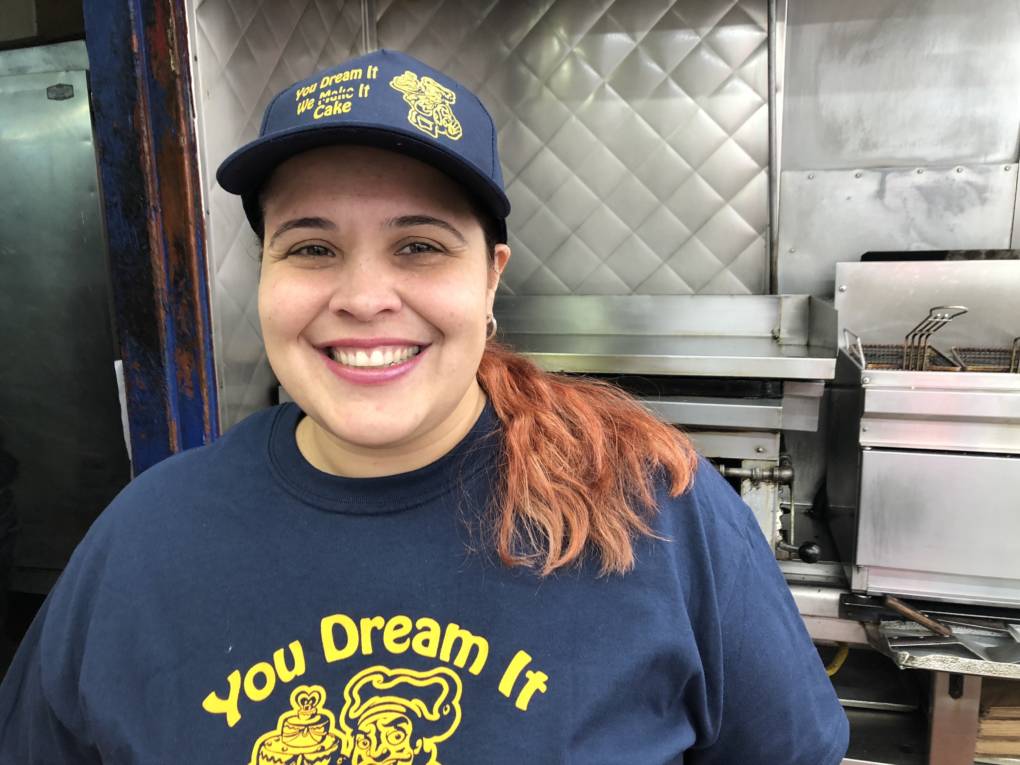
"caption": "Betsy Leyva is co-owner of a Brooklyn, N.Y., bakery that has an online-only restaurant, with deliveries by Uber Eats.",
"description": "Betsy Leyva is co-owner of a Brooklyn, N.Y., bakery that has an online-only restaurant, with deliveries by Uber Eats.",
"title": "Betsy Leyva is co-owner of a Brooklyn, N.Y., bakery that has an online-only restaurant, with deliveries by Uber Eats.",
"credit": "Jasmine Garsd/NPR",
"status": "inherit",
"isLoading": false,
"fetchFailed": false
},
"bayareabites_130963": {
"type": "attachments",
"id": "bayareabites_130963",
"meta": {
"index": "attachments_1716263798",
"site": "bayareabites",
"id": "130963",
"found": true
},
"parent": 130962,
"imgSizes": {
"small": {
"file": "https://ww2.kqed.org/app/uploads/sites/24/2018/10/cotton31_wide-dd6c7ca447d57bf11a9c2be0ca1d069e5fe6fa66-520x292.jpg",
"width": 520,
"mimeType": "image/jpeg",
"height": 292
},
"twentyfourteen-full-width": {
"file": "https://ww2.kqed.org/app/uploads/sites/24/2018/10/cotton31_wide-dd6c7ca447d57bf11a9c2be0ca1d069e5fe6fa66-1038x576.jpg",
"width": 1038,
"mimeType": "image/jpeg",
"height": 576
},
"thumbnail": {
"file": "https://ww2.kqed.org/app/uploads/sites/24/2018/10/cotton31_wide-dd6c7ca447d57bf11a9c2be0ca1d069e5fe6fa66-160x90.jpg",
"width": 160,
"mimeType": "image/jpeg",
"height": 90
},
"fd-sm": {
"file": "https://ww2.kqed.org/app/uploads/sites/24/2018/10/cotton31_wide-dd6c7ca447d57bf11a9c2be0ca1d069e5fe6fa66-960x540.jpg",
"width": 960,
"mimeType": "image/jpeg",
"height": 540
},
"post-thumbnail": {
"file": "https://ww2.kqed.org/app/uploads/sites/24/2018/10/cotton31_wide-dd6c7ca447d57bf11a9c2be0ca1d069e5fe6fa66-672x372.jpg",
"width": 672,
"mimeType": "image/jpeg",
"height": 372
},
"xsmall": {
"file": "https://ww2.kqed.org/app/uploads/sites/24/2018/10/cotton31_wide-dd6c7ca447d57bf11a9c2be0ca1d069e5fe6fa66-375x211.jpg",
"width": 375,
"mimeType": "image/jpeg",
"height": 211
},
"kqedFullSize": {
"file": "https://ww2.kqed.org/app/uploads/sites/24/2018/10/cotton31_wide-dd6c7ca447d57bf11a9c2be0ca1d069e5fe6fa66-e1539820196657.jpg",
"width": 1920,
"height": 1080
},
"large": {
"file": "https://ww2.kqed.org/app/uploads/sites/24/2018/10/cotton31_wide-dd6c7ca447d57bf11a9c2be0ca1d069e5fe6fa66-1020x574.jpg",
"width": 1020,
"mimeType": "image/jpeg",
"height": 574
},
"xlarge": {
"file": "https://ww2.kqed.org/app/uploads/sites/24/2018/10/cotton31_wide-dd6c7ca447d57bf11a9c2be0ca1d069e5fe6fa66-1180x664.jpg",
"width": 1180,
"mimeType": "image/jpeg",
"height": 664
},
"complete_open_graph": {
"file": "https://ww2.kqed.org/app/uploads/sites/24/2018/10/cotton31_wide-dd6c7ca447d57bf11a9c2be0ca1d069e5fe6fa66-1200x675.jpg",
"width": 1200,
"mimeType": "image/jpeg",
"height": 675
},
"guest-author-50": {
"file": "https://ww2.kqed.org/app/uploads/sites/24/2018/10/cotton31_wide-dd6c7ca447d57bf11a9c2be0ca1d069e5fe6fa66-50x50.jpg",
"width": 50,
"mimeType": "image/jpeg",
"height": 50
},
"guest-author-96": {
"file": "https://ww2.kqed.org/app/uploads/sites/24/2018/10/cotton31_wide-dd6c7ca447d57bf11a9c2be0ca1d069e5fe6fa66-96x96.jpg",
"width": 96,
"mimeType": "image/jpeg",
"height": 96
},
"medium": {
"file": "https://ww2.kqed.org/app/uploads/sites/24/2018/10/cotton31_wide-dd6c7ca447d57bf11a9c2be0ca1d069e5fe6fa66-800x450.jpg",
"width": 800,
"mimeType": "image/jpeg",
"height": 450
},
"guest-author-64": {
"file": "https://ww2.kqed.org/app/uploads/sites/24/2018/10/cotton31_wide-dd6c7ca447d57bf11a9c2be0ca1d069e5fe6fa66-64x64.jpg",
"width": 64,
"mimeType": "image/jpeg",
"height": 64
},
"guest-author-32": {
"file": "https://ww2.kqed.org/app/uploads/sites/24/2018/10/cotton31_wide-dd6c7ca447d57bf11a9c2be0ca1d069e5fe6fa66-32x32.jpg",
"width": 32,
"mimeType": "image/jpeg",
"height": 32
},
"fd-lrg": {
"file": "https://ww2.kqed.org/app/uploads/sites/24/2018/10/cotton31_wide-dd6c7ca447d57bf11a9c2be0ca1d069e5fe6fa66-1920x1080.jpg",
"width": 1920,
"mimeType": "image/jpeg",
"height": 1080
},
"fd-med": {
"file": "https://ww2.kqed.org/app/uploads/sites/24/2018/10/cotton31_wide-dd6c7ca447d57bf11a9c2be0ca1d069e5fe6fa66-1180x664.jpg",
"width": 1180,
"mimeType": "image/jpeg",
"height": 664
},
"full-width": {
"file": "https://ww2.kqed.org/app/uploads/sites/24/2018/10/cotton31_wide-dd6c7ca447d57bf11a9c2be0ca1d069e5fe6fa66-1920x1080.jpg",
"width": 1920,
"mimeType": "image/jpeg",
"height": 1080
},
"detail": {
"file": "https://ww2.kqed.org/app/uploads/sites/24/2018/10/cotton31_wide-dd6c7ca447d57bf11a9c2be0ca1d069e5fe6fa66-150x150.jpg",
"width": 150,
"mimeType": "image/jpeg",
"height": 150
},
"medium_large": {
"file": "https://ww2.kqed.org/app/uploads/sites/24/2018/10/cotton31_wide-dd6c7ca447d57bf11a9c2be0ca1d069e5fe6fa66-768x432.jpg",
"width": 768,
"mimeType": "image/jpeg",
"height": 432
},
"guest-author-128": {
"file": "https://ww2.kqed.org/app/uploads/sites/24/2018/10/cotton31_wide-dd6c7ca447d57bf11a9c2be0ca1d069e5fe6fa66-128x128.jpg",
"width": 128,
"mimeType": "image/jpeg",
"height": 128
},
"xxsmall": {
"file": "https://ww2.kqed.org/app/uploads/sites/24/2018/10/cotton31_wide-dd6c7ca447d57bf11a9c2be0ca1d069e5fe6fa66-240x135.jpg",
"width": 240,
"mimeType": "image/jpeg",
"height": 135
}
},
"publishDate": 1539820166,
"modified": 1539820210,
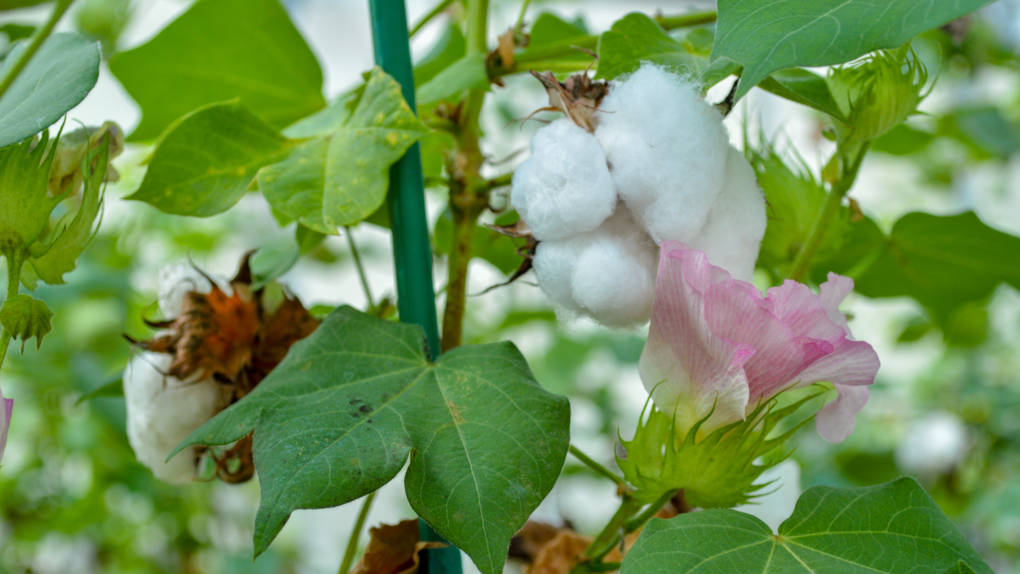
"caption": "Cottonseed is full of protein but toxic to humans and most animals. The U.S. Department of Agriculture this week approved a genetically engineered cotton with edible seeds. They could eventually feed chickens, fish — or even people.",
"description": "Cottonseed is full of protein but toxic to humans and most animals. The U.S. Department of Agriculture this week approved a genetically engineered cotton with edible seeds. They could eventually feed chickens, fish — or even peopl",
"title": "Cottonseed is full of protein but toxic to humans and most animals. The U.S. Department of Agriculture this week approved a genetically engineered cotton with edible seeds. They could eventually feed chickens, fish — or even people.",
"credit": "Lacey Roberts/Texas A&M University",
"status": "inherit",
"isLoading": false,
"fetchFailed": false
},
"bayareabites_130787": {
"type": "attachments",
"id": "bayareabites_130787",
"meta": {
"index": "attachments_1716263798",
"site": "bayareabites",
"id": "130787",
"found": true
},
"parent": 130786,
"imgSizes": {
"small": {
"file": "https://ww2.kqed.org/app/uploads/sites/24/2018/10/hallofflowers-520x346.jpg",
"width": 520,
"mimeType": "image/jpeg",
"height": 346
},
"twentyfourteen-full-width": {
"file": "https://ww2.kqed.org/app/uploads/sites/24/2018/10/hallofflowers-1038x576.jpg",
"width": 1038,
"mimeType": "image/jpeg",
"height": 576
},
"thumbnail": {
"file": "https://ww2.kqed.org/app/uploads/sites/24/2018/10/hallofflowers-160x107.jpg",
"width": 160,
"mimeType": "image/jpeg",
"height": 107
},
"fd-sm": {
"file": "https://ww2.kqed.org/app/uploads/sites/24/2018/10/hallofflowers-960x639.jpg",
"width": 960,
"mimeType": "image/jpeg",
"height": 639
},
"post-thumbnail": {
"file": "https://ww2.kqed.org/app/uploads/sites/24/2018/10/hallofflowers-672x372.jpg",
"width": 672,
"mimeType": "image/jpeg",
"height": 372
},
"xsmall": {
"file": "https://ww2.kqed.org/app/uploads/sites/24/2018/10/hallofflowers-375x250.jpg",
"width": 375,
"mimeType": "image/jpeg",
"height": 250
},
"kqedFullSize": {
"file": "https://ww2.kqed.org/app/uploads/sites/24/2018/10/hallofflowers-e1539242943912.jpg",
"width": 1920,
"height": 1278
},
"large": {
"file": "https://ww2.kqed.org/app/uploads/sites/24/2018/10/hallofflowers-1020x679.jpg",
"width": 1020,
"mimeType": "image/jpeg",
"height": 679
},
"xlarge": {
"file": "https://ww2.kqed.org/app/uploads/sites/24/2018/10/hallofflowers-1180x786.jpg",
"width": 1180,
"mimeType": "image/jpeg",
"height": 786
},
"complete_open_graph": {
"file": "https://ww2.kqed.org/app/uploads/sites/24/2018/10/hallofflowers-1200x799.jpg",
"width": 1200,
"mimeType": "image/jpeg",
"height": 799
},
"guest-author-50": {
"file": "https://ww2.kqed.org/app/uploads/sites/24/2018/10/hallofflowers-50x50.jpg",
"width": 50,
"mimeType": "image/jpeg",
"height": 50
},
"guest-author-96": {
"file": "https://ww2.kqed.org/app/uploads/sites/24/2018/10/hallofflowers-96x96.jpg",
"width": 96,
"mimeType": "image/jpeg",
"height": 96
},
"medium": {
"file": "https://ww2.kqed.org/app/uploads/sites/24/2018/10/hallofflowers-800x533.jpg",
"width": 800,
"mimeType": "image/jpeg",
"height": 533
},
"guest-author-64": {
"file": "https://ww2.kqed.org/app/uploads/sites/24/2018/10/hallofflowers-64x64.jpg",
"width": 64,
"mimeType": "image/jpeg",
"height": 64
},
"guest-author-32": {
"file": "https://ww2.kqed.org/app/uploads/sites/24/2018/10/hallofflowers-32x32.jpg",
"width": 32,
"mimeType": "image/jpeg",
"height": 32
},
"fd-lrg": {
"file": "https://ww2.kqed.org/app/uploads/sites/24/2018/10/hallofflowers-1920x1278.jpg",
"width": 1920,
"mimeType": "image/jpeg",
"height": 1278
},
"fd-med": {
"file": "https://ww2.kqed.org/app/uploads/sites/24/2018/10/hallofflowers-1180x786.jpg",
"width": 1180,
"mimeType": "image/jpeg",
"height": 786
},
"full-width": {
"file": "https://ww2.kqed.org/app/uploads/sites/24/2018/10/hallofflowers-1920x1278.jpg",
"width": 1920,
"mimeType": "image/jpeg",
"height": 1278
},
"detail": {
"file": "https://ww2.kqed.org/app/uploads/sites/24/2018/10/hallofflowers-150x150.jpg",
"width": 150,
"mimeType": "image/jpeg",
"height": 150
},
"medium_large": {
"file": "https://ww2.kqed.org/app/uploads/sites/24/2018/10/hallofflowers-768x511.jpg",
"width": 768,
"mimeType": "image/jpeg",
"height": 511
},
"guest-author-128": {
"file": "https://ww2.kqed.org/app/uploads/sites/24/2018/10/hallofflowers-128x128.jpg",
"width": 128,
"mimeType": "image/jpeg",
"height": 128
},
"xxsmall": {
"file": "https://ww2.kqed.org/app/uploads/sites/24/2018/10/hallofflowers-240x160.jpg",
"width": 240,
"mimeType": "image/jpeg",
"height": 160
}
},
"publishDate": 1539242912,
"modified": 1539282562,
"caption": "The Hall of Flowers B2B cannabis trade show was held in Santa Rosa, CA.",
"description": "The Hall of Flowers B2B cannabis trade show was held in Santa Rosa, CA.",
"title": "The Hall of Flowers B2B cannabis trade show was held in Santa Rosa, CA.",
"credit": "tablehopper.com",
"status": "inherit",
"isLoading": false,
"fetchFailed": false
},
"bayareabites_130543": {
"type": "attachments",
"id": "bayareabites_130543",
"meta": {
"index": "attachments_1716263798",
"site": "bayareabites",
"id": "130543",
"found": true
},
"parent": 130542,
"imgSizes": {
"small": {
"file": "https://ww2.kqed.org/app/uploads/sites/24/2018/09/img_0869-f529cb1ca9e89c814ea9054437fadcd7fdcb5fbe-520x390.jpg",
"width": 520,
"mimeType": "image/jpeg",
"height": 390
},
"twentyfourteen-full-width": {
"file": "https://ww2.kqed.org/app/uploads/sites/24/2018/09/img_0869-f529cb1ca9e89c814ea9054437fadcd7fdcb5fbe-1038x576.jpg",
"width": 1038,
"mimeType": "image/jpeg",
"height": 576
},
"thumbnail": {
"file": "https://ww2.kqed.org/app/uploads/sites/24/2018/09/img_0869-f529cb1ca9e89c814ea9054437fadcd7fdcb5fbe-160x120.jpg",
"width": 160,
"mimeType": "image/jpeg",
"height": 120
},
"fd-sm": {
"file": "https://ww2.kqed.org/app/uploads/sites/24/2018/09/img_0869-f529cb1ca9e89c814ea9054437fadcd7fdcb5fbe-960x720.jpg",
"width": 960,
"mimeType": "image/jpeg",
"height": 720
},
"post-thumbnail": {
"file": "https://ww2.kqed.org/app/uploads/sites/24/2018/09/img_0869-f529cb1ca9e89c814ea9054437fadcd7fdcb5fbe-672x372.jpg",
"width": 672,
"mimeType": "image/jpeg",
"height": 372
},
"xsmall": {
"file": "https://ww2.kqed.org/app/uploads/sites/24/2018/09/img_0869-f529cb1ca9e89c814ea9054437fadcd7fdcb5fbe-375x281.jpg",
"width": 375,
"mimeType": "image/jpeg",
"height": 281
},
"kqedFullSize": {
"file": "https://ww2.kqed.org/app/uploads/sites/24/2018/09/img_0869-f529cb1ca9e89c814ea9054437fadcd7fdcb5fbe-e1537473078187.jpg",
"width": 1920,
"height": 1440
},
"large": {
"file": "https://ww2.kqed.org/app/uploads/sites/24/2018/09/img_0869-f529cb1ca9e89c814ea9054437fadcd7fdcb5fbe-1020x765.jpg",
"width": 1020,
"mimeType": "image/jpeg",
"height": 765
},
"xlarge": {
"file": "https://ww2.kqed.org/app/uploads/sites/24/2018/09/img_0869-f529cb1ca9e89c814ea9054437fadcd7fdcb5fbe-1180x885.jpg",
"width": 1180,
"mimeType": "image/jpeg",
"height": 885
},
"complete_open_graph": {
"file": "https://ww2.kqed.org/app/uploads/sites/24/2018/09/img_0869-f529cb1ca9e89c814ea9054437fadcd7fdcb5fbe-1200x900.jpg",
"width": 1200,
"mimeType": "image/jpeg",
"height": 900
},
"guest-author-50": {
"file": "https://ww2.kqed.org/app/uploads/sites/24/2018/09/img_0869-f529cb1ca9e89c814ea9054437fadcd7fdcb5fbe-50x50.jpg",
"width": 50,
"mimeType": "image/jpeg",
"height": 50
},
"guest-author-96": {
"file": "https://ww2.kqed.org/app/uploads/sites/24/2018/09/img_0869-f529cb1ca9e89c814ea9054437fadcd7fdcb5fbe-96x96.jpg",
"width": 96,
"mimeType": "image/jpeg",
"height": 96
},
"medium": {
"file": "https://ww2.kqed.org/app/uploads/sites/24/2018/09/img_0869-f529cb1ca9e89c814ea9054437fadcd7fdcb5fbe-800x600.jpg",
"width": 800,
"mimeType": "image/jpeg",
"height": 600
},
"guest-author-64": {
"file": "https://ww2.kqed.org/app/uploads/sites/24/2018/09/img_0869-f529cb1ca9e89c814ea9054437fadcd7fdcb5fbe-64x64.jpg",
"width": 64,
"mimeType": "image/jpeg",
"height": 64
},
"guest-author-32": {
"file": "https://ww2.kqed.org/app/uploads/sites/24/2018/09/img_0869-f529cb1ca9e89c814ea9054437fadcd7fdcb5fbe-32x32.jpg",
"width": 32,
"mimeType": "image/jpeg",
"height": 32
},
"fd-lrg": {
"file": "https://ww2.kqed.org/app/uploads/sites/24/2018/09/img_0869-f529cb1ca9e89c814ea9054437fadcd7fdcb5fbe-1920x1440.jpg",
"width": 1920,
"mimeType": "image/jpeg",
"height": 1440
},
"fd-med": {
"file": "https://ww2.kqed.org/app/uploads/sites/24/2018/09/img_0869-f529cb1ca9e89c814ea9054437fadcd7fdcb5fbe-1180x885.jpg",
"width": 1180,
"mimeType": "image/jpeg",
"height": 885
},
"full-width": {
"file": "https://ww2.kqed.org/app/uploads/sites/24/2018/09/img_0869-f529cb1ca9e89c814ea9054437fadcd7fdcb5fbe-1920x1440.jpg",
"width": 1920,
"mimeType": "image/jpeg",
"height": 1440
},
"detail": {
"file": "https://ww2.kqed.org/app/uploads/sites/24/2018/09/img_0869-f529cb1ca9e89c814ea9054437fadcd7fdcb5fbe-150x150.jpg",
"width": 150,
"mimeType": "image/jpeg",
"height": 150
},
"medium_large": {
"file": "https://ww2.kqed.org/app/uploads/sites/24/2018/09/img_0869-f529cb1ca9e89c814ea9054437fadcd7fdcb5fbe-768x576.jpg",
"width": 768,
"mimeType": "image/jpeg",
"height": 576
},
"guest-author-128": {
"file": "https://ww2.kqed.org/app/uploads/sites/24/2018/09/img_0869-f529cb1ca9e89c814ea9054437fadcd7fdcb5fbe-128x128.jpg",
"width": 128,
"mimeType": "image/jpeg",
"height": 128
},
"xxsmall": {
"file": "https://ww2.kqed.org/app/uploads/sites/24/2018/09/img_0869-f529cb1ca9e89c814ea9054437fadcd7fdcb5fbe-240x180.jpg",
"width": 240,
"mimeType": "image/jpeg",
"height": 180
}
},
"publishDate": 1537473009,
"modified": 1537473066,
"caption": "Forty percent of Segassia Vineyard's vines were damaged after wildfires raged through Napa Valley in 2017.",
"description": "Forty percent of Segassia Vineyard's vines were damaged after wildfires raged through Napa Valley in 2017",
"title": "Forty percent of Segassia Vineyard's vines were damaged after wildfires raged through Napa Valley in 2017.",
"credit": "Andrew Cates",
"status": "inherit",
"isLoading": false,
"fetchFailed": false
},
"bayareabites_130372": {
"type": "attachments",
"id": "bayareabites_130372",
"meta": {
"index": "attachments_1716263798",
"site": "bayareabites",
"id": "130372",
"found": true
},
"parent": 130368,
"imgSizes": {
"small": {
"file": "https://ww2.kqed.org/app/uploads/sites/24/2018/09/50Best-1343-520x328.jpg",
"width": 520,
"mimeType": "image/jpeg",
"height": 328
},
"twentyfourteen-full-width": {
"file": "https://ww2.kqed.org/app/uploads/sites/24/2018/09/50Best-1343-1038x576.jpg",
"width": 1038,
"mimeType": "image/jpeg",
"height": 576
},
"thumbnail": {
"file": "https://ww2.kqed.org/app/uploads/sites/24/2018/09/50Best-1343-160x101.jpg",
"width": 160,
"mimeType": "image/jpeg",
"height": 101
},
"fd-sm": {
"file": "https://ww2.kqed.org/app/uploads/sites/24/2018/09/50Best-1343-960x606.jpg",
"width": 960,
"mimeType": "image/jpeg",
"height": 606
},
"post-thumbnail": {
"file": "https://ww2.kqed.org/app/uploads/sites/24/2018/09/50Best-1343-672x372.jpg",
"width": 672,
"mimeType": "image/jpeg",
"height": 372
},
"xsmall": {
"file": "https://ww2.kqed.org/app/uploads/sites/24/2018/09/50Best-1343-375x237.jpg",
"width": 375,
"mimeType": "image/jpeg",
"height": 237
},
"kqedFullSize": {
"file": "https://ww2.kqed.org/app/uploads/sites/24/2018/09/50Best-1343.jpg",
"width": 1920,
"height": 1211
},
"large": {
"file": "https://ww2.kqed.org/app/uploads/sites/24/2018/09/50Best-1343-1020x643.jpg",
"width": 1020,
"mimeType": "image/jpeg",
"height": 643
},
"xlarge": {
"file": "https://ww2.kqed.org/app/uploads/sites/24/2018/09/50Best-1343-1180x744.jpg",
"width": 1180,
"mimeType": "image/jpeg",
"height": 744
},
"complete_open_graph": {
"file": "https://ww2.kqed.org/app/uploads/sites/24/2018/09/50Best-1343-1200x757.jpg",
"width": 1200,
"mimeType": "image/jpeg",
"height": 757
},
"guest-author-50": {
"file": "https://ww2.kqed.org/app/uploads/sites/24/2018/09/50Best-1343-50x50.jpg",
"width": 50,
"mimeType": "image/jpeg",
"height": 50
},
"guest-author-96": {
"file": "https://ww2.kqed.org/app/uploads/sites/24/2018/09/50Best-1343-96x96.jpg",
"width": 96,
"mimeType": "image/jpeg",
"height": 96
},
"medium": {
"file": "https://ww2.kqed.org/app/uploads/sites/24/2018/09/50Best-1343-800x505.jpg",
"width": 800,
"mimeType": "image/jpeg",
"height": 505
},
"guest-author-64": {
"file": "https://ww2.kqed.org/app/uploads/sites/24/2018/09/50Best-1343-64x64.jpg",
"width": 64,
"mimeType": "image/jpeg",
"height": 64
},
"guest-author-32": {
"file": "https://ww2.kqed.org/app/uploads/sites/24/2018/09/50Best-1343-32x32.jpg",
"width": 32,
"mimeType": "image/jpeg",
"height": 32
},
"fd-lrg": {
"file": "https://ww2.kqed.org/app/uploads/sites/24/2018/09/50Best-1343-1920x1211.jpg",
"width": 1920,
"mimeType": "image/jpeg",
"height": 1211
},
"fd-med": {
"file": "https://ww2.kqed.org/app/uploads/sites/24/2018/09/50Best-1343-1180x744.jpg",
"width": 1180,
"mimeType": "image/jpeg",
"height": 744
},
"full-width": {
"file": "https://ww2.kqed.org/app/uploads/sites/24/2018/09/50Best-1343-1920x1211.jpg",
"width": 1920,
"mimeType": "image/jpeg",
"height": 1211
},
"detail": {
"file": "https://ww2.kqed.org/app/uploads/sites/24/2018/09/50Best-1343-150x150.jpg",
"width": 150,
"mimeType": "image/jpeg",
"height": 150
},
"medium_large": {
"file": "https://ww2.kqed.org/app/uploads/sites/24/2018/09/50Best-1343-768x484.jpg",
"width": 768,
"mimeType": "image/jpeg",
"height": 484
},
"guest-author-128": {
"file": "https://ww2.kqed.org/app/uploads/sites/24/2018/09/50Best-1343-128x128.jpg",
"width": 128,
"mimeType": "image/jpeg",
"height": 128
},
"xxsmall": {
"file": "https://ww2.kqed.org/app/uploads/sites/24/2018/09/50Best-1343-240x151.jpg",
"width": 240,
"mimeType": "image/jpeg",
"height": 151
}
},
"publishDate": 1536876894,
"modified": 1536877018,
"caption": "(left to right): William Drew, Gaggan Anand, Dominique Crenn, Lara Gilmore, Daniela Soto-Innes, Enrique Olvera, and Virgilio Martínez.",
"description": "(left to right): William Drew, Gaggan Anand, Dominique Crenn, Lara Gilmore, Daniela Soto-Innes, Enrique Olvera, and Virgilio Martínez.",
"title": "(left to right): William Drew, Gaggan Anand, Dominique Crenn, Lara Gilmore, Daniela Soto-Innes, Enrique Olvera, and Virgilio Martínez.",
"credit": "Monica Lo",
"status": "inherit",
"isLoading": false,
"fetchFailed": false
},
"bayareabites_130352": {
"type": "attachments",
"id": "bayareabites_130352",
"meta": {
"index": "attachments_1716263798",
"site": "bayareabites",
"id": "130352",
"found": true
},
"parent": 130351,
"imgSizes": {
"small": {
"file": "https://ww2.kqed.org/app/uploads/sites/24/2018/09/lettuce1_enl-e8cfd52596d77576010ecbf681b4acaece1f1ff4-520x293.jpg",
"width": 520,
"mimeType": "image/jpeg",
"height": 293
},
"twentyfourteen-full-width": {
"file": "https://ww2.kqed.org/app/uploads/sites/24/2018/09/lettuce1_enl-e8cfd52596d77576010ecbf681b4acaece1f1ff4-1038x576.jpg",
"width": 1038,
"mimeType": "image/jpeg",
"height": 576
},
"thumbnail": {
"file": "https://ww2.kqed.org/app/uploads/sites/24/2018/09/lettuce1_enl-e8cfd52596d77576010ecbf681b4acaece1f1ff4-160x90.jpg",
"width": 160,
"mimeType": "image/jpeg",
"height": 90
},
"fd-sm": {
"file": "https://ww2.kqed.org/app/uploads/sites/24/2018/09/lettuce1_enl-e8cfd52596d77576010ecbf681b4acaece1f1ff4-960x540.jpg",
"width": 960,
"mimeType": "image/jpeg",
"height": 540
},
"post-thumbnail": {
"file": "https://ww2.kqed.org/app/uploads/sites/24/2018/09/lettuce1_enl-e8cfd52596d77576010ecbf681b4acaece1f1ff4-672x372.jpg",
"width": 672,
"mimeType": "image/jpeg",
"height": 372
},
"xsmall": {
"file": "https://ww2.kqed.org/app/uploads/sites/24/2018/09/lettuce1_enl-e8cfd52596d77576010ecbf681b4acaece1f1ff4-375x211.jpg",
"width": 375,
"mimeType": "image/jpeg",
"height": 211
},
"kqedFullSize": {
"file": "https://ww2.kqed.org/app/uploads/sites/24/2018/09/lettuce1_enl-e8cfd52596d77576010ecbf681b4acaece1f1ff4-e1536608062864.jpg",
"width": 1920,
"height": 1080
},
"large": {
"file": "https://ww2.kqed.org/app/uploads/sites/24/2018/09/lettuce1_enl-e8cfd52596d77576010ecbf681b4acaece1f1ff4-1020x574.jpg",
"width": 1020,
"mimeType": "image/jpeg",
"height": 574
},
"xlarge": {
"file": "https://ww2.kqed.org/app/uploads/sites/24/2018/09/lettuce1_enl-e8cfd52596d77576010ecbf681b4acaece1f1ff4-1180x664.jpg",
"width": 1180,
"mimeType": "image/jpeg",
"height": 664
},
"complete_open_graph": {
"file": "https://ww2.kqed.org/app/uploads/sites/24/2018/09/lettuce1_enl-e8cfd52596d77576010ecbf681b4acaece1f1ff4-1200x675.jpg",
"width": 1200,
"mimeType": "image/jpeg",
"height": 675
},
"guest-author-50": {
"file": "https://ww2.kqed.org/app/uploads/sites/24/2018/09/lettuce1_enl-e8cfd52596d77576010ecbf681b4acaece1f1ff4-50x50.jpg",
"width": 50,
"mimeType": "image/jpeg",
"height": 50
},
"guest-author-96": {
"file": "https://ww2.kqed.org/app/uploads/sites/24/2018/09/lettuce1_enl-e8cfd52596d77576010ecbf681b4acaece1f1ff4-96x96.jpg",
"width": 96,
"mimeType": "image/jpeg",
"height": 96
},
"medium": {
"file": "https://ww2.kqed.org/app/uploads/sites/24/2018/09/lettuce1_enl-e8cfd52596d77576010ecbf681b4acaece1f1ff4-800x450.jpg",
"width": 800,
"mimeType": "image/jpeg",
"height": 450
},
"guest-author-64": {
"file": "https://ww2.kqed.org/app/uploads/sites/24/2018/09/lettuce1_enl-e8cfd52596d77576010ecbf681b4acaece1f1ff4-64x64.jpg",
"width": 64,
"mimeType": "image/jpeg",
"height": 64
},
"guest-author-32": {
"file": "https://ww2.kqed.org/app/uploads/sites/24/2018/09/lettuce1_enl-e8cfd52596d77576010ecbf681b4acaece1f1ff4-32x32.jpg",
"width": 32,
"mimeType": "image/jpeg",
"height": 32
},
"fd-lrg": {
"file": "https://ww2.kqed.org/app/uploads/sites/24/2018/09/lettuce1_enl-e8cfd52596d77576010ecbf681b4acaece1f1ff4-1920x1080.jpg",
"width": 1920,
"mimeType": "image/jpeg",
"height": 1080
},
"fd-med": {
"file": "https://ww2.kqed.org/app/uploads/sites/24/2018/09/lettuce1_enl-e8cfd52596d77576010ecbf681b4acaece1f1ff4-1180x664.jpg",
"width": 1180,
"mimeType": "image/jpeg",
"height": 664
},
"full-width": {
"file": "https://ww2.kqed.org/app/uploads/sites/24/2018/09/lettuce1_enl-e8cfd52596d77576010ecbf681b4acaece1f1ff4-1920x1080.jpg",
"width": 1920,
"mimeType": "image/jpeg",
"height": 1080
},
"detail": {
"file": "https://ww2.kqed.org/app/uploads/sites/24/2018/09/lettuce1_enl-e8cfd52596d77576010ecbf681b4acaece1f1ff4-150x150.jpg",
"width": 150,
"mimeType": "image/jpeg",
"height": 150
},
"medium_large": {
"file": "https://ww2.kqed.org/app/uploads/sites/24/2018/09/lettuce1_enl-e8cfd52596d77576010ecbf681b4acaece1f1ff4-768x432.jpg",
"width": 768,
"mimeType": "image/jpeg",
"height": 432
},
"guest-author-128": {
"file": "https://ww2.kqed.org/app/uploads/sites/24/2018/09/lettuce1_enl-e8cfd52596d77576010ecbf681b4acaece1f1ff4-128x128.jpg",
"width": 128,
"mimeType": "image/jpeg",
"height": 128
},
"xxsmall": {
"file": "https://ww2.kqed.org/app/uploads/sites/24/2018/09/lettuce1_enl-e8cfd52596d77576010ecbf681b4acaece1f1ff4-240x135.jpg",
"width": 240,
"mimeType": "image/jpeg",
"height": 135
}
},
"publishDate": 1536607872,
"modified": 1536608077,
"caption": "From Romaine lettuce to McDonald's salads, Goldfish crackers and Taco Bell queso, we hear more about food recalls and outbreaks. But many experts say our food supply is as safe as ever.",
"description": "From Romaine lettuce to McDonald's salads, Goldfish crackers and Taco Bell queso, we hear more about food recalls and outbreaks. But many experts say our food supply is as safe as ever.",
"title": "From Romaine lettuce to McDonald's salads, Goldfish crackers and Taco Bell queso, we hear more about food recalls and outbreaks. But many experts say our food supply is as safe as ever.",
"credit": "Daniel Fishel for NPR",
"status": "inherit",
"isLoading": false,
"fetchFailed": false
},
"bayareabites_130294": {
"type": "attachments",
"id": "bayareabites_130294",
"meta": {
"index": "attachments_1716263798",
"site": "bayareabites",
"id": "130294",
"found": true
},
"parent": 130293,
"imgSizes": {
"small": {
"file": "https://ww2.kqed.org/app/uploads/sites/24/2018/09/img_8270_wide-c09a7d109f33ecb6e44c23458f7f01db73c2c824-520x292.jpg",
"width": 520,
"mimeType": "image/jpeg",
"height": 292
},
"twentyfourteen-full-width": {
"file": "https://ww2.kqed.org/app/uploads/sites/24/2018/09/img_8270_wide-c09a7d109f33ecb6e44c23458f7f01db73c2c824-1038x576.jpg",
"width": 1038,
"mimeType": "image/jpeg",
"height": 576
},
"thumbnail": {
"file": "https://ww2.kqed.org/app/uploads/sites/24/2018/09/img_8270_wide-c09a7d109f33ecb6e44c23458f7f01db73c2c824-160x90.jpg",
"width": 160,
"mimeType": "image/jpeg",
"height": 90
},
"fd-sm": {
"file": "https://ww2.kqed.org/app/uploads/sites/24/2018/09/img_8270_wide-c09a7d109f33ecb6e44c23458f7f01db73c2c824-960x539.jpg",
"width": 960,
"mimeType": "image/jpeg",
"height": 539
},
"post-thumbnail": {
"file": "https://ww2.kqed.org/app/uploads/sites/24/2018/09/img_8270_wide-c09a7d109f33ecb6e44c23458f7f01db73c2c824-672x372.jpg",
"width": 672,
"mimeType": "image/jpeg",
"height": 372
},
"xsmall": {
"file": "https://ww2.kqed.org/app/uploads/sites/24/2018/09/img_8270_wide-c09a7d109f33ecb6e44c23458f7f01db73c2c824-375x211.jpg",
"width": 375,
"mimeType": "image/jpeg",
"height": 211
},
"kqedFullSize": {
"file": "https://ww2.kqed.org/app/uploads/sites/24/2018/09/img_8270_wide-c09a7d109f33ecb6e44c23458f7f01db73c2c824.jpg",
"width": 1111,
"height": 624
},
"large": {
"file": "https://ww2.kqed.org/app/uploads/sites/24/2018/09/img_8270_wide-c09a7d109f33ecb6e44c23458f7f01db73c2c824-1020x573.jpg",
"width": 1020,
"mimeType": "image/jpeg",
"height": 573
},
"guest-author-50": {
"file": "https://ww2.kqed.org/app/uploads/sites/24/2018/09/img_8270_wide-c09a7d109f33ecb6e44c23458f7f01db73c2c824-50x50.jpg",
"width": 50,
"mimeType": "image/jpeg",
"height": 50
},
"guest-author-96": {
"file": "https://ww2.kqed.org/app/uploads/sites/24/2018/09/img_8270_wide-c09a7d109f33ecb6e44c23458f7f01db73c2c824-96x96.jpg",
"width": 96,
"mimeType": "image/jpeg",
"height": 96
},
"medium": {
"file": "https://ww2.kqed.org/app/uploads/sites/24/2018/09/img_8270_wide-c09a7d109f33ecb6e44c23458f7f01db73c2c824-800x449.jpg",
"width": 800,
"mimeType": "image/jpeg",
"height": 449
},
"guest-author-64": {
"file": "https://ww2.kqed.org/app/uploads/sites/24/2018/09/img_8270_wide-c09a7d109f33ecb6e44c23458f7f01db73c2c824-64x64.jpg",
"width": 64,
"mimeType": "image/jpeg",
"height": 64
},
"guest-author-32": {
"file": "https://ww2.kqed.org/app/uploads/sites/24/2018/09/img_8270_wide-c09a7d109f33ecb6e44c23458f7f01db73c2c824-32x32.jpg",
"width": 32,
"mimeType": "image/jpeg",
"height": 32
},
"detail": {
"file": "https://ww2.kqed.org/app/uploads/sites/24/2018/09/img_8270_wide-c09a7d109f33ecb6e44c23458f7f01db73c2c824-150x150.jpg",
"width": 150,
"mimeType": "image/jpeg",
"height": 150
},
"medium_large": {
"file": "https://ww2.kqed.org/app/uploads/sites/24/2018/09/img_8270_wide-c09a7d109f33ecb6e44c23458f7f01db73c2c824-768x431.jpg",
"width": 768,
"mimeType": "image/jpeg",
"height": 431
},
"guest-author-128": {
"file": "https://ww2.kqed.org/app/uploads/sites/24/2018/09/img_8270_wide-c09a7d109f33ecb6e44c23458f7f01db73c2c824-128x128.jpg",
"width": 128,
"mimeType": "image/jpeg",
"height": 128
},
"xxsmall": {
"file": "https://ww2.kqed.org/app/uploads/sites/24/2018/09/img_8270_wide-c09a7d109f33ecb6e44c23458f7f01db73c2c824-240x135.jpg",
"width": 240,
"mimeType": "image/jpeg",
"height": 135
}
},
"publishDate": 1536266961,
"modified": 1536267039,
"caption": "Mozzeria is one of the most talked-about pizzerias in the heart of a vibrant San Francisco neighborhood. Every staff member employed at the restaurant identifies as deaf or hard of hearing.",
"description": "Mozzeria is one of the most talked-about pizzerias in the heart of a vibrant San Francisco neighborhood. Every staff member employed at the restaurant identifies as deaf or hard of hearing.",
"title": "Mozzeria is one of the most talked-about pizzerias in the heart of a vibrant San Francisco neighborhood. Every staff member employed at the restaurant identifies as deaf or hard of hearing.",
"credit": "Mozzeria",
"status": "inherit",
"isLoading": false,
"fetchFailed": false
},
"bayareabites_130211": {
"type": "attachments",
"id": "bayareabites_130211",
"meta": {
"index": "attachments_1716263798",
"site": "bayareabites",
"id": "130211",
"found": true
},
"parent": 130202,
"imgSizes": {
"small": {
"file": "https://ww2.kqed.org/app/uploads/sites/24/2018/08/sprig-520x347.jpg",
"width": 520,
"mimeType": "image/jpeg",
"height": 347
},
"twentyfourteen-full-width": {
"file": "https://ww2.kqed.org/app/uploads/sites/24/2018/08/sprig-1024x576.jpg",
"width": 1024,
"mimeType": "image/jpeg",
"height": 576
},
"thumbnail": {
"file": "https://ww2.kqed.org/app/uploads/sites/24/2018/08/sprig-160x107.jpg",
"width": 160,
"mimeType": "image/jpeg",
"height": 107
},
"fd-sm": {
"file": "https://ww2.kqed.org/app/uploads/sites/24/2018/08/sprig-960x640.jpg",
"width": 960,
"mimeType": "image/jpeg",
"height": 640
},
"post-thumbnail": {
"file": "https://ww2.kqed.org/app/uploads/sites/24/2018/08/sprig-672x372.jpg",
"width": 672,
"mimeType": "image/jpeg",
"height": 372
},
"xsmall": {
"file": "https://ww2.kqed.org/app/uploads/sites/24/2018/08/sprig-375x250.jpg",
"width": 375,
"mimeType": "image/jpeg",
"height": 250
},
"kqedFullSize": {
"file": "https://ww2.kqed.org/app/uploads/sites/24/2018/08/sprig.jpg",
"width": 1024,
"height": 683
},
"large": {
"file": "https://ww2.kqed.org/app/uploads/sites/24/2018/08/sprig-1020x680.jpg",
"width": 1020,
"mimeType": "image/jpeg",
"height": 680
},
"guest-author-50": {
"file": "https://ww2.kqed.org/app/uploads/sites/24/2018/08/sprig-50x50.jpg",
"width": 50,
"mimeType": "image/jpeg",
"height": 50
},
"guest-author-96": {
"file": "https://ww2.kqed.org/app/uploads/sites/24/2018/08/sprig-96x96.jpg",
"width": 96,
"mimeType": "image/jpeg",
"height": 96
},
"medium": {
"file": "https://ww2.kqed.org/app/uploads/sites/24/2018/08/sprig-800x534.jpg",
"width": 800,
"mimeType": "image/jpeg",
"height": 534
},
"guest-author-64": {
"file": "https://ww2.kqed.org/app/uploads/sites/24/2018/08/sprig-64x64.jpg",
"width": 64,
"mimeType": "image/jpeg",
"height": 64
},
"guest-author-32": {
"file": "https://ww2.kqed.org/app/uploads/sites/24/2018/08/sprig-32x32.jpg",
"width": 32,
"mimeType": "image/jpeg",
"height": 32
},
"detail": {
"file": "https://ww2.kqed.org/app/uploads/sites/24/2018/08/sprig-150x150.jpg",
"width": 150,
"mimeType": "image/jpeg",
"height": 150
},
"medium_large": {
"file": "https://ww2.kqed.org/app/uploads/sites/24/2018/08/sprig-768x512.jpg",
"width": 768,
"mimeType": "image/jpeg",
"height": 512
},
"guest-author-128": {
"file": "https://ww2.kqed.org/app/uploads/sites/24/2018/08/sprig-128x128.jpg",
"width": 128,
"mimeType": "image/jpeg",
"height": 128
},
"xxsmall": {
"file": "https://ww2.kqed.org/app/uploads/sites/24/2018/08/sprig-240x160.jpg",
"width": 240,
"mimeType": "image/jpeg",
"height": 160
}
},
"publishDate": 1535494480,
"modified": 1535494527,
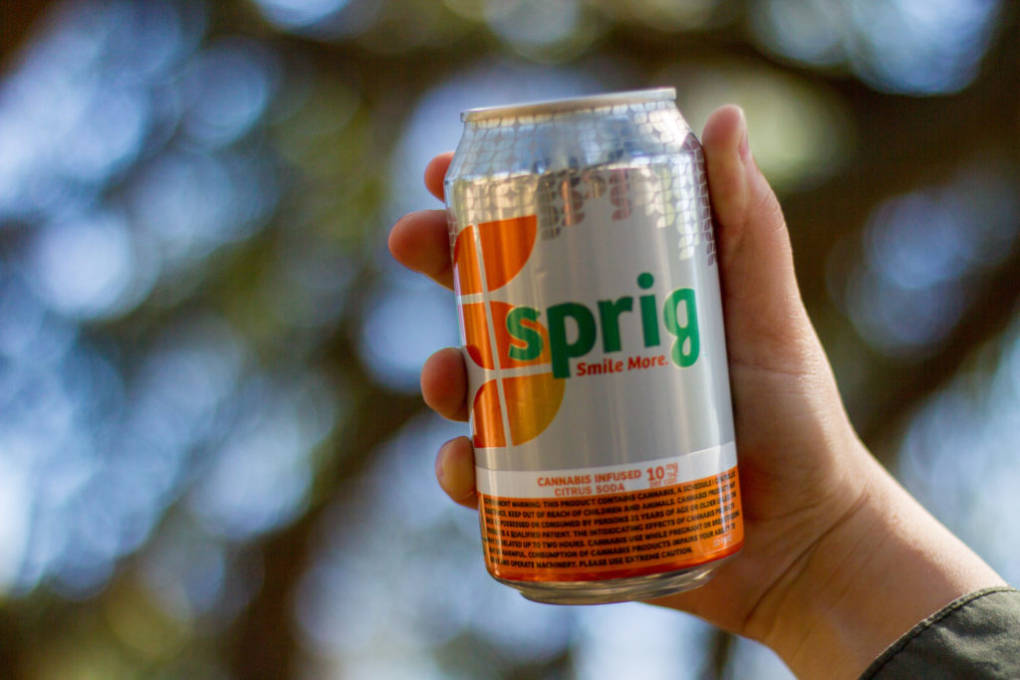
"caption": "Sprig's Citrus Cannabis-Infused Soda",
"description": null,
"title": "Sprig's Citrus Cannabis-Infused Soda",
"credit": "Sprig",
"status": "inherit",
"isLoading": false,
"fetchFailed": false
},
"bayareabites_130153": {
"type": "attachments",
"id": "bayareabites_130153",
"meta": {
"index": "attachments_1716263798",
"site": "bayareabites",
"id": "130153",
"found": true
},
"parent": 130151,
"imgSizes": {
"small": {
"file": "https://ww2.kqed.org/app/uploads/sites/24/2018/08/1808_creator_-shumphreyphoto_7504-5d61c87ff42a7a70dcc1749352c30414857a59aa-520x390.jpg",
"width": 520,
"mimeType": "image/jpeg",
"height": 390
},
"twentyfourteen-full-width": {
"file": "https://ww2.kqed.org/app/uploads/sites/24/2018/08/1808_creator_-shumphreyphoto_7504-5d61c87ff42a7a70dcc1749352c30414857a59aa-1038x576.jpg",
"width": 1038,
"mimeType": "image/jpeg",
"height": 576
},
"thumbnail": {
"file": "https://ww2.kqed.org/app/uploads/sites/24/2018/08/1808_creator_-shumphreyphoto_7504-5d61c87ff42a7a70dcc1749352c30414857a59aa-160x120.jpg",
"width": 160,
"mimeType": "image/jpeg",
"height": 120
},
"fd-sm": {
"file": "https://ww2.kqed.org/app/uploads/sites/24/2018/08/1808_creator_-shumphreyphoto_7504-5d61c87ff42a7a70dcc1749352c30414857a59aa-960x720.jpg",
"width": 960,
"mimeType": "image/jpeg",
"height": 720
},
"post-thumbnail": {
"file": "https://ww2.kqed.org/app/uploads/sites/24/2018/08/1808_creator_-shumphreyphoto_7504-5d61c87ff42a7a70dcc1749352c30414857a59aa-672x372.jpg",
"width": 672,
"mimeType": "image/jpeg",
"height": 372
},
"xsmall": {
"file": "https://ww2.kqed.org/app/uploads/sites/24/2018/08/1808_creator_-shumphreyphoto_7504-5d61c87ff42a7a70dcc1749352c30414857a59aa-375x281.jpg",
"width": 375,
"mimeType": "image/jpeg",
"height": 281
},
"kqedFullSize": {
"file": "https://ww2.kqed.org/app/uploads/sites/24/2018/08/1808_creator_-shumphreyphoto_7504-5d61c87ff42a7a70dcc1749352c30414857a59aa.jpg",
"width": 1691,
"height": 1268
},
"large": {
"file": "https://ww2.kqed.org/app/uploads/sites/24/2018/08/1808_creator_-shumphreyphoto_7504-5d61c87ff42a7a70dcc1749352c30414857a59aa-1020x765.jpg",
"width": 1020,
"mimeType": "image/jpeg",
"height": 765
},
"xlarge": {
"file": "https://ww2.kqed.org/app/uploads/sites/24/2018/08/1808_creator_-shumphreyphoto_7504-5d61c87ff42a7a70dcc1749352c30414857a59aa-1180x885.jpg",
"width": 1180,
"mimeType": "image/jpeg",
"height": 885
},
"complete_open_graph": {
"file": "https://ww2.kqed.org/app/uploads/sites/24/2018/08/1808_creator_-shumphreyphoto_7504-5d61c87ff42a7a70dcc1749352c30414857a59aa-1200x900.jpg",
"width": 1200,
"mimeType": "image/jpeg",
"height": 900
},
"guest-author-50": {
"file": "https://ww2.kqed.org/app/uploads/sites/24/2018/08/1808_creator_-shumphreyphoto_7504-5d61c87ff42a7a70dcc1749352c30414857a59aa-50x50.jpg",
"width": 50,
"mimeType": "image/jpeg",
"height": 50
},
"guest-author-96": {
"file": "https://ww2.kqed.org/app/uploads/sites/24/2018/08/1808_creator_-shumphreyphoto_7504-5d61c87ff42a7a70dcc1749352c30414857a59aa-96x96.jpg",
"width": 96,
"mimeType": "image/jpeg",
"height": 96
},
"medium": {
"file": "https://ww2.kqed.org/app/uploads/sites/24/2018/08/1808_creator_-shumphreyphoto_7504-5d61c87ff42a7a70dcc1749352c30414857a59aa-800x600.jpg",
"width": 800,
"mimeType": "image/jpeg",
"height": 600
},
"guest-author-64": {
"file": "https://ww2.kqed.org/app/uploads/sites/24/2018/08/1808_creator_-shumphreyphoto_7504-5d61c87ff42a7a70dcc1749352c30414857a59aa-64x64.jpg",
"width": 64,
"mimeType": "image/jpeg",
"height": 64
},
"guest-author-32": {
"file": "https://ww2.kqed.org/app/uploads/sites/24/2018/08/1808_creator_-shumphreyphoto_7504-5d61c87ff42a7a70dcc1749352c30414857a59aa-32x32.jpg",
"width": 32,
"mimeType": "image/jpeg",
"height": 32
},
"fd-med": {
"file": "https://ww2.kqed.org/app/uploads/sites/24/2018/08/1808_creator_-shumphreyphoto_7504-5d61c87ff42a7a70dcc1749352c30414857a59aa-1180x885.jpg",
"width": 1180,
"mimeType": "image/jpeg",
"height": 885
},
"detail": {
"file": "https://ww2.kqed.org/app/uploads/sites/24/2018/08/1808_creator_-shumphreyphoto_7504-5d61c87ff42a7a70dcc1749352c30414857a59aa-150x150.jpg",
"width": 150,
"mimeType": "image/jpeg",
"height": 150
},
"medium_large": {
"file": "https://ww2.kqed.org/app/uploads/sites/24/2018/08/1808_creator_-shumphreyphoto_7504-5d61c87ff42a7a70dcc1749352c30414857a59aa-768x576.jpg",
"width": 768,
"mimeType": "image/jpeg",
"height": 576
},
"guest-author-128": {
"file": "https://ww2.kqed.org/app/uploads/sites/24/2018/08/1808_creator_-shumphreyphoto_7504-5d61c87ff42a7a70dcc1749352c30414857a59aa-128x128.jpg",
"width": 128,
"mimeType": "image/jpeg",
"height": 128
},
"xxsmall": {
"file": "https://ww2.kqed.org/app/uploads/sites/24/2018/08/1808_creator_-shumphreyphoto_7504-5d61c87ff42a7a70dcc1749352c30414857a59aa-240x180.jpg",
"width": 240,
"mimeType": "image/jpeg",
"height": 180
}
},
"publishDate": 1535135911,
"modified": 1535135966,
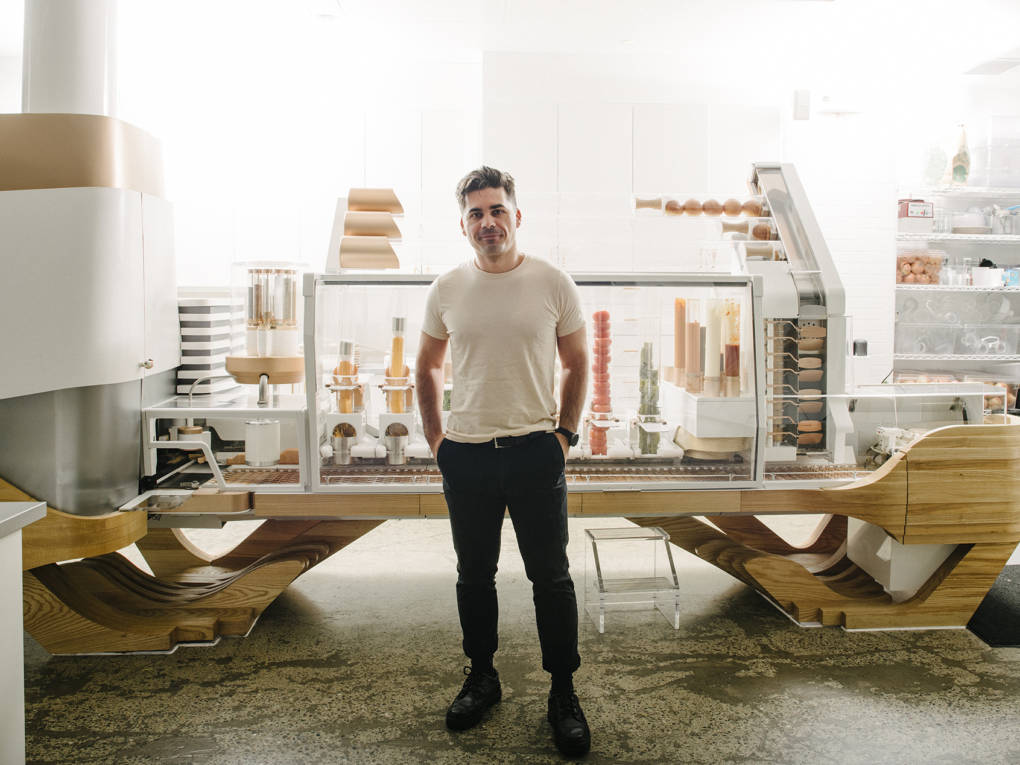
"caption": "Alex Vardakostas had a dream about creating a robot burger-maker in college. He's now poised to open a restaurant with his Creator Burger robot in September.",
"description": "Alex Vardakostas had a dream about creating a robot burger-maker in college. He's now poised to open a restaurant with his Creator Burger robot in September.",
"title": "Alex Vardakostas had a dream about creating a robot burger-maker in college. He's now poised to open a restaurant with his Creator Burger robot in September.",
"credit": "Saroyan Humphrey",
"status": "inherit",
"isLoading": false,
"fetchFailed": false
},
"bayareabites_130126": {
"type": "attachments",
"id": "bayareabites_130126",
"meta": {
"index": "attachments_1716263798",
"site": "bayareabites",
"id": "130126",
"found": true
},
"parent": 130124,
"imgSizes": {
"small": {
"file": "https://ww2.kqed.org/app/uploads/sites/24/2018/08/micro-plastics-3-46067ed8a6176d049fc040a53163230d1bf4bd88-520x390.jpg",
"width": 520,
"mimeType": "image/jpeg",
"height": 390
},
"twentyfourteen-full-width": {
"file": "https://ww2.kqed.org/app/uploads/sites/24/2018/08/micro-plastics-3-46067ed8a6176d049fc040a53163230d1bf4bd88-1038x576.jpg",
"width": 1038,
"mimeType": "image/jpeg",
"height": 576
},
"thumbnail": {
"file": "https://ww2.kqed.org/app/uploads/sites/24/2018/08/micro-plastics-3-46067ed8a6176d049fc040a53163230d1bf4bd88-160x120.jpg",
"width": 160,
"mimeType": "image/jpeg",
"height": 120
},
"fd-sm": {
"file": "https://ww2.kqed.org/app/uploads/sites/24/2018/08/micro-plastics-3-46067ed8a6176d049fc040a53163230d1bf4bd88-960x720.jpg",
"width": 960,
"mimeType": "image/jpeg",
"height": 720
},
"post-thumbnail": {
"file": "https://ww2.kqed.org/app/uploads/sites/24/2018/08/micro-plastics-3-46067ed8a6176d049fc040a53163230d1bf4bd88-672x372.jpg",
"width": 672,
"mimeType": "image/jpeg",
"height": 372
},
"xsmall": {
"file": "https://ww2.kqed.org/app/uploads/sites/24/2018/08/micro-plastics-3-46067ed8a6176d049fc040a53163230d1bf4bd88-375x281.jpg",
"width": 375,
"mimeType": "image/jpeg",
"height": 281
},
"kqedFullSize": {
"file": "https://ww2.kqed.org/app/uploads/sites/24/2018/08/micro-plastics-3-46067ed8a6176d049fc040a53163230d1bf4bd88-e1534786632786.jpg",
"width": 1920,
"height": 1440
},
"large": {
"file": "https://ww2.kqed.org/app/uploads/sites/24/2018/08/micro-plastics-3-46067ed8a6176d049fc040a53163230d1bf4bd88-1020x765.jpg",
"width": 1020,
"mimeType": "image/jpeg",
"height": 765
},
"xlarge": {
"file": "https://ww2.kqed.org/app/uploads/sites/24/2018/08/micro-plastics-3-46067ed8a6176d049fc040a53163230d1bf4bd88-1180x885.jpg",
"width": 1180,
"mimeType": "image/jpeg",
"height": 885
},
"complete_open_graph": {
"file": "https://ww2.kqed.org/app/uploads/sites/24/2018/08/micro-plastics-3-46067ed8a6176d049fc040a53163230d1bf4bd88-1200x900.jpg",
"width": 1200,
"mimeType": "image/jpeg",
"height": 900
},
"guest-author-50": {
"file": "https://ww2.kqed.org/app/uploads/sites/24/2018/08/micro-plastics-3-46067ed8a6176d049fc040a53163230d1bf4bd88-50x50.jpg",
"width": 50,
"mimeType": "image/jpeg",
"height": 50
},
"guest-author-96": {
"file": "https://ww2.kqed.org/app/uploads/sites/24/2018/08/micro-plastics-3-46067ed8a6176d049fc040a53163230d1bf4bd88-96x96.jpg",
"width": 96,
"mimeType": "image/jpeg",
"height": 96
},
"medium": {
"file": "https://ww2.kqed.org/app/uploads/sites/24/2018/08/micro-plastics-3-46067ed8a6176d049fc040a53163230d1bf4bd88-800x600.jpg",
"width": 800,
"mimeType": "image/jpeg",
"height": 600
},
"guest-author-64": {
"file": "https://ww2.kqed.org/app/uploads/sites/24/2018/08/micro-plastics-3-46067ed8a6176d049fc040a53163230d1bf4bd88-64x64.jpg",
"width": 64,
"mimeType": "image/jpeg",
"height": 64
},
"guest-author-32": {
"file": "https://ww2.kqed.org/app/uploads/sites/24/2018/08/micro-plastics-3-46067ed8a6176d049fc040a53163230d1bf4bd88-32x32.jpg",
"width": 32,
"mimeType": "image/jpeg",
"height": 32
},
"fd-lrg": {
"file": "https://ww2.kqed.org/app/uploads/sites/24/2018/08/micro-plastics-3-46067ed8a6176d049fc040a53163230d1bf4bd88-1920x1440.jpg",
"width": 1920,
"mimeType": "image/jpeg",
"height": 1440
},
"fd-med": {
"file": "https://ww2.kqed.org/app/uploads/sites/24/2018/08/micro-plastics-3-46067ed8a6176d049fc040a53163230d1bf4bd88-1180x885.jpg",
"width": 1180,
"mimeType": "image/jpeg",
"height": 885
},
"full-width": {
"file": "https://ww2.kqed.org/app/uploads/sites/24/2018/08/micro-plastics-3-46067ed8a6176d049fc040a53163230d1bf4bd88-1920x1440.jpg",
"width": 1920,
"mimeType": "image/jpeg",
"height": 1440
},
"detail": {
"file": "https://ww2.kqed.org/app/uploads/sites/24/2018/08/micro-plastics-3-46067ed8a6176d049fc040a53163230d1bf4bd88-150x150.jpg",
"width": 150,
"mimeType": "image/jpeg",
"height": 150
},
"medium_large": {
"file": "https://ww2.kqed.org/app/uploads/sites/24/2018/08/micro-plastics-3-46067ed8a6176d049fc040a53163230d1bf4bd88-768x576.jpg",
"width": 768,
"mimeType": "image/jpeg",
"height": 576
},
"guest-author-128": {
"file": "https://ww2.kqed.org/app/uploads/sites/24/2018/08/micro-plastics-3-46067ed8a6176d049fc040a53163230d1bf4bd88-128x128.jpg",
"width": 128,
"mimeType": "image/jpeg",
"height": 128
},
"xxsmall": {
"file": "https://ww2.kqed.org/app/uploads/sites/24/2018/08/micro-plastics-3-46067ed8a6176d049fc040a53163230d1bf4bd88-240x180.jpg",
"width": 240,
"mimeType": "image/jpeg",
"height": 180
}
},
"publishDate": 1534786074,
"modified": 1534786689,
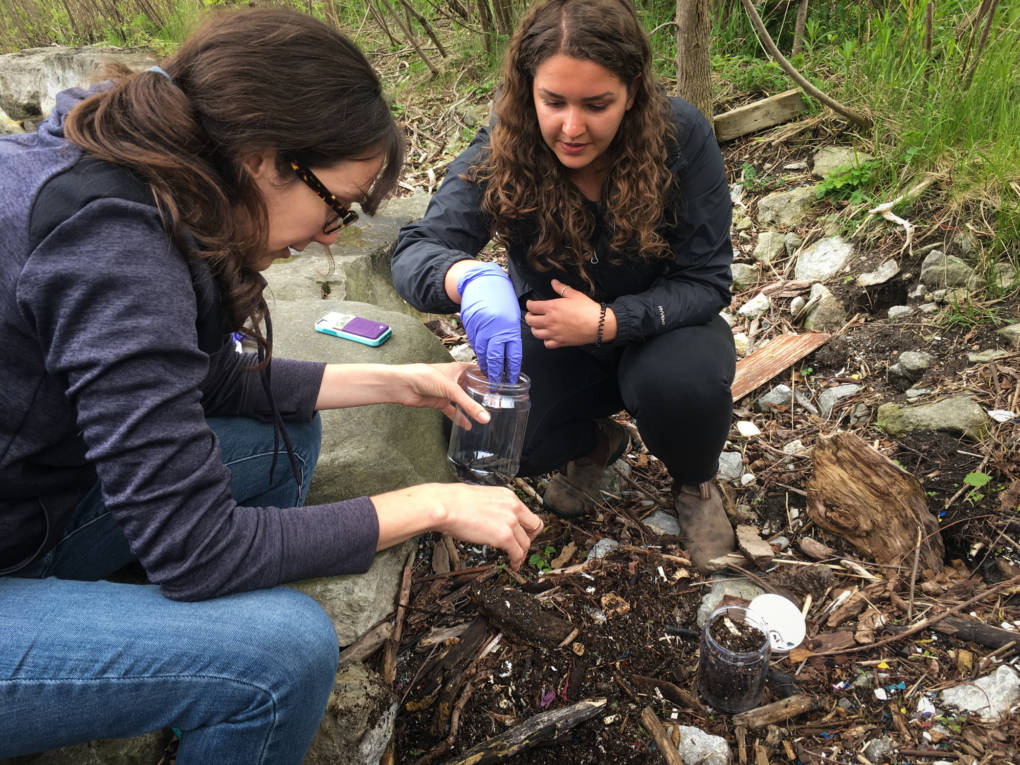
"caption": "Ecologist Chelsea Rochman (left) and researcher Kennedy Bucci dig through washed-up debris along Lake Ontario. They're looking for small particles of plastic that make their way into oceans, rivers and lakes.",
"description": "Ecologist Chelsea Rochman (left) and researcher Kennedy Bucci dig through washed-up debris along Lake Ontario. They're looking for small particles of plastic that make their way into oceans, rivers and lakes.",
"title": "Ecologist Chelsea Rochman (left) and researcher Kennedy Bucci dig through washed-up debris along Lake Ontario. They're looking for small particles of plastic that make their way into oceans, rivers and lakes.",
"credit": "Chris Joyce/NPR",
"status": "inherit",
"isLoading": false,
"fetchFailed": false
},
"bayareabites_129686": {
"type": "attachments",
"id": "bayareabites_129686",
"meta": {
"index": "attachments_1716263798",
"site": "bayareabites",
"id": "129686",
"found": true
},
"parent": 129685,
"imgSizes": {
"small": {
"file": "https://ww2.kqed.org/app/uploads/sites/24/2018/07/camas-davis-c.-cheryl-juetten-color-_wide-dbc5e0fd511fefc1307c945ca6121fefcf6d99a5-520x293.jpg",
"width": 520,
"mimeType": "image/jpeg",
"height": 293
},
"twentyfourteen-full-width": {
"file": "https://ww2.kqed.org/app/uploads/sites/24/2018/07/camas-davis-c.-cheryl-juetten-color-_wide-dbc5e0fd511fefc1307c945ca6121fefcf6d99a5-1038x576.jpg",
"width": 1038,
"mimeType": "image/jpeg",
"height": 576
},
"thumbnail": {
"file": "https://ww2.kqed.org/app/uploads/sites/24/2018/07/camas-davis-c.-cheryl-juetten-color-_wide-dbc5e0fd511fefc1307c945ca6121fefcf6d99a5-160x90.jpg",
"width": 160,
"mimeType": "image/jpeg",
"height": 90
},
"fd-sm": {
"file": "https://ww2.kqed.org/app/uploads/sites/24/2018/07/camas-davis-c.-cheryl-juetten-color-_wide-dbc5e0fd511fefc1307c945ca6121fefcf6d99a5-960x541.jpg",
"width": 960,
"mimeType": "image/jpeg",
"height": 541
},
"post-thumbnail": {
"file": "https://ww2.kqed.org/app/uploads/sites/24/2018/07/camas-davis-c.-cheryl-juetten-color-_wide-dbc5e0fd511fefc1307c945ca6121fefcf6d99a5-672x372.jpg",
"width": 672,
"mimeType": "image/jpeg",
"height": 372
},
"xsmall": {
"file": "https://ww2.kqed.org/app/uploads/sites/24/2018/07/camas-davis-c.-cheryl-juetten-color-_wide-dbc5e0fd511fefc1307c945ca6121fefcf6d99a5-375x211.jpg",
"width": 375,
"mimeType": "image/jpeg",
"height": 211
},
"kqedFullSize": {
"file": "https://ww2.kqed.org/app/uploads/sites/24/2018/07/camas-davis-c.-cheryl-juetten-color-_wide-dbc5e0fd511fefc1307c945ca6121fefcf6d99a5.jpg",
"width": 1779,
"height": 1002
},
"large": {
"file": "https://ww2.kqed.org/app/uploads/sites/24/2018/07/camas-davis-c.-cheryl-juetten-color-_wide-dbc5e0fd511fefc1307c945ca6121fefcf6d99a5-1020x575.jpg",
"width": 1020,
"mimeType": "image/jpeg",
"height": 575
},
"xlarge": {
"file": "https://ww2.kqed.org/app/uploads/sites/24/2018/07/camas-davis-c.-cheryl-juetten-color-_wide-dbc5e0fd511fefc1307c945ca6121fefcf6d99a5-1180x665.jpg",
"width": 1180,
"mimeType": "image/jpeg",
"height": 665
},
"complete_open_graph": {
"file": "https://ww2.kqed.org/app/uploads/sites/24/2018/07/camas-davis-c.-cheryl-juetten-color-_wide-dbc5e0fd511fefc1307c945ca6121fefcf6d99a5-1200x676.jpg",
"width": 1200,
"mimeType": "image/jpeg",
"height": 676
},
"guest-author-50": {
"file": "https://ww2.kqed.org/app/uploads/sites/24/2018/07/camas-davis-c.-cheryl-juetten-color-_wide-dbc5e0fd511fefc1307c945ca6121fefcf6d99a5-50x50.jpg",
"width": 50,
"mimeType": "image/jpeg",
"height": 50
},
"guest-author-96": {
"file": "https://ww2.kqed.org/app/uploads/sites/24/2018/07/camas-davis-c.-cheryl-juetten-color-_wide-dbc5e0fd511fefc1307c945ca6121fefcf6d99a5-96x96.jpg",
"width": 96,
"mimeType": "image/jpeg",
"height": 96
},
"medium": {
"file": "https://ww2.kqed.org/app/uploads/sites/24/2018/07/camas-davis-c.-cheryl-juetten-color-_wide-dbc5e0fd511fefc1307c945ca6121fefcf6d99a5-800x451.jpg",
"width": 800,
"mimeType": "image/jpeg",
"height": 451
},
"guest-author-64": {
"file": "https://ww2.kqed.org/app/uploads/sites/24/2018/07/camas-davis-c.-cheryl-juetten-color-_wide-dbc5e0fd511fefc1307c945ca6121fefcf6d99a5-64x64.jpg",
"width": 64,
"mimeType": "image/jpeg",
"height": 64
},
"guest-author-32": {
"file": "https://ww2.kqed.org/app/uploads/sites/24/2018/07/camas-davis-c.-cheryl-juetten-color-_wide-dbc5e0fd511fefc1307c945ca6121fefcf6d99a5-32x32.jpg",
"width": 32,
"mimeType": "image/jpeg",
"height": 32
},
"fd-med": {
"file": "https://ww2.kqed.org/app/uploads/sites/24/2018/07/camas-davis-c.-cheryl-juetten-color-_wide-dbc5e0fd511fefc1307c945ca6121fefcf6d99a5-1180x665.jpg",
"width": 1180,
"mimeType": "image/jpeg",
"height": 665
},
"detail": {
"file": "https://ww2.kqed.org/app/uploads/sites/24/2018/07/camas-davis-c.-cheryl-juetten-color-_wide-dbc5e0fd511fefc1307c945ca6121fefcf6d99a5-150x150.jpg",
"width": 150,
"mimeType": "image/jpeg",
"height": 150
},
"medium_large": {
"file": "https://ww2.kqed.org/app/uploads/sites/24/2018/07/camas-davis-c.-cheryl-juetten-color-_wide-dbc5e0fd511fefc1307c945ca6121fefcf6d99a5-768x433.jpg",
"width": 768,
"mimeType": "image/jpeg",
"height": 433
},
"guest-author-128": {
"file": "https://ww2.kqed.org/app/uploads/sites/24/2018/07/camas-davis-c.-cheryl-juetten-color-_wide-dbc5e0fd511fefc1307c945ca6121fefcf6d99a5-128x128.jpg",
"width": 128,
"mimeType": "image/jpeg",
"height": 128
},
"xxsmall": {
"file": "https://ww2.kqed.org/app/uploads/sites/24/2018/07/camas-davis-c.-cheryl-juetten-color-_wide-dbc5e0fd511fefc1307c945ca6121fefcf6d99a5-240x135.jpg",
"width": 240,
"mimeType": "image/jpeg",
"height": 135
}
},
"publishDate": 1532530905,
"modified": 1532532294,
"caption": "Camas Davis is the founder of the Portland Meat Collective. \"Because I now am involved in the processes that get that meat to my table, I just understand the value of it,\" she says.",
"description": "Camas Davis is the founder of the Portland Meat Collective. \"Because I now am involved in the processes that get that meat to my table, I just understand the value of it,\" she says.",
"title": "Camas Davis is the founder of the Portland Meat Collective. \"Because I now am involved in the processes that get that meat to my table, I just understand the value of it,\" she says.",
"credit": "Cheryl Juetten/Penguin Random House",
"status": "inherit",
"isLoading": false,
"fetchFailed": false
}
},
"audioPlayerReducer": {
"postId": "stream_live",
"isPaused": true,
"isPlaying": false,
"pfsActive": false,
"pledgeModalIsOpen": true,
"playerDrawerIsOpen": false,
"liveAudioPlayStartedAt": 0,
"liveAudioPlayContext": ""
},
"authorsReducer": {
"byline_bayareabites_131902": {
"type": "authors",
"id": "byline_bayareabites_131902",
"meta": {
"override": true
},
"slug": "byline_bayareabites_131902",
"name": "Alina Selyukh, NPR Food",
"isLoading": false
},
"byline_bayareabites_131039": {
"type": "authors",
"id": "byline_bayareabites_131039",
"meta": {
"override": true
},
"slug": "byline_bayareabites_131039",
"name": "Jasmine Garsd, Morning Edition",
"isLoading": false
},
"byline_bayareabites_130962": {
"type": "authors",
"id": "byline_bayareabites_130962",
"meta": {
"override": true
},
"slug": "byline_bayareabites_130962",
"name": "Dan Charles, All Things Considered",
"isLoading": false
},
"byline_bayareabites_130542": {
"type": "authors",
"id": "byline_bayareabites_130542",
"meta": {
"override": true
},
"slug": "byline_bayareabites_130542",
"name": "Kelsey Ogletree, NPR Food",
"isLoading": false
},
"byline_bayareabites_130351": {
"type": "authors",
"id": "byline_bayareabites_130351",
"meta": {
"override": true
},
"slug": "byline_bayareabites_130351",
"name": "Allison Aubrey, Morning Edition",
"isLoading": false
},
"byline_bayareabites_130293": {
"type": "authors",
"id": "byline_bayareabites_130293",
"meta": {
"override": true
},
"slug": "byline_bayareabites_130293",
"name": "Meaghan Clark Tiernan, NPR Food",
"isLoading": false
},
"byline_bayareabites_130151": {
"type": "authors",
"id": "byline_bayareabites_130151",
"meta": {
"override": true
},
"slug": "byline_bayareabites_130151",
"name": "Anna Mantzaris, NPR Food",
"isLoading": false
},
"byline_bayareabites_130124": {
"type": "authors",
"id": "byline_bayareabites_130124",
"meta": {
"override": true
},
"slug": "byline_bayareabites_130124",
"name": "Christopher Joyce, NPR Food",
"isLoading": false
},
"byline_bayareabites_129685": {
"type": "authors",
"id": "byline_bayareabites_129685",
"meta": {
"override": true
},
"slug": "byline_bayareabites_129685",
"name": "Terry Gross, Fresh Air, NPR",
"isLoading": false
},
"marciagagliardi": {
"type": "authors",
"id": "11398",
"meta": {
"index": "authors_1716337520",
"id": "11398",
"found": true
},
"name": "Marcia Gagliardi",
"firstName": "Marcia",
"lastName": "Gagliardi",
"slug": "marciagagliardi",
"email": "marcia@tablehopper.com",
"display_author_email": false,
"staff_mastheads": [],
"title": null,
"bio": "\u003cstrong>Marcia Gagliardi\u003c/strong> writes a popular insider e-column about the SF dining and drinking scene, get all the latest news at \u003ca href=\"http://www.tablehopper.com\">tablehopper.com\u003c/a>. Follow @tablehopper on \u003ca href=\"https://twitter.com/tablehopper\">Twitter\u003c/a> and \u003ca href=\"https://instagram.com/tablehopper/\">Instagram\u003c/a> for more culinary finds! She also writes about low-dose and high-quality cannabis products in her weekly mymilligram newsletter at \u003ca href=\"http://www.mymilligram.com\">mymilligram.com\u003c/a>.",
"avatar": "https://secure.gravatar.com/avatar/5d0caa5ce4f7e7b9746d41093f503928?s=600&d=blank&r=g",
"twitter": null,
"facebook": null,
"instagram": null,
"linkedin": null,
"sites": [
{
"site": "bayareabites",
"roles": [
"contributor"
]
},
{
"site": "food",
"roles": [
"contributor"
]
}
],
"headData": {
"title": "Marcia Gagliardi | KQED",
"description": null,
"ogImgSrc": "https://secure.gravatar.com/avatar/5d0caa5ce4f7e7b9746d41093f503928?s=600&d=blank&r=g",
"twImgSrc": "https://secure.gravatar.com/avatar/5d0caa5ce4f7e7b9746d41093f503928?s=600&d=blank&r=g"
},
"isLoading": false,
"link": "/author/marciagagliardi"
},
"gcheung": {
"type": "authors",
"id": "11404",
"meta": {
"index": "authors_1716337520",
"id": "11404",
"found": true
},
"name": "Grace Cheung",
"firstName": "Grace",
"lastName": "Cheung",
"slug": "gcheung",
"email": "gcheung@kqed.org",
"display_author_email": false,
"staff_mastheads": [],
"title": "KQED Contributor",
"bio": "Grace was a social media and digital producer at KQED, and her love of food keeps her busy! As an amateur photographer and chef, she documents her recipes, restaurant adventures, and more on her blog, \u003ca href=\"https://put-an-egg-on-it.com/\">Put An Egg On It\u003c/a>. You can mostly follow her eating adventures on Instagram at \u003ca href=\"https://www.instagram.com/gcheung28/\">@gcheung28\u003c/a>.",
"avatar": "https://secure.gravatar.com/avatar/9d5b5595007c3709533a8959e3eda091?s=600&d=blank&r=g",
"twitter": null,
"facebook": null,
"instagram": null,
"linkedin": null,
"sites": [
{
"site": "arts",
"roles": []
},
{
"site": "jpepinheart",
"roles": [
"editor"
]
},
{
"site": "about",
"roles": [
"author"
]
},
{
"site": "bayareabites",
"roles": [
"contributor"
]
},
{
"site": "checkplease",
"roles": [
"subscriber"
]
},
{
"site": "food",
"roles": []
},
{
"site": "essentialpepin",
"roles": [
"administrator"
]
}
],
"headData": {
"title": "Grace Cheung | KQED",
"description": "KQED Contributor",
"ogImgSrc": "https://secure.gravatar.com/avatar/9d5b5595007c3709533a8959e3eda091?s=600&d=blank&r=g",
"twImgSrc": "https://secure.gravatar.com/avatar/9d5b5595007c3709533a8959e3eda091?s=600&d=blank&r=g"
},
"isLoading": false,
"link": "/author/gcheung"
}
},
"pagesReducer": {
"bayareabites_category_food-and-technology": {
"type": "terms",
"id": "bayareabites_4084",
"meta": {
"index": "terms_1716263798",
"site": "bayareabites",
"id": "4084",
"score": 14.405394
},
"featImg": null,
"name": "food trends and technology",
"description": null,
"taxonomy": "category",
"headData": {
"twImgId": null,
"twTitle": null,
"ogTitle": null,
"ogImgId": null,
"twDescription": null,
"description": null,
"title": "food trends and technology Archives | KQED Bay Area Bites",
"ogDescription": null
},
"ttid": 2573,
"slug": "food-and-technology",
"isLoading": false,
"title": "food trends and technology",
"pageMeta": {
"site": "bayareabites",
"WpPageTemplate": "page-topic-editorial",
"currentPage": 3
},
"blocks": [
{
"blockName": "kqed/post-list",
"attrs": {
"layout": "cardArticle2",
"query": "posts/bayareabites?category=food-and-technology",
"seeMore": false,
"paginated": true,
"page": 3
}
},
{
"blockName": "kqed/ad"
}
]
}
},
"pfsSessionReducer": {},
"postsReducer": {
"stream_live": {
"type": "live",
"id": "stream_live",
"audioUrl": "https://streams.kqed.org/kqedradio",
"title": "Live Stream",
"excerpt": "Live Stream information currently unavailable.",
"link": "/radio",
"featImg": "",
"label": {
"name": "KQED Live",
"link": "/"
}
},
"stream_kqedNewscast": {
"type": "posts",
"id": "stream_kqedNewscast",
"audioUrl": "https://www.kqed.org/.stream/anon/radio/RDnews/newscast.mp3?_=1",
"title": "KQED Newscast",
"featImg": "",
"label": {
"name": "88.5 FM",
"link": "/"
}
},
"bayareabites_131902": {
"type": "posts",
"id": "bayareabites_131902",
"meta": {
"index": "posts_1716263798",
"site": "bayareabites",
"id": "131902",
"score": null,
"sort": [
1546554637000
]
},
"parent": 0,
"labelTerm": {
"site": "bayareabites"
},
"blocks": [],
"publishDate": 1546554637,
"format": "standard",
"disqusTitle": "From Campbell's To Kellogg's, Classic Brands Are Feeling The Crunch",
"title": "From Campbell's To Kellogg's, Classic Brands Are Feeling The Crunch",
"headTitle": "Bay Area Bites | KQED Food",
"content": "\u003cp>Think about the last time you went to the supermarket. You probably spent no more than a few seconds choosing from all the different brands of toothpaste, frozen peas or oatmeal.\u003c/p>\n\u003cp>Those few seconds used to be the holy grail for brands, the moment you would get hooked forever on that Tide detergent or Heinz ketchup — an event referred to as \"the first moment of truth.\" But lately, the moment of truth has moved to the Internet. What's more, ripples from the 2008 recession have changed us as shoppers.\u003c/p>\n\u003cp>More and more people have started saying: \"I'm not a brand person.\"\u003c/p>\n\u003cp>Those five fateful words come from Juliet McFadden, 23, an office manager in Boston. For consumer brands used to owning American cupboards and closets, that sentiment spells trouble and signals a turning point: evolve or wither.\u003c/p>\n\u003cp>It has been a tumultuous period for giant consumer brand companies. Campbell Soup Co. is in the process of selling off parts of its business and \u003ca href=\"https://www.nytimes.com/2018/12/20/business/campbell-soup-chief-executive-clouse.html\">welcoming a new\u003c/a> chief executive. Procter & Gamble is \u003ca href=\"https://www.cnbc.com/2018/11/08/pg-to-restructure-company-as-maker-of-gillette-simplifies-units.html\">restructuring\u003c/a>. Unilever, which makes Dove soap and Hellmann's mayonnaise, has also \u003ca href=\"https://www.wsj.com/articles/unilever-picks-insider-as-new-ceo-1543478395\">hired a new CEO\u003c/a>.\u003c/p>\n\u003cp>[ad fullwidth]\u003c/p>\n\u003cp>As far back as 2015, research firm Catalina\u003ca href=\"https://assets.ctfassets.net/oyvkhyupj8l5/2ZYjJLIB2gsMyaOgmQC2WW/8ece3950dea3f20122cf71ea80229c1a/2015-Mid-Year-Review.pdf\"> reported\u003c/a> that 90 of the top 100 brands in consumer packaged goods had lost market share.\u003c/p>\n\u003cp>To understand that trend, consider a shopper like McFadden. She is just starting to build her finances and lifelong shopping habits. This makes her a prime target for consumer-goods companies like Procter & Gamble, Kraft Heinz or General Mills. But she's not easy to win over.\u003c/p>\n\u003cp>For example, McFadden doesn't like cereal. \"I just don't usually eat breakfast,\" she says. She doesn't drink soda and dislikes yogurts \"with a ton of sugar with them.\" She doesn't buy paper towels and prefers reusable washable rags. \"Paper towels are expensive,\" she says. \"Stuff like that adds up.\"\u003c/p>\n\u003cp>The tastes of McFadden's generation often get treated with the tired trope about millennials killing \u003ca href=\"https://www.nytimes.com/2016/02/24/dining/breakfast-cereal.html?_r=0\">breakfast cereal\u003c/a>, \u003ca href=\"https://www.washingtonpost.com/lifestyle/home/do-you-use-paper-towels-as-napkins-at-the-dinner-table-you-are-not-alone/2016/03/25/d0d076b0-eb8c-11e5-b0fd-073d5930a7b7_story.html?utm_term=.b908ac3c1d9b\">napkins\u003c/a>, \u003ca href=\"https://www.marketwatch.com/story/millennials-are-killing-bar-soap-2017-06-09\">bar soap\u003c/a>, \u003ca href=\"https://www.wsj.com/articles/tuna-makers-look-to-hook-younger-consumers-1543766400\">canned tuna\u003c/a>. But really, most Americans could make a similar list. Maybe you choose the store brand of toilet paper; or you buy a fancier condiment instead of Hellmann's mayo; or you order eco-friendly diapers on the Internet.\u003c/p>\n\u003cp>\"Rather than just relying on brand familiarity, consumers buy today what performs for them. They are much less brand-loyal,\" says David Luttenberger of market-research firm Mintel. \"They are more driven by performance, by convenience, by price.\"\u003c/p>\n\u003cp>During the Great Recession, Americans warmed up to cheaper off-brand products, like generic or store brands. And then, they kept buying them even as the economy improved.\u003c/p>\n\u003cp>Plus, the Internet — of course — has completely shaken up shopping.\u003c/p>\n\u003cp>Think about how people used to discover new brands. Only the biggest conglomerates could afford prime TV advertising and prominent placement in stores, right around eye level.\u003c/p>\n\u003cp>And so the baby boomer generation of shoppers grew up reaching for ubiquitous products like Campbell's soup, Heinz ketchup, Oscar Mayer hot dogs or P&G's Crest toothpaste.\u003c/p>\n\u003cp>Some of these names remain longtime favorites among loyal older shoppers. In a 2018 \u003ca href=\"https://morningconsult.com/most-loved-brands/#most-loved\">Morning Consult poll\u003c/a>, Procter & Gamble and Kimberly-Clark were the two top brands preferred by boomers, far more than U.S. adults overall.\u003c/p>\n\u003cp>Meanwhile, tech investors have been funding startups to bring Silicon Valley \"disruption\" to products such as toothbrushes, vitamins and tampons. Wall Street has become cautious about once-dominant consumer brands. Shares of companies like \u003ca href=\"https://finance.yahoo.com/chart/K#eyJpbnRlcnZhbCI6IndlZWsiLCJwZXJpb2RpY2l0eSI6MSwiY2FuZGxlV2lkdGgiOjYuMTY4NTgyMzc1NDc4OTI3LCJ2b2x1bWVVbmRlcmxheSI6dHJ1ZSwiYWRqIjp0cnVlLCJjcm9zc2hhaXIiOnRydWUsImNoYXJ0VHlwZSI6ImxpbmUiLCJleHRlbmRlZCI6ZmFsc2UsIm1hcmtldFNlc3Npb25zIjp7fSwiYWdncmVnYXRpb25UeXBlIjoib2hsYyIsImNoYXJ0U2NhbGUiOiJsaW5lYXIiLCJwYW5lbHMiOnsiY2hhcnQiOnsicGVyY2VudCI6MSwiZGlzcGxheSI6IksiLCJjaGFydE5hbWUiOiJjaGFydCIsInRvcCI6MH19LCJzZXRTcGFuIjp7Im11bHRpcGxpZXIiOjUsImJhc2UiOiJ5ZWFyIiwicGVyaW9kaWNpdHkiOnsicGVyaW9kIjoxLCJpbnRlcnZhbCI6IndlZWsifX0sImxpbmVXaWR0aCI6Miwic3RyaXBlZEJhY2tncm91ZCI6dHJ1ZSwiZXZlbnRzIjp0cnVlLCJjb2xvciI6IiMwMDgxZjIiLCJzeW1ib2xzIjpbeyJzeW1ib2wiOiJLIiwic3ltYm9sT2JqZWN0Ijp7InN5bWJvbCI6IksifSwicGVyaW9kaWNpdHkiOjEsImludGVydmFsIjoid2VlayIsInNldFNwYW4iOnsibXVsdGlwbGllciI6NSwiYmFzZSI6InllYXIiLCJwZXJpb2RpY2l0eSI6eyJwZXJpb2QiOjEsImludGVydmFsIjoid2VlayJ9fX1dLCJldmVudE1hcCI6eyJjb3Jwb3JhdGUiOnsiZGl2cyI6dHJ1ZSwic3BsaXRzIjp0cnVlfSwic2lnRGV2Ijp7fX0sImN1c3RvbVJhbmdlIjpudWxsLCJzdHVkaWVzIjp7InZvbCB1bmRyIjp7InR5cGUiOiJ2b2wgdW5kciIsImlucHV0cyI6eyJpZCI6InZvbCB1bmRyIiwiZGlzcGxheSI6InZvbCB1bmRyIn0sIm91dHB1dHMiOnsiVXAgVm9sdW1lIjoiIzAwYjA2MSIsIkRvd24gVm9sdW1lIjoiI0ZGMzMzQSJ9LCJwYW5lbCI6ImNoYXJ0IiwicGFyYW1ldGVycyI6eyJ3aWR0aEZhY3RvciI6MC40NSwiY2hhcnROYW1lIjoiY2hhcnQifX19fQ%3D%3D\">Kellogg\u003c/a>, \u003ca href=\"https://finance.yahoo.com/chart/KHC#eyJpbnRlcnZhbCI6IndlZWsiLCJwZXJpb2RpY2l0eSI6MSwiY2FuZGxlV2lkdGgiOjguODQ2MTUzODQ2MTUzODQ3LCJ2b2x1bWVVbmRlcmxheSI6dHJ1ZSwiYWRqIjp0cnVlLCJjcm9zc2hhaXIiOnRydWUsImNoYXJ0VHlwZSI6ImxpbmUiLCJleHRlbmRlZCI6ZmFsc2UsIm1hcmtldFNlc3Npb25zIjp7fSwiYWdncmVnYXRpb25UeXBlIjoib2hsYyIsImNoYXJ0U2NhbGUiOiJsaW5lYXIiLCJwYW5lbHMiOnsiY2hhcnQiOnsicGVyY2VudCI6MSwiZGlzcGxheSI6IktIQyIsImNoYXJ0TmFtZSI6ImNoYXJ0IiwidG9wIjowfX0sInNldFNwYW4iOnsiYmFzZSI6ImFsbCIsIm11bHRpcGxpZXIiOjF9LCJsaW5lV2lkdGgiOjIsInN0cmlwZWRCYWNrZ3JvdWQiOnRydWUsImV2ZW50cyI6dHJ1ZSwiY29sb3IiOiIjMDA4MWYyIiwic3ltYm9scyI6W3sic3ltYm9sIjoiS0hDIiwic3ltYm9sT2JqZWN0Ijp7InN5bWJvbCI6IktIQyJ9LCJwZXJpb2RpY2l0eSI6MSwiaW50ZXJ2YWwiOiJ3ZWVrIiwic2V0U3BhbiI6eyJiYXNlIjoiYWxsIiwibXVsdGlwbGllciI6MX19XSwiZXZlbnRNYXAiOnsiY29ycG9yYXRlIjp7ImRpdnMiOnRydWUsInNwbGl0cyI6dHJ1ZX0sInNpZ0RldiI6e319LCJzdHVkaWVzIjp7InZvbCB1bmRyIjp7InR5cGUiOiJ2b2wgdW5kciIsImlucHV0cyI6eyJpZCI6InZvbCB1bmRyIiwiZGlzcGxheSI6InZvbCB1bmRyIn0sIm91dHB1dHMiOnsiVXAgVm9sdW1lIjoiIzAwYjA2MSIsIkRvd24gVm9sdW1lIjoiI0ZGMzMzQSJ9LCJwYW5lbCI6ImNoYXJ0IiwicGFyYW1ldGVycyI6eyJ3aWR0aEZhY3RvciI6MC40NSwiY2hhcnROYW1lIjoiY2hhcnQifX19LCJjdXN0b21SYW5nZSI6bnVsbH0%3D\">Kraft Heinz\u003c/a> and \u003ca href=\"https://finance.yahoo.com/chart/GIS#eyJpbnRlcnZhbCI6IndlZWsiLCJwZXJpb2RpY2l0eSI6MSwiY2FuZGxlV2lkdGgiOjYuMTY4NTgyMzc1NDc4OTI3LCJ2b2x1bWVVbmRlcmxheSI6dHJ1ZSwiYWRqIjp0cnVlLCJjcm9zc2hhaXIiOnRydWUsImNoYXJ0VHlwZSI6ImxpbmUiLCJleHRlbmRlZCI6ZmFsc2UsIm1hcmtldFNlc3Npb25zIjp7fSwiYWdncmVnYXRpb25UeXBlIjoib2hsYyIsImNoYXJ0U2NhbGUiOiJsaW5lYXIiLCJwYW5lbHMiOnsiY2hhcnQiOnsicGVyY2VudCI6MSwiZGlzcGxheSI6IkdJUyIsImNoYXJ0TmFtZSI6ImNoYXJ0IiwidG9wIjowfX0sInNldFNwYW4iOnsibXVsdGlwbGllciI6NSwiYmFzZSI6InllYXIiLCJwZXJpb2RpY2l0eSI6eyJwZXJpb2QiOjEsImludGVydmFsIjoid2VlayJ9fSwibGluZVdpZHRoIjoyLCJzdHJpcGVkQmFja2dyb3VkIjp0cnVlLCJldmVudHMiOnRydWUsImNvbG9yIjoiIzAwODFmMiIsInN5bWJvbHMiOlt7InN5bWJvbCI6IkdJUyIsInN5bWJvbE9iamVjdCI6eyJzeW1ib2wiOiJHSVMifSwicGVyaW9kaWNpdHkiOjEsImludGVydmFsIjoid2VlayIsInNldFNwYW4iOnsibXVsdGlwbGllciI6NSwiYmFzZSI6InllYXIiLCJwZXJpb2RpY2l0eSI6eyJwZXJpb2QiOjEsImludGVydmFsIjoid2VlayJ9fX1dLCJldmVudE1hcCI6eyJjb3Jwb3JhdGUiOnsiZGl2cyI6dHJ1ZSwic3BsaXRzIjp0cnVlfSwic2lnRGV2Ijp7fX0sImN1c3RvbVJhbmdlIjpudWxsLCJzdHVkaWVzIjp7InZvbCB1bmRyIjp7InR5cGUiOiJ2b2wgdW5kciIsImlucHV0cyI6eyJpZCI6InZvbCB1bmRyIiwiZGlzcGxheSI6InZvbCB1bmRyIn0sIm91dHB1dHMiOnsiVXAgVm9sdW1lIjoiIzAwYjA2MSIsIkRvd24gVm9sdW1lIjoiI0ZGMzMzQSJ9LCJwYW5lbCI6ImNoYXJ0IiwicGFyYW1ldGVycyI6eyJ3aWR0aEZhY3RvciI6MC40NSwiY2hhcnROYW1lIjoiY2hhcnQifX19fQ%3D%3D\">General Mills\u003c/a> recently hit their lowest levels in years.\u003c/p>\n\u003cp>\"They're in a bit of a pickle,\" says Americus Reed, marketing professor at the University of Pennsylvania's Wharton School. \"Like in the music industry, very few artists can continue being successful in the sophomore and junior album, right? ... It is a big challenge to reinvent yourself over and over again.\"\u003c/p>\n\u003cp>But that's exactly what companies are trying to do with brands to survive. In 2017, Procter & Gamble\u003ca href=\"https://www.washingtonpost.com/business/capitalbusiness/how-hipster-brands-have-the-king-of-razors-on-the-run/2017/04/05/edca3af6-1a27-11e7-9887-1a5314b56a08_story.html?utm_term=.a33dde70e338\"> cut the price\u003c/a> of its razors and replacement blades to compete against online-subscription upstarts Dollar Shave Club and Harry's. Rival Unilever went all in and \u003ca href=\"https://www.wsj.com/articles/unilever-buys-dollar-shave-club-1468987836?mod=article_inline\">bought\u003c/a> the Dollar Shave Club for $1 billion.\u003c/p>\n\u003cp>Kimberly-Clark — whose brands include Kleenex, Huggies and Kotex —\u003ca href=\"https://www.npr.org/sections/thetwo-way/2018/01/23/580029629/kimberly-clark-announces-layoffs-along-with-3-3-billion-in-operating-profit\"> was struggling so much that it announced plans\u003c/a> to lay off 13 percent of its workers and shutter 10 plants. Among various brand revamps, the company has launched a new Scott toilet paper without the center tube to appeal to the environmentally conscious shopper.\u003c/p>\n\u003cp>General Mills renamed the classic Hamburger Helper as simply \"Helper.\" In a\u003ca href=\"https://www.eater.com/2016/3/7/11173858/kraft-mac-and-cheese-different\"> quiet feat\u003c/a>, Kraft Heinz managed to take out artificial preservatives and dyes from its classic macaroni and cheese without angering devotees.\u003c/p>\n\u003cp>The 149-year-old Campbell Soup Co. has been \u003ca href=\"https://morningconsult.com/2017/05/02/campbell-soups-age-problem/\">the poster child\u003c/a> of the struggle to adjust to an age where people want convenient, fresher products with ingredients they can pronounce.\u003c/p>\n\u003cp>Canonized by Andy Warhol in the heat-and-serve postwar era, Campbell is\u003ca href=\"https://morningconsult.com/2017/05/02/campbell-soups-age-problem/\"> acutely feeling\u003c/a> Americans' waning appetite for canned and condensed soups. It's trying to hold on to its huge share of the market with cleaner labels showing fresh ingredients, containers meant for sipping and modern flavors like toasted barley.\u003c/p>\n\u003cp>Another staple feeling the pressure is breakfast cereal, with nostalgic brands like Kellogg's Frosted Flakes and Froot Loops; General Mills' Lucky Charms and Cheerios; PepsiCo's Life and Cap'n Crunch. Sales here have been\u003ca href=\"https://www.nytimes.com/2016/02/24/dining/breakfast-cereal.html?_r=0\"> declining \u003c/a>for years. Mintel predicts an additional 5 percent decline through 2023, as people aren't swayed by reduced-sugar offerings and choose to skip breakfast or opt for more portable, warmer and more nutritious options.\u003c/p>\n\u003cp>\"You've got a lot of CEOs that are at their wits' end trying to figure out growth,\" \u003cem>The Wall Street Journal \u003c/em>\u003ca href=\"https://www.wsj.com/articles/packaged-food-companies-churn-through-ceos-desperate-for-fresh-ideas-1527598800?mod=article_inline\">cited\u003c/a> \"a now-retired big-food-company chief\" as saying in May 2018. The article said at least 16 CEOs of major packaged-food and beverage companies had stepped down in the previous two years.\u003c/p>\n\u003cp>\u003c/p>\n\u003cp>\"The challenge for these legacy brands is that the people that were born into them are going to die,\" says Reed, the marketing professor, \"and so you better have a plan to talk to these younger types of consumers.\"\u003c/p>\n\u003cdiv class=\"fullattribution\">Copyright 2019 NPR. To see more, visit https://www.npr.org.\u003cimg src=\"https://www.google-analytics.com/__utm.gif?utmac=UA-5828686-4&utmdt=From+Campbell%27s+To+Kellogg%27s%2C+Classic+Brands+Are+Feeling+The+Crunch&utme=8(APIKey)9(MDAxOTAwOTE4MDEyMTkxMDAzNjczZDljZA004)\">\u003c/div>\n\n",
"disqusIdentifier": "131902 https://ww2.kqed.org/bayareabites/?p=131902",
"disqusUrl": "https://ww2.kqed.org/bayareabites/2019/01/03/from-campbells-to-kelloggs-classic-brands-are-feeling-the-crunch/",
"stats": {
"hasVideo": false,
"hasChartOrMap": false,
"hasAudio": false,
"hasPolis": false,
"wordCount": 1056,
"hasGoogleForm": false,
"hasGallery": false,
"hasHearkenModule": false,
"iframeSrcs": [],
"paragraphCount": 27
},
"modified": 1546554637,
"excerpt": "Big mainstream consumer brands, which have owned our cupboards and closets, face a turning point: a time to evolve or wither. The Internet and the echoes of the recession have changed us as shoppers.",
"headData": {
"twImgId": "",
"twTitle": "",
"ogTitle": "",
"ogImgId": "",
"twDescription": "",
"description": "Big mainstream consumer brands, which have owned our cupboards and closets, face a turning point: a time to evolve or wither. The Internet and the echoes of the recession have changed us as shoppers.",
"title": "From Campbell's To Kellogg's, Classic Brands Are Feeling The Crunch | KQED",
"ogDescription": "",
"schema": {
"@context": "https://schema.org",
"@type": "Article",
"headline": "From Campbell's To Kellogg's, Classic Brands Are Feeling The Crunch",
"datePublished": "2019-01-03T14:30:37-08:00",
"dateModified": "2019-01-03T14:30:37-08:00",
"image": "https://cdn.kqed.org/wp-content/uploads/2020/02/KQED-OG-Image@1x.png"
}
},
"guestAuthors": [],
"slug": "from-campbells-to-kelloggs-classic-brands-are-feeling-the-crunch",
"status": "publish",
"nprApiLink": "http://api.npr.org/query?id=677390110&apiKey=MDAxOTAwOTE4MDEyMTkxMDAzNjczZDljZA004",
"nprStoryDate": "Tue, 01 Jan 2019 16:20:19 -0500",
"nprLastModifiedDate": "Wed, 02 Jan 2019 14:35:01 -0500",
"nprHtmlLink": "https://www.npr.org/2019/01/01/677390110/from-campbells-to-kellogg-s-classic-brands-are-feeling-the-crunch?ft=nprml&f=677390110",
"nprAudio": "https://ondemand.npr.org/anon.npr-mp3/npr/atc/2019/01/20190101_atc_from_campbells_to_kelloggs_classic_brands_are_feeling_the_crunch.mp3?orgId=1&topicId=1006&d=241&p=2&story=677390110&ft=nprml&f=677390110",
"nprImageAgency": "Getty Images",
"nprAudioM3u": "http://api.npr.org/m3u/1681442560-50fe24.m3u?orgId=1&topicId=1006&d=241&p=2&story=677390110&ft=nprml&f=677390110",
"nprStoryId": "677390110",
"nprByline": "Alina Selyukh, NPR Food",
"audioTrackLength": 241,
"nprImageCredit": "sorbetto",
"nprRetrievedStory": "1",
"nprPubDate": "Wed, 02 Jan 2019 14:35:00 -0500",
"path": "/bayareabites/131902/from-campbells-to-kelloggs-classic-brands-are-feeling-the-crunch",
"audioUrl": "https://ondemand.npr.org/anon.npr-mp3/npr/atc/2019/01/20190101_atc_from_campbells_to_kelloggs_classic_brands_are_feeling_the_crunch.mp3?orgId=1&topicId=1006&d=241&p=2&story=677390110&ft=nprml&f=677390110",
"parsedContent": [
{
"type": "contentString",
"content": "\u003cdiv class=\"post-body\">\u003cp>\u003cp>Think about the last time you went to the supermarket. You probably spent no more than a few seconds choosing from all the different brands of toothpaste, frozen peas or oatmeal.\u003c/p>\n\u003cp>Those few seconds used to be the holy grail for brands, the moment you would get hooked forever on that Tide detergent or Heinz ketchup — an event referred to as \"the first moment of truth.\" But lately, the moment of truth has moved to the Internet. What's more, ripples from the 2008 recession have changed us as shoppers.\u003c/p>\n\u003cp>More and more people have started saying: \"I'm not a brand person.\"\u003c/p>\n\u003cp>Those five fateful words come from Juliet McFadden, 23, an office manager in Boston. For consumer brands used to owning American cupboards and closets, that sentiment spells trouble and signals a turning point: evolve or wither.\u003c/p>\n\u003cp>It has been a tumultuous period for giant consumer brand companies. Campbell Soup Co. is in the process of selling off parts of its business and \u003ca href=\"https://www.nytimes.com/2018/12/20/business/campbell-soup-chief-executive-clouse.html\">welcoming a new\u003c/a> chief executive. Procter & Gamble is \u003ca href=\"https://www.cnbc.com/2018/11/08/pg-to-restructure-company-as-maker-of-gillette-simplifies-units.html\">restructuring\u003c/a>. Unilever, which makes Dove soap and Hellmann's mayonnaise, has also \u003ca href=\"https://www.wsj.com/articles/unilever-picks-insider-as-new-ceo-1543478395\">hired a new CEO\u003c/a>.\u003c/p>\n\u003cp>\u003c/p>\u003c/div>",
"attributes": {
"named": {},
"numeric": []
}
},
{
"type": "component",
"content": "",
"name": "ad",
"attributes": {
"named": {
"label": "fullwidth"
},
"numeric": [
"fullwidth"
]
}
},
{
"type": "contentString",
"content": "\u003cdiv class=\"post-body\">\u003cp>\u003c/p>\n\u003cp>As far back as 2015, research firm Catalina\u003ca href=\"https://assets.ctfassets.net/oyvkhyupj8l5/2ZYjJLIB2gsMyaOgmQC2WW/8ece3950dea3f20122cf71ea80229c1a/2015-Mid-Year-Review.pdf\"> reported\u003c/a> that 90 of the top 100 brands in consumer packaged goods had lost market share.\u003c/p>\n\u003cp>To understand that trend, consider a shopper like McFadden. She is just starting to build her finances and lifelong shopping habits. This makes her a prime target for consumer-goods companies like Procter & Gamble, Kraft Heinz or General Mills. But she's not easy to win over.\u003c/p>\n\u003cp>For example, McFadden doesn't like cereal. \"I just don't usually eat breakfast,\" she says. She doesn't drink soda and dislikes yogurts \"with a ton of sugar with them.\" She doesn't buy paper towels and prefers reusable washable rags. \"Paper towels are expensive,\" she says. \"Stuff like that adds up.\"\u003c/p>\n\u003cp>The tastes of McFadden's generation often get treated with the tired trope about millennials killing \u003ca href=\"https://www.nytimes.com/2016/02/24/dining/breakfast-cereal.html?_r=0\">breakfast cereal\u003c/a>, \u003ca href=\"https://www.washingtonpost.com/lifestyle/home/do-you-use-paper-towels-as-napkins-at-the-dinner-table-you-are-not-alone/2016/03/25/d0d076b0-eb8c-11e5-b0fd-073d5930a7b7_story.html?utm_term=.b908ac3c1d9b\">napkins\u003c/a>, \u003ca href=\"https://www.marketwatch.com/story/millennials-are-killing-bar-soap-2017-06-09\">bar soap\u003c/a>, \u003ca href=\"https://www.wsj.com/articles/tuna-makers-look-to-hook-younger-consumers-1543766400\">canned tuna\u003c/a>. But really, most Americans could make a similar list. Maybe you choose the store brand of toilet paper; or you buy a fancier condiment instead of Hellmann's mayo; or you order eco-friendly diapers on the Internet.\u003c/p>\n\u003cp>\"Rather than just relying on brand familiarity, consumers buy today what performs for them. They are much less brand-loyal,\" says David Luttenberger of market-research firm Mintel. \"They are more driven by performance, by convenience, by price.\"\u003c/p>\n\u003cp>During the Great Recession, Americans warmed up to cheaper off-brand products, like generic or store brands. And then, they kept buying them even as the economy improved.\u003c/p>\n\u003cp>Plus, the Internet — of course — has completely shaken up shopping.\u003c/p>\n\u003cp>Think about how people used to discover new brands. Only the biggest conglomerates could afford prime TV advertising and prominent placement in stores, right around eye level.\u003c/p>\n\u003cp>And so the baby boomer generation of shoppers grew up reaching for ubiquitous products like Campbell's soup, Heinz ketchup, Oscar Mayer hot dogs or P&G's Crest toothpaste.\u003c/p>\n\u003cp>Some of these names remain longtime favorites among loyal older shoppers. In a 2018 \u003ca href=\"https://morningconsult.com/most-loved-brands/#most-loved\">Morning Consult poll\u003c/a>, Procter & Gamble and Kimberly-Clark were the two top brands preferred by boomers, far more than U.S. adults overall.\u003c/p>\n\u003cp>Meanwhile, tech investors have been funding startups to bring Silicon Valley \"disruption\" to products such as toothbrushes, vitamins and tampons. Wall Street has become cautious about once-dominant consumer brands. Shares of companies like \u003ca href=\"https://finance.yahoo.com/chart/K#eyJpbnRlcnZhbCI6IndlZWsiLCJwZXJpb2RpY2l0eSI6MSwiY2FuZGxlV2lkdGgiOjYuMTY4NTgyMzc1NDc4OTI3LCJ2b2x1bWVVbmRlcmxheSI6dHJ1ZSwiYWRqIjp0cnVlLCJjcm9zc2hhaXIiOnRydWUsImNoYXJ0VHlwZSI6ImxpbmUiLCJleHRlbmRlZCI6ZmFsc2UsIm1hcmtldFNlc3Npb25zIjp7fSwiYWdncmVnYXRpb25UeXBlIjoib2hsYyIsImNoYXJ0U2NhbGUiOiJsaW5lYXIiLCJwYW5lbHMiOnsiY2hhcnQiOnsicGVyY2VudCI6MSwiZGlzcGxheSI6IksiLCJjaGFydE5hbWUiOiJjaGFydCIsInRvcCI6MH19LCJzZXRTcGFuIjp7Im11bHRpcGxpZXIiOjUsImJhc2UiOiJ5ZWFyIiwicGVyaW9kaWNpdHkiOnsicGVyaW9kIjoxLCJpbnRlcnZhbCI6IndlZWsifX0sImxpbmVXaWR0aCI6Miwic3RyaXBlZEJhY2tncm91ZCI6dHJ1ZSwiZXZlbnRzIjp0cnVlLCJjb2xvciI6IiMwMDgxZjIiLCJzeW1ib2xzIjpbeyJzeW1ib2wiOiJLIiwic3ltYm9sT2JqZWN0Ijp7InN5bWJvbCI6IksifSwicGVyaW9kaWNpdHkiOjEsImludGVydmFsIjoid2VlayIsInNldFNwYW4iOnsibXVsdGlwbGllciI6NSwiYmFzZSI6InllYXIiLCJwZXJpb2RpY2l0eSI6eyJwZXJpb2QiOjEsImludGVydmFsIjoid2VlayJ9fX1dLCJldmVudE1hcCI6eyJjb3Jwb3JhdGUiOnsiZGl2cyI6dHJ1ZSwic3BsaXRzIjp0cnVlfSwic2lnRGV2Ijp7fX0sImN1c3RvbVJhbmdlIjpudWxsLCJzdHVkaWVzIjp7InZvbCB1bmRyIjp7InR5cGUiOiJ2b2wgdW5kciIsImlucHV0cyI6eyJpZCI6InZvbCB1bmRyIiwiZGlzcGxheSI6InZvbCB1bmRyIn0sIm91dHB1dHMiOnsiVXAgVm9sdW1lIjoiIzAwYjA2MSIsIkRvd24gVm9sdW1lIjoiI0ZGMzMzQSJ9LCJwYW5lbCI6ImNoYXJ0IiwicGFyYW1ldGVycyI6eyJ3aWR0aEZhY3RvciI6MC40NSwiY2hhcnROYW1lIjoiY2hhcnQifX19fQ%3D%3D\">Kellogg\u003c/a>, \u003ca href=\"https://finance.yahoo.com/chart/KHC#eyJpbnRlcnZhbCI6IndlZWsiLCJwZXJpb2RpY2l0eSI6MSwiY2FuZGxlV2lkdGgiOjguODQ2MTUzODQ2MTUzODQ3LCJ2b2x1bWVVbmRlcmxheSI6dHJ1ZSwiYWRqIjp0cnVlLCJjcm9zc2hhaXIiOnRydWUsImNoYXJ0VHlwZSI6ImxpbmUiLCJleHRlbmRlZCI6ZmFsc2UsIm1hcmtldFNlc3Npb25zIjp7fSwiYWdncmVnYXRpb25UeXBlIjoib2hsYyIsImNoYXJ0U2NhbGUiOiJsaW5lYXIiLCJwYW5lbHMiOnsiY2hhcnQiOnsicGVyY2VudCI6MSwiZGlzcGxheSI6IktIQyIsImNoYXJ0TmFtZSI6ImNoYXJ0IiwidG9wIjowfX0sInNldFNwYW4iOnsiYmFzZSI6ImFsbCIsIm11bHRpcGxpZXIiOjF9LCJsaW5lV2lkdGgiOjIsInN0cmlwZWRCYWNrZ3JvdWQiOnRydWUsImV2ZW50cyI6dHJ1ZSwiY29sb3IiOiIjMDA4MWYyIiwic3ltYm9scyI6W3sic3ltYm9sIjoiS0hDIiwic3ltYm9sT2JqZWN0Ijp7InN5bWJvbCI6IktIQyJ9LCJwZXJpb2RpY2l0eSI6MSwiaW50ZXJ2YWwiOiJ3ZWVrIiwic2V0U3BhbiI6eyJiYXNlIjoiYWxsIiwibXVsdGlwbGllciI6MX19XSwiZXZlbnRNYXAiOnsiY29ycG9yYXRlIjp7ImRpdnMiOnRydWUsInNwbGl0cyI6dHJ1ZX0sInNpZ0RldiI6e319LCJzdHVkaWVzIjp7InZvbCB1bmRyIjp7InR5cGUiOiJ2b2wgdW5kciIsImlucHV0cyI6eyJpZCI6InZvbCB1bmRyIiwiZGlzcGxheSI6InZvbCB1bmRyIn0sIm91dHB1dHMiOnsiVXAgVm9sdW1lIjoiIzAwYjA2MSIsIkRvd24gVm9sdW1lIjoiI0ZGMzMzQSJ9LCJwYW5lbCI6ImNoYXJ0IiwicGFyYW1ldGVycyI6eyJ3aWR0aEZhY3RvciI6MC40NSwiY2hhcnROYW1lIjoiY2hhcnQifX19LCJjdXN0b21SYW5nZSI6bnVsbH0%3D\">Kraft Heinz\u003c/a> and \u003ca href=\"https://finance.yahoo.com/chart/GIS#eyJpbnRlcnZhbCI6IndlZWsiLCJwZXJpb2RpY2l0eSI6MSwiY2FuZGxlV2lkdGgiOjYuMTY4NTgyMzc1NDc4OTI3LCJ2b2x1bWVVbmRlcmxheSI6dHJ1ZSwiYWRqIjp0cnVlLCJjcm9zc2hhaXIiOnRydWUsImNoYXJ0VHlwZSI6ImxpbmUiLCJleHRlbmRlZCI6ZmFsc2UsIm1hcmtldFNlc3Npb25zIjp7fSwiYWdncmVnYXRpb25UeXBlIjoib2hsYyIsImNoYXJ0U2NhbGUiOiJsaW5lYXIiLCJwYW5lbHMiOnsiY2hhcnQiOnsicGVyY2VudCI6MSwiZGlzcGxheSI6IkdJUyIsImNoYXJ0TmFtZSI6ImNoYXJ0IiwidG9wIjowfX0sInNldFNwYW4iOnsibXVsdGlwbGllciI6NSwiYmFzZSI6InllYXIiLCJwZXJpb2RpY2l0eSI6eyJwZXJpb2QiOjEsImludGVydmFsIjoid2VlayJ9fSwibGluZVdpZHRoIjoyLCJzdHJpcGVkQmFja2dyb3VkIjp0cnVlLCJldmVudHMiOnRydWUsImNvbG9yIjoiIzAwODFmMiIsInN5bWJvbHMiOlt7InN5bWJvbCI6IkdJUyIsInN5bWJvbE9iamVjdCI6eyJzeW1ib2wiOiJHSVMifSwicGVyaW9kaWNpdHkiOjEsImludGVydmFsIjoid2VlayIsInNldFNwYW4iOnsibXVsdGlwbGllciI6NSwiYmFzZSI6InllYXIiLCJwZXJpb2RpY2l0eSI6eyJwZXJpb2QiOjEsImludGVydmFsIjoid2VlayJ9fX1dLCJldmVudE1hcCI6eyJjb3Jwb3JhdGUiOnsiZGl2cyI6dHJ1ZSwic3BsaXRzIjp0cnVlfSwic2lnRGV2Ijp7fX0sImN1c3RvbVJhbmdlIjpudWxsLCJzdHVkaWVzIjp7InZvbCB1bmRyIjp7InR5cGUiOiJ2b2wgdW5kciIsImlucHV0cyI6eyJpZCI6InZvbCB1bmRyIiwiZGlzcGxheSI6InZvbCB1bmRyIn0sIm91dHB1dHMiOnsiVXAgVm9sdW1lIjoiIzAwYjA2MSIsIkRvd24gVm9sdW1lIjoiI0ZGMzMzQSJ9LCJwYW5lbCI6ImNoYXJ0IiwicGFyYW1ldGVycyI6eyJ3aWR0aEZhY3RvciI6MC40NSwiY2hhcnROYW1lIjoiY2hhcnQifX19fQ%3D%3D\">General Mills\u003c/a> recently hit their lowest levels in years.\u003c/p>\n\u003cp>\"They're in a bit of a pickle,\" says Americus Reed, marketing professor at the University of Pennsylvania's Wharton School. \"Like in the music industry, very few artists can continue being successful in the sophomore and junior album, right? ... It is a big challenge to reinvent yourself over and over again.\"\u003c/p>\n\u003cp>But that's exactly what companies are trying to do with brands to survive. In 2017, Procter & Gamble\u003ca href=\"https://www.washingtonpost.com/business/capitalbusiness/how-hipster-brands-have-the-king-of-razors-on-the-run/2017/04/05/edca3af6-1a27-11e7-9887-1a5314b56a08_story.html?utm_term=.a33dde70e338\"> cut the price\u003c/a> of its razors and replacement blades to compete against online-subscription upstarts Dollar Shave Club and Harry's. Rival Unilever went all in and \u003ca href=\"https://www.wsj.com/articles/unilever-buys-dollar-shave-club-1468987836?mod=article_inline\">bought\u003c/a> the Dollar Shave Club for $1 billion.\u003c/p>\n\u003cp>Kimberly-Clark — whose brands include Kleenex, Huggies and Kotex —\u003ca href=\"https://www.npr.org/sections/thetwo-way/2018/01/23/580029629/kimberly-clark-announces-layoffs-along-with-3-3-billion-in-operating-profit\"> was struggling so much that it announced plans\u003c/a> to lay off 13 percent of its workers and shutter 10 plants. Among various brand revamps, the company has launched a new Scott toilet paper without the center tube to appeal to the environmentally conscious shopper.\u003c/p>\n\u003cp>General Mills renamed the classic Hamburger Helper as simply \"Helper.\" In a\u003ca href=\"https://www.eater.com/2016/3/7/11173858/kraft-mac-and-cheese-different\"> quiet feat\u003c/a>, Kraft Heinz managed to take out artificial preservatives and dyes from its classic macaroni and cheese without angering devotees.\u003c/p>\n\u003cp>The 149-year-old Campbell Soup Co. has been \u003ca href=\"https://morningconsult.com/2017/05/02/campbell-soups-age-problem/\">the poster child\u003c/a> of the struggle to adjust to an age where people want convenient, fresher products with ingredients they can pronounce.\u003c/p>\n\u003cp>Canonized by Andy Warhol in the heat-and-serve postwar era, Campbell is\u003ca href=\"https://morningconsult.com/2017/05/02/campbell-soups-age-problem/\"> acutely feeling\u003c/a> Americans' waning appetite for canned and condensed soups. It's trying to hold on to its huge share of the market with cleaner labels showing fresh ingredients, containers meant for sipping and modern flavors like toasted barley.\u003c/p>\n\u003cp>Another staple feeling the pressure is breakfast cereal, with nostalgic brands like Kellogg's Frosted Flakes and Froot Loops; General Mills' Lucky Charms and Cheerios; PepsiCo's Life and Cap'n Crunch. Sales here have been\u003ca href=\"https://www.nytimes.com/2016/02/24/dining/breakfast-cereal.html?_r=0\"> declining \u003c/a>for years. Mintel predicts an additional 5 percent decline through 2023, as people aren't swayed by reduced-sugar offerings and choose to skip breakfast or opt for more portable, warmer and more nutritious options.\u003c/p>\n\u003cp>\"You've got a lot of CEOs that are at their wits' end trying to figure out growth,\" \u003cem>The Wall Street Journal \u003c/em>\u003ca href=\"https://www.wsj.com/articles/packaged-food-companies-churn-through-ceos-desperate-for-fresh-ideas-1527598800?mod=article_inline\">cited\u003c/a> \"a now-retired big-food-company chief\" as saying in May 2018. The article said at least 16 CEOs of major packaged-food and beverage companies had stepped down in the previous two years.\u003c/p>\n\u003cp>\u003c/p>\n\u003cp>\"The challenge for these legacy brands is that the people that were born into them are going to die,\" says Reed, the marketing professor, \"and so you better have a plan to talk to these younger types of consumers.\"\u003c/p>\n\u003cdiv class=\"fullattribution\">Copyright 2019 NPR. To see more, visit https://www.npr.org.\u003cimg src=\"https://www.google-analytics.com/__utm.gif?utmac=UA-5828686-4&utmdt=From+Campbell%27s+To+Kellogg%27s%2C+Classic+Brands+Are+Feeling+The+Crunch&utme=8(APIKey)9(MDAxOTAwOTE4MDEyMTkxMDAzNjczZDljZA004)\">\u003c/div>\n\n\u003c/div>\u003c/p>",
"attributes": {
"named": {},
"numeric": []
}
}
],
"link": "/bayareabites/131902/from-campbells-to-kelloggs-classic-brands-are-feeling-the-crunch",
"authors": [
"byline_bayareabites_131902"
],
"categories": [
"bayareabites_1962",
"bayareabites_11028",
"bayareabites_10028",
"bayareabites_4084",
"bayareabites_12555",
"bayareabites_10916",
"bayareabites_358",
"bayareabites_60"
],
"tags": [
"bayareabites_12554"
],
"featImg": "bayareabites_131903",
"label": "bayareabites"
},
"bayareabites_131039": {
"type": "posts",
"id": "bayareabites_131039",
"meta": {
"index": "posts_1716263798",
"site": "bayareabites",
"id": "131039",
"score": null,
"sort": [
1540410640000
]
},
"parent": 0,
"labelTerm": {
"site": "bayareabites"
},
"blocks": [],
"publishDate": 1540410640,
"format": "standard",
"disqusTitle": "Uber's Online-Only Restaurants: The Future, Or The End Of Dining Out?",
"title": "Uber's Online-Only Restaurants: The Future, Or The End Of Dining Out?",
"headTitle": "Bay Area Bites | KQED Food",
"content": "\u003cp>It's a chilly autumn afternoon but inside a little Brooklyn bakery, it's hot. School just let out, and the store is filled with kids eyeing baked goodies. Their banter mixes with Caribbean music playing in the background.\u003c/p>\n\u003cp>\u003ca href=\"http://www.lagranviabakery.com/\">La Gran Via Bakery\u003c/a> is an institution in this neighborhood. It's been around since 1978 — three generations of pastry chefs making cakes, cupcakes and traditional Latin American pastries.\u003c/p>\n\u003cp>Which is why, when co-owner Betsy Leyva was recently pitched the idea of creating a hamburger restaurant on the side, she balked.\u003c/p>\n\u003cp>\"I was like, are you crazy? What do you mean? What are you talking about?\" she says. Uber, the ride-sharing company, was suggesting she create a \"virtual restaurant\" — one that only exists online, and delivers through Uber Eats.\u003c/p>\n\u003cp>There are now about 800 such virtual restaurants in the U.S., often created when enough customers look through the Uber Eats app for a certain type of food in their area that they can't find.\u003c/p>\n\u003cp>[ad fullwidth]\u003c/p>\n\u003cp>\"When we see people searching for something but not finding it, that signals to us that there's an opportunity and there's unmet demand,\" says Elyse Propis, who leads Uber Eats' virtual restaurant initiative across North America.\u003c/p>\n\u003cp>So the company approaches an eatery and suggests creating a virtual side restaurant, with those dishes people are craving but can't get.\u003c/p>\n\u003cp>Uber says doing this helps restaurants grow their business and cater better to customers. But there are mixed feelings in the industry about whether these virtual restaurants are a good thing. While they can boost business, Uber takes a cut of their profits. Plus, delivery fees raise the cost for customers.\u003c/p>\n\u003cp>Leyva, has nothing but praise for Uber Eats. In the end it was her brother, the bakery's co-owner, who convinced her to give it a try. And that's how, the online restaurant \u003ca href=\"https://www.ubereats.com/en-US/new-york/food-delivery/brooklyn-burger-house/Fo-jbwLBT-a6QRNaxe_eiw/\">Brooklyn Burger House\u003c/a> was born.\u003c/p>\n\u003cp>It has a mouthwatering online menu, but in real life there's not much to it: just a grill, inconspicuously tucked in a corner behind the pastry counter, where meat and cheesesteaks sizzle.\u003c/p>\n\u003cp>Leyva says that on Brooklyn Burger's opening week, she thought she'd go crazy. The demand was so high, she was constantly running out of ingredients. It hasn't died down — she had to hire additional staff.\u003c/p>\n\u003cp>The restaurant might be virtual, but the profits are very real: \"We've increased our sales by about 30 percent. So it's very exciting,\" Leyva says.\u003c/p>\n\u003cp>Daniela Galarza, a senior editor of \u003ca href=\"https://www.eater.com/\">Eater Magazine\u003c/a>, says that as millennials get older, they're turning to time-saving services like Uber Eats.\u003c/p>\n\u003cp>\"They're starting to have children. They need things that are convenient, that are easy for them. And dining out isn't always easy with young children,\" she says.\u003c/p>\n\u003cp>Enter an array of ordering platforms like Seamless and Grubhub. Galarza explains that in the restaurant business, delivery has always been a headache.\u003c/p>\n\u003cp>\"They have to pay somebody, they have to figure out if they need to insure them,\" she says. \"They have to figure out the delivery distance. Do they need to provide them with a vehicle, a car, a bike, whatever it may be? Whereas Uber, it's already built into that platform.\"\u003c/p>\n\u003cp>Not everyone sees Uber Eats and the virtual restaurant as a natural solution.\u003c/p>\n\u003cp>One Texas restaurant owner is particularly passionate about his disdain for the company's entry into the restaurant business.\u003c/p>\n\u003cp>\"You know, I haven't had the stones to say, 'All right, cut them off.' Although many, many people would love to just tell Uber to go, you know, jump off a bridge,\" says \u003ca href=\"https://www.dmagazine.com/publications/d-magazine/2011/february/why-jay-jerrier-makes-the-best-pizza-in-dallas/\">Jay Jerrier\u003c/a>, owner of the \u003ca href=\"http://www.canerosso.com/\">Cane Rosso\u003c/a> wood-fired pizzerias in Texas.\u003c/p>\n\u003cp>Jerrier says restaurant profits can be as skinny as the thin crusts he specializes in. And Uber Eats is taking a big slice of the earnings.\u003c/p>\n\u003cp>\"They charge us between 30 and 35 percent of whatever the bill is,\" Jerrier says. \"And then the customer pays anywhere from two bucks to six bucks for the delivery. Plus a service fee. Plus credit card fees. So, you know, it's nuts.\"\u003c/p>\n\u003cp>Uber Eats wouldn't discuss the specifics of how much it charges restaurants. Jerrier says that for all the promises of expanding a customer base, delivery is never as profitable as someone dining in and ordering a glass of wine and dessert.\u003c/p>\n\u003cp>But it's not just about the money. Jerrier, like so many in this business, loves being part of the dining experience.\u003c/p>\n\u003cp>\"You know when I was growing up, I loved Thursday, Friday, Saturday, because I knew there was a chance — just a chance — that we maybe go out to the neighborhood restaurant,\" he recalls wistfully.\u003c/p>\n\u003cp>\u003c/p>\n\u003cp>And he wonders: Are we losing that? \u003c/p>\n\u003cdiv class=\"fullattribution\">Copyright 2018 NPR. To see more, visit http://www.npr.org/.\u003cimg src=\"https://www.google-analytics.com/__utm.gif?utmac=UA-5828686-4&utmdt=Uber%27s+Online-Only+Restaurants%3A+The+Future%2C+Or+The+End+Of+Dining+Out%3F&utme=8(APIKey)9(MDAxOTAwOTE4MDEyMTkxMDAzNjczZDljZA004)\">\u003c/div>\n\n",
"disqusIdentifier": "131039 https://ww2.kqed.org/bayareabites/?p=131039",
"disqusUrl": "https://ww2.kqed.org/bayareabites/2018/10/24/ubers-online-only-restaurants-the-future-or-the-end-of-dining-out/",
"stats": {
"hasVideo": false,
"hasChartOrMap": false,
"hasAudio": false,
"hasPolis": false,
"wordCount": 816,
"hasGoogleForm": false,
"hasGallery": false,
"hasHearkenModule": false,
"iframeSrcs": [],
"paragraphCount": 27
},
"modified": 1540410640,
"excerpt": "Uber has helped create about 800 \"virtual restaurants\" in the U.S. — eateries that only exist online. Uber says its delivery service helps restaurants grow, but some in the industry see downsides.",
"headData": {
"twImgId": "",
"twTitle": "",
"ogTitle": "",
"ogImgId": "",
"twDescription": "",
"description": "Uber has helped create about 800 "virtual restaurants" in the U.S. — eateries that only exist online. Uber says its delivery service helps restaurants grow, but some in the industry see downsides.",
"title": "Uber's Online-Only Restaurants: The Future, Or The End Of Dining Out? | KQED",
"ogDescription": "",
"schema": {
"@context": "https://schema.org",
"@type": "Article",
"headline": "Uber's Online-Only Restaurants: The Future, Or The End Of Dining Out?",
"datePublished": "2018-10-24T12:50:40-07:00",
"dateModified": "2018-10-24T12:50:40-07:00",
"image": "https://cdn.kqed.org/wp-content/uploads/2020/02/KQED-OG-Image@1x.png"
}
},
"guestAuthors": [],
"slug": "ubers-online-only-restaurants-the-future-or-the-end-of-dining-out",
"status": "publish",
"nprApiLink": "http://api.npr.org/query?id=658436657&apiKey=MDAxOTAwOTE4MDEyMTkxMDAzNjczZDljZA004",
"nprStoryDate": "Tue, 23 Oct 2018 05:00:00 -0400",
"nprLastModifiedDate": "Tue, 23 Oct 2018 06:00:39 -0400",
"nprHtmlLink": "https://www.npr.org/sections/thesalt/2018/10/23/658436657/ubers-online-only-restaurants-the-future-or-the-end-of-dining-out?ft=nprml&f=658436657",
"nprAudio": "https://ondemand.npr.org/anon.npr-mp3/npr/me/2018/10/20181023_me_ubers_online-only_restaurants_the_future_or_the_end_of_dining_out.mp3?orgId=1&topicId=1019&d=231&p=3&story=658436657&ft=nprml&f=658436657",
"nprImageAgency": "NPR",
"nprAudioM3u": "http://api.npr.org/m3u/1659745084-009b02.m3u?orgId=1&topicId=1019&d=231&p=3&story=658436657&ft=nprml&f=658436657",
"nprStoryId": "658436657",
"nprByline": "Jasmine Garsd, Morning Edition",
"audioTrackLength": 232,
"nprImageCredit": "Jasmine Garsd",
"nprRetrievedStory": "1",
"nprPubDate": "Tue, 23 Oct 2018 09:43:00 -0400",
"path": "/bayareabites/131039/ubers-online-only-restaurants-the-future-or-the-end-of-dining-out",
"audioUrl": "https://ondemand.npr.org/anon.npr-mp3/npr/me/2018/10/20181023_me_ubers_online-only_restaurants_the_future_or_the_end_of_dining_out.mp3?orgId=1&topicId=1019&d=231&p=3&story=658436657&ft=nprml&f=658436657",
"parsedContent": [
{
"type": "contentString",
"content": "\u003cdiv class=\"post-body\">\u003cp>\u003cp>It's a chilly autumn afternoon but inside a little Brooklyn bakery, it's hot. School just let out, and the store is filled with kids eyeing baked goodies. Their banter mixes with Caribbean music playing in the background.\u003c/p>\n\u003cp>\u003ca href=\"http://www.lagranviabakery.com/\">La Gran Via Bakery\u003c/a> is an institution in this neighborhood. It's been around since 1978 — three generations of pastry chefs making cakes, cupcakes and traditional Latin American pastries.\u003c/p>\n\u003cp>Which is why, when co-owner Betsy Leyva was recently pitched the idea of creating a hamburger restaurant on the side, she balked.\u003c/p>\n\u003cp>\"I was like, are you crazy? What do you mean? What are you talking about?\" she says. Uber, the ride-sharing company, was suggesting she create a \"virtual restaurant\" — one that only exists online, and delivers through Uber Eats.\u003c/p>\n\u003cp>There are now about 800 such virtual restaurants in the U.S., often created when enough customers look through the Uber Eats app for a certain type of food in their area that they can't find.\u003c/p>\n\u003cp>\u003c/p>\u003c/div>",
"attributes": {
"named": {},
"numeric": []
}
},
{
"type": "component",
"content": "",
"name": "ad",
"attributes": {
"named": {
"label": "fullwidth"
},
"numeric": [
"fullwidth"
]
}
},
{
"type": "contentString",
"content": "\u003cdiv class=\"post-body\">\u003cp>\u003c/p>\n\u003cp>\"When we see people searching for something but not finding it, that signals to us that there's an opportunity and there's unmet demand,\" says Elyse Propis, who leads Uber Eats' virtual restaurant initiative across North America.\u003c/p>\n\u003cp>So the company approaches an eatery and suggests creating a virtual side restaurant, with those dishes people are craving but can't get.\u003c/p>\n\u003cp>Uber says doing this helps restaurants grow their business and cater better to customers. But there are mixed feelings in the industry about whether these virtual restaurants are a good thing. While they can boost business, Uber takes a cut of their profits. Plus, delivery fees raise the cost for customers.\u003c/p>\n\u003cp>Leyva, has nothing but praise for Uber Eats. In the end it was her brother, the bakery's co-owner, who convinced her to give it a try. And that's how, the online restaurant \u003ca href=\"https://www.ubereats.com/en-US/new-york/food-delivery/brooklyn-burger-house/Fo-jbwLBT-a6QRNaxe_eiw/\">Brooklyn Burger House\u003c/a> was born.\u003c/p>\n\u003cp>It has a mouthwatering online menu, but in real life there's not much to it: just a grill, inconspicuously tucked in a corner behind the pastry counter, where meat and cheesesteaks sizzle.\u003c/p>\n\u003cp>Leyva says that on Brooklyn Burger's opening week, she thought she'd go crazy. The demand was so high, she was constantly running out of ingredients. It hasn't died down — she had to hire additional staff.\u003c/p>\n\u003cp>The restaurant might be virtual, but the profits are very real: \"We've increased our sales by about 30 percent. So it's very exciting,\" Leyva says.\u003c/p>\n\u003cp>Daniela Galarza, a senior editor of \u003ca href=\"https://www.eater.com/\">Eater Magazine\u003c/a>, says that as millennials get older, they're turning to time-saving services like Uber Eats.\u003c/p>\n\u003cp>\"They're starting to have children. They need things that are convenient, that are easy for them. And dining out isn't always easy with young children,\" she says.\u003c/p>\n\u003cp>Enter an array of ordering platforms like Seamless and Grubhub. Galarza explains that in the restaurant business, delivery has always been a headache.\u003c/p>\n\u003cp>\"They have to pay somebody, they have to figure out if they need to insure them,\" she says. \"They have to figure out the delivery distance. Do they need to provide them with a vehicle, a car, a bike, whatever it may be? Whereas Uber, it's already built into that platform.\"\u003c/p>\n\u003cp>Not everyone sees Uber Eats and the virtual restaurant as a natural solution.\u003c/p>\n\u003cp>One Texas restaurant owner is particularly passionate about his disdain for the company's entry into the restaurant business.\u003c/p>\n\u003cp>\"You know, I haven't had the stones to say, 'All right, cut them off.' Although many, many people would love to just tell Uber to go, you know, jump off a bridge,\" says \u003ca href=\"https://www.dmagazine.com/publications/d-magazine/2011/february/why-jay-jerrier-makes-the-best-pizza-in-dallas/\">Jay Jerrier\u003c/a>, owner of the \u003ca href=\"http://www.canerosso.com/\">Cane Rosso\u003c/a> wood-fired pizzerias in Texas.\u003c/p>\n\u003cp>Jerrier says restaurant profits can be as skinny as the thin crusts he specializes in. And Uber Eats is taking a big slice of the earnings.\u003c/p>\n\u003cp>\"They charge us between 30 and 35 percent of whatever the bill is,\" Jerrier says. \"And then the customer pays anywhere from two bucks to six bucks for the delivery. Plus a service fee. Plus credit card fees. So, you know, it's nuts.\"\u003c/p>\n\u003cp>Uber Eats wouldn't discuss the specifics of how much it charges restaurants. Jerrier says that for all the promises of expanding a customer base, delivery is never as profitable as someone dining in and ordering a glass of wine and dessert.\u003c/p>\n\u003cp>But it's not just about the money. Jerrier, like so many in this business, loves being part of the dining experience.\u003c/p>\n\u003cp>\"You know when I was growing up, I loved Thursday, Friday, Saturday, because I knew there was a chance — just a chance — that we maybe go out to the neighborhood restaurant,\" he recalls wistfully.\u003c/p>\n\u003cp>\u003c/p>\n\u003cp>And he wonders: Are we losing that? \u003c/p>\n\u003cdiv class=\"fullattribution\">Copyright 2018 NPR. To see more, visit http://www.npr.org/.\u003cimg src=\"https://www.google-analytics.com/__utm.gif?utmac=UA-5828686-4&utmdt=Uber%27s+Online-Only+Restaurants%3A+The+Future%2C+Or+The+End+Of+Dining+Out%3F&utme=8(APIKey)9(MDAxOTAwOTE4MDEyMTkxMDAzNjczZDljZA004)\">\u003c/div>\n\n\u003c/div>\u003c/p>",
"attributes": {
"named": {},
"numeric": []
}
}
],
"link": "/bayareabites/131039/ubers-online-only-restaurants-the-future-or-the-end-of-dining-out",
"authors": [
"byline_bayareabites_131039"
],
"categories": [
"bayareabites_11028",
"bayareabites_10028",
"bayareabites_4084",
"bayareabites_10916",
"bayareabites_1927",
"bayareabites_358"
],
"featImg": "bayareabites_131040",
"label": "bayareabites"
},
"bayareabites_130962": {
"type": "posts",
"id": "bayareabites_130962",
"meta": {
"index": "posts_1716263798",
"site": "bayareabites",
"id": "130962",
"score": null,
"sort": [
1539820277000
]
},
"parent": 0,
"labelTerm": {
"site": "bayareabites"
},
"blocks": [],
"publishDate": 1539820277,
"format": "standard",
"disqusTitle": "Not Just For Cows Anymore: New Cottonseed Is Safe For People To Eat",
"title": "Not Just For Cows Anymore: New Cottonseed Is Safe For People To Eat",
"headTitle": "Bay Area Bites | KQED Food",
"content": "\u003cp>You probably don't think of cotton as food.\u003c/p>\n\u003cp>There's a good reason for that. Farmers grow it mostly for the fluffy white fibers that turn into T-shirts or sheets. Cotton plants do produce seeds, but those seeds are poisonous, at least to humans.\u003c/p>\n\u003cp>This week, though,the U.S. Department of Agriculture \u003ca href=\"https://www.aphis.usda.gov/aphis/ourfocus/biotechnology/brs-news-and-information/2018_brs_news/texas_am_low_gossypol_cotton\">approved\u003c/a> a new kind of cotton — one that's been genetically engineered so that the seeds are safe to eat.\u003c/p>\n\u003cp>The invention promises to open new markets for cottonseed, and it could give cotton farming a big boost. Because cotton plants are prodigious seed producers: Every pound of cotton fiber, or lint, comes with 1.6 pounds of seed.\u003c/p>\n\u003cp>\"You're getting more cottonseed than you are lint,\" says Greg Holt, who leads research on cotton production and processing at a USDA research station in Lubbock, Texas.\u003c/p>\n\u003cp>[ad fullwidth]\u003c/p>\n\u003cp>Each seed is the size of a small peanut. In principle, it could be highly nutritious. It contains lots of oil and protein. \u003c/p>\n\u003cp>The problem is that the seeds, like the cotton plant's leaves, contain little dark glands full of something called gossypol. \u003c/p>\n\u003cp>\"Gossypol in and of itself is a toxin,\" explains Holt. It's helpful for the cotton plant, because it helps fend off insect pests. But it makes the seed unhealthy for people to eat. It's toxic to most animals, too.\u003c/p>\n\u003cp>So there are limited options for the 40 million tons of cottonseed that stream out of cotton gins around the world each year. \u003c/p>\n\u003cp>\"Seed can go in one of two directions,\" Holt says. \"You're either going to the dairy industry, or you're going to the oil mill.\" \u003c/p>\n\u003cp>Cows don't mind gossypol; their digestive systems can handle it. And the oil mills are set up to crush the seed and then purify the oil, removing the gossypol, so you can use it in human food.\u003c/p>\n\u003cp>But \u003ca href=\"https://ipgb.tamu.edu/people/rathore-keerti-s/\">Keerti Rathore\u003c/a> wanted to expand those options. So 23 years ago, when he arrived at Texas A&M University, he set out to make a cotton plant with seeds that people can eat. \"This was my first project, and hopefully it's coming to an end, and a good conclusion,\" he says.\u003c/p>\n\u003cp>Rathore inserted a new piece of DNA into the cotton plant. In the plant's seeds, it turned off a key gene, the one responsible for producing gossypol. The gene stayed active in the rest of the plant.\u003c/p>\n\u003cp>And it \u003ca href=\"https://today.tamu.edu/2018/10/16/edible-cottonseed-research-at-texas-am-receives-usda-approval/\">worked\u003c/a>. There's still gossypol in leaves of this genetically engineered plant, to protect against insects. But the seeds are almost completely gossypol-free. They're safe to eat. Cut them open, and they even look different. They don't have those little dark glands. Researchers at Texas A&M tested the plants in greenhouses and small field plots. They also roasted a few and ate them. Rathore says they taste like chickpeas.\u003c/p>\n\u003cp>This week, the U.S. Department of Agriculture gave this new cotton a green light. Anybody in the U.S. can grow them.\u003c/p>\n\u003cp>Before the seeds can be sold as food or feed, they'll need approval from the Food and Drug Administration. If that happens, all kind of doors will open. Cottonseed could be used to feed chickens, or fish. The meal could go into protein bars.\u003c/p>\n\u003cp>Rathore's real goal, though, is to see it growing in places like India, where he grew up; places where a lot of people aren't eating well. \"A lot of these countries that do suffer from malnutrition are also cotton producers,\" he says. \"So I think that those countries may benefit much more from this technology.\" China and India are the world's two top cotton-growing countries.\u003c/p>\n\u003cp>\u003c/p>\n\u003cp>Texas A&M is already talking to seed companies that could breed this new genetic trait into cotton varieties that they sell to farmers in the U.S. and abroad. \u003c/p>\n\u003cdiv class=\"fullattribution\">Copyright 2018 NPR. To see more, visit http://www.npr.org/.\u003cimg src=\"https://www.google-analytics.com/__utm.gif?utmac=UA-5828686-4&utmdt=Not+Just+For+Cows+Anymore%3A+New+Cottonseed+Is+Safe+For+People+To+Eat&utme=8(APIKey)9(MDAxOTAwOTE4MDEyMTkxMDAzNjczZDljZA004)\">\u003c/div>\n\n",
"disqusIdentifier": "130962 https://ww2.kqed.org/bayareabites/?p=130962",
"disqusUrl": "https://ww2.kqed.org/bayareabites/2018/10/17/not-just-for-cows-anymore-new-cottonseed-is-safe-for-people-to-eat/",
"stats": {
"hasVideo": false,
"hasChartOrMap": false,
"hasAudio": false,
"hasPolis": false,
"wordCount": 664,
"hasGoogleForm": false,
"hasGallery": false,
"hasHearkenModule": false,
"iframeSrcs": [],
"paragraphCount": 20
},
"modified": 1539820277,
"excerpt": "Cottonseed is full of protein but toxic to humans and most animals. The USDA has approved a genetically engineered cotton with edible seeds. They could eventually feed chickens, fish — or even people.",
"headData": {
"twImgId": "",
"twTitle": "",
"ogTitle": "",
"ogImgId": "",
"twDescription": "",
"description": "Cottonseed is full of protein but toxic to humans and most animals. The USDA has approved a genetically engineered cotton with edible seeds. They could eventually feed chickens, fish — or even people.",
"title": "Not Just For Cows Anymore: New Cottonseed Is Safe For People To Eat | KQED",
"ogDescription": "",
"schema": {
"@context": "https://schema.org",
"@type": "Article",
"headline": "Not Just For Cows Anymore: New Cottonseed Is Safe For People To Eat",
"datePublished": "2018-10-17T16:51:17-07:00",
"dateModified": "2018-10-17T16:51:17-07:00",
"image": "https://cdn.kqed.org/wp-content/uploads/2020/02/KQED-OG-Image@1x.png"
}
},
"guestAuthors": [],
"slug": "not-just-for-cows-anymore-new-cottonseed-is-safe-for-people-to-eat",
"status": "publish",
"nprApiLink": "http://api.npr.org/query?id=658221327&apiKey=MDAxOTAwOTE4MDEyMTkxMDAzNjczZDljZA004",
"nprStoryDate": "Wed, 17 Oct 2018 16:38:00 -0400",
"nprLastModifiedDate": "Wed, 17 Oct 2018 18:05:48 -0400",
"nprHtmlLink": "https://www.npr.org/sections/thesalt/2018/10/17/658221327/not-just-for-cows-anymore-new-cottonseed-is-safe-for-people-to-eat?ft=nprml&f=658221327",
"nprAudio": "https://ondemand.npr.org/anon.npr-mp3/npr/atc/2018/10/20181017_atc_not_just_for_cows_anymore_new_cottonseed_is_safe_for_people_to_eat.mp3?orgId=1&topicId=1007&d=175&p=2&story=658221327&ft=nprml&f=658221327",
"nprImageAgency": "Texas A&M University",
"nprAudioM3u": "http://api.npr.org/m3u/1658253921-6f5b7c.m3u?orgId=1&topicId=1007&d=175&p=2&story=658221327&ft=nprml&f=658221327",
"nprStoryId": "658221327",
"nprByline": "Dan Charles, All Things Considered",
"audioTrackLength": 176,
"nprImageCredit": "Courtesy of Lacey Roberts",
"nprRetrievedStory": "1",
"nprPubDate": "Wed, 17 Oct 2018 18:42:00 -0400",
"path": "/bayareabites/130962/not-just-for-cows-anymore-new-cottonseed-is-safe-for-people-to-eat",
"audioUrl": "https://ondemand.npr.org/anon.npr-mp3/npr/atc/2018/10/20181017_atc_not_just_for_cows_anymore_new_cottonseed_is_safe_for_people_to_eat.mp3?orgId=1&topicId=1007&d=175&p=2&story=658221327&ft=nprml&f=658221327",
"parsedContent": [
{
"type": "contentString",
"content": "\u003cdiv class=\"post-body\">\u003cp>\u003cp>You probably don't think of cotton as food.\u003c/p>\n\u003cp>There's a good reason for that. Farmers grow it mostly for the fluffy white fibers that turn into T-shirts or sheets. Cotton plants do produce seeds, but those seeds are poisonous, at least to humans.\u003c/p>\n\u003cp>This week, though,the U.S. Department of Agriculture \u003ca href=\"https://www.aphis.usda.gov/aphis/ourfocus/biotechnology/brs-news-and-information/2018_brs_news/texas_am_low_gossypol_cotton\">approved\u003c/a> a new kind of cotton — one that's been genetically engineered so that the seeds are safe to eat.\u003c/p>\n\u003cp>The invention promises to open new markets for cottonseed, and it could give cotton farming a big boost. Because cotton plants are prodigious seed producers: Every pound of cotton fiber, or lint, comes with 1.6 pounds of seed.\u003c/p>\n\u003cp>\"You're getting more cottonseed than you are lint,\" says Greg Holt, who leads research on cotton production and processing at a USDA research station in Lubbock, Texas.\u003c/p>\n\u003cp>\u003c/p>\u003c/div>",
"attributes": {
"named": {},
"numeric": []
}
},
{
"type": "component",
"content": "",
"name": "ad",
"attributes": {
"named": {
"label": "fullwidth"
},
"numeric": [
"fullwidth"
]
}
},
{
"type": "contentString",
"content": "\u003cdiv class=\"post-body\">\u003cp>\u003c/p>\n\u003cp>Each seed is the size of a small peanut. In principle, it could be highly nutritious. It contains lots of oil and protein. \u003c/p>\n\u003cp>The problem is that the seeds, like the cotton plant's leaves, contain little dark glands full of something called gossypol. \u003c/p>\n\u003cp>\"Gossypol in and of itself is a toxin,\" explains Holt. It's helpful for the cotton plant, because it helps fend off insect pests. But it makes the seed unhealthy for people to eat. It's toxic to most animals, too.\u003c/p>\n\u003cp>So there are limited options for the 40 million tons of cottonseed that stream out of cotton gins around the world each year. \u003c/p>\n\u003cp>\"Seed can go in one of two directions,\" Holt says. \"You're either going to the dairy industry, or you're going to the oil mill.\" \u003c/p>\n\u003cp>Cows don't mind gossypol; their digestive systems can handle it. And the oil mills are set up to crush the seed and then purify the oil, removing the gossypol, so you can use it in human food.\u003c/p>\n\u003cp>But \u003ca href=\"https://ipgb.tamu.edu/people/rathore-keerti-s/\">Keerti Rathore\u003c/a> wanted to expand those options. So 23 years ago, when he arrived at Texas A&M University, he set out to make a cotton plant with seeds that people can eat. \"This was my first project, and hopefully it's coming to an end, and a good conclusion,\" he says.\u003c/p>\n\u003cp>Rathore inserted a new piece of DNA into the cotton plant. In the plant's seeds, it turned off a key gene, the one responsible for producing gossypol. The gene stayed active in the rest of the plant.\u003c/p>\n\u003cp>And it \u003ca href=\"https://today.tamu.edu/2018/10/16/edible-cottonseed-research-at-texas-am-receives-usda-approval/\">worked\u003c/a>. There's still gossypol in leaves of this genetically engineered plant, to protect against insects. But the seeds are almost completely gossypol-free. They're safe to eat. Cut them open, and they even look different. They don't have those little dark glands. Researchers at Texas A&M tested the plants in greenhouses and small field plots. They also roasted a few and ate them. Rathore says they taste like chickpeas.\u003c/p>\n\u003cp>This week, the U.S. Department of Agriculture gave this new cotton a green light. Anybody in the U.S. can grow them.\u003c/p>\n\u003cp>Before the seeds can be sold as food or feed, they'll need approval from the Food and Drug Administration. If that happens, all kind of doors will open. Cottonseed could be used to feed chickens, or fish. The meal could go into protein bars.\u003c/p>\n\u003cp>Rathore's real goal, though, is to see it growing in places like India, where he grew up; places where a lot of people aren't eating well. \"A lot of these countries that do suffer from malnutrition are also cotton producers,\" he says. \"So I think that those countries may benefit much more from this technology.\" China and India are the world's two top cotton-growing countries.\u003c/p>\n\u003cp>\u003c/p>\n\u003cp>Texas A&M is already talking to seed companies that could breed this new genetic trait into cotton varieties that they sell to farmers in the U.S. and abroad. \u003c/p>\n\u003cdiv class=\"fullattribution\">Copyright 2018 NPR. To see more, visit http://www.npr.org/.\u003cimg src=\"https://www.google-analytics.com/__utm.gif?utmac=UA-5828686-4&utmdt=Not+Just+For+Cows+Anymore%3A+New+Cottonseed+Is+Safe+For+People+To+Eat&utme=8(APIKey)9(MDAxOTAwOTE4MDEyMTkxMDAzNjczZDljZA004)\">\u003c/div>\n\n\u003c/div>\u003c/p>",
"attributes": {
"named": {},
"numeric": []
}
}
],
"link": "/bayareabites/130962/not-just-for-cows-anymore-new-cottonseed-is-safe-for-people-to-eat",
"authors": [
"byline_bayareabites_130962"
],
"categories": [
"bayareabites_10028",
"bayareabites_4084",
"bayareabites_2554",
"bayareabites_1245",
"bayareabites_10916",
"bayareabites_358"
],
"featImg": "bayareabites_130963",
"label": "bayareabites"
},
"bayareabites_130786": {
"type": "posts",
"id": "bayareabites_130786",
"meta": {
"index": "posts_1716263798",
"site": "bayareabites",
"id": "130786",
"score": null,
"sort": [
1539793030000
]
},
"parent": 0,
"labelTerm": {
"site": "bayareabites"
},
"blocks": [],
"publishDate": 1539793030,
"format": "standard",
"disqusTitle": "5 Upcoming Cannabis Edibles and Drinks You Need to Know",
"title": "5 Upcoming Cannabis Edibles and Drinks You Need to Know",
"headTitle": "Bay Area Bites | KQED Food",
"content": "\u003cp>In September 2018, the Sonoma County Fairgrounds in Santa Rosa hosted a two-day, B2B cannabis trade show, \u003ca href=\"https://www.hallofflowers.com\">\u003cstrong>Hall of Flowers\u003c/strong>\u003c/a>, which left folks in the canna-biz buzzing over how well-organized, well-curated, and well-designed it was, especially considering it was the first time for the show. The organizers have a background in producing music and fashion trade shows, and it shone through in the show floor’s minimalist yet approachable design, smart selection of top cannabis brands and buyers, cool photographic elements, upbeat music, and chill-out spaces (including a popular ping-pong table).\u003cspan class=\"Apple-converted-space\"> \u003c/span>\u003c/p>\n\u003cp>[contextly_sidebar id=\"Nlgvj9jzHx2wWNbSuHyezhw95uKFdYqC\"]\u003c/p>\n\u003cp>There was even a rousing keynote from \u003cstrong>Gary Vaynerchuk\u003c/strong> to a packed room and standing-room-only audience after the first day of the show (which you can watch \u003ca href=\"https://www.hallofflowers.com/keynote/\">here\u003c/a>). His message of collaboration was so inspiring that my posse and I were mulling over how effective it would have been to begin the trade show with his talk—it really would have set a positive and extra-engaged tone for the entire show and interactions.\u003c/p>\n\u003cfigure id=\"attachment_130788\" class=\"wp-caption alignnone\" style=\"max-width: 800px\">\u003cimg class=\"size-medium wp-image-130788\" src=\"https://ww2.kqed.org/bayareabites/wp-content/uploads/sites/24/2018/10/gary-vee-800x533.jpg\" alt=\"\" width=\"800\" height=\"533\">\u003cfigcaption class=\"wp-caption-text\">Gary Vaynerchuk gave quite the keynote speech at the Hall of Flowers. \u003ccite>(mymilligram.com)\u003c/cite>\u003c/figcaption>\u003c/figure>\n\u003cp>There were around 150 brands at Hall of Flowers, exhibiting existing products to brand-new ones (Kiva launched their new Camino line of gummies at the show) to sneak peeks of products that are coming soon (well, as soon as they make it through some regulatory hurdles). It was fun to have some SoCal brands in the house that I haven’t seen before, with some hoping to ramp up distribution here in NorCal. Over 1,500 guests attended the show, with 300–400 buyers.\u003c/p>\n\u003cp>Here’s a sneak peek at five of the most interesting and high-quality edibles and beverages I spotted at the show that cannabis lovers can look forward to trying very soon.\u003c/p>\n\u003ch2>Camino Gummies by Kiva Confections\u003c/h2>\n\u003cfigure id=\"attachment_130789\" class=\"wp-caption alignnone\" style=\"max-width: 800px\">\u003cimg class=\"size-medium wp-image-130789\" src=\"https://ww2.kqed.org/bayareabites/wp-content/uploads/sites/24/2018/10/camino-pineapple-800x600.jpg\" alt=\"\" width=\"800\" height=\"600\">\u003cfigcaption class=\"wp-caption-text\">Kiva launched their new line of Camino gummies at Hall of Flowers. \u003ccite>(mymilligram.com)\u003c/cite>\u003c/figcaption>\u003c/figure>\n\u003cp>Bay Area cannabis manufacturer \u003ca href=\"http://kivaconfections.com\">Kiva Confections\u003c/a> is known for their Terra Bites (both in blueberry and espresso bean), chocolate Kiva Bars, and their microdoser favorite Petra Mints (in matcha mint and eucalyptus), but now they have a new cannabis-infused gummy product line to share: \u003cstrong>Camino\u003c/strong>. The name refers to California’s El Camino Real, which extends from San Diego all the way to Sonoma.\u003cspan class=\"Apple-converted-space\"> \u003c/span>\u003c/p>\n\u003cp>[ad fullwidth]\u003c/p>\n\u003cp>Each of the four gummies has a flavor that pays homage to California produce and regional flavors, and each has its own blend of THC, CBD, and terpenes for a desired effect. Kiva has been working on these recipes and formulations for over two years, integrating both academic terpene research and consumer feedback.\u003c/p>\n\u003cp>The Pineapple Habanero gummies are paired with stimulating sativa terpenes for the perfect daytime gummy (5mg of THC), while the Sparkling Pear Prosecco is designed to be social, with 6mg of CBD and 2mg of THC for a pleasant high without inducing anxiety. The Blenheim Apricot gummy features a hybrid of indica and sativa terpenes for a balanced high (5mg of THC). If you want to chill out, the Wild Berry gummy is a combo of wild blackberry and fresh raspberries with indica terpenes for a laid-back high (5mg of THC). I had a chance to taste unmedicated samples at the show, and each had bright flavor, a pleasant texture, and the shape makes it easy to bite or cut into two for a microdose.\u003c/p>\n\u003cp>Camino gummies will be available starting at the end of October in California.\u003c/p>\n\u003ch2>Mr. Moxey’s Mints\u003c/h2>\n\u003cfigure id=\"attachment_130790\" class=\"wp-caption alignnone\" style=\"max-width: 800px\">\u003cimg class=\"size-medium wp-image-130790\" src=\"https://ww2.kqed.org/bayareabites/wp-content/uploads/sites/24/2018/10/mr-moxeys-800x600.jpg\" alt=\"\" width=\"800\" height=\"600\">\u003cfigcaption class=\"wp-caption-text\">Mr. Moxey's Mints are coming to California. \u003ccite>(mymilligram.com)\u003c/cite>\u003c/figcaption>\u003c/figure>\n\u003cp>When I was on a cannabis research trip in Washington a year ago, I fell in love with these award-winning and low-dose mints that, like the Camino gummies, are synthesized for a specific experience and mental state, although these mints depend upon herbal ingredients (or “\u003ca href=\"https://www.moxeysmints.com/herbal-allies\">allies\u003c/a>,” as they call them). And guess what: \u003ca href=\"https://www.moxeysmints.com\">Mr. Moxey’s Mints\u003c/a> are coming to California! They are targeting mid-November to be in dispensaries.\u003c/p>\n\u003cp>There’s the Energizing Peppermint, with Siberian ginseng and gingko (5mg THC per mint), while the Balance Peppermint version is a 1:1 blend of hybrid 5mg THC and 5mg CBD—there’s also the CBD Peppermint, with 5mg CBD and 1mg THC per mint, plus Indian gooseberry to support rejuvenation and echinacea to boost immunity. If you want to chillax, the Relaxing Cinnamon mint includes California poppy to relieve tension and chamomile to chill you out (5mg of THC). And if you want some balance and rejuvenation, the CBD ginger mints have 5mg CBD and 1mg THC per mint, plus Indian gooseberry and echinacea (they have a great spicy kick to them). I look forward to seeing tins of these well-made microdoser mints in California soon!\u003c/p>\n\u003ch2>Dr. Norm’s Cookies\u003c/h2>\n\u003cfigure id=\"attachment_130792\" class=\"wp-caption alignnone\" style=\"max-width: 800px\">\u003cimg class=\"size-medium wp-image-130792\" src=\"https://ww2.kqed.org/bayareabites/wp-content/uploads/sites/24/2018/10/drnorms-e1539243766996-800x1067.jpg\" alt=\"\" width=\"800\" height=\"1067\">\u003cfigcaption class=\"wp-caption-text\">Dr. Norm's cookies come in all kinds of variations, including a new CBD version. \u003ccite>(mymilligram.com)\u003c/cite>\u003c/figcaption>\u003c/figure>\n\u003cp>\u003ca href=\"http://www.doctornorms.com\">Dr. Norm's\u003c/a> is a family-owned cookie company is based in Southern California, but they just expanded their distribution to Northern California, so you should be seeing their cookie bags around more (you can order them on Eaze). Their brand is based around their mom’s recipe for chocolate chip cookies (she would put Heath Bar toffee and pecans in them), but leave it to the kids to add some cannabis distillate to the cookies. Those crazy kids.\u003c/p>\n\u003cp>The cookie line has a variety of THC doses: 5mg, 10mg, or 25mg, and they just released two more kinds. One is their 10mg THC peanut butter-chocolate cookie (and it’s vegan!). Another is their peanut butter-chocolate cookie made with 15mg of CBD (originally sourced from hemp, but now from cannabis), so it’s non-intoxicating, and can be great for relaxation, reducing inflammation, and pain. Coming very soon is a 1:1 cookie, with 10mg CBD and 10mg THC, in chocolate and peanut butter.\u003c/p>\n\u003cp>The cookies have a nice balance of chewy and crunchy, they don’t taste like mass-produced cookies, and you shouldn’t notice a weedy taste. They’re tasty, so you don’t want to mindlessly snack on them—decide your consumption ahead of time, take the cookie (or cookies) out of the bag, and then put them away. Yup, even if they’re 40 calories and under. Re-enacting Cookie Monster on THC-infused cookies is asking for trouble.\u003c/p>\n\u003ch2>Shane’s Tea\u003c/h2>\n\u003cfigure id=\"attachment_130793\" class=\"wp-caption alignnone\" style=\"max-width: 800px\">\u003cimg class=\"size-medium wp-image-130793\" src=\"https://ww2.kqed.org/bayareabites/wp-content/uploads/sites/24/2018/10/shanes-tea-800x1066.jpg\" alt=\"\" width=\"800\" height=\"1066\">\u003cfigcaption class=\"wp-caption-text\">Shane's Tea will come in three different iced tea flavors. \u003ccite>(mymilligram.com)\u003c/cite>\u003c/figcaption>\u003c/figure>\n\u003cp>Iced tea fans will want to keep their eyes peeled for this line of teas (\u003ca href=\"http://www.shanestea.com\">Shane's Tea\u003c/a>) from founder Shane Coronado, who wanted to create a healthy product that is organic where possible and natural. There are three flavors: the Fifty Fifty with Darjeeling tea and lemon juice (just like an Arnold Palmer), Honey Green made with green tea and honey (my favorite of the bunch), and Raspberry with raspberries and Darjeeling tea (for those who like a sweeter and fruity iced tea). He infuses the teas with cannabis distillate, and they will come in two kinds (in all three flavors): 10mg THC and 25mg CBD, or a CBD-only version (which will launch first).\u003c/p>\n\u003cp>His teas were around before legalization (in 2014), but are currently off the shelves while he’s ramping up to get the product ready for the adult-use market. He plans to launch the teas in spring 2019, and they will roll out in Southern California first.\u003c/p>\n\u003ch2>Tinley Cocktails\u003c/h2>\n\u003cfigure id=\"attachment_130797\" class=\"wp-caption alignnone\" style=\"max-width: 800px\">\u003cimg class=\"size-medium wp-image-130797\" src=\"https://ww2.kqed.org/bayareabites/wp-content/uploads/sites/24/2018/10/tinley-800x1067.jpg\" alt=\"\" width=\"800\" height=\"1067\">\u003cfigcaption class=\"wp-caption-text\">The Tinley Margarita will contain 10mg of cannabis (but no alcohol) when it comes out in November. \u003ccite>(mymilligram.com)\u003c/cite>\u003c/figcaption>\u003c/figure>\n\u003cp>Are you a fan of margaritas and Moscow mules? What if your drink didn’t have any alcohol in it, but it had 10mg of uplifting Pineapple Jack Sativa instead? Per current regulations, cannabis and alcohol can’t be combined in a product—but making a cannabis beverage that tastes like a cocktail? Yes, please. Both of \u003ca href=\"https://tinleycollective.com\">Tinley Cocktails\u003c/a>'s alcohol-free beverages are single-serve (12 ounces) and unlike their alcoholic counterparts, have fewer calories (the margarita is only 60 calories per serving).\u003cspan class=\"Apple-converted-space\"> \u003c/span>\u003c/p>\n\u003cp>While Tinley can’t share their process or exact ingredients, they tell me the margarita is infused with tequila (but they remove the alcohol) and lime extract. The Flying Mule is made with ginger beer and lime “essence,” and is quite refreshing and easy to drink (so keep an eye on it). You can expect to feel some effects in 15–20 minutes, and they tell me it packs a pleasant head high and euphoria.\u003c/p>\n\u003cp>[ad floatright]\u003c/p>\n\u003cp>After going through some batch-testing issues (like many other cannabis manufacturers right now—testing is posing all kinds of challenges, especially for beverages), they hope to be in stock in a couple weeks. They tell me there will be numerous stockists in Northern California. Cheers!\u003cspan class=\"Apple-converted-space\"> \u003c/span>\u003c/p>\n\n",
"disqusIdentifier": "130786 https://ww2.kqed.org/bayareabites/?p=130786",
"disqusUrl": "https://ww2.kqed.org/bayareabites/2018/10/17/5-upcoming-cannabis-edibles-and-drinks-you-need-to-know/",
"stats": {
"hasVideo": false,
"hasChartOrMap": false,
"hasAudio": false,
"hasPolis": false,
"wordCount": 1511,
"hasGoogleForm": false,
"hasGallery": false,
"hasHearkenModule": false,
"iframeSrcs": [],
"paragraphCount": 21
},
"modified": 1547056081,
"excerpt": "From CBD cookies to iced teas, here are five of the latest cannabis edibles and beverages spotted at the Hall of Flowers B2B trade show.",
"headData": {
"twImgId": "",
"twTitle": "",
"ogTitle": "",
"ogImgId": "",
"twDescription": "",
"description": "From CBD cookies to iced teas, here are five of the latest cannabis edibles and beverages spotted at the Hall of Flowers B2B trade show.",
"title": "5 Upcoming Cannabis Edibles and Drinks You Need to Know | KQED",
"ogDescription": "",
"schema": {
"@context": "https://schema.org",
"@type": "Article",
"headline": "5 Upcoming Cannabis Edibles and Drinks You Need to Know",
"datePublished": "2018-10-17T09:17:10-07:00",
"dateModified": "2019-01-09T09:48:01-08:00",
"image": "https://cdn.kqed.org/wp-content/uploads/2020/02/KQED-OG-Image@1x.png"
}
},
"guestAuthors": [],
"slug": "5-upcoming-cannabis-edibles-and-drinks-you-need-to-know",
"status": "publish",
"path": "/bayareabites/130786/5-upcoming-cannabis-edibles-and-drinks-you-need-to-know",
"audioTrackLength": null,
"parsedContent": [
{
"type": "contentString",
"content": "\u003cdiv class=\"post-body\">\u003cp>\u003cp>In September 2018, the Sonoma County Fairgrounds in Santa Rosa hosted a two-day, B2B cannabis trade show, \u003ca href=\"https://www.hallofflowers.com\">\u003cstrong>Hall of Flowers\u003c/strong>\u003c/a>, which left folks in the canna-biz buzzing over how well-organized, well-curated, and well-designed it was, especially considering it was the first time for the show. The organizers have a background in producing music and fashion trade shows, and it shone through in the show floor’s minimalist yet approachable design, smart selection of top cannabis brands and buyers, cool photographic elements, upbeat music, and chill-out spaces (including a popular ping-pong table).\u003cspan class=\"Apple-converted-space\"> \u003c/span>\u003c/p>\n\u003cp>\u003c/p>\u003cp>\u003c/p>\u003cp>\u003c/p>\n\u003cp>There was even a rousing keynote from \u003cstrong>Gary Vaynerchuk\u003c/strong> to a packed room and standing-room-only audience after the first day of the show (which you can watch \u003ca href=\"https://www.hallofflowers.com/keynote/\">here\u003c/a>). His message of collaboration was so inspiring that my posse and I were mulling over how effective it would have been to begin the trade show with his talk—it really would have set a positive and extra-engaged tone for the entire show and interactions.\u003c/p>\n\u003cfigure id=\"attachment_130788\" class=\"wp-caption alignnone\" style=\"max-width: 800px\">\u003cimg class=\"size-medium wp-image-130788\" src=\"https://ww2.kqed.org/bayareabites/wp-content/uploads/sites/24/2018/10/gary-vee-800x533.jpg\" alt=\"\" width=\"800\" height=\"533\">\u003cfigcaption class=\"wp-caption-text\">Gary Vaynerchuk gave quite the keynote speech at the Hall of Flowers. \u003ccite>(mymilligram.com)\u003c/cite>\u003c/figcaption>\u003c/figure>\n\u003cp>There were around 150 brands at Hall of Flowers, exhibiting existing products to brand-new ones (Kiva launched their new Camino line of gummies at the show) to sneak peeks of products that are coming soon (well, as soon as they make it through some regulatory hurdles). It was fun to have some SoCal brands in the house that I haven’t seen before, with some hoping to ramp up distribution here in NorCal. Over 1,500 guests attended the show, with 300–400 buyers.\u003c/p>\n\u003cp>Here’s a sneak peek at five of the most interesting and high-quality edibles and beverages I spotted at the show that cannabis lovers can look forward to trying very soon.\u003c/p>\n\u003ch2>Camino Gummies by Kiva Confections\u003c/h2>\n\u003cfigure id=\"attachment_130789\" class=\"wp-caption alignnone\" style=\"max-width: 800px\">\u003cimg class=\"size-medium wp-image-130789\" src=\"https://ww2.kqed.org/bayareabites/wp-content/uploads/sites/24/2018/10/camino-pineapple-800x600.jpg\" alt=\"\" width=\"800\" height=\"600\">\u003cfigcaption class=\"wp-caption-text\">Kiva launched their new line of Camino gummies at Hall of Flowers. \u003ccite>(mymilligram.com)\u003c/cite>\u003c/figcaption>\u003c/figure>\n\u003cp>Bay Area cannabis manufacturer \u003ca href=\"http://kivaconfections.com\">Kiva Confections\u003c/a> is known for their Terra Bites (both in blueberry and espresso bean), chocolate Kiva Bars, and their microdoser favorite Petra Mints (in matcha mint and eucalyptus), but now they have a new cannabis-infused gummy product line to share: \u003cstrong>Camino\u003c/strong>. The name refers to California’s El Camino Real, which extends from San Diego all the way to Sonoma.\u003cspan class=\"Apple-converted-space\"> \u003c/span>\u003c/p>\n\u003cp>\u003c/p>\u003c/div>",
"attributes": {
"named": {},
"numeric": []
}
},
{
"type": "component",
"content": "",
"name": "ad",
"attributes": {
"named": {
"label": "fullwidth"
},
"numeric": [
"fullwidth"
]
}
},
{
"type": "contentString",
"content": "\u003cdiv class=\"post-body\">\u003cp>\u003c/p>\n\u003cp>Each of the four gummies has a flavor that pays homage to California produce and regional flavors, and each has its own blend of THC, CBD, and terpenes for a desired effect. Kiva has been working on these recipes and formulations for over two years, integrating both academic terpene research and consumer feedback.\u003c/p>\n\u003cp>The Pineapple Habanero gummies are paired with stimulating sativa terpenes for the perfect daytime gummy (5mg of THC), while the Sparkling Pear Prosecco is designed to be social, with 6mg of CBD and 2mg of THC for a pleasant high without inducing anxiety. The Blenheim Apricot gummy features a hybrid of indica and sativa terpenes for a balanced high (5mg of THC). If you want to chill out, the Wild Berry gummy is a combo of wild blackberry and fresh raspberries with indica terpenes for a laid-back high (5mg of THC). I had a chance to taste unmedicated samples at the show, and each had bright flavor, a pleasant texture, and the shape makes it easy to bite or cut into two for a microdose.\u003c/p>\n\u003cp>Camino gummies will be available starting at the end of October in California.\u003c/p>\n\u003ch2>Mr. Moxey’s Mints\u003c/h2>\n\u003cfigure id=\"attachment_130790\" class=\"wp-caption alignnone\" style=\"max-width: 800px\">\u003cimg class=\"size-medium wp-image-130790\" src=\"https://ww2.kqed.org/bayareabites/wp-content/uploads/sites/24/2018/10/mr-moxeys-800x600.jpg\" alt=\"\" width=\"800\" height=\"600\">\u003cfigcaption class=\"wp-caption-text\">Mr. Moxey's Mints are coming to California. \u003ccite>(mymilligram.com)\u003c/cite>\u003c/figcaption>\u003c/figure>\n\u003cp>When I was on a cannabis research trip in Washington a year ago, I fell in love with these award-winning and low-dose mints that, like the Camino gummies, are synthesized for a specific experience and mental state, although these mints depend upon herbal ingredients (or “\u003ca href=\"https://www.moxeysmints.com/herbal-allies\">allies\u003c/a>,” as they call them). And guess what: \u003ca href=\"https://www.moxeysmints.com\">Mr. Moxey’s Mints\u003c/a> are coming to California! They are targeting mid-November to be in dispensaries.\u003c/p>\n\u003cp>There’s the Energizing Peppermint, with Siberian ginseng and gingko (5mg THC per mint), while the Balance Peppermint version is a 1:1 blend of hybrid 5mg THC and 5mg CBD—there’s also the CBD Peppermint, with 5mg CBD and 1mg THC per mint, plus Indian gooseberry to support rejuvenation and echinacea to boost immunity. If you want to chillax, the Relaxing Cinnamon mint includes California poppy to relieve tension and chamomile to chill you out (5mg of THC). And if you want some balance and rejuvenation, the CBD ginger mints have 5mg CBD and 1mg THC per mint, plus Indian gooseberry and echinacea (they have a great spicy kick to them). I look forward to seeing tins of these well-made microdoser mints in California soon!\u003c/p>\n\u003ch2>Dr. Norm’s Cookies\u003c/h2>\n\u003cfigure id=\"attachment_130792\" class=\"wp-caption alignnone\" style=\"max-width: 800px\">\u003cimg class=\"size-medium wp-image-130792\" src=\"https://ww2.kqed.org/bayareabites/wp-content/uploads/sites/24/2018/10/drnorms-e1539243766996-800x1067.jpg\" alt=\"\" width=\"800\" height=\"1067\">\u003cfigcaption class=\"wp-caption-text\">Dr. Norm's cookies come in all kinds of variations, including a new CBD version. \u003ccite>(mymilligram.com)\u003c/cite>\u003c/figcaption>\u003c/figure>\n\u003cp>\u003ca href=\"http://www.doctornorms.com\">Dr. Norm's\u003c/a> is a family-owned cookie company is based in Southern California, but they just expanded their distribution to Northern California, so you should be seeing their cookie bags around more (you can order them on Eaze). Their brand is based around their mom’s recipe for chocolate chip cookies (she would put Heath Bar toffee and pecans in them), but leave it to the kids to add some cannabis distillate to the cookies. Those crazy kids.\u003c/p>\n\u003cp>The cookie line has a variety of THC doses: 5mg, 10mg, or 25mg, and they just released two more kinds. One is their 10mg THC peanut butter-chocolate cookie (and it’s vegan!). Another is their peanut butter-chocolate cookie made with 15mg of CBD (originally sourced from hemp, but now from cannabis), so it’s non-intoxicating, and can be great for relaxation, reducing inflammation, and pain. Coming very soon is a 1:1 cookie, with 10mg CBD and 10mg THC, in chocolate and peanut butter.\u003c/p>\n\u003cp>The cookies have a nice balance of chewy and crunchy, they don’t taste like mass-produced cookies, and you shouldn’t notice a weedy taste. They’re tasty, so you don’t want to mindlessly snack on them—decide your consumption ahead of time, take the cookie (or cookies) out of the bag, and then put them away. Yup, even if they’re 40 calories and under. Re-enacting Cookie Monster on THC-infused cookies is asking for trouble.\u003c/p>\n\u003ch2>Shane’s Tea\u003c/h2>\n\u003cfigure id=\"attachment_130793\" class=\"wp-caption alignnone\" style=\"max-width: 800px\">\u003cimg class=\"size-medium wp-image-130793\" src=\"https://ww2.kqed.org/bayareabites/wp-content/uploads/sites/24/2018/10/shanes-tea-800x1066.jpg\" alt=\"\" width=\"800\" height=\"1066\">\u003cfigcaption class=\"wp-caption-text\">Shane's Tea will come in three different iced tea flavors. \u003ccite>(mymilligram.com)\u003c/cite>\u003c/figcaption>\u003c/figure>\n\u003cp>Iced tea fans will want to keep their eyes peeled for this line of teas (\u003ca href=\"http://www.shanestea.com\">Shane's Tea\u003c/a>) from founder Shane Coronado, who wanted to create a healthy product that is organic where possible and natural. There are three flavors: the Fifty Fifty with Darjeeling tea and lemon juice (just like an Arnold Palmer), Honey Green made with green tea and honey (my favorite of the bunch), and Raspberry with raspberries and Darjeeling tea (for those who like a sweeter and fruity iced tea). He infuses the teas with cannabis distillate, and they will come in two kinds (in all three flavors): 10mg THC and 25mg CBD, or a CBD-only version (which will launch first).\u003c/p>\n\u003cp>His teas were around before legalization (in 2014), but are currently off the shelves while he’s ramping up to get the product ready for the adult-use market. He plans to launch the teas in spring 2019, and they will roll out in Southern California first.\u003c/p>\n\u003ch2>Tinley Cocktails\u003c/h2>\n\u003cfigure id=\"attachment_130797\" class=\"wp-caption alignnone\" style=\"max-width: 800px\">\u003cimg class=\"size-medium wp-image-130797\" src=\"https://ww2.kqed.org/bayareabites/wp-content/uploads/sites/24/2018/10/tinley-800x1067.jpg\" alt=\"\" width=\"800\" height=\"1067\">\u003cfigcaption class=\"wp-caption-text\">The Tinley Margarita will contain 10mg of cannabis (but no alcohol) when it comes out in November. \u003ccite>(mymilligram.com)\u003c/cite>\u003c/figcaption>\u003c/figure>\n\u003cp>Are you a fan of margaritas and Moscow mules? What if your drink didn’t have any alcohol in it, but it had 10mg of uplifting Pineapple Jack Sativa instead? Per current regulations, cannabis and alcohol can’t be combined in a product—but making a cannabis beverage that tastes like a cocktail? Yes, please. Both of \u003ca href=\"https://tinleycollective.com\">Tinley Cocktails\u003c/a>'s alcohol-free beverages are single-serve (12 ounces) and unlike their alcoholic counterparts, have fewer calories (the margarita is only 60 calories per serving).\u003cspan class=\"Apple-converted-space\"> \u003c/span>\u003c/p>\n\u003cp>While Tinley can’t share their process or exact ingredients, they tell me the margarita is infused with tequila (but they remove the alcohol) and lime extract. The Flying Mule is made with ginger beer and lime “essence,” and is quite refreshing and easy to drink (so keep an eye on it). You can expect to feel some effects in 15–20 minutes, and they tell me it packs a pleasant head high and euphoria.\u003c/p>\n\u003cp>\u003c/p>\u003c/div>",
"attributes": {
"named": {},
"numeric": []
}
},
{
"type": "component",
"content": "",
"name": "ad",
"attributes": {
"named": {
"label": "floatright"
},
"numeric": [
"floatright"
]
}
},
{
"type": "contentString",
"content": "\u003cdiv class=\"post-body\">\u003cp>\u003c/p>\n\u003cp>After going through some batch-testing issues (like many other cannabis manufacturers right now—testing is posing all kinds of challenges, especially for beverages), they hope to be in stock in a couple weeks. They tell me there will be numerous stockists in Northern California. Cheers!\u003cspan class=\"Apple-converted-space\"> \u003c/span>\u003c/p>\n\n\u003c/div>\u003c/p>",
"attributes": {
"named": {},
"numeric": []
}
}
],
"link": "/bayareabites/130786/5-upcoming-cannabis-edibles-and-drinks-you-need-to-know",
"authors": [
"11398"
],
"categories": [
"bayareabites_109",
"bayareabites_15908",
"bayareabites_11028",
"bayareabites_10028",
"bayareabites_4084",
"bayareabites_13746",
"bayareabites_358"
],
"tags": [
"bayareabites_14076",
"bayareabites_3180",
"bayareabites_14077"
],
"featImg": "bayareabites_130787",
"label": "bayareabites"
},
"bayareabites_130542": {
"type": "posts",
"id": "bayareabites_130542",
"meta": {
"index": "posts_1716263798",
"site": "bayareabites",
"id": "130542",
"score": null,
"sort": [
1537473773000
]
},
"parent": 0,
"labelTerm": {
"site": "bayareabites"
},
"blocks": [],
"publishDate": 1537473773,
"format": "standard",
"disqusTitle": "Father-Son Duo Turns Ruined Grapes Into Tasty Aid For Napa Fire Victims",
"title": "Father-Son Duo Turns Ruined Grapes Into Tasty Aid For Napa Fire Victims",
"headTitle": "Bay Area Bites | KQED Food",
"content": "\u003cp>Coverage of the fires raging through California this summer is hard for anyone to watch, but it's especially difficult for the Cates family.\u003c/p>\n\u003cp>\"My wife can't even watch the news — it singes us to the core,\" says Chris Cates, a retired cardiologist whose family-owned Segassia Vineyard in Napa Valley, Calif., known for its rich cabernet, was ravaged by fires about this time last year.\u003c/p>\n\u003cp>His son, Andrew Cates, who operates Segassia and lives on the property, lost his home in the blaze. Fortunately, he was away at the time. While not all of the vines were lost, it will be 10 to 15 years before the vineyard is back to producing what it was before, says Chris Cates. The area around the vineyard, located on Mount Veeder, will never be the same — 1,500 redwoods burned.\u003c/p>\n\u003cp>Memories of that time are still painful for the Cates family to discuss. The October 2017 Tubbs fire in Napa and Sonoma counties claimed nearly 37,000 acres, 5,636 structures and 22 lives, making it the \u003ca href=\"http://www.fire.ca.gov/communications/downloads/fact_sheets/Top20_Destruction.pdf\">most destructive wildfire in California history\u003c/a>. While many vineyard owners were in shock over the devastating losses, this father-son team set out to make the best of the tragedy.\u003c/p>\n\u003cp>\"We said, 'What can we do in this situation?' We could lick our wounds, or we could get active and try to do something good,\" says Chris Cates.\u003c/p>\n\u003cp>[ad fullwidth]\u003c/p>\n\u003cp>First, they looked at what remained of Segassia. While the fires burned multiple structures on their property and melted all the irrigation equipment (\"microwaved it from the inside out,\" says Chris Cates), only about 40 percent of the vines were actually burnt. The grapes could not be used for winemaking because of \u003ca href=\"https://www.npr.org/sections/thesalt/2017/12/13/570188980/winemakers-worry-wildfires-will-leave-whiff-of-ashtray-in-their-wine\">smoke taint\u003c/a>, but they weren't entirely un-harvestable.\u003c/p>\n\u003cp>Smoke taint only becomes a problem after fermentation, Andrew Cates says, when it can give wine a campfire-like flavor. Instead, they decided to test the grapes to see how they would taste as raisins.\u003c/p>\n\u003cp>A few years ago, the Cateses developed a patented process for turning wine grapes into raisins in an effort to reduce food waste. (About 5 percent of grapes are left behind on the vine each year and go to waste, says Andrew Cates.) The result was a crunchy, antioxidant-packed snack they called \u003ca href=\"https://rayzyn.com/\">RayZyns\u003c/a>.\u003c/p>\n\u003cfigure id=\"attachment_130544\" class=\"wp-caption aligncenter\" style=\"max-width: 1507px\">\u003cimg src=\"https://ww2.kqed.org/bayareabites/wp-content/uploads/sites/24/2018/09/rescue-rayzyns-on-vine_vert-e0d9ca22aa5ff7e9645e847c1fc08db0d28af757.jpg\" alt=\"These grapes, tainted by smoke from the wildfires that burned through California's wine country last year, were picked quickly and turned into Rescue RayZins instead of being thrown away.\" width=\"1507\" height=\"2010\" class=\"size-full wp-image-130544\" srcset=\"https://ww2.kqed.org/app/uploads/sites/24/2018/09/rescue-rayzyns-on-vine_vert-e0d9ca22aa5ff7e9645e847c1fc08db0d28af757.jpg 1507w, https://ww2.kqed.org/app/uploads/sites/24/2018/09/rescue-rayzyns-on-vine_vert-e0d9ca22aa5ff7e9645e847c1fc08db0d28af757-160x213.jpg 160w, https://ww2.kqed.org/app/uploads/sites/24/2018/09/rescue-rayzyns-on-vine_vert-e0d9ca22aa5ff7e9645e847c1fc08db0d28af757-800x1067.jpg 800w, https://ww2.kqed.org/app/uploads/sites/24/2018/09/rescue-rayzyns-on-vine_vert-e0d9ca22aa5ff7e9645e847c1fc08db0d28af757-768x1024.jpg 768w, https://ww2.kqed.org/app/uploads/sites/24/2018/09/rescue-rayzyns-on-vine_vert-e0d9ca22aa5ff7e9645e847c1fc08db0d28af757-1020x1360.jpg 1020w, https://ww2.kqed.org/app/uploads/sites/24/2018/09/rescue-rayzyns-on-vine_vert-e0d9ca22aa5ff7e9645e847c1fc08db0d28af757-900x1200.jpg 900w, https://ww2.kqed.org/app/uploads/sites/24/2018/09/rescue-rayzyns-on-vine_vert-e0d9ca22aa5ff7e9645e847c1fc08db0d28af757-1180x1574.jpg 1180w, https://ww2.kqed.org/app/uploads/sites/24/2018/09/rescue-rayzyns-on-vine_vert-e0d9ca22aa5ff7e9645e847c1fc08db0d28af757-960x1280.jpg 960w, https://ww2.kqed.org/app/uploads/sites/24/2018/09/rescue-rayzyns-on-vine_vert-e0d9ca22aa5ff7e9645e847c1fc08db0d28af757-240x320.jpg 240w, https://ww2.kqed.org/app/uploads/sites/24/2018/09/rescue-rayzyns-on-vine_vert-e0d9ca22aa5ff7e9645e847c1fc08db0d28af757-375x500.jpg 375w, https://ww2.kqed.org/app/uploads/sites/24/2018/09/rescue-rayzyns-on-vine_vert-e0d9ca22aa5ff7e9645e847c1fc08db0d28af757-520x694.jpg 520w\" sizes=\"(max-width: 1507px) 100vw, 1507px\">\u003cfigcaption class=\"wp-caption-text\">These grapes, tainted by smoke from the wildfires that burned through California's wine country last year, were picked quickly and turned into Rescue RayZins instead of being thrown away. \u003ccite>(Andrew Cates)\u003c/cite>\u003c/figcaption>\u003c/figure>\n\u003cp>They decided to try their method with the smoke-tainted grapes. When dehydrated into RayZyns, the smoke-tainted cabernet grapes tasted fine — quite good, in fact, with no smoky notes — and contained the antioxidants of a glass of wine, but in concentrated, edible form.\u003c/p>\n\u003cp>\"Even though the smoke taint was there, we knew [RayZyns] would be a perfect product to utilize instead of throwing all these grapes away, which was what most people were going to do,\" says Andrew Cates.\u003c/p>\n\u003cp>Once word got out, many more vineyards wanted to donate their fruit to the raisin-making project. But even with the overwhelming response, finding labor, getting permits to enter burn areas and navigating the chaos in Napa Valley (including no water on many properties) proved challenging. Finances also became an issue, as the Cateses paid out of pocket for everything because they had to process the grapes immediately.\u003c/p>\n\u003cp>\"When you're picking grapes, it's a full-court press. You have to do it as fast as possible, usually in the heat of the day, and keep them cool before they start fermenting,\" explains Andrew Cates.\u003c/p>\n\u003cp>They called Steve Klein of Buena Tierra Vineyard Management, who was able to mobilize crews and, starting with Segassia, went from vineyard to vineyard, harvesting around 100 tons of fruit in November 2017. For a visual, imagine a football field covered with 200 to 300 Jacuzzis filled with grapes, says \u003cstrong>Chris \u003c/strong>Cates. \u003c/p>\n\u003cp>Early in 2018, they launched \u003ca href=\"https://rayzyn.com/products/4-5oz-rescue-rayzyn-two-pack-dark-chocolate-covered-cabnernayzyn\">Rescue RayZyns\u003c/a>, offering both regular and dark chocolate-coated varieties of the nonalcoholic seeded wine raisin. One dollar from every online purchase is split between the \u003ca href=\"https://www.napavalleycf.org/napa-valley-community-disaster-relief-fund/\">Napa Valley Community Disaster Relief Fund\u003c/a> and the \u003ca href=\"https://www.foodrecoverynetwork.org/\">Food Recovery Network\u003c/a>, an organization devoted to fighting food waste.\u003c/p>\n\u003cp>As for this year's crops that may have been damaged by smoke taint, \"we are poised to react,\" says Andrew Cates. \"It's more work for us, but it's important.\" \u003c/p>\n\u003cp>The amount of smoke taint on grapes around Mendocino County, where fires are currently the worst, is yet to be determined. If people in that area want to donate their grapes to the Rescue RayZyn project, they'll be able to do so, Andrew Cates says.\u003c/p>\n\u003cfigure id=\"attachment_130545\" class=\"wp-caption alignright\" style=\"max-width: 200px\">\u003cimg src=\"https://ww2.kqed.org/bayareabites/wp-content/uploads/sites/24/2018/09/rayzyn4.5ozbag_chacocab_custom-14779a3c59921cfd0c2003f9768d44a5ef85ddf9.jpg\" alt=\"The Cates family created RayZyns in a bid to reduce food waste on their vineyard by using leftover grapes to make raisins.\" width=\"200\" height=\"352\" class=\"size-full wp-image-130545\" srcset=\"https://ww2.kqed.org/app/uploads/sites/24/2018/09/rayzyn4.5ozbag_chacocab_custom-14779a3c59921cfd0c2003f9768d44a5ef85ddf9.jpg 200w, https://ww2.kqed.org/app/uploads/sites/24/2018/09/rayzyn4.5ozbag_chacocab_custom-14779a3c59921cfd0c2003f9768d44a5ef85ddf9-160x282.jpg 160w\" sizes=\"(max-width: 200px) 100vw, 200px\">\u003cfigcaption class=\"wp-caption-text\">The Cates family created RayZyns in a bid to reduce food waste on their vineyard by using leftover grapes to make raisins. \u003ccite>(pialhovik/Getty Images/iStockphoto)\u003c/cite>\u003c/figcaption>\u003c/figure>\n\u003cp>Both Andrew and Chris Cates are aware that critics might be skeptical of a company going into an area of devastation to make the best of a bad situation — but also turn a profit. Yet it doesn't deter them.\u003c/p>\n\u003cp>\"Almost anybody who does good in time of a disaster will always face that question of motive,\" says Chris Cates. \"We've been through it ourselves; we lost everything. It's not like we were outsiders and said, 'There's a way to come in here and snipe something out of this.' \"\u003c/p>\n\u003cp>The next step for the Cateses is to take their efforts to a grander level by working with government agencies to aid in other disasters. RayZyns have a long shelf life (two to four years) and don't require refrigeration, so they have a lot of potential as a disaster food, says Andrew Cates. They reached out to the Federal Emergency Management Agency last year during recovery efforts after Hurricane Maria hit Puerto Rico, but were unable to help due to time constraints.\u003c/p>\n\u003cp>For now, the Cateses sell Rescue RayZyns online and in wine shops around the country; their regular RayZyns are sold at Costco and handed out to passengers on several airlines. But father and son say they measure success not in profit, but in the impact they've been able to make on their community and in advancing the way people think about food waste.\u003c/p>\n\u003cp>[ad floatright]\u003c/p>\n\u003cp>\"If you think about things in the midst of hardship, you can do a lot of good,\" says Chris Cates, \"but you have to think about them in a different way.\" \u003c/p>\n\u003cdiv class=\"fullattribution\">Copyright 2018 NPR. To see more, visit http://www.npr.org/.\u003cimg src=\"https://www.google-analytics.com/__utm.gif?utmac=UA-5828686-4&utmdt=Father-Son+Duo+Turns+Ruined+Grapes+Into+Tasty+Aid+For+Napa+Fire+Victims&utme=8(APIKey)9(MDAxOTAwOTE4MDEyMTkxMDAzNjczZDljZA004)\">\u003c/div>\n\n",
"disqusIdentifier": "130542 https://ww2.kqed.org/bayareabites/?p=130542",
"disqusUrl": "https://ww2.kqed.org/bayareabites/2018/09/20/father-son-duo-turns-ruined-grapes-into-tasty-aid-for-napa-fire-victims/",
"stats": {
"hasVideo": false,
"hasChartOrMap": false,
"hasAudio": false,
"hasPolis": false,
"wordCount": 1097,
"hasGoogleForm": false,
"hasGallery": false,
"hasHearkenModule": false,
"iframeSrcs": [],
"paragraphCount": 23
},
"modified": 1537473773,
"excerpt": "The Cates family has been turning excess wine grapes into raisins as a way to reduce food waste. Since last year's devastating fires in California's wine-growing region, they've expanded.",
"headData": {
"twImgId": "",
"twTitle": "",
"ogTitle": "",
"ogImgId": "",
"twDescription": "",
"description": "The Cates family has been turning excess wine grapes into raisins as a way to reduce food waste. Since last year's devastating fires in California's wine-growing region, they've expanded.",
"title": "Father-Son Duo Turns Ruined Grapes Into Tasty Aid For Napa Fire Victims | KQED",
"ogDescription": "",
"schema": {
"@context": "https://schema.org",
"@type": "Article",
"headline": "Father-Son Duo Turns Ruined Grapes Into Tasty Aid For Napa Fire Victims",
"datePublished": "2018-09-20T13:02:53-07:00",
"dateModified": "2018-09-20T13:02:53-07:00",
"image": "https://cdn.kqed.org/wp-content/uploads/2020/02/KQED-OG-Image@1x.png"
}
},
"guestAuthors": [],
"slug": "father-son-duo-turns-ruined-grapes-into-tasty-aid-for-napa-fire-victims",
"status": "publish",
"nprApiLink": "http://api.npr.org/query?id=644644326&apiKey=MDAxOTAwOTE4MDEyMTkxMDAzNjczZDljZA004",
"nprByline": "Kelsey Ogletree, NPR Food",
"nprStoryDate": "Thu, 20 Sep 2018 08:02:48 -0400",
"nprLastModifiedDate": "Thu, 20 Sep 2018 08:02:48 -0400",
"nprHtmlLink": "https://www.npr.org/sections/thesalt/2018/09/20/644644326/father-son-duo-turns-ruined-grapes-into-tasty-aid-for-napa-fire-victims?ft=nprml&f=644644326",
"nprImageAgency": "Andrew Cates",
"nprStoryId": "644644326",
"nprRetrievedStory": "1",
"nprPubDate": "Thu, 20 Sep 2018 08:02:00 -0400",
"path": "/bayareabites/130542/father-son-duo-turns-ruined-grapes-into-tasty-aid-for-napa-fire-victims",
"audioTrackLength": null,
"parsedContent": [
{
"type": "contentString",
"content": "\u003cdiv class=\"post-body\">\u003cp>\u003cp>Coverage of the fires raging through California this summer is hard for anyone to watch, but it's especially difficult for the Cates family.\u003c/p>\n\u003cp>\"My wife can't even watch the news — it singes us to the core,\" says Chris Cates, a retired cardiologist whose family-owned Segassia Vineyard in Napa Valley, Calif., known for its rich cabernet, was ravaged by fires about this time last year.\u003c/p>\n\u003cp>His son, Andrew Cates, who operates Segassia and lives on the property, lost his home in the blaze. Fortunately, he was away at the time. While not all of the vines were lost, it will be 10 to 15 years before the vineyard is back to producing what it was before, says Chris Cates. The area around the vineyard, located on Mount Veeder, will never be the same — 1,500 redwoods burned.\u003c/p>\n\u003cp>Memories of that time are still painful for the Cates family to discuss. The October 2017 Tubbs fire in Napa and Sonoma counties claimed nearly 37,000 acres, 5,636 structures and 22 lives, making it the \u003ca href=\"http://www.fire.ca.gov/communications/downloads/fact_sheets/Top20_Destruction.pdf\">most destructive wildfire in California history\u003c/a>. While many vineyard owners were in shock over the devastating losses, this father-son team set out to make the best of the tragedy.\u003c/p>\n\u003cp>\"We said, 'What can we do in this situation?' We could lick our wounds, or we could get active and try to do something good,\" says Chris Cates.\u003c/p>\n\u003cp>\u003c/p>\u003c/div>",
"attributes": {
"named": {},
"numeric": []
}
},
{
"type": "component",
"content": "",
"name": "ad",
"attributes": {
"named": {
"label": "fullwidth"
},
"numeric": [
"fullwidth"
]
}
},
{
"type": "contentString",
"content": "\u003cdiv class=\"post-body\">\u003cp>\u003c/p>\n\u003cp>First, they looked at what remained of Segassia. While the fires burned multiple structures on their property and melted all the irrigation equipment (\"microwaved it from the inside out,\" says Chris Cates), only about 40 percent of the vines were actually burnt. The grapes could not be used for winemaking because of \u003ca href=\"https://www.npr.org/sections/thesalt/2017/12/13/570188980/winemakers-worry-wildfires-will-leave-whiff-of-ashtray-in-their-wine\">smoke taint\u003c/a>, but they weren't entirely un-harvestable.\u003c/p>\n\u003cp>Smoke taint only becomes a problem after fermentation, Andrew Cates says, when it can give wine a campfire-like flavor. Instead, they decided to test the grapes to see how they would taste as raisins.\u003c/p>\n\u003cp>A few years ago, the Cateses developed a patented process for turning wine grapes into raisins in an effort to reduce food waste. (About 5 percent of grapes are left behind on the vine each year and go to waste, says Andrew Cates.) The result was a crunchy, antioxidant-packed snack they called \u003ca href=\"https://rayzyn.com/\">RayZyns\u003c/a>.\u003c/p>\n\u003cfigure id=\"attachment_130544\" class=\"wp-caption aligncenter\" style=\"max-width: 1507px\">\u003cimg src=\"https://ww2.kqed.org/bayareabites/wp-content/uploads/sites/24/2018/09/rescue-rayzyns-on-vine_vert-e0d9ca22aa5ff7e9645e847c1fc08db0d28af757.jpg\" alt=\"These grapes, tainted by smoke from the wildfires that burned through California's wine country last year, were picked quickly and turned into Rescue RayZins instead of being thrown away.\" width=\"1507\" height=\"2010\" class=\"size-full wp-image-130544\" srcset=\"https://ww2.kqed.org/app/uploads/sites/24/2018/09/rescue-rayzyns-on-vine_vert-e0d9ca22aa5ff7e9645e847c1fc08db0d28af757.jpg 1507w, https://ww2.kqed.org/app/uploads/sites/24/2018/09/rescue-rayzyns-on-vine_vert-e0d9ca22aa5ff7e9645e847c1fc08db0d28af757-160x213.jpg 160w, https://ww2.kqed.org/app/uploads/sites/24/2018/09/rescue-rayzyns-on-vine_vert-e0d9ca22aa5ff7e9645e847c1fc08db0d28af757-800x1067.jpg 800w, https://ww2.kqed.org/app/uploads/sites/24/2018/09/rescue-rayzyns-on-vine_vert-e0d9ca22aa5ff7e9645e847c1fc08db0d28af757-768x1024.jpg 768w, https://ww2.kqed.org/app/uploads/sites/24/2018/09/rescue-rayzyns-on-vine_vert-e0d9ca22aa5ff7e9645e847c1fc08db0d28af757-1020x1360.jpg 1020w, https://ww2.kqed.org/app/uploads/sites/24/2018/09/rescue-rayzyns-on-vine_vert-e0d9ca22aa5ff7e9645e847c1fc08db0d28af757-900x1200.jpg 900w, https://ww2.kqed.org/app/uploads/sites/24/2018/09/rescue-rayzyns-on-vine_vert-e0d9ca22aa5ff7e9645e847c1fc08db0d28af757-1180x1574.jpg 1180w, https://ww2.kqed.org/app/uploads/sites/24/2018/09/rescue-rayzyns-on-vine_vert-e0d9ca22aa5ff7e9645e847c1fc08db0d28af757-960x1280.jpg 960w, https://ww2.kqed.org/app/uploads/sites/24/2018/09/rescue-rayzyns-on-vine_vert-e0d9ca22aa5ff7e9645e847c1fc08db0d28af757-240x320.jpg 240w, https://ww2.kqed.org/app/uploads/sites/24/2018/09/rescue-rayzyns-on-vine_vert-e0d9ca22aa5ff7e9645e847c1fc08db0d28af757-375x500.jpg 375w, https://ww2.kqed.org/app/uploads/sites/24/2018/09/rescue-rayzyns-on-vine_vert-e0d9ca22aa5ff7e9645e847c1fc08db0d28af757-520x694.jpg 520w\" sizes=\"(max-width: 1507px) 100vw, 1507px\">\u003cfigcaption class=\"wp-caption-text\">These grapes, tainted by smoke from the wildfires that burned through California's wine country last year, were picked quickly and turned into Rescue RayZins instead of being thrown away. \u003ccite>(Andrew Cates)\u003c/cite>\u003c/figcaption>\u003c/figure>\n\u003cp>They decided to try their method with the smoke-tainted grapes. When dehydrated into RayZyns, the smoke-tainted cabernet grapes tasted fine — quite good, in fact, with no smoky notes — and contained the antioxidants of a glass of wine, but in concentrated, edible form.\u003c/p>\n\u003cp>\"Even though the smoke taint was there, we knew [RayZyns] would be a perfect product to utilize instead of throwing all these grapes away, which was what most people were going to do,\" says Andrew Cates.\u003c/p>\n\u003cp>Once word got out, many more vineyards wanted to donate their fruit to the raisin-making project. But even with the overwhelming response, finding labor, getting permits to enter burn areas and navigating the chaos in Napa Valley (including no water on many properties) proved challenging. Finances also became an issue, as the Cateses paid out of pocket for everything because they had to process the grapes immediately.\u003c/p>\n\u003cp>\"When you're picking grapes, it's a full-court press. You have to do it as fast as possible, usually in the heat of the day, and keep them cool before they start fermenting,\" explains Andrew Cates.\u003c/p>\n\u003cp>They called Steve Klein of Buena Tierra Vineyard Management, who was able to mobilize crews and, starting with Segassia, went from vineyard to vineyard, harvesting around 100 tons of fruit in November 2017. For a visual, imagine a football field covered with 200 to 300 Jacuzzis filled with grapes, says \u003cstrong>Chris \u003c/strong>Cates. \u003c/p>\n\u003cp>Early in 2018, they launched \u003ca href=\"https://rayzyn.com/products/4-5oz-rescue-rayzyn-two-pack-dark-chocolate-covered-cabnernayzyn\">Rescue RayZyns\u003c/a>, offering both regular and dark chocolate-coated varieties of the nonalcoholic seeded wine raisin. One dollar from every online purchase is split between the \u003ca href=\"https://www.napavalleycf.org/napa-valley-community-disaster-relief-fund/\">Napa Valley Community Disaster Relief Fund\u003c/a> and the \u003ca href=\"https://www.foodrecoverynetwork.org/\">Food Recovery Network\u003c/a>, an organization devoted to fighting food waste.\u003c/p>\n\u003cp>As for this year's crops that may have been damaged by smoke taint, \"we are poised to react,\" says Andrew Cates. \"It's more work for us, but it's important.\" \u003c/p>\n\u003cp>The amount of smoke taint on grapes around Mendocino County, where fires are currently the worst, is yet to be determined. If people in that area want to donate their grapes to the Rescue RayZyn project, they'll be able to do so, Andrew Cates says.\u003c/p>\n\u003cfigure id=\"attachment_130545\" class=\"wp-caption alignright\" style=\"max-width: 200px\">\u003cimg src=\"https://ww2.kqed.org/bayareabites/wp-content/uploads/sites/24/2018/09/rayzyn4.5ozbag_chacocab_custom-14779a3c59921cfd0c2003f9768d44a5ef85ddf9.jpg\" alt=\"The Cates family created RayZyns in a bid to reduce food waste on their vineyard by using leftover grapes to make raisins.\" width=\"200\" height=\"352\" class=\"size-full wp-image-130545\" srcset=\"https://ww2.kqed.org/app/uploads/sites/24/2018/09/rayzyn4.5ozbag_chacocab_custom-14779a3c59921cfd0c2003f9768d44a5ef85ddf9.jpg 200w, https://ww2.kqed.org/app/uploads/sites/24/2018/09/rayzyn4.5ozbag_chacocab_custom-14779a3c59921cfd0c2003f9768d44a5ef85ddf9-160x282.jpg 160w\" sizes=\"(max-width: 200px) 100vw, 200px\">\u003cfigcaption class=\"wp-caption-text\">The Cates family created RayZyns in a bid to reduce food waste on their vineyard by using leftover grapes to make raisins. \u003ccite>(pialhovik/Getty Images/iStockphoto)\u003c/cite>\u003c/figcaption>\u003c/figure>\n\u003cp>Both Andrew and Chris Cates are aware that critics might be skeptical of a company going into an area of devastation to make the best of a bad situation — but also turn a profit. Yet it doesn't deter them.\u003c/p>\n\u003cp>\"Almost anybody who does good in time of a disaster will always face that question of motive,\" says Chris Cates. \"We've been through it ourselves; we lost everything. It's not like we were outsiders and said, 'There's a way to come in here and snipe something out of this.' \"\u003c/p>\n\u003cp>The next step for the Cateses is to take their efforts to a grander level by working with government agencies to aid in other disasters. RayZyns have a long shelf life (two to four years) and don't require refrigeration, so they have a lot of potential as a disaster food, says Andrew Cates. They reached out to the Federal Emergency Management Agency last year during recovery efforts after Hurricane Maria hit Puerto Rico, but were unable to help due to time constraints.\u003c/p>\n\u003cp>For now, the Cateses sell Rescue RayZyns online and in wine shops around the country; their regular RayZyns are sold at Costco and handed out to passengers on several airlines. But father and son say they measure success not in profit, but in the impact they've been able to make on their community and in advancing the way people think about food waste.\u003c/p>\n\u003cp>\u003c/p>\u003c/div>",
"attributes": {
"named": {},
"numeric": []
}
},
{
"type": "component",
"content": "",
"name": "ad",
"attributes": {
"named": {
"label": "floatright"
},
"numeric": [
"floatright"
]
}
},
{
"type": "contentString",
"content": "\u003cdiv class=\"post-body\">\u003cp>\u003c/p>\n\u003cp>\"If you think about things in the midst of hardship, you can do a lot of good,\" says Chris Cates, \"but you have to think about them in a different way.\" \u003c/p>\n\u003cdiv class=\"fullattribution\">Copyright 2018 NPR. To see more, visit http://www.npr.org/.\u003cimg src=\"https://www.google-analytics.com/__utm.gif?utmac=UA-5828686-4&utmdt=Father-Son+Duo+Turns+Ruined+Grapes+Into+Tasty+Aid+For+Napa+Fire+Victims&utme=8(APIKey)9(MDAxOTAwOTE4MDEyMTkxMDAzNjczZDljZA004)\">\u003c/div>\n\n\u003c/div>\u003c/p>",
"attributes": {
"named": {},
"numeric": []
}
}
],
"link": "/bayareabites/130542/father-son-duo-turns-ruined-grapes-into-tasty-aid-for-napa-fire-victims",
"authors": [
"byline_bayareabites_130542"
],
"categories": [
"bayareabites_109",
"bayareabites_13306",
"bayareabites_11028",
"bayareabites_10028",
"bayareabites_4084",
"bayareabites_15155",
"bayareabites_10916",
"bayareabites_358",
"bayareabites_60",
"bayareabites_119"
],
"featImg": "bayareabites_130543",
"label": "bayareabites"
},
"bayareabites_130368": {
"type": "posts",
"id": "bayareabites_130368",
"meta": {
"index": "posts_1716263798",
"site": "bayareabites",
"id": "130368",
"score": null,
"sort": [
1536980198000
]
},
"parent": 0,
"labelTerm": {
"site": "bayareabites"
},
"blocks": [],
"publishDate": 1536980198,
"format": "standard",
"disqusTitle": "#50BestTalks: Voices of Change Highlights",
"title": "#50BestTalks: Voices of Change Highlights",
"headTitle": "Bay Area Bites | KQED Food",
"content": "\u003cp>On Wednesday, September 12, six of the world's greatest chefs descended on San Francisco with Miele and \u003ca href=\"https://www.theworlds50best.com/\">World's 50 Best Restaurants\u003c/a> for the \u003ca href=\"https://www.theworlds50best.com/blog/News/dominique-crenn-virgilio-martinez-discover-the-line-up-50besttalks-san-francisco.html\">#50BestTalks\u003c/a>. This special panel session is all about amplifying messages from top chefs from around the world, covering an array of topics \"from biodiversity to human diversity from challenging stereotypes and preconceptions to becoming agents of social change.\"\u003c/p>\n\u003cp>According to William Drew, the 50 Best's group editor, \"We see ourselves as a platform for change. Chefs and restaurateurs can create change, or inspire it, more than we can. We can amplify the message they put out because we have the luxury of having an audience that we gained through the list, but we want to be about more than that.\"\u003c/p>\n\u003cp>Here are some highlights from each chef's presentation, the Q&A panel, and conversations with a few of the chefs after #50BestTalks wrapped up:\u003c/p>\n\u003ch2>Gaggan Anand\u003c/h2>\n\u003cp>\u003cb>From his talk:\u003c/b>\u003cbr>\n\"Food is the real hero, not the chefs. We are the best orchestras. We can do whatever we want, but, in the end, if the music is not good enough, we will never have customers.\"\u003c/p>\n\u003cp>\"So we have restaurants all over Asia, and there is a new movement out there, which is, yes, we are 20, 40, years late, but we are catching up fast. It is exactly like the Olympics, like music, exactly like everything else in today's world--we might have started late, but we are fast.\"\u003c/p>\n\u003ch2>Lara Gilmore\u003c/h2>\n\u003cfigure id=\"attachment_130371\" class=\"wp-caption aligncenter\" style=\"max-width: 1920px\">\u003cimg class=\"size-full wp-image-130371\" src=\"https://ww2.kqed.org/bayareabites/wp-content/uploads/sites/24/2018/09/50Best-1385.jpg\" alt=\"Lara Gilmore from Osteria Francescana, 2018's World's Best Restaurant.\" width=\"1920\" height=\"1304\" srcset=\"https://ww2.kqed.org/app/uploads/sites/24/2018/09/50Best-1385.jpg 1920w, https://ww2.kqed.org/app/uploads/sites/24/2018/09/50Best-1385-160x109.jpg 160w, https://ww2.kqed.org/app/uploads/sites/24/2018/09/50Best-1385-800x543.jpg 800w, https://ww2.kqed.org/app/uploads/sites/24/2018/09/50Best-1385-768x522.jpg 768w, https://ww2.kqed.org/app/uploads/sites/24/2018/09/50Best-1385-1020x693.jpg 1020w, https://ww2.kqed.org/app/uploads/sites/24/2018/09/50Best-1385-1200x815.jpg 1200w, https://ww2.kqed.org/app/uploads/sites/24/2018/09/50Best-1385-1180x801.jpg 1180w, https://ww2.kqed.org/app/uploads/sites/24/2018/09/50Best-1385-960x652.jpg 960w, https://ww2.kqed.org/app/uploads/sites/24/2018/09/50Best-1385-240x163.jpg 240w, https://ww2.kqed.org/app/uploads/sites/24/2018/09/50Best-1385-375x255.jpg 375w, https://ww2.kqed.org/app/uploads/sites/24/2018/09/50Best-1385-520x353.jpg 520w\" sizes=\"(max-width: 1920px) 100vw, 1920px\">\u003cfigcaption class=\"wp-caption-text\">Lara Gilmore from Osteria Francescana, 2018's World's Best Restaurant. \u003ccite>(Monica Lo)\u003c/cite>\u003c/figcaption>\u003c/figure>\n\u003cp>\u003cb>From her talk:\u003c/b>\u003cbr>\n\"We understood that a good meal in a beautiful space and a welcoming environment can actually change a community. And what if more places like this were more accessible to more people? In April 2016, we founded Food for Soul to empower communities, to fight against food waste and end social isolation. We, all of us in hospitality, what we do matters. We cook, we welcome, we share, we restore, we care, we do. And actually, just by doing, by taking action, maybe we can make the world a little bit of a better place, or at least a more delicious one.\"\u003c/p>\n\u003cp>[ad fullwidth]\u003c/p>\n\u003cp>\u003cb>Expansion outside of Europe for Food for Soul?\u003c/b>\u003cbr>\n\"We are actually working on that and that's one of the reasons why I'm here in San Francisco! We do have this expansion plan to come to the United States, and right now we've been scouting different cities--one of them is San Francisco and the other is Oakland. Not only because there seems to be a lot of need, but also there seems to be a lot of interest in bringing chefs together and communities together, not only to fight food waste but also to bring dignity to the existing model of community kitchens. I visited so many yesterday and they're doing incredible work everywhere: St. Anthony's, Martins, Sister Brown, they're all doing amazing projects. We don't want to come in and take anyone's space. We're very small and very focused on doing something in particular, but we'd love to add to the dialogue and see if we can participate and share that space.\"\u003c/p>\n\u003cp>\u003cb>Burnout in the restaurant industry and self-care tips for people in it?\u003c/b>\u003cbr>\n\"Working on projects is kind of an antidote for burnout. When you get out of your kitchen and get out of that routine, it's a breath of fresh air and you do things differently and you engage with different people and your objectives are different and I think that's really good for chefs. It's good for chefs, good for hospitality, good for anyone who's working in the office to get engaged in another way and in a different kind of hospitality or different kind of restaurant situation or different food program. Whether it's farming or selling things in a market or working in a community kitchen or campaigning for better laws for sustainable fishing or whatever it is. We need to change our routines or burnout can happen really quickly. When you just start to focus on one thing, it can get dangerous.\"\u003c/p>\n\u003ch2>Virgilio Martínez\u003c/h2>\n\u003cp>\u003cb>From his talk:\u003c/b>\u003cbr>\n\"There is a megadiversity out there we know nothing about and which we are losing every day. There is no time to waste. We should at this point not miss one detail. I must insist, just surrender to the possibility of not knowing for it to be an experience of exploration that never ends.\"\u003c/p>\n\u003ch2>Daniela Soto-Innes and Enrique Olvera\u003c/h2>\n\u003cp>\u003cb>From their talk:\u003c/b>\u003cbr>\n\"Food migrates easily and I think it's an easy and simple way of having that conversation about how migration is good not only for people but for food.\"\u003c/p>\n\u003cp>\u003cb>From the Q&A:\u003c/b>\u003cbr>\n\"Travel teaches you that you don't know absolutely anything. When we moved to New York we tried to use the same ingredients that we used in Mexico, and we were not happy. Just learning about what you have around you is the best.\"\u003c/p>\n\u003ch2>Dominique Crenn\u003c/h2>\n\u003cfigure id=\"attachment_130370\" class=\"wp-caption aligncenter\" style=\"max-width: 1920px\">\u003cimg class=\"size-full wp-image-130370\" src=\"https://ww2.kqed.org/bayareabites/wp-content/uploads/sites/24/2018/09/50Best-1369.jpg\" alt=\"William Drew and Dominique Crenn at #50BestTalks.\" width=\"1920\" height=\"1302\" srcset=\"https://ww2.kqed.org/app/uploads/sites/24/2018/09/50Best-1369.jpg 1920w, https://ww2.kqed.org/app/uploads/sites/24/2018/09/50Best-1369-160x109.jpg 160w, https://ww2.kqed.org/app/uploads/sites/24/2018/09/50Best-1369-800x543.jpg 800w, https://ww2.kqed.org/app/uploads/sites/24/2018/09/50Best-1369-768x521.jpg 768w, https://ww2.kqed.org/app/uploads/sites/24/2018/09/50Best-1369-1020x692.jpg 1020w, https://ww2.kqed.org/app/uploads/sites/24/2018/09/50Best-1369-1200x814.jpg 1200w, https://ww2.kqed.org/app/uploads/sites/24/2018/09/50Best-1369-1180x800.jpg 1180w, https://ww2.kqed.org/app/uploads/sites/24/2018/09/50Best-1369-960x651.jpg 960w, https://ww2.kqed.org/app/uploads/sites/24/2018/09/50Best-1369-240x163.jpg 240w, https://ww2.kqed.org/app/uploads/sites/24/2018/09/50Best-1369-375x254.jpg 375w, https://ww2.kqed.org/app/uploads/sites/24/2018/09/50Best-1369-520x353.jpg 520w\" sizes=\"(max-width: 1920px) 100vw, 1920px\">\u003cfigcaption class=\"wp-caption-text\">William Drew and Dominique Crenn at #50BestTalks. \u003ccite>(Monica Lo)\u003c/cite>\u003c/figcaption>\u003c/figure>\n\u003cp>\u003cb>From her talk:\u003c/b>\u003cbr>\n\"Humanity is the ultimate community. And it encompasses the entire globe and stretches beyond Europe, Asia and North America. A restaurant no longer needs to be in a major city to make an impact globally.\"\u003c/p>\n\u003cp>\"We must encourage everyone to be their own voice, free of any influence. Don't apologize for your thoughts out of fear or hesitate to speak because you might be judged.\"\u003c/p>\n\u003cp>\u003cb>Updates on the upcoming Boutique Crenn?\u003c/b>\u003cbr>\n\"Next year! We finished the design and are going to break ground in the next few weeks, next month, maybe. I'm very excited about it because I think it's going to bring the community together. It's going to be a patisserie, boulangerie, a coffee bar, and we're going to bring art and fashion together. We want everyone to come! I think it's a very exciting project, and we want to help teach people how to not waste things. At the coffee bar, we want everyone to bring their own cup. At the food area, we want people to bring their own container, or we're going to sell things in glass or where they can serve their food. It's tricky because we want to open something that is convenient but we also have to educate the population on how to do things properly, no straw, no plastic, no BS.\"\u003c/p>\n\u003ch2>Small Bites at Angler, the New Kid in Town\u003c/h2>\n\u003cp>After these six chefs spoke and answered some questions from the panel host and audience, a bus took attendees to Angler for a preview with small bites. \u003ca href=\"https://www.anglerrestaurants.com/san-francisco\">Angler\u003c/a>, a new restaurant opening in San Francisco later this month, served up a sea-life focused menu of delicious items.\u003c/p>\n\u003cfigure id=\"attachment_130411\" class=\"wp-caption aligncenter\" style=\"max-width: 1920px\">\u003cimg class=\"size-full wp-image-130411\" src=\"https://ww2.kqed.org/bayareabites/wp-content/uploads/sites/24/2018/09/50Best-1410.jpg\" alt=\"Angler's caviar roll.\" width=\"1920\" height=\"1198\" srcset=\"https://ww2.kqed.org/app/uploads/sites/24/2018/09/50Best-1410.jpg 1920w, https://ww2.kqed.org/app/uploads/sites/24/2018/09/50Best-1410-160x100.jpg 160w, https://ww2.kqed.org/app/uploads/sites/24/2018/09/50Best-1410-800x499.jpg 800w, https://ww2.kqed.org/app/uploads/sites/24/2018/09/50Best-1410-768x479.jpg 768w, https://ww2.kqed.org/app/uploads/sites/24/2018/09/50Best-1410-1020x636.jpg 1020w, https://ww2.kqed.org/app/uploads/sites/24/2018/09/50Best-1410-1200x749.jpg 1200w, https://ww2.kqed.org/app/uploads/sites/24/2018/09/50Best-1410-1180x736.jpg 1180w, https://ww2.kqed.org/app/uploads/sites/24/2018/09/50Best-1410-960x599.jpg 960w, https://ww2.kqed.org/app/uploads/sites/24/2018/09/50Best-1410-240x150.jpg 240w, https://ww2.kqed.org/app/uploads/sites/24/2018/09/50Best-1410-375x234.jpg 375w, https://ww2.kqed.org/app/uploads/sites/24/2018/09/50Best-1410-520x324.jpg 520w\" sizes=\"(max-width: 1920px) 100vw, 1920px\">\u003cfigcaption class=\"wp-caption-text\">Angler's caviar roll. \u003ccite>(Monica Lo)\u003c/cite>\u003c/figcaption>\u003c/figure>\n\u003cp>Amongst the treats coming out were salty caviar pearls on top of a fluffy Parker roll, fresh sea urchin served in the half shell, antelope tartare, and more. Mark your calendars; they are accepting reservations starting September 25th!\u003c/p>\n\u003cfigure id=\"attachment_130412\" class=\"wp-caption aligncenter\" style=\"max-width: 1920px\">\u003cimg class=\"size-full wp-image-130412\" src=\"https://ww2.kqed.org/bayareabites/wp-content/uploads/sites/24/2018/09/50Best-1486.jpg\" alt=\"A chef at Angler plating a sumptuous appetizer.\" width=\"1920\" height=\"1210\" srcset=\"https://ww2.kqed.org/app/uploads/sites/24/2018/09/50Best-1486.jpg 1920w, https://ww2.kqed.org/app/uploads/sites/24/2018/09/50Best-1486-160x101.jpg 160w, https://ww2.kqed.org/app/uploads/sites/24/2018/09/50Best-1486-800x504.jpg 800w, https://ww2.kqed.org/app/uploads/sites/24/2018/09/50Best-1486-768x484.jpg 768w, https://ww2.kqed.org/app/uploads/sites/24/2018/09/50Best-1486-1020x643.jpg 1020w, https://ww2.kqed.org/app/uploads/sites/24/2018/09/50Best-1486-1200x756.jpg 1200w, https://ww2.kqed.org/app/uploads/sites/24/2018/09/50Best-1486-1180x744.jpg 1180w, https://ww2.kqed.org/app/uploads/sites/24/2018/09/50Best-1486-960x605.jpg 960w, https://ww2.kqed.org/app/uploads/sites/24/2018/09/50Best-1486-240x151.jpg 240w, https://ww2.kqed.org/app/uploads/sites/24/2018/09/50Best-1486-375x236.jpg 375w, https://ww2.kqed.org/app/uploads/sites/24/2018/09/50Best-1486-520x328.jpg 520w\" sizes=\"(max-width: 1920px) 100vw, 1920px\">\u003cfigcaption class=\"wp-caption-text\">A chef at Angler plating a sumptuous appetizer. \u003ccite>(Monica Lo)\u003c/cite>\u003c/figcaption>\u003c/figure>\n\u003cp>[ad floatright]\u003c/p>\n\u003cp>And thank you to Relevance International for extending the invite to KQED Food for the #50BestTalks.\u003c/p>\n\n",
"disqusIdentifier": "130368 https://ww2.kqed.org/bayareabites/?p=130368",
"disqusUrl": "https://ww2.kqed.org/bayareabites/2018/09/14/50besttalks-voices-of-change-highlights/",
"stats": {
"hasVideo": false,
"hasChartOrMap": false,
"hasAudio": false,
"hasPolis": false,
"wordCount": 1221,
"hasGoogleForm": false,
"hasGallery": false,
"hasHearkenModule": false,
"iframeSrcs": [],
"paragraphCount": 19
},
"modified": 1537224005,
"excerpt": "This Wednesday, six of the world's greatest chefs descended on San Francisco with Miele and World's 50 Best Restaurants for the #50BestTalks.",
"headData": {
"twImgId": "",
"twTitle": "",
"ogTitle": "",
"ogImgId": "",
"twDescription": "",
"description": "This Wednesday, six of the world's greatest chefs descended on San Francisco with Miele and World's 50 Best Restaurants for the #50BestTalks.",
"title": "#50BestTalks: Voices of Change Highlights | KQED",
"ogDescription": "",
"schema": {
"@context": "https://schema.org",
"@type": "Article",
"headline": "#50BestTalks: Voices of Change Highlights",
"datePublished": "2018-09-14T19:56:38-07:00",
"dateModified": "2018-09-17T15:40:05-07:00",
"image": "https://cdn.kqed.org/wp-content/uploads/2020/02/KQED-OG-Image@1x.png"
}
},
"guestAuthors": [],
"slug": "50besttalks-voices-of-change-highlights",
"status": "publish",
"path": "/bayareabites/130368/50besttalks-voices-of-change-highlights",
"audioTrackLength": null,
"parsedContent": [
{
"type": "contentString",
"content": "\u003cdiv class=\"post-body\">\u003cp>\u003cp>On Wednesday, September 12, six of the world's greatest chefs descended on San Francisco with Miele and \u003ca href=\"https://www.theworlds50best.com/\">World's 50 Best Restaurants\u003c/a> for the \u003ca href=\"https://www.theworlds50best.com/blog/News/dominique-crenn-virgilio-martinez-discover-the-line-up-50besttalks-san-francisco.html\">#50BestTalks\u003c/a>. This special panel session is all about amplifying messages from top chefs from around the world, covering an array of topics \"from biodiversity to human diversity from challenging stereotypes and preconceptions to becoming agents of social change.\"\u003c/p>\n\u003cp>According to William Drew, the 50 Best's group editor, \"We see ourselves as a platform for change. Chefs and restaurateurs can create change, or inspire it, more than we can. We can amplify the message they put out because we have the luxury of having an audience that we gained through the list, but we want to be about more than that.\"\u003c/p>\n\u003cp>Here are some highlights from each chef's presentation, the Q&A panel, and conversations with a few of the chefs after #50BestTalks wrapped up:\u003c/p>\n\u003ch2>Gaggan Anand\u003c/h2>\n\u003cp>\u003cb>From his talk:\u003c/b>\u003cbr>\n\"Food is the real hero, not the chefs. We are the best orchestras. We can do whatever we want, but, in the end, if the music is not good enough, we will never have customers.\"\u003c/p>\n\u003cp>\"So we have restaurants all over Asia, and there is a new movement out there, which is, yes, we are 20, 40, years late, but we are catching up fast. It is exactly like the Olympics, like music, exactly like everything else in today's world--we might have started late, but we are fast.\"\u003c/p>\n\u003ch2>Lara Gilmore\u003c/h2>\n\u003cfigure id=\"attachment_130371\" class=\"wp-caption aligncenter\" style=\"max-width: 1920px\">\u003cimg class=\"size-full wp-image-130371\" src=\"https://ww2.kqed.org/bayareabites/wp-content/uploads/sites/24/2018/09/50Best-1385.jpg\" alt=\"Lara Gilmore from Osteria Francescana, 2018's World's Best Restaurant.\" width=\"1920\" height=\"1304\" srcset=\"https://ww2.kqed.org/app/uploads/sites/24/2018/09/50Best-1385.jpg 1920w, https://ww2.kqed.org/app/uploads/sites/24/2018/09/50Best-1385-160x109.jpg 160w, https://ww2.kqed.org/app/uploads/sites/24/2018/09/50Best-1385-800x543.jpg 800w, https://ww2.kqed.org/app/uploads/sites/24/2018/09/50Best-1385-768x522.jpg 768w, https://ww2.kqed.org/app/uploads/sites/24/2018/09/50Best-1385-1020x693.jpg 1020w, https://ww2.kqed.org/app/uploads/sites/24/2018/09/50Best-1385-1200x815.jpg 1200w, https://ww2.kqed.org/app/uploads/sites/24/2018/09/50Best-1385-1180x801.jpg 1180w, https://ww2.kqed.org/app/uploads/sites/24/2018/09/50Best-1385-960x652.jpg 960w, https://ww2.kqed.org/app/uploads/sites/24/2018/09/50Best-1385-240x163.jpg 240w, https://ww2.kqed.org/app/uploads/sites/24/2018/09/50Best-1385-375x255.jpg 375w, https://ww2.kqed.org/app/uploads/sites/24/2018/09/50Best-1385-520x353.jpg 520w\" sizes=\"(max-width: 1920px) 100vw, 1920px\">\u003cfigcaption class=\"wp-caption-text\">Lara Gilmore from Osteria Francescana, 2018's World's Best Restaurant. \u003ccite>(Monica Lo)\u003c/cite>\u003c/figcaption>\u003c/figure>\n\u003cp>\u003cb>From her talk:\u003c/b>\u003cbr>\n\"We understood that a good meal in a beautiful space and a welcoming environment can actually change a community. And what if more places like this were more accessible to more people? In April 2016, we founded Food for Soul to empower communities, to fight against food waste and end social isolation. We, all of us in hospitality, what we do matters. We cook, we welcome, we share, we restore, we care, we do. And actually, just by doing, by taking action, maybe we can make the world a little bit of a better place, or at least a more delicious one.\"\u003c/p>\n\u003cp>\u003c/p>\u003c/div>",
"attributes": {
"named": {},
"numeric": []
}
},
{
"type": "component",
"content": "",
"name": "ad",
"attributes": {
"named": {
"label": "fullwidth"
},
"numeric": [
"fullwidth"
]
}
},
{
"type": "contentString",
"content": "\u003cdiv class=\"post-body\">\u003cp>\u003c/p>\n\u003cp>\u003cb>Expansion outside of Europe for Food for Soul?\u003c/b>\u003cbr>\n\"We are actually working on that and that's one of the reasons why I'm here in San Francisco! We do have this expansion plan to come to the United States, and right now we've been scouting different cities--one of them is San Francisco and the other is Oakland. Not only because there seems to be a lot of need, but also there seems to be a lot of interest in bringing chefs together and communities together, not only to fight food waste but also to bring dignity to the existing model of community kitchens. I visited so many yesterday and they're doing incredible work everywhere: St. Anthony's, Martins, Sister Brown, they're all doing amazing projects. We don't want to come in and take anyone's space. We're very small and very focused on doing something in particular, but we'd love to add to the dialogue and see if we can participate and share that space.\"\u003c/p>\n\u003cp>\u003cb>Burnout in the restaurant industry and self-care tips for people in it?\u003c/b>\u003cbr>\n\"Working on projects is kind of an antidote for burnout. When you get out of your kitchen and get out of that routine, it's a breath of fresh air and you do things differently and you engage with different people and your objectives are different and I think that's really good for chefs. It's good for chefs, good for hospitality, good for anyone who's working in the office to get engaged in another way and in a different kind of hospitality or different kind of restaurant situation or different food program. Whether it's farming or selling things in a market or working in a community kitchen or campaigning for better laws for sustainable fishing or whatever it is. We need to change our routines or burnout can happen really quickly. When you just start to focus on one thing, it can get dangerous.\"\u003c/p>\n\u003ch2>Virgilio Martínez\u003c/h2>\n\u003cp>\u003cb>From his talk:\u003c/b>\u003cbr>\n\"There is a megadiversity out there we know nothing about and which we are losing every day. There is no time to waste. We should at this point not miss one detail. I must insist, just surrender to the possibility of not knowing for it to be an experience of exploration that never ends.\"\u003c/p>\n\u003ch2>Daniela Soto-Innes and Enrique Olvera\u003c/h2>\n\u003cp>\u003cb>From their talk:\u003c/b>\u003cbr>\n\"Food migrates easily and I think it's an easy and simple way of having that conversation about how migration is good not only for people but for food.\"\u003c/p>\n\u003cp>\u003cb>From the Q&A:\u003c/b>\u003cbr>\n\"Travel teaches you that you don't know absolutely anything. When we moved to New York we tried to use the same ingredients that we used in Mexico, and we were not happy. Just learning about what you have around you is the best.\"\u003c/p>\n\u003ch2>Dominique Crenn\u003c/h2>\n\u003cfigure id=\"attachment_130370\" class=\"wp-caption aligncenter\" style=\"max-width: 1920px\">\u003cimg class=\"size-full wp-image-130370\" src=\"https://ww2.kqed.org/bayareabites/wp-content/uploads/sites/24/2018/09/50Best-1369.jpg\" alt=\"William Drew and Dominique Crenn at #50BestTalks.\" width=\"1920\" height=\"1302\" srcset=\"https://ww2.kqed.org/app/uploads/sites/24/2018/09/50Best-1369.jpg 1920w, https://ww2.kqed.org/app/uploads/sites/24/2018/09/50Best-1369-160x109.jpg 160w, https://ww2.kqed.org/app/uploads/sites/24/2018/09/50Best-1369-800x543.jpg 800w, https://ww2.kqed.org/app/uploads/sites/24/2018/09/50Best-1369-768x521.jpg 768w, https://ww2.kqed.org/app/uploads/sites/24/2018/09/50Best-1369-1020x692.jpg 1020w, https://ww2.kqed.org/app/uploads/sites/24/2018/09/50Best-1369-1200x814.jpg 1200w, https://ww2.kqed.org/app/uploads/sites/24/2018/09/50Best-1369-1180x800.jpg 1180w, https://ww2.kqed.org/app/uploads/sites/24/2018/09/50Best-1369-960x651.jpg 960w, https://ww2.kqed.org/app/uploads/sites/24/2018/09/50Best-1369-240x163.jpg 240w, https://ww2.kqed.org/app/uploads/sites/24/2018/09/50Best-1369-375x254.jpg 375w, https://ww2.kqed.org/app/uploads/sites/24/2018/09/50Best-1369-520x353.jpg 520w\" sizes=\"(max-width: 1920px) 100vw, 1920px\">\u003cfigcaption class=\"wp-caption-text\">William Drew and Dominique Crenn at #50BestTalks. \u003ccite>(Monica Lo)\u003c/cite>\u003c/figcaption>\u003c/figure>\n\u003cp>\u003cb>From her talk:\u003c/b>\u003cbr>\n\"Humanity is the ultimate community. And it encompasses the entire globe and stretches beyond Europe, Asia and North America. A restaurant no longer needs to be in a major city to make an impact globally.\"\u003c/p>\n\u003cp>\"We must encourage everyone to be their own voice, free of any influence. Don't apologize for your thoughts out of fear or hesitate to speak because you might be judged.\"\u003c/p>\n\u003cp>\u003cb>Updates on the upcoming Boutique Crenn?\u003c/b>\u003cbr>\n\"Next year! We finished the design and are going to break ground in the next few weeks, next month, maybe. I'm very excited about it because I think it's going to bring the community together. It's going to be a patisserie, boulangerie, a coffee bar, and we're going to bring art and fashion together. We want everyone to come! I think it's a very exciting project, and we want to help teach people how to not waste things. At the coffee bar, we want everyone to bring their own cup. At the food area, we want people to bring their own container, or we're going to sell things in glass or where they can serve their food. It's tricky because we want to open something that is convenient but we also have to educate the population on how to do things properly, no straw, no plastic, no BS.\"\u003c/p>\n\u003ch2>Small Bites at Angler, the New Kid in Town\u003c/h2>\n\u003cp>After these six chefs spoke and answered some questions from the panel host and audience, a bus took attendees to Angler for a preview with small bites. \u003ca href=\"https://www.anglerrestaurants.com/san-francisco\">Angler\u003c/a>, a new restaurant opening in San Francisco later this month, served up a sea-life focused menu of delicious items.\u003c/p>\n\u003cfigure id=\"attachment_130411\" class=\"wp-caption aligncenter\" style=\"max-width: 1920px\">\u003cimg class=\"size-full wp-image-130411\" src=\"https://ww2.kqed.org/bayareabites/wp-content/uploads/sites/24/2018/09/50Best-1410.jpg\" alt=\"Angler's caviar roll.\" width=\"1920\" height=\"1198\" srcset=\"https://ww2.kqed.org/app/uploads/sites/24/2018/09/50Best-1410.jpg 1920w, https://ww2.kqed.org/app/uploads/sites/24/2018/09/50Best-1410-160x100.jpg 160w, https://ww2.kqed.org/app/uploads/sites/24/2018/09/50Best-1410-800x499.jpg 800w, https://ww2.kqed.org/app/uploads/sites/24/2018/09/50Best-1410-768x479.jpg 768w, https://ww2.kqed.org/app/uploads/sites/24/2018/09/50Best-1410-1020x636.jpg 1020w, https://ww2.kqed.org/app/uploads/sites/24/2018/09/50Best-1410-1200x749.jpg 1200w, https://ww2.kqed.org/app/uploads/sites/24/2018/09/50Best-1410-1180x736.jpg 1180w, https://ww2.kqed.org/app/uploads/sites/24/2018/09/50Best-1410-960x599.jpg 960w, https://ww2.kqed.org/app/uploads/sites/24/2018/09/50Best-1410-240x150.jpg 240w, https://ww2.kqed.org/app/uploads/sites/24/2018/09/50Best-1410-375x234.jpg 375w, https://ww2.kqed.org/app/uploads/sites/24/2018/09/50Best-1410-520x324.jpg 520w\" sizes=\"(max-width: 1920px) 100vw, 1920px\">\u003cfigcaption class=\"wp-caption-text\">Angler's caviar roll. \u003ccite>(Monica Lo)\u003c/cite>\u003c/figcaption>\u003c/figure>\n\u003cp>Amongst the treats coming out were salty caviar pearls on top of a fluffy Parker roll, fresh sea urchin served in the half shell, antelope tartare, and more. Mark your calendars; they are accepting reservations starting September 25th!\u003c/p>\n\u003cfigure id=\"attachment_130412\" class=\"wp-caption aligncenter\" style=\"max-width: 1920px\">\u003cimg class=\"size-full wp-image-130412\" src=\"https://ww2.kqed.org/bayareabites/wp-content/uploads/sites/24/2018/09/50Best-1486.jpg\" alt=\"A chef at Angler plating a sumptuous appetizer.\" width=\"1920\" height=\"1210\" srcset=\"https://ww2.kqed.org/app/uploads/sites/24/2018/09/50Best-1486.jpg 1920w, https://ww2.kqed.org/app/uploads/sites/24/2018/09/50Best-1486-160x101.jpg 160w, https://ww2.kqed.org/app/uploads/sites/24/2018/09/50Best-1486-800x504.jpg 800w, https://ww2.kqed.org/app/uploads/sites/24/2018/09/50Best-1486-768x484.jpg 768w, https://ww2.kqed.org/app/uploads/sites/24/2018/09/50Best-1486-1020x643.jpg 1020w, https://ww2.kqed.org/app/uploads/sites/24/2018/09/50Best-1486-1200x756.jpg 1200w, https://ww2.kqed.org/app/uploads/sites/24/2018/09/50Best-1486-1180x744.jpg 1180w, https://ww2.kqed.org/app/uploads/sites/24/2018/09/50Best-1486-960x605.jpg 960w, https://ww2.kqed.org/app/uploads/sites/24/2018/09/50Best-1486-240x151.jpg 240w, https://ww2.kqed.org/app/uploads/sites/24/2018/09/50Best-1486-375x236.jpg 375w, https://ww2.kqed.org/app/uploads/sites/24/2018/09/50Best-1486-520x328.jpg 520w\" sizes=\"(max-width: 1920px) 100vw, 1920px\">\u003cfigcaption class=\"wp-caption-text\">A chef at Angler plating a sumptuous appetizer. \u003ccite>(Monica Lo)\u003c/cite>\u003c/figcaption>\u003c/figure>\n\u003cp>\u003c/p>\u003c/div>",
"attributes": {
"named": {},
"numeric": []
}
},
{
"type": "component",
"content": "",
"name": "ad",
"attributes": {
"named": {
"label": "floatright"
},
"numeric": [
"floatright"
]
}
},
{
"type": "contentString",
"content": "\u003cdiv class=\"post-body\">\u003cp>\u003c/p>\n\u003cp>And thank you to Relevance International for extending the invite to KQED Food for the #50BestTalks.\u003c/p>\n\n\u003c/div>\u003c/p>",
"attributes": {
"named": {},
"numeric": []
}
}
],
"link": "/bayareabites/130368/50besttalks-voices-of-change-highlights",
"authors": [
"11404"
],
"categories": [
"bayareabites_63",
"bayareabites_11028",
"bayareabites_2090",
"bayareabites_10028",
"bayareabites_4084",
"bayareabites_2035",
"bayareabites_60",
"bayareabites_61"
],
"featImg": "bayareabites_130372",
"label": "bayareabites"
},
"bayareabites_130351": {
"type": "posts",
"id": "bayareabites_130351",
"meta": {
"index": "posts_1716263798",
"site": "bayareabites",
"id": "130351",
"score": null,
"sort": [
1536608438000
]
},
"parent": 0,
"labelTerm": {
"site": "bayareabites"
},
"blocks": [],
"publishDate": 1536608438,
"format": "aside",
"disqusTitle": "Food Safety Scares Are Up In 2018. Here's Why You Shouldn't Freak Out",
"title": "Food Safety Scares Are Up In 2018. Here's Why You Shouldn't Freak Out",
"headTitle": "Bay Area Bites | KQED Food",
"content": "\u003cp>https://ondemand.npr.org/anon.npr-mp3/npr/me/2018/09/20180910_me_food_safety_scares_are_up_in_2018_heres_why_you_shouldnt_freak_out.mp3\u003c/p>\n\u003cp>Matt Arteaga, 51, is one of about \u003ca href=\"https://www.cdc.gov/parasites/cyclosporiasis/outbreaks/2018/b-071318/index.html\">500 people who got sick this summer in an outbreak linked to McDonald's salads\u003c/a>. The cause was a parasite, cyclospora.\u003c/p>\n\u003cp>Arteaga fell ill on a Thursday afternoon in June. He was in his office in Danville, Ill., when he says the symptoms came on quickly. \"The chills, and body aches, severe cramping, sharp pain in my stomach,\" Arteaga recalls. \u003c/p>\n\u003cp> After a test revealed he was infected with cyclospora, his case was reported to the Illinois Department of Public Health. At about the same time, there was \"an uptick in reports of cyclospora that were being submitted to us,\" the director of the department, Dr. \u003ca href=\"http://www.dph.illinois.gov/about-ipdh\">Nirav Shah\u003c/a>, told us.\u003c/p>\n\u003cp>To figure out what the source of the cyclospora might be, health department investigators asked Arteaga — and others who'd gotten sick — to make a list of every food they'd eaten before they fell ill. Arteaga says he used bank records to jog his memory.\u003c/p>\n\u003cp>[ad fullwidth]\u003c/p>\n\u003cp>\"I pay with my debit card all the time. [I] just went through every restaurant [transaction] in the two weeks prior to getting sick,\" he recalls. \"I had a salad at McDonald's three times.\"\u003c/p>\n\u003cp>When many of the others sickened by cyclospora also reported they'd eaten salads at the chain, Shah says his department took action. They notified the Food and Drug Administration, the Centers for Disease Control and Prevention, and other public health agencies in nearby states.\u003c/p>\n\u003cp>\"We got on the phone with McDonald's and advised them of what we recommended, and made sure we notified the public immediately,\" Shah says.\u003c/p>\n\u003cp>McDonald's \u003ca href=\"http://news.mcdonalds.com/media-statements/our-food-details/statement-on-salads-illness\">halted sales of salads at about 3,000 locations\u003c/a> until it could switch to a different lettuce supplier. An FDA analysis \u003ca href=\"https://www.cdc.gov/parasites/cyclosporiasis/outbreaks/2018/b-071318/index.html\">confirmed the presence of cyclospora\u003c/a> in an unused package of lettuce that had been distributed to to the chain.\u003c/p>\n\u003cp>So, is this a success story? An example of quick coordination and detective work by public health agencies to identify and halt an outbreak before it grew bigger? Or, is it evidence of the risks that exist in the food supply?\u003c/p>\n\u003cp>It's both.\u003c/p>\n\u003cp>Twenty years ago, this outbreak may have been hidden. \"It's unlikely we would have detected this outbreak, because \u003ca href=\"https://www.biofiredx.com/wp-content/uploads/2016/03/PRESS_RELEASE-BioFire___s_FilmArray___Gastrointestinal_Panel_Receives_FDA_Clearance_05052014.pdf\">the test that doctors use to diagnose cyclospora\u003c/a> wasn't even approved by the FDA until May of 2014,\" Shah told us.\u003c/p>\n\u003cp>Back then, Arteaga and others may have chalked up their sicknesses to a stomach bug and moved on. Earlier tests for cyclospora were more complicated and less reliable. And testing for cyclospora wasn't automatic — a clinician had to suspect the parasite and specifically request testing for it. What's more, older testing methods required visual inspection of a stool sample, and sometimes multiple stool specimens, to find the parasite.\u003c/p>\n\u003cp>Today, the tests yield quick results — within an hour or two — and can detect many common pathogens at once.\u003c/p>\n\u003cp>\"Technology has been a game changer for foodborne outbreaks,\" Shah says.\u003c/p>\n\u003cp>So, perhaps not surprisingly, diagnoses of cyclospora are up. In Illinois, there were 47 cases in 2017, compared with just two cases in 2012.\u003c/p>\n\u003cp> \"We're now in a situation where people know, if I go to my doctor I can get tested, I can get a diagnosis,\" Shah says. And when these foodborne illnesses are reported to health authorities, \"we can actually link up what's going on.\"\u003c/p>\n\u003cp>In addition to better testing for pathogens, detection of outbreaks has improved, too. \"We've seen a great advance in the methodologies that we use for detecting foodborne outbreaks,\" says \u003ca href=\"https://foodscience.psu.edu/directory/egd100\">Edward Dudley\u003c/a>, an associate professor of food science at Penn State.\u003c/p>\n\u003cp>He points to the use of a technique known as whole genome sequencing to help detect a l\u003ca href=\"https://www.cdc.gov/listeria/outbreaks/ice-cream-03-15/index.html\">isteria outbreak linked to Blue Bell \u003c/a>brand ice cream.\u003c/p>\n\u003cp>\"There were only 10 individuals that were ever linked to the outbreak. The first one became ill in 2010 and the last one [became ill] in 2015,\" explains Dudley.\u003c/p>\n\u003cp>So, how did scientists figure out these 10 cases were all connected to Blue Bell's ice cream products? After all, there were hundreds of other cases of listeria sicknesses from other foods during that time period.\u003c/p>\n\u003cp>Whole genome sequencing allows scientists to produce high-resolution DNA fingerprints of the organisms under investigation.\u003c/p>\n\u003cp>\"The advantage of whole genome sequencing is that it gives us a lot more information when we're trying to tell whether an organism we isolate from a food is the same exact [organism] that we isolate from the individuals who became ill,\" says Dudley. In outbreaks, scientists are looking for a direct match.\u003c/p>\n\u003cp>Older technology gives only a few dozen data points, Dudley says. \"Whereas whole genome sequencing is giving us 4 to 5 million pieces of data\" to make the match.\u003c/p>\n\u003ch3>With Improved Detection Comes Perception of More Risk\u003c/h3>\n\u003cp>So, this takes us back to a key question. Since we tend to hear more about foodborne illness outbreaks, there's a perception that the risk has gone up. But, is our food supply any more or less safe than it used to be? All the experts I spoke with had similar answers.\u003c/p>\n\u003cp>\"There's really no evidence that our food supply is more unsafe than it has been in the past,\" Dudley told us.\u003c/p>\n\u003cp>This view is echoed by Nirav Shah. \"Our food system today is probably the safest it's ever been in history of the United States,\" he told us.\u003c/p>\n\u003cp> FDA Commissioner Scott Gottlieb has weighed in as well. In a statement last June he wrote, \"\u003ca href=\"https://www.fda.gov/NewsEvents/Newsroom/PressAnnouncements/ucm612187.htm\">We believe food is safer than perhaps ever before\u003c/a>.\" He went on: \"What's happening is that our ability to identify outbreaks has dramatically improved due to new information technologies and laboratory techniques.\"\u003c/p>\n\u003cp>So, though it may seem like a paradox, even as the CDC investigates lots of multi-state outbreaks, by many accounts our food supply is no less safe.\u003c/p>\n\u003cp>Another thing that adds to the perception of risk: We hear about recalls — even when they're not linked to illness. Take for example, the recent Goldfish cracker recall. In this case there were no sicknesses linked to the cracker. However, the manufacturer of an ingredient used in some varieties of Goldfish found salmonella in its facility. So, Pepperidge Farm, out of an abundance of caution, \u003ca href=\"https://www.pepperidgefarm.com/goldfishupdate/\">voluntarily recalled four varieties of \u003cem>Goldfish \u003c/em>crackers\u003c/a>.\u003c/p>\n\u003cp>Another example: Kraft Heinz \u003ca href=\"https://www.fda.gov/Safety/Recalls/ucm614642.htm\">recalled\u003c/a> its Taco Bell brand of queso from stores because of a risk of botulism. No illnesses were linked to the product, but jars showed signs of separation, which could create the conditions for the bacteria that causes botulism to grow.\u003c/p>\n\u003cp>When you look at the overall number of people getting sick from foodborne illness in the U.S., it's relatively stable. From year to year, the numbers vary some, but \"the overall picture is that we're not seeing a large increase in the number of people getting sick,\" says \u003ca href=\"https://www.cdc.gov/ncezid/dfwed/orpb/index.html\">Matt Wise\u003c/a> of the CDC's outbreak response and prevention branch.\u003c/p>\n\u003cp>At the same time, there seems to be an increase in outbreaks this year.\u003c/p>\n\u003cp>\"You can't question that this year's been a, sort of, bumper year. We've had a lot of outbreaks that have been detected and investigated,\" says Wise. \"So, we'll have to wait and see whether this becomes a new normal, or whether this just happened to be a blip on the radar.\"\u003c/p>\n\u003cp>And, of course, there's still plenty of room for improvement when it comes to food safety. The CDC estimates that about \u003ca href=\"https://www.cdc.gov/foodborneburden/index.html\">1 in 6 people get a foodborne illnesses each year\u003c/a>. That equates to millions of sicknesses.\u003c/p>\n\u003cp>[ad floatright]\u003c/p>\n\u003cp>In the meantime, Matt Arteaga says the cyclospora infection took its toll. His GI distress lasted for weeks. He has hired a lawyer who is \u003ca href=\"https://www.spiroslaw.com/tag/mcdonalds-cyclospora/\">considering legal action\u003c/a>. \u003c/p>\n\u003cdiv class=\"fullattribution\">Copyright 2018 NPR. To see more, visit http://www.npr.org/.\u003cimg src=\"https://www.google-analytics.com/__utm.gif?utmac=UA-5828686-4&utmdt=Food+Safety+Scares+Are+Up+In+2018.+Here%27s+Why+You+Shouldn%27t+Freak+Out&utme=8(APIKey)9(MDAxOTAwOTE4MDEyMTkxMDAzNjczZDljZA004)\">\u003c/div>\n\n",
"disqusIdentifier": "130351 https://ww2.kqed.org/bayareabites/?p=130351",
"disqusUrl": "https://ww2.kqed.org/bayareabites/2018/09/10/food-safety-scares-are-up-in-2018-heres-why-you-shouldnt-freak-out/",
"stats": {
"hasVideo": false,
"hasChartOrMap": false,
"hasAudio": false,
"hasPolis": false,
"wordCount": 1332,
"hasGoogleForm": false,
"hasGallery": false,
"hasHearkenModule": false,
"iframeSrcs": [],
"paragraphCount": 37
},
"modified": 1536609579,
"excerpt": "From Romaine lettuce to McDonald's salads, Goldfish crackers and Taco Bell queso, we hear more about food recalls and outbreaks. But many experts say our food supply is as safe as ever.",
"headData": {
"twImgId": "",
"twTitle": "",
"ogTitle": "",
"ogImgId": "",
"twDescription": "",
"description": "From Romaine lettuce to McDonald's salads, Goldfish crackers and Taco Bell queso, we hear more about food recalls and outbreaks. But many experts say our food supply is as safe as ever.",
"title": "Food Safety Scares Are Up In 2018. Here's Why You Shouldn't Freak Out | KQED",
"ogDescription": "",
"schema": {
"@context": "https://schema.org",
"@type": "Article",
"headline": "Food Safety Scares Are Up In 2018. Here's Why You Shouldn't Freak Out",
"datePublished": "2018-09-10T12:40:38-07:00",
"dateModified": "2018-09-10T12:59:39-07:00",
"image": "https://cdn.kqed.org/wp-content/uploads/2020/02/KQED-OG-Image@1x.png"
}
},
"guestAuthors": [],
"slug": "food-safety-scares-are-up-in-2018-heres-why-you-shouldnt-freak-out",
"status": "publish",
"nprApiLink": "http://api.npr.org/query?id=645562083&apiKey=MDAxOTAwOTE4MDEyMTkxMDAzNjczZDljZA004",
"nprByline": "Allison Aubrey, Morning Edition",
"nprStoryDate": "Mon, 10 Sep 2018 05:03:00 -0400",
"nprLastModifiedDate": "Mon, 10 Sep 2018 11:19:44 -0400",
"nprHtmlLink": "https://www.npr.org/sections/thesalt/2018/09/10/645562083/food-safety-scares-are-up-in-2018-heres-why-you-shouldnt-freak-out?ft=nprml&f=645562083",
"nprAudio": "https://ondemand.npr.org/anon.npr-mp3/npr/me/2018/09/20180910_me_food_safety_scares_are_up_in_2018_heres_why_you_shouldnt_freak_out.mp3?orgId=1&topicId=1066&d=402&p=3&story=645562083&ft=nprml&f=645562083",
"audioTrackLength": 402,
"nprImageAgency": "Daniel Fishel for NPR",
"nprAudioM3u": "http://api.npr.org/m3u/1646213949-12a9e3.m3u?orgId=1&topicId=1066&d=402&p=3&story=645562083&ft=nprml&f=645562083",
"nprStoryId": "645562083",
"nprRetrievedStory": "1",
"nprPubDate": "Mon, 10 Sep 2018 11:19:00 -0400",
"path": "/bayareabites/130351/food-safety-scares-are-up-in-2018-heres-why-you-shouldnt-freak-out",
"audioUrl": "https://ondemand.npr.org/anon.npr-mp3/npr/me/2018/09/20180910_me_food_safety_scares_are_up_in_2018_heres_why_you_shouldnt_freak_out.mp3?orgId=1&topicId=1066&d=402&p=3&story=645562083&ft=nprml&f=645562083",
"parsedContent": [
{
"type": "contentString",
"content": "\u003cdiv class=\"post-body\">\u003cp>\u003cp>\u003c/p>\u003c/div>",
"attributes": {
"named": {},
"numeric": []
}
},
{
"type": "component",
"content": "",
"name": "nprOneAudioLink",
"attributes": {
"named": {
"src": "https://ondemand.npr.org/anon.npr-mp3/npr/me/2018/09/20180910_me_food_safety_scares_are_up_in_2018_heres_why_you_shouldnt_freak_out.mp3"
},
"numeric": []
}
},
{
"type": "contentString",
"content": "\u003cdiv class=\"post-body\">\u003cp>\u003c/p>\n\u003cp>Matt Arteaga, 51, is one of about \u003ca href=\"https://www.cdc.gov/parasites/cyclosporiasis/outbreaks/2018/b-071318/index.html\">500 people who got sick this summer in an outbreak linked to McDonald's salads\u003c/a>. The cause was a parasite, cyclospora.\u003c/p>\n\u003cp>Arteaga fell ill on a Thursday afternoon in June. He was in his office in Danville, Ill., when he says the symptoms came on quickly. \"The chills, and body aches, severe cramping, sharp pain in my stomach,\" Arteaga recalls. \u003c/p>\n\u003cp> After a test revealed he was infected with cyclospora, his case was reported to the Illinois Department of Public Health. At about the same time, there was \"an uptick in reports of cyclospora that were being submitted to us,\" the director of the department, Dr. \u003ca href=\"http://www.dph.illinois.gov/about-ipdh\">Nirav Shah\u003c/a>, told us.\u003c/p>\n\u003cp>To figure out what the source of the cyclospora might be, health department investigators asked Arteaga — and others who'd gotten sick — to make a list of every food they'd eaten before they fell ill. Arteaga says he used bank records to jog his memory.\u003c/p>\n\u003cp>\u003c/p>\u003c/div>",
"attributes": {
"named": {},
"numeric": []
}
},
{
"type": "component",
"content": "",
"name": "ad",
"attributes": {
"named": {
"label": "fullwidth"
},
"numeric": [
"fullwidth"
]
}
},
{
"type": "contentString",
"content": "\u003cdiv class=\"post-body\">\u003cp>\u003c/p>\n\u003cp>\"I pay with my debit card all the time. [I] just went through every restaurant [transaction] in the two weeks prior to getting sick,\" he recalls. \"I had a salad at McDonald's three times.\"\u003c/p>\n\u003cp>When many of the others sickened by cyclospora also reported they'd eaten salads at the chain, Shah says his department took action. They notified the Food and Drug Administration, the Centers for Disease Control and Prevention, and other public health agencies in nearby states.\u003c/p>\n\u003cp>\"We got on the phone with McDonald's and advised them of what we recommended, and made sure we notified the public immediately,\" Shah says.\u003c/p>\n\u003cp>McDonald's \u003ca href=\"http://news.mcdonalds.com/media-statements/our-food-details/statement-on-salads-illness\">halted sales of salads at about 3,000 locations\u003c/a> until it could switch to a different lettuce supplier. An FDA analysis \u003ca href=\"https://www.cdc.gov/parasites/cyclosporiasis/outbreaks/2018/b-071318/index.html\">confirmed the presence of cyclospora\u003c/a> in an unused package of lettuce that had been distributed to to the chain.\u003c/p>\n\u003cp>So, is this a success story? An example of quick coordination and detective work by public health agencies to identify and halt an outbreak before it grew bigger? Or, is it evidence of the risks that exist in the food supply?\u003c/p>\n\u003cp>It's both.\u003c/p>\n\u003cp>Twenty years ago, this outbreak may have been hidden. \"It's unlikely we would have detected this outbreak, because \u003ca href=\"https://www.biofiredx.com/wp-content/uploads/2016/03/PRESS_RELEASE-BioFire___s_FilmArray___Gastrointestinal_Panel_Receives_FDA_Clearance_05052014.pdf\">the test that doctors use to diagnose cyclospora\u003c/a> wasn't even approved by the FDA until May of 2014,\" Shah told us.\u003c/p>\n\u003cp>Back then, Arteaga and others may have chalked up their sicknesses to a stomach bug and moved on. Earlier tests for cyclospora were more complicated and less reliable. And testing for cyclospora wasn't automatic — a clinician had to suspect the parasite and specifically request testing for it. What's more, older testing methods required visual inspection of a stool sample, and sometimes multiple stool specimens, to find the parasite.\u003c/p>\n\u003cp>Today, the tests yield quick results — within an hour or two — and can detect many common pathogens at once.\u003c/p>\n\u003cp>\"Technology has been a game changer for foodborne outbreaks,\" Shah says.\u003c/p>\n\u003cp>So, perhaps not surprisingly, diagnoses of cyclospora are up. In Illinois, there were 47 cases in 2017, compared with just two cases in 2012.\u003c/p>\n\u003cp> \"We're now in a situation where people know, if I go to my doctor I can get tested, I can get a diagnosis,\" Shah says. And when these foodborne illnesses are reported to health authorities, \"we can actually link up what's going on.\"\u003c/p>\n\u003cp>In addition to better testing for pathogens, detection of outbreaks has improved, too. \"We've seen a great advance in the methodologies that we use for detecting foodborne outbreaks,\" says \u003ca href=\"https://foodscience.psu.edu/directory/egd100\">Edward Dudley\u003c/a>, an associate professor of food science at Penn State.\u003c/p>\n\u003cp>He points to the use of a technique known as whole genome sequencing to help detect a l\u003ca href=\"https://www.cdc.gov/listeria/outbreaks/ice-cream-03-15/index.html\">isteria outbreak linked to Blue Bell \u003c/a>brand ice cream.\u003c/p>\n\u003cp>\"There were only 10 individuals that were ever linked to the outbreak. The first one became ill in 2010 and the last one [became ill] in 2015,\" explains Dudley.\u003c/p>\n\u003cp>So, how did scientists figure out these 10 cases were all connected to Blue Bell's ice cream products? After all, there were hundreds of other cases of listeria sicknesses from other foods during that time period.\u003c/p>\n\u003cp>Whole genome sequencing allows scientists to produce high-resolution DNA fingerprints of the organisms under investigation.\u003c/p>\n\u003cp>\"The advantage of whole genome sequencing is that it gives us a lot more information when we're trying to tell whether an organism we isolate from a food is the same exact [organism] that we isolate from the individuals who became ill,\" says Dudley. In outbreaks, scientists are looking for a direct match.\u003c/p>\n\u003cp>Older technology gives only a few dozen data points, Dudley says. \"Whereas whole genome sequencing is giving us 4 to 5 million pieces of data\" to make the match.\u003c/p>\n\u003ch3>With Improved Detection Comes Perception of More Risk\u003c/h3>\n\u003cp>So, this takes us back to a key question. Since we tend to hear more about foodborne illness outbreaks, there's a perception that the risk has gone up. But, is our food supply any more or less safe than it used to be? All the experts I spoke with had similar answers.\u003c/p>\n\u003cp>\"There's really no evidence that our food supply is more unsafe than it has been in the past,\" Dudley told us.\u003c/p>\n\u003cp>This view is echoed by Nirav Shah. \"Our food system today is probably the safest it's ever been in history of the United States,\" he told us.\u003c/p>\n\u003cp> FDA Commissioner Scott Gottlieb has weighed in as well. In a statement last June he wrote, \"\u003ca href=\"https://www.fda.gov/NewsEvents/Newsroom/PressAnnouncements/ucm612187.htm\">We believe food is safer than perhaps ever before\u003c/a>.\" He went on: \"What's happening is that our ability to identify outbreaks has dramatically improved due to new information technologies and laboratory techniques.\"\u003c/p>\n\u003cp>So, though it may seem like a paradox, even as the CDC investigates lots of multi-state outbreaks, by many accounts our food supply is no less safe.\u003c/p>\n\u003cp>Another thing that adds to the perception of risk: We hear about recalls — even when they're not linked to illness. Take for example, the recent Goldfish cracker recall. In this case there were no sicknesses linked to the cracker. However, the manufacturer of an ingredient used in some varieties of Goldfish found salmonella in its facility. So, Pepperidge Farm, out of an abundance of caution, \u003ca href=\"https://www.pepperidgefarm.com/goldfishupdate/\">voluntarily recalled four varieties of \u003cem>Goldfish \u003c/em>crackers\u003c/a>.\u003c/p>\n\u003cp>Another example: Kraft Heinz \u003ca href=\"https://www.fda.gov/Safety/Recalls/ucm614642.htm\">recalled\u003c/a> its Taco Bell brand of queso from stores because of a risk of botulism. No illnesses were linked to the product, but jars showed signs of separation, which could create the conditions for the bacteria that causes botulism to grow.\u003c/p>\n\u003cp>When you look at the overall number of people getting sick from foodborne illness in the U.S., it's relatively stable. From year to year, the numbers vary some, but \"the overall picture is that we're not seeing a large increase in the number of people getting sick,\" says \u003ca href=\"https://www.cdc.gov/ncezid/dfwed/orpb/index.html\">Matt Wise\u003c/a> of the CDC's outbreak response and prevention branch.\u003c/p>\n\u003cp>At the same time, there seems to be an increase in outbreaks this year.\u003c/p>\n\u003cp>\"You can't question that this year's been a, sort of, bumper year. We've had a lot of outbreaks that have been detected and investigated,\" says Wise. \"So, we'll have to wait and see whether this becomes a new normal, or whether this just happened to be a blip on the radar.\"\u003c/p>\n\u003cp>And, of course, there's still plenty of room for improvement when it comes to food safety. The CDC estimates that about \u003ca href=\"https://www.cdc.gov/foodborneburden/index.html\">1 in 6 people get a foodborne illnesses each year\u003c/a>. That equates to millions of sicknesses.\u003c/p>\n\u003cp>\u003c/p>\u003c/div>",
"attributes": {
"named": {},
"numeric": []
}
},
{
"type": "component",
"content": "",
"name": "ad",
"attributes": {
"named": {
"label": "floatright"
},
"numeric": [
"floatright"
]
}
},
{
"type": "contentString",
"content": "\u003cdiv class=\"post-body\">\u003cp>\u003c/p>\n\u003cp>In the meantime, Matt Arteaga says the cyclospora infection took its toll. His GI distress lasted for weeks. He has hired a lawyer who is \u003ca href=\"https://www.spiroslaw.com/tag/mcdonalds-cyclospora/\">considering legal action\u003c/a>. \u003c/p>\n\u003cdiv class=\"fullattribution\">Copyright 2018 NPR. To see more, visit http://www.npr.org/.\u003cimg src=\"https://www.google-analytics.com/__utm.gif?utmac=UA-5828686-4&utmdt=Food+Safety+Scares+Are+Up+In+2018.+Here%27s+Why+You+Shouldn%27t+Freak+Out&utme=8(APIKey)9(MDAxOTAwOTE4MDEyMTkxMDAzNjczZDljZA004)\">\u003c/div>\n\n\u003c/div>\u003c/p>",
"attributes": {
"named": {},
"numeric": []
}
}
],
"link": "/bayareabites/130351/food-safety-scares-are-up-in-2018-heres-why-you-shouldnt-freak-out",
"authors": [
"byline_bayareabites_130351"
],
"categories": [
"bayareabites_10028",
"bayareabites_4084",
"bayareabites_1245",
"bayareabites_10916",
"bayareabites_358"
],
"tags": [
"bayareabites_13504"
],
"featImg": "bayareabites_130352",
"label": "bayareabites"
},
"bayareabites_130293": {
"type": "posts",
"id": "bayareabites_130293",
"meta": {
"index": "posts_1716263798",
"site": "bayareabites",
"id": "130293",
"score": null,
"sort": [
1536267206000
]
},
"parent": 0,
"labelTerm": {
"site": "bayareabites"
},
"blocks": [],
"publishDate": 1536267206,
"format": "standard",
"disqusTitle": "Deaf-Owned Eateries Forge Path To Fight Joblessness Among Those With Hearing Loss",
"title": "Deaf-Owned Eateries Forge Path To Fight Joblessness Among Those With Hearing Loss",
"headTitle": "Bay Area Bites | KQED Food",
"content": "\u003cp>I can feel the warmth from the wood-burning oven just over my shoulder and catch myself intermittently gazing off into a heat-induced trance from the blaze.\u003c/p>\n\u003cp>Despite the place feeling crowded (probably another reason for the heat), it's eerily quiet inside: My table of five occasionally lowers our voices as if we were in the library. But a library this is not: Mozzeria is one of the most talked-about pizzerias in the heart of a vibrant San Francisco neighborhood, where wait times on Saturday nights can extend as long as two hours.\u003c/p>\n\u003cp>The reason for the unnaturally reserved ambiance might be because every staff member employed at Mozzeria identifies as deaf or partially deaf. For the roughly 95 percent of hearing guests who aren't fluent in American Sign Language (ASL), putting in an order means either pointing to the pizza of choice from the menu or writing it down on a piece of paper.\u003c/p>\n\u003cp>Melody and Russ Stein, owners and founders of the 50-seat restaurant, have done more than open an authentic, Neapolitan-style pizza joint (it's one of only two Neapolitan pizzerias in San Francisco that's a member of the international organization \u003ca href=\"http://www.pizzanapoletana.org/en/\">Associazione Vera Pizza Napoletana\u003c/a>.) They also are only two of a few restaurateurs in the country using innovative technology that allows them to entirely employ deaf and hard-of-hearing individuals — like the deaf-owned video relay system Convo, which allows hearing guests to call and speak to a staff member over the phone via an interpreter.\u003c/p>\n\u003cp>Mozzeria isn't the first restaurant in the nation to be entirely owned and operated by a deaf and hard-of-hearing staff — that title might go to Crepe Crazy in Austin, Texas, which was opened as a stall in 2007 by Vladimir and Inna Giterman — but it's one of the most successful. Not only does the 7-year-old Mozzeria have a brick-and-mortar storefront, food truck and catering business, but in December it was selected as the first business partner of the Communication Service for the Deaf (CSD)\u003ca href=\"https://csdsvf.com/partners/mozzeria\"> Social Venture Fund (SVF)\u003c/a>.\u003c/p>\n\u003cp>[ad fullwidth]\u003c/p>\n\u003cp>There are few employment opportunities for individuals who identify as deaf. According to a\u003ca href=\"https://www.nationaldeafcenter.org/sites/default/files/Deaf%20Employment%20Report_final.pdf\"> study\u003c/a> by the National Deaf Center (NDC) in partnership with the University of Texas at Austin, only about 48 percent of the deaf community is employed in the United States (compared with 72 percent of hearing individuals). Mozzeria's partnership with the CSD has the potential to change that.\u003c/p>\n\u003cp>The\u003ca href=\"https://csdsvf.com/partners/mozzeria\"> social-impact fund\u003c/a>, which was created to address unemployment rates among the deaf and those with partial hearing loss, will create ASL-centered training programs, resources and mentoring support for the roughly \u003ca href=\"https://www.hopkinsmedicine.org/news/media/releases/one_in_five_americans_has_hearing_loss\">48 million people\u003c/a> living in the United States who identify as having severe hearing loss.\u003c/p>\n\u003cp>The partnership will also allow Mozzeria to franchise. The Steins are currently set to expand their West Coast empire, with an Austin location in the works for later this year. \"We envision that each Mozzeria location will be looked at as a source of both local and national pride,\" Melody Stein \u003ca href=\"https://upserve.com/restaurant-insider/deaf-owned-restaurant-hoping-change-service-industry-one-franchise-time/\"> wrote in February\u003c/a> for \u003ca href=\"https://upserve.com/\">Upserve\u003c/a>.\u003c/p>\n\u003cp>For many deaf and hard-of-hearing entrepreneurs, like Melissa Greenlee, CEO and founder of \u003ca href=\"http://www.deaffriendly.com/\">deaffriendly.com\u003c/a>, and Crepe Crazy CEO Sergei Giterman (who took over from his parents), unemployment is an issue in their community that has long needed to be addressed.\u003c/p>\n\u003cfigure id=\"attachment_130295\" class=\"wp-caption aligncenter\" style=\"max-width: 1106px\">\u003cimg src=\"https://ww2.kqed.org/bayareabites/wp-content/uploads/sites/24/2018/09/img_8271_vert-d030bab35d9d4e735994d416fe25dbb7bdbbdadf.jpg\" alt=\"Not only does Mozzeria have a brick-and-mortar storefront, food truck and catering business, it was recently selected as the first business partner of the Communication Service for the Deaf.\" width=\"1106\" height=\"1475\" class=\"size-full wp-image-130295\" srcset=\"https://ww2.kqed.org/app/uploads/sites/24/2018/09/img_8271_vert-d030bab35d9d4e735994d416fe25dbb7bdbbdadf.jpg 1106w, https://ww2.kqed.org/app/uploads/sites/24/2018/09/img_8271_vert-d030bab35d9d4e735994d416fe25dbb7bdbbdadf-160x213.jpg 160w, https://ww2.kqed.org/app/uploads/sites/24/2018/09/img_8271_vert-d030bab35d9d4e735994d416fe25dbb7bdbbdadf-800x1067.jpg 800w, https://ww2.kqed.org/app/uploads/sites/24/2018/09/img_8271_vert-d030bab35d9d4e735994d416fe25dbb7bdbbdadf-768x1024.jpg 768w, https://ww2.kqed.org/app/uploads/sites/24/2018/09/img_8271_vert-d030bab35d9d4e735994d416fe25dbb7bdbbdadf-1020x1360.jpg 1020w, https://ww2.kqed.org/app/uploads/sites/24/2018/09/img_8271_vert-d030bab35d9d4e735994d416fe25dbb7bdbbdadf-900x1200.jpg 900w, https://ww2.kqed.org/app/uploads/sites/24/2018/09/img_8271_vert-d030bab35d9d4e735994d416fe25dbb7bdbbdadf-960x1280.jpg 960w, https://ww2.kqed.org/app/uploads/sites/24/2018/09/img_8271_vert-d030bab35d9d4e735994d416fe25dbb7bdbbdadf-240x320.jpg 240w, https://ww2.kqed.org/app/uploads/sites/24/2018/09/img_8271_vert-d030bab35d9d4e735994d416fe25dbb7bdbbdadf-375x500.jpg 375w, https://ww2.kqed.org/app/uploads/sites/24/2018/09/img_8271_vert-d030bab35d9d4e735994d416fe25dbb7bdbbdadf-520x693.jpg 520w\" sizes=\"(max-width: 1106px) 100vw, 1106px\">\u003cfigcaption class=\"wp-caption-text\">Not only does Mozzeria have a brick-and-mortar storefront, food truck and catering business, it was recently selected as the first business partner of the Communication Service for the Deaf. \u003ccite>(Mozzeria)\u003c/cite>\u003c/figcaption>\u003c/figure>\n\u003cp>Greenlee explains that her growing frustration with people's lack of understanding of how to serve her, and her own inability to find meaningful work, lead to \u003ca href=\"http://www.deaffriendly.com/\">deaffriendly.com\u003c/a>, a consumer review site for the deaf and hard-of-hearing community. \"There were times when people refused to serve me at all,\" she wrote to me in an email. \"No one should be turned away in a place of business due to their disability.\"\u003c/p>\n\u003cp>Giterman, who four years ago had just six employees and now operates two locations and two food trucks with 30 employees, adds: \"Finding employment as a deaf individual can be difficult. Out there, [employers] are less inclined to hire [deaf individuals], which sends all of us flocking to deaf-focused establishments. We started [Crepe Crazy] to provide a working opportunity where others wouldn't.\"\u003c/p>\n\u003cp>But deaf-focused restaurants are few and far between. While there's no way of knowing the exact numbers,\u003ca href=\"http://deafdigest.net/list-of-deaf-owned-restaurants/\"> Deafdigest\u003c/a> lists just eight restaurants currently operating in the U.S.\u003c/p>\n\u003cp>Perhaps the case for hiring and serving deaf individuals might no longer seem like such an issue, thanks in part to Starbucks. In July, the \u003ca href=\"https://www.npr.org/sections/thesalt/2018/07/20/630844472/starbucks-to-open-first-signing-store-in-the-u-s-to-serve-deaf-customers\">global coffee chain announced\u003c/a> plans to launch its first ever deaf-friendly store in the United States. Set to open in Washington, D.C., in October, the \"Signing Store Project\" will be the company's second, modeled after their first in Kuala Lumpur, Malaysia.\u003c/p>\n\u003cp>Unlike the Malaysian store, which puts partners — or employees — through a 10-week sign language course, the D.C. location will hire individuals who identify as deaf, hard of hearing, or hearing but fluent in ASL. Starbucks also plans to hire an additional 20 to 25 deaf, hard of hearing, or hearing partners proficient in ASL in other stores across the country later this year.\u003c/p>\n\u003cp>But of the more than 350,000 Starbucks employees who wear the green apron globally, only about 200 currently self-identity as deaf or with partial hearing loss.\u003c/p>\n\u003cp>Still, it's a step in the right direction, says Nick Buchanan, who co-owns Austin's Pepperbox Coffee, a deaf-owned and operated business. \"It is so nice seeing other businesses showing how communication is possible,\" he says about Starbucks' plans. Like Mozzeria, Buchanan has tried a variety of methods for ease of communication with the hearing community, including a generic point-of-sale touchscreen system.\u003c/p>\n\u003cp>\"This Signing [Store Project] is a great exercise in forcing people to think outside the box in how they will communicate effectively with someone who doesn't hear,\" says Greenlee.\u003c/p>\n\u003cp>With Mozzeria's franchise plans and Starbucks' \"Signing Store Project,\" the hope is that the deaf and those with partial hearing loss will soon be served just like the hearing population.\u003c/p>\n\u003cp>And as anyone lucky enough to have tried the pizza at Mozzeria knows, sometimes simply producing a great product is all one needs to attract an audience. My recommendation would be Mozzeria's Peking Duck pizza — you'll forget about the paper-and-pad ordering system with your first bite.\u003c/p>\n\u003cp>[ad floatright]\u003c/p>\n\u003cp>\u003cem>Meaghan Clark Tiernan is a freelance journalist based in the San Francisco Bay Area. Her work has appeared in\u003c/em> Munchies, ExtraCrispy, Racked, \u003cem>and\u003c/em> Atlas Obscura. \u003cem>Follow her on Twitter:\u003ca href=\"https://twitter.com/meaghanclark\"> @meaghanclark\u003c/a>.\u003c/em> \u003c/p>\n\u003cdiv class=\"fullattribution\">Copyright 2018 NPR. To see more, visit http://www.npr.org/.\u003cimg src=\"https://www.google-analytics.com/__utm.gif?utmac=UA-5828686-4&utmdt=Deaf-Owned+Eateries+Forge+Path+To+Fight+Joblessness+Among+Those+With+Hearing+Loss+&utme=8(APIKey)9(MDAxOTAwOTE4MDEyMTkxMDAzNjczZDljZA004)\">\u003c/div>\n\n",
"disqusIdentifier": "130293 https://ww2.kqed.org/bayareabites/?p=130293",
"disqusUrl": "https://ww2.kqed.org/bayareabites/2018/09/06/deaf-owned-eateries-forge-path-to-fight-joblessness-among-those-with-hearing-loss/",
"stats": {
"hasVideo": false,
"hasChartOrMap": false,
"hasAudio": false,
"hasPolis": false,
"wordCount": 1155,
"hasGoogleForm": false,
"hasGallery": false,
"hasHearkenModule": false,
"iframeSrcs": [],
"paragraphCount": 22
},
"modified": 1536267206,
"excerpt": "There are few employment opportunities for deaf or hearing-impaired people. But funding, training and business partnerships with deaf-friendly establishments are slowly helping to turn that around.",
"headData": {
"twImgId": "",
"twTitle": "",
"ogTitle": "",
"ogImgId": "",
"twDescription": "",
"description": "There are few employment opportunities for deaf or hearing-impaired people. But funding, training and business partnerships with deaf-friendly establishments are slowly helping to turn that around.",
"title": "Deaf-Owned Eateries Forge Path To Fight Joblessness Among Those With Hearing Loss | KQED",
"ogDescription": "",
"schema": {
"@context": "https://schema.org",
"@type": "Article",
"headline": "Deaf-Owned Eateries Forge Path To Fight Joblessness Among Those With Hearing Loss",
"datePublished": "2018-09-06T13:53:26-07:00",
"dateModified": "2018-09-06T13:53:26-07:00",
"image": "https://cdn.kqed.org/wp-content/uploads/2020/02/KQED-OG-Image@1x.png"
}
},
"guestAuthors": [],
"slug": "deaf-owned-eateries-forge-path-to-fight-joblessness-among-those-with-hearing-loss",
"status": "publish",
"nprApiLink": "http://api.npr.org/query?id=640893326&apiKey=MDAxOTAwOTE4MDEyMTkxMDAzNjczZDljZA004",
"nprByline": "Meaghan Clark Tiernan, NPR Food",
"nprStoryDate": "Thu, 06 Sep 2018 08:02:48 -0400",
"nprLastModifiedDate": "Thu, 06 Sep 2018 08:02:48 -0400",
"nprHtmlLink": "https://www.npr.org/sections/thesalt/2018/09/06/640893326/deaf-owned-eateries-forge-path-to-fight-joblessness-among-those-with-hearing-los?ft=nprml&f=640893326",
"nprImageAgency": "Courtesy of Mozzeria, San Francisco",
"nprStoryId": "640893326",
"nprRetrievedStory": "1",
"nprPubDate": "Thu, 06 Sep 2018 08:02:00 -0400",
"path": "/bayareabites/130293/deaf-owned-eateries-forge-path-to-fight-joblessness-among-those-with-hearing-loss",
"audioTrackLength": null,
"parsedContent": [
{
"type": "contentString",
"content": "\u003cdiv class=\"post-body\">\u003cp>\u003cp>I can feel the warmth from the wood-burning oven just over my shoulder and catch myself intermittently gazing off into a heat-induced trance from the blaze.\u003c/p>\n\u003cp>Despite the place feeling crowded (probably another reason for the heat), it's eerily quiet inside: My table of five occasionally lowers our voices as if we were in the library. But a library this is not: Mozzeria is one of the most talked-about pizzerias in the heart of a vibrant San Francisco neighborhood, where wait times on Saturday nights can extend as long as two hours.\u003c/p>\n\u003cp>The reason for the unnaturally reserved ambiance might be because every staff member employed at Mozzeria identifies as deaf or partially deaf. For the roughly 95 percent of hearing guests who aren't fluent in American Sign Language (ASL), putting in an order means either pointing to the pizza of choice from the menu or writing it down on a piece of paper.\u003c/p>\n\u003cp>Melody and Russ Stein, owners and founders of the 50-seat restaurant, have done more than open an authentic, Neapolitan-style pizza joint (it's one of only two Neapolitan pizzerias in San Francisco that's a member of the international organization \u003ca href=\"http://www.pizzanapoletana.org/en/\">Associazione Vera Pizza Napoletana\u003c/a>.) They also are only two of a few restaurateurs in the country using innovative technology that allows them to entirely employ deaf and hard-of-hearing individuals — like the deaf-owned video relay system Convo, which allows hearing guests to call and speak to a staff member over the phone via an interpreter.\u003c/p>\n\u003cp>Mozzeria isn't the first restaurant in the nation to be entirely owned and operated by a deaf and hard-of-hearing staff — that title might go to Crepe Crazy in Austin, Texas, which was opened as a stall in 2007 by Vladimir and Inna Giterman — but it's one of the most successful. Not only does the 7-year-old Mozzeria have a brick-and-mortar storefront, food truck and catering business, but in December it was selected as the first business partner of the Communication Service for the Deaf (CSD)\u003ca href=\"https://csdsvf.com/partners/mozzeria\"> Social Venture Fund (SVF)\u003c/a>.\u003c/p>\n\u003cp>\u003c/p>\u003c/div>",
"attributes": {
"named": {},
"numeric": []
}
},
{
"type": "component",
"content": "",
"name": "ad",
"attributes": {
"named": {
"label": "fullwidth"
},
"numeric": [
"fullwidth"
]
}
},
{
"type": "contentString",
"content": "\u003cdiv class=\"post-body\">\u003cp>\u003c/p>\n\u003cp>There are few employment opportunities for individuals who identify as deaf. According to a\u003ca href=\"https://www.nationaldeafcenter.org/sites/default/files/Deaf%20Employment%20Report_final.pdf\"> study\u003c/a> by the National Deaf Center (NDC) in partnership with the University of Texas at Austin, only about 48 percent of the deaf community is employed in the United States (compared with 72 percent of hearing individuals). Mozzeria's partnership with the CSD has the potential to change that.\u003c/p>\n\u003cp>The\u003ca href=\"https://csdsvf.com/partners/mozzeria\"> social-impact fund\u003c/a>, which was created to address unemployment rates among the deaf and those with partial hearing loss, will create ASL-centered training programs, resources and mentoring support for the roughly \u003ca href=\"https://www.hopkinsmedicine.org/news/media/releases/one_in_five_americans_has_hearing_loss\">48 million people\u003c/a> living in the United States who identify as having severe hearing loss.\u003c/p>\n\u003cp>The partnership will also allow Mozzeria to franchise. The Steins are currently set to expand their West Coast empire, with an Austin location in the works for later this year. \"We envision that each Mozzeria location will be looked at as a source of both local and national pride,\" Melody Stein \u003ca href=\"https://upserve.com/restaurant-insider/deaf-owned-restaurant-hoping-change-service-industry-one-franchise-time/\"> wrote in February\u003c/a> for \u003ca href=\"https://upserve.com/\">Upserve\u003c/a>.\u003c/p>\n\u003cp>For many deaf and hard-of-hearing entrepreneurs, like Melissa Greenlee, CEO and founder of \u003ca href=\"http://www.deaffriendly.com/\">deaffriendly.com\u003c/a>, and Crepe Crazy CEO Sergei Giterman (who took over from his parents), unemployment is an issue in their community that has long needed to be addressed.\u003c/p>\n\u003cfigure id=\"attachment_130295\" class=\"wp-caption aligncenter\" style=\"max-width: 1106px\">\u003cimg src=\"https://ww2.kqed.org/bayareabites/wp-content/uploads/sites/24/2018/09/img_8271_vert-d030bab35d9d4e735994d416fe25dbb7bdbbdadf.jpg\" alt=\"Not only does Mozzeria have a brick-and-mortar storefront, food truck and catering business, it was recently selected as the first business partner of the Communication Service for the Deaf.\" width=\"1106\" height=\"1475\" class=\"size-full wp-image-130295\" srcset=\"https://ww2.kqed.org/app/uploads/sites/24/2018/09/img_8271_vert-d030bab35d9d4e735994d416fe25dbb7bdbbdadf.jpg 1106w, https://ww2.kqed.org/app/uploads/sites/24/2018/09/img_8271_vert-d030bab35d9d4e735994d416fe25dbb7bdbbdadf-160x213.jpg 160w, https://ww2.kqed.org/app/uploads/sites/24/2018/09/img_8271_vert-d030bab35d9d4e735994d416fe25dbb7bdbbdadf-800x1067.jpg 800w, https://ww2.kqed.org/app/uploads/sites/24/2018/09/img_8271_vert-d030bab35d9d4e735994d416fe25dbb7bdbbdadf-768x1024.jpg 768w, https://ww2.kqed.org/app/uploads/sites/24/2018/09/img_8271_vert-d030bab35d9d4e735994d416fe25dbb7bdbbdadf-1020x1360.jpg 1020w, https://ww2.kqed.org/app/uploads/sites/24/2018/09/img_8271_vert-d030bab35d9d4e735994d416fe25dbb7bdbbdadf-900x1200.jpg 900w, https://ww2.kqed.org/app/uploads/sites/24/2018/09/img_8271_vert-d030bab35d9d4e735994d416fe25dbb7bdbbdadf-960x1280.jpg 960w, https://ww2.kqed.org/app/uploads/sites/24/2018/09/img_8271_vert-d030bab35d9d4e735994d416fe25dbb7bdbbdadf-240x320.jpg 240w, https://ww2.kqed.org/app/uploads/sites/24/2018/09/img_8271_vert-d030bab35d9d4e735994d416fe25dbb7bdbbdadf-375x500.jpg 375w, https://ww2.kqed.org/app/uploads/sites/24/2018/09/img_8271_vert-d030bab35d9d4e735994d416fe25dbb7bdbbdadf-520x693.jpg 520w\" sizes=\"(max-width: 1106px) 100vw, 1106px\">\u003cfigcaption class=\"wp-caption-text\">Not only does Mozzeria have a brick-and-mortar storefront, food truck and catering business, it was recently selected as the first business partner of the Communication Service for the Deaf. \u003ccite>(Mozzeria)\u003c/cite>\u003c/figcaption>\u003c/figure>\n\u003cp>Greenlee explains that her growing frustration with people's lack of understanding of how to serve her, and her own inability to find meaningful work, lead to \u003ca href=\"http://www.deaffriendly.com/\">deaffriendly.com\u003c/a>, a consumer review site for the deaf and hard-of-hearing community. \"There were times when people refused to serve me at all,\" she wrote to me in an email. \"No one should be turned away in a place of business due to their disability.\"\u003c/p>\n\u003cp>Giterman, who four years ago had just six employees and now operates two locations and two food trucks with 30 employees, adds: \"Finding employment as a deaf individual can be difficult. Out there, [employers] are less inclined to hire [deaf individuals], which sends all of us flocking to deaf-focused establishments. We started [Crepe Crazy] to provide a working opportunity where others wouldn't.\"\u003c/p>\n\u003cp>But deaf-focused restaurants are few and far between. While there's no way of knowing the exact numbers,\u003ca href=\"http://deafdigest.net/list-of-deaf-owned-restaurants/\"> Deafdigest\u003c/a> lists just eight restaurants currently operating in the U.S.\u003c/p>\n\u003cp>Perhaps the case for hiring and serving deaf individuals might no longer seem like such an issue, thanks in part to Starbucks. In July, the \u003ca href=\"https://www.npr.org/sections/thesalt/2018/07/20/630844472/starbucks-to-open-first-signing-store-in-the-u-s-to-serve-deaf-customers\">global coffee chain announced\u003c/a> plans to launch its first ever deaf-friendly store in the United States. Set to open in Washington, D.C., in October, the \"Signing Store Project\" will be the company's second, modeled after their first in Kuala Lumpur, Malaysia.\u003c/p>\n\u003cp>Unlike the Malaysian store, which puts partners — or employees — through a 10-week sign language course, the D.C. location will hire individuals who identify as deaf, hard of hearing, or hearing but fluent in ASL. Starbucks also plans to hire an additional 20 to 25 deaf, hard of hearing, or hearing partners proficient in ASL in other stores across the country later this year.\u003c/p>\n\u003cp>But of the more than 350,000 Starbucks employees who wear the green apron globally, only about 200 currently self-identity as deaf or with partial hearing loss.\u003c/p>\n\u003cp>Still, it's a step in the right direction, says Nick Buchanan, who co-owns Austin's Pepperbox Coffee, a deaf-owned and operated business. \"It is so nice seeing other businesses showing how communication is possible,\" he says about Starbucks' plans. Like Mozzeria, Buchanan has tried a variety of methods for ease of communication with the hearing community, including a generic point-of-sale touchscreen system.\u003c/p>\n\u003cp>\"This Signing [Store Project] is a great exercise in forcing people to think outside the box in how they will communicate effectively with someone who doesn't hear,\" says Greenlee.\u003c/p>\n\u003cp>With Mozzeria's franchise plans and Starbucks' \"Signing Store Project,\" the hope is that the deaf and those with partial hearing loss will soon be served just like the hearing population.\u003c/p>\n\u003cp>And as anyone lucky enough to have tried the pizza at Mozzeria knows, sometimes simply producing a great product is all one needs to attract an audience. My recommendation would be Mozzeria's Peking Duck pizza — you'll forget about the paper-and-pad ordering system with your first bite.\u003c/p>\n\u003cp>\u003c/p>\u003c/div>",
"attributes": {
"named": {},
"numeric": []
}
},
{
"type": "component",
"content": "",
"name": "ad",
"attributes": {
"named": {
"label": "floatright"
},
"numeric": [
"floatright"
]
}
},
{
"type": "contentString",
"content": "\u003cdiv class=\"post-body\">\u003cp>\u003c/p>\n\u003cp>\u003cem>Meaghan Clark Tiernan is a freelance journalist based in the San Francisco Bay Area. Her work has appeared in\u003c/em> Munchies, ExtraCrispy, Racked, \u003cem>and\u003c/em> Atlas Obscura. \u003cem>Follow her on Twitter:\u003ca href=\"https://twitter.com/meaghanclark\"> @meaghanclark\u003c/a>.\u003c/em> \u003c/p>\n\u003cdiv class=\"fullattribution\">Copyright 2018 NPR. To see more, visit http://www.npr.org/.\u003cimg src=\"https://www.google-analytics.com/__utm.gif?utmac=UA-5828686-4&utmdt=Deaf-Owned+Eateries+Forge+Path+To+Fight+Joblessness+Among+Those+With+Hearing+Loss+&utme=8(APIKey)9(MDAxOTAwOTE4MDEyMTkxMDAzNjczZDljZA004)\">\u003c/div>\n\n\u003c/div>\u003c/p>",
"attributes": {
"named": {},
"numeric": []
}
}
],
"link": "/bayareabites/130293/deaf-owned-eateries-forge-path-to-fight-joblessness-among-those-with-hearing-loss",
"authors": [
"byline_bayareabites_130293"
],
"categories": [
"bayareabites_109",
"bayareabites_11028",
"bayareabites_10028",
"bayareabites_4084",
"bayareabites_1807"
],
"tags": [
"bayareabites_443"
],
"featImg": "bayareabites_130294",
"label": "bayareabites"
},
"bayareabites_130202": {
"type": "posts",
"id": "bayareabites_130202",
"meta": {
"index": "posts_1716263798",
"site": "bayareabites",
"id": "130202",
"score": null,
"sort": [
1535562957000
]
},
"parent": 0,
"labelTerm": {
"site": "bayareabites"
},
"blocks": [],
"publishDate": 1535562957,
"format": "standard",
"disqusTitle": "5 Cannabis Beverages to Keep You High-Drated",
"title": "5 Cannabis Beverages to Keep You High-Drated",
"headTitle": "Bay Area Bites | KQED Food",
"content": "\u003cp>Cannabis—you can smoke it, vaporize it, eat it, consume it in sublingual tablets and strips and tinctures and capsules, apply it topically, take a bath in it, and now one of the most exciting and booming categories is how you can drink it. The novelty of being able to drink THC-infused beverages is proving to be wildly popular in the new adult use recreational market, especially beverages that mimic wine or beer (but, to be clear, absolutely no alcohol can be present in any beverages that contain cannabis).\u003c/p>\n\u003cp>[contextly_sidebar id=\"9V5hZFN9rKl0NIaVcfsOGBx3ZpTec3W4\"]\u003c/p>\n\u003cp>Cannabis and beverages were definitely a hot topic at August’s second Wine & Weed Symposium in Santa Rosa, with CannaCraft’s CEO Bill Silver giving the opening remarks and celebrating his company’s release of Hi-Fi Hops in partnership with Lagunitas that week (more on that below). With Constellation Brands—which owns big beer, wine, and spirits brands, including Corona and Kim Crawford—investing $190 million and then another cool $4 billion in Canada’s Canopy Growth (the world’s largest medical cannabis company), you can bet this is just the tip of the iceberg for cannabis beverage innovation and releases. You’ll see many new beverages hitting the Colorado and Nevada legal markets too, but here are five of the latest Californian and compliant cannabis beverages to try.\u003c/p>\n\u003cp>\u003cb>A note on consumption:\u003c/b> if you are new (or returning) to cannabis, you should know that psychoactive effects can occur from consuming around 2 to 2.5mg of THC. 2.5mg is a good place to begin, you can always consume more later—give yourself a couple hours to see how you feel after a first dose. Keep it low and go slow. With beverages, they tend to have a quicker onset. You can expect to start feeling a bit lifted and euphoric effects around 10–15 minutes or so (although everyone is different, so give it time).\u003c/p>\n\u003cp>[contextly_sidebar id=\"hqTHMAMYpcvThHmuTWYiG1RDP4RNmAsz\"]\u003c/p>\n\u003cp>At 10mg per bottle (and more), some of these beverages are built to share, especially if you’re just getting started exploring cannabis. Here’s one of my favorite tricks: if you’ve had enough but want to save the rest of your beverage, try putting the leftovers into ice cubes in big silicone trays (divide it equally so you have an idea of dosage), and you can enjoy them later. It works especially well with carbonated beverages.\u003c/p>\n\u003cp>[ad fullwidth]\u003c/p>\n\u003cp>Save the mixing of these beverages with alcohol for experienced cannabis consumers: alcohol potentiates the effects of cannabis, and vice versa, so tread very carefully in this area. Cross-fading is a slippery slope.\u003c/p>\n\u003ch2>\u003ca href=\"https://lagunitas.com/hifihops\">Hi-Fi Hops by Lagunitas and CannaCraft\u003c/a>\u003c/h2>\n\u003cfigure id=\"attachment_130206\" class=\"wp-caption aligncenter\" style=\"max-width: 1920px\">\u003cimg class=\"size-full wp-image-130206\" src=\"https://ww2.kqed.org/bayareabites/wp-content/uploads/sites/24/2018/08/ABX-Lagunitas-Hi-Fi-Hops-lifestyle3-e1535491627795.jpg\" alt=\"Meet Hi-Fi-Hops, the sparkling THC “beer” from Lagunitas and AbsoluteXtracts.\" width=\"1920\" height=\"1280\">\u003cfigcaption class=\"wp-caption-text\">Meet Hi-Fi-Hops, the sparkling THC “beer” from Lagunitas and AbsoluteXtracts. \u003ccite>(CannaCraft)\u003c/cite>\u003c/figcaption>\u003c/figure>\n\u003cp>One of the biggest sensations to just hit the beverage market is this new cannabis “beer” from a partnership between Lagunitas and CannaCraft (one of their brands is AbsoluteXtracts, famed for their vape cartridges). This nonalcoholic beverage is made with IPA-inspired, hop-flavored sparkling water by Lagunitas and is then infused with sun-grown cannabis by CannaCraft. The line of Hi-Fi Hops includes one can with 5mg of THC and 5mg of CBD (perfect for beginners and microdosers, especially since CBD helps mitigate the effects of THC), while the other can features a dose of 10mg of THC.\u003c/p>\n\u003cp>There’s an easy synergy of flavors from and between cannabis and hops, which is why Lagunitas and AbsoluteXtracts partnered last year on their one-off SuperCritical ale release. It was like \u003ci>Freaky Friday\u003c/i>: Lagunitas brewed an IPA with cannabis terpenes (the aromatic compounds), and ABX released a cannabis vape cartridge with hop terpenes (which is still available).\u003c/p>\n\u003cp>In the case of Hi-Fi Hops, the hoppy palate is light and clean, fizzy like a LaCroix, and a little lemony and dry, like a tonic—it’s a lot like drinking a shandy. What’s remarkable about this faux beer is that it’s carb-free and has zero calories, so there’s no beer bloat, but it certainly has its own kind of buzz. It comes on quickly—I started feeling a little pleasantly fizzy in my head after 10 minutes of drinking the 5mg version. Hi-Fi Hops has turned out to be a tremendous hit, and, just a month after the release, CannaCraft has had to quadruple production.\u003c/p>\n\u003cp>Find a list of dispensaries \u003ca href=\"https://www.abx.org/hifi-hops\">here\u003c/a>.\u003c/p>\n\u003ch2>\u003ca href=\"https://definitelynotrebelcoastwinery.com/\">Rebel Coast Winery\u003c/a>\u003c/h2>\n\u003cfigure id=\"attachment_130208\" class=\"wp-caption aligncenter\" style=\"max-width: 1920px\">\u003cimg class=\"size-full wp-image-130208\" src=\"https://ww2.kqed.org/bayareabites/wp-content/uploads/sites/24/2018/08/rebel-coast-LC-High-res-bottle-shot-e1535492525127.jpg\" alt=\"Rebel Coast Winery’s THC-infused sauvignon blanc.\" width=\"1920\" height=\"2880\">\u003cfigcaption class=\"wp-caption-text\">Rebel Coast Winery’s THC-infused sauvignon blanc. \u003ccite>(Rebel Coast Winery)\u003c/cite>\u003c/figcaption>\u003c/figure>\n\u003cp>This company is the first to release a THC-infused Sauvignon Blanc. Business partners Chip Forsythe (\u003ca href=\"https://rebelcoast.com/pages/wine\">the winemaker\u003c/a>) and Josh Lizotte made the S.B. in Sonoma, removed the alcohol, and then added in uplifting, sativa-dominant strains (the THC extract is provided and powered by \u003ca href=\"https://www.ebbu.com/\">ebbu\u003c/a>, and utilizes their HydroPS solution), plus grape juice concentrate, fruit juice, purified water, and potassium metabisulfite, a preservative agent.\u003c/p>\n\u003cp>It reportedly has a crisp, citrusy, and clean flavor, and comes with some giggles too. Unfortunately I wasn’t able to taste the wine personally because they’ve run out of stock and are looking at another 90 days before it’s available again (so, plan on the end of 2018).\u003c/p>\n\u003cp>The “wine” comes in a 20mg bottle, and the label handily has 5mg markers along the side (go slow). Here’s a bonus: it’s only 35 calories per glass (removing the alcohol also removes the calories, yay). Rebel Coast is reportedly working on releasing a cannabis-infused rosé and sparkling wine as well, and is planning distribution to other legal states and Canada in 2019.\u003c/p>\n\u003ch2>The Fizz by \u003ca>Manzanita and Madrone\u003c/a>\u003c/h2>\n\u003cfigure id=\"attachment_130216\" class=\"wp-caption aligncenter\" style=\"max-width: 1920px\">\u003cimg class=\"size-full wp-image-130216\" src=\"https://ww2.kqed.org/bayareabites/wp-content/uploads/sites/24/2018/08/3BottlesLedge-e1535495625469.png\" alt=\"The three THC-infused flavors of The Fizz from Manzanita and Madrone.\" width=\"1920\" height=\"1847\">\u003cfigcaption class=\"wp-caption-text\">The three THC-infused flavors of The Fizz from Manzanita and Madrone. \u003ccite>(Manzanita and Madrone)\u003c/cite>\u003c/figcaption>\u003c/figure>\n\u003cp>One of the first cannabis sodas to hit the shelves of California dispensaries back in 2017, The Fizz is a line of three all-natural sodas: natural cola, ginger root, and lemon lime. They just rebranded and altered the dosage—each bottle now contains 10mg of THC. Manzanita and Madrone’s brewmasters have over 40 combined years of experience with craft and herbal beverages, which makes these small-batch sodas a cut above others with their refined technique and quality ingredients. For example, instead of using chemicals like sodium benzoate, they use quillaja bark extract (native to Chile) to emulsify their premium, CO2-extracted THC.\u003c/p>\n\u003cp>The ginger root has a great bite and kick (mellowed with a touch of tropical sweetness from pineapple), while the lemon-lime is super quenching like a Sprite. The flavorful and spiced natural cola is made using kola nut, which incidentally is the origin of the term “cola.” Since these sodas are made with respect to their ingredients’ medicinal properties, I recommend trying the ginger when you’re fighting a cold (you can even warm it up), and the grapefruit seed extract in the cola has antioxidant benefits. They taste delicious right out of the bottle (just keep an eye on your consumption) or over ice.\u003c/p>\n\u003cp>Find The Fizz stockists \u003ca href=\"https://www.manzamadrone.com/copy-of-contact\">here\u003c/a>.\u003c/p>\n\u003ch2>\u003ca href=\"https://drinkdreamin.com/\">California Dreamin’\u003c/a>\u003c/h2>\n\u003cfigure id=\"attachment_130209\" class=\"wp-caption aligncenter\" style=\"max-width: 1920px\">\u003cimg class=\"size-full wp-image-130209\" src=\"https://ww2.kqed.org/bayareabites/wp-content/uploads/sites/24/2018/08/CA-Dreamin-4pack-e1535493991994.jpg\" alt=\"California Dreamin’ has a line of four fruity, THC-infused sodas.\" width=\"1920\" height=\"1279\">\u003cfigcaption class=\"wp-caption-text\">California Dreamin’ has a line of four fruity, THC-infused sodas. \u003ccite>(mymilligram.com)\u003c/cite>\u003c/figcaption>\u003c/figure>\n\u003cp>This new line of bottled sodas from couple Amy Ludlum and Peter Bishop features four flavors: grapefruit, tangerine, pomegranate, and cranberry apple. Each soda is made with sparkling water and fruit juice, with no sugar added, and they feature a nice tartness and dryness, while the tangerine is a little sweeter than the other three. Each bottle contains a friendly 10mg each, using a concentrate of sativa-dominant strains, so the experience is uplifting and perfect for daytime recreational use (like hanging out with friends and listening to music). Enjoy California Dreamin’ over ice, and they mix well with LaCroix, club soda, and other sodas—you can add fruit garnish to your glass, too.\u003c/p>\n\u003cp>Find retailers \u003ca href=\"https://drinkdreamin.com/pages/buy-california-dreamin\">here\u003c/a>.\u003c/p>\n\u003ch2>\u003ca href=\"https://drinksprig.com/\">Sprig\u003c/a>\u003c/h2>\n\u003cfigure id=\"attachment_130210\" class=\"wp-caption aligncenter\" style=\"max-width: 1920px\">\u003cimg class=\"size-full wp-image-130210\" src=\"https://ww2.kqed.org/bayareabites/wp-content/uploads/sites/24/2018/08/CBD-ICE-ALL-FLAVORS-e1535494173158.jpg\" alt=\"Sprig offers both THC-infused and CBD sodas in a can. \" width=\"1920\" height=\"1280\">\u003cfigcaption class=\"wp-caption-text\">Sprig offers both THC-infused and CBD sodas in a can. \u003ccite>(Sprig)\u003c/cite>\u003c/figcaption>\u003c/figure>\n\u003cp>With one look at these cheerful sodas in a can, it’s hard to believe they contain 10mg of THC each, so cannabis newcomers should consider splitting it with a friend—and they don’t look like an obvious THC beverage, so make sure people know what they’re pulling out of a cooler and drinking! The Citrus Original soda is sweetened with cane sugar (but still has 1/3 fewer calories than a can of Coca-Cola), while the Citrus Zero Sugar is sweetened with stevia and erythritol (a sugar alcohol substitute). As someone who prefers cane sugar over substitutes (like stevia), I’d stick with the original, but to each their own. If you want some beverage inspiration, they have a page of recipes \u003ca href=\"https://drinksprig.com/blogs/blog/sprig-s-summer-cocktail-concoctions\">here\u003c/a>, and these sodas are perfect for beach days and barbecues.\u003c/p>\n\u003cp>Find retailers \u003ca href=\"https://drinksprig.com/pages/store-locator\">here\u003c/a>.\u003c/p>\n\u003cp>Sprig also has a line of \u003ca href=\"https://drinksprig.com/pages/shop-cbd-infused-soda\">CBD sodas\u003c/a> (featuring CBD derived from Colorado-grown hemp), including sparkling citrus (either in the original flavor with cane sugar or sugar-free), along with sugar-free sparkling lemon tea and melon soda. Each can contains 20mg of CBD, enough to deliver relaxed and calm feelings (it’s chillax in a can). These sodas would come in handy after work or a workout, when you want to unwind at home, or even when a hangover strikes. The sparkling lemon tea (which is caffeine-free) made my four-hour road trip a mellow affair (it’s also built for an Arnold Palmer). Bonus: you can order the CBD sodas on their site.\u003c/p>\n\u003ch2>Coming soon\u003c/h2>\n\u003cp>Here are a couple beverages to keep your eye on, and all made by women:\u003c/p>\n\u003cp>\u003ca href=\"https://www.lagrandeur.co/\">La Grandeur\u003c/a>, a crisp, sparkling cranberry beverage (5mg THC per bottle) is due to come back to dispensary shelves in mid-October (it’s perfect for Thanksgiving!).\u003c/p>\n\u003cp>[ad floatright]\u003c/p>\n\u003cp>\u003ca href=\"http://tsosonoma.com/\">TSO Sonoma\u003c/a> will be launching a THC-infused, non-alcoholic, low-dose rosé that will come in a bottle and a can in 2019. Look for the TSO Infused wine to be served at their \u003ca href=\"https://www.instagram.com/tsoelevatedevents/\">TSO Elevated Events\u003c/a> first.\u003c/p>\n\n",
"disqusIdentifier": "130202 https://ww2.kqed.org/bayareabites/?p=130202",
"disqusUrl": "https://ww2.kqed.org/bayareabites/2018/08/29/5-cannabis-beverages-to-keep-you-high-drated/",
"stats": {
"hasVideo": false,
"hasChartOrMap": false,
"hasAudio": false,
"hasPolis": false,
"wordCount": 1710,
"hasGoogleForm": false,
"hasGallery": false,
"hasHearkenModule": false,
"iframeSrcs": [],
"paragraphCount": 27
},
"modified": 1547056348,
"excerpt": "Check out the latest cannabis beverages to hit Northern California.",
"headData": {
"twImgId": "",
"twTitle": "",
"ogTitle": "",
"ogImgId": "",
"twDescription": "",
"description": "Check out the latest cannabis beverages to hit Northern California.",
"title": "5 Cannabis Beverages to Keep You High-Drated | KQED",
"ogDescription": "",
"schema": {
"@context": "https://schema.org",
"@type": "Article",
"headline": "5 Cannabis Beverages to Keep You High-Drated",
"datePublished": "2018-08-29T10:15:57-07:00",
"dateModified": "2019-01-09T09:52:28-08:00",
"image": "https://cdn.kqed.org/wp-content/uploads/2020/02/KQED-OG-Image@1x.png"
}
},
"guestAuthors": [],
"slug": "5-cannabis-beverages-to-keep-you-high-drated",
"status": "publish",
"path": "/bayareabites/130202/5-cannabis-beverages-to-keep-you-high-drated",
"audioTrackLength": null,
"parsedContent": [
{
"type": "contentString",
"content": "\u003cdiv class=\"post-body\">\u003cp>\u003cp>Cannabis—you can smoke it, vaporize it, eat it, consume it in sublingual tablets and strips and tinctures and capsules, apply it topically, take a bath in it, and now one of the most exciting and booming categories is how you can drink it. The novelty of being able to drink THC-infused beverages is proving to be wildly popular in the new adult use recreational market, especially beverages that mimic wine or beer (but, to be clear, absolutely no alcohol can be present in any beverages that contain cannabis).\u003c/p>\n\u003cp>\u003c/p>\u003cp>\u003c/p>\u003cp>\u003c/p>\n\u003cp>Cannabis and beverages were definitely a hot topic at August’s second Wine & Weed Symposium in Santa Rosa, with CannaCraft’s CEO Bill Silver giving the opening remarks and celebrating his company’s release of Hi-Fi Hops in partnership with Lagunitas that week (more on that below). With Constellation Brands—which owns big beer, wine, and spirits brands, including Corona and Kim Crawford—investing $190 million and then another cool $4 billion in Canada’s Canopy Growth (the world’s largest medical cannabis company), you can bet this is just the tip of the iceberg for cannabis beverage innovation and releases. You’ll see many new beverages hitting the Colorado and Nevada legal markets too, but here are five of the latest Californian and compliant cannabis beverages to try.\u003c/p>\n\u003cp>\u003cb>A note on consumption:\u003c/b> if you are new (or returning) to cannabis, you should know that psychoactive effects can occur from consuming around 2 to 2.5mg of THC. 2.5mg is a good place to begin, you can always consume more later—give yourself a couple hours to see how you feel after a first dose. Keep it low and go slow. With beverages, they tend to have a quicker onset. You can expect to start feeling a bit lifted and euphoric effects around 10–15 minutes or so (although everyone is different, so give it time).\u003c/p>\n\u003cp>\u003c/p>\u003cp>\u003c/p>\u003cp>\u003c/p>\n\u003cp>At 10mg per bottle (and more), some of these beverages are built to share, especially if you’re just getting started exploring cannabis. Here’s one of my favorite tricks: if you’ve had enough but want to save the rest of your beverage, try putting the leftovers into ice cubes in big silicone trays (divide it equally so you have an idea of dosage), and you can enjoy them later. It works especially well with carbonated beverages.\u003c/p>\n\u003cp>\u003c/p>\u003c/div>",
"attributes": {
"named": {},
"numeric": []
}
},
{
"type": "component",
"content": "",
"name": "ad",
"attributes": {
"named": {
"label": "fullwidth"
},
"numeric": [
"fullwidth"
]
}
},
{
"type": "contentString",
"content": "\u003cdiv class=\"post-body\">\u003cp>\u003c/p>\n\u003cp>Save the mixing of these beverages with alcohol for experienced cannabis consumers: alcohol potentiates the effects of cannabis, and vice versa, so tread very carefully in this area. Cross-fading is a slippery slope.\u003c/p>\n\u003ch2>\u003ca href=\"https://lagunitas.com/hifihops\">Hi-Fi Hops by Lagunitas and CannaCraft\u003c/a>\u003c/h2>\n\u003cfigure id=\"attachment_130206\" class=\"wp-caption aligncenter\" style=\"max-width: 1920px\">\u003cimg class=\"size-full wp-image-130206\" src=\"https://ww2.kqed.org/bayareabites/wp-content/uploads/sites/24/2018/08/ABX-Lagunitas-Hi-Fi-Hops-lifestyle3-e1535491627795.jpg\" alt=\"Meet Hi-Fi-Hops, the sparkling THC “beer” from Lagunitas and AbsoluteXtracts.\" width=\"1920\" height=\"1280\">\u003cfigcaption class=\"wp-caption-text\">Meet Hi-Fi-Hops, the sparkling THC “beer” from Lagunitas and AbsoluteXtracts. \u003ccite>(CannaCraft)\u003c/cite>\u003c/figcaption>\u003c/figure>\n\u003cp>One of the biggest sensations to just hit the beverage market is this new cannabis “beer” from a partnership between Lagunitas and CannaCraft (one of their brands is AbsoluteXtracts, famed for their vape cartridges). This nonalcoholic beverage is made with IPA-inspired, hop-flavored sparkling water by Lagunitas and is then infused with sun-grown cannabis by CannaCraft. The line of Hi-Fi Hops includes one can with 5mg of THC and 5mg of CBD (perfect for beginners and microdosers, especially since CBD helps mitigate the effects of THC), while the other can features a dose of 10mg of THC.\u003c/p>\n\u003cp>There’s an easy synergy of flavors from and between cannabis and hops, which is why Lagunitas and AbsoluteXtracts partnered last year on their one-off SuperCritical ale release. It was like \u003ci>Freaky Friday\u003c/i>: Lagunitas brewed an IPA with cannabis terpenes (the aromatic compounds), and ABX released a cannabis vape cartridge with hop terpenes (which is still available).\u003c/p>\n\u003cp>In the case of Hi-Fi Hops, the hoppy palate is light and clean, fizzy like a LaCroix, and a little lemony and dry, like a tonic—it’s a lot like drinking a shandy. What’s remarkable about this faux beer is that it’s carb-free and has zero calories, so there’s no beer bloat, but it certainly has its own kind of buzz. It comes on quickly—I started feeling a little pleasantly fizzy in my head after 10 minutes of drinking the 5mg version. Hi-Fi Hops has turned out to be a tremendous hit, and, just a month after the release, CannaCraft has had to quadruple production.\u003c/p>\n\u003cp>Find a list of dispensaries \u003ca href=\"https://www.abx.org/hifi-hops\">here\u003c/a>.\u003c/p>\n\u003ch2>\u003ca href=\"https://definitelynotrebelcoastwinery.com/\">Rebel Coast Winery\u003c/a>\u003c/h2>\n\u003cfigure id=\"attachment_130208\" class=\"wp-caption aligncenter\" style=\"max-width: 1920px\">\u003cimg class=\"size-full wp-image-130208\" src=\"https://ww2.kqed.org/bayareabites/wp-content/uploads/sites/24/2018/08/rebel-coast-LC-High-res-bottle-shot-e1535492525127.jpg\" alt=\"Rebel Coast Winery’s THC-infused sauvignon blanc.\" width=\"1920\" height=\"2880\">\u003cfigcaption class=\"wp-caption-text\">Rebel Coast Winery’s THC-infused sauvignon blanc. \u003ccite>(Rebel Coast Winery)\u003c/cite>\u003c/figcaption>\u003c/figure>\n\u003cp>This company is the first to release a THC-infused Sauvignon Blanc. Business partners Chip Forsythe (\u003ca href=\"https://rebelcoast.com/pages/wine\">the winemaker\u003c/a>) and Josh Lizotte made the S.B. in Sonoma, removed the alcohol, and then added in uplifting, sativa-dominant strains (the THC extract is provided and powered by \u003ca href=\"https://www.ebbu.com/\">ebbu\u003c/a>, and utilizes their HydroPS solution), plus grape juice concentrate, fruit juice, purified water, and potassium metabisulfite, a preservative agent.\u003c/p>\n\u003cp>It reportedly has a crisp, citrusy, and clean flavor, and comes with some giggles too. Unfortunately I wasn’t able to taste the wine personally because they’ve run out of stock and are looking at another 90 days before it’s available again (so, plan on the end of 2018).\u003c/p>\n\u003cp>The “wine” comes in a 20mg bottle, and the label handily has 5mg markers along the side (go slow). Here’s a bonus: it’s only 35 calories per glass (removing the alcohol also removes the calories, yay). Rebel Coast is reportedly working on releasing a cannabis-infused rosé and sparkling wine as well, and is planning distribution to other legal states and Canada in 2019.\u003c/p>\n\u003ch2>The Fizz by \u003ca>Manzanita and Madrone\u003c/a>\u003c/h2>\n\u003cfigure id=\"attachment_130216\" class=\"wp-caption aligncenter\" style=\"max-width: 1920px\">\u003cimg class=\"size-full wp-image-130216\" src=\"https://ww2.kqed.org/bayareabites/wp-content/uploads/sites/24/2018/08/3BottlesLedge-e1535495625469.png\" alt=\"The three THC-infused flavors of The Fizz from Manzanita and Madrone.\" width=\"1920\" height=\"1847\">\u003cfigcaption class=\"wp-caption-text\">The three THC-infused flavors of The Fizz from Manzanita and Madrone. \u003ccite>(Manzanita and Madrone)\u003c/cite>\u003c/figcaption>\u003c/figure>\n\u003cp>One of the first cannabis sodas to hit the shelves of California dispensaries back in 2017, The Fizz is a line of three all-natural sodas: natural cola, ginger root, and lemon lime. They just rebranded and altered the dosage—each bottle now contains 10mg of THC. Manzanita and Madrone’s brewmasters have over 40 combined years of experience with craft and herbal beverages, which makes these small-batch sodas a cut above others with their refined technique and quality ingredients. For example, instead of using chemicals like sodium benzoate, they use quillaja bark extract (native to Chile) to emulsify their premium, CO2-extracted THC.\u003c/p>\n\u003cp>The ginger root has a great bite and kick (mellowed with a touch of tropical sweetness from pineapple), while the lemon-lime is super quenching like a Sprite. The flavorful and spiced natural cola is made using kola nut, which incidentally is the origin of the term “cola.” Since these sodas are made with respect to their ingredients’ medicinal properties, I recommend trying the ginger when you’re fighting a cold (you can even warm it up), and the grapefruit seed extract in the cola has antioxidant benefits. They taste delicious right out of the bottle (just keep an eye on your consumption) or over ice.\u003c/p>\n\u003cp>Find The Fizz stockists \u003ca href=\"https://www.manzamadrone.com/copy-of-contact\">here\u003c/a>.\u003c/p>\n\u003ch2>\u003ca href=\"https://drinkdreamin.com/\">California Dreamin’\u003c/a>\u003c/h2>\n\u003cfigure id=\"attachment_130209\" class=\"wp-caption aligncenter\" style=\"max-width: 1920px\">\u003cimg class=\"size-full wp-image-130209\" src=\"https://ww2.kqed.org/bayareabites/wp-content/uploads/sites/24/2018/08/CA-Dreamin-4pack-e1535493991994.jpg\" alt=\"California Dreamin’ has a line of four fruity, THC-infused sodas.\" width=\"1920\" height=\"1279\">\u003cfigcaption class=\"wp-caption-text\">California Dreamin’ has a line of four fruity, THC-infused sodas. \u003ccite>(mymilligram.com)\u003c/cite>\u003c/figcaption>\u003c/figure>\n\u003cp>This new line of bottled sodas from couple Amy Ludlum and Peter Bishop features four flavors: grapefruit, tangerine, pomegranate, and cranberry apple. Each soda is made with sparkling water and fruit juice, with no sugar added, and they feature a nice tartness and dryness, while the tangerine is a little sweeter than the other three. Each bottle contains a friendly 10mg each, using a concentrate of sativa-dominant strains, so the experience is uplifting and perfect for daytime recreational use (like hanging out with friends and listening to music). Enjoy California Dreamin’ over ice, and they mix well with LaCroix, club soda, and other sodas—you can add fruit garnish to your glass, too.\u003c/p>\n\u003cp>Find retailers \u003ca href=\"https://drinkdreamin.com/pages/buy-california-dreamin\">here\u003c/a>.\u003c/p>\n\u003ch2>\u003ca href=\"https://drinksprig.com/\">Sprig\u003c/a>\u003c/h2>\n\u003cfigure id=\"attachment_130210\" class=\"wp-caption aligncenter\" style=\"max-width: 1920px\">\u003cimg class=\"size-full wp-image-130210\" src=\"https://ww2.kqed.org/bayareabites/wp-content/uploads/sites/24/2018/08/CBD-ICE-ALL-FLAVORS-e1535494173158.jpg\" alt=\"Sprig offers both THC-infused and CBD sodas in a can. \" width=\"1920\" height=\"1280\">\u003cfigcaption class=\"wp-caption-text\">Sprig offers both THC-infused and CBD sodas in a can. \u003ccite>(Sprig)\u003c/cite>\u003c/figcaption>\u003c/figure>\n\u003cp>With one look at these cheerful sodas in a can, it’s hard to believe they contain 10mg of THC each, so cannabis newcomers should consider splitting it with a friend—and they don’t look like an obvious THC beverage, so make sure people know what they’re pulling out of a cooler and drinking! The Citrus Original soda is sweetened with cane sugar (but still has 1/3 fewer calories than a can of Coca-Cola), while the Citrus Zero Sugar is sweetened with stevia and erythritol (a sugar alcohol substitute). As someone who prefers cane sugar over substitutes (like stevia), I’d stick with the original, but to each their own. If you want some beverage inspiration, they have a page of recipes \u003ca href=\"https://drinksprig.com/blogs/blog/sprig-s-summer-cocktail-concoctions\">here\u003c/a>, and these sodas are perfect for beach days and barbecues.\u003c/p>\n\u003cp>Find retailers \u003ca href=\"https://drinksprig.com/pages/store-locator\">here\u003c/a>.\u003c/p>\n\u003cp>Sprig also has a line of \u003ca href=\"https://drinksprig.com/pages/shop-cbd-infused-soda\">CBD sodas\u003c/a> (featuring CBD derived from Colorado-grown hemp), including sparkling citrus (either in the original flavor with cane sugar or sugar-free), along with sugar-free sparkling lemon tea and melon soda. Each can contains 20mg of CBD, enough to deliver relaxed and calm feelings (it’s chillax in a can). These sodas would come in handy after work or a workout, when you want to unwind at home, or even when a hangover strikes. The sparkling lemon tea (which is caffeine-free) made my four-hour road trip a mellow affair (it’s also built for an Arnold Palmer). Bonus: you can order the CBD sodas on their site.\u003c/p>\n\u003ch2>Coming soon\u003c/h2>\n\u003cp>Here are a couple beverages to keep your eye on, and all made by women:\u003c/p>\n\u003cp>\u003ca href=\"https://www.lagrandeur.co/\">La Grandeur\u003c/a>, a crisp, sparkling cranberry beverage (5mg THC per bottle) is due to come back to dispensary shelves in mid-October (it’s perfect for Thanksgiving!).\u003c/p>\n\u003cp>\u003c/p>\u003c/div>",
"attributes": {
"named": {},
"numeric": []
}
},
{
"type": "component",
"content": "",
"name": "ad",
"attributes": {
"named": {
"label": "floatright"
},
"numeric": [
"floatright"
]
}
},
{
"type": "contentString",
"content": "\u003cdiv class=\"post-body\">\u003cp>\u003c/p>\n\u003cp>\u003ca href=\"http://tsosonoma.com/\">TSO Sonoma\u003c/a> will be launching a THC-infused, non-alcoholic, low-dose rosé that will come in a bottle and a can in 2019. Look for the TSO Infused wine to be served at their \u003ca href=\"https://www.instagram.com/tsoelevatedevents/\">TSO Elevated Events\u003c/a> first.\u003c/p>\n\n\u003c/div>\u003c/p>",
"attributes": {
"named": {},
"numeric": []
}
}
],
"link": "/bayareabites/130202/5-cannabis-beverages-to-keep-you-high-drated",
"authors": [
"11398"
],
"categories": [
"bayareabites_301",
"bayareabites_13306",
"bayareabites_15908",
"bayareabites_11028",
"bayareabites_10028",
"bayareabites_4084",
"bayareabites_1846",
"bayareabites_358",
"bayareabites_119"
],
"tags": [
"bayareabites_504",
"bayareabites_16247",
"bayareabites_13419",
"bayareabites_16221",
"bayareabites_16222",
"bayareabites_16250"
],
"featImg": "bayareabites_130211",
"label": "bayareabites"
},
"bayareabites_130151": {
"type": "posts",
"id": "bayareabites_130151",
"meta": {
"index": "posts_1716263798",
"site": "bayareabites",
"id": "130151",
"score": null,
"sort": [
1535136133000
]
},
"parent": 0,
"labelTerm": {
"site": "bayareabites"
},
"blocks": [],
"publishDate": 1535136133,
"format": "standard",
"disqusTitle": "Fad Or The Future? Robot-Made Burgers Wow The Crowds In San Francisco",
"title": "Fad Or The Future? Robot-Made Burgers Wow The Crowds In San Francisco",
"headTitle": "Bay Area Bites | KQED Food",
"content": "\u003cp>An audience gathers around the transparent 14-foot-long \"culinary instrument\" in a restaurant called \u003ca href=\"http://creator.rest/\" target=\"_blank\">Creator\u003c/a> in San Francisco's SoMa neighborhood.\u003c/p>\n\u003cp>Brioche buns are sliced, buttered and toasted by paddles moving like waves in the ocean. They land in specially designed, compostable hamburger boxes. The buns are topped with fresh produce, sourced from local farms, which is sliced on the spot. Cheese is shredded from blocks and added. The in-machine meat grinder has been calibrated to vertically align the meat with diner's incisors. The 4.5-ounce beef patties are ground from brisket and cooked using the induction method, both sides at once, then slid into the boxes.\u003c/p>\n\u003cp>And the fumes from cooking? They are cleaned inside the machine.\u003c/p>\n\u003cp>The sleek hamburger-producing machine, featuring organic curves and copper detail, fits in perfectly with Creator's airy 2,200 square-foot space, white walls and high ceiling. It attracted a waitlist this summer for its bi-weekly lunches, and will open full time in September. It fits with the city as well — the restaurant is just two miles away from where the Elon Musk-founded OpenAI lab recently tested a \u003ca href=\"https://www.technologyreview.com/s/611724/artificial-intelligence-driven-robot-hand-spends-a-hundred-years-teaching-itself-to-rotate/\" target=\"_blank\">robot hand named Dactyl\u003c/a>.\u003c/p>\n\u003cfigure id=\"attachment_130152\" class=\"wp-caption aligncenter\" style=\"max-width: 1708px\">\u003cimg src=\"https://ww2.kqed.org/bayareabites/wp-content/uploads/sites/24/2018/08/1808_creator_-shumphreyphoto_9371-09d2899532dbbf0716d1d5a87ace84ed3797fb0b.jpg\" alt=\"A Creator Burger fresh out of the robot that toasted the buns, sliced the produce, shredded the cheese, and cooked the beef.\" width=\"1708\" height=\"1280\" class=\"size-full wp-image-130152\" srcset=\"https://ww2.kqed.org/app/uploads/sites/24/2018/08/1808_creator_-shumphreyphoto_9371-09d2899532dbbf0716d1d5a87ace84ed3797fb0b.jpg 1708w, https://ww2.kqed.org/app/uploads/sites/24/2018/08/1808_creator_-shumphreyphoto_9371-09d2899532dbbf0716d1d5a87ace84ed3797fb0b-160x120.jpg 160w, https://ww2.kqed.org/app/uploads/sites/24/2018/08/1808_creator_-shumphreyphoto_9371-09d2899532dbbf0716d1d5a87ace84ed3797fb0b-800x600.jpg 800w, https://ww2.kqed.org/app/uploads/sites/24/2018/08/1808_creator_-shumphreyphoto_9371-09d2899532dbbf0716d1d5a87ace84ed3797fb0b-768x576.jpg 768w, https://ww2.kqed.org/app/uploads/sites/24/2018/08/1808_creator_-shumphreyphoto_9371-09d2899532dbbf0716d1d5a87ace84ed3797fb0b-1020x764.jpg 1020w, https://ww2.kqed.org/app/uploads/sites/24/2018/08/1808_creator_-shumphreyphoto_9371-09d2899532dbbf0716d1d5a87ace84ed3797fb0b-1200x899.jpg 1200w, https://ww2.kqed.org/app/uploads/sites/24/2018/08/1808_creator_-shumphreyphoto_9371-09d2899532dbbf0716d1d5a87ace84ed3797fb0b-1180x884.jpg 1180w, https://ww2.kqed.org/app/uploads/sites/24/2018/08/1808_creator_-shumphreyphoto_9371-09d2899532dbbf0716d1d5a87ace84ed3797fb0b-960x719.jpg 960w, https://ww2.kqed.org/app/uploads/sites/24/2018/08/1808_creator_-shumphreyphoto_9371-09d2899532dbbf0716d1d5a87ace84ed3797fb0b-240x180.jpg 240w, https://ww2.kqed.org/app/uploads/sites/24/2018/08/1808_creator_-shumphreyphoto_9371-09d2899532dbbf0716d1d5a87ace84ed3797fb0b-375x281.jpg 375w, https://ww2.kqed.org/app/uploads/sites/24/2018/08/1808_creator_-shumphreyphoto_9371-09d2899532dbbf0716d1d5a87ace84ed3797fb0b-520x390.jpg 520w\" sizes=\"(max-width: 1708px) 100vw, 1708px\">\u003cfigcaption class=\"wp-caption-text\">A Creator Burger fresh out of the robot that toasted the buns, sliced the produce, shredded the cheese, and cooked the beef. \u003ccite>(Saroyan Humphrey)\u003c/cite>\u003c/figcaption>\u003c/figure>\n\u003cp>Creator's parent company is a culinary robotics firm founded by 33-year-old Alex Vardakostas, who grew up in the burger business in Southern California. \"I really got going on the griddle when I was like 14, 15,\" says Vardakostas, whose family owns the two Orange County \u003ca href=\"http://asburgersrestaurant.com\" target=\"_blank\">A's Burgers\u003c/a> locations.\u003c/p>\n\u003cp>[ad fullwidth]\u003c/p>\n\u003cp>The inspiration struck Vardakostas while he was a junior at the University of California, Santa Barbara, studying physics. He woke up at 4 a.m. with the idea for a robot-made burger. \"A lot of people don't talk about this or realize it, but it is incredibly unhealthy — inhaling grease-laden vapors and soot all day. So that was this really exciting idea for me, where I could just have this beautiful instrument and I could take control of it,\" says Vardakostas. (The World Health Organization has \u003ca href=\"https://wedocs.unep.org/bitstream/handle/20.500.11822/8676/Select_pollutants_guidelines.pdf?sequence=2&isAllowed=y\" target=\"_blank\">identified\u003c/a> a number of hazardous compounds released into the air by cooking, and while many oven hoods in \u003ca href=\"https://www.ijsr.net/archive/v5i10/ART20162453.pdf\" target=\"_blank\">commercial\u003c/a> and residential kitchens filter some of the bad stuff out, some do a \u003ca href=\"https://wedocs.unep.org/bitstream/handle/20.500.11822/8676/Select_pollutants_guidelines.pdf?sequence=2&isAllowed=y\" target=\"_blank\">better job\u003c/a> than others.)\u003c/p>\n\u003cp>Since then, Vardakostas has focused on creating a healthier work environment and developing a better way to make high-quality food at a reasonable price. Four years after he had his bot-burger vision, he built his first hamburger-making robot in his childhood garage. \"I would drive up to Menlo Park and get machine parts at TechShop and drive all the way back down to Orange County and hope they fit together and try to make it work,\" he says.\u003c/p>\n\u003cp>A move to San Francisco and a collaboration with 32-year-old Steve Frehn, now Creator's co-founder and COO, led to the second rendition of the burger machine. Now on version four, the machine, comprised of food-safe plastic tubes and over 350 sensors run by software and 20 computers, is fully operational. It is stocked with carefully sourced produce, bread and meat.\u003c/p>\n\u003cp>David Bordow, 32, culinary lead and experience designer, emphasizes the importance of quality and carefully chosen seasonal ingredients. \"The philosophy is, 'Let's find the best stuff that is available,' \" he says. The beef is antibiotic- and hormone-free, sourced from \u003ca href=\"https://www.countrynaturalbeef.com/\" target=\"_blank\">Country Natural Beef\u003c/a>, a family ranch owned co-op.\u003c/p>\n\u003cp>At Creator, there's more to the staff than just a robot. All burger sides are human-made. The obligatory fries are on the menu, along with seasonal salads and vegetables.\u003c/p>\n\u003cp>There are currently four kinds of burgers, including the Tumami, created by \u003cem>Top Chef\u003c/em>'s Tu David Phu, which features an oyster aioli and shiitake mushroom sauce.\u003c/p>\n\u003cp>Eventually, customers will get to control how much sauce and seasonings they want the robot to add. \"The nice thing about using a machine is that it's very precise, so if someone has a sodium limit, or something like that, we can track that sort of thing and provide a little customization,\" says Frehn.\u003c/p>\n\u003cp>In a city of pricy \u003ca href=\"https://www.npr.org/sections/thesalt/2018/07/30/634086689/bubble-tea-sellers-say-plastic-straw-ban-won-t-be-good-for-business\" target=\"_blank\">boba drinks\u003c/a> and marked up avocado toast, Vardakostas says Creator's mission is to improve food quality and make it accessible. Burgers are $6. \"We want everyone to be able to partake,\" he says.\u003c/p>\n\u003cp>Word is spreading. Los Angeles-based high school student Moses Rosales heard about Creator on YouTube and convinced his mom and aunt to dine there during a two-day trip to the Bay Area. \"It was amazing to see how a robot made a burger,\" Rosales says. \"I didn't know how far you could go with it. Now I'm seeing it's a really high-end burger.\"\u003c/p>\n\u003cp>For now, Creator is the only home to two burger-making robotic machines, although Frehn says they hope to expand.\u003c/p>\n\u003cp>On the ground floor of the San Francisco building that's also home to offices for Microsoft and Riverbed, approximately 10 Creator staffers worked the soft-launch lunch shift this summer. Employees, who start at $16 an hour, are allowed to spend 5 percent of their time on the clock reading or learning a new skill. Bookstore-style \"staff picks\" fill the three bookshelves, with titles including Alice Waters' \u003cem>The Art of Simple Food\u003c/em> and Michael Pollan's \u003cem>The\u003c/em> \u003cem>Omnivore's Dilemma.\u003c/em>\u003c/p>\n\u003cp>Creator is focused on the service and culinary side of the business, too. \"We've been pretty firm about not having an automated ordering process, with kiosks or something like that,\" says Vardakostas. \"So we have people, and that costs us money. But at the end of the day, that makes for a better guest experience and it's a more human-centered restaurant.\"\u003c/p>\n\u003cp>Creator is not the only restaurant to feature a food-making robot while also making an effort to retain its humanity. \u003ca href=\"https://cafexapp.com/\" target=\"_blank\">Cafe X\u003c/a> has three San Francisco locations. Each features a robotic coffee-making arm that can produce drinks in 30 to 40 seconds. Customers retrieve their beverages by punching in a texted code sent to their phone.\u003c/p>\n\u003cp>Opal Franklin, a recent college grad working at the Market Street Cafe X location, walks the small space on a Friday afternoon\u003cstrong>.\u003c/strong> She offers customers and curiosity-seekers oat milk samples before explaining, \"Often times people say that we take away barista jobs, but we in a sense shift the job. The robot is very precise and it's very practical, so we have a product specialist on site to answer questions and help people out and make it more humanistic.\"\u003c/p>\n\u003cp>While still in their early days, culinary robots are starting to pop up beyond San Francisco. In nearby Silicon Valley, \u003ca href=\"https://zumepizza.com/\" target=\"_blank\">Zume Pizza\u003c/a> delivers pies pressed by a \"Doughbot\" in nine seconds. Across the pond in Paris, startup \u003ca href=\"https://ekim.fr/\" target=\"_blank\">Ekim\u003c/a> has created a three-armed robot that makes pizzas from start to finish. On the East Coast, four MIT grads opened \u003ca href=\"https://www.spyce.com/\" target=\"_blank\">Spyce\u003c/a> in Boston in May, which features robotic tumbling woks that create customized bowls, under the culinary direction of renowned French chef and restaurateur Daniel Boulud.\u003c/p>\n\u003cp>While the culinary robotics show at Creator wows, this isn't a novelty to the team. \"We put a lot of care and effort into making sure this would have a positive effect on consumers,\" says Frehn. \"And we worked to create a better retail job as well.\"\u003c/p>\n\u003cp>[ad floatright]\u003c/p>\n\u003cp>\u003cem>Anna Mantzaris is a San Francisco-based writer.\u003c/em> \u003c/p>\n\u003cdiv class=\"fullattribution\">Copyright 2018 NPR. To see more, visit http://www.npr.org/.\u003cimg src=\"https://www.google-analytics.com/__utm.gif?utmac=UA-5828686-4&utmdt=Fad+Or+The+Future%3F+Robot-Made+Burgers+Wow+The+Crowds+In+San+Francisco&utme=8(APIKey)9(MDAxOTAwOTE4MDEyMTkxMDAzNjczZDljZA004)\">\u003c/div>\n\n",
"disqusIdentifier": "130151 https://ww2.kqed.org/bayareabites/?p=130151",
"disqusUrl": "https://ww2.kqed.org/bayareabites/2018/08/24/fad-or-the-future-robot-made-burgers-wow-the-crowds-in-san-francisco/",
"stats": {
"hasVideo": false,
"hasChartOrMap": false,
"hasAudio": false,
"hasPolis": false,
"wordCount": 1278,
"hasGoogleForm": false,
"hasGallery": false,
"hasHearkenModule": false,
"iframeSrcs": [],
"paragraphCount": 24
},
"modified": 1535136133,
"excerpt": "As more culinary robots find their way into commercial food prep, one restaurant in San Francisco called Creator is hoping to strike a balance between high tech and the human touch.",
"headData": {
"twImgId": "",
"twTitle": "",
"ogTitle": "",
"ogImgId": "",
"twDescription": "",
"description": "As more culinary robots find their way into commercial food prep, one restaurant in San Francisco called Creator is hoping to strike a balance between high tech and the human touch.",
"title": "Fad Or The Future? Robot-Made Burgers Wow The Crowds In San Francisco | KQED",
"ogDescription": "",
"schema": {
"@context": "https://schema.org",
"@type": "Article",
"headline": "Fad Or The Future? Robot-Made Burgers Wow The Crowds In San Francisco",
"datePublished": "2018-08-24T11:42:13-07:00",
"dateModified": "2018-08-24T11:42:13-07:00",
"image": "https://cdn.kqed.org/wp-content/uploads/2020/02/KQED-OG-Image@1x.png"
}
},
"guestAuthors": [],
"slug": "fad-or-the-future-robot-made-burgers-wow-the-crowds-in-san-francisco",
"status": "publish",
"nprApiLink": "http://api.npr.org/query?id=640511068&apiKey=MDAxOTAwOTE4MDEyMTkxMDAzNjczZDljZA004",
"nprByline": "Anna Mantzaris, NPR Food",
"nprStoryDate": "Fri, 24 Aug 2018 08:02:00 -0400",
"nprLastModifiedDate": "Fri, 24 Aug 2018 10:51:21 -0400",
"nprHtmlLink": "https://www.npr.org/sections/thesalt/2018/08/24/640511068/fad-or-the-future-robot-made-burgers-wow-the-crowds-in-san-francisco?ft=nprml&f=640511068",
"nprImageAgency": "Saroyan Humphrey",
"nprStoryId": "640511068",
"nprRetrievedStory": "1",
"nprPubDate": "Fri, 24 Aug 2018 10:51:00 -0400",
"path": "/bayareabites/130151/fad-or-the-future-robot-made-burgers-wow-the-crowds-in-san-francisco",
"audioTrackLength": null,
"parsedContent": [
{
"type": "contentString",
"content": "\u003cdiv class=\"post-body\">\u003cp>\u003cp>An audience gathers around the transparent 14-foot-long \"culinary instrument\" in a restaurant called \u003ca href=\"http://creator.rest/\" target=\"_blank\">Creator\u003c/a> in San Francisco's SoMa neighborhood.\u003c/p>\n\u003cp>Brioche buns are sliced, buttered and toasted by paddles moving like waves in the ocean. They land in specially designed, compostable hamburger boxes. The buns are topped with fresh produce, sourced from local farms, which is sliced on the spot. Cheese is shredded from blocks and added. The in-machine meat grinder has been calibrated to vertically align the meat with diner's incisors. The 4.5-ounce beef patties are ground from brisket and cooked using the induction method, both sides at once, then slid into the boxes.\u003c/p>\n\u003cp>And the fumes from cooking? They are cleaned inside the machine.\u003c/p>\n\u003cp>The sleek hamburger-producing machine, featuring organic curves and copper detail, fits in perfectly with Creator's airy 2,200 square-foot space, white walls and high ceiling. It attracted a waitlist this summer for its bi-weekly lunches, and will open full time in September. It fits with the city as well — the restaurant is just two miles away from where the Elon Musk-founded OpenAI lab recently tested a \u003ca href=\"https://www.technologyreview.com/s/611724/artificial-intelligence-driven-robot-hand-spends-a-hundred-years-teaching-itself-to-rotate/\" target=\"_blank\">robot hand named Dactyl\u003c/a>.\u003c/p>\n\u003cfigure id=\"attachment_130152\" class=\"wp-caption aligncenter\" style=\"max-width: 1708px\">\u003cimg src=\"https://ww2.kqed.org/bayareabites/wp-content/uploads/sites/24/2018/08/1808_creator_-shumphreyphoto_9371-09d2899532dbbf0716d1d5a87ace84ed3797fb0b.jpg\" alt=\"A Creator Burger fresh out of the robot that toasted the buns, sliced the produce, shredded the cheese, and cooked the beef.\" width=\"1708\" height=\"1280\" class=\"size-full wp-image-130152\" srcset=\"https://ww2.kqed.org/app/uploads/sites/24/2018/08/1808_creator_-shumphreyphoto_9371-09d2899532dbbf0716d1d5a87ace84ed3797fb0b.jpg 1708w, https://ww2.kqed.org/app/uploads/sites/24/2018/08/1808_creator_-shumphreyphoto_9371-09d2899532dbbf0716d1d5a87ace84ed3797fb0b-160x120.jpg 160w, https://ww2.kqed.org/app/uploads/sites/24/2018/08/1808_creator_-shumphreyphoto_9371-09d2899532dbbf0716d1d5a87ace84ed3797fb0b-800x600.jpg 800w, https://ww2.kqed.org/app/uploads/sites/24/2018/08/1808_creator_-shumphreyphoto_9371-09d2899532dbbf0716d1d5a87ace84ed3797fb0b-768x576.jpg 768w, https://ww2.kqed.org/app/uploads/sites/24/2018/08/1808_creator_-shumphreyphoto_9371-09d2899532dbbf0716d1d5a87ace84ed3797fb0b-1020x764.jpg 1020w, https://ww2.kqed.org/app/uploads/sites/24/2018/08/1808_creator_-shumphreyphoto_9371-09d2899532dbbf0716d1d5a87ace84ed3797fb0b-1200x899.jpg 1200w, https://ww2.kqed.org/app/uploads/sites/24/2018/08/1808_creator_-shumphreyphoto_9371-09d2899532dbbf0716d1d5a87ace84ed3797fb0b-1180x884.jpg 1180w, https://ww2.kqed.org/app/uploads/sites/24/2018/08/1808_creator_-shumphreyphoto_9371-09d2899532dbbf0716d1d5a87ace84ed3797fb0b-960x719.jpg 960w, https://ww2.kqed.org/app/uploads/sites/24/2018/08/1808_creator_-shumphreyphoto_9371-09d2899532dbbf0716d1d5a87ace84ed3797fb0b-240x180.jpg 240w, https://ww2.kqed.org/app/uploads/sites/24/2018/08/1808_creator_-shumphreyphoto_9371-09d2899532dbbf0716d1d5a87ace84ed3797fb0b-375x281.jpg 375w, https://ww2.kqed.org/app/uploads/sites/24/2018/08/1808_creator_-shumphreyphoto_9371-09d2899532dbbf0716d1d5a87ace84ed3797fb0b-520x390.jpg 520w\" sizes=\"(max-width: 1708px) 100vw, 1708px\">\u003cfigcaption class=\"wp-caption-text\">A Creator Burger fresh out of the robot that toasted the buns, sliced the produce, shredded the cheese, and cooked the beef. \u003ccite>(Saroyan Humphrey)\u003c/cite>\u003c/figcaption>\u003c/figure>\n\u003cp>Creator's parent company is a culinary robotics firm founded by 33-year-old Alex Vardakostas, who grew up in the burger business in Southern California. \"I really got going on the griddle when I was like 14, 15,\" says Vardakostas, whose family owns the two Orange County \u003ca href=\"http://asburgersrestaurant.com\" target=\"_blank\">A's Burgers\u003c/a> locations.\u003c/p>\n\u003cp>\u003c/p>\u003c/div>",
"attributes": {
"named": {},
"numeric": []
}
},
{
"type": "component",
"content": "",
"name": "ad",
"attributes": {
"named": {
"label": "fullwidth"
},
"numeric": [
"fullwidth"
]
}
},
{
"type": "contentString",
"content": "\u003cdiv class=\"post-body\">\u003cp>\u003c/p>\n\u003cp>The inspiration struck Vardakostas while he was a junior at the University of California, Santa Barbara, studying physics. He woke up at 4 a.m. with the idea for a robot-made burger. \"A lot of people don't talk about this or realize it, but it is incredibly unhealthy — inhaling grease-laden vapors and soot all day. So that was this really exciting idea for me, where I could just have this beautiful instrument and I could take control of it,\" says Vardakostas. (The World Health Organization has \u003ca href=\"https://wedocs.unep.org/bitstream/handle/20.500.11822/8676/Select_pollutants_guidelines.pdf?sequence=2&isAllowed=y\" target=\"_blank\">identified\u003c/a> a number of hazardous compounds released into the air by cooking, and while many oven hoods in \u003ca href=\"https://www.ijsr.net/archive/v5i10/ART20162453.pdf\" target=\"_blank\">commercial\u003c/a> and residential kitchens filter some of the bad stuff out, some do a \u003ca href=\"https://wedocs.unep.org/bitstream/handle/20.500.11822/8676/Select_pollutants_guidelines.pdf?sequence=2&isAllowed=y\" target=\"_blank\">better job\u003c/a> than others.)\u003c/p>\n\u003cp>Since then, Vardakostas has focused on creating a healthier work environment and developing a better way to make high-quality food at a reasonable price. Four years after he had his bot-burger vision, he built his first hamburger-making robot in his childhood garage. \"I would drive up to Menlo Park and get machine parts at TechShop and drive all the way back down to Orange County and hope they fit together and try to make it work,\" he says.\u003c/p>\n\u003cp>A move to San Francisco and a collaboration with 32-year-old Steve Frehn, now Creator's co-founder and COO, led to the second rendition of the burger machine. Now on version four, the machine, comprised of food-safe plastic tubes and over 350 sensors run by software and 20 computers, is fully operational. It is stocked with carefully sourced produce, bread and meat.\u003c/p>\n\u003cp>David Bordow, 32, culinary lead and experience designer, emphasizes the importance of quality and carefully chosen seasonal ingredients. \"The philosophy is, 'Let's find the best stuff that is available,' \" he says. The beef is antibiotic- and hormone-free, sourced from \u003ca href=\"https://www.countrynaturalbeef.com/\" target=\"_blank\">Country Natural Beef\u003c/a>, a family ranch owned co-op.\u003c/p>\n\u003cp>At Creator, there's more to the staff than just a robot. All burger sides are human-made. The obligatory fries are on the menu, along with seasonal salads and vegetables.\u003c/p>\n\u003cp>There are currently four kinds of burgers, including the Tumami, created by \u003cem>Top Chef\u003c/em>'s Tu David Phu, which features an oyster aioli and shiitake mushroom sauce.\u003c/p>\n\u003cp>Eventually, customers will get to control how much sauce and seasonings they want the robot to add. \"The nice thing about using a machine is that it's very precise, so if someone has a sodium limit, or something like that, we can track that sort of thing and provide a little customization,\" says Frehn.\u003c/p>\n\u003cp>In a city of pricy \u003ca href=\"https://www.npr.org/sections/thesalt/2018/07/30/634086689/bubble-tea-sellers-say-plastic-straw-ban-won-t-be-good-for-business\" target=\"_blank\">boba drinks\u003c/a> and marked up avocado toast, Vardakostas says Creator's mission is to improve food quality and make it accessible. Burgers are $6. \"We want everyone to be able to partake,\" he says.\u003c/p>\n\u003cp>Word is spreading. Los Angeles-based high school student Moses Rosales heard about Creator on YouTube and convinced his mom and aunt to dine there during a two-day trip to the Bay Area. \"It was amazing to see how a robot made a burger,\" Rosales says. \"I didn't know how far you could go with it. Now I'm seeing it's a really high-end burger.\"\u003c/p>\n\u003cp>For now, Creator is the only home to two burger-making robotic machines, although Frehn says they hope to expand.\u003c/p>\n\u003cp>On the ground floor of the San Francisco building that's also home to offices for Microsoft and Riverbed, approximately 10 Creator staffers worked the soft-launch lunch shift this summer. Employees, who start at $16 an hour, are allowed to spend 5 percent of their time on the clock reading or learning a new skill. Bookstore-style \"staff picks\" fill the three bookshelves, with titles including Alice Waters' \u003cem>The Art of Simple Food\u003c/em> and Michael Pollan's \u003cem>The\u003c/em> \u003cem>Omnivore's Dilemma.\u003c/em>\u003c/p>\n\u003cp>Creator is focused on the service and culinary side of the business, too. \"We've been pretty firm about not having an automated ordering process, with kiosks or something like that,\" says Vardakostas. \"So we have people, and that costs us money. But at the end of the day, that makes for a better guest experience and it's a more human-centered restaurant.\"\u003c/p>\n\u003cp>Creator is not the only restaurant to feature a food-making robot while also making an effort to retain its humanity. \u003ca href=\"https://cafexapp.com/\" target=\"_blank\">Cafe X\u003c/a> has three San Francisco locations. Each features a robotic coffee-making arm that can produce drinks in 30 to 40 seconds. Customers retrieve their beverages by punching in a texted code sent to their phone.\u003c/p>\n\u003cp>Opal Franklin, a recent college grad working at the Market Street Cafe X location, walks the small space on a Friday afternoon\u003cstrong>.\u003c/strong> She offers customers and curiosity-seekers oat milk samples before explaining, \"Often times people say that we take away barista jobs, but we in a sense shift the job. The robot is very precise and it's very practical, so we have a product specialist on site to answer questions and help people out and make it more humanistic.\"\u003c/p>\n\u003cp>While still in their early days, culinary robots are starting to pop up beyond San Francisco. In nearby Silicon Valley, \u003ca href=\"https://zumepizza.com/\" target=\"_blank\">Zume Pizza\u003c/a> delivers pies pressed by a \"Doughbot\" in nine seconds. Across the pond in Paris, startup \u003ca href=\"https://ekim.fr/\" target=\"_blank\">Ekim\u003c/a> has created a three-armed robot that makes pizzas from start to finish. On the East Coast, four MIT grads opened \u003ca href=\"https://www.spyce.com/\" target=\"_blank\">Spyce\u003c/a> in Boston in May, which features robotic tumbling woks that create customized bowls, under the culinary direction of renowned French chef and restaurateur Daniel Boulud.\u003c/p>\n\u003cp>While the culinary robotics show at Creator wows, this isn't a novelty to the team. \"We put a lot of care and effort into making sure this would have a positive effect on consumers,\" says Frehn. \"And we worked to create a better retail job as well.\"\u003c/p>\n\u003cp>\u003c/p>\u003c/div>",
"attributes": {
"named": {},
"numeric": []
}
},
{
"type": "component",
"content": "",
"name": "ad",
"attributes": {
"named": {
"label": "floatright"
},
"numeric": [
"floatright"
]
}
},
{
"type": "contentString",
"content": "\u003cdiv class=\"post-body\">\u003cp>\u003c/p>\n\u003cp>\u003cem>Anna Mantzaris is a San Francisco-based writer.\u003c/em> \u003c/p>\n\u003cdiv class=\"fullattribution\">Copyright 2018 NPR. To see more, visit http://www.npr.org/.\u003cimg src=\"https://www.google-analytics.com/__utm.gif?utmac=UA-5828686-4&utmdt=Fad+Or+The+Future%3F+Robot-Made+Burgers+Wow+The+Crowds+In+San+Francisco&utme=8(APIKey)9(MDAxOTAwOTE4MDEyMTkxMDAzNjczZDljZA004)\">\u003c/div>\n\n\u003c/div>\u003c/p>",
"attributes": {
"named": {},
"numeric": []
}
}
],
"link": "/bayareabites/130151/fad-or-the-future-robot-made-burgers-wow-the-crowds-in-san-francisco",
"authors": [
"byline_bayareabites_130151"
],
"categories": [
"bayareabites_109",
"bayareabites_11028",
"bayareabites_10028",
"bayareabites_4084",
"bayareabites_1245",
"bayareabites_10916",
"bayareabites_1807",
"bayareabites_90",
"bayareabites_358",
"bayareabites_181"
],
"tags": [
"bayareabites_401",
"bayareabites_16070"
],
"featImg": "bayareabites_130153",
"label": "bayareabites"
},
"bayareabites_130124": {
"type": "posts",
"id": "bayareabites_130124",
"meta": {
"index": "posts_1716263798",
"site": "bayareabites",
"id": "130124",
"score": null,
"sort": [
1534787059000
]
},
"parent": 0,
"labelTerm": {
"site": "bayareabites"
},
"blocks": [],
"publishDate": 1534787059,
"format": "standard",
"disqusTitle": "Beer, Drinking Water And Fish: Tiny Plastic Is Everywhere",
"title": "Beer, Drinking Water And Fish: Tiny Plastic Is Everywhere",
"headTitle": "Bay Area Bites | KQED Food",
"content": "\u003cp>Plastic trash is littering the land and fouling rivers and oceans. But what we can see is only a small fraction of what's out there.\u003c/p>\n\u003cp>Since modern plastic was first mass-produced, \u003ca href=\"https://eurekalert.org/pub_releases/2017-07/uog-sct071417.php\">8 billion tons\u003c/a> have been manufactured. And when it's thrown away, it doesn't just disappear. Much of it crumbles into small pieces.\u003c/p>\n\u003cp>Scientists call the tiny pieces \"microplastics\" and define them as objects smaller than 5 millimeters — about the size of one of the letters on a computer keyboard. Researchers started to pay serious attention to microplastics in the environment about 15 years ago. They're in oceans, rivers and lakes. They're also in soil. Recent \u003ca href=\"https://www.npr.org/search?query=joyce%20plastic&page=1\">research\u003c/a> in Germany found that fertilizer made from composted household waste contains microplastics.\u003c/p>\n\u003cp>And, even more concerning, microplastics are in drinking water. \u003ca href=\"http://journals.plos.org/plosone/article?id=10.1371/journal.pone.0194970#sec023\">In beer\u003c/a>. In sea salt. In \u003ca href=\"http://www.expeditionmed.eu/fr/wp-content/uploads/sites/6/2015/02/Van-Cauwenberghe-2014-microplastics-in-cultured-shellfish1.pdf\">fish and shellfish\u003c/a>. How microplastics get into animals is something of a mystery, and \u003ca href=\"https://rochmanlab.com/people/\">Chelsea Rochman\u003c/a> is trying to solve it.\u003c/p>\n\u003cp>Rochman is an ecologist at the University of Toronto. She studies how plastic works its way into the food chain, from tiny plankton to fish larvae to fish, including fish we eat.\u003c/p>\n\u003cp>[ad fullwidth]\u003c/p>\n\u003cp>She says understanding how plastic gets into fish matters not just to the fish, but to us. \"We eat fish that eat plastic,\" she says. \"Are there things that transfer to the tissue? Does the plastic itself transfer to the tissue? Do the chemicals associated with the plastic transfer to the tissue?\"\u003c/p>\n\u003cfigure id=\"attachment_130127\" class=\"wp-caption aligncenter\" style=\"max-width: 1920px\">\u003cimg src=\"https://ww2.kqed.org/bayareabites/wp-content/uploads/sites/24/2018/08/micro-plastics-1-3788df03f392dd729423409c777db92a036554cc-e1534786746868.jpg\" alt=\"Bucci uses a microscope to look at a fathead minnow larva that has ingested plastic particles.\" width=\"1920\" height=\"1440\" class=\"size-full wp-image-130127\">\u003cfigcaption class=\"wp-caption-text\">Bucci uses a microscope to look at a fathead minnow larva that has ingested plastic particles. \u003ccite>(Chris Joyce/NPR)\u003c/cite>\u003c/figcaption>\u003c/figure>\n\u003cp>Rochman says she has always loved cleaning up. She remembers how, as a 6-year-old, she puzzled her parents by volunteering to clean the house.\u003c/p>\n\u003cp>In high school in Arizona she got even more ambitious. \"I used to take my friends into the desert and clean up a mile of trash every Earth Day,\" she says. \"I remember finding weird old dolls and strange old toys that I thought were creepy, but that I would also keep.\"\u003c/p>\n\u003cp>As a graduate student, she landed a spot on a research vessel to visit the \u003ca href=\"https://www.npr.org/sections/thetwo-way/2018/03/22/596142560/the-trash-patch-in-the-pacific-is-many-times-bigger-than-we-thought\">infamous floating garbage patch\u003c/a> in the Pacific Ocean. She and the other scientists on the trip were supposed to count the plastic as it drifted by.\u003c/p>\n\u003cp>She remembers the moment they sailed into the patch, \"Everyone runs up to the bow and says, 'There's trash, there's trash, everyone start counting the trash.' And so we all start counting the trash.\"\u003c/p>\n\u003cp>But something was wrong. \"We're looking and it's, like, basically a soup of confetti, of tiny little plastic bits everywhere,\" she remembers. \"Everyone just stops counting. [They] sat there, their backs up against the wall and said, 'OK, this is a real issue, [and it's] not an island of trash you can pick up.\"\u003c/p>\n\u003cp>To Rochman, a third thing was also clear: \"The tiny stuff, for me as an ecologist, this is really getting into the food chain. You could spend a career studying this stuff.\"\u003c/p>\n\u003cp>So she did.\u003c/p>\n\u003cfigure id=\"attachment_130125\" class=\"wp-caption aligncenter\" style=\"max-width: 1920px\">\u003cimg src=\"https://ww2.kqed.org/bayareabites/wp-content/uploads/sites/24/2018/08/micro-plastics-5_enl-8a99c5bafed71a9aa9accbc7ca91115b34c6041b-e1534786704166.jpg\" alt=\"Microplastics found along Lake Ontario by Rochman's team\" width=\"1920\" height=\"1928\" class=\"size-full wp-image-130125\">\u003cfigcaption class=\"wp-caption-text\">Microplastics found along Lake Ontario by Rochman's team \u003ccite>(Chris Joyce/NPR)\u003c/cite>\u003c/figcaption>\u003c/figure>\n\u003cp>\u003cstrong>A world of plastic\u003c/strong>\u003c/p>\n\u003cp>A typical day for Rochman might start alongside sparkling Lake Ontario, where parks line the shore and joggers and picnickers enjoy the shoreline scenery. The lake, however, hides a mostly invisible menace.\u003c/p>\n\u003cp>To see it, Rochman's student, Kennedy Bucci, brings us to an inlet that's ankle-deep in washed-up debris. An apartment building looms overhead. They squat down, reach into the muck and quickly find what they're looking for. \"I'm digging and just finding more and more,\" Rochman says. \"Like whole bottle caps. This is insane.\"\u003c/p>\n\u003cp>\"It's so ingrained in the soil,\" says Bucci.\u003c/p>\n\u003cp>She comes here regularly to collect plastic for Rochman's research. They work quickly, filling a jar with bits of plastic. Rochman, who's not wearing gloves, inadvertently picks up something she wishes she hadn't. \"Oh!\" she laughs, flinging it aside. \"That's why you've got gloves on,\" she tells Bucci, and then gets right back to digging.\u003c/p>\n\u003cp>Since she started studying microplastics, Rochman has found them in the outflow from sewage treatment plants. And they've \u003ca href=\"https://www.npr.org/sections/thesalt/2018/04/06/600174922/another-place-plastics-are-turning-up-organic-fertilizer-from-food-waste\">shown up\u003c/a> in insects, worms, clams, fish and birds.\u003c/p>\n\u003cfigure id=\"attachment_130128\" class=\"wp-caption alignright\" style=\"max-width: 1496px\">\u003cimg src=\"https://ww2.kqed.org/bayareabites/wp-content/uploads/sites/24/2018/08/micro-plastics-2_enl-2b570f6c97d4a88c63f65f89dae84fd53f7c3430.jpg\" alt=\"Rochman's scientific team drops a net into a stream in Toronto to collect tiny floating pieces of plastic.\" width=\"1496\" height=\"1992\" class=\"size-full wp-image-130128\" srcset=\"https://ww2.kqed.org/app/uploads/sites/24/2018/08/micro-plastics-2_enl-2b570f6c97d4a88c63f65f89dae84fd53f7c3430.jpg 1496w, https://ww2.kqed.org/app/uploads/sites/24/2018/08/micro-plastics-2_enl-2b570f6c97d4a88c63f65f89dae84fd53f7c3430-160x213.jpg 160w, https://ww2.kqed.org/app/uploads/sites/24/2018/08/micro-plastics-2_enl-2b570f6c97d4a88c63f65f89dae84fd53f7c3430-800x1065.jpg 800w, https://ww2.kqed.org/app/uploads/sites/24/2018/08/micro-plastics-2_enl-2b570f6c97d4a88c63f65f89dae84fd53f7c3430-768x1023.jpg 768w, https://ww2.kqed.org/app/uploads/sites/24/2018/08/micro-plastics-2_enl-2b570f6c97d4a88c63f65f89dae84fd53f7c3430-1020x1358.jpg 1020w, https://ww2.kqed.org/app/uploads/sites/24/2018/08/micro-plastics-2_enl-2b570f6c97d4a88c63f65f89dae84fd53f7c3430-901x1200.jpg 901w, https://ww2.kqed.org/app/uploads/sites/24/2018/08/micro-plastics-2_enl-2b570f6c97d4a88c63f65f89dae84fd53f7c3430-1180x1571.jpg 1180w, https://ww2.kqed.org/app/uploads/sites/24/2018/08/micro-plastics-2_enl-2b570f6c97d4a88c63f65f89dae84fd53f7c3430-960x1278.jpg 960w, https://ww2.kqed.org/app/uploads/sites/24/2018/08/micro-plastics-2_enl-2b570f6c97d4a88c63f65f89dae84fd53f7c3430-240x320.jpg 240w, https://ww2.kqed.org/app/uploads/sites/24/2018/08/micro-plastics-2_enl-2b570f6c97d4a88c63f65f89dae84fd53f7c3430-375x499.jpg 375w, https://ww2.kqed.org/app/uploads/sites/24/2018/08/micro-plastics-2_enl-2b570f6c97d4a88c63f65f89dae84fd53f7c3430-520x692.jpg 520w\" sizes=\"(max-width: 1496px) 100vw, 1496px\">\u003cfigcaption class=\"wp-caption-text\">Rochman's scientific team drops a net into a stream in Toronto to collect tiny floating pieces of plastic. \u003ccite>(Chris Joyce/NPR)\u003c/cite>\u003c/figcaption>\u003c/figure>\n\u003cp>To study how that happens, Bucci makes her own microplastics from the morning's collection. She takes a postage stamp-size piece of black plastic from the jar, and grinds it into particles using a coffee grinder. \"So this is the plastic that I feed to the fish,\" she says.\u003c/p>\n\u003cp>The plastic particles go into beakers of water containing fish larvae from fathead minnows, the test-animals of choice in marine toxicology. Tanks full of them line the walls of the lab.\u003c/p>\n\u003cp>Bucci uses a pipette to draw out a bunch of larvae that have already been exposed to these ground-up plastic particles. The larva's gut is translucent. We can see right into it.\u003c/p>\n\u003cp>\"You can see kind of a line of black, weirdly shaped black things,\" she points out. \"Those are the microplastics.\" The larva has ingested them.\u003c/p>\n\u003cp>Rochman says microplastic particles can sicken or even kill larvae and fish in their experiments.\u003c/p>\n\u003cp>Plastic can also get into fish tissue, particularly plastic fibers from clothing such as fleece. Rochman found fleece fibers in fish from San Francisco Bay. She also looked in fish from Indonesia, a tropical country whose residents are not known for dressing in fleece. She \u003ca href=\"https://www.nature.com/articles/srep14340\">found plastic\u003c/a> in Indonesian fish guts, but no fibers, suggesting that fish bodies tell a story about what kind of plastic resides in local waters.\u003c/p>\n\u003cp>Rochman took this line of research a step further when she bought a washing machine for her lab and washed fleece clothing. Lots of plastic fibers came out in the filter she added to collect the wastewater. In fact, she has found microplastics floating in the air. \"If you put a piece of double-sided sticky tape on a lab bench for an hour, you come back and it's got four plastic fibers on it,\" she says.\u003c/p>\n\u003cp>\u003cstrong>Resilient, durable and potentially dangerous\u003c/strong>\u003c/p>\n\u003cp>Most plastic is inert; it does not readily react chemically with other substances, and that's one reason it has been so successful. Plastic is resilient, durable and doesn't easily degrade. It's a vital part of medical equipment and has revolutionized packaging, especially food storage.\u003c/p>\n\u003cp>But, over time, plastic can break down and shed the chemicals that make it useful, such as \u003ca href=\"https://www.cdc.gov/biomonitoring/Phthalates_FactSheet.html\">phthalates\u003c/a> and \u003ca href=\"https://www.niehs.nih.gov/health/topics/agents/sya-bpa/index.cfm\">bisphenol A\u003c/a>. These substances are\u003cstrong> \u003c/strong>common in the environment and their effects on human health are of concern to public health scientists and advocates, but few large-scale, definitive studies have been done. \u003c/p>\n\u003cp>Plastic also \u003ca href=\"http://rstb.royalsocietypublishing.org/content/364/1526\">attracts other chemicals\u003c/a> in the water that latch onto it, including toxic industrial compounds like polychlorinated biphenyls, or PCBs. Plastic becomes a chemical Trojan horse.\u003c/p>\n\u003cfigure id=\"attachment_130129\" class=\"wp-caption alignright\" style=\"max-width: 1500px\">\u003cimg src=\"https://ww2.kqed.org/bayareabites/wp-content/uploads/sites/24/2018/08/micro-plastics-4_enl-3afcc42d56bf847e94d477e8225f08d9b2065fd7.jpg\" alt=\"Researcher Kennedy Bucci collects plastics from the shore of Lake Ontario in Toronto.\" width=\"1500\" height=\"2000\" class=\"size-full wp-image-130129\" srcset=\"https://ww2.kqed.org/app/uploads/sites/24/2018/08/micro-plastics-4_enl-3afcc42d56bf847e94d477e8225f08d9b2065fd7.jpg 1500w, https://ww2.kqed.org/app/uploads/sites/24/2018/08/micro-plastics-4_enl-3afcc42d56bf847e94d477e8225f08d9b2065fd7-160x213.jpg 160w, https://ww2.kqed.org/app/uploads/sites/24/2018/08/micro-plastics-4_enl-3afcc42d56bf847e94d477e8225f08d9b2065fd7-800x1067.jpg 800w, https://ww2.kqed.org/app/uploads/sites/24/2018/08/micro-plastics-4_enl-3afcc42d56bf847e94d477e8225f08d9b2065fd7-768x1024.jpg 768w, https://ww2.kqed.org/app/uploads/sites/24/2018/08/micro-plastics-4_enl-3afcc42d56bf847e94d477e8225f08d9b2065fd7-1020x1360.jpg 1020w, https://ww2.kqed.org/app/uploads/sites/24/2018/08/micro-plastics-4_enl-3afcc42d56bf847e94d477e8225f08d9b2065fd7-900x1200.jpg 900w, https://ww2.kqed.org/app/uploads/sites/24/2018/08/micro-plastics-4_enl-3afcc42d56bf847e94d477e8225f08d9b2065fd7-1180x1573.jpg 1180w, https://ww2.kqed.org/app/uploads/sites/24/2018/08/micro-plastics-4_enl-3afcc42d56bf847e94d477e8225f08d9b2065fd7-960x1280.jpg 960w, https://ww2.kqed.org/app/uploads/sites/24/2018/08/micro-plastics-4_enl-3afcc42d56bf847e94d477e8225f08d9b2065fd7-240x320.jpg 240w, https://ww2.kqed.org/app/uploads/sites/24/2018/08/micro-plastics-4_enl-3afcc42d56bf847e94d477e8225f08d9b2065fd7-375x500.jpg 375w, https://ww2.kqed.org/app/uploads/sites/24/2018/08/micro-plastics-4_enl-3afcc42d56bf847e94d477e8225f08d9b2065fd7-520x693.jpg 520w\" sizes=\"(max-width: 1500px) 100vw, 1500px\">\u003cfigcaption class=\"wp-caption-text\">Researcher Kennedy Bucci collects plastics from the shore of Lake Ontario in Toronto. \u003ccite>(Chris Joyce/NPR)\u003c/cite>\u003c/figcaption>\u003c/figure>\n\u003cp>Tracking all those chemicals is researcher Clara Thaysen's job.\u003c/p>\n\u003cp>\"Right now we're starting with the common types of plastic, so polyethylene, polypropylene [and] polystyrene,\" she explains.\u003c/p>\n\u003cp>\"But, there's...\" she pauses and sighs. \"There's tons.\" Plastic comes in many forms, with a wide variety of chemical additives depending on how the plastic is used. What happens to plastic over decades just hasn't been studied deeply.\u003c/p>\n\u003cp>\"This happens all the time,\" says Thaysen. \"We invent something that seems really great and ... we don't think and we become so dependent on it.\"\u003c/p>\n\u003cp>Rochman notes that this kind of research is relatively new; most of the environmental studies on microplastics have come out within the past 10 years.\u003c/p>\n\u003cp>\"The things we don't know,\" she says, are daunting. \"What are all the sources where it's coming from, so that we can think about where to turn it off? And once it gets in the ocean, where does it go? Which is super-important because then we can understand how it impacts wildlife and humans.\"\u003c/p>\n\u003cp>[ad floatright]\u003c/p>\n\u003cp>She says she's ready to spend the rest of her career finding out. \u003c/p>\n\u003cdiv class=\"fullattribution\">Copyright 2018 NPR. To see more, visit http://www.npr.org/.\u003cimg src=\"https://www.google-analytics.com/__utm.gif?utmac=UA-5828686-4&utmdt=Beer%2C+Drinking+Water+And+Fish%3A+Tiny+Plastic+Is+Everywhere&utme=8(APIKey)9(MDAxOTAwOTE4MDEyMTkxMDAzNjczZDljZA004)\">\u003c/div>\n\n",
"disqusIdentifier": "130124 https://ww2.kqed.org/bayareabites/?p=130124",
"disqusUrl": "https://ww2.kqed.org/bayareabites/2018/08/20/beer-drinking-water-and-fish-tiny-plastic-is-everywhere/",
"stats": {
"hasVideo": false,
"hasChartOrMap": false,
"hasAudio": false,
"hasPolis": false,
"wordCount": 1395,
"hasGoogleForm": false,
"hasGallery": false,
"hasHearkenModule": false,
"iframeSrcs": [],
"paragraphCount": 39
},
"modified": 1534787359,
"excerpt": "Plastic trash less than 5 millimeters long is in the things we eat and drink, and the air we breathe. Scientists are just beginning to study where it comes from and how it might affect our health.",
"headData": {
"twImgId": "",
"twTitle": "",
"ogTitle": "",
"ogImgId": "",
"twDescription": "",
"description": "Plastic trash less than 5 millimeters long is in the things we eat and drink, and the air we breathe. Scientists are just beginning to study where it comes from and how it might affect our health.",
"title": "Beer, Drinking Water And Fish: Tiny Plastic Is Everywhere | KQED",
"ogDescription": "",
"schema": {
"@context": "https://schema.org",
"@type": "Article",
"headline": "Beer, Drinking Water And Fish: Tiny Plastic Is Everywhere",
"datePublished": "2018-08-20T10:44:19-07:00",
"dateModified": "2018-08-20T10:49:19-07:00",
"image": "https://cdn.kqed.org/wp-content/uploads/2020/02/KQED-OG-Image@1x.png"
}
},
"guestAuthors": [],
"slug": "beer-drinking-water-and-fish-tiny-plastic-is-everywhere",
"status": "publish",
"nprApiLink": "http://api.npr.org/query?id=636845604&apiKey=MDAxOTAwOTE4MDEyMTkxMDAzNjczZDljZA004",
"nprByline": "Christopher Joyce, NPR Food",
"nprStoryDate": "Mon, 20 Aug 2018 11:57:55 -0400",
"nprLastModifiedDate": "Mon, 20 Aug 2018 11:59:01 -0400",
"nprHtmlLink": "https://www.npr.org/sections/thesalt/2018/08/20/636845604/beer-drinking-water-and-fish-tiny-plastic-is-everywhere?ft=nprml&f=636845604",
"nprImageAgency": "Chris Joyce/NPR",
"nprStoryId": "636845604",
"nprRetrievedStory": "1",
"nprPubDate": "Mon, 20 Aug 2018 11:57:00 -0400",
"path": "/bayareabites/130124/beer-drinking-water-and-fish-tiny-plastic-is-everywhere",
"audioTrackLength": null,
"parsedContent": [
{
"type": "contentString",
"content": "\u003cdiv class=\"post-body\">\u003cp>\u003cp>Plastic trash is littering the land and fouling rivers and oceans. But what we can see is only a small fraction of what's out there.\u003c/p>\n\u003cp>Since modern plastic was first mass-produced, \u003ca href=\"https://eurekalert.org/pub_releases/2017-07/uog-sct071417.php\">8 billion tons\u003c/a> have been manufactured. And when it's thrown away, it doesn't just disappear. Much of it crumbles into small pieces.\u003c/p>\n\u003cp>Scientists call the tiny pieces \"microplastics\" and define them as objects smaller than 5 millimeters — about the size of one of the letters on a computer keyboard. Researchers started to pay serious attention to microplastics in the environment about 15 years ago. They're in oceans, rivers and lakes. They're also in soil. Recent \u003ca href=\"https://www.npr.org/search?query=joyce%20plastic&page=1\">research\u003c/a> in Germany found that fertilizer made from composted household waste contains microplastics.\u003c/p>\n\u003cp>And, even more concerning, microplastics are in drinking water. \u003ca href=\"http://journals.plos.org/plosone/article?id=10.1371/journal.pone.0194970#sec023\">In beer\u003c/a>. In sea salt. In \u003ca href=\"http://www.expeditionmed.eu/fr/wp-content/uploads/sites/6/2015/02/Van-Cauwenberghe-2014-microplastics-in-cultured-shellfish1.pdf\">fish and shellfish\u003c/a>. How microplastics get into animals is something of a mystery, and \u003ca href=\"https://rochmanlab.com/people/\">Chelsea Rochman\u003c/a> is trying to solve it.\u003c/p>\n\u003cp>Rochman is an ecologist at the University of Toronto. She studies how plastic works its way into the food chain, from tiny plankton to fish larvae to fish, including fish we eat.\u003c/p>\n\u003cp>\u003c/p>\u003c/div>",
"attributes": {
"named": {},
"numeric": []
}
},
{
"type": "component",
"content": "",
"name": "ad",
"attributes": {
"named": {
"label": "fullwidth"
},
"numeric": [
"fullwidth"
]
}
},
{
"type": "contentString",
"content": "\u003cdiv class=\"post-body\">\u003cp>\u003c/p>\n\u003cp>She says understanding how plastic gets into fish matters not just to the fish, but to us. \"We eat fish that eat plastic,\" she says. \"Are there things that transfer to the tissue? Does the plastic itself transfer to the tissue? Do the chemicals associated with the plastic transfer to the tissue?\"\u003c/p>\n\u003cfigure id=\"attachment_130127\" class=\"wp-caption aligncenter\" style=\"max-width: 1920px\">\u003cimg src=\"https://ww2.kqed.org/bayareabites/wp-content/uploads/sites/24/2018/08/micro-plastics-1-3788df03f392dd729423409c777db92a036554cc-e1534786746868.jpg\" alt=\"Bucci uses a microscope to look at a fathead minnow larva that has ingested plastic particles.\" width=\"1920\" height=\"1440\" class=\"size-full wp-image-130127\">\u003cfigcaption class=\"wp-caption-text\">Bucci uses a microscope to look at a fathead minnow larva that has ingested plastic particles. \u003ccite>(Chris Joyce/NPR)\u003c/cite>\u003c/figcaption>\u003c/figure>\n\u003cp>Rochman says she has always loved cleaning up. She remembers how, as a 6-year-old, she puzzled her parents by volunteering to clean the house.\u003c/p>\n\u003cp>In high school in Arizona she got even more ambitious. \"I used to take my friends into the desert and clean up a mile of trash every Earth Day,\" she says. \"I remember finding weird old dolls and strange old toys that I thought were creepy, but that I would also keep.\"\u003c/p>\n\u003cp>As a graduate student, she landed a spot on a research vessel to visit the \u003ca href=\"https://www.npr.org/sections/thetwo-way/2018/03/22/596142560/the-trash-patch-in-the-pacific-is-many-times-bigger-than-we-thought\">infamous floating garbage patch\u003c/a> in the Pacific Ocean. She and the other scientists on the trip were supposed to count the plastic as it drifted by.\u003c/p>\n\u003cp>She remembers the moment they sailed into the patch, \"Everyone runs up to the bow and says, 'There's trash, there's trash, everyone start counting the trash.' And so we all start counting the trash.\"\u003c/p>\n\u003cp>But something was wrong. \"We're looking and it's, like, basically a soup of confetti, of tiny little plastic bits everywhere,\" she remembers. \"Everyone just stops counting. [They] sat there, their backs up against the wall and said, 'OK, this is a real issue, [and it's] not an island of trash you can pick up.\"\u003c/p>\n\u003cp>To Rochman, a third thing was also clear: \"The tiny stuff, for me as an ecologist, this is really getting into the food chain. You could spend a career studying this stuff.\"\u003c/p>\n\u003cp>So she did.\u003c/p>\n\u003cfigure id=\"attachment_130125\" class=\"wp-caption aligncenter\" style=\"max-width: 1920px\">\u003cimg src=\"https://ww2.kqed.org/bayareabites/wp-content/uploads/sites/24/2018/08/micro-plastics-5_enl-8a99c5bafed71a9aa9accbc7ca91115b34c6041b-e1534786704166.jpg\" alt=\"Microplastics found along Lake Ontario by Rochman's team\" width=\"1920\" height=\"1928\" class=\"size-full wp-image-130125\">\u003cfigcaption class=\"wp-caption-text\">Microplastics found along Lake Ontario by Rochman's team \u003ccite>(Chris Joyce/NPR)\u003c/cite>\u003c/figcaption>\u003c/figure>\n\u003cp>\u003cstrong>A world of plastic\u003c/strong>\u003c/p>\n\u003cp>A typical day for Rochman might start alongside sparkling Lake Ontario, where parks line the shore and joggers and picnickers enjoy the shoreline scenery. The lake, however, hides a mostly invisible menace.\u003c/p>\n\u003cp>To see it, Rochman's student, Kennedy Bucci, brings us to an inlet that's ankle-deep in washed-up debris. An apartment building looms overhead. They squat down, reach into the muck and quickly find what they're looking for. \"I'm digging and just finding more and more,\" Rochman says. \"Like whole bottle caps. This is insane.\"\u003c/p>\n\u003cp>\"It's so ingrained in the soil,\" says Bucci.\u003c/p>\n\u003cp>She comes here regularly to collect plastic for Rochman's research. They work quickly, filling a jar with bits of plastic. Rochman, who's not wearing gloves, inadvertently picks up something she wishes she hadn't. \"Oh!\" she laughs, flinging it aside. \"That's why you've got gloves on,\" she tells Bucci, and then gets right back to digging.\u003c/p>\n\u003cp>Since she started studying microplastics, Rochman has found them in the outflow from sewage treatment plants. And they've \u003ca href=\"https://www.npr.org/sections/thesalt/2018/04/06/600174922/another-place-plastics-are-turning-up-organic-fertilizer-from-food-waste\">shown up\u003c/a> in insects, worms, clams, fish and birds.\u003c/p>\n\u003cfigure id=\"attachment_130128\" class=\"wp-caption alignright\" style=\"max-width: 1496px\">\u003cimg src=\"https://ww2.kqed.org/bayareabites/wp-content/uploads/sites/24/2018/08/micro-plastics-2_enl-2b570f6c97d4a88c63f65f89dae84fd53f7c3430.jpg\" alt=\"Rochman's scientific team drops a net into a stream in Toronto to collect tiny floating pieces of plastic.\" width=\"1496\" height=\"1992\" class=\"size-full wp-image-130128\" srcset=\"https://ww2.kqed.org/app/uploads/sites/24/2018/08/micro-plastics-2_enl-2b570f6c97d4a88c63f65f89dae84fd53f7c3430.jpg 1496w, https://ww2.kqed.org/app/uploads/sites/24/2018/08/micro-plastics-2_enl-2b570f6c97d4a88c63f65f89dae84fd53f7c3430-160x213.jpg 160w, https://ww2.kqed.org/app/uploads/sites/24/2018/08/micro-plastics-2_enl-2b570f6c97d4a88c63f65f89dae84fd53f7c3430-800x1065.jpg 800w, https://ww2.kqed.org/app/uploads/sites/24/2018/08/micro-plastics-2_enl-2b570f6c97d4a88c63f65f89dae84fd53f7c3430-768x1023.jpg 768w, https://ww2.kqed.org/app/uploads/sites/24/2018/08/micro-plastics-2_enl-2b570f6c97d4a88c63f65f89dae84fd53f7c3430-1020x1358.jpg 1020w, https://ww2.kqed.org/app/uploads/sites/24/2018/08/micro-plastics-2_enl-2b570f6c97d4a88c63f65f89dae84fd53f7c3430-901x1200.jpg 901w, https://ww2.kqed.org/app/uploads/sites/24/2018/08/micro-plastics-2_enl-2b570f6c97d4a88c63f65f89dae84fd53f7c3430-1180x1571.jpg 1180w, https://ww2.kqed.org/app/uploads/sites/24/2018/08/micro-plastics-2_enl-2b570f6c97d4a88c63f65f89dae84fd53f7c3430-960x1278.jpg 960w, https://ww2.kqed.org/app/uploads/sites/24/2018/08/micro-plastics-2_enl-2b570f6c97d4a88c63f65f89dae84fd53f7c3430-240x320.jpg 240w, https://ww2.kqed.org/app/uploads/sites/24/2018/08/micro-plastics-2_enl-2b570f6c97d4a88c63f65f89dae84fd53f7c3430-375x499.jpg 375w, https://ww2.kqed.org/app/uploads/sites/24/2018/08/micro-plastics-2_enl-2b570f6c97d4a88c63f65f89dae84fd53f7c3430-520x692.jpg 520w\" sizes=\"(max-width: 1496px) 100vw, 1496px\">\u003cfigcaption class=\"wp-caption-text\">Rochman's scientific team drops a net into a stream in Toronto to collect tiny floating pieces of plastic. \u003ccite>(Chris Joyce/NPR)\u003c/cite>\u003c/figcaption>\u003c/figure>\n\u003cp>To study how that happens, Bucci makes her own microplastics from the morning's collection. She takes a postage stamp-size piece of black plastic from the jar, and grinds it into particles using a coffee grinder. \"So this is the plastic that I feed to the fish,\" she says.\u003c/p>\n\u003cp>The plastic particles go into beakers of water containing fish larvae from fathead minnows, the test-animals of choice in marine toxicology. Tanks full of them line the walls of the lab.\u003c/p>\n\u003cp>Bucci uses a pipette to draw out a bunch of larvae that have already been exposed to these ground-up plastic particles. The larva's gut is translucent. We can see right into it.\u003c/p>\n\u003cp>\"You can see kind of a line of black, weirdly shaped black things,\" she points out. \"Those are the microplastics.\" The larva has ingested them.\u003c/p>\n\u003cp>Rochman says microplastic particles can sicken or even kill larvae and fish in their experiments.\u003c/p>\n\u003cp>Plastic can also get into fish tissue, particularly plastic fibers from clothing such as fleece. Rochman found fleece fibers in fish from San Francisco Bay. She also looked in fish from Indonesia, a tropical country whose residents are not known for dressing in fleece. She \u003ca href=\"https://www.nature.com/articles/srep14340\">found plastic\u003c/a> in Indonesian fish guts, but no fibers, suggesting that fish bodies tell a story about what kind of plastic resides in local waters.\u003c/p>\n\u003cp>Rochman took this line of research a step further when she bought a washing machine for her lab and washed fleece clothing. Lots of plastic fibers came out in the filter she added to collect the wastewater. In fact, she has found microplastics floating in the air. \"If you put a piece of double-sided sticky tape on a lab bench for an hour, you come back and it's got four plastic fibers on it,\" she says.\u003c/p>\n\u003cp>\u003cstrong>Resilient, durable and potentially dangerous\u003c/strong>\u003c/p>\n\u003cp>Most plastic is inert; it does not readily react chemically with other substances, and that's one reason it has been so successful. Plastic is resilient, durable and doesn't easily degrade. It's a vital part of medical equipment and has revolutionized packaging, especially food storage.\u003c/p>\n\u003cp>But, over time, plastic can break down and shed the chemicals that make it useful, such as \u003ca href=\"https://www.cdc.gov/biomonitoring/Phthalates_FactSheet.html\">phthalates\u003c/a> and \u003ca href=\"https://www.niehs.nih.gov/health/topics/agents/sya-bpa/index.cfm\">bisphenol A\u003c/a>. These substances are\u003cstrong> \u003c/strong>common in the environment and their effects on human health are of concern to public health scientists and advocates, but few large-scale, definitive studies have been done. \u003c/p>\n\u003cp>Plastic also \u003ca href=\"http://rstb.royalsocietypublishing.org/content/364/1526\">attracts other chemicals\u003c/a> in the water that latch onto it, including toxic industrial compounds like polychlorinated biphenyls, or PCBs. Plastic becomes a chemical Trojan horse.\u003c/p>\n\u003cfigure id=\"attachment_130129\" class=\"wp-caption alignright\" style=\"max-width: 1500px\">\u003cimg src=\"https://ww2.kqed.org/bayareabites/wp-content/uploads/sites/24/2018/08/micro-plastics-4_enl-3afcc42d56bf847e94d477e8225f08d9b2065fd7.jpg\" alt=\"Researcher Kennedy Bucci collects plastics from the shore of Lake Ontario in Toronto.\" width=\"1500\" height=\"2000\" class=\"size-full wp-image-130129\" srcset=\"https://ww2.kqed.org/app/uploads/sites/24/2018/08/micro-plastics-4_enl-3afcc42d56bf847e94d477e8225f08d9b2065fd7.jpg 1500w, https://ww2.kqed.org/app/uploads/sites/24/2018/08/micro-plastics-4_enl-3afcc42d56bf847e94d477e8225f08d9b2065fd7-160x213.jpg 160w, https://ww2.kqed.org/app/uploads/sites/24/2018/08/micro-plastics-4_enl-3afcc42d56bf847e94d477e8225f08d9b2065fd7-800x1067.jpg 800w, https://ww2.kqed.org/app/uploads/sites/24/2018/08/micro-plastics-4_enl-3afcc42d56bf847e94d477e8225f08d9b2065fd7-768x1024.jpg 768w, https://ww2.kqed.org/app/uploads/sites/24/2018/08/micro-plastics-4_enl-3afcc42d56bf847e94d477e8225f08d9b2065fd7-1020x1360.jpg 1020w, https://ww2.kqed.org/app/uploads/sites/24/2018/08/micro-plastics-4_enl-3afcc42d56bf847e94d477e8225f08d9b2065fd7-900x1200.jpg 900w, https://ww2.kqed.org/app/uploads/sites/24/2018/08/micro-plastics-4_enl-3afcc42d56bf847e94d477e8225f08d9b2065fd7-1180x1573.jpg 1180w, https://ww2.kqed.org/app/uploads/sites/24/2018/08/micro-plastics-4_enl-3afcc42d56bf847e94d477e8225f08d9b2065fd7-960x1280.jpg 960w, https://ww2.kqed.org/app/uploads/sites/24/2018/08/micro-plastics-4_enl-3afcc42d56bf847e94d477e8225f08d9b2065fd7-240x320.jpg 240w, https://ww2.kqed.org/app/uploads/sites/24/2018/08/micro-plastics-4_enl-3afcc42d56bf847e94d477e8225f08d9b2065fd7-375x500.jpg 375w, https://ww2.kqed.org/app/uploads/sites/24/2018/08/micro-plastics-4_enl-3afcc42d56bf847e94d477e8225f08d9b2065fd7-520x693.jpg 520w\" sizes=\"(max-width: 1500px) 100vw, 1500px\">\u003cfigcaption class=\"wp-caption-text\">Researcher Kennedy Bucci collects plastics from the shore of Lake Ontario in Toronto. \u003ccite>(Chris Joyce/NPR)\u003c/cite>\u003c/figcaption>\u003c/figure>\n\u003cp>Tracking all those chemicals is researcher Clara Thaysen's job.\u003c/p>\n\u003cp>\"Right now we're starting with the common types of plastic, so polyethylene, polypropylene [and] polystyrene,\" she explains.\u003c/p>\n\u003cp>\"But, there's...\" she pauses and sighs. \"There's tons.\" Plastic comes in many forms, with a wide variety of chemical additives depending on how the plastic is used. What happens to plastic over decades just hasn't been studied deeply.\u003c/p>\n\u003cp>\"This happens all the time,\" says Thaysen. \"We invent something that seems really great and ... we don't think and we become so dependent on it.\"\u003c/p>\n\u003cp>Rochman notes that this kind of research is relatively new; most of the environmental studies on microplastics have come out within the past 10 years.\u003c/p>\n\u003cp>\"The things we don't know,\" she says, are daunting. \"What are all the sources where it's coming from, so that we can think about where to turn it off? And once it gets in the ocean, where does it go? Which is super-important because then we can understand how it impacts wildlife and humans.\"\u003c/p>\n\u003cp>\u003c/p>\u003c/div>",
"attributes": {
"named": {},
"numeric": []
}
},
{
"type": "component",
"content": "",
"name": "ad",
"attributes": {
"named": {
"label": "floatright"
},
"numeric": [
"floatright"
]
}
},
{
"type": "contentString",
"content": "\u003cdiv class=\"post-body\">\u003cp>\u003c/p>\n\u003cp>She says she's ready to spend the rest of her career finding out. \u003c/p>\n\u003cdiv class=\"fullattribution\">Copyright 2018 NPR. To see more, visit http://www.npr.org/.\u003cimg src=\"https://www.google-analytics.com/__utm.gif?utmac=UA-5828686-4&utmdt=Beer%2C+Drinking+Water+And+Fish%3A+Tiny+Plastic+Is+Everywhere&utme=8(APIKey)9(MDAxOTAwOTE4MDEyMTkxMDAzNjczZDljZA004)\">\u003c/div>\n\n\u003c/div>\u003c/p>",
"attributes": {
"named": {},
"numeric": []
}
}
],
"link": "/bayareabites/130124/beer-drinking-water-and-fish-tiny-plastic-is-everywhere",
"authors": [
"byline_bayareabites_130124"
],
"categories": [
"bayareabites_13306",
"bayareabites_10028",
"bayareabites_4084",
"bayareabites_1245",
"bayareabites_10916",
"bayareabites_2035",
"bayareabites_358",
"bayareabites_60"
],
"tags": [
"bayareabites_16224",
"bayareabites_3707",
"bayareabites_9720",
"bayareabites_12790"
],
"featImg": "bayareabites_130126",
"label": "bayareabites"
},
"bayareabites_129685": {
"type": "posts",
"id": "bayareabites_129685",
"meta": {
"index": "posts_1716263798",
"site": "bayareabites",
"id": "129685",
"score": null,
"sort": [
1532532407000
]
},
"parent": 0,
"labelTerm": {
"site": "bayareabites"
},
"blocks": [],
"publishDate": 1532532407,
"format": "audio",
"disqusTitle": "Food Writer Becomes A Butcher To Better Understand The Value Of Meat",
"title": "Food Writer Becomes A Butcher To Better Understand The Value Of Meat",
"headTitle": "Bay Area Bites | KQED Food",
"content": "\u003cp>Is it possible to slaughter animals and eat meat in an an ethical way? That's the question food writer Camas Davis set out to answer when she moved to the southwest of France to apprentice as a butcher on a small, family-run farm and slaughterhouse.\u003c/p>\n\u003cp>Being so close to the butchering process took some getting used to — \"I had to really confront my own moments of cringing or turning away or not wanting to see or know,\" she says. But ultimately Davis felt she had the answer to her question.\u003c/p>\n\u003cp>https://ondemand.npr.org/anon.npr-mp3/npr/fa/2018/07/20180724_fa_01.mp3\u003c/p>\n\u003cp>Davis came away from France feeling that \"not all meat is created equal — and subsequently not all animal farming is created equal.\" She says the key to being an ethical carnivore is thinking carefully about how the animals are treated and where the meat is coming from.\u003c/p>\n\u003cp>\"It's my theory — or it's a theory that I've developed over time, through my own education — that the further in we go, the better choices we make, the more agency we have in changing [the] system that brings food to our table,\" she says.\u003c/p>\n\u003cp>[ad fullwidth]\u003c/p>\n\u003cp>Davis is the founder of the Portland Meat Collective, which teaches people about conscientious farming, slaughtering and eating. Her new memoir is \u003cem>Killing It.\u003c/em>\u003c/p>\n\u003chr>\n\u003ch3>\u003cstrong>Interview Highlights\u003c/strong>\u003c/h3>\n\u003cp>\u003cstrong>On what goes into \"ethical meat\" \u003c/strong>\u003c/p>\n\u003cp>I don't think we all sit on the exact same part of what I think of as the \"spectrum\" of meat eating. And so it really depends on where you come from. On a basic level, I'm interested in a couple of things: How land is used to raise the animals that we eat for meat. ... I'm interested in ... pollution practices. I'm interested in resource management. And is the food safe for us? Do the animals have a good life? Do they have a good death? And then, on our end, when we're eating that meat, is it is it safe? Is it nutritious? Is it delicious? So all of those things play into this complicated puzzle that is ethical meat.\u003c/p>\n\u003cp>\u003cstrong>On how electrocution is used in slaughter \u003c/strong>\u003c/p>\n\u003cp>I know that sounds terrible, but essentially the idea behind humanely slaughtering an animal is that you quickly render them senseless to pain, and electric electrocution is one of the ways that they do that. And then once they are rendered unconscious ... then you would bleed them and then they are dead. ... It was all very quick and quiet and surprisingly not violent-looking, which was, I think, the most surprising part of it.\u003c/p>\n\u003cp>If it's done wrong — if the pig is not stunned correctly, and \"stunned\" is the term we usually use in the industry to describe that part of the process — then the animal will feel it, and you'll know pretty immediately. So the whole goal is to keep it pain free.\u003c/p>\n\u003cp>\u003cstrong>On how stress affects the quality of the meat \u003c/strong>\u003c/p>\n\u003cp>The more stressed we are, the more adrenaline we have running through our body, the more lactic acid builds up in our muscles. And all of these things can — if not relieved before or during the death — result in tough meat. It can result in dark meat. It can result in mushy meat. So there are a lot of chemical reactions that can occur based on how that stress happened and when it happened.\u003c/p>\n\u003cp>\u003cstrong>On eating less meat than she used to \u003c/strong>\u003c/p>\n\u003cp>I don't buy it from the grocery store anymore. I fill a freezer that I have in my basement with a side of pig for my family and friends, too, and maybe a quarter of beef, if that, and a few chickens and that's mostly it. Sometimes we do supplement with a visit to the farmer's market or sometimes my husband sneaks in some grocery store meat and we have a little interaction about that.\u003c/p>\n\u003cp>I just eat less of it. It's also more of an accent to my meal; it's not a main course. Because I now am involved in the processes that get that meat to my table, I just understand the value of it. I pay a lot more money for it and therefore can't afford to eat as much as I used to. It's just really a special occasion for me, and an accent, more than anything else.\u003c/p>\n\u003cp>\u003cstrong>On the misleading labels on grocery store meat \u003c/strong>\u003c/p>\n\u003cp>It's a tricky landscape and unfortunately, most of the labels that exist are very vague, vaguely regulated if regulated at all, and can sometimes mean very little. Even in sort of mainstream grocery chains that I go to now, I see signs that say, \"farm to table,\" or \"family farms,\" or \"natural meat,\" and, in fact, the way the regulations are worded, that doesn't have to mean anything whatsoever. So, it's hard. It's very it's very difficult to navigate that landscape. The only thing I say is you have to ask questions.\u003c/p>\n\u003cp>\u003c/p>\n\u003cp>\u003cem>Roberta Shorrock and Mooj Zadie produced and edited the audio of this interview. Bridget Bentz, Molly Seavy-Nesper and Maria Godoy adapted it for the Web.\u003c/em> \u003c/p>\n\u003cdiv class=\"fullattribution\">Copyright 2018 Fresh Air. To see more, visit \u003ca href=\"http://www.npr.org/programs/fresh-air/\">Fresh Air\u003c/a>.\u003cimg src=\"https://www.google-analytics.com/__utm.gif?utmac=UA-5828686-4&utmdt=Food+Writer+Becomes+A+Butcher+To+Better+Understand+The+Value+Of+Meat+&utme=8(APIKey)9(MDAxOTAwOTE4MDEyMTkxMDAzNjczZDljZA004)\">\u003c/div>\n\n",
"disqusIdentifier": "129685 https://ww2.kqed.org/bayareabites/?p=129685",
"disqusUrl": "https://ww2.kqed.org/bayareabites/2018/07/25/food-writer-becomes-a-butcher-to-better-understand-the-value-of-meat/",
"stats": {
"hasVideo": false,
"hasChartOrMap": false,
"hasAudio": false,
"hasPolis": false,
"wordCount": 891,
"hasGoogleForm": false,
"hasGallery": false,
"hasHearkenModule": false,
"iframeSrcs": [],
"paragraphCount": 20
},
"modified": 1532717823,
"excerpt": "Camas Davis wanted to learn about conscientious farming, slaughtering and eating, so she moved to France and became an apprentice at a small, family-run slaughterhouse. Her memoir is \u003cem>Killing it.\u003c/em>",
"headData": {
"twImgId": "",
"twTitle": "",
"ogTitle": "",
"ogImgId": "",
"twDescription": "",
"description": "Camas Davis wanted to learn about conscientious farming, slaughtering and eating, so she moved to France and became an apprentice at a small, family-run slaughterhouse. Her memoir is Killing it.",
"title": "Food Writer Becomes A Butcher To Better Understand The Value Of Meat | KQED",
"ogDescription": "",
"schema": {
"@context": "https://schema.org",
"@type": "Article",
"headline": "Food Writer Becomes A Butcher To Better Understand The Value Of Meat",
"datePublished": "2018-07-25T08:26:47-07:00",
"dateModified": "2018-07-27T11:57:03-07:00",
"image": "https://cdn.kqed.org/wp-content/uploads/2020/02/KQED-OG-Image@1x.png"
}
},
"guestAuthors": [],
"slug": "food-writer-becomes-a-butcher-to-better-understand-the-value-of-meat",
"status": "publish",
"nprApiLink": "http://api.npr.org/query?id=631845582&apiKey=MDAxOTAwOTE4MDEyMTkxMDAzNjczZDljZA004",
"nprStoryDate": "Tue, 24 Jul 2018 14:37:00 -0400",
"nprLastModifiedDate": "Tue, 24 Jul 2018 14:38:11 -0400",
"nprHtmlLink": "https://www.npr.org/sections/thesalt/2018/07/24/631845582/food-writer-becomes-a-butcher-to-better-understand-the-value-of-meat?ft=nprml&f=631845582",
"nprAudio": "https://ondemand.npr.org/anon.npr-mp3/npr/fa/2018/07/20180724_fa_01.mp3?orgId=427869011&topicId=1053&d=1730&p=13&story=631845582&ft=nprml&f=631845582",
"nprImageAgency": "Penguin Random House",
"nprAudioM3u": "http://api.npr.org/m3u/1631929951-e9c68c.m3u?orgId=427869011&topicId=1053&d=1730&p=13&story=631845582&ft=nprml&f=631845582",
"nprStoryId": "631845582",
"nprByline": "Terry Gross, Fresh Air, NPR",
"audioTrackLength": 1730,
"nprImageCredit": "Cheryl Juetten",
"nprRetrievedStory": "1",
"nprPubDate": "Tue, 24 Jul 2018 14:50:00 -0400",
"path": "/bayareabites/129685/food-writer-becomes-a-butcher-to-better-understand-the-value-of-meat",
"audioUrl": "https://ondemand.npr.org/anon.npr-mp3/npr/fa/2018/07/20180724_fa_01.mp3?orgId=427869011&topicId=1053&d=1730&p=13&story=631845582&ft=nprml&f=631845582",
"parsedContent": [
{
"type": "contentString",
"content": "\u003cdiv class=\"post-body\">\u003cp>\u003cp>Is it possible to slaughter animals and eat meat in an an ethical way? That's the question food writer Camas Davis set out to answer when she moved to the southwest of France to apprentice as a butcher on a small, family-run farm and slaughterhouse.\u003c/p>\n\u003cp>Being so close to the butchering process took some getting used to — \"I had to really confront my own moments of cringing or turning away or not wanting to see or know,\" she says. But ultimately Davis felt she had the answer to her question.\u003c/p>\n\u003cp>\u003c/p>\u003c/div>",
"attributes": {
"named": {},
"numeric": []
}
},
{
"type": "component",
"content": "",
"name": "nprOneAudioLink",
"attributes": {
"named": {
"src": "https://ondemand.npr.org/anon.npr-mp3/npr/fa/2018/07/20180724_fa_01.mp3"
},
"numeric": []
}
},
{
"type": "contentString",
"content": "\u003cdiv class=\"post-body\">\u003cp>\u003c/p>\n\u003cp>Davis came away from France feeling that \"not all meat is created equal — and subsequently not all animal farming is created equal.\" She says the key to being an ethical carnivore is thinking carefully about how the animals are treated and where the meat is coming from.\u003c/p>\n\u003cp>\"It's my theory — or it's a theory that I've developed over time, through my own education — that the further in we go, the better choices we make, the more agency we have in changing [the] system that brings food to our table,\" she says.\u003c/p>\n\u003cp>\u003c/p>\u003c/div>",
"attributes": {
"named": {},
"numeric": []
}
},
{
"type": "component",
"content": "",
"name": "ad",
"attributes": {
"named": {
"label": "fullwidth"
},
"numeric": [
"fullwidth"
]
}
},
{
"type": "contentString",
"content": "\u003cdiv class=\"post-body\">\u003cp>\u003c/p>\n\u003cp>Davis is the founder of the Portland Meat Collective, which teaches people about conscientious farming, slaughtering and eating. Her new memoir is \u003cem>Killing It.\u003c/em>\u003c/p>\n\u003chr>\n\u003ch3>\u003cstrong>Interview Highlights\u003c/strong>\u003c/h3>\n\u003cp>\u003cstrong>On what goes into \"ethical meat\" \u003c/strong>\u003c/p>\n\u003cp>I don't think we all sit on the exact same part of what I think of as the \"spectrum\" of meat eating. And so it really depends on where you come from. On a basic level, I'm interested in a couple of things: How land is used to raise the animals that we eat for meat. ... I'm interested in ... pollution practices. I'm interested in resource management. And is the food safe for us? Do the animals have a good life? Do they have a good death? And then, on our end, when we're eating that meat, is it is it safe? Is it nutritious? Is it delicious? So all of those things play into this complicated puzzle that is ethical meat.\u003c/p>\n\u003cp>\u003cstrong>On how electrocution is used in slaughter \u003c/strong>\u003c/p>\n\u003cp>I know that sounds terrible, but essentially the idea behind humanely slaughtering an animal is that you quickly render them senseless to pain, and electric electrocution is one of the ways that they do that. And then once they are rendered unconscious ... then you would bleed them and then they are dead. ... It was all very quick and quiet and surprisingly not violent-looking, which was, I think, the most surprising part of it.\u003c/p>\n\u003cp>If it's done wrong — if the pig is not stunned correctly, and \"stunned\" is the term we usually use in the industry to describe that part of the process — then the animal will feel it, and you'll know pretty immediately. So the whole goal is to keep it pain free.\u003c/p>\n\u003cp>\u003cstrong>On how stress affects the quality of the meat \u003c/strong>\u003c/p>\n\u003cp>The more stressed we are, the more adrenaline we have running through our body, the more lactic acid builds up in our muscles. And all of these things can — if not relieved before or during the death — result in tough meat. It can result in dark meat. It can result in mushy meat. So there are a lot of chemical reactions that can occur based on how that stress happened and when it happened.\u003c/p>\n\u003cp>\u003cstrong>On eating less meat than she used to \u003c/strong>\u003c/p>\n\u003cp>I don't buy it from the grocery store anymore. I fill a freezer that I have in my basement with a side of pig for my family and friends, too, and maybe a quarter of beef, if that, and a few chickens and that's mostly it. Sometimes we do supplement with a visit to the farmer's market or sometimes my husband sneaks in some grocery store meat and we have a little interaction about that.\u003c/p>\n\u003cp>I just eat less of it. It's also more of an accent to my meal; it's not a main course. Because I now am involved in the processes that get that meat to my table, I just understand the value of it. I pay a lot more money for it and therefore can't afford to eat as much as I used to. It's just really a special occasion for me, and an accent, more than anything else.\u003c/p>\n\u003cp>\u003cstrong>On the misleading labels on grocery store meat \u003c/strong>\u003c/p>\n\u003cp>It's a tricky landscape and unfortunately, most of the labels that exist are very vague, vaguely regulated if regulated at all, and can sometimes mean very little. Even in sort of mainstream grocery chains that I go to now, I see signs that say, \"farm to table,\" or \"family farms,\" or \"natural meat,\" and, in fact, the way the regulations are worded, that doesn't have to mean anything whatsoever. So, it's hard. It's very it's very difficult to navigate that landscape. The only thing I say is you have to ask questions.\u003c/p>\n\u003cp>\u003c/p>\n\u003cp>\u003cem>Roberta Shorrock and Mooj Zadie produced and edited the audio of this interview. Bridget Bentz, Molly Seavy-Nesper and Maria Godoy adapted it for the Web.\u003c/em> \u003c/p>\n\u003cdiv class=\"fullattribution\">Copyright 2018 Fresh Air. To see more, visit \u003ca href=\"http://www.npr.org/programs/fresh-air/\">Fresh Air\u003c/a>.\u003cimg src=\"https://www.google-analytics.com/__utm.gif?utmac=UA-5828686-4&utmdt=Food+Writer+Becomes+A+Butcher+To+Better+Understand+The+Value+Of+Meat+&utme=8(APIKey)9(MDAxOTAwOTE4MDEyMTkxMDAzNjczZDljZA004)\">\u003c/div>\n\n\u003c/div>\u003c/p>",
"attributes": {
"named": {},
"numeric": []
}
}
],
"link": "/bayareabites/129685/food-writer-becomes-a-butcher-to-better-understand-the-value-of-meat",
"authors": [
"byline_bayareabites_129685"
],
"categories": [
"bayareabites_11028",
"bayareabites_10028",
"bayareabites_4084",
"bayareabites_2035",
"bayareabites_358",
"bayareabites_60"
],
"tags": [
"bayareabites_13253",
"bayareabites_1596",
"bayareabites_8901",
"bayareabites_243"
],
"featImg": "bayareabites_129686",
"label": "bayareabites"
}
},
"podcastsReducer": {
"isFetching": false,
"fetchFailed": false,
"hasFetched": false,
"podcasts": {}
},
"radioProgramsReducer": {
"isFetching": false,
"fetchFailed": false,
"hasFetched": false,
"radioPrograms": {}
},
"radioSearchSegmentsReducer": {},
"programsReducer": {
"all-things-considered": {
"id": "all-things-considered",
"title": "All Things Considered",
"info": "Every weekday, \u003cem>All Things Considered\u003c/em> hosts Robert Siegel, Audie Cornish, Ari Shapiro, and Kelly McEvers present the program's trademark mix of news, interviews, commentaries, reviews, and offbeat features. Michel Martin hosts on the weekends.",
"airtime": "MON-FRI 1pm-2pm, 4:30pm-6:30pm\u003cbr />SAT-SUN 5pm-6pm",
"imageSrc": "https://cdn.kqed.org/wp-content/uploads/2024/04/All-Things-Considered-Podcast-Tile-360x360-1.jpg",
"officialWebsiteLink": "https://www.npr.org/programs/all-things-considered/",
"meta": {
"site": "news",
"source": "npr"
},
"link": "/radio/program/all-things-considered"
},
"american-suburb-podcast": {
"id": "american-suburb-podcast",
"title": "American Suburb: The Podcast",
"tagline": "The flip side of gentrification, told through one town",
"info": "Gentrification is changing cities across America, forcing people from neighborhoods they have long called home. Call them the displaced. Now those priced out of the Bay Area are looking for a better life in an unlikely place. American Suburb follows this migration to one California town along the Delta, 45 miles from San Francisco. But is this once sleepy suburb ready for them?",
"imageSrc": "https://cdn.kqed.org/wp-content/uploads/2024/04/American-Suburb-Podcast-Tile-703x703-1.jpg",
"officialWebsiteLink": "/news/series/american-suburb-podcast",
"meta": {
"site": "news",
"source": "kqed",
"order": 19
},
"link": "/news/series/american-suburb-podcast/",
"subscribe": {
"npr": "https://rpb3r.app.goo.gl/RBrW",
"apple": "https://itunes.apple.com/WebObjects/MZStore.woa/wa/viewPodcast?mt=2&id=1287748328",
"tuneIn": "https://tunein.com/radio/American-Suburb-p1086805/",
"rss": "https://ww2.kqed.org/news/series/american-suburb-podcast/feed/podcast",
"google": "https://podcasts.google.com/feed/aHR0cHM6Ly9mZWVkcy5tZWdhcGhvbmUuZm0vS1FJTkMzMDExODgxNjA5"
}
},
"baycurious": {
"id": "baycurious",
"title": "Bay Curious",
"tagline": "Exploring the Bay Area, one question at a time",
"info": "KQED’s new podcast, Bay Curious, gets to the bottom of the mysteries — both profound and peculiar — that give the Bay Area its unique identity. And we’ll do it with your help! You ask the questions. You decide what Bay Curious investigates. And you join us on the journey to find the answers.",
"imageSrc": "https://cdn.kqed.org/wp-content/uploads/2024/04/Bay-Curious-Podcast-Tile-703x703-1.jpg",
"imageAlt": "KQED Bay Curious",
"officialWebsiteLink": "/news/series/baycurious",
"meta": {
"site": "news",
"source": "kqed",
"order": 3
},
"link": "/podcasts/baycurious",
"subscribe": {
"apple": "https://podcasts.apple.com/us/podcast/bay-curious/id1172473406",
"npr": "https://www.npr.org/podcasts/500557090/bay-curious",
"rss": "https://ww2.kqed.org/news/category/bay-curious-podcast/feed/podcast",
"amazon": "https://music.amazon.com/podcasts/9a90d476-aa04-455d-9a4c-0871ed6216d4/bay-curious",
"stitcher": "https://www.stitcher.com/podcast/kqed/bay-curious",
"spotify": "https://open.spotify.com/show/6O76IdmhixfijmhTZLIJ8k"
}
},
"bbc-world-service": {
"id": "bbc-world-service",
"title": "BBC World Service",
"info": "The day's top stories from BBC News compiled twice daily in the week, once at weekends.",
"airtime": "MON-FRI 9pm-10pm, TUE-FRI 1am-2am",
"imageSrc": "https://cdn.kqed.org/wp-content/uploads/2024/04/BBC-World-Service-Podcast-Tile-360x360-1.jpg",
"officialWebsiteLink": "https://www.bbc.co.uk/sounds/play/live:bbc_world_service",
"meta": {
"site": "news",
"source": "BBC World Service"
},
"link": "/radio/program/bbc-world-service",
"subscribe": {
"apple": "https://itunes.apple.com/us/podcast/global-news-podcast/id135067274?mt=2",
"tuneIn": "https://tunein.com/radio/BBC-World-Service-p455581/",
"rss": "https://podcasts.files.bbci.co.uk/p02nq0gn.rss"
}
},
"californiareport": {
"id": "californiareport",
"title": "The California Report",
"tagline": "California, day by day",
"info": "KQED’s statewide radio news program providing daily coverage of issues, trends and public policy decisions.",
"imageSrc": "https://cdn.kqed.org/wp-content/uploads/2024/04/The-California-Report-Podcast-Tile-703x703-1.jpg",
"imageAlt": "KQED The California Report",
"officialWebsiteLink": "/californiareport",
"meta": {
"site": "news",
"source": "kqed",
"order": 8
},
"link": "/californiareport",
"subscribe": {
"apple": "https://podcasts.apple.com/us/podcast/kqeds-the-california-report/id79681292",
"amazon": "https://music.amazon.com/podcasts/26099305-72af-4542-9dde-ac1807fe36d5/kqed-s-the-california-report",
"npr": "https://www.npr.org/podcasts/432285393/the-california-report",
"stitcher": "https://www.stitcher.com/podcast/kqedfm-kqeds-the-california-report-podcast-8838",
"rss": "https://ww2.kqed.org/news/tag/tcram/feed/podcast"
}
},
"californiareportmagazine": {
"id": "californiareportmagazine",
"title": "The California Report Magazine",
"tagline": "Your state, your stories",
"info": "Every week, The California Report Magazine takes you on a road trip for the ears: to visit the places and meet the people who make California unique. The in-depth storytelling podcast from the California Report.",
"airtime": "FRI 4:30pm-5pm, 6:30pm-7pm, 11pm-11:30pm",
"imageSrc": "https://cdn.kqed.org/wp-content/uploads/2024/04/The-California-Report-Magazine-Podcast-Tile-703x703-1.jpg",
"imageAlt": "KQED The California Report Magazine",
"officialWebsiteLink": "/californiareportmagazine",
"meta": {
"site": "news",
"source": "kqed",
"order": 10
},
"link": "/californiareportmagazine",
"subscribe": {
"apple": "https://podcasts.apple.com/us/podcast/the-california-report-magazine/id1314750545",
"google": "https://podcasts.google.com/feed/aHR0cHM6Ly9mZWVkcy5tZWdhcGhvbmUuZm0vS1FJTkM3NjkwNjk1OTAz",
"npr": "https://www.npr.org/podcasts/564733126/the-california-report-magazine",
"stitcher": "https://www.stitcher.com/podcast/kqed/the-california-report-magazine",
"rss": "https://ww2.kqed.org/news/tag/tcrmag/feed/podcast"
}
},
"city-arts": {
"id": "city-arts",
"title": "City Arts & Lectures",
"info": "A one-hour radio program to hear celebrated writers, artists and thinkers address contemporary ideas and values, often discussing the creative process. Please note: tapes or transcripts are not available",
"imageSrc": "https://ww2.kqed.org/radio/wp-content/uploads/sites/50/2018/05/cityartsandlecture-300x300.jpg",
"officialWebsiteLink": "https://www.cityarts.net/",
"airtime": "SUN 1pm-2pm, TUE 10pm, WED 1am",
"meta": {
"site": "news",
"source": "City Arts & Lectures"
},
"link": "https://www.cityarts.net",
"subscribe": {
"tuneIn": "https://tunein.com/radio/City-Arts-and-Lectures-p692/",
"rss": "https://www.cityarts.net/feed/"
}
},
"closealltabs": {
"id": "closealltabs",
"title": "Close All Tabs",
"tagline": "Your irreverent guide to the trends redefining our world",
"info": "Close All Tabs breaks down how digital culture shapes our world through thoughtful insights and irreverent humor.",
"imageSrc": "https://cdn.kqed.org/wp-content/uploads/2025/02/CAT_2_Tile-scaled.jpg",
"imageAlt": "KQED Close All Tabs",
"officialWebsiteLink": "/podcasts/closealltabs",
"meta": {
"site": "news",
"source": "kqed",
"order": 1
},
"link": "/podcasts/closealltabs",
"subscribe": {
"apple": "https://podcasts.apple.com/us/podcast/close-all-tabs/id214663465",
"rss": "https://feeds.megaphone.fm/KQINC6993880386",
"amazon": "https://music.amazon.com/podcasts/92d9d4ac-67a3-4eed-b10a-fb45d45b1ef2/close-all-tabs",
"spotify": "https://open.spotify.com/show/6LAJFHnGK1pYXYzv6SIol6?si=deb0cae19813417c"
}
},
"code-switch-life-kit": {
"id": "code-switch-life-kit",
"title": "Code Switch / Life Kit",
"info": "\u003cem>Code Switch\u003c/em>, which listeners will hear in the first part of the hour, has fearless and much-needed conversations about race. Hosted by journalists of color, the show tackles the subject of race head-on, exploring how it impacts every part of society — from politics and pop culture to history, sports and more.\u003cbr />\u003cbr />\u003cem>Life Kit\u003c/em>, which will be in the second part of the hour, guides you through spaces and feelings no one prepares you for — from finances to mental health, from workplace microaggressions to imposter syndrome, from relationships to parenting. The show features experts with real world experience and shares their knowledge. Because everyone needs a little help being human.\u003cbr />\u003cbr />\u003ca href=\"https://www.npr.org/podcasts/510312/codeswitch\">\u003cem>Code Switch\u003c/em> offical site and podcast\u003c/a>\u003cbr />\u003ca href=\"https://www.npr.org/lifekit\">\u003cem>Life Kit\u003c/em> offical site and podcast\u003c/a>\u003cbr />",
"airtime": "SUN 9pm-10pm",
"imageSrc": "https://cdn.kqed.org/wp-content/uploads/2024/04/Code-Switch-Life-Kit-Podcast-Tile-360x360-1.jpg",
"meta": {
"site": "radio",
"source": "npr"
},
"link": "/radio/program/code-switch-life-kit",
"subscribe": {
"apple": "https://podcasts.apple.com/podcast/1112190608?mt=2&at=11l79Y&ct=nprdirectory",
"google": "https://podcasts.google.com/feed/aHR0cHM6Ly93d3cubnByLm9yZy9yc3MvcG9kY2FzdC5waHA_aWQ9NTEwMzEy",
"spotify": "https://open.spotify.com/show/3bExJ9JQpkwNhoHvaIIuyV",
"rss": "https://feeds.npr.org/510312/podcast.xml"
}
},
"commonwealth-club": {
"id": "commonwealth-club",
"title": "Commonwealth Club of California Podcast",
"info": "The Commonwealth Club of California is the nation's oldest and largest public affairs forum. As a non-partisan forum, The Club brings to the public airwaves diverse viewpoints on important topics. The Club's weekly radio broadcast - the oldest in the U.S., dating back to 1924 - is carried across the nation on public radio stations and is now podcasting. Our website archive features audio of our recent programs, as well as selected speeches from our long and distinguished history. This podcast feed is usually updated twice a week and is always un-edited.",
"airtime": "THU 10pm, FRI 1am",
"imageSrc": "https://cdn.kqed.org/wp-content/uploads/2024/04/Commonwealth-Club-Podcast-Tile-360x360-1.jpg",
"officialWebsiteLink": "https://www.commonwealthclub.org/podcasts",
"meta": {
"site": "news",
"source": "Commonwealth Club of California"
},
"link": "/radio/program/commonwealth-club",
"subscribe": {
"apple": "https://itunes.apple.com/us/podcast/commonwealth-club-of-california-podcast/id976334034?mt=2",
"google": "https://podcasts.google.com/feed/aHR0cDovL3d3dy5jb21tb253ZWFsdGhjbHViLm9yZy9hdWRpby9wb2RjYXN0L3dlZWtseS54bWw",
"tuneIn": "https://tunein.com/radio/Commonwealth-Club-of-California-p1060/"
}
},
"forum": {
"id": "forum",
"title": "Forum",
"tagline": "The conversation starts here",
"info": "KQED’s live call-in program discussing local, state, national and international issues, as well as in-depth interviews.",
"airtime": "MON-FRI 9am-11am, 10pm-11pm",
"imageSrc": "https://cdn.kqed.org/wp-content/uploads/2024/04/Forum-Podcast-Tile-703x703-1.jpg",
"imageAlt": "KQED Forum with Mina Kim and Alexis Madrigal",
"officialWebsiteLink": "/forum",
"meta": {
"site": "news",
"source": "kqed",
"order": 9
},
"link": "/forum",
"subscribe": {
"apple": "https://podcasts.apple.com/us/podcast/kqeds-forum/id73329719",
"google": "https://podcasts.google.com/feed/aHR0cHM6Ly9mZWVkcy5tZWdhcGhvbmUuZm0vS1FJTkM5NTU3MzgxNjMz",
"npr": "https://www.npr.org/podcasts/432307980/forum",
"stitcher": "https://www.stitcher.com/podcast/kqedfm-kqeds-forum-podcast",
"rss": "https://feeds.megaphone.fm/KQINC9557381633"
}
},
"freakonomics-radio": {
"id": "freakonomics-radio",
"title": "Freakonomics Radio",
"info": "Freakonomics Radio is a one-hour award-winning podcast and public-radio project hosted by Stephen Dubner, with co-author Steve Levitt as a regular guest. It is produced in partnership with WNYC.",
"imageSrc": "https://ww2.kqed.org/news/wp-content/uploads/sites/10/2018/05/freakonomicsRadio.png",
"officialWebsiteLink": "http://freakonomics.com/",
"airtime": "SUN 1am-2am, SAT 3pm-4pm",
"meta": {
"site": "radio",
"source": "WNYC"
},
"link": "/radio/program/freakonomics-radio",
"subscribe": {
"npr": "https://rpb3r.app.goo.gl/4s8b",
"apple": "https://itunes.apple.com/us/podcast/freakonomics-radio/id354668519",
"tuneIn": "https://tunein.com/podcasts/WNYC-Podcasts/Freakonomics-Radio-p272293/",
"rss": "https://feeds.feedburner.com/freakonomicsradio"
}
},
"fresh-air": {
"id": "fresh-air",
"title": "Fresh Air",
"info": "Hosted by Terry Gross, \u003cem>Fresh Air from WHYY\u003c/em> is the Peabody Award-winning weekday magazine of contemporary arts and issues. One of public radio's most popular programs, Fresh Air features intimate conversations with today's biggest luminaries.",
"airtime": "MON-FRI 7pm-8pm",
"imageSrc": "https://cdn.kqed.org/wp-content/uploads/2024/04/Fresh-Air-Podcast-Tile-360x360-1.jpg",
"officialWebsiteLink": "https://www.npr.org/programs/fresh-air/",
"meta": {
"site": "radio",
"source": "npr"
},
"link": "/radio/program/fresh-air",
"subscribe": {
"npr": "https://rpb3r.app.goo.gl/4s8b",
"apple": "https://itunes.apple.com/WebObjects/MZStore.woa/wa/viewPodcast?s=143441&mt=2&id=214089682&at=11l79Y&ct=nprdirectory",
"tuneIn": "https://tunein.com/radio/Fresh-Air-p17/",
"rss": "https://feeds.npr.org/381444908/podcast.xml"
}
},
"here-and-now": {
"id": "here-and-now",
"title": "Here & Now",
"info": "A live production of NPR and WBUR Boston, in collaboration with stations across the country, Here & Now reflects the fluid world of news as it's happening in the middle of the day, with timely, in-depth news, interviews and conversation. Hosted by Robin Young, Jeremy Hobson and Tonya Mosley.",
"airtime": "MON-THU 11am-12pm",
"imageSrc": "https://cdn.kqed.org/wp-content/uploads/2024/04/Here-And-Now-Podcast-Tile-360x360-1.jpg",
"officialWebsiteLink": "http://www.wbur.org/hereandnow",
"meta": {
"site": "news",
"source": "npr"
},
"link": "/radio/program/here-and-now",
"subsdcribe": {
"apple": "https://itunes.apple.com/WebObjects/MZStore.woa/wa/viewPodcast?mt=2&id=426698661",
"tuneIn": "https://tunein.com/radio/Here--Now-p211/",
"rss": "https://feeds.npr.org/510051/podcast.xml"
}
},
"hidden-brain": {
"id": "hidden-brain",
"title": "Hidden Brain",
"info": "Shankar Vedantam uses science and storytelling to reveal the unconscious patterns that drive human behavior, shape our choices and direct our relationships.",
"imageSrc": "https://ww2.kqed.org/radio/wp-content/uploads/sites/50/2018/05/hiddenbrain.jpg",
"officialWebsiteLink": "https://www.npr.org/series/423302056/hidden-brain",
"airtime": "SUN 7pm-8pm",
"meta": {
"site": "news",
"source": "NPR"
},
"link": "/radio/program/hidden-brain",
"subscribe": {
"apple": "https://itunes.apple.com/us/podcast/hidden-brain/id1028908750?mt=2",
"tuneIn": "https://tunein.com/podcasts/Science-Podcasts/Hidden-Brain-p787503/",
"rss": "https://feeds.npr.org/510308/podcast.xml"
}
},
"how-i-built-this": {
"id": "how-i-built-this",
"title": "How I Built This with Guy Raz",
"info": "Guy Raz dives into the stories behind some of the world's best known companies. How I Built This weaves a narrative journey about innovators, entrepreneurs and idealists—and the movements they built.",
"imageSrc": "https://ww2.kqed.org/news/wp-content/uploads/sites/10/2018/05/howIBuiltThis.png",
"officialWebsiteLink": "https://www.npr.org/podcasts/510313/how-i-built-this",
"airtime": "SUN 7:30pm-8pm",
"meta": {
"site": "news",
"source": "npr"
},
"link": "/radio/program/how-i-built-this",
"subscribe": {
"npr": "https://rpb3r.app.goo.gl/3zxy",
"apple": "https://itunes.apple.com/us/podcast/how-i-built-this-with-guy-raz/id1150510297?mt=2",
"tuneIn": "https://tunein.com/podcasts/Arts--Culture-Podcasts/How-I-Built-This-p910896/",
"rss": "https://feeds.npr.org/510313/podcast.xml"
}
},
"hyphenacion": {
"id": "hyphenacion",
"title": "Hyphenación",
"tagline": "Where conversation and cultura meet",
"info": "What kind of no sabo word is Hyphenación? For us, it’s about living within a hyphenation. Like being a third-gen Mexican-American from the Texas border now living that Bay Area Chicano life. Like Xorje! Each week we bring together a couple of hyphenated Latinos to talk all about personal life choices: family, careers, relationships, belonging … everything is on the table. ",
"imageSrc": "https://cdn.kqed.org/wp-content/uploads/2025/03/Hyphenacion_FinalAssets_PodcastTile.png",
"imageAlt": "KQED Hyphenación",
"officialWebsiteLink": "/podcasts/hyphenacion",
"meta": {
"site": "news",
"source": "kqed",
"order": 15
},
"link": "/podcasts/hyphenacion",
"subscribe": {
"apple": "https://podcasts.apple.com/us/podcast/hyphenaci%C3%B3n/id1191591838",
"spotify": "https://open.spotify.com/show/2p3Fifq96nw9BPcmFdIq0o?si=39209f7b25774f38",
"youtube": "https://www.youtube.com/c/kqedarts",
"amazon": "https://music.amazon.com/podcasts/6c3dd23c-93fb-4aab-97ba-1725fa6315f1/hyphenaci%C3%B3n",
"rss": "https://feeds.megaphone.fm/KQINC2275451163"
}
},
"jerrybrown": {
"id": "jerrybrown",
"title": "The Political Mind of Jerry Brown",
"tagline": "Lessons from a lifetime in politics",
"info": "The Political Mind of Jerry Brown brings listeners the wisdom of the former Governor, Mayor, and presidential candidate. Scott Shafer interviewed Brown for more than 40 hours, covering the former governor's life and half-century in the political game – and Brown has some lessons he'd like to share. ",
"imageSrc": "https://cdn.kqed.org/wp-content/uploads/2024/04/The-Political-Mind-of-Jerry-Brown-Podcast-Tile-703x703-1.jpg",
"imageAlt": "KQED The Political Mind of Jerry Brown",
"officialWebsiteLink": "/podcasts/jerrybrown",
"meta": {
"site": "news",
"source": "kqed",
"order": 18
},
"link": "/podcasts/jerrybrown",
"subscribe": {
"npr": "https://www.npr.org/podcasts/790253322/the-political-mind-of-jerry-brown",
"apple": "https://itunes.apple.com/us/podcast/id1492194549",
"rss": "https://ww2.kqed.org/news/series/jerrybrown/feed/podcast/",
"tuneIn": "http://tun.in/pjGcK",
"stitcher": "https://www.stitcher.com/podcast/kqed/the-political-mind-of-jerry-brown",
"spotify": "https://open.spotify.com/show/54C1dmuyFyKMFttY6X2j6r?si=K8SgRCoISNK6ZbjpXrX5-w",
"amazon": "https://music.amazon.com/podcasts/44420f75-3b0e-4301-ab3b-16da6b09e543/the-political-mind-of-jerry-brown"
}
},
"latino-usa": {
"id": "latino-usa",
"title": "Latino USA",
"airtime": "MON 1am-2am, SUN 6pm-7pm",
"info": "Latino USA, the radio journal of news and culture, is the only national, English-language radio program produced from a Latino perspective.",
"imageSrc": "https://ww2.kqed.org/radio/wp-content/uploads/sites/50/2018/04/latinoUsa.jpg",
"officialWebsiteLink": "http://latinousa.org/",
"meta": {
"site": "news",
"source": "npr"
},
"link": "/radio/program/latino-usa",
"subscribe": {
"npr": "https://rpb3r.app.goo.gl/xtTd",
"apple": "https://itunes.apple.com/WebObjects/MZStore.woa/wa/viewPodcast?s=143441&mt=2&id=79681317&at=11l79Y&ct=nprdirectory",
"tuneIn": "https://tunein.com/radio/Latino-USA-p621/",
"rss": "https://feeds.npr.org/510016/podcast.xml"
}
},
"marketplace": {
"id": "marketplace",
"title": "Marketplace",
"info": "Our flagship program, helmed by Kai Ryssdal, examines what the day in money delivered, through stories, conversations, newsworthy numbers and more. Updated Monday through Friday at about 3:30 p.m. PT.",
"airtime": "MON-FRI 4pm-4:30pm, MON-WED 6:30pm-7pm",
"imageSrc": "https://cdn.kqed.org/wp-content/uploads/2024/04/Marketplace-Podcast-Tile-360x360-1.jpg",
"officialWebsiteLink": "https://www.marketplace.org/",
"meta": {
"site": "news",
"source": "American Public Media"
},
"link": "/radio/program/marketplace",
"subscribe": {
"apple": "https://itunes.apple.com/WebObjects/MZStore.woa/wa/viewPodcast?s=143441&mt=2&id=201853034&at=11l79Y&ct=nprdirectory",
"tuneIn": "https://tunein.com/radio/APM-Marketplace-p88/",
"rss": "https://feeds.publicradio.org/public_feeds/marketplace-pm/rss/rss"
}
},
"masters-of-scale": {
"id": "masters-of-scale",
"title": "Masters of Scale",
"info": "Masters of Scale is an original podcast in which LinkedIn co-founder and Greylock Partner Reid Hoffman sets out to describe and prove theories that explain how great entrepreneurs take their companies from zero to a gazillion in ingenious fashion.",
"airtime": "Every other Wednesday June 12 through October 16 at 8pm (repeats Thursdays at 2am)",
"imageSrc": "https://cdn.kqed.org/wp-content/uploads/2024/04/Masters-of-Scale-Podcast-Tile-360x360-1.jpg",
"officialWebsiteLink": "https://mastersofscale.com/",
"meta": {
"site": "radio",
"source": "WaitWhat"
},
"link": "/radio/program/masters-of-scale",
"subscribe": {
"apple": "http://mastersofscale.app.link/",
"rss": "https://rss.art19.com/masters-of-scale"
}
},
"mindshift": {
"id": "mindshift",
"title": "MindShift",
"tagline": "A podcast about the future of learning and how we raise our kids",
"info": "The MindShift podcast explores the innovations in education that are shaping how kids learn. Hosts Ki Sung and Katrina Schwartz introduce listeners to educators, researchers, parents and students who are developing effective ways to improve how kids learn. We cover topics like how fed-up administrators are developing surprising tactics to deal with classroom disruptions; how listening to podcasts are helping kids develop reading skills; the consequences of overparenting; and why interdisciplinary learning can engage students on all ends of the traditional achievement spectrum. This podcast is part of the MindShift education site, a division of KQED News. KQED is an NPR/PBS member station based in San Francisco. You can also visit the MindShift website for episodes and supplemental blog posts or tweet us \u003ca href=\"https://twitter.com/MindShiftKQED\">@MindShiftKQED\u003c/a> or visit us at \u003ca href=\"/mindshift\">MindShift.KQED.org\u003c/a>",
"imageSrc": "https://cdn.kqed.org/wp-content/uploads/2024/04/Mindshift-Podcast-Tile-703x703-1.jpg",
"imageAlt": "KQED MindShift: How We Will Learn",
"officialWebsiteLink": "/mindshift/",
"meta": {
"site": "news",
"source": "kqed",
"order": 12
},
"link": "/podcasts/mindshift",
"subscribe": {
"apple": "https://podcasts.apple.com/us/podcast/mindshift-podcast/id1078765985",
"google": "https://podcasts.google.com/feed/aHR0cHM6Ly9mZWVkcy5tZWdhcGhvbmUuZm0vS1FJTkM1NzY0NjAwNDI5",
"npr": "https://www.npr.org/podcasts/464615685/mind-shift-podcast",
"stitcher": "https://www.stitcher.com/podcast/kqed/stories-teachers-share",
"spotify": "https://open.spotify.com/show/0MxSpNYZKNprFLCl7eEtyx"
}
},
"morning-edition": {
"id": "morning-edition",
"title": "Morning Edition",
"info": "\u003cem>Morning Edition\u003c/em> takes listeners around the country and the world with multi-faceted stories and commentaries every weekday. Hosts Steve Inskeep, David Greene and Rachel Martin bring you the latest breaking news and features to prepare you for the day.",
"airtime": "MON-FRI 3am-9am",
"imageSrc": "https://cdn.kqed.org/wp-content/uploads/2024/04/Morning-Edition-Podcast-Tile-360x360-1.jpg",
"officialWebsiteLink": "https://www.npr.org/programs/morning-edition/",
"meta": {
"site": "news",
"source": "npr"
},
"link": "/radio/program/morning-edition"
},
"onourwatch": {
"id": "onourwatch",
"title": "On Our Watch",
"tagline": "Deeply-reported investigative journalism",
"info": "For decades, the process for how police police themselves has been inconsistent – if not opaque. In some states, like California, these proceedings were completely hidden. After a new police transparency law unsealed scores of internal affairs files, our reporters set out to examine these cases and the shadow world of police discipline. On Our Watch brings listeners into the rooms where officers are questioned and witnesses are interrogated to find out who this system is really protecting. Is it the officers, or the public they've sworn to serve?",
"imageSrc": "https://cdn.kqed.org/wp-content/uploads/2024/04/On-Our-Watch-Podcast-Tile-703x703-1.jpg",
"imageAlt": "On Our Watch from NPR and KQED",
"officialWebsiteLink": "/podcasts/onourwatch",
"meta": {
"site": "news",
"source": "kqed",
"order": 11
},
"link": "/podcasts/onourwatch",
"subscribe": {
"apple": "https://podcasts.apple.com/podcast/id1567098962",
"google": "https://podcasts.google.com/feed/aHR0cHM6Ly9mZWVkcy5ucHIub3JnLzUxMDM2MC9wb2RjYXN0LnhtbD9zYz1nb29nbGVwb2RjYXN0cw",
"npr": "https://rpb3r.app.goo.gl/onourwatch",
"spotify": "https://open.spotify.com/show/0OLWoyizopu6tY1XiuX70x",
"tuneIn": "https://tunein.com/radio/On-Our-Watch-p1436229/",
"stitcher": "https://www.stitcher.com/show/on-our-watch",
"rss": "https://feeds.npr.org/510360/podcast.xml"
}
},
"on-the-media": {
"id": "on-the-media",
"title": "On The Media",
"info": "Our weekly podcast explores how the media 'sausage' is made, casts an incisive eye on fluctuations in the marketplace of ideas, and examines threats to the freedom of information and expression in America and abroad. For one hour a week, the show tries to lift the veil from the process of \"making media,\" especially news media, because it's through that lens that we see the world and the world sees us",
"airtime": "SUN 2pm-3pm, MON 12am-1am",
"imageSrc": "https://ww2.kqed.org/radio/wp-content/uploads/sites/50/2018/04/onTheMedia.png",
"officialWebsiteLink": "https://www.wnycstudios.org/shows/otm",
"meta": {
"site": "news",
"source": "wnyc"
},
"link": "/radio/program/on-the-media",
"subscribe": {
"apple": "https://itunes.apple.com/us/podcast/on-the-media/id73330715?mt=2",
"tuneIn": "https://tunein.com/radio/On-the-Media-p69/",
"rss": "http://feeds.wnyc.org/onthemedia"
}
},
"pbs-newshour": {
"id": "pbs-newshour",
"title": "PBS NewsHour",
"info": "Analysis, background reports and updates from the PBS NewsHour putting today's news in context.",
"airtime": "MON-FRI 3pm-4pm",
"imageSrc": "https://cdn.kqed.org/wp-content/uploads/2024/04/PBS-News-Hour-Podcast-Tile-360x360-1.jpg",
"officialWebsiteLink": "https://www.pbs.org/newshour/",
"meta": {
"site": "news",
"source": "pbs"
},
"link": "/radio/program/pbs-newshour",
"subscribe": {
"apple": "https://itunes.apple.com/us/podcast/pbs-newshour-full-show/id394432287?mt=2",
"tuneIn": "https://tunein.com/radio/PBS-NewsHour---Full-Show-p425698/",
"rss": "https://www.pbs.org/newshour/feeds/rss/podcasts/show"
}
},
"perspectives": {
"id": "perspectives",
"title": "Perspectives",
"tagline": "KQED's series of daily listener commentaries since 1991",
"info": "KQED's series of daily listener commentaries since 1991.",
"imageSrc": "https://cdn.kqed.org/wp-content/uploads/2025/01/Perspectives_Tile_Final.jpg",
"imageAlt": "KQED Perspectives",
"officialWebsiteLink": "/perspectives/",
"meta": {
"site": "radio",
"source": "kqed",
"order": 14
},
"link": "/perspectives",
"subscribe": {
"apple": "https://podcasts.apple.com/us/podcast/id73801135",
"npr": "https://www.npr.org/podcasts/432309616/perspectives",
"rss": "https://ww2.kqed.org/perspectives/category/perspectives/feed/",
"google": "https://podcasts.google.com/feed/aHR0cHM6Ly93dzIua3FlZC5vcmcvcGVyc3BlY3RpdmVzL2NhdGVnb3J5L3BlcnNwZWN0aXZlcy9mZWVkLw"
}
},
"planet-money": {
"id": "planet-money",
"title": "Planet Money",
"info": "The economy explained. Imagine you could call up a friend and say, Meet me at the bar and tell me what's going on with the economy. Now imagine that's actually a fun evening.",
"airtime": "SUN 3pm-4pm",
"imageSrc": "https://ww2.kqed.org/radio/wp-content/uploads/sites/50/2018/04/planetmoney.jpg",
"officialWebsiteLink": "https://www.npr.org/sections/money/",
"meta": {
"site": "news",
"source": "npr"
},
"link": "/radio/program/planet-money",
"subscribe": {
"npr": "https://rpb3r.app.goo.gl/M4f5",
"apple": "https://itunes.apple.com/us/podcast/planet-money/id290783428?mt=2",
"tuneIn": "https://tunein.com/podcasts/Business--Economics-Podcasts/Planet-Money-p164680/",
"rss": "https://feeds.npr.org/510289/podcast.xml"
}
},
"politicalbreakdown": {
"id": "politicalbreakdown",
"title": "Political Breakdown",
"tagline": "Politics from a personal perspective",
"info": "Political Breakdown is a new series that explores the political intersection of California and the nation. Each week hosts Scott Shafer and Marisa Lagos are joined with a new special guest to unpack politics -- with personality — and offer an insider’s glimpse at how politics happens.",
"airtime": "THU 6:30pm-7pm",
"imageSrc": "https://cdn.kqed.org/wp-content/uploads/2024/04/Political-Breakdown-2024-Podcast-Tile-703x703-1.jpg",
"imageAlt": "KQED Political Breakdown",
"officialWebsiteLink": "/podcasts/politicalbreakdown",
"meta": {
"site": "radio",
"source": "kqed",
"order": 5
},
"link": "/podcasts/politicalbreakdown",
"subscribe": {
"apple": "https://podcasts.apple.com/us/podcast/political-breakdown/id1327641087",
"amazon": "https://music.amazon.com/podcasts/e0c2d153-ad36-4c8d-901d-f1da6a724824/political-breakdown",
"npr": "https://www.npr.org/podcasts/572155894/political-breakdown",
"stitcher": "https://www.stitcher.com/podcast/kqed/political-breakdown",
"spotify": "https://open.spotify.com/show/07RVyIjIdk2WDuVehvBMoN",
"rss": "https://ww2.kqed.org/news/tag/political-breakdown/feed/podcast"
}
},
"possible": {
"id": "possible",
"title": "Possible",
"info": "Possible is hosted by entrepreneur Reid Hoffman and writer Aria Finger. Together in Possible, Hoffman and Finger lead enlightening discussions about building a brighter collective future. The show features interviews with visionary guests like Trevor Noah, Sam Altman and Janette Sadik-Khan. Possible paints an optimistic portrait of the world we can create through science, policy, business, art and our shared humanity. It asks: What if everything goes right for once? How can we get there? Each episode also includes a short fiction story generated by advanced AI GPT-4, serving as a thought-provoking springboard to speculate how humanity could leverage technology for good.",
"airtime": "SUN 2pm",
"imageSrc": "https://cdn.kqed.org/wp-content/uploads/2024/04/Possible-Podcast-Tile-360x360-1.jpg",
"officialWebsiteLink": "https://www.possible.fm/",
"meta": {
"site": "news",
"source": "Possible"
},
"link": "/radio/program/possible",
"subscribe": {
"apple": "https://podcasts.apple.com/us/podcast/possible/id1677184070",
"spotify": "https://open.spotify.com/show/730YpdUSNlMyPQwNnyjp4k"
}
},
"pri-the-world": {
"id": "pri-the-world",
"title": "PRI's The World: Latest Edition",
"info": "Each weekday, host Marco Werman and his team of producers bring you the world's most interesting stories in an hour of radio that reminds us just how small our planet really is.",
"airtime": "MON-FRI 2pm-3pm",
"imageSrc": "https://cdn.kqed.org/wp-content/uploads/2024/04/The-World-Podcast-Tile-360x360-1.jpg",
"officialWebsiteLink": "https://www.pri.org/programs/the-world",
"meta": {
"site": "news",
"source": "PRI"
},
"link": "/radio/program/pri-the-world",
"subscribe": {
"apple": "https://itunes.apple.com/us/podcast/pris-the-world-latest-edition/id278196007?mt=2",
"tuneIn": "https://tunein.com/podcasts/News--Politics-Podcasts/PRIs-The-World-p24/",
"rss": "http://feeds.feedburner.com/pri/theworld"
}
},
"radiolab": {
"id": "radiolab",
"title": "Radiolab",
"info": "A two-time Peabody Award-winner, Radiolab is an investigation told through sounds and stories, and centered around one big idea. In the Radiolab world, information sounds like music and science and culture collide. Hosted by Jad Abumrad and Robert Krulwich, the show is designed for listeners who demand skepticism, but appreciate wonder. WNYC Studios is the producer of other leading podcasts including Freakonomics Radio, Death, Sex & Money, On the Media and many more.",
"airtime": "SUN 12am-1am, SAT 2pm-3pm",
"imageSrc": "https://ww2.kqed.org/radio/wp-content/uploads/sites/50/2018/04/radiolab1400.png",
"officialWebsiteLink": "https://www.wnycstudios.org/shows/radiolab/",
"meta": {
"site": "science",
"source": "WNYC"
},
"link": "/radio/program/radiolab",
"subscribe": {
"apple": "https://itunes.apple.com/us/podcast/radiolab/id152249110?mt=2",
"tuneIn": "https://tunein.com/radio/RadioLab-p68032/",
"rss": "https://feeds.wnyc.org/radiolab"
}
},
"reveal": {
"id": "reveal",
"title": "Reveal",
"info": "Created by The Center for Investigative Reporting and PRX, Reveal is public radios first one-hour weekly radio show and podcast dedicated to investigative reporting. Credible, fact based and without a partisan agenda, Reveal combines the power and artistry of driveway moment storytelling with data-rich reporting on critically important issues. The result is stories that inform and inspire, arming our listeners with information to right injustices, hold the powerful accountable and improve lives.Reveal is hosted by Al Letson and showcases the award-winning work of CIR and newsrooms large and small across the nation. In a radio and podcast market crowded with choices, Reveal focuses on important and often surprising stories that illuminate the world for our listeners.",
"airtime": "SAT 4pm-5pm",
"imageSrc": "https://ww2.kqed.org/radio/wp-content/uploads/sites/50/2018/04/reveal300px.png",
"officialWebsiteLink": "https://www.revealnews.org/episodes/",
"meta": {
"site": "news",
"source": "npr"
},
"link": "/radio/program/reveal",
"subscribe": {
"apple": "https://itunes.apple.com/us/podcast/reveal/id886009669",
"tuneIn": "https://tunein.com/radio/Reveal-p679597/",
"rss": "http://feeds.revealradio.org/revealpodcast"
}
},
"rightnowish": {
"id": "rightnowish",
"title": "Rightnowish",
"tagline": "Art is where you find it",
"info": "Rightnowish digs into life in the Bay Area right now… ish. Journalist Pendarvis Harshaw takes us to galleries painted on the sides of liquor stores in West Oakland. We'll dance in warehouses in the Bayview, make smoothies with kids in South Berkeley, and listen to classical music in a 1984 Cutlass Supreme in Richmond. Every week, Pen talks to movers and shakers about how the Bay Area shapes what they create, and how they shape the place we call home.",
"imageSrc": "https://cdn.kqed.org/wp-content/uploads/2024/04/Rightnowish-Podcast-Tile-500x500-1.jpg",
"imageAlt": "KQED Rightnowish with Pendarvis Harshaw",
"officialWebsiteLink": "/podcasts/rightnowish",
"meta": {
"site": "arts",
"source": "kqed",
"order": 16
},
"link": "/podcasts/rightnowish",
"subscribe": {
"npr": "https://www.npr.org/podcasts/721590300/rightnowish",
"rss": "https://ww2.kqed.org/arts/programs/rightnowish/feed/podcast",
"apple": "https://podcasts.apple.com/us/podcast/rightnowish/id1482187648",
"stitcher": "https://www.stitcher.com/podcast/kqed/rightnowish",
"google": "https://podcasts.google.com/feed/aHR0cHM6Ly9mZWVkcy5tZWdhcGhvbmUuZm0vS1FJTkMxMjU5MTY3NDc4",
"spotify": "https://open.spotify.com/show/7kEJuafTzTVan7B78ttz1I"
}
},
"science-friday": {
"id": "science-friday",
"title": "Science Friday",
"info": "Science Friday is a weekly science talk show, broadcast live over public radio stations nationwide. Each week, the show focuses on science topics that are in the news and tries to bring an educated, balanced discussion to bear on the scientific issues at hand. Panels of expert guests join host Ira Flatow, a veteran science journalist, to discuss science and to take questions from listeners during the call-in portion of the program.",
"airtime": "FRI 11am-1pm",
"imageSrc": "https://cdn.kqed.org/wp-content/uploads/2024/04/Science-Friday-Podcast-Tile-360x360-1.jpg",
"officialWebsiteLink": "https://www.wnycstudios.org/shows/science-friday",
"meta": {
"site": "news",
"source": "npr"
},
"link": "/radio/program/science-friday",
"subscribe": {
"apple": "https://itunes.apple.com/WebObjects/MZStore.woa/wa/viewPodcast?s=143441&mt=2&id=73329284&at=11l79Y&ct=nprdirectory",
"tuneIn": "https://tunein.com/radio/Science-Friday-p394/",
"rss": "http://feeds.wnyc.org/science-friday"
}
},
"snap-judgment": {
"id": "snap-judgment",
"title": "Snap Judgment",
"tagline": "Real stories with killer beats",
"info": "The Snap Judgment radio show and podcast mixes real stories with killer beats to produce cinematic, dramatic radio. Snap's musical brand of storytelling dares listeners to see the world through the eyes of another. This is storytelling... with a BEAT!! Snap first aired on public radio stations nationwide in July 2010. Today, Snap Judgment airs on over 450 public radio stations and is brought to the airwaves by KQED & PRX.",
"airtime": "SAT 1pm-2pm, 9pm-10pm",
"imageSrc": "https://cdn.kqed.org/wp-content/uploads/2024/05/Snap-Judgment-Podcast-Tile-703x703-1.jpg",
"imageAlt": "KQED Snap Judgment",
"officialWebsiteLink": "https://snapjudgment.org",
"meta": {
"site": "arts",
"source": "kqed",
"order": 4
},
"link": "https://snapjudgment.org",
"subscribe": {
"apple": "https://podcasts.apple.com/us/podcast/snap-judgment/id283657561",
"npr": "https://www.npr.org/podcasts/449018144/snap-judgment",
"stitcher": "https://www.pandora.com/podcast/snap-judgment/PC:241?source=stitcher-sunset",
"spotify": "https://open.spotify.com/show/3Cct7ZWmxHNAtLgBTqjC5v",
"rss": "https://snap.feed.snapjudgment.org/"
}
},
"soldout": {
"id": "soldout",
"title": "SOLD OUT: Rethinking Housing in America",
"tagline": "A new future for housing",
"info": "Sold Out: Rethinking Housing in America",
"imageSrc": "https://cdn.kqed.org/wp-content/uploads/2024/04/Sold-Out-Podcast-Tile-703x703-1.jpg",
"imageAlt": "KQED Sold Out: Rethinking Housing in America",
"officialWebsiteLink": "/podcasts/soldout",
"meta": {
"site": "news",
"source": "kqed",
"order": 13
},
"link": "/podcasts/soldout",
"subscribe": {
"npr": "https://www.npr.org/podcasts/911586047/s-o-l-d-o-u-t-a-new-future-for-housing",
"apple": "https://podcasts.apple.com/us/podcast/introducing-sold-out-rethinking-housing-in-america/id1531354937",
"rss": "https://feeds.megaphone.fm/soldout",
"spotify": "https://open.spotify.com/show/38dTBSk2ISFoPiyYNoKn1X",
"stitcher": "https://www.stitcher.com/podcast/kqed/sold-out-rethinking-housing-in-america",
"tunein": "https://tunein.com/radio/SOLD-OUT-Rethinking-Housing-in-America-p1365871/"
}
},
"spooked": {
"id": "spooked",
"title": "Spooked",
"tagline": "True-life supernatural stories",
"info": "",
"imageSrc": "https://cdn.kqed.org/wp-content/uploads/2024/10/Spooked-Podcast-Tile-703x703-1.jpg",
"imageAlt": "KQED Spooked",
"officialWebsiteLink": "https://spookedpodcast.org/",
"meta": {
"site": "news",
"source": "kqed",
"order": 7
},
"link": "https://spookedpodcast.org/",
"subscribe": {
"apple": "https://podcasts.apple.com/us/podcast/spooked/id1279361017",
"npr": "https://www.npr.org/podcasts/549547848/snap-judgment-presents-spooked",
"spotify": "https://open.spotify.com/show/76571Rfl3m7PLJQZKQIGCT",
"rss": "https://feeds.simplecast.com/TBotaapn"
}
},
"tech-nation": {
"id": "tech-nation",
"title": "Tech Nation Radio Podcast",
"info": "Tech Nation is a weekly public radio program, hosted by Dr. Moira Gunn. Founded in 1993, it has grown from a simple interview show to a multi-faceted production, featuring conversations with noted technology and science leaders, and a weekly science and technology-related commentary.",
"airtime": "FRI 10pm",
"imageSrc": "https://cdn.kqed.org/wp-content/uploads/2024/04/Tech-Nation-Radio-Podcast-Tile-360x360-1.jpg",
"officialWebsiteLink": "http://technation.podomatic.com/",
"meta": {
"site": "science",
"source": "Tech Nation Media"
},
"link": "/radio/program/tech-nation",
"subscribe": {
"rss": "https://technation.podomatic.com/rss2.xml"
}
},
"ted-radio-hour": {
"id": "ted-radio-hour",
"title": "TED Radio Hour",
"info": "The TED Radio Hour is a journey through fascinating ideas, astonishing inventions, fresh approaches to old problems, and new ways to think and create.",
"airtime": "SUN 3pm-4pm, SAT 10pm-11pm",
"imageSrc": "https://ww2.kqed.org/radio/wp-content/uploads/sites/50/2018/04/tedRadioHour.jpg",
"officialWebsiteLink": "https://www.npr.org/programs/ted-radio-hour/?showDate=2018-06-22",
"meta": {
"site": "news",
"source": "npr"
},
"link": "/radio/program/ted-radio-hour",
"subscribe": {
"npr": "https://rpb3r.app.goo.gl/8vsS",
"apple": "https://itunes.apple.com/WebObjects/MZStore.woa/wa/viewPodcast?s=143441&mt=2&id=523121474&at=11l79Y&ct=nprdirectory",
"tuneIn": "https://tunein.com/radio/TED-Radio-Hour-p418021/",
"rss": "https://feeds.npr.org/510298/podcast.xml"
}
},
"thebay": {
"id": "thebay",
"title": "The Bay",
"tagline": "Local news to keep you rooted",
"info": "Host Devin Katayama walks you through the biggest story of the day with reporters and newsmakers.",
"imageSrc": "https://cdn.kqed.org/wp-content/uploads/2024/04/The-Bay-Podcast-Tile-703x703-1.jpg",
"imageAlt": "KQED The Bay",
"officialWebsiteLink": "/podcasts/thebay",
"meta": {
"site": "radio",
"source": "kqed",
"order": 2
},
"link": "/podcasts/thebay",
"subscribe": {
"apple": "https://podcasts.apple.com/us/podcast/the-bay/id1350043452",
"amazon": "https://music.amazon.com/podcasts/d800ea4c-7a2c-42f2-b861-edaf78a5db0b/the-bay",
"npr": "https://www.npr.org/podcasts/586725995/the-bay",
"stitcher": "https://www.stitcher.com/podcast/kqed/the-bay",
"spotify": "https://open.spotify.com/show/4BIKBKIujizLHlIlBNaAqQ",
"rss": "https://feeds.megaphone.fm/KQINC8259786327"
}
},
"thelatest": {
"id": "thelatest",
"title": "The Latest",
"tagline": "Trusted local news in real time",
"info": "",
"imageSrc": "https://cdn.kqed.org/wp-content/uploads/2025/05/The-Latest-2025-Podcast-Tile-703x703-1.jpg",
"imageAlt": "KQED The Latest",
"officialWebsiteLink": "/thelatest",
"meta": {
"site": "news",
"source": "kqed",
"order": 6
},
"link": "/thelatest",
"subscribe": {
"apple": "https://podcasts.apple.com/us/podcast/the-latest-from-kqed/id1197721799",
"npr": "https://www.npr.org/podcasts/1257949365/the-latest-from-k-q-e-d",
"spotify": "https://open.spotify.com/show/5KIIXMgM9GTi5AepwOYvIZ?si=bd3053fec7244dba",
"rss": "https://feeds.megaphone.fm/KQINC9137121918"
}
},
"theleap": {
"id": "theleap",
"title": "The Leap",
"tagline": "What if you closed your eyes, and jumped?",
"info": "Stories about people making dramatic, risky changes, told by award-winning public radio reporter Judy Campbell.",
"imageSrc": "https://cdn.kqed.org/wp-content/uploads/2024/04/The-Leap-Podcast-Tile-703x703-1.jpg",
"imageAlt": "KQED The Leap",
"officialWebsiteLink": "/podcasts/theleap",
"meta": {
"site": "news",
"source": "kqed",
"order": 17
},
"link": "/podcasts/theleap",
"subscribe": {
"apple": "https://podcasts.apple.com/us/podcast/the-leap/id1046668171",
"npr": "https://www.npr.org/podcasts/447248267/the-leap",
"stitcher": "https://www.stitcher.com/podcast/kqed/the-leap",
"spotify": "https://open.spotify.com/show/3sSlVHHzU0ytLwuGs1SD1U",
"rss": "https://ww2.kqed.org/news/programs/the-leap/feed/podcast"
}
},
"the-moth-radio-hour": {
"id": "the-moth-radio-hour",
"title": "The Moth Radio Hour",
"info": "Since its launch in 1997, The Moth has presented thousands of true stories, told live and without notes, to standing-room-only crowds worldwide. Moth storytellers stand alone, under a spotlight, with only a microphone and a roomful of strangers. The storyteller and the audience embark on a high-wire act of shared experience which is both terrifying and exhilarating. Since 2008, The Moth podcast has featured many of our favorite stories told live on Moth stages around the country. For information on all of our programs and live events, visit themoth.org.",
"airtime": "SAT 8pm-9pm and SUN 11am-12pm",
"imageSrc": "https://ww2.kqed.org/radio/wp-content/uploads/sites/50/2018/04/theMoth.jpg",
"officialWebsiteLink": "https://themoth.org/",
"meta": {
"site": "arts",
"source": "prx"
},
"link": "/radio/program/the-moth-radio-hour",
"subscribe": {
"apple": "https://itunes.apple.com/us/podcast/the-moth-podcast/id275699983?mt=2",
"tuneIn": "https://tunein.com/radio/The-Moth-p273888/",
"rss": "http://feeds.themoth.org/themothpodcast"
}
},
"the-new-yorker-radio-hour": {
"id": "the-new-yorker-radio-hour",
"title": "The New Yorker Radio Hour",
"info": "The New Yorker Radio Hour is a weekly program presented by the magazine's editor, David Remnick, and produced by WNYC Studios and The New Yorker. Each episode features a diverse mix of interviews, profiles, storytelling, and an occasional burst of humor inspired by the magazine, and shaped by its writers, artists, and editors. This isn't a radio version of a magazine, but something all its own, reflecting the rich possibilities of audio storytelling and conversation. Theme music for the show was composed and performed by Merrill Garbus of tUnE-YArDs.",
"airtime": "SAT 10am-11am",
"imageSrc": "https://cdn.kqed.org/wp-content/uploads/2024/04/The-New-Yorker-Podcast-Tile-360x360-1.jpg",
"officialWebsiteLink": "https://www.wnycstudios.org/shows/tnyradiohour",
"meta": {
"site": "arts",
"source": "WNYC"
},
"link": "/radio/program/the-new-yorker-radio-hour",
"subscribe": {
"apple": "https://itunes.apple.com/us/podcast/id1050430296",
"tuneIn": "https://tunein.com/podcasts/WNYC-Podcasts/New-Yorker-Radio-Hour-p803804/",
"rss": "https://feeds.feedburner.com/newyorkerradiohour"
}
},
"the-sam-sanders-show": {
"id": "the-sam-sanders-show",
"title": "The Sam Sanders Show",
"info": "One of public radio's most dynamic voices, Sam Sanders helped launch The NPR Politics Podcast and hosted NPR's hit show It's Been A Minute. Now, the award-winning host returns with something brand new, The Sam Sanders Show. Every week, Sam Sanders and friends dig into the culture that shapes our lives: what's driving the biggest trends, how artists really think, and even the memes you can't stop scrolling past. Sam is beloved for his way of unpacking the world and bringing you up close to fresh currents and engaging conversations. The Sam Sanders Show is smart, funny and always a good time.",
"airtime": "FRI 12-1pm AND SAT 11am-12pm",
"imageSrc": "https://cdn.kqed.org/wp-content/uploads/2025/11/The-Sam-Sanders-Show-Podcast-Tile-400x400-1.jpg",
"officialWebsiteLink": "https://www.kcrw.com/shows/the-sam-sanders-show/latest",
"meta": {
"site": "arts",
"source": "KCRW"
},
"link": "https://www.kcrw.com/shows/the-sam-sanders-show/latest",
"subscribe": {
"rss": "https://feed.cdnstream1.com/zjb/feed/download/ac/28/59/ac28594c-e1d0-4231-8728-61865cdc80e8.xml"
}
},
"the-splendid-table": {
"id": "the-splendid-table",
"title": "The Splendid Table",
"info": "\u003cem>The Splendid Table\u003c/em> hosts our nation's conversations about cooking, sustainability and food culture.",
"imageSrc": "https://cdn.kqed.org/wp-content/uploads/2024/04/The-Splendid-Table-Podcast-Tile-360x360-1.jpg",
"officialWebsiteLink": "https://www.splendidtable.org/",
"airtime": "SUN 10-11 pm",
"meta": {
"site": "radio",
"source": "npr"
},
"link": "/radio/program/the-splendid-table"
},
"this-american-life": {
"id": "this-american-life",
"title": "This American Life",
"info": "This American Life is a weekly public radio show, heard by 2.2 million people on more than 500 stations. Another 2.5 million people download the weekly podcast. It is hosted by Ira Glass, produced in collaboration with Chicago Public Media, delivered to stations by PRX The Public Radio Exchange, and has won all of the major broadcasting awards.",
"airtime": "SAT 12pm-1pm, 7pm-8pm",
"imageSrc": "https://ww2.kqed.org/radio/wp-content/uploads/sites/50/2018/04/thisAmericanLife.png",
"officialWebsiteLink": "https://www.thisamericanlife.org/",
"meta": {
"site": "news",
"source": "wbez"
},
"link": "/radio/program/this-american-life",
"subscribe": {
"apple": "https://itunes.apple.com/WebObjects/MZStore.woa/wa/viewPodcast?s=143441&mt=2&id=201671138&at=11l79Y&ct=nprdirectory",
"rss": "https://www.thisamericanlife.org/podcast/rss.xml"
}
},
"tinydeskradio": {
"id": "tinydeskradio",
"title": "Tiny Desk Radio",
"info": "We're bringing the best of Tiny Desk to the airwaves, only on public radio.",
"airtime": "SUN 8pm and SAT 9pm",
"imageSrc": "https://cdn.kqed.org/wp-content/uploads/2025/04/300x300-For-Member-Station-Logo-Tiny-Desk-Radio-@2x.png",
"officialWebsiteLink": "https://www.npr.org/series/g-s1-52030/tiny-desk-radio",
"meta": {
"site": "news",
"source": "npr"
},
"link": "/radio/program/tinydeskradio",
"subscribe": {
"rss": "https://feeds.npr.org/g-s1-52030/rss.xml"
}
},
"wait-wait-dont-tell-me": {
"id": "wait-wait-dont-tell-me",
"title": "Wait Wait... Don't Tell Me!",
"info": "Peter Sagal and Bill Kurtis host the weekly NPR News quiz show alongside some of the best and brightest news and entertainment personalities.",
"airtime": "SUN 10am-11am, SAT 11am-12pm, SAT 6pm-7pm",
"imageSrc": "https://cdn.kqed.org/wp-content/uploads/2024/04/Wait-Wait-Podcast-Tile-300x300-1.jpg",
"officialWebsiteLink": "https://www.npr.org/programs/wait-wait-dont-tell-me/",
"meta": {
"site": "news",
"source": "npr"
},
"link": "/radio/program/wait-wait-dont-tell-me",
"subscribe": {
"npr": "https://rpb3r.app.goo.gl/Xogv",
"apple": "https://itunes.apple.com/WebObjects/MZStore.woa/wa/viewPodcast?s=143441&mt=2&id=121493804&at=11l79Y&ct=nprdirectory",
"tuneIn": "https://tunein.com/radio/Wait-Wait-Dont-Tell-Me-p46/",
"rss": "https://feeds.npr.org/344098539/podcast.xml"
}
},
"weekend-edition-saturday": {
"id": "weekend-edition-saturday",
"title": "Weekend Edition Saturday",
"info": "Weekend Edition Saturday wraps up the week's news and offers a mix of analysis and features on a wide range of topics, including arts, sports, entertainment, and human interest stories. The two-hour program is hosted by NPR's Peabody Award-winning Scott Simon.",
"airtime": "SAT 5am-10am",
"imageSrc": "https://cdn.kqed.org/wp-content/uploads/2024/04/Weekend-Edition-Podcast-Tile-360x360-1.jpg",
"officialWebsiteLink": "https://www.npr.org/programs/weekend-edition-saturday/",
"meta": {
"site": "news",
"source": "npr"
},
"link": "/radio/program/weekend-edition-saturday"
},
"weekend-edition-sunday": {
"id": "weekend-edition-sunday",
"title": "Weekend Edition Sunday",
"info": "Weekend Edition Sunday features interviews with newsmakers, artists, scientists, politicians, musicians, writers, theologians and historians. The program has covered news events from Nelson Mandela's 1990 release from a South African prison to the capture of Saddam Hussein.",
"airtime": "SUN 5am-10am",
"imageSrc": "https://cdn.kqed.org/wp-content/uploads/2024/04/Weekend-Edition-Podcast-Tile-360x360-1.jpg",
"officialWebsiteLink": "https://www.npr.org/programs/weekend-edition-sunday/",
"meta": {
"site": "news",
"source": "npr"
},
"link": "/radio/program/weekend-edition-sunday"
}
},
"racesReducer": {},
"racesGenElectionReducer": {},
"racesGenElection2026Reducer": {},
"radioSchedulesReducer": {},
"listsReducer": {
"posts/bayareabites?category=food-and-technology": {
"isFetching": false,
"latestQuery": {
"from": 24,
"size": 12
},
"vitalsOnly": false,
"totalRequested": 12,
"isLoading": false,
"isLoadingMore": true,
"total": {
"value": 743,
"relation": "eq"
},
"items": [
"bayareabites_131902",
"bayareabites_131039",
"bayareabites_130962",
"bayareabites_130786",
"bayareabites_130542",
"bayareabites_130368",
"bayareabites_130351",
"bayareabites_130293",
"bayareabites_130202",
"bayareabites_130151",
"bayareabites_130124",
"bayareabites_129685"
],
"complete": true
}
},
"recallGuideReducer": {
"intros": {},
"policy": {},
"candidates": {}
},
"savedArticleReducer": {
"articles": [],
"status": {}
},
"newslettersReducer": {
"isFetching": false,
"fetchFailed": false,
"hasFetched": false,
"newsletters": {},
"isSubscribing": false,
"isUnsubscribing": false,
"subscribedNewsletters": {}
},
"termsReducer": {
"about": {
"name": "About",
"type": "terms",
"id": "about",
"slug": "about",
"link": "/about",
"taxonomy": "site"
},
"arts": {
"name": "Arts & Culture",
"grouping": [
"arts",
"pop",
"trulyca"
],
"description": "KQED Arts provides daily in-depth coverage of the Bay Area's music, art, film, performing arts, literature and arts news, as well as cultural commentary and criticism.",
"type": "terms",
"id": "arts",
"slug": "arts",
"link": "/arts",
"taxonomy": "site"
},
"artschool": {
"name": "Art School",
"parent": "arts",
"type": "terms",
"id": "artschool",
"slug": "artschool",
"link": "/artschool",
"taxonomy": "site"
},
"bayareabites": {
"name": "KQED food",
"grouping": [
"food",
"bayareabites",
"checkplease"
],
"parent": "food",
"type": "terms",
"id": "bayareabites",
"slug": "bayareabites",
"link": "/food",
"taxonomy": "site"
},
"bayareahiphop": {
"name": "Bay Area Hiphop",
"type": "terms",
"id": "bayareahiphop",
"slug": "bayareahiphop",
"link": "/bayareahiphop",
"taxonomy": "site"
},
"campaign21": {
"name": "Campaign 21",
"type": "terms",
"id": "campaign21",
"slug": "campaign21",
"link": "/campaign21",
"taxonomy": "site"
},
"careers": {
"name": "Careers",
"type": "terms",
"id": "careers",
"slug": "careers",
"link": "/careers",
"taxonomy": "site"
},
"checkplease": {
"name": "KQED food",
"grouping": [
"food",
"bayareabites",
"checkplease"
],
"parent": "food",
"type": "terms",
"id": "checkplease",
"slug": "checkplease",
"link": "/food",
"taxonomy": "site"
},
"education": {
"name": "Education",
"grouping": [
"education"
],
"type": "terms",
"id": "education",
"slug": "education",
"link": "/education",
"taxonomy": "site"
},
"elections": {
"name": "Elections",
"type": "terms",
"id": "elections",
"slug": "elections",
"link": "/elections",
"taxonomy": "site"
},
"events": {
"name": "Events",
"type": "terms",
"id": "events",
"slug": "events",
"link": "/events",
"taxonomy": "site"
},
"event": {
"name": "Event",
"alias": "events",
"type": "terms",
"id": "event",
"slug": "event",
"link": "/event",
"taxonomy": "site"
},
"filmschoolshorts": {
"name": "Film School Shorts",
"type": "terms",
"id": "filmschoolshorts",
"slug": "filmschoolshorts",
"link": "/filmschoolshorts",
"taxonomy": "site"
},
"food": {
"name": "KQED food",
"grouping": [
"food",
"bayareabites",
"checkplease"
],
"type": "terms",
"id": "food",
"slug": "food",
"link": "/food",
"taxonomy": "site"
},
"forum": {
"name": "Forum",
"relatedContentQuery": "posts/forum?",
"parent": "news",
"type": "terms",
"id": "forum",
"slug": "forum",
"link": "/forum",
"taxonomy": "site"
},
"futureofyou": {
"name": "Future of You",
"grouping": [
"science",
"futureofyou"
],
"parent": "science",
"type": "terms",
"id": "futureofyou",
"slug": "futureofyou",
"link": "/futureofyou",
"taxonomy": "site"
},
"jpepinheart": {
"name": "KQED food",
"relatedContentQuery": "posts/food,bayareabites,checkplease",
"parent": "food",
"type": "terms",
"id": "jpepinheart",
"slug": "jpepinheart",
"link": "/food",
"taxonomy": "site"
},
"liveblog": {
"name": "Live Blog",
"type": "terms",
"id": "liveblog",
"slug": "liveblog",
"link": "/liveblog",
"taxonomy": "site"
},
"livetv": {
"name": "Live TV",
"parent": "tv",
"type": "terms",
"id": "livetv",
"slug": "livetv",
"link": "/livetv",
"taxonomy": "site"
},
"lowdown": {
"name": "The Lowdown",
"relatedContentQuery": "posts/lowdown?",
"parent": "news",
"type": "terms",
"id": "lowdown",
"slug": "lowdown",
"link": "/lowdown",
"taxonomy": "site"
},
"mindshift": {
"name": "Mindshift",
"parent": "news",
"description": "MindShift explores the future of education by highlighting the innovative – and sometimes counterintuitive – ways educators and parents are helping all children succeed.",
"type": "terms",
"id": "mindshift",
"slug": "mindshift",
"link": "/mindshift",
"taxonomy": "site"
},
"news": {
"name": "News",
"grouping": [
"news",
"forum"
],
"type": "terms",
"id": "news",
"slug": "news",
"link": "/news",
"taxonomy": "site"
},
"newsletters": {
"name": "newsletters",
"type": "terms",
"id": "newsletters",
"slug": "newsletters",
"link": "/newsletters",
"taxonomy": "site"
},
"perspectives": {
"name": "Perspectives",
"parent": "radio",
"type": "terms",
"id": "perspectives",
"slug": "perspectives",
"link": "/perspectives",
"taxonomy": "site"
},
"podcasts": {
"name": "Podcasts",
"type": "terms",
"id": "podcasts",
"slug": "podcasts",
"link": "/podcasts",
"taxonomy": "site"
},
"pop": {
"name": "Pop",
"parent": "arts",
"type": "terms",
"id": "pop",
"slug": "pop",
"link": "/pop",
"taxonomy": "site"
},
"pressroom": {
"name": "Pressroom",
"type": "terms",
"id": "pressroom",
"slug": "pressroom",
"link": "/pressroom",
"taxonomy": "site"
},
"quest": {
"name": "Quest",
"parent": "science",
"type": "terms",
"id": "quest",
"slug": "quest",
"link": "/quest",
"taxonomy": "site"
},
"radio": {
"name": "Radio",
"grouping": [
"forum",
"perspectives"
],
"description": "Listen to KQED Public Radio – home of Forum and The California Report – on 88.5 FM in San Francisco, 89.3 FM in Sacramento, 88.3 FM in Santa Rosa and 88.1 FM in Martinez.",
"type": "terms",
"id": "radio",
"slug": "radio",
"link": "/radio",
"taxonomy": "site"
},
"root": {
"name": "KQED",
"image": "https://ww2.kqed.org/app/uploads/2020/02/KQED-OG-Image@1x.png",
"imageWidth": 1200,
"imageHeight": 630,
"headData": {
"title": "KQED | News, Radio, Podcasts, TV | Public Media for Northern California",
"description": "KQED provides public radio, television, and independent reporting on issues that matter to the Bay Area. We’re the NPR and PBS member station for Northern California."
},
"type": "terms",
"id": "root",
"slug": "root",
"link": "/root",
"taxonomy": "site"
},
"science": {
"name": "Science",
"grouping": [
"science",
"futureofyou"
],
"description": "KQED Science brings you award-winning science and environment coverage from the Bay Area and beyond.",
"type": "terms",
"id": "science",
"slug": "science",
"link": "/science",
"taxonomy": "site"
},
"stateofhealth": {
"name": "State of Health",
"parent": "science",
"type": "terms",
"id": "stateofhealth",
"slug": "stateofhealth",
"link": "/stateofhealth",
"taxonomy": "site"
},
"support": {
"name": "Support",
"type": "terms",
"id": "support",
"slug": "support",
"link": "/support",
"taxonomy": "site"
},
"thedolist": {
"name": "The Do List",
"parent": "arts",
"type": "terms",
"id": "thedolist",
"slug": "thedolist",
"link": "/thedolist",
"taxonomy": "site"
},
"trulyca": {
"name": "Truly CA",
"grouping": [
"arts",
"pop",
"trulyca"
],
"parent": "arts",
"type": "terms",
"id": "trulyca",
"slug": "trulyca",
"link": "/trulyca",
"taxonomy": "site"
},
"tv": {
"name": "TV",
"type": "terms",
"id": "tv",
"slug": "tv",
"link": "/tv",
"taxonomy": "site"
},
"voterguide": {
"name": "Voter Guide",
"parent": "elections",
"alias": "elections",
"type": "terms",
"id": "voterguide",
"slug": "voterguide",
"link": "/voterguide",
"taxonomy": "site"
},
"guiaelectoral": {
"name": "Guia Electoral",
"parent": "elections",
"alias": "elections",
"type": "terms",
"id": "guiaelectoral",
"slug": "guiaelectoral",
"link": "/guiaelectoral",
"taxonomy": "site"
},
"bayareabites_category_food-and-technology": {
"isLoading": true
},
"bayareabites_4084": {
"type": "terms",
"id": "bayareabites_4084",
"meta": {
"index": "terms_1716263798",
"site": "bayareabites",
"id": "4084",
"found": true
},
"relationships": {},
"featImg": null,
"name": "food trends and technology",
"description": null,
"taxonomy": "category",
"headData": {
"twImgId": null,
"twTitle": null,
"ogTitle": null,
"ogImgId": null,
"twDescription": null,
"description": null,
"title": "food trends and technology Archives | KQED Bay Area Bites",
"ogDescription": null
},
"ttid": 2573,
"slug": "food-and-technology",
"isLoading": false,
"link": "/bayareabites/category/food-and-technology"
},
"bayareabites_1962": {
"type": "terms",
"id": "bayareabites_1962",
"meta": {
"index": "terms_1716263798",
"site": "bayareabites",
"id": "1962",
"found": true
},
"relationships": {},
"featImg": null,
"name": "economy and food costs",
"description": null,
"taxonomy": "category",
"headData": {
"twImgId": null,
"twTitle": null,
"ogTitle": null,
"ogImgId": null,
"twDescription": null,
"description": null,
"title": "economy and food costs Archives | KQED Bay Area Bites",
"ogDescription": null
},
"ttid": 1488,
"slug": "economy-and-food-costs",
"isLoading": false,
"link": "/bayareabites/category/economy-and-food-costs"
},
"bayareabites_11028": {
"type": "terms",
"id": "bayareabites_11028",
"meta": {
"index": "terms_1716263798",
"site": "bayareabites",
"id": "11028",
"found": true
},
"relationships": {},
"featImg": null,
"name": "food art",
"description": null,
"taxonomy": "category",
"headData": {
"twImgId": null,
"twTitle": null,
"ogTitle": null,
"ogImgId": null,
"twDescription": null,
"description": null,
"title": "food art Archives | KQED Bay Area Bites",
"ogDescription": null
},
"ttid": 7736,
"slug": "food-art",
"isLoading": false,
"link": "/bayareabites/category/food-art"
},
"bayareabites_10028": {
"type": "terms",
"id": "bayareabites_10028",
"meta": {
"index": "terms_1716263798",
"site": "bayareabites",
"id": "10028",
"found": true
},
"relationships": {},
"featImg": null,
"name": "food news",
"description": null,
"taxonomy": "category",
"headData": {
"twImgId": null,
"twTitle": null,
"ogTitle": null,
"ogImgId": null,
"twDescription": null,
"description": null,
"title": "food news Archives | KQED Bay Area Bites",
"ogDescription": null
},
"ttid": 8301,
"slug": "food-news",
"isLoading": false,
"link": "/bayareabites/category/food-news"
},
"bayareabites_12555": {
"type": "terms",
"id": "bayareabites_12555",
"meta": {
"index": "terms_1716263798",
"site": "bayareabites",
"id": "12555",
"found": true
},
"relationships": {},
"featImg": null,
"name": "marketing, advertising & labeling",
"description": null,
"taxonomy": "category",
"headData": {
"twImgId": null,
"twTitle": null,
"ogTitle": null,
"ogImgId": null,
"twDescription": null,
"description": null,
"title": "marketing, advertising & labeling Archives | KQED Bay Area Bites",
"ogDescription": null
},
"ttid": 7018,
"slug": "marketing-and-advertising",
"isLoading": false,
"link": "/bayareabites/category/marketing-and-advertising"
},
"bayareabites_10916": {
"type": "terms",
"id": "bayareabites_10916",
"meta": {
"index": "terms_1716263798",
"site": "bayareabites",
"id": "10916",
"found": true
},
"relationships": {},
"featImg": null,
"name": "NPR food",
"description": null,
"taxonomy": "category",
"headData": {
"twImgId": null,
"twTitle": null,
"ogTitle": null,
"ogImgId": null,
"twDescription": null,
"description": null,
"title": "NPR food Archives | KQED Bay Area Bites",
"ogDescription": null
},
"ttid": 5375,
"slug": "npr-food",
"isLoading": false,
"link": "/bayareabites/category/npr-food"
},
"bayareabites_358": {
"type": "terms",
"id": "bayareabites_358",
"meta": {
"index": "terms_1716263798",
"site": "bayareabites",
"id": "358",
"found": true
},
"relationships": {},
"featImg": null,
"name": "science",
"description": null,
"taxonomy": "category",
"headData": {
"twImgId": null,
"twTitle": null,
"ogTitle": null,
"ogImgId": null,
"twDescription": null,
"description": null,
"title": "science Archives | KQED Bay Area Bites",
"ogDescription": null
},
"ttid": 7943,
"slug": "science",
"isLoading": false,
"link": "/bayareabites/category/science"
},
"bayareabites_60": {
"type": "terms",
"id": "bayareabites_60",
"meta": {
"index": "terms_1716263798",
"site": "bayareabites",
"id": "60",
"found": true
},
"relationships": {},
"featImg": null,
"name": "sustainability, environment, climate change",
"description": null,
"taxonomy": "category",
"headData": {
"twImgId": null,
"twTitle": null,
"ogTitle": null,
"ogImgId": null,
"twDescription": null,
"description": null,
"title": "sustainability, environment, climate change Archives | KQED Bay Area Bites",
"ogDescription": null
},
"ttid": 23,
"slug": "sustainability",
"isLoading": false,
"link": "/bayareabites/category/sustainability"
},
"bayareabites_12554": {
"type": "terms",
"id": "bayareabites_12554",
"meta": {
"index": "terms_1716263798",
"site": "bayareabites",
"id": "12554",
"found": true
},
"relationships": {},
"featImg": null,
"name": "marketing",
"description": null,
"taxonomy": "tag",
"headData": {
"twImgId": null,
"twTitle": null,
"ogTitle": null,
"ogImgId": null,
"twDescription": null,
"description": null,
"title": "marketing Archives | KQED Bay Area Bites",
"ogDescription": null
},
"ttid": 7017,
"slug": "marketing",
"isLoading": false,
"link": "/bayareabites/tag/marketing"
},
"bayareabites_1927": {
"type": "terms",
"id": "bayareabites_1927",
"meta": {
"index": "terms_1716263798",
"site": "bayareabites",
"id": "1927",
"found": true
},
"relationships": {},
"featImg": null,
"name": "online marketplaces and food sites",
"description": null,
"taxonomy": "category",
"headData": {
"twImgId": null,
"twTitle": null,
"ogTitle": null,
"ogImgId": null,
"twDescription": null,
"description": null,
"title": "online marketplaces and food sites Archives | KQED Bay Area Bites",
"ogDescription": null
},
"ttid": 1472,
"slug": "online-marketplaces-and-food-sites",
"isLoading": false,
"link": "/bayareabites/category/online-marketplaces-and-food-sites"
},
"bayareabites_2554": {
"type": "terms",
"id": "bayareabites_2554",
"meta": {
"index": "terms_1716263798",
"site": "bayareabites",
"id": "2554",
"found": true
},
"relationships": {},
"featImg": null,
"name": "gardening and urban farming",
"description": null,
"taxonomy": "category",
"headData": {
"twImgId": null,
"twTitle": null,
"ogTitle": null,
"ogImgId": null,
"twDescription": null,
"description": null,
"title": "gardening and urban farming Archives | KQED Bay Area Bites",
"ogDescription": null
},
"ttid": 1016,
"slug": "gardening-and-urban-farming",
"isLoading": false,
"link": "/bayareabites/category/gardening-and-urban-farming"
},
"bayareabites_1245": {
"type": "terms",
"id": "bayareabites_1245",
"meta": {
"index": "terms_1716263798",
"site": "bayareabites",
"id": "1245",
"found": true
},
"relationships": {},
"featImg": null,
"name": "health and nutrition",
"description": null,
"taxonomy": "category",
"headData": {
"twImgId": null,
"twTitle": null,
"ogTitle": null,
"ogImgId": null,
"twDescription": null,
"description": null,
"title": "health and nutrition Archives | KQED Bay Area Bites",
"ogDescription": null
},
"ttid": 1078,
"slug": "health-and-nutrition",
"isLoading": false,
"link": "/bayareabites/category/health-and-nutrition"
},
"bayareabites_109": {
"type": "terms",
"id": "bayareabites_109",
"meta": {
"index": "terms_1716263798",
"site": "bayareabites",
"id": "109",
"found": true
},
"relationships": {},
"featImg": null,
"name": "bay area",
"description": null,
"taxonomy": "category",
"headData": {
"twImgId": null,
"twTitle": null,
"ogTitle": null,
"ogImgId": null,
"twDescription": null,
"description": null,
"title": "bay area Archives | KQED Bay Area Bites",
"ogDescription": null
},
"ttid": 73,
"slug": "bay-area",
"isLoading": false,
"link": "/bayareabites/category/bay-area"
},
"bayareabites_15908": {
"type": "terms",
"id": "bayareabites_15908",
"meta": {
"index": "terms_1716263798",
"site": "bayareabites",
"id": "15908",
"found": true
},
"relationships": {},
"featImg": null,
"name": "cannabis, marijuana",
"description": null,
"taxonomy": "category",
"headData": {
"twImgId": null,
"twTitle": null,
"ogTitle": null,
"ogImgId": null,
"twDescription": null,
"description": null,
"title": "cannabis, marijuana Archives | KQED Bay Area Bites",
"ogDescription": null
},
"ttid": 100238,
"slug": "cannabis-marijuana",
"isLoading": false,
"link": "/bayareabites/category/cannabis-marijuana"
},
"bayareabites_13746": {
"type": "terms",
"id": "bayareabites_13746",
"meta": {
"index": "terms_1716263798",
"site": "bayareabites",
"id": "13746",
"found": true
},
"relationships": {},
"featImg": null,
"name": "guides",
"description": null,
"taxonomy": "category",
"headData": {
"twImgId": null,
"twTitle": null,
"ogTitle": null,
"ogImgId": null,
"twDescription": null,
"description": null,
"title": "guides Archives | KQED Bay Area Bites",
"ogDescription": null
},
"ttid": 8219,
"slug": "guides-2",
"isLoading": false,
"link": "/bayareabites/category/guides-2"
},
"bayareabites_14076": {
"type": "terms",
"id": "bayareabites_14076",
"meta": {
"index": "terms_1716263798",
"site": "bayareabites",
"id": "14076",
"found": true
},
"relationships": {},
"featImg": null,
"name": "cannabis",
"description": null,
"taxonomy": "tag",
"headData": {
"twImgId": null,
"twTitle": null,
"ogTitle": null,
"ogImgId": null,
"twDescription": null,
"description": null,
"title": "cannabis Archives | KQED Bay Area Bites",
"ogDescription": null
},
"ttid": 8551,
"slug": "cannabis",
"isLoading": false,
"link": "/bayareabites/tag/cannabis"
},
"bayareabites_3180": {
"type": "terms",
"id": "bayareabites_3180",
"meta": {
"index": "terms_1716263798",
"site": "bayareabites",
"id": "3180",
"found": true
},
"relationships": {},
"featImg": null,
"name": "drinks",
"description": null,
"taxonomy": "tag",
"headData": {
"twImgId": null,
"twTitle": null,
"ogTitle": null,
"ogImgId": null,
"twDescription": null,
"description": null,
"title": "drinks Archives | KQED Bay Area Bites",
"ogDescription": null
},
"ttid": 2184,
"slug": "drinks",
"isLoading": false,
"link": "/bayareabites/tag/drinks"
},
"bayareabites_14077": {
"type": "terms",
"id": "bayareabites_14077",
"meta": {
"index": "terms_1716263798",
"site": "bayareabites",
"id": "14077",
"found": true
},
"relationships": {},
"featImg": null,
"name": "edibles",
"description": null,
"taxonomy": "tag",
"headData": {
"twImgId": null,
"twTitle": null,
"ogTitle": null,
"ogImgId": null,
"twDescription": null,
"description": null,
"title": "edibles Archives | KQED Bay Area Bites",
"ogDescription": null
},
"ttid": 8552,
"slug": "edibles",
"isLoading": false,
"link": "/bayareabites/tag/edibles"
},
"bayareabites_13306": {
"type": "terms",
"id": "bayareabites_13306",
"meta": {
"index": "terms_1716263798",
"site": "bayareabites",
"id": "13306",
"found": true
},
"relationships": {},
"featImg": null,
"name": "beverages",
"description": null,
"taxonomy": "category",
"headData": {
"twImgId": null,
"twTitle": null,
"ogTitle": null,
"ogImgId": null,
"twDescription": null,
"description": null,
"title": "beverages Archives | KQED Bay Area Bites",
"ogDescription": null
},
"ttid": 7773,
"slug": "beverages",
"isLoading": false,
"link": "/bayareabites/category/beverages"
},
"bayareabites_15155": {
"type": "terms",
"id": "bayareabites_15155",
"meta": {
"index": "terms_1716263798",
"site": "bayareabites",
"id": "15155",
"found": true
},
"relationships": {},
"featImg": null,
"name": "north bay",
"description": null,
"taxonomy": "category",
"headData": {
"twImgId": null,
"twTitle": null,
"ogTitle": null,
"ogImgId": null,
"twDescription": null,
"description": null,
"title": "north bay Archives | KQED Bay Area Bites",
"ogDescription": null
},
"ttid": 99485,
"slug": "north-bay",
"isLoading": false,
"link": "/bayareabites/category/north-bay"
},
"bayareabites_119": {
"type": "terms",
"id": "bayareabites_119",
"meta": {
"index": "terms_1716263798",
"site": "bayareabites",
"id": "119",
"found": true
},
"relationships": {},
"featImg": null,
"name": "wine",
"description": null,
"taxonomy": "category",
"headData": {
"twImgId": null,
"twTitle": null,
"ogTitle": null,
"ogImgId": null,
"twDescription": null,
"description": null,
"title": "wine Archives | KQED Bay Area Bites",
"ogDescription": null
},
"ttid": 83,
"slug": "wine",
"isLoading": false,
"link": "/bayareabites/category/wine"
},
"bayareabites_63": {
"type": "terms",
"id": "bayareabites_63",
"meta": {
"index": "terms_1716263798",
"site": "bayareabites",
"id": "63",
"found": true
},
"relationships": {},
"featImg": null,
"name": "chefs",
"description": null,
"taxonomy": "category",
"headData": {
"twImgId": null,
"twTitle": null,
"ogTitle": null,
"ogImgId": null,
"twDescription": null,
"description": null,
"title": "chefs Archives | KQED Bay Area Bites",
"ogDescription": null
},
"ttid": 27,
"slug": "chefs",
"isLoading": false,
"link": "/bayareabites/category/chefs"
},
"bayareabites_2090": {
"type": "terms",
"id": "bayareabites_2090",
"meta": {
"index": "terms_1716263798",
"site": "bayareabites",
"id": "2090",
"found": true
},
"relationships": {},
"featImg": null,
"name": "food history and celebrities",
"description": null,
"taxonomy": "category",
"headData": {
"twImgId": null,
"twTitle": null,
"ogTitle": null,
"ogImgId": null,
"twDescription": null,
"description": null,
"title": "food history and celebrities Archives | KQED Bay Area Bites",
"ogDescription": null
},
"ttid": 1561,
"slug": "food-history-and-celebrities",
"isLoading": false,
"link": "/bayareabites/category/food-history-and-celebrities"
},
"bayareabites_2035": {
"type": "terms",
"id": "bayareabites_2035",
"meta": {
"index": "terms_1716263798",
"site": "bayareabites",
"id": "2035",
"found": true
},
"relationships": {},
"featImg": null,
"name": "politics, activism, food safety",
"description": null,
"taxonomy": "category",
"headData": {
"twImgId": null,
"twTitle": null,
"ogTitle": null,
"ogImgId": null,
"twDescription": null,
"description": null,
"title": "politics, activism, food safety Archives | KQED Bay Area Bites",
"ogDescription": null
},
"ttid": 943,
"slug": "politics-activism-food-safety",
"isLoading": false,
"link": "/bayareabites/category/politics-activism-food-safety"
},
"bayareabites_61": {
"type": "terms",
"id": "bayareabites_61",
"meta": {
"index": "terms_1716263798",
"site": "bayareabites",
"id": "61",
"found": true
},
"relationships": {},
"featImg": null,
"name": "travel",
"description": null,
"taxonomy": "category",
"headData": {
"twImgId": null,
"twTitle": null,
"ogTitle": null,
"ogImgId": null,
"twDescription": null,
"description": null,
"title": "travel Archives | KQED Bay Area Bites",
"ogDescription": null
},
"ttid": 1216,
"slug": "travel",
"isLoading": false,
"link": "/bayareabites/category/travel"
},
"bayareabites_13504": {
"type": "terms",
"id": "bayareabites_13504",
"meta": {
"index": "terms_1716263798",
"site": "bayareabites",
"id": "13504",
"found": true
},
"relationships": {},
"featImg": null,
"name": "food science",
"description": null,
"taxonomy": "tag",
"headData": {
"twImgId": null,
"twTitle": null,
"ogTitle": null,
"ogImgId": null,
"twDescription": null,
"description": null,
"title": "food science Archives | KQED Bay Area Bites",
"ogDescription": null
},
"ttid": 7974,
"slug": "food-science",
"isLoading": false,
"link": "/bayareabites/tag/food-science"
},
"bayareabites_1807": {
"type": "terms",
"id": "bayareabites_1807",
"meta": {
"index": "terms_1716263798",
"site": "bayareabites",
"id": "1807",
"found": true
},
"relationships": {},
"featImg": null,
"name": "restaurants, bars, cafes, pop-ups",
"description": null,
"taxonomy": "category",
"headData": {
"twImgId": null,
"twTitle": null,
"ogTitle": null,
"ogImgId": null,
"twDescription": null,
"description": null,
"title": "restaurants, bars, cafes, pop-ups Archives | KQED Bay Area Bites",
"ogDescription": null
},
"ttid": 56,
"slug": "restaurants-and-bars",
"isLoading": false,
"link": "/bayareabites/category/restaurants-and-bars"
},
"bayareabites_443": {
"type": "terms",
"id": "bayareabites_443",
"meta": {
"index": "terms_1716263798",
"site": "bayareabites",
"id": "443",
"found": true
},
"relationships": {},
"featImg": null,
"name": "pizza",
"description": null,
"taxonomy": "tag",
"headData": {
"twImgId": null,
"twTitle": null,
"ogTitle": null,
"ogImgId": null,
"twDescription": null,
"description": null,
"title": "pizza Archives | KQED Bay Area Bites",
"ogDescription": null
},
"ttid": 408,
"slug": "pizza",
"isLoading": false,
"link": "/bayareabites/tag/pizza"
},
"bayareabites_301": {
"type": "terms",
"id": "bayareabites_301",
"meta": {
"index": "terms_1716263798",
"site": "bayareabites",
"id": "301",
"found": true
},
"relationships": {},
"featImg": null,
"name": "beer",
"description": "Beer",
"taxonomy": "category",
"headData": {
"twImgId": null,
"twTitle": null,
"ogTitle": null,
"ogImgId": null,
"twDescription": null,
"description": "beer",
"title": "beer Archives | KQED Bay Area Bites",
"ogDescription": null
},
"ttid": 1071,
"slug": "beer",
"isLoading": false,
"link": "/bayareabites/category/beer"
},
"bayareabites_1846": {
"type": "terms",
"id": "bayareabites_1846",
"meta": {
"index": "terms_1716263798",
"site": "bayareabites",
"id": "1846",
"found": true
},
"relationships": {},
"featImg": null,
"name": "near beer",
"description": null,
"taxonomy": "category",
"headData": {
"twImgId": null,
"twTitle": null,
"ogTitle": null,
"ogImgId": null,
"twDescription": null,
"description": null,
"title": "near beer Archives | KQED Bay Area Bites",
"ogDescription": null
},
"ttid": 1434,
"slug": "near-beer",
"isLoading": false,
"link": "/bayareabites/category/near-beer"
},
"bayareabites_504": {
"type": "terms",
"id": "bayareabites_504",
"meta": {
"index": "terms_1716263798",
"site": "bayareabites",
"id": "504",
"found": true
},
"relationships": {},
"featImg": null,
"name": "beverages",
"description": null,
"taxonomy": "tag",
"headData": {
"twImgId": null,
"twTitle": null,
"ogTitle": null,
"ogImgId": null,
"twDescription": null,
"description": null,
"title": "beverages Archives | KQED Bay Area Bites",
"ogDescription": null
},
"ttid": 469,
"slug": "beverages",
"isLoading": false,
"link": "/bayareabites/tag/beverages"
},
"bayareabites_16247": {
"type": "terms",
"id": "bayareabites_16247",
"meta": {
"index": "terms_1716263798",
"site": "bayareabites",
"id": "16247",
"found": true
},
"relationships": {},
"featImg": null,
"name": "cannabis edibles",
"description": null,
"taxonomy": "tag",
"headData": {
"twImgId": null,
"twTitle": null,
"ogTitle": null,
"ogImgId": null,
"twDescription": null,
"description": null,
"title": "cannabis edibles Archives | KQED Bay Area Bites",
"ogDescription": null
},
"ttid": 100577,
"slug": "cannabis-edibles",
"isLoading": false,
"link": "/bayareabites/tag/cannabis-edibles"
},
"bayareabites_13419": {
"type": "terms",
"id": "bayareabites_13419",
"meta": {
"index": "terms_1716263798",
"site": "bayareabites",
"id": "13419",
"found": true
},
"relationships": {},
"featImg": null,
"name": "guides",
"description": null,
"taxonomy": "tag",
"headData": {
"twImgId": null,
"twTitle": null,
"ogTitle": null,
"ogImgId": null,
"twDescription": null,
"description": null,
"title": "guides Archives | KQED Bay Area Bites",
"ogDescription": null
},
"ttid": 7888,
"slug": "guides",
"isLoading": false,
"link": "/bayareabites/tag/guides"
},
"bayareabites_16221": {
"type": "terms",
"id": "bayareabites_16221",
"meta": {
"index": "terms_1716263798",
"site": "bayareabites",
"id": "16221",
"found": true
},
"relationships": {},
"featImg": null,
"name": "low abv",
"description": null,
"taxonomy": "tag",
"headData": {
"twImgId": null,
"twTitle": null,
"ogTitle": null,
"ogImgId": null,
"twDescription": null,
"description": null,
"title": "low abv Archives | KQED Bay Area Bites",
"ogDescription": null
},
"ttid": 100551,
"slug": "low-abv",
"isLoading": false,
"link": "/bayareabites/tag/low-abv"
},
"bayareabites_16222": {
"type": "terms",
"id": "bayareabites_16222",
"meta": {
"index": "terms_1716263798",
"site": "bayareabites",
"id": "16222",
"found": true
},
"relationships": {},
"featImg": null,
"name": "no abv",
"description": null,
"taxonomy": "tag",
"headData": {
"twImgId": null,
"twTitle": null,
"ogTitle": null,
"ogImgId": null,
"twDescription": null,
"description": null,
"title": "no abv Archives | KQED Bay Area Bites",
"ogDescription": null
},
"ttid": 100552,
"slug": "no-abv",
"isLoading": false,
"link": "/bayareabites/tag/no-abv"
},
"bayareabites_16250": {
"type": "terms",
"id": "bayareabites_16250",
"meta": {
"index": "terms_1716263798",
"site": "bayareabites",
"id": "16250",
"found": true
},
"relationships": {},
"featImg": null,
"name": "shopping",
"description": null,
"taxonomy": "tag",
"headData": {
"twImgId": null,
"twTitle": null,
"ogTitle": null,
"ogImgId": null,
"twDescription": null,
"description": null,
"title": "shopping Archives | KQED Bay Area Bites",
"ogDescription": null
},
"ttid": 100580,
"slug": "shopping",
"isLoading": false,
"link": "/bayareabites/tag/shopping"
},
"bayareabites_90": {
"type": "terms",
"id": "bayareabites_90",
"meta": {
"index": "terms_1716263798",
"site": "bayareabites",
"id": "90",
"found": true
},
"relationships": {},
"featImg": null,
"name": "san francisco",
"description": null,
"taxonomy": "category",
"headData": {
"twImgId": null,
"twTitle": null,
"ogTitle": null,
"ogImgId": null,
"twDescription": null,
"description": null,
"title": "san francisco Archives | KQED Bay Area Bites",
"ogDescription": null
},
"ttid": 54,
"slug": "san-francisco",
"isLoading": false,
"link": "/bayareabites/category/san-francisco"
},
"bayareabites_181": {
"type": "terms",
"id": "bayareabites_181",
"meta": {
"index": "terms_1716263798",
"site": "bayareabites",
"id": "181",
"found": true
},
"relationships": {},
"featImg": null,
"name": "street food and fast food",
"description": null,
"taxonomy": "category",
"headData": {
"twImgId": null,
"twTitle": null,
"ogTitle": null,
"ogImgId": null,
"twDescription": null,
"description": null,
"title": "street food and fast food Archives | KQED Bay Area Bites",
"ogDescription": null
},
"ttid": 1872,
"slug": "street-food",
"isLoading": false,
"link": "/bayareabites/category/street-food"
},
"bayareabites_401": {
"type": "terms",
"id": "bayareabites_401",
"meta": {
"index": "terms_1716263798",
"site": "bayareabites",
"id": "401",
"found": true
},
"relationships": {},
"featImg": null,
"name": "burger",
"description": null,
"taxonomy": "tag",
"headData": {
"twImgId": null,
"twTitle": null,
"ogTitle": null,
"ogImgId": null,
"twDescription": null,
"description": null,
"title": "burger Archives | KQED Bay Area Bites",
"ogDescription": null
},
"ttid": 366,
"slug": "burger",
"isLoading": false,
"link": "/bayareabites/tag/burger"
},
"bayareabites_16070": {
"type": "terms",
"id": "bayareabites_16070",
"meta": {
"index": "terms_1716263798",
"site": "bayareabites",
"id": "16070",
"found": true
},
"relationships": {},
"featImg": null,
"name": "robot",
"description": null,
"taxonomy": "tag",
"headData": {
"twImgId": null,
"twTitle": null,
"ogTitle": null,
"ogImgId": null,
"twDescription": null,
"description": null,
"title": "robot Archives | KQED Bay Area Bites",
"ogDescription": null
},
"ttid": 100400,
"slug": "robot",
"isLoading": false,
"link": "/bayareabites/tag/robot"
},
"bayareabites_16224": {
"type": "terms",
"id": "bayareabites_16224",
"meta": {
"index": "terms_1716263798",
"site": "bayareabites",
"id": "16224",
"found": true
},
"relationships": {},
"featImg": null,
"name": "food and environment",
"description": null,
"taxonomy": "tag",
"headData": {
"twImgId": null,
"twTitle": null,
"ogTitle": null,
"ogImgId": null,
"twDescription": null,
"description": null,
"title": "food and environment Archives | KQED Bay Area Bites",
"ogDescription": null
},
"ttid": 100554,
"slug": "food-and-environment",
"isLoading": false,
"link": "/bayareabites/tag/food-and-environment"
},
"bayareabites_3707": {
"type": "terms",
"id": "bayareabites_3707",
"meta": {
"index": "terms_1716263798",
"site": "bayareabites",
"id": "3707",
"found": true
},
"relationships": {},
"featImg": null,
"name": "food waste",
"description": null,
"taxonomy": "tag",
"headData": {
"twImgId": null,
"twTitle": null,
"ogTitle": null,
"ogImgId": null,
"twDescription": null,
"description": null,
"title": "food waste Archives | KQED Bay Area Bites",
"ogDescription": null
},
"ttid": 2448,
"slug": "food-waste",
"isLoading": false,
"link": "/bayareabites/tag/food-waste"
},
"bayareabites_9720": {
"type": "terms",
"id": "bayareabites_9720",
"meta": {
"index": "terms_1716263798",
"site": "bayareabites",
"id": "9720",
"found": true
},
"relationships": {},
"featImg": null,
"name": "plastic",
"description": null,
"taxonomy": "tag",
"headData": {
"twImgId": null,
"twTitle": null,
"ogTitle": null,
"ogImgId": null,
"twDescription": null,
"description": null,
"title": "plastic Archives | KQED Bay Area Bites",
"ogDescription": null
},
"ttid": 4174,
"slug": "plastic",
"isLoading": false,
"link": "/bayareabites/tag/plastic"
},
"bayareabites_12790": {
"type": "terms",
"id": "bayareabites_12790",
"meta": {
"index": "terms_1716263798",
"site": "bayareabites",
"id": "12790",
"found": true
},
"relationships": {},
"featImg": null,
"name": "pollution",
"description": null,
"taxonomy": "tag",
"headData": {
"twImgId": null,
"twTitle": null,
"ogTitle": null,
"ogImgId": null,
"twDescription": null,
"description": null,
"title": "pollution Archives | KQED Bay Area Bites",
"ogDescription": null
},
"ttid": 7253,
"slug": "pollution",
"isLoading": false,
"link": "/bayareabites/tag/pollution"
},
"bayareabites_13253": {
"type": "terms",
"id": "bayareabites_13253",
"meta": {
"index": "terms_1716263798",
"site": "bayareabites",
"id": "13253",
"found": true
},
"relationships": {},
"featImg": null,
"name": "animal slaughter",
"description": null,
"taxonomy": "tag",
"headData": {
"twImgId": null,
"twTitle": null,
"ogTitle": null,
"ogImgId": null,
"twDescription": null,
"description": null,
"title": "animal slaughter Archives | KQED Bay Area Bites",
"ogDescription": null
},
"ttid": 7719,
"slug": "animal-slaughter",
"isLoading": false,
"link": "/bayareabites/tag/animal-slaughter"
},
"bayareabites_1596": {
"type": "terms",
"id": "bayareabites_1596",
"meta": {
"index": "terms_1716263798",
"site": "bayareabites",
"id": "1596",
"found": true
},
"relationships": {},
"featImg": null,
"name": "butchery",
"description": null,
"taxonomy": "tag",
"headData": {
"twImgId": null,
"twTitle": null,
"ogTitle": null,
"ogImgId": null,
"twDescription": null,
"description": null,
"title": "butchery Archives | KQED Bay Area Bites",
"ogDescription": null
},
"ttid": 1298,
"slug": "butchery",
"isLoading": false,
"link": "/bayareabites/tag/butchery"
},
"bayareabites_8901": {
"type": "terms",
"id": "bayareabites_8901",
"meta": {
"index": "terms_1716263798",
"site": "bayareabites",
"id": "8901",
"found": true
},
"relationships": {},
"featImg": null,
"name": "humane meat",
"description": null,
"taxonomy": "tag",
"headData": {
"twImgId": null,
"twTitle": null,
"ogTitle": null,
"ogImgId": null,
"twDescription": null,
"description": null,
"title": "humane meat Archives | KQED Bay Area Bites",
"ogDescription": null
},
"ttid": 3354,
"slug": "humane-meat",
"isLoading": false,
"link": "/bayareabites/tag/humane-meat"
},
"bayareabites_243": {
"type": "terms",
"id": "bayareabites_243",
"meta": {
"index": "terms_1716263798",
"site": "bayareabites",
"id": "243",
"found": true
},
"relationships": {},
"featImg": null,
"name": "meat",
"description": null,
"taxonomy": "tag",
"headData": {
"twImgId": null,
"twTitle": null,
"ogTitle": null,
"ogImgId": null,
"twDescription": null,
"description": null,
"title": "meat Archives | KQED Bay Area Bites",
"ogDescription": null
},
"ttid": 208,
"slug": "meat",
"isLoading": false,
"link": "/bayareabites/tag/meat"
}
},
"userPermissionsReducer": {
"wpLoggedIn": false
},
"eventsReducer": {},
"fssReducer": {},
"tvDailyScheduleReducer": {},
"tvWeeklyScheduleReducer": {},
"tvPrimetimeScheduleReducer": {},
"tvMonthlyScheduleReducer": {},
"userAccountReducer": {
"user": {
"email": null,
"emailStatus": "EMAIL_UNVALIDATED",
"loggedStatus": "LOGGED_OUT",
"loggingChecked": false,
"articles": [],
"firstName": null,
"lastName": null,
"phoneNumber": null,
"fetchingMembership": false,
"membershipError": false,
"memberships": [
{
"id": null,
"startDate": null,
"firstName": null,
"lastName": null,
"familyNumber": null,
"memberNumber": null,
"memberSince": null,
"expirationDate": null,
"pfsEligible": false,
"isSustaining": false,
"membershipLevel": "Prospect",
"membershipStatus": "Non Member",
"lastGiftDate": null,
"renewalDate": null,
"lastDonationAmount": null
}
]
},
"authModal": {
"isOpen": false,
"view": "LANDING_VIEW"
},
"error": null
},
"youthMediaReducer": {},
"checkPleaseReducer": {
"filterData": {
"region": {
"key": "Restaurant Region",
"filters": [
"Any Region"
]
},
"cuisine": {
"key": "Restaurant Cuisine",
"filters": [
"Any Cuisine"
]
}
},
"restaurantDataById": {},
"restaurantIdsSorted": [],
"error": null
},
"userAgentReducer": {
"userAgent": "Mozilla/5.0 AppleWebKit/537.36 (KHTML, like Gecko; compatible; ClaudeBot/1.0; +claudebot@anthropic.com)",
"isBot": true
},
"requestOutcomesReducer": {
"notFound": []
}
}